Business RadioX ®

  • Home
  • Business RadioX ® Communities
    • Southeast
      • Alabama
        • Birmingham
      • Florida
        • Orlando
        • Pensacola
        • South Florida
        • Tampa
        • Tallahassee
      • Georgia
        • Atlanta
        • Cherokee
        • Forsyth
        • Greater Perimeter
        • Gwinnett
        • North Fulton
        • North Georgia
        • Northeast Georgia
        • Rome
        • Savannah
      • Louisiana
        • New Orleans
      • North Carolina
        • Charlotte
        • Raleigh
      • Tennessee
        • Chattanooga
        • Nashville
      • Virginia
        • Richmond
    • South Central
      • Arkansas
        • Northwest Arkansas
    • Midwest
      • Illinois
        • Chicago
      • Michigan
        • Detroit
      • Minnesota
        • Minneapolis St. Paul
      • Missouri
        • St. Louis
      • Ohio
        • Cleveland
        • Columbus
        • Dayton
    • Southwest
      • Arizona
        • Phoenix
        • Tucson
        • Valley
      • Texas
        • Austin
        • Dallas
        • Houston
    • West
      • California
        • Bay Area
        • LA
        • Pasadena
      • Colorado
        • Denver
      • Hawaii
        • Oahu
  • FAQs
  • About Us
    • Our Mission
    • Our Audience
    • Why It Works
    • What People Are Saying
    • BRX in the News
  • Resources
    • BRX Pro Tips
    • B2B Marketing: The 4Rs
    • High Velocity Selling Habits
    • Why Most B2B Media Strategies Fail
    • 9 Reasons To Sponsor A Business RadioX ® Show
  • Partner With Us
  • Veteran Business RadioX ®

Search Results for: kids care

LIVE from WORKBENCHcon 2022: Rob Rein, Ginger Woodworks

May 3, 2022 by John Ray

Ginger Woodworks
North Fulton Studio
LIVE from WORKBENCHcon 2022: Rob Rein, Ginger Woodworks
Loading
00:00 /
RSS Feed
Share
Link
Embed

Download file

Ginger Woodworks

LIVE from WORKBENCHcon 2022: Rob Rein, Ginger Woodworks (Organization Conversation, Episode 17)

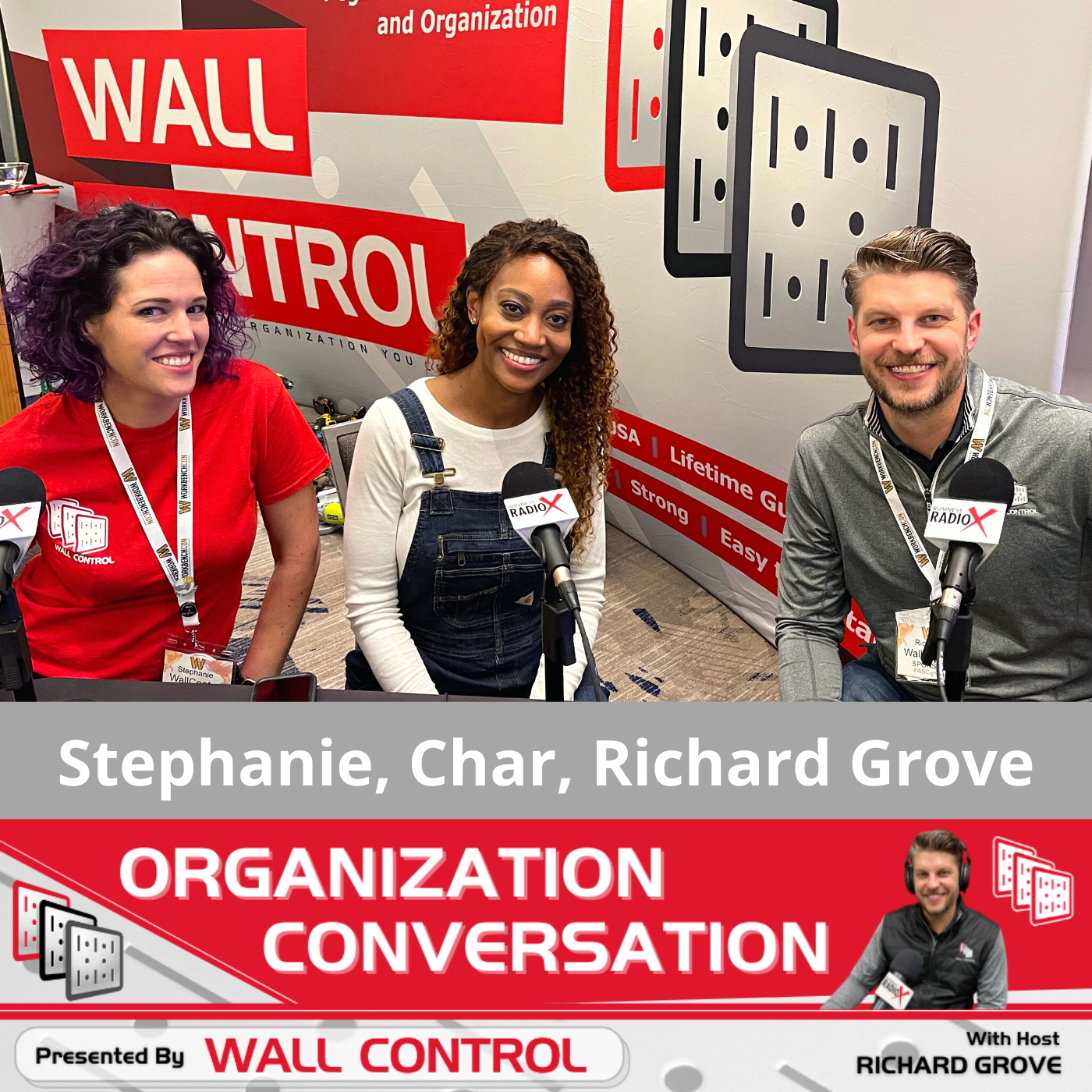
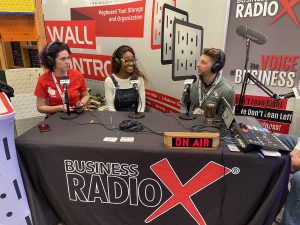
Rob Rein, owner of Ginger Woodworks joined Richard Grove on this live episode of Organization Conversation, broadcast from WORKBENCHcon 2022. Rob talked about how Ginger Woodworks came about, his love of the maker community, building relationships, and much more.

Organization Conversation is produced by the North Fulton studio of Business RadioX® inside Renasant Bank in Alpharetta.

Rob Rein, Ginger Woodworks

Rob Rein, Ginger Woodworks

In 2016, Rob set out to build a few projects with my kids. When one backyard playhouse quickly turned into other projects around the house, he realized he had an opportunity to teach his kids how to build cool stuff and work hard.

As a Christian father and husband, Rob believes it is his duty to inspire my family and those he can reach.  He appreciatse every follow, like, and view of any project that comes out of the Ginger Workshop.

Connect with Rob:  Website |Instagram | TikTok | Facebook

About Organization Conversation

Organization Conversation features interviews with movers and shakers in storage and organization, from professional organizers to the creative and talented Brand Ambassadors who use Wall Control products every day. You’ll hear tips, tricks, and how-tos for storage and organization, as well as receive first access to Wall Control promotions. We talk with our suppliers and partners to give you a look behind the scenes at how we operate, what makes our family-owned and operated brand tick, and some of the fun and interesting insights that go into making our business run. We love our guests, as they are engaging and entertaining with interesting experiences to share. By focusing on those guests and the amazing stories they tell, we hope you will be enriched and find your time listening to the Organization Conversation podcast as time well spent.

Organization Conversation is hosted by Richard Grove, and broadcast and produced from the North Fulton studio of Business RadioX® inside Renasant Bank in Alpharetta. You can find the full archive of shows by following this link. The show is available on all the major podcast apps, including Apple Podcasts, Spotify, Google, Amazon, iHeart Radio, and others.

About Richard Grove

Richard Grove, Host, Organization Conversation

Richard Grove‘s background is in engineering but what he enjoys most is brand building through relationships and creative marketing. Richard began his career with the Department of Defense as an engineer on the C-5 Galaxy Engineering Team based out of Warner Robins. While Richard found this experience both rewarding and fulfilling, he always knew deep down that he wanted to return to the small family business that originally triggered his interest in engineering.

Richard came to work for the family business, Dekalb Tool & Die, in 2008 as a Mechanical Engineer. At the time Wall Control was little more than a small ‘side hustle’ for Dekalb Tool & Die to try to produce some incremental income. There were no “Wall Control” employees, just a small warehouse with a single tool and die maker that would double as an “order fulfillment associate” on the occasion that the original WallControl.com website, which Richard’s grandmother built, pulled in an order.

In 2008, it became apparent that for the family business to survive they were going to have to produce their own branded product at scale to ensure jobs remained in-house and for the business to continue to move forward. Richard then turned his attention from tool and die to Wall Control to attempt this necessary pivot and his story with Wall Control began. Since that time, Richard has led Wall Control to significant growth while navigating two recessions.

Connect with Richard:

Instagram | Twitter | LinkedIn

About Wall Control

The Wall Control story began in 1968 in a small tool & die shop just outside Atlanta, Georgia. The first of three generations began their work in building a family-based US manufacturer with little more than hard work and the American Dream.

Over the past 50+ years, this family business has continued to grow and expand from what was once a small tool & die shop into an award-winning US manufacturer of products ranging from automobile components to satellite panels and now, the best wall-mounted tool storage system available today, Wall Control.

The Wall Control brand launched in 2003 and is a family-owned and operated business that not only produces a high-quality American Made product but sees the entire design, production, and distribution process happen under their own roof in Tucker, Georgia. Under that same roof, three generations of American Manufacturing are still hard at work creating the best tool storage products available today.

Connect with Wall Control:

Company website | Facebook | Instagram

Tagged With: Ginger Woodworks, maker, maker community, makers community, Richard Grove, Rob Rein, Wall Control, woodworking, WORKBENCHcon 2022

John Inhouse With Merrill Lynch Wealth Management

April 29, 2022 by Jacob Lapera

JohnInhouse
Atlanta Business Radio
John Inhouse With Merrill Lynch Wealth Management
Loading
00:00 /
RSS Feed
Share
Link
Embed

Download file

MerrillLynch

JohnInhouseJohn Inhouse serves as the Senior Market Executive of the Atlanta Buckhead & Associates Market headquartered in Atlanta, Georgia. The Market includes offices in Buckhead, Atlanta Galleria, and Alpharetta, and is comprised of over 300 partners.

John began his career with Merrill Lynch in Akron, Ohio in 1990 as a Financial Advisor and was a Circle of Excellence Financial Advisor and Resident Director from 1994-1998.  John became a member of the leadership team in MerrillLynch’s Global Private Client Group in 1998 and served as the AssociateRegional Director for the Mid-America Region from 1998 – 1999.

Prior to leading Merrill’s Private Banking and Investment Group in the Pacific Northwest, John was the Director of the Akron and Cleveland Complex from 1999-2006. He was nominated to the Director’s Advisory Council to Management in 2006 and became the Chairperson in 2008. In 2009, John assumed the role as Regional ManagingDirector of the Mid-South Region based in Atlanta, GA.

John attended Youngstown State University and is a Board Member of Clark Atlanta University Financial Planning Advisory Board and Morehouse College’sExecutive Committee. John recently completed his board tenure with the AtlantaPolice Foundation. John serves as an Executive Sponsor with LEAD (Leadership, Education, Advocacy and Development) for Women, the Executive Advisor for the Atlanta Black Executive Leadership Team (BELT) as well as the Executive Sponsor of Bank of America’s Black Professionals’ Group.

He also is an Executive Member of Merrill’s National Black/African American Financial Advisor Council.  John recently accepted the position of leading the Southeast Division’s Market Executive Leadership Academy (MELA-Readiness).  Additionally, John is a 2019 recipient of the Bank of America/Merrill Global Diversity & Inclusion Award.

John resides with his family in Sandy Springs, GA and enjoys traveling, boating and spending time with his wife, two sons and daughter.

Connect with John on LinkedIn.

What You’ll Learn In This Episode

  • Unique trends driving wealth creation in Atlanta, including younger and more diverse clients
  • Wealth management needs of Atlanta residents
  • How clients are embracing financial technology over the last year
  • How Merrill is meeting the new demands in the Atlanta Market
  • How Merrill is developing local talent
TRANSCRIPT

Intro: [00:00:04] Broadcasting live from the Business RadioX studios in Atlanta, Georgia. It’s time for Atlanta Business Radio brought to you by on pay Atlanta’s new standard in payroll. Now here’s your host.

Lee Kantor: [00:00:24] Lee Kantor here. Another episode of Atlanta Business Radio. And this is going to be a good one. But before we get started, it’s important to recognize our sponsor on pay. Without them, we couldn’t be sharing these important stories today on Atlanta Business Radio. We have John Inhouse and he is with Merrill Lynch Wealth Management. Welcome, John.

John Inhouse: [00:00:43] Welcome. Good afternoon, Leigh. It’s a pleasure to be here.

Lee Kantor: [00:00:45] Well, before we get too far into things, tell us a little bit about Merrill Lynch wealth management, you know, mission purpose, like the type of people that you serve.

John Inhouse: [00:00:55] Thank you, sir. So we we serve, you know, investors and families as well, as well as businesses across the Atlanta metropolitan area. And our mission is really to be five things to our clients. Number one was to be a wealth management planner to articulate each financial decision with a financial plan. Number two, more traditionally provide all of the investment advisory services and advice, but doing that based on financial goals and a financial plan, you know, kind of what we call goals based wealth management. You start with goals and dreams and then you plug in the investments. We also do personal banking and in terms of credit, balance sheet management, mortgages, credit cards, which has been made easier with our obviously the relationship we have with with Bank of America part of the enterprise. We’re also philanthropic consults. We help our clients and families with their philanthropic pursuits. Family, legacy, wealth transfer. And really the last thing is we’re a friend. Know when you’re in the weeds with somebody on trying to get their family goals and their and their most important goals in their one lifetime. You become friends and you help them with all things that involve money.

Lee Kantor: [00:02:06] Now, how does Merrill differentiate themselves in the marketplace with so much competition among, you know, kind of these robo advisors with these boutique firms? Why is a client better served at Merrill?

John Inhouse: [00:02:22] So the first I’ll take the robo advisor is a little bit of a different scenario. Right. And we do have Merrill Lynch edge, which does have we do it’s not so much a robo advisor, but you could do it yourself or you could use sort of a computer driven model of investing. But there comes a time when there’s a tipping point or a line in the sand where a family or a client says, you know, I really want a person, right? I want to have a financial plan. I want someone to walk me through it. I want someone to tell me how much money I’ll be able to spend when I retire at 65, how much money I need to send my children to school. And I would say what sets us apart the most is delivering financial planning. And by the way, we deliver financial plans at no additional cost. It’s part of what we do. So it doesn’t matter who you meet, whether it’s a neighbor, it’s the wealthiest family on the block or the wealthiest family, you know, the vast majority of people. They do not have a financial plan. They might have an investment plan. So they might say, oh, yeah, I have a plan. But their plan is what percentage? Stocks and bonds. They can’t tell you what percentage probability they’ll have of reaching their dreams of, let’s say I want to have after tax income of $9,000 a month, you know, inflation adjusted when I hit 62. We deliver that and we based our investments off that. That’s the difference.

Lee Kantor: [00:03:49] Now, is that becoming more and more relevant to folks as the market is kind of in a downturn now where you have when it’s a bull market and everything’s going up, then, you know, all these people that are doing it themselves feel like they figured something out. But when the market kind of goes sideways or goes down, all of a sudden, you know, people are exposed and then they might start panicking. Is this where kind of the value of having a trusted adviser comes into play to help you kind of off that ledge so you don’t make kind of a monumental mistake during this time?

John Inhouse: [00:04:23] Lee, what a great question. You’re absolutely right. I would absolutely agree with you. I would add to that you need a financial plan all the time, right? Because, you know, I don’t know what my advisors would say. Lee, if you were a client and I’m an advisor of Merrill Lynch, which I was for eight years and loved it, if you call me yesterday when the market was down again and said, John, you know what’s going on, you know, I could go through a myriad of philanthropic or I’m sorry, but, you know, sort of what’s going on with globally, right? Geopolitically, I could go on about the recession. I can go on about is there going to be a recession, talk about inflation and rising rates or. Right. I can say that and then say, hey, by the way, Lee, I just updated your plan and you’re still on goal to retire in six years. Right. So, you know, that’s when the planning is needed the most. But I’d argue that planning is needed all the time. And that’s the difference in goals based wealth management where we lead with planning, we it all ties, but especially when it’s volatile. Right. That’s when you want to rerun the plan to say and that. And so if I could you know you made a really good point, like when people would call and and make an emotional decision if you call me and said, oh, my God, John, the market’s down again, I want to get out. I would say, well, Lee, you know, let me just share with you. We’re still on goal. We plan for this, right? That’s why we have the asset allocation we have in case there is a market pullback. So there’s no reason to do that. So great question. And planning is is needed every day of every client’s life. But but most importantly, as you put it, when it’s volatile and when it’s going down or sideways.

Lee Kantor: [00:05:59] And I think planning is critically important at the different stages you are and you’re kind of investment life cycle. You know, when you’re accumulating wealth and it’s going down, you’re almost high fiving like, Oh, I’m buying things on a discount today. But when you’re retired and you don’t have kind of an influx of money coming in and it goes down, you’re feeling a little differently.

John Inhouse: [00:06:23] I would agree 1,000%. And you know, what we we call those accumulators are saving money and accumulating. And just like you describe, they almost want to buy when it’s down and there’s the transition into retirement. And then you become an accumulator where you don’t have the steady income of a job coming. And then you need to live off the investments you have and make sure you don’t run out of money. And that’s when it becomes critically important. But I would say that having a plan the entire time is important. But as you approach retirement, it’s it’s even more important.

Lee Kantor: [00:06:54] So now, is there a niche that Merrill serves more than others, or is this kind of anything goes? Anybody anywhere along their career, anywhere in their wealth kind of life cycle that is a is a good fit for Merrill folks.

John Inhouse: [00:07:11] So typically people that just start out investing that might have a few thousand would would use Merrill Lynch edge. So we have Merrill Edge which provides you with an advisor a little bit different than what you do when you’re in normal Merrill Lynch wealth management. We do have planning tools. We do help you with guided investments. And then then there comes the point where you, as you said, as you go through the different stages, then you really need an advisor, right? Then you need that one on one advisor to have that monthly contact, the quarterly reviews, update your plan on a quarterly basis so we can help along the way. And it’s just what channel best serves the clients and families we we meet.

Lee Kantor: [00:07:53] So now are you seeing anything, any kind of surprising trends that you’re seeing? Like, is there more interest now for young folks than maybe there has been historically? Is there, you know, are people asking for more types of alternative investment options? Like, are you seeing anything interesting out there in the market nowadays?

John Inhouse: [00:08:15] Well, you know, I think with the financial uncertainty that we’ve had the last two years with jobs, the market, the economy, the pandemic, there has been an unprecedented interest in financial advice overall. People want to know. Right. People you know, you remember March during when the pandemic first hit, when the markets were I think it was right around March 23rd when the market really capitulated. That’s when everyone really was saying, my gosh, how long will this take to recover? And I have experienced that firsthand in Atlanta, which is, of course, a growing market. And we’ve been able to acquire more clients. You know, we we’re at an all time high and client acquisition where an all time high and client satisfaction and an all time high on client financial planning. So I think through the pandemic, our advisor teams and leaders have been really focused on client engagement and making sure that every client is aware that the full capabilities that Merrill and Bank of America have to meet their financial needs. So, yes, there has been definitely there’s been more interest, especially over the last few years with the pandemic, etc..

Lee Kantor: [00:09:18] Now, are young people looking towards financial advising as a career path? Are you seeing more and more people interested in that?

John Inhouse: [00:09:27] We do we do see a lot of interest in financial you know, financial planning is, you know, it’s a noble cause when done correctly. And, yes, there’s always a we have a phenomenal training program. We’ve never, ever had a year when we didn’t have our training program. We’re really proud of it and we’re really proud of what we can deliver to, you know, to our clients and future clients. So so, yes, there is it’s a very popular career vocation to say, I want to help people plan their their these are it’s so important when you think about especially as people get closed in on retirement, it’s so important that people have that peace of mind when they put their head on their pillow at night to know they’re going to be able to live in dignity or live the retirement that they always dreamed of. And they’ll do that by having a plan. So there are a lot of college graduates that are interested or second career, early second career people that follow this path.

Lee Kantor: [00:10:22] Now let’s talk a little bit about the people at the different kind of stages of their career. So if you’re a brand new, you just started working a recent grad, you got your first job and maybe you’re putting things away for retirement for the year, even just thinking about it for the first time. You said that there are some tools that you can use through Merrill. That’s still that’s somebody that could still engage with Merrill and and create a relationship that might they might not use it to the fullest degree today. But down the road, it might be something that they evolve into a deeper relationship.

John Inhouse: [00:11:01] Absolutely. And that’s Merrill Edge. And by the way, Merrill Edge would also offer them the full suite of all of our Bank of America banking advantages. Right. So they would have both of those. And then as as they continued along, there might be a point where their Merrill Lynch Edge advisor might say, look, you might want to meet a merrill Lynch wealth management advisor, you know, to go to that next step. But but truly from I mean, my 16 year old son has had a merrill Lynch account for for a few years. Right. I mean, and he understands investing and understands companies and what works. And he has a say. And then we use some of the models that Merrill Lynch has. So it’s a great way to teach financial literacy. And, you know, it’s kind of fun to watch people cross from being a saver to an educated, savvy investor. And in the earlier that happens, in the earlier they start, you know, I’ve got a 22 year old that’s you know, he’s got a Roth, right. And because he’s worked. And so it’s fun to watch those younger individuals, you know, start early because it’s amazing what could be done over time, as you know.

Lee Kantor: [00:12:09] Lee And then if you’re a business owner or an entrepreneur, there’s a place for you here as well. Like you don’t have to it doesn’t have to be through your company, right? You can still engage with Merrill if you’re an entrepreneur or solopreneur or somebody like that.

John Inhouse: [00:12:24] Absolutely. And of course, we have incredible business bankers across Atlanta. We’ve got 5000 partners across Atlanta that are Bank of America merrill Lynch across lines of businesses. And not only the consumer bank, which is when you hear Bank of America, you think of the most. But I think the business banking that we have is incredible, where we can really help a business owner, whether it’s with cash management, it’s lending. It’s we have amazing practice management around medical professionals to help them lease equipment. It’s amazing what we can do when we kind of put the power of Bank of America with Merrill Lynch. It’s truly exciting. I’ve been here for 32 years and it’s really fun to watch the number of solutions that we have now. All we need to do, though, is start with goals based, right? It doesn’t matter how many solutions you have if they’re not the right ones. That’s why we always start with goals based. Really understand the client. If they’re a business owner, that’s a whole nother nuance, right? If there’s needs of the business that will help in their in their individual wealth management, we have the banking team that can do that as well.

Lee Kantor: [00:13:30] And then if you are a corporate person, you can still tap into the advisors and the planners. And especially as you approach retirement. This is I think this is a must have conversation with somebody to help make sure that you’re on the right track to get to where you want to go. And I agree with you that this goal is based. I mean, you have to know where you’re aiming or else you’re never going to get there.

John Inhouse: [00:13:56] Lee. I agree. Again, I mean, just because this is what I do and it’s one of the most passionate about from a career perspective, it’s the only thing I’ve really done. It’s amazing how many people you meet. It doesn’t matter. They could be a top position, a top attorney, a top business owner. They don’t have a financial plan and the things they own, they just bought for through happenstance or someone sold it to them and they never took the time to put it all together to say, you know, do I have too much in stock? I mean, if you’re if you’re if you’ve done really well and you don’t need a ton of money when you retire, why own 90% stocks? There’s no reason people take too much risk. And once they understand that, wow, you know, I don’t need to do that, right? I don’t need to have everything I own in stocks. I could actually have short term fixed income or whatever is the most appropriate or, you know, more dividend yielding investments that are that are a bit more stable. It’s amazing the peace of mind. First of all, it’s an aha moment. They’re like, wow, I didn’t realize that. I didn’t. Or, you know, it’s really the three questions that we ask. And the first question is, what’s the primary intent for your wealth? Right? Or in other words, you have money, you have savings, you have an investment, you have a41k, tell me the jobs that money has to do.

John Inhouse: [00:15:11] And typically people will say, get me through retirement, get my kids through college. I have a family member that I need that needs some of my financial support. I have a couple of favorite charities. And then you ask them the second question and that’s do you feel like you have enough, not enough or more than enough? And they always say, I don’t know. And when they say I don’t know, it’s when we say, you know, have you ever talked about this with a financial professional? No, I have it. We need to do that. And that’s the first thing we do and we’re happy to do it. We don’t care what they do. If you can do it yourself, you can do it with us. But we want everyone to have a plan because once they have that plan, as you said, they’re going to make better educated decisions regardless of what the market’s going to do. They’re going to have peace of mind and their lives are going to be much better and we’re going to greatly increase the probability of their success.

Lee Kantor: [00:15:57] And this is a very complex problem. I mean, you don’t know when you’re going to die. You don’t know what your health is going to be as you age. There’s a lot of unknowns that you’re making assumptions with. And if you don’t have somebody kind of guiding and playing out scenarios, it’s just really difficult for the layperson to understand all of the kind of ramifications of certain actions.

John Inhouse: [00:16:23] Absolutely. You know, and even when it comes to disability or life insurance, it doesn’t have to be even with their employer. Right. I mean, people don’t they don’t really know how much life insurance to buy through their employer. Right. Or or should I have this ability? And the best part of what we do and the best part of the three plus decades I’ve been with Merrill and now Merrill, Bank of America is watching people’s eyes light up when they realize, Wow, I now know what I’m doing. I, I now understand whether I’m in good shape, bad shape or great shape, but I know where I am and now I can plan for it. And I could get into the point where I land at age 65. I land on that island with this much money after taxes. You know, my my kids are going to college. Maybe they’re lucky enough or they can help their grandchildren. All those things. When you ask people, what is your retirement look like, what is what are the goals you’d like your money to accomplish? And you build a plan and accomplish those. There’s nothing, nothing at least better for me and my team than to watch that come to fruition.

Lee Kantor: [00:17:24] Well, if somebody wants to learn more, have a more substantive conversation with you or somebody on the team, what’s the best way to do that?

John Inhouse: [00:17:31] Well, sure you could obviously Merrill Lynch. My name is John in-house I ion USA where I’m here in Atlanta, Buckhead and I’m the senior market executive and managing director. I could also be reached in my office where I’m sitting right now, which is 4042312500. And the one thing I just impress upon everyone is, please take the time to do a financial plan. And by the way, we do not charge for our financial plans. So this is no, we’re not looking for people to call us for 5000. No, let us do a financial plan for you. You can decide what to do with your money later, but let us do the plan for you. You’ll feel so much better.

Lee Kantor: [00:18:09] Good stuff. Well, John, thank you so much for sharing your story today. You’re doing important work and we appreciate you.

John Inhouse: [00:18:16] It’s a pleasure and an honor to be on your on your program, sir. Have a great rest of the afternoon and stay safe.

Lee Kantor: [00:18:20] All right. This is Lee Kantor. We’ll see you all next time on Atlanta Business Radio.

About Our Sponsor

OnPay’sOnPay-Dots payroll services and HR software give you more time to focus on what’s most important. Rated “Excellent” by PC Magazine, we make it easy to pay employees fast, we automate all payroll taxes, and we even keep all your HR and benefits organized and compliant.

Our award-winning customer service includes an accuracy guarantee, deep integrations with popular accounting software, and we’ll even enter all your employee information for you — whether you have five employees or 500. Take a closer look to see all the ways we can save you time and money in the back office.

Follow OnPay on LinkedIn, Facebook, and Twitter

Tagged With: John Inhouse, Merrill Lynch Wealth Management

Danny Kenny With Level 5 Capital Partners

April 29, 2022 by Jacob Lapera

DannyKenny
Atlanta Business Radio
Danny Kenny With Level 5 Capital Partners
Loading
00:00 /
RSS Feed
Share
Link
Embed

Download file

DannyKennyDanny Kenny, Principal at Level 5 Capital Partners

Danny Kenny joined L5 in 2018 and is a principal on the Investment Team. In this role, Danny is involved in deal sourcing and diligence, portfolio company operations, overseeing portfolio company integration with AS, investor relations and day-to-day management of the Investment Team. Danny additionally served as Director of Corporate Development for Big Blue Swim School from 2018to 2020 where he was responsible for launching the franchising business.

From 2015 to 2017, Danny managed public and private investments at Bayshore Global Management, a multi-billion-dollar private family office in Palo Alto, CA. Prior to Bayshore, Danny was a vice president at Goldman Sachs in Chicago, IL.

Danny received a B.A. in political philosophy and economics from Georgetown University and an MBA from the University of Chicago in statistics and analytic finance.

Connect with Danny on LinkedIn.

What You’ll Learn In This Episode

  • The next big health and wellness brands
  • The Health and Wellness Market Size is expected to increase by USD 1.39 trillion from 2020 to 2025

This transcript is machine transcribed by Sonix

TRANSCRIPT

Intro: [00:00:04] Broadcasting live from the Business RadioX studios in Atlanta, Georgia. It’s time for Atlanta Business Radio brought to you by on pay Atlanta’s new standard in payroll. Now here’s your host.

Lee Kantor: [00:00:24] Lee Kantor here, another episode of Atlanta Business Radio. And this is going to be a good one. But before we get started, it’s important to recognize our sponsor on pay. Without them, we couldn’t be sharing these important stories. Today on business radio, we have Danny Kenny with Level five Capital Partners. Welcome, Danny.

Danny Kenny: [00:00:43] Hi. Great to be here, Lee. Excited to spend some time with you?

Lee Kantor: [00:00:46] Well, I’m excited to learn what you’re up to. Tell us a little bit about Level five Capital Partners. How are you serving folks?

Danny Kenny: [00:00:52] Yeah, absolutely. So Level five has been informally around since 2008, investing in in the consumer franchising space. We started our lives with a brand called Core Power Yoga and ultimately made an investment in the brand and then organically grew into its largest franchisee owning and operating over 34 stores across the country. Over time, we realized there was a lot of opportunity in the space to professionalize and institutionalize and so started working with other brands. So we work with Orangetheory Fitness, Big Blue Swim School, Heyday Skin Care and restore hyper wellness and cryotherapy.

Lee Kantor: [00:01:38] So you stay within that health and wellness kind of conglomerate.

Danny Kenny: [00:01:44] You know, we have up to up to this point in time, we tend to focus on consumer services businesses. So really think about businesses we like to say that are non Amazon able where there’s really an element of human connection and local community. And that’s really the sweet spot for where we’re in. It’s happened to be health and wellness. And I would say when we started doing this business, health and wellness was a much smaller niche. And just as an example, five, six, seven years ago, we wouldn’t have thought of heyday skincare as something that was in our space. But today it is because people want to take care of their skin and care deeply about that.

Lee Kantor: [00:02:26] Now, when you’re working in kind of a category or a niche like you are, even though it might be broadening a bit, is there some benefit for that franchisee in terms of by partnering with you and getting access to multiple brands? So there’s some economies of scale like so one, if I am a user of a service, you know, say the fitness brand, that I might also be a user of the skin care brand. And then you don’t have to kind of acquire a new customer. We can share the same customer.

Danny Kenny: [00:02:56] You know, we do get some of that. I would say it’s less about us sharing data across our brands and more sharing processes and tools where there are some walls between what we can share across brands. But the methods for capturing the consumer’s attention and more importantly, delivering a really high quality service experience, those tend to be pretty universal across brands. And so building the processes, tools and systems at the franchisor level and then also giving your franchisees the institutional platforms that a lot of emerging franchise systems don’t have. That’s really where we at level five capital can help a lot in scaling a brand faster by giving them tools that some franchise systems take 5 to 10 years to build out. We can help a brand do that within 24 to 36 months.

Lee Kantor: [00:03:56] And what’s an example of some of those tools?

Danny Kenny: [00:04:00] Well, we build them out. It runs the gamut. And so we have a group that does marketing and new store opening for us. And so we recently recruited somebody from from Facebook to lead that effort. And running the digital marketing playbook is pretty universal across brands. And to do it efficiently and at scale across all the locations that we manage is extremely powerful for for both us as a franchisor. And we also are a franchisee of all the brands we work with today. And we share those insights and processes and playbooks that really exists across our concepts in terms of a large real estate team that helps us locate stores and get in the way of the customer, really make the services convenient for them and and make sure that we’re hitting our opening timeline builds and that we’re delivering as many customers to our locations on the day the store opens.

Lee Kantor: [00:05:02] So having come from kind of the lens of a franchisee, do you think that that’s part of your secret sauce, that you really could empathize with that prospective franchisee? Because you’ve, you know, you’re that’s an active part of what you do every day as an organization.

Danny Kenny: [00:05:17] We don’t even need to empathize. We are on the other side of the table. So we’re building tools for ourselves that that are easily shareable with the rest of the system. So we absolutely do have empathy for sitting in the seat of the franchisee. But we’re also doing I don’t want to proclaim where this is all is all charitable, but we are building tools for ourselves that we want to give access to other franchisees. Because ultimately, if the whole system is successful, everybody wins and we want to see more people involved. And ultimately, it’s all about how many customers can we serve and how many people’s lives can we make better.

Lee Kantor: [00:05:56] Now, you hear a lot about this great resignation. Has that kind of been a maybe an impetus to consider franchising for some of these folks that have quit their jobs?

Danny Kenny: [00:06:10] Yeah, that’s a great question. I think we have seen it. We have in 2020, we actually had a very good year in franchise sales. So we saw probably about a two month slowdown during the pit of the crisis in March and April where nobody was really doing anything because we were all paralyzed with fear. But really, it started picking up in May and June across all of our concepts, and we actually had a really good year selling franchises and 2021 was even better. So I do think you are seeing it. And, you know, we don’t we don’t forecast the future too much. And perhaps with the economy picking back up, that that slows down. But yes, we have seen tailwinds in franchise sales during the pandemic.

Lee Kantor: [00:07:01] Now, any advice for that emerging franchisor that’s out there, maybe with a new franchise that they decided to franchise, that some do’s and don’ts that you would recommend that they kind of implement?

Danny Kenny: [00:07:15] Yeah. I mean, I would say the number one mistake that we see across new franchise systems is a desire to sell at any cost to whomever they can. And so we really see people make strategic errors because they don’t have the early emerging franchise or doesn’t have the negotiating leverage at the table. And I can assure you each one of them regrets that decision 24 months later. Now, that may be the right business decision at that point in time, but I would I would recommend anybody early in the franchising system to think long and hard about giving too much up at the negotiating table just because they haven’t sold a lot of units.

Lee Kantor: [00:07:57] And then what about getting clear on who that ideal franchisee is? How do you go about doing that?

Danny Kenny: [00:08:05] I mean, we it’s very difficult up front. I would say more often than not we’re wrong. But what we are doing is we’re constantly revising who are what the customer profile is for our ideal franchisee. So as soon as we do start selling franchises for a brand, we’re doing quarterly and semiannual updates on who we’ve actually seen come into the funnel and who we have actually sold a unit to. And we’re retargeting based on that. And again, I would say our initial instincts, we can we can get I think we’re going to be correct. But more often than not, the actual people who end up coming in the door and buying and and ultimately being successful franchisees are very different from the people you’ll have in mind when you’re initially launching.

Lee Kantor: [00:08:56] Now, once you’ve identified the ideal franchisee, do you just implement the same strategies you’re using for franchisees to get clients in the door? Are you using those same kind of Facebook and digital ads?

Danny Kenny: [00:09:09] Absolutely. Our franchisees in our system are going to use the same playbooks that we put in place at our stores. And that’s part of the benefits of scale that we bring to an emerging franchise system. So a lot of other people don’t have that expertize. And so the same playbooks that we use at level five for our franchisees are the same playbooks that are put in place for non five franchisees. And people see a lot of benefit in that and I think they take a lot of comfort in the fact that the same person who is an investor in the franchise or is also putting their money where their mouth is and becoming a franchisee and sitting on the same side of the table as future potential and current franchisees.

Lee Kantor: [00:09:52] So that same strategy works for a franchisee to get a customer than it does for L5 to get a franchisee as a franchisee for a brand.

Danny Kenny: [00:10:03] Oh no. So I was thinking customers in the door. We have two different strategies for getting franchisees or for getting potential franchisees to sign franchise agreements. The playbook that I’m talking about that we give to franchisees is really focused on the customer coming in through the doors of the four walls and the franchisees who are not out five of the same playbook as L five does to drive customer volume and revenue through their door.

Lee Kantor: [00:10:31] Because you’re kind of running a laboratory to kind of figure out best practices.

Danny Kenny: [00:10:36] Correct. We like we like to visualize as a conveyor belt or a set of gears that work. Right. And all the gears need to work together. And we’ve come up with a pretty good conveyor belt to do that.

Lee Kantor: [00:10:49] And then when it comes to identifying the next big health and wellness brand, do you have a system for that as well?

Danny Kenny: [00:10:57] Say yes to a lot of meetings. You know, you just have to spend a lot of time looking and talking to a lot of different people. I don’t it’s very hard to triangulate on a system and we’ve thought about it and we attend all the conferences. And but we really the way we think about it is, is we come up with what are things in our life that we want somebody to solve, whether or not it’s something’s not working in my life or this is an inconvenient product and we think somebody can do it better. And then then you start to see patterns and you say, okay, that that person, this product, this this brand is solving this problem in my life that I have either one that’s somebody else hasn’t solved before, which is the case of Restore Hyper Wellness, which is a very new concept and a new brand. Or in the case of Big Blue Swim School, there was competition out there, but we didn’t feel as a customer that they treated that it was as good of an experience as it should be. And so Big Blue is in a market that existed but really ups the game. And we try to think of Big Blue as the apple of of kids swim schools with just a high level of customer touch and experience with a strong technology wrapper around it. I would say the other thing that we we want to see in a brand early on is leaning into technology because everything is has some sort of software wrapper around it. And if you’re not making that investment early, it’s very tough to change the DNA of a company.

Lee Kantor: [00:12:35] Now, is it just a coincidence that you’re based here in Atlanta, or does Atlanta have some unique characteristics that make it a good place to launch brands like this?

Danny Kenny: [00:12:44] You know, it’s it’s coincidence, but it’s a great coincidence. We happen to be here because my brother, who’s also the founder of our firm, know his wife’s a doctor and she was placed at Emory. It just so turns out Atlanta is a great city. It’s not one I considered. I moved here from San Francisco and really kind of pinch myself because I love it here, but it is a great place to put a franchise business. There is just a lot of talent here and it’s very easy to recruit people to move here. And so, again, it’s a coincidence, but it’s a coincidence that I’m very happy about.

Lee Kantor: [00:13:21] Now, is it also a good place to kind of if you’re starting with an emerging brand, to have Atlanta be that market that you’re putting some of your early franchisees on?

Danny Kenny: [00:13:32] Yeah, absolutely. We love Atlanta as a market. It’s a growing demographic. The hard part in Atlanta is it’s growing so much that it can be difficult to find real estate. But beyond that, you’re spot on in terms of the ability to attract talent here and the ability. It’s it’s nice not to have discovery days in the north where it’s. We’re cold and nobody wants to be there from December to March. And so Atlanta absolutely helps in that regard.

Lee Kantor: [00:14:03] So when you’re working with an emerging brand, how do you know when you’re getting traction? Like, is it an obvious thing where you’re like, okay, this is going to work? Like we’re going to be able to get to 102 hundred units? Or is it something that, you know, you have a brand, you do some stuff, it’s maybe it’s struggling and then you’ve got to do some tweaks, like, how do you know when you’re getting traction?

Danny Kenny: [00:14:26] Yeah, I would say the traction is obvious in hindsight and some brands just don’t have to worry about it and some brands do. And it’s great when a brand doesn’t have to worry about it. And basically there’s a giant tailwind behind what they’re doing, and we certainly have a couple of those in our portfolio. And then there are some brands that really have to work through product market fit and there are is some tweaking to do. But ultimately it’s actually the latter is is more rewarding for us and for me gives me a lot more confidence going forward because if you can run into problems and solve them and then come out on the other side with a really good outcome, I feel like you have a much more a much stronger grasp of cause and effect in what you’re doing. And you can have a lot of confidence that the management team at the brand is able to solve problems, whereas a lot of brands sometimes just have so much growth underneath them that they never run into any problems. And you know well as well as I do at some point, at some time, a brand is going to run into a problem, whether that’s a ten stores, 100 stores or 250 stores. It helps to know that the management team is capable of seeing the problem, diagnosing it and coming up with a solution. And so I don’t view brands as completely invulnerable just because they’re growing extraordinarily fast. Sometimes those bumps in the road really help you to understand the durability and the ability of the management team to really understand the customer and fix the trajectory of the brand.

Lee Kantor: [00:16:08] So what do you need more of? How can we help?

Danny Kenny: [00:16:12] Oh, I’m. What do you mean?

Lee Kantor: [00:16:15] Do you need more franchisee? You need more emerging brands. What do you. You need more capital. You need investors. What do you need more of?

Danny Kenny: [00:16:22] Well, on the latter point, I can’t talk, but on franchising, I mean, listen, we are always looking for franchisees. We have a really I’m really happy with the group of brands that we’re fortunate enough to work with and we’re always looking for new investment opportunities. We again, we’ve been blessed in terms of the types of types of brands and more importantly, the people that we’ve worked with at the brands. We do this because we love it and the areas we focus on. Again, we’re trying to we like to say we want to create the communities that we want to live in. And so finding brands that are trying to solve these problems and make people’s lives better lets us get out of bed and work really hard and gets us excited about it. So and that we’re happy to talk to anybody who is looking to become a franchisee. We’re happy to talk to young and emerging brands and whether or not we make an investment. I’ve spent a lot of time with brands where we haven’t made an investment, just giving them advice on how to think about things. And it’s ultimately been rewarding for me and and some of the brands I have started to see them scale and maybe at a point where they’re ready to work with us. So at the end of the day, we’d love to talk to both.

Lee Kantor: [00:17:44] Well, if somebody wants to learn more, have a more substantive conversation with you or somebody on the team, what’s a website?

Danny Kenny: [00:17:49] Yeah, it’s L five capital l5e capital dot com. In my email address is Danny at WL five capital dot com and easily reachable.

Lee Kantor: [00:18:03] Good stuff, Danny. Well, I appreciate you coming on and sharing your story today. You’re doing important work and we appreciate you.

Danny Kenny: [00:18:09] Thank you, Lee. Great to be here.

Lee Kantor: [00:18:11] All right. This is Lee Kantor crucial next time on Atlanta Business Radio.


About Our Sponsor

OnPay’sOnPay-Dots payroll services and HR software give you more time to focus on what’s most important. Rated “Excellent” by PC Magazine, we make it easy to pay employees fast, we automate all payroll taxes, and we even keep all your HR and benefits organized and compliant.

Our award-winning customer service includes an accuracy guarantee, deep integrations with popular accounting software, and we’ll even enter all your employee information for you — whether you have five employees or 500. Take a closer look to see all the ways we can save you time and money in the back office.

Follow OnPay on LinkedIn, Facebook, and Twitter

Tagged With: Danny Kenny, Level 5 Capital Partners

Jane Gentry With JaneGentry & Company And John Armitage With Armitage Photography Inc

April 28, 2022 by Jacob Lapera

Cherokee Business Radio
Jane Gentry With JaneGentry & Company And John Armitage With Armitage Photography Inc
Loading
00:00 /
RSS Feed
Share
Link
Embed

Download file

This Episode was brought to you by

The Innovation SpotAlma Coffee


JaneGentryJane Gentry has had a successful 30-year career as a CEO, Business Consultant, Executive Coach, Sales Manager, and Keynoter. In 1999, Jane formed her practice where she has partnered with her clients to improve growth, profitability, client retention, employee retention and leadership capabilities. Jane helps entrepreneurs and senior leaders diagnose and solve gaps regarding people, process and development enabling profitable growth and improving sales velocity and pipeline consistency.

Her clients realized a better articulated value, better delivered value and a better value to their bottom line. The world’s most successful organizations have brought Jane on board, including Assurant, The Home Depot, Milliken, Philips, Coca-Cola, Leidos Healthcare, Stryker, GSK, Transamerica, BlueCross Blue Shield and Mercedes-Benz.

Jane is considered one of the top voices in sales. She has been a guest on numerous podcasts and is a prolific speaker at high-profile meetings from Canada to the Czech Republic. She has been tapped to address topics including “Selling Value” to “Social Intelligence and Your Millennial Sellers” and “Inspirational Leadership”. Audiences and clients have described her as a woman with a vision, energetic and inspiring.

Jane holds a BFA/MFA from Kent State University/ The University of Pittsburgh. She also holds a CPI (Certified Professional Innovator) distinction from GA State University. Earlier in her career she was a professional stage actress. Jane lives in Atlanta, GA.

Connect with Jane on LinkedIn.

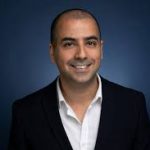
JohnArmitageJohn Armitage attended California State University Fullerton and obtained a BA in Communications Photography. He worked in the industry in Orange County for 5 years and then moved to Atlanta in the early 90’s. After a few years here working in various studios, he opened his own and has been adapting and changing as the industry has transitioned from film to digital. He loves photography and all aspects of it. He also finds great satisfaction in mentoring and teaching young photographers as others helped me.

Connect with John on Facebook and LinkedIn.


This transcript is machine transcribed by Sonix

TRANSCRIPT

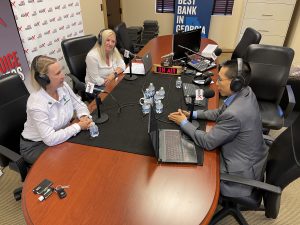
Intro: [00:00:07] Broadcasting live. From the Business. Radiox studios in Woodstock, Georgia. It’s time for Cherokee Business Radio. Now, here’s your host.

Stone Payton: [00:00:23] Welcome to Cherokee Business Radio Stone Payton here with you this morning. And today’s episode is brought to you in part by Alma Coffee, sustainably grown, veteran owned and direct trade, which of course means from seed to cup, there are no middlemen. Please go check them out at my alma coffee ecom and go visit their Roastery Cafe at 3448 Holly Springs Parkway and Canton. As for Harry or the brains of the outfit, Letitia, and please tell them that Stone sent you. All right, you guys are in for such a treat this morning. Please join me in welcoming to the broadcast. First up on Cherokee Business Radio this morning with Jane Gentry and company the lady herself. Miss Jane Gentry. Good morning.

Jane Gentry: [00:01:10] Good morning.

Stone Payton: [00:01:12] It is a delight to have you in the studio. How about we start with a little bit of an overview? Mission, purpose. What are you out there trying to do for folks, Jane?

Jane Gentry: [00:01:23] We are out there trying to help CEOs and executives of businesses up to about 200 million grow. Some of our clients are growing rapidly. They don’t know that they have the right infrastructure to support that growth. We have a lot of owners that are trying to exit after COVID, and we want to make sure that they’ve got the systems intact to serve. Their businesses can continue without them or they can sell for a profit if that’s what they choose to do.

Stone Payton: [00:01:54] So it sounds like a tall order to me.

Jane Gentry: [00:01:58] It sounds like a lot of fun to me. I don’t.

Stone Payton: [00:02:01] Know. So where do you start with. It seems like a great big thing that you’re tackling. Where do you start?

Jane Gentry: [00:02:07] We start with the leader. Frankly, we start with the CEO. Most of my consulting is to the CEO and we take a look at their leadership of the organization, places where they might improve and listen a lot to what they think the challenges are that they have in the organization. Then we go back in there and dig in and figure out if we agree with them in terms of the priorities of of what they think are the challenges in the business.

Stone Payton: [00:02:39] So I’ve always wondered, what does that look like when maybe the the leader’s perception is different than than the reality you’re observing and or they’re just not equipped or prepared to have that real conversation? Or do you run into that?

Jane Gentry: [00:02:58] Sometimes we have a lot of hard conversations and in a loving way. Stone But yeah, sometimes the leader is the challenge in the organization, frankly. Sometimes they don’t. Sometimes they’re grabbing too much to things that they maybe should let go of and let other people do. Sometimes they don’t have those people in the organization, and we need to look at the talent situation in the organization. And then there are a lot of times where they think they need to start at a particular point, and we don’t agree necessarily with that. And so there’s some negotiating, some convincing on our side, some convincing on their side, and some negotiating about where’s the right place to start.

Stone Payton: [00:03:47] So I suspect you see some patterns over time. You’ve been at this a while, or are there some things that you can almost count on seeing and you probably have the social skills not to roll your eyes, but maybe internally you’re like, okay, here we go again.

Jane Gentry: [00:04:01] Yeah. The number one thing is I call chasing the shiny object, chasing the things that are not the most critical to move the business forward. And I’ll give you my favorite example. Almost every time I get into an organization, somebody says to me, we need a new website. And I’ll say, okay, well, you know what? I agree with you. Your baby’s ugly, but that’s not really where I would start. You need the strategy first, right? You need you need the plan first. You need to know who your customer is first and what the language is of your customer and what the problems that your customer has. What are the solutions you know, what are the things you’re solving for? And then we get to the website. A website anymore is just a calling card, right? Nobody in B2B is going to buy off your website. But but the thing about something like that is that you get you get something metaphorically to hold in your hand at the end of it that you can be proud of. It’s and some of the harder business challenges are a process and you it’s harder to find that thing that you can hold in your hand and go look at what we did. Isn’t this beautiful? Isn’t this website beautiful? Isn’t this collateral beautiful? Right. So I call it chasing the shiny object. And that is a that is a pretty consistent thing that that I see.

Stone Payton: [00:05:28] I think I might resemble that remark and we’re no, we’re 200 million, but we’ve got a good little business going here. Yeah. Yeah. And you know, I’m one of the leaders of this little business and I do get sort of distracted by.

Jane Gentry: [00:05:42] Yeah, well, I’ll tell you, I had a CEO say to me recently, I’m not sure that our business will be relevant in ten years and then not too long on the tail end of that, she said, Jane, we really need a new website. And I said, Wait, I think we need to go back to the statement that your business might not be relevant in ten years and address that. I think that’s the big problem. Not not your website, right. So it is a pretty consistent, pretty consistent thing.

Stone Payton: [00:06:11] So let’s back up a little bit. I’d love to hear a little bit about the back story. How did you land in this in this line of work?

Jane Gentry: [00:06:22] Well, I had a consulting practice for 20 years. I consulted predominantly with very big companies Mercedes, Home Depot, Philips.

Stone Payton: [00:06:33] I’ve heard.

Jane Gentry: [00:06:33] Of those. Yeah, a couple of those. And then I left. I was recruited to run a couple of companies to take a CEO role in a couple of companies and turn these people down, I don’t know, ten times and ultimately took the job and with an equity backed they were equity owned. Covid aside it was one of the worst experiences I have ever had. Everybody that ever sold to this equity firm lost their money or didn’t get their money. It was really a pretty big bait and switch. And so I got I left there. And. Had, you know, kind of a hard time. Jane and Jane had a heart to heart with each other. Do you want to go back to what you were doing? And honestly, I was a little bored. In fact, a friend of mine had said before I took this this role with the equity backed companies. He said, Jane, I think you’re just putting different lipstick on the same pig. And I thought that was really very southern, but very good advice, right. So what I realized is that that experience lit a fire under me. I do not want if I can save one person stone and it sounds this sounds so like metaphysical and Jane thinks a whole lot of herself. But honestly, if I can save one owner from an experience like that, it will be a win for my career. And so my partner, who’s been doing this for for quite a while, and I have just decided that’s really what I’m passionate about, is helping these owners realize the things that they want in their business, realize that they can have a life and have a business which is really hard to do, and that they can sell their business and make money and not get not get ripped off like these poor owners that I that I got to know.

Stone Payton: [00:08:47] So sometimes when you’re going in, you’re helping them get ready.

Jane Gentry: [00:08:50] For an exit. Yeah.

Stone Payton: [00:08:52] Oh, okay. Yeah, yeah. So do you ever run into a situation where the operation is generating pretty good revenue? The sales side of it is okay, but they’re just not nearly as as profitable as they should and could be because some other things in the machine aren’t working too well.

Jane Gentry: [00:09:10] Yes, we are in we’re in the midst of a fixing a fixing all the back end financials for an owner right now who inherited the company. And there’s no there’s no job costing. They don’t know what their cost of goods sold is in the company. They don’t have a process for estimating they let their clients send the contract to them out of and they work with giant companies. So do you really want procurement from Disney sending you the the contracts is really not going to be in your best interest, right. So so we’re digging into that and helping that owner think about that business and how it makes sense to look at that business financially and how you can ensure your profitability and how you can look at some of the decisions you made and and ask yourself, was that a really good decision or was that a poor decision? Right. So, yeah, sometimes sometimes the money is there, but the profitability isn’t there because some of the decisions that are being made aren’t aren’t really in the best interest of profitability.

Stone Payton: [00:10:25] So I am peripherally around some of the things that you’re describing just because I get a chance to talk to business leaders and a couple of things that come up a lot, it’s two different retention. Sometimes they have concerns or at least they’re focused on client retention hanging on to who they have. But a lot of it too is hanging on to the to the employees.

Jane Gentry: [00:10:49] So that is the number one problem for every business on the planet right now. 30 million boomers left the market during COVID. Just said, I’m out of here. Wow. We bring in right now about 9 million new bodies into the workforce a year. And so a lot of owners are saying to me, Jane, people don’t want to work, they don’t want to work. And I say, no, honey, you have a math problem. You don’t really maybe people don’t want to work for you. And that’s a different problem altogether. Right. But the the overarching problem is a math problem. We have lost 20 some million people out of the workforce. The birth rate is going lower and lower and lower. So that problem is not going away. In addition to that, people did during COVID really take stock of who they work for. How do they feel about that? What do they want their work life to look like? I had somebody asked me the other day at a keynote, she said something about work life balance. I said, There’s no such thing. There’s just life balance, right? And people are looking at that now and are not accepting some things from their employers that they were willing to accept in the past. And so employers who are not willing to revisit how they treat employees are going to be the losers. Right. So so a couple couple examples somebody posted on LinkedIn yesterday, and I just I kind of cackled. As I was helping one of my nieces with this recently, she was applying for a job in a big company. So first off, those talent acquisition platforms are horrible because they don’t look at you as a person.

Jane Gentry: [00:12:35] They’re looking for keywords in your resume. She submitted the resume and then the platform asks her to basically fill out again everything that’s on her resume. And that’s and that’s pretty common. But is that a way to treat? Is that a way to show people that you value people in your organization? No, because you’re wasting everybody’s time. Right. So that’s that’s just an an example that has happened recently. So we have to think about about that. If the employer is not in the driver’s seat right now, you’ve got to be attractive to your employees and you’ve got to be willing to be flexible. I had a CEO say to me recently, well, the reason I don’t let people work remotely, Jane, is because they refer to that as their day off. Not their day at home. And I said, Yeah, well that’s not them. That’s you guys having poor management in your company. Right. So what, what this work at home thing has really illuminated is the lack of leadership that we have in organizations, because you have to be an intentional leader when you lead remotely. You can’t just pop by somebody’s cubicle and look over their shoulder and see what they’re doing and give some, some input. You have to be really intentional about KPIs that you’re asking them to meet and expectations that you have and when you’re going to check in and ways that you’re going to coach. So it really has required the level of leadership to be ratcheted up for people to be able to work remotely. And leaders have to start embracing that and digging in.

Stone Payton: [00:14:21] Well, it’s my understanding for those organizations who have done it well, who have done it right, they’ve really gotten some tremendous benefit from having their workforce work, at least part of the time remotely. Has that been your test?

Jane Gentry: [00:14:35] It has to be the right people in the right organization with the right expectations. Part of the other thing I think that leaders would get value from is revisiting the way work gets done in their company. And so when I talk to CEOs, I’ll say to them, I don’t want you to think about titles. We need this title and this title in our company. I want you to ask yourself, what is the work that happens in our company and what are the ways we can get that work done? But before we got on air, I told you I had done work with Mercedes and the chief HR officer for North America for Mercedes. Just love his brain, you know. And he he goes, he tells the people in his organization, think about how that work can get done. Can it be job share? Can it be an intern? Can it be a mom that left the workforce that doesn’t want to work full time? Can it be a boomer that retired that still wants to exercise their brain a certain amount of the week? Right. Doing something work related? Can it be a college student? To be really frank with you, college students that are sophomores Stone are more equipped to enter the workforce today than you and I were then. I was probably in grad school, frankly, so. So we have to be creative about the way work gets done because the lack of talent is not going to go away.

Stone Payton: [00:16:03] And when it comes to keeping the talent, after you’ve recruited properly, you’ve nurtured them. My instincts are that it’s so often so much more about something beyond or other than money. Is that.

Jane Gentry: [00:16:19] Accurate? It money is not the number one thing.

Stone Payton: [00:16:21] Okay.

Jane Gentry: [00:16:22] Purpose is the number one thing. And people get all freaked out about that term. We talk about it a lot in leadership, but purpose is really just look to engage employees. They want to know three things. They want to know where we’re going. They want a clear vision, a clear purpose for what we’re doing. They want to know what their part is in that they want to be able to see that they have a part in that and they want some autonomy in their job. In terms of getting the company to that to that vision and living out that purpose and purpose is really, you know, every most companies, some executives somewhere writes the mission statement and the purpose statement, and it sits on a wall, maybe somewhere in a document. But a purpose statement is really should be the lens through which you make every decision for your business. That’s that’s the point of a purpose statement.

Stone Payton: [00:17:16] It makes all the sense in the world. And it sounds so simple when you say it. Yeah.

Jane Gentry: [00:17:21] It does. It’s not. Which is why I have a job. Thank goodness. Thank goodness it’s not simple. Or I would I would be working somewhere else.

Stone Payton: [00:17:31] So. So when a company decides to engage your firm, what does the early part of an engagement look like? You’re sitting down with them. Can you kind of describe what happens in the early stages of an engagement?

Jane Gentry: [00:17:44] We do a lot, a lot, a lot of discovery. And then we do an assessment with the CEO and maybe some of the executive team called the judgment index. And that freaks everybody out because there was like, so do I have judgment? Well, I don’t know. We’re going to find out. It really gives us some good insight into what’s going on with a leader in terms of the the way that they show up at work, but the way that some of the things some of some of the ways that they see themselves or they see work in general impact how they show up at work.

Stone Payton: [00:18:23] So what do you find? Doing the most rewarding. What do you enjoy the most about the work?

Jane Gentry: [00:18:28] I love Ahas. I for 30 years. That’s the thing that gets me up in the morning is for for a CEO, for a salesperson, for somebody to have an Aha moment. That kind of course corrects maybe the way that they choose to do their work or to look at their work. Yeah, I get excited about that.

Stone Payton: [00:18:53] I bet that is incredibly fulfilling. So it sounds like great work if you can get it. How does but I’m curious and I have I play a pretty major sales role in our organization. So I’m always curious how does the whole sales and marketing thing work for a company like yours for for a practice like yours, how do you how do you get a chance to even have those conversations with CIOs?

Jane Gentry: [00:19:18] Yeah. So I’m knocking on the wood of your table, my practice even before. So for 30 years, for 30 years, 20 some years has been all referral.

Stone Payton: [00:19:32] Wow.

Jane Gentry: [00:19:34] Very, very blessed that way. Yeah. But we also you and I talked about networking or or whatever. I’m a believer in helping. So I’m I have a very large network of people, but I’ve spent a lot of time paying into that network. Yeah. Doing my very best to help people succeed. And so the, the benefit of that is those people are willing to help, help back. So I’m very lucky that way. But your radio show maybe won’t hurt. And I am invited on a lot of podcasts and things like that. So I’m out and about in the world or outand about if you’re Canadian. And and so we’re lucky that way. We are about to do a little bit of marketing, but only because I think that’s the right thing to do.

Stone Payton: [00:20:29] Yeah. And you’re out there speaking, you have an opportunity.

Jane Gentry: [00:20:32] I’m a keynote speaker, so I speak quite a bit at sales and leadership conferences in particular. Yeah, because, you know, small and mid-sized business owners are not out networking, right? They are head down in their businesses. And so really the only way to meet them is through referral or speaking at a conference that they that they choose to attend because they’re not they’re not out in the world to have having the time to go to a networking meeting.

Stone Payton: [00:21:02] Yeah, I hear you. And as you’ve clearly experienced good work, doing good work is a marvelous sales tool, isn’t it?

Jane Gentry: [00:21:10] It’s a great sales tool. And it’s a great way to spend your week. Just feels good.

Stone Payton: [00:21:18] So our listenership is largely made up of people who are trying to strike out on their own and and create their own future. Like the decision you made some years back. What counsel, if any, would you have to offer them if they’re considering it or they’re in the early stages? I don’t know if there was a mistake you might have made or something that surprised you or you came out of that with the three do’s and three don’ts of getting your own thing going. But any counsel you might have, I’m sure it would be greatly appreciated.

Jane Gentry: [00:21:52] If you’re if you’re early on, you’re very product focused. Right. And we’re usually not working with little bitty companies, but I would say major on the majors don’t chase the shiny object strategy. I don’t know who said culture eats strategy for lunch. If you don’t have a strategy, you’re not going to have a culture. So you have to be a certain size for that. Culture eats strategy for lunch maxim to work major on the majors and strategy is the major execution comes behind that. The other thing is don’t be myopic in the in terms of just staying so hyper focused on your business that you’re not out in the world networking. I have found in my own business that the biggest accelerator of my business is my desire to be around smart people who challenge the way that I think. And for business owners, when you’re when you’re in your business every day and that’s you show up in that building and you don’t go anywhere else. Where do you I mean, they get it from us, right? That’s one of the ways where the people that ask the hard questions and hold them accountable. But other than somebody’s like a consultant, business consultant, where where do you get your thinking stimulated from? Who stimulates you? What do you read? Who do you listen to? Who do you go to lunch with? You owe that to your employees and your culture and your business to kind of get outside your business.

Stone Payton: [00:23:29] I am so glad I asked and if I’m asked that question and I will try to remember to credit you, but I am going to tell them to major on the majors for sure. That is fantastic. I love it. And then I’d like to know how. I don’t even know what questions to ask. If I were to to begin shopping for, for lack of a better phrase, a consultant. Like how what kind of questions should you ask? What should you look for? If you’re considering engaging a consulting firm to come help you prep for the exit or just have a more profitable business? Or maybe you don’t even know what the challenge is. You just feel instinctively, Man, this could be so much better than what we’re doing here. How would you go about engaging someone?

Jane Gentry: [00:24:16] Well, I think there are a lot of smart business consultants. There are a lot, you know, equally number of them less smart. But if you can get past the point of credibility, then I think you should look at do you trust this these people? Do you trust this person? Are you willing to be challenged by this person? Do they challenge you?

Stone Payton: [00:24:46] Yeah.

Jane Gentry: [00:24:47] I mean, that is the value of a consultant is that they should be asking you hard questions. They should be challenging your thinking. And if they don’t do that, then I would give them Das Boot in favor of somebody else. But but you’ve got to have the relationship, right? Because a person who does the kinds of things that we do, we’re deep in your business. We’re we’re deep in in in conversations about your leadership and your your leadership style, your leadership effectiveness. So the the trust in the relationship and and the credibility, I think, are the two biggest two biggest things.

Stone Payton: [00:25:34] What I’m hearing from you is look for those things. Be prepared to try to ascertain and see if that really is the case with this organization or individual that you’re considering engaging and look to yourself. And if you’re not ready to participate in that way and be open and then then that’s just you’re not ready.

Jane Gentry: [00:25:55] Yeah. If you want somebody to just agree with you, I can maybe give you some recommendations. Probably not going to be me, but that’s one of the reasons that we use that judgment index stone is because it really kind of bubbles up for us some issues that maybe some of the leaders had. And I’ll tell you one thing that that used to really surprise me. The number one. One of the top things that that index shows fairly regularly is a lack of self-awareness from leadership. So if you’re not willing for somebody to tell you you’re the emperor and you’re walking around naked, as they say in the South, and you probably don’t you’re not ready for for a business consultant.

Stone Payton: [00:26:38] Got it. What a delightful conversation. Thank you so much for coming in and sharing your story with us. If someone out there would like to reach out and have a conversation with you or your partner or someone on your team, let’s give them some some points of contact. Whatever you feel like is appropriate, a website, email, phone, whatever. What’s the best way for them to reach out and connect?

Jane Gentry: [00:27:00] You can reach out to me directly at Jane. At Jane Gentry. Jane is not the fancy Jane. It’s just Jane Gentry. Our number is 7705167758. Or you can find me on LinkedIn. I think my LinkedIn profile is actually Jane M Gentry, but I’m not hard to find.

Stone Payton: [00:27:23] Well, it’s been an absolute delight having you on the show. Thank you again.

Jane Gentry: [00:27:28] I appreciate you.

Stone Payton: [00:27:29] Yeah. How about hanging out with us while we visit with our next guest?

Jane Gentry: [00:27:32] I’d love to.

Stone Payton: [00:27:33] All right, gang, you ready for the headliner? He’s been very patient over there and listening. I thought I even saw. I’m taking some notes. I know. I saw him taking some pictures. And you’ll find out why here in just a moment. Please join me in welcoming to Turkey Business Radio with Armitage Photography Inc. Mr. John Armitage. How are you doing, man?

John Armitage: [00:27:54] I’m good. How are you doing?

Stone Payton: [00:27:55] I am doing well. Well, did you learn anything in that last segment?

John Armitage: [00:27:59] I did. I did. I almost sometimes wanted to reach in and say a few things, but I thought, no, I can’t because. But a lot of things she said ring so true about the business world and leadership and and you definitely have to self assess a lot of the times just to see where you are and to go forward all the time.

Stone Payton: [00:28:22] It’s one of the things that I love about doing this work, guys. If you ever want to just meet some really smart people and occasionally get some really great thought leadership consulting, coaching, get yourself a radio show and invite smart people to come visit with you. All right. So tell us about Armitage photography. You’re obviously out there taking pictures, but I’ll bet there’s more to it.

John Armitage: [00:28:46] Oh, yeah. There’s photography is a whole industry of various factions, I would say. I mean, I’ve been shooting product photography for the last 35 years, so I’ve been doing it a long time. And you end up over that time shooting just about everything possible. And so there’s nothing that comes my way nowadays that I don’t say, Oh, okay, this is how we’re going to do that and this is how we’re going to do that. And a lot of it just takes a lot of experience. And, you know, as I also one of my big passions is to mentor an intern, other photographers coming out of school. And one of the things I tell them is, you know, you have to fail all the time, because if you if you don’t fail, that means you know everything. So you have to fail constantly to make sure that, you know, you are not making mistakes at the critical moment.

Stone Payton: [00:29:42] So when you say product photography, this could range from food to to widgets.

John Armitage: [00:29:49] Exactly. I, I do a lot of food. I used to do a lot of work for racetrac gas stations and doing all their food. I have only Mexican brand foods is one of my current clients. So yeah, I do a lot of tacos and I’ve shot.

Stone Payton: [00:30:05] You’re making me hungry, man.

John Armitage: [00:30:06] I can’t tell you how many tortillas I have shot, but I mean, one of the one of the nice things about working with Ola, as they’ve been very good about afterwards, you know, we have all this product that we can’t really restock, so I have the ability to give it to food organizations. One of them is Logan Co-op, which is around where I live. And it was really hard to give away like two pallets of tortillas, I’ve got to.

Stone Payton: [00:30:36] Tell you now, did you start out with a focus on on product photography or did you sort of migrate to that over time?

John Armitage: [00:30:45] Well, when I was younger, I wanted to be a photojournalist. And I as I went to college, I actually went to photo school. There was an actual college for it out in California, Cal State Fullerton. And so during that time, you one of the requirements to graduate is to have an internship. And so this is one of the reasons why I like to host interns as well. But I went to a guy named Jack Eden. He’s unfortunately passed away now, but. He taught me a lot of things, and it was one of those things where you walk in and go, This is where I’m supposed to be. This is what I want to do. And I pursued it ever since. And even in the face of many people going, Oh, you shouldn’t do that. It’s so hard. It’s so difficult. But, you know, I just have the philosophy of if whatever it is you’re going to do, if you put yourself into it 100% and don’t. You know, listen to these people that are telling you no. In fact, it just emboldens me more to say, really, you’re going to tell me, no, no, I can do it. So I just went on and on. And there’s there are paths to take to get to certain levels. And, you know, I’ve noticed each of those inclining paths as I have worked in the business and work with other photographers and worked with studios, large studios. And now that for the last 20 years I’ve had my own studio. So it’s over. Actually, it’s over. Norcross. Right off Jimmy Carter.

Stone Payton: [00:32:18] So do you find yourself working with someone in a marketing capacity in these firms or you’re working with the owner? Like, who are you interacting with at the company?

John Armitage: [00:32:28] Oh, it all depends on which company it is for old Mexican brand foods. There’s a nice gentleman named Enrique Botello and he is their marketing person. So he gets together with me and we he tells me what they need and I try to provide them the best way I can. If it’s because there are some just product shots that are that are just for the Web, for Amazon, that are tortillas on a on a white sweep, not too exciting, but occasionally there is a better opportunity to do some more lifestyle type of shots where, you know, I have to I hire a food stylist. There’s a lot of really good ones out there.

Stone Payton: [00:33:07] You got to hit the brakes here. What? What in the world does a food stylist do?

John Armitage: [00:33:13] My food stylists are women and men. I shouldn’t say I don’t want to be sexist, but I’d say a majority of them are women. But a few very good men do this and they really just make food look good. So. So I don’t know. They can cook and they make things look juicy and fresh and they have all kinds of little tricks of the trade to make the food look fantastic. And without them, you know, the photography is not going to look good. It’s like we can’t do food photography without them and they can’t get jobs as food stylists without us. So it’s a symbiotic relationship. Rachel Day Long is one of my favorite food styles out there, and I’ve used her several times on old Mexican brand foods shoots and she is just phenomenal. She gets in and she sets everything up and has all the little accouterments that she will put into to make it look fresh and and be fresh. And so many times you just want to look at it and just it looks so good. So.

Stone Payton: [00:34:25] Rachel. Deadline Well, I appreciate that because now I can send her an invoice now.

John Armitage: [00:34:31] Well, I got you know, I got to plug the people that help me.

Stone Payton: [00:34:34] Absolutely. You know, so do you do you walk in sometimes and they whoever they is and sometimes it varies, know exactly what they want and sometimes they don’t. And you find yourself in a little bit of a consulting role both.

John Armitage: [00:34:48] But yeah, there’s a lot of times when people come into the studio and they’ll say, After about 20 minutes, I’ll go, I never realized how much there was to this. Yeah. And you know, in today’s day of cell phones and iPhones and social media, I mean, the photo world has changed quite a bit, I’ll bet. And so a lot of people aren’t so concerned with quality as they are with, you know, quantity of of content because they’ve got to feel content all the time. And it’s important for companies to have a social media person to do that, but they shouldn’t substitute their product photography to their social media person. I mean, it’s not it’s not at all the same thing. So like one of the more recent shoots I did was for Hoots, which is a offshoot of Hooters, which is Hoots Wings. And I had a really good experience with them. They came in I had actually had two food stylists on that job, actually. I’m sorry, three one just cooked one just fried food out back because we didn’t want to smell like big giant French fry. And we also had a video crew in to video do some video for them. And because when you once you make the food, it’s it’s not going to last for that long a period of time.

John Armitage: [00:36:10] And if you’re going to make it for still photography, you might as well have the videographer in there to do the things that you want on video as well, because there’s that’s one less cost that they have. But the big thing probably about today’s photography is that it’s all digital. And years ago I was a film guy, you know, four by five and, you know, sheet film and Polaroids. And, you know, we heard of, you know, the digital cameras are going to be better. And we never thought that. Was going to happen, but eventually it did. And they are they are really fantastic. And the great thing about it is it brings the cost down. Huh? Because before we’d have sheets of film, you’d have to purchase process and Polaroids that you’d have to test your image. You know, you’re when you’re when you’re doing your shot, you put a Polaroid in and pull it and you look at it and go, okay, well, you know, this is that that’s that chick focus, all these kind of things and all of that is gone for. So for each shot you would do, you’d spend about 30 or $40 in processing and Polaroid.

John Armitage: [00:37:17] So when you start adding that up ten, 15, 20 shots a day, that gets up to be a pretty hefty bill. I had been on a job once with a couple of friends of mine for a clothing company. This is back in the film days and after we figured out how many images they were going to need, it was like, you know, 60, 70 page catalog and it was like 400 shots or something. And so somebody we all looked at each other. Okay. Who has a credit card with that can put $90,000 of film and Polaroid on? We’re all like, none of us. So, you know, that’s a that’s a huge savings to most businesses. And it and it really cheapens the cost of photography immensely. And and now clients get a lot more photography done during the day in one day than they would have in years past, because there is no film to process. There’s no waiting for it to take a look at it, make sure everything’s okay. And, you know, instantaneously right there and there’s a big screen on your computer and, you know, it’s it’s really kind of a beautiful thing to watch. It really is.

Stone Payton: [00:38:29] So how did you get started, man? Did you mentioned that you went to school when you’re doing something before that or you knew pretty early on this was your path?

John Armitage: [00:38:36] Well, actually, I was in I was in the military for a few years, active duty. And during that period of time, my father passed away a young age. He was 48, and he was never really happy with what he had decided to do with his life. He wanted to be an actor. And so he. Didn’t pursue acting and he went into a career in business. Yeah. And he worked for Alcoa Aluminum for many years and we moved back and forth across the country a several times. But he passed away when I was 20 and I was still in the military and when I got out six months later I said, you know, I was trying to figure out what I wanted to do. Yeah. And because I really didn’t have a clear vision of that and I said, you know, I really want to do something I enjoy doing because I’m going to do it the rest of my life and I better be happy doing it. And photography, which is something that had always piqued my interest that I had done when I was a little kid, a guy at a down the street who was having a garage sale. He gave me a rolly camera when I was like eight years old. And I was taking pictures all over the place. And and then later on in high school, I took photography classes and the teacher said, Hey, you got a great eye for this. And one of the weird one of the strange things was there was in high school, you take these kind of tests that are trying to evaluate what you would do. Well.

Stone Payton: [00:40:03] I remember that test. It didn’t say anything about running a media company.

John Armitage: [00:40:09] Yes. Well, you know, I fill this thing out. I didn’t even really look at it. And then years later, I found it as I was, you know, going through stuff when I was about to move and had to get rid of stuff. And I found this thing and it said communications photography on my you should do that. So it was almost like, you know, an omen, I don’t know. But it was weird that, you know, those kind of things have happened. And just another reinforcement that this is what I was supposed to do.

Stone Payton: [00:40:34] Have you had a mentor or mentors along the way?

John Armitage: [00:40:38] Oh, many, many, many.

Stone Payton: [00:40:40] Yeah.

John Armitage: [00:40:41] Jack Eaton was a big one when I first started out. A lot of photographers out in Los Angeles. And then when I came here, I started working for some catalog studios. Quadrant Quadrant was a big one and three score there. They’re both gone now, unfortunately, but there was always a great camaraderie in those in those studios that would be anywhere from 5 to 40 photographers every day shooting, and it’d be like 40, 50,000 square foot spaces that everybody’s trying to squeeze in and get enough equipment to do what they’re going to do. But everybody was very helpful and friendly. And, you know, when you had an issue, they would come over and help you out and say, hey, you might want to try this and you could go over and look at what they’re doing and see their sets. And so it’s a real it was a real training ground for kind of getting up your production and you had so many shots you had to do every day. And I mean, they ranged from, you know, things on what we call things on white, stuff on white, so to speak. Nicely put, but all the way up to a huge room sets where you have walls that are put up and held up in place and curtains put up, carpet lay down, hardwood flooring laid down.

John Armitage: [00:41:58] You’d have assistants that would come and help you set all this stuff up. You’d have a stylist assigned to you to help you, you know, fix the room up or whatever it was that you were doing. And it was a it was a great learning experience. A lot of great photographers. I guess. I want to point out one guy, Mark Perfect, is one of those guys. He he always had this ability to no matter what he shot, it looked fantastic. And so I really paid attention to him a lot and what he did. But there’s a lot of other people. Laura Bullock It was another woman that not not as many ladies in photography, but the ones that are there are really highly skilled. And Laura Bullock was one that taught me how to shoot glass, you know, because we were shooting glassware for Macy’s and for Bloomingdales. And there’s techniques to make it look really good because when you just point a light at something that just doesn’t always do it, there’s reflections in all kinds of little nuances that you have to do to make something look appealing and sexy, so to speak, to consumers that want to purchase it. So you really you really have to understand, you know, what you want, what your client wants to be conveyed in their product.

Stone Payton: [00:43:13] And now you’re mentoring others. Yes. What is that like? Are you enjoying that? I sense that you are.

John Armitage: [00:43:19] Oh, it’s it’s one of my passions. I really do enjoy it a lot. And they inspire me as much as I inspire them there. I mean, what I try to do is to help them through the the ups and downs and most of the downs that we all experience. It’s just like a parent trying to tell a kid not to do something or touch that hot stove, but, you know, they’re bound to do it anyway. So I press them to, like I said before, to fail all the time. And because through your failure, you’re going to find out what to do the right way. But they’ll come to me with different ambitions of shooting. Different kinds of photography. So sometimes they’re what they want to do. I asked them, I say, Well, I want you to pick out, you know, ten pictures, ten, ten photos you see on the Web or in magazines to emulate for your portfolio. You know what? What do you want to see in your portfolio? And so they’ll bring them to me. And now and some of them were like, Well, I would like to do this, but it’s just too hard. You know, I’m like, Is that what you’re going to tell your clients? It’s too hard. You know, I can’t do it. My friend down the street, you know, he can do it because he’s better. No, you want to you want to like I said, practice. I mean, it’s just about like, everything else. It’s practice, practice, practice. Like brain surgeons, they don’t go into brain surgery right out of medical school. You know, they have to go through a long period of time to get to that level and to provide that kind of service. And there is definitely differences in I mean, you give a product to five different photographers, you’re going to get five different shots. There’s no doubt about it. We all have our own little styles and our techniques, and I’m currently trying to help pass those upon pass those along. I’m in the process of writing a book about photography and lighting.

Stone Payton: [00:45:20] You got to come back when you book out.

John Armitage: [00:45:22] Well, it’s going to be called Chief Cook and Bottle Washer, because we you know, there’s an old saying of my mother’s because she always, you know, did everything around the house, of course. Right. And she’s like, I’m the chief cook and bottle washer here. So anyway, I’ve I feel the same way when I’m at my studio because I’m a one man show and I hire people when I need to. I keep a list of very good, strong freelance people that I hire, hire assistants and stylists and all kinds of folks to come in to help me put up sets, build sets, food styling style clothing. One of my clients is USOC, the Olympic Committee. And we do a lot of their their social media apparel. And I’ll be I’ll have three sets going on, three cameras up, three stylists, and they’re all working there, each of their their stations there. And I’m going from one to the next shooting, you know, clicking off images, because once we get the lighting up for most of those, you know, they want to keep it consistent. And one of the advantages but having a big enough studio to do that and have three sets going at the same time, you got to keep focused. You still have everything else to worry about. You have to worry about your your stylist. You got to worry about your assistant. Make sure everybody is keeping busy. You’ve got to keep the clients happy. The art directors are there. You’re trying to make sure that they’re getting what they need for the project they’re working on for that client. So it’s it’s quite a it’s quite a show, actually.

Stone Payton: [00:46:48] You know how bed it is. So, so in your world, probably not unlike Jayne’s or earlier, I guess there’s mastering your craft, but then you’ve also got to run a business.

John Armitage: [00:46:58] Yes. Yeah. I mean, we’re we wear many hats. We were all the hats. That’s why Chief Cook and bottle washer. But I mean, could we do it? We have to do it all. We have to I mean, I’ve I’ve hired Anna here. Anna Smith is with us today. She’s a marketing consultant to marketing. And she has done a fantastic job for me with my social media stuff and really gotten my name out there. And, you know, it was probably the best decision I made for the longest time. I didn’t really need to market myself. I had some really big clients that would keep me busy all the time. But with COVID and the changing of, you know, social media being brought on and people think that, you know, the cell phone is going to be the end all to the photography needs it. It came time where I had to actually get out and start hitting the bricks so well.

Stone Payton: [00:47:52] It was a good call for whatever my opinion is worth. I’ve gotten to know Anna a little bit over the last year.

John Armitage: [00:47:56] Yes, it was the best thing I’ve ever done. I think it really is.

Stone Payton: [00:47:59] So let’s talk legacy for for a moment. Your passion just comes through. So it wouldn’t surprise me to learn that you plan to do this till your last day.

John Armitage: [00:48:09] Well, they’ll probably bury me in my studio.

Stone Payton: [00:48:11] Yeah. And do you have any plans at all for maybe bringing someone in and having or exiting in some fashion or passing the baton? Or are you there yet thinking about that stuff?

John Armitage: [00:48:25] Yeah, of course. I think about that stuff. It’s difficult to find a younger person, of course, though, that wants to come in and commit the kind of time necessary to take over the business because, you know, they have to have the clients as well and they’ve got to my clients, trust me. I mean, they come to me because it’s what I do for them is, is I work very diligently and that doesn’t matter. It doesn’t matter how much they pay me. Some clients pay more than others, depending on usage rights. That’s a whole other story. But. You know, I work 110% for that client. I will. I do the shooting, I do the retouching, I deliver the product. And so it’s it’s a lot of work, probably more work than sometimes benefit of of monetary benefit. But it’s just something that I love to do. I can’t I just can’t help it. I’ve always loved it and I’m still passionate about it.

Stone Payton: [00:49:26] Well, I can tell. And so can anyone listening to this to this conversation. So what’s next? Are you going to branch out into any other arena? You’re just going to stay in this lane and just get better and better and keep trying to serve more folks or what’s on the horizon. You got the book?

John Armitage: [00:49:41] Yes. How’s that for an answer? Yes. All of those things. I’ve got the book trying to come out here where it’s being edited right now. And I have branched out to do. I’ve actually started a new thing with car photography of guys that have their fancy cars. They’d like to come into the studio. I take a nice, beautiful picture of it with them in it. If they want, they can hang on their wall because there’s a lot of really neat cars out there and a lot of guys really enjoy that great Mother’s Day, Father’s Day gifts for the mothers out there. And anyway, doing that, I’m also I give classes on weekends, basic photography classes. I’m planning to branch out into more advanced classes. But, you know, I can’t give away all my secrets.

Stone Payton: [00:50:32] So so the book is close. It’s about done. We’re getting close to publication.

John Armitage: [00:50:36] We’re getting close. We’re getting close a couple of months maybe.

Stone Payton: [00:50:38] And what was that process like for you? Did it come together pretty easy? Did you struggle over pieces of it?

John Armitage: [00:50:44] You know, I, I started writing it during the first opening salvos of of COVID, and it took me like maybe a couple of weeks to put it on paper. Wow. Because it just came spilling out. I’ve been you know, I had been thinking about this for years. Yeah. And, you know, as I as I work and one of the reasons why I did this was because as my interns came in, they would, you know, I would be setting something up and showing them how I set it up. And they’re like, Why did you do that? And I’m like, Well, that’s a pretty good question. Why did I do that? And what’s the difference here? And what’s the difference there where I put this card or I put what kind of card up in there, how big a card it is? And so I found myself having to articulate very specifically what I was doing, because we do it so naturally after after a time. Sure, we just do it automatically. And we we don’t really think about what we’re doing because it’s just a second nature. And suddenly I had to stop and go, okay, what am I doing? Why am I doing this? Why am I putting this here? Why am I putting that light there or this card here? And I started to come up with ideas to help kids, young photographers, to understand how light is reacting. Because it is all about light. It’s not it’s not the camera. It’s not you know, photography is a study of light, so a camera’s only as good as the person behind it.

John Armitage: [00:52:12] So you have to train them to see in great detail, especially in product photography, because once you take that picture, it’s there. I mean, there’s no there’s no getting around. Whatever is in that shot is in that shot. And you can’t once it’s published, you can’t cover it up, you know. So if there’s some weird reflection in your in your product because you didn’t see it, it can be troubling, especially to your client, like, well, what was this? You know, what did you do that for? I remember when I was working for Jackie and we we were taking a shot of this glassware, of some glassware, and there was this big blue spot in it. We’re like, What is this blue spot? You know? And and finally we realized it was about a Windex sitting on the table across the way that was reflecting ever so slightly, but a little sliver of blue. And so you never know where that is going to be coming from. So it’s very important to be very critical of what you’re doing and how you’re putting things in there. Because one of my basic laws that I teach my students is everything reflects everything. It doesn’t matter what it is, everything reflects. And so you have to really understand that and understand how reflections work and in different situations and flat surfaces and in round surfaces as well.

Stone Payton: [00:53:36] You know, I don’t a layperson, certainly not me, would never even think about that.

John Armitage: [00:53:41] And that’s our.

Stone Payton: [00:53:42] Thing about shiny things reflecting.

John Armitage: [00:53:43] Right? Well, that’s what our job is. So that you’re looking at it going, oh, this is what this photographer doing. You know, it’s got to look great and it’s got to be that thing that you’re going to have in your hand that that the clients want want to see. It can’t look bad, you know? And that’s why there’s a lot of, you know, funny things done to especially food to make it look better.

Stone Payton: [00:54:07] Right.

John Armitage: [00:54:07] We try especially try not to oversell something. And there’s also some legal ramifications. For instance, Campbell’s alphabet soup. You know, they used to have, you know, the bowl of soup and you’d have the little letters, you know, writing something.

Stone Payton: [00:54:27] Yeah, I remember. I’m old enough to remember that.

John Armitage: [00:54:29] Yeah, well, they ran into a problem because their noodles didn’t float. They would sink, so they would put marbles in the plate underneath it. And that was.

Stone Payton: [00:54:41] Not.

John Armitage: [00:54:43] Good. And so they said, you can’t do that anymore. So now whenever you see an ad for alphabet soup, it’s always in a spoon. You’ll see a little word in a spoon instead. And so there’s little things that we you know, that we know in the industry that that happen. And but like, if you’re shooting ice cream for, let’s say, carnation ice cream, I mean, you have to shoot their ice cream. You can’t make fake ice cream, which is just powdered sugar and Karo sirup. But you can do that if you’re you’re just putting ice cream in as a prop, right? That’s not a problem. But ice cream is a whole different ball of wax. You’re working inside of a freezer that has dry ice lined in it and the style is down in there and trying to go and you have to get it really hard. And then you only have like about 20 seconds once it goes on set before it starts melting. So you have a couple of hero stand ins that the stylist would make and you get all your lighting right. And then the last second time for the hero and they bring that out of the freezer and they sit it on your on your set and you go for it.

Stone Payton: [00:55:54] So what a fascinating world. All right. So what’s the best way for someone to reach out to you, have a conversation about this, probably sit down with you and talk with you a little bit about it before we book all the stuff. Right. What’s the best.

John Armitage: [00:56:05] Way? Best way is just to call me directly 404 2475458. And you can go to my website, which is Armitage photo and that’s an Armitage’s actually a lot easier than you think. It’s three words arm it an age and you put them all together.

Stone Payton: [00:56:25] Fantastic.

John Armitage: [00:56:26] Sounds like a mouthful, but it really isn’t.

Stone Payton: [00:56:28] Well, thank you for coming in and talking with us. Man, this is fascinating world.

John Armitage: [00:56:32] Thank you. It’s been a great, great pleasure.

Stone Payton: [00:56:34] All right. This is Stone Payton for our guests this morning and everyone here at the business Radio X family saying we’ll see you next time on Cherokee Business Radio.

Tagged With: Jane Gentry, JaneGentry & Company, John Armitage

Spark Stories Episode 14

April 27, 2022 by Jacob Lapera

Spark Stories
Spark Stories
Spark Stories Episode 14
Loading
00:00 /
RSS Feed
Share
Link
Embed

Download file

IMG3981

Carla Moultrie is Author, and Autism Advocate.  She is a parent advocate for children with Autism and connects other parents to resources, education, and support. Ausome Girl shares the amazing world of a little girl named Camille who has Autism Spectrum Disorder and Sensory Processing Disorder.

This children’s story illustrates how Autism affects her and how her family, teachers, and friends support her. Ausome Girl shines a light on the characteristics of Autism while bringing awareness to the strengths that children with Autism have.

Carla’s hope is that the Ausome Girl series will aid children and adults with becoming more empathetic and understanding to their peers that may be different from them.

Carla is a proud alumnus of Florida Agricultural & Mechanical University, the University of Phoenix and is pursuing her Master of Business Administration degree at the prestigious Terry School of Business at the University of Georgia

This transcript is machine transcribed by Sonix

TRANSCRIPT

Intro: [00:00:02] Welcome to Spark Stories, where entrepreneurs and experts share their brand story and how they found their spark, the spark that started it all.

Dr. Clarissa J. Sparks: [00:00:13] Welcome to Spark Stories Live Business Radio brought to you by the Atlanta Business Radio Network. Every week, entrepreneurs and experts share the stories behind the brand who they are, what they do, and why their brands matter. I’m your host, Clarissa Jae Sparks. In our own series, we dove into the everyday operations of inspiring small business owners in our community. You can listen live on Saturdays or the rebroadcast at WW dot Business RadioX dot com. Today we’re going to talk about building a brand around causes you’re passionate about and why it’s important to build community that fosters a safe environment. Please allow me to introduce one of our amazing community leaders who owns it, Carla a Moultrie. She is a sister, wife, mother, professional encourager, author and autism advocate. She is a proud alumnus of Florida Agricultural and Mechanical University, the University of Phenix, and is pursuing her master of business administration at the prestigious Teri School of Business at the University of Georgia. She is a parent advocate for children with autism and connects other parents to resources, education and support. Through the many experiences she and her husband they thank, you have compiled navigating as parents with a special needs child. Her hope is that the Awesome Girl series will aid children and adults with becoming more empathetic and understanding their peers that may be different from them and how they can support them. Additionally, her hope is that those that live with autism and other differences will be embraced and will have more spaces created that would include them. Let’s welcome Carla Moultrie. Welcome, Carla.

Carla Moultrie: [00:01:59] Thank you. Thank you so much.

Dr. Clarissa J. Sparks: [00:02:02] You know, I’m so excited to have you here today to talk about your experience as an entrepreneur, as an author, as we read in your bio. You wear a lot of hats and the hat that you’re wearing today is this author. Yes. And we’re here to talk about autism and raise awareness around your awesome girl. So just tell our listeners who you are.

Carla Moultrie: [00:02:26] Okay. Well, I am Carla Moultrie. I am a native Floridian. I’m an alumnus of Florida A&M University, the University of Phenix. As I mentioned, I am pursuing an MBA at the University of Georgia. But mostly importantly, I am a wife and a mother to an amazing, awesome little girl, Camille.

Dr. Clarissa J. Sparks: [00:02:46] Oh, Camille, tell us a little bit about your journey with starting to author the book about Camille.

Carla Moultrie: [00:02:54] Camille now is eight years old. When Camille was two years old, she started displaying symptoms of autism. My husband and I had literally just moved here from New Jersey here to the metro Atlanta area from New Jersey. And we thought, you know, her her behaviors were just behaviors with being in a new environment. She was having some withdrawal symptoms, just pulling away, not really wanting to be around other kids. So we just we really initially thought it was about just the new environment. And shortly, maybe two or three weeks after being here, my husband started noticing that she wasn’t using her words as before. And he just mentioned she’s not using her words as much. And we found a pediatrician. We spoke to the pediatrician, and the pediatrician just said, oh, this is typical. She’s a little girl. She’ll probably just speak later. Don’t worry. Don’t worry. Waited another month or so. We just kept seeing, you know, very little communication, the no eye contact, just the withdrawal from people in general. And I started doing my own research, start Googling, and I kept seeing autism. Autism. And we got we got her into a developmental pediatrician. And they told us initially that she didn’t have enough symptoms to be diagnosed as autistic. And one thing that we found out in this process is that autism typically manifests differently in girls than it does little boys. One thing that we noticed is that we have found out is that girls typically are like shyer and quiet, where boys typically have a lot of the behavioral issues.

Carla Moultrie: [00:04:37] So girls get misdiagnosed or diagnosed a lot later than boys. So after about a year of constantly trying to, you know, getting first and second and third opinions, we finally got an autism diagnosis right before she turned three. We got the diagnosis. You know, they told us all these things that she would probably never do. We would they told us to prepare to. Ever hear her say mom or dad to prepare to potentially institutionalize her one day? Just prepare to just have a different life. Because children a lot of children with autism have challenges. And, you know, they don’t know. They don’t live typical lives. So obviously, I was devastated. I remember just just breaking down and crying in the doctor’s office. And my husband, being a minister, just said she’ll be okay. He just patted me on my shoulder. He’s like, she’ll be okay. He was extremely confident. He’s been confident since day one that she would be okay. And after about a month, I was really just devastated. I swung into action and started looking for different types of therapies. And for about the first year, we were just doing therapies. And she wasn’t really responding. She just was you know, we were just going through the motions. So when she turned about four, it just it was like a light just flipped.

Dr. Clarissa J. Sparks: [00:05:56] And she became her own timing.

Carla Moultrie: [00:05:58] And her own timing, she became this ball of energy. And just she’s she began to just really thrive. Her words begin to come back and just her attention, her eye contact, just the a lot of the things that we were told she wouldn’t do. She started doing wow. And it’s just been amazing to watch the last four, four and a half years of her just just thrive and just really, really go on. So that inspired me just to do a children’s book or a book that teach children and adults about autism. Because as I said earlier, a lot of times we’re told most times we’re told when we get the autism diagnosis is that our children will not be able to do a lot of the typical things. And I am here to say that she is defying the odds. She’s doing everything that she was said.

Dr. Clarissa J. Sparks: [00:06:53] That’s awesome.

Carla Moultrie: [00:06:54] That’s awesome. You know.

Dr. Clarissa J. Sparks: [00:06:55] Exactly. That is awesome. And, you know, it’s very interesting, like you said, to hear the diagnosis in the in the doctor’s office. And then you have to spring into action and you have to take first. You have to process. Yes. And then you have to come up with an action plan. And that’s part of the entrepreneurial journey as well, is knowing that even when you have a thought in mind, it’s something is, you know, raising a child. You have to learn how to pivot. Exactly. You have to learn to make adjustments. You have to learn to adapt. And as a woman of many hats, you are able to do that and you are able to find the resources and the education that you needed to help. Guide you and your husband through the process of raising an awesome girl.

Carla Moultrie: [00:07:43] Exactly.

Dr. Clarissa J. Sparks: [00:07:44] And what advice or words of encouragement would you give to someone who’s starting a business or they receive a bad diagnosis from their physician?

Carla Moultrie: [00:07:56] One one piece of advice I would give a person who has received a diagnosis, a bad diagnosis. Is that ta to to to look, to see, look, to see how that diagnosis can help others. Because that’s the one thing that I’ve learned in my life, is that everything that happens to us is not necessarily a bad thing. It’s really to help other people. And I thought about a way that I could help other people. And that’s why I said, you know, in particular the African American community. I found out that a lot of times we don’t talk about autism a lot and we are afraid to talk about it or we’re made to feel bad about it. And I wanted to show a little black girl who is brave, who is smart, who is intelligent, how she can be awesome, and how she can do just what anybody else can do. So I would encourage other persons who are who receive a bad diagnosis to think about the diagnosis is how they can help other people. I don’t think things happen to us just to happen to us. I believe things happen that maybe that may look like it’s a negative to always help somebody else. And that’s what this this book has done. I mean, literally all across the world, people have reached out to me wanting to share Awesome Girl this book. And it’s been, you know, a motivation to little girls. I mean, parents have emailed me saying, my little girl wants to be awesome girl. They want beads in their hair. So I’m looking at it from that vantage point and I’m seeing that it’s doing just exactly what I what I had purposed in my heart to do, and it’s to help other people.

Dr. Clarissa J. Sparks: [00:09:40] And that’s really good, too. So from that moment at two years old to around four, after you found she started becoming into her own and being even more awesome, you decided, I want to be able to impact others by sharing Camille’s story. Mm hmm. What was that process like? How did you say, you know what? Because there are a lot of ways that you can share your story. But what made you want to actually put pen to paper or come up with the book when you could have chose maybe something else?

Carla Moultrie: [00:10:13] You know, initially I had to get past the grieving process. I had to get past the process of potentially not doing typical things with my daughter. Like I remember I wanted we saw we noticed that she could tumble really well and do do tricks that look like gymnastics really well. So I wanted to get her in an adaptive gymnastic class. Well, we took her to the first class and she couldn’t follow directions. And I was just I had a meltdown, and my husband was like, she’s going to be okay. That’s that’s what he always says. And what what what what encouraged me was when I saw another friend of mine who who has a daughter with special needs, she has hearing loss. And we were talking about just, you know, how to journal our, you know, just journal to start writing. So I started journaling, you know, in my own private time, you know, about my experience with autism. And then I started looking, you know, just started wanting. My mother in law is a retired educator. She would always send me little books for little girls, you know, about the hair or any different little things. So I’m starting to look through all these little books that I’m receiving from my daughter, and I didn’t see anything that really looked like her or told her story. So I said, Well, let’s do a children’s book about a little girl who has autism. And my inspiration really was Superman. You know, Clark Kent is Superman. He turns into Superman. What kamille Moultrie turns into Awesome Girl. And and that’s that was my inspiration. And that’s what caused me to turn the table from being a little disappointed from grief to just joy.

Carla Moultrie: [00:11:53] You know, I know that my daughter is intelligent. She’s really smart. I remember the first time we had our IQ test that I was very shocked that on certain levels of the test, she was the first time she was five years old. We saw that she was always test. She tested three years ahead of herself. At five she was testing with eight year olds. We just had her tested about a month ago. She’s eight now. She’s testing on certain areas with an 11 year old. So that’s that’s so comforting to know that she’s still well able to do a lot of things just may look a little different for her in some cases. But she’s able and I would just encourage any other parent who is or a caregiver who is caring for a child with autism or any differences just to not lose hope. Expose, expose, expose, expose. Expose your child to different things. Like this morning my daughter started swim lessons. Oh, that’s great. And my husband was sending me pictures and just really excited. Just he’s like. She’s like a natural already out there in the pool, just just doing it. So I think that’s key to parents, you know, and caregivers of children with differences and autism just to expose, you know, find time for yourself, you know, reflect on how and be honest about how you feel. And from then on, just just expose your child, you know, find out what’s the what are their strengths and and help to strengthen those different things. And that’s what we’re doing with Camille.

Dr. Clarissa J. Sparks: [00:13:21] That’s good. One of the things that you mentioned, too, is that you start journaling, but that was a record through a recommendation from someone else who has a child with special needs. And I think what resonates with me is that that’s all about building community and having a support system so that when you’re starting something new or you are experiencing a new life circumstance, that you have community. So what is how important is community to you with this phase in your life?

Carla Moultrie: [00:13:53] Oh, community is absolutely essential. One of my friends who is also a Florida A&M alum, she she also has a daughter who’s autistic. And we’ve shared different different conversations about our experiences. We have another friend who also has a son who’s autistic. And, you know, they have both both of their children are older than my my daughter. And, you know, they’ve always given me tips, things to look for, you know, to remind me you are her advocate to help making sure I knew my rights and understood my rights as a parent of a special needs child. And matter of fact, one of the greatest communities that I found was a recommendation to a group on just social media. It was called Black Autism Moms. And I could not believe that when I joined this group about two years ago, I would be in a group of about 8000 women who share the same thing that I’m sharing. And we all have very similar stories. And it’s we share our triumphs. We share our disappointments. I mean, when one has a child that graduated and goes to college. Or does something great. We’re all excited together. If someone is having a challenge where we’re just there as a community to share resources, to tell them how they can get through this or some recommendations. So community is essential. And and I will say this, as a parent of an autistic child, we can you cannot do this alone. You absolutely cannot do this alone.

Dr. Clarissa J. Sparks: [00:15:21] Absolutely. And you know, during this process and use sharing and telling Camille’s story, what challenges did you face?

Carla Moultrie: [00:15:31] You know, initially, after I, you know, journaling, I knew that I was I wanted to write, but there was a part of me that wanted to protect her and didn’t know if it was necessarily even okay to share her story, since she couldn’t say yes, it’s okay, mom, to write a book about me. There was a part of me that was nervous about Do I want to share my child, her, her world with everybody? And I wrote the manuscript and I shared it with the publisher and she said, This is absolutely amazing. She shared that her and my illustrator had never they’ve done tons of children’s book books, but they’ve never done one with a special needs character. And as they began to tell me how they learned so much just by reading the manuscript, it’s a short 30 page book. They learn so much just about autism, things that they did not know, and it helped them just to see autism differently. And I knew then when they shared that to me, I knew that if it was a blessing to me and it was a blessing to them, I knew it would be a blessing to others. And in just the last two weeks that the book has been out, I mean, literally across the world, people have reached out and, you know, they purchased it on Kindle and they’ve gotten copies and their overwhelming response. Overwhelming. Yeah. It’s been it’s been a tremendous blessing. Yes, absolutely.

Dr. Clarissa J. Sparks: [00:16:52] And that you know, and that’s the blessing. And the blessing when you can create something that is going to impact the world and it’s bigger than you. And when you have that that brand or that brand promise and that is what are you going to commit to deliver time and time again to your readers, to the people who are impacted by autism? It’s bigger than you. Carla Yeah, and I think that it’s awesome that you have created a platform to share the story of a your child that can impact others, not only children with autism, but African American girls with autism. And how because representation matters. And to be able to go into a retail store or online and see someone who is as awesome as Camille is going to help them on their journey. So again, that’s a part of that brand promise and the community that you’re building with these other 8000 women, you’re sharing your story. And again, that just, just is a reminder to me that it is bigger than us. And when something is bigger and it gains the traction that you’ve gained, I mean, aren’t you the number one seller? Tell us about that.

Carla Moultrie: [00:18:22] Yes, I was the number one seller in my category the first week that the book has been out for two weeks. So I was the number one seller for the first week on Amazon and the categories for children’s books about disabilities. And and I’m just very I haven’t checked the ratings and the rankings this week, but I’m really excited about just being in two weeks, having that reaching that level of success. We’re already on book number two. This is this is going to be a series. I mean, our goal is to journal Camille’s life until she’s 18 years old. So she’s eight now, at least another ten books. Well, you will see another ten books talking about and sharing about her challenges, her development over the next 18 years. So I’m excited about this. I’m really, really excited about being able to share her growth and her development with everyone and just the world, because, as you said, representation does matter, just like other like African American women. A lot of times, you know, there’s their health disparities. A lot of times we don’t get the treatment that we are supposed to get. We’re often not taken seriously when we go into doctor’s offices. That happens also with little black girls. Right. And we saw that firsthand. It took almost a year to get a diagnosis. Three different opinions. And our daughter is clearly autistic. So, you know, we’re trying to bring awareness, not only just awareness about autism, but acceptance so that parents and people who engage other persons with autism and differences, they’re accepted. You know, I. I love the idea of the Special Olympics, but I also would like to see more spaces where we don’t have to exclude them if they’re if they are capable of engaging in other spaces. I would like to see more inclusivity in other spaces for our children.

Dr. Clarissa J. Sparks: [00:20:16] That’s a great point too. So that kind of takes me to vision. Having as the visionary of Awesome Girl. And you said you want to grow this over the next ten years and beyond. How can you help? What is going to be your greatest learning from your vision?

Carla Moultrie: [00:20:39] My greatest learning. I hadn’t thought about that.

Dr. Clarissa J. Sparks: [00:20:44] What have you learned so far through this process?

Carla Moultrie: [00:20:47] Well, one thing that I have learned is that you can never be prepared for the level of support that you can receive. I’ve literally had support come in from everywhere. I’m learning to manage it. Obviously, that that’s my my greatest learning is learning to manage it, trying to make sure that I take in the moment, you know, enjoy everything that’s happening. Enjoying the experience but also managing it, you know, interest, even vetting different opportunities because, you know, as every everyone wants to be associated with something great and something moving. That’s true. So, you know, just vetting those different opportunities as well. That’s probably my greatest learning experience right now.

Dr. Clarissa J. Sparks: [00:21:37] That’s really good, Carla. Like I said, you do have to be self aware. And, you know, like from your introduction to now, listening to your story, you do wear a lot of hats and you are in different communities. How do you manage? What is your self-care?

Carla Moultrie: [00:21:58] Oh, well, prior to launching the book, I had I had, you know, I had my typical massages once a month to my Mandy pedicures and going to the salon. But my husband literally told me two weeks ago, he’s like, Honey, we’re going to have to take probably every other weekend a Saturday, and just just pull back from everything. Just really just pull back because everyone is pulling I mean, everyone you’re having requests literally every day, right? All throughout the day. So we’ve decided that we’re going to take two Saturdays out of the month and we’re just going to just just pull back and just spend time with family. No social media.

Dr. Clarissa J. Sparks: [00:22:37] No social media, just, you know, just for that day. And I understand because it’s hard to pull away from the know social media, especially when you’re in the beginning phases of, you know, producing something great. You feel like you always have to show up. However, it is so important to be able to pull back and recognize what is important at the time. And so I think that is a great strategy that you and your husband have developed this saying, you know what, two days or two weekends out of the month, we owe that to ourselves so that we can continue to deliver on our brand promise. And if, you know, if we’re not recharged and re-energize, we cannot serve our community. So I think that it’s important to make sure that when you’re developing a plan of action, that you do incorporate self-care and managing and healing time to recharge so that you can continue on your life’s purpose.

Carla Moultrie: [00:23:36] And additionally, we are we’re looking to even just bring on some other additional support. You know, I’m looking to hire a virtual assistant, someone to assist me with some of these tasks that, you know, that I’m being pulled.

Dr. Clarissa J. Sparks: [00:23:48] Into and.

Carla Moultrie: [00:23:49] You know, even, you know, hiring more help with my daughter, you know, you know, currently I’m working remotely. So, you know, being at home has been been a blessing. But we we realize that even being at home, working remotely, picking her from school, we probably need some extra help now. Right? So looking into hiring a sitter, you know, to come a few days out of the week, you know, to be with her and to help support her as well, you know, while I while I can.

Dr. Clarissa J. Sparks: [00:24:17] While I live. Right, I’m curious to know. So what has been Camille’s response to all of the new gain attention?

Carla Moultrie: [00:24:24] You know, it’s so funny because when we first did the did the book and we were showing it to her and we were telling her that this was her, she just kept looking at it, just kept looking at it. And her teacher actually purchased a copy of it, and she didn’t say anything initially. And her teacher told me that when he showed her the copy of the book, she said, That’s me.

Dr. Clarissa J. Sparks: [00:24:46] That’s that’s me, that’s sweet.

Carla Moultrie: [00:24:48] So I was just like, wow. And every time she, you know, I have a copy of it on our kitchen table, on my dining room table, and she walks by every day. That’s me. That’s me. So she’s excited. I think she knows that she’s a little local celebrity.

Dr. Clarissa J. Sparks: [00:25:03] So she’s.

Carla Moultrie: [00:25:04] She’s excited. She a little girl at church came up to us last Sunday and said, I’m awesome girl, I’m awesome girl. And I have my book. So and Camille hugged the little girl and, you know, she’s that’s me. That’s me. So I’m excited. So I think she’s aware that she’s she’s getting some newfound attention.

Dr. Clarissa J. Sparks: [00:25:23] I know, you know, I look forward to logging in to social media and seeing the updates of her. I say Camille’s adventures. So now we’re going to look at the awesome girl adventures. I know that she has a a passion for Oreos. Oh, yes. So you’re in your series. You’re going to have to tell the Oreo stories.

Carla Moultrie: [00:25:45] Oh, yes. It’s so funny because we went to Publix last night on the way home from a little birthday party and, you know, Publix. I love you all. I really do. But when the Oreos are on sale, can we put them in the back of the store? Because every time we walk in when they’re on sale, like every other week, right. We walk in and she she sprints out and she looks back at me and she goes and grab her pack of Oreos. Oreos. I’m like, okay, let’s get a pack. And we probably have seven or eight packs of Oreos throughout the house hidden because she’ll eat a whole pack.

Dr. Clarissa J. Sparks: [00:26:18] Now, tell me it’s her favorite, the chocolate or the golden?

Carla Moultrie: [00:26:22] You know, the chocolate is her favorite, but she has. My mother in law just knew she would love the golden. So for a while she wouldn’t touch the golden. And then when she couldn’t find the chocolate, she, she just went to the golden. So she likes them both. But the chocolate is the favorite.

Dr. Clarissa J. Sparks: [00:26:37] Oh, that is awesome. I think. Like I said, I always look forward to see where the new hiding spots are for the Oreos. And then I think the other day the funny story was that you hit them in the oven, but then you preheated the oven. So now you have warm Oreos.

Carla Moultrie: [00:26:52] Yes. I completely forgot. My husband had hit him in the. And then I said, Why didn’t you tell me they were in the oven? You’re supposed to check the oven. You know, that’s a hot spot.

Dr. Clarissa J. Sparks: [00:27:01] So, yes, the the awesome stories of Camille. And I just think that it’s just such a blessing that you’re able to put a spotlight on. Ace a diagnoses or a subject that is, you know, sometimes often taboo and particularly in the African American community. And we we have our own perceptions around what special needs are. And for you to able to write a book that helps. Shine a light on how you can be awesome and how you can have. A diagnoses or disability, but still live. And you can still be the hero and you can still tell your story. So a lot of great things are going to come out of the Awesome Girl series and, you know, as entrepreneurs and future authors, as they hear the podcast and the rebroadcast of it, Just to be encouraged. And what advice would you give to someone who is probably they have a vision they don’t necessarily know how to implement because you’ve produced the book, you’ve become the number one best seller. But if they’re not as far as along on the journey as you are, how would you advise them?

Carla Moultrie: [00:28:25] I would advise them to do the research that one of the things that I did when I knew that I wanted to to write a children’s book and seeing with my mother in law sending me books, I was I started ordering books as well. I started learning how children read and understand. You know, that was my biggest thing. I said, I want it to be I want it to be very easy reading. I didn’t want it to be clinical because I did find some books about autism, some children’s book about books about autism. But to me, I thought they were either not representative of my daughter or they were a little bit too clinical for a seven or eight year old. I wanted it to be very easy reading. I wanted kids to be able to understand when they read the book, so they’ll say, Oh, that’s why Jane does this, or That’s why Tommy does that, so that they would understand. And doing doing your research, you will you won’t be able you won’t go wrong because you you will learn how to do what is whatever it is that you’re trying to do. And that’s why that’s one of the reasons I think that Awesome Girl has been such a success in this these last two weeks is that it’s easy reading.

Carla Moultrie: [00:29:40] You know, I’ve had medical professionals, clinicians, autism experts, ABA therapists, specialists, you know, ordered the book and said, this is absolutely amazing. This is absolutely amazing. And matter of fact, her nurse practitioner at the Marcus Autism Center has a copy of it and she says, we’re going to have to get multiple copies of this. This is amazing. You did an amazing job, you know, penning this you know, this is this is this is easy. This is easy. It helps people understand. And that’s what I wanted to do. And I think that’s what piece of advice I would give others who are in particular authors, you know, who are wanting to write a children’s book or any other book, you know, do your research that that will be key to your success. And and if you’re an entrepreneur, pace yourself. Don’t you know you’re not in a race against everybody else? You know, you don’t have to be number one tomorrow. You don’t have to feel like you’re you know, you’re competing with everybody else. Just race yourself. Yeah. And pace.

Dr. Clarissa J. Sparks: [00:30:40] Yourself. I always tell entrepreneurs, no matter how long you’ve been on the journey, you have to trust the process. And no matter what it looks like, be mentally prepared to pivot and to go with the flow and trust the process. And you know, here with she sparks and sparks stories, we are all about community as well. And Carl, I would like to know, how can we support you as a community?

Carla Moultrie: [00:31:10] Honestly, I think just educating yourself first on autism and what it is and what it is not. One of the things that I’ve learned about autism in particular is that years ago, autism was considered mental mental retardation. That’s that’s essentially what it was. We heard it growing up. I mean, I didn’t know many people that were considered mentally retarded when I was growing up, but I knew a couple of people, but I didn’t understand it. I just thought they were different. And one thing that I have learned in that we’ve learned as is is a world is that autism is not one dimensional. It really is a spectrum. It really is a spectrum. You can have a very, very low functioning person who will really need care and support their entire life. And then you have people who are very, very high functioning. Albert Einstein was autistic, you know, so and we’ll do great and wonderful things as we know. We’ve we’ve seen that there have been people who’ve gone to college who’ve earned law degrees, medical degrees, who are who indeed are autistic. And and that autism is definitely a spectrum. As I said, you can be very low functioning to very high functioning to somewhere in the middle. But at the end of the day, those people still are people. They deserve respect, they deserve empathy, they deserve dignity and find a way to support and encourage them and. Find a way to support and encourage their families as well. Right. Because it’s not it’s not an easy journey. We make a lot of adjustments to our our lives every day. Caring for children and adults with autism.

Dr. Clarissa J. Sparks: [00:32:57] Thank you. How can we find out more about Camille as an awesome girl?

Carla Moultrie: [00:33:03] Oc Well, you can follow her on social media. She’s on Facebook as awesome girl. She’s on Instagram as awesome girl books. And you can just follow me. Carla Moultrie. I’m. I’m Carla Moultrie. On Facebook, Instagram and Twitter. So you can follow me in all places on LinkedIn, you can follow me. And I’m sharing our journey on all of my platforms. So please follow the page. Awesome girl books on Instagram and Awesome Girl on Facebook or Carla Moultrie on all social media platforms.

Dr. Clarissa J. Sparks: [00:33:38] Well, Carla, thank you for sharing who you are, what you do, and why your brand matters. Again, here on Spark Stories, we celebrate business owners. And today and every day, listeners, please remember to support local businesses and express your support on their social media platforms. And again, thank you for tuning in.

Intro: [00:34:01] Thank you for listening to Spark Stories. If you’re looking for more help in gaining focus, come check out our website where you can find episode show notes, browse our archives and access free resources like worksheets, trainings, events and more. It’s all at WW she.


About Your Host

sparkstories2022

Dr. Clarissa J. Sparks is a personal brand strategist, trainer, mentor, and investor for women entrepreneurs. She is the founder of She Sparks, a brand strategy design consultancy.

Using her ten-plus years of branding & marketing experience, Dr. Sparks has supported over 4,000 women entrepreneurs in gaining clarity on who they are, what they do, and how they can brand, market, and grow their businesses. Using her Brand Thinking™ Blueprint & Action Plan she gives entrepreneurs the resources and support they need to become the go-to expert in their industry.

Follow Dr. Clarissa Sparks on LinkedIn, Twitter, Instagram and Facebook.

Tagged With: Carla Moultrie

Jennifer Andersen Smith With GROWTH Community, Yin Johnson With COUNTRY Financial, and Jessica Light With JJ Social Light

April 27, 2022 by Jacob Lapera

WomemInBusiness042122pic4
Women In Business
Jennifer Andersen Smith With GROWTH Community, Yin Johnson With COUNTRY Financial, and Jessica Light With JJ Social Light
Loading
00:00 /
RSS Feed
Share
Link
Embed

Download file

WIBapril212022

This Episode is brought to you byAlpha and Omega

1JenniferAndersenSmithJennifer Andersen Smith is a daughter, wife, mother, and grandmother. She has built herself a life full of joy and love. As someone who deals with depression but works hard to stay positive, Jen has done her best, with God’s help, to stay strong in the face of the lowest lows. Through her speaking and writing, Jen shares her own experiences of being emotionally well.

Jennifer and her husband Craig have a blended family of 9 children and 15 grandchildren. She loves interacting with each of them and enjoys watching them excel in achieving their individual goals. Jennifer believes that being part of a community of family and friends that celebrates people collectively and as a whole is the most important legacy. For relaxation, Jen loves to read, garden, and watch her favorite baseball team, the Chicago Cubs.

Connect with Jennifer on LinkedIn.


2YinJohnsonYin Johnson is an insurance agent at COUNTRY Financial, serving all of the state of Georgia by bettering people’s education about insurance.

She will help you cover the things that are important to you in home, auto, commercial, and life insurance by advising and walking you through the difficulties of insurance in a simple way to assure that your life is enriched in the COUNTRY Financial way!

Connect with Yin on LinkedIn.


3JessicaLightJessica Light began the business (along with her husband, Ryan) in much the same way that most business owners begin – with passion and interest. Then she did what all entrepreneurs do and turned her passion into expertise.

She refers to herself as a “project management aficionado” of the company. For you, that means that Jessica is your main point person for your website and social media project. She coordinates between designers, writers, and the SEM team on your behalf in order to make the process as simple and stress-free as possible.

Jessica lives with her family in the Atlanta suburbs and is a proud “Military Mom.”

Connect with Jessica on LinkedIn.


This transcript is machine transcribed by Sonix

TRANSCRIPT

Intro: [00:00:07] Broadcasting live from the Business RadioX studios in Woodstock, Georgia. Welcome to Women in Business, where we celebrate influential women making a difference in our community. Now here’s your host.

Lori Kennedy: [00:00:29] Hello. This is Lori Kennedy and I’m your host today for Women in Business Powered by Business RadioX Stone Payton. Our producer is also in the studio with us. And today we are grateful to have you tuned in with us. Today, we have three amazing women and we are going to get to meet them and hear more about them. First, we have Jennifer Anderson Smith and she will tell us about herself. She has an organization called Growth Community and Yin Johnson will tell us about her new endeavors with with the insurance world. And then we have Jessica Lyte, who is with J.J. socialite, and we will hear more about that as well. And Jessica, I am going to actually start with you. Why don’t you tell us your business name, what you do, how long you’ve been in business, and just what you what your business does?

Jessica Light: [00:01:20] Yeah. So I own founder of J.J. Socialite Marketing Company, and we’re out of Alpharetta. We serve mostly Fulton County, also Cherokee County. And then I have customers all throughout the US. We do web design, social media, graphic design ads, all the things. I love working with the small to midsize client and really just helping them grow and then kind of plug into the local community and figure out what we can do with them that will help them not only grow business wise, but also relationally like how they can help connect to their customer base.

Lori Kennedy: [00:02:02] That’s great. Didn’t you do something in Cherokee County that with a like a Facebook page or something? That became quite the thing.

Jessica Light: [00:02:12] Yeah. So I, I didn’t start a Josh Bagby started this Facebook group called Cherokee Connect, and I had known him a little bit and we kind of really started connecting and then COVID hit. And he I had this idea that he should create a website that would go with the Facebook group. Well, he also had the very same idea. So we were chatting and he was kind of nervous to pull the plug. But during COVID, we were really working with a lot of the restaurants, trying to do lots of posts about helping them get, you know, word out that they’re doing takeout all all the things. I said, Josh, let’s just do this. So I said, I’ll do it for free. And so I built a website and there was about 5000 people in the group, maybe 88,000. He’s broken the 50,000. It’s crazy group. And and I think there’s well over 800 businesses or close to it listed on the directory. So it’s a great piece tool for the local business owner as well as the community. So they can go on the group and find out, hey, you know, who do you know that does a really good insurance or I’m looking to to learn more about networking or whatever. And the community can collaborate. Business owners for $100 a year can put a listing on there. I mean, I’ve known so many people, their business has literally taken off just because of Cherokee connects. So yeah, I built the website for that and it’s just of course, Josh is great and he does amazing work with the community anyway, so it makes my work very, very easy. So, but it’s been neat. It’s been great for me and my business as well, and it’s neat to just be able to help because as a marketer, I really can’t help people, you know, I mean, AdWords charges so much, you know, you know, so not everybody has $5,000 a month to spend on marketing, but for 100 bucks, I mean, yeah, I can’t, I can’t get those kind of results at all. So for 100 bucks, it really helps, you know, people get out there.

Lori Kennedy: [00:04:15] Yeah, for sure. So in reference to the Facebook page, just just to just a curious question with that many people on there, I would think that there could be some negative talk.

Jessica Light: [00:04:30] About a lot of.

Lori Kennedy: [00:04:31] Manage that because I haven’t seen a lot of it at all on there. Most everything is amazingly positive. But how do you like keep an eye on that much that many people in that much happening.

Jessica Light: [00:04:43] Yeah it’s a lot. I mean Josh does a lot. I mean, he teases that he’s a part time babysitter for adults, you know? All right. Yeah. So you know there is that he actually even just posted you know we’re going to be starting to not ban people, but mute them if they can’t be nice and act like adults, you know.

Lori Kennedy: [00:05:04] So there is some of it.

Jessica Light: [00:05:05] It just is just doesn’t.

Lori Kennedy: [00:05:06] Come in my inbox because he’s on top of it.

Jessica Light: [00:05:08] Yeah, we try to be on top of it. But, you know, he’s a big advocate of free speech. You know, we’re not going to, you know, so, you know, it’s always the line you don’t want to like control the situation that we live in. This like nirvana, happy little community and there’s nothing negative going on that’s not the case. But it is this balance you’re always trying to. In a marketing in general, you’re always trying to balance. You know, not every customer is happy, you know, not you know, your husband owns an auto mechanic shop. I’m sure not everybody comes out of their super happy, you know, all the time things happen. So it really is indicative of life in business, that Facebook page and community and the diversity and, you know, all all of the things.

Lori Kennedy: [00:05:52] Yeah, for sure. Well, let’s talk to Jennifer. Okay. Tell us about who you are, what you do, your business, your company, whatever you want to tell us so that we can know who Jennifer is.

Jennifer Andersen Smith: [00:06:05] Well, I am the founder of Growth Community, which is really a safe space for you to be able to kind of come back to the person that you always wanted to be or you once were. But life has kind of gotten the way and you lost track of that, kind of lost your way and trying to figure out how to get back. So I am a speaker and an author and a mentor. I have published a book called So that for Relationships a couple of years ago, and that’s really a personal transformation memoir about my own life, starting with my childhood, some adverse experiences that I had there going into teenage pregnancy, and then a very early marriage that lasted 23 years and turned toxic. And then how I pulled myself out of all of that, and then the healing processes that I went through that I felt were the most beneficial for me to become the person that I am today, which I am a very happy, very blessed, very positive person. And I would say to you that ten years ago I would have never said any of those words to describe myself. But just by being aware of, you know, the things that happened in life and then the lessons that we can learn from them and then how we can take those lessons and share them with other people so very much at Pay It Forward concept, but it’s based on the so that principle which is actually found in the Bible in Corinthians. So but I just that’s how I’ve lived my life and I didn’t do it on purpose knowing this principle, it just kind of all fell together. And I thought, Well, I’m going to put a book together, and if that helps one other person out there have a better life, then I’ve done my job. So yeah, that’s awesome.

Lori Kennedy: [00:07:59] Do you have the scripture address memorized?

Jennifer Andersen Smith: [00:08:02] Yes. It’s second Corinthians one, three and four. I don’t have the whole verse memorized, but essentially to paraphrase, it says that God gives us comfort and mercy in our time of need so that we can share that with others in their time of need.

Lori Kennedy: [00:08:19] Oc oc i I’m familiar with that one.

Jennifer Andersen Smith: [00:08:22] There you go.

Lori Kennedy: [00:08:23] Awesome. All right. You can tell us about you, baby girl.

Yin Johnson: [00:08:28] All right. So Ian Johnson here, and I’ve been in the insurance world for like two years, going on two years now, past two years. Now, at this point, I started my own business, so I opened up Johnson Insurance Agency. So that’s what we’re looking at now. It’s still powered by country financial. So rock and roll in there. It’s been very interesting as a starting out business owner. I’m thankful though, having the networking groups, meeting all these people that are willing to support having the community inside of Cherokee Connect. And it’s just phenomenal, phenomenal having all the support and people that you can call and go to and ask questions because that’s what it is at the end of the day, is just laying down the ego, ego and just being humble and being able to ask people questions and figure out like, you’re not on your own on this. Everyone’s gone through this before, so learn, you know.

Lori Kennedy: [00:09:26] So, so when we started this process talking about coming on the show, you were with Country Financial, now you’re with Johnson Insurance Agency, powered by Country Financial. Can you help us understand what the difference is?

Yin Johnson: [00:09:42] So it’s a I’m an agency owner through country, so I own my own office. So everything is ran under me and. I’m rocking and rolling under myself.

Lori Kennedy: [00:09:56] So you were an agent before. Now you’re an agency and you will have agents.

Yin Johnson: [00:10:01] Yes.

Lori Kennedy: [00:10:02] Yes. Got it. That’s awesome. Yes. Congratulations.

Yin Johnson: [00:10:05] It’s exciting, but scary.

Lori Kennedy: [00:10:07] Yeah. Well, so where is your do you have to have a brick and mortar for that? And where is.

Yin Johnson: [00:10:12] That? Yes, I do have a brick and mortar. I am on Sixes Road. So where Shane’s rib shack and Verizon Wireless is right in front of one life fitness and stuff. So that’s where my office is.

Lori Kennedy: [00:10:24] Great. That’s awesome. Okay. I’m going to ask you the next question and we’re going to go around the room the other way. What motivates or inspires you in?

Yin Johnson: [00:10:35] Honestly, it’s the community. That’s really what’s inspiring and motivating. For me, just seeing people support each other, it makes you want to be supportive as well and being able to give back to the community that helped you. So like through Cherokee Connect, you know, you have all these shout outs, all these people that you’ve met, you definitely once you build a relationship, you know that you could trust them. And so it’s being able to shout them out, being able to support them and help their business grow as well, and then them doing the same.

Lori Kennedy: [00:11:08] And do you feel like we met in Woodstock Business Club? So you feel like that’s the same kind of concept that occurs in that location?

Yin Johnson: [00:11:15] Yes, absolutely.

Lori Kennedy: [00:11:17] Yeah. I think it’s an amazing group of people. Oh yes. Oc What motivates or inspires you?

Jessica Light: [00:11:23] Jessica Well, I mean, I originally started the business nine plus years ago. We moved to Atlanta. I had four kids at home and I’m just not really the PTA mom type. I mean, I’d probably get beer and pretzels for the party, you know, the school party watch movie.

Lori Kennedy: [00:11:42] I’m coming to that one.

Jessica Light: [00:11:43] Yeah. I mean, the parents would come, but, you know, anyway, so, you know, I had been a stay at home mom for pretty much most of my kids. And I started kind of just doing a little bit part time and I just really, really loved it and I kind of grew and grew my business. So really at first it was motivating, just something that I could do that was for me because as a mom, you know, everything’s always for your kids and your husband, everybody else. And I just really love it. And my business grew and grew and my husband has been amazingly supportive at first, you know, I mean, I was a stay at home mom and now I’m, you know, you know, I’m buying Costco dinners pre-made, you know, heated up. Heated up. Yeah. So that’s what initially got me going, you know, just kind of doing something for me. But now it’s been the community in the businesses I love, like getting to know everybody and getting to know the people. I am a boutique agency. I don’t take everybody that comes through my door has to be a good fit. I have to know that I can help them. I have to see that they’re willing to do their side of the work as well. And it has to be a business that I believe in also. So so there is some kind of vetting process, but now seeing them grow and just having those relationships with people in the community is just great. I love doing that. I just I could never really quit because I just did that. Just what feels me.

Lori Kennedy: [00:13:05] Yeah, you did a website for some of our really good friends. The blacks.

Jessica Light: [00:13:10] Yes. I love. I do t black hardscape. Yeah. By the way, they have done some work for me, they do hard scapes and they, they do just wonderful, wonderful work. Actually I just chatted with her the other day. She said they’re getting like 3 to 4 leads a week from their their website alone.

Lori Kennedy: [00:13:26] That is.

Jessica Light: [00:13:27] Awesome. I mean, it helps that they do fantastic work and Troy Justin.

Lori Kennedy: [00:13:31] Is.

Jessica Light: [00:13:31] Awesome. Yeah. He’s out there, you know, haul in the bricks with them, you know, he did. He did our thing. He’s out there with the guys. He just doesn’t show up, give you the invoice and leave. You know, he’s out there and making sure the work’s done right. Yeah. So I love seeing that, you know, that they had this website that was well in the top ten worst website I have seen. I could tell them that. So it’s not news to them, she said. It was like, you know, it was like inviting people over to your home. And it’s just such a mess. You’re just so embarrassed when people see it. And so anyway, I love seeing that. Like she just told me, I’m working so busy like 3 to 4 leads from the website alone. So if I can do that for someone. Yeah, you know that. I love.

Lori Kennedy: [00:14:14] That. Yeah. She’s definitely shouting your praises. Yeah, for.

Jessica Light: [00:14:17] Sure. Yeah.

Lori Kennedy: [00:14:18] Awesome. Okay, Jennifer, tell us what motivates or inspires you?

Jennifer Andersen Smith: [00:14:23] I love hearing people’s stories. So just like that, your story, you know, the different things about the different people in the community and hearing the stories of how people have transformed their lives. And I figured out a few years ago that what really gets me going every day is being able to help somebody, whether that’s through growth community or I also do mortgages for residential. So if it’s helping someone get a mortgage and buy a house and change their life that way, it’s. Really something that that is what gets me up every morning is knowing I can help somebody.

Lori Kennedy: [00:14:58] Now, this mortgage thing is a new job for you. Yes. And are you aren’t you serving a specific people group?

Jennifer Andersen Smith: [00:15:06] So a couple of things about that. I’ve actually been in the mortgage business for over 30 years. So, yes, this position is new. I work with Regions Bank and specifically I work with community mortgages. And while I can do a mortgage for anyone up or down the spectrum of mortgage world we do in the community section, we really try to find people who are low to moderate income borrowers who need maybe a little bit of help with their credit, or they need help with a specialized program and also a down payment assistance. And so we actually have an internal program at regions with a down payment assistance that we are able to help people. You know, you have to fall into certain criteria, but we able able to give them $5,000 to help with that down payment.

Lori Kennedy: [00:15:55] Oh, that’s so awesome.

Jennifer Andersen Smith: [00:15:56] Very, very rewarding.

Lori Kennedy: [00:15:58] Wow. I love that. So how does a person how does sorry, how does who you are as a person reflect in what you do?

Jennifer Andersen Smith: [00:16:07] Jennifer Well, that’s super easy because I mean, I wrote the book about myself, so there you go. But, you know, I butterflies are a big part of my symbolism in what I do. And as we I think all of us can say that a butterfly we know that that symbolizes new life. Right. And a new chance and a new experience. And that’s definitely what the transformation is about when you go from, you know, understanding, realizing that, hey, I’m in this dark pit where I can’t even see my hand in front of my face. I’m so lost. And then you start to hear someone at the top of that pit that you know, Oh, hey, maybe there is someone up there who can help me. And and that’s where I come in, is I’m that person that, you know, when you think about what do I need to do? How do I need to get there? You know, we don’t all have the answers. And that’s why I love, like, groups like this, like just this four ladies right here and shown you, too. But I just I love it because women need to be there for one another. You know, if you look back in biblical times, that is exactly what they did, you know? I mean, and if you we have gotten so far away from that in our world that we’re all competing and competing and striving against one another, when, you know, if we could just figure out how to lift each other up, it would actually lift all of us up. Yes and yes. That’s that’s definitely a theme in my life. Absolutely.

Lori Kennedy: [00:17:43] I’d love a couple of things you said, first of all, about the darkness, because I feel like when you when you compare that to the life of a butterfly, which of course, starts as a caterpillar, the darkness could signify some people look at darkness as difficult times, obviously. But could you be creating something new during that time? Could that be a cocooning period, so to speak? Because this is an interesting fact that I didn’t know for. I haven’t known for very long. But the DNA of a caterpillar is different than the DNA of a butterfly. It is a new created like it is a new creation. It’s a different creature. It’s a different type of creature. So who you are before you began, this process of darkness changes you into this new, beautiful thing at the end. I just think it’s so cool when you look at some of that, how that plays out in our lives.

Jennifer Andersen Smith: [00:18:35] Well, you know, that’s where transformation comes from. But quite honestly, even a stronger word that that fits that even better is transfiguration.

Jessica Light: [00:18:44] Hmm.

Lori Kennedy: [00:18:45] Wow. That’s awesome. Jessica, tell us how who you are as a person reflects in what you do.

Jessica Light: [00:18:53] Well, I mean, I. I like to get things done right. I don’t like to do things halfway. So I feel one of the biggest frustrations as a marketer in my business, I’ll get people that will call me. Actually, I just had someone call me that said I paid $15,000 for this website and I didn’t know that I was only renting it. So as soon as we didn’t, you know, and I was just I could not believe it. Or I’ll get, you know, I’ll see a website when we get in the back end. I won’t bore anybody with that. But it’s just such a mess that people took shortcuts. They didn’t think about that business known that they’re not going to be able to do these things going forward. They just did what they their little job that they get paid for. They didn’t take the time to inform the client of different options they have. That may not include you and that’s okay. Yeah. What’s the best for them? So that really kind of drives me to do it correctly and do. Do things right. What’s the best fit for the other person I just don’t like? And, of course, my kids. I mean, you’ve met my eldest son. He’s a marine. I was teased that it was easier for him to join the Marines and continue staying at home. I just don’t you know, I don’t like halfway. So, you know, I think that helps me be good at what I do.

Lori Kennedy: [00:20:15] Yeah. Yeah, that’s awesome. All right, Ian, what about you? What? How does who you are as a person reflect in what you do?

Yin Johnson: [00:20:22] I definitely agree with what Jessica said on doing things right. So in the insurance world, if you’re not covered correctly and something happens. It’s danger. So when if when an if a claim happens and their policy is not written correctly or if like they’re cutting corners on coverages just because it made the premium cheaper, you are not protected, you know? And so I like to take time with my clients or even prospects are just people that have questions. I like to educate and go over what they have currently, because if I could change your policy and what you have currently and you could stay, that’s great, because I could help you realize, like, okay, this is what you’re paying for, this is what you’re covered for. And I’m going to show you how to do it correctly. And I’ll like walk them through, like, okay, this is what this means. This is what that means. And just taking the time to do it correctly the first time and make sure that that person is protected, their family’s protected, because at the end of the day, I’ve, you know, seen houses like get burned down and they’re like, yeah, you’re not covered correctly or that house is not written as a house, you know, it’s just different things that, if not written correctly, your claim will get denied. And so definitely taking the time to go over all of that.

Lori Kennedy: [00:21:50] That feels scary.

Jessica Light: [00:21:51] Yes.

Lori Kennedy: [00:21:54] So tell us, how do you use your influence in the community? Let’s see.

Yin Johnson: [00:22:03] I’m still a newbie in Cherokee County, so. Being in the networking group, though, has definitely brought like a whole new light for me. Definitely in meeting all these people, getting to know them, building that relationship helps influence me and my character because then people realize, okay, she’s not just trying to sell, like sell someone on getting a policy. She’s trying to educate people and highlight their coverages and being like, okay, like this is what you need because insurance changes throughout your life. So I use that influence to educate and help people realize, okay, this is how you’re going to protect yourself correctly.

Lori Kennedy: [00:22:50] I was I had something else in mind for your answer, and that was, aren’t you doing trivia now?

Jessica Light: [00:22:56] Yes.

Yin Johnson: [00:22:59] So so do.

Lori Kennedy: [00:23:00] You have like trivia where you only ask insurance questions?

Yin Johnson: [00:23:03] No, unfortunately not. I think that would be scary for people. So, yeah, I actually do like I partner up with Mesmerize Media and so I help Tim and Jared out with running trivia over at the Woodstock beer market. So I do trivia and bingo night there and it’s is awesome getting to meet a whole bunch of people there as well and building relationships.

Lori Kennedy: [00:23:27] Yeah, that sounds fun.

Yin Johnson: [00:23:29] It is so fun.

Lori Kennedy: [00:23:31] Okay, Jessica, tell us, how do you use your influence in the community?

Jessica Light: [00:23:36] I think I just I just want to be helpful and inform people, even if it’s something I can tell them to do that’s free, you know, or help them learn to not pay $15,000 for a website that you’re going to rent, that you’re not going to own. You know, so I really just try to educate people and let them know what to look for. Even if you don’t go with me, these are the things you need to know and be aware of.

Lori Kennedy: [00:24:00] Yeah, I feel like as well, when you said yes to the Cherokee Connect thing for free, you had no idea how much influence that was going to have later on.

Jessica Light: [00:24:09] Yeah, no, it really was just spur of the moment. There’s another reason also I won’t go into that, but it was mostly because like, we’ve got to do something and I know I can help. You know, I can only order so much food to go. Yeah, you know, and, and then also I almost exclusively use only Cherokee connect people for services. So I always try since I am a moderator in a group, I always try to, you know, take a picture of what I’ve done and give them a shout what I’ve had done. Give them a shout out, hey, look what I just had tile done today. So I know the guy that’s done. He’s done a ton of work in my house. I’m always like, I tried to paint the tile. I thought I could just paint the tile. And they laughed at me. I’m like, Mike, you know? Oh, I gotcha, gotcha. So, you know, I mean, I’ll post that picture. Like, they came and helped me because I stupidly thought I could paint tile and do it very, very cheap. And it was.

Lori Kennedy: [00:25:09] Worth a.

Jessica Light: [00:25:09] Try. It was worth a try. My, my, my cheap and quick project came out very expensive and very long, so. Yeah. So anyway, what you planned. Yeah. It’s not what I had planned on too, but so and of course I’ve gotten plenty of work through Cherokee Connect, which I’m extremely grateful. That’s not why I did it. But you know, sometimes when you do things not expecting anything in return, it comes back. So that’s been great. But if I can turn around and then also help other people’s businesses. Hey, you know Jennifer Jennifer Jennifer hair. Yeah you know did help me with with my LinkedIn or help me you know you know some coaching and I can give that I can leverage my position in the group and help other people’s businesses.

Lori Kennedy: [00:25:52] Yeah, that’s awesome. All right, Jennifer, the same question for you. How do you use your influence in the community?

Jennifer Andersen Smith: [00:25:58] So first of all, I want to say for Cherokee Connect, technically I live in Cobb, although I’m closer to Woodstock than Marietta. But and I follow that group and we are actually hiring a guy to come and do some work in our yard because he was recommended when someone else asked a similar question. So it’s absolutely powerful and I know my daughter does custom cookies and she has gotten so much work off of that website. So, yes, very, very powerful.

Jessica Light: [00:26:28] I have a niece of cookies soon, I’m sure.

Jennifer Andersen Smith: [00:26:33] But for me, I mean, I built my own community also. So, you know, growth community is about having a safe space and very much the same way with Cherokee Connect. Right. You have the moderators and you have the website built the way you do so that people can feel comfortable talking about what they need to talk about and not get slammed for it like we are so quick to do in so many places. And so that’s I like to think that, you know, by just putting out a social post that says, you know, chin up today, you know, not every day has got to be a. I killed it today. Maybe some days. It’s just I got through it day, you know, just putting that out there for somebody who is having one of those days where it’s like, this sucks, you know, maybe maybe hearing that seeing that social post will help them feel like, you know what, it’s okay. I can have a day like that. Or, you know, the mom that’s just exhausted and tired because, you know, I think we’ve all been there or will be there maybe some day that you are just exhausted, you’re tired, you’re done. And giving yourself that permission to be exhausted and tired and done. And that’s okay. And even if my community just reaches into one person’s life at a time, it’s still a community and that’s what matters.

Lori Kennedy: [00:27:54] Well, one of the things that you mentioned is on my list to ask anyway, and that’s about mentorship. So are you being mentored and are you mentoring others and what does that look like?

Jennifer Andersen Smith: [00:28:04] I am currently searching for a mentor. This is something that, you know, I’m going to say my age, I’m 50.

Jessica Light: [00:28:11] And I.

Jennifer Andersen Smith: [00:28:13] Know I’m good with it now. But, you know, last year was rough, but I’m good now. But I realized a couple of years ago, actually about a year ago, as I’m approaching my 50th birthday, that that is something I missed out on. I never really got on the boat there with the mentoring or with coaching in my career. And I really do encourage people to do that because I think it can make a huge impact in in being able to figure out your career and your trajectory that way, but also in figuring out what your personal passion is. Because my life got so kind of skewed sideways that I didn’t even know what my own desires and passions were, what my dreams. I remember specifically being asked, What are your goals? And I said, I don’t know, I don’t have any goals. What are you talking about? And I was like 30 years old. I mean, what 30 year old doesn’t have goals? You should have goals, right? But so right now I’m searching for a mentor. So if you know anyone who’s looking for a mentee. But yes, I mean, actually, part of what I do, I don’t call it coaching, I call it mentoring. And the reason is because I think a mentor just kind of walks alongside you. You make all your own decisions. You choose to take the action steps or not. The mentor is just there to kind of be a sounding board more than anything. And if you’re going a little bit sideways, maybe help kind of get you back in that lane.

Jessica Light: [00:29:40] So yeah, yeah.

Lori Kennedy: [00:29:42] Understood. Jessica, who is mentoring you and how are you mentoring others?

Jessica Light: [00:29:46] Yeah, I would I would love to do both. I I’m originally from Seattle, so my husband and I, we lived in Seattle most of our while. I lived most of my life. My husband will not admit to any of that. Anyway, there’s a story. Yeah, there’s a story there. He says he lived in Seattle 19 years and it took him 20 years to get out. But in our church life and actually in business, we both had mentors, all our early marriage and we and if it wasn’t for them, we would not still be married. I know for a fact it was so vitally important. Personally, especially my husband actually is a coach now, so he is a coach for anxiety and depression and all that. Everything that was poured into him and us, he’s able to give back now. And I mean, I’m a huge advocate of it. I tried to even start a mentorship group in our church and it didn’t are old church here and it didn’t pan out. I find that sometimes people are just apprehensive to kind of get down and dirty, you know? So I think some people are just scared to do that. But I think it’s so, so important to have that.

Lori Kennedy: [00:31:00] Yeah, for sure. What about you again?

Yin Johnson: [00:31:03] I consider everyone in my networking group. So like Woodstock, Canton Ball Ground, everyone there are all my mentors. Like I love being able to sit down with someone and just ask them questions and just like try to figure my way around things, especially being a first time business owner. It’s just awesome having that that support. I also like I would love to mentor, I would love to mentor first time business owners as well and help them kind of figure out the steps and just kind of help guide them through as well because it’s terrifying. It’s absolutely terrifying. I am 27, so trying to figure out all of this is has been really interesting, but the mentorship that I’ve gotten from just the community and the people I’ve met and just even in my own industry, in the insurance industry, everyone that I’ve met insurance wise, like Josh Bagby and like Derrick Goode and everyone like that, they’ve just been able to support like I can just call them up and just be like, Hey. Quick question for you. Have you ever dealt with this, you know, or something like that? And they’ll help me out. They’ll meet with me, we’ll grab lunch and just talk it over. It’s phenomenal.

Lori Kennedy: [00:32:26] That’s awesome. Well, who is in your household? Tell us about your family.

Yin Johnson: [00:32:30] So my little household is just my husband and I. And we have two dogs.

Lori Kennedy: [00:32:36] Dogs? Yes. Tell me more.

Yin Johnson: [00:32:38] We’re a dog family, so I have a husky mix. So before Lock and I were dating, I adopted Ripley from the Blue Ridge Humane Society. And she’s a wonderful, wonderful dog. She is melted butter in dog form is what she is. She’s she’s amazing. She is like the most lovable creature. She just wants to cuddle with you. And that’s all she wants to do. Which is so interesting because Huskies are normally not like that. But she’s if she could get on the couch with you or have you have treats, she’s all about you. And then our youngest dog that we have is a blue heeler, full blood, and she’s a little psychotic. Like, I adore her. Like, she’s very intelligent, very intelligent. But she’s so intelligent that she knows that she could break your rules if you’re not watching her. She’s like, Och, och, you’re not watching me anymore. And then she’ll go do the things that she knows that she was not supposed to do.

Jessica Light: [00:33:47] So. Yeah.

Lori Kennedy: [00:33:48] All right, Jessica, who is in your household?

Jessica Light: [00:33:51] So my husband. So we’ve been married 23 years.

Lori Kennedy: [00:33:56] Congratulations.

Jessica Light: [00:33:57] Yeah. And I’ve got four kids, three older ones, and a little bonus one. So I have a 22 year old. This is how I remember how long I’ve been married. It’s one year after. So if he’s 22, we’ve been married 23 years. We just figured this out. This is how we. So this is how smart we are. So I’ve got a 22 year old that’s Marine. He just came home and I hadn’t seen him in almost three years, which was great. He was in Japan during COVID and stuff, so I didn’t get to visit him or do any of the things, which is very disappointing. I have a 20 year old and he is in the army and he’s stationed in El Paso. And then I have an 18 year old daughter who should be graduating this year and then a 12 year old little guy that pretty much runs a house and he does whatever he wants and he’s pretty much an adult already and you know, and he’s great. So and we have two dogs that are both psychotic and crazy. And I wish that yeah, I wish they were, like, better and they are not. I grew up in a dog family and these are not great dogs. And, you know. So anyway, I shall digress.

Lori Kennedy: [00:35:07] Well, thank you for keeping them and not kicking them out to the road.

Jessica Light: [00:35:11] Right? Oh, I won’t do that. And my kids would hate me for it, but. And I could never do that, honestly.

Lori Kennedy: [00:35:17] But. Who’s in your home?

Jennifer Andersen Smith: [00:35:19] So in my home, we are pretty quiet. It’s my husband and I for the most part. We have been married just under five years. So but we have a blended family that we have nine children and one of the youngest one of those does live with us kind of part time. He’s in the guard right now. So he’s 20. He’s trying to figure out what he’s doing all the time, which is great. I’m glad he’s trying to figure it out. And then we have 15 grandchildren, so.

Jessica Light: [00:35:50] Yeah. Oh, my.

Jennifer Andersen Smith: [00:35:51] So all but one of the children and two of the grandchildren live here in Georgia and are within easy driving distance. And and we have a couple that are out in the state of Washington. But yeah, so that was my Easter was I think we had just shy of 30 people in my house. Oh, so thank God it did not rain.

Lori Kennedy: [00:36:10] Oh, wow. Right. That way you could be outside some. Well, tell me about a mistake that you’ve made in your business and then how what you learned from it.

Jennifer Andersen Smith: [00:36:19] Oh, that’s easy. So, first of all, there’s a million of them. Right? But the. Biggest thing that jumps out immediately is not following my gut, you know, compromising on especially when you’re a writer or an artist, which all of us are creative beings. So, you know, I know that Jessica was what you do. You use your creativity every day. And then even though you’re in insurance, there’s still ways that you can use your creativity every day. And obviously being in this art form, Lori You can definitely users, but all of us are creative beings and so we have this desire to have things the way that we see them and perceive them and putting our best foot forward on that stuff. And the very first time that I published my book, I was kind of pushed by my author coach to publish it immediately. And so I did because I didn’t know better. And this time around, with the re formatting and adding 10,000 words and republishing, it should have been out like a couple of months ago. And I’m just making sure we do it right because I’m not going to do this one again. I’m ready to write the next book. So yeah, definitely. Go with your gut. Do not compromise.

Lori Kennedy: [00:37:34] Jessica, what about you?

Jessica Light: [00:37:36] Yeah, I would piggyback on that. Go with your gut. Just because I feel like I’ve done things that people pushed me to do or clients have pushed me to do, or maybe I’ve taken clients and they pushed boundaries. Maybe I can only get on that call at 9 p.m. at night, you know, because I’m busy during the day and I would do it, you know, and then and then I’m mad that they’re calling me on the weekend, so not setting proper boundaries and then I’m working all the time and then I love what I do. I found myself hating like Friday. I was just, like, dreading, you know, my what I was doing. So now I have boundaries and a schedule and, you know, I rarely go outside of that boundary just because I know what I can do and I want to be the most effective. But I think as women, we tend to feel guilty, like, you know, like maybe I should do this or we just let people push our boundaries. And we, I don’t know, we always kind of second guess ourselves. And, and I’ve just done things that I felt like I’m supposed to do. Yeah. And not just said no and yeah, I can say no. Very easy. And, you know, asking, you know, my family for whatever in business I had a hard time saying no and somebody wanted me to do a website, but they only had $500. And I would, you know, and it should have been 4000 and I would do it, you know. Okay, well, you know, maybe we’ll just do this and this and I would just do it. And then I’m resentful because I did all of this work and then they only paid me $500 and then they expected $5,000 worth of work. And, you know, the expectations were you paid. And I’m like, you paid 500 and they expected $5,000 worth of work and then no one’s happy. So now I just set those little like I like fences, lots of fences and proper expectations. And not everybody’s a good fit. And that’s okay. Yeah. Yeah.

Lori Kennedy: [00:39:31] And what about you? Mistakes and what you’ve learned?

Yin Johnson: [00:39:36] You can’t please everyone. That’s. That’s what I’ve come to realize pretty quickly. When I started in insurance, especially in the insurance field, you cannot make everyone happy. Premium changes are bound to happen. We all know this. We’ve all had insurance throughout our whole lives. That is probably the biggest thing, is just you can’t please everyone and don’t be sad if you’re told no. Yeah, yeah. Because you get told no a lot in the business world. But just taking that with stride and just keep going, it’s going to be fine. And just, just realize that with every no, there’s going to be a yes somewhere. And then the other part is yes, the boundaries. Yeah, laying out the boundaries where yeah, I’m not on work right now, I’m not on shift right now because I need me time realizing that also. And the last part is probably realizing that I cannot do everything by myself 24/7. I need to bring on a good like counterpart that’s able to support and also build the business.

Lori Kennedy: [00:40:58] That’s great. All right. We have just a couple more questions. This one I’m going to ask all of you, and then we’re going to talk about how to get in touch with your businesses. Do you have a message that is for women specifically? Jessica, I’ll start with you.

Jessica Light: [00:41:14] I always say go for. Don’t use competition. Always, always collaborate. So I’m big collaborator, not competition. I have many friends in the marketing industry and some. And we’re maybe direct competitors and we’re still friends. I still because sometimes, you know, maybe I can help them and maybe they can help me and we’ve shared clients or maybe I can do this. So I’m a big, you know, women sometimes negatively we see each other’s competition. And there’s no reason for that because I’m not for everybody. You’re not for everybody. And if we can help each other out so, you know, don’t look as everybody is competition, even if they’re direct competitors to you, you can still be friendly. And I think you can learn from each other. You know, there’s plenty of business out there. There’s no reason that you have to, you know, claw people to death and be not nice about it. So, yeah, you know, look, as people as not as competition, but potential collaborators.

Lori Kennedy: [00:42:17] Jennifer, what about you?

Jennifer Andersen Smith: [00:42:19] I just like to tell women you’re not alone. You know, you might feel like your story, the stuff you’re going through, no one else has ever gone through it or felt it or dealt with it. And if I’ve learned nothing else since I published a book, I have learned that that’s not true, and which is actually why I published it was because I wanted women to know that, you know, there’s parts of my story that probably resonate with every single person in this room. And quite honestly, every single person listening to this, there may not be the whole story, but there’s parts of it and just a little bit of kindness and compassion of thinking about that. You know, I don’t know what’s going on in Jen’s life after she leaves here today or what happened to Jessica this morning before she came in. But if I can, you know, if I can be a little bit kinder to her, then maybe she’ll turn around and be a little bit kinder the next person she deals with, you know. So it’s the same thing. It’s a collaboration as opposed to competition. You know, you’re not alone. None of us is an island and you definitely need to just extend a little bit more kindness. It’s nothing off of your nose to do that. So.

Lori Kennedy: [00:43:32] And what is your message for women today?

Yin Johnson: [00:43:34] Those are both really good ones that Jessica and Jennifer just gave. I mean, for me, it’s just. Realizing that, like, you can put your foot down if you feel uncomfortable in a situation business wise or personal life. If you feel uncomfortable, put your foot down. Say no. Like it’s if you don’t want to do it, don’t do it. Feel comfortable in that. You are not alone. There are some people that are going through the same thing and if you don’t feel comfortable, leave like leave the situation. It could be work life if you know you have a whole lot of stress and you’re not happy. Their mental health is really, really serious topic. Get out of it. Find something that fulfills you.

Lori Kennedy: [00:44:23] That’s great. All right. This is last one and that is tell us how to get in touch with your business.

Yin Johnson: [00:44:30] Well, for me, it’s very easy to get a hold of me. So I have a Facebook business page that a lot of people like to just go through, and it’s the easiest part because then it’ll pop up like a chat page and you could chat me and it’ll instantly pop up on my phone, my cell phone numbers on the page. So you could text me as well, call me with questions or anything. And I have a website like a business website landing page that some people go through that as well.

Lori Kennedy: [00:45:03] Okay. And what are those addresses?

Yin Johnson: [00:45:08] Oh, geez.

Lori Kennedy: [00:45:09] Look at this. What is your Facebook called?

Yin Johnson: [00:45:11] So the Facebook page is in Johnson Johnson Insurance Agency, LLC.

Lori Kennedy: [00:45:18] Okay. And you had said the other thing was a website.

Yin Johnson: [00:45:23] Yes, the website. The website will be Country Financial Companion.

Lori Kennedy: [00:45:30] And that’s spelled.

Yin Johnson: [00:45:32] Y i n dot q you oh CS and cat.

Lori Kennedy: [00:45:37] Awesome. Thanks, Ian. All right, Jessica, how can people get in touch with your business?

Jessica Light: [00:45:42] Just you can find me. I’m on Facebook, Instagram, all the things. Of course, you know, I do social media, so you’re supposed to do those things. And I have a website, so it’s JJ Social Lite and my last name is Light Like a Light Bulb. So it’s a little bit of play on words, so it’s social and then light lag. Hd So. Jj Socialite, if you want to book a free consult, I have a button right at the top. Right. That’s your highest converting section on the website, by the way. Top right? Yes.

Lori Kennedy: [00:46:12] Good to know.

Jessica Light: [00:46:12] Yeah. Take notes. Yeah. So take notes. Whatever you want the user to do, put it in the top. Right. So I have a book now you can book as a free zoom call right from there.

Lori Kennedy: [00:46:25] I’m writing that down along with the Corinthians scripture.

Jessica Light: [00:46:28] Yeah.

Lori Kennedy: [00:46:30] All right, Jennifer, tell us how to get in touch with you in your business. Sure.

Jennifer Andersen Smith: [00:46:34] So my website is my name, Jennifer Anderson Smith. Just FYI, it is Anderson with an E n because we are Danish. And so it’s Jennifer Anderson Smith. You can see my book on there. The book title is so that for relationships do not order the book right now, but definitely go to the website and get part B part of the community. Just jump in and do the little contact us form and then you can actually be on the list of people who hear about it first. So that’s the best way to get me. I am on Facebook and Instagram and all those places as well, but Jennifer Anderson Smith And that way you can click on all the links to go to all the places.

Lori Kennedy: [00:47:18] Awesome. Well, thank you, ladies, for being here today. And remember, if you already know everything you are sure to.

Tagged With: Country Financial, GROWTH Community, Jennifer Andersen Smith, Jessica Light, JJ Social Light, Yin Johnson

Spark Stories Episode 13

April 18, 2022 by Jacob Lapera

SparkStories20221
Spark Stories
Spark Stories Episode 13
Loading
00:00 /
RSS Feed
Share
Link
Embed

Download file

Codyparks2

CodyparksGraduating from Georgia State University in 2014 with a degree in Exercise Science, Cody Parks continued progressing his knowledge by surrounding himself with the world’s top trainers.

With over 10,000 hours of coaching and hands-on experience guiding everyday people in their fitness journeys, Cody has a wide variety of knowledge in all aspects of exercise and nutrition.

Visit Formwell on Facebook and website.

This transcript is machine transcribed by Sonix

TRANSCRIPT

Intro: [00:00:02] Welcome to Spark Stories, where entrepreneurs and experts share their brand story and how they found their spark, the spark that started it all.

Dr. Clarissa Sparks: [00:00:13] Welcome to Spark Stories Live Business Radio brought to you by the Atlanta Business Radio Network. Every week, entrepreneurs and experts share the stories behind the brand who they are, what they do, and why their brands matter. I’m your host, Clarissa Jaye Sparks. In our own series, we dove into the everyday operations of inspiring small business owners in our community. You can listen live on Saturdays at 10 a.m. or the rebroadcast at WW dot Business RadioX dot com. Today we’re going to talk about the core of your business and why it’s important to have a clear vision, mission and values. Please allow me to introduce one of our amazing community leaders who owns it, Cody Parks. He’s a graduate of Georgia State University with a degree in exercise science. Cody continued progressing his knowledge by surrounding himself with the world’s top trainers, with over 10000 hours of coaching and hands on experience guiding everyday people in their fitness journeys. Cody has a wide variety of knowledge in all aspects of exercise and nutrition. Cody You’ve taken the step to launch your company and you’re braving the world of entrepreneurship. I have three questions for you. Please tell our listeners who you are, what you do, and why your brand matters.

Cody Parks: [00:01:31] Well, my name is Cody Parks. I own a company called Formal Personal Training, and we personal train individuals, adults over the age of 40 years old here in the Atlanta area. So Dunwoody, Sandy Springs, Roswell, East, Cobb, even the deep Atlanta area, that’s who we serve. We’ve been voted number one in personal training two years in a row. And it really matters because we truly are making a huge impact with the adults in this community that are rock stars in their space of of influence. And we believe by you being healthier, you looking and feeling your best, you are going to be able to do what you love to do. At the highest capacity.

Dr. Clarissa Sparks: [00:02:15] That’s really good. So we are definitely benefiting from your services here in the community. What there are so many coaching, not coaching, but fitness gyms out here. What sets form well apart.

Cody Parks: [00:02:30] Really that we’re personal trainers. So in the market right now it’s 2022. What is offered to the marketplace? Majority of the time is a cardio based style of training when you go to the facility. And what I mean by cardio is hit training cardio. Think of anything that’s on a time clock. We’re going one minute as fast and as hard as you can go and you’re going to take off a minute. We offer personal training, so we’re individualizing the training session to you and what your capabilities are. We’re meeting you with where you’re at. We’re using weights, so we put our flag in the same. We do more strength and conditioning and you are tapping into so much more of the human body by doing a good high level strength conditioning session session for 60 minutes compared to just doing a cardio session. So think of brands that are running on treadmills, they’re hopping on rowers. They’re in a class based format with 30 to 40 people in them all doing the same thing and watching a time clock. Think of that as one product and then think of our product as a personal training service with adults.

Cody Parks: [00:03:40] And there’s 2 to 6 people in the building at one time with a coach, and we are progressing and regressing, making easier, making harder each exercise around your physical capability level. So if you have a tight hip or a tight back or a bad knee, bad ankle, we can change the exercise around. You still hit the muscle groups were one to hit. You still have a high quality workout, if you will, without getting hurt and in pain. And in today’s society, we’re sitting so much more, especially with the age bracket that we work with adults, professional adults. These are areas of concern for them, and that’s we offer them the product that will be a solution so they can exercise without getting hurt. They can have the accountability they need, the individual attention they need. It’s professional, it’s fun. And you really get a personal trainer when you go to us, not a class per se. That may be, I don’t know, think of a 20 or 30 year old or someone single that just wants to kind of go to a.

Dr. Clarissa Sparks: [00:04:41] Hang out.

Cody Parks: [00:04:42] At a party. They’re just hanging out. You’re meeting people and you know, it’s totally fun and I’m not knocking it. I in fact, I recommend sometimes if you’re not going to go play tennis, golf, if you’re not going to go for a run and you’re not going to do cardio on your own, you need to go to one of these places, you know, once or twice a week and get your cardio on because you still need to work it. Sure. We just offer something that will provide the body with so many other deeper levels of fitness your mobility, your flexibility, your strength, your muscle tone, your bone density. And then to further that in a personal training atmosphere, it’s very personal. So we really get to the deeper issues like your eating habits. Oh.

Dr. Clarissa Sparks: [00:05:20] That’s something we all need help with, right?

Cody Parks: [00:05:22] Absolutely. You look around us, we’re in an environment that has set us up for failure. Right. And so we can coach you through those eating habits and we can coach you mentally, physically, so that you have success. And it’s not a one size fits all. So that’s what really makes us different.

Dr. Clarissa Sparks: [00:05:40] That’s good. You listed a lot of different characteristics of the people, the type of persona or the type of person that is coming into your gym. If you had to make a comparison to the characteristics of an entrepreneur, how would you tie that together.

Cody Parks: [00:05:56] Of an entrepreneur in terms of our facility?

Dr. Clarissa Sparks: [00:05:58] No, in the terms of like relating it to business owners, like what was your passion? What made you want? What was your vision for form? Well.

Cody Parks: [00:06:07] Finish that goes back to 18 years old. So I’m 33, about to be 34 now.

Dr. Clarissa Sparks: [00:06:13] Happy birthday.

Cody Parks: [00:06:14] So it was 15 years ago is where I started and that that’s going to be another rabbit hole. But I’ll sum it up real quick for the listeners. So I grew up overweight, you know, as a as a teenager I was overweight. And then I basically just stopped eating and did a lot of cardio and I lost a ton of weight. I was very skinny, but I had no muscle. I didn’t feel good. That wasn’t healthy either. Right. And then in college, I became a bodybuilder to where I would spend 3 hours in the gym and only eat the cleanest foods ever. And it’s totally not realistic, right, as an adult in this world as well. So here I am, 26 years old and I’m married. I’ve got kids, I now own a business. And so I had to learn how to truly find freedom through fitness. And so that is our mission today, is helping people find freedom through fitness. And what started as a passion, you know, over 15 years. The way that we’ve trained people has gotten has always gotten better and better because of research and technology and just where we were as an industry, but as a business that. Our mission has always been to help people find freedom through fitness.

Cody Parks: [00:07:30] But even down to. All right, we’re going to offer personal training for adults over 40. That was more of a byproduct of where the industry is and where the marketplace was, which would be very entrepreneur’s ship related and have nothing to do with health and fitness and passion. And that’s why, again, going back to those cardio brands. I’m not knocking it at all because, holy smokes, like there’s a lot of people that get healthy through those products and I want to see the world become healthier place. And if so, if someone feels comfortable and fit there and they’re seeing results there, then that’s where they need to go. But as far as our offer and business in the marketplace, that has changed just from years of being in the industry, looking at where the market is looking, what is being offered to the marketplace now in 2022, and that entrepreneurship has just changed. And we have just niched, niched, niched tighter and tighter and tighter and become more refined of the product that we’ve offered. And the outcome of that has just been a more consistent service and a consistent experience for our customers.

Dr. Clarissa Sparks: [00:08:34] So you’ve mentioned quite a few words here, kind of loaded, which I like. So even when you started out as an 18 year old said you were overweight. So that was a problem, right?

Cody Parks: [00:08:44] That’s a problem.

Dr. Clarissa Sparks: [00:08:45] So that’s when I started out.

Cody Parks: [00:08:46] I got a.

Dr. Clarissa Sparks: [00:08:47] Problem. I got a problem. So that is one key entity for starting a business. You have to have a problem and then you find a solution and your solution became being active. And then you said, you know what, I can turn this into a business. There you go. And then form was created through your passion and through necessity. So again, that’s a great encouragement for our listeners as startup businesses and entrepreneurs, just saying, Hey, what is the problem that I can actually solve coming up with a solution and offering that to your market and then coming up with the perfect offer? So formal has definitely nailed that.

Cody Parks: [00:09:26] There you go.

Dr. Clarissa Sparks: [00:09:27] Thank you. Definitely nailed that. So your vision base and your mission is how you’re carrying it out and that is your offering. Tell us a little bit more. How can we work with you as a personal trainer?

Cody Parks: [00:09:40] So as a personal trainer, first you can go to form MLB.com and we do a complimentary what we call Discovery Day, and we’ll spend 45 to 60 minutes with you and we’re going to discover all about you, your goals, where you are at specifically. You’re going to meet the team, you’re going to see the facility, and we’re going to make sure that we’re a good fit. And if anything, we’re going to lay out a game plan for you to start getting healthier. We’re going to meet you right where you’re at and lay out some exercise techniques, some nutrition techniques and some accountability techniques based on who you are and which time you have all these different factors. So even if you don’t stay with us, you have a game plan moving forward.

Dr. Clarissa Sparks: [00:10:18] It’s all about action, right?

Cody Parks: [00:10:20] It’s all about action. All about we say it all the time. Hey, this first month, actually, like the first 90 days, your goal is to just show up.

Dr. Clarissa Sparks: [00:10:28] Just show because.

Cody Parks: [00:10:29] That is a hard goal in itself, showing up and actually doing a 60 minute workout 2 to 3 times a week. Consistently for 90 days. I think that majority of the listeners would say, Wow, yeah, I haven’t done that in years. And there’s some people that would and we would find that pretty quickly and we would give you a bigger goal.

Dr. Clarissa Sparks: [00:10:48] A bigger goal.

Cody Parks: [00:10:49] Or a bigger techniques that you need to do in order to go from where you’re at now to where you want to go.

Dr. Clarissa Sparks: [00:10:55] Well, goal setting is part of the plan anyway, especially in entrepreneurship, like you said, constantly setting those benchmarks so that you can see results in your offering. Now, when you first started out, can you share with us some of the challenges that you possibly experienced with starting? Sure.

Cody Parks: [00:11:14] So when I started 18 years old. I didn’t have any business systems around anything, and so I just had to look at what was available to me at the time. So I was one on one personal training out of a big box gym and the I was also meeting people, friends and family at my apartment gym and training them there as well. And so one of the first things that I experienced was there was no consistent experience for these individuals. Some days it was at the gym, some days it was the apartment gym and it was only one on one. So I was just trading time for dollars. And when you’re meeting just one person at a time, you know it needs to be 2 to 3 times a week consistently, not just one time a week, and that person’s just on their own, doing their own thing. It can be successful. But that’s just that’s just a roadblock that I hit as a trainer, as a coach, which is not being able to communicate enough with these people and not have one home base where they were coming to me. And I was only one person at the time. So I’d say that was it was just so inconsistent with even the location of where we were, where we were meeting.

Dr. Clarissa Sparks: [00:12:37] I didn’t have a team. That’s part of it too. Location, location, location, location. So where were you in your mind, your mindset when you said, I need to transition from one on one to actually take the plunge and go into your own facility?

Cody Parks: [00:12:52] Well, tell more about this. I’m 18, so I’m in college at the time. I’m in college, I’m literally working at medieval times on the weekend to pay rent and I’m training people during like in the morning, early morning. I’m waking up at 4 a.m., I’m training one person at 5 a.m., one person at 6 a.m.. I take a break at seven and work out one person at 8 a.m. and then I would go to school from 9:00 until four, and then I would go back and train at like six and seven, go home, study from like eight until 11, wake up and do it all again. And then every weekend I’m at medieval times just trying to make like 100 bucks a night to pay my bills. I’m 18.

Dr. Clarissa Sparks: [00:13:28] Now. You can’t mention medieval times without telling us a back story. How did you end up? What did you do at Medieval Times?

Cody Parks: [00:13:37] Good evening, my Lords and ladies and welcome to Medieval Times. My name is Cody. I will be most loyal and hardworking self this eve. Hey, if you would like sweet tea as sweet as me, please turn your mug handles to the right. If you would like coke, turn them to the left. Get ready for a tournament, something along the lines of that.

Dr. Clarissa Sparks: [00:13:58] So, oh, my goodness. So that’s another characteristic of entrepreneurs. They are multi-talented.

Cody Parks: [00:14:02] Oh, man.

Dr. Clarissa Sparks: [00:14:04] So thanks for sharing that.

Cody Parks: [00:14:06] Oh, well, I hope that woke up your listeners.

Dr. Clarissa Sparks: [00:14:08] Maybe they woke them up.

Cody Parks: [00:14:10] That just sets the stage as well as where I was. So in an entrepreneur’s journey, if you will, you have to take inventory of what resources you have around you and where you are at individually. Don’t stick your head in the sand and think that you’re going to compete at an Amazon level and you’re one person. So I was one person. I was really trying to get my college degree. That was a huge time constraint. So I’m not saying don’t ever go and train the way I did it. I feel like everybody should start there. I’m just saying that I couldn’t make it a career. I couldn’t make it a consistent business, and I couldn’t make it a brand that was going to grow in the community and be known for something just by myself doing it in my apartment gym or in a big box gym. Does that make sense?

Dr. Clarissa Sparks: [00:14:51] Yeah. So you took the plunge. You took the leap?

Cody Parks: [00:14:53] Yeah, after that. So I graduate college and I still knew that I wanted to be in the personal training industry. I honestly had no idea what vehicle that needed to look like if that vehicle was going to still be one person just giving the services to 25, 20, 25 people max. Because when you’re one person, you can’t have a book of business that’s a ton of people. You have 20 to 25 people that you’re working with on any given point of time because you’re just one person, you know? So long story short, I was seeking out some internships and I did an internship at a training facility that I felt like was doing a super awesome job with personal training. And it was a whole team. It wasn’t just one person. You had an owner, you had a director of training, you had three or four coaches. You had a front desk admin that welcomed everyone with a smile. You had a facility that was built out for personal training, and they’re working with hundreds of personal training clients instead of just like my toe. So literally, I just I went and found who was doing it the best, right? And repeated it. And that you can say like, Hey, I hate that term. Like, Oh, I’m self-made. I’m like, No, nobody’s self-made.

Dr. Clarissa Sparks: [00:16:05] No one’s self-made. It takes partnership. It takes collaboration.

Cody Parks: [00:16:08] From people way better than you. Yeah. So that’s what I did. I found who was doing it the best, and I spent, like. Ten weeks there, something like that. Hundreds of hours there and just shadowed. And so after that, that’s when I decided to really take a plunge. And I don’t want to draw the story out too long, but I took a job as a general manager in a facility like that facility. And at the time, it was what we would call failing business from a profit and loss standpoint, from a leadership of vision, core value standpoint. It had been a business a long time, but the industry had changed. So formal has been in business since 1999. So 1999, personal training, the equipment available, the modalities, the science, it is very different than the science and the modalities that we use today. It’s still a very new industry, if you will. It may not seem new to people today in 2022, like, oh yeah, it’s been around forever, but it’s really it’s really not. I mean, it started in it just it’s just not. So back then, to give you kind of a picture, you’re talking about going to a facility with nothing but machines and everybody is doing one on one training and everybody’s wanting to like just be these big muscle bodybuilders or bikini models kind of thing. Whereas now in 2022, we’re sitting for our job so much that, holy smokes, we just want to feel good. And so those modalities of mobility, flexibility, how the body moves, we just as professionals in the industry have gotten a lot smarter. The science has really come a long ways as to the technology, the modalities, the equipments, the service has come a long ways. So anyways, I took a failing business as general manager, turned it around and I ended up buying the business 100%. So that’s my story, how I got into form. Well, okay. And so, so.

Dr. Clarissa Sparks: [00:18:01] You’ve taken several big leaps in your entrepreneurial journey to get to where you are now. So I like to often tell people to trust the process and be able to recognize an opportunity. So as a general manager, you saw an opportunity and you took advantage of it. And I’m sure you maybe you question your decision or had some type of doubt. So how did you or or maybe you did and maybe we can just share that experience. And if you did experience those things, what words of encouragement would you give to someone who’s starting out and they’re facing challenges in starting?

Cody Parks: [00:18:45] So again, paint the picture for your listeners. I was 26 years old at the time when I took the management position, so I just had graduated college. I did that internship where I saw from the best, the best what it should look like. So I knew what. You know, not good. Looked like. But I also knew exactly what to do. I always knew that I wanted to be an owner. I had no idea that I wanted to own form. Well. So I just saw the opportunity to. Basically implement everything I had learned and I had the opportunity to lead this and basically wanted to see if it worked. So my plan was to make like prove that this system proved that my leadership business plan, if you will, business model would work and then go get investors. To start with me in my home town was my plan. So what I would say to the listeners that are starting out is. Take it one day at a time and do the absolute best with where you are right now. That’s it right now. Have visions of the future. But don’t be afraid to take the opportunity that’s in front of you right now. You may. I, you and I both want people of this town to go on and do build these businesses like Amazon. You know, Elon Musk, all these huge stories. Holy cow. Like these are people that have ten, 20, 30 years of experience in industry. It doesn’t happen overnight. And if you’re sitting around waiting for that to happen and just want to become social media famous, it’s not going to work like that. You got to get out there and take every little bit of the opportunity and crush it. You, as an individual need to learn what it feels like to win, to.

Dr. Clarissa Sparks: [00:20:30] Win.

Cody Parks: [00:20:31] And a win is going to look different. And every single season of your life. Yes, a win in your business is going to look different in every single season of your business life.

Dr. Clarissa Sparks: [00:20:41] And I think sometimes you mentioned something about the social media and how that plays a big part in how entrepreneurs think great their success and how they look at their wins. What has been your experience with social media and possibly comparison?

Cody Parks: [00:21:02] Sure. I think you just need to know your product. So if your product is being sold a lot online, then yes, you need to determine your success by your social media followers because that’s where you’re getting your attention and then that’s where they’ll learn about your product. They’re buying it online. I get it. My product is a very it’s a brick and mortar business, so mine is more personal relationships. So that’s how I had to justify with myself. Like, it’s okay, I’d rather have 5500 followers, but I don’t even have 1500 followers. I just don’t because my business model is built to have 150 clients paying a certain rate. And this brick and mortar, you’ve got you got revenues, you’ve got expenses, and that number needs to be a certain revenue. It’s just different compared to someone that has an online business. You do need to have all those followers. So I’d say just know who your target market is.

Dr. Clarissa Sparks: [00:21:50] That’s that’s very important because the target market determines sales. And even just because you have the 1500, the 15,000 500,000 followers don’t mean that they’re your customers.

Cody Parks: [00:22:03] Yeah, man, if you’re like a holy smokes, if you’re a CPA, you’re an engineer, you offer a service based business, your local, you’re really working with individuals that you know are only traveling 10 minutes away from you to use your service. Social media. While it is great. Yes, you must need it. You do need it. But it’s you don’t have to have 50,000 followers compared to if you have an online program only and you’re selling it for a very low, very low cost, and you need thousands and thousands and thousands of people to buy it for you to make money, then, yes, you need to have this huge social media following because the more followers you have, the more people are going to buy your product. And for your business to be successful, you need to have 10,000 sales a month.

Dr. Clarissa Sparks: [00:22:46] Right.

Cody Parks: [00:22:47] It just depends on what that that dollar is. And speaking of money, I want to go back to one thing that’s on my heart. When you asked, what would you tell the young, the younger people or people just starting out is finances. I see that so much. You have to be willing to not make anything for some time. All right. Why do you think that is working at mealtimes? I think I want to work at mealtimes. You think I.

Dr. Clarissa Sparks: [00:23:08] Wanted to wear that, right?

Cody Parks: [00:23:09] I was wearing like straight up. I’m kind of like a manly man. I’m a southern boy. I like to do all these Southern hobbies and like I’m in a tunic, like a short skirt, chest hair coming out. Like my friends would come and just laugh at me and, like, make fun of me. I think I want it. No, I needed money to pay my rent and it was providing me money so I could live my life and pay the bills while I was still working on my craft and figuring out what I was going to do in the personal training industry. So it’s okay if you’re a food server right now, it’s okay if you’re driving Uber and you’re still but you need to be diving deep into these internships and mentorships and learning and still mastering your craft. And at some point you will have to take the leap.

Dr. Clarissa Sparks: [00:23:49] Yep, you have to take this.

Cody Parks: [00:23:50] I just see more and more people wanting that. I’m going to graduate and I’m going to make 100,000 a year and I’m going to work 8 to 5. And that’s just not how it works for the entrepreneurs. You have to be able to wake up, work your absolute butt off, and at the end of the month you made zero. That happened to me all the time.

Dr. Clarissa Sparks: [00:24:07] All the time that.

Cody Parks: [00:24:08] Happened to me all the time. For years.

Dr. Clarissa Sparks: [00:24:11] Yeah. You know, and people didn’t understand that. I mean, you work countless hours and you make sometimes absolutely nothing.

Cody Parks: [00:24:21] Yeah, that’s how it works. And mind you, so now, like, ten years later, like banks, banks will determine your success financially by how much revenue you do per square foot. So we have one of like we’re in the top 10% of training gyms revenues per square foot. So I’m not sitting here just saying this from the guy full of passion. And he’s he has a broken system that doesn’t make any profit. You know, we have a very successful business model. But I’m here to tell you, it was ten years of constantly beating on our craft. It wasn’t that long and more like five years to be in our craft and work our absolute tails off for nothing. And you just have to believe in the process and believe in what you’re doing. And it really does help if you’re super passionate about it and you believe in your product.

Dr. Clarissa Sparks: [00:25:03] Yeah, I think passion definitely drives and something that’s really important is that drives it as well. Are the core values.

Cody Parks: [00:25:12] Yes.

Dr. Clarissa Sparks: [00:25:13] And how they have to align with your business model. And I think that helps. With success that helps create more wins. What are some of your values?

Cody Parks: [00:25:24] So our mission is helping people find freedom through fitness. That’s our mission. Our core values. We have six of them. And, you know, I wrote these five, six years ago, and I’m still open to changing them. And I’ll list them. And I’ll tell you real life how we’re doing these right now.

Dr. Clarissa Sparks: [00:25:42] Let’s hear it.

Cody Parks: [00:25:43] So our core values, number one, is community. We rely on our community so much so we have a book of business of 150 of these rock star adults. In our community, we’re just trainers or coaches. We are nothing without our community being with us. So we believe in our community and absolutely making this a fun environment. We do community socials once a month. We go to the park and do a park workout. We go have Super Bowl parties. We have parties at our facility because we want everyone to have community listen.

Dr. Clarissa Sparks: [00:26:18] Let’s talk about the word community, because I think people sometimes interpreted it a little bit differently. Are we talking about the city that you live in or the community that you’re creating within your.

Cody Parks: [00:26:30] Gym community we’re creating in our gym? So I’ll give you an example. We had six people training in our facility this morning. You’ve trained at my facility.

Dr. Clarissa Sparks: [00:26:38] So trained. I know.

Cody Parks: [00:26:39] You know, we had six people. Four of them were all different ethnicities, races. One was 51, was 61 was 45. One was 40. Some were overweight. Some were healthy and been with us for six years. My point is all different.

Dr. Clarissa Sparks: [00:27:02] Walks of.

Cody Parks: [00:27:02] Life. Walks of life. When those people come in because our core values community, you come in and it’s your first day. Hey, Clarissa, I want you to meet Tom. Tom, this is Chris. It’s our first day. Oh, hey. How are you, Clarissa? How are you?

Dr. Clarissa Sparks: [00:27:18] Sounds like relationships.

Cody Parks: [00:27:19] That’s that.

Dr. Clarissa Sparks: [00:27:20] That’s community.

Cody Parks: [00:27:21] That’s community.

Dr. Clarissa Sparks: [00:27:21] That’s community.

Cody Parks: [00:27:23] And you would have never maybe talked with Tom had that introduction not happened. Sure. So because that’s one of our core values, we constantly are training up our team to make sure that that community is number one. Sure. That’s a good example of it. Yeah. We’re constantly doing the community events to provide an atmosphere where people can connect and get to know each other. Sure, that makes sense.

Dr. Clarissa Sparks: [00:27:45] Makes a lot of sense, makes.

Cody Parks: [00:27:46] It a lot stickier as an organization and people are just valued more and they want to see us more, which because we’re personal trainers and we need to see you, the more we see you, we get to give you this vehicle to get healthy.

Dr. Clarissa Sparks: [00:27:58] So it all works personal. It does. Okay.

Cody Parks: [00:28:02] Number two, drive change.

Dr. Clarissa Sparks: [00:28:04] All right. How are you driving?

Cody Parks: [00:28:05] Change. Oh, man. We even over the course of the last. So I’ve been a part of formula for I want to say seven or eight years. I’ve owned it 100% for three years. We have changed our model three different times and we constantly are driving change based on results and based on where the marketplace is so that our business can can continue to be successful. So how I’m driving change right now is we recently because of COVID in 2020, we have absolutely we’ve changed our facility. We have changed our facility and change the products that we offered on our show on our shelf. So we used to offer the boot camp cardio training like we talked about in the very beginning this episode, we offered personal training. We often offered open access to our gym. We had all these different layers of product. We were offering all different price points. And quite frankly, how we serviced each of those products was different because it was a different product on the shelf. Sure, think of a boot camp where it’s loud music and you’re cheering them on and that’s all that matters. People want to sweat and have loud music and lights and just be entertained compared to a personal training session, which someone wants a personal attention, right? And they need help with their form. Two different products on the shelf. They’re service totally different. We wore that to three years ago. We’re driving change by we found personal training to be the product that our team the formal team did the best we were the best in town at personal training and then holy smokes, our average age is 55 and then holy smokes, nobody want COVID hits. Nobody wants 40 people in a gym anymore. Sure. We used to have we’ve had up to 100 people in our facility at one point. At one time.

Dr. Clarissa Sparks: [00:29:49] At one time, at one.

Cody Parks: [00:29:50] Time and.

Dr. Clarissa Sparks: [00:29:50] Covid hit. Okay.

Cody Parks: [00:29:52] People wanted like, dude, no more intent in here, right? Like, we need to be 600 feet apart, you know, just a few people, whatever. And luckily, a year before, I already had that vision of just going personal training only because we saw such great results. People stayed with us for so much longer. The product was a little bit more costly, so think of it as $40 per hour. Instead of a boot camp class with 30 people, that was $20 an hour. And the boot camp, they stayed with us for ten months. We’re the personal trainers. They stay with us for three or four years. Wow. So you had a product on the shelf that was more money, better results, better lifetime value. I already naturally liked it better. I thought that our team was the best in town at it. I thought that our market was going all boot camp training through all these other boot camp brands, if you will. And I’d already seen it. Covid was the perfect time to say can’t do it because people don’t want to be around each other. Sure. So we’ve had an excuse to finally change it and people were so open to change. If we as a community, if if like our formal team didn’t have the core value of drive change, we would have never made the change. So we drove that change.

Cody Parks: [00:30:58] We knocked all those products off our shelves. I love it. It made us even more successful. And guess what? We have taken our facility down from like a 7500 square foot facility. It was like this huge facility because we had 100 people in it once down to a 3500 square foot facility. So and the experience was just as good, if not better, because now you have six people in a facility, whereas when you have six people in this huge facility, it’s kind of weird, like you’re on one side of the room. Sure, it was fine for like the, you know, six months there when COVID was at its height and we didn’t know what was going to happen and we didn’t know where it was, what was going to happen to the people. But now we’re after those six months to a year, it just kind of got weird that community feel what we going back to went away because you never talk to that person for an entire hour. So now we’re building a facility that matches that product on the shelf. We will open we will grand open that brand new facility in six weeks, by the way. Oh, six weeks. And we have about 30 spots left available until form. Well, we’re at its peak, so we’re maxing out at about 170, 280 people.

Dr. Clarissa Sparks: [00:31:59] So, gosh, Cody Parks is leaping all over the place over the course of three years or, you know, overall ten, you have made a lot of transitional and pivotal points in your business and that just kind of that adds to your success into your wins. So this is this is good.

Cody Parks: [00:32:17] Well, back to the core values. How do they not been in place? These are like your.

Dr. Clarissa Sparks: [00:32:21] Yeah, it drives who.

Cody Parks: [00:32:22] You are, drives who you.

Dr. Clarissa Sparks: [00:32:23] Are, it drives your.

Cody Parks: [00:32:25] Business. It’s like a compass. Where the heck am I going? Yeah, it happens all the time. At least once a month. I’m like, Wait, what? What am I doing? Where am I going? Go back to the drawing board. What were your core values? You have a lot of decisions to make. As long as they are around the core values, it’s going to put you in a better position. It’s going to put you in a position of who you know you are and where you want to go.

Dr. Clarissa Sparks: [00:32:43] Yeah, that’s a that’s going to continue to set your part. That’s your differentiator. And earlier you mentioned my next favorite word is niche. And you learn to niche down based off of your core values and it always takes you back to the core. And just drive. And it drives. It drives. It drives. It drives. This is some good stuff. Let me ask how as a how can my community how can we support you?

Cody Parks: [00:33:10] Well, we do have 30 spots left.

Dr. Clarissa Sparks: [00:33:12] Just 30. All right. I’ll hear that.

Cody Parks: [00:33:15] Well, in all honesty, we have 30 spots left, but on a typical month, well, there’s always some sort of churn. So we have one or two people drop off each month. So there’s always going to be once we get the 30. My goal is in the next six weeks when we open the next spot that we’re at max capacity. But every month we’ll have one or two spots available for people in the community. So if you are an adult over 40 and you know you need help with your health and fitness and you want to look good and you want to feel good, but you also want a professional personal trainer and you want an atmosphere that would value community. Then please check us out for and welcome. Come do that complimentary free discovery day and let us change your life. I’m telling you, it will absolutely change your life. So that’s number one. How you can help me as a business owner?

Dr. Clarissa Sparks: [00:33:55] As a.

Cody Parks: [00:33:56] Business. That’s how you can help.

Dr. Clarissa Sparks: [00:33:57] All right. We are some people there.

Cody Parks: [00:33:58] All right. You know, you your listeners, how you can help me is figure out what your God given talent is. And I want you to go out there and I want you to do it. Yeah. I don’t want you to just be a personal trainer because I’m personal trainer. I what I love about our business is that we have like all these rock stars in their own industry. I can see somebody working out literally. I’ve seen people working out at 7 a.m. and at 9 a.m. they’re on TV like they’re like the biggest rock star lawyer in Atlanta and they’re on TV and they’re doing an interview. And I’m like, just makes my heart sing. Like, I get to see him do what he loves doing, what he’s called to do at the highest capacity possible. So how you can help me is by helping yourself and helping the community and absolutely knowing who who you are as an individual, what your God given talents are. And go out there and do it and do it with excellence and do it the best that you can do. And that’s really how you’re going to help me ultimately is just providing a better community for the Atlanta area in all areas.

Dr. Clarissa Sparks: [00:34:54] All areas like we’re we’re we’re worldwide. We hear you all over. There you go. There you go. But that’s also what what type of books are you reading? Are you listening to any books, any podcasts that keep you motivated, keep that energy going? Anything that you recommend for the listeners to read?

Cody Parks: [00:35:13] Yeah, currently I’m reading a lot of business books now because again, that season of life, I’m 33. I’ve owned the business for three years now, 100%. So I still have a lot of learning to do in terms of like that CEO role, you know, like financial role. We always have to be learning and growing. And if my organization is going to grow, I have to grow. It’s back to the law, the lid. If the leader is not growing, it’s just from the top down. So I’m leading a lot of business books. If you want to be an entrepreneur, I would recommend my favorite personal favorite was Dave Ramsay’s entree leadership. Again, that’s entree leadership by Dave Ramsey. Holy smokes. And I know Dave Ramsey is a big financial guy, but this book has nothing to do with financials. It’s all about how to run a company, so how to be an entree leader, entrepreneur plus a leader. And it is absolutely amazing book and that I read for the first time when I was 20. It really struck a vision and I have read it at least a dozen times since then and every single like 20, 22, 25, 26, 30, 33, every time I read it, I get something different out of it. So that book, if you want to be an entrepreneur and you want to be some sort of leader in your community, I would start with that book. All right. There’s tons out there. I see the one good grade on your shelf right now. I loved that book. There was a lot of really good nuggets out of that book. Yeah, that was that was great. But, you know, figure out who you are. There’s so many podcast. We’re in the information age. You can Google it, you can go to a podcast. You know, if anything, spend 30 minutes a day listening to podcasts or reading books.
Dr. Clarissa Sparks: [00:36:47] Yeah, listening to a spark story.

Cody Parks: [00:36:49] Something, spark stories. Something Holy smokes.

Dr. Clarissa Sparks: [00:36:52] Just shameless plug that shameless.

Cody Parks: [00:36:54] Plug. If it’s if you take one thing, if you listen to a podcast or you listen heck, if you listen to this podcast and it’s a 30 minute podcast and you got one thing out of it that helped you and you actually implement it, it’s worth it. It’s and you do that every day and you start stacking these things. You start stacking them before, you know, it’s been two years and every day you’ve implemented this new positive thing that you’ve just learned. And holy smokes, now look at where you’re at.

Dr. Clarissa Sparks: [00:37:18] Yep. Well, you know what? How can we find you? Are you on Facebook? Twitter? Where are you hanging out on social media?

Cody Parks: [00:37:27] So it’s this like crazy tagline named Cody Ray Parks.

Dr. Clarissa Sparks: [00:37:32] Cody Ray.

Cody Parks: [00:37:34] No, I again, I’m not a huge social media mogul with thousands of followers, but you can find me Cody Ray Parks on Instagram, you can type in Cody Parks on Facebook and you’ll see myself and I do I do do a lot of fitness related things. So I always post one recipe every single week that you can actually cook. That’s going to be a healthy recipe. I try and do a different exercise. The Week to Teach You New. Exercise. Inspiring quotes. Healthy living principles. Exercise principles and nutrition principles that will help you become a healthier individual. And if you’re looking for anything that’s going to help you become healthier than it would be a good page to follow. If you’re interested in our company, which again is not just me and our team, is actually even better than me. Go to form. Welcome, form, welcome. Super simple and book that free discovery day. That way we can come in. You’ll meet with the team. You’ll. I’ll meet you there. I’ll be there. And we can sit down, talk about your goals. You can meet the team, see the facility for yourself that we’re talking about, especially if you’re in this area. It is a huge, huge fit.

Dr. Clarissa Sparks: [00:38:39] Shout out to James.

Cody Parks: [00:38:41] Shout out to James. Shout the Holston. Yeah. And we’ve had so many great people that have come through the organization and I am happy to say that, you know, when people leave, it’s usually like they made an awesome connection inside of our facility with our community and they’ve just it’s like sprung them into something else that they were more passionate about. And and so it’s just an awesome culture all around.

Dr. Clarissa Sparks: [00:39:04] All right. Well, Cody, thanks for sharing who you are, what you do, and why your brand really matters. Here at Spark, we do like to just celebrate our local business owners, and we want to celebrate you today and every day. So again, listeners, please support Cody. Go out to his Facebook page or at Cody Ray Parks or from well to find out and sign up for those sessions again. Thank you. I want everyone to create a great day. That’s a wrap, folks.

Intro: [00:39:37] Thank you for listening to Spark Stories. If you’re looking for more help in gaining focus, come check out our website where you can find episode show notes, browse our archives and access free resources like worksheets, trainings, events and more. It’s all at WW. She Sparks.


About Your Host

sparkstories2022

Dr. Clarissa J. Sparks is a personal brand strategist, trainer, mentor, and investor for women entrepreneurs. She is the founder of She Sparks, a brand strategy design consultancy.

Using her ten-plus years of branding & marketing experience, Dr. Sparks has supported over 4,000 women entrepreneurs in gaining clarity on who they are, what they do, and how they can brand, market, and grow their businesses. Using her Brand Thinking™ Blueprint & Action Plan she gives entrepreneurs the resources and support they need to become the go-to expert in their industry.

Follow Dr. Clarissa Sparks on LinkedIn, Twitter, Instagram and Facebook.


Tagged With: Cody Parks, Formwell

David Wescott With Transblue

April 18, 2022 by Jacob Lapera

davidjwescott
Association Leadership Radio
David Wescott With Transblue
Loading
00:00 /
RSS Feed
Share
Link
Embed

Download file

transblue

davidjwescottDavid Wescott, CEO at Transblue

With over 60 Million in sales & hundreds of millions of sq. ft. serviced & built, David Wescott focuses on building small businesses that focus on profits. When he thinks of an empire, it’s not about how big his building is or how many employees he has, but how much money is in the bank.

Connect with David on LinkedIn.

This transcript is machine transcribed by Sonix

TRANSCRIPT

Intro: [00:00:02] Broadcasting live from the business radio studios in Atlanta, Georgia. It’s time for Association Leadership Radio. Now here’s your host.

Lee Kantor: [00:00:17] Lee Kantor here another episode of Association Leadership Radio, and this is going to be a good one. Today on the show, we have David David Wescott and he is with TransBlue. Welcome, David.

David Wescott: [00:00:27] Hi, how are you today?

Lee Kantor: [00:00:28] I am doing well. Before we get too far into things, tell us a little bit about trans blue. How are you serving folks?

David Wescott: [00:00:36] Yeah, absolutely. Trans blue. We’re a general contractor. We provide construction services to residential and commercial clients and we are a franchise. So we service everything from Seattle to New Orleans.

Lee Kantor: [00:00:51] Are you the franchise or are you a franchisee?

David Wescott: [00:00:54] I am the franchisor. So we support and help all of the franchisees in the system.

Lee Kantor: [00:01:01] Now, was the business built to be a franchise or is that something that just happened organically over time?

David Wescott: [00:01:08] Yeah, great question. The business was built to be a franchise, so that was the sole intent upon its creation.

Lee Kantor: [00:01:15] So when you did that, were you involved in any of the franchising associations that are associated with franchising, or was that something that you had experienced previously in a different franchise? Like how did you even kind of immerse yourself in that industry to know how to do it properly?

David Wescott: [00:01:33] Yeah, you know, I think that associations are awesome and so being involved in the associations are huge just for best practices, knowledge, industry trends. And I got involved with IFA International Franchise Association just so that our team could get the certificates, they could start to learn about the industry, they could learn about best practices. I would rather learn from somebody who made the mistake than make the mistake myself. So that’s one of the associations that we jumped into to just to better ourself and really try to be an industry leader.

Lee Kantor: [00:02:09] So now when you’re had you been involved in starting a franchise before this?

David Wescott: [00:02:15] No, I never had. That was my first step into the arena.

Lee Kantor: [00:02:18] So when you have the idea, okay, we’re going to do this as a franchise, what we’re kind of those preliminary steps in order to build the foundation, you know, so you didn’t make those mistakes and you smooth that you’re learning curve to the best of your ability.

David Wescott: [00:02:33] Yeah, no, great question. I one of the things I leaned into the association so I learned about best practices, KPI benchmarks, and then I used the resources and the tools that were available. And I found some consultants who advertised themselves in the association and seem to be in good standing and seem to have good remarks about them. And I started working and I interviewed three or four consultants and then I chose one to work with and I worked with a consultant for about a year and a half before I even started launching the program. So I really got a good feel for what was going to happen, what what I needed to do, what I didn’t need to do, so on and so forth.

Lee Kantor: [00:03:15] So now from that standpoint, you had been in business. Had you always been in the kind of the building construction business?

David Wescott: [00:03:21] Yeah, I have. I’ve been in the construction industry for the last 25 years.

Lee Kantor: [00:03:26] And then so in that world, you were probably involved in those associations that were relevant to that kind of work, right?

David Wescott: [00:03:33] Absolutely. Yeah. I mean, I’ve I’ve always been involved in associations. I would say the last 20 years I’ve been involved in some association or another. I participate in SEMA Snow and ICE Management Association. I’m currently on the board of directors for that association. So association involvement has been something that I’ve really believed in.

Lee Kantor: [00:03:56] Now, why is that? Like as a young person, when you got started in business, was that something someone told you, hey, in order to participate, it’s a good idea to get involved? Or was this something that you were noticing? Hey, a lot of the folks in my industry are joining this thing. I better join that.

David Wescott: [00:04:13] You know, I guess for me, when I started business, it was, you know, you can go to college, you can have a job, you can learn everything about you want, about being in business. But there’s something about that practical application, that practical knowledge that you just don’t get right away. And what I found was that in associations, there’s a lot of folks who have been doing it for a long time, and there’s a lot of people who are really interested in making the association better. And when they care and they, you know, they really believe in what they’re doing, they’ll share the tips and the tricks with you. And I needed to be in a part of an association because I was at the time I was getting into snow removal as part of my general contracting business, and I didn’t even know if the blade was supposed to touch the ground all the way and spark, you know. And so being in that association one, I was able to leverage the education that was huge for me and I and I ordered the same of videos, right? And I got six or seven videos that basically walk you through how to be a snow plow contractor from plowing the parking lot to, you know, invoicing the client. And that was kind of my first step into associations. And then I started to leverage things like sample contracts and terminology. And then you meet people and you learn. And I would say that being a part of associations has helped me grow my business exponentially just because of the resources that are available. You cannot put yourself in a better position when you’re starting your business, then sitting at a table next to a guy who’s been doing it for 25 years and makes millions of bucks, and he’s sharing the tips and the tricks and the secrets that helped got him where he was today. And so that’s one of the things I love about associations and some of the importance about being in an association.

Lee Kantor: [00:06:00] Yeah, I think you bring up a really good point and that’s a good lesson for young people, especially. Like if you’re new to an industry, what better way to kind of differentiate yourself than joining the association, volunteering, getting involved in leadership positions? Now you’re kind of shoulder to shoulder with some of the bigger players and they’re seeing you work and seeing what you can do. I mean, that’s just great career advice for a young person to get involved in their association.

David Wescott: [00:06:27] Yeah, it is awesome. And, you know, it also lends credibility to your business because most associations have a certificate program and like if you’re in franchising or if you’re in asphalt construction or whatever it is, electric vehicles, it doesn’t matter. There’s an association, right? And they have some programing. They have some best practices for businesses. And it just helps you elevate you and who you are. And you get that certificate that lends credibility to who you are as a business. And I think that’s important. I think that’s important to look like, too, if you’re a serious player, it kind of it separates the fly by night, you know, from the person who’s saying, hey, I’m really invested in this. I really want to do the best for my customers and the associations themselves. Don’t I don’t I don’t believe want to align themselves with people who are going to be on the fly by night side. Right. They want to align themselves with strong providers that way. They’re seen as a as a leader in the industry.

Lee Kantor: [00:07:28] Now getting back to trains blue, how do you identify kind of your ideal franchisee? Is this person somebody that’s in the same industry that you’re in and they just want to expand? Or is this somebody who’s like that second act executive that maybe is going for a new career and then they stumble upon trans blue like, how? How do you identify that ideal franchisee?

David Wescott: [00:07:52] That’s a great question. You know, what we really want to do is we really want our brand. We want to really be world class. So we want to you know, we want trans blue to be synonymous with the name know, Ritz-Carlton, Starbucks, Costco, just, you know, the best service, the best of availability. So what we’re looking for in our franchisees is people who are just world class, who they set themselves apart. And that’s the kind of the first step that we’re going to look at there. And then what business experience do they have? We’re going to look at that financially. Can they carry it on? Have they been in business in any have they ran or owned any kind of business in the past? So we’re looking at those things and we’re really trying to fit the right operators. And then it’s about the area that they’re in, too, because we want to be in the prime locations. You may have heard people say location, location, location. And that’s and that’s so true for us as a as a franchise or we want to put the franchisees in the best possible locations to succeed because that just makes happy franchisees if they have industry experience. That’s awesome, right? That’s a bonus. But that’s but that’s not a must have.

Lee Kantor: [00:09:00] Now, is there like what’s a day in the life of a trans blue franchisee in a market? Are they primarily dealing with residential? Is this commercial like who is their typical clients and what is their typical activities during a day?

David Wescott: [00:09:15] Yeah, a great question. I would say that they’re typically going to be dealing with a with a residential client 70% of the time, 30%, you’re going to be dealing with a commercial client. But for an owner of a franchise, we really have them focus on managing the business, not getting into the weeds, not getting into the just the day to day. Like I’m on site watching the project happen. You know, they have a project manager, they have a sales team, just really managing the expectations of the sales team, making sure they’re hitting the targets and the goals they’ve laid out, managing the team of project managers or a project manager, depending on the size of the business, making sure that they’re doing things the right way, you know, really getting them to focus on their business and building their business, not being in the day to day needs of, oh, man, I’ve got to go run an estimate because, you know, my sales person wasn’t here or I let him go or whatever. So really just being that person who manages the business, we like to call it an enterprise builder, you know, somebody who really wants to grow in scale.

Lee Kantor: [00:10:20] So they don’t necessarily have to know how to build a deck, but they have to know how to communicate with the customer to help them kind of make their dream come true.

David Wescott: [00:10:31] Absolutely right. We want them to be great communicators. We want them to be professional. We want it to be a world class experience, but we really want them to focus on building the team. You know, the SBA says that 23% of businesses fail because of wrong people, wrong seats. So we really want them to put the right people in place, grow those people and then allow those people to run the business if you’re going to sell your business. Right, nobody wants to buy a business that is heavily dependent on the owner. So we use the term kick yourself out of your own business if you really want to take it to the next level.

Lee Kantor: [00:11:06] And then that’s where trans blue helps because you put all those systems in place. So they just have to kind of follow the playbook rather than invent the playbook.

David Wescott: [00:11:15] Exactly. They just got to run the plays and let them roll.

Lee Kantor: [00:11:18] Now when you are looking for a franchisee in a given market, is there an expectation that they immerse themselves in the community and maybe join associations like a chamber of commerce?

David Wescott: [00:11:30] Absolutely. So we want them into the Chamber of Commerce for sure, because the Chamber of Commerce will help with a grand opening. They’ll invite people out. They might even invite the mayor outright. So it’s kind of a big deal. You know, we love them to be involved with Rotary. You know, Rotary is a great thing to get to know the community and the players in the community. We want them involved in trade associations. So the National Pool Association is something that we want them to be a part of. We want them to be a part of a community association institute where a lot of condo managers hang out in a lot of best practices happen there. So we have a list of associations and that we really want them to involve themselves in and learn from and really help them to take their business to the next level by managing those peer relationships in the associations.

Lee Kantor: [00:12:21] Now, any advice for maybe, say, one of your franchisees is maybe worked in corporate and hadn’t really immerse themselves in associations like a Chamber of Commerce before? You know, maybe they were members of whatever their corporate association was with or attended the conference, but they didn’t kind of lean into a leadership role. What advice would you give that person to really get the most value out of a membership like in the Chamber of Commerce, for example? From a member standpoint.

David Wescott: [00:12:54] Yeah, absolutely. You know, I think, number one, start volunteering. Just get to know the people, get to know both sides, whether you’re on the association side or you’re on the participant side, really get to know those folks and and look at the association for all the advantages, because so many times you may join an association, but you may not see all of the benefits that they have to offer. And then look at the people in the association who have been there for a long time. You know, what do they have to offer? What what advice can they share? And then what are the resources that the associations bring to the table? You know, associations are always looking at ways to validate the membership fees. Right. They’re always saying, what can we add? What can we do better? And really diving into those things and becoming an expert, you know, learn the education, be a part of the education, get the certificates if they’re available, you know, and then help to mentor as you start to grow and really become known in the association and build the association, be a mentor for somebody who’s just walking through the door, help them get their feet wet, show them the ropes and show them what you’ve learned from the association, how it’s taken your business to the next level. Right. And and participate in the events. Just be there, be engaged. Right. When you’re in the events and you’re at the learning events, put your cell phone down, put your computer down. Focus on what you can take away from the event. And if you can go and take two or three nuggets from that association event and you can implement them in your business, you’ll start to make drastic changes in your business and you’ll really start to elevate you and your business and you’ll really level yourself up.

Lee Kantor: [00:14:41] Yeah, that’s great advice. And I think some people think joining an association is like an ATM that, hey, I just pay for this and I’ll get something back just by paying money. And it isn’t that at all. I mean, it’s about serving, it’s about volunteering. It’s about, you know, kind of leaning into the experience. If you want to get something out, it’s not something. You just pay money and think business is going to come out the other end.

David Wescott: [00:15:07] Exactly. You’ve got to work at it. You’ve got to put effort in time. But I’ll tell you that that effort and time pays off tenfold, 100 fold, you know, because you’re really giving and there’s really people who care and are invested in these associations. And it’s it’s a real big benefit to you. And there’s also a humanitarian cost to it. A lot of the associations, you know, help local community, they help food banks, they help Boys and Girls Club. Like it’s not just doing good, something good for the association. You’re also making the the community and the world a better place. And I think that sometimes gets gets missed when we talk about associations. But associations really impact the community, right? Whether they’re doing a buildout for Habitat for Humanity or whatever it might be, you’re engaged with people who want to make a difference in the world, and I think those are the people that we all want to connect with.

Lee Kantor: [00:15:59] So now from getting back to trans blue, are you looking for more growth here in America or is there certain parts of the country you’re targeting? Or is is the world your oyster at this point?

David Wescott: [00:16:12] You know, I like to think the world is always my oyster, but, you know, our growth, you know, we’re looking at about 20, 25 units to the system this year. So that’s exciting. And, you know, we’ve really got our our targets on on some areas in the East Coast, you know, the New Jersey, Philadelphia, Boston. That’s kind of a big focus for us right now.

Lee Kantor: [00:16:34] And so you’re looking for franchisees in those areas?

David Wescott: [00:16:38] Yeah, we are. We are looking to we’re looking for some great people to join the team.

Lee Kantor: [00:16:42] And those franchisees, do they typically purchase a territory or is it a kind of as any given market, multiple territories like are you looking for kind of somebody for a onesie or maybe an empire builder that wants to take over our market?

David Wescott: [00:16:56] You know, we’re always looking for the empire builders, of course, but I like to say base hits, equal home runs. So, you know, somebody who’s interested in being local in their market, growing their brand, you know, we’re interested in that, too, right? We’re just interested in people who want to be successful, who want to live a good quality of life. You know, people who want to have fun and just be outside and build a business that’s, you know, that makes people happy. It’s a sexy business. I mean, you know, there’s nothing better than putting a swimming pool in for somebody and saying, hey, man, how much is my life going to change? Because we just put this swimming pool and we’re going to get healthy, we’re going to exercise, we’re going to have our kids are going to have a great time. We’re going to watch them grow up in our backyard, not in the neighbor’s backyard. So it’s just it’s a fun business to be in. And so we’re looking for people that want to have a good time.

Lee Kantor: [00:17:46] But they don’t necessarily have to know how to build a swimming pool.

David Wescott: [00:17:51] That’s not I don’t know.

Lee Kantor: [00:17:52] That’s not a prerequisite.

David Wescott: [00:17:54] That is not a prerequisite. You know, we utilize subcontractors to do all of the heavy lifting, all of the buildings. So they’re actually not going to install it. Alls they need to do is manage their team of project managers and salespeople and and their sub teams will do the rest.

Lee Kantor: [00:18:09] Yeah. So good project manager. If you worked as a project manager, that’s probably a good fit for you in a good place to at least have a conversation with somebody like that.

David Wescott: [00:18:18] Absolutely.

Lee Kantor: [00:18:19] Well, David, thank you so much for sharing your story and congratulations on all the success. If somebody wants to learn more about the opportunity or learn more about trans blue, what’s a website.

David Wescott: [00:18:29] Yeah trans blue franchise dot com.

Lee Kantor: [00:18:33] And that’s trans SBL you e franchise dot com. Thank you again for sharing your story. You’re doing important work and we appreciate you.

David Wescott: [00:18:42] Thank you, sir.

Lee Kantor: [00:18:43] All right, this Lee Kantor we’ll see you all next time on Association Leadership Radio.

Tagged With: David Wescott, Transblue

The Power of Your Intuition E4

April 18, 2022 by Karen

The-Power-of-Your-Intuition-feature
Phoenix Business Radio
The Power of Your Intuition E4
Loading
00:00 /
RSS Feed
Share
Link
Embed

Download file

The-Power-of-Your-Intuition-E4

The Power of Your Intuition E4

On this episode of The Messy Middle, we welcome guests Mary Foran and Jill Petersen of Girls Mentorship. We discuss the messiness of teenage years, from the perspective of both what they are seeing now and the lessons they learned from being a teenager themselves.

Jill and Mary drop so many valuable nuggets of wisdom. We share stories of how our intuition guides us and the power of listening to our gut. Jill describes the moment she knew she had to quit her dream job and Mary gives us a glimpse into how she has become the strong and resilient woman she is today.

If you are the parent of a tween or teenager this is a must-listen. Mary and Jill offer a few tips for parents on how to show up for our kids in a way that will honor and nurture their souls. If you are an entrepreneur or thinking of starting your own business, Jill’s story of listening to the voice inside of her and pushing for more will inspire you. This is a great episode full of tangible advice!

Girls-Mentorship-Logo

Girls Mentorship is a female empowerment company that focuses on developing life & personal development skills for teen & tween girls.

They do this through group workshops, individual coaching, classroom opportunities & camps.

Life & personal development skills include things like practicing effective communication, understanding boundaries, establishing personal values & understanding the importance of critical thinking.

Jill-Petersen-The-Messy-MiddleJill Petersen is a serial optimist with a bubbly personality and animated expressions. She is a wife, mother of two boys, and seeks fun in everything she does!

She is an experienced coach & former leader at lululemon, where she spent nearly a decade building her passions and career.

Her superpower lies within connecting & building trust quickly with others to help people find their greatness.

Jill holds a B.A. in Interdisciplinary Studies (Communication) and (Mass Communication) from Arizona State University. She received a certificate in Mindfulness Leadership from ASU in 2018 and is Yoga Alliance 200-hour certified.

Mary-Foran-The-Messy-MiddleMary Foran is an avid community supporter, adult cheerleader, experienced coach & leader. Part of her joy as a mentor is not just being the one who leads but also having the ability to raise others to live into their leadership potential.

She has a B.S. in Exercise and Wellness from Arizona State University and an MBA in the school of hard knocks.

She started her entrepreneurship journey as a certified Crossfit L2 coach and gym owner, where she worked with hundreds of kids, teens, and adults.

She is an H-O-T leader: Humble, Open, and Transparent, sharing about her tumultuous past dealing with family trauma, abuse, CPS, and a broken home, all of which have led to a strong desire to break the mold and assist others in doing the same.

Follow Girls Mentorship on LinkedIn, Facebook and Instagram.

About The Messy Middle Podcast & Radio Show

The-Messy-Middle-logo“Beginnings are usually scary, and endings are usually sad but it’s the middle that counts the most.”- Hope Floats

We often talk about the beginnings and endings of things. We celebrate our firsts and mourn our lasts. We often ignore the in between, or what we like to call the messy middle. In this nebulous space, often there are no awards or recognition.

It is frequently characterized by the long days, hard work, uncertainty, self-doubt, small wins, setbacks, persistence, and sheer determination to simply keep moving forward. And, yet, it is also where the magic happens. The middle part of our journey is what shapes us, prepares us and fills our lives with meaning.

Welcome to the Messy Middle Podcast & Radio show! Each month we invite guests to share their own version of the Messy Middle and the lessons they’ve learned along the way.

Whether you’re in the messiness of growing a business, healing from trauma, or navigating the wild world of parenting; this show is for you! We’re so excited to celebrate the messiness of life and business with you!

About Mother & Founder Co

Mother & Founder Co was created to help people who are experiencing change and are looking for growth, healing & transformation. The only thing that is constant is change…and change is really difficult for most people. When remaining where you are is more painful than the unknown, change happens.

*And*Mother-and-Founder-logo

Mother & Founder is there to help you create, maintain, and navigate the changes you wish to make.

In addition to the amazing community of women, we provide trauma healing sessions, clarity courses designed to re-imagine what’s possible, individual coaching and small business strategy masterminds.

About Jen Burwell

Jennifer-Burwell-Messy-MiddleJen is the Founder of Mother & Founder Co. and Co-Founder of Jens LIGHT Events.

She is a recognized public speaker and enjoys working with audiences of all sizes. She is a fierce advocate of self-development and believes a kinder world begins from within.

Her goal is to help as many leaders heal themselves as possible. A healed world is a better world for all of us. In 2020, she received the prestigious honor of Business Woman of the Year by the Tempe Chamber of Commerce.

She loves being right in the messy middle of growing business(es), mothering 3 young kiddos (2 on the Autism Spectrum) and navigating a healthy and happy marriage amid it all.

In her spare time, she enjoys morning solo runs accompanied by her AirPods and her latest Audible book. Her other joys include spa days, being near the ocean, travel and learning something new.

Follow Mother & Founder Co on Facebook and Instagram.

Tagged With: girl mentoring organizations, girl talk, leadership skills for girls, life coach for teens, mentoring young women

  • « Previous Page
  • 1
  • …
  • 90
  • 91
  • 92
  • 93
  • 94
  • …
  • 162
  • Next Page »

Business RadioX ® Network


Our Most Recent Episode

CONNECT WITH US

  • Email
  • Facebook
  • LinkedIn
  • Twitter
  • YouTube

Our Mission

We help local business leaders get the word out about the important work they’re doing to serve their market, their community, and their profession.

We support and celebrate business by sharing positive business stories that traditional media ignores. Some media leans left. Some media leans right. We lean business.

Sponsor a Show

Build Relationships and Grow Your Business. Click here for more details.

Partner With Us

Discover More Here

Terms and Conditions
Privacy Policy

Connect with us

Want to keep up with the latest in pro-business news across the network? Follow us on social media for the latest stories!
  • Email
  • Facebook
  • Google+
  • LinkedIn
  • Twitter
  • YouTube

Business RadioX® Headquarters
1000 Abernathy Rd. NE
Building 400, Suite L-10
Sandy Springs, GA 30328

© 2026 Business RadioX ® · Rainmaker Platform

BRXStudioCoversLA

Wait! Don’t Miss an Episode of LA Business Radio

BRXStudioCoversDENVER

Wait! Don’t Miss an Episode of Denver Business Radio

BRXStudioCoversPENSACOLA

Wait! Don’t Miss an Episode of Pensacola Business Radio

BRXStudioCoversBIRMINGHAM

Wait! Don’t Miss an Episode of Birmingham Business Radio

BRXStudioCoversTALLAHASSEE

Wait! Don’t Miss an Episode of Tallahassee Business Radio

BRXStudioCoversRALEIGH

Wait! Don’t Miss an Episode of Raleigh Business Radio

BRXStudioCoversRICHMONDNoWhite

Wait! Don’t Miss an Episode of Richmond Business Radio

BRXStudioCoversNASHVILLENoWhite

Wait! Don’t Miss an Episode of Nashville Business Radio

BRXStudioCoversDETROIT

Wait! Don’t Miss an Episode of Detroit Business Radio

BRXStudioCoversSTLOUIS

Wait! Don’t Miss an Episode of St. Louis Business Radio

BRXStudioCoversCOLUMBUS-small

Wait! Don’t Miss an Episode of Columbus Business Radio

Coachthecoach-08-08

Wait! Don’t Miss an Episode of Coach the Coach

BRXStudioCoversBAYAREA

Wait! Don’t Miss an Episode of Bay Area Business Radio

BRXStudioCoversCHICAGO

Wait! Don’t Miss an Episode of Chicago Business Radio

Wait! Don’t Miss an Episode of Atlanta Business Radio