Business RadioX ®

  • Home
  • Business RadioX ® Communities
    • Southeast
      • Alabama
        • Birmingham
      • Florida
        • Orlando
        • Pensacola
        • South Florida
        • Tampa
        • Tallahassee
      • Georgia
        • Atlanta
        • Cherokee
        • Forsyth
        • Greater Perimeter
        • Gwinnett
        • North Fulton
        • North Georgia
        • Northeast Georgia
        • Rome
        • Savannah
      • Louisiana
        • New Orleans
      • North Carolina
        • Charlotte
        • Raleigh
      • Tennessee
        • Chattanooga
        • Nashville
      • Virginia
        • Richmond
    • South Central
      • Arkansas
        • Northwest Arkansas
    • Midwest
      • Illinois
        • Chicago
      • Michigan
        • Detroit
      • Minnesota
        • Minneapolis St. Paul
      • Missouri
        • St. Louis
      • Ohio
        • Cleveland
        • Columbus
        • Dayton
    • Southwest
      • Arizona
        • Phoenix
        • Tucson
        • Valley
      • Texas
        • Austin
        • Dallas
        • Houston
    • West
      • California
        • Bay Area
        • LA
        • Pasadena
      • Colorado
        • Denver
      • Hawaii
        • Oahu
  • FAQs
  • About Us
    • Our Mission
    • Our Audience
    • Why It Works
    • What People Are Saying
    • BRX in the News
  • Resources
    • BRX Pro Tips
    • B2B Marketing: The 4Rs
    • High Velocity Selling Habits
    • Why Most B2B Media Strategies Fail
    • 9 Reasons To Sponsor A Business RadioX ® Show
  • Partner With Us
  • Veteran Business RadioX ®

Search Results for: marketing matters

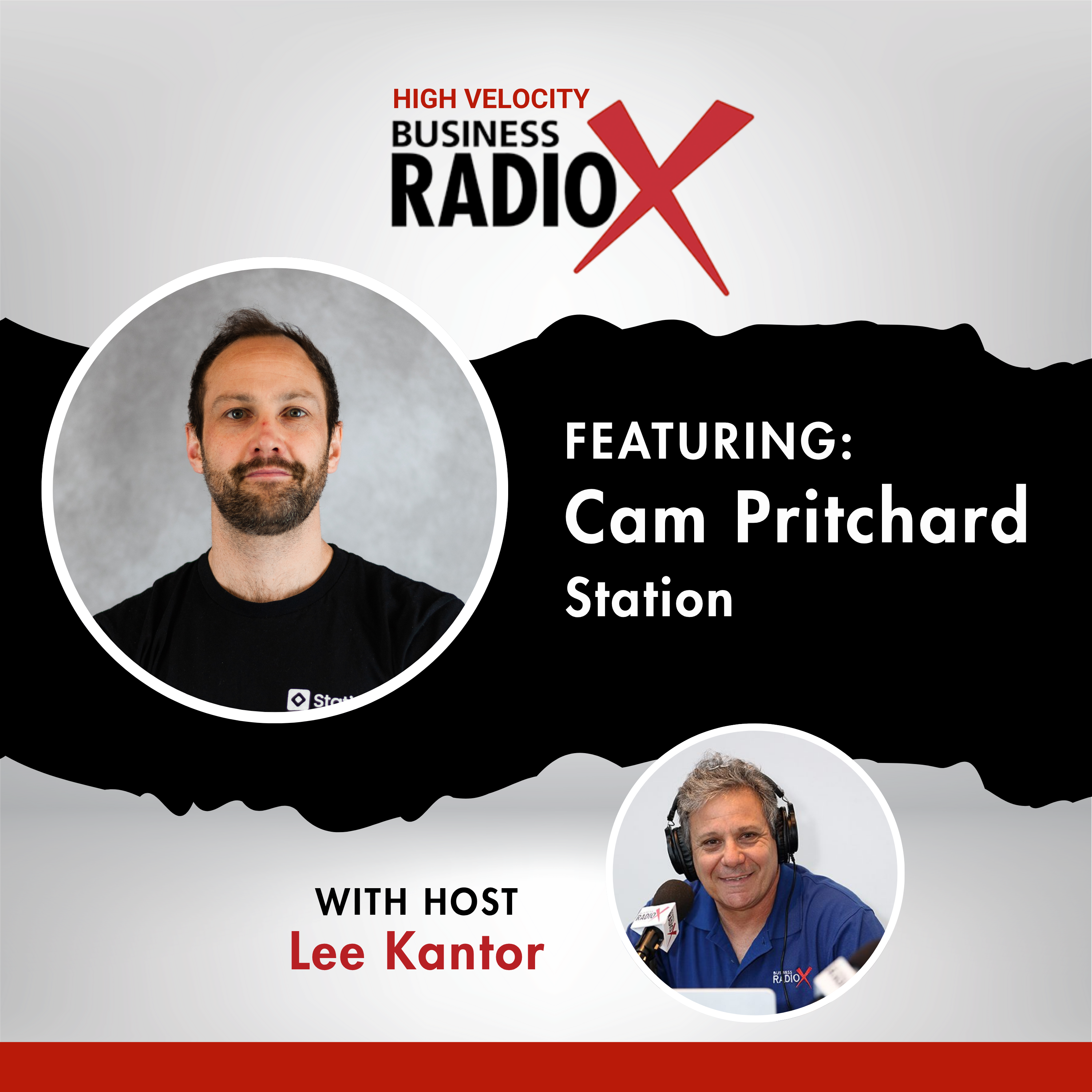
From Tax Strategy to Wealth Preservation: Mark Kanakaris on Financial Mastery

October 21, 2025 by Jacob Lapera

High Velocity Radio
High Velocity Radio
From Tax Strategy to Wealth Preservation: Mark Kanakaris on Financial Mastery
Loading
00:00 /
RSS Feed
Share
Link
Embed

Download file

In this episode of High Velocity Radio, Lee Kantor Mark Kanakaris, Founding President of Kanakaris & Associates and Managing Partner of Cherokee Tax Group, shares his expertise in helping individuals, families, and business owners build, protect, and transfer wealth with precision and purpose. With over 20 years of experience in financial planning and tax strategy, Mark discusses how a proactive, client-first approach can transform retirement planning, optimize tax efficiency, and preserve wealth for future generations. As a federally authorized Enrolled Agent, he brings deep insight into complex tax matters and offers practical guidance for navigating today’s ever-changing financial landscape.


Mark Kanakaris is a trusted authority in financial planning and tax strategy with over 20 years of experience helping individuals, families, and business owners build, protect, and transfer wealth. As Founding President of Kanakaris & Associates and Managing Partner of Cherokee Tax Group, he leads with a client-first approach—offering tailored, strategic solutions for retirement planning, wealth management, and complex tax matters.

A licensed Enrolled Agent (EA), Mark is federally authorized by the U.S. Department of the Treasury to represent taxpayers before the IRS. This designation places him among the nation’s top tax professionals, with specialized knowledge in navigating high-stakes tax scenarios and delivering forward-looking financial strategies.

He works extensively with individuals nearing retirement, small business owners seeking tax-efficient structures, and families interested in long-term estate preservation. His dual academic background in Economics and Philosophy (Mercer University) and Accounting (Saint Leo University) reinforces a well-rounded, analytical approach to problem-solving.

He is a go-to expert for insights on tax policy changes, retirement income planning, and strategies for high-net-worth individuals.

Connect with Mark on LinkedIn.

What You’ll Learn In This Episode

  • Navigating retirement income planning: Key strategies for securing a comfortable future
  • Wealth management for the next generation: Building and protecting family legacies
  • Understanding complex tax scenarios: How to handle IRS audits and tax disputes
  • Estate & trust planning: How to ensure a smooth wealth transfer
  • Tax strategies for business owners: Maximizing deductions and minimizing liabilities

Transcript-iconThis transcript is machine transcribed by Sonix.


TRANSCRIPT

Intro: Broadcasting live from the Business RadioX studios in Atlanta, Georgia. It’s time for High Velocity Radio.

Lee Kantor: Lee Kantor here. Another episode of High Velocity Radio, and this is going to be a good one. Today on the show we have the Founding President of Kanakaris and Associates, Mark Kanakaris. Welcome.

Mark Kanakaris: Thank you. Thank you for having me.

Lee Kantor: Well, I’m excited to learn what you’re up to. Uh, for folks who aren’t familiar, can you share a little bit about your practice? How are you serving folks?

Mark Kanakaris: Sure. So we are a full service tax, investment and estate planning firm here in Woodstock. Been here for 17 years. So we kind of cover the whole gamut, you know, from what you make is what you keep, you know, get you prepared for retirement and make sure that you have your estate planning documents in order. So there’s no messes later on.

Lee Kantor: So who is your kind of avatar for your ideal client? Are they people that are already at that stage ready to retire, or are they up and comers who maybe haven’t, or who are in the kind of growing their wealth stage?

Mark Kanakaris: Well, we’ve got a mix of everybody. Predominantly. What we’re geared for is for people within the first five years before and after retirement. But we have a lot of folks, um, you know, business owners, because they need a special hand-holding. We’re able to guide them through the tax work because a lot of accountants just don’t give them the tax. Call it insider thinking that they need to have to be proficient with their cash flows, how they handle their taxes, recognizing income, and, uh, how how to set up the right kind of investment plans for retirement plans, whatever it might be for themselves or their employees.

Lee Kantor: So is your firm, um, would it help a retiree eliminate. They wouldn’t need a CPA. They can use you for both the CPA and for wealth management.

Mark Kanakaris: Correct. We do all that for our clients included in our management fees are a one stop shop. We do it all so and we take a proactive approach. We don’t have people say, oh gee, Mark, should I convert? We’re actually telling them how much the Roth convert and why. So one of the biggest things we find with Roth conversions is people try to drag it out. And what they don’t realize is that Irma taxes, well, it’s not really a tax, but the Irma costs and their Medicaid will end up eating them up if they don’t get aggressive with their Roth conversions.

Lee Kantor: So when you’re, uh, helping with both sides of the equation there, it seems more efficient because I know a lot of folks have a difficult time getting their wealth advisor and their CPA kind of on the same page.

Mark Kanakaris: Yeah. We, uh, in our workshops, we talk about the three monkeys, your tax guy, your financial guy and your lawyer and getting them all. Most people just don’t think they need to have them all in the same room once a year saying, what do we need to do for our client? And it’s a big challenge. And and a lot of efficiency is lost there. I mean, a tremendous amount in my opinion, obviously.

Lee Kantor: So now talk Talk to me how you work. So say I’m using your firm for this kind of thing. Are you meeting with me every year? Like, what does it look like when you’re in a relationship with your clients?

Mark Kanakaris: So we meet with our clients usually several times a year. Obviously we’re going to see them twice a year, at least at tax time alone, because we’re going to have to, you know, drop off your return. We go over things. When you pick it up, we’re going to have a meeting. And there’s usually follow on meetings from that because we’ll figure out based off of this year’s taxes what kind of Roth conversions. And then you know, what tax laws change. Maybe more advanced tax strategies like using charitable trusts or Nim cuts or flip cuts to to, you know, offset future taxes. So we’ll usually have sometimes five and six meetings with the client a year just because of the tax work. It’s so heavily involved.

Lee Kantor: And is this fee based or um is it a percentage of the portfolio.

Mark Kanakaris: Yeah, it’s all fee based. Guys are percentage of the portfolio. So we take our percentage as well and we knock it all out. And for most of my clients, I tell them that you’ll save more money in taxes than you’ll ever pay me in fees by a landslide. You can’t even you can’t even compare the two.

Lee Kantor: And that’s, um. So because because you have, uh, the knowledge of the wealth management side as well as the tax side. So then that helps even in the investment side, I would imagine when you’re, uh, kind of helping them build, you know, put their portfolio together.

Mark Kanakaris: Yeah. More than most people realize, especially those. And I see it all the time as people who have non-qualified money, which is money that maybe came out of their bank account they gave to an investment guy, and he just went and put it to work. And every time he makes a trade or has dividends or income, that stuff hits their tax return. Well, one of the biggest things I see is, is all I see people with non-qualified all the time and I’m like, well, where’s your Roth accounts? Because this is money that you could put into a Roth and they’re never doing it. And it just it blows me away that people don’t think to do this. It’s a no brainer to me for somebody who’s got nonqualified money to automatically if they’re working, of course, to be putting money into their Roth. I see it all the time. It really shocks me to see how much that opportunity is mixed. Probably more than most, more than anything else, I would imagine. And then, of course, they’ll invest backwards. They’ll put their trading account in a non-qualified account, so they’re throwing their tax return all over the place because of their gains and losses. Instead of investing that way in their IRAs, where no matter what they do so that money comes out of the IRA, there’s no tax issues.

Lee Kantor: Now, when you’re working with the retired, um, how do you recommend they navigate the spending of the money? I know that’s a challenge for a lot of folks that are retired. They’ve spent their whole life accumulating, and now you get time to spend. And that’s trickier than maybe they anticipated.

Mark Kanakaris: Well, you know, in retirement, every day Saturday. Right. Can be what we do is we? Yeah, we, uh, we have an income chart that we put together, and it’s just it gives us a baseline to work off of, and we’ll take a client. We’ll show them the Social Security and their investments and a nominal rate of return and say, we just make this rate of return. Here’s your budget that you can live on on a day to day basis. And usually we’ll show them a couple of we’ll show them the max amount that they can have. And if that’s more than what they’ll ever need, then we’ll show them what they really need so that they’ll see what their nest egg that they may be leaving as an inheritance. So we can deal with the taxes on the inheritance. But once you have that road to go off of that baseline every year, you could say, you know, just make up some numbers. Hey, Mr. and Mrs. Retiree, you can have 100,000 a year, but we need to make sure that every year our investment accounts worth so much money. If that starts to change to the downside, we have a problem. The other thing we find, too, is a lot of folks who, even if they have that chart later on in life, they’re never going to spend what we tell them to spend, because I call it the rule of 85. I say, look, your knees, my knees, my back, your shoulders, all that they’re going to hurt. And the thought of traveling and doing a bunch of things at 85, when we’re aching all the time doesn’t sound that exciting anymore. So your spending will probably drop from outside activities. So we’ll probably find that we’re saving a little bit more than what we anticipated. Now, of course, if we do better than anticipated, that makes a big difference.

Lee Kantor: Now, how do you help folks when it comes to insurance? It seems like you you, uh, have carved that area out as not part of your, uh, services.

Mark Kanakaris: No, we, um, we’re fully licensed in insurance, so life insurance, annuities. If we need, um, for the people who are working disability, uh, we have access to all that stuff, and we do quite a bit of it. It’s, you know, it’s always case by case. Some clients like the guarantees of annuities, the guaranteed payments. Some people, uh, they’ll come in and say, look, there’s no way I’m going to get all this money and pay the taxes. So maybe they’ll buy a big life insurance policy to offset the taxes or to buy their their heirs. The time to pay the taxes on that money over the ten year period that they have to pull the money out and give them just cash to work with. We see that becoming a more popular idea. I’m of the opinion that we’re in the cheapest taxes we’ve seen for a while. Let’s stick with Roth conversions that no longer make sense.

Lee Kantor: So now when you work with your business clients, um, how do you go about helping them kind of maximize their deductions and minimize some of their liabilities?

Mark Kanakaris: So there’s a lot with that. You know, first and foremost, you know, we make sure that their books are in order, you know, enough that if they ever were to get audited that they’re going to be able to stand through an audit. And luckily, audits are not as frequent, I think, as people think they are. Once we know that’s in place, you know, we look at what they’re spending money on, how they’re spending money, if they’re doing really well, you know, we have to see how many what kind of retirement plans, if they have to have a retirement plan for all their employees to keep them, versus if they’re just having one for themselves, where they can dump a lot more money in it. We have a gentleman now with a medical practice, and, uh, most of his employees are all subcontractors to him. So he can set up a set plan, and he could put a ton of money into his retirement account and avoid paying the taxes on it now. Yes, it’s going to be an IRA. It’ll be taxed later on. But right now he’s in such a high tax bracket, he needs every deduction he can get his hands on. And sometimes we look at, hey, what purchases are we making? Maybe we need to, you know, uh, look at bringing in new, uh, new, uh, inventory for next year early, uh, prepay, maybe next year’s advertising sometimes just to get the, to get the expense out so we can keep the taxes down. So we’ll have, we’ll have like, uh, right about now is when we start our Q4 huddles to say, what are we going to do to end out this year and keep our taxes where we want them to be?

Lee Kantor: Now, what about for the retirees that are struggling kind of financially? Maybe they anticipated having more income. Is there any advice for that person? Um, to maybe create additional revenue streams or maybe, uh, having to invest in maybe getting buying a business or something along those lines?

Mark Kanakaris: Uh, you know, when people are kind of when they didn’t save enough, you’re caught in this. It’s been my theory right now. I would tell that client, you know, the market’s doing good. Let’s grow that money until we can create the income we need. Or can that money be converted to something like, like an annuity for, say, and maybe give them the income they would want? But hopefully you don’t have to use that whole nest egg. I always like to leave some liquidity in case an emergency comes up, but that’s such a case by case basis. Um, you have to take it, you know, person by person. I don’t know if I would tell them to go out and buy a business or start a business, but, you know, some folks will work part time in retirement. Just one. I always think it’s just to keep you busy, but if it helps you from having to use your nest egg for a few more years and let it grow. That usually helps, because I find that the first 5 to 10 years of retirement can have the most impact on a retirement, so I really want to avoid big losses in that that time period to the best of my ability. So that’s why we’re active money managers. So we’ll get out of the market. We don’t like what we’re seeing. Uh, because the mathematics, you can’t beat the math. If you take a big hit early in retirement, you could be permanently hurt for the rest of your retirement.

Lee Kantor: So. So then when you’re wealth advising, so you’re buying individual stocks for individual, um, clients.

Mark Kanakaris: Correct. We have several portfolios based on their risk tolerance and what they’re designed, what they want them to do. And we use stocks and ETFs. Um I don’t we do some mutual fund work. The 401 KS that we manage for some company that we have 41K services for. Obviously they’re all based off of mutual funds. But to be an active money manager we use stocks and ETFs, portfolios that we backtest and do a lot of making sure we’re buying what we think are the best of the best companies out there to, you know, grow our clients money safely. We have a lot of criteria that goes into how we build it. You could have a whole podcast on how we build just one of our portfolios, but there’s a lot of things that we go through to screen it back, test it to make sure that this portfolio has got good chances of being a successful portfolio for the year. And then every year we kind of look at it. Was there any poor performance, any of the companies not, you know, making the grade, so to speak, and then we’ll replace them with something better. And that way we can also keep in tune with the market more.

Lee Kantor: And then how often do you make those changes?

Mark Kanakaris: Usually once a year. Once I buy a stock I’m going to I’m going to hold it or trade it for the year depending on the ebbs and flows. You know, the whole thing is trying to you know, you can’t perfectly time the market, but you have a pretty good idea when the bottom is marketing it out and you have a pretty good idea when it’s topping out. And when we see those big bottoming outs, we start buying in there. And I always kind of say my clients probably think I’ve bought stock a days. They think I’ve lost their mind. And I always say, I’m looking for the day where everybody thinks, from here we’re just going to go to zero, and that’s the day I’m looking to buy. And there, you know, it helps. You know, the money’s always made in the buying. And hopefully that really helps with what helps our clients keep those big returns in their pocket.

Lee Kantor: So, um, are you optimistic in the way the economy is going and the way the market’s going? This is are you bullish or like what? Or you’re kind of a uh, on the fence.

Mark Kanakaris: Long term bullish. Yep. Definitely long term bullish this week. Been kind of choppy but you know still seems to be moving up. But yeah I think long term bullish I think once we get some of the deregulation out of the way I think when interest rates come down and hopefully inflation will come with it. Um yeah, I’m definitely bullish. I think that we’ll probably hit some sort of bump sometime in the next year. Can’t really tell you when because, you know, there’s a lot of concern about the unemployment. And unfortunately, I think that we’re going to need to see higher unemployment to get inflation down. You just can’t have everybody working and spending it, you know, big rates and expect inflation to come down. Um, people aren’t saving like they used to, so they’re spending more. I see a lot of reports on it. There’s a lot of talk about it. So, um, once we kind of get through that or if that can work itself out, which would be the obviously the most ideal route I think will be fine. But I’m bullish, you know, especially over the the current political administration’s outlook on the market. I think it’s going to be a good four years. Well, three more to come.

Lee Kantor: And then you’re okay with the preponderance of, um, the AI stocks kind of pulling more than their share of the weight for the, say, the S&P 500.

Mark Kanakaris: You know, that’s that’s talk every day. And we’re always saying every day that we’re in an AI bubble. And will it bust. I you know I think as long as earnings continue to be there for these AI companies, the AI bubble will continue to grow. Uh, I, I think AI is the future. And at some point as, as you know, as I mean, the big companies are selling to the big companies when you see the big mid companies really embracing AI. I think it’s I think then you’re going to know we’re fully enveloped in a big AI world. Uh, it’s going to be the cost of AI. I think for some companies are going to be expensive. But you know, we’ve been looking into AI and even AI, small AI companies, and they’re selling their services at record rates. And I think those companies would get into AI early and get those people who are using their AI chats or their AI agents. You know, once they lock up that customer, I think as long as they’re pretty happy, they’re going to stay with this company for a while, and you’re going to see these companies have really big, positive revenue for long, long times. They’re always they’re always going to be talking about retention rates.

Lee Kantor: So how are you seeing AI impact the financial world? Well is it affecting your firm?

Mark Kanakaris: Ai. We use AI in our firm. Absolutely. Um, you can use AI a variety of ways. Obviously, we use AI to help update our CRM. We have AI, AI trying to help us predict what the market’s going to do. Uh, there’s a variety. I mean, the big firms, the big box firms, they’re using AI and anything they think they can help them figure out where the market’s going to go before it goes there. That’s that’s one big use. But we also use a lot of you know, we’re using it to automate more things in our office. So we could be more efficient for our clients and not have to hire as much as many, you know, full time employees.

Lee Kantor: Now, when you’re looking at the lens of an individual, uh, client, are you looking at it? I know your services are both tax and wealth management, but which are you? Are you leaning more one way than the other, or how do they how are you kind of viewing that?

Mark Kanakaris: I kind of think that your income and your wealth drive your taxes, so. Uh, I can’t say they go totally hand in hand because I think the wealth part, your wealth management drives the taxes. So I think that’s the bigger thing that we focus on. But as because we build our portfolios and put our clients in the right portfolios based on the kind of money we have. It makes us not have to be so constantly looking over our shoulder, making sure we did the right thing. As long as we manage our funds right, the taxes tend to take care of themselves. And what I mean is, we have a lot of people with very large non-qualified accounts. We just have to be careful in how we buy and sell those accounts that we don’t create watch sales. And as long as we can avoid that, then the clients keep more of their profits. So we try not to do too much trading in those because we don’t want to, you know, just create them to death and create just what could be a what look like to look on paper like a tax nightmare. But again, you know, the devil’s in the details and you pay for me to be in the details on the tax side. I’m not worried about that.

Mark Kanakaris: We don’t have it covered. We do have it covered. But I think the wealth really the wealth management side kind of drives the taxes. So the wealth drives it. And at the end of the year, the tax kind of cleans it all up. And it helps us sometimes say, what do we need to do different next year. Some of our clients, because maybe they’re bumping income brackets or tax brackets. And we have to, you know, do larger Roth conversions or maybe even, hey, you know, maybe we should take a different approach on some of these investments. The change isn’t an investment. Hasn’t been a big of a deal. Usually what we find is that our IRAs that are growing, we’re you know, we’re trying to always keep them from jumping tax brackets when they go in to start taking their RMDs. So we’re trying to always encourage our clients to do large RMDs for Roth conversions before they retire. Uh, to keep them from jumping those brackets, because with the income chart that we create for our clients, I know roughly when you’re going to wind up in a new tax bracket so I can plan ahead of that. Now, of course, if I have a great year in the market, you know, then maybe I’m right.

Lee Kantor: Then you have to make some adjustments.

Mark Kanakaris: Right? And good problem to have. Obviously good problem to have.

Lee Kantor: Right. Well, I mean and the reverse could happen if you have a bad year then there’s other problems. Um, right.

Mark Kanakaris: But that’s really a bigger issue on a non-qualified really on your IRA account, if that’s what you’re counting on for your retirement income, more so than your taxes. Right. Because if your IRA came down, you’re and you’re taking RMDs because that’s where you’re taking it from. It’s you’ll take less. Um, but yeah.

Lee Kantor: Now, um, you mentioned that, uh, your clients usually are coming to you in a few years before retirement. Are they moving typically from a different firm, or are they maybe they would do it yourselfers that got a little gun shy and realized that this is more complicated than they envisioned at this stage?

Mark Kanakaris: Um, the DIY ers, you know, the do it themselves. Sometimes I think, uh, I don’t see as many of them coming over. I think it’s, it’s I’ll just say it’s just ego. They think they can do a better job. Um, and they’ll do that for a while. And let’s be honest, in a bull market, they think they’re doing a great job, but they’re, you know, listen, rising tide raises all ships. So in a bull market right now, I mean, Elmer Fudd could do a good job in the market, you know, to do an outstanding job, take somebody with some insight, but you could do in the market as a DIY or the people that are getting a retirement. You know, when they start saying, I want to retire in a few years, they like knowing they have a plan in place. They know they like to have their money’s in the right bucket so that they know. And even if I tell them if something happened and God forbid you had, let’s just say you had a health scare and you had to retire early, you know exactly where you’re sitting. You may not like it, but you know where you are and you know it’s not the end of the world.

Lee Kantor: So is something happening with their current advisor when they switch to you, like, are they being ignored? Like, is there some problem that is the trigger that gets them to you?

Mark Kanakaris: Or like we hear a variety of things, but normally we do. I think a lot of people feel that they don’t hear from their advisor. Um, I think that’s a big one. The ones that are working, they don’t have an advisor. So, you know, maybe we met them through a tax office event or a dinner workshop and they’re coming in like, you know, I’m getting ready to retire, and I really haven’t talked to anybody, but maybe we said something that made sense to them. So it’s a it’s a bit of a mix. Um, we do hear a fair amount of people think that their advisor didn’t care. They thought they weren’t, you know, big enough potatoes, so to speak. Um, we hear that some I don’t know if that’s the highest one, but maybe if it is the most common one, it wouldn’t be by much. We hear kind of a variety of things because we see everybody from all walks of life.

Lee Kantor: So what size portfolios are appropriate for your firm?

Mark Kanakaris: You know, I have this don’t close the door on anybody attitude. But the clients that we have the biggest impact on and make the most money and have the most tax effect on tend to have at least $1 million. But it doesn’t mean if you don’t have $1 million, I’m not going to take you. I mean, we took a client today with 29,000. It’s her. It’s her life savings and how important it is. I know what the money’s got to do. And I’ve got a portfolio that’ll do exactly what you want it to do. And I’m. And I think that’s a win win situation.

Lee Kantor: And so you don’t have to have a mega or you don’t have to be a movie star or an athlete to use your firm.

Mark Kanakaris: No, but it’s funny that we seem to draw a lot of wealthier clients because we do. We do have more wealthier clients than we did, say, over a half a million then don’t have a half a million. But we don’t. You know, I don’t discriminate. My practice isn’t for sale. So, um, at this point, I’m at a good place where I’m just here to materially improve upon what people have already started. You know, it’s no longer about me. It’s about what can I do for others. I’ve got all the things I want. I just want to do a good job. And I get a lot of personal gratitude when I call up somebody and say, hey, look how much your account’s grown. And they’re like, oh my gosh, that’s that’s really one of the best things I get out of my job. Or I saw a tap loophole where we could Roth convert a ton of money for pennies on the dollar that they never saw before, like we had a guy two years ago do a $30,000 Roth conversion. It didn’t cost him a penny in taxes. I to me, that’s cool stuff. I love all that. Just I love seeing my clients win, whatever that means to them.

Lee Kantor: Now, how do you handle kind of the the adult children of your clients? I know a lot of firms don’t have any plan in place to really get the next generation, like the the wealth advisor ages with the client. Do you have any kind of, uh, succession, uh, strategy for the children of your clients?

Mark Kanakaris: Well, the ones that have clients, the clients that are here, uh, we always invite their children to come in and get their taxes done from us and get to know us just because we are we are their advisor. And a lot of the times they go, I’ve been listening to dad or mom saying, you’ve done a good job. I just changed jobs. I want to give you my 401 K and see what you can do. And we have that happen quite a bit. Um, we had it just happened last month, and that’s how a lot of them seem to come in. Or when people do pass, the errors will go well if the blah blah blah thought you were great, I should probably stay with you and we’ll say, well, great, let’s try it for a year. And if you’re happy in a year, you should stay. And if you’re not, happy New Year, let’s talk about it. So we do try to keep people in that way as well and keep them engaged. But usually the best way to get them started just doing their taxes so they know who we are and they’ll feel comfortable with us and we do a good job with their taxes. When an opportunity comes up, they’re like, hey, let’s talk to Mark. He’s done a good job so far, so I want him to feel comfortable with me and feel that I’ve got good credibility when they when I work with them on their in their investments.

Lee Kantor: So a lot of times the taxes is kind of the first point of entry. And then from there it just evolves.

Mark Kanakaris: Yeah. Usually evolves on its own because everybody knows that we do both. When you walk in you see our tax side, you see our investment side. So there’s there’s no you know, there’s no like hey you guys do this. Wow I didn’t know that. So they can see it. They know about us. And uh you know when they feel comfortable they do it.

Lee Kantor: And if somebody wants to learn more, have a more substantive conversation with you or somebody on the team, what’s the website? What’s the best way to connect?

Mark Kanakaris: It’s Ken Harris and Associates comm I know it’s a mouthful, but I think the K. Aws is still working. And, you know, I always tell folks, just click on there and give us a call, set up an appointment, phone calls. Fine. If you just want to talk to me, you don’t want to come to Woodstock. Um, we do what we seem to. As you know, everyone’s doing a lot more virtual appointments than ever before. So we’ve been doing a lot more virtual appointments, and, uh, people get to know us a little bit, and sometimes we do a couple before they come in, but, you know, know who you’re working with.

Lee Kantor: Absolutely.

Mark Kanakaris: Well, I try to tell them, let’s have a couple of chats before we make a decision. Make sure I’m a good fit for you. And you’re a good fit for me.

Lee Kantor: Well, Mark, thank you so much for sharing your story today. You’re doing such important work, and we appreciate you.

Mark Kanakaris: Thank you.

Lee Kantor: All right. This is Lee Kantor. We’ll see you all next time on High Velocity Radio.
Tagged With: Kanakaris & Associates, Mark Kanakaris

Scaling the Creator Economy: Cam Pritchard on AI-Powered Revenue Growth

October 21, 2025 by Jacob Lapera

High Velocity Radio
High Velocity Radio
Scaling the Creator Economy: Cam Pritchard on AI-Powered Revenue Growth
Loading
00:00 /
RSS Feed
Share
Link
Embed

Download file

In this episode of High Velocity Radio, Lee Kantor interviews  Cam Pritchard, CEO and Co-founder of Station, shares how his Chattanooga-based startup is transforming the creator economy with the world’s first AI Revenue Assistant for creators. Cam reveals how Station helps podcasters, YouTubers, and digital entrepreneurs unlock new revenue streams and boost earnings by up to 30%—all while automating the heavy lifting of media sales. From his entrepreneurial roots in New Zealand to building a venture-backed platform backed by investors from Canva, YouTube, Reddit, and Spotify, Cam’s story is a masterclass in innovation, grit, and the future of creator monetization.

Cam Pritchard is the CEO and co-founder of Station, the Chattanooga-based startup behind the first AI Revenue Assistant for creators.
Station helps podcasters, YouTubers, and digital creators instantly unlock new revenue streams—from sponsorships and memberships to merch and newsletters—by encoding the workflows of a full media sales team into AI.

The platform boosts creator earnings by an estimated 20–30% while saving hundreds of dollars in subscription costs each year.

Originally from Wellington, New Zealand, Cam has been building companies since college, including New Zealand’s first textbook rental business. He later worked in Toronto’s tech scene and at Thumbtack in San Francisco before turning his focus to the creator economy.

Since founding Station in 2022, he has raised $1.5M from leading VCs and angels from Canva, YouTube, Reddit, and Spotify. Cam now lives in Chattanooga, where he is scaling Station as the “Shopify for creators.”

Connect with Cam on LinkedIn and Twitter.

What You’ll Learn In This Episode

  • AI under the hood
  • Impact and value
  • Positioning in the market

Transcript-iconThis transcript is machine transcribed by Sonix.


TRANSCRIPT

Intro: Broadcasting live from the Business RadioX studios in Atlanta, Georgia. It’s time for High Velocity Radio.

Lee Kantor: Lee Kantor here. Another episode of High Velocity Radio, and this is going to be a good one. Today we’re talking to the CEO with Station, Cam Pritchard. Welcome.

Cam Pritchard: Hey, Lee, how’s it going?

Lee Kantor: It is going great. It is so good to be catching up with you. For folks who aren’t aware, can you tell us a little bit about station? How you serving folks?

Cam Pritchard: Yeah. So station is a platform for podcasters and YouTubers to monetize their show. So now I think there’s last year, there’s 185,000 new podcasters and 3 million YouTube channels that are now monetizing. And a lot of these folks don’t really have the support that a traditional media broadcast company would have around, uh, finding advertisers and understanding the business and how all the different ways that you can make money.

Lee Kantor: Yeah, I’m sure you know the stats. And maybe you can share some of the stats of how many people attempt podcasting, but quit after just a handful of episodes because the back end is too hard or too complicated, or they’re not making money.

Cam Pritchard: Yeah, there is. There is one saying in the industry, it’s the pod fade, and I think it’s 12 episodes. You make it over 12 episodes, you’re, uh, you’re well on the way. You’re you’ve persisted and you’ve, uh, you’ve passed the first trial.

Lee Kantor: But that’s one of those. I mean, not a high percentage. Don’t make 12.

Cam Pritchard: Uh, very high percentage, I would say maybe 70%. 60% at least. Yeah. I’d need to look at the stats up, but it is it is considerable.

Lee Kantor: Yeah. It’s one of those things where it sounds good and it looks easy, but once you start doing it, there’s there’s some moving parts that maybe you’re not aware of.

Cam Pritchard: Yeah, well, I think like with, with AI, it’s getting easier and easier to create content and edit it, which has been a huge bottleneck to people stopping after some time. And then also there’s platforms like ours which are really set up to help with the monetization side, which, you know, can be a deterrent as well. If you’re if you’re not being able to make money or cover your costs, then you know, it can become more of a cost than an asset that you’re, that you’re you’re building.

Lee Kantor: So let’s walk through the platform and and how you help the creators generate some revenue. So so what are you hosting the content or are they hosting it on a, on a podcast hosting site. And then they’re partnering with you to generate revenue?

Cam Pritchard: Absolutely. So they host on their separate sites and they put put their content out into the world. And we help them figure out how they can make money, uh, through either memberships, uh, newsletter revenue. Um, but most importantly, brand partnerships, which is where the majority of the revenue comes in the industry. And it’s been a huge bottleneck because a lot of creators that are creating this kind of content, they don’t have ad sales or media teams going out to find placements in their show. And so we’ve we’ve generated a really, really intelligent AI that goes and finds all the different brands that are advertising and then suggest the ones that are, that are most likely to spend with your show, given, uh, the category you’re in, you know, their, their expenditure on other similar shows and how often they’re repeat buying and some other, other nuances, which is, uh, I guess like a little bit of our magic behind the system.

Lee Kantor: Now, what size audience do you need to have in order for this to be a good partnership?

Cam Pritchard: Yeah, this is a great question, because if you’re if you’re a show and you’re talking to top chief marketing officers and you’re getting an engaged audience and they’re, you know, there’s 200 of them or 300 of them. A lot of brands would pay to be in that room with you. And so that can be a very, very, uh, you know, good, valuable audience that, uh, is, you know, you can you can charge good rates for because, you know, the the CMOs out there could be spending hundreds of thousands of dollars, millions of dollars on different software or products. Um, but generally speaking, when it comes to consumers, I think you want at least a couple thousand, um, active listeners every, uh, every time you put an episode out, um, or, uh, or at least 10,000 a month, uh, if you’re on a daily, then, you know, that can be lower, but that certainly helps. But again, huge caveat on what the audience looks like, especially if it’s localized. That’s a different story as well. So, you know, lots of different nuances.

Lee Kantor: So and and the creator doesn’t have to be an expert, right? They just have to go to your site. And then your site has the AI that’s going to determine or help determine, you know, the makeup of the audience, who they are, how much it’s worth, and things like that. Like, I’m not going to be I’m not going to have to figure out all those analytics, right?

Cam Pritchard: Yeah, absolutely. It’s going to so what you do is you just connect your show. So you go and you search up your show and then it, it, uh, takes a little bit of thinking time maybe 10s. And then it spits out all the different ways that you can monetize and how much you could make for each of the different, um, avenues you could walk down, uh, whether that’s a membership or, uh, offering, um, merchandise, bonus content, um, creating a newsletter. Um, and, and like, like we said, uh, finding advertisers.

Lee Kantor: So once it makes those recommendations, does the platform also help me spin those things up, or do I have to go now, get another piece of software that’s going to do a newsletter or a membership or something like that.

Cam Pritchard: Great question. I think what’s really groundbreaking about what we’ve done is you can you can literally spin up all of those pieces, even your newsletter. You do not have to write. So it’s going to listen to your last episodes, and it’s going to generate an engaging newsletter based on the way that you talk and your sort of style. And, and then you can you can publish that newsletter, you can post it to your social media, and you can even embed your episodes into that newsletter as well, so people can find your show not just by listening, but through your newsletter as well. So it’s a, it’s a it’s an interesting acquisition strategy there. So that’s like one example. But um, yeah. All built in. And when it comes to brand partnerships we have a program. So we basically showcase the top brands that would be, um, perfect for your show and, and great fits. And this is really important because if a brand is not a good fit for your audience. It’s probably not going to work or convert for the brand, and it’s going to waste everyone’s time long term. So really identifying the right brands is important. And then you can use some some of our specialists to go and represent you and find you brands if you don’t want to do it yourself. So we do the outreach and and take a take a modest commission.

Lee Kantor: Now do you also help with maybe repurposing the content, like because within one show there could be sound bites, there could be, you know, like kind of a highlight reel. Um, do you do things like that as well, or is it just the show in its entirety?

Cam Pritchard: Yeah, I think that’s definitely on our roadmap. I think that what we’ve found is there’s so many tools popping up to make that very easy, that a lot of a lot of podcasts and YouTubers already have that service built in. Um, and so it’s really they’re leveraging us for the monetization side.

Lee Kantor: So they’re focusing on monetization of the entire episode or the Newsletter that might also come out of it.

Cam Pritchard: Yeah, absolutely. And we, uh, and and we find advertisers as well. We’re going to be launching an, a program as well, where you can put advertisers into your newsletter directly from us. So you don’t have to source those advertisers as well.

Lee Kantor: And then how are the advertisers, um, kind of embedded into future shows. Is it, um, like, how does that occur?

Cam Pritchard: Yeah. So it’s all host read based, meaning that a host will come in and they will they will read the advertisement out on their show, uh, themselves. So there’s a little bit of back and forth and coordination, uh, that takes place for audio ads or video ads that, um, that we connect, uh, shows and brands on. Um, but if it is, if it is an advertiser inside of a newsletter, uh, it’s a display ad that we’ve sourced from a brand and, um, you know, it’s it’s been matched to you as a good fit.

Lee Kantor: But in the podcast it’s just a the host is going to read some sponsor, um, like a short, uh, few sentences about the sponsor.

Cam Pritchard: Exactly. And, and what’s, what’s interesting is if the host reads it out, it’s, uh, the brand is willing to pay about double, uh, just because the host influence really matters versus, um, you know, your, your typical pre-produced radio or, um, cable TV ad, which is a brand is already, uh, mocked that one up and you’re just putting it into your space.

Lee Kantor: And then also so it’s not a dynamic ad that can change. So that ad’s going to be there forever then.

Cam Pritchard: Yeah, there’s different ways to structure it where, um, some, uh, some networks they can put in, uh, ads temporarily and they can be host read ones. Um, but um, for the most part, for a lot of the shows that we’re representing, it’s, it’s baked in, meaning that it’s going to be there, um, for the episode and the duration of the episode. And that’s valuable for advertisers as well, because if the if the episode blows up, then they’ve built this, like, really cool asset that keeps on giving. Um, obviously for the show, they’re looking to monetize all of the possible real estate that they’ve got. And so dynamic can be a good option for them because they can repurpose that, uh, that evergreen content now.

Lee Kantor: So it sounds like you’re helping with the advertising component and generating revenue through advertising, and you’re helping with the content, uh, a little bit with the distribution of repurposing it into a newsletter. Are you helping with the distribution of the sharing of it and making it kind of go viral or get more eyes on it or ears?

Cam Pritchard: Yeah, we yeah, we we don’t do that just yet. It’s been really around just making sure that we can match you with really, really strong advertisers. Um, because that’s, uh, that’s a huge facet. And most there is a lot of hosting platforms are now that are really helping with the social side of it as well. So we’re kind of we’re kind of looking to partner with the hosting platforms. Uh, they can they help with that first part of the, uh, the process and then uh, and then we do the, we do the monetization piece.

Lee Kantor: And the only thing you really need is kind of the RSS feed.

Cam Pritchard: That’s right. The RSS feed, the, uh, the YouTube link. And then everything is generated. We style everything up for you. We give you a link in bio so you can put a link on your socials and you can put in, uh, your show and all your different assets. So really try and make it. So we’re showcasing the show in the best possible way.

Lee Kantor: Okay. So then you are helping then from that side. So I don’t need like a link tree.

Cam Pritchard: Exactly. Yeah. You can replace you can replace your link tree. In fact, we, we eliminate about $400 worth of tools that, uh, a lot of shows are using. And, uh, and our entry price, uh, for our newsletter and basic functionality is $9 a month.

Lee Kantor: Oh, so everybody can afford that? Just.

Cam Pritchard: That’s the idea. Yeah, exactly.

Lee Kantor: And and doing that is going to get me at least seen by potential advertisers that I’m not they’re not looking at my thing now anyway.

Cam Pritchard: Right. Exactly. And you you want to know, right. You want to know. Okay. What what advertisers could be really interested in your show that you’re not getting to. Because that’s really hard to figure out.

Lee Kantor: Right. Yeah. As an individual, like if you have a podcast somewhere, I mean, I don’t even know how you would begin trying to figure that that would take you so much time to identify and then reach out and the back and forth, it’s this seems so much more efficient.

Cam Pritchard: Oh, it’s it’s crazy. And our, uh, founding AI engineer, Sogut, he, uh, he basically spent months in a room synthesizing all the data and building quite a sophisticated AI to find these signals and the right brands for a show. And so, yeah, it’s, uh, it’s hard to do it by yourself. I can, uh, I can definitely attest to that. After going through the whole process and, and making, uh, making recommendations for it.

Lee Kantor: So, uh, you recently, uh, raised some money. You want to talk a little bit about that because you got some, some pretty impressive folks have, uh, invested in this concept.

Cam Pritchard: Yeah. So we we raised 1.5 million, uh, which was a pre-seed round. So really, you know, getting getting us, uh, to the next level and, uh, some incredible investors that are just super experienced in the media space from Canva, YouTube, Snapchat, Twitch, um, uh, thumbtack, a bunch of, uh, bunch of really great operators. So it gives us a huge advantage and that confidence as well to, um, you know, that know, we’re really touching on a big problem. And we actually just brought on someone from one of the top, uh, advertising agencies as, as well, uh, as an investor. And so, you know, she’s very excited about the, uh, the potential here and how we can help solve the matching problem for brands and shows. That’s being very evident and very hard to to solve. And and I think this is this is why podcasters and YouTubers make 60% less than other creators, because it’s just really hard to get to advertisers and know what to do. If you’re a sort of a smaller shop and you know the infrastructure is not really there for it.

Lee Kantor: So what do you need more of? How can we help you?

Cam Pritchard: Uh, so I think, um, word of mouth is massive for us right now. I mean, we’re offering a solution at $9 a month. So if you know anyone that is, uh, is starting a podcast or has a podcast, and it’s just really curious to figure out how they can monetize and what this looks like. Often people jump into this journey and they don’t really look ahead at all the different options and understand it. We, uh, we get you there, you know, in 30s and show you, hey, look, these are these are all the potential ways to monetize, but a little bit of growth assistance in there as well. And, uh, and then you can spin up all these assets to make your show look really good and to share it with your friends and start getting more adoption, um, without, you know, the, the heavy cost and going around and setting up all these other tools so that, uh, that would be a massive helping hand.

Lee Kantor: Now, is it $9 per RSS feed? Is that how it works? Like, say that you’re a podcaster and you do three shows. Is it $9 times three?

Cam Pritchard: Yeah, exactly. Per show.

Lee Kantor: It’s per show. All right. And if somebody wants to learn more and connect, is it free to just see how much advertising is potentially there? You have to pay the $9 to kind of figure that out.

Cam Pritchard: Well, so right now, if you if you go on, it’s absolutely free to see what advertisers could be really interested in your show and all the different ways that you can monetize. There’s actually a calculator to show, given that given your show and what it looks like, this is, this is how much you could be making per month. And these are all the things that you can do. So you can get in with that, um, free at this point.

Lee Kantor: And so you just go to the website station dot page.

Cam Pritchard: Station dot page, go check it out. Very simple. It’s really fun as well. Like if you’re if you’re curious and you got a show, you should just you should just have a look and see what’s in there. I mean, we’re we’re building this platform to support people to get a lot more out of their show and build it into a business. Um, but there’s there’s a lot of valuable insights that we’ve generated, um, with AI, uh, to help.

Lee Kantor: Yeah. And if you have a show of any size, you can go and check it out. Um, but if you have a show of some size, you should definitely check it out.

Cam Pritchard: Absolutely. And if you’re if you’re really passionate about creating content and you don’t want to go to advertisers all the time, and you know that because that keeps a lot of creators up at night, um, we can help, uh, we, you know, we we work with a bunch of advertisers, and we, uh, we’re really there to support your, uh, your show, to go and find great sponsors that are going to last with you.

Lee Kantor: Good stuff. Well, cam, congratulations on all the success. I know you’ve been working on this for a minute, and, um, it’s great to see you getting traction and taking this to a new level.

Cam Pritchard: Thank you so much, Lee.

Cam Pritchard: Great to great to chat again and really appreciate you having me on the show.

Lee Kantor: All right. This is Lee Kantor. Uh, we’ll talk to you next time on High Velocity Radio.

Tagged With: Cam Pritchard, Station

Raymond (RJ) Grimshow with ABLE Leadership

October 20, 2025 by angishields

HBR-ABLE-Leadership-Feature
Houston Business Radio
Raymond (RJ) Grimshow with ABLE Leadership
Loading
00:00 /
RSS Feed
Share
Link
Embed

Download file

RJ-GrimshawRaymond (RJ) Grimshaw is the Founder of ABLE Leadership and former CEO of UniFi Equipment Finance, where he scaled the company from $14M to $250M. A recognized expert in intrapreneurship and business growth,

RJ now mentors leaders on how to think like owners and use AI responsibly through his platform, The AI CEO. With decades of experience and a certification in Financial AI, RJ continues to shape the future of leadership with clarity, strategy, and impact. BestTheAILogo-RJGrimshaw

He holds financial AI certification from Upstart and continues to write, teach, and serve the industry with a steady hand and clear voice.

LinkedIn: https://www.linkedin.com/in/rjgrimshaw/
Website: http://www.theaiceo.ai

Transcript-iconThis transcript is machine transcribed by Sonix


TRANSCRIPT

Intro: Broadcasting live from the Business RadioX studios in Houston, Texas. It’s time for Houston Business Radio. Now, here’s your host.

Trisha Stetzel: Hello, Houston. Trisha Stetzel here bringing you another episode of Houston Business Radio. Today’s guest is RJ Grimshow, founder of ABLE Leadership and the AI CEO, a recognized authority on entrepreneurship. We’re going to talk more about that in a little bit. And business growth. Rj spent a decade as CEO of Unify Equipment Finance, where he scaled the company from 14 million to 250 million by focusing on execution, team development and long term value. Now, through his leadership programs and AI expertise, he mentors Towards executives that think like owners, and to leverage artificial intelligence responsibly to scale what matters. With a financial AI certification and years of hands on leadership success, RJ brings a clear voice and practical strategies to the future of leadership. Rj, welcome to the show.

RJ Grimshow: Wow, thank you for that introduction. Uh, I better compliment my bio writer, which is ChatGPT in regards to that. And uh, makes me sound, uh, you know, I’ve been blessed enough to be surrounded by amazing people, uh, in every team I’ve worked with, which is driven all the success that I’ve been able to be blessed with. Um, and it doesn’t stop. I mean, we’re in a time right now that a lot of business owners are facing either excitement, uh, in terms of what the future looks like or uncertainty. So, um, I feel it’s a good time for, you know, people like what you do and the people you surround yourself with. And what we’re trying to do here at Able Leadership, it’s much needed, um, for the for the society that we all, we all live in.

Trisha Stetzel: Yeah, absolutely. So you want to give me a little bit of background on RJ? Who are you as a human being? And then let’s jump into able leadership.

RJ Grimshow: Sure. I was fortunate enough to be born into, um, somewhat entitled into a family of entrepreneurs. My dad owned his own company. My grandparents on both sides of the family. My grandfather owned a soda distributorship in Massachusetts. My grandmother on the other side had many florist stores. My uncle was an optician. He owned three locations, and this was back in the 70s and 80s before you saw, you know, mass consolidation. So he was a leader in that. And I started my first company at 23. Uh, crazy enough, my dad actually bankrolled myself and my brother into a bar restaurant, which, looking back. Oh, wow. Dad, I don’t know what you were thinking putting a 23 year old in a bar. But the good news I was married because I was actually in the military, in the Air Force, which was the best thing that ever happened to me. Uh, because the Air Force, you know, really taught me discipline, teamwork, how to serve your country, why we serve our country. And it really laid a foundation for me to enter into or entrepreneurship or entrepreneurship. See, I’m already confusing the two. Trisha. Um, and then by the age of 30, I fell into corporate America by accident. Unfortunately, my dad died at 61 from a massive heart attack. I turned 30, I already had two boys at the time. I started young, and I had a hard decision to make. Either. Do I want to go into a safety net of corporate America with benefits and things of that nature, or do I want to continue on this entrepreneurial path that we’ve been successful doing? And I made the decision, uh, to go into corporate America, and that’s where I found the term entrepreneurship.

RJ Grimshow: Uh, I started an individual contributor and 15 years later worked my way up again, being surrounded by a lot of great people. Lucky at the right time, at the right place, and also being extremely proactive. So many. Um, I don’t want to sound, um. We all control our destiny. We all control our careers. It doesn’t matter if you’re in corporate America or working for yourself. And so many people forget that, that we are in control of our future and where we want to go might not be a straight line, but I knew I wanted to get to become a CEO. I from the day that, you know, high school, I would tell people, what are you going to do? I’m going to be a CEO. I don’t know what, I don’t know where, I don’t know what kind of organization, but I know that I want to, uh, and it wasn’t about the title, it was more about leadership. And, uh, in regards to that, today is a somewhat of a special day for my family. Um, over the last three weeks, both my sons, uh, Tyler, who’s 31, and Trent, who’s 26, both have accepted an assistant coaching positions at the college level, the collegiate level.

RJ Grimshow: Both of them played college hockey. But it’s crazy to think within three weeks of both of them being offered full time assistant coaching positions at the college level one in Minot, North Dakota, and the other one in Middlebury, Vermont. So leadership has always been part of, you know, our core. Beliefs and standards. And it doesn’t come down to title. It’s just the way that you interact with other people. And it starts with your interpersonal in terms of leading yourself. So sorry for the long winded answer on who is RJ, but kind of gives you a backstop. And then my other passion is just business. I love the art of business. I love the science of business. I love just just taking the macro view of a business. The E-myth is a fabulous book that every entrepreneur should have to read of working on your business, not in your business, because we’re all guilty of that. At, and I just love taking a step back and working with business owners to understand and try and see around the corner before they can. Sometimes I’m right, sometimes I’m wrong. But that’s the fun of it. And the art of it is making that educated decision of what the future might look like. And that’s right. Now is a critical time. Um, a lot of those decisions.

Trisha Stetzel: Yeah, absolutely. So, RJ, I you didn’t talk specifically or use the word mindset, but I heard you say, uh, being in the right place at the right time. And your boys, um, Tyler and Trent taking on those leadership responsibilities, just something about them. And I think the energy and the mindset that you put out there is so important. So that’s my perspective. What’s your perspective on the energy and the mindset that we carry around with us, and how it correlates to good or bad leadership?

RJ Grimshow: Yeah. I um, everything is around energy. You know, I’m a big Pete Carroll fan. Uh, who’s now the head coach of the Las Vegas Raiders. And and Pete is a high energy. And when I used to coach youth hockey back in 20, I’m going to date myself here. I think it was 2010. Maybe his book came out, uh, compete. Uh, and I had my coaching staff at that read. It wasn’t even corporate America. It was a coaching staff. We’re coaching 15 year olds. But my point being, energy, it all starts with energy around leadership. And energy isn’t about being the loudest or the rah rah, but it’s the energy and the passion that you bring to the task at hand in terms of who you’re leading or what you’re leading. And more importantly, focus on the people within the team and the organization. Relationships are everything now, um, and I learned the hard way. I was at times transactional over my career. I’m not going to you have to be self-aware in order to improve. Um, but the world that we live in now, today, The meaningful, fruitful relationships that will give you more than the transaction is when you form that relationship with. I don’t even want to say like minded people because the world that we live in today, you have to understand everyone’s point of view and then make a conscious decision if it fits into what you’re trying to build within the ecosystem of your business, if that makes sense.

Trisha Stetzel: Yeah, absolutely. No, I appreciate that. So from the mindset has to be straight. You have always known what it is that you wanted to do. You’ve taken unify equipment finance from 14 million to 250 million. Besides having the right energy and mindset, what are the other key leadership decisions and practices that really made that transformation possible?

RJ Grimshow: The true growth really came when we built out our management team. Um, and what I mean by that is we grew from 13 to 30 6 to 70, and at that 70 plateau range is really where we made some great investments in bringing in key individuals into the organization and allowing them to do leverage their superpower within the discipline and the organization. So what I mean by that is, in our world, you have, you know, operations. So a real strong CEO that’s really focused on processes and understanding processes and the ins and the outs. A credit portfolio manager that understands their their role, customer service, the key thing, and this is a great segue though into that is the term entrepreneurship. I started learning and teaching around that topic back in 2010, 2011. And there’s characteristics that you can look for in individuals when you’re hiring them or bringing them into your organization, that when you identify these individuals, you know that they’re going to have discretionary effort because they are wired a certain way. And most entrepreneurs are very resourceful. They’re life learners. They love learning new things, which means that they’re going to stretch themselves. They’re very resourceful, so they can figure out influence things without, uh, the capital per se, and or the direct line of hierarchy of leadership in the organization.

RJ Grimshow: But they can influence people. And as soon as we had those that those team members in place, as well as the culture of idea sharing, the whole idea of entrepreneurship is 75% of your front line workers. Your employees have ideas and best practices to make your company better. However, as business owners and leaders, we don’t provide the proper vehicle for them to share those ideas and be rewarded for sharing those ideas. So when you’re able to formulate that and it starts at the top in terms of your communication as a leadership team that we want ideas. It fosters everyone feeling they own a piece of the organization and the processes and their voices are being heard, which today is so critical for people. People just want to be heard. They want to feel valued. They want to feel they’re part of something bigger than just showing up and going through the motions. And people you can attract higher caliber talent, people. And guess what? It’s not about pay. Pay is important, but it’s more about feeling part of a community and part of a team that their personal beliefs are aligned with the company’s beliefs. And that’s critical for any entrepreneur.

Trisha Stetzel: Yeah, absolutely. Okay, so if you guys didn’t catch it, we’re talking about intra preneurs, which are these growth minded leaders inside of a bigger business, right. Yesterday when you and I had a conversation, I was very interested in that. You want to dig around in that just a little bit further, RJ? Sure.

RJ Grimshow: Yeah. So an entrepreneur is a individual that works in the confines of an organization but has the mindset of the entrepreneur. I did not know what that was, but I went into corporate America as a 30 year old, just thinking the same way that I did the last ten years of owning a business. Also, then taking the discipline from the military, from the Air Force before that, and just thought that was the normal, just the normal way of behaving in terms of corporate America. You figure out ways how to do things, and that’s the way I was brought up. So I was blessed, fortunate enough. And it starts as an individual contributor in sales. And that’s what I was in. So rookie of the year, top salesperson, top salesperson. And then all of a sudden you can it leads into management. Unfortunately corporate America that’s the normal path sometimes is they take we take high achievers and we put them into leadership roles. But I knew at that time that’s what I wanted to do. I wanted to be a manager, a leader, a coach. I’ve you know, I grew up again in that family and I saw that. So it was just naturally in me. But then I found I read a book by Tom Peters who’s a brilliant, brilliant gentleman who wrote a lot of books in the 80s and 90s around leadership.

RJ Grimshow: And that was when I was introduced to the term entrepreneurship. And when entrepreneurs can self-identify as an entrepreneur, you see their confidence level go up tremendously, and they understand what they’re doing and the value that they’re bringing the organization. So they lean into it. And that’s what I did. And the beautiful thing about being an entrepreneur, I like to expand on right now, if you’re listening to this, uh, or watching on YouTube and you’re debating on going into business on your own, but you’re in corporate America right now and you don’t want to give up the safety net of corporate America, and probably is a wise choice right now in the economy we work in and the world. Go find the job that is similar to what you want to start in your business and be paid to learn how to run that type of organization. I’ve had people push back and say, isn’t that stealing from the business owner when you when you are going there just to learn and then maybe go start your own. Know what I said was go add value. Learn we’re not stealing anything if it’s proprietary. No, we don’t take that. But learn the behaviors and learn what the day in the life of. Before you have to write a check, okay. To start that business, to ensure that you like it.

RJ Grimshow: And guess what? You might like the company end up staying there and becoming an entrepreneur there without writing the check, and have amazing success. Because entrepreneurs will have success in their roles. And their compensation, of course, will be in correlation to that success because they’re bringing higher value to the organization, which at the end of the day is all around revenue. It’s about bottom line revenue. Um, so that that’s why entrepreneurship, we look at organizations and we we identify team members as really functional, which is 80% of everyone that shows up within an organization, 20% are vital. Your intrapreneurs are your vital you. You don’t want all vital employees, because that means that no one’s focused on the day to day of running the business, the functional, because they’re just as important. But you want the vital who are always looking and striving and looking at everything within the organization. They understand the inputs and outputs, and they naturally do this on their own. A leader isn’t telling them, hey, go learn this, go learn that. And I have a story to exemplify this or example of this at Unifi. I had a young program manager that identified as an entrepreneur multiple degrees sports Athletics. He he had it all. I mean, just well rounded but more importantly, energy that we talk about before he had a lot of energy, passion, energy of becoming a better version of himself.

RJ Grimshow: He came to me and said, hey, RJ, I believe that we need an online portal for our clients to make payments. At that time, this was 2014 and we’re just really taking off, and my focus was on other areas. And I said to him, I said, well, Tyler, I believe I’m not sure I haven’t done enough research. We don’t have anything in the budget allocated for that this year. It was right right around August time frame. I said, but if you want to take and run with this and keep, you know, you still have to know what you still have to deliver on your objectives, your other objectives. But if you want to take this in your spare time and push this along, I’m all for it. I’m a huge proponent of this, and this was really before we started the whole what I call the EOS entrepreneur operating system within Unifi. So this was early on, one of our first use cases, PaTrisha, within four months. And I think our cost, the capital outlay was maybe $3,000. He had an online portal built out leveraging our IT department, leveraging an outside service provider. And now Unifi process is close to a quarter million dollars a month of monthly payments for our customers.

Trisha Stetzel: Wow.

RJ Grimshow: You just had to allow them the opportunity to say, I’m focused up here working out. Not that I’m more important, but I’m I’m trying to do direction and things of that nature, and you’re tactical. And if you can drive this forward without the resources you’re going to influence and things of that nature, then let’s do it. And he was successful doing it. Now here’s the downside of an entrepreneur. If there’s one negative. If you can’t fulfill the entrepreneur’s curiosity of what’s next for them in the organization, unfortunately they’ll leave. And Tyler ended up leaving. I could not fulfill that. But I’m okay with that because at at that time, um, he wanted more. He also was an attorney by trade.

Trisha Stetzel: Okay.

RJ Grimshow: So he wanted to follow that. And that’s what he does now. He practices law.

Trisha Stetzel: That’s amazing. So for those of you who are listening, who are on the edge, because I know there are a lot of you about wanting to open your own business and get away from corporate. There are actually ways to embrace that entrepreneurial spirit that you have inside of the position that you hold today, which is intrapreneurship. If you’re in the right space, if you’re in the right space, and you can also help others be in that entrepreneur mindset if you’re still in, um, bigger businesses, right? Or you can help them.

RJ Grimshow: I love to expand on this, too, Trisha. Uh, yeah. Let’s go. Now, there’s a lot of people, and I know this is a business focused podcast, but in the same respect, you you have a lot of high achievers, and maybe they’ve been downsized recently. Maybe they’ve been, you know, maybe they’re just not happy. And they had enough. And they said, I can’t take this anymore. You know, there’s really this is just our opinion. There’s a couple of things that you could be doing as you go enter into the job market. Or if you’ve been frustrated by trying to be in the job market. Take some time today or when you’re listening to this, learn around the topic of entrepreneurship. You can Google it. There’s all kinds of papers, YouTube videos, things of that nature. And it’s about mindset. Add that to your resume that you have you’ve identified. Now if you’re not, if you don’t identify as an entrepreneur in terms of the characteristics, don’t list yourself as an entrepreneur mindset. But you’d be surprised if you added that to your resume. Okay, your likelihood of an interview will go up tremendously. However, you’re going to have to talk around that topic and give examples of that when you identify during your during your interview. The second thing. And I and and you, you mentioned this earlier, is AI. Focus on learning how to prompt how to drive the LMS. And you can reach out to me at RJ, at RJ Grimshow Comm. I can send you an ebook that shows you how to prompt and then add that to your resume.

RJ Grimshow: And there’s several free classes on LinkedIn, on several other, you know, YouTube things of that nature, and start learning around how to leverage AI. Just subtly learn how to prompt learn the differences between ChatGPT Claude Gemini just from a high level. Again, you’re going to take your resume and it’s going to go up a notch because you are leaning into what the future looks like and understanding it. I gave this advice to a young girl that just graduated college. I said, what are you doing with are you dabbling with AI? She goes, oh no, I, I’m not doing anything with it, which is normal. People are busy with their life. I said, and she was looking for a marketing job. I said, hey, I would I would press you tomorrow as a Sunday, on Monday to take a couple hours. And this is youRJob now because you don’t have a job. This is youRJob. You’re going to study AI for a couple hours. I can send you some videos and then do exactly what I said to do. List it on your entrepreneurship. Because she was an entrepreneur. Two weeks later she had a job, full time job, marketing department, dream job. Just subtle changes. Now, I don’t know if it was that or not, but in the same respect, it makes me feel good. And and at the end of the day, she’s fully gainfully employed and and is extremely happy. So my point being, you have to think a little bit different in the world that we live in today.

Trisha Stetzel: Yeah, absolutely. So, um, I do want to tackle and go a little bit deeper in the AI space. But first let’s talk about able leadership. So RJ, what is it that you deliver under able leadership.

RJ Grimshow: So able is a framework that we leverage enable stands for analyze, build, leverage execute. And it’s a continuous circle. So if you’ve heard of EOS. Gino Wickman traction everything’s a there’s a lot of frameworks out there. And I would recommend that any entrepreneur have some type of framework. When you’re running your organization, which is your it’s really your operating system. I mentioned entrepreneur operating system either earlier EOS, which is not the Apple EOS. That’s why I do not use that, of course, because it’s trademarked things of that nature, but it’s an operating system that leverages able. And when I say able, again, if there’s an idea, we’re going to analyze the idea or if it’s an issue, we’re going to analyze it, and then we’re going to make a decision to build around that, to fix it, we’re going to leverage the process and then we’re going to execute. And that’s a continuous life cycle of every process within any organization. And it’s a mindset that plays into your abling the team members to do theiRJob, to make the ecosystem and the culture within the organization high achieving. And if you’re always analyzing from an able mindset perspective, it just naturally happens. It’s a muscle that you work that just naturally happens over time because intrapreneurship is just not an initiative. It’s an operating system and mindset, one for the individual in the company and two for the company overall. And now you layer on AI as a resource with a model to do deep research and expedite and speed things up for individuals. And you’re an entrepreneur. Game over. I mean, it’s it’s it’s a magic, powerful combination of human element because at the end of the day, AI is as good as the human that is driving it. Simple as that.

Trisha Stetzel: Absolutely. All right. So then let’s dive into the AI CEO. I mentioned it a little bit earlier and you just started talking about you didn’t say the intersection between humans and AI, but there is right where the two come together. So let’s talk a little bit more about the AI CEO and what that looks like from a responsible use of AI.

RJ Grimshow: Yeah. Great question. And you know, you mentioned earlier, you know, AI expert or guru I’m far from that. I my buddies, you know, tease me all the time. I said no, I said the reason why I went in, really why I started leaning into AI is because I know as a business leader, you do not have the time to drink out of a fire hose and the information just gets faster and faster and faster. So if I could go and learn. Learned. Not as a data scientist, but learn from a business operations perspective and take that knowledge and then share it with my clients. Okay, that’s my goal is to be your ears and vetting opportunities and having cutting through the noise to say no, this is where we want to go. Or have you thought about this or have you thought about that? Because where companies are getting in trouble right now with AI, when I say in trouble, it’s not delivering. What they expected is from a foundation perspective. If you are a poorly run business before, AI is not going to fix you. If anything, it’s probably going to hurt you because you’re hoping that it’s going to do things that it can’t do. And if you’re a well run business before with solid mission, vision, values, operating system, everything that goes into a strong business, those are the organizations who are already using AI. They’ve been using AI, and you can use it in different capacities, either from automation to content to ideation to, um, you know, reviewing of data to manual, you know, just manual, um, tasks that you’re doing in your organization. Those companies are using it because they had the foundation built.

Speaker4: Mhm. Mhm.

RJ Grimshow: And to take a step back I talk a lot around strategy. And and there’s really we’re great planners. I’m guilty of it. I can plan like there’s no tomorrow. I mean I can, I can list and cross off and do everything. That’s not strategy. Strategy when you’re having a true strategic conversation as a team or an individual, if you’re strategically thinking you’re going, you will feel if you’re doing it right, nervous anxiety. Because now you’re talking about the future of Blue Ocean and trying to lay out a strategy of using tools that you might not know about today, but you know they’re going to be delivered in the future. So what I how I coach and consult our clients is everything starts with the foundation and we’re going to go backwards before we go forward. And it’s going to be uncomfortable because there’s going to be a lot of questions asked, a lot of evaluations, and really getting to the crutch of what you do and how you do it. But as soon as you I have a buddy that he he wrote a book, Burn the ships. You know, he burnt his down and built it back up. And so many entrepreneurs do do that. I’m not saying burn it down. Let’s take what you have and enhance it now by layering, taking the foundation and now layering on where we can leverage AI. Is it automation? Is it data? Where can we leverage it and then provide you the right tools? Either self-built because a lot of these tools can be built now very inexpensively with some some knowledge and education? Or do we just, you know, um, bolt on to Salesforce and Copilot, Microsoft Copilot and the big manufacturers are already delivering AI to us already.

Trisha Stetzel: Yeah, there’s a big difference between planning and strategy. I’m so glad that you brought that up. I know it was something we talked about yesterday and didn’t tackle here, so thank you for circling us back to that. So as we finish up our conversation today, my last ask is if you could leave the listeners today with one piece of advice on how to adopt that entrepreneurial mindset in their own careers or their businesses. What would it be?

RJ Grimshow: Be proud of who you are. You. You’re most likely the person in the organization asking why a lot of questions. You’re that you’re that doer that just is going to roll up your sleeves and get things done. But also you have that secret power of strategic processing, too, because you understand the ins and outs of every process. So first self-identify and then just start listening to videos around entrepreneurship. A lot of it’s ideation and new products that I focus more on the ideation around how we improve our current business. Then we focus on ideation and new products. Like I gave you example before earlier of Tyler. Maybe that wasn’t a product, but it really was an investment towards a product per se. So there’s two. And if you identify as an entrepreneur. Leverage that and be confident of who you are and lean into it and be proud of it and tell people and educate other individuals. Because if we can get entrepreneurs that are self-identifying, we’re only going to make corporate America or America or businesses better. Okay. And I’m all about the small person. No disrespect. If you work for a big company. Been there, done that. I’m now about to I want to help the SMEs and the my definition of SMEs is a company with 20 or less employees. You know, if they’re in the community, they’re they’re making meaningful strides of helping the community. They probably look at a bank at a local community bank. They’re active. Those are the organizations that I love helping. And I guarantee Trisha, probably you’re the same exact way. You know, and again, I’m not knocking big companies. They serve a purpose. But this country was built on businesses like my dad, my grandfather, my grandmother. And we need to bring those back and provide them the proper tools to be successful.

Trisha Stetzel: Yeah, absolutely. This has been such a great conversation, RJ. I appreciate your time so much. Would you please give your contact information for those who want to learn more, oRJust reach out and have a connection with you?

RJ Grimshow: Sure. We have all kinds of resources at the AI, AI, the AI, CEO, AI. We have an ebook. We have a prompting guide. We have some agents that we’ve developed on there. You can start at least looking at at them from around custom agents. Uh, and my contact information is on that website. I’m on YouTube talking about entrepreneurship. You can just Google RJ Grimshow and you’ll, you know, a lot of stuff will pop up in regards to that. Or you can just reach out to me, RJ at the AI, CEO, AI. Um, I respond to all my emails, uh, try and get back to everyone within a day. Um, I have also exercises if you want to see if you would identify as an entrepreneur. I actually have a assessment that I can send you as well, that you can take, and it gives you, um, feedback in regards to your traits and characteristics around that.

Trisha Stetzel: Very nice. It’s fantastic. All right you guys, it’s RJ Grimshow g r I’m s h a w. As always, I will put all of the links that RJ talked about in the show notes. So you guys can just point and click if you happen to be sitting at your computer. If you’re in your car, please wait until you get home to point and click. And again, RJ, thank you so much. I really enjoyed our conversation today.

RJ Grimshow: Thanks, Trisha for having me. I greatly appreciate the opportunity to to have this conversation.

Trisha Stetzel: That’s all the time we have for today. If you found value in this conversation that I had with RJ today, please share it with a fellow entrepreneur, a veteran or a Houston leader ready to grow. Be sure to follow, rate, and review the show. It helps us reach more bold business minds just like yours and your business. Your leadership and your legacy are built one intentional step at a time. So stay inspired, stay focused, and keep building the business and the life you deserve.


The Platinum Supplier Program and PSP Showcase

October 8, 2025 by angishields

WIM-PSP-Feature
Women in Motion
The Platinum Supplier Program and PSP Showcase
Loading
00:00 /
RSS Feed
Share
Link
Embed

Download file

This episode of Women in Motion spotlights the Platinum Supplier Program (PSP) and its impact within the WBEC-West community, with guests Vasanti Kumar, Marianne Ellis, and Caryn Kopp sharing insights and experiences. The discussion covers how the PSP equips women business owners to succeed in corporate contracting, helps businesses pivot for greater relevance, and fosters an enduring community among participants. 

The show provides an in-depth look at the Platinum Supplier Program, highlighting how it empowers women entrepreneurs to become “corporate-ready” by transforming their business strategies and communications. The episode features powerful stories of transformation, expert advice on sales and prospecting, and testimonials from PSP graduates who have experienced significant business growth as a result of the program.

Vasanti-Kumar-Regional-Vice-President-WBEC-WestVasanti Kumar is the Regional Vice President at WBEC-West. She is a seasoned supplier diversity professional and the Lead Facilitator of WBEC-West’s Platinum Supplier Program (PSP), one of the organization’s signature initiatives for WBENC-certified Women Business Enterprises (WBEs). With extensive experience helping WBEs navigate corporate procurement, Vasanti empowers women-owned businesses to understand procurement processes, craft compelling capability statements, and develop strategic value propositions.

Traveling extensively throughout the WBEC-West region, she connects directly with WBEs, forum leaders, and corporate partners, spreading the word about the advantages of WBENC certification and the value of women-owned businesses. Her career includes over a decade of experience managing supplier diversity programs, corporate vendor relationships, and large-scale events.

Vasanti is passionate about equipping WBEs with the tools, insights, and direct access to corporate partners they need to succeed in corporate contracting. Her collaborative approach ensures WBEC-West programs deliver real-world impact, fostering growth and opportunity for women-owned businesses across industries and their communities.

Connect with Vasanti on LinkedIn.

Marianne-Ellis-CEO-CEO-Success-CommunityMarianne Ellis has 25 years of experience in marketing, advertising, account brand planning and integration at DDB Worldwide, Quigley-Simpson and External View Consulting Group. Member of the Television Academy. Author Amazon #1 Best Selling Book Women In Business Leading The Way with 13 fellow WBEs.

Past clients include Audi, Volkswagen, Universal, CIGNA, Sea World, KIA, Epson, Wells Fargo, Northrop, Sunkist, Fetzer, Vons, Westfield, SCE, APS. Award-winning campaigns earning Clios, Effies, One Show, Beldings, Pinnacle.

New business success included working to help two national advertising agencies DDB and Quigley-Simpson close $120 million in billing in 18 months. Delivered $3 million in new Energy Industry client revenue. She worked with 50 Omnicom DAS agencies to guarantee the best resources for her clients.

Co-developed and launched two DDB proprietary worldwide branding and planning tools (ROI Group Planning Process and Integrated Springboard). Launched DDB Sales Promotion and Direct/Database marketing practices-30% office revenue.

Using her branding and marketing skills in the Energy space, Marianne has helped launch smart grid and clean energy (solar, wind, energy efficiency) for SoCal Edison, APS and both the State of CA and Hawaii.

Marianne is a recognized environmental expert, founding Green Effie judge and on Thunderbird’s International Sustainability Judging Team for top business schools.

Behavior change campaigns Marianne led – Beverage Recycling, Anti-Littering, Waste Management-Zero Waste, Fuel Flexible Vehicles–all exceeded campaign goals documented in the State Records.

Expert witness in Superior Court on advertising, intellectual property, new business development.

Specialties: Marketing, Strategic Planning, Advertising, Integrated Communications, Meeting Facilitating, Formal Presentations, New Business, Collaboration & Cooperation, Long-term Planning, Client Service, Company Leadership & Innovation.

Connect with Marianne on LinkedIn.

Caryn-Kopp-Chief-Door-Opener-Kopp-Consulting-USACaryn Kopp has been dubbed the Chief Door Opener because she gets her clients “in the door” with their prospects. Many business leaders and sellers say that when they’re in front of the right decision makers they close the sale most of the time, but they just can’t get in front of enough of the right prospects.

Caryn’s team of senior business developers known as Kopp Door Openers find the right opportunities and secure initial meetings for their clients. Imagine how helpful it would be to have someone else do the high level prospecting for you!

Kopp Consulting successfully helps business leaders and salespeople get in the door with their most sought after prospects. When the business was in the early years, Caryn was the one on the phones for her clients, helping them find opportunities, piquing the interest of hard to reach decision makers and getting her clients in the door.

For this reason, she has been dubbed Chief Door Opener®. One client has had 73 meetings, closed 10 new customers (so far) and says the Door Opener Service contributed over $5,000,000 incremental revenue. Another client closed $773K with $2MM in the pipeline in just a few months.

Connect with Caryn on LinkedIn.

Episode Highlights

  • The PSP’s evolution: Originally a one-day workshop, PSP expanded to provide ongoing, in-depth support including sales, prospecting, and pitching strategies specifically tailored for working with major corporations.
  • Transformative participant stories: The program helps business owners, such as one who pivoted from a government-centric business to a vibrant corporate-facing brand, experiencing substantial professional and personal growth.
  • Focus on “corporatizing” and “productizing”: Coaches guide entrepreneurs to speak the language of large corporations and package their services for maximum impact, using practical vision exercises for long-term growth.
  • Sales “blind spots” uncovered: Participants learn to identify and overcome common obstacles in their sales process—like misaligned focus, under-qualifying prospects, and not dedicating enough time to outreach.
  • Lasting community and ongoing support: PSP alumni stay connected well beyond the program, supporting new members and maintaining a sense of camaraderie that extends into ongoing business opportunities and mentorship.

Transcript-iconThis transcript is machine transcribed by Sonix


TRANSCRIPT

Intro: Broadcasting live from the Business RadioX studios, it’s time for Women in Motion. Brought to you by WBEC-West. Join forces. Succeed together. Now, here’s your host from.

Lee Kantor: Lee Kantor here with Renita Manley. Another episode of Women in Motion. And this is going to be a good one. But before we get started, it’s important to recognize our sponsor, WBEC-West. Without them, we couldn’t be sharing these important stories. And today is a very important day because we are spotlighting the Platinum Supplier program and PSP showcase. Renita, you have put together a very important show today.

Renita Manley: I have thanks, Lee. So we have on with us today Vasanti, Marianne and Caryn, but what I want to do is allow each of them to introduce themselves in that order, talk about what they do and how they contribute to the PSP program. And then after that, Marianne, you’re going to tell us what that actual program is all about. So let’s jump right into this. Vasanti, thanks for coming to the program.

Vasanti Kumar: Thank you. Renita, I’m Vasanti Kumar and I am the VP of Community Development and Engagement. I’ve been in my role as VP for the year about a year and a half, so I’m excited. And I have about 20 years in supplier diversity from MGM resorts background. And I am excited to have you guys on the PSP program and joining in,

Renita Manley: Marianne.

Marianne Ellis: Hi, I’m Marianne Ellis, the CEO and co-founder of CEO Success Community, and our goal is to help business owners with corporate contracting, RFPs and corporate contracting is the fastest way to grow your business if that’s your target space. We also do a lot of work for corporations Southern California Edison, PGE and CDW. And then more importantly, this is year 12 as your platinum supplier lead coach. So we have a wonderful platinum supplier alumni group. If you don’t belong, if you haven’t taken platinum supplier, please listen up because they’re the ones that get the opportunity this December to present in front of corporations and also on their graduation day.
Caryn Kopp: And I’m Caryn Kopp. People know me as the chief door opener. Our company has been in business as of today. This is starts our 27th year. I can’t believe it. And what we do is we get our clients in the door with their prospects for the first meeting. So if you want to work on those RFPs and get the corporate contracting, you need to get the first meeting. How are you going to do that? One way to do that is to outsource the door opening to a professional, US based company who has senior level business developers who represent you, and we get the big doors open. And I am part of the faculty of PSP and have been for, I think, the last 3 or 4 years. And we do a sales intensive.

Renita Manley: So, Marianne, can you jump right in and tell everybody listening what the PSP program is, how it helps babies, and tell us the t behind how this program came all about?

Marianne Ellis: So I think if everyone understood the background, the corporations, major corporations that are part of Webank West asked for the program. In the beginning, when the business owners WB met with the corporations, the supplier diversity procurement teams, um, they weren’t communicating really well. There was a problem, there was a breakdown. And the corporation said it takes us about 15 minutes to figure out what they do. Are they qualified to work with us and what do they offer? And so Webank West, Doctor Pamela Williamson, to their credit, um, sat down with the corporations and said, what is important to you. What’s the key data that you need quickly so that you can qualify each other? And how should they have a conversation? I know we call it pitch, but conversation. So the corporations asked for we. Bankwest doctor Pamela Williamson responded. So the first job of platinum supplier program is to make sure that you have a corporate ready capability statement and a corporate ready conversation. And that is what our main goal is in platinum supplier. Now, it used to be a one day program, but a lot of the business owners, the WBS said, whoa, whoa, whoa, I’ve got the statement, I’ve got the conversation, but now what do I do? And that’s how it suddenly grew into working with them on their sales, their prospecting, their pitching. So that’s a little bit about the why. And now let me tell you the how. So once upon a time we went to the different markets in person, but now we’ve opened it up virtually because we Bankwest is so big, you know. From Hawaii, you know, to, uh, to Reno to Utah that we have two cohorts every year, normally about 22 business owners, and we have, uh, five days or 4 or 5 days of structured information, homework content, bonding, fun to prepare you to go out to conferences and one on one matchmaking meetings. Do you want me to keep going?

Lee Kantor: Well, no. Why don’t we. Why don’t we let Caryn jump in and, Caryn, do you mind sharing a little bit about your take on the importance and the value of this program?

Caryn Kopp: Well, the the value of the program, I would say in one word is preparedness. That’s what I’ve seen with this. It takes people who have a wonderful idea and a really good business, and it takes them to a higher level of preparedness to not only interact with, but close business with these major corporations. Working with major corporations is very different than working with tier two. It’s very different from working with the middle market or even smaller. And and especially when it’s just projects versus a relationship. And what I’ve seen this program do is it provides the information and the exercises for the, the attendees to get to a higher level and be ready, very ready to interact with the corporates.

Renita Manley: That is very true. You know, I actually sit in on this program from time to time, but I’m more so behind the scenes working on the projects, the capability statements that are coming in, and I can see the improvements happening with each submission over and over and over again. It’s always fantastic. But I want to ask you this question. Um, I know the PSP curriculum is known to be both challenging and transformative, but what are some of the key areas participants learn about during their time in this program.

Vasanti Kumar: They learned that, um, sometimes what they’re focused on is not really what their key business is. And then in this class, we have discovered that, hey, I’m good at this too, or this is something I can add to my business. And it’s actually moving with the times, because when I started this business ten years ago, it’s not current anymore. Maybe there’s something else that I can do. And that brings in more profit for us. Just the growth that happens with them, the confidence that they get and the synergy that happens with each other. Corporates are great, um, resources. But it’s it’s the synergy that happens with all of us and that growth that happens. And we spend about 5 to 6 weeks with each other. So you get to know each other. And then there’s a special group that happens. And Marianne will attest to that. When we see each other, it’s like, oh, I went to this program and you become a special group like and it just naturally happens. So I think it’s the growth that happens. It’s the, um, learning about yourself, learning about what I’m good at and learning about leaning on other people. And sometimes we don’t lean on other people and we go, you know what? That person’s good at that. Let me take that advice and work on it. And sometimes you work in your own silos and, and, um, it’s great to have that platform to, to come to.

Marianne Ellis: It’s been really.

Renita Manley: You mentioned something. Oh. I’m sorry. I’m gonna jump right in here.

Marianne Ellis: I just wanted to compliment.

Renita Manley: Go ahead, Marianne, go ahead, go ahead.

Marianne Ellis: It’s been really fun. This last year, Vasanti was leading the group, and, um, it was. She has such a great buyer. Headset. So as they were going over their capability statements, and we give you three, almost four times to improve it, and then in the end there’s a beautiful book that we Bankwest creates that the corporations keep. It’s a flip book and I use it when I go back when I have, um, corporations asking me for referrals. But what’s really important is Vasanti was really able to say for my buyer ear. That doesn’t sound you know, that doesn’t sound strong enough. That’s not challenging enough. And we always talk about can you justify the cost of change? Right now, all the corporations have most of the services and products that you’re offering, unless you have the brand new iPhone. But, um, what’s really important is how are you saying it so that it will tickle their ear to bring you inside to meet with the buyers. Because supplier diversity is like your concierge, they will give you information about the company, and they will tell you about when your particular category of spend will come up for bid. They can tell you what is important in terms of deliverables and requirements. And we really encourage all the business owners to take a look at how buyers speak, go on their LinkedIn, read how they talk about what they do. You may not be using the right language. And that goes back to the confusion that happened at the beginning before platinum supplier was born.

Renita Manley: So I was actually going to pop in and talk about that. Marianne Vasanti just mentioned that one of the most transformative aspects of the program is, is when a baby comes in with the capability statement that’s not even no longer relevant to their current business. So between Vasanti and Marianne, the both of you can you can tag team on this question and answer. Can you create an example or give me an example of a capability statement that no longer was on brand with their actual business, and how the PSP program transformed it? Maybe without being too specific, you can make up an example or give a real life example.

Vasanti Kumar: So we just I don’t know if it was the last class that we were in Marianne or it was a previous one. Um, and the person worked strictly in government, so her capability statement was very black and white, very lots of information and just very plain. But that’s government based. So because she did government funding and in that realm she had to pivot to to change her capability statement. So that attracted the corporates. And it was a challenge because I think Marianne and I both were challenged with that. But the but the end result was that we had transformed her and pivoted her, and even she started wearing brighter clothes. She started changing her personality to fit the company that she was pivoting to. And it was we didn’t know that was going to happen. And then I’ve just recently caught up with her, and she brought an idea to me, and I was able to help her with that idea. And I think that it just opens the door for they feel more comfortable to come and talk to you and go, hey, can I have a one on one with you? Be honest with me and I’m coming with this idea. What do you think? And so I think that her pivoting from the government sector to the corporate sector is a totally different ball game and it was challenging, like I said at times. But we, um, helped her and then to see the end result six months later, um, is positive for me. So I think that that to me, even if I helped one person in that program, which I know we’ve helped several. Marianne, but that was that was a big one for me. Um, I don’t know what what your thought is, but, um, what was your.

Marianne Ellis: I know exactly who you’re talking about. I think it’s good that we keep that confidential, but, um, I wanted to throw out two concepts to anyone that’s listening right now. One is Corporatize and the other is Productize. And that’s what we do going through Platinum supplier. We help these business owners make the jump to corporate money, corporate bidding, corporate revenue. And so exactly what Vasanti was just describing. We help this one WB jump from government to corporate and making sure that she was ready for her corporate sell, which is why Vasanti and I started starred in the beginning, and then Karan comes at the end to make sure that what we’ve got in that capability statement in the pitch, she can use for door opening. So it is perfect timing that we go first. Then Karan comes and closes it out, so to speak, with her door opening. But the second example I wanted to give you was of a WB. I think this again is going to spark your memory. Vasanti um, she did work for the prisons and the jails, and she had an amazing program that targeted the family and rehabilitate. And so some of her programs, she was wondering could she make the jump to corporate? So we were productizing it so that it wasn’t about the jail system and the prisons. It was more about corporations and the stress, and what happens when workers can’t focus on the business and they’re distracted from critical issues.

Marianne Ellis: And she was just like, she was literally we have people in platinum supplier cheering, crying with happiness. I mean, she was like hugging Vasanti and I through the virtual zoom. But this the corporatizing is can you speak corporate language? And productizing, especially with service based business, you know, if you’re not selling a sock or you’re not selling something tangible, but you’ve got a service, we also help you create labels, titles, and productize your business so that you can have a menu. I call it the McDonald’s menu to go to corporations. So um, and we also talk about vision. We ask you, this is one of my most favorite things, um, ten years from now, if you got to put your face on the cover of any magazine of your choice, uh, could be wired, could be Forbes, what would be the headlines and Subheadlines? And what would you say about your company and your leadership and your business ten years from now? And that is something that CEO success community, we developed that a long time ago. We have brought it into the platinum supplier. And I literally have business owners that have said to me, I did it. I didn’t get on the cover, but I got inside the magazine. So we are also empowering you to have vision.

Lee Kantor: Now, going through this process and getting this kind of coaching and, um, it the value of it is beyond just this one, the PSP. Right. This affects their whole kind of business, the scope of their vision, the vision of their business moving forward. Is there any kind of do’s and don’ts you would recommend? Somebody who is going through the program maybe didn’t showcase but would get value. So what are some of the the takeaways, uh, that anybody listening could benefit from some of the coaching that you’ve given at, at these events?

Marianne Ellis: Um, Caryn, you want to take that one?

Caryn Kopp: Yeah. Yeah, I’ll, I’ll pop in on that. I mean, I a lot of what we talk about on the sales day that I do are the blind spots in the sales process that keep people who deserve success from the success they deserve. And some of the blind spots are kind of surprising for people. So, for example, uh, there’s homework that’s given out before some of the sessions, and Mariana could be all the sessions, but at least there’s homework before my session.

Marianne Ellis: Oh, there’s a lot before mine. Yeah.

Caryn Kopp: And so some of the things that people are filling out, uh, for the sales day is how much time they’re spending proactively going out there to get these first meetings. On average, how much is a deal size or how much is a new client spending with you yearly? And what’s really interesting when I put those two pieces of information was just a few of the pieces of information together is that somebody might spend maybe an hour or two hours pursuing their best prospects, and yet a new a new client might be worth $1 million for them. So my question to them during the class is, if you want more clients and you wouldn’t be here if you didn’t, why aren’t you spending more time pursuing the clients that could be yours. And that’s it’s all these light bulb moments that are going off. Another one that we talk about is that not every prospect that that has a problem you can solve is going to spend time and money to solve it. So if you can research ahead of time and figure out which prospects are most likely to spend time and money to solve these problems, you can focus your efforts on prospects that are more likely to say yes, therefore making your sales process more efficient.

Caryn Kopp: And I dive deep into examples of how people can find that out before they spend their energy reaching out to prospects that may never say yes. And this is also a blind spot sales messaging. We dive deep into sales messaging. And you gave a couple of examples before. But on the sales day we dive even deeper as to how a phrase can be meaningful to one person and meaningless to someone else. And it only the only thing that matters is how it lands for the person who hears it. So how do you make your sales messaging more deliberate? Another blind spot is that the sales messaging and marketing messaging are not the same thing, and people will spend time on their marketing materials and then not spend as much time as they need to on the spoken word, which is all about the, the, uh, the day with the corporates and what they’re going to say to them, that’s really going to make an impact. So I think that focusing on the blind spots, pointing them out, what can the what can the participants do about that to bring the blind spots out of the blind and fix whatever might be preventing them from getting to the next step? It’s a big part of the program.

Marianne Ellis: I wanted to point out a couple of other things too. And I think we really open up these business owner, these eyes. And I watch as Vasanti is pointing out things to them and they’re.

Vasanti Kumar: Like, wow.

Marianne Ellis: I never thought of that way. But, um, it’s these are some gifts that you’re going to get when you sign up with the platinum supplier program. Number one sales goal setting. We ask you, what is your goal for the year? So let’s say it’s $1 million. And then we ask you, what is the average, um, annual revenue that you get from that client. So let’s call that 100,000 is when you win a new client. And then we say, okay, so it’s $1 million. 100,000 is your average client. That means you need to close ten by December 31st 2026 2025. Excuse me. And then the shocking part and I have never not worked with a business owner that had enough prospects, right. You should times it by seven, so not ten. You need at least 70 in your pipeline. So most business owners don’t have enough prospects qualified in their pipeline. So that’s number one. We teach them. How many prospects should you have. Number two, we teach them a concept called suspect versus prospect. So when I dived into new business, I had to find $11 million on invoice between March and December of that calendar year when I worked for this company. And in doing so, I became very targeted, who was really a prospect of mine.

Marianne Ellis: And we give you a criteria. This is a prospect and who’s a suspect, somebody that just wants to chat but is never going to buy you. And last but not least, the drip five plus we have you leave the platinum supplier program with at least five outreaches because 80% of all sales are closed between the fifth and the 12th. Business touch, according to the National Sales Association. I found that in the very beginning when I was working on Platinum Supplier and I was speaking with Disney and Amgen and we were being sponsored by Webbank West. But a lot of people, not only do they not have enough prospects, they don’t have enough outreach and qualified outreach. When I was a buyer, I couldn’t stand when someone sent me an email, hey, just checking in. My attitude is, hey, you just wasted my time. So again, we teach you about qualified outreach. Um, so many gifts. Platinum supplier. If you haven’t done it. If you haven’t joined our alumni group, there’s 22 that have signed up already for 2026. So not to give you FOMO, I would sign up today. Um, vasanti. How do they do that?

Vasanti Kumar: There’s, um, I think a QR code that you just scan, and then I think, um, Renita is going to talk more about, um, where that is and where you can do, um, if you want to send us an email, I can send you the link also to. So you can send it to vasanti@bankwest.org, and I will send you the link.

Marianne Ellis: And we only do two a year. So if you’re a platinum supplier graduate, there’s also some news this year for the showcase in December that we’re going to want to have Vasanti talk about. But if you’re a platinum supplier graduate, you can apply to present your company in person. So if you’ve been through the program with Caryn and I and Vasanti, you can apply to um, again, they only will be able to pick so many, but you’re going to be able to present in person in December and all the graduates for the first time ever, what’s going to happen? Vasanti in the room.

Vasanti Kumar: They’re all going to get together and have a little Christmas party or holiday party together, because our conference is in December.

Marianne Ellis: Just watch the presenters. So definitely sign up for Platinum Supplier.

Renita Manley: But did you want to give any more specific details about that PSP showcase that’s coming up at the conference?

Vasanti Kumar: They’re going to be, um, be able to be on the stage and they’re going to be showcased. So you get your spotlight of 90s up on the stage, and they’ll be corporates there to give you some feedback. And there’s also, um, it’s just it’s good to practice, you know, and getting out there and getting up and practicing, not everybody has that skill. But then everybody’s going to give you a little bit of feedback, and you might want to pivot or change or or add to or you might spark somebody else’s interest in something. So you never know what connection you’re going to have, but you have to get up and speak.

Renita Manley: That’s awesome. I have a trick question, too. Here’s a trick question. Uh, Marianne and Vasanti, can I have something for you too? But here’s my trick question who should and should not sign up for the PBS? Wow.

Vasanti Kumar: Um, I think all should. I don’t think there’s anybody that couldn’t qualify for that. I don’t think that everybody’s at different stages of their business, and this program can cater to anybody at any stature. So it doesn’t matter if you’ve been a WB for five years and oh, I know everything because none of us do. I know, I don’t know everything. And I learned, I learned from the WB something new sometimes, you know, when I go through these and I know you do too. And we all do. So I think that anyone can actually participate. Anyone at any level can actually even and while you’re in that program, you also contribute and help the other people that are in that program too. So I think you also gain knowledge. You also gain a friendship or a sisterhood that happens there. And then you also connect with corporates. So it’s a win win for everybody. I don’t think there’s a bad choice in that. So sorry for your question, but I didn’t see anything bad in that.

Marianne Ellis: I do have.

Vasanti Kumar: Some.

Marianne Ellis: But I’ll and then I’ll be interesting to hear what Caryn thinks too. After me. Um, first of all, I want to let everyone know that’s listening. Platinum supplier pulls from across the country. Um, it is open across. So we always take care of, um, we and we bank west, but we have had business owners that are Webbank certified from New Hampshire, from Chicago, uh, even from Germany, uh, that are part of Weconnect. So I just want to let you know the magnitude and the success of the platinum supplier program. Secondly, I wanted to let you know that whether you’ve been in business for 20 years or five minutes, we have had both, and they have both gained so much because you can always improve your business. I’ll tell you who, I wouldn’t have signed up for this. If you’re not serious about your business.

Caryn Kopp: I’d use that word.

Marianne Ellis: Serious about growth. If you’re not serious about revenue, if you’re not serious about what we call hasu, hook a sister up and be there for each other. Don’t come. Please don’t come. Um. And the reason I say that is this is such a tight camaraderie. And they also, besides gaining input from Caryn Vasanti and myself, we also provide in the chat. Hey, do you have any suggestions about their capability statement? I’ve seen fellow business owners write subheads or write lines or make suggestions, so it is really sharing collaborative. If that’s not how you roll, please don’t come. Um, and also these all these business owners really they want to grow their business. They’re very sincere. They’re very genuine about that. And so I know that sounds kind of crazy, but I don’t want to get it. I we’ve never had to have anybody. We’ve never had to in the 12 years I’ve done this. Ask someone not to continue. That has never happened. But, um, I just want to be clear about the kind of spirit I hope you will bring when you sign up for platinum supplier. Yeah.

Renita Manley: And it’s intense. It’s intense. If you’re going to sign up for it, you have to be ready to dive deep into your business because you’re going to get quality leadership from Vasanti and Marianne and Caryn. They are going to dive deep into it and it is an investment of your time. Not only is it an investment of your time, but it is an investment of your money and it is a fantastic investment and you really should take advantage of it. I mean, seriously, the quality that they put into the program is the same type of quality that they are hoping to get out of their participants. Caryn, you want to add to that?

Caryn Kopp: Well, I think Sirius was a really good word, Marianne. Marianne and I think that, um, the people who I’ve experienced there, they come prepared. Their homework is done. They’re prepared. They are focused. They are not turning off their cameras and going and picking up other calls. They’re 100% present. They are forthcoming with information for the other participants in the group. Uh, I would say it’s a very caring environment. People, when they discover a blind spot in their thinking differently about something than they did before. That takes a little bit of processing, and I’ve found people to be very respectful of somebody who’s going through that journey in that moment. And so come with an open mind. Also. Right. You may think very differently about your business when somebody makes some suggestions that you hadn’t thought about before. Be open minded. Think about, well, is this going to help my business? Is this going to help me get to a different place? And if so, you may want to think differently and do some things that are differently. I, I have a whole section in my presentation on do it because you can go through and learn lots about sales and lots about the efficiencies and things like that. But if you don’t do it, what’s the point? So be prepared to implement the things that you’ve decided on instead of just leaving and say, that was nice.

Marianne Ellis: Um, Renita, if it’s okay, I brought some quotes from platinum supplier graduates because I wanted the graduates to also be represented in this conversation today. And so And quite a few of these is during your leadership too. So I pulled a couple from from ten years ago, but I also pulled a lot from recently. So so you share in this. So one business owner said we have grown 400% since I started the platinum supplier program. I can’t imagine where I would be without the PSP program. A second said closing more business in just four weeks thanks to PSP. And again, if you look at my testimonials, I have over 130 on LinkedIn. You’ll see who these people are. So I’m actually quoting from LinkedIn. Um, number three, I was in a meeting last week and you were the angel on my shoulder. Your guidance made me pitch my company in a more informative and concise way to the win. And last but not least, digging back ten years ago, taking PSP helped my company and ten years later we are a great success. Wow. I wanted them to speak.

Vasanti Kumar: I wanted to add to that Marianne. Um, this year actually the last class that we did. And we’ve never done this before. After, when the everything had ended, they said, well, wait, what happened? We’re not meeting anymore. Yeah. Um, can we meet again? And, um, I think Mary and I looked at each other, and then I said, well, we can do a debrief. And then it became like an added another week to two weeks added on. And and it was by choice that they wanted to debrief and what they had learned and, um, what had happened after they met with the corporates and things like that. So they brought that all back in. And I think we’re going to incorporate that again. So that gives them they’re not just left out there. They they still want it to be part of this group. And some of them still meet up. Um, from what I understand.

Marianne Ellis: So people that still meet up from years ago. So also as part of the platinum supplier program, after we’re done, there’s a period of about 2 to 3 weeks from when we’re done with the official training till when you were presenting to corporations. So we ask a WB to be the team leader, which is wonderful. And the team leader schedules a couple of zoom calls. They’re not responsible for coaching. I normally pop in again to help out. Um, but again we are trying to get the WBS to bond with each other and feel like. And it’s funny because I, um, I’ve heard them say I’m from cohort 20, you know, 2018 or cohort 2024. And, um, the other thing I will tell you is I know quite a few business owners that have taken it multiple times. So there’s one business owner that came back every year for five years. I think she’s got it now. But um, they there are a lot of returnees. We just saw, you know, one returnee just in your group. Vasanti.

Vasanti Kumar: Yes.

Lee Kantor: All right. So before we wrap, uh, key dates and website one more time. Do you want to take that?

Renita Manley: You got it? Yeah. Vasanti. She’s. She is our PSP lead, so take it away. Vasanti.

Vasanti Kumar: Actually, I don’t have it on me. I’m actually traveling, so. I’m sorry. What is the. It’s on our website. It’s at WWE. And it’s on our calendar there. It’s on our website there. So you should be able to reach out and, um, sign up.

Marianne Ellis: And, and.

Renita Manley: If you have any questions about it, just go ahead and email vasanti. Um Vasanti email address is vasanti. Org and those QR codes that Vasanti talked about earlier, if you’re ever out and about at an event, normally we have these, um, pieces of paper, a little tangible marketing fliers. You can go ahead and scan that QR code, or you can email vasanti to get on the wait list or, um, email anybody. We’ll be back with best. We’re all we’re all ready for you all to come.

Marianne Ellis: And I’ll make an offer if you connect with me on LinkedIn and say PSP and you go into my LinkedIn messenger, I my email box is flooded. So I just always say PSP is a magic word to me. So if you say PSP and you link in with me and you say, I just want to make sure I’m on the list for 2026. I heard there are 22 already. Since we only do it twice a year, you want to make sure that you get on the wait list. And again, you know, we don’t know what 2026 is going to look like for you. But I would say get on the wait list now. Don’t wait.

Renita Manley: Mariannee, Caryn Vincent, you all are my PSP queens. Mariannee, you’re so amazing Caryn Vasanthi I love you all so much. Lee, you got this.

Lee Kantor: All right, well thank you.

Marianne Ellis: Wait a minute. We better do a shout out for Renita. Renita takes care of all the homework.

Vasanti Kumar: Yes.

Marianne Ellis: I give a lot. Caryn gives a lot because we’re serious about growing your business. So again, if you’re serious about growing your business, come to platinum supplier. Renita handles all the homework, puts it on beautiful slides so that we can share during the courses. She answers a bajillion questions. We always encourage them. Please try to figure this out yourself. But if we didn’t have Renita, she is our what? She is our rock. She is our foundation. She makes it happen. So right back at you, Renita. We love you, too.

Renita Manley: Thank you, Mary, and I thank you. It’s here.

Vasanti Kumar: We couldn’t do it without Renita. She is our backbone to this. And, um, she sorts out things sometimes people don’t know how they’re submitting it correctly or information. And she will go back and diligently make sure that it is correct so we can read it and and help that person. So there’s a lot of things that happen behind the scenes. And she’s one of those people. She’s what she is the key person that does that for us. So thank you.

Marianne Ellis: It’s a joy and I love doing it. Thank you. We Bankwest thank you, Doctor Pamela Williamson. Thank you, Ashanti, for hiring myself and Caryn. Um, we just really enjoy working for you.

Caryn Kopp: Thank you.

Lee Kantor: All right. Well, thank you all for participating. You’re all doing such important work, and we appreciate you. This is Lee Kantor for Renita Manley. We will see you all next time on Women in Motion.

Speaker8: Kick me when I’m down. Oh.


Tagged With: Platinum Supplier Program, PSP Showcase

Cary Matthews, Adam Marshall, and Jonathan Bill on Guiding Family Businesses

September 17, 2025 by John Ray

Cary Matthews, Adam Marshall, and Jonathan Bill on Guiding Family Businesses, on Family Business Radio with host Anthony Chen
Family Business Radio
Cary Matthews, Adam Marshall, and Jonathan Bill on Guiding Family Businesses
Loading
00:00 /
RSS Feed
Share
Link
Embed

Download file

Cary Matthews, Adam Marshall, and Jonathan Bill on Guiding Family Businesses, on Family Business Radio with host Anthony Chen

Cary Matthews, Adam Marshall, and Jonathan Bill on Guiding Family Businesses (Family Business Radio, Episode 68)

On this episode of Family Business Radio, host Anthony Chen sits down with three leaders who specialize in helping family businesses grow, plan, and prepare for the future. Cary Matthews of Opal Partners Group draws on his Fortune 50 and small business background to help companies clarify their identity, strategy, and culture. Adam Marshall of Lorium Law explains how his firm combines technical excellence with a human approach to risk management, transactions, and succession planning. Jonathan Bill of SBS Accounting and Advisors shares how his firm frees entrepreneurs from back-office burdens, delivering accurate books, timely financials, and proactive guidance. Together, they show how strategy, law, and financial discipline intersect to build strong family business legacies.

Family Business Radio is underwritten and brought to you by Anthony Chen with Lighthouse Financial Network. The show is produced by John Ray and the North Fulton affiliate of Business RadioX®.

Key Takeaways from This Episode

  • Cary Matthews emphasizes clarity on identity and culture as the foundation of strategy.
  • Adam Marshall shifted from “big law” to client-centered legal practice to focus on relationships and assisting clients in making informed choices.
  • Jonathan Bill sees accurate, timely financials as essential for growth, lending, and exit planning.
  • Strategic planning, legal foresight, and sound bookkeeping intersect in family business success.
  • Host Anthony Chen emphasizes that beyond dollars and cents, family businesses need clarity of purpose and must tie financial planning to personal meaning and legacy.

Topics Discussed in this Episode

00:00 Introduction to Family Business Radio
00:47 Cary Matthews’ Journey from COO to Business Strategist
02:14 The Importance of Organizational Structure
04:05 Common Challenges in Small Businesses
08:36 The Role of Strategy in Business Growth
12:01 Introducing Adam Marshall and His Legal Journey
14:52 Building Client Relationships in Law
18:50 The Importance of Risk Management and Pragmatism
25:21 The Importance of Foundational Documents
26:56 Preparing for Business Exits
28:20 Family Business Transitions
32:03 Introducing Jonathan Bill
32:10 The Origin Story of SBS Accounting
36:30 Unique Aspects of SBS Accounting
45:54 Legacy and Business Values
50:43 Anthony’s Financial Corner

Cary Matthews, Opal Partners Group

Cary Matthews, Opal Partners Group, on Family Business Radio with host Anthony Chen
Cary Matthews, Opal Partners Group

Cary Matthews is the Managing Partner of Opal Partners Group, LLC (OPG), where he helps small business owners and leadership teams get unstuck, achieve their goals, and build businesses they enjoy. As a strategy coach and fractional executive, he draws on more than two decades of experience leading operational improvement and growth in small businesses.

Before founding OPG, Cary served as COO and EVP of Operations for several Atlanta-area companies, overseeing project management, support services, accounting, HR, engineering, and logistics. His leadership produced measurable results, including reducing invoicing time by 80%, boosting gross profit by 10% while managing a 30% increase in sales, and cutting training development costs by 30%. Earlier in his career, Cary worked for Fortune 100 companies and a start-up, experiences that built the foundation for his passion and expertise in small business leadership.

Cary holds a Bachelor of Electrical Engineering and an MBA from Auburn University.

Website | LinkedIn

Adam Marshall, Lorium Law

Adam Marshall, Lorium Law, on Family Business Radio with host Anthony Chen
Adam Marshall, Lorium Law

Adam Marshall focuses his practice on matters dealing with corporations, with an emphasis on corporate restructuring, bankruptcy, and distressed M&A. Adam has represented debtors, creditors, corporations, lenders, funds, and buyers and sellers of assets in numerous industries, including retail, food service, real estate, healthcare, automotive, energy, and financial services.

Further, Adam counsels business owners/C-level executives on general corporate matters, including structuring, financing, operational needs, and liquidity events/strategies. Adam began his career as an attorney with several national and international law firms, including White & Case and Greenberg Traurig, working in the restructuring and distressed M&A practice areas.

He has practiced law since 1999 and lived in Florida for 21 years, until recently relocating to the Atlanta area with his wife Stefanie and two sons, Joshua (Duke ’23) and Alexander (University of Michigan LSA Honors ‘26).

Website | LinkedIn

Jonathan Bill, SBS Accounting

Jonathan Bill, SBS Accounting, on Family Business Radio with host Anthony Chen
Jonathan Bill, SBS Accounting

Jonathan Bill owns SBS Accounting & Advisors. Jonathan grew up in a small business and seeing his dad struggle to start a new business is what gave him his heart to help entrepreneurs. As a result, Jonathan started his company in 2006 with a passion to free and empower small businesses—”free” by taking their back-office responsibilities off their plate and “empower” by providing them with the key metrics and coaching in order to meet their goals. Since 2006, Jonathan and his companies have had the privilege of bringing this transformation to hundreds of organizations.

Outside of work, Jonathan enjoys spending time with his family and ministering in his church in the area of music.

Website | LinkedIn

Anthony Chen, Host of Family Business Radio

Anthony Chen, Host of Family Business Radio

Family Business Radio is sponsored and brought to you by Anthony Chen with Lighthouse Financial Network. Securities and advisory services are offered through OSAIC, member FINRA/SIPC. RAA is separately owned, and other entities and/or marketing names, products, or services referenced here are independent of OSAIC. The main office address is 575 Broadhollow Rd., Melville, NY 11747. You can reach Anthony at 631-465-9090, ext. 5075, or by email at anthonychen@lfnllc.com.

Anthony Chen started his career in financial services with MetLife in Buffalo, NY, in 2008. Born and raised in Elmhurst, Queens, he considers himself a full-blooded New Yorker while now enjoying his Atlanta, GA, home. Specializing in family businesses and their owners, Anthony works to protect what is most important to them. From preserving to creating wealth, Anthony partners with CPAs and attorneys to help address all of the concerns and help clients achieve their goals. By using a combination of financial products ranging from life, disability, and long-term care insurance to many investment options through Royal Alliance, Anthony looks to be the eyes and ears for his client’s financial foundation. In his spare time, Anthony is an avid long-distance runner.

Follow this link to access the complete show archive of Family Business Radio.

Tagged With: Accounting, accounting services, Adam Marshall, Anthony Chen, bookkeeper, Bookkeeping, building legacy, business law, Cary Matthews, exit planning, Family Business Radio, family business strategy, family business succession, financial advisor, financial clarity, fractional COO, Jonathan Bill, legal risk management, Lorium Law, M&A law, Opal Partners Group, SBS Accounting and Advisors, small business coaching, strategic planning

AI, Value, and Pricing with Mark Stiving, Impact Pricing

September 17, 2025 by John Ray

AI, Value, and Pricing with Mark Stiving, Impact Pricing, on The Price and Value Journey podcast with host John Ray
North Fulton Studio
AI, Value, and Pricing with Mark Stiving, Impact Pricing
Loading
00:00 /
RSS Feed
Share
Link
Embed

Download file

AI, Value, and Pricing with Mark Stiving, Impact Pricing, on The Price and Value Journey podcast with host John Ray

AI, Value, and Pricing with Mark Stiving, Impact Pricing (The Price and Value Journey, Episode 147)

There’s a lot of noise on AI, but what are the practical implications it holds for those of us offering expertise? In this episode of The Price and Value Journey, Dr. Mark Stiving, founder of Impact Pricing, joins host John Ray to explore how AI is reshaping the way professional service providers think about value, pricing, and the work we deliver.

Mark brings decades of pricing expertise, authoring books such as Impact Pricing, Win Keep Grow, and Instant Profits: How to Raise Prices Without Losing Customers, and hosting the long-running Impact Pricing Podcast. We dive into the real implications of AI for expert-service pros:

  • Why AI isn’t as threatening—or as magical—as it first appears.
  • How it can streamline workflows and spark faster thinking, but why judgment and frameworks still matter most.
  • The danger of lowering prices just because AI helps you work faster.
  • How to use AI as a tool for diagnosing client problems without abdicating your role in uncovering value.

If you’ve been wrestling with questions about how AI intersects with your practice, pricing, and client conversations, this conversation will give you insight and practical direction.

The Price and Value Journey is presented by John Ray and produced by North Fulton Business Radio, LLC, an affiliate of the Business RadioX® podcast network.

Key Takeaways You Can Use from This Episode

  • Don’t confuse AI’s polished output with true thinking. Use it to brainstorm and speed up ideas, not to make decisions for you.
  • Look for repetitive or “rote” tasks in your workflow that AI can automate so you can focus on client-facing, high-value work.
  • Never lower your prices just because AI makes you more efficient. Faster delivery does not diminish client-perceived value.
  • AI can help you generate lists of client problems or examples, but you must apply your expertise and frameworks to evaluate what matters.
  • Strong frameworks and mental models are what allow professionals to filter AI’s output into usable insights.
  • The core pricing principle remains unchanged: buyers trade money for value, and it’s your job to uncover what “value” means to each client.

Topics Discussed in this Episode

0:00 Introduction and Guest Introduction
01:14 Discussing AI and Its Impact on Professional Services
03:25 AI’s Role in Enhancing Productivity
06:56 The Importance of Frameworks in AI Utilization
13:18 Understanding Value in Business
15:13 Using AI to Diagnose Client-Perceived Value
21:19 Personal and Professional Implications of AI
25:18 The Power of AI Conversations
26:24 Investing Time in AI for Small Firms
27:17 AI’s Impact on Productivity and Ideation
29:04 AI and Pricing Models
32:09 AI’s Role in Professional Services
38:28 Adoption and Learning Curve of AI
47:38 Future of AI in Professional Services
50:08 Final Thoughts and Advice

Mark Stiving, PhD, Impact Pricing

Mark Stiving, PhD, Impact Pricing

Mark Stiving, PhD, is a recognized authority on pricing and buyer behavior. With a rare ability to translate complex concepts into clear, actionable insights, he has become a trusted advisor to companies seeking to capture more of the value they create.

Over the past 25 years, Mark has consulted, trained, and coached hundreds of organizations, from Cisco and Procter & Gamble to Splunk and CrowdStrike. He also works closely with private equity firms and their portfolio companies, helping them price, package, and sell value in ways that increase profits and drive growth.

An award-winning speaker and prolific author, Mark is the host of the Impact Pricing podcast and a frequent guest on industry shows. He has written several influential books, including Impact Pricing, Win Keep Grow, Selling Value, and his latest release, Instant Profits: How to Raise Prices Without Losing Customers.

Website | LinkedIn | YouTube

John Ray, Host of The Price and Value Journey

John Ray, Author of The Generosity Mindset and Host of The Price and Value Journey

John Ray is the host of The Price and Value Journey.

John owns Ray Business Advisors, a business advisory practice. John’s services include business coaching and advisory work, as well as advising solopreneurs and small professional services firms on their pricing. John is passionate about the power of pricing for business owners, as changing pricing is the fastest way to change the profitability of a business. His clients are professionals who are selling their expertise, such as attorneys, CPAs, accountants and bookkeepers, consultants, coaches, marketing professionals, and other professional services practitioners.

John is a podcast show host and the owner of North Fulton Business Radio, LLC, an affiliate of Business RadioX®. John and his team work with B2B professionals to create and conduct their podcast using The Generosity Mindset® Method: building and deepening relationships in a non-salesy way that translates into revenue for their business.

John is also the host of North Fulton Business Radio. With over 900 shows and having featured over 1,300 guests, North Fulton Business Radio is the longest-running podcast in the North Fulton area, covering business in its region like no one else.

John’s book, The Generosity Mindset: A Journey to Business Success by Raising Your Confidence, Value, and Prices

John Ray at Barnes & Noble with his book, The Generosity MindsetJohn Ray is the author of the five-star rated book The Generosity Mindset: A Journey to Business Success by Raising Your Confidence, Value, and Prices, praised by readers for its practical insights on raising confidence, value, and prices.

If you are a professional services provider, your goal is to do transformative work for clients you love working with and get paid commensurate with the value you deliver to them. While negative mindsets can inhibit your growth, adopting a different mindset, The Generosity Mindset®, can replace those self-limiting beliefs. The Generosity Mindset enables you to diagnose and communicate the value you deliver to clients and, in turn, more effectively price to receive a portion of that value.

Whether you’re a consultant, coach, marketing or branding professional, business advisor, attorney, CPA, or work in virtually any other professional services discipline, your content and technical expertise are not proprietary. What’s unique, though, is your experience and how you synthesize and deliver your knowledge. What’s special is your demeanor or the way you deal with your best-fit clients. What’s invaluable is how you deliver outstanding value by guiding people through massive changes in their personal lives and in their businesses that bring them to a place they never thought possible.

Your combination of these elements is unique in your industry. There lies your value, but it’s not the value you see. It’s the value your best-fit customers see in you.

If pricing your value feels uncomfortable or unfamiliar to you, this book will teach you why putting a price on the value your clients perceive and identify serves both them and you, and you’ll learn the factors involved in getting your price right.

The book is available at all major physical and online book retailers worldwide. Follow this link for further details.

Connect with John Ray:

Website | LinkedIn | Twitter

Business RadioX®:  LinkedIn | Twitter | Facebook | Instagram

Tagged With: AI, AI and pricing, AI and workflows, AI in professional services, attorneys, client value, coaches, consultants, cpa's, diagnosing value, expert service pros, fractional executives, Impact Pricing, John Ray, Mark Stiving, pricing frameworks, pricing mistakes, pricing models, pricing strategy, productivity, productivity tools, professional service providers, The Generosity Mindset, The Price and Value Journey, value based pricing

FrontHouz: Solving Hospitality’s Staffing Shortage with Tech & the Gig Economy

September 2, 2025 by Jacob Lapera

Atlanta Business Radio
FrontHouz: Solving Hospitality’s Staffing Shortage with Tech & the Gig Economy
Loading
00:00 /
RSS Feed
Share
Link
Embed

Download file

In this episode of Atlanta Business Radio, host Lee Kantor sits down with Starr Douglas, Founder & CEO of an AI-powered staffing platform transforming the hospitality industry. Starr shares why the hourly labor market is broken, why hospitality was the right place to start, and how flexibility—not just pay—is key to solving staffing shortages. She also opens up about bold risks, customer insights, and what she’s optimizing for as a founder.

Starr Douglas is the founder and CEO of FrontHouz, an AI-powered on-demand staffing platform that connects hospitality venues with vetted front-of-house professionals, like bartenders and servers.
A Georgia Tech graduate based in Atlanta, she is passionate about using technology to innovate the future of work in hospitality.

FrontHouz addresses the hospitality industry’s persistent staffing shortages by tapping into the gig economy, helping restaurants, stadiums, and event venues find qualified staff quickly.

Connect with Starr on LinkedIn.

What You’ll Learn In This Episode

  • The hourly labor market is broken — and flexibility is the missing piece
  • Hospitality was the right first move, and it’s proving to work
  • Customers can’t live without quick, reliable staffing
  • Staffing shortages aren’t just about pay — flexibility matters too

Transcript-iconThis transcript is machine transcribed by Sonix.


TRANSCRIPT

Intro: Broadcasting live from the Business RadioX studio in Atlanta, Georgia. It’s time for Atlanta Business Radio, brought to you by Kennesaw State University’s Executive MBA program, the accelerated degree program for working professionals looking to advance their career and enhance their leadership skills. And now, here’s your host.

Lee Kantor: Lee Kantor here, another episode of Atlanta Business Radio. And this is going to be a good one. But before we get started, it’s important to recognize our sponsor, CSU’s executive MBA program. Without them, we couldn’t be sharing these important stories. Today on the show, we have Starr Douglas, who is the Founder and CEO of Fronthouz. Welcome.

Starr Douglas: Thanks, Lee. Happy to be here.

Lee Kantor: Well, I’m excited to learn what you’re up to. Tell us about front House? How are you serving folks?

Starr Douglas: Yeah. So Fronthouz is the future of hospitality staffing. Our platform sources vets and uses AI to train hospitality professionals so that restaurants, restaurant managers can push a button and receive a fully trained, fully vetted staff member on demand.

Lee Kantor: And then what types of skills do you specialize in?

Starr Douglas: So we’re in the front of house in restaurants and event venues. So when I say the front of house, think guest facing roles like bartenders, servers, hosts, skilled positions of that nature.

Lee Kantor: So since they’re customer facing, how do you help train them so that they understand kind of the nuances of each of the specific places they’re going to go to work at?

Starr Douglas: Yeah. So every single restaurant or venue that we onboard our step one is to take a professional 360 degree virtual tour of their space, and we build this tour. Think of like one of those virtual tours you see when you’re Your online touring, some sort of real estate property, but we put that together. We label all those table numbers, and then we bring this to the top of the basically to do list for workers to study before they get there, so they can walk around, view all the table numbers, learn the access points. You know, this is table one. That’s table 19. This is the cabinet where the coghlan’s glasses live. So that’s step one. And then we collect training documents, think menus cocktail build sheets like ingredient lists, steps of service, any other information that’s used to train in-house staff that goes into our portal. And we use AI to analyze these documents and generate quizzes, assessments, any sort of knowledge check to make sure that the staff they’re studying and they’re comprehending this material.

Lee Kantor: So then the staff enters there for the first time. They kind of have the lay of the land a little bit.

Starr Douglas: Yeah, yeah. For the most part, it’s not a completely perfect process, but what we see happen most of the time is these workers will show up day one. They’ll have a very general understanding of the table numbers and the layout and the menu, how to upsell, how to make the drinks. But then through repetition and continuously picking up shifts at the same location, they’re able to really become just like an extension of the staff.

Lee Kantor: So it’s not or is it meant for the person who, okay, I got I need, you know, I’m triaging this bad situation and I got to put two bodies here for just a shift and that’s it. Is it for that or is it for somebody that. Okay, maybe I can get somebody in here and then they can eventually be more of a solution that will last a while, not just for this one problem I’m having today.

Starr Douglas: Yeah. So there are many different business cases on the the venue side. And we refer to all of our businesses as venues. So venues can have many different reasons to, to using us. Maybe it’s somebody calls out, maybe somebody no shows. Maybe they just they can’t find anybody who’s qualified to work at their specific location. Um, so in the amount that they use us, it could be every day. It could be a few times a week, a few times a month. It really depends on the business. But we’ve built this platform for the workforce because the hourly labor market is very different. It’s a very different landscape now post Covid, especially in hospitality. All these restaurant workers in 2020, they lost their jobs. And you know, they they now have a lack of job security, uh, knowing what could happen at any point in time. So Covid happened, they lost their jobs. And all of a sudden, where are they going to turn to because they still need to pay their bills. So we found that the vast majority of these, the workforce they entered, the freelance economy, the gig economy, and they started driving for DoorDash and delivering for Instacart companies like that. And the workers really enjoyed the freedom and the flexibility that those platforms offered. But at the same time, they knew that restaurants paid 2 to 3 times more on average. So we really took all the benefits of the freelance economy, applied it back to restaurants, and gave workers that freedom, the flexibility that they desire. And we pay them within, on average, 10s of clocking out. So we’ve built a solution for the workforce first, knowing that if we can optimize for them and build a solution that attracts the best workers, the best venues have no choice but to follow.

Lee Kantor: So. But it is a two sided marketplace.

Starr Douglas: Yes.

Lee Kantor: And then you just started first by optimizing for the worker.

Starr Douglas: Yes. We believe that by obsessing over the workers experience, we can create a very sustainable, long term solution that just delivers what the workforce wants. And then in turn, once. Once you’ve made the workforce happy, it becomes much easier to serve the business as well.

Lee Kantor: So now is your relationship with the worker just primarily they’re an app user, or are you kind of a temp agency? Um, that are helping them get gigs?

Starr Douglas: So we we actually have banned the word temp from our vocabulary at our platform. We are very far removed from the concept of temp labor, especially because of all the vetting that goes into, um, being an approved user on the platform. Um, I would say that the experience for the workers more on the the former, uh, of the two that you mentioned. So they’re a user of the app. There’s somebody who regularly logs in, sees what shifts, what gigs are available, and then they have 100% freedom and control to select any shift that they want to work.

Lee Kantor: But what if the person wants to hire them? The venue? And what if they want to hire them? Is that cool?

Starr Douglas: Yeah, we don’t charge any fees for that. The business is more than welcome, but we’ve what we’ve found by surveying our workers is that 92% of them say no amount of money, no full time job offer, whatever convinced them to return to full time W2 work because it’s just not how they want to work or live their lives anymore.

Lee Kantor: Now, what percent of the workforce wants that level of freedom compared to the percent that wants kind of more security in a full time or quote unquote, security in a full time job?

Starr Douglas: So looking at the general hourly workforce, it’s estimated that by 2027, 50% of the US workforce will in at least some capacity, be freelance. 91% of freelancers across the board say that no amount of money would convince them to return to a full time job. So it’s not just hospitality, Even though this is really a perfect use case for it. So our workers, we’ve surveyed them in 92% say they don’t want a full time W2 job anymore.

Lee Kantor: And the driver behind that is the freedom element.

Starr Douglas: The freedom, the fact that they don’t have any overbearing manager. Nobody’s setting their schedule. They get to to choose when they work, what shifts they want, and they are fully their own boss and they get to clock out, um, and get paid within seconds in full.

Lee Kantor: Now, um, so tell us about kind of the early days, the genesis of the idea. Like, how did this come to you?

Starr Douglas: Well, I lived the the problem from both sides. I was a bartender, but I eventually was also a bar manager and beverage director. And I experienced the pain as the worker, you know, wanting to have more flexibility, wanting the particular schedule that I wanted. And I, I was always very independent. I wanted to do my own thing and not be micromanaged. And I also loved the concept of going and bartending at a dozens of different places across the city. And that’s what I had done in college. So that was very appealing to me and my other coworkers around me at the time. But then when I was a manager and director. Wow. It was such a crazy period, especially during and post Covid. I couldn’t keep staff behind my bar to save my life. I kept losing them to DoorDash and Uber and I figured, well, why couldn’t I do something about this? You know, every day I was told by the the owners or the operators that this is just the way it’s always been. Turnover is just something that you have to live with and figure out a way around and just suffer those costs. And I figured with all the new technology out these days, why not make something that could change that? So I was actually finishing up my last year at Georgia Tech at the time, and I was sitting in class and I was in between, uh, going to two different jobs.

Starr Douglas: I had just come from my day job. I was about to leave for my night job. I was pretty busy at the time, and I was just sitting there dreading what I was about to walk into because I was supposed to be managing the bar, but I knew that I was going to have to bartend because I wouldn’t have staff. And there was a guy sitting in front of me, and he had his laptop open and I could see what he was doing. I was actually pretty tuned in to what he was typing, and he was searching on Google how to find and book a bartender for some sort of party. And I was just thinking in my head like, man, if only it was that simple. And then I thought, well, why couldn’t it be? Why couldn’t I create a platform as intuitive and as easy to use as a DoorDash or an Uber and instead bring all those benefits to restaurant workers? So that was the genesis.

Lee Kantor: So then did you were you went to Georgia Tech? Did you know how to code and build the platform?

Starr Douglas: Uh, yes. I studied computer science and Business Administration at Georgia Tech, but the platform was built by my CTO.

Lee Kantor: So you found a kind of a partner early on?

Starr Douglas: Yeah. A wonderful technical partner. I’ve always been more focused on the business side, you know, being there in the weeds.

Lee Kantor: The front of the house.

Starr Douglas: Yeah, exactly. I love being in there and and making sure that the customer experience, when I say customer, I mean the venues and the workers making sure that it is smooth, it’s flawless. And, you know, there’s so many things that you have to account for when you’re dealing with humans and automating, uh, human scenarios and things that can happen in life. So being out there in the field and just spending time with our different stakeholders and optimizing our operations, that’s really been, uh, one of my areas strategy, growth, business development and product strategy, helping guide, you know, take that feedback and then guide where we’re going to go on our technological roadmap.

Lee Kantor: So, uh, I would imagine you build some, um, minimum viable product first and then, uh, kind of tested it with a venue.

Starr Douglas: Yes. And in the very early days, it was me I was going around and I was seeing what it took for me to learn those training documents up front. And then I’d go and I’d work the shift. I’d go bartend, I’d go serve, I’d host. And it was a ton of learning and a ton of great relationships built along the way.

Lee Kantor: So did you, um, what was it like when you, you know, left it out into the wild? Um, like, did you I’m sure you had some venues that agreed to pilot, and then you were looking for people to be kind of the guinea pigs to go through the training and start working.

Starr Douglas: Yeah, yeah. And we always thought that it would be more difficult to bring on the worker side, but it ended up being the easiest part because the workforce is so ready for this. So what we did was we put out some some ads and we were able to bring workers into our application funnel. And from there, you know, they’re they’re jumping through a lot of hoops to be a part of the platform. Work experience verification, professional reference checks, identity verification, skills based tests, personality assessments, virtual interviews, the whole nine yards. So we can really get a good sense of who they are, their experience, their personality, which are both so equally important in the front of house. So we get these workers onto the platform and then just let them loose and see what breaks, see what we need to do to fix it. And what was really interesting was that we didn’t spend a ton of time nor money on marketing or these ads, but we ended up pretty soon, or pretty early on, having a wait list of over 20,000 workers who wanted to work through us.

Lee Kantor: Now are they? Does each one of them have to go through all of those checks and take all those assessments? Because that cost has to be, um, kind of substantial? I would imagine.

Starr Douglas: Every single one of them has to take the same testing, all the application requirements. Um, we’re we pride ourselves on adding more friction intentionally to our registration because we, we really want the best, the best workers who are willing to stick it out, knowing that there are rewards if they do and they do a great job. Um, as far as cost, all of that is actually automated. Thanks to our incredible CTO. We have a very robust technology stack, and our software automates the entire registration process from start to finish.

Lee Kantor: So there’s no fee for the worker.

Starr Douglas: For the worker, no, there is no fee to them.

Lee Kantor: So when 20,000 people on board, all of those costs are just absorbed by the platform.

Starr Douglas: So the only cost that we incur at this moment is for identity verification. It’s about a dollar and that’s per person. But the workers don’t pay any pay anything to apply. And the only fees come out of subscription fees for the venue side. And then actual shifts worked. But again, that’s all being charged to the to the venue. Workers keep 100% of what they earn, and there’s no fee for them to join front House or apply.

Lee Kantor: Right. So the venue is the one that’s paying the bill, as they should for the worker they need.

Starr Douglas: Yes, correct.

Lee Kantor: And then, um, so you didn’t have a problem getting workers. The so was it more talk about kind of educating the um, the venues in order to try this? The, the need sounds kind of desperate. So I don’t know how much education it would take. I just I guess they would have to believe you know, your promise. But, um, was once you started getting some success there, then I would imagine it probably quickly. Word of mouth spread.

Starr Douglas: Yeah. Word of mouth has been a huge driver for us in referrals. The venue side to get them to trust us. We it was an interesting scenario. We had to do a lot manually at first to have confidence in our numbers. So what I mean by that we have a we’ve averaged a 99% shift fulfillment rate. We filled 99% shifts successfully to date. And across all those shifts, our average star rating for our workforce is 4.95 out of five. So we needed to build that up and, you know, reach, scale and optimize our operations. And we made some really great early partners who were trusting of us. But now it’s at a point where our numbers are very strong and we know them very well. We track our data in the most intense way you can possibly imagine. And, um, just leveraging those numbers and our past success, it’s pretty easy to at least get a company to to try us out, to see it for themselves. And once they do, you know, it’s it’s pretty much a no brainer. It works. It works really well.

Lee Kantor: Now, now those numbers sound like they’d be better than what they were getting with kind of their traditional hiring.

Starr Douglas: Yeah, the traditional hiring process, especially for hospitality, which is really the only industry that I can speak to, um, specifically to this, but the average cost to, uh, well, to turn over an employee is roughly about $6,000 in hospitality and especially the post Covid world. So many restaurant owners and managers, they’re getting stood up on interviews. And I was reading something the other day. There were 25 interviews scheduled. Only two of them showed up and only one of them was even a possible candidate to be hired. So it’s it’s weeks, if not months of spinning wheels and spending money and, uh, you know, churning out dollars through, indeed, ads and just kind of seeing what you get. And at that point, when you finally find somebody who’s decent enough to to take the job, then they’re turning around and quitting in in days, if not weeks.

Lee Kantor: So, Ken, venues just kind of, um, outsource all their employees to you. Has that happened?

Starr Douglas: It’s possible. Uh, Atlanta Falcons and Atlanta United, they’re one of the examples of companies that do that. They’re more events driven. They do have full service dining facilities on site at their training camps. Um, so we do 100% of their staffing in the front of house at the Atlanta Falcons training camp in Flowery Branch, for instance.

Lee Kantor: But could a restaurant or a bar do that?

Starr Douglas: They don’t have a bar, they don’t really encourage the football, right?

Lee Kantor: I know they don’t, but could just a random, you know, in the city, just some restaurant or bar, could they just say, you know what, let’s let front of the house be our kind of. They’re the ones hiring now.

Starr Douglas: Absolutely.

Lee Kantor: But that hasn’t happened yet.

Starr Douglas: It has, it has, but I will. I’ll keep those stories for another time. We we could really get into the weeds on that one.

Lee Kantor: Um, because of it’s such a problem. And you have a solution. Like, why wouldn’t people just want to solve the problem?

Starr Douglas: Yeah, I get it. Well, something that we that is a really great scenario. We run into a lot of our, our companies we work with have good culture. You know, we have the best workers. So we really try to partner with the best venues, the ones that, um, are very inclusive and welcoming. And, you know, most of the time when you factor in that great culture and high volume means you’re making really great money in the front of house. And the the great problem we run into when it comes to why wouldn’t they just use us for 100% of their staff? Is a lot of these companies will have at least a small base team of core people who sometimes have been there for years, and that is, well, number one, it’s great for them, but it’s helpful for our staff as well because they have a big support network around them. So even if somebody’s coming in for their first shift, they haven’t been there before. And you know, they’ve studied online, they can still go up to somebody who’s been there for years and just, you know, tag team with them, stand side by side with them and, you know, learn the ropes together.

Lee Kantor: Right. So that’s kind of optimal on both sides. So you have somebody who’s there been there done that has some history. Um, so the new people can go to them to understand maybe some of the subtleties.

Starr Douglas: Exactly.

Lee Kantor: Now is there is the growth map include kind of back of the house. Are you like going to start expanding into like chefs and sous chefs and, and folks behind, uh, you know, in the back.

Starr Douglas: Potentially once we’ve proven ourselves in the front of house, you know, we have a long way to go. It’s a massive market and a lot of growth in our future in front of us. So right now we’re staying very specialized, very focused on the front of house, because by staying this level of specialized, we’re able to maintain quality control, unparalleled quality control on both the venue and the worker side.

Lee Kantor: Now, is this bootstrapped or did you get funding?

Starr Douglas: We’ve raised, uh, one round that is closed and we’re closing our second funding round right now.

Lee Kantor: And your work is primarily in the metro Atlanta area?

Starr Douglas: Yes. Atlanta was our home market. It’s our first market ever. But we recently have done soft launches in Buffalo, New York and Orlando, Endo, and we have worked with events companies in major cities nationwide. So we’ve piloted this, especially on the worker side in over 16 markets east to west coast.

Lee Kantor: So when you got the 20,000 they were coming from, it wasn’t all Atlanta based or.

Starr Douglas: That was actually all Atlanta based.

Lee Kantor: There’s that many folks out there.

Starr Douglas: Yeah, plenty, plenty of people wanting to work this way. And the Atlanta hospitality ecosystem is absolutely massive. The population density of workers out here, it’s one of the the biggest metros in the country for hospitality workers.

Lee Kantor: So about how much is that universe.

Starr Douglas: In the.

Lee Kantor: Metro Atlanta of in. Yeah. The I’m just trying to get a handle on 20 is 20,000 out of a million. 20,000 out of what.

Starr Douglas: Oh in the seven figures, I believe. Last time I checked, in the past couple of months, Atlanta was the number six largest metro hub for Hospitality workers.

Lee Kantor: Wow. That’s amazing. So that I mean, that could be part time. That’s not like full. That’s not how they’re making necessarily their full livelihood. But they might be doing it like you were doing it like in the evenings or something like that.

Starr Douglas: Yeah, exactly. And I mean, when you think about it, hospitality is is 10% of our GDP. They’re the massive or the market for this is just absolutely massive. Um, where we can go across the country, there are virtually no limits, especially when you go back to what you asked a moment ago about expanding into the back of house or other sectors or verticals within hospitality, because we’re still very focused on our lane right now of the front of house. But, you know, there’s a very large door open for the other areas.

Lee Kantor: So what do you need more of? How can we help you? You need more venues. You need more workers. It doesn’t sound like you need more workers, but what do you need more of money?

Starr Douglas: Uh, so the number one thing that we are building out right now is, is the the venue side? You know, there are so many restaurants and event venues in Atlanta really well across the country that are struggling with staffing. And it’s because they’re looking for their workers in an outdated way. And the more that we can bring awareness to this new style of working, you know, the better these businesses will be, the more money they’ll save. I’ll give you an example. Uh, those companies who use us for 100% of their staffing, they’re saving 10% on their labor costs by doing so. And and their managers aren’t turning over as much because they’re not having to deal with that massive, major stressor of finding staff and filling last minute needs. And just it’s incredibly stressful. It’s, um, to date, it’s been the number one biggest pain point of managers finding staff and retaining them. So if we can take that off their plate, not only are we saving the money, but we’re saving them stress and all these other ancillary benefits that just make everybody’s lives easier. So all that to say, we’re hoping to help as many businesses in the Atlanta area and beyond.

Lee Kantor: And if somebody wants to learn more, what is the website? What’s the best way to connect?

Starr Douglas: Yeah, absolutely. So our website is WW House. House is spelled h o u z. So f r o n t h o u z.com. And you can also feel free to connect with me on LinkedIn as well. Star Douglas Starr is with two R’s. Or if you’d like to email us, you can also find us at info at House comm.

Lee Kantor: Well, star, thank you so much for sharing your story today. You’re doing such important work and we appreciate you.

Starr Douglas: Thank you so much, Lee. It was a pleasure.

Lee Kantor: All right. This is Lee Kantor. We’ll see you all next time on Atlanta Business Radio.

Building Trust in Restoration: How 1-800 Packout Supports Customers in Crisis

September 2, 2025 by angishields

FMR-Keith-McBride-Feature
Franchise Marketing Radio
Building Trust in Restoration: How 1-800 Packout Supports Customers in Crisis
Loading
00:00 /
RSS Feed
Share
Link
Embed

Download file

In this episode of Franchise Marketing Radio, Lee Kantor interviews Keith McBride, a former corporate executive turned franchisee with 1-800 Packouts. Keith shares his journey from business development to owning a restoration franchise in Philadelphia, detailing how his team helps customers recover from fire, flood, or storm damage. He discusses the challenges of starting a local business, the importance of empathy, building referral partnerships, and managing operational growth. Keith’s story highlights the value of community engagement, strong systems, and compassionate service in building a successful restoration business.

1-800-Packouts-logo

Keith-McBride1-800 Packouts is a content focused restoration company and national franchise. The NW Philadelphia location is the first in Pennsylvania and Keith McBride is excited to be supporting his home town where he was raised and has lived for the past 25 years.

This location supports all of Bucks and Montogomery counties along with Philadelphia and the entire metro area.

When disaster strikes in Bucks and Montgomery Counties, trust 1-800 Packouts to make your recovery process smoother and less stressful. We’re proud to be part of this community, offering expert services in packing, cleaning, and storing your cherished belongings after water, fire, or mold damage.

We handle everything with care, making sure your items are returned in top condition. Our team works closely with local insurance companies and contractors, so you can focus on rebuilding your life while we take care of the rest. With our personalized service and commitment to excellence, you can feel confident that your home and possessions are in the best hands.

Call 1-800 Packouts today and let us help restore what matters most to you, right here at home.

Follow 1-800 Packouts on LinkedIn and Facebook.

Transcript-iconThis transcript is machine transcribed by Sonix.


TRANSCRIPT

Intro: Coming to you live from the Business RadioX studio. It’s Franchise Marketing Radio.

Lee Kantor: Lee Kantor here. Another episode of Franchise Marketing Radio. And this is gonna be a good one. Today on the show we have Keith McBride, who is a franchisee with 1-800 Packouts. Welcome.

Keith McBride: Thank you.

Lee Kantor: Well, I’m excited to learn what you’re up to. Uh, for folks who aren’t familiar, can you talk a little bit about 1-800 Packouts? How you serving, folks?

Keith McBride: Sure. So 1-800 Packouts. We are in the restoration business. So if you have a fire or a flood in your house or a storm damage, what we do is, you know, you need to have, you know, the water taken out off the rug. You need to get the walls potentially cut and the furniture and the things in the house are typically in the way. So what our franchise does is we go and we take the stuff out of the house, we bring it back to our warehouse, we evaluate it, we clean it, we deodorize it, we store it. And then when construction is completed on the home or business, we bring everything back to the customer. Like, you know, like brand new. If there’s issues with any of the content, then we can work with the insurance company. We can create what they call non salvage lists and help the customer get what they should get based on their policies.

Lee Kantor: So what’s your backstory? How’d you get involved in this line of work?

Keith McBride: So I, I came from the corporate world. I worked for a cable manufacturer. So we were a supplier for cable companies and telcos, set top boxes, cable modems, fiber optics, things like that. I had been in the service organization for years, and the last about ten years. I was a senior director of business development and operations, and what that entailed was, was driving business. And in the last six years that I was there, we were able to drive business from 25 million to almost $200 million. This was a global organization, so we were servicing North America, South America, Europe, Africa, Asia and the Pacific Islands. And we grew that business. Really a lot of it was internal. A little bit was through acquisition, but most of it was through internal. So in that what I, what I learned, I learned how to basically drive and grow a business from that background.

Lee Kantor: So I’m assuming you left corporate and then you were kind of on your own.

Keith McBride: Yeah, I, I left I, I had been helping grow a global organization and helping folks across the globe. I really wanted to start focusing on a community where I grew up in Northeast Philadelphia. I went to school in Philadelphia. In fact, I think only two years of my life, I didn’t live in the Philadelphia region. I now live just outside of Philadelphia in Bucks County. I’d been there for 25 years, raised my family there, and I really wanted to start giving back to the community and helping the community and getting into this franchise allowed me to really help and support my neighbors, my kid’s friends, their neighbors, their parents, and and the other folks in the community that really helped me become who I am and allowed me to raise my kids here.

Lee Kantor: So let’s talk a little bit about the journey to this particular franchise. Were you looking at lots of options? Did you think, oh, I can be. Maybe I’ll just, you know, be a a consultant or I’ll, you know, keep doing what I’m doing in the industry but still be based here. Like, like what were you looking at as options prior to signing on with one 800 Paco?

Keith McBride: I took a little bit of a pause, so when I left that company, I’d been there almost 20 years. I left the company. I needed a break to kind of reevaluate what I wanted to do. So I took a summer off. I looked into, you know, potentially creating a it was a hobby that I have. I like to make beer. I actually started looking into potentially starting a brewery in the area. And I realized that the market really wasn’t wasn’t going to be in a good spot for me to do something like that. So then I started evaluating, well, do I want to get back to the corporate world? Um, do I want to stay in the industry, out of the industry? And I started working with a business coach, really kind of digging into, you know, I knew the cable world really well. But what did I really like about about what I did and what I like to, like growing and driving business. I like the challenge. You know, something was always coming up that was new. And that’s really the driver of what I liked. I looked at about ten franchises when I first started, and I very quickly got it down to three. So I really started looking at those three, you know, looking at the franchise agreements, talking with other franchisees in the area, visiting some folks, looking at, you know, different market conditions. What I would have to do in the local Philadelphia area to get, you know, did I need office space, did I need warehouse space, um, and things like that. And then I really narrowed it down to two. And then, uh, after about 2 or 3 more weeks of, you know, serious due diligence, I narrowed it down to to one 800 pack outs and move forward with them about two years ago.

Lee Kantor: Now, when you made that decision, um, what was kind of the the the thing that that kind of closed the deal for you? What was the the one 800 pack outs? Uh, you know, what kind of was the thing that said, okay, this is the one for me. Like just everything aligned or 80% aligned. Like, you know, these are big decisions. Obviously, your life would have been in a different direction if you chose the other one. Um, so what kind of made the difference?

Speaker4: Uh, yeah. So what I did was I, you know, there were there.

Keith McBride: Were certain check marks I was trying to hit. One was, you know, local. I’d been on, you know, on the global side for so long, uh, taking long flights, you know, sitting in board meetings, kind of growing, uh, large companies and providing support to them. I knew I wanted to support my community, so that was one of the things that was really important. And that’s one thing that I really like, about 100 pack outs is it allows me to help literally my neighbors, uh, when they’re when they’re in a time of need. Um, I also was really impressed with one 800 pack outs, the systems that they had in place, kind of a marriage of of systems and structure and then opportunity. Um, and what I mean by that is they have the tools, they have everything that you need to be successful, uh, from project tracking tools to financial tools and quoting, um, inventory tracking, you know, the things that you need to do your business. Uh, but there’s also a lot of opportunity in that. I could talk to the other owners. I visited a few of the other owners. Um, you know, there wasn’t anything that was hidden there. It was all all wide open. And I still continue to to use that owner infrastructure. Um, you know, a lot of owners have been in it a lot longer than me, so I’m able to kind of pick their brains and and find out some of those details. So I really like the culture, um, and the tool set and, you know, coming from the corporate side of things, you know, I was used to, you know, fairly structured, um, and, you know, they have those tools that that help you drive what you need. But there’s also like just a ton of opportunity out there. And I think the Philadelphia market, um, it’s not oversaturated with pack out companies or content companies. Um, so I thought it was a very good opportunity to be able to drive that, you know, right here in my hometown.

Lee Kantor: Now, you mentioned the importance of local. One of the, um, usually one of the drivers of business in local is you have to kind of go out and, uh, you know, be like a politician and shake some hands, right? You got to meet some people and build kind of that, uh, pipeline for business where they think of you. Um, was that something that you looked forward to doing, or is it do they have systems at one 800 pack outs? That makes that easy?

Keith McBride: I, um, so my prior job, part of what I did in the prior job was business development. So I was accustomed to having the introduction. So I, you know, we had a sales team and they would pull me in and I, you know, I would get introduced to the customer. I would go through the services of the things that we did. A lot of times it was after getting off a plane and staying in a hotel. Um, it’s actually exciting to do it in this local area. Um, I joined a whole ton of networking groups. I’ve, I’ve met a ton of people that way. And sometimes, you know, you find referral sources in the strangest of, of locations, things you would never think or people that you would never think could drive business toward you. Uh, you drive business toward you. Uh, one 800 pack outs provides a a lot of marketing support. Uh, they provide different campaigns. They provide content that I can provide when I go to these networking meetings. You know, I can shake hands. I obviously have the logo, um, and everything, and it’s hard to see, you know, the one 800 pack out logos. So all of that was there and in place for me. All of that marketing materials there in place. The expertise about, you know, in the past we had marketing departments that would do it in the corporate world. Now I had to do all that on my own. So, you know, the marketing team, you know, you do email campaigns, do you do mailing campaigns? Do you just, you know, shake hands and kiss babies? Um, and I think the answer to all that is all, you know, all of the above. And I do like doing a lot of that. I, you know, the networking meetings, the lunches, uh, and growing the local network, um, was definitely supported by 100 scouts. And it’s something that that I drive and I love doing.

Lee Kantor: Now, in your work, um, I’m sure people are contacting you when they’re in crisis because something bad has happened that they need you. Right? Um, are there referral sources, like, are you working with insurance companies? Do you have like, partnerships with, um, you know, kind of the first line people so that they, you know, where they don’t do the part you do, but you don’t do the part they do. So are there kind of referral partners for you in this model.

Keith McBride: And that’s a big part of. Building that trust. Um, so you think about I’ll stick with waters a little bit easier. I’ll stick with water. So buy a pipe bursts in your house. You’re not calling the content guy saying, hey, my couch might get wet. You’re calling the plumber. Plumber goes, stops the water. Plumber looks around and says, wow, there’s a lot of water in this living room. You need to have this taken care of. I have a, you know, water mitigation company. Now, the water mitigation company walks in and looks at it and says, wow, there’s a lot of stuff here. We need to get Keith. We need to get one 800 scouts out there. So yeah, you have to build the relationships with the water mitigation, um, also with the plumbers. And then, you know, it’s funny, the first job, it’s the first time you’re going to be talking to, uh, an insurance adjuster and an insurance agent. So I think it’s really important to have relationships with the insurance companies as well. I want to be known as a trusted source, someone that’s fair. Um, so building the insurance relationship, while they don’t always directly send you business, it’s good to get a reputation. Reputation from the insurance that, you know, I’m a good, reliable source. They can trust my pricing. Um, and that’s something that I have been growing, so. Yeah. Insurance adjusters, insurance agents, um, water mitigation, you know, fire, uh, you know, storm, um, people who support storm rebuilds, you know, all of that. You were driving. And as you grow like I’m less than two months in or two years in. So as I grow, I’m continuing to find new sources. And, yeah, you drive a lot of that, um, myself as the owner. And then, um, I have a business development person. He helps drive a lot of that activity as well.

Lee Kantor: But is that something that when you get the franchise, that one 800 Packhouse has relationships with certain insurance companies, so they kind of open the door for you? Or is this something that in every local market you got to kind of make your own friends?

Keith McBride: It’s a mix. So the Weidner Pack Outs has what they call third party administrators. So they have a lot of insurance companies will work through a third party to kind of mitigate all of the different vendors that they’re going to need to support different disasters that that they may get from a claim standpoint. So, one 800 Packhouse has a relationship with a lot of the third party administrators. They help us navigate. There’s a lot of paperwork. There’s a lot of things that you have to have in place insurance, certifications, things like that. They help us navigate all of that. Um, and then there’s different insurance companies that support different parts of the country. Um, so some of it is local. And then you have like State Farm and Allstate, some others are national so that there’s some relationship there. And then the local folks, that’s something that I would have to drive and I, I, I put together and put on the hat and run around and shake hands.

Lee Kantor: But they give you kind of what you need in order to give whatever that partner is, what they need. So they make it easy for you to to make friends.

Keith McBride: Yeah. And there’s also a lot of training. Like I didn’t have I didn’t work in, in this industry, you know, prior to two years ago, um, I didn’t know the insurance industry. I didn’t didn’t understand the restoration. So there was a lot of training that came involved to to get you up to speed. Like, I have the business side of it. I know how to run a business. I didn’t know a whole lot about restoration, and I didn’t know a whole lot about pack outs and insurance. So, um, they really helped kind of bridge that gap to get me to the point where I could become an expert in those areas and have the intelligent conversation with the water mitigation company and with the insurance, and know all the steps and what you need to do, what you can and what you can’t do in that space.

Lee Kantor: Right? Because you’re you’re your client is so vulnerable. I mean, they’re really looking at you to problem solve here in an area that they have no clue.

Keith McBride: Yeah. Empathy is really important. Uh, when working with the customer, um, they’re typically when I, when I see them the first time, they’re typically stressed out. They had, you know, their, their hot water heater burst or they had a, you know, a pipe up upstairs burst First in their whole entire, you know, first floor and basement or, uh, you know, dripping. Um, so they’re they’re fairly stressed out. Um, and that’s an understatement. So, you know, part of what I have to do is and they’re working with the plumber and they’re working with rebuild and insurance. And like, all these people are all kind of in the house. Um, so I think the important job for me at that point is to let the customer know that, you know, we have them taken care of. Uh, we verify the coverage, make sure everything is good, kind of keep them calm. I always let them know that you know the content. We’re going to make the content portion of this claim as easy as as possible. Um, you know, I work with the insurance. I do everything through that. A lot of times the customer doesn’t even need to see the bill. Um, if they don’t want to see it, I, you know, I deal with it directly. So, yeah, having that empathy for the customer, knowing where they’re coming from, uh, staying in touch with them after, like, you know, we’re taking their stuff and you think the rest of the house, they’re ripping up the rug, they’re ripping out the walls, and then they’re going to rebuild them.

Keith McBride: But their stuff, they wanted to come back the way it was before this, before this event happened. Um, so that’s that’s super, you know, and I’m not just throwing it out and then giving them new things. So, you know, that that’s really important. I have to build trust and rapport with the customer within, you know, 5 minutes or 10 minutes of meeting them, um, or I’m not going to get hired to do that. And, uh, when I did support quite a bit of training around that, how to do that, understanding the fact that, that, you know, everybody’s going to be stressed out, everybody’s home, um, is going to be different. Every little thing that they have is a treasure for them. Um, and it’s really important to understand, uh, that that part of the, um, that part of the process. And then the best thing and one of the things I love about the job is typically when we’re bringing those stuff back, they’re happy their house is back to normal, their stuff is coming back. Uh, they’re usually very, very happy when they get all their stuff back. So it’s it’s a very fulfilling portion of the job.

Lee Kantor: Yeah. Can you talk about maybe that first time that you went in there, got the stuff and then returned it? What was that like?

Keith McBride: Well, scary. I mean, when you when you first jump into something like this, you really don’t feel like you know what you’re doing. Um, because you don’t really know what you’re doing. So you’re driving to the estimate, and, you know, I’m calling, you know, my franchise coach and saying, I don’t know what I’m doing. Help me out here. Um, and they said, all right, you’ve had the training, you know, calm down a little bit. And they were right. You know, I was trained and I was ready. It’s just the first, you know, the first out. Um, but, yeah, meeting the customer. I think that the empathy, um, I was excited because it was very different from what I had done in the past. I was meeting, you know, a customer that had a multi-million dollar company, um, or, you know, they were part of a multi-million dollar company. And we were trying to to provide them services to, to do a new fiber build or something like that, where now we’re working with a customer who’s stressed out. They have, you know, wet basement and we’re trying to get all their stuff for them.

Keith McBride: So, you know, that I think the empathy part of it was fairly easy to bring on, um, because you’re there and you can see it and you can like, you know, depending on the water loss, you can smell it. You can see the issues and and letting them know that that you can you can help them is really good and it’s very fulfilling. Um, and then yeah, bringing it back is like I said, it’s the best part because they’re getting their stuff back. They’re super happy. They’re, you know, they’ve gone through this trial of, you know, a couple of weeks to a couple of months of their house being in turmoil and their stuff not being there. And now they’re getting it all back and they just feel really good. And that yeah, that first one felt like that. And and they all really feel like that. Most of them do feel really good as you’re bringing them back. Um, as we, you know, we do more and more and more of these.

Lee Kantor: Now, is your business primarily residential?

Keith McBride: A big part of it is residential right now. Um, I’m looking to expand into other areas. Property management. Um, where where, um, people own, you know, apartment complexes and things like that. We’re starting to get some work in there. Um, on the commercial side, there’s there’s definitely opportunity in the commercial space. It’s just very different on the commercial side. A lot of times, um, large offices have space to move a lot of that stuff, and we can help and we can support in that. Um, but it’s something that I haven’t started to branch into just yet.

Lee Kantor: Now, when you get the franchise, is it something that you have to have kind of warehouse space to, to put all this stuff and to, uh, you know, fix it up like there’s a, there’s some overhead component to this business.

Keith McBride: Yeah, there’s definitely a lot of overhead. Um, yeah, I had to get I have almost, uh, almost 10,000ft² of warehouse space. The good thing is I have good clear height. Um, so we we store everything in seven foot 7.5ft tall, uh, wooden vaults. And, you know, I want to be able to stack them. So luckily, I have I have room to stack two high. Um, so I got about slightly more than about 18 foot of clearance. I needed 15, so that helps a lot. Um, and then growth is, you know, it’s a challenge once you run out of the space, either you have too much space, you don’t have enough space. So, you know, as you start getting close, you have to start brainstorming on, you know, you have a lease for a certain amount of time. What do you do with the space? Do you partner with some other groups? Um, and that’s part of the problem solving. It’s part of what I, what I love about what I’m doing is just trying to figure out, um, you know, the growth strategy. And I think that’s, you know, it’s a good problem to have. It’s better than the warehouse being completely empty, which it is not.

Lee Kantor: Now, how often does something happen where your services are needed? Like, is this kind of a seasonal thing?

Keith McBride: A little, tiny bit. Um, it’s I had always assumed before starting that it would be, uh, storm related that everything is related to storms. And there’s a little bit of truth to that. Like we, you know, in the Philadelphia region, um, in the spring, early summer, we tend to get really bad thunderstorms and wind. Um, you get some tree damage. So, you know, we get a little bit of a spike not right after the storm. Usually about 5 or 6 days after the storm. Uh, where we’re helping people, where trees may have, you know, fallen, fallen and ruined an attic or something like that. Um, I haven’t seen really a whole lot. You get a little bit of frozen pipes in the winter. Um, but a lot of it is just, you know, in Philly, you’ll have old homes, and, you know, the sewer pipes are old and they may start falling apart.

Lee Kantor: So it’s just like random pipe breaking.

Keith McBride: A lot of it is random, but it’s also like this time of year for whatever. I guess it’s it’s the very end of the summer and kids are going back to school. It tends to be slow, and I haven’t quite figured out why. There’s like a three week period right around the start of school where it’s slow. Um, and then it picks up again in September in like July was a crazy July for us. So, um, yeah, some of it’s weather related. Some of it’s just random. Um.

Lee Kantor: But you don’t get you don’t get the stuff like in the, in California where they know they’re going to have wildfires every year and that’s going to affect and have smoke damage and things like that.

Keith McBride: Yeah. Not in this area. I mean, you get you get Fires. But not like that. Not where it’s, you know, this mass event. Um, I know that, you know, the folks that were out there were very busy at the beginning of the year, um, where they were doing five and six jobs a day, which is insane. Um, but yeah, in this area, you know, you might get a hurricane. The last big hurricane, um, that we had here. I know directly affected us was hurricane Sandy. That was 12 or 13 years ago. Um, so, you know, we don’t get a ton of that, but, yeah, the windstorms we’re starting to get tornados, believe it or not. This is not an area that’s prone for tornadoes, but we do get them every once in a while here. But it’s more around just, you know, the house and things breaking or backups, you know, sewer clogs or things like that. Um, you know, like I said, it’s a mixture of homes that, you know, could be 2 or 300 years old. Some of the homes here, um, a lot of Philadelphia expanded over the last hundred, 150 years. So there’s a there’s a lot of homes with some old, old plumbing, um, and then even some new stuff. We, I tend to see, like old homes that have issues and then brand new homes. You know, the fitting was was bad and it broke after a year or two. So we get we get things like that too. Um, a little bit of weather related.

Lee Kantor: So what’s it been? You said it’s been about two years. Is it what you imagined? Like? How’s it going?

Keith McBride: It’s good. Well, so one of the things I did in the past, and, you know, pat myself on the back, I was pretty good at forecasting. Uh, at the corporate level. Um, I it’s really hard to forecast your first year, which was last year, but this year I forecasted and I’m, I’m doing well. I’m looking to hit I’m either going to hit or slightly exceed what I had forecasted for this year. So that’s really good. Um, my costs are a little bit lower. My cost of goods sold is a little bit lower. So like ultimately the bottom line is probably a little bit better. And it’s projected to do better than I had projected in in November or December when I put my forecast together. So I’m very happy about that. Um, my growth in the last 2 or 3 months has been really, really good. So, you know, really excited about that and driving that and pushing that. Uh, I’ve gotten to the point where I have a team like, you know, when you first start, you don’t have enough work to really have a dedicated team. So I was going out and doing a lot of this work. Now I have a team that does that, which allows me to really focus on on driving the business, putting the relationships in place, um, to be strategic with some of our partners, some of our referral sources. Um, starting to look at, at how do we become more efficient. And then also growth growth, growth, growth is is where we’re at right now.

Lee Kantor: So now are you seeing kind of the fruits of your labor when it comes to the referral sources that now they’re starting to come in with some rhythm.

Keith McBride: Yes. Yeah, it rhythm is probably not. It’s a weird because because it’s um.

Lee Kantor: It’s sporadic. I mean, it’s hard like it happens when it happens.

Keith McBride: Yes, it happens when it happens. I have a calendar behind me that, you know, all the jobs that we have on there are kind of I have them listed on there and you may have like 1 or 2 jobs for next week. But if the calendar is full and you get a call, then you can’t respond to it. So a lot of what we do, it’s almost like being in the fire department where you’re sitting waiting for the fire, and then once the bell rings, everybody runs out and takes care of it. Um, but yeah, what what happens is we had, you know, you start with one referral source and then you may have 2 or 3. Um, in the last 3 or 4 months, we’ve more than doubled the number that we’ve had. And then it’s more opportunities to get that call. And that’s what we’re that’s what we’re driving and we’re expanding those relationships as well. Some of them are franchised locations, some of them aren’t. Um, and you know, our space, if they don’t do content, it’s real easy to have the conversation. Now, they may have another solution for it, but if we can get in and show them that our process can really help them help their customer, and we’re going to make them look better, then that’s typically, you know, if I can get a little bit of money, if I can make you look better and I can help your customer, why not try us? And then they try us and they like what we’re doing. And then word starts getting out. So I think we’re at that point where the word’s getting out. Uh, we’re obviously we’re driving a lot of that activity. Um, and we’re seeing that momentum.

Lee Kantor: Yeah. And you’re doing a good enough job where they’re saying, hey, I trust this guy. Let me. He’s my guy now.

Keith McBride: Yeah, exactly.

Lee Kantor: Now, did you get one territory or how does it work? You, when you were decided to pull the trigger with one 800 packhouse, was there something where you were like, should I get one, two, three? Like, are you doing this as this is my thing? Or is are you trying to build A18 hundred Packout empire?

Keith McBride: Uh, I’d love to have A18 hundred pack of Empire. I’m very methodical. I’m a little bit, um. I’m a little bit. I’m conservative for sure. Um, and how I. And how I build out things. So I want to make sure that we have everything that we need, uh, that it’s the right model, that we’re not going crazy on cost. You know, I could have bought a 50,000 square foot warehouse, but I’d probably be out of money right now. So, you know, you start out small, you make sure that it’s working, you get your processes all refined and then you start to grow. And that’s that’s where I’m at now. I have everything, I have everything set the way it needs to be. We have a really good product. We have a really good process. Um, everybody’s trained the way they need. And then now, as I’m starting to add people, we have a training process on how we do it. Um, we’re starting to add, you know, more referral sources. So we’re starting to get more of that. I bought one territory. Um, and I think this area is really good for for what I’m doing. And I think I probably will expand as, as demand requires is what I’ll definitely do.

Lee Kantor: Right. So you’re you’re just looking for organic growth.

Keith McBride: Yes. Yeah. At this point, organic. Like I haven’t hit everything that I need in my territory. It’s a pretty big territory. It’s two two counties and part of Northeast Philadelphia is my official, um, territory. And, you know, we’ve done a decent job. We’re probably 50%, um, uh, penetration into the territory. So we still have room to continue into the territory. Um, but then once that happens and we’re successfully providing the support and, and the work in those areas, then we’ll start to expand. And it’s probably sometime next year, I would guess is when we’ll start doing that.

Lee Kantor: So it sounds like kind of the metric that matters for you is just keep expanding those referral sources, just get more and more and just serve the heck out of them. And it seems like you’re unstoppable.

Keith McBride: Yep. That’s the goal.

Lee Kantor: And then you feel well taken care of by the one 800 Packhouse folks.

Keith McBride: Yes. Yeah, they’re very supportive. Um, I’ve had a few folks come here. I’ve had, uh, our brand president was here just a couple of months ago. Um, and and it’s funny, he was one of the ones that said, hey, you really need a salesperson. He was looking at, uh, what I had on my calendar. He could see there’s kind of a cyclical where, you know, it was really busy, and then I wasn’t busy, and then I’m busy. And he’s like, the reason that’s happening is because when you’re busy, you’re in the business instead of working on the business. So getting a salesperson and it’s kind of a guy that wears a whole lot of hats. He does sales, he does operations, does a whole lot of things for me, but it allows us to one of us is always pushing and driving and, you know, bringing the in the coffee and the donuts and, and bring, you know, talking to folks about referrals and then, you know, driving those networking meetings, you know, if I can’t make it, he goes, if he can’t make it, I go. Um, and that’s really helping drive kind of the steady, uh, referral sources growing and and the business and and. Yeah, that that helps a lot.

Lee Kantor: So was it hard to identify that right person and get them on board?

Keith McBride: I got lucky, I knew them. I had been working with them through, um, another channel. And, you know, things just happen to work out. And he decided to come over and, you know, I asked him to come over and he decided to come over. And so it’s working out really well. Um, I had prior to that been looking around and it it is difficult to find the right person and the right role. Um, but I got really lucky and, you know, very happy that that he came over and started helping me there.

Lee Kantor: And if somebody wants to learn more and connect with you and, uh, you know, maybe they’re either a referral source or somebody who needs your services. What’s the website? What’s the best way to connect?

Keith McBride: Yeah. One 800 pack out website. Um, if you go to if you click on Pennsylvania in there, I’m the only phone number on there, which is great. So you can click on that and get a hold of me. Um, yeah. It’s probably the easiest way.

Lee Kantor: Good stuff. Well, Keith, congratulations on all the success you’re doing. Important work. We appreciate you.

Keith McBride: Thank you. Lee.

Lee Kantor: All right, this Lee Kantor. We’ll see you all next time on Franchise Marketing Radio.


Tagged With: 1-800 Packouts

Fintech South 2025: Natalie Hogg with Method Q

September 2, 2025 by angishields

ABR-Natalie-Hogg-Fintech-South-2025-Feature
Atlanta Business Radio
Fintech South 2025: Natalie Hogg with Method Q
Loading
00:00 /
RSS Feed
Share
Link
Embed

Download file

Fintech-South-2025-MethodQ-Banner

Fintech-South-TAG

Natalie-Hogg-Fintech-South-2025Innovation runs in Natalie Hogg’s family. Her grandfather is credited with inventing direct deposit, and she carries that same drive to transform established systems.

At Method Q, we have developed a proprietary framework that applies scientific principles to marketing strategy and execution. This methodology enables our clients to achieve predictable growth through evidence-based decision making rather than guesswork.

Natalie’s expertise spans demand generation, growth marketing, and fractional CMO services across multiple industries including fintech, SaaS, and technology. She regularly speaks at conferences and moderate panels, focusing on creating valuable conversations and elevating the insights of industry leaders.

Her passion lies in building platforms that showcase executive expertise and drives meaningful business discussions. When not working with clients, Natalie enjoys playing piano, guitar, and banjo.

Beyond Method Q, Natalie serves on the National Board for StandUp for Kids as Marketing Chair, where she contributes to strategic initiatives supporting youth experiencing homelessness.

Connect with Natalie on LinkedIn.

Transcript-iconThis transcript is machine transcribed by Sonix.


TRANSCRIPT

Intro: Broadcasting live from Fintech South 2025 at the Woodruff Arts Center in Atlanta, Georgia. It’s time for Atlanta Business Radio. Now. Here’s your host.

Lee Kantor: Lee Kantor here broadcasting live from Fintech South 2025. So excited to be talking to my next guest, Natalie Hogg with Method Q. Welcome.

Natalie Hogg: Hi. Thanks for having me.

Lee Kantor: Well, I’m excited to learn what you’re up to. Tell us about Method Q.

Natalie Hogg: So Method Q is a marketing agency here in Atlanta that specializes in fintech and cybersecurity. We apply the scientific method to marketing, and which is a fun little background that I have on putting the creativity and analytics together to make a very practical business case for your investments.

Lee Kantor: So what’s your backstory? How did you get involved in this line of work?

Natalie Hogg: Um, so my granddad actually is credited with inventing direct deposit. So I think I was a summit.

Lee Kantor: Born into.

Natalie Hogg: The into fintech. Yeah, whether I knew it or not at the time. Um, and, uh, my, my father owned a business growing up. So I think I just come from a group of entrepreneurs. So I always wanted to start my own business, um, and have the option to solve problems and travel the world. And that’s what I get to do today.

Lee Kantor: So tell us about kind of the scientific method when it comes to marketing, which has some people think is is part art and part science.

Natalie Hogg: It definitely is a combination of the both. So, you know, you’ve got seven steps in the scientific method. We start with a hypothesis. So, you know, in order to reach a hypothesis you need to know the business value. So what’s your revenue goal. What are you trying to achieve. Um, both from the founder or the CEO perspective and also the revenue perspective of the CFO. And it’s backwards math all the way. So then you understand where the specific parts of that roadmap and the buying journey that you can take a bet on, put the hypothesis together and, um, run it as a marketing campaign, knowing that those leading and lagging indicators are whether you you continue or pivot along the way. So very data driven.

Lee Kantor: So how does that kind of drill down to the tactics?

Natalie Hogg: Yeah. So the tactics would be I mean if you think about a leading indicator, it’d be, you know, something as simple as website impressions or clicks on your LinkedIn posts and all of those things drive to buying behavior these days. What’s really driving by driving buying behavior is AI use. So if you think about, you know, the ChatGPT conversation someone’s having before they even land on your website. Um, so all of these things are driven by content and, and really interesting problem focused content. Um, there’s a lot of noise out there with AI. At the same time, people are using AI to do all their research. So you have to find the balance between what’s really, really valuable, what’s driving decisions, and how are you being relevant to someone at the time when they actually need to make a change out of the status quo?

Lee Kantor: And who is the ideal client for method two?

Natalie Hogg: Uh, we work with companies between, uh, pre revenue all the way to $50 million in revenue. The sweet spot is really 10 to 50 million. Usually companies that either have not yet built their marketing engine and need support building it. We can also help place talent as they need and grow and expand beyond outsourcing. But then also we are a great augmented team to help. And I love mentoring, so I love to see marketing teams and marketing team members get promotions after working with us by setting them up for success with the right infrastructure to scale.

Lee Kantor: So when you’re, um, like, what’s a challenge that one of your companies has?

Natalie Hogg: Uh, typically they’ve invested in marketing with the different tactics. They’re being told what they should be doing. They’re frustrated because it’s not working and they don’t even know how to measure it. So we come in with that hypothesis really clearly articulating very logical steps. Usually engineers like us because we have that engineer mindset when it comes to marketing. Um, but we still have that creativity to push through that is, is a little less tangible. Um, and so we usually solve that frustration in the beginning with a clear path and then clear, clearly articulating the leading and lagging indicators on whether we continue to do something, what we’re testing, why it’s working, why it’s not working, what we’re going to do about it.

Lee Kantor: So there is there consumer like, would one of your clients be a bank and their their target is more consumers or I need more business clients. Like like what is it like you know, you know where the rubber hits the road.

Natalie Hogg: Great question. So we have several clients here at fintechs. Al tag is actually one of them. Um, so we’re grateful to to be part of their marketing journey. Um, we also work with mostly B2B, uh, financial technology SaaS companies or services companies in the cybersecurity space. Um, so usually it’s a long sales cycle cycle, enterprise driven. Um, and then tag is, you know, the unique exception where we know the industry really well. Um, but we’re trying to drive community.

Lee Kantor: And then how do you define community?

Natalie Hogg: Um, for me, it’s an interactive community. Um, that there’s value on both sides of the chain. So, um, fintech, in Atlanta has a history that is really awesome. We drive most of the transactions in the world and we have for quite a long time. And so the more that we we drive, innovation in Atlanta and Atlanta in itself is attracting more and more talent from all over the world. Revenue of businesses is increasing. And the mayor, as he said yesterday, Atlanta is a group project. I believe fintech is part of that.

Lee Kantor: Now, when you’re working with a tag, are you just counting the number of new members, like what is the metric that matters? Because a lot of times people kind of we call them cos metrics in our business where the number sounds good, but it may not really be connected to what the outcome they desire is.

Natalie Hogg: Yeah, I’d say and there’s two different ways to measure success with working with Tag. It would be obviously members and ongoing members. We want to retain members and then to get value out of it over years worth of time on our journey to 2030. Um, because you should attend the gala coming up soon. You’ll learn a lot more about 2030. And there’s some videos circulating right now about the the vision there and otherwise. It’s obviously attendees at events. Tag puts on several events a year, both their societies and their, um, their main work of business. And so, um, getting people to attend and participate and great speakers on stage is another measure of success.

Lee Kantor: So then I’m just confused and in terms of, okay, uh, the metric that matters is, is kind of nebulous to me. I’m not understanding it clearly about what is the like. Do you have a kind of, um, KPI that you’re saying, okay, this is how we’re judging whether this is working or not? Or is it kind of is this where the art comes in, where it’s kind of a gray area and it seems like it’s working?

Natalie Hogg: No, I’d say there’s always, unfortunately, a little bit of gray area in marketing because people don’t tell you how they intend to buy or participate. Um, but with Tag, it’s specifically the amount of people that have registered for an event, the amount of people that actually attend. The amount of people that open or return to an email or social post. Those indicators of active engagement. So you go from unaware to aware. The activity of engagement, of attending an event, or interacting with email or social. Tells us that they’re more likely to become a member, a sponsor, or an attendee at an upcoming event.

Lee Kantor: And then do you target those specific constituents like members? Is there an order of priority, or is that something that you’re that kind of is a moving target?

Natalie Hogg: Um, it’s definitely a moving target depending on the goals of the organization right now by 2030. Our goal is to attract more members from outside of Georgia. So more of a southeast play, um, and even global. So we would start tracking, uh, not only just members and event attendees based in Atlanta, but the other demographics associated with it, with where they’re from, the diversity of the the industry and where they come from.

Lee Kantor: So when you decide that that’s the objective. Like say, let’s just talk about the one that we want to expand. Technology Association of Georgia to be more southeast as a region. How does that kind of drill down to what is the tactic we’re going to use to get to that objective? Is that just by testing?

Natalie Hogg: Um, there’s a lot of testing that has to go out at the beginning of something that hasn’t been done before, but there’s a lot of data that tells us what hypothesis might work. So we know we need to, uh, get Larry out in the market and more spaces outside of Georgia. Um, connect with more organizations that we can partner with and expand our message to and make sure that we’re bringing in the community of wonderful, innovative speakers who can pour into the community of fintech Atlanta, um, in Atlanta, and all of our partners within the space.

Lee Kantor: So now, uh, the Fintech South event has been going on for quite some time now. How do you recommend kind of squeezing the most juice out of an event like this from a marketing standpoint?

Natalie Hogg: Well, if you’re attending and you’re interested in sponsoring, I think you you want to get on stage and speak, but you want to make sure you’re speaking about something that’s relevant to the industry and understand what your goals are coming in. Are you looking to recruit talent? Are you looking to find new business and make sure that your messaging and who you send to the event is aligned with that? And you set certain KPIs because there’s a dollar amount that goes with sponsoring an event. So, you know, I like to say at the high level of all the metrics we track, for every dollar you want to get 10 to $20 out of it in revenue for every dollar you spend in marketing. So if you think about that and apply what you’re looking to achieve here, I think there’s several paths to being part of this community. It’s either being heard, sharing your point of view, and raising awareness, or connecting with the community to find the upcoming talent. There is a shortage in talent in fintech right now, and I think that there’s a lot of value in making sure you’re part of the community, whether you’re looking to recruit now or in the future.

Lee Kantor: Because at some point, if you’re want to grow, you’re going to need to recruit.

Natalie Hogg: Yes people. Usually if if you’re growing a business, people help you grow the business. You know, people mixed with AI potentially in the future.

Lee Kantor: So you have any thoughts on how to leverage AI in marketing?

Natalie Hogg: Absolutely. Like I said, people are using AI to to go down their own buying journey, and they’re being prompted with questions that they should be asking throughout their buying journey. Um, so what used to be a lot of the old playbook and marketing isn’t working anymore. So I think a lot of marketers are going to be struggling. Um, I’m seeing that. Um, so you have to be on top of the way people change, the way that they learn information every day. And things like ChatGPT perplexity. Um, just like in the past with Instagram and TikTok influence how people consume information. So you have to change the way that you’re putting information out there. Um, so where you’re trying to used to rank for SEO, now you need to be ranking for EO AI content. So usually that’s in the form of a Q&A. Um, so something simple you could do is just change your headlines on your blog to be more addressing direct questions and answers related to specific pain points, because people are getting more specific in their research with AI.

Lee Kantor: Do you still believe in the power of brand?

Natalie Hogg: Oh, absolutely. Especially these days. People buy from people and people buy from brands they trust. So I think a lot of people moved away from brand, um, from a PE driven mindset of the spreadsheet tells the numbers of how many leads you get and the demand gen machine. Now you can’t have dimension without good brand.

Lee Kantor: So how do you recommend somebody kind of leveraging their brand? Because brand brand to me is going to happen whether you’re being proactive about it or not.

Natalie Hogg: Yes. And if you’re not proactive at it, you’re not in charge of your brand and who you are and how you’re showing up. Um, So it’s all about consistency. And it really is important to define that brand personality and the people that are representing that brand and make sure it’s aligning to who you’re selling to. So typically, you know, there’s you need to have that in-house brand of what what makes people excited to work there. You need to make sure that it resonates with the people that are looking to buy from you. So you need to be asking a lot of questions and understand people that don’t want to buy from you, and why that is as part of your brand.

Lee Kantor: So if somebody wants to learn more, uh, what is the best way to connect with you or somebody on the team? That method.

Natalie Hogg: Um, I am I’m very active on LinkedIn, so follow me. Natalie Hogg on LinkedIn, the CEO of method Q or go to method Q. Com.

Lee Kantor: Well, Natalie, thank you so much for sharing your story today. Don’t touch important work and we appreciate you.

Natalie Hogg: Thanks for your time. And I love the tough questions.


Tagged With: Fintech South 2025, Method Q

  • « Previous Page
  • 1
  • …
  • 11
  • 12
  • 13
  • 14
  • 15
  • …
  • 67
  • Next Page »

Business RadioX ® Network


Our Most Recent Episode

CONNECT WITH US

  • Email
  • Facebook
  • LinkedIn
  • Twitter
  • YouTube

Our Mission

We help local business leaders get the word out about the important work they’re doing to serve their market, their community, and their profession.

We support and celebrate business by sharing positive business stories that traditional media ignores. Some media leans left. Some media leans right. We lean business.

Sponsor a Show

Build Relationships and Grow Your Business. Click here for more details.

Partner With Us

Discover More Here

Terms and Conditions
Privacy Policy

Connect with us

Want to keep up with the latest in pro-business news across the network? Follow us on social media for the latest stories!
  • Email
  • Facebook
  • Google+
  • LinkedIn
  • Twitter
  • YouTube

Business RadioX® Headquarters
1000 Abernathy Rd. NE
Building 400, Suite L-10
Sandy Springs, GA 30328

© 2026 Business RadioX ® · Rainmaker Platform

BRXStudioCoversLA

Wait! Don’t Miss an Episode of LA Business Radio

BRXStudioCoversDENVER

Wait! Don’t Miss an Episode of Denver Business Radio

BRXStudioCoversPENSACOLA

Wait! Don’t Miss an Episode of Pensacola Business Radio

BRXStudioCoversBIRMINGHAM

Wait! Don’t Miss an Episode of Birmingham Business Radio

BRXStudioCoversTALLAHASSEE

Wait! Don’t Miss an Episode of Tallahassee Business Radio

BRXStudioCoversRALEIGH

Wait! Don’t Miss an Episode of Raleigh Business Radio

BRXStudioCoversRICHMONDNoWhite

Wait! Don’t Miss an Episode of Richmond Business Radio

BRXStudioCoversNASHVILLENoWhite

Wait! Don’t Miss an Episode of Nashville Business Radio

BRXStudioCoversDETROIT

Wait! Don’t Miss an Episode of Detroit Business Radio

BRXStudioCoversSTLOUIS

Wait! Don’t Miss an Episode of St. Louis Business Radio

BRXStudioCoversCOLUMBUS-small

Wait! Don’t Miss an Episode of Columbus Business Radio

Coachthecoach-08-08

Wait! Don’t Miss an Episode of Coach the Coach

BRXStudioCoversBAYAREA

Wait! Don’t Miss an Episode of Bay Area Business Radio

BRXStudioCoversCHICAGO

Wait! Don’t Miss an Episode of Chicago Business Radio

Wait! Don’t Miss an Episode of Atlanta Business Radio