

Business RadioX ®

  • Home
  • Business RadioX ® Communities
    • Southeast
      • Alabama
        • Birmingham
      • Florida
        • Orlando
        • Pensacola
        • South Florida
        • Tampa
        • Tallahassee
      • Georgia
        • Atlanta
        • Cherokee
        • Forsyth
        • Greater Perimeter
        • Gwinnett
        • North Fulton
        • North Georgia
        • Northeast Georgia
        • Rome
        • Savannah
      • Louisiana
        • New Orleans
      • North Carolina
        • Charlotte
        • Raleigh
      • Tennessee
        • Chattanooga
        • Nashville
      • Virginia
        • Richmond
    • South Central
      • Arkansas
        • Northwest Arkansas
    • Midwest
      • Illinois
        • Chicago
      • Michigan
        • Detroit
      • Minnesota
        • Minneapolis St. Paul
      • Missouri
        • St. Louis
      • Ohio
        • Cleveland
        • Columbus
        • Dayton
    • Southwest
      • Arizona
        • Phoenix
        • Tucson
        • Valley
      • Texas
        • Austin
        • Dallas
        • Houston
    • West
      • California
        • Bay Area
        • LA
        • Pasadena
      • Colorado
        • Denver
      • Hawaii
        • Oahu
  • FAQs
  • About Us
    • Our Mission
    • Our Audience
    • Why It Works
    • What People Are Saying
    • BRX in the News
  • Resources
    • BRX Pro Tips
    • B2B Marketing: The 4Rs
    • High Velocity Selling Habits
    • Why Most B2B Media Strategies Fail
    • 9 Reasons To Sponsor A Business RadioX ® Show
  • Partner With Us
  • Veteran Business RadioX ®

Search Results for: marketing matters

Steve Kahan With Insight Partners

November 9, 2022 by Jacob Lapera

High Velocity Radio
High Velocity Radio
Steve Kahan With Insight Partners
Loading
00:00 /
RSS Feed
Share
Link
Embed

Download file

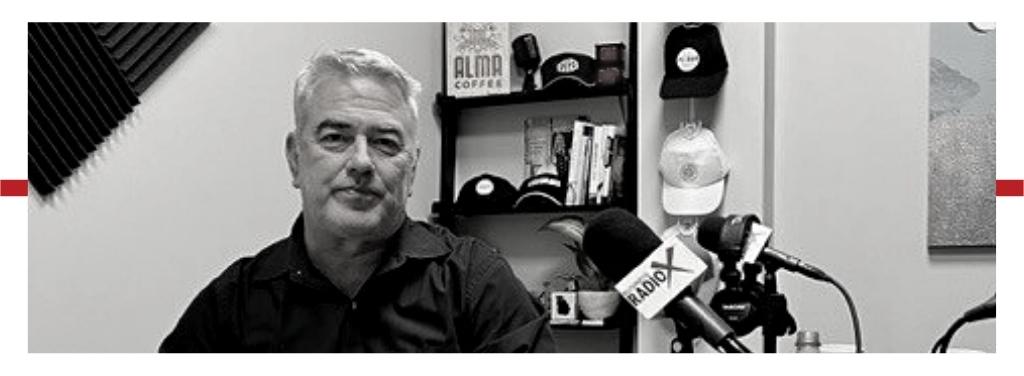
Insight PartnersSteve Kahan-CopySteve Kahan, Marketing Expert at Insight Partners.

He has successfully helped grow seven startup companies from the early stage to going public or being sold, resulting in $5 billion in shareholder value. Steven is the author of Amazon’s best-seller, Be a Startup Superstar. Steven’s newest book is called High-Velocity Digital Marketing.

Connect with Steve on LinkedIn.

What You’ll Learn In This Episode

  • Anatomy of a $1 Billion Exit
  • The situation was on day 1 at Thycotic – where revenue was flat
  • The big bets the company made
  • The modern digital marketing strategies the company put in place – that any company can replicate
  • Easy-to-implement strategies for getting found online, providing the most critical information, and getting buyers to purchase—fast.

This transcript is machine transcribed by Sonix

TRANSCRIPT

Intro: [00:00:05] Broadcasting live from the Business RadioX studios in Atlanta, Georgia. It’s time for high velocity radio.

Lee Kantor: [00:00:15] Lee Kantor here, another episode of High Velocity Radio. And this is going to be a good one. Today on the show, we have Steve Kahan with INSIGHT Partners. Welcome, Steve.

Steve Kahan: [00:00:26] Thank you for having me, Lee.

Lee Kantor: [00:00:27] I am so excited to learn what you’re up to. Tell us a little bit about Insight Partners. How are you serving folks?

Steve Kahan: [00:00:33] Yeah, So Insight Partners is one of the world’s largest venture capital companies. And I advise a number of portfolio companies on their digital marketing.

Lee Kantor: [00:00:45] And what’s your backstory? How did you get into this line of work?

Steve Kahan: [00:00:49] So I really am a 30 year veteran of startups in particular, focused in on marketing. And and really, if you if you look at my background, I’ve been blessed to have work with seven startups, all of which have successfully sold or have gone public, generating a little over 5 billion in shareholder value.

Lee Kantor: [00:01:14] So did you start out just within one startup and then that grew and then you got kind of the bug and you jump from, you know, one site exited, then you jump to another one.

Steve Kahan: [00:01:24] Yeah, that’s pretty much the story. But, you know, for me, I did not take the traditional path. And I remember when I was growing up, my father used to tell me so many times just, Hey, get your degree. Go to work for a large corporation. You work hard, they’ll take care of you and you’ll have a great career. And I remember about a year and a half in, and I was staring at this pile of claims that I was supposed to process that that day. And then looking at my bank account and wondering, how on earth will I ever get ahead? And the student loans would eat my paychecks before they ever even got a chance to hit my bank account. And so I asked an important question to myself at that point, which was, how could I earn a great living loving what I do? And so for me, I quickly realized I needed to kind of get out of working for a large corporation and get in to the startup world where there’d be very much like minded entrepreneurs. And and as you say, I got the bug and have never left.

Lee Kantor: [00:02:34] Now, when you’re working at a venture firm like you are, how do you kind of view the entrepreneur? How do you view that startup founder? Are you seeing them like, I know you’ve kind of gone through the path multiple times, but has that perception shifted when you’re looking at kind of the other side of the ledger?

Steve Kahan: [00:02:56] Yeah. So for me, it’s it’s a it’s a great question because although I now sort of work with the venture capital company, when you have 30 years of being in the trenches, of having to do the work that a lot of the entrepreneurs that I’m advising are doing, What they’re not getting, for example, is advice from a super smart, young sort of person who’s got a background in in banking or financials who who really has all the book smarts in the world but has never really done it right. And so for me, I have a great empathy with respect to what the entrepreneurs are going through. And what I try to do is, is try to utilize a lot of the experience that I have, in particular with what works and then focus in on providing advice that helps them to accelerate revenue at reasonable cost.

Lee Kantor: [00:04:01] Now, anyone, any entrepreneur that’s going the venture route, isn’t it the expectation when you go that route, it’s like a home run or a grand slam or an out, like you’re not interested in manufacturing runs and and being okay with singles as a result?

Steve Kahan: [00:04:22] Well, in terms of the investment philosophy, the organization is always looking for home runs, but they’re singles, there’s doubles and there’s triples. And I, for example, have have have hit the singles, doubles, triples and home runs as well. And so, you know, you always a every single deal that you invest in always looks like it’s going to be that home run, at least in Excel. Right. And then the real world sort of gets in the way, if you will. Right. And so so you you certainly are looking for those home runs and you try to counsel and provide great guidance. That would enable the entrepreneur to achieve that. But realistically, that’s not the case all the time, even though you’re shooting for it for sure.

Lee Kantor: [00:05:15] Now, with your lens as a marketer, do you see companies differently? Like are you able to advise folks maybe that have an idea that is are generating singles and you can, with your marketing skill, move them up to a double, triple home run?

Steve Kahan: [00:05:33] Yeah, 100%. I mean, what I find is that there was an interesting study that I recently read where 83% of the CEOs expect their marketing to drive most of their companies growth. And yet the Harvard Business Review said roughly 80% of CEOs are dissatisfied with their marketing results. And and so what you find is, is that there’s a lot of sales and marketing leaders who feel a little bit overwhelmed by revenue expectations they can’t meet. And part of at least the advice that I give is that the way people buy now has totally changed. Right. And so there’s a lot of organizations that interestingly hasn’t kept up with that. And a great example is if you think about it, just think about it in your own life, right? If you’re going to go buy a car, you probably are not looking forward to going to ten different dealerships and working with sales reps at those ten dealerships. Again, nothing, nothing against those those reps. But what you’re doing is you’re going to be searching online. You’re going to go do some Google searches. You’re going to understand the various options that you have. You might build your own car, you’re going to read reviews. You’ll probably even know what the pricing is and what it should be. Right. And that’s the way people are buying now. And so when you think of that, that a lot of organizations haven’t adopted an approach that enables them to grow revenue, given the fact that their buyers are now relying on digital content to make their purchase decisions.

Lee Kantor: [00:07:27] And that’s a major shift because historically the salesperson was kind of the gatekeeper of the information and now the consumer has the information at their fingertips and then the salesperson has to really just be the Sherpa that’s guiding them through the the buying decision that makes sense for them.

Steve Kahan: [00:07:49] That’s right. And what it means in in just very specific terms is that there’s a new level of information parity during the buying process that has totally changed how marketers have to interact with potential buyers to influence them towards their product and services. And so the bottom line is, is you’ve got to be great online, right? And if you want to consistently grow revenue, you have to be able to do it by delivering great content in an environment where people are going to scan quickly to quickly, then make a decision whether or not they’re going to read on. Right. And so you’ve got seconds, right? And so being great in that environment is is is not easy. But but but I’ve been able to do it. I’ve been able to crack that code. And and that’s a lot of the advice that I also try to provide the organizations that I work with.

Lee Kantor: [00:08:54] But isn’t it I mean, that tactic of being brief but high quality information, enticing, compelling that works, I would think, for the person maybe at the beginning of their journey. But when they’re ready to make that actual buying decision, don’t they want to go deep and really validate their instinct?

Steve Kahan: [00:09:16] Yes. And Right. And so so what that means in in practical terms is that you’ve got to be able to understand and deliver content across the full spectrum of the buyer’s journey. Right. So when they’re educating themselves at the top, when they’re considering different solutions, when they might actually go just refine their search forward and start to look at a specific solution or a specific couple of vendors to to evaluate all the way through the purchase. And you’ve got to be able to connect with them across all of those stages. And if you don’t have great content across the full spectrum of the buyer’s journey, that will zap the. Velocity out of any high velocity digital marketing strategy.

Lee Kantor: [00:10:10] Now, how important is it in this journey, like especially in startups where you don’t have buyers yet? Maybe you have an idea. How do you kind of get actionable information when you don’t have kind of a baked solution yet?

Steve Kahan: [00:10:27] Well, the way that I would advise people to to look at that is that they’ve got to really understand the status quo. Right? And so the status quo represents the current situation, how the buyer is serving their their needs now. And and this really matters in the scenario that you outlined, because you often don’t lose business to a competitor, you lose it to the status quo. Right. And so oftentimes you’ll hear someone say, gee, we’re just not interested or I’m not interested because what I’ve got is good enough, Right? And so so you’ve got to ask potential buyers about the status quo, have them to describe, for example, their current process for for what they’re doing today, what their operations are, how they and their team stay on top of the challenge, how they don’t get overwhelmed by it. What are some of the tools and products that they use today? What are they like about them? What don’t they like? Right. And so by understanding that status quo and communicating very specifically against it, it enables you to tackle that problem head on.

Lee Kantor: [00:11:52] Now, I think that you brought up a very important point here in terms of learning how to position your product or service, how to speak the language of your prospective customer. You have to really have conversations, human to human conversations, and understand the language they’re using, the search terms, they’re using the the outcomes they’re desiring. You have to really get to know them. And a lot of founders, at least the ones I’ve spoke to, they have an ego maybe, or a point of view that they understand and they really can develop personas, but they don’t really have the data to validate those personas that makes sense in their head. And then you can’t not have conversations with people who are buyers and or potential buyers. That’s where the rubber hits the road. That’s where you’re going to get that edge to create that high velocity result you’re talking about.

Steve Kahan: [00:12:57] Yeah, you’re absolutely right. I mean, what you’ve got to be able to do is you’ve got to understand the entire context of the buyer’s world and and you’ve got to regularly talk with customers and then beyond. Just that is that if you look at a lot of the organizations that actually do talk with customers is that they they ask them questions that just so happens to align with the solution that they sell. So they’re almost leading them towards the solution because that that’s what they want to hear. And so you’ve got to ask certain questions in which you don’t do that, and then you’ve got to pay very close attention to the specific language that those potential customers use. Because then in your content, in your ads, you want to reflect that language back at them. Because one of the major marketing fallacies is that like, gee, if we could just be super creative, that that’s going to really help us to to stand out and win. And the truth is, is that the buyers don’t care how clever your marketing department is. They want to work with people who understand and empathize with them, and speaking their language proves that you do exactly that.

Lee Kantor: [00:14:22] Yeah, I remember when I was in school, one of the lessons they taught I have a degree in advertising was it’s not creative unless it sells and a lot of marketers get hung up with the creative part and not the selling part.

Steve Kahan: [00:14:36] Yeah, absolutely right. And then when you’re asking those questions, then you’re starting to get a better sense of also what people are Googling for. Now, you can get a lot of the stats of what the what the search numbers are on specific terms, but really understanding that, I mean, you’ve got to be great on Google, right? And so that’s whenever someone’s going to buy something today there, they’re there oftentimes. Going to Google, Right. And and and being great on Google is a key in this environment in order to sustain growth.

Lee Kantor: [00:15:14] Now let’s share some advice, maybe for a couple of different people. Let’s start out with the the new startup founder. Maybe there that person that had a corporate job and is thinking, you know what, I’m going to take this plunge and I’m going to pursue startups as maybe a pivot in my career. Any advice for that person that’s going from a corporate background into the startup world? What are some do’s and don’ts for that individual?

Steve Kahan: [00:15:40] Yeah, so the way that first of all, I, I think of startups, right? So I never founded my own company. I always went to companies at least had some sort of revenue that were taxed to them. Right. And so what I look for and what I try to always find is that a lot of the entrepreneurs out there, they have good stories, right? But what you’re looking for is a situation in which there’s both a good story as well as a good chance for success. So what I look for first and foremost are quality people that share my values, right? And so if you can’t respect, trust and admire the people involved, move on and look for others, that that sort of rock your world have complementary skill sets. I look for a concept that fills a big market need in which that market need is a must solve problem. Right? And so it’s why I’ve sort of gravitated mostly towards cybersecurity. And I don’t worry if there is competition, I worry if there’s not competition. I look for a great product that I believe in, one in which that I would want to purchase or recommend myself. Right? And that I could go to work every day for with a passion for what that company creates and my role in creating it. And then I also look for that the startup is is funded well enough, right? You don’t want to choose a startup that doesn’t have a long enough runway to get off the ground, right? So you want to check to see that the company is properly funded and capitalize. You have the best chance for growth and stability. I found that if you look at those core attributes when you’re evaluating companies, odds are that you’ll be selecting a company that has the potential to win big.

Lee Kantor: [00:17:41] Now, I know a lot of your background and work is in the startup world. Does your in your latest book, High Velocity Digital Marketing, does any of that pertain to maybe that individual that’s in professional services that they’re that they themselves are marketers or they themselves are an accountant or a doctor? Do do those same strategies work in like kind of a B to B consultant world?

Steve Kahan: [00:18:09] Absolutely right. And so, you know, like if you look at even just understanding your ideal target buyer, right, in in great ways, I mean, when I started at the last company I was at where we went from 5 million to 145 million in five years and exited for 1.4 billion. When I joined on day one, I asked the founders and the management who the customer was, and they said it was it was cybersecurity company, right? And they said that our our, our, our customers are the chief information security officers. Right. And so they were like, Steve, you should know that this is we’re we’re cybersecurity company And I started to interview the the customers. And what I found was it wasn’t the the people responsible for i.t security at all. It was actually i.t admins. It was the techies in the trenches. Right. And so in many ways those are the folks who are never going to read an analyst report. They want stuff fast. Easy, right? They they aware in many hats. They’re going to read reviews. They’re going to hang out online in certain places where the the i.t. Security people who are creating policy or worried about regulatory compliance are are not right. And so when you think of companies of all sizes, no matter what your role, there are very fundamental things in this case. This established company didn’t even know who its ideal buyer was right and so that that lesson of of focusing on your ideal target buyer for example, is is something that a lot of people in organizations across different roles oftentimes take for granted. And as a result, when their marketing digitally their marketing in the wrong places and they wonder why they’re not getting the return that they expected.

Lee Kantor: [00:20:14] But in your example, not only were they looking in the wrong places, they were dismissing your question like they were. So they were so confident that they knew it didn’t even occur to them to look somewhere else.

Steve Kahan: [00:20:30] Yeah, absolutely. I mean, and then it plays out, right? And so, like, if you think about it, we wanted to launch a podcast. And so the last thing I wanted to do was to launch a podcast that, like, nobody’s listening to. So knowing that our target customer were these IT admins, I went to partner with an organization that was the leading provider of training to I.T admins and they did some podcast. I offered up a partnership with a cybersecurity podcast and because we tapped into that huge customer base that they had literally within weeks we had one of the largest cybersecurity podcasts around the globe. Right? But that all emanated from knowing who we were going after and then being, I guess, sort of entrepreneurial enough to say, Gee, who can we partner with where at very little cost, we could have a huge podcast and do it at Lightspeed.

Lee Kantor: [00:21:36] Yeah. So I mean, it’s a great lesson for people out there. And again, it’s you’ve got to get out of your office and talk to the real buyers, not just assume you know, because even if what you thought was true when you started may not be true today.

Steve Kahan: [00:21:53] Yeah, for sure. I mean, and those needs change, right? Markets evolve, competitors evolve. I remember we were taking a position around simplicity, ease of use, right? Because it aligned with what our buyers wanted and it really started to work. And so our £800 gorilla competitor that actually had a complex product started messaging all around simplicity. So I got online and I started Googling for their documentation, their products documentation, and ours was about 30 pages. And I found that their product documentation was over 1500 pages long, and I compared their documentation to the fifth largest novel ever written in human history and trained our sales and partners on that. And, and literally their attempt at matching our messaging ended and, and it never recovered for them.

Lee Kantor: [00:22:59] Good stuff. Well, for you, what? Could we be doing more for you? What do you need more of? How can we help you?

Steve Kahan: [00:23:07] Well, really, I’m more about helping others. Right. And so what would help me is, is that I just wrote a new book called High Velocity Digital Marketing. It’s really focused on the digital marketing strategies that we’re talking a little bit about here. And it’s very much a how to, by the way, where people could implement what they learn literally that same day. And so I guess if it provides value, what would help me is that I get gratification at at least at this point in my career is is just hearing back from others that they tried some things that that that worked or any feedback that they might have that that would be most helpful for me would be just helping others succeed.

Lee Kantor: [00:23:56] Now, in this book, it’s very tactical. And is is this something that you have to have a big budget in order to leverage digital marketing? Or are there ways, like you mentioned, partnering and doing things with others that may be you can do it in a more affordable rate?

Steve Kahan: [00:24:12] Yeah, I mean, that’s what it’s all about, right? I mean, I mean, another example is, is that which I, I go into detail, but like we talked just a little bit about being great on Google and you could pay super expensive SEO consultants or read 500 page books and your head will be spinning. Right? And so what we did is we identified our coveted keywords, right? These were the ones that people were searching on whenever we created content, whether it was web content or or other types of content, we would have our SEO expert meet with that content creator, make sure we were covering the appropriate keywords. They would meet again at the end of the project to make sure that they were incorporated, and then we would expose the content so that Google could scan it right? And just simply that process, as well as creating content that our partners love, which gave us a lot of backlinks, enable us to punch far above our weight. And so that just implementing a process like that and I go into other things as well, can really help any listener and their company to become great on Google.

Lee Kantor: [00:25:29] Well, if somebody wants to get a hold of the book or connect with you and your team, what is the way to do that?

Steve Kahan: [00:25:35] Well, my book, High Velocity Digital Marketing, is available wherever you would buy books online like Amazon and I could be connected with at Be a Startup Superstar.

Lee Kantor: [00:25:49] All right, Steve, thank you so much for sharing your story today. You’re doing such important work and we appreciate you.

Steve Kahan: [00:25:54] Well, thank you for having me. Lee. It is my pleasure.

Lee Kantor: [00:25:57] All right. This is Lee Kantor. Until next time on high velocity radio.
Tagged With: Insight Partners, Steve Kahan

Growth Coach Warren Coughlin

November 1, 2022 by angishields

Warren-Coughlin-headshot
High Velocity Radio
Growth Coach Warren Coughlin
Loading
00:00 /
RSS Feed
Share
Link
Embed

Download file

Warren-Coughlin-Growth-Coach-logo

Warren-Coughlin-headshotWarren Coughlin helps principled entrepreneurs build a Business That Matters. That is one that delivers to you, the owner, attractive profits and a fulfilling lifestyle while also creating positive impacts on customers, team and the larger community. In other words, it is one that helps make the world – or just your corner of it – a better place.

This requires a combination of solid business skills and disciplines guided by deeply held values. Warren has been helping entrepreneurs do this since 2002. They have experienced everything from 8 figure exits, to 7 figure salaries, from rapid expansion to minimized operational work because of the development of great leaders and high performance values-driven cultures.

Warren is also a recovering lawyer, a serial entrepreneur,college professor, actor, theater director and Dad to a wonderful daughter who constantly challenges him to be a better person.

Connect with Warren on LinkedIn and Facebook.

What You’ll Learn in This Episode

  • Why Warren feels entrepreneurship is so important
  • Warren’s take on culture eats strategy.
  • How important culture is in the face of the challenging current labour market

This transcript is machine transcribed by Sonix 

TRANSCRIPT

Intro: [00:00:04] Broadcasting live from the Business RadioX studios in Atlanta, Georgia. It’s time for High Velocity radio.

Stone Payton: [00:00:15] Welcome to the High Velocity Radio show, where we celebrate top performers producing better results in less time. Stone Payton here with you this morning. You guys are in for a real treat. Please join me in welcoming to the broadcast with Jump Start Coaching. Mr. Warren Coughlin. Good morning, sir.

Warren Coughlin: [00:00:34] Good morning, Stone. How are.

Stone Payton: [00:00:35] You? I am doing well. Really been looking forward to this conversation. I’m thinking a great place to start would be if you could articulate for us mission purpose. What are you and your team really out there trying to do for folks? Ma’am?

Warren Coughlin: [00:00:51] That’s a great question. A great place to start. I so I’m a business coach, but with a bit of a bit of a different twist, I guess. I like to work with what I call entrepreneurs to do what I call a business that matters. That’s one that wants to make for the entrepreneur a lot of money, but also makes a positive impact on the world or just some corner of it. And those folks are people I think deserve a little bit of extra help because they’re actually trying to do some good in the world.

Stone Payton: [00:01:16] Well, it sounds like it would be incredibly rewarding work. What’s the what do you enjoy the most about it?

Warren Coughlin: [00:01:23] I love entrepreneurs. I have been an entrepreneur and I’ve worked with entrepreneurs and they’re I say this cheekily, they’re kind of a freak. They’re freaks of nature. They’re a different breed. And because they take a lot of personal responsibility, they’ve actually taken the gamble or the risk to say, I’m going to go out there and carve a niche in the world for myself based on my own vision, my own effort, what I want to contribute to the world. That takes courage, it takes confidence, it takes energy, commitment, compassion, all kinds of great things. And so the challenge, though, is they do that with all those motivations, but most of them don’t have the grounding in business skills. And so they’re out there trying to do good, but without necessarily having all the tools they need to do it. And so that’s kind of why I do what I do. If I can help them accomplish that better than I’m having fun, I’m working with people who I think are fantastic people. And it just it’s ultimately very, very rewarding to see the outcomes. When somebody started from struggling to selling a business for eight figures a few years later, it’s super rewarding.

Stone Payton: [00:02:33] So how did you get into this line of work? Man? What’s the back story?

Warren Coughlin: [00:02:39] Oh, man, I got to I have got a weird long. The Reader’s Digest version of I was supposed to die at birth. I was given zero chance of survival. I was the second person in history to live through a weird congenital defect. And when I found out about that, I wanted to do something with this kind of unexpected gift. So I went through all kinds of iterations. I was a lawyer thinking I go to politics or pursue justice. I was a college professor, I was an actor, a theater director, and then it was really an entrepreneurship that I went, No, this is entrepreneurship matters. It’s entrepreneurs create, they create jobs, opportunities, wealth, innovation, solutions to problems. And there’s a great line in the play rent that says the opposite of war is not peace, it is creation. And so I really felt no entrepreneur. Entrepreneurs are the ones that make the difference. And so that’s where I want to play. So it was this long, circuitous route, but when I landed on it, it was like, okay, this is where I want to play. And then after I exited one business, I was sort of looking for the next thing to do. And a family friend back in 2002 was doing this weird thing called business coaching that I’d never heard of. And I looked into it and thought, Well, that sounds pretty fantastic, and looked into it and jumped into it and never looked back.

Stone Payton: [00:03:50] So you write and speak about and consult toward I think you describe it as three foundations that kind of set businesses up for growth and success. Can you speak to that a little bit?

Warren Coughlin: [00:04:03] Yeah, for sure. There’s there are really three foundations, and I think the best metaphor for it is, is like sports. So you can’t win if you if you don’t know how to keep score, you can’t win if you don’t have a winning team and you can’t win if you don’t have a game plan. So those are the three foundations for success in any sort of competitive endeavor. And so in businesses, how do you how do you know how to keep score? You’ve got to know your numbers. The number of entrepreneurs who don’t know how to read their numbers, all they do is they look at their sales and they look at what’s in a bank account and they think that’s all they need to know. And they’re just missing so much valuable information on how to perform in their business better building a high performance team so that it means creating a culture and having a recruitment, performance management systems, all that kind of thing that builds what I call a high performance culture. No one likes to play on a team with a slacker, so you want to make sure that your team is populated with high performers who care about winning. And then the third is you need it. You need a game plan. And so I actually created a software tool because I’ve been doing this for 20 years.

Warren Coughlin: [00:05:03] I’ve coached people from start up to 150 million, and I can count on one hand the number of people who do strategic planning well. So I’ve actually created a software tool that automates the whole front end of the strategic planning process. So what I do is within the first three months of working with a client, we get each of those foundations in place, make sure you really understand your numbers. I’ve got some software tools that just produce KPIs, financials, projections, all that kind of stuff, so you always know what you’re doing. Then we go through a process to define your culture, build that high performance team. Then we go through the planning exercise and at the end of the three months you walk out with a fully baked 90 day action plan, a system for execution and a series of areas of focus for subsequent plans. So it’s an intense three months, but it really it’s sort of like if you ever see a condo being built, you know, there’s this hole in the ground for three, four or five, six months. You don’t know what’s going on and you walk by a week later and all of a sudden it’s three stories up and it’s because they took the time to build those foundations, right? And then everything gets built on that platform.

Stone Payton: [00:06:06] And you place a great deal of weight on numbers. And I kind of resemble some of your remarks because I’ll confess to you and the listeners, I was just looking at my own QuickBooks before we got on the line here. And, you know, I looked at sales volume for the month, sales volume for the quarter. I looked at the bank account and that was about it. And then I got ready for the for the interview. We won’t ask for the whole intense course here, but what are some of the other things that I that I should be looking at?

Warren Coughlin: [00:06:34] So rather than looking at I won’t tell you particular numbers, I’ll just get your books are a story. Your numbers actually tell a story and we know how to read them. When you know how to tell the story, you can actually understand what’s going on in the business more effectively. So the main thing is you don’t just look at one number or one period of time. You look at it as a trend. You look at your numbers over time. And so you need to see it charted out over a year so you can see what the trends are, because that’s you know, if you can look at, for instance, a number called a quick ratio or which is a measure of liquidity, you can look at the number once and say, oh, it looks good. But if you actually see it went from 5.1 to 4.1 to 3.1, you know, 3 to 1 is a decent number. But if it started at five, you’re heading in the wrong direction. Right. And so you want to intervene before it gets bad. Not once it’s bad. And so if you’re not if you’re not looking at it as a narrative, you know, as this is a book that’s trying to tell me something, then you’re just you’re not really gleaning the information that helps you make smart decisions.

Stone Payton: [00:07:37] I think you and I may have touched on this when we had a chance to chat by phone a few weeks ago. But you might remember in a in an earlier part of my career, I was in the change management world. And I if I heard it once, I heard it a thousand times that, you know, culture eats strategy for breakfast and you’ve got a whole different take on that.

Warren Coughlin: [00:08:02] Yeah, Yeah, I do, because it’s I used to believe that. I used to preach that and now I’ve shifted. I actually think culture and strategy are bedfellows. They’re a perfect marriage because strategy defines what’s to be done and culture makes sure that it gets done. If you have a culture without strategy, you have a really motivated group of people who will wind up getting frustrated because they don’t know what they’re supposed to do or there’s no clear direction. And then like winners want to win, right? So if you get to really just think of it again in a sports analogy, if you have a really, really great player and you put them on a team that doesn’t have a strategy, they’re going to get pissed off. They’re going to get annoyed and frustrated. Right? But if you put that person in another team with a coach who kind of knows this is the direction that we’re going, this is the strategy that we’re going to deploy. Now they’re liberated to really use their skills in a way that’s going to motivate them. And so I think those two things, culture and strategy, when they’re when they’re aligned, man, you’re unstoppable.

Stone Payton: [00:09:00] Then I got to believe it has a tremendous impact and a real influence on your ability to to recruit and develop and retain as well. Yeah.

Warren Coughlin: [00:09:12] Oh, so again, you’re you’re a high performer. You’re being offered for jobs, you know, And that’s that’s the reality right now in the marketplace, right? Somebody who’s a high performer has lots of opportunity. So you look at a place now they’re going to pay me a bunch of money, but man, they’re a they’re a dog’s breakfast, they’re a mess. And then there’s this place over here that they’re paying a little less to start. But man, their path that they’ve laid out for me looks really interesting. And the culture they’ve got is aligned with my values, the people they have or other high performers. And I like to play with high performers, and there’s some way for me to benefit when that strategy pays off. Which of those two jobs are they going to take? You know, you put yourself in the position of the decision maker on the other end. Of course, they’re going to go for that place. That’s got a clear strategy, a high performing culture, opportunity for growth. And so if you if you build your business that way, you’re going to wind up attracting the high performers. And then the result of that is you’re going to attract better customers as well.

Stone Payton: [00:10:08] Yeah. And and keep them both.

Warren Coughlin: [00:10:11] Which is exactly which is how you build long term sustainable growth.

Stone Payton: [00:10:15] So how does the whole sales and marketing thing work for a guy like you, a practice like yours? Do you do you have to have some sort of rigor and discipline to a sales and marketing process? Are you or are you at a point now in your career where it just sort of comes in over the transom?

Warren Coughlin: [00:10:31] So you’re asking that at an interesting time, because I actually am just starting some new marketing things, but more because I’m trying to build a platform to help some other coaches as well with with these three foundations and some other tools. But historically, yeah, it’s been, you know, I don’t want to pad myself on the back too much, but I’ve had some good fortune that I think in the coaching industry, the average client retention is I know the numbers have changed over the pandemic, but like 6 to 8 months or something like that. Mine, I’ve got an average client retention of between two and a half and three years, so I haven’t had to do a ton of marketing. It’s usually by referral or somebody hears me on a conversation like this and then they reach out. So that’s that’s been my model. But now I am actually trying to be more proactive in marketing because I’m wanting to feed other coaches.

Stone Payton: [00:11:16] So have you had the benefit of one or more mentors, especially in the early years when you made this pivot to this arena of having a mentor or two that have that have helped you kind of navigate this terrain?

Warren Coughlin: [00:11:32] Yes, very much. I was I was with a group of people and there was there were I retained mentors. I went and studied with people. Yeah. I wouldn’t be here if I didn’t have those folks. And I’ll tell you, just I remember when I first started, I did this sales profile that says I have a really high personality match with consultative sales, but I wasn’t selling like my revenue was not where I needed it to be and the organization I was part of, they actually at that point had a sales coach to go out with the coaches and he went out with me on a couple of sales calls and he actually reported back equals warns like the best sales guy you’ve got in the country. And I was so mad at that because it was just patently untrue. There were some things I was good at, but I wasn’t closing. So by definition his analysis was just wrong. And so I actually targeted a couple of people who did have high closing ratios, and I went and followed them. And then I realized it was just like two turns of the tumbler that I was missing. And as soon as I got those in place, my conversion rate started to skyrocket. So like, if it weren’t for those couple of people who let me go along with them, I would have never figured that out. And so, yeah, having someone because you can read like I read the books, I knew the theory of sales sales, right? But it was just contextually there was just this little thing that I was missing. And as soon as I went, Oh, that’s what they’re doing. Then all of a sudden everything fell into place.

Stone Payton: [00:12:56] So there are so many reasons to struggle or even fail on this entrepreneurial journey that so many of us are on. You know, there’s COVID, there’s inflation, there’s potential recession, there’s the challenge in the labor market. Do you think resiliency and working through all of that comes back to what you mentioned earlier in the conversation, the personal accountability, the self-awareness somehow coupled with these these disciplines of strategic planning? What’s the. I mean, is that the magic? Is that is that what helps us get through it all?

Warren Coughlin: [00:13:29] Yeah. I mean, there’s a common approach. I call it the brute force approach, right, that a lot of people use, which is I’m just going to jam my way through it. And I admire people who do that. And there are some people who succeed just through brute force. And so that resilience is one piece of it, but the discipline is also required. And I use the metaphor of poker. Some people think poker is a game of luck, Right. But it’s not. Poker is a game of skill, of which chance is an element. Business is the same way. So when poker, a rookie can beat a pro in a given hand, but a pro will always win the game. And why? Because they have the discipline. They have the skills, right? So you can’t just sit at the poker table and say, I’m going to be resilient and just keep trying when I don’t know what I’m doing. You’re going to continually get your butt kicked. Right. But if you say, I’m going to be resilient and I’m going to study and I’m going to watch those people who are successful and I’m going to try those strategies, then you will wind up being successful. Right. There’s a reason why when you look at the people who are most successful, if you look at their history, they’ve had failures, but they don’t just keep failing. Each one of those failures, they reflect and they learn from, right? So it isn’t just resilience that I’m just going to keep pushing against a brick wall doing the same thing. It’s resilience to say, I just need to figure out a different way of doing it. I’m going to have faith in my ability. I’m going to have faith in my dream and vision, but I’m not going to have faith that just the way I do things or the way I want to do things is the right way. Right? So it requires a certain humility that goes along with that resilience to be open to the learning.

Stone Payton: [00:15:03] So if and when you get a little worn down, the batteries run a little bit low, where do you go? And I don’t necessarily mean a physical place, but where do you go for, I don’t know, inspiration to recharge, get refreshed. Where do you what do you do personally?

Warren Coughlin: [00:15:20] I do a few things. So one actually is a physical place. I get on a mountain bike and I go in the woods and I go mountain biking for a couple of hours. That just lifts me like nothing else. I also do something called SDR, which is non sleep depressed, also called yoga. And it’s sort of a form of meditation but a little bit different. There’s a neuroscientist, Andrew Huberman, who really just turned a lot of people on to that. It’s a really, really useful technique. And then do some journaling. And then as well, I have I have some really, really good friends. And, you know, and we’re we’re guys who really support each other. So any time any one of us is a little bit down or struggling or something like that, we just we’re there for each other. So those three things like being in nature, getting physical exercise, doing some meditation and then having a network of supporters is really, I think is the magic combination to for me anyway, to always be ready to.

Stone Payton: [00:16:20] Go Well, and it’s so important for us to build those things in, right. No matter what the mechanism is, that’s it’s important to have that that support system and those those things where we can go and kind of get refreshed and ready for the next thing.

Warren Coughlin: [00:16:35] And yeah, and you know, as a side note, there’s a thing, right, that, you know, men don’t talk about their feelings and all that kind of stuff. So there’s just this part of the conversation is directed specifically at guys. What I found like with this, this group of buddies I’ve got, there’s actually a lot of vulnerability that we share and it’s it’s not anti masculine, you know, it’s it’s not like it’s very strengthening. To have people that you can be open with and we’re going to have your back and we’ll frankly kick you in the ass a little bit. Yeah. You know, like, that’s that’s such a powerful asset. And people who are like, well, I can’t talk about how I’m going to. What I’ve discovered is I think I, me and one other guy sort of let it is that guys actually want to be able to do that if you’re you’re a guy listening alone you know this to be true you want to be able to say what you’re thinking and feeling to somebody, and that means other guys around you do as well. And if you’re willing to take the risk and just share a couple of things, you’ll find that the guys around you who you think are tough, macho guys can have it all together, don’t. And they’re going to be open to having the conversation.

Stone Payton: [00:17:46] All right, let’s. Let’s leave our listeners with a couple of pro tips, if we could. Just a couple of things to be thinking about, reading about, maybe even something we could take a little bit of immediate action on. And my recommendation to you going is the number one pro tip, reach out to Warren, have a conversation with him. But but maybe there’s something you know, just after listening to this that we can start thinking about, reading about doing anything on that front would be great, man.

Warren Coughlin: [00:18:13] So first thing I would learn how to read your financial statements. I mean, as maybe boring or as intimidating as that may sound, even if you’re not good at math, you don’t have to be good at math to do it. Just look at your financials over a six month period and just look at the trends on your sales, on your cost of sales, on your gross profit and your cash flow. Just look at what’s happened to your cash on a month by month basis and see what one thing you could tweak. Like if you could drop your accounts receivable days by ten days, that’s going to boost your cash flow by a whole bunch. So that’s just one real pro tip. The second pro tip is actually think about the next 90 days or we’re in the time of this recording. We’re nearing the end of 2020 to say, Where do I want to be at the end of 2023? And what are the two top changes I can make? Don’t, don’t list 23. So what are the two top things that I could do in my business to make that change? And if you just do that, you just focus on two and then start knocking them off. You’ll be amazed at the momentum that starts. So those two things get get a handle on your numbers and then just start doing some planning with just a couple of key items.

Stone Payton: [00:19:30] All right. So what’s the best way to connect with you? Have a conversation with you. Someone on your team start to tap into your work. Whatever you feel like is appropriate, whether it’s LinkedIn, email, website. I just want to make sure that our folks can connect with you.

Warren Coughlin: [00:19:44] Yeah, sure. So my website, Warren Coughlin. So Warren Coughlin. There’s a way to book an appointment with me there. There’s also a description of what I do, and there’s actually a free resource there that can really help you with some of the things that we’ve just talked about.

Stone Payton: [00:20:01] Fantastic. Well, Warren, it has been an absolute delight having you on the show this morning. Thanks for investing the time in In Energy to share your perspective and your insight with us. You do an important work, man, and we we sure appreciate you. All right. Until next time, this is Stone Payton for our guest today, Warren Coughlin with Jumpstart Coaching and everyone here at the Business Radio X family saying we’ll see you in the fast lane.


Tagged With: Growth Coach, Warren Coughlin

Richard Lee With Supercopy

October 28, 2022 by Jacob Lapera

Richard Lee
Atlanta Business Radio
Richard Lee With Supercopy
Loading
00:00 /
RSS Feed
Share
Link
Embed

Download file

SupercopyRichard LeeFrom the island of Guam, Richard Lee is an engineer/designer and now cofounder at Bettersum building Supercopy where we believe marketing should communicate to people in the manner they want to be communicated to.

Connect with Richard on LinkedIn.

What You’ll Learn In This Episode

  • Favorite part about building a startup
  • Favorite growth hack

This transcript is machine transcribed by Sonix

TRANSCRIPT

Intro: [00:00:04] Broadcasting live from the Business RadioX studios in Atlanta, Georgia. It’s time for Atlanta Business Radio, brought to you by on Pay Atlanta’s new standard in payroll. Now, here’s your host.

Lee Kantor: [00:00:25] Lee Kantor here another episode of Atlanta Business Radio. And this is going to be a good one. But before we get started, it’s important to recognize our sponsor on pay. Without them, we couldn’t be sharing these important stories. Today on the Atlanta Business Radio, we have Richard Lee and he is with Super Copy. Welcome, Richard.

Richard Lee: [00:00:43] Hi. Glad to be here.

Lee Kantor: [00:00:45] Well, I’m so excited to learn what you’re up to. Tell us a little bit about super copy, how you serve in folks.

Richard Lee: [00:00:51] Yeah. Yeah. So super copy was created about four months ago to help people market and create a lot of content quickly and create content that matters in the faster way than what we’ve been doing recently.

Lee Kantor: [00:01:03] So how do you do that magic trick?

Richard Lee: [00:01:06] Yeah, so we use A.I. for a lot of the content, like contextual information, and we use that to create a lot of words that come out in the format and sense that comes out in. But it’s up to the marketer to put in the right information, such as What’s the goal of it? What’s the context? What brand are you pushing? What’s the tone with the language? So we’re essentially augmenting and compiling a marketer’s current progress.

Lee Kantor: [00:01:28] So now is this something that once I start working with super copy, it’s going to kind of learn with me and start understanding my tone and my voice so that I can, you know, create more content faster.

Richard Lee: [00:01:44] Yes. So that’s something we’re working on right now. So right now it’s partially a manual process and partially an automated process and the future. We want this to be something that learns a few, but also like something you get to edit into, something you want it to become.

Lee Kantor: [00:01:57] So now what is the way I would be using this today?

Richard Lee: [00:02:01] So right now the way it currently operates is we have a quick interface where you could put in your brand, your company, your company’s website or digital link of some sort, and then discuss what kind of goal do you want? So is it convincing people to tune into the radio or is it convincing people to check out this new product that we just launched? Or is it discussing the value of a new feature that just got launched for a product X, Y, Z? And then you get the tone as well as the audience who you’re talking to.

Lee Kantor: [00:02:30] And then what happens?

Richard Lee: [00:02:32] And then you click generate, there’s a button that comes up and then it just generates you a couple of options for you to consider. Right now, we’re figuring out the best way to measure, measure the impact before you can post it or shared or send it to a friend.

Lee Kantor: [00:02:44] Now, is it something that I can just like, say, for example, I want to come up with a bunch of subject line for an email marketing campaign that I want to test. Is that something that I could use this with?

Richard Lee: [00:02:57] Yes, absolutely. We actually had a couple of sales people use it either to prototype out a couple of sales headlines, but or also like test out some things a lot faster instead of like brainstorming as a team together.

Lee Kantor: [00:03:09] So I could use it not only for the subject line, I can have the kind of the copy for the email marketing campaign as well.

Richard Lee: [00:03:17] Yes, that’s absolutely right.

Lee Kantor: [00:03:19] And then is it something that okay, so say I come up with a five email cadence and I send it out using super copy? Is it something that it can learn and say, you know what, We weren’t getting the open rate. We anticipated our number two. Let’s try to optimize that for a better result?

Richard Lee: [00:03:42] Yes, definitely. So right now, super copy doesn’t send it out for us, but we do have people copy pasting into their emails and editing, of course. So we do see people doing A, B testing and seeing which one goes well. So super copy allows you to adjust your tone and your demographic really quickly, as well as adjusting a lot of the nuances early on. So when you set up your AB test, you have a little bit more of a direction on each one that you’ll be doing. And in the future, of course, we want to integrate with the email and texting system that people already have to see those responses real time.

Lee Kantor: [00:04:13] Now, at this stage, is it primarily just kind of a a thought starter for a better first draft? And then I’m going to go back in and edit it and tweak it? Or is it something where it can take my first draft and make it better?

Richard Lee: [00:04:28] Yeah, so we actually do both. So we do our the initial product was generating the first draft really quickly. So we’re getting you to the red zone, right in the football term, we’re getting to the red zone and you just have to finish up, which that’s the harder part, right? And that helps you focus on the important part, which is the nuances and the jargon and the things that just makes it a little bit more for the audience. But we also have a tool that use AI to make things a little bit more engaging. So we have an Engager tool that if you put in the the copy, you could click on it and it’ll generate a slightly more engaging version of the post.

Lee Kantor: [00:05:01] Now, when you say engaging, if my tone like say, I think you mentioned earlier, my tone is persuasion, which is different than maybe entertaining, which is different than educating like, are you pulling if I say persuasion or have you taught it like some persuasion strategies and inputted some persuasion language in order for you to to be to actually persuade?

Richard Lee: [00:05:29] Yes. So it does take into context of the words I use to convince it. So if you use persuasion, it will use persuasion type words. So essentially persuade the user or audience member to sign up for X, Y, Z.

Lee Kantor: [00:05:44] But if you say entertaining, is it using like comedic words? Is it using friendlier tone, more conversational?

Richard Lee: [00:05:52] Definitely. So it really takes into consider the words you use if you entertain or convince or discuss like the tones of the words will change based on the word.

Lee Kantor: [00:06:03] And then if if I say entertaining over time, is it going to kind of take on a the avatar of some person that’s entertaining?

Richard Lee: [00:06:18] So that’s the ultimate goal for us is how can we get it more and more tuned into something that’s more entertaining And like deciding on what’s more entertaining and entertaining is a broad word, right? So the initial term is it gets the basic going, but the future term that we want to build up is how can we how can we know what’s entertaining? And also what demographic is this entertaining to and adjusting that to the entertainer itself.

Lee Kantor: [00:06:42] So it could over time, like if I say I want to have a tone like Jerry Seinfeld, it would have a tone like that more so than a tone like. Bill Burr.

Richard Lee: [00:06:55] Yes. So right now you could actually try Jerry Seinfeld because he has enough content online to refer from. Like, we could see some of the cadences. But if it’s like a completely new comedian, that’s like just started out, their cadence and style will be a little harder to pinpoint.

Lee Kantor: [00:07:12] So could you could this be a tool for an entertainer like, say, a comedian wanted help in writing jokes or or stories? Yeah. So it can work in nonfiction as well as a fiction environment.

Richard Lee: [00:07:27] Just because the information pulled from it doesn’t really know what’s true or not. Like, it’s kind of like the Internet in a nutshell, right? Like it’s really hard to dictate what’s true or not because there’s information on both sides on any topic. So it just gets on. It gets especially asides with, you know, which way you’re thinking. So if you think blue is the best color, like, okay, blue is the best color because you say red is the best color. And they’re like, Oh, yeah, red is the best color. So it just depends on how you dictate it.

Lee Kantor: [00:07:56] So what’s your back story? How did you get involved in this?

Richard Lee: [00:07:59] Yeah, Yeah. So I’ve been I come from an electrical engineering background here at Georgia Tech, graduated and had a corporate job. And at one point I’m like, cool. I want to pursue start ups. The the pandemic hit now is a perfect time for me to just start pursuing that. So be. I’ve been in entrepreneurship for about three years, full time, and I’ve gone through multiple iterations, and the last iteration was essentially a digital product studio where we work for our clients and I’m like, okay, we want to make you more money. Essentially, that’s what our products do, right? So we create a bunch of products for our clients and we just realized. They had a far bigger budget for their marketing that they were spending like all over the place, and then a super small budget for any product. They want to create it to make the marketing make sense. So really, okay, you’re spending. 100 x all you’re spending on us. Why don’t we just do the marketing? Because we also are the best marketers of our own studios. So, okay, you’re essentially creating a problem for ourselves because we just didn’t know how to market effectively. Okay, what can we do to do that? Because like right now, what we were saying is that you got to post everywhere. You have to everywhere at all times. It all has to be good. And that’s what we saw. Okay. That doesn’t seem humanly possible. How can we make that a little easier? And that’s where super copy came from.

Lee Kantor: [00:09:17] So now have you pivoted your business or this kind of aside thing right now?

Richard Lee: [00:09:22] So Supercoppa is the main business. Essentially, it’s a technical startup and and everything else has been to the wayside and we’re not really focusing on it.

Lee Kantor: [00:09:31] So are you still. So you’re not doing any kind of help. You’re not a marketing company. More. You’re a startup that’s trying to roll out the super copy. Is it an app or a software or software is a service? How is it going to be marketed?

Richard Lee: [00:09:47] Yeah, that’s I think that’s a really good question. So, yeah, like definitely not doing anything else. We are now a tech startup in most traditional sense and it’s a SAS, so you could use it online. It’s a web portal so you could go in and anyone with a log in access could access it, and it works off internet. So if have an access and a website, you could access it.

Lee Kantor: [00:10:09] Now, is it something that in order to try it out, I have to buy it? Or is it something that I can kind of You have a freemium model?

Richard Lee: [00:10:19] So right now we are we do not have a free child. We’re currently building that right now. So everyone that we signed up in the last few months, they’ve all paid day one. But yeah, we are definitely looking to premiums for people to try to for us and we want to create a premium product to over time we’ll be adding features and anyone that signed up in the last few months will be inheriting those features over time.

Lee Kantor: [00:10:40] So now that you’re have this start up, is there any advice you can share for other startups to maybe launch or to grow quickly?

Richard Lee: [00:10:49] Yeah, Yeah. So I think a funny story for us, We built this product in a day. We built essentially the prototype of day and sold that prototype the next day. So I’ve, I’ve been in the startup game for a couple of years and I’ve been affiliated. We’re working for like living in that world for about ten. My biggest advice is just get it out there as fast as you can. Customer discovery is fantastic, but you really need to see where people’s money, where they’re willing to spend money at because it must be a problem we’re solving at that level. So yeah, I would always encourage speed and also like taking the risk when you can.

Lee Kantor: [00:11:26] So to layer on top of that, how did you come up with a pricing structure that could work for you and would be kind of an easy in for the client?

Richard Lee: [00:11:37] Yeah. So initially I think this is what lost our founders do is they kind of get like what people think they are. So we start off with $100 based on like and just saw a reaction. So especially we’re onboarding people manually, right? So we could tell from their face whether they’re like, Oh, that’s way too high, or they’re like, Oh, that’s an easy decision. So we always go based on that type of feedback and we see what type of customer like pushes away from a certain price point. And so in people that don’t even consider that like being an obstacle, So we do look into that. So I would say if your product is SAS, you could easily be in the realm of like 20 to 100 to 1000 depending on what your product does and what what kind of critical problem it solves. Right. Like if I could ten extra business with this SAS product, I’m like, usually people are willing to spend a lot more if I’m helping your business by 10%. Is there like a band aid you’re selling? Is it a vitamin? Is a painkiller? So it depends on what kind of category you go into.

Lee Kantor: [00:12:34] Now who is the ideal purchaser of this?

Richard Lee: [00:12:37] So we’ve been working primarily with marketing agencies and sole marketers because they tend to use the product the best. We work with business owners, but we just noticed that they’re very their hands are full with 20 other things all at the same time. So like marketing might be the last thing that they’re considering, but they still want it. So we’ve been seeing various different types on a like once 20 person team scale and we also been working with 100 plus employee companies and seeing how that works for internal marketing.

Lee Kantor: [00:13:07] Now how is your experience been in the Atlanta startup ecosystem.

Richard Lee: [00:13:13] The last year? Because it’s really nice. I really like it. It’s one of the reasons I stayed after college here in Atlanta. Everyone’s really supportive. If you have a question and if you’re genuine about it, people will reach out to you and people will help work with you. I really love the bootstrap energy that Atlanta has. Like it’s not Silicon Valley, but it is throwing money around for no reason and that’s kind of you have to earn it. I do like that. So it helps us focus on bootstrapping and making revenue a lot earlier compared to like going to go get funding earlier, which is I would say not the best practice, especially in a professional model.

Lee Kantor: [00:13:47] Now, what about if you were to educate people on artificial intelligence and how you’re using it? Some people are afraid. Some people can’t wait. What would you you know, what are some of the myths you’d like to dispel about A.I.?

Richard Lee: [00:14:03] So I would say for AI is really good at helping people get to where they are there. It’s kind of dumb if you leave it alone. Right. Because it’s it’s it’s just recognizing what it sees. And often what it sees is often wrong. So that’s something we do see in the market. And A.I. requires some kind of copilot, Like it’s like you’re the goose and maverick and maverick goose type model where without it, you still need A.I. to replicate things on scale. But without the human, the AI’s kind of stopped replicating very old things or mundane things. It just doesn’t really understand it. It’s not going to go for your job unless it’s super repeatable. If your job is super repeatable and doesn’t require a lot of creativity. A.i. is probably going to take over that spot primarily because it’s such a repeatable test that humans shouldn’t be doing. But in jobs that are far more creative, it will have more of an augmenting experience. They’ll help you get to your place where you want to go. They’ll never replace you.

Lee Kantor: [00:15:03] Yeah. What I’ve heard is if you if your job can be done with a checklist, you’re probably going to be replaced.

Richard Lee: [00:15:10] Yeah. Yeah. But we’ve seen that with technology over the last hundreds, hundreds of years.

Lee Kantor: [00:15:15] Right. It’s nothing personal.

Richard Lee: [00:15:17] Yeah, it’s nothing personal. It’s a repeatable test that shouldn’t be done by a human. That’s overkill, right? The number of energy you have to put into it. But if it’s just like. Like writing something creative. Yeah, like, I will help you, but I won’t do the thing for you.

Lee Kantor: [00:15:33] Now, what do you need more of? How can we help you?

Richard Lee: [00:15:36] Yeah. I would love to meet with more marketers in Atlanta. Meet with Mark Agency in Atlanta and just listen to you like what are your pain points and help you solve those problems for you.

Lee Kantor: [00:15:46] And if somebody wants to learn more, where should they go?

Richard Lee: [00:15:50] You can hit me up on my email at Richard. I better btr sue dot com or email me there or check us out on our site. I’m also very active on LinkedIn, so I’m there. Richard Lee. You can find me on that handle as well.

Lee Kantor: [00:16:10] And it’s super copied that I Oh.

Richard Lee: [00:16:12] Yes, super copy that.

Lee Kantor: [00:16:14] Oh, and that’s the website. They can go and they can check it out. They can look at it and then buy it if they were interested.

Richard Lee: [00:16:21] Yes, absolutely.

Lee Kantor: [00:16:22] Well, Richard, thank you so much for sharing your story today. You’re doing important work and we appreciate you.

Richard Lee: [00:16:27] Appreciate it. Appreciate it. Thanks so much for having me on.

Lee Kantor: [00:16:30] All right. That’s Lee Kantor. We’ll see you all next time on the Atlanta Business Radio.

About Our Sponsor

OnPay’sOnPay-Dots payroll services and HR software give you more time to focus on what’s most important. Rated “Excellent” by PC Magazine, we make it easy to pay employees fast, we automate all payroll taxes, and we even keep all your HR and benefits organized and compliant.

Our award-winning customer service includes an accuracy guarantee, deep integrations with popular accounting software, and we’ll even enter all your employee information for you — whether you have five employees or 500. Take a closer look to see all the ways we can save you time and money in the back office.

Follow OnPay on LinkedIn, Facebook, and Twitter

Tagged With: Richard Lee, Supercopy

Randy Beck with Beckshot

October 24, 2022 by angishields

Fearless-Formula-Beckshot
Fearless Formula
Randy Beck with Beckshot
Loading
00:00 /
RSS Feed
Share
Link
Embed

Download file

Fearless-Formula-Randy-Beck

Randell-Beck-headshotRandell Beck, Photographer – Cinematographer–and Post-Production at Beckshot

Randell is a former Naval Commander with a background in engineering and special operations. A lifelong outdoorsman and photographer, he also holds an MBA from the University of Texas in Community Planning (joint program between the school of architecture and real estate programs), and extensive experience in logistics and team building.

He applies his business expertise, operational planning background, and award-winning photographic talent to the challenge of producing exquisite marketing materials for his clients. His extensive real estate career spans over 25 years in every aspect of real estate: development, construction, marketing, operations, and design.

He is a member of the Board of Directors of Lutheran Social Services of New York and an accomplished guitarist.

Follow Beckshot Media on Instagram and Facebook

This transcript is machine transcribed by Sonix 

TRANSCRIPT

Intro: [00:00:08] Coming to you live from the Business RadioX studio in Woodstock, Georgia. This is fearless formula with Sharon Cline.

Sharon Cline: [00:00:18] And a happy Friday. Fearless formula Friday here at Business RadioX.

Randy Beck: [00:00:22] Is there another kind?

Sharon Cline: [00:00:23] No, there’s not, because Fearless Formula Friday is my happy day. Welcome to Fearless Formula, where we talk about the ups and downs of the business world and offer words of wisdom for business success. I am happy to have a gentleman in my studio who is the owner, creator, director, president of Beckshot. It’s a media company here in Woodstock, but also interestingly in New York. His name is Randy Beck. Thank you for coming in.

Randy Beck: [00:00:52] Hi, Sharon.

Sharon Cline: [00:00:53] Hello, Randy. I appreciate you taking the time to come here because I know you’ve actually were on another business radio show. You’re like in demand. So I appreciate you.

Randy Beck: [00:01:02] I cut a photoshoot short just for you.

Sharon Cline: [00:01:05] Oh, my goodness. Well, I don’t want to keep you, you know. So I wanted to talk to you for a couple of different reasons. One is, I think it’s kind of interesting, your back story. You you have you had a business in New York, which seems like people from Woodstock, Georgia, would almost seem as New York as their destination. But you came from New York to here. How did you do that?

Randy Beck: [00:01:29] It was more of a side hustle in New York. Because I had started doing photo and video for real estate at the companies I worked for. I really didn’t like what I was getting from the photographers or anybody that I worked with up.

Sharon Cline: [00:01:43] There, really.

Randy Beck: [00:01:44] So I kind of adopted the equipment, started doing it myself because I’ve been doing this my whole life. I kind of knew what I wanted and how to get it. And so it was growing into a business. And when COVID and all that mess happened, I was basically looking at what to do next. Right. I interviewed a few E suite type positions here and there, and they had like 800 applicants for the VP jobs. Gosh, it’s crazy. Is lunacy in the job market. You know, the effect on on the commercial real estate up there, which is what I was doing. And so I. In the course of deciding what I wanted to do and making my pro and con list and all that, I figured maybe I could turn this into a career. And then as it turns out, my friend here in Woodstock was retiring. He has health problems, really could not keep working. He was going to close his doors. So I called him and I was like, you know, why don’t you sell me your company? And that’s what we did. I wound up buying it from him and moving down. And, you know, back shot 2.0 is the new venture. Right after I moved down and kind of started making it into my own little game.

Sharon Cline: [00:02:55] So why didn’t you like what they were doing when you were when they were taking videos and photos of real estate up there? What was it that didn’t satisfy you?

Randy Beck: [00:03:06] Ultimately, it was just the the art of it. Real real estate photography is kind of a unique game. And then and I worked in in the commercial world, corporate real estate. So we were building big buildings and operating big portfolios of apartment housing and multi use buildings and land development and all that. So I was working a lot with architects and engineers, and the photography that goes along in that world is very different. If you look at an Mlss photo and then you look at something in, I don’t know, Residential design magazine.

Sharon Cline: [00:03:32] Right.

Randy Beck: [00:03:33] Night and day difference. Right, Right. What I found was that architectural style photography worked really well in the real estate world, really communicated more to people about what it’s like to be in the space, what it looked like and felt like, and what the design part of the equation stuck out. It’s not just standing in the corner, taking that big, wide angle shot, making that that making a closet look like a football field, which happens in real estate. Sure, sure. It’s never a good thing, right? A buyer comes in and sees a small room after seeing something like that. Now he’s mad at the agent and so forth. So there’s other ways to communicate. What’s so about a space? And that’s what I was always into. I just and I couldn’t find it nearly as often as I liked.

Sharon Cline: [00:04:16] So it clearly worked for you getting into this business so far. I’m not jinxing anything by saying that. I’m just saying in New York, you know, you have you were successful this way, so it made sense for you to transfer it down.

Randy Beck: [00:04:29] As soon as I started, people were like, Wow, you really made that look like something special, you know? And people responded, You know, the art of doing this has always been towards the top of my list. You know.

Sharon Cline: [00:04:39] Were you, you know, the shows fearless formula that we talk about fear a little bit. So was it daunting to come down here and start brand new with a brand new market?

Randy Beck: [00:04:49] Terrifying. Terrifying, Yeah.

Sharon Cline: [00:04:52] But you did it anyway.

Randy Beck: [00:04:53] Yeah. Which doesn’t really slow me down a lot. It just makes me plan more, you know? So I was a naval officer. I kind of learned how to deal with adrenaline, fear and confusion and frustration in the past and maybe, maybe have some training and resources that a lot of people don’t have. Right. Which makes it easier. But so I can call on that. Right. So for me, sequence and order, right, is the antidote to fear and frustration, right? So I start, I start putting things in sequence and imposing order on chaos and just move forward.

Sharon Cline: [00:05:23] That calms your emotions down.

Randy Beck: [00:05:25] Yeah. To me, that’s the management challenge, is just just imposing order on the chaos. And as you do that, everything calms down. And so now it’s not a fear question, Now it’s a logistics question, it’s facts.

Sharon Cline: [00:05:36] That’s interesting. I hadn’t really thought about it in terms of kind of like you’re saying, putting things in sequence A plus B equals C, You know, it’s like logical. I’m such a non logical person. So it’s I really appreciate that nugget for me to take, you know, because I tend to get overwhelmed with the feelings and the logic. It all kind of shuts down for me. So thinking about it, I’m switching it from right brain brain to left brain. I can imagine that being kind of what you’re talking about.

Randy Beck: [00:06:02] That’s the imposition right there is. It’s a learned skill to pull back from the emotional view. And take the rational view, make that switch right And then but if you can do that, then because there’s order there, then you can develop a plan to deal with yourself essentially.

Sharon Cline: [00:06:23] How did you learn that skill, though? Was it the military?

Randy Beck: [00:06:26] Mainly, yeah. I did some very we did some very complex things in the military. So when I when I you remember in officer and a gentleman, he’s asking them where they’re all from. And that one guy, the little the short Hispanic guy he says Texas Tech University math major. And he was like the only two things come out of Texas is steers and queers. Right. The reason they picked Texas Tech is because there was no ROTC at Texas Tech. And so it’s like there’s a safe school to mention. Eventually, there was one. I was the first officer commissioned out of that ROTC.

Sharon Cline: [00:07:00] Oh, well, congrats.

Randy Beck: [00:07:01] And so I went in the Navy. I started doing the things they make you do. And I was completely you know, I’m a dirt kickin, redneck kid. I did rodeos in high school, and most people are playing football from Texas.

Sharon Cline: [00:07:13] You’re from.

Randy Beck: [00:07:13] Texas? I’m from. Cotton field and oil oil country. Right. And, you know, I didn’t know anything when I got to my initial training up in Rhode Island. I was claustrophobic for three weeks. I was uncomfortable. I couldn’t sit still for three weeks until I finally figured out it’s because all the trees and I couldn’t see see anything. You know, I was used to being able to see for miles.

Sharon Cline: [00:07:31] Oh, interesting, right? Yeah. So the thought landscape would impact someone like that, but it makes sense. I never thought about that.

Randy Beck: [00:07:37] So I didn’t know what I didn’t know. Right. So I’m this green bucket headed, insane, showing up, trying to. Trying to be a leader and. It’s a very methodical plan. Everything on a ship is very thought out and very, very structured. And so for me, it was I was able to take that structure and make it work for me and learn my way along very quickly without having to have somebody hold my hand. So I guess that was the beginning of the process. And then later on we got to be doing very complex things. The ship I was on was the first vessel’s equipped ship, so we were loading. We developed a way to load Tomahawk cruise missiles at sea from a barge. Extremely dangerous, first time ever. But we were able to develop that.

Sharon Cline: [00:08:18] What was the name of your ship?

Randy Beck: [00:08:20] Fife. Fife? Yeah. It’s a reef. It’s a reef now. It’s sunk in in 97, I think.

Sharon Cline: [00:08:27] Oh, how weird.

Randy Beck: [00:08:27] Right? Decommissioned and so on. So that was one of the things that I did was develop that, that at sea load. Right. And so logistics is a thing for me and being able to plan things and put them in sequence. So then later when I was in the SEAL teams, that was an essential skill because you’re dealing with subject matter experts. They don’t need to be told what to do or how to do it. All they need to be shown is what’s the objective, and they’re spread out over the the globe, right? So it’s really a logistical challenge.

Sharon Cline: [00:08:58] So you feel like these things translated so well for you regarding business? Absolutely. Do you think people are too emotional in business?

Randy Beck: [00:09:08] Maybe yes and maybe no. But what they are not is what I see. The biggest shortcoming I see a lot of times is just the ability to put a plan in action and follow all the way through with it in an expedited way. Right. We used to say things like an OC plan put in practice is better than any perfect plan that you never get into into.

Sharon Cline: [00:09:28] Right? You’re just thinking about it and it’s never been executed.

Randy Beck: [00:09:30] So I think some of this is about being able to adjust on the fly too. But ultimately the better planner and the better you can adjust and the better you can put things in action and make them move and move yourself forward faster, I think is a real advantage in the marketplace.

Sharon Cline: [00:09:42] Well, how different is the market? Tell me how different. Woodstock, Georgia or Atlanta is from New York. Is are people’s fundamentals the same? What their needs are are basically the same. It’s just what you’re shooting is different.

Randy Beck: [00:09:57] I say that people pay more and get less up their. Huh? Everybody’s in a hurry all the time. The use of time is insane up there. People schedule down to five minute increments. You know, it’s crazy. 5 minutes down here. Down here. Nobody’s in a hurry.

Sharon Cline: [00:10:11] We need to drink our sweet tea. I don’t know.

Randy Beck: [00:10:15] It’s a much more comfortable lifestyle. And of course, we have space here. We haven’t ruined our cityscape here. Like. Like some areas up there. Ah, which is good.

Sharon Cline: [00:10:28] But are you are you finding. It’s okay. How about this? Is it. Is it. What’s the most satisfying part of your job since you’ve been here with Beck Shot? What’s your. What makes you the happiest?

Randy Beck: [00:10:42] I like to see when when a project goes well and it changes the relationship that a business has with their clients. Because I’m B2B, my job is to help you change the relationship you have with your clients. And so where you used to do advertising and everything was salesy and it was all your your website was an electronic flier, right? Right. Or bulletin board. Now it becomes an interactive and interactive thing. We use video and photos in a way that give people a real sense of connection, and we communicate in ways that generate emotional impact. And so your client now is is having an interaction with you on a personal level. This is all part of content marketing. One of the reasons that advertising model is obsolete now and. And so to watch that transformation and watch, watch people get it. Watch them start nodding. Watch them smile. Watch those emotions hit. Watch that relationship with their client change, you know, where they’re generating loyalty and commitment from their customers to. It’s a really neat thing.

Sharon Cline: [00:11:45] It’s interesting that you’re talking about emotion when you when you need to not talk about emotion in terms of business, but you’re trying to connect with people emotionally with your product, which is must be I mean, that’s a skill you have to be adept, I suppose, at being able to do both.

Randy Beck: [00:12:01] Well, certainly in any creative field, any kind of media field or anything that’s got a creative aspect to it, you really got to be able to go back and forth.

Sharon Cline: [00:12:09] So do you have people here that are sort of a mentor of yours, or do you who are your mentors, who are people that you look to to kind of navigate? As you said, the the advertising model is different, right? So as it’s changed, do you look toward any other kind of company or group that kind of gives you ideas about how to. I’m talking like. Social media even being the advertising, I guess, model.

Randy Beck: [00:12:36] I learn a lot from a lot of people, right? And so like when I bought this company and went into this business, my predecessor Michael, helped me get off off the ground, on my feet, get run in the right way. Right. And things that I needed to know about operating the business and making video and doing the things that where I had not been exposed to it yet, but on a broader scale, on that marketing sense, there’s people that I read or listen to that that make a lot of sense. I’ve been exposed to them from I’m an MBA, I have a graduate degree, so I’ve been exposed to a lot of people. I do a lot of study and a lot of reading, and I’ve found people that resonate with me that I think are really on the right track for future marketing. There’s an architect that I listen to that does podcast, and he’s always talking about how to have a creative type business in this modern environment. I find that very useful.

Sharon Cline: [00:13:32] Who is.

Randy Beck: [00:13:32] He? Simon Sinek is another one. His motivational aspects of marketing, you know, on on why and how and how businesses either do communicate or should communicate is really groundbreaking. One of the reasons he resonates so much is because it pulled a lot of things together that people were observing over the last 20 years and maybe unable to explain. But he did a really good job of putting that in context for people and work enormously from the sign framework.

Sharon Cline: [00:14:00] What are what are things that you think people don’t understand about your industry or that have a misconception about that you would like to clear up?

Randy Beck: [00:14:10] There’s an old joke in music about how many drummers does it take to change a light bulb? None. We have machines that do that now. So? So it’s like, Oh, well, I have I have a cell phone. I’ll do video. Good luck with that.

Sharon Cline: [00:14:26] You don’t think it just takes me to my cell phone to. I mean, All right, so you have kick ass equipment.

Randy Beck: [00:14:31] I think you’ll hit the limits of the of the knowledge and experience in equipment very quickly if you try that. Right.

Sharon Cline: [00:14:38] Right.

Randy Beck: [00:14:39] Well, it’s not that it’s bad to get started. Of course it’s not. You know, I mean, and you can do video that way and but what is your brand? How do you want to show up in the marketplace? You know, what type of messaging are you trying to do? There’s a lot of ways to show up. The periodic table of marketing shows hundreds of combinations of ways to appear in the marketplace in ways to communicate to your market. So. One of the big challenges is tailoring your presentation to fit that. It’s all it’s all part of branding. What is that sum total of experience that your clients. Receive. When they deal with you.

Sharon Cline: [00:15:19] Who’s your ideal client?

Randy Beck: [00:15:21] My ideal client are people that either own businesses or run them high up decision makers that are brand conscious and understand the value of broad based branding. And then what they want to do is communicate directly to their clients and communicate that they have shared values, shared lifestyles and shared goals so that the lifestyle of their client and the purpose of the business resonate with you. This is pure Simon Sinek now. Sure, Aria is the best example. I use this all the time. I, as a company, lives the life that their client base lives and they have from day one. They’re an outdoor equipment maker. They they started off as a group of climbers buying in bulk so they could save themselves money. They were buying the things they actually used on the mountains. The company was run by Jim Whittaker, by a mountaineer who attempted to climb K2, went to Everest, all those all the big stuff. And over the years, they’ve developed this reputation and this presence in the market where if you’re an outdoors person, you know that you’re going to get the best of its kind from area. So number one, if you want to save time, you really don’t want to do all the research. Go to Aria and find out what they’re selling because it’s the best of its kind. Whatever it is, you don’t have to do all that work they’ve done. It takes the guesswork out of it. Plus their pricing is good. They give they give money back if you’re a member, Right. Based on the level of your purchases. So it’s a co-op business. It’s a co-op.

Sharon Cline: [00:16:43] It’s got you.

Randy Beck: [00:16:45] It’s that concept is useful for people who want to belong to something, right? Then they they do all the things you would expect a company in that business to do. They’re involved in conservation efforts. They their customer service is. Beyond anything that you’ll find.

Sharon Cline: [00:17:03] Anywhere better than Nordstrom. Just curious.

Randy Beck: [00:17:06] I think so.

Sharon Cline: [00:17:07] Wow, that’s awesome. I’ve never I’ve never shopped there.

Randy Beck: [00:17:09] Clearly, I don’t. If you weren’t there and you feel like, you know, there’s a need, like I want to teach people how to build, how to clean up the river by using beaver dams. Right. They will make resources available to you to have that class and go help people do that or hold the class in the store or whatever. You can take a leave of absence to go do that. You know, the company walks the walk, right? So their client base knows that and they’re fanatically loyal.

Sharon Cline: [00:17:32] And they so they mark it correctly and effectively.

Randy Beck: [00:17:35] You mean very effectively, Yeah.

Sharon Cline: [00:17:38] In coming down here and starting this company, taking over this company, what would you say? You have something that’s your biggest mistake. What’s a mistake that you wish you had or been able to navigate differently?

Randy Beck: [00:17:50] I wish I’d done it five or ten or 20 years sooner. All right. I was too slow.

Sharon Cline: [00:17:59] No, you know, there’s there’s divine timing. Do you agree with that?

Randy Beck: [00:18:02] Yes. Yes. Yes, I do. All right. And apparently managed to hit divine timing this time around, which I’m happy about that. Well, that’s.

Sharon Cline: [00:18:11] Exciting.

Randy Beck: [00:18:13] Mistake.

Sharon Cline: [00:18:15] I can name ten and just 5 seconds really easily.

Randy Beck: [00:18:18] It’s like, where do we start? I know I charged too little. I tried to do things maybe wasn’t quite ready to do. I tried to cover too many too many market segments at first instead of specializing at first.

Sharon Cline: [00:18:30] So you would recommend that I would.

Randy Beck: [00:18:33] Any time. You need to get your name known quickly, it’s better to go deep than to go wide.

Sharon Cline: [00:18:39] Okay, that’s interesting. But you know what? There’s something that I do a lot, which is fake it till you make it. So I mean, I’m still faking it, by the way, in case you’re wondering, I. I do think this like, Well, I’m going to seem like I know what I’m doing and then kind of go back and figure out how to do it before I actually officially do it. In other words, even starting a voiceover company, I didn’t know if I would be successful doing that, but I started it. And then once I got hired, I figured out, Oh my God, now I’ve got to go back and figure out exactly how I’m supposed to sound. And all of the I guess all the back story behind being a successful person. So I didn’t I don’t recommend that, generally speaking. But I do have an energy of, yeah, I’ll try that. Even this radio shows. Sure, I’ll try it. We’ll see what happens.

Randy Beck: [00:19:22] How long have you been doing?

Sharon Cline: [00:19:23] Voiceover Well, I started recording audiobooks in 2017 six. So how many years is that? Six. Six years? Yeah. Five, five years. Six years.

Randy Beck: [00:19:37] Do I remember you telling me you put a booth in?

Sharon Cline: [00:19:39] Yeah, I have a booth in my garage. That’s true.

Randy Beck: [00:19:43] Taken all the right steps, right?

Sharon Cline: [00:19:44] Yes, but, you know, I guess what I’m asking is, like, would you. You were kind of had that energy. If I’m going to make. I’m going to do what I think is right. I’m going to throw myself out there and see what what sticks and what hits.

Randy Beck: [00:19:55] You know, there’s always a body of knowledge, right? And then there’s always room for a little bit of experimentation or individual expression. And some of the some of the pathways are a little hidden till you get on them. So I would say it’s it’s not a bad idea to just get started, right? I don’t know if fake it till you make it is what I the way I would describe it. But you walk the path that’s laid before you and you’re learning as you’re going, you know, and figuring out what to do, what the next best thing. Yes, you can always backtrack a little and change a decision. You know, very little of this is is permanent.

Sharon Cline: [00:20:24] Right.

Randy Beck: [00:20:24] So if you make a mistake, you can always back up and try again and do something different.

Sharon Cline: [00:20:28] Yes. Is there anything that you wish you could have known that you know now that you wish you could have known when you got started? Besides the don’t go as wide as making your market smaller and making a name for yourself in a smaller way.

Randy Beck: [00:20:44] I wish I had started studying marketing in a deeper way before I did. So I would have more knowledge and more expertise in that field because it turns out that practically everything I do now is marketing based. And so I’m.

Sharon Cline: [00:20:59] Just very much filming.

Randy Beck: [00:21:00] Right? I’m very much in the marketing space. And so the art of building a campaign and how to what makes marketing campaigns work and what makes branding special is all stuff I learn as I go. And I wish I had studied that deeper sooner.

Sharon Cline: [00:21:15] I don’t know. I find that inspiring too, because if I don’t, if I try to get all my ducks in a row and know everything before I actually do something, generally speaking, I’m never going to be ready because I always think there’s something I’m not going to be prepared for.

Randy Beck: [00:21:28] The trap you fall into is that perfectionist trap, right? Like, I can’t I can’t move until I know every detail. It’s all.

Sharon Cline: [00:21:34] Like, you know, me.

Randy Beck: [00:21:35] Nailed down.

Sharon Cline: [00:21:35] Like, you know me. That’s my brain.

Randy Beck: [00:21:37] I have a friend that way back in, back in Texas. And his name, you know, he’s such a perfectionist that he has he has turned down lots of opportunities because he couldn’t lay out the entire plan from the very beginning. And as a result, he just he never has done much. And it’s really kind of heartbreaking to see. He’s a talented guy, but he just can’t get off the starting mark until all the answers are in place and they never are.

Sharon Cline: [00:22:01] So how do you how do you navigate perfectionism then?

Randy Beck: [00:22:04] I don’t have any.

Sharon Cline: [00:22:07] No problem. Me neither. By the way.

Randy Beck: [00:22:10] I don’t even look for perfection.

Sharon Cline: [00:22:12] You look for good enough. I look for good enough.

Randy Beck: [00:22:14] The Navy taught us day one. They said, Listen, good enough is good enough. It’s just pain, you know.

Sharon Cline: [00:22:19] It’s the fix of pain.

Randy Beck: [00:22:20] And they said if the minimum wouldn’t be the minimum if it wasn’t good enough, you know, it’s like, okay, so I don’t I don’t like that mindset. But but there’s a useful lesson there, which is get going.

Sharon Cline: [00:22:30] Just do good.

Randy Beck: [00:22:31] Enough, get going. You’ll improve as you go.

Sharon Cline: [00:22:34] Truth. Truth. Well, so what do you think has been the biggest challenge for you? Besides, I know that you had mentioned not knowing exactly marketing as well as you know now, but is it the biggest challenge is is becoming a starting a business where you don’t really have a huge network like you would have in New York? What was what’s been the biggest challenge for you?

Randy Beck: [00:22:57] I didn’t find I just so this business has a huge component of networking. It’s a it’s a creative business, right? People don’t really know what they’re going to get till the end.

Sharon Cline: [00:23:05] It’s interesting.

Randy Beck: [00:23:05] I have to trust you.

Sharon Cline: [00:23:06] I was going to say, you probably have to show them things, try to make them see things that aren’t tangible yet.

Randy Beck: [00:23:12] Or visual examples. And, you know, so they have to trust you. And so that means a lot of personal contact. So it’s a long sales process and it’s all all based on referral on who? Who knows you? Nobody. Nobody orders this stuff off the web by remote control. It just doesn’t work. So I kind of knew that that networking was going to be a huge part of this coming in, and I just planned to do it that way.

Sharon Cline: [00:23:34] So you do you do networking? Yeah, a lot. What are some of your networking events that you go to.

Randy Beck: [00:23:40] Woodstock Business Club to shout out to the Woodstock Business Club? Hi, Darren. Hi. John Whipple, young professionals of Woodstock. I do, Powercor. I go to some architecture and commercial real estate oriented groups in Atlanta. Things like that.

Sharon Cline: [00:24:00] How do you market yourself besides networking? Do you do you do any kind of advertising?

Randy Beck: [00:24:06] I do social media work. Social media advertising.

Sharon Cline: [00:24:09] How big is this? Because I talk about social media with every person.

Randy Beck: [00:24:12] So now we’re going into what I do, right, which is content marketing, right? And so the presentation I give all the time is that marketing changed used to be an advertising model. So you had you had three basic channels of reaching out to people, you had print, you had radio, audio broadcast, and you had TV broadcast, right. And. There’s a few others like billboards and stuff like that. But I mean, essentially it was it was broadcast, it was radio or it was print. And so what you would do is competition was fierce for that space. It’s very expensive. And and it’s necessarily generic. So you would develop a slogan, you develop a product, you develop a message, and you make your ad a little bit in the blind. Ad agencies were all about coming up with a creative way to put out what you were saying. And then and then you walk out there on a street corner with a megaphone and you shout it to the world and everybody that goes by, you’re hoping it resonates with some of them, right? And every industry, every type of marketing had its own measures of.

Sharon Cline: [00:25:15] Their analytics.

Randy Beck: [00:25:16] And how many people are going to respond. Right. So along comes the Internet revolution and we get bandwidth and we get social media and we get things like YouTube. And so now you can host high resolution images and video and blog posts, and there are all these ways to communicate directly to somebody if they can find it. And so by pushing out what you’re doing on social media and on and you got social, you’ve got search engines with SEO and all this stuff that they can search out what they want. So now the job is not to shout your megaphone to everybody. The job is give your primary client something to find, right? Because they’re looking for what matters to them. So you give it to them to find. So that’s all about story, That’s all about communication. It’s all about shared values. They’re looking. Simon Sinek again mentioned that people are now choosing companies based on Do they Think Like me? So if you can do that, you give them the information to show that the way you’re thinking and the way they’re thinking. Have a match. Then they like you and they’re doing all the work. They’re finding you. So your job now is putting out good content that illustrates that. So this is all a social media or primarily a social media function in various different channels, and there’s a lot of ways to do it. But this is where that periodic table I was mentioning comes from. How do you want to show up? What’s what’s the format? You can’t be good at everything. So you pick a few ways that you know you can be good at to put that information out there for people to find. And then that’s what you roll with. That’s a that’s a big sea change in the marketing world.

Sharon Cline: [00:26:54] Well, if you’re just joining us, I’m speaking with Randall Beck of Big Shot to Media company here in Woodstock, also Long Island. How do you manage Long Island?

Randy Beck: [00:27:02] So have a. Snowboard house up there. That’s a production facility, right?

Sharon Cline: [00:27:11] Yeah.

Randy Beck: [00:27:11] Got you. Keep some gear there. Keep some equipment. I can travel back and forth. And so if I need to do some work up there, I can base out of that. That’s on. And I have basically the company fits into my grip truck, so it’s a complete inventory of all the gear. I need a minimalist movie set, essentially lights, reflectors, cameras, drones, it’s all there. And so I can carry that with me, either location or anywhere on the road to any location I want to be in and work in a complete and complete way.

Sharon Cline: [00:27:41] So nice.

Randy Beck: [00:27:42] So there’s a facility there where I can sleep, eat and and hang out and do the work as well as here.

Sharon Cline: [00:27:48] You keep those those contacts as well up there. So that’s I mean, it makes sense. I’m sure not everybody has that. So it’s kind of cool that you’ve got two different places.

Randy Beck: [00:27:57] And I could do that in Texas too. I haven’t been, but I can.

Sharon Cline: [00:28:02] Take a.

Randy Beck: [00:28:02] Little place, a little place back there. So yeah. World domination. Pinky. Same thing we do every day.

Sharon Cline: [00:28:07] Pinky Well, you know what you’re talking about content and the quality of content. What do you think of the quality of content that is out there now that people are using? I mean, we we talked briefly before the show started about how people use our phones for everything. I mean, it’s true. I could potentially do a little bit of videoing for myself, but there’s a huge limit to what my phone can do.

Randy Beck: [00:28:30] There is.

Sharon Cline: [00:28:31] But it’s not just.

Randy Beck: [00:28:32] Fits your brand, then, you know it can work, right? I mean, it’s not like it’s not like it’s a useless tool. It’s just got its limitations. It’s not a professional marketing tool, right? But there’s plenty of guys that use their hammer in their PSAs and they build their dog house. Right. And so and their dog is fine in their dog house. So there’s a lot of ways to show up in the market. Basically boils down to what is your brand, Right? And if your brand is kind of DIY, cheap and cheerful, hey.

Sharon Cline: [00:28:56] Listen, cheerful.

Randy Beck: [00:28:57] Enlists cell phone updates, right? Every day I’m going to get on that cell phone. I got to tell you something interesting. Well, that can.

Sharon Cline: [00:29:03] Work, does work.

Randy Beck: [00:29:04] And then there’s and then there’s other industry. But look, there’s a lot of industry that understand the idea about visuals, Right? There’s a reason that that they spend so much money on visual branding, on high quality imagery and video is because that conveys something, emotion about their product, about their brand, and it conveys something to their client, right? So you have to kind of choose where in this spectrum you want to fall. I do a lot of work with like real estate people and real estate people. They need to be both quick and current with information and they need some really high quality material that really sets them up as a as a local expert in their field. So one of my clients does quarterly series of video content that’s produced. We do very high quality work that basically illuminates topics of interest to his market, to his sellers and his buyers. And then in between those times, he’ll jump on the cell phone and be like, here’s something that just happened that you might be interested in, right? So there’s a mix of this legacy content and this casual content, and it’s very effective that way. It keeps him top of mind to all of the people that are interested in working with him.

Sharon Cline: [00:30:14] So someone who would be interested in getting into this industry, do you have some words of wisdom for them?

Randy Beck: [00:30:19] Don’t.

Sharon Cline: [00:30:20] Yeah.

Randy Beck: [00:30:21] I’ve got it all locked up.

Sharon Cline: [00:30:24] Don’t compete with Randy. You might go to a different market. You can’t complain. Oh, good Lord.

Randy Beck: [00:30:29] My my best advice would would literally be to take business courses. I mean, look, it’s easy to learn the cameras. It’s easy to learn the drones. That’s mechanical, right? It’s machinery. I was having this conversation this morning with somebody. It’s easy to learn the tools. What’s hard to learn is judgment messaging, impact the emotional qualities that you’re looking for, what a business is need, what’s the business billing cycle? How does it work? What is what does a business need to do in the marketplace to make to set itself apart? Right. Those are things that the more you can know about that, the better you can be at that, the more value you’re going to deliver to your client. As opposed to their nephew who went out with his drone and captured some content. And now he’s going to try to stitch it together to a story that’s kind of random. And business messaging, at the very least, is not random.

Sharon Cline: [00:31:19] So take some business courses to understand the back side of this. Not only your own business, but the businesses you’re looking to impact. Interesting.

Randy Beck: [00:31:26] I would recommend that. And then and then at the early stage, specialize in a market so that you get very familiar with it. Right? You can you can work deep. You can become a subject matter expert for your chosen clientele. You can branch off from that easily. But if you’re trying to work in every direction at once, all at once. That’s a lower strategy of success.

Sharon Cline: [00:31:48] What’s a project you’re working on right now? I know you had mentioned real estate, that you’ve got something you do quarterly, but I know you’ve done other things and I know you’re working specifically with someone who writes motorcycles, which is exciting.

Randy Beck: [00:31:58] I’m doing a documentary on John’s John Clunes comeback from from his. He used to be a racer, at least semi-pro or professional sponsored racer, and he had a series of I don’t want to give away too much of the story, but has series of health and life challenges that took him off the track for 15 years. And then this past year he made a comeback to racing. So our film is, you know, racing as a metaphor for life, right? Oh, how original. It seems like a lot of people do that, but it’s a it’s a real unique story that I really when I heard him tell it, it resonated with me. And I said, Let’s do this little film about you. And so not to give away the end, but we’ve tracked his progress through this season now and and how he’s doing in his first season back in 15 years.

Sharon Cline: [00:32:48] Well, that’s fun, isn’t it? I mean, that’s I think the goal, like anything that I’m doing, I’m trying to have fun with it, which this is very fun for me. But I just mean being able to follow someone else’s sort of own hero journey is fun, you know, and it’s inspiring for your own self, I think. Or at least.

Randy Beck: [00:33:03] That’s where you find it, right? It’s all around you. Heroes are all around us. All you have to do is be open to the idea and looking for them.

Sharon Cline: [00:33:09] I don’t know. I always look. I just think about myself all the time. I’m not kidding.

Randy Beck: [00:33:13] I’m kidding. No, you. A little bit. I know that’s not true. Not entirely true. Well, mostly not. It might not be true.

Sharon Cline: [00:33:21] I appreciate you giving me a little out there. That was really nice. Well, if anyone wanted to find you and are interested in kind of working with you, what would be the best way?

Randy Beck: [00:33:31] My website is best shot, and I’m on Facebook as best shot. And Instagram is best shot in media and. Those are the best ways.

Sharon Cline: [00:33:43] Well, I can’t thank you enough for spending some time with us. I mean, I know that you’ve been here a good bit, so it feels really nice that you took more time out of your weekend filming to at least give me some tidbits of information that it’s like when whenever I’ve chatted with you in the past, I haven’t really been able to kind of hone in on your story. And that’s kind of what I love about Business RadioX is like, this is an opportunity for us to even kind of know each other better. But but for you to be able to explain a backstory that someone may not know, I feel like that’s everybody’s got their back story. And when you understand someone’s backstory and their journey, it’s almost like you become like you want to root for them a little bit. You know.

Randy Beck: [00:34:20] Like my career story is a long one of error, miscalculation and frustration until all of a sudden you find something that could actually work.

Sharon Cline: [00:34:29] But it’s probably most people listen. That’s very inspiring for anyone who’s listening who’s like, yes, that’s me. But I do think that’s most people, you know, nobody’s career path seems to go in a straight line. No one that I’ve spoken to has been like a, A, plus B, We’ll see.

Randy Beck: [00:34:44] What do they say? Plans are what we make while God laughs.

Sharon Cline: [00:34:47] Well, yeah, I’m just rolling with it too, you know. But how how fun and how inspiring and exciting for you to see how well you’ll do as time goes on. And you, you’ve even got another venture. You’re about to start in radio, right? Do you want to talk about that at all?

Randy Beck: [00:35:01] Well, here on Business RadioX, some of my real estate partners and I have been putting a show together that we may be we may be going ahead with sort of an interview style Joe Rogan style interview based. Podcast, if you will, broadcast for four local community leaders, business leaders and stuff where we can talk a little more about thought leadership, not strictly business. It’s more about community and business and ways for people to talk about their causes and what’s important to them as well as just what they do.

Sharon Cline: [00:35:37] Well, I love that because when you understand someone’s thought process behind why they’re putting a building where they’re putting or why this road is changing or why this initiative is happening, it’s exciting to it almost your emotions get involved in it because you can understand why as opposed to being annoyed that this change is happening. But there’s real thought behind what’s coming. And a lot of times I don’t even know, you know, it’ll just be, Oh, I see that now there’s construction here or there’s a decision that’s been made, but it’s I think that’s awesome because it can it can get people to understand the thought behind. It’s not an inconvenience to your life. It actually has a real big purpose.

Randy Beck: [00:36:13] Right. And we want to deal with topics that that resonate with people like lately. You know, interest rates in the real estate market in Atlanta is all of the rage, right? It’s all of the story. So Robert and Stacy both were in here earlier this week. And we we spent quite a bit of time on the outlook and how people can navigate the interest rate changes and what’s going on and how to make the best decisions. Right now, what it looks like looking out six months, that sort of thing, because those are those are topics that hit us all. Yes. Whether we’re homeowners or renters or whatever living in our community, those things affect us every day. And there’s 150,000 people a year moving into the Atlanta area.

Sharon Cline: [00:36:55] 150,000 a year. I didn’t know that.

Randy Beck: [00:36:58] That’s why the housing is so in short supply and prices have been running up. And, you know, it’s hard to hard to build new housing fast enough for a for in-migration like that.

Sharon Cline: [00:37:06] And then with the interest rate going the way it’s going, it makes it even a smaller market that can even afford to buy a home, I imagine.

Randy Beck: [00:37:13] Well, it’s like bonds, right? If the interest rates go up, prices have to go down for a for a fixed level of income or I guess we should say, for a fixed level of buying power. And so prices and interest rates are interlocked like that. But then there’s also the supply equation. There’s very low supply of housing right now. They can’t build it fast enough. So even though prices try to come down based on interest rates, they’re being pushed up by demand and by lack of new housing. So it’s very complex.

Sharon Cline: [00:37:44] Well, it is. Well, I have spoken to a couple of different realtors and it’s been a fascinating conversation each time because they all have different I mean, they’re dealing with the same things, but their personalities and how they manage these challenges can be vastly different. But at the same time, the goal is the same for everyone to be able to sell their house well, make a profit, and for your buyer to not have to spend an exorbitant amount.

Randy Beck: [00:38:07] So so those personalities and those different methods of dealing with things is is basically what I mean when I say, how are we going to show up in our marketplace, Right. What is what is their plan that either will work or that they hope will work? It’s not not the same as mine would be or yours would.

Sharon Cline: [00:38:21] Right?

Randy Beck: [00:38:22] But everybody has to find the key that unlocks the way forward.

Sharon Cline: [00:38:27] Well, Randy Beck, thank you for coming in. Beck Scott, thank you for coming into the studio today. I really appreciate it. And again, this is Sharon Klein with Fearless Formula, reminding you that with knowledge, knowledge and understanding, we can all have our own fearless formula. Have a great day. Thanks, Randy.

Randy Beck: [00:38:43] Thanks.


Tagged With: Beckshot

Leonard Scheiner with Geek Haus

October 24, 2022 by angishields

Leonard-Scheiner-Geek-Haus
High Velocity Radio
Leonard Scheiner with Geek Haus
Loading
00:00 /
RSS Feed
Share
Link
Embed

Download file

Geek-Haus-logo

Leonard-Scheiner-Geek-HausLeonard Scheiner has been helping law firms, attorneys, and professional service business owners for the past decade with a focus on developing their branding, marketing for new clients, and predictably growing the revenues and online authority for his clients, who have earned millions of dollars worth of new business as a result of Leonard’s frameworks and tactics.

Today, Leonard is the CEO at Geek Haus, a law firm marketing agency based in Los Angeles.

Connect with Leonard on LinkedIn, Facebook, Twitter and Instagram.

What You’ll Learn in This Episode

  • The Science and Creativity Behind Creating A Firm Name
  • Defining and Establishing a USP for B2B and B2C Law Firms
  • Pinpointing your Target Client and Ideal Client Avatars (ICA)
  • Visual Brand: What is it, and How it Communicates Constantly Marketing
  • How does a business afford marketing and have profitable campaigns that pay for themselves?
  • How does a law firm get new clients? (corporate clients or individual people)
  • How can a law firm or lawyer get better quality clients more consistently?
  • When do you know it’s time to hire an outside company to handle your marketing?
  • What is branding and why does it matter?

This transcript is machine transcribed by Sonix

TRANSCRIPT

Intro: [00:00:04] Broadcasting live from the Business RadioX studios in Atlanta, Georgia. It’s time for High Velocity radio.

Stone Payton: [00:00:15] Welcome to the High Velocity Radio show where we celebrate top performers producing better results in less time. Stone Payton here with you this afternoon. You guys are in for such a real treat. Please join me in welcoming to the broadcast with guest house. Mr.Leonard Scheiner. How are you, man?

Leonard Scheiner: [00:00:35] Hello, Stone. It’s a pleasure to be here. Doing very well today.

Stone Payton: [00:00:39] I have so been looking forward to this conversation. I’ve got a ton of questions. I know we’re not going to get to them all, but maybe a good place to start is if you could articulate for us mission purpose. What what are you and your team really out there trying to do for folks, man?

Leonard Scheiner: [00:00:58] Well, I love that I am able to get up every single day and help people help people. Now, what does that mean? Well, I run a law firm, marketing, Branding and Public Relations Agency, which is Geek Haus. And we help law firms, lawyers, attorneys help people at a higher scale. And what that means is we get them more clients, we get them a better digital presence so that they look awesome online. We get them looking better in all aspects, really.

Stone Payton: [00:01:35] So was that a very early decision or even before launching your organization to focus on that niche of law firms?

Leonard Scheiner: [00:01:45] Well. Stone It kind of evolved pretty organically. So my first internship when I was in undergrad was at a law firm, and I absolutely loved it. I loved that we could make a wrong situation, right? I absolutely loved the professional environment and how everyone was tremendously not just professional, but intelligent. And I loved that culture of working with attorneys and those who had gone to school to help people. And so that was over ten years of my professional career working in-house at law firms in different marketing capacities, from personal injury firms to bankruptcy firms to civil litigation and business divorces and marriage divorces and immigration and pretty much any area of law. I’ve touched it, and so it evolved pretty organically. Having spent so much time in law firms doing their marketing and also having a little bit of hand in the legal work that I really understood who these people are, who who an attorney is, how they operate, how they think about their business. And so it was around 2019 that I looked to begin my own agency, and that is Geek House. Yeah.

Stone Payton: [00:03:15] So so was it at least just a little bit scary stepping out on your own on this entrepreneurial venture?

Leonard Scheiner: [00:03:24] I think there’s a famous saying that says when you choose to make a decision, go and burn your boats. Right. The analogy is you want to go to an island, go to the island and then burn the boat so you can’t go back. And I’d love to say that I was graciously making that transition, and I did for some time. I was a I had a small consultancy where it was the Leonard show and that was great. I had a few clients, but I really saw that there was an opportunity to serve the legal industry at a much more more a deeper level of expertise in marketing, a deeper level of expertise and PR a deeper level of experience really, when it comes to developing a law firm brand or a solo attorney brand. And so I could only do so much having private clients in my own consultancy. And so when I made that jump, no, it was very scary. It was extremely scary. And just like any good business owner, you ride the crest of the wave and you ride the dip of the wave and you ride the crest of the wave and then the dip of the wave. But hopefully you’re trending upwards. And that’s what we’ve done over the past few years.

Stone Payton: [00:04:46] Now, do you guys sometimes get involved as early as helping a firm create their name or maybe help a more established firm recreate the firm name?

Leonard Scheiner: [00:04:59] In terms of the firm name, it’s interesting you bring that up. I am in consultation. We were just speaking about that a few days ago and they actually are now a coaching client of the agencies and I handle most of the coaching clients of the agency myself directly. And we were going back and forth between a name, a few name options, and there’s a competitor with a similar name in a next door geographic market. And so exactly what you had mentioned, we start with the brand name. That is where we we start the firm name, the brand name, and that could be for someone new. Maybe they’re a seasoned attorney coming from a big firm and they want to branch out on their own. Or maybe they have graduated law school four or five or six years ago, maybe even two or three years ago, and they’re just ready to do their own thing. So if there isn’t one existing, we do start with that. And then to the second half of your question of what about if they are existing, how do we do we help with transitioning a brand name? There was a pretty well known personal injury firm in central California, and I think it’s a generational firm.

Leonard Scheiner: [00:06:14] It’s the dad was was the founder and then the son is is same last name and he’s kind of now the managing attorney and they’ve been in the business for 35, 40 years. And they and I were having a conversation about what is the legacy of this firm look like and does it really make sense to market the firm under the partners names if they might not be there in 15 years? So we do a little bit of that deep dive in terms of the law firm name from the branding aspect, whether it’s new or established, usually the established firms, we like to keep that because they’ve marketed and done a tremendous amount of brand awareness and they’ve got equity with that name. But we also do succession planning in the sense of, Look, is this something that you’re going to keep and die with or is this something that you are looking to sell? And if those are very different conversations. So it’s really driven by the partners or the partner in terms of what they want to do and where they see that going for themselves.

Stone Payton: [00:07:26] Well, I got to say, because of your own focus on a very specific ideal client to work with, you’re probably the perfect person to ask this question. And I’d love to get any insight we could from you on on pinpointing that ideal that that target client. And I think the term you use in your world is an avatar. Yeah. Anything you can help us with on that front.

Leonard Scheiner: [00:07:54] So the ideal avatar for the agency for geek House or for law firms.

Stone Payton: [00:07:59] For law firms or any of us that are out there trying to kind of hone in our focus a little bit. Is there is there some structure, some rigor, some discipline, some approach to really pinpointing?

Leonard Scheiner: [00:08:11] Yeah. So for a law firm that’s going to look very different for every different law firm, right? You could have two P.I. firms. One of them focuses on catastrophic injury where there are limbs that are no longer there or there’s a traumatic brain injury, a TBI. And then you also have other P.I. firms that focus on your everyday fender bender. Right. So you span the gamut, even within the same practice area for a law firm. And that’s something that we dive into with our clients to understand who is your ideal client because we don’t want to talk to everyone. If you’re running ads and you’re talking to everyone, it gets really expensive. Why are we going to waste your ad budget talking to a million people when we could really talk to 100,000 people? Right. And so I gave the example of of personal injury. But even in a practice area like divorce. Right. And most people think, oh, well, there’s regular person divorce and then there’s high net worth individual or high net worth family divorce. And that’s absolutely true. But what about military divorce? What about gay couple? Divorce? What about divorce with adopted children? Right. So there’s all these nuances to any given practice area, and that’s based upon the preference and expertise from the attorney themselves about one, what they feel is the best business decision to be making. So what type of client is is their ideal? What do they have their expertise in? What do they want more of? What do they feel that they’re most comfortable handling? So it really depends on the individual attorney or the individual law firm.

Leonard Scheiner: [00:10:01] And then in terms of house. And the agency and what our ideal type of law firm attorney client is. Typically, we’re working with firms that have three partners down to the solo. Typically, when you have more partners than that, you’ve got an in-house marketing team, so we can still come in and help, but it’s definitely less help that you need from an outside agency if you have inside people handling your marketing. And really when it comes down to it, we’re looking for the people who want to level up, right? If you’ve already got things and a marketing team, you’ve already got your campaigns and things rolling away, that’s well and good. Of course we can come in and optimize and support and create new channels and get more visibility. But the the attorney or partner, two partners that are looking for that outside help to just handle it, I really enjoy and it’s really most beneficial to the firms when I’m able to step in as the fractional CMO for that firm and lay out a strategy, lay out a plan and present the roadmap that’s going to get them from where they are today to where they need to be.

Stone Payton: [00:11:20] All the things you were describing in the work with clients to help them really pinpoint that that ideal client avatar for them, that that’s got to impact how you define and articulate the unique selling proposition for them, whether they’re B to b, b to C, whether they’re in those niches. I mean that’s I mean, now the work’s just getting started, isn’t it?

Leonard Scheiner: [00:11:44] Very much so. Their unique selling proposition or what us in marketing land call USP, it’s going to depend on what sets them apart. And usually we can’t see the label of the jar that we’re in and we all have blind spots. So my expertise is going in there and really teasing out those qualities, those facts, those expertise, the the different levels of expertise or the different aspects of expertise, because, you know, every attorney is an expert, right? They went to school. They they trudged through every single class. They trudged through the bar exam. And now most of them are under the impression most attorneys think I can hang my shingle, People are going to come and then we’re going to create this great practice. And I’m here to tell you that’s just not true. The best attorneys are not the ones that have the biggest practices. The best attorneys are usually the ones that are grinding away, doing the work, giving their time selflessly to organizations and the community or other groups. And so they get to step up and leverage what their unique qualities are. And the right way to do that is to have a market marketing agency, a brand, some type of public relations efforts that are really exploding and shining a spotlight on what that expertise is.

Stone Payton: [00:13:19] So you’ve got the focus, you’ve got the language. But then, I mean, there’s also this whole visual element that is just so important, maybe more so now than than ever before, right? There’s a whole visual aspect to the brand, right?

Leonard Scheiner: [00:13:35] There is. And when we talk about brand, most people think, oh, that’s logo and colors. And while yes, that is very true, it doesn’t stop there. Right? That’s like saying a hamburger is is the meat in the bun. Well, yeah, but how is it cooked? What type of meat is it. What is the bun made of? What are the sauces, What are we putting grilled onions on it or like there’s so much more deeper. And so my response to many attorneys who think that a brand is very simple is we really dive into it is everything you think it is. But I’m looking at the perception because perception is reality. And typically for the consumer firms, consumers are not skilled at hiring attorneys if you’re a business focused firm. So a B2B firm, the person, the client who’s making the buying decision or the hiring decision to retain the firm probably has done this a few times. Right? If they’re hiring an attorney, they’re in business. You’re probably not their first rodeo. But a consumer who has just gotten in a car accident or who has just wanted to file for divorce or who is looking to emigrate, someone in their family or really any of the consumer practice areas. We’re looking for something in that potential attorney that we’re going to hire. And so as an attorney, we need to be cognizant of that perception that we’re giving out.

Leonard Scheiner: [00:15:11] So if our colors don’t match or our messaging doesn’t match, yeah, that’s that’s a part of it, right? We need to have a good logo, good colors, awesome things that match and go together, but even goes down to look at your phone number. Does it end in four random characters or does it end in 5600 or 4200? It needs to look like a business number, right? And if you’re giving a a potential client your business card, which business card is one of the last things of this digital new world that we live in that we actually exchange. Right. And so when we’re giving someone that is the direct dial, say our our main line is 5600 is our direct dial 5610 Great. Now, my perception as a consumer looking to hire this attorney is that they have their stuff together. It all makes sense. But if it’s four random numbers on your main line and then your direct dial has a totally different set of numbers, a different prefix, even sometimes it just looks a little discombobulated. So when they have a choice of choosing attorney A or attorney B, or let’s be real attorney B, C, D, E, and F, we need to stand out as the most best option for that potential client. And so that’s what we help them do with the brand. It goes goes pretty deep into all those aspects of things.

Stone Payton: [00:16:46] I really don’t think I realized until this conversation just how competitive the the attorney landscape that arena must be. I I’d never really thought about I’m operating under the impression that what I would call content marketing where you’re educating your informing would be would be an important in a lot of these processes is that accurate in this so could you speak to that a little bit in how you approach that aspect of things?

Leonard Scheiner: [00:17:19] Stone You’re absolutely right. The content that a law firm puts out speaks a lot about two things one, their expertise and two, their internal processes. So if I see a blog, if I’m a consumer looking to hire an attorney and I see a blog that was updated in 2014, which at the time of this recording is what, eight years ago, I know that we have a problem because they don’t put time into any of those details, right? I know that they don’t have an internal process to regularly produce content, to constantly be a thought leader, to be putting forth what is the new law, What is this new thing that came out a few months ago? What is this new condition about this county or this state? So there’s definitely the the internal process side of it. But then to really what what is striking to most people is the expertise that we can share. Right. I, I always tell clients if you’re going to write a blog post or we produce content for probably 80% of our clients and when we’re doing that, it’s not what to do after a car accident or what to do about your when you’re thinking about divorce, it’s.

Leonard Scheiner: [00:18:34] Not that because that article has been written umpteen trillion of times, but instead we’re thinking about how do you keep your kids safe around Halloween? Right. It’s more pointed and it’s more competitive in the sense that it’s going to resonate with your ideal potential client more than a blog post that is just pretty generic cookie cutter. And so we take the approach that we want it to be educational and also entertaining. So edutainment is what we’re looking for, and our process allows the attorney to streamline that process because we’re mostly producing the content for them. Of course, we present it to them for review because the attorney needs to be aware of what their their firm is communicating. Also, we’re not the subject matter expertise. We need that attorney to lend their eyes and any anecdotal, anecdotal details to that content itself. And so we do that in the form of long form blogs, and we’re able through our process to then parse out different pieces of that content that they’ve already approved that they didn’t have to draft. And then that trickles down into social content on the various platforms.

Stone Payton: [00:19:56] You clearly. I mean, you could just hear it in your voice, find the work incredibly rewarding. What are you enjoying the most right now about the work?

Leonard Scheiner: [00:20:09] I appreciate your compliment and I think if I could do branding all day, every day, that would be my my utmost joy. But I also know that branding is not what grows the firm. I know that branding is not what brings in new clients. I also know that branding doesn’t optimize revenue. And so branding is my true love. I like to think that that’s half the creative, half your brain write, half of it is creative. And so that’s where I love because it is. Some of it is technical. Most of it is. Some of it is technical. Some of it is subjective. But when we can marry those two together and put on the lens or wear the hat of the ideal potential client, things become more clear. But I’m the expert at that. They’re not. And that’s totally okay. But let me take you by the hand and shepherd you through that process. And so the branding is really the most rewarding part of that. But what I know is that branding, if you just do that alone, it will go in a drawer and never be seen again. And it is not shared with clients. It’s not used to its fullest, fullest extent. And a brand really needs to be alive, right? So a few years ago it was Instagram, Facebook, maybe YouTube, and now today we’ve I can’t even tell you how many consultations I’ve had where the the desire for the attorney to be on TikTok is there. Right. And so I’m always like, you’re the captain of the ship. I’m your co captain, you’re the captain of the ship. But at the end of the day, just because you have all these followers on Tik Tok doesn’t mean that that’s going to convert to clients. So I’m always very transparent in the fastest path to cash or the fastest path to clients for the firm, because ultimately their business is a firm is not a charity, and businesses need to be run with the idea of improving the bottom line.

Stone Payton: [00:22:22] Well, let’s stay on that money path for a moment, if we could. Do you have a feel for I don’t know if rule of thumb is the right phrase for what a marketing budget should look like or how we should arrive at a at a marketing budget at a law firm.

Leonard Scheiner: [00:22:39] Yeah. I always encourage the the attorney or the managing attorney, the partners to look at what makes sense. So it’s not as much as an arbitrary number as it is a formula. All marketing is speculative, right? Business. Let’s just take a step back. Business is speculative, right? Facebook didn’t turn a profit until a year ago. Right. And they’ve been having billions of dollars of revenue every single year. So when we think about a marketing budget for a firm, we’re typically looking at what is what are the current finances and whether they choose to share those or not is fine. But what is comfortable in the current finances to. To earmark for marketing. Now, once we’ve come up with that amount, maybe it’s 10,000. Maybe it’s 2000. Maybe it’s 40,000. Maybe it’s 200,000. It’s going to vary. But depending on what that marketing budget is, then that’s our agency’s responsibility to run that as its own pal. So what do I mean by that? If we’ve got a marketing budget and we’re doing, let’s say, Google ads and Facebook ads and some organic marketing. Well, if the Google ads are outperforming our Facebook ads, let’s just say on Facebook, we’re getting a4x return. But our Google ads, we’re getting a 12 X return. Well, then we need to look at that and say, let’s double down on what’s working and reallocate the budget to produce more return on investment. So it’s not really a straight number. It’s more of a formula and it is a strategy. It’s a strategic conversation. When we’re looking at what is it going to be this month, this quarter, this year, and then again, painting that roadmap of what it’s going to look like for them going forward.

Stone Payton: [00:24:47] Well, you bring up an interesting point, and there’s nothing complicated about it, but I think many times those of us who get a little bit distracted by shiny objects from time to time need to keep it in mind. It’s so important that we track the results that we’re getting, that we make the the the shifts. We watch the trends and stay on top of it. If we’re going to invest time, energy, resources, money in these activities, we ought to be paying a lot of attention to the results that are generating and adapt accordingly.

Leonard Scheiner: [00:25:18] Exactly. When I talk to an attorney and they don’t know what their cost per acquisition is, I know that they’re not tracking when I ask them what their marketing budget is and they say they just flat out tell me I don’t have one. When I talk to an attorney and they don’t know how many clients or they usually know how many clients, let me take that back when they don’t know how many leads came in that converted to clients or they don’t know their consultation to client conversion rate or they don’t know their lead to consultation conversion rate. I know that there’s details within their intake process or within their sales process that get to be better defined, and that’s something that we help them with through coaching, through systems, and we make sure that they have good metrics or a good tracking system for metrics to be able to say, okay, we need to pinpoint the problem. We’re not getting enough clients or we want more clients, right? Well, do we need more leads or do we need a better closing attorney or do we need a better intake person or team? Because if the leads are there but they’re not being closed, then we need to we need to know specifically where in the process we get to peer into.

Leonard Scheiner: [00:26:37] Is that the quality of leads? Is it the firm’s ability to close them? Is it that they they churn out and ask for refunds or that they sub out and hire another attorney for their case? Where is it in that process and when we can paint by numbers, really that funnel of this is how many people we we had impressions with. This is how many leads we got, This is how many consultations we had, this is how many fee agreements were sent out. This is how many came back signs. So how many clients, how long do they stay along? What’s our client lifetime value? When we’re looking at that, we can really understand where is the hitting gold within our firm? To give an example, I was speaking with an immigration firm in Texas the other week and. They were oscillating between individual immigration cases or corporate immigration cases. And in our discussions, we we learned together with them that their corporate clients are much, much, much, much, much more lucrative. Why? Because you’ve got to make one connection with the head of h.r. And then they send you ten, 2200 cases. Well, that’s easier because now you don’t have 200 clients, but you have 200 cases.

Leonard Scheiner: [00:28:05] You’ve got one client. That’s the company versus dealing with individual cases. When you’ve got questions and you’re answering the same questions and they’re all individual clients. So we look at the model of the firm as well. And look, there’s nothing wrong with doing individual cases, right? If that was your passion, power to you. But just understand that it is more lucrative to do corporate and if you don’t want to. Fantastic, right? Let’s evaluate that or contrast that rather with doing flat fee versus hourly. If you’re doing flat fee, it needs to be a very well defined scope because there is always going to be a little scope creep. Or what if it’s supposed to take six weeks and it takes six months? You’ve definitely spent more time in communication with that client than you had budgeted for. So then we we want to talk about, okay, maybe it is flat fee or maybe it is hourly or whatever that looks like, but we’re always pretty transparent and attune to how is this going to affect your business and not just the cash collected today, but how is this going to build a sustainable foundation for a firm to grow your firm to grow into the future.

Stone Payton: [00:29:22] The tools and the technology available to us, and some of which we don’t even know about yet, and will keep coming down the pike and having someone with with your experience and expertise in your organization to fully leverage those tools, I got to believe that there are also tools, technology, automation out there that can help us after we land the client to, to, to to make that client experience better and better, which in turn, of course, is going to end up helping us grow the business as well. Do you agree? Have you begun to see some of that, too?

Leonard Scheiner: [00:29:58] Very much so. Oftentimes, an attorney will think that once they have a client and they’ve signed the rep agreement, the fee agreement, and now they’re a client, that they’re going to stick around forever. And that’s just simply not true. So when we look at marketing for a law firm, we’re typically focused on that front end, right, generating new clients for the firm, because that’s usually the first goal. But we also want to think about the full lifecycle of a client. So that’s before they’re a client. That is while they’re a client and that’s after they are a client. So when we talk about lifecycle of a client in a law firm that before they’re a client period is usually what we’re talking about, that’s, that’s 90% of the time we’re talking about a lead came in and they weren’t ready to sign. So let’s do an automated email sequence to them or let’s push our blogs to them. Let’s have something automated where we can continue to nurture that potential client over time in the hopes that they then become a client of the firm. Wonderful. That’s 90% of the conversation. But really, where the missing pieces and many of the puzzles, especially legal marketing puzzle, is while they’re a client. The service that they’re being provided with from who answers your phone, who the reception is, is to who’s their case manager or who’s their paralegal or who’s their attorney.

Leonard Scheiner: [00:31:33] Right. That that process is not usually not automated. But all of that plays into it’s marketing for the firm. It’s the brand of the firm. If everyone’s crabby and not happy at the firm, that’s going to come out, the culture matters. But if everyone’s great, there’s a great team culture. There is open door policies in terms of the paralegals and secretaries being able to ask questions that they have, you know, that is portrayed and it does whether you choose to believe it or not, it does come out in the calls, in the emails, in the client experience. So that’s kind of more the culture, tangible aspect of things and client service. But even while they’re a client, they are already a client. That relationship is the best it’s ever going to get, right? Because you’ve already earned their business and they haven’t left the firm yet. So we want to take the opportunity to inform them about other things that are going on in their life that they might need help with. Right. So. If they have issues, if you’re if they came to you because they’re being sued. I’m thinking about a business who’s being sued by maybe an employee, a wage and hour claim, and they come to the law firm to defend them or to represent them in that case? Well, they probably need help with their employment agreements. They also might need help with their lease negotiation for their office.

Leonard Scheiner: [00:33:06] They might need help with a benefit plan. Right. So there’s all these other ancillary things that are kind of legs that are off of the central issue that they came in for. So as a firm, we want to be marketing, and that could be as simple as sending emails that are informative, write education and entertainment. So we want to put some personality in there because we don’t want it to be another legal document that they have to read. But these edutainment emails, while they’re a client talking about the things that matter to them, that’s golden. So we’ve talked about the front end piece then while they’re a client portion now what about after they’re a client? Most firms think, well, they were a former client. They’re kind of dead to us now, right, for just putting it boldly. But people know people. And if they had a great experience and they were treated well, they likely might become a client again themselves or they could refer someone. And we know that building a firm off of word of mouth and referrals is not great because it puts your. Growth and and bank account in the hands of someone else to do a favor. So I’m not saying that’s a total 100% go all in on that strategy. But if these people have been treated well and you did great work for them and you’ve got great rapport, why not continue to inform them about things that are happening in the firm, things that are happening in the local area, things that are happening nationally that might affect them, things that are happening in the state.

Leonard Scheiner: [00:34:45] What about things that they didn’t even think about? Right. We want to be continuously positioned as an expert in their mind so that whether they need help or their daughter needs help or their coworker needs help or the checker at at the local grocery store needs help, and they’re in conversation, you know, hey, go hire Smith and Smith. You know, Johnny Smith really helped me out and they will advocate for you and your firm. And when we’re talking about referrals, as I mentioned, it’s not a 100% solid strategy, but. A warm referral or a word of mouth referral. The barriers for them to become a client are so much less than when you do any other type of marketing, because we believe what other people say. We believe what those closest to us say. So if my mom or my coworker had great results at that law firm, I’m going to expect that they’re going to treat me the same way and I’m going to get the same results or similar results. Of course, results are never guaranteed for a law firm, but that that that connection cannot be replaced.

Stone Payton: [00:35:57] I am so glad that I asked that question. Okay. Let’s make sure that our listeners have an easy path to connect with you. Maybe have a conversation with you or someone on your team. I just wanted to be able to tap into your work, so whatever you feel like is appropriate, whether it’s LinkedIn, email, website, I just want to make it real easy for these folks to to learn more and and tap into your work, man.

Leonard Scheiner: [00:36:24] Awesome. Thanks so much for the opportunity. So I will give our website and I’ll share the spelling of my name so that they can connect on LinkedIn if they so choose. So our website ah, the agency name is Geek House and the website is Go Geek House. So go. Go geek. G e k and house. We spell h a us. We spell it the German way. So go geek house us dot com and I am on LinkedIn. Have a I’m on LinkedIn probably three times a day in different conversations engaging and supporting the community. So on LinkedIn I’m Leonard Shriner. I’m pretty much Leonard Shriner everywhere, even in person too. So Leonard Leo in a r D and last name Scheiner Se as in Sam c h e i n as a Nancy e. R.

Stone Payton: [00:37:31] Well, Leonard, it has been an absolute delight having you on the show this afternoon. Thank you so much for investing the time and the energy to share your experience and perspective. This has been an informative, inspiring conversation, a marvelous way to to invest a Thursday afternoon. Keep up the good work, man, and just know that we that we sincerely appreciate you.

Leonard Scheiner: [00:37:56] It’s been a pleasure. Thanks so much for having me.

Stone Payton: [00:37:58] Stone All right. Until next time, this is Stone Payton for our guest today, Leonard Shiner with Geckos and everyone here at the Business Radio X family saying we’ll see you in the fast lane.


Tagged With: Geek Haus

Kevin Kearns with Burn with Kearns

October 24, 2022 by angishields

Kevin-Kearns-headshot
High Velocity Radio
Kevin Kearns with Burn with Kearns
Loading
00:00 /
RSS Feed
Share
Link
Embed

Download file

Sponsored by Business RadioX ® Main Street Warriors

Burn-with-Kearns-logo
Kevin-Kearns-headshotCoach Kevin Kearns has been in the fitness and martial arts world for 45 years now. As the self proclaimed ” True karate Kid ” he is no stranger to life’s challenges.

The first when he was just 12 years old and his father died of alcoholism. His tormentors who bullied him for years made it much worse. ( His first book Always Picked Last” ) It was. not until a close uncle talked him into taking karate at age 13 that his life would change.

Martial arts was his first love then came weight training. This led to a degree in exercise physiology and he started Burn With Kearns in 1990 his wellness transformation coaching company. In the early 2000’s he became involved with the world of UFC and ended up as a conditioning coach for 15 UFC fighters.

Life was going great except at home for his marriage was falling apart to his wife’s alcoholism. This led to a very messy divorce in 2018. The divorce coupled with many other challenges led him down the path to depression and attempted suicide 2 x in 2019.

He woke up on Christmas Eve 2019 in a locked down ward at Mclean Hospital. After several ECT treatments he began to see “There’s Light In the Tunnel” ( his second book) and decided to make it his new mission to help people everywhere recover from mental illness through his books, workshops , fitness programming and his eventual TED Talk. He is a man that is he calls it “RELENTLESS”

Connect with Kevin on LinkedIn, Facebook and Instagram.

This transcript is machine transcribed by Sonix 

TRANSCRIPT

Intro: [00:00:04] Broadcasting live from the Business RadioX studios in Atlanta, Georgia. It’s time for High Velocity radio.

Stone Payton: [00:00:15] Welcome to the high velocity radio show where we celebrate top performers producing better results in less time. Stone Payton and Ryan Schlosser are here with you this morning, and today’s episode is brought to you in part by the Business Radio Main Street Warriors program. For more information, go to Main Street Warriors dot org. Ryan we’re we’re rolling up on the weekend, man. You got anything exciting happening this weekend?

Ryan Schlosser: [00:00:41] Oh, man, everything’s new to me here. Just moved to the area about a month ago, so, you know, Have anything going on?

Stone Payton: [00:00:47] Hey, that’s. And that’s the way I roll, man. Somebody rolls into town, I snatch him up, I put him on the team. I do. We’ve got this cadence fair happening. The Reformation is putting on my wife is painting it art on the spot. And there’s still three interviews between this and my first cadence beer. So this is going to be a lot of fun. Guys, you are in for such a real treat this morning. Please join me in welcoming to the broadcast with Burn with Kearns, the man himself, Kevin Kearns. How are you, man?

Kevin Kearns: [00:01:19] Good start. Thanks for having me. And thanks, Ryan. Ryan, I’ll come down and I’ll show you around town to. We’ll just go. Just go smash up the town. How’s that sound?

Ryan Schlosser: [00:01:25] Sounds like a plan. You guys in town checking everything out.

Stone Payton: [00:01:28] So, Kevin, I got 1000 questions. We’re not going to get to them all, but I think maybe a great place to start here would be if you could articulate mission purpose. What are you and your team really out there trying to do for folks?

Kevin Kearns: [00:01:44] Brian, I appreciate that question. Stone So, you know, I’m a wellness transformation coach. What that is, is it’s a new level versus personal trainer. So I was involved with the UFC. I was I trained 15 UFC fighters at one point, turn them into a conditioning system, put that on DVD. It went global. And I’ve spent 37 years and one on one now on Zoom to corporate wellness and public speaking as well. So I’ve got two books in the market, one on anti-bullying, because I was literally the kid that excuse the expression, suck at every sport. Father died of alcohol was when I was 12. Got worse. And I am in martial arts and it saved my life. Going into strength training turned around and got my degree in exercise physiology. Never expected to stop with TRANSCOM and it went global, never expected that. And at the same time, during my career taking off, I was at a very difficult place in my marriage. About 12 years ago, she started drinking and became an alcoholic, which ended up ruining my marriage. And then I fell into a deep depression so bad that I try to literally commit suicide in 2019, which is only three years ago. Twice ended up in McLean Hospital, which actually saved my life, and then turned around and wrote another book called This Light in the Tunnel How to Survive and Thrive With Depression. So my big mission now with my company, Burn with Current, is the three pillars, what we call them proper exercise, proper nutrition, proper mindset programing. So I’m on a mission. Wherever and anywhere I can speak to people about colleges, universities, corporations, about mental health and how to combat mental health and come out of that deep abyss of mental health in depression.

Stone Payton: [00:03:20] So I got to ask you a couple of questions about getting a book out there. So many of our listeners, many of our clients here at the Business RadioX Network, I feel like they have a book in them. They feel like they have a book in them, but maybe they’re a little slow to pull the trigger. What was that experience like? Did some parts of the book come together really easily for you and you struggle with others? Tell us a little bit about what that author experience has been like for you.

Kevin Kearns: [00:03:47] You know, it’s a challenging process. My first book always picked last. I went to a ghostwriter, paid her four grand, and she took notes on my chapter and disappeared. So I got completely disenfranchized with that in 2010. Then another ghostwriter through my fulfillment company for my DVDs that my conditioning system, which I’m relaunching, 2.0 version very soon. And she heard my passion and my vision on this whole thing. And she says, I got to do something with this. She literally kicked Birmingham’s her name. She helped me. She interviewed me every night while my wife was at her ex-wife was at her AA meetings. And it was there was some tough times. She interviewed me and the whole process process was, I want to be in your movie. And I want you to come out of the movie and tell me what’s going on. So every time I write anything, that’s basically the way I kind of people perceive it. And then on the second book, what happened is and I can’t tell you how many people have helped me with the book, like Nick, Pete, my my editor for Fighters Only Train Hi fi Easy. I was I was I’m a C minus and I wrote for five magazines at one point, literally. So like the two magazines, but I wrote for five magazines at one point. I don’t know why people want to listen to me. I don’t know why. It’s kind of funny when I see that.

Kevin Kearns: [00:04:57] And now two books. So a friend said to me to put the first book, I always pick class on audio video. So I had his son, who’s from Ireland, read it and then interview me, and I said, Huh? When I got the idea for the second book, There’s Light in the Tunnel How to Survive and Thrive a Depression. I said, I have an idea. I wrote so much of it. I said, But you know, people want audio and audio and video now. That’s where they’re really into. And I said, What if I conceive of the chapters but filmed myself during some tough moments? So what I did is I actually filmed myself because I’m way better speaking. On. Like we’re doing now or in front of an audience versus writing because it takes longer. And then I took that all those videos gave it to somebody to transcribe this for me, and now I had multiple products. Then I can put it up in Audible. So that’s it is a challenge, but it’s easier than they think. And I would tell anybody, any listeners this, if you have a book that’s a dream. That dream was given to you do it right. Like nobody’s going to read the book, doesn’t matter. Just get it out of you, get it out of you. And it’s very cathartic when you’ve gone through something hard to actually put it on paper.

Ryan Schlosser: [00:06:03] Just a few minutes into the conversation here, Kevin, I can tell you one of the most inspired people that I’ve talked to maybe in my life. So where does all this inspiration come from?

Kevin Kearns: [00:06:16] Wow. That’s a very good question. You know, I’m like, I’m the kid that, like I said, sucked at every sport, got picked on every day. I came from a three family home in Everett. My father died when I was 12. Great guy. Just drank too much and we struggled. You know, my mother was from a depression, so I think I get that from my mother and my father because we really struggle trying to keep us keep the family together. How to put myself through college the whole bit. I’m not I’m not the best student. I’m a this is what I say when I go out to universities in schools, I’m at 2.8 95. I’m a little bit I had a scratch and scrape and fight to get a low B and nothing ever came easy to me. And I think when you go through that, it kind of inspires you to say, okay, who else can I help? Like, I can’t tell you how many people or things I’ve read, like Dale Carnegie, Lester Brown, Dr. Wayne Dyer I’ve listened to that have inspired me. And I go, You know what? Anytime I’ve been through something rough, like when I went through the anti the bullying stuff, I said, You know what? I don’t want any kid to go through this again. My whole mission when the first book was If we can save one kid, if we turn one kid around that doesn’t realize he’s worthless, I’ve made it if we’re on Oprah.

Kevin Kearns: [00:07:26] Great. I’ve got two girls. I got to go to college and I got to pay for it. The second book, going through a depression and suicidal ideation and anxiety is rough. It’s just hard and it’s like a cement overcoat. That’s why I’m working on my first TEDTalk, because if I could reach more people, you can change more life because there’s plenty of people that have changed my life over the years with just a word or a saying or a phone call. And, you know, we’re all interconnected, we’re all human, so we’re here to help each other. So I think my inspiration comes from regular people where they’re like, Hey, man, what you said saved me. Well, how does he know? Saved you if it didn’t save me, like today, when I came forward, the Depression and I put a video up on Facebook. We had 2000 views in a day two years ago. And I said, Now I got to write the book and I’ve saved. I’m not trying to be egotistical on this. I’ve saved 23 people from committing suicide just by talking to them. Some I knew, some I didn’t know.

Ryan Schlosser: [00:08:22] Man. That’s that’s a that’s deep stuff. And that’s an impressive way to use the inspiration you clearly have. What’s what’s been the most challenging aspect of this process for you in the last three, three years?

Kevin Kearns: [00:08:39] Going through a very messy and bloody divorce, not seeing your kids full time wife turned their kids, ex-wife turn the kids against me. I don’t really see them that much. Covid trying to come back from attempted suicide to rebuilding the business. And oh, by the way, here’s a here’s a plague is a pandemic across the globe, which shuts down 80% of your business. I have a certification business, too, where I was traveling to teach people my system from aquariums, my fitness trainer system that shut down. I used to be in England at least twice a year. I traveled to Japan, Canada, you name it, shut down, and then clients aren’t seeing you. So that part of my business, the one on one, the corporate, all got shut down overnight. And then then you turn to something else and then now people are trying to do you can’t. There was no fitness conventions. There was no martial art conventions. So it all got shut down. So I think that’s some of the biggest challenges was life had to go on, the bills have to be paid, but you’re making 80% less money. It’s like, how do you rebound after all that? And there’s an article I think I sent it to Stone this morning from the New York Weekly, did a piece on me. Rock bottom’s a good foundation to stand on, which is solid.

Stone Payton: [00:09:50] Well said. So how does the whole sales and marketing thing work for a guy like you, a business like yours? Do you have a structured process for going out there and getting the new business? How do you get the new the new clients, man?

Kevin Kearns: [00:10:09] That’s a good point. You know, I think I’m going back to old school and you’ll probably appreciate this. Ryan. Sounds like he’s young, but he probably knows this. You really have to network. You really have to get out and do grassroots. You know, the social media, all that stuff is great and that’s all fine and dandy. But if you don’t have a grassroots effort, if you’re not going to Chamber of Commerce meetings, if you’re not going to conventions, if you’re not shaking hands and kissing babies, you’re really kind of screwing yourself. If you’re not going out and publicly speaking, if they don’t have money to do it for free, and then you film whatever you can and post that, you ask for referrals. I really think the attitude of gratitude has to be there where you just give. You know, it’s almost like. Gary Vaynerchuk would say, give, give, give, then ask. So why are you doing it? Like people say to me when I was training all these fighters, why do you still do one on one with clients? And why do you still do this? Why do you still do corporate? I go because it keeps me grounded.

Kevin Kearns: [00:11:02] Because, you know, at the end of the day, I put my pants on one leg at a time. Right. So it doesn’t matter. So I think we’ve lost in the world of social media, we’ve almost lost that personal contact and the world of the pandemic. We’ve lost that personal contact. So I think people want to get back to that. So you go you go to the Chamber of Commerce meeting, you go to the BMI meeting, you go to the the convention. It really is a matter of figuring out. I think at the end of the day, you have to figure out what your target market is and what that niche is and go after it. Like my saying, I think we mentioned this be relentless. Just keep going after it and don’t don’t quit. Dr. Wayne Dyer would say, hold your vision, keep your passion. Well, one of my tattoos says Vision, passion. And the last one is perseverance. If you do not have perseverance, you cannot succeed, whatever it is.

Stone Payton: [00:11:52] So do you feel like there are elements or disciplines or experiences or, gosh, I don’t know, maybe even mentors that have contributed to your ability to to so visibly demonstrate that degree of resilience, that that degree of mental toughness after all this.

Kevin Kearns: [00:12:14] Absolutely. I have to thank my first martial art instructors, Paul Taylor and Charlie McIver, who got me my first black belt. And they taught me something at 17 when I got my first black belt. You’re always white belt. You’re always a beginner. If you don’t think you’re learning, you’re dying. You know, learn and grow what you go through, you grow through. As far as other mentors, you’re talking about Coach Steve Whittier, SPG, East Coast, Mark, Delegate from City Time, one of the best striking coaches in the planet. Dr. David Thomas My my first professor in exercise physiology who told me when I graduated, he said he was proud of me. I’m like, What? You never say that, Dr. Dave. He said, It’s not always the people that get 4.04.0 in grades that do well in life. It’s people like you that have to scratch and scrape and claw to get a B that do well. And I think all along, really what matters is friends along the way, people like Lionel being Craig Rose. You know, you really know who your true friends are when you become vulnerable, who’s going to stick by you? Who’s going to stick by you? I’ve had some of the same friends for 40 years. Other friends. It’s just people that you meet. And I don’t know if you’ve ever explained this, you’re just instantly best friends like Detective Mark Morrissey and his family from Hoboken, from north of New Jersey, where we’ve known each other for years. Nick Pete, my editor, he’s the one that found the first cover for my book, which my first cover was Junk. He designed it, and I’m still friendly with him in the UK all the time. I think, you know, I think to have one mentor, I think you have multiple mentors. It’s like people that you can go to. Definitely people like Dr. Wayne Dyer, Zig Ziglar, Dale Carnegie, All the stuff I’ve read are very, very influential in my life. And then I’m a big yoga person too. So a lot of what I’ve learned from yoga people like Jackie Barnwell all all contributed to my to my world.

Stone Payton: [00:14:05] So let’s talk about the work a little bit, because I get the distinct impression that you have kind of cracked the code on helping people get a handle on nutrition exercise mindset and bring it all together in a way that they can live into as a lifestyle as opposed to, you know, I’m going to do this to get ready for my daughter’s wedding.

Kevin Kearns: [00:14:29] Exactly. Very good. I love that question because it really does have to be know when when, when motivation stops. Okay. Because you can get all motivated. Everybody’s motivated in the New Year, New Year’s, New Year’s resolutions, New Year’s resolution. After that, discipline has to take over. Discipline has to take over. It really does. It really has to take over. So I usually tell clients that we’re going to be one on one. Even corporations give me six months and the first thing they say was all the money. The money. I go, So what? The money? I go, okay, every time you work out is a deposit in your fitness IRA, right? It’s a deposit. The Egyptians figured it out. You can’t take your money with you. So what good is it because you got to stay healthy Now you’re going to stay healthy now. And I think some of the big things we we need to focus on and I work on this daily is instead of focusing on what’s going wrong, focus on what’s going right, you know, you’re either in a problem going to the next problem and coming out of a problem and what is problems, They need to be solved. It’s like math solve the problem. And I think when you’re when you’re really focusing on, okay, when you’ve made up your mind, it’s like Anthony Robbins says, what I must do, I must lose weight, I must be successful, I must be number one in this.

Kevin Kearns: [00:15:42] I must it changes from what you have to to what you must do. Like when I was feeling sick and I got depressed and tried to commit suicide, I literally have a scar on the left side of my neck from trying to slip my own throat. No joke. No joke. And then I found therapy, electroconvulsive therapy. Now, that was a big risk. I knew nothing about it, but I swear my father talks to me and he says, You got to do something different, Kevin. You’ve got to do something different. Usually takes 12 treatments. I started feeling better after three. It was like the sky opens. So I think the way you talk to yourself and the way you talk to other people influences everything. Give an example. If somebody says My bad shoulder, I would say, Your injured shoulder. Why do you say that? When you say bad, it’s a connotation of negativity. When you say injury, injury is temporary. It’s like one of my favorite sayings Pain is inevitable. Pain is inevitable. Suffering is a choice.

Stone Payton: [00:16:36] You know what? I think that’s going to be the quote on the on Stone’s next article. I’ll try to remember to credit you.

Kevin Kearns: [00:16:44] It’s not my quote. I heard it from somebody else, to tell you the truth.

Ryan Schlosser: [00:16:47] Yeah, It’s all about what we do with that, with our suffering. Everyone. Everyone’s got problems they got to deal with. And I love what you said, that motivation or discipline replaces motivation. I can tell that that very instilled in you. How about your customers? Do you do you see that you’re able to get that message in their head and have it stick? What’s what’s that retention process look like for you?

Kevin Kearns: [00:17:12] Well, I’ve had some customers, believe it or not, wine for 23 years. Wow. How about that, huh? And I’ve had fans for and I don’t like the term fans, but people that have been following my DVDs for years. And I think if Stone wants to quote me, this is one of my biggest things. We say what’s called column response. We’ll say hustle equals. And their answer has to be Muscle hustle. You hear me on? I think the biggest one I had was like 300 trainers. I’m like, hustle equals muscle coach. I’m like, That’s right. Think like that. And when you think like that, it’s not just just it’s not just physical muscle. It’s mind muscle. What’s the mind muscle take out could of should have would have just do it. Don’t live with regrets. Who wants to live with regrets? I want to ask them out or I want to ask them out or I want to try for the job. I want to try for. I’m afraid of failure. So one of my talks at schools and corporations is if you took the two year old mine and shoved it into the 40 year old body, you wouldn’t worry about anything, right? You wouldn’t worry about failure. Think about how many times you fail. Think about it. How many times did you fall to walk? But it’s inherently in you. You have to do it. It’s inherently in you. You have to be able to feed yourself. It’s inherently in you that you have to learn how to get home from school. And then what happens is ego takes over. And I was like, and as I say, something told me before, ego is not your amigo.

Stone Payton: [00:18:31] Man. I am taking such copious notes over here. But my whole talk is to be like the Kearns methodology. Your TED talk when you do it is going to be fantastic.

Kevin Kearns: [00:18:42] I hope so. I’m working on it.

Stone Payton: [00:18:45] Before we wrap. I’d love it if we could leave our listeners with with a couple of actionable tips. I’ll call them Pro Tips. And look, gang number one tip on any of these topics is reach out to Kevin and his team, tap into these books. But yeah. Kevin if we could leave our listeners with a couple of things, they could begin thinking about reading, practicing. Let’s leave them with a little something to begin acting on as they come out of listening to this conversation.

Kevin Kearns: [00:19:17] Excellent. I appreciate that. Sure. Action. Step one. Number one. Number one. You matter. Remember that you matter. I don’t care what anybody told you. I don’t care what your family said. I don’t care what your ex-girlfriend, your ex-wife. You matter. Remember that you are important. Number two. Somebody always has it worse.

Stone Payton: [00:19:40] Hmm.

Kevin Kearns: [00:19:41] Number three today is a gift. That’s why they call it the present. Number four, if you’re exercising whatever you’re doing, think of it this way we or you get to do this today. What about those people that can’t? What about those people that are hospitalized? Think of it that way. You get to do this that every time I come out of yoga, I got to do this today. Every time I come out of Tong Muay Thai, I got to do this today. Every time I do my own conditioning from a conditioning, I got to do this today. And you got to do this today. Now, number five, forgive yourself and move on. There’s a great quote and I’ve got a ton of I’m sorry from Mark. I think it was Mark Twain. Forgiveness is the fragrance that is shed by the violet on the heel that has crushed it. I’ll say that again. Forgiveness is the fragrance that is shed by the violet on the heel that has crushed it. Number six, one of my biggest foundations. Be relentless. No matter what it is. I don’t care if it’s an education. I don’t care if it’s playing football. I don’t care if it’s swimming. I don’t care if it’s building a house. I don’t care what it is. Whatever your what is Forget about the how, what’s the what’s the why, whatever it is, be relentless in everything you do. And if you need to reach me, real simple. Brian with Kerns dot com. Kevin at burn with current and I’ll be so bold I hope you don’t mind Stone I answer my phone. 508404 8503.

Stone Payton: [00:21:10] Well, Kevin, it has been an absolute delight having you on the show this morning. Thank you so much for the time and energy that you’ve invested with us to share your insights, your experience, your perspective. And thanks for the work that you’re doing. Man. It is such important work and we so sincerely appreciate you.

Kevin Kearns: [00:21:30] Ryan, Please send me an email because I know Stone has my Kindle version and I’ll send you both whatever you want.

Ryan Schlosser: [00:21:36] Appreciate that. Yeah. Keep, keep. Keep the word going. I love your message. And clearly you’ve got the inspiration.

Stone Payton: [00:21:44] Nicely done, gentlemen. All right. Until next time, this is Stone Payton for my guest host Ryan Schlosser, and our guest today with Burn with Kearns, Mr. Kevin Kearns, and everyone here at the Business Radio X family saying we’ll see you in the fast lane.


Tagged With: Burn with Kearns

Zoe Newman With Capital on Tap and John Lariccia with WelcomeHome Software

October 19, 2022 by Jacob Lapera

John Laricio
Tech Talk
Zoe Newman With Capital on Tap and John Lariccia with WelcomeHome Software
Loading
00:00 /
RSS Feed
Share
Link
Embed

Download file

John Laricio

Zoe NewmanZoe Newman joined Capital on Tap in 2012, its founding year, fresh out of school. She has worked her way around the business from operations, product, partnerships, and, most recently, launching the product and team in new geographies.

Having recently moved from London to Atlanta in the US, she is now the US Managing Director and building out the US business and team – along with enjoying all the new local Southern experiences and culture…and the fried chicken!

John LariciaJohn Lariccia is the CEO and Founder of WelcomeHome Software, which provides senior living operators the most innovative sales and marketing tools available. Prior to starting WelcomeHome, John was a senior partner with Bain & Company, the global management consulting firm.

During his two decades with Bain, John worked in the Atlanta, San Francisco and London offices. He was a member of Bain’s Private Equity Practice and the founder of Bain’s work with financial investors in the Southeastern United States.

Within private equity, John has led over 200 due diligence assignments, more than a dozen portfolio engagements, and multiple fund strategy and organizational design projects. Outside of his work with financial investors, John has worked in a number of industries including software, logistics, retailing, construction, manufacturing, media, consumer packaged goods and telecommunications.

His work experience has included a wide range of projects including corporate turnarounds, operations excellence, growth strategies, mergers and acquisitions, and pricing policies. Earlier in his career, John served in the Department of the Air Force’s Office of the General Counsel, specializing in government acquisition and resource planning.

John attended the University of Virginia School of Law and earned his Juris Doctorate in 1996. John is also a graduate of the University of Notre Dame where he received a Bachelor in Business Administration degree in finance with high honors. John resides in Atlanta, Georgia, with his wife and five children.

This transcript is machine transcribed by Sonix

TRANSCRIPT

Intro: [00:00:07] Coming to you live from Atlanta, Georgia. It’s time for another episode of Tech Talk with your host, Joey Kline.

Joey Kline: [00:00:17] Good afternoon and welcome. So, as always, try and think that we have some of the more interesting companies in the Atlanta area. On this show, we try and stay away from, you know, your standard 20th marketing automation firm. And these two companies that we’re going to have today I think are doing something really unique within both their sectors. So first, we’re going to talk to Zoe Newman, who is the managing director of the US at Capital on tap.

Zoe Newman: [00:00:41] Hi, Jerry.

Joey Kline: [00:00:42] Hello. And then we are going to chat with John Lariccia, who’s the CEO and co-founder of WelcomeHome Software.

John Lariccia: [00:00:48] Hey, Joey. Thanks for having me.

Joey Kline: [00:00:49] Sure. So we have two seemingly disparate industries that we’re going to discuss today at a high level financial services with capital and TAP as well. And then senior living and and that space in the growing need for CRM in that space with John. So as always, we’re going to start with the first company in the alphabet which would be capital on tap. So that would be you.

Zoe Newman: [00:01:14] Yes.

Joey Kline: [00:01:15] So you have you have only worked at capital on tap?

Zoe Newman: [00:01:19] I have, yeah. I graduated from university ten years ago and first first job out of uni. I met co-founder David Luck and the team. When we were just getting started, there was less than ten people in the office and I joined as customer service, jumped right into it and helped kind of figure out what our products would. Our our market segment we were going to go after was going to be. And then, yeah, I’ve been been working in building and supporting the team at Gap on tap ever since.

Joey Kline: [00:01:50] Okay. So I think that when when someone thinks of the standard professional story of a millennial, which is obviously a very wide range of ages, they think of someone who jumps from job to job, maybe doesn’t have too much company loyalty. I think there’s a number of things wrong with that. For certain reasons, however, you are seem to be the epitome against that. So were you specifically looking for something entrepreneurial when you graduated or just happenstance? It’s, hey, here’s the opportunity. Let’s see what happens.

Zoe Newman: [00:02:23] Yeah, it was definitely the latter. So yeah, didn’t really know what I was getting into in 2012. Even the term tech fintech didn’t kind of really exist. It definitely didn’t exist for me. And yeah, a lot of friends at the time were just jumping into grad programs, management, consulting, banking, and I wasn’t sure what I wanted to do. And yeah, just stumbled over the opportunity and met a great team. And that’s really the thing that’s kept me with capital on tap ever since, is is working with the amazing people we have on the on the team and your comment there on jumping job to job I feel like I’ve kind of done that but at the same employer the same company. So I’ve had the opportunity to do a lot of different things during my time at Capital ONTAP, which is the the main reason I’ve saved. I’ve been interested and been challenged, and those opportunities has definitely kept me kept me here.

Joey Kline: [00:03:18] Okay, let’s for anyone who is going to shut this off, although you shouldn’t, you need to keep listening. But for anyone who just wants the high level, let’s talk about what capital on tap does. So everyone gets an idea from the outset.

Zoe Newman: [00:03:29] So we are a small business credit card and we are purely focused on supporting local mom and pop shops, retailers, construction companies, the kind of high street, small businesses that kind of are running our our economy in the UK and the US are our current markets that we’re that we live in. Kind of mission is to make that as streamlined, easy, simple as possible and provide a great payment solution, a great product and service that is built just for SMEs.

Joey Kline: [00:03:57] And so what is the model now where people just maxing out their credit cards and getting as many as they can?

Zoe Newman: [00:04:04] I think there’s there’s it’s interesting, actually, the markets, the UK versus the US has definitely been a learning curve for us to kind of see the difference in competition and difference in in credit usage over here compared to the UK. But I think it’s really small businesses trying to find the, the credit card provider that best works for them and is kind of building a product that is kind of specialized and bespoke for what their needs are. So if you can provide the best product in terms of integrations to QuickBooks or the best employee cards that have the right restrictions and right management tools, those are what is kind of those pain points that small businesses face. That is what we’re trying to build to to make their lives easier.

Joey Kline: [00:04:47] Is this something that a Visa or MasterCard or American Express either doesn’t want to do or just or has ignored or simply just can’t do? Because, you know, they’re just too focused on on other types of businesses and customers? Why does it take someone else to come in and do this?

Zoe Newman: [00:05:08] Yeah. So I think our cards are actually issued by Visa, and so kind of the card issuing platform behind the banks is the Visa or MasterCard or Amex. And in terms of our competition, it’s the the American Express, the Capital One, the Chase business cards that are out there. But what we’ve seen historically is that those banks are actually servicing a lot of different people with a lot of different products. And actually that focus and providing the perfect small business credit card is what we really want to do. And we’re we’re here to build it and listen and get that feedback from our from our customers to to evolve and to kind of adapt quickly to what they’re they’re looking for.

Joey Kline: [00:05:47] Okay. So so it’s the specialization. It’s the kind of focusing on one lane and really being the best at that. That is seems to be what differentiates.

Zoe Newman: [00:05:56] Exactly. Yeah.

Joey Kline: [00:05:57] Okay. So you moved to the United States and specifically six months ago.

Zoe Newman: [00:06:03] Yep. Just over February.

Joey Kline: [00:06:05] Had you ever been to Atlanta before?

Zoe Newman: [00:06:07] I’d been a few times the previous year, so I actually really struggled to get over here initially because of COVID, and they weren’t letting anyone in from Europe for for a while. But yeah, I spent kind of a week per month here for the last few months of the year and yeah, got adjusted and was like, oh, I could, I could move out here, this would be fun.

Joey Kline: [00:06:25] And how why was Atlanta chosen as the United States place to plant a flag?

Zoe Newman: [00:06:34] Yeah, I actually was speaking to, to a company about this this morning. I think the three big reasons for us one was kind of our HQ is London. So time zones is is a is a real, real challenge, kind of jumping online in the morning and UK being halfway through that day. That’s tough if you’re in West Coast California. Sure, it makes it really tricky. And second, our CEO is originally from Atlanta and our CEO, he also is as well. And he’s moved out over here kind of a year ago or so. So kind of the connection was was strong. And then the third piece has been kind of talent, having some great universities here, a great pool of talent for us to kind of dip into. And yeah, just a great space in terms of entrepreneurial fintechs kind of seem to be sort of popping up here more than well, than a lot of other areas. And so, yeah, really kind of saw a huge opportunity from moving over here.

Joey Kline: [00:07:30] Yeah, it does sort of seem to be the, the nexus of that industry. Yeah. What have you noticed again, it hasn’t been that long, but just since you’ve been here, what have you noticed that you think that we as a city are doing a very good job of as it relates to growing technology companies, providing the right talent? And where do you think there’s a little bit of room for improvement?

Zoe Newman: [00:07:50] Yeah, I think the university pool of talent is definitely a huge opportunity. I’ve seen some really interesting kind of other organizations, particularly in the fintech space, FinTech, Atlanta, the team there and some other kind of fintech connections with the universities is really great and pushing people to be aware of it. As I said, I came out of university and didn’t know what fintech meant. So the fact that there’s a lot more kind of vocal involvement, the community around that, I think there’s a huge opportunity there in terms of what to do more of and I guess just continuing to push that out and to kind of one of the things I suppose that I’ve seen a little bit in the US compared to the UK is there seems to be kind of graduates come out of university and they have a a kind of connection to big names, big banks, big insurance companies, Home Depot here, Delta here. And it’s kind of how can the sort of startup opportunity be publicized a little bit more? Right? So in London particularly, it’s kind of great. Go work at a startup, a tech company. It’s a bit of a a bit of a gamble, but it’s going to be more fun and you can kind of make it more of an impression and more of a have have more responsibility in that role. And so I think kind of continuing to push that in Atlanta would definitely be a good thing.

Joey Kline: [00:09:06] I wonder if that. So I guess I’m trying to think to myself, what does that have to do with. Right. You know, I understand that for someone starting their career, there is it’s already scary, right? Entering a totally unknown company where maybe you’re sacrificing pay for equity. Do you have no idea what it’s going to be worth? That could be scary as well. Yeah. You know, I’m curious. I imagine that, you know, the UK probably has a much more generous public university system, public university system than we do. You know, this is just sort of us pontificating on the spot. I wonder if this has a little bit to do with well, you have people here who probably have a little bit more debt coming out. Totally have to really bank on that sure thing. But it’s do you do you think that it’s an Atlanta thing specifically that you saw where people are maybe kind of going to big names more or is this a US thing?

Zoe Newman: [00:10:02] I don’t have a solid answer on that. It’s just just. In my experience, Atlanta so far, and just kind of meeting some kind of recent grads or young people just kind of stepping into their career on the career ladder. Just just kind of anecdotally what I’ve heard and yeah, totally. I agree. Kind of having a massive student loan and it’s a safe bet to go to a grad program where you’re going straight onto a good, good salary. But yeah, for me it’s the opportunity to learn faster, be exposed to more and to really get thrown into something. You’re going to learn fast and learn on the job. If you’re jumping into a small company that, as you say, could, could, could pay off and could work out really well, but for me is definitely worth the worth the gamble, I.

Joey Kline: [00:10:46] Think I look, I would agree I’ve you know, until recently I’ve really only worked at small companies. And the fun is that, you know, it’s just it’s always different. You get to see everything. I think for someone that gets bored easily, it’s quite useful. Slash necessary. Okay, so you’ve been here for six months and what is the charge for growth in the US? Is this simply, Look, we’re very popular in the UK. We really need you to come over and just scale this across North America.

Zoe Newman: [00:11:15] Yeah. Yeah, exactly. We saw some amazing traction in the UK with our products, small businesses across the UK. We’ve got over 120,000 small businesses we’ve supported there and had built that technology and that foundation and realized it was possible to kind of bring that over to a new market, take that sort of vision, one really a copy and paste format and then iterating it to the market. And so adjusting our credit underwriting, adjusting the product and tweaking some of the communications and yeah, just seeing a really big market opportunity where there’s a ton of small businesses here that we that we’re really keen to support.

Joey Kline: [00:11:52] What is the sales marketing process like? Because we’re talking about I mean, these could be, you know, 5 to 10 person companies, right? Some of them even less than that, a floral shop bar, you know, I mean, really the we’re not talking about the big chains. We really are talking about the one and a half one off mom and pops. Yeah, that would seem to be quite a wide market. That would also seem to be quite a quite a challenge in terms of focus.

Zoe Newman: [00:12:19] Mm hmm. Yeah. So I think our marketing strategy has been really kind of combination of online marketing. So looking at affiliates like a credit karma, nerdwallet sort of the traditional platforms that you go to if you’re looking for a credit card, we look at some kind of social pieces. So we’ve had some good traction on on Facebook, YouTube and advertising on there. And then we also do some direct mail. So kind of reaching out to small business owners directly. One of the challenges we found is over the above the line marketing. So kind of posting on TV ads or kind of doing billboards where it’s quite expensive and it’s not so targeted really the market we’re kind of going after as those small businesses rather than kind of broader consumers. So, yeah, really trying to focus in and use the technology and availability that we’ve got with online marketing to kind of focus in on that segment. And the same with our data analytics team. We have an amazing team that kind of help us find the right small businesses to send out those letters to. And that kind of means that we have the businesses that are most likely to respond to us and get approved. So those basically those two channels are really our focus at the moment.

Joey Kline: [00:13:32] And is as much of the customer base, at least as far as the US goes in Georgia, the Southeast, is it all over? How does the geographic focus break down?

Zoe Newman: [00:13:40] Yes, we’re all over. We’re not not kind of focused in any particular geography. We’ve got customers in Hawaii, we’ve got customers in Alaska and New York across the whole of the states. And one of the interesting things I think that’s come out of our launch in Atlanta is we have done a bit more PR than we previously done in the UK or had done before, just based on kind of launching in the city, kind of employing and building our team out here and getting our kind of office space set up. And so we’ve actually seen quite a lot of traction in the Atlanta area, seeing a lot of entrepreneurial kind of small business community here. That’s something that I’ve been trying to get involved in just some really interesting events and entrepreneurial focused kind of networking opportunities that I think has kind of driven quite a lot of traction here as well.

Joey Kline: [00:14:27] Okay, that makes sense. And our outlook, obviously, this is very early on into your tenure here and it’s important to scale up. I’m curious if there are other ancillary financial products that you guys are thinking of rolling out in the future. You know what? In addition to just simply blanketing the marketplace with Marketplace with as much coverage as you can, what else is on the horizon?

Zoe Newman: [00:14:54] Yeah. So for us, we’ve still got work to do to get our our business credit card to the best it can be. We’ve still got more opportunities connecting in with QuickBooks, with card management, virtual cards. All of those those features that we really want to deliver to our customers. And we have been looking into kind of general B2B payments. So I hadn’t used a checkbook in 20 years until I arrived in America. And so I think there’s still some opportunity that the US has in terms of businesses paying their suppliers, making those payment solutions more streamlined. So that’s something we’re definitely looking into and kind of probably the next opportunity that we that we see. And then obviously kind of considering other markets, geographies is, is the other approach is the way we look at it is either we keep really focused on our one product and look at new markets or we start to kind of drill in on our two markets we’re in now and look at those other other products or opportunities.

Joey Kline: [00:15:52] Sure. So let’s I want to switch to kind of you and your your leadership style, the culture you’re trying to build because you’re in a very unique position in that you have this team here in Atlanta and you are all part of a larger company, but you’re also kind of your I recognize that for, you know, business licensing reasons, you’re not your own entity. Right? But it’s like, you know, you sort of are just based you know, you are geographically separate. It probably feels like you’re sort of a team within a team and you’re kind of the CEO of the team. And so you function as both, I imagine, an executive leader of the company and also kind of a CEO of this business unit. How how does it work? What are you trying to build here? What are you trying to foster in the community and and the people?

Zoe Newman: [00:16:44] Sure. So I think one of the best traits features of capital on tap in the UK has been the culture that we’ve built and the team that we’ve built. As I said, I’ve stuck it out for ten years. If I didn’t like the people I was working with, I probably would have laughed a lot sooner. So yeah, keen to kind of replicate that, that great culture that we’ve built in the UK and trying to kind of take any of those really positive kind of traits that we’ve got and replicating those over in the US. So as an example, I think one of the reasons I’ve been so engaged and kind of felt like I’ve been invested in and developed through my career at Capital ONTAP, TAP has been opportunities, autonomy being given kind of those projects to to run with and and kind of the get big. I would take that on my own and just figure it out. And so that’s definitely something we’re we’re trying to replicate here. So finding great talent, really ambitious people who want to make their mark and have the opportunity to do that and kind of have that autonomy to to kind of prosper, to succeed and to make their mark on the company. And as I said earlier, the opportunity to do that with a small business means you really can be okay, I want to fix this. I’ve got this idea. I want to run with it. Can I just go? And that’s that’s something we really want to foster and give give people that that chance, that opportunity to do that.

Joey Kline: [00:18:06] Yeah, I imagine it’s you are not just hiring for a certain set of skills. You are hiring for a mind set as well. Someone that you can trust and who wants to be autonomous.

Zoe Newman: [00:18:17] Yeah absolutely. And a lot of our team, our core founding team in the UK, none of us came from banks. We were all generalists. We all had kind of that experience in There’s a Problem, we want to fix it. We want to solve it in the best possible way, in the best experience for our customers. And similarly in the US, obviously we’ve got our fraud experts up in crime, those kind of core skills that we need to run a financial products. But outside of that, it’s it’s kind of ambitious, smart generalist that really want to kind of make a mark and get stuck in.

Joey Kline: [00:18:49] Yeah. And I assume you are hiring.

Zoe Newman: [00:18:52] Yes. Always looking for great people.

Joey Kline: [00:18:54] Yeah. Okay. And what kind of positions?

Zoe Newman: [00:18:56] So we are actually right now hiring for a head of credit, a head of growth and some a lead analyst data analysts that as I said, a lot of our marketing, a lot of our approaches are all super data driven and our business is run on run on data really. So kind of looking for more smart people in that area as well.

Joey Kline: [00:19:15] Okay. Well, everyone out there, if you’re a great candidate looking for an exciting new opportunity or if you are a small business capital on tap, I’m assuming. Yes. Yes. One capital with an A, everyone. Oh, okay. Well, Zoe, thanks a lot for coming on. I appreciate it.

Zoe Newman: [00:19:31] Thanks so much for having me.

Joey Kline: [00:19:32] Sure. Hey, John.

John Lariccia: [00:19:33] Hey there. I should have renamed my company. I don’t want to follow Zoe. I don’t know how I’m going to top that.

Joey Kline: [00:19:40] Well, you know.

John Lariccia: [00:19:41] I’m not.

Joey Kline: [00:19:42] Along. I think you’ll be fine. So. Senior living.

John Lariccia: [00:19:46] Senior living?

Joey Kline: [00:19:47] Yeah. So you’ve got. I like both of your stories. They’re very unique. Separately, you have Zoe, who’s just kind of grown with the same firm and has a lot of loyalty to this place, and you’ve got you that has made the jump from the big, bad corporate world into the fun startup.

John Lariccia: [00:20:06] Is that your way of saying I’m old?

Joey Kline: [00:20:07] No. You could have been in the big, bad corporate world for two years and then jumped. We don’t know how old you are.

John Lariccia: [00:20:12] That is.

Joey Kline: [00:20:13] True. Yeah. Okay, So. So headline. Let’s talk about Welcome home. Sure. Executive summary.

John Lariccia: [00:20:19] What you do know. So the executive summary is we are a technology company focused on helping senior living operators perform the sales functions more efficiently and effectively. That is the summary. You know, senior living operations are something that are hidden in plain sight. You’ll now start looking around and start noticing them. There’s a million seniors that live in residential care. It is an enormous business within the United States, almost $60 Billion, a million seniors living in these types of communities. And it’s an incredibly complicated sales process. It’s complicated from logistics standpoint. It’s complicated from the emotional standpoint that families are going through. And at the center of it all is a salesperson that’s well-meaning and extroverted but not always well supported. And we’re here to support that person, both with the technology and the form of the CRM, but also with our entire team.

Joey Kline: [00:21:18] Traditionally are I imagine it’s probably not necessarily even the actual resident that is looking. It’s typically maybe an adult child. It could be a spouse, I suppose.

John Lariccia: [00:21:31] Yeah. So it breaks down about a third of the time. It is the senior themselves that are initiating it, a third. It’s a family decision and the third of the time it’s entirely driven by the family. So you have an independent living, which is almost college on steroids and it’s driven by the senior. They sit there and whether they’re 65 or 85, they’re still spry and lively and fully independent, and they just don’t want to live in their home anymore. They don’t want to care for the yard. They don’t want to care for the neighbors. They don’t want to care for the kids that are that are running through their backyard and they downsize and they get to go into independent living and everything is taken care of. There’s amenities, there’s people driving them, there’s food that’s being served. The bar is always open. And so that’s that’s a third of the instances. And on the other end of the spectrum, unfortunately, you have a lot of seniors that are battling dementia and they can’t drive the process legally. And so the family has to take over. And a third of the time is somewhere in between where mom typically mom is starting to struggle with activities of daily living. She is coming to appreciate that the burden is being borne by the family and they all collectively come to the decision to to find an alternative way of living.

Joey Kline: [00:22:51] And so our most inquiry will look at whether it is sole family, sole elder, elderly resident or a combination. Are most of the inquiries that the centers get from some from the outside, or is there a lot of outbound push that a salesperson is doing? Yeah. What is the what is the pitch process there?

John Lariccia: [00:23:13] Yeah, it is shifted dramatically since the pandemic. So before the pandemic it was an equal mix where the sales director was calling on hospital discharge planner or senior centers or synagogues and making themselves known to establish that footprint and that relationship early. Yeah, When the pandemic hit, you couldn’t do that anymore and the need was still there. And so we’re now seeing upwards to 80% is inbound. It’s everyone is starting every search online, whether you’re buying a car or a house or now senior living. And so they will go on some digital platform, start researching and then do an inbound. It’s slowly getting back to normal. But I think that the kink is the kink of the curve is more systemic and structural.

Joey Kline: [00:24:03] Okay. So I want to talk about the ins and outs of the product and the experience. But let’s let’s move back for a little while. Okay. So you come from the consulting world.

John Lariccia: [00:24:13] I believe I do.

Joey Kline: [00:24:14] And had you worked on in this industry, how did you identify and get passionate about this problem?

John Lariccia: [00:24:21] Yeah, so I spent 20 years in management consulting at a place called Bain and Company, and this is a very funny small world. I’ve just met Zoe, her CEO. David Locke. Yep. I hired him out of Emory.

Zoe Newman: [00:24:35] Really?

John Lariccia: [00:24:38] Yeah. And. And I remember when he moved to the UK and around halfway through my two decades there, I had the good fortune of working with a senior living community. And like a lot of folks that have a brush with senior living, you fall in love with the people, you fall in love with the mission. But I was quite simply appalled by the technology they were using. And, you know, I just. But in the back of my mind. And then over the course of the next decade, I worked with a variety of other operators and kept finding the exact same thing and got to a point where it’s like, Well, are you going to do something about it, or are you just going to keep lamenting it? And so that just gave me the context that this was a real issue and it gave me contacts that I could I could reach out as I was exploring what to do.

Joey Kline: [00:25:29] Yeah. You never know. You never know what those early life experiences are going to lead to. Right. That’s exactly right. So what are the folks that you would consult with as well as the ones who are not using your system? What are they doing? Is this just an Excel spreadsheet? How does it work?

John Lariccia: [00:25:46] It runs a gamut. So some folks are using nothing more than paper and pen. Excel would be the next step up, right? There are handful of systems that try to do every single function within a senior living operator, whether it’s managing the menu to sending out the invoices to the clinical records, and they’ll have a CRM that’s tacked on to it. Typically, you pay nothing for it and you get exactly what you’re paying for. And on the kind of far end, you’ll have a few folks that have gone so far as to have a salesforce and do a customized build of Salesforce, which is incredibly expensive to maintain and to understand how to operate. So we are going to all of them with Welcome Home and and having them migrate, whether it’s from something like a Salesforce to to paper and pen and so.

Joey Kline: [00:26:39] Obviously I get the pitch from paper and pen and excel to welcome home. Right. What I’m curious about is why a company like a Salesforce can’t customize this. And I’m going to I’m going to guess you can tell me if I’m right, but it sounds like, one, it’s too expensive for what it is. Because because of course, you have the that that that person is partially subsidizing all the other stuff at Salesforce that they focus on. And too, it’s probably just too complicated for what they need.

John Lariccia: [00:27:10] Yeah, that’s that’s exactly that’s what came screaming through when we were even thinking about building the CRM, which is my power user, is not necessarily a technologically adept individual who doesn’t want to become technologically adept. And so the key was building a piece of software that was easy to use, but also simultaneously useful. And so we like to joke that ours is incredibly robust, but that’s behind the scenes. When you log on, it looks like something that I imagine your kids would know how to use. And so there’s a lot of popular phrases about gamification, but at the end of the day, it’s make it user friendly and make it useful and and allow folks to kind of get on with their day, with without having to spend a lot of time getting up to speed on how to use a piece of software.

Joey Kline: [00:28:04] This seems like one of those industries. And it’s always interesting to me when I come across one of these that have not been truly changed by technology yet because they seem to becoming, you know, smaller and smaller, whether it is tech, whether it’s industry or function. And this seems to be one that there’s probably a pretty big old green field of opportunity out there.

John Lariccia: [00:28:26] We certainly hope so. And we launched the product three years ago and had three different pilots and now we’re into 4500 different, different clients using it. It’s humbling, but it’s also very gratifying because, as most operators would say, they are probably 10 to 15 years behind most other industries. Mm hmm.

Joey Kline: [00:28:47] And what percent I’m trying to kind of figure out how much of this is an enterprise sale and how much of this is kind of a one off, right. You know, like, how are your people focusing? Is it geographic? Is it let’s just go after the largest users? How does that.

John Lariccia: [00:29:04] Work? Yeah, even an operator has a single community. This is change and change is hard. And the systems all have to talk to one another. So they’re all enterprise sales. They all take months from initial inquiry to to final conversions. Sure. And so we focus on slightly larger operators. They don’t have to have hundreds of communities. They have five communities. That’s kind of a target market for us. And we have three salespeople and we’ve divide it up the nation based on geography as well as size. And so my head of sales is going after the larger. And then we have two executives that are going after the midsize and smaller based on where they are in the United States.

Joey Kline: [00:29:51] What is the distribution of industry concentration?

John Lariccia: [00:29:56] It is very fragmented, I would imagine. It is. You know, the the provision of of senior living is a very local enterprise. And so you have most of the operators that will have somewhere between ten and 20 communities and they’ll be clustered geographically.

Joey Kline: [00:30:14] Yeah, I think everyone probably gets a sense that there is a looming wave of a very large number of elderly people in the United States. And I’m curious from. Your bird’s eye view of this industry. Are there enough of these facilities that either exist or are being built to handle what is about to happen?

John Lariccia: [00:30:37] Yeah, the silver tsunami there aren’t is a short answer. But it also, again, is very local In Atlanta. We have enough to handle the wave. But if you go across the United States, you will find enormous pockets where there is undersupply.

Joey Kline: [00:30:57] I mean, I would imagine that this is you know, let’s let’s take just health care in general, Right? You have increasingly, you know, your major cities that are health care centers, and then you have the rural areas again, whether it’s in our state or in another that are deserts. Yep. And I’m going to guess that this isn’t really in the top 30 metros that we’re talking about that are issues. It’s in those outlying areas that aren’t growing or are shrinking.

John Lariccia: [00:31:24] Yeah, that’s right. So I’m from a place called Youngstown, Ohio. Youngstown, Ohio needs more senior living communities because it’s got plenty of seniors that need somewhere to go.

Joey Kline: [00:31:34] How do you incentivize Is it just that, you know, the big cities or the sexy places to do this and no one’s thinking about that lack of opportunity, but lack of competition?

John Lariccia: [00:31:46] Yeah, I think that’s what ends up happening, is that you have more and more data that you put in front of operators and developers, and they’ll start to realize that I just have to shift my focus 40 miles to the west and I’m going to find places that have opportunity that someone else hasn’t hasn’t gone to. Because the kicker in the larger cities where the operators and developers want to personally live and they want to work where they live is you build a beautiful community that suddenly gets full. Then another operator and developer is going to open one right down the road and you can get some of these smaller communities like Madison, Georgia, which is a lovely place. You build one, you’re going to get all the volume there for years and there’s really no math is going to tell you to build another one.

Joey Kline: [00:32:32] Big fish, small pond.

John Lariccia: [00:32:33] Exactly.

Joey Kline: [00:32:33] Yeah. Clearly, right now you are laser focused on this industry. When you look at this software, which would seem to have applications for other sales processes that aren’t fully technology ified yet. Right. I’m thinking, I don’t know. Lawn care, cleaning services, etc., etc.. Right. Do you do you look at that? And it’s this kind of shiny object on the horizon that you want to grab after? Or is it just, you know what? Let someone else handle that? We are focused on being the absolute dominating force in senior living.

John Lariccia: [00:33:13] Yeah. 20 years of being beat it into me that you want to focus, right? And as long as there’s opportunity in your core business, you should go after that. And so that’s part of my answer. The other part is senior living operators have unique challenges and I want to dedicate all my time to them and it resonates with them. When you sit there and say, My entire company is focused on senior living and how to make you better. Yeah. And so that’s what we’re going to do until we run out of, of opportunity, which I don’t see happening in the next couple of decades.

Joey Kline: [00:33:45] Yeah. Are there any other CRM companies out there that are solely focused on this vertical?

John Lariccia: [00:33:51] There are two that are solely focused on it, and we’re chipping away.

Joey Kline: [00:33:56] Excellent. Yeah. Okay. So at what point did you I imagine there was probably an overlap where you were at Bain and you were doing this as well? I didn’t mean to be that like a gotcha. I guess more what I meant was at what point, whether, you know, at what point did you make the full leap? Were you mentally there to do it?

John Lariccia: [00:34:20] Yeah. At the end of the day, businesses are about collection of human beings and and the collection of human beings that were the first few that were founding members. Welcome Home looked at me and said, We’re all in, Are you all in? And it was only fair to them to say, yes, it was time to to cut the cord and and and leave big bad corporate. Yeah. And and be there for them. And so, again, the pandemic helped because it forced me off the road. And so I was spending more time working in Welcome home and realize that this was the next chapter and this is where I wanted to be.

Joey Kline: [00:35:04] Yeah, that’s I think those sort of things become a demarcation line in the sand that divides time. Yeah, Yeah. Okay. And so, so you’ve, you’ve had roles in a large organization, you have roles in a small organization. Right now you’re running a small growing team. I mean, kind of similar question that Zoe and I talked about, but. What do you take from what you learned about leadership, either from your consulting clients or from Bain itself? And what do you take from there and bring to this new opportunity, whether things that you have dedicated yourself not to do or that you want to implement as well?

John Lariccia: [00:35:46] Yeah. Authenticity really matters, right? So I feel like it is going to resonate with clients, it’s going to resonate with recruits, it’s going to resonate with team members to just speak from your heart. Having a mission driven organization, which oftentimes I thought was just lip service matters because it’s a way to encapsulate what you’re there for. Culture. Culture kills again. It’s one of those things that before I was in the seat thinking about growing, I didn’t always believe or also I’ve just joined places that already had great culture and now that I have to build it, it is incredibly important. I had a client that refused to take the CEO title. He called himself Chief Culture Officer, and I kind of rolled my eyes at it until I was CEO. And you get to a certain point and we’re at 40 employees. It’s not even like we’re hundreds of employees and real jobs someone else has been hired to do.

Joey Kline: [00:36:56] That’s right. You’re not you’re not everything.

John Lariccia: [00:36:59] You’re not everything. Yes. And and so it’s like, all right, what exactly is my primary role here? And building and maintaining culture might not be number one, but it’s in the top five.

Joey Kline: [00:37:11] Well, I really do see it as you’re sort of like an orchestra conductor. Yes. They’re, you know, kind of pointing people in the right direction, making sure that they’re playing in sync. And yes, your date, certainly you’re still executing, right, Like your days of deep within each function, just, you know, by imperative have to go out the window at a certain point.

John Lariccia: [00:37:34] Yeah. Let’s dead on.

Joey Kline: [00:37:35] Right. Yeah. What I’m also curious about so you’ve look obviously you’ve been with this company since the beginning up until 40 people. Right. And the leadership needs when you’re under ten people or one thing the leadership needs when you’re 40 to 70 or another and then of course, past 100 is very different. So what are you doing now that you didn’t use to do and what do you think you’ll have to do in, you know, whatever when you double hopefully that you’re not doing now.

John Lariccia: [00:38:03] Defining and selling vision. Right. And even if it at times feels like Groundhog Day is something that is core to what I’m doing all the time. The other at this stage of of of our evolution and growth is I’m constantly thinking about organization constantly. Right in the beginning it was grab some team members, let’s serve and let’s just keep up. And now it’s about let’s be much more intentional. Let’s think about every single person’s development path within the company and, and, and overall as, as the leaders themselves and thinking about how do we make this not just survive, but but scale. And so that’s how I’m really thinking about it.

Joey Kline: [00:38:52] Yeah, that’s exciting.

John Lariccia: [00:38:54] It’s been great. Yeah.

Joey Kline: [00:38:56] So. Atlanta. Atlanta. Atlanta is a backdrop to your company. What are we good at? What do we need some work on?

John Lariccia: [00:39:06] What are we great at? You know, I do think that we are emerging to be very friendly towards startups and tech. It’s if I even think when a place like ATB started, it was a lone bastion, right? It was just sitting out there and now it’s much more expected. And so I think that. That there’s something that’s cool and hip and expect it and respected that you’re going to be in a startup world. I think that we’re still affordable relative to everything else. And so while people certainly are taking a leap to come here versus going to management consulting or go to Home Depot, the no one’s living in poverty, even if they have to take the pay cut. So I think those are both great. You know, where I think that we have room is probably much more a marketing marketing. Local companies for both employees to relocate to come here marketing so folks can seek outside capital. Again, we’re getting slightly better, but you know, startups are living off of people in capital.

Joey Kline: [00:40:28] That’s you started plan planet like this but you know really that is that goal is the reason why kind of the three of us are sitting around this table right now. And I do think that we’ve gotten much, much better at it. But at the end of the day, what you hear about most here are the Fortune one thousands. And not that those are not important and large employers and a large customer base for startups and small growing companies. Yes, not enough people really know about the really interesting things that are happening beneath the surface that the two of you all are doing as an example. And so, I mean, that is absolutely the reason why this exists and why we broadcast this out.

John Lariccia: [00:41:12] Yeah, And I think it’s a great service that you’re doing for Atlanta and the two of us and ones that came before and the ones that came after.

Joey Kline: [00:41:19] Didn’t didn’t certainly didn’t make the mean to make that self-serving statement. But it’s just I think it it reinforces the mission here.

John Lariccia: [00:41:28] Yeah.

Joey Kline: [00:41:29] So if you are a senior living operator or know someone adjacent to that community, welcome home software.

John Lariccia: [00:41:38] Is that that’s exactly.

Joey Kline: [00:41:39] It Welcome home software dot com.

John Lariccia: [00:41:41] And similarly you can find our job board there. We’ve gotten to this point with absolutely no marketing department so I am actively building a marketing department. We are looking for more enterprise account executives, we are looking for more customer success people. So we are hiring to to serve all of those clients.

Joey Kline: [00:42:03] Excellent candidates and customers alike Capital on Tap and WelcomeHome. Shameless self self-promotion. Zoe and John, thanks a lot for joining us today.

Zoe Newman: [00:42:14] Thanks, Joey. Thank you so much

Joey Kline: [00:42:15] And thank you everyone out there for listening to Tech talk. Have a great one.

Tagged With: Capital on Tap, John Laricio, WelcomeHome Software, Zoe Newman

Caring for Employees Through Self Care E27

September 29, 2022 by Karen

E27-Caring-for-Employees-Through-Self-Care-feature
Phoenix Business Radio
Caring for Employees Through Self Care E27
Loading
00:00 /
RSS Feed
Share
Link
Embed

Download file

E27-Caring-for-Employees-Through-Self-Care
Caring for Employees Through Self Care E27

Culture is a hard thing to measure but that doesn’t mean that it shouldn’t be an area that companies continue to focus priority on. It might be hard to track culture with metrics (and things like self care for employees) but it is possible and your company will see the long term shifts in the revenue, retention, and overall company improvements when focusing on company culture.

Kathleen and Neville have such amazing backgrounds and experiences in the space of self care, meditation, and human centered leadership support that it led the conversation to a deeper level. Self care and mental health directly relates and connects to the culture of the company and the employees that work there.

Culture is the web that connects and fuels everything that is part of the company; feelings, values, mission, people, and more. We discussed the need to create a visual map or web that might show this, but even then we might be able to add in everything that matters in culture.
Retention
Success
Customer support
Balance

There are companies out there that are successfully starting to incorporate self care and mental health into the workplace (such as Banner Health and EvolvedMD), but we are hoping that others can start to find these ways as well.

If you are searching for a conversation about bringing self care into the workplace and hearing about the importance behind it- this is your podcast. Kathleen’s company focuses on growing culture through supporting the employees with the self care journey (we talk about the science behind this too). Neville is an executive with his company but very focused on the deeper levels of people and shows this through the conversation.

By the end of the show, they discussed that there was a need for another episode. It wouldn’t be a part two that would extend the conversation, it would be a part two that would give folks tangible steps on dealing with stressful situations, breathing techniques, and meditation practices. We will keep everyone updated, but this follow up show will be in the works soon!

Mission Federal Credit Union is a $5.5B not-for-profit, and the largest financial services organization exclusively serving San Diego.

Mission Fed received Consumer Reports highest rating for all national banks or credit unions in 2015 and 2018, the BBB Torch Awards for Ethics in 2015 and 2017, Forbes rating as one of the best State Credit Unions and highest ranked local credit union in 2018 and best in the state in 2019, the Union Tribune’s Top Workplace Award for 2020 and the highest ranked local credit union on the Forbes America’s Best Credit Unions for 2022.

Neville-Billimoria-Phoenix-Business-RadioNeville Billimoria is an effective communications and values leader, growing organizations through external marketing, media, and sales effectiveness, as well as internal organizational alignment, corporate communications, and leadership development. He brings experience, energy, and empowerment to his leadership role as SVP Membership/Marketing and Chief Advocacy Officer at Mission Federal Credit Union.

After graduating from UC San Diego, Neville has remained involved on the UCSD Alumni Board since 2008, as well as teaching martial arts, yoga, and meditation on campus for the last 40 years. Other current Board service includes the North County Philanthropic Council Executive Committee, Real World Scholars Board, and was recently appointment to the Girl Scouts San Diego Board.

Prior board and volunteer service includes serving on the Ackerman Foundation Board, the Alliance 4 Empowerment Board, AFP- National Philanthropy Day Honorary Committee, Mission Fed Community Foundation Secretary, San Diego Nonprofit Association Board, Cause Conference Co-Chair 3 times, Advisor to the Conscious Capitalism SD Board & Founder of the Chamber of Purpose SD.
He is a frequent speaker on topics including brand as culture, purpose-driven leadership, social capital optimization and civic engagement for maximum impact.

Connect with Neville on LinkedIn.

Kathleen-Gramzay-logo-medOL

Kinessage LLC supports performance, culture, and wellness-conscious organizations, empowering leaders, managers, and teams to live more productively, confidently, and collaboratively.

Self-empowered health is taught through interactive self-activated body/mind programs that neutralize stress, release chronic tension and pain, and increase mental resiliency and long-term health for greater overall well-being.

Kathleen-Gramzay-Phoenix-Busienss-RadioKathleen Gramzay is the Founder and CEO of Kinessage LLC. She is a Body/Mind Resilience & Self-Care Expert, Speaker, Developer of Kinessage® Mindful Resilience, and the Kinessage® Release Your Pain Virtual Self-Care System.

Kathleen applies assessment skills to business helping companies solve people issues at their root cause – chronic stress, pain, and tension. She is passionate about providing leaders and teams with self-activated body/mind skill sets that restore and build mental and physical resilience to be and do their best.

Connect with Kathleen on LinkedIn.

About Culture Crush

Culture is not just a tag word to be thrown around. It is not something you throw in job descriptions to draw people to applying for jobs within a company.

According to Marcus Buckingham and Ashely Goodall in their book Nine Lies About Work, “Culture is the tenants of how we behave. It’s like a family creed. This is how we operate and treat each other in the family.”CultaureCrushKindraBanner2

As a growing company- Culture Crush Business Podcast is THE culture improvement resource that supports companies and leaders.  Our Mission is to improve company cultures so people WANT to go to work. Employees and leaders should like where they work and we think this is possible.

Within the company: Culture Crush has Vetted Resources and Partnerships with the right people and resources that can help improve your company culture.

On this podcast:  We focus on everything surrounding businesses with good company culture. We will talk with company leaders to learn about real-life experiences, tips, and best practices for creating a healthy work environment where employees are finding joy and satisfaction in their work while also striving and growing within the company.  We also find the companies that offer resources to help improve company culture and showcase them on the show to share their tips and tricks for growing culture.

About the Host

ABHOUTHOSTHEADSHOT

Kindra Maples  is spartan racer, past animal trainer, previous magician’s assistant, and has a weakness for Oreo cookie shakes. Her journey working with people actually started working with animals as a teenager (don’t worry we won’t go that far back for her bio).

She worked for over 15 years in the zoo industry working with animals and the public. Her passion of working with animals shifted into working with people in education, operations and leadership roles. From there her passion of leadership and helping people develop has continued to grow.

Then came the opportunity for leading  the Culture Crush Business Podcast and she jumped on it. Leadership, growth, and strong company cultures are all areas that Kindra is interested in diving into further.

Shout Outs

We want to thank a few people for their behind the scenes effort in helping this relaunch to come to life. James Johnson with Tailored Penguin Media Company LLC.– It is a small, but powerful video production company with a goal to deliver the very best by articulating the vision of your brand in a visually creative way. Gordon Murray with Flash PhotoVideo, LLC. -Flash Gordon has been photographing since high school and evolving since then with new products that will equip, encourage, engage, and enable. Renee Blundon with Renee Blundon Design – She is not only one of the best free divers (that’s not how she helped with the podcast) but she is great with graphics design and taking the direction for the vision that you have while also adding creative ideas to bring to your vision to life.

These are just a few of the folks that supported the relaunch of the podcast. If you would like to be part of the Culture Crush team or would like to support underwriting the show- please reach out: info@culturecrushbusiness.com

Tagged With: auto loans, business leadership training, cd rates, community focused, credit cards, credit union, financial services, kinessage selfcare, mindful resilience, real estate loans

Workplace MVP: Nicole Roberts, Forta

September 29, 2022 by John Ray

Forta
Minneapolis St. Paul Studio
Workplace MVP: Nicole Roberts, Forta
Loading
00:00 /
RSS Feed
Share
Link
Embed

Download file

Forta

Workplace MVP: Nicole Roberts, Forta

Nicole Roberts, Senior Vice President of People at Forta, joined Jamie Gassmann in an insightful conversation about the current work culture, including the phenomenon known as “quiet quitting,” the impact of remote work on workplace culture, indications of employee disengagement, how to handle exits with empathy, and much more.

Workplace MVP is underwritten and presented by R3 Continuum and produced by the Minneapolis-St.Paul Studio of Business RadioX®.

Forta

Forta is clearing the path to quality healthcare. Forta continuously improves the patient journey and delivers personalized care by applying AI and machine learning. The first care vertical Forta is improving is Autism ABA therapy. Care is difficult to access, and the delivery model must be reinvented to provide early access to families. 1 in 44 children [CDC, 2021] is diagnosed to be on the autism spectrum.

Forta has a team of driven, innovative, patient-focused individuals working together to reinvent the care and tools available to neurodiverse families.

Company website | LinkedIn | Twitter

Nicole Roberts, Senior Vice President of People, Forta

Nicole Roberts, Senior Vice President of People, Forta

Nicole is the Senior Vice President of People at Forta and is responsible for the overall people and culture strategy, fostering and strengthening a culture of collaboration, recognition, empowerment, and initiative. Nicole has a passion for service-first and people-first leadership – inspiring others to bring their best, most authentic selves to work each day.

She has extensive proven experience throughout Human Resources, specifically in the manufacturing, energy, telecommunications, and veterinary and behavioral health industries. Nicole’s expertise includes HR consulting, leadership, strategic workforce planning, building and developing high-performing teams, change management, recruitment and retention, and coaching.

Nicole is a proud member of the SHRM A-Team, and she is the former Social Media Director for the Ohio SHRM State Council and her local SHRM Chapter, GCHRA. She is a member of the SHRM Annual Conference and Exposition Influencer team. She is a contributing member of the Forbes HR Council, the 3Sixty Insights Global Executive Advisory Council, the Select Software Reviews Expert Council, and Moguls in HR.

HR Without Ego Website | LinkedIn | Twitter

About Workplace MVP

Every day, around the world, organizations of all sizes face disruptive events and situations. Within those workplaces are everyday heroes in human resources, risk management, security, business continuity, and the C-suite. They don’t call themselves heroes though. On the contrary, they simply show up every day, laboring for the well-being of employees in their care, readying the workplace for and planning responses to disruption. This show, Workplace MVP, confers on these heroes the designation they deserve, Workplace MVP (Most Valuable Professionals), and gives them the forum to tell their story. As you hear their experiences, you will learn first-hand, real-life approaches to readying the workplace, responses to crisis situations, and overcoming challenges of disruption. Visit our show archive here.

Workplace MVP Host Jamie Gassmann

Jamie Gassmann, Host, “Workplace MVP”

In addition to serving as the host to the Workplace MVP podcast, Jamie Gassmann is the Director of Marketing at R3 Continuum (R3c). Collectively, she has more than fourteen years of marketing experience. Across her tenure, she has experience working in and with various industries including banking, real estate, retail, crisis management, insurance, business continuity, and more. She holds a Bachelor of Science Degree in Mass Communications with special interest in Advertising and Public Relations and a Master of Business Administration from Paseka School of Business, Minnesota State University.

R3 Continuum

R3 Continuum is a global leader in workplace behavioral health and security solutions. R3c helps ensure the psychological and physical safety of organizations and their people in today’s ever-changing and often unpredictable world. Through their continuum of tailored solutions, including evaluations, crisis response, executive optimization, protective services, and more, they help organizations maintain and cultivate a workplace of wellbeing so that their people can thrive. Learn more about R3c at www.r3c.com.

Company website | LinkedIn | Facebook | Twitter

TRANSCRIPT

Female: [00:00:03] Broadcasting from the studios of Business RadioX, it’s time for Workplace MVP, brought to you by R3 Continuum, a global leader in helping workplaces thrive during disruptive times. Now, here’s your host, Jamie Gassmann.

Jamie Gassmann: [00:00:20] Hi, everyone. You’re host Jamie Gassmann here and welcome to this episode of Workplace MVP. As we look at the current workforce of today, a common theme I am hearing from business leaders is that they are not the same as the workforce of yesterday. And realistically, that would be likely true of any timeframe.

But what makes now so different is the surge of change following the pandemic. Employees are looking for something more, particularly in how workplaces look at work-life balance, flexibility and schedules, the ability to work from anywhere, and the benefits offered for mental health, physical health and creative out-of-the-box benefits.

This shift is one that, for leaders caught flat footed, can lead to employees jumping ship to work for organizations that can offer the benefits they are looking for or the work lifestyle they want to have. Gone are the days of status quo and the classic this is how we have always done it. That approach impacts a lot of areas within your organization, your culture, employee happiness and satisfaction, and ultimately the success of your business.

Well, joining us today, we have a special guest, SHRM influencer and senior vice president of People — Senior Vice President of People for Florida, Nicole Roberts, who’s going to share her perspective on how employers can navigate the changes in today’s workforce, keeping them satisfied while driving needed business results and what are some of the watch outs you should consider? So, let’s get this conversation going. Welcome to the show, Nicole.

Nicole Roberts: [00:01:55] Good morning.

Jamie Gassmann: [00:01:56] I’m so excited to have you joining us. I know we’ve talked a couple of times at SHRM National. So, this is really exciting to have you on your own episode here at the show. So what —

Nicole Roberts: [00:02:06] [Inaudible]

Jamie Gassmann: [00:02:07] Yeah, absolutely. So, let’s just start out. Talk to us about your career journey. I know you just came on board with Forta. So, why don’t you share with our audience your career journey that you’ve taken from the beginning to where you’re at now?

Nicole Roberts: [00:02:21] Sure. So, I started my career in HR over 18 years ago. I was actually a dual major in finance and accounting and switched to HR. I started in benefits and then moved into roles that would further expand my skillset and challenge me, earning my PHR and my SHRM-CP along the way. I didn’t actually complete my bachelor’s degree until 2018. And I’m currently earning my Master’s in Management and Leadership, so I certainly don’t have a conventional path.

Leadership and culture is my passion. And I’ve been in a cycle of continuous improvement on how I show up as a leader and sharing that with others for about ten years now. Recently, I joined Forta, as you mentioned, as the Senior Vice President of People supporting a fully remote distributed workforce.

Jamie Gassmann: [00:03:15] Wow. Wow. And so, tell us a little bit about what Forta does and what they what they provide to their clients.

Nicole Roberts: [00:03:23] Sure. So, at Forta, we are reinventing how we deliver ABBA support so that families impacted by autism can get the care that they need without these months, year-long waitlists. One in forty-four children has been identified with autism spectrum disorder, according to the CDC.

And so, they are facing these — one, they get this diagnosis and there’s so much uncertainty. But then even in addition to that, they’re scrambling to find care and to find help and to find resources and to find support. And the waitlists are just insurmountable.

So, our ABA Parent Training course empowers families to work directly with BCDAs to deliver quality certified care. And we’re also improving the future of ABA experience for families by creating software and predictive algorithms that help clinicians work smarter with the latest and most effective care knowledge.

Our tech empowered care personalizes the child’s ABA therapy plan so that they can thrive. And it’s just really fascinating and exciting to be part of it.

Jamie Gassmann: [00:04:35] Yeah, I bet. That’s such a great opportunity to help families. And as a parent, I mean, my kids don’t have autism, but I just know when you need support for something, having a resource that you can lean on in a timely way is so important. That’s awesome. Great work.

Nicole Roberts: [00:04:51] Absolutely.

Jamie Gassmann: [00:04:52] So, let’s dive in. I wanted to start today’s conversation today talking about the shift in employee expectations and what you as an HR leader, what is your perspective and what have you been seeing from employers?

Nicole Roberts: [00:05:08] So, one thing that I love is seeing the partnership that people are seeking. You know, they’re not just, you know, oh, it’s a job and it is what it is. You know, that’s not what I’m seeing anymore.

Work isn’t just something that people do. They want to know that the companies that they join are investing in their growth and their development. They’re wanting to see career plans and be supported in furthering their skills and knowledge. At the same time, people do want that flexibility to have balance and be present with their friends and loved ones as well.

And from a leadership perspective, people want to know that they have support with clear direction, but also autonomy. They want to be trusted to do their best work and have clear expectations and deliverables that are realistic and that matter. And also, corporate social responsibility is huge. People want to know more about the company and where they stand on a myriad of issues. And with the technology and the access that we have today, they have the ability to get that information.

Jamie Gassmann: [00:06:17] Absolutely. I’ve seen it even in our own work environment, but that classic term you hear a lot of work is just work is not, you know, if you’re passionate about what you do, work is not just work. Work is a part of you. And so, it’s finding — I love that, finding that balance between your life and work, because if you’re passionate about it, consumes it too, and trying to drive your career success.

So yeah, definitely seeing some of that from what I’ve been hearing so that’s interesting. So following 2020, we started to experience what some are referring to as the great resignation. I’ve also — John Baldino called it the great re-shift. There’s a term for it that he was using that was like it’s like the shuffle, the great reshuffle.

And now in 2022, we’re starting to see what they’re calling the quiet quitting. And I kind of think that quiet quitting has probably been going on for a while now. They’ve just created a term for it. I don’t know that’s any different than an employee looking for something elsewhere. But what’s your perspective and your thoughts of what might be driving some of the shift in people really looking at work in a different lens?

Nicole Roberts: [00:07:33] So, you know, the great resignation was that bottled up mobility. And people who had already planned to leave their organization were already thinking of making a change, looking for a different job. They had a lot of uncertainty with everything, work, personal, their families, you name it. And also, companies held off on hiring because they have so much uncertainty or they were cutting back or just kind of holding still.

And so, when things opened up, you know, as John mentioned, people made moves. There was a reshuffle. And so, now that there’s this quiet quitting, I see this from a couple of perspectives. So, one, people are navigating a whole new world of work that includes an integration into their personal lives as well as their professional lives. And they may have been perpetuating that culture of exhaustion for so long that they just can’t sustain that any longer.

And now, it finally feels safe to breathe. So, the past two years have changed all of us in such a way that I don’t think we even fully realize yet. And people are trying to rebuild. They’re trying to nurture their mental health and really just survive in a lot of ways.

And so, we have a mental health crisis in this country and throughout the world. And many people just don’t have the energy to give 200 percent at work anymore. And we need to make it safe for them to feel that way and for them to not feel pressured in that way.

Then there’s also the aspect of people meeting expectations, which is honestly what we ask of people. I mean, we say, hey, don’t be upset if you didn’t meet expectations on your performance review. That’s what we’re asking of you because we’ve got this bell curve that we’re trying to make. And so, some people are going to get to meet expectations. but then we shame them if they’re just meeting expectations.

So, you know, we don’t need all of our teams to be full of people who are fighting like The Hunger Games for that next promotion. It’s okay to have people that are just rock steady. They get stuff done, they’re reliable, they do their job, and they don’t live to work. And that’s okay because there’s plenty of people that are like next in line for The Hunger Games that are going to make up for them.

And then we also have people who are fully remote. And they never see their manager. They never see their teams. And maybe those managers are not leading them well. They don’t communicate with them. They don’t set expectations and hold their teams accountable, and they don’t keep them engaged and dialed in to the culture and why they should care and why it matters and why their contributions are so important to the organization.

So for those people, they’re going to be more tempted to see if the grass is greener elsewhere. There’s plenty of companies lining up to compete for that talent and take those people off their hands. And the technology makes it so much easier to do it.

Jamie Gassmann: [00:10:47] You know, and you hit on something that’s really interesting where managers that might have been used to managing and being able to observe productivity and, you know, end results, you know, right inside the workplace. And then shifting over to being a manager that’s remote where you don’t have visibility. I mean, they could be out walking their dog all day long and you have no idea.

So, what are some of — what some suggestions that you have when somebody does have this remote work environment and they feel like they might be struggling to manage them effectively and they want to or even gauging, you know, are these people enjoying their job? What are some of the things they can watch for to kind of help be that leader that they want to show up as?

Nicole Roberts: [00:11:35] I mean, the number one thing is having a strong relationship with the people that report to you. I mean, I cannot emphasize strongly enough the importance of having weekly, regularly scheduled kept one-on-one meetings where, you know, your direct report goes first. They tell you about what’s going on and it’s safe to talk about work and life and kids and pets and, you know, aging parents and just, you know, whatever they want to talk about. And also, to ask for help on projects or to give a status update on something.

But that meeting should not ever be where we are on this. Where are we at on this? Where are we at on this? That’s a relationship focused meeting. If you don’t ever talk about work in that meeting, that’s even still a successful meeting. And when you can start to identify changes in people, if you’ve done the work ahead of time, you’ve built that strong relationship, you’ve built that trust, that’s when you can say, hey, you know what kind of noticed that you’re not participating as much in our teams chat or you used to be somebody who would be first to volunteer to champion a project or even co-sponsor it. And I’m not seeing that anymore.

Like, do you first of all, see that in yourself? And is there anything that’s driving that I can help you with? Because it may be, hey, I need to shift and focus on something in my personal life right now and I’ll get right back to that. Or there may be something else that’s going on that has nothing to do with you as the manager, with the team, with the organization, with how they feel about the company. Maybe they just need to rotate that priority list for a second and they need to know that they’re supported by their manager to be able to do that.

Jamie Gassmann: [00:13:30] Yeah, absolutely. Because there’s still a lot of personal stuff that people are navigating. So, with quiet quitting, what I’m hearing is that they’re still meeting expectations of their job and but while they’re searching for something new. And so, if you’ve got that employee who’s been going like 200 percent and now, they’ve scaled it back to like 100 percent, well, how is this really any different than before the pandemic and people doing that, then, you know, why is it getting a new term now? And what do you think is driving some of that?

Nicole Roberts: [00:14:04] So, I don’t think it’s new. I think it’s just different and I think it’s way more accessible. And I think that maybe people are paying attention more to it now just because it’s impacting their businesses more. So, it’s more visible. It’s more accessible for sure. I mean, whether you’re in an office or not, most interviewing is being done virtually.

And so, the time to go through a process is dramatically reduced. And you don’t have to take time off for an interview. You’re not driving anywhere. You’re not, you know, I mean, people can integrate this so much easier and so much more efficiently into their day. And it’s not a matter of, oh, I need to take a sick day and spend all this time half day interviewing with people. Like that’s just not the state of recruitment and interviewing and with this super high, competitive nature of talent right now.

And so, you know, if you aren’t keeping your teams engaged and we’re all competing for talent, I think that you’re going to see a lot more of this.

Jamie Gassmann: [00:15:13] Yeah, it’s just showing up a little bit different, just in the fact that it’s a lot more accessible to be able to. What I think too like with LinkedIn, you have more access to jobs across the country than ever before. And for some, that could mean a significant pay increase compared to what they’re getting in their current marketplace. So, it definitely is creating a lot more opportunity for people.

Nicole Roberts: [00:15:39] Well, and you know, to your point about improving your income potential and all that, I mean, with inflation, what it is, if your company didn’t do everything in their power to try to help offset that and some of them couldn’t. I mean, you know, I’m certainly not shaming businesses in their budgets. But there are companies out there that have certainly built that into their budget, and they are happy to attract your people away. And they’re maybe offering a full remote culture like we are. We have our pick of anywhere in the country, even international, that we can find talent. And I mean, that’s just — it is the state of what we’re dealing with. And companies need to be aware of that.

Jamie Gassmann: [00:16:26] And employees are demanding it in some cases. So, I know culture is a passion area for you as well. So, talk to me about how the great resignation or the quiet quitting can impact the culture of the workplace. Or is culture what is driving the employee to make that decision to quit?

Nicole Roberts: [00:16:45] So, all factors aside, such as, you know, I have some circumstance in my life where now I need to dramatically change my circumstances. People don’t leave cultures where they feel seen, supported, and appreciated. When someone says that they’re leaving for more money, better benefits, better opportunity, unless they were cold called and offered a job, that curiosity to look elsewhere did not happen overnight.

I can recall times in my own career and actually in speaking to other people and preparing for this when if you’re perfectly content and a recruiter contacts you, you say, “Hey, you know what? Thanks so much for thinking of me. I’m actually going to refer you to somebody else. But I’m not interested in making any moves right now. But, you know, feel free to keep me in mind in the future.”

People that see the impact that they’re making in the organization, that know that they are impacting the future, that they’re part of plans, that they have a plan, and they know what next steps are for them in their career, they’re not quiet quitting.

Jamie Gassmann: [00:16:45] Yeah. They’re content and happy with everything that they’re getting and don’t need to make that move. Yeah, absolutely. That’s great. Great, great points to call out for any leaders that might be listening in. So, what can leadership do to lessen the likelihood of quiet quitting, great resignation, of that happening within their actual own workplace?

Nicole Roberts: [00:18:18] So, this is kind of a passion project of mine right now, which is understanding that you need to put as much focus, if not more, into onboarding and acclimating somebody as you did in getting the person in the door and on the team. You need to get them from the beginning interwoven into your culture, dial into what they’re doing, understanding how important their role is.

Your work is not done when the person enters orientation. The organization has put trust in you to take care of this person and to help them do their best work. And it’s your responsibility to ensure that they acclimate in the organization, that they’re introduced to people that they’re going to be doing business with.

And for those people that may push back and say, I don’t really have time to meet your new hire, you don’t not have time to teach somebody new how to best do business with you. You’re teaching them right away, hey, this is how we do things in this area of the business, and this is how you can be most successful when it comes time for us to interact, and when I might need something from you or when you might need something from me. Like you don’t not have time for that.

Share company specific systems, processes. There are only gains to be made with getting someone dialed in, promoting your brand, and feeling like part of the team sooner, and then focus on communication, building the relationship, building trust, learning about their specific needs to do their best work.

You know, people need to be seen, supported, and appreciated. And it’s simple, but it’s not easy and it takes work. And you need to prioritize that. And then have other people cross-functionally check in with them and see how they can best help them succeed.

I mean, if you have a situation in the organization where maybe the manager changes, you don’t want to feel like you’re going to lose that entire team because all of their relationship and all of their connection to the organization is that manager. And if they leave, they’re either going to take their entire team with them or you’re going to start to see people resigning left and right.

So, get other people in the organization involved in them and make sure that they know who are additional people that they can reach out to for support and then get feedback and data from people.

How was your experience with us so far? Did the expectation match the reality? If not, why? What can we do better? Do you have the tools you need to be successful? Do you have the appropriate resources and training? What suggestions do you have for us?

You know, be curious and follow up on any action plan so that people know that you’re truly listening to them and you’re not just hearing them. If you send out a survey and you don’t do anything with it, it’ll be the last survey somebody takes.

And then if they do leave because they are not sworn to life to your organization, thank them for their contribution to the mission thus far. Wish them well. Ask them what’s exciting them about this new role or this new opportunity. What are they getting there that they couldn’t get here? Did they not even realize that they could have gotten that in your organization and you either didn’t communicate it well or they didn’t feel comfortable asking?

And then treat them with as much respect, care, compassion, and grace as possible in their exit. You know, it’s not only the right thing to do as a human and as a leader, but all those remaining team members are going to pay attention to how you treat people that give notice.

So, if you shame them, if you treat them like they’re not loyal to the organization and take it personally, you want people on your teams that are proud to be on the team based on how we treat people that are going to be moving on to another organization and proud of how we treat people at every stage in their journey.

We’re seeing a lot of boomerang employees. And how wonderful would it be to have that really amazing person want to come back because they have such a positive, lasting impression of your team and how you treated them.

Jamie Gassmann: [00:22:39] Absolutely. I mean, there’s always — you got to keep that bridge unburned because they might know somebody who say okay, I saw you worked there, what was your experience like? So, you never know who they might be connecting with in terms of future employees to or connections they might have.

So, we’re going to take a quick commercial break so, to hear from our sponsors. So, Workplace MVP is sponsored by R3 Continuum. R3 Continuum is a leading expert in providing behavioral health support to people and organizations facing disruption, violence, and critical incidents. Through their evidence-based interventions, specialized evaluations and tailored behavioral health programs, they promote individual and collective psychological safety and thriving. To learn how they can help your workplace make tomorrow better than today by helping your people thrive, visit R3C.com today.

So, now going into some additional questions, we’re continuing on with that culture and employee expectations. What, in your opinion, would be some common red flags that leaders should be watching out for that might signal an employee is quietly quitting?

Nicole Roberts: [00:23:52] So, one thing for sure is a lack of engagement, a declined interest in wanting to be part of projects. I mean, if you’re setting quarterly goals and let’s say you have three or four people on your team and you’re divvying up goals among the team. And you’ve got somebody who is not volunteering, who normally would who doesn’t seem to be interested in it, I mean, if you’re them and they’re thinking, well, I’m not going to be here for that, so I don’t want one, the team to be counting on me to take that through and to push that initiative forward. Those are some of those indicators.

And again, if you’ve built that trust, then in your one-on-one, you can be like, hey, you know something going on? Because I kind of noticed that normally you’re all about championing these projects and I just, you know, is there something else going on? Is somebody else asking you for something that you feel like you don’t have the time for? Or I really would love to see you be the person that drives this project. Like, what is there that’s going on either personally or professionally that’s interfering with that and how can I help?

Another thing for sure is people who were more engaged before, and you start to see that change, people who were maybe really, really quick to respond before and you’re starting to see a decline. I mean, it’s not just people that are in remote environments that can get distracted or that can feel like they’re not really, you know, kind of motivated and dialed in. I mean, that can happen when somebody is sitting in their office as well. And you have to notice those subtle nuances with people when that behavior starts to change.

Jamie Gassmann: [00:25:47] And I would imagine a manager who’s very involved in multiple place — I’m hearing a little bit of an echo. Hopefully it’s not coming through. But you know, who has created that safe environment where employees can feel, you know, safe to talk about their personal lives and, you know, create kind of almost that opportunity where they can be vulnerable and it’s okay. They would start to pick up on some of the cues that somebody might be — so, you know, going back to a point you made earlier. You know, having that manager that’s really engaged with both that kind of that some of the personal for what they want to share and then also that person’s professional growth, you know, really can play well into being able to pick up on some of those concern areas. Would you agree?

Nicole Roberts: [00:26:34] Yeah, for sure. I mean if someone starts to really see that kind of lack of engagement or lack of engagement and they are wanting to try to either reinvigorate the engagement or get that person kind of back on the team, I mean, you know, you’ve got to let people know that you’re paying attention, right?

If somebody is like, oh, man, my manager really noticed that I maybe not participating as much as I did before or maybe it doesn’t feel like my heart’s in it as much as it was before. I mean, that really says a lot to somebody like, hey, you are not just my manager, but you really care about me and you’re noticing differences with me. And you not only notice it, but you’re taking action too. And we have that trust built, right?

So, it doesn’t feel unsafe. If you’re asking me, I don’t feel like my job is on the line because you’re having a conversation with me about my performance, right? Because I mean, we see it all the time on social media and whatever where people are like, oh my gosh, this pit in my stomach. When my manager says they want to talk to me. Like that’s the same as like being the principal’s office, right? Like that’s that perspective and that’s that lack of trust.

And that I mean, you got work to do if you’re giving people that pit of despair when they want to talk to you. And if you’re doing regular one on ones, you don’t have to say like, hey, do you have a second? Can we talk? Because, you know, you’ve got scheduled time coming up, at least in the next set of days to have a conversation with somebody.

Jamie Gassmann: [00:28:12] Yeah, and that’s scheduled time is so important. You know, I travel occasionally, and I try to if you need me to reschedule it later in the week or if you need to get a hold of me for whatever reason while I’m on the road, I’m at your disposal, just let me know.

So, you kind of hit on this a little bit with my next question around how a leader can help to reengage the employee. And you touched on some ways that they can do that. But if you’ve got somebody who’s really checking out, is it worth it? I mean is it worth trying to bring them back in? I suppose it really would depend on the situation. But what are some of your thoughts around that that a leader should consider?

Nicole Roberts: [00:28:50] I think that it depends for sure. And of course, that’s like HR’s favorite answer, right? It depends. But it really does depend. I mean, you can tell when you’re having a conversation with somebody, if this is going to be somebody that you’re going to be able to reengage. Or I mean, if they’re already super excited about the next chapter, there’s nothing that you can say.

And we have to make sure that from a workforce planning perspective, all of those different aspects that have we cross-trained our teams, are we making sure that we’re not holding on to people simply because there’s nobody else to do the work? We want people who want to be there and don’t feel obligated to be there. And we want to have teams that are not going to be just overburdened if somebody leaves unexpectedly or planned, right.

And so, we need to make sure our recruiting processes are strong and that we have a really strong employer brand, so people want to come and join us and that it’s not going to take six months to fill that job because it’s really unfair to the rest of the people on the team. They’re trying to do their best work to be doing this, this job of this other person simply because we fail to plan.

Jamie Gassmann: [00:30:13] Yeah. And I mean, looking at kind of some then you talk a little bit about some of the common mistakes, but, you know, there might be reasons that an employee is trying to leave that an employer cannot feel. You know, there might be some things that they’re just really want for themselves.

And so when you’re looking at an employer who’s identifying that there might be somebody who’s on the verge of quitting or looking to make a move, what are some of the mistakes that they make when an employee is in that role that could be detrimental to maybe their reputation, of the organization, or cause the employee just to be like, well, I’m just going to resign without having anything in place because I’m done. What are some of the mistakes that that you’ve heard of?

Nicole Roberts: [00:30:54] So, the number one thing and I kind of touched on it a little bit earlier with my soapbox on treating people with respect and compassion is, you know, if somebody has made the decision that they are going to move on from your organization, don’t treat them like a pariah, like they are not personally out to sabotage your organization. And if they are, like you have way bigger problems to worry about than that, you know,

But if somebody gives notice, I mean, congratulate them, thank them for everything that they’ve done, ask them if they know anybody that would be a great fit for that role or hopefully you’ve worked some kind of informal or formal succession plan. There’s cross-training that’s going on. I mean, I always tell people that you should always know 50 percent of the job above you because you should always be prepared for that next promotional opportunity.

But if somebody gives notice, let them plan their transition. Let them tell the organization. The worst thing that I can see is when a company does not let somebody handle their own exit. And all of a sudden there’s this message that goes out says, so-and-so is no longer with the company. You have just triggered so much anxiety and fear and just unnecessary upheaval in your organization from either a personal perspective or it’s just a lack of EQ, right.

And now, you’ve got people in the organization that are like, oh my gosh, well, I thought that person was awesome and doing a great job. Like, are we going to have layoffs? And, you know, is this like the beginning of something? Or, oh my gosh, did something really crazy happen?

Like, was there — I mean, now all of these people that received this message, they’re not focused on your customers. They’re not focused on your services. They’re not focused on doing their best work. They are either panicked. They’re now going to answer those calls from the recruiters because they don’t know what the future holds for them.

Like if somebody is leaving because they have found another opportunity, let them share like, “Hey, company. I wanted to let you know I’m leaving in the next few weeks. It has been my privilege to support you during this time that I’ve been here. Thank you so much.” You know, I mean, just treat people with grace and dignity. I mean, it’s really not that hard. And that’s why I always say that like the strength of an organization and the success of an organization is going to rise and fall with the strength of their leadership. If you have people in positions that don’t understand the impact of their actions to the culture, I mean, you’re going to struggle.

Jamie Gassmann: [00:33:54] Yeah, that’s such great advice. And giving them that opportunity to kind of tell why they left, where they’re headed, you know, the opportunity that they’re seeking and give some reasoning behind it. Because I know those empty, they no longer work here, you’re going to fill with lack of information answers for yourself.

So, looking to the future, is it expected that the workforce was going to continue to stay consistent with what we’re seeing today? Or do you think that we’re going to go through even more changes of evolution in terms of how employees want to show up or the benefits they want from an employer?

Nicole Roberts: [00:34:35] I mean, I think that it’s always going to change and that’s what’s so exciting and wonderful about HR, right. I mean, if you look at even how it’s changed over — I mean, it was personnel, and then HR, and now people operations because we’re shifting from being this administrative support to being the people who are putting out fires and are solving problems to being the people who are partnering at the business level and looking at, hey, what’s the business trying to do? Okay, this is how people operations can help support that, right?

So, we have seen work change and really for the better. I mean, obviously, if you ask me. And I think it’s going to continue to change, and I’m really excited to see how that is. But what I love the most is that CEOs are embracing it. And there are world-class organizations that are out there helping businesses to relate better to your people and to get people dialed into your culture and to communicate and to engage.

And all of those things that used to be like the nice to haves. Like, oh, we’re going to try to put it in our budget this year to have a party or we’re going to try to, I mean like the fact that it’s not a one-time event anymore to get people together and to engage them is I’m so proud of us that we’ve gotten this far.

Jamie Gassmann: [00:36:06] Yeah. It’s actually a core focus of pretty much every workplace I’ve been at is how do we get people to know the rest of the organization, be involved, be a part of a team, you know, because really, I like to think of work as like the home away from home. Even though now, you know, in this remote work environment still, yeah, in my home. But we’re still interacting with them all day, our families, you know.

So, it’s just — and now it’s even more of an integration because, you know, I know my daughter is at school right now, but she’s notorious for being in the background of any call that I’m usually on. So, it’s kind of fun to see how some of those integrations and the kind of the acceptance of different things than what before the pandemic would have been like oh, no, no, no, that’s not okay. If a dog barked on a webinar, it was like, whoa, I’m so sorry. Now, it’s like, there’s my dog.

Nicole Roberts: [00:37:04] Your animal that has no regard for the fact that you’re on a call to stop doing what animals do. Oh, yeah, I’ll get right on that.

Jamie Gassmann: [00:37:17] Yeah.

Nicole Roberts: [00:37:17] Yeah. My all-time favorite makes my day is if I’m on a video call with somebody and a child interrupts, a spouse that has no idea they’re on a call interrupts, or a pet like makes my whole day, right? Because we get to, for just a second, relax. Remember that we’re human. I want to know. I want to meet the pet. I want to meet the child.

I want, you know, I know the names of all the people on my team. I know the names of their kids and their spouses and their pets. And we share — we have a Teams channel that is called fur to fur babies and we share pet pictures all the time. I mean –.

Jamie Gassmann: [00:37:57] Love it.

Nicole Roberts: [00:37:58] I mean people want to share to the extent that they’re comfortable with that they do have a life and they do have passions. I mean, if you look at TikTok and Instagram and the Reels and whatever, I guarantee you the number one thing people are looking at is kitties and puppies and some kind of furry thing and because it’s that welcoming rush, right. People love that and they want to connect on that too. And there’s absolutely nothing unprofessional about taking a minute to share in that humanity.

Jamie Gassmann: [00:38:29] Yeah. And you hit it when you said humanity. It makes us humans, not just workers. Like it gives us that connection into who they are as a person fully. And I think as a leader, it allows you to be a better leader because you can have more empathy, compassion. You understand their world a little bit more.

And you know, because the person you know, as a whole person, you’re then — you can see how they work. You start to kind of understand like how you can even better lead them and coach them because you can see their vulnerabilities. You can see where their confidence might be weakening and you can go, hey, no, you, I got you, you got this, you know.

So, I think there’s just so much that leaders have access to today that the leaders of before maybe didn’t. And, you know, but it’s okay now where before it might have been like, no, don’t ask them about their home life. Like just it’s all about work, you know. And I think that that shift is just such a great change that just helps us be better humans, but also better leaders.

So talking about our listeners and the leaders that might be kind of chiming in on this episode, you know, what piece of advice would you want to leave them with as it relates to ensuring that they’re creating that culture of employees who want to stay in the now and into the future?

Nicole Roberts: [00:39:54] So, the number one thing that I can say is invest time and resources into your people, find out what they’re interested in and what would help them do their best work. Ask people what they want to be involved with at work. I mean a lot of the times we can get siloed in our communication and even in our projects and have no idea that there’s something going on over here with this team that you can really add a lot of value to.

So, ask people what they want to be involved with at work. Ask people what they want to do more of or who they would want to learn from. One of the really amazing things about virtual environments and about the technology that we have is you can have a conversation with somebody who is not down the hall from you or is not directly part of your immediate team or even in a cross-functional team. And you can learn so much more from them and maybe get somebody a coach, if that’s possible. I’m seeing a huge surge in people wanting coaches to further their development.

You cannot ever overinvest in your people, that there’s never a downside to investing in your people. And I cannot think of any leader or manager that I’ve ever had that I was like, man, he just cared too much about me, you know? I mean, it’s like I have a thing on my phone that says you’ll never look back and think you spent too much time with your kids. You’ll never look back and think that you invested too much in your people either.

Jamie Gassmann: [00:41:24] Yeah, I love that. That’s a great, great advice to end the interview on. It’s wonderful. So, this obviously, great conversation. I’m sure our listeners are going to be taking away some great tips and information from you. So, if they wanted to get a hold of you, learn a little bit more, maybe ask a question about something you shared, how could they do that?

Nicole Roberts: [00:41:46] So, I am active on LinkedIn and Twitter professionally. I kind of saved Facebook and Instagram for my personal life. And so, @NRobertsHR, can’t get easier than that. And if you send me a note on LinkedIn, please, if you send me a connection, please send me a note with why you’re wanting to connect so that I have some source of context of where it’s coming from.

I am always happy to help. I am never too busy. I’m very busy, but I’m never too busy. But I need to be able to prioritize that time and also prioritize connections because we do get a lot of cold call, you know, people trying to sell us stuff. And I would love to listen to all of them. I just simply don’t have time.

Also, I have a blog that I’m not as active as I used to be, especially since working on my Masters, and that is HRwithoutego.com. But I was super engaged with it and writing all the time for a period of time. So, if you ever want some insight into my point of view, that’s a great place to go.

Jamie Gassmann: [00:42:54] Wonderful. Well, thank you again so much, Nicole, for being on our show. It’s been such a pleasure to have an opportunity to celebrate all the great work that you do and your expertise. And thank you so much for sharing all of your great advice with our listeners.

Nicole Roberts: [00:43:09] Thank you so much.

Jamie Gassmann: [00:43:10] So, we also want to thank our show’s sponsor R3 Continuum for supporting the Workplace MVP podcast. And to our listeners, thank you for tuning in. If you’ve not already done so, make sure to subscribe to subscribe so you get our most recent episodes and other great resources that we share on those feeds.

You can also follow our show on LinkedIn, Facebook and Twitter, @WorkplaceMVP. And if you are a Workplace MVP or you know someone who is, we want to hear from you. Email us at info@WorkplaceMVP.com. Thank you all for joining us and have a great rest of your day.

Female: [00:43:50] Thank you for joining us on Workplace MVP. R3 Continuum is a proud sponsor of this show and is delighted to celebrate most valuable professionals who work diligently to secure safe workplaces where employees can thrive.


Tagged With: Forta, HR, HR Without Ego, Human Resources, Jamie Gassmann, Nicole Roberts, quiet quitting, R3 Continuum, Workplace MVP

  • « Previous Page
  • 1
  • …
  • 35
  • 36
  • 37
  • 38
  • 39
  • …
  • 70
  • Next Page »

Business RadioX ® Network


Our Most Recent Episode

CONNECT WITH US

  • Email
  • Facebook
  • LinkedIn
  • Twitter
  • YouTube

Our Mission

We help local business leaders get the word out about the important work they’re doing to serve their market, their community, and their profession.

We support and celebrate business by sharing positive business stories that traditional media ignores. Some media leans left. Some media leans right. We lean business.

Sponsor a Show

Build Relationships and Grow Your Business. Click here for more details.

Partner With Us

Discover More Here

Terms and Conditions
Privacy Policy

Connect with us

Want to keep up with the latest in pro-business news across the network? Follow us on social media for the latest stories!
  • Email
  • Facebook
  • Google+
  • LinkedIn
  • Twitter
  • YouTube

Business RadioX® Headquarters
1000 Abernathy Rd. NE
Building 400, Suite L-10
Sandy Springs, GA 30328

© 2026 Business RadioX ® · Rainmaker Platform

BRXStudioCoversLA

Wait! Don’t Miss an Episode of LA Business Radio

BRXStudioCoversDENVER

Wait! Don’t Miss an Episode of Denver Business Radio

BRXStudioCoversPENSACOLA

Wait! Don’t Miss an Episode of Pensacola Business Radio

BRXStudioCoversBIRMINGHAM

Wait! Don’t Miss an Episode of Birmingham Business Radio

BRXStudioCoversTALLAHASSEE

Wait! Don’t Miss an Episode of Tallahassee Business Radio

BRXStudioCoversRALEIGH

Wait! Don’t Miss an Episode of Raleigh Business Radio

BRXStudioCoversRICHMONDNoWhite

Wait! Don’t Miss an Episode of Richmond Business Radio

BRXStudioCoversNASHVILLENoWhite

Wait! Don’t Miss an Episode of Nashville Business Radio

BRXStudioCoversDETROIT

Wait! Don’t Miss an Episode of Detroit Business Radio

BRXStudioCoversSTLOUIS

Wait! Don’t Miss an Episode of St. Louis Business Radio

BRXStudioCoversCOLUMBUS-small

Wait! Don’t Miss an Episode of Columbus Business Radio

Coachthecoach-08-08

Wait! Don’t Miss an Episode of Coach the Coach

BRXStudioCoversBAYAREA

Wait! Don’t Miss an Episode of Bay Area Business Radio

BRXStudioCoversCHICAGO

Wait! Don’t Miss an Episode of Chicago Business Radio

Wait! Don’t Miss an Episode of Atlanta Business Radio