Business RadioX ®

  • Home
  • Business RadioX ® Communities
    • Southeast
      • Alabama
        • Birmingham
      • Florida
        • Orlando
        • Pensacola
        • South Florida
        • Tampa
        • Tallahassee
      • Georgia
        • Atlanta
        • Cherokee
        • Forsyth
        • Greater Perimeter
        • Gwinnett
        • North Fulton
        • North Georgia
        • Northeast Georgia
        • Rome
        • Savannah
      • Louisiana
        • New Orleans
      • North Carolina
        • Charlotte
        • Raleigh
      • Tennessee
        • Chattanooga
        • Nashville
      • Virginia
        • Richmond
    • South Central
      • Arkansas
        • Northwest Arkansas
    • Midwest
      • Illinois
        • Chicago
      • Michigan
        • Detroit
      • Minnesota
        • Minneapolis St. Paul
      • Missouri
        • St. Louis
      • Ohio
        • Cleveland
        • Columbus
        • Dayton
    • Southwest
      • Arizona
        • Phoenix
        • Tucson
        • Valley
      • Texas
        • Austin
        • Dallas
        • Houston
    • West
      • California
        • Bay Area
        • LA
        • Pasadena
      • Colorado
        • Denver
      • Hawaii
        • Oahu
  • FAQs
  • About Us
    • Our Mission
    • Our Audience
    • Why It Works
    • What People Are Saying
    • BRX in the News
  • Resources
    • BRX Pro Tips
    • B2B Marketing: The 4Rs
    • High Velocity Selling Habits
    • Why Most B2B Media Strategies Fail
    • 9 Reasons To Sponsor A Business RadioX ® Show
  • Partner With Us
  • Veteran Business RadioX ®

Teens and Social Media

February 25, 2022 by John Ray

Teens and Social Media
North Fulton Studio
Teens and Social Media
Loading
00:00 /
RSS Feed
Share
Link
Embed

Download file

Teens and Social Media

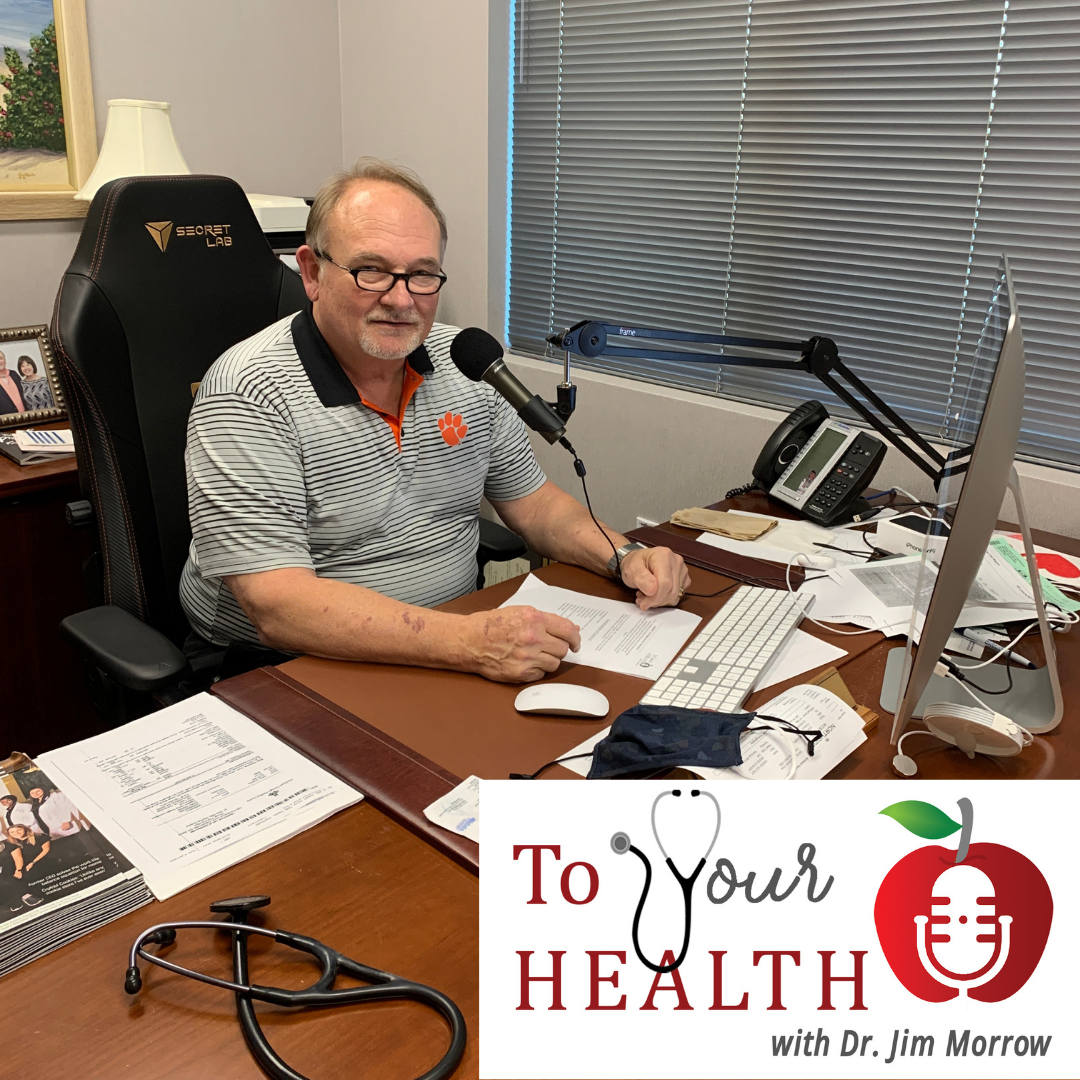
Teens and Social Media (Episode 70, To Your Health with Dr. Jim Morrow)

On this episode of To Your Health, Dr. Jim Morrow addressed some of the issues around teens using social media. While there are benefits to social media, such as entertainment, community, and self-expression, there are also risks like bullying, undue peer pressure, and depression.  To protect teens, Dr. Morrow offered several suggestions, including limiting screen time and monitoring your child’s accounts, and he discussed when to involve a health care provider. To Your Health is brought to you by Morrow Family Medicine, a Member of Village Medical, which brings the care back to healthcare.

About Morrow Family Medicine, A Member of Village Medical

Morrow Family Medicine, a Member of Village Medical, is an award-winning, state-of-the-art family practice with offices in Cumming and Milton, Georgia. The practice combines healthcare information technology with old-fashioned care to provide the type of care that many are in search of today. Two physicians, three physician assistants and two nurse practitioners are supported by a knowledgeable and friendly staff to make your visit to Morrow Family Medicine, A Member of Village Medical one that will remind you of the way healthcare should be.  At Morrow Family Medicine, a Member of Village Medical, we like to say we are “bringing the care back to healthcare!”  The practice has been named the “Best of Forsyth” in Family Medicine in all five years of the award, is a three-time consecutive winner of the “Best of North Atlanta” by readers of Appen Media, and the 2019 winner of “Best of Life” in North Fulton County.

Village Medical offers a comprehensive suite of primary care services including preventative care, treatment for illness and injury, and management of chronic conditions such as diabetes, congestive heart failure, chronic obstructive pulmonary disease (COPD) and kidney disease. Atlanta-area patients can learn more about the practice here.

Dr. Jim Morrow, Morrow Family Medicine, and Host of To Your Health with Dr. Jim Morrow

Covid-19 misconceptionsDr. Jim Morrow is the founder and CEO of Morrow Family Medicine. He has been a trailblazer and evangelist in healthcare information technology, was named Physician IT Leader of the Year by HIMSS, a HIMSS Davies Award Winner, the Cumming-Forsyth Chamber of Commerce Steve Bloom Award Winner as Entrepreneur of the Year and he received a Phoenix Award as Community Leader of the Year from the Metro Atlanta Chamber of Commerce.  He is married to Peggie Morrow and together they founded the Forsyth BYOT Benefit, a charity in Forsyth County to support students in need of technology and devices. They have two Goldendoodles, a gaggle of grandchildren and enjoy life on and around Lake Lanier.

Facebook: https://www.facebook.com/MorrowFamMed/

LinkedIn: https://www.linkedin.com/company/7788088/admin/

Twitter: https://twitter.com/toyourhealthMD

The complete show archive of To Your Health with Dr. Jim Morrow addresses a wide range of health and wellness topics and can be found at www.toyourhealthradio.com.

Dr. Morrow’s Show Notes

What’s the impact?

  • Social media is a big part of many teens’ lives.
    • A 2018 Pew Research Center survey of nearly 750 13- to 17-year-olds found that 45% are online almost constantly
      • and 97% use a social media platform,
        • such as YouTube, Facebook, Instagram or Snapchat.

But what impact does social media use have on teens?

Social media benefits

  • Social media allows teens to create online identities,
    • communicate with others
    • and build social networks.
      • These networks can provide teens with valuable support,
        • especially helping those who experience exclusion or have disabilities or chronic illnesses.
      • Teens also use social media for entertainment and self-expression.
        • And the platforms can expose teens to current events,
          • allow them to interact across geographic barriers
            • and teach them about a variety of subjects,
              • including healthy behaviors.
            • Social media that’s humorous or distracting or provides a meaningful connection to peers and a wide social network might even help teens avoid depression.

Social media harms

  • However, social media use can also negatively affect teens,
    • distracting them,
    • disrupting their sleep,
    • and exposing them
      • to bullying,
      • rumor spreading,
      • unrealistic views of other people’s lives
      • and peer pressure.
    • The risks might be related to how much social media teens use.
      • A 2019 study of more than 6,500 12- to 15-year-olds in the U.S.
        • found that those who spent more than three hours a day using social media might be at heightened risk for mental health problems.
        • Another 2019 study of more than 12,000 13- to 16-year-olds in England
          • found that using social media more than three times a day predicted poor mental health and well-being in teens.
        • Other studies also have observed links between high levels of social media use and depression or anxiety symptoms.
          • A 2016 study of more than 450 teens found that
          • greater social media use, nighttime social media use and emotional investment in social media —
            • such as feeling upset when prevented from logging on —
  • were each linked with worse sleep quality and higher levels of anxiety and depression.
  • How teens use social media also might determine its impact.
    • A 2015 study found that
      • social comparison
      • and feedback seeking
        • by teens using social media and cellphones was linked with depressive symptoms.
        • In addition, a 2013 study found that older adolescents who used social media passively,
          • such as by just viewing others’ photos,
            • reported declines in life satisfaction.
            • Those who used social media to interact with others or post their own content didn’t experience these declines.
          • Another study on the impact of social media
            • on undergraduate college students
              • showed that the longer they used Facebook,
                • the stronger was their belief that others were happier than they were.
                • But the more time the students spent going out with their friends, the less they felt this way.
              • Because of teens’ impulsive natures,
                • experts suggest that teens who post content on social media
                  • are at risk of sharing intimate photos or highly personal stories.
                  • This can result in teens
                    • being bullied,
                    • harassed or
                    • even blackmailed.
                    • Teens often create posts without considering these consequences or privacy concerns.

Protecting your teen

  • There are steps you can take to encourage responsible use of social media and limit some of its negative effects.
  • Consider these tips:
  • Set reasonable limits.
    • Talk to your teen about how to avoid letting social media interfere
      • with his or her activities,
      • sleep,
      • meals
      • or homework.
      • Encourage a bedtime routine that avoids electronic media use, and keep cellphones and tablets out of teens’ bedrooms.
        • Set an example by following these rules yourself.
      • Monitor your teen’s accounts.
        • Let your teen know that you’ll be regularly checking his or her social media accounts.
          • You might aim to do so once a week or more.
          • Make sure you follow through.
        • Explain what’s not OK.
          • Discourage your teen
            • from gossiping,
            • spreading rumors,
            • bullying
            • or damaging someone’s reputation —
              • online or otherwise.
              • Talk to your teen about what is appropriate and safe to share on social media.
            • Encourage face-to-face contact with friends.
              • This is particularly important for teens who are vulnerable to social anxiety disorder.
            • Talk about social media.
              • Talk about your own social media habits.
                • Ask your teen how he or she is using social media
                  • and how it makes him or her feel.
                  • Remind your teen that social media is full of unrealistic images.

If you think your teen is experiencing signs or symptoms of anxiety or depression related to social media use, talk to your child’s health care provider.

Tagged With: anxiety, Depression, Dr. Jim Morrow, human trafficking, Social Media, teens, To Your Health With Dr. Jim Morrow, Village Medical

Changing the Family Tree E66

August 4, 2021 by Karen

Changing-the-Family-Tree-E66-feature
Phoenix Business Radio
Changing the Family Tree E66
Loading
00:00 /
RSS Feed
Share
Link
Embed

Download file

Changing-the-Family-Tree-E66

Changing the Family Tree E66

The Tycoons welcomed Kay Bodude and Myrrie Hayes to the show to discuss a topic that should be talked about more, especially considering current events and the mental strain our society has been under this last year – mental and behavioral health. These ladies have an inspiring story to tell and it all started from a very personal experience that moved them to dedicate their lives to helping others.

Best Care truly provides the best care because the business was built on the foundation of helping people the way they would help their own family. They nurture the business by building reciprocal relationships and incorporating all aspects in-house that are needed to make the business successful.

Kay and Myrrie talk about how they are inspired to “change their family tree” to give their children choices and freedom. They followed their heart and spirit to fulfill a calling and it took hard work and dedication to make it happen, but they never gave up. They are passing on these lessons to future generations. Tune in to hear the full story and be inspired by the change Best Care is making in the community.

Best Care Behavioral Homes provides residential housing for clients that have been certified by the state of Arizona as Severally Mentally Ill (SMI). BC-New-logo

Best Care provides a stable home setting to assist clients with community skills, medication management, counseling, activities of daily living and/or other life skills deemed necessary by their interdisciplinary team.

Residents average stay is approximately 6 months.

Kay-Bodude-Tycoons-of-Small-BizAs numbers 13 and 14 of 14 siblings and the mothers of seven children and six children, Kay Bodude and Myrrie Hayes never imagined one day they would own and operate a multimillion-dollar company.

As early as eight, Kay can remember falling in love with the white uniforms nurses were required to wear.

When she was 22 years old, Kay became a nurse. Myrrie Hayes, on the other hand, has always been a true salesperson, from starting her own candy store delivery in elementary school to selling message-grams in Junior high.

Both of them seemed to flourish with planning, selling, and being social butterflies. Somewhere along the way they realized they had the skills. Event planning, sales, marketing, and networking were some passions and the perfect ingredients to become entrepreneurs.

Myrrie-Hayes-Tycoons-of-Small-BizTheir first “legitimate” business was a uniform store. They sold medical uniforms, medical equipment, and school uniforms.

Business expanded to three locations before selling it in 2012 and moving to Arizona. In Arizona, they established themselves a new “home base.

In 2016, Kay and her husband started their own skilled home health company. Three years later they sold it for a nice profit.

During her time with her home health company, Kay noticed a need in the mental health industry and in 2017, Kay and Myrrie, along with 2 partners, filled that need by starting Best Care Behavioral Homes. Best Care Behavioral Homes, LLC, known as BCBH, has grown to be a million-dollar company in under 3 years.

A good entrepreneur has seven streams of income. Along with BCBH, Kay and Myrrie also own Best Care Staffing, Best Care Consulting, Best Care Academy, 321 Event Space Rental, MC Beauty Supply, and KM Management, their joint non-profit endeavor.

Kay and Myrrie are always looking for their next successful venture as they build a lasting legacy for their families.

Follow Best Care Behavioral Homes on Facebook and Instagram.

About the Show

Tycoons of Small Biz spotlights the true backbone of the American economy, the true tycoons of business in America… the owners, founders and CEO’s of small businesses. Join hosts,  Austin L Peterson, Landon Mance and the featured tycoons LIVE every Tuesday at 1 pm, right here on Business RadioX and your favorite podcast platform.

About Your Hosts

Autsin-Peterson-on-Phoenix-Business-RadioX

Austin Peterson is a Comprehensive Financial Planner and co-founder of Backbone Planning Partners in Scottsdale, AZ. Austin is a registered rep and investment advisor representative with Lincoln Financial Advisors. Prior to joining Lincoln Financial Advisors, Austin worked in a variety of roles in the financial services industry.

He began his career in financial services in the year 2000 as a personal financial advisor with Independent Capital Management in Santa Ana, CA. Austin then joined Pacific Life Insurance Company as an internal wholesaler for their variable annuity and mutual fund products. After Pacific Life, Austin formed his own financial planning company in Southern California that he built and ran for 6 years and eventually sold when he moved his family to Salt Lake City to pursue his MBA.

After he completed his MBA, Austin joined Crump Life Insurance where he filled a couple of different sales roles and eventually a management role throughout the five years he was with Crump. Most recently before joining Lincoln Financial Advisors in February 2015, Austin spent 2 years as a life insurance field wholesaler with Symetra Life Insurance Company. Austin is a Certified Financial Planner Professional and Chartered Life Underwriter. In 2021, Austin became a Certified Business Exit Consultant® (CBEC®) to help entrepreneurs plan to exit their businesses.

Austin and his wife of 23 years, Robin, have two children, AJ (21) and Ella (18) and they reside in Gilbert, Arizona. He is a graduate of California State University, Fullerton with a Bachelor of Arts in French and of Brigham Young University’s Marriott School of Management with a Master of Business Administration with an emphasis in sales and entrepreneurship.backbone-New-Logo

Connect with Austin on LinkedIn, Facebook, Twitter, and Instagram.

LandonHeadshot01

Landon Mance is a Financial Planner and co-founder of Backbone Planning Partners out of Las Vegas, Nevada. He rebranded his practice in 2020 to focus on serving small business owners after operating as Mance Wealth Management since 2015 when Landon broke off from a major bank and started his own “shop.”

Landon comes from a family of successful entrepreneurs and has a passion and excitement for serving the business community. This passion is what brought about the growth of Backbone Planning Partners to help business owners and their families. At Backbone Planning, we believe small business owners’ personal and business goals are intertwined, so we work with our clients to design a financial plan to support all aspects of their lives.

In 2019, Landon obtained the Certified Exit Planning Advisor (CEPA) designation through the Exit Planning Institute. With this certification, Backbone Planning Partners assists business owners through an ownership transition while focusing on a positive outcome for their employees and meeting the business owner’s goals. Landon is also a member of the Business Intelligence Institute (BII) which is a collaborative group that shares tools, resources and personnel, and offers advanced level training and technical support to specifically serve business owners. In 2021, Landon became a Certified Business Exit Consultant® (CBEC®) to help entrepreneurs plan to exit their businesses by counseling owners about exit options, estimating the value of the business, preparing the business for exit and tax considerations.

Landon enjoys spending time with his beautiful wife, stepson, and new baby twins. He grew up in sunny San Diego and loves visiting his family, playing a round of golf with friends, and many other outdoor activities. Landon tries to make a difference in the lives of children in Las Vegas as a part of the leadership team for a local non-profit. He regularly visits the children that we work with to remind himself of why it’s so important to, “be the change that you wish to see in the world.”

Landon received his B.S. from California State University Long Beach in business marketing and gets the rest of his education through the school of hard knocks via his business owner clients.

Connect with Landon on LinkedIn.

Austin Peterson and Landon Mance are registered representatives of Lincoln Financial Advisors Corp. Securities and investment advisory services offered through Lincoln Financial Advisors Corp., a broker/dealer (member SIPC) and registered investment advisor. Insurance offered through Lincoln affiliates and other fine companies. Backbone Planning Partners is a marketing name for registered representatives of Lincoln Financial Advisors. CRN-3693994-072921

Lincoln Financial Advisors Corp. and its representatives do not provide legal or tax advice. You may want to consult a legal or tax advisor regarding any legal or tax information as it relates to your personal circumstances.

The content presented is for informational and educational purposes. The information covered and posted are views and opinions of the guests and not necessarily those of Lincoln Financial Advisors Corp.

Business RadioX® is a separate entity not affiliated with Lincoln Financial Advisors Corp.

Tagged With: behavioral, bestcare, BHT, bipolar, Caregiver, DDD, Depression, globe, grouphome, Healthcare, house manager, LPN, mentalhealth, nurse, Phoenix, Prescott, Residential, schizophrenic, SMI, tolleson

Seasonal Affective Disorder- Episode 46, To Your Health With Dr. Jim Morrow

December 9, 2020 by John Ray

Seasonal Affective Disorder
North Fulton Studio
Seasonal Affective Disorder- Episode 46, To Your Health With Dr. Jim Morrow
Loading
00:00 /
RSS Feed
Share
Link
Embed

Download file

Seasonal Affective Disorder- Episode 46, To Your Health With Dr. Jim Morrow

Seasonal affective disorder is common in winter months with shorter daylight hours, and Dr. Morrow addresses symptoms as well as treatment options, both medicine and therapy, for this condition. “To Your Health” is brought to you by Morrow Family Medicine, which brings the CARE back to healthcare.

About Morrow Family Medicine and Dr. Jim Morrow

Morrow Family Medicine is an award-winning, state-of-the-art family practice with offices in Cumming and Milton, Georgia. The practice combines healthcare information technology with old-fashioned care to provide the type of care that many are in search of today. Two physicians, three physician assistants and two nurse practitioners are supported by a knowledgeable and friendly staff to make your visit to Morrow Family Medicine one that will remind you of the way healthcare should be.  At Morrow Family Medicine, we like to say we are “bringing the care back to healthcare!”  Morrow Family Medicine has been named the “Best of Forsyth” in Family Medicine in all five years of the award, is a three-time consecutive winner of the “Best of North Atlanta” by readers of Appen Media, and the 2019 winner of “Best of Life” in North Fulton County.

Dr. Jim Morrow, Morrow Family Medicine, and Host of “To Your Health With Dr. Jim Morrow”

Covid-19 misconceptionsDr. Jim Morrow is the founder and CEO of Morrow Family Medicine. He has been a trailblazer and evangelist in the area of healthcare information technology, was named Physician IT Leader of the Year by HIMSS, a HIMSS Davies Award Winner, the Cumming-Forsyth Chamber of Commerce Steve Bloom Award Winner as Entrepreneur of the Year and he received a Phoenix Award as Community Leader of the Year from the Metro Atlanta Chamber of Commerce.  He is married to Peggie Morrow and together they founded the Forsyth BYOT Benefit, a charity in Forsyth County to support students in need of technology and devices. They have two Goldendoodles, a gaggle of grandchildren and enjoy life on and around Lake Lanier.


Facebook: https://www.facebook.com/MorrowFamMed/

LinkedIn: https://www.linkedin.com/company/7788088/admin/

Twitter: https://twitter.com/toyourhealthMD

The complete show archive of “To Your Health with Dr. Jim Morrow” addresses a wide range of health and wellness topics, and can be found at www.toyourhealthradio.com.

Dr. Morrow’s Show Notes

 What is seasonal affective disorder?

  • Seasonal affective disorder (SAD) is a type of depression that is triggered by the seasons of the year.
    • Symptoms usually begin in late fall or early winter.
    • People with SAD usually feel better in the spring and summer.
    • It is thought that SAD is related to changes in the amount of daylight during different times of the year.
    • Some people have SAD with depressive episodes in the summer instead of winter.
      • This is much less common.

How common is SAD?

  • Between 4% and 6% of people in the United States suffer from SAD.
  • Another 10% to 20% may experience it in a milder form.
  • SAD is more common in women than in men.
  • Some children and teenagers get SAD. But it usually doesn’t start in people younger than 20 years of age.
  • The risk of SAD decreases for adults as they age.
  • SAD is more common in northern regions of the United States.
    • Winters are typically longer and harsher there.
    • There is also less sunlight because they are farther away from the equator.

Symptoms of SAD

  • Not everyone who has SAD experiences the same symptoms.
    • Common symptoms of winter-onset SAD include:
      • change in appetite, especially craving sweet or starchy foods
      • weight gain
      • fatigue
      • sleeping more than normal
      • difficulty concentrating
      • irritability and anxiety
      • increased sensitivity to rejection
      • avoidance of social situations
      • loss of interest in the activities you used to enjoy
      • feelings of guilt or hopelessness
      • physical problems, such as headaches.
  • Symptoms of summer-onset SAD include:
    • loss of appetite
    • weight loss
    • insomnia
    • irritability and anxiety
  • Symptoms of SAD tend to come back year after year.
    • They usually come and go at about the same time every year.
    • If you think this could be happening to you, call your family doctor.

What causes SAD?

  • In most cases, SAD seems to be related to the loss of sunlight in the fall and winter.
  • Researchers have found that reduced sunlight can affect the body in ways that could contribute to SAD. These include:
    • Circadian rhythm (biological clock) –
      • The decrease in sunlight could disrupt your body’s natural rhythms.
      • This could lead to feelings of depression.
    • Serotonin levels –
      • Serotonin is a brain chemical that affects your mood.
      • Reduced sunlight could cause serotonin levels to drop.
      • This could trigger depression.
    • Melatonin levels –
      • Melatonin is a brain chemical that regulates sleep.
      • More darkness causes the body to produce more melatonin.
      • More melatonin could make you feel more tired and lethargic.
      • These are common symptoms of depression.
    • Vitamin D levels –
      • It is believed that vitamin D plays a role in serotonin levels.
      • Much of the vitamin D we get is from the sun.
      • Less sunlight could lead to a deficiency in vitamin D.
      • This can cause depression symptoms.
  • Some people have a higher risk of developing SAD. Factors that increase risk include:
    • Being female.
      • Four times as many women are diagnosed with SAD than men.
    • Living far from the equator.
      • In the United States, living farther north increases your risk.
      • These areas get less sunlight in fall and winter.
    • Family history. 
      • Having family members with SAD or other forms of depression increases your risk.
    • Having depression or bipolar disorder.
      • If you have one of these conditions, your symptoms may worsen with the seasons.
    • Young age.
      • SAD is more common among younger adults.
      • It has been reported in teens and children.
      • Your chances of getting it decrease as you get older.

How is Seasonal Affective Disorder diagnosed?

  • Your doctor will ask you about your symptoms, thoughts, feelings, and behavior.
    • He or she may perform a physical exam.
    • They may request lab tests to rule out other conditions that cause symptoms similar to SAD.
    • They may refer you to a specialist to diagnose your condition.
    • This could be a psychologist or a psychiatrist.

Can Seasonal Affective Disorder be prevented or avoided?

  • There’s not much you can do to avoid getting SAD.
    • But you can take steps to manage it so your symptoms don’t get worse.
    • Some people start treatment before their symptoms start.
    • They also continue treatment past the time that their symptoms normally go away.
    • Others need continuous treatment to control their symptoms.

Seasonal Affective Disorder treatment

  • The three main ways SAD is treated are with light therapy, behavioral therapy, or medicine.
  • Your doctor may want to combine therapies if using one does not work for you.

·     Light therapy

  • Light therapy is designed to make up for the lack of sunlight during the fall and winter.
    • It has been used to treat SAD since the 1980s.
    • You will sit in front of a special light box every day.
    • The box emits a bright white light that mimics natural sunlight.
    • It seems to make a change in brain chemicals that regulate your mood.
    • The amount of time you sit in front of the light box depends on the strength of the light.
    • It is usually between 20 and 60 minutes.
  • There are other types of light therapy.
    • Instead of sitting in front of a box, you can wear a visor that emits light.
    • Another kind is a “dawn simulator.”
      • This light turns on early in the morning in your bedroom.
      • It mimics a natural sunrise and gradually increases in brightness.
      • This allows you to wake up naturally, without using an alarm.
    • If light therapy helps, you’ll continue it until enough sunlight returns.
      • This usually happens in spring.
      • Stopping light therapy too soon can result in a return of symptoms.
    • When used properly, light therapy seems to have very few side effects.
    • Some side effects include eyestrain, headache, fatigue, and irritability.
    • If you use it too late in the day, you could have trouble sleeping.
    • Talk to your doctor before starting light therapy if you have:
      • bipolar disorder
      • skin that is sensitive to sunlight.
      • conditions that make your eyes vulnerable to sunlight damage.
    • Tanning beds should not be used to treat SAD.
      • The light sources in tanning beds are high in ultraviolet (UV) rays.
        • These harm your eyes and your skin.
        • They also cause skin cancer.

·     Behavioral therapy

  • Talk therapy or behavioral therapy can help you identify negative thoughts.
  • Then you replace those with more positive thoughts.
  • Therapy can help you learn healthy ways to manage your symptoms of SAD.
  • You can also learn how to manage stress.

·     Medicines

  • Your doctor might recommend you take medicine to help with your symptoms, especially if they are severe.
    • Selective Serotonin Reuptake Inhibitors (SSRIs) are often used to treat depression.
    • Some have been approved to treat SAD specifically.
  • You may have to take the medicine for several weeks before you feel better.
  • You may have to try more than one medicine to find the one that works best for you.
  • You can also make lifestyle changes that can help your symptoms.
  • Let as much natural light as possible into your home or office.
    • Open blinds, sit close to windows, and keep your environments as bright as possible.
  • Get outside when you can.
    • Even if it’s cold or cloudy, the light can still benefit you.
  • Keep physically active.
    • Exercise and activity boost endorphins and relieve stress.
    • Both of these can keep you feeling better.

Living with Seasonal Affective Disorder

The keys to living with Seasonal Affective Disorder are to plan ahead and to manage your symptoms.

  • Follow your treatment plan.
    • This includes going to appointments, taking medicines, and following up if things aren’t working.
  • Take care of your body.
    • Eat healthy foods and get enough sleep.
  • Exercise has been shown to have the same effect on depression as antidepressants.
  • Have a plan. 
    • Know what you will do when your depression symptoms start to get worse.
    • Watch for early signs and take action before you feel bad.
  • Don’t turn to alcohol or drugs.
    • They make depression worse.
    • They can also have negative reactions with antidepressants.
  • Manage stress.
    • You can’t avoid stress, so you have to learn to manage it.
    • Talk to a counselor or read about ways to handle stress better.
  • Don’t isolate.
    • It’s harder to be social when you’re depressed.
    • But being alone can make you feel worse.
    • Try to reach out as much as you can.
  • Start treatment early.
    • If you know your symptoms usually start in October, start your treatments in September, before symptoms start.
    • You might be able to prevent them.
  • Plan ahead.
    • Some people purposely plan their lives to be very busy during the time they normally feel down.
      • This helps prevent them from “hiding out” at home, because they have already made commitments.
    • Take a trip.
      • Plan a trip to a warmer, sunnier climate during the winter.
      • The positive feelings will extend before, during, and after your trip.

Tagged With: Depression, Dr. Jim Morrow, Morrow Family Medicine, seasonal affective disorder

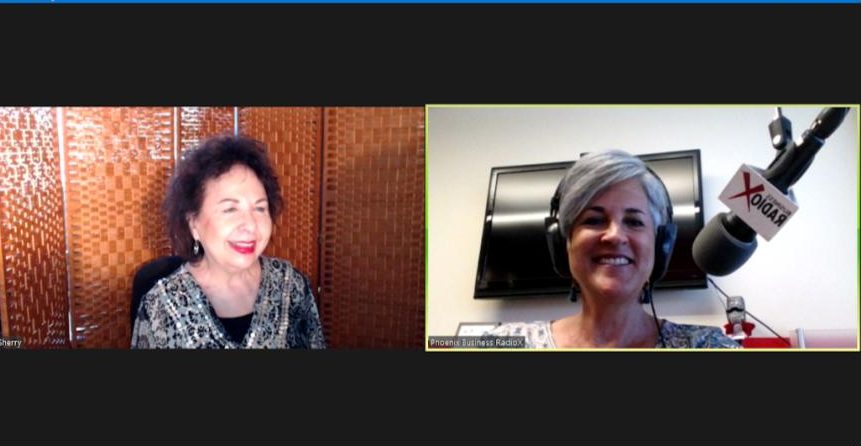
Sherry Anshara with Anshara Method of Accelerated Healing and Abundance

June 13, 2020 by Karen

Ashana-Feature
Phoenix Business Radio
Sherry Anshara with Anshara Method of Accelerated Healing and Abundance
Loading
00:00 /
RSS Feed
Share
Link
Embed

Download file

Sherry-Anshara-with-Anshara-Method-of-Accelerated-Healing-and-Abundance

Sherry Anshara with Anshara Method of Accelerated Healing and Abundance

Anshara-Method-of-Accelerated-Healing-and-Abundance

Through the Anshara Method of Accelerated Healing and Abundance, you will be guided towards fulfilling your desired goals and achieving Self Mastery. You will clarify the areas of your resistance and begin to connect with your abilities to create success full and success filled results. Through your personalized coaching, you will discover your strengths, ignite your momentum, and connect with your innate intuitive creativity to take yourself and your life to the next levels.

Sherry-AnsharaSherry Anshara is an international bestselling author, professional speaker, former radio host of “Conscious Healing”, and contributing writer to national and international publications on the subject of the Anshara Method of Accelerated Healing & Abundance and overall wellness. Sherry Anshara utilizes her experience and expertise as a Medical Intuitive as the foundation of her groundbreaking work with Cellular Memory, which she calls the Anshara Method.

Through the Anshara Method, you access your Cellular Memories which hold the root causes of your symptoms—whether mental, physical, emotional, spiritual, or financial. Sherry Anshara created these systematic processes so you can rid yourself of unwanted limitations, restrictions, negative thought patterns, and toxic behaviors. Sherry Anshara guides you to heal at the cellular level so you enjoy health, wellness, and abundance in every area of your life.

Connect with Sherry on LinkedIn, Facebook, Instagram and Twitter.

Tagged With: anxiety, business coach, Cancer, Cellular Memory, Consciousness, Depression, educator, Healing, Health, Life Coach, Medical Intuitive, wellness

To Your Health With Dr. Jim Morrow:  Episode 32, Stress in a Pandemic with Dr. Brooke Jones, Fresh Start for the Mind, and a Covid-19 Update

May 13, 2020 by John Ray

stress in a pandemic
North Fulton Studio
To Your Health With Dr. Jim Morrow:  Episode 32, Stress in a Pandemic with Dr. Brooke Jones, Fresh Start for the Mind, and a Covid-19 Update
Loading
00:00 /
RSS Feed
Share
Link
Embed

Download file

Stress in a Pandemic
Dr. Jim Morrow, Morrow Family Medicine, and Dr. Brooke Jones, Fresh Start for the Mind

To Your Health With Dr. Jim Morrow:  Episode 32, Stress in a Pandemic with Dr. Brooke Jones and a Covid-19 Update

Dr. Morrow discusses dealing with stress in a pandemic with Dr. Brooke Jones, Fresh Start for the Mind. Dr. Morrow also shares a Covid-19 update, which includes a debunking of the “Plandemic” video and comments on the ineffectiveness of hydroxychloroquine.  “To Your Health” is brought to you by Morrow Family Medicine, which brings the CARE back to healthcare.

Dr. Brooke Jones, Fresh Start for the Mind

stress in a pandemic
Dr. Brooke Jones, Fresh Start for the Mind

In 2013, Dr. Brooke Jones branched out on her own to open a mental health practice, Fresh Start for the Mind. She wanted a practice that incorporated the mind, body, and spirit. Her love for psychological evaluations became evident in the Alpharetta and surrounding communities. As referrals grew, so did Fresh Start.

Fresh Start for the Mind is a comprehensive mental health practice that provides counseling, psychological evaluations, psychiatry and medication management, coaching, and nutrition support to children, adults, and families. Since its inception in 2013, Fresh Start has grown to over 30 staff members and has maintained a reputation for providing quality and heart-felt services. Fresh Start has three facilities and proudly serves patients in and around Suwanee, Stockbridge, and Canton, GA.

You can find out more at their website or call Fresh Start at 404-808-1161.

About Morrow Family Medicine and Dr. Jim Morrow

Morrow Family Medicine is an award-winning, state-of-the-art family practice with offices in Cumming and Milton, Georgia. The practice combines healthcare information technology with old-fashioned care to provide the type of care that many are in search of today. Two physicians, three physician assistants and two nurse practitioners are supported by a knowledgeable and friendly staff to make your visit to Morrow Family Medicine one that will remind you of the way healthcare should be.  At Morrow Family Medicine, we like to say we are “bringing the care back to healthcare!”  Morrow Family Medicine has been named the “Best of Forsyth” in Family Medicine in all five years of the award, is a three-time consecutive winner of the “Best of North Atlanta” by readers of Appen Media, and the 2019 winner of “Best of Life” in North Fulton County.

Dr. Jim Morrow, Morrow Family Medicine, and Host of “To Your Health With Dr. Jim Morrow”

Dr. Jim Morrow is the founder and CEO of Morrow Family Medicine. He has been a trailblazer and evangelist in the area of healthcare information technology, was named Physician IT Leader of the Year by HIMSS, a HIMSS Davies Award Winner, the Cumming-Forsyth Chamber of Commerce Steve Bloom Award Winner as Entrepreneur of the Year and he received a Phoenix Award as Community Leader of the Year from the Metro Atlanta Chamber of Commerce.  He is married to Peggie Morrow and together they founded the Forsyth BYOT Benefit, a charity in Forsyth County to support students in need of technology and devices. They have two Goldendoodles, a gaggle of grandchildren and enjoy life on and around Lake Lanier.

Facebook: https://www.facebook.com/MorrowFamMed/

LinkedIn: https://www.linkedin.com/company/7788088/admin/

Twitter: https://twitter.com/toyourhealthMD

The complete show archive of “To Your Health with Dr. Jim Morrow” addresses a wide range of health and wellness topics, and can be found at www.toyourhealthradio.com.

Dr. Morrow’s Show Notes

Coronavirus Update

  • Hydroxychloroquine has been shown not to be effective and in some cases harmful in Covid-19.
  • Patients are often much worse in the second week of the disease.
  • Total cases have started to plateau in the US, but with social distancing waning somewhat and states opening up, we will definitely see a bump in cases.
  • The healthcare system has been spared the overwhelming push that would have made all of this dramatically worse.
  • Masks:
    • Wear one anytime in public.
    • They protect others from you.
    • 44% of people in a NY study who had NO symptoms were found to be positive for having the disease at the time they had no symptoms.
  • Antibody Tests:
    • There are three antibodies that are tested for in most of these tests.
      • IgA, a respiratory antibody.  
        • One that is produced in response to a respiratory infection. As opposed to a stomach bug or what people insist on calling a “stomach flu”, even though that does not exist.
      • IgM 
        • one that you produce acutely as you are in the midst of an active infection.
      • IgG
        • One you make that is at the end of an infection and the one that lasts the longest, giving you some degree of immunity to an infection you have already had.
    • IgA and IgM can cross react with the coronaviruses that cause the common cold, mainly 229E and OC43.
    • IgG is specific for the type of virus that caused a particular infection, such as SARS-CoV-2.
    • So, if you get the antibody test, you are looking for a positive IgG antibody to know if you were infected with or exposed to this novel coronavirus.
    • We presume that this infers some degree of immunity but we really are not certain of that yet.
    • ACE inhibitors and ARBs: stay on them if you take them. They could actually benefit you
    • Aspirin: stay on it
    • Allergy meds: stay on them; Covid-19 does not cause sneezing. Period.
  • “Plandemic” video: so many people sent this to me.
    • It is complete bunk.
    • You need to understand that scientists are accustomed to saying “I don’t know”
      • but the public is accustomed to us having all the answers.
    • For the past 75 years, when it comes to infections and public health issues,
      • the public has come to expect medicine to know what’s what.
    • But this is a totally new virus.
      • It’s like the time of Louis Pasteur when scientists did not know everything,
      • or hardly anything compared to today.
    • Information that I learned two weeks ago is being proven wrong this week.
    • Social media and the public’s access to information of all kinds,
      • most of it unproven,
      • is making it difficult to sort out fact from fiction.
    • People have a need to believe something,
      • so when they see someone who sounds knowledgeable,
      • they want to believe it.
      • When it gives them an answer they want to believe it.
      • Well, don’t believe one word in that video. Not one.


Stress in a Pandemic

Outbreaks can be stressful

    • The outbreak of coronavirus disease 2019 (COVID-19) may be stressful for people. 
      • Fear and anxiety about a disease can be overwhelming and cause strong emotions in adults and children. 
  • Coping with stress in a pandemic will make you, the people you care about, and your community stronger.
  • Stress in a pandemic can include
    • Fear and worry about your own health and the health of your loved ones
    • Changes in sleep or eating patterns
    • Difficulty sleeping or concentrating
    • Worsening of chronic health problems
    • Worsening of mental health conditions
    • Increased use of alcohol, tobacco, or other drugs
  • Everyone reacts differently to stressful situations
    • How you respond to the outbreak can depend on 
      • your background,
      • the things that make you different from other people, 
      • and the community you live in.

Our Guest Today:

Brooke Jones,  Psychologist and Owner, Fresh Start for the Mind

Fresh Start for the Mind is a comprehensive mental health practice that provides counseling, psychological evaluations, psychiatry and medication management, coaching, and nutrition support to children, adults, and families.  Since it’s inception in 2013, Fresh Start has grown to over 30 staff members and has maintained a reputation for providing quality and heart-felt services.  Fresh Start has three facilities and proudly serves patients in and around Suwanee, Stockbridge, and Canton, GA.  

Question/Topics in this interview:

  • What have been some common reactions you’ve seen in response to COVID-19 pandemic?
  • Do you have any advice on how to help children cope with these changes?
  • What are some specific examples of self-care and how would you recommend our listeners make this apart of their routine?
  • How can I support a loved one, who may be directly or indirectly affected by COVID-19?
  • If I needed help with managing stress, anxiety, depression, or anger – weather it’s directly or indirectly related to COVID, or in general, where can I find help?
  • Do you have any advice on how to help children cope with these changes?
  • What are some specific examples of self-care and how would you recommend our listeners make this apart of their routine?
  • How can I support a loved one, who may be directly or indirectly affected by COVID-19?

Outbreaks can be stressful (cont’d)

  • People who may respond more strongly to stress in a pandemic include
    • Older people and people with chronic diseases who are at higher risk for severe illness from COVID-19
    • Children and teens
    • People who are helping with the response to COVID-19, like doctors, other health care providers, and first responders
    • People who have mental health conditions including problems with substance use
  • Take care of yourself and your community
    • Taking care of yourself, 
      • your friends, 
      • and your family can help you cope with stress. 
      • Helping others cope with their stress can also make your community stronger.
  • Ways to cope with stress
    • Take breaks from watching, 
    • reading, 
    • or listening to news stories, 
      • including social media. 
      • Hearing about the pandemic repeatedly can be upsetting.
  • Take care of your body.
    • Take deep breaths, stretch, or meditate
    • Try to eat healthy, well-balanced meals.
    • Exercise regularly, get plenty of sleep.
    • Avoid alcohol and drugs
    • Make time to unwind. Try to do some other activities you enjoy.
    • Connect with others. Talk with people you trust about your concerns and how you are feeling.

Tagged With: anxiety, COVID-19, Depression, Dr. Brooke Jones, Dr. Jim Morrow, Fresh Start for the Mind, hydroxychloroquine, Jim Morrow, mental health, Morrow Family Medicine, pandemic, Plandemic video, stress, stress in a pandemic, To Your Health, To Your Health With Dr. Jim Morrow

ProfitSense with Bill McDermott, Episode 4: Keith Costley, Keck & Wood, Samantha McElhaney, CenterState Bank, and Dr. Brianna Gaynor, Peace of Mind Psychological Services

January 9, 2020 by John Ray

North Fulton Studio
North Fulton Studio
ProfitSense with Bill McDermott, Episode 4: Keith Costley, Keck & Wood, Samantha McElhaney, CenterState Bank, and Dr. Brianna Gaynor, Peace of Mind Psychological Services
Loading
00:00 /
RSS Feed
Share
Link
Embed

Download file

From Left: Sam McElhaney, Keith Costley, Bill McDermott, Brianna Gaynor

ProfitSense with Bill McDermott, Episode 4: Keith Costley, Keck & Wood, Samantha McElhaney, CenterState Bank, and Dr. Brianna Gaynor, Peace of Mind Psychological Services

On this edition of “ProfitSense with Bill McDermott,” host Bill McDermott talks civil engineering services, banking relationships, and building a mental health practice were on the agenda with three great guests:  Keith Costley, President and CEO of Keck & Wood, Samantha McElhaney, Commercial Relationship Manager at CenterState Bank, and Dr. Brianna Gaynor, owner of Peace of Mind Psychological Services. “ProfitSense with Bill McDermott” is broadcast from the North Fulton Studio of Business RadioX® in Alpharetta.

Keith Costley, Keck & Wood

Keith Costley
Keith Costley

Keith Costley is the President and CEO of Keck & Wood, Inc. Founded in 1954, Keck & Wood is a 50 person professional services firm that provides civil engineering, landscape architecture, and land surveying for clients in the southeast. Their clients include city and county governments, utility companies, state transportation departments, colleges and universities, and private developers. Keck & Wood has offices in Duluth, GA, Rock Hill, SC, and North Charleston, SC.

Keith has worked in the civil engineering industry since graduating from college in 1994, and has been a Keck & Wood employee for 20 years. He is a licensed professional engineer in three states, and is on the Board of Directors of the American Council of Engineering Companies of Georgia. He is active with the North Gwinnett Arts Association and the Chair of the Gwinnett County Public Schools STEM Cluster Advisory Board. Outside of work, Keith enjoys photography, riding his bicycle, and is a home theater enthusiast.

For more information visit the Keck & Wood website. You can reach Keith by email or phone, 678-417-4000. Also connect with Keith on LinkedIn.

Samantha McElhaney, CenterState Bank

Sam McElhaney
Sam McElhaney

Samantha McElhaney is Commercial Relationship Manager at CenterState Bank in Atlanta, GA.  CenterState Bank N.A. was started by a group of bankers and entrepreneurs over 25 years ago with three separate banks in Polk, Osceola and Pasco Counties. They had a history of quality service and community focus. The group of bankers came together around the belief that local ownership and local management would translate into a better bank. Through their vision and investment, a bank was born. CenterState’s core values–local market driven, long term horizon, world class service, relationship banking, faith and family–inspire how the bank operates as a company. They also reflect bank employees’ character and influence on the communities they serve.

As a Commercial Relationship Manager with CenterState Bank, and over 25 years in the financial services industry, Samantha finds joy in providing solutions for her clients and prospects that will resolve their greatest pain points. Furthermore, it is her personal goal to be a leader within her organization and the community she has served in Georgia since moving to the state in July 2005.
For more information visit the CenterState Bank website. You can reach Samantha by email or phone, 678-626-3829. Also connect with Samantha on LinkedIn.

Dr. Brianna Gaynor, Peace of Mind Psychological Services

Dr. Brianna Gaynor
Dr. Brianna Gaynor

Dr. Brianna Gaynor is owner of Peace of Mind Psychological Services in Johns Creek, GA. Much of her work focuses on the diagnosis and treatment of various mental health disorders, including depression, anxiety, trauma, and behavioral disorders through psychological evaluations. Peace of Mind individual and family therapy services are provided for clients as young as age 2 and through adulthood.

Brianna was licensed as a psychologist in the state of Georgia in 2011, and received her doctorate degree from the Georgia School of Professional Psychology in 2009. Her training while in graduate school focused primarily on the treatment of children, adolescents, and families. During Brianna’s internship year she was also trained in faith based therapy. Although she is not a traditional Christian counselor, Brianna has learned how to incorporate faith-based techniques when clients express a desire for them. She has also worked in various settings, including outpatient, residential, and a mental health hospital.

Brianna has a unique way of connecting with others through humor and kindness. Her goal in every encounter is to help others find peace in every circumstance.

For more information visit the Peace of Mind Psychological Services website. You can reach Brianna by email or phone, 678-667-3565. Also connect with Brianna on LinkedIn.

About Your Host, Bill McDermott

Bill McDermott is Founder and CEO of McDermott Financial Solutions. After over three decades working for both national and community banks, Bill uses his expert knowledge to assist closely held companies with improving profitability, growing their business and finding financing. Bill is passionate about educating business owners about pertinent topics in the banking and finance arena.

He currently serves as Treasurer for the Atlanta Executive Forum and has held previous positions as board member for the Kennesaw State University Entrepreneurship Center and Gwinnett Habitat for Humanity and Treasurer for CEO NetWeavers. Bill is a graduate of Wake Forest University and he and his wife, Martha have called Atlanta home for over 40 years. Outside of work, Bill enjoys golf, traveling and gardening.

Connect with Bill on LinkedIn and Twitter and follow McDermott Financial Solutions on LinkedIn. The complete show archive for ProfitSense with Bill McDermott” can be found at profitsenseradio.com.


Tagged With: couples counseling, cyber security, Depression, digital bank platforms, digital banking, Dr. Brianna Gaynor, e-Commerce, eco-friendly, Family Therapy, Keck & Wood, Keith Costley, land surveying, landscape architecture, mental health, mindfulness, money cafes, North Fulton Business Radio, North Fulton Studio, Peace of MInd Psychological Services, ProfitSense, ProfitSense with Bill McDermott, psychotherapy, Samantha McElhaney, TikTok, two factor authentication

To Your Health With Dr. Jim Morrow: Episode 22, Seasonal Affective Disorder

December 12, 2019 by John Ray

North Fulton Studio
North Fulton Studio
To Your Health With Dr. Jim Morrow: Episode 22, Seasonal Affective Disorder
Loading
00:00 /
RSS Feed
Share
Link
Embed

Download file

seasonal affective disorder
Dr. Jim Morrow, Morrow Family Medicine, and Host of “To Your Health With Dr. Jim Morrow”

To Your Health With Dr. Jim Morrow:  Episode 22, Seasonal Affective Disorder

On this edition of “To Your Health with Dr. Jim Morrow,” Dr. Morrow discusses seasonal affective disorder, signs, symptoms and treatment. He also shares his own story of how he was affected by the Thanksgiving holiday. “To Your Health” is brought to you by Morrow Family Medicine, which brings the CARE  back to healthcare.

About Morrow Family Medicine and Dr. Jim Morrow

Morrow Family Medicine is an award-winning, state-of-the-art family practice with offices in Cumming and Milton, Georgia. The practice combines healthcare information technology with old-fashioned care to provide the type of care that many are in search of today. Two physicians, three physician assistants and two nurse practitioners are supported by a knowledgeable and friendly staff to make your visit to Morrow Family Medicine one that will remind you of the way healthcare should be.  At Morrow Family Medicine, we like to say we are “bringing the care back to healthcare!”  Morrow Family Medicine has been named the “Best of Forsyth” in Family Medicine in all five years of the award, is a three-time consecutive winner of the “Best of North Atlanta” by readers of Appen Media, and the 2019 winner of “Best of Life” in North Fulton County.

Dr. Jim Morrow, Morrow Family Medicine, and Host of “To Your Health With Dr. Jim Morrow”

Dr. Jim Morrow

Dr. Jim Morrow is the founder and CEO of Morrow Family Medicine. He has been a trailblazer and evangelist in the area of healthcare information technology, was named Physician IT Leader of the Year by HIMSS, a HIMSS Davies Award Winner, the Cumming-Forsyth Chamber of Commerce Steve Bloom Award Winner as Entrepreneur of the Year and he received a Phoenix Award as Community Leader of the Year from the Metro Atlanta Chamber of Commerce.  He is married to Peggie Morrow and together they founded the Forsyth BYOT Benefit, a charity in Forsyth County to support students in need of technology and devices. They have two Goldendoodles, a gaggle of grandchildren and enjoy life on and around Lake Lanier.

Facebook: https://www.facebook.com/MorrowFamMed/

LinkedIn: https://www.linkedin.com/company/7788088/admin/

Twitter: https://twitter.com/toyourhealthMD

The complete show archive of “To Your Health with Dr. Jim Morrow” addresses a wide range of health and wellness topics, and can be found at www.toyourhealthradio.com.

Dr. Morrow’s Show Notes

What is seasonal affective disorder?

  • Seasonal affective disorder (SAD) is a type of depression that is triggered by the seasons of the year.
    • Symptoms usually begin in late fall or early winter.
    • People with SAD usually feel better in the spring and summer.
    • It is thought that SAD is related to changes in the amount of daylight during different times of the year.
    • Some people have SAD with depressive episodes in the summer instead of winter. This is much less common.

How common is Seasonal Affective Disorder?

  • Between 4% and 6% of people in the United States suffer from SAD.
    • Another 10% to 20% may experience it in a milder form.
    • SAD is more common in women than in men.
    • Some children and teenagers get SAD.
    • But it usually doesn’t start in people younger than 20 years of age.
    • The risk of SAD decreases for adults as they age.
    • SAD is more common in northern regions of the United States.
    • Winters are typically longer and harsher there.
    • There is also less sunlight because they are farther away from the equator.

Symptoms of Seasonal Affective Disorder

  • Not everyone who has SAD experiences the same symptoms.
    • Common symptoms of winter-onset SAD include:
  • change in appetite, especially craving sweet or starchy foods
  • weight gain
  • fatigue
  • sleeping more than normal
  • difficulty concentrating
  • irritability and anxiety
  • increased sensitivity to rejection
  • avoidance of social situations
  • loss of interest in the activities you used to enjoy
  • feelings of guilt or hopelessness
  • physical problems, such as headaches.

Symptoms of summer-onset SAD include:

  • loss of appetite
  • weight loss
  • insomnia
  • irritability and anxiety
  • agitation

Symptoms of SAD tend to come back year after year.

    • They usually come and go at about the same time every year.
    • If you think this could be happening to you, call your family doctor.

What causes Seasonal Affective Disorder?

  • In most cases, SAD seems to be related to the loss of sunlight in the fall and winter.
    • Researchers have found that reduced sunlight can affect the body in ways that could contribute to SAD.
    • These include:
      • Circadian rhythm (biological clock) – The decrease in sunlight could disrupt your body’s natural rhythms.
        • This could lead to feelings of depression.
      • Serotonin levels – Serotonin is a brain chemical that affects your mood.
        • Reduced sunlight could cause serotonin levels to drop.
        • This could trigger depression.
      • Melatonin levels – Melatonin is a brain chemical that regulates sleep.
        • More darkness causes the body to produce more melatonin.
        • More melatonin could make you feel more tired and lethargic.
        • These are common symptoms of depression
  • Vitamin D levels – It is believed that vitamin D plays a role in serotonin levels.
    • Much of the vitamin D we get is from the sun.
    • Less sunlight could lead to a deficiency in vitamin D.
    • This can cause depression symptoms.
  • Some people have a higher risk of developing SAD.
    • Factors that increase risk include:
      • Being female.
        • Four times as many women are diagnosed with SAD than men.
      • Living far from the equator.
        • In the United States, living farther north increases your risk.
        • These areas get less sunlight in fall and winter.
      • Family history.
        • Having family members with SAD or other forms of depression increases your risk.
      • Having depression or bipolar disorder.
        • If you have one of these conditions, your symptoms may worsen with the seasons.
      • Young age.
        • SAD is more common among younger adults.
        • It has been reported in teens and children.
        • Your chances of getting it decrease as you get older.

How is SAD diagnosed?

  • Your doctor will ask you about your symptoms, thoughts, feelings, and behavior.
  • He or she may perform a physical exam.
  • They may request lab tests to rule out other conditions that cause symptoms similar to SAD.
  • They may refer you to a specialist to diagnose your condition.
    • This could be a psychologist or a psychiatrist.

Can SAD be prevented or avoided?

  • There’s not much you can do to avoid getting SAD.
  • But you can take steps to manage it so your symptoms don’t get worse.
  • Some people start treatment before their symptoms start.
  • They also continue treatment past the time that their symptoms normally go away.
  • Others need continuous treatment to control their symptoms

SAD treatment

  • The three main ways SAD is treated are with:
    • light therapy,
    • behavioral therapy, or
    • Your doctor may want to combine therapies if using one does not work for you.

Light therapy

  • Light therapy is designed to make up for the lack of sunlight during the fall and winter.
    • It has been used to treat SAD since the 1980s.
    • You sit in front of a special light box every day.
    • The box emits a bright white light that mimics natural sunlight.
      • It seems to make a change in brain chemicals that regulate your mood.
      • The amount of time you sit in front of the light box depends on the strength of the light.
      • It is usually between 20 and 60 minutes.
  • There are other types of light therapy.
    • Instead of sitting in front of a box, you can wear a visor that emits light.
    • Another kind is a “dawn simulator.”
      • This light turns on early in the morning in your bedroom.
      • It mimics a natural sunrise and gradually increases in brightness.
      • This allows you to wake up naturally, without using an alarm.
  • If light therapy helps, you’ll continue it until enough sunlight returns.
    • This usually happens in spring.
    • Stopping light therapy too soon can result in a return of symptoms.
  • When used properly, light therapy seems to have very few side effects.
    • Some side effects include eyestrain, headache, fatigue, and irritability.
    • If you use it too late in the day, you could have trouble sleeping.
    • Talk to your doctor before starting light therapy if you have:
      • bipolar disorder
      • skin that is sensitive to sunlight.
      • conditions that make your eyes vulnerable to sunlight damage.
  • Tanning beds should not be used to treat SAD.
    • The light sources in tanning beds are high in ultraviolet (UV) rays.
    • These harm your eyes and your skin.
    • They also cause skin cancer.

Behavioral therapy

  • Talk therapy or behavioral therapy can help you identify negative thoughts.
    • Then you replace those with more positive thoughts.
    • Therapy can help you learn healthy ways to manage your symptoms of SAD.
    • You can also learn how to manage stress.

Medicines

  • Your doctor might recommend you take medicine to help with your symptoms, especially if they are severe.
    • Selective Serotonin Reuptake Inhibitors (SSRIs) are often used to treat depression.
  • You may have to take the medicine for several weeks before you feel better.
    • You may have to try more than one medicine to find the one that works best for you.
  • You can also make lifestyle changes that can help your symptoms.
  • Let as much natural light as possible into your home or office.
    • Open blinds, sit close to windows, and keep your environments as bright as possible.
  • Get outside when you can.
    • Even if it’s cold or cloudy, the light can still benefit you.
  • Keep physically active.
    • Exercise and activity boost endorphins and relieve stress.
    • Both of these can keep you feeling better.

Living with Seasonal Affective Disorder

  • The keys to living with SAD are to plan ahead and to manage your symptoms.
  • Follow your treatment plan.
    • This includes going to appointments, taking medicines, and following up if things aren’t working.
  • Take care of your body.
    • Eat healthy foods and get enough sleep.
  • Exercise has been shown to have the same effect on depression as antidepressants.
  • Have a plan.
    • Know what you will do when your depression symptoms start to get worse.
    • Watch for early signs and take action before you feel bad.
  • Don’t turn to alcohol or drugs.
    • They make depression worse.
    • They can also have negative reactions with antidepressants.
  • Manage stress.
    • You can’t avoid stress, so you have to learn to manage it.
    • Talk to a counselor or read about ways to handle stress better.
  • Don’t isolate yourself.
    • It’s harder to be social when you’re depressed.
      • But being alone can make you feel worse.
      • Try to reach out as much as you can.
  • Start treatment early.
    • If you know your symptoms usually start in October, start your treatments in September, before symptoms start.
    • You might be able to prevent them.
  • Plan ahead.
    • Some people purposely plan their lives to be very busy during the time they normally feel down.
    • This helps prevent them from “hiding out” at home, because they have already made commitments.
  • Take a trip.
    • Plan a trip to a warmer, sunnier climate during the winter.
    • The positive feelings will extend before, during, and after your trip.

Questions to ask your doctor

  • What treatment is best for me?
  • Should I use light therapy?
  • What changes can I make at home to help myself?
  • What is causing my SAD?
  • How long will I have to continue treatment?
  • Should I talk with a counselor?
  • Should I make any changes to my diet?
  • Could exercise help me deal with SAD?


Tagged With: Cumming doctor, Cumming family care, Cumming family doctor, Cumming family medicine, Cumming family physician, Cumming family practice, Cumming md, Cumming physician, Depression, Dr. Jim Morrow, holiday blues, light therapy, Milton doctor, Milton family care, Milton family doctor, Milton family medicine, Milton family physician, Milton family practice, Milton md, Milton physician, Morrow Family Medicine, Pineal Gland, SAD, SAD symptoms, seasonal affective disorder, serotonin, To Your Health, vitamin d, vitamin D deficiency, winter doldrums

To Your Health With Dr. Jim Morrow: Episode 19, Dementia, An Interview with Dr. Peter Futrell, Lakeside Neurology

October 23, 2019 by John Ray

North Fulton Studio
North Fulton Studio
To Your Health With Dr. Jim Morrow: Episode 19, Dementia, An Interview with Dr. Peter Futrell, Lakeside Neurology
Loading
00:00 /
RSS Feed
Share
Link
Embed

Download file

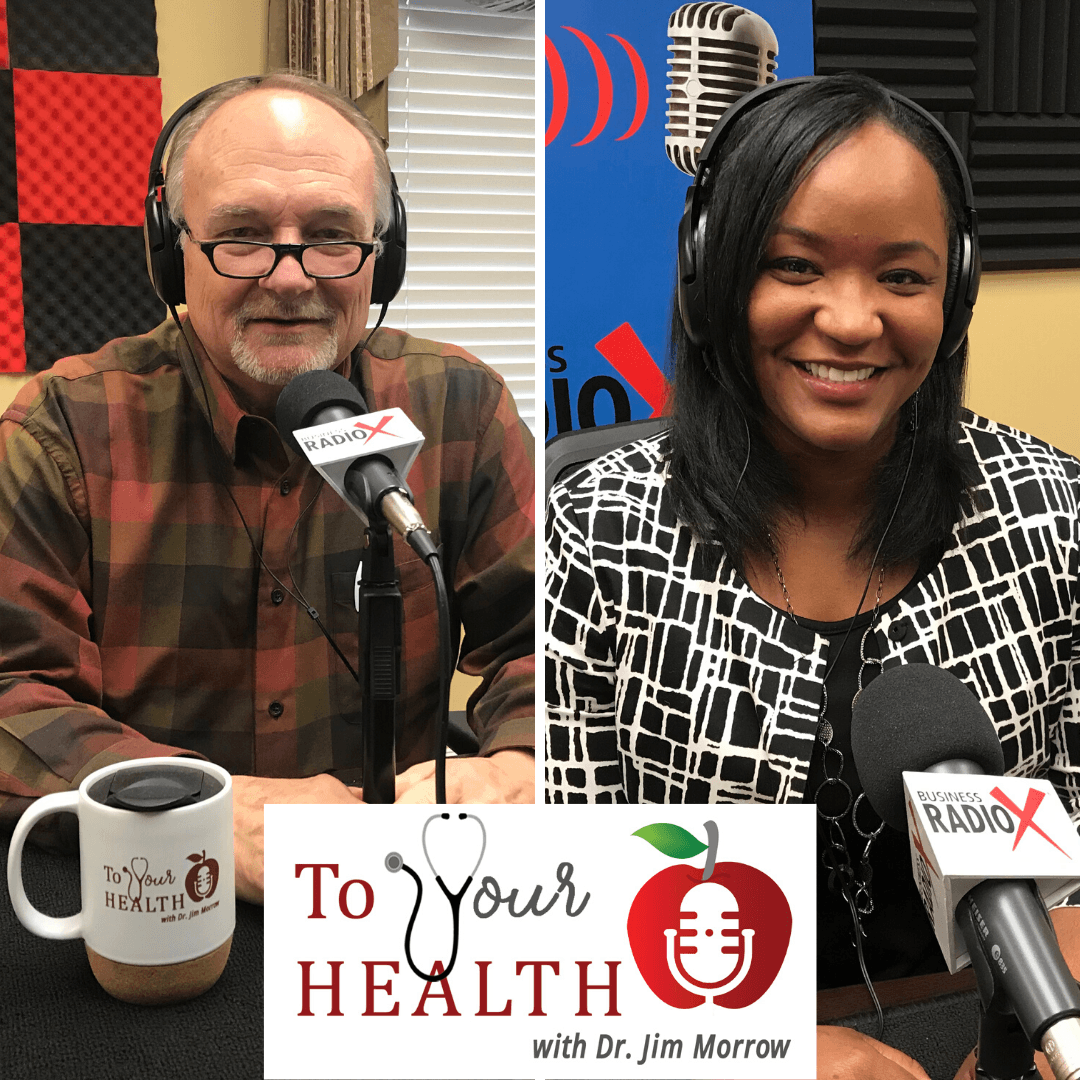
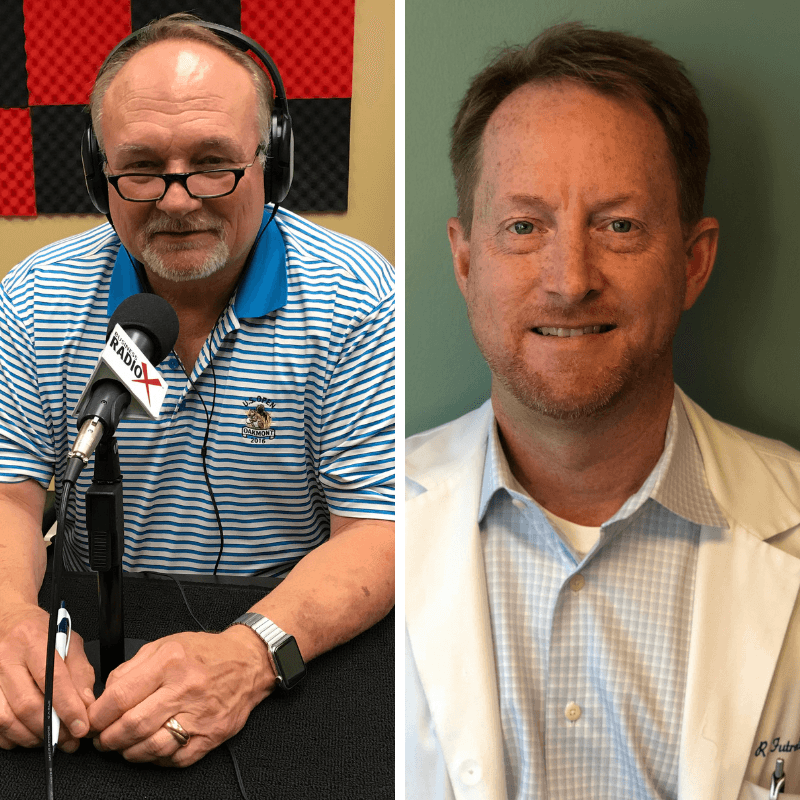
Dr. Jim Morrow and Dr. Peter Futrell

To Your Health With Dr. Jim Morrow: Episode 19, Dementia, An Interview with Dr. Peter Futrell, Lakeside Neurology

On this episode of “To Your Health with Dr. Jim Morrow,” Dr. Jim Morrow interviews neurologist Dr. Peter Futrell of Lakeside Neurology on the causes, risk factors, and symptoms of dementia. “To Your Health” is brought to you by Morrow Family Medicine, which brings the CARE  back to healthcare.

Dr. Peter Futrell, Lakeside Neurology

Dr. Peter Futrell

Dr. Peter Futrell is a neurologist at Lakeside Neurology in Cumming, GA. Lakeside Neurology is dedicated to serving the neurological needs of Forsyth County, GA, and the surrounding communities. Experience has taught the physicians to treat each patient as an individual and a partner in his or her medical care. The medical practice strives to provide state-of-the-art diagnosis and treatment using the latest neurological innovations. Sub-specialties include electrodiagnostic medicine and sleep disorders. 

 Dr. Futrell received his M.D. from the University of Cincinnati School of Medicine in 1994. He completed his medical internship at Good Samaritan Hospital in Cincinnati, Ohio, in 1995. He was a resident in the Department of Neurology at Emory University School of Medicine in Atlanta from 1995 to 1997, and chief resident in neurology at Emory University School of Medicine from 1997 to 1998. He continued on at Emory University School of Medicine as a fellow in clinical neurophysiology.
​

Dr. Futrell received his certification from the American Board of Psychiatry and Neurology in 1999. He is a member of the American Academy of Neurology. Dr. Futrell practices at Wellstar North Fulton and Northside Forsyth Hospitals.

About Morrow Family Medicine and Dr. Jim Morrow

Morrow Family Medicine is an award-winning, state-of-the-art family practice with offices in Cumming and Milton, Georgia. The practice combines healthcare information technology with old-fashioned care to provide the type of care that many are in search of today. Two physicians, three physician assistants and two nurse practitioners are supported by a knowledgeable and friendly staff to make your visit to Morrow Family Medicine one that will remind you of the way healthcare should be.  At Morrow Family Medicine, we like to say we are “bringing the care back to healthcare!”  Morrow Family Medicine has been named the “Best of Forsyth” in Family Medicine in all five years of the award, is a three-time consecutive winner of the “Best of North Atlanta” by readers of Appen Media, and the 2019 winner of “Best of Life” in North Fulton County.

Dr. Jim Morrow, Morrow Family Medicine, and Host of “To Your Health With Dr. Jim Morrow”

Dr. Jim Morrow, Morrow Family Medicine, and Host of “To Your Health With Dr. Jim Morrow”

Dr. Jim Morrow is the founder and CEO of Morrow Family Medicine. He has been a trailblazer and evangelist in the area of healthcare information technology, was named Physician IT Leader of the Year by HIMSS, a HIMSS Davies Award Winner, the Cumming-Forsyth Chamber of Commerce Steve Bloom Award Winner as Entrepreneur of the Year and he received a Phoenix Award as Community Leader of the Year from the Metro Atlanta Chamber of Commerce.  He is married to Peggie Morrow and together they founded the Forsyth BYOT Benefit, a charity in Forsyth County to support students in need of technology and devices. They have two Goldendoodles, a gaggle of grandchildren and enjoy life on and around Lake Lanier.

Facebook: https://www.facebook.com/MorrowFamMed/

LinkedIn: https://www.linkedin.com/company/7788088/admin/

Twitter: https://twitter.com/toyourhealthMD

Show Transcript

Intro: [00:00:06] Broadcasting live from the North Fulton Business RadioX Studio, it’s time for To Your Health with Dr. Jim Morrow. To Your Health is brought to you by Morrow Family Medicine, an award-winning primary care practice which brings the care back to health care.

Jim Morrow: [00:00:24] Hello. This is Dr. Jim Morrow with Morrow Family Medicine Offices in Cumming and Milton, Georgia. We’re here today for another episode of To Your Health. And I think it’s gonna be a great episode today. We’re here in the North Fulton Business RadioX Studio on Windward Parkway. I’m here with John Ray. John’s running the board and taking tweets and e-mails and we’ll talk about that in a second. How are you doing, John?

John Ray: [00:00:46] I’m doing great. How are you?

Jim Morrow: [00:00:47] Good. You’re getting over that cold?

John Ray: [00:00:49] I am. Thanks to early office hours from my family care physician.

Jim Morrow: [00:00:56] Great. That’s good to know. I’m glad to hear that.

John Ray: [00:00:58] That’s how I started coming to your place.

Jim Morrow: [00:01:00] Well, it’s one of the best reasons.

John Ray: [00:01:01] Well, absolutely, because I couldn’t get into the—the one I had wanted me to wait three days until I died. Then, they would see me.

Jim Morrow: [00:01:08] It drives me crazy.

John Ray: [00:01:09] I know. And then—and that’s how I got to you.

Jim Morrow: [00:01:11] So, at Morrow Family Medicine, we do have a walk-in hour every morning. We open at 7:30 for the first hour the day. You don’t need an appointment. If you just walk in, we will take care of whatever’s going on with you right then and there. We see walk-ins every day, Monday through Friday in that hour from 7:30 to 8:30 in the Cumming and the Milton office. And that way, there’s never a weekday you can’t be seen in one of our offices. And we like to say that we’re bringing care back to health care, and that’s one of the ways that we’re doing it.

Jim Morrow: [00:01:39] So this is our 19th episode of the podcast and radio show, and we’re excited to be here again. We do have a couple of ways you can get in touch with us if you want to. You can e-mail us at drjim@toyourhealth.md or you can tweet us @toyourhealthmd. So, that’s two ways you can get to us if you have recommendations for a show, or suggestions, or comments about the show you’re listening to at the moment. We try to gather some questions during the show and present those to you and come up with some answers at the end of the show every time.

Jim Morrow: [00:02:13] So, today we’re going to be talking about dementia, dementia in multiple forms. People think about dementia, they immediately think Alzheimer’s. But Alzheimer’s is a form of dementia. It’s not the only form. And we’re lucky today to have with us a neurologist from Cumming, Dr. Peter Futrell. Pete is the neurologist, one of the two with Lakeside Neurology and Cumming, Georgia. I’ve known Pete for about 20 years. Pete, how you are doing?

Peter Futrell: [00:02:39] I’m great. Glad to be here with you, guys, today.

Jim Morrow: [00:02:41] I appreciate you doing this for us. So-

Peter Futrell: [00:02:45] I was inadequate because I don’t have walk-in hours from 7:30 to 8:30 every weekday and-

Jim Morrow: [00:02:51] But you can start anytime.

Peter Futrell: [00:02:52] I still see a patient but-

Jim Morrow: [00:02:54] You can do that any time you want to. I bet your people would be tickled to death. But I will say I’ve been referring people to Pete Futrell for 20 plus years and getting in to see him when they need somebody to take care of you from a neurological standpoint. It’s never been a problem. And I do appreciate the care you take of the people in North Georgia.

Jim Morrow: [00:03:13] So, I started researching dementia a little bit because, honestly, it’s something that family doctors are probably a little bit weak in. I know I’m a little bit weak in that particular area. And that’s why I’m thankful that you’re around. But what I read says that during the age—in the 70s and people’s ages of 71 to 79, 1 in about 20 people will have dementia of some sort. In 80 to 89, 1 in 4. And over 90, 1 in 3. And so, with the population aging like it is, this is an, obviously, increasing problem for everybody out there.

Peter Futrell: [00:03:46] It keeps us busy in the office. That’s for sure.

Jim Morrow: [00:03:49] I know it does. So-

Peter Futrell: [00:03:51] You refer patients to us all the time, including for dementia, and much appreciate that. But sorry to see the patients with it. But, of course, try to help others. And yeah, there’s no shortage of them out there as you’re suggesting with those numbers.

Jim Morrow: [00:04:06] So, Pete, tell me, in your words, what exactly is dementia?

Peter Futrell: [00:04:12] Well, the term dementia just refers to a progressive decline in cognition. So, people can have chronic issues or maybe just isolated memory issues for any number of reasons. But if it’s not kind of a progressive thing. So, for example, somebody who had a brain injury, and they had some cognitive issues from that, that’s not dementia. That’s a one-time event that happened to the brain. It can affect them. It can be residual through their entire life, but it’s not something that necessarily will get worse.

Jim Morrow: [00:04:43] Right.

Peter Futrell: [00:04:43] Dementia, on the other hand, is progressive. As you said earlier, several different forms. People always equate dementia and Alzheimer’s, but that’s not always the case. That’s, usually, the case but not always.

Jim Morrow: [00:04:58] And what are some of the other things that might go on in your body that can make you have dementia?

Peter Futrell: [00:05:07] Well, that’s probably a long list. When we see somebody who we, at least, suspect dementia, we, of course, always start looking for the basic things first. As you know, some of the simple metabolic issues. Thyroid disease is a common one that can cause cognitive issues. There’s some undiagnosed kidney or liver problems. Those could, at least, mimic dementia. Of course, medications. Also confusion because that can be hard to discern if it’s medication effect or it is dementia.

Peter Futrell: [00:05:43] There’s four different forms of dementia. So, there’s the Alzheimer’s, which is by far the most common. But things like vascular dementia, which occurs from being in multiple strokes. There’s frontal dementia. People with Parkinson’s have a form of dementia that’s not technically Alzheimer’s but very close to it. So, a lot of different things to consider.

Jim Morrow: [00:06:09] Right, right. So, if you suspect that a patient has dementia, other than what you would do in the office, are there other ancillary tests that you do? Do you order CAT scans, MRIs, that kind of thing?

Peter Futrell: [00:06:22] Of course, yeah. And it depends on—as you were saying, it depends on the patient, all the different variables, whether it’s age, or medications, or other medical issues they might be having. Obviously, in the office, we can examine the patient, we can test their cognition. And probably most important actually is having a family member or someone else who can provide history. Obviously, if you a patient is having kinds of issues, they’re not always the best historians sometimes because, of course, they don’t remember. And other times, they just don’t have the insight, and they’re not aware of even having a problem. So, that’s what we’ll do in the office is the exam and history, of course.

Peter Futrell: [00:07:04] After, the office is checking lab work. Like, for example, the thyroid we talked about. Vitamin B12 deficiency is a common one that can cause kinds of issues. Imaging, almost always either CAT scan or MRI, and depends on the patient’s age, and what else is going on with them, how we decide if we choose one or the other. We may do an EEG, electroencephalogram, looking at electrical activity in the brain. It’s, at least, possible for some types of seizures to go undiagnosed and to manifest as cognitive issues. So, that’s always worth screening for.

Peter Futrell: [00:07:46] Other than that, one test I use a lot, and I think most urologist would agree with me, is sending the patient for formal neuropsych or neuropsychological testing, which is a battery of tests. As I tell patients, it’s kind of putting your brain through the ringers, kind of a stress test for your brain, looking at all forms of cognition, whether it’s language, memory, concentration. And using your psychologist is pretty good about, sort of, teasing out what might be causing the cognitive issues, whether it’s dementia, mood issues. That can certainly fool you and look like dementia when it present. It might just be bad depression. So, we use all those things and kind of put them in the pot, mix them up, and see what it looks like when we’ve got them all together.

Jim Morrow: [00:08:34] Right. So, in the office, I see people every day, seems like. I saw one this morning who was concerned about their memory. And he was having trouble, like everybody I know, I think, having trouble remembering why he went into the kitchen, and why he walked in the room, and sometimes with people’s names. And I think is important for people to understand that that’s not necessarily dementia. And can you tell me a little bit about how you delineate the two?

Peter Futrell: [00:09:05] Well, those two examples you gave are the names in particular is, far and away, the most common complaint that I get also for older folks. And their memory complaint is forgetting names, And then, the classic, I went upstairs or I went to the kitchen to get something, I don’t remember why. That’s probably number two or three on the list as far as memory complaints. But you’re right, just because you have a little trouble with those things does not mean that it’s dementia. Depending on age, there’s a certain amount of falling off that we kind of allow.

John Ray: [00:09:40] After that, there’s a kind of stage of cognitive issues called mild cognitive impairment, which essentially just means you’re having more trouble with your memory than you should for your age, but it’s not to an extent of being dementia. Those folks are important keep an eye on though because that can, within time, sort of, switch into dementia. But no, just because you can’t remember names, definitely not that simple as being diagnosed with dementia right there.

Jim Morrow: [00:10:10] Right. And when someone is diagnosed with dementia, I know it’s important to get them on medication as quickly as possible. You know, if you start losing brain cells, which is what we’re talking about, you’re not gonna get them back. So, it’s important to protect the ones you have. Medications, it seems like we’ve been using the same medications for this for a very long time.

Peter Futrell: [00:10:34] You’re right. There has been nothing new for dementia. I have to—I could probably look it up quickly, but the most new thing we have for dementia has been out for, gosh, I’d bet 12 or 15 years. Here it is. You’re right. We really have—it, essentially, comes down to four medications that we use for dementia. Three of them are very similar, and you don’t use one at a time with a patient. And then, there’s another one, Memantine or Namenda is the brand name that can be used in conjunction with one of those other three. And that’s about what we have in our hard material right now.

Jim Morrow: [00:11:18] And I’m sure—exactly, it is sad. And I’m sure there’s a great deal of research going into that, but I think if you think about the brain and how difficult it is to understand what’s going up there, it makes it a bit little easier to understand why that’s not something that’s easy to figure out. What about—as far as meds and things, though, what about things that you hear about on the radio? I hear the advertisement for meds all the time on the radio, help your memory, prevent memory loss. Anything to that at all?

Peter Futrell: [00:11:47] Not that I’ve seen. Nothing that has been proven sufficiently, at least, for me, to recommend, as I’m sure you do. I got plenty patients asking about it. I hear it on the radio or see an advertisement on the Internet all the time. Kind of amazing what someone purports to do, but I have not seen any of the supplements that has have, you know, a reasonable study had been proven to have any benefit. So, when patients ask me about it, I caution against because of just the lack of proven efficacy. And I mean, quite simply, some are of them are pretty expensive and it’s-

Jim Morrow: [00:12:29] They are.

Peter Futrell: [00:12:29] You know, especially the older folks who are already paying enough for medications, on and off medications, and other supplements, and throw more in the mix. And not only is it a cost issue, but then, you might have to worry about interactions. And just as you know, the more medications I think we’re on, the muddier the waters are.

Jim Morrow: [00:12:47] That’s right. Very true.

Peter Futrell: [00:12:48] And I’d love for it to be the case. I tell patients all the time, “Boy, if somebody proves to me that eating, or sleeping over here, or something will do the trick, I will be the first to not only recommended but take it myself.”

Jim Morrow: [00:12:59] Right, right.

Peter Futrell: [00:13:00] I just don’t see it yet. I wish I did.

Jim Morrow: [00:13:04] What about alcohol as far as bringing on dementia. Is there a relationship that you’ve seen there?

Peter Futrell: [00:13:12] Alcohol, a little bit of a funny one. Just with dementia, just like with other medical conditions, you always say, “Well, drinking in moderation helps. Drinking too much hurts.” And that’s probably the case for dementia that that little bit of alcohol may have some benefit actually in preserving. I guess, that’s the mixed results about that. I don’t think anybody would argue, though, that too much alcohol, and I’m not sure I can find too much alcohol, but too much alcohol absolutely can exacerbate dementia and even cause reform of dementia, that alcohol boost dementia that we occasionally see, and fortunately not too often but clearly can happen.

Jim Morrow: [00:14:00] One thing I get asked a good little bit in the office is about people that have a family history of dementia, and they’re concerned about that. Do you find that it runs in families? Do you find that is hereditary?

Peter Futrell: [00:14:13] There’s likely some genetic component. I’m not sure how strong that really is. My—when I’m asking about it from patients, I explain that if there’s family members, especially multiple family members, then just it seems to be borne out. I think common sense would tell you that, yeah, your risk is somewhat higher. But it’s not one—certainly not a slam dunk like, “Oh, gosh. Mom or dad had it. The rest of us are going to get it too.” That is not the case.

Jim Morrow: [00:14:41] Good, good. And once somebody is diagnosed with dementia, I know the progression can happen at all kinds of different rates. There’s no way to really predict most of that. But what would you tell or what do you tell caregivers to expect or that they need to understand about dealing with a patient that has dementia?

Peter Futrell: [00:15:06] Well, that’s a big question there. I think there’s probably a lot of aspects on that one. You know, everybody wants to know where it’s going from here. No question that that’s one of the most top concerns is, “All right. You just diagnosed my husband and my father with dementia. What can we expect in a year, or two years, whatever?” I dodge that question the best I can, usually, from patients, because it’s just so difficult. I have my own patients, some of them that clearly have dementia, but it’s been terribly slow, which is a good thing that I’ve been following for many years, and I’m not sure I’ve seen that. Well, a little bit decline over that time, but not anything terribly significant.

John Ray: [00:15:50] And then, I got patients, including, actually, ironically just one I saw yesterday, who just really began having problems earlier this year. And, now, it’s pretty well advanced. That’s certainly not your usual, but you see everything in between. As far as what to tell family otherwise, yeah, I guess the most important thing is explaining to them that it will get worse. Even though you can’t define over what time, this is something that is going to be worse at some point. Of course, this applies to any of us that you need to have your affairs in order, whether you’ve been diagnosed with dementia or not. That’s always a good idea, but even probably more so if you catch dementia early, and get to the attorneys, and get your power of attorneys, and health care, and all that. Then, you got to worry about issues with driving, and just safety, managing finances. There’s just so many things that come up.

Jim Morrow: [00:16:58] And I know one thing – people, a lot of times will want to, I guess, argue is the best way to put it, with a patient when they have dementia, and they will be insistent that something hasn’t happened or something has happened. And I’ve seen a lot of people go through the problems with that. And I think it always seems best if they just kind of go with the flow instead of trying to correct people every time. Is that a decent piece of advice for them?

Peter Futrell: [00:17:28] Absolutely. Just—it wasn’t this week, but last week, a patient mine that I’ve been seeing for probably five or six years, his wife as well, and almost every time they’re in, we have this discussion about her getting frustrated with him over kind of same thing. And as much as I love her, I think she’s actually one of my favorite folks, but she just, sometimes, just can’t let it go. Just stirs that pot. And I told her what I tell people all the time, “You got to move on. You got to distract to do a different subject. You’re just asking for a whole lot more frustration.” It’s already bad enough. If you let that frustration level get even higher, that’s not good for anybody involved, patient or family. You know, I just remind people that it’s not their loved one, it’s not really the patient who’s trying to be frustrating.

Jim Morrow: [00:18:26] Yeah.

Peter Futrell: [00:18:26] They just don’t know they’re doing it. And sometime, people, they kind of have a hard time getting their head around that.

Jim Morrow: [00:18:35] Yeah, I can imagine.

Peter Futrell: [00:18:35] They had been with them for 50 years, and known them, and this is such a change. It’s hard to deal with. That, of course, is understood.

Jim Morrow: [00:18:45] Do you see more dementia in men or women? Is there a gender split?

Peter Futrell: [00:18:53] It seems, to me, in my practice, more women. And I believe the research would show that it’s more women than men as well.

Jim Morrow: [00:19:03] It makes you wonder if that has something to do with-

Peter Futrell: [00:19:04] I’m not sure I know why. I’ll probably know at some point why that might be, but off the top of my head, I don’t know.

Jim Morrow: [00:19:09] I know we could chat about why and guess about why for a long time. But the truth is, we just don’t know enough about this particular disease. That’s the bottom line.

Peter Futrell: [00:19:19] Well, that’s the bottom line. I’m sure that that’s, at least, somewhat limiting the treatment options that we have. We’re talking about medications earlier. Every now and then, you hear about something that sounds like it might be coming out, and it is promising. And I’ll be damned if not. Two months later, the studies dropped because there’s some safety concern.

Jim Morrow: [00:19:41] Right, right.

Peter Futrell: [00:19:42] And that’s just—with dementia, that is—it seems like that happens way too much, which is why, I guess, we’re stuck in this rut we are right now with the very limited options.

Jim Morrow: [00:19:52] Well, that’s actually something I was going to ask you about. I was going to ask you if there’s something on the horizon that you anticipate coming out the next three to five years.

Peter Futrell: [00:20:03] I’d love to be more optimistic, but I’m not sure I’ve seen anything here, at least, recently, that looks like it has the numbers or momentum behind it to be available to us at anytime real soon-

Jim Morrow: [00:20:18] Right.

Peter Futrell: [00:20:18] … which, obviously, is not what I’d like to say and not what people would like to hear but that’s, at least, my experience.

Jim Morrow: [00:20:27] Well, what about reducing your risk of developing dementia? And this is not really funny, but I thought I’d already ask that but I guess I forgot. But what can we do?

Peter Futrell: [00:20:41] I can’t see you between 7:30 and 8:30 tomorrow because we don’t have any walk-in hours, but I could probably get you in later in the morning.

Jim Morrow: [00:20:45] Because you’re still in the bed at 7:30 in the morning?

Peter Futrell: [00:20:49] I don’t think so.

Jim Morrow: [00:20:50] So, what can people do to help keep this from being a problem of theirs?

Peter Futrell: [00:20:57] Well, that’s another one that’s mixed. I’m not sure that a month or two goes by where somebody doesn’t come up with, “Well, there’s this diet,” or take an anti-inflammatory, or keeping your sugar under control. And not that all these things aren’t necessarily good things, but all the time, we seek them out that seem to maybe help the risk of dementia down the road. And the other one I see and have seen in the past is you keep using your mind as you get older and trying to stave off dementia.

Jim Morrow: [00:21:33] Use it or lose it.

Peter Futrell: [00:21:34] Right. And that’s one where I would love to see better numbers on that too because as I explain to patients, it’s certainly not going to hurt to stay, obviously, physically active and mentally active. But I think someone seems to think that they can just do enough, they’ll be able to keep it away. And unfortunately, if it’s going to come, it’s going to come. You might delay it, you might make it slower, but not necessarily gonna stop it from coming.

Jim Morrow: [00:22:07] You mentioned the anti-inflammatory-

Peter Futrell: [00:22:08] I wish the brain was like the muscle where you can go to the physical therapist, and work on your balance, get you stronger, and do that for your brain.

Jim Morrow: [00:22:14] Exactly, yes.

Peter Futrell: [00:22:16] This comes down to it’s not that simple, currently.

Jim Morrow: [00:22:22] And I forgot the question I was going to ask. Again, there’s-

Peter Futrell: [00:22:28] So, we may need to advance it. We may need to move that-

Jim Morrow: [00:22:30] I’ll be there at 7:30 in the morning.

Peter Futrell: [00:22:33] How long is it gonna take you to get from Windward?

Jim Morrow: [00:22:35] Not long this time of day. So, what about the memory care units we’re blessed in the area to have? And I think across the country, there’s an assisted living place on every street corner, it seems like. And then, most of them have a memory care unit. Do you feel like society has handled the aging population and the increasing patients with dementia as well as they could? Is there something we could do better? This is not a medical question.

Peter Futrell: [00:23:03] Sure. Again, that’s one that I actually kind of had that discussion with a patient just this morning or the caregiver, actually, who was actually just more frustrated with her loved one staying home and having more resources there. These assisted living with the lock-down memory care units, so you don’t have to worry about patients wandering off, fantastic. As you pointed out, you can barely turn a corner now without there being one. And there are certainly things that seem to provide a service. But of course, a lot of people want to, for a lot of reasons, and expense being one of them, because assisted living for memory cares are not cheap-

Jim Morrow: [00:23:52] Right.

Peter Futrell: [00:23:53] … loved ones only want to keep their family member with them, not just for, obviously, the cost, but just because best to have family around. And it probably is for the patients, if it weren’t for safety issues, that it’s probably better to be in a familiar environment. Sometimes, that environment is just not safe if patients are wandering off, stairs and family finding them two miles down the road in the middle of the night. So, I’m not sure what the answer is as far as having some better in-home care that’s affordable, but a lot of people would appreciate that if it was more of an option.

Jim Morrow: [00:24:38] You’ll be glad to know that I remembered the other question. You were talking about anti-inflammatories and keeping sugar under control. Is there anything at all to be said for taking statins? Is there anything at all that has anything to do with dementia?

Peter Futrell: [00:24:52] Well, that’s—like all—I mean, yeah, it’s not like I’m saying things every time, but it’s just the way it is. You know, mixed things. I’ve seen studies indicating that, at least, some of the statins might help to prevent dementia and help prevent some of this buildup of the proteins in the brain that occurs with Alzheimer’s. But then, some of statins, in a very small number of patients, seem to actually cause some cognitive decline. Unfortunately, it seems like it probably resolves if they’re off the medication, but it’s just kind of interesting that it can cause some mental changes. But, on the other hand, it might long-term help to—it might help to prevent. I’m going to say might.

Jim Morrow: [00:25:38] Right, right.

Peter Futrell: [00:25:39] But, you know, I try not to let patients make decisions based on that because those numbers just aren’t solid enough. And the reason they’re taking statins is so that they can avoid having their stroke or their heart attack.

Jim Morrow: [00:25:50] Right.

Peter Futrell: [00:25:51] And those things are much more likely to happen. And they seem to have—they have patients stop the medicines to—for the medicine’s issue they’re concerned about cognition when you don’t want them having that heart attack or stroke.

Jim Morrow: [00:26:05] I gotcha. Well, that’s great, and that’s really all the things I had that I want to talk to you about. And out time’s about up. But John, I believe, have some questions that people have sent in that we’d like to run by you.

John Ray: [00:26:17] A couple for you, if we can. So, one is, for a person who has a parent, in this case, and they’re—they’re really—they don’t know. They think there may be a dementia issue, but they’re kind of concerned about maybe broaching that with the parent so—because they don’t want to be—they want to get them taken care of, but they don’t want to alarm them, right? So, how should that—how should they approach that issue? What do you suggest?

Peter Futrell: [00:26:59] Yeah, I’m not sure how—I’m not sure how Jim handles that one. I’m sure, he’d run into it too. From my standpoint, that’s a concern for patients. The families, all the time, are worried about how their loved one is going to take the news or is even willing to accept the news. You know what? Other than sitting down, and trying to explain that you have some concern, and that you think it needs to be checked out, and “Hey, if you see the doctor, and everything’s fine like you think it is, well, great. Nothing is lost. But can we, at least, go have it looked into.” I’m not sure I have a better way of handling it. but-

Jim Morrow: [00:27:40] I think that’s-.

Peter Futrell: [00:27:41] … that is definitely something—definitely something that can get to be an approaching point. I’ve seen it too many times with—and it’s the reason why, sometimes, I am seeing the patients and the family separate because it’s just the subject that follows a big risk.

Jim Morrow: [00:27:55] It is. And that’s something that I would encourage people to lay it on me, and bring them into the office, and let me bring up the point that I’m seeing some things about memory that I’m concerned about. And I think we need to try some medication, do some tests, and so forth. And invariably, they’re gonna end up in a neurologist’s office, but I think it’s just easier-

Peter Futrell: [00:28:17] Be the bad guy, ultimately.

Jim Morrow: [00:28:18] Ultimately, absolutely.

Peter Futrell: [00:28:20] Yeah.

Jim Morrow: [00:28:20] Absolutely. But at the same time, I think it’s something that the family needs to feel free to bring them to somewhere. And they’re usually gonna start with us. And that will start with you in those cases. And so, you know, to keep them from being the bad guy, I think it’s important that they just come in and let me broach the subject. The same way with driving. I get asked, and I know you do too, I get asked all the time to tell daddy that he can’t drive anymore. And usually, if you bring him in, and you can make a point of reflexes and so forth, you can make a good point with him and get him to not drive anymore. John?

Peter Futrell: [00:28:55] Well, you took the words right of my mouth. I was gonna say driving is the other big moment of tension that we have to be a bad guy about.

Jim Morrow: [00:29:02] It’s huge.

Peter Futrell: [00:29:04] Yeah, that’s huge. It impacts too many people.

Jim Morrow: [00:29:08] One other question here surrounds incidents at seemingly earlier ages. This person is citing the Pat Summitt case, the Tennessee women’s basketball coach. And I guess she had early onset Alzheimer’s in her 50s. Is it just coincidental or anecdotal? I mean, are we seeing more dementia and Alzheimer’s cases earlier in age and stage than we have used to see 10 or 20 years ago.

Peter Futrell: [00:29:52] Well, I mean I can speak for the last 20 years, I’ll be quick to point out Jim can talk a little bit longer than that. But I don’t—in my practice, I haven’t seen, I don’t think, an uptick in the earlier patients. I think patients I have in their late 50s with it now. I don’t think that numbers a whole lot different than it was 20 years ago when I started. That’s just—that’s my own experience. Others may see otherwise. But I’ve not seen an epidemic of a 52-year-old coming out with dementia.

Jim Morrow: [00:30:30] Well, good, good. So, we’ve been talking with Dr. Peter Futrell, neurologist with Lakeside Neurology in Cumming, Georgia. Pete, I want to thank you for taking the time to be with us today. I really appreciate this. I think this is the kind of thing that many, many families are dealing with and that might benefit them to listen to the podcast. And I appreciate you taking the time out of your day to do this with us.

Peter Futrell: [00:30:54] Well, not a problem. Sorry I couldn’t join you in the studio there but happy to help, of course.

Jim Morrow: [00:30:59] Good to have you anyway. Thanks very much. So, for now, this is To Your Health.

Tagged With: Cumming doctor, Cumming family care, Cumming family doctor, Cumming family medicine, Cumming family physician, Cumming family practice, Cumming md, Cumming physician, dementia, Dementia ages, dementia signs, Depression, Dr. Jim Morrow, Dr. Peter Futrell, family history of dementia, Lakeside Neurology, memory problems, mild cognitive impairment, Milton doctor, Milton family care, Milton family doctor, Milton family medicine, Milton family physician, Milton family practice, Milton md, Milton physician, mood issues, Morrow Family Medicine, neuropsychological testing, North Fulton Business Radio, Parkinson's and Dementia, progressive memory problems, thyroid issues, vascular dementia

To Your Health With Dr. Jim Morrow: Episode 15, How Stress Affects You and What You Can Do About It

August 28, 2019 by John Ray

North Fulton Studio
North Fulton Studio
To Your Health With Dr. Jim Morrow: Episode 15, How Stress Affects You and What You Can Do About It
Loading
00:00 /
RSS Feed
Share
Link
Embed

Download file

Dr. Jim Morrow, Host, “To Your Health With Dr. Jim Morrow”

Episode 15, How Stress Affects You and What You Can Do About It

According to an American Psychological Association survey, 75% of adults questioned reported moderate to high levels of stress in the past month and nearly half reported that their stress has increased in the past year. On this edition of “To Your Health,” Dr. Jim Morrow discusses different stress levels, stress triggers, and what you can do to reduce the effect of stress in your life. “To Your Health” is brought to you by Morrow Family Medicine, which brings the CARE back to healthcare.

About Morrow Family Medicine and Dr. Jim Morrow

Morrow Family Medicine is an award-winning, state-of-the-art family practice with offices in Cumming and Milton, Georgia. The practice combines healthcare information technology with old-fashioned care to provide the type of care that many are in search of today. Two physicians, three physician assistants and two nurse practitioners are supported by a knowledgeable and friendly staff to make your visit to Morrow Family Medicine one that will remind you of the way healthcare should be.  At Morrow Family Medicine, we like to say we are “bringing the care back to healthcare!”  Morrow Family Medicine has been named the “Best of Forsyth” in Family Medicine in all five years of the award, is a three-time consecutive winner of the “Best of North Atlanta” by readers of Appen Media, and the 2019 winner of “Best of Life” in North Fulton County.

Dr. Jim Morrow, Morrow Family Medicine, and Host of “To Your Health With Dr. Jim Morrow”

Dr. Jim Morrow, Morrow Family Medicine, and Host of “To Your Health With Dr. Jim Morrow”

Dr. Jim Morrow is the founder and CEO of Morrow Family Medicine. He has been a trailblazer and evangelist in the area of healthcare information technology, was named Physician IT Leader of the Year by HIMSS, a HIMSS Davies Award Winner, the Cumming-Forsyth Chamber of Commerce Steve Bloom Award Winner as Entrepreneur of the Year and he received a Phoenix Award as Community Leader of the Year from the Metro Atlanta Chamber of Commerce.  He is married to Peggie Morrow and together they founded the Forsyth BYOT Benefit, a charity in Forsyth County to support students in need of technology and devices. They have two Goldendoodles, a gaggle of grandchildren and enjoy life on and around Lake Lanier.

Facebook: https://www.facebook.com/MorrowFamMed/

LinkedIn: https://www.linkedin.com/company/7788088/admin/

Twitter: https://twitter.com/toyourhealthMD

Dr. Morrow’s Show Notes on Stress

  • Stress can be good for you.
    • It keeps you alert, motivated and primed to respond to danger.
    • As anyone who has faced a work deadline or competed in a sport knows, stress mobilizes the body to respond, improving performance.
    • Yet too much stress, or chronic stress may lead to major depressionin susceptible people.
  • Everyone knows that bad things in life are stressful
    • But the good things (marriage, new job or new house) are also very stressful.
  • The “good life” doesn’t happen in a vacuum, it takes a lot of mental and physical work.
  • Many of my patients are stressed because they are doing too much for too many people in too short a period of time and with too few resources.

There  Are Basically 3 Types of Stress

  • Acute stress
    • Acute stress is the most common form of stress.
    • It comes from demands and pressures of the recent past and anticipated demands and pressures of the near future.
    • Acute stress is thrilling and exciting in small doses, but too much is exhausting.
      • A fast run down a challenging ski slope, for example, is exhilarating early in the day.
      • That same ski run late in the day is taxing and wearing. Skiing beyond your limits can lead to falls and broken bones.
    • By the same token, overdoing on short-term stress can lead to psychological distress, tension headaches, upset stomach and other symptoms.
  • Examples of Acute Stress
    • the auto accident that crumpled the car fender,
    • the loss of an important contract,
    • a deadline they’re rushing to meet,
    • their child’s occasional problems at school
  • Emotional distress causes
    • Muscular problems including
      • tension headache,
      • back pain,
      • jaw pain and
      • the muscular tensions that lead to pulled muscles and tendon and ligament problems.
    • Stomach, gut and bowel problems such as
      • heartburn,
      • acid stomach,
      • flatulence,
      • diarrhea,
      • constipation and
      • irritable bowel syndrome.
    • Transient over-arousal leads to elevation in blood pressure, rapid heartbeat, sweaty palms, heart palpitations, dizziness, migraine headaches, cold hands or feet, shortness of breath and chest pain.
  • Episodic acute stress
    • There are those who suffer acute stress frequently,
    • whose lives are so disordered that they are studies in chaos and crisis.
      • always in a rush, but always late.
      • If something can go wrong, it does.
      • They take on too much,
        • have too many irons in the fire, and
        • can’t organize the slew of self-inflicted demands and pressures clamoring for their attention.
        • They seem perpetually in the clutches of acute stress.
  • It is common for people with acute stress reactions to be
    • over aroused,
    • short-tempered,
    • irritable,
    • anxious
    • Often, they describe themselves as having “a lot of nervous energy.”
      • Always in a hurry,
      • they tend to be abrupt, and
      • sometimes their irritability comes across as hostility.
      • Interpersonal relationships deteriorate rapidly when others respond with real hostility.
      • The workplace becomes a very stressful place for them.
  • The cardiac prone, “Type A” personality is
    • similar to a constant extreme case of episodic acute stress.
    • Type A’s have an
      • excessive competitive drive,
      • aggressiveness,
      • impatience, and
      • a harrying sense of time urgency.
      • In addition there is a
        • free-floating, but well-rationalized form of hostility, and
        • almost always a deep-seated insecurity.
        • seem to create frequent episodes of acute stress for the Type A individual.
        • Type A’s are found to be much more likely to develop coronary heart disease than Type B’s, who show an opposite pattern of behavior.
  • The symptoms of episodic acute stress are
    • persistent tension headaches,
    • migraines,
    • hypertension,
    • chest pain and
    • heart disease.
    • Treating episodic acute stress requires intervention on a number of levels, generally requiring professional help, which may take many months.
  • Often, lifestyle and personality issues are so ingrained and habitual with these individuals that they see nothing wrong with the way they conduct their lives.
    • They blame their woes on other people and external events.
    • Frequently, they see their lifestyle, their patterns of interacting with others, and their ways of perceiving the world as part and parcel of who and what they are.
  • Sufferers can be fiercely resistant to change.
    • Only the promise of relief from pain and discomfort of their symptoms can keep them in treatment and on track in their recovery program.
  • Chronic stress:
    • While acute stress can be thrilling and exciting, chronic stress is not.
    • This is the grinding stress that wears people away day after day, year after year.
    • Chronic stress destroys bodies, minds and lives. It wreaks havoc through long-term attrition.
    • It’s the stress of poverty,
    • of dysfunctional families,
    • of being trapped in an unhappy marriage
    • or in a despised job or career.
    • It’s the stress that the never-ending “troubles” have brought
      • to the people of Northern Ireland,
      • the tensions of the Middle East
      • the endless rivalries that have been brought to the people of Eastern Europe and the former Soviet Union.
  • Chronic stress comes when a person never sees a way out of a miserable situation.
    • It’s the stress of unrelenting demands and pressures for seemingly interminable periods of time.
    • With no hope, the individual gives up searching for solutions.
  • Some chronic stresses stem from traumatic, early childhood experiences that become internalized and remain forever painful and present.
    • Some experiences profoundly affect personality.
    • A view of the world, or a belief system, is created that causes unending stress for the individual (e.g., the world is a threatening place, people will find out you are a pretender, you must be perfect at all times).
    • When personality or deep-seated convictions and beliefs must be reformulated, recovery requires active self-examination, often with professional help.
  • One of the worst aspects of chronic stress is that people get used to it.
    • They forget it’s there.
    • People are immediately aware of acute stress because it is new; they ignore chronic stress because it is old, familiar, and sometimes, almost comfortable.
  • Chronic stress kills through suicide,
    • violence,
    • heart attack,
    • suicide,
    • stroke and,
    • perhaps, even cancer.
    • People wear down to a final, fatal breakdown.
      • Because physical and mental resources are depleted through long-term attrition, the symptoms of chronic stress are difficult to treat and may require extended medical as well as behavioral treatment and stress management.
  • Why is too much stress bad for you?
  • Too much stress can be detrimental.
    • Emotional stress that stays around for weeks or months can weaken the immune system and
    • cause high blood pressure,
    • fatigue,
    • depression,
    • anxiety and
    • even heart disease.
    • In particular, too much epinephrine can be harmful to your heart.
  • Sustained or chronic stress, in particular, leads to elevated levels of cortisol, the “stress hormone,”
    • As well as reduced levels of serotonin and other neurotransmitters in the brain, like dopamine
    • These hormone changes have been linked to depression.
    • When these chemical systems are working normally, they regulate biological processes like sleep, appetite, energy, and sex drive, and permit expression of normal moods and emotions.
    • When the stress response fails to shut off and reset after a difficult situation has passed, it can lead to depressionin susceptible people.
    • No one in life escapes event-related stress, such as
      • death of a loved one,
      • a job loss,
      • divorce,
      • a natural disaster such as an earthquake, or
      • even a dramatic dip in your 401(k).
    • A layoff — an acute stressor — may lead to chronic stress if a job search is prolonged.
  • Loss of any type is a major risk factor for depression.
    • Loss of a loved one is a huge stressor
      • Grieving is considered a normal, healthy, response to loss, but if it goes on for too long it can trigger a depression.
    • Loss of health –
      • A serious illness, including depression itself, is considered a chronic stressor.
    • Loss of independence –
      • When patients lose their ability to live alone, or to drive they are very stressed
    • Loss of financial stability –
      • Regardless of cause
    • What you can do?
      • Watch out for signs of stress overload.
        • Symptoms of too much stress can be
        • physical,
        • emotional,
        • mental and behavioral.
        • While everyone is different, some common signs are:
        • memory problems,
        • trouble concentrating,
        • racing thoughts,
        • irritability,
        • anger,
        • sadness,
        • headaches,
        • frequent colds and
        • changes in sleep or appetite.
  • Know your stress triggers.
    • Stress and its triggers are different for everyone.
      • Certain people, places or situations might produce high levels of stress for you.
      • Think about what causes you stress, and brainstorm solutions.
        • If public speaking or presentations make you stressed, start researching early and practice several times.
        • If there are friends or social situations that cause extreme stress, you may want to avoid them when you are already feeling tense or overwhelmed.
    • All forms of exercise
      • reduce stress hormones,
      • flood the body with feel-good endorphins,
      • improve mood,
      • boost energy and
      • provide a healthy distraction from your dilemmas.
      • Plus, exercise may make you less susceptible to stress in the long run.
      • Find physical activities that you enjoy and try to devote about 30 minutes to them each day.
    • While it’s impossible to eliminate all negative stress from your life, you can control the way you react to stress.
    • Your body’s natural fight-or-flight response can take its toll.
    • When you’re faced with a stressful situation that your mind perceives as a threat,
      • it sends various chemicals, like adrenaline and cortisol, throughout your body.
      • As a result, heart rate and breathing speeds up and your digestion slows down. This tires out the body.
      • Relaxation techniques are a huge help in calming you down, boosting mood and fighting illness.
        • Try a variety of techniques — like
          • yoga,
          • breathing exercises,
          • meditation and visualization — to see what works for you, and schedule a relaxation break every day.
  • Manage your time well.
    • Time can seem like a luxury, but there are various ways to manage it effectively.
      • First, focus on one task at a time.
        • Multitasking rarely works.
        • Jot down everything you need to do in a calendar or a task management app/program,
          • prioritize your list and break projects into single steps or actions.
  • Be realistic.
    • Pulling yourself in different directions will only stress you out, so try not to over-commit yourself or do extracurricular activities when you’re super busy with school.
    • Learn to say NO
  • Curb your caffeine.
    • Caffeine might help you study in the short term, but it interrupts sleep and makes you
      • more anxious,
      • tense and jittery
      • This obviously ups your stress level.
      • Try and drink no more than one caffeinated beverage a day.
    • Don’t self-medicate.
      • Some people
        • drink,
        • take drugs,
        • smoke and
        • use other unhealthy behaviors to cope with stress.
        • However, these behaviors can exacerbate stress by negatively affecting your mood and health.
  • Reach out.
    • If you’re stressed out,
      • talk to your friends and family.
      • If you feel like you can’t handle the stress on your own, schedule an appointment with a counselor or therapist.

Tagged With: Cumming doctor, Cumming family care, Cumming family doctor, Cumming family medicine, Cumming family physician, Cumming family practice, Cumming md, Cumming physician, de-stress, Depression, Dr. Jim Morrow, emotional distress, episodic acute stress, Exercise, loss, Milton doctor, Milton family care, Milton family doctor, Milton family medicine, Milton family physician, Milton family practice, Milton md, Milton physician, Morrow Family Medicine, preventing stress, relaxation, stress, stress alleviation, Stress Management, time management, Type A personality, yoga

  • 1
  • 2
  • 3
  • Next Page »

Business RadioX ® Network


Our Most Recent Episode

CONNECT WITH US

  • Email
  • Facebook
  • LinkedIn
  • Twitter
  • YouTube

Our Mission

We help local business leaders get the word out about the important work they’re doing to serve their market, their community, and their profession.

We support and celebrate business by sharing positive business stories that traditional media ignores. Some media leans left. Some media leans right. We lean business.

Sponsor a Show

Build Relationships and Grow Your Business. Click here for more details.

Partner With Us

Discover More Here

Terms and Conditions
Privacy Policy

Connect with us

Want to keep up with the latest in pro-business news across the network? Follow us on social media for the latest stories!
  • Email
  • Facebook
  • Google+
  • LinkedIn
  • Twitter
  • YouTube

Business RadioX® Headquarters
1000 Abernathy Rd. NE
Building 400, Suite L-10
Sandy Springs, GA 30328

© 2025 Business RadioX ® · Rainmaker Platform

BRXStudioCoversLA

Wait! Don’t Miss an Episode of LA Business Radio

BRXStudioCoversDENVER

Wait! Don’t Miss an Episode of Denver Business Radio

BRXStudioCoversPENSACOLA

Wait! Don’t Miss an Episode of Pensacola Business Radio

BRXStudioCoversBIRMINGHAM

Wait! Don’t Miss an Episode of Birmingham Business Radio

BRXStudioCoversTALLAHASSEE

Wait! Don’t Miss an Episode of Tallahassee Business Radio

BRXStudioCoversRALEIGH

Wait! Don’t Miss an Episode of Raleigh Business Radio

BRXStudioCoversRICHMONDNoWhite

Wait! Don’t Miss an Episode of Richmond Business Radio

BRXStudioCoversNASHVILLENoWhite

Wait! Don’t Miss an Episode of Nashville Business Radio

BRXStudioCoversDETROIT

Wait! Don’t Miss an Episode of Detroit Business Radio

BRXStudioCoversSTLOUIS

Wait! Don’t Miss an Episode of St. Louis Business Radio

BRXStudioCoversCOLUMBUS-small

Wait! Don’t Miss an Episode of Columbus Business Radio

Coachthecoach-08-08

Wait! Don’t Miss an Episode of Coach the Coach

BRXStudioCoversBAYAREA

Wait! Don’t Miss an Episode of Bay Area Business Radio

BRXStudioCoversCHICAGO

Wait! Don’t Miss an Episode of Chicago Business Radio

Wait! Don’t Miss an Episode of Atlanta Business Radio