Business RadioX ®

  • Home
  • Business RadioX ® Communities
    • Southeast
      • Alabama
        • Birmingham
      • Florida
        • Orlando
        • Pensacola
        • South Florida
        • Tampa
        • Tallahassee
      • Georgia
        • Atlanta
        • Cherokee
        • Forsyth
        • Greater Perimeter
        • Gwinnett
        • North Fulton
        • North Georgia
        • Northeast Georgia
        • Rome
        • Savannah
      • Louisiana
        • New Orleans
      • North Carolina
        • Charlotte
        • Raleigh
      • Tennessee
        • Chattanooga
        • Nashville
      • Virginia
        • Richmond
    • South Central
      • Arkansas
        • Northwest Arkansas
    • Midwest
      • Illinois
        • Chicago
      • Michigan
        • Detroit
      • Minnesota
        • Minneapolis St. Paul
      • Missouri
        • St. Louis
      • Ohio
        • Cleveland
        • Columbus
        • Dayton
    • Southwest
      • Arizona
        • Phoenix
        • Tucson
        • Valley
      • Texas
        • Austin
        • Dallas
        • Houston
    • West
      • California
        • Bay Area
        • LA
        • Pasadena
      • Colorado
        • Denver
      • Hawaii
        • Oahu
  • FAQs
  • About Us
    • Our Mission
    • Our Audience
    • Why It Works
    • What People Are Saying
    • BRX in the News
  • Resources
    • BRX Pro Tips
    • B2B Marketing: The 4Rs
    • High Velocity Selling Habits
    • Why Most B2B Media Strategies Fail
    • 9 Reasons To Sponsor A Business RadioX ® Show
  • Partner With Us
  • Veteran Business RadioX ®

EASTSIDE MEDICAL CENTER: Behavioral Health Services

June 26, 2019 by Mike

Gwinnett Business Radio
EASTSIDE MEDICAL CENTER: Behavioral Health Services
Loading
00:00 /
RSS Feed
Share
Link
Embed

Download file

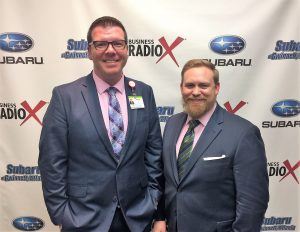
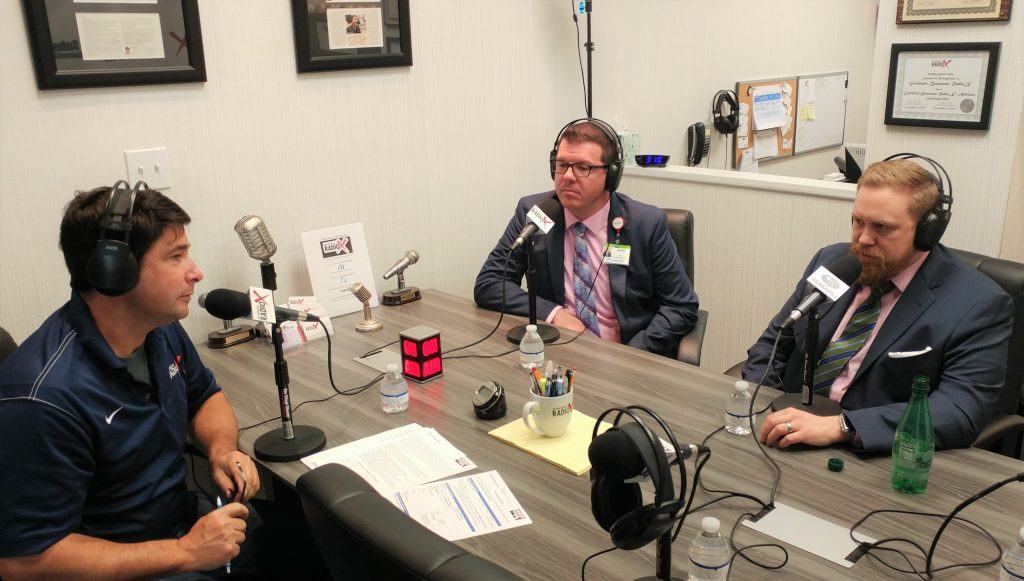
Jared Roe and Dr. Joshua Morris

Jared Roe, VP of Behavioral Health Services and Dr. Joshua Morris of Eastside Behavioral Health Associates

Eastside Medical Center provides inpatient and outpatient behavioral health services at their 61-bed Behavioral Health Facility at the Eastside South Campus hospital in Snellville. Focusing on adult and senior behavioral health care, Eastside strives to create a safe, caring environment for healing and recovery for these patients. They focus on patients’ psychological, social, emotional, medical, and spiritual needs. Eastside’s primary goal for patients in their behavioral health program is to have the highest quality of life, health, and wellness.

About Eastside Medical Center:

Eastside Medical Center has been a healthcare leader for more than 39 years, providing quality care to patients in Gwinnett and surrounding counties. Nationally recognized for patient safety, Eastside focuses on delivering quality care with exceptional outcomes by utilizing the most advanced technology and experienced physicians. Eastside is a 310-bed, multi-campus system of care offering comprehensive medical and surgical programs including cardiovascular, neurosciences, oncology, orthopedics, robotic surgery, rehabilitation, maternity with neonatal intensive care, behavioral health, bariatric, urgent care, and 24-hour emergency care at two locations. Their medical staff of 500 board-certified physicians, 1,200 employees and 400 volunteers is committed to providing the community a healthcare system of excellence.

Tagged With: Depression, eastside medical center, Eastside Medical Center Behavioral Health Facility, Healthcare, Mental Illness, Mental illness stigma, mental wellness, Mike Sammond, quality of life, wellness

To Your Health With Dr. Jim Morrow: Episode 8, Sleep Apnea, and Two Special Guests from Taylor Road Middle School

May 8, 2019 by John Ray

North Fulton Studio
North Fulton Studio
To Your Health With Dr. Jim Morrow: Episode 8, Sleep Apnea, and Two Special Guests from Taylor Road Middle School
Loading
00:00 /
RSS Feed
Share
Link
Embed

Download file

Dr. Jim Morrow, Morrow Family Medicine, and Host of “To Your Health With Dr. Jim Morrow”

Episode 8, Sleep Apnea, and Two Special Guests from Taylor Road Middle School

Sleep apnea affects not only a partner who can’t sleep for the snoring, but it reduces quality of life for the person affected by this condition. So why does sleep apnea occur, and what are the best treatment options? On this episode of “To Your Heath,” Dr. Jim Morrow addresses these questions and more, and talks about his own experience with sleep apnea.

Also in this episode, Dr. Morrow welcomes two 8th grade students from Taylor Road Middle School in Johns Creek, Cion Kim and Ananya Shaeker. To complete a project assignment for their language arts class, Cion and Ananya used a previous episode of “To Your Health” to explore the dangers of vaping for their peers. Impressed by their work, Dr. Morrow was delighted to welcome Cion and Ananya to the show!

Ananya Shaeker and Cion Kim


Dr. Morrow’s Show Notes on Sleep Apnea

Sleep Apnea

  • There are two kinds of sleep apnea: obstructive apnea and central apnea.
  • Obstructive sleep apnea is the most common type.
    • Nine out of 10 people who have sleep apnea have this type of apnea.
    • something is blocking the airway that brings air into your body (also called the trachea).
    • When you try to breathe, you can’t get enough air because of the blockage. Your airway might be blocked by your tongue, tonsils, or uvula (the little piece of flesh that hangs down in the back of your throat).
    • It might also be blocked by a large amount of fatty tissue in the throat or by relaxed throat muscles.
  • Central sleep apnea is less common. This type of sleep apnea is related to the function of the central nervous system. If you have this type of apnea, the muscles you use to breathe don’t get the “go-ahead” signal from your brain. Either the brain doesn’t send the signal, or the signal gets interrupted.

Obstructive Sleep Apnea

  • Obstructive sleep apnea is a common disorder that causes patients to temporarily stop or decrease their breathing repeatedly during sleep.
  • People who have sleep apnea stop breathing for 10 to 30 seconds at a time while they are sleeping.
    • These short stops in breathing can happen up to 400 times every night.
    • If you have sleep apnea, periods of not breathing can disturb your sleep (even if they don’t fully wake you up).
  • This results in fragmented, non-restful sleep that can lead to symptoms such as morning headache and daytime sleepiness.
  • Obstructive sleep apnea affects persons of all ages, especially:
    • Men,
    • people who are overweight, and
    • people who are older than 40 years of age are more likely to have sleep apnea.
  • However, it can affect anyone at any age.
  • There are many health conditions associated with obstructive sleep apnea, including
    • hypertension,
    • coronary artery disease,
    • cardiac arrhythmias, and
    • depression
  • Predictive clinical features are:
    • Loud snoring,
    • gasping during sleep,
    • obesity, and
    • enlarged neck circumference.
  • Screening questionnaires can be used to assess for sleep apnea, although their accuracy is limited.
  • The diagnostic standard for obstructive sleep apnea is nocturnal polysomnography in a sleep laboratory (a sleep study).
    • Home sleep apnea tests are available and in recent years have become more reliable.
    • Home portable monitoring can be used as a substitute for in-laboratory polysomnography for the diagnosis of OSA in patients with a high likelihood of SA.
    • Most patients prefer home monitoring, and clinical outcomes among patients diagnosed by either method are comparable regarding sleepiness, sleep-related quality of life, and compliance with continuous positive airway pressure (CPAP) therapy

What is the Result of Untreated Obstructive Sleep Apnea?

Relation to Hypertension

  • About one half of patients who have essential hypertension have obstructive sleep apnea, and
  • About one half of patients who have obstructive sleep apnea have essential hypertension.
  • A growing body of evidence suggests that obstructive sleep apnea is a major contributing factor in the development of essential hypertension.

Excessive Daytime Sleepiness

  • Excessive daytime sleepiness is one of the most common sleep-related patient symptoms
    • affects an estimated 20 percent of the population. Persons with excessive daytime sleepiness are at risk of motor vehicle and work-related incidents, and have poorer health than comparable adults.
    • The most common causes of excessive daytime sleepiness are sleep deprivation, obstructive sleep apnea, and sedating medications.
    • Other potential causes of excessive daytime sleepiness include certain medical and psychiatric conditions and sleep disorders, such as narcolepsy.
    • Obstructive sleep apnea is a particularly significant cause of excessive daytime sleepiness.
      • An estimated 26 to 32 percent of adults are at risk of or have obstructive sleep apnea, and the prevalence is expected to increase.
      • The evaluation and management of excessive daytime sleepiness is based on the identification and treatment of underlying conditions (particularly obstructive sleep apnea), and the appropriate use of activating medications.

Connection to Heart Disease

  • The connection between sleep apnea and heart disease is evolving very rapidly.
  • People with cardiovascular problems such as high blood pressure, heart failure, and stroke have a high prevalence of sleep apnea.
  • Whether sleep apnea actually causes heart disease is still unclear, but we do know that if you have sleep apnea today, the chance that you will develop hypertension in the future increases significantly.
  • One of the problems in defining the relationship between sleep apnea and heart disease is that people with sleep apnea often have other co-existing diseases as well.
  • If you treat people with high blood pressure and sleep apnea, or heart failure and sleep apnea, the measures of blood pressure or heart failure are significantly improved. There is good evidence to think there is a cause-and-effect relationship between hypertension and sleep apnea.
  • Why does your blood pressure go up when your sleep is disrupted by sleep apnea?
    • Your blood pressure will go up because when you’re not breathing, the oxygen level in your body falls and excites receptors that alert the brain. In response, the brain sends signals through the nervous system and essentially tells the blood vessels to “tighten up” in order to increase the flow of oxygen to the heart and the brain, because they have priority.
    • The problem is that things that go on at night tend to carry over in the daytime, even when the sleep apnea patient is awake. The low oxygen levels at night seem to trigger multiple mechanisms that persist during the daytime, even when the patient is breathing normally.
  • How can CPAP (continuous positive airway pressure) reduce the cardiovascular consequences of sleep apnea?
    • The available evidence tells us that when you treat people with sleep apnea using CPAP, their blood pressure is not only lower at night—it’s also lower during the day. That’s a very good thing.
    • Moreover, people with atrial fibrillation (a common type of irregular heart beat) with sleep apnea that is appropriately treated have only a 40% chance of coming back for further treatment of their atrial fibrillation.
      • If their sleep apnea is untreated, the chance of a recurrence of atrial fibrillation goes up to 80%. The message to heart patients with sleep apnea is: With treatment of your sleep apnea, your chances of improvement are considerably better.

Can Sleep Apnea Be Prevented or Avoided?

  • There are things you can do to prevent sleep apnea. The following steps help many people:
    • Stop all use of alcohol or sleep medicines. These relax the muscles in the back of your throat, making it harder for you to breathe.
    • If you smoke, quit smoking.
    • If you are overweight, lose weight.
    • Sleep on your side instead of on your back.

About Morrow Family Medicine and Dr. Jim Morrow

Morrow Family Medicine is an award-winning, state-of-the-art family practice with offices in Cumming and Milton, Georgia. The practice combines healthcare information technology with old-fashioned care to provide the type of care that many are in search of today. Two physicians, three physician assistants and two nurse practitioners are supported by a knowledgeable and friendly staff to make your visit to Morrow Family Medicine one that will remind you of the way healthcare should be.  At Morrow Family Medicine, we like to say we are “bringing the care back to healthcare!”  Morrow Family Medicine has been named the “Best of Forsyth” in Family Medicine in all five years of the award, is a three-time consecutive winner of the “Best of North Atlanta” by readers of Appen Media, and the 2019 winner of “Best of Life” in North Fulton County.

Dr. Jim Morrow, Morrow Family Medicine, and Host of “To Your Health With Dr. Jim Morrow”

Dr. Jim Morrow is the founder and CEO of Morrow Family Medicine. He has been a trailblazer and evangelist in the area of healthcare information technology, was named Physician IT Leader of the Year by HIMSS, a HIMSS Davies Award Winner, the Cumming-Forsyth Chamber of Commerce Steve Bloom Award Winner as Entrepreneur of the Year and he received a Phoenix Award as Community Leader of the Year from the Metro Atlanta Chamber of Commerce.  He is married to Peggie Morrow and together they founded the Forsyth BYOT Benefit, a charity in Forsyth County to support students in need of technology and devices. They have two Goldendoodles, a gaggle of grandchildren and enjoy life on and around Lake Lanier.


Facebook: https://www.facebook.com/MorrowFamMed/

LinkedIn: https://www.linkedin.com/company/7788088/admin/

Twitter: https://twitter.com/toyourhealthMD

Tagged With: continuous positive airway pressure, coronary artery disease, CPAP, Cumming doctor, Cumming family doctor, Cumming family practice, Cumming md, Cumming physician, daytime sleepiness, Depression, heart disease, hypertension, Milton doctor, Milton family doctor, Milton family medicine, Milton family practice, Milton md, Milton physician, nocturnal polysomnography, non-restful sleep, obstructive sleep apnea, obstructive sleep disorder, OSA, overweight, sleep apnea, sleep study, sleep technology, snoring, snoring treatment, Taylor Road Middle School

Dawn M. Echols with Dawning Phoenix

April 23, 2019 by Beau Henderson

North Georgia Business Radio
Dawn M. Echols with Dawning Phoenix
Loading
00:00 /
RSS Feed
Share
Link
Embed

Download file

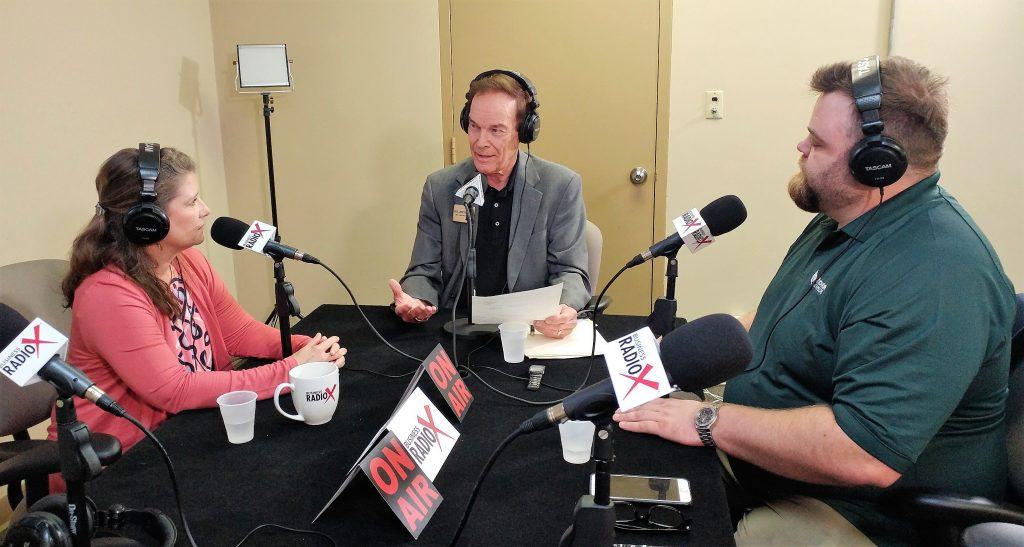
Beau Henderson, Dawn M. Echols, Dr. Bill Lampton

Dawn M. Echols/Dawning Phoenix

Dawn M. Echols is a licensed professional counselor and certified professional counselor supervisor offering clinical counseling and life coaching, as well as brief solution-oriented therapy for conflict resolution using mediation techniques. She specializes in anxiety, aggression, conflict, domestic violence, relationship issues, personal growth, spirituality, depression, and divorce recovery. Dawn sees clients for problems of living as well as a variety of disorders. Ms. Echols works extensively with couples as well as individual adults. Her therapeutic approach includes exploring goal directed behavior and social interest while developing insight through mindfulness.

Her professional background includes corporate and entrepreneurial experience in music, sales, & finance. This experience honed her people skills and led her in the direction of psychology. Dawn holds degrees in marketing, music, and clinical psychology. Her counseling work includes private practice, Employee Assistance Programs, addiction, health, and court-ordered treatment for offenders in domestic violence and anger management. Ms. Echols is credentialed in clinical supervision of emerging counselors and manages a staff of counselors at Dawning Phoenix.

Tagged With: conflict, counseling, Dawn Echols, Dawn M. Echols, Dawning Phoenix, Depression, divorce recovery, domestic violence, Dr. bill lampton, mediation techniques, north georgia business radio, personal growth, relationship issues, spirituality, therapy

To Your Health With Dr. Jim Morrow: Episode 5, Depression

March 27, 2019 by John Ray

North Fulton Studio
North Fulton Studio
To Your Health With Dr. Jim Morrow: Episode 5, Depression
Loading
00:00 /
RSS Feed
Share
Link
Embed

Download file

Dr. Jim Morrow, Host of “To Your Health With Dr. Jim Morrow”

Dr. Morrow’s Show Notes on Depression

  • Today’s topic is one I discuss with at least one patient every single day I work – and that’s DEPRESSION.
  • People in general have their own idea of what constitutes depression. And in many cases, it is correct but only in a very narrow definition of the condition. So, I guess, first, I need to define depression, in the clinical sense.
  • Depression can be present if you are overly or unnecessarily sad – but most people who I see who are depressed are mad, and not sad. Additionally, the depressed patient might be tired, uninterested in usual hobbies or pleasure seeking activities, whether that is being with friends or others, or having sex, or engaging in any way with their surroundings.
  • Most people don’t come to my office with a complaint of depression. They are much more likely to complain of increased irritability, making mountains out of mole hills, trouble focusing, not being engaged or interested in their usual hobbies and things they used to enjoy.
  • Some are sent in by their spouse because of irritability. I tell patients, “if you think to yourself many times, ‘Why did I react like that?’, then you are likely depressed.
  • So, there are many different forms that this can take – if you feel like this could be part of how you feel, please see a doctor. Have this conversation with him or her.

So, why are people depressed?

  • Depression occurs when the levels of certain neurochemicals in your brain get too low. The main chemicals involved are serotonin, norepinephrine and dopamine – but the names of these chemicals are really unimportant. What matters is that you have to get these levels back to normal in order to feel like yourself again.
  • But what makes these chemical levels fall in the first place.
  • Some people are just born with an innate inability to maintain adequate levels of these chemicals and in most cases these individuals have felt some amount of depression from very early in life.
  • When it occurs any time later in life, the cause in most cases is CHANGE. Change in life or work or living situation, whatever it might be, it is usually CHANGE.
  • Holmes stress scale.
    • Ranked life events – ranked them according to the effect each could have on your mood. Marriage, divorce, death of a spouse, getting a new job, getting fired. Good things were found to have a slightly greater effect on mood than bad things.
  • So, depression is a physical illness that has both physical and psychological symptoms. It is as much a physical illness as any other condition we see.
  • When your serotonin level is low you can feel all these symptoms that I have talked about. If you do, you might think to yourself, ‘I really should not have these feelings. I should be able to feel better,’ and then if you can’t do that you could feel even more depressed.
  • If, instead of serotonin and other neurochemicals, your insulin level was low, you’d be diabetic. If it was iron you’d be anemic; thyroid, you’d be hypothyroid; estrogen, you’re in menopause.
  • If your insulin level was low and you were diabetic, you would never, EVER, think to yourself, ‘You know, I’m just not gonna be diabetic today.’ That would never occur to you. But with depression, patients frequently think that they should be able to pull themselves up by their own bootstraps, and this just does not happen.
  • Realizing this goes a long way toward getting better because the longer you delay treatment, the likelihood is that you will just get worse and worse.

So, how is depression treated?

  • These chemicals we are talking about are only located in the brain. So the first issue is that you can’t measure these levels like you can insulin and others. There is this blood-brain barrier that does not allow the chemicals to get into the blood stream. Because of this, we can’t measure serotonin and other levels and we can’t give you serotonin by mouth because they also do not cross over to the brain.
  • So, how do we make you better?
  • In 1987, the treatment of depression changed forever. The introduction of Prozac made as big a difference in the treatment of any condition I can remember.
  • Prior to this, we have several medications that were antidepressants, but truthfully, they were not very good at treating the problem and they were absolutely fraught with side effects.
  • With Prozac (and then the other serotonin medicines like Zoloft, Paxil, Celexa and Lexapro), we had very effective medicines with very reasonable side effects.
  • The way these medicines work is to change how your brain metabolizes these chemicals – in this case serotonin specifically. Your brains, under periods of stress, takes up more serotonin than it should from the soup that is the brain, and these medicines block that reuptake of serotonin, so they are called Serotonin Specific Reuptake Inhibitors (SSRIs).
  • When you start these medicines, you could have some side effects, but for many people, the longer you take them the less the side effect bothers you.
  • The side effects of these medicines vary, can be fatigue or restlessness, nausea, headache, even delayed orgasm. But in most cases side effects are mild and can be managed by adjusting the dose of the medicine or changing to another.
  • Improvement does not happen overnight. It takes time for the medicine to get into your blood in a sufficient level to then get into the brain.
  • Meds are not mood altering
    • Not addicting
    • Don’t drug test for them in the workplace
    • Safer than Tylenol
  • There just is no reason NOT to take these meds if you have this condition. They can make a tremendous difference in how you feel and how you react and interact with others around you. Basically, they can give you your life back.
  • Along with medication, other treatment modalities also can help. Therapy – psychotherapy – can help with depression and can especially help people deal with issues in their lives that are ongoing. One of the frustrating things for patients is to recognize the problem and get treatment, only to fall right back to the same feelings when you get off of medicine because you have not learned how to manage the stress and change in your life.
  • So, please, if this sounds like it could be affecting you, go see your healthcare provider. See them sooner rather than later.

About Morrow Family Medicine and Dr. Jim Morrow

Morrow Family Medicine is an award-winning, state-of-the-art family practice with offices in Cumming and Milton, Georgia. The practice combines healthcare information technology with old-fashioned care to provide the type of care that many are in search of today. Two physicians, three physician assistants and two nurse practitioners are supported by a knowledgeable and friendly staff to make your visit to Morrow Family Medicine one that will remind you of the way healthcare should be.  At Morrow Family Medicine, we like to say we are “bringing the care back to healthcare!”  Morrow Family Medicine has been named the “Best of Forsyth” in Family Medicine in all five years of the award, is a three-time consecutive winner of the “Best of North Atlanta” by readers of Appen Media, and the 2019 winner of “Best of Life” in North Fulton County.

Dr. Jim Morrow, Morrow Family Medicine

Dr. Jim Morrow is the founder and CEO of Morrow Family Medicine. He has been a trailblazer and evangelist in the area of healthcare information technology, was named Physician IT Leader of the Year by HIMSS, a HIMSS Davies Award Winner, the Cumming-Forsyth Chamber of Commerce Steve Bloom Award Winner as Entrepreneur of the Year and he received a Phoenix Award as Community Leader of the Year from the Metro Atlanta Chamber of Commerce.  He is married to Peggie Morrow and together they founded the Forsyth BYOT Benefit, a charity in Forsyth County to support students in need of technology and devices. They have two Goldendoodles, a gaggle of grandchildren and enjoy life on and around Lake Lanier.

Facebook: https://www.facebook.com/MorrowFamMed/

LinkedIn: https://www.linkedin.com/company/7788088/admin/

Twitter: https://twitter.com/toyourhealthMD

Tagged With: coping with change, coping with stress, Cumming doctor, Cumming family medicine, Cumming family practice, Cumming md, dealing with change, Depression, diabetes, diabetic, dopamine, Dr. Jim Morrow, Holmes stress scale, irritability, Lexapro, life changes, memory loss, Milton doctor, Milton family medicine, Milton family practice, Milton md, Morrow Family Medicine, neuro chemicals, neurochemcials, norepinephrine, Paxil, physical symptoms, Prozac, psychological symptoms, psychotherapy, sadness, serotonin, Serotonin Specific Reuptake Inhibitors, SSRIs, stress, therapy, Tylenol

SkyTherapist

May 14, 2015 by angishields

Health Connect South
SkyTherapist
Loading
00:00 / 01:00:39
RSS Feed
Share
Link
Embed

Download fileDuration: 01:00:39

SkyTherapist

SkyTherapist

This week we sat down with the co-founders of SkyTherapist.  Sky Therapist, Inc is a virtual platform for mental health support addressing the major complaints of patients in their course of treatment. They offer integrative solutions for intelligent patient-therapist matching, quick initial assessment, and continuity of care.

CEO, Afshan Ali, and CFO, Keith Jones, shared their story about how they decided there must be a better way to provide patients in need with access to a mental health professional such as a psychologist or psychiatrist.

Keith talked about how as a teenager, he was present when his father died, causing him to experience great anxiety and emotional pain.  He was hospitalized for a few weeks but felt he did not receive very effective mental health care while he was there.

Afshan discussed how she developed an interest in neurology and mental health during her years in medical school before changing career paths.  The two of them looked at the landscape of how mental health is delivered and felt there was an opportunity to create a new platform that could help people in need find the therapist best suited for them.

As they got to work on building their virtual platform that incorporates telemedicine technology, they felt that a key element that would set them apart was going to be a matching algorithm, paired with carefully-chosen intake questions for the patient-to-be.  The purpose of this design is intended to make the process of linking up with a professional that is experientially suited and a fit personality-wise.

We talked about the fact that for persons in crisis, the process of trying to find that personal fit that allows them to be able to be open and get the most of their therapy can be overwhelming.  Having to go through talking about what the reason is for seeking help over and over to professional after professional, trying to find a fit can often cause patients in need to give up on finding help.

SkyTherapist is able to quickly provide several professionals for the patient to talk to who are much more likely to be a good fit for the patient.  The platform also provides for some communication through correspondence with their provider between sessions.  It also has a component that allows provider and patient to agree upon self-care activities such as exercise or others and actually track their compliance.

The company will be focusing much of its early launch (July 2015) on providing services to businesses with Employee Assistance Programs.  This will give them ability to scale more quickly while providing their client companies with much more effective and cost-efficient care to employees who need access to a mental health pro.

When you have the chance to hear how/why these experts built this healthcare platform it’s clear they are dedicated to insuring patients in need of professional mental health care, SkyTherapist is clearly providing a promising solution.

Special Guests:

Afshan Ali, CEO/Co-founder of SkyTherapist  linkedin_small1  Pinterest LOGO  facebook_logo_small3  twitter_logo_small  youtube-logo1

SkyTherapist

  • BBA, Management Information Services, Southern Methodist University Cox School of Business
  • Former Senior Consultant, Deloitt Consulting
  • Active Healthcare Consultant
  • Speaks English, Hindi, Urdu

Keith Jones, CFO/Co-founder of SkyTherapist  linkedin_small1

Keith

  • Managing Partner, HarCap Commercial Funding
  • Former Owner, Eclipse Investment Group
  • Multiple Successful Entrepreneurial Ventures

This show brought to you by:

sharewik logo Crop

Tagged With: CW Hall, Depression, Diana Keough, Health Care Radio, Health Connect South, Health Connect South Radio, health radio, Healthcare, healthcare radio, healthcare technology, Keith Jones, mental health, psychiatrist, psychiatry, psychologist, psychology, ptsd, ShareWIK Media Group, Suicide, telemedicine, virtual therapy

ADHD

May 1, 2015 by angishields

Health Connect South
ADHD
Loading
00:00 /
RSS Feed
Share
Link
Embed

Download file

hcs 15

ADHD

This week I was pleased to sit down with ADHD expert, Elaine Taylor-Klaus of ImpactADHD.com.  As a parent of three children who each have experienced some measure of ADHD in their lives, and as a patient who subsequently discovered that she, too, was an ADHD patient.

CDC.gov lists these statistics about ADHD:

  • Approximately 11% of children 4-17 years of age (6.4 million) have been diagnosed with ADHD as of 2011.
  • The percentage of children with an ADHD diagnosis continues to increase, from 7.8% in 2003 to 9.5% in 2007 and to 11.0% in 2011.
  • Rates of ADHD diagnosis increased an average of 3% per year from 1997 to 2006 [Read article] and an average of approximately 5% per year from 2003 to 2011.
  • Boys (13.2%) were more likely than girls (5.6%) to have ever been diagnosed with ADHD.
  • The average age of ADHD diagnosis was 7 years of age, but children reported by their parents as having more severe ADHD were diagnosed earlier.

With just over 1 in 10 children experiencing ADHD or one of its sub-types, it’s a significant disruptor of quality of life for many, many people.  We talked about how frustrating it can be for parents of hyper-active ADHD children and how she, herself, learned first-hand how challenging it can be to keep calm and avoid yelling to reign in their high energy kid(s).

Given her experiences in her own home, Elaine and a business partner, Diane Dempster, decided to start ImpactADHD.com.  The website serves as a resource for parents struggling to find answers for questions on how to better handle the stresses that comes with ADHD children.

The site provides recommendations for identifying suitable physicians and other professionals who can help with diagnosis and treatment.  Additionally, the organization provides a coaching approach to help parents learn other ways to communicate and how to deal with stress, among others.

ImpactADHD.com describes what they do this way, “ImpactADHD.com helps parents help their kids with ADHD and ADD, anywhere, anytime. ImpactADHD uses a combination of training, coaching and support resources, online and on the phone, to provide the “how to” that parents really need, whether they are new to the world of complex kids, or worn-out from years of management. By helping parents put strategies into action, and teaching them to make those strategies work best for their families, we guide parents to radically improve family life and empower their kids for independence and success.”

Special Guest:

Elaine Taylor-Klaus, CEO/Certified Coach, ImpactADHD  facebook_logo_small3  twitter_logo_small  Pinterest LOGO  google-plus-logo-red-265px  feed-logo  linkedin_small1

ImpactADHD

  • Certified Professional Co-Active Coach, The Coaches Training Institute
  • Professional Certified Coach, International Coach Federation
  • BA, College of Social Studies & Sociology, Wesleyan College
  • Parent of 3 children who have experienced ADHD, along with herself, who was diagnosed as an adult
  • Member, National Board of Directors, Children and Adults with Attention-Deficit/Hyperactivity Disorder.  CHADD.org

sharewik logo Crop

Tagged With: CW Hall, David Klaus, Depression, Diana Keough, Elaine Taylor-Klaus, Health Care Radio, health radio, Health Talk radio, Healthcare, healthcare radio, hyperactive child, ImpactADHD, learning disabilities, mental health, neurology, ShareWIK Media Group, stress, Top Docs, Top Docs Radio

Eating Disorders

April 15, 2015 by angishields

Health Connect South
Eating Disorders
Loading
00:00 /
RSS Feed
Share
Link
Embed

Download file

eating disorders information network

Eating Disorders

This week we focused on eating disorders.  I sat down with experts from Eating Disorders Information Network, a non-profit organization aimed at outreach to increase awareness/prevention among students in grade school to high school, and helping people identify resources for treatment.  According to the National Anorexia Nervosa Association, eating disorders are a serious problem, with as many as 24 million Americans suffering with some form of disorder from anorexia, to bulemia, to binge/purge, and more.

The problem affects both men and women, children and adults, across all demographics.  And according to Dr. Dina Zeckhausen, founder of EDIN, eating disorders are more deadly than other mental illness.  When you consider dysfunctional eating habits such as overly-restrictive dieting, comfort eating, and others, as many as 80-90% of us are impacted at some time by potentially-problematic attitudes about food.

EDIN is working to engage young people beginning in grade school through high school to promote self-acceptance and to share information about the dangers of risky behaviors such as “clubs” that foster unhealthy choices such as eating crackers and water only for lunch with a group of peers.  Their website describes their mission in this way, “The Eating Disorders Information Network (EDIN) is a nonprofit organization dedicated to the prevention of eating disorders through education, outreach, and action.  EDIN is committed to addressing the problem of eating disorders on a societal level.  We are devoted to: 

  • Preventing eating disorders
  • Increasing public awareness of the personal, familial, and cultural/media influences which contribute to eating disorders
  • Helping those already suffering to find the therapeutic services they need

The organization strives to serve as a comprehensive resource and educational guide for those wanting to learn more about eating disorders, those seeking help, and those gathering and distributing information about available treatment options both in the Atlanta area and nationwide.”

Special Guests:

Dina Zeckhausen, PhD, Founder of Eating Disorders Information Network  twitter_logo_small  linkedin_small1  youtube-logo1  google-plus-logo-red-265px  Pinterest LOGO

Eating Disorders Information Network

  • PhD, Clinical-Community Psychology, University of South Carolina
  • Active private practice psychologist
  • Well-known public speaker on the topic of eating disorders
  • Published author and playwrite

Hallie Udelson, Eating Disorders Information Network

hallie

  • BA, Psychology, Emory University
  • 2016 Candidate, Master of Public Health, Emory University
  • Developing curriculum for school outreach initiatives for EDIN

Sara Pannell, Incoming Director, Eating Disorders Information Network

Trillium Springs Counseling

  • Licensed Family and Marriage Counselor, Trillium Springs Counseling
  • MS, Family & Marriage Counseling, Fuller Theological Seminary
  • Previous Bi-lingual Clinician I, San Fernando Valley Community Mental Health Center

Tagged With: CW Hall, Depression, Diana Keough, dieting, Dina Zeckhausen, eating disorders, eating disorders information network, Hallie Udelson, Health Care Radio, Health Connect South, Health Connect South Radio, health radio, Healthcare, healthcare radio, national anorexia nervosa association, overweight, peer pressure, russ lipari, Sarah Pannell, ShareWIK Media Group, sharewik.org, Weight Loss

Sharon Ash, Northlake Gardens provides advice for fighting senior depression over the Holidays

November 21, 2012 by angishields

Eugeria
Eugeria
Sharon Ash, Northlake Gardens provides advice for fighting senior depression over the Holidays
Loading
00:00 /
RSS Feed
Share
Link
Embed

Download file

Born and raised in Akron, Ohio, Sharon Ash began her career working in the family business.  She tells us that her grandfather opened a restaurant nearly 70 years ago, and that only family had ever worked there!  She also noted that once you were tall enough to see over the counter, you were old enough to work!

Sharon followed her husband to Atlanta 18 years ago.  After missing the closeness of her family relationships for a number of years, Sharon found a surrogate family in the senior community when she took her first position at an assisted living community as an Activities Director.  Now, ten years later, she still feels like the senior community provides her with a surrogate family!  Through the Gwinnett Senior Provider Network, Sharon met April Watson, the Executive Director at Eastside Gardens.  As a result of that relationship, Sharon was able to get a position at Northlake Gardens, a sister community, as a Retirement Counselor.

Northlake Gardens in an assisted living community in Tucker with 66 suites, 14 of which are part of their memory care community.  Sharon tells us that the Northlake Gardens difference is their “whole home” approach and their personal interactions with their residents and families.  For more information about Northlake Gardens, call Sharon at (770) 934-0034, or stop in for a tour at 1300 Montreal Rd in Tucker!

We want to thank Griswold Home Care for sponsoring today’s show.  Griswold Home Care has been a preferred provider of high quality, affordable in-home senior care in Atlanta for 20 years.

Tagged With: custodial care, Depression, non-medical home care, senior care

Do Allergies Cause Depression?

April 21, 2011 by angishields

Dr. Fitness & the Fat Guy
Do Allergies Cause Depression?
Loading
00:00 /
RSS Feed
Share
Link
Embed

Download file

I don’t think allergies cause depression but their is probably a connection between people who suffer from seasonal allergies and people who suffer from depression. There seems to be a spike in suicides that occur in the spring that got researchers thinking about this correlation. And it seems women suffer more than men. So be on the look out for these symptoms: mood swings and sleeplessness.

Tagged With: Depression, Wellness Minute

  • « Previous Page
  • 1
  • 2
  • 3
  • Next Page »

Business RadioX ® Network


Our Most Recent Episode

CONNECT WITH US

  • Email
  • Facebook
  • LinkedIn
  • Twitter
  • YouTube

Our Mission

We help local business leaders get the word out about the important work they’re doing to serve their market, their community, and their profession.

We support and celebrate business by sharing positive business stories that traditional media ignores. Some media leans left. Some media leans right. We lean business.

Sponsor a Show

Build Relationships and Grow Your Business. Click here for more details.

Partner With Us

Discover More Here

Terms and Conditions
Privacy Policy

Connect with us

Want to keep up with the latest in pro-business news across the network? Follow us on social media for the latest stories!
  • Email
  • Facebook
  • Google+
  • LinkedIn
  • Twitter
  • YouTube

Business RadioX® Headquarters
1000 Abernathy Rd. NE
Building 400, Suite L-10
Sandy Springs, GA 30328

© 2025 Business RadioX ® · Rainmaker Platform

BRXStudioCoversLA

Wait! Don’t Miss an Episode of LA Business Radio

BRXStudioCoversDENVER

Wait! Don’t Miss an Episode of Denver Business Radio

BRXStudioCoversPENSACOLA

Wait! Don’t Miss an Episode of Pensacola Business Radio

BRXStudioCoversBIRMINGHAM

Wait! Don’t Miss an Episode of Birmingham Business Radio

BRXStudioCoversTALLAHASSEE

Wait! Don’t Miss an Episode of Tallahassee Business Radio

BRXStudioCoversRALEIGH

Wait! Don’t Miss an Episode of Raleigh Business Radio

BRXStudioCoversRICHMONDNoWhite

Wait! Don’t Miss an Episode of Richmond Business Radio

BRXStudioCoversNASHVILLENoWhite

Wait! Don’t Miss an Episode of Nashville Business Radio

BRXStudioCoversDETROIT

Wait! Don’t Miss an Episode of Detroit Business Radio

BRXStudioCoversSTLOUIS

Wait! Don’t Miss an Episode of St. Louis Business Radio

BRXStudioCoversCOLUMBUS-small

Wait! Don’t Miss an Episode of Columbus Business Radio

Coachthecoach-08-08

Wait! Don’t Miss an Episode of Coach the Coach

BRXStudioCoversBAYAREA

Wait! Don’t Miss an Episode of Bay Area Business Radio

BRXStudioCoversCHICAGO

Wait! Don’t Miss an Episode of Chicago Business Radio

Wait! Don’t Miss an Episode of Atlanta Business Radio