
Business RadioX ®

  • Home
  • Business RadioX ® Communities
    • Southeast
      • Alabama
        • Birmingham
      • Florida
        • Orlando
        • Pensacola
        • South Florida
        • Tampa
        • Tallahassee
      • Georgia
        • Atlanta
        • Cherokee
        • Forsyth
        • Greater Perimeter
        • Gwinnett
        • North Fulton
        • North Georgia
        • Northeast Georgia
        • Rome
        • Savannah
      • Louisiana
        • New Orleans
      • North Carolina
        • Charlotte
        • Raleigh
      • Tennessee
        • Chattanooga
        • Nashville
      • Virginia
        • Richmond
    • South Central
      • Arkansas
        • Northwest Arkansas
    • Midwest
      • Illinois
        • Chicago
      • Michigan
        • Detroit
      • Minnesota
        • Minneapolis St. Paul
      • Missouri
        • St. Louis
      • Ohio
        • Cleveland
        • Columbus
        • Dayton
    • Southwest
      • Arizona
        • Phoenix
        • Tucson
        • Valley
      • Texas
        • Austin
        • Dallas
        • Houston
    • West
      • California
        • Bay Area
        • LA
        • Pasadena
      • Colorado
        • Denver
      • Hawaii
        • Oahu
  • FAQs
  • About Us
    • Our Mission
    • Our Audience
    • Why It Works
    • What People Are Saying
    • BRX in the News
  • Resources
    • BRX Pro Tips
    • B2B Marketing: The 4Rs
    • High Velocity Selling Habits
    • Why Most B2B Media Strategies Fail
    • 9 Reasons To Sponsor A Business RadioX ® Show
  • Partner With Us
  • Veteran Business RadioX ®

What It’s Like Being an Inclusive and Diversity Leader E1

December 9, 2021 by Karen

Phoenix Business Radio
What It's Like Being an Inclusive and Diversity Leader E1
Loading
00:00 /
RSS Feed
Share
Link
Embed

Download file

What-its-Like-Being-an-Inclusive-and-Diversity-Leader-E1

What It’s Like Being an Inclusive and Diversity Leader E1

In this first episode of Under the Rug, Mary invites her mother, Andrea Seitz, to speak about her job and experiences as a Diversity, Equity and Inclusion Leader at Amazon, AWS. They have a discussion about why diversity, equity and inclusion is so important and why it should be taught in a workplace environment. They also discuss best practices for business leaders to make their workplace a more diverse and comfortable place.

Along with business related questions, they talk about personal experiences that Andrea has had in this line of work; the most rewarding part of her job, and hardships she has had to overcome to be the person she is today. These are the topics Mary thinks are essential to have to make the world a better place, and she hopes you feel the same way too.

For over 15 years, Amazon Web Services has been the world’s most comprehensive and broadly adopted cloud offering. Millions of customers—including the fastest-growing startups, largest enterprises, and leading government agencies—trust AWS to power their infrastructure, become more agile, and lower costs. To learn more about AWS, visit aws.amazon.com.

Andrea-Seitz-Phoenix-Business-RadioXAndrea Seitz is a Diversity, Equity and Inclusion (DEI) practitioner leading DEI strategies for Amazon Web Services (AWS). Prior to AWS, Andrea worked as an Employee Relations Manager with a focus on ADA accommodations, Equal Employment Opportunity (EEO) investigations, and Affirmative Action Plans.

Andrea’s background is in Communication and Conflict Management, receiving her BA in Communication from Arizona State University, and a Masters in Conflict Management from Columbia College of South Carolina. Andrea was trained as a mediator through the Arizona Attorney General’s Office, Conflict Resolution Section, and has incorporated mediation, communication and conflict management strategies into every aspect of her career.

Andrea centers her work around being an on-ramp to DEI for people who want to step into the work of allyship, and being an advocate for equity and inclusion, and amplifying the voices of marginalized and underrepresented communities.

Andrea resides in Tempe, Arizona after spending 22 years in the Seattle area.

Connect with Andrea on LinkedIn.

About Under the Rug; The Things That Influence Our Workplace that Often Go Unspoken

Mary-Under-the-RugThis world has a lot to improve when it comes to Diversity, Equity, Inclusion, Education and Communication, and your host Mary Seitz wants to keep making a difference. Each Wednesday, join Mary on Under the Rug; The Things That Influence Our Workplace that Often Go Unspoken.

As a high school student at Corona del Sol High School and a part of the Career Ready Tempe program, she experiences professional working environments and ways to explore careers that interest her. This podcast is directed towards the people who want to make a difference within these problems, and believes these discussions are an important way to make a change.

Career Ready Tempe aims to help prepare and develop Tempe youth to participate in the future workforce by connecting them to college and career readiness support and partnering with Tempe businesses to provide youth with paid internship opportunities in fields that are in-demand.

Career Ready Tempe is a collaboration between the City of Tempe Human Services Department, Economic Development Department and the Tempe Chamber Foundation. The program is funded by City of Tempe Innovation Funds and the U.S. Chamber of Commerce Foundation’s Career Readiness Lab Grant. The program has been strategically designed to align with industry needs and the initiatives of Achieve65Tempe, the City’s goal of 65 percent of Tempe’s adult population accessing post-secondary education, resulting in a certification to an advanced degree by 2030.

Career Ready Tempe serves income-eligible Tempe youth who are in their junior or senior year of high school.
Tagged With: Amazon Web Services, AWS Amazon, diversity and inclusion

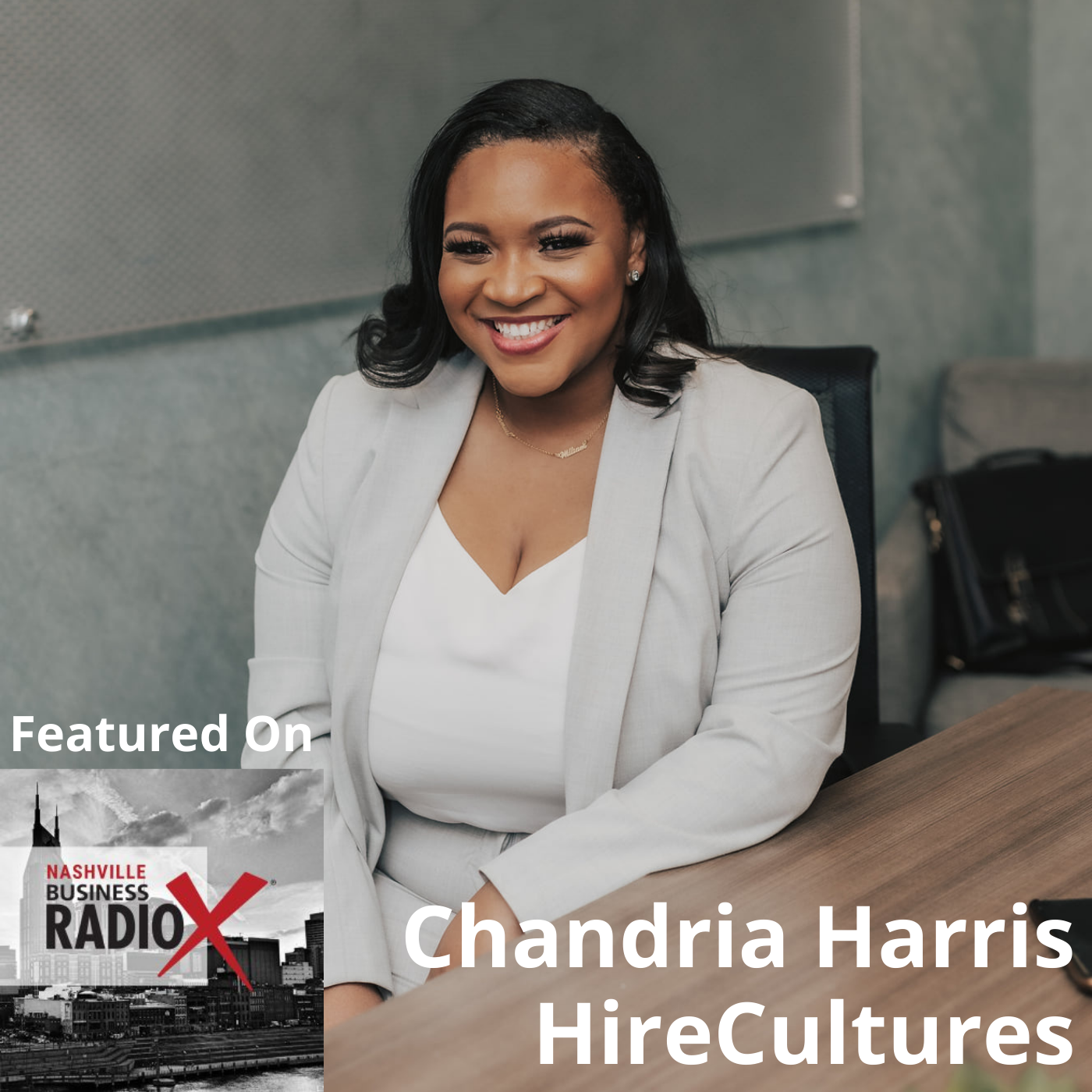
Chandria Harris, HireCultures

August 17, 2021 by John Ray

HireCultures
Nashville Business Radio
Chandria Harris, HireCultures
Loading
00:00 /
RSS Feed
Share
Link
Embed

Download file

HireCultures

Chandria Harris, HireCultures (Nashville Business Radio, Episode 28)

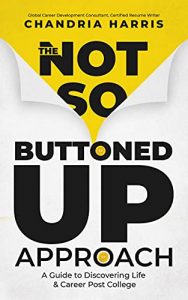
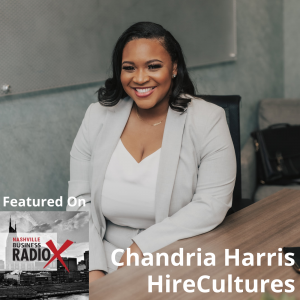
Being a first-generation college graduate, Chandria Harris worked her way through school and learned her lessons the hard way. She turned her experience into her new book, The Not So Buttoned-Up Approach. Chandria joined host John Ray to discuss her journey, her book, and how her work at HireCultures has evolved into executive coaching for CEOs and corporate leaders who want to successfully hire and lead a more diverse team. Nashville Business Radio is produced virtually from the Nashville studio of Business RadioX®.

HireCultures

HireCultures is a professional development firm that provides exceptional recommendations and best practices to recruit, retain and develop employees.

They assist manufacturing companies by providing consulting, inclusion training, recruiting, and more. People want to belong at work. Leaders want to keep employees. HireCultures makes both possible.

Since 2016, HireCultures has developed 15,000 students, staffed over 150 companies, and coached over 50 executives.

Company website | LinkedIn

Chandria Harris, CEO/Principal Consultant, HireCultures

HireCultures
Chandria Harris, CEO/Principal, HIreCultures

Chandria Harris is a Global Career Development Consultant and Certified Career Services Provider who has served in human resources at Fortune 500 companies and in higher education.

Chandria has proven experience in leading people strategy, organizational design and diversity initiatives that drive impactful results. Admired for developing professionals of color and coaching mid-level managers to executive status, Chandria is a trusted Career and Human Resource professional with an exceptional history of success facilitating leadership training in higher education and health care organizations.

Prior to launching her consulting firm, Chandria served as a Program Manager for Executive Leadership within a fortune 500 company in which she oversaw executive training for Chief Executive Officers and Chief Operation Officers. She facilitated an international training event with CEOS attending from the UK and 20 US states. She also served as a Performance Coach for recent graduates entering the workforce and was recognized for helping over 300 students land business professional internships.

Chandria has a Masters’s degree from The University of West Alabama, a Bachelors Degree in Social Science from Mississippi University from Women, and an Associates Degree from Meridian Community College. She holds certifications: Global Career Development, Career Services Provider, and Certified Professional Resume Writer.

Chandra has also just published her new book, The Not So Buttoned-Up Approach.

LinkedIn | Instagram

Questions and Topics in This Interview

  • Chandria’s new book for recent graduates  The Not So Buttoned-Up Approach
  • HireCultures and how we support companies with recruiting and retaining professionals of color
  • Chandria transition from career development to executive coaching
  • How organizations can embrace the gig economy to attract young professionals

Nashville Business Radio is hosted by John Ray and produced virtually from the Nashville studio of Business RadioX®.  You can find the full archive of shows by following this link. The show is available on all the major podcast apps, including Apple Podcasts, Spotify, Google, Amazon, iHeart Radio, Stitcher, TuneIn, and others.

Tagged With: Chandria Harris, diversity and inclusion, executive coaching, HireCultures, inclusion coaching, The Not So Buttoned-Up Approach

Karen Williams, MinTech Agency

July 27, 2021 by John Ray

MinTech Agency
Nashville Business Radio
Karen Williams, MinTech Agency
Loading
00:00 /
RSS Feed
Share
Link
Embed

Download file

MinTech Agency

Karen Williams, MinTech Agency (Nashville Business Radio, Episode 26)

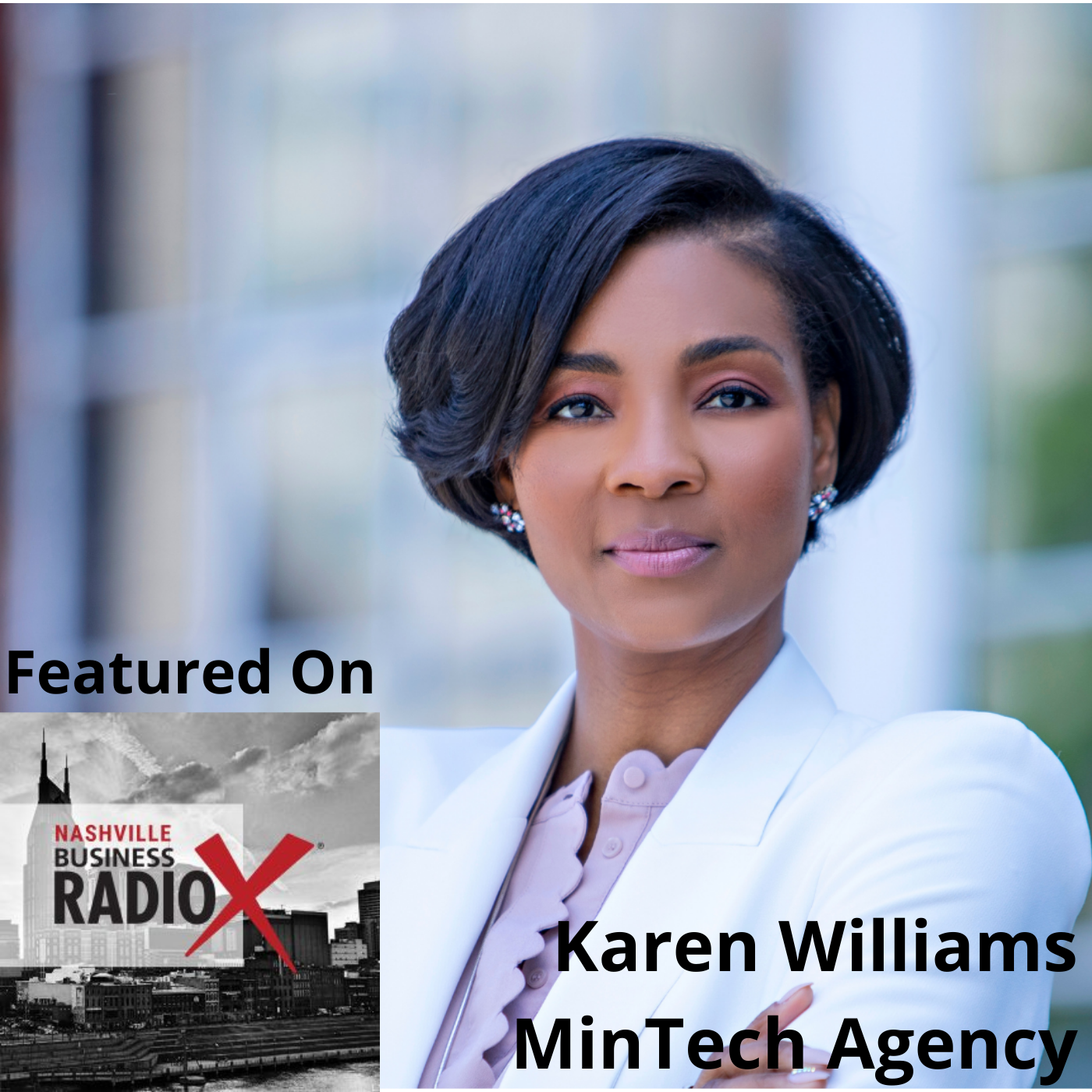
Karen Williams founded MinTech Agency to connect diverse tech talent to companies. She and host John Ray discussed why she founded MinTech, her perspective on attracting and retaining diverse talent, the benefit of sponsors vs. mentors, and new initiatives at MinTech. Nashville Business Radio is produced virtually from the Nashville studio of Business RadioX®.

MinTech Agency

MinTech’s mission is to identify and place traditional and nontraditional tech talent in internships, entry-level and experienced roles.

They believe the more diverse talent an organization hires, engages, and develops the more it will attract, promote and retain. MinTech Agency is assisting organizations with diversifying their tech talent. They make it easier to identify and hire qualified diverse tech talent for current and future roles, company culture, and growth.

They take pride in assisting Black & Latinx tech talent in cultivating thriving careers in tech by partnering with companies who are actively working to create a diverse & inclusive workplace.

MinTech Agency is passionate about the candidates they work with and their experience. MinTech understands the impact a career in tech can have on an individual, their family, and their community. So their purpose is to help their candidates not only land a role but to join an organization where they can thrive and grow professionally.

Company website | LinkedIn | Facebook | Twitter | Instagram


Karen Williams, Founder and CEO, MinTech Agency

MinTech Agency
Karen Williams, Founder and CEO, MinTech Agency

Karen Williams is a speaker, entrepreneur, founder, and CEO of MinTech Agency, a diversity tech recruitment company that is passionate about increasing the number of Black and Latinx tech professionals leading in the technology industry.

Karen realized the inconsistencies of how major organizations were handling the tech talent pipeline issue when it came to hiring minorities and knew she could be part of the solution. Ultimately starting MinTech Agency, where she connects diverse tech talent to companies where they can thrive and grow professionally.

Karen studied Business Administration and Human Resource Management at Strayer University. She serves as a member of WITT (Women in Technology of Tennessee) Scholarship Committee and the Nashville Technology Council Diversity Committee.

LinkedIn

Questions and Topics in This Interview

  • Retaining diverse talent
  • Hiring diverse talent
  • Working MinTech
  • The shortage of talent and what to do about it

Nashville Business Radio is hosted by John Ray and produced virtually from the Nashville studio of Business RadioX®.  You can find the full archive of shows by following this link. The show is available on all the major podcast apps, including Apple Podcasts, Spotify, Google, Amazon, iHeart Radio, Stitcher, TuneIn, and others.

Tagged With: diversity and inclusion, diversity hiring, diversity in tech, Karen Williams, MinTech Agency, Nashville Business Radio, retaining talent

Bonus Mentorship Panel E6

February 11, 2021 by Karen

Bonus-Mentorship-Panel-feature
Phoenix Business Radio
Bonus Mentorship Panel E6
Loading
00:00 /
RSS Feed
Share
Link
Embed

Download file

Bonus-Mentorship-Panel-E6

Bonus Mentorship Panel E6

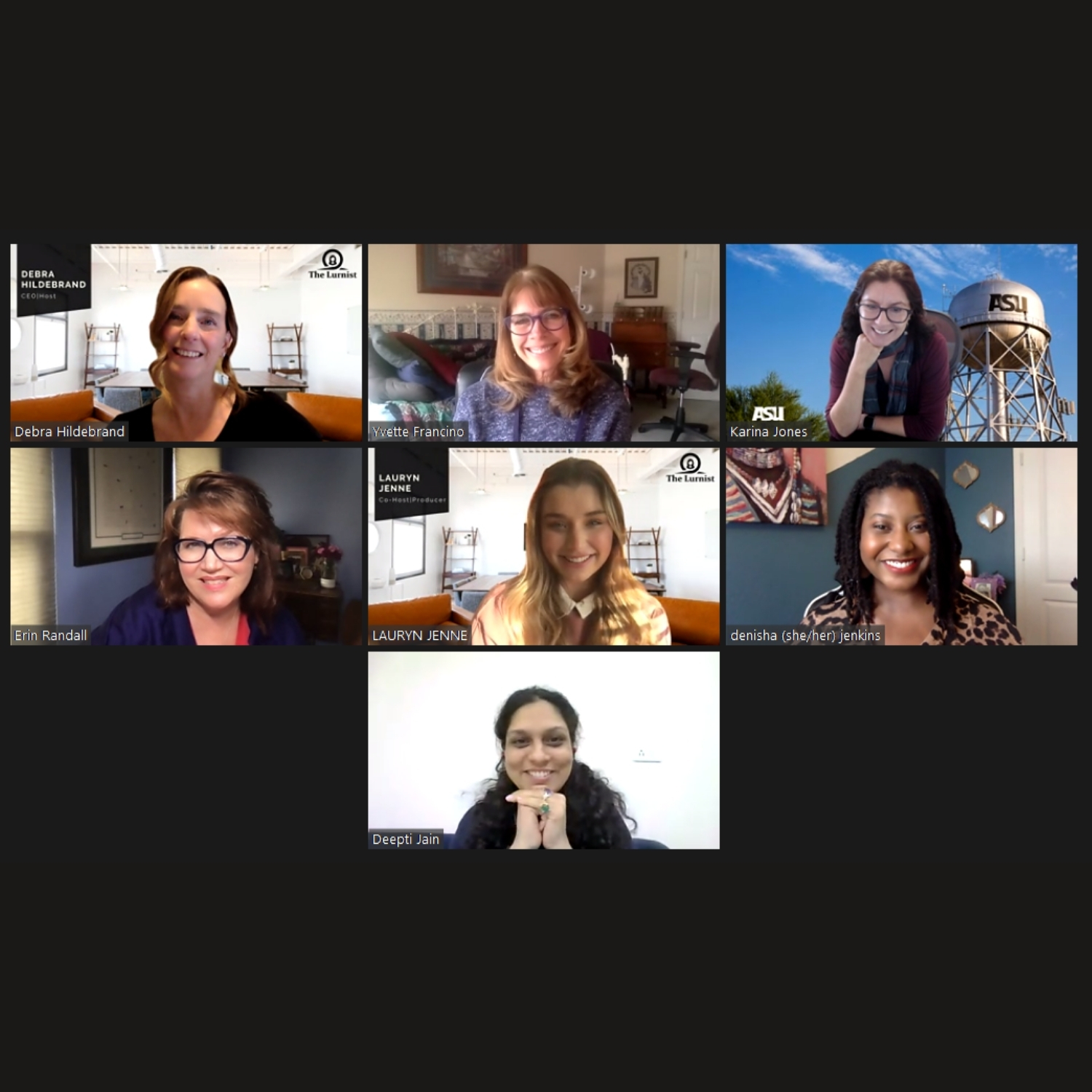
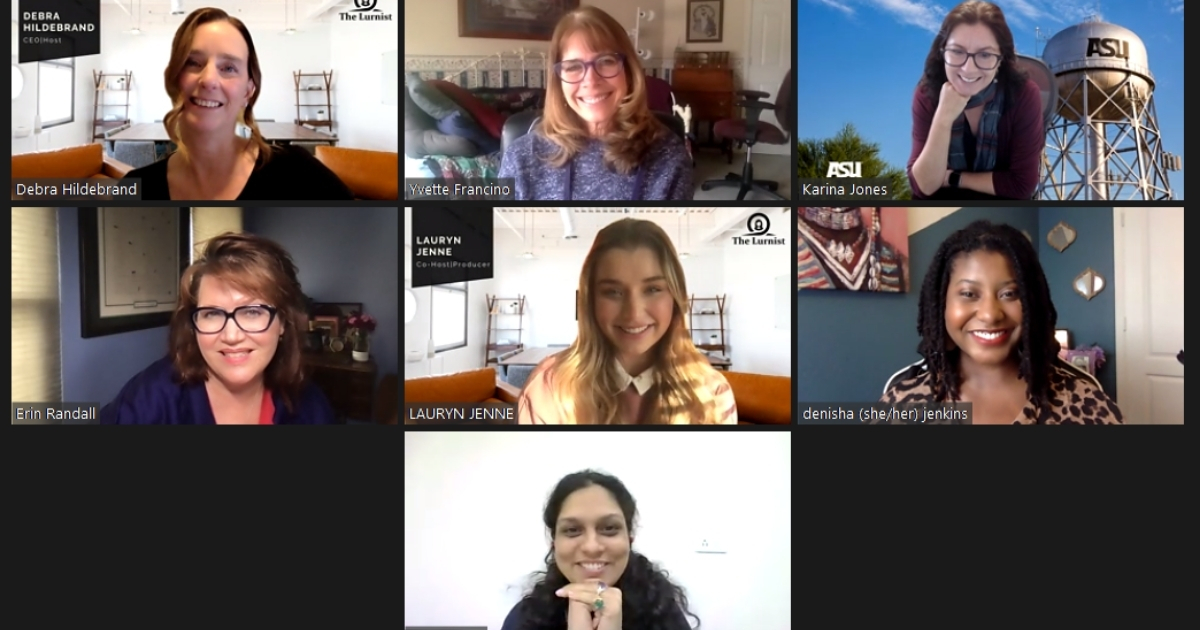
AGILE DATING?! Don’t miss out on an interesting topic on the importance of mentorship. These amazing women discuss their thoughts on the idea of mentorship and their journey throughout the agile workforce.

What does mentorship mean to you? Why is it relevant for all stages in life? The conversation we had amongst these incredible women is one to not miss. No more struggling to find the confidence to go and do what you always wanted to do, this episode has the motivation you need!

Deepti-JainDeepti Jain is an Agile practitioner, experienced in creating, leading, and managing Agile teams in a distributed setup. She is an active Agile community builder in India and loves to connect and interact with people and prefers to call herself a Social Scientist. Always feel herself where technology meets people.

Based out of Gurgaon, she is very Agile to work with International and National Clients. To get access and share Agile abundance she founded “AgileVirgin” in 2015. In addition to Consulting, Coaching, and Training, AgileVirgin also runs Countrywide Community of Practices. It’s flagship programs & initiatives are AgilityToday, Agile-A-Thon, Funconf, Change Agents Summit, Elucidate, Agile Coach Camp, Agile Career Bootcamp, Narrathon, Agile Job fair and Women-in-Agile-and-Tech. Further Women in Agile and Tech runs Global Mentorship Program, Dream Big, Visuallect, Gamify it, Unleash Yourself and Agility A2Z. AgileVirginLogoTransperant.jpg

Deepti Jain has served Agile Alliance as Initiative Director for the initiative “Building Future Leaders and Change Agents”. This initiative helps India meet the need to grow Lean-Agile Leaders and Change Agents who can shape the culture of the country and help its industries achieve a true Agile Mindset. Keeping India at the focal point, this initiative establishes a cultural exchange and growth platform for people across the globe.

Expanding her canvas this year, Deepti Jain joins Agile Alliance in a new capacity as India Agile Community Development Head.

You can connect with her over one of the following channels:
Email: deepti.jain@agilealliance.org
LinkedIn: https://www.linkedin.com/in/dee-j/
Twitter: https://twitter.com/agilevirgin

logokardiaadvisory

Kardia Advisory Group, a niche management consultancy, envisions a world where every organization has talented, socially conscious, and innovative teams that honor diversity, equity and inclusion.

Their dynamic team of advisors are committed to building a better world and workforce by helping industry leaders cultivate anti-racist, high- performing, and inclusive cultures that deliver innovative solutions and quality products and /services.

Denisha-JenkinsDenisha Jenkins is the founding Chief Executive Officer of Kardia Advisory Group, a niche management consultancy that focuses on cultivating inclusively diverse organizations.

As a purpose driven entrepreneur, trauma informed speaker and IDEA (inclusion, diversity, equity and access) strategist, Denisha is on a mission to restore humanity within communities – one leader at a time. She has been developing talent, designing leadership programs, and facilitating workshops on anti-racism, implicit bias, intercultural communication and innovation within the education, healthcare, manufacturing, economic development (and now travel and tech) industries for the past 15 years.

She holds a masters in Intercultural Relations, Consulting and Management and a bachelor’s degree in International Affairs and Development. Denisha has lived and studied intersectionality and how beliefs impact the systems we create and how we navigate them. Having travelled to over 17 countries, Denisha is deeply invested in hearing, elevating and sharing stories as a way to increase empathy and activate change. She is a 2016 Leadership Austin Alum and serves as the Vice President Board Member for the Institute for Diversity and Civic Life.

While candid discussions on race, gender, ability and religion are challenging, Denisha is known for her uncanny ability to disarm, affirm and equip leaders with the tools they need to identify, understand and transform harmful bias, so they can confidently lead with integrity and “create spaces where people can thrive.”

Connect with Denisha on LinkedIn, Facebook and Instagram.

asu-logo

Arizona State University is a public research university on five campuses across the Phoenix metropolitan area, and four regional learning centers throughout Arizona. ASU is one of the largest public universities in the US and ranked #1 in Innovation by US News for 6 years in a row. ASU Preparatory Academy is a network of 5 charter schools, K-12, under the umbrella of Arizona State University.

Karina-JonesKarina Jones is the Director of Information Technology for ASU Preparatory Academy.

Karina is a PMP certified Project Manager and CSM certified Scrum Master. Her focus is on developing structure out of the most complex and innovative operations and projects.

In addition to her strong background in Computer Science and Mathematics, she holds a Masters of Nonprofit Studies from Arizona State University and a Masters in Business Administration from the University of Murcia, Spain.

She came to Arizona State University in 2012. Before ASU she worked for Procter & Gamble Latin America where she occupied diverse regional leadership roles in Information Technology for Latin America. She is originally from El Salvador but while working for Procter & Gamble she lived in Mexico city and Guatemala.

Connect with Karina on LinkedIn.

Ad-Meliora-Logo-Side-By-Side-Full-Color

Ad Meliora Coaching is a boutique coaching and consulting practice that provides personal, organizational, and leadership coaching.

Erin-RandallFounded by Erin Randall, a longtime agile, coactive, and ORSC-trained coach, Ad Meliora Coaching has a deep passion for helping both people and organizations transform from humdrum to remarkable. She grounds her work in foundational, humanist principles, coaching people and teams alike to greater group cohesiveness.

Ad Meliora Coaching has helped engineering, mining, software development, and non-profit organizations make the hard, necessary changes to move forward. Transformation is an inside job, and great coaching can help you to get there.

Erin is a longtime agile, coactive, and ORSC coach with a deep passion for serving people, teams, and organizations. Through her work with her coaching and consulting practice, Ad Meliora Coaching, she helps her clients to find the pain points and then reimagine a new way forward. Her goal in all that she does is simple: happy people doing great work.

Erin lives in Austin, Texas, and can often be found in bookstores, on hiking trails with her dogs, or at one of the Agile Coaching Circles (she’s one of the co-founders).

Connect with Erin on LinkedIn.

CarpeDiemfinal1

Yvette Francino, LLC provides coaching, training, workshops, and technical writing in the areas of Agile leadership, software development, and personal self-development.

Yvette-FrancinoYvette Francino has enjoyed a long career as a leader and coach in the leadership and Agile software development.

She’s an independent consultant and coach providing education to help leaders, teams, and individuals be happier and more productive, both in their personal and professional lives.

Connect with Yvette on LinkedIn, Facebook, Twitter and Instagram.

About The Lurnist – Celebrating Women in Agile

We highlight fantastic women who are doing great things in the Agile field, all the while creating role models to inspire young women in high school and college to want to have a career in Agile.TheLurnistShowPromotingWomeninAgileDebraandLauryn

Who do you know that leads scrum teams? Builds great products as a product owner or product manager? Coaches leading agile transformations? Or, is an agile teacher or trainer? We’d love to get to know her with the hope to feature her story and journey to success on The Lurnist Radio Show & Podcast.

About Your Co-hosts

Debra-Hildebrand-on-Phoenix-Business-RadioXDebra Hildebrand is the Founder and CEO of LurnAgile and has over 20 years’ experience in project management; including consulting and training in the public and private sector and teaching in higher education.

She is one of the architects for the Project Management Certification program at the University of Washington, where she received the Team-Teaching Excellence Award and currently instructs in the online portion of the program. Additionally, she developed and currently teaches traditional and agile project management courses at Stanford University.

Her passion projects include Celebrating Women in Agile through her Business RadioX Show, The Lurnist Show, and helping veterans transition into meaningful careers in project management after service disconnection through her work on the board of Veteran Project Manager Mentor Alliance (VPMMA).

She is a certified SAFe Program Consultant (SPC 5.0), Project Management Professional (PMP) from the Project Management Institute and has an MBA from Columbia Business School in New York, NY.

Co-hostLaurynJenneHeadshotLauryn Jenne is a senior student at University of Washington Bothell (UWB), majoring in Management Information Systems with a minor in Computer Science IT. Lauryn currently works for UWB School of Business and is also the Digital Marketing Manager at Veteran Project Manager Mentor Alliance (VPMMA), a non-profit that assists veterans and military spouses in gaining careers in project management.

Additionally, she is the Vice President of Fundraising for Delta Sigma Pi, a professional business fraternity at the University.

Lauryn aspires to work for an organization as  a project manager and eventually create her own brand and startup company.

Lauryn currently lives in Seattle, WA

About Our Sponsor LurnAgile

LurnAgile is a Boutique, Woman Owned Small Business that delivers top quality Agile Certification courses and Agile Coaching.  We are a Scaled Agile Silver SponsorLurnAgileLogoTransformation Partner, which shows our clients that we have invested in and are committed to the Scaled Agile training standards and coach offerings.

Each of our team of Elite coaches/instructors have over 10 years of leading and coaching Agile Transformations in some of the largest Fortune 100 and 500 companies in the world. This means that your organization is learning from someone who has “been there and done that”.


Tagged With: Agile, Agile coach in Boulder, Agile in everyday life, Antiracism, Arizona State University, ASU Preparatory Academy, Carpe Diem Connections Podcast, Carpe Diem Day, D&I in Austin, DEI in Austin, Denisha Jenkins, diversity and inclusion, Diversity Speakers, Diversity Training, Equity Consultant, Inclusion Consultant, Kardia Advisory Group, Super Carpe Diem Woman

Darryl Cobbin, The A Pledge

December 16, 2020 by John Ray

The A Pledge
North Fulton Business Radio
Darryl Cobbin, The A Pledge
Loading
00:00 /
RSS Feed
Share
Link
Embed

Download file

Darryl Cobbin, The A Pledge (North Fulton Business Radio, Episode 312)

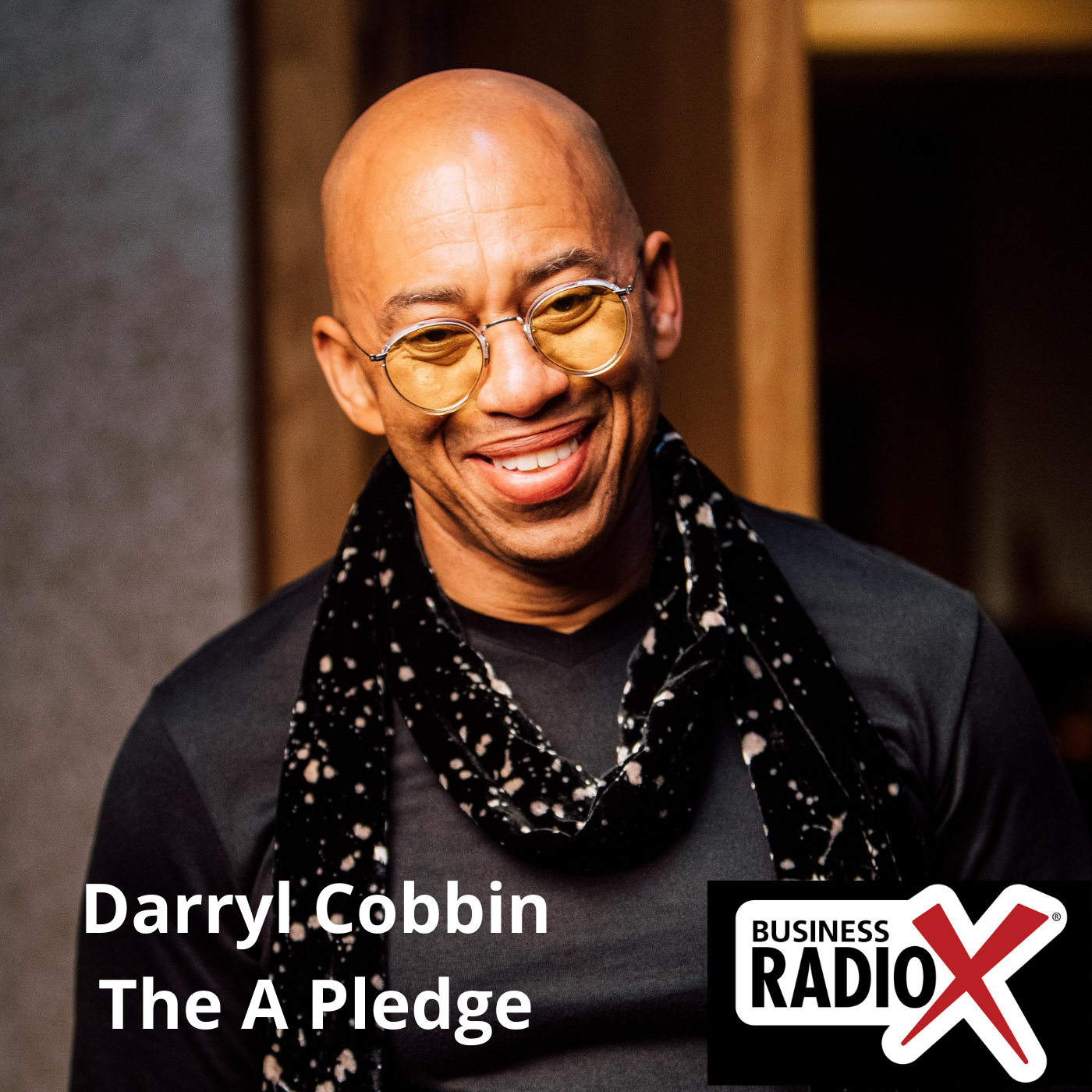
Branding and marketing veteran Darryl Cobbin joined host John Ray to discuss The A Pledge. This collective initiative, by his firm and others in the Atlanta marketing community, seeks to increase inclusive opportunities in the industry. “North Fulton Business Radio” is produced virtually from the North Fulton studio of Business RadioX® in Alpharetta.

The A Pledge

The A Pledge is a call to Atlanta advertising and marketing agencies to come together in a committed effort to create inclusive opportunities within the industry. Over the next decade, members of this initiative will make the changes needed to ensure their teams reflect the diversity of the Atlanta community. As they do, they look for systemic opportunity to grow in the industry, our city, and our nation.

To learn more, visit The A Pledge website.

Darryl Cobbin, The A Pledge

Darryl Cobbin is an award-winning branding expert, author, and speaker. He is widely recognized for leading game-changing marketing approaches that result in #1 business growth positions across diverse industries.

At The Coca-Cola Company as Vice President, Sprite Brand Business Unit he co-led Sprite to become the #1 growth soft drink Brand in the U.S. As CMO of Boost Mobile (later acquired by Sprint Nextel), the start-up became the #1 growth brand and redefined marketing in the wireless space. And as EVP of Marketing for 20th Century Fox films, Darryl co-led the development of the marketing strategy for Avatar, the #1 Box Office Movie of All Time.

He is currently President of Brand Positioning Doctors; a marketing firm that focuses exclusively on helping clients build better brands. Cobbin is a contributing blogger for The Huffington Post and his business results have been chronicled in multiple books including The Tanning of America, The Big Payback, and Romancing The Brand, among others. Cobbin is also the recipient of the Brandweek Marketer of the Year Award.

Cobbin currently resides in Atlanta and is the father of three daughters.

Questions/Topics Discussed in this Show

  • What is The A Pledge?
  • Who’s behind The A Pledge?
  • What Atlanta agencies and brands are involved?
  • What is the pledge looking to accomplish?
  • Why is this pledge unique?
  • How will you hold agencies and brands accountable?
  • What can we expect year one?

North Fulton Business Radio” is hosted by John Ray and produced virtually from the North Fulton studio of Business RadioX® in Alpharetta. You can find the full archive of shows by following this link. The show can be found on all the major podcast apps by searching “North Fulton Business Radio.”

Renasant Bank has humble roots, starting in 1904 as a $100,000 bank in a Lee County, Mississippi, bakery. Since then, Renasant has grown to become one of the Southeast’s strongest financial institutions with over $13 billion in assets and more than 190 banking, lending, wealth management and financial services offices in Mississippi, Alabama, Tennessee, Georgia and Florida. All of Renasant’s success stems from each of their banker’s commitment to investing in their communities as a way of better understanding the people they serve. At Renasant Bank, they understand you because they work and live alongside you every day.

Tagged With: atlanta, Atlanta Marketing agency, Brand Positioning Doctors, Darryl Cobbin, diversity, diversity and inclusion, inclusion, inclusion in the marketing industry, The A Pledge

Race, Diversity, and Business, with Dr. Dionne Wright Poulton, Care New England and Poulton Consulting Group

June 17, 2020 by John Ray

North Fulton Business Radio
Race, Diversity, and Business, with Dr. Dionne Wright Poulton, Care New England and Poulton Consulting Group
Loading
00:00 /
RSS Feed
Share
Link
Embed

Download file

Race Diversity and Business

Race, Diversity, and Business, with Dr. Dionne Wright Poulton, Care New England and Poulton Consulting Group (North Fulton Business Radio, Episode 244)

Diversity and inclusion authority Dr. Dionne Poulton tackles issues of race, diversity, and business in this episode of “North Fulton Business Radio.” In this interview with host John Ray, Dr. Poulton, Chief Diversity Officer for Care New England, offers vital, frank insights for executives and business owners as they address race and inclusion issues with their employees and wider constituencies. “North Fulton Business Radio” is produced virtually by the North Fulton studio of Business RadioX® in Alpharetta.

Dr. Dionne Wright Poulton, Owner, Poulton Consulting Group

Dr. Dionne Wright Poulton is an Educator, Diversity and Inclusion Consultant and Conflict Mediator with 20 years of experience specializing in youth and adult education, adult learning and behavior, intercultural dialogue, and addressing and mitigating bias in the workplace.

Dr. Poulton currently serves as Chief Diversity Officer at Care New England. Care New England is a hospital and health system with roughly 8,000 employees headquartered in Providence, Rhode Island.

A graduate of the University of Georgia where she earned a Ph.D. in Adult Education, Dr. Poulton was granted permission by UGA to use her professional development workshop she created in 2004 called Think You Are An Unbiased Teacher? Think Again! as the basis for her dissertation.  As a result, Dr. Poulton acquired empirical evidence to prove the efficacy of her workshop’s methodology (she created), and its ability to initiate and sustain open and honest dialogue across racial, gender and cultural lines, in a non-threatening manner. Since 2004, Dr. Poulton has been invited to facilitate her workshops all over the world, including in Paris, France, Canada, Bermuda, and across the United States. Dr. Poulton’s work has also been advertised on CBS radio stations in Atlanta, Georgia where she has also been invited as a guest speaker and commentator.

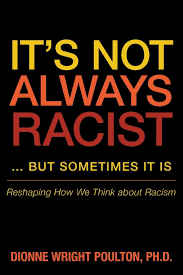
Race Diversity and BusinessAdditionally, Dr. Poulton is author of the acclaimed book, It’s Not Always Racist…but Sometimes It Is, which has received incredible attention, including an outstanding review from world-renowned Kirkus Media. This book is an extension of Dr. Poulton’s PhD research and her experiences as an educator and professional trainer of employees in academic and business environments. In her book, Dr. Poulton stresses that there is a fundamental difference between racism and racial bias, and argues that it is normal for ALL of us to “judge” others based on race. However, this does not mean we are all racist. Like race, it is normal to also judge based on other factors such as age, height, weight, beauty, ability, or disability, but when our sometimes negative assumptions, perceptions and expectations go unchecked, we find ourselves in trouble. Dr. Poulton has been invited to discuss her groundbreaking book on several radio shows across the US, including on Tavis Smiley’s radio show.

Dr. Poulton is also Host of The Dr. Dionne Show, a podcast which in which she addresses issues of leadership, diversity and inclusion, equity, bias, intercultural communication, adult learning, adult behavior, and conflict mediation.

In addition to her PhD, Dr. Poulton also holds three other professional degrees, including a Master of Arts Degree (M.A.) in Administration and Interdisciplinary Studies in Adult Education with special emphasis in Equity and Social Justice from San Francisco State University, a Bachelor of Education Degree (B.Ed.) from the Ontario Institute for Studies in Education at the University of Toronto (OISE/UT), and a Bachelor of Arts Degree in Kinesiology and Health Sciences from Rice University in Houston, Texas where she earned her degree while competing as an NCAA Division 1 track and field scholarship athlete.Dr. Poulton is also a certified K-12 teacher and adult educator with 20 years of cumulative teaching, administrative, and curriculum and course design experience in public and private high schools, in universities, and for State and provincial governments in the US and Canada. She has also previously worked with street youth in emergency shelters, and has almost two decades of experience coaching track and field in high schools and in universities.

Dr. Poulton, nee Wright, is originally from Toronto, Canada and is a former member of Canada’s National Track and Field Team. She is an exceptional leader with an international perspective, and an uncanny ability to reach and teach all people regardless of any difference. With ease, she can encourage the most quiet and reticent to speak up, while convincing the most defiant and obstructive to get on board. Because of her vast experience and education in many different industries, including academia, K-12 schools, sports, non-profit, and government, she is well positioned with her experiential knowledge to understand and solve any challenges.

Find out more at the Poulton Consulting Group website, or contact Dr. Poulton directly by email.

Show Transcript

Intro: [00:00:05] Live from the Business RadioX Studio inside Renasant Bank, the bank that specializes in understanding you, it’s time for North Fulton Business Radio.

John Ray: [00:00:20] And hello again, everyone. Welcome to yet another edition of North Fulton Business Radio. I’m John Ray, and we are still virtual. No, we’re not back in our studio inside Renasant Bank at the moment, but we hope that will come sometime soon. But in the meantime, folks, we’ll be in touch on that. And also, stay in touch with your folks at Renasant. They’ve done a great job helping small businesses through this environment. And if you’re in need of a better experience for your small business with your bank, check them out. Go see your Renasant banker at the branch. You’ll need to make an appointment. They will see you inside the branch, but you do need to make an appointment. So, give them a call or go to the website, renasantbank.com. Renasant Bank, Understanding you. Member FDIC.

John Ray: [00:01:16] And now, we want to turn to an old friend, Dr. Dionne Poulton. And Dr. Dionne Poulton used to be around this area, but she, like, bugged out on us, right?

Dr. Dionne Poulton: [00:01:32] I still have my home. I still have my home in Gwinnett.

John Ray: [00:01:32] Okay, okay. Well, that gives me hope, right? Though, seriously, you’re up to some good things in New England. You’re now the Chief Diversity Officer at Care New England, right?

Dr. Dionne Poulton: [00:01:47] That’s right.

John Ray: [00:01:48] Yeah. So, I’ll let you introduce yourself. For those that don’t know, you give a little overview of the world of Dr. Dionne Poulton.

Dr. Dionne Poulton: [00:02:01] Well, once again, good to be with you, John. It’s been a long time. And I’m always great to be with you, my friend.

John Ray: [00:02:06] Yeah.

Dr. Dionne Poulton: [00:02:06] So, what should I say? I started off as a high school teacher. I taught for about six years and that morphed into teaching at the university level. And I came into diversity just kind of just by chance. I kind of fell into it. Long story short, I was teaching a grade nine boys class and discovered that they were pretty successful in my class and not in others, and not because I lowered the standards but because I realized there was something happening in that transaction. There was something that was … I didn’t know what it was, and that led me to just do some research.

Dr. Dionne Poulton: [00:02:38] So, I did my master’s degree in San Francisco looking at the multicultural implications of education and how teacher comfort levels and with respect to race as well. And then, that led me to my PhD at the University of Georgia. And I looked at the unconscious biases of educators, not just in K through 12 but educators in all different industries from entertainment to law and just to see if there was – what’s the word – any consistency or there’s any common experience amongst all the educators. And it was determined – surprise – that everybody has biases. And that’s regardless of age, race, profession. We all have them. And so, that’s what I did my research.

Dr. Dionne Poulton: [00:03:27] And then, after that, I started my own business. And that’s how I ended meeting you and Sammond. And actually, Mike Sammond, to give a little plug here, he’s the one that interviewed me the first time with RadioX and then said, “Hey, you want to try having a show?” And so, I tried that and I loved it. And so, I’ve actually been doing it. For now, this the fourth year, which is crazy, but anyway. But  I credit both you and Mike. And I miss you guys.

John Ray: [00:03:58] Well, we miss you, but we can connect with you, as you said, through your podcast. So, it’s The Dr. Dionne Show. And you’ve kind of re-engineered or re-energized – that’s the word I’m trying to get to – here lately and put out some more episodes. So, congratulations on that.

Dr. Dionne Poulton: [00:04:24] Thank you so much.

John Ray: [00:04:25] Yeah.

Dr. Dionne Poulton: [00:04:26] Thanks, John.

John Ray: [00:04:26] Yeah. And I think part of what you have done in that show, it really kind of lights the trail for those that don’t know how to respond to all they see right now, and that is to ask questions and listen.

Dr. Dionne Poulton: [00:04:45] Yes. That very simple yet rare art of asking question, waiting for an answer and listening. Absolutely. And that’s one thing that you … Especially in diversity, that’s something that you have to do in order to get it right.

John Ray: [00:05:01] So, people are gonna think I’m like Dr. Dionne’s PR person, but I want to push your book too. So, I’m pushing your podcast but, also, you’ve got a new book coming out, and we won’t get into that yet. But you wrote a book a few years ago called It’s Not Always Racist … But Sometimes It Is, which I highly recommend to people if they have not read the book. And one of the things that you talk about in that book is the difference between racism and bias. Why don’t you unpack that?

Dr. Dionne Poulton: [00:05:38] Sure. And thanks for that. And I did that back in 2014, actually. And I wrote that book after the senseless killing of Trayvon Martin. And I was frustrated looking at the news, and people talking about the incident, and trivializing whether it was racist or whether it was not. And I realize there need to be some clarity in terms of terminology. And that was just three years after I got my doctorate at UJA in the same area. So, nonetheless, I wrote the book.

Dr. Dionne Poulton: [00:06:11] So, racism put simply through my research, you can think of an equation. It’s called racism equals prejudice plus power. So, it’s prejudice plus power; meaning, that person who has the prejudice has to have the ability to stop somebody else, whether physically, emotionally, socially to achieve their ideals. On the other hand, bias is just that. It’s just bias. It’s a prejudgment. And everybody has that. All of us have it, regardless of who we are as I stated. And it’s a natural brain function, so to speak. The brain naturally makes sense of the world by categorizing and compartmentalizing. So, it’s a natural function. But where we get into trouble is when we start to assign value or devalue people based upon our misperceptions and our biases. So, that’s the distinction.

John Ray: [00:07:12] So, let’s talk about what is happening right now and I guess a couple things. One is I think there are a lot of white folks that are caught by surprise, and they don’t understand the depth of what’s happening. And maybe some of them discount it because they think all this is just going to blow over. But what has happened over the last few weeks, I think for those that are maybe a little more aware, feels a lot different.

Dr. Dionne Poulton: [00:07:50] Absolutely. And I’ve been saying just in conversations with the staff where I am, and I put out a statement myself, this feels different and it is different. And I’ll tell you why. Many people have been killed in the past, many unarmed black men have been killed in the past, but I think the difference here is we almost watch it in real time. There was a video rolling of a police officer with his knee on George Floyd’s neck. And I spoke to a friend of mine who was a former police chief, and he kind of described it as it being in slow motion, and that’s the way it felt. And so, for that officer to casually and callously have his knee on George Floyd’s neck with his hands in his pocket, almost like he was posing for the camera, it was shocking, utter disbelief.

Dr. Dionne Poulton: [00:08:51] And I’ll tell you, John, I have never witnessed a murder in my life, and using that word is difficult, but the officer was charged with murder. So, essentially, we all individually and collectively witnessed a murder. And it’s riveting. And there’s no speculation as to what happened, did he do something wrong. It’s all there on tape for eight minutes and 46 seconds. This morning, I’ll share, at one of the hospitals where I work at Women Infants Hospital New in Rhode Island, the residents, the physicians said, “We want to do something.” So, they organized a silent protest. We had the media there. It was streamed live on Facebook. And we said our words at the beginning,  myself and and the CEO. And then we had to kneel for eight minutes and 46 seconds. And I have to tell you, it took everything in me not to cry. Eight minutes and 46 seconds feels like an eternity.

Dr. Dionne Poulton: [00:10:06] And the difference is with what happened today – and I cannot imagine how George Floyd felt – was that I knew at the 46 second of the eight minutes that I was going to be able to stand up and walk off and be fine. But he didn’t have that opportunity. He suffered a slow death and he suffered. He called for his mother. So, to go back to your question, I don’t know who can look at that and not be changed. I don’t know who can look at that and trivialize it and not say, “You know what? Something needs to be done.”

John Ray: [00:10:51] So, if I can, I mean, how are you doing in all this? I mean, because you’ve got a professional stake in all this, a professional obligation. You’re shepherding an organization of 8000 employees through this time. But how are you doing in all this?

Dr. Dionne Poulton: [00:11:16] Thank you for asking. It’s interesting because after I released a statement, myself and the CEO, we decided to host a town hall, basically, for all of the employees. And I shared a story. I’ll share with you, it’s relevant to Georgia. When I was driving to University of Georgia doing my doctorate, I was in the car, and I saw a police officer that was on … I can’t remember what the name of the highway is now. And I passed the officer, and I knew I’d be pulled over. And it was a two-lane highway. It was me and another truck, and I was keeping my distance. The police officer pulled pulled me over, and he walked up to the car, and I’ve been taught to kind of just be friendly and speak first. So, the officer came and I said, “Hi, officer. How are you doing?” He goes, “Oh, you changed too close to that truck.” I’m thinking, “Sure, I did.” And he goes, “Can I have your license?” I said, “Sure.” I gave him my license, he checked me out, he came back, and he goes, “Okay, you’re good to go.” No ticket, no warning, no nothing.

Dr. Dionne Poulton: [00:12:32] Then, I had to continue on to school. I had to sit in my class at UGA like that didn’t happen, like I was terrified, and I, then, had to focus on my schoolwork. And I share this story as I did with the employees because  to use a social work term, people of color and black people in this situation are forced to separate and function. We have to separate all of the junk that we go through in order to function and still be expected to function normally. So, to go back to your question, it has been very difficult. And I think it is important for people to ask each other, “How are you doing?” and not just how are you doing and keep walking. It’s, “How are you doing?” And wait for the answer. Actually ask, and wait for the answer, and be ready for the answer.

Dr. Dionne Poulton: [00:13:25] And so, I appreciate you. You’re the second person to ask me this question, like, really without being prompted. So, thank you, John. And I’m doing okay. I have a great support system. I make sure that I laugh every day, even if it means putting on a comedy to laugh, I do that. I like to still work out. I listen to music. I just try to make sure that I spend time for myself. And my kids bring me joy as well. So, that’s how I survived this. But in addition to that,  you know when you know you’ve been born to do something, this is in me. This is what I do, and it’s what I love, and what I believe I’m good at. So, it doesn’t feel like it’s a job. This feels like it’s an extension of why God put me on this earth.

John Ray: [00:14:16] There’s nobody that’s white that understands the concept of racial trauma. I mean, let’s just say that, right? So, talk about racial trauma. Talk about what incidents like this do to black employees in the workplace and why it’s a tough time for them right now, very tough time for them right now to function normally at work. Put it in that context because we’re a business show and we got business owners listening to this show and company executives listening to the show. So, maybe we can put it in that context.

Dr. Dionne Poulton: [00:15:04] Sure. And I’ll put it in the context of just the work that I’ve done. So, I knew it was important. When we recognized what was happening, I knew it was important to put out a statement. I knew it was important for the employees to have an outlet with which to speak and to be heard. And I knew it was important to meet with the employees. And I’ve been doing a lot of just individual sessions with different departments. I can’t even tell you how many hundreds of employees I’ve trained the last couple of weeks.

Dr. Dionne Poulton: [00:15:40] And in the context of a workplace, I will say to anyone listening who’s the head of a company or a business, if you have not addressed this yet, you have failed your employees because, again, it’s the separate in function. If your employees, and I know with respect to COVID, we’re now at home and working remotely, but we’re still being affected by that. And so, the racial trauma that you just shared, it’s extremely difficult to to separate. So, for example, everyone saw George Floyd on the ground, basically. And as a black person, I could not help but substitute and say, “That could have been me. That could be my husband. That could’ve been my brother. It could have been my cousin, my uncle, my nephews.” And so, it’s hard to separate. And because it was so random and because he did nothing, except perhaps maybe they think, allegedly, he passed a dummy $20 bill, does that warrant him losing his life? And we also know, we look at look at Ahmaud. What’s his last name? Sorry. Ahmaud.

John Ray: [00:16:59] Arbery.

Dr. Dionne Poulton: [00:16:59] Arbery, sorry. The gentleman who was jogging in South Georgia.

John Ray: [00:17:04] Right, here in Georgia.

Dr. Dionne Poulton: [00:17:07] In Georgia, he was jogging. How many times have I gone out jogging? So, the trauma here is that the system of racism exists, that we’re always functioning under anyways. And so, with that, I’ll say that in this system of racism, it assumes a pervasive white cultural norm. And that means that everything, the way the system is designed is for white people. And I know it’s hard to digest and it’s hard to hear but, essentially, when we think about it, the lighter you are, the greater the opportunities you have. The lighter you are, even the pretty you are. The pretty you are. It’s the lighter you are, the more benefit of the doubt that you get. If you’re darker skinned, you’re more likely to be considered a criminal.

Dr. Dionne Poulton: [00:18:04] And I’m not going to give an example. I can put on the most beautiful dress or suit, and I can go into any store and still be followed because people don’t know my education, they don’t know anything about me but, unfortunately, we have been taught what skin color is, and what it means, and it’s unfortunate. And you did reference white people, but I got to tell you, I’ve had black people do the same thing to me. I’ve had Indian people do the same thing to me and Asian people. So, it’s not just white/black. And I’m saying we have been inundated with messaging from the media in different places about who is more valuable than others.

Dr. Dionne Poulton: [00:18:48] If we think about the word Native American, you do line up 10 people, I’m sure at least eight of them will have something negative to say about them because that’s the way we’ve been taught about who people are and whose lives are worth more. And so, that’s why in my teachings, in my approach to this work, it’s telling people to be cognizant all the time of what you believe. Why do you believe what you believe? Why did you learn what you believe? And how can you unlearn some of the junk that we all have in our minds that we don’t even know that’s operating in our minds and that’s playing out in the workplace and playing out in the things that we’re doing with other people.

John Ray: [00:19:26] You mentioned something really important there. Folks, we talk with Dr. Dionne Poulton, who is the Chief Diversity Officer at Care New England and the host of Dr. Dionne Show. You mentioned something very important there, and that is the things that we have learned that are under the surface that we don’t even know we’ve learned. I mean, that’s another way of saying unconscious bias.

Dr. Dionne Poulton: [00:19:58] Exactly, yes. And we all have it. We all have them. And I sit here as the so-called expert, but I had them as well. We all have them. But the goal is, how do you mitigate those unconscious biases? What do you do to make sure that when you’re in the moment that you’re not necessarily caught? So, one thing I did learn through my research is the more that you are cognitively tired or preoccupied, the more likely your biases will come out.

Dr. Dionne Poulton: [00:20:31] So, let me give an example. So, most recent one, I would say, is when Kobe Bryant passed away, there was a reporter who was talking about the LA Lakers, and she inadvertently said the LA … I think she said the N-word. And we can Google it and look it up.

John Ray: [00:20:55] Oh my.

Dr. Dionne Poulton: [00:20:55] Oh, yeah. And so, she said that and it kind of rolled off her tongue because she was cognitively preoccupied. And so, the lesson there is if we don’t do the work and we don’t make sure that we are really, really trying to  be better in terms of what we think, it comes out and it comes out when we’re tired. So, that’s an example of how things can just kind of roll off the tongue and people don’t even realize it.

Dr. Dionne Poulton: [00:21:26] Another example is I think last year, there was a meteorologist who was talking about … he’s representing the park in Martin Luther King Day. And he was on air, and was looking at the video, and he said, “Oh, yes.” And he said – I’m paraphrasing – “Oh, look at the picture on Martin Luther Coon Day.” That’s what he said. And he was immediately fired. And he swore up and down, “No, I would never say that on air,” but again, when you are preoccupied, what you really think and what you said a thousand times will come out.

Dr. Dionne Poulton: [00:22:04] And so, back to your question, back to what you’re saying, that’s why I always advocate don’t just order from a beautiful Chinese food restaurant, go to Chinatown. When you go on vacation, of course, there’s some safety issues in some places but don’t just stay on the resort. How about go into the local areas, mingle with the people, get some immersive options or opportunities to really, really, really get to meet other people? Go visit a black church, go to a mosque, go different places because that’s the way that you reduce prejudices. And that’s by having meaningful episodes of contact with people. That’s the only way. I’m not saying that I got a black neighbor, I’ve got a white neighbor. It’s having meaningful connections with people, and that’s the way you really, really learn how to break down biases.

John Ray: [00:22:52] And that’s more than just having your black friend you’ve always had. I mean, right?

Dr. Dionne Poulton: [00:22:59] Exactly.

John Ray: [00:22:59] I mean, it’s going not just one step beyond several; steps beyond that. I mean, it’s about seeking out, sometimes, uncomfortable situations that may end up uncomfortable because you’re in a place where your bearings are off.

Dr. Dionne Poulton: [00:23:21] That’s right. And sometimes, we do have to actually intentionally try to cultivate those kind of relationships. So, you and I,  I’ve known you now for years and we’ve we’ve established a friendship. You’re a white man and I’m a black woman. And I met your daughter, I’ve talked to your daughter, I know about your family, and you know about my family. And people will think, “Oh, that’s unusual.” It’s not unusual because you and I were both open, and we met each other beyond business, and I’m going to say it right here, you have always been in my corner. And I appreciate you. I mean, to no end, you’ve always been backing me.

Dr. Dionne Poulton: [00:23:59] And so, it’s important to try and seek out those kind of friendships. You have no idea what you’re missing if you don’t try and just go outside your own comfort zones. And so, I ask the question, including my book, who’s your dentist? Who is your doctor? Where do you live? Who do you invite over for dinner to your house? Whose house do you go to for dinner? Who do you invite to conversations? Who do you go to lunch with at work?  And if all those people are largely monolithic, then you have intentionally created a life of lookalikes. And so, you want to look into yourself and say, “Okay, so why have I created that kind of atmosphere to live in?” It’s 2020, and we’re in a diverse community. So, why have I intentionally created an environment that is monolithic to live in? And it’s important to ask that question.

John Ray: [00:24:52] Let’s talk a little bit about another incident, if you don’t mind.

Dr. Dionne Poulton: [00:25:01] Sure.

John Ray: [00:25:01] So, it’s one thing to talk about what happened to George Floyd, which is it is murder. I mean, let’s just say that because that’s what it was. I was struck by the incident that occurred in Central Park. And I’m struck by it because that’s the one … and I know it doesn’t involve murder but that’s the one nobody’s talking about or seemingly less so. And that’s the one that involves a situation where a white woman calls in, really, weaponizes this man’s race against him, black man’s race against him. Someone who happens to be in charge of the Audubon Society. He’s there watching birds, for crying out loud. And she doesn’t have her dog on the leash, like she’s supposed to in that part of the park apparently. I don’t know what part of park that is, but apparently that’s the rule. And he’s trying to make that right and get her in compliance with what’s supposed to be going on there. And she calls the police and makes up a story. Now, it’s one thing to talk about police misconduct and we can all march about that, but that’s a little closer to home, right? I mean, that’s something that gets into weaponizing race that any of us can be guilty of.

Dr. Dionne Poulton: [00:26:48] Absolutely. And so, you started off by saying that it was different than the George Floyd murder and that it did not end up in murder. But you know what, John? It could have.

John Ray: [00:27:00] It could have. Yeah, for sure.

Dr. Dionne Poulton: [00:27:01] If the wrong officers showed up, it could have. And I’ll tell you why. So, that woman in Central Park knew her privilege. She knew as a white woman that if she called the police that the police will show up and they will believe her over the black man. And that goes back to what I said that some people are stigmatized. Some people are assumed criminals before we even know. We know his credentials, you just shared them, but not everyone sees that. They see the skin color and they decide, “Okay. Oh, white woman, black man.” There’s also a gender dynamic there as well. But if not for that video, it probably would have been very different. It probably would have been a different outcome.

Dr. Dionne Poulton: [00:27:51] And what she did there was extremely scary. And we know historically, I’m just doing real talk here, historically, a lot of people, black men, lost their lives because when white women said that black men did whatever to them. And still came to mind that was circling a lot on Twitter, and it has happened historically. So, that incident also kind of ties to … I actually wrote an article in Forbes talking about the Starbucks issue, the same situation. So, we had black men sitting in Starbucks just minding their own business, and the white barista called the police assuming that they were criminals. And there’s a parallel there.

Dr. Dionne Poulton: [00:28:46] And I mentioned that article because I said in that article that that was not unconscious bias. That’s another thing that people kind of just get mixed up. That was conscious bias. She consciously saw those two black men in Starbucks, went to the phone, and called the police. She did not do that unconsciously, much like the woman in Central Park. She actually said, she articulated, “I’m going to call the police and tell them an African-American man is threatening me,” on camera. So, you can’t be more conscious. You can’t be more aware of what you’re doing.

Dr. Dionne Poulton: [00:27:51] And then, I’ll just tie that back to the system and with racism, and that’s the structure of racism that allows that to continue to happen because, again, as I said, we live in a culture that assumes a white cultural norm. And it also assumes that white people are right. So, when an officer shows up, the white person always gets the benefit of the doubt. And it’s hard to say it, but that’s the case. And it’s up to us as people of color to prove, “No, no, no, no, no. You’ve got it wrong. No, no, no. We didn’t do anything wrong.”

Dr. Dionne Poulton: [00:29:57] So, it’s a very complex thing, and that goes back to the trauma that you asked about. It’s when you live under that consistent and persistent state of, “What’s gonna happen now? If something happened to me, if someone did cross the street because they see me, I’ve been followed in a store, if someone is going to lock the doors, I’m questioned first.” I mean, it’s daunting. It really can get exhausting. And now that I’m actually in health care, we talk about health disparities a lot. And so, it’s not a surprise that people of color have high blood pressure or black people have high blood pressure because when you are living under a constant state of stress, that hormone or the cortisone levels, I mean, of course, it’s going to affect you over time. So, things need to change.

John Ray: [00:30:55] We’re speaking with Dr. Dionne Poulton. And she is the Chief Diversity Officer at Care New England. Dionne, I’m interested in, I guess, it would seem to me that companies are figuring out that their diversity program is not quite adequate. Is that a fair statement? I mean, because that word has been … the edges of that word that ought to stay there have been rounded off a little bit maybe. Maybe that’s the way to say it over the years.

Dr. Dionne Poulton: [00:31:41] Yeah, I think this situation with the George Floyd, I think it’s opened up many things, including also a glimpse into how organizations are run. And it’s 2020 and organizations, I know many of them have been kind of caught off guard because they never believed that diversity was really important. But we do know that research shows that the more diverse a team is, the more productive they are, the more innovative they are, and they also make more money. So, from the business sense, for a company not to have diversity, you’re actually missing the mark, and you’re missing out on … first of all, it’s the right thing to do to be inclusive, but you’re also missing out on potential profits.

John Ray: [00:32:32] Absolutely. Oh, and by the way, their stock outperforms. Let’s throw it in there too, by the way.

Dr. Dionne Poulton: [00:32:37] Bingo!

John Ray: [00:32:37] That’s been documented too. So, this is documented research we’re talking about here, so.

Dr. Dionne Poulton: [00:32:44] Exactly, exactly, exactly. And then, in terms of these situations, we no longer have this public/private domain anymore. Social media has really blurred those lines. And so, when something happens in society, we don’t just leave, and then come back into our businesses or into our homes and, “Oh, it’s all over.” No, we are inundated with messaging all the time. We don’t think things will get turned off. And so, it is actually not fair for employees to go into the workplace and expect things not to be addressed. They can’t just turn things off. They have to be able to go into the workplace and say, “You know what? This is what happened that’s happening in society. And this is how it’s affecting me,” because it affects your work. It affects how people do the job.

Dr. Dionne Poulton: [00:33:36] And so, that’s why it’s extremely important to make sure you not just have a diversity person in place but somebody who knows what they’re doing because I’ve also seen situations where people just, “Oh, yeah, I’m going to create a position and just throw somebody in there.” No. I make the analogy, John. I say, “I pay the finances in my home. I have all the bills. That doesn’t mean that I’m qualified to be a chief financial officer,” right?

John Ray: [00:34:02] Yeah, sure.

Dr. Dionne Poulton: [00:34:03] But many people assume, oh, because I’m a person of color, or because I read this course, or because I read this book, that somehow I’m an expert. No, this is an actual position, and it takes years of experience to do this right and to respond right. And in the context of responses, if things are not handled properly, a person can actually do extra damage or more damage to employees than the initial thing because it wasn’t handled properly, and they can kind of re-traumatize people and say, “You know what, this person doesn’t get it.” And then, it evokes anger. So, when we have these discussions, it has to be done properly.

John Ray: [00:34:45] And how do I know if I’m a company legitimately trying to get it right? And that’s what my motivation is. I mean, how do I know that I’m on the right track with my diversity program?

Dr. Dionne Poulton: [00:35:03] I think it’s important to survey your employees all the time. So, a big part of … we discuss in my business, a big part of my business when I was consulting and still a little bit now, but when I consult is doing surveys that can be presented to the employees. And so, you ask them outright, “How are we doing? What’s your experience been like? How are your managers responding to you? Are your managers equipped to handle diverse issues?” There’s a whole range of issues that can be asked or questions that could be asked. And you look at the results, you have to look at the data and say, “Okay, what does that data mean?” You have to analyze it and say, “What does this data mean?” And what are the implications for this data in terms of your procedures, your policies, your education, your training? And you can really get a picture of what’s happening. And those results will also tell you the efficacy of the diversity person you have in place.

John Ray: [00:36:12] You mentioned social media. So, let’s talk a little bit about words versus deeds. So, it’s real easy. I mean, there’s a whole lot of folks that are out there posting about Black Lives Matter, companies that you never thought would post something like that posting. But it seems like those are words for some that may be popular in the moment or maybe they feel like they need to check that box. And so, what about those companies that are seeking really to truly make a difference, what do you suggest for the beyond just the social media and in posting the right message?

Dr. Dionne Poulton: [00:37:15] Well, again, it’s checking in with your employees and asking them, as you did, “How are you doing?” and really be willing to hear what they have to say to you. And there’s nothing better than getting the experiential knowledge of people who are living with what’s been happening in society. So, listening is huge. Listening and acting is huge. And just understanding that it’s a marathon, you’re not going to make these grand changes in one day, and then all of a sudden, you arrived and everything’s fine. It’s ongoing, and things change over time, and you have to pivot, and be willing to be flexible.

Dr. Dionne Poulton: [00:37:15] And a huge part, and I would say why it’s important too about the leader who leads this, they have to be really, really comfortable in their skin and really, really comfortable with being uncomfortable and being able to address conflict. Because if not, people sweep things under the rug all the time. And then, next thing you know, you’re faced with some kind of lawsuit because you have now created or sustained a hostile working environment for people of color. And not just people of color but LGBTQ community. You have to address these issues head on.

John Ray: [00:38:42] This goes beyond just companies. Also, I think, about small business owners and how they relate to each other. I’ve had conversations with black small business owners that say to me, “Has it ever occurred to you why I don’t have my picture on my business card?”

Dr. Dionne Poulton: [00:38:42] Yeah.

John Ray: [00:39:11] Yeah, “Because I’m concerned about that I might not get that call for my services or for my product.” And those are eye-opening conversations. And so, part of it, even if you’re a small business owner, there is a place for those conversations. I mean, you’re not off the hook just because you don’t have a lot of employees and a diverse group of employees.

Dr. Dionne Poulton: [00:39:47] Yeah, that’s really tough, and I identify with that. So, when I was starting off with my business, it was difficult. And  I did, actually, go back and forth, but I said, “You know what?” I’m speaking for myself. I said, “You know what? I’m going to just put my picture there. I’m going to just say this is who I am. I’m not going to deny who I am.” And quite frankly, if someone doesn’t want to do business with me because of how I looked, then I don’t even want your money.” Like, not all money is good in my opinion.

Dr. Dionne Poulton: [00:40:14] And so, I’m thinking back as a so-called hungry entrepreneur and just starting out. I can see that retrospectively. But ultimately, I think people have to do things within their own comfort zone and whatever makes them feel okay. I remember attending a conference, and there was a black woman who owned a business, and she was married to a white man. I remember her saying that she would send her white husband to get the contracts initially. And then, they would recognize over time that she was behind the scenes or that she was actually the owner. And I get it. And it makes sense because, unfortunately, again, people have the assumption, “Oh, it’s black-owned. Oh, it cannot be run well. Oh, they’re not above board.” I mean, there’s all these stereotypes that play into it. So, I totally get it. But over time, for me, it got exhausting. I said, “You know what, I’m putting it out there.” And I ended up meeting people like you, and I had a very thriving and successful consulting business.

John Ray: [00:41:27] Well, I guess, the … and I’m coming at it from the point of view of a white man. I mean, I’m challenging folks that are white that are small business owners to go have those conversations with their black small business … fellow small business owners and to understand some of the things that they deal with that are exhausting that you, as a white business owner, do not have to deal with. As tough as what you think you’ve got, there are some things you don’t have to deal with.

Dr. Dionne Poulton: [00:42:05] And that’s true. And I think we’ve had these conversations. We had a similar conversation. And I know you’re the expert in terms of upsetting your pay, right?

John Ray: [00:42:15] Pricing.

Dr. Dionne Poulton: [00:42:15] Your rate.

John Ray: [00:42:16] Right.

Dr. Dionne Poulton: [00:42:16] And we’ve had discussions because another extension of this conversation is because you’re a black-owned business that people want to lowball you. And that happened over and over again. And then, eventually said, “You know what, I know my worth. I know what I have to offer. And so, if you’re not going to pay me my rates, then we can’t do business.” And I had to turn down a lot of things because people expect you to either lower your rate and/or volunteer your time. And it’s, “Oh, what do you think? What do you think? What do you think? What do you think?” It’s like, I understand there’s a conversation and maybe there’s some kind of reciprocity, but if it just continue on, then maybe say, “You know what, I should actually compensate you for all the time that you’re spending.” Talking to all your people and giving advice because you wouldn’t do that with a lawyer, right?

John Ray: [00:43:17] Right.


Dr. Dionne Poulton: [00:43:18] It’s something with the profession. So, to your point, my advice for a lot of these business owners is to be cognizant of that and ask people, “What can I do to support you?” And I would even go a step further. I saw a couple of days ago Sephora, the makeup place, they decided to allocate 15% of their shelf space to minority-owned businesses. And so, that’s been a movement that a lot of these corporations are doing now. They’re now starting to expand and, now, inviting businesses of color to be sold through their businesses. So, the same can be done in this context because there are a lot of really incredible people doing great work, running great businesses, and they just happen to be of color.

John Ray: [00:44:12] For certain.

Dr. Dionne Poulton: [00:44:12] And it should not be a disqualifier.

John Ray: [00:44:16] Absolutely. Well, this is true for all young people. Let’s just say that because there’s some unconscious bias that goes on from folks that are my vintage. I’m not going to say what that is because it’s too old. It’s too old, Dionne. But that-

Dr. Dionne Poulton: [00:44:37] No, you’re not.

John Ray: [00:44:37] I think all those millennials, right? But there’s a special burden that a young black man that’s in business carries or a young black woman because you’re mixing in the youth and their blackness.

Dr. Dionne Poulton: [00:45:04] Yeah, I would say that … well, I could talk about my oldest daughter. She’s 16, and she’s not a millenial. I think she’s a Gen-Z but she gets it. She’s quite the activist actually and all about social justice. And it’s just remarkable to hear her and see her speak. And so, the way that I’ve raised her is to understand who she is, embrace herself as a black woman but, also, to be open to other cultures as I am. And so, speaking to her, she has, I mean, every type of person you can think of as friends, including also people from the LGBTQ community. She’s an open heart and flexible by girls. And I love that.

Dr. Dionne Poulton: [00:45:54] And it’s interesting she shared this with me a couple days ago. Her name is Ella. So, Ella said to me, she goes, “Mommy,” she goes, “I’m not understanding.” She goes, “Even the white people who actually get it are trying hard to not appear racist because of what happened with George Floyd.” And that was so profound, so profound and deep. And so, what she was saying is she has friendships, she’s got people that are in her life that she doesn’t think are thinking of her as being less than. But because of what happened, people are now kind of working overtime, and they’re trying not to appear a certain way when they’re already not that way, if that makes if that makes sense.

John Ray: [00:46:42] Sure.

Dr. Dionne Poulton: [00:46:42] And I share that too because I think that the millennials, even though they may be part of different demographics, and you mentioned the black men, the black women, and I’m not saying that they don’t experience racism and they probably do, but I think the younger people are so refreshingly open and not as hung up with race the way our generations are. And that’s encouraging and that is exciting. And then, we can see that’s indicative of how people are marching. You can see just how diverse people are marching in the streets. The protests, we have all different types of people that are marching and kneeling, and even police officers in conversations. And it’s not even along racial lines.

Dr. Dionne Poulton: [00:47:39] And I think I start off by saying, “What happened there? This is right or wrong?” And I said, “If you look at that, if you look at what happened, and you still don’t get it that it was wrong, then something’s up. And I think right or wrong transcends any difference that we have. What happened there was wrong and it cannot be trivialized.”

John Ray: [00:48:02] We’re speaking with Dr. Dionne Poulton. And she is the Chief Diversity Officer at Care New England and the author of a forthcoming book that she won’t like let me get into right now. See, I’ve tried to reel you in for whatever that book comes out, okay? But she’s also the author of of a book called It’s Not Always Racist … But Sometimes, It Is, and a book that I highly recommend. Dionne, this has been great. And you’re obviously extraordinarily busy right now, and I really appreciate your time being here. I guess, why don’t you sum up kind of what your thoughts are on where we are and what do you recommend? I mean, we talked about listening to people. We talked about stepping out. We talked about listening with a nonjudgmental presence maybe. But what else do you recommend folks do that feel like, “Hey, I’m I’m behind and I need to understand”?

Dr. Dionne Poulton: [00:49:24] Well, I think educating ourselves is is a good thing. Continue reading and just seeking out opportunities to talk to people, different people because I do think that you can learn a lot more from the personal anecdotes of people than just going to a book and just reading it. So, engaging conversations, and coming to these conversations curious, and saying, “You know what? I don’t have all the answers. Can I talk to you? I’m curious to know.” I think it’s just having authentic conversations will definitely help.

Dr. Dionne Poulton: [00:50:02] And I’ll just also echo what I said earlier is I think we’re now in a moment where we need to start recognizing who’s on the margins, who doesn’t have the opportunities. So, my kids always joke with me – actually, my family does – even before this, every time I go into a restaurant, if I ever have a a black male waiter, in particular, I always tip him and tip them extremely well. And why? Because, John, I know what it’s like, the difficulty that black men, in particular, go through in society. And so, for him to be there working, and fighting against the stereotype, and just doing the right thing, I like the support. So, in that regard, you can support people. And so, the businesses, seek out different types of people to support your work and your endeavors. Get a diverse client to come in and do a consulting gig for you. There are many things that you can do.

John Ray: [00:51:03] Well, this has been great. And if someone wants to reach out to you, are you open to that? And how can they do that?

Dr. Dionne Poulton: [00:51:15] Sure. So, I still have my my my business email. So, it’s dionne@poultonconsultinggroup.com. And I’m on LinkedIn at Dr. Dionne Poulton, and also on Twitter. And you can Google and you can certainly find a way to reach me. And also through you.

John Ray: [00:51:15] Yeah, that’s true. Well, this is awesome. Care New England, do they know how lucky they are to have you?

Dr. Dionne Poulton: [00:51:51] Oh, that’s a sweet question. You have to ask them.

John Ray: [00:51:53] Okay. I bet they already do.

Dr. Dionne Poulton: [00:51:56] But I think so. It’s a great environment. It’s really great people trying to do the right thing. There are four hospitals and three medical centers across Rhode Island. So, it’s a big job, and we’re doing a lot of great work, and they’re committed to fighting health disparities  and making sure that everybody has an equal shot at health care. So, it’s a great place to be.

John Ray: [00:52:19] That’s awesome. Well, I’m grateful for you, grateful for your work. Dr. Dionne Poulton, thanks so much for being with us.

Dr. Dionne Poulton: [00:52:27] Thanks so much for having me. Good to see you again, John.

John Ray: [00:52:29] Great to see you too. Folks, just a reminder, you can find this show on any of the major podcast platforms. That would include Apple, Stitcher, Google, Spotify, iHeart Radio. Do I have to go on? I mean, we’re on all of those platforms. And you can find us at North Fulton by searching North Fulton Business Radio. That’s how you can find us on any of those platforms. We’d love it if you could give us a nice review because it helps folks find the show and promote the great work of folks like Dr. Dionne Poulton and the other business leaders that we’ve had over the last four years. You can also go to NorthFultonBusinessRadio.com and find our show archive there as well. On LinkedIn, Twitter and Facebook, we’re @northfultonbrx on all those platforms. So, for my guest, Dr Dionne Poulton, I’m John Ray. Join us next time here on North Fulton Business Radio.


North Fulton Business Radio” is produced virtually from the North Fulton studio of Business RadioX® in Alpharetta. You can find the full archive of shows by following this link. The show is available on all the major podcast apps, including Apple Podcasts, Spotify, Google, iHeart Radio, Stitcher, TuneIn, and others.

Renasant Bank has humble roots, starting in 1904 as a $100,000 bank in a Lee County, Mississippi, bakery. Since then, Renasant has grown to become one of the Southeast’s strongest financial institutions with over $13 billion in assets and more than 190 banking, lending, wealth management and financial services offices in Mississippi, Alabama, Tennessee, Georgia and Florida. All of Renasant’s success stems from each of their banker’s commitment to investing in their communities as a way of better understanding the people they serve. At Renasant Bank, they understand you because they work and live alongside you every day.

Tagged With: bias, conflict mediation, diversity, diversity and inclusion, Dr Dionne Poulton, dr. dionne show, intercultural dialogue, race, the dr. dionne show

Soumaya Khalifa, Khalifa Consulting

February 25, 2020 by John Ray

Soumaya Khalifa, Khalifa Consulting
North Fulton Business Radio
Soumaya Khalifa, Khalifa Consulting
Loading
00:00 /
RSS Feed
Share
Link
Embed

Download file

Soumaya Khalifa, Khalifa Consulting
John Ray and Soumaya Khalifa

North Fulton Business Radio, Episode 198: Soumaya Khalifa, Khalifa Consulting, Inc.

On this edition of “North Fulton Business Radio,” Soumaya Khalifa, President and  Founder of Khalifa Consulting, Inc. discusses her firm’s work in cultural and diversity training for businesses and executives, why diversity matters, her work as a leader in the Atlanta Muslim community, and much more. “North Fulton Business Radio” is hosted by John Ray and is broadcast from the North Fulton Business RadioX® studio inside Renasant Bank in Alpharetta.

Soumaya Khalifa, Khalifa Consulting, Inc.

Soumaya Khalifa, Khalifa Consulting

Soumaya Khalifa founded Khalifa Consulting, a strategic intercultural and leadership consulting firm, in 2007. Her career spans more than 25 years in human resources, management, business management and ownership, non-profit and entrepreneurship. Khalifa Consulting specializes in helping executives and organizations succeed when doing business across cultures by providing them the most relevant, practical and up to date cross cultural coaching and training. In addition, Khalifa Consulting offers training and coaching on global virtual teams. Soumaya and team apply this work to a broad range of clients, from large established national and global organizations to startups.

Prior to founding Khalifa Consulting, Soumaya served in several leadership roles in U.S.-based Fortune 100 companies in human resources, leadership development and diversity and inclusion. An alumnus of the University of Houston and Georgia State University, Soumaya is a board member of the Society of Intercultural Education, Training and Research (SIETAR) and the Atlanta Interfaith Broadcasters (AIB). She is also an adjunct professor at Emory University Center for Continuing Education and at the Federal Executive Institute. Soumaya is the author of Diversophy Egypt and has contributed to several publications.

For more information visit the Khalfia Consulting website, or call 678-523-5080.

Soumaya Khalifa, Khalifa Consulting

North Fulton Business Radio” is broadcast from the North Fulton studio of Business RadioX®, located inside Renasant Bank in Alpharetta. You can find the full archive of shows by following this link.

Renasant Bank has humble roots, starting in 1904 as a $100,000 bank in a Lee County, Mississippi, bakery. Since then, Renasant has grown to become one of the Southeast’s strongest financial institutions with over $13 billion in assets and more than 190 banking, lending, wealth management and financial services offices in Mississippi, Alabama, Tennessee, Georgia and Florida. All of Renasant’s success stems from each of their banker’s commitment to investing in their communities as a way of better understanding the people they serve. At Renasant Bank, they understand you because they work and live alongside you every day.

Tagged With: consulting, diversity, diversity and inclusion, executive coaching, intercultural training, Khalifa Consulting, Muslim-owned businesses, North Fulton Business Radio, Soumaya Khalifa, Study Abroad in Egypt

Procurement Innovation Radio at the 2019 NMSDC Conference

October 18, 2019 by Mike

The nation’s premier forum on minority supplier development, the 2019 National Minority Supplier Development Council (NMSDC) Annual Conference and Business Opportunity Fair, was held October 13-16, 2019 at the Georgia World Congress Center in Atlanta, GA.

Over 6,000 corporate CEOs, procurement executives, and supplier diversity professionals from the top multinational companies, as well as leading Asian, Black, Hispanic and Native American business owners and international organizations, participated in the 4-day event.

The event marked the launch of “Procurement Innovation Radio” on Business RadioX, hosted by Raj Verma, the VP of Procurement Services with GoProcure.

Christina Morrow, Director of Global Procurement – Ricoh USA

https://stats.businessradiox.com/30490.mp3


Corey Smith, Senior Director of Supplier Diversity – Major League Baseball (MLB)

https://stats.businessradiox.com/30493.mp3


Jalal Slade, Assistant GM, Airport Business Diversity – Hartsfield-Jackson Atlanta International Airport

https://stats.businessradiox.com/30494.mp3


J.P. Keating, Manager of Supplier Inclusion & Diversity – Allstate Insurance

https://stats.businessradiox.com/30495.mp3


Keith Browning, Director, Supply Chain Management – Delta Air Lines

https://stats.businessradiox.com/30496.mp3


Kimberly Marcus, Director of Supplier Diversity – AARP

https://stats.businessradiox.com/30497.mp3


Lisa Miller, VP of Supplier Diversity – SunTrust Bank

https://stats.businessradiox.com/30499.mp3


Veronica Maldonado-Torres, President & CEO – VMT Consulting

https://stats.businessradiox.com/30498.mp3


Tagged With: corey smith, Delta Air Lines, diversity, diversity and inclusion, global procurement, go procure, goprocure, goprocure radio, greory michel, hartsfield airport, j.p. keating, jalal slade, keith browning, kimberly marcus, lisa miller, mlb, mlb diversity, National Minority Supplier Development Council, nba, nba diversity, nbc universal, nbcuniversal, NMSDC, NMSDC conference, procurement, procurement executives, procurement innovation, Procurement Innovation Radio, raj verma, Ricoh, Ricoh USA, Suntrust Bank, supplier diversity, Supply Chain, Veronica Maldonado, veronica maldonado torres, vmt consulting

Business RadioX ® Network


Our Most Recent Episode

CONNECT WITH US

  • Email
  • Facebook
  • LinkedIn
  • Twitter
  • YouTube

Our Mission

We help local business leaders get the word out about the important work they’re doing to serve their market, their community, and their profession.

We support and celebrate business by sharing positive business stories that traditional media ignores. Some media leans left. Some media leans right. We lean business.

Sponsor a Show

Build Relationships and Grow Your Business. Click here for more details.

Partner With Us

Discover More Here

Terms and Conditions
Privacy Policy

Connect with us

Want to keep up with the latest in pro-business news across the network? Follow us on social media for the latest stories!
  • Email
  • Facebook
  • Google+
  • LinkedIn
  • Twitter
  • YouTube

Business RadioX® Headquarters
1000 Abernathy Rd. NE
Building 400, Suite L-10
Sandy Springs, GA 30328

© 2025 Business RadioX ® · Rainmaker Platform

BRXStudioCoversLA

Wait! Don’t Miss an Episode of LA Business Radio

BRXStudioCoversDENVER

Wait! Don’t Miss an Episode of Denver Business Radio

BRXStudioCoversPENSACOLA

Wait! Don’t Miss an Episode of Pensacola Business Radio

BRXStudioCoversBIRMINGHAM

Wait! Don’t Miss an Episode of Birmingham Business Radio

BRXStudioCoversTALLAHASSEE

Wait! Don’t Miss an Episode of Tallahassee Business Radio

BRXStudioCoversRALEIGH

Wait! Don’t Miss an Episode of Raleigh Business Radio

BRXStudioCoversRICHMONDNoWhite

Wait! Don’t Miss an Episode of Richmond Business Radio

BRXStudioCoversNASHVILLENoWhite

Wait! Don’t Miss an Episode of Nashville Business Radio

BRXStudioCoversDETROIT

Wait! Don’t Miss an Episode of Detroit Business Radio

BRXStudioCoversSTLOUIS

Wait! Don’t Miss an Episode of St. Louis Business Radio

BRXStudioCoversCOLUMBUS-small

Wait! Don’t Miss an Episode of Columbus Business Radio

Coachthecoach-08-08

Wait! Don’t Miss an Episode of Coach the Coach

BRXStudioCoversBAYAREA

Wait! Don’t Miss an Episode of Bay Area Business Radio

BRXStudioCoversCHICAGO

Wait! Don’t Miss an Episode of Chicago Business Radio

Wait! Don’t Miss an Episode of Atlanta Business Radio