
Business RadioX ®

  • Home
  • Business RadioX ® Communities
    • Southeast
      • Alabama
        • Birmingham
      • Florida
        • Orlando
        • Pensacola
        • South Florida
        • Tampa
        • Tallahassee
      • Georgia
        • Atlanta
        • Cherokee
        • Forsyth
        • Greater Perimeter
        • Gwinnett
        • North Fulton
        • North Georgia
        • Northeast Georgia
        • Rome
        • Savannah
      • Louisiana
        • New Orleans
      • North Carolina
        • Charlotte
        • Raleigh
      • Tennessee
        • Chattanooga
        • Nashville
      • Virginia
        • Richmond
    • South Central
      • Arkansas
        • Northwest Arkansas
    • Midwest
      • Illinois
        • Chicago
      • Michigan
        • Detroit
      • Minnesota
        • Minneapolis St. Paul
      • Missouri
        • St. Louis
      • Ohio
        • Cleveland
        • Columbus
        • Dayton
    • Southwest
      • Arizona
        • Phoenix
        • Tucson
        • Valley
      • Texas
        • Austin
        • Dallas
        • Houston
    • West
      • California
        • Bay Area
        • LA
        • Pasadena
      • Colorado
        • Denver
      • Hawaii
        • Oahu
  • FAQs
  • About Us
    • Our Mission
    • Our Audience
    • Why It Works
    • What People Are Saying
    • BRX in the News
  • Resources
    • BRX Pro Tips
    • B2B Marketing: The 4Rs
    • High Velocity Selling Habits
    • Why Most B2B Media Strategies Fail
    • 9 Reasons To Sponsor A Business RadioX ® Show
  • Partner With Us
  • Veteran Business RadioX ®

Tim Fulton, Small Business Matters, and Anthony Chen, “Family Business Radio”

August 19, 2019 by John Ray

North Fulton Business Radio
Tim Fulton, Small Business Matters, and Anthony Chen, "Family Business Radio"
Loading
00:00 /
RSS Feed
Share
Link
Embed

Download file

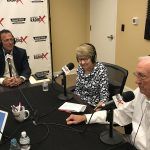
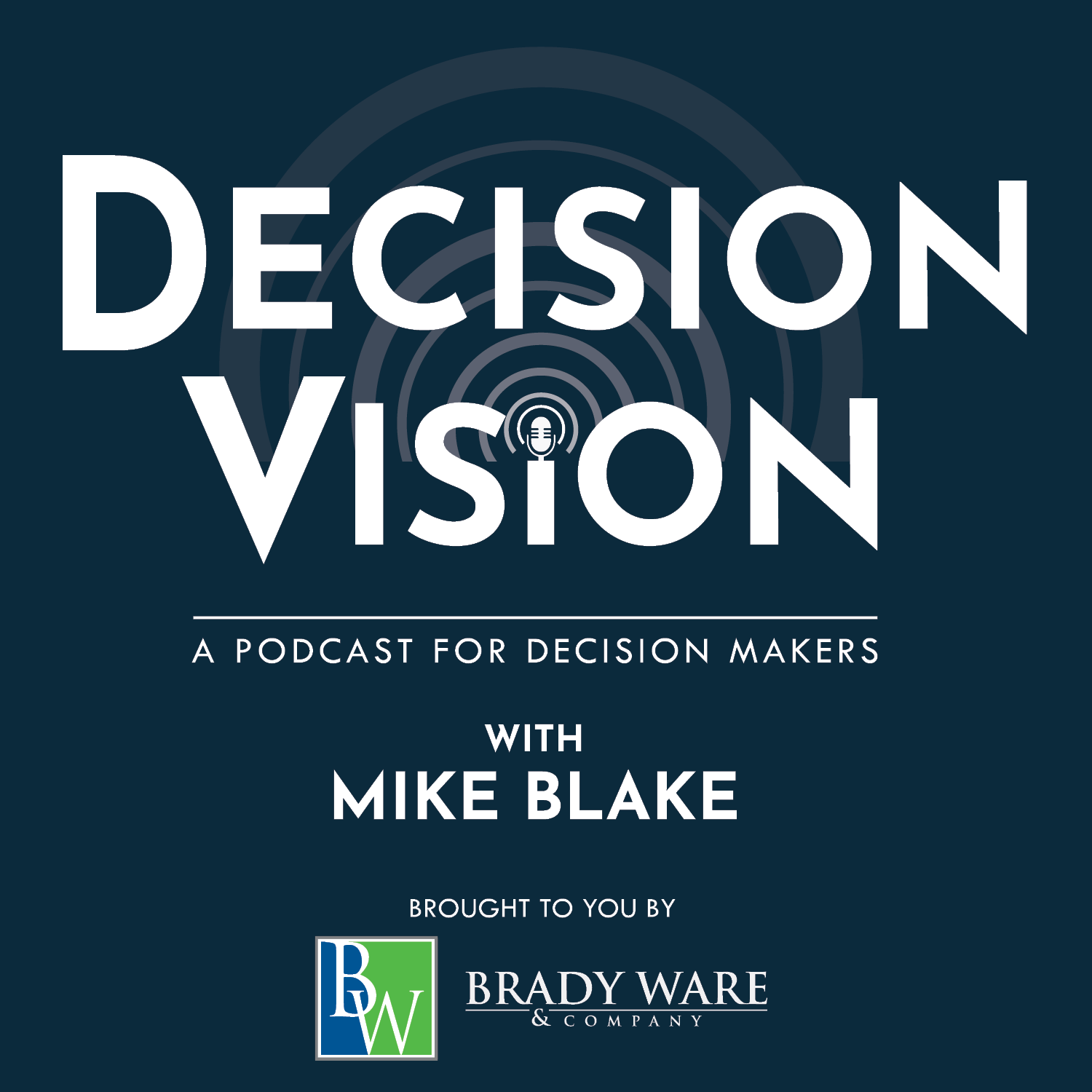
John Ray, Anthony Chen, and Tim Fulton

“North Fulton Business Radio,” Episode 156:  Tim Fulton, Small Business Matters, and Anthony Chen, “Family Business Radio”

On this edition of “North Fulton Business Radio,” host John Ray speaks with small business consultant Tim Fulton, Small Business Matters, and family business specialist Anthony Chen, host of “Family Business Radio” on Business RadioX®.

Tim Fulton, Small Business Matters

Tim Fulton, Small Business Matters

Tim Fulton is a nationally recognized small business consultant and advocate. He has been involved in entrepreneurship for the past thirty years in varying capacities as a successful business owner, a small business counselor, and as an adjunct university professor. In 1994, he started Small Business Matters, an independent management consulting and training practice. During this time he has worked with companies such as Lucent Technologies, Carlson Companies, Insignia ESG, and Georgia Power.

Tim’s past work experience also includes serving as the assistant director of the Small Business Development Center at Clayton State University and the Director of the Family Business Institute at Florida International University. He has worked with thousands of business start-ups and existing business entities as a catalyst for starting and growing their business enterprise.

Tim’s own entrepreneurial experience includes the ownership and operation of several fast-growing retail and service businesses. Each of which resulted in successful M&A opportunities. In addition, he was one of the founders of a successful Atlanta-based INC 500 internet software company.

Tim currently is a Vistage Group Chair in Atlanta, Georgia. Over the past fourteen years, Tim has facilitated over 500 executive group meetings, participated in over 3000 face-to face discussions with chief executives, and trained over 2000 small business owners.

Tim Fulton is the author of a very popular award-winning book on small business titled Small Business Matters.  This past year he published his second book Small Business Matters and All That Jazz. He has also been published and featured in numerous magazines and newspapers including the Atlanta Business Chronicle, Entrepreneur Magazine, and Catalyst Magazine. Tim also publishes his own award-winning electronic monthly newsletter, SMALL BUSINESS MATTERS, for small business owners.

Starting in 2013, Tim Fulton began hosting the Small Business Matters Conference in Atlanta. The event features twelve different speakers and over 200 small business owners and key executives in attendance.

For more information, go to the Small Business Matters website.  To contact Tim directly, you can email or call directly at 678-427-9436.

Anthony Chen, “Family Business Radio”

Anthony Chen, Host of “Family Business Radio”

Anthony Chen is a financial advisor with Lighthouse Financial Network and the host of “Family Business Radio” on Business RadioX®.

Anthony started his career in financial services with MetLife in Buffalo, NY in 2008. Born and raised in Elmhurst, Queens, he considers himself a full-blooded New Yorker while now enjoying his Atlanta, GA home. Specializing in family businesses and their owners, Anthony works to protect what is most important to them. From preserving to creating wealth, Anthony partners with CPAs and attorneys to help address all of the concerns and help clients achieve their goals. By using a combination of financial products ranging from life, disability, and long term care insurance to many investment options through Royal Alliance. Anthony looks to be the eyes and ears for his client’s financial foundation. In his spare time, Anthony is an avid long-distance runner.

Securities and advisory services offered through Royal Alliance Associates, Inc. (RAA), member FINRA/SIPC. RAA is separately owned and other entities and/or marketing names, products or services referenced here are independent of RAA. The main office address is 575 Broadhollow Rd. Melville, NY 11747. You can reach Anthony at 631-465-9090 ext 5075 or by email.




“North Fulton Business Radio” is broadcast from the North Fulton studio of Business RadioX®, located inside Renasant Bank in Alpharetta. Renasant Bank has humble roots, starting in 1904 as a $100,000 bank in a Lee County, Mississippi, bakery. Since then, Renasant has grown to become one of the Southeast’s strongest financial institutions with approximately $12.9 billion in assets and more than 190 banking, lending, wealth management and financial services offices in Mississippi, Alabama, Tennessee, Georgia and Florida. All of Renasant’s success stems from each of their banker’s commitment to investing in their communities as a way of better understanding the people they serve. At Renasant Bank, they understand you because they work and live alongside you every day.
 

Tagged With: emotional intelligence, EQ, Family Business, family business advisors, family business owners, Family Business Radio, family business success story, grit, growth paradox, Lighthouse Financial Network, north fulton business, North Fulton Business Radio, retirement planning, small business advice, small business advisory, small business consulting, Small Business Matters, Small Business Matters Bootcamp, Small Business Matters Conference, Tim Fulton, toughness

Decision Vision Episode 26: Should Our Company Get Help with Leadership? – An Interview with Bob Turknett, Lyn Turknett, and Tino Mantella, Turknett Leadership Group

August 1, 2019 by John Ray

Decision Vision
Decision Vision
Decision Vision Episode 26: Should Our Company Get Help with Leadership? - An Interview with Bob Turknett, Lyn Turknett, and Tino Mantella, Turknett Leadership Group
Loading
00:00 /
RSS Feed
Share
Link
Embed

Download file

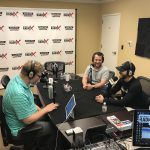
Mike Blake, Tino Mantella, Lyn Turknett, and Bob Turknett

Should Our Company Get Help with Leadership?

What are the qualities of a great leader? How do you recognize deficient leadership? How do you fix it? Bob Turknett, Lyn Turknett, and Tino Mantella of Turknett Leadership Group answer these questions and much more in an insightful and wide-ranging interview with “Decision Vision” host Michael Blake.

Overview of Turknett Leadership Group

With over 30 years’ experience, Turknett Leadership Group (TLG) is a nationally recognized leader in providing character-based leadership and organization development. TLG specializes in executive coaching and development at the individual and team level. Using the Leadership Character Model™, TLG has helped thousands of individuals become highly functioning, thriving leaders and has helped build teams that balance respect and responsibility with a foundation built upon integrity. Our goal always: organizations operating with complete integrity, optimized processes, and maximum financial success.

The firm has specialized in executive coaching since 1987, before the word coaching was common parlance. They combine scientific rigor with an unmatched ability to partner with our clients for deep sustainable growth and change. The founders at the firm are thought leaders and have lifted up character-based leadership through the Georgia Leadership Character Awards since 2003. These awards are now presented in partnership with the Greenleaf Center for Servant Leadership.

Turknett Leadership Group is committed to collaborating with the Gwinnett County Board of Commissioners to create a customized leadership development program that meets or exceeds any county specific needs. They are also confident in their ability to do so, as this is what we have done successfully with thousands of organizations, agencies, individuals, and teams for the last 30 years.

Leadership is their expertise. Turknett Leadership Group is the premiere resource for executive coaching, leadership and team development, talent assessment, culture change, succession management, and business focused engagement surveys. TLG has built a reputation for results and exceeding client expectations by creating high-performing teams for long term business success.

Details of our programs and client testimonials can be found at www.turknett.com.

Dr. Robert (Bob) Turknett, Co-Founder and Co-Chair

Bob Turknett

Bob Turknett served as CEO of Turknett Leadership Group for twenty four years, and now serves as co-chairman and senior consultant. Bob is a licensed psychologist, a trusted advisor to CEOs and boards, and a pioneer in CEO Coaching. He is often heard saying that he really loves coaching the top person because “it enables him to get his arms around the entire organization,” creating a high probability for real change. Bob has served as an executive coach to more than 1,000 executives in more than 100 companies.


Carolyn N. (Lyn) Turknett, Co-Founder and Co-Chair

Lyn Turknett

Lyn Turknett as President of Turknett Leadership Group for twenty four years, and now serves as co-chairman and senior consultant. The focus of her work is character in leadership, cultural assessment and change, and executive team development. Ms. Turknett’s consulting engagements have included leadership and executive team development, organization assessment and change, and individual feedback and coaching. She is particularly interested in helping teams at all levels improve effectiveness and working relationships, and in helping organizations maximize intellectual capital and create cultures that support innovation and initiative.

Tino Mantella, President and CEO

Tino Mantella

Tino Mantella became President and CEO of Turknett Leadership Group on October 29th, 2018. TLG is one of the nation’s top leadership development companies, driven by its proprietary Leadership Character model and grounded in science. TLG has supported hundreds of CEOs and their teams over the last 32 years Founders; Dr. Robert (Bob) Turknett and Carolyn Turknett will remain engaged and committed to the company’s mission..

Mantella brings over 30 years of experience leading some of the nation’s largest and most distinguished not-for-profit organizations including the YMCA of Metropolitan Chicago, the National Arthritis Foundation, and the Technology Association of Georgia.

Michael Blake, Brady Ware & Company

Mike Blake, Host of “Decision Vision”

Michael Blake is Host of the “Decision Vision” podcast series and a Director of Brady Ware & Company. Mike specializes in the valuation of intellectual property-driven firms, such as software firms, aerospace firms and professional services firms, most frequently in the capacity as a transaction advisor, helping clients obtain great outcomes from complex transaction opportunities. He is also a specialist in the appraisal of intellectual properties as stand-alone assets, such as software, trade secrets, and patents.

Mike has been a full-time business appraiser for 13 years with public accounting firms, boutique business appraisal firms, and an owner of his own firm. Prior to that, he spent 8 years in venture capital and investment banking, including transactions in the U.S., Israel, Russia, Ukraine, and Belarus.

Brady Ware & Company

Brady Ware & Company is a regional full-service accounting and advisory firm which helps businesses and entrepreneurs make visions a reality. Brady Ware services clients nationally from its offices in Alpharetta, GA; Columbus and Dayton, OH; and Richmond, IN. The firm is growth minded, committed to the regions in which they operate, and most importantly, they make significant investments in their people and service offerings to meet the changing financial needs of those they are privileged to serve. The firm is dedicated to providing results that make a difference for its clients.

Decision Vision Podcast Series

“Decision Vision” is a podcast covering topics and issues facing small business owners and connecting them with solutions from leading experts. This series is presented by Brady Ware & Company. If you are a decision maker for a small business, we’d love to hear from you. Contact us at decisionvision@bradyware.com and make sure to listen to every Thursday to the “Decision Vision” podcast. Past episodes of “Decision Vision” can be found here. “Decision Vision” is produced and broadcast by the North Fulton studio of Business RadioX®.

Visit Brady Ware & Company on social media:

LinkedIn:  https://www.linkedin.com/company/brady-ware/

Facebook: https://www.facebook.com/bradywareCPAs/

Twitter: https://twitter.com/BradyWare

Instagram: https://www.instagram.com/bradywarecompany/

Show Transcript

Intro: [00:00:01] Welcome to Decision Vision, a podcast series focusing on critical business decisions, brought to you by Brady Ware & Company. Brady Ware is a regional, full-service, accounting and advisory firm that helps businesses and entrepreneurs make visions a reality.

Michael Blake: [00:00:20] And welcome back to another episode of Decision Vision, a podcast giving you, the listener, clear vision to make great decisions. In each episode, we discuss the process of decision making on a different topic. But rather than making recommendations because everyone’s circumstances are different, we talk to subject matter experts about how they would recommend thinking about that decision.

Michael Blake: [00:00:39] My name is Mike Blake, and I’m your host for today’s program. I’m a Director at Brady Ware & Company, a full-service accounting firm based in Dayton, Ohio, with offices in Dayton; Columbus, Ohio; Richmond, Indiana; and Alpharetta, Georgia, which is where we’re recording today. Brady Ware is sponsoring this podcast. If you like this podcast, please subscribe and your favorite podcast aggregator. And please also consider leaving a review of the podcast as well.

Michael Blake: [00:01:03] And today, we’re going to talk about leadership. And not just leadership, but how do you recognize if you have the kind of leadership you need in your organization? How do you recognize if it’s deficient? And how drastic steps do you need to take and can you take in order to to fix it? And I’ve worked with organizations ranging from startups to larger organizations. And probably. the only organization that does not need leadership is a startup with one person in it. And even then, you can make an argument that there are opportunities for leadership even outside of the sole practitionership.

Michael Blake: [00:01:44] Now, those of you who’ve been with the podcast for a while or maybe know me personally know that I play in a rock band, which is basically a relatively safe midlife crisis outlet. Certainly, safer than a motorcycle and cheaper than a Ferrari, which I can’t afford anyway. But one of the things you notice in the band is that you have lead instruments that are up front all the time, right. If you’re Elton John, there’s a lead piano all the time. If you’re Van Halen, there’s a lead guitar pretty much all the time. And then, there are instruments that you don’t necessarily recognize unless they’re exceptional, right. Very few people really notice the drummer of the band unless it’s Rush on Neil Peart going on, right. They don’t necessarily notice the bass player unless the bass player happens to be a front man. Again, Rush with Geddy Lee. But that kind of shows you the nature of the band they have.

Michael Blake: [00:02:37] And over the years, I’ve come to think of leadership kind of being as one of those things that at one end of the spectrum, I think we recognize great leaders and great leadership readily. And then, there’s another end of the spectrum, like sometimes instruments in a band, where, sometimes, the best thing you can do is you know you’re doing a good job, and nobody knows that you’re there, right. You don’t remember, “Boy, that drummer kept a great beat the entire time.” But if they go off beat, everything can come to a crash very quickly.

Michael Blake: [00:03:11] And leadership can sometimes be like that. We kind of take it for granted almost that we assume that it’s going to be there, and we often don’t think about it until it sort of pops its head up and say, “Boy, that’s just outstanding leadership, sort of a Mozart one in ten million kind of thing,” or it’s “Boy, we lack leadership here. We don’t have emotional intelligence.” And when you’re in a badly-led organization, if you can just watch about that organization, it’s uncomfortable. It’s bad to be in, it’s not comfortable to to even watch.

Michael Blake: [00:03:47] And today, joining us, because I don’t know anything about leadership other than what I try to do in my my day-to-day activities, but fortunately, we are joined by three people who know an awful lot about it. And we’re going to try to squeeze as much knowledge out of them as we can over the next 35 minutes or so. So, we’re talking to Lyn Turknett, Bob Turknett, and new kid on the block, Tino Mantella of the Turknett Leadership Group.

Michael Blake: [00:04:12] With over 30 years pof experience, Turknett Leadership Group is a nationally recognized leader in providing character-based leadership and organization development. They specialize in executive coaching and development, the individual and team level, using the leadership character models and capitalization trademarks, and nobody else can steal that. They have helped thousands of individuals become highly functioning, thriving leaders, and to help build teams with balanced respect and responsibility with a foundation built upon integrity. Their goal is always organizations operating with complete integrity, optimized processes, and maximum financial success.

Michael Blake: [00:04:48] The firm has specialized in executive coaching since 1987, before the word coaching was common parlance. I agree with that. They combine scientific rigor with an unmatched ability to partner with their clients for deep, sustainable growth and change. The founders are thought leaders and have lifted up character-based leadership through the Georgia Leadership Character Awards since 2003, which, by the way, I am a proud three-time nominee. I still have the plaques hung up my office. It’s the only thing that I, actually, bothered to hang up. These awards are now presented in partnership with the Greenleaf Center for Servant Leadership.

Michael Blake: [00:05:23] It goes on, and on, and on. I could tell a lot more things about the organization, but that means I’m not asking questions, and they’re not answering them. So, I’m going to cut to the chase and I’m going to welcome Lyn, Bob, and Tino to the program. Thanks so much for coming on today.

Lyn Turnkett: [00:05:36] Great to be here.

Bob Turnkett: [00:05:36] Thanks for having us.

Tino Mantella: [00:05:36] Thank you.

Michael Blake: [00:05:38] So, let me lead off. Leading off with this. I mean, is leadership important? Do you agree to some extent that it can sometimes be taken for granted, but, boy, when it’s not there, you sure do miss it?

Bob Turnkett: [00:05:52] I’d like to address that just in a general way first. And then, they may have some comments. But, for me, a driving force in terms of leadership is how important it is for bringing out the best in others. With every client I see, I try to always plant the seed and get them to think about viewing themselves as trying to bring out the best in every person and help every person become the best leader and the best person they can be. And if you think about it, and if we’ve all had that as an underlying philosophy in all of our interactions, what a great organization it would be and what a great world we have.

Lyn Turnkett: [00:06:29] Yeah, it’s interesting. I was just reading a piece from Extreme Leadership yesterday. And it’s about the SEALs, the Navy SEALs. And one of the first stories is about boat race that’s a part of their last training. And one boat keeps coming in ahead in the race every time. And there is one guy who’s the leader on a boat that keeps coming in last. So, the guy who wrote the book and who’s the guy, whatever his title is, says, “Let’s just switch. We’ll switch the leaders.”

Lyn Turnkett: [00:07:05] Interestingly, the boat that was coming in last came in first in the next race. It was all about the inspiration, the way that person helped align the team, helped them feel good about the goal, helped them take small steps together. But that guy who was in the boat who was losing had no thought that it was his leadership causing that. It was, as you said, an unrecognized factor. I love the idea of the drummer in the band keeping the pace and being in the background, but helping align the band.

Tino Mantella: [00:07:44] So, I’ll just add a couple of comments because I think when your listeners are thinking about leadership, they probably are thinking about the CEO or the C suite. And the interesting phenomenon now that’s always been there, but it’s been magnified in the last decade, is that leaders could be at any level of the organization. And going back to your first point, Michael, it could be that one person because they have to lead in a lot of different ways. I mean, they have to lead in respect to convincing people that their product or service is viable, for example.

Tino Mantella: [00:08:19] But we like to — I think that companies today are saying every low level — in fact, we get a lot of calls now around the director level. A few clicks down saying, “We want all those people to be leaders.” So, every person or organization, if you’re being fully functional and optimizing your results, you’re going to want to make sure that every person sees themselves as a leader. And that’s really different in some ways between a manager, and somebody that’s taking ownership, and feels like they’re really part of the company, and helping to drive it forward.

Michael Blake: [00:08:52] So, let’s go to that. Tino, you and I have a long history collaborating in the startup world. And you know this as much about as I do, if not more.

Tino Mantella: [00:09:01] I’m not sure about that part.

Michael Blake: [00:09:01] I think it can be tempting to think, “Wow! I don’t run a thousand-person organization. I run a team of four,” right. How much room is there leadership there? But you sort of touched upon it. Even in a group that’s small, does leadership become important? Maybe it’s even more important because you’re more exposed. What do you think about that?

Tino Mantella: [00:09:23] Well, I’ll start with that one because we – Lyn, and I, and a couple other people at Turknett – worked with a group of 15 women entrepreneurs as part of a city program. And the focus of Lyn’s program was on leadership. And what we found is in a lot of these entrepreneurial companies, they’re thinking about – you know this, Michael –  first, the market, product, finance. And one thing that gets put on the sideline is, “How am I going to work with people? And how am I going to bring them all together? And how is everyone in this small group going to be willing to take on more than one set of job skills? Because, frankly, if there’s three people, you don’t have a lot of specificity here. You’re going to be doing it all.

Tino Mantella: [00:10:08] And so I don’t know if it’s more or less important. The founders, who have a lot more experience on this and seeing it from that side, might have a judgment on that, but it’s certainly as important in a four-person company as it is in a thousand-person company, I would say.

Bob Turnkett: [00:10:23] And in terms of the women, we do have Women in Leadership Program every month, and we have about 50 or 60 attendees and a speaker every month. And the women and, sometimes, men, who are the speakers tell their story of leadership, and  you can just see from the reaction of the audience there that those stories are very inspiring, and very powerful, and how important leadership really is in terms of-

Bob Turnkett: [00:10:49] I mean, when I go away from that, I feel like this is the best thing I’ve ever experienced. I go away from it every month feeling like, “This is the best one yet.” So, there is something really special and unique about leadership when it’s working well and when people can tell stories about the leadership, where it’s done in the right ways and the best ways.

Michael Blake: [00:11:05] Now, I’m curious, do those individuals, do you think they feel that great because they suddenly recognize they’re in a leadership vacuum, and, now, they have tools to fix it? Or do they sense that in themselves, all of a sudden, they realize they have the skills and the tool set to create that leadership influence themselves, or some mix of the two?

Bob Turnkett: [00:11:28] I think both, but Lyn may have an idea.

Lyn Turnkett: [00:11:30] I’d say the latter. I think they recognize — I think what Tino said about leadership being broader now, I think it’s always been very broad, but I think, particularly, in companies now, it’s broad. One of the things we say is leadership is a choice, not a position. And there are always opportunities for choosing to lead.

Lyn Turnkett: [00:11:55] There’s a definition I like too that says, “Leadership is about going first in a new direction and being followed.” So, anytime you see something that needs to be done, a problem that needs to be solved, and you figure out how to move forward and how to get other people to move along with you, you’re exercising leadership. You are leading.

Lyn Turnkett: [00:12:17] And I think to Bob’s point about why hearing other people talk about it is so inspiring is that it does, to your point, make you feel, “Oh, my goodness. I could do that. I do that every day. I did that in high school. That could be me. I could do more. I could take more ownership. I can lead.”
Michael Blake: [00:12:38] So, I’m going to skip ahead to a question because it segues better here then. Is it your view that everybody can be a leader? It’s not just something that you’re born with and that’s it, but it’s a set of skills that you can develop, or, clearly, I know it’s it’s a mindset based on your character model, but you expand upon that.

Bob Turnkett: [00:12:55] And everybody is a leader, whether they really accept the idea or think about it that way or not because you’re a leader as a parent, you’re a leader yourself. I mean, if you think about our leadership character model, which we can discuss in a minute, to be able to — if you think about that in terms of all the qualities are involved in the leadership character model, you’ve got to lead yourself first. And no matter whether you’re on your own by yourself or with the group of people, all those qualities are critical and important in terms of who you are, and how you present yourself, and how to be.

Lyn Turnkett: [00:13:31] I think also once people reach adulthood, there are probably some qualities of personality that may help some people move more strongly. Certainly, we know they affect whether people are chosen for leadership roles. But I think to Bob’s point, everybody leads. Everybody usually don’t think about those times that you do, but everybody leads. And certainly, we believe that leadership isn’t simply a gift that a few people have. It’s something that everybody exercises and that everybody can get better at with effort, self-awareness, and work.

Michael Blake: [00:14:11] Okay. So, what are some symptoms of deficient leadership? If I’m in an organization, right, and like you said, with the two boats, right, sometimes you don’t know it’s deficient until you realize you came in last, and the only thing that changed was the leader, right. What are some symptoms of deficient leadership? What, as a leader, should I be looking for?

Bob Turnkett: [00:14:33] I started writing that down. And after I got to a hundred, I stopped.

Michael Blake: [00:14:37] Okay. Let’s take the top few.

Bob Turnkett: [00:14:40] Some of them are infighting, political behavior, chaos, silos, constant drama, low productivity, poor results, always reactive, low morale your best people leave, high absenteeism, and it goes on, and on, and on from there.

Tino Mantella: [00:15:01] I think Bob covered a lot in those statements. I, probably, am more of the practitioner in a group just given my background. The YMCA had 4500 employees. And it was interesting because our work was full of such passion of wanting to help people and make a difference. And some people rose to the occasion and some different. I don’t think it was because they had these innate skills where one would stand apart from the others, but it’s more the things that Turknett Group works with people on and groups on, and that is taking accountability, taking ownership, being able to work with people, good communication skills, the kinds of things that are required to get people excited.

Tino Mantella: [00:15:48] And from my own experience, I mean, I’ve had great experiences, I feel like, of bringing people through the ranks and others where it’s like, “Oh man, maybe I should have done this a different way,” because it’s always about, are you getting them motivated? Do they understand what the vision is, what the mission is, what the direction is? Are you leading and are they following or are they leaving? As Bob said, there’s a lot of different reasons. If you lose your best people for whatever reason that is, you’re going to have to take a hit. And we hear all the time, like a company recently contacted us and said, “Look, we’ve gone through four CEOs in the last two years. What does that mean?”

Michael Blake: [00:16:24] Yikes.

Tino Mantella: [00:16:24] Yeah, yikes. So, that means that they’re looking at turnover at all parts of the rank because nobody knows if their job’s secure, et cetera, et, cetera. So. it’s having confidence in leadership, but it’s not just the CEO again.

Michael Blake: [00:16:41] So, there are a lot of symptoms out there. So, let’s go to some of the causes. What do you see in all the work that you’ve done? And also Tino, your view as a practitioner, I think, is very important here. What do you see as the most common or obvious causes of deficient leadership that maybe a listener can, if they have the wherewithal to be self-aware and self-examining, maybe they’ll press pause for a second after your answer and take an inventory of those qualities are in themselves or others with whom they work.

Tino Mantella: [00:17:14] Well, I start with that one just because I think that the Turknetts talk a lot and people that work with us on the coaching side talk about blind spots. And to me, it’s like you know what you know, and you don’t know a lot, and you don’t see that you’re missing the boat. And also, there’s an ego piece to this I see. I think I’m a better performer when I leave my ego at the doorstep, then I’m open to people giving me comments. And that’s really hard for some people, and it’s been hard for me over certain times of my career to be able to embrace that.

Tino Mantella: [00:17:49] So, I feel like if you have a mentor, if you have someone, your spouse, as Bob’s often said and Lyn have said, someone that can give you real — my spouse doesn’t have make trouble giving me feedback. But anyways, real feedback where you have that sort of place where people can say, “You know what, you’re missing that,” they don’t feel like their heads are going to get chopped off for something they’re going to say. So, that’s a real practitioner answer, but I’ll leave it to the experts.

Bob Turnkett: [00:18:17] I would like to just frame it, and then Lyn can comment, but I’d like to just frame in terms of if you think about leaders who are too passive or leaders who are too aggressive, and you’ve got problems in both areas. Leaders who are too passive abdicate. They are too nice. They don’t want to do certain things because they don’t want to impose. So, they hang back, and they don’t communicate, they don’t get feedback, they don’t do setting goals with people. They don’t do all the things they need to be doing.

Bob Turnkett: [00:18:39] And then, a leader who’s too aggressive tends — and then, what happens, at first, when a great tension gets created, interestingly, it bubbles up. And then, there’s explosions in the organization and all kinds of chaos. And that leader who’s too aggressive also creates tension, but in a different kind of way. It’s i because of fear. People are afraid. So, if people shut down, you don’t get the best from them and all the side effects could go home. Hundreds more side effects there in terms of that as well. So, those are two kind of categories I see.

Bob Turnkett: [00:19:07] And then on the aggressive side, that’s probably been the — when we first started doing this 30 years ago, many of the CEOs that I worked with were in that highly aggressive side, and very command and control, very top down, and thought that was the best way. And so, it was a real convincing job for me and worked for me to help get them to see that they get more of their goals met and more of what they wanted if they could balance that with the both respect and responsibility that they needed to do.

Lyn Turnkett: [00:19:35] Yeah, absolutely.

Michael Blake: [00:19:37] There’s two tips. I’ll let you finish, but I want to interject something because it’s interesting you sort of time date that, right. And I wonder if kind of the movies of the time kind of you reflect that or somehow influence that, right. Greed is good. Wall Street, Gordon Gekko and the leader of the night. And we’ll get into this. We’ll get into this. But what we idolize is leadership in the 1980s being a really take charge, super testosterone kind of deal where baby boomers were leading people like me, Gen-Xers, right. That doesn’t play well anymore, does it?

Bob Turnkett: [00:20:12] No. And so, I see the way — you’re going back to the autocratic, and that’s very top down, and almost a bully kind of leader to the — I call it parental, but it’s really benevolent autocrat, but parental, kind of still the parents. I slap your wrist. I spank you when you misbehave, but I don’t do it often, but I do it periodically. So, it keeps you in line. So, it’s still a fear way of doing it, so you get the same side effects, or very similar side effects, or to a partnership model, which is what it’s moving toward. And there are many leaders that we can point to today who really work hard in that part partnership model and do a good job of it.

Bob Turnkett: [00:20:48] But it’s easy still for the person who’s doing the partnership, when the stress happens or there’s crisis or conflict, they tend to revert to the parental style thinking that they have to do that when they don’t recognize that’s the worst thing they can do because they’ve got did what they got to do, is work even harder and develop more flexibility, agility, and adaptability to be able to solve the problems that are in front of them. And that’s not easy.

Michael Blake: [00:21:09] So, Lyn, coming back to you, what about causes you see as being your most frequent causes of deficient leadership?

Lyn Turnkett: [00:21:17] I’d say a lot of that is the opposite of what people need. I was just thinking, Tino was talking about self-awareness, getting feedback, and I was thinking. Center for Creative Leadership a while back. They had 67 competencies. They found four. And I think these are not just were important then. They may be even more important now. And those were self-awareness. And so, a lack of self-awareness and a lack of understanding, that’s EQ, that’s emotional intelligence, not understanding how you’re coming across to other people, not getting feedback, and not being able to adapt. That’s huge.

Lyn Turnkett: [00:21:56] Learning agility was another one. To Bob’s point then, if you can’t figure out what’s wrong, if you can’t in a complex organization, which many people are working in right now, if you can’t figure out how to be partnering later, work across organizations, work with people outside the organization, learn quickly, you can’t lead. There’s also typical things like arrogance, which is a big derailer.

Michael Blake: [00:22:28] It used to be number one.

Lyn Turnkett: [00:22:29] Yeah, perfectionism, that’s a big derailer. People who are overly perfectionist with themselves and with other people are not inspiring. And they, also, obviously, move very, very slowly. We could go on and on on this too.

Michael Blake: [00:22:44] Well, the thing that strikes me, though, is I think all of those things have a common thread. I think a lot of it to me, I’m going to put my Dr. Phil hat here, but it does, I think, boil that down to a fundamental insecurity, right. And to me, it sounds like what that creates is a feedback loop because if you lead an organization that is in fear, right?

Lyn Turnkett: [00:23:03] Yes.

Michael Blake: [00:23:03] And where dissent, where if not self-awareness, then making somebody also where is punished, then you’ve got no shot. You’re going to have to have an outside intervention, I think, which gets to the next question then that I wanted to ask, which is, is deficiency in leadership something that can be self-fixing, self-healing, or more often than not, does it get to a point where there’s got to be kind of a grownup that comes in or an advisor that comes in, and helps ride the ship and hits the reset button?

Bob Turnkett: [00:23:38] I’ll make one comment. If they could fix it, they probably would have already. It wouldn’t be happening if they really knew how to fix it. And if there was a textbook or something that they could just read that would fix it, that would help, but there’s usually not something there because it’s got to change something that’s a part of them, who they are, and what they’re about. And that’s what leadership — that’s the most important part of leadership is you can teach skills, and all kinds of different things, and tactics it can do. But it’s who they are and what they’re about. So, their attitudes, and beliefs, their assumptions, all that’s really critical, and that has to be gotten at by somebody helping that person get at it, or they could possibly get it by reading, but it would take some in-depth kind of personal work on their part to do that.

Tino Mantella: [00:24:24] Michael, when I took over TAG, it was right after the tech bust. You remember that. It was 2004. And the interesting thing, and people have talked about this for ages, but the best time to take over organization is when it’s in crisis because, then, they actually listen, and they’re open to ideas more. So, to the point, I think Bob was spot on. But what I would add from my experience and from seeing others is the best time to — there is a great opportunity to have someone be most aware after they’ve failed at something. And they’re going to be open because it’s like, “I lost my job. We lost money, whatever it is, it didn’t work. Somebody has got to help me.”

Tino Mantella: [00:25:08] If you go along, and you’re in a pretty good place, and to use the TAG, if I came in to TAG, and everything was robust, everybody was getting investments in your area, then there wouldn’t have been that sort of opportunity for me to come in and say, “Here’s what I think we need to do,” because at that time, people were pretty arm weary in terms of what they were trying to do. So, they were very open. So, from my experience, people sometimes need to have that not-so-great experience to be open. And I don’t know what Bob and Lyn would say, but there’s probably not too many people that haven’t, somewhere in their career, had something that didn’t go the way they wanted to make it go.

Bob Turnkett: [00:25:48] Whatever they can, whatever happens to make us more vulnerable makes us more open. And certainly crisis, and hardships, and things that really are adverse, certainly, will help us become more vulnerable. And that’s one of the things that many leaders struggle with, and they need to be more vulnerable and more open. But it’s very, very hard for leaders to do that.

Michael Blake: [00:26:08] It almost sounds like going through the five stages of grief, right? You have a failing organization. You go through the denial, the bargaining. I forgot the other states, but at the end of the day, there’s acceptance. And at some point you’re sort of out of options, and you’ve got to be willing to change. And with leadership, it’s just a deeply personal exercise, too. It’s really hard to blame lack of leadership on somebody else. It really is.

Bob Turnkett: [00:26:35] Right, absolutely.

Michael Blake: [00:26:37] So, there’s a question I want to make sure that I get in because I think it’s very timely. For a long time, and still today, companies address the customer experience. But now, we’re hearing more of a term called the employee experience. I mean, is that a real thing or is it just sort of a buzzword that we had on Bloomberg Radio for a couple of weeks and it’s going to go away?

Bob Turnkett: [00:27:01] Lyn, you did the right work on that.

Lyn Turnkett: [00:27:01] Yeah.  I think it’s a real thing. Some of it, I will tell you, will go away. Any of us who’ve worked in this arena for decades now that the business cycle influences things like that. We’re in a time right now where getting talent is really tough. People are paying a lot attention to their culture. They’re paying a lot of attention to employ experience at every level when they first come to the website, and think they might apply for a job, to the time that they exit the organization.

Lyn Turnkett: [00:27:34] But I do think that one of the things I believe is that as technology increases, as organizations become more AI-infused, people become more important. People coming to the table, knowing that they are valued in the organization, using their brains in the organization, feeling excited to be there is even more important than it is in a factory where you put in the same widget every day.

Lyn Turnkett: [00:28:08] Now, people have to pay attention to that. I think in order for the performance of the organization to be great. So, I think, from that standpoint, even though it will diminish when the business cycle is down a little bit, I think it’s going to stay important.

Tino Mantella: [00:28:23] Michael, when I was — in all the organizations I really run, say, five years or later, we always talk, and I was trained, and I was passionate about the customer being the center of the circle, the customer, the customer. We will do anything, including sometimes ask staff to do something beyond what they want to do because it was the customer-centered circle.

Tino Mantella: [00:28:52] That just doesn’t work anymore because of what Lyn said. And I would add to that, and you already mentioned it, Michael, the generations coming up, they’ll just say, “Yeah, I’m not going to do that.” They’re not going to focus on it. And let’s not take it. Millennials have been probably much maligned over the last many years. But part of it is they really want work/life balance, and they have other opportunities now because the retention rates are so low, and they’re like, “Yeah, I need to go work with my charity tonight,” or whatever.

Tino Mantella: [00:29:23] So, trying to run with command and control or trying to run with customer being the center of the circle and putting employees at a different level below that, you can try as hard as you want, but it’s going to be very difficult because people are going to push back now more than I might say that 10 years ago, whatever job I had, it’s like, “Yes, you’re right. We will do that. We will follow those. We will march to the sound of the guns,” or whatever, but it doesn’t happen now.

Bob Turnkett: [00:29:51] And decades ago, there were some people who stood out in the employee experience area. They weren’t calling it that, but like Horst Schulze, the Ritz Carlton. I remember him giving many presentations, and the employees were really empowered to do things that even today, most employees still aren’t empowered to do. So, he was so much of a forerunner of the employee experience. But I do think, as Lyn said, it will probably fade to some degree, and then reappear in some other form, but certainly without the employee feeling highly valued and doing everything you can to create that.

Bob Turnkett: [00:30:29] I just had a CEO that I was working with yesterday who just lost three people. She’s trying to hire another top level person. And she said that the competition for talent is so strong. She said, “And the way we do things, we go through this interview process that takes a couple of months or more, sometimes three months.” And she said, “I’m just losing people. The best ones there are, they say, ‘I just can’t wait. I got these offers. After one month, I got these two offers. I got to take one of them.'” So, we are in a time when the talent shortage is really making a big difference in our culture.

Michael Blake: [00:31:06] It’s definitely time where labor has a bit more power than we saw 10 years ago.

Bob Turnkett: [00:31:11] Absolutely.

Michael Blake: [00:31:12] So, here’s another question I want to make sure that we cover, and that is, can introverts be leaders? I think many people look at, or if they consider themselves an introvert, they feel like, at a minimum, they’re starting 30 meters behind in a 100-meter dash.

Bob Turnkett: [00:31:29] I have a quick story I just tell and other things, but I had a person I was working with who was the CEO of a large architectural engineering firm. And he scored on the Myers-Briggs type indicator — most people are familiar with this business kind of a profile. And he scored high on introversion, about as far as you can go. And then, when he did a 360 where he’s evaluated by all the people around him, he came out with almost all fives, almost all top scorers from like 40 different people on presentation, formal presentation, all kinds of presentation.

Bob Turnkett: [00:32:04] And I said, “Wow, look at this!” And their comments, there were like 20 or 30 comments. They were all just outstanding kind of comments. I said, “How do you explain this being — you talk about yourself as being an introvert?” He said, “Well, when I was 14 or 15, I decided I want to be a CEO.” So, he said, “I just started paying attention to what CEOs did, how they carried themselves, how they went about things.” And he said, “I’m the kind of person that would like to, if you go to a party or a gathering, get one person, and go off in a corner, and just talk to that person.” He said, “But you won’t see me doing that.” He said, “You’ll see me going into a room with 300 people.” And before that night, he was probably touching in some way or talking with everyone of the 300 people. He said, “Because that’s how important that goal was to me.”

Bob Turnkett: [00:32:46] So, it proved to me that if the goal is very important, we can learn anything. We can change and learn pretty much whatever we want to learn if that goal is that if we had that kind of passion.

Lyn Turnkett: [00:32:57] Also, data from the Myers Briggs shows that introverts are as represented based on how many there are in upper management as extroverts.

Bob Turnkett: [00:33:08] Yeah.

Tino Mantella: [00:33:08] I would just add that part of it is when we talked about awareness  that if you’re a great offensive coach, using a football analogy, then you have to find a good defensive coach to take care of the other side. And I think if you’re really aware and you say, “Okay, here’s my skill sets,” then the great CEOs will look for those balance to make sure. Maybe they don’t like to be out every night at meetings, but they want to have somebody that’s representing them, it doesn’t have to be the CEO. But I think awareness does a lot because it’s, again, not ego, but it’s like, “I’m not that good at that. I need to find somebody really strong at that.” So, it provides that balance.

Michael Blake: [00:33:52] Well, good. I’m glad I’m not hopeless. So, I’ll share a personal story. My wife has one great fear with me, and that is that she fears I’m going to be picked for a Mars mission because I’m such an introvert. She feels that my dream job would be stuck in a tin can one hundred million miles away from humanity for six months where I can’t even have a live phone conversation. Now, I’m too fat near-sighted to do that, but that’s her greatest fear. But I’m glad for somebody like me, there’s even hope.

Bob Turnkett: [00:34:20] That reminds me of the woman I was working with, and she was talking about her husband. She said, “I just wish…” He was highly introverted, and he didn’t talk much with her, and she really wanted to communication. She said, “I just really wish I could get inside his brain, and just walk around in there to see what is going on, because I just can’t quite figure out what’s going on with him.”

Michael Blake: [00:34:37] That’s right. That’s right. Sometimes, it’s a boardwalk. Sometimes, it’s a house of horrors. So, Tino, I’m going to direct this question at you first, and then let’s you guys jump in, but I did have this question with you in mind. Because you have led so many different types of organizations – for-profit, not-for-profit, large organizations, smaller organizations with different missions – does your leadership style have to change based on the kind of organization you have or are there leadership principles that are timeless and ought to work everywhere?

Tino Mantella: [00:35:09] So, I’d say your leadership knowledge and skill sets don’t have to change, but what you have to understand that isn’t always easy is what culture you’re inheriting. And as, I think, Peter Drucker said, “Culture eats strategy for breakfast.” And I’ve seen that many times in organizations that I’ve been involved with and organizations that we’ve worked with.

Tino Mantella: [00:35:35] And so, when you go into an organization, something that worked phenomenally at one will not work at all in another because the culture is different, and they’re not going to embrace it. So, I can give lots of stories about what I’ve seen where it’s just you go in with the same roadmap, or Gantt chart, or operating plan.

Tino Mantella: [00:35:58] I’ll give you one example. Young company I’ve worked with, and I came in full of fire and brimstone saying, “Okay, we’re gonna do operating plan, performance standards, NPR scores.” And they looked at me like I had three heads because they’re a bunch of entrepreneurs that just want to do what they’re doing. So, you have to take your time, pace it, make sure you have the right people, and not do it your way, as Bob and Lyn said. Sometimes you have to be flexible enough to say, “Let me stop, and listen, and see what you need.”

Tino Mantella: [00:36:34] So, I think the core skill for me has been you can use some of the principles that you’ve always used to build organizations, but you can’t always use the same techniques because the cultures are different. Lyn is an expert in culture and Bob as well.

Lyn Turnkett: [00:36:55] Well, that just reminds me, we talked to earlier about what derails people. And I think, sometimes, success could derail people, too much success. And to your point about not being adaptive, I was thinking, I was listening to your podcast that reminded me of the story of Ron Johnson at JC Penney. He had been dramatically successful at Target. Then, went to Apple and was dramatically successful in building their stores. And then, went to JC Penney.

Lyn Turnkett: [00:37:25] And this was a podcast about decision making, but it talked about the fact that he thought he knew all the answers there. He came up immediately with a strategic plan. And there was a lot written at the time about he cutting all of their brands. He didn’t ask people who are there what they thought. He stopped all the sales. He thought what he did at Apple was going to fly here, and he was the guy who could do it. So, to that point, you’ve got know what you’re moving into. And in my opinion, also, you’ve got to know that no matter who you are, you can’t be the only brain in the room.

Michael Blake: [00:38:03] I’ve stolen a technique or question from a guy named Tom Keene. He does the morning show for Bloomberg Radio. And when he interviews people, he’ll take a position. He’s a very smart guy. He’s a CFA charter holder and an economist in his own right. But he’ll often ask, “What have I got wrong?” He doesn’t end the question for validation. He ends the question asking for what are the holes. So, he’s inviting people to criticize.

Michael Blake: [00:38:31] And I think that is so smart. I’ve stolen it because I don’t need people to tell me why my idea is great. I already think it’s great. I wouldn’t have suggested it. But that question as a journalist is, “What have I got wrong?” It creates such a constructive conversation. Just that opening can make the hugest difference and being willing to be wrong. And as Bill Gates is famous for saying, “Success as a lousy teacher.” Exactly to your point, because it may reinforce maybe something that you don’t need to have reinforced necessarily.

Lyn Turnkett: [00:39:04] Right.

Bob Turnkett: [00:39:05] And that success is a lousy teacher is kind of another problem in terms of the way — we talk about in our company the levels of leadership or the stages of growth. Robert Keegan at Harvard did the same on stages of growth. And so, most people in organizations, they’re in the stage 3 to 4. But when you get to stage 4, you’re really doing pretty well in most aspects of leadership, most aspects of leading a team, et cetera, et cetera.

Bob Turnkett: [00:39:31] So, you’re really pretty. You’re really very good, but what happens is that you get a little cocky. And I don’t mean in a real negative way, but you’ve self-assured to the point where you don’t think you need to learn anymore, or you need to grow anymore. And then, that’s where the success tends to then delude you into thinking you’re really that good. And then, to be able to move to a level five, you’ve got to be able to then kind of put yourself back in the position of learning from everybody around you and really being able to do that.

Michael Blake: [00:39:58] Is there more vulnerable a point in life than when you think you have it all figured out? I’m not sure that there is, right?

Bob Turnkett: [00:40:06] That’s right.

Lyn Turnkett: [00:40:06] Yeah.

Michael Blake: [00:40:06] That’s when you’re whistling. You’re looking for the clouds. And that’s where the manhole is right under your right foot, right?

Bob Turnkett: [00:40:13] Yeah.

Michael Blake: [00:40:13] So-

Tino Mantella: [00:40:13] We’re all a work in process, all of us.

Michael Blake: [00:40:15] We sure are. My goal is that my last assignment I ever do in my life is my best one. Just a little bit  than the one before that. So, I’m going to ask you for some free consulting here while I have you captive on the microphone here. And that is that I have this notion — As you know, I work for an accounting firm. And accounting firms have a reputation of being a certain way. And I don’t think I have to explain what that certain way is. But one thing that accounting firms have is we have this notion of busy season where we got to get stuff out by April 15th, and September 15th, October 15th, or the world simply ends, vanishes.

Michael Blake: [00:40:53] And that’s a very tough time for everybody. Morale can really drag during that time. It’s working 60 hours a week filling out people’s tax returns. I get it. I thank God I don’t have to do it. But I look at Silicon Valley, and there are people there that are technical, and they’re working, by all accounts, 90 hours a week or more to the point that they offer free food and dry cleaning. Literally, you can’t drag these people out of their offices.


Michael Blake: [00:41:25] Is it just something that’s native to technology, or is it fair to ask the question that I’ve been asking, and people are looking going, “He’s a witch”? Is there something we could learn from Silicon Valley that instead of making people like they’re on this forced march, but they just love doing what they do and have a sense of purpose that big problem is dragging them out of the office, or is that just a dumb idea? What have I got wrong?

Lyn Turnkett: [00:41:53] I think most of the time when people are working like that because they want to, and I don’t really have a great answer here, but I think, often, it’s because, to your point, they are so excited about what they are doing. They love what they’re doing. Often, if it’s a startup, they’ve got some piece of the action, they expect it to — they have a sense of ownership, and there is purpose and drive in that.

Lyn Turnkett: [00:42:20] I don’t know if you can have an accounting firm where people are that excited about — maybe you could. And that’d be an interesting thing is to look at the places where people don’t talk like that, and the places where they do-

Tino Mantella: [00:42:34] That might be our next research project.

Lyn Turnkett: [00:42:35] Yeah.

Michael Blake: [00:42:35] Would that be cool?

Lyn Turnkett: [00:42:36] Yeah. Yeah.

Tino Mantella: [00:42:37] I do think, though, you’re on to something with technologists researchers, people that can work more independently. Although, if technologists are listening in this, they’d say that they can’t do that anymore. The days of shoving a pizza under the door and seeing what happens in that room that nobody knows what’s going on are gone.

Tino Mantella: [00:42:58] CIOS that I know and I know many are talking about the importance of communication, and teaming, and being involved, but I do think that when I ran the Arthritis Foundation, you see the researchers, and you see that that the technologists that are really involved with a project that they’re working on science, that most people have no idea what it is. And they’re not solving — they’re not curing cancer. They’re just moving like an inch, but they’ll work 90 hours a week because it’s their personal passion to make that happen.

Tino Mantella: [00:43:29] So, I think leaders, they are trying to figure out, with every person, what is that thing? Although, we also want to respect that most people aren’t going to want to work 40 hours, 50 hours a week, I’d say. So, it’s kind of that balance. But I do think there’s certain positions that probably lend themselves more to that.

Bob Turnkett: [00:43:48] I think a good book to read would be American Icon. And it’s about Alan Mulally, who was CEO of Ford, brought in to Ford to be the CEO. And this is many years ago. But the book chronicles what he did and helped create in Ford transformation of a culture that was in real trouble to one that probably was one of the best in the world and did it through really empowering people, through creating teams in people.

Bob Turnkett: [00:44:18] If you read — Lyn and I got to hear him speak. He was given an award in New York from the Chief Executive Magazine. And you can just tell the combination of humility and also toughness, those two. It was really, really powerful with him. And he helped get the whole culture motivated in a way that very, very few companies have ever done. So, it’s very possible to do it. It’s just harder with certain areas than others, but definitely a lot of the same tenets apply.

Michael Blake: [00:44:51] So, you’ve given us a lot of time already, and I want to be be respectful of that. So, I just got a couple more questions. And one of those last two shots that I’ve got is, what advice can you give the company, somebody that’s listening right now, and they’re sensing a leadership deficiency, either with themselves or the organization? What’s a piece of advice you could give them in terms of what they should be thinking about in terms of addressing a leadership deficiency of some kind?

Bob Turnkett: [00:45:19] We can send them our leadership character model. Just kidding.

Lyn Turnkett: [00:45:21] Sure, read a book. Read our book.

Michael Blake: [00:45:24] Yeah, read their book. Go to their website, and your new podcast, which you just started as well.

Bob Turnkett: [00:45:28] Right. That’s right. Yeah

Lyn Turnkett: [00:45:30] Yeah, I would say this is a bit self-serving, but any way you can get feedback is really helpful. Have somebody assess things, come in with an outside perspective can often be very, very helpful. Your your question, “What have I got wrong?” is great. If you’re a leader, ask people that. We have a forum we’d be happy to share with people. That, just, is something you could give people are working with you. And one of the questions is, how can I support you better? And often, that question sparks a good conversation. But if things are really not going well, it is probably going to pay to get some outside help.

Bob Turnkett: [00:46:15] And in the days in today, while we do work with situations where nobody wants us to come in to help them because of a deficiency, much  of our work and most of our work is probably with companies that are doing well that want to get even better. And, also, they’re facing so much more complexity that everything is changing and so dynamic, it’s just difficult to keep up. So, they’re doing their — well, as Robert Kagan said in his book, In Over Our Heads, we’re all in over our heads. With with the mental and moral complexities of our culture and our businesses, we’re all in our heads. So, everybody needs outside help. Probably every individual, but also, for sure, every company, every organization.

Tino Mantella: [00:46:58] This individual does not, for sure. I know I told the thing. I was talking to Bob one day, and I was writing like a little blog, and I said, “I’ve never had a coach.” And Bob came over and said, “Didn’t you play all kinds of sports and do all these other things?” And I’m like, “Oh, yeah, I’ve had a lot of coaches.” And then, you start to be aware of it.

Tino Mantella: [00:47:19] A couple of points here. The best tennis players we, now, are watching on Wimbledon, Nadal, and all, and Serena Williams, they all have coaches. Every good leader has a coach, whether it’s in sports. And so, I think, now — and I had breakfast with the gentleman a couple of days ago, he said, “I think this next generation coming up is actually going to be even more open to having coaches because,” he said, “my kids play baseball.” He goes, “They have a pitching coach. They have a batting coach. They have an outfielder coach, whatever it is. So, they’re really used to having people that can bring them along.” And I think that’s a good thing.

Lyn Turnkett: [00:47:59] Right, great.

Bob Turnkett: [00:48:01] And I’m a real advocate of women in leadership. And there is two women, both have the first name, Frances. One is Frances Hesselbein, who is probably one of the best leaders. And she transformed the Girl Scouts. And then, Drucker, Peter Drucker had her come and run the Drucker Foundation. And the other is Frances Kinne, who is in Jacksonville, Florida, and kind of there. And she’s 102, and she’s still going strong. Just went to a board meeting just a few few days ago. And so, again, she’s — Everybody wants her. She was on 40 something boards at one time. Everybody wanted her as part of their business because she is just so inspiring. So, when you have that kind of inspiration, that kind of a feeling within an organization, it makes a huge difference.

Michael Blake: [00:48:46] There’s a lot more we could cover. And it’s tempting to try to make this a two-parter, but I’m going to resist the temptation. But there’s a lot more that people can talk about. I am sure there’s a lot of leadership — I know there are a lot of leadership topics that we have not been able to touch upon today that a listener is interested in having addressed. Can they contact you for more information, get some advice, or maybe it makes sense to bring in somebody like you guys? And if so, what’s the best way to contact you?

Tino Mantella: [00:49:13] I think you can just go to our website, turknett.com, or contact us. I’ll give my cell phone, 678-984-8528. You can call any of us. We’re really responsive, and we’re happy to help. And even if it’s just to spend some time talking about what the issue is, I think, we can be helpful in that regard.

Bob Turnkett: [00:49:35] Even to direct somebody to somebody else who might help them when they’re intervening. So, yeah, we’d be glad to.

Michael Blake: [00:49:41] Very good. So, that’s going to wrap it up for today’s program. I’d like to thank Lyn Turknett, Bob Turknett, and Tino Mantella so much for joining us today and sharing their expertise with us.

Michael Blake: [00:49:53] We’ll be exploring a new topic each week, so please tune in, so that when you’re faced with your next business decision, you have clear vision when making it. If you enjoyed this podcast, please consider leaving a review with your favorite podcast aggregator. It helps people find us, so that we can help them. Once again, this is Mike Blake. Our sponsor is Brady Ware & Company. And this has been the Decision Vision Podcast.

Tagged With: Dayton accounting, Dayton business advisory, Dayton CPA, Dayton CPA firm, deficient leadership, deficit leadership, Dr. Robert Turknett, Drucker Foundation, emotional intelligence, Employee Engagement, employee experience, executive coaching, Frances Hesselbein, Frances Kinne, Georgia Leadership Character Awards, Horst Schulze, Leadership, Leadership Character model, leadership development, leadership for startups, learning agility, Lyn Turknett, Michael Blake, Mike Blake, Navy SEALs, passive leadership, perfectionism, Peter Drucker, President of Turknett Leadership Group, Ritz-Carlton, self-awareness, talent acquisition, Tino Mantella, turknett leadership, Turknett Leadership Character Award, Turknett Leadership Group

E30 Change Management with Julia Steel and Renee Campisi

May 20, 2019 by Karen

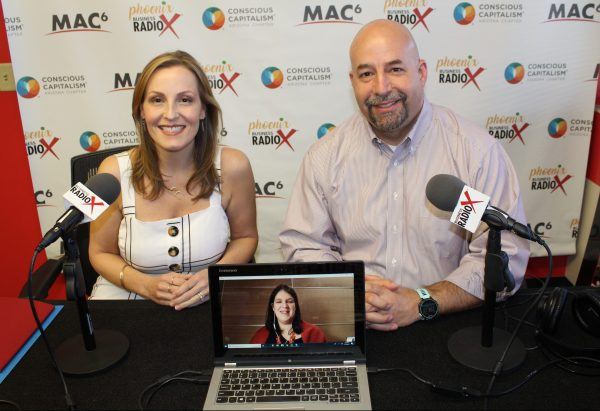
PROJECT-MANAGEMENT-OFFICE-HOURS-Author-Julia-Steel-and-Nimble-Giants-Consulting-President-Renee-Campisi
Phoenix Business Radio
E30 Change Management with Julia Steel and Renee Campisi
Loading
00:00 / 59:22
RSS Feed
Share
Link
Embed

Download fileDuration: 59:22

PROJECT-MANAGEMENT-OFFICE-HOURS-Author-Julia-Steel-and-Nimble-Giants-Consulting-President-Renee-Campisi1

E30 Change Management with Julia Steel and Renee Campisi

Have your struggled with Change Management? In this episode of Project Management Office Hours we have an in-depth discussion with Julia Steel and Renee Campisi on Change Management and Agile for Business.

We often look at Change Management on a per project basis rather than looking at Change as an overall initiative. How are we working within organizations with Managers and Leaders to prepare for change? Julia shares insights from her book, “Buy-in: How to Lead Change, Build Commitment and Inspire People.”

Listen to hear Julia describe the 3 C’s, Confidence, Clout and Courage to lead to successful Change. Renee shares her story which has grown to founding Nimble Giants. Listen to hear her discuss Agile for Business and the experiences that have helped shape her work. She provides great insights with stories, tips and tools which help organizations and leaders implement change.Think of “Change Fitness”, just as athletes need to practice and exercise to improve within their sport of choice we need to practice Change to improve.

Tune in for upcoming shows with Project Management leaders and subscribe to the podcast on Apple Podcast, iHeartRadio, Spotify, Stitcher, Spreaker or your favorite podcast platform! Our next show will be June 6th at 11:00am PST with Steve Fullmer and Darrel Gardner. Thanks to our sponsors PM Master Prep and THE PMO SQUAD. PM Master Prep is offering 20% off all services by using code PMOJOE at checkout on www.pmmasterprep.com.

Julia-Seel-on-Phoenix-Business-RadioXJulia Steel is on a mission to help individuals, teams and organisations supercharge progress, navigate change and deliver results that matter. JuliaSteelLogow60h60white

She is an international speaker, author, facilitator, and coach, offering programs that help you focus on, implement and achieve strategic change.

Julia is the author of “Buy-in: How to Lead Change, Build Commitment and Inspire People,” is a graduate of Stanford University’s Executive LEAD program and knows that enrolling the right people, at the right time, is crucial to your success.

Connect with Julia on LinkedIn, Facebook, Twitter and Instagram.

NimbleGiantsConsultingnobackground1

Nimble Giants will work with you to figure out exactly what services your business needs to run more efficiently and productively using an agile for business approach. Once that is established, they will work with you to figure out how you can grow your business from where it is now to where you dream of taking it.

Renee-Campisi-on-Phoenix-Business-RadioXRenee Campisi is leveraging her 20+ years of Process, Technology, Operations, Leadership and Change Management experience to bring her clients Nimble Giants Consulting. Renee’s business consulting services are focused on helping her clients unlock additional potential within their teams as well as operate in a strong, flexible and swift manner to remain competitive in today’s ever-changing landscape.

Renee first began her career at Accenture in Process and Technology Consulting for Fortune 100 companies. She credits her passion for business and leadership approach to spending her formative business years at Accenture where she practiced client partnership, consultative solutioning, innovation, technical leadership and project adoption.

Six years later, Renee left Accenture to operationalize a Joint Venture Partnership Program for a Phoenix based startup. This entrepreneurial experience helped round out Renee’s corporate business experience and provided her with a deep appreciation of the commitment and determination needed to succeed as a business owner.

After successfully expanding the Phoenix based entrepreneur’s Partnership Program across the US, Renee returned to her Process and Technology roots where she lead Professional Services for Pearson Education’s School Systems Business Unit. Here she strengthened her Program and Change Management experience and furthered her Operational Leadership and Business Partner Acumen.

After five rewarding years with Pearson, Renee was asked to design and implement an Operations Department for Neudesic, a highly successful and innovative Systems Integrator and Consulting Services Company with 12 offices across the US. Here Renee designed and implemented Business Capabilities focused on Business Performance Analysis and Advisement, Resource Deployment, Internal Process and Systems Development, Strategic Initiative Management, Financial Projections and Capacity Planning.

Currently, Renee is engaged with a Fortune 500 Company headquartered in downtown Phoenix where she is helping her client revolutionize how data driven innovation project work get accomplished using the skills she’s acquired through the years while helping the change she is implementing last.

Connect with Renee on LinkedIn.

ABOUT THE PROJECT MANAGEMENT OFFICE HOURS SERIES

Project Management Office Hours is intended to provide Project Management professionals a place to drop in and discuss Success Stories, Best Practices, and Lessons Learned.  Project Management Consultant Joy Gumz has shared with us, “Operations keep the lights on, strategy provides the light at the end of the tunnel, but project management is the train engine that moves the organization forward.”  

Each of us has a unique story to tell, but collectively we share a message that organizations who embrace Project Management Best Practices perform better than those which don’t.  Organizations which align Projects to Strategy perform better.  Organizations with Engage Executive Sponsors deliver better results.  Organizations which measure Project Management performance outperform those which don’t.

During our Project Management Office Hours, we hear directly from Industry leaders how to make an impact in our profession. How we, collectively, will Advance Project Management Best Practices, One Listener at a time! 

Project Management Office Hours is powered by The PMO SQUAD 

ABOUT YOUR HOST

Joe Pusz started THE PMO SQUAD to bring real world PMO Leadership experience to the consulting space and to advocate for Project Management through his blog PMOJOE.com. The old saying is “Do what you love and you’ll never work a day in your life.” Following this mindset Joe left Corporate America in 2013 to start THE PMO SQUAD and work with fellow Natural Born Project Managers to advance Project Management Best Practices.

THE PMO SQUAD focuses exclusively on PMO and Project Management consulting. Corporate America is full of Accidental Project Managers running projects who haven’t been trained to be PMs. To help solve this problem THE PMO SQUAD is on the Leading Edge with PMO As a Service. PMO As a Service allows our clients to focus on their respective core competencies while THE PMO SQUAD delivers Project Management expertise. Contact Joe at 678-591-7868. Follow The PMO Squad on LinkedIn, Twitter and Facebook.

ABOUT OUR SPONSOR

PM Master PrepTM is simply the worlds best PMP® Exam Preparation licensing system. There is no other product available to businesses and independent trainers that can offer the same premium courseware along with the rich feature set of our online exam simulator and study resources.

Our Courseware has been designed to be shorter, easier to learn for students, and easier to teach for instructors. Your students will learn faster, retain more and will pass the PMP exam!

PMMPLogo-01

Tagged With: Consultant, COO, Data Driven Innovation, data science, Digital Deployment, emotional intelligence, entrepreneur, executive coaching, Fortune 100, Fortune 50, Fortune 500, GE CAP, GE Change Acceleration Process, leader, Leadership, Management Consultant, Operational Excellence, Operations Expert, President, Process Expert, project management, Prosci, Servant Leadership, speaker, Technologist, woman owned business

CULTURE CRUSH RX Juan Kingsbury with Career Blindspot and Adam Wong of Rockstar Workforce

July 23, 2018 by Karen

Deb-Caron-and-JuanKingsbury-and-Adam-Wong-on-Business-RadioX
Phoenix Business Radio
CULTURE CRUSH RX Juan Kingsbury with Career Blindspot and Adam Wong of Rockstar Workforce
Loading
00:00 /
RSS Feed
Share
Link
Embed

Download file

Deb-Caron-and-JuanKingsbury-and-Adam-Wong-on-Business-RadioX2

CULTURE CRUSH RX Juan Kingsbury with Career Blindspot and Adam Wong of Rockstar Workforce

In this episode of Culture Crush Rx, Host Deb Caron chats with Juan Kingsbury of Career Blindspot and Adam Wong of Rockstar Workforce about how understanding people’s inherent traits and motivating forces helps build better working environments. Juan and Adam are both experts in self-awareness and peer-awareness and give us some excellent insights into the power of DISC assessments and discovery of motivating forces. For some reason, Zumba comes up often, too… you’ll have to tune in to figure that one out.

Listen in to learn how getting to know yourself and others better can lead to a happier, more fulfilling workplace. Whether you’re a leader looking to get more out of your team or an employee wondering how you can enjoy your job more, you’ll find this episode valuable.

Workshops and Tools That Turn Human Bias Into Opportunity. At Career Blindspot we train people to understand people, so conflicts don’t impede trust and results. We believe when leaders understand their people and vice versa they will always succeed. Without understanding why people work, accountability is lost. Proudly based out of Phoenix, AZ, since 2007, Career Blindspot has assessed thousands of employees and candidates in a variety of roles – entry level, business development and executive level for selection and development purposes. We work with leaders who see value in learning more about themselves and their people. Our clients understand that people seek out the work they think they deserve and they can do better.

JuanKingsbury-with-career-blindspot-on-Business-RadioXAs a talent consultant, Juan Kingsbury guides teams and individuals to turn self- awareness and peer awareness into opportunities. He believes that, put in the right environment, any individual can and SHOULD be a superstar performer and be eager to prove it. Additionally, he collaborates with other consultants, recruiters, trainers and executives to foster their own expertise in talent management and recognition with Career Blindspot training and coaching.

Follow Career Blindspot on Twitter.

Rockstar Workforce helps businesses grown by maximizing the potential of their people. They specialize in identifying and developing emerging leaders resulting in a more productive and results-driven organization.

Adam-Wong-with-Rockstar-Workforce-on-Business-RadioXAdam Wong brings over 15 years’ leadership and business management experience to Rockstar Workforce, including expertise in building high-performance teams, leadership development, sales, operations and administration. Most recently, he held key leadership roles at TTI Success Insights, a global leader in talent management. As Senior Vice President of Professional Services, he worked with mid- to enterprise-size businesses, leading efforts to implement new hiring and people-development initiatives.

In July of 2018 he launched his own consulting and leadership development company, Rockstar Workforce. rwdove

Adam is a professionally certified emotional intelligence analyst and a professional behavioral analyst. He has personally trained over 1,000 business professionals in the areas of emotional intelligence, self-awareness and the DISC behavioral assessment.

Adam holds an M.B.A. from Grand Canyon University and a B.A. from Northern Arizona University.

Deb-Caron-and-JuanKingsbury-and-Adam-Wong-on-Business-RadioX1

ABOUT CULTURE CRUSH Rx

Culture Crush Rx is an exploration of what makes a great company culture, how successful leaders create it, and how it affects the overall success of the company. We highlight the companies in our community who are crushing it with culture and get practical tips from local experts on how to do the same.

Each episode, we dive into real-life experiences, tips, and best practices for creating a healthy work environment in which everyone is functioning at their highest level and finding joy and satisfaction in their work. Whether you’re a top-level leader, a startup entrepreneur, or part of team, we aim to provide you with valuable insights to help make your work enjoyable and your life well-rounded.

If company culture isn’t consciously created, it will still be created.

ABOUT YOUR HOST

Deb Caron is the owner and principal consultant of Anahata Marketing, a Phoenix-based marketing and brand communication consultancy that focuses on empathic listening and content creation to foster real connection between businesses and the customers they serve. She hosts Culture Crush Rx as part of her personal passion for helping people live healthier, more fulfilling, well-rounded lives. Deb is also a registered yoga teacher and she truly enjoys sharing her knowledge and love for the practice with her community. Deb can be reached at deb@anahatamarketing.com and on Linkedin.

Anahata Marketing


Tagged With: Culture Crush Rx, emerging leaders, emotional intelligence, how to hire right, leadership development, personality assessments, Phoenix DISC workshop, self-awareness, Team building webinar

RESILIENCE RADIO: Ottawa University

November 28, 2017 by Karen

Phoenix Business Radio
RESILIENCE RADIO: Ottawa University
Loading
00:00 /
RSS Feed
Share
Link
Embed

Download file

RESILIENCE RADIO: OTTAWA UNIVERSITY

Building on its foundation as a Christ-inspired community of grace and open inquiry, Ottawa University prepares professional and liberal arts graduates for lifetimes of personal significance, vocational fulfillment and service to God and humanity.

From humble beginnings, Ottawa University (founded in 1865) has grown from a single building into a comprehensive educational institution serving about 5,000 students on eight campuses and online. Today, more than 22,000 OU graduates, including 5,000 in the Pacific Rim, have made and continue to make valuable contributions in their communities, corporations, and churches. Born of a special spirit, which permeates the University and its graduates to this day, Ottawa University is blessed by a rich heritage and an unquenchable commitment to educate increasing numbers of students for lifetimes of faith, service, leadership and significance.

www.ottawa.edu

Dr. Amy Hogan earned a BS in Elementary Education with a concentration in Vocal Music and a MLA from Baker University. She earned her PhD with a specialization in Advanced Classroom Instruction from Capella University. Her research focused on the relationship between preservice teachers and mentor teachers. Dr. Hogan served on the KS Regulations Board for teacher education, workgroups for the KEEP and KPTP evaluation tools, KS Teacher of the Year selection committees, task-forces for the Military Childhood Coalition, as a reviewer for NCATE and CAEP, and chaired a committee charged with revising the KS elementary education teacher licensure standards.

Her background includes mission coordination in the Tennessee Cumberland region, classroom teaching in the Shawnee-Mission School District, grant writing, developing small business enterprises, supporting programing for military families and children, and consulting in technology education and teacher assessment. While teaching in Shawnee-Mission, she was awarded twice West Antioch Elementary teacher of the year. Dr. Hogan has presented at numerous regional and national educational conferences, including TECHLearning. She has administered several grants in technology and teacher education preparation. One of these grant projects regarding parent-community-school involvement is featured in the Harvard Family Research archives.

Prior to becoming the inaugural dean for the Surprise, Arizona campus as well as the Dean of Arizona, Dr. Hogan served as Dean for the School of Education.

Dr. Lily Davidov joined Ottawa University Department of Business in 2013 as adjunct faculty and in Summer 2017 merged into the Ottawa Surprise Campus as a Business Faculty and Adawe Mentor.  Prior to that, Dr. Davidov was a full time Professor of Accounting at Embry-Riddle Aeronautical University, Prescott Campus.

Dr. Davidov completed her formal studies of the Doctor of Business of Administration and her dissertation was on Entrepreneurial Orientation as a strategic initiative of the firm.

Dr. Davidov comes from a long heritage of international entrepreneurs and is fluent in Russian.  While her professional experience includes many years in retail business where she enjoyed running and operating businesses; teaching, mentoring, and coaching is her passion.

Area of research: Entrepreneurial Orientation, inner wisdom, advising and mentoring, and teaching iGENERATION.”

David Barnes is the Executive Director of University Advancement of Ottawa University Arizona, with emphases in external relations, resourcing, new markets, marketing, and spiritual life. David also is Professor of Education. David has more than 32 years of experience in higher education, business, and ministry leadership, including 24 years in not-for-profit organizations. Prior to coming home to Ottawa University, David served as Senior Vice President for Partnership Relations for Johnson-Huffman Fundraising Strategists, President of Grace University, Executive Vice President and Founding Dean of the School of Adult Learning at Arizona Christian University, and Associate Vice President for Adult Programs at Spalding University. Prior roles at Ottawa University included service as Dean of the School of Education, VP of Enrollment Management, VP of Adult & Professional Studies, and Provost.

ABOUT RESILIENCE RADIO

Resilience Radio was born out of Cynthia’s passion for our youth. In reading articles and research papers on what our youth are challenged with today, Cynthia became overwhelmed with frustration that more is not being done to come alongside this community of young people.

The majority of our youth have very little ‘hope’ for their future and lack the ‘resilience’ needed to set and achieve specific goals for their future. With articles like “Teen Suicide Continues to Rise Throughout Arizona” (Today’s News-Herald, January 9, 2017) stating that, “Healthcare officials across the state are trying to figure out what is behind the alarming increase in teen suicide, up 81 percent since 2009”, Cynthia knew that she needed to create a positive media platform to help encourage the next generation of leaders… and the good people who support them.

Resilience Radio features CEO’s and Community Leaders who are having a positive impact on Arizona’s youth and young adults.

ABOUT YOUR HOST

From youth programs to corporate groups, large government agencies to nonprofits, Cynthia Diehl has experience working with organizations and individuals of all shapes and sizes. Her approach gives clients a better understanding of who they are and how they can capitalize on their strengths — instead of focusing on their weaknesses.

Cynthia Diehl is the Founder and CEO of RISE Strengths – a company dedicated to helping their clients identify (and effectively execute) their talents and strengths, facilitating strong personal and professional success. With 14 years as a Marketing Consultant and with her experience as a certified Gallup StrengthsFinder Consultant, Cynthia developed a series of proprietary workshops and training sessions to help bring out the best in people and has been successfully leading, teaching, training, coaching and consulting ever since!

She is a true advocate for her clients, offering support, encouragement, confidence and a sense of direction. Clients and colleagues alike consider her a trusted advisor and mentor.

cynthia-d@risestrengths.com
(602) 777.1556

Tagged With: David M Barnes, Dean of Student Affairs, diverse culture campus life, Dr Amy Hogan, Dr Lily Davidov, EMB, emotional intelligence, empowering young adults, empowering youth, Executive Masters Business, faith and service on campus, faith based college education, Goal Setting, GRIT Analysis, Helping students with anxiety, impact professors have on college students, international adviser, international college students, leadership development, life and work readiness, life plan narrative, mentorship, Ottawa Club Sports, Ottawa Coach, Ottawa Kansas, Ottawa University, Ottawa University Athletics, Ottawa University campus life, Ottawa University growth and development, personal finance, Personal Growth Days, Personal significance, Pre Fall Courses, Professional growth, Residential campus, Significance, Smartermeasure Analysis, Spirit Life, Spiritual life Sessions, Stress Management, student engagement, Study Habits, Surprise Arizona, teaching soft skills to university students, team dynamics, theory pathways, ultimate frisbee, University in Surprise AZ

EQ + Trust = Win/Win for Global Leaders!

August 28, 2012 by angishields

Global Leader Radio
Global Leader Radio
EQ + Trust = Win/Win for Global Leaders!
Loading
00:00 /
RSS Feed
Share
Link
Embed

Download file

In this interview, Anna Stevens and Keith Holmes joined as Alvin C. Miles’ in-studio guests to explain how developing emotional intelligence (EQ) and building trust will help you become a better global leader AND positively increase your bottom line!

Anna Stevens / Entrepreneur & Founder, EQ for Success

“EQ for Success” is an Atlanta-based company that provides consulting, training and coaching in Emotional Intelligence. Anna helps her private and corporate clients create permanent change and achieve lasting success. She provides support and guidance for those who want to live a more fulfilling, meaningful life, be collaborative, productive and achieve excellence in personal and professional arena.

Anna speaks and writes on a vast variety of topics related to Emotional Intelligence and Leadership. She has been interviewed on multiple radio-shows, appeared on TV, and writes for magazines on a regular basis. Anna is a happy wife of Dr. Philip Day and a step-mommy to Philip and Alan Day. In her spare time she likes to volunteer to inspire and empower women.

Anna currently is finishing her first book called “Get Rid Of Your If Only And Start Creating Success You Desire!”

Hear Anna:

• Blog Talk Radio

• High Achiever Radio 1

• High Achiever Radio 2

Watch Anna:

• WSB TV

Read Anna:

• Linkage Leadership

• MARC (Men Advocating Real Change)

• Power of Change in Canada

Follow Anna:

Blog

YouTube

Twitter

Pinterest

Contact Anna: (770) 633-0115, Anna@EQforSuccess.com


Keith Holmes / Vice President and General Manager, Mobility and Consumer Markets, AT&T

Keith currently has P&L responsibility for the Georgia Market.  He is charged with delivering sales results (wireless and wire line sales) through the Retail, Local Dealer, National Retail and Door-to-Door channels.  Prior to assuming this role, he was Vice President of Sales, Business Communications Services for AT&T Southeast, overall, a $4.0B business with 2,104 employees. Keith’s segment of BCS consisted of 1,205 sales associates and managers and accounted for 46% or $1.84 Billion of BCS’ revenue.

Prior to being promoted to Vice President, Keith was General Manager of AT&T’s Small Business Inbound Sales for the Southeast.  Before his General Manager role, Keith was Sr. AVP of BellSouth’s Distribution organization.  Keith was Assistant Vice President of Kentucky and Tennessee, living in Nashville, TN, before being promoted to Sr. AVP.

Prior to BellSouth Small Business, Keith was the Division Manager – South Alabama Division for the Berry Company. The Berry Company (now AT&T Advertising Solutions), an industry leader in directory advertising sales, was a subsidiary of BellSouth Corporation, a $44B telecommunications headquartered in Atlanta, Georgia. As the leader for the South Alabama Division, he was challenged with improving profit performance in a division with over $50M in sales.

Prior to the Berry Company, Keith was the Director of Publishing for BellSouth Advertising and Publishing Company (now AT&T Advertising Solutions) in Atlanta, Ga. There he led a team of 191 union and non-union employees in the production of 500 directories, plus specialty directories and marketing and sales collateral. Earlier in his career, Keith held several key positions in Collections, Customer Service, General Management, Project Management and Marketing.

Keith was born in Birmingham, Alabama. He received his Bachelor’s Degree in Management from Georgia Tech while simultaneously performing as a starting cornerback on a National Championship football team. Keith received his MBA from University of Alabama at Birmingham.

Keith also dedicates a significant amount of time to non-profit community service, having served as mentor and Board member for the Boys and Girls Club and Camp Fire Boys and Girls. He served as a volunteer for Junior Achievement and as a volunteer high school football coach. Keith authored and published the motivational book Soul Food To Go and accepts speaking engagements to deliver motivational speeches. Keith, his wife Bridget, and their two children Kaci and Keith reside in Atlanta, Georgia

Contact Keith: (678) 893-2600, keith.holmes@att.com


Which Business Book Has Most Impacted Your Leadership?

Anna Stevens:

The 7 Habits of Highly Effective People


Keith Holmes:

Jesus, CEO: Using Ancient Wisdom for Visionary Leadership


Tagged With: emotional intelligence, global leadership, keith holmes, trust

  • « Previous Page
  • 1
  • 2

Business RadioX ® Network


Our Most Recent Episode

CONNECT WITH US

  • Email
  • Facebook
  • LinkedIn
  • Twitter
  • YouTube

Our Mission

We help local business leaders get the word out about the important work they’re doing to serve their market, their community, and their profession.

We support and celebrate business by sharing positive business stories that traditional media ignores. Some media leans left. Some media leans right. We lean business.

Sponsor a Show

Build Relationships and Grow Your Business. Click here for more details.

Partner With Us

Discover More Here

Terms and Conditions
Privacy Policy

Connect with us

Want to keep up with the latest in pro-business news across the network? Follow us on social media for the latest stories!
  • Email
  • Facebook
  • Google+
  • LinkedIn
  • Twitter
  • YouTube

Business RadioX® Headquarters
1000 Abernathy Rd. NE
Building 400, Suite L-10
Sandy Springs, GA 30328

© 2025 Business RadioX ® · Rainmaker Platform

BRXStudioCoversLA

Wait! Don’t Miss an Episode of LA Business Radio

BRXStudioCoversDENVER

Wait! Don’t Miss an Episode of Denver Business Radio

BRXStudioCoversPENSACOLA

Wait! Don’t Miss an Episode of Pensacola Business Radio

BRXStudioCoversBIRMINGHAM

Wait! Don’t Miss an Episode of Birmingham Business Radio

BRXStudioCoversTALLAHASSEE

Wait! Don’t Miss an Episode of Tallahassee Business Radio

BRXStudioCoversRALEIGH

Wait! Don’t Miss an Episode of Raleigh Business Radio

BRXStudioCoversRICHMONDNoWhite

Wait! Don’t Miss an Episode of Richmond Business Radio

BRXStudioCoversNASHVILLENoWhite

Wait! Don’t Miss an Episode of Nashville Business Radio

BRXStudioCoversDETROIT

Wait! Don’t Miss an Episode of Detroit Business Radio

BRXStudioCoversSTLOUIS

Wait! Don’t Miss an Episode of St. Louis Business Radio

BRXStudioCoversCOLUMBUS-small

Wait! Don’t Miss an Episode of Columbus Business Radio

Coachthecoach-08-08

Wait! Don’t Miss an Episode of Coach the Coach

BRXStudioCoversBAYAREA

Wait! Don’t Miss an Episode of Bay Area Business Radio

BRXStudioCoversCHICAGO

Wait! Don’t Miss an Episode of Chicago Business Radio

Wait! Don’t Miss an Episode of Atlanta Business Radio