Business RadioX ®

  • Home
  • Business RadioX ® Communities
    • Southeast
      • Alabama
        • Birmingham
      • Florida
        • Orlando
        • Pensacola
        • South Florida
        • Tampa
        • Tallahassee
      • Georgia
        • Atlanta
        • Cherokee
        • Forsyth
        • Greater Perimeter
        • Gwinnett
        • North Fulton
        • North Georgia
        • Northeast Georgia
        • Rome
        • Savannah
      • Louisiana
        • New Orleans
      • North Carolina
        • Charlotte
        • Raleigh
      • Tennessee
        • Chattanooga
        • Nashville
      • Virginia
        • Richmond
    • South Central
      • Arkansas
        • Northwest Arkansas
    • Midwest
      • Illinois
        • Chicago
      • Michigan
        • Detroit
      • Minnesota
        • Minneapolis St. Paul
      • Missouri
        • St. Louis
      • Ohio
        • Cleveland
        • Columbus
        • Dayton
    • Southwest
      • Arizona
        • Phoenix
        • Tucson
        • Valley
      • Texas
        • Austin
        • Dallas
        • Houston
    • West
      • California
        • Bay Area
        • LA
        • Pasadena
      • Colorado
        • Denver
      • Hawaii
        • Oahu
  • FAQs
  • About Us
    • Our Mission
    • Our Audience
    • Why It Works
    • What People Are Saying
    • BRX in the News
  • Resources
    • BRX Pro Tips
    • B2B Marketing: The 4Rs
    • High Velocity Selling Habits
    • Why Most B2B Media Strategies Fail
    • 9 Reasons To Sponsor A Business RadioX ® Show
  • Partner With Us
  • Veteran Business RadioX ®

Trusting and Agile: Chocolate Soup and Assembly – Making Sure that Employee Recognition Comes First EP 12

June 30, 2021 by angishields

Trusting-and-Agile-Chocolate-Soup-and-Assembly-Making-Sure-that-Employee-Recognition-Comes-First-feature
BRX National
Trusting and Agile: Chocolate Soup and Assembly - Making Sure that Employee Recognition Comes First EP 12
Loading
00:00 /
RSS Feed
Share
Link
Embed

Download file

Trusting-and-Agile-Chocolate-Soup-and-Assembly-Making-Sure-that-Employee-Recognition-Comes-First-EP-12

Trusting and Agile: Chocolate Soup and Assembly – Making Sure that Employee Recognition Comes First EP 12

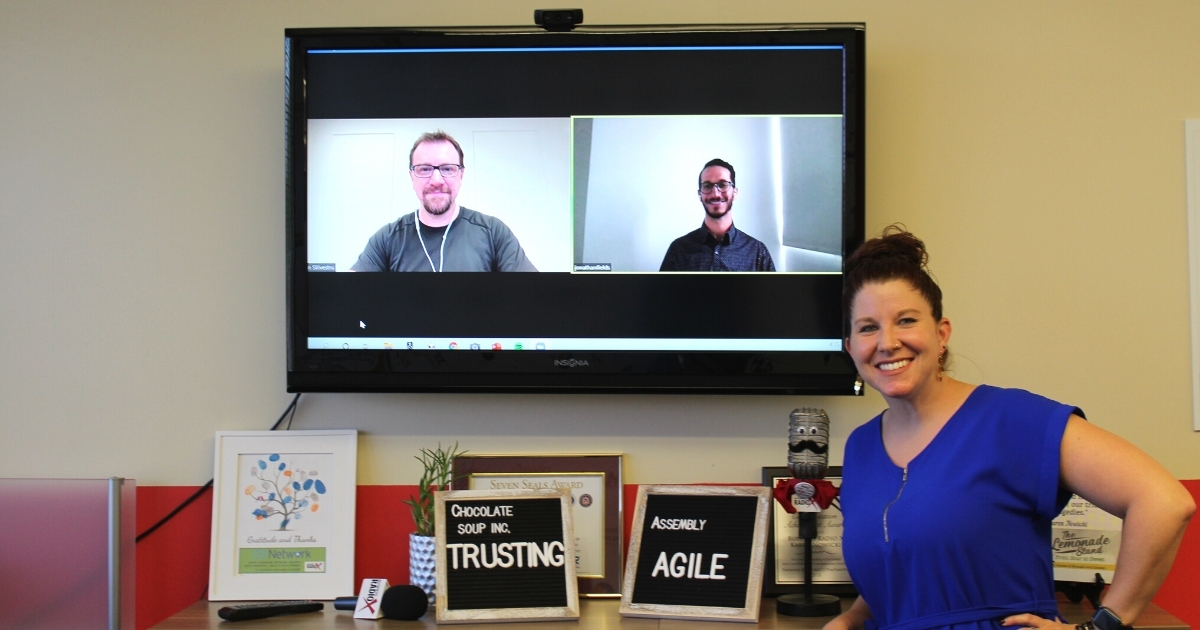
This episode of Culture Crush focused on the conversation of employee recognition. We were able to highlight two great individuals leading two employee recognition companies. Dan Silivestru with Chocolate Soup and Jonathan Fields with Assembly provided insight into the need for company recognition to the employees as we way that can increase company culture, brand recognition, and increase engagement and retention of the staff.

Their two companies compliment each other with the support they give to employee recognition. Assembly allows the employees the opportunity to provide recognition to their peers while Chocolate Soup allows the leadership team to provide recognition to the employees on all of their special days.

85% OF HR LEADERS SAY EMPLOYEE RECOGNITION PROGRAMS ENHANCE THEIR ORGANIZATIONAL CULTURE.

79% OF EMPLOYEES SAY THEY WOULD BE MORE LOYAL TO THEIR EMPLOYERS IF THEY RECEIVED MORE RECOGNITION.

This episode is great for all listeners. We can all connect with working for a company with a good culture or a bad culture, so we can all connect to the discussion of employee recognition as well.
We encourage company leaders to listen to this episode to gain two new resources that are designed to help employee recognition and therefor the overall health of the company culture. These two resources can drastically help improve the engagement of the staff by showing them the recognition they need.

Chocolate-Soup-Logo-Black

Chocolate Soup was born out of a sheer passion for building great company culture in support of happy, caring, and respectful teams. They’re here to help companies of all sizes discover the power of radical generosity, surprise and delight by recognizing important employee milestones with expertly curated, personal gifts.

Chocolate Soup offers a subscription-based employee recognition program that delivers beautifully curated gift boxes filled with treats and gifts. Companies can recognize their employees’ work anniversaries, birthdays, children and pet birthdays and more.

They also offer custom gift boxes for company events or for unique milestones including weddings and new home purchases.

Chocolate Soup lives and breathes employee happiness!

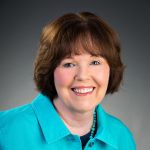
Dan-Silivestru-Culture-CrushDan Silivestru is the co-founder and CEO of Chocolate Soup. A life-long entrepreneur, Dan and his partner Pj Lowe have founded three previous startups, selling TinyHippos to RIM (BlackBerry) in 2011.

Their experience closing down their last startup, bitHound, gave them the idea for Chocolate Soup and its mission to help companies with employee recognition, engagement, and retention through beautifully curated, locally sourced gift boxes.

In addition to running Chocolate Soup, Dan also serves on the board of several startups and mentors early-stage founders with their startups.

Follow Chocolate Soup on LinkedIn, Facebook, Twitter and Instagram.

Assembly-logo

Assembly is an employee recognition and rewards solution that ensure employees feel appreciated and acknowledged for their hard work.
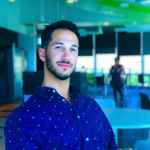
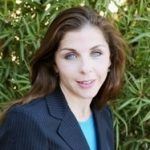
Jonathan-Fields-Culture-CrushJonathan Fields started his career in investment banking. After one short year he realized that his efforts were not truly valued and wanted to work in a more collaborative environment. Jonathan joined a small startup called ZipRecruiter as the 15th employee. The company went on to grow to over 1,000 employees and recently went public.

After 7 amazing years at ZipRecruiter Jonathan realized he wanted to better the employee experience and make work more efficient so he went on to build Assembly. In the past year Assembly has grown over 3,000% and continues to better work life culture in this changing environment.

Jonathan is an avid golfer, lives in Marina Del Rey with his fiance Eliana and has a mini golden doodle named Charlie. Jonathan also has a very immature sense of humor and is obsessed with Coldstone.

Follow Assembly on LinkedIn.

About Culture Crush

Culture Crush is officially relaunched! We are thankful to Debra Caron who launched and hosted the show originally. Culture Crush is back with a new host but the same focus- highlighting what makes a great company culture and how it affects the overall success of a company.CultaureCrushKindraBanner2
Culture is not just a tag word to be thrown around. It is not something you throw in job descriptions to draw people to applying for jobs within a company.

According to Marcus Buckingham and Ashely Goodall in their book Nine Lies About Work, “Culture is the tenants of how we behave. It’s like a family creed. This is how we operate and treat each other in the family.”

On this long form podcast we will highlight companies local to Arizona and beyond that are crushing it with great culture!

We will talk with company leaders to learn about real-life experiences, tips, and best practices for creating a healthy work environment where employees are finding joy and satisfaction in their work while also striving and growing within the company.

About the Host
ABHOUTHOSTHEADSHOTKindra Maples is your new host taking the lead on the relaunch of Culture Crush! She is spartan racer, past animal trainer, previous magician’s assistant, and has a weakness for Oreo cookie shakes. Her journey working with people actually started working with animals as a teenager (don’t worry we won’t go that far back for her bio).

She worked for over 15 years in the zoo industry working with animals and the public. Her passion of working with animals shifted into working with people in education, operations and leadership roles. From there her passion of leadership and helping people develop has continued to grow.

Then came the opportunity for relaunching the Culture Crush Podcast and she jumped on it. Leadership, growth, and strong company cultures are all areas that Kindra is interested in diving into further.

Shout Outs

We want to thank a few people for their behind the scenes effort in helping this relaunch to come to life. James Johnson with Tailored Penguin Media Company LLC.– It is a small, but powerful video production company with a goal to deliver the very best by articulating the vision of your brand in a visually creative way. Gordon Murray with Flash PhotoVideo, LLC. -Flash Gordon has been photographing since high school and evolving since then with new products that will equip, encourage, engage, and enable. Renee Blundon with Renee Blundon Design – She is not only one of the best free divers (that’s not how she helped with the podcast) but she is great with graphics design and taking the direction for the vision that you have while also adding creative ideas to bring to your vision to life.

These are just a few of the folks that supported the relaunch of the podcast. If you would like to be part of the Culture Crush team or would like to support underwriting the show- please reach out: culturecrushpodcast@gmail.com

About Our Sponsor

For 23 years Catholic Education Arizona has helped serve underserved children with $268 million in scholarships. Catholic High Schools have a 99.4% graduation rate and 97% move on to higherCatholic-Educaton-Arizona-logo  education or military service.

Participating partners like APS, BBVA, and Grand Canyon University receive a dollar-for-dollar Arizona State Tax Credit. The corporate partners enjoy helping our future work force, Building the Arizona community and future leaders!

The partners also enjoy promotion in Catholic Education Arizona’s newsletter, social media channels and podcast! For more information, call 602-218-6542 or visit www.ceaz.org – they are changing lives one scholarship at a time!
Tagged With: Chocolate Soup Inc., Culture, Employee Engagement, Employee Recognition, rewards and recognition, work life culture

Workplace MVP: Sheri Foster, Atlanta Community Food Bank

June 24, 2021 by John Ray

Atlanta Community Food Bank
Minneapolis St. Paul Studio
Workplace MVP: Sheri Foster, Atlanta Community Food Bank
Loading
00:00 /
RSS Feed
Share
Link
Embed

Download file

Atlanta Community Food Bank

Workplace MVP: Sheri Foster, Atlanta Community Food Bank

Sheri Foster, Vice President of Human Resources, joined host Jamie Gassmann to share why the Atlanta Community Food Bank created employee-led work teams, the recommendations they solicited from these teams, which included pay and vacation policies, and how these teams have engendered increased employee engagement and aided the organization in navigating momentous change. Workplace MVP is underwritten and presented by R3 Continuum and produced by the Minneapolis-St.Paul Studio of Business RadioX®.

Atlanta Community Food Bank

Atlanta Community Food Bank works with more than 700 nonprofit partners—including food pantries, community kitchens, childcare centers, shelters, and senior centers—to distribute over 67 million meals to more than 1 million people estimated to be food insecure due to COVID-19 in 29 counties across metro Atlanta and north Georgia.

They are a member of Feeding America, the nation’s leading domestic hunger-relief charity.

Atlanta Community Food Bank partners with food pantries, community kitchens, childcare centers, night shelters, and senior centers that receive food and goods from us. In turn, these partners provide food and other critical resources for the more than 1 million people estimated to be food insecure due to COVID-19 in their service area who suffer from hunger and food insecurity.

Atlanta Community Food Bank’s mission is to fight hunger by engaging, educating, and empowering their community. While their core work is food distribution, their efforts extend far beyond that. Their mission is lived out every day by engaging, educating, and empowering both people in need and those who want to help. From volunteering to assisting people in finding economic security, the Atlanta Community Food Bank covers a wide range of opportunities for people to learn and get involved.

Company website |Facebook | Twitter | Instagram

Sheri Foster, PHR, Vice President, Human Resources, Atlanta Community Food Bank

Atlanta Community Food Bank
Sheri Foster, VP, Human Resources, Atlanta Community Food Bank

Sheri Foster is Vice President of Human Resources with the Atlanta Community Food Bank. She is a high-energy, transformational leader with extensive experience developing and implementing human capital strategies.

Sheri brings extensive Talent Management experience and has spent more than 15 years advising executive leaders. She has extensive knowledge and experience leading change initiatives that improve the employee work experience and support the achievement of business results.

She has been with Atlanta Community Food Bank since 2016.

LinkedIn

R3 Continuum

R3 Continuum is a global leader in workplace behavioral health and security solutions. R3c helps ensure the psychological and physical safety of organizations and their people in today’s ever-changing and often unpredictable world. Through their continuum of tailored solutions, including evaluations, crisis response, executive optimization, protective services, and more, they help organizations maintain and cultivate a workplace of wellbeing so that their people can thrive. Learn more about R3c at www.r3c.com.

Company website | LinkedIn | Facebook | Twitter

About Workplace MVP

Every day, around the world, organizations of all sizes face disruptive events and situations. Within those workplaces are everyday heroes in human resources, risk management, security, business continuity, and the C-suite. They don’t call themselves heroes though. On the contrary, they simply show up every day, laboring for the well-being of employees in their care, readying the workplace for and planning responses to disruption. This show, Workplace MVP, confers on these heroes the designation they deserve, Workplace MVP (Most Valuable Professionals), and gives them the forum to tell their story. As you hear their experiences, you will learn first-hand, real life approaches to readying the workplace, responses to crisis situations, and overcoming challenges of disruption. Visit our show archive here.

Workplace MVP Host Jamie Gassmann

In addition to serving as the host to the Workplace MVP podcast, Jamie Gassmann is the Director of Marketing at R3 Continuum (R3c). Collectively, she has more than fourteen years of marketing experience. Across her tenure, she has experience working in and with various industries including banking, real estate, retail, crisis management, insurance, business continuity, and more. She holds a Bachelor of Science Degree in Mass Communications with special interest in Advertising and Public Relations and a Master of Business Administration from Paseka School of Business, Minnesota State University.

TRANSCRIPT

Intro: [00:00:05] Broadcasting from the Business RadioX Studios, it’s time for Workplace MVP. Workplace MVP is brought to you by R3 Continuum, a global leader in workplace behavioral health, crisis, and security solutions. Now, here’s your host, Jamie Gassmann.

Jamie Gassmann: [00:00:25] Hi, everyone. Your host, Jamie Gassmann here, and welcome to this edition of Workplace MVP. Throughout businesses across the globe, leaders are tasked daily with making decisions for the betterment of the organization. These decisions could be strategic in nature or are a part of the normal course of business. At times, there are leaders who feel they need to navigate these decisions alone and that it is their sole responsibility to carry the weight of the decision on their shoulders. But they don’t have to shoulder that process alone. In fact, by including their employees into the decision making process can actually hold various benefits to the organization, its people, and ultimately the leader.

Jamie Gassmann: [00:01:05] With us today is Workplace MVP Sheri Foster, Head of Human Resources at Atlanta Food Bank. Roughly four years ago, Sheri was a part of implementing a program at the Atlanta Food Bank that leveraged their employees in what they call Work Teams. As part of their overall decision making and change management process, she is with us today to talk about how the concept evolved, its impact on the organization, and overall benefits she has seen in leveraging employee insights into key decision making. Welcome to the show, Sheri.

Sheri Foster: [00:01:39] Good morning. Thank you for having me.

Jamie Gassmann: [00:01:42] So, before we get started today in talking about the topic, tell me a little bit about yourself and share with us your career journey.

Sheri Foster: [00:01:53] Great. Well, the Atlanta Community Food Bank is a great place and a great organization to work for, partly, because we have great employees. A little about me, I’ve been working in that field for about 20 years. I started off at a small consulting firm where we worked with companies who outsource their H.R. That was a really great place for me to start this work because I had the opportunity to support different types of organizations on a wide range of projects and initiatives. After that, and over the course of the next 18 or so years, I have been working in the nonprofit space and have been supporting mission driven organizations ever since.

Jamie Gassmann: [00:02:37] Wonderful. Wonderful. So, before we dive in a little bit further in kind of looking at these different work teams, prior to implementing them at the Atlanta Food Bank, what was the team morale and overall productivity like, you know, within the organization?

Sheri Foster: [00:02:56] So, I think the food bank has always been an employer that cares about its employees and has tried to implement programs to support and nurture them. The employee survey scores told us that we had employees that were absolutely committed to the mission of the organization. But like most organizations, there were opportunities for us to make improvements that would enhance the work experience for our employees.

Sheri Foster: [00:03:22] For us, it wasn’t necessarily that we had concerns about productivity. It was more that our organization was navigating a lot of change. So, at that time, we had a new president, we were embarking on a new strategic plan, and we were beginning to think about new ways of measuring our success, both at the organizational level and at the employee level. That is a lot of change for employees to process, and we knew that.

Jamie Gassmann: [00:03:49] Yeah. Definitely. I always say, the one thing in life that I know is always going to be constant and a given is change. So, definitely good for your organization to be able to pick up on that and try to be proactive in finding a way to help your team to navigate it. So, it sounds like that’s what led you in creating this work team concept. Were there other elements or how did that come to be? Or, that idea, how was it generated?

Sheri Foster: [00:04:23] So, part of what we understood as a leadership team was that we needed employee input. Again, like we talked about, we were navigating a lot of change and we needed employee help and involvement to sort of helping us to navigate that change. And then, also, to help us come up with ideas to create positive change to affect the areas of opportunity that we had identified in our survey.

Jamie Gassmann: [00:04:54] Great. And it’s always fun when those ideas are generated. So, talk me through, how did you create those Work Teams? What was kind of the design process conversation around how do we build this, how do we roll it out? How did you structure that?

Sheri Foster: [00:05:15] So, I can’t say that when we started this that we had a great, solid framework for what we were doing. I think what we understood was that we wanted employees involved in some various projects, particularly as it related to creating great work experience within the food bank. We formed our first employee work teams in 2016, and that was following our employee survey that year. We have identified three areas where we wanted to create actions to help move the organization forward. We wanted to create meaningful change for employees. So, in order to do that, we needed their help. So, we essentially solicited volunteers, and those volunteers formed our first set of work teams.

Jamie Gassmann: [00:06:08] Wonderful. And I’m sure you’ve probably built off of that from some of the key learnings. And I know we’re going to get at that in just a little bit. But what were some of those key projects that you’ve done so far where the Work Teams were incorporated into the process? And then, tell me about the role that the Work Teams played in those projects.

Sheri Foster: [00:06:29] So, one of the areas that our inaugural Work Team tackled from about 2016 employee survey was around employee pay, benefits, and training. So, as an organization, we laid out some parameters to help guide their work. And then, each team had a leadership team sponsor. From there, though, they operated as a self-direct Work Team. And this particular group conducted some very thorough research on vacation and pay, and ultimately made recommendations to change or modify our vacation policy. And they also wanted to increase the starting pay at Food Bank.

Sheri Foster: [00:07:12] So, they presented their recommendations to the executive leadership team. And long story short, we adopted their recommendations. And so, we made changes to our vacation policy. And early 2017, I think, was when we increased the starting minimum pay rate to $15 an hour. It was really incredible to see how thoughtful and thorough the team was in preparing and presenting their recommendations.

Jamie Gassmann: [00:07:43] Wonderful. And, now, I know when we talked previously, you spoke about how you used these Work Teams last year while you were navigating the COVID-19 pandemic. Talk to me a little bit about how the work groups worked in that capacity as well.

Sheri Foster: [00:07:58] So, we have an ongoing Work Team that we call Team Builders that is responsible for creating engagement activities for the organization. So, we have that team, Team Builders. And then, we have also sort of an Employee Engagement Work Team that sort of collaborated. And so, when COVID hit, those teams really worked together to help continue to create engagement opportunities. And it was challenging because, with COVID, about half of our employees moved to working remotely. So, they were working from home. But then, of course, we still had the other half of our employees who were onsite. And then, in the middle of that, we had some sort of hybrid people, some people who were sort of doing both coming into the office.

Sheri Foster: [00:08:52] And so, their charge was to keep us engaged when we didn’t have everybody in the building. So, they did lots of virtual events. They created virtual coffee breaks. And with those coffee breaks, they asked individuals, including the Leadership Team, to participate in those. We would also walk around with iPads so that our warehouse employees could see and engage with the people who had been working virtually. They did some virtual mixology, where they’re creating different drinks. I mean, so various virtual events. So, it was really great.

Sheri Foster: [00:09:32] And then, we’re just now starting to slowly returning employees back to the building. And so, that group of people has also created activities and have planned activities, really, for over the next 90 days to help us re-engage with each other. So, they have just done a really fantastic job of doing that.

Jamie Gassmann: [00:09:56] Wonderful. Wonderful. It’s probably great to watch how they work together as a team to pull those components together and build on that engagement level while people are in different parts of working environments. So, when looking at a project, some of these projects you’ve mentioned, when you’re looking where you leverage those Work Teams and then thinking back to before you had Work Teams, maybe a project that you had, what are some of the differences in the outcomes in terms of like, you know, change management?

Jamie Gassmann: [00:10:33] A lot of times, you know, from my experience, some of the concerns are the adoption of the change or how people respond to the change. And even in some of the way that they respond to decisions being made in the organization. So, when you look at these two project examples, what are some of the differences in the outcome in terms of employee response to it?

Sheri Foster: [00:10:58] So, I think with these Work Teams, there are a couple of things that are really important. The big thing about the Work Teams is the variety of perspectives. I’ve had the opportunity to work with many of these teams and they have great creative ideas. And they definitely see things from a different perspective than I do. So, there is an opportunity to be able to get ideas and to see things through a different lens, which is really important.

Sheri Foster: [00:11:30] I think that our leadership team is very accessible. And we all do get a lot of feedback from our employees. But employees also spend a lot of time talking to each other. And so, our Work Team members are able to bring that information and — to our discussions, and that has also made a difference.

Sheri Foster: [00:11:50] I have a really good example of that. I have referenced one of the Work Teams that we have is our Employee Development Work Team. And so, that team is charged with helping us to create a real robust employee development sort of career coaching framework. That, again, was feedback from our employee survey. And one of the things that they told me was we need to create a skills repository as part of our employee development effort framework.

Sheri Foster: [00:12:26] They said, we need managers employees to be able to have these really open candid conversations about knowledge, skills, and abilities. And to be able to track systematically the skills and proficiency levels, and that sort of thing. And use that to create development plans, but also for the leadership team to be able to have a view and to the development of these people so that they can consider them for next level assignments. And so, they have told me that probably a year ago.

Sheri Foster: [00:12:58] And then, we had our employee survey at the end of 2020, and one of our key outcomes from that survey related to employee development. And our survey tool, which automatically generates action recommendations, the recommendation from that survey tool was that we create a skills repository. So, I thought, “Well, you know, I could have saved money on the employee survey and just ask the employees.”

Jamie Gassmann: [00:13:34] Yeah. Awesome. Great example. So, we’re going to just take a moment to have a word from our show sponsor. So, Workplace MVP is sponsored by R3 Continuum. Ensuring the psychological and physical safety of your organization and your people is not only normal, but a necessity in today’s ever changing and often unpredictable world. R3 Continuum can help you do that and more with their continuum of behavioral health, crisis, and security solutions tailored to meet the unique challenges of your organization. Learn more at r3c.com.

Jamie Gassmann: [00:14:12] So, looking at your workplace now, and I know you’ve shared kind of that there’s this perspective that you’re getting when you don’t ask, you don’t receive that. And it definitely is different than what they bring – employees bring so much different perspective, which is great, and it can be so beneficial. But what are some of the other benefits that you have seen within the employees that you feel is a direct relation to the utilization of these Work Teams?

Sheri Foster: [00:14:44] Well, the first thing that I would say is that, employees who are involved are highly invested and engaged. So, the employees that are on these Work Teams are really invested. And they are very committed to the work that they’ve been charged to doing. I think employees are very supportive of their peers. So, recommendations made by Work Teams are likely to be accepted by the broader staff or at least the staff are willing to try new things.

Sheri Foster: [00:15:16] And then, Work Teams are helpful. Well, another example is one of the things I have been working on in my role in H.R. was our organizational approach to celebrating cultural heritage type events in a consistent way. So, how do we celebrate cultural events like Asian Pacific Islander Heritage Month, Hispanic Heritage Month, African-American Heritage Month, historical events like Juneteenth, and then things like LGBT Pride, et cetera, those sorts of things. So, we have been doing celebrations, but we wanted to have a real framework for doing it consistently and being able to communicate with the staff how we’re planning to do it.

Sheri Foster: [00:16:00] So, I engaged a subgroup. We have an Equity Steering Committee within our organization, which is one Work Team, and then Team Builders, who I referenced earlier. So, I engaged a subgroup from those two groups. And then, within a week, they had developed a plan, and approach, and a recommendation for how to handle that. So, I think the key is, at the end of the day, these groups are helpful and they have great ideas.

Jamie Gassmann: [00:16:31] Absolutely. Wonderful. And I got to imagine their respect and kind of appreciation to the leadership is probably grown from that. They see the decisions and the types of challenges that you’re navigating within that leadership role. So, talking about that, you know, how has the relationship between your organizational leadership and the staff changed as a result of giving them more of a voice in some of that decision making and change management?

Sheri Foster: [00:17:03] So, the Work Teams are not necessarily a silver bullet, but I do think that it starts to help us move towards trust. And so, I think that’s what we’re moving towards. So, the Food Bank still has opportunities, but I think the great thing about our organization is that we have a president, Kyle Waide, who is committed to employee engagement. He is a huge proponent of utilizing Work Teams to create positive change, and that makes a huge difference.

Sheri Foster: [00:17:36] And our leadership is also supportive. They have sponsored these Work Teams and have been really supportive of their work. One of the things that we are working on organizationally is communication and, specifically, getting people to talk openly and candidly up, down, and across the organization. And so, Work Teams is one of the ways that we are able to do that. Our Work Teams include employees across departments and across levels.

Jamie Gassmann: [00:18:05] Wonderful. So, we know that from research there are various benefits that come from creating more of a voice for employees in the decision making and change management process. But what, from your experience, were some of the challenges that you had to overcome with the rollout of this? Or just the management of the process in general that you’ve experienced?

Sheri Foster: [00:18:29] So, I think there are two big things, and those two big things are level setting expectations and gaining alignment. So, as an organization, we likely cannot implement every idea that an employee has. But I think the message that we’re trying to drive is that, we are willing to listen and to work to make change where we can and when we can.

Sheri Foster: [00:18:52] The other piece is that, we have a diverse organization, so it’s challenging to implement programs and initiatives that everyone loves. So, even within the team, sometimes it’s a negotiation to sort of align our priorities. But there is learning for the staff and for the leadership in that process. So, the big things that I would point to is, really, level setting expectations and, really, working to gain alignment.

Jamie Gassmann: [00:19:21] And if there are leaders that are listening to this episode that feel really good about this concept, feel like it’s going to work well within their organization, what would be your top three – if you were going to identify key best practice suggestions – for how they should approach putting something like this into place within their organization, what would be those key best practice suggestions?

Sheri Foster: [00:19:46] So, leadership buy in is essential. As I mentioned earlier, our president and our executive team, in particular, are supportive of utilizing Work Teams. And we have aligned on the areas where their work can be most impactful, and that’s critical. So, I would say that’s number one.

Sheri Foster: [00:20:05] Number two is, again, setting parameters and mitigating expectations for the staff, that is critical. We have been clear in saying that we are open to listening, but there are organizational constraints by way of policy, resources, and budget, but will also need to be considered in evaluating Work Team recommendations. So, I think level setting expectations is important. And then, the last is communication. So, the two way communication within the Leadership Team, within the Work Teams, and then good communication between the Leadership Team and the Work Teams is also important.

Jamie Gassmann: [00:20:44] Great. Great suggestions. So, when you look at your career, what would you say – if you were going to identify one moment in that career – as your proudest moment? What would that be?

Sheri Foster: [00:21:02] It’s hard to identify one proud moment. I think, the concept and this approach with respect to the Work Teams that we are utilizing at the Food Bank is something that I’m really proud of. I think that we are, right now, working on some really meaningful initiatives using the Work Teams. One of those is our Diversity, Equity, and Inclusion Initiative, and we have an Equity Steering Committee that is leading that initiative.

Sheri Foster: [00:21:34] And so, I actually think that my proudest moments may be yet to come, because I think that we’re going to have some great outcomes for the Food Bank and for the community that come out of our Diversity, Equity, and Inclusion Initiative, which is led by our Equity Steering Committee.

Jamie Gassmann: [00:21:53] Wonderful. And if our listeners wanted to connect with you to learn more about these work group programs, what is the best way for them to do that?

Sheri Foster: [00:22:04] Sure. I mean, they can connect with me on LinkedIn or just email me at sheri.foster@acfp.org.

Jamie Gassmann: [00:22:14] Wonderful. Well, thank you so much, Sheri, for letting us celebrate you today, and for sharing your knowledge and your insights into how these work groups have worked out so well for the Food Bank. It’s been great to listen to those. I was really excited about that concept because there’s just so much value in bringing in your employees into some of that change management and decision making that’s going on within the organization. And we appreciate you coming on the show. And I’m sure your organization and the employees appreciate you as well.

Jamie Gassmann: [00:22:46] We also want to thank our show sponsor, R3 Continuum, for supporting the Workplace MVP podcast. And to our listeners, thank you for tuning in. If you have not already done so, make sure to subscribe so you get our most recent episodes and other resources. You can also follow our show on LinkedIn, Facebook, and Twitter at Workplace MVP. And if you are a workplace MVP or know someone who is, we want to know, email us at info@workplace-mvp.com. Thank you all for joining us and have a great rest of your day.


Tagged With: Employee Engagement, employee engagement and productivity, Jamie Gassmann, R3 Continuum, Sheri Foster, The Atlanta Community Food Bank

PEAK – LOVE: Values and Cultural Alignment Chat With Peak Fleet and Source Global E7

March 30, 2021 by Karen

PEAK-LOVE-Values-and-Cultural-Alignment-chat-with-Peak-Fleet-and-Source-Global-feature
Phoenix Business Radio
PEAK - LOVE: Values and Cultural Alignment Chat With Peak Fleet and Source Global E7
Loading
00:00 /
RSS Feed
Share
Link
Embed

Download file

PEAK-LOVE-Values-and-Cultural-Alignment-chat-with-Peak-Fleet-and-Source-Global

PEAK – LOVE: Values and Cultural Alignment Chat With Peak Fleet and Source Global E7

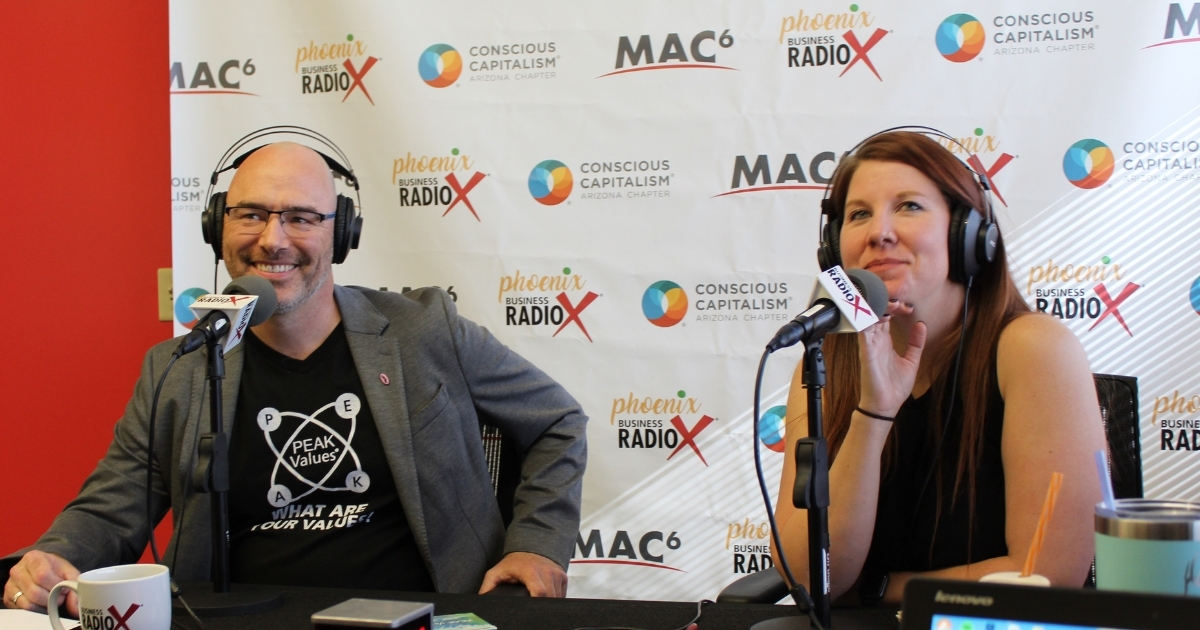
We are so thankful to have Sidnee Peck, from Source Global, and Brian Stinson, from Peak Fleet on the podcast. We were able to go a little deeper in the conversation around values, alignment, and company culture being intentional.

Sidnee talks about how their CEO and Founder, Cody Friesen, was very intentional about growing the strong company culture from day one. A company culture needs to be both organic and intentional and that is truly what he has tried to do. This intentionality starts during the hiring process with making sure that each hire truly is the best fit. Sidnee even discusses an example where there was a company hire that was brought on and shortly after it was revealed that the person was not the best fit. Sometimes it can be better to leave the seat empty instead of filling it with the wrong fit.

Brian brings expertise to the table from his background and experience working with Intel, to the position he holds now as the Culture Engineer with Peak Fleet (we love that title name). He has worked with many companies, from start ups to larger organizations, to help build and develop their values which allowed for a very fluid conversation with Sidnee. There was so much to talk about and definitely not enough time- there will have to be a part two to this conversation.

This episode is great for any listener and we really mean that. We talked about values, cultural alignment, misalignment, growing culture intentionally and organically, working together on a purpose and mission, having inspirational leaders at the forefront, growing a cultural legacy through storytelling and more. This conversation is for both leaders at the top and employees striving to grow to the top. At the end of the day, culture is not one size fits all. It can be difficult at times, but it is not rocket science.

Thank you to our sponsor Catholic Education Arizona!

For 23 years Catholic Education Arizona has helped serve underserved children with $268 million in scholarships. Catholic High Schools have a 99.4% graduation rate and 97% move on to higher education or military service. Participating partners like APS, BBVA, and Grand Canyon University receive a dollar-for-dollar Arizona State Tax Credit. The corporate partners enjoy helping our future work force, Building the Arizona community and future leaders!

The partners also enjoy promotion in our newsletter, social media channels and podcast! Please call us at 602-218-6542 or visit www.ceaz.org, that’s www.ceaz.org – they are changing lives one scholarship at a time!

SOURCESunlightAirLogoBlackBlue-01

SOURCE Global, PBC makes the world’s first renewable drinking water system, from just sunlight and air. Clean, safe, water made entirely off-grid, anywhere in the world.

SOURCE was founded and built in Arizona and aims to perfect water for every person, every place.

Sidnee-Peck-Phoenix-Business-RadioXSidnee Peck serves as EVP of Assets for SOURCE Global, PBC (formerly Zero Mass Water), a science and technology firm in Scottsdale, Arizona focused on Renewable Water. During her time at SOURCE she has held roles of Chief of Staff to the CEO and VP of Global BD Operations and Consumer Strategy.

She is the former CEO of SMART Brain Aging, Inc. a healthcare technology company focused on dementia. Under Sidnee’s leadership, SMART was awarded the Arizona Innovation Challenge award in summer 2016; she founded the Aging2.0 Local chapter and was a founding member of the action team for Dementia Friendly Tempe.

She served as an instructor of entrepreneurship at the W. P. Carey School of Business at Arizona State University for nine years, where she also launched the Center for Entrepreneurship in 2014 and consulted with global technology firms in customer and market development.

She helped to found the Golden Seeds Arizona Chapter and speaks frequently at StartUp Week and CCAZ events.

Peck lives in Phoenix with her family and is devoted to innovation – she found her passion for startups as a co-founder with technology company, Alaris in 2009. She has her bachelor’s from the University of New Mexico and her MBA from the W. P. Carey School of Business.

Connect with Sidnee on LinkedIn and Twitter.

The PEAK Fleet is an organizational development company with a purpose to create an engaged workforce that thrives together. The PEAK Fleet is a certified Benefit Corporation for Good and believes that improving the planet and supporting people is just as important as making a profit. PEAK-Fleet-logo

They provide workshops, in-depth consulting, speaking engagements, and other events that guide organizations to improved employee satisfaction and business results.

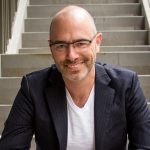
Brian-Stinson-Phoenix-Business-RadioXBrian Stinson, co-founder of The PEAK Fleet is a father, engineer, entreprenuer and athlete with more than 20 years building high performing teams and driving culture change. He has an Industrial Engineering degree, but believes that “people and systems thinking” has been in his DNA since birth.

During his 21 years at Intel Corporation, he learned to combine the science of data and analytics with the power of empathy and authentic relationships to actually solve real world business problems. At the end of his tenure, Brian was responsible for the Workforce Strategy for Intel’s 6000 person worldwide IT organization.

While in this role, he decided that the balance of his career would be dedicated to Organizational Development. For Brian, launching The PEAK Fleet, represented an opportunity to help the greatest number of organizations unlock their full potential and make a bigger impact on the lives of people at work.

Follow The Peak Fleet on LinkedIn, Facebook and Instagram.

About Culture Crush

Culture Crush is officially relaunched! We are thankful to Debra Caron who launched and hosted the show originally. Culture Crush is back with a new host but the same focus- highlighting what makes a great company culture and how it affects the overall success of a company. CultaureCrushKindraBanner2

Culture is not just a tag word to be thrown around. It is not something you throw in job descriptions to draw people to applying for jobs within a company.

According to Marcus Buckingham and Ashely Goodall in their book Nine Lies About Work, “Culture is the tenants of how we behave. It’s like a family creed. This is how we operate and treat each other in the family.”

On this long form podcast we will highlight companies local to Arizona and beyond that are crushing it with great culture!

We will talk with company leaders to learn about real-life experiences, tips, and best practices for creating a healthy work environment where employees are finding joy and satisfaction in their work while also striving and growing within the company.

About the Host

ABHOUTHOSTHEADSHOTKindra Maples is your new host taking the lead on the relaunch of Culture Crush! She is spartan racer, past animal trainer, previous magician’s assistant, and has a weakness for Oreo cookie shakes. Her journey working with people actually started working with animals as a teenager (don’t worry we won’t go that far back for her bio).

She worked for over 15 years in the zoo industry working with animals and the public. Her passion of working with animals shifted into working with people in education, operations and leadership roles. From there her passion of leadership and helping people develop has continued to grow.

Then came the opportunity for relaunching the Culture Crush Podcast and she jumped on it. Leadership, growth, and strong company cultures are all areas that Kindra is interested in diving into further.

Shout Outs

We want to thank a few people for their behind the scenes effort in helping this relaunch to come to life. James Johnson with Tailored Penguin Media Company LLC.– It is a small, but powerful video production company with a goal to deliver the very best by articulating the vision of your brand in a visually creative way. Gordon Murray with Flash PhotoVideo, LLC. -Flash Gordon has been photographing since high school and evolving since then with new products that will equip, encourage, engage, and enable. Renee Blundon with Renee Blundon Design – She is not only one of the best free divers (that’s not how she helped with the podcast) but she is great with graphics design and taking the direction for the vision that you have while also adding creative ideas to bring to your vision to life.

These are just a few of the folks that supported the relaunch of the podcast. If you would like to be part of the Culture Crush team or would like to support underwriting the show- please reach out: culturecrushpodcast@gmail.com

About Our Sponsor

For 23 years Catholic Education Arizona has helped serve underserved children with $268 million in scholarships. Catholic High Schools have a 99.4% graduation rate and 97% move on to higherCatholic-Educaton-Arizona-logo  education or military service.

Participating partners like APS, BBVA, and Grand Canyon University receive a dollar-for-dollar Arizona State Tax Credit. The corporate partners enjoy helping our future work force, Building the Arizona community and future leaders!

The partners also enjoy promotion in Catholic Education Arizona’s newsletter, social media channels and podcast! For more information, call 602-218-6542 or visit www.ceaz.org – they are changing lives one scholarship at a time!
Tagged With: core values, Culture, Employee Engagement, Future of Work, Leadership, Sustainable water, values, Water crisis, Water from air

McMinn HR and HPISolution: No Longer the Unconscious Conscious Capitalists – a Chat About Company Culture and Beyond E8

March 25, 2021 by Karen

McMinn-HR-and-HPISolution-No-Longer-the-Unconscious-Conscious-Capitalists-a-Chat-About-Company-Culture-and-Beyond-feature
Phoenix Business Radio
McMinn HR and HPISolution: No Longer the Unconscious Conscious Capitalists - a Chat About Company Culture and Beyond E8
Loading
00:00 /
RSS Feed
Share
Link
Embed

Download file

McMinn-HR-and-HPISolution-No-Longer-the-Unconscious-Conscious-Capitalists-a-Chat-About-Company-Culture-and-Beyond-E8

McMinn HR and HPISolution: No Longer the Unconscious Conscious Capitalists – a Chat About Company Culture and Beyond E8

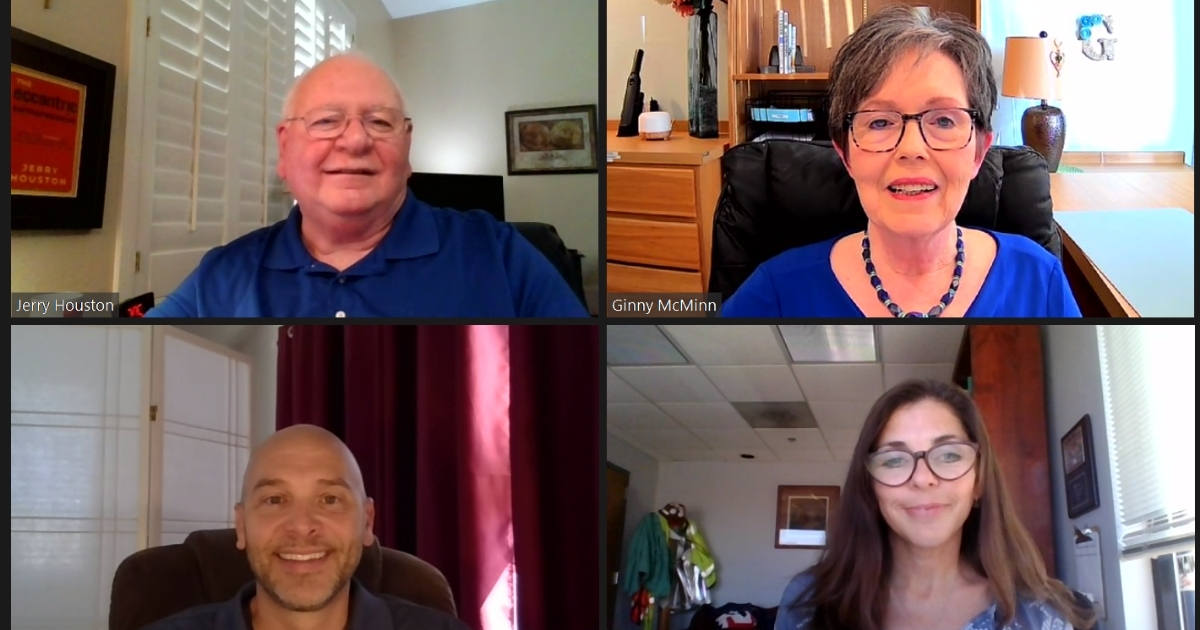
Jeremy and Sarah had an extremely impactful conversation about company culture, employees shifting in the workplace, recognition from the leaders to the employees, and workplace engagement. We love when our guests have stories to share, with examples that showcase good company culture as well as some that are not so great. Company culture is something that both Ginny and Jerry support in their companies. Supporting employees directly relates to growing the company and making profit as well. Jerry directly points out that, “Without profit there is no business.”

As they progress through the conversation and the stories continue, we hear great examples and data to support the need for leadership to acknowledge and provide recognition to their employees. This means supporting employees during a pandemic and the rest of the time as well.
“Change has happened so we might as well acknowledge that and see where we go from here,” Ginny mentions as they discuss the changes and variety of ways that leaders can support their staff and help them to feel recognized even from home. Supporting the company culture is extremely important as we continue to work remotely as well as starting to shift back into working in the office again.

We were able to hear a variety of examples from Ginny on the HR side of things and how it is evolving. Back in the day, the role of the HR department was to “make sure our employees don’t sue.” HR departments are now one of the main parts that support driving and growing a good company culture. It has become more important to companies to have a strong culture, to support their staff, and to make sure their staff is fully engaged.

Both Ginny and Jerry have been running their companies in ways that align with the tenants of Conscious Capitalism, without knowing that this movement was even a thing until recently. There is a tremendous amount of alignment with Conscious Capitalism and both Jerry and Ginny’s companies, passions, and experiences that the listeners are able to hear through the conversation.

This podcast is a great one to listen to if you have read about the tenants of conscious capitalism and feel that you align but want to hear a little more. This podcast allows listeners to hear from two individuals that have been running businesses in a conscious way and have finally found their tribe of people that align with those similar tenants. Jerry and Ginny are two more leaders that we can add to the list of individuals that started out with this community as “unconscious conscious capitalists” and we are excited to have them in our community to join our tribe.

HPI Solutions logo_CMYK

HPISolutions was organized in July 1992 as an organization dedicated unlocking the power of human potential. The organization’s purpose statement is; to enable behavior change in individuals and teams so that people and organizations can realize their highest potential.

HPISolutions accomplishes this purpose by focusing on business and process consulting, team development, assessment analytics on human behavior, HR Services, and professional coaching. The leadership team and independent partner network believe in approaching all people with Mutual Benefit, Respect and Trust and in a Trusted Advisor Relationship with their clients.

Jerry-Moon-People-and-ProfitJerry Houston is the CEO and Founder of HPISolutions. More than 28 years ago, in the Chicago, Illinois area, the company was born in a tiny one room office and has grown and prospered, serving almost 1000 client organizations.

Jerry is a life long advocate of equality and fairness in opportunities for individuals regardless of race, creed, color or sexual orientation. He has dedicated his life to tireless work on behalf of disabled people, homeless women and their children, the native population and victims of the AIDS pandemic in the Country of South Africa, among others in need.

Jerry spent 24 years engaged in operations management for a variety of organizations, in as many industries. He has managed thousands of employees and his focus has been in seeking the right people for the right position based on skills, experience, education, and most important, who they are as a human being.

Jerry is fully certified in a wide range of behavioral sciences. Jerry recently authored his first book, The Eccentric Entrepreneur, which was published on Amazon in October 2020. Jerry was also a recipient of the Trusted Advisors Network Lifetime Achievement Award, as well as TTI Success Insights International Award for Lifetime Achievement in 2020.

Jerry is working on his second book, Business of People – Unlocking the Power of Human Potential, which should publish in late 2021. Houston, now in his seventies, continues leading the HPISolutions team with the same energy and passion as he has displayed over almost 30 years in the human development industry.

Follow HPISolutions on LinkedIn, Facebook, Twitter and Instagram.

McMinnHRLogo

McMinn HR™ provides organizations with a full range of Human Resources consulting, training design and delivery, and HR services including coaching for small business owners and company leaders. McMinnHR™ celebrates its 33rd business anniversary this year.

McMinnHR™ is located in Gilbert, Arizona, and is a woman’s business enterprise, registered in Arizona.

Ginny-McMinn-People-and-ProfitGinny McMinn’s experience includes over 40 years in a variety of nationwide human resource responsibilities, multiple industries and a diverse client base. Her passion is taking complex topics and workplace issues and creating understanding and lasting solutions through training and practical workplace processes.

She brings a wealth of background and experience to you and your organization: teaching, counseling, training, program development and implementation, policy formation and implementation, along with the basic human resource responsibilities of hiring, training and development, wage and salary, recordkeeping, equal employment opportunity/affirmative action, safety, benefits, recruiting, employee relations and preventive labor relations, employee communications, planning, budgeting, organizational assessment and productivity improvement.

Her training includes a MS in Industrial Relations (MSIR), from Loyola University of Chicago; BA in English Education from the University of Illinois at Urbana; Employee Relations Law Certificate; and Mediation Certificate in Arizona. She has been honored with Lifetime Accreditation as a Senior Professional in Human Resources (SPHR).

Connect with Ginny on LinkedIn, Facebook and Twitter.

About Our People and Profit Co-Hosts

Sarah-McCrarenSarah McCraren is an Arizona native with a strong sense of community. Sarah spent many years in the corporate finance world specializing in the operational analysis, measurement and accountability systems, project management and software implementations. However, Sarah wanted to do work which was meaningful and would positively impact her community.
She found that saving lives and reducing injuries through comprehensive safety programs fit that bill. Sarah currently leads the McCraren Compliance team by keeping everyone focused on their primary purpose, creating workplaces where we all watch out for each other, and balancing the needs of all their stakeholders.

Sarah serves on the Boards for Conscious Capitalism Arizona and the Society for Mining, Metallurgy and Exploration Tucson Chapter, and is also active with the Arizona Builders Alliance, Arizona Rock Products Association , Arizona Transportation Builders and Women in Mining Az.

Sarah McCraren
Part of an Awesome Team
www.McCrarenCompliance.com
Creating Workplaces Where We All Watch Out for Each Other

JeremyDeisHostConsciousCapitalismEp1-e1539612502706No arm twisting is required to get Jeremy Neis, a CC Arizona leadership team member, to engage in conversation with impassioned business minds on the topic of leveraging enterprise to create long lasting advancements for humanity.
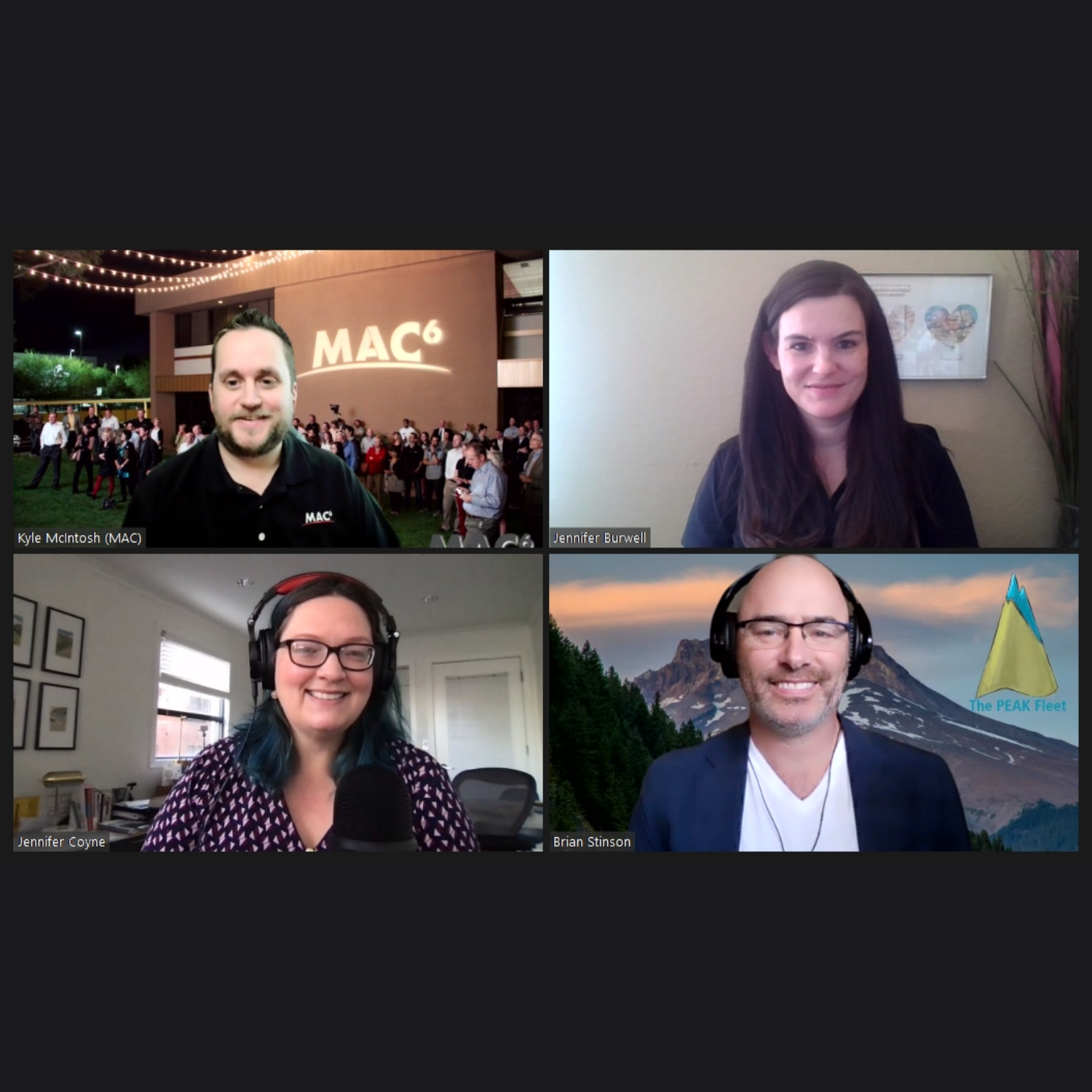
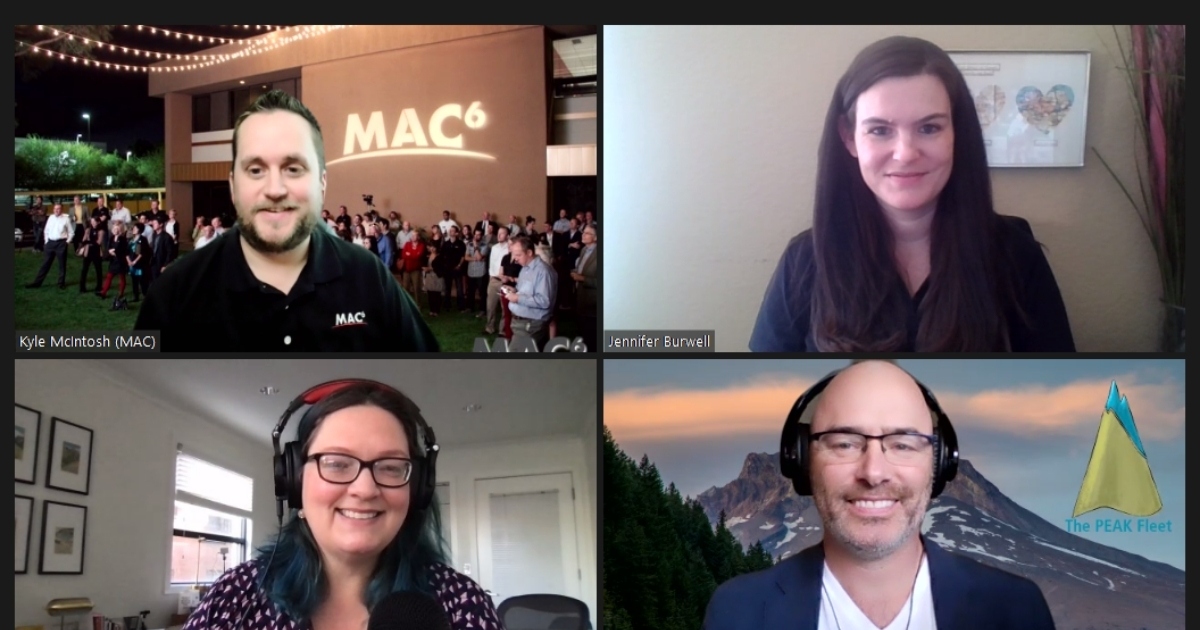
His two plus decades of entrepreneurial experience, leading strategic initiatives and tailoring solutions for organizations, families and individuals has led to a strong appreciation of the profound impact business wields over the people it serves and relies upon.

It is his delight to explore with inspiration, show guests their experiences, observations and approaches to doing business in a people centered manner.

About Our Sponsor – Conscious Capitalism Arizona

Business has the potential to be a powerful force for good. 

Free enterprise capitalism has served to lift more people out of poverty than any other socio-economic system ever conceived – empowering social cooperation, human progress, and elevating humanity. Conscious-Capitalism-Arizona-as-studio-sponsor-for-Phoenix-Business-RadioX

Good business is the answer to many of the global issues that humankind is facing. This is what we will dive into on the show.

We are working to change the capitalism narrative by shining a bright light on good business – telling the stories of conscious Arizona companies and encouraging others to follow in their footsteps.

Tagged With: Business and Process Consulting, employee conflicts, Employee Engagement, employee issues, HR, Human Resources, Leadership, professional development, Training and Development

The Future of Team Health with Jen Coyne and Brian Stinson E19

January 14, 2021 by Karen

The-Future-of-Team-Health-with-Jen-Coyne-and-Brian-Stinson-feature
Phoenix Business Radio
The Future of Team Health with Jen Coyne and Brian Stinson E19
Loading
00:00 /
RSS Feed
Share
Link
Embed

Download file

The-Future-of-Team-Health-with-Jen-Coyne-and-Brian-Stinson-E19

The Future of Work: Water Cooler Conversations

The Future of Team Health with Jen Coyne and Brian Stinson E19

On this episode of The Future of Work: Water Cooler Conversations we are joined with Jen Coyne CEO and Co-Founder of the PEAK Fleet and Brian Stinson Culture Engineer and Co-Founder of the PEAK Fleet. Brian and Jen share advice for new managers who are looking to lead not just manage and how values impact teams and culture. We also explore their future vision to unite the country around a nationwide discussion around values. There is more that unites us than divides us and if we can focus on shared values we can float above the divisive rhetoric and help our nation come together.

Brian and Jen share tips for new managers who are looking to lead not just manage and build teams that are high performing. We also discuss the role of values in our personal lives, work lives and the future of our country. If you have ever wondered what flying first class and high performing teams have in common, tune in!

The PEAK Fleet is an organizational development company with a purpose to create an engaged workforce that thrives together. The PEAK Fleet is a certified Benefit Corporation for Good and believes that improving the planet and supporting people is just as important as making a profit. They provide workshops, in-depth consulting, speaking engagements, and other events that guide organizations to improved employee satisfaction and business results. PEAK-Fleet-logo

Jen-Coyne-The-PEAK-FleetJen (Jennifer) Coyne serves as CEO and majority owner of The PEAK Fleet, an organizational development company. Jen is a woman-owned business leader, a CPA and credentialed Project Management Professional. She combines these skills and experiences to bring a balanced perspective on creating employee engagement and high performing teams.

Over the past 20 years, Jen developed a highly successful track record of team leadership in the high tech and financial services industries. Her experience creating and delivering Organizational and Leadership training and development spans two decades, which she now leverages to create the unique, provocative, and thought-leading products and services for The PEAK Fleet.

Brian-StinsonBrian Stinson, co-founder of The PEAK Fleet is a father, engineer and athlete with more than 20 years building high performing teams and driving culture change. Raised by an entrepreneur, Brian assumed he was heading to business school until he became enamored with the ability to solve real world problems using math. At the University of Washington, he discovered Industrial Engineering and realized that “People Engineering” was in his DNA. During his 21 years at Intel Corporation,

During his 21 years at Intel, he learned to combine the science of data and analytics with the power of empathy and authentic relationships to actually solve real world business problems. At the end of his tenure, Brian was responsible for the Workforce Strategy for Intel’s 6000 person worldwide IT organization. While in this role, he decided that the balance of his career would be dedicated to Organizational Development. For Brian, launching The PEAK Fleet, represented an opportunity to help the greatest number of organizations unlock their full potential.

Follow The PEAK Fleet on LinkedIn, Facebook, and Instagram.

ABOUT THE FUTURE OF WORK: WATER COOLER CONVERSATIONS

Welcome to Future of Work: Water Cooler Conversations Radio Show and Podcast – where business leaders share how they integrate humanity and technology through innovative approaches, healthy culture, flexible workspaces and seamless virtual technology.

ABOUT YOUR CO-HOSTS

KyleMcIntoshWith a background in marketing, in various for profit and not for profit companies, Kyle McIntosh wondered, “How can I pair the passion and commitment to community progress of a non-profit with the sustainability and reach of a for profit company?” From this question and perspective a mission evolved to tear down the false distinction between the two sectors and to promote companies with Conscious Capitalism® business models through MAC6.

Kyle is the President and Creative Excitant of MAC6.  Day to day, his main operational role is on the “spaces” side of the business, focusing on creating thriving communities in the commercial office buildings, the co-working space, and the co-manufacturing space.  The other role that he plays is that of EOS implementer, working with clients to bring the Entrepreneurial Operating System, from the book Traction® to their businesses.  Additionally, he sits on the boards of Conscious Capitalism Arizona, telling the stories of good businesses in Arizona, and The Tempe Chamber of Commerce, sustaining Tempe’s quality of life and keeping our community and economy vibrant. TheFutureofWorkApplePodcastandSpreakerheader-1

Kyle loves Arizona and wants to see us all collectively find great success based on the awesome things that are happening here every day.

Follow MAC6 on Facebook and Twitter.

Jennifer-BurwellJennifer Burwell, joined MAC6 in 2013. Jennifer is their VP and Director of Programs.

She uses her experience in real estate, team development and management to seamlessly integrate each of the MAC6 business units to assure they are all focused on the long-term company vision. She is also a student of human behavior.

As a Certified Professional Behavioral Analyst, she uses her knowledge to facilitate culture-focused leadership programs with organizations of all sizes to integrate the company’s values and create higher-performing teams.

To learn more about MAC6 Communities, call 480-293-4075 or find them on Facebook

ABOUT OUR SPONSOR

MAC6 offers flexible spaces and programs to help your team grow, and a community of thriving businesses, just like yours.  Advocating Capitalism as a Force for Good, MAC6 is Accelerating the shift to Conscious Capitalism (where Purpose and Profit Unite) through Creativity, Collaboration, Community and Change.


Tagged With: core values, Employee Engagement, healthy teams, Inclusion and diversity, values

All About Values: Markitors and PEAK Fleet E4

November 24, 2020 by Karen

All-About-Values-Markitors-and-PEAK-Fleet-feature
Phoenix Business Radio
All About Values: Markitors and PEAK Fleet E4
Loading
00:00 /
RSS Feed
Share
Link
Embed

Download file

All-About-Values-Markitors-and-PEAK-Fleet-E4

All About Values: Markitors and PEAK Fleet E4

This was an empowering conversation of two companies leading by example and continuing to grow through the pandemic. We seem to hear too many stories about companies not making it through the pandemic, but this is not that story. These two companies are taking advantage of the opportunity to grow and expand beyond their original coverage area as well as saving budget by supporting their staff working at home. Brian and Brett discuss values, communication with staff, growing culture, diversity on teams, and kindness not getting confused with weakness.

Are you growing a conscious company during a pandemic? Are you needing to take care of your stakeholders during this crazy time? Are you interested in developing your company’s core values? Are you interested in working with an SEO to help your company grow? Are you interested in conscious capitalism and how it aligns with your company?

All of these are great reasons to listen in!

The PEAK Fleet is in the business of organizational development. Their mission is to “Help organizations succeed by creating an engaged workforce that thrives together.”PEAK-Fleet-logo

A values-based company, The PEAK Fleet was founded on four values they believe essential to any organization: Persistence, Empathy, Authenticity and Kindness. These PEAK Values® are embedded in all of their offerings and guides the approach they take for each client engagement.

Brian-StinsonPEAK Fleet Co-Founder, Brian Stinson, brings a diverse background in engineering and people systems expertise.

During his 21 years at Intel, he learned to combine the science of data and analytics with the power of empathy and authentic relationships to effectively solve real-world business problems.

In his last role with the company, Brian was responsible for the Workforce Strategy for Intel’s 60 00-person worldwide IT organization. While in this role, he decided that the balance of his career would be dedicated to Organizational Development.

For Brian, launching The PEAK Fleet represented an opportunity to help the greatest number of organizations unlock their full potential.

Follow The PEAK Fleet on LinkedIn, Facebook, and Instagram.

Markitors-Logo

Markitors is an SEO company for small businesses. Voted a Best Place to Work three years in a row, the mission of Markitors is to connect small businesses with customers, and have a good time doing it.

Markitors-Brett-FarmiloeBrett Farmiloe is the Founder & CEO of Markitors, an SEO company for small businesses. He is a frequent contributor to Forbes, Business Journal, and more outlets on the topics of marketing, careers, and entrepreneurship.

He is also the Founder of Terkel, a knowledge platform the creates community-driven content featuring expert insights.

Connect with Brett on LinkedIn and follow Markitors on Twitter.

About Our People and Profit Co-Hosts

Sarah-McCrarenSarah McCraren is an Arizona native with a strong sense of community. Sarah spent many years in the corporate finance world specializing in the operational analysis, measurement and accountability systems, project management and software implementations. However, Sarah wanted to do work which was meaningful and would positively impact her community.

She found that saving lives and reducing injuries through comprehensive safety programs fit that bill. Sarah currently leads the McCraren Compliance team by keeping everyone focused on their primary purpose, creating workplaces where we all watch out for each other, and balancing the needs of all their stakeholders.

Sarah serves on the Boards for Conscious Capitalism Arizona and the Society for Mining, Metallurgy and Exploration Tucson Chapter, and is also active with the Arizona Builders Alliance, Arizona Rock Products Association , Arizona Transportation Builders and Women in Mining Az.

Sarah McCraren
Part of an Awesome Team
www.McCrarenCompliance.com
Creating Workplaces Where We All Watch Out for Each Other

Jeremy-NeisJeremy Neis is an Investment Advisor with Retirement Evolutions and a small business operator fueled by the desire to enrich the life experience. He grew up in the Chicago area and chased the sun to get a degree at the University of Arizona in human and organizational communications. After doing so, he returned to Illinois where over the next 15 years he would find joy in co-launching and growing a technology solutions company and establishing a family.

In 2014 he returned to the desert to join his current venture, Retirement Evolutions, where his focuses are: (1) Conduct planning with individuals and families so that they can maximize the likelihood of leading secure and comfortable retirements. (2) Through the business services arm, Resourceful, empower business leaders to care for the people that they will rely upon to be thriving, sustainable organizations.

Jeremy is a proud contributor to the Conscious Capitalism movement as he views it as a powerful vehicle to bring about greater prosperity and reduced suffering for our human family. Over his career he has had the privilege to work closely with hundreds of different enterprises across many markets and industries. A common theme emerges among those firms that he’s seen excel and that is to be great not just with what they are bringing to market, but also with the manner in which they are doing so.

About Our Sponsor – Conscious Capitalism Arizona

Business has the potential to be a powerful force for good. 

Free enterprise capitalism has served to lift more people out of poverty than any other socio-economic system ever conceived – empowering social cooperation, human progress, and elevating humanity.  Conscious-Capitalism-Arizona-as-studio-sponsor-for-Phoenix-Business-RadioX

Good business is the answer to many of the global issues that humankind is facing. This is what we will dive into on the show.  

We are working to change the capitalism narrative by shining a bright light on good business – telling the stories of conscious Arizona companies and encouraging others to follow in their footsteps. 

Tagged With: core values, Employee Engagement, executive coach, leadership development, team building

Inspiring Women, Episode 23: An Interview with Haley Boehning, Storyforge

July 14, 2020 by John Ray

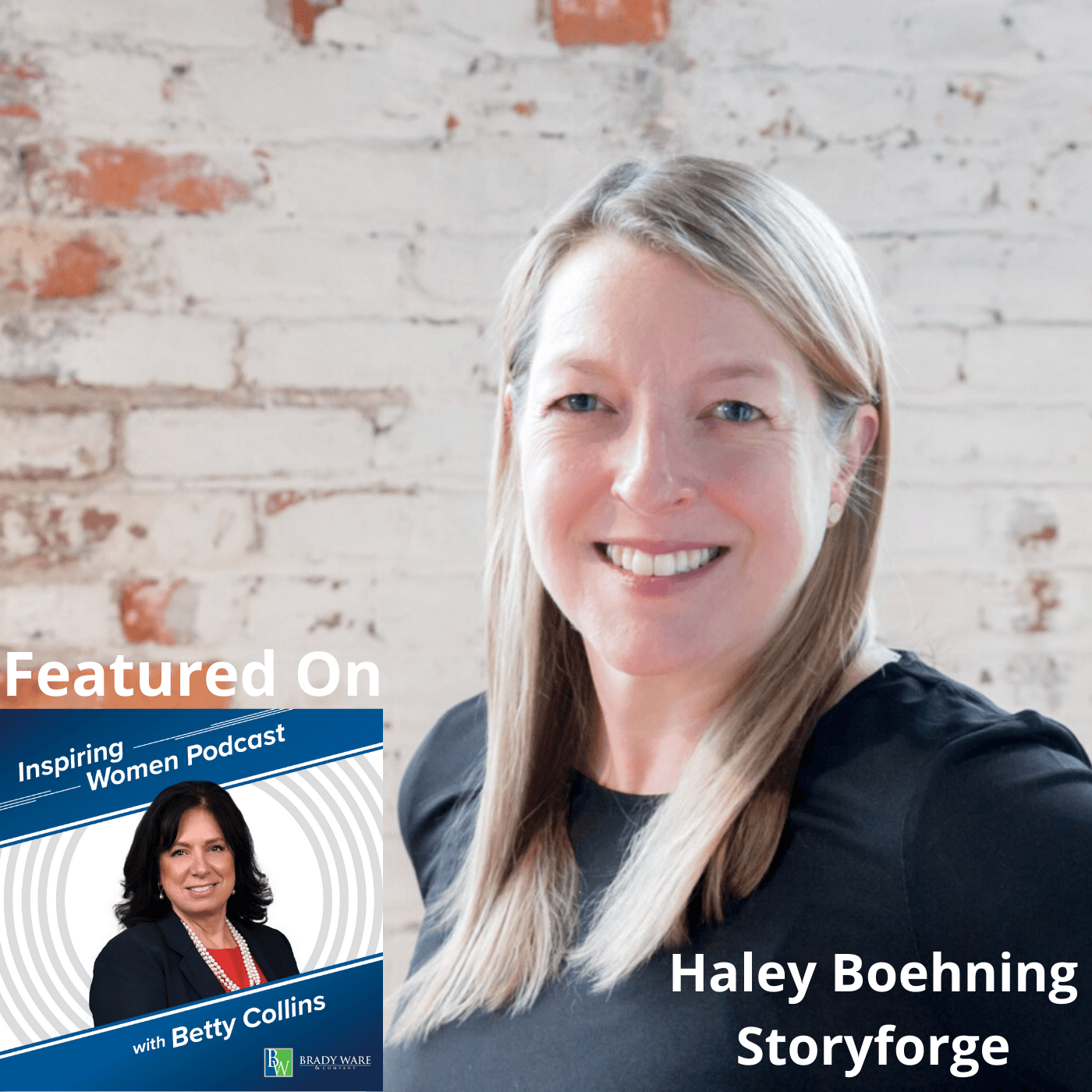
Haley Boehning Storyforge
Inspiring Women PodCast with Betty Collins
Inspiring Women, Episode 23: An Interview with Haley Boehning, Storyforge
Loading
00:00 /
RSS Feed
Share
Link
Embed

Download file

Haley Boehning Storyforge
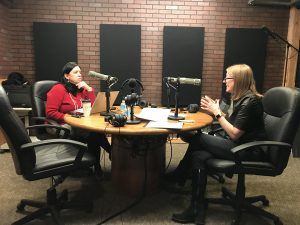
Host Betty Collins, Brady Ware, and Haley Boehning, Storyforge

Inspiring Women, Episode 23: An Interview with Haley Boehning, Storyforge

On this edition of “Inspiring Women,” host Betty Collins speaks with Haley Boehning, Storyforge, on why stories are so important in client marketing, employee engagement, and other essential company functions. The “Inspiring Women” series is underwritten by Brady Ware & Company.

Betty’s Show Notes

“When you have a story — the right story — everything changes. Customers become evangelists. Employees fully engage. Decision-making simplifies. Innovation accelerates. And marketing costs go down.” That’s what you find when you go to Storyforge’s website. I had the honor of interviewing Haley Boehning, Co-Founder and Principal of Storyforge.

“We call it a meaningful story.” And that’s what she does best.  Help businesses find their story, their higher purpose.  And when their clients discover it, it’s, as she puts it, “knock over the table” time and run out to tell the world.

I talk to Haley about:

  • The Storyforge story
  • Her story
  • The Storyforge concept and what their clients do with their story to make a difference
  • Why women can’t wait around
  • What she has learned from being a business owner
  • What would today’s Haley tell a younger Haley if she had the chance
  • Conscious Capitalism and its four tenets

Haley has decades of experience working with Fortune-500 companies, non-profits and start-ups to create alignment, elevate storytelling and build differentiated brand positions. She is a regular speaker, lecturer and author on the subject of leadership, communication and conscious capitalism.

Prior to Storyforge, Haley spent 16 years with L Brands (NYSE: LB), most recently as vice president of internal communications, directly supporting the company’s founder/CEO in strategic, leadership and internal communications to connect with 100,000 employees around the globe. As internal communications function head for the enterprise, she and her team were also responsible for all change communications including mergers, acquisitions, reorganizations and reductions in force.

Haley is chair of Conscious Capitalism Columbus, a member of the international Conscious Capitalism Inc. Community Advisory Council and a founding member of The Matriots, Ohio’s first multi-partisan PAC dedicated to electing more women to public office. She is a member and chapter sponsor of The National Association of Women Business Owners and was named to Columbus CEO’s 2020 Future 50 list, recognizing her as a leader with the ideas, energy and heart to move the region forward in the critical decade ahead.

Betty Collins, CPA, Brady Ware & Company and Host of the “Inspiring Women” Podcast

Betty Collins, Brady Ware & Company

Betty Collins is the Office Lead for Brady Ware’s Columbus office and a Shareholder in the firm. Betty joined Brady Ware & Company in 2012 through a merger with Nipps, Brown, Collins & Associates. She started her career in public accounting in 1988. Betty is co-leader of the Long Term Care service team, which helps providers of services to Individuals with Intellectual and Developmental Disabilities and nursing centers establish effective operational models that also maximize available funding. She consults with other small businesses, helping them prosper with advice on general operations management, cash flow optimization, and tax minimization strategies.

In addition, Betty serves on the Board of Directors for Brady Ware and Company. She leads Brady Ware’s Women’s Initiative, a program designed to empower female employees, allowing them to tap into unique resources and unleash their full potential.  Betty helps her colleagues create a work/life balance while inspiring them to set and reach personal and professional goals. The Women’s Initiative promotes women-to-women business relationships for clients and holds an annual conference that supports women business owners, women leaders, and other women who want to succeed. Betty actively participates in women-oriented conferences through speaking engagements and board activity.

Betty is a member of the National Association of Women Business Owners (NAWBO) and she is the President-elect for the Columbus Chapter. Brady Ware also partners with the Women’s Small Business Accelerator (WSBA), an organization designed to help female business owners develop and implement a strong business strategy through education and mentorship, and Betty participates in their mentor match program. She is passionate about WSBA because she believes in their acceleration program and matching women with the right advisors to help them achieve their business ownership goals. Betty supports the WSBA and NAWBO because these organizations deliver resources that help other women-owned and managed businesses thrive.

Betty is a graduate of Mount Vernon Nazarene College, a member of the American Institute of Certified Public Accountants, and a member of the Ohio Society of Certified Public Accountants. Betty is also the Board Chairwoman for the Gahanna Area Chamber of Commerce, and she serves on the Board of the Community Improvement Corporation of Gahanna as Treasurer.

“Inspiring Women” Podcast Series

“Inspiring Women” is THE podcast that advances women toward economic, social and political achievement. The show is hosted by Betty Collins, CPA, and presented by Brady Ware and Company. Brady Ware is committed to empowering women to go their distance in the workplace and at home. Other episodes of “Inspiring Women” can be found here.

Show Transcript

Today, I get to do an interview for my podcast. I like to do that at times. I’m fortunate enough to live in Columbus, Ohio, and there’s just a lot of women in business, or women business owners that either have a great story; they’ve had success. I could do podcasts weekly just on that. Columbus is a thriving town.

Today, I really wanted to interview Haley Boehning. She’s the co-founder of Storyforge. I’ve gotten to experience Storyforge – just go through that – through an organization I’m involved with, which is NAWBO, which is the Columbus Charter. NAWBO is the National Association of Women Business Owners. We’re the Columbus chapter, and we’re the largest chapter … Like any organization, you go through crossroads in time, where you’re like, “Which way do we go? We can do 100 things, or maybe we should do two things really well.” She came in, her, and her firm, to help us get on the same page, so that’s been my experience.

Welcome today, Haley. We’re glad that you’re with us. We’re going to talk about several things, but I tell you, I love your website. I had looked at it probably a year ago, when we started this whole thing, or probably six months ago, whatever it was, with helping NAWBO get on the same page and tell our story. I love your line … As soon as you click on it, it says, “When you have a story, the right story, everything changes.” The other thing that caught my attention, I loved: “Customers become evangelists.” That’s just … First of all, you don’t hear that word a lot – evangelists. “Employees get fully engaged.” That’s become a very hot topic, if you can achieve that; and, “Decision-making gets simplified,” which, we’re on 24/7. So, man, that could be awesome. “Innovation accelerates,” and, at the end of the day, “Your marketing costs go down.” That’s awesome. Haley, I want you to first tell us a little about Storyforge, and then, I want to talk a little bit about your story, so go ahead.

Well, thank you for having me. It’s always a delight to talk with you, and we could probably talk for four hour, so getting this into a couple of minutes will be challenging for us. Storyforge was founded by my business partner, and I about six years ago. It came out of some insights that both of us had had separately throughout our careers about what made businesses successful. Because I had worked in a large corporate environment for 17 years doing a lot of mergers and acquisitions; I had seen hundreds of businesses and noticed differences between them. Those that were successful; those that were able to really succeed and come out the other end of a crisis stronger; and those for whom a crisis, or a challenge, or growth, even some of those positive things would see these businesses crumble and fall.

My business partner had been on the marketing side. I had seen it from an internal side, and he from an external side. As we began talking about our observations, and our beliefs in business, this idea about what story can do for you, as an organization, began to form, and the clarity that we got, through studying hundreds of businesses, has proven itself to be true over the last six years. We’ve worked with hundreds of companies, and we found that there are a few pieces of a company’s story that, when they have these pieces in place, when they’re clear about them, and they’ve had the insights necessary to articulate them, it makes all the difference.

Sure. I get that because it really did with NAWBO, when we … All the sudden, I could go talk differently. Are we doing anything different? I don’t think it’s how we say it, it’s how we talk about ourselves. It’s how we get that.

Well, you said it earlier. It’s also that decision-making. Every business, every organization has a story. The question is whether they’ve been intentional about forming that story, and if they’ve let the world create the story for them, because your story, your brand, is really a collection of all the stories – the stories you tell about yourself and the stories that other people tell about you. You can let that happen in the universe, or you can try to influence it by being very clear, yourself, about who you are, what you’re trying to achieve, what you believe, what you stand for, and what it is that you, as a business, do that’s unique; what differentiates you from all of your competitors in the marketplace.

Tell us about your story of entrepreneurship.” I took this 17-year, maybe safe deal, and said, ‘I’m doing this …'” Tell your story with that.

Yeah, I often call myself an accidental entrepreneur.

That would be 50 percent of them.

50 percent, yeah. I don’t come from a family of entrepreneurs. It always seemed like a crazy idea that risk-takers – which, I don’t consider myself a risk-taker – would endeavor to try to become … It was a strange animal. I had the opportunity, after this 17-year career in the corporate world, to rethink what I wanted to do with my life, which is a wonderful gift. Being able to consider what unique skills I had … What are my superpowers that I can bring to the world, and how do I want to apply those superpowers to help others. Storyforge- the idea of creating a business like Storyforge came from that; this desire to do meaningful work – meaningful for me, meaningful for my clients, but also meaningful for the world around us – was really born from that.

Something that has intrigued me is, because I’m an accountant, I don’t even think I have a story, but I do. I know I do … But the name Storyforge being one … I always like to know where that came from. How did that come together?

Well, it’s interesting. In our process, as we work through our process with businesses, there are a lot of amazing raw materials. So that’s part of our discovery, and you’ll remember this, as we worked together, was digging in and understanding the objective realities of business, and learning about our stakeholders, and mapping them, and understanding the beliefs and the vision that was there at the founding of whatever our business was. All of these great raw materials are just raw materials. They’re inert. When you forge them together, they become an even stronger material than they were in their incomplete parts.

Yeah.

For me, as I think about Storyforge, that’s what it is. Often people forge their stories from the outside in. I have people call me regularly and say, “Do I need an Instagram account?” “How can I better improve my digital marketing?” All questions that I cannot answer, not because I’m not qualified to, but because I don’t understand what their businesses is intending to do. Without having those fundamental answers, without understanding the DNA of your business and what you’re really trying to achieve, all of those tactical questions are meaningless.

When I think of forging, there- my husband likes that show Fire Forge, where they’re making the knives. I hate the show, but I watch it … The one thing I always look at is when they they’re working hard … Of course, it’s reality TV, so none of it’s reality, right? But when they dip it in the fire, and it comes out, the piece is solid now. There’s something about that. When I think of your forge, I think of the same thing – that the story has come together, and now … Wow.

Yeah. We call it, and you’ll remember this because you were there for that moment with our NAWBO work, we call it the kicking over the tables moment. It’s the moment where the discovery has been completed, and we’ve done the hard work as a leadership team to debate and have really intensive dialogues about do we want A, or B, C, or D? Are we going this way or that way? We codify our thinking about those essential questions of the business. When it all comes together, when it’s all forged, it is like going in that water and coming out a stronger metal – a forged story. We often have to hold leaders back because they want to kick the tables out, run out the door, and start screaming it from the mountaintops.

But there is a second important phase to this work, and that’s where many businesses actually fail in this work. It’s not necessarily not forging the correct story, but figuring out what to do with the story, after you have it. Because a really, truly meaningful story is not just a story that’s told, but it’s a story that’s lived. That’s the work that I know the board of NAWBO is doing right now is thinking about all the different aspects of the organization – from people, to process, to place, to positioning, to philanthropy – and making sure that what we do is in alignment with what we say.

Well, one of the thing … You have a definite passion for women. We experienced that from the beginning of time, when you were interviewing the board, and we were going through it. One of the things that I loved that you said to us – because we were talking about the different … Why we’re on the board? We’re women in business. Why are we business owners? All those things. One of the things you said to me that I never stopped thinking about was, “Let’s not wait another decade to accomplish something as women.” I’ve thought about that ever since we talked about that.

So, your passion for women and your passion for the time is now is so there. Tell me what … Because I’m looking at, we just started a new decade, so everyone’s saying that; it’s kind of the buzzword. It’s my last decade to work. Sometimes, I say that out loud, and I go, “Oh … Yay!” Then, I go, “Oh … Did I do enough? Did I get what I needed? Did I …?” All those things come to play, where you’re thinking about legacy and stuff. But, for you, what would you love- as a woman business owner, and someone who doesn’t want us to wait 10 years or a hundred, what’s on your mind when you think about those things that you don’t want to see us wait, and let’s execute? It’s a tough question, but …

Yeah, something I think I see a lot – but especially with women business owners, with many entrepreneurs, but especially women – is we keep our nose to the grindstone. We’re in the day-to-day operations of the business and trying to make things incrementally better every day. We don’t often give ourselves the luxury of stepping back, pulling up our head, looking out at the horizon, and saying, not, “Where do I want to be this week, next week, this quarter, next quarter?” but what does 10 years from now look like? What do I want my legacy to be? What do I want to have accomplished? There is something to that truism that we underestimate what we can do in 10 years, and overestimate what we can do in one.

Yes, that’s a great saying!

I try to keep that in mind, especially when I’m working with our clients, because we … People think too small, sometimes. To be able to swing for the fences, we have to look out in the distance to be able to get there. We can’t just look at the day-to-day operations. So, I think, for me, for women business owners, I would love to see more of us give ourselves that opportunity to reflect, to think long term, to think big, sustainable growth for our business and sustainable impact for our stakeholders, for our customers, our clients, our families, ourselves. What are we really working toward? What’s all this about?

Say that one more time – not the whole thing … Say it one more time. So, we overthink- we do too much in a year, but not enough in … Say that again? I love the way you say that-

Yeah, we often … I know I do this. Every day, I overestimate what I think I can get done in a day. I leave every day with things on my to-do list. It’s just typical. So, we overestimate what we can do in a year, but we underestimate what we can do in 10.

Right, I love that [crosstalk]

-that often keeps us thinking in short-term-ism, rather than really thinking long term.

Everybody goes to their own school. Haley went to the Hard Knocks of Haley, or you got your MBA, and something that, “Oh, I wasn’t expecting to learn this, but I did …” In these last six years, especially from going from corporate America to you’re now a business owner … For me, it was a huge change when I just wanted to be an employee. I wanted somebody signing my check. I didn’t want to be the signer, right? Tell us maybe a thing or two of what you learned, getting that MBA in the last six years of business, that you would want a woman-owned business owner to know.

It’s interesting. There was a moment, for me, when I left the corporate world. I was with a group of other executives, V.P.s and above, from businesses that were transitioning out of their prior careers and into their new one. We were sitting around a table doing introductions, and everyone introduced themself the same way. They said, “Hello, my name is Haley Boehning, and I used to be the Vice President of Internal Communications at [crosstalk].” “Hi, my name is Ted Smith, and I was the Chief Financial Officer of Blank Company.”

This went around about 12 people. Then, it came to me, and I said, “We’ve got to stop doing this. We have to stop defining ourselves by the title that we have – CEO, entrepreneur, vice president. We have to rethink how we define ourselves and our identity. Wouldn’t it be wonderful if we could think about what our unique skill set is – the thing that we do better than anyone else – that exists at an intersection of a need in the world that we now can uniquely fill. If we could talk about ourselves that way, wouldn’t that be more meaningful, and wouldn’t that help us frame our identity around something bigger than a paycheck?”

What did the 12 people around the table do? They go, “Uhh …”

There was a lot of that [crosstalk] but it did change. If you ask people the right questions, they will give you far more meaningful answers.

What’s something you really feel like, in the last- in your career, in general- I know, for me, I look back and say I wish I would have been an owner sooner. I wish I would have jumped into entrepreneur sooner. When you look back over your career, over this stuff that you’ve accomplished, what do you look back and go, “If I had to do it again, what would I say to Haley, who was 30, and 40?” What would you … Is there anything that comes your mind when you think about …?

I think maybe two different Haleys. If I could go back to the Haley in her 20s, starting out in the corporate world and looking at all of these people with these very big titles, with these very big offices, at the time, I thought that being a leader meant having all the answers and that, somehow, if I worked hard enough, and if I learned everything I could learn, and I had the right mentors, that someday, I, too, could be a leader and have all the answers. Now, I realize that being a leader doesn’t mean having the answers. It means having the  questions.

Yes.

I think that-

Very good.

That insight could have served me well in my 20s. When I started the business, if I think about those early days of Storyforge, there were two lessons that I learned that now we apply, and it’s made all the difference. One is to be very, very clear about who you are, what you stand for, who you serve, and how you serve them and be willing to say no to clients. Because I’m a people pleaser. I like people to be happy. But that’s not the best approach, when you’re a business owner, or when you’re in sales, or doing business development. It’s really making sure that you’re the right fit for that client and that the client’s the right fit for you.

Very good. Great insight. Now, I’ve known you for a little while and I’ve heard you talk about an organization that you’re very involved with. I know enough about it to be dangerous, but I love the title – Conscious Capitalism.

Yes.

I would love for you to talk about that because I’m a big fan of the marketplace. The marketplace in our country is crucial. It’s not about how much money can we make, or greed, any of those things. To me, it is if you have an idea and a passion, you have the ability to do it, and you have of an environment that allows you to do it. If you’re fortunate enough, you, one day, have employees because you’re an employer. Those employees have families, which are households that form communities. It all works together. When the U.S. is successful, the country is successful, the world is because we have the abilities here to do things. When it’s mixed with really bad things, it doesn’t do well; but when it’s really good, it’s really good. I’m a huge fan of I get to be a CPA in this environment, in this country, and do things. I’m very intrigued by what is this organization, so I’d like for you to talk about that.

Well, thank you for asking about that, because I am very passionate about Conscious Capitalism, and I love the combination of the two words.

Mm-hmm. Yes.

When I go out, and I speak with audiences, generally, each audience has some concern with one of those two words. Either I’m in an audience of people that say, “Oh, capitalism … Of course. Fantastic. Best thing since sliced bread. What’s this consciousness word you keep throwing in there? What’s this woo-woo you’re trying to add to my capitalism?”

What’s that guilt thing [crosstalk]

-but when I talk with younger people … I was recently out at Denison University talking with some of their Commerce Department, and there were a lot of students who said, “Consciousness, absolutely. Capitalism? I’m not so sure about that word.” But when you ask them what they want to do when they grow up, they all want to be business people. They all want to be entrepreneurs. But capitalism, itself, has a big PR problem right now.

It does.

Conscious Capitalism was born from a book that was written by two gentlemen who you probably have heard of: John Mackey, the founder of Whole Foods, and Raj Sisodia, who is a Professor of Business at Babson College. It was codifying a way of thinking about business that wasn’t just John’s idea. It was a number of different business leaders had been practicing business this way, recognizing that business both can and should be a force for good in the world; that capitalism, itself, is one of the greatest inventions that we’ve had and has done more to lift people out of poverty than many things in the last couple hundred years, but that people have misused capitalism.

Yeah.

Because of that, we have a crisis on our hands. We need to reinvent capitalism. There’s been a lot of talk recently. Just as recently, I think, as this week, Jamie Dimon was talking about reinventing capitalism in Time Magazine. We know that the Business Roundtable has come out and redefined the purpose of business to include a purpose bigger than profitability because they see the cracks in this system. We believe that business is good because it creates value; at its most essential, it creates value. It’s ethical because it’s based on voluntary exchange.

Sure.

It’s noble because we know that when done more consciously, business can actually elevate our existence, and that’s the world that we want to create. Conscious Capitalism is an international movement. There are hundreds of thousands of people all around the globe, from Sydney to Columbus, Ohio- Sydney, Australia to Columbus, Ohio, all working to advance this idea of business as a force for good.

We think about business in terms of four principles. The first, which I’ve already mentioned, is that business should have a purpose bigger than profitability. Profitability is necessary; without margin, there’s no mission. But the purpose of the business should be to solve some need in the world and that profitability helps to drive that. Just like I need red blood cells every day to live, it’s not my reason for existence. I don’t get up every day and think, “Thank God, another day I can create red blood cells!” That idea of purpose, a purpose bigger than profitability, is the first tenet.

The second is stakeholder orientation – understanding that a business doesn’t just have one stakeholder, the shareholder; it has multiple stakeholders – employees, community, shareholders, investors, partners, vendors. All of these stakeholders need to be considered, and when we have an orientation to them, when we understand and are thoughtful about the impact and the value that we create for each of them, we’re more conscious. Then, understanding that both leadership and culture have an important role to play in the success of business.

I have two kids who said, “I will never be in business. I would never be a CPA,” and they made sure of that. I have a daughter who’s a teacher because it’s what she loves, and I have a son who is a minister because that’s what he loves. My daughter is more like me – she’s a spender. She’s one of those consumers, right? But my son and I have had long debates on capitalism, and I always remind him that, “Capitalism put you through college. Please remember that …” because it did. He will tell me, “I just need provision from somebody so I can do what I do in life.” We both see it, and we talk more about- we’re coming together more with it because there is good capitalism out there. The marketplace is so very, very necessary.

When NAWBO met with- a roundtable with Governor DeWine, I just said the marketplace has to really be held high so that the taxation can do more than just run our government. There’s tremendous need out there. There are people who can’t do and have what I have. It’s a system that has to work really well, and when it’s not run well, it’s a bad deal. I really learned about … When I came to Brady Ware in 2012, one of the things I did was read Simon Sinek’s book and did the Why University, and I had somebody help me come together. I came up with my whole why being – because I have 150 employees who are families who need health insurance, who need to live in- to have provision that forms those communities and households. It just became a whole new way to think about it.

So, then it wasn’t just accounting. Accounting is just a part of it. It’s a necessary evil that business has to have that. I’ve always loved that you’ve talked about that, and I would love to know more about it, so I wanted my audience to hear about it, as well. Because my son’s generation, the denizens that you’re talking about – he’s 28 years old – will eat chicken at Joe DeLoss’s place because he understands Joe DeLoss and what their whole social enterprise is. That’s huge for him-

Yeah. Joe DeLoss, and Hot Chicken Takeover being a local company that makes some damned fine Nashville hot chicken-

It’s awesome.

-but more importantly than that, they’re a business that was created to employ people who are difficult to employ – people who’ve been in the- who’ve been incarcerated, who are coming back into the workforce – that many other companies would overlook. I think we’re beginning to- we’re beginning to have a realization and insight as a country about the power of business, when business thinks more consciously about who does it employ, why does it employ, how does it employ? We can make a difference where we have more in common than not. We really do. There’s so much more that binds us together. Unfortunately, there’s a lack of civility, I think, in conversation, today, which often polarizes us.

Right.

But when we get down to the brass tacks of it, we all want the same things. We want communities that are thriving. We want families that are thriving. We want to leave the world a better place when we go. We want it to be better than it was when we found it, and-

It’s why I love working for Brady Ware, getting to be … Getting to even have a women’s initiative that we can … They put a lot of resource and time in. This podcast is one of those resources. It goes just beyond that, and it goes so beyond accounting. I think that’s where you see things going. There is still reality of paying the lease, and the electric; and people want to be paid well because they did spend a lot on an education, or they want to be valued, or they have goals, as well. It all wraps together, but-

Well, I’m sure you see it with your clients because you do work with so many small businesses. There’s good that business does just by being in business-

Yeah, absolutely.

Employing people by enabling people to send kids to school, enabling people to care for their elderly parents – all of the things that having a job and doing that job well enable you to do. A lot of businesses have trouble seeing a purpose bigger than just that. But we have worked with hundreds of businesses over the last six years at Storyforge. There has not been one single business that we have worked with that has not been able to articulate a purpose higher than profitability. We have worked with toilet manufacturers.

There you go.

We have worked with distilleries, and we’ve worked with accounting firms. All of them were able to find this more emotional, meaningful story about what they did that helped unite their teams and helped them think differently about how they serve their customers.

Well, this podcast is Inspiring Women, and I think we had a very inspiring woman today. I appreciate your passion, certainly, for women, for what you’ve done with NAWBO, just telling our story. Forging – I love the force of just that word. I can picture the knife going down in the- whatever they’re putting it in, I’m assuming. Then, just putting business owners, women in business, men in business, doesn’t matter … It’s this two words of conscience and capitalism together. Thank you for spending time with us today. We appreciate your efforts in coming and making time because you’re busy and you do what you do well. I’m Betty Collins, and I appreciate the opportunity that I get to do a podcast; that you get to listen to us today and check us out on our website. Thanks.

Tagged With: Betty Collins, Brady Ware, Brady Ware & Company, Employee Engagement, Haley Boehning, Inspiring Women with Betty Collins, marketing, story, Storyforge

Mary Hall with CultureWise Consulting and Kay McDonald with Charity Charms E33

June 1, 2020 by Karen

Mary Hall with CultureWise Consulting and Kay McDonald with Charity Charms E33
Phoenix Business Radio
Mary Hall with CultureWise Consulting and Kay McDonald with Charity Charms E33
Loading
00:00 /
RSS Feed
Share
Link
Embed

Download file

Mary Hall with CultureWise Consulting and Kay McDonald with Charity Charms E33

Mary Hall with CultureWise Consulting and Kay McDonald with Charity Charms E33

Mary Hall with CultureWise Consulting and Kay McDonald with Charity Charms E33

Culturewise helps companies design and operationalize cultures based on values, employee engagement and community impact. Results are achieved through facilitated workshops that are enjoyable and designed around whole-company participation and collaboration.

Whereas many culture initiatives don’t stick; the model presented by Culturewise is based on company cultures that have enjoyed long-lasting success.

Mary-Hall-CulturewiseMary Hall’s professional experience includes being the co-founder of a national credit counseling and debt-management company that grew from a few family members to over 500 employees. As the COO, Mary spearheaded Culture Development Programs that lead to four Best Place to Work Awards, three BBB Ethics Awards and two Presidential Points of Light awards for Volunteerism.

Mary served on the BBB Board of Directors for eight years, she serves as a judge for the Most Admired Companies Awards, is a Conscious Capitalism Ambassador and a Best CompaniesAZ Strategic Partner.

Her academic background includes a BA in Accounting, CPA from Montana State University and a Masters in Nonprofit Studies from the ASU Lodestar Center. Mary founded CultureWise Consulting to help companies create meaningful cultures that focus on Purpose, Values, Employee Engagement and Community Impact.

Connect with Mary on LinkedIn.

Charity-Charms

Charity Charms creates custom logo charms and accessories that help organizations “charm” their audience and make them fall in love with the cause.

Harnessing the POWER of charms as a force for good, we create private label meaningful, wearable items that will define brands and engage communities. The icon in your logo is turned into a beautiful 3D charm that your supporters love to wear.

Kay-McDonald-on-Phoenix-Business-RadioXKay McDonald is an accomplished CEO with over 15 years of experience in the cause jewelry industry. Kay is the founder and CEO of Charity Charms, a B2B boutique wholesale jewelry company specializing in custom logo branded jewelry.

Her professional background includes retail department store buyer and wholesale jewelry business owner before she started Charity Charms. She considers Charity Charms the perfect blend of fashion and compassion.

Kay has a passion for creating marketing campaigns around products that brand important causes in a memorable way. She frequently partners with organizations that emphasize philanthropy, awareness, and building a better community. Kay sees the importance of empowering other women and helping them to build their careers.

Connect with Kay on LinkedIn and follow Charity Charms on Facebook, Twitter and Instagram.

About 3C Amplified

3C Amplified puts the spotlight on change makers in our communities. Listen in as we share how businesses, nonprofits and community minded individuals are connecting, creating and collaborating to amplify their impact and create positive change in the world.

Want to be part of the conversation? Join us in The 3C Community! Our members create together a collection of stories, experiences, and practical ideas for taking action and implementing change through collaboration and community partnerships between individuals, businesses and nonprofits.

About The Host, Jacqueline Destremps

HostJacquelineDestrempsHeadShotJacqueline Destremps is a creative marketing strategist and founded Another Hand Advantage, LLC in 2014 to help community minded small business owners and nonprofit professionals move forward more confidently with their marketing strategy.  After graduating from Arizona State University with a degree in Psychology, she has spent her professional career working in both the nonprofit and for-profit sector.


She now enjoys being self-employed and the flexibility it provides to allow more time to volunteer, serve on nonprofit boards, choose pro-bono projects, run 100+ Women Who Care Valley of the Sun (which she co-founded in 2014) and travel the world.  Jacqueline believes in creating connections between businesses and nonprofits in the community to stimulate growth and collaboration.

Follow AHA on Instagram and Facebook and connect with Jacqueline on LinkedIn.

Tagged With: Cause Marketing, Charity Jewelry, Charms for Charity, community, corporate culture, Culture, culturewise, Employee Engagement, v, values

LEADER DIALOGUE: Workforce Engagement in Healthcare during the COVID-19 Crisis

May 21, 2020 by Mike

Gwinnett Studio
Gwinnett Studio
LEADER DIALOGUE: Workforce Engagement in Healthcare during the COVID-19 Crisis
Loading
00:00 /
RSS Feed
Share
Link
Embed

Download file

Chuck Stokes/Former President & CEO of Memorial Hermann Health System

Charles (Chuck) D. Stokes, former President and CEO of Memorial Hermann Health System, joined the system in 2008 as Chief Operating Officer (COO). In June 2017, he was named President and CEO of the System. In his role, Chuck was responsible for leading and overseeing the $5.6B System’s network of more than 17 hospitals and 300 delivery sites, with more than 27,000 employees and 6,400 affiliated physicians in the Greater Houston area. Chuck retired from Memorial Hermann effective December 2019.

Chuck has four decades of leadership experience in healthcare, and throughout his accomplished career has achieved success in service line leadership, employee engagement, leadership development, physician collaboration, and quality and patient safety improvement.

During his tenure with Memorial Hermann, Chuck worked tirelessly to establish a culture of high reliability, innovation, and clinical transformation throughout the organization. Under his visionary leadership, Memorial Hermann attained unprecedented national accolades in patient safety, high-quality care, and operational excellence all while serving as Houston’s “safety net” health system.

Chuck models servant leadership with an emphasis on coaching and team building while using Malcolm Baldrige criteria as a platform for driving operational excellence. His leadership was instrumental in helping Memorial Hermann Sugar Land Hospital secure the 2016 Malcolm Baldrige National Quality Award – the nation’s highest Presidential honor for performance excellence. In 2019, Chuck was named one of Modern Healthcare’s 100 Most Influential People in Healthcare.

As part of his commitment to developing the next generation of healthcare leaders, Chuck has taught numerous leadership development programs for the American College of Healthcare Executives (ACHE), an organization of more than 48,000 healthcare executives working together to improve care delivery and population health. In 2017, Chuck was named Chairman of the ACHE Board of Governors.

Prior to his roles as COO and CEO with Memorial Hermann, Chuck served as President of North Mississippi Medical Center, a 650-bed tertiary hospital and also a 2006 Malcolm Baldrige National Quality Award recipient under his leadership. He has also previously served as COO for three other nationally recognized healthcare systems.

Co-Host: Dr. Roger Spoelman

Dr. Roger Spoelman is an accomplished healthcare executive and coach, having served as President/CEO of Mercy Health, a regional network of hospitals, physician organizations, and health network operations in western and northern Michigan. He also served as a senior executive for Trinity Health, one of the largest health systems in the United States having been posted as President/CEO of several of Trinity Health’s largest regional health systems including Mount Carmel Health System in Columbus, Ohio; Trinity Health of New England; and Loyola University Health System in Chicago. Roger has extensive experience in mergers, acquisitions, community health improvement, leadership development, physician integration, physician groups, and governance. He is also a frequent speaker and facilitator, helping organizations develop a culture of innovation.

Co-Host: Lisa Counsell

Lisa Counsell comes to SOAR Vision Group with over two decades of clinical, leadership and clinical informatics experience. She has a proven leadership record – from start-ups to large Fortune 10 companies – generating strong customer engagement, leading high-performing teams, and driving profitable, sustainable business growth. She has a Bachelor of Science degree in Nursing with experience in critical care and is currently pursuing her MBA with a concentration in healthcare.

About SOAR Vision Group

The SOAR Vision Group mission is to: Align People with Purpose to Achieve Exceptional Results. SOAR provides best practice strategy execution, business process optimization services, and a structured organizational development approach for organizations to effectively implement the Baldrige Performance Excellence framework. For more information, contact SOAR Vision Group at (888) 294-3303 or visit soarvisiongroup.com.

About the Baldrige Foundation

The mission of the Baldrige Foundation is to ensure the long-term financial growth and viability of the Baldrige Performance Excellence Program, and to support organizational performance excellence in the United States and throughout the world. The Malcolm Baldrige National Quality Award is presented annually by the United States President to organizations that demonstrate quality and performance excellence. For more information, contact the Baldrige Foundation at (202) 559-9195 or visit baldrigefoundation.org.

Tagged With: baldrige core principles, baldrige excellence, baldrige foundation, ben sawyer, business leadership, business podcast, business radio, Business RadioX, business strategy, charles stokes, chuck stokes, coronavirus, COVID-19, Employee Engagement, Healthcare, healthcare leadership, healthcare management, hospitals, jennifer strahan, leader dialogue, leader dialogue podcast, leader dialogue radio, Leadership, lisa counsell, Memorial Hermann, Memorial Hermann Health System, mercy health, Patient Care, Radiox, Relia Healthcare Advisors, roger spoelman, soar vision, SOAR Vision Group, trinity health, workforce engagement

  • « Previous Page
  • 1
  • 2
  • 3
  • 4
  • Next Page »

Business RadioX ® Network


Our Most Recent Episode

CONNECT WITH US

  • Email
  • Facebook
  • LinkedIn
  • Twitter
  • YouTube

Our Mission

We help local business leaders get the word out about the important work they’re doing to serve their market, their community, and their profession.

We support and celebrate business by sharing positive business stories that traditional media ignores. Some media leans left. Some media leans right. We lean business.

Sponsor a Show

Build Relationships and Grow Your Business. Click here for more details.

Partner With Us

Discover More Here

Terms and Conditions
Privacy Policy

Connect with us

Want to keep up with the latest in pro-business news across the network? Follow us on social media for the latest stories!
  • Email
  • Facebook
  • Google+
  • LinkedIn
  • Twitter
  • YouTube

Business RadioX® Headquarters
1000 Abernathy Rd. NE
Building 400, Suite L-10
Sandy Springs, GA 30328

© 2025 Business RadioX ® · Rainmaker Platform

BRXStudioCoversLA

Wait! Don’t Miss an Episode of LA Business Radio

BRXStudioCoversDENVER

Wait! Don’t Miss an Episode of Denver Business Radio

BRXStudioCoversPENSACOLA

Wait! Don’t Miss an Episode of Pensacola Business Radio

BRXStudioCoversBIRMINGHAM

Wait! Don’t Miss an Episode of Birmingham Business Radio

BRXStudioCoversTALLAHASSEE

Wait! Don’t Miss an Episode of Tallahassee Business Radio

BRXStudioCoversRALEIGH

Wait! Don’t Miss an Episode of Raleigh Business Radio

BRXStudioCoversRICHMONDNoWhite

Wait! Don’t Miss an Episode of Richmond Business Radio

BRXStudioCoversNASHVILLENoWhite

Wait! Don’t Miss an Episode of Nashville Business Radio

BRXStudioCoversDETROIT

Wait! Don’t Miss an Episode of Detroit Business Radio

BRXStudioCoversSTLOUIS

Wait! Don’t Miss an Episode of St. Louis Business Radio

BRXStudioCoversCOLUMBUS-small

Wait! Don’t Miss an Episode of Columbus Business Radio

Coachthecoach-08-08

Wait! Don’t Miss an Episode of Coach the Coach

BRXStudioCoversBAYAREA

Wait! Don’t Miss an Episode of Bay Area Business Radio

BRXStudioCoversCHICAGO

Wait! Don’t Miss an Episode of Chicago Business Radio

Wait! Don’t Miss an Episode of Atlanta Business Radio