
Business RadioX ®

  • Home
  • Business RadioX ® Communities
    • Southeast
      • Alabama
        • Birmingham
      • Florida
        • Orlando
        • Pensacola
        • South Florida
        • Tampa
        • Tallahassee
      • Georgia
        • Atlanta
        • Cherokee
        • Forsyth
        • Greater Perimeter
        • Gwinnett
        • North Fulton
        • North Georgia
        • Northeast Georgia
        • Rome
        • Savannah
      • Louisiana
        • New Orleans
      • North Carolina
        • Charlotte
        • Raleigh
      • Tennessee
        • Chattanooga
        • Nashville
      • Virginia
        • Richmond
    • South Central
      • Arkansas
        • Northwest Arkansas
    • Midwest
      • Illinois
        • Chicago
      • Michigan
        • Detroit
      • Minnesota
        • Minneapolis St. Paul
      • Missouri
        • St. Louis
      • Ohio
        • Cleveland
        • Columbus
        • Dayton
    • Southwest
      • Arizona
        • Phoenix
        • Tucson
        • Valley
      • Texas
        • Austin
        • Dallas
        • Houston
    • West
      • California
        • Bay Area
        • LA
        • Pasadena
      • Colorado
        • Denver
      • Hawaii
        • Oahu
  • FAQs
  • About Us
    • Our Mission
    • Our Audience
    • Why It Works
    • What People Are Saying
    • BRX in the News
  • Resources
    • BRX Pro Tips
    • B2B Marketing: The 4Rs
    • High Velocity Selling Habits
    • Why Most B2B Media Strategies Fail
    • 9 Reasons To Sponsor A Business RadioX ® Show
  • Partner With Us
  • Veteran Business RadioX ®

Bill Cates on How Your Money Story Shapes Your Pricing

December 3, 2025 by John Ray

How Your Money Story Shapes Your Pricing: Bill Cates on The Hidden Heist, on The Price and Value Journey podcast with host John Ray
North Fulton Studio
Bill Cates on How Your Money Story Shapes Your Pricing
Loading
00:00 /
RSS Feed
Share
Link
Embed

Download file

How Your Money Story Shapes Your Pricing: Bill Cates on The Hidden Heist, on The Price and Value Journey podcast with host John Ray

How Your Money Story Shapes Your Pricing: Bill Cates on The Hidden Heist (The Price and Value Journey, Episode 154)

Many expert-service pros quietly carry money worries into every pricing decision they make. They undercharge, hesitate to raise fees, or avoid looking too closely at their finances, even while they help clients make sound business decisions. In this episode of The Price and Value Journey, John Ray talks with referral and money-story expert Bill Cates about how the stories you absorbed about money early in life still shape your business today.

Bill shares ideas from his new parable, The Hidden Heist: Stop Robbing Yourself of Lasting Wealth, and explains why so many professionals operate from scarcity, money anxiety, and what he calls “money denial.” He and John connect those mindsets to common pricing traps, like discounting by reflex, staying in “satisfied” territory instead of becoming truly remarkable, and quietly resenting clients while never asking for referrals.

Listeners will hear how to think of money as something that flows toward value, why you cannot become someone you secretly resent, and how inherited beliefs about “people with money” can cap your earning potential. Bill also talks about building “business friendships” that lead to advocacy and why curiosity and empathy are the best tools you have to uncover a client’s own money story.

If you want to strengthen your pricing, feel more grounded talking about fees, and stop letting old money narratives run your firm from the shadows, this conversation will help you start that work.

The Price and Value Journey is presented by John Ray and produced by North Fulton Business Radio, LLC, an affiliate of the Business RadioX® podcast network.

Key Takeaways You Can Use from This Episode

  • Notice the money messages you grew up with and how they still show up in your pricing, discounting, and growth decisions.
  • Shift from a fixed-pie view of money to seeing it as something that flows toward genuine value and outcomes.
  • Move from “my clients are satisfied” to “my clients love me” and then to being truly remarkable and referable.
  • Build “business friendships” with clients, where strong results and genuine personal connection sit side by side.
  • Use curiosity and follow-up questions to surface a client’s hidden money beliefs so you can serve them better and avoid false assumptions.
  • Stop money denial by taking responsibility for your own financial clarity instead of abdicating everything to advisers.

Topics Discussed in this Episode

00:00 Welcome and Introduction to Bill Cates
01:59 Bill Cates’ Background and Adventures
03:05 The Hidden Heist: A Unique Approach to Financial Literacy
04:56 Understanding Money Stories and Limiting Beliefs
07:31 The Scarcity Mindset and Its Impact
10:47 Getting into the Flow of Money
17:41 Inherited Money Stories and Their Effects
22:32 The Power of Awareness and Money Stories
22:45 Basic Financial Principles
22:59 Working with Financial Professionals
23:16 Understanding Money Mindsets
24:53 The Importance of Masterminds and Advisory Boards
27:05 Money Denial and Its Impact
32:17 The Role of Financial Advisors
37:04 Empathy and Client Relationships
41:15 Conclusion and Resources

Bill Cates, Referral Coach International

Bill Cates, Referral Coach International

Bill Cates is an internationally recognized expert in relationship marketing and referrals, serving as the president of Referral Coach International and the founder of The Cates Academy for Relationship Marketing, where he assists financial advisors and other professionals in achieving exponential growth by multiplying their best clients through warm introductions rather than traditional prospecting.  He is a Hall of Fame keynote speaker and bestselling author of books such as Get More Referrals Now, Beyond Referrals, Radical Relevance, and The Language of Referrals. Additionally, he hosts the Top Advisor Podcast, interviewing top performers about client acquisition and growth strategies.

Referral Coach International is Bill Cates’ consulting and training firm dedicated to helping advisors, teams, and organizations build a referral‑driven, relationship marketing culture based on how clients actually prefer to meet new advisors: through recommendations and introductions from people they already trust.  The firm’s unique Bill Cates Relationship Marketing System and the “3 R’s of Relationship Marketing” focus on identifying a specific target market, clearly communicating valuable information, building a strong reputation in a niche area, and then using that reputation to generate a steady stream of suitable client referrals and introductions.

RCI delivers its work through video-based training, one‑on‑one and team coaching, live workshops, and consulting, with a particular emphasis on financial advisors and advisory firms that want to increase revenue without increasing their marketing budget.  Across these programs, the aim is to help professionals become “super referrable,” systematize how they ask for and receive introductions, and create a business where high-trust, high-conversion referral opportunities are a primary engine of growth.

Website | LinkedIn | YouTube

John Ray, Host of The Price and Value Journey
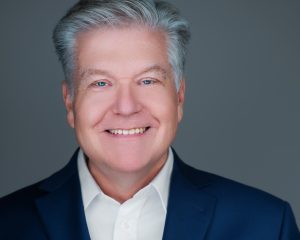
John Ray, Author of The Generosity Mindset and Host of The Price and Value Journey

John Ray is the host of The Price and Value Journey.

John owns Ray Business Advisors, a business advisory practice. John’s services include business coaching and advisory work, as well as advising solopreneurs and small professional services firms on their pricing. John is passionate about the power of pricing for business owners, as changing pricing is the fastest way to change the profitability of a business. His clients are professionals who are selling their expertise, such as attorneys, CPAs, accountants and bookkeepers, consultants, coaches, marketing professionals, and other professional services practitioners.

John is a podcast show host and the owner of North Fulton Business Radio, LLC, an affiliate of Business RadioX®. John and his team work with B2B professionals to create and conduct their podcast using The Generosity Mindset® Method: building and deepening relationships in a non-salesy way that translates into revenue for their business.

John is also the host of North Fulton Business Radio. With over 900 shows and having featured over 1,300 guests, North Fulton Business Radio is the longest-running podcast in the North Fulton area, covering business in its region like no one else.

John’s book, The Generosity Mindset: A Journey to Business Success by Raising Your Confidence, Value, and Prices

John Ray at Barnes & Noble with his book, The Generosity MindsetJohn Ray is the author of the five-star rated book The Generosity Mindset: A Journey to Business Success by Raising Your Confidence, Value, and Prices, praised by readers for its practical insights on raising confidence, value, and prices.

If you are a professional services provider, your goal is to do transformative work for clients you love working with and get paid commensurate with the value you deliver to them. While negative mindsets can inhibit your growth, adopting a different mindset, The Generosity Mindset®, can replace those self-limiting beliefs. The Generosity Mindset enables you to diagnose and communicate the value you deliver to clients and, in turn, more effectively price to receive a portion of that value.

Whether you’re a consultant, coach, marketing or branding professional, business advisor, attorney, CPA, or work in virtually any other professional services discipline, your content and technical expertise are not proprietary. What’s unique, though, is your experience and how you synthesize and deliver your knowledge. What’s special is your demeanor or the way you deal with your best-fit clients. What’s invaluable is how you deliver outstanding value by guiding people through massive changes in their personal lives and in their businesses that bring them to a place they never thought possible.

Your combination of these elements is unique in your industry. There lies your value, but it’s not the value you see. It’s the value your best-fit customers see in you.

If pricing your value feels uncomfortable or unfamiliar to you, this book will teach you why putting a price on the value your clients perceive and identify serves both them and you, and you’ll learn the factors involved in getting your price right.

The book is available at all major physical and online book retailers worldwide. Follow this link for further details.

Connect with John Ray:

Website | LinkedIn | Email

Business RadioX®:  LinkedIn | Twitter | Facebook | Instagram

Tagged With: abundance mindset, Beyond Referrals, Bill Cates, business friendships, business growth, client perceived value, coaches, consultants, cpa's, Entrepreneurs, expert service providers, Financial Advisors, Financial Literacy, Jeff C. West, John Ray, limiting beliefs, money denial, money mindset, money story, personal finance, pricing confidence, professional services pricing, Radical Relevance, referrals, scarcity mindset, small business owners, The Hidden Heist, The Price and Value Journey, Top Advisor Podcast, value based pricing, wealth managers

Leadership Across Generations, with Andy Kalajian, Founder and President, Fort Leadership and Sales Consulting

October 2, 2023 by John Ray

North Fulton Business Radio
Leadership Across Generations, with Andy Kalajian, Founder and President, Fort Leadership and Sales Consulting
Loading
00:00 /
RSS Feed
Share
Link
Embed

Download file

Leadership Across Generations, with Andy Kalajian, Founder and President, Fort Leadership and Sales Consulting (North Fulton Business Radio, Episode 702)

Andy Kalajian, Founder and President of Fort Leadership and Sales Consulting, joined host John Ray on North Fulton Business Radio to share his work in leadership and character development. Andy discussed leadership and workforce challenges businesses face today, the proportion of the workforce millennials comprise, what that proportion suggests about successful leadership, developing a personal and professional development curriculum, and much more.

North Fulton Business Radio is broadcast from the North Fulton studio of Business RadioX® inside Renasant Bank in Alpharetta.

Fort Leadership and Sales Consulting

Fort Leadership and Sales Consulting, LLC is a professional education & training company that helps high commission sales professionals, small business owners, and entrepreneurs get the most out of their teams through character development, leadership training, and practical application.

Website | LinkedIn | Facebook | Instagram

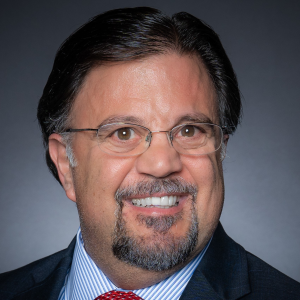
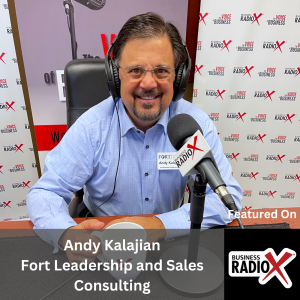
Andy Kalajian, Founder and President, Fort Leadership and Sales Consulting

Andy Kalajian, Founder and President, Fort Leadership and Sales Consulting

Andy Kalajian is the Founder and President of Fort Leadership and Sales Consulting based in Alpharetta, GA. Andy founded Fort Leadership in 2019 after a 33-year career in Medical Device Sales and Marketing Leadership; 25 of those years were with Zimmer (NYSE ZBH) formerly a division of Bristol Myers Squibb (NYSE BMY).

Andy’s journey began at 9 years old when he started in Cub Scouts with his dad and his younger brother. His parents constantly reinforced the Scout lessons of Character and Integrity. Andy continued in Scouting and at the age of 16 he earned the rank of Eagle Scout. At 17 his mom handed him the book, How to Win Friends and Influence People by Dale Carnegie. Andy credits that book with igniting his passion for learning how to get along with people. From Hill, to Covey, from Peale to Ziglar and Maxwell, Andy became a voracious reader of books about Leadership, Character, Communication and Teamwork.

After 5 years working as a golf caddie, Andy was the recipient of the prestigious Evans Scholarship Award (www.wgaesf.org). This full academic and housing college scholarship is awarded in recognition of a strong work ethic as a golf caddie, and strength of character, integrity, and leadership. Andy used his scholarship to earn a B.S. in Medical Technology from Michigan State University.

In 1985, Andy loaded up his car with nothing more than his resume, a sport coat and tie, $2500, a big dream and faith that God was going to fill in the gaps. He moved to Atlanta GA in pursuit of a medical sales career where he could leverage his passion for medicine to serve people. Andy grew his medical sales business well into 7 figures by applying the leadership, character, communication, and teamwork lessons he learned from reading books and listening to thought leaders. As Andy continued to advance in his career, he was invited to speak to organizations and train teams on those lessons learned throughout the United States and Puerto Rico.

Andy founded Fort Leadership to continue speaking, training, and coaching individuals and teams in leadership and character development. These skills foster growth in corporate leadership, communication, and teamwork. His corporate experience and insights train leaders to develop healthy corporate cultures with team members who are motivated, engaged, and purpose-driven, resulting in increased employee retention, team performance, and revenue growth!

Andy and his wife, Sherrie, live in Alpharetta, GA and have four adult children. They are members of Pastor Andy Stanley’s North Point Community Church (www.northpoint.org) where Andy is a small group leader in the North Point Men’s Ministry. Andy serves on the Greater North Fulton Chamber of Commerce Board of Directors at Avalon (www.gnfcc.com) where he started the successful Member 2 Member Business Roundtable.

LinkedIn


Questions and Topics in this Interview:

  • What is your background and how did you come around to starting Fort Leadership and Sales Consulting?
  • How does Fort Leadership and Sales Consulting help businesses out there today?
  • What challenges are you hearing about in the business community?
  • What’s causing these business challenges?
  • Why is it so important for business owners today to understand the Millennials?
  • Can you tell us why it’s so important for Millennials to enroll in a personal and professional development curriculum?
  • What is the experience like to work with you and Fort Leadership?


North Fulton Business Radio is hosted by John Ray and broadcast and produced from the North Fulton studio of Business RadioX® inside Renasant Bank in Alpharetta. You can find the full archive of shows by following this link. The show is available on all the major podcast apps, including Apple Podcasts, Spotify, Google, Amazon, iHeart Radio, Stitcher, TuneIn, and others.

RenasantBank


Renasant Bank has humble roots, starting in 1904 as a $100,000 bank in a Lee County, Mississippi, bakery. Since then, Renasant has become one of the Southeast’s strongest financial institutions with over $13 billion in assets and more than 190 banking, lending, wealth management, and financial services offices in Mississippi, Alabama, Tennessee, Georgia, and Florida. All of Renasant’s success stems from each of their banker’s commitment to investing in their communities as a way of better understanding the people they serve. At Renasant Bank, they understand you because they work and live alongside you every day.

Since 2000, Office Angels® has been restoring joy to the life of small business owners, enabling them to focus on what they do best. At the same time, we honor and support at-home experts who wish to continue working on an as-needed basis. Not a temp firm or a placement service, Office Angels matches a business owner’s support needs with Angels who have the talent and experience necessary to handle work that is essential to creating and maintaining a successful small business. Need help with administrative tasks, bookkeeping, marketing, presentations, workshops, speaking engagements, and more? Visit us at https://officeangels.us/.


Tagged With: Andy Kalajian, business coaching, business consulting, Business Owners, character development, Entrepreneurs, Fort Leadership, Fort Leadership and Sales Consulting, John Ray, Leadership, leadership development, North Fulton Business Radio, professional development, sales consulting, teamwork

Using Demand Generation to Scale Revenue, with Josh Sweeney, FounderScale

August 7, 2023 by John Ray

Josh Sweeney
North Fulton Business Radio
Using Demand Generation to Scale Revenue, with Josh Sweeney, FounderScale
Loading
00:00 /
RSS Feed
Share
Link
Embed

Download file

Josh Sweeney

Using Demand Generation to Scale Revenue, with Josh Sweeney, FounderScale (North Fulton Business Radio, Episode 687)

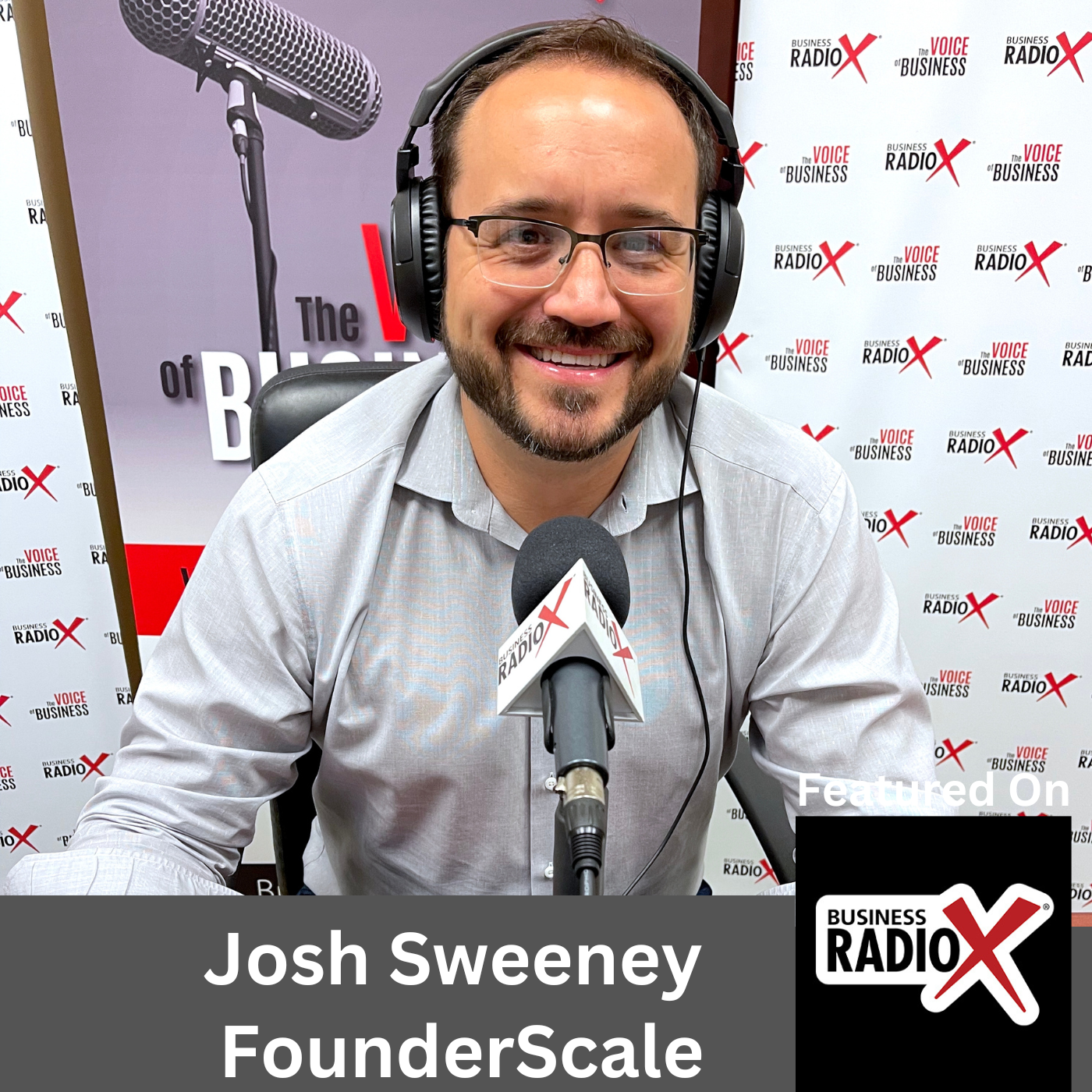
Josh Sweeney, CEO at FounderScale, joined host John Ray to discuss how his firm helps business owners scale their revenue. He talked about the limitations of lead generation, the difference between lead generation and demand generation, planning for revenue growth and being patient, customizing strategies based on the business, when to start demand generation, and much more.

North Fulton Business Radio is broadcast from the North Fulton studio of Business RadioX® inside Renasant Bank in Alpharetta.

FounderScale

FounderScale’s goal is to work with team members and clients who share the company values: people who love what they do, take ownership, have an open mind when solving problems, and desire to go big in their endeavors.

FounderScale offers fractional CRO services, demand generation, and HubSpot consulting to engage prospects, build relationships, and scale revenue. 

Website | LinkedIn

Josh Sweeney, Founder & CEO, FounderScale

Josh Sweeney, Founder & CEO, FounderScale

Josh Sweeney is a seasoned entrepreneur whose mission is to help founders increase revenue so that they can have a positive impact on their team, family, and community.

He delivers on that mission by helping founders go from founder revenue to scalable revenue.

LinkedIn | Instagram


Questions and Topics in this Interview:

  • How to Scale Revenue with Demand Generation
  • Founder Revenue to Scalable Revenue
  • How Marketing for Small B2B Companies Differs from General Perception
  • Entrepreneurship & Exits
  • Founder Peer Groups, Mentoring, & Forums

North Fulton Business Radio is hosted by John Ray and broadcast and produced from the North Fulton studio of Business RadioX® inside Renasant Bank in Alpharetta. You can find the full archive of shows by following this link. The show is available on all the major podcast apps, including Apple Podcasts, Spotify, Google, Amazon, iHeart Radio, Stitcher, TuneIn, and others.

RenasantBank


Renasant Bank has humble roots, starting in 1904 as a $100,000 bank in a Lee County, Mississippi, bakery. Since then, Renasant has become one of the Southeast’s strongest financial institutions with over $13 billion in assets and more than 190 banking, lending, wealth management, and financial services offices in Mississippi, Alabama, Tennessee, Georgia, and Florida. All of Renasant’s success stems from each of their banker’s commitment to investing in their communities as a way of better understanding the people they serve. At Renasant Bank, they understand you because they work and live alongside you every day.

Since 2000, Office Angels® has been restoring joy to the life of small business owners, enabling them to focus on what they do best. At the same time, we honor and support at-home experts who wish to continue working on an as-needed basis. Not a temp firm or a placement service, Office Angels matches a business owner’s support needs with Angels who have the talent and experience necessary to handle work that is essential to creating and maintaining a successful small business. Need help with administrative tasks, bookkeeping, marketing, presentations, workshops, speaking engagements, and more? Visit us at https://officeangels.us/.

Tagged With: b2b sales, demand generation, engagement, Entrepreneurs, founderscale, hubspot, John Ray, josh sweeney, lead generation, North Fulton Business Radio, Office Angels, renasant bank, revenue, Scalable revenue

Renasant Roots Entrepreneurial Success Series with Antonio Henson, Renasant Bank; Donna Wise, InXpress Roswell; and Amber Woolfolk, Solve Tutoring LLC

July 31, 2023 by John Ray

Renasant Roots
North Fulton Business Radio
Renasant Roots Entrepreneurial Success Series with Antonio Henson, Renasant Bank; Donna Wise, InXpress Roswell; and Amber Woolfolk, Solve Tutoring LLC
Loading
00:00 /
RSS Feed
Share
Link
Embed

Download file

Renasant Roots Entrepreneurial Success Series with Antonio Henson, Renasant Bank; Donna Wise, InXpress Roswell; and Amber Woolfolk, Solve Tutoring LLC (North Fulton Business Radio, Episode 684)

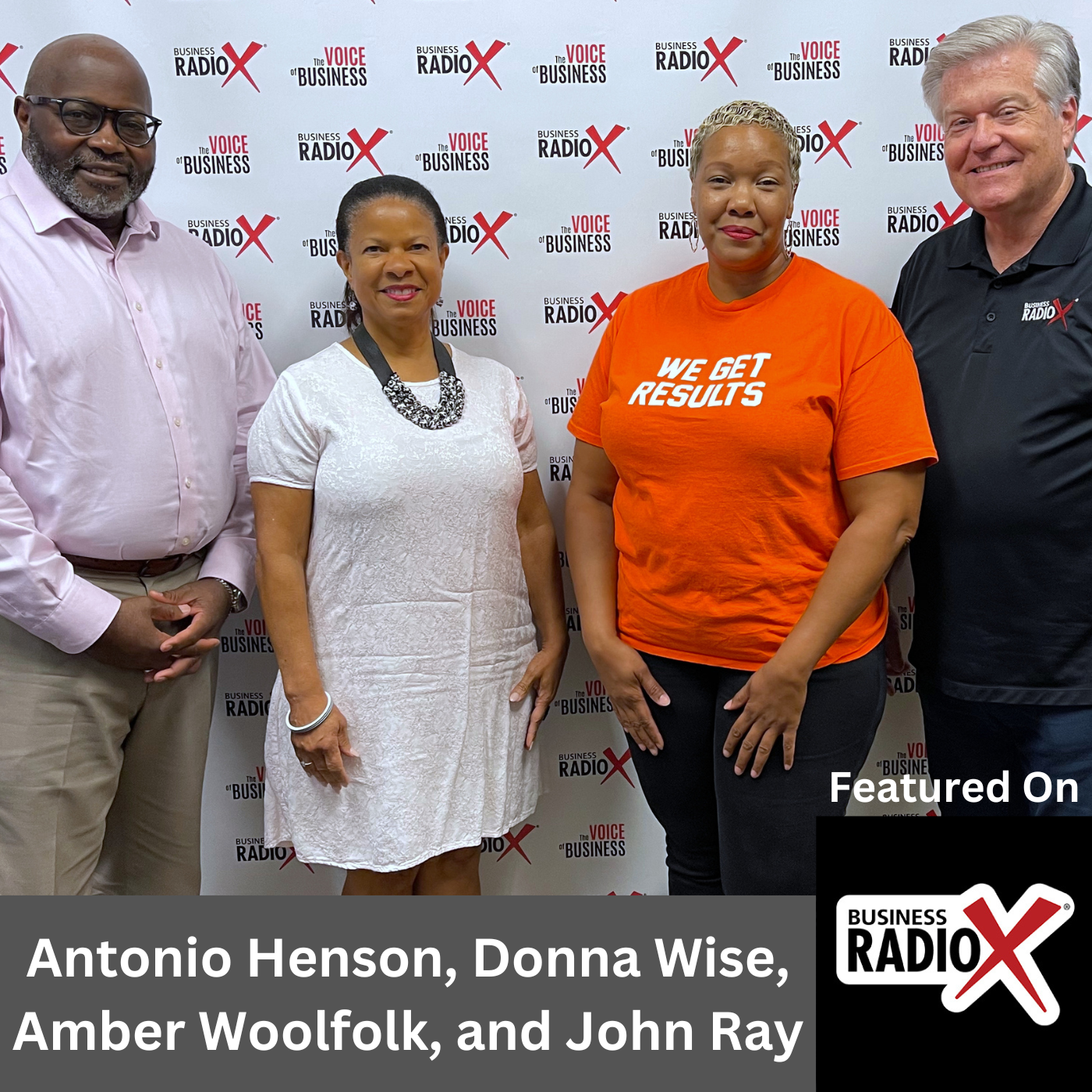
The Renasant Roots Entrepreneurial Success Series is a capacity-building program designed to assist small business owners with business development, marketing, networking, and many other benefits. On this episode of North Fulton Business Radio, host John Ray was joined by Antonio Henson, Community Lending & Relationship Director, Renasant Bank, to discuss this program, how entrepreneurs are selected, grants available to participants, and more. Two business owners from last year’s program, Donna Wise, InXpress Roswell, and Amber Woolfolk, Solve Tutoring LLC, also joined the show. Donna and Amber discussed their respective businesses, why they signed up for last year’s Renasant Roots series, what they learned, why they encourage fellow entrepreneurs to participate, and much more.

To apply for the Renasant Roots program, you can email RenasantRootsCapacityBuilding@renasant.com for more information.

North Fulton Business Radio is broadcast from the North Fulton Studio of Business RadioX® inside Renasant Bank in Alpharetta.

Renasant Roots Entrepreneurial Success Series

Renasant Bank is proud to bring the Renasant Roots Entrepreneurial Success Series to the Atlanta market again this year. The capacity-building workshop is a four-week program customized to help small business owners sharpen their business development skills and fill gaps in their knowledge and experience to make their enterprises stronger. Renasant Roots was created in partnership with the Birmingham Business Resource Center five years ago.

With the program having great success in the Birmingham market, Renasant’s Birmingham team and the BBRC are sharing the Renasant Roots template with the Atlanta Renasant team to share with small business owners in Atlanta. “We are excited to bring the Renasant Roots program to the Atlanta market. After watching the success and growth of the program in Birmingham, we decided that it would be a great opportunity to share these business resources with the Atlanta community as well,” said Zennie Lynch, Atlanta Market President. “In addition to the skills development and powerful information these participants will receive, they will also be provided with a small business development grant of $2,500 when they complete the program.”

The workshop will focus on business development and planning, marketing and branding, accounting principles and tax preparation, funding options, and resource development. Speakers for the sessions will be provided by Invest Atlanta, Access to Capital for Entrepreneurs, LiftFund, and Atlanta Black Chambers.

There is no cost to participate in the program other than committing 10 hours over five weeks. 10 participants will be selected through an application process.

Company Website | LinkedIn | Facebook

Antonio Henson, MBA, First Vice President – Community Lending Relationship Director, Renasant Bank

Antonio Henson, MBA, First Vice President – Community Lending Relationship Director, Renasant Bank

Antonio Henson has over twenty years of experience in business and banking. He has facilitated training sessions for staff aimed at enhancing product & credit knowledge and regulatory procedures.

Antonio has structured project financing designed to spur neighborhood revitalization efforts in the low-income communities throughout the State of New Jersey and Metro Atlanta. This action involved community outreach and working with elected officials, government agencies, quasi-public agencies and the private sector to promote revitalization and commercial development.

He has provided expertise and assistance to various community-based organizations, to assist them with meeting the financial needs of their respective organizations.

LinkedIn

Donna Wise, Owner, InXpress Roswell

Donna Wise, Owner, InXpress Roswell

InXpress Roswell is a full-service shipping concierge platform, providing complimentary education and discounts on shipping and freight of all kinds, from envelopes and small packages to heavy equipment and machinery. InXpress offers both domestic and international services and differentiates by understanding customer needs in order to provide personalized services.

Owner of InXpress Rosswell, Donna Wise, has sales, marketing, and strategy experience in complex environments across multiple industries that helps in strategic business planning. Her goal is to learn something new every day and to energize those around her to take positive action.

Specialties: international shipping, domestic freight, business consulting, global business development, marketing strategy, innovation, communications strategy, and tactical prioritization

Industries: Logistics/Supply Chain, Wholesale & Retail Trade, Manufacturing, Food, Healthcare, Technology, Nonprofits, Media, Hospitality, Consumer Products, and more

Company Website | LinkedIn | Facebook

Amber Woolfolk, Founder & CEO, Solve Tutoring LLC

Amber Woolfolk, Founder & CEO, Solve Tutoring LLC

In 2017, Solve Tutoring opened its doors to offer affordable tutoring and academic assistance services to student-athletes in areas surrounded by Title One public schools. Solve Tutoring provides tutoring, test prep, academic coaching and executive functioning resources in-person and virtually for students in grades 3rd-12th in STEM and Foreign Language subjects up to 7 days a week.

With over five years of experience as the Founder and Director of Solve Tutoring, Amber leads a highly utilized tutoring and test prep program for 3rd-12th grade student athletes in underserved communities. She has a Bachelor of Science in Organizational Leadership from Mercer University and an Associate Degree in Business Administration from Shorter College. Her passion is to close academic gaps and cultivate learning in STEAM and foreign language fields, while empowering students to achieve their personal and professional goals.

At Solve Tutoring, Amber collaborates with coaches, counselors, trainers, educators, recruiters, and parents to develop individualized strategies and programs that support student success, critical thought, college readiness, and goal setting. She also manages the operations and logistical components of business activities, from contract negotiation and data analysis to project management and human resources. In addition, she fosters a sense of volunteerism and community engagement among our staff and students, as part of our mission to advocate for equity in education.

Company Website | Facebook | LinkedIn

Questions and Topics in this Interview:

General:

  • Antonio Henson’s role at Renasant
  • Renasant Roots and its success
  • The skills and strategies each guest learned through Renasant Roots

Donna Wise, InXpress Roswell:

  • Why would a business or nonprofit need a shipping concierge?
  • How are you different from other providers in your industry?
  • What does it take to get started with you?
  • What is the biggest challenge to shipping in today’s environment?
  • Where do you see the industry going in 3-5 years?
  • What advice would you give to entrepreneurs interested in joining this industry?

Amber Woolfolk, Solve Tutoring LLC

  • Why is your focus mostly Student-Athletes?
  • How did the Renasant Roots accelerator impact your business over the duration of the program?
  • How has funding or lack thereof impacted y our small business and the communities/students that you serve?
  • What tips or strategies would you share with parents as they enter the school year?
  • What challenges are you seeing with students currently?
  • What are your thoughts on AI technology and the impact it could have on students?


North Fulton Business Radio is hosted by John Ray and broadcast and produced from the North Fulton studio of Business RadioX® inside Renasant Bank in Alpharetta. You can find the full archive of shows by following this link. The show is available on all the major podcast apps, including Apple Podcasts, Spotify, Google, Amazon, iHeart Radio, Stitcher, TuneIn, and others.

RenasantBank


Renasant Bank has humble roots, starting in 1904 as a $100,000 bank in a Lee County, Mississippi, bakery. Since then, Renasant has grown to become one of the Southeast’s strongest financial institutions with over $13 billion in assets and more than 190 banking, lending, wealth management and financial services offices in Mississippi, Alabama, Tennessee, Georgia and Florida. All of Renasant’s success stems from each of their banker’s commitment to investing in their communities as a way of better understanding the people they serve. At Renasant Bank, they understand you because they work and live alongside you every day.


Since 2000, Office Angels® has been restoring joy to the life of small business owners, enabling them to focus on what they do best. At the same time, we honor and support at-home experts who wish to continue working on an as-needed basis. Not a temp firm or a placement service, Office Angels matches a business owner’s support needs with Angels who have the talent and experience necessary to handle work that is essential to creating and maintaining a successful small business. Need help with administrative tasks, bookkeeping, marketing, presentations, workshops, speaking engagements, and more? Visit us at https://officeangels.us/.

Tagged With: Amber Woolfolk, Antonio Henson, Donna Wise, Entrepreneurs, InXpress Roswell, renasant bank, Renasant Roots, Renasant Roots Entrepreneurial Success Series, shipping, Solve Tutoring LLC, student athletes, tutoring

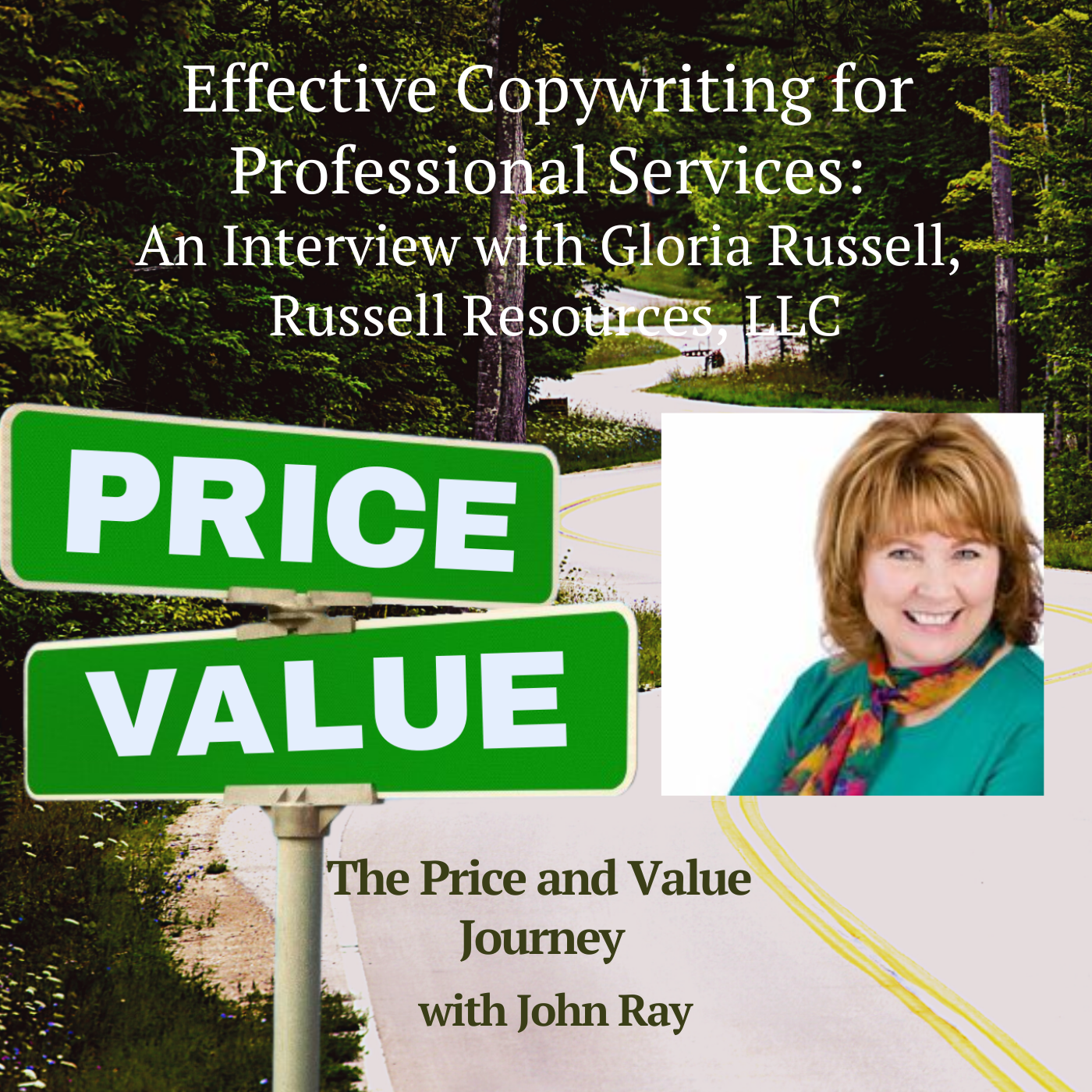
Effective Copywriting for Professional Services: An Interview with Gloria Russell, Russell Resources, LLC

March 29, 2023 by John Ray

Effective Copywriting
North Fulton Studio
Effective Copywriting for Professional Services: An Interview with Gloria Russell, Russell Resources, LLC
Loading
00:00 /
RSS Feed
Share
Link
Embed

Download file

Effective Copywriting

Effective Copywriting for Professional Services: An Interview with Gloria Russell, Russell Resources, LLC

Copywriter Gloria Russell joined host John Ray to discuss the elements of effective copywriting for professional services providers. Gloria talked about the problem of services providers talking too much about themselves, uncovering their unique brilliance, the rise of AI and what it means for copywriting, why reading makes for better copywriting, and much more.

The Price and Value Journey is presented by John Ray and produced by the North Fulton studio of Business RadioX®.

Russell Resources

How you show up and serve your clients is more important now than ever.

At Russell Resources and writer.mn, they help U.S. business owners who are bogged down with ineffective website content and unclear marketing messages.

They know that you would like to finally feel confident that you are sending the right message to the right audience. They understand that successful messaging must authentically resonate with your ideal clients. With their marketing and writing expertise, they would love to talk with you about helping you attract more of your ideal clients to increase revenue and profit.

Russell Resources can help you extend your reach, so it delivers value to you and your clients. They provide the strategic, client-focused, written content that sends your unique message to those you most love to serve.

Website | LinkedIn | Instagram

Gloria Russell, Founder and Lead Copywriter, Russell Resources LLC

Gloria Russell, Founder and Lead Copywriter, Russell Resources LLC

Nine years ago, Gloria Russell launched Russell Resources LLC to help entrepreneurs upgrade their marketing strategy and copywriting. She works with service-based businesses to gain clarity on their preferred markets, ideal clients, and services that provide in-demand solutions. Her compelling content enhances visibility, credibility, and marketability by reaching the right audience through engaging topics on websites, blogs, and LinkedIn posts.

After a lengthy corporate career, Gloria now enjoys working with clients across the country from her office in west central Minnesota. She treasures all the special times with her children and grandchildren who live out of state. Her son, Ryan, and family live in Virginia, and Michigan is home to her daughter, Odessa, and family.

Gloria enjoys travel, music, adventure or mystery books and movies, home improvement projects, and the cheery sound of birds chirping.

LinkedIn

TRANSCRIPT

John Ray: [00:00:00] And hello again, folks. I’m John Ray on The Price and Value Journey. And I’m delighted to welcome my friend Gloria Russell. Gloria is based in Minnesota, but she works all over the country and she works with a number of different verticals, you might say, performing copywriting services, giving them copywriting that they need for their website. It might be for brochures or social media posts or maybe LinkedIn or what have you.

But I’ve known Gloria for a while now and I really love her work. I love her perspective. And I thought she would be a great person to talk to about effective copywriting for professional services firms. Gloria, thank you so much for joining me.

Gloria Russell: [00:00:50] Thank you so much. It’s a pleasure. Thank you for the invitation.

John Ray: [00:00:54] Absolutely. So I didn’t do your background justice because you’ve done so much great work. But I’m going to turn it over to you and tell the listeners a little bit more about your background and how you became a copywriter.

Gloria Russell: [00:01:15] Well, I think, John, it actually started kind of a young age, at least for the writing part of it. When I was a young girl, I used to actually rip pictures out of a magazine and then I’d write my own story. I had quite the imagination. And I’m a reader and I think readers make good writers a lot of time. And it’s probably just because you have that exposure to the written word and the spelling and word usage, just all of that. And of course, you love the impact and the adventure. But I do feel like readers oftentimes make good writers.

And so that’s kind of how I began. I used to like to write. I always been a reader. But if you fast forward to my corporate career, there I had a variety of responsibilities. But part of it was I wrote internal and external communications. And for some of them I was the author, but for others I was writing for other people. It might have been the owner of the company, the VPs, the CEO, the C-suite, whomever.

And so I learned, and I feel like some of it might have been a little bit of a natural tendency. But I learned through years of practice how to write in the voice of many different people. And it was really fun for me. So I enjoyed that a lot.

John Ray: [00:02:49] You said something there I want to follow up on. You talk about the connection between reading and writing. Talk about how important it is to read in order to develop your writing skills.

Gloria Russell: [00:03:06] I think it is, most definitely, because and I think that’s one of those things that really helps. When you read, and I’ve got the whole bookshelf, when you read, you really see how stories develop. You see different styles of writing, but you can also recognize the good patterns and even just the words and the spelling and all of that. I’m one that finds the mistakes in books. And I’m always thrilled when I read a book and there are no mistakes, but I think it is important.

It’s kind of funny, John, because in my corporate days when I did a lot of writing, I didn’t call myself a copywriter. Even though I certainly was, but that was just one of my many duties. And I didn’t call myself a copywriter. It wasn’t until I decided to leave the corporate campus and start my own business that I realized, oh, now I’m a copywriter.

Because what I was trying to do, I wanted to help business owners with their copywriting, with their content, with how they projected themselves. And that’s what they told me they needed the most. So the things I love to do, that’s what I decided. And I do love it because it offers me a lot of freedom and flexibility at this stage of my career. But now I indeed do call myself a copywriter because that’s what I do all the time. So I’ve owned up to it now.

John Ray: [00:04:45] Okay. Well, I want to talk about that term for just a second, because the term itself, I understand why you use it because that’s what people are looking for. So you have to call yourself that, right? But the writing itself is the task, and you do so much more than that. And really, and this is true for any good copywriter, right? I mean, it does not start with the writing. It starts with something bigger than that. Talk more about that.

Gloria Russell: [00:05:20] Yeah, absolutely. Well, so there is the writing thing, and that’s the part where I say I kind of came by that early and came by that honestly. But when I talk about the content, really, it’s the marketing. And sometimes people don’t know that’s what they need and they’re asking for the writing, which is definitely the product. But a lot of times, it’s the marketing and they don’t quite understand that.

So when clients come to me, typically what they’ll say is they need the content, they need the writing, but they don’t have time, they don’t know how to write, they can’t write. Some of them just say it would be torture. So they want something professional, something that’s really going to serve them well, represent them well, but they’re not sure how to provide that for themselves.

So a lot of times, even I do use the word copywriting because you need to, but a lot of times I use the term marketing content. So I’ll say I write marketing content, or I create marketing content. And I think sometimes people understand that a little bit better.

John Ray: [00:06:33] You know, I think I’m qualified to judge a bad copywriter from a good one because I’ve had bad ones and I’ve had good ones, and that means you. And I think the difference is the copywriters that play into people’s point of view, right? I mean, and I think your talent, it seems to me, is giving professional services providers and other companies you work with a point of view makeover that it’s not about them and what they do per se.

Gloria Russell: [00:07:14] This is so true. I think what you need to do and what people want, sometimes they’re just not really able to express it. But really, we need to uncover their unique brilliance and how they’re different and how they relate to the client. Because in the writing and in the copy that people are going to read, it needs to be all about the client.

There are many different types of copywriters. There are some and they are professionals as well. But there are some that will write for a particular industry, and they will maybe create companies that will create a website and the copy that goes with it, and they sell that same thing to everyone in that niche or all the same.

So there’s really no way to differentiate when you see that. And if that’s something that works for you and that’s what you need, that’s great. You have to know what your objectives are and what your goals are. For me, I like to provide original content. And so that means I really need to get to know the business and who their ideal clients are.

John Ray: [00:08:22] Yeah. And I guess this also comes around to a lot of professional services providers have, they’ve gotten trained too. Right? I mean, they’ve done a lot of writing along the way, particularly attorney’s verticals like that. Right? They’ve done a lot of that. So. If you’re a good writer, why do you need to hire a copywriter?

Gloria Russell: [00:08:55] Well, there’s usually two reasons. People will come to me, and they’ll say, I am a good writer. And they are, but they don’t have time. They absolutely do not have the time. And that’s not where they want to focus their energy. But most of them are good, they’re good writers, but they don’t really understand the marketing side of it. And you need to really love the outcome.

So once you have new content, say for your website, your blogs, your LinkedIn profile, bios, whatever it is, you want to feel really good about that and proud of it because I feel really bad when people say, yeah, I wrote it but it doesn’t really do the company justice. It doesn’t really help me. People aren’t attracted to it.

And the whole thing is you need to speak to the clients. You need to show what’s in it for them and you need to do it pretty quickly. So I think a lot of times the real reason is it’s just a matter of the marketing side of it. People have trouble talking about their own, talking about themselves or their own business a lot of times.

John Ray: [00:10:06] Well, my sense of it is they talk too much about themselves. So maybe they’re too good at talking about themselves as opposed to talking about what’s going on in the heads of the potential client that they have, right?

Gloria Russell: [00:10:20] Right. Well, that’s absolutely true. And that’s one of the things that I see as probably the biggest, well, I would say undoubtedly the biggest mistake that people make when they write their own content. And a lot of people will do that, especially when they’re starting out. But they talk too much about themselves and too much about the company and we do this and we do that.

But the truth is, when someone comes to your website or looks at some marketing materials, whatever it is, they want to know what’s in it for them. And people don’t have a very long attention span anymore. I don’t either. So they want to see it and they want to see it quickly. So you really need to talk about the client and what’s in it for them. That’s what gains you the outcome that you’re really looking for.

John Ray: [00:11:11] Well, let’s talk about the, I guess, the piece of this that involves how you work with a client and how you get to that point. So dig into that for us. Take us through what that looks like for you as you unpack all that with a client.

Gloria Russell: [00:11:33] Well, when there’s a new client, the first thing always is to get to know them. So I will spend time with them to really understand what drives them their why, why are they in it? I’d like to know about their business, the mission, the vision, what they’re hoping to achieve. And so we have some discussions on that. Some of them will go pretty deep to see what’s it all about. I want to know what’s important to them.

But the second thing we’ll talk about is who is their ideal client? Who are they really looking for? Who do they want to serve? And those are the people that we want to attract because we want them to fall in love with you so that you can serve more of those type of people. So we discuss all of that with an understanding of what their goals are and who they’re really going to be basically a hero to. And then we decide what needs attention and where we can show the client some love. So it might be their website, it might be their LinkedIn, it might be blogs. Sometimes it’s video, video scripting, case studies, whatever they need. But you need to start with those elements first.

John Ray: [00:12:49] Do you find that you discover more about the clients of a service provider than maybe they knew themselves?

Gloria Russell: [00:12:59] It happens sometimes. Yeah. The interesting thing is when I talk with business owners, most of them know a lot about their business and what their goals are and what they’re trying to achieve, who they want to serve. Some of them are very clear on who their preferred clients are and who they can really make a difference for. But some of them are not so clear, especially if they’re a little earlier on in their business.

Or during the pandemic, a lot of people change their focus or do a little bit of a switch and they might have added services or just they’re doing their work differently. They might even be looking for a different set of clients. So we would talk about that. And sometimes we need to have a little bit more discussion on that to really understand who it is they’re looking for. Because until I know who those clients are that they really want to serve, I can’t write for them. I need to know who they are so that I can write directly to them, and it will speak to them and resonate with them.

John Ray: [00:14:11] Yeah, that makes sense, Gloria. Now, so you go through — and I know this from working with you. You go through a pretty extensive interview process, right? And you record that interview, so you have access to that later, right?

So I guess what are the big — are there surprises that come out of that? I’m just curious if your clients sometimes have epiphanies about their own business that maybe they didn’t fully appreciate? And just because you’re an independent third party and looking for their special sauce that you find things they didn’t know they had.

Gloria Russell: [00:15:01] This is true. It does happen sometimes. And it turns out to be a delightful journey for the business owner, I feel. And they’ll say, oh my gosh. And sometimes I think they’re a little bit worried about it, like, well, it will be too overwhelming, depending on where they are at. It depends really on how deep we go into that and how much we have to do.

But typically, at the end, they’ll just say, oh my gosh, I learned so much and I’ve narrowed things down and I have much more clarity now. And they realize that actually the exercise was fun. And so, I really love that because I don’t want anybody feeling nervous about it or like it’s going to be too much work. But you do have to ask the right questions so that you can uncover the essence of their business goals and what they’re really trying to accomplish.

John Ray: [00:15:57] Yeah, that makes sense. So what are the services businesses that you find maybe the most challenging to write for and why?

Gloria Russell: [00:16:13] That one’s pretty easy for me. And every copywriter might have a different answer. But for me, the most challenging are legal and financial. And it doesn’t mean that I don’t write for them. I do. I will write things like ads. I’ll do their LinkedIn profiles to make sure it really represents them well. I will do some website content, or it could be blogs or posts.

What I won’t do is I won’t do white papers or something that really gets deep into the topic. And the reason is I’m not the expert on the legal and the financial. That’s not my main focus. And there are a lot of things in those industries that you can’t say or certain ways you can’t say it. There are certain words you can’t use. And so, I just avoid that. And if there is someone who needs that type and that depth of copy for legal or financial, I refer them to someone who only works with that group.

John Ray: [00:17:23] Okay, cool. So let’s say we’ve got some someone listening to this, and they’ve decided, okay, I give up, I’m going to hire my own copywriter. So one question that I get a lot from people is I don’t know how to judge. I don’t know how to judge who’s a good fit for me and who’s not, because it all kind of sounds the same to me when I go to their website or what have you. So how do you counsel someone on how to make a good selection of a copywriter for their business?

Gloria Russell: [00:18:03] Well, I think there are ways that you can go about that. And first thing I would do is you have to have an idea of what you need. But you can go to the copywriters, look for their LinkedIn. And when you look at their LinkedIn profile, you can gain a little bit of an idea of who they are, what they do, what it might be like to work with them. And you can see a little bit about their style.

The other thing you can do is you can look at their recommendations and that will tell you something I think that’s valuable. And the LinkedIn recommendations are awesome. You can see who said what. You can even see the date that it was posted. So I think that’s really good. You can also go to their website and just see how they wrote their own website and who they seem to be speaking to, that kind of thing.

So I think those two. And then if it seems like something that speaks to you, you can ask for a conversation. I’m sure that any copywriter would be very happy to have a chat and you can decide if it’s a good fit.

John Ray: [00:19:22] Yeah. Okay. So I want to get to the topic of the day, which is AI and ChatGPT and Google has Bard coming out. Well, it’s already out right now, but talk about just how you view AI and copywriting and your ability to do what you do.

Gloria Russell: [00:19:52] Yes. It certainly is the topic of the day, isn’t it?

John Ray: [00:19:55] Oh, yeah.

Gloria Russell: [00:19:57] For me, I love technology, so I don’t think of AI or any kind of techno innovative happenings as any kind of a threat. If you think about over the years, all the technology changes we’ve had, it’s exciting and we have capabilities now that we never had before. And this is another thing. I mean, it’s ever-evolving and it will continue to evolve.

I know there are people who aren’t as fond of technology. Probably they think, oh, now we have to learn another thing. Or some people just don’t like change. And so that impacts how people feel about things. I’m one of those that really embraces change and technology. I mean, as long as it can do something for me that might be productive, it’s great. So change doesn’t bother me.

I mean, even in my personal life, John, I, like a lot of people don’t like to move and I have moved many times. For me, that’s just an adventure. I don’t have to clean my closets. I can just move. And I kind of take that same perspective with technology. And I think AI can really help a lot of business owners and it can help a lot of career professionals in many ways that might not have been available to them before. And it will keep getting better.

I’ve seen a lot of my clients use AI effectively for writing emails. Some of them, especially if they’re a little concerned about how to structure the sentence or which words to use, they find it very valuable. I’ve seen others use AI as they start projects, maybe to outline something or to gain some other ideas. That is another benefit.

And then of course, there are some people who are using AI to write their posts in their blogs and their eBooks and all of that. And it’s amazing if you just watch it unfold, it’s just like, oh my gosh, look at this, it’s amazing to just see it happen so quickly.

But here’s the caution. And this is my view, but here’s the caution. This is like anything, I believe the output is only as good as the input. And so to use it well, you really need to spend some time with it and improve the questions you ask, and you need to know when to use it and basically create a strategy.

John Ray: [00:22:35] Yeah. There’s something beguiling about getting the results as quickly as you get them. And what I mean by that is it’s kind of like if you, well, I’m dating myself. Probably not you, but I’m dating me. So, I mean, when, I guess it was VisiCalc, came out and the old spreadsheet software and because everything was so well organized and so forth, I mean, you maybe took a little bit of a, had more confidence in the results than you should. Right. Just because of the way the output looked. Right. And it strikes me that something like ChatGPT is very similar.

Gloria Russell: [00:23:28] Yes. Yes, I think so. I don’t believe for a minute that it would replace humans for exceptional copywriting, but it can help speed up the process a little bit if really learn how to use it to your benefit. And on the other hand, I’ve had clients come to me in the last weeks saying they don’t want to use AI for their content because they don’t feel that it gives the personality, or it doesn’t add to their branding, and it just doesn’t pull it all together. So that’s why they would like for me to do it so that they know that that’s they’ll get the outcome that they want.

But the whole thing is fascinating. And I think the other caution that I would have is it’s like anything else, it’s not perfect. And so when you use ChatGPT or the others, it will create content that can sometimes be inaccurate and there can be mistakes. It’s like any software actually even if — well, it’s because I know I guess. But if I use the grammar software, I can see it make mistakes or I can see it use a word that changes the meaning basically of what I want to say. And it’s not going to be a good thing for me.

So you have to be aware that all the information might not necessarily be accurate and some of it might be a little bit biased. So you have to, when you’re using it, I feel like you need to, in the end, really make it your own and edit it. Make sure that it has the proper content, grammar, tone and flow that you’re looking for. In other words, what you really want is something original, not strictly machine generated.

John Ray: [00:25:21] Right. Yeah. And so do you use ChatGPT or its equivalents? Do you use AI yourself?

Gloria Russell: [00:25:33] I do to a point. I do to a point. But I certainly don’t write my clients content with ChatGPT. No.

John Ray: [00:25:45] Okay.

Gloria Russell: [00:25:46] N-O.

John Ray: [00:25:47] So I got it. So are you using it for like research, outlining, prompts, or that kind of thing? Is that the extent of your usage?

Gloria Russell: [00:25:57] Pretty much. I would say, honestly, I’m using it just to see what it can do.

John Ray: [00:26:02] Okay. Okay.

Gloria Russell: [00:26:03] Really, I feel like we’re really at the beginning stages of this. And so I use it to see what it can do, but it does not replace the original content for me at all. So, but it’s very interesting. It’s fascinating.

John Ray: [00:26:20] Yeah, for sure. So let’s talk about tone and getting someone’s voice because I can hear someone saying it’s a valid point. That may be a problem with ChatGPT, but how do I get a copywriter that gets my tone and my voice, right, that makes it sound like me? So how do you accomplish that?

Gloria Russell: [00:26:50] Well, I don’t know that there’s really a class I could teach on that one. But again, I feel a little bit like I had maybe a little bit of a natural tendency there, but also probably just because I’ve done it for so long. That was part of my corporate work. And again, you need to really know your client and you need to know who you’re speaking to. So that’s the key to it right there, I think.

And it’s very important to have those conversations with the client, to understand their personality and their brand, what they’re trying to accomplish, their focus. And in working with them over time, if that changes, then you have those discussions again. But if you’re working with someone for the first time, like I will look at what has been created before and I’ll ask them how they feel about it. Sometimes they’re really happy with it, sometimes they’re not. They understand that that did not represent them the way they wanted. And so we talk about those kinds of things. But I think if you ask the right questions, you can really understand better who they are and how they would speak to their client.

The other part is knowing the client and how would they speak to those marvelous clients that they love to serve, and how do those clients want to be spoken to, what do they want to know? And again, you don’t want to use too much technical jargon or acronyms. You don’t want to get too technical. So there’s a lot to it, but it’s really fun. And I just am thrilled when I hear the comments that people say, oh, I don’t know how you can write so that it sounds like I wrote it, but you do a great job. And that really makes me feel good.

John Ray: [00:28:46] Yeah. And that really gets over the objection I think a lot of people have toward hiring a copywriter in general, right. And they put this in a category. They kick the can down the road because that’s what they’re afraid of and they’re waiting for a time they’ll be able to do it themselves. And they never get to that point, right?

Gloria Russell: [00:29:07] Yeah, it’s true. I have had a few, not many, but a few say, well, I don’t know that you could write my content because you don’t totally understand my business. Well, we have conversations so that I can understand enough. And I think what helps me too is that I have that corporate background and I was involved always from the strategy all the way through to the implementation.

So I do understand business and that probably helps me too. But sometimes it’s maybe better not to know all the details because you can write then in a way that more people will understand rather than when you’re really in the thick of it and you’re getting a little bit too detailed or too technical. It’s interesting.

John Ray: [00:29:54] Yeah. Sometimes knowing too much makes you a captive of all that, right?

Gloria Russell: [00:29:58] Yeah.

John Ray: [00:29:59] Yeah, yeah. Yeah, that makes perfect sense to me. Gloria, this has been great. And I can’t imagine that there aren’t some folks that would like to know more about you and your services. So can we give them your contact information and allow them to get in touch with you?

Gloria Russell: [00:30:18] Absolutely. Thank you so much. So they could Google Gloria Russell copywriter and they would find my LinkedIn and my website for Russell Resources. That’s one way. But I have a shortcut. The shortcut is you can just Google writer.mn. I’m based in Minnesota, so the MN is easy to remember. So writer.mn goes directly to my Russell Resources website.

John Ray: [00:30:44] Terrific. And you were again, work with clients really all over the place. You may be in Minnesota, but in terms of your clients, you’re all over the place.

Gloria Russell: [00:30:54] All over the country. I don’t do international anymore, but all over the country.

John Ray: [00:30:59] There you go. Gloria Russell. Gloria, this has been great. Thank you so much for joining me and our listeners and talking about your work and the copywriting profession. Thank you so much.

Gloria Russell: [00:31:14] Thank you so much. I appreciate it. It’s a pleasure.

John Ray: [00:31:18] Hey, folks, just a quick reminder that you can find the show archive for this series at pricevaluejourney.com, as well as your favorite podcast app. So whichever makes the most sense to you, just search pricevalujourney.com or go to pricevaluejourney.com or search Price Value Journey and you’ll find it.

Also, if you go to pricevaluejourney.com, you can find updates on my upcoming book. It’s called The Price and Value Journey, Raising Your Confidence, Your Value and Your Prices Using the Generosity Mindset Method. Be out later this year in 2023. So for my guest, Gloria Russell, I’m John Ray. Join me next time on The Price and Value Journey.


About The Price and Value Journey

The title of this show describes the journey all professional services providers are on:  building a services practice by seeking to convince the world of the value we offer, helping clients achieve the outcomes they desire, and trying to do all that at pricing which reflects the value we deliver.

If you feel like you’re working too hard for too little money in your solo or small firm practice, this show is for you. Even if you’re reasonably happy with your practice, you’ll hear ways to improve both your bottom line as well as the mindset you bring to your business.

The show is produced by the North Fulton studio of Business RadioX® and can be found on all the major podcast apps. The complete show archive is here.

John Ray, Host of The Price and Value Journey

John Ray The Price and Value Journey
John Ray, Host of “The Price and Value Journey”

John Ray is the host of The Price and Value Journey.

John owns Ray Business Advisors, a business advisory practice. John’s services include advising solopreneur and small professional services firms on their pricing. John is passionate about the power of pricing for business owners, as changing pricing is the fastest way to change the profitability of a business. His clients are professionals who are selling their “grey matter,” such as attorneys, CPAs, accountants and bookkeepers, consultants, marketing professionals, and other professional services practitioners.

In his other business, John is a Studio Owner, Producer, and Show Host with Business RadioX®, and works with business owners who want to do their own podcast. As a veteran B2B services provider, John’s special sauce is coaching B2B professionals to use a podcast to build relationships in a non-salesy way which translate into revenue.

John is the host of North Fulton Business Radio, Minneapolis-St. Paul Business Radio, Alpharetta Tech Talk, and Business Leaders Radio. house shows which feature a wide range of business leaders and companies. John has hosted and/or produced over 1,700 podcast episodes.

Coming in 2023:  A New Book!

John’s working on a book that will be released in 2023:  The Price and Value Journey: Raise Your Confidence, Your Value, and Your Prices Using The Generosity Mindset. The book covers topics like value and adopting a mindset of value, pricing your services more effectively, proposals, and essential elements of growing your business. For more information or to sign up to receive updates on the book release, go to pricevaluejourney.com.

Connect with John Ray:

Website | LinkedIn | Twitter

Business RadioX®:  LinkedIn | Twitter | Facebook | Instagram

Tagged With: AI, artificial intelligence, business writing, ChatGPT, copywriting, Entrepreneurs, Gloria Russell, John Ray, Price and Value Journey, Price Value Journey, pricing, professional services, professional services providers, Russell Resources, solopreneurs, value, value pricing, Write.mn

How Clear Processes Add Value, with Marie Mills, Clear Solutions, LLC

February 7, 2023 by John Ray

Clear Solutions
How to Sell a Business
How Clear Processes Add Value, with Marie Mills, Clear Solutions, LLC
Loading
00:00 /
RSS Feed
Share
Link
Embed

Download file

Clear Solutions

How Clear Processes Add Value, with Marie Mills, Clear Solutions, LLC (How To Sell a Business Podcast, Episode 10)

Marie Mills, Owner of Clear Solutions, LLC, is an experienced business process analyst, and she joined host Ed Mysogland to talk about the value of documenting processes for a business. Marie discussed the importance of clear and efficient processes regardless of the industry or size of business. They also covered how to get started, why two weeks isn’t enough time to create documentation, who should do it, the return on the investment, the impact on the sale of the business, and much more.

How To Sell a Business Podcast is produced and broadcast by the North Fulton Studio of Business RadioX® in Atlanta.

Clear Solutions, LLC

Whether you’re ready to scale, preparing to sell, or simply tired of putting out fires, clarifying your processes is key to success.

Clear Solutions works with you and your team to capture the knowledge and expertise that is key to running your business well. They show you how to shift from running your business out of your head to running it from clear and user-friendly instructions and information, written at the right level of detail.

Marie’s method takes a structured approach to ensure your documentation and processes support you as your business grows and shifts. Most documentation efforts fail because they don’t include the framework to effectively build, manage, and maintain the work. Clear content is key and the framework will keep it going.

The process: Clear Solutions uses any existing documentation as the foundation. They focus on your top priority processes. They provide templates that will make the documents easy to find, easy to use, and easy to build upon. They transform your detailed knowledge and vision of how you want your business to run into clear instructions for everyone on your team.

As you work together, you can take on as much or little of the work as you want. They track the work and keep it moving forward.

Company website | LinkedIn | Facebook

Marie Mills, Owner, Clear Solutions, LLC

Marie Mills, Owner, Clear Solutions, LLC

Marie Mills has over 15 years of experience helping organizations capture and clarify their processes to create a shared understanding and improve efficiencies.

She has a passion for understanding the nuts and bolts of business operations. Launching two small businesses prior to starting Clear Solutions provided her with first-hand experience running a business and all the challenges that go with it.

As a business process analyst, Marie learned how to ask the right questions to understand the work at a detailed level. She worked with employees in a variety of roles, in small, medium, and large businesses, across different industries. She developed a practical approach to capturing the process details, in plain language, that worked every time.

Clear Solutions helps business owners succeed by freeing up their time for what they do best – running their business.

LinkedIn

Ed Mysogland, Host of How To Sell a Business Podcast

Ed Mysogland, Host of “How To Sell a Business”

The How To Sell a Business Podcast combines 30 years of exit planning, valuation, and exit execution working with business owners. Ed Mysogland has a mission and vision to help business owners understand the value of their business and what makes it salable. Most of the small business owner’s net worth is locked in the company; to unlock it, a business owner has to sell it. Unfortunately, the odds are against business owners that they won’t be able to sell their companies because they don’t know what creates a saleable asset.

Ed interviews battle-tested experts who help business owners prepare, build, preserve, and one-day transfer value with the sale of the business for maximum value.

How To Sell a Business Podcast is produced virtually from the North Fulton studio of Business RadioX® in Alpharetta.  The show can be found on all the major podcast apps and a full archive can be found here.

Ed is the Managing Partner of Indiana Business Advisors. He guides the development of the organization, its knowledge strategy, and the IBA initiative, which is to continue to be Indiana’s premier business brokerage by bringing investment-banker-caliber of transactional advisory services to small and mid-sized businesses. Over the last 29 years, Ed has been appraising and providing pre-sale consulting services for small and medium-size privately-held businesses as part of the brokerage process. He has worked with entrepreneurs of every pedigree and offers a unique insight into consulting with them toward a successful outcome.

Connect with Ed: LinkedIn | Twitter | Facebook

TRANSCRIPT

Intro: [00:00:00] Business owners likely will have only one shot to sell a business. Most don’t understand what drives value and how buyers look at a business. Until now. Welcome to the How to Sell a Business podcast, where, every week, we talk to the subject matter experts, advisors, and those around the deal table about how to sell at maximum value. Every business will go to sell one day. It’s only a matter of when. We’re glad you’re here. The podcast starts now.

Ed Mysogland : [00:00:36] On today’s episode, I had the opportunity to interview Mary Mills. And great timing, you know, we’re having some turnover, and it’s one of those things of – oh, my gosh – as far as what I don’t know about the role that I’m trying to fill. And it was just awesome and so fortuitous for me to talk to Mary Mills of Clear Solutions. That’s what she does. She is all about documenting procedures and processes.

Ed Mysogland : [00:01:13] And from a business value standpoint, one of the things I really believe is that a business that has documented processes and you can hand those to a buyer is a more valuable business. And Marie, she hit it out of the park as far as how this process works, why perhaps you shouldn’t do it yourself, how your employees might react if you started down that path of documentation, and a whole host of other things. Out of all of the niche businesses, I think she’s got a great one. And I hope that you’ll – in fact, I shouldn’t say I hope. I know that you’ll enjoy this conversation I had with Mary Mills of Clear Solutions.

Ed Mysogland : [00:02:01] I’m your host, Ed Mysogland. I interview buyers, sellers, dealmakers, and other professional advisors about what creates value in a business and how that business is effectively sold at a premium value. On today’s show, you have no idea how excited I am to have Marie Mills of Clear Solutions.

Ed Mysogland : [00:02:22] So, like I said in the introduction, Marie helps businesses clarify, and prove, and document processes in plain language so the business can run consistently and efficiently. She’s been doing this for over 15 years, and has provided this service through her own business, Clear Solutions, for the past six years. So, Marie, welcome to the show. It’s great to have you.

Marie Mills: [00:02:47] Thank you. Great to be here, Ed.

Ed Mysogland : [00:02:51] So, I’m in this now with a situation where we have a team member that is leaving and, you know, I’m stuck. I know how to do her job. I have done her job. And I’m the guy. And here I am, how fortuitous that you and I are talking. You know, you have quite a niche, but can you tell a little bit more about Clear Solutions and just the organization, how you work, and where you’re working.

Marie Mills: [00:03:33] Yeah. You bet. So, I work with a number of different companies, big, small, different industries, what industry they work in is really not that important. They could be making about 200,000 a year. They could be making over 20 million. All of those have been my clients. They might have zero employees and they might have over 150 employees. So, what they all have in common is they have some issues, they have some challenges running their business that has to do with process, that has to do with the lack of clear and efficient process. And that’s where I come in and that’s where I help them.

Ed Mysogland : [00:04:19] Well, like I was saying, in my situation, I don’t want to say I’m stuck, but as a practitioner, I’m sitting here going, “All right. You know, this is not that big of a deal.” But whether it be preparing for this podcast or all the other things that I have to do today, I’m now focused on, “All right. I got to think about this onboarding or hiring and then onboarding this person.” And, boy, wouldn’t it be great if I had, you know, here’s kind of the playbook on your position. And I’ve been doing it for 30 years. So, I guess that’s kind of where I want to start, is, am I alone?

Marie Mills: [00:05:00] You’re definitely not alone. I mean, I have got a few panicked calls from businesses like, “Hey. My key person is leaving. They’ve been here 5 years, 10 years, 15 years, and they just gave two weeks notice. And they’ve always kept things running smoothly and now they’re leaving. And believe it or not, I don’t actually know what they do.” And that’s in addition to the I have to hire, I have to onboard, I have to do all those things. And if you don’t have a clear process, now you know, it’s a lot. Now, you have to think of the process as you need it.

Ed Mysogland : [00:05:39] Yeah. And the funny thing is, you know, you don’t think of the process complexity until you start being empathetic to the next person. And you take for granted all of the experience, all of the reps that you’ve had, either doing it or overseeing it or whatever role you’re playing. Now, all of a sudden, it’s a different animal, where someone coming is in cold. They have a working knowledge of the industry, but they have no idea how to work in your environment.

Ed Mysogland : [00:06:21] So, I know there wasn’t a question there. I’m crying on your shoulder, really. So, one of the things that we talked about or we wanted to talk about is the difference between process and procedure. So, what’s the difference?

Marie Mills: [00:06:37] Yeah. Great question, there’s a lot of confusion around that. And I like to keep things simple whenever possible to avoid confusion. I think, technically, if you talk to people who are really into process, they’ll say, “Well, a process is more general. It’s higher level. And in a big company, it will cross multiple departments. And a procedure is more of the step by step instructions.”

Marie Mills: [00:07:02] So, with the work I do, I think keeping it simple is really the best approach. So, I use the terms interchangeably. I’ll say process, procedure. And people talk about their SOPs or their standard operating procedures. I’m like, “Yeah. It’s all the same thing.” Define it. What is it? It’s like you’re following a series of steps to achieve a desired outcome. So, if you weren’t following a process or you didn’t have a process, you would be working randomly and just kind of doing it however every single time. So, the whole point is to have a series of steps to that desired outcome.

Ed Mysogland : [00:07:42] So, I was forced to think about how I am going to do this. I have options. I could I could dump it into the other staff members, kind of divide the roles. But you can’t grow doing that. And we’re always constantly trying to grow our business. And by saying, “Okay. We have a hole here, we’ll just kind of divide roles because it’s the easy way and they have an understanding of the process.”

Ed Mysogland : [00:08:24] So, where I’m heading with this is from a development standpoint, like I said earlier, if I could just hand somebody, “This is the playbook.” So, how do I do that? Because I was thinking about, “All right. Here’s what I’ll do. I’m going to strap on my dictation machine and I’m just going to talk through this. And then, I’m going to memorialize it, this is how you do it.” But I suspect that’s probably not the way this whole thing goes.

Marie Mills: [00:09:00] Well, it’s not a bad idea of how it goes. I mean, so you start with finding out who understands how the job works, like whatever the individual tasks that’s involved. And then, for each task, each process, what are you trying to do and how do you do it. And then, you need to write it down because it’s not enough just to have it in your head. That doesn’t work very well. It’s too easy to have misunderstandings. So, you write it down.

Marie Mills: [00:09:29] So, you could get your dictation machine on and you could speak into it, and then you could have somebody just dictate it word for word. And that would be a good start. And that’s what I would call the brain dump. That’s your initial brain dump. So, first you’ve identified what it is you’re going to document. And then, you go to each piece and you do the initial brain dump of how it works.

Marie Mills: [00:09:51] Now, the difference between how it’s going to come out of your mouth and how easy it is for somebody else to read that and understand it – that’s the next step – you’ve got to organize it. You have to organize it so that you could hand that document to somebody, and with relatively little explanation from you, you want to provide some basic context, but relatively little explanation. Now, they can read that and understand what is it they’re trying to do and how do they do it, and how do they know that they’ve done it correctly in the end.

Marie Mills: [00:10:24] And so, when I work with companies, that’s basically what I’m doing. I’m sitting down and I’m saying, “What are the issues you’re facing? Okay. So, these processes aren’t clear. Let’s start talking about each process individually, and then let’s get really clear on that until it’s done.”

Ed Mysogland : [00:10:45] Okay. So, your role is one of scrutinizing the clarity of the process. Is that a fair statement or no?

Marie Mills: [00:10:54] Yes, it is. And it’s also capturing it. It’s capturing it. Because many, many businesses, they don’t really have the processes written down. Somebody comes in, they’re trained. There might be a few notes here and there. It’s what I call the oral tradition. You’re just passing it down through oral tradition. And it’s from my head, now it’s in your head. And maybe you understood what I said, maybe you didn’t, maybe you remembered everything I told you, maybe you didn’t, probably you didn’t.

Marie Mills: [00:11:26] And so then, I’m helping them really capture all the details. And then, as we do it, as we’re capturing all the details, that initial brain dump, it’s like, “Okay. Let’s go through and organize this and see where’s the sequence, where are the handoffs, who else is involved in this, and how do you go from the beginning to the end, and what’s the end and all that.” So, it’s the capturing and the clarifying and the organizing.

Ed Mysogland : [00:11:56] I get it. So, who does this? You know, is it the business owner that documents it and oversees it? Or do you say, “You know what? Valued employee, I need your help here. Just in case you get run over by a bus, we need to figure out how to keep going.” Is it fair to ask them to help at this initial stage?

Marie Mills: [00:12:27] Yeah. Absolutely. Because they are like the keepers of the knowledge. They’re the ones that know how this works. So, they’re the subject matter experts. So, now, you’ve identified which processes you need to write down and who’s the subject matter expert. And then, you go talk to them and you could start. It’s a great thing to ask your people to write down what they do. And that is, again, a great start.

Marie Mills: [00:12:54] It will only take you so far, because usually the people who are really good at doing the work aren’t necessarily really good at writing down what they do. So, not everybody is a great writer. Not everybody is great at organizing information.

Marie Mills: [00:13:09] And the other thing is it’s kind of counterintuitive. But the more you know, the more likely you are to leave a detail out. Because all these assumptions, you know, we’re so used to doing this, “Oh, yeah. I forgot you wouldn’t know that. Oh, yeah. I forgot not everybody would know that.”

Marie Mills: [00:13:28] So then, the subject matter expert – absolutely – they could start by writing it down. And then, you want somebody who’s more objective, who’s not actually the expert to come in and read it, and then start saying, “Well, wait a minute. What did you mean by this? And what does this acronym mean?” And then, that’s how you refine it. Sometimes that’s the owner and sometimes it’s the person doing it. It’s whoever’s doing the most familiar.

Ed Mysogland : [00:13:58] I wonder whether the employee feels threatened, like, “Here. Write the playbook for how you do your job. Just in case.”

Marie Mills: [00:14:15] “Just in case. And get it done within two weeks, if you don’t mind.” This comes up a lot. And so, when I work with a company, usually there’s one main point person. It could be the owner or it could be somebody else who’s in charge of a division. And I work with them, so they’re my primary liaison between me and all the people I’ll talk to. And I first want to make sure that everybody understands why we’re doing this. And it’s not because we’re going to then replace you or take away your job. And then, when I work with them directly, I let them know that.

Marie Mills: [00:14:54] And it’s not just saying we’re doing this because we want to run more efficiently. It’s really showing the advantages of doing it. It’s like, This should make your job easier. This will make it easier for somebody to fill in if you want to go on vacation. This is going to make it easier for you to go on vacation because somebody else is going to know how to fill in for you when they need to.

Ed Mysogland : [00:15:17] Sure. No, that’s a great point.

Marie Mills: [00:15:20] And, also, oftentimes when you get these employees and they’ve been around for a long time, it’s not so much – I won’t to say taken for granted, but people, they’re used to that person really handling all this work. And then, when you write it down, I’ve had managers and owners just go, “Oh, my gosh. I had no idea how valuable this employee is and how much they did.” And the employee will say the same thing, “I didn’t realize I did so much.” So, really, it’s like a way of recognizing all their hard work.

Ed Mysogland : [00:15:58] Yeah. Let’s visit at my next review about just how valuable I am.

Marie Mills: [00:16:03] Exactly. Right?

Ed Mysogland : [00:16:04] Oh, my goodness. Right.

Marie Mills: [00:16:05] Yeah. Exactly.

Ed Mysogland : [00:16:07] So, how do you prioritize? I mean, where do you start? I mean, I’m sitting here, for me, I’m going to say, “All right. I started the money and work backwards. Whatever gets me closest to being able to pay the bills is where I probably should start.” Is that right or no?

Marie Mills: [00:16:25] Okay. So, oftentimes, there’s many, many processes that need to be documented and improved, so you can start by looking at what is a priority for the business right now. Now, if you have an employee who just gave two weeks notice and they’re a key employee and there’s a lot that employee knows that maybe somebody else doesn’t know, that’s a priority right there, that person’s job.

Marie Mills: [00:16:54] And then, within that job, to be perfectly honest, two weeks is not enough time to document what somebody knows. So, you’re not going to be able to even capture everything that they know. So then, you’re going to say, What are those things that, if you walked away tomorrow, and nobody else knew that could really cripple a business or at least cost a lot churn and scrambling to reinvent the wheel? Those are the kinds of things. And so, I start by trying to get an outline of what are the tasks that you do and what are the most important ones.

Marie Mills: [00:17:32] And if you’re not used to documenting processes, I also recommend don’t pick the easiest and don’t pick the hardest. Pick something in between and start warming up to what this is going to take.

Ed Mysogland : [00:17:49] Well, I know a lot of business owners that we’re bumping into these days are using Loom, and this is a video. And to me, I don’t think it’s any different than the dictation illustration I used earlier. I mean, you can show me but somebody’s got to document it. You know, what I thought was super easy as far as procedural, it may not be for the next person. You can watch that video over and over and over again and kind of get the gist. But the finer points, I’m with you. I don’t think that’s the best way to say it. I like Loom. It may be great for here’s kind of an example at a high level of how this works. But as a replacement for my SOP, probably not. Do you agree?

Marie Mills: [00:18:55] I agree. I think video has its place. Like things that are highly visual, like if you’re going through a complicated software procedure, trying to write that line by line, that’s not easy to follow. But if you have a little video about that, that’s good. But, yeah, I mean, having context and having the outline of what you’re doing is most helpful in most cases.

Ed Mysogland : [00:19:22] I get it. Well, earlier, you had talked about capturing and clarifying the process. Can you talk a little bit about why that works so well?

Marie Mills: [00:19:36] Why it’s so important to capture and clarify it?

Ed Mysogland : [00:19:39] Yeah. So, the best approach was capturing and clarifying a process is an iterative approach. And I’m just wondering what makes that approach work so well? Because I’m assuming, this is a living document that, once you get it down, you’re constantly tweaking it and updating it, right?

Marie Mills: [00:20:08] Yes. Right. Yes. That’s a really good point. So, it’s not a one and done. Your process documentation is living documentation that needs to be updated as your business changes. And capturing it, initially, I found that an iterative process is really the most efficient way to go, because there’s usually more to it than you think. When you go into it, you say, “Oh. I’m going to document this. This is so easy. It’s going to take me an hour. And then, we’ll do a review and then it’ll be done.”

Marie Mills: [00:20:42] And the reality is, again, going back to kind of the curse of excellency or whatever, where somebody knows it so well, they write it down, they say I think this is everything. And then, somebody else reads it and go, “Wait a minute. I don’t quite understand this or this.”

Marie Mills: [00:21:00] And so, the iterative approach is where you start with a brain dump and then you have somebody else review it and organize it. And then, you go back and let’s review the draft. Now, here’s our questions. Now, expand on it again. And you just keep doing that. And the key point is that you walk away from it for a while. Because you’re going to come back to it with fresh eyes and that’s where the things that don’t quite make sense and aren’t completely explained, that’s where you’re going to catch that.

Ed Mysogland : [00:21:33] That’s a great point. I guess this is a long term process. And for someone like me that is scrambling now trying to document a 40 year old business and all the processes that we have implemented over the years, that’s a big ask. And for people that are looking at selling their business, something is better than nothing. But at the same time, I don’t think that you’re going to see the value benefit by just throwing together a Google Doc and thinking that this is my SOP, and, oh, by the way, we wrote it a month ago.

Ed Mysogland : [00:22:30] And that’s kind of my next question, is, from a value standpoint – I know this is kind of a loaded question – I know from where I sit that a business is more valuable that has documentable processes. You read it in Michael Gerber’s E-Myth, the whole franchise world, they’re about that. Let the system be the expert, not the people.

Ed Mysogland : [00:23:09] I mean, I want to ask you about value, but I’m not really certain how to ask the question, other than you’ve been to different businesses, you’ve seen it, can you tell the difference pre and post implementation of this process? You know what I mean? Because I’m certain you worked with them on a long term basis. And I know that was the longest question that you’ve ever heard, but you know where I’m going with it, right?

Marie Mills: [00:23:42] Yeah. It’s an investment for sure. It’s an investment. And then, how does it pay off? How soon can you get the payoff? Obviously, it depends on the situation, but I almost always see a payoff right away. Because one of the biggest benefits to doing this, is that, yes, you have clear documented processes, but you’ve also had the discussion.

Marie Mills: [00:24:09] It generates a discussion that is so valuable. Because people come in and they just do the work and why did they do that. “Well, I’ve always done it this way.” And then, when you sit down and say, “Hey, I really want to make this clear and write this down,” it generates a discussion about why do we do it that way, why do we do it that way.

Marie Mills: [00:24:28] And I’ll tell you a story, a true story. So, I was working with a company and I was documenting the receiving processes. And the guy is telling me, “This packet comes in, we check it off, blah, blah, blah. We take the packing list and then we walk over to accounting and we put it in their inbox.” “What does accounting do with it?” “Oh, I have no idea. That’s just what I was told.”

Ed Mysogland : [00:24:52] So, later, I go down to accounting and I said, “Hey, you know, that packing list that receiving gives you, what do you do with it?” And they go, “Oh, yeah. I put it in the recycle bin.” And I said, “Why do you think they give it to you?” “Well, I don’t know. They always did so I just let them do it.” And so, I said, “Well, we should talk.” And we all got in the room and kind of talked it out and we all had a really good laugh.

Marie Mills: [00:25:14] But it’s that kind of thing, you know, that’s a small thing, but you take that and then you multiply it by all your different processes, now you’ve got time wasted, energy wasted.

Ed Mysogland : [00:25:29] A hundred percent. That’s a great example. Because the same kind of thing, I mean, if you came in our business, you would see the same thing. It was like, “Well, that’s how we do it. What do you mean?” Ignore the efficiency. This is just how we do it.

Marie Mills: [00:25:53] This is just the way it is.

Ed Mysogland : [00:25:55] And the funny thing is – and I know I’m asking you some questions that we didn’t really talk about – for the older folks, the older sellers, let’s take 60 and up, I’m trying to figure out whether this is an easy process to sell them or not. You know what I mean?

Ed Mysogland : [00:26:28] Because we talk to a lot of business owners that are getting ready to sell and they’re saying, “Hey. What can I do in order to prepare and maximize value?” And, certainly, this is on the list. But at the same time, I’m not certain they buy into it. Maybe I’m wrong. But I mean, the people you work with based on age – and sorry, I’m kind of in that camp – how do you work through that?

Marie Mills: [00:27:02] Yeah. So, I don’t know if it’s so much about age or if it’s just about kind of mindset about how the business runs. But I think one thing I see – I’ve seen this several times – is that the owner manager says, “Yeah. Yeah. This is what my people do.” Well, guess what? That’s not what their people do. Their people do something else, and they don’t know that until it’s written down.

Marie Mills: [00:27:33] And so, if you’re preparing to sell your business, what comes to mind is a couple of things. You want to be informed. You don’t want to show up to sell your business and say, “Oh, by the way, I had no idea that’s what we did.” That’s not going to look good. You want to know how your business is currently running.

Marie Mills: [00:27:57] And my understanding when you sell a business, isn’t there some kind of transition period from the old owner to the new owner and training. So, what are you going to do? Just fill, like, 100 million phone calls from the new owner or you could have your processes.

Ed Mysogland : [00:28:14] You know what? That’s a great example. And to be honest with you, one of the things why a business owner would want to do this is that it lessens the amount of time they have to work with the buyer post-sale. Because that could be a one to three year process. I mean, it takes time to transition the business. So, having all of this knowledge out of people’s heads onto paper, and then it becomes clarifying, like you said, clarifying the process, do you understand how we operate then, then it’s a matter of getting out. So, if I’m a business owner, I’m like, “Man, if I could reduce the amount of transition time, this is a really good investment.” That’s a great point. Go ahead.

Marie Mills: [00:29:11] And I was also going to say that you might meet a business buyer who buys the business, and then they’re saying, “Hey. How does this work?” And you say, “Well, this is how we do it.” And they’re like, “Why do you do it that way? That doesn’t seem to make much sense.” And I don’t know if you ever get into some debate about that, but if you have a written process, there’s a credibility there. You have taken the time to write this down, and to vet it, and to make sure this is a good way of doing the work. Then, you have more credibility when you’re in that transition phase and less debate.

Ed Mysogland : [00:29:46] Well, it’s funny you say that, because there’s some guys that are buying up foundries and that’s their thing, that they are way into process and efficiency and retooling, for lack of a better word, an antiquated industry. I mean, they’re just killing it just because of that. I mean, there is just an antiquated way of doing things. And you start documenting that one work in one particular business, and you take that playbook and you put it on the next acquisition, you’re miles ahead and your ROI is happening so much quicker.

Ed Mysogland : [00:30:34] One of the things I would love to know, and I have no way of quantifying it, is the increase in value. In valuation, it’s more about earnings and risk. And so, when you look at a franchise, all things being equal, you’re buying a process. I have to believe that by doing something like this, you are buying the business owner’s process and that lowers the risk and that increases your value. Wouldn’t you agree? I think so.

Marie Mills: [00:31:22] Absolutely. Yeah, absolutely. And, again, let me talk a little bit more about the explicit benefits of doing this. And so, there are a lot of benefits. So, I was trying to narrow it down and make it easy to understand. So, the first thing is, when you document your processes, when you clarify them, you are creating a shared understanding in the business.

Marie Mills: [00:31:49] So, you don’t have opposing points of view of what you’re doing and how it’s supposed to get done. You get everybody on the same page and you create that transparency. So, like I had said before, the employees are more aware of what they’re doing, the managers are more aware of what the employees are doing. So, you have this shared understanding.

Marie Mills: [00:32:14] And so, I had this experience working with the business, and their business had to do with event planning. They had a long term employee, the salesperson, and she was great. Sales were coming in. There was no reason to question the process. But they wanted this documented because she was leaving the company.

Marie Mills: [00:32:37] And so, I went to talk to her and document it. It turns out, from the time they got the initial inquiry from a potential customer to when the deal was closed was about three months. And so, I wrote this down and got it all organized, reviewed it with the owners, and their jaws just dropped. “Three months? Three months to close a sale? We want that sale closed in three weeks.”

Marie Mills: [00:33:06] So, there you go. Now, you have a shared understanding when it’s written down. There’s not, like, an assumption of how it’s happening. You have the guidelines written up. This is how we want it to happen. So, that’s one main benefit.

Marie Mills: [00:33:22] The other we’ve talked about a little bit, what you’re kind of experiencing, the dependence or being overly dependent on a single employee. And that employee has knowledge that nobody else in the business knows. And this is a real risk. And sometimes you can figure out what they know pretty easily and sometimes you cannot. It depends on how complex. And that is a problem.

Marie Mills: [00:33:51] And my story there is about a company that did a lot of shipping. And then, somebody retires. And a few weeks later, the postage machine runs out of postage. And now you got three guys standing around the postage machine staring at it trying to figure it out. Because nobody knows how to refill the postage machine. Something really simple, right?

Marie Mills: [00:34:16] Often, it’s much more complicated than that. I mean, you probably can find that on the internet, but a lot of stuff you can’t. Either way, it’s a waste of time. It’s not a good deal.

Ed Mysogland : [00:34:31] A hundred percent. And it’s like you’re in our shop, because just a couple of days ago, I was trying to figure out how to print out the year-end postage by person who spent what. And I’m like, “Good, God. How do you do this?” And you’re right, I can’t tell you how much time I spent monkeying with that silly thing.

Marie Mills: [00:34:59] Because it’s rocket science, right? It’s just rocket science. And the thing is, people think, “Well, it’s so simple. I don’t have time to write it down.” But, actually, if you don’t know it, you don’t know it. It takes time to figure it out.

Ed Mysogland : [00:35:13] Yeah. And at the same time, you’re talking about employees, I’m looking at business owners too, what do you do. And we probably shouldn’t minimize their role because a lot of reasons the businesses don’t sell is because they believe that the business is the owner. So, if you can document the owner’s role, this is what I do every single day, there are certain duties that a business owner has on a regular basis, that, to me, will lessen the potential value penalty that the business owner may incur.

Marie Mills: [00:36:03] So, the funny thing, and I can hear the people talking, is, if these processes are so important to the business, why don’t I do this myself? I mean, why don’t I take the time? I mean, I know that they’re important. So, what advice do you have for those business owners that are listening to this going, “You know what? They actually have a point.” And they want to dip their toe into this world.

Marie Mills: [00:36:44] Yeah. Yeah. So, it is challenging for businesses to do this completely on their own. First of all, I hear this from pretty much every client I’ve ever had. They show up and they’re embarrassed, “I should have been able to do this myself. I should have been able to do it myself.” It’s very straightforward, but it’s not as easy as it looks.

Marie Mills: [00:37:07] And so, we’ve talked about not everybody is process-oriented, not everybody is really good at writing or organizing information. It takes time. People do not like doing it. Number one reason, “I hate writing processes.” I love writing processes that’s why I’m in this business. But most people don’t. And you don’t know where to start. You don’t know where to put it. So, guess what? You write a process. You put it out there. You can’t find it. You rewrite it. Now, you’ve got multiple versions. Now, what are you going to do?

Marie Mills: [00:37:44] So, it’s not just the documentation, it’s also there has to be a system for managing it. There has to be a system for managing it. It’s like a lot of things. It’s so beneficial when you do it, but it doesn’t make it any easier to do it.

Ed Mysogland : [00:38:03] Yeah. Go ahead. I’m sorry.

Marie Mills: [00:38:08] So, I was going to say, but I forgot the advice part. So, what’s the advice? The thing is, like we talked about, it’s not a one and done. It really needs to be a habit. And it needs to be a habit that’s integrated into doing your everyday work. And so, if you schedule, if you have each one of your people schedule some time out every single week, and all you get to do during that time is you work on your processes, even if you don’t make really fast headway, you’re now creating this habit. And it gets people thinking about, not just doing the work, but thinking about the work and starting to write it down.

Ed Mysogland : [00:38:53] Yeah. That part is really good. And from the standpoint, if I’m a business owner, I’m sitting here going, “When do I call Marie? Am I supposed to do this at myself and start here and then call her?” Do you start and you coach the whole process? How do you work?

Marie Mills: [00:39:27] Yeah. No, that’s great. So, I would say, if you have any questions, like, don’t hesitate to call. So, we’ll jump on a discovery call first. And the first thing I want to do is I want to make sure that the problem that you’re having really is process related. I actually have had somebody who wanted to hire me, and they’re like, “Yeah. This person is not doing the process.” And it’s like, “Well, do you have a process?” “Yes.” “Did you train them on it?” “Yes.” “They just don’t want to do it?” “Yes.” Okay. That’s not a process problem. That’s a performance problem.

Marie Mills: [00:39:59] So, now let’s clarify that the problem really is that you don’t have clear processes. And not that you have them, but people just aren’t using them. So, when I work with people, I can do all the writing. I can do some of the writing. I can coach you to do the writing. I can coach you through the whole process of writing your processes. So, every engagement is customized and it’s individual to your budget, and to what you need, and how willing and ready and interested you are in doing some of the work yourself.

Marie Mills: [00:40:34] And it can vary. It doesn’t have to be we decide that at the very beginning. We’ll decide like, let’s just jump in, document something together. Now, you get a sense. You want to write more, perfect. You don’t want to write more, perfect. I can work with any of that.

Ed Mysogland : [00:40:49] I got it. So, one of the questions we were talking about is how to overcome resistance when someone doesn’t want to adopt the new process. Because this is the way we’ve always done it. And aside from just the sheer embarrassment in doing this podcast and telling you all the things that are going wrong in my life, I could hear our staff going, “Well, this is the way we’ve always done it.” So, how do we overcome that?

Marie Mills: [00:41:25] Yeah. So, when there’s resistance, the first thing I always say is find out why. Because people always do things for a reason, even if they don’t think they do. They do it for a reason. Find out why they are resistant, what is behind it. If it is, in fact, it’s just we’ve always done it this way and I kind of am a lazy person and I don’t really want to change or whatever, that’s one thing. And a way to deal with that is, really, you got to get people thinking like this is best for the business. And if it’s good for the business, it’s going to be good for you ultimately.

Marie Mills: [00:42:00] So, we never want to ask you to do something just to do it a certain way just because or because that’s what I told you to do. There should be a good reason for why the process is being done a certain way. So, try to get them onboard by showing them that this is in their own benefit. This is in their own interests to work efficiently.

Marie Mills: [00:42:23] Now, let’s say that’s not the reason, but there’s some resistance. There’s some reason they’re not following the process – and I’ve had this happen. Again, you find out why. So, I had a fellow and he was working in H.R. and he was responsible for offboarding and terminating employees when they left the company, you know, terminating their access. And so, we had this process to make sure that the access was shut down, and it wasn’t happening.

Marie Mills: [00:42:52] And I went back to this guy and I said, “Are you following the process?” And he said, “Yeah.” I said, “Well, can I watch you?” “Okay.” And then, I watched him and I watched him skip a key step. So, he was shy to admit that he wasn’t following it. So, I got to find out what’s that about. And it turned out the way the process was written, he was sending an email to a manager and saying, “I need you to tell me what the termination date and time is.” Well, the manager and the manager’s worldview has better things to do with this time. So, he wasn’t replying.

Marie Mills: [00:43:33] And this is a cultural issue. This is like an internal cultural issue that you have to deal with. You’re not going to solve it with the process. So, I informed the right people and they can deal with that in their own way. But what I ended up doing is we rewrote the process so that he sends the email to the manager and he says, “If I do not hear from you by such and such date, I will assume the termination date and time is this and this.” Now, the responsibility is on the manager. And that worked much better with that particular dynamic in that particular culture. So, always find out first why they’re resistant to it.

Ed Mysogland : [00:44:15] Well, to be honest with you, I would foresee that or I would assume that there is a certain level of being threatened. Threatened that someone’s going to find out that there’s greater throughput, I could be doing more.

Marie Mills: [00:44:36] Yeah, yeah, yeah.

Ed Mysogland : [00:44:37] I could see that.

Marie Mills: [00:44:42] That’s more of a performance issue. And I mean, it is threatening. Even when there’s nothing bad to discover, it is a little bit unsettling to your employees when someone comes in. It takes a really confident employee for somebody to come in from the outside and say, “Hey, tell me everything you do. I’m going to write it down.” And then, we’ll all know that you said it and this is the way you work. And I think you just have to be very gentle with people and very supportive and make sure that everybody understands this is for the sake of efficiency and clarity.

Ed Mysogland : [00:45:17] Yeah. And I think that as a business, you have to probably have the communication and culture dynamics down. Because I was trying to formulate one of my last questions of, you know, from a timing standpoint, throwing this on somebody, I think, puts them in a defensive position. But if you work on the culture and communication and what are some of the problems, here’s a solution that, collectively, will benefit all of us if we can document our work. Because if someone leaves, “Oh, by the way, Joe, you’re the guy that’s going to backfill all of the responsibilities that the outgoing employee has.” Don’t you think?

Marie Mills: [00:46:14] Yeah. Right, it can happen. I mean, I think that you just have to be very transparent as to the reasons of why you’re doing this, and to really help the employee know. And I had a brilliant thought there, it flew away out of my head. And maybe it’ll come back, but maybe not. Okay. I know what I was going to say.

Marie Mills: [00:46:40] So, it does help. It does help. This is another reason why you might want to bring in somebody from the outside. I have worked with dynamics where the manager employee dynamic is not good. And you know what the manager will say? “I need to know what this person does and I don’t want to ask. It’s not going to go well if I ask.” They may not even tell me the whole thing. I want you to ask.

Marie Mills: [00:47:01] Now, the employee knows that I’ve been hired by the manager or by the owner. But if I approach it neutrally, which I’m always going to, because my job is to show up and to understand, it’s not to judge. That’s not going to happen when I’m working there. Now, employees are much more willing and able to open up and talk to me because I am a neutral person, and I am an interested person, and I’m not going to judge them.

Ed Mysogland : [00:47:30] I get it. Well, I appreciate you going a little over talking to me. And at the end of every episode, I always ask, what’s the one piece of advice that you could give listeners that would have the greatest impact on their business. For you, what would that be?

Marie Mills: [00:47:48] Well, I would say, don’t wait for your employees to give two weeks notice. Start now. Start next week. Don’t wait. Don’t wait.

Ed Mysogland : [00:47:56] You had to jam that to me, didn’t you?

Marie Mills: [00:47:58] I know you don’t want to hear it. That is the thing, though, don’t wait.

Ed Mysogland : [00:48:05] Okay. So, where can we find you? And you do work all across the country, right?

Marie Mills: [00:48:12] I work all across the country. I don’t know if I mentioned earlier, I do all my work on Zoom. I do not need to be onsite. I have a process that works virtually.

Ed Mysogland : [00:48:25] So, what’s the best way we can connect with you?

Marie Mills: [00:48:27] So, I have a website, clearsolutionsbymarie.com. I’m on LinkedIn. I would love to LinkedIn with anybody who wants to LinkedIn.

Ed Mysogland : [00:48:37] Well, we will have every way that someone can possibly get in touch with you on in the show notes, on the website, and on your favorite podcast player. So, Marie, there’s different businesses that you see that are niched, and I got to tell you, you have one fascinating business. And to be honest with you, how I wish I would have known you so much sooner than now. So, I appreciate your time. I thoroughly enjoyed our conversation.

Marie Mills: [00:49:16] Yeah. Me, too. Thank you so much for having me on your show.

Outro: [00:49:21] Thank you for joining us today on the How to Sell your Business Podcast. If you want more episodes packed with strategies to help sell your business for the maximum value, visit howtosellabusinesspodcast.com for tips and best practices to make your exit life changing. Better yet, subscribe now so you never miss future episodes. This program is copyrighted by Myso, Inc. All rights reserved.


Tagged With: Business Owners, business sale, Clear Solutions LLC, documentation, Ed Mysogland, Entrepreneurs, How to Sell a Business Podcast, Marie Mills, Operations, process documentation, processes, salable, valuation

Dan Aronoff, FranNet of Middle & West Tennessee

November 23, 2022 by John Ray

Dan Aronoff
Hello, Self . . .
Dan Aronoff, FranNet of Middle & West Tennessee
Loading
00:00 /
RSS Feed
Share
Link
Embed

Download file

Dan Aronoff

Dan Aronoff, FranNet of Middle & West Tennessee (Hello, Self… Episode 7)

Dan Aronoff, Owner of FranNet of Middle & West Tennessee was Patricia Leonard’s guest on this episode of Hello, Self…Dan shared about his career journey and the events that led him to get into franchise coaching. He and Patricia talked about the key factors before starting a business, considerations and benefits when choosing to buy a franchise, the importance of community for business owners, and much more.

Hello, Self… is presented by Patricia Leonard & Associates  and produced by Arlia Hoffman in association with the North Fulton studio of Business RadioX®.

FranNet of Middle & West Tennessee

FranNet of Middle & West Tennessee provides no-cost franchise consulting, guidance, information, and networking to individuals who are interested in starting their own business through franchise ownership. Their business consultants in Nashville, TN, are experts in helping clients evaluate the various types of business opportunities in their local marketplace and choosing concepts that meet their desired financial outcomes, work-life balance, investment tolerance, and personal values.

FranNet’s goal is to not only help entrepreneurs’ dreams of business ownership come true but to help people make sound decisions that give them the best chance for future success. Contact them to learn more, or visit them online to take a free assessment.

Company website | Facebook  | Twitter

Dan Aronoff, Owner, FranNet of Middle & West Tennessee

Dan Aronoff, Owner, FranNet of Middle & West Tennessee

Dan Aronoff is the owner of FranNet of Middle and West Tennessee. He provides free consultations to individuals who are seriously seeking business ownership opportunities. Dan works to match the personal, professional and financial goals of his clients with carefully selected national franchise companies. He further coaches his clients on how to thoroughly search for and evaluate franchise opportunities so that franchising can be seen as a safe and affordable way to be a business owner. He is an avid supporter of the franchise system and understands the importance of getting that right match for his clients.

Dan has over 20 years of business experience working for both small and large companies, most notably in the human resources arena. He started his career with Exxon Corporation and held several management positions in Texas, Louisiana and Illinois. Dan’s next stop was consumer-foods giant Kraft Foods. Here Dan managed employee relations and career development responsibilities for the R&D division and played an integral role in merging Nabisco into the Kraft Foods family. Prior to FranNet, Dan worked for the family business (Goldner Associates), a promotional products and advertising specialties company, in an advisory capacity helping with strategic planning, project management and growth initiatives.

Dan is now living his dream of business ownership with FranNet and is devoted to coaching others on the benefits of owning their own business. Call and schedule a no cost consultation today!

LinkedIn

About Hello, Self…

Hello, Self… is a biweekly podcast focused on inspiring stories of turning dreams into reality. Join coach and author Patricia Leonard and her guests as they share life-changing Hello, Self… moments.

Hello, Self… is brought to you by Patricia Leonard & Associates and is based on the new book by Patricia Leonard, Hello, Self.., available here.

The show is produced by Arlia Hoffman in association with Business RadioX®. You can find this show on all the major podcast apps. The complete show archive is here.

Patricia Leonard, Host of Hello, Self…

Patricia Leonard, Host of Hello, Self…

Patricia Leonard is President of RUNWAY TO SUCCESS, a division of Patricia Leonard & Associates located in Nashville, TN.  She is a MESSAGE ARTIST speaker, career & business coach, author and magazine columnist.  Patricia consults with clients on leadership, empowerment, career management, entrepreneurship and the power of language.  Her work is focused on helping clients find their runway to success!

She has a professional background in management, human resources, corporate training, business consulting and talent development.   Patricia has worked with companies in the service, music, banking, manufacturing, publishing, warehousing, healthcare, academic, retail and financial industries, and has taught management classes as an adjunct professor.

Patricia has a degree in Human Resource Management, is certified as a Career Coach and Consulting Hypnotist and is MBTI qualified.

Her volunteer energies are focused on Women in Film and Television-Nashville, where she is a Board Vice President; Dress for Success as the Advisory Board President; and International Coaching Federation-Nashville where she held Board roles for several years.

Patricia is the author of Wearing High Heels in a Flip Flop World, BECOMING WOMAN…a journal of personal discovery, THE NOW, HOW & WOW of Success, Happenings, a full year calendar of inspirational messages and a spoken word album titled, I AM…

She enjoys songwriting, creating poetry and has written a one-woman show and artistic speech she performs titled Hello, Self…, about a woman in midlife reinventing herself, which led to her new book by the same name, available here.

On the personal side, Patricia, describes herself as a woman, lover of life, mother, grandmother, career professional and message artist; AND in that order!  Her goal is to continue inspiring others, of any age, to START NOW creating and expanding their Runway to Success.

She believes that life is a gift, the way we wrap it is our choice.

Connect with Patricia:

Website| LinkedIn | Facebook | Twitter | Instagram

Tagged With: Business Owners, Dan Aronoff, Entrepreneurs, franchise businesses, FranNet of Tennessee, Hello Self Moments, Hello Self Podcast, Patricia Leonard, Patricia Leonard & Associates

Shasta Broadus, Dr. Nancy Gaines-Dillard, Kyanti Palmer and Vaddess Like Goddess

October 14, 2022 by Karen

Shasta-Broadus-Dr-Nancy-Gaines-Dillard-Kyanti-Palmer-and-Vaddess-Like-Goddess-feature
Phoenix Business Radio
Shasta Broadus, Dr. Nancy Gaines-Dillard, Kyanti Palmer and Vaddess Like Goddess
Loading
00:00 /
RSS Feed
Share
Link
Embed

Download file

Shasta-Broadus-Dr-Nancy-Gaines-Dillard-Kyanti-Palmer-and-Vaddess-Like-Goddess

Shasta Broadus, Dr. Nancy Gaines-Dillard, Kyanti Palmer and Vaddess Like Goddess

Capital Stewardship is a personal and professional business development network geared toward the growth of the business owner which in turns grows their business. cslogoiconclr

Shasta-Broadus-Phoenix-Business-RadioShasta Broadus is a personal and professional business development executive with the heart for small businesses and entrepreneurs.

She has a BS in Psychology, Masters course work in organizational leadership and a background in finance.

Connect with Shasta on LinkedIn and Facebook.

Dr. Nancys Integrative Medicine

Dr-Nancy-Gaines-Dillard-Phoenix-Business-RadioDr. Nancy Gaines-Dillard, DNP-BC Doctorate prepared, Board Certified Family Medicine Integrative Healthcare Practitioner with over 26 years of varied experience in Family, Emergency, and Acute Care Medicine at teaching hospitals, Level I Trauma Centers and Tertiary facilities.

She has taught at Thomas Jefferson University, Harcum College and various other educational institutions. She is a business owner, Inventor, Innovator, Philanthropist, Entrepreneur and Talk show host who owns NGC Network LLC, a media broadcast network.

Dr. Nancy’s Integrative Medicine has a unique perspective on healthcare modalities in that she is creative and progressive in her healthcare and education practice. She has two practice sites in the greater Phoenix metropolitan area with satellite offices and affiliate providers throughout the valley.

She provides services such as Telemedicine (multiple states), Women’s Health/Wellness, IV vitamin drip therapy, Stem Cell Therapy, Weight-Loss, Aesthetics, and Holistic and Traditional Medical Office Visits. She has her own product line “NG Cares” customized wellness solutions that address overall health and wellness. She offers individual and family healthcare plans. Dr. Nancy believes in living your best life now.

Her philosophy is such that she empowers her patient population by personalizing care and relationship building that improves health outcomes. She is a pioneer in her field and is dedicated to heal and educate the world, one person at a time.

Connect with Dr. Nancy on LinkedIn.

Keys Community Inc. was founded in 2013 with a goal to open doors for opportunity to their community. Just seven years later Keys Community opened their first behavioral health clinic in Phoenix, Arizona. Keys-Community-logo

Their mission is to improve access to high quality, mental and behavioral health services for all of Arizona’s youth, adults and families. They are building a healthy community by providing therapeutic services that preserve the overall family structure for individuals struggling with behavioral health and mental health challenges.

Keys Community offers a variety of services such as clinical services, life skills development, mentoring and community events. Their clinical services are geared towards trauma, child & adolescents behaviors, faith-based, LGBTQIA+ , individual, family & couples therapy and art, animal & gardening therapy.

Family services focus on family preservation, family respite and parenting classes. Keys help adults with career readiness, case management, community engagement, health & wellness, peer support and mentoring. They have a youth program called Keys Kids which provide after-school program, tutoring, life skills development, mentoring, Y.E.S -Youth Eliminating Stress respite and their skills geared summer program.

Mentoring is one of their main components when services members/clients. While mentoring they’re teaching how to model healthy coping skills, they’re providing substance recovery support and how to maintain positive relationship/interaction. Keys Community outlines the importance of health & wellness, how to create a nutritious meal plan and living a balanced physical, mental and spiritual lifestyle.

Kyanti-Palmer-Phoenix-Business-RadioKyanti Palmer has a true devotion to children which drives her daily in her chosen profession of Behavioral Health, Kyanti is currently the CEO of Keys Community Inc., a behavioral health clinic in Phoenix, Arizona since 2020.

Her passion for behavioral health began eleven years ago when she was employed as a behavioral health tech. In working in the industry firsthand, she knew early on that she wanted to start her own behavioral clinic with a focus on family reunification. elite-soiree

Kyanti realized the need for cultural awareness, financial wisdom, health and wellness in the community as she became more involved with families of the children she coached and mentored. She started Keys Community Foundation, Inc. a non-profit organization with a mission to support the community in developing better families by offering a variety of educational and developmental forums in mental health, wellness, daily life skills and parenting.

In addition, the non-profit provides a temporary housing program and her ultimate goal is to open a chain of community centers that supports her vision for family development.

Kyanti has a degree in Theology which enables her to mentor, counsel and lead with a compassionate heart without bias intentions. Kyanti’s work ethic is commendable and is fueled by her desire to help others. She leads by example in an outgoing, energetic, fun way.

If you ever want to see a true visionary, take time to get to know Kyanti Palmer; she truly is a great person to know and very resourceful.

Connect with Kyanti on LinkedIn and follow Keys Community on Facebook, Twitter and Instagram.

Healing Wings Ministries & Publishing is a multi-faceted ministry endeavoring to transform lives by empowering the brokenhearted and fostering healing, wholeness, and freedom through the unconditional love of Christ. We aspire to inspire by being Vessels of Light—shining light into the dark world. VOL-Front-Cover

Healing Wings is publishing its first book, Vessel Of Light, a narrative biography from a compilation of journals based on Vaddess’ extraordinary life encounters and her quest for healing. Vaddess leaves nothing to imagine as she recounts complex traumas she bravely faced and overcame.

She shares her amazing stories in hopes of encouraging people to take inventory of their own lives, motivating each one to D.A.S.H. to their destiny, and Display Acts of Selfless Humanity by being a Vessel Of Light.

VaddessVaddess (like Goddess) has been motivating, inspiring, and empowering others for decades. Majoring in Engineering, she holds minors in Interior Design and Counseling. She worked closely with the Probation and Parole Office, counseling those sent to her by court order, and taught A.A. and N.A. classes for the probationers and parolees.

She is no stranger to television appearances and hosted a radio talk show. Through the years, she has formed various support groups and has traveled the country for motivational speaking engagements. In addition, she has coordinated and hosted leadership/inner healing conferences and women’s empowerment groups.

The hope of Vaddess is that her inspirational stories will reveal a new perspective on daily life, humanity, and future vision. She gives people the notion to partake in the voyage to D.A.S.H. to destiny by being a Vessel Of Light.

Vaddess lives in Phoenix, AZ, with her husband, Daveed, their goddaughter, Annie, her former husband, Harley, and their nine fur and feather babies. She hosts “SheRose High Tea Parties,” conferences, seminars, and speaking engagements wherever opportunities are open.

Connect with Vaddess on LinkedIn, Facebook, Twitter and Instagram.

Tagged With: behavioral health, collaboration, community, cooperation, domestic violence, Dr nancy, Entrepreneurs, healing wings ministries & publishing, Holistic doctor, integrative medicine, Keys Community, Leadership, Medical celebrity doctor, outpatient clinic, Personal and Professional Development, reciprocity, substance abuse, vaddess, vaddess n daveed, vessel of light

Where Are You Flying To? E70

September 2, 2021 by Karen

Where-Are-You-Flying-To-feature
Phoenix Business Radio
Where Are You Flying To? E70
Loading
00:00 /
RSS Feed
Share
Link
Embed

Download file

Where-Are-You-Flying-To-e70

Where Are You Flying To? E70

You do not want to miss this show with Darlene Ziebell; it was so full of great advice for business owners, that even the Tycoons were taking notes! Darlene’s advice is simple: ask questions and listen. Do your market research and don’t believe everything you read online. Go out and ask strangers to understand the market. A few other tips that she believes in are investing in a good mentor and surrounding yourself with a group of professional advisors.

The biggest takeaway from this episode is the importance of a business plan. It should have three components, similar to a pilot’s flight plan: where are you now, where do you want to go, and what are the steps to get you there. Check out more of Darlene’s advice on her YouTube channel where she has a series of free 7-minute videos.

darlenegoldjpg

Darlene-Ziebell-Tycoons-of-Small-BizProminent entrepreneur, author, and business consultant Darlene Ziebell helps others navigate the world of business by advising entrepreneurs on preparing for and overcoming challenges in managing a business. Darlene bases her methods on lessons learned from her own companies and hundreds of consulting clients. She is a former CEO, Director, and public speaker.

In addition to her MBA from Kellogg School of Management at Northwestern University, her extensive career consists of practical experience bootstrapping four startups and advising the Fortune 1000 as a management consultant. Her strategy methodologies are built on real-life experiences.

Connect with Darlene on LinkedIn, Facebook, Twitter and Instagram.

About the Show

Tycoons of Small Biz spotlights the true backbone of the American economy, the true tycoons of business in America… the owners, founders and CEO’s of small businesses. Join hosts,  Austin L Peterson, Landon Mance and the featured tycoons LIVE every Tuesday at 1 pm, right here on Business RadioX and your favorite podcast platform.

About Your Hosts

Autsin-Peterson-on-Phoenix-Business-RadioX

Austin Peterson is a Comprehensive Financial Planner and co-founder of Backbone Planning Partners in Scottsdale, AZ. Austin is a registered rep and investment advisor representative with Lincoln Financial Advisors. Prior to joining Lincoln Financial Advisors, Austin worked in a variety of roles in the financial services industry.

He began his career in financial services in the year 2000 as a personal financial advisor with Independent Capital Management in Santa Ana, CA. Austin then joined Pacific Life Insurance Company as an internal wholesaler for their variable annuity and mutual fund products. After Pacific Life, Austin formed his own financial planning company in Southern California that he built and ran for 6 years and eventually sold when he moved his family to Salt Lake City to pursue his MBA.

After he completed his MBA, Austin joined Crump Life Insurance where he filled a couple of different sales roles and eventually a management role throughout the five years he was with Crump. Most recently before joining Lincoln Financial Advisors in February 2015, Austin spent 2 years as a life insurance field wholesaler with Symetra Life Insurance Company. Austin is a Certified Financial Planner Professional and Chartered Life Underwriter. In 2021, Austin became a Certified Business Exit Consultant® (CBEC®) to help entrepreneurs plan to exit their businesses.

Austin and his wife of 23 years, Robin, have two children, AJ (21) and Ella (18) and they reside in Gilbert, Arizona. He is a graduate of California State University, Fullerton with a Bachelor of Arts in French and of Brigham Young University’s Marriott School of Management with a Master of Business Administration with an emphasis in sales and entrepreneurship.backbone-New-Logo

Connect with Austin on LinkedIn, Facebook, Twitter, and Instagram.

LandonHeadshot01

Landon Mance is a Financial Planner and co-founder of Backbone Planning Partners out of Las Vegas, Nevada. He rebranded his practice in 2020 to focus on serving small business owners after operating as Mance Wealth Management since 2015 when Landon broke off from a major bank and started his own “shop.”

Landon comes from a family of successful entrepreneurs and has a passion and excitement for serving the business community. This passion is what brought about the growth of Backbone Planning Partners to help business owners and their families. At Backbone Planning, we believe small business owners’ personal and business goals are intertwined, so we work with our clients to design a financial plan to support all aspects of their lives.

In 2019, Landon obtained the Certified Exit Planning Advisor (CEPA) designation through the Exit Planning Institute. With this certification, Backbone Planning Partners assists business owners through an ownership transition while focusing on a positive outcome for their employees and meeting the business owner’s goals. Landon is also a member of the Business Intelligence Institute (BII) which is a collaborative group that shares tools, resources and personnel, and offers advanced level training and technical support to specifically serve business owners. In 2021, Landon became a Certified Business Exit Consultant® (CBEC®) to help entrepreneurs plan to exit their businesses by counseling owners about exit options, estimating the value of the business, preparing the business for exit and tax considerations.

Landon enjoys spending time with his beautiful wife, stepson, and new baby twins. He grew up in sunny San Diego and loves visiting his family, playing a round of golf with friends, and many other outdoor activities. Landon tries to make a difference in the lives of children in Las Vegas as a part of the leadership team for a local non-profit. He regularly visits the children that we work with to remind himself of why it’s so important to, “be the change that you wish to see in the world.”

Landon received his B.S. from California State University Long Beach in business marketing and gets the rest of his education through the school of hard knocks via his business owner clients.

Connect with Landon on LinkedIn.

Austin Peterson and Landon Mance are registered representatives of Lincoln Financial Advisors Corp. Securities and investment advisory services offered through Lincoln Financial Advisors Corp., a broker/dealer (member SIPC) and registered investment advisor. Insurance offered through Lincoln affiliates and other fine companies. Backbone Planning Partners is a marketing name for registered representatives of Lincoln Financial Advisors. CRN-3734637-082621

Lincoln Financial Advisors Corp. and its representatives do not provide legal or tax advice. You may want to consult a legal or tax advisor regarding any legal or tax information as it relates to your personal circumstances.

The content presented is for informational and educational purposes. The information covered and posted are views and opinions of the guests and not necessarily those of Lincoln Financial Advisors Corp.

Business RadioX® is a separate entity not affiliated with Lincoln Financial Advisors Corp.

Tagged With: business advisor, business coach, business consulting, darlene ziebell, Entrepreneurs, reaching seven figures, small business

  • 1
  • 2
  • 3
  • …
  • 24
  • Next Page »

Business RadioX ® Network


Our Most Recent Episode

CONNECT WITH US

  • Email
  • Facebook
  • LinkedIn
  • Twitter
  • YouTube

Our Mission

We help local business leaders get the word out about the important work they’re doing to serve their market, their community, and their profession.

We support and celebrate business by sharing positive business stories that traditional media ignores. Some media leans left. Some media leans right. We lean business.

Sponsor a Show

Build Relationships and Grow Your Business. Click here for more details.

Partner With Us

Discover More Here

Terms and Conditions
Privacy Policy

Connect with us

Want to keep up with the latest in pro-business news across the network? Follow us on social media for the latest stories!
  • Email
  • Facebook
  • Google+
  • LinkedIn
  • Twitter
  • YouTube

Business RadioX® Headquarters
1000 Abernathy Rd. NE
Building 400, Suite L-10
Sandy Springs, GA 30328

© 2025 Business RadioX ® · Rainmaker Platform

BRXStudioCoversLA

Wait! Don’t Miss an Episode of LA Business Radio

BRXStudioCoversDENVER

Wait! Don’t Miss an Episode of Denver Business Radio

BRXStudioCoversPENSACOLA

Wait! Don’t Miss an Episode of Pensacola Business Radio

BRXStudioCoversBIRMINGHAM

Wait! Don’t Miss an Episode of Birmingham Business Radio

BRXStudioCoversTALLAHASSEE

Wait! Don’t Miss an Episode of Tallahassee Business Radio

BRXStudioCoversRALEIGH

Wait! Don’t Miss an Episode of Raleigh Business Radio

BRXStudioCoversRICHMONDNoWhite

Wait! Don’t Miss an Episode of Richmond Business Radio

BRXStudioCoversNASHVILLENoWhite

Wait! Don’t Miss an Episode of Nashville Business Radio

BRXStudioCoversDETROIT

Wait! Don’t Miss an Episode of Detroit Business Radio

BRXStudioCoversSTLOUIS

Wait! Don’t Miss an Episode of St. Louis Business Radio

BRXStudioCoversCOLUMBUS-small

Wait! Don’t Miss an Episode of Columbus Business Radio

Coachthecoach-08-08

Wait! Don’t Miss an Episode of Coach the Coach

BRXStudioCoversBAYAREA

Wait! Don’t Miss an Episode of Bay Area Business Radio

BRXStudioCoversCHICAGO

Wait! Don’t Miss an Episode of Chicago Business Radio

Wait! Don’t Miss an Episode of Atlanta Business Radio