Business RadioX ®

  • Home
  • Business RadioX ® Communities
    • Southeast
      • Alabama
        • Birmingham
      • Florida
        • Orlando
        • Pensacola
        • South Florida
        • Tampa
        • Tallahassee
      • Georgia
        • Atlanta
        • Cherokee
        • Forsyth
        • Greater Perimeter
        • Gwinnett
        • North Fulton
        • North Georgia
        • Northeast Georgia
        • Rome
        • Savannah
      • Louisiana
        • New Orleans
      • North Carolina
        • Charlotte
        • Raleigh
      • Tennessee
        • Chattanooga
        • Nashville
      • Virginia
        • Richmond
    • South Central
      • Arkansas
        • Northwest Arkansas
    • Midwest
      • Illinois
        • Chicago
      • Michigan
        • Detroit
      • Minnesota
        • Minneapolis St. Paul
      • Missouri
        • St. Louis
      • Ohio
        • Cleveland
        • Columbus
        • Dayton
    • Southwest
      • Arizona
        • Phoenix
        • Tucson
        • Valley
      • Texas
        • Austin
        • Dallas
        • Houston
    • West
      • California
        • Bay Area
        • LA
        • Pasadena
      • Colorado
        • Denver
      • Hawaii
        • Oahu
  • FAQs
  • About Us
    • Our Mission
    • Our Audience
    • Why It Works
    • What People Are Saying
    • BRX in the News
  • Resources
    • BRX Pro Tips
    • B2B Marketing: The 4Rs
    • High Velocity Selling Habits
    • Why Most B2B Media Strategies Fail
    • 9 Reasons To Sponsor A Business RadioX ® Show
  • Partner With Us
  • Veteran Business RadioX ®

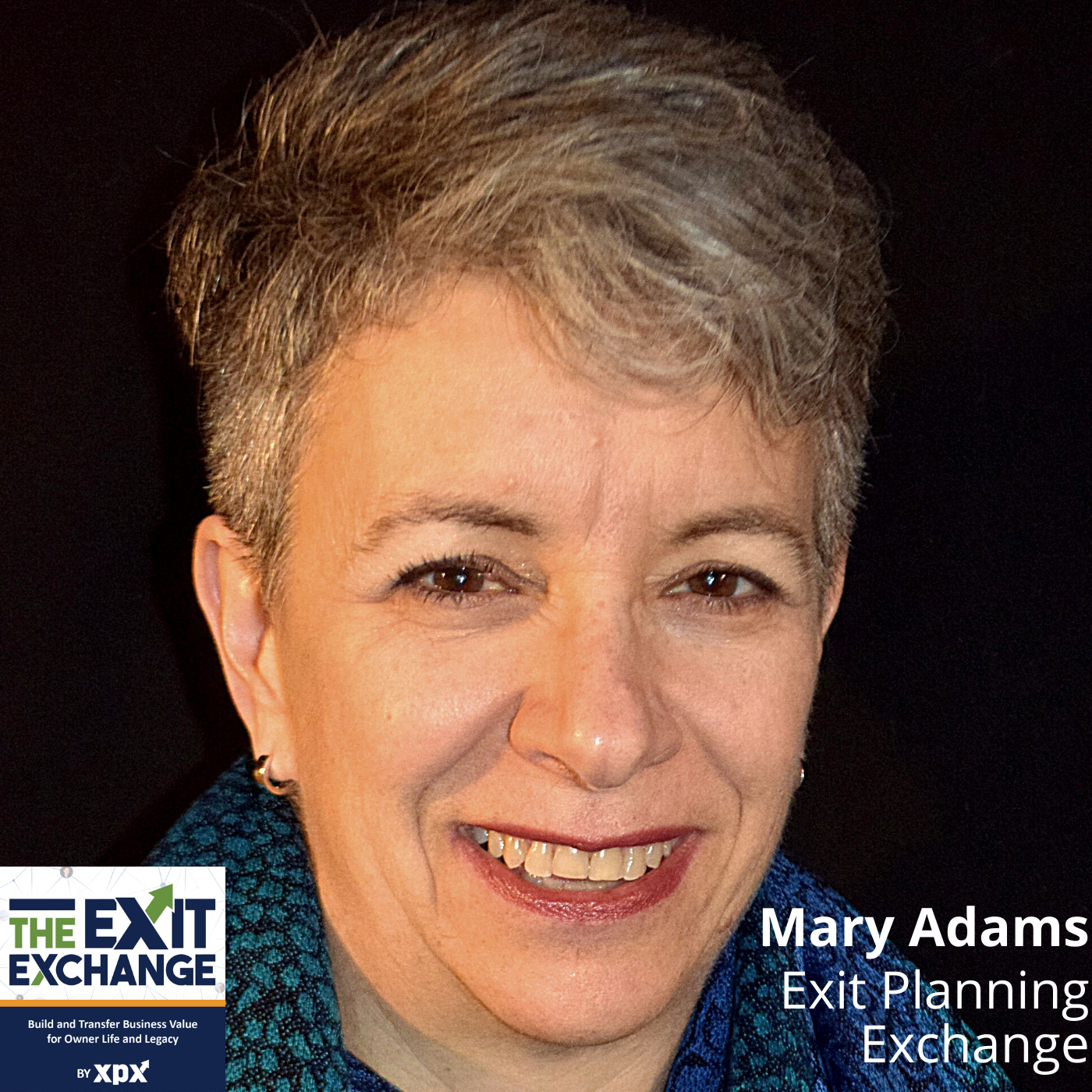
Mary Adams, Exit Planning Exchange (The Exit Exchange, Episode 1)

January 21, 2021 by John Ray

Exit Planning Exchange
North Fulton Studio
Mary Adams, Exit Planning Exchange (The Exit Exchange, Episode 1)
Loading
00:00 /
RSS Feed
Share
Link
Embed

Download file

Mary Adams, Exit Planning Exchange (The Exit Exchange, Episode 1)

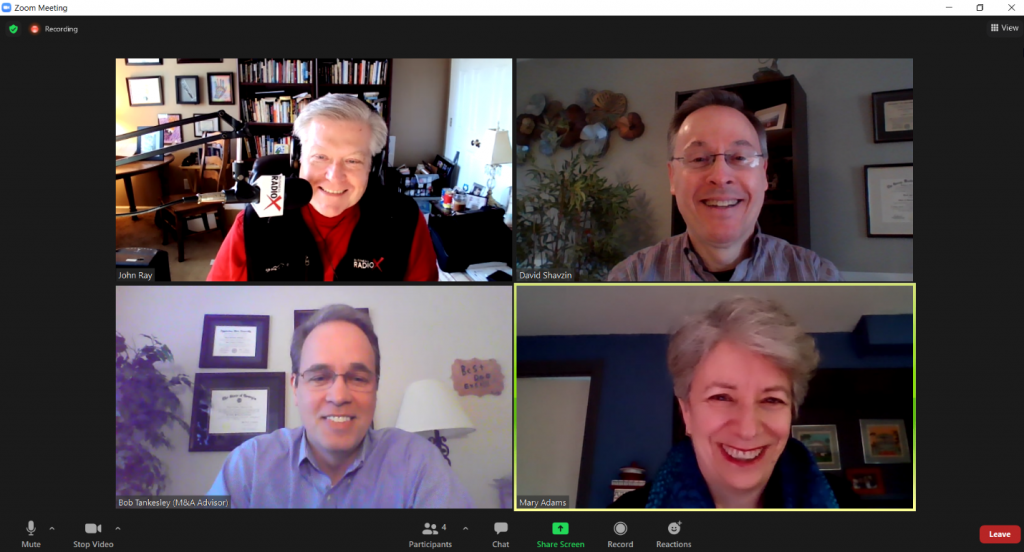
On the debut episode of “The Exit Exchange,” Mary Adams, Executive Director of the Exit Planning Exchange, joins the show to discuss the vision and mission of the organization and its local chapters, why collaboration among advisors is vital, and the unique issues which arise for advisors in working with privately-held businesses. Mary also lauds the XPX Atlanta Chapter and holds it up as an example for future XPX chapters in formation. This edition of “The Exit Exchange” is co-hosted by David Shavzin and Bob Tankesley and is produced virtually from the North Fulton studio of Business RadioX® in Alpharetta.

XPX – The Exit Planning Exchange

The Exit Planning Exchange (XPX) is a multi-disciplinary community of professional advisors who work collaboratively to help owners build stronger businesses, prepare for, and execute successful business transitions. Their members, who represent 12 advisory professions, understand the value of private companies to our communities and that successful transitions require a broad view of the entire life cycle of a private company including:

– Business value growth
– Business value transfer
– Owner life and legacy

The first Chapter opened in 2007. They now have Chapters in thirteen markets in the U.S. with four more Chapters in development. The strength of their network shined in 2020 when they supported each other and their clients while growing their membership by 10% and sponsors by 5%.

Mary Adams, Executive Director, XPX – The Exit Planning Exchange

Mary Adams, Executive Director, Exit Planning Exchange

Mary Adams is a consultant, speaker, and practitioner of intangible capitalism which focuses on the long-term pursuit of both profits and prosperity.
Her current work is focused in three communities that she helped create:  The Exit Planning Exchange that brings long-term thinking to the private company market.  The Integrated Reporting U.S. Community that brings long-term thinking to public companies. And Smarter-Companies, a specialty consulting community that provides methodologies and tools to support intangible capitalism.

Mary is the co-author of Intangible Capital: Putting Knowledge to Work in the 21st Century Organization. Prior to starting her consulting firm in 1999, she spent 14 years as a high-risk lender in the U.S. and Latin America at Citicorp and Sanwa Business Credit. She received a BA in Political Science from Rice University and a Master of International Management from the Thunderbird School (now part of Arizona State).

Company website

Company LinkedIn

Mary Adams LinkedIn

Questions and Topics in this Interview:

  • What makes the lower/middle market unique?
  • How does exit planning fit into this?
  • What is XPX’s role in this ecosystem?
  • The XPX Chapter in Atlanta is relatively new but just became the largest single Chapter–tell us about that.
  • What kinds of things are necessary to return to productivity?
  • How can XPX help our listeners?

Exit Planning Exchange

The Exit Planning Exchange Atlanta (XPX) is a diverse group of professionals with a common goal: working collaboratively to assist business owners with a sale or business transition. XPX Atlanta is an association of advisors who provide professionalism, principles and education to the heart of the middle market. Our members work with business owners through all stages of the private company life cycle: business value growth, business value transfer, and owner life and legacy. Our Vision: To fundamentally changing the trajectory of exit planning services in the Southeast United States. XPX Atlanta delivers a collaborative-based networking exchange with broad representation of exit planning competencies. Learn more about XPX Atlanta and why you should consider joining our community: https://exitplanningexchange.com/atlanta.

“The Exit Exchange” is produced by John Ray in the North Fulton studio of Business RadioX® in Alpharetta. The show archive can be found at xpxatlantaradio.com. John Ray and Business RadioX are Platinum Sponsors of XPX Atlanta.

Tagged With: Bob Tankesley, business value growth, business value transfer, David Shavzin, exit planning, Exit Planning Exchange, Mary Adams, middle markets, owner life and legacy, private companies, privately-held businesses, Succession Planning, XPX Atlanta

Flip the Script E31

December 2, 2020 by Karen

Phoenix Business Radio
Flip the Script E31
Loading
00:00 /
RSS Feed
Share
Link
Embed

Download file

Flip-the-Script-E311

Flip the Script E31

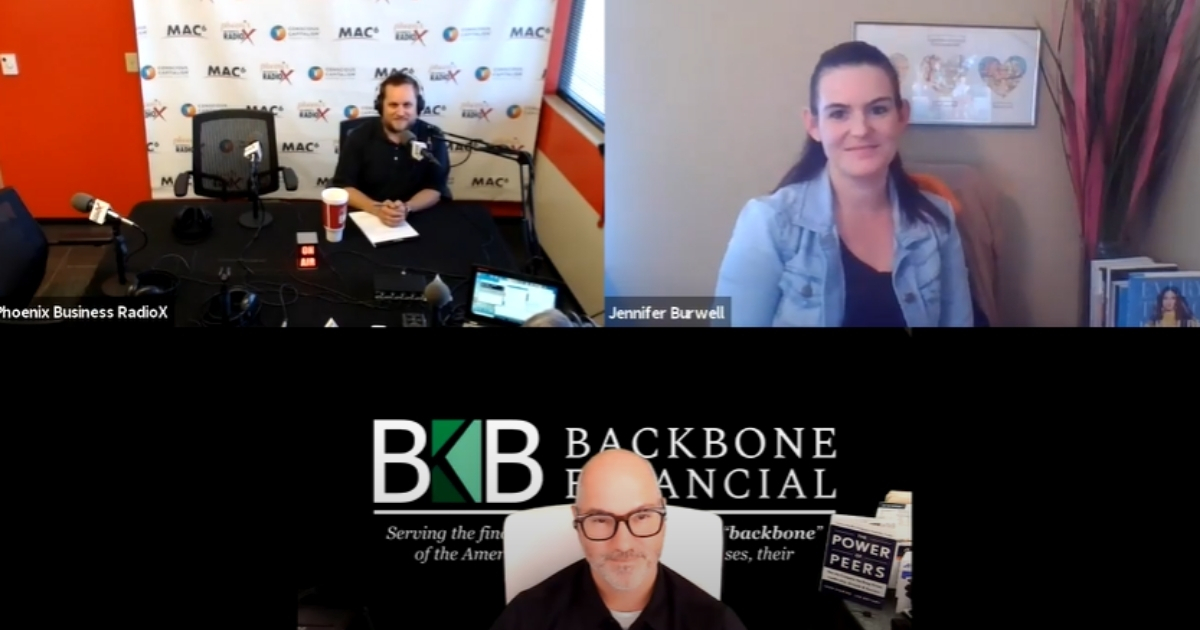
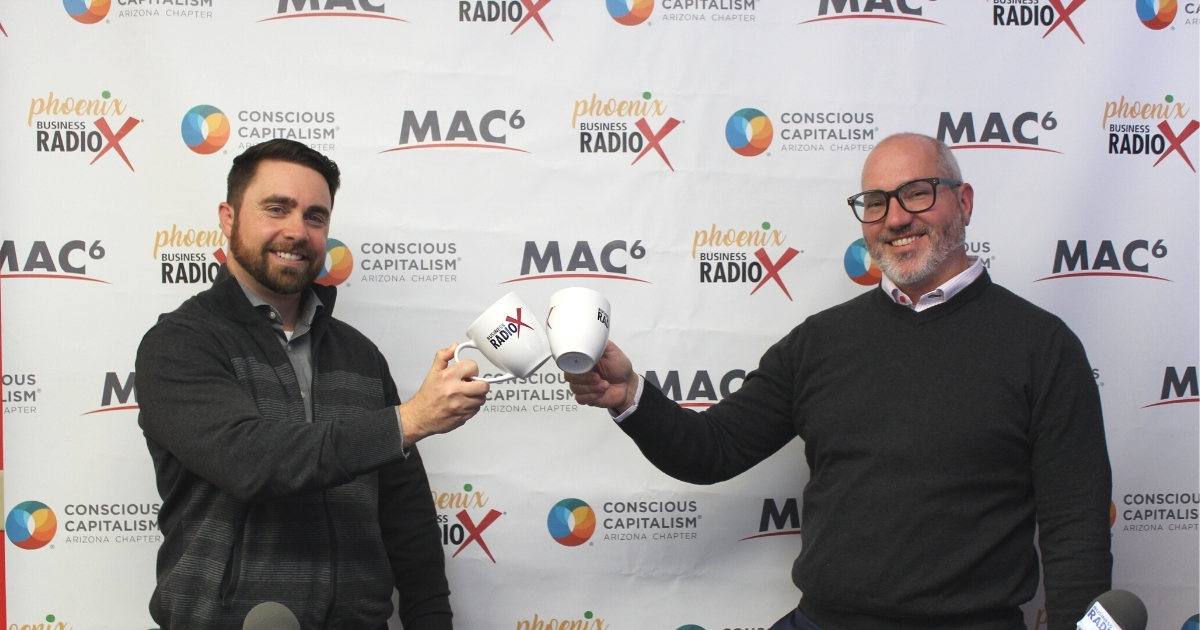
You can’t host a radio program/podcast called Tycoons of Small Biz, without being tycoons yourself, can you? The hosts, Austin Peterson and Landon Mance decided it was time for them to get on the other side of the mic and let Karen Nowicki interview them about the show and what it has meant to them, but she also interviews them about their area of expertise in working with small business owners, the true backbone of the American economy.

If you are a business owner that wants straight forward advice on how to prep your business for an eventual succession and planning along the way that is crucial, then you won’t want to miss this episode where Austin Peterson and Landon Mance reveal the process they go through that sets them apart from your every day financial planner.

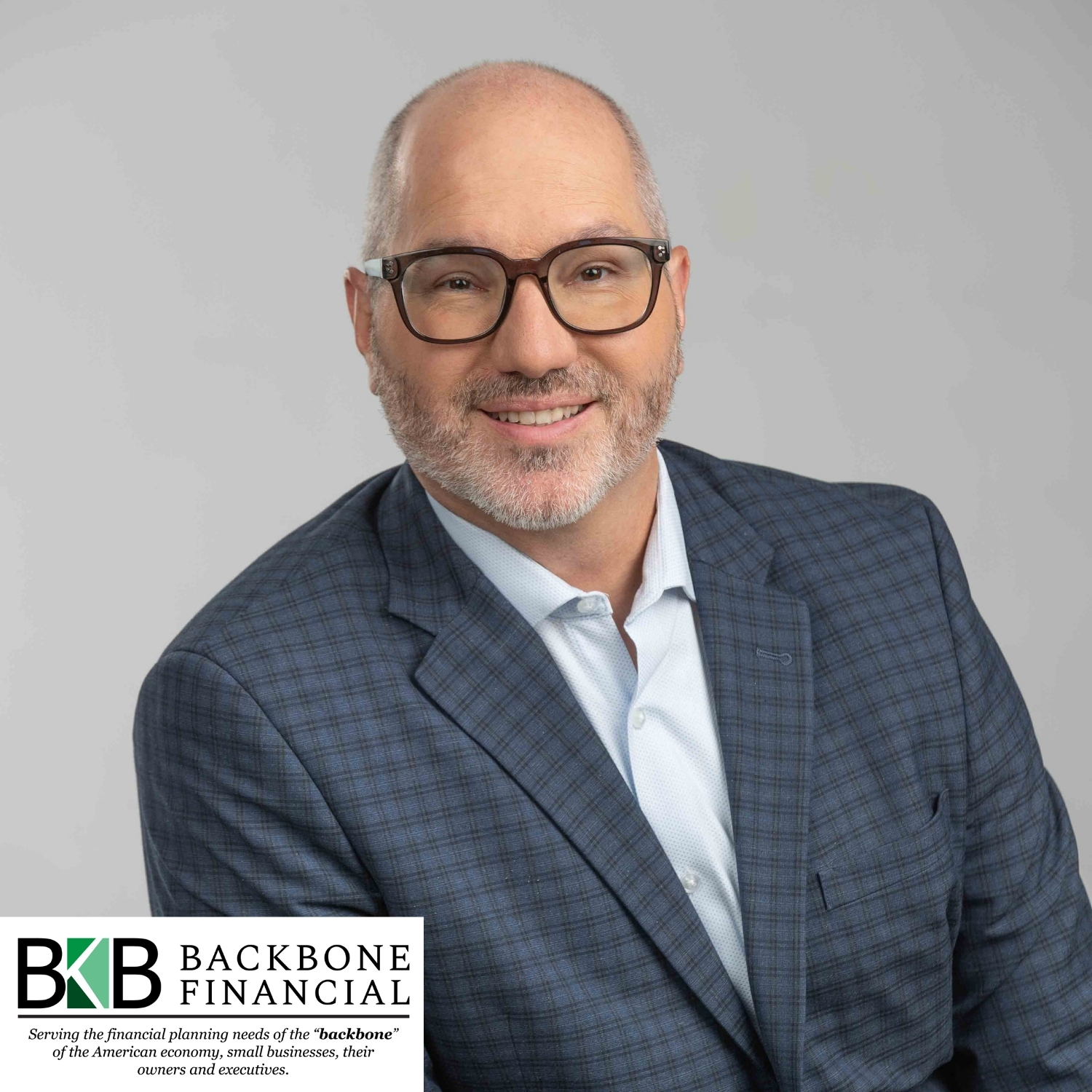
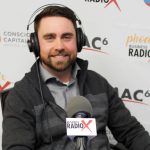
Austin-Peterson-Flip-the-Script-E31Austin Peterson is a Comprehensive Financial Planner and owner of Backbone Financial in Scottsdale, AZ. Austin is a registered rep and investment advisor representative with Lincoln Financial Advisors. Prior to joining Lincoln Financial Advisors, Austin worked in a variety of roles in the financial services industry.

He began his career in financial services in the year 2000 as a personal financial advisor with Independent Capital Management in Santa Ana, CA. Austin then joined Pacific Life Insurance Company as an internal wholesaler for their variable annuity and mutual fund products. After Pacific Life, Austin formed his own financial planning company in Southern California that he built and ran for 6 years and eventually sold when he moved his family to Salt Lake City to pursue his MBA.

After he completed his MBA, Austin joined Crump Life Insurance where he filled a couple of different sales roles and eventually a management role throughout the five years he was with Crump. Most recently before joining Lincoln Financial Advisors in February 2015, Austin spent 2 years as a life insurance field wholesaler with Symetra Life Insurance Company. Austin is a Certified Financial Planner Professional and Chartered Life Underwriter.

Austin and his wife of 21 years, Robin, have two children, AJ (19) and Ella (16) and they reside in Gilbert, Arizona. He is a graduate of California State University, Fullerton with a Bachelor of Arts in French and of Brigham Young University’s Marriott School of Management with a Master of Business Administration with an emphasis in sales and entrepreneurship.

Connect with Austin on LinkedIn, Facebook, Twitter, and Instagram.

YourFuture Planning Partners is a financial services firm out of Las Vegas, Nevada and came to life in 2020 after operating as Mance Wealth Management since 2015 when Landon broke off from a major bank to start his own practice. Your-Future-Planning-Partners-logo

YourFuture Planning Partners helps business owners and their families successfully transition businesses from one owner to the next while focusing on a positive outcome for their employees. Whether you are transitioning a business to family, key employees, or an outside party, they define success as being educated on all of your options. Landon will help you select the option that will make you feel best after the transition, and ensure that you have a comprehensive written plan for what you’re going to do after you’re done running your business.

Landon-Mance-Flip-the-ScriptLandon Mance is a Financial Planner and founder of YourFuture Planning Partners out of Las Vegas, Nevada. His firm came to life in 2020 after operating as Mance Wealth Management since 2015 when Landon broke off from a major bank and started his own “shop.”

In 2019, Landon obtained the Certified Exit Planning Advisor (CEPA) designation through the Exit Planning Institute. With this certification, YourFuture Planning Partners assists business owners through an ownership transition to meet business owners’ goals. Landon is also a member of the Business Intelligence Institute (BII) which is a collaborative group that shares tools, resources and personnel, and offers advanced level training and technical support to specifically serve business owners.

Landon received his B.S. from California State University Long Beach in business marketing and gets the rest of his education through the school of hard knocks via his business owner clients. Landon enjoys spending time with his beautiful wife, stepson, and new baby twins. He grew up in sunny San Diego and loves visiting his family, playing a round of golf with friends, and many other outdoor activities.

Connect with Landon on LinkedIn and follow YourFuture Planning on Facebook.

About The Tycoons of Small Biz Sponsor

Whether you’re an established local company, or a brand new start-up, you can count on GBS to be a part of your family.

We’re not just any benefits consulting firm, we’re GBS. We have nearly 30 years of experience in group benefits, a strong sense of purpose and it shows.

Austin Peterson and Landon Mance are registered representatives of Lincoln Financial Advisors Corp. Securities and investment advisory services offered through Lincoln Financial Advisors Corp., a broker/dealer (member SIPC) and registered investment advisor. Insurance offered through Lincoln affiliates and other fine companies. Backbone Financial and Your Future Planning Partners are marketing names for registered representatives of Lincoln Financial Advisors Corp. CRN-3361590-120820

Lincoln Financial Advisors Corp. and its representatives do not provide legal or tax advice. You may want to consult a legal or tax advisor regarding any legal or tax information as it relates to your personal circumstances.

The content presented is for informational and educational purposes. The information covered and posted are views and opinions of the guests and not necessarily those of Lincoln Financial Advisors Corp.

Business RadioX® is a separate entity not affiliated with Lincoln Financial Advisors Corp.

Tagged With: exit planning, financial planning, small business financial planning

Exit Planning Exchange, Atlanta Chapter, with David Shavzin and Bob Tankesley

September 10, 2020 by John Ray

Exit Planning Exchange Atlanta
North Fulton Business Radio
Exit Planning Exchange, Atlanta Chapter, with David Shavzin and Bob Tankesley
Loading
00:00 /
RSS Feed
Share
Link
Embed

Download file

Exit Planning Exchange, Atlanta Chapter, with David Shavzin and Bob Tankesley (North Fulton Business Radio, Episode 282)

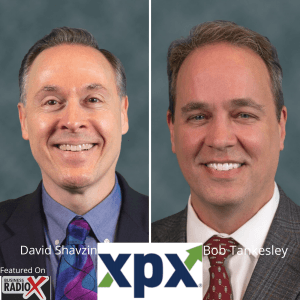
The Exit Planning Exchange, Atlanta Chapter, is a diverse group of professionals with a common goal:  working collaboratively to assist business owners with a sale or business transition. Co-Founders David Shavzin and Bob Tankesley joined host John Ray to discuss the association’s mission and its growth. “North Fulton Business Radio” is produced virtually by the North Fulton studio of Business RadioX® in Alpharetta.

The Exit Planning Exchange

The Atlanta Chapter of the Exit Planning Exchange is a local nonprofit association of advisors who provide professionalism, principles and education to the heart of the middle market. Our members work with business owners in all stages of the private company life cycle: business value growth, business value transfer, and owner life and legacy.

XPX Atlanta is fundamentally changing the trajectory of exit planning services in the Southeast United States.

XPX Atlanta delivers a collaborative-based networking exchange, broad representation of exit planning competencies, and a bridge spanning value-building, value transfer, and life-legacy for business owners. VALUES Work Collaboratively Put the Client First Think Long Term Consider the Human Angle Always be Learning

David Shavzin and Bob Tankesley along with Eric Togneri founded the Atlanta chapter in May 2019 which now has close to 100 members and a dozen sponsors.

Organization website

LinkedIn

David Shavzin, President, The Value Track

Exit Planning Exchange Atlanta
David Shavzin, The Value Track

David Shavzin is a passionate exit strategist and succession planning expert. He created The Value Track to help business owners improve profitability, build value, and sell their companies. David brings an outside, objective, and candid perspective in guiding client firms to success. 

In getting companies ready for sale, he facilitates strategic planning sessions, conflict resolution, merger negotiations, and helps business partners work through a variety of business challenges. David emphasizes clear, measurable objectives and prioritization of action and resources. He frequently speaks on exit & succession planning, building value and the transaction.  

Prior to creating his practice in 2000, David’s career included banking & finance roles; and a dozen years with Aventis. After finance and mergers & acquisitions work in Europe, he was named vice president of a North American division, overseeing finance, operations, supply chain, quality, and technology. 

David is Co-Founder of Exit Planning Exchange Atlanta (XPX), a Certified Management Consultant (CMC) and past president of the Institute of Management Consultants (Georgia Chapter). David earned an MBA from George Washington University and a BA from the University of Wisconsin.  He is fluent in French, conversational in Spanish. 

Bob Tankesley, Principal, Neri Capital Partners

Exit Planning Exchange Atlanta
Bob Tankesley, Neri Capital Partners

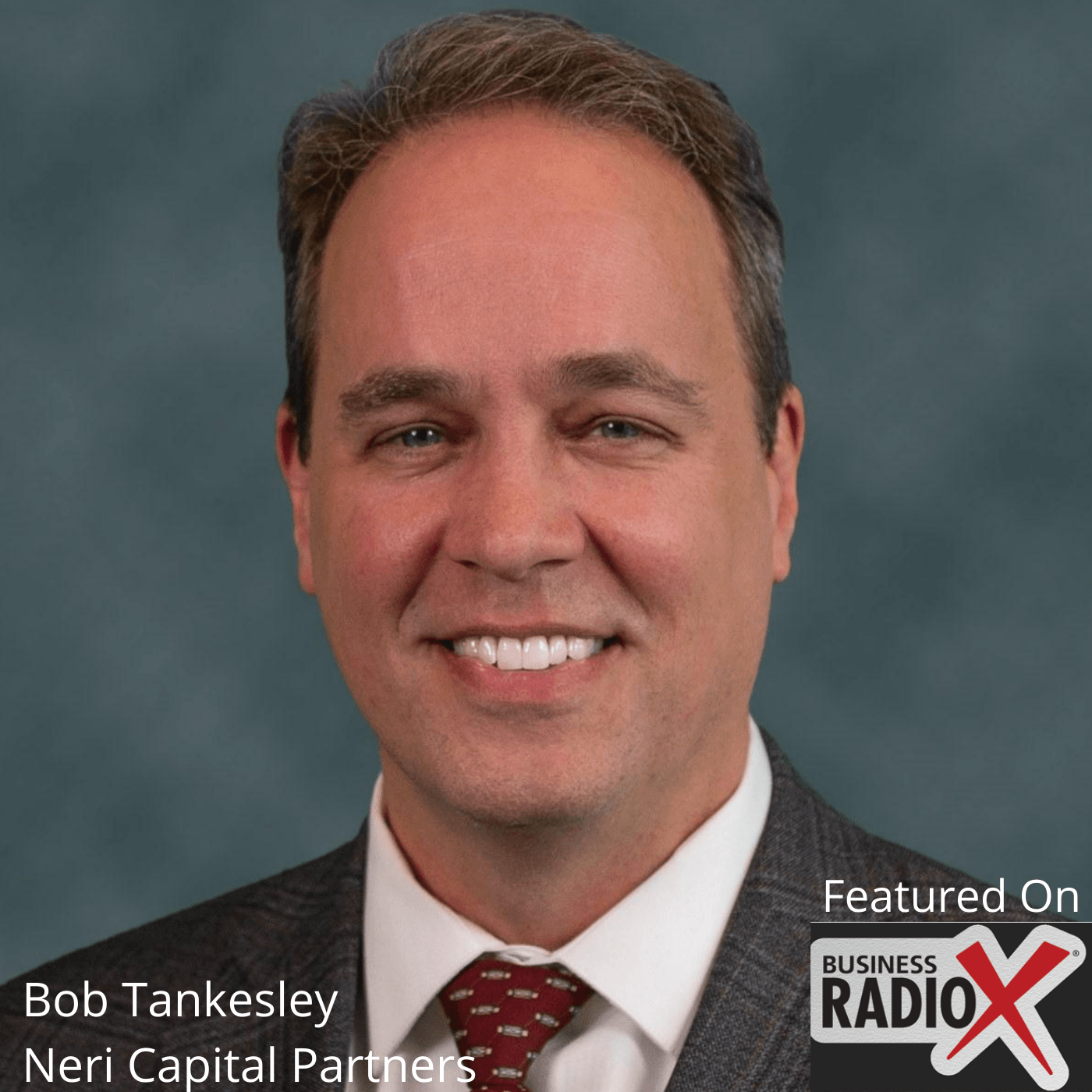
Bob Tankesley helps business owners transition out of their companies, usually resulting in a sale of the business and the real estate to outside buyers. As a 4th generation entrepreneur, he has a deep affinity for and understanding entrepreneurs, which easily develops into a trust relationship with business owners. Since 2000, Bob has helped business owners understand their businesses better. He helps them think through their long-term goals and plans, educates them on business value and brings the right (collaborative) advisory team around the table.

His early career was in finance for a Fortune 500 company and audit for a Big 4 CPA firm, then he set up his own firm, always with a focus on entrepreneurs and owners. A frequent speaker on these topics, Bob holds a MBA degree and a CPA license. He is Vice President and Co-Founder of Exit Planning Exchange Atlanta, formed to bring advisors together in a collaborative effort to serve their clients.

Questions/Topics Discussed in this Show

  • Why did you agree to start XPX in Atlanta?
  • Why does Atlanta need another association?
  • What do you see happening with Exit Planning in the Southeast now…2 years ago?
  • What are the key tenets of XPX Atlanta and why are they important?
  • Who are your members? Who should be joining XPX?
  • How can listeners learn more about XPX Atlanta?

North Fulton Business Radio” is hosted by John Ray and produced virtually from the North Fulton studio of Business RadioX® in Alpharetta. You can find the full archive of shows by following this link. The show is available on all the major podcast apps, including Apple Podcasts, Spotify, Google, iHeart Radio, Stitcher, TuneIn, and others.

Renasant Bank has humble roots, starting in 1904 as a $100,000 bank in a Lee County, Mississippi, bakery. Since then, Renasant has grown to become one of the Southeast’s strongest financial institutions with over $13 billion in assets and more than 190 banking, lending, wealth management and financial services offices in Mississippi, Alabama, Tennessee, Georgia and Florida. All of Renasant’s success stems from each of their banker’s commitment to investing in their communities as a way of better understanding the people they serve. At Renasant Bank, they understand you because they work and live alongside you every day.

Tagged With: Bob Tankesley, David Shavzin, exit planning, Exit Planning Exchange, John Ray, Neri Capital Partners, North Fulton Business Radio, The Value Track

The Realities of Selling Your Company, with Bob Tankesley, Neri Capital Partners

August 13, 2020 by John Ray

Bob Tankesley
North Fulton Business Radio
The Realities of Selling Your Company, with Bob Tankesley, Neri Capital Partners
Loading
00:00 /
RSS Feed
Share
Link
Embed

Download file

“The Realities of Selling Your Company,” with Bob Tankesley, Neri Capital Partners (North Fulton Business Radio, Episode 269)

Investment banker Bob Tankesley joins host John Ray to discuss how the pandemic has changed the environment for selling your business. Bob discusses the psychology of business ownership and how it affects a sale, how business owners need to plan for a sale, and much more. “North Fulton Business Radio” is produced virtually by the North Fulton studio of Business RadioX® in Alpharetta.

Neri Capital Partners

Neri Capital Partners was founded in 2006 with headquarters in Atlanta, Georgia. Their firm is an investment bank for family owned and privately held small and midsize businesses with a strong history and clear path to growth. Neri Capital provides merger, acquisition and related advisory services.

Bob Tankesley, Principal, Neri Capital Partners

Bob Tankesley helps business owners transition out of their companies, usually resulting in a sale of the business and the real estate to outside buyers. As a 4th generation entrepreneur, he has a deep affinity for and understanding entrepreneurs, which easily develops into a trust relationship with business owners. Since 2000, Bob has helped business owners understand their businesses better. He helps them think through their long-term goals and plans, educates them on business value and brings the right (collaborative) advisory team around the table.

His early career was in finance for a Fortune 500 company and audit for a Big 4 CPA firm, then he set up his own firm, always with a focus on entrepreneurs and owners. A frequent speaker on these topics, Bob holds a MBA degree and a CPA license. He is Vice President and Co-Founder of Exit Planning Exchange Atlanta, formed to bring advisors together in a collaborative effort to serve their clients.

Company website

LinkedIn

Questions/Topics Discussed in this Show

  • What types of clients do you serve at Neri Capital Partners?
  • Business valuation – what is it and why does it matter?
  • Why is it important for owners to know their true transferable value?
  • Exit planning and building for a sale
  • What were you seeing in the marketplace between buyers & sellers before the pandemic?
  • How has the pandemic affected the transaction environment?
  • What are the misconceptions about the sale process and transaction?

North Fulton Business Radio” is hosted by John Ray and produced virtually from the North Fulton studio of Business RadioX® in Alpharetta. You can find the full archive of shows by following this link. The show is available on all the major podcast apps, including Apple Podcasts, Spotify, Google, iHeart Radio, Stitcher, TuneIn, and others.

Renasant Bank has humble roots, starting in 1904 as a $100,000 bank in a Lee County, Mississippi, bakery. Since then, Renasant has grown to become one of the Southeast’s strongest financial institutions with over $13 billion in assets and more than 190 banking, lending, wealth management and financial services offices in Mississippi, Alabama, Tennessee, Georgia and Florida. All of Renasant’s success stems from each of their banker’s commitment to investing in their communities as a way of better understanding the people they serve. At Renasant Bank, they understand you because they work and live alongside you every day.
Tagged With: Bob Tankesley, business valuation, exit planning, Exit Planning Exchange, John Ray, Neri Capital Partners, North Fulton Business Radio, sale process

Decision Vision Episode 32: Do I Need a Succession Plan? – An Interview with Bruce Gaynes, Kitchens Kelley Gaynes P.C.

September 19, 2019 by John Ray

Decision Vision
Decision Vision
Decision Vision Episode 32: Do I Need a Succession Plan? – An Interview with Bruce Gaynes, Kitchens Kelley Gaynes P.C.
Loading
00:00 /
RSS Feed
Share
Link
Embed

Download file

Mike Blake and Bruce Gaynes

Decision Vision Episode 32: Do I Need a Succession Plan? – An Interview with Bruce Gaynes, Kitchens Kelley Gaynes P.C.

“All of us will exit, voluntarily or not.” Words to ponder from “Decision Vision” host Mike Blake’s conversation with Bruce Gaynes, Kitchens Kelley Gaynes P.C. What are the three most important aspects of a succession plan? What are the different options I should consider in planning for the next steps in my business? These questions and more are addressed in this “Decision Vision” interview, presented by Brady Ware & Company.

Bruce Gaynes, Kitchens Kelley Gaynes P.C.

Bruce Gaynes

Bruce Gaynes, a founding shareholder of Kitchens Kelley Gaynes P.C., has over 35 years of experience helping clients. Prior to practicing law, he worked in the tax department of a national accounting firm and became a Certified Public Accountant. His law practice focuses on corporate, estate planning and tax matters.

Bruce’s work involves all sizes and forms of entities. He handles matters concerning the full business life cycle, beginning with organizational structuring and formation. As business and professional practices develop and grow, Bruce helps them properly document and protect themselves, in ways such as operating agreements and shareholder agreements, with independent contractor agreements, employment contracts, and non-disclosure agreements, and with other commercial transaction agreements. As clients look for exit strategies Bruce negotiates merger and acquisition documents, advises families on gifting techniques, formulates reorganization strategies, and spearheads family and tax planning.

As part of his work for business owners, executives, and professionals, Bruce maintains an estate planning practice, counseling individuals and families in their tax-reduction and asset-transfer strategies. As a consequence of his involvement in trust and estate law, Bruce also has extensive experience helping clients with probate matters.

Kitchens Kelley Gaynes, P.C. has been providing experienced legal representation for clients in virtually all areas of industry and commerce since 1985. We work closely with our clients to form long-term relationships based on top quality work and realistic legal advice. Our clients trust us to listen to them, understand their businesses and craft reliable legal strategies that will help them achieve their goals. Every client, no matter the size, receives the same quick, efficient and effective response.

For more information on the firm, go to their website, or you can call Bruce directly at (404) 467-7526.

Michael Blake, Brady Ware & Company

Mike Blake, Host of “Decision Vision”

Michael Blake is Host of the “Decision Vision” podcast series and a Director of Brady Ware & Company. Mike specializes in the valuation of intellectual property-driven firms, such as software firms, aerospace firms and professional services firms, most frequently in the capacity as a transaction advisor, helping clients obtain great outcomes from complex transaction opportunities. He is also a specialist in the appraisal of intellectual properties as stand-alone assets, such as software, trade secrets, and patents.

Mike has been a full-time business appraiser for 13 years with public accounting firms, boutique business appraisal firms, and an owner of his own firm. Prior to that, he spent 8 years in venture capital and investment banking, including transactions in the U.S., Israel, Russia, Ukraine, and Belarus.

Brady Ware & Company

Brady Ware & Company is a regional full-service accounting and advisory firm which helps businesses and entrepreneurs make visions a reality. Brady Ware services clients nationally from its offices in Alpharetta, GA; Columbus and Dayton, OH; and Richmond, IN. The firm is growth minded, committed to the regions in which they operate, and most importantly, they make significant investments in their people and service offerings to meet the changing financial needs of those they are privileged to serve. The firm is dedicated to providing results that make a difference for its clients.

Decision Vision Podcast Series

“Decision Vision” is a podcast covering topics and issues facing small business owners and connecting them with solutions from leading experts. This series is presented by Brady Ware & Company. If you are a decision maker for a small business, we’d love to hear from you. Contact us at decisionvision@bradyware.com and make sure to listen to every Thursday to the “Decision Vision” podcast. Past episodes of “Decision Vision” can be found here. “Decision Vision” is produced and broadcast by the North Fulton studio of Business RadioX®.

Visit Brady Ware & Company on social media:

LinkedIn:  https://www.linkedin.com/company/brady-ware/

Facebook: https://www.facebook.com/bradywareCPAs/

Twitter: https://twitter.com/BradyWare

Instagram: https://www.instagram.com/bradywarecompany/

Show Transcript

Intro: Welcome to Decision Vision, a podcast series focusing on critical business decisions, brought to you by Brady Ware & Company. Brady Ware is a regional, full-service accounting and advisory firm that helps businesses and entrepreneurs make vision a reality.

Michael Blake: And welcome to Decision Vision, a podcast giving you, the listener, clear vision to make great decisions. In each episode, we discuss the process of decision making on a different topic. But rather than making recommendations because everyone’s circumstances are different, we talk to subject matter experts for how they would recommend thinking about that decision.

Michael Blake: My name is Mike Blake, and I’m your host for today’s program. I’m a Director at Brady Ware & Company, a full-service accounting firm based in Dayton, Ohio, with offices in Dayton;  Columbus, Ohio; Richmond, Indiana; and Alpharetta, Georgia, which is where we are recording today. Brady Ware is sponsoring this podcast. If you like this podcast, please subscribe to your favorite podcast aggregator and please also consider leaving a review of the podcast as well.

Michael Blake: So, our topic for today is, do I need a succession plan? And I’m intrigued by this topic for a number of reasons. One, as things have sort of worked out, I’m doing a lot of work in the succession planning area, and the dynastic wealth or intergenerational wealth preservation area, and developing strategies to to execute that, figuring out what works, what doesn’t, and helping families build governance around that, so that we don’t have the issues, the so-called shirtsleeves-to-shirtsleeves phenomenon where wealth made in one generation is typically gone by generation three. And in the podcast that was released in the week before, this one had Chris Demetree on talking about establishing a family office, which is one vehicle that is often used to do that.

Michael Blake: And so, this is an area that I like to think that I’ve learned quite a bit about in the last few years I’ve been doing this. It’s also intriguing because I find it somewhat countercultural. We have, I think, in our society and our economy a a pro exit bias. And we talk with entrepreneurs, you talk to venture capitalists, you talk to people in business, and the goal is about exiting. How do I get out? How do we jump off the plane? How do I start to take my chips off the table, and retire, and have a boat that is so big that when people step on it, it does not move? And that’s fine, sort of, as far as it goes.

Michael Blake: But I think it does kind of other options and injustice because there is no law out there that says that the only way to become wealthy and financially self-sufficient, financially independent, and financially impactful is to have an exit. In fact, and maybe there’s something else I’ll do in a podcast later, but there is significant empirical data that suggests that one of the worst things you can do to preserve family wealth over an extended period of time is exit.

Michael Blake: And the reason for that is twofold. One is because, now, you’re liquid. So, it’s easier to do dumb things with your wealth because you can now spend it. And second is that when there’s no longer a family enterprise, there’s less of a reason for the family to be cohesive. It’s easier for everybody to kind of go off and do their own things. And you lose some of the the scale economy’s benefit of having that that wealth kind of amass and in one place. And when it comes to wealth, as some often is greater than the sum of its parts in terms of the impact that you can make. So, I think it’s important to have this voice out there that talks about the other options available other than simply exiting because you don’t necessarily need to do that.

Michael Blake: And I’m not necessarily an expert, but I scratch my head for about two seconds. Then, I remembered a friend of mine who is an expert. And that friend of mine is Bruce Gaynes. And Bruce is a founding shareholder of Kitchens Kelley Gaynes, has over 40 years of experience helping clients, and before practicing law, worked in the tax department of a national accounting firm, and became a CPA. So, he’s your double threat. His law practice focuses on corporate, estate planning, and tax matters. His work involves all sizes and forms of entities. He handles matters concerning the full business lifecycle, beginning with organizational structuring and formation. As businesses and professional practices develop and grow, Bruce helps them properly document and protect themselves with the use of operating and shareholder agreements, independent contractor, and employment contracts, non-disclosure and non-compete agreements, and other documents. As clients look for exit strategies, Bruce negotiates merger and acquisition documents, advises families on gifting techniques, formulates reorganization strategies, and spearheads family and tax planning.

Michael Blake: And I’ll add to that is that he is also the longtime host—I don’t know if he is the founder or not. We’ll ask him about that. He’s the host of the Succession Planning Group, which he’s been hosting in Buckhead for as long as I’ve known him, which has been over a decade, which involves a group of professionals that talk about not exiting, but actually the process of planning for succession and planning for enterprises to go beyond simply their founder or their direct descendants. As part of his work for business owners, executives, and professionals, Bruce maintains an estate planning practice counseling individuals and families in their tax reduction and asset transfer strategies. As a consequence of his involvement and trust and state law, Bruce has extensive experience helping clients with probate matters. Bruce, welcome to the program.

Bruce Gaynes: Thank you very much.

Michael Blake: So, Bruce, like I said, I’ve teed you up. You know, I think you’re about as knowledgeable about succession planning as certainly as anybody I know. So, let’s help people understand what that is. I have a vocabulary reset here or a vocabulary set. What is succession planning?

Bruce Gaynes: Okay. Well, actually, let me say that at the outset that I think that I view the whole topic a little more broadly than you do because I look at this kind of planning as being alternative choices about do we, for instance, keep the company with insiders? And by the insiders, I mean people who are perhaps relatives or people who are not relatives but who are working inside the business, or do we have this go to outsiders? And that’s an important question, because all businesses or all all owners of businesses are going to exit at one point or another. They may do it voluntarily. They may do it involuntarily. And involuntarily might be going bankrupt. It might be just closing down the business because it’s—they’re tired of doing it. It might be just dying or becoming disabled. And so, they might leave, as they say, feet first.

Bruce Gaynes: So, the role of of our law firm is to help our clients maintain control of what’s going to happen in their future. And some of that may involve disposing of the business in a way that’s perhaps more favorable to the owner, either because they are happy that they are keeping it within the family or keeping it within the employee group or because they are going to cash out and sell to a third party. Those are the two primary ways that businesses are disposed of in one fashion or another.

Bruce Gaynes: And the other way that sometimes you see, it’s not very common, but there are also opportunities to go out of a business through an ESOP, an employee stock ownership plan. But that really requires a whole different set of circumstances. You absolutely have to have a bunch of people who are there, who can operate the business without you, which, sometimes, you have people who can be successful as long as the owner is there. Their ability to succeed going forward is dependent sometimes upon them having the proper direction or the proper knowledge. Furthermore, they’ve got to be able to run the business in a manner where cash flows enough, so that the ESPO works. And by the ESOP working, that means that that the ESOP is able to pay normally through a loan, pay for the purchase of the stock of the owner.

Michael Blake: Okay, yeah. And that’s fair. And certainly, in fact, later today, we’re recording a podcast on exiting the business through a sale. But, you know, I mean, it’s my own personal opinion. I do think that the exit by sale is, sort of, the sexier, higher visibility kind of path, right? Everybody loves a good exit. Nobody really—nobody ever writes in The Wall Street Journal about, sort of, a peaceful transition of a business internally, right? But it’s important, obviously, sort of to have all those options on the table.

Bruce Gaynes: Yes. And I think they all need to be considered together, and the same solution doesn’t work for all businesses. Every business is different, and the considerations are different. But the whole idea in putting together a succession plan is to evaluate. Make that evaluation of what’s the proper next step for the business. Put it down in writing in a written plan, and then to implement that plan. And normally, that’s something that takes place over time. And so, ideally we’d like to have at least a few years, some say maybe as many as five, but we want to be able to plan this out because not every business is ready for some form of disposition. Again, whether it’s internal or whether it’s external, it does take some planning in advance.

Michael Blake: Yeah. You know, like you said, I think that’s a great quote. We all will exit, right? Sometimes voluntarily, sometimes not. And if you really decide you’re going to hang on to the very end, it’s sort of feet first. And so, when we talk about—and what I like about what you’re describing too is that, sometimes, a succession plan means that a succession in the classical sense just may not be feasible, right?

Bruce Gaynes: Right.

Michael Blake: Or it may—and it may not be feasible from an economic perspective. It may not be feasible from a family politics perspective, things that have nothing to do, at least, directly with economics. So, you know—and if you know how to do that, if you kind of know that going in, right, that means you’re not going to waste a lot of time and energy on things that just aren’t going to work out.

Bruce Gaynes: Right, right.

Michael Blake: And I think that’s critical.

Bruce Gaynes: And sometimes you have to find out what’s going to work and what’s not, because it’s sometimes the owner assumes that something will work, but they don’t necessarily have the objectivity that that is required to evaluate it. Sometimes, they don’t even have the conversation, particularly if they want to keep it inside the family. They just assume that son or daughter is ready to take over the business. And when you talk to son and daughter, they may not have any intention at all of staying in the business after mom or dad is gone.

Michael Blake: And I think I think adding to that, I mean, you know, we both know we’ve been around long enough. We know that when you have this Venn diagram of family and money, conversations get awkward-

Bruce Gaynes: Yes.

Michael Blake: … at a minimum, or, sometimes, it never happened at all, which is where it kind of where we come back to the succession planning. And I’m curious. if you agree with my observation. I think for a lot of business owners, succession planning is up there with writing a will and taking out a life insurance policy because, in some respect, you’re confronting your mortality.

Bruce Gaynes: Yes. But it’s more than that because, you know, sometimes, people have an awful lot tied up in their business in terms of their own self-evaluation, their own ego, et cetera. Their own purpose in life is, sometimes, tied up in what they do 40 plus hours a week. And so, for a lot of people, it may be even more difficult than death because after death, there’s not much that they need to do. But during their lifetime, they’ve got to figure out, “Okay, how is this going to affect the way I look at myself? How is this going to affect the way other people look at me and treat me? Are they going to ignore me now that I’m no longer the boss?”.

Bruce Gaynes: And then, they also have to confront, what am I going to do now? You know, am I going to be happy playing golf seven days a week, or tennis, or whatever else they might do? What are they going to do to find any kind of meaning at all in their existence? Some people have a great deal of difficulty facing that. Just this past week, I was talking to a friend of mine who left an executive position in a major company, and he’s not had any problem at all, but I do find that his carefree feeling about what he’s doing now is probably less common than the complaint of, “I left my business. Now, I’ve got—I’m trying to figure out what it is I want to do with myself.”

Michael Blake: So, when a lot of people think about succession planning, I think a lot of people’s minds turn to this notion of managing tax liability. And taxes in a succession can be very important. In fact, one reason between the New York Yankees and the Washington Redskins is that the Yankees apparently have very good tax planning because the Steinbrenner is still on the team, right. But when Jack Kent Cooke died, the Washington Redskins did not, and Dan Snyder, and people are gonna start booing at their radios now for Redskins fan, but Dan Snyder is on that team primarily because they couldn’t afford to pay the taxes to keep the team, basically. But it’s—I mean, that’s part of it, but it’s also more than that, isn’t it?

Bruce Gaynes: Well, yes. The taxes are important because, certainly, almost every client wants to minimize estate gift to income taxes. And that’s going to be part of the plan is to consider those aspects of it because it’s going to have a direct impact on what the owner is going to be able to take away from the business. And by the way, that’s irrespective of whether it’s an inside or outside transfer, you’ve got to figure and think about the taxes either way. But that’s not the the only goal of entering into the succession planning arena, and doing so with both feet, and being serious about this as a critical part of the business and the business life cycle. You want to figure out, for instance, for the owner, if they’re going to dispose of the company, and they might be bought out by a third party or might be bought out by an insider. What is it that they’re really going to need in order to retire or move on to the next phase of their of their life?

Bruce Gaynes: They also want to think about—and this is why it takes some planning and some advance preparation, they want to think about what it is they need to do with, if anything, to build their business, to get to that point where they’re going to walk away with enough money to to satisfy themselves. They’ve got to get each element of the business that they can under contract. When I talk about element of the business, I’m talking about having employees who have agreed contractually to stay on for a particular period of time, to not compete with the company because a buyer isn’t going to want to buy a business, and then find out that the sales force just left and created their own competing company.

Bruce Gaynes: And that’s a a serious risk. Normally, you want to find a management team that’s going to stay on, with whom you had a serious discussion about the fact that they’re being hired or their continued employment is premised upon the fact that they are going to be around after the sale, and it may be appropriate to compensate them for that, but that would be a matter of arranging things in a way, a smart way, so that your management team doesn’t walk off just as you’re negotiating a transfer of the stock, again either to an insider or outsider. These are considerations really for either situation, maybe that you need to increase the earnings, the EBITDA, the earning earnings before interest, taxes, depreciation and amortization. It may involve even jettisoning certain aspects of the business to make it attractive for the next owners to come in.

Bruce Gaynes: I’m working on a case right now where we’ve got a company that is in the construction business, and they’ve got a retail operation. The retail operation is a little bit of a distraction, both in terms of time and money, and it’s not part of their core business, and it makes their company less attractive to others who might be coming along. And they’re in a situation where they’ve got people inside the business, younger generation inside the business, that could take it over, but they might decide to go sell to an outsider.

Michael Blake: And, you know, these things you’re talking about, they are so much more expensive to solve when there’s a transaction on the table than when there isn’t, right?

Bruce Gaynes: Right. That’s right.

Michael Blake: Because these people are not dumb if you hired correctly, and they’re going to stay when they have leverage.

Bruce Gaynes: Yes.

Michael Blake: Right? And that gets to, you know, looking at things years in advance. It’s not just because businesses are aircraft carriers, and they just have a very long or wide turning radius. It’s also you can just imagine if you go to an employee and said, “You know what, I like to sell my business, and I’ve got $20 million dollar offer on the table, but they won’t do that deal unless you agree to stay for two years,” right? Well, well, well.

Bruce Gaynes: Right, right.

Michael Blake: I am going to call my attorney, and I’ll be back in touch with you in about a week or so with my list of requests-.

Bruce Gaynes: Right.

Michael Blake: … in order to agree to a stay bonus and signing [crosstalk]-

Bruce Gaynes: Like terrorists, yeah.

Michael Blake: Yeah, exactly right. Exactly right. So, now, I introduced the show from a long-term succession planning perspective. But there’s also a different time horizon, which is the short-term succession planning perspective to write and, really, it’s more like contingency planning or an unexpected succession but, nevertheless, it’s a kind of succession, right? I mean, that’s something that’s also important to think about, isn’t it?

Bruce Gaynes: Right, it is. It is. Many years ago, I had a client—and succession planning is not just for brick and mortar businesses. It can be for service businesses. And this particular client was a CPA who had a firm that had no other CPAs in it. He had, essentially, bookkeepers working for him. And he was concerned about his clients, and it wasn’t really quite as much a matter of, “How am I going to make money out of this?” but he was concerned about what happens if something happens, you know, “If I die, become disabled, who’s going to take over my practice, and see that my client’s tax returns get filed on a timely basis?”.

Bruce Gaynes: And so, frequently, if you had a firm that had several accountants, you might have some sort of buy/sell agreement between the the the owner, the practice, and people who were familiar with the clients, who are working on the clients, they would be the logical people to take it over. But he didn’t have that because he couldn’t continue as a CPA firm unless it had a CPA who is running the firm. And so, what we actually did is we reached out to a friendly competitor, and we did a buy/sell agreement between the two CPAs, and so that if one or the other were to be unable to continue to practice, the one who was able to continue would be able to take it over. There would be a set formula for determining what was going to be paid for that, and it would then inure to the benefit of the possibly disabled CPA or perhaps to the family if the CPA passed away.

Bruce Gaynes: So, that’s the contingency type of planning that really is still part of that larger picture of succession planning. When we do think of succession planning, traditionally, we think about something that’s more long term, three years, five years, as I mentioned. And it would involve trying to possibly improve the businesses, so that the next parties are able to run it more successfully, or pay more for it, or able to achieve some other goal.

Michael Blake: So, when we talk about a succession plan, is it something that needs to be a formal document? Do people maybe just take notes on their phone? Is it on a napkin someplace? Is there a 60-page document? What, in your mind, is the kind of deliverable, if you will, of a succession plan?

Bruce Gaynes: Well, I think it’s very important to have one that’s written. Does it have to be that way? No, but I think it’s much better because if you have a written plan, it records what your thought was back in 2019. And then, you know, in 2027, when you’re looking back at it, you’ve got some sort of track record of, what did you have in 2019? How have things changed? And it’s part of your overall general strategic plan for the business. But the succession plan itself is something that ought to be in writing (A), for the owner himself or herself; and then, (B), for others if the owner is no longer around, if we do have that situation where the owner is taken out of the business rather suddenly. So, the least, they’ve got some sort of idea. Plus, it becomes the basis for how you’re going to make the business better.

Michael Blake: And there is a lot of legal documentation that can go along with it. And in addition to aN overall sort of non-legal strategic plan, it may involve getting restrictive covenants, what we sometimes call covenants not to compete or covenants not to solicit. Maybe a function of getting that in place, getting confidentiality agreements in place. It may be other forms of buy/sell agreements. Maybe even agreements that deal with co-ownership such as shareholder agreements or LLC operating agreements in place. It may involve having a lease. A lot of businesses, at least, in part, the success of the business is dependent upon their location. If you don’t have a good lease, or the lease is not long enough, or you’ve not negotiated the rights in correct kind of terms, it will have a significant impact on either the salability or value of the company or both.

Michael Blake: And it seems to me, the way you describe a succession plan, it sounds like kind of a business plan but with a very narrow specific focus. Is that fair?

Bruce Gaynes: Well, it doesn’t have to be a narrow, specific focus.

Michael Blake: Got it.

Bruce Gaynes: I mean, the plan itself, I think, is an integral part of your overall business paperwork in terms of having something that is strategic, something that looks at the various elements in the business, and that has implementary documents such as the legal agreements to keep management in place.

Michael Blake: So, we’re talking about legal agreement, but a succession plan itself doesn’t necessarily have to be a legally binding agreement, right?

Bruce Gaynes: Correct.  It would refer to those legally binding agreements. And it might have, as I say, the sort of things you would ordinarily find in a strategic plan. It might have, how are we going to improve these these earnings before taxes, et cetera, what we call EBITDA? And it might have in there, what’s going to happen to the business? Who are the people who are going to be capable of taking it over? The functions that the owner is performing at the current time, if there are functions that they’re performing, who’s going to perform those functions?

Michael Blake: So, as my own kind of war story with with succession planning and legally versus non-legally binding, a client of mine, right, that I’m working with right now is working through a nasty shareholder divorce. And the genesis of that divorce is the fact that my client, who’s the majority shareholder of that company, had conversations with the minority shareholder about maybe someday down the line, right, majority shareholder would agree to be bought out by the minority shareholder but with no particular commitment, no particular timeline.

Michael Blake: And then, one day for reasons that are not clear, the minority shareholders said, “You know what? I gotta have this thing now. I just do.” And my client wasn’t right to do that yet. And it’s led to, as I said, kind of a nasty kind of shareholder split that I don’t think has been really positive for either party, in all candor. But thank God that there was not a legal agreement in place because one person was ready to do that transaction, the other person wasn’t. So, you know, the benefit of some flexibility, I think, has served my client very well in that regard.

Bruce Gaynes: Well, it does serve clients well in some regards. On the other hand, there are situations where the minority partner has a particular or critical skill. and walking away from the deal or having the company split can be very damaging to both parties. Well, if they had properly discussed and documented, it’s not just a question of some lawyer coming along and him imposing upon the parties some particular paperwork, is really the situation that you described might very well have been handled best, not by lawyers, but by just frank conversations and honest conversations.

Bruce Gaynes: And sometimes, when I represent the minority owner or somebody who’s coming into a business, the commitment to transfer the business to the person who’s coming in. And, frequently you got to understand, they may be leaving another really good position. There’s somebody of value for a reason. They’ve got a history of success. They’ve got, perhaps, promises for other opportunities that they’re walking away from. And normally, I would want to see some sort of agreement upfront of what’s going to happen in over what period of time, and so that these things would be agreed to upfront. We would want to have that, so that everybody knows, at least, at the outset, you you never can predict the future, you’d never know if things are going to work out as as either the parties or their lawyers hope, but, at least, you’ve got a plan that can be altered, can be amended, may need to be amended, but a plan where we don’t have people second thinking all of this and having one party dedicate himself or herself to a particular course of action, and then having the other party not comply.

Michael Blake: So, you said something that I want to underscore because I think it’s quite smart. And that is that part of the calculus here is identifying individuals that are absolutely critical to the ongoing kind of continuity, success, and value of the company, right? So, that succession discussion may take a—probably will take a different flavor, a different character, depending on the nature of the person involved, right? And in some cases, I have business owners, and I think you have clients like this too, they identify individuals they just want to take care of, right? They’ve served the company loyally for 25-30 years, want to give a little something on the way out to thank them for their service and loyalty.

Michael Blake: And then, there are others where, like you said, this business becomes less viable because that person is in it or, at least, a massive pan the neck to try to then have to recover with that person out of the business, or even just a third disgruntled. And for whatever reason, they understood something differently from what the other shareholder did. And, you know, a disgruntled shareholder employee can do immense damage to a business without even leaving.

Bruce Gaynes: Right.

Michael Blake: Right?

Bruce Gaynes: Right.

Michael Blake: They can break a lot of China on the way out. So part of that decision process in the succession is assessing kind of who needs to be taken care of and what their role is in terms of a successful succession.

Bruce Gaynes: Correct. And it may be that if you’ve got somebody who is not capable of running the business themselves, but you’ve got some reason to believe that they’re not going to take direction from anybody other than the current owner, you may need to remove them from where they are before you ever begin the discussion because they may be the problem. And in setting the succession up, you may have vital tasks that they are accomplishing, but if they’re not going to do that for somebody else, you may need to get somebody in there ahead of time to fulfill that role.

Michael Blake: So, I think we made a pretty strong case that a succession plan is desirable, and there’s some exposure there if you don’t have one. So, I’d like to move ahead and talk about, can we identify maybe the three most important features of a good succession plan? There are actually 28, but we don’t have time to go through 28. Nobody will remember more than three. So, if we had to sort of pick three, what might they be?

Bruce Gaynes: Well, I think, you know, I tend to agree with you, with the 28. You know, I think the most important thing is to assess the business because, I think, the three most important things are going to change, depending upon what business you’re talking about. And so, in some cases, it’s going to be driving a higher EBITDA because that’s the only way that the owner is going to be able to get out. In other situations, it may be resolving. And this is particularly the case in family businesses, resolving how are my kids going to get along after I’m out of the picture? Will they get along?

Bruce Gaynes: I’m dealing right now with a rather new client. So, I’ve sort of jumped into the middle of the fray, but we’ve got one sibling who died, one sibling who’s detached, two siblings who are—the spouse of the deceased sibling and another sibling were half in and half out. And we’ve got a significant problem because we’ve got to deal with who is going to own what aspect of the business, and how is any kind of transition going to be financed. And in fact, I was brought into the business or referred into the business by the banker who is trying to help them solve the financial aspect to this. And, you know, unfortunately, this this business did not have a succession plan that was good. It’s a successful business in some ways because it’s in the third generation of the business, but it’s because of the lack of planning, having written, agreed-upon plans for this, there’s kind of a mess there right now.

Michael Blake: So, this segues very nicely into the next question that I have, which is, you know, a succession plan, to my mind, is a fairly intimate document for the family if it’s going to continue to be a family business. We’ve been very clear. it doesn’t have to be that way. But, certainly, for the business, how do you help businesses kind of formulate those plans and make sure that they work correctly?

Bruce Gaynes: Well, I think the thing that that we need to do first is to assess what the objectives really are. And part of that involves finding and figuring out what is it that needs to be done with this respective business, and then bringing in the proper advisors to help them do that. And there are people who are dedicated, if you will, or hold themselves out as people who do nothing or succession planning generalists who try to look at a—take a holistic view of the company, delve deeply into various aspects. They might be spending significant amounts of time in the business, learning what’s going on, getting an independent view of this business, and then making recommendations.

Bruce Gaynes: Sometimes, there are situations where you’ve got a lack of legal documentation. You may need business lawyers in there. You may need some estate planning lawyers in there. I usually cover both the business and the estate planning because you’ve got significant tax issues, as you mentioned before. It may involve getting the proper accountants involved. I’ve got a case right now where the entire accounting is based upon some people whose loyalty to the company is not assured. And so, you may need to get the proper accountants in there, so that they get their arms around what this business is worth.

Bruce Gaynes: I’m dealing with another business. As matter of fact, I was talking to my client on the way over here. And again, a new client. She’s allowed a management company to run the business for the last several years. And the management company just has completely fallen down in terms of providing proper accounting, and proper records, and general ledgers, and things like that. So, sometimes, you just gotta get that right person in there. It may involve getting financial planners or insurance agents in there. That may involve getting a business broker. If we’re going to sell to a third party, maybe that we need to get a business broker in there or an investment banker if it’s a larger business. We may need to get a business valuation person involved because it might very well be that the owner has no idea of what their business is worth or no accurate idea of what their business is worth.

Michael Blake: Thank you for that, by the way. I appreciate that. Well, Bruce, we’re running out of time, and I know you’ve got a lot to do, and we yanked you many miles out of town to record this. And as you’ve indicated, there are 28 other things that could be looked at here. If somebody wants to learn more about succession planning and wants to ask you a question about it, maybe they would even like your help, how can they best contact you?

Bruce Gaynes: Well, I can be called. I mean, my office is inside the Atlanta-Georgia perimeter, what we call the Perimeter Highway, just off of 400, Georgia 400. I can be reached by phone at 404-467-7526. That’s my direct dial. I can be found on the Internet. Our firm can be found at www.kkgpc.com And KKGPC stands Kitchens Kelley Gaynes Professional Corporation. So, I can be reached by either of those means.

Michael Blake: All right. Very good. Well, that’s gonna wrap it up for today’s program. I’d like to thank Bruce Gaynes so much for joining us and sharing his expertise with us. We’ll be exploring a new topic each week, so please turn in so that when you’re faced with your next business decision, you have clear vision when making it. If you enjoy this podcast, please consider leaving a review with your favorite podcast aggregator. It helps people find us, so that we can help them. Once again, this is Mike Blake. Our sponsors is Brady Ware & Company. And this has been the Decision Vision Podcast.

Tagged With: CPa, CPA firm, Dayton accounting, Dayton business advisory, Dayton CPA, Dayton CPA firm, Decision Vision, exit planning, exit strategies, Family owned business exit planning strategies, Kitchens Kelley Gaynes P.C., Michael Blake, Mike Blake, small business exit planning, small business exit planning strategies, succession plan, trust and estate law

Business Planning and Succession Planning with special guest Steve Capizi from Apex Exit Advisors

September 11, 2019 by Mike

Gwinnett Studio
Gwinnett Studio
Business Planning and Succession Planning with special guest Steve Capizi from Apex Exit Advisors
Loading
00:00 /
RSS Feed
Share
Link
Embed

Download file

Victoria Collier and Steve Capizi

Senior Salute Radio brings timely information to leading age Boomers and Seniors addressing the issues of aging, care-giving and maintaining quality of life. Learn from both professionals and regular people going through the process with their families.

Special guest Steve Capizi, Managing Principal of Apex Exit Advisors as well as the Georgia Chapter President of the Exit Planning Institute will be continuing our discussion about Business Planning and Succession Planning.

Steve Capizi/Apex Exit Advisors

At Apex Exit Advisors, they possess the unique skill set and experience that makes them the exclusive choice for your exit planning needs.

Benefits of using Apex Exit Advisors as your exit planning partner:

  • An experienced guide: Connecting and aligning your business and personal goals, so you gain control and exit with clarity, confidence and peace of mind… on your terms.

  • One firm coordination: Provides advisor accountability and timing results.

  • One collaborative plan: All bases are covered and planning points are not overlooked.

  • Flexible planning platform: Rely on their subject matter experts or they collaborate with your own advisors.
  • Leadership to achieve results: A fully integrated team and approach.
  • High Return on Investment: Typically planning pays off more than 100%

When you choose Apex Exit Advisors, you are choosing a flexible partner who’s well-suited to guide you to the mountain top and ensure a safe journey or next big adventure.

About The Estate & Asset protection Law Firm of Victoria Collier

The Estate & Asset Protection Law Firm was established to serve the legal needs of senior citizens when their health care needs increase. The Firm focuses its entire practice on Asset Protection and Estate Planning matters, which encompasses the areas of Medicaid Planning, VA Benefits Planning, Special Needs Planning, and Estate Planning. Victoria Collier has grown her law practice through her personable nature and good management skills. The office is located in downtown Decatur, GA. The Firm makes house calls to those clients who are unable to come to the office. They understand that you might not be able to make it into the office, so they have no problem coming to you! Take comfort in knowing that it is the mission of Victoria Collier to support her clients in the creation of a long-term care plan for preserving assets, maximizing independence, and enhancing quality of life.

Tagged With: EPI, estate planning, exit planning, exit planning advisors, senior salute radio, special needs planning, Steve Capizi, The Estate and Asset Protection Law Firm of Victoria Collier, Victoria Collier

Episode 61: The One Thing You Need to Know About Exit Planning – David Shavzin

September 3, 2019 by Mike

Business Infrastructure
Episode 61: The One Thing You Need to Know About Exit Planning – David Shavzin
Loading
00:00 / 30:13
RSS Feed
Share
Link
Embed

Download fileDuration: 30:13

Who will take over your business when you’re no longer able to? Your answer to this question is the foundation of your exit plan and EVERY entrepreneur should have one. In this episode, exit and succession planning expert David Shavzin defines what an exit plan is and the people, processes, and tools needed to create and update it. As someone who helps business owners build value around their life’s work, David also candidly talks about the sensitivities of and multiple ways to transition ownership. Learn why business infrastructure is key to proving value to potential buyers.

Special Guest:  David Shavzin, Founder & CEO – Shavzin & Associates, Inc.

Location: Atlanta, GA  USA

Show Notes:

  • The Value Track Blog: David’s free blog offering resources and tips on exit planning and business valuation; includes a link to sign up for his free newsletter.
  • XPX Owner’s Academy: The Exit Planning Exchange’s library of free videos and articles around business value growth and transfer.
  • Small Business Development Center (SBDC): nationwide centers funded by the U.S. SBA to provide business consulting and assistance to new and existing small businesses.
  • The E-Myth: Why Most Small Businesses Don’t Work and What to Do About It: book by Michael Gerber.

Tagged With: entrepreneur, Entrepreneurship, exit planning, podcasting, small business exit planning strategies, value

  • « Previous Page
  • 1
  • …
  • 4
  • 5
  • 6

Business RadioX ® Network


Our Most Recent Episode

CONNECT WITH US

  • Email
  • Facebook
  • LinkedIn
  • Twitter
  • YouTube

Our Mission

We help local business leaders get the word out about the important work they’re doing to serve their market, their community, and their profession.

We support and celebrate business by sharing positive business stories that traditional media ignores. Some media leans left. Some media leans right. We lean business.

Sponsor a Show

Build Relationships and Grow Your Business. Click here for more details.

Partner With Us

Discover More Here

Terms and Conditions
Privacy Policy

Connect with us

Want to keep up with the latest in pro-business news across the network? Follow us on social media for the latest stories!
  • Email
  • Facebook
  • Google+
  • LinkedIn
  • Twitter
  • YouTube

Business RadioX® Headquarters
1000 Abernathy Rd. NE
Building 400, Suite L-10
Sandy Springs, GA 30328

© 2025 Business RadioX ® · Rainmaker Platform

BRXStudioCoversLA

Wait! Don’t Miss an Episode of LA Business Radio

BRXStudioCoversDENVER

Wait! Don’t Miss an Episode of Denver Business Radio

BRXStudioCoversPENSACOLA

Wait! Don’t Miss an Episode of Pensacola Business Radio

BRXStudioCoversBIRMINGHAM

Wait! Don’t Miss an Episode of Birmingham Business Radio

BRXStudioCoversTALLAHASSEE

Wait! Don’t Miss an Episode of Tallahassee Business Radio

BRXStudioCoversRALEIGH

Wait! Don’t Miss an Episode of Raleigh Business Radio

BRXStudioCoversRICHMONDNoWhite

Wait! Don’t Miss an Episode of Richmond Business Radio

BRXStudioCoversNASHVILLENoWhite

Wait! Don’t Miss an Episode of Nashville Business Radio

BRXStudioCoversDETROIT

Wait! Don’t Miss an Episode of Detroit Business Radio

BRXStudioCoversSTLOUIS

Wait! Don’t Miss an Episode of St. Louis Business Radio

BRXStudioCoversCOLUMBUS-small

Wait! Don’t Miss an Episode of Columbus Business Radio

Coachthecoach-08-08

Wait! Don’t Miss an Episode of Coach the Coach

BRXStudioCoversBAYAREA

Wait! Don’t Miss an Episode of Bay Area Business Radio

BRXStudioCoversCHICAGO

Wait! Don’t Miss an Episode of Chicago Business Radio

Wait! Don’t Miss an Episode of Atlanta Business Radio