Business RadioX ®

  • Home
  • Business RadioX ® Communities
    • Southeast
      • Alabama
        • Birmingham
      • Florida
        • Orlando
        • Pensacola
        • South Florida
        • Tampa
        • Tallahassee
      • Georgia
        • Atlanta
        • Cherokee
        • Forsyth
        • Greater Perimeter
        • Gwinnett
        • North Fulton
        • North Georgia
        • Northeast Georgia
        • Rome
        • Savannah
      • Louisiana
        • New Orleans
      • North Carolina
        • Charlotte
        • Raleigh
      • Tennessee
        • Chattanooga
        • Nashville
      • Virginia
        • Richmond
    • South Central
      • Arkansas
        • Northwest Arkansas
    • Midwest
      • Illinois
        • Chicago
      • Michigan
        • Detroit
      • Minnesota
        • Minneapolis St. Paul
      • Missouri
        • St. Louis
      • Ohio
        • Cleveland
        • Columbus
        • Dayton
    • Southwest
      • Arizona
        • Phoenix
        • Tucson
        • Valley
      • Texas
        • Austin
        • Dallas
        • Houston
    • West
      • California
        • Bay Area
        • LA
        • Pasadena
      • Colorado
        • Denver
      • Hawaii
        • Oahu
  • FAQs
  • About Us
    • Our Mission
    • Our Audience
    • Why It Works
    • What People Are Saying
    • BRX in the News
  • Resources
    • BRX Pro Tips
    • B2B Marketing: The 4Rs
    • High Velocity Selling Habits
    • Why Most B2B Media Strategies Fail
    • 9 Reasons To Sponsor A Business RadioX ® Show
  • Partner With Us
  • Veteran Business RadioX ®

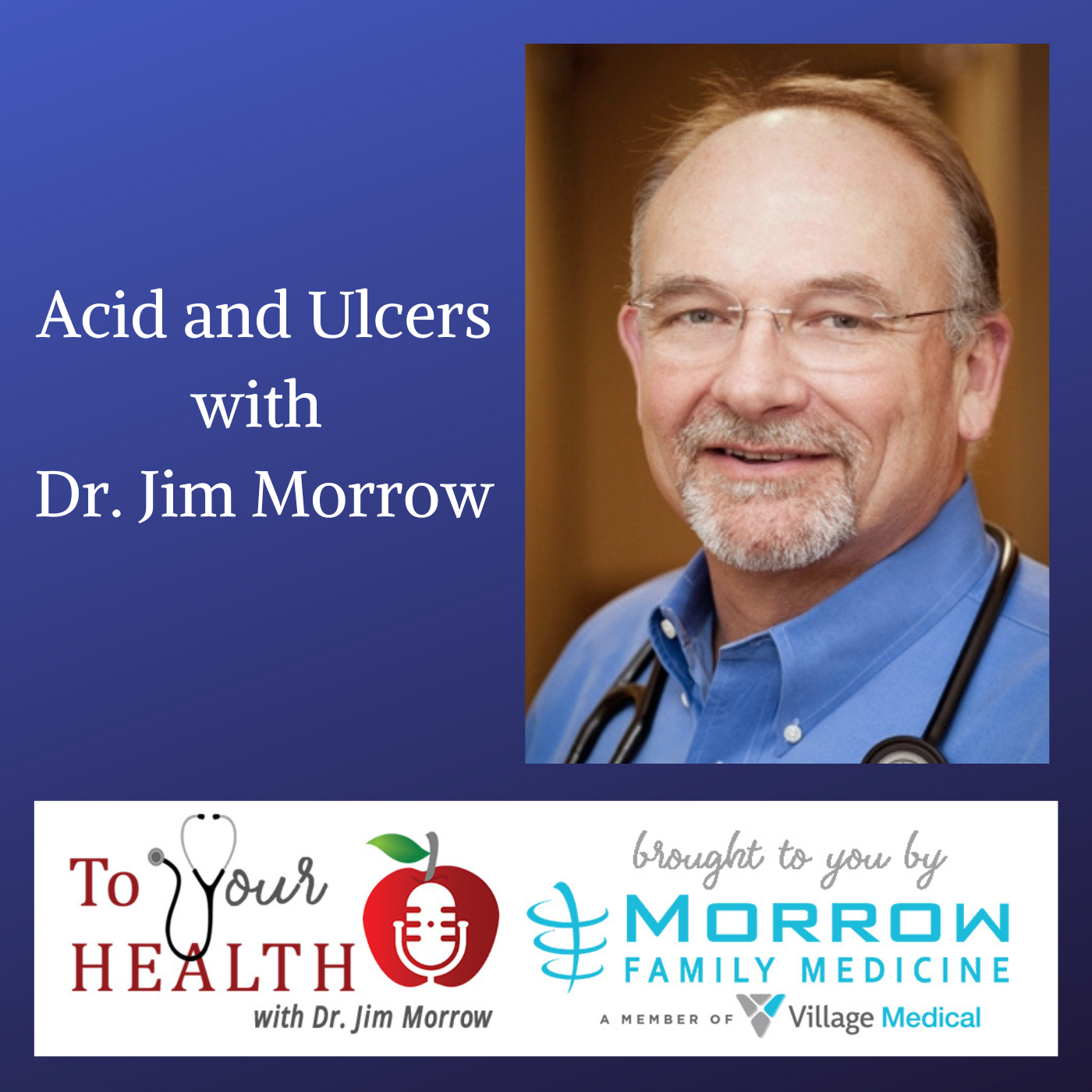
Acid and Ulcers

September 28, 2022 by John Ray

Ulcers
North Fulton Studio
Acid and Ulcers
Loading
00:00 /
RSS Feed
Share
Link
Embed

Download file

Ulcers

Acid and Ulcers (Episode 81, To Your Health with Dr. Jim Morrow)

On this episode of To Your Health, Dr. Jim Morrow of Village Medical offered information about indigestion, ulcers, and stomach issues. He detailed the symptoms of indigestion that sometimes can overlap with other serious conditions. Dr. Morrow also talked about what causes indigestion, what can be done to treat it, the causes and treatments of peptic ulcers, and more.

To Your Health is brought to you by Village Medical (formerly Morrow Family Medicine), which brings the care back to healthcare.

About Village Medical (formerly Morrow Family Medicine)

Village Medical, formerly Morrow Family Medicine, is an award-winning, state-of-the-art family practice with offices in Cumming and Milton, Georgia. The practice combines healthcare information technology with old-fashioned care to provide the type of care that many are in search of today. Two physicians, three physician assistants and two nurse practitioners are supported by a knowledgeable and friendly staff to make your visit to Village Medical one that will remind you of the way healthcare should be.  At Village Medical, we like to say we are “bringing the care back to healthcare!”  The practice has been named the “Best of Forsyth” in Family Medicine in all five years of the award, is a three-time consecutive winner of the “Best of North Atlanta” by readers of Appen Media, and the 2019 winner of “Best of Life” in North Fulton County.

Village Medical offers a comprehensive suite of primary care services including preventative care, treatment for illness and injury, and management of chronic conditions such as diabetes, congestive heart failure, chronic obstructive pulmonary disease (COPD) and kidney disease. Atlanta-area patients can learn more about the practice here.

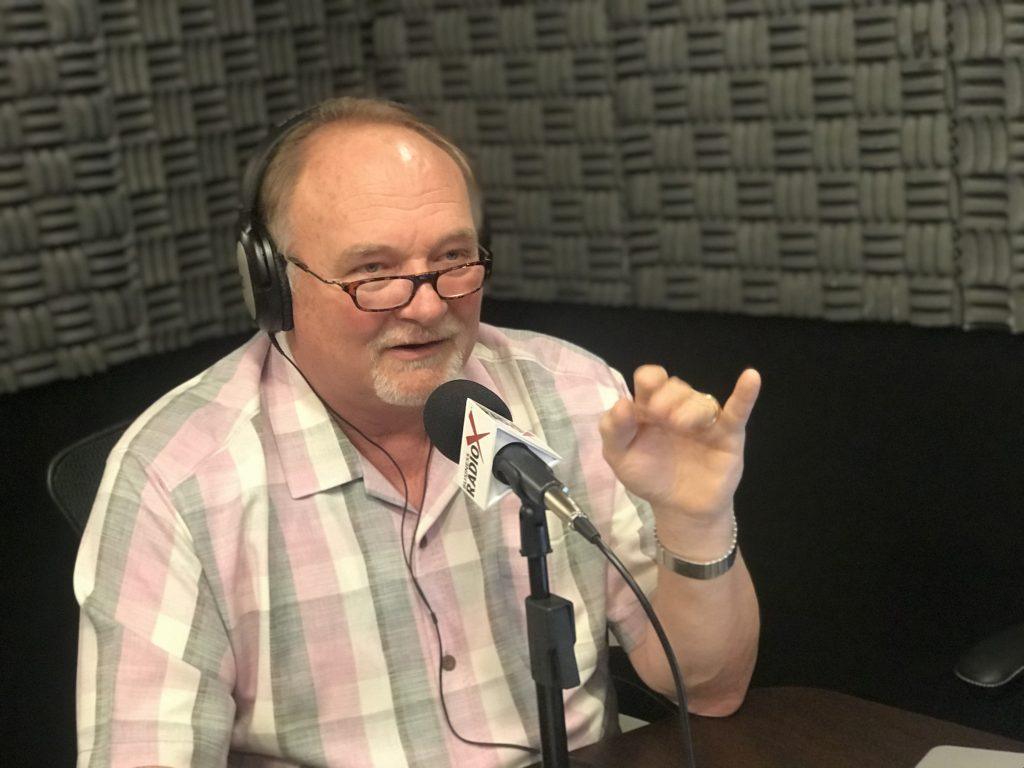
Dr. Jim Morrow, Village Medical, and Host of To Your Health with Dr. Jim Morrow

Covid-19 misconceptionsDr. Jim Morrow is the founder of Morrow Family Medicine. He has been a trailblazer and evangelist in healthcare information technology, was named Physician IT Leader of the Year by HIMSS, a HIMSS Davies Award Winner, the Cumming-Forsyth Chamber of Commerce Steve Bloom Award Winner as Entrepreneur of the Year and he received a Phoenix Award as Community Leader of the Year from the Metro Atlanta Chamber of Commerce.  He is married to Peggie Morrow and together they founded the Forsyth BYOT Benefit, a charity in Forsyth County to support students in need of technology and devices. They have two Goldendoodles, a gaggle of grandchildren and enjoy life on and around Lake Lanier.

Facebook | LinkedIn | Twitter

The complete show archive of To Your Health with Dr. Jim Morrow addresses a wide range of health and wellness topics.

Dr. Morrow’s Show Notes

What is indigestion (dyspepsia)?

  • Indigestion, also known as dyspepsia, is a common condition.
    • It can happen when your body has trouble digesting food.
    • It occurs in your gastrointestinal (GI) tract.
      • The GI tract is a group of organs that plays a part in digestion.
      • Anyone can get indigestion.
      • You can get it on occasion,
        • or it can be an ongoing problem.
      • The symptoms and causes vary by case.
      • If there is no known cause for indigestion, it is referred to as functional dyspepsia.

Symptoms of indigestion

  • Indigestion can feel like a stomachache. You can have a range of symptoms including:
    • Pain, discomfort, or a burning feeling in your chest or stomach
    • Burping
    • Bloating
    • Gurgling stomach and/or gas
    • Acid reflux
    • Heartburn
    • Nausea and/or vomiting
  • Talk to your doctor if symptoms continue for more than two weeks. Seek medical care right away if your symptoms are severe, such as:
  • Shortness of breath
  • Trouble swallowing
  • Ongoing vomiting
  • Throwing up blood
  • Sudden pain in the chest, arm, neck, or jaw
  • Cold sweats
  • Thick, black, or bloody stool

What causes indigestion?

  • A lot of factors can cause indigestion. These include:
    • Eating certain foods, such as those that are spicy and fatty, and those with lots of acid or fiber
    • Eating too late in the day
    • Drinking alcohol or too much caffeine
    • Taking certain medicines
    • Smoking
    • Not sleeping
  • Problems in your GI tract or other health issues also can cause indigestion. These include:
  • Acid reflux or gastroesophageal reflux disease (GERD):
    • This is when your food and drink come back up from your stomach after eating or drinking.
    • It’s in the form of acid and can come into your esophagus, the tube-like organ connecting your mouth and stomach.
    • Acid reflux also can produce vomiting.
      • This condition also may cause heartburn.
    • Irritable bowel syndrome:
      • This disorder affects your intestines.
      • Symptoms include stomach pain, bloating, gas, constipation, and diarrhea.
    • Infection:
      • A bacterial infection from Helicobacter pylori (H. pylori) can cause indigestion.
    • Gastroparesis:
      • This condition affects digestion. If muscles in your GI tract stop working, your body slows down or stops the movement of food. Symptoms include nausea, vomiting, stomach pain, bloating, and acid reflux.
    • Ulcer:
      • This is a sore on the lining of your stomach (peptic ulcer), small intestine, or esophagus.
    • Gastritis:
      • This is inflammation of your stomach lining.
    • Stomach cancer:
      • This is a rare condition, but indigestion can be one of its signs.

How is indigestion diagnosed?

  • Your doctor will review your symptoms and perform a physical exam.
    • They may order tests to determine the cause of indigestion.
    • Those tests can include blood work, urine/stool tests, or an X-ray or ultrasound.
    • Sometimes your doctor may perform an upper endoscopy to see inside your stomach.
    • Your doctor will insert a thin tube with a camera on the end into your esophagus.
    • This will be done after you’re given medicines to go to sleep.

Can indigestion be prevented or avoided?

  • There are ways to prevent indigestion.
    • To start, you need to know your body and how it reacts to different food and drinks.
    • Spicy and acidic foods and carbonated drinks can trigger indigestion.
    • Try to avoid those things when possible.
    • Eat smaller meals throughout the day, and don’t eat too late at night.
    • Don’t lie down too soon after eating.
    • Limit the use of alcohol.
    • If you use tobacco, try to quit.
    • Stress and lack of sleep also can worsen symptoms.

Indigestion treatment

  • Your treatment will depend on what is causing your indigestion.
    • Your doctor can help you decide which treatment is best for you.
    • Some over-the-counter medicines may help your symptoms.
    • Check with your doctor before starting something new.
  • Antacids (Tums) work against the acid in your system.
  • Proton pump inhibitors
    • omeprazole and
    • lansoprazole
      • help block the site of acid production in your stomach.
    • Histamine blockers
      • help reduce pain and symptoms, but should not be used long-term.
    • Do not take pain and anti-inflammatory medicines
      • for your symptoms.
      • They do not help and can worsen your condition, especially if used often.
    • If you have a stomach ulcer, you may need to take an acid-blocking medicine.
    • But your ulcer can be cured.
      • If you have an infection in your stomach, you also may need to take an antibiotic.
    • Prevention methods for indigestion also are forms of treatment.
      • These include changing your diet and the way you eat.
        • Also get more sleep and reduce your level of stress.

Living with indigestion

  • Most people who have indigestion lead a normal life.
    • You may need to make some lifestyle changes or take medicine to treat your symptoms.
    • Exercise regularly and maintain a healthy weight.
  • In rare cases, indigestion can be the sign of a serious problem.
    • Examples include a deep stomach ulcer or stomach cancer.
    • If you have any of the following symptoms, contact your doctor right away:
      • You recently lost weight without trying.
      • You have trouble swallowing.
      • You have severe vomiting.
      • You have black, tarry bowel movements.

What is peptic ulcer disease?

  • A peptic ulcer is a sore or raw area in the lining of the stomach.
    • It also can occur near the top of the small intestine.
      • This area of the small intestine is called the duodenum.
      • The lining is damaged by the acids your body uses to digest food.

Symptoms of peptic ulcer disease

  • The most common symptom is a burning pain in your stomach.
    • It usually lasts for a few minutes to a few hours.
    • It comes and goes for days or weeks at a time.
    • The burning typically occurs between meals and at night.
    • Small ulcers may cause no symptoms.
  • Other symptoms can include:
    • A feeling of fullness
    • Difficulty drinking as much liquid as usual
    • Hunger or an empty feeling in your stomach after you eat
    • Mild nausea
    • Stomach pain that wakes you up at night
    • Less common symptoms include:
    • Bloating
    • Burping
    • Poor appetite
    • Bloody or dark stools
    • Chest pain
    • Fatigue
    • Weight loss
    • Vomiting
    • Complications include:
    • Bleeding (this occurs from a broken blood vessel in the small intestine)
    • Perforation (tear)
    • A blockage
    • Peritonitis (infection)

What causes peptic ulcer disease?

  • The main cause is the bacterial infection, Helicobacter pylori (H. pylori).
    • Another common cause is long-term use of nonsteroidal anti-inflammatory drugs (NSAIDs).
    • This includes aspirin, ibuprofen, and naproxen.
    • In rare cases, the disease can be caused by cancerous and noncancerous tumors.
    • A less common cause is a rare disorder called Zollinger-Ellison syndrome.

How is peptic ulcer disease diagnosed?

  • Your doctor will do a physical exam.
    • Your doctor may schedule a special procedure to look at your stomach.
    • This is called an endoscopy.
      • For this procedure, you’ll be given medicine to relax.
      • The medicine may make you fall asleep.
      • The doctor will insert a thin, flexible tube down your throat.
        • A tiny camera on the end of the tube displays the lining of your stomach and duodenum.
        • The doctor may take a sample of your stomach lining (a biopsy).
        • This is done to test for H. pylori.
        • Blood, breath, and stool sample testing can also be used to check for H. pylori.

Can peptic ulcer disease be prevented or avoided?

  • Stress and spicy foods don’t cause ulcers.
    • However, they can make them worse.
    • Smoking and alcohol can cause a peptic ulcer.
    • Men should limit alcohol to no more than 2 drinks per day.
    • Women should have no more than 1 drink per day.
    • Talk to your doctor if you take aspirin, ibuprofen, or naproxen regularly.

Peptic ulcer disease treatment

  • Your doctor may begin by prescribing medicine.
    • Your doctor may suggest other treatments for other causes.
  • If you have H. pylori, your doctor will treat the infection with specific therapy.
  • Your doctor may recommend medicines to neutralize your stomach acid.
    • This will protect the lining in your stomach, too.
    • These include:
      • Protein pump inhibitors.
      • Histamine receptor blockers.
      • Cytoprotective agents. This includes sucralfate
    • If NSAIDs cause your ulcer, you may need to stop or reduce the amount you take.
      • You may need to switch to another type of medicine for pain.

Living with peptic ulcer disease

  • Most ulcers heal within about 8 weeks.
    • Peptic ulcers come and go.
      • You have to do what you can to reduce your risk.
      • If you smoke or chew tobacco, ask your doctor about how to quit.
      • Eat a well-balanced diet.
      • Avoid foods that cause discomfort.
        • These include
          • alcohol,
          • coffee,
          • caffeinated soda,
          • fatty foods,
          • chocolate,
          • and spicy foods.
          • Avoid eating late at night.
          • Talk to your doctor about alternatives to NSAIDs.

Take all medicines with plenty of water.
Tagged With: acid, Dr. Jim Morrow, dyspepsia, indigestion, inflammation, stomach acid, stomach ulcer, To Your Health, Ulcers, Village Medical

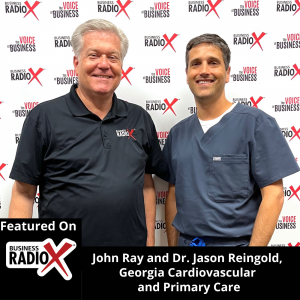
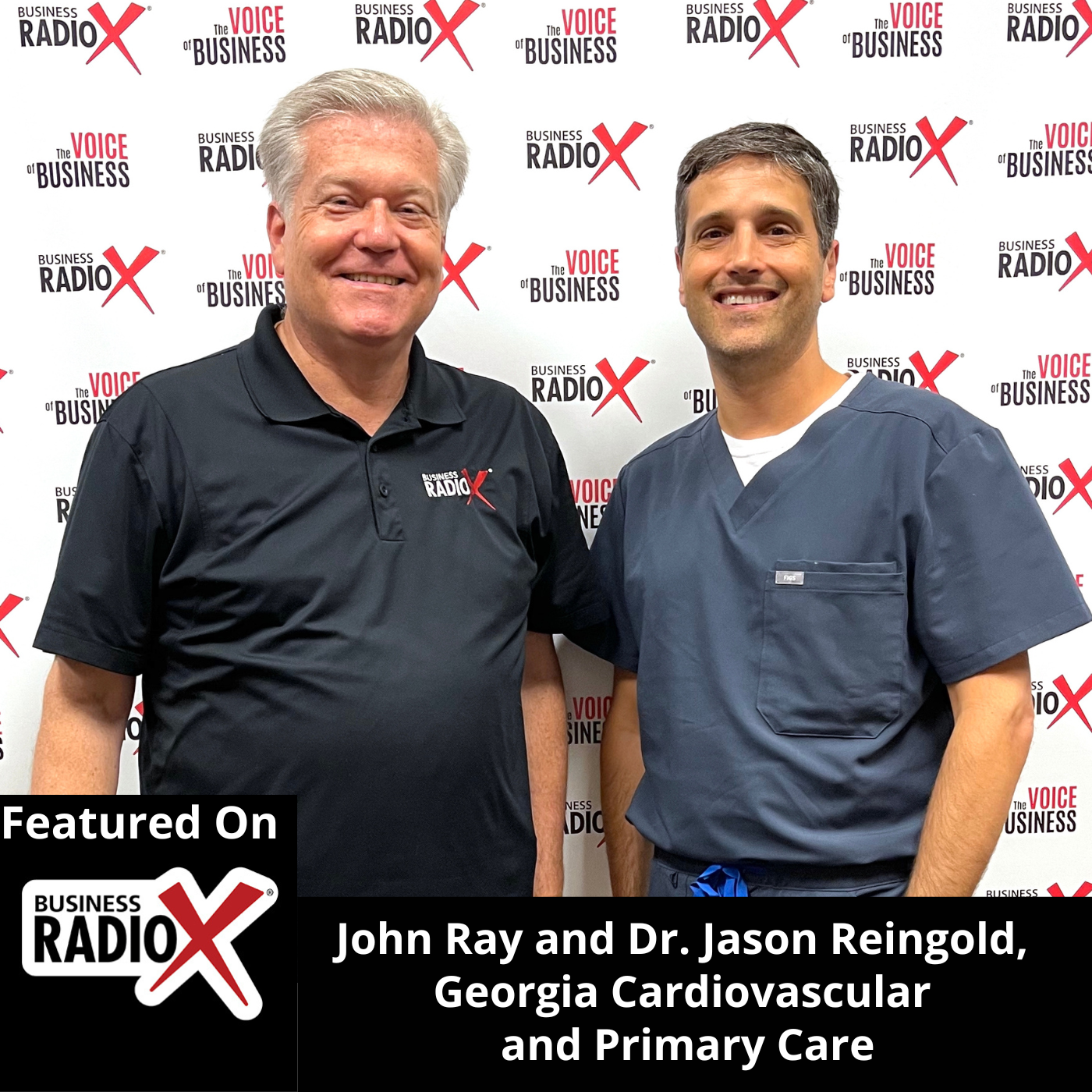
Dr. Jason Reingold, Georgia Cardiovascular and Primary Care

July 12, 2022 by John Ray

Dr. Jason Reingold
North Fulton Business Radio
Dr. Jason Reingold, Georgia Cardiovascular and Primary Care
Loading
00:00 /
RSS Feed
Share
Link
Embed

Download file

Dr. Jason Reingold

Dr. Jason Reingold, Georgia Cardiovascular and Primary Care (North Fulton Business Radio, Episode 469)

Dr. Jason Reingold of Georgia Cardiovascular and Primary Care joined North Fulton Business Radio to announce the opening of their new flagship office in Alpharetta. He and host John Ray discussed this integrative cardiology practice, the 7% problem, and eight elements of optimal health. Dr. Reingold also mentioned the negative impacts of stress, including heightened inflammation and stress hormones, the steps his practice has taken to provide affordable care options, and much more.

North Fulton Business Radio is broadcast from the North Fulton studio of Business RadioX® inside Renasant Bank in Alpharetta.

Georgia Cardiovascular and Primary Care

Dr. Jason Reingold is a Harvard Trained, Board Certified Cardiovascular Disease specialist empowering patients to reduce complications of heart and vascular disease and to improve overall wellness. He and his team build relationships with patients and their families finding the best combination of lifestyle and pharmacologic treatments for optimal medical wellbeing.

As a recognized expert in heart and vascular diagnosis, Dr. Reingold helps patients choose the best test for their comprehensive health. When possible, he utilizes office-based, noninvasive testing to improve access, comfort, and convenience while reducing the cost of out-of-pocket expenses to patients. If you are experiencing symptoms of heart or vascular disease, need a second opinion, or want to know your risk, contact us to schedule a consultation with Dr. Jason Reingold.

Company Website |Facebook | Instagram

Dr. Jason Reingold, Cardiovascular Disease Specialist, Georgia Cardiovascular and Primary Care

Dr. Jason Reingold, Cardiovascular Disease Specialist, Georgia Cardiovascular and Primary Care

Dr. Jason Reingold is a Harvard-trained, board-certified cardiovascular disease specialist with additional certifications from the American College of Cardiology, National Institutes of Health, National Board of Echocardiography, and National Board of Nuclear Cardiology. Dr. Reingold is an adjunct assistant professor at Augusta University/Medical College of Georgia in addition to leading regulatory affairs for the Georgia Chapter of the American College of Cardiology.

Dr. Reingold graduated top of his class from the University of Georgia and Emory University School of Medicine. He completed his training in internal medicine at the University of California at San Francisco and went on to study cardiovascular disease at Massachusetts General Hospital/Harvard Medical School.

Dr. Reingold focuses on the prevention and reversal of heart and vascular disease in both the young and the elderly populations. He also takes interest in the overlap of cardiovascular disease focusing on weight management, kidney disease, and diabetes.

Additionally, Dr. Reingold offers his patients access to innovative diagnostic and treatment options through his work in clinical research trials. He has served as an investigator for trials through Saint Joseph’s Translational Research Institute, Saint Joseph’s Heart and Vascular Institute., and Atlanta Clinical Research Centers. Jason is married to Jennifer Alper Reingold, a pediatric speech pathologist. They live in Sandy Springs with their 2 daughters, Kaylie and Zoey, and rescue dog Teddy.

LinkedIn | Facebook

Questions and Topics in this Interview:

• It’s 2022: Why do we still need to talk about cardiovascular disease?
• Why did you pick Alpharetta as the location for your new practice?
• What makes your Alpharetta office unique?
• Aside from the physical office, what else differentiates your office from other practices?
• How is your practice philosophy different?
• You talk a lot about vascular health and disease, why is this so important to you
• I know reducing health care costs for employees is important for our listeners, please tell us more.
• What about patients who have insurance, are you in-network with insurance?


North Fulton Business Radio is hosted by John Ray and broadcast and produced from the North Fulton studio of Business RadioX® inside Renasant Bank in Alpharetta. You can find the full archive of shows by following this link. The show is available on all the major podcast apps, including Apple Podcasts, Spotify, Google, Amazon, iHeart Radio, Stitcher, TuneIn, and others.

RenasantBank


Renasant Bank has humble roots, starting in 1904 as a $100,000 bank in a Lee County, Mississippi, bakery. Since then, Renasant has grown to become one of the Southeast’s strongest financial institutions with over $13 billion in assets and more than 190 banking, lending, wealth management and financial services offices in Mississippi, Alabama, Tennessee, Georgia and Florida. All of Renasant’s success stems from each of their banker’s commitment to investing in their communities as a way of better understanding the people they serve. At Renasant Bank, they understand you because they work and live alongside you every day.


Special thanks to A&S Culinary Concepts for their support of this edition of North Fulton Business Radio. A&S Culinary Concepts, based in Johns Creek, is an award-winning culinary studio, celebrated for corporate catering, corporate team building, Big Green Egg Boot Camps, and private group events. They also provide oven-ready, cooked from scratch meals to go they call “Let Us Cook for You.” To see their menus and events, go to their website or call 678-336-9196.

Tagged With: A&S Culinary Concepts, cardiovascular disease, Dr. Jason Reingold, Georgia Cardiovascular and Primary Care, heart attack, heart disease, inflammation, integrative cardiology practice, North Fulton Business Radio, renasant bank, stress, Stroke, vascular health

To Your Health With Dr. Jim Morrow: Episode 25: Intermittent Fasting

January 23, 2020 by John Ray

intermittent fasting
North Fulton Studio
To Your Health With Dr. Jim Morrow: Episode 25: Intermittent Fasting
Loading
00:00 /
RSS Feed
Share
Link
Embed

Download file

intermittent fasting
Dr. Jim Morrow

To Your Health With Dr. Jim Morrow: Episode 25: Intermittent Fasting

On this edition of “To Your Health with Dr. Jim Morrow,” Dr. Morrow discusses the current intermittent fasting trend and healthy ways to approach dieting in this fashion. “To Your Health” is brought to you by Morrow Family Medicine, which brings the CARE  back to healthcare.

About Morrow Family Medicine and Dr. Jim Morrow

Morrow Family Medicine is an award-winning, state-of-the-art family practice with offices in Cumming and Milton, Georgia. The practice combines healthcare information technology with old-fashioned care to provide the type of care that many are in search of today. Two physicians, three physician assistants and two nurse practitioners are supported by a knowledgeable and friendly staff to make your visit to Morrow Family Medicine one that will remind you of the way healthcare should be.  At Morrow Family Medicine, we like to say we are “bringing the care back to healthcare!”  Morrow Family Medicine has been named the “Best of Forsyth” in Family Medicine in all five years of the award, is a three-time consecutive winner of the “Best of North Atlanta” by readers of Appen Media, and the 2019 winner of “Best of Life” in North Fulton County.

Dr. Jim Morrow, Morrow Family Medicine, and Host of “To Your Health With Dr. Jim Morrow”

intermittent fasting
Dr. Jim Morrow, Morrow Family Medicine and Host of “To Your Health”

Dr. Jim Morrow is the founder and CEO of Morrow Family Medicine. He has been a trailblazer and evangelist in the area of healthcare information technology, was named Physician IT Leader of the Year by HIMSS, a HIMSS Davies Award Winner, the Cumming-Forsyth Chamber of Commerce Steve Bloom Award Winner as Entrepreneur of the Year and he received a Phoenix Award as Community Leader of the Year from the Metro Atlanta Chamber of Commerce.  He is married to Peggie Morrow and together they founded the Forsyth BYOT Benefit, a charity in Forsyth County to support students in need of technology and devices. They have two Goldendoodles, a gaggle of grandchildren and enjoy life on and around Lake Lanier.

Facebook: https://www.facebook.com/MorrowFamMed/

LinkedIn: https://www.linkedin.com/company/7788088/admin/

Twitter: https://twitter.com/toyourhealthMD

The complete show archive of “To Your Health with Dr. Jim Morrow” addresses a wide range of health and wellness topics, and can be found at www.toyourhealthradio.com.

Dr. Morrow’s Show Notes

  • If you thought fasting was just for religious purposes, think again.
    • A newer phenomenon in the weight loss world called Intermittent Fasting (IF) is growing into a popular health and fitness trend.
    • During IF, you alternate between periods of eating and fasting. This type of eating is often described as “patterns” or “cycles” of fasting.
    • There are several effective approaches to IF, but it all comes down to personal preference.
  • Some people find it easy to fast for 16 hours and confine meals to just eight hours of the day, such as 9 a.m. to 5 p.m., while others have a hard time and need to shorten their fasting window.
  • But is intermittent fasting good for you?
    • While some researchhas shown the benefits of IF, such as weight loss, lower blood pressure and improved metabolic health, more investigatioxan is still needed, especially regarding long-term outcomes of IF.
    • There is also the aspect of sustainability.
      • Severely restricting calories or not eating for long periods at a time isn’t for everyone.
      • Some researcheven shows that those who do intermittent fasting don’t usually stick with it as compared with those trying to lose weight on more traditional diets.
  • Still, IF has been shown to be an effective form of weight loss – but so have other options like eating a well-balanced diet paired with exercise.
    • One studysuggests that IF is not more effective at supporting weight loss or improving blood sugars than other well-balanced approaches.
  • If you want to try IF, you’ll first need to figure out how you are going to incorporate this style of eating into your life, especially when it comes to things like social events and staying active.
  • Ready to explore your options?
  • The twice-a-week method – 5:2
    • This approach to IF focuses on capping your calories at 500 for two days a week.
    • During the other five days of the week, you maintain a healthy and normal diet.
    • On fasting days, this approach usually includes a 200-calorie meal and a 300-calorie meal.
    • It’s important to focus on high-fiber and high-protein foods to help fill you up, but to also keep calories low when fasting.
    • You can choose whichever two fasting days (say, Tuesdays and Thursdays) as long as there is a non-fasting day between them.
    • Be sure to eat the same amount of food you normally would on non-fasting days. 
  • Alternate day fasting
    • This variation involves “modified” fasting every other day.
    • For instance, limit your calories on fasting days to 500 ― or about 25% of your normal intake.
    • On non-fasting days, resume your regular, healthy diet.
      • (There are also strict variations to this approach that include consuming 0 calories on alternate days instead of 500.)
    • Interesting finding of note:
      • One studyshowed people following this pattern of IF for six months had significantly elevated LDL (or bad) cholesterol levels after another six months off the diet. 
  • Time-restricted eating (example: 16/8 or 14/10 method)
    • In this option, you have set fasting and eating windows.
    • For example, you fast for 16 hours of the day and are able to eat for only eight hours of the day.
    • Since most people already fast while they sleep, this method is popular.
    • It’s convenient as you extend the overnight fast by skipping breakfast and not eating until lunch.
    • Some of the most common ways?
      • 16/8 method:Only eating between 11 a.m. and 7 p.m. or noon and 8 p.m.
      • 14/10 method:Only eating between 10 a.m. and 8 p.m.
    • This method of IF can be repeated as often as you’d like or even done once or twice a week – whatever your personal preference is.
    • Finding the right eating and fasting windows for this method might take a few days to figure out, especially if you’re very active or if you wake up hungry for breakfast.
    • This form of fasting is a safer bet for many people who are interested in trying IF for the first time.
  • The 24-hour fast (or eat: stop: eat method)
    • This method involves fasting completely for a full 24 hours.
    • Often times, it’s only done once or twice a week.
    • Most people fast from breakfast to breakfast or lunch to lunch.
    • With this version of IF, the side effects can be extreme, such as fatigue, headaches, irritability, hunger and low energy.
    • If you follow this method, you should return to a normal, healthy diet on your non-fasting days.
  • Intermittent fasting is not a magic pill
    • Whether you are doing IF, keto, low carb, high protein, vegetarian, the Mediterranean diet– you name it – it all comes down to the quality of your calories and how much you’re consuming.
    • The bottom line with IF? Although the jury is still out and long-term effects are still being studied, it’s crucial to eat a healthy, well-balanced diet while following IF.
    • You can’t eat junk food and excessive calories on non-fasting days and expect to lose weight.
  • Side effects & risks
    • Intermittent fasting is not safe for some people, including pregnant women, children, people at risk for hypoglycemia, or people with certain chronic diseases.
    • If you’re at risk for an eating disorder, you shouldn’t attempt any sort of fasting diet. IF has also been known to increase the likelihood of binge eating in some people because of the restriction.
  • If you’re interested in trying IF, you should also be aware of some not-so-pretty side effects.
    • IF can be associated with
      • irritability,
      • low energy,
      • persistent hunger,
      • temperature sensitivity and
      • poor work and activity performance.

Where to start?

  • Consider a simple form of IF when starting out.
    • Start with a more moderate approach of time restricted eating,
    • Start by cutting out nighttime eating and snacking and then start to limit your ‘eating window’ each day – such as only eating from 8 a.m. to 6 p.m.
    • As you progress and monitor how you feel, you may choose to gradually increase your fasting window.

What is Autophagy?

  • In 2016, Japanese cell biologist Yoshinori Ohsumi won the Nobel Prize in Medicine for his research on how cells recycle and renew their content, a process called autophagy.
    • Fasting activates autophagy, which helps slow down the aging process and has a positive impact on cell renewal.
  • During starvation, cells break down proteins and other cell components and use them for energy.
    • During autophagy, cells destroy viruses and bacteria and get rid of damaged structures.
    • It’s a process that is critical for cell health, renewal, and survival.

Ohsumi’s Work

  • Ohsumi created a whole new field of science with his work studying autophagy in yeast.
    • He discovered that the autophagy genes are used by higher organisms including humans, and that mutations in these genes can cause disease.
    • Animals, plants, and single cell organisms rely on autophagy to withstand famines.
  • Although first discovered in the 1960s, Ohsumi’s research from the late 1980s and early 1990s through today has shown autophagy has a role in protection against inflammation and in diseases like dementia and Parkinson’s.
    • When Ohsumi started researching autophagy, there were fewer than 20 papers published each year on the subject; now there are more than 5,000 each year, as it is the subject of diverse fields including cancer and longevity studies.

Fasting for Health

  • Scientists have found that fasting for 12+ to 24+ hours triggers autophagy, and is thought to be one of the reasons that fasting is associated with longevity.
    • There is a large body of research that connects fasting with improved blood sugar control, reduced inflammation, weight loss, and improved brain function;
    • Oshumi’s research provides some of the “how” to this research.
    • Exercise can also induce autophagy in some cells, allowing cells to start the repair and renewal process.

Myths About Intermittent Fasting

  • Myth 1: Intermittent fasting is a starvation diet
    • Fact: You won’t starve if you skip a meal — or even if you fast for 24 or 48 hours.
    • Research suggests you have to fast more than 60 hours straight before your resting metabolic rate drops.
    • In fact, one study showed this rate increased from 3.6 to 10 percent after 36 to 48 hours of fasting.
    • We humans know how to fast.
      • It’s helped us survive famines for centuries
      • But starvation is something different.
        • It’s defined as suffering or death caused by hunger.
        • In starvation, your fat stores are depleted, so your body must break down muscle tissue for energy.
      • In intermittent fasting, your body releases energy stored as fat — and muscle and lean tissue are spared.
        • So unless you’re constantly running marathons and have fat levels below 4 percent, intermittent fasting won’t affect lean tissue — as long as you do it correctly and work with a dietitian or physician.
      • Another reason you’re unlikely to starve is that an alternating pattern of eating and then fasting is beneficial.
        • In one study, animals that feasted on fatty foods for eight hours and fasted for the rest of the day did not develop obesity or dangerously high insulin levels.
      • Myth 2: You’ll be hungry all day long.
        • Fact: Research shows that on fast days, hunger can actually decrease.
        • By the second week of intermittent fasting, obese individuals experienced less hunger, and their hunger remained low.
        • Other research shows that eating enough calories on non-fasting days is actually more of a struggle than hunger.
      • Myth 3: On off days, you can eat whatever you want.
        • Fact: You won’t lose weight on a fasting diet if you exceed your maintenance calories on off days.
        • On off days, you still follow a healthy eating pattern, but you don’t need to restrict yourself to a specific number of calories.
        • I suggest that my patients listen to their hunger, rather than measure and limit.
        • To keep from overeating, eat a balanced diet that includes fruits, vegetables and whole grains. I
          • f you don’t have dietary restrictions, consider lean meats, poultry, fish, beans, eggs and nuts.
        • But focus on real foods.
          • Avoid processed products, and don’t be fooled by “healthy” or “organic” marketing claims.
          • Scan the ingredients list on every label for refined carbs, hidden trans fat, chemicals and added sugars.
        • Myth 4: Once you start an intermittent fasting plan, you’re stuck doing it for life.
          • The beauty of intermittent fasting is that it alters your cravings and hunger.
          • So after you’ve gone without that midnight snack of potato chips or licorice long enough, you’ll eventually no longer want it — without having to work hard to not want it.
          • The key is training your taste buds to love good food and to reject the foods most likely to lead to weight gain and chronic disease.
          • Ready to try intermittent fasting?
            • Now that you’re armed with the facts, you’ve got a much better chance of success.

Note: Fasting for long periods should always be done under the supervision of a doctor.


Tagged With: Cumming doctor, Cumming family care, Cumming family doctor, Cumming family medicine, Cumming family physician, Cumming family practice, Cumming md, Cumming physician, cut calories, diet, Dr. Jim Morrow, fasting, fasting and weight loss, fasting cycles, inflammation, intermittent fasting, managing blood sugar, midnight snacks, Milton doctor, Milton family care, Milton family doctor, Milton family medicine, Milton family physician, Milton family practice, Milton md, Milton physician, Morrow Family Medicine, North Fulton Business Radio, North Fulton Studio, To Your Health, To Your Health With Dr. Jim Morrow, Weight Loss, Yoshinori Ohsumi

To Your Health With Dr. Jim Morrow: Episode 10, Colon Cancer Screening, An Interview with Dr. Simon Confrancesco

June 12, 2019 by John Ray

North Fulton Studio
North Fulton Studio
To Your Health With Dr. Jim Morrow: Episode 10, Colon Cancer Screening, An Interview with Dr. Simon Confrancesco
Loading
00:00 /
RSS Feed
Share
Link
Embed

Download file

Dr. Jim Morrow and Dr. Simon Cofrancesco

Episode 10, Colon Cancer Screening

Statistics show that colon and rectal cancers are the second biggest cancer killer, yet unlike most cancers, this disease is preventable with proper screening. On this episode of “To Your Health with Dr. Jim Morrow,” Dr. Morrow welcomes gastroenterologist Dr. Simon Cofranceso to the show to get the lowdown on colon cancer screening. “To Your Health” is brought to you by Morrow Family Medicine, which brings the CARE back to healthcare.

Dr. Simon Confrancesco, GI North

Dr. Simon Cofrancesco

Dr. Simon Cofrancesco is a board certified gastroenterologist with over 25 years of experience.  Dr. Cofrancesco is originally from Massachusetts. He completed his medical training at Baystate Medical Center of the Tufts University School of Medicine, followed by a Fellowship in Gastroenterology at Long Island College Hospital in Brooklyn.

Dr. Cofrancesco began his career in an underserved area of Mississippi as part of his school loan repayment. He worked at Southwest Mississippi Regional Medical Center in McComb, Mississippi, for over sixteen years and was named Chief of Staff in 2007. While in Mississippi, he met his wife Roxanna Redden, and they started their family of 5 children, ages 10-19.

Dr. Cofrancesco then moved to Georgia and founded GI North in 2011, followed by GI North Endoscopy in 2018.  GI North has steadily grown and currently has 3 additional providers including two additional gastroenterologists and a GI nurse practitioner.  GI North is physician owned and operated, and because of their commitment to patient centered care has been awarded “Best of Forsyth” in 2017 and 2018.   For further information on GI North you can go to their website at gi-north.com, or call 404-446-0600.


About Morrow Family Medicine and Dr. Jim Morrow

Morrow Family Medicine is an award-winning, state-of-the-art family practice with offices in Cumming and Milton, Georgia. The practice combines healthcare information technology with old-fashioned care to provide the type of care that many are in search of today. Two physicians, three physician assistants and two nurse practitioners are supported by a knowledgeable and friendly staff to make your visit to Morrow Family Medicine one that will remind you of the way healthcare should be.  At Morrow Family Medicine, we like to say we are “bringing the care back to healthcare!”  Morrow Family Medicine has been named the “Best of Forsyth” in Family Medicine in all five years of the award, is a three-time consecutive winner of the “Best of North Atlanta” by readers of Appen Media, and the 2019 winner of “Best of Life” in North Fulton County.

Dr. Jim Morrow, Morrow Family Medicine, and Host of “To Your Health With Dr. Jim Morrow”


Dr. Jim Morrow, Morrow Family Medicine, and Host of “To Your Health With Dr. Jim Morrow”

Dr. Jim Morrow is the founder and CEO of Morrow Family Medicine. He has been a trailblazer and evangelist in the area of healthcare information technology, was named Physician IT Leader of the Year by HIMSS, a HIMSS Davies Award Winner, the Cumming-Forsyth Chamber of Commerce Steve Bloom Award Winner as Entrepreneur of the Year and he received a Phoenix Award as Community Leader of the Year from the Metro Atlanta Chamber of Commerce.  He is married to Peggie Morrow and together they founded the Forsyth BYOT Benefit, a charity in Forsyth County to support students in need of technology and devices. They have two Goldendoodles, a gaggle of grandchildren and enjoy life on and around Lake Lanier.

Facebook: https://www.facebook.com/MorrowFamMed/

LinkedIn: https://www.linkedin.com/company/7788088/admin/

Twitter: https://twitter.com/toyourhealthMD

Show Transcript

Intro: [00:00:06] Broadcasting live from the North Fulton Business RadioX Studio. It’s time for To Your Help with Dr. Jim Morrow. To Your Health is brought to you by Morrow Family Medicine, an award-winning primary care practice, which brings the care back to health care.

Jim Morrow: [00:00:23] Good afternoon. This is To Your Health with Dr. Jim Morrow, and that’s me. I’m Jim Morrow. I’m with Morrow Family Medicine. We have an office in Milton, Georgia and in Cumming, Georgia, where we like to say we are bringing care back to health care. And we are here every second and fourth Wednesday on North Fulton Business Radio. We’re very excited to be here today. We’re doing something new and different for our show today. Today, for the first time, I have a guest with me who I’m going to be talking with about colon cancer and colon cancer screening. So, I’d like you to welcome Dr. Simon Cofrancesco from GI North in Cumming, Georgia. Hey, Simon.

Simon Cofrancesco: [00:01:01] Thanks, Jim.

Jim Morrow: [00:01:03] Good to have you.

Simon Cofrancesco: [00:01:03] Thank you very much. Glad to be here.

Jim Morrow: [00:01:05] Yeah. So, tell me a little bit about your practice and you before we get started, if you would.

Simon Cofrancesco: [00:01:09] GI North started in 2011 when I got to town, and we’ve steadily grown since then. We started out with just myself. And then, we’ve added three additional providers – two gastroenterologists and one nurse practitioner. And we’ve opened up an endoscopy center that’s just starting to get going. In addition to our clinic, it’s actually just across the hallway in a building, probably a half a mile from where you are.

Jim Morrow: [00:01:41] Well, that’s wonderful. I know you’re glad to have that up and running.

Simon Cofrancesco: [00:01:44] Absolutely.

Jim Morrow: [00:01:45] That’s got to be a good thing. So, I want to talk to you about colon cancer screening and colon cancer itself a little bit. And I know the whole thing of colon cancer screening has changed so much since you and I were in training. We went from what looked like this stand this microphone is on to what’s thankfully a lot more flexible now. But if you would, give us an overview of what a colonoscopy is all about.

Simon Cofrancesco: [00:02:14] Most people today, especially around here, know about it. It’s unusual, like you said, 20 or 30 years ago to run into somebody who’s not familiar with what it is. But it is just a long, flexible tube, very small, about like a finger in diameter, and it has a light on the end. And we just look carefully in the colon for little growths called polyps and remove those because that’s how you develop colon cancer. A slow process of a little growth called a polyp that over years gets bigger, and eventually turns into cancer.

Jim Morrow: [00:02:50] Okay. Now, speaking of colon cancer, can you talk a little bit about how many people get colon cancer and how common it is? Is it something everybody needs to be worried about and so forth?

Simon Cofrancesco: [00:02:59] Well, it really is either the second or third most common cancer in this country. And I think the number has hovered around 5%. That’s a big number, 5% of people in this country are going to get colon cancer. But the good news is, is that you can prevent that. Not catch it early but prevent that by getting a colonoscopy and removing polyps to prevent cancer.

Simon Cofrancesco: [00:03:26] So, it’s really a very different concept than most other cancers. It’s not like a mammogram where you detect breast cancer early. We prevent it. And the numbers are showing that. So, the newest numbers out show that colon cancer in people older than 50 is going down in this country over decades because people are getting screened for it. Unfortunately, the other new news is people under 50, it’s going up. So, the good news, though, is you can prevent it and they’re starting to change some of the age ranges, and it’s very prevalent, and it’s the number two cancer killer in this country.

Jim Morrow: [00:04:10] Wow. Well, that’s a wonder. I know I preach to people about going to get colonoscopies to the point, sometimes, of berating, I suppose you could say, but I certainly browbeat them if nothing else if they’re 56 or 58 and they haven’t been.

Jim Morrow: [00:04:25] So, you had one the other day, 63 years old, never been for colonoscopy. I’ve broken the bad news to him. I said, “You need two colonoscopies. You need one for when you were 50 and one for when you were 60. Lucky for you, you can make that all up in one. You don’t have to worry about it.” Now, people worry about colon cancer, but what are the signs and symptoms of colon cancer?

Simon Cofrancesco: [00:04:45] The bad news is, is that we go based on age because symptoms are not a reliable way to detect it. So, everybody thinks they’re in touch with their body. And I constantly hear, which I’m sure you hear too, “I know my body. I feel fine. There’s nothing wrong.” And it’s hard to explain to people, when you do find cancer, and it’s really a surprise that it’s probably been there for — it’s been cooking or evolving for 5 to 10 years. So, probably, one of the most common symptoms of colon cancer is that there isn’t any symptoms.

Jim Morrow: [00:05:22] Wow.

Simon Cofrancesco: [00:05:22] And that’s the scary part. But when people do get more advanced disease, some things that do show up to the patient are pain, or change in bowels, or blood in the stool. If they’re lucky enough to have those symptoms because of where the cancer is, then they may get detected at a time where they can be treated successfully. But, again, probably the cancers that we’re seeing more and more lately start in the beginning of the colon. And so, those symptoms I just mentioned are not usually as prevalent or common.

Jim Morrow: [00:05:59] Okay, good. Now, I know the thing that patients talk about the most about a colonoscopy, at least, to me, is the prep. They dread the prep because they know that they’ve got to drink, or they think they’ve got to drink this gallon of salt water, and it’s horrible. Last time I had one, I think you told me to put a packet of Crystal Light in my gallon of GoLytely. And, now, I can’t drink Crystal Light because I can’t get that taste out of my mouth, the GoLytely. But talk about the options for a prep for a colonoscopy.

Simon Cofrancesco: [00:06:30] Well, there’s been some improvement. We have smaller preps now that are about half of a soda, six ounces or so. So, it’s improved. It’s not a major improvement, but it’s an improvement. And it does make it a little easier on patients, to be honest with you, because more people can tolerate low volumes even though the taste isn’t that good. So, it’s a lot easier as far as the prep goes. It’s still the part that people don’t like.

Jim Morrow: [00:07:03] Well, if it’s only a few ounces, it must be liquid dynamite. Is that what they call it?

Simon Cofrancesco: [00:07:06] Well, it works. It works for 99% of people.

Jim Morrow: [00:07:10] I bet. I bet it does. I can just imagine. So, if we’re going through the colon, and we’re looking for things, and we found a polyp, what do you do at that point?

Simon Cofrancesco: [00:07:21] The majority of the time, we just take it out. It’s usually not big. And we have devices that can remove them. People don’t feel anything. The risk of injury to the colon is very very small. Especially today, we use devices where we don’t have to use any electricity. And that really has almost completely removed significant risks from performing a colonoscopy, but it’s just a small bump. Now, there are times where it’s big unexpectedly, and we can’t safely remove it endoscopically. And sometimes, people do have to have surgery, but that’s a real vast minority of people.

Jim Morrow: [00:08:02] And am I right in remembering that if you do that, you’ll put a tattoo on the inside of the colon?

Simon Cofrancesco: [00:08:07] Very correct. That is correct. If there’s something that we have to monitor closely or we have to alert the surgeons to, then we do put a tattoo on that. That’s correct.

Jim Morrow: [00:08:17] That’s amazing.

Simon Cofrancesco: [00:08:18] Yeah.

Jim Morrow: [00:08:18] That’s amazing. So, you mentioned a potential problem. And the other thing people talk about is I’ll say, “Well, you need a colonoscopy,” and I’ll hear, “Well, I don’t want a colonoscopy because I knew somebody that had a colonoscopy, and they had a perforation.” And, usually, at that point, I’ll say, “Well, how do you get to the office?” And they’ll say, “Well, what do you mean? I drove.” And I’ll say, “You drove an automobile? Have you not known anyone that got killed in a car wreck? Oh my God. And you drove here.” So, talk about the numbers for perforations.

Simon Cofrancesco: [00:08:51] Well, they’re changing, and they should be changing because, as I mentioned, in the last 5 to 10 years, we’re using devices that make it almost impossible to perforate somebody. Now, if something’s big, and we have to use what’s called electrocautery or electricity, that does increase the risk, but it’s still somewhere in the range of 1 in 2000. And I like your approach with the automobile. What I tell people though is the other side of the coin is that there is a rare risk of perforation, but what is your risk of colon cancer? And it’s going to be, at least, 5%. So 1 in 2000 versus, at least, 5%, which one’s less risky?

Jim Morrow: [00:09:36] I have to get the calculator, Apple, my phone, open to answer that, but I’ll do that later, I promise. So, you’re going through the colon, and you’re looking at polyps, and you pull them out, and you take them off and do a polypectomy. You send them to the lab. This is a little bit more detail than some people will want, but I think we’ve got a fairly intellectual listening audience. So, I want to give them some details about that. Can you talk a little bit about the types of polyps they might find?

Simon Cofrancesco: [00:10:01] Probably the easiest thing for me to say, and this is a big point of confusion, is that there’s two types of polyps. Not really, but I’m going to simplify it. So, there’s the kind of polyp that you have to remove because it has potential in time to turn into cancer. And then, there’s some small percentage of polyps that don’t have any potential to turn into cancer. And we see those in certain locations of the colon.

Simon Cofrancesco: [00:10:29] So, I first divided into that kind of approach. Then. you get into a lot more detail that’s probably, as you’ve mentioned, a little bit above the routine dialogue you’ll have with the patient, but there is two kinds of polyps. And there’s some that we can simply ignore because they’ll never be a problem.

Jim Morrow: [00:10:51] So, I know, until recently, it was fairly clean cut, very simple. If you had a hyperplastic polyp that doesn’t turn to cancer, you can repeat the test in five years. If you had an adenoma, the type that can turn to cancer, you’re going to repeat it in one to three years, depending on size. But you told me not long ago that that has changed. So, what should people expect in that now?

Simon Cofrancesco: [00:11:14] Yeah. The most common thing is that if people are going to have polyps, or there’s a family history of polyps or cancer, they should get a colonoscopy roughly every three to five years. It’s usually five years but depending on what we find, it can vary a little bit.

Simon Cofrancesco: [00:11:30] In people who are average risk, where they don’t have polyps, and/or nobody in their family has polyps or cancer, they can go 10 years. That shows you how slow a process colon cancer is. If we check someone today whose average risk, it would, generally speaking, take 10 years for them to start to develop colon cancer. So, it’s such a slow process, but it’s usually that 5 or 10 years.

Simon Cofrancesco: [00:11:57] And then, we do kind of bring it down under certain circumstances. There’s variables that we look at that can make us do it more frequently – the size of the polyp, how we have to remove the polyp, the specific pathology of the polyp, the number of polyps, how well they were cleaned out, avariety of different things.

Jim Morrow: [00:12:19] And the low-volume prep, as they usually call it, does a good enough job, so you don’t have to go back because you didn’t get cleaned out well in most cases.

Simon Cofrancesco: [00:12:26] The preps work but not all the time. And that’s true. Unfortunately, we disappoint about 1 out of 10 people. They have to come back because the standard prep, for whatever reason, didn’t work. Studies show that. I see that in my experience. So, there are a small group of people that will do what they’re supposed to, and it doesn’t matter whether it’s a large volume prep, Jim, or the new smaller ones.

Simon Cofrancesco: [00:12:52] The change we have in the preps today are split dose. And nobody likes this, but it does allow us to get a better examination where you take half of the prep the day before like usual, and the other half, three hours before your colonoscopy. And what that does is it keeps the colon clean on that beginning part of the colon where the bacteria start to repopulate very quickly from drinking the prep the day before. So, we don’t see as well when they do it all in one day versus plating it up. So, that’s a quality measure that us, GI doctors, are supposed to be doing to get a more thorough examination.

Jim Morrow: [00:13:34] Super. You mentioned the family history. If they do have a family history, what age do you recommend they start it?

Simon Cofrancesco: [00:13:40] A family history is either at 40 years of age, from 50 to 40, or if the person in the family, like a 45-year-old comes in, and I find a polyp on them, it would be 10 years younger than that, whichever is the youngest. So, I’m seeing polyps now, and people in their 30s and 40s, their children have to get checked 10 years before they were diagnosed with a polyp. So, we’re starting to reach downwards with colonoscopy.

Jim Morrow: [00:14:11] Well, as I tell patients too, I think very few people ever died and went to the pearly gates and said to St. Peter, “I wish I had so many colonoscopies.” But I can promise you that the opposite have been said to St. Peter.

Simon Cofrancesco: [00:14:23] Yeah.

Jim Morrow: [00:14:24] So, occasionally, patients will tell me that it was very uncomfortable when they had their colonoscopy or there were unable to finish the colonoscopy because of what’s called a torturous colon, a twisted sort of colon, curvy colon. Can you tell me a little bit about what you do in that situation and what all that means?

Simon Cofrancesco: [00:14:41] Well, first off is that if you have an experienced gastroenterologist, the chances of not completing a colonoscopy should be literally 1%, 2%, or 3%.. I mean it should be exceptional.

Jim Morrow: [00:14:55] Good.

Simon Cofrancesco: [00:14:55] So, first of all, that’s not really something that’s very common. But on occasion, it can happen. And then, if that does, by chance, happen, the testing you would have to do as an alternative would be probably some form of an x-ray or some of those tests that people who don’t want to have colonoscopy get like hemoccult testing, which is testing for microscopic blood in the stool, or there’s that relatively new DNA test cologuard. Those aren’t perfect ways. Those have limitations, but those are some of the things that you can do. It should be exceptional that a colonoscopy cannot be completed, just so you know.

Jim Morrow: [00:15:34] So, you mentioned cologuard. I was going to get to that because I get asked that daily, it seems like. What do you tell patients about why the colonoscopy is a preferred test to cologuard?

Simon Cofrancesco: [00:15:46] Cologuard has a lot of limitations. It’s not meant to pick up polyps, first of all. It picks up cancer. So, you’re already moving away from something that can prevent cancer, and you’re moving into something that diagnoses cancer. Big difference there, right? Number one.



Simon Cofrancesco: [00:16:07] Number two. Although the studies say that it’s supposed to be accurate or specific 85% of the time, I think not, just myself but everybody I’ve spoken to will say that it’s not the case. Probably the last 20 people I’ve scoped with a positive cologuard have not had colon cancer. So, it’s been wrong.

Simon Cofrancesco: [00:16:32] And then, finally, the biggest thing about cologuard is that patients and doctors don’t know what it’s indicated for. It’s very narrow indication. It’s not for everybody. It’s for average-risk individuals. So, if they have had polyps, or cancer, and/or if somebody else in their family has had polyps or cancer – in other words, a high-risk individual – it’s not intended for them because those people have a high rate of polyps, and the cologuard test will not tell you if they have polyps.

Simon Cofrancesco: [00:17:07] So, it’s very narrow, but, in reality, I know that people get it, and I don’t blame you for what you do or anybody else, is that they’re just not going to have a colonoscopy. And this is probably the best you can do. So, that’s real world. People ask me, who’s the cologuard for? I tell them it’s for chickens because it’s just for people who don’t want to have the best test because they’re scared, or frightened, or things like that.

Jim Morrow: [00:17:31] They’ve been reading on the internet about colonoscopies.

Simon Cofrancesco: [00:17:34] Yeah. And like you say, it’s very anecdotal. They’ll hear about — you do hear about that one person who had a tragic complication, but they don’t hear about the thousands of people that they don’t mention it because it was no big deal.

Jim Morrow: [00:17:49] Yeah. And after a colonoscopy, what should patients expect post-op, if you will? I know it’s not an operation. But after the colonoscopy, what’s the rest of their day likely to be like?

Simon Cofrancesco: [00:17:59] I have to say it should be normal. I mean, the biggest thing when they wake up is going to be just the sedation wearing off, and what they’ve just been through the day before by not eating, and maybe some electrolyte disturbances. They may feel tired a little. They’ve been getting up very early to finish the second half of their prep. So, the biggest thing is this, people are going to probably be a little bit fatigued or tired after sedation, and not eating regularly, and maybe some mild electrolyte abnormalities.

Simon Cofrancesco: [00:18:30] But here’s a nice thing, I’ll put a little plug in for our practice. We have scopes now where we are that we don’t use air to put into the colon. We use CO2. So, that bloating, and distention, and air feeling that some people got, or cramping, they won’t have that at our place because we have CO2, for instance, which was probably the most common complaint – feeling bloated, or distended, or cramping. So, barring a rare complication, most people are just pretty normal after the procedure. They can eat normal. They can’t drive but everything else is pretty much the same.

Jim Morrow: [00:19:10] And they can’t drive because they’ve been sedated. In these days, you’re using Propofol. Is that right?

Simon Cofrancesco: [00:19:15] Which is ultra quick, and it wears off quick. And people feel great. They really feel like they can drive, but, still, their motor skills probably aren’t up to snuff, and that’s even though they feel like they are.

Jim Morrow: [00:19:28] Right. And by that, Propofol was what Michael Jackson used to go to sleep at night for years, and years, and years, which is a little bit of a problem, which is why his doctor is in jail right now.

Simon Cofrancesco: [00:19:39] Yeah. And that came up a lot. When that first happened with Michael Jackson, a lot of patients were very scared. And all I can convince people and tell people about is I’ve been using Propofol for my patients for probably 20 to 25 years right before we were using Versed and so forth. And it’s a perfect drug for endoscopy. In fact, when I have my colonoscopy, that’s what I have, Propofol.

Jim Morrow: [00:20:04] Which is incredibly safe, and people just don’t realize the one-off that they’re doing is nothing compared to anything else. So, I think it’s a great choice. I’m glad you’re using it now. I know when I had mine done, it was a nothing event.

Simon Cofrancesco: [00:20:17] Exactly, exactly.

Jim Morrow: [00:20:18] [Crosstalk] is just a nothing event. So, with the colonoscopy, you’re going through there, you’re looking for polyps, but I know there are other things that you might find. It doesn’t relate directly to colon cancer screening, but talk about some of the other things you might find – the inflammation, and bleeding, and so forth, and so on.

Simon Cofrancesco: [00:20:37] Yeah, the most common thing we see is polyps or actually second most common thing because everybody’s got diverticulosis. I’ll mention that. It’s very unusual in this country that I do a colonoscopy on someone 50 or older and don’t see diverticulosis. So, fortunately though, most people won’t be bothered by that. Only a small percentage will get an infection called diverticulitis.

Simon Cofrancesco: [00:20:59] So, that is the most common abnormal finding, and we don’t really do anything about it except, excuse me, encourage people to eat more fiber, and to take a fiber supplement every day. Actually, I encourage everybody to take a fiber supplement every day. It’s an important part of our diet that we are missing in this country. We just don’t get enough fiber. So, with or without diverticulosis, I think it’s a good idea, but especially with diverticulosis.

Simon Cofrancesco: [00:21:26] And then, probably, the next most common thing that we see is inflammatory conditions, which you’ve already kind of alluded to. And they can be infections, or, very commonly, it can be autoimmune conditions like Crohn’s disease or ulcerative colitis. We see a lot of autoimmune conditions. It’s very common. It’s not diminishing. In fact, I think it’s probably becoming more common in my practice to see somebody with Crohn’s or ulcerative colitis. And then, there’s a smattering of less common diseases that cause inflammation.

Jim Morrow: [00:22:00] And with insurance coverage today, most insurance companies that I know of these days cover a screening colonoscopy. Is that right?

Simon Cofrancesco: [00:22:08] Yes, they do. And the problem is it’s very complicated, but you’re correct. If someone has no history of colon cancer, colon polyps, they get screening, but it’s funny how the insurance companies play games. And if your family history was positive, or you have irritable bowel syndrome or symptoms, or you’ve had a polyp in the past, they try to change things, or if I remove something during a screening colonoscopy, it changes. So, my perspective on that is it’s become a very tricky thing. It’s become a game, and you know how insurance companies do that.

Jim Morrow: [00:22:50] True.

Simon Cofrancesco: [00:22:50] And we were constantly struggling to placate the insurance companies on this and help our patients. It’s kind of a little conflictual.

Jim Morrow: [00:23:01] Okay. Yeah. So, while you’ve got patients, so there are a lot of times when the patients will come to me, and they’ll be taking Prilosec or the generic version and take it every single night. If they don’t take it for two days, they have horrible heartburn. So, while we’re staying in the endoscopy suite, sort of, you can look for ulcers by doing an upper endoscopy, not just a colonoscopy. So, how is that procedure done?

Simon Cofrancesco: [00:23:30] Upper endoscopy is a much quicker test. You don’t have to prepare for it. It takes about 10 minutes. All you do is skip your breakfast, put in an IV, and then people take a nap for 5 or 10 minutes. They won’t know anything was done. Just like a colonoscopy, they’ll wake up speaking to the nurse like when are they going to start. So, like you said about your experience, there is no experience.

Simon Cofrancesco: [00:23:51] And we look carefully at the esophagus, stomach, and do a DME, which is basically the upper GI tract. Commonly, we see diseases of the esophagus. It’s very common, probably more so now than stomach disorders, believe it or not. Ulcer disease was the king when I was starting out in the early ’90s. And it’s funny how it’s shifted esophageal diseases have become much more common. Maybe it’s because of the medications we have over the counter. Maybe it’s because of H.pylori being treated so much. But esophageal diseases make up a big part of what gastroenterologists take care of in the upper part.

Jim Morrow: [00:24:29] I think every time I mentioned to a patient that they can do the two tests at the same time, their biggest question is, will they use a different scope? And I assure them that they will. And if they don’t, ask them to do the upper first. That way, it doesn’t really matter.

Simon Cofrancesco: [00:24:44] Yeah. I joke around, and I tell them it depends on their insurance.

Jim Morrow: [00:24:50] I’ll have to remember that. I love that. So, John’s over here acting like he has some question for us. We’re here in the studio at Renasant Bank on Windward Parkway. And we’ve got John Ray here in North Fulton Business Radio. John’s got some questions from listeners.

John Ray: [00:25:05] That’s right.

Jim Morrow: [00:25:05] What you got, John? How are you doing?

John Ray: [00:25:07] I’m good. How are you?

Jim Morrow: [00:25:08] Good. This is my first guest.

John Ray: [00:25:10] I know. You did a great job.

Jim Morrow: [00:25:11] I’m nervous as a cat.

John Ray: [00:25:13] Why?

Jim Morrow: [00:25:13] I don’t know, but I am.

John Ray: [00:25:15] Well, he’s the one that had to have all the answers today. Usually, it’s you.

Jim Morrow: [00:25:20] I count on him too.

John Ray: [00:25:22] Okay. Well, here’s a couple of questions that we’ve got that have come in. So, this question is about blood in the stool. Does that automatically mean I have colorectal cancer?

Simon Cofrancesco: [00:25:37] Absolutely not. If I looked at all comers with that problem, fortunately, it’s a minority, but it’s important for us to make sure that it isn’t colon cancer. But in many instances, it’s something very insignificant or small that we can easily take care of, hemorrhoids, et cetera.

Jim Morrow: [00:25:59] So, along those lines — let me jump in there, John.

John Ray: [00:26:01] Sure.

Jim Morrow: [00:26:02] If someone comes to me, their family doctor, and says ” I have some blood in my stool,” do I send them straight to you?”

Simon Cofrancesco: [00:26:11] I guess, if it’s been a few years since they’ve had a colonoscopy, and if they’re not young like 20 or 25, it does kind of get into that mode where there might be a concern about liability because today, it’s hard to ignore an adult who has blood in the stool, who hasn’t had a recent colonoscopy. I’d say it’s almost a no-brainer, but there are some circumstances where you could probably just say, “Let’s try to treat you for hemorrhoids first because you had a colonoscopy a year or two ago,” or something like that.

Jim Morrow: [00:26:47] Well, it’s good to know I’m doing that, right? Because I do know that one of the worst things I hear is when you hear about a patient, 36 years old, that actually died from colon cancer because it does happen, and you talked about that earlier. And if anybody gets anything from this, I hope they’ll get it, they need to go for colonoscopy. What else you got, John?

Simon Cofrancesco: [00:27:07] So, I want to say something about that because I, actually, last year, had a young man with no family history who came to me with what sounded like hemorrhoidal bleeding, and I wiped the sweat off my brow after I scoped him because he had colon cancer. So, your experience with a 30-year-old, and I’ll just tell you why you got to pay attention, and I didn’t mean to say you don’t pay attention when they’re younger because I’ve clearly had people — fortunately, this young man survived and has done very well, but I see all age groups. And so, it gets tricky, but it’s a no-brainer when they’re mid 40s and 50s, and they have blood, and you just got to get checked.

Jim Morrow: [00:27:49] Right, right.

Simon Cofrancesco: [00:27:49] Yeah.

John Ray: [00:27:50] So, you’re hitting something on that this next question gets at right now, which is you mentioned the earlier incidents of colorectal cancer. So, is every 10 years enough?

Simon Cofrancesco: [00:28:07] I can just tell you about my experiences is that it works well the vast majority of times. The screening procedures are set up not to be perfect. They’re not perfect. And I hate to have to explain common sense to people. We don’t have perfect tests, and we don’t have unlimited resources, so they draw a line somewhere that gets almost everybody. But yeah, 10 years is a long time. And when that first was incorporated, a lot of us were very uncomfortable. As it’s panned out over the years, I don’t see a lot of people getting burned, but it’s not perfect. Some people will.

John Ray: [00:28:51] Now, one other age-related question. This comes from a listener talking about her mom. At what point does a patient’s age make a colonoscopy more of a problem than it’s worth?

Jim Morrow: [00:29:03] Good question.

Simon Cofrancesco: [00:29:03] Yeah, that’s an excellent question, and there’s no simple answer to that. I go through that every day. Everybody’s very focused on the number. The first thing I’d say is the number starts the conversation. So, to give you an example, I have an 85-year-old gentleman, and this is not an isolated situation. I have lots of people like this in their mid-80s, highly functioning. They just finished mowing their lawn, they drove themselves in, and I diagnosed them with colon cancer six years ago, and they want their colonoscopy. So, they’re a high-risk individual, and they’re highly functioning. That person has already broken the curve on the age thing.

Jim Morrow: [00:29:39] Right.

Simon Cofrancesco: [00:29:40] So, I do a colonoscopy. And I have lots of those people, and they do great. And then, I have somebody who comes in who’s 75, who’s not doing well. They’re just not healthy. And they have a limited life expectancy. Maybe three, four, or five more years left. They haven’t had polyps, or there’s no high risk. That person clearly doesn’t need a colonoscopy. The risk of the colonoscopy might be greater because their risk of cancer is low.

Simon Cofrancesco: [00:30:08] So, I mean, age is, to me, something that you start a dialogue with. And then you have to look at both sides. What’s the risk for the patient of the procedure, and what are their risks possibly of having colon cancer? And then, I get with the patient. And then, we come together on a decision because, many times, sometimes, I do a procedure because the patient wants me to because they’re concerned because their dad had colon cancer, and they don’t want to get colon cancer. And that may make us favor doing a colonoscopy. So, it’s not an easy answer, and it’s a case-by-case basis.

John Ray: [00:30:43] Peace of mind is an incredible commodity. I tell people you should get all you can get.

Simon Cofrancesco: [00:30:49] It can be therapeutic for some people. Jim and I see people everyday that suffer from anxiety. I mean, it’s real, especially as people get older. They get more fragile. And you can give them peace of mind. And if you’re smart, and you’ve done this, we’re not hurting older people, but there’s definitely people that are older that safely can have colonoscopy.

John Ray: [00:31:13] Great.

Jim Morrow: [00:31:13] That’s it?

John Ray: [00:31:14] That’s it.

Simon Cofrancesco: [00:31:15] That’s it.

Jim Morrow: [00:31:16] Well, good. Well, this is Dr. Jim Morrow. And, again, I want you to know that I’m with Morrow Family Medicine. At Morrow Family Medicine, we use technology and old-fashioned attitudes to do our very best to make you feel better every day. We’re located in Milton and Cumming, Georgia. Our website for the show is toyourhealth.md. If you want to send us a question or a show topic you might want us to try, the email is drjim@toyourhealth.md, or you can tweet us @toyourhealthmd. And Dr. Simon Cofrancesco, if you would tell us a little bit about how patients can get in touch with you, and come see you, or one of your partners.

Simon Cofrancesco: [00:31:55] Absolutely. Thanks, Jim. GI North. And the phone number is 404-446-0600. They can also look at our website, ginorth.com. And I believe our web site is GI-north — I’m blanking out right there. Help me out here.

Jim Morrow: [00:32:19] His marketing director is right behind him.

Simon Cofrancesco: [00:32:21] Unfortunately, my marketing director doesn’t remember our website. So I apologize.

Jim Morrow: [00:32:27] We’ll have it in the show notes. This is great. I love it. Well, I do appreciate everybody listening. And if you are enjoying the show and the podcast, wherever you’re listening, hit the subscribe button, so you can be sure and be notified when there’s another episode. I really want to thank Dr. Simon Cofrancesco for being my first guest on the show and for coming on with us. It’s great.

Jim Morrow: [00:32:49] In two weeks, we’re going to have a very interesting show, a little bit different also. This is going to be an interview with Derek Bailey from the Right Move. They specialize in helping your seniors find a good location and a good solution to whatever their residential situation might be. So, we’re going to talk with Derek in two weeks. And until then, that is To Your Health.

Tagged With: Crohn's disease, Cumming doctor, Cumming family medicine, Cumming family practice, Cumming healthcare, Cumming md, Cumming primary care, diverticulitis, Diverticulosis, Dr. Jim Morrow, fiber supplement, gastroenterologist, gastroenterology, GI North, Healthcare, incidence of colon cancer, inflamatory bowel disease, inflammation, Irritable Bowel Syndrome, Milton doctor, Milton family doctor, Milton family medicine, Milton family practice, Milton md, Morrow Family Medicine, polyp, rectal bleeding, rectal cancer

To Your Health With Dr. Jim Morrow: Episode 3, The Truth About Statins

February 27, 2019 by John Ray

North Fulton Studio
North Fulton Studio
To Your Health With Dr. Jim Morrow: Episode 3, The Truth About Statins
Loading
00:00 /
RSS Feed
Share
Link
Embed

Download file

Dr. Jim Morrow, Morrow Family Medicine

Dr. Morrow’s Show Notes on Statins

  • Before talking about statins, we should talk about high cholesterol.
  • What qualifies as high cholesterol?
    • Has changed a lot over the years.
    • Now, it is LDL > 130 or HDL < 40 if you have no family history of heart disease.
    • It is an LDL > about 75 if you do have a family history.
  • Hard to raise your HDL. No matter what you do.
  • United States Preventive Services Task Force (USPSTF) recommends that adults without a history of cardiovascular disease (CVD) use a low to moderate dose statin for the prevention of CVD events and mortality when all the following criteria are met:
    • (1) they are aged 40 to 75 years;
    • (2) they have 1 or more risk factors (i.e., high cholesterol, diabetes, high blood pressure, or smoking) ; and
    • (3) they have a calculated 10-year risk of a cardiovascular event of 10% or greater
  • So, to determine whether a patient is a candidate for medical treatment, clinicians must first determine the patient’s risk of having a future cardiovascular event.
  • Task Force found adequate evidence that the risk of statins in adults aged 40 to 75 years is small

What are “Statins”?

  • Statins are prescription medications that lower cholesterol to prevent cardiovascular disease (heart attack or stroke), which is the leading cause of death in the United States.
  • These are medicines you have probably heard of, or more likely Googled, like Zocor, Lipitor or Crestor.
  • First line of therapy should be lifestyle changes. Try lifestyle changes for a few months, then on to the meds.
  • Statins can reduce the risk of stroke, heart attack and even death by 25 percent or more.

Side Effects

  • There are two side effects that actually happen from statins.
    • Myalgia (muscle aches or weakness) is a commonly reported adverse effect of statins,
    • Liver irritation or inflammation can occur. Need to have lab work before starting and then regularly when taking them.  Not smart to give a year’s supply.

Myths about statins

  • Myth #1:  Taking Statin Drugs Leads to Diabetes Out of the Blue
    • Truth:  In clinical trials, statins appear to accelerate a diagnosis of adult-onset diabetes because they cause a slight elevation in blood sugar.
    • However, people impacted by this side effect already have higher than normal blood sugar.
    • For those who are borderline diabetic, the mild increase in blood sugar can lead to a diabetes diagnosis about five weeks earlier than it would be otherwise.
    • Fact: Research indicates that statin drugs do not induce diabetes in someone who isn’t already nearing a diabetes diagnosis.
    • Additionally, the benefits of reducing cardiac events in someone who has prediabetes or is a diabetic greatly outweigh the mild increase that might occur in their blood sugar.
  • Myth #2:  Statins Frequently Cause Memory Loss
    • Truth:  In 2012, the FDA changed statin drug labels to include information that some people had experienced memory loss and confusion while taking the medications.
    • Unfortunately, that change was based on some poor-quality studies and evidence. People became seriously concerned that lower cholesterol levels could affect the brain’s function. But in fact, the brain makes its own cholesterol. It doesn’t depend on the cholesterol in the blood.
    • The most rigorous studies show that statins do not commonly cause memory loss. If anything, long-term use of statins might have a beneficial effect on the brain since they help prevent strokes and protect the health of arteries in the brain.
  • Myth #3:  You Could Get Cataracts from Taking Statin Drugs
    • Truth:  Some studies have indicated that there may be a relationship between statin drugs and an increased risk for developing cataracts. However, these investigations have been either conducted in animals or in less-than-rigorous studies.
    • The best evidence we have comes from high-quality clinical trials in humans, which showed that statin drugs do not increase risk of cataract formation. In fact, some studies even performed eye exams in people over time and showed no difference in eye health between those taking and not taking statins.

The Truth About Statins

  • Statins are safe
  • Statins save lives
  • Statins are affordable
  • If you do get side effects, there is a good chance that you can tolerate a different statin or a different dose
  • If all else fails and you are in a high-risk group due to your cholesterol, there are alternatives
    • Red yeast rice – less effective and still could cause same side effects
    • Fish oil or krill oil, etc. – less effective
    • Diet and exercise
    • Praluent or Repatha –monoclonal antibodies that promotes removal of LDL cholesterol from circulation, thereby lowering cholesterol in the blood

If your statin does what we want it to do, you will never know it. It’s one of the mysteries of medicines.  People who have benefited from statins are not sitting at home posting online about side effects that in most cases are not even related to statin therapy.

So… You can take cholesterol medicine, or you can wait and take heart attack medicine – but the ironic thing is: they are the SAME MEDICINE!

About Morrow Family Medicine and Dr. Jim Morrow

Morrow Family Medicine is an award-winning, state-of-the-art family practice with offices in Cumming and Milton, Georgia. The practice combines healthcare information technology with old-fashioned care to provide the type of care that many are in search of today. Two physicians, three physician assistants and two nurse practitioners are supported by a knowledgeable and friendly staff to make your visit to Morrow Family Medicine one that will remind you of the way healthcare should be.  At Morrow Family Medicine, we like to say we are “bringing the care back to healthcare!”  Morrow Family Medicine has been named the “Best of Forsyth” in Family Medicine in all five years of the award, is a three-time consecutive winner of the “Best of North Atlanta” by readers of Appen Media, and the 2019 winner of “Best of Life” in North Fulton County.

Dr. Jim Morrow is the founder and CEO of Morrow Family Medicine. He has been a trailblazer and evangelist in the area of healthcare information technology, was named Physician IT Leader of the Year by HIMSS, a HIMSS Davies Award Winner, the Cumming-Forsyth Chamber of Commerce Steve Bloom Award Winner as Entrepreneur of the Year and he received a Phoenix Award as Community Leader of the Year from the Metro Atlanta Chamber of Commerce.  He is married to Peggie Morrow and together they founded the Forsyth BYOT Benefit, a charity in Forsyth County to support students in need of technology and devices. They have two Goldendoodles, a gaggle of grandchildren and enjoy life on and around Lake Lanier.

Facebook: https://www.facebook.com/MorrowFamMed/

LinkedIn: https://www.linkedin.com/company/7788088/admin/

Twitter: https://twitter.com/toyourhealthMD


Tagged With: Crestor, Cumming doctor, Cumming family practice, Cumming healthcare, diabetes, Dr. Jim Morrow, HDL, HDL cholesterol, heart attack, inflammation, LDL, LDL cholesterol, Lipitor, liver irritation, memory loss, Milton doctor, Milton family practice, Milton healthcare, myalgia, myths about statins, North Fulton doctor, North Fulton family practice, North Fulton healthcare, statins, Stroke, To Your Health

Cholesterol Isn’t The Bad Guy In Heart Disease – Top Docs Radio

May 11, 2015 by angishields

Top Docs Radio
Top Docs Radio
Cholesterol Isn't The Bad Guy In Heart Disease - Top Docs Radio
Loading
00:00 / 0:55:00
RSS Feed
Share
Link
Embed

Download fileDuration: 0:55:00

Cholesterol Isn’t The Bad Guy In Heart Disease

I recently read an article by a former heart surgeon that talked about the fact that cholesterol isn’t the bad guy in heart disease.  Instead, he argued that inflammation of the lining of the blood vessels caused by sugars and even the “healthy” oils we eat such as corn, canola (Omega-6 oils) is the real cause of what is still the #1 cause of death in America today.

I sat down with Dr. Ellie Campbell of Campbell Family Medicine in Cumming, GA to talk about the article and she was eager to discuss it.  She completely agrees with the premise of the article and shared how the ratio of Omega-3 oils  to Omega-6 oils has grown from ~1:1 or 1:2 to as much as 25:1 Omega-6 to Omega-3.

She also talked about the fact that higher levels of cholesterol in the blood don’t necessarily equate to plaque and heart disease/stroke.  It’s when cholesterol molecules are oxidized and corrupted by inflammatory substances we eat that they become “sticky” and attach to the irritated walls of the blood vessels.

Dr. Campbell shared numerous suggestions for basic changes we can make that will not only serve to reduce our risk for heart disease but in some cases can actually reverse damage already done.

I also brought back Leana Kart, a chiropractor whose practice, Northwest Chiropractic and a member of the Georgia Chiropractic Association to talk about the fact that May is National Posture Awareness Month.  She shared several tips on how to avoid “tech neck”, damage to the spine and neck caused by long periods of chin-down angles to look at a device in our lap.  She also talked about why good posture contributes to keeping us healthy.

Special Guests:

Special Guests:

Dr. Ellie Campbell, DO, Family Practice & Integrative Medicine at Campbell Family Medicine

twitter_logo_small  linkedin_small1  facebook_logo_small3

Campbell Family Medicine

  • Doctor of Osteopathic Medicine, Kirksville College of Osteopathic Medicine
  • Family Medicine Residency, Medical College of Georgia
  • Board Certified Family Medicine

Dr. Leana Kart, DC, of NW Chiropractic  linkedin_small1

kart

  • Doctor of Chiropractic, Life University
  • Owner of NW Chiropractic for over 26 years
  • Board Member, Georgia Chiropractic Association


Tagged With: CW Hall, Dr. Ellie Campbell, Dr. Leana Kart, Ellie Campbell, family medicine integrative medicine, georgia chiropractic association, Health and Fitness, Health Care Radio, health radio, Healthcare, healthcare radio, heart disease, inflammation, integrative medicine, lipids, national posture awareness month, Northwest Chiropractic, omega 3, omega 6, posture, preventive medicine, primary care, Stroke, tech neck, Top Docs Radio, Vascular Disease

Preventive Cardiology for Women

July 19, 2013 by angishields

The Doctors Roundtable
Preventive Cardiology for Women
Loading
00:00 /
RSS Feed
Share
Link
Embed

Download file

When most women are asked what the leading cause of death is for women over  25 yrs of age in the US, the most common answer is “cancer.” However, the correct answer is heart disease.  One in three women in the US will die of heart disease and about 8 million women in the US are living with heart disease at any one moment. First cardiac events are more fatal in women than men.  Did you know that 42% of women who have a heart attack, will die within one year after this event compared to 24% of men? A woman’s heart is different.

Risk factors for women and men are well documented and many are preventable. Despite this,  alarming trends in the prevalence of risk factors continues.  Aggressive cardiac risk factor management, education and intercepting women at key points like childbearing and menopause, can be keys to better outcomes. Risk factors include high blood pressure, elevated cholesterol, diabetes, poor lifestyle choices and family history.  However, symptoms of a cardiac event in a woman differ from a man. Men report crushing chest pain with pain radiating down the left arm. Many women never experience this and report more atypical symptoms of a cardiac event including shortness of breath, nausea and unusual fatigue.   Hormones and age are also influential with heart disease in women.

Effective treatment options are available to not only manage cardiac events but to slow down this often progressive disease process.  Listen in to this segment to hear local cardiology expert, Dr. Jason Reingold address the topic of preventive cardiology for women.  Understanding and managing cardiac risk factors today may reduce the chance of heart disease for women tomorrow.


Dr. Jason Reingold

  • MD from Emory University
  • Board-certified in Internal Medicine and Cardiology
  • Internal Medicine Residency program completed at UC San Francisco Med Ctr.
  • Completed cardiology fellowship at Mass General Hospital in Boston
  • Regular appearances on  Sanjay Gupta’s CNN health program


doctor-jason-reingold-header


DSC06422
Cardiologist Dr. Jason Reingold on The Doctors Roundtable

 Tanya Mack, Host and Dr. Jason Reingold, Cardiologist and Guest


Tagged With: coronary artery disease, Dr. Jason Reingold, Dr. Reingold, estrogen and heart disease, fatigue, genetic markers for heart disease, genetics and heart disease, Health, heart, heart disease, heart muscle, heart valves, hormone replacement therapy and heart disease, HPV and heart disease, hrt and heart disease, inflammation, keg, medical, new risk factors, non-invasive angiogram, non-obstructive disease, particle counts, plaque, predisposition for heart disease, preventive cardiology, primary prevention, Risk Management, stress and the heart, stress test, stress tests, Stroke, subclinical disease, sudden cardiac death, syndrome x, The Doctors Roundtable, vascular biology, vasoconstriction, vasospasm

C-Reactive Protein 101

April 6, 2010 by angishields

Dr. Fitness & the Fat Guy
C-Reactive Protein 101
Loading
00:00 /
RSS Feed
Share
Link
Embed

Download file


In today’s Wellness Minute Dr Fitness and the Fat Guy explained all about C-Reactive Protein. Next time you get a blood test ask your doctor for your c-reactive protein level. This has been shown to be a good marker for inflammation risk. Simple things you can do to lower your inflammation risk are to exercise, lose weight and take omega 3 fat supplements. Listen right now to hear Dr Fitness’ tips. Dr Fitness and the Fat Guy’s Wellness Minutes improve your health in 3 minutes a day or less. iTunes Follow us on Twitter @FatGuy and @DrFitness6

Tags: c-reactive, inflammation, lose weight, marker, protein, Supplement

Tagged With: inflammation, lose weight, protein, Supplement, Wellness Minute

Check Out These Good Steroids.

November 20, 2009 by angishields

Dr. Fitness & the Fat Guy
Check Out These Good Steroids.
Loading
00:00 /
RSS Feed
Share
Link
Embed

Download file

In today’s Wellness Minute Dr Fitness and the Fat Guy explains that their are some good steroids out there that might be able to help you with some serious health problems.  Prednisone is a corticosteroid that suppresses your immune system and decreases inflammation. while it won’t make you hit a baseball like Jose Canseco or pitch like Roger Clemens, it is prescribed for a variety of  autoimmune & inflammatory diseases like asthma, arthritis, even Crohn’s and Espstein-Barr. You don’t want to be taking these too long because their are side effects like excessive weight gain and depression. Listen right now to hear Dr Fitness’ tips. Dr Fitness and the Fat Guy’s Wellness Minutes improve your health in 3 minutes a day or less. iTunes Follow me on Twitter @FatGuy

Tags: arthritis, asthma, depression, immune system, inflammation, prednisone, steroids, Tips, Wellness Minute

Tagged With: Depression, immune system, inflammation, Wellness Minute

  • 1
  • 2
  • Next Page »

Business RadioX ® Network


Our Most Recent Episode

CONNECT WITH US

  • Email
  • Facebook
  • LinkedIn
  • Twitter
  • YouTube

Our Mission

We help local business leaders get the word out about the important work they’re doing to serve their market, their community, and their profession.

We support and celebrate business by sharing positive business stories that traditional media ignores. Some media leans left. Some media leans right. We lean business.

Sponsor a Show

Build Relationships and Grow Your Business. Click here for more details.

Partner With Us

Discover More Here

Terms and Conditions
Privacy Policy

Connect with us

Want to keep up with the latest in pro-business news across the network? Follow us on social media for the latest stories!
  • Email
  • Facebook
  • Google+
  • LinkedIn
  • Twitter
  • YouTube

Business RadioX® Headquarters
1000 Abernathy Rd. NE
Building 400, Suite L-10
Sandy Springs, GA 30328

© 2025 Business RadioX ® · Rainmaker Platform

BRXStudioCoversLA

Wait! Don’t Miss an Episode of LA Business Radio

BRXStudioCoversDENVER

Wait! Don’t Miss an Episode of Denver Business Radio

BRXStudioCoversPENSACOLA

Wait! Don’t Miss an Episode of Pensacola Business Radio

BRXStudioCoversBIRMINGHAM

Wait! Don’t Miss an Episode of Birmingham Business Radio

BRXStudioCoversTALLAHASSEE

Wait! Don’t Miss an Episode of Tallahassee Business Radio

BRXStudioCoversRALEIGH

Wait! Don’t Miss an Episode of Raleigh Business Radio

BRXStudioCoversRICHMONDNoWhite

Wait! Don’t Miss an Episode of Richmond Business Radio

BRXStudioCoversNASHVILLENoWhite

Wait! Don’t Miss an Episode of Nashville Business Radio

BRXStudioCoversDETROIT

Wait! Don’t Miss an Episode of Detroit Business Radio

BRXStudioCoversSTLOUIS

Wait! Don’t Miss an Episode of St. Louis Business Radio

BRXStudioCoversCOLUMBUS-small

Wait! Don’t Miss an Episode of Columbus Business Radio

Coachthecoach-08-08

Wait! Don’t Miss an Episode of Coach the Coach

BRXStudioCoversBAYAREA

Wait! Don’t Miss an Episode of Bay Area Business Radio

BRXStudioCoversCHICAGO

Wait! Don’t Miss an Episode of Chicago Business Radio

Wait! Don’t Miss an Episode of Atlanta Business Radio