Business RadioX ®

  • Home
  • Business RadioX ® Communities
    • Southeast
      • Alabama
        • Birmingham
      • Florida
        • Orlando
        • Pensacola
        • South Florida
        • Tampa
        • Tallahassee
      • Georgia
        • Atlanta
        • Cherokee
        • Forsyth
        • Greater Perimeter
        • Gwinnett
        • North Fulton
        • North Georgia
        • Northeast Georgia
        • Rome
        • Savannah
      • Louisiana
        • New Orleans
      • North Carolina
        • Charlotte
        • Raleigh
      • Tennessee
        • Chattanooga
        • Nashville
      • Virginia
        • Richmond
    • South Central
      • Arkansas
        • Northwest Arkansas
    • Midwest
      • Illinois
        • Chicago
      • Michigan
        • Detroit
      • Minnesota
        • Minneapolis St. Paul
      • Missouri
        • St. Louis
      • Ohio
        • Cleveland
        • Columbus
        • Dayton
    • Southwest
      • Arizona
        • Phoenix
        • Tucson
        • Valley
      • Texas
        • Austin
        • Dallas
        • Houston
    • West
      • California
        • Bay Area
        • LA
        • Pasadena
      • Colorado
        • Denver
      • Hawaii
        • Oahu
  • FAQs
  • About Us
    • Our Mission
    • Our Audience
    • Why It Works
    • What People Are Saying
    • BRX in the News
  • Resources
    • BRX Pro Tips
    • B2B Marketing: The 4Rs
    • High Velocity Selling Habits
    • Why Most B2B Media Strategies Fail
    • 9 Reasons To Sponsor A Business RadioX ® Show
  • Partner With Us
  • Veteran Business RadioX ®

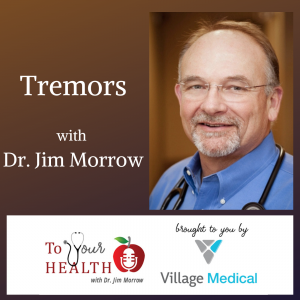
Tremors

August 9, 2023 by John Ray

Tremors
North Fulton Studio
Tremors
Loading
00:00 /
RSS Feed
Share
Link
Embed

Download file

Tremors

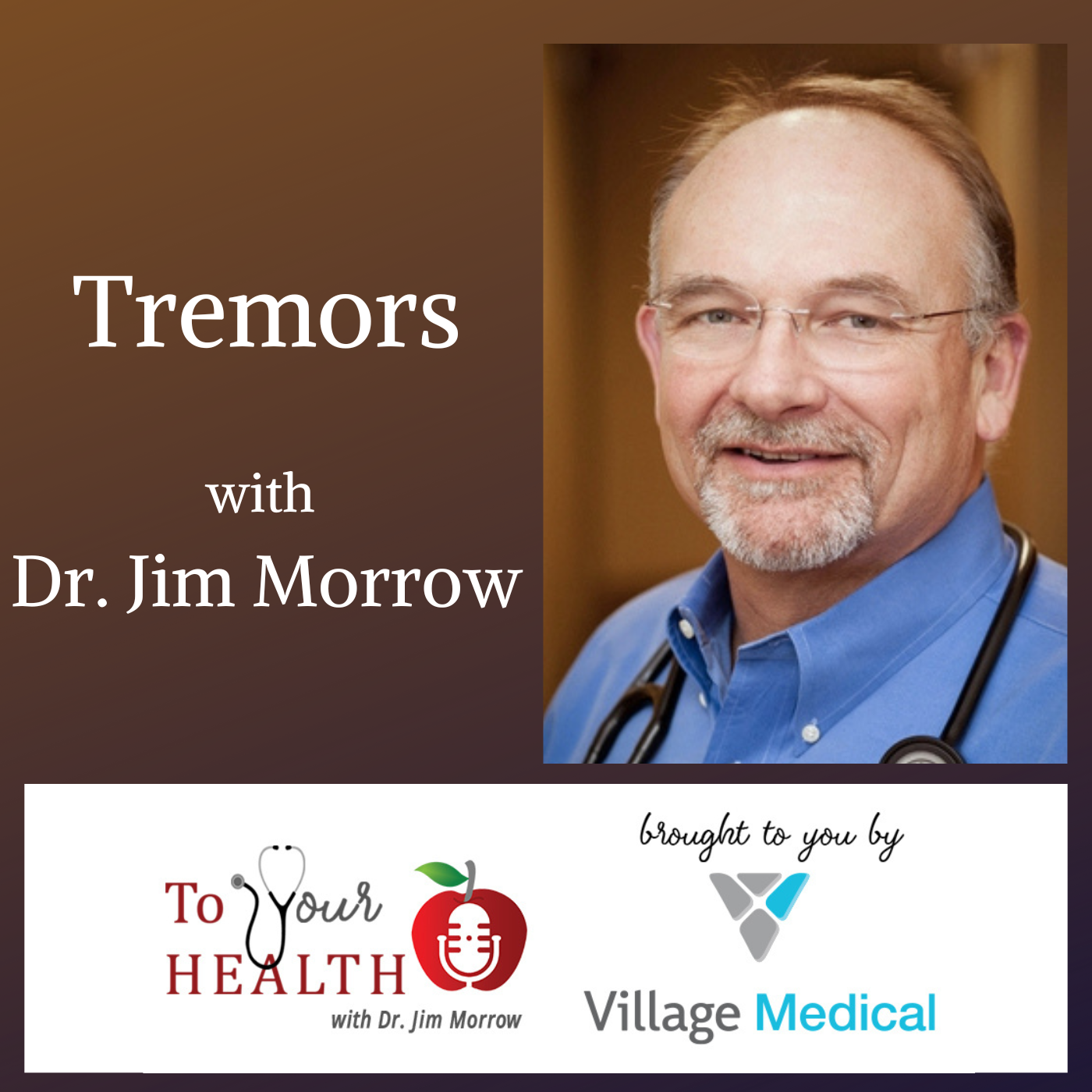
Tremors (Episode 90, To Your Health with Dr. Jim Morrow)

On this episode of To Your Health, Dr. Jim Morrow covers tremors, the difference between benign essential tremors and Parkinson’s Disease, how they are diagnosed, potential causes, what the doctor might do for treatment, and much more.

To Your Health is brought to you by Village Medical (formerly Morrow Family Medicine), which brings the care back to healthcare.

About Village Medical (formerly Morrow Family Medicine)

Village Medical, formerly Morrow Family Medicine, is an award-winning, state-of-the-art family practice with offices in Cumming and Milton, Georgia. The practice combines healthcare information technology with old-fashioned care to provide the type of care that many are in search of today. Two physicians, three physician assistants and two nurse practitioners are supported by a knowledgeable and friendly staff to make your visit to Village Medical one that will remind you of the way healthcare should be.  At Village Medical, we like to say we are “bringing the care back to healthcare!”  The practice has been named the “Best of Forsyth” in Family Medicine in all five years of the award, is a three-time consecutive winner of the “Best of North Atlanta” by readers of Appen Media, and the 2019 winner of “Best of Life” in North Fulton County.

Village Medical offers a comprehensive suite of primary care services including preventative care, treatment for illness and injury, and management of chronic conditions such as diabetes, congestive heart failure, chronic obstructive pulmonary disease (COPD) and kidney disease. Atlanta-area patients can learn more about the practice here.

Dr. Jim Morrow, Village Medical, and Host of To Your Health with Dr. Jim Morrow
Covid-19 misconceptionsDr. Jim Morrow is the founder of Morrow Family Medicine. He has been a trailblazer and evangelist in healthcare information technology, was named Physician IT Leader of the Year by HIMSS, a HIMSS Davies Award Winner, the Cumming-Forsyth Chamber of Commerce Steve Bloom Award Winner as Entrepreneur of the Year and he received a Phoenix Award as Community Leader of the Year from the Metro Atlanta Chamber of Commerce.  He is married to Peggie Morrow and together they founded the Forsyth BYOT Benefit, a charity in Forsyth County to support students in need of technology and devices. They have two Goldendoodles, a gaggle of grandchildren and enjoy life on and around Lake Lanier.

Facebook | LinkedIn | Twitter

The complete show archive of To Your Health with Dr. Jim Morrow addresses a wide range of health and wellness topics.

Dr. Morrow’s Show Notes

Types of Tremors

  • Essential tremor (ET) is at least eight times more common than Parkinson’s disease (PD).
  • There are many differences in the presentation, course, and treatment of ET and PD;
    • however, these differences are not always recognized by healthcare professionals and misdiagnoses are common
    • it has been suggested that up to 20 percent of patients with ET may develop PD,
      • but whether ET is a risk factor for PD remains a controversial issue

Diagnosis

  • At this time, there are no tests that can definitively diagnose either ET or PD and it is not uncommon to have the two mistaken for each other.
  • The diagnosis is based on a complete medical/symptom, family and medication history and an examination by a physician,
  • Obtaining a handwriting sample may be helpful in making an accurate diagnosis;
    • in ET handwriting is generally large and tremulous,
    • whereas in PD, micrographia (very small handwriting) is common.
    • DaTscan, a single photon emission computed tomography (SPECT) scan,
      • which measures dopamine uptake, has been approved as a diagnostic aid to help physicians differentiate between ET and parkinsonian tremor.
      • Other imaging techniques are under investigation to determine their utility in differentiating ET and PD.
      • An accurate diagnosis is critical as the treatment regimen is very different for the two disorders.

Differentiating ET and PD

  • Usually ET starts as a low- amplitude tremor but can gradually increase to a coarse, disabling tremor.
    • As ET progresses, tremor frequency (number of repetitions per second) may decrease;
      • however, tremor amplitude (magnitude/strength) may increase.
      • Increased amplitude is associated with a decreased ability to manage fine motor tasks.
      • The amplitude varies up to 23 percent throughout the day, but the frequency usually does not change during the course of the disease.2
    • ET generally presents bilaterally and is primarily seen during action,
      • such as when writing or eating, or when holding a posture, for example, when holding an object against gravity.
      • On the other hand, parkinsonian tremor most often presents unilaterally and later progresses to include both sides of the body.
      • PD tremor most commonly occurs at rest,
        • when the body part is relaxed and not in use,
        • but can also be seen in the postural position, often referred to as reemergent tremor.3
      • ET most commonly affects the
        • hands, legs, head, and voice, and tremor is the primary symptom of ET.
        • In PD, the cardinal symptoms include bradykinesia, rigidity, tremor, and gait/balance issues.
        • It is important to note that although it occurs in the majority, tremor does not have to be present to make a diagnosis of PD.
        • The tremor of PD most generally occurs in the upper/lower extremities and the chin/jaw and generally does not affect the head or voice.
      • ET most commonly onsets during middle age,
        • but can occur at any time in the lifespan, even in childhood.
        • The progression of ET can be variable.
        • In some patients ET remains mild throughout the lifespan and does not result in significant disability;
          • however, in others ET progresses and can cause significant disability,
            • making many daily activities very difficult or impossible to complete.
            • On the other hand, the average age of onset of PD is 60 years although it may be much later and about 10 percent present prior to the age of 40 years.
            • PD is a progressive disorder with virtually all patients having increased disability over time.
          • Although the gene accounting for the majority of ET patients has not been identified,
            • ET is an autosomal dominant disorder with greater than 50 percent of patients reporting a family history of tremor.
              • It is not uncommon to have a patient report multiple family members from several generations that have been affected by tremor.
              • PD is the result of a loss of dopamine in the substantia nigra;
                • however, the cause of PD is currently unknown and it is suspected that it may be a combination of a genetic predisposition and environmental influences.
                • A family history of PD is reported in less than 20 percent of patients.
              • Both ET and PD are affected by stress, anxiety and emotion and it is not uncommon to see an increase in tremor under stressful conditions.


What is essential tremor?

  • So, there different kinds of tremor…
    • Many things can cause tremor.
    • Not all tremors are essential tremors.
    • For example,
      • Parkinson’s disease causes tremor that you might notice when your hands are resting in your lap or at the sides of your body.
      • A stroke can cause tremor that gets worse when you reach for something.
      • Thyroid problems or low blood sugar can cause mild tremor.
      • Tremor can be caused by some medicines.
        • These include
          • heart medicines,
          • decongestants,
          • medicines for breathing problems,
          • and tricyclic antidepressants.
          • Drinks that contain caffeine also may cause a tremor.

How is essential tremor diagnosed?

  • Your doctor will probably perform an exam
    • and tests to look for possible causes of your tremor.
    • These tests rule out other causes and can include
    • a neurological exam,
    • blood and urine tests,
    • and physical performance tests.
    • If they don’t find another cause of your tremor,
      • you may be diagnosed with essential tremor.
      • There is no specific test for essential tremor.

Can essential tremor be prevented or avoided?

  • Doctors don’t know exactly what causes essential tremor,
    • so, it can’t be prevented.
  • If your doctor determines your tremor is caused by medicine or caffeine,
    • you may be able to avoid essential tremor in the future by avoiding those substances.

Essential tremor treatment

  • The goal in treating essential tremor is to provide symptom relief that can improve quality of life.
    • Mild tremors may not need treatment.
    • If your essential tremor interferes with your ability to function or bothers you,
    • there are some treatments that could help.
    • These include medicine, focused ultrasound, or deep brain stimulation.
      • Medicine–
        • Your doctor might suggest oral medicines to help decrease the severity of your tremor.
        • These could include
        • beta blockers,
        • anti-seizure medicines,
        • tranquilizers,
        • or Botox injections.
      • Therapy–
        • Physical therapy can help you improve your muscle strength, control, and coordination.
        • Occupational therapy can help you make modifications to reduce the effects of tremors,
          • such as using heavier glasses to drink out of.
        • Surgery–
          • If your tremor is very disabling and you haven’t had good results with medicine,
            • you could qualify for surgery.
            • Usually this is deep brain stimulation (DBS).
            • Electrodes are implanted into the area of your brain that coordinates muscle control

Living with essential tremor

  • Lifestyle changes are often recommended to prevent the tremor from getting worse.
    • Your doctor will ask you to avoid caffeine, cold medicines, and certain other medicines if they seem to make your tremor worse.
    • These medicines won’t make your tremor go away.
    • However, the medicine may control the tremor enough to allow you to do normal activities without frustration or embarrassment.
    • Symptoms do tend to get worse over time.
      • Eventually you might start having trouble with daily functions, including
        • Holding a glass of liquid without spilling
        • Eating normally
        • Putting on makeup or shaving
        • Talking, if it affects your tongue or voice box

Tagged With: Dr James Morrow, Essential Tremor, health issues, Parkinsons Disease, Stroke, To Your Health, To Your Health With Dr. Jim Morrow, Tremors, Village Medical

Business and Life Lessons from the Appalachian Trial, with Susan Otten, Indie Do Good

June 19, 2023 by John Ray

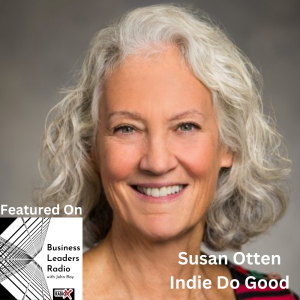
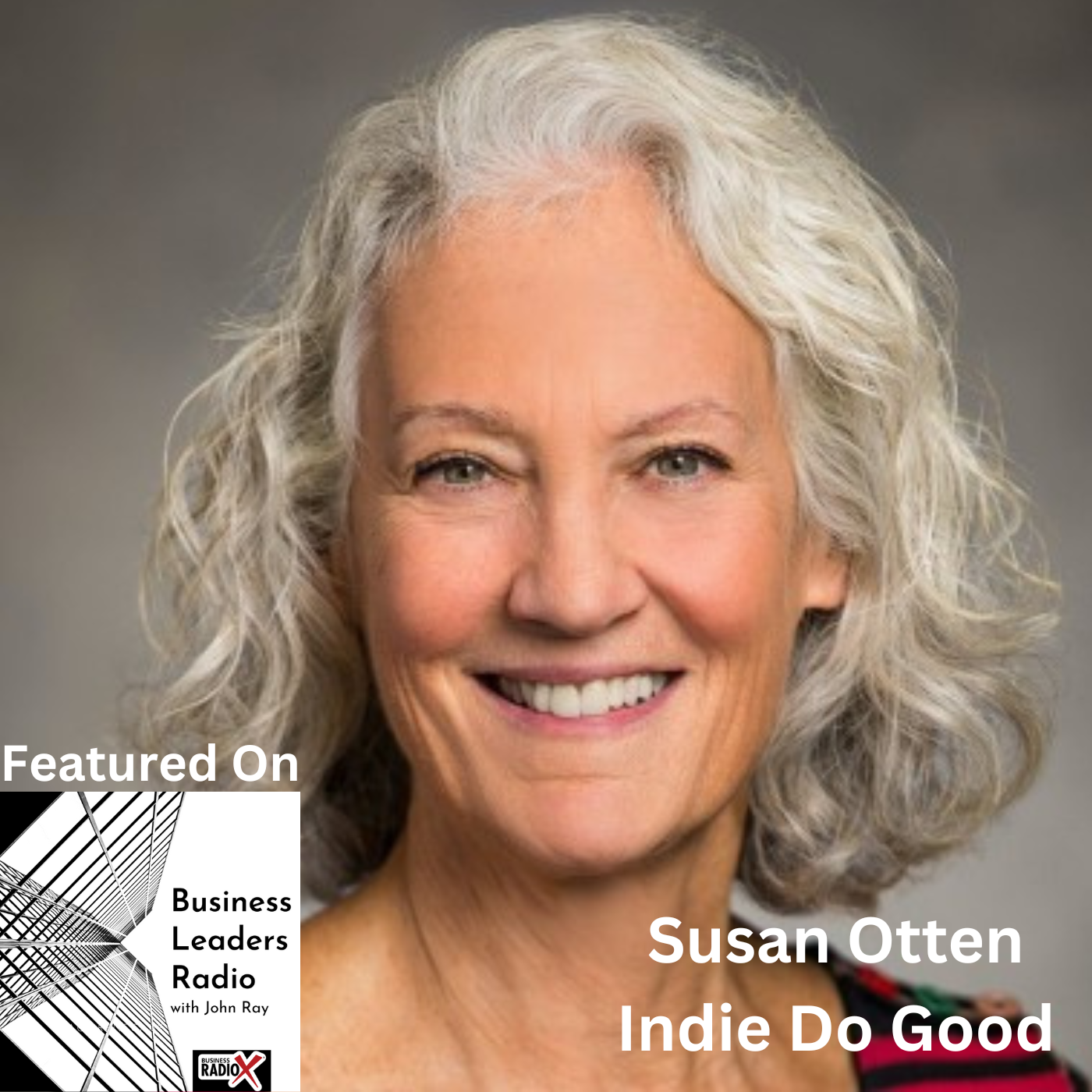
Susan Otten
Business Leaders Radio
Business and Life Lessons from the Appalachian Trial, with Susan Otten, Indie Do Good
Loading
00:00 /
RSS Feed
Share
Link
Embed

Download file

Susan Otten

Business and Life Lessons from the Appalachian Trial, with Susan Otten, Indie Do Good

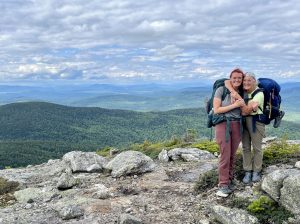
Susan Otten of Indie Do Good joined host John Ray to discuss the “non-traditional” logistics company she founded, and about her latest endeavor, hiking the Appalachian Trail with her daughter to raise money for Parkinson’s Disease research. Susan shared the challenges of the trail, the trail angels and support team they had, the lessons of “tools, training, and team” Susan learned that apply to business, their fundraising goal, and much more.

Business Leaders Radio is produced and broadcast by the North Fulton Studio of Business RadioX® in Atlanta.

Appalachian Trail for Parkinson’s Disease

If you feel moved to donate to Susan and Gretja’s cause to raise more than $50k for Parkinson’s Disease research (they are currently over $93,000 and would love to get to $100,000!), you can do so here.

If you want to learn more about their thru-hike of the Appalachian Trail, check out their YouTube channel (95 videos, including a summary of the whole trail in less than an hour!):

Susan and her daughter Gretja on the Appalachian Trail

Indie Do Good

Indie Do Good is a storage facility, distribution, and fulfillment center. They offer fulfillment services for e-commerce and retail fulfillment including DTC, B2B, Amazon, and more.

They are passionate about supporting businesses, freeing up your time, and giving clients the flexibility to handle more orders. Indie Do Good shares a vision to help through collaboration, believing the more successful clients are, the more successful they all are.

Indie Do Good’s fulfillment and distribution services are strategically located in the Midwest, and our team of fulfillment experts ensures your product gets picked, packed, and shipped in a fast, affordable, and accurate manner.

In addition, they offer business planning, product engineering, and marketing.

Company website | Facebook | Instagram

Susan Otten, MBA, ABC*, Founder and CEO, Indie Do Good

Indie Do Good
Susan Otten, CEO, Indie Do Good

After a successful, 15 year corporate career at Apple, plus global roles at two agriculture companies, COO at a behavioral health consulting company and as a strategic sales & marketing consultant supporting small as well as global businesses, Susan and her husband Ron founded Indie Do Good, a services/consulting company, and Otten Associates as the investment arm. With the purpose of investing in and helping entrepreneurial companies who do good, both as non-profits and profit-based companies, Susan’s passion is helping businesses grow by driving engagement through relationships, logistics, marketing, engineering, process and delighting (not justP “satisfying”) the customer. An award-winning, accredited business communicator, marketer, and business development strategist, Susan helps entrepreneurs achieve success faster and with more impact.

On a personal note, Susan is an avid well-being enthusiast, from advocating and teaching the importance of balancing all dimensions of well-being with her family, friends, and clients, to eating planet-forward foods, such as crickets for their sustainability and health benefits, she seeks ways to mitigate stress, improve health and lead a happier/more impactful life. Susan recently completed the Chicago Marathon, beating her time when she ran it previously (22 years ago).

*ABC = Accredited Business Communicator

LinkedIn

Questions and Topics in this Interview

  • You run a business, how could you abandon it and take 5+ months off to hike the Appalachian Trail?
  • Why did you do this 2194.3 mile hike?
  • How can listeners help find a cure?
  • Did you learn anything on Trail for 154 days that can be applied to business?
  • What key learnings can be applied to BOTH BUSINESS and LIFE?
  • Would you do it again?
  • What’s next?

Business Leaders Radio is hosted by John Ray and produced virtually from the North Fulton studio of Business RadioX® in Alpharetta.  The show can be found on all the major podcast apps and a full archive can be found here.

Tagged With: Appalachian Trail, Business Leaders Radio, Indie Do Good, John Ray, michael j fox foundation, michael j. fox, Parkinsons Disease, Susan Otten

To Your Health With Dr. Jim Morrow: Episode 13, Medical Marijuana in Georgia, An Interview with Justin Hawkins and Dr. Scott Cooper, Acreage Compass, LLC

July 24, 2019 by John Ray

North Fulton Studio
North Fulton Studio
To Your Health With Dr. Jim Morrow: Episode 13, Medical Marijuana in Georgia, An Interview with Justin Hawkins and Dr. Scott Cooper, Acreage Compass, LLC
Loading
00:00 /
RSS Feed
Share
Link
Embed

Download file

Dr. Scott Cooper, Dr. Jim Morrow, and Justin Hawkins

Episode 13, Medical Marijuana in Georgia

How does the new Georgia law (HB 324) allowing prescribed use of medical marijuana work? Is medical marijuana a slippery slope to recreational marijuana use? In a conversation with host Dr. Jim Morrow, Justin Hawkins and Dr. Scott Cooper of Acreage Compass LLC answer these questions and more. “To Your Health” is brought to you by Morrow Family Medicine, which brings the CARE  back to healthcare.

Justin Hawkins and Dr. Scott Cooper, Acreage Compass, LLC

Dr. Scott Cooper and Justin Hawkins, Acreage Compass, LLC

Justin Hawkins is the General Manager and Dr. Scott Cooper is the Medical Affairs Director of Acreage Compass LLC. Acreage Compass is jointly owned by Compass Neuroceutical, Inc., a Georgia-based team of physicians, advocates, and patients, and Acreage Holdings, the largest vertically integrated, multi-state owner of cannabis licenses and assets in the United States. Through Acreage Compass, Compass Neuroceutical and Acreage Holdings are partnering to bring safe and consistent medical cannabis oil to patients in the state of Georgia.

For more information go to their website or email Justin Hawkins at justin@compassneuro.com.

About Morrow Family Medicine and Dr. Jim Morrow

Morrow Family Medicine is an award-winning, state-of-the-art family practice with offices in Cumming and Milton, Georgia. The practice combines healthcare information technology with old-fashioned care to provide the type of care that many are in search of today. Two physicians, three physician assistants and two nurse practitioners are supported by a knowledgeable and friendly staff to make your visit to Morrow Family Medicine one that will remind you of the way healthcare should be.  At Morrow Family Medicine, we like to say we are “bringing the care back to healthcare!”  Morrow Family Medicine has been named the “Best of Forsyth” in Family Medicine in all five years of the award, is a three-time consecutive winner of the “Best of North Atlanta” by readers of Appen Media, and the 2019 winner of “Best of Life” in North Fulton County.

Dr. Jim Morrow, Morrow Family Medicine, and Host of “To Your Health With Dr. Jim Morrow”

Dr. Jim Morrow, Morrow Family Medicine, and Host of “To Your Health With Dr. Jim Morrow”

Dr. Jim Morrow is the founder and CEO of Morrow Family Medicine. He has been a trailblazer and evangelist in the area of healthcare information technology, was named Physician IT Leader of the Year by HIMSS, a HIMSS Davies Award Winner, the Cumming-Forsyth Chamber of Commerce Steve Bloom Award Winner as Entrepreneur of the Year and he received a Phoenix Award as Community Leader of the Year from the Metro Atlanta Chamber of Commerce.  He is married to Peggie Morrow and together they founded the Forsyth BYOT Benefit, a charity in Forsyth County to support students in need of technology and devices. They have two Goldendoodles, a gaggle of grandchildren and enjoy life on and around Lake Lanier.

Facebook: https://www.facebook.com/MorrowFamMed/

LinkedIn: https://www.linkedin.com/company/7788088/admin/

Twitter: https://twitter.com/toyourhealthMD

Show Transcript

Intro: [00:00:06] Broadcasting live from the North Fulton Business RadioX Studio, it’s time for To Your Health with Dr. Jim Morrow. To Your Health is brought to you by Morrow Family Medicine, an award winning primary care practice, which brings the care back to health care.

Dr. Jim Morrow: [00:00:23] Hello! This is Dr. Jim Morrow. I’m with Morrow Family Medicine. We have offices in Cumming and Milton, Georgia. We’re a primary care practice, where we utilize state-of-the-art technology and old-fashioned ideas to bring you the best care we possibly can. We believe that in Morrow Family Medicine, you’ll feel both cared for and appreciated. And we do realize that you have many choices as to where you receive your care, and we hope you’ll find that Morrow Family Medicine is a good place for you.

Dr. Jim Morrow: [00:00:51] I’m here in the studio at Renasant Bank on Windward Parkway in Alpharetta, Georgia with John Ray, my cohort. John’s running the board. How are you doing, John?

John Ray: [00:00:59] I’m great. I hope you’re well today.

Dr. Jim Morrow: [00:01:01] I’m good. It’s not too hot outside today. So, those are pretty good.

John Ray: [00:01:04] Perfect in Alpharetta and Milton

Dr. Jim Morrow: [00:01:07] Always sunny in Alpharetta, right?

John Ray: [00:01:09] Yeah, you got it.

Dr. Jim Morrow: [00:01:11] So, we’re here today for another podcast. We want you to know that you can reach out to us by e-mail at drjim@toyourhealth.md or or you can tweet us, @toyourhealthmd.

Dr. Jim Morrow: [00:01:24] So, we’re here today to talk about cannabis oil and low-THC oil, what some people refer to as medical marijuana in the State of Georgia. And I’m honored to have two guests with me today from Acreage nchorage Compass LLC. We have Justin Hawkins, the General Manager, and Dr. Scott Cooper, who’s the Medical Affairs Director. Hello, gentlemen. How are you today?

Dr. Scott Cooper: [00:01:48] Doing well, thank you.

Justin Hawkins: [00:01:49] I’m good. How are you? I, actually, have both of my doctors here. So, I don’t know if this is an intervention or an interview, but it’s good to be here.

Dr. Jim Morrow: [00:01:55] We’re going to get into that later, Justin. You can count on it. You can count on it. So, this whole thing has started up in Georgia fairly suddenly. If you haven’t been following the news and haven’t followed the path of low-THC oil in Georgia, there is a bill, House Bill 324 that was passed by the state legislature and signed by the governor at the beginning of April of this year. So, Justin, tell us something about House Bill 324.

Justin Hawkins: [00:02:23] Yes. So, House Bill 324 is a piece of legislation that has been tried over the last six years. And we were successful this year in 2019 under the leadership of Brian Kemp. And what House Bill 324 does is it allows the cultivation, and processing, and distribution of low-THC oil, which is 5% THC in cannabis oil, also referred to as medical marijuana.

Justin Hawkins: [00:02:46] The reason that we wanted to push House Bill 324 is because over the last six to seven years, medical cannabis oil was legal for possessions for qualified patients under the Georgia Department of Health, but there was no real legal access for these patients under these 17 indication list to actually acquire the medicine.

Justin Hawkins: [00:03:06] And so, although medical cannabis is actually illegal under federal law, we’ve seen across the entire country that in over 33 — over 43 states across the country that in-state cultivation is a way that provides medicine to patients, also, by abiding by state law. And so, that’s what House Bill 324 does specifically.

Dr. Jim Morrow: [00:03:25] Well, why was it able to be passed this year when it wasn’t able to be passed the other year?

Justin Hawkins: [00:03:30] So, we were fortunate for a couple of different reasons. Georgia Hope is an organization founded by parents. A lot of the times, they’re parents of these kids who suffer from pediatric epilepsy, mitochondrial disease, autism, and they have really led the fight over the last six years. Fortunately, under the leadership, the new leadership, of Governor Brian Kemp and Jeff Duncan, along with public opinion and the way that we’ve seen the research of these in-state cultivation programs being analyzed, all of that came together in a positive way that said, you know, in-state cultivation is a way for kids, and veterans, and all other patients to get medicine. It’s not going to change the culture of Georgia. And I think between that and between organizations like the one Dr. Cooper and I founded, all of us coming together and moving in one step, really, it was everything coming together at once and we were thankful for it.

Dr. Jim Morrow: [00:04:21] Super. And the law allows for specifics about who can grow this, and cultivate it, and produce it, and so forth. Can you talk some about who, and what, and how many companies, and so forth are going to be involved in it?

Justin Hawkins: [00:04:37] Yeah, we anticipate there’s going to be a lot of interest. Georgia is the eighth most populous state in the nation. It has a huge market, and there’s a lot of patients that are on the registry – 10,000 when we passed the bill, 300 we’re adding per month with no change to the legislation. So, we do believe that in the market of Georgia, it’s a large market. So, from an industry standpoint, there’s going to be a lot of companies and employers interested. What the bill allows specifically, it allows two class 1 organizations with a higher financial stipulation to prove to the state that they have. And it also allows four class 2, which are for smaller entities, small business across the state of Georgia. Those are six private licenses. Now, aside from that, they did allow two university programs to research, and develop, and cultivate. And that’s what the University of Georgia and Fort Valley State University down the south of Atlanta. And so, when you combine, a total of eight enterprises, public and private, that’s who will be the structure of Georgia medical cannabis.

Dr. Jim Morrow: [00:05:38] Interesting. So Georgia’s law, being one of the newer ones, can you tell me how this law is different from the laws in these other states that you mentioned?

Justin Hawkins: [00:05:47] Yeah. So, for instance, I’d like to take the obvious, which is Colorado. So, when you look at Colorado, which passed medical cannabis back in 2000-2001, the way we were different and the largest way that I can contrast between is horizontal versus vertical. And what I mean by that is when you look at Colorado, they allowed a horizontal structure, which means they allowed growers, processors, and distributors, all being separate silos, so to speak. What we did in Georgia is not only do we put a THC cap of no more than 5%, which is very low THC, but what we also did is we allowed vertical integration, which means that the companies vying for these class 1 and class 2 licenses is that they grow, they process, and they distribute their own product.

Justin Hawkins: [00:06:30] And why we feel like that’s very valuable for the State of Georgia is it allows high-quality control. It allows players and companies that know what they’re doing. They have a track record across the country. It allows us to not have price increases with middlemen. So, we’re allowed to go directly to the patient. Obviously, you guys are doctors. You guys know how the pharmaceutical industry works. So, it’s almost like if Johnson & Johnson or Amgen had their own pharmacies, that’s what our company is vying to do.

Dr. Jim Morrow: [00:06:58] Okay. And you called it low-THC oil. And a lot of listeners hearing THC, they’re going to think that this is something that’s going to act and function like marijuana. So, Dr. Cooper, what exactly is low-THC oil?

Dr. Scott Cooper: [00:07:13] It restricts how much THC is in the compound. And let me read you something from the AMA since you bring that up.

Justin Hawkins: [00:07:22] While he’s doing that, I can give you kind of an overview. So, when it comes to low-THC oil, what we have is we have hemp-derived oil, and we have cannabis-derived oil. Hemp-derived oil is what’s often referred to as CBD. And so, you see CBD on the market because hemp CBD oil is now federally legal with the Farm Bill that was passed a couple months ago. With cannabis, you have cannabis oil. And so, when you have natural cannabis, it can be as high as 90%. And so what Dr. Cooper will talk about specifically is that when we form cannabis oil from the actual cannabis plant, then we’re restricting that THC down to 5% per milliliter. And so, that’s what allows us to have different indications. And he’ll speak more to that.

Dr. Scott Cooper: [00:08:05] Sorry for that delay. I didn’t have it prepared for you. So, this is a quote from the FDA stating that it is THC and not CBD that’s the primary psychoactive compound of marijuana. And they approved a medication with low THC for specific seizure disorders, primarily in children. And they approved, and I quote, “They’re committed to this kind of careful scientific research and drug development, continuing to support rigorous scientific research on potential uses of medical marijuana-derived products.” So, we’re not talking about something that is psychoactive. This compounds specifically for specific and, in the case of Georgia, 17 discrete different disease states.

Dr. Jim Morrow: [00:08:51] And these are disease states that have had faulty, not effective medications and treatment methodologies previously pretty much.

Dr. Scott Cooper: [00:09:00] Absolutely. They have done studies with veterans, as well as studies with geriatric patients and chronic pain syndrome. And they found that even in senior citizens, it reduced the opiate use by over one-third. So, we’re looking for a safe medication without the side effects and addictive properties of current therapies that we have for different disease states right now.

Justin Hawkins: [00:09:25] And we say this all the time, it’s not a miracle drug. Dr. Cooper, you’re great at saying this. It’s more of an adjunct. And so, we see a lot of combined with pharmaceutical drugs, it really does make a difference.

Dr. Scott Cooper: [00:09:35] Yeah, this is not going to be replacing every medication that somebody is out there taking right now. This is to help them get over the hump to really control whatever disease state we’re talking about.

Dr. Jim Morrow: [00:09:45] So, in Georgia, the process for acquiring a card, which as I understand is what you have to have to get this, tell me a little bit about the process for going through that.

Dr. Scott Cooper: [00:09:57] Well, the physician, (1), who’s prescribing it has to be registered with the state. So, that’s the first hurdle. Not every physician wants to participate in the program. Then, (2), they have specific paperwork that needs to be filled out and sent in to the Georgia Department of Health. The patient has to be registered, and the patient gets a registration card. And it’s presumed right now it’s not definitely set, but we suppose that this is going to be similar to other states where there will little bit discreet dispensaries specifically for CBD products, and the patient has to present that card to be able to achieve and get the medication.

Dr. Jim Morrow: [00:10:38] And there’s a limit, I’m sure, on how much any particular person can have in their possession at any one time.

Dr. Scott Cooper: [00:10:44] Absolutely. Not just how much they can have at one time in their possession, but how much they can purchase over a 30-day period. And you would have to drink gallons of this stuff to try to get high. So, if you’re going to spend over $100 per bottle, you’re better off doing something illegally if you’re in search of something that’s psychoactive. If high is your goal, you’re not going to get it here.

Dr. Jim Morrow: [00:11:08] So, you take the THC oil, in the case of seizures, let’s say it helps to control the seizures. Do we know how that works in the brain?

Dr. Scott Cooper: [00:11:17] No, we don’t. Yeah, I wish we did. There are a lot of different cannabidiol receptors. We know that what’s available now commercially for these two seizure types, the Epidiolex, does not work for pain disorders or tic disorders. There are two compounds right now in Europe and in Canada that are used for multiple sclerosis-associated pain, as well as cancer-associated pain. And it’s within that realm of cannabis, but it’s a different level of THC. So, there have to be different products specifically developed for different disease states. But yet, we’re at the stage where we know it works, but we don’t know how at this point.

Dr. Jim Morrow: [00:12:01] Well, the results that you see and the stories that you hear about the most heart-wrenching ones are children with disease processes and seizures is a great example are just absolutely mind blowing when you see what this medicine can do for them and what their traditional medicines have not done for them. So, I think it’s a very exciting time.

Dr. Scott Cooper: [00:12:24] That’s absolutely right. I’ll be honest, I was a skeptic when this first came out and was not willing to endorse it, and had patients that were acquiring from other states illegally. And they came in, and their seizures were dramatically reduced. Not controlled, but reduced, such that I could reduce some of the medications that were both expensive, as well as having side effects. And then, saw other patients with autism. Their behavior improved. Parkinson’s disease, tremor improved. Alzheimer’s disease, behavior improved. And that’s when I started looking into it more, and then became an advocate.

Dr. Jim Morrow: [00:13:01] So, the law gets passed. The science says this will work for a variety of different instances. You mentioned 17 different diagnoses that it can be used for. So, along comes Justin and Scott Cooper. And how does this happen that you ended up being in this push to, now, produce and to distribute THC?

Justin Hawkins: [00:13:25] As we were talking earlier, when you look at anybody in this industry, they have a touchpoint. Either they have a family member, or they have a neighbor, or they have a patient that comes to them, and you see them suffering. So, for me, my brother served overseas in Iraq and Afghanistan, and I saw him come back from overseas, and work with the VA. And instead of being on a medication, like a tool like low-THC oil, he was on opiates. And that led to a whole different battle of its own.

Justin Hawkins: [00:13:51] And so, I was very interested from that point. And so, in 2018, Dr. Scott Cooper, and myself, and six other partners around the State of Georgia formed Compass Neuroceutical, which was an advocacy group, all Georgia-based, with a single focus, which was to pass House Bill 324. In doing so, because we were successful with one other company in supporting Georgia Hope, which was the organization with parents, patients, and advocates that have been fighting for this for six years, we all came together. We were successful in passing it.

Justin Hawkins: [00:14:19] Simultaneously, we were talking to national leaders about partnering and having a specific partnership within the State of Georgia to to be a licensed holder and to lead the way in Georgia, so that we could be the standard bearer for the country. And in doing so, we talked to many of the national leaders, and we were fortunate to choose a company known as Acreage Holdings, which is the largest multi-state owner and operator in the United States. They have a great executive leadership team with the board of directors, folks like the former Speaker of the House, John Boeher, former Prime Minister of Canada, Brian Mulroney, governors and former CEOs of international companies.

Justin Hawkins: [00:14:57] And why that matters is you see in this industry, and I tell people all the time, they think I’m joking, but I’m really serious, this industry is either Warren Buffett all the way to-

Dr. Jim Morrow: [00:15:06] Thomas Leary.

Justin Hawkins: [00:15:10] Thomas Leary. All the way to Willie Nelson and in between. And so, the industry is very wide. So, we do a lot of different things. We have good governance and integrity, and we keep stupid away. But on top of that, we have a proven track record of owning more licenses. 20 states, we have 88 licenses across the country. And because we’re the largest, we know how to get safe, reliable product in a quick and efficient manner to patients. And so, with that partnership, we have created what’s now called Acreage Compass LLC, which will be vying for a Class 1 license in the State of Georgia.

Dr. Scott Cooper: [00:15:41] Yeah, if I could add that Georgia Hope was the main thrust behind this. As Justin said, we were able to work with them to finally get it over the finish line. And all of these companies are just drooling over starting business in Georgia. And we were approached by numerous corporations that are in the industry. And we selected the one that we thought had the same vision we do because there are others that are out there that are just interested as this is a bridge to recreational marijuana, and that they really saw medical marijuana as a stepping stone, but they weren’t very interested in the cultivation and in studying which drug combination was going to be best for which disease state. And Acreage has integrity, which is something you don’t see in every partner that was searching out their.

Dr. Jim Morrow: [00:16:31] So, with the passage of the bill, the State is creating this commission, the Cannabis Commission, basically, that will choose these companies. What’s that process like for being chosen? I know you’re doing an awful lot of work, both of you, with Acreage Compass right now in hopes of being selected, but nothing’s written in stone. So, tell me about the process, the timeline, and how you expect all that to happen.

Justin Hawkins: [00:16:56] Yeah. We’re kind of on hold now. I know, Governor Brian Kemp, Lieutenant Governor Jeff Duncan, Speaker David Ralston are doing a whole lot behind the scenes to make sure that a commission is set up in an appropriate way that really has the spear in the integrity of the bill. And so, as of now, the commission is set up – three appointed by the governor, two appointed by the lieutenant governor, and two appointed by the speaker. So, a total of seven appointees to the commission.

Justin Hawkins: [00:17:20] Within the three that the governor has, one of those will be the chair of the commission. In doing so, the commission creates one position under them immediately as the executive director of the commission, which handles the daily functions. This whole commission will be under the Secretary of State’s office as the regulator moving forward in the future.

Justin Hawkins: [00:17:39] So, we’re on hold right now. None of the commission members have been selected. We anticipate from our talks. Of course, this can change between August and September of the appointees being selected. From that process. when they’re selected, they really start from ground up, which means they create the rules and regulations, the application, the criteria. And then, from that point, then private companies are able to do the application, which is a very stringent process. Some are even over 3000 pages from that timeline. Then, three to six months after the applications are submitted, we anticipate the state will then choose which licence holders they feel are competent based on a variety of factors.

Dr. Jim Morrow: [00:18:20] So, you mentioned 10,000 people on the registry now, adding about 300 a month. So, I think, earlier, when we were talking, you said the expectation is a quarter million people on the registry.

Justin Hawkins: [00:18:33] I was talking, when Representative Micah Gravley spoke at our Rotary Club not too long ago, I went out to dinner with him the night before to talk about the different things we could do to work together and other stakeholders. And he had relayed, and we feel very strongly that by the end of next year, we’re almost going to see 50,000 patients in the registry. And it just shows — you saw a lot before House Bill 324 passed that many patients in the 17 indication list were not even registering because there was no real access to acquire this medication. With that, we had 645 doctors as soon as we passed House Bill 324 that were on the registry.

Justin Hawkins: [00:19:11] So, we anticipate both those numbers will dramatically increase. I would argue that about a quarter of a million patients will be registered in Georgia over the next four to five years. And I would even say that’s a conservative estimate. And that’s not to say that this program gets out of control. That’s to say that these, from mitochondrial disease, to autism, to pediatric epilepsy, to PTSD, these are disease states that are large, so to speak. And I know Dr. Cooper can speak to that, but we believe that Georgia is a large market, and it’s been underserved over the last 10 years.

Dr. Scott Cooper: [00:19:47] Yeah, I would have to agree with that. I’d say that, at least, one or two times a day, I have patients that are telling me either they’re already on it, and how do they get a card, or how do they acquire it? People are asking about it. And there were some opponents to the bill who said, “Well, you only have so many people on the registry, so it’s not going to be used.” And I likened that to saying, “Well, the bill hadn’t been passed yet.” So, that’s like saying, “Okay, I see a sign saying Kroger is opening up. When are they opening? And you’re assuming only the people who asked about the sign are going to be future customers.” And the store opens, and, suddenly, you have 100,000 customers. Right. So, I think that once we have the distribution set up and the physicians signed up, that we’re going to see easily well over 100,000 patients within the first year.

Dr. Jim Morrow: [00:20:35] And the patients, those patients will be for these disease processes that are already approved. What does the future of cannabis oil and cannabis, in general, look like medically?

Dr. Scott Cooper: [00:20:46] There are more and more studies that are going on all the time. A lot of them under federal funds. And then, you’ve got the two colleges, universities that will be pursuing some research. Right now, the Georgia Department of Health is the one that regulates which disease states are approved and how many. And they went from seven in one year to 17 the next year. I’m sure, as we gain more experience, we’re going to see future applications beyond what we have right now.

Dr. Jim Morrow: [00:21:15] Okay. So, we’re talking with Justin Hawkins and Dr. Scott Cooper from Acreage Compass, LLC. And Justin, I want to ask you before we go, is  there a way that people can do their own research? Is there a way they can learn something about your company and the business in general?

Justin Hawkins: [00:21:32] Yeah, absolutely. We have our own website, compassneuro.com. That will have information coming out in the next weeks. And then, also acreageholdings,com, which kind of gives you a layout of who Acreage is. We’re in over 20 states across the entire country. We have a public potential merger with a company called Canopy Growth, which is the largest cannabis company in the entire world. And so, the proprietary information that we have, the assets, and the intellectual property, and knowledge is second to none. And so, those two websites are great resources. Dr. Scott Cooper and I live in the Atlanta area. So, we’re always around to answer questions. We’d like to meet patients. We see all the time these children and parents who have been suffering, don’t know what to do. And so, if there’s any of that case, we’re here to to help any way we can.

Dr. Jim Morrow: [00:22:21] Super. John, you’ve been awfully quiet over there. And we have anybody that sent us any questions or comments during our time here?

John Ray: [00:22:32] You’ve got them all stirred up again.

Dr. Jim Morrow: [00:22:34] I like that.

John Ray: [00:22:36] Yeah,.

Dr. Jim Morrow: [00:22:36] If it’s not disease, this or vaccine.

John Ray: [00:22:37] Vaccines. I thought vaccines hit the high watermark, but I think you got it going again today. So, several questions about the — is this a slippery slope to recreational use?

Dr. Jim Morrow: [00:22:52] That’s a great question. Scott, I’ll send that to you. What do you think? If people start using THC, it will going out behind the Wal-Mart and looking for marijuana to buy?

Dr. Scott Cooper: [00:23:03] Well, not only is this my opinion, but actually a study was just published with over 1.4 million people that were surveyed throughout the entire United States. And in the 33 states, plus the District of Columbia, there was not a single area geographically that there seemed to be a breakthrough for low THC, and then they convert over to recreational. This has been disproven conclusively that this is not a gateway drug to tempt people to, then, go to recreational drugs such as marijuana or other types of substance abuse.

Justin Hawkins: [00:23:40] And if I could add one thing, we did one thing different than a lot of states. And Micah Gravley, who’s the author of House Bill 324, with Senator Matt Brass, really pushed this with Governor Brian Kemp. And it was a great way to contrast ourselves to other states who have gone to recreation. If you look at every state that started as a medical program that goes to recreation, they had one thing in their program that Georgia does not. And that’s the ability to have smokable flower. So, with states like Colorado, or California, or Oregon, or Washington, they had smokable flower in their medical program. Not only does Georgia not allow smoking smokable flower, but we don’t allow vaping as well. So, that’s a main difference that we saw, a common denominator.

Dr. Jim Morrow: [00:24:24] Super. That’s a great question, John.

John Ray: [00:24:27] I only ask great questions.

Dr. Jim Morrow: [00:24:31] We’ll talk about that off the air!

John Ray: [00:24:31] Yeah, okay. I’ve got one more if I can try again.

Dr. Jim Morrow: [00:24:35] Sure.

John Ray: [00:24:35] Let’s see if this is a great one too.

Dr. Jim Morrow: [00:24:37] Yeah.

John Ray: [00:24:37] So, the question relates to side effects. So, all medications have some sort of side effects. Are there any other side effects noted in the use of this THC oil?

Dr. Scott Cooper: [00:24:51] If you read the print out for Tylenol, you’ll see a yard-full of potential side effects. You do not need to monitor any blood tests routinely with this low-THC oil. It can have a little bit of a calming side effect and, sometimes, a little bit of sedation, but that’s about it. So, it’s not the high THC that you see with recreational, so you’re not going to get the munchies.

Dr. Jim Morrow: [00:25:18] That’s good.

Dr. Scott Cooper: [00:25:21] As opposed to other drugs, either a lot of marijuana or methamphetamines that lower the seizure threshold, this actually treat seizures.

Dr. Jim Morrow: [00:25:31] Well, that’s wonderful. If you have a medicine that can treat the things we’re talking about that are difficult to treat, and it doesn’t affect your liver, your kidneys, it’s not mood altering or habit-forming, they don’t drug test for in a workplace, that kind of thing, then I think that’s great. And, of course, there’s a new drug test for it, but with the prescription card, is a negative drug screen.

Dr. Jim Morrow: [00:25:48] So, I think that’s a fantastic thing. And I’m very excited as a practicing physician about seeing where this will go. And I’m very excited as a businessman by seeing where you guys go. So, I really appreciate you all being here very much. I think, John, we’re going to wrap it up for today.

John Ray: [00:26:04] Sounds good.

Dr. Jim Morrow: [00:26:05] All right. This is To Your Health.

Tagged With: Crohn's disease, Cumming family doctor, Cumming family medicine, Cumming family physician, Cumming family practice, Cumming md, Dr. Jim Morrow, Dr. Scott Cooper, end stage cancer, epilepsy, GA House Bill 324, Georgia Access to Medical Cannabis Commission, Georgia's medical marijuana law, Hemp, hemp-derived oil, in hospice program, intractable pain, low-THC oils, medical cannabis, Medical Marijuana, medical marijuana prescription, medical marijuana program, Milton family doctor, Milton family medicine, Milton family physician, Milton family practice, Milton md, Mitochondrial Disease, Morrow Family Medicine, Parkinsons Disease, post-traumatic stress disorder, recreational marijuana use, seizures, tetrahydrocannabinol, Tourette's syndrome

National Parkinson Foundation

February 18, 2015 by angishields

Health Connect South
National Parkinson Foundation
Loading
00:00 / 01:00:07
RSS Feed
Share
Link
Embed

Download fileDuration: 01:00:07

NPF

National Parkinson Foundation

This week we sat down with the President and CEO of National Parkinson Foundation, Joyce Oberdorf and Larry Kahn, CEO/Founder of PD Gladiators, a man who develoed early-onset Parkinson disease.  Approximately 1 Million people are living with Parkinson disease in the US today.  The National Parkinson Foundation’s website describes Parkinson disease this way, “Parkinson’s disease (PD) is a chronic and progressive movement disorder, meaning that symptoms continue and worsen over time. Nearly one million people in the US are living with Parkinson’s disease. The cause is unknown, and although there is presently no cure, there are treatment options such as medication and surgery to manage its symptoms.

Parkinson’s involves the malfunction and death of vital nerve cells in the brain, called neurons. Parkinson’s primarily affects neurons in the an area of the brain called the substantia nigra. Some of these dying neurons produce dopamine, a chemical that sends messages to the part of the brain that controls movement and coordination. As PD progresses, the amount of dopamine produced in the brain decreases, leaving a person unable to control movement normally.”

Joyce came by to talk about research the National Parkinson Foundation is supporting that is aimed at improving the quality of life of patients living with the disease today.  They seek to share best practices that show promise among providers, with regard to the pace of progression and/or severity of symptoms so these persons can enjoy life more fully, longer.

She brought Larry Kahn, founder of PD Gladiators, a boxing gym exclusively for PD patients that was launched after Larry learned about and experienced the benefits of vigorous exercise on his symptoms.  He shared his poignant story about learning he has PD (after having had it missed over a year earlier by his initial doctor), how he and his wife approached the diagnosis, and how/why he started PD Gladiators.  Larry and Joyce talked about research that has shown the benefits of vigorous exercise on cognitive function among ALL of us, including PD patients.  They endeavor to share that information widely so that more PD patients can receive the reparative benefits themselves.

We talked about the resources needed by the National Parkinson Foundation and Larry that will enable them to further advance awareness and quality of life among Parkinson disease patients.  We hope you share this podcast, as the information they shared will very likely help someone you care about who’s suffering with Parkinson today.

Special Guests:

Joyce Oberdorf, President and CEO, National Parkinson Foundation  linkedin_small1  facebook_logo_small3  twitter_logo_small  feed logo  youtube logo

Joyce

Larry Kahn, Founder, CEO, PD Gladiators  linkedin_small1  twitter_logo_small  facebook_logo_small3

larry


Tagged With: CW Hall, Diana Keough, Health Connect South, Health Connect South Radio, Healthcare, Larry Kahn, michael j fox foundation, National Parkinson Foundation, neurology, parkinson's awareness, parkinson's research, Parkinsons Disease, PD Gladiators, ShareWIK Media Group, ShareWIK.com

Alzheimer’s Research

January 28, 2015 by angishields

Health Connect South
Alzheimer's Research
Loading
00:00 /
RSS Feed
Share
Link
Embed

Download file

Neuro

Alzheimer’s Research

This week we sat down with experts in neurologic diseases and alzheimer’s research.  According to the CDC,

  • In 2013, as many as 5 million Americans were living with Alzheimer’s disease.1
  • The symptoms of the disease first appear after age 60 and the risk increases with age.
  • Younger people may get Alzheimer’s disease, but it is less common.
  • The number of people with the disease doubles every 5 years beyond age 65.
  • By 2050, this number is projected to rise to 14 million, a nearly three-fold increase.1

This devastating disease currently has no cure.  In our ongoing mission to get the word out about important research and health solutions available in our community we focused this week on studies and solutions that will likely have a marked impact on patient outcomes.

We were joined by Dr. Marshall Nash, a neurologist whose practice is focused on investigating a variety of diseases of the brain, including alzheimer’s disease, stroke, Parkinson’s disease and others.  He shared his personal story of how as a teenager he learned a family member was developing dementia and at the time there was essentially nothing that could be done for them.  He talked about how the experience potentially influenced his decision to focus on neurology as his clinical field in medical school.  His practice has transitioned from a neurology practice to one focused on research.  We discussed the Tommorrow Study, in which they are looking to find older adults from 65-83 who are in essentially good health that they can evaluate for potential to develop dementia/alzheimer’s as well as effectiveness of medications to slow/prevent progression if it does occur.

We also spoke with a gentleman in studio whose wife has been a participant in a study with Dr. Nash’s practice, and who has since learned that he also carries genetic markers that place him at risk for alzheimer’s/dementia.  He shared his perspective on how being a part of Dr. Nash’s research helped him and his wife.  He gave advice to folks in the community to talk about changes in mental function/memory with their physicians and his view on the value of knowing if you or a loved one is at risk for developing alzheimer’s/dementia.

Jim Schwoebel, co-founder of Neurolaunch came by to talk about their organization that serves as an incubator/accelerator for start-ups focused on addressing neurologic diseases.  Neurolaunch helps device companies, emerging pharma, and researchers commercialize their ideas to help get them to the community more quickly.  Jim talked about how long it can take to go from idea/research to a product or medication to reach the community in need these solutions serve.  He introduced us to Alex Turjman, CEO of Cognition Medical.

Cognition Medical is a company developing a device to be used in treating acute strokes.  We know that during the acute phase of stroke, the area of damage can be extended in some patients when blood flow is re-established quickly (called reperfusion injury).  Their device helps modulate the rate that blood flow is resumed to the injured area of the brain, preventing the reperfusion injury from occurring.  Alex shared how interfacing with Neurolaunch has helped them make progress on the development of their device, bringing them closer to making the device available to patients in need.

Special Guests:

Dr. Marshall Nash, MD, of Neurostudies.net 


Jim Schwoebel, Co-founder of Neurolaunch 


Alex Turjman, CEO of Cognition Medical 


Bob B., Significant Other of an Alzheimer’s patient 


Tagged With: CW Hall, Diana Keough, Healthcare, marshall nash, medical devices, memory issues, memory loss, mental function, NeuroLaunch, neurologic diseases, neurology, NeuroStudies.net, Parkinsons Disease, pharma, reperfusion injury, Stroke

Living with Neurologic Illness

August 15, 2014 by Mike

Gwinnett Studio
Gwinnett Studio
Living with Neurologic Illness
Loading
00:00 /
RSS Feed
Share
Link
Embed

Download file

Barbara Mooney, Victoria Collier, Sarah Embro

Senior Salute Radio brings timely information to leading edge Boomers and Seniors about issues involving care-giving and aging.  Learn from both professionals and regular people going through the process with their families. Each week we will also Salute an incredible Senior.

Senior Salute Radio is presented by The Elder & Disability Law Firm of Victoria L. Collier.

Today’s Guests:

Sarah Embro/ALS Association Georgia Chapter

Sarah Embro, ALS Association GA ChapterThe ALS Association of Georgia aims to empower, care for, and support all those living with ALS in Georgia, while advocating for a cure. The ALS Association is the only national affiliated not-for-profit health organization dedicated solely to ALS.

Since its founding in 1988, the ALS Association of Georgia has worked with ALS patients and their families to ensure the highest quality of life possible. The progression of ALS varies significantly from one patient to another. No matter a patient’s situation, the ALS Association of Georgia is available to provide vital services and reliable information.

Barbara Mooney/American Parkinson Disease Association GA Chapter

???????????????????????????????The American Parkinson Disease Association (APDA) was founded in 1961 to facilitate patient and family support, medical research and education. APDA carries out its mission through a network of chapters, Information & Referral Centers and affiliated support groups which provide education, counseling, assistance and referrals throughout the United States. There are now 65 chapters, 62 Information & Referrals Centers and more than 250 affiliated support groups from coast to coast. The Atlanta Chapter was chartered in 1985 to further the mission of APDA in the Atlanta area. The chapter was then changed to the Georgia Chapter in 2002.

The American Parkinson Disease Association has placed a vast emphasis on grassroots organizing of Information and Referral Centers, chapters and support groups. Since the initiation of Operation Outreach in 1983, the number of chapters, their efficiency, and the funds they have raised have grown dramatically. It is this grassroots structure that distinguishes APDA from other organizations serving people with Parkinson’s disease.

An estimated 1.5 million Americans have Parkinson’s disease. Parkinson’s is a slowly progressive brain disorder resulting in the loss of dopamine production. Dopamine is the neuro-transmitter responsible for aiding in body movements. Symptoms include slowness of movement, tremor, muscle stiffness, and postural instability. To date there is no cure.

Senior Salute Moment/Wayne Huey

1-100_1716[5]
Wayne Huey, Beth Huey (daughter), Michael J. Fox
After being diagnosed with Parkinson’s disease, Wayne Huey continues to serve as a teacher and counselor and live a very active lifestyle. Wayne’s tips for coping with Parkinson’s:

1. Stay active and engaged both physical and mentally

2. Find a doctor who specializes in PD or movement disorders

3. Connect with others, keep communication open

4. Don’t let PD define who you are

5. Join a support group

6. Participate in clinical trials

Tagged With: ga chapter apda, georgia chapter apda, michael j. fox, neurologic illness, neurologic illnesses, neurological disease, parkinson's research, parkinsons, Parkinsons Disease, sarah embro, Senior Salute, senior salute radio, Victoria Collier, victoria l. collier

Two Active and Motivated Parkinson’s Patients share their Stories with Eugeria! Radio

May 2, 2013 by angishields

Eugeria
Eugeria
Two Active and Motivated Parkinson's Patients share their Stories with Eugeria! Radio
Loading
00:00 /
RSS Feed
Share
Link
Embed

Download file

Ben Jackson was 28 years old when he received his Parkinson’s diagnosis.  To say that this was devastating and life-changing at such a young age would be the understatement of the year.  Married, with a young daughter, Ben has battled the disease for 8 years.  Now 36, he is an active advocate for Parkinson’s research and awareness.

On the other end of the spectrum, Carl Wilhelm had just completed a long and fruitful career as an ordained minister, a missionary to Ecuador for 15 years, and more than 25 years as a Shepherding Pastor for Perimeter Church.  Ten years ago, looking to retire and spend more time with his family, he also received the Parkinson’s diagnosis.  His world changed overnight.

Listen in as both Carl and Ben share their stories – about how they went from grieving, and even anger, to acceptance, to active participation in using their experiences to help other families deal with their own diagnoses.  These men have faced their own personal struggles to discover a new mission serving others in a way they never expected.  Carl runs a Parkinson’s Support Group twice each month at J. Christopher’s in Duluth, and Ben is also an active member.  To get more information, contact Carl via email at carlw@perimeter.org.  To contact Ben directly, email him at bendjax@gmail.com.

We want to thank Griswold Home Care for sponsoring today’s show.  Griswold Home Care has been a preferred provider of high quality, affordable in-home senior care in Atlanta for 20 years.

Tagged With: home care, in-home care, non-medical home care, Parkinsons Disease, senior care, support groups

April is National Parkinson’s Disease Awareness Month – Lynn Ross shares her passion!

April 26, 2013 by angishields

Eugeria
Eugeria
April is National Parkinson's Disease Awareness Month - Lynn Ross shares her passion!
Loading
00:00 /
RSS Feed
Share
Link
Embed

Download file

Born in Montgomery, Alabama, Lynn Ross attended Auburn University, earning a degree in interior design.  After college she went into the retail industry, and was a buyer for a department store.  After getting married, Lynn moved to Valdosta with her husband.  There she found a job as the Activities Director for a skilled nursing facility, and absolutely loved it.

Finding she had a knack for working with seniors, she decided to enroll in Valdosta State University’s new Masters program in Social Work.  In 2001 she was part of the second graduating class, with only 30 other students!  A year later, in 2002, Lynn moved to Atlanta, and continued to work as an Activities Director at an assisted living facility.  This work led her to a position as a geriatric social worker for an elder law attorney.  Six years ago, today, Lynn became the first social worker in Emory University’s Department of Neurology Movement Disorders Program.

Lynn is very passionate about her work with Movement Disorders.  Though her work covers seven different movement disorders, Parkinson’s Disease is the most common.  To that end, Lynn is also the coordinator for the American Parkinson’s Disease Association’s information and referral center.  Coincident with Lynn’s appearance on the show, Eugeria! Radio wants to make our listeners aware that April is National Parkinson’s Disease Awareness Month.  To that end, there are a number of events coming up including a golf tournament at Smokerise Country Club, a fundraising walks, several educational events, two shows with Lamb Chop and Mallory Lewis, and more.  For details on these events, check the APDA Georgia Chapter’s website at www.apdageorgia.org/.  Also don’t miss an opportunity to hear from Emory’s researchers on the latest ideas in Parkinson’s Disease research:  “Community Conversations with Emory Parkinson’s Disease Researchers” on Saturday, June 1, 2013 from 10:00 am – 1:30 pm in the Claudia Nance Rollins Building, 1518 Clifton Road, Atlanta, 30322.  To register, go to www.udall.emory.edu/community_outreach.

To find out more about the Movement Disorder Program at Emory University’s Neurology Department, or to reach Lynn directly, call her at 404-728-6300.

We want to thank Griswold Home Care for sponsoring today’s show.  Griswold Home Care has been a preferred provider of high quality, affordable in-home senior care in Atlanta for 20 years.

Tagged With: home care, huntington disease, movement disorders, non-medical home care, Parkinsons Disease, senior care

APDA Chapter President Annemarie Schwarzkopf and Brentwood Home Health & Palliative Care’s Joyce Edwards

February 16, 2012 by angishields

Eugeria
Eugeria
APDA Chapter President Annemarie Schwarzkopf and Brentwood Home Health & Palliative Care's Joyce Edwards
Loading
00:00 / 00:34:48
RSS Feed
Share
Link
Embed

Download fileDuration: 00:34:48

Joyce Edwards is a Nebraska native who moved to Texas about a decade ago. After graduating from the University of Nebraska – Omaha with a degree in social work, Joyce went to work to work for a nursing home where she worked closely with patients that had Alzheimer’s and dementia. After transition into assisted living and eventually home health and hospice, Joyce became the Administrator at Brentwood Home Health and Palliative Care.

Brentwood’s Palliative Care program provides care options to patients with a life threatening illness while they pursue treatment and work on recovering. For more information regarding Brentwood’s program, email Joyce at jedwards@brentwoodhomehealth.com.

Originally from Pennsylvania, with a degree from Brown University, Annemarie Schwarzkopf, like so many of our guests, was attracted to the senior services field by a personal experience regarding care for her grandparents.  She is an Eldercare Advisor for A Place for Mom, and is the current Board President of the Georgia Chapter of the American Parkinson Disease Association (APDA).

A Place for Mom is a referral service for seniors and their families that helps families identify the best senior living and care options for their needs and budget.  Annemarie is one of 18 local advisors for A Place for Mom, and has been with them for six years.

The American Parkinson Disease Association was founded in 1961 to facilitate patient and family support, medical research, and education.  An estimated 1.5 million Americans have Parkinson’s disease.  To date, there is no cure.  The primary purposes of the Georgia Chapter are to raise awareness about Parkinson’s disease, educate the community, raise funds for research and for support of the Association and the local chapter.

On April 21st, the APDA will be holding its Skyline Gala at the Nelson Mullins Skydeck in Atlanta from 6pm to 10PM.  The event will consist of cocktails, dinner, dancing and a silent auction.  The event will be emceed by Monica Kaufman Pearson, Channel 2 Action News anchorwoman.  This event is the Georgia APDA’s principal fund raising event for the year.  To find out more about the event, please visit the website:  www.apdageorgia.org.  Contact Annemarie directly at (404) 290-9596, or email her at annemaries@aplaceformom.com.

We want to thank Griswold Special Care for sponsoring today’s show.  Griswold Special Care has been a preferred provider of high quality, affordable in-home senior care in Dallas and Atlanta for 20 years.

Tagged With: home care, homecare, hospice, palliative care, Parkinsons Disease, placement, senior care, senior living

  • 1
  • 2
  • Next Page »

Business RadioX ® Network


Our Most Recent Episode

CONNECT WITH US

  • Email
  • Facebook
  • LinkedIn
  • Twitter
  • YouTube

Our Mission

We help local business leaders get the word out about the important work they’re doing to serve their market, their community, and their profession.

We support and celebrate business by sharing positive business stories that traditional media ignores. Some media leans left. Some media leans right. We lean business.

Sponsor a Show

Build Relationships and Grow Your Business. Click here for more details.

Partner With Us

Discover More Here

Terms and Conditions
Privacy Policy

Connect with us

Want to keep up with the latest in pro-business news across the network? Follow us on social media for the latest stories!
  • Email
  • Facebook
  • Google+
  • LinkedIn
  • Twitter
  • YouTube

Business RadioX® Headquarters
1000 Abernathy Rd. NE
Building 400, Suite L-10
Sandy Springs, GA 30328

© 2025 Business RadioX ® · Rainmaker Platform

BRXStudioCoversLA

Wait! Don’t Miss an Episode of LA Business Radio

BRXStudioCoversDENVER

Wait! Don’t Miss an Episode of Denver Business Radio

BRXStudioCoversPENSACOLA

Wait! Don’t Miss an Episode of Pensacola Business Radio

BRXStudioCoversBIRMINGHAM

Wait! Don’t Miss an Episode of Birmingham Business Radio

BRXStudioCoversTALLAHASSEE

Wait! Don’t Miss an Episode of Tallahassee Business Radio

BRXStudioCoversRALEIGH

Wait! Don’t Miss an Episode of Raleigh Business Radio

BRXStudioCoversRICHMONDNoWhite

Wait! Don’t Miss an Episode of Richmond Business Radio

BRXStudioCoversNASHVILLENoWhite

Wait! Don’t Miss an Episode of Nashville Business Radio

BRXStudioCoversDETROIT

Wait! Don’t Miss an Episode of Detroit Business Radio

BRXStudioCoversSTLOUIS

Wait! Don’t Miss an Episode of St. Louis Business Radio

BRXStudioCoversCOLUMBUS-small

Wait! Don’t Miss an Episode of Columbus Business Radio

Coachthecoach-08-08

Wait! Don’t Miss an Episode of Coach the Coach

BRXStudioCoversBAYAREA

Wait! Don’t Miss an Episode of Bay Area Business Radio

BRXStudioCoversCHICAGO

Wait! Don’t Miss an Episode of Chicago Business Radio

Wait! Don’t Miss an Episode of Atlanta Business Radio