Business RadioX ®

  • Home
  • Business RadioX ® Communities
    • Southeast
      • Alabama
        • Birmingham
      • Florida
        • Orlando
        • Pensacola
        • South Florida
        • Tampa
        • Tallahassee
      • Georgia
        • Atlanta
        • Cherokee
        • Forsyth
        • Greater Perimeter
        • Gwinnett
        • North Fulton
        • North Georgia
        • Northeast Georgia
        • Rome
        • Savannah
      • Louisiana
        • New Orleans
      • North Carolina
        • Charlotte
        • Raleigh
      • Tennessee
        • Chattanooga
        • Nashville
      • Virginia
        • Richmond
    • South Central
      • Arkansas
        • Northwest Arkansas
    • Midwest
      • Illinois
        • Chicago
      • Michigan
        • Detroit
      • Minnesota
        • Minneapolis St. Paul
      • Missouri
        • St. Louis
      • Ohio
        • Cleveland
        • Columbus
        • Dayton
    • Southwest
      • Arizona
        • Phoenix
        • Tucson
        • Valley
      • Texas
        • Austin
        • Dallas
        • Houston
    • West
      • California
        • Bay Area
        • LA
        • Pasadena
      • Colorado
        • Denver
      • Hawaii
        • Oahu
  • FAQs
  • About Us
    • Our Mission
    • Our Audience
    • Why It Works
    • What People Are Saying
    • BRX in the News
  • Resources
    • BRX Pro Tips
    • B2B Marketing: The 4Rs
    • High Velocity Selling Habits
    • Why Most B2B Media Strategies Fail
    • 9 Reasons To Sponsor A Business RadioX ® Show
  • Partner With Us
  • Veteran Business RadioX ®

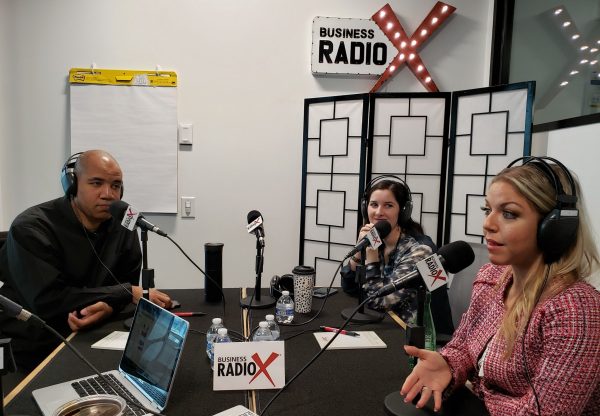
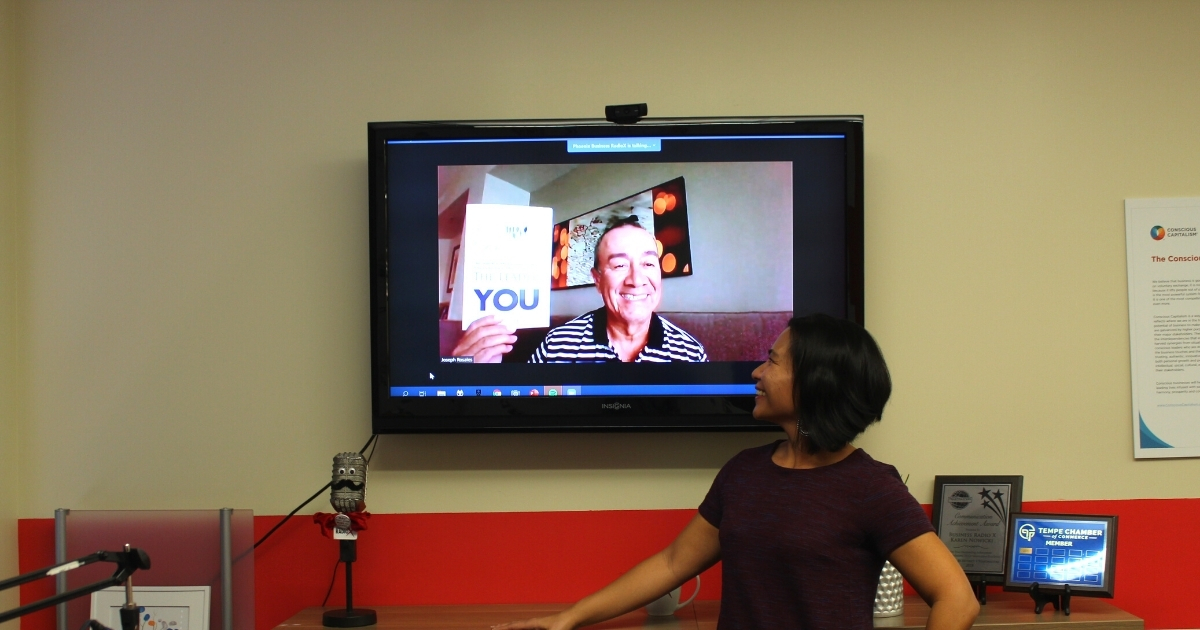
Tisha Pelletier with Tisha Marie Enterprises and Joseph Rosales with The Performance Group of Arizona

November 21, 2020 by Karen

Tisha-Pelletier-with-Tisha-Marie-Enterprises-and-Joseph-Rosales-with-The-Performance-Group-of-Arizona-feature
Phoenix Business Radio
Tisha Pelletier with Tisha Marie Enterprises and Joseph Rosales with The Performance Group of Arizona
Loading
00:00 /
RSS Feed
Share
Link
Embed

Download file

Tisha-Pelletier-with-Tisha-Marie-Enterprises-and-Joseph-Rosales-with-The-Performance-Group-of-Arizona

Tisha Pelletier with Tisha Marie Enterprises and Joseph Rosales with The Performance Group of Arizona

Tisha-Marie-Pelletier-LOGOFINAL-Speaker

Tisha Marie Enterprises, LLC empowers entrepreneurs to make their vision happen through business mentoring, startup business grants, personal brand building, live events, live streams, podcasts and professional speaking engagements.

Tisha-Pelletier-Tisha-Marie-EnterprisesDubbed the “authentic girl with a touch of badass,” Tisha Marie Pelletier brings her infectious energy every time through her storytelling and powerful tips on and offline.

She has served as an emcee and speaker on numerous stages as well as on her platform hosting the Success over Struggle™ live panel and podcast.

In addition to professional speaking, Tisha is the Chief Experience Officer of Tisha Marie Enterprises, a personal brand builder, founder of Social Connect PHX, business mentor, author and mama of two. Nothing gives her more satisfaction than helping and seeing individuals launch their brilliant ideas and go for it!

Connect with Marie on LinkedIn, Facebook, Twitter and Instagram.

The-Performance-Group-Arizona

The Performance Group of Arizona is a business consulting and coaching firm specializing in the development of high performance leaders, managers and teams.

Joseph-Rosales-The-Performance-Group-of-ArizonaJoseph Rosales is the Founder and CEO and has provided services in over 26 countries and is a highly sought after consultant, coach and mentor.

He is published author and recently released his 4th book and digital course titled: The Leader of YOU.


Connect with Joseph on LinkedIn and Facebook.

Tagged With: Author, business, business mentoring, Entrepreneurs, personal branding, speaker, startups

Tisha Marie Pelletier with Tisha Marie Enterprises E14

May 26, 2020 by Karen

Tisha-Marie-Enterprises
Phoenix Business Radio
Tisha Marie Pelletier with Tisha Marie Enterprises E14
Loading
00:00 /
RSS Feed
Share
Link
Embed

Download file

Tisha Marie Pelletier with Tisha Marie Enterprises E14

Networking is one of the many marketing tools that should be used to grow a business. It is important to choose the right organizations to be a part of in order to network with the right people. If it is done right, networking can be one of the best business development tools.

Hear some pro tips about networking from Tisha Marie Pelletier, our featured guest, on in this episode of Lawgitimate, sponsored by X Firm Law, PLLC. She reveals some great do’s and don’ts for anyone who is looking to network and grow their business.

Tisha-Marie-Pelletier

Tisha Marie Enterprises empowers entrepreneurs, both established and in the startup phase, to get out of their own headspace and make their vision happen through business mentoring/consulting, personal brand strategy, professional/keynote speaking engagements, and live quarterly events, Social Connect PHX and Connecting through Community.

Tisha-Marie-PelletierConfident. Witty. Approachable. Authentic with a touch of badass. Tisha Marie Pelletier is the type of entrepreneur who walks the talk and rolls with the punches.

She is the president and chief experience officer of Tisha Marie Enterprises empowering entrepreneurs to make their vision happen through business consulting, personal brand strategy, and her quarterly signature event, Social Connect PHX.

Tisha is also an inspirational speaker, host of The Success over Struggle Podcast, mentors startups at ASU’s Entrepreneurship and Innovation Department and is an author. Her latest book What Are the Odds – A mom shares her good, bad and what the f*ck moments can be found on Amazon and Audible.

Connect with Tisha on LinkedIn, Facebook, Twitter and Instagram.

About Your Hosts

LAWGITIMATE-Rochelle-Poulton-on-Phoenix-Business-RadioXRochelle Poulton is an attorney and owner of X Firm LLC. Rochelle has been helping people with Credit and Debt issues since 2012, owns several small businesses, and has nearly 20 years of real estate experience.

Rochelle created Lawgitimate to bring in a network of awesome people to raise awareness and educate people about the litany of legal issues she faces everyday at X Firm LLC.

Connect with Rochelle on Linkedin, Facebook and Instagram.

LAWGITIMATE-Mike-Poulton-on-Phoenix-Business-RadioXMike Poulton, with Poulton & Noroian,  draws on his knowledge and experience in other fields to serve his clients. As an experienced science researcher, Mike understands technical issues that many other attorneys cannot, and applies that knowledge for his clients’ benefit. His construction management experience also provides him with a broad knowledge base not only in construction law, but also in regulatory compliance, worker safety, and negotiation.

Michael is licensed to practice law in Arizona and is admitted to practice before the U.S. Federal District Courts in Arizona.

Connect with Mike on LinkedIn.

About X Firm PLLC

We help clients improve their financial lives through strategic financial transaction planning. Whether you want to buy a car, a home, or a building, X Firm can help you reach your goals in 3 easy steps.

We are small but mighty and love helping people get back on track financially. Learn more about us at XFirmLaw.com.

Tagged With: Author, business mentor, keynote speaker, networking, personal branding, podcast, Social Connect PHX, Success over Struggle

Telling Your Story in a Pandemic, with Mark Hayes, Mark Hayes Consulting

May 5, 2020 by John Ray

telling your story in a pandemic
North Fulton Business Radio
Telling Your Story in a Pandemic, with Mark Hayes, Mark Hayes Consulting
Loading
00:00 /
RSS Feed
Share
Link
Embed

Download file

telling your story in a pandemic
Mark Hayes, Mark Hayes Consulting

Telling Your Story in a Pandemic, with Mark Hayes, Mark Hayes Consulting (“North Fulton Business Radio,” Episode 228)

How do you go about telling your story in a pandemic if you’re a business owner? Former journalist Mark Hayes of Mark Hayes Consulting joins host John Ray to discuss this question and much more. “North Fulton Business Radio” is produced virtually by the North Fulton studio of Business RadioX® in Alpharetta.

Mark Hayes, Mark Hayes Consulting

Mark Hayes is the President and CEO of Mark Hayes Consulting. The firm’s mission is to help everyone from CEOs to small business owners make the most of their opportunity for media exposure. Providing media training and placement consulting, Mark’s firm helps businesses and brands find media placements and create content to build and enhance their brand. The firm also provides media training and communication skills workshops and seminars. Mark is a Certified Jack Canfield Trainer.

Mark is scheduled to appear on the TEDx stage in Woodstock in November.

Mark Hayes has spent nearly three decades bringing news viewers in major cities across the country their news and information of the day.  Some of his stops include major markets like Dallas, Denver, Detroit and Baltimore.  His proudest accomplishments, however, came during his tenure in the great city of Atlanta, GA.  For more than a decade, Mark was a staple of early morning television on Good Day Atlanta on Fox 5 Atlanta.  He believes his most noteworthy achievement, was the nearly 20 hours he spent on air during the Fulton County Courthouse shootings and the subsequent capture of Brian Nichols. He has been recognized nationally with two Emmy nominations and recognition for spot news coverage from the National Press Photographers Association.

For more information, go to https://markhayesconsulting.com/ or call Mark directly at 678-829-4632.

Questions and Topics in this Interview:

  • Mark’s background in journalism and how he works with business owners
  • community impact
  • credibility and reputation in story-telling
  • social media management
  • branding and personal branding
  • media relations
  • digital media

North Fulton Business Radio” is produced virtually from the North Fulton studio of Business RadioX® in Alpharetta. You can find the full archive of shows by following this link. The show is available on all the major podcast apps, including Apple Podcasts, Spotify, Google, iHeart Radio, Stitcher, TuneIn, and others.

Renasant Bank has humble roots, starting in 1904 as a $100,000 bank in a Lee County, Mississippi, bakery. Since then, Renasant has grown to become one of the Southeast’s strongest financial institutions with over $13 billion in assets and more than 190 banking, lending, wealth management and financial services offices in Mississippi, Alabama, Tennessee, Georgia and Florida. All of Renasant’s success stems from each of their banker’s commitment to investing in their communities as a way of better understanding the people they serve. At Renasant Bank, they understand you because they work and live alongside you every day.


Tagged With: Branding, credibility, digital media, John Ray, Mark Hayes, Mark Hayes Consulting, Media Relations, North Fulton Business Radio, pandemic, personal branding, reputation, Social Media, social media management, story-telling, TEDx

Relationship Marketing, with Mark Weiss, SendOutCards

April 25, 2020 by John Ray

Mark Weiss, SendOutCards
North Fulton Business Radio
Relationship Marketing, with Mark Weiss, SendOutCards
Loading
00:00 /
RSS Feed
Share
Link
Embed

Download file

Mark Weiss, SendOutCards

Mark Weiss, SendOutCards (North Fulton Business Radio, Episode 222)

Mark Weiss joins “North Fulton Business Radio” to share the power of relationship marketing vs. traditional marketing, and using SendOutCards in relationship marketing.  The host of “North Fulton Business Radio” is John Ray and the show is produced virtually by the North Fulton studio of Business RadioX® in Alpharetta.

Mark Weiss, SendOutCards and Owner, Renaissance Communications Group

Communication is the common thread that runs through Mark Weiss’ life. It started in High School and continued through his days at Ithaca College where he received a Bachelor of Science degree in Television-Radio Communications. Mark worked in television stations in Utica, New York and St. Petersburg, Florida directing the local newscasts and producing and directing local programming before he moved to Atlanta in 1976 to work at WTCG, Ted Turner’s Superstation.

Mark left the broadcasting industry to work for Georgia Power in 1977 for almost 20 years in the company’s Media Services organization before leaving to form The Renaissance Communications Group (TRCG) in 1996. He formed TRCG to support small and medium sized businesses to provide marketing, advertising, public relations, and website services. During that time, he was introduced to Constant Contact and became a business partner. In 2007, he was introduced to SendOutCards, which over time has become his passion.

Using SendOutCards, Mark works with businesses to help them keep the clients they worked hard to get. He does this through a process and system that enables his clients, both business and personal users, to go online via their smart phone, tablet, or computer to either use existing greeting cards in SendOutCards’ extensive online catalog or customized cards they can create to express appreciation and show gratitude. By using multiple card campaigns, Mark’s clients can easily stay top of mind with their clients throughout the years by giving tangible appreciation that their clients can touch.

Mark enjoys sharing SendOutCards with business owners and individuals to help them incorporate Relationship marketing into their business. Relationship marketing (or Capital R, small m) symbolically places the emphasis on the Relationship and not marketing. As a result, Mark’s clients create a stronger, deeper, and more loyal bond with their clients because they stay top of mind. This combination creates referrals from their customers along with incremental sales. Please visit Mark’s website at https://www.sendoutcards.com/trcg for more information and experience SendOutCards by sending a free card including postage to anyone you choose, wherever they may be!

Questions and Topics in this Interview:

  • relationship marketing
  • making personal connections
  • personal branding
  • the lower cost of relationship marketing vs. traditional marketing
  • generating referrals
  • holiday cards

Mark Weiss, SendOutCards

North Fulton Business Radio” is produced virtually from the North Fulton studio of Business RadioX® in Alpharetta. You can find the full archive of shows by following this link. The show is available on all the major podcast apps, including Apple Podcasts, Spotify, Google, iHeart Radio, Stitcher, TuneIn, and others.

Renasant Bank has humble roots, starting in 1904 as a $100,000 bank in a Lee County, Mississippi, bakery. Since then, Renasant has grown to become one of the Southeast’s strongest financial institutions with over $13 billion in assets and more than 190 banking, lending, wealth management and financial services offices in Mississippi, Alabama, Tennessee, Georgia and Florida. All of Renasant’s success stems from each of their banker’s commitment to investing in their communities as a way of better understanding the people they serve. At Renasant Bank, they understand you because they work and live alongside you every day.

Tagged With: generating referrals, holiday cards, making personal connections, Mark Weiss, marketing, personal branding, relationship marketing, Renaissance Communications Group, SendOutCards, traditional marketing

James Daniel, The Advisory Firm, and Jeff Armacost, Whole Brain Brands

December 9, 2019 by John Ray

North Fulton Business Radio
James Daniel, The Advisory Firm, and Jeff Armacost, Whole Brain Brands
Loading
00:00 /
RSS Feed
Share
Link
Embed

Download file

Whole Brain Brands
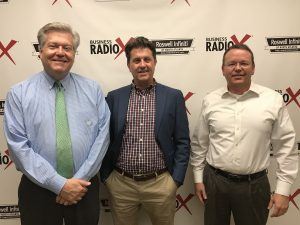
John Ray, Jeff Armacost, and Jeff Daniel

North Fulton Business Radio, Episode 182:  James Daniel, The Advisory Firm, and Jeff Armacost, Whole Brain Brands

On this edition of “North Fulton Business Radio,” James Daniel of The Advisory Firm discussed the advantages of fee-only financial planning, while Jeff Armacost, Whole Brain Brands, offered both business and personal branding advice. “North Fulton Business Radio” is hosted by John Ray and is broadcast from inside Renasant Bank in Alpharetta.

James Daniel, The Advisory Firm

James Daniel

James Daniel owns The Advisory Firm, a fee-only fiduciary wealth management practice providing planning, investment and tax services to clients throughout North Georgia.

James is a former electrical engineer. He entered the financial services industry as a professional stock trader and transitioned to a full service broker/dealer. He started his Alpharetta-based firm in 2006, and has experience from the consumer perspective, as well as on the product sales side. James offers financial planning with no product selling. His approach to planning is about designing client strategy and educating you on what needs to be done to accomplish objectives.

To learn more, go to The Advisory Firm website, email James directly, or call 678-566-3711.

Jeff Armacost, Whole Brain Brands

Whole Brain Brands
Jeff Armacost

Jeff Armacost is the Chief Brand Guy for his firm, Whole Brain Brands. The company has offered brand identity, brand communications, website design and social media expertise to such clients as Coca-Cola, Emory University and the Jimmy Carter Library.

Jeff has decades of experience as a brand strategist. He and his team at Whole Brain Brands provide high-level project management, understanding that new technologies have fundamentally changed the way companies and consumers engage with brands. They create a strategy that develops as businesses grow and evolve, so clients are ready for new opportunities as they arise.

To learn more, go to the Whole Brain Brands website, email Jeff directly, or call 404-514-6588.

North Fulton Business Radio” is broadcast from the North Fulton studio of Business RadioX®, located inside Renasant Bank in Alpharetta. Renasant Bank has humble roots, starting in 1904 as a $100,000 bank in a Lee County, Mississippi, bakery. Since then, Renasant has grown to become one of the Southeast’s strongest financial institutions with approximately $12.9 billion in assets and more than 190 banking, lending, wealth management and financial services offices in Mississippi, Alabama, Tennessee, Georgia and Florida. All of Renasant’s success stems from each of their banker’s commitment to investing in their communities as a way of better understanding the people they serve. At Renasant Bank, they understand you because they work and live alongside you every day.

Tagged With: fee-only financial planner, fiduciary, financial advisor, financial planner, full service broker, North Fulton Business Radio, personal branding, stock broker, stock trader, The Advisory Firm, Whole Brain, Whole Brain Brands

Decision Vision Episode 39: Should I Write a Book? – An Interview with Bea Wray, Michael Levin Writing Company

November 7, 2019 by John Ray

Decision Vision
Decision Vision
Decision Vision Episode 39: Should I Write a Book? – An Interview with Bea Wray, Michael Levin Writing Company
Loading
00:00 /
RSS Feed
Share
Link
Embed

Download file

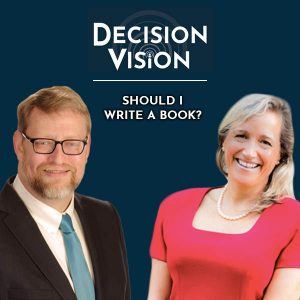
Mike Blake and Bea Wray

Decision Vision Episode 39:  Should I Write a Book? – An Interview with Bea Wray, Michael Levin Writing Company

Are books still relevant? How do I get a book out of my head and down on paper? Should I self-publish? The answers to these questions and much more come from this interview with Bea Wray, Michael Levin Writing Company, “Decision Vision” is hosted by Mike Blake and presented by Brady Ware & Company.

Bea Wray, Michael Levin Writing Company

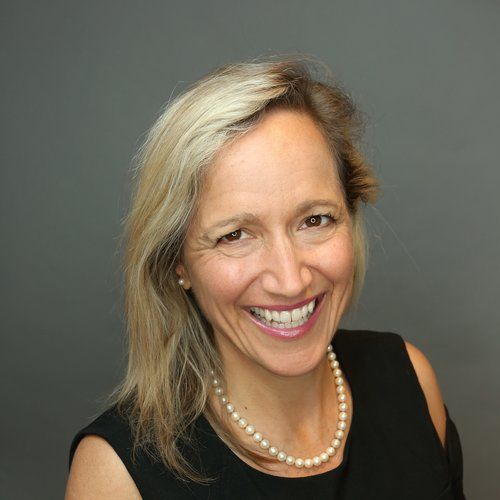
Bea Wray

An innovation expert, Bea Wray helps thought leaders share their stories, passions and knowledge as they invent, launch, and promote new products. As the former Chair of the Entrepreneurship Practice Group at Advantage Media Group, ForbesBooks, Bea further leveraged the wisdom and experience of these innovators through branding, visibility, and marketing efforts substantiated by the ForbesBooks brand name.

Bea is an innovator herself.  She successfully built and eventually sold SourceHarbor Inc.  Along the way, she expanded the company to serve thousands of clients internationally, and has consulted with hundreds of startups. Bea served as the Executive Director of The Creative Coast, a regional non-profit building the innovation economy in Savannah, Georgia where she hosted TEDxCreative Coast and the innovation conference known as GeekEnd. Her years of energy and effort are an immediate benefit to entrepreneurs across 26 countries and throughout the United States.

Bea’s upcoming book, titled What Harvard Taught Me, But My Kids Made Me Learn, is expected to arrive late in 2019. She is looking forward to sharing how her experiences as a mother of three taught her how to negotiate, communicate, and adapt in the business world.

Bea holds an MBA with Distinction from Harvard Business School, is a summa cum laude graduate of Emory University, and is one of South Carolina’s prestigious Liberty Fellows of the Aspen Global Leadership Network. She is a frequent keynote speaker on innovation, entrepreneurship and business growth, and an inspiring contributor to various publications, including Entrepreneur.com, The Grindstone, and The Savannah Morning News.

Michael Blake, Brady Ware & Company

Mike Blake, Host of “Decision Vision”

Michael Blake is Host of the “Decision Vision” podcast series and a Director of Brady Ware & Company. Mike specializes in the valuation of intellectual property-driven firms, such as software firms, aerospace firms and professional services firms, most frequently in the capacity as a transaction advisor, helping clients obtain great outcomes from complex transaction opportunities. He is also a specialist in the appraisal of intellectual properties as stand-alone assets, such as software, trade secrets, and patents.

Mike has been a full-time business appraiser for 13 years with public accounting firms, boutique business appraisal firms, and an owner of his own firm. Prior to that, he spent 8 years in venture capital and investment banking, including transactions in the U.S., Israel, Russia, Ukraine, and Belarus.

Brady Ware & Company

Brady Ware & Company is a regional full-service accounting and advisory firm which helps businesses and entrepreneurs make visions a reality. Brady Ware services clients nationally from its offices in Alpharetta, GA; Columbus and Dayton, OH; and Richmond, IN. The firm is growth minded, committed to the regions in which they operate, and most importantly, they make significant investments in their people and service offerings to meet the changing financial needs of those they are privileged to serve. The firm is dedicated to providing results that make a difference for its clients.

Decision Vision Podcast Series

“Decision Vision” is a podcast covering topics and issues facing small business owners and connecting them with solutions from leading experts. This series is presented by Brady Ware & Company. If you are a decision maker for a small business, we’d love to hear from you. Contact us at decisionvision@bradyware.com and make sure to listen to every Thursday to the “Decision Vision” podcast. Past episodes of “Decision Vision” can be found here. “Decision Vision” is produced and broadcast by the North Fulton studio of Business RadioX®.

Visit Brady Ware & Company on social media:

LinkedIn:  https://www.linkedin.com/company/brady-ware/

Facebook: https://www.facebook.com/bradywareCPAs/

Twitter: https://twitter.com/BradyWare

Instagram: https://www.instagram.com/bradywarecompany/

Show Transcript

Intro: [00:00:02] Welcome to Decision Vision, a podcast series focusing on critical business decisions, brought to you by Brady Ware & Company. Brady Ware is a regional, full-service accounting advisory that helps businesses and entrepreneurs make visions a reality.

Michael Blake: [00:00:20] And welcome to Decision Vision, a podcast giving you, the listener, clear vision to make great decisions. In each episode, we discuss the process of decision making on a different topic. Rather than making recommendations because everyone’s circumstances are different, we talk to subject matter experts about how they would recommend thinking about that decision.

Michael Blake: [00:00:38] My name is Mike Blake and I’m your host for today’s program. I’m a director at Brady Ware & Company, a full-service accounting firm based in Dayton, Ohio, with offices in Dayton; Columbus, Ohio; Richmond, Indiana; and Alpharetta, Georgia, which is where we’re recording today. Brady Ware is sponsoring this podcast. If you like this podcast, please subscribe in your favorite podcast aggregator. And please, also, consider leaving a review the of podcast as well.

Michael Blake: [00:01:02] Our topic today is, should I write a book? And this is a topic that is near and dear to my heart because books have become, in some respect, easier to write and circulate than ever before. And I do sort of have this secret desire to get about five or six books out, which surprises a lot of people because they’re a surprise and I learned I could read. But in point of fact, I think that there’s a voice in there that wants to put things down on either dead tree paper or virtual paper.

Michael Blake: [00:01:38] And I think a lot of people are thinking about that as well. And it may be people who are like me that are in the services area that wish to establish and reaffirm our reputations as subject matter experts to the market. It may be people that have an artistic bent and this is, you know, a book is in effect their canvas for self-expression. Or it could be somebody that simply feels like they have a story to tell or a lesson to teach. And a book is their way of of getting that lesson out to the world. That’s sort of their contribution to society. And we all know this proliferation of books out there under various names. They could be books, they could be e-books, they could be something else.

Michael Blake: [00:02:27] And, you know, I think that, you know, as we record today in 2019, this is a topic that really wouldn’t have even mattered 20 years ago. You know, the notion that somebody would just somehow write a book was a much larger undertaking because of the way the industry was structured, because of the way technology worked or didn’t work. And it’s just another one of those signs of the times that technology is enabling us all to put a voice out there in a way that, for good or bad, we simply were not able to.

Michael Blake: [00:03:06] And joining us today is my pal Bea Wray, who is with Michael Levin Writing Company with the awesome tag line, their books make their clients happy, famous, trusted and rich. You have a story to tell, a business case to make, a family history, to capture, your book as the ultimate leave behind on sales calls. And I agree with that. The best way to record the culture of the enterprise you’ve built and your legacy for your family.

Michael Blake: [00:03:31] Bea herself is an innovation expert. And she and I know each other from back in the days when Startup Lounge was active in Savannah, Georgia, and she was the director of—executive director of our partner organization Creative Coast there. And now she’s helping thought leaders share their stories, passions and knowledge as they invent, launch and promote new products. As the former chair of the Entrepreneurship Practice Group and Advantage Media Group, Forbes Books, Bea further leverage the wisdom and experience of those innovators through branding, visibility, marketing efforts substantiated by the Forbes Books brand name.

Michael Blake: [00:04:08] Bea is an innovator herself. She successfully built and eventually sold Source Harbor Incorporated. Along the way, she expanded that company to serve thousands of clients internationally and has consulted with hundreds of startups. She serves as the executive director of the Creative Coast, a regional nonprofit building the innovation community in Savannah, Georgia. By the way, one of those awesome cities anywhere. If you don’t—if you’ve never been there, go. If I can ever afford to retire there, that is where I’m going. She hosted TEDxCreative Coast and the Innovation Conference known as GeekEnd.

Michael Blake: [00:04:40] Her years of energy and effort are an immediate benefit to entrepreneurs across 26 countries and throughout the United States. She holds an MBA with Distinction from Harvard Business School and a summa cum laude graduate of Emory University and a bunch of other good things. And last but not least, I mean, we’ll get to this one. She has written her own book or is in the fit—in the process of putting her own finishing touches on that book. What Harvard taught me but my kids made me learn, which is expected to arrive in 2019. And I know she’s looking forward to sharing how her experiences as a mother of three taught her how to negotiate, communicate and adapt in the business world. And I think there’s a lot that I’m going to learn from that, too, as a father of two who I think already can negotiate better than I can. Bea Wray, thank you so much for being on the program.

Bea Wray: [00:05:30] I’m so happy to be here, Mike. This is wonderful.

Michael Blake: [00:05:33] So, let’s sort of get down to it. You know, normally I start these podcasts with a definition because we’re talking about a fairly technical topic. But I’m just going to go on a limb here and say everybody knows what a book is. So, why would I want to write a book? You know, I don’t have time to even read all the books that I would like to read. Why am I going to take that time and write one instead?

Bea Wray: [00:05:57] Well, the main reason is to—that people want to be known, loved, and trusted and businesses want to hire people that they know love and trust. And more and more businesses are deeper in whomever they’re working with. Whether it’s your accounting firm, your lawyer, even your orthodontist. You know, I helped an orthodontist write a book because he explains that the impact of straightening teeth on a child’s sleep and what was happening in sleep and the ability for that child to do better in school. So, I thought, orthodontia was all about just keeping your smile pretty. Well, it turns out that the fact that this doctor spends more time understanding the numerous impacts, he wrote a book about it.

Bea Wray: [00:06:53] And so, I guess what I’m trying to say is, you introduced the podcast, which was excellent by, you know, this was not something you could have done 20 years ago because technology was different and the distribution was different. That’s very true. I would argue that in addition, the knowledge base was different. And so, one of the reasons fewer and fewer people publish with a traditional publisher is because we are not all reading the same book. You just said yourself, there’s 10 or 12 books you would love to read. Those are probably not the 10 or 12 that are on my list.

Bea Wray: [00:07:35] It’s that we want more specific stories, more connected to our lives. I want to know not what is the most popular book in the country, but I want to relate to someone who’s more like me, who has insights about things that I need. And so, one of the reasons you might write a book is because you have a unique and special experience and perspective that can help some people, thousands of people, tens of thousands of people. Maybe not a few billion people. And yet helping thousands of people is actually a really great thing to do, and sharing your own thoughts in that way is a great endeavor.

Michael Blake: [00:08:23] So, you touched on something that I think I want to jump to, because if you’re—if you really haven’t looked at this and if you’re a people of a certain age such as myself, you think, oh, I need a book, I then need to, I guess, find a way for John Wiley and Sons or McGraw-Hill or, you know, somebody else that’s going to pick this thing up, is that necessarily the case anymore? Is that gateway or that barrier to entry still important?

Bea Wray: [00:08:55] It is not. And I’m a big fan of both of those companies. And working with a traditional publisher can be great and it might not work for you at all. And I have had the privilege of working with hundreds of authors. And what I find is that that industry continues to consolidate and to minimize in such a way that the services one would have gotten in the past, like marketing services are smaller and fewer. And so, it may not be a great experience if you, one, go down that route even if you’re successful. Then the distribution of the book may not be what you’re hoping for.

Bea Wray: [00:09:39] What also can happen is, you know, they’re in the business of selling books. Not in the business of selling you or your company or your idea, which can be great as long as your incentives are aligned with what you want with your book. And so, if they’re not aligned, what can happen is a very specific methodology that maybe it’s something you go over in your consulting practice. It’s a way you use as a business card. It’s what you start talking about and bringing people to your company. Make it watered down in the book that’s trying to be sold to a million people. And so, right off the get go, just the book you envision in your head, depending on what level of control you want, it may be better to self-publish or a hybrid publish than going the traditional route because you lose a lot of control. There’s a lot of talk about how you lose money. You get 40 cents on the book versus $10 on each book sold. But a big problem is, are you actually putting out there the book that is in your heart and mind and soul?

Michael Blake: [00:10:50] And you know, you touched on something there that I want to kind of break from the script a little bit and drill into because I think that’s an important point. You know, the business model of bookselling and the life model of the author may not very—may not be in alignment, right, to sell a book. If you’re going to really do it the way McGraw-Hill put on a bestseller list, that kind of becomes your job, doesn’t it? And maybe you don’t want that to become your job.

Bea Wray: [00:11:18] Absolutely. That’s exactly right. And you know, you mentioned me and my own book. And I’ll just use this as a very specific example. Is—I write not exclusively to women, but sometimes to women, because I’m a mom and I am a woman and I’m a business person. And what I have found is that, we as women, choose to belittle our own experiences in the home and outside of the corporate world, even though they’re very, very relevant to learning about how to deal with people and learning how to negotiate and all those things you said earlier. I never speak from a platform of corporations to conferences or in my book as a victim, or about those bad men who don’t treat me well enough, because that’s not something I think about.

Bea Wray: [00:12:14] However, there is a huge market for that. There is a lot—after the #MeTooMovement, there’s a lot of energy and there’s—I have actually been approached by traditional publishers, write the book in this way because there is a market for, if only men would pay a dollar and a dollar to men and women and the gender pay gap and all this whole language that—those are important factors and there are important things to fight for. But I’m going to fight it from the perspective I know which is I’m going to get better at raising my hand. I’m going to get better at taking risks. I’m going to be better at stepping forward. Not about saying I’m a victim.

Bea Wray: [00:12:55] And the point I’m trying to make here is I have personally been approached, hey, if you change your book to say something that wasn’t in your heart, mind and soul, we can sell it. That’s not been my personal choice. And I know 30 other people who’ve made a similar choice to me because what was more—if you’re going to go through the effort of writing a book, it is a long journey and it sticks with you a long time, my encouragement is make it a book you want it to be.

Michael Blake: [00:13:22] And you know, I would think the thing about a book even by today, it—still, if you compare it to other forms of communication, media, it—a book still has a permanency to it that even a blog doesn’t, a YouTube video, or a Facebook post, whatever, an Instagram, whatever it’s called, a gram, I don’t know. I’m not on histogram, you know, tweet, whatever. A book is still different in that regard, isn’t it, that once it’s out there, either on on dead tree paper or a virtual paper, at some point, I think most people would would have a need to be proud of that out there, because if you’re not, it ain’t going away.

Bea Wray: [00:14:08] Correct. And it is all about—I mean, I love that the word author is part of authority. It is all about establishing your authority. So, be clear on what authority you want to be establishing. Be clear on who you are on that paper because this is where you have your chance to shape it.

Michael Blake: [00:14:30] So, let’s do a close eye role play here. But what I’m really doing is I’m getting free consulting and other guys are giving you a podcast interview opportunity. But I’ve got a book and I’ve got several books in my head that I think I want to write. Do I just start writing? Do I do the Snoopy cartoon thing where I’m on my doghouse, the typewriter and say it was a dark and stormy night? Or how do you—what are the first steps toward that goal?

Bea Wray: [00:15:00] Well, that’s a great question. And you certainly can. Most people start to at least have an outline and a set. The kind of questions you’re thinking is, what is the book I want to write and for whom? And then why? I do recommend being I won’t say selfish but a little bit. Like know your purpose for writing the book because that will help you define your audience and your use. And it will certainly keep you motivated.

Bea Wray: [00:15:34] So, I’ve worked with people who are writing a book because they just hope that one of their grand kids will read it someday, that they don’t want to die without their story somewhere written down. And that’s what they’re going to do. Maybe it will get published in a place and all those people around the world will read it but it was really just about a legacy. That’s a great reason. I’ve helped people write books because their need is to drive business to their company. Now, those kinds of people may be selling $40 gene. Usually, they’re selling a complicated relational relationship kind of product. So, $150,000 on average. Way that leads to consulting, whether it’s for manufacturing or setting up of insurance captive or whatever, where their wisdom and knowledge and the sense to be trusted is so critical. You can’t have that across in a phone call. They want their ideas out and they want to be trusted. And that’s their way that they attract people to their company.

Bea Wray: [00:16:45] Some people want to launch a speaking career. Some people—so, understanding your why. I think it is really, really important before you go too far in writing your book. And then there’s the how. What I will say is I learned over time that the average entrepreneur take around three years to write his or her own book. And unfortunately, fewer than 40 percent of the entrepreneurs to start out on that personal endeavor finish. And that’s why people like the Michael Levin Writing Company exist, is people who are running their own company have—there’s so much at stake every two hours that they spend just writing, not working in the company. And so, it’s constantly the battle that’s most urgent thing and the book never gets done. And so, it becomes a very costly endeavor just an opportunity cost.

Michael Blake: [00:17:54] So, you know, you said another thing. You’re going to make us rip off the script, which is great, because I can do that with you because you’re smarter than I am, empirically. And that is that you say something that kind of runs against what a lot of us, I think almost everybody, is taught and as a hardwired way, which is cater to your audience, cater to your audience, cater to your audience. And while I think you’re acknowledging kind of the existence of the audience, at the end of the day, if you’re going to produce a book that you’re going to feel is worthwhile at the end, it’s really about what you want. It sounds like, correct me if I’m wrong, but what I’m hearing is that it’s really about what you want to put out there to the world. And then if people buy it, buy into and engage cause they’re great. But that’s just kind of the way that it’s got to go.

Bea Wray: [00:18:48] Yes. I mean, one of the first questions we ask people is who is this book for? And what are you going to do for them? And so, in why are they going to do what you want them to do? It may be that they—you want to motivate them to take better care of their health. Great. It may be that you want them to call you to take better care of their health. We don’t know. But one of the very first questions is who are you writing for? So, I do care about the audience.

Bea Wray: [00:19:21] But before that, you have an idea for the book. It really needs to be your idea that’s deep in your heart and your passion connected to the life that you are ready to lead as an author. And so, whether that’s a business person who has a book, whether that is a speaker who has a book, or whether that I’m a grandparent, I’m leaving a legacy that has a book. This book is becoming a part of who you are and you have to have a reason for wanting to write it. And that will help define your audience. And then you can start tailoring to that audience and you have to or otherwise it won’t be a good book. But I—what I don’t recommend is go out, survey the world, and see what book is missing.

Michael Blake: [00:20:12] Interesting, because I’ve actually heard exactly that advice given many times. So tell me more about that. Why? Why is that a bad idea?

Bea Wray: [00:20:23] Because we don’t live in—because, well, we’re going to think I’m an old fuddy duddy, but because we don’t want beaver cleaver on T.V. anymore is basically the reason. And let me explain that. So 40 years ago, you watch, you consume video television, the same—you and every other neighbor were watching the same thing as there were three channel. And we all watched the same thing. We consume information in a certain way. And my guess is you didn’t watch that last night. Am I right?

Michael Blake: [00:20:59] Yeah.

Bea Wray: [00:20:59] And you didn’t watch even the same thing as everyone on your street. And if you’re like most of America, you don’t even watch everything that was the same even if people in your home. So not only is it not consistent. Three options down the street. Most of us watching the same thing and talking about it. And as the water cooler the next day, we are self-selecting and sometimes is independently created content like YouTube videos, TedX Talk, and so on and so forth. So the way we consume information is so totally different than the way it was years ago. At that time, publishing of individual books had certain channels. We need so many mysteries, we need so many adventure stories, we need so many biographies. And we don’t have a recent biography of Abe Lincoln for 10-year-old. We needed to fill that.

Bea Wray: [00:21:56] That is not the way information is consumed today. It’s quite the opposite. We create whether video content or written content as a way of connecting with people. Who do we want to connect with? Is it based on our faith? Is it based on our geography? Is it based on our clients? And so, I want to write a book that helps me be who I want to be and connect with the people I want to connect with. I have a—I have an e-mail today from a friend who went to Harvard Business School who wrote a book about parenting and leveraging Harvard Business School, very, very similar in some ways as my book and not at all similar. And it will be used in the same way. But we became friends because our books were similar. But never did she think, oh, gosh, you’re writing on that topic, I can’t. Or did I think you’re writing on that topic, I can’t.

Michael Blake: [00:23:01] Yeah. And to some extent, right, it probably kind of reaffirms a factor you may be on to something.

Bea Wray: [00:23:07] Yes.

Michael Blake: [00:23:08] If one person, other person thinks it’s worth writing that book, that would tell me there’s 10,000 people that think it’s reading that book.

Bea Wray: [00:23:18] Exactly. But it wouldn’t be the case if there were only one spot on the network or only one spot in the McGraw-Hill sells for this type of book. But that’s not the way books are distributed, written especially today.

Michael Blake: [00:23:36] So—and this actually—this does circle back then to a question I actually had prepared to ask for today, which is, you know, given all of the media that bombards us and is available, you know, I mean, are books on their way out or are books still a real thing?

Bea Wray: [00:23:58] That’s so interesting because many times you also in this podcast talked about, you know, a paper book or an online book. And I believe that not only are books very much relevant today. Funny, I’m looking at a bookshelf right now suddenly filled with books. But I think paper books are still very relevant, even though I’m an audible fan. I listen to books often. And the reason is because they are a way of connecting with people.

Bea Wray: [00:24:30] So more and more people are writing books, more and more people are writing books to connect with their audience. It may not be a billion people. It may not even be 300,000 people. But writing a book—well, take the guy, for example, whose client is $150,000 every time he gets a client. This gentleman wrote a book, put it in the hands of fewer than a thousand people, and his business increased by $5 million in the first year because it didn’t take many people to learn, to know, love, and trust him. Does that make sense?

Michael Blake: [00:25:15] It does. And by the way, as an aside, I have stolen that phrase because I’m familiar with the phrase no like and trust. No love and trust is so much better. So kudos to you.

Bea Wray: [00:25:26] Well, thank you.

Michael Blake: [00:25:26] And if you hear lots of other people that are using that, it’s because I stole it from you and told everybody they can have it.

Bea Wray: [00:25:33] I appreciate that. I was told one time that, you know, the first time you borrow, you give credit. The second time, you know, oh, I was talking and so-and-so said. The next time you say, so and so taught me to say. The third time you forget about so-and-so altogether and you just know it.

Michael Blake: [00:25:52] That’s right. And by the fourth time, it just came to me one day. I don’t know where. But you’re welcome to borrow it if you want.

Bea Wray: [00:26:01] There you go.

Michael Blake: [00:26:01] Yeah. So I do think, you know, there is still some—there is still a mystique around a book. In spite of all the other media that, you know, compete for attention, I give books a lot because I recommend that people read a book and then to guilt them into reading and I’ll often buy it for them and send it to them. So they’ll at least lie to me the next time they see me and say they read it. But, you know, it is a very powerful calling card.

Michael Blake: [00:26:32] And I’ll share my own story. So years ago, I co-authored a book called Entrepreneurship Back to Basics, and it’s one long out of print. But I remember, I was applying for a job and they asked me for a writing sample. I say, okay, if I send you a copy of my book, right, just sort of hear a pin drop at the interview at that point. An extreme case, but still an anecdote of the impact that a book could make.

Bea Wray: [00:27:00] Totally fabulous. And you know, a lot of time it’s okay if someone doesn’t read the whole book. But one of the most powerful sales talk is to say, you know, hey, Michael, it was great to speak with you today. I really appreciated the questions you had on my marketing strategy. Please turn to page 26 in the book that I’ve enclosed.

Michael Blake: [00:27:23] Yeah. And of course, then there’s if you want the benefit of reading the book and I haven’t actually read it, you can just hire me.

Bea Wray: [00:27:31] Precisely.

Michael Blake: [00:27:34] So let’s say we’re well along the way to a book being written or maybe it’s even written. Is it as hard to get a book picked up by Amazon and distributed to Kindle or iBooks or something like that? Is it hard at all or can anybody just sort of do it? How, you know, what’s your assessment of that electronic distribution medium in terms of making it harder or easier to actually get a book out there?

Bea Wray: [00:28:01] Well, I think anybody can do it. Most people need help with how. So certainly making sure the book is a great quality. You know, you do want an excellent manuscript, well-written, but that’s not enough. You definitely have to have someone who’s helping you do the layout, make it look excellent. Pull out images and illustrations and even font type and book jackets. All of that matters.

Bea Wray: [00:28:30] And so, I’ve never met someone who can do all of that him or herself. You know, that usually takes a team who can get that done. And that’s where, you know, hybrid publisher and that’s where, you know, our company helps people find that right team at the Michael Levin Writing Company so that—because what people don’t want to do is finally get this book out of themselves. Finally have this manuscript and then say, now what, and still run into all of the hurdles that they were experiencing before, you know, they took the steps to get the book actually done. That said, you know, Amazon will put a book up, and so you don’t have to go to McGraw-Hill to have—to be a published author. And you still get—and you get to retain much more of the profits of the book, which is excellent.

Bea Wray: [00:29:27] But there’s still a science around how do you get it in the very category? How do you get the ISBN number? How do you make sure that it becomes an Amazon best-seller because Amazon does a great job of creating certain categories. And there’s a system around making sure enough people are voting for you at the time so that you can be a best-seller. And so, there—it’s not that hard. You just, you know—my husband will kill me for saying this. I don’t even change my oil in my car because I don’t know how to do that, right.

Michael Blake: [00:30:03] Right.

Bea Wray: [00:30:03] He does and he knows how to take the radiator out, too. And if he doesn’t, he’ll learn on YouTube. That’s not me. So my philosophy is get the people who are excellent at doing these things for you so that you can feel comfortable and go do the things that you’re excellent at.

Michael Blake: [00:30:25] So you mentioned in passing that assuming the book is finished at all, that it would take an entrepreneur roughly three years to complete a book. Is that reflective of best practices or is that reflective more of that? There have been a bunch of fits and starts and mistakes and restarts. And that’s not really an efficient path. And if you do it kind of the Bea Wray way that it doesn’t necessarily take a full presidential cycle to do that.

Bea Wray: [00:30:55] Now, I think the best practice is 90 to 120 days.

Michael Blake: [00:31:00] So good. Yeah. Because I’m not nearly that patient if I’m going to write my book. So, let’s walk through that. If you’re talking to somebody and they’re serious about writing a book, what—how does that time typically get allocated? Do somebody take 90 days off to write the book and they go to a, you know, a Nepalese monastery where they’re not going to be disturbed? Or do they take one or two days a week or they just sort of locked themselves in an office and do that? Or is it, you know, the method where somebody gets up at 4:00 in the morning and the first two and a half hours a day, they write? How does that typically work?

Bea Wray: [00:31:38] So, what I have experienced in the last few years, both with the Michael Levin Writing Company and the ghostwriting company and when I ran the Forbes book is that they realize they want to buy their—what they’re really doing as CEO of a company is buying his or her own time. They’re saying, I don’t want to delay fits and starts because there’s something about our brains that actually gets ourselves in the way of writing our own book because we want to be perfect. And writing is an imperfect endeavor. We have to get it out and then it needs to be edited and changed and moved around.

Bea Wray: [00:32:18] And so, most people who have not been trained as writers and have 10 years of history as a writer with things that are not emotionally connected to themselves, are not going to be the best at writing their own book. They’re going to be the best at speaking their own books. And so, what they typically do is say, I want to hire a partner to help me with this book. And then, the first thing that happens is there’s a 90-minute phone call where there’s a conversation about who’s the audience, why are you doing the book, and let’s work through what is the book, meaning the outline of the book in the book plan.

Bea Wray: [00:33:00] And then usually the writers will go back and take probably six to eight hours with that 90 minute, listening to it, just writing it, re-listening to it, reshaping it, understanding, doing some research and then deliver back. Sometimes a 10 to 12 fixed, detailed outline, sometimes with holes. This is the way I see the book. Here’s where I sit these stories. What do you think? And so, now we’re working off of a book plan. And from that book plan, sometimes weekly phone calls are scheduled, sometimes every other week, depending on the schedule of the book and whether there is sort of a launch of that. But we need this book to be done by X date. What are we aiming for in order to hopefully get the 90 to 120 days.

Bea Wray: [00:33:51] And oftentimes, the entire book is interviewed. And then the writer goes away and delivers factious the first three chapters, never the whole book. That’s too much to digest for the author. So, the ghostwriter will deliver back the first two or three chapters, are we—did I get the voice right? Are we on the right path? That’s the time to iterate and decide how to shape the next two-thirds of the book. And within 90 days, an excellent ghostwriter, ghostwriting team should be able to deliver to a CEO his or her book written in his or her voice about his or her story.

Michael Blake: [00:34:40] And so, you know, kind of working through that process. And it certainly makes sense to me if you’re retaining a ghostwriter. You know, you’re surely buying back that time. And by the way, I’ve got to assume being a ghostwriter is extremely hard because writing to capture someone else’s voice has—I know is excruciatingly difficult because I’ve tried to work with ghostwriters in just small articles. And it’s never worked very well. And I think it’s something that’s very hard to do. Meaning that if you find somebody like you guys that can do it, you know, that is a precious commodity.

Bea Wray: [00:35:23] I think so. I can’t not do it. So, let me be clear. But the Michael Levin Writing Company has written over 700 books in 25 years. And I’ve been tracking for the last five years, and what I find is there are people who can do it. And interestingly, I spent enough time with them that these actual ghostwriters will say it’s easier for me to write your books than my own because all of those emotional things like that are those blocks that get ourselves in the way, get in our, we put in our own way don’t happen.

Bea Wray: [00:36:07] But it is one reason why the calls are cheap recorded, is there’s a lot of time spent getting that voice correct. Getting even that like (inaudible) of stories correct.

Michael Blake: [00:36:22] So, you touched on something I think is an important definitional point and that is editing and proofreading. I don’t think those are necessarily the same thing. And if you agree with that, can you explain to our audience what the differences between those two steps?

Bea Wray: [00:36:39] Yeah. So, anything—you know, they’re closely related, but editing is this—is a little more thorough and has a little more power. So, there’s ghostwriting. There’s really an overseeing. So, Michael Levin actually does all the book planned and he does the overseeing as a whole company. But there’s dozens of ghostwriters who are very carefully, closely match specifically to the author, but they’re never going to do their editing themselves. And so, then, there’s an overall editor who’s paying attention to tying the written work back to the author,b Back to the transcripts, back to the plan.

Bea Wray: [00:37:24] And then the proofreading is more the very final, you know, fork it out the door.

Michael Blake: [00:37:35] Right. Make sure there are no glaring errors and so forth, as opposed to high level kind of structure elements, I’m guessing.

Bea Wray: [00:37:41] Exactly.

Michael Blake: [00:37:42] Okay.

Bea Wray: [00:37:42] Editing can be—proofreading is making sure what they’re perfect. Editing is making sure we have everything we need there and identifying what’s not there.

Michael Blake: [00:37:57] Yeah. Okay. So, we’ve touched on this next question a little bit, but I don’t want to skim over because I do think it’s important. What’s your opinion of e-books?

Bea Wray: [00:38:11] Well, I think a lot of people that have them need to have them. Personally as a parent driving me crazy that my kids almost only read e-books because they read them on their phone and then there goes the text message, it’s like an invitation for a distraction. So, I don’t think they’re going away but there is a lot lost. I also don’t think—I’m positive they’re not replacing paper books where you can highlight and send and give as a gift and wrap up in a way. That cannot be done as effectively in an e-book.

Michael Blake: [00:38:55] And in terms of impact on a reader, do you think there’s a difference? Do you think that maybe readers look at e-books—and I want to make a distinction. I don’t necessarily mean a formal analog book that also happens to have a Kindle variant, but I’m more referring to kind of the promotional e-books that you see out there and they’re often called an e-book and maybe they’re not even worthy of the name. They should be called something else. But, you know, maybe they’re 15, maybe they’re 50 or 80, 90 pages to be considered almost too short a book to publish in paper format. But you see kind of that genre of book that appears in a digital format. You know what I’m talking about?

Bea Wray: [00:39:36] Yeah, I know exactly what you’re talking about. And, you know, there are certain things that are seen to be shared and they are sort of too short that would never make it as a book that also has an electronic version. I hear what you’re saying. So, I tell people that some of those out, it’s definitely not my specialty and I don’t personally have a big desire, so I don’t know that I have enough experience to say, you know, to have an opinion about them. It makes sense to me that sometimes people have a shorter message to give and a 50 page e-book will get it done.

Michael Blake: [00:40:20] Okay. So, now, I’m curious on your view, and I think our listeners are curious, and it’s an off—it’s an awkward, almost insipid question, but I think it has to be asked and that is, you know, how easy or hard is it to actually produce a book that people are willing to pay for? And, you know, for most people, is that even a realistic or desirable goal?

Bea Wray: [00:40:55] Well, I think that the hardest part is digging deep in your heart. So, I’ve been involved with the publishing of hundreds of books and every one of them has met that bar. They are—some people are paying for them. What I’m not sure is that enough people are paying—the author is getting a million dollars. So, I am not a fan of published—I never say to someone go write a book, you’ll be a millionaire because it’s selling—making money, selling books is hard work. So, it depends. You know, you’re not going to get very far if your book is of bad quality and you can’t find some market who will pay for it.

Bea Wray: [00:41:48] Oftentimes, the way to get to that is you might give it away to other people, but it has to be excellent quality, has to have an excellent work, has to have a brief title, has to know the audience but that’s a big leap from, you know, I sold books at the back of a conference to I became a millionaire selling books. And I say a million dollars because it’s really not worth your time and effort. Probably you’re gonna get a $200,000 but there are easier ways to make a living.

Bea Wray: [00:42:22] And so, that is really hard. And I don’t think it’s about the quality of the book at that point. I think it’s about the quality and the dedication of your marketing and how many—did you run here to get on the radio station? And how many public speaking engagements are you doing and how did you work your way onto The Today Show?

Michael Blake: [00:42:45] So, it’s about the business of the book?

Bea Wray: [00:42:46] Most people don’t want to do all of that work because they don’t need to, that their book is making them a million dollars because it’s tied to a business that they’re doing or it’s tied to some other reason. So, they don’t go through the effort to get on The Today Show.

Michael Blake: [00:43:01] Right. And plus, I mean, it sounds like—I mean, that process, if you want your book itself to be that kind of income generator, the book itself becomes a business and it requires a substantial investment. You know, I don’t think you just sort of write at info@todayshownbc.com, whatever their domain is. Hey, can I come on. I’d really like you to interview me. You know that in itself is a huge financial investment.

Bea Wray: [00:43:27] I used to help software companies sell their software. And what we always said was no matter how great it is, you can’t just cut a hole in the side of the building and hope that people start driving up like Burger King.

Michael Blake: [00:43:40] Darn it.

Bea Wray: [00:43:42] It’s true with books.

Michael Blake: [00:43:44] So, we’re running out of time. Before we do, if it’s okay with you, I’d like to shift gears to your own upcoming book. It’s going to be released later this year. Are you self-publishing that or is that going for a formal publishing house?

Bea Wray: [00:43:57] I am actually self-publishing that and I’m really excited about it. We’re finally getting into the homestretch here.

Michael Blake: [00:44:05] And if it’s not a major state secret, what is the voice of that book and what is the idea that you just had to get out of yourself and into that book?

Bea Wray: [00:44:18] Thank you. So, I had the privilege. I called the company and I had the privilege of taking about six years off of corporate work to raise my children. And I actually did so on a (inaudible) island in South Carolina. Daufuskie Island. So basically it’s exactly next to heaven and it was a perfect experience. But when I went back to work, which was at the Creative Coast, which you’ve already mentioned, I’m terrified. Did I have any skills? What can I do? How could I help them? Could I even find a job? And it was even way worse when I did because then I thought of all the ways I would fail because I had been at home with my children for six years.

Bea Wray: [00:45:00] And what amazed me is I had floods of thank you note. Thank you for that introduction to the venture capitalist. Thank you for this great event that you put on. Thank you for the strategic consulting. And I kept wondering, what were we doing that was helping these people? And then I kept wondering specifically, where did I personally get this skill to help these 300 plus companies? And over and over and over, the answer to that last question was not that I got this skill because I had attended the Harvard Business School. It wasn’t that I got this skill because I had decades of experience as an entrepreneur. Over and over again, the ability that I had to connect people, make people feel comfortable at an event, set out a vision for where we were going I received because I was raising children. So I want to talk about it.

Michael Blake: [00:46:00] And what what is the—is there one lesson that stands out as to the most important or the most obvious that your children taught you?

Bea Wray: [00:46:16] There isn’t one. Well, there’s dozens of them. But I think the main—the overarching lesson is that business is done with people. So people skills matter. So a great way to get people feel—hone your people skills is to try to raise them in your home.

Michael Blake: [00:46:37] Very good.

Bea Wray: [00:46:38] The one to do I have that I hope people walk away with is we, both men and women, belittle on our LinkedIn profile anything to do with parenting. We treat it as like a black mark, especially people who have taken time off. We try to cover it up from our professional experience. And my invitation is to consider not feeling that. And if you consider saying, you know, here’s who I am as a whole person. It’s basically Sheryl Sandberg said, hey, your corporate—your career path is not a corporate ladder. It’s not linear. It’s a jungle gym. And what I’m trying to do with this book is to validate that parenting is a reasonable spot on that corporate jungle gym.

Michael Blake: [00:47:33] Well, I am going to hit you up for a signed copy of that book. I can certainly see where that would fit because you’re right, there’s not just people skills. I think, you know, modern parenting involves tremendous time management requirements. I think obviously there’s economics that are involved. There’s conflict resolution. There’s so many things that actually can take from that. I’ve never thought about that. But the more you talk about it, the more inherent sense it makes to me. So, like I said, I’m going to hit you up for an autographed copy of the book.

Bea Wray: [00:48:10] I can’t wait.

Michael Blake: [00:48:11] So we need to wrap up. I think this is the longest podcast we’ve actually done and this is number 37 or 38, something like that. So I’m not sure if congratulations are in order or not, but it is what it is. If people want to contact you about writing a book or or maybe just figuring out where, you know, what lessons their children should be teaching them, how can they best contact you?

Bea Wray: [00:48:36] So, my personal e-mail is bea, is my name. B like boy, @beawray.com.

Michael Blake: [00:48:47] Okay. And that’s gonna do it for today’s program. I’d like to thank Bea Wray so much for joining us and sharing her expertise with us. We’ll be exploring a new topic each week. So, please tune in, so that when you’re facing your next business decision, you have clear vision when making it. If you enjoy these podcasts, please consider leaving a review with your favorite podcast aggregator. It helps people find us, so that we can help them. Once again, this is Mike Blake. Our sponsor is Brady Ware & Company. And this has been the Decision Vision podcast.

Tagged With: connecting with an audience, CPa, CPA firm, Dayton accounting, Dayton business advisory, Dayton CPA, Dayton CPA firm, Decision Vision, Michael Blake, Mike Blake, Parenting, personal brand, personal branding

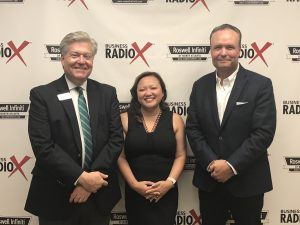
Caroline Ruder with Caroline Ann, Elyse Archer with Brand Builders Group and Jarek James with Jamagine Media

November 4, 2019 by angishields

ABR-Feature-11-4
Atlanta Business Radio
Caroline Ruder with Caroline Ann, Elyse Archer with Brand Builders Group and Jarek James with Jamagine Media
Loading
00:00 /
RSS Feed
Share
Link
Embed

Download file

ABR-Group-11-4

We believe that every outfit you wear should be extraordinary and representative of your one-of-a-kind style—and that no matter where you’re headed, you can never be overdressed. You should feel empowered to step out of your comfort zone with the bold choice of Caroline Ann, while maintaining enough ease for wherever your (every)day takes you.

The Caroline Ann brand’s core values are rooted in paradox—whimsical practicality, approachable aspiration, humorous confidence, analytical creativity.

These juxtapositions come to life during each season as seen through the eyes of our founder and designer, Caroline. She merges seemingly oppositional ideas to create each unique piece, building a collection of wearable art that is truly a tangible fantasy.

Caroline Ruder’s philosophy of turning every day into an occasion has fueled her love of fashion since childhood, though she didn’t always know it would become her career. She was a marketing student at The University of Alabama when she realized that fashion was her calling. Caroline taught herself how to sew and completed her marketing degree, then she received her Masters in Fashion from the Savannah College of Art and Design.

Caroline is a third-generation entrepreneur, so it was only natural for her to cultivate her own fashion brand. She is constantly inspired by the grassroots spirit of starting and managing a business, with Caroline Ann operations based in her hometown of Atlanta, Georgia. Caroline is proud to have assembled a team of passionate people who are equally as committed to fostering Atlanta’s already-budding creative potential.

Caroline has shown various collections at Vancouver Fashion Week and New York Fashion Week. Her work has been featured in British Vogue (print and digital) and Forbes. She looks forward to helping women elevate their every day into an occasion.

Before she started the Caroline Ann brand, Caroline undertook a seminal project that would propel her fashion career. She was contracted by Georgia-Pacific, an Atlanta-based Fortune 100 company, to create a red carpet gown out of paper napkins for a Susan G. Komen fundraising gala.

Caroline used her marketing background to pitch her design and was soon hard at work. Crafting the dress took over 200 hours, utilizing over 1,200 Vanity Fair Napkins, 500 pearl beads, and over 100 sticks of hot glue. Caroline’s gown soon took on a life of its own and became known as simply The Napkin Dress.

Follow Carol Ann on Facebook, Twitter and Instagram.

Elyse Archer is a founding team member and Personal Brand Strategist with Brand Builders Group whose insights have been featured in major media including Forbes and Inc. She is a keynote speaker and host of the podcast Instant Impact with Elyse Archer, where she shares best practices from top business leaders who have created extraordinary personal brands and world class networks.

Prior to joining the founding team of Brand Builders Group, Elyse served as a Partner in an 8-figure international sales coaching organization, where she helped sales professionals achieve their goals.

With a degree in Journalism from UNC-Chapel Hill and over 10 years’ experience in the digital marketing industry, Elyse leverages her background to help people position themselves as thought leaders in their space. Her client list includes New York Times bestselling authors, top 100 podcast hosts, and 8 figure entrepreneurs, as well as leaders who are earlier in their journey and committed to scaling their influence, impact and income.

Connect with Elyse on LinkedIn, Twitter and Facebook.

Jarek James, head of Jamagine Media, LLC, has been a photographer/graphic designer for over 25 years and is now diving headfirst into filmmaking. A true cinema geek, he’s spent his whole life studying tv and film like it’s homework, with opportunities throughout the years to be a part of various short film projects both as an actor and work in production.

His hope is to broaden the film landscape telling stories that he’s always wanted to see in movies while representing Atlanta black filmmakers in the best ways possible.

Connect with Jarek on Twitter, Facebook and Instagram.

Tagged With: ease, effortlessness, elegance, Entertainment, entrepreneur, fashion, Jamagine Films, Jamagine Media, personal branding, sophistication, speaker, Special Events, Video Coach, Visibility Coach

Dr. Quynh Do, Advancing Your Reach, and Frank X. Perissi, Atomic Wash

July 9, 2019 by John Ray

North Fulton Business Radio
Dr. Quynh Do, Advancing Your Reach, and Frank X. Perissi, Atomic Wash
Loading
00:00 /
RSS Feed
Share
Link
Embed

Download file

John Ray, Dr. Quynh Do, Frank X. Perissi

“North Fulton Business Radio,” Episode 147:  Dr. Quynh Do, Advancing Your Reach, and Frank X. Perissi, Atomic Wash

On this edition of “North Fulton Business Radio,” host John Ray interviews Dr. Quynh Do, Advancing Your Reach, on how she helps science and medical professionals with their personal branding and career objectives. and Frank X. Perissi, Atomic Wash, on branding, digital marketing, and his charitable work with the Miracle League.

Dr. Quynh Do, Advancing Your Reach

Dr. Quynh Do, Advancing Your Reach

Dr. Quynh Do started Advancing Your Reach with the intent to encourage professional and personal development and growth within a more holistic framework. Dr. Quynh Do is a nationally recognized authority and thought leader in clinical and epidemiological studies. She focuses on guiding health researchers and practitioners on how to utilize their strengths, weaknesses, and passion to intersect research and practice. She has worked with non-profits, government agencies, academic medical centers, and pharmaceutical companies. She provides clients with strategic planning, training, and assessments that are uniquely aligned with the demands of the healthcare industry.

For more information, go to the Advancing Your Reach website or email Dr. Do directly at advancingyourreach@gmail.com.

Frank X. Perissi, Atomic Wash

Frank X. Perissi, Atomic Wash

Responsible for business development at Atomic Wash, Frank X. Perissi brings over 20 years of sales and marketing knowledge assisting great organizations such as American Express, First Data, Moneygram, Opex, and Taylor Corporation. Frank has lead North American teams in the goal of growing our customers revenues in several industries as a VP of Strategic Channel, VP of Sales and Marketing and as a CMO. Frank is highly networked and enjoys paying it forward with great non-profit organizations such as The Kettering Executive Network, where he holds a board seat as an executive officer, and The Miracle League as a VP and board member. Frank is also member of the Hero Club, an organization that believes in the mantra of servant leadership.

To contact Frank directly, email him at fxperissi@gmail.com.


“North Fulton Business Radio” is broadcast from the North Fulton studio of Business RadioX®, located inside Renasant Bank in Alpharetta. Renasant Bank has humble roots, starting in 1904 as a $100,000 bank in a Lee County, Mississippi, bakery. Since then, Renasant has grown to become one of the Southeast’s strongest financial institutions with approximately $12.9 billion in assets and more than 190 banking, lending, wealth management and financial services offices in Mississippi, Alabama, Tennessee, Georgia and Florida. All of Renasant’s success stems from each of their banker’s commitment to investing in their communities as a way of better understanding the people they serve. At Renasant Bank, they understand you because they work and live alongside you every day.

Tagged With: data analytics, digital marketing, digital marketing agency, Dr. Quynh Do, Frank Perissi, Frank X. Perissi, marketing data analytics, medical professionals, medical research professionals, Miracle League, Norcross, personal branding, personal branding for medical professionals, personal branding for science professionals, Quynh Do, science professionals, science research professionals

Gregg Burkhalter, “The LinkedIn Guy” and Personal Branding Coach

June 18, 2019 by John Ray

North Fulton Business Radio
Gregg Burkhalter, "The LinkedIn Guy" and Personal Branding Coach
Loading
00:00 /
RSS Feed
Share
Link
Embed

Download file

John Ray with Gregg Burkhalter, “The LinkedIn Guy” and Personal Branding Coach

“North Fulton Business Radio,” Episode 143:  Gregg Burkhalter, “The LinkedIn Guy” and Personal Branding Coach

Why is building and maintaining a personal brand so important? Why should corporations not just encourage but train their employees on using LinkedIn to build their personal brand? Gregg Burkhalter answers these questions and much more as he speaks with Host John Ray on this edition of “North Fulton Business Radio.”

Gregg Burkhalter, “The LinkedIn Guy” and Personal Branding Coach

Gregg Burkhalter, “The LinkedIn Guy” and Personal Branding Coach

Gregg Burkhalter is a recognized authority on Personal Branding and LinkedIn. He has helped countless professionals in the U.S. and abroad define and grow their Personal Brand using LinkedIn.

Gregg spent the first part of his professional career behind the microphone at radio stations in Savannah, Jacksonville, Charleston, and Atlanta. Following his radio years, Gregg worked in national music marketing and distribution.

Today, Gregg is known by many as “The LinkedIn Guy”. He provides Personal Branding Coaching and LinkedIn Training via one-on-one and group training sessions, corporate presentations and webinars. He is also a frequent speaker at civic and chamber events and area universities.

For more information or to connect with Gregg, you can go to Gregg’s website or connect with him on LinkedIn here.


“North Fulton Business Radio” is broadcast from the North Fulton studio of Business RadioX®, located inside Renasant Bank in Alpharetta. Renasant Bank has humble roots, starting in 1904 as a $100,000 bank in a Lee County, Mississippi, bakery. Since then, Renasant has grown to become one of the Southeast’s strongest financial institutions with approximately $12.9 billion in assets and more than 190 banking, lending, wealth management and financial services offices in Mississippi, Alabama, Tennessee, Georgia and Florida. All of Renasant’s success stems from each of their banker’s commitment to investing in their communities as a way of better understanding the people they serve. At Renasant Bank, they understand you because they work and live alongside you every day.

Show Transcript

Intro: [00:00:06] Live from the Business RadioX Studio inside Renasant Bank, the bank that specializes in understanding you, it’s time for North Fulton Business Radio.

John Ray: [00:00:19] And hello again, everyone. Welcome to another edition of North Fulton Business Radio. I’m John Ray. And we are coming to you from the Business RadioX Studio inside Renasant Bank. Folks, today, you’re connected more than ever, whether it’s your friends, your family, or your life. Renasant understands how you bank, offering the mobile banking services you need. Renasant also knows that, sometimes, you need to speak to real people with real answers. That’s why Renasant has more than 170 convenient locations throughout the South ready to serve you. For more information, go to renasantbank.com Renasant Bank, understanding you. Member of FDIC.

John Ray: [00:01:02] And I want to move to an old friend, a great guy, serves his clients extraordinarily well, Gregg Burkhalter, the LinkedIn guy.

Gregg Burkhalter: [00:01:15] Hello, John Ray.

John Ray: [00:01:17] A personal branding coach.

Gregg Burkhalter: [00:01:17] Great to be here. Thank you. By the way, your studio is amazing.

John Ray: [00:01:21] You like it?

Gregg Burkhalter: [00:01:22] I think you took it up a notch or two, man.

John Ray: [00:01:23] Well, thank you. Well, you were here, I guess, maybe a year or so ago. And you were at our old place, and we’ve moved on up.

Gregg Burkhalter: [00:01:32] I will agree. This is a great facility. Renasant is like a prime location to do this kind of thing. So, congratulations.

John Ray: [00:01:38] Thank you, sir. I appreciate that. So, for those that don’t know you, and those that are increasingly smaller number of people that don’t know Gregg Burkhalter, but for those that don’t know you, tell them a little bit about who you are and what you do.

Gregg Burkhalter: [00:01:51] Well, Gregg Burkhalter is a personal branding coach who happens to be known as the LinkedIn Guy. And what I do is I help professionals define their personal brand and work with them on a strategy to build that brand. There is a couple of ways you do that. You do it in person, and you do it online. And, of course, my tool of choice for doing it online is LinkedIn. And, originally, I started out doing more one-on-one training sessions. That was sort of my business model. I and did very well at it and got to really work with some elite clients. I continue to work with some elite clients on personals consulting, but I recognized early on that if I want to have the biggest impact on the most number of people, I’ve got to do some corporate stuff.

Gregg Burkhalter: [00:02:31] So, I’ve got to expose myself to more group presentations. And that’s sort of my focus change in the last year or so where I’m doing more corporate and group presentations. And I’m enjoying that. And the reception has been very overwhelming because what’s so cool is, is the company marketing landscape has dramatically changed in the last year. Most are aware, some or not. The way that market to your customer and the way you attract new clients has totally changed. And we’ll probably get into that conversation later on, but that fact has allowed me to talk to more companies.

John Ray: [00:03:00] Yeah, I do want to get into that because you really kind of eat your own cooking, shall we say, because your branding has changed over time, and you started out really focused on LinkedIn, the platform, and you are now really talking about how LinkedIn is a tactic in a bigger strategy, which is, how do you brand yourself personally and professionally.

Gregg Burkhalter: [00:03:26] Correct. I believe when you define your personal brand, you don’t define a brand that’s going to be your brand from now until you quit doing what you’re doing. You’ve got to always be constantly making yourself aware, is my brand value the same as it was a year ago? And if it’s not, what components have increased in value? And I recognize that my personal branding skill set was increasingly my value of [indiscernible].

Gregg Burkhalter: [00:03:49] So, recognizing that fact after a couple of friends brought it to my attention, I decided to put a little bit more emphasis on the personal branding. Once I did that, the timing could not have been better. The business environment started to recognize the value of personal branding, I had people ready to hear my message about personal branding, and that exposure continues to grow. So, the timing was good, and I’m on the path now to spread the word about your personal brand is your gateway to career success and building relationships as part of building that personal brand.

John Ray: [00:04:18] There are a lot of perceptions, Gregg, about what a personal brand is. Why don’t you give your definition? What is a personal brand?

Gregg Burkhalter: [00:04:26] My definition is your personal brand is what people think, feel, or say when they hear your name, or they see your face or name. The short version for that real worthy explanation is this – your brand’s not what you say you are, that’s what other people say you are. And believe it or not, whether you know it, you have a personal brand. You may not be aware of what it is, but you really do know. And a good way to start that query into figuring out what is your personal brand, Google your name. That’s what everybody in the world does when they hear of you or meet you,

Gregg Burkhalter: [00:04:58] In fact, when you go on a job interview, or you’re going to have a meeting with somebody, don’t be worried about that first impression when you walk in the room. That’s your second impression. They already have the first impression. They’ve Googled your name, they’ve checked out your LinkedIn profile. They’re looking to see if the person they found online is the same person that walks through that door.

John Ray: [00:05:17] If it all matches up-

Gregg Burkhalter: [00:05:18] That’s right. Hopefully, you’ve got them so jazzed up by your online presence. Then, when you come in, in person, you just nail it.

John Ray: [00:05:25] Got you. So, you’ve got a personal brand whether you know it or not, so you better tend to it. Now, there are a lot of different aspects to this, whether you’re a job seeker, whether you’re an entrepreneur, professional services provider, whether you’re employee in corporate. Maybe talk a little bit about those different aspects of someone carrying a personal brand.

Gregg Burkhalter: [00:05:51] Well, let’s just say you’re a job seeker out there, your personal brand can make the difference between you getting a job and not getting the job. If you’re competing against someone else with similar education, similar skill set, if you have a strong personal brand, you’re going to get that gig. In fact, I don’t know if you’ve recognized this, but the professional toolbox is totally different than it was, say, five years ago. In fact, when I came along, my professional toolbox was a real skinny flat toolbox. It had two things in it – my education and my experience. Now, the toolbox of the professional man and woman is huge. It has two new power tools that will change your life and your career. Those two new power tools are a strong personal brand and an engaged professional network. Those last two will change your life.

Gregg Burkhalter: [00:06:39] Now, when you’re working for a company, we’re talking about personal branding. When you’re working there, you’ve got to build up your credibility in a company. You do that by being more active, being a fixture at a store front for the company to help spread the brand, become a thought leader for your company. Those kind of things build your personal brand inside of the company, which increases your value and also attracts more people to your company. So, personal branding for company exposure is very important.

Gregg Burkhalter: [00:07:04] Let’s talk about career loss. I talk with a lot of C-level executives. They have a challenge with personal branding because as ladder career C-level executives, that term is totally new to them. They’ve been underneath that corporate veil for 20 or 30 years, and they’re about to leave it. That is extremely scary. So, when I talk to a lot of C-level people, I start out as a cheerleader, re-motivator, re-imager, brander. I go through the whole process. I’m pointing them in the right direction. And this past week, I had a situation arise that actually created a brand-new talking point for me I’ve never said before. I’m going to give it to you right now.

John Ray: [00:07:41] Okay, lay it on me.

Gregg Burkhalter: [00:07:42] If you are a C-level executive, and you’re about to retire, you have to make the decision, at least, six months before you retire, is there any possibility you might change your mind and come back in the workforce? Because if you think you might change your mind, you better maintain your digital presence while you’re thinking it out. If you leave the workforce and get sull and dormant for six months or so, and try to come back, it is a tough task. So, again, if you’re C-level level out there, and you’re about to retire, do some soul searching. Do you want to continue to work? Is there a possibility? If there is, continue to be present in the professional world because it’s harder to stay present and energize that presence than to totally go away and try to reintroduce yourself to people who have forgotten about you.

John Ray: [00:08:30] Sure, sure. We’re speaking with Gregg Burkhalter. He’s the LinkedIn Guy, Greggburkhalter.com. Now, Gregg, let’s come back around a dive into LinkedIn for a second because you are the LinkedIn Guy. LinkedIn has changed dramatically over the last couple of years. I mean, we could point to the Microsoft acquisition and all the investments that Microsoft has made in the platform. How has that changed for the better for using LinkedIn as a personal branding tool?

Gregg Burkhalter: [00:09:03] Well, I’ll tell you, Microsoft’s purchase, I was a little concerned when I first heard about it, but here we are three years later roughly, I’m extremely impressed. I can tell that Microsoft has put a lot more resources into LinkedIn. I can tell they’re really focused on making the platform easier to use, making it where people are engaged and want to use the platform, and creating tools and resources not only to build digital relationships but also take digital relationships and maintain those in the real world. It’s going both ways now with certain things that LinkedIn have in their app program. So, I’m really impressed with that.

Gregg Burkhalter: [00:09:37] There’s always new features coming out every single day to help you do things on LinkedIn to grow your brand. One of the latest ones is video. As you well know in anything nowadays, video is a prime component in brand exposure and also getting your message out there. So, LinkedIn now has video. LinkedIn is also rolling out, limited basis so far, LinkedIn Live, which is a streaming service. Most people aren’t even aware that LinkedIn has added a cell phone mobile app. You can do voice messaging and video messaging easily from your device.

Gregg Burkhalter: [00:10:08] Also, talking about building those real-world relationships from digital relationships, when you’re out there in the field, you can take out your LinkedIn mobile app, and you can share locations with somebody you’re going to be meeting with, and also check your calendar from inside of LinkedIn, and make an appointment to meet somebody using the LinkedIn app. Some really cool stuff like that. Also, if you’re at a gathering, like a networking event, you can bring out your LinkedIn mobile app, and push a button, and you can see all the people within like a hundred feet of you in that room. A great way to build connections with people you don’t know. So, LinkedIn is focused on connections, expanding the network. 630 million people on LinkedIn right now, so they are growing rapidly. That $26.2 billion purchase by Microsoft has proven to be a winner for them.

John Ray: [00:10:52] Sure, absolutely. Now, let’s get back to that C-level executive or that corporate employee. So, you’ve listed all these different additional enhancements that LinkedIn has laid out there for us to use. And I can see somebody out there right now saying, “Greg, I don’t have enough time as it is right now. How am I going to distinguish between all these different aspects of LinkedIn I should use, not use? What should I pay attention to? What should my focus be?

Gregg Burkhalter: [00:11:26] Your focus should be on having a strategy because just being on LinkedIn is not the strategy. It’s, what am I going to do? When am I going to do it? How am I going to do it? As a corporation or a company right now, I can tell you, you’re number one focused on trying to grow your brand is building the personal brands of your employees because your employees are the gateway to brand exposure for your company. As I alluded to earlier in our conversation, one of the main changes in the business environment now is your customer and your future employee don’t believe that company message like they used to. They’re a little skeptical about because you’re marketing to them. What do they believe? They believe the personal brand and the messages of your employees.

Gregg Burkhalter: [00:12:06] So, empower your employees to be ambassadors for your company because they are the ones that actually create the relational connection with your customer. People do business with people. They are the person they get attracted to. So, empower your employees. Not only does it help your brand grow for your company, it’s a good professional development item for your employees. It makes them know that you care about them, tends to make them stay around longer, and they also are turning to people who are thought leaders for your company, it can really help generate some real goodwill for your company.

Gregg Burkhalter: [00:12:39] So, you cannot walk away from branding your employees. The old saying is “Why do I want to brand my employees? Somebody might hire them away.” What if you don’t brand them? That is the worst scenario right now. In fact, I brought a quote in with me. I was hoping I’d have opportunity to do this because I read an article yesterday on LinkedIn by Mark Schaefer. In fact, I shared it on my profile. And this quote was just eye opening. And I want to make sure I got it right. He said, “If you’re still on the fence about personal branding and its cumulative impact in the business world, you’re on a probable path of obsolescence.”

John Ray: [00:13:14] Wow.

Gregg Burkhalter: [00:13:16] That pretty well sums it up right there.

John Ray: [00:13:17] It does, it does. But I’ve got to push back here a little bit. So, if I’m at a big company, I’ve got a manic chase for good people because that’s always a problem, keeping and retaining good people for any company, why do I want to highlight them on LinkedIn? You talked a little bit about that but dig into that a little deeper because that scares me if I’m an employer.

Gregg Burkhalter: [00:13:46] All right. Well, let me give you a figure that might make you more charismatic to that idea. On average, the employees of a company have ten times more followers than the company has followers. So, in other words-

John Ray: [00:13:58] Even the biggest corporations?

Gregg Burkhalter: [00:13:59] Correct.

John Ray: [00:14:00] Really?

Gregg Burkhalter: [00:14:01] The biggest corporations have a lot of employees. You take the connections of all your employees and add those up and take how many followers you have on the LinkedIn company page, you probably have ten times more followers of your employee pages than you did a company page. They provide the exposure. And there’s something about a personal message and an emotional message that is more received, better received than a pitch on the company page. If I were you, connect with someone on LinkedIn as a general rule, you’re not inviting me to pitch you on anything.

John Ray: [00:14:29] True.

Gregg Burkhalter: [00:14:29] You’re inviting in to build a relationship, a relationship based on trust and the value you bring to them. Company page, when you follow a company page, you’re saying, “Please sell me something and please pitch me.” So, tell me about the whole deal how business is done nowadays. Relationships are a big part of the business process. As you probably have noticed, especially in the B2B world, the sale does not go very fast. It takes a lot of nurturing along the way. You don’t send somebody an offer, and, automatically, it closes. There’s a lot of relationships, a lot of conversations occur. So, that emotional relationship of the nurturing of the deal is very important on you closing that deal. And chances are great. If you didn’t have a strong personal brand, and you were not able to build a relationship with a future client, you’re not going to get that sell anyway.

John Ray: [00:15:16] It strikes me that — and I’m going to affirm where you’re coming from on this. It strikes me that it’s pretty shortsighted to think that LinkedIn is the only way for good people to be found, that recruiters, that their whole business is finding good people, and they were doing that long before LinkedIn came along, right? So, it’s a little counter-intuitive to think that, “Well, if we can just keep our employees off of LinkedIn, they won’t be found.”

Gregg Burkhalter: [00:15:45] Well, you keep your employees off LinkedIn, and your customers will never see your brand at the level that you see it. In fact, on LinkedIn, during my presentations when I talk, I talk about the fact that most people on LinkedIn are not looking for you, they discover you. Especially your customers, your customers not looking for you. They discover you. And 90% of the time they discover you, it’s not on your company page. It is on the personal page of one of your employees who has created engaging content that they’ve seen and said, “You know what, this person is a thought leader.” That’s how they find. Of course, there are some people hunting for you on LinkedIn. As you said, recruiters might be looking for you. And, also, people don’t want to sell you stuff, but your customers and your future employees, as a general rule, they discover you.

John Ray: [00:16:26] True.

Gregg Burkhalter: [00:16:27] They discover the magic of your brand as conveyed by your employees.

John Ray: [00:16:31] We’re speaking with Gregg Burkhalter, the LinkedIn guy and personal branding coach and expert. Now, Gregg, how do you work with a company that says, “Okay, I bite. I want to work with you. Help me. Help my employees build our brands.” That’s plural, “Build our brands together.”

Gregg Burkhalter: [00:16:54] Got you. Well, there’s not one size fits. The beginning of that process is a conversation at length about what their business is about, who their customers are, the challenges they’re having on LinkedIn. And whenever I know I’m going to talk to somebody about a LinkedIn training session in the future, I never look at their LinkedIn profile before I speak to them, and I never look at their company page. I want to put myself in the position of their customer or future client. When I talk to them for the very first time, they tell me what they’re about. I listen to what they say. And then, when I go to their LinkedIn profile or company page, I know if there’s a disconnect or what’s going on there.

Gregg Burkhalter: [00:17:31] Once I do that assessment, then I know what I can do. As a general rule, most companies now in the corporate world could really benefit greatly from my one hour or what I call the LinkedIn Power Hour. It has taken me several years to be able to get them 60 minutes of time a total overview of LinkedIn – what it’s about, the psychology, what you do, how to build your personal brand, and give you a to-do list of what you do every day on LinkedIn. It’s taken a while to get there, but I’ve got that down. So, every company could benefit from that.

John Ray: [00:18:01] True.

Gregg Burkhalter: [00:18:01] There’s an extended version of that, which includes a one hour of hands-on LinkedIn training, where we build the foundation of LinkedIn, and then we go under the hood of LinkedIn, and show you what everything does, including the buttons you’ve never seen before, and I give you an opportunity to watch me do my daily activity on LinkedIn, to hear my psychology, to see about psychology, to see my technique. So, when you leave there, you’re empowered with confidence to go out there and start using LinkedIn.

Gregg Burkhalter: [00:18:28] Now, here’s the thing that happens a lot of times when I train companies, I have to warn them. I’ll go into a company, we’ll talk about LinkedIn, and they get fired up. And the first thing they want to do is the next day, go out on LinkedIn, and blow it wide open with content. You can’t do that.

John Ray: [00:18:44] Right. You can’t turn the battleship in one day, right?

Gregg Burkhalter: [00:18:48] But you know what, it gets people thinking about me because when that happens, they say they must have heard Gregg Burkhalter speak. I get blamed for that all the time. So, as a general rule, if you’re not active on LinkedIn, you’ve got to ease your way into it because LinkedIn is really not about you, it’s about the value you bring to the community. So, if you get on LinkedIn from 0 to 100, what that feels like is you walking into a networking group, walking in the door, and passing out your cards and flyers to everyone in the room, and leaving the room, and never saying a word. What they say is, “Who was that?” So, you got to have a strategy on LinkedIn. It’s not 100 miles an hour out of the gate.

John Ray: [00:19:24] Now, let’s back up to that point where you’re checking out someone’s profile and that kind of thing, that when you get to that point, is that where the term that I’ve seen on your profile page, brandstorming — I’ll get that right. Brainstorming, is that where that term comes in?

Gregg Burkhalter: [00:19:41] Brandstorming comes shortly after that.

John Ray: [00:19:44] Okay.

Gregg Burkhalter: [00:19:44] I hear them talk about what they think their brand is about, I’ll look at their profile, and then I give them what I feel as a first impression of brand is. So, that is the beginning of the brandstorming session. And we kind of talk back and forth. I want to know, in priority, what are the most important things in what you’re trying to do? Tell me some of the things. What are your branding items that you feel in your mind are the most important things? And I listen to them tell me those items. Well, they may either tell me those items in non-clear terms. I have to clarify in better terms what they’re trying to say, or they don’t have them in the right order based on what I read. So, we try to figure out, what is their personal brand? What is that?

Gregg Burkhalter: [00:20:20] Then, once we do that, we got decide, how do we present that brand in a humble yet confident way to attract people to their brand, so over a period of time, people would come engaged with their brand, see them as a thought authority, and want to do business with them? The true magic of LinkedIn is you know your brand is really growing when the cold calls slow down and the inbound calls increase. It’s a wonderful spot to be to be only receiving inbound calls and responding inbound calls. That’s when you know you have blown it wide open.

John Ray: [00:20:50] Now, I know there are some folks that say, “Well, hey, Gregg, I’ve already got all those real connections. I’ve already got all those calls. I’ve got a large customer base. So, why do I need to do all this work on LinkedIn?”

Gregg Burkhalter: [00:21:04] I hope you keep those people. I hope they live to be 150 to 200 years old because you’re not growing your base. Here’s the reality. In today’s world, I don’t care how many real relationships you have. If you haven’t digitized those relationships and put them on LinkedIn, so people can see your name and their digital workday, you’re not thought of. You’re not top of mind. In fact, you’re going to end up forgotten. So, you’ve got to have your relationships. They’re great to have them in person. Even both places in person. But digitize them, so you can nurture them and watch those relationships grow because a relationship of somebody in the digital realm is a daily relationship. You know what’s going on in their life every single day. There is no catching up to do when you meet that person. There’s only a continuing to grow the relationship. So, digitize them, put them on LinkedIn, help you out.

John Ray: [00:21:52] Yeah, sure. Now, I want to just take a little side. I’ve got a daughter in college. So, I want to take a little sidebar here to talk about college students because I know you’ve been doing some speaking at colleges, even high schools, and talking to them about how undergraduates, MBA students need to improve their personal brand or establish that personal brand even before they get out in the workplace.

Gregg Burkhalter: [00:22:23] Correct. You got to realize, LinkedIn has been around since 2003, but among the current college graduates right now, it’s not the channel of choice they’ve been using. They’ve been using Facebook and Instagram. And I have to make them aware of, first of all, the value of LinkedIn and the value of their personal brand because going forward, your personal brand is going to be your key to success. I mean, if you don’t have a personal brand-building strategy, you’re not going on the right path to start your career.

Gregg Burkhalter: [00:22:49] In fact, if you’re working right now, I’d venture to say in the next 5 years, 10 years, it might even be 20 years down the road, if you’re working right now, at some point in your career, your personal brand is going to be your only chance of making a living. It’s the only tool you got. And it’s also going to allow you to work at the level you’re accustomed to working. If you don’t have that personal brand, you’re going to be hurting in the business world. So, build your brand, protect your brand. And after you built your brand and people believe your brand, one of the great benefits of that is you can share your brand. Help other people build their brand. It’s a giving thing too. Once you get it, you give it. So, personal branding is virtual, yeah. Career-wise personal branding is very important.

Gregg Burkhalter: [00:23:30] Now, the fine line you have to walk is this, you have your personal brand, and you work for a company. Working for a company, you’re going to share their brand with them, you’re going to share your personal brand, you’re going to promote the company, but you cannot sell out your personal brand to your company. If you sell out your personal brand where your brand is based exclusively on where you work, if you ever lose that job, your brand is going to take a hit. Make sure you maintain your own personal brand skills that are not directly tied to your company, that are transferable should the need be down the road. But you do want to have a strong brand because you are valuable to your employee, you are going to be a brand exposure for your employee, but you also are looking out for yourself too. So, maintain your own personal brand.

John Ray: [00:24:14] And, again, back to the whole point about companies and how companies should react to these phenomena, they’ve got a line to walk, right? I mean, they really want to encourage that employee to not only help them build the company brand but understand the benefits of building that personal brand. They are encouraging that employee to build their own brand.

Gregg Burkhalter: [00:24:36] With this company helping people build personal branding scenarios started rolling out, initially, companies tried to be too structured on that. They set forth a social media policy. And all of a sudden, their employees became robots. People can recognize robots. You’ve got to let your employees have their own personality, their personal skill set. You’ve got to make them real people. Let real people that work for your company share content, build relationships, and represent your company. You’ll be successful. But if it feels plastic, and generic, and a unified effort to do something, it’s not real. It’s not going to work. So, that’s why you got to work with the employee to help them.

Gregg Burkhalter: [00:25:15] Now, one thing you do want to do is make sure your employees, even though you give them some freedom to build their brand, there should be some recognition of exactly what is a strong brand and what is the proper way to represent themselves and your company. You’ve got to have some kind of strategy and focus on that. But a day-by-day, “Here’s what the company wants you to do,” it shouldn’t be quite that regimented.

John Ray: [00:25:35] True.

Gregg Burkhalter: [00:25:36] Represent the company, build your brand, help the company.

John Ray: [00:25:39] Now, again, Gregg Burkhalter, gregburkhalter.com, personal branding coach, and expert, and the LinkedIn guy. You’re a great example of this yourself. I mean, you have gone from essentially a Metro Atlanta guy to the point where the other day, I saw you were training on LinkedIn, of course, training a group of college students in Canada. Wow. I mean, you have extended your own brand out there, and you’re obviously eating your own cooking. So, talk about that maybe a little bit about that journey, but also how you handle those kind of clients that are out there remote like that. Do you travel to them? Do you do that remotely? How do you do that?

Gregg Burkhalter: [00:26:31] It’s a great honor to have people from other countries and other states reach out to me because it gives me an opportunity to do what I’m trying to do – have as much impact as possible on the most number of people. So, how do I train people? Well, originally, it was training people in person. But, now, I spend probably more of my time training people via the internet, doing one-on-one coaching via the internet. And in fact, I’ve done, in the last six months, three keynote speaking presentations from my desktop at home to groups. It works flawlessly. And that’s how I talk to a lot of the colleges out of town. I do a speaking presentation. They gather the students in an auditorium, project me on the screen, it works great.

Gregg Burkhalter: [00:27:09] So, technology is wonderful. It allows me the opportunity to get to other people and have a personal branding LinkedIn conversation with them and just expand my network. Because if you’re on LinkedIn, and you’re staying in a small little pond, that’s not growing your brand. You’ve got to get into the LinkedIn ocean.

John Ray: [00:27:24] Sure.

Gregg Burkhalter: [00:27:25] I mean, most people on LinkedIn, what they’re doing is they’re the kind of hunting. They’re hunting for customers, or they’re hunting for somebody that might know one of their customers. All this little hunting is in a small pond or field. You’ve got to get in the ocean. The way you get in the ocean, you’ve got to start fishing. Having a strong bite, which is a LinkedIn profile that’s buttoned up and a fishing pole, which happens to be the LinkedIn ecosystem, which you use with a strategy to expose your brand. If you’re fishing, I don’t care how the hunting is going, at some point, those fishes are going to start jumping in your boat. And what I’ve noticed lately is I’m actually hunting for fish. I hunt for someone I want to put into my ocean, so I can feed them until they bite. So, that’s what I’m doing right now. So, a lot of these out-of-town engagements are people I have never spoken to who have heard of my name through my brand exposure.

John Ray: [00:28:15] Wow. So, again, eating your own cooking, doing it exactly the way you counsel others to do it, which is exciting for folks to see. Now, in terms of some your in-person events, you have a couple of different events that are interesting. I think Connected is one of them. You can talk a little bit about that one. And, also, LinkedIn After Hours. Give us a little lowdown on those events.

Gregg Burkhalter: [00:28:46] Well, the Connected event is something I came up with back in 2015. It was a concept of allowing my LinkedIn connections and my connections’ connections to get together and have some in-person networking. It worked out really good, so I’ve continued to do that a couple of three times a year. I have one of those coming up on July, July 17th. I did one back in January with over a hundred folks there. Hoping this one is going to be another big event to. So, I would love for you to come join us for that.

Gregg Burkhalter: [00:29:11] And following that in a couple of months, I have another one of my signature events. It’s more of a training top event. It is called LinkedIn After Hours. And the tagline I came up with was, “It’s never too late on LinkedIn.” It’s kind of like a play on words.

John Ray: [00:29:25] Yeah, of course, yeah.

Gregg Burkhalter: [00:29:26] But it gives an opportunity for people who are working who want to come learn LinkedIn, work on their personal brand, and their boss not know. It’s a two-hour workshop, very similar to like my two-hour corporate training where you can come in and get the total meat of LinkedIn and leave with a strategy of what you should be doing every day on LinkedIn. Of course, when I do these public training workshops, the two-hour one, the LinkedIn After Hours, where I go into a corporation, of course, I’ll leave you with materials behind that you can reference later on because if anybody’s ever heard of the LinkedIn Guy speak, what’s the term you use? The faucet’s going to be turned on? John, I’ve heard this.

John Ray: [00:30:00] It’s true.

Gregg Burkhalter: [00:30:00] The faucet gets turned on.

John Ray: [00:30:01] True.

Gregg Burkhalter: [00:30:01] So, I’ve never been known for holding back information. So, when you come, we’ll fill you up with some good stuff, and we’ll give you some notes to take home with you.

John Ray: [00:30:10] Yeah. You deliver a lot of value at all your events. But folks, if you’re listening to this show in the podcast form maybe after the dates that Gregg gave, obviously, go and follow Gregg on LinkedIn, and you’ll announce those events in the future-

Gregg Burkhalter: [00:30:31] Correct, correct.

John Ray: [00:30:31] … as they come along. So, Gregg, I guess, to kind of wrap it up here, if I’m either a company or an individual, I’m really interested in maybe a success story or two, folks that you have worked with recently that you’ve made a big impact on.

Gregg Burkhalter: [00:30:55] Well, it’s a pleasure to be able to work with people and have impact on lives.

John Ray: [00:30:59] It’s true.

Gregg Burkhalter: [00:30:59] A lot of times, the people never really reach back out to you and tell you how it went. So, sometimes, you don’t know. But a couple of recent stories, one is about nine months ago, I had a CFO at a major oil company who had lost his job. Unfortunately, he had never really used his LinkedIn account, had no knowledge of LinkedIn. So, I was able to work with him one-on-one to help update his LinkedIn profile, gave him a strategy of job search and daily LinkedIn activity. And four months after I worked with him, he said, “Hey, I’ve got a new gig. I’m working for a private company. I’m a CFO.” So, that’s wonderful.

Gregg Burkhalter: [00:31:32] I have notes from people all the time that I’m humbled when they send it to me. They’re telling me that, “Your presentation that I attended, you don’t know this, but it changed my trajectory.” I get those all the time.

John Ray: [00:31:42] Wow.

Gregg Burkhalter: [00:31:43] Names I can’t quote, but I get them all the time, and I’m so honored that they would take time to let me know that. Because someone took time with me when I was at a career juncture prior to being the LinkedIn Guy. I had an individual sit down with me and go, “Greg, I want to try to help you get your strategy together for growing your brand and what you want to do.” Had someone not done that for me, I would not be talking to you today.

John Ray: [00:32:07] Wow.

Gregg Burkhalter: [00:32:07] So, I enjoy helping others. People enjoy knowing that somebody cares about them, that they are vested and have them succeed, and they have no ulterior motives other than for them succeed. And that’s why I enjoy helping people. I want them to succeed.

John Ray: [00:32:22] That’s fantastic, yeah. And I see that from you on LinkedIn. I know you get on there, and you really promote others in a good way. I mean, in the good work that they are doing. And that resonates with us. That’s what we try to do here at Business RadioX. And it’s exciting to see that in terms of the way you play that out on LinkedIn. So, congratulations on your success. And the information you’re sharing with folks and the lives you’re changing, for those that want more information, would like to be in touch with you and connect with you, how do they do that?

Gregg Burkhalter: [00:32:59] Well, I would love for them to connect with me on LinkedIn.

John Ray: [00:33:00] Of course, a badge to that, right?

Gregg Burkhalter: [00:33:02] Yeah. The direct link on that is linkedin.com/in/gregburkhalter, or you can visit my website. It’s gregburkhalter.com. If you want to kind of check out what I’ve been doing lately, you can Google the LinkedIn guy. I’m so fortunate to show up number one in search in the world as the LinkedIn Guy.

John Ray: [00:33:21] Look at you.

Gregg Burkhalter: [00:33:24] What that is, John, is just talking to a lot of groups. I’ve spoken to hundreds of groups in the last year. That was my secret to getting my SEO where it is right now. So, the way the cards fell, I love the way they fell.

John Ray: [00:33:35] I love it. That’s great, that’s great. Gregg Burkhalter, gregburkhalter.com, personal branding coach, and expert, and the LinkedIn Guy. Thanks for being with us.

Gregg Burkhalter: [00:33:46] Thank you again, John. I really enjoyed it. Hope to see you again soon.

John Ray: [00:33:49] I’ll look forward to it.

John Ray: [00:33:51] Folks if you need help with the headaches of administrative tasks, bookkeeping, marketing, presentations, or workshops, well go engage a smart and reliable office angel. They’re not a temp agency or placement firm, Office Angels matches your business support needs with angels who have the talent and experience necessary to help you maintain and grow your business on an ongoing or as-needed basis. It’s your terms, it’s your timeline. They lend a hand when needed and fly off when the job is finished. Find out more at officeangels.us or call Chief Executive Angel Essie Escobedo at 770-442-9246.

John Ray: [00:34:29] And a reminder, you can listen to this show every Tuesday morning live at 11:30 a.m. And if you missed any of our live shows, we are on all the major podcast platforms – iTunes, Stitcher, TuneIn, Spotify. There’s probably two or three that just got released this morning. But we put this show out on all those major podcast apps. So, search for North Fulton Business Radio on your favorite app, find us there, or you can go online at northfultonbusinessradio.com and listen to us from your computer or from your phone. You can follow us on Twitter or Facebook, North Fulton BRX. You can find us there as well. We’d love to have you connect there. So, for my guest, Gregg Burkhalter, I’m John Ray. Join us next time here on North Fulton Business Radio.

Outro: [00:35:37] Today, you’re connected more than ever- your friends, your family your life – and banking is what you do on your time anywhere you like. Renasant understands how you bank, offering mobile banking services you need. At Renasant, we also understand that, sometimes, you need to speak to real people with real answers. That’s why Renasant has more than 170 convenient locations throughout the South ready to serve you. Renasant Bank, understanding you. Member FDIC.


Tagged With: Connected, gregg burkhalter, LinkedIn, LinkedIn After Hours, Linkedin Consultant, linkedin expert, linkedin guy, linkedin tips, LinkedIn training, Microsoft, personal branding, personal branding authority, Personal Branding Coach, personal branding consultant, Personal Branding for college students, Personal Branding for corporate employees, Personal Branding for job seekers, renasant bank, the linkedin guy

  • « Previous Page
  • 1
  • 2
  • 3
  • Next Page »

Business RadioX ® Network


Our Most Recent Episode

CONNECT WITH US

  • Email
  • Facebook
  • LinkedIn
  • Twitter
  • YouTube

Our Mission

We help local business leaders get the word out about the important work they’re doing to serve their market, their community, and their profession.

We support and celebrate business by sharing positive business stories that traditional media ignores. Some media leans left. Some media leans right. We lean business.

Sponsor a Show

Build Relationships and Grow Your Business. Click here for more details.

Partner With Us

Discover More Here

Terms and Conditions
Privacy Policy

Connect with us

Want to keep up with the latest in pro-business news across the network? Follow us on social media for the latest stories!
  • Email
  • Facebook
  • Google+
  • LinkedIn
  • Twitter
  • YouTube

Business RadioX® Headquarters
1000 Abernathy Rd. NE
Building 400, Suite L-10
Sandy Springs, GA 30328

© 2025 Business RadioX ® · Rainmaker Platform

BRXStudioCoversLA

Wait! Don’t Miss an Episode of LA Business Radio

BRXStudioCoversDENVER

Wait! Don’t Miss an Episode of Denver Business Radio

BRXStudioCoversPENSACOLA

Wait! Don’t Miss an Episode of Pensacola Business Radio

BRXStudioCoversBIRMINGHAM

Wait! Don’t Miss an Episode of Birmingham Business Radio

BRXStudioCoversTALLAHASSEE

Wait! Don’t Miss an Episode of Tallahassee Business Radio

BRXStudioCoversRALEIGH

Wait! Don’t Miss an Episode of Raleigh Business Radio

BRXStudioCoversRICHMONDNoWhite

Wait! Don’t Miss an Episode of Richmond Business Radio

BRXStudioCoversNASHVILLENoWhite

Wait! Don’t Miss an Episode of Nashville Business Radio

BRXStudioCoversDETROIT

Wait! Don’t Miss an Episode of Detroit Business Radio

BRXStudioCoversSTLOUIS

Wait! Don’t Miss an Episode of St. Louis Business Radio

BRXStudioCoversCOLUMBUS-small

Wait! Don’t Miss an Episode of Columbus Business Radio

Coachthecoach-08-08

Wait! Don’t Miss an Episode of Coach the Coach

BRXStudioCoversBAYAREA

Wait! Don’t Miss an Episode of Bay Area Business Radio

BRXStudioCoversCHICAGO

Wait! Don’t Miss an Episode of Chicago Business Radio

Wait! Don’t Miss an Episode of Atlanta Business Radio