Business RadioX ®

  • Home
  • Business RadioX ® Communities
    • Southeast
      • Alabama
        • Birmingham
      • Florida
        • Orlando
        • Pensacola
        • South Florida
        • Tampa
        • Tallahassee
      • Georgia
        • Atlanta
        • Cherokee
        • Forsyth
        • Greater Perimeter
        • Gwinnett
        • North Fulton
        • North Georgia
        • Northeast Georgia
        • Rome
        • Savannah
      • Louisiana
        • New Orleans
      • North Carolina
        • Charlotte
        • Raleigh
      • Tennessee
        • Chattanooga
        • Nashville
      • Virginia
        • Richmond
    • South Central
      • Arkansas
        • Northwest Arkansas
    • Midwest
      • Illinois
        • Chicago
      • Michigan
        • Detroit
      • Minnesota
        • Minneapolis St. Paul
      • Missouri
        • St. Louis
      • Ohio
        • Cleveland
        • Columbus
        • Dayton
    • Southwest
      • Arizona
        • Phoenix
        • Tucson
        • Valley
      • Texas
        • Austin
        • Dallas
        • Houston
    • West
      • California
        • Bay Area
        • LA
        • Pasadena
      • Colorado
        • Denver
      • Hawaii
        • Oahu
  • FAQs
  • About Us
    • Our Mission
    • Our Audience
    • Why It Works
    • What People Are Saying
    • BRX in the News
  • Resources
    • BRX Pro Tips
    • B2B Marketing: The 4Rs
    • High Velocity Selling Habits
    • Why Most B2B Media Strategies Fail
    • 9 Reasons To Sponsor A Business RadioX ® Show
  • Partner With Us
  • Veteran Business RadioX ®

LinkedIn For Professional Services Providers: An Interview with Gregg Burkhalter, The “LinkedIn Guy”

April 14, 2022 by John Ray

LinkedIn
North Fulton Studio
LinkedIn For Professional Services Providers: An Interview with Gregg Burkhalter, The "LinkedIn Guy"
Loading
00:00 /
RSS Feed
Share
Link
Embed

Download file

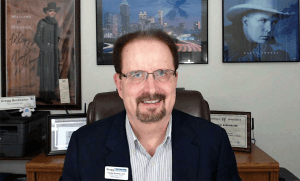
Gregg Burkhalter The LinkedIn GuyLinkedIn for Professional Services Providers: An Interview with Gregg Burkhalter, The “LinkedIn Guy”

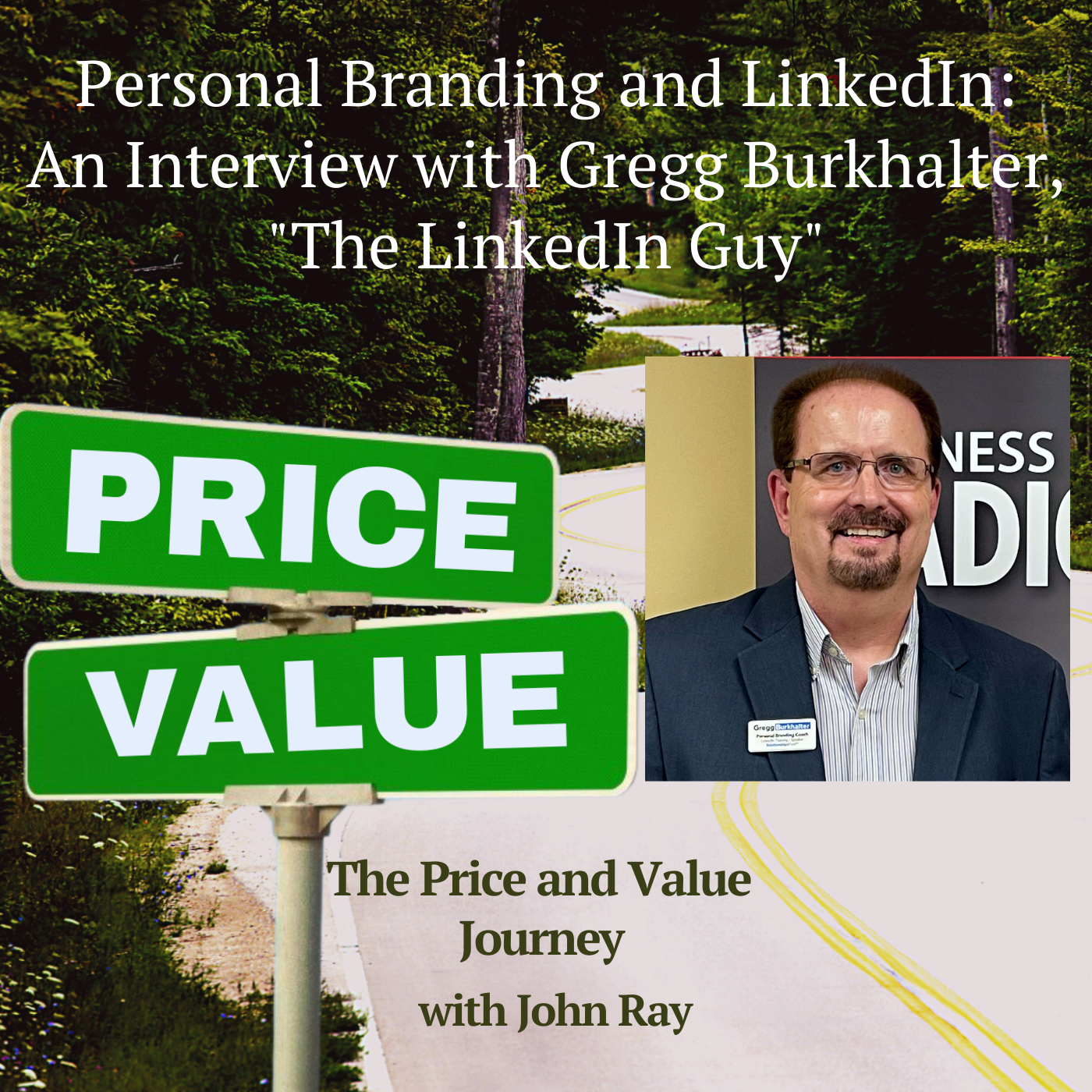
Gregg Burkhalter, dubbed “The LinkedIn Guy” by his clients, joined host John Ray to share his advice about effective relationship building and personal branding on LinkedIn. Gregg talked about successful LinkedIn strategies for time-starved professional services providers, creating and sharing content, the value of being genuinely helpful without an agenda, and much more. The Price and Value Journey is presented by John Ray and produced by the North Fulton studio of Business RadioX®.

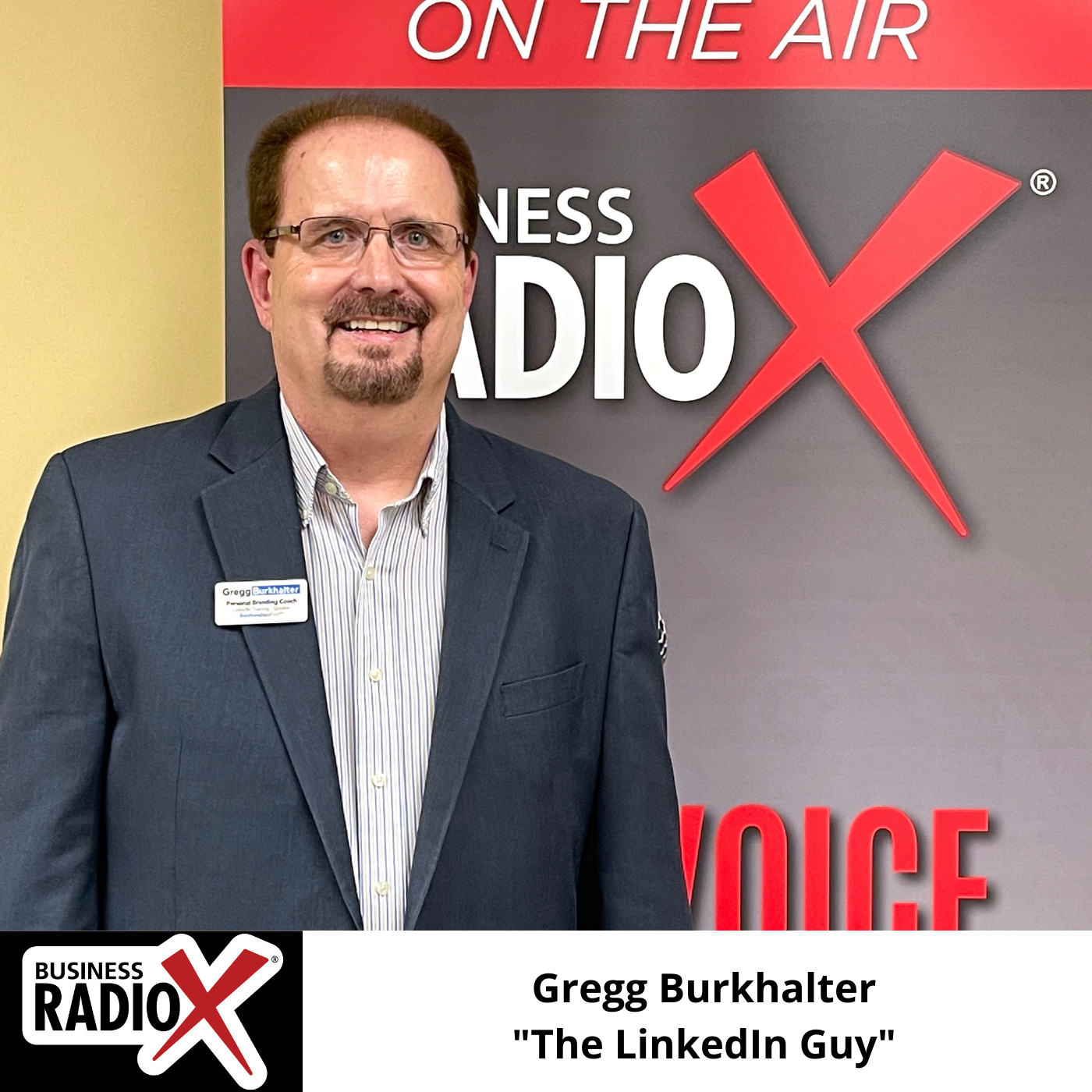
Gregg Burkhalter, Personal Branding, LinkedIn Training, Speaker

Gregg Burkhalter
Gregg Burkhalter, Personal Branding, LinkedIn Training, Speaker

It is very important to have a strong personal brand. Companies understand that their employees’ brand contributes largely to the company’s success.

Everyone has a personal brand. Your brand is built one of two ways: 1) By default: do nothing and you have to settle for how it turns out, or 2) By design: if you consistently focus on developing and building your brand, you can help shape the outcome.

LinkedIn has over 770 million users and is the digital home of your personal brand. LinkedIn is also a great place to build relationships and grow your professional network.

When you set up your LinkedIn profile, you’re defining what you’d like your brand to be. It is not your personal brand until others believe it. 

Gregg Burkhalter is a recognized authority on personal branding and LinkedIn. He has helped countless professionals in the U.S. and around the world define and grow their personal brand using LinkedIn.

Gregg is known by many as “The LinkedIn Guy”. He provides Personal Branding Coaching and LinkedIn Training via one-on-one and group training sessions, corporate presentations, and webinars.

Website | LinkedIn

TRANSCRIPT

John Ray: [00:00:00] Hello again, friends. I’m John Ray on The Price and Value Journey. I’m delighted to welcome an old friend today, Gregg Burkhalter. Gregg is known as the LinkedIn Guy, and that’s actually a name his clients and friends have given him because Gregg, in their eyes and I think you’ll hear as we go along on this show, is a recognized authority on personal branding and LinkedIn.

John Ray: [00:00:25] He has helped countless professionals in the U.S. and around the world define and grow their personal brand using LinkedIn. Gregg spent the first part of his professional career behind the mic at radio stations in Savannah, Jacksonville, Charleston, and Atlanta. And following his radio years, Gregg worked in national music marketing and distribution.

John Ray: [00:00:48] And as I mentioned today, Gregg is known by many as the LinkedIn Guy. He provides personal branding, coaching, and LinkedIn training via one-on-one and group training sessions, corporate presentations, and webinars. And he does this for clients and groups all around the world. Gregg Burkhalter, welcome.

Gregg Burkhalter: [00:01:09] John Ray, thank you for having me on your podcast. It’s great to see you again. And I’ve got to tell you, I’m a fan of your podcast, as are a lot of people right now. And I’ve noticed the guests that respect your knowledge so much, they get on your podcast. I’m honored to be among those guests. Thank you.

John Ray: [00:01:26] Well, I’m delighted to have you. And this is a topic that when we started the show, I immediately marked down – and immediately marked you for it, of course – because LinkedIn is so important for small professional services providers, for solopreneurs that are mostly B2B services, so we want to talk to those folks.

John Ray: [00:01:52] But before we get into some of the details of that, I want to talk about you and a little bit more about your journey because you’ve got an advisory practice. So, talk about how you built that practice around the use of LinkedIn.

Gregg Burkhalter: [00:02:05] Correct. Well, my early career, as you alluded to, was in music and broadcasting. And like most professionals, you don’t usually work your entire career in the same job. You usually have some kind of pivot or transition.

Gregg Burkhalter: [00:02:17] Well, my pivot occurred a little over eight years ago when the company I worked for, my dream job, kind of disappeared. And I started my period of discovery to see what is the next chapter in the Gregg Burkhalter life. And, fortunately, that chapter unfolded without me actually searching heavily for it. I found myself, on occasion, doing some speaking on LinkedIn to some social groups or some community groups in the area. And what do you know? Within, like, a short period of time, I started having people ask me, “Would you come talk to my group about LinkedIn?”

Gregg Burkhalter: [00:02:48] Of course this would not have happened had I not had the courage – thanks to a friend – to set up my very first LinkedIn profile and began using it. And I began using it with a strategy that proved to be correct. So, now that I’ve started my consulting business, I’ve watched it grow, I’ve watched others get impact from the strategy and advice I share with them. And I’m on a run right now that I’m really enjoying this facet in my career. And I would love to see others be able to experience what a service provider journey looks like when you have a strategy and a focus on helping others being of value and providing a service that others want.

John Ray: [00:03:27] For you, it’s hard to separate LinkedIn versus your practice, because LinkedIn is your practice. I mean, for the rest of us, LinkedIn is just a tool for us in our practice. But just talk about, I guess, just the building of your practice and maybe what you’ve learned as a solopreneur, what you’ve learned along the way in terms of how you’ve done what you’ve done and how you’ve been successful.

Gregg Burkhalter: [00:04:02] Well, I can tell you, step number one is building relationships. Because you can’t do it on your own. And that is why LinkedIn is so valuable. LinkedIn is a great tool – as you said, tool – for building and nurturing those relationships. That’s the beginning process. Then, the next step is probably beginning to decide what is your message? What value do you bring to your service area? How do you want to present yourself? And then, once you kind of get that voice down, then you begin using LinkedIn to become part of the community.

Gregg Burkhalter: [00:04:36] Again, while you’re spreading your message, you’re not becoming a one trick pony where it’s all about you. Because LinkedIn, in all reality, is not about you. It’s about the value you bring to the community. And it’s about building and nurturing professional relationships that will create ongoing opportunities for you throughout your business and your career.

Gregg Burkhalter: [00:04:56] So, LinkedIn, for me, I can tell you personally is more than a tool. It allows you to feel more fulfilled as a person because it allows me in the most effective way possible to help other people and to accomplish what I’m trying to do.

John Ray: [00:05:10] So, before you were the LinkedIn Guy and you started that profile, you opened that profile, what you brought was a relationships first mentality to the platform. It seems like your philosophy of being in the world and doing business really meshed with what LinkedIn is. That’s not necessarily true for everyone that’s on the LinkedIn, though, of course.

Gregg Burkhalter: [00:05:36] That’s correct.

John Ray: [00:05:37] I mean, most – I won’t say most – a lot of folks that are on LinkedIn, it’s about either they’re on there to get a job, which there’s nothing dishonorable about that. A lot of us have been on there for that. Or they’re on their cell, whatever they’ve got, their service or whatever it is. But you really came to the platform with the relationships first mentality. And I guess it was just your way of looking at the world, your philosophy of the world, just happened to hit the right platform.

Gregg Burkhalter: [00:06:14] Well, I can tell you that it actually helped my business grow at a rapid fashion. Because if you’re getting on LinkedIn and you’re nothing but a sales pitch machine, you might get lucky every now and then and maybe land a client, but your chances for long term success is not very good. Because relationships, not only with your clients, but with the community, is going to help you continue to do your business.

Gregg Burkhalter: [00:06:38] So, there’s two ways you can really use LinkedIn, in fact, just like hunting and fishing. I started out as a fisherman. I started fishing. I started trying to fish for relationships that I could nurture and grow. And then, once I got that traction going, I put on my hunter’s hat, and I started hunting for people that might be potential clients. Not to send them a one off sales pitch, but to decide I may want to nurture that relationship for future opportunities. So, it’s really a mix of both. But I can tell you if you’re only game plan is hunting, that is not a successful long range game plan.

John Ray: [00:07:15] Okay. Well, let’s dive into this right now, because I’m sure people are thinking because I’m thinking this. You went after people that you wanted to develop a relationship with. What does that look like for you? You go out after someone that you think is a great target for you – I hate to use that word – a great relationship for you to have, how do you nurture the relationship without being salesy?

Gregg Burkhalter: [00:07:42] Well, first of all, let me tell you, a potential client is not your only target on the relationship you’re looking for.

John Ray: [00:07:48] Oh, come on.

Gregg Burkhalter: [00:07:49] When you look for a potential client, that’s one particular person that you have on your radar. The one that people miss all the time is finding that person who already has a well-established brand who has a network of people who enjoys introducing and connecting people. That’s the relationship that will replicate sale after sale, intro after intro for you. So, that’s the two you should be going for.

Gregg Burkhalter: [00:08:16] But as for your approach, please do not just push the connect button on LinkedIn and expect me to grovel all over you and the services you provide. You’re not talking to me. You’re treating me like I’m just a number. Well, the next step is, maybe you write me a note. That’s a perfect thing to do. Write me a note. Explain to me why you’re reaching out to connect. What is the commonality that led you to want to connect with me and connect with me.

Gregg Burkhalter: [00:08:41] But please don’t give me a copy paste sales pitch immediately after we connect. Or in the original invitation you’re sending me, don’t send me a link to your calendar to schedule a time to talk. You’ve got to give time for that relationship to grow. And that is not usually in the first one or two conversations on LinkedIn. There’s more to it than that.

Gregg Burkhalter: [00:09:05] You’ve got to bring some value, value that you’re not expecting anything in return for to start nurturing that relationship. And that value might even be introducing your client to someone you already know who provides a different service that might be a good source for them. This is adding value. There’s ways you add value and just soliciting them to buy your product is not the top way to add value.

John Ray: [00:09:32] So, beyond introducing connecting people, which I can hear folks thinking, “Well, I don’t really want to connect someone I just connected with on LinkedIn who I don’t know to my clients,” so how do I add value to that person I’ve just connected with sort of connecting them with my clients?

Gregg Burkhalter: [00:09:55] Well, first of all, you can start figuring out exactly what your client’s needs are, what they’re looking for, what kind of resources they might get to utilize. And maybe you could maybe send them a link to an article that they would like to read. Or maybe invite them to something going on in the business community that maybe they would like to attend, and you’re going to be there, you’d like to say hello to them.

Gregg Burkhalter: [00:10:17] Or like I said earlier, maybe connecting with someone that once you speak with them, you say, “You know what? There’s some commonality here between these two.” They need to know each other. Create a synergy connection with somebody in your network that would be of value to them.

John Ray: [00:10:30] So, not necessarily a client, just a referral partner or someone that you think they ought to know for synergy reasons or what have you. Let’s talk about comments and how you make helpful comments that create connection.

Gregg Burkhalter: [00:10:47] I got to tell you, John, commenting on posts right now is one of the most valuable ways, most efficient ways, to create brand exposure for yourself. It’s also a very volatile way, if done incorrectly, to create brand damage.

John Ray: [00:11:03] Say more on that.

Gregg Burkhalter: [00:11:05] So, for example, say you see an article on LinkedIn by somebody you know or someone who’s respected in your industry, and you want to add a comment to give yourself a little brand exposure. If you type in “Great article,” don’t even waste your time. That’s phoning it in. There’s nothing there. So, if you’re going to comment, at least read the article. Find something in the article that you want to read the accent on, maybe add a little different perspective to.

Gregg Burkhalter: [00:11:32] But for goodness sake, please don’t either try to hijack the comment to promote yourself, or make a comment that would devalue what the person who’s posting is saying. You don’t want to grandstand. This is about helping others create brand exposure. And when you do that, believe it or not, you create brand exposure for yourself.

Gregg Burkhalter: [00:11:53] And commenting right now is one of the fastest ways to do that on LinkedIn. In fact, I tell a lot of my clients, if you’re not comfortable posting just yet, let’s become part of the community. Let’s find some people that you respect the content they share, that you admire, you like their message. And let’s start interacting with those people. If you do that, you’re going to jump start your branding on LinkedIn.

John Ray: [00:12:15] Yeah. I was going to ask you about those folks. So, the stats are -and I think I got this from you somewhere along the way – that there’s 90, 95 percent, maybe more, of LinkedIn users that get on and never make a comment. They never make a post. They rarely make one. They may get on and surf the feed a little bit and then they get off. And maybe they do that because they don’t know what to post or whatever the reason is. But can you build a strategy on LinkedIn around simply offering genuinely helpful comments to others and celebrating their work.

Gregg Burkhalter: [00:13:01] By the way, the person you just described, John, I use the term digitally dormant. It’s kind of like having a home phone nowadays, that phone is not going to ring. You’ve got a phone, but it’s not ringing. That’s what happens when you have a LinkedIn account and you don’t use it, it’s a home phone. Doesn’t happen.

Gregg Burkhalter: [00:13:19] So, yes, absolutely. That’s what I like about LinkedIn, is that LinkedIn allows you to even comment on people’s posts outside of your normal network. And the way you do that, by the way, is you can follow people on LinkedIn that are thought leaders way high above your branding stature, but you can follow these people and interact with those people and become part of the conversation. I call it getting out of the LinkedIn pond into the LinkedIn ocean.

Gregg Burkhalter: [00:13:47] But, again, if you’re going to comment, please read the article. There’s nothing worse than commenting on something. And when the viewer reads your comment, they say that comment has nothing to do with the article. Again, if you’re going to take time to comment, let’s take time to make sure that it’s a valid comment.

John Ray: [00:14:04] Right. Right. Yeah. That’s the minimum viable comment right there. And I think the other one – this is a personal pet peeve of mine – is what you mentioned earlier about hijacking comments and comments that are superficially helpful, but what they really are, are referential back to the writer of the comment. And people can see through that and it does damage, I think, to people that do that that they don’t see.

Gregg Burkhalter: [00:14:40] You’re talking about the person that tags a comment that says, “When I work with my clients, I tell them this. And by the way, I have a workshop coming on Tuesday where I’m going to reinforce this.”

John Ray: [00:14:49] Yeah. That person. That’s who I’m talking about.

Gregg Burkhalter: [00:14:53] That person really doesn’t understand what they’re doing. They think they’re walking that line of being humble and they’re so far over that humble line. It’s unbelievable.

John Ray: [00:15:00] Yeah. So, if you’re the victim of a comment like that, what do you suggest you do about that?

Gregg Burkhalter: [00:15:09] You’ve got to decide, is this person going to continue to do that over and over again? Maybe this person doesn’t need to be in your network. I mean, if they’re not interested in helping you grow your brand and be successful while you do it, that’s not one of their concerns, then maybe they don’t need to be part of your community.

Gregg Burkhalter: [00:15:24] And there’s a few ways that you can kind of solve that issue. One of the fastest ways is maybe you remove the connection on LinkedIn. But the ultimate way to fix that problem is you can block people on LinkedIn. That’s what I love about the platform is I can control the noise around my brand. And some people do not respect my brand at the level that I think they should, and they treat it like it’s a stepping stone to what they want to do. Those people you can block.

Gregg Burkhalter: [00:15:50] And if you block people on LinkedIn, basically they disappear from your LinkedIn community, you disappear from their LinkedIn community. And that particular problem of negativity or hijacking, it’s gone. So, that’s the highest level of getting rid of it. And I got to tell you, during COVID, a lot of the salespeople got extremely aggressive on LinkedIn, and my block people list grew rapidly. So, you can actually block up to 1,400 people.

John Ray: [00:16:18] Oh, really?

Gregg Burkhalter: [00:16:19] And right now I’m probably in the 300 range because, again, I avoid negativity. I don’t like self-promoters who are disrespectful of other people. I don’t like people who post comments that actually are negative towards certain people. I get rid of negativity and noise if it gets to loud.

John Ray: [00:16:37] Folks were chatting with Gregg Burkhalter. Gregg is the LinkedIn Guy, and he is a recognized authority on personal branding and on LinkedIn, and growing your personal brand through LinkedIn.

John Ray: [00:16:52] Gregg, I want to talk to those folks – and there’s a lot more of those folks – the people that really don’t use LinkedIn than the ones that are using it. Those folks that are early in their business and they’re saying, “Look, I’m trying to build a business. You know, I don’t have time for the fishing approach. I don’t have time to put my line in the water and just wait for things to happen. I mean, I’ve got to make things happen.” Respond to that individual?

Gregg Burkhalter: [00:17:25] Well, first of all, you’ve got to take your LinkedIn profile seriously. Because here’s why. John – I was telling someone the other day – most contacts that come to your company via email or a phone call, that first contact is not the first time someone’s heard of you. Because everybody nowadays, including myself, the first moment they consider doing business with someone and want to validate someone, what do we do? We go to Google and we type in their name. And you can guess what shows up at number one or number two, that is your LinkedIn profile.

Gregg Burkhalter: [00:17:57] So, your LinkedIn profile in reality is one of the first interests people have of you. And on LinkedIn, as a general rule, nobody is going to get to your LinkedIn company page unless they see something done by one of your team on the personal page that attracts them to you. So, that’s why you at least have to have a page that represents you well.

Gregg Burkhalter: [00:18:19] And what I see happen a lot of times is, people kind of have the attitude of that guy, the infomercial guy, Ron Popeil, the guy that does the rotisserie chicken, the guy that says, “Just set it and forget it”. That’s what they do. I mean, they set up their LinkedIn profile and they move away. Their career evolves. Their business evolves. And their LinkedIn profile is still stuck seven years before.

Gregg Burkhalter: [00:18:42] And one of the things I’ve noticed is, a lot of the service providers generally start their own business a lot of times the latter part of their career. And what they do is they never fully address on their LinkedIn profile the pivot that’s just occurred.

Gregg Burkhalter: [00:18:57] For example, you may go to a new service provider company, maybe led by an executive that used to work at an I.T. firm. You go to the person’s profile, and their profile reads like somebody looking for a job. So, they wrote their profile originally in job search mode. And, now they’re in client search mode and they haven’t changed their voice.

Gregg Burkhalter: [00:19:19] So, your LinkedIn profile should be a client attracting profile with the words below your name, how you present yourself in the About section, how you describe the services you provide, and who you provide those services to. That should be there. Not just a work history. I mean, we want to know what value would you bring should I engage with you. That should be prevalent in your LinkedIn profile. That’s the minimum.

Gregg Burkhalter: [00:19:44] In other words, I don’t even want you being active on LinkedIn if your LinkedIn profile does not represent you well. Because your purpose for being active on LinkedIn is to become part of the community, but it’s also to attract people to your page on LinkedIn. And if you get them there and there’s a derail, then you haven’t served your purpose. So, get your profile buttoned up first, then we can look at becoming more active.

John Ray: [00:20:08] So, what I hear you saying is that, it’s not about simply just give, give, give without any hope of getting anything back. It’s giving and being generous, maybe to a fault sometimes in the eyes of some. But that generosity comes back in ways you would never forecast, from places that you would never forecast.

Gregg Burkhalter: [00:20:37] That is correct. I mean, in the early part of your career, development for your company or growing your company, the giving is even more important. Because you’ve got to start helping other people in giving, and giving people an opportunity to realize there’s a value in what you do. And networking is part of that giving, sharing posts and content on topics that would be of interest to people that they may want to read.

Gregg Burkhalter: [00:21:02] By the way, please don’t post on LinkedIn about how you’re providing quality content, and then you give me the link to your web page and the post. I mean, every post you do should not have lead generation in the focus. It’s okay to have one that has a subtle lead generation, but it can’t be every one of them. It’s all about the percentage of what you do that is helping the community as opposed to what you’re doing and tried to help yourself.

Gregg Burkhalter: [00:21:30] And I would say the general mix is, if you’re just starting to use LinkedIn as a tool to grow your brand in business, I would say 75 percent of what you’re doing on LinkedIn has no direct input on generating a direct sales lead for you. You’ve got to make sure you give, give, give, and then you can take a little bit. Just give, give, give first.

John Ray: [00:21:52] Right. So, let’s talk about folks that hire other people to post for them on LinkedIn. Talk about the opportunities and the pitfalls.

Gregg Burkhalter: [00:22:06] Okay. There’s a couple of ways you can have people post for you. One is you can use a service like, say, Hootsuite, or Buffer, or one of these auto-publish services on LinkedIn. That happens all the time. I actually recommend that or actually say it’s okay to use those services for your company page. That doesn’t really bother me.

John Ray: [00:22:25] Your company page or your personal page?

Gregg Burkhalter: [00:22:26] You can use some for your personal page. But here’s my fear, if you automate your posting, you may think that you’ve done all you need to do on LinkedIn and you don’t become part of the community. So, posting is not the way initially to grow. It’s about being part of the community. Posting is an aspect. It’s not the most important thing.

Gregg Burkhalter: [00:22:47] Now, the thing you don’t want to do is hire someone to pretend to be you. In other words, it’s against LinkedIn rules to hire someone to log into your LinkedIn account and pretend to be you. That is against LinkedIn rules. It’s also against LinkedIn rules to use some sort of outside software like a bot or something like that to automate processes inside of LinkedIn that are normally done manually. For example, inviting people to connect, looking at LinkedIn profiles. These kind of things go against LinkedIn terms and service.

Gregg Burkhalter: [00:23:24] But the real problem is this, though, rules aside, you got to put some skin in the game. You can’t fake relationships. People see through it. We’re in the digital age. Social media has been around long enough. LinkedIn has been around long enough. We’ve seen it all. We can pretty well sense when something is genuine or when something is being phoned in.

Gregg Burkhalter: [00:23:46] So, to really be successful in growing your brand, growing your network, and using LinkedIn for long term success, you’ve got to have some skin in the game and that’s investing time yourself in the platform.

John Ray: [00:23:59] You know, you and I spoke about this offline when we were getting ready to do the show, and I’m going to bring it up here. I may post on it at some point. But I had a person who reached out to me, it was obviously automated. And I realized that now after talking to you. Folks, I’m going to read it. It said, “Hi, John. Excellent work at Ray.” That really turned me on right there. “I am really impressed by your experience in the medical industry.” Thank you. “Recently helped another chiropractor, like you, increase their monthly sales by 40 percent using Google ads. Do you have time this week for a quick call?”

Gregg Burkhalter: [00:24:54] There’s no chance that was generated by a bot or a computer, correct? That was not copy-paste. That was a handwritten, well-thought out –

John Ray: [00:24:59] That was so personalized, right?

Gregg Burkhalter: [00:25:02] You can tell.

John Ray: [00:25:04] And the problem is that – I’m not going to mention who this person is – I bring it up because folks need to know what these automations are capable of and what it makes their brand look like if they hire people to do this kind of stuff and those people don’t know what they’re doing.

Gregg Burkhalter: [00:25:24] Correct. In fact, if you have somebody who is actually helping you, maybe post content on your company page or on occasion maybe they’re auto publishing something to your personal profile, don’t accept what they’re doing. You need to go in and review what’s going on. You cannot turn your brand over to someone and just assume everything is going well. You’ve got to monitor. You’ve got to be part of the process.

Gregg Burkhalter: [00:25:48] And like I said, having that human aspect, that personal touch, even if you are using some auto-publish tools on occasion, just that human touch of that comment, or that like, or that interaction you can do publicly on LinkedIn, that’s what creates that emotional connection. It’s not the marketing material. It’s that emotional interaction with other people that creates that connection.

John Ray: [00:26:11] So, Gregg, we’ve talked about the negative, let’s talk about the positive. Let’s talk about, first of all, the right way to use LinkedIn. What I’ve noticed about you over the years, which you do extraordinarily great work in curating great content on LinkedIn, that’s not all you post, but that’s a lot of what you post. Talk about the right way to use it, why that works for you, why that may not work for others.

Gregg Burkhalter: [00:26:42] Okay. People ask me all the time, “Gregg, what is the proper way of using LinkedIn?” There is no specific proper way. The proper way depends on you. I know in my particular business there are certain things I’m looking for. I want to have time to build and nurture relationships. I want to have time to be part of the community and help other people. I don’t have a whole lot of time to sit and write a lot of content, because my time is focused on relationships and what I want to accomplish. That is one of the reasons why a lot of my focus when I’m finding stuff to post on LinkedIn is curated content.

Gregg Burkhalter: [00:27:18] But I got to tell you, John, even though it’s curated content, you’d be amazed how many people reach out to me to tell me how much they enjoy the stuff I share. So, even curated content, if it’s the proper quality stuff, it’s stuff that can add value to your community and to your brand. So, that could be that too. But the proper way on LinkedIn, it’s all on what you’re trying to do. There’s no proper way. The key thing is have a strategy, ease into it, don’t get too loud too fast.

Gregg Burkhalter: [00:27:46] This happens all the time. When I’ll speak to a group of people, they’ll get so jazzed up, they will leave there and they go from being not on LinkedIn to loud on LinkedIn. I mean, you got to ease into it. So, once you decide to be present on LinkedIn, start building up your exposure slowly. Don’t get too loud too fast.

Gregg Burkhalter: [00:28:06] John, you’re a great writer. I mean, you have the ability to take out a piece of paper and really lay down some thoughts in a real fluid manner, in a timely manner. That’s why I believe you writing content is so important to your brand. That’s part of the John Brand.

John Ray: [00:28:22] Thank you.

Gregg Burkhalter: [00:28:22] And likewise, there’s some people who make great video presentations. They can use video in there. But because video works for one person doesn’t mean the person who doesn’t make a good on screen appearance should have videos their number one tool. It all depends on the person.

John Ray: [00:28:37] Right. Right. And do you advise people on that?

Gregg Burkhalter: [00:28:42] Yeah. I would say, first of all, if –

John Ray: [00:28:44] I mean, in your work. When you work with someone, do you advise them on what to do?

Gregg Burkhalter: [00:28:48] Yeah. I kind of get a feel for what their strengths are. On your LinkedIn profile, as you probably are aware, you can actually put video on your LinkedIn profile. It’s up by your photo area. It’s called a Profile Video. But if you don’t make a good on screen appearance, I recommend my clients don’t do that. If it doesn’t represent you well or you don’t feel confident, don’t do that.

Gregg Burkhalter: [00:29:08] But there’s other things you can do. Like you can put your voice on your profile that’s a little bit less intense, that may add a little emotional side to your profile, you can do that. If you do use video, I’m going to recommend that unless video is the item you’re selling, I’m going to recommend you use it sparingly. Because just because a video is a powerful tool doesn’t mean every time I see you, I see a video of you.

Gregg Burkhalter: [00:29:34] Because in my opinion, video is the most high profile “Look at me. I have something to say” presentation way you can present on LinkedIn. So, if you come from nowhere, not being active, to all of a sudden you’re the video person, that’s a really high profile “Look at me” from not being anywhere. So, I think video is the kind of thing you use sparingly, but use it as part of your mix. It shouldn’t be everything you do.

John Ray: [00:30:00] And the other problem with video, and audio, too, for that matter, is, you can’t scan it and see is this something I want to spend time with? I mean, that’s part of the other problem. And so, you know, I’ve found for myself, when I post audio versus when I post something that’s written or an article that I’ve curated, those are two different responses.

Gregg Burkhalter: [00:30:27] That’s why audio podcast are so big now because you can take them with you.

John Ray: [00:30:31] No. Well, that’s true. But you can’t preview them. You really can’t preview them and scan them just like you would scan a post real quick to see, “Hey, I want to stay with this and dig into it.”

Gregg Burkhalter: [00:30:46] I think when you post a video and instead of just posting a video, it would help to have a proper introduction, maybe spotlighting some of the things that you talk about in the video. And, hey, here’s an idea, how about a time cue? Maybe do a little cue, “At 00:01:10, I talk about this”. I mean, there’s ways you can kind of help the viewer decide if they want to engage and to go right to what they need, if they want to. That’s an idea, maybe, when you post a video.

John Ray: [00:31:10] Yeah. No, that makes sense. I’m curious – you don’t have to mention names – just the circumstances behind folks that you have seen build not just their brand, because I think people think brand and they think that’s some ethereal attention getting thing that doesn’t have anything to do with their building their business, and they’re looking to build their bottom line.

John Ray: [00:31:44] I’m talking about folks that maybe they built their brand, not on purpose, but what they’ve done at the same time is they’ve really built their business out of LinkedIn and how they’ve been able to do that. And, again, I’m speaking right to those folks that may not even listen to this podcast, frankly, but those ones that are not on LinkedIn, not spending time on LinkedIn, but are missing out on the potential of it for building their business. I want to encourage those folks.

Gregg Burkhalter: [00:32:17] LinkedIn is the center of the B2B universe. There’s so many business conversations occurring on there daily. There’s endless opportunities of discovering new people to, maybe have as a potential client in the future, maybe to help along their journey. Just so many things you could do.

Gregg Burkhalter: [00:32:37] And what you have to realize about LinkedIn for small or medium sized entrepreneur companies, your personal brand is the driving force for your company brand. If you don’t have a solid personal brand and you’re leading a company in a certain industry, a service provider company, then the chance of that company being successful are greatly reduced. Because, again, until you build up traction and recognition for your company, you are the brand.

Gregg Burkhalter: [00:33:09] Like, people all the time hear me speak, but they never ask me, “Gregg, what is the name of your company?” Because they’re not buying my company. They’re buying the Gregg Burkhalter knowledge base. So, my company, I do have a company name, but I don’t drive my business based on what my company knows, it’s driven based on what Gregg Burkhalter knows and what folks around me in my community say about what I do.

Gregg Burkhalter: [00:33:35] So, yeah, if you’re not on LinkedIn, again, I go back to the home phone, it’s not going to ring. I mean, you’re not building digital proof. And more importantly, you’re not digitizing your business relationships. Yes, relationships have always been very important.

Gregg Burkhalter: [00:33:53] But if you haven’t digitize those relationships where you can groom those and nurture those in the digital realm, you are slowly losing those relationships. And LinkedIn is the public platform where you can do just that. And you can do it with ease. And you can do it while providing value to the community.

Gregg Burkhalter: [00:34:14] In fact, here’s another thing I’ll tell you about LinkedIn. If you get on LinkedIn and you clearly define your brand and you start getting traction, it’s a tremendous confidence builder. It also can actually make you happier, because LinkedIn, if you build your brand and start growing your business with a branding strategy, it builds clarity on what you do.

Gregg Burkhalter: [00:34:37] LinkedIn is going to force you when you’re writing your profile. You’re going to be forced to figure out what you’re about. And what you sorted out, kind of put it on your LinkedIn profile, and start that journey of sharing content and interacting with content around this particular topic, it builds confidence and clarity that you don’t have unless you make that journey.

Gregg Burkhalter: [00:34:59] If you’re not on LinkedIn, you’re marketing. We’re beyond marketing messages. It’s about communication, conversation. It’s about emotional connection to your company through your employees and your message through your employees. It’s not about what somebody is sending you marketing material-wise, that doesn’t convert. It’s the connection that converts.

John Ray: [00:35:24] And see, again, I think this is where some people are on LinkedIn, they think LinkedIn is marketing. If I’m on LinkedIn, that’s my marketing. And so, they’ve got that mentality as opposed to what we’ve been talking about, probably ad nauseum for folks, is being there to be part of a community.

Gregg Burkhalter: [00:35:45] Yes. They’re marketing self-promoting. Is that what it is? I mean, if what they’re doing on LinkedIn is self-promoting, then that’s self-promoting marketing. But if they’re on LinkedIn to build those relationships, bring value to the community, use LinkedIn for the purpose it was created, which, by the way, LinkedIn was created basically to help you connect and strengthen your professional relationships, learn skills that will help you be better at what you do. I mean, this is actually in LinkedIn’s terms of service. What is LinkedIn? In the first sentence or two, it talks about relationships. I mean, that’s what LinkedIn says it does.

John Ray: [00:36:22] You know, you sent this to me, and I want to read this or part of it. I’m not going to read all of it. But it says, “LinkedIn is the world’s largest professional network on the internet. You can use LinkedIn to find the right job or internship, connect and strengthen professional relationships.” There you go. “And learn the skills you need to succeed in your career.” I guess, LinkedIn learning is what they’re referring to there. But there it is, connect and strengthen professional relationships. So, that’s the way the platform is built. They put it right there right upfront.

Gregg Burkhalter: [00:37:02] Correct. But you’ve got to realize that LinkedIn as a business, okay? Microsoft bought LinkedIn. LinkedIn is a business. It’s doing well. So, LinkedIn has kind of expanded a little bit on that original description of LinkedIn. And, now, are offering some sales tools for companies to kind of help them in their sales process.

Gregg Burkhalter: [00:37:23] But what you’ve got to realize, sales tools or no sales tools, the center of what LinkedIn is about, building relationships is the center of LinkedIn. So, selling as a first strategy without the consideration of others and building relationships is marketing, and that’s old school. The new school is conversation, value, connection, validation, digital proof. Those are all parts of the new thing. It’s not just what you say, it’s what I can see about what you say, and what do others say, and what can I validate online about you. That’s where the conversions occur.

John Ray: [00:38:05] Now, speaking of LinkedIn being a business, should I have the paid version of LinkedIn.

Gregg Burkhalter: [00:38:16] LinkedIn has its value at the paid version. But let me just kind of tell you the different version of LinkedIn briefly. I’m on the free version. I’ve been on the free version since day one. Could I use the paid version and maybe get some extra benefits? Yeah, I probably could. So, why don’t I have it? Well, I just want to prove to people that buying something doesn’t necessarily make it work.

Gregg Burkhalter: [00:38:38] So, if you’re looking to build relationships on LinkedIn, share content for the community, grow your network, that kind of stuff, and you’re not really doing a lot of hunting, the free version of LinkedIn will be fine for you. But if you’re part of a sales team and you’re actually trying to identify potential customers, then getting the paid version of LinkedIn will have some extra value for you.

Gregg Burkhalter: [00:39:00] In fact, something most people don’t know is this, if you’re on LinkedIn and you either have the free version of LinkedIn or you have LinkedIn Career or LinkedIn Business, if you have one of those three versions, when you search for something on LinkedIn, the results you’re seeing are only your first, second, and third level connections.

Gregg Burkhalter: [00:39:21] So, if you’re a person with 300 connections and you do a search for a particular topic and I do a search for the same topic, my search results are vastly more extensive than yours. Likewise, if somebody in LinkedIn does a search for the service you provide and you have a very small network, you may not show up in their first, second, or third level result.

Gregg Burkhalter: [00:39:43] So, that’s why growing your network and to continuing growing your network is so important to creating brand exposure for you. But I bring this up to tell you that there’s only one way that you can search LinkedIn and actually search all 800 members of LinkedIn community. And that is with a paid version of LinkedIn called LinkedIn Sales Navigator. It is strictly focused on sales lead generation.

Gregg Burkhalter: [00:40:09] But what you need to know is, any activity you do inside of Sales Navigator, all the conversations you have inside of Sales Navigator, any of those conversations you have, if you ever change your mind and decide you don’t want to use Sales Navigator anymore, you will lose all those conversations.

Gregg Burkhalter: [00:40:25] So, that’s why I recommend that if you are going to use Sales Navigator, let’s start building those relationships, creating those conversations inside of the regular version of LinkedIn, and then maybe use the Sales Navigator to identify potential people you want to talk to. But let’s have the bulk of your conversations be inside of regular LinkedIn, so you have a documentation like a CRM of that whole relationship.

John Ray: [00:40:49] You know, one thing that I think some people have a real problem with is, they’re victims of the sector that they’re in, the business line that they’re in. Let me give you an example. If I help coaches build their business and I go out on LinkedIn and I want to build relationships and I go to connect with someone, then – I know it’s true for me. I’ve talked to you about it. I think true for you as well – when you have people that you connect with you and you read that profile, the cynicism measure goes way up real fast when you see someone that says I help coaches build their business through this. Because you’re expecting to get pitched when you connect with that person.

John Ray: [00:41:48] So, let’s give advice to those folks. How do they go build their network on LinkedIn – a financial advisor is another good example, an insurance salesman professional is a great example too – people are expecting to get pitched when they connect with that person. So, how do you build your network? And even though you’re in an area where others have given it a bad name.

Gregg Burkhalter: [00:42:18] Got you. Well, first of all, any time anybody sees you on LinkedIn, whether you invite them to connect or whatever, they see three things about you, your face, your name, and the words below your name. So, if the words below your name say something like, “I could sell ice to an Eskimo, the number one salesperson in America,” you may not want to connect with that person because they’re all about selling.

Gregg Burkhalter: [00:42:43] But if their headline or the words below their name say, “Improve operational efficiency, save 30 percent per year,” that might have interest. But to be sold to, we’ve all witnessed that so much in the last couple of years, we don’t like that.

Gregg Burkhalter: [00:43:00] And you were talking about the stigma, sometimes certain industries have certain stigmas. I read an article a few months ago and it really hit home with me about when somebody first hears about you or has a conversation with you, their mind goes through three brand filtering processes.

Gregg Burkhalter: [00:43:22] First of all, if they know nothing about you, they don’t know anything about your company or they know nothing about you, your brand and their opinion of you is based entirely on the industry you work in and the contacts they’ve had with people in that industry. So, if they don’t know the company you work for and your insurance, they don’t know who you are, you are an insurance agent, and in their mind, you’re the same person as every insurance agent they’ve ever met.

John Ray: [00:43:49] The next filter is, do they know your company? And do they respect what your company does? If they do, then you’ve gotten above that industry filter to now they sort of respect what you do because of your company. They know your company is good. But the ultimate filter is if they know about you, what you do, the skill with which you do it, that trumps all the other stuff. That is the ultimate tool for building trust with people and getting your brand and your message across in the manner you want.

John Ray: [00:44:26] Gregg Burkholder, folks. Gregg is the LinkedIn Guy. I think you know that by now if you didn’t already. And he is quite the authority on building your personal brand through LinkedIn. Greg, I’ve got to ask you, because we’re The Price and Value Journey, we talk a lot about pricing on this podcast, talk about the effect that being proficient on LinkedIn, building your brand on LinkedIn, your authority on LinkedIn, has with your pricing.

Gregg Burkhalter: [00:45:05] It’s amazing. I mean, if you want to attract the best customers who recognize your value, and respect your value, and are willing to pay you what it’s worth, if not even more than what you think it’s worth, a personal brand and a strong digital presence can do that for you.

Gregg Burkhalter: [00:45:25] Because the way business happens nowadays is people are going to validate you digitally. They’re going to look online for digital proof about you. They’re going to search your name and look for proof. And if they can find stuff online, either in your voice or from client voices or your activity in the community just shows that you’re a respected authority at what you do, if they can find that, if your brand has that kind of credibility, and they call you or email you for the first time, they are well on their way to doing business with you. That’s the value of having a strong brand, digital proof, and a community around you supporting and validating that you are the person you say you are.

Gregg Burkhalter: [00:46:06] It opens doors faster. It closes doors on sales faster. And it creates ongoing opportunities on LinkedIn because even though mentally you’re focused on the client at hand or maybe the client or two that maybe you have on your radar, but if you’re using LinkedIn properly, you are attracting numerous other clients out there that at this point you don’t know it’s happening.

Gregg Burkhalter: [00:46:30] So, just don’t ever assume that something’s not happening. Because if you’re using LinkedIn strategically, consistently, and with the proper attitude, you are always attracting people. I don’t know how far up the pipeline they are, but they are out there listening to your message.

John Ray: [00:46:49] And that in turn impacts your pricing and your ability to price.

Gregg Burkhalter: [00:46:53] Again, if they perceive your value and they recognize you as a thought leader or an authority on your subject, price does not usually even come up in the conversation. Initially, it’s are you available and how do I engage with you, that’s generally the conversation.

John Ray: [00:47:08] Oh, that’s music to everyone’s ears, for sure. Well, Gregg, as we close, this has been awesome, and I want to get to your contact information for folks that want to be in touch in just a second. But talk about the future of LinkedIn. I mean, what does that look like for you as you look through the crystal ball? And there’s lots of changes that keep happening in LinkedIn, what does the future look like for people that are active on the platform or want to be active on the platform?

Gregg Burkhalter: [00:47:37] Well, if you’re not active on the platform right now, you’re rapidly, rapidly getting behind the eight ball here. So, you’ve got to be on the platform. Linkedin is not going anywhere. It’s only going to get bigger. With the support of Microsoft and the vast database that LinkedIn has built up of business entail about your companies, employees, and stuff, there’s just so much information, and information is value. So, LinkedIn is only going to continue you to grow.

Gregg Burkhalter: [00:48:04] Yes, you’re going to see more people getting on LinkedIn. And, yes, you’re going to see people getting on LinkedIn that don’t understand how you’re supposed to look at LinkedIn. And they’re going to end up burning their brand and they’re going to leave after a while. I call those people LinkedIn opportunist. LinkedIn is not an opportunist platform. It’s more about long term.

Gregg Burkhalter: [00:48:24] So, if you get on LinkedIn and you say, “I think I’m going to try it for about 90 days,” don’t even try it. It’s not like that. It’s just a continual, consistent, everyday thing you do that you never let up on. And the good thing about it is if you use that strategy of being consistent, and authentic, and on their everyday, after about six months or so of doing that, nobody’s going to have to push you to do it.

Gregg Burkhalter: [00:48:47] You’re going to start seeing things happening that would not have happened had you not been on LinkedIn. And you’re going to start getting that confidence and that zeal for what the value of LinkedIn has. And by a year end, they’d have to force you to not get on LinkedIn because you know there’s so much good stuff there.

Gregg Burkhalter: [00:49:03] So, yeah, LinkedIn is going to continue to grow, continue to build. It’s going to involve. You’ve probably noticed all the changes. There’s more multimedia. There’s new features happening all the time.

Gregg Burkhalter: [00:49:12] In fact, thank you, LinkedIn, for always rolling out features and never telling anybody. It helps keep me in business. Because LinkedIn, I will log on one morning and everything is different and I start the discovery process. But that’s what I do. I kind of help people around me through the LinkedIn learning curve. So, yeah, LinkedIn is a place to be. Get on it or you’re going to get left behind.

John Ray: [00:49:33] And you do an awfully great job with that. I’ve relied on you for years in my journey on LinkedIn. And I would encourage folks to be in touch, if you’re interested, in the services Gregg has to offer in this regard. Or maybe you’ve got groups that could benefit from hearing what he has to say on LinkedIn and building your brand on LinkedIn. So, Gregg, let’s get to that important question, how folks can be in touch with you.

Gregg Burkhalter: [00:50:02] I would love for anyone listening to this podcast, if they would like to, to invite me to connect on LinkedIn, go to my profile, drop me a note, tell me you heard this podcast. I would love to have you to my network. You can also find out more information about what I do and kind of my talking points and my strategy by looking at the bottom of my LinkedIn profile under the Publications area, you’ll see several interviews and podcasts there.

Gregg Burkhalter: [00:50:26] And for more information, you can visit my website, which, of course, is my name, greggburkhalter.com. So, I would welcome the opportunity to connect with you, maybe have a conversation with you, and help you with what you’re trying to do on LinkedIn. Again, it’s a community. We’re all in this together. I’ll be glad to be of assistance any way I can.

John Ray: [00:50:44] Gregg Burkhalter, the LinkedIn Guy. Gregg, always a lot of fun. Thank you for coming on.

Gregg Burkhalter: [00:50:49] John, again, congratulations on your success of The Price and Value Journey. Great to be with you. Hope to see you again soon.

John Ray: [00:50:54] Oh, yeah. Absolutely. On LinkedIn. Folks, just a quick reminder that past episodes of this series, The Price and Value Journey, can be found at pricevaluejourney.com. And if you’d like to connect with me directly, you can email me, john@johnray,co. Thank you for joining us.


About The Price and Value Journey

The title of this show describes the journey all professional services providers are on:  building a services practice by seeking to convince the world of the value we offer, helping clients achieve the outcomes they desire, and trying to do all that at pricing which reflects the value we deliver.

If you feel like you’re working too hard for too little money in your solo or small firm practice, this show is for you. Even if you’re reasonably happy with your practice, you’ll hear ways to improve both your bottom line as well as the mindset you bring to your business.

The show is produced by the North Fulton studio of Business RadioX® and can be found on all the major podcast apps. The complete show archive is here.

John Ray, Host of The Price and Value Journey

John Ray The Price and Value Journey
John Ray, Host of “The Price and Value Journey”

John Ray is the host of The Price and Value Journey.

John owns Ray Business Advisors, a business advisory practice. John’s services include advising solopreneur and small professional services firms on their pricing. John is passionate about the power of pricing for business owners, as changing pricing is the fastest way to change the profitability of a business. His clients are professionals who are selling their “grey matter,” such as attorneys, CPAs, accountants and bookkeepers, consultants, marketing professionals, and other professional services practitioners.

In his other business, John a Studio Owner, Producer, and Show Host with Business RadioX®, and works with business owners who want to do their own podcast. As a veteran B2B services provider, John’s special sauce is coaching B2B professionals to use a podcast to build relationships in a non-salesy way which translate into revenue.

John is the host of North Fulton Business Radio, Minneapolis-St. Paul Business Radio, Nashville Business Radio, Alpharetta Tech Talk, and Business Leaders Radio. house shows that feature a wide range of business leaders and companies. John has hosted and/or produced over 1,100 podcast episodes.
Connect with John Ray:

Website | LinkedIn | Twitter

Business RadioX®:  LinkedIn | Twitter | Facebook | Instagram

Tagged With: build a personal brand, gregg burkhalter, John Ray, LinkedIn, personal brand, personal branding, pricing, professional services, professional services providers, solopreneurs, the linkedin guy, The Price and Value Journey, value

Gregg Burkhalter, “The LinkedIn Guy”

August 18, 2021 by John Ray

Gregg Burkhalter
North Fulton Business Radio
Gregg Burkhalter, "The LinkedIn Guy"
Loading
00:00 /
RSS Feed
Share
Link
Embed

Download file

Gregg Burkhalter

Gregg Burkhalter, “The LinkedIn Guy” (North Fulton Business Radio, Episode 379)

Gregg Burkhalter, “The LinkedIn Guy,” joined host John Ray to address recent developments in LinkedIn which users need to know, including why hashtags have become so important, new video meeting functionality, and more. Gregg also discussed his increased work with corporations and universities across the United States and internationally. North Fulton Business Radio is broadcast from the North Fulton studio of Business RadioX® inside Renasant Bank in Alpharetta.

Gregg Burkhalter, Personal Branding, LinkedIn Training, Speaker

Gregg Burkhalter
Gregg Burkhalter, Personal Branding, LinkedIn Training, Speaker
It is very important to have a strong personal brand. Companies understand that their employees’ brand contributes largely to the company’s success.

Everyone has a personal brand. Your brand is built one of two ways: 1) By default: do nothing and you have to settle for how it turns out, or 2) By design: if you consistently focus on developing and building your brand, you can help shape the outcome.

LinkedIn has over 770 million users and is the digital home of your personal brand. LinkedIn is also a great place to build relationships and grow your professional network.

When you set up your LinkedIn profile, you’re defining what you’d like your brand to be. It is not your personal brand until others believe it. 

Gregg Burkhalter is a recognized authority on personal branding and LinkedIn. He has helped countless professionals in the U.S. and around the world define and grow their personal brand using LinkedIn.

Gregg is known by many as “The LinkedIn Guy”. He provides Personal Branding Coaching and LinkedIn Training via one-on-one and group training sessions, corporate presentations, and webinars.

Website | LinkedIn

Questions and Topics in This Interview

  • It’s been a while since you’ve been in the studio. How is everything in your world and in the world of LinkedIn?
  • You appear to be doing a lot more corporate and collegiate LinkedIn training sessions these days. Why is this?
  •  Should we be using hashtags? If so, how, where, and how many?
  • In addition to hashtags, what other new LinkedIn features do we need to know about?
  • As LinkedIn has evolved, has your daily strategy changed along the way?
  • What would you say is the biggest mistake people make on LinkedIn?
  • So what should folks be doing on LinkedIn?

North Fulton Business Radio is hosted by John Ray, and broadcast and produced from the North Fulton studio of Business RadioX® inside Renasant Bank in Alpharetta. You can find the full archive of shows by following this link. The show is available on all the major podcast apps, including Apple Podcasts, Spotify, Google, Amazon, iHeart Radio, Stitcher, TuneIn, and others.

RenasantBank


Renasant Bank has humble roots, starting in 1904 as a $100,000 bank in a Lee County, Mississippi, bakery. Since then, Renasant has grown to become one of the Southeast’s strongest financial institutions with over $13 billion in assets and more than 190 banking, lending, wealth management and financial services offices in Mississippi, Alabama, Tennessee, Georgia and Florida. All of Renasant’s success stems from each of their banker’s commitment to investing in their communities as a way of better understanding the people they serve. At Renasant Bank, they understand you because they work and live alongside you every day.

Tagged With: gregg burkhalter, How to use hashtags on LinkedIn, John Ray, LinkedIn, LinkedIn training, North Fulton Business Radio, personal branding, Personal Branding Coach, personal branding coaching, the linkedin guy

Navigating the Current Economic Climate, with Gregg Burkhalter, “The LinkedIn Guy” and Personal Branding Coach

October 14, 2020 by John Ray

North Fulton Studio
North Fulton Studio
Navigating the Current Economic Climate, with Gregg Burkhalter, "The LinkedIn Guy" and Personal Branding Coach
Loading
00:00 /
RSS Feed
Share
Link
Embed

Download file

NEWEST-Gregg-Small
Gregg Burkhalter, “The LinkedIn Guy” and Personal Branding Authority

Navigating the Current Economic Climate, with Gregg Burkhalter, “The LinkedIn Guy” and Personal Branding Coach

John Ray: [00:00:00] And hello, everyone. We’re here on the phone with Gregg Burkhalter, better known as the LinkedIn Guy and also personal branding expert. Gregg, what advice would you give entrepreneurs and business owners to deal with the current crisis that is facing all of us?

Gregg Burkhalter: [00:00:21] The first word that comes to mind with our current situation is the word “empathy.” With what we’re dealing with right now, we kinda get into a silo because we’re all feeling like we’re dealing with our own issues that no one else is dealing with. And what we don’t realize is, is that others are potentially dealing with much bigger issues than we are.

Gregg Burkhalter: [00:00:41] And in fact, as the business climate now is, your client relationship has changed. It’s not that dollar/cents relationships that we’re used to in business terminology, it’s much more than that. It is turning to a relationship of compassion, a relationship of empathy, because not only are you, as a provider, dealing with your issues, but your clients are dealing with issues too. And they depend on you to give them the support they need, whether it’s the product they need, the advice they need or the support they need. And the value you bring right now during this very trying time will have a long range impact on that relationship with that client.

Gregg Burkhalter: [00:01:23] As a small business owner, I’m a one-person operation. I understand the stress that people feel as a one-person business. But you can imagine the stress of someone that’s a five-person business. Not only are they responsible for their own livelihood, they have five other people depending on them too. Immense amount of stress.

Gregg Burkhalter: [00:01:43] We are all in this together. Please take time, help other people, encourage other people. We have a perfect platform for staying in touch with people at LinkedIn. We didn’t have that decades ago, but we have that right now. LinkedIn is a great tool for maintaining those relationships, sharing information of value with your community and staying present with other people as we all handle this challenge.

Gregg Burkhalter: [00:02:09] Again, we’re all in it together. We will succeed in the long run. Walk the path, show compassion, share empathy, help others, and we will get through this.

John Ray: [00:02:25] Terrific. Thank you, Gregg.

Gregg Burkhalter, “The LinkedIn Guy” and Personal Branding Authority

Gregg Burkhalter is a recognized authority on Personal Branding and LinkedIn. He has helped countless professionals in the U.S. and abroad define and grow their Personal Brand using LinkedIn.

Gregg spent the first part of his professional career behind the microphone at radio stations in Savannah, Jacksonville, Charleston, and Atlanta. Following his radio years, Gregg worked in national music marketing and distribution.

Today, Gregg is known by many as “The LinkedIn Guy”. He provides Personal Branding Coaching and LinkedIn Training via one-on-one and group training sessions, corporate presentations and webinars.

To learn more, visit Gregg’s website. You can also connect with Gregg on LinkedIn, or call him at 770-313-2385.

Listen to the complete North Fulton Business Radio interview with Gregg here.


The “One Minute Interview” series is produced by John Ray and in the North Fulton studio of Business RadioX® in Alpharetta. You can find the full archive of shows by following this link.

Renasant Bank has humble roots, starting in 1904 as a $100,000 bank in a Lee County, Mississippi, bakery. Since then, Renasant has grown to become one of the Southeast’s strongest financial institutions with over $13 billion in assets and more than 190 banking, lending, wealth management and financial services offices in Mississippi, Alabama, Tennessee, Georgia and Florida. All of Renasant’s success stems from each of their banker’s commitment to investing in their communities as a way of better understanding the people they serve. At Renasant Bank, they understand you because they work and live alongside you every day.

Tagged With: gregg burkhalter, personal branding authority, the linkedin guy

Top Tips for LinkedIn Job Search Success, with Gregg Burkhalter, “The LinkedIn Guy”

April 21, 2020 by John Ray

LinkedIn job search
North Fulton Business Radio
Top Tips for LinkedIn Job Search Success, with Gregg Burkhalter, "The LinkedIn Guy"
Loading
00:00 /
RSS Feed
Share
Link
Embed

Download file

LinkedIn job search
Gregg Burkhalter

Top Tips for LinkedIn Job Search Success, with Gregg Burkhalter, “The LinkedIn Guy” (North Fulton Business Radio, Episode 221)

LinkedIn and personal branding authority Gregg Burkhalter joins “North Fulton Business Radio” to give job seekers guidance and tips on how to leverage LinkedIn for their job search. The host of “North Fulton Business Radio” is John Ray and the show is produced virtually by the North Fulton studio of Business RadioX® in Alpharetta.

Gregg Burkhalter, “The LinkedIn Guy” and Personal Branding Authority

Gregg Burkhalter is a recognized authority on Personal Branding and LinkedIn. He has helped countless professionals in the U.S. and abroad define and grow their Personal Brand using LinkedIn.

Gregg spent the first part of his professional career behind the microphone at radio stations in Savannah, Jacksonville, Charleston, and Atlanta. Following his radio years, Gregg worked in national music marketing and distribution.

Today, Gregg is known by many as “The LinkedIn Guy”. He provides Personal Branding Coaching and LinkedIn Training via one-on-one and group training sessions, corporate presentations and webinars.

To learn more, visit Gregg’s website. You can also connect with Gregg on LinkedIn, or call him at 770-313-2385.

Questions and Topics in this Interview:

  • improving your LinkedIn profile
  • the value of LinkedIn in a job search
  • how a recruiter evaluates job seekers on LinkedIn
  • the importance of networking on LinkedIn
  • searching for job openings on LinkedIn
  • should a job seeker use the paid version of LinkedIn?
  • increased activity, vs. lower engagement, on LinkedIn
  • how and what to post on LinkedIn if you’re a job seeker
LinkedIn job search

North Fulton Business Radio” is produced virtually from the North Fulton studio of Business RadioX® in Alpharetta. You can find the full archive of shows by following this link. The show is available on all the major podcast apps, including Apple Podcasts, Spotify, Google, iHeart Radio, Stitcher, TuneIn, and others.

Renasant Bank has humble roots, starting in 1904 as a $100,000 bank in a Lee County, Mississippi, bakery. Since then, Renasant has grown to become one of the Southeast’s strongest financial institutions with over $13 billion in assets and more than 190 banking, lending, wealth management and financial services offices in Mississippi, Alabama, Tennessee, Georgia and Florida. All of Renasant’s success stems from each of their banker’s commitment to investing in their communities as a way of better understanding the people they serve. At Renasant Bank, they understand you because they work and live alongside you every day.

Tagged With: gregg burkhalter, John Ray, linkedin guy, LinkedIn job search, networking on LinkedIn, North Fulton Business Radio, recruiter, searching for job openings on LinkedIn, the linkedin guy

Gregg Burkhalter, “The LinkedIn Guy” and Personal Branding Coach

June 18, 2019 by John Ray

North Fulton Business Radio
Gregg Burkhalter, "The LinkedIn Guy" and Personal Branding Coach
Loading
00:00 /
RSS Feed
Share
Link
Embed

Download file

John Ray with Gregg Burkhalter, “The LinkedIn Guy” and Personal Branding Coach

“North Fulton Business Radio,” Episode 143:  Gregg Burkhalter, “The LinkedIn Guy” and Personal Branding Coach

Why is building and maintaining a personal brand so important? Why should corporations not just encourage but train their employees on using LinkedIn to build their personal brand? Gregg Burkhalter answers these questions and much more as he speaks with Host John Ray on this edition of “North Fulton Business Radio.”

Gregg Burkhalter, “The LinkedIn Guy” and Personal Branding Coach

Gregg Burkhalter, “The LinkedIn Guy” and Personal Branding Coach

Gregg Burkhalter is a recognized authority on Personal Branding and LinkedIn. He has helped countless professionals in the U.S. and abroad define and grow their Personal Brand using LinkedIn.

Gregg spent the first part of his professional career behind the microphone at radio stations in Savannah, Jacksonville, Charleston, and Atlanta. Following his radio years, Gregg worked in national music marketing and distribution.

Today, Gregg is known by many as “The LinkedIn Guy”. He provides Personal Branding Coaching and LinkedIn Training via one-on-one and group training sessions, corporate presentations and webinars. He is also a frequent speaker at civic and chamber events and area universities.

For more information or to connect with Gregg, you can go to Gregg’s website or connect with him on LinkedIn here.


“North Fulton Business Radio” is broadcast from the North Fulton studio of Business RadioX®, located inside Renasant Bank in Alpharetta. Renasant Bank has humble roots, starting in 1904 as a $100,000 bank in a Lee County, Mississippi, bakery. Since then, Renasant has grown to become one of the Southeast’s strongest financial institutions with approximately $12.9 billion in assets and more than 190 banking, lending, wealth management and financial services offices in Mississippi, Alabama, Tennessee, Georgia and Florida. All of Renasant’s success stems from each of their banker’s commitment to investing in their communities as a way of better understanding the people they serve. At Renasant Bank, they understand you because they work and live alongside you every day.

Show Transcript

Intro: [00:00:06] Live from the Business RadioX Studio inside Renasant Bank, the bank that specializes in understanding you, it’s time for North Fulton Business Radio.

John Ray: [00:00:19] And hello again, everyone. Welcome to another edition of North Fulton Business Radio. I’m John Ray. And we are coming to you from the Business RadioX Studio inside Renasant Bank. Folks, today, you’re connected more than ever, whether it’s your friends, your family, or your life. Renasant understands how you bank, offering the mobile banking services you need. Renasant also knows that, sometimes, you need to speak to real people with real answers. That’s why Renasant has more than 170 convenient locations throughout the South ready to serve you. For more information, go to renasantbank.com Renasant Bank, understanding you. Member of FDIC.


John Ray: [00:01:02] And I want to move to an old friend, a great guy, serves his clients extraordinarily well, Gregg Burkhalter, the LinkedIn guy.

Gregg Burkhalter: [00:01:15] Hello, John Ray.

John Ray: [00:01:17] A personal branding coach.

Gregg Burkhalter: [00:01:17] Great to be here. Thank you. By the way, your studio is amazing.

John Ray: [00:01:21] You like it?

Gregg Burkhalter: [00:01:22] I think you took it up a notch or two, man.

John Ray: [00:01:23] Well, thank you. Well, you were here, I guess, maybe a year or so ago. And you were at our old place, and we’ve moved on up.

Gregg Burkhalter: [00:01:32] I will agree. This is a great facility. Renasant is like a prime location to do this kind of thing. So, congratulations.

John Ray: [00:01:38] Thank you, sir. I appreciate that. So, for those that don’t know you, and those that are increasingly smaller number of people that don’t know Gregg Burkhalter, but for those that don’t know you, tell them a little bit about who you are and what you do.

Gregg Burkhalter: [00:01:51] Well, Gregg Burkhalter is a personal branding coach who happens to be known as the LinkedIn Guy. And what I do is I help professionals define their personal brand and work with them on a strategy to build that brand. There is a couple of ways you do that. You do it in person, and you do it online. And, of course, my tool of choice for doing it online is LinkedIn. And, originally, I started out doing more one-on-one training sessions. That was sort of my business model. I and did very well at it and got to really work with some elite clients. I continue to work with some elite clients on personals consulting, but I recognized early on that if I want to have the biggest impact on the most number of people, I’ve got to do some corporate stuff.

Gregg Burkhalter: [00:02:31] So, I’ve got to expose myself to more group presentations. And that’s sort of my focus change in the last year or so where I’m doing more corporate and group presentations. And I’m enjoying that. And the reception has been very overwhelming because what’s so cool is, is the company marketing landscape has dramatically changed in the last year. Most are aware, some or not. The way that market to your customer and the way you attract new clients has totally changed. And we’ll probably get into that conversation later on, but that fact has allowed me to talk to more companies.

John Ray: [00:03:00] Yeah, I do want to get into that because you really kind of eat your own cooking, shall we say, because your branding has changed over time, and you started out really focused on LinkedIn, the platform, and you are now really talking about how LinkedIn is a tactic in a bigger strategy, which is, how do you brand yourself personally and professionally.

Gregg Burkhalter: [00:03:26] Correct. I believe when you define your personal brand, you don’t define a brand that’s going to be your brand from now until you quit doing what you’re doing. You’ve got to always be constantly making yourself aware, is my brand value the same as it was a year ago? And if it’s not, what components have increased in value? And I recognize that my personal branding skill set was increasingly my value of [indiscernible].

Gregg Burkhalter: [00:03:49] So, recognizing that fact after a couple of friends brought it to my attention, I decided to put a little bit more emphasis on the personal branding. Once I did that, the timing could not have been better. The business environment started to recognize the value of personal branding, I had people ready to hear my message about personal branding, and that exposure continues to grow. So, the timing was good, and I’m on the path now to spread the word about your personal brand is your gateway to career success and building relationships as part of building that personal brand.

John Ray: [00:04:18] There are a lot of perceptions, Gregg, about what a personal brand is. Why don’t you give your definition? What is a personal brand?

Gregg Burkhalter: [00:04:26] My definition is your personal brand is what people think, feel, or say when they hear your name, or they see your face or name. The short version for that real worthy explanation is this – your brand’s not what you say you are, that’s what other people say you are. And believe it or not, whether you know it, you have a personal brand. You may not be aware of what it is, but you really do know. And a good way to start that query into figuring out what is your personal brand, Google your name. That’s what everybody in the world does when they hear of you or meet you,

Gregg Burkhalter: [00:04:58] In fact, when you go on a job interview, or you’re going to have a meeting with somebody, don’t be worried about that first impression when you walk in the room. That’s your second impression. They already have the first impression. They’ve Googled your name, they’ve checked out your LinkedIn profile. They’re looking to see if the person they found online is the same person that walks through that door.

John Ray: [00:05:17] If it all matches up-

Gregg Burkhalter: [00:05:18] That’s right. Hopefully, you’ve got them so jazzed up by your online presence. Then, when you come in, in person, you just nail it.

John Ray: [00:05:25] Got you. So, you’ve got a personal brand whether you know it or not, so you better tend to it. Now, there are a lot of different aspects to this, whether you’re a job seeker, whether you’re an entrepreneur, professional services provider, whether you’re employee in corporate. Maybe talk a little bit about those different aspects of someone carrying a personal brand.

Gregg Burkhalter: [00:05:51] Well, let’s just say you’re a job seeker out there, your personal brand can make the difference between you getting a job and not getting the job. If you’re competing against someone else with similar education, similar skill set, if you have a strong personal brand, you’re going to get that gig. In fact, I don’t know if you’ve recognized this, but the professional toolbox is totally different than it was, say, five years ago. In fact, when I came along, my professional toolbox was a real skinny flat toolbox. It had two things in it – my education and my experience. Now, the toolbox of the professional man and woman is huge. It has two new power tools that will change your life and your career. Those two new power tools are a strong personal brand and an engaged professional network. Those last two will change your life.

Gregg Burkhalter: [00:06:39] Now, when you’re working for a company, we’re talking about personal branding. When you’re working there, you’ve got to build up your credibility in a company. You do that by being more active, being a fixture at a store front for the company to help spread the brand, become a thought leader for your company. Those kind of things build your personal brand inside of the company, which increases your value and also attracts more people to your company. So, personal branding for company exposure is very important.

Gregg Burkhalter: [00:07:04] Let’s talk about career loss. I talk with a lot of C-level executives. They have a challenge with personal branding because as ladder career C-level executives, that term is totally new to them. They’ve been underneath that corporate veil for 20 or 30 years, and they’re about to leave it. That is extremely scary. So, when I talk to a lot of C-level people, I start out as a cheerleader, re-motivator, re-imager, brander. I go through the whole process. I’m pointing them in the right direction. And this past week, I had a situation arise that actually created a brand-new talking point for me I’ve never said before. I’m going to give it to you right now.

John Ray: [00:07:41] Okay, lay it on me.

Gregg Burkhalter: [00:07:42] If you are a C-level executive, and you’re about to retire, you have to make the decision, at least, six months before you retire, is there any possibility you might change your mind and come back in the workforce? Because if you think you might change your mind, you better maintain your digital presence while you’re thinking it out. If you leave the workforce and get sull and dormant for six months or so, and try to come back, it is a tough task. So, again, if you’re C-level level out there, and you’re about to retire, do some soul searching. Do you want to continue to work? Is there a possibility? If there is, continue to be present in the professional world because it’s harder to stay present and energize that presence than to totally go away and try to reintroduce yourself to people who have forgotten about you.

John Ray: [00:08:30] Sure, sure. We’re speaking with Gregg Burkhalter. He’s the LinkedIn Guy, Greggburkhalter.com. Now, Gregg, let’s come back around a dive into LinkedIn for a second because you are the LinkedIn Guy. LinkedIn has changed dramatically over the last couple of years. I mean, we could point to the Microsoft acquisition and all the investments that Microsoft has made in the platform. How has that changed for the better for using LinkedIn as a personal branding tool?

Gregg Burkhalter: [00:09:03] Well, I’ll tell you, Microsoft’s purchase, I was a little concerned when I first heard about it, but here we are three years later roughly, I’m extremely impressed. I can tell that Microsoft has put a lot more resources into LinkedIn. I can tell they’re really focused on making the platform easier to use, making it where people are engaged and want to use the platform, and creating tools and resources not only to build digital relationships but also take digital relationships and maintain those in the real world. It’s going both ways now with certain things that LinkedIn have in their app program. So, I’m really impressed with that.

Gregg Burkhalter: [00:09:37] There’s always new features coming out every single day to help you do things on LinkedIn to grow your brand. One of the latest ones is video. As you well know in anything nowadays, video is a prime component in brand exposure and also getting your message out there. So, LinkedIn now has video. LinkedIn is also rolling out, limited basis so far, LinkedIn Live, which is a streaming service. Most people aren’t even aware that LinkedIn has added a cell phone mobile app. You can do voice messaging and video messaging easily from your device.

Gregg Burkhalter: [00:10:08] Also, talking about building those real-world relationships from digital relationships, when you’re out there in the field, you can take out your LinkedIn mobile app, and you can share locations with somebody you’re going to be meeting with, and also check your calendar from inside of LinkedIn, and make an appointment to meet somebody using the LinkedIn app. Some really cool stuff like that. Also, if you’re at a gathering, like a networking event, you can bring out your LinkedIn mobile app, and push a button, and you can see all the people within like a hundred feet of you in that room. A great way to build connections with people you don’t know. So, LinkedIn is focused on connections, expanding the network. 630 million people on LinkedIn right now, so they are growing rapidly. That $26.2 billion purchase by Microsoft has proven to be a winner for them.

John Ray: [00:10:52] Sure, absolutely. Now, let’s get back to that C-level executive or that corporate employee. So, you’ve listed all these different additional enhancements that LinkedIn has laid out there for us to use. And I can see somebody out there right now saying, “Greg, I don’t have enough time as it is right now. How am I going to distinguish between all these different aspects of LinkedIn I should use, not use? What should I pay attention to? What should my focus be?

Gregg Burkhalter: [00:11:26] Your focus should be on having a strategy because just being on LinkedIn is not the strategy. It’s, what am I going to do? When am I going to do it? How am I going to do it? As a corporation or a company right now, I can tell you, you’re number one focused on trying to grow your brand is building the personal brands of your employees because your employees are the gateway to brand exposure for your company. As I alluded to earlier in our conversation, one of the main changes in the business environment now is your customer and your future employee don’t believe that company message like they used to. They’re a little skeptical about because you’re marketing to them. What do they believe? They believe the personal brand and the messages of your employees.

Gregg Burkhalter: [00:12:06] So, empower your employees to be ambassadors for your company because they are the ones that actually create the relational connection with your customer. People do business with people. They are the person they get attracted to. So, empower your employees. Not only does it help your brand grow for your company, it’s a good professional development item for your employees. It makes them know that you care about them, tends to make them stay around longer, and they also are turning to people who are thought leaders for your company, it can really help generate some real goodwill for your company.

Gregg Burkhalter: [00:12:39] So, you cannot walk away from branding your employees. The old saying is “Why do I want to brand my employees? Somebody might hire them away.” What if you don’t brand them? That is the worst scenario right now. In fact, I brought a quote in with me. I was hoping I’d have opportunity to do this because I read an article yesterday on LinkedIn by Mark Schaefer. In fact, I shared it on my profile. And this quote was just eye opening. And I want to make sure I got it right. He said, “If you’re still on the fence about personal branding and its cumulative impact in the business world, you’re on a probable path of obsolescence.”

John Ray: [00:13:14] Wow.

Gregg Burkhalter: [00:13:16] That pretty well sums it up right there.

John Ray: [00:13:17] It does, it does. But I’ve got to push back here a little bit. So, if I’m at a big company, I’ve got a manic chase for good people because that’s always a problem, keeping and retaining good people for any company, why do I want to highlight them on LinkedIn? You talked a little bit about that but dig into that a little deeper because that scares me if I’m an employer.

Gregg Burkhalter: [00:13:46] All right. Well, let me give you a figure that might make you more charismatic to that idea. On average, the employees of a company have ten times more followers than the company has followers. So, in other words-

John Ray: [00:13:58] Even the biggest corporations?

Gregg Burkhalter: [00:13:59] Correct.

John Ray: [00:14:00] Really?

Gregg Burkhalter: [00:14:01] The biggest corporations have a lot of employees. You take the connections of all your employees and add those up and take how many followers you have on the LinkedIn company page, you probably have ten times more followers of your employee pages than you did a company page. They provide the exposure. And there’s something about a personal message and an emotional message that is more received, better received than a pitch on the company page. If I were you, connect with someone on LinkedIn as a general rule, you’re not inviting me to pitch you on anything.

John Ray: [00:14:29] True.

Gregg Burkhalter: [00:14:29] You’re inviting in to build a relationship, a relationship based on trust and the value you bring to them. Company page, when you follow a company page, you’re saying, “Please sell me something and please pitch me.” So, tell me about the whole deal how business is done nowadays. Relationships are a big part of the business process. As you probably have noticed, especially in the B2B world, the sale does not go very fast. It takes a lot of nurturing along the way. You don’t send somebody an offer, and, automatically, it closes. There’s a lot of relationships, a lot of conversations occur. So, that emotional relationship of the nurturing of the deal is very important on you closing that deal. And chances are great. If you didn’t have a strong personal brand, and you were not able to build a relationship with a future client, you’re not going to get that sell anyway.

John Ray: [00:15:16] It strikes me that — and I’m going to affirm where you’re coming from on this. It strikes me that it’s pretty shortsighted to think that LinkedIn is the only way for good people to be found, that recruiters, that their whole business is finding good people, and they were doing that long before LinkedIn came along, right? So, it’s a little counter-intuitive to think that, “Well, if we can just keep our employees off of LinkedIn, they won’t be found.”

Gregg Burkhalter: [00:15:45] Well, you keep your employees off LinkedIn, and your customers will never see your brand at the level that you see it. In fact, on LinkedIn, during my presentations when I talk, I talk about the fact that most people on LinkedIn are not looking for you, they discover you. Especially your customers, your customers not looking for you. They discover you. And 90% of the time they discover you, it’s not on your company page. It is on the personal page of one of your employees who has created engaging content that they’ve seen and said, “You know what, this person is a thought leader.” That’s how they find. Of course, there are some people hunting for you on LinkedIn. As you said, recruiters might be looking for you. And, also, people don’t want to sell you stuff, but your customers and your future employees, as a general rule, they discover you.

John Ray: [00:16:26] True.

Gregg Burkhalter: [00:16:27] They discover the magic of your brand as conveyed by your employees.

John Ray: [00:16:31] We’re speaking with Gregg Burkhalter, the LinkedIn guy and personal branding coach and expert. Now, Gregg, how do you work with a company that says, “Okay, I bite. I want to work with you. Help me. Help my employees build our brands.” That’s plural, “Build our brands together.”

Gregg Burkhalter: [00:16:54] Got you. Well, there’s not one size fits. The beginning of that process is a conversation at length about what their business is about, who their customers are, the challenges they’re having on LinkedIn. And whenever I know I’m going to talk to somebody about a LinkedIn training session in the future, I never look at their LinkedIn profile before I speak to them, and I never look at their company page. I want to put myself in the position of their customer or future client. When I talk to them for the very first time, they tell me what they’re about. I listen to what they say. And then, when I go to their LinkedIn profile or company page, I know if there’s a disconnect or what’s going on there.

Gregg Burkhalter: [00:17:31] Once I do that assessment, then I know what I can do. As a general rule, most companies now in the corporate world could really benefit greatly from my one hour or what I call the LinkedIn Power Hour. It has taken me several years to be able to get them 60 minutes of time a total overview of LinkedIn – what it’s about, the psychology, what you do, how to build your personal brand, and give you a to-do list of what you do every day on LinkedIn. It’s taken a while to get there, but I’ve got that down. So, every company could benefit from that.

John Ray: [00:18:01] True.

Gregg Burkhalter: [00:18:01] There’s an extended version of that, which includes a one hour of hands-on LinkedIn training, where we build the foundation of LinkedIn, and then we go under the hood of LinkedIn, and show you what everything does, including the buttons you’ve never seen before, and I give you an opportunity to watch me do my daily activity on LinkedIn, to hear my psychology, to see about psychology, to see my technique. So, when you leave there, you’re empowered with confidence to go out there and start using LinkedIn.

Gregg Burkhalter: [00:18:28] Now, here’s the thing that happens a lot of times when I train companies, I have to warn them. I’ll go into a company, we’ll talk about LinkedIn, and they get fired up. And the first thing they want to do is the next day, go out on LinkedIn, and blow it wide open with content. You can’t do that.

John Ray: [00:18:44] Right. You can’t turn the battleship in one day, right?

Gregg Burkhalter: [00:18:48] But you know what, it gets people thinking about me because when that happens, they say they must have heard Gregg Burkhalter speak. I get blamed for that all the time. So, as a general rule, if you’re not active on LinkedIn, you’ve got to ease your way into it because LinkedIn is really not about you, it’s about the value you bring to the community. So, if you get on LinkedIn from 0 to 100, what that feels like is you walking into a networking group, walking in the door, and passing out your cards and flyers to everyone in the room, and leaving the room, and never saying a word. What they say is, “Who was that?” So, you got to have a strategy on LinkedIn. It’s not 100 miles an hour out of the gate.

John Ray: [00:19:24] Now, let’s back up to that point where you’re checking out someone’s profile and that kind of thing, that when you get to that point, is that where the term that I’ve seen on your profile page, brandstorming — I’ll get that right. Brainstorming, is that where that term comes in?

Gregg Burkhalter: [00:19:41] Brandstorming comes shortly after that.

John Ray: [00:19:44] Okay.

Gregg Burkhalter: [00:19:44] I hear them talk about what they think their brand is about, I’ll look at their profile, and then I give them what I feel as a first impression of brand is. So, that is the beginning of the brandstorming session. And we kind of talk back and forth. I want to know, in priority, what are the most important things in what you’re trying to do? Tell me some of the things. What are your branding items that you feel in your mind are the most important things? And I listen to them tell me those items. Well, they may either tell me those items in non-clear terms. I have to clarify in better terms what they’re trying to say, or they don’t have them in the right order based on what I read. So, we try to figure out, what is their personal brand? What is that?

Gregg Burkhalter: [00:20:20] Then, once we do that, we got decide, how do we present that brand in a humble yet confident way to attract people to their brand, so over a period of time, people would come engaged with their brand, see them as a thought authority, and want to do business with them? The true magic of LinkedIn is you know your brand is really growing when the cold calls slow down and the inbound calls increase. It’s a wonderful spot to be to be only receiving inbound calls and responding inbound calls. That’s when you know you have blown it wide open.

John Ray: [00:20:50] Now, I know there are some folks that say, “Well, hey, Gregg, I’ve already got all those real connections. I’ve already got all those calls. I’ve got a large customer base. So, why do I need to do all this work on LinkedIn?”

Gregg Burkhalter: [00:21:04] I hope you keep those people. I hope they live to be 150 to 200 years old because you’re not growing your base. Here’s the reality. In today’s world, I don’t care how many real relationships you have. If you haven’t digitized those relationships and put them on LinkedIn, so people can see your name and their digital workday, you’re not thought of. You’re not top of mind. In fact, you’re going to end up forgotten. So, you’ve got to have your relationships. They’re great to have them in person. Even both places in person. But digitize them, so you can nurture them and watch those relationships grow because a relationship of somebody in the digital realm is a daily relationship. You know what’s going on in their life every single day. There is no catching up to do when you meet that person. There’s only a continuing to grow the relationship. So, digitize them, put them on LinkedIn, help you out.

John Ray: [00:21:52] Yeah, sure. Now, I want to just take a little side. I’ve got a daughter in college. So, I want to take a little sidebar here to talk about college students because I know you’ve been doing some speaking at colleges, even high schools, and talking to them about how undergraduates, MBA students need to improve their personal brand or establish that personal brand even before they get out in the workplace.

Gregg Burkhalter: [00:22:23] Correct. You got to realize, LinkedIn has been around since 2003, but among the current college graduates right now, it’s not the channel of choice they’ve been using. They’ve been using Facebook and Instagram. And I have to make them aware of, first of all, the value of LinkedIn and the value of their personal brand because going forward, your personal brand is going to be your key to success. I mean, if you don’t have a personal brand-building strategy, you’re not going on the right path to start your career.

Gregg Burkhalter: [00:22:49] In fact, if you’re working right now, I’d venture to say in the next 5 years, 10 years, it might even be 20 years down the road, if you’re working right now, at some point in your career, your personal brand is going to be your only chance of making a living. It’s the only tool you got. And it’s also going to allow you to work at the level you’re accustomed to working. If you don’t have that personal brand, you’re going to be hurting in the business world. So, build your brand, protect your brand. And after you built your brand and people believe your brand, one of the great benefits of that is you can share your brand. Help other people build their brand. It’s a giving thing too. Once you get it, you give it. So, personal branding is virtual, yeah. Career-wise personal branding is very important.

Gregg Burkhalter: [00:23:30] Now, the fine line you have to walk is this, you have your personal brand, and you work for a company. Working for a company, you’re going to share their brand with them, you’re going to share your personal brand, you’re going to promote the company, but you cannot sell out your personal brand to your company. If you sell out your personal brand where your brand is based exclusively on where you work, if you ever lose that job, your brand is going to take a hit. Make sure you maintain your own personal brand skills that are not directly tied to your company, that are transferable should the need be down the road. But you do want to have a strong brand because you are valuable to your employee, you are going to be a brand exposure for your employee, but you also are looking out for yourself too. So, maintain your own personal brand.

John Ray: [00:24:14] And, again, back to the whole point about companies and how companies should react to these phenomena, they’ve got a line to walk, right? I mean, they really want to encourage that employee to not only help them build the company brand but understand the benefits of building that personal brand. They are encouraging that employee to build their own brand.

Gregg Burkhalter: [00:24:36] With this company helping people build personal branding scenarios started rolling out, initially, companies tried to be too structured on that. They set forth a social media policy. And all of a sudden, their employees became robots. People can recognize robots. You’ve got to let your employees have their own personality, their personal skill set. You’ve got to make them real people. Let real people that work for your company share content, build relationships, and represent your company. You’ll be successful. But if it feels plastic, and generic, and a unified effort to do something, it’s not real. It’s not going to work. So, that’s why you got to work with the employee to help them.

Gregg Burkhalter: [00:25:15] Now, one thing you do want to do is make sure your employees, even though you give them some freedom to build their brand, there should be some recognition of exactly what is a strong brand and what is the proper way to represent themselves and your company. You’ve got to have some kind of strategy and focus on that. But a day-by-day, “Here’s what the company wants you to do,” it shouldn’t be quite that regimented.

John Ray: [00:25:35] True.

Gregg Burkhalter: [00:25:36] Represent the company, build your brand, help the company.

John Ray: [00:25:39] Now, again, Gregg Burkhalter, gregburkhalter.com, personal branding coach, and expert, and the LinkedIn guy. You’re a great example of this yourself. I mean, you have gone from essentially a Metro Atlanta guy to the point where the other day, I saw you were training on LinkedIn, of course, training a group of college students in Canada. Wow. I mean, you have extended your own brand out there, and you’re obviously eating your own cooking. So, talk about that maybe a little bit about that journey, but also how you handle those kind of clients that are out there remote like that. Do you travel to them? Do you do that remotely? How do you do that?

Gregg Burkhalter: [00:26:31] It’s a great honor to have people from other countries and other states reach out to me because it gives me an opportunity to do what I’m trying to do – have as much impact as possible on the most number of people. So, how do I train people? Well, originally, it was training people in person. But, now, I spend probably more of my time training people via the internet, doing one-on-one coaching via the internet. And in fact, I’ve done, in the last six months, three keynote speaking presentations from my desktop at home to groups. It works flawlessly. And that’s how I talk to a lot of the colleges out of town. I do a speaking presentation. They gather the students in an auditorium, project me on the screen, it works great.

Gregg Burkhalter: [00:27:09] So, technology is wonderful. It allows me the opportunity to get to other people and have a personal branding LinkedIn conversation with them and just expand my network. Because if you’re on LinkedIn, and you’re staying in a small little pond, that’s not growing your brand. You’ve got to get into the LinkedIn ocean.

John Ray: [00:27:24] Sure.

Gregg Burkhalter: [00:27:25] I mean, most people on LinkedIn, what they’re doing is they’re the kind of hunting. They’re hunting for customers, or they’re hunting for somebody that might know one of their customers. All this little hunting is in a small pond or field. You’ve got to get in the ocean. The way you get in the ocean, you’ve got to start fishing. Having a strong bite, which is a LinkedIn profile that’s buttoned up and a fishing pole, which happens to be the LinkedIn ecosystem, which you use with a strategy to expose your brand. If you’re fishing, I don’t care how the hunting is going, at some point, those fishes are going to start jumping in your boat. And what I’ve noticed lately is I’m actually hunting for fish. I hunt for someone I want to put into my ocean, so I can feed them until they bite. So, that’s what I’m doing right now. So, a lot of these out-of-town engagements are people I have never spoken to who have heard of my name through my brand exposure.

John Ray: [00:28:15] Wow. So, again, eating your own cooking, doing it exactly the way you counsel others to do it, which is exciting for folks to see. Now, in terms of some your in-person events, you have a couple of different events that are interesting. I think Connected is one of them. You can talk a little bit about that one. And, also, LinkedIn After Hours. Give us a little lowdown on those events.

Gregg Burkhalter: [00:28:46] Well, the Connected event is something I came up with back in 2015. It was a concept of allowing my LinkedIn connections and my connections’ connections to get together and have some in-person networking. It worked out really good, so I’ve continued to do that a couple of three times a year. I have one of those coming up on July, July 17th. I did one back in January with over a hundred folks there. Hoping this one is going to be another big event to. So, I would love for you to come join us for that.

Gregg Burkhalter: [00:29:11] And following that in a couple of months, I have another one of my signature events. It’s more of a training top event. It is called LinkedIn After Hours. And the tagline I came up with was, “It’s never too late on LinkedIn.” It’s kind of like a play on words.

John Ray: [00:29:25] Yeah, of course, yeah.

Gregg Burkhalter: [00:29:26] But it gives an opportunity for people who are working who want to come learn LinkedIn, work on their personal brand, and their boss not know. It’s a two-hour workshop, very similar to like my two-hour corporate training where you can come in and get the total meat of LinkedIn and leave with a strategy of what you should be doing every day on LinkedIn. Of course, when I do these public training workshops, the two-hour one, the LinkedIn After Hours, where I go into a corporation, of course, I’ll leave you with materials behind that you can reference later on because if anybody’s ever heard of the LinkedIn Guy speak, what’s the term you use? The faucet’s going to be turned on? John, I’ve heard this.

John Ray: [00:30:00] It’s true.

Gregg Burkhalter: [00:30:00] The faucet gets turned on.

John Ray: [00:30:01] True.

Gregg Burkhalter: [00:30:01] So, I’ve never been known for holding back information. So, when you come, we’ll fill you up with some good stuff, and we’ll give you some notes to take home with you.

John Ray: [00:30:10] Yeah. You deliver a lot of value at all your events. But folks, if you’re listening to this show in the podcast form maybe after the dates that Gregg gave, obviously, go and follow Gregg on LinkedIn, and you’ll announce those events in the future-

Gregg Burkhalter: [00:30:31] Correct, correct.

John Ray: [00:30:31] … as they come along. So, Gregg, I guess, to kind of wrap it up here, if I’m either a company or an individual, I’m really interested in maybe a success story or two, folks that you have worked with recently that you’ve made a big impact on.

Gregg Burkhalter: [00:30:55] Well, it’s a pleasure to be able to work with people and have impact on lives.

John Ray: [00:30:59] It’s true.

Gregg Burkhalter: [00:30:59] A lot of times, the people never really reach back out to you and tell you how it went. So, sometimes, you don’t know. But a couple of recent stories, one is about nine months ago, I had a CFO at a major oil company who had lost his job. Unfortunately, he had never really used his LinkedIn account, had no knowledge of LinkedIn. So, I was able to work with him one-on-one to help update his LinkedIn profile, gave him a strategy of job search and daily LinkedIn activity. And four months after I worked with him, he said, “Hey, I’ve got a new gig. I’m working for a private company. I’m a CFO.” So, that’s wonderful.

Gregg Burkhalter: [00:31:32] I have notes from people all the time that I’m humbled when they send it to me. They’re telling me that, “Your presentation that I attended, you don’t know this, but it changed my trajectory.” I get those all the time.

John Ray: [00:31:42] Wow.

Gregg Burkhalter: [00:31:43] Names I can’t quote, but I get them all the time, and I’m so honored that they would take time to let me know that. Because someone took time with me when I was at a career juncture prior to being the LinkedIn Guy. I had an individual sit down with me and go, “Greg, I want to try to help you get your strategy together for growing your brand and what you want to do.” Had someone not done that for me, I would not be talking to you today.

John Ray: [00:32:07] Wow.

Gregg Burkhalter: [00:32:07] So, I enjoy helping others. People enjoy knowing that somebody cares about them, that they are vested and have them succeed, and they have no ulterior motives other than for them succeed. And that’s why I enjoy helping people. I want them to succeed.

John Ray: [00:32:22] That’s fantastic, yeah. And I see that from you on LinkedIn. I know you get on there, and you really promote others in a good way. I mean, in the good work that they are doing. And that resonates with us. That’s what we try to do here at Business RadioX. And it’s exciting to see that in terms of the way you play that out on LinkedIn. So, congratulations on your success. And the information you’re sharing with folks and the lives you’re changing, for those that want more information, would like to be in touch with you and connect with you, how do they do that?

Gregg Burkhalter: [00:32:59] Well, I would love for them to connect with me on LinkedIn.

John Ray: [00:33:00] Of course, a badge to that, right?

Gregg Burkhalter: [00:33:02] Yeah. The direct link on that is linkedin.com/in/gregburkhalter, or you can visit my website. It’s gregburkhalter.com. If you want to kind of check out what I’ve been doing lately, you can Google the LinkedIn guy. I’m so fortunate to show up number one in search in the world as the LinkedIn Guy.

John Ray: [00:33:21] Look at you.

Gregg Burkhalter: [00:33:24] What that is, John, is just talking to a lot of groups. I’ve spoken to hundreds of groups in the last year. That was my secret to getting my SEO where it is right now. So, the way the cards fell, I love the way they fell.

John Ray: [00:33:35] I love it. That’s great, that’s great. Gregg Burkhalter, gregburkhalter.com, personal branding coach, and expert, and the LinkedIn Guy. Thanks for being with us.

Gregg Burkhalter: [00:33:46] Thank you again, John. I really enjoyed it. Hope to see you again soon.

John Ray: [00:33:49] I’ll look forward to it.

John Ray: [00:33:51] Folks if you need help with the headaches of administrative tasks, bookkeeping, marketing, presentations, or workshops, well go engage a smart and reliable office angel. They’re not a temp agency or placement firm, Office Angels matches your business support needs with angels who have the talent and experience necessary to help you maintain and grow your business on an ongoing or as-needed basis. It’s your terms, it’s your timeline. They lend a hand when needed and fly off when the job is finished. Find out more at officeangels.us or call Chief Executive Angel Essie Escobedo at 770-442-9246.

John Ray: [00:34:29] And a reminder, you can listen to this show every Tuesday morning live at 11:30 a.m. And if you missed any of our live shows, we are on all the major podcast platforms – iTunes, Stitcher, TuneIn, Spotify. There’s probably two or three that just got released this morning. But we put this show out on all those major podcast apps. So, search for North Fulton Business Radio on your favorite app, find us there, or you can go online at northfultonbusinessradio.com and listen to us from your computer or from your phone. You can follow us on Twitter or Facebook, North Fulton BRX. You can find us there as well. We’d love to have you connect there. So, for my guest, Gregg Burkhalter, I’m John Ray. Join us next time here on North Fulton Business Radio.

Outro: [00:35:37] Today, you’re connected more than ever- your friends, your family your life – and banking is what you do on your time anywhere you like. Renasant understands how you bank, offering mobile banking services you need. At Renasant, we also understand that, sometimes, you need to speak to real people with real answers. That’s why Renasant has more than 170 convenient locations throughout the South ready to serve you. Renasant Bank, understanding you. Member FDIC.


Tagged With: Connected, gregg burkhalter, LinkedIn, LinkedIn After Hours, Linkedin Consultant, linkedin expert, linkedin guy, linkedin tips, LinkedIn training, Microsoft, personal branding, personal branding authority, Personal Branding Coach, personal branding consultant, Personal Branding for college students, Personal Branding for corporate employees, Personal Branding for job seekers, renasant bank, the linkedin guy

SIMON SAYS, LET’S TALK BUSINESS: Jennifer Fennell with Jackson EMC, Bill McDermott with McDermott Financial Solutions, and Gregg Burkhalter “The LinkedIn Guy”

August 23, 2018 by Mike

Gwinnett Studio
Gwinnett Studio
SIMON SAYS, LET'S TALK BUSINESS: Jennifer Fennell with Jackson EMC, Bill McDermott with McDermott Financial Solutions, and Gregg Burkhalter "The LinkedIn Guy"
Loading
00:00 /
RSS Feed
Share
Link
Embed

Download file

Bill McDermott, Jennifer Fennell, Gregg Burkhalter, Al Simon

Jennifer Fennell/Jackson EMC

Jackson EMC was founded in 1938 on the belief that by working together, they could improve the quality of life for residents of Northeast Georgia through the power of electricity. That idea hasn’t changed, and a Jackson EMC membership still costs the same today as it did then: $5.

Today, the meters Jackson EMC serves has grown to more than 220,000, but their commitment to the members they serve, and their community, remains the same. As they look to the future, they rely on their vision, mission and values to keep them on track.

Bill McDermott/McDermott Financial Solutions

McDermott Financial Solutions helps business owners establish solid financial plans to get on a clear path to growth and profitability through their 6-step process called the McDermott Advantage. They also help business owners find funding for their business with McDermott Financial Solutions’ prior banking experience, expertise and contacts.


Gregg Burkhalter/”The LinkedIn Guy”

Gregg Burkhalter is a recognized authority on personal branding and LinkedIn. He has helped countless professionals in the U.S. and abroad define and grow their personal brand using LinkedIn.

Gregg spent the first part of his professional career behind the microphone at radio stations in Savannah, Jacksonville, Charleston, and Atlanta. Following his radio years, Gregg worked in national music marketing and distribution.

Today, Gregg is known by many as “The LinkedIn Guy”. He provides personal branding coaching and LinkedIn training via one-on-one and group training sessions, corporate presentations, and webinars. Gregg is also a frequent speaker at civic and chamber events and area universities.

Tagged With: corporate presentations, energy, Financial, financial plans, gregg burkhalter, jackson emc, LinkedIn, marketing, McDermott Advantage, McDermott Financial Solutions, personal branding, power, Simon Says Lets Talk Business, the linkedin guy, webinars

Mayor David Belle Isle with the City of Alpharetta, Gregg Burkhalter “the LinkedIn Guy”, and Dale Sizemore with Voterworkz

May 17, 2016 by Mike

North Fulton Business Radio
Mayor David Belle Isle with the City of Alpharetta, Gregg Burkhalter "the LinkedIn Guy", and Dale Sizemore with Voterworkz
Loading
00:00 /
RSS Feed
Share
Link
Embed

Download file

John Ray, Gregg Burkhalter, Mayor David Belle Isle, Dale Sizemore, Mike Sammond
John Ray, Gregg Burkhalter, David Belle Isle, Dale Sizemore, Mike Sammond

Mayor David Belle Isle/City of Alpharetta

Whether you’re new to Alpharetta or a lifelong resident, there’s just so much to discover in this beautiful and vibrant Southern city. Alpharetta truly has it all. A unique blend of excellent schools, incredible job opportunities, great shopping and cultural events and abundant green space. It’s no wonder Alpharetta is one of the hottest markets in both commercial and residential real estate. Through all of its progress, the city has kept its down-to-earth character which may be why people who live here usually stay here, and why there’s always something new and exciting happening. Welcome to Alpharetta. Enjoy exploring all that this amazing city has to offer.

Gregg Burkhalter/”The LinkedIn Guy”

Gregg Burkhalter is an active networker who understands the importance of building business relationships in the digital realm. He has trained countless professionals across the U.S. and Canada to effectively brand themselves and market their businesses on LinkedIn. Gregg is known around these parts as “The LinkedIn Guy”. He provides LinkedIn training and branding coaching via one-on-one and group training sessions, corporate presentations and webinars. He is also a frequent speaker at civic and chamber events and area universities.

Dale Sizmore/Voterworkz

Dale Sizmore, VoterworkzVoterworkz breaks down barriers to running for political office. That makes it easier and more affordable for people to participate in the process and bring new voices to the discussion. They do that by providing customized reports about the most engaged voters, by analyzing voter history patterns to identify those most likely to vote in upcoming elections. That saves time, money and shoe leather for candidates. And they do it for a fraction of the cost of other methods.

Tagged With: dale sizmore, election, elections, gregg burkhalter, mayor david belle isle, Mike Sammond, networker, networking, North Fulton Business Radio, political campaigns, politics, presentations, Social Media, speaker, technology companies, the linkedin guy, vote, voters, voterworkz, webinar

Business RadioX ® Network


Our Most Recent Episode

CONNECT WITH US

  • Email
  • Facebook
  • LinkedIn
  • Twitter
  • YouTube

Our Mission

We help local business leaders get the word out about the important work they’re doing to serve their market, their community, and their profession.

We support and celebrate business by sharing positive business stories that traditional media ignores. Some media leans left. Some media leans right. We lean business.

Sponsor a Show

Build Relationships and Grow Your Business. Click here for more details.

Partner With Us

Discover More Here

Terms and Conditions
Privacy Policy

Connect with us

Want to keep up with the latest in pro-business news across the network? Follow us on social media for the latest stories!
  • Email
  • Facebook
  • Google+
  • LinkedIn
  • Twitter
  • YouTube

Business RadioX® Headquarters
1000 Abernathy Rd. NE
Building 400, Suite L-10
Sandy Springs, GA 30328

© 2025 Business RadioX ® · Rainmaker Platform

BRXStudioCoversLA

Wait! Don’t Miss an Episode of LA Business Radio

BRXStudioCoversDENVER

Wait! Don’t Miss an Episode of Denver Business Radio

BRXStudioCoversPENSACOLA

Wait! Don’t Miss an Episode of Pensacola Business Radio

BRXStudioCoversBIRMINGHAM

Wait! Don’t Miss an Episode of Birmingham Business Radio

BRXStudioCoversTALLAHASSEE

Wait! Don’t Miss an Episode of Tallahassee Business Radio

BRXStudioCoversRALEIGH

Wait! Don’t Miss an Episode of Raleigh Business Radio

BRXStudioCoversRICHMONDNoWhite

Wait! Don’t Miss an Episode of Richmond Business Radio

BRXStudioCoversNASHVILLENoWhite

Wait! Don’t Miss an Episode of Nashville Business Radio

BRXStudioCoversDETROIT

Wait! Don’t Miss an Episode of Detroit Business Radio

BRXStudioCoversSTLOUIS

Wait! Don’t Miss an Episode of St. Louis Business Radio

BRXStudioCoversCOLUMBUS-small

Wait! Don’t Miss an Episode of Columbus Business Radio

Coachthecoach-08-08

Wait! Don’t Miss an Episode of Coach the Coach

BRXStudioCoversBAYAREA

Wait! Don’t Miss an Episode of Bay Area Business Radio

BRXStudioCoversCHICAGO

Wait! Don’t Miss an Episode of Chicago Business Radio

Wait! Don’t Miss an Episode of Atlanta Business Radio