Business RadioX ®

  • Home
  • Business RadioX ® Communities
    • Southeast
      • Alabama
        • Birmingham
      • Florida
        • Orlando
        • Pensacola
        • South Florida
        • Tampa
        • Tallahassee
      • Georgia
        • Atlanta
        • Cherokee
        • Forsyth
        • Greater Perimeter
        • Gwinnett
        • North Fulton
        • North Georgia
        • Northeast Georgia
        • Rome
        • Savannah
      • Louisiana
        • New Orleans
      • North Carolina
        • Charlotte
        • Raleigh
      • Tennessee
        • Chattanooga
        • Nashville
      • Virginia
        • Richmond
    • South Central
      • Arkansas
        • Northwest Arkansas
    • Midwest
      • Illinois
        • Chicago
      • Michigan
        • Detroit
      • Minnesota
        • Minneapolis St. Paul
      • Missouri
        • St. Louis
      • Ohio
        • Cleveland
        • Columbus
        • Dayton
    • Southwest
      • Arizona
        • Phoenix
        • Tucson
        • Valley
      • Texas
        • Austin
        • Dallas
        • Houston
    • West
      • California
        • Bay Area
        • LA
        • Pasadena
      • Colorado
        • Denver
      • Hawaii
        • Oahu
  • FAQs
  • About Us
    • Our Mission
    • Our Audience
    • Why It Works
    • What People Are Saying
    • BRX in the News
  • Resources
    • BRX Pro Tips
    • B2B Marketing: The 4Rs
    • High Velocity Selling Habits
    • Why Most B2B Media Strategies Fail
    • 9 Reasons To Sponsor A Business RadioX ® Show
  • Partner With Us
  • Veteran Business RadioX ®

Improving Organizational Performance, with Deb Page, The Institute for Performance Improvement

May 19, 2025 by John Ray

Improving Organizational Performance, with Deb Page, Institute for Performance Improvement, on North Fulton Business Radio with host John Ray
North Fulton Business Radio
Improving Organizational Performance, with Deb Page, The Institute for Performance Improvement
Loading
00:00 /
RSS Feed
Share
Link
Embed

Download file

Improving Organizational Performance, with Deb Page, Institute for Performance Improvement, on North Fulton Business Radio with host John Ray

Improving Organizational Performance, with Deb Page, The Institute for Performance Improvement (North Fulton Business Radio, Episode 872)

In this episode of North Fulton Business Radio, host John Ray interviews Deb Page, the president of The Institute for Performance Improvement. Deb shares her insights on how organizations can navigate complex challenges, particularly focusing on the role of performance improvement facilitators. She discusses her journey from being a high school teacher to becoming a leader in HR, training, and corporate universities. Deb explains the importance of developing effective processes and building trust among team members to drive organizational success. She highlights the certification program offered by her institute, which equips individuals with the skills needed to facilitate performance improvement within their organizations. The episode also features real success stories and reflects on the significance of understanding and addressing the root causes of underperformance.

John Ray is the host of North Fulton Business Radio. The show is produced by John Ray and North Fulton Business Radio, LLC, an affiliate of Business RadioX®, and is recorded inside Renasant Bank in Alpharetta.

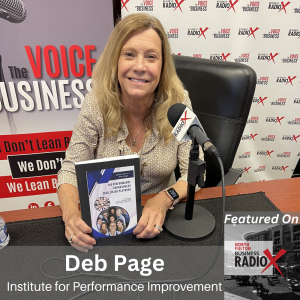
Deb Page, CEO and President, The Institute for Performance Improvement

Deb Page, Institute for Performance Improvement

Deb Page, CPT, CPIF, HPLJ, co-founded The Institute for Performance Improvement in 2010 to provide training and certification for performance improvement facilitators.

Deb and Dr. Judith Hale researched the practices of highly effective professionals who guide collaborative performance improvement and codified and validated performance standards which are the basis of the Certified Performance Improvement Facilitator™ and Certified School Improvement Specialist™ certifications and related development programs.

As a senior executive for a Fortune 20 company, Deb led human capital management, quality management, and performance improvement. She led the start-up of the Georgia Leadership Institute for School Improvement.

Her book The School Improvement Specialist Field Book (2013) was co-authored by Dr. Judith Hale and received the ISPI Outstanding Communication Award. She is a Certified Performance Technologist and earned the Brinkerhoff High Performance Learning Journey global certification in 2018.

LinkedIn

The Institute for Performance Improvement

The Institute for Performance Improvement is a woman-owned business founded in 2012. It is comprised of performance improvement specialists dedicated to developing, certifying, and supporting performance improvement facilitators.

These facilitators include professionals in corporate, government, military, and non-profit organizations who are responsible for guiding collaborative performance improvement. The Institute also specializes in training and certifying K-12 school improvement specialists who support the nation’s lowest-performing schools.

The most common question asked by those trained by the Institute is, “Why have I not had this training earlier in my career?” Participants frequently praise the Institute’s training as the most effective and useful in their careers.

Website | LinkedIn

Topics Discussed in this Episode

0:00 Introduction to North Fulton Business Radio
01:54 Meet Deb Page: President of The Institute for Performance Improvement
04:20 Deb Page’s Journey and Passion for Performance Improvement
06:08 Understanding Performance Improvement
09:37 The Role of Culture and Workplace in Performance
14:57 Facilitating Performance Improvement
20:19 Understanding Performance Improvement Solutions
20:53 The Role of Training and Development
21:59 Challenges in Organizational Development
24:13 Qualities of a Good Facilitator
25:13 Overview of the Certification Program
30:55 Success Stories and Impact
33:36 Conclusion and Contact Information
35:20 Final Thoughts and Announcements

About North Fulton Business Radio and host John Ray

With over 860 shows and having featured over 1,300 guests, North Fulton Business Radio is the longest-running podcast in the North Fulton area, covering business in our community like no one else. We are the undisputed “Voice of Business” in North Fulton!

The show invites a diverse range of business, non-profit, and community leaders to share their significant contributions to their market, community, and profession. There’s no discrimination based on company size, and there’s never any “pay to play.” North Fulton Business Radio supports and celebrates businesses by sharing positive stories that traditional media ignore. Some media lean left. Some media lean right. We lean business.

John Ray, host of  North Fulton Business Radio, and Owner, Ray Business Advisors

John Ray is the host of North Fulton Business Radio. John and the team at North Fulton Business Radio, LLC, an affiliate of Business RadioX®, produce the show, and it is recorded inside Renasant Bank in Alpharetta.

The studio address is 275 South Main Street, Alpharetta, GA 30009.

You can find the full archive of shows by following this link. The show is available on all the major podcast apps, including Apple Podcasts, Spotify, Google, Amazon, iHeart Radio, and many others.
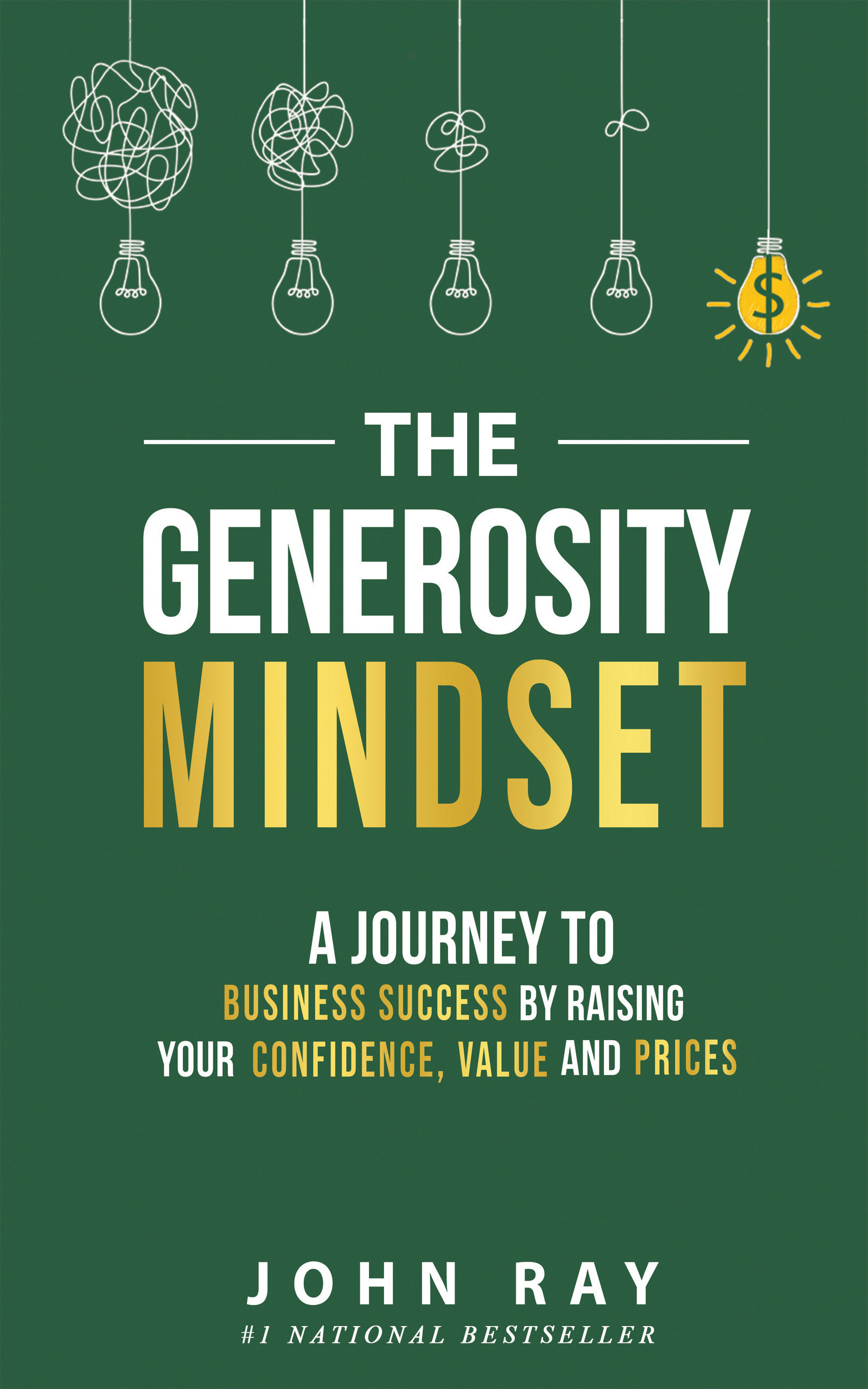
John Ray, The Generosity MindsetJohn Ray also operates his own business advisory practice. John’s services include advising solopreneurs and small professional services firms on their value, their positioning and business development, and their pricing. His clients are professionals who are selling their expertise, such as consultants, coaches, attorneys, CPAs, accountants and bookkeepers, marketing professionals, and other professional services practitioners.

John is the national bestselling author of The Generosity Mindset: A Journey to Business Success by Raising Your Confidence, Value, and Prices.
Tagged With: Deb Page, facilitation, facilitators, Institute for Performance Improvement, John Ray, North Fulton Business Radio, organizational development, Performance Improvement, Training and Development, workplace culture

Larry Yatch with SEAL Team Leaders

May 26, 2022 by Karen

Larry-Yatch-with-SEAL-Team-Leaders-feature
Phoenix Business Radio
Larry Yatch with SEAL Team Leaders
Loading
00:00 /
RSS Feed
Share
Link
Embed

Download file

Larry-Yatch-with-SEAL-Team-Leaders

Larry Yatch with SEAL Team Leaders

SEAL-Team-Leaders-logo

About SEAL Team Leaders:

They deliver LEADERS in your organization by working with you to create results-focused action in every team member.

They provide SEAL-inspired performance systems and leadership training for business owners, and their key team members who want to work together to build unstoppable teams.

After testing their systems in the battlefield and the boardroom they’re bringing these revenue-changing systems to you to reduce the frustration you may have with your team, and that they may have with you!

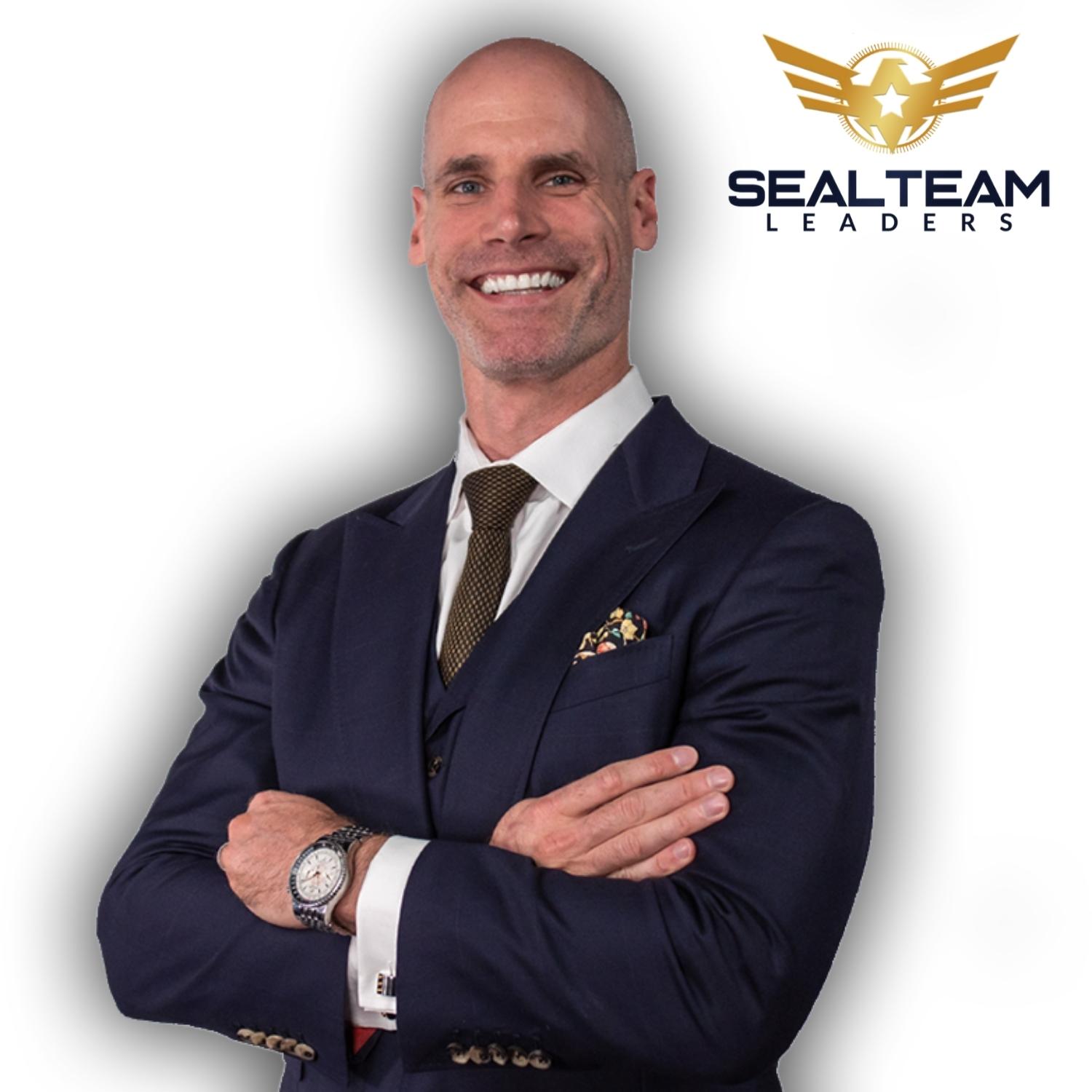
Larry-Yatch-Phoenix-Business-RadioHonored with the ‘Combat V’ for Valor in Battle “above and beyond the call of duty,” the Achievement Medal for Innovation in Navy SEAL combat tactics, the Global War on Terrorism Expeditionary Medal, and the Humanitarian Service Medal for relief efforts in East Timor and Sri Lanka, Larry Yatch is a US Naval Academy graduate and a 10 year veteran of the US Navy SEALs who led and planned the most dangerous part of the largest special operations mission in US history.

His greatest accomplishment is not as a SEAL, however; rather it is the fact that he has created an Exceptional Team Success Formula for individuals and teams that integrate all the elite processes, structures, mindsets, and skills that previously only a select number of special operators could access. Applying this system gives men and women a valuable formula for feeling successful every day.

Due to the environment in which Larry had to lead his SEALs, Larry also learned to compartmentalize emotions such as fear, anxiety, and lack of confidence to enable hyper-focus of his intellectual capacity to solve extremely complex business problems in a way no one else can, to save experienced entrepreneurs millions.

Connect with Larry on LinkedIn and follow SEAL Team Leaders on Facebook, Twitter and Intagram.

jj-levenske-bleuwaveJJ Levenske, President at Bleuwave, is a seasoned construction executive with over 30 years of experience in the commercial and industrial sectors. From pre-construction services to complex quality controls and close-outs, he brings a commitment to delivering the highest levels of professionalism and customer service.

JJ’s dedication to construction has allowed him to become an industry expert which he aims to share with customers and investors alike. JJ does not believe in mediocrity and strives to see the “end at the beginning” for each project, effectuating a higher return on investment for the entire team.

Early on in his career, JJ worked as a cost engineer conducting feasibility estimates, strategic capital estimates, cost planning, and analysis of value engineering for the technology, petrochemical, and food industries. He went on to develop and implement a variety of systems for estimating, scheduling, resource management, and cost tracking while holding Project Manager and Senior Management Positions.

During his tenure, JJ has been involved in $1 billion worth of construction services. A strong entrepreneurial acumen allows him to be the perfect advocate for your facility based business solutions.

Connect with JJ on LinkedIn.

Tagged With: business consulting, business strategy, coordinated action, elite performance, leadership coaching, Training and Development, unstoppable teams

Decision Vision Episode 139: Should I Incorporate Virtual Reality into My Corporate Training? – An Interview with David Beck, Foundry 45

October 21, 2021 by John Ray

Foundry 45
Decision Vision
Decision Vision Episode 139: Should I Incorporate Virtual Reality into My Corporate Training? - An Interview with David Beck, Foundry 45
Loading
00:00 /
RSS Feed
Share
Link
Embed

Download file

Foundry 45

Decision Vision Episode 139:  Should I Incorporate Virtual Reality into My Corporate Training? – An Interview with David Beck, Foundry 45

David Beck, Founder of Foundry 45, and host Mike Blake discuss virtual and augmented reality and its potential for corporate training. They describe the technology, cover the difference between augmented and virtual reality, its use case for training, frontiers and limitations of the technology, the impact of the pandemic on the industry, and much more. Decision Vision is presented by Brady Ware & Company.

Foundry 45

Foundry 45 is passionate about using leading-edge technologies to create better process training outcomes for enterprise clients. We are a team of strategists, technologists, engineers, creatives, computer programmers, and project managers who are all driven to create powerful, immersive VR experiences.

By leveraging new, interactive content, we help organizations break the monotony of their current business training routines while providing safer, more efficient, and engaging employee training solutions.

We have deep expertise creating scalable, effective procedural training solutions that focus on the learning objectives and the needs of the trainees. Our innovative process and approach is rooted in the importance of integrating VR solutions into a holistic, manageable training initiative.

We embrace collaboration within our team and with our client partners. Being accessible, transparent, and honest is the approach that allows us to deliver great work through a nimble and iterative process.

Company website | LinkedIn | Facebook | Twitter

David Beck, Founder and Managing Partner, Foundry 45

David Beck, Founder and Managing Partner, Foundry 45

Dave Beck is a Founder and Managing Partner at Foundry 45, an immersive technology company that develops enterprise-level virtual reality training experiences. His company has built over 250 experiences for notable clients such as AT&T, Coca-Cola, Delta, and UPS.

A passionate advocate of his industry, Dave is a frequent speaker on topics related to technology and the future of learning.

Before starting Foundry 45, he held leadership positions in both training and technology. Dave also serves as a board member at Georgia Tech, where he earned his MBA, the Metro Atlanta Chamber of Commerce, and the MAK Historic District.

LinkedIn

Mike Blake, Brady Ware & Company

Mike Blake, Host of the “Decision Vision” podcast series

Michael Blake is the host of the Decision Vision podcast series and a Director of Brady Ware & Company. Mike specializes in the valuation of intellectual property-driven firms, such as software firms, aerospace firms, and professional services firms, most frequently in the capacity as a transaction advisor, helping clients obtain great outcomes from complex transaction opportunities. He is also a specialist in the appraisal of intellectual properties as stand-alone assets, such as software, trade secrets, and patents.

Mike has been a full-time business appraiser for 13 years with public accounting firms, boutique business appraisal firms, and an owner of his own firm. Prior to that, he spent 8 years in venture capital and investment banking, including transactions in the U.S., Israel, Russia, Ukraine, and Belarus.

LinkedIn | Facebook | Twitter | Instagram

Brady Ware & Company

Brady Ware & Company is a regional full-service accounting and advisory firm which helps businesses and entrepreneurs make visions a reality. Brady Ware services clients nationally from its offices in Alpharetta, GA; Columbus and Dayton, OH; and Richmond, IN. The firm is growth-minded, committed to the regions in which they operate, and most importantly, they make significant investments in their people and service offerings to meet the changing financial needs of those they are privileged to serve. The firm is dedicated to providing results that make a difference for its clients.

Decision Vision Podcast Series

Decision Vision is a podcast covering topics and issues facing small business owners and connecting them with solutions from leading experts. This series is presented by Brady Ware & Company. If you are a decision-maker for a small business, we’d love to hear from you. Contact us at decisionvision@bradyware.com and make sure to listen to every Thursday to the Decision Vision podcast.

Past episodes of Decision Vision can be found at decisionvisionpodcast.com. Decision Vision is produced and broadcast by the North Fulton studio of Business RadioX®.

Connect with Brady Ware & Company:

Website | LinkedIn | Facebook | Twitter | Instagram

Intro: [00:00:01] Welcome to Decision Vision, a podcast series focusing on critical business decisions. Brought to you by Brady Ware & Company. Brady Ware is a regional, full-service, accounting and advisory firm that helps businesses and entrepreneurs make visions a reality.Mike Blake: [00:00:21] Welcome to Decision Vision, a podcast giving you, the listener, clear vision to make great decisions. In each episode, we discuss the process of decision making on a different topic from the business owners’ or executives’ perspective. We aren’t necessarily telling you what to do, but we can put you in a position to make an informed decision on your own and understand where you might need help along the way.

Mike Blake: [00:00:42] My name is Mike Blake, and I’m your host for today’s program. I’m a director at Brady Ware & Company, a full-service accounting firm based in Dayton, Ohio, with offices in Dayton; Columbus, Ohio; Richmond, Indiana; and Alpharetta, Georgia. My practice specializes in providing fact-based strategic and risk management advice to clients that are buying, selling, or growing the value of companies and their intellectual property. Brady Ware is sponsoring this podcast, which is being recorded in Atlanta per social distancing protocols.

Mike Blake: [00:01:12] If you would like to engage with me on social media with my Chart of the Day and other content, I’m on LinkedIn as myself and @unblakeable on Facebook, Twitter, Clubhouse, and Instagram. If you like this podcast, please subscribe on your favorite podcast aggregator and please consider leaving a review of the podcast as well.

Mike Blake: [00:01:31] Our topic today is, Should I incorporate virtual reality into my corporate training? According to Statista, global shipments of virtual and augmented reality headset shipments in 2020 amounted to five-and-a-half million units and was projected to reach 11 million in 2021 and forty-three-and-a-half million by 2025.

Mike Blake: [00:01:51] As it turns out, I actually own two of those things. One is connected to my PlayStation 4 and another that is on Oculus Rift, which I’ve only recently got that, I’ve not tried it out yet. And, you know, I became really aware of augmented reality when we had the Pokemon GO craze, if you guys might remember. I remember I was on vacation up in Boston, actually, we had a Vrbo in the north end. And I didn’t realize what was going on, then all of a sudden you just saw people these days they’re walking along the streets looking into their phones because they’re trying to find these virtual Pokemon to battle. And it was the most bizarre thing I’ve ever seen.

Mike Blake: [00:02:35] But I think for many people, that was probably their first exposure to augmented reality. And I think one of the best examples of virtual reality, of course, we’re not there yet in terms of technology, but Star Trek: The Next Generation introduced the Holodeck, which is basically a big virtual reality simulator. And like so many things in technology that we have today, they appeared in some form of Star Trek first. So, it’s kind of interesting to see how we’re seeing that reach full circle.

Mike Blake: [00:03:08] And I became enamored of virtual reality in a training context when somebody came to one of my office hours years and years ago, and they showed me a demo of a VR platform that helps mechanics repair airplanes. And as most of you can appreciate, a passenger jet is an incredibly complex piece of equipment. There’s hundreds of miles of wire, heaven knows how many moving parts. And it’s amazing that the people who work on those aircraft, especially the engines, are able to keep things straight.

Mike Blake: [00:03:44] And I saw this fascinating demo of a platform where there’d be augmented reality, where the technician would wear a headset, they’d see into the jet. And then, for maintenance, it would show them step by step in real time what part they had to address, they had to remove, lubricate, replace, whatever it is that they had to do. I saw that and I said, “Man, this has got to be the future of training.”

Mike Blake: [00:04:12] And so, I think it’s a really neat topic. It’s one that I’ve wanted to do for a while because I suspect our guest will tell us if this is true or not. But I suspect that given where we are from a work relationship and a work paradigm in the current economy here as we’re in Q4 of 2021, I suspect that technologies like augmented reality and virtual reality are taking on maybe a more important role more quickly than we might have imagined.

Mike Blake: [00:04:43] So, joining us today is Dave Beck. Dave is Founder and Managing Partner of Foundry 45, an Atlanta based company that helps brands train their teams and tell their stories through virtual and augmented reality. His company has built over 200 experiences for notable clients such as AT&T, Coca-Cola, IBM ,and Delta.

Mike Blake: [00:05:04] Before starting Foundry 45, Dave served as a chief operating officer at EquipCodes, a mobile SAS and augmented reality company. Dave also serves on the boards for Georgia Tech, the Metro Atlanta Chamber of Commerce, and the MAK Historic District. He earned his Bachelor’s Degree in Marketing from Wake Forest University and his MBA in Technology Commercialization from Georgia Tech.

Mike Blake: [00:05:27] Foundry 45’s team works with global brands, as I said, like Delta UPS, IBM, and they also frequently partner with manufacturing companies and government entities. Dave, welcome to the program.

Dave Beck: [00:05:39] Hey, Mike. Thanks a lot for having me. You mentioned, you know, going to grad school at Georgia Tech. I think that’s actually when you and I met way, way back in the mid-2000s.

Mike Blake: [00:05:51] It might have been. Were you in TI:GER program at that time?

Dave Beck: [00:05:56] I was.

Mike Blake: [00:05:57] [Inaudible].

Dave Beck: [00:05:57] I was one of the first students that went through there. And I’m still pretty actively involved with the group there as well. It’s a really interesting program that combines PhD students and MBA students at Tech with law students from Emory. And I know you’ve been a big part of that group for a while too.

Mike Blake: [00:06:13] Yeah. I’ve been an adjunct or visiting instructor or special instructor in that group for a while. And you’re right, it’s a fascinating program that has actually produced some really interesting companies. You know, they are making an economic impact and not just an educational one.

Dave Beck: [00:06:32] Yeah. They were actually kind enough to let me start my first company from the fourth floor of the management building way back in 2005. So, yeah, I owe them a lot.

Mike Blake: [00:06:44] And I saw that company. I think, wasn’t it on Piedmont or Ponce de León that decrepit single floor building that could not have been more than 500 square feet? And it looked like something that the big bad wolf tried to blow down and failed. But the building itself must have been 100 years old, right? You remember that building?

Dave Beck: [00:07:05] Yeah. We were right next door to Eats on Ponce, basically, across the street from Ponce City Market. That was a great place. I think it’s actually a recording studio now.

Mike Blake: [00:07:19] That makes sense. I know there’s a lot of music that’s moved into that area. And, actually, I could see that being a very good recording studio spot.

Dave Beck: [00:07:27] Yeah. I mean, it’s in a pretty busy area. But it’s kind of off the beaten path.

Mike Blake: [00:07:32] Well, look, I think because the thing is made of solid brick, too, you don’t need that much soundproofing to make sure that you have a quiet spot too.

Dave Beck: [00:07:40] So, and the bones were great because they told us at one point it was actually a tortilla factory.

Mike Blake: [00:07:47] Oh, is that right? I didn’t know that. I mean, look, that building was run down. And no disrespect to you or anybody else, you may do with the resources you had. But that building is not going anywhere. I mean, you and I are going to be long gone and that building is still going to be there.

Dave Beck: [00:08:02] Yeah. Well, you know, the real estate there is probably worth a ridiculous amount of money right now, too.

Mike Blake: [00:08:08] Yeah. I suppose if anything’s going to get rid of that building, it’s going to be a developer, right? I think it’s not going to be time.

Dave Beck: [00:08:15] I think the Eats is the one that’s keeping developers out because I don’t know if they’ll ever move.

Mike Blake: [00:08:21] Yeah. Probably not willingly.

Dave Beck: [00:08:24] I hope they don’t move. I love that place.

Mike Blake: [00:08:26] So, Dave, tell our audience, because some of our audience may not have really experienced this, even with my background, they may not have a good handle. What is virtual reality?

Dave Beck: [00:08:39] So, virtual reality is a technology where you put on a headset and you’re basically transported to a new kind of completely digital world. You mentioned the Holodeck, I mean, it can be almost like teleportation device or a time machine. It could take you anywhere, any place. And the main thing that we use it for is training. I think that’s the killer application for VR today on the business side. And so, we do things like help UPS train their teams out sort packages or load trucks. And you mentioned Delta, we help them train people to work on the runways. You know, challenging environments to train in.

Mike Blake: [00:09:19] And I think about virtual reality, and you tell me this, one of my favorite games growing up was playing Microsoft Flight Simulator because my dad was a pilot, so I was kind of into that. And, to me, I think that was actually sort of the first widely commercially produced – I’ll call it – kind of Neanderthal virtual reality. It wasn’t an immersive environment, but it was a simulation of a flight environment that, actually even back in the ’90s, was sufficiently detailed that you could actually use that as flight training time as you prepared to kind of go solo.

Mike Blake: [00:10:00] And you know, it’s just fascinating to see where it’s come from that point now into this virtual reality now where the environments are just so detailed and the impact almost every sense as well.

Dave Beck: [00:10:16] Yeah. It’s really interesting. I’ve actually had a chance to try the $5 or $10 million flight sims at Delta. And the difference between doing that and doing something in a VR headset, they’re huge pieces of equipment with all kinds of hydraulics underneath them, big screens around you. So, it really does look like – I mean, the graphics might be a little bit Microsoft Flight Simulator from a few years back, but it’s pretty immersive.

Dave Beck: [00:10:48] And the thing there is that you get the actual feel and touch of everything that’s in the cockpit. And that’s pretty interesting from a VR standpoint, you can get a lot of the value out of that on a $1,000 headset as opposed to a $5 million sim. But what you’re not going to get is the same kind of tactile feel, at least not today.

Mike Blake: [00:11:12] And that’s where I’m kind of headed in a way. I mean, virtual reality, I think, is on the modern consciousness because you don’t have to have a $10 million dedicated flight simulator. But I would argue that those flight simulators, which have been around for 30 years, are effectively against sort of Neanderthal or Cro-Magnon virtual reality. They’re designed to create a virtual environment so that when you’re a pilot at 20,000 feet, if there’s a crisis or whatever situation, you’ve already been in that same exact environment. So, when the real thing happens, you know exactly what to do.

Dave Beck: [00:11:49] Yeah. Interestingly, the military is actually leading the way on using virtual reality in flight sim because they’re not actually beholden to quite the same regulations as the commercial airlines are through the FAA. That’s not to say that they don’t have really strong regulations.

Mike Blake: [00:12:11] But it’s different tolerances.

Dave Beck: [00:12:12] It’s different. And they’re able to be a little bit more agile with that. And the issue they have is twofold. One is that, you can’t get actual pilots on real jets nearly enough. And, two, the sims are backed up as well. And so, what they’re using VR for is to just give reps and reps and reps and reps. You know, you can have an entire room of people just sitting in a chair doing the same thing. And you’re probably getting 80 or 90 percent of the benefit that you would out of the much, much, much more expensive sim. But you can use it a hundred times more. And so, the hours rack up very quickly.

Mike Blake: [00:12:58] Yeah. I mean, for example, if I’m going to play Call of Duty with their zombie apocalypse scenario, who has the time to get, like, a whole bunch of real zombies and bullets to shoot them over and over again? It’s so much easier and cheaper if you’re doing it on a PS4 headset.

Dave Beck: [00:13:14] I mean, it’s funny you say that. But, yeah, that’s exactly right. The same thing kind of applies for things, like think about a hazard emergency response preparedness. We did an experience for the Centers for Disease Control a while back that was helping train first responders how they would deal with a crisis in a foreign country. You’ve never dealt with an Ebola outbreak in Sudan, how do you actually prepare somebody for doing that?

Dave Beck: [00:13:44] And for a lot of the disaster preparedness stuff they actually do, they really have real actors and they do a full reenactment. And that’s crazy expensive. It’s not repeatable. So, being able to do that in a virtual environment is a great use case.

Mike Blake: [00:14:04] You know, you just said something, remind me at the end of this podcast as an introduction, I need to make to you. I think if they’re using VR already, they may not. I think I may actually have a customer for you. Perfect.

Dave Beck: [00:14:16] All right. The podcast is over, let’s talk business.

Mike Blake: [00:14:20] So, now people are hearing the term augmented reality. And I describe sort of my first widespread encounter with Pokemon Go. And we’re seeing more and more of it now. Can you define for our audience what is the difference between augmented reality and virtual reality? Where do they overlap? Do they work together? Are they separate or parallel things? What’s the relationship between those two?

Dave Beck: [00:14:44] Yeah. It gets complicated. And it’s funny, there’s also the term XR, which is extended reality, which kind of covers everything. We actually have a – I don’t know – like a glossary or alphabet soup blogpost on our website, if anyone wants to really nerd out on what all the terms are.

Dave Beck: [00:15:05] But the thing is, augmented reality is augmenting your actual reality. So, it’s placing digital assets over top of the real world as opposed to, in VR, you’re completely immersed in a headset to be in a different place. Between you and me, I think it’s not binary or it’s one or the other, it’s a spectrum from if you completely include your vision, that’s VR. If you’re not included at all and there’s things out there, that’s AR. Pokemon Go is a great example, that was like the gateway drug for most people.

Dave Beck: [00:15:42] We started working in AR back in 2011, I think, and actually kind of went through a trough of disillusionment with it because there were all these just kind of cheesy marketing, gimmicky things that came out there. And then, all of a sudden, when Pokemon Go came out, it was just boom. Part of it was because, typically, you’re going to view augmented reality. Your example of Pokemon Go is you’re looking at your phone. Actually, really, what you’re doing is you’re looking at camera feed of your phone and seeing stuff superimposed there.

Dave Beck: [00:16:13] But there’s now a better hardware that are the HoloLens or Magic Leap. HoloLens is from Microsoft. People may have heard of Magic Leap. But they’re kind of goggles that actually allow you to see the real world, but superimposed things on top of it. For my money, those technologies are years behind where VR is. Because if you think of a VR headset, it’s a souped up phone, it’s a souped up smartphone. And so, all the screen, all the processor, all that stuff is actually very much just standing on the shoulders. The VR is standing on the shoulders of the whole mobile phone ecosystem.

Dave Beck: [00:16:57] It’s harder for augmented reality because if you want to make that seem real, you really need to sense depth. So, if you played Pokémon Go and if you’re standing there in your house and you look at it and Pikachu – well not that you’re ever going to find Pikachu – you’re in there, and –

Mike Blake: [00:17:15] Charizard. Call it a Charizard.

Dave Beck: [00:17:15] Charizard is actually in the table or in the sofa. It doesn’t register to actually set it on top of it. That’s why it gets to be a really hard problem. And when it’s not in the right place, you get that – have you ever heard the term uncanny valley?

Mike Blake: [00:17:32] No, I haven’t.

Dave Beck: [00:17:33] That’s when I think about a movie that has bad special effects. And you’re believing and you’re believing, but then something weird happens or glitches or Pikachu is in the middle of the floor or something, like actually under the floorboard, and it takes you out of it. So, you don’t want that uncanny valley because it totally kills the sense of immersion.

Mike Blake: [00:17:59] So, we’ve talked a little bit in a qualitative sense about the benefits of virtual reality training. Is there any data to support that it actually is more effective? It does enhance effectiveness of training?

Dave Beck: [00:18:14] Yeah. I mean, that’s actually one of the reasons why it’s such a great use case for training is because it’s a digital environment. And, therefore, you can pretty much measure anything you do. You can measure how long it took somebody. You can measure whether they did it correctly or not. And it’s not like you can’t measure those things on an e-learning, on a 2D screen, or whatever. But can you measure if you’re doing a chemistry experiment and you’re not supposed to take compound A over top of compound B. We can actually tell whether you did that or not.

Dave Beck: [00:18:48] And there’s a lot of research out there that says, you know, everything up to 80 percent more effective for things like retention. Partially, retention is so much more powerful because it really does feel like you’re actually doing it. So, basically, it’s experiential. So, you’re actually doing the thing you’re learning about. And people say do you learn more from reading a book about something or do you learn more from actually doing it? And for most people, it’s the latter.

Mike Blake: [00:19:16] It’s like Montessori School for grownups.

Dave Beck: [00:19:20] Yes. Maybe that’s all we need is like Montessori branded VR training.

Mike Blake: [00:19:25] So, what you said that I think is really interesting – and I had never thought of it, but when you say it, it makes perfect sense – is that because VR is a digital experience, which means that everything can be measured and recorded if you want to, it does lend itself to being a much more effective tool in terms of measuring performance and measuring the effectiveness of the training. And not just measuring the effectiveness but identifying, let’s say, you’re in a 20 step process.

Mike Blake: [00:19:55] I go back to the jet engine because this is the thing I have in my mind. And the person does great, except for step 16. With VR, it’s much more obvious I would imagine, because you can even play back the whole thing. It’s much more obvious to the trainer that step 16 then requires special attention and focus to get where you need to be from the entire training perspective.

Dave Beck: [00:20:21] Yeah. That’s interesting. I think you could actually think about it almost on three different levels. Actually, yeah, you can record it, and definitely a lot of people do that to be able to play it back for an instructor. Or you can even have an instructor be involved in it, kind of as the puppet master behind the scenes, controlling it on an iPad or on a laptop.

Dave Beck: [00:20:41] But then, second, you could have aggregate information where you don’t have to have personally identifiable info. But you could say, at an aggregate level, there’s 20 steps, everybody seems to be missing step 16. So, that’s the feedback that the trainers need to know, “Okay. What’s missing here?” You could drill down more and maybe find out everybody’s missing this one piece of it, or it’s not clear, or whatever. Or you can maybe test it and try two different 16s?

Dave Beck: [00:21:10] But then, if you want to get super granular – this is nerding out a little bit on training – real quick, there’s actually something called a learning management system, which is just like a content management system. And that’s where, if you go to work for IBM, Mike Blake signs in and they give you your laptop. And when you get online, it says, “Hey. Welcome, Mike. Take our sexual harassment training or diversity inclusion training. Oh, and you’re the airport -” I should have said Delta, “You’re the plane mechanic. The first thing you’re supposed to do is this.”

Dave Beck: [00:21:45] Well, you can actually have the VR training experiences live within that environment as well, so that anything you do gets put into that place. Because nobody at an enterprise level wants to actually keep the information separate. They don’t want a Foundry 45 system or a file cabinet in the corner or something that has the info on it.

Mike Blake: [00:22:06] So, I’m going to diverge because I think this is going to such a fascinating place, at least for me. It’s all old hat, too, but I’m learning as we go along. This is becoming my LMS now. VR brings in data analytics now to training that probably was not available before, doesn’t it?

Dave Beck: [00:22:24] Yeah. There’s all sorts of really cool stuff that you can do there. I was mentioning it before where, oftentimes, if you want to measure how someone does on a task, you have to have an observer, they would just sit there. And that’s kind of twofold. There’s a lot of times it’s just kind of tribal knowledge. And if Mike trains somebody versus Jim training somebody versus Sally training somebody, you know, it’s all a little bit different. So, the repeatability is there. But then, also, the repeatability on being able to tell whether they did it the way you want them to do it is also there as well.

Dave Beck: [00:23:02] I mean, there’s all sorts of biometrics stuff that’s coming out now. I mean, there’s eye tracking to see where you look. You can hook it up to a heart rate monitor. There’s actually a bunch of really interesting research that’s been done about kind of the optimal state of learning, where you don’t want it to be too easy and you don’t want it to be too hard. And if you try and keep somebody kind of in that band, if it’s getting too hard, you back off. If it’s getting too easy, you make it a little harder. It’s almost like an SAT or something that is adaptive.

Mike Blake: [00:23:40] So, what are the limitations? Let me ask this differently, what are the frontiers of VR learning and training? Where are the boundaries now that are being pushed in that area?

Dave Beck: [00:23:52] I mean, at the very highest level, everyone’s always working on better, smaller, cheaper, faster. And that sets have gone insane. I can talk more about that in a minute if you’d like. But the frontier is more on, like, haptic feedback, so bodysuits that actually you can feel the bullet hit you or they change temperature. Basically, if anyone saw Ready Player One, an omni track treadmill that allows you to actually run in any direction. And there are ones of those, and some of them work well, and most of them are a little cloudy right now.

Dave Beck: [00:24:34] But then, maybe the kind of furthest along, but is still a little ways out for me is haptic gloves. Because you’re first starting to ask is thinking, what’s one of the limitations? Well, getting forced feedback. Like, it’s hard to teach somebody – if you’re talking about that mechanic, it’s hard to teach them how to actually feel. You can’t feel the torque on the wrench. You can have a scale in the scene that shows, “You start at zero and now you’re at 70.” It stopped. Muscle memory.

Dave Beck: [00:25:04] We get to train people how to drive trains. We got some light rail training. A bunch of stuff for a bunch of different lines out in Portland recently. I mean, they have a throttle, it’s a feedback. You can feel it’s almost like you’re shifting gears in the car or something. You can feel when you get to the next one. And we spent a ton of time going back and forth about how they really wanted a physical throttle as part of the experience.

Dave Beck: [00:25:42] We could do that, but that adds additional cost upfront, just getting it to work. But more so, it’s like one more point of failure. These headsets now are super inexpensive. You can spend a $1,000 on a headset and do 20 different experiences, 100 different experiences on that same headset. Whereas, if you build a specialized thing with a throttle, you can only do that one thing.

Mike Blake: [00:26:10] So, in your experience, are there industries that lend themselves better to VR training than others? Are there industries where there’s a more natural fit?

Dave Beck: [00:26:21] You know, I think anything that’s procedural. We like to say when there’s one right way to do things. You know, if it’s A, B, C, D, E, F, G, that’s the most straightforward and it’s very easy for me to help somebody to rely on that. Because you can say, “This is exactly what you need to do.”

Dave Beck: [00:26:46] But it gets a little more interesting, maybe, even on kind of the branching narrative stuff. Think about Choose Your Own Adventure. You can do anything. If you make decision A, B, or C, it changes the way the experience ends up. That can get pretty complicated. But there’s a platform called Tailspin, for example, out there that’s doing a lot of work in that space that’s really interesting. But, basically, you can set it up and you can do anything.

Dave Beck: [00:27:18] So, softer skills type opportunities, they weren’t as easy to do. It was back to the Uncanny Valley, it was a little bit hard to have that interaction more with that person than with a piece of equipment. But that’s changed really fast. And everyday, it gets more and more immersive. There’s another one – real quick – called Varjo, V-A-R-J-O, that’s out of Europe that has a really high end one that’s super immersive.

Mike Blake: [00:27:49] Oh, yeah. That’s a Finnish company, I think.

Dave Beck: [00:27:51] Yeah. Yeah. Swedish. They have it set up so you can do pass through – I’ll try and explain this on podcast. Imagine that you’re in that digital environment, but you can actually see your hands that are in the digital environment. Because what it’s really doing is taking a video of your hands and just superimposing them over the digital. So, if you’re looking at the plane, you can actually touch the little dials in the plane and whatnot. It’s very cool.

Mike Blake: [00:28:25] So, how broad are the offerings for VR training off the shelf? And what I mean by that is – correct me if I’m wrong – my sense is that we’re at the point now where buying the headset is the easiest part. That’s sort of the easy entry point. But it doesn’t do any good unless you have software to kind of run it with. So, when we’re discussing VR based training programs, is there a wide range of off the shelf training that is available? Or do a lot of companies have to budget in, in effect, having a custom training program written for them?

Dave Beck: [00:29:07] It’s a little of column A and a little of column B. So, for things that are actually pretty common and available in 2D video format, for example, like diversity and inclusion, you know, your company doesn’t necessarily need a specialized one of those versus a different company. A lot of things that are happening in, you know, clean room manufacturing that have very similar kind of formats. Those are actually being productized a lot more now.

Dave Beck: [00:29:48] For things like the Delta aircraft engine, the question is, is Delta different enough or Boeing needs to be the one that’s actually providing that? And in the market, it’s interesting to see, whether the vendor or the actual purchaser is the one who has the need. Today, some of that’s getting pulled through from the vendor to the purchaser.

Dave Beck: [00:30:19] Oftentimes, we don’t even work with the training personnel at Fortune 500. So, oftentimes, we work with ops people because the ops people have a specific problem that’s costing them money. And they can say, “If I spend X on this virtual reality training thing, I’ll save Y. And that’s a net positive in six months.”

Mike Blake: [00:30:40] So, I’m curious as to your view on the following, in my view, my experience, I think the entry point for most people into virtual reality is some sort of entertainment function, some sort of entertainment activity. And in preparing for today’s conversation, that still seems to be the case. It seems like more people are still using VR sets for some sort of entertainment activity than they are for a work activity.

Mike Blake: [00:31:14] But my question is this, has the pandemic either forced or motivated a reckoning or reconciliation of the value of VR and AR because it’s made sort of old school analog kinds of training sort of taking them off the table? Or at least sharply reduced their availability? Does that make any sense to you?

Dave Beck: [00:31:37] Yeah. I mean, it’s interesting, I think like a lot of industries, when the pandemic first hit, the virtual reality training industry just kind of went on pause. People that were already doing work and we’re already getting value out of it, it was easy to say keep going. We do a lot of work in supply chain and transportation. Transportation, especially on the passenger side, not the cargo side, took a huge hit. So, those people all just kind of went into hibernation for a little bit. But on the other hand, supply chain went bonkers. I mean, that was pretty busy. So, it just kind of depended on the industry.

Dave Beck: [00:32:26] But I think what you’re also probably getting to is, you know, did the pandemic change how people want to actually consume technology and training? And I’d say, yes. I think everybody freaked out and said, “How do I put my normal training on Zoom?” That was kind of the first six months. And then, everybody said, “Oh, okay. Well, wait a minute.”

Dave Beck: [00:32:51] One of the cool things that we do is – you don’t have to be on the job to do on-the-job-training – we can bring the job to you. You don’t have to be on the tarmac to learn how to work on a plane. You don’t even have to be at Delta or United or JetBlue, you just have to have a headset. So, one of the challenges is getting people the headsets. Getting the headsets on their face. Because if it’s a mobile app, if it’s Pokémon Go, there’s billions of smartphones out there. So, distribution isn’t an issue.

Dave Beck: [00:33:23] The biggest friction point for a lot of folks is content distribution, because you can’t just put it on an app store and say download it. I mean, it’s getting further but I don’t think we’re anywhere close to that today. So, the companies have to manage it. And, oftentimes, that’s going to involve either you’re there in person doing it or they’re shipping them to you, which is super easy now because the vast majority of all VR that’s taking place now is on these all-in-one mobile headsets, like an Oculus Quest or HTC Vive Focus 3 or Pico. And those headsets weigh a pound, it take up a 6 by 12 box or something. I mean, it’s nothing.

Mike Blake: [00:34:07] Now, we talked about the need to customize software, potentially. What about the hardware part? I mean, you discussed the case study and train operators, for example, that trying to solve the problem of creating a realistic throttle assembly for that experience might have been prohibitively expensive and complicated. How often do you run into that? Do you find that most of the time you can just kind of use off the shelf hardware? Or should companies that are considering VR training also brace themselves to the fact that they may need purpose-built hardware as well?

Dave Beck: [00:34:48] So, we actively work to convince our partners not to use specialized hardware, just because, in my opinion, they get a lot more value by having a wide breadth. However, there are certain use cases where it does make a lot of sense. There’s a a company that we know pretty well called Serious Labs. I like their name. Serious Labs makes simulators, and a lot of what they do are for kind of bucket trucks and/or forklifts. And the forklift is pretty straightforward. But for bucket truck, that’s actually useful for scissor lifts and bucket trucks and all sorts of different excavators, whatever.

Dave Beck: [00:35:34] So, they have this purpose-built thing that you actually stand in and it’s got some hydraulics underneath it that move you around. And you have physical levers. It’s super immersive. But that same thing that you would use on a construction site is actually used on the back of a plane. You’ll see the next time you’re at the airport, you’ll get on the tarmac, a lot of times they’re back working on the planes with them. So, there are use cases for that.

Dave Beck: [00:36:05] The concern that you were bringing up, I think, is that there’s a huge cost associated with that. Well, they’re actually offering hardware service. So, you have a subscription, you might have to kind of cover the cost of the hardware, but basically it’s a hardware as a service model, HaaS.

Mike Blake: [00:36:31] Yeah. It’s not surprising it’s gone that way. We don’t know anything anymore. We’re always renting it now.

Dave Beck: [00:36:36] Just rent everything, man.

Mike Blake: [00:36:40] So, how far along do you think virtual reality is in terms of it being accepted as a serious business tool as opposed to a gaming technology?

Dave Beck: [00:36:54] I think we’re just scratching the surface right now. I mean, I don’t want to get all metaverse cheesy on you here.

Mike Blake: [00:37:02] Go metaverse.

Dave Beck: [00:37:03] But it’s interesting, when Zuckerberg came out and said that Facebook is going to be a metaverse company, and they’re actually talking about changing games now and whatnot, there’s a lot of interesting stuff going on there. I really do believe that there’s a lot to that.

Dave Beck: [00:37:23] You mentioned your Chart of the Day on LinkedIn, which I love and always check out. I do a vlog series every Tuesday at 2:00 on LinkedIn. You know, feel free to connect with me. I’m very promiscuous on there. But, basically, it’s called Foundry 45, and it’s 45 seconds-ish of quick soundbites about new technology, virtual reality, training, whatnot.

Dave Beck: [00:37:53] And my most recent one, that was yesterday, was actually with Elizabeth Strickler, who is a brilliant professor down at GSU. And she’s kind of an expert on all things metaverse. And it’s very interesting to hear what she has to say. And there’s a few other interviews we have coming up with her as well. So, I definitely encourage you to check that out. And I’m a believer, you know, I’m drinking the metaverse Kool-Aid.

Mike Blake: [00:38:21] In your experience, do people with a background of having been video game players have a greater affinity or greater ability to kind of absorb VR? And the reason I say that is because I read somewhere that, for example, in the U.S. Military, they find that video gamers tend to become very good drone operators. It makes sense, like joystick kind of environment.

Mike Blake: [00:38:47] Not that I’m trying to encourage people to let their kids become professional gamers to do VR. But I am kind of curious, does that skillset or that affinity for being in, let’s call them, light simulated environments, as a lot of games are now because they’re so immersive, do people with that kind of background have an easier time transitioning into VR?

Dave Beck: [00:39:13] I mean, anecdotally, I would say, yes. I haven’t actually seen any data around that. Maybe a slightly higher level is people that have an affinity for technology. It’s interesting because you have some folks that just don’t like new things. And I get it, we’re very conservative – I don’t mean that politically. I’m just saying in general – change is hard.

Mike Blake: [00:39:41] That’s why we have adoption curves.

Dave Beck: [00:39:43] Well, yeah. And we often find that the biggest challenge with implementing a VR training program isn’t creating the software or getting it set up. It’s change management. It’s getting people used to actually training in a different way, and realizing that it’s not scary. It’s actually fun. I mean, people like it so much sometimes.

Dave Beck: [00:40:07] Delta, the first experience we built for them out of Atlanta, they went up to the hub in Madison or the station in Madison. And the trainers just gave it to the people up in Madison to run. And they were just kind of blind to everyone else. And they were sitting in the break room at one point, and a bunch of people came in and were like, “When are we going to do that VR game? When are we going to do that game?” And they’re like, “No one has ever called training a game. No one’s ever asked to do training.” So, you know, I mean, I think that’s just an interesting kind of side effect.

Mike Blake: [00:40:39] And sort of to that point, I think one of the areas of resistance to VR, to be blunt, I think a lot of people feel silly putting one. They look awkward, right? They’re not quite at the point yet where they look like Terminator sunglasses. You got to wear sort of this helmet that looks like Luke Skywalker learning how to use a lightsaber. And it’s awkward. It’s gawky. You don’t necessarily want to have that be in your wedding photo. Are people starting to get over that? Or is part of what you do starting to condition people to realize, “Hey, this is a tool. You may look goofy.” How do you address that?

Dave Beck: [00:41:27] I mean, that’s been an issue. I can’t believe I’m giving Facebook props again here, but they own Oculus Quest and they have spent so much money on marketing. They’ve driven the all-in-one mobile headset market, which has been amazing because the other groups that are a lot easier to work with, actually, had to keep up. And so, it’s really driven innovation. It’s driven the prices down. It’s been a pretty exciting time, actually, for the last couple of years and on that front.

Dave Beck: [00:42:09] And so, when you see a bunch of commercials about it, that helps. Typically, if I’m in a corporate sales pitch or something, oftentimes, you don’t necessarily want to ask the senior most person in the room to put the headset on first because they don’t want to get all in, and not be able to see other people, and whether or not they’re laughing at him or making fun of him, or whatever. But if that person says they want to go first, you know you’re in a good place because they actually appreciate technology.

Dave Beck: [00:42:42] You know, you mentioned gaming. I mean, there’s so many cool, fun things. I don’t know, there’s something called Beat Saber, which is the most popular game ever.

Mike Blake: [00:42:51] I’ve played it. It’s a great workout.

Dave Beck: [00:42:54] You’re holding light sabers and you hit the shapes that come towards you to the beat of popular songs. And it is a great workout and it’s super fun. And so, more and more people are doing that and getting into it.

Dave Beck: [00:43:07] And back to your point before, I mean, obviously, if you’re a gamer, you’re going to be more predisposed to it. As far as getting any sort of motion sickness goes, the numbers are very similar. If you get motion sickness in a car, there’s a good chance you’re going to get motion sickness in a headset. It’s just if you have some sort of vertigo or vestibular condition, then that just might be a thing.

Dave Beck: [00:43:31] But part of the reason why it was such a talking point, there was a big disservice done to the VR movement a few years ago, when people were using smartphones and putting them in cardboard and letting people try and do these really crappy rollercoaster experiences. I mean, that stuff makes me nauseated, and I’m in it a lot.

Mike Blake: [00:43:56] I’m glad you brought that up because I was going to ask about that. And, candidly, there are parts of video games that I play, particularly ones that have you like dropping off a cliff and stuff, that they’re real enough but my body is expecting the movement, but it’s not moving. I have to close my eyes or I can’t sort of continue off of that. I think part of that is just age, where you get the thickening of the fluid in your inner ear and that’s part of the [inaudible].

Dave Beck: [00:44:26] Well, let me give a plug out, if anybody does own a Quest at home or something, there’s a game called Richie’s Plank Experience. There’s a few other things to it but, literally, the game is you’re in an elevator, you hit the top floor button, and when the doors open up, you’re looking out, like, 75th floor and there’s a two by four or two by eight or whatever out. From there, you have to walk out.

Mike Blake: [00:44:53] I couldn’t handle that.

Dave Beck: [00:44:54] And you know what? We have people that will do it barefoot so you could feel the carpet underneath your feet. And you walk out there, walk out there, walk out there, and then say “Okay. Step off,” and just will not do it. It’s like you can hear me talking, you know you’re in the living room, you feel the carpet on your feet. They will not do it.

Mike Blake: [00:45:18] I would probably be one of them.

Dave Beck: [00:45:20] That’s powerful.

Mike Blake: [00:45:20] Candidly, I do not do well with heights. If a third party doesn’t clean our gutter, the gutters doesn’t get cleaned, that’s just all there is to it.

Dave Beck: [00:45:28] You mentioned Star Trek earlier, there’s a Star Wars game that has two amazing pieces to it. One, you’re standing face to face or looking up at Darth Vader. That’s a pretty visceral reaction. And then, another one is, you’re on a cliff and it’s just –

Mike Blake: [00:45:48] Yeah. I mean, that’s some really cool stuff.

Dave Beck: [00:45:51] You might not want to do that one.

Mike Blake: [00:45:53] Yeah. That one, I’m not going to do. The one I’m really into is Star Trek: Bridge Crew, where you’re in a virtual Star Trek bridge simulator, that I really enjoyed.

Dave Beck: [00:46:03] And you don’t even have to be in a headset for that, right? You can have somebody on a headset, somebody on a computer, or whatever.

Mike Blake: [00:46:08] Yeah, you don’t. But it’s way better with the headset, in my opinion.

Dave Beck: [00:46:13] All right. All right.

Mike Blake: [00:46:14] We’re talking with David Beck of Foundry 45. And the topic is, Should I incorporate virtual reality into my corporate training? What’s the obsolescence cycle for VR? And to put it another way, let’s say somebody retains you to help them put in place a VR training system. What’s the shelf life for that? Does that have to get upgraded or replaced every three years, five years in your opinion? Can you even tell just because the state of the art is changing so quickly isn’t even a relevant question to ask?

Dave Beck: [00:46:53] I mean, it’s a great question. I think it’s actually pretty similar to a mobile app. Your mobile app has to be updated. You get downloads automatically from Apple or Google Play Store on the regular. Because any time they make a change in their operating system or when there’s a new phone or whatever, there’s new capabilities that are always better, you might want to update it for that.

Dave Beck: [00:47:23] But the good news is, for VR experience, typically, it’s going to be built on a software engine. And the main one that we use is called Unity. It’s a publicly traded company that just went public a year or two ago. And from building on that, we can deploy to any platform. And so, if HTC Vive comes out with a new platform next year, if you want to upgrade like you would upgrade to the latest greatest iPhone or whatever, then you can do that.

Dave Beck: [00:47:59] And the main thing that we would have to change, potentially, is the controllers look different and have different buttons or whatever. Then, we would have to remap to anything that was on those and/or change out pictures of those controllers. But that’s pretty much it. I mean, usually that’s like a day or two worth of work for us.

Mike Blake: [00:48:16] Okay. So, it is fairly scalable from that perspective, it sounds like.

Dave Beck: [00:48:20] Yeah. And I mean, a ton of work we’ve done over the last couple of years has been porting from these tethered, bigger, heavier headsets that are tethered to computers to these all-in-ones. And the all-in-ones don’t have nearly as much processing capability. But it’s gotten to the point where it’s a pretty easy process, that’s a week or two, probably, if you decide that you want to use a different platform completely from tethered to untethered. But going from one untethered to another is really pretty simple.

Mike Blake: [00:48:53] So, I’m going to ask you to step into your futurist hat here for a second, like that guy they always have in the History Channel, which doesn’t cover history anymore. But then, that’s a separate discussion.

Dave Beck: [00:49:04] UFOs, man.

Mike Blake: [00:49:06] UFO, I know. That’s a separate podcast. But I’m curious, how do you think VR technology is going to be different, better, more advanced in the next five to ten years?

Dave Beck: [00:49:24] You know, I really do think it’s going to get better, smaller, cheaper, faster. And overall, it will be a lot more immersive. The headsets right now, like you said, they’re pretty bulky. They can get hot. When you wear them for a long period of time, they get heavy.

Dave Beck: [00:49:41] So, there’s actually one that just came out that is called a Vive Flow, and it’s a much lighter, smaller, it’s more for watching movies, things like that in a virtual environment are really light gaming or something. And I think things like that are going to get a lot more easy, cheap, whatever.

Dave Beck: [00:50:08] And the thing that I’m really excited about – I don’t know, it’s been five years out for the last 10 or 15 years, so I don’t know if it’s really five years out now or ten or whatever – is Apple is about to put out their augmented reality glasses in 2023, I think. And you mentioned, when you have the Terminator glasses, that’s going to be a game changer, especially if they can go from completely opaque, which it would be more VR, to somewhat translucent, to being able to put cool stuff.

Dave Beck: [00:50:42] I mean, you don’t want to go too far and have too much of it, or whatever. There’s going to be a happy medium for it. Maybe it’ll be like a heads up display in a car or something. But there’s just a lot of excitement that’s happening on there, and some of that is just based on improvements in hardware, chipsets, and whatnot.

Mike Blake: [00:51:00] Dave, we’ve covered a lot of ground today. We could easily cover a lot more, but I know you’ve got to get to an Atlanta United game.

Dave Beck: [00:51:10] Vamos.

Mike Blake: [00:51:11] In case either we haven’t gone into as much depth in one particular question that a listener would like or maybe we didn’t cover something at all if they would have liked me to ask, can somebody reach out to contact you for more information about VR training? And if so, what’s the best way to do that?

Dave Beck: [00:51:28] Yeah. That’d be great. We’re always excited to talk to people that are interested in this technology. You can reach me at foundry45.com. dave@foundry45.com is my email. I am very active on LinkedIn, so please reach out to me, Dave Beck, Founder 45, LinkedIn. Every Tuesday at 2:00, we do the Foundry 45’s blog. And then, every Thursday at 10:00 a.m., we do Thursday things where we ask a question out there, is such and such a thing. And, actually, I get some great response and would love for people to join in with their thoughts as well.

Mike Blake: [00:52:11] That’s going to wrap it up for today’s program. I’d like to thank Dave Beck so much for sharing his expertise with us.

Mike Blake: [00:52:17] We’ll be exploring a new topic each week, so please tune so that when you’re faced with your next business decision, you have clear vision on making it. If you enjoy these podcasts, please consider leaving a review with your favorite podcast aggregator. It helps people find us that we can help them. If you’d like to engage with me on social media with my Chart of the Day and other content, I’m on LinkedIn as myself and @unblakeable on Facebook, Twitter, Clubhouse, and Instagram. Once again, this is Mike Blake. Our sponsor is Brady Ware and Company. And this has been the Decision Vision podcast.

TRANSCRIPT


Tagged With: Augmented reality, Brady Ware & Company, corporate training, David Beck, Decision Vision, Foundry 45, Mike Blake, training, Training and Development, virtual reality, VR Training

McMinn HR and HPISolution: No Longer the Unconscious Conscious Capitalists – a Chat About Company Culture and Beyond E8

March 25, 2021 by Karen

McMinn-HR-and-HPISolution-No-Longer-the-Unconscious-Conscious-Capitalists-a-Chat-About-Company-Culture-and-Beyond-feature
Phoenix Business Radio
McMinn HR and HPISolution: No Longer the Unconscious Conscious Capitalists - a Chat About Company Culture and Beyond E8
Loading
00:00 /
RSS Feed
Share
Link
Embed

Download file

McMinn-HR-and-HPISolution-No-Longer-the-Unconscious-Conscious-Capitalists-a-Chat-About-Company-Culture-and-Beyond-E8

McMinn HR and HPISolution: No Longer the Unconscious Conscious Capitalists – a Chat About Company Culture and Beyond E8

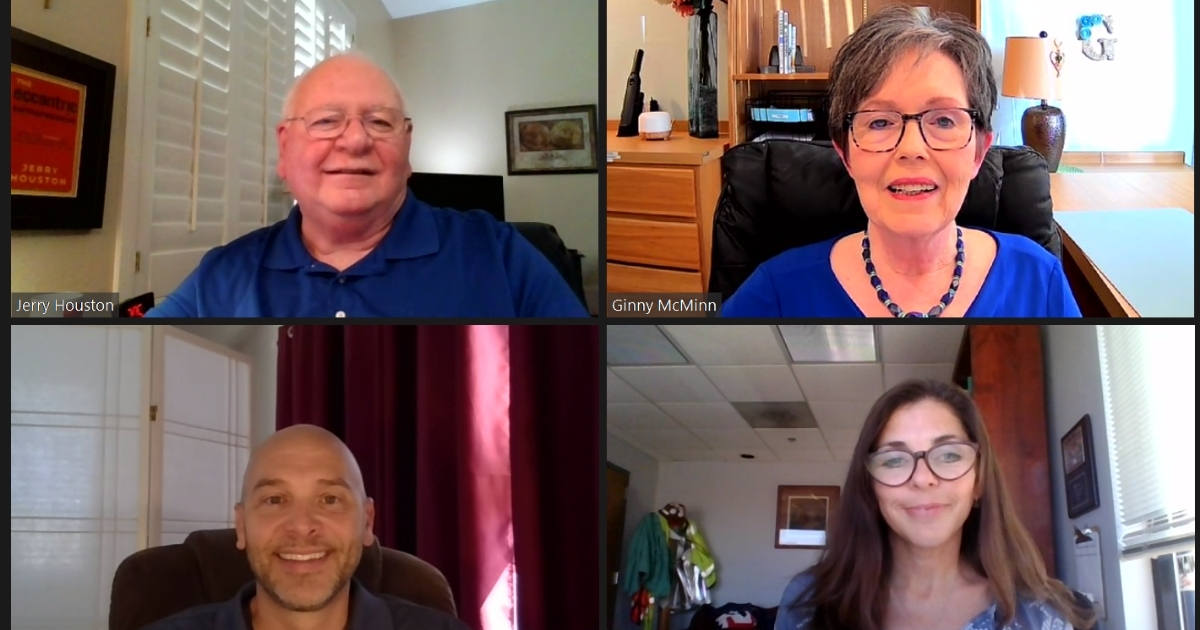
Jeremy and Sarah had an extremely impactful conversation about company culture, employees shifting in the workplace, recognition from the leaders to the employees, and workplace engagement. We love when our guests have stories to share, with examples that showcase good company culture as well as some that are not so great. Company culture is something that both Ginny and Jerry support in their companies. Supporting employees directly relates to growing the company and making profit as well. Jerry directly points out that, “Without profit there is no business.”

As they progress through the conversation and the stories continue, we hear great examples and data to support the need for leadership to acknowledge and provide recognition to their employees. This means supporting employees during a pandemic and the rest of the time as well.
“Change has happened so we might as well acknowledge that and see where we go from here,” Ginny mentions as they discuss the changes and variety of ways that leaders can support their staff and help them to feel recognized even from home. Supporting the company culture is extremely important as we continue to work remotely as well as starting to shift back into working in the office again.

We were able to hear a variety of examples from Ginny on the HR side of things and how it is evolving. Back in the day, the role of the HR department was to “make sure our employees don’t sue.” HR departments are now one of the main parts that support driving and growing a good company culture. It has become more important to companies to have a strong culture, to support their staff, and to make sure their staff is fully engaged.

Both Ginny and Jerry have been running their companies in ways that align with the tenants of Conscious Capitalism, without knowing that this movement was even a thing until recently. There is a tremendous amount of alignment with Conscious Capitalism and both Jerry and Ginny’s companies, passions, and experiences that the listeners are able to hear through the conversation.

This podcast is a great one to listen to if you have read about the tenants of conscious capitalism and feel that you align but want to hear a little more. This podcast allows listeners to hear from two individuals that have been running businesses in a conscious way and have finally found their tribe of people that align with those similar tenants. Jerry and Ginny are two more leaders that we can add to the list of individuals that started out with this community as “unconscious conscious capitalists” and we are excited to have them in our community to join our tribe.

HPI Solutions logo_CMYK

HPISolutions was organized in July 1992 as an organization dedicated unlocking the power of human potential. The organization’s purpose statement is; to enable behavior change in individuals and teams so that people and organizations can realize their highest potential.

HPISolutions accomplishes this purpose by focusing on business and process consulting, team development, assessment analytics on human behavior, HR Services, and professional coaching. The leadership team and independent partner network believe in approaching all people with Mutual Benefit, Respect and Trust and in a Trusted Advisor Relationship with their clients.

Jerry-Moon-People-and-ProfitJerry Houston is the CEO and Founder of HPISolutions. More than 28 years ago, in the Chicago, Illinois area, the company was born in a tiny one room office and has grown and prospered, serving almost 1000 client organizations.

Jerry is a life long advocate of equality and fairness in opportunities for individuals regardless of race, creed, color or sexual orientation. He has dedicated his life to tireless work on behalf of disabled people, homeless women and their children, the native population and victims of the AIDS pandemic in the Country of South Africa, among others in need.

Jerry spent 24 years engaged in operations management for a variety of organizations, in as many industries. He has managed thousands of employees and his focus has been in seeking the right people for the right position based on skills, experience, education, and most important, who they are as a human being.

Jerry is fully certified in a wide range of behavioral sciences. Jerry recently authored his first book, The Eccentric Entrepreneur, which was published on Amazon in October 2020. Jerry was also a recipient of the Trusted Advisors Network Lifetime Achievement Award, as well as TTI Success Insights International Award for Lifetime Achievement in 2020.

Jerry is working on his second book, Business of People – Unlocking the Power of Human Potential, which should publish in late 2021. Houston, now in his seventies, continues leading the HPISolutions team with the same energy and passion as he has displayed over almost 30 years in the human development industry.

Follow HPISolutions on LinkedIn, Facebook, Twitter and Instagram.

McMinnHRLogo

McMinn HR™ provides organizations with a full range of Human Resources consulting, training design and delivery, and HR services including coaching for small business owners and company leaders. McMinnHR™ celebrates its 33rd business anniversary this year.

McMinnHR™ is located in Gilbert, Arizona, and is a woman’s business enterprise, registered in Arizona.

Ginny-McMinn-People-and-ProfitGinny McMinn’s experience includes over 40 years in a variety of nationwide human resource responsibilities, multiple industries and a diverse client base. Her passion is taking complex topics and workplace issues and creating understanding and lasting solutions through training and practical workplace processes.

She brings a wealth of background and experience to you and your organization: teaching, counseling, training, program development and implementation, policy formation and implementation, along with the basic human resource responsibilities of hiring, training and development, wage and salary, recordkeeping, equal employment opportunity/affirmative action, safety, benefits, recruiting, employee relations and preventive labor relations, employee communications, planning, budgeting, organizational assessment and productivity improvement.

Her training includes a MS in Industrial Relations (MSIR), from Loyola University of Chicago; BA in English Education from the University of Illinois at Urbana; Employee Relations Law Certificate; and Mediation Certificate in Arizona. She has been honored with Lifetime Accreditation as a Senior Professional in Human Resources (SPHR).

Connect with Ginny on LinkedIn, Facebook and Twitter.

About Our People and Profit Co-Hosts

Sarah-McCrarenSarah McCraren is an Arizona native with a strong sense of community. Sarah spent many years in the corporate finance world specializing in the operational analysis, measurement and accountability systems, project management and software implementations. However, Sarah wanted to do work which was meaningful and would positively impact her community.

She found that saving lives and reducing injuries through comprehensive safety programs fit that bill. Sarah currently leads the McCraren Compliance team by keeping everyone focused on their primary purpose, creating workplaces where we all watch out for each other, and balancing the needs of all their stakeholders.

Sarah serves on the Boards for Conscious Capitalism Arizona and the Society for Mining, Metallurgy and Exploration Tucson Chapter, and is also active with the Arizona Builders Alliance, Arizona Rock Products Association , Arizona Transportation Builders and Women in Mining Az.

Sarah McCraren
Part of an Awesome Team
www.McCrarenCompliance.com
Creating Workplaces Where We All Watch Out for Each Other

JeremyDeisHostConsciousCapitalismEp1-e1539612502706No arm twisting is required to get Jeremy Neis, a CC Arizona leadership team member, to engage in conversation with impassioned business minds on the topic of leveraging enterprise to create long lasting advancements for humanity.


His two plus decades of entrepreneurial experience, leading strategic initiatives and tailoring solutions for organizations, families and individuals has led to a strong appreciation of the profound impact business wields over the people it serves and relies upon.

It is his delight to explore with inspiration, show guests their experiences, observations and approaches to doing business in a people centered manner.

About Our Sponsor – Conscious Capitalism Arizona

Business has the potential to be a powerful force for good. 

Free enterprise capitalism has served to lift more people out of poverty than any other socio-economic system ever conceived – empowering social cooperation, human progress, and elevating humanity. Conscious-Capitalism-Arizona-as-studio-sponsor-for-Phoenix-Business-RadioX

Good business is the answer to many of the global issues that humankind is facing. This is what we will dive into on the show.

We are working to change the capitalism narrative by shining a bright light on good business – telling the stories of conscious Arizona companies and encouraging others to follow in their footsteps.

Tagged With: Business and Process Consulting, employee conflicts, Employee Engagement, employee issues, HR, Human Resources, Leadership, professional development, Training and Development

Blazing a New Path to Success District 3 Toastmasters Spring Conference

June 10, 2018 by Karen

Phoenix Business Radio
Blazing a New Path to Success District 3 Toastmasters Spring Conference
Loading
00:00 /
RSS Feed
Share
Link
Embed

Download file

Blazing a New Path to Success District 3 Toastmasters Spring Conference

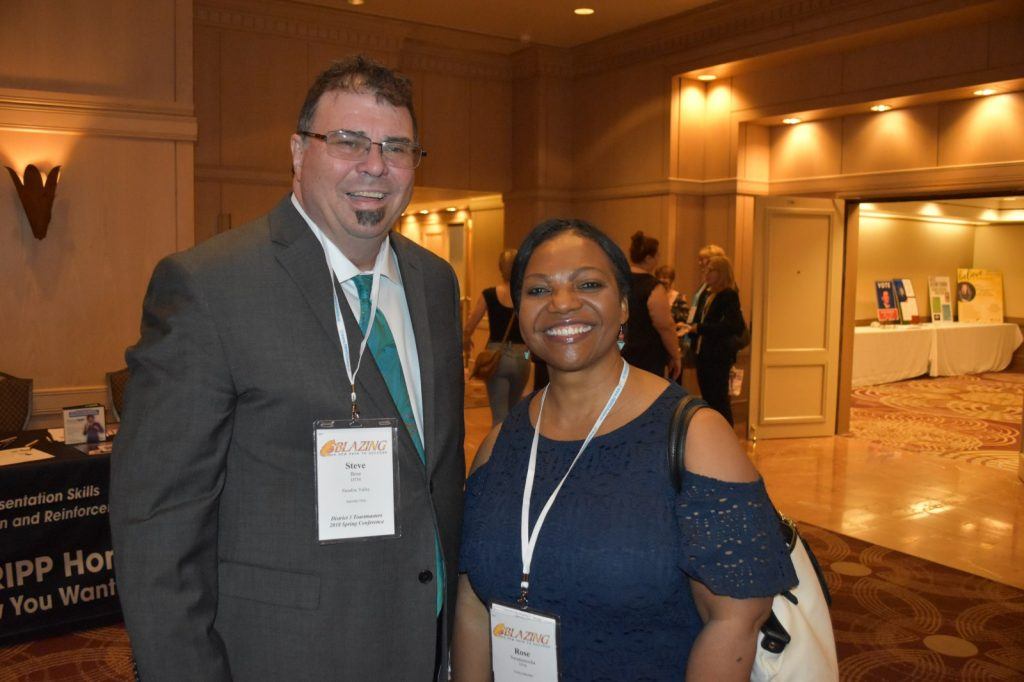
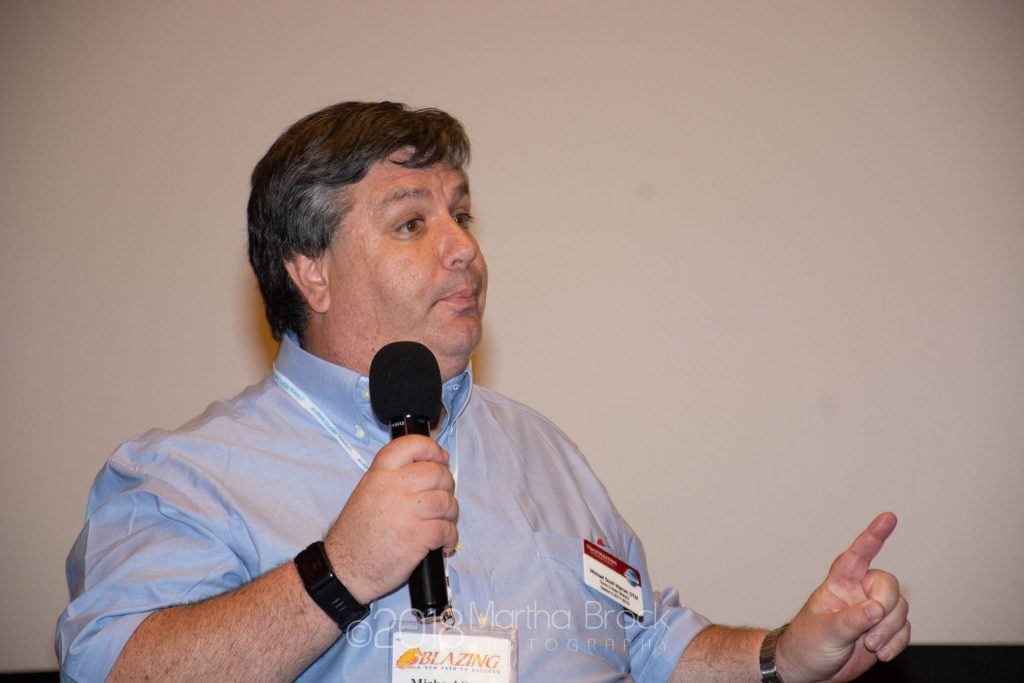
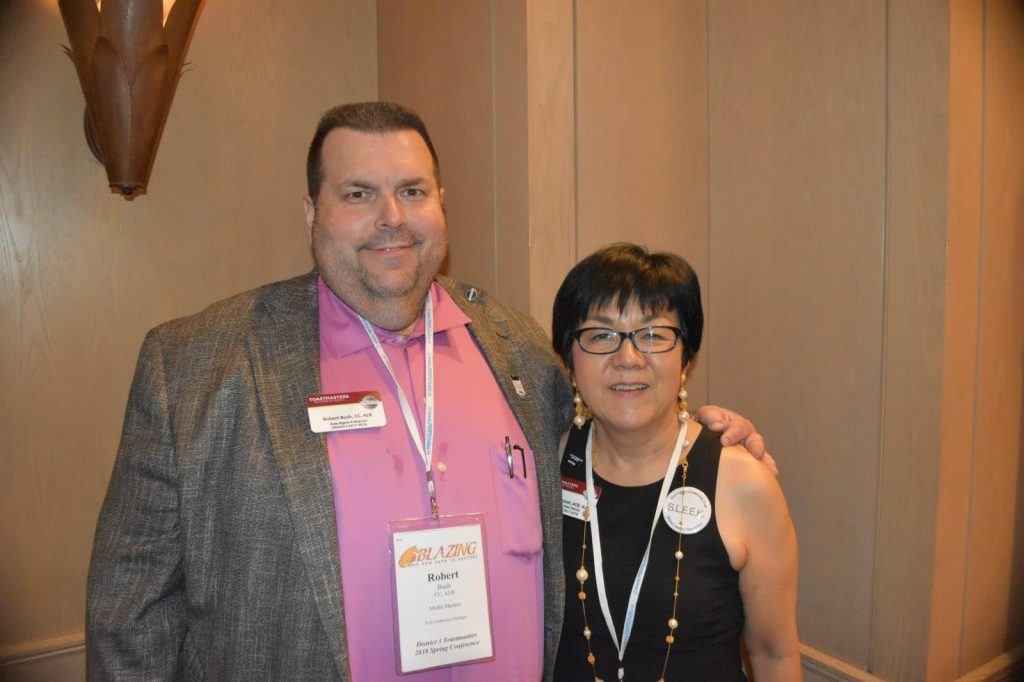
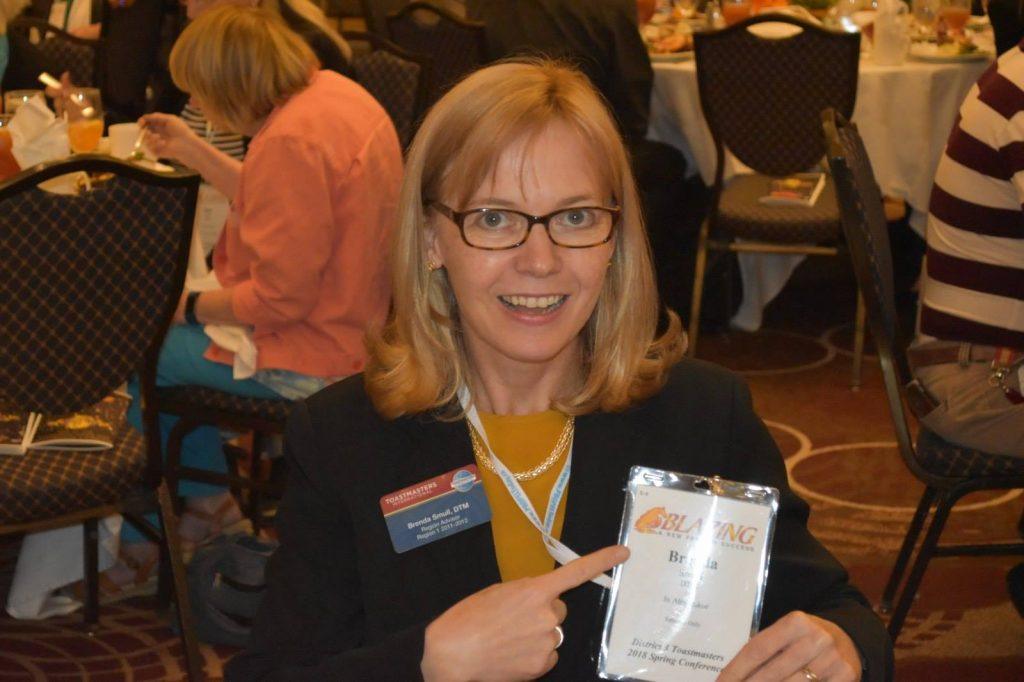
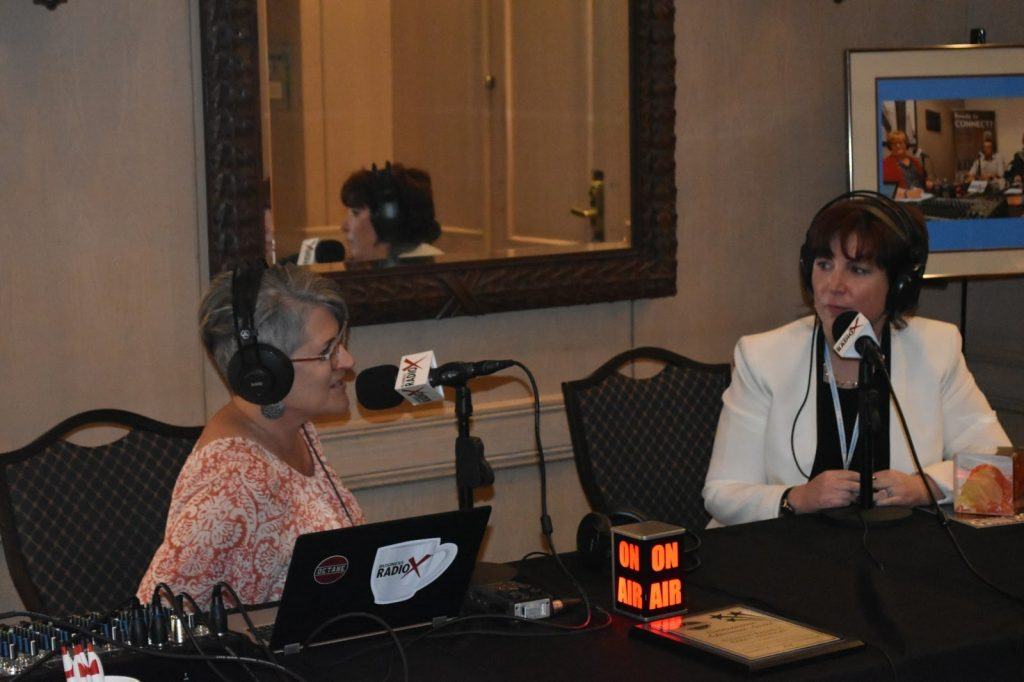
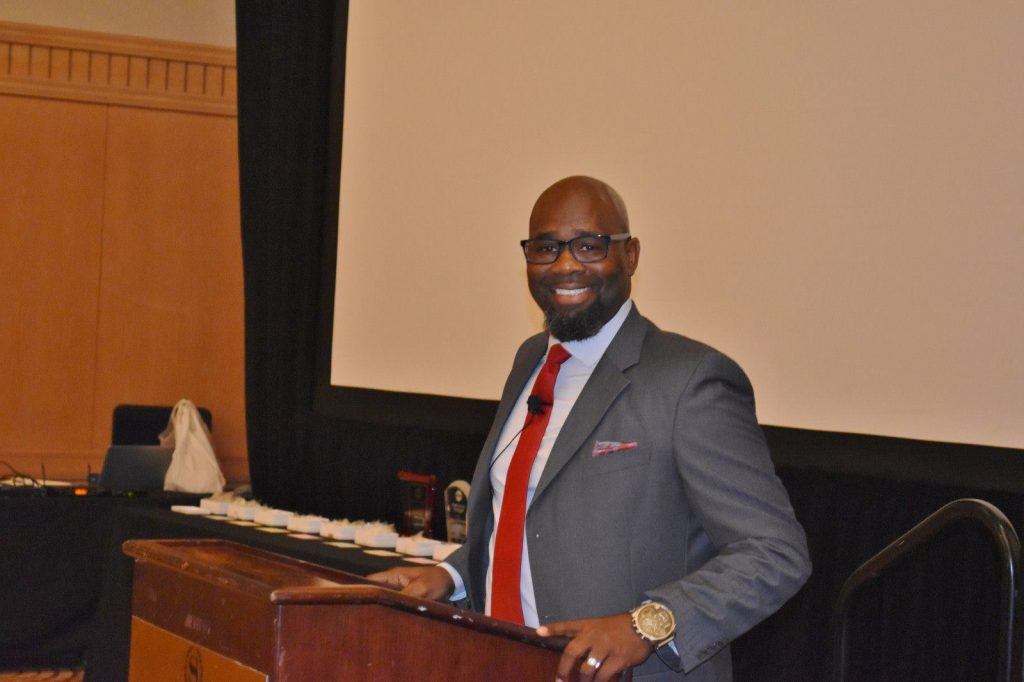
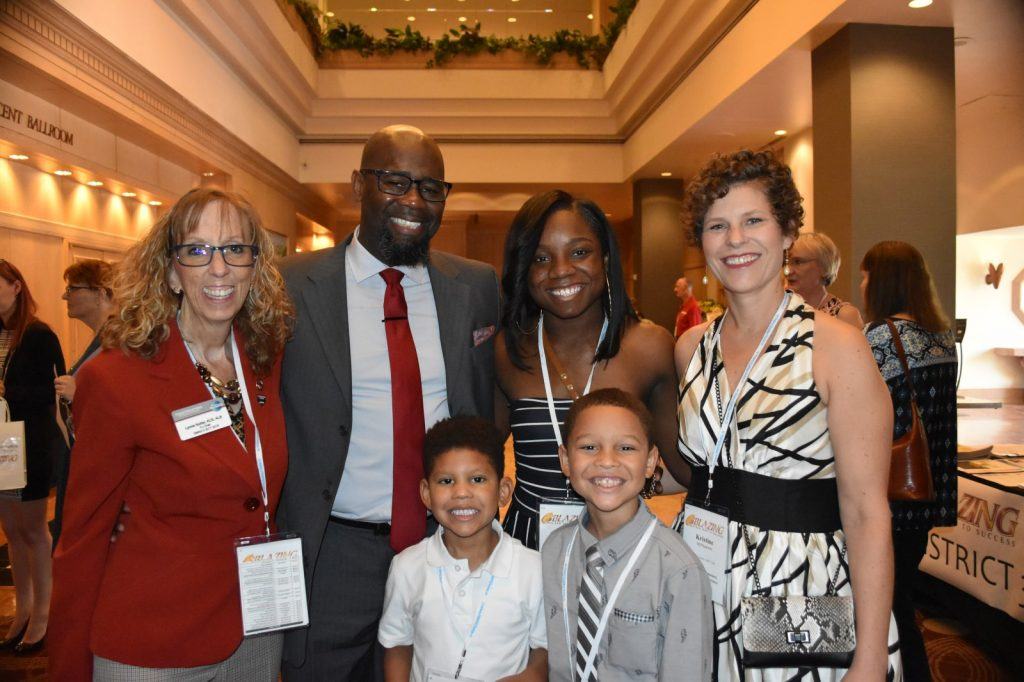
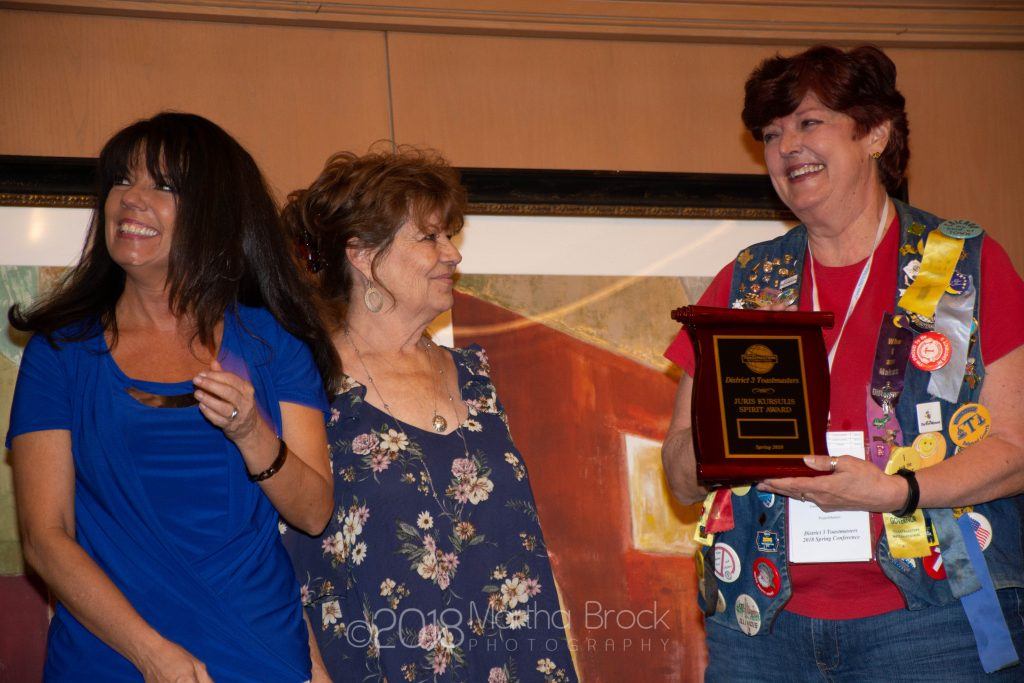
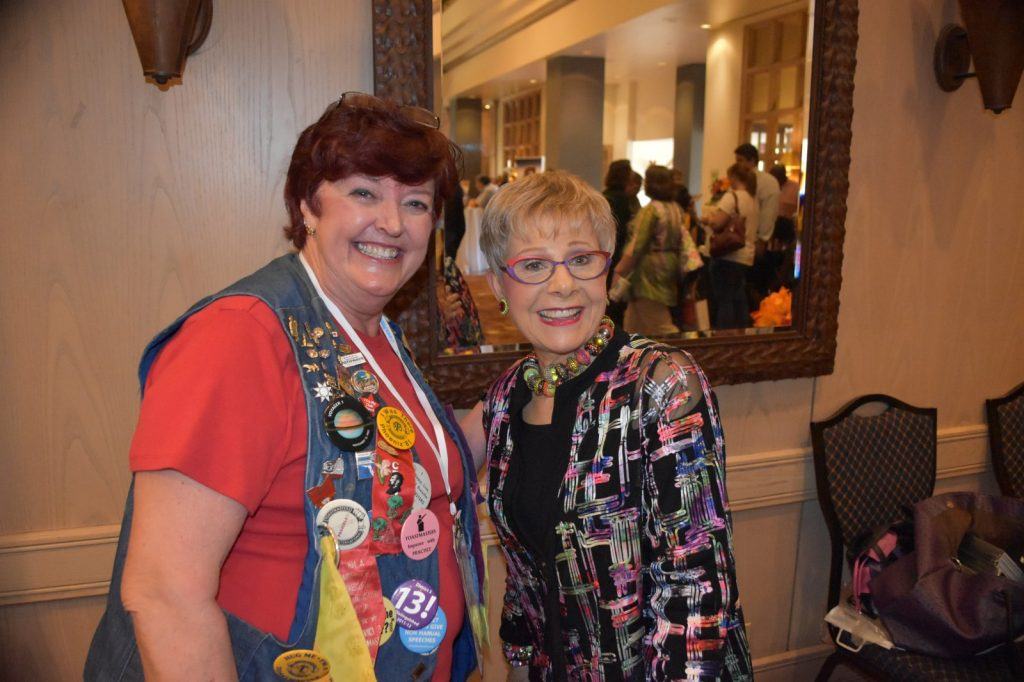
The Blazing a New Path to Success District 3 Toastmasters Spring Conference was a full weekend celebration packed with fun, education, contests, awards and networking opportunities.  Business RadioX was on location with a remote broadcast that included several Toastmasters, speakers and leaders. We have the privilege of sharing a few minutes of their personal and professional journeys with you here.

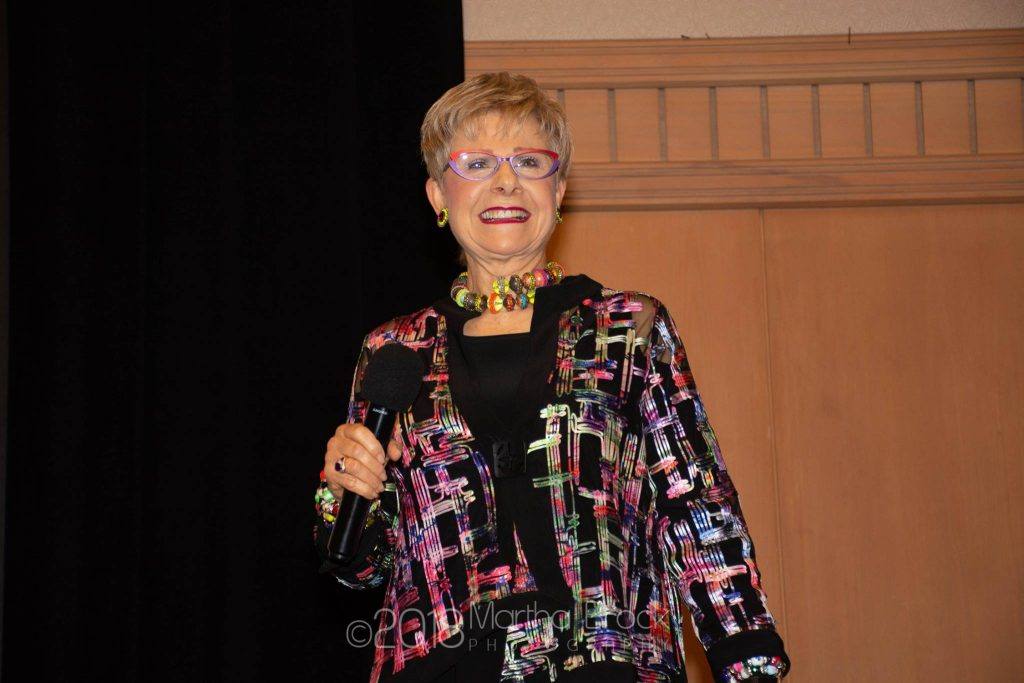
Begin with the “Spring Conference Recap with Enid, Martha and Catherine” and then jump around to any of the 8 Interviews; Keynote with Patricia Fripp; C & L Award Acceptance Speech; and the JURIS KURSULIS Dedication Speech. It’s all here for you to listen in and be inspired all over again!

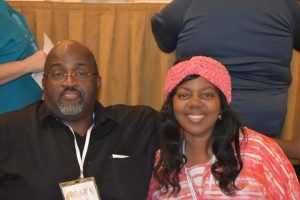
Catherine Norman, CC, CL 2018 Spring Conference Chair (Pictured here with her husband, Clifton Norman)
Enid Moore-Cranshaw, DTM, 2017-2018 District 3 Director
Martha Brock-Leftridge, DTM2, 2017-2018 District 3 Public Relations Manager (Pictured here with her husband, Prince Leftridge II, DTM2)

Spring Conference Recap with Enid, Martha and Catherine

http://stats.businessradiox.com/28120.mp3

DOWNLOAD HERE

Getting the Day Started with Don Griffith, DTM, PID

http://stats.businessradiox.com/28031.mp3

DOWNLOAD HERE

KEY NOTE: Under the Magnifying Glass: Good to Great Presentations with Patricia Fripp, CSP, CPAE (Introduction by Arlene Pedersen)

http://stats.businessradiox.com/28035.mp3

DOWNLOAD HERE

A few minutes with “The Legend of  Leadership: A Manager’s Quest” with Author Steve Broe, PH.D., DTM (Pictured here with Rose Nwaturuocha, DTM, Banquet Seating Chair)

http://stats.businessradiox.com/28034.mp3

DOWNLOAD HERE

“It’s all about the joy of watching and helping other members grow and learn.”

Michael Scott Warner, DTM, Tonto Area 3 Director and Tonto Division Director Elect

http://stats.businessradiox.com/28028.mp3

DOWNLOAD HERE

“A commitment to growing club membership.”

Robert Bush, ACB, ALB, Agave Area A4 Director and Agave Division Director Elect

(Pictured here with Nancy K. Duckett, ACB, ALB Club Pride-S.L.E.E.K. Chair)

http://stats.businessradiox.com/28033.mp3

DOWNLOAD HERE

“People and life-long friendships is what’s most important to me.”

Brenda Nason Smull, DTM, Credentials Chair Mentor

http://stats.businessradiox.com/28024.mp3

DOWNLOAD HERE

“Wish we had joined Toastmasters sooner!”

The Dynamic Father and Son Team: Randy Tudor, ACB, ALB, Navajo Area 5 Director, Navajo Division Director Elect and Kevin Tudor, CC, ALB, Verde Area 5 Director, Verde Division Director Elect 

http://stats.businessradiox.com/28032.mp3

DOWNLOAD HERE

Catching up with “The Fundamentals of Adult Learning” Speaker Wanda Ganjehsani, CC

http://stats.businessradiox.com/28025.mp3

DOWNLOAD HERE

Communication & Leadership Award Honoree, Jody McPhearson’s Acceptance Speech

(Pictured here with his family and Lynne Nutter, ACS, ALB, C & L Award Chair, Color Guard, TLI Chair)

http://stats.businessradiox.com/28027.mp3

DOWNLOAD HERE

Family members Catherine Brent (JURIS KURSULIS Daughter) and Tonya Dale (JURIS KURSULIS Granddaughter) presented Sandee Brogan, DTM, the Spring 2018 JURIS KURSULIS SPIRIT AWARD (Induction Speech by Nancy Starr-Cassidy, DTM PID)

http://stats.businessradiox.com/28029.mp3

DOWNLOAD HERE

Meetings and Conventions Magazine names her “One of the 10 most electrifying speakers in North America” Presentation Skills Authority, Patricia Fripp, CSP, CPAE 

(Pictured here with Sandee Brogan, DTM, Winner of the Spring 2018 JURIS KURSULIS SPIRIT AWARD)

http://stats.businessradiox.com/28030.mp3

DOWNLOAD HERE

Tagged With: District 3 Toastmasters, Enid Moore-Cranshaw, keynote speaker, leader in communication, leadership development, leadership training, Leadership training for entrepreneurs, Nancy Starr-Cassidy, Patricia Fripp, professional development, professional development in Arizona, public speaking, Spring Conference 2018, stepping out of your comfort zone, the art of public speaking, Toast Masters, Toastmaster clubs, toastmasters, Toastmasters clubs in Arizona, Toastmasters International, Training and Development

Toastmasters Arizona

November 29, 2017 by Karen

Phoenix Business Radio
Toastmasters Arizona
Loading
00:00 /
RSS Feed
Share
Link
Embed

Download file

TOASTMASTERS ARIZONA

Toastmasters International is a world leader in communication and leadership development. Our
organization has more than 352,000 memberships worldwide and over 4,500 members in Arizona.
Members improve their speaking and leadership skills by attending one of the 16,400 clubs in 141
countries that make up our global network of meeting locations.

The world needs leaders. Leaders head families, coach teams, run businesses and mentor others. These
leaders must not only accomplish, they must communicate. By regularly giving speeches, gaining
feedback, leading teams and guiding others to achieve their goals in a supportive atmosphere, leaders
emerge from the Toastmasters program.

Every Toastmasters journey begins with a single speech. During their journey, they learn to tell their
stories. They listen and answer. They plan and lead. They give feedback—and accept it. Through our
community of learners, they find their path to leadership.

Toastmasters International (World Headquarters)
District 3 Toastmasters (Arizona)
Facebook Page
YouTube Channel
Twitter
Linked In

Nancy Starr-Cassidy
Michael Holian


Michael Heier
Enid Moore-Cranshaw


Tagged With: District 3 Toastmasters, Enid Moore-Cranshaw, hook em with humor, leader in communication, leadership development, leadership training, Leadership training for entrepreneurs, Michael Heier, Michael Holian, Nancy Starr-Cassidy, professional development, professional development in Arizona, public speaking, Rick Olsen, stepping out of your comfort zone, the art of public speaking, Toast Masters, toastmaster chapters in Arizona, toastmasters, Toastmasters International, Training and Development

Jason Holland with NCR

July 20, 2016 by angishields

Learning Insights
Learning Insights
Jason Holland with NCR
Loading
00:00 /
RSS Feed
Share
Link
Embed

Download file

IMG_1230

Jason Holland / NCR

Jason Holland is the services technical learning leader for NCR Corp., the  global leader in consumer transaction technologies. Processing more than  485 million transactions a day and with more than 30,000 employees globally,  NCR is one of the largest technology companies in the world. Jason has  more than 10 years’ experience in NCR’s learning division. In his current role,  he is responsible for leading the global services technical learning team,  focusing on field-based service technicians, service operation centers, and  other critical technical roles. Jason originally joined NCR in 2000 as a service  technician. He then moved into learning. Over the past 15+ years with NCR,  he has served as a technician, instructor, course developer, and learning  business partner. His primary focus has been on process improvement,  NCR’s financial and retail products, and mobile-enabled performance support  tools.

LinkedIn


Tagged With: Learning Insights, Learning Insights Radio, Lee Kantor, Leigh Anne Lankford, NCR, Stone Payton, Training and Development, Training Pros

Shawn Minard with Ultimate Software

June 8, 2016 by angishields

Learning Insights
Learning Insights
Shawn Minard with Ultimate Software
Loading
00:00 /
RSS Feed
Share
Link
Embed

Download file

LeadUS – Leadership Development at Ultimate Software


Shawn Minard  / Ultimate Software 

Director of Talent Development


Shawn has over 12 years’ experience in the field of Talent Development.  He specializes in designing professional development courses and large-scale talent programs for corporations. Previously, as a learning professional at E*TRADE Financial, Shawn held a wide range of roles including Corporate Trainer, Project Manager, Manager, and then Director of Talent Management.    Currently Shawn serves Ultimate Software as the Director of Talent Development where he drives company values, culture, and philosophy through the creation of strategic Talent Management and Leadership programs.

LinkedIn


IMG_0546
Lee Kantor, Leigh Anne Lankford, Kelly Payton, Stone Payton, Shawn Minard


– 


IMG_0551
Also joining us from TrainingPros is Leigh Anne Lankford.


Tagged With: Learning and Development, Learning Insights, Learning Insights Radio, Lee Kantor, Leigh Anne Lankford, Shawn Minard, Stone Payton, Training and Development, Training Pros, Ultimate Software

Business RadioX ® Network


Our Most Recent Episode

CONNECT WITH US

  • Email
  • Facebook
  • LinkedIn
  • Twitter
  • YouTube

Our Mission

We help local business leaders get the word out about the important work they’re doing to serve their market, their community, and their profession.

We support and celebrate business by sharing positive business stories that traditional media ignores. Some media leans left. Some media leans right. We lean business.

Sponsor a Show

Build Relationships and Grow Your Business. Click here for more details.

Partner With Us

Discover More Here

Terms and Conditions
Privacy Policy

Connect with us

Want to keep up with the latest in pro-business news across the network? Follow us on social media for the latest stories!
  • Email
  • Facebook
  • Google+
  • LinkedIn
  • Twitter
  • YouTube

Business RadioX® Headquarters
1000 Abernathy Rd. NE
Building 400, Suite L-10
Sandy Springs, GA 30328

© 2025 Business RadioX ® · Rainmaker Platform

BRXStudioCoversLA

Wait! Don’t Miss an Episode of LA Business Radio

BRXStudioCoversDENVER

Wait! Don’t Miss an Episode of Denver Business Radio

BRXStudioCoversPENSACOLA

Wait! Don’t Miss an Episode of Pensacola Business Radio

BRXStudioCoversBIRMINGHAM

Wait! Don’t Miss an Episode of Birmingham Business Radio

BRXStudioCoversTALLAHASSEE

Wait! Don’t Miss an Episode of Tallahassee Business Radio

BRXStudioCoversRALEIGH

Wait! Don’t Miss an Episode of Raleigh Business Radio

BRXStudioCoversRICHMONDNoWhite

Wait! Don’t Miss an Episode of Richmond Business Radio

BRXStudioCoversNASHVILLENoWhite

Wait! Don’t Miss an Episode of Nashville Business Radio

BRXStudioCoversDETROIT

Wait! Don’t Miss an Episode of Detroit Business Radio

BRXStudioCoversSTLOUIS

Wait! Don’t Miss an Episode of St. Louis Business Radio

BRXStudioCoversCOLUMBUS-small

Wait! Don’t Miss an Episode of Columbus Business Radio

Coachthecoach-08-08

Wait! Don’t Miss an Episode of Coach the Coach

BRXStudioCoversBAYAREA

Wait! Don’t Miss an Episode of Bay Area Business Radio

BRXStudioCoversCHICAGO

Wait! Don’t Miss an Episode of Chicago Business Radio

Wait! Don’t Miss an Episode of Atlanta Business Radio