Business RadioX ®

  • Home
  • Business RadioX ® Communities
    • Southeast
      • Alabama
        • Birmingham
      • Florida
        • Orlando
        • Pensacola
        • South Florida
        • Tampa
        • Tallahassee
      • Georgia
        • Atlanta
        • Cherokee
        • Forsyth
        • Greater Perimeter
        • Gwinnett
        • North Fulton
        • North Georgia
        • Northeast Georgia
        • Rome
        • Savannah
      • Louisiana
        • New Orleans
      • North Carolina
        • Charlotte
        • Raleigh
      • Tennessee
        • Chattanooga
        • Nashville
      • Virginia
        • Richmond
    • South Central
      • Arkansas
        • Northwest Arkansas
    • Midwest
      • Illinois
        • Chicago
      • Michigan
        • Detroit
      • Minnesota
        • Minneapolis St. Paul
      • Missouri
        • St. Louis
      • Ohio
        • Cleveland
        • Columbus
        • Dayton
    • Southwest
      • Arizona
        • Phoenix
        • Tucson
        • Valley
      • Texas
        • Austin
        • Dallas
        • Houston
    • West
      • California
        • Bay Area
        • LA
        • Pasadena
      • Colorado
        • Denver
      • Hawaii
        • Oahu
  • FAQs
  • About Us
    • Our Mission
    • Our Audience
    • Why It Works
    • What People Are Saying
    • BRX in the News
  • Resources
    • BRX Pro Tips
    • B2B Marketing: The 4Rs
    • High Velocity Selling Habits
    • Why Most B2B Media Strategies Fail
    • 9 Reasons To Sponsor A Business RadioX ® Show
  • Partner With Us
  • Veteran Business RadioX ®

LIVE from the GNFCC 2022 Women in Leadership Summit: Gloria Mattei, Nothing Bundt Cakes

November 15, 2022 by John Ray

LIVE from the GNFCC 2022 Women in Leadership Summit: Gloria Mattei, Nothing Bundt Cakes
North Fulton Business Radio
LIVE from the GNFCC 2022 Women in Leadership Summit: Gloria Mattei, Nothing Bundt Cakes
Loading
00:00 /
RSS Feed
Share
Link
Embed

Download file

LIVE from the GNFCC 2022 Women in Leadership Summit: Gloria Mattei, Nothing Bundt Cakes

LIVE from the GNFCC 2022 Women in Leadership Summit: Gloria Mattei, Nothing Bundt Cakes (North Fulton Business Radio, Episode 569)

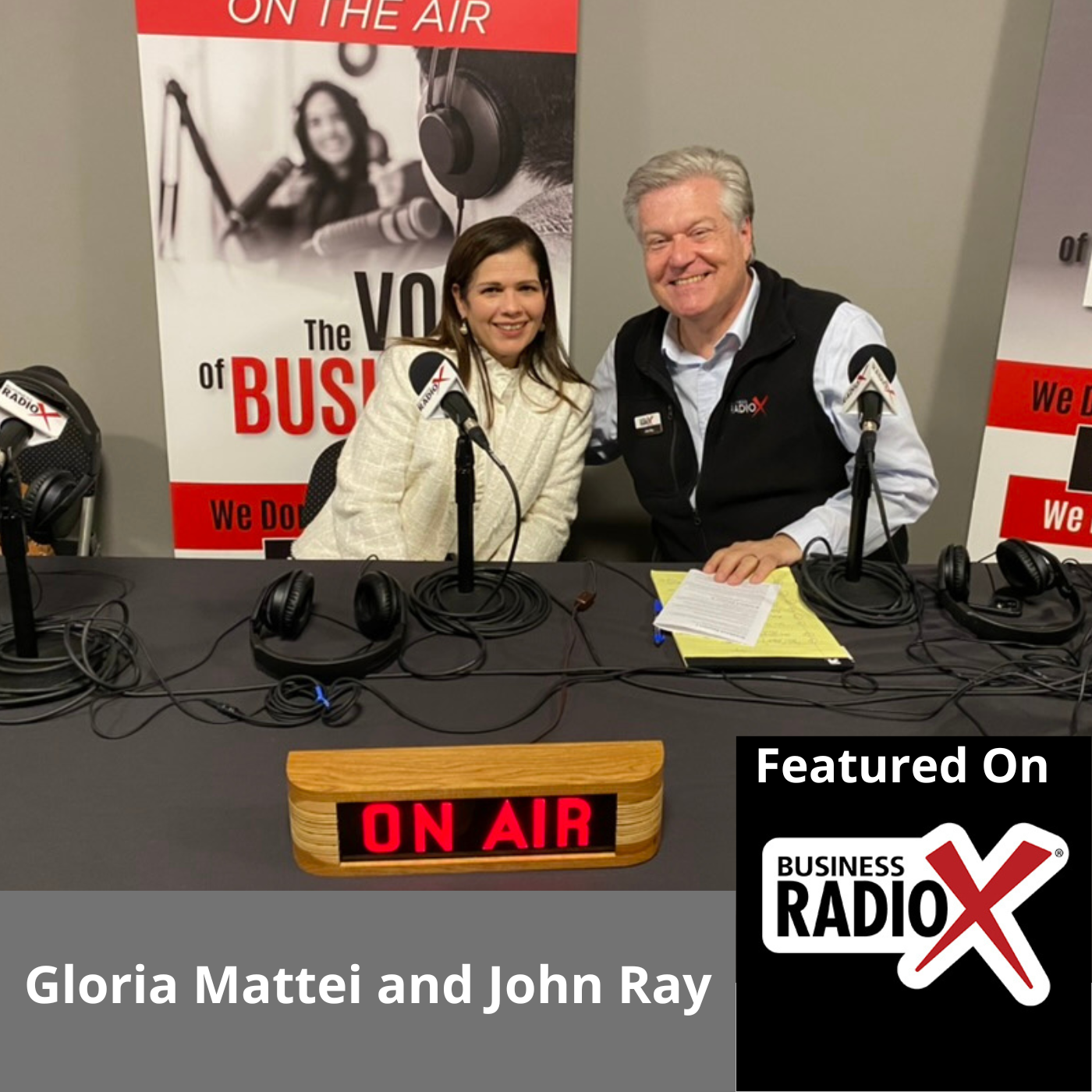
Gloria Mattei, Owner of two Nothing Bundt Cakes stores in North Fulton, joined North Fulton Business Radio host John Ray LIVE from the GNFCC 2022 Women in Leadership Summit. They talked about the growth of her Nothing Bundt Cakes business, community engagement, the Women INfluencing Business Committee, the Summit itself, and much more.

This show was originally broadcast live from the GNFCC 2022 Women in Leadership Summit held at The Commons at Phase in Alpharetta, Georgia.

North Fulton Business Radio is produced and broadcast by the North Fulton studio of Business RadioX® inside Renasant Bank in Alpharetta.

Gloria Mattei, Owner, Nothing Bundt Cakes
Gloria Mattei, Owner, Nothing Bundt Cakes

Gloria Mattei is the Owner of Nothing Bundt Cakes Alpharetta, Milton, Roswell as well as a newly acquired store in Sandy Springs. Nothing Bundt Cakes reintroduces an old family favorite – the Bundt cake – with a light, moist taste and fresh, clean look that appeals to all ages. Each 8” and 10” Bundt cake features custom concept cake decorations that are smart, contemporary, and fun to enhance any occasion, large or small, in a wide range of cake flavors and sizes. Nothing Bundt Cakes celebrates the very heart of true hospitality where all are welcome and no one is a stranger. Each thoughtful detail of the experience, from the heartfelt welcome at the door to remembering the customer’s favorite flavor, has been naturally embraced at Nothing Bundt Cakes

Nothing Bundt Cakes is not in the cake business, they are in the “joy-giving” business. Their mission is to come up with unique valuable solutions to every guest celebration need.

Website

GNFCC 2022 Women in Leadership Summit, presented by the Women INfluencing Business Committee

The 2022 Women in Leadership Summit, organized by the Women INfluencing Business Committee of the Greater North Fulton Chamber of Commerce, was held on November 2, 2022, at the Commons at Phase in Alpharetta, Georgia.

Powered by the Greater North Fulton Chamber of Commerce (GNFCC), the Women INfluencing Business Committee strives to engage female leaders and enhance the standing of professional women within the community. Its annual awards program recognizes women with exceptional vision who have implemented innovative ideas in both the workplace and community and who inspire others.

Website

Questions and Topics in the Interview

  • Nothing Bundt Cakes
  • Community Engagement
  • Women INfluencing Business Committee
  • Women in Leadership Summit

North Fulton Business Radio is hosted by John Ray and broadcast and produced from the North Fulton studio of Business RadioX® inside Renasant Bank in Alpharetta. You can find the full archive of shows by following this link. The show is available on all the major podcast apps, including Apple Podcasts, Spotify, Google, Amazon, iHeart Radio, Stitcher, TuneIn, and others.
RenasantBank


Renasant Bank has humble roots, starting in 1904 as a $100,000 bank in a Lee County, Mississippi, bakery. Since then, Renasant has grown to become one of the Southeast’s strongest financial institutions with over $13 billion in assets and more than 190 banking, lending, wealth management and financial services offices in Mississippi, Alabama, Tennessee, Georgia and Florida. All of Renasant’s success stems from each of their banker’s commitment to investing in their communities as a way of better understanding the people they serve. At Renasant Bank, they understand you because they work and live alongside you every day.
 

Since 2000, Office Angels® has been restoring joy to the life of small business owners, enabling them to focus on what they do best. At the same time, we honor and support at-home experts who wish to continue working on an as-needed basis. Not a temp firm or a placement service, Office Angels matches a business owner’s support needs with Angels who have the talent and experience necessary to handle work that is essential to creating and maintaining a successful small business. Need help with administrative tasks, bookkeeping, marketing, presentations, workshops, speaking engagements, and more? Visit us at https://officeangels.us/.
Tagged With: Alpharetta, community engagement, Gloria Mattei, GNFCC, Joy Business, Milton, North Fulton Business Radio, Nothing Bundt Cakes, Office Angels, Phase Commons, renasant bank, Roswell, Sandy Springs, Women in Leadership, Women In Leadership Summit 2022, Women Influencing Business

LIVE from the GNFCC 2022 Women in Leadership Summit: Chon Trent, PGA Tour Superstore

November 14, 2022 by John Ray

LIVE from the GNFCC 2022 Women in Leadership Summit: Chon Trent, PGA Tour Superstore
North Fulton Business Radio
LIVE from the GNFCC 2022 Women in Leadership Summit: Chon Trent, PGA Tour Superstore
Loading
00:00 /
RSS Feed
Share
Link
Embed

Download file

LIVE from the GNFCC 2022 Women in Leadership Summit: Chon Trent, PGA Tour Superstore

LIVE from the GNFCC 2022 Women in Leadership Summit: Chon Trent, PGA Tour Superstore (North Fulton Business Radio, Episode 566)

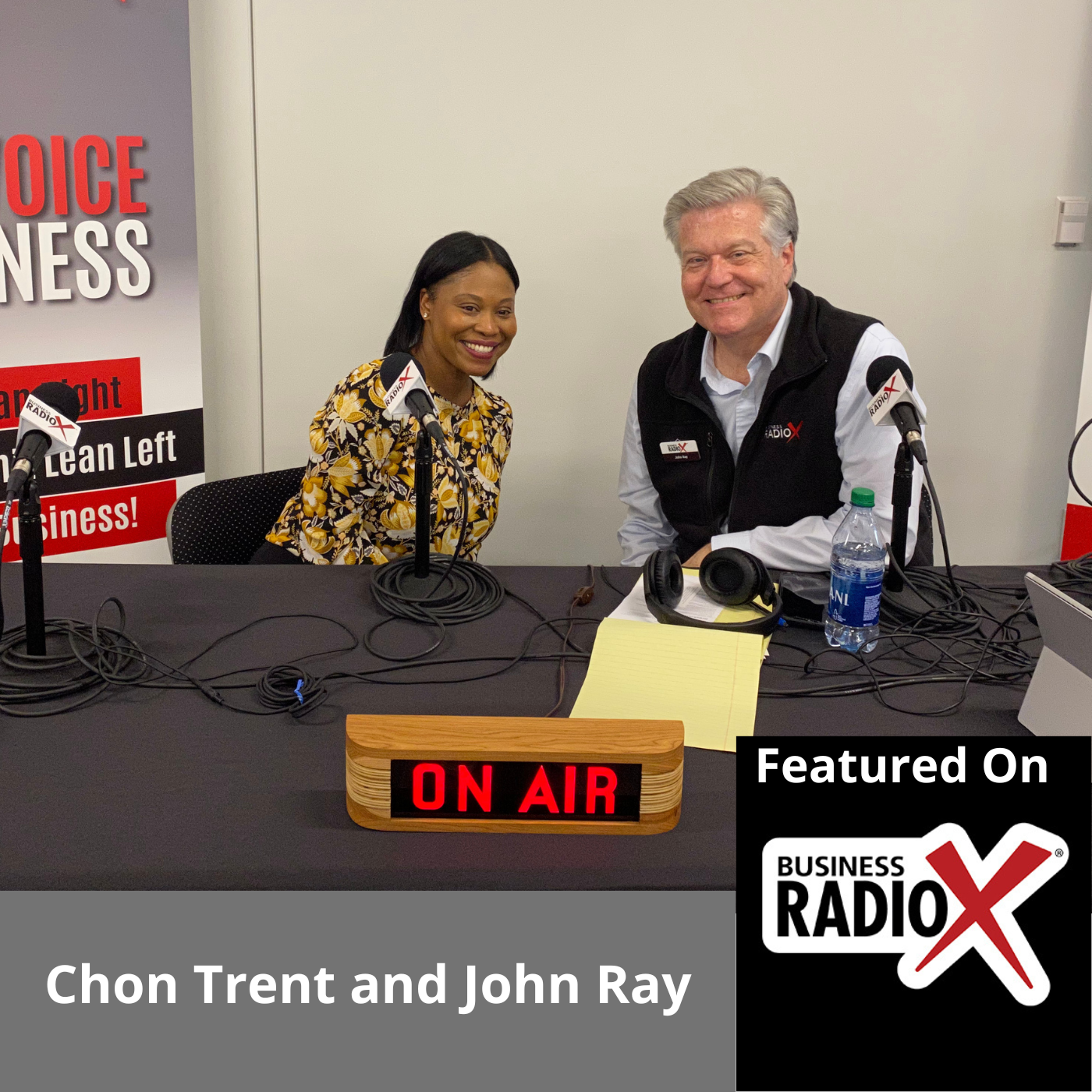
Chon Trent, Manager of Integrated Marketing Communications with PGA Tour Superstore, joined host John Ray LIVE from the GNFCC 2022 Women in Leadership Summit. They talked about the PGA Tour Superstore, executive sponsorship for women, mentorship v. sponsorship, the Women in Leadership Summit, and much more.

This show was originally broadcast live from the GNFCC 2022 Women in Leadership Summit held at The Commons at Phase in Alpharetta, Georgia.

North Fulton Business Radio is produced and broadcast by the North Fulton studio of Business RadioX® inside Renasant Bank in Alpharetta.

Chon Trent, Manager of Integrated Marketing Communications, PGA Tour Superstore

Chon Trent, Manager of Integrated Marketing Communications, PGA Tour Superstore

Chon Trent is the Manager of Integrated Marketing Communications at PGA Tour Superstore in Roswell, Georgia. She makes sure that their message is the same and consistent across multiple platforms. She has been with the PGA Tour Superstore since early this year and has a long history in the marketing industry.

At PGA TOUR Superstore, golf and tennis’ leading equipment and apparel destination across the United States, our vision to inspire guides all that we do – including how we grow, train and reward our team.

As part of the Arthur M. Blank Family of Businesses, PGA TOUR Superstore strives to create a family atmosphere for all of our Associates. We believe in hiring, training and growing individuals who are passionate about our business and embody our company’s core values: put people first, listen and respond, include everyone, innovate continuously, lead by example and give back to others. This commitment to our people, coupled with our expertise in the business, has led us to be one of the fastest growing specialty retailers in the country.

PGA TOUR Superstore is headquartered in metro-Atlanta, Georgia, whose chairman and controlling owner (through AMB Group, LLC) is Arthur M. Blank, owner of the NFL’s Atlanta Falcons and MLS’s Atlanta United and co-founder of The Home Depot.

Website | LinkedIn | Facebook | Twitter | Instagram | Chon’s LinkedIn

GNFCC 2022 Women in Leadership Summit, presented by the Women INfluencing Business Committee

The 2022 Women in Leadership Summit, organized by the Women INfluencing Business Committee of the Greater North Fulton Chamber of Commerce, was held on November 2, 2022, at the Commons at Phase in Alpharetta, Georgia.

Powered by the Greater North Fulton Chamber of Commerce (GNFCC), the Women INfluencing Business Committee strives to engage female leaders and enhance the standing of professional women within the community. Its annual awards program recognizes women with exceptional vision who have implemented innovative ideas in both the workplace and community and who inspire others.

Website

Questions and Topics in the Interview

  • PGA Tour Superstore
  • Executive Sponsor
  • Mentorship v. Sponsorship
  • Women in Leadership Summit

North Fulton Business Radio is hosted by John Ray and broadcast and produced from the North Fulton studio of Business RadioX® inside Renasant Bank in Alpharetta. You can find the full archive of shows by following this link. The show is available on all the major podcast apps, including Apple Podcasts, Spotify, Google, Amazon, iHeart Radio, Stitcher, TuneIn, and others.

RenasantBank


Renasant Bank has humble roots, starting in 1904 as a $100,000 bank in a Lee County, Mississippi, bakery. Since then, Renasant has grown to become one of the Southeast’s strongest financial institutions with over $13 billion in assets and more than 190 banking, lending, wealth management and financial services offices in Mississippi, Alabama, Tennessee, Georgia and Florida. All of Renasant’s success stems from each of their banker’s commitment to investing in their communities as a way of better understanding the people they serve. At Renasant Bank, they understand you because they work and live alongside you every day.


Since 2000, Office Angels® has been restoring joy to the life of small business owners, enabling them to focus on what they do best. At the same time, we honor and support at-home experts who wish to continue working on an as-needed basis. Not a temp firm or a placement service, Office Angels matches a business owner’s support needs with Angels who have the talent and experience necessary to handle work that is essential to creating and maintaining a successful small business. Need help with administrative tasks, bookkeeping, marketing, presentations, workshops, speaking engagements, and more? Visit us at https://officeangels.us/.
Tagged With: Chon Trent, Executive Sponsor, GNFCC, North Fulton Business Radio, Office Angels, PGA Tour Superstore, Phase Commons, relationship building, renasant bank, Women in Leadership, Women In Leadership Summit 2022, Women Influencing Business

LIVE from the GNFCC 2022 Women in Leadership Summit: Anita Henderson, Write Your Life

November 14, 2022 by John Ray

LIVE from the GNFCC 2022 Women in Leadership Summit: Anita Henderson, Write Your Life
North Fulton Business Radio
LIVE from the GNFCC 2022 Women in Leadership Summit: Anita Henderson, Write Your Life
Loading
00:00 /
RSS Feed
Share
Link
Embed

Download file

LIVE from the GNFCC 2022 Women in Leadership Summit: Anita Henderson, Write Your Life

LIVE from the GNFCC 2022 Women in Leadership Summit: Anita Henderson, Write Your Life (North Fulton Business Radio, Episode 565)

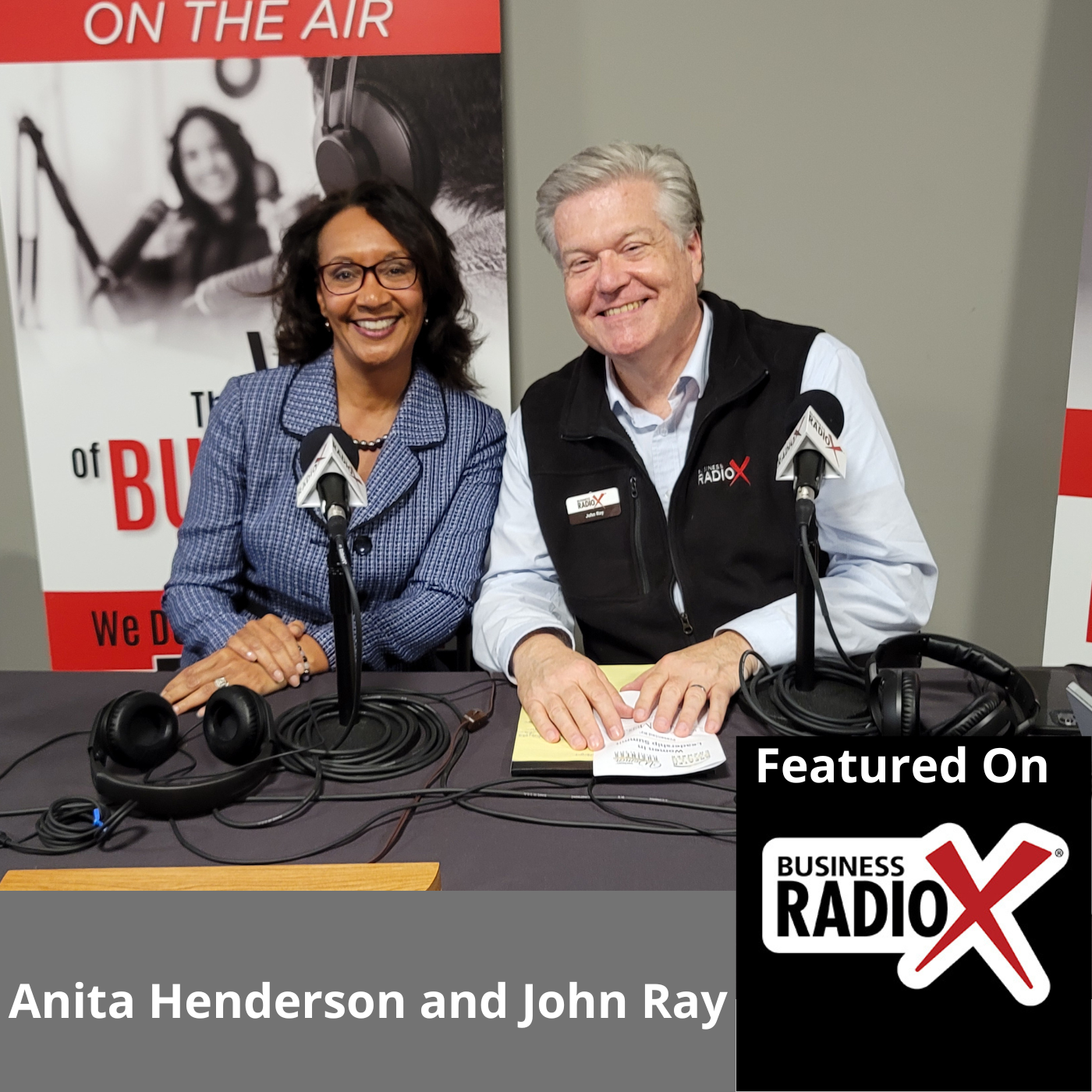
Anita Henderson, CEO & Founder of Write Your Life & The Write Image Consulting, LLC, joined host John Ray LIVE from the GNFCC 2022 Women in Leadership Summit. They chatted about her work at Write Your Life, coaching authors, women writers, the Women in Leadership Summit, and much more.

This show was originally broadcast live from the GNFCC 2022 Women in Leadership Summit held at The Commons at Phase in Alpharetta, Georgia.

North Fulton Business Radio is produced and broadcast by the North Fulton studio of Business RadioX® inside Renasant Bank in Alpharetta.

Anita Henderson, CEO & Founder, Write Your Life & The Write Image Consulting, LLC

Anita Henderson, CEO & Founder, Write Your Life & The Write Image Consulting, LLC

Known by many as The Author’s Midwife, Anita Henderson is the owner of The Write Image Consulting, LLC, and creator of the Write Your Life Author Coaching Program.

Her work with professionals and entrepreneurs has transformed them into proud published authors and has resulted in multiple award-winning and bestselling books, helping her clients grow their media and online visibility, speaker platforms, and industry credibility. She helps authors create compelling prose, weave engaging stories, and explain their processes and insights in a way that serves readers and draws them to want to work more closely with the author.

An eight-time published author, Anita co-founded Write Books That Sell Now, LLC, an online learning platform for aspiring and published authors. She is the creator of the Book Your Success author program, and she speaks at conferences, workshops, and associations about using book publishing as a marketing strategy

Company Website | Facebook | Instagram | Anita’s LinkedIn

GNFCC 2022 Women in Leadership Summit, presented by the Women INfluencing Business Committee

The 2022 Women in Leadership Summit, organized by the Women INfluencing Business Committee of the Greater North Fulton Chamber of Commerce, was held on November 2, 2022, at the Commons at Phase in Alpharetta, Georgia.

Powered by the Greater North Fulton Chamber of Commerce (GNFCC), the Women INfluencing Business Committee strives to engage female leaders and enhance the standing of professional women within the community. Its annual awards program recognizes women with exceptional vision who have implemented innovative ideas in both the workplace and community and who inspire others.

Website

Questions and Topics in the Interview

  • Write Your Life
  • Coaching Authors
  • Women Writers
  • Women in Leadership Summit

North Fulton Business Radio is hosted by John Ray and broadcast and produced from the North Fulton studio of Business RadioX® inside Renasant Bank in Alpharetta. You can find the full archive of shows by following this link. The show is available on all the major podcast apps, including Apple Podcasts, Spotify, Google, Amazon, iHeart Radio, Stitcher, TuneIn, and others.

RenasantBank


Renasant Bank has humble roots, starting in 1904 as a $100,000 bank in a Lee County, Mississippi, bakery. Since then, Renasant has grown to become one of the Southeast’s strongest financial institutions with over $13 billion in assets and more than 190 banking, lending, wealth management and financial services offices in Mississippi, Alabama, Tennessee, Georgia and Florida. All of Renasant’s success stems from each of their banker’s commitment to investing in their communities as a way of better understanding the people they serve. At Renasant Bank, they understand you because they work and live alongside you every day.


Since 2000, Office Angels® has been restoring joy to the life of small business owners, enabling them to focus on what they do best. At the same time, we honor and support at-home experts who wish to continue working on an as-needed basis. Not a temp firm or a placement service, Office Angels matches a business owner’s support needs with Angels who have the talent and experience necessary to handle work that is essential to creating and maintaining a successful small business. Need help with administrative tasks, bookkeeping, marketing, presentations, workshops, speaking engagements, and more? Visit us at https://officeangels.us/.
Tagged With: Anita Henderson, Author, Author Coaching, GNFCC, North Fulton Business Radio, Office Angels, Phase Commons, renasant bank, The Write Image Consulting, Women in Leadership, Women In Leadership Summit 2022, Women Influencing Business, Write Your Life

LIVE from the GNFCC 2022 Women in Leadership Summit: Carley Stephens, Gas South

November 14, 2022 by John Ray

LIVE from the GNFCC 2022 Women in Leadership Summit: Carley Stephens, Gas South
North Fulton Business Radio
LIVE from the GNFCC 2022 Women in Leadership Summit: Carley Stephens, Gas South
Loading
00:00 /
RSS Feed
Share
Link
Embed

Download file

LIVE from the GNFCC 2022 Women in Leadership Summit: Carley Stephens, Gas South

LIVE from the GNFCC 2022 Women in Leadership Summit: Carley Stephens, Gas South (North Fulton Business Radio, Episode 565)

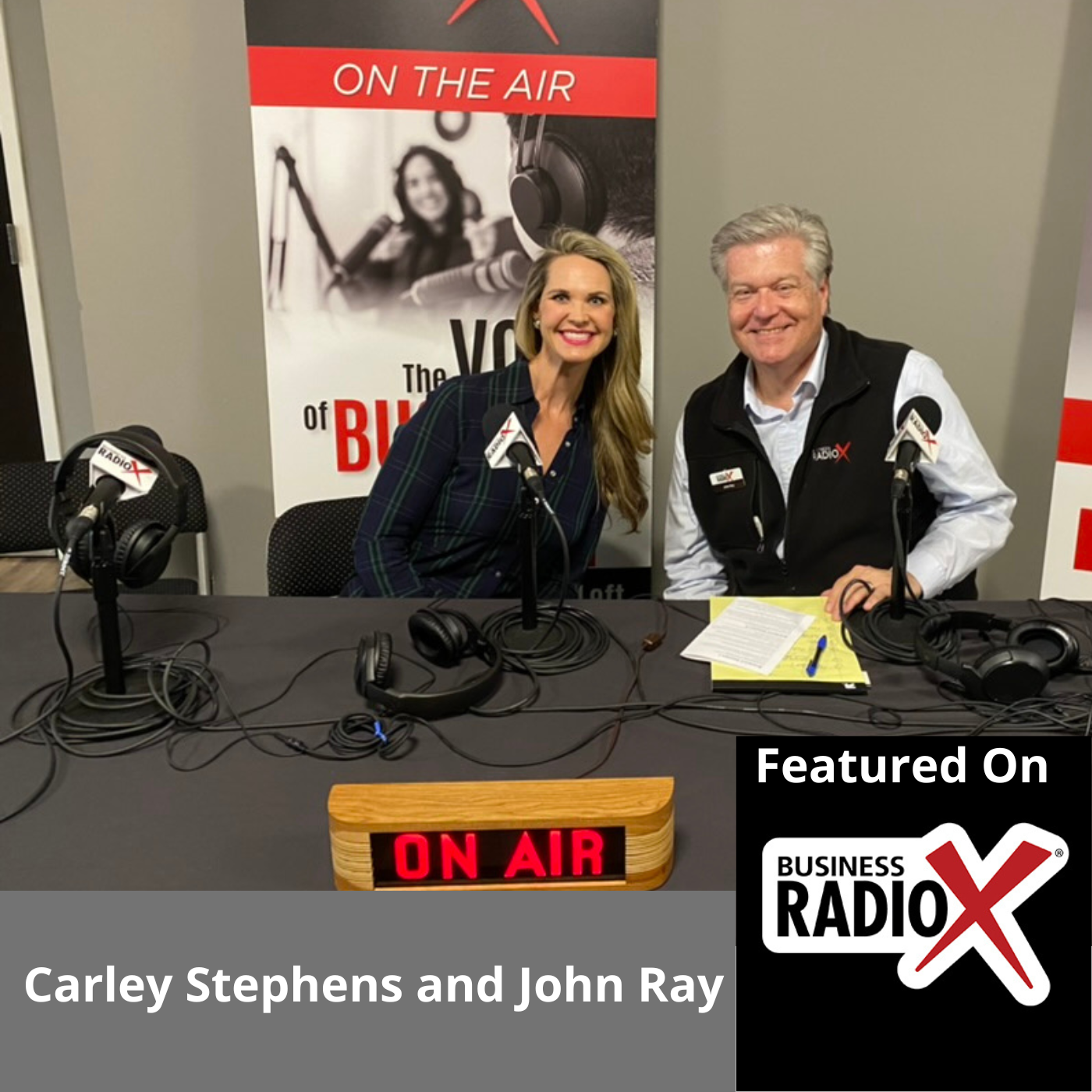
Carley Stephens with Gas South joined host John Ray LIVE from the GNFCC 2022 Women in Leadership Summit. They talked about her role at Gas South, giving back to children in need, telling your own story, Women in Leadership Summit, and much more.

This show was originally broadcast live from the GNFCC 2022 Women in Leadership Summit held at The Commons at Phase in Alpharetta, Georgia.

North Fulton Business Radio is produced and broadcast by the North Fulton studio of Business RadioX® inside Renasant Bank in Alpharetta.

Carley Stephens, Director of Community Affairs, Gas South

Carley Stephens, Director of Community Affairs, Gas South

Carley Stephens is the Director of Community Affairs at Gas South. She oversees all of Gas South’s corporate citizenship or philanthropic giving in the communities they serve, and their employee engagement in those communities.

She has helped Gas South give millions back in charitable donations for children in need. She has been with Gas South since 2017.

LinkedIn


Gas South

Gas South is the largest retail natural gas provider in the Southeast.

In December 2020, Gas South acquired Infinite Energy and now serves over 425,000 residential, business and governmental customers throughout the Southeast. While growing in size, their purpose remains the same, to “Be A Fuel For Good”. They are dedicated to putting people first in everything we do. That means they offer low rates with no deposit, exceptional customer service and our commitment to give 5% of profits to support children in need.

Gas South is also committed to investing in our employees. By encouraging their associates to grow in their careers, we can make our employees’ lives better—and that makes Gas South better. Since 2016, they’ve been recognized as one of the “Top Workplaces in Atlanta” four times by the Atlanta Journal-Constitution. They approach every day knowing we have an opportunity to make a difference, and the difference is good.

Gas South is a wholly owned subsidiary of Cobb EMC, one of the country’s largest electric cooperatives.

Website | LinkedIn | Facebook | Twitter | Instagram

GNFCC 2022 Women in Leadership Summit, presented by the Women INfluencing Business Committee

The 2022 Women in Leadership Summit, organized by the Women INfluencing Business Committee of the Greater North Fulton Chamber of Commerce, was held on November 2, 2022, at the Commons at Phase in Alpharetta, Georgia.

Powered by the Greater North Fulton Chamber of Commerce (GNFCC), the Women INfluencing Business Committee strives to engage female leaders and enhance the standing of professional women within the community. Its annual awards program recognizes women with exceptional vision who have implemented innovative ideas in both the workplace and community and who inspire others.

Website

Questions and Topics in the Interview

  • Gas South
  • Giving Back to Children in Need
  • Telling Your Own Story
  • Women in Leadership Summit

North Fulton Business Radio is hosted by John Ray and broadcast and produced from the North Fulton studio of Business RadioX® inside Renasant Bank in Alpharetta. You can find the full archive of shows by following this link. The show is available on all the major podcast apps, including Apple Podcasts, Spotify, Google, Amazon, iHeart Radio, Stitcher, TuneIn, and others.

RenasantBank


Renasant Bank has humble roots, starting in 1904 as a $100,000 bank in a Lee County, Mississippi, bakery. Since then, Renasant has grown to become one of the Southeast’s strongest financial institutions with over $13 billion in assets and more than 190 banking, lending, wealth management and financial services offices in Mississippi, Alabama, Tennessee, Georgia and Florida. All of Renasant’s success stems from each of their banker’s commitment to investing in their communities as a way of better understanding the people they serve. At Renasant Bank, they understand you because they work and live alongside you every day.


Since 2000, Office Angels® has been restoring joy to the life of small business owners, enabling them to focus on what they do best. At the same time, we honor and support at-home experts who wish to continue working on an as-needed basis. Not a temp firm or a placement service, Office Angels matches a business owner’s support needs with Angels who have the talent and experience necessary to handle work that is essential to creating and maintaining a successful small business. Need help with administrative tasks, bookkeeping, marketing, presentations, workshops, speaking engagements, and more? Visit us at https://officeangels.us/.
 

Tagged With: advocating upward, Charity, community affairs, Gas South, GNFCC, North Fulton Business Radio, Office Angels, philanthropic giving, renasant bank, Women in Leadership, Women In Leadership Summit 2022, Women Influencing Business

LIVE from the GNFCC 2022 Women in Leadership Summit: Tara Heaton, En Pointe Communications

November 14, 2022 by John Ray

North Fulton Business Radio
LIVE from the GNFCC 2022 Women in Leadership Summit: Tara Heaton, En Pointe Communications
Loading
00:00 /
RSS Feed
Share
Link
Embed

Download file

LIVE from the GNFCC 2022 Women in Leadership Summit: Tara Heaton, En Pointe Communications

LIVE from the GNFCC 2022 Women in Leadership Summit: Tara Heaton, En Pointe Communications (North Fulton Business Radio, Episode 563)

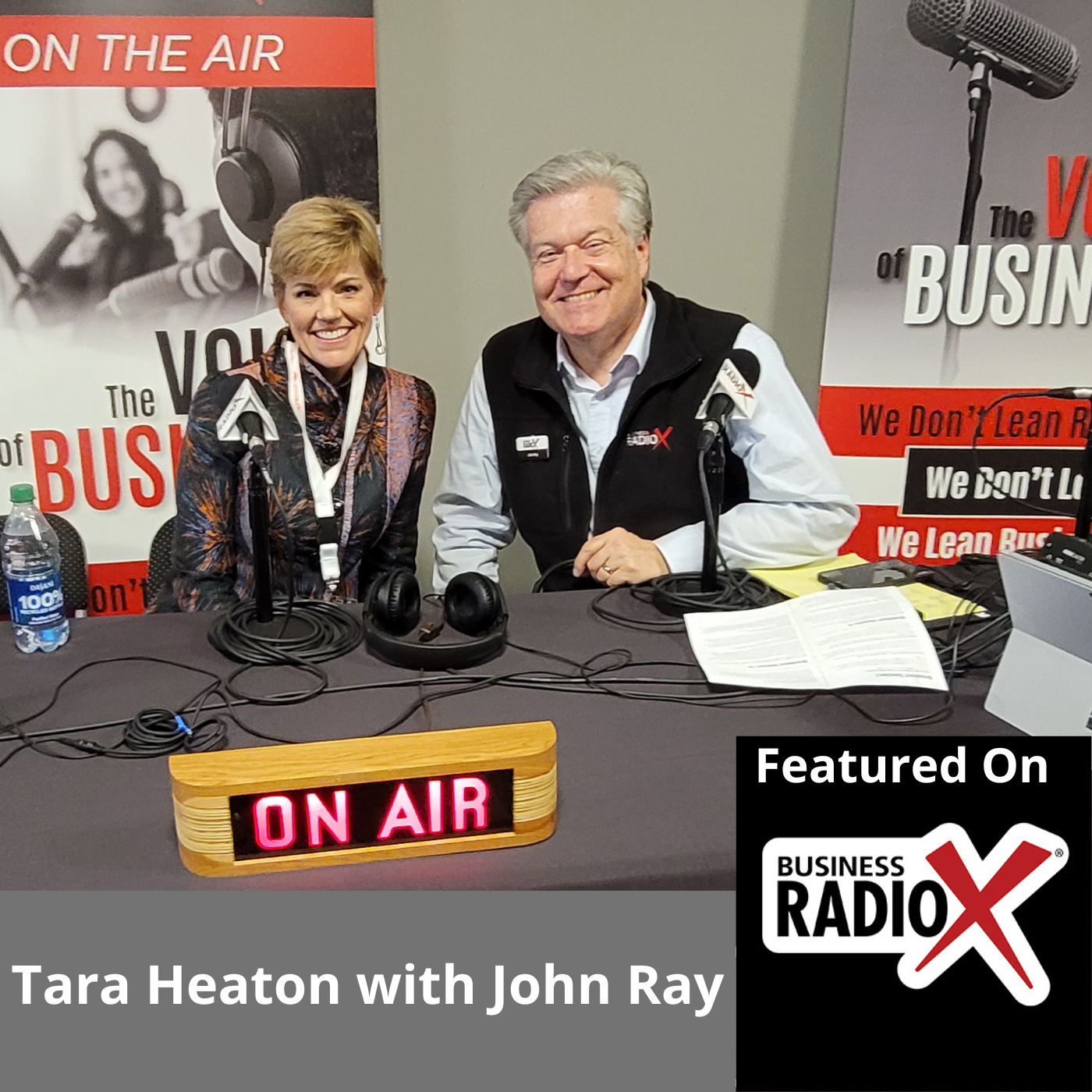
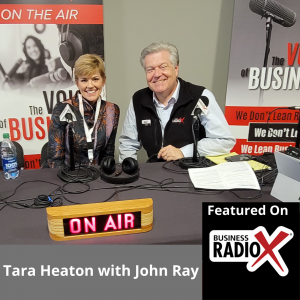
Tara Heaton, Founder of En Pointe Communications joined host John Ray LIVE from the GNFCC 2022 Women in Leadership Summit. They discussed En Pointe Communications, authentic leadership, workplace culture, the Women in Leadership Summit, and much more.

This show was originally broadcast live from the GNFCC 2022 Women in Leadership Summit held at The Commons at Phase in Alpharetta, Georgia.

North Fulton Business Radio is produced and broadcast by the North Fulton studio of Business RadioX® inside Renasant Bank in Alpharetta.

Tara Heaton, Founder, En Pointe Communications

Tara Heaton, Founder, En Pointe Communications

Tara helps leaders, speakers, and salespeople craft and deliver messages that move people. She empowers businesses to define their distinction and turn networking and prospecting into revenue.

With years of neuroscience research and success in competitive sales as a foundation, En Pointe Communications has discovered how to employ science, art and sport to close sales, open minds and generate action.

They work with individuals in a remote coaching setting that delivers results!

Website | Facebook | Tara’s LinkedIn

GNFCC 2022 Women in Leadership Summit, presented by the Women INfluencing Business Committee

The 2022 Women in Leadership Summit, organized by the Women INfluencing Business Committee of the Greater North Fulton Chamber of Commerce, was held on November 2, 2022, at the Commons at Phase in Alpharetta, Georgia.

Powered by the Greater North Fulton Chamber of Commerce (GNFCC), the Women INfluencing Business Committee strives to engage female leaders and enhance the standing of professional women within the community. Its annual awards program recognizes women with exceptional vision who have implemented innovative ideas in both the workplace and community and who inspire others.

Website

Questions and Topics in the Interview

  • En Pointe Communications
  • Authentic Leadership
  • Workplace Culture
  • Women in Leadership Summit

North Fulton Business Radio is hosted by John Ray and broadcast and produced from the North Fulton studio of Business RadioX® inside Renasant Bank in Alpharetta. You can find the full archive of shows by following this link. The show is available on all the major podcast apps, including Apple Podcasts, Spotify, Google, Amazon, iHeart Radio, Stitcher, TuneIn, and others.

RenasantBank


Renasant Bank has humble roots, starting in 1904 as a $100,000 bank in a Lee County, Mississippi, bakery. Since then, Renasant has grown to become one of the Southeast’s strongest financial institutions with over $13 billion in assets and more than 190 banking, lending, wealth management and financial services offices in Mississippi, Alabama, Tennessee, Georgia and Florida. All of Renasant’s success stems from each of their banker’s commitment to investing in their communities as a way of better understanding the people they serve. At Renasant Bank, they understand you because they work and live alongside you every day.


Since 2000, Office Angels® has been restoring joy to the life of small business owners, enabling them to focus on what they do best. At the same time, we honor and support at-home experts who wish to continue working on an as-needed basis. Not a temp firm or a placement service, Office Angels matches a business owner’s support needs with Angels who have the talent and experience necessary to handle work that is essential to creating and maintaining a successful small business. Need help with administrative tasks, bookkeeping, marketing, presentations, workshops, speaking engagements, and more? Visit us at https://officeangels.us/.
Tagged With: authentic leadership, communications, En Pointe Communications, Leadership, neuroscience, North Fulton Business Radio, Phase Commons, Tara Heaton, trust, Women in Leadership, Women In Leadership Summit 2022, Women Influencing Business, workplace culture

Decision Vision Episode 110: Should I Pivot my Company? – An Interview with Helene Lollis, Pathbuilders

April 1, 2021 by John Ray

Pathbuilders
Decision Vision
Decision Vision Episode 110: Should I Pivot my Company? - An Interview with Helene Lollis, Pathbuilders
Loading
00:00 /
RSS Feed
Share
Link
Embed

Download file

Pathbuilders

Decision Vision Episode 11o:  Should I Pivot my Company? – An Interview with Helene Lollis, Pathbuilders

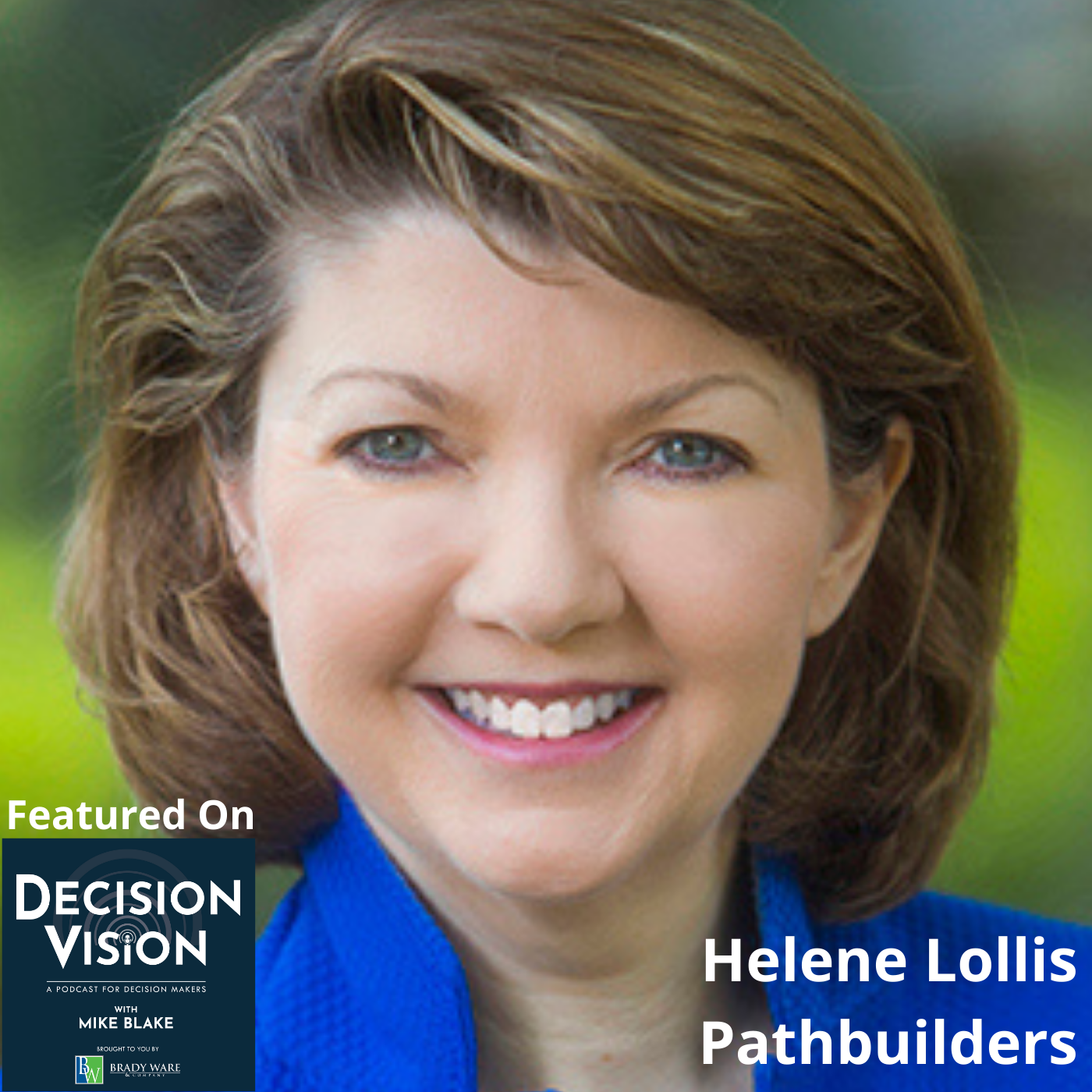
As CEO of Pathbuilders, Helene Lollis started the year 2020 planning her company’s 25th anniversary celebrations. Those plans quickly faded, however, as a pandemic created an enormous challenge for a business based on in-person learning. Helene spoke with host Mike Blake on how she guided a pivot for Pathbuilders and how the company thrived because of it. “Decision Vision” is presented by Brady Ware & Company.

Pathbuilders

Pathbuilders is a professional mentoring and leadership development company. They offer cross-company mentoring programs for women at each phase of their careers, and custom programming for organizations focused on developing high-potential women and men, creating mentoring cultures, launching women’s initiatives, and retaining key talent.Pathbuilders

At Pathbuilders, they design and deliver high-impact mentoring programs for organizations using custom tools and proven methodologies that create formalized learning environments. It is the purposeful structure and practical nature of their content that make the learnings applicable and actionable, and we pride ourselves in creating lasting mentoring relationships for our clients that directly impact retention, promotion, and satisfaction.

Company website | LinkedIn

Helene Lollis, CEO, Pathbuilders

Helene Lollis, CEO, Pathbuilders

Helene Lollis is the chief executive officer of PATHBUILDERS, an organization focused on moving women forward and increasing gender diversity in leadership. For 25 years, Pathbuilders has focused on advancing top-tier talent through high-impact mentoring, professional development, and consulting with senior executives to create cultures where women thrive. Helene guides strategic direction and program development consults with key clients and represents Pathbuilders in the community. Trained as an engineer, Helene spent 12 years with Amoco and BP Corporations in plastics process design, product development, marketing, strategic planning, and company mergers and acquisitions.

Helene is frequently invited to speak on the topics of mentoring, women in the workplace, and career planning. She has been published in HR Magazine, Diversity Executive, and Talent Management and has been featured in The Wall Street Journal. Extremely active in the community, Helene is a past chair and on the executive board of Junior Achievement of Georgia and is a Trustee of the Woodruff Arts Center, where she is a chair of its Women’s Giving Circle. She serves on the Boards of the NC State University Engineering Foundation, the Rotary Club of Atlanta, and SHRM-Atlanta and has previous board service with the Metro Atlanta Chamber and Leadership Atlanta. She is also a member of the International Women’s Forum.

Helene was proud to be recognized as one of Atlanta’s Most Admired CEOs by the Atlanta Business Chronicle in 2020. She received the Gold Leadership Award from the Junior Achievement USA Board of Directors for her service to JA. She was inducted into the YWCA Academy of Women Achievers, and she was recognized as the Guiding Star by Emory’s Executive Women of Goizueta. Helene served as a subject matter expert at The Wall Street Journal Executive Task Force on Women in the Economy. She received her bachelor’s and master’s degrees in chemical engineering from NC State and Purdue Universities.

LinkedIn

Mike Blake, Brady Ware & Company

Mike Blake, Host of the “Decision Vision” podcast series

Michael Blake is the host of the “Decision Vision” podcast series and a Director of Brady Ware & Company. Mike specializes in the valuation of intellectual property-driven firms, such as software firms, aerospace firms, and professional services firms, most frequently in the capacity as a transaction advisor, helping clients obtain great outcomes from complex transaction opportunities. He is also a specialist in the appraisal of intellectual properties as stand-alone assets, such as software, trade secrets, and patents.

Mike has been a full-time business appraiser for 13 years with public accounting firms, boutique business appraisal firms, and an owner of his own firm. Prior to that, he spent 8 years in venture capital and investment banking, including transactions in the U.S., Israel, Russia, Ukraine, and Belarus.

Brady Ware & Company

Brady Ware & Company is a regional full-service accounting and advisory firm which helps businesses and entrepreneurs make visions a reality. Brady Ware services clients nationally from its offices in Alpharetta, GA; Columbus and Dayton, OH; and Richmond, IN. The firm is growth-minded, committed to the regions in which they operate, and most importantly, they make significant investments in their people and service offerings to meet the changing financial needs of those they are privileged to serve. The firm is dedicated to providing results that make a difference for its clients.

Decision Vision Podcast Series

“Decision Vision” is a podcast covering topics and issues facing small business owners and connecting them with solutions from leading experts. This series is presented by Brady Ware & Company. If you are a decision-maker for a small business, we’d love to hear from you. Contact us at decisionvision@bradyware.com and make sure to listen to every Thursday to the “Decision Vision” podcast.

Past episodes of “Decision Vision” can be found at decisionvisionpodcast.com. “Decision Vision” is produced and broadcast by the North Fulton studio of Business RadioX®.

Visit Brady Ware & Company on social media:

LinkedIn:  https://www.linkedin.com/company/brady-ware/

Facebook: https://www.facebook.com/bradywareCPAs/

Twitter: https://twitter.com/BradyWare

Instagram: https://www.instagram.com/bradywarecompany/</a

TRANSCRIPT

Intro: [00:00:03] Welcome to Decision Vision, a podcast series focusing on critical business decisions. Brought to you by Brady Ware & Company. Brady Ware is a regional, full service accounting and advisory firm that helps businesses and entrepreneurs make visions a reality.

Mike Blake: [00:00:23] Welcome to Decision Vision, a podcast giving you, the listener, clear vision to make great decisions. In each episode, we discuss the process of decision making on a different topic from the business owners’ or executives’ perspective. We aren’t necessarily telling you what to do, but we can put you in a position to make an informed decision on your own and understand when you might need help along the way.

Mike Blake: [00:00:44] My name is Mike Blake, and I’m your host for today’s program. I’m a director at Brady Ware & Company, a full service accounting firm based in Dayton, Ohio, with offices in Dayton; Columbus, Ohio; Richmond, Indiana; and Alpharetta, Georgia. Brady Ware is sponsoring this podcast, which is being recorded in Atlanta per social distancing protocols. If you like this podcast, please subscribe on your favorite podcast aggregator and please consider leaving a view of the podcast as well.

Mike Blake: [00:01:12] So, today’s topic is a topic that we’ve visited before. We had Brandon Cooper on talking about pivoting a company. And today’s topic is, Should I pivot my company? And as I mentioned when we crossed the 100th episode threshold that, I decided that I wasn’t going to be afraid to revisit topics, because, you know, a lot of people approach the same problem or decision with a different fact set with a different fact set, with a different set of priorities and with, frankly, a different set of circumstances.

Mike Blake: [00:01:50] And, therefore, I’ve decided and the listenership seems to agree given the rise of numbers we’ve had, that it’s okay to kind of revisit a problem again and again. We’re not going to make this the pivot our company podcast or it’s all pivots all the time. But, nevertheless, I do want to come back and revisit these conversations.

Mike Blake: [00:02:12] And, of course, we have this thing called coronavirus, which as of March 25th, when we are recording this podcast, it looks like we are at least in a position where we’re seeing a light at the end of the tunnel. We’re not there. We’re not post-pandemic. I call it trans-pandemic. But we’re certainly getting there. And as many of us know, COVID has presented us with decisions we would not have ever imagined we would have needed to make. And probably if we did make them, we had to make them in a way that would have been different in the pre-pandemic environment.

Mike Blake: [00:02:50] And Brandon’s conversation was more about – or was about a circumstance where a pivot was required in a pre-pandemic scenario. But our guest today is going to come in and talk to us about the decision to pivot a company during the pandemic as a result of the pandemic. And I think a lot of companies can recognize this.

Mike Blake: [00:03:16] And even though we are emerging from the pandemic at this point, it’s still going to be instructive because we don’t know when that next external shock is going to happen. We don’t know when the next pandemic is going to happen. I mean, frankly, you know, if we’re honest about it, we don’t necessarily know that we have COVID licked. I mean, I think right now we have the upper hand, but there are mutations out there. You know, we just don’t know. So, I do believe that this is going to be somewhat of an evergreen topic for good or ill.

Mike Blake: [00:03:46] And helping us with this is my long time friend, Helene Lollis, who is the Chief Executive Officer of Path Builders. An organization focused on moving women forward and increasing gender diversity in leadership. Extremely active in the community, Helene is a past chair and on the executive board of Junior Achievement of Georgia – she’s been doing that forever, I know – and as a trustee of the Woodruff Arts Center, where she is the chair of its Women’s Giving Circle. She serves on a bunch of other boards, too, it’d take out the program to list all of them. Just take my word for it, she does a lot of stuff.

Mike Blake: [00:04:21] Helene was also recognized as one of Atlanta’s Most Admired CEOs by the Atlanta Business Chronicle in 2020. She received the Gold Leadership Award from the Junior Achievement USA Board of Directors for her service to Junior Achievement. And she was inducted into the YWCA Academy of Women Achievers and was recognized as the Guiding Star by Emory’s Executive Women of Goizueta, which is their school of business. She was trained as an engineer – which I did not know. And I’m embarrassed that I did not know this. I never asked.

Helene Lollis: [00:04:49] Why don’t you know that?

Mike Blake: [00:04:49] But she was trained as an engineer and received her Bachelor’s and Master’s Degree in Chemical Engineering from North Carolina State and Purdue University. And spent 12 years at the Amoco and BP Corporations in plastics, process design, product development, marketing, strategic planning, and company mergers and acquisitions.

Mike Blake: [00:05:08] For 25 years, Path Builders has focused on advancing top tier talent through high impact mentoring, professional development and consulting with senior executives to create cultures where women thrive. Boy, do we need that today. And Helene guides strategic decision and program development, consults with key clients, and represents path builders in the community. Helene Lollis, welcome to the program.

Helene Lollis: [00:05:30] Welcome. I wish I sent you a shorter bio.

Mike Blake: [00:05:34] No, I’m glad that we got that out there. The cool thing is, I mean, I’ve had a lot of friend whom I’ve known for some time, and it’s uncanny how many things I learn about them when I actually have to go and do the homework and learn about the bio. Fortunately, I haven’t found that somebody was like a convicted felon or anything, that might be kind of awkward, or a traitor to the state. But, you know, I did not know that you have that long background in engineering and material science before you moved into this. And at some point, I hope our conversation will come around to how does that background give you, maybe, a different perspective on the things that you do, because I suspect that it does.

Helene Lollis: [00:06:19] It does. Yeah.

Mike Blake: [00:06:20] As opposed to what I would expect a more kind of human resource background, for example.

Helene Lollis: [00:06:25] Yeah. I would tell you, my team knows every single day that I’m an engineer. You know, it’s a way of thinking. It’s a way of framing. There’s no question. And even in the processes of the things that we do at Path Builders, there’s engineering all around.

Mike Blake: [00:06:40] So, before we get into this, I’d like you to describe Path Builders. I mean, you really have been, as your bio reads, a fixture in the community. What does Path Builders do and what is the origin story of Path Builders?

Helene Lollis: [00:06:56] Yeah. So, our focus is helping companies to move women forward and to elevate their best talent every single day. And we’re probably best known for large scale mentoring programs where we match women with mentors and peers, and take them through experiential learning to really equip them to be better able to move into leadership roles inside their organizations.

Helene Lollis: [00:07:21] But if the company was actually an Anderson incubator business back in the 90s, I was a mentee, actually, in one of the programs. So, I was working for Amoco at the time. They placed me in the program as a mentee. The gentleman with whom I was matched as my mentor is still my mentor. I talk with him on Saturday. So, it clearly was rather pivotal in my own career. So, we’re probably best known for those cross-company mentoring programs.

Helene Lollis: [00:07:53] But I bought the company in 2002 after leaving BP. And, initially, kept the dynamic that the previous owners had in place, this model of mentoring women. I felt right away a couple of things. One, they were starting too late. They were kind of starting with director level women who could be officers. And if you’re serious about building a pipeline of female talent, you got to start earlier than that. And, two, we’re exclusively working with women. And to create environments where women thrive, you’ve got to be working with both women and men. So, the nutshell is, we work with organizations to move women forward. We work to really develop talent and leadership benches with both women and men inside organizations.

Helene Lollis: [00:08:40] And then, I would say, the last few years, what we have added to complement all of that is consulting at the C-suite on how do you create an environment where women can thrive and women can move forward. How do you change the dialogue in the C- suite to be around how gender is strategic to really building a great company.

Mike Blake: [00:09:01] So, you are doing that. I know you had a lot of very high profile clients. But the thing that struck me is, you’ve been working with the U.S. Military for a long time now, at least you had been. I presume that’s still the case. And then, one year ago happens, right? It was just around St. Patrick’s Day or a little bit before then, when, frankly, our world changed. So, you know, coronavirus happens. The next thing you know by, I guess, April, a lot of us are told to “shelter in place”. And what happened to Path Builders at that point?

Helene Lollis: [00:09:36] Yeah. So, I said the company is 25 years old, actually, last March was the 25th anniversary. And we had this fantastic plan that it was going to be a year of parties. And my leadership team had actually built this fantastic idea. Instead of having one big event, we were going to have a whole year of pop-up parties. And one of our clients, WesTrac, had already signed on to be the first pop-up party. And we were going to be inside all of our clients, helping them to celebrate their commitment to women. And then, a week later, we decided we’re probably not going to have at least that first pop-up party.

Helene Lollis: [00:10:17] So, long story short, I had no idea that what started out as a year thinking it was going to be celebrating an anniversary, two enormous changes. So, one, completely reinventing how we deliver. But I will also say, overnight, we shifted from being a sales driven company to being a marketing driven company. You already highlighted how much I do in the community. My whole team is out and about and it was very much being with people talking about what we do. That was one of the primary drivers of really where our clients came from. And clearly those opportunities were gone. So, I mean, not only were we shifting how we do what we do, but we were even shifting how we built the pipeline for what we do.

Mike Blake: [00:11:00] So, as coronavirus hit – and I’m curious where you kind of fall with this – my own perspective was, you know, I knew it was serious, but my own reaction was kind of incremental. Things are changing, but do I have to necessarily blow everything up to survive? I’m not there yet. So, here are five or six things I think are going to be kind of small changes and maybe we can kind of ride it out. Was that your experience, too? And if so, what were the small changes that you tried and maybe worked or didn’t work?

Helene Lollis: [00:11:35] Yeah. So, I’m fully transparent that there were four [inaudible], and I lived in each of those stages for a period of time. I mean, number one was the very simple denial, “Helene, this can’t possibly be happening. This isn’t the way we do things.” And I remember initially having that moment of paralysis of, “Oh, my gosh. We can’t do what we do in this environment.” And the reality of it was, you couldn’t survive that way, right? So, we moved to the, “Okay. If we have to, for a few weeks, do whatever.”

Mike Blake: [00:12:14] Thus bargaining.

Helene Lollis: [00:12:17] Yeah. Exactly. I can hang right with Elisabeth Kubler Ross right through this whole dynamic. Absolutely. But then, we thought, “Okay. We’ll do a couple of webinars from the basement of my house and it’ll be okay.” And it was talking about things that worked and things that did not work. We pride ourselves on flawless execution, and that means there are a lot of people monitoring different aspects of things. And so, we were doing what we deemed to be interactive workshops, but literally two of us in a basement. The rest of the team we were communicating with through Teams. And so, here, I’m trying to deliver a workshop while communicating with my team on Teams, while silently communicating with my – bless his heart – husband trying to manage the technology.

Helene Lollis: [00:13:06] And I will tell you, the morning of a huge program launch, I will never forget when the people across the street from us had one of those chipper trucks drive up in front of their house. And my husband and I are literally, like, putting together our cash. Like, could we come up with 100 bucks to make these people go away? We can’t so much of a run.

Mike Blake: [00:13:24] Wow, what a story.

Helene Lollis: [00:13:26] So, I mean, recognizing those moments – unbelievably they finished before so we didn’t have to pay them. But then, we had a client who just said, “You know what? We’ve been waiting and we don’t want to wait anymore. We’re ready to go.” And it was a client where we were working with developing all of their newly promoted managers and directors. And we had designed it as opportunities where they would be convening in one of their offices, so either in Chicago or Atlanta or New York. And it was as much about developing managers and directors to be great leaders as it was about them building a leadership team.

Helene Lollis: [00:14:05] So, the way we had designed the program was about being in-person together and relationship building. And so, we just kept postponing. We kept saying, “Well, we’ll wait until we can do that.” And they came back and said, “You know what? We’re ready to go. Figure it out, make it happen.” And so, we said, “Okay. Will you give us the space to completely redesign the program?” Because we can’t just pick it up and and pretend it’s the same online. And so, absolutely fantastic working with them. But we went back to the drawing board and we said, “Okay. So, instead of a monthly gathering, this now needs to be two week touch points.” And there’ll be certain sorts of breakout groups we do when they’re in session with us. But then, certain learning teams that they’re going to be connected to and we’ll build discussion guides and threads through all of that.

Helene Lollis: [00:15:02] So, phase three for us was, we can make – I guess that’s really phase two, we can make something that’s meaningful. Phase three, for me, was the, “Oh, my gosh. This might have some legs.” We’re actually creating connectivity, and relationship, and trust building that is not only positively impacting these people as leaders, but now they’re actually able to extend their network more broadly than they might have been able to otherwise. And then, finally, stage four for me was, this is probably something we should have done a long time ago.

Helene Lollis: [00:15:43] In the fall, we launched a program, a cross-company program completely designed to be in the online world. And first time coming out of the blocks are amazing. Clients trusted us so much. We had women from 11 states the first time we set it up to go forward. And, now, it’s such an interesting time to be having this conversation because now we’re really trying to figure out who are we going to be after, when we’re no longer trans-pandemic, as you said, but when we are perhaps actually post.

Mike Blake: [00:16:17] So, I’m going to go off-script here, because what you said and the way that you said it brings something that is, I hope, an important observation. And that is that, in all those sort of stages of grief, the one that I don’t think that you had, or at least if you did, it lasted for probably about 18 seconds, was the depression part. I think it sounds to me and knowing you as well as I think that I do, I think that this is right is that, you quickly recognized that just sort of things had to change. And you can be frustrated with it all you want, but at some point you got to solve the problem.

Helene Lollis: [00:16:57] Yeah. And, I mean, I think some of that is just a bent to the eternally optimistic entrepreneur, right? But I’d be a liar. I mean, (A) Elisabeth Kubler Ross would tell you, you don’t get to skip stages. So, clearly, I had to be there, and maybe it was a short visit point. But there were certainly moments right before going live with big offerings where that inner voice does this, “This can’t be happening to us.” But I will tell you, again, unbelievably loyal clients. Suddenly, the feedback we were getting after we got out of the basement – the basement, the feedback wasn’t too great, to be completely honest.

Helene Lollis: [00:17:43] But we were back in the office and starting to build out a Zoom studio in April and May. And I will say, largely because we had not done a lot of this, it was a brand new world for us. So, we weren’t tied to any mindset of what online delivery was going to look like. And so, I think that the creativity – and I mean, I can’t say enough positive things about the team around me – we had and the way we were redesigning to create experiential learning, we started getting such great feedback so fast that it pulled us through that curve pretty quickly.

Mike Blake: [00:18:25] So, I’m curious. I think a lot of us have had to, on some level, become amateur video and audio engineers, like it or not. Otherwise, I mean, you just can’t communicate. And as much as sort of Zoom and other platforms are interesting, one, they don’t all work the same. And number two, they are not the realization of AT&T’s video phone. You don’t just simply pick up the handset and you’re talking to somebody on video.

Mike Blake: [00:18:57] What was it like? Were you energized about the opportunity to pick up an entirely different skillset? Was your team energized about that? Were they scared? Were they frustrated? Was it a cocktail of all three? What was that like?

Helene Lollis: [00:19:11] Yeah. I don’t know that any of us took the time to contemplate it as a wonderful learning opportunity. I don’t know that that one existed. I will tell you what the team says to me. The team says to me, there was just never a moment – and I guess they mean me – at which I wasn’t just saying we are going to do this. Like, it’s just we must, we will. The mission is too important, we’ve got to continue doing what we’re doing.

Helene Lollis: [00:19:48] I will say, though, you are absolutely right in terms of this team of people who were expert at making something happen in a big ballroom, suddenly becoming producers, and onscreen personalities, and learning so fast that, quite frankly, we were doing it before we even understood what we were doing because necessity drove us to do that. So, I don’t know, I mean, I think now in retrospect, it’s easy to look back and think, “Oh, my gosh. What a fantastic learning year it was”. In the moment, you just kind of feel like you’re living in the hell of, “Okay. I don’t know.” And I can remember any number of times where we would be getting ready to go live with a couple hundred people from all over the country coming on. And we would all just kind of look each other in the eye and say, “Here we go.” I lost you.

Mike Blake: [00:20:47] Yeah. We’re going to push this button and hopefully it works, right?

Helene Lollis: [00:20:50] Okay. Yeah, yeah. Crossed fingers.

Mike Blake: [00:20:53] So, I want to be clear, you know, comparing kind of pre-COVID Path Builders to post-COVID Path Builders, what are the big differences? Or if you had to describe the before and describe the after, what do those look like?

Helene Lollis: [00:21:08] Yeah. So, the bulk of our work was, literally, we have rented a tremendous amount of ballroom space in the Atlanta area and we have traveled to our clients. So, while we don’t have offices in other locations, we’ve always gone wherever clients are. And so, if I go back even just the year before the pandemic, I spent a lot of time in New York. I had clients in Texas, and California, and Chicago, and wherever clients needed us to be live.

Helene Lollis: [00:21:43] And we pride ourselves on part of the development experience is rich interactive peer exchange. So, what it looked like was, somebody facilitating a workshop, tabletop exercises, super thoughtful seating arrangements that propagated networking, teaching people how to have dialogue and conversation. But I will also say that much of our work is surrounding creating powerful mentoring partnerships. And so, we always met every single individual with whom we were working individually for what we used to call an hour long behind closed door interview.

Helene Lollis: [00:22:27] And so, Mike, I was skeptical if even the interview piece would be able to have the same integrity to it, to really understand what was making people tick, and what their opportunities were, and what their challenges were. But if I had to come down to one element that gave me the greatest pain, what we go through when we first introduced a mentee to a mentor, we have to be really focused on the fact that we don’t want people to have preconceived notions because we’re creating mentoring partnerships that would never happen on their own.

Helene Lollis: [00:23:02] And so, if people are prejudging their partner before they meet them, that works against us. And so, when mentee and mentor meet for the first time, the first couple of experiences that they have together was always pretty carefully planned in a live environment and recreating – I wouldn’t for a second dismiss how hard it was to get all the technology in place to do what we do. But when I think about the big lift, it was, how do we redesign moments of individuals interacting so that the same sort of trust building relationship can be there to create the vulnerability that we know has to be there or people just don’t grow.

Mike Blake: [00:23:42] So, as you say that, a thought occurs in that. I wonder if Path Builders in some respects is impacted even more than most because, not only is your service delivery impacted, but the downstream effects after your service delivery and how you’re training people to communicate and build relationships are now impacted, right? It’s not just that you have to deliver things over video, but, now, how do you be an effective mentor remotely? How do you build real relationships virtually? And that may or may not be the most desirable goal, but, you know, July of 2020 is all you got. And some of that is probably going to stay. I think most of us think that some of that’s going to stay. In what proportion? That remains to be seen. And so, I’m curious, is that also kind of a part of the calculus that makes that sort of extra challenging for you guys?

Helene Lollis: [00:24:52] Yeah. So, you’re absolutely right on that. The creation of a lasting relationship. I mean, I commented at the top of our time that I’m still connected to my mentor and that, 20 years later, is still my mentor. That emotion of, will we do enough for that to even be feasible? Again, I will tell you that what it took was being highly prescriptive. Like, where it used to be, we kind of celebrated how we put people together. But then, we gave them a little space to be natural. We couldn’t afford that anymore because, now, it’s the silence of before a conversation and after a conversation, which we all know creates a degree of awkwardness.

Helene Lollis: [00:25:35] And so, thinking about how we were using music and what were the first questions they would ask each other, I mean, all of that was so highly scripted to bring them to a point where we knew that they would go forward. But, now, in answer to the question that you closed with there, Mike, the thing that had us so getting out of bed in the morning right now is the more senior people we work with, we’re always going to be at a level where their companies would pay to put them on an airplane to go someplace. When I think of the work we’re doing with manager level individuals who now have an ability to build a national network, that was never going to happen without this.

Helene Lollis: [00:26:19] We launched a program in three weeks, it’s one of our programs for women new managers. It’s got women from 15 states in Canada. And the thought that those individuals, on a monthly basis, are building close trusting personal relationships with women from all across the country, that was never going to happen for them at the manager level before. So, it absolutely informs where do we go from here?

Mike Blake: [00:26:46] That’s fascinating. That went in a direction I did not anticipate. But you’re right, I mean, to me, what you’re really talking about is that, it enables you to scale your impact in a way that just simply would not have been possible in person. The benefit of digital today is scale.

Helene Lollis: [00:27:04] Yeah. Yeah. And I will tell you, I’m in a CEO peer group. We just, in the first quarter, did our go around the room and tell each other what we do well and what we suck at because we’re peers and that’s what we do for each other. And to a person, my whole group said, “Fantastic watching how you pivoted. Hate that it took a pandemic to make it happen.”

Mike Blake: [00:27:31] It’s that classic necessity being the mother of invention, right? But it also created the conditions, too. Because, you know, in the start of this thing, many of us are resistant. We really resisted Zoom. You know, we talk about Zoom fatigue and I got to do Zoom calls. And I can’t speak for other people, but for myself, I’ve gotten used to Zoom now. I’ve gotten used to seeing my mug on camera. And become more comfortable that it’s not nearly as emotionally and mentally draining as it once was. You know, the pandemic also created the conditions, I think, for a market that was receptive to this kind of delivery.

Helene Lollis: [00:28:13] Agreed. Yeah. I will tell you, though, you asked earlier around learnings and things that we extracted from things that were challenging. One of the things we never saw coming was, we need to be brokering very different conversations with our clients about the expectations that they are putting on their people. And so, what I mean by that is, like, we just assumed if we have an event, people show up and they listen. And the downside of what you just said with that comfort is, I have watched far too many people start to move into a mode of audit. That, quite frankly, the work that we do, where we’re focused on experiential learning, doesn’t play well in audit mode.

Helene Lollis: [00:29:03] And, quite frankly, it causes us to be very provocative with participants in our programs about, if you’re auditing today, how much of your career are you auditing? And, literally, recognizing now that when we go inside a client, we’re having to have conversations with the client around, “We need you saying to your folks this is a cameras on experience. This is a get into breakout groups and have dialogue.” Because one of the things we have learned looking over the past 12 months is, you having your camera off in a breakout room doesn’t only negatively impact you from the lack of exposure. It’s impacting the other people in the room.

Helene Lollis: [00:29:43] And I’ll tell you the quote one of the women shared with us. She go into a breakout room and somebody’s got their camera off, “It’s like there’s this big black creepy box sitting there. And I wonder if the big black creepy box is listening to me or if it’s going to speak.” And I think we’ve got to be really clear, especially as we start to move into hybrid mode now, we’re talking a lot with our clients around what are the norms that you’re putting in place so that folks don’t live in audit mode?

Mike Blake: [00:30:12] Yeah. That’s interesting. And the one thing, I think, the technology has not yet fixed in-person and maybe virtual reality will be the thing that crosses that. But, frankly, it’s just knowing that the people in the room are paying attention. The downside to virtual is that, it’s too easy to pretend that you’re paying attention when you’re not. And, yeah, I can imagine that. In particular, if a leader looks like they’re “in audit mode” what a disastrous message that sends to the rest of the group.

Helene Lollis: [00:30:50] Well, and as somebody who’s been accustomed to working with large groups in ballrooms, I always had the ability to walk over to a table and stand near someone and make them uncomfortable. I don’t have that ability any longer. And, you know, when you’re in the space of developing people, people have to want to be a part of that. But I’m also going to be super frank, one of our biggest challenges is, there’s a lot of really lousy online stuff out there. And if you’re entering with the mindset that this is going to be another lousy online thing. And then, we’re bringing you together, tossing you into a breakout, and telling you to go on a scavenger hunt in your house as a way to get to brainstorm what it’s like to work with people, and you’re in a mode of thinking you’re going to show up and have your camera off were a little bit of a surprise.

Mike Blake: [00:31:50] Yeah. So, I want to ask you a question that may be blatantly unfair, but I’m going to kick myself if I don’t ask the question. And your response to the last one sort of led into it. And that question is this, is a digital relationship perhaps even better for women with the challenges they face? And I mean two things. One is, for good or ill, women still bear primary responsibility for home management and child development. And that, in my view, unfortunately, has not changed materially. And you can’t fix that. But at least the digital world, I think, in some cases gives a woman a fighting chance to balance some of that or at least levels the playing field where you’re not present, where some of your other cohorts are also not present for certain things. And you know as well as I do, that lack of presence, whether consciously or unconsciously, can be a barrier to career development.

Mike Blake: [00:33:00] And the second – and I have to ask this question, because it just begs the asking – frankly, is it safer for women? We both know – you know, I’m sure, a hundred times more than I do – the workplace can be very predatory towards women in certain cases, right? We have a governor in New York that seems like every day has got another allegation. And I don’t know if they’re true or not, but it’s bad optics at the minimum. At least in the digital world, do women feel safer? Is the digital world potentially a leveler of the playing field for some of the women that you’re coaching?

Helene Lollis: [00:33:42] Yeah. I mean, it’s an interesting question and I think it’s going to be something that we’re all challenged with as we start to think about this whole return to work, back to work mindset, and what that is. I will tell you, we’re working pretty closely with women to get them today thinking about the strategy of what return to work looks like for them. Because you’re absolutely right, and I’ll add to your list that women, in addition to child care, it’s elder care as well. So, I mean, it’s on every side of the spectrum, right, that women take the challenges on.

Helene Lollis: [00:34:19] I mean, I will say, I agree that there is an access element that is probably positive. There are no question women that, because of getting kids on the bus, miss and choose not to participate in things if I have to drive an hour someplace to get to an experience. So, no question that access element is there.

Helene Lollis: [00:34:45] I will tell you, we have mentoring partnerships where both mentee and mentor, especially in an environment where we’ve got about 80 percent of our mentors repeat from year to year, mentors are telling us that in some cases they actually feel like they’re getting to a degree of depth faster than they did when there was a lot of we’re eating breakfast or lunch and we end up talking about a lot of random things. Part of that is the online world. Part of that is what you just said, the comfort we’re all building with Zoom.

Helene Lollis: [00:35:19] I hesitate to jump into your thread of safety only because, at the end of the day, there is a real world and we need to be in it. And I do not think that the answer is just extracting ourselves from that reality as a way to advance in that reality. And I feel that we absolutely have to be really strategically thinking. I mean, Wall Street Journal had a whole section last week around this whole idea of what return to work is going to look like, what hybrid is going to look like. And one of the huge challenges managers are facing right now is figuring out, “How do I make sure that I’m continuing to create exposure opportunities for individuals to have informal conversations?” This world is particularly challenged in creating informality.

Helene Lollis: [00:36:17] So, I totally see why the depth of a mentoring conversation actually might be there online. What we are hearing so loud and clear from women, Mike, is, they didn’t realize how much learning there was from the, “I’m in the middle of a meeting and the senior leader turns to me and says one quiet thing and that becomes a launch point for something.” Or,” I hang around five minutes after the meeting and get to express my interest in being on that new project.” And the loss of that informal interaction, I think, from a long term standpoint would exceed the benefit of what you’re talking about.

Mike Blake: [00:36:57] Interesting. Okay. So, getting back to the topic at hand, we’ve talked about your service delivery having changed as a result of the pandemic. Has it impacted your business model at all? For example, it occurs to me there might be an opportunity for more modular offerings or things that are prerecorded. I don’t know if you’re pursuing that, but it seems to me there might be opportunities to have a more diverse business model as a result of the pandemic. Is that something you’ve thought about? And if so, what are your thoughts on that?

Helene Lollis: [00:37:36] Yeah. So, you know, it’s interesting, the video thing comes up a lot. And our model is so interactive. Our model is so driven by scripting what the conversation is that you’re going to have in a breakout, and mixing you into a different breakout, and having that experience. So, I will say, yes, there are absolutely elements of the model that are changing. So, in addition to the large scale programs that we run and the custom programs that we do inside organizations, we also have public programming.

Helene Lollis: [00:38:12] And maybe a week ago, it became evident to us, “You know what? Public programming is never going back to a ballroom.” Like, that will forever be something that is all around reach and making sure we are getting more and more, in this case, women focused on great content, great ability to interact. I will also say that, clearly the business model has changed in terms of the ability to work with global clients. And so, we have organizations now where, you know, we do each workshop several times and we pick up the team in Israel at one time a day. We pick up the team in Asia at another time of day. And in a world where that used to mean jumping on an airplane and now, absolutely, we’re able to design series for global clients in a way that we’ve never been able to before.

Helene Lollis: [00:39:08] I will also just say that, as we look at this world of not only the program execution, but the consulting, we work with C-suite leaders to really help increase their awareness around gender diversity, change their dialogue around diversity, get them to think about their talent plans. And one of the biggest hurdles that has typically been in place for us to have a great session with a C-suite is their ability to be in the same place at the same time. And so, absolutely, that is an added opportunity that now we’ve got an ability to convene those individuals and, I think, be able to have at least more frequent touches. It would be like, “Okay. They’re going to be together this day, pack it all in. We’re going to do a four hour session.” Where, now, we’ve got the ability to really thoughtfully think how do we move an executive team’s awareness because I can work with them for individual hours instead of a four hour session. Does that make sense?

Mike Blake: [00:40:12] It does make sense. And it also, for me, raises the question then, has the pandemic with digitization or digital transformation, has that led to opportunities maybe for longer term times of engagements, too? Because I imagine in your world, you do a workshop and the way I’ve understood workshop – I’m not a workshop guy – you’ve had to basically get the unanimous consent of the UN General Assembly to get all the people at the same time. They’re going to commit. They’re going to be there in the same room, same time for four hours, go. And if you don’t do it in that four hours, it all blows up. And the plan is still in line for five years.

Mike Blake: [00:40:57] And on the one hand, I can see the value in the intensity of that. But on the other hand, it seems to me that it opens up now a vista or an opportunity of a different kind of instruction that can be delivered over time, which has some benefits over a one shot intense kind of workshop.

Helene Lollis: [00:41:20] Yes. So, we’ve never been one shot, intense kind of workshop people. But I will say, you’re absolutely correct in this environment aligning better with that. So, our model has always been those one shot things are great if you want to inspire people and charge them up. It’s not going to develop people. Development is a step-by-step process over time where you try some stuff and then you’ve got people you can talk about with what worked and what didn’t work. And then, you try some more stuff. And so, absolutely, this format allows us, I think, to be more impactful with that, because of what you said, it’s hard to get everybody to fly into the Chicago office to do that.

Helene Lollis: [00:42:04] My sense is where we will evolve to, is, there will be moments in programs that are like that. There will be a big kickoff where it is live and in-person. But then, the execution throughout the months that follow, the beginnings, endings, things like that. But, absolutely, this format lends itself to that ability to make sure we’re having that high touch connectedness that really allows development to happen.

Mike Blake: [00:42:36] Do you ever record any of those interactions?

Helene Lollis: [00:42:38] Yes. So, I will say that is different. It did used to be a world where, if you missed, you missed. And so, absolutely, now we’re recording so that if something does happen on that day or whatever happens, yeah. So, now, we’re writing into all of our contracts with clients that we will record and make that available for the term so that people can get up to speed. So, certainly, that’s a new add that wasn’t there before.

Mike Blake: [00:43:06] We’re talking with Helene Lollis of Path Builders. And the topic is, Should I pivot my company? Is there anything from pre-pandemic Path Builders that you’re still trying to figure out how to bring into trans and post-pandemic Path Builder? Something that still is a work in progress that you want to make sure carries over?

Helene Lollis: [00:43:27] Yeah. So, yes, and it’s funny because we were holding out and we weren’t going to do it. And folks came to us and said you need to do this. So, we’ve identified what we see as the four key stages in a woman’s career. And so, entry level women, women learning to manage, women learning to lead leaders, and then executive suite women. At the executive level, we have always hosted these intimate, small, invitation only dinners, where we bring together women that are all facing the same sort of issues. And it was always a lovely private club, nice dinner, nice wine opportunity to come together. But really to dive into really substantive issues that maybe you can’t talk about all the time. And almost in that vision of the officers club where you get to have some of those conversations. And we had just been avoiding it, Mike. We just were like, “Oh, we can’t do and bring you dinner.” And women came to us and said, “What’s up? Like, we’re ready to have one of these.”

Helene Lollis: [00:44:36] So, literally, a couple of weeks ago, we moved heaven and earth and worked with this fantastic little wine shop in Atlanta where they created these special little wine and cheese plates. And we had them TaskRabbit it all over the city. And then, oh, my gosh. Two people from Florida signed up. And, oh, my gosh. Somebody who just happened to be skiing in Colorado signed up and somebody in Richmond signed up. And so, suddenly, we were working with all of these different little shops, sending little bottles of wine and food.

Helene Lollis: [00:45:13] There’s still something so magical about creating those safe environments where we get to have conversation. And there’s a social element to it as well. And, you know, they loved the first one. I’m not so sure my team did. It was a little bit of a lift, maybe all of that happened. But, clearly, we’ve got to be able to come back to do something and maybe it evolves to where it travels from city to city.

Mike Blake: [00:45:42] So, as you look back at your transformation, are there any decisions you look back and said, “You know what? If I had to do that over again, I would have done it differently or sooner or later.”

Helene Lollis: [00:46:03] Wow. Yeah. You’d think I would have been prepared for that question.

Mike Blake: [00:46:09] I mean, maybe the answer is no. I mean, maybe you’re happy with everything the way turned out, and that’s fine.

Helene Lollis: [00:46:13] You know, I don’t know, that is not to make it sound like it was easy. That is not to make it sound like there weren’t things that we didn’t do particularly well. I’m just not one for regret much. I mean, things that didn’t go well, we fixed it the next time. Yeah. Now, if I think back to those first couple of webinars in our basement, I wouldn’t mind erasing that from my memory. I will tell you, the very first that we did out of the basement was a group mentoring program where there are three men. So, everybody’s from different companies, three mentees, one mentor. And I’m not going to remember, but maybe there were 40 or some odd groups. And I will never forget the first time we hit that button to go into breakout rooms. And I think it took us half-an-hour to get everyone in breakout groups, which now totally cracks me up since that’s now a 30 second activity.

Helene Lollis: [00:47:13] But, yeah, was there stuff we didn’t do well? Absolutely. I don’t have regret. I think everything we did, we learn from, and we may have changed it. But maybe we needed to screw that up to be able to figure out what it needed to look like going forward. And I hope that doesn’t sound too gratuitous. I’m not sure I would actually do it differently.

Mike Blake: [00:47:35] Well, look, I think if it’s true, it’s not gratuitous. So, you know, if you think it’s true, I’m sure that it is, so that’s fair. And you said yourself, the first few webinars, you know, that’s a learning curve. We’ve all had to learn how to present in this world. And, for me, you do much more presenting than I do because that’s what you do for a living. The first few webinars I’ve done over Zoom, where you have to generate all the energy yourself, there’s no audience to generate it from, they look like hostage tapes, man. Literally, it looked like I was kidnapped someplace and they just ripped the duct tape off of my mouth. And you’ve got to free some people out of a German prison somewhere or I’m not going to get let out by this people. They’re that bad.

Mike Blake: [00:48:29] Yeah. I will tell you, though, I mean, it’s caused us to think about – I mean, the bookends on a meeting are silent, which is such a different norm. One of the things we focused on a lot is sound and feeling and how there’s got to be music on the way in.

Helene Lollis: [00:48:47] And one of the things I was most struck by was, early in the pandemic, one of our participants said to us that she missed the energy of the room. And when we did a deep dive on that, what we really recognized was, when you’re surrounded by other people who care about what you care about, even if you aren’t hearing the words of the conversation, the energy of that conversation when everybody cares about the same thing, opens you up to listen in a way that isn’t there when it’s silent and you’re sitting at your home PC drinking a cup of coffee. And then, boom, it turns on and somebody is speaking.

Helene Lollis: [00:49:27] Like, none of that preparedness for embracing insight and knowledge is there. And you’re absolutely right, I mean, we’ve worked really hard how do we create mood and how do we really think about. So, I mean, this is perhaps a silly little thing. But now that we’ve done it, it’s another thing that we think we’ll probably never go back. We now create welcome kits for all of our participants, where a box comes and it’s a Path Builder’s box. And you’ve got your Path Builders pen, and your Path Builders coaster, and your Path Builders – now, we’re doing ring lights for their laptops. I mean, we need to do something for them to feel that sense of connectedness and togetherness that they might be getting if they were in a ballroom together. But, now, that I think of some of those elements, that’s some of the stuff that just won’t go away.

Mike Blake: [00:50:22] You know, it’s really interesting, that just gave me an idea I’m going to steal from my own practice. I mean, the move to virtual and digital does provide an opportunity to embrace a different kind of client onboarding. And who doesn’t love to receive a welcome kit? And it could be stupid. It could be one of those stress balls or whatever, and maybe a COVID mask or something – I don’t know. A little go on or some big ass mug or something like this. But, you know, it’s those those simple things. And even grown ups like to receive something in the mail that isn’t a bill. It’s something that they didn’t pay for. That just is never going to go away, right? I may steal that idea. That’s a great client onboarding idea.

Mike Blake: [00:51:10] Helene, you’ve been very generous with your time and I want to be respectful of that generosity. But I’ll close the question I always close with, which is, if one of our listeners or some of our listeners have a question that we didn’t cover, they like to go into more depth than we were able to today, can they contact you with questions about how you pivoted? And if so, what’s the best way to do that?

Helene Lollis: [00:51:32] Yeah. Absolutely. And thank you for asking. So, website, pathbuilders.com, I’m sure is the easiest. Not to be confused with Pathfinders because the car makes people think Pathfinders. We’re actually Path Builders. But I will say, not only about pivoting, but, Mike, I feel like we’ve gotten such insight into what could be holding women back right now in this – I’ll go with your phrase – trans-pandemic environment. And if that’s something people find value in talking about as well, I’d love to talk with folks about that.

Mike Blake: [00:52:05] Excellent. Well, that’s going to wrap it up for today’s program. I’d like to thank Helene Lollis so much for joining us and sharing her expertise with us. We’ll be exploring a new topic each week, so please tune in so that when you’re faced with your next business decision, you have clear vision when making it. If you enjoy these podcasts, please consider leaving a review of your favorite podcast aggregator. It helps people find us that we can help them. Once again, this is Mike Blake. Our sponsor is Brady Ware & Company. And this has been the Decision Vision podcast.


Tagged With: Brady Ware, Brady Ware & Company, gender diversity, Helene Lollis, mentoring, mentoring women, Michael Blake, Mike Blake, Pathbuilders, pivoting your business, Women in Leadership

Bias and Its Impact E4

August 14, 2020 by Karen

Phoenix Business Radio
Bias and Its Impact E4
Loading
00:00 /
RSS Feed
Share
Link
Embed

Download file

E4-Racism-in-Small-Business-and-the-Arts-Bias-and-Its-Impact

Bias and Its Impact E4

Our guest, @AskDrDorothy provided clear and often “bam” insight into our biases as we accumulate as we navigate life. Her thought-provoking nuggets of goodness came down to a one simple starting point…awareness. Understanding biases resulting in discrimination in policing, education, health care, and more were discussed. Dismal facts were shared regarding African Americans in Washington State and Spokane, Washington, Karen Loomis’ hometown.

Learn specific tools to help you understand your own personal bias and how they might play out in your day to day. From Facebook groups to books and more…tools are shared.

Dr. Dorothy and her team work to support their clients become the most authentic heart/soul centered leaders possible. Their belief in Servant Leadership, and leadership as a spiritual calling, impacts everything they do whether in speaking, offering groups, training/consulting, or doing private 1-1 coaching.

DorothyMartin-Neville-00032Dorothy A. Martin-Neville, PhD, international speaker, best-selling author, consultant/master coach, and frequent radio, podcast, and television guest is also Past-President of the National Speakers Association – CT, and the founder of 4 companies.

A psychotherapist, Dr. Dorothy was in practice for 25+ years. Today, in supporting individual Executive Coaching clients in recognizing their unique leadership style Dorothy brings first-hand knowledge of the challenges facing those who want to live and work in a culture that feeds them rather than drains them.

Her experiences as Co-Chair of the Advisory Board of a multi-million dollar Frontier Medicine Grant, recipient of NIH grant funding to research her work in Fibromyalgia, her role as a Clinical Instructor as the University of CT medical school, a graduate school teacher, and founder of a pioneer school in integrative health, expand her ability to support her clients far beyond pure business and leadership success.

She knows that success in health, balance, and life is imperative. She knows it all begins with becoming the Real Woman you are meant to be.

Connect with Dr. Dorothy on LinkedIn, Facebook, Twitter and Instagram.

The Emerson Theater Collaborative (ETC) is a 501(c)(3) non-profit organization whose mission is to serve youth, under-represented communities and artists with an emphasis on diversity, by producing innovative and thought-provoking theater both in southeastern Connecticut and Sedona, Arizona. One such example is a wonderful play called Vivian’s Music 1969 by Monica Bauer that was a featured program at ETC in February 2020.

Camilla-Ross-on-Phoenix-Business-RadioXCamilla Ross is the President and Chairman of Emerson Theater Collaborative, Inc., Producer and Actress (Portray’s Harriet Tubman – Harriet Tubman’s Dream written by Lisa Giordano). She is also the President and Chairman of the Sedona Arts Academy.

“To be a catalyst for social change is really where it’s at for me,” Camilla said. “I believe theater should always be a venue for social change. I love the art of live theater and love what it does to the human soul and spirit. It moves us to look at life differently. To leave off the rose-colored glasses and really see the human condition.”ETC is a shining example.

Founded in 2008 to give voice to actors’ innate talent for character development, Camilla has since produced more than 20 inspired, original performances. Emerging and professional cast and crew have blossomed under her guidance. And together they’ve created profound, can’t-ever-forget shows that illuminate social issues, and transform audience curiosity into concern and action. ETC_Logo_CMYK

Camilla has a deep well of experience and mentorship to tap into for her ETC roles—from her days at Emerson College and then in regional theaters and commercials. Among her favorite portrayals? Capturing the heart, spark, and essence of Harriet Tubman in the one-woman show Harriet Tubman’s Dream. Camilla is also deeply involved with youth, their visions for social change, and the desire to see the world as a stage of peace. To that end, she’s a tireless advocate for children and adults with Asperger’s Syndrome. She gives kids and teen real-life theatrical experience through ETC’s Summer Youth Program and enlivens their eagerness to learn about the history and genuine heroes through ETC’s school programs. Camilla is a steadfast suicide prevention advocate too, helping teens and adults avoid this tragedy and move forward to a happier, more positive future.

Camilla has taught business courses part-time at Three Rivers Community College since 2005, Sat on the Emerson College Alumni Board for ten years, and is past president of the Connecticut Alumni Chapter. In May 2014 Camilla was honored by the Writer’s Block of New London, Conn., for her past work as an instructor. In June 2013 she was named Woman of The Year by the Women’s Network of Southeastern Connecticut, and she’s been featured in many periodicals for her community service. In 2019 Emerson Theater Collaborative was nominated as Collaborator of the year in Sedona AZ. A veteran of the U.S. Navy and member of Kappa Beta Delta, Camilla earned her BA in Performing Arts: Acting from Emerson College in 1985 and her MBA in Finance from Baker College in Michigan.

Connect with Camilla on LinkedIn and follow ETC on Facebook, Twitter and Instagram.

Karen-Loomis-on-Business-RadioXKaren Loomis, Oracle and Founder of No Moss Brands, is no stranger to the impact of racism; not only in her personal life, but professional life as well. In 2000, Karen moved from Spokane, Wa to Phoenix, AZ to find better opportunities as promised by the fifth largest city in the U.S. With only 2% AA, Spokane proved to be a challenging environment, as is Phoenix, with only 6% AA.

Karen has never shied away from the many barriers racism presented. She has always felt her extensive education and professional experiences could overcome these often invisible challenges.Unfortunately, institutional racism has proven to be too big of a hurdle for one person to take on. Using No Moss Brands as the vehicle, Karen will use her voice to open the eyes of others who are willing to join all People of Color on this journey to change. You in?

Connect with Karen on LinkedIn and follow No Moss Brands on Twitter and Facebook.

Tagged With: authentic, Leadership, spirituality, women, Women in Leadership

Naomi Harm with Innovative Educator Consulting E3

January 15, 2020 by Karen

Naomi Harm with Innovative Educator Consulting E3
Phoenix Business Radio
Naomi Harm with Innovative Educator Consulting E3
Loading
00:00 /
RSS Feed
Share
Link
Embed

Download file

Naomi Harm with Innovative Educator Consulting E3

Naomi Harm with Innovative Educator Consulting E3

Innovative Educator Consulting is a professional learning technology corporation. Naomi Harm is Founder and CEO who is a passionate educational thought leader and influencer, who works collaboratively with national and international K12 schools, educational organizations, and HigherEd Institutions. We design and implement innovative learning experiences for k12 educators and administrators aligned to ISTE, Common Core, Computer Science, and Next Generation Science Standards.

Our women-led facilitator team of master educator consultants from the MidWest are best known for helping k12 organizations collaboratively build solutions focused on measurable learning outcomes, while supporting and meeting the needs of today’s diverse Generation Z and Alpha students and dynamic K12 educators. Innovative-Educator-Consulting

As a collaborative edtech team, we provide an extensive list of services to support your unique professional learning needs, and customize learning experiences to meet your strategic planning initiatives. We are constantly creating and building new professional learning offerings reflective of emerging technology literacy best practices and research-based methodologies.

Be sure to check out our Professional Learning offerings for detailed descriptions of workshops/sessions and inspiring keynotes that we offer. If there is a topic you are looking for that is not listed, please feel free to contact us and we can discuss the many options and learning outcomes targeted to meet your professional learning framework.

NaomiHarmProfessionalPhotoNaomi Harm is an instigator of STEM innovation, and an edtech women in leadership thought leader and influencer. She welcomes every opportunity to share her expertise of brain-based instructional approaches, supported with technology literacy best practices with k12 students and educational leaders worldwide.

Her current professional facilitated offerings include mentoring girls and young women to pursue passion-driven STEM careers, coding and robotics theme-based activities, global engineering derbies infused with NGSS problem-solving student-centered challenges, women in leadership coaching/mentoring best practices, redesigning classroom learning spaces with the brain in mind to support the student-centered classroom, and maximizing creativity, communication and collaboration with the Google Suite of learning tools and student choice and voice media projects.

Her 20+ years in the educational learning space reflects a passion driven approach to leading and learning as a CUE STEM Educational Specialist, ISTE Faculty Instructional Coach, Google Certified Innovator, Woman in Leadership Coach and Mentor, CS for All Teacher Ambassador, Master LEGO Educator, Makey Makey Ambassador, Book Creator Ambassador and CEO and founder of her own Innovative Educator Consulting company http://www.NaomiHarm.org

Naomi’s past leadership positions have included: k12 Strategic Education Manager for Wonder Workshop, K12 Education Strategist for Dell EMC, National Intel Senior Trainer, EdTech Director for 26 Wisconsin school districts, and 4/5th grade looping teacher/technology coach in Bangor, Wisconsin.

She has spoken at over 125 National/International conferences, and her most recent keynotes and featured speaker addresses include the locations: *Canada Edtech Leadership Summit – Vancouver – British Columbia, *LEGO Education – Denmark, *FETC – Orlando, FL, *Future Ready Conference – Honolulu, Hawaii, *ISTE – Chicago, Il – *NAF NEXT Washington, D.C. and Detroit, *STEMWorks Honolulu, HI, *Tinker.Code.Make – Beaverton, OR, *CUE Palm Springs, CA, *WI SLATE, *SSLA Saskatoon, Canada – *AVEdTech Summit Palmdale, CA – *Practical Pedagogies in Toulouse, France – *NCTIES in North Carolina – and *SchoolNet South Africa in Cape Town, Johannesburg and Bloemfontein.

Connect with Naomi on LinkedIn and follow Innovative Educator Consulting on Facebook, Twitter and Instagram.

About The Lurnist Radio Show & Podcast

Join us as we discuss the latest trends, “how to’s” and the fascinating things people are doing in the course creation business! LurnistLogo

About Your Host

Debra-HildebrandDebra Hildebrand is the Founder and CEO of The Lurnist. She has over 20 years’ experience in consulting and over 10 years in corporate training and teaching in higher education.

She is one of the architects for the Project Management Certification program at the University of Washington, where she received the Team Teaching Excellence Award and currently instructs in the online portion of the program. Additionally, she developed and currently teaches two highly popular online courses at Stanford University. She has developed and produced over 200 educational videos.

Prior to building her own business, she worked as a management consultant for a boutique consulting company in the Pacific Northwest where her role included creating successful solutions for high profile, complex, cross-functional projects in the public sector.

She earned an MBA from Columbia Business School in New York, NY and she serves on the advisory board for the University of Washington Project Management Certificate Program and is a National Mentor for SeedSpot.

About Hildebrand Solutions, DBA “The Lurnist

The Lurnist provides strategic solutions for online business startup, marketing and course creation. We provide entrepreneurs, small businesses and service professionals with coaching and training to help them build a successful and revenue generating business. We do this by providing real action steps that can be implemented right away and strategies for automating work that is slowing down progress. Our motto is SIMPLE and ACTIONABLE.

Follow The Lurnist on Facebook, Twitter and Instagram.

Tagged With: Leadership, mentorship, Professional Learning, Women in Leadership

Inspiring Women, Episode 12: Taking Your Business to the Next Level (An Interview with Catherine Lang-Cline)

August 12, 2019 by John Ray

Inspiring Women PodCast with Betty Collins
Inspiring Women, Episode 12: Taking Your Business to the Next Level (An Interview with Catherine Lang-Cline)
Loading
00:00 /
RSS Feed
Share
Link
Embed

Download file

Catherine Lang-Cline and Betty Collins

Taking Your Business to the Next Level

Is your business stuck? What do you need to do to take your business to the next level? Betty Collins, host of the “Inspiring Women” podcast, addresses these issues and more. Betty also interviews Catherine Lang-Cline of Portfolio Creative on the challenges she faced in scaling her business. “Inspiring Women” is presented by Brady Ware & Company.

Catherine Lang-Cline, Portfolio Creative

Catherine Lang-Cline

Catherine Lang-Cline is the President and Co-Creator of Portfolio Creative. Prior to forming Portfolio Creative, Catherine spent more than 20 years in the creative industry as a designer for corporations and ad agencies, both as an employee and as a freelancer. Along with her co-founder Kristen Harris, Catherine felt that there needed to be a place to help artists find work and help clients find talent. They combined their experience and opened Portfolio Creative.

Portfolio Creative connects the best of the best in the creative industry. They connect the best creative clients with the best creative talent. That can come in the form of direct-hire, temp-to-hire, projects with contractors, or other needs. They handle all areas of marketing and advertising. For more information go to the Portfolio Creative website.

Catherine is a Certified Staffing Professional with the American Staffing Association. She serves as a board member for the Greater Columbus Arts Council, the Columbus Chamber of Commerce and is chair of the Chamber’s Small Business Council. She is also an active member of WPO and is currently President of NAWBO Columbus.

Catherine resides in Columbus and enjoys art, traveling, cooking, doing home renovation, and riding motorcycles.

Betty Collins, CPA, Brady Ware & Company and Host of the “Inspiring Women” Podcast

Betty Collins, Brady Ware & Company

Betty Collins is the Office Lead for Brady Ware’s Columbus office and a Shareholder in the firm. Betty joined Brady Ware & Company in 2012 through a merger with Nipps, Brown, Collins & Associates. She started her career in public accounting in 1988. Betty is co-leader of the Long Term Care service team, which helps providers of services to Individuals with Intellectual and Developmental Disabilities and nursing centers establish effective operational models that also maximize available funding. She consults with other small businesses, helping them prosper with advice on general operations management, cash flow optimization, and tax minimization strategies.

In addition, Betty serves on the Board of Directors for Brady Ware and Company. She leads Brady Ware’s Women’s Initiative, a program designed to empower female employees, allowing them to tap into unique resources and unleash their full potential.  Betty helps her colleagues create a work/life balance while inspiring them to set and reach personal and professional goals. The Women’s Initiative promotes women-to-women business relationships for clients and holds an annual conference that supports women business owners, women leaders, and other women who want to succeed. Betty actively participates in women-oriented conferences through speaking engagements and board activity.

Betty is a member of the National Association of Women Business Owners (NAWBO) and she is the President-elect for the Columbus Chapter. Brady Ware also partners with the Women’s Small Business Accelerator (WSBA), an organization designed to help female business owners develop and implement a strong business strategy through education and mentorship, and Betty participates in their mentor match program. She is passionate about WSBA because she believes in their acceleration program and matching women with the right advisors to help them achieve their business ownership goals. Betty supports the WSBA and NAWBO because these organizations deliver resources that help other women-owned and managed businesses thrive.

Betty is a graduate of Mount Vernon Nazarene College, a member of the American Institute of Certified Public Accountants, and a member of the Ohio Society of Certified Public Accountants. Betty is also the Board Chairwoman for the Gahanna Area Chamber of Commerce, and she serves on the Board of the Community Improvement Corporation of Gahanna as Treasurer.

“Inspiring Women” Podcast Series

“Inspiring Women” is THE podcast that advances women toward economic, social and political achievement. The show is hosted by Betty Collins, CPA, and presented by Brady Ware and Company. Brady Ware is committed to empowering women to go their distance in the workplace and at home. Past episodes of “Inspiring Women” can be found here.

Show Transcript

Betty Collins: [00:00:00] Today, this podcast is about going to the next level in your business. We could go on and on about going to the next level in your professional life or in your career, in your company and in your personal life, but today I want to talk really about the business. It’s your business. It’s a woman-owned business, and we’re going to focus on that. For part of the podcast, I’m going to interview Catherine Lang-Cline. She’s with Portfolio Creative, and she has a great story. The reason I chose her is just encouragement.

Betty Collins: [00:00:30] She’s done an amazing job, and it looks easy from the outside, but she’s been through anything probably that you have been through. I have known her through being involved with the National Association of Women Business Owners, the NAWBO Columbus chapter. I had the privilege of serving with her on the board, watching her leadership. It’s no wonder she’s had success. She’s very known in Central Ohio area due to that success, but also just her involvement within the community.

Betty Collins: [00:00:56] I chose the topic today because women are starting businesses at a rapid pace. Here’s some numbers, and this is from the Women’s Business Enterprise National Council, so they’re pretty accurate, and it was done in 2018, so it probably hasn’t changed tremendously. As of 2018, there are 12.3 million owned businesses. When you look back in 1972, when they started tracking this stuff, there was 402,000 businesses, so we go, “Okay, yay! We’ve done some good things.” Here’s a statistic that’s great, women own 4 out of every 10 businesses in the US. That’s pretty significant, considering in 1988 you couldn’t even get your own financing. There was law that finally went into place for that if you were a business owner.

Betty Collins: [00:01:42] Since 2007, the number of women-owned businesses have increased 58 percent, which is better than businesses, overall. Again, we’re going kind of at this rapid pace. Last year, 1,821 businesses started a day, every day, and they were started by women. That’s pretty significant. Sounds really great. Sounds really cool. Women are slightly more likely to start a business than men. Why is that? I don’t know the reasoning behind that, but women have that interest. They have that drive. Women-owned businesses employ 9.2 million people. That is just only, though, eight percent of the private sector, but that’s a lot of people.

Betty Collins: [00:02:29] Women-owned businesses generate $1.8 trillion in revenue, which is about 4.3 percent of the revenue out there. The last one is, that’s really cool, from 2007 up to 2018, total employment by women-owned businesses rose 21 percent so, obviously, we are making some bold moves, some big moves in the marketplace that are changing the marketplace. I always say, when the marketplace works, the country works because households have provision, right? So, it’s just a huge, huge thing, and part of what I like to do in the business world is utilize accounting. Being a CPA is the venue for me to be part of that success. As much as all of these things sound really awesome, women struggle in business, and that’s just a reality.

Betty Collins: [00:03:20] Eighty-eight percent of women-owned businesses generate less than $100,000 in revenue. There could be a lot of things behind that number, so you don’t want to, you know, big doesn’t mean better. It could be what they do. It could be that they’re a sole proprietor, maybe they just got started. You know, when you’re a consultant, you can only consult so many dollars when you’re the actual, like an executive coach, there’s only so much to you get to that. But this group is growing, and it continues. Their revenues are growing. They have a little bit of struggle. And, then, 1.7 percent of women-owned businesses, though, do generate a million dollars in revenue or more.

Betty Collins: [00:03:58] Some people think a million dollars is a lot. Some people think a million dollars is nothing when you have that revenue, and those continue to increase, but women struggle getting to that hundred thousand and then a half a million, then over a million. I don’t know if it’s just all of a sudden you’re over a million, your mindset’s different and everything swoosh, and it just goes happily down the road, but they struggle, and it’s not easy being an entrepreneur whether you are a man or a woman.

Betty Collins: [00:04:25] What are the barriers that most women, you know, feel like are there … I’m going to just say business, in general, I think, but of getting to that next level? A lot of times you are this original, and you have an idea and you’re different and you’re passionate and you might want to do things. I mean, I’m considered a unique CPA because I’m fairly personable. As long as I keep that personal side of Betty Collins, I’m a different CPA. I’m still this original over here, but a lot of times we become copies, and we think we need to transform and be the norm, and a lot of times that takes away from who we are. Capital, less than three percent of venture capital goes to women-owned businesses.

Betty Collins: [00:05:08] I’m trying to ask a different question as to why that is because we know it’s true, but we just don’t really know the why so we can get to the problem of how to solve it. More women use credit cards for capital. Your banker would have a whole conversation about that, where you really should be using a bank and have a relationship with a banker that can give you the right capital, and a lot of times you’d use the wrong start-up money, and then you’re in a credit crisis. Being taking taken serious, that’s a huge thing for women. I do tell women if you want to be not looked at as like a clown, then quit going to the circus.

Betty Collins: [00:05:47] If you want to be taken serious, I mean, I think of Lady Gaga. I will admit this out loud that I went to see A Star is Born and thought, “Man, this singer is amazing,” and I didn’t realize ’til the end when they were doing the credits that it was Lady Gaga, right? She talks about, I wish I was taken more seriously. She’s a talented amazing singer. I mean, she can do all kinds of it, right? You have to sometimes, maybe, be different to be taken serious, but that’s a barrier. Owning your accomplishments, men will own them all day long, but women, they don’t do that as much. “Oh, well, you know, it was a group effort,” and all that kind of stuff. I do the same type of thing but, if you’re going to sell yourself, and you’re going to sell that idea and that stuff to venture capitalists, you own what you have created. We don’t do that well.

Betty Collins: [00:06:40] Building a supportive network. Generally, if you have a bad advisor, you just didn’t know what advisor you probably needed. So, a lot of times, you’ve got to have the right supportive network around you, beyond the banker and even the insurance, you know? It’s why I have a supportive network like NAWBO, or that I give to an organization like the WSBA. Because, when you build those networks, they definitely work for everyone that’s involved. And, then, balancing personal and professional life. That’s a barrier not just for moms. That should be a barrier for parents, that should be a barrier for everybody trying to get that stuff working out. You will never have the perfect balance. It’s a myth. You just won’t, so you have to decide which is more important and how you want it to go.

Betty Collins: [00:07:23] The last barrier that, I think, that’s out there is just fear. Nobody wants to fail, and there’s a lot of risk in being an entrepreneur, and so women really have more of an issue with fear. I think men ignore fear, maybe, I don’t know, or they just don’t let you know it’s there. Let me ask you this question before we kind of talk with Catherine. Where are you in the mix for owning a business? Maybe you have the idea, or maybe there’s a passion, or maybe that idea is now on paper and it could become real, or maybe the start-up has actually started and you’re going, “What was I thinking?” Maybe you’ve made it through two or three years and you’re going, “Wow, is there ever going to be light at the end of the tunnel?” There will be. You might be at the stage where, “I want this to be worth it.”

Betty Collins: [00:08:11] I can tell you right now, one reason I’m a business owner is because I have a piece of stock and one day I will sell that stock. It has to be worth something, right? I’m not going to do all this for nothing. Maybe you think bigger is better. There has to be more. More is always better, and then you’re finding out we grew it too fast, we’re too big, and we’ve lost our identities. Maybe legacy is becoming a familiar word, kind of a scary word but, for me, I really hope legacy is not something I run from, but maybe you’re in that stage of “I want another generation to do this,” or, hopefully, what I did had some impact or, maybe, you’re just ready to sell. It’s time to go to the beach. It’s time to get those premium dollars. You might be anywhere in this mix and you may need to go to different levels, but it all is still, I think, the same principles of getting to that next level.

Betty Collins: [00:09:00] You also have to ask yourself what keeps you up at night? Then you’ll know why you’re not getting to the next level. That’s, as an advisor, I probably try to apply that to my business owners the most. What keeps you up at night? It could be that you don’t have any talent to hire. It could be that your line of credit has to renew again, and you’re going “Will it renew?” And payroll needs to be met again. It’s already Friday and it’s two weeks ago. Maybe your business partner who you thought you could do and be in business with forever, their personal life is completely out of control. Guess what? You’re married when that’s your partner. So, you know, these are things that keep you up, maybe bad advisors and now you realize you have them. You’re not keeping up with competition.

Betty Collins: [00:09:43] I had an interesting conversation with someone the other day who’s just been around forever doing something, and she said to me, “I’m behind. I didn’t do what I needed to, and now I’m trying to catch up,” or maybe there’s just not capital available for what you do, and you’re kind of tied. These are things that where are you in business, and what are the things that keep you up at night? Probably you’re not alone if you start talking to other businesses around you. The business community and the importance of the marketplace is too crucial to let those things get you down. You’re too crucial to, hey, go to that next level, so it plays an important part in our marketplace and for those around you.

Betty Collins: [00:10:24] Someone who has done this with just ease is Catherine Lang-Cline, and she is the owner of Portfolio Creative. She’s really admired in our community and respected because her leadership skills, she does make it look easy, but she hasn’t always been that, so I welcome you to the podcast today. I’m glad that you are with us.

Catherine Lang-Cline: [00:10:44] Thank you. I’m very excited to be here.

Betty Collins: [00:10:44] Yes. You said yes immediately, so I was grateful for that. I’d like to start with talking about your company today, so give my audience an overview of here we are now.

Catherine Lang-Cline: [00:10:58] Okay. Well, Portfolio Creative has been around for about 14 years now. We do staffing and recruiting for anything in the advertising and marketing field. In a good year, we can have as much as $9 million in revenue. On average, were around six. Essentially, we just work in the Columbus region, and we are now starting to push out to Cleveland and Cincinnati. We do have some placements in Pittsburgh, and we have worked in New York because, essentially, if people call us, we’ll try and find them someone. Sometimes, people that we used to work with move to those places and ask if we can still do it in that area, so that kind of has helped us grown as well.

Betty Collins: [00:11:36] Oh, that’s great. How many employees do you have today, just approximately?

Catherine Lang-Cline: [00:11:39] Right now, we have about 10, and that includes myself and my business owner. The people that we place, that ranges by season, so that can be anywhere from like 60 to 100 people.

Betty Collins: [00:11:48] Okay, so back when you were ready to start this, talk about your idea and that glass of wine. Tell us about that moment.

Catherine Lang-Cline: [00:11:58] I don’t remember necessarily wine being involved, but I can tell you how I did start.

Betty Collins: [00:12:03] Okay.

Catherine Lang-Cline: [00:12:04] Essentially, both Kristen Harris, my business partner and I, worked for the The Limited Brands, so we had been in marketing and advertising for years and years. She mostly works with corporate America, and I kind of jumped between corporate and freelance, so I knew exactly what it was like to kind of be on my own and how to bill properly and find work at the same time. At that time, I was freelancing for her. Our paths had crossed again, and this time I was working with her as, you know, kind of her contract employee.

Catherine Lang-Cline: [00:12:36] She came up to me and she said, “I spend half my time looking for great, creative talent, and if there was only a service that I could farm this out to, that would be great.” And then, maybe, like the next day she came back and said, “Now, would you use a company like this if you were looking for freelance work?” I was like, “Absolutely.” When I lived in Chicago, I worked for companies like that all the time. I would let them know when I was available, they would find me work, I’d find work on my own, and it was a really, really great way to kind of back fill your pipeline.

Betty Collins: [00:13:03] Sure.

Catherine Lang-Cline: [00:13:05] She was like, “Great, you know how to do this, so I would love to have a partner to try this.” Essentially, we found this book that was called “Six Weeks ‘Til Startup.” It was really more … and I cannot remember the author, but it’s on Amazon, and it’s essentially a workbook that you fill out. It took us more like six months to start up because we were both working at the same time, and we also had to decide, well, when are we going to pull the trigger on this? We picked January 1st of 2005. As an accountant, you’ll appreciate that our books are always based on a calendar versus fiscal year.

Betty Collins: [00:13:36] Yes.

Catherine Lang-Cline: [00:13:36] That worked out well for us because we’re designers, you know, we had not worked in a business, but the reason I mentioned where we both work from, it was that it was a great place to learn about business. When people talk about starting their own business, I’m like, “Where have you worked before?” Because you can teach yourself on someone else’s dime, for the most part, how to run a business. Anyway, so we went through this workbook, which, essentially, went through the process of setting up a business. I would really recommend it to anybody, especially, if they have a business partner, to kind of make sure that you’re on the same page because we have been incredibly lucky that 14 years later, we still get along fantastic.

Betty Collins: [00:14:15] Sure.

Catherine Lang-Cline: [00:14:15] Some of that formula is, everything that I wanted to do, she did not want to do, and everything that she wanted to do, I did not want to do.

Betty Collins: [00:14:23] Perfect.

Catherine Lang-Cline: [00:14:23] Which worked out really great, so it wasn’t everybody was doing sales, or everybody was trying to place talent. I love the sales, she loved finding the talent, and we both stayed in our lane. Actually, going through the workbook, that really helped, too, because it took you step by step as far as what would your mission be for this company? What do you value? How do you vision the company? And you can run into a partner that, and there’s nothing wrong with either scenario, that one, wants, anytime there’s money being made, they want to reinvest in the business, they want to hire more people, and another one wants to buy a boat. If you are that skewed in where you would like the business to go, then yeah, it’s time to have a conversation, and maybe it’s not a good partnership. People also start their businesses with their very best friend. I always like to joke that Kristen and I are not friends. We are business partners.

Betty Collins: [00:15:09] That’s a different thing. That’s good.

Catherine Lang-Cline: [00:15:10] While we would probably do very fine out socially, but we very rarely socialize, and we really did not know each other beyond our work experience and ethics that we found each other. I said, “You know what? Kristen’s always been a hard worker, and I think she would be a great business partner,” and she thought the same of me, so that’s how we kind of started.

Betty Collins: [00:15:32] Okay.

Catherine Lang-Cline: [00:15:32] And then everything else just came like, “Well, what do you have? Well, I have a computer and you have a printer and a fax machine,” because back then we needed a fax machine.

Betty Collins: [00:15:39] Right. Do we have those now? I don’t know if we have those now.

Catherine Lang-Cline: [00:15:41] We don’t anymore.

Betty Collins: [00:15:44] You don’t need them. Well, I mean, what I do like you hearing it saying is, so when we’re talking about the mix of people that are listening to the audience today, there was some thought before you opened doors.

Catherine Lang-Cline: [00:15:55] A lot of thought.

Betty Collins: [00:15:56] There was a lot of planning, so you knew, you know, I guess you could call it marriage counseling. You still might get a divorce.

Catherine Lang-Cline: [00:16:02] Exactly, or Pre-Cana or whatever (inaudible) good marriage.

Betty Collins: [00:16:02] Right, but you had really thought through some good things.

Catherine Lang-Cline: [00:16:10] Yes.

Betty Collins: [00:16:11] So the idea becoming reality was there was a lot of discussion. It wasn’t just, “Here’s my shingle, let’s go.”

Catherine Lang-Cline: [00:16:17] Right, right.

Betty Collins: [00:16:18] Okay.

Catherine Lang-Cline: [00:16:19] Of course, at that time, because you talked a little bit about, you know, funding and things like that.

Betty Collins: [00:16:23] Yeah.

Catherine Lang-Cline: [00:16:25] A lot of it was all, it was all bootstrapped. I mean, Kristin had some money, some cash to start. I was still working part of the time. You know, you’re finding talent to place and, in some instances, I would say, “Well, if I can’t find you the perfect person, it’ll be me. I will come by and do it.”

Betty Collins: [00:16:40] Right.

Catherine Lang-Cline: [00:16:40] There was at least twice that I had to go and do that where, you know, our database was not that deep, and I wanted everyone to have the perfect person to do it and, in some cases, these were my past clients, so I felt I had to kind of handhold it through until I find someone as good as me or better to take the job on.

Betty Collins: [00:16:57] Well, when did you realize that, “Wow, so we talked it through,” because some people think, “I’ve created my LLC with the State of Ohio, everything’s ready to go,” which is not how it works. At what point did you decide, I mean, “We have the idea. We’ve started up, and this is great. We’re off and going?” But when did you decide let’s make this worth our time? When did you see, maybe, give us a time period, how events fell out? When did it become like, “We’re going to make this worth our time”?

Catherine Lang-Cline: [00:17:32] Well, I don’t know how realistic this is for everyone, but for us, we decided that after six months, if we cannot pay ourselves, we were just gonna get a job.

Betty Collins: [00:17:42] Okay.

Catherine Lang-Cline: [00:17:42] We had a lot of networking experience at that point, so we figure we could get a job anywhere, I suppose, at that point. But that was the first finish line we had to cross before we knew this was a real business, and six months came along and we could, so we’re like, “Okay, I guess we’re doing this.” After that point, that’s when we realized, you know, we’re gonna have to start being a little more brave and getting larger clients and get really connected to the people that we know that we used to work with that were now in those companies and find our champions and just kind of went after it and said, “Based on how you know me and how I work and what I can produce, could you take a chance on this?” And we had a number of people that just, essentially, just walked us right into HR or right to the diversity person and got us signed up.

Betty Collins: [00:18:28] So, your mindset changed pretty quickly into this?

Catherine Lang-Cline: [00:18:32] Yeah. Once we realized … because we thought if we paid ourselves, people were buying it, you know?

Betty Collins: [00:18:37] Right. You got Kool-Aid, and they’re drinking it.

Catherine Lang-Cline: [00:18:39] Yeah, exactly. We felt a lot more confident and (inaudible) said hey, “Let’s just keep this momentum going,” and it was just a while, just the two of us, until we started, you know, having a little more success, a little more work, and then we started, you know, hiring interns and part-time people to kind of help with things.

Betty Collins: [00:18:56] When you started expanding and you started getting to, “Hey, now I’ve got a payroll to meet, or I’ve got some volunteer interns. This is awesome,” but what was the hardest transition about, “Man, it was just Kristen and I, we could do these things, now I’ve got an office full of people.” What were those challenges for you?

Catherine Lang-Cline: [00:19:18] One of the larger challenges was delegation, I will say that, because who else is going to do it better than me?

Betty Collins: [00:19:25] Right, right. Right. I am.

Catherine Lang-Cline: [00:19:28] I loved, for example, this is always one of my favorite stories. I love keeping the books. There’s nothing more fun than, you know, when the checks come in and you get to add them up and run them to the bank and things like that. It got to the point where it’s like, “Well, I could probably delegate that.” You know, someone had said to me early on, “Catherine, you need to focus on the things that only you can do, and then you have to hire people that can do these things better or at least get them off your plate,” so that’s kind of where we started with our hiring of people. People that could do the paperwork, people that could do the books, people that could, you know, handle the paychecks and things like that. I would stick with the selling and the relationships and the client, you know, partnerships and things like that.

Betty Collins: [00:20:08] The things that really generated the checks that were going into the bank, right?

Catherine Lang-Cline: [00:20:11] Absolutely.

Betty Collins: [00:20:11] That’s where the business owner is. But I do want it be known that she liked accounting.

Catherine Lang-Cline: [00:20:17] I did. I really did.

Betty Collins: [00:20:18] We have to say that.

Catherine Lang-Cline: [00:20:20] QuickBooks is an amazing thing still to this day.

Betty Collins: [00:20:21] It is.

Catherine Lang-Cline: [00:20:23] That was definitely one. And, then, as we started growing, too, because it is a business where you have to pay people before you get paid, based on the size of the company. I think it’s the larger the company, it’s the longer you have to wait for the check. We had to figure out how we were going to start financing this, because once we started getting into big companies, corporations, it was, you know, like thousands and thousands of dollars, and we couldn’t … Again, we went to the banks, and I can tell you that, you know, unless you can really prove that you’re credible … and you think about that with anything, if a relative comes to you and asks for money and you’re like, “Oh, I don’t know if I like this idea,” they’re not going to loan you the money.

Catherine Lang-Cline: [00:21:01] So, we found a factoring company that would help us, and that is a great way to kind of help you through some of the more challenging times just because they will buy out your invoice, essentially, and they’ll handle … you get the money right away and, essentially, when they get paid, then you get the rest of the money, and they keep a little smidge of it for their time. That works out for about a year, I want to say, until we started being cash rich enough where we could handle it. At that point, once we got to about a million dollars, we then went back to the bank and then suddenly we were friends.

Betty Collins: [00:21:31] Yeah, you were their best client. Right.

Catherine Lang-Cline: [00:21:33] Then, with the help of the SBA, we were able to get a line of credit, and that’s always been kind of the slush fund, if you will. If we are waiting for some money to come in, we’ll just take out the line of credit and then pay it back once the check comes in.

Betty Collins: [00:21:48] Well, I mean, so you go from the idea to you have a passion, you see a need because you’re living in the need, right, and then you get it started. It sounds like things, really, went off fairly quickly for you.

Catherine Lang-Cline: [00:21:59] Mm-hmm.

Betty Collins: [00:22:01] But then you realized, “I got to have bigger clients.” I mean, you can have, you know, 100 $10-clients, or you can have 10 $100-dollar clients.

Catherine Lang-Cline: [00:22:07] Yes.

Betty Collins: [00:22:07] You know, that’s the better way to go. I’m sure you were seeing this growth, but what probably, at this point, were some game changers that just maybe took you off the charts or went, “Wow!” You can look back and go, “That was a game changer”?

Catherine Lang-Cline: [00:22:24] The game changers come when you have a client that everybody’s heard of. Like, for us, we were from The Limited, and we knew a lot of people there, so we found a champion in there to get us in, and we had them within our first year of business.

Betty Collins: [00:22:37] That’s big.

Catherine Lang-Cline: [00:22:38] I know people, you know, really like, “Oh, if I could only work with The Limited.” The difference that made it work, too, was that not only do we have a champion, but we knew exactly what they wanted. We came from their marketing department. We knew exactly what they needed. We knew the right person to go in there, so it was somewhat of an easy sell. It wasn’t like we were coming in and now trying to sell them, you know, office supplies or something because we would have absolutely no experience with that, and we had to work, you know, a couple partnerships and they let us dip our toe in at first. But, for us, if we had five people placed there, it was like Christmas. It had grown exponentially since then because we were able to prove it and keep delivering and you can’t fail once you’re at that level too. A lot of it, I think, also came from just a belief in what we did too. You had talked about how sometimes women will get scared in business and things like that. I can, honestly, say I never have been. I just figured it was worth a try.

Betty Collins: [00:23:33] Yeah.

Catherine Lang-Cline: [00:23:33] It was also a little bit of almost like a math problem, too, “Okay, that didn’t work this time, so what else can we try to get in there. Now, how can we try…” you know, you’re just poking at all these different angles. “Who do we know? Who can we find? What networking event will they be at? Who’s a friend of a friend that could get me in there?” Because it was never a “No,” it was a “No, not yet,” or, “No, not now,” and I just felt like, well, why wouldn’t they want to work with us, you know? For me, it was just no question, we were just gonna get in there and we were just gonna do it, and I just hoped that Kristen was able to handle everything I threw back at her and she did, so.

Betty Collins: [00:24:10] Yeah, but I like the fact one of the barriers we talked about was owning, kind of owning your success, owning your idea, believing in that, and it sounds like you had no issue with that.

Catherine Lang-Cline: [00:24:18] Right. A lot of people might think, “Oh, I’m not like that,” but everybody kind of is. I think you have to kind of get over your own personal hump with that too. I had that as well. My life could be its own podcast, you know, as far as some of the struggles that I’ve gone through and, you know, a past marriage and, you know, things like that.

Betty Collins: [00:24:37] Sure.

Catherine Lang-Cline: [00:24:37] Some of the things that changed my life, that really kind of helped, is that I had that great support team. It started initially with, at that time, my boyfriend, who then became my husband. I had said, you know, “I have this crazy idea, I’m going to start a business,” and the first words out of his mouth were, “Oh, I think you’d be great at that.”

Betty Collins: [00:24:55] Awesome.

Catherine Lang-Cline: [00:24:56] And people who were surrounding me said, “Yeah, I think you could do that,” and then when I started, I don’t know, kind of getting more and more into it, you do start connecting with, you know, like the people at NAWBO and other people who run a business, and you find out that a lot of your worries are the same worries that they had, especially at start-up or they run into a certain crisis, which, you know, scares you because you’re not sure how you can handle it.

Betty Collins: [00:25:20] Right.

Catherine Lang-Cline: [00:25:20] But, then, you have people beside you that you can talk to and say, “What do you do in this situation?” And they’re like, “You know? Nothing. It’s going to be fine.”

Betty Collins: [00:25:25] Right.

Catherine Lang-Cline: [00:25:26] We lost a client, and I was able reach out to one of my NAWBO sisters, and she’s like, “Oh, yeah, that happened to us too,” and I’m like, “Well, what did you do?” You know, as I’m still sweating, and she said, “You get more clients,” it was just that simple.

Betty Collins: [00:25:43] Oh, okay. Thank you.

Catherine Lang-Cline: [00:25:45] Oh, okay. The fact that it happened to her and she’s super successful, it took all the sting out of it.

Betty Collins: [00:25:50] Yeah.

Catherine Lang-Cline: [00:25:51] So, then I just knew, you know, all right, then I just have to get more clients and it kind of made the ship a little more right at that point.

Betty Collins: [00:25:58] Well, there’s all kinds of people listening today who are, you know, business owners. You’ve been through all kinds of things, but what is the best advice you give to a business owner who is struggling or they’re just stuck? Like, “Man, you know, Kristen and I came together over six months and then we, all of a sudden, we were the bank’s best friend, and then, you know, hey, we got some big names in,” but then you kind of came to this plateau, you get stuck. What would be the advice you would say about that?

Catherine Lang-Cline: [00:26:26] Just start thinking about things differently. You know, you have to change something to get change. If you keep everything status quo, it will stay status quo, and status quo is a very safe place to be because it works. We could stay at a certain level and be perfectly fine with it. You know, you had mentioned that some of the revenue that women have reached and that’s the average. When I have a bad day, sometimes I think, you know, I have a multi-million-dollar business, and that’s kind of unheard of for a woman-owned business. There’s a lot that just don’t reach that and so, at that point, I’m just like, “Well, I’ve just got to figure this out then,” because clearly, it’s working. Something just has gone off track a little bit, and we have to just try different marketing. We have to try different networking events. We have to try different people. We have to try different cities. So, it’s always problem solving and trying to keep ahead of whatever the latest trend is.

Betty Collins: [00:27:22] I was just talking to someone today and we were trying to solve a problem, and I said, “Maybe we’re just asking the wrong question.”

Catherine Lang-Cline: [00:27:27] Right. Right.

Betty Collins: [00:27:28] Let’s think about what other questions are out there that surround this? I know when I merged my business from a small company to Brady, where in 2012, it was very nerve racking, but I was in that plateau. I was in that stock. This was it. I knew what my next 10 years was going to look like, right? Brady, where I’ve never known what my next 10 years was going to look like, but I did have to ask, step back, what am I going to do differently because I don’t want to stay here?

Catherine Lang-Cline: [00:27:57] Mm-hmm. Yes.

Betty Collins: [00:27:58] Because I believe, you know, my coach will tell you you’re either going forward or you’re going backward, you’re not going to stay right there.

Catherine Lang-Cline: [00:28:04] Yeah. Actually, what you did was definitely a viable option. I mean, merging with other companies, or (inaudible) is a different way of rethinking it. You know, if I have this backing me, I know I can take this farther.

Betty Collins: [00:28:16] Yes.

Catherine Lang-Cline: [00:28:16] So, yeah, it could be advisors, it could be partners, it could be anything but, yeah, it’s really just sitting around and kind of figuring out what is (inaudible) because you might be in an area, too, where you are just tapped out of people, which we have thought of too. Have we talked to everybody? Is this as big as we get? Are we going to be happy with this? Are we going to push it further?

Betty Collins: [00:28:33] Right.

Catherine Lang-Cline: [00:28:33] That changes day to day.

Betty Collins: [00:28:35] Sure.

Catherine Lang-Cline: [00:28:35] Because, sometimes, you know, it’s good to stay in the easy part.

Betty Collins: [00:28:37] Yes.

Catherine Lang-Cline: [00:28:38] But, every once in a while, we’re like, “Let’s just see what happens if,” and that’s just how we grow.

Betty Collins: [00:28:45] Well, share with the audience just the memories or events, something that really impacted your success today, you know, something that you can go, you always, when you’re having a bad day or you’re plateauing, you can go back to that moment.

Catherine Lang-Cline: [00:29:01] Probably the first time we were on the Fast 50 list. I never thought of, at all, about having an award-winning company. At that point, it’s like, you know what? It’s not me that thinks it’s great, me and Kristen, other people are thinking we’re doing a great job too. That is reflected in, you know, a few other awards that we have received too, where it’s like, you know what? People are seeing that we’re making a difference, and so that also helps you kind of raise your game, too, because once you get that first award, you’re like, “Okay, well, can we stay on that list for next year? Can we keep the growth going? What else should we be, you know, trying to get or obtain,” or things like that?

Catherine Lang-Cline: [00:29:41] That’s also how we kind of got more into community involvement, too. We started getting super grateful with how the community was welcoming us, and we’re like we have to give back, and with that becomes a lot of reward, too, just by your growth potential. You know, being on boards, I think, you won’t believe how much you grow when you’re on a board. Volunteer work, you know, things like that. Writing blogs, you know, just to show your expertise in a blog or a podcast or things like that. It’s all that little stuff that kind of helps you own your space, and then people think of you first when things come up.

Betty Collins: [00:30:21] They do. Well, I’m sure there’s a next level, and this isn’t a question on the list, but I’ll ask it anyways. Do you see a next level? Something you are like, “Man, if I could just do that”?

Catherine Lang-Cline: [00:30:30] Oh, gosh. There’s so much I want to do, especially because I have been gifted, I will say, access, to a lot of different opportunities. I would still, on a personal level, would like to break through the corporate board ceiling. That’s one thing that’s on my list of to-do’s. As far as the company itself, I think, I would like to just have it to have a continued, steady growth. I’d like to see it, you know, reach $10 million. That’s been a goal of ours for a while.

Betty Collins: [00:30:58] Sure.

Catherine Lang-Cline: [00:30:58] We talked about, you know, topping off again. It’s like I’d like to reach $10 million but, in the long run, that’s just a number. You know, we have a great team. You know, I’m in good health. You know, there’s nothing that I really need, need. My family’s great. So, sometimes, I’m like, you know, “Don’t rock the boat. Be happy with what you got,” but then, every once in a while, like I said, you’re like, “You know, $10 million would be kind of good bragging rights.”

Betty Collins: [00:31:25] Exactly. They’d be awesome. But there are those things that, I mean, we just learned with Elise Mitchell about the destination versus the journey-

Catherine Lang-Cline: [00:31:34] Yeah. Oh, the journey is so great.

Betty Collins: [00:31:35] Right. You have to have that destination thing out there, though.

Catherine Lang-Cline: [00:31:35] That would, probably, be the one thing that I would add, too, to anybody who starts a business is really kind of enjoy the journey, and every part of it, like the pitfalls and the peaks. I mean, all of it is you learn so freaking much in all of that, and then you can go out and you can help others, you can mentor others. You can be that person that just says, “Oh, you just get more clients,” you know?

Betty Collins: [00:31:59] Right. And they go, “Oh, well, if she said that, I’m sure it’s true.”

Catherine Lang-Cline: [00:32:02] “That happened to her, like, really, I can do it too,” which is definitely reassuring.

Betty Collins: [00:32:07] Yeah.

Catherine Lang-Cline: [00:32:07] The one thing, too, that I would also kind of mention about women business owners, too, is I run into a lot, because I have had the opportunity to mentor a couple, where they kind of feel like they’re a little unworthy of, or scared of, kind of getting super successful, and the reasons are really kind of interesting and, in many cases, true. They don’t want to fail. I mean, I think that women do treat failure a little differently than men do and kind of getting over that. But, then, also, I think they’re afraid of losing friends and family.

Betty Collins: [00:32:39] Sure.

Catherine Lang-Cline: [00:32:39] That was one thing that I had heard a couple of times where if I own a million-dollar business, “How’s my family and friends going to treat me? Am I going to always have to pick up the check? Are they going to always come to me for money? Are they going to call me, ‘Well, you know, Miss Moneybags over there,'” you know? And I have experienced some of that. You have to be prepared that some people are not going to like this new version of you, and anybody that’s kinda holding you back, you might have to think about just kind of not seeing so much, and it’s hard when it’s family or you’re your best, best friends, but there’s a lot of women out there that are more than happy to, you know, enjoy a glass of wine with you, too, so you really have to find your cheerleaders and hang around them.

Betty Collins: [00:33:22] One thing my husband and I talk about a lot is just, because I kind of run into it with my family as well, a little bit of, “Well, she owns that company.” You don’t know how much I own. You don’t know anything about me, okay, but it’s important that, as women, we share in your success and be glad for it, you know?

Catherine Lang-Cline: [00:33:40] Yes.

Betty Collins: [00:33:40] And we say, “Yes, this is all good,” or help that person get to have the success that you’ve had. That’s okay to do.

Catherine Lang-Cline: [00:33:48] Absolutely.

Betty Collins: [00:33:48] Well, I so appreciate you coming today.

Catherine Lang-Cline: [00:33:51] Thank you, again, for having me.

Betty Collins: [00:33:52] You’ve been really insightful. I know that, statistically, we have about 90,000 downloads of my podcast.

Catherine Lang-Cline: [00:33:59] Oh, nice!

Betty Collins: [00:33:59] So, this will go out, and we will be out there telling your story. But, you know, going to the next level, whether it’s your professional career, because you’re not maybe a business owner or you’re a parent or, you know, you’re in certain phases of your life, get with people that you see that the level you would like to be with and get there, and so that’s why we had Catherine come today. So, going to that next level, wherever you are in the mix, don’t let those barriers get you. I’m Betty Collins, and I appreciate your time today.

Tagged With: CPa, CPA firm, Dayton accounting, Dayton business advisory, Dayton CPA, Dayton CPA firm, delegating tasks, Delegation, factoring, fear, financing the business, Inspiring Women, Inspiring Women podcast, NAWBO, NAWBO Columbus Chapter, scaling the business, small business financing, The Limited, woman owned business, women entrepreneurs, Women in Business, Women in Leadership, women-owned businesses

  • « Previous Page
  • 1
  • 2
  • 3
  • 4
  • Next Page »

Business RadioX ® Network


Our Most Recent Episode

CONNECT WITH US

  • Email
  • Facebook
  • LinkedIn
  • Twitter
  • YouTube

Our Mission

We help local business leaders get the word out about the important work they’re doing to serve their market, their community, and their profession.

We support and celebrate business by sharing positive business stories that traditional media ignores. Some media leans left. Some media leans right. We lean business.

Sponsor a Show

Build Relationships and Grow Your Business. Click here for more details.

Partner With Us

Discover More Here

Terms and Conditions
Privacy Policy

Connect with us

Want to keep up with the latest in pro-business news across the network? Follow us on social media for the latest stories!
  • Email
  • Facebook
  • Google+
  • LinkedIn
  • Twitter
  • YouTube

Business RadioX® Headquarters
1000 Abernathy Rd. NE
Building 400, Suite L-10
Sandy Springs, GA 30328

© 2025 Business RadioX ® · Rainmaker Platform

BRXStudioCoversLA

Wait! Don’t Miss an Episode of LA Business Radio

BRXStudioCoversDENVER

Wait! Don’t Miss an Episode of Denver Business Radio

BRXStudioCoversPENSACOLA

Wait! Don’t Miss an Episode of Pensacola Business Radio

BRXStudioCoversBIRMINGHAM

Wait! Don’t Miss an Episode of Birmingham Business Radio

BRXStudioCoversTALLAHASSEE

Wait! Don’t Miss an Episode of Tallahassee Business Radio

BRXStudioCoversRALEIGH

Wait! Don’t Miss an Episode of Raleigh Business Radio

BRXStudioCoversRICHMONDNoWhite

Wait! Don’t Miss an Episode of Richmond Business Radio

BRXStudioCoversNASHVILLENoWhite

Wait! Don’t Miss an Episode of Nashville Business Radio

BRXStudioCoversDETROIT

Wait! Don’t Miss an Episode of Detroit Business Radio

BRXStudioCoversSTLOUIS

Wait! Don’t Miss an Episode of St. Louis Business Radio

BRXStudioCoversCOLUMBUS-small

Wait! Don’t Miss an Episode of Columbus Business Radio

Coachthecoach-08-08

Wait! Don’t Miss an Episode of Coach the Coach

BRXStudioCoversBAYAREA

Wait! Don’t Miss an Episode of Bay Area Business Radio

BRXStudioCoversCHICAGO

Wait! Don’t Miss an Episode of Chicago Business Radio

Wait! Don’t Miss an Episode of Atlanta Business Radio