Business RadioX ®

  • Home
  • Business RadioX ® Communities
    • Southeast
      • Alabama
        • Birmingham
      • Florida
        • Orlando
        • Pensacola
        • South Florida
        • Tampa
        • Tallahassee
      • Georgia
        • Atlanta
        • Cherokee
        • Forsyth
        • Greater Perimeter
        • Gwinnett
        • North Fulton
        • North Georgia
        • Northeast Georgia
        • Rome
        • Savannah
      • Louisiana
        • New Orleans
      • North Carolina
        • Charlotte
        • Raleigh
      • Tennessee
        • Chattanooga
        • Nashville
      • Virginia
        • Richmond
    • South Central
      • Arkansas
        • Northwest Arkansas
    • Midwest
      • Illinois
        • Chicago
      • Michigan
        • Detroit
      • Minnesota
        • Minneapolis St. Paul
      • Missouri
        • St. Louis
      • Ohio
        • Cleveland
        • Columbus
        • Dayton
    • Southwest
      • Arizona
        • Phoenix
        • Tucson
        • Valley
      • Texas
        • Austin
        • Dallas
        • Houston
    • West
      • California
        • Bay Area
        • LA
        • Pasadena
      • Colorado
        • Denver
      • Hawaii
        • Oahu
  • FAQs
  • About Us
    • Our Mission
    • Our Audience
    • Why It Works
    • What People Are Saying
    • BRX in the News
  • Resources
    • BRX Pro Tips
    • B2B Marketing: The 4Rs
    • High Velocity Selling Habits
    • Why Most B2B Media Strategies Fail
    • 9 Reasons To Sponsor A Business RadioX ® Show
  • Partner With Us
  • Veteran Business RadioX ®

Erica Dumpel, CDA Inc., and Ashley Edwards Altman, Insperity

March 18, 2022 by John Ray

CDA Inc.
North Fulton Studio
Erica Dumpel, CDA Inc., and Ashley Edwards Altman, Insperity
Loading
00:00 /
RSS Feed
Share
Link
Embed

Download file

CDA Inc.

Erica Dumpel, CDA Inc., and Ashley Edwards Altman, Insperity (The Exit Exchange, Episode 12)

Erica Dumpel, CDA Inc., and Ashley Edwards Altman, Insperity, joined the show to provide information and feedback about their experience as members of the Atlanta chapter of the Exit Planning Exchange. Erica mentioned the value she’s received personally as a family business owner looking to do exit planning for the next generation and her appreciation of the collegial environment. Ashley discussed how much she’s learned and the value of being able to connect with other members as a resource for her clients.  They discussed cross-chapter connections, advice on how to get involved, and much more.

This episode of The Exit Exchange was co-hosted by David Shavzin and Mike Rosenthal and is produced virtually from the North Fulton studio of Business RadioX® in Alpharetta.

Insperity

Since 1986, Insperity has been showing companies how to harness the power of HR to improve business success. The company has grown from two people sharing a one-room office to a $4.3 billion company with more than 80 offices across the U.S.

Insperity is a human resources outsourcing solution for small to medium-sized businesses (from 5 to 5000 employees).  The company establishes a fortune 500 HR infrastructure in businesses that would otherwise not have access to those resources.  This is a usage model of both administrative and strategic people practices, along with the technology to support it.  Rather than building it yourself, Insperity clients buy a turnkey solution that is already in place and ready at any time, no matter what comes up in the business or the lifecycle of the employees.

The company partners with the best small to medium size businesses throughout the country to help drive revenue, improve productivity, and contain and control costs. Insperity does this by working with business owners to better align their people strategy with their business strategy.
The company’s clients get access to better benefits, time-saving technology and the first-in-class service they deserve – complete with dedicated support.

Company website | LinkedIn

Ashley Edwards Altman, Certified Business Performance Advisor, Insperity

Ashley Edwards Altman, Certified Business Performance Advisor, Insperity

Ashley comes to Insperity having spent 5 years helping to scale the HR of one of the fastest-growing companies in the country, where she realized her passion for helping small businesses grow. In her previous role, Ashley helped to grow the company from 40 employees to over 900 and was instrumental to the company’s HR and Recruiting efforts.

In her 5 years at Insperity, she has been awarded the Pinnacle Summit award (the past three years in a row), recognizing her performance as one of the top 15% of Business Performance Advisors across the company. Ashley has dedicated her career to helping small and medium-sized businesses in the Atlanta community grow by hiring and retaining the top talent in the market, helping business owners increase their bottom line through streamlining efficiencies, mitigating risks, and providing big company benefit options typically out of reach for small businesses, Ashley takes pride in helping entrepreneurs focus on their business, while offloading many of the areas that take the focus away from growing their businesses.

In her free time, Ashley is a volunteer mentor at the Atlanta Youth Academy, a citywide Tennis champion in the T2 singles tennis league, and enjoys long walks with her dog and husband around the Brookhaven neighborhood.

LinkedIn

CDA Inc.

Czajkowski Dumpel & Associates, Inc. (CDA Inc.) started as a boutique benefits agency in 1975 in the New York City market. Since moving to Georgia in 1981 many small to mid-market companies have benefited from CDA Inc.’s willingness to look beyond traditional options for solutions to pay for employee healthcare costs.

CDA Inc. shops the market for the best benefits packages available to small companies and individuals with special consideration to claims that might be incurred specifically to the age/gender/family makeup of the group. The agency has grown from two to six individuals plus affiliated partnerships in order to provide the most expert and highest service levels possible. Continuation and succession planning is in place to guarantee ongoing levels of service and care to agency clients without interruption in case of any individual’s inability to perform at the levels of excellence our clients have come to expect.

Company website | Facebook

Erica Dumpel, CLU, Cofounder and President, CDA Inc.

Erica Dumpel, CLU, Cofounder and President, CDA, Inc.

Erica Dumpel, CLU is the Founder of CDA Inc. and Founding Principal of GA Health Agents Agency.  Erica has over 46 years of experience in the health insurance industry as a broker and consultant.  After receiving a B.A. with honors from Trinity College in Hartford, Connecticut and a M.A. from The Fletcher School of International Law & Diplomacy, she entered the insurance industry in New York City in 1975.  Quickly drawn to the pressing needs of individuals without health insurance, Erica developed a practice focused on offering affordable, aggressively competitive employee benefits programs to individuals, seniors and small group clients.

Erica watched health insurance evolve from hospital/surgical coverage to full major medical benefits.  She has also seen Medicare coverage continue to evolve as Medicare Advantage plans have taken huge market share from traditional Medicare and Medigap options.  In both instances, Erica has been a respected voice linking the escalation of premium costs to a system in which patients have little involvement in the actual cost of care.

As Affordable Care Act provisions have been implemented and modified, Erica has increasingly been in demand as a consultant, helping companies navigate the complications presented by this legislation.  Reviewing options relative to ACA requirements and penalties presents an opportunity for employers to assess their long-range employee benefits plans.  By analyzing the consequences of the various available options, the organization can create a smart strategy to prepare for future issues and avoid ever-increasing costs.

LinkedIn

The Exit Planning Exchange Atlanta

The Exit Planning Exchange Atlanta (XPX) is a diverse group of professionals with a common goal: working collaboratively to assist business owners with a sale or business transition. XPX Atlanta is an association of advisors who provide professionalism, principles and education to the heart of the middle market. Our members work with business owners through all stages of the private company life cycle: business value growth, business value transfer, and owner life and legacy. Our Vision: To fundamentally changing the trajectory of exit planning services in the Southeast United States. XPX Atlanta delivers a collaborative-based networking exchange with broad representation of exit planning competencies. Learn more about XPX Atlanta and why you should consider joining our community: https://exitplanningexchange.com/atlanta.

The Exit Exchange is produced by John Ray in the North Fulton studio of Business RadioX® in Alpharetta. The show archive can be found at xpxatlantaradio.com.

John Ray and Business RadioX are Platinum Sponsors of XPX Atlanta.


Tagged With: Ashley Edwards, Ashley Edwards Altman, Business Exit Planning, CDA Inc., Erica Dumpel, Insperity, The Exit Exchange, XPX Atlanta

Greg Sloan, Go Beyond

March 17, 2022 by John Ray

Go Beyond
North Fulton Business Radio
Greg Sloan, Go Beyond
Loading
00:00 /
RSS Feed
Share
Link
Embed

Download file

Go Beyond

Greg Sloan, Go Beyond (North Fulton Business Radio, Episode 442)

Greg Sloan, cofounder of Go Beyond, points to research that shows that the shift from a paycheck to purpose has been going on for years, not just since the pandemic. He joined host John Ray to discuss these trends, as well as how his firm has created the technology and process needed to assist an organization’s people find their purpose and fulfillment in the workplace. North Fulton Business Radio is broadcast from the North Fulton studio of Business RadioX® inside Renasant Bank in Alpharetta.

Go Beyond

Go Beyond helps businesses grow by integrating purpose into your culture and process. Their technology and content, contained in The Purpose Journey, boosts wellness and engagement by helping your people find fulfillment at work.

Company website | LinkedIn | Facebook | Twitter | Instagram

Greg Sloan, Cofounder, Go Beyond

Greg Sloan, Cofounder, Go Beyond

Greg Sloan is a serial entrepreneur with many failures and one exit. He is the co-founder of Go Beyond, a Talent Development platform that combines Science and Technology to Create a more Prosperous Workforce.

Greg spent 25 + years in the financial service industry including launching, growing, and exiting his own boutique wealth management firm. During the first 15 years of his career, Greg relied on spreadsheets, algorithms, and cash flow models, focusing on growing his client base to grow his business. After a few years of running his own firm, he realized that to truly build a great company, he needed to Grow his People to Grow his Business.

This pivot allowed him to triple the value of his firm and exit to a national RIA firm in January 2020. Greg maintains his CERTIFIED FINANCIAL PLANNER ™ and Certified Exit Planning Advisor designations.

He lives in Atlanta, GA with his wife of 29 years and has three adult children.

LinkedIn

Questions and Topics in this Interview:

  • Tell us about your purpose. How did you discover it?
  • How are you integrating your purpose into your life?
  • How are you helping other people discover and integrate their purpose through technology?
  • How are you helping other people through technology mediums?
  • What comes first: identity or purpose?
  • How can people discover and integrate their purpose in their lives?
  • When did you discover you were an entrepreneur?

North Fulton Business Radio is hosted by John Ray and broadcast and produced from the North Fulton studio of Business RadioX® inside Renasant Bank in Alpharetta. You can find the full archive of shows by following this link. The show is available on all the major podcast apps, including Apple Podcasts, Spotify, Google, Amazon, iHeart Radio, Stitcher, TuneIn, and others.

RenasantBank


Renasant Bank has humble roots, starting in 1904 as a $100,000 bank in a Lee County, Mississippi, bakery. Since then, Renasant has grown to become one of the Southeast’s strongest financial institutions with over $13 billion in assets and more than 190 banking, lending, wealth management and financial services offices in Mississippi, Alabama, Tennessee, Georgia and Florida. All of Renasant’s success stems from each of their banker’s commitment to investing in their communities as a way of better understanding the people they serve. At Renasant Bank, they understand you because they work and live alongside you every day.


Special thanks to A&S Culinary Concepts for their support of this edition of North Fulton Business Radio. A&S Culinary Concepts, based in Johns Creek, is an award-winning culinary studio, celebrated for corporate catering, corporate team building, Big Green Egg Boot Camps, and private group events. They also provide oven-ready, cooked from scratch meals to go they call “Let Us Cook for You.” To see their menus and events, go to their website or call 678-336-9196.

Tagged With: Go Beyond, Greg Sloan, North Fulton Business Radio, organizational culture, purpose, renasant bank, The Purpose Solution

LIVE from WORKBENCHcon 2022: Makers Challenge Central, with Raechal, Desert Woodworks and Adam, Lazy Guy DIY

March 17, 2022 by John Ray

Makers Challenge Central
North Fulton Studio
LIVE from WORKBENCHcon 2022: Makers Challenge Central, with Raechal, Desert Woodworks and Adam, Lazy Guy DIY
Loading
00:00 /
RSS Feed
Share
Link
Embed

Download file

Makers Challenge. Central

LIVE from WORKBENCHcon 2022: Makers Challenge Central, with Raechal, Desert Woodworks and Adam, Lazy Guy DIY (Organization Conversation, Episode 7)

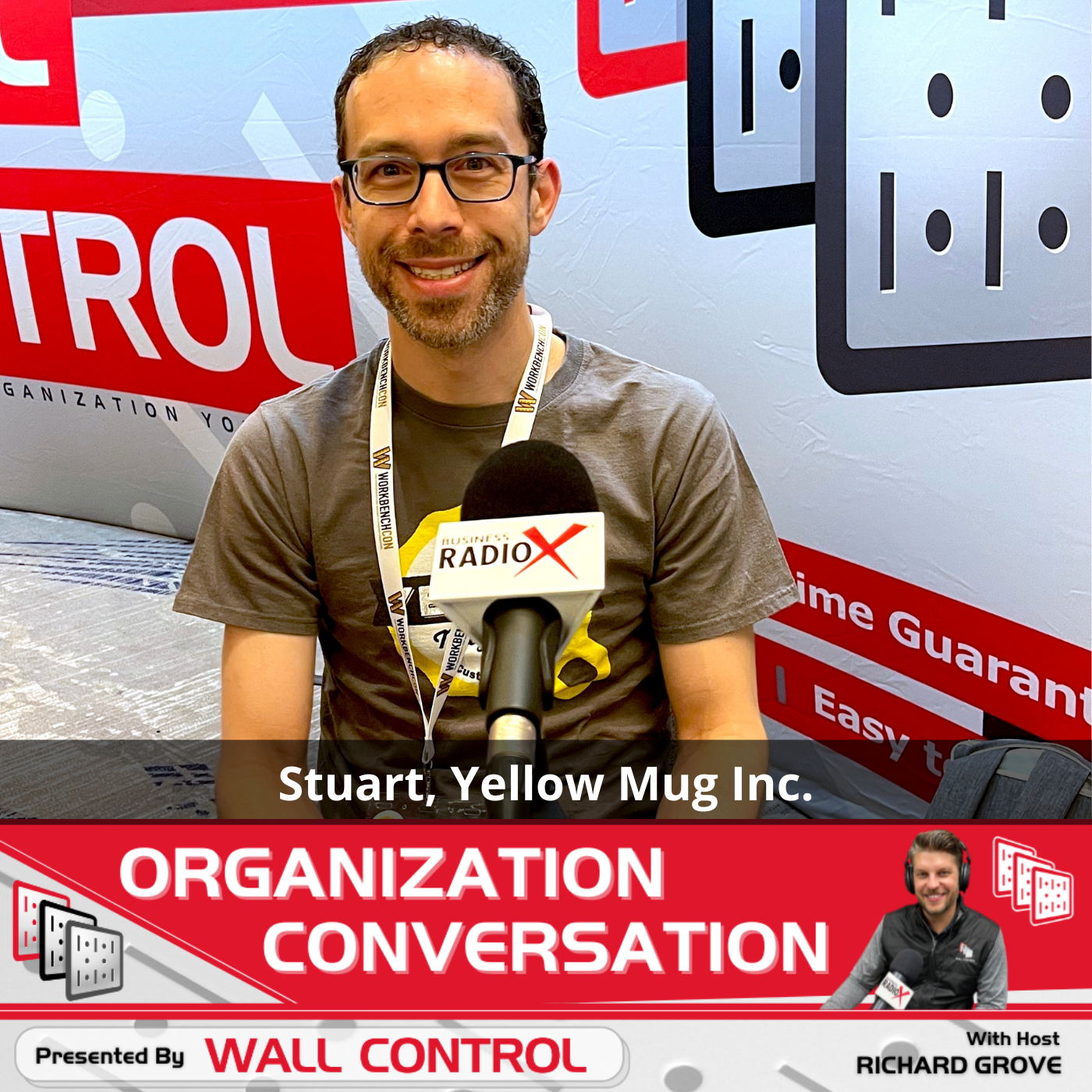
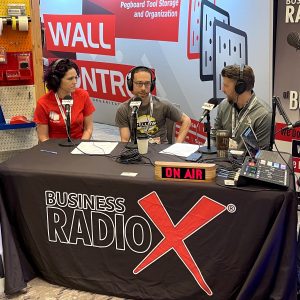
Raechal from Desert Woodworks and Adam of Lazy DIY Guy were in the booth with Richard Grove at WORKBENCHcon 2022, sharing lots of valuable information about Makers Challenge Central. Raechal talked about how she started it, how it’s evolved, their exciting new TV project, and much more. Organization Conversation is broadcast from the North Fulton studio of Business RadioX® inside Renasant Bank in Alpharetta.

Makers Challenge Central

The 1st Builders Challenge started May 2016 by Raechal as an idea for a friendly challenge amongst friends to see how creative they can be with one plan and an unlimited amount of ways to modify the plan. Three seasons later Adam joined the team and the challenge has grown into multiple challenges that occur throughout the year with the main goal continuing to be community… with a bit of competition.

In addition to the challenge, you can find Adam on Instagram as @lazyguydiy and @makermediaco and Raechal as @desertwoodwrks.

Connect with Makers Challenge Central:  Website | Instagram | Facebook 

Raechal, Desert Woodworks

Raechal, Desert Woodworks

Raechal is the owner of Desert Woodworks (@desertwoodwrks) and the creator of The Builders Challenge.

Her love of woodworking began when she helped her dad remodel their home.  She has developed a love for the craftsman style with a pinch of modern farmhouse.

In 2016 she built a home in the Dallas, Texas area and enjoys sharing her love for building furniture and customizing her home in the typical DIY fashion. Her home is her canvas for practicing new techniques and sharing them with you.

Raechal creates repurposed and hand-built wood furniture and decor.

Connect with Raechal: Instagram | Facebook | Website

Adam, Lazy Guy DIY

Adam, Lazy Guy DIY

Part woodworking, part tool reviews, and a little bit of Do-It-Yourself home improvement projects, Lazy Guy DIY (@lazyguydiy) is a resource for a laidback approach to that ever-growing project list.

Sawdust, power tools, and sarcasm make up the laziest approach to DIY on the web with Adam from Lazy Guy DIY! Cubicle corporate life during the day fuels the creativity in Adam’s tiny workshop on nights and weekends. With three kids, a house full of pets, and a 1920’s Craftsman-style Bungalow, Adam’s projects run big to small from furniture builds to full-on renovations around the home.

He is also a partner at Makers Challenge Central, a friendly challenge amongst friends to see how creative they can be with one plan and an unlimited number of ways to modify the plan.

Connect with Adam:  Website | Instagram


About Organization Conversation

Organization Conversation features interviews with movers and shakers in storage and organization, from professional organizers to the creative and talented Brand Ambassadors who use Wall Control products every day. You’ll hear tips, tricks and how-tos for storage and organization, as well as receive first access to Wall Control promotions. We talk with our suppliers and partners to give you a look behind the scenes at how we operate, what makes our family-owned and operated brand tick, and some of the fun and interesting insights that go into making our business run. We love our guests, as they are engaging and entertaining with interesting experiences to share. By focusing on those guests and the amazing stories they tell, we hope you will be enriched and find your time listening to the Organization Conversation podcast as time well spent.

Organization Conversation is hosted by Richard Grove, and broadcast and produced from the North Fulton studio of Business RadioX® inside Renasant Bank in Alpharetta. You can find the full archive of shows by following this link. The show is available on all the major podcast apps, including Apple Podcasts, Spotify, Google, Amazon, iHeart Radio, and others.

About Richard Grove

Richard Grove, Host, Organization Conversation

Richard Grove‘s background is in engineering but what he enjoys most is brand building through relationships and creative marketing. Richard began his career with the Department of Defense as an engineer on the C-5 Galaxy Engineering Team based out of Warner Robins. While Richard found this experience both rewarding and fulfilling, he always knew deep down that he wanted to return to the small family business that originally triggered his interest in engineering.

Richard came to work for the family business, Dekalb Tool & Die, in 2008 as a Mechanical Engineer. At the time Wall Control was little more than a small ‘side hustle’ for Dekalb Tool & Die to try to produce some incremental income. There were no “Wall Control” employees, just a small warehouse with a single tool and die maker that would double as an “order fulfillment associate” on the occasion that the original WallControl.com website, which Richard’s grandmother built, pulled in an order.

In 2008, it became apparent that for the family business to survive they were going to have to produce their own branded product at scale to ensure jobs remained in-house and for the business to continue to move forward. Richard then turned his attention from tool and die to Wall Control to attempt this necessary pivot and his story with Wall Control began. Since that time, Richard has led Wall Control to significant growth while navigating two recessions.

Connect with Richard:

Instagram | Twitter | LinkedIn

About Wall Control

The Wall Control story began in 1968 in a small tool & die shop just outside Atlanta, Georgia. The first of three generations began their work in building a family-based US manufacturer with little more than hard work and the American Dream.

Over the past 50+ years, this family business has continued to grow and expand from what was once a small tool & die shop into an award-winning US manufacturer of products ranging from automobile components to satellite panels and now, the best wall-mounted tool storage system available today, Wall Control.

The Wall Control brand launched in 2003 and is a family-owned and operated business that not only produces a high-quality American Made product but sees the entire design, production, and distribution process happen under their own roof in Tucker, Georgia. Under that same roof, three generations of American Manufacturing are still hard at work creating the best tool storage products available today.

Connect with Wall Control:

Company website | Facebook | Instagram

Tagged With: Desert Wood Wrks, Lazy Guy DIY, Makers Challenge Central, Organization Conversation, Richard Grove, Wall Control, woodworking, WORKBENCHcon 2022

Decision Vision Episode 160: Should I Use Influencer Marketing? – An Interview with Richard Grove, Wall Control

March 17, 2022 by John Ray

Wall Control
Decision Vision
Decision Vision Episode 160: Should I Use Influencer Marketing? - An Interview with Richard Grove, Wall Control
Loading
00:00 /
RSS Feed
Share
Link
Embed

Download file

Influencer Marketing

Decision Vision Episode 160: Should I Use Influencer Marketing? – An Interview with Richard Grove, Wall Control

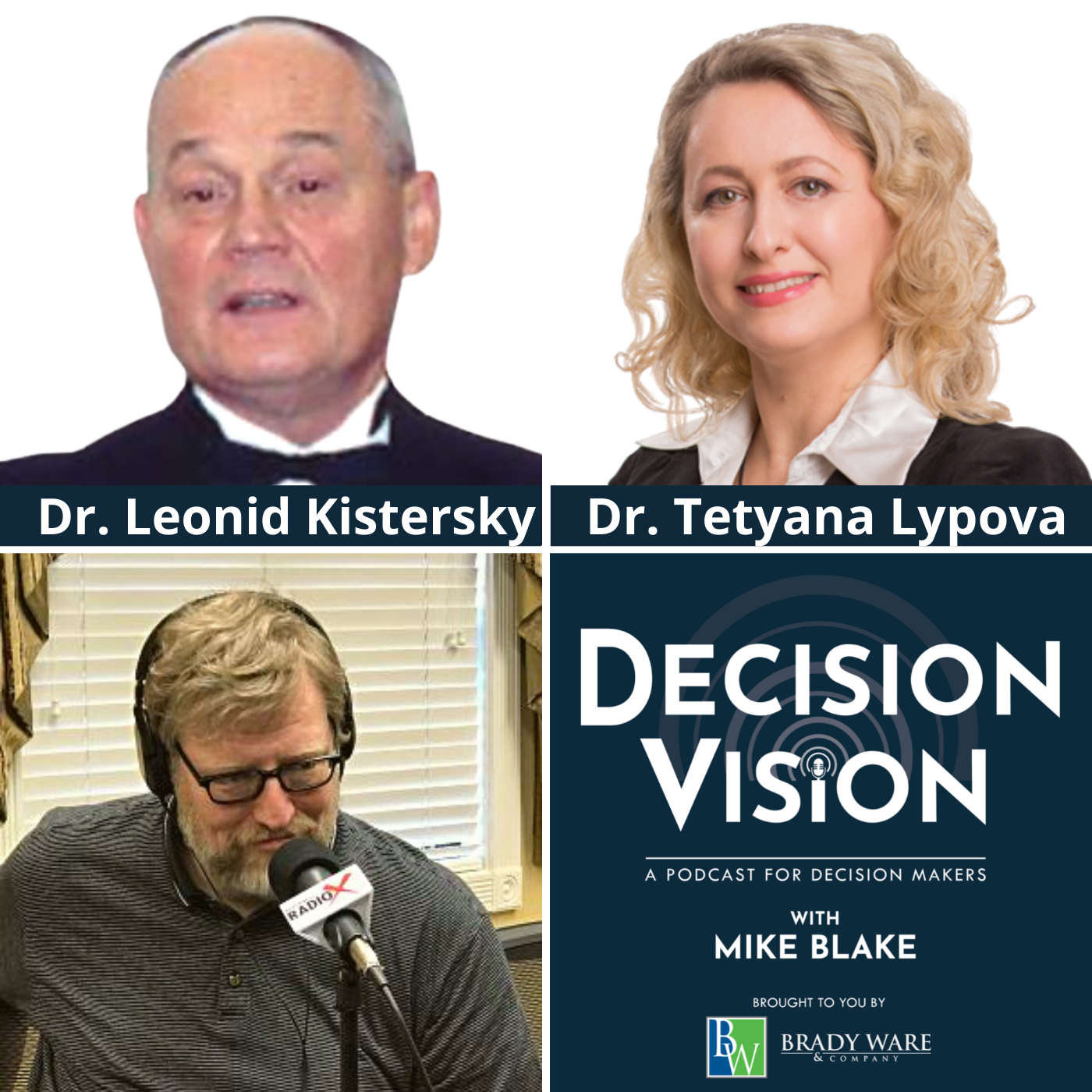
On this episode of Decision Vision, host Mike Blake looked at influencer marketing and its efficacy. He was joined by Richard Grove, COO of Wall Control, who shared his company’s approach to influencer marketing. Richard discussed how Wall Control learned to use influencer marketing, how to organically cultivate relationships with brand ambassadors, the potential return on investment, how it fits into their company’s overall marketing strategy, and much more. Decision Vision is presented by Brady Ware & Company and produced by the North Fulton studio of Business RadioX®.

Wall Control

The Wall Control story began in 1968 in a small tool & die shop just outside Atlanta, Georgia. The first of three generations began their work in building a family-based US manufacturer with little more than hard work and the American Dream.

Over the past 50+ years, this family business has continued to grow and expand from what was once a small tool & die shop into an award-winning US manufacturer of products ranging from automobile components to satellite panels and now, the best wall-mounted tool storage system available today, Wall Control.

The Wall Control brand launched in 2003 and is a family-owned and operated business that not only produces a high-quality American Made product but sees the entire design, production, and distribution process happen under their own roof in Tucker, Georgia. Under that same roof, three generations of American Manufacturing are still hard at work creating the best tool storage products available today.

Company website | Facebook | Instagram

Richard Grove, Chief Operating Officer, Wall Control

Richard Grove, Chief Operating Officer, Wall Control

Richard Grove’s background is in engineering but what he enjoys most is brand building through relationships and creative marketing. Richard began his career with the Department of Defense as an engineer on the C-5 Galaxy Engineering Team based out of Warner Robins. While Richard found this experience both rewarding and fulfilling, he always knew deep down that he wanted to return to the small family business that originally triggered his interest in engineering.

Richard came to work for the family business, Dekalb Tool & Die, in 2008 as a Mechanical Engineer. At the time Wall Control was little more than a small ‘side hustle’ for Dekalb Tool & Die to try to produce some incremental income. There were no “Wall Control” employees, just a small warehouse with a single tool and die maker that would double as an “order fulfillment associate” on the occasion that the original WallControl.com website, which Richard’s grandmother built, pulled in an order.

In 2008, it became apparent that for the family business to survive they were going to have to produce their own branded product at scale to ensure jobs remained in-house and for the business to continue to move forward. Richard then turned his attention from tool and die to Wall Control to attempt this necessary pivot and his story with Wall Control began. Since that time, Richard has led Wall Control to significant growth while navigating two recessions.

Richard is also the host of Organization Conversation.

LinkedIn

Mike Blake, Brady Ware & Company

Mike Blake, Host of the “Decision Vision” podcast series

Michael Blake is the host of the Decision Vision podcast series and a Director of Brady Ware & Company. Mike specializes in the valuation of intellectual property-driven firms, such as software firms, aerospace firms, and professional services firms, most frequently in the capacity as a transaction advisor, helping clients obtain great outcomes from complex transaction opportunities. He is also a specialist in the appraisal of intellectual properties as stand-alone assets, such as software, trade secrets, and patents.

Mike has been a full-time business appraiser for 13 years with public accounting firms, boutique business appraisal firms, and an owner of his own firm. Prior to that, he spent 8 years in venture capital and investment banking, including transactions in the U.S., Israel, Russia, Ukraine, and Belarus.

LinkedIn | Facebook | Twitter | Instagram

Brady Ware & Company

Brady Ware & Company is a regional full-service accounting and advisory firm which helps businesses and entrepreneurs make visions a reality. Brady Ware services clients nationally from its offices in Alpharetta, GA; Columbus and Dayton, OH; and Richmond, IN. The firm is growth-minded, committed to the regions in which they operate, and most importantly, they make significant investments in their people and service offerings to meet the changing financial needs of those they are privileged to serve. The firm is dedicated to providing results that make a difference for its clients.

Decision Vision Podcast Series

Decision Vision is a podcast covering topics and issues facing small business owners and connecting them with solutions from leading experts. This series is presented by Brady Ware & Company. If you are a decision-maker for a small business, we’d love to hear from you. Contact us at decisionvision@bradyware.com and make sure to listen to every Thursday to the Decision Vision podcast.

Past episodes of Decision Vision can be found at decisionvisionpodcast.com. Decision Vision is produced by John Ray and the North Fulton studio of Business RadioX®.

Connect with Brady Ware & Company:

Website | LinkedIn | Facebook | Twitter | Instagram

TRANSCRIPT

Intro: [00:00:03] Welcome to Decision Vision, a podcast series focusing on critical business decisions. Brought to you by Brady Ware & Company. Brady Ware is a regional, full-service, accounting and advisory firm that helps businesses and entrepreneurs make visions a reality.

Mike Blake: [00:00:23] Welcome to Decision Vision, a podcast giving you, the listener, clear vision to make great decisions. In each episode, we discuss the process of decision making on a different topic from the business owners’ or executives’ perspective. We aren’t necessarily telling you what to do, but we can put you in a position to make an informed decision on your own, and understand when you might need help along the way.

Mike Blake: [00:00:45] My name is Mike Blake, and I’m your host for today’s program. I’m a director at Brady Ware & Company, a full-service accounting firm based in Dayton, Ohio, with offices in Dayton; Columbus, Ohio; Richmond, Indiana; and Alpharetta, Georgia. I am Managing Partner of the Strategic Valuation and Advisory Services Practice, which brings clarity to the most important strategic decisions of business owners and executives face by presenting them with factual evidence for such decisions. Brady Ware is sponsoring this podcast, which is being recorded in Atlanta per social distancing protocols.

Mike Blake: [00:01:18] If you would like to engage with me on social media with my Chart of the Day and other content, I’m on LinkedIn as myself and @unblakeable on Facebook, Twitter, Clubhouse, and Instagram. I also recently launched a new LinkedIn group called Unblakeable’s Group That Doesn’t Suck, so please join that as well if you would like to engage. If you like this podcast, please subscribe on your favorite podcast aggregator, and please consider leaving a review of the podcast as well.

Mike Blake: [00:01:46] Today’s topic is, Should I use influencer marketing? According to influencermarketinghub.com, a global influencer marketing market is expected to reach $16.4 billion in 2022. YouTube’s top earner in 2021 was Ryan Kaji , who made $29.5 million. So, it’s a thing now. And, you know, this is a topic I’ve wanted to do for a while, but haven’t really found the right person to help us with it until now.

Mike Blake: [00:02:21] You know, it’s funny as I watch my kids grow up, they don’t watch movies anymore, they don’t watch T.V. shows anymore. It’s my generation, Generation X, the sort of binge watches, and I think only the Baby Boomers left will actually watch real T.V. with commercials and stuff anymore. But when a commercial comes on during a sporting event, my kids think something’s wrong with the television. And it just goes to show you how our watching habits or viewing habits have changed so rapidly, almost overnight, to me, but I’m sure it’s taken longer than that.

Mike Blake: [00:03:02] And influencers to us, to outsiders – I consider myself an outsider as sort of a late GenXer or an older GenXer – on the surface, they seem to be people that are basically famous for being famous. But we sort of forget, again, that on channels, such as YouTube and Facebook Video and TikTok and Instagram, they are celebrities. They’re simply celebrities in a medium that just isn’t the place where I normally hang out. That doesn’t make it worse. It just makes it different. And, in fact, it probably makes it increasingly attractive to marketers. So, I’m looking forward to learning more about this because I don’t know as much about it as I would like and should, and I hope you’ll get a lot out of it as well.

Mike Blake: [00:03:50] So, joining us today is Richard Grove, who is the Chief Operating Officer of Wall Control, a family-owned and operated brand of wall storage and organization systems ranging from garage tool storage to kitchen wall organizers, and even industrial tool organizational systems for industry leading Fortune 100 companies across the globe.

Mike Blake: [00:04:10] Richard’s background is in engineering, but what he enjoys most now is brand building through relationships and creative marketing, as well as implementing scalable solutions for growing his businesses. Richard began his career with the Department of Defense as an engineer on the C-5 Galaxy Engineering Team based out of Warner Robins. While Richard found this experience both rewarding and fulfilling, he always knew deep down that he wanted to return to the small family business that originally triggered his interest in engineering.

Mike Blake: [00:04:38] Richard came to work for the family business, Dekalb Tool & Die, in 2008 as a mechanical engineer. At the time, Wall Control was a little more than a small side hustle for Dekalb Tool & Die to try to produce some incremental income. There was no Wall Control employee, just a small warehouse with a single tool and die maker that would double as an order fulfillment associate on occasion at the original wallcontrol.com website, which Richard’s grandmother built, pulled in, in order.

Mike Blake: [00:05:06] Today, Wall Control is responsible for the employment of 50 employees and occupies over 60,000 square foot physical footprint of its own while still growing rapidly. Wall Control is also proud to say that they are now Dekalb Tool & Die’s biggest customer by volume sold through their shop. Richard Grove, welcome to the program.

Richard Grove: [00:05:43] Thanks, Mike. It’s my pleasure to be here. So, I appreciate the intro and kind of your background, what you want to get out of the conversation, and what you’d like your audience to get out of it. I think it’ll be a fun one.

Mike Blake: [00:05:54] Great. So, let’s start off because not everybody may be necessarily familiar with the term, when we say or when you say influencer marketing, what does that mean?

Richard Grove: [00:06:05] So, I mean, for me, just in that one question, there’s a ton of stuff we can unpack in our conversation. So, I think you nailed on what comes to mind when people think influencer marketing. If they do have any preconceived notion of it, they think it’s somebody who’s famous for being famous, a million or more Instagram followers pushing products out to their audience.

Richard Grove: [00:06:05] We think about it a little bit differently in that, influencer marketing is really any third party voice that is suggesting to an audience they should use a product or check out a brand, and that that audience is receptive to that message. So, you know, you do have your famous for being famous Instagram folks who have massive audiences who can promote a product and people will go check it out.

Richard Grove: [00:06:53] But an influencer could also be your Great Aunt Ethel, who’s got 30 really close friends that she plays bridge with, who, if she posts something on Facebook, a product she likes, maybe four of them will check it out and purchase it. So, anything in between that, in our opinion, can be defined as influencer marketing.

Mike Blake: [00:07:14] But when did influencer marketing start to gain traction? And to really just sort of put it very bluntly, at what point did influencer marketing become a thing, not just sort of a cute little side hustle or a cute little thing that people did, but became a really serious business activity?

Richard Grove: [00:07:30] From my perspective, I would say, probably, around ten years ago, it started to gain traction. And the “influencer” community started to think more in terms of monetizing their influence. And then, over really the last five to ten years, it’s really kind of picked up steam. But our experience began, probably, about 2015 is when we started kind of getting in those waters and giving it a try and allocating some marketing budget to experimenting with it.

Mike Blake: [00:08:05] So, I made an observation in my intro that I’m curious if you agree or disagree with, and please feel free to disagree, what is the relationship or the link, if any, between influencer marketing and what we might have called celebrity endorsements? How are they connected? How are they different?

Richard Grove: [00:08:25] I think there’s a lot of crossover, so there’s a lot of similarities, but there’s also a lot of differences. So, the way we look for a partner – and we don’t call them influencers. We call them partners or brand ambassadors. Because the term influencer can be a little reductionist – for instance, our product is tool storage systems. The people who use our product that have influence are tradesmen, craftsmen, makers, really skilled DIY folks. And so, those people have an audience because they’re good at what they do and their audience respects what they do. And so, if they’re to tell our audience about our product and endorse it, it carries a lot more weight.

Richard Grove: [00:09:11] So, that’s very different than just, “Hey, Kanye West. Can you sell this for me? I’ll give you however much money and we’ll make you a partner if you just push it on your channel.” So, they’re both by definition influencer marketing. It’s just in our experience, and for the size of company that we are, and the relationships that we want to build, it’s a lot better for us to start with the person who had the skill, that built the audience with the skill, and then go from that direction.

Mike Blake: [00:09:44] And I wonder if also sort of a different sort of driver behind the evolution, you know, one thing that strikes me is, most celebrity endorsements are quick hits. Think about a priceline.com, William Shatner, Kaley Cuoco – I don’t know if that’s still a thing anymore – but they were cute commercials. I’ll be the first to admit I’m just in the tank for William Shatner. I just love the guy.

Mike Blake: [00:10:11] But influencer marketing, to me, is almost they’re infomercials. You know, the people that I follow on YouTube – I’m big into tech – so I follow Linus Tech Tips and Luke Miani and some other people that are particularly in the Macintosh platform. Lisa Gade of MobileTechReviews is also excellent, and Dave2D.

Mike Blake: [00:10:35] And they’re getting up there, and they’re demonstrating products for, like, a-half-an-hour. And I’m watching them, and if I’m honest, I’m watching them do a 30 minute commercial that they may or may not be being paid for. Somehow, those influence marketers do their thing in a way that makes me want to watch a commercial for 30 minutes. It’s bizarre.

Richard Grove: [00:11:04] Absolutely. One of our biggest things when we get reached out to is what are the deliverables, what do you expect from us. And the first thing we say is we want it to be organic content. We want you to be in your shop building something and then you’re using your Wall Control system and it comes up that way versus just shoehorning something in that looks like a commercial.

Richard Grove: [00:11:26] So, like you said, you could do a whole video on how to use it, and it could actually be informative and bring value to the viewer beyond just trying to sell the product. And maybe the product is not even being sold, it’s just making them aware of what you can do, “I happen to use this system”. And, to me, that’s a very powerful message because you haven’t told anybody to buy anything, but you’ve told them this is a valuable thing to do, here’s the thing I found to be the best at it. I think that resonates a lot more than, “So and so sent me this and let me tell you about it.”

Richard Grove: [00:11:59] I mean, it’s a really subtle but big difference between a product review. I think the thing that came before the influencer marketing were, “Send me a free product and I’ll do a product review for you.” So, we saw a lot of that. And, again, it’s very subtle, but that didn’t seem to move the needle very much for us.

Richard Grove: [00:12:22] And some people would take our product out of the box. They wouldn’t even install it or use it. They would just talk about it. And so, if I’m a viewer, I’m not influenced by that. I just think you got something for free or you got paid a little to promote something on a YouTube channel.

Richard Grove: [00:12:40] And I think the good ones, too, their audience has respect for them. They don’t think they’re going to get up and just hustle something to make a buck. It’s actually something that they think will bring value to their viewer.

Mike Blake: [00:12:52] So, somebody listening to this conversation now may be thinking, “Okay. Influencer marketing is a thing. It seems like it’s growing. It’s here to stay. It’s not just a passing fad.” How did you arrive at the conclusion that influencer marketing would be useful to you? And can you tell us a little bit of the story about how you implemented or acted upon that?

Richard Grove: [00:13:13] For sure. Yeah. So, people would reach out for product review, “Pay us this and we’ll review this product.” And I forget what year, probably around 2015, the first one that we really worked with, his name is Lazy Guy DIY on Instagram. And he’s a super close partner to us now. And he reached out – and it’s a funny story we tell – he said, “If you send me a free product, I can use it in my shop and talk about it when it makes sense.” And we we’re like, “No. Why would we do that?” And he had a solid following and all that, we didn’t understand the value proposition of it like we do now.

Richard Grove: [00:13:52] And so, after a little while of building a relationship, and I think he actually bought some products, too, when we see someone do that, it really tells us they’re committed to our product line. So, we ended up sending him some product and started to slowly – I think the key is slowly for people – started to build that trust in this process and started to see results from it. And since then, there’s all kinds of creative marketing things that we’ve done together. He runs our Wall Control Instagram account. Our Brand Ambassador Program, he manages that.

Richard Grove: [00:14:27] So, we’ve brought on these partners, some we work super closely with, and some of them it is just a free product, let’s see what you can do with it kind of thing. So, I’m not sure if that helps answer the question. But, yeah, from there it started to snowball. He was able to bring in his other friends in the community.

Richard Grove: [00:14:44] And I think that’s another point, is, if you pick the right partners, they introduce you and your brand to their community. And that’s where the greatest value comes from, not just the potential consumer, but other “influencer partners” that they happen to have in their network. So, it’s as much networking as it is trying to sell product through a lot of eyeballs on any given social channel.

Mike Blake: [00:15:13] So, I want to pause on that because, nowadays, there’s no shortage of these potential influencers. That’s a thing, a lot of kids now would love to become influencers. That’s like the thing they want to do when they grow up. And I’m sure that even back when you started this, you had no shortage of potential choices. How did you settle on that particular person? What were the criteria, either explicitly or looking back implicitly, you used to select that person or maybe others, you may have increased your portfolio of partners, to decide that they are the people you wanted to represent your products in the marketplace?

Richard Grove: [00:15:57] Yeah. That’s a great question. And there was no specific criteria at the time. And we do have some criteria now, but it is still very person to person and situational that we make these decisions. But I think what happened there was, we couldn’t send free product. We had never done this before. We didn’t know what the ROI was going to look like.

Richard Grove: [00:16:18] So, we maybe gave him a discount and he bought on his own. So, he put his own money in it. He started using the product. We followed him on his channel, so we could see it in the background. He would reach out and ask us questions about it, and give us feedback on ways to improve it. And that relationship developed before we were kind of in “business together”.

Richard Grove: [00:16:38] And I think that’s an example of ideally what we look for is somebody who is aware of our product, either uses it on their own already, or has some experience with it, and really wants to develop a longer term relationship versus just paper posts, “Give me however much and I’ll do an Instagram post about it”.

Richard Grove: [00:17:00] So, it’s kind of hard to articulate, but you really start to get a feel for it after you’ve been doing it for a little bit and you have a good partner. So, once you have a good partner, you kind of know what the opposite of flash in the pan, hit or miss opportunity is going to be. And you can kind of tailor it in the right direction once you start to get a handle for it.

Mike Blake: [00:17:21] Now, I think you said that this particular partner, at least at the time when you started that relationship, was particularly active on Instagram. Is that where most of the influencer marketing hangs out? Or are there other channels that are useful as well? And does that choice of channel at all impact who you’re going to choose to partner with?

Richard Grove: [00:17:50] Definitely. I think Instagram is a good kind of barometer or thermometer to gauge the temperature of what that influencer might be able to deliver. Follower count is certainly an important criteria, but it’s not the be all, end all. So, if someone has a solid following on Instagram and they have some other channels, like a YouTube channel, or what’s really good are blogs, that’s another great thing, that’s a solid partner.

Richard Grove: [00:18:17] We’re not super interested in just the Instagram folks. And the reason being is what we’ve seen really moves the needle is evergreen content. So, content that stays online and gets indexed and shows up in search results, you know, month after month, year after year.

Richard Grove: [00:18:33] So, somebody might have a really small Instagram account and someone might overlook it, but maybe their blog has hundreds of thousands of clicks every month, well, if they’re going to do an article about us, that’s going to stay up forever, potentially. So, that could very well be far worth it than just somebody who’s got half-a-million Instagram followers and does one post that slowly or quickly starts to fall down their feed, only seen one time. So, it’s kind of a balancing act.

Richard Grove: [00:19:03] And, again, Instagram is great. And that seems to be – especially you talk about young folks trying to get out and make a name for themselves – where they want to build their audience. But I think that what we’re looking for are those influencers who have taken the step of moving their brand off of that platform and taking ownership themselves. So, they have a website and they have their brand across multiple channels.

Mike Blake: [00:19:31] I think that’s really interesting you mentioned blogs. You know, I would not have expected that, and you’d think I’d learned by now. Because blogs come up often, they’re so easy to forget. You know, we’re so enamored of video and podcasts and the so-called dynamic or rich audio visual multimedia content, whatever you want to call it. And what keeps coming up over and over in conversations like this in terms of digital marketing, is that blogs still matter. And I think a lot of people forget that. So, can you talk a little bit about your experience with blogs in terms of how they relate to your influencer marketing strategy?

Richard Grove: [00:20:15] It’s funny you mention it, because it’s like we say untapped, but it has been tapped. It’s almost like people forgot about it. And it’s like what’s old is new again. And so, we really like that because, I mean, if you do a Google search for our product and someone writes a solid blog article and it’s got perfect SEO, it’s going to show up, and it’s going to take a spot in indexing, and it’s going to bring benefit to our customer.

Richard Grove: [00:20:42] The other thing we like about it is – and we can get into this a little more wherever you want to go with it – we use an affiliate link program where they can embed affiliate links and get a commission on the traffic that they send to us. Some of our older, longer, stronger relationships of brand ambassadors, we make this available to them. And so, when they have a blog and we get traffic, that’s really solid evidence that what they’re doing is helping our brand. And it’s a lot easier for us to partner with them at a deeper level, higher, bigger projects, more spend, because we know we’re going to get that ROI. Whereas, again, if it’s just Instagram, the the analytics are not great for us knowing what our return on investment was.

Mike Blake: [00:21:25] So, was there anything that you had to do to kind of get ready to successfully leverage influencer marketing? Were there things you had to do differently, think about differently? Or were you kind of ready made to step into that and be successful from day one?

Richard Grove: [00:21:40] We have totally learned as we went along. There was nothing in place. And that’s what I would say to anybody listening, is, just start trying. There’s no right way to do it. There’s probably some wrong ways, but there’s really no right or wrong. Just whatever works for you and your brand and the partners is going to be your next best step. So, we’ve learned as we’ve went along. We definitely had to put some guardrails in there as time went along.

Richard Grove: [00:22:10] Again, we don’t want to go strictly by follower count. It’s not a really good indicator of what sort of influence they have. That’s another thing we could get into, is, what their engagement looks like. But it does set some guardrails and it allows us to start some conversations as far as vetting who we’re going to partner with.

Richard Grove: [00:22:27] Especially for everybody, budget is a factor. Lately, raw materials, supply chain issues have made product scarcity problem. So, who you send product to is much more impactful than it used to be because it’s expensive and hard to get. So, I think you’ve got to just start and you’ve got to play around with it and you’ve got to iterate quickly and go where it takes you.

Mike Blake: [00:22:54] And my understanding is your company sells both consumer and industrial grade products. You’re in the B2B and B2C, is that right?

Richard Grove: [00:23:05] Yes .Exactly. Yes.

Mike Blake: [00:23:07] So, when you started, did you have in mind that you’d be using or leveraging or investing in influencer marketing to address the consumer market or the business market or both? Or did that just sort of fall out of experimentation as well?

Richard Grove: [00:23:24] Yeah. At first, it was definitely the consumer market. But then, we started to see added benefit in the business market because a lot of our influencer partners were involved in these other programs as well for the big box stores. So, there was a lot of crossover there. And then, just by nature of all the eyeballs that are on them, get eyeballs on your potential retail partners and buyers.

Richard Grove: [00:23:50] So, say, Partner A is having a conversation with his audience. Well, the buyer for Home Depot or whatever big box store happens to watch him as well, becomes aware of your product and you can kind of work that angle to get the business to business model going.

Richard Grove: [00:24:07] So, it’s kind of weird. I mean, it goes in all kinds of different directions, and it’s been super cool just watching how things evolve. And how every single partnership, there’s been different things that have come from it. There’s certainly no straight path to where you want to go. But, yeah, we started with the end user consumer in mind, but I’ve definitely seen it benefit both sides of our business and continues to do so.

Mike Blake: [00:24:37] And I think that’s sort of evolving. When I think influencer market, I certainly think B2C. And the most important categories of influencer marketing do seem to be lifestyle, health and beauty, things of that nature, at least if the data that I see is to be believed. But I think as an increasing number of business decision makers are spending time on the Instagrams and YouTubes and so forth, it has become already and will continue to be a more important channel for B2B marketing as well.

Richard Grove: [00:25:11] I think B2B – at least our B2B – is selling to an end user or some customer who’s going to just buy a product and put it up. So, when they see all the eyeballs on our product, that tells them they want to have it on their shelves. So, it used to be – and it still is this way – you want to have a product that is an obvious best seller with higher reviews and does well across multiple channels. That was usually how you get your foot in the door with a big box store.

Richard Grove: [00:25:43] Well, now, you can also point to your social following and the people that they use to sell to their audience that are using our product already. So, it’s a really organic way to move that conversation, “Hey, I see you work with Partner X,Y,Z over there. Well, they already use our system.” All their eyeballs are your customers too. It’s an easy sell for you. It’s already there. Let’s see what we can do as far as putting something together there.

Mike Blake: [00:26:12] This may be not a fair question, but we specialize in unfair questions here on the Decision Vision podcast.

Richard Grove: [00:26:17] No problem.

Mike Blake: [00:26:19] And that question is, in your mind, as you sort of have thought about this so much, are there any industries that don’t lend themselves well to influencer marketing? There are certain kinds of industries where it’s sort of square peg, round hole kind of thing.

Richard Grove: [00:26:36] I’ll say yes, there’s some that are probably less than others, but it could be different. So, for instance, our manufacturing plant, it’s a tool and die shop, so their customer is going to be an automotive manufacturer. It’s not anything you’re going to see on Instagram. Nobody is going to buy car parts from us for an assembly line because they saw it on Instagram or using it, and there’s no way they could anyways.

Richard Grove: [00:27:03] But the way it can be leveraged is, one of our biggest challenge on the manufacturing side is finding skilled workers and finding people who want to come in and take the time to learn the trade. I mean, it’s very lucrative, but it’s just not something you hear a lot of. And so, we can use Instagram there to show what we do and make it cool, because it already is cool.

Richard Grove: [00:27:26] So, it’s the same thing with our partners we work with that are in the trades, they’re showing kids that this is cool stuff to do. If you don’t want to go to college and you want to go learn a trade, there is a path where you can be an influencer in some tool and die shop or in a woodworking shop. So, I think that influencer marketing can be used in those environments, not to sell product, but to sell your business to potential employees, which is kind of, I guess, a new way to look at it. And we’re starting to kind of play around with that too by opening up our doors and showing people on Instagram what we do and making it cool.

Mike Blake: [00:28:09] I think that’s a really smart point, is, we’re in a – in my lifetime – unprecedented period where there’s just an unusually tight labor market that appears to be structural in nature, it’s not temporary, it’s not a fad. It looks like we’ve had two seismic shift. And influencer marketing may no longer just be about selling product, but it’s also wanting to attract the best and the brightest to come work for you.

Richard Grove: [00:28:40] Yeah. I mean, if we have a solid following and we say, “Come work for us,” and maybe we have them, “You could start an Instagram account that’s semi-professional. It’s going to be you, personally, but you can show the work you’re doing in the shop,” assuming there’s no NDA or something related to it. And then, we can promote you on our channel so we can build you up. Like, if you want to be an influencer, we can try to help you a little bit along the way. So, it’s kind of leveraging our audience to help the employee do what they want to do while also performing the job.

Mike Blake: [00:29:15] Can you work with multiple influencers at once? One thing that I think might differentiate celebrity endorsements from influencer marketing is that celebrity endorsements tend to focus on one or two people at most. You have the face for your product. Is that also the case in influencer marketing? Or can you have a broader portfolio of people that are your brand ambassadors? Can you have in effect a state department as brand ambassadors for your product?

Richard Grove: [00:29:51] I think you definitely can and that’s what we do. If we had an issue, it would be, maybe, a big box store issue. Like, one big box store had this bucket of influencers and the other big box store had another bucket of brand ambassadors and they didn’t want crossover there. But because our product is sold in multiple big box stores, that’s usually not an issue. So, for us, that’s not something we really have to spend any sort of issue for where there is some sort of conflicting interest behind the scenes there.

Richard Grove: [00:30:24] Going back to kind of how we partner with them, I’ll bring back Adam from Lazy Guy DIY. He’s a good example. So, because he’s a woodworker and he’s used to our product, we figured let’s let him design a woodworking value kit. So, something we could private label under his name that he can promote on his channels and earn a commission on. And so, if you look on our website under value kits, you’d find the Lazy Guy DIY Woodworking Kit. So, he would get paid on the sale of each of those units.

Richard Grove: [00:30:58] And one of the cool things, too, it became very easy to move that into the woodworking stores because they’re familiar with his work and his name is on it, so it’s an easier sell for them. The other thing, too, they know they can tag him, that’ll get re-shared to their audience. So, there’s a lot of creative ways to go with that.

Richard Grove: [00:31:18] But that would probably be the closest thing we might run across where we couldn’t have multiple places selling that one thing because woodwork in Distributor A isn’t happy with woodwork in Distributor B selling the same product. But even with that, we’ve never run into any kind of problem or any sort of restrictions.

Mike Blake: [00:31:41] Now, of course, most, if not all, companies have finite marketing budgets. We’d love to spend endless dollars on it if we could, but we can’t. What are you finding, if anything, you’re doing less of so that you make room for influencer marketing? What is it replacing in your portfolio of marketing activities?

Richard Grove: [00:32:02] Well, that’s a good question, and it’s evolving, for sure. So, the iOS 15 update, the most recent one Apple released, very heavy on the consumer privacy. So, we’re seeing with our email marketing, our pay per click marketing, it’s becoming a little harder to track and target our ideal customer. So, the ROI there is starting to fall off a little bit. We’re still heavily involved in that and we’ll continue to.

Richard Grove: [00:32:33] But we’re starting to try to funnel some of that money away from there and into the influencer marketing space because we know their audience and their audience is our potential customer. So, we don’t have to guess. We don’t have to try to hope that they have agreed to cookie tracking and all that. We can actually know that the people they’re talking to are our potential buyers.

Mike Blake: [00:32:55] And you said something that I think is important that I want to kind of pause on it and drill into it a little bit, is that, you know your audience. Another maybe strength of influencer marketing versus broader celebrity endorsements, is, celebrity endorsements – in my impression, anyway – is that they’re blasted out to a large audience. Super Bowl commercials, for example. And you hope that you just sort of reach enough of them by sheer large numbers.

Mike Blake: [00:33:24] Influencer marketing allows you to target very specific audience. And I think – correct if I’m wrong – there’s also a lot more data available to be able to analyze the impact or at least potential impact of what you’re doing. So, you can make empirically fact-based decisions on how you spend your dollars.

Richard Grove: [00:33:47] Exactly. And just like any experiment, if you set one variable up, it’s easier to see what impact it has. So, for instance, our product line will go in a lot of different places. It goes in a woodshop. It goes in a home gym. It goes in a kitchen. So, maybe one month – for us – we’re just going to focus on home gyms and see how the needle moves speaking directly to that audience. And then, the next month move to another target audience.

Richard Grove: [00:34:17] Again, Instagram is a little tricky because we can’t really track their audience to our website unless it’s like a direct link. And the other thing, too, is we sell through retailers. So, if somebody sees our product on Instagram, they could go pick it up at a retail store, and we would never know that that’s what influenced their purchase. But if we segment our targeting, we can look over time and say, “Okay. When we were running this campaign, we really sold a lot of these.” So, let’s assume that that delta between the month before was because we were targeting that audience.

Mike Blake: [00:34:53] One concern, I imagine, is arising with some of the people listening to the program is that, “Boy, this sounds expensive.” Some of these YouTube marketers are making serious money and they’re not even going to talk to us for a level that’s outside of our budget. And it’s sort of the barrier to entry of celebrity endorsements all over again. Is that true or are there ways to kind of dip your toe in this and still have some kind of effect?

Richard Grove: [00:35:29] For sure. And I would say full disclosure, we have never been a pay for post company. That’s not how we engage with our partners, our brand ambassadors, and especially not at the very beginning. So, what we’ve always done is free product for exposure based on what that audience size looks like.

Richard Grove: [00:35:47] And we should also talk about an influencer is not an influencer, is not an influencer. There’s the micro-influencer, which you would define – we’ll just talk Instagram numbers just because it’s easy – somewhere around 10,000 followers would kind of be in that category. I say 10,000 to 100,000 followers. And then, beyond that, you start getting into the folks who have the agencies that they want you to work with and they want to be paid.

Richard Grove: [00:36:14] So, what I would do if I was starting from scratch, I’d try to find somebody who I see in the community I would like to target who seems to be knowledgeable, start following them. Maybe reach out on Instagram or send a DM on some other platform and say, “Hey. We like what you’re doing. We think our product might be a benefit to you. Would you mind if we sent you some free products?” And that’s a pretty organic way to just start a conversation and you can kind of see where that goes.

Richard Grove: [00:36:41] And then, from there, what we would do, basically kind of our playbook, is, we start with a free product and we see how that goes. From there, we see where the relationship goes and then we can talk about paid engagements after that.

Richard Grove: [00:36:56] And the other thing, too, our product line is heavy. It’s expensive to produce and ship. So, if we’ve already got the initial investment in a shop, it’s easier for us to come up with some creative ways to actually pay money to the influencer to help market our product.

Richard Grove: [00:37:11] And another creative way that we’ve found works really well, our affiliate programs. There’s a really good plug and play APIs that can plug into almost any website’s backend where you can easily track these conversions and pay your influencer partner a commission off of all the sales that they generate from traffic they send to your website. So, that’s how we do it and how we got started. And I think it’s a pretty easy way to kind of dip your toe into it.

Richard Grove: [00:37:38] The other thing, too – I keep going back to follower count – you don’t want to just look at that. You really want to look at engagement, and it doesn’t take very long to figure out if it’s there or not. So, if somebody has 200,000 followers on Instagram, but their post only gets ten likes and no comments, that’s probably not going to give you a big bang for your buck. Whereas, maybe somebody got 5,000 followers, but every post gets a thousand something likes and a bunch of comments. That’s a really engaged audience who’s going to be much more receptive to the content they put out.

Mike Blake: [00:38:11] I’m talking with Richard Grove. And the topic is, Should I use influencer marketing? So, you touched on something that I think is really important I want to make sure that we cover today. And that is, how are influencers typically compensated? Is it commission? I mean, I’m truly ignorant about this. How does that payment structure typically work?

Richard Grove: [00:38:39] I mean, a lot of different ways. So, typically, I would say your micro-influencer is probably not compensated. It’s probably just a side hustle for them, is usually what we see. And I can’t speak to all brands, but their first year of compensation for us would be that commission paid out based on sales that they send our way. That would be kind of the base level. Then, if that’s going really well and say they want to really put some time and energy into something like a blog post or a YouTube video, we could talk about what that pay structure would look like.

Richard Grove: [00:39:18] And the other thing, too, is, because it’s so hard to attribute sales in this way, it’s even more important for a company to be aware of what their typical customer acquisition cost looks like and what kind of return they’re getting across other platforms. Because that’ll give you some structure to talk about with an influencer partner.

Richard Grove: [00:39:42] So, say, we have a new product we’re rolling out and we were going to make our own internal YouTube video, there’s going to be some cost inherent to that. We’re going to have to pay our employee. We’re going to have to spend some time doing it. So, whatever costs we would spend doing that, I’m cool with paying one of our partners to do it. And we’re going to get more traction because they have a bigger audience and it’s coming from a third person perspective, so it’s going to hit a little different than if we’re telling you our product is great, go buy it. So, that’s one way to do it.

Richard Grove: [00:40:10] And another thing to keep in mind is – just like that – look for creative ways to monetize your partner. It’s going to probably be different for every brand and every industry. Even if it’s one off, that’s fine too. Don’t think that if you do it for this one person, you’ve got to do it for this other person, and it has to be totally scalable. I would work it on a partner by partner basis and then slowly refine what your criteria is as you go along. And don’t be afraid to make mistakes there either, because that’s really the only way you’re going to learn what steps to take next.

Mike Blake: [00:40:50] We touched on this a little bit, but I want to make sure we hit it, and that is, one of the benefits of influencer marketing and digital marketing, in general, is that we get much more relevant data, in some cases, effectively real time. What are the KPIs or key performance indicators you look at in measuring the effectiveness of your investment in influencer marketing?

Richard Grove: [00:41:17] So, we look at it as a whole. We look at the program as a whole. I don’t want to give all of our criteria, but we typically say that in order to send free product, we’d like for you to have 10,000 followers on at least one social channel. Because we found that based on our average order size and customer acquisition costs, that tends to be a good return on investment for us.

Richard Grove: [00:41:51] If it’s less than that, what we’ll usually do is provide some heavy discount code. And we have an incubator program that will put folks in that bucket. While they grow their audience, we’ll try to help them grow their audience through our audience as well. And develop a relationship so that when they hit these certain thresholds, it makes more sense to open up the product giveaways and we can open up the actual monetary spend.

Richard Grove: [00:42:19] So, what we do is we try to look at the program as a whole and we use the analytics that come in from our affiliate network to try to gauge what sort of return on investment we’re seeing there. And, again, it gets muddy because of the retail network. But we tend to see that rising tides lift all ships. And so, if we were running a campaign, we, generally, can tell what impact that had on our overall sales and attribute that back to the partners we working with, and what sort of budget we moved over into that bucket. Does that help answer the question?

Mike Blake: [00:42:51] Yeah, I think it does. Richard, you’ve been so generous with your time and your knowledge today, and I don’t want to abuse that. We’re running up against our time limit today. And I’m sure there are questions we either didn’t cover or our listeners would have wished that we had gone into more depth with. If people have questions about this topic about influencer marketing and want to get some feedback from you, can they contact you? And if so, what’s the best way to do that?

Richard Grove: [00:43:19] Yeah. If they want to just reach out on social media, I’m MrWallStorage on Twitter and on Instagram, and then we can go from there.

Mike Blake: [00:43:30] That’s going to wrap it up for today’s program. I’d like to thank Richard Grove so much for sharing his expertise with us.

Mike Blake: [00:43:37] We’ll be exploring a new topic each week, so please tune in so that when you’re faced with your next business decision, you have clear vision when making it. If you enjoy these podcast, please consider leaving a review with your favorite podcast aggregator. It helps people find us so that we can help them.

Mike Blake: [00:43:53] If you would like to engage with me on social media with my Chart of the Day and other content, I’m on LinkedIn as myself and @unblakeable on Facebook, Twitter, Clubhouse, and Instagram. Also, check out my new LinkedIn group called Unblakeable’s Group That Doesn’t Suck. Once again, this is Mike Blake. Our sponsor is Brady Ware & Company. And this has been the Decision Vision podcast.


Tagged With: Brady Ware & Company, brand ambassadors, Decision Vision, influencer marketing, Influencers, marketing, Mike Blake, Richard Grove, Wall Control

Workplace MVP: Amy Zimmerman, Relay Payments

March 17, 2022 by John Ray

Amy Zimmerman
Minneapolis St. Paul Studio
Workplace MVP: Amy Zimmerman, Relay Payments
Loading
00:00 /
RSS Feed
Share
Link
Embed

Download file

Amy Zimmerman

Workplace MVP: Amy Zimmerman, Relay Payments

In a wide-ranging conversation, Amy Zimmerman, Chief People Officer at Relay Payments, and host Jamie Gassmann discussed best practices for retaining talent. They covered incentives, rewards, and recognition, the need for companies to keep abreast of market conditions, the value of stay interviews and what happens when they go wrong, talent retention methods which go beyond compensation, and much more.

During the show, Amy referenced a recent interview she gave on stay interviews. You can find that interview by following this link.

Workplace MVP is underwritten and presented by R3 Continuum and produced by the Minneapolis-St.Paul Studio of Business RadioX®.

Relay Payments

After years of gaining a profound understanding of the ingrained payment problems in the logistics industry, co-founders Ryan Droege (CEO) and Spencer Barkoff (President) ultimately shared the vision of building the supply chain and logistics digital payment network of the future.

Now, Relay is a fast-growing, venture-backed fintech company, which raised $100 million in investment funding to fully support the goal of spearheading the industry transformation to digital, contactless payments, ensuring America continues to run during COVID-19 and well beyond.

As a result of the immense expansion, Relay has grown exponentially, boasting a workforce of 100+ across 12 states; all focused on building a customer experience unlike any other while modernizing age-old payment processes in the supply chain industry.

Relay’s customer-centric approach has entrusted the company to process more than 250,000 transactions every month, working with the largest carriers, freight brokers, and 3PLs across 50 US states and Canada, ensuring their products get to shelves quickly for consumer consumption.

Company website | LinkedIn | Facebook | YouTube

Amy Zimmerman, Chief People Officer, Relay Payments

Amy Zimmerman, Chief People Officer, Relay Payments

Amy joined Relay Payments in 2020 to support their explosive growth plans. She was hired to establish their people function and build it from the ground up. During this time, they have grown from fewer than 10 team members to over 120 globally. Relay Payments is a mission-driven, Series C, venture-backed start-up in the fintech space, headquartered in Atlanta, GA. They are building a contactless payment network in the transportation and logistics industry.

Amy co-founded PeopleCo. to be a strategic partner for founders and a growth catalyst for companies on the rise. Central to her work, of course, is the development and nurturing of a company’s culture. Whether the focus is on foundational elements, like defining core values and communication practices or developing more mature programs to support organizational effectiveness like performance development and engagement initiatives, it’s all in service to ensure that the culture is intentional and aligned with the company’s growth objectives and financial goals.

In her previous life, as chief people officer for Kabbage (recently acquired by American Express), Amy was responsible for building the company’s award-winning culture, driving engagement, and guiding all people strategy initiatives. She oversaw the integration of M+A teams to build and grow capabilities across a diversity of cultures and geographies. Before that, she worked for VSI as a recruiter, people leader, and culture ambassador prior to their acquisition by TransUnion.

She graduated from the University of South Florida with a completely irrelevant degree in Criminology.

LinkedIn

About Workplace MVP

Every day, around the world, organizations of all sizes face disruptive events and situations. Within those workplaces are everyday heroes in human resources, risk management, security, business continuity, and the C-suite. They don’t call themselves heroes though. On the contrary, they simply show up every day, laboring for the well-being of employees in their care, readying the workplace for and planning responses to disruption. This show, Workplace MVP, confers on these heroes the designation they deserve, Workplace MVP (Most Valuable Professionals), and gives them the forum to tell their story. As you hear their experiences, you will learn first-hand, real-life approaches to readying the workplace, responses to crisis situations, and overcoming challenges of disruption. Visit our show archive here.

Workplace MVP Host Jamie Gassmann

Jamie Gassmann, Host, “Workplace MVP”

In addition to serving as the host to the Workplace MVP podcast, Jamie Gassmann is the Director of Marketing at R3 Continuum (R3c). Collectively, she has more than fourteen years of marketing experience. Across her tenure, she has experience working in and with various industries including banking, real estate, retail, crisis management, insurance, business continuity, and more. She holds a Bachelor of Science Degree in Mass Communications with special interest in Advertising and Public Relations and a Master of Business Administration from Paseka School of Business, Minnesota State University.

TRANSCRIPT

Intro: [00:00:03] Broadcasting from the Business RadioX Studios, it’s time for Workplace MVP. Workplace MVP is brought to you by R3 Continuum, a global leader in workplace behavioral health and security solutions. Now, here’s your host, Jamie Gassmann.

Jamie Gassmann: [00:00:25] Hi, everyone. Your host, Jamie Gassmann here, and welcome to this episode of Workplace MVP. This last year brought on an additional challenge for workplace leadership with what some experts are referring to as The Great Resignation or The Great Reshuffle.

Jamie Gassmann: [00:00:41] Turnover in 2021 was 12.2 percent higher than pre-pandemic turnover rates across all industries in the U.S., according to the U.S. Bureau of Labor Statistics. There are varying opinions as to why employees were leaving their current employers over this last year and what some believe will continue into this year. Some feel it was as a result of employees realizing a need for better work-life balance and improved work environment or culture.

Jamie Gassmann: [00:01:11] Employees seeking a remote or hybrid work option, better pay. And some feel it may have just been as a result of people who were already looking to make a change but held off during the volatile times in 2020. And there are, of course, others from both a professional and personal reasoning that drive employees to make career changes.

Jamie Gassmann: [00:01:33] The concern for employers with the increase in resignations and employee movement to other organizations is the cost that turnover can have on the organization. At an average, for every salaried employee who leaves an organization, it can cost the company six to nine months of the employee salary to replace them.

Jamie Gassmann: [00:01:52] But not all turnover is bad. Sometimes it is better for the organization and the individual. But for those employees you want to keep, how do you create an environment that aids in your ability to retain them?

Jamie Gassmann: [00:02:04] Well, joining us today to share her best practice approaches to retaining talent is Workplace MVP and Chief People Officer at Relay Payments, Amy Zimmerman. Welcome to the show, Amy.

Amy Zimmerman: [00:02:15] Thanks, Jamie. I’m glad to be here.

Jamie Gassmann: [00:02:17] So, share with us your career journey to becoming the Chief Police – Chief People Officer at Relay Payments.

Amy Zimmerman: [00:02:25] Thankfully, I actually don’t feel like the Chief Police Officer at Relay. Long story short, I started my career post-college as a substance abuse counselor, which is probably a bizarre journey to where I landed. But as a social worker at heart, I think it shaped in every way the type of people leader that I’ve become.

Amy Zimmerman: [00:02:58] Ultimately, early on, I was a recruiter, and would still say that I identify as a recruiter in so many different ways. But started with a tech company in Atlanta in 1999. I probably just aged myself a lot. The company was eventually acquired by TransUnion. And I stayed on with TransUnion for a couple years as part of the agreement. But certainly learned very quickly that I’m a startup person through and through, and so left and did some consulting after my oldest daughter was born.

Amy Zimmerman: [00:03:35] And then, wound up connecting with Kabbage as a client of mine for quite a while. I actually helped them hire their first team member after they were funded. And eventually joined them full time and was with them pretty much the entire ten year journey to acquisition by American Express in October of 2020.

Amy Zimmerman: [00:03:58] I started consulting again and was introduced to the founders at Relay. And despite not being interested initially in being a full-time team member again, I quickly realized that it was a no-brainer our values aligned in every possible way. And if I was going to do this one more time, I’ve been part of two acquisitions at this point, I figured the third one, I’d go out with a bang.

Amy Zimmerman: [00:04:27] So, I’m at Relay Payments now and started with the founders when they were single digit team member numbers about a-year-and-a-half ago, fractionally. And we’re over 140 team members now and will likely be somewhere around 300 by end of year. So, giant growth plans and an exciting kind of road ahead with these guys.

Jamie Gassmann: [00:04:51] Wow. Very exciting. Can you tell us a little bit more about what Relay Payments does?

Amy Zimmerman: [00:04:57] I can. Imagine, we’re basically like the Venmo in the logistics industry. So, we’re modernizing payments for an industry that’s been ignored for a good while. I would say many of the ways payments is done in logistics and trucking, specifically, is very archaic. There’s lots of paper involved, which certainly leads to fraud, and leads to lost receipts, and lots of wasted time. And so, we’re creating solutions that modernize a very old practice. And as a result, save money in time for the really, really important people who are moving goods throughout the country.

Jamie Gassmann: [00:05:44] Wow. So, from your perspective, why do you think we’ve seen so much turnover in the last year across various industries with having employees leaving their employers?

Amy Zimmerman: [00:05:57] You know, I think a couple of things. You touched on some of them, certainly, and that’s, I think, there was a buildup. I think 2020 was so uncertain that some of the natural attrition that would have happened was delayed. And so, I think the uptick in 2021, for a lot of reasons, made sense. I think the complexity or the piece that probably was a little different or not COVID related necessarily was the fact that people realized that some companies were offering an enormous amount of flexibility and also care.

Amy Zimmerman: [00:06:40] You know, people were burning out. There was this confusion between work-life balance and work-life integration. When does work start? When does it stop? Does it stop? Is it fully integrated? Is there this expectation now that I work all day and all night? Maybe not even imposed by the employer, but self-imposed, because there was some confusion as individual team members about kind of boundaries, et cetera. And so, I think there were a lot of things, but I think a lot of companies got it right and a lot of companies got it wrong.

Amy Zimmerman: [00:07:13] And so, people were sharing stories with friends. I think there was more opportunity. A lot of companies decided that they weren’t confined by their geography, and so they were opening opportunities up to people in other states and other locations. And so, I think the opportunistic reasons that people left probably increased dramatically, in addition to the fact that people from 2020 that hadn’t already started contemplating a move decided to.

Amy Zimmerman: [00:07:49] And the part about companies not getting it right was some companies just didn’t do a good job of investing in their people and staying connected to their people while they were gone. Rewards and recognition, I think, is a giant way you do that, and we can talk more about that. But I don’t think a lot of the companies got that right. And so, there were just a number of reasons why people decided it was time to consider something new.

Jamie Gassmann: [00:08:16] Yeah. So, we’re going to talk a little bit this kind of first part of the show just discussing a little bit of the impact that this has on organizations when you’re having that turnover. So, looking at retention and turnover, what is that impact on the organization from your perspective of both of those?

Amy Zimmerman: [00:08:38] I think aside from the financial cost, which you referenced as potentially six to nine months of somebody’s salary, which is huge, there’s a loss of knowledge that walks out the door that can be hugely impactful, not only on the organization from an expertise and bench strength perspective, but also on the team members.

Amy Zimmerman: [00:09:01] You know, if the person that knows the most is leaving, then (A) We all have to step up in a way that maybe we didn’t have to before. (B) There’s a learning curve that we now need to navigate or figure out. And (C) If I’m the person who knew as much as the person leaving or say the second most, now, suddenly, there’s a burden. I’m feeling all of the pressure to be the subject matter expert on the team or at the company in a way that is imposing. Because I already had a full-time job, potentially, and now, suddenly, everybody’s looking to me to lean on and leverage because some of the other expertise walked out the door.

Amy Zimmerman: [00:09:42] And so, I think there’s obvious impact financially to the bottom line. But I think there’s more subtle impacts to morale and to people that are affected and caught up in some of that, that is harder to quantify, but super damaging, potentially nonetheless.

Jamie Gassmann: [00:10:01] Yeah. And that definitely leads into my next question in regards to, obviously, you can quantify those hard costs. You can put dollar signs to it. But what you can’t put dollar signs to is the soft costs around what happens to your people. And so, let’s kind of dive into that a little bit in terms of, like, the mental health impact or, to your point, the pressure, particularly in situations where maybe that person is trying to step up and maybe not getting noticed. Like, some of that impact that kind of ripple effects that happens from those situations. Can you share a little bit of your thoughts around that?

Amy Zimmerman: [00:10:37] Yeah. I think that’s probably one of the biggest opportunities for an employer to really double down. And when you think about losing somebody that could be material to the business for a number of reasons, sometimes that has a ripple effect. And people start thinking, “Ay yay yay. If that person left, what do they know that I either don’t know? Or they know something I also know, they had the nerve to leave, maybe I should do the same.”

Amy Zimmerman: [00:11:07] And so, in my mind, what an employer should do at that point is really, really double down. First of all, you can start doing stay interviews with some of the more key folks that you’d be in really big trouble if you lost. And, essentially, that’s a conversation where you get vulnerable. You ask, What do you love about this place? What should we do more of? And where are the gaps? What are our opportunities? If you were to leave, help me understand why so that I can try and solve some of those issues, or address some of those issues ahead of it getting you to a point where you’re potentially going to walk out as a result?

Amy Zimmerman: [00:11:50] The other thing is rewards and recognition. If people are working really hard, they want to be recognized for it. I think, you know, a lot of times people think, “Well, that’s what we’re paying them for.” They are being recognized for it. They get a paycheck every two weeks. I would say that’s pretty old school thinking. Companies that are doing the best work at retaining their folks show an enormous amount of appreciation.

Amy Zimmerman: [00:12:16] And so, one of the ways that you show appreciation is through rewards and recognition. And, certainly, there’s a cost associated, but the cost is small. I mean, $100 gift card or a dinner. Public recognition, it really goes a long way. And in many ways, it’s actually more impactful, in my experience, than giving somebody a raise. But giving somebody a raise can be a lot more expensive, but it’s typically private. That’s between you and the team member, and so there’s no public recognition.

Amy Zimmerman: [00:12:47] But when you celebrate somebody’s success, whether it’s a product launch, or whether it’s a customer win, or whether it’s some sort of accomplish toward the company’s goals, the entire company or department or team is actually celebrating. And so, that recognition has a ripple effect well beyond the moment of the discussion or the moment of the acknowledgement. And so, it’s really, really crucial that managers, and owners, and founders recognize the value and the impact of their team members and that they show appreciation for that, and that shows up in any number of ways.

Jamie Gassmann: [00:13:26] They can get really creative in some of those rewards and recognitions as well. So, where do employers go wrong when they’re trying to retain their employees? What are some of the taboo, if you will, things that employers do where you go, “No, no, no. Don’t do that”?

Amy Zimmerman: [00:13:44] So, there’s a couple of things. I will never discourage giving somebody a raise because, you know, money talks. No doubt, at the end of the day, everybody shows up at their job and, ultimately, they’re looking to earn a living to support their lifestyle, their family, et cetera. But it’s not all about money, and there’s a lot of research and a lot of data that proves it.

Amy Zimmerman: [00:14:06] But what a lot of times people do because they don’t know really how to do the softer stuff is they say, “All right. I’m going to throw some money at the person and I’m going to assume that’s going to solve all the problems.” And I can tell you that’s only a Band-Aid. And that is probably the biggest – I was going to say misconception or how much of a misconception it is. But if you think throwing money at somebody is the only way to solve a problem, I think you’re going to be really disappointed in three months when they leave anyway.

Amy Zimmerman: [00:14:38] Because what ultimately will happen is they’ll find somebody else willing to pay them what you’re paying them or more, and they’ll have a clean slate. So, they won’t have the baggage. They won’t have the burdens. They won’t have, potentially, the drama. Whatever it is that has created a negative experience, they’ll literally get to walk away from with a clean slate, in many instances, for more money. Minimally for the same money. And most people aren’t leaving for the same money. They’re leaving for more.

Amy Zimmerman: [00:15:08] But it really isn’t just about the money. It’s really to escape whatever the root cause is that’s creating the issue for the person in the first place.

Jamie Gassmann: [00:15:19] Like, when you think of an employee putting in their notice, is that the time that you offer the money? Or do you be a little bit more proactive prior to that? So, share with me a little bit of your thoughts on that because I’ve heard that throughout my career, and it’s awful. Somebody, when we’re trying to get them to stay, we threw a promotion their way or an extra money their way. You know, it sounds, to me, from some of your comments that that’s just kind of putting, to your point, a Band-Aid on it. And it’s probably not a waterproof Band-Aid, which means it’s going to fall off in a little bit.

Amy Zimmerman: [00:15:54] For sure. And the truth is, it’s too late. Most people understand that accepting a counter is a big mistake because the problems are never resolved. If you were so dissatisfied that you went through an interview process, got another job, and actually resigned, it’s too late.

Amy Zimmerman: [00:16:16] My advice to team members is, if you really want to stay, don’t stick around for a counter. Try and solve the problem before you start interviewing elsewhere. As the employer, if you want to keep somebody, make sure you understand market, make sure you’re paying your team members competitively. You’re not waiting for them to get a competitive offer. You’re actually paying them competitively because it’s the right thing to do for their skills, for their contributions compared to market, et cetera.

Amy Zimmerman: [00:16:43] We do market assessments a couple of times a year. It’s easy to get out of whack when somebody who’s been at the company for a while because, typically, people get raises when they leave. And so, if you’re somebody that’s been at a company for three or four or five years, you’ve potentially missed out on opportunities to get bumps to your salary unless your company is staying on top of how the shift in your comp should be happening.

Amy Zimmerman: [00:17:08] And it’s not three to four percent a year, which might be a fine raise in a customary situation or a traditional situation. But it’s not going to keep you up to market standards if that’s all you’re getting. And so, as the team member, as the consumer, you should also be aware of your value and your worth and having conversations proactively with your manager. Like, “Hey, I’m in this role, this is the value that I add. Market says I should be making X, but I’m only actually making Y. Can we talk about the disconnect?” Because that’s one way you can ensure that you’re going to retain strong contributors, but it’s got to be fair on both sides.

Jamie Gassmann: [00:17:53] And employees should be, you know, comfortable making some of those conversations. It’s okay to bring that up. You may not get what you’re looking for, but being comfortable in having a transparent kind of relationship where you can share that information openly. So, thinking of that, if they’ve got this employee who’s feeling undervalued or isn’t getting something – because I agree, it’s not always about money – how can an employer get that understanding from their employees before it gets to that point where they’re seeking other options?

Amy Zimmerman: [00:18:30] I’ve actually talked a good bit lately about this concept of stay interviews, and it’s essentially the opposite. If you think about when somebody resigns and they’re leaving, it’s pretty customary that companies run an exit interview. You know, what could we have done differently? And what was the ultimate decision that drove your exit, et cetera?

Amy Zimmerman: [00:18:52] So, turn that around. Have that conversation a couple of times a year. If you’re an effective leader anyway, you’re having regular one on ones with your people, you’ve got a relationship, you’ve established a rapport, throw in. And you can Google good questions for stay interview. I mean, there’s just a ton of writing. I’ve written some stuff on it. A lot of people have. And get a list of questions so that you’re not going at it blind.

Amy Zimmerman: [00:19:18] But, ultimately, you’re asking people, what is it that makes them tick? What is it that they need in their career, or in their role, or with the company that brings them joy? How do they feel excited about waking up on Monday?

Amy Zimmerman: [00:19:34] You want your team members to wake up on Monday excited to tackle a new week. Not dreading a new week. If they wake up on Monday and they dread going to work, they’re only going to do that so many times before they decide it’s time to look for something new. And so, if you conduct a stay interview with them ahead of a departure decision, you potentially will retain them. And in the process, you might even retain others, because a lot of times they’re raising issues that other people are feeling and, potentially, just not as brave to bring up.

Jamie Gassmann: [00:20:08] And the stay interview is kind of a newer concept that I’ve heard the terminology for, but there’s been other types with the Traction 555 meetings is a similar concept to that. What’s so powerful about those is, you learn so much about what drives your employee when you’re doing those types of meetings. I mean, you really can get to, kind of what you’re mentioning, what makes them tick, what their career aspirations are, what do they enjoy doing, what would they like to do more of.

Jamie Gassmann: [00:20:42] And it’s really fun, especially if you have new projects that come up, you know who you can assign it to because you’ve got somebody who’s already expressed that interest and you know them better. And I think through that, you just get to know each other better. So, it’s really kind of just a great leadership technique and approach to do as well.

Jamie Gassmann: [00:21:01] But what are some other ways that an employer can help to improve retention? Is there cultural things? What are some other ways that an employer can look to improve retention that maybe is broader, not just with the individual employee, but maybe the employee group?

Amy Zimmerman: [00:21:19] For sure. So, a couple of things. I think really building a strong community where people feel like they belong is a huge thing. If you wake up every day and you’re going to work and you’re part of this really awesome community, and you understand the mission of the company, and you’re excited, and you’re inspired by the mission, that’s a huge way to keep people excited about the work they’re doing and, ultimately, staying on the team.

Amy Zimmerman: [00:21:46] I touched on the idea of rewards and recognition, but people want public recognition, most people do. That’s not to say everybody does. But most people want shout outs. It doesn’t cost anything to give people a shout out when they just knock it out of the park. “Oh, you were instrumental in this new product release. I also noticed you worked round the clock for four days or four weeks to get something out the door, what an amazing, heroic contribution. Also, you missed dinner with your spouse or your kids, how about a $100 gift card so that you can make up that dinner on the company, since the company was responsible for the dinners that you missed while you were in the critical path on this project?”

Amy Zimmerman: [00:22:33] So, there’s free ways to recognize people. There’s inexpensive ways to recognize people. There’s so many different things that you can do from a culture perspective to create a community that people are excited to be a part of, and that will, ultimately, keep people at the company rather than contemplating the grass being greener somewhere else.

Jamie Gassmann: [00:22:55] Great points. Love that. So, we’re going to take a quick moment to hear from our sponsor. So, Workplace MVP is sponsored by R3 Continuum. R3 Continuum is a global leader in empowering leaders to effectively support and help their employees thrive during disruptive times. Through their tailored workplace, behavioral health support, disruption, response and recovery, and violence mitigation solutions, they can help you create a work environment where your employees can feel psychologically and physically safe. To learn more, visit our r3c.com today.

Jamie Gassmann: [00:23:29] So, we’ve talked a little bit about the stay interviews, so I’m going to keep moving here. So, quick question, and we talked about the positive sides of the stay interviews. How can they go wrong? How can they fall apart on the employer? How can, like, what was really well-intended, just go wah-wah?

Amy Zimmerman: [00:23:53] It’s a really great point. And they absolutely can. And I’ll tell you how and that’s, don’t ask people for feedback if you’re not willing to act on it. And that doesn’t mean you have to act on everything. You should acknowledge it. And if you’re not going to act on something, have a dialogue, be transparent about what it is that you’re doing and why, and why what they’re asking for may not make sense for the company or for the team.

Amy Zimmerman: [00:24:20] But if you ask, call it, eight questions, and you have an excuse for why you’re not willing to do anything, it will likely go wrong. Because now I’m a team member who felt supported and cared for. You engaged in an hour long conversation or a 45 minute long conversation. You seemed like you cared about my input. You ultimately acted on none of it. And so, what message did you send to me as a team member? You really don’t care. It was lip service.

Amy Zimmerman: [00:24:52] You know, it’s similar to an engagement survey. When you ask a series of questions, whether it be in a survey or whether it be in person, to your company or to your department or to your team, and, ultimately, take no action, I think you’re sending the wrong message and you would have been better served to not even put yourself out there and pretended to care about the feedback or to care about making any changes.

Jamie Gassmann: [00:25:17] Yeah. I mean, even if you just acknowledge like, “I heard what you were referencing, I will see what I can do to get you more training in that area.” Or just something to show that you’re going to take action with it, even if it’s just, “I’ve looked into that. I’m not able to do that, but here’s why. But here’s what I can do.” So, just kind of having something to fall back on, I could definitely see where that could go sideways.

Jamie Gassmann: [00:25:41] So, something you shared with me previously, and this kind of relates back to where those stay interviews could go wrong as it comes down to the management, and having good leaders that know how to navigate those kind of conversations effectively, or how to model some of that transparency and vulnerability within your organization. So, talk to me about what’s so important about this need for good management? How can an employer ensure that they have that? And what needs to be considered when you’re bringing a new leader on to your team?

Amy Zimmerman: [00:26:16] Great question. And, ultimately – gosh – so many things. I think there’s a lot there to unpack. But, ultimately, if you’re a company who operates from a set of values, which is a shared language between a team member, a shared commitment, a shared language between the team member and the company, your managers should all be bought in, and your managers should all be operating within that framework.

Amy Zimmerman: [00:26:43] And so, if there’s a disconnect between what you as the company, the founder, the CEO, whomever, believes you’re doing and you’re committed to, and you’ve got a manager who isn’t onboard or isn’t aligned or, frankly, isn’t qualified and isn’t operating in the capacity that you expect, they could absolutely be damaging your reputation as an employer, certainly internally and potentially externally.

Amy Zimmerman: [00:27:12] And so, I think it’s important that companies invest in making sure that their managers understand how management happens at the company. And so, developing those managers, developing those leaders, creating a shared sense of language and commitments. At Relay, we talk about continuous compassionate feedback. We talk about saying the last ten percent. We talk about being super transparent. These are all things that we’re committed to as a company and that our leaders absolutely align with and they understand.

Amy Zimmerman: [00:27:52] We’re actually in the process of building out a leadership development program that will run six months. And, ultimately, all of our leaders will go through the programming. It’s not a super heavy lift. It’ll be a 75 minute monthly commitment. And so, if you think about it, that’s not a lot of time for the amount of impact and access they have to your team members who are, ultimately, doing the work and driving the outcomes of the company. And so, there is an investment, I think, required of the company. But if you care about the team and you care about how your leaders show up, it’s probably an investment that’s worthwhile.

Jamie Gassmann: [00:28:32] Yeah. Absolutely. And I’m sure it contributes to this next question of mine for you is that, hearing that term creating a culture of safety. I think your leaders play a big impact on that. But in your opinion, what does that culture of safety look like and feel like in your opinion? And how does that help with retention?

Amy Zimmerman: [00:28:57] Oh, it’s huge. I think that’s part of the hierarchy of needs for humans. You’ve got to feel safe before you can do anything else. And so, I think the same concept applies professionally. If somebody doesn’t feel safe, they probably aren’t taking risks. If they aren’t taking risks, they absolutely aren’t innovating. Which means, they’re doing things the way they’ve always been done before.

Amy Zimmerman: [00:29:22] And if your company is trying to innovate, and trying to stand out, and trying to do something different, how is it possible with people that aren’t willing or able or feel safe taking risks and potentially failing? Because if they fear their job and they think that getting something wrong could ultimately lead to their termination, then they’re probably going to do everything really safe. And that’s not, in my opinion, going to move the business forward.

Amy Zimmerman: [00:29:53] And so, really, really important that you create a culture where people feel safe, and they feel like they can take risks, and they feel like they can actually learn and grow and impact the company in a positive way, which sometimes means you fail first and, hopefully, you fail fast, but only if you feel safe.

Jamie Gassmann: [00:30:12] Yeah. Absolutely. And sometimes that’s a big hurdle to get over, especially for newer employees that maybe are fresh in their careers and not really quite sure what they can or cannot do. So, I love that feedback and that thought process around helping them to feel safe about their role, even if they fail.

Amy Zimmerman: [00:30:36] So, looking at regular feedback, and this kind of ties into that, too, in creating that safety net for employees. That constant feedback, and giving regular feedback, and having that commitment to no surprises, can you share a little bit about that? Because, obviously, a lot of organizations right now are going through their annual review process, and the number one rule of a review is there shouldn’t be a surprise in it. So, talk a little bit about how organizations really need to focus on that feedback, how that plays into that culture of safety, how that plays in kind of this overall concept of retention?

Amy Zimmerman: [00:31:13] Absolutely. If you’re meeting regularly and, as a manager, you should be meeting with your team member if not weekly, biweekly at the very least. And those conversations should be super transparent. I think they should be compassionate, but they should be direct. And continuous feedback is a two way conversation. It’s not happening to me. It’s something that I’m participating in.

Amy Zimmerman: [00:31:38] And so, if you’re committed to continuous feedback and no surprises, it means you’re having conversations about opportunities. “Here’s some feedback. Here’s some things that didn’t really go well this week or last week. And here are some gaps. Here are some opportunities.”

Amy Zimmerman: [00:31:56] If you’re compassionate in your approach and you have a decent relationship with the person, it should be a conversation that’s received well. And if it’s received well, there’s a potential that the person will actually act on the feedback and do better. And you’ll create a situation where you’re turning an average employee into potentially a high performer. If not, and ultimately you wind up having to manage them out of the organization, they weren’t surprised.

Amy Zimmerman: [00:32:27] I mean, it’s one of the things that is absolutely most important to me. I am supportive of firing fast when somebody isn’t getting it. Look, we all make hiring mistakes. We’re human. Sometimes we miss something. And sometimes somebody is just a really good interviewer and then they just don’t show up for the work, whether they oversold themselves or they have other reasons why they just couldn’t show up. But it happens.

Amy Zimmerman: [00:32:57] And being transparent about the gaps, and being transparent about what the needs are, and how the needs of the organization aren’t being met means that if you do ultimately have to have a conversation where you’re parting ways, the person may not be happy with it, but they’re not surprised. And when you blindside somebody and surprise them in that way, it feels like something happened to them and it doesn’t feel fair.

Amy Zimmerman: [00:33:21] And so, in order to create a level playing field where somebody doesn’t feel like something is happening to me and that the company was being unfair, make sure that they’re not blindsided. Make sure that they know and that they have the opportunity to step up or to make changes where they needed to make changes. Ultimately, they could be an amazing employee. It could be that there was just a misunderstanding because the manager wasn’t effectively communicating the expectations. Or the team member wasn’t effectively hearing it. But the more the conversation happens, the more likely it is that you find common ground, alignment, and people really understand how to best work with one another.

Jamie Gassmann: [00:34:04] I think it also goes to, if there is that opportunity for growth and providing that feedback, sometimes you learn a little bit about your employee and how you need to manage them. That’s kind of been what I have found through the years of leading teams. So, looking at pay, you can see the research that sometimes or, actually, is usually the most common reason that an employee leaves an organization.

Jamie Gassmann: [00:34:31] But you have organizations out there that might be smaller or a midsize that they may not be in that financial position to be able to give the size of raise that an employee is expecting. What are other ways that an organization that maybe can’t give a pay raise can show value to an employee that would be enough to help keep them retained?

Amy Zimmerman: [00:34:54] I think there’s quite a few ways. I think showing the impact that the employees work has on the organization’s progress is big. I think one of the biggest ways is sharing equity. I’m a huge fan, and when I do advisory work with startups, I’m always a huge advocate for share equity with the company. If you create a situation where everybody at the company is an owner, everybody is incented and motivated to making that company successful. And sometimes you can get away with being under market on comp because people see the giant opportunity, if indeed it is a giant opportunity, from an upside perspective.

Amy Zimmerman: [00:35:38] And so, I’ve been lucky enough, fortunate enough, to be at companies that did have successful exits. And in each case, every single team member on the company made some money. And in some cases it was life changing. But, ultimately, it was the fruits of the labors paying off, and you don’t always have to be as competitive on cash if you’ve got other ways to incent people and motivate people to contribute.

Jamie Gassmann: [00:36:05] Sometimes it could be in skill growth too. Some of the opportunities that are presented within the organization that you could go and chase a bigger paycheck, but you may not get the opportunity to do something more than what you’re doing now. Can you talk a little bit about that?

Amy Zimmerman: [00:36:22] For sure. Especially in smaller environments. In larger environments, roles are typically better defined and they’re more structured and they’re more siloed. But in a smaller company, you usually have a lot more breadth, and depth, and access, and ability to have an impact. And so, if you’re in a smaller environment and you’ve got a lot of access, you’re going to learn probably at an accelerated pace than any other environment.

Amy Zimmerman: [00:36:49] I tell people all the time, you’re going to get promoted every six months, whether you’re ready or not. So, if you’re working in a high growth, fast moving company, you’ve got to buckle your seatbelt because it’s literally an accelerated MBA that you’re not paying for. What it winds up yielding, of course, especially if you’re in a situation where you’re not making as much money as maybe market or some of the competitive companies can pay, is, now you’ve got two years or three years or five years under your belt and talk about what that does for your value.

Amy Zimmerman: [00:37:24] You know, having a pedigreed company that exited that was well-known from a reputation perspective for hiring good people, putting out good quality products, and, ultimately, having an excellent outcome, you can pretty much pick your next opportunity and the money will be exponential. I’ve seen it a thousand times.

Jamie Gassmann: [00:37:43] Awesome. And, obviously, some of this firm play retention comes down to how do you properly hire the right employees. So, share a little bit about that. I know you talked a little bit about some of the ways you’ve hired in the L&D space and with coaching, share a little bit about some strategic approaches to employee hiring that helps.

Amy Zimmerman: [00:38:05] It’s huge. So, first of all, know your values. Know your company. Know what success looks like. And so, we’ve created this concept called Success Criteria. And, essentially, what Success Criteria is, it’s traits and characteristics that we believe the most successful people at the company possess. And so, we were able to create a scorecard.

Amy Zimmerman: [00:38:30] You hear people talk all the time, “Oh, that person is a great culture fit” or “That person is not a good culture fit,” what’s the barometer? I always ask people, “What does that mean to your organization?” And for a lot of companies it still applies. I think what people think about when they think about culture fit is people’s personalities. Are they going to fit in? Are they somebody I’m going to want to have a beer with? Are they somebody I’m going to want to sit across a room from at a meeting and spend a lot of time with and work with?

Amy Zimmerman: [00:39:02] But how do you quantify that? You know, when you think about D&I, I think about how do you create a more objective interview process to really determine whether somebody’s a culture fit or not. It should have nothing to do with whether or not you want to have a beer with that person. It should have everything to do with their capabilities. It should have everything to do with how likely they are to succeed in your environment.

Amy Zimmerman: [00:39:29] And so, by creating this notion of Success Criteria, you’ve at least objectively identified the traits and characteristics that will drive success. Now, you have to figure out how to evaluate candidates against your success criteria, no doubt. But if you create behavioral-based or competency-based interview questions, you can really zero in on the candidates that actually possess those traits. And so, that’s what we’ve done at Relay.

Amy Zimmerman: [00:39:58] The truth is, everybody, any company, can do a better job. I think we’ve done a pretty outstanding job. Our team is insanely high performing. And it’s very, very intentional on our part in terms of how we set it up, how we’ve recruited, how we’ve onboarded, how we’ve organized. I mean, you name it, we’ve been very, very deliberate and very intentional in all of those structures and all of those processes because I believe culture is a very intentional journey. And if you just leave it to chance, you’re going to have a culture, all right, it’s just probably not going to be the one you wanted.

Jamie Gassmann: [00:40:38] Absolutely. And it starts at the top and it starts, to your point, with an intentional this is what I want for my organization. So, I love that feedback and that advice to our listeners.

Jamie Gassmann: [00:40:49] So, you’ve given so much great advice over this conversation. It’s been such a great conversation. So, if our listeners wanted to get a hold of you to get more information or ask questions around how you’ve structured your hiring process or your retention efforts, how could they do that?

Amy Zimmerman: [00:41:06] I’m on LinkedIn, and that’s probably the best. But I’ve got quite a few advisory clients that I work with in addition to my full-time commitment to Relay in building an amazing team and an amazing culture. But I’m super responsive on LinkedIn, so if anybody wanted to reach out, I’d be happy to respond and be as supportive as I possibly could, given some of the other dependencies and commitments that I have.

Jamie Gassmann: [00:41:39] Absolutely. Oh, it’s been such a pleasure to talk with you and learn from you. And thank you so much for being a part of our show and for letting us celebrate you on our show today.

Amy Zimmerman: [00:41:50] I appreciate that, Jamie. It was a lot of fun.

Jamie Gassmann: [00:41:53] We truly appreciate you being here. And we also want to thank our show sponsor, R3 Continuum, for supporting the Workplace MVP podcast. And to our listeners, thank you for tuning in. If you’ve not already done so, make sure to subscribe so you get our most recent episodes and other resources. You can also follow our show on LinkedIn, Facebook, and Twitter at Workplace MVP. If you are a workplace MVP or know someone who is, we want to hear from you. Email us at info@workplace-mvp.com. Thank you so much for joining us today and have a great rest of your day.


Tagged With: Amy Zimmerman, employee retention, HR, Human Resources, Jamie Gassmann, R3 Continuum, Relay Payments, retaining talent, stay interviews, talent retention, Workplace MVP

John E. Hall, Jr. and Alex B. Kaufman, Hall Booth Smith, P.C.

March 16, 2022 by John Ray

Hall Booth Smith
Business Beat
John E. Hall, Jr. and Alex B. Kaufman, Hall Booth Smith, P.C.
Loading
00:00 /
RSS Feed
Share
Link
Embed

Download file

Hall Booth Smith

Frazier & Deeter’s Business Beat: John E. Hall, Jr. and Alex B. Kaufman, Hall Booth Smith, P.C.

John E. Hall, Jr. and Alex B. Kaufman, partners at Hall Booth Smith, PC, joined Roger Lusby and Donna Beatty from Frazier & Deeter to celebrate the opening of Hall Booth Smith’s new Alpharetta office, located in Avalon and sharing a floor with Frazier & Deeter. John and Alex discussed the unique way they serve their clients with a team model, what this move means for their firm, their excitement about being in Alpharetta, how this office helps attract talent to the firm, client success stories, and much more. Business Beat is presented by Alpharetta CPA firm Frazier & Deeter.

Hall Booth Smith, P.C.

Established in 1989, Hall Booth Smith, P.C. (HBS) is a full-service law firm with six regional offices strategically located throughout Georgia, as well as offices in Birmingham, AL; Little Rock and Rogers, AR; Denver, CO; Jacksonville, Miami, St. Petersburg, Tallahassee, Tampa, and West Palm Beach, FL; Missoula, MT; Asheville and Charlotte, NC; Saddle Brook, NJ; New York, NY; Oklahoma City, OK; Charleston, SC; and Memphis and Nashville, TN.

Experienced across a wide range of legal disciplines, HBS prides itself on providing knowledgeable, proactive, client-specific counsel to individuals, domestic and international corporations, state and federal agencies, and nonprofit organizations.

At HBS they possess the legal knowledge, skill, and experience to meet our clients’ needs wherever they do business. HBS maintains the highest commitment to serve clients ethically and professionally by providing the highest quality legal representation.

Company Website | LinkedIn | Facebook

John E. Hall, Jr, Partner, Hall Booth Smith, P.C.

John Hall, Jr, Partner, Hall Booth Smith, P.C.

John E. Hall, Jr. is one of the founding partners of Hall Booth Smith, and he is dedicated to making it the finest litigation firm in the Southeast.

John specializes in the defense of high exposure cases, including medical malpractice, batch claims, construction, commercial litigation, mass torts, transportation and products liability. During his legal career, he has tried more than 125 cases to resolution.

His expertise in high exposure birth trauma and catastrophic cases resulted in his being named National Counsel for several major insurance carriers. This National Counsel Program establishes a litigation approach, which enables a team of specialized attorneys to become involved and assist local counsel on high-exposure cases at all phases of the legal process.

John also maintains a robust corporate practice in International, International Trade and Finance, Arbitration/Mediation, Business Structures, Health Care and Commercial Litigation.

John is a former member of the Board of Directors of the USLAW Network, a premier organization of independent law firms with offices throughout the United States that provides high-quality legal services without unnecessary expense to clients.

He is actively involved in a number of professional organizations and is often invited to speak at industry gatherings and continuing legal education programs. In addition, he is closely involved in developing and providing educational materials to clients.

John serves as an Honorary Consul to the Country of Georgia and is Chairman of the Atlanta-Tbilisi Sister City Committee where he actively engages in developing international relationships between the state of Georgia and the country of Georgia.

LinkedIn

Alex B. Kaufman, Partner, Hall Booth Smith, P.C.

Alex B. Kaufman, Partner, Hall Booth Smith, P.C.

Alex B. Kaufman is a Partner in our Atlanta office, and he is an experienced trial attorney who represents clients on business transactions, commercial matters, employment, and securities issues. He also counsels clients on government relations, employment issues, as well as corporate and franchise matters.

Before joining Hall Booth Smith, Alex was a partner at a national law firm and other Atlanta firms where he concentrated his practice on business law and business litigation as well as corporate matters and a wide range of employment and commercial disputes.

During law school, Alex served in Georgia Governor Sonny Perdue’s Office of Executive Counsel, and he held positions in the Appellate and Trial divisions of the Cobb County District Attorney’s Office.

Alex’s wide-ranging work and internship experience include the U.S. Department of State’s Diplomatic Affairs Division, Fulton County Superior Court Judge Craig L. Schwall, Sr.’s chambers, and The United States House of Representative’s Judiciary Committee’s Subcommittee of Crime, Terrorism, and Homeland Security.

Alex is active in Republican politics and civic leadership and was honored to be the GOP’s nominee for State House District 51. Alex has served in several Republican Party leadership positions, including serving on the State Executive Committee as well as the Fulton Country and 6th Congressional District’s General Counsel. Alex has also worked on many political campaigns, including at the Presidential level.

Community involvement is important to Alex, and he has spent considerable time on the boards of many philanthropic and educational organizations including the Georgia Rotary Student Program, The Roswell Rotary Club, The Star House Foundation, The Emory University Annual Fund, The Roswell Arts Fund, and The Westminster Schools Young Alumni Council.

Alex is passionate about trial advocacy and for years has coached the Westminster Schools’ mock trial team as well as served as an adjunct faculty member at Emory School of Law’s Trial Advocacy Program – Trial Techniques.

Alex earned a Juris Doctorate degree from Emory University School of Law and has worked as an adjunct faculty member to teach courses on trial techniques. He completed a Bachelor of Arts degree at Hamilton College and graduated with honors.

LinkedIn

Frazier & Deeter

The Alpharetta office of Frazier & Deeter is home to a thriving CPA tax practice, a growing advisory practice and an Employee Benefit Plan Services group. CPAs and advisors in the Frazier & Deeter Alpharetta office serve clients across North Georgia and around the country with services such as personal tax planning, estate planning, business tax planning, business tax compliance, state and local tax planning, financial statement reviews, financial statement audits, employee benefit plan audits, internal audit outsourcing, cyber security, data privacy, SOX and other regulatory compliance, mergers and acquisitions and more. Alpharetta CPAs serve clients ranging from business owners and executives to large corporations.

Roger Lusby, Partner in Charge of Alpharetta office, Frazier & Deeter
Roger Lusby, Partner in Charge of the Alpharetta office of Frazier & Deeter

Roger Lusby, host of Frazier & Deeter’s Business Beat, is an Alpharetta CPA and Alpharetta Office Managing Partner for Frazier & Deeter. He is also a member of the Tax Department in charge of coordinating tax and accounting services for our clientele. His responsibilities include a review of a variety of tax returns with an emphasis in the individual, estate, and corporate areas. Client assistance is also provided in the areas of financial planning, executive compensation and stock option planning, estate and succession planning, international planning (FBAR, SFOP), health care, real estate, manufacturing, technology, and service companies.

You can find Frazier & Deeter on social media:

LinkedIn | Facebook | Twitter

An episode archive of Frazier & Deeter’s Business Beat can be found here.


Tagged With: Alex B. Kaufman, Alpharetta CPA firm, Business Beat, Donna Beatty, Frazier & Deeter's Business Beat, Frazier and Deeter, Hall Booth Smith, John Hall Jr, law firm, Roger Lusby

Sadaya “Daisy” Lewis and Modern Southern Table

March 16, 2022 by John Ray

Sadaya-Daisy-Lewis
Inspiring Women PodCast with Betty Collins
Sadaya “Daisy” Lewis and Modern Southern Table
Loading
00:00 /
RSS Feed
Share
Link
Embed

Download file

Sadaya-Daisy-Lewis

Sadaya “Daisy” Lewis and Modern Southern Table (Inspiring Women, Episode 43)

On this episode of Inspiring Women, Sadaya “Daisy” Lewis discussed the challenges of managing her restaurant and catering business during the pandemic, developing another product line, dealing with both family and funding challenges, and much more. The host of Inspiring Women is Betty Collins and the show is presented by Brady Ware & Company.

Betty’s Show Notes

Modern Southern Table owner, Sadaya “Daisy” Lewis, started her restaurant and catering business seven years ago, combining her experience cooking southern-style cuisine and an MBA in marketing and finance from Capital University, Lewis has built an incredible southern comfort food concept offering fried chicken, gumbo, macaroni and cheese, and other southern classics. I like to call her the “comeback kid.”

First off, Daisy talks about working with restauranteur Cameron Mitchell…

Cameron has been just like the Big Brother (to me), being there to support. Always there to have advice (on pricing and branding) if needed.

Catering took a bit hit in 2020. And her business was no exception.

So when the governor DeWine said no events and he shut down the city of Columbus, you know, we thought it was going to be two weeks, three weeks. We thought it was going to be a little bit. But when he said no large gatherings, no weddings, my calendar cleared almost instantly. People started immediately calling, asking for refunds, asking to reschedule, asking to cancel.

But all business owners hit a point where they go, what the heck just happened? Daisy talks about the comeback.

I left Corporate America a few years earlier, so I really didn’t want to go back to that. And so I knew like I can’t cater, but there has to be something else you can do that will allow you to bring income in because you have a family to feed. And I started paying attention to what was happening around me on social media. Everybody had fallen into this situational depression. And one thing that was making us feel better was to eat or get some sweets. And I hate to say I took advantage of that horrible stress eating. But I did notice it with my peers and other businesses that the dessert industry had all of a sudden skyrocketed due to people were eating through their depression.​

So she relaunched.

So the hardest part for me with Little Daisy Cakes was starting a business all over again and trying to find new clientele and basically just start all over again. This was a whole new business. People weren’t familiar with my desserts. And so the hardest role was just relaunching and starting an all new venture, starting from zero.

Modern Southern Table

This is THE podcast that advances women toward economic, social, and political achievement. Hosted by Betty Collins, CPA, and Director at Brady Ware and Company. Betty also serves as the Committee Chair for Empowering Women, and Director of the Brady Ware Women Initiative. Each episode is presented by Brady Ware and Company, committed to empowering women to go their distance in the workplace and at home.

For more information, go to the Resources page at Brady Ware and Company.

Remember to follow this podcast on Apple Podcasts and Google Podcasts.  And forward our podcast along to other Inspiring Women in your life.

TRANSCRIPT

[00:00:00] Betty Collins
So today on inspiring women, we have a really, really great guest, and she in my mind is the is the defines coming back in business. She defines how you do it well and keep navigating through things. I kind of call her the comeback kid and Daisy’s with us today, and she just has a great story that I think we could all benefit from, especially during the we’re not going to talk about COVID, but during the COVID year. So there was tremendous amount of coming back and even coming into twenty twenty two. She’s got to regroup and think it’s always about what’s next and how are you going to do things, especially in the industry season, which is restaurant and food? So Daisy, if you want to just kind of, you know, introduce yourself, give your 30 second to three three minute commercial of what you do and and why you do it.

[00:00:57] Sadaya “Daisy” Lewis
Okay, great. Hi, my name is Sadaya “Daisy” Lewis. I’m the owner of Modern Southern Table Restaurant and Catering. I’m located in the Buttery Dairy Food Hall, which is Cameron Mitchell facility ran facility and we’re one of the 10 food vendors there. My food is basically a southern tour of the South. We’ve specialize in food all below the Mason-Dixon line. And so we start from all the way from the east coast of the Gullah Islands or the Sea Islands, as most people know, and we start with Gullah cuisine and then we reach all the way into the deep south, such as Mississippi and Alabama. And we do like fried chickens and fried fish based off of those regional fairs as well.

[00:01:50] Betty Collins
Yeah, if you really want to to to see some good food on your website because I was on there and I’m like, Oh my gosh, this looks amazing. Where can people find your website or you know something about your restaurant?

[00:02:06] Sadaya “Daisy” Lewis
Our website is modern southern table so they can find us there. That would be the best place. We have a Facebook and Instagram modern southern table as well on those two platforms. They can. They can also, you know, just Google US. We have a lot of cool articles and reviews and things there. So find out more about us as well.

[00:02:34] Betty Collins
Yeah, I mean, you will salivate when you see these pictures of the fish and the chicken. It’s all amazing. So I was on there going, Oh my goodness. But you know, in Columbus, Ohio, area in this podcast is is all over the United States, but in the Columbus area.
Cameron Mitchell is is a pretty big deal. He’s he’s a guy who’s known all over the country. He has restaurants everywhere, but he’s a he’s a Columbus, Ohio, guy. I grew up in Upper Arlington and you’ve gotten to work with him. I just like you tell you, just tell the audience a little bit about working with Cameron Mitchell and what that’s been kind of like

[00:03:12] Sadaya “Daisy” Lewis
To work with the Cameron Mitchell organization as a whole. It’s been great. They’ve really helped me develop the brand. Help me get it ready for a reopening. They’ve been really great with just helping us with key with key business issues, with one of the issues we’ve had right now is pricing. And so the CMO team has really came in and helped us with that, especially since there’s so many people having problems with shipping and the pricing is going up and things like that that they really stopped and said, Hey, let’s get your pricing right. Help you with this because this is going to be a huge error. So they’ve been really awesome. And as most people can imagine, Cameron has been just like like the Big Brother, being there support of always there to have advice if needed.

[00:04:06] Betty Collins
Yeah, he’s he’s really been. He’s been very impactful when it came to the in twenty twenty with the state of Ohio, with the governor’s office and making sure that restaurants did this well and stayed alive. And he, you know, he’s been that guy that started out as a startup and became this huge success. And so he’s been at all levels in your industry. So let’s just talk about you’ve got a nice full plate in twenty twenty and take it from there as to the story of everything’s buzzing along and the bottom drops and you came back. So let’s kind of talk through a little bit of that.

[00:04:48] Sadaya “Daisy” Lewis
So, yes, so 2020 started out really great, I was kind of like on a high, I was staying. I had just finished the best catering year that we’ve had with the business. We had a full calendar going into 2020. We had just inked a deal with the Camera Mitchell organization. I actually had just did a ceremony, a speech with Cameron Mitchell and things like that. So things were going really, really well at the beginning of 2020 and then COVID hit. What was that in February? Well, it started to affect, yeah, but say it started to affect my business March nine. That was the day. I remember the day very clearly because I had a big event for a big pharmaceutical company, and they called that day the maybe I think it was a day before their event or two days before their event, and they called and was like, Hey, we’re going to have to cancel this event due to COVID. And so March 9th was the day that COVID immediately started impacting my business. But I didn’t see the major effects until the governor shut down the city when he said no events that just killed my business being that I was a catering business at the time, 100 percent catering. We have to have events to function. So when the governor DeWine said no events and he shut down the city of Columbus, you know, we sat indefinitely, right? Because we thought it was going to be two weeks, three weeks.

[00:06:38] Betty Collins
Yeah, no. You didn’t work out. Didn’t work out.

[00:06:43] Sadaya “Daisy” Lewis
Right. So we thought, you know, it was going to be a little bit. But when he said no offense, no large gatherings, no weddings, my calendar cleared almost instantly. People started immediately calling, asking for refunds, asking to reschedule, asking to cancel. It was. I like to say that it was amazing. How it just like unfolded because it was almost like two days of non-stop calling and people just trying to fix everything. And then it was over. Mm hmm. It was like, OK, everybody asked for their money back or asked for a refund. Everybody canceled the calendar. I went from a full calendar to absolutely nothing for 2020, and it went from, you know, thinking I was going to have my most, my next most profitable year to absolutely, absolutely having no income in two days. It was like, I like to say it was pretty amazing to see how that could happen. But yeah, it was. It was. Wow.

[00:08:00] Betty Collins
So let’s go to that point because all business owners hit a point where they go, what the heck just happened? Go back to your your kind of your mindset because business owners face that at times you’re never going to you’re going to have those moments if you’re a business owner. And and for the audience, can you take us back to that moment to go? What am I going to do?

[00:08:29] Sadaya “Daisy” Lewis
So at that moment was really hard, as you could imagine, because like I said, it was just a two really two full days of where I literally how can I say this took money out of my child’s mouth? Like, you know, like, I don’t like, take food out of my child’s mouth, like I was like literally every day checking off or crossing out someone’s name, that was canceling. So to see the money just slip away, slip away, slip away. It was very disheartening, very overwhelming. And I quickly fell into a depression because you saw your business that you worked so hard for. And I don’t know if you probably heard this, but to me it was like, I worked so hard for this business for so many years and something that is totally out of my control. I have no control whatsoever, just shut me down. And less than two days, like I see if it was the health department came in and I had violated something, or if I didn’t do something, I would be like, Oh, it’s my fault. This was like, Oh, it’s not your fault at all. And to see that happen quickly sent me spiraling to what you know is situational depression. I couldn’t function for about two weeks, right?

[00:10:00] Betty Collins
Right. I get it. You probably ate comfort food. Is that a good statement? That’s what I would have done. Ok, that’s what I would have done.

[00:10:09] Sadaya “Daisy” Lewis
You know, when you know it was comfort food, it was sweets. Yes, you know, yes. Every cookie, every dessert, whatever I could get my hands on, I ate, you know, just fell into that. You know, they even called it with the Kobe 15. I said I gave like the Kovic 40.

[00:10:29] Betty Collins
I think it really should probably be more the cove and 20, 30, 40. You’re probably right because we all did it. But so you know, you said, you know, you faced your reality, you you had your emotional time, so to speak, and you probably still have some of that with the reality. When did you figure out I got to do something to come back? I’m not going to just give this away or give this up. What did you do?

[00:10:58] Sadaya “Daisy” Lewis
I just had to, you know, I look at my daughter a little bit, you know, see her and was like, Well, how am I going to feed her? You know, I don’t want to be on welfare or anything. I’m never been that person. So I was like, Well, it was time to work. You know, it’s time to do something. And I just, you know, I left Corporate America a few years earlier, so I really didn’t want to go back to that. And so I knew like, OK, you know, you can’t cater, but there has to be something else you can do that will allow you to bring income in because you got a toddler to feed, you have a family to feed. So you know, there was something to do. And I started paying attention to what was happening around me on social media and everybody had fell into this situational depression. And I hate to say that I, you know.
Matt, I took this opportunity, but I realized that we all have fell into this slump. And one thing that was making us feel better was to eat or was to, you know, get some sweets or whatever. And I hate to say I took advantage of that horrible, you know, eat stress eating.
But I did notice it with my peers and other businesses that the dessert industry had all of a sudden skyrocketed due to come with it because people were. Um, depression or eating through their depression?

[00:12:45] Betty Collins
Well, that’s a great point in coming back because you obviously faced your reality. It was thrown at you out of your control. You got bills to pay. You’ve got things that have to happen. You worked hard. And now you’re going, Oh, wait, here’s another opportunity I could use my skill sets at because this is now the newest thing out there that people need, which was sweets. I still do that. I don’t. I didn’t need covidiot sweets. But so I mean, you were aware of your surroundings. I mean, coming back make you have to be aware of the surroundings. You have to be engaged in what’s going on so you can not just sit there in and stew in what just happened to you. So you saw the need and said, I’m going to fill it. Is that a good statement?

[00:13:35] Sadaya “Daisy” Lewis
Correct. Yes, I saw that people were buying desserts left and right. And I was like, Oh, I could do dessert. And it was funny because a lot of people don’t know. Even though I have a southern restaurant, my beginning culinary experience was with my little daisy cakes venture. I had started making desserts back in 2005, and I was just making cakes and pies. And that’s where I really, really started getting into the culinary world in 2005 with little daisy cakes. So when I saw this moment again, I knew that, Oh, I have this in my back pocket, I can make cakes, I could decorate cakes, I could do this. Maybe I can start selling dessert. I already had what I consider a little following of customers. So I was like, Well, maybe I could reach out to those customers and start this business to, you know, just help everyone, help myself, help them as they use it to recover, you know? And so I relaunch little daisy cakes.

[00:15:01] Betty Collins
Wow. So how did that go? You relaunched, you re pivoted everyone. You used the word pivoted. I was kind of tired of hearing that word, but that’s really did you know? How was the how, what, what was the uphill climb, if any?

[00:15:17] Sadaya “Daisy” Lewis
So the hardest part for me with Daisy Cakes was trying to find was basically starting a business all over again and trying to find new clientele and, you know, start well, basically just start all over again, like this was a whole new business, even though modern southern table had became a name in itself. Daisy cakes wasn’t and people weren’t familiar with my desserts. And so. The hardest role was just relaunching and starting all new venture, which basically had to start from zero like, Hi, I’m Daisy, I make it.

[00:16:02] Betty Collins
Sounds good, though, but I mean, I mean, but you just did it. So how long did it take to get off the ground? You know, how long did it take for you to get to a point? You’re like, OK, this is going to work?

[00:16:14] Sadaya “Daisy” Lewis
So I knew the first day that I put it on Facebook when I got 20 orders that. I was like, OK, this might be something. Mm hmm. Mm hmm. Yeah, I got 20 orders the very first day that I launched and I was like, Wow, this might be something serious, and we might have a new venture for the Lewis Restaurant Group. We like to call ourselves. And. We immediately it just took off from there. We were doing probably 10 to 12 orders every day and I was restricted to my home because of COVID. I had a toddler that was not in daycare because COVID had shut daycares down. I do have a commercial kitchen that I could cook at that I use regularly. But with a toddler being home at this time, she was three to three and I couldn’t take her to the kitchen because she was too. She was terrible, too. So, you know, that was a nightmare in the kitchen, so I ended up baking at home. And relaunching a baking business out of my home, even though I had commercial kitchens. That I rent and pay for monthly. I couldn’t even get to them because of COVID. So literally, I was just baking 10 or 12 pies a day out of my home. And it was pretty crazy. We were. Busy, pretty much all of 2020 with pies and cheesecakes.

[00:18:07] Betty Collins
Well, you know, the interesting thing that I’m hearing as you’re telling your story is you had you had more than just the challenge of COVID, an uncontrolled thing shut me down to I’ve got a launch from ground zero to I’ve got to get customers to I’ve got a toddler. It was challenges all around you. What really was the thing when you’re coming back and you’re doing it? What kept you persevering?

[00:18:37] Sadaya “Daisy” Lewis
It definitely was my daughter. Yeah.

[00:18:41] Betty Collins
So you had a driver in there that was helping you with the, you know, you always have something that drives you and when you’re coming back, you have to have that or you’re not going to put your. You’re not going to persevere through it.

[00:18:52] Sadaya “Daisy” Lewis
Right? Just knowing that I had to keep her safe. One, because COVID, we just didn’t know. And knowing that I had to do this to, you know, feed us and take care of us was important. And so I just kept pushing, kept grinding every day through it. And you know, we did well. We did pretty well up until August of 2020. And then that’s when COVID really impacted my life.

[00:19:28] Betty Collins
Right, because it became personal to you. Mm hmm. Yeah. So but you and you really couldn’t continue on with this you. I mean, from what you’ve told with your story, but it got you through a time period and you came back and you did the responsible thing by taking care of people that had COVID in your life and that you had to to to take that and prioritize it. But but then again, you had to come back to, Hey, the restaurant is going to get to open again. Right. So now you’re back to I got to start over again. I got to come back again.

[00:20:07] Sadaya “Daisy” Lewis
Right. Because in August, family got impacted by COVID and some other health concerns. And I had to literally shut little daisy cakes down just because there was no way that I could take care of family and do it. So we literally sent out a note to all the customers and said, Hey, we can’t take orders now until we are. Our family is over the culvert. He and it took a long time. My father ended up having a stroke, and so several things ended up just delaying it. And so I ended up going from, you know, a booming business that I just knew was about to were about to flip and turn into a new venture. And then COVID and life hit again, like you said. And so I had to start all over again. It wasn’t until the beginning of 2021 that that Cameron Mitchell Group reached out and said, Hey, we heard the governor is about to lift some of these restraints. Restaurants will be able to reopen, and so we’re ready to go. And at that moment, I had to decide. What to do, because I’ll be honest, I kind of fell out of love with the restaurant business because now I had this new venture, daisy cake, and I was just using my creativity. I was just it was just blowing up and everybody loved it and I was like, Oh, goodness. So I kind of fell out of love with the restaurant also. What was happening with the restaurant industry was terrifying.
Restaurants still to this day are shutting down every day.

[00:22:02] Sadaya “Daisy” Lewis
You know, the price of food is going up astronomically. You know, we can’t find staffing, so when Cameron Mitchell calls, it was kind of like terrifying, do I tell him, No, I don’t want to do this now and or, you know, and just work and work to build daisy cakes up because I knew that was it was nowhere near where modern southern table had been. You know, it was really in its new infancy stages. So it was nowhere near where modern southern table had been for the last seven years. So I knew that little daisy cakes was going to be a long, long road. So I had to decide to put daisy cakes on the hold again and relaunch the restaurant, or just keep going with daisy cake. And I decided to go with the restaurant. And the reason I did that one was because, yes, I had worked so hard for the last seven years to get there. And second is because I had the Cameron Mitchell team behind me. That was like the biggest the drawer like. I wouldn’t want to do this by myself, like re-open a restaurant during COVID. By myself, I know restaurants who have tried and haven’t succeeded, and I know some that who have tried, but I totally knew that I couldn’t have done it without the sea of.
Just having that additional support. And so that was what pushed me to go ahead and work on reopening the restaurant.

[00:23:59] Betty Collins
Well, I want to take a minute to kind of recap when you’re when you are your lowest point and you come back and you have challenges and you come back and you have things that you have to do. I’m hearing you that challenges just doesn’t stop. On March 9th, they continued, and you just kept addressing them, too. You had the right drivers, your family and your daughter was your motivation. So you know, that is what helped you go. I got to keep doing this. So if you don’t have the right driver when you’re trying to come back, you’re not going to succeed, right? And then you had to make decisions quick, because when the governor’s office says we’re reopening in two to three weeks and organization like Cameron Mitchell calls, you don’t say no to that very often. So you had to make some quick decisions and you based it on, Hey, I’ll have a support system. Or do I really start over again, you know, so you had to pick. You had to make quick decisions, but you had to pick. There had to be some common sense in logic.

[00:25:07] Betty Collins
So when people are coming back, you have to do those things right? Right. The other thing I’m hearing you say is fear played a role. And Tara being terrified as you. How did you say that? Terrified. Yeah. Played a role, but you didn’t let it get you. So when you’re, it’s so to the audience. When you are in this position, like Daisy has been in in a time period in an industry that’s just hard. Anyways, challenges don’t stop. Drivers have to be right. Quick decision sometimes had to be made. You have to know why. And I’m sorry, but support and common sense that’s the CPA coming out of me has to be a consideration. And then fear and fear can’t grip you. You know, you’ve got to keep that going. So those were things that in your story, I want to make sure people are hearing besides just the story. So you reopen, you got a couple of weeks and you got to go right. And so how did twenty twenty one go? Talk a little bit about that.

[00:26:15] Sadaya “Daisy” Lewis
Twenty twenty twenty twenty one started out amazing. We we went ahead and launched and at that time I feel like Ohio or Columbus was, you know, sick of it. And so they came out full speed.

[00:26:29] Betty Collins
Yeah, oh yes. We’re all we’re all still sick of it, by the way. But yes,

[00:26:33] Sadaya “Daisy” Lewis
Right? Um, and so we launched with a lot of success. We did really, really well. Like I said, we had the partnership of the camera Mitchell team, and so Dave helped pull us along. We’ve we’ve just been flowing doing really well. We kind of were one of the standouts. And at the boundary we had a lot of publicity, a lot of press and we still are getting publicity and press. So we were doing really good. But again, you know, twenty twenty one. Also was plagued again with COVID, this time to new variants, and as soon as the, you know, the news analysis of variant we can see. Almost in sales, the the drop off. Of customers and the new one, I’m a crime or a minor crime. I never said that one is wow, it’s it’s it’s knocking ourselves out drastically again. So we’re still in this upward hill battle of fighting everything that comes with this covert. We’re called the age of COVID basically is what it is, nothing else, but we’re now in an age of COVID and now it’s just it’s going to be an uphill battle regardless. We can sell, sell, sell. But now we got, you know, hyperinflation coming and all our profits are being eaten up because now you know, the cost of chicken is three times the price it was in April. You know, it was just, you know. 2021 was was great, but we saw a lot of issues just because of the age of COVID and that most restaurants before COVID never really experienced. So like I said, like literally, I give you a price comparison. So if anyone ever wants to know like what restaurants are struggling with, but when I opened in April of 2021, a case of the fish that I was for the catfish I was buying was like 50. It was about $50. Now, a case of the catfish is almost one hundred and twenty five dollars, and that’s not even a full year price difference. So to have such major price swing so quickly was, you know, really detrimental to a lot of businesses.

[00:29:33] Betty Collins
Well, I will tell you, though, there’s no doubt in my mind that you will continue to come back, go three steps forward and take two steps back because based on what you’ve been through in the last year, you continually hit those challenges one after another. And I’m assuming your daughter is still the driver, you know, because provision has to be in that household, you’re going to still keep making quick decisions or sometimes a little bit more methodical. But in today’s environment, you really can’t. And I think you’re going to still know why you know the why you do this is is why you can come back, right? Correct. And having the right support teams around you is huge, not just with the camera Mitchell team, but with advisors and with everyone that keeps you focused on the forward of going. And the fear, the fear and the tariffication are still here for twenty two. And so what would you tell the audience to embrace? You can do this. You just got to keep. You might be doing come back a lot. You know, what would you what would you say to the audience on coming back, staying focused going forward? And by the way, in June, you might have to come back again?

[00:30:50] Sadaya “Daisy” Lewis
Exactly. I would definitely tell them to just kind of focus on not kind of focus on your main drivers, as you mentioned, and, you know, have goals and realize that things change. I can’t even tell people to have plan a Plan B, Plan C because I had those and none of them worked out

[00:31:21] Betty Collins
Your D or E, maybe you might be due by June, right?

[00:31:25] Sadaya “Daisy” Lewis
Right. So yes. So, yeah, so you know, it’s just one of those things is you just have to have a driver, a main focus in life and push towards that and know that things are going to hit every roadblock and every thing is going to get in your way and just know that you just have to keep pushing and that you have to pivot or pivot or or refocus quickly, like you don’t have time to give yourself a full pity party. You know, have that moment cry, do whatever you need to do. But reality is you’ve got to get back to work. So just, you know, pull up your big girl pants or boy pants or whatever and just realize that this is the direction I have to go. I have my main focus, my goal that my my original goal. And just stay focused on that goal and do one thing perfectly every day.

[00:32:37] Betty Collins
There you go. Do one thing perfectly every day. I love that great, great line. But one thing I will tell you with you is your product is above the standard. So you’ve got you’ve got something that that is not just a restaurant, you’ve got something that’s really, really quality, it’s it’s above. You’ve got a product that can come back, you know, you’ve got something that can sell when when the selling can happen or when people can be out and about. So that that’s really a lot of your battle. Even if you came and said, I’m going to do cakes and I’m going to do the restaurant, I mean, you’ve got products that are worth putting time into. It’s worth, you know, it’s it’s worth the investment you’re doing. There are some people whose like, just give it up. It’s not a good product. You can’t get it out the door, you’ve just got high standards with your stock. But, you know, women in business had a really tough time in COVID. Some of it was the type of industry they were in. Some of it was it was the daycare issues. Just like you could have made twice the pies in a commercial restaurant, but you had daycare issues. So the challenges for women during this COVID were a lot more than male owned businesses and even for for women of color, it was even harder. The statistics and the data is staggering when you see it.
What would you tell the audience today for women who are in business, women of color? You know the challenges that they can conquer. What would you say they were in and how did you conquer them?

[00:34:22] Sadaya “Daisy” Lewis
Um, you know. No, I was going to say, no, no, I’m just going to say I didn’t feel like the challenges or necessary of color, but then when you think about it, yeah, they are because one of the major issues that I have always have was getting funding. My peers, there’s 10 other restaurants in but dairy. And when I talked to them, majority of them had no problem getting funding. And I’m the only African-American there. And I was the one that had problems getting funding. So, yeah, you know, things like that definitely were roadblocks to, you know, you know, getting back open and just doing this age of COVID. So there was definitely things that affected us more than probably other people. However, the one thing that I would tell anybody. Female minorities, especially minorities, is create a team, a group support system outside of your family and your friends. As you know, Mary McCarthy is like my biggest support system. She’s like my. She’s my mentor. She’s like my mother.

[00:35:50] Betty Collins
Mary McCarthy does that with many. She’s with the SBA, which Daisy’s very associated with. It’s the women’s small business accelerator. And a lot of your success can be attributed to that organization. But you’re right, having the support systems outside your family. Huge. Huge.

[00:36:06] Sadaya “Daisy” Lewis
Right. Because a lot of us tend to just turn to people who haven’t dreamed our dreams before or haven’t accomplished our goals before. And so when we turn to those people, they can’t tell us yay or nay or which direction to go. So we really should reach out and create a peer system, a support system of people who have done things better than you or greater than you or have their own resources or whatever, because your family and friends will only push you as far as you let them push you. And that’s really nowhere. You know, so you’ve got to have a support system, and I find people of minority minorities. Minority women tend to not do that. We tend to try to do it all ourselves because that’s what we have taught and that’s what we have been through all our lives. But at this point, if you want to be successful, you can’t do it by yourself. That’s the biggest thing that I could tell anyone that not one step of my whole journey has been by myself.

[00:37:19] Betty Collins
There you go. So when you come back, it’s with others helping you. Yes. Got it. That’s that’s fantastic. Well, Daisy, I can tell you this much. I’m part of the Ohio Women’s Coalition and we are working right now with the Legislature in Ohio. We got $10 million in the budget, five million each year starting July of last year, and they’re figuring out how it can help women in business that we’re definitely had to do some comebacks and be the comeback kid, and you’re going to probably be it again. So there how women’s coalitions really working to make sure it’s another support system that’s fairly new that you can have success. So I’m really glad you brought in that component of support systems outside of your family, because if you don’t have people who are that business entrepreneur in your family and friends, they don’t get it. So you have to have the other side. But I just appreciate you coming on today talking about your experiences, your comebacks. I still would love it if you delivered me a chocolate cake with white icing, I would take it and that with no hesitation. I’m sure it’s delicious, but I just appreciate your your I saw you at at a gala where you talked and it was just inspiring hearing you. And I think everybody should make sure they get down to your restaurant and try it. If you want to tell us again where the location is and your website, so people will know what that is.

[00:38:46] Sadaya “Daisy” Lewis
Ok, yes. So we’re the modern southern table and we’re at the Buttery Dairy Food Hall, which is located at 10 86 North 4th Street. So we’re in the Italian village area. All that new development down there, we’re right smack dab in the middle of that. And our website is modern southern table.

[00:39:11] Betty Collins
And I really believe although I shouldn’t put this pressure on you, that you should do something still with the cakes. I just know you’re already stretched thin, but I appreciate you being on today, I. Appreciate you telling your story. Giving the audience some things about, Hey, here’s how you can come back. Challenges aren’t going to stop the right drivers quick decisions. And no, why do not let fear and be terrified? Do not let that get you and make sure you have plenty of support. So thank you for sharing today and you’re making me hungry, but have a great day and we’ll we’ll do this again. Hopefully, we’ll hear. We’ll hear how you came back in. Twenty two, OK?

[00:39:51] Sadaya “Daisy” Lewis
All right. Well, thank you for having me, Betty.

[00:39:53] Betty Collins
You got it. Thanks.

[00:39:54] Sadaya “Daisy” Lewis
All right. Take care. Bye bye.

Automated transcription by Sonix www.sonix.ai

Tagged With: Betty Collins, Catering, Inspiring Women, Modern Southern Table, restaurant, Sadaya “Daisy” Lewis

Business Brand Phrases That Stick: An Interview with Marti Konstant

March 16, 2022 by John Ray

Marti Konstant
North Fulton Studio
Business Brand Phrases That Stick: An Interview with Marti Konstant
Loading
00:00 /
RSS Feed
Share
Link
Embed

Download file

Marti Konstant

Business Brand Phrases That Stick: An Interview with Marti Konstant

How should we as professional services providers address our business branding? How can we develop branding which is memorable? Marti Konstant, noted speaker, coach, and best-selling author, joined John Ray to address these questions and much more. Marti recounted her own journey, from teenage years in a full body brace to Silicon Valley marketing executive, to running her own successful services practice, and how that career arc shaped her business branding. She spoke from her own experience on how to handle a branding process that can be overwhelming, examples of compelling brand phrases and the professionals who developed them, how effective branding affects pricing, and much more. The Price and Value Journey is presented by John Ray and produced by the North Fulton studio of Business RadioX®.

Marti Konstant, Workplace Futurist

Marti Konstant, Workplace Futurist

Marti Konstant is a workplace futurist with an agile mindset. She is a career growth analyst, author, speaker, and founder of the Happy Profitable Employee Project™.

An early adopter of workplace trends and technology change, her career path includes artist, designer, entrepreneur, technology marketing executive, business advisor, and investor. Starting her profession in the tech sector launched a style of deliberate career growth, guided by personal preferences.

As a marketing professional, Marti managed marketing programs for companies like Samsung Mobile, Apple, Tellabs, Platinum Technology, Clear Communications, and Open Kernel Labs (OK Labs). As a chief marketer in the mobile security space, her digital demand generation and market awareness strategies resulted in the acquisition of OK Labs by General Dynamics

What started out as a quest to fine-tune her evolving career sparked a research project, workshops, and book, where future of work and career agility are central themes. Her story-driven book, Activate Your Agile Career: How Responding to Change Will Inspire Your Life’s Work, is the result of 120 interviews and custom research.

She earned a Bachelor of Fine Arts in Graphic Design from the University of Illinois and holds a Master of Business Administration from the University of Chicago Booth School of Business. A persistent optimist and prolific photographer, she lives in Chicago with her husband.

Website | LinkedIn| Twitter

TRANSCRIPT

John Ray: [00:00:00] And hello again, everyone. I’m John Ray on the Price and Value Journey. Today, we’re going to chat with Marti Konstant, and Marti is a friend of mine who – we were having a conversation that resulted in this topic, and I’ll talk about the topic in a minute. But first, let me introduce Marti.

John Ray: [00:00:18] Marti is a workplace futurist. She’s the best-selling author of Activate Your Agile Career, which is a great book, by the way. She has an MBA from the University of Chicago Booth School of Business. She’s a former technology executive from Silicon Valley. I want to say more about that in just one second. She’s been featured in a variety of media outlets and has been named a top career influencer to watch. She’s worked with companies like Samsung, Dow Jones, and Apple. And her areas of expertise include the future of work, career development, the workplace, personal branding, workplace trends and ideas, agility, and I’m sure there’s some other things we could talk about. It makes me tired to read that list, Marti. You’re awesome. Congratulations on all that great work.

Mari Konstant: [00:01:12] Thanks so much for that, John. I am so psyched about this conversation because I’ve been following your work for quite some time now.

John Ray: [00:01:19] Well, thank you. I’m honored to have you on the show. Now, one of the things we just need to point out here is that Marti has tremendous experience that a former technology executive from Silicon Valley, all that experience really relates to branding and specifically B2B branding. And that’s where some of our recent chat, we were talking about business brand phrases for professional services firms. And that’s the whole notion here of this conversation is to talk about that as it relates to professional services providers. So, let’s start, Marti, by maybe talking about your own branding journey when you went out on your own and started your practice.

Mari Konstant: [00:02:08] Sure. It really starts long before that. When I was 12 years old, I was immobilized. I was in a full-body brace through my high school years and I was constricted. I couldn’t move and I couldn’t do sports and it was hard to get around. And what I learned from that experience is, well, first of all, I learned how to dream about mobility, agility, flexibility, all the things that I wanted to be doing. And I learned what it was like to go from constriction to unrestricted access to the world. And this was a very powerful backdrop for the type of work that I did. I started out in the creative field, got into branding, got my MBA, got into marketing management, and was managing growth-stage tech company brands as well as certain aspects of large company brands at that time. And right now, how has this affected my brand? Well, I invented the word career agility 10 years ago. It was a term that did not exist. So that is one way. And the phrase that I often used during that time and throughout the book is, if you don’t, it’s adapt or die. It’s flex or fade. It’s the contrast. It’s stagnation or it is growth. Why wouldn’t you want to grow?

John Ray: [00:03:47] For sure. So, this may seem like an obvious question, but I find that sometimes obvious questions give unexpected answers. So, I mean, how do you define a business brand phrase?

Mari Konstant: [00:04:05] I coined the business brand phrase terminology because people were getting stuck in making it a big, long initiative that a lot of small businesses can’t even fathom doing. They can’t fathom doing something for six to 12 months or even three to six months. And I noticed when I was managing brands in the tech space, and as I formed my own brand as a workplace futurist and as a career decoder, I noticed that things that I thought were really easy, coining phrases that didn’t exist, talking about yourself in a way that’s memorable. I just thought that everybody did that. And I realized that if you can just use a phrase and you don’t have to come up with the whole perfect elevator pitch, you can be memorable because that’s all branding is. It’s about being top of mind. It’s about being memorable when someone else wants to work with you for your services or your product.

John Ray: [00:05:22] So, I’m curious about – it just strikes me about the workplace agility phrase that you invented combines something about your life. You described your teenage years and the pain and development, I guess, that you went through because of that, right, and then, your expertise, the workplace. It combines those two things. Talk – say more about that. Is there something significant in that?

Mari Konstant: [00:05:59] Yeah. I think this idea of agility. I just thought, you know, as one who was prevented from moving for a few years, I just thought, you know, if you are agile and you are flexible, anything is possible. So, all of those self-help books like you can if you think you can are true. And you can’t do if you think you can’t, that’s also true. And I think the idea of agility has really resonated well in this area of pandemic and post-pandemic that if you are able to adapt and be agile in your thinking, you are going to future proof just about anything you’re doing because every business, every industry will be reinvented in the next 10 years. That is my futurist self stating this.

John Ray: [00:07:08] Got it. So, I can hear – so, you know, our audience here is solopreneurs, small professional services firms. You’ve got your own practice. I can hear folks saying, you know, look, I do wills and trusts or as an attorney or, you know, I do social media for other clients. I mean, what – you know, I’m a professional services provider here, Marti, not a can of green beans. So, I mean, how, how – why do I need to worry about a business brand phrase per se?

Mari Konstant: [00:07:44] Well, when you’re networking and you say something like I’m a trusted advisor, how many other businesses do you think have that as their tagline? I mean, let’s just guess. Let’s just guess, John.

John Ray: [00:07:59] Oh, 50 million. I don’t know.

Mari Konstant: [00:08:02] Yeah. It’s – I don’t even have the number. What I do know is, it starts to sound trite, and then I ask myself, well, what do people really mean when they say that? Well, sometimes they mean that they are an unapologetic truth-teller. Sometimes they mean that they have your back. Sometimes they mean that they have vision in a way that they can see through things that you can’t, and I think about taking these types of phrases. And if you’re at a networking event or at a dinner event and you make that tangible is what you do for people. People will remember that. They’ll remember things. Like, I’ll use the idea of my surgeon. He was working on my shoulder and I said, “You know, I got to know. Like, is this going to work?” And he could have said, “You know, I’m a surgeon. I’m a really good surgeon.” But what he told me, he told me something quantitative and exciting, and he said, “Marti, I have 100% confidence that you will have a full recovery. I have done 9000 shoulder surgeries.”

John Ray: [00:09:17] Oh, wow.

Mari Konstant: [00:09:18] Now I felt going into that surgery, I didn’t even have a doubt in my mind, and they tell you so much is about mindset. So, who wouldn’t want to have a doctor like that that exhibits such confidence gave me a metric. So, sometimes it’s a metric that you could put out there. That could be part of your branding phrase. It doesn’t have to be a tagline, and I’ve got lots and lots of examples. Like, a nonprofit executive that says that they do all these wonderful things. And, oh, by the way, they’re able to turn red into black. Everything is hemorrhaging right now in the nonprofit sector in, say, things like, you know, the creative arenas like orchestras and plays and things like that. Who wouldn’t want somebody that knows how to turn red into black? They could just say, “Well, I’m a CFO,” or, “I am a bean counter and I can keep things organized for you.” Well, that’s not selling me confidence.

John Ray: [00:10:20] And it’s not very memorable.

Mari Konstant: [00:10:23] No. And it’s – part of it is it’s just that confident piece of it that seems when you use something trite when you use a phrase that’s trite like the trusted advisor or there’s a number of them. I mean, maybe you can come up – maybe – what do you think people say that’s like – like they say, “Well, you know, on time, on target, on budget.” Those are good things, right?

John Ray: [00:10:52] Right.

Mari Konstant: [00:10:53] But it’s not memorable.

John Ray: [00:10:55] Yeah, for sure. You know, the interesting thing here is, I think for some people is how do I come up with something that’s memorable, but I’m not sure I’m as inventive as Marti, I mean, because workplace agility is something that – you Google workplace agility, folks, you find Marti. The question is if I’m a financial adviser, let’s say, and I’m one of a bazillion financial advisers, how do I come up with something that really is unique that makes me stand out?

Mari Konstant: [00:11:31] I think you work with a person that you know you trust that can help you do that. You could also create your own group and do some brainstorming exercises. You can learn how to do some of this. I think there’s so many consultants. And I think of things that can translate to others.

Mari Konstant: [00:11:49] Like, I often run into people in the IT space and they go, “Well, you know, I integrate this and that and it doesn’t sound all that interesting.” Yet, when they tell me, well, I’m able to translate and then they say, “Well, I translate.” And I go, “Well, tell me more about that.” And then, you come up with something like the digital fluency. Like, I am multilingual. I speak tech and I speak tech translation. That’s better than saying I translate text so that everyone can understand it. Now, you can say that other phrase I translate text so everyone can understand it after you’ve said the thing about I’m multilingual and I take digital fluency to another level. You could substitute words like financial fluency in there. You can take other words and other phrases.

Mari Konstant: [00:12:23] I thought about management consulting. There’s a lot of people that do small business management consulting, how to make your businesses more profitable and more effective. And if you said something in a networking program, you said, “You know, I’m like a master chess player.” I process if-then scenarios quickly helping you and your team to focus on a decision when every second counts, or something like that. Some sort of story –

John Ray: [00:13:14] Sure.

Mari Konstant: [00:13:14] That makes it interesting and tangible. Like, what happens when small businesses have an eruption of some sort? What do they do? What is that scenario? What does it feel like? How do they make a decision? And so, you go through a series of questions like this, figure out how that feels. And the way that you can make an effective branding phrase is to put your brain and your shoes and your feet in the shoes of your customer. You have to be an outsider looking in. You have to be a beginner. You can’t be the perfect practitioner that you already are. You have to go back to the beginning and say, “Why the heck did you start this business in the first place?” Something was broken, right? You wanted to make it better. That’s the kind of stuff that needs to come out.

John Ray: [00:14:06] I’m glad you went there because that’s where I wanted to go in terms of, again, I’m going to showcase you. I mean, your business brand that sticks is really about the client. I mean, workplace agility. It’s about the client. It’s not about your expertise. It’s about what you help affect on behalf of the client. And that’s what’s I think striking about, and the difference maybe, in the effective business brands versus the non-effective ones. Don’t you, don’t you – does that make sense?

Mari Konstant: [00:14:44] Exactly. Yeah. And I have a little acronym that I use for this. It’s called mode, M-O-D-E. And it is speaking like a media, a media professional, number one, speaking like a great PR professional, being able to talk, and then actually looking from the outside, and that’s the O. And D is being able to be different, and then E, being able to look at the world with an empathetic brain. So, that’s a little bit of part of the outside looking in.

Mari Konstant: [00:15:27] If you can do those things if you can apply mode to that, and I can go into why being like a media pro is so important, but it’s just as important as being different. I think Sally Hogshead has a book coming out, Why Different Is Better Than Better. And I’ve heard numerous branding executives say this. It’s such a smart phrase because the reason it’s better than better, you know, we all talk about in tech, smarter, faster, cheaper, that kind of thing, but really different is what makes you memorable.

John Ray: [00:16:06] I love it. Folks, we’re here chatting with Marti Konstant and we’re speaking about creating business brand phrases that stick. So, we talked about clients and our prospects and how coming up with our branding from their perspective is so crucial. How did you involve your clients’ prospects in your branding or did you? How did that work for you?

Mari Konstant: [00:16:38] Okay. So, how did I get some of the phrases that I got? I will offer you a phrase that I’m using now because I also work with job seekers and right now my phrase for them is I help mid-career job seekers, that’s the target audience, mid-career job seekers, translate their experience into a visible in-demand portfolio of skills so they can find that right fit role. And how you get to that, I think what you’re getting at, John, is understanding, looking from the outside in, wearing the shoes of who it is that you’re serving, and understanding their pain and being able to approach that with empathy.

Mari Konstant: [00:17:27] So, if for the job seeker, for instance, we all know what that’s like, and I’ve coached enough people to know how painful some of these feelings are. So, being – when people don’t know where to start, like portfolio, I’m not a creative person, why do I need a portfolio of skills? Doesn’t even make sense to them? Right? So, they don’t know where to start. They don’t even know – I was on a call this morning with some mid-career folks in between roles, and they didn’t really know how to look into the camera and to be themselves and be part of that confident brand. The lighting was poor. One-half of their face was dark. I mean, you can go on and on about how this impacts your brand.

John Ray: [00:18:24] So, let me ask you this, and, again, I’m getting back to the, I guess, the perspective and it’s – I guess the reason why we would bring in a third-party consultant or someone to help us with this is because they give us that outside view. But when you developed your branding around mid-career job seekers, did you talk to some of them about this is the branding I’m considering? Or, how did you – did you involve them?

Mari Konstant: [00:19:02] Well, I started a little bit further back than that.

John Ray: [00:19:06] Okay.

Mari Konstant: [00:19:06] So, even though I’ve studied branding, I’ve been a creative person my entire career, any time, even when I was a chief marketer, I hired outside help. So, I, as a solopreneur, have probably invested more in personal branding than most small businesses, and I do it gladly because they hold the mirror up to me so that I can see myself better. And absolutely as a marketing thinker or because I’ve done market research as well, I never want a product ever without knowing what the customer is thinking about it and whether or not they buy it.

Mari Konstant: [00:19:49] Too many entrepreneurs put products out that they think is really cool, but they don’t – they’ve not consulted with a marketer and they are not a marketer at heart, so they are not understanding the value proposition. They haven’t done the types of testing, market validation we call it. What – you know, are you doing the market validation testing for your products to say, “Gee, does this look like a problem you have?” And even better yet, what problems do you have? And we will create a product for that.

John Ray: [00:20:27] Yeah. And so – I guess the question is, how do I know if I’ve got it right? I mean, you know, if I do all this work, how do I know – beyond getting a third party to really help me soundcheck it, how do I know I’ve got it right?

Mari Konstant: [00:20:46] I will tell you. When you get it right, it feels right. Even if you have one word that describes what you do, you know it in your heart and your gut and you inhabit it like no other. And the other way that you notice when you are in front of a customer and when they are shaking their heads or smiling, now we get to see people not just online but in person at times, when you can see something land, it’s palpable. It is visible. If that is not – I mean, I’m a professional speaker, too. So if people aren’t nodding their heads, they’re not smiling, they’re not interested, they’re not even looking up from their devices, I know I have lost them. And so, it’s the same thing as a business person.

Mari Konstant: [00:21:37] And that’s why when I was working in tech, market validation was so important. We wanted to know that we were solving a problem that people wanted. And then if it was a positioning piece that was more marketing-centric, you could do the same thing. You could test that – you could do the market validation for the messaging as well. You don’t just have to do it for a product.

John Ray: [00:22:04] Does going through this exercise, does it help me – as a professional services provider, does it help me better clarify my niche, or is it the other way around? Do I have to have that segment identified and then do the branding?

Mari Konstant: [00:22:23] This is such a great question. It’s like probably the most favorite question I’ve ever gotten, and the answer is it is definitely a clarifying process. When you go through a branding process, as I have with other professionals, sometimes for like two or three days straight I’m working with an outside professional, you start to think about your business differently.

Mari Konstant: [00:22:52] I have a business that I work for corporations and I do this professional speaking, bringing the future to the present. So I have a couple of different channels of services that I deliver. One might say, “Oh, my gosh, that’s all over the place,” but many of us deliver a few services and I think a lot of entrepreneurs can relate to that.

Mari Konstant: [00:23:18] So, it absolutely is a – it’s a lightning rod, I think, for understanding who you are, what you do, why it’s important, and is this solving a problem. I mean, Sara Blakely solved the problem with Spanx. It wasn’t so much that she had these nylons, but she wanted to get rid of the lines that existed underneath skirts and pants for women. She wanted to erase those so that they weren’t so distracting. So, she knew her problem really well. And, of course, I’m sure the way that she named it and all of that, I mean, there’s we could talk a whole lot about names. I mean, right now, we’re – aren’t we in the middle of March Madness or – yeah.

John Ray: [00:24:06] Yeah.

Mari Konstant: [00:24:06] March. Isn’t that a great phrase?

John Ray: [00:24:09] For sure.

Mari Konstant: [00:24:10] I mean, isn’t that just the greatest phrase ever?

John Ray: [00:24:13] Yeah.

Mari Konstant: [00:24:13] Or just do it on Nike. But you can categorize something as simple as a theme and make it – you can generate a lot of enthusiasm around your brand, and it could just be over one of your offerings. It doesn’t even have to be the name of your company.

John Ray: [00:24:32] And I guess what you’re getting at, correct me if I’m wrong, but what I hear you saying is, is that it really doesn’t even have to cover everything I do. I mean, let’s use the March Madness, for example. The madness occurs really the first weekend of the tournament when all these Davids beat up on Goliaths, and that’s the fun part. But eventually, the Goliaths normally went out after three weeks. So, the madness only occurs, let’s say, in the first part of the tournament. So, if you want to productize that, that’s really only part of the tournament, right? The March Madness, if you will.

Mari Konstant: [00:25:10] You could say that. You could look at it that way or you can look at it in a bigger thing that this is the time period of the tournament, right? It’s something that has legs and it’s scalable beyond those few parts of the tournament. And I think I’d like to get back to what you said, you know, branding phrases. It could be a word, it could be a phrase, it could be your positioning, it could be your tagline. And the reason I’ve been expressing it this way is because a lot of people don’t get in the game and they don’t get their feet wet because they’re overwhelmed by this exhaustive branding process.

Mari Konstant: [00:25:52] I mean, I’ve gone through the branding process a few times. It’s definitely worthwhile. It’s definitely worth the investment. But if you don’t understand it and you want to dip your toes in, you can take the template of what is it that you do and what is it that is different about what you’re offering and what is that pain point that you’re getting at. Or, you could do two out of the three of those. You don’t have to do all of them, but the template is easy. Like, describing what you do in a creative way is really more memorable than not doing it that way.

John Ray: [00:26:37] How important is it that an effective business branding phrase brings up a visual? Because it’s hard for me – let’s just use workplace agility. It’s hard for me to visualize that. Yet, it’s such an effective – it makes me lean in and want to know more. Like, what do you mean by that, Marti? Which makes it for me effective. But it’s not really a visual. So, talk about that.

Mari Konstant: [00:27:07] Well, what’s interesting that you say, like five years ago, I invented this term 10 years ago, so I didn’t have a brand for it. But when I – before I launched the book and when I was – it took me five years to write this book. I did come up with a whole logo for Agile Career, and it’s got some movement to it. It’s chrome yellow and black. It’s really beautiful. I had business cards. And I knew just having been in branding for so long, I knew that that was going to be a placeholder that worked for my book at the time. But I knew that Agility Think was going to be much more expansive than that. And the name of my business is Konstant Change. It has been for 20 years. It was always my side business.

Mari Konstant: [00:27:59] So in a way, I considered the agility piece a subbrand. So, now I’m getting to my branding hierarchy. So, Konstant Change is also part of the brand. Marti Konstant is my brand for my speaking, for my keynote speaking, right? And then, the agility piece is a consulting and an offering.

Mari Konstant: [00:28:22] So you could brand it in – they call it House of Brands or a branded house. There’s all different ways of doing it. But to do it in a smart way that’s methodical makes sense. So, I actually thought that out. I thought that out, like seven years ago. So I do have business cards with Konstant Change on it. And I also have, if you go to my LinkedIn profile, Konstant Change is the logo that it pulls in to what it is that I’m doing now. It looks like I’ve been doing it for 20 years. I haven’t been doing it for 20 years. It’s just that I started my side gig of Konstant Change 20 years ago.

John Ray: [00:29:02] So, you don’t have to answer with numbers, but I’m just curious, I want to get back to the – you said you’ve spent, and I don’t remember the adjective, but I’ll just say enormous amount of time and resources on your own branding journey with third-party experts. What’s the ROI of that been for you?

Mari Konstant: [00:29:30] If I had to classify that, I could give you some anecdotal. I now am attracting five-figure speaking engagements. So, that’s 10,000 and above for keynote speaking engagements. I wasn’t eligible for that before. I’m a big believer in contact marketing and branding, so putting all of that out there contributes to the ROI. So can you say, Oh, because I had a logo or because I had these branding phrases. No, I am an integrated marketing thinker. It is your PR. It’s how you deliver on your services. It’s your personality. It’s everything about that that contributes to your brand. That’s why the investment is just a part of it.

Mari Konstant: [00:30:24] I mean, I’m even working with- for keynote speaking – I’m working with hiring a stylist, a clothing stylist. I mean, I’m sure a lot of women do this. I had never done it. But I’m just like I’m open to it because I know it’s important to package myself in a way that’s believable and credible. So, it’s just another thing that I am investing in besides the whole other part of the branding.

Mari Konstant: [00:30:51] And as I told you before, we said before we talked, I actually work with large companies and help their executives with personal branding so that they can talk to each other in a way that lets others know what their strong points are, what they’re good at, and what they’re better at than anyone else not so much what they’re really good at, but where the overlap is for what they really want to be doing because there’s a lot of people that are mismatched in organizations. And if they are better equipped to talk about what they do, it’s going to be better for the organization. It’s going to be better for the executives and better for employee retention and beyond.

John Ray: [00:31:36] For sure. So, in terms of, and maybe you can give some advice to folks, there’s a lot of branding experts out there, a lot of folks that they could hire that, you know, have got a lot of claims on what they can do for us and help transform us. Give some advice on how to find the right person.

Mari Konstant: [00:32:01] Well, it depends on what you want to do. I just mentioned I was working with a styling person. That’s her part of branding. Some people may just want to dip their toe in the water and work with somebody like Gregg Burkhalter. He’s called the LinkedIn guy.

John Ray: [00:32:17] I know that guy.

Mari Konstant: [00:32:18] Yeah. That’s his brand, right?

John Ray: [00:32:18] Yup.

Mari Konstant: [00:32:20] So, he helps individuals and businesses understand how they can better manage their content marketing program on LinkedIn, how they can better engage. I mean, he just -he came up with this idea. It’s not a new idea, but he reinforced it for me last week. I’m doing an article and he offered this, and he said, “You know, Marti, when you comment on a really popular topic on LinkedIn,” and he has a hashtag strategy. So, like, say, you know, you can go to the hashtag of your business or something and look at it. And when you can start commenting on the stream and interacting with people that have bigger businesses than you do, you are going to start to cultivate a network and an ecosystem of people that will help your business go bigger. I mean, if that’s not branding, I don’t know what it is, but it’s a different type of branding, right?

John Ray: [00:33:22] For sure.

Mari Konstant: [00:33:23] It’s not exactly phrases. But he’s got lots of ideas about how just to use – it’s the platform branding, right? So, he’s the LinkedIn guy.

John Ray: [00:33:32] Right.

Mari Konstant: [00:33:33] And then, there’s other people. I know other people that deal with small businesses. And, in fact, one of them – she’ll probably laugh when I say her name but her name is Michelle Heath. She’s out of Boston and she works with small businesses. And one of the things she did when she got hired as a marketer, she crafted one of these branding phrases about how she helps not just do the marketing stuff, but she actually brings the content to the customer at the point at which they’re willing to buy.

Mari Konstant: [00:34:13] So, you might not think, “Oh, well, that’s not that clever.” But it is. Like, how do you find how to get to that person? So, she did that. And then at the end of it, she said, and this isn’t an interview, she said, “You know, I bring the giddy-up.”

John Ray: [00:34:25] I love that.

Mari Konstant: [00:34:26] And this is a Kramer phrase, right, from Seinfeld.

John Ray: [00:34:28] Yeah.

Mari Konstant: [00:34:29] And she said I bring the giddy-up. And she was really animated. That guy hired her on the spot. Right? But she’s a person now that has her own business and works, and she’s all about branding.

Mari Konstant: [00:34:42] So there’s – you know, it’s about talking within your network and saying what type of business are you. There are specialists that only – you know, we all, you know Harry Beckwith wrote the book, Selling the Invisible, all about services about 25 years ago. A phenomenal little book.

John Ray: [00:35:00] Yup.

Mari Konstant: [00:35:01] That was the first book that really acknowledged that services were like – they’re not like – they’re not like products. And so, 25 years ago, that was an innovative thought, but it’s a timeless book. But, yeah, so there are people that specialize in services. You know, I’m working with a person right now in job search that works, you know, is an engineer and a product manager, and it’s like, I know all about this stuff. So, people like that gravitate to me because I’ve worked in tech my whole career. So, that’s my world. That and marketing. So, people like that gravitate towards me.

Mari Konstant: [00:35:40] So, yeah, there’s specialists for all different types. There’s people that do it across types of businesses. I’ve spoken at manufacturing firms. And manufacturing firms have a whole aura of their own as well.

John Ray: [00:35:55] Yeah, for sure. So, I’ve got to ask the money question, which you would expect me to ask. It’s about pricing. How does an effective business brand phrase improve your pricing? You already talked about speaker’s fees, but just address that question generally.

Mari Konstant: [00:36:15] Yeah. So, I would say the way that I would answer it is, is it enables you to close the deal? Because they remembered. So if you don’t have that deal, you’re at zero. And so, the way to quantify that is you go from zero to whatever it is that you charge for your services and you become more valuable the more people that know you and talk about you.

Mari Konstant: [00:36:44] So, I’ve got 30,000 subscribers to my Agility Think newsletter on LinkedIn. I am known in certain segments of the world, you know, as the agility person. I’ve spoken at three global agility conferences about mindset agility, and that’s worth something. And that all comes from the phrases and the positioning within LinkedIn and other places. I also use a couple of the channels, but mainly it’s, you know, you only have time for one depending on your business.

John Ray: [00:37:24] Yup.

Mari Konstant: [00:37:24] LinkedIn is probably the one for you.

John Ray: [00:37:26] Yup. I think for most of our listeners, that’s – you’ve got it. You’re right about that.

Mari Konstant: [00:37:32] But it’s worth more now. I mean, I used to do everything for free. And that’s when you know, our mutual friend Gregg said, you know, you got to talk to John. Like, you shouldn’t be doing things for free anymore.

Mari Konstant: [00:37:45] You know, it’s like it takes a while for us to get into the mindset of what our time is worth. You know, you can say a keynote that’s an hour time. No, it’s 40 hours. It’s customized.

John Ray: [00:38:00] Right.

Mari Konstant: [00:38:00] You know, it’s out of market for two days. It’s so much more than what you think it is. If you’re doing a one-hour webinar, you’ve spent 20 hours customizing it to that audience and you make certain that you deliver on the goods of the expectations. So, it’s worth more. So, it’s not, you know – I think to some – I think I had a mindset issue that probably wasn’t as healthy where I thought, “Well, I’ve got to do it for free. I’ve got to prove myself first.” And I don’t necessarily think that that’s accurate, but it’s the way that I was wired since I was a young person. You know, you got to go to college. You got to get your MBA. You got – like, you’ve got to be a manager, then you’ve got to be a director, then you’ve got to be a VP. You’ve got to prove yourself and you just have to keep on going. And in the end, I realized it was just a story I was telling myself.

John Ray: [00:38:59] Well and I think that’s a common experience most people have, right? I mean, it comes from their time in corporate. It comes from their childhood. What they’re maybe parents or whoever, you know, raised them might have put in their head or what have you. It comes from the competition, right? So, it comes from a variety of places. We get bombarded by it.

Mari Konstant: [00:39:20] Yeah. And, I mean, I know when, and this is your business, but I know that when you price things in a certain way, you have less customers, but you make more and –

John Ray: [00:39:34] Isn’t it that magic?

Mari Konstant: [00:39:36] And I honestly didn’t – I didn’t mind having a lot of clients and making less. I didn’t mind it. I mean, I was learning so much. It’s part of the game. I only want to call it a game. It’s part of learning. But I have to say when you get to a point where you know your value, it’s more fun. I wished I could have been here sooner. And I will say that getting your name out there and being the best media PR person you can for yourself.

Mari Konstant: [00:40:13] I’ll give you an example. Five years ago or six years ago, I was trying to get press opportunities for myself. I thought I’ve done this for organizations. How hard can it be for myself? I couldn’t get any traction. I hired somebody on the side to help pitch and, like, I couldn’t even get free. I mean, I got some free speeches and then I thought, “Well, you know, what the hell? I’m just going to do my own keynote speech and I’m going to film it. I’m going to pay people to put it out there, and I’m going to put it on YouTube, and I’m going to get it out there. I’m going to make my own speaker real. I’m not going to let this stop me.”

Mari Konstant: [00:40:48] But when you’re starting from zero or from a little bit above zero, it just takes a while to gain that traction. Now, I get inquiries every week. In the past, I would have just loved to have gotten an inquiry from a credible global conference. I would have loved that, but they were just – I couldn’t get in free because they didn’t know me. They didn’t know my name. They didn’t know what I stood for.

Mari Konstant: [00:41:21] I got a call from a university on the West Coast and they used my book for their curriculum. It’s called the LEAD Curriculum. It’s a very common curriculum within universities and part of it is to prepare students for the world of work. And I said, “How did you find me?” And they said, “Well, simple. I just looked up, you know, what is career agility. I knew that that was a thing.”

Mari Konstant: [00:41:52] So, any of the listeners that would type in what is career agility, you’re going to find me as the number one result. And that’s then – that’s another type of branding that exists for content. And I owe that to LinkedIn, and I owe that to people that have written articles about me in Forbes.

John Ray: [00:42:13] Wow! Great conversation with Marti Konstant. Marti, I could keep going with you, but we got to let you get on to some of the other work that you’re doing. And I want to give a proviso to listeners. Marti does not do branding work. We’re talking about her own practice and her own perspective. So, she doesn’t do branding work, but she said she’s willing to talk and give folks some general direction if they want to be in touch. Did I get that right, Marti?

Mari Konstant: [00:42:49] Yes, yes.

John Ray: [00:42:50] Awesome.

Mari Konstant: [00:42:51] And absolutely I can be a conduit to resources.

John Ray: [00:42:55] There you go.

Mari Konstant: [00:42:56] And I’ve definitely used resources myself. And the type of branding I do is on the speaking realm. You know, so there’s a speaking engagement that – or a workshop. I do three-hour workshops.

John Ray: [00:43:10] Got it. So, how can folks that would like to be in touch, how can they find you?

Mari Konstant: [00:43:15] There’s two ways. And if you go on to LinkedIn, I’m an open networker. I am the only Marti, with an I, Konstant, with a K, in the world. And so, I’m open networking. And then the other way is by subscribing to the Agility Think newsletter, which is expansive. It’s mindset agility. It’s beyond career agility. You can learn about what I’m publishing on a daily, not on a daily but on a weekly and monthly basis. And then, I guess there’s really three. It’s martikonstant.com and that’s M-A-R-T-I, the same thing, konstant.com, where the repository of my speaking engagements and speaker reels and other blog posts and things of that nature. I need to update – I need to update some of my positioning on it. I have to admit, so.

John Ray: [00:44:13] Well, I was going to say –

Mari Konstant: [00:44:15] Hopefully, you’ll understand that.

John Ray: [00:44:18] Hey, I understand that. You’re way ahead of me, Marti. In fact, I have to say, and just, folks, you really need to go to Marti’s website just to get an idea of what somebody that’s really got a tight personal brand. You say you need work on it. I think it looks fantastic. And it gives folks an idea of what they ought to do. And I told you this when Gregg first put the two of us together, you’re like the most tightly wrapped up personal brand that I’ve ever seen in a solopreneur and the work you do. So, congratulations on that.

Mari Konstant: [00:44:54] That’s so nice of you to say and I’ll – people can’t see this that I’m drinking out of a branded mug. Is this radio, you know, x? Like really wonderful. And it’s like the biggest mug I own that I have from John. And it’s like things like this, brands extend themselves in a variety of ways. It’s not just in one area. You know, we used to think, “Oh, handing out pens and mugs, is that going to be enough?” Well, yeah. I mean, it’s something that I’m going to remember. I got a T-shirt from somebody that I was on a podcast on in their manufacturing arena, and it was a really, really nice T-shirt about women in manufacturing with the woman with her fist up in the air like this.

John Ray: [00:45:42] Right.

Mari Konstant: [00:45:43] Really super fun. And I’m starting to work on that, too. So, you’re ahead of me on that, John.

John Ray: [00:45:50] Well, you know, you said a word and I’m going to let you go. But you said a great word there that we hadn’t used in this conversation. Fun. That’s – you know, fun is an important word here, folks, right? Right, Marti?

Mari Konstant: [00:46:04] Absolutely. To me, and, you know, John, you can see my face when I start talking about this topic I’ve been and this is fun. This is my world. And, you know, as a creative being and a business being, when things manifest themselves in a visual and contextual way, it’s just really thrilling and a lot of fun.

John Ray: [00:46:31] For sure. Marti Konstant has been our guest today, folks, on the Price and Value Journey. Marti, it’s been a delight. I’m so glad we were able to do this.

Mari Konstant: [00:46:40] Thank you.

John Ray: [00:46:41] Thank you. And just a quick reminder as we wrap up here, if you are listening to this show for the first time and you want to hear other episodes of the Price and Value Journey, go to pricevaluejourney.com or search Price Value Journey on your favorite podcast app. You can email me directly if you’d like, john@johnray.co. Thank you for joining us.


About The Price and Value Journey

The title of this show describes the journey all professional services providers are on:  building a services practice by seeking to convince the world of the value we offer, helping clients achieve the outcomes they desire, and trying to do all that at pricing which reflects the value we deliver.

If you feel like you’re working too hard for too little money in your solo or small firm practice, this show is for you. Even if you’re reasonably happy with your practice, you’ll hear ways to improve both your bottom line as well as the mindset you bring to your business.

The show is produced by the North Fulton studio of Business RadioX® and can be found on all the major podcast apps. The complete show archive is here.

John Ray, Host of The Price and Value Journey

John Ray The Price and Value Journey
John Ray, Host of “The Price and Value Journey”

John Ray is the host of The Price and Value Journey.

John owns Ray Business Advisors, a business advisory practice. John’s services include advising solopreneur and small professional services firms on their pricing. John is passionate about the power of pricing for business owners, as changing pricing is the fastest way to change the profitability of a business. His clients are professionals who are selling their “grey matter,” such as attorneys, CPAs, accountants and bookkeepers, consultants, marketing professionals, and other professional services practitioners.

In his other business, John a Studio Owner, Producer, and Show Host with Business RadioX®, and works with business owners who want to do their own podcast. As a veteran B2B services provider, John’s special sauce is coaching B2B professionals to use a podcast to build relationships in a non-salesy way which translate into revenue.

John is the host of North Fulton Business Radio, Minneapolis-St. Paul Business Radio, Nashville Business Radio, Alpharetta Tech Talk, and Business Leaders Radio. house shows that feature a wide range of business leaders and companies. John has hosted and/or produced over 1,100 podcast episodes.

Connect with John Ray:

Website | LinkedIn | Twitter

Business RadioX®:  LinkedIn | Twitter | Facebook | Instagram

Tagged With: Branding, branding professional services, Business Brand Phrases, futurist, Happy Profitable Employee Project, John Ray, marketing, Marti Konstant, pricing, professional services providers, solopreneurs, The Price and Value Journey, value

Andy Williams, Visit Roswell

March 15, 2022 by John Ray

Visit Roswell
North Fulton Business Radio
Andy Williams, Visit Roswell
Loading
00:00 /
RSS Feed
Share
Link
Embed

Download file

Visit Roswell

Andy Williams, Visit Roswell (North Fulton Business Radio, Episode 441)

Andy Williams, Executive Director of Visit Roswell, joined host John Ray to share the exciting news of a brand-new Mobile Visitors Center. This customized Freightliner Sprinter 3500 is equipped to deliver information about Roswell and its various tourism and hospitality options directly to people visiting the city at events and locations all around the city. Andy discussed how this idea came about, the underwriters who made it possible, its potential impact, early findings, and much more. North Fulton Business Radio is broadcast from the North Fulton studio of Business RadioX® inside Renasant Bank in Alpharetta.

Visit Roswell

Visit Roswell is the convention and visitors bureau for the City of Roswell, Georgia.

Often referred to as a destination marketing organization (DMO), their organization incorporates targeted advertising and marketing programs with sales and public relations efforts to build the image of Roswell as a travel destination and increase visitation to the city.

Company website | LinkedIn | Facebook | Twitter | Instagram

Andy Williams, Executive Director, Visit Roswell

Andy Williams, Executive Director, Visit Roswell

Andy Williams serves as Executive Director of Visit Roswell, the Convention & Visitors Bureau of Roswell, Georgia. At the CVB, he and his team are charged with leading the efforts of tourism promotion through marketing, sales, film activities and visitor services relevant to the destination’s hotels, restaurants, venues, special events and attractions.

Andy’s entire career has been in the travel industry. He previously held positions at the Madison Convention & Visitors Bureau, Dunwoody Convention & Visitors Bureau, and Atlanta-based destination management company Destination South Meetings & Events. His responsibilities spanned marketing, sales, and event production.

Andy is a past president of the Georgia Chapter of Meeting Professionals International, and he currently serves as Vice President of the Georgia Association of Convention & Visitors Bureaus and is a board member of the Greater North Fulton Chamber of Commerce. He is a Certified Meeting Professional through the Events Industry Council and a Travel Marketing Professional through the Southeast Tourism Society.


Andy is a graduate of Young Harris College and Georgia Southern University. He holds a Bachelor of Science degree in tourism & commercial recreation.

Andy and his wife Ryan have lived in Roswell since June 2019 and have a three-year-old daughter, Addie, and five-year-old son, Morgan.

LinkedIn

Questions and Topics in this Interview:

  • Explain the idea of a mobile visitor center
  • What was the reason for this shift?
  • Tell us about the process from start to finish
  • Why is this a good thing for the Roswell community and its visitors?
  • How do you track metrics and what kind of results do you expect?

North Fulton Business Radio is hosted by John Ray and broadcast and produced from the North Fulton studio of Business RadioX® inside Renasant Bank in Alpharetta. You can find the full archive of shows by following this link. The show is available on all the major podcast apps, including Apple Podcasts, Spotify, Google, Amazon, iHeart Radio, Stitcher, TuneIn, and others.

RenasantBank


Renasant Bank has humble roots, starting in 1904 as a $100,000 bank in a Lee County, Mississippi, bakery. Since then, Renasant has grown to become one of the Southeast’s strongest financial institutions with over $13 billion in assets and more than 190 banking, lending, wealth management and financial services offices in Mississippi, Alabama, Tennessee, Georgia and Florida. All of Renasant’s success stems from each of their banker’s commitment to investing in their communities as a way of better understanding the people they serve. At Renasant Bank, they understand you because they work and live alongside you every day.


Special thanks to A&S Culinary Concepts for their support of this edition of North Fulton Business Radio. A&S Culinary Concepts, based in Johns Creek, is an award-winning culinary studio, celebrated for corporate catering, corporate team building, Big Green Egg Boot Camps, and private group events. They also provide oven-ready, cooked from scratch meals to go they call “Let Us Cook for You.” To see their menus and events, go to their website or call 678-336-9196.


Tagged With: Andy Williams, City of Roswell, hospitality, Mobile Visitors Center, North Fulton Business Radio, renasant bank, Roswell CVB, tourism, Visit Roswell

  • « Previous Page
  • 1
  • …
  • 146
  • 147
  • 148
  • 149
  • 150
  • …
  • 276
  • Next Page »

Business RadioX ® Network


Our Most Recent Episode

CONNECT WITH US

  • Email
  • Facebook
  • LinkedIn
  • Twitter
  • YouTube

Our Mission

We help local business leaders get the word out about the important work they’re doing to serve their market, their community, and their profession.

We support and celebrate business by sharing positive business stories that traditional media ignores. Some media leans left. Some media leans right. We lean business.

Sponsor a Show

Build Relationships and Grow Your Business. Click here for more details.

Partner With Us

Discover More Here

Terms and Conditions
Privacy Policy

Connect with us

Want to keep up with the latest in pro-business news across the network? Follow us on social media for the latest stories!
  • Email
  • Facebook
  • Google+
  • LinkedIn
  • Twitter
  • YouTube

Business RadioX® Headquarters
1000 Abernathy Rd. NE
Building 400, Suite L-10
Sandy Springs, GA 30328

© 2025 Business RadioX ® · Rainmaker Platform

BRXStudioCoversLA

Wait! Don’t Miss an Episode of LA Business Radio

BRXStudioCoversDENVER

Wait! Don’t Miss an Episode of Denver Business Radio

BRXStudioCoversPENSACOLA

Wait! Don’t Miss an Episode of Pensacola Business Radio

BRXStudioCoversBIRMINGHAM

Wait! Don’t Miss an Episode of Birmingham Business Radio

BRXStudioCoversTALLAHASSEE

Wait! Don’t Miss an Episode of Tallahassee Business Radio

BRXStudioCoversRALEIGH

Wait! Don’t Miss an Episode of Raleigh Business Radio

BRXStudioCoversRICHMONDNoWhite

Wait! Don’t Miss an Episode of Richmond Business Radio

BRXStudioCoversNASHVILLENoWhite

Wait! Don’t Miss an Episode of Nashville Business Radio

BRXStudioCoversDETROIT

Wait! Don’t Miss an Episode of Detroit Business Radio

BRXStudioCoversSTLOUIS

Wait! Don’t Miss an Episode of St. Louis Business Radio

BRXStudioCoversCOLUMBUS-small

Wait! Don’t Miss an Episode of Columbus Business Radio

Coachthecoach-08-08

Wait! Don’t Miss an Episode of Coach the Coach

BRXStudioCoversBAYAREA

Wait! Don’t Miss an Episode of Bay Area Business Radio

BRXStudioCoversCHICAGO

Wait! Don’t Miss an Episode of Chicago Business Radio

Wait! Don’t Miss an Episode of Atlanta Business Radio