Business RadioX ®

  • Home
  • Business RadioX ® Communities
    • Southeast
      • Alabama
        • Birmingham
      • Florida
        • Orlando
        • Pensacola
        • South Florida
        • Tampa
        • Tallahassee
      • Georgia
        • Atlanta
        • Cherokee
        • Forsyth
        • Greater Perimeter
        • Gwinnett
        • North Fulton
        • North Georgia
        • Northeast Georgia
        • Rome
        • Savannah
      • Louisiana
        • New Orleans
      • North Carolina
        • Charlotte
        • Raleigh
      • Tennessee
        • Chattanooga
        • Nashville
      • Virginia
        • Richmond
    • South Central
      • Arkansas
        • Northwest Arkansas
    • Midwest
      • Illinois
        • Chicago
      • Michigan
        • Detroit
      • Minnesota
        • Minneapolis St. Paul
      • Missouri
        • St. Louis
      • Ohio
        • Cleveland
        • Columbus
        • Dayton
    • Southwest
      • Arizona
        • Phoenix
        • Tucson
        • Valley
      • Texas
        • Austin
        • Dallas
        • Houston
    • West
      • California
        • Bay Area
        • LA
        • Pasadena
      • Colorado
        • Denver
      • Hawaii
        • Oahu
  • FAQs
  • About Us
    • Our Mission
    • Our Audience
    • Why It Works
    • What People Are Saying
    • BRX in the News
  • Resources
    • BRX Pro Tips
    • B2B Marketing: The 4Rs
    • High Velocity Selling Habits
    • Why Most B2B Media Strategies Fail
    • 9 Reasons To Sponsor A Business RadioX ® Show
  • Partner With Us
  • Veteran Business RadioX ®

Decision Vision Episode 35: Should I Hire a Business Development Coach? – An Interview with Rod Burkert, Burkert Valuation Advisors

October 10, 2019 by John Ray

Decision Vision
Decision Vision
Decision Vision Episode 35: Should I Hire a Business Development Coach? – An Interview with Rod Burkert, Burkert Valuation Advisors
Loading
00:00 /
RSS Feed
Share
Link
Embed

Download file

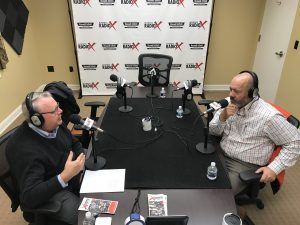
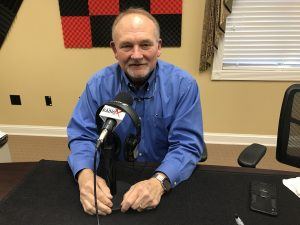
Mike Blake and Rod Burkert

Decision Vision Episode 35: Should I Hire a Business Development Coach? – An Interview with Rod Burkert, Burkert Valuation Advisors

Why should I hire a business development coach? What are the most important aspects of marketing my professional services? In this interview with “Decision Vision” host Mike Blake, Rod Burkert of Burkert Valuation Advisors answers these questions and much more. “Decision Vision” is presented by Brady Ware & Company.

Rod Burkert, Burkert Valuation Advisors

Rod Burkert, CPA, CVA, and his wife, Amy Burkert, CPA, CFA, with their dogs Buster, left, and Ty, stand in front of the RV that serves as their mobile office and their home.

Rod Burkert is the Founder and President of Burkert Valuation Advisors.

In one way, shape, or form, Rod has performed valuations since the late 1980s. In July 2000, he started Burkert Valuation Advisors in Philadelphia where he ran a “traditional” valuation practice for 10 years that focused on tax purpose valuations for manufacturers and distributors.

Based on that experience, in 2013 Rod began coaching BVFLS (business valuation and forensic legal services) professionals to mentor them in the marketing and positioning skills they need.

In March 2010, he began traveling full time throughout the US and Canada in an RV with his wife and dogs. Today his mobile consulting firm includes his valuation practice and a coaching business, all of which he built by leveraging his professional network, social media, and hiring virtual assistants to make the available technology work for him.

For more information, you can email him directly, go to his website, or you can find him on LinkedIn.

Michael Blake, Brady Ware & Company

Mike Blake, Host of “Decision Vision”

Michael Blake is Host of the “Decision Vision” podcast series and a Director of Brady Ware & Company. Mike specializes in the valuation of intellectual property-driven firms, such as software firms, aerospace firms and professional services firms, most frequently in the capacity as a transaction advisor, helping clients obtain great outcomes from complex transaction opportunities. He is also a specialist in the appraisal of intellectual properties as stand-alone assets, such as software, trade secrets, and patents.

Mike has been a full-time business appraiser for 13 years with public accounting firms, boutique business appraisal firms, and an owner of his own firm. Prior to that, he spent 8 years in venture capital and investment banking, including transactions in the U.S., Israel, Russia, Ukraine, and Belarus.

Brady Ware & Company

Brady Ware & Company is a regional full-service accounting and advisory firm which helps businesses and entrepreneurs make visions a reality. Brady Ware services clients nationally from its offices in Alpharetta, GA; Columbus and Dayton, OH; and Richmond, IN. The firm is growth minded, committed to the regions in which they operate, and most importantly, they make significant investments in their people and service offerings to meet the changing financial needs of those they are privileged to serve. The firm is dedicated to providing results that make a difference for its clients.

Decision Vision Podcast Series

“Decision Vision” is a podcast covering topics and issues facing small business owners and connecting them with solutions from leading experts. This series is presented by Brady Ware & Company. If you are a decision maker for a small business, we’d love to hear from you. Contact us at decisionvision@bradyware.com and make sure to listen to every Thursday to the “Decision Vision” podcast. Past episodes of “Decision Vision” can be found here. “Decision Vision” is produced and broadcast by the North Fulton studio of Business RadioX®.

Visit Brady Ware & Company on social media:

LinkedIn:  https://www.linkedin.com/company/brady-ware/

Facebook: https://www.facebook.com/bradywareCPAs/

Twitter: https://twitter.com/BradyWare

Instagram: https://www.instagram.com/bradywarecompany/

Show Transcript

Intro: [00:00:02] Welcome to Decision Vision, a podcast series focusing on critical business decisions, brought to you by Brady Ware & Company. Brady Ware is a regional, full-service, accounting and advisory firm that helps businesses and entrepreneurs make vision a reality.

Michael Blake: [00:00:20] And welcome to Decision Vision, a podcast giving you, the listener, clear vision to make great decisions. In each episode, we discuss the process of decision making on a different topic. Rather than making recommendations because everyone’s circumstances are different, we talk to subject matter experts on how they would recommend thinking about that decision.

Michael Blake: [00:00:39] My name is Mike Blake, and I’m your host for today’s program. I’m a Director at Brady Ware & Company, a full-service accounting firm based in Dayton, Ohio, with offices in Dayton; Columbus, Ohio; Richmond, Indiana; and Alpharetta, Georgia, which is where we are recording today. Brady Ware is sponsoring this podcast. If you like this podcast, please subscribe on your favorite podcast aggregator, and please also consider leaving a review of the podcast as well.

Michael Blake: [00:01:03] So, our topic today is, should I hire a business development coach? And I’ve picked this topic because, as most of you know, I’m a shareholder inside an accounting firm. And one of the hard—one of the struggles that almost every accounting firm faces is, how do we motivate people to develop business? How do we train people to develop business? Because at the end of the day, in the 21st Century economy, it’s all well and good to be a great technician, but if all you have in a firm is technicians, it’s like trying to win a baseball game with great pitching only, you wind up having zero to zero. And you can’t win that way. So, you’ve got to have people and a culture that drives the ability to generate revenue. And the accounting industry, in particular, is not one that is necessarily known for its outgoing, gregarious nature. And so, that’s a particular area that that we focus on.

Michael Blake: [00:02:08] And, for me, as a leader of a valuation and strategic advisory practice, at least 70% of what I do has something to do with business development. And I can tell you that the things on the mind of our partners all the time is, how do we get people excited, and not just excited, but also trained to generate revenue? Because it’s not fair to send a bunch of kids out there, or sometimes not kids say, you know, “Go back, get us some business. Go get them.” That’s not going to produce an outcome, except for the occasional outlier. There needs to be an important support system for that.

Michael Blake: [00:02:46] And I say this is not somebody to whom sales necessarily comes naturally. When I started my career in investment banking, I was the clock guy. I was the guy they locked into a room, and shoved in front of a spreadsheet, and left them with the textbooks, and just made sure it never ever got in front of the client because that was my role. We had other people that were much more comfortable than I. And then, over a number of years, working with coaches, including Rod, for a time, I’ve managed to become slightly below average, which doesn’t sound a lot, except when you understand the disaster I was when I started. And, actually, it’s quite a long way.

Michael Blake: [00:03:25] And joining us today by phone is is Rod Burkert, who is, I think, the best in the business when it comes to this kind of topic in the business valuation arena. And I’m proud to say that I was actually a client of his when I had my own practice for a little bit under a year, and I fired him for the best reason possible, is that I was generating so much business, I could not handle all of it. I had to turn off basically. And I give him a lot of credit for that, as well as another coach sort of earlier in my career. And I can’t think of a better endorsement than that. And it happens to be true.

Michael Blake: [00:04:03] But Rod is the founder of Burkert Valuation Advisors, a business valuation and litigation support firm. His assignments focus primarily on income, gift, and estate matters, specializing in closely held companies and private investment partnerships. He also provides report, review, and project consulting services to assist attorneys and other practitioners with their engagements between 1996 and 2025. Rod was a member of an elite instructor for the National Association of Certified Valuation Analysts – just rolls off the tongue – Consultants Training Institute. Missing the classroom environment, he rejoined the NACVA’s teaching circuit in 2011, championing the subject of Report Writing, another topic near and dear to my heart.

Michael Blake: [00:04:42] He is a recipient of various instructor awards, including the Circle of Light and Instructor of the Year. He is a past chairman of NACVA’s executive advisory board and education board, and has been named one of NACVA’s outstanding members. He is also a regular contributing author to Business Valuation Update, the Value Examiner, and Financial Valuation and Litigation Expert. If you’re not in valuation, you don’t know what those are, but those are basically the Sports Illustrated of the Valuation World, the New York Times of the valuation world. Rod is leveraging social media to build a mobile valuation consulting practice, allowing him to travel full time in an RV throughout the United States and Canada with his wife, Amy, and their two dogs. And Rob, thank you for taking time off the road to talk to us today.

Rod Burkert: [00:05:26] Hey, thanks, Mike, for having me. I appreciate it. I—gosh, until you read my bio, I didn’t realize how much I’ve done, but it sure sounds like a lot, doesn’t it?

Michael Blake: [00:05:38] Well, as I tell people, one of the benefits I see for myself having gray in my beard and two arthritic ankles is, at least, when you look behind in the rearview mirror, there’s some interesting stuff.

Rod Burkert: [00:05:49] Exactly, exactly.

Michael Blake: [00:05:51] So, you started out, I think, as did I, as a practitioner, giving out the work. Why did you decide that you’re going to develop, if you will, this persona or this new vocation of practice development training?

Rod Burkert: [00:06:13] Well, one of the things that you said in the beginning kind of struck me as pretty close to home is back in the day, when I started doing valuations, if someone said to me, “Describe your ideal day,” I would have said, “Sitting in front of a computer building an Excel model to help a client accomplish some—you know, or solve a valuation problem.” So, I was very much the nerd sitting in front of a computer as well, but I had my own practice, and I had to bring in work in order to build those kinds of models.

Rod Burkert: [00:06:50] And so, I’m kind of an outgoing person. I don’t mind getting out there. And I actually found that the more I did it, the more I enjoyed it. And then, I turned 60. So, I’m 63 now, but when I turned 60, I’m thinking my health is really good, I’m having a great time, I’m not thinking about retiring, I’ve got a long road ahead of me, and I have an opportunity really to embark on a second career. And for me, that second career piggybacked on what I know and what I do best, which is doing business valuation work. But instead of doing the work, I’m actually, as you said, helping people get the work because there is a lot of information out there that’s of a very technical nature. It tells us how to do the work, but nobody tells us how to get the work.

Rod Burkert: [00:07:47] And the last piece of why I’m doing what I’m doing, as you mentioned in the introduction two days ago, my wife and I officially crossed 9.5 years that we have lived full time in our RV, traveling throughout the United States and Canada with our two dogs. There’s no home. There’s no storage facility. Everything is in the RV. And I want to give that RV equivalent experience to other people in our profession. So, I don’t expect everybody to think that they’re going to pull up stakes and live in an RV like Amy and I do. But rhetorically speaking, Michael, what is your RV equivalent experience? What is it that you would like to do in tandem or in parallel with the business valuation work that you do? And one of my—kind of one of my success stories is a client that I am working with, and he really had a previous life as a painter and an artist. And we’ve restructured her practice to give that life back to her again.

Michael Blake: [00:09:00] So-

Rod Burkert: [00:09:00] That’s why I’m doing this.

Michael Blake: [00:09:02] Okay. So, yeah. And obviously, you’re helping a lot of a lot of people with it. So, before we go, I’m going to define a term because what we’re going to be talking about here is business valuation because that just happens to be my world. But I want to emphasize that Rod, also, helps people that are in the forensic and litigation services area, which generally means expert witnesses. And that that’s not an area which I play in. I’m on record saying that’s not my strength, to put it mildly. But a lot of what Rod does is he works with professionals like that as well.

Michael Blake: [00:09:38] So, when I say business valuation, because I don’t want to say that entire mouthful each and every single time, just imagine to yourself out in the audience that we’re also talking about forensic and litigation services. So, with that in mind, the question then is, can anyone do this? Can literally anyone who decides that, for whatever reason, for career development, or for survival, because they’ve got to eat, and they’ve got this practice, can anyone develop a business valuation practice?

Rod Burkert: [00:10:11] I think, to an extent, the answer to that question is yes with a huge but caveat. And that caveat is simply this, it’s that you have to be willing to keep showing up to try new things and always keep moving forward. And I think that’s the problem with many people in our profession. They don’t have that dedication to the consistency and persistency that’s required for the marketing that you need to build a practice.

Rod Burkert: [00:10:46] So, one of my coaching clients coined a really cool term. He’s been accused by his friends and colleagues of dolphin marketing. And what is dolphin marketing? Well, dolphin marketing is when you need work because everything in the pipeline is done, you come up for air, you breach out of the water, you grab a few new clients, and then you disappear under water, and nobody hears from you again until you need more work. That’s dolphin marketing.

Rod Burkert: [00:11:18] Anyone in our industry who we might call an industry titan, the seasoned professional, will tell you that you need to be out there marketing, if not every day, at least every week. And I think, given some of the mentality in our profession, we don’t want to do that. We convince ourselves—to me, we convince ourselves, “I’m a person that was never good in math,” and I had convinced myself that I will never be good in math. When actually, it’s a learned skill like anything else that we do. You can learn to be good in math, and you can learn to be good in marketing and practice development if you don’t talk yourself out of it.

Michael Blake: [00:12:05] What you talk about resonates with me. A podcast to which I listen fairly frequently is the Rosen Institute. You might have heard of it.

Rod Burkert: [00:12:14] Oh, yes.

Michael Blake: [00:12:15] Yeah. I mean, Lee Rosen is very much a kindred spirit of yours, except he goes global. And one of the things he says is that almost any marketing activity you do will be successful as long as you stick with it, and you’re consistent.

Rod Burkert: [00:12:31] And yes, I agree with that. And related to that, Michael. You have to like it. I mean, one of the things is what works for others may not work for you. And what works for you may not work for others. But the important thing is to play to your strengths. I would never advise a coaching client that they need to be out there speaking constantly if they didn’t really like speaking, or writing, or doing videos, or anything like that. You have to pick a marketing skill that you are halfway good at, so that you can learn to get better and enjoy doing or else, you won’t stick with it. And that goes back to being consistent and persistent.

Michael Blake: [00:13:14] So, why isn’t just being a great technician good enough? I mean, the little voice in my head that says the world in America is a meritocracy. Tell us. And maybe this is a rationalization that the marketing and sales are just fluff, but I’m a professional of substance, and I’m really good at the business valuation, et cetera, world. Why is that not good enough?

Rod Burkert: [00:13:39] Yeah. I mean, I used to think being a technician would be good enough. And then, I read Dale Carnegie’s book, How to Win Friends and Influence People. That book was written back in the 1930s. So, 80 some years ago, Dale Carnegie had this observation about the finance, about the success of the people that he was coaching. And he says, basically, it’s by observation that if you look at anyone who has achieved some level of financial success, 15% of that success is due to technical skills, and 85% of it would be due to what we would call today people engineering skills, the soft skills like good listening, having empathy, being patient. That has—I think, many times, we gravitate to somebody who can capture our imagination and tell us what they can do for us without, actually, supplying the mathematical solution for what they can do for us.

Michael Blake: [00:14:56] Now, sales, for people who don’t do it, and for me, I surprisingly found to my to my astonishment, really, that I get a big endorphin rush from it, but not everybody does. And some people—I think a lot of people still look at sales with a certain amount of apprehension, even dread. And I’m sure it comes across people’s minds, “Maybe I could just hire a salesperson or maybe partner up with a salesperson.” Is that. Is that a model that could work for a small firm, or is that just sort of putting a Band-Aid on a gunshot wound?

Rod Burkert: [00:15:32] Well, there are firms out there, even in our business valuation space, that have a team of salespeople only. They do not do valuation, or forensic accounting, or litigation services work at all. They go out and their job is to sell the work. And they have built an incredibly successful practice. I think they are five or six offices. They’ve been around for like 80 years, and they have used that model to some success.

Rod Burkert: [00:16:09] Rhetorically speaking, though, if you’re the prospect, at that point, because you haven’t signed on, this isn’t a widget that we’re selling. We’re selling a solution to an acute problem that could be the death of a family member, and their interest in the business needs to be valued for estate tax purposes. It could be the sale of your business, something that you’ve built over the course of your lifetime. And now, it represents the largest asset that you own. When it comes to interviewing somebody that’s going to help you solve that problem, do you want to meet somebody who’s selling the solution or somebody who is going to be preparing this solution?

Rod Burkert: [00:16:56] So, I’m not saying that the sales model where you’re wanting to hire somebody to outsource the sales piece of your practice development won’t work. But I think where we really fail most often is the people that do the work that we do, we don’t put ourselves in the shoes of the client. And how would we feel if we were going to have our problems solved by a salesperson as opposed to a person that’s going to actually do the work?

Rod Burkert: [00:17:27] You go to a doctor, there’s no salesman selling you the procedure that you need to have performed. There is the doctor that’s telling you the what, the why, and the how that this procedure needs to be performed. And I think with a professional service like ours, to me, prospects and clients want to meet with the person that’s going to be doing the work, not the person that’s just going to be selling the work.

Michael Blake: [00:17:57] Now, one of the objections, I’m sure, you face, and I certainly see with somebody who is confronted with the need to develop a business development mentality and business development practice, if you will, is a lack of time. I don’t have time to sit. I don’t have time to do X, Y and Z. And I’m curious, I would imagine that—I know this for a fact, as I’ve been a client of yours, is that it’s not a free ride to kind of jump on board the Rod Burkert training and become a coaching client, is it? I mean, there’s a there’s a time commitment and not just inside of school, if you will, but outside as well to prepare and build those skills, and build those business development muscle, isn’t there?

Rod Burkert: [00:18:45] There is. And I think, a big factor in all of this in what you said, Michael, is really how—first of all, well, how successful of a practice do you want? What does success mean to you? Because there are some people, you and I both know them, that have a successful practice simply by sitting in their office and aggressively waiting for the phone to ring. That’s a term that I used in coaching with you. And they are perfectly happy with that. They’ll never make high six figures doing that or it would be unusual to think that they could, but if they’re making a low six figure billing revenue and however you want to look at it, that may be all they need, and they’re not going to invest time with a coach like me.

Rod Burkert: [00:19:38] And on the other hand, there are people who want more for different reasons. And they’re not just necessarily saying more income. I’m saying more time, more money, more freedom. You have to put some systems in place to realize those things. And that’s what I would like to think that my coaching helps people do, not just more money but more money with more time and more freedom to use that money to, again, have that RV-equivalent experience.

Michael Blake: [00:20:12] And one of the time investment required by a coaching client of yours, let’s say, in a given week? How many hours do they expect to invest in their education that’s being led by you?

Rod Burkert: [00:20:25] I would say that there is a ramp up. In the beginning, it may be a few hours a week tailoring down. I mean, there’s two things, if you can bear with me here, Michael. Number one is it depends on when you come to me, how much authority, how much awareness that you have because there are people in the profession that don’t do marketing per se. They’re not out there networking like we think that they might do. Their networking is speaking and writing. And so, for them, they’re not investing any time in marketing, again, per se. They’re just doing what they like to do, which is speaking and writing.

Rod Burkert: [00:21:07] The other part of what this is, of what I teach, is something that you should be doing anyhow to build your practice. Let me give you a great example. I’m at a speaking event, someone says to me, “I’m a tax person. I would love to get a valuation practice up and running. And I just don’t—but I just don’t have the time.” And I was kind of blunt, and that’s my style. And my first question out of my mouth was, how much television do you watch a week? And he was all proud of the fact that he was a Cubs fan, and that during baseball season, he’s watching every game somehow streaming on television. And I said, “So, to me, an average baseball game is like three hours a week, three hours a game. And you’re watching multiple games a week. And now, you want to tell me that you don’t have time for marketing.”

Rod Burkert: [00:22:02] So, that enters into it as well. Meaning, how badly do you want this? Do you just want to gripe about your situation, or do you actually want to take time from other activities that really don’t contribute any value to get you to where you say you want to end up, and invest it in coaching time, and learning how to market and build a practice?

Michael Blake: [00:22:30] I remember reading that story. You put it on your mailings, at least, once. And it’s—yeah, it is a great story. And television is one of styles, sort of, t sucks too. You don’t realize how much time has gone until you—sometimes, you do wake up, but you look up, and you say, “Oh, my gosh. My whole evening is gone. I could have written an entire article in the four hours I just spent watching that TV.”.

Rod Burkert: [00:22:57] Right.

Michael Blake: [00:23:00] So-

Rod Burkert: [00:23:00] And if I can say, one of the last things—well, one of the things that I teach people is how to automate certain processes. Now, I don’t have a sales system or anything like that. But given what I know, given what I can teach people about platforms like Facebook and LinkedIn, there is a way to automate your connection requests. There’s a way to automate your scripts and use conversations on LinkedIn Messenger or Facebook Messenger to make it seem like you’re actually having a conversation until you get to the point where you find out that the person really does want to buy from you whatever they’re buying, and you take that conversation offline, and have—and call them, reach out, and phone, and have them have that real discussion.

Rod Burkert: [00:23:51] But there’s a lot of automation that can go on at the front end that you don’t have to be sitting at your computer to do or it happens for you. You’ve got to invest the time to set the system up. But man, once it’s running, it really works.

Michael Blake: [00:24:09] So, what about the duration of an optimal coaching relationship?

Rod Burkert: [00:24:14] And I’m supposing some of them may not be true. So, I’m likely going to learn something, but contrast with, say, a therapist, where—and I think part of what you do is therapy, good therapy, but there are some people that have lifelong relationships, or certainly years or decades-long relationships with therapists, is there ever a point in a coaching program such as the one that you run where your clients graduate, or is this something that you think that it’s a long term, maybe ideally a semi-permanent commitment to that relationship?

Rod Burkert: [00:24:51] Yeah, good question. And tongue in cheek, I think you stay with a coach as long as the return on investment is greater than or equal to the investment. And I think what really pivots people here is that our average engagement could be anywhere from at the really low end if you’re competing on the basis of price, maybe you’re doing work for $5000. But our engagements could easily go up to $25,000, $30,000, $50,000. $100,000 if you’re doing litigation support work, and it’s a big case. I mean, that happens.

Rod Burkert: [00:25:29] So, if I can teach you something that helps you get those kinds of—that kind of case work at those kinds of fees, and let’s say my coaching is $10,000 for an entire year, or that’s what it comes out to, because it’s close to that, but I’m helping you get three, four, five engagements at a multiple of $10,000, or $15,000, or $20,000 that you would not have otherwise gotten as a result of the coaching. Why wouldn’t you stick with me or any other coach, for that matter, that can help you develop that kind of a return on your investment?

Michael Blake: [00:26:08] Well, okay. So, yeah. So, there you go. So, I’d like to jog down to that a little bit because we’ve talked about the skill set that you help your clients acquire. And that’s a big part of what you’re offering. But my sense, also, is that’s for some people, you’re also just offering an accountability partner, so that people do, in fact, stay engaged, they stay motivated, they stay on task. (A), is that a fair characterization? And (B), if you had to guess, in many cases, is that accountability contribution even of equal value to the technique and skills contribution that you make?

Rod Burkert: [00:26:52] Yeah, it’s interesting that you put it that way, Michael, because if you think about it, we know – we know what we need to do to be successful because what it takes to be a success in an industry like ours hasn’t changed in generations. Quite frankly, it hasn’t changed in centuries. You get known for what you know by a combination of speaking and writing. And perhaps, in this day and age, video or podcasting. So, you see, you know what you should be doing. So, one of the big reasons people come to me is that accountability because they know that we’re going to have twice monthly meetings, and I’m going to ask them what progress that they’ve made towards the goals that they set for themselves to have the practice that they say that they want to have.

Rod Burkert: [00:27:48] So, accountability is a big thing. It’s not like I can’t teach you some things about, for example, something has come out in the last couple of weeks that has really changed the game about how people should be using LinkedIn. I can teach you that, but it doesn’t take away from the fact that you know you should be using LinkedIn in some way, shape, or form to help build your practice. Now, are you going to do it? Are you going to set aside 10 or 15 minutes every morning and every afternoon to use it? Well, that’s where accountability comes in because you know, as a coaching client, you’re going to have to report back to me about what you did and didn’t do in the last two weeks.

Michael Blake: [00:28:35] So, you’re a big proponent of your clients making themselves visible experts. And it’s important to note, there are there other marketing opportunities or channels available if you choose to. But you’re very much on the visible expert train. Why exactly is that as opposed to other potential marketing channels or approaches?

Rod Burkert: [00:28:59] A great question. And I think the answer is simple. If you put yourself—if we’re—if we put ourselves in the client’s shoes when we have a problem, we want a visible expert to solve it. I mean, if there’s something going on in your family, in your household, in your home, and it needs to be—and by that, it could be a medical emergency, all the way down to a plumbing emergency, do you want to call somebody that nobody has never heard of to solve your problem, or do you want to call somebody that you know of, or that your friends can highly recommend because they know that that person can successfully solve your problem? And I think we would agree with the latter. I mean, we want somebody who has solved our problem multiple times successfully.

Rod Burkert: [00:29:51] And the way you do that is to have—first of all, you have to have the skills and knowledge. So, you have to be an expert. You have to have expertise. But no one’s going to know about your expertise, or your authority, or what you’re known for if you don’t get out there because we need to be where the buyers of our services are when they need us. And so, if you’re not out there constantly priming the pump with speaking engagements, writing articles, again, whatever is your strength, doing videos, how’s anybody going to know to call you?

Michael Blake: [00:30:30] Well, yeah. That’s true. And, of course, as a presupposition, and I think an important one, that you don’t want to be a commodity. One thing you could do is the alternative, is you could adopt sort of a Yellow Pages model, put yourself in directories. Believe it or not, I actually do a case. I get an email from appraisers.org. I never landed a client or even came close, but at any rate—and you can sort of go that route, but by making yourself a visible expert, you are elevating yourself and making yourself, I think, a much more obvious fit to solve that problem too, right?

Rod Burkert: [00:31:06] Right.

Michael Blake: [00:31:07] So-

Rod Burkert: [00:31:08] Exactly.

Michael Blake: [00:31:09] I want to switch gears a little bit and talk about the the the nature of the coaching relationship itself. Somebody is looking for a coach like you, and they may have a view as to what an outcome, desirable outcome would be. Can you talk about what are some—what are realistic expectations of a coaching relationship? I’ll just have you talked about you because I don’t want you to speak for all other coaches, but what are realistic expectations of a relationship with you? And maybe what might be some unrealistic expectations somebody might have in a relationship with you?

Rod Burkert: [00:31:47] Sure. You’ve heard the expression, “You can lead a horse to water,” right?. And I think the an example of an unrealistic expectation and a coaching relationship is that me imparting knowledge to you is going to solve your problem because information is dramatically different than implementation. And the coaching client in any field is going to have to take the information from the coach and implement it. So, I can give you what you need to do. I can tell you why it’s important that you do that. And as a coaching client, I will even show you how to go about doing it. So, I will give you the what, the why, and the how. But if you don’t do anything with it, if you don’t do the work, if you don’t implement it, your situation is not going to change.

Rod Burkert: [00:32:47] You just may—you may learn more, you may be more knowledgeable, but if you don’t do anything, nothing’s going to change. If you don’t get out there on LinkedIn, if you don’t get out there and write, if you don’t get out there and speak, even though, again, you know these are the things you should be doing, nothing’s going to change. And quite frankly, Michael, when I see that happening in a coaching relationship, I will terminate the relationship because I’m not—I don’t want to take people’s money. If I see that they’re not implementing, we have a come-to-Jesus conversation, and I give them a little bit of time after that, and if they’re not working it, then I’m not helping them.

Michael Blake: [00:33:28] And look, I think, to be perfectly candid, too, it’s a self-defense mechanism for you as well. And I know how you coach in groups. So, if a person is not engaging, it means they’re not contributing to the other people who are, sort of, in your study group, if you will. And also—and I fired clients for similar things where I don’t want a client paying me, not taking my advice, have it not worked out, and then run around telling everybody what a moron I am because they didn’t take my advice.

Rod Burkert: [00:34:02] Right, exactly. I mean, there’s there is something in your reputation that you want to preserve out of all this too.

Michael Blake: [00:34:08] I think absolutely. What you talk about reminds me of a running joke my wife and I have. So, years and years ago, I used to be a tournament chess player. And one thing that my wife could always count on was whenever I came home from a tournament, I’d come home with, at least, three chess books. And they looked great, and they make you sound so smart. But there’s a problem with chess books, and this is the spoiler alert. They’re really boring to read. And so-

Rod Burkert: [00:34:38] I can imagine.

Michael Blake: [00:34:38] Right? They’re just not a page turner. Even though I was, in my day, a pretty strong player, they’re not boring. They look great on the shelf. And at some point, I had to stop stop myself from buying them because only in the books did not magically create this energy field that made me a stronger chess player. They just took up space on my bookshelf and made free space in my bank account.

Rod Burkert: [00:35:07] God. Yeah. Again, the difference between information and implementation.

Michael Blake: [00:35:14] So, one issue practices have, and I face this in mine, not urgently, but it’s something I think about a lot is training kind of the next generation. Many practices, as you know, sort of have a patriarch at the top of the practice, right? It could be Chris Mercer, who I know you have a good relationship. It could be Shannon Proud. It could be Jim Hitchner. And then, they have people that are working for them and are professionals in their own right. And all of those people know what it takes to build a successful and valuable firm, that if it’s going to have value, better not be entirely dependent on one person doing all the rainmaking. Do you think there’s a role for coaching in some capacity to help address the problem or the challenge of raising the next generation of visible experts? And if so, do you have any idea of what that may look like?

Rod Burkert: [00:36:16] Yes and yes. I think, to get to the heart of your question, it sounds like, well, is there a problem in training the next generation? And I think you’ve got to look at it from the origin of marketing. I mean, again, we came into this profession, Michael, many, many years ago, where there was no expectation that we needed the market. We were going to be those technicians and succeed solely on that basis. And then, things got tough.  We started to realize that if we really did want to get anywhere, we needed to do marketing.

Rod Burkert: [00:36:55] Just as a quick aside, I had a managing partner and accounting firm come to me when I was running a valuation practice in an accounting firm, comes into my office one day and says, “Damn it. The problem that I’m having is I can always find people to do the work. You can’t find people who can get the work.” And so, I suddenly realized, that was like a big aha moment for me that if I wanted to get anywhere, I needed to get the work. And so, begrudgingly, my generation – again, I said I was 63 at the top of the podcast – I happen to be what I consider a baby boomer trapped in a millennial body, or, I’m sorry, I’m a millennial trapped in a baby boomer body, the other way around. But we’ve begrudgingly learned these things that we have to do to bring in more work. We have to network. We have to have lunches, and breakfasts, and coffees with attorneys. We have to do it this way.

Rod Burkert: [00:37:54] And that patriarch at the top of the firm is saying to the younger generation, “This is how you have to do it,” and it doesn’t work that way because generations change. And the patriarch grew up with a certain generation of colleagues and referral sources for which networking events, for example, worked for them. But I hate to even say the millennial generation because it sounds like we’re maligning them, but I don’t mean to, they’re growing up with a cohort of similar-minded people who saw the damage of being away from your family all the time create. So, going out and networking every night of the week is not something that you’re going to convince the millennials the right thing to do. They’ve grown up with all sorts of phone apps, and texting, and that is how they communicate with each other.

Rod Burkert: [00:38:54] And these millennials, if they’re professional service providers, they’re going to get work from attorney and CPA referral sources who are their own age, who grew up with the same technology, and have the same shared experience of wanting to be with family and wanting to do a good job. So, I think when there’s a breakdown between trying to train the younger generation, it’s because we’ve already approached the relationship that these people are lazy, and they spend too much time on their phones, and they don’t want to get out there, and we make them bad and wrong because we want them to do it our way.

Michael Blake: [00:39:37] Yeah. And darn it, we want them to pair the same horrible price we had to pay, regardless how much sense it makes.

Rod Burkert: [00:39:43] Exactly. I mean, think about it the other way around. What if patriarchal generation grew up with texting as a way to bring in new work, but the younger generation didn’t like that? They don’t like texting. They want to have real conversations with people. They want to go out and meet them in person. They want to go to networking events. Would we, the older generation, be yelling at millennials if they didn’t want to stop texting to get business, and instead wanted to go out and do networking events? Would we be yelling at them because they want to do networking and not rely on something more technology related?

Michael Blake: [00:40:23] Yeah, and I see that. I see that in my practice because, as you know, I do a lot of work in the tech space. So, my demographic tends to skew a little bit younger. And I’ve actually not met about half of my clients in person, and it doesn’t matter, right? Even if I did a site visit, I wouldn’t even see servers anymore. I would see a bunch of Macbooks, and iPads, and a couple of conference rooms. If, they might even be in a coworking space. But they’ll respond to a text, they’ll respond to a tweet. I can read some through Instagram. And as you have often said, in a way, that millennial generation has it right because if you think about the investment you have to make, meeting one person at a time, breakfast, lunch, drinks, whatever it is, right, in the time you spend doing that over the course of a month, you could have reached 100,000 people over social media.

Rod Burkert: [00:41:19] Several times. Several times over. That’s exactly right. And just try and say, “Hey, we don’t care so much.” What we’re really saying as the patriarch, we don’t care about the results as much as we care about your methodology.

Michael Blake: [00:41:38] Right.

Rod Burkert: [00:41:38] And I think that’s wrong.

Michael Blake: [00:41:39] Yeah. Clearly wrong, right? That is just—that’s no longer a business solution. That’s a psychological issue.

Rod Burkert: [00:41:47] Right.

Michael Blake: [00:41:48] So-

Rod Burkert: [00:41:49] Again, like you said, we want those people to pay the same price that we had to.

Michael Blake: [00:41:54] That’s right. So, you obviously coach this business valuation forensic area, I think, exclusively. Do these—could these principles—again, could these principles apply in other industries? Law? Digital marketing? Management consulting? Could they be applicable anywhere, or are they strictly useful only and in the field that we’ve chosen?

Rod Burkert: [00:42:21] I think that what I do is applicable to other fields, but  you know from working with me, I’m a big fan of niching. So, I’ve got this minimum viable audience of business appraisers. So, I would be violating my own philosophy of niching if I try to go out and proselytize about how to develop an accounting practice or a law practice. I just—I’m not saying it couldn’t work, but I don’t think I’d have any authority or credibility because I’ve never built an accounting practice, or I’ve never built a law practice, but what I have built a couple of times over different iterations is a business valuation practice. I know what my clients are up against. I know how things are changing because I still run a traditional valuation practice. And I think it gives me the authority and credibility to do and to talk about what I do for similarly situated professionals. I’d have no idea. I wouldn’t really know where an accountant is coming from. I mean, I sort of would, but you get what I’m trying to say.

Michael Blake: [00:43:32] Yeah, sure, sure. And to be clear, I’m not suggesting that you should diversify, but somebody who I—some—it is most likely that the vast majority of people listening to this discussion today have nothing to do or have no interest in the business valuation industry or profession, but they may be wondering, if I could find a coach with a similar approach in my industry, would that be viable? My own answer is it probably would. It’s just a matter of finding the right person who are similarly niche that understands kind of the industry-specific realities that have to intersect with the techniques.

Rod Burkert: [00:44:15] Number one, I would agree with what you said. And number two, I would also like to point out that I think you’d be really hard pressed, Mike, to identify anyone that has achieved any level of success in finance, in industry, in sports, any field of endeavor without a coach or mentor. People say, “Well, why do I need a coach?” And I’m like, “Hey, do you ever watch a basketball game?” “Yeah.” “What’s the objective of the game?” “Score more points than the other team.” “Do you think the five players out on the court know that that’s what the objective is?” “Yes.” “Well, then why did those five players need a coach? Why don’t they just go out and score more points than their opponent? They know what they have to do. They don’t need a coach. right?” And then, there’s a big pause.

Michael Blake: [00:45:07] I’m glad you brought that up because I think the reputation of the professional coach has evolved and elevated significantly, certainly, in the last 10 years. And I think, in particular, in the last four or five. And I think it’s elevated partially because I think coaches have become better, and the coaches themselves are people that are accomplished as opposed to 10 years ago, I seemed to encounter a lot of coaches that weren’t very successful in the actual field. So, those who can’t do teach kind of thing.

Michael Blake: [00:45:42] But I think, also, there’s a recognition that particularly in business development, and I know you don’t like the word sales, so I’m trying to avoid it, but business development, we don’t teach that anymore. And it used to be—you’re a little older than I am, but, certainly, in the baby boomer generation, in most professional services firms of any size, even the smaller ones, there was a notion that the senior people would impart their wisdom, their knowledge, and would participate in the management and development of that next generation of business developers.

Michael Blake: [00:46:16] Now, what I see is just everyone for themselves. They got to meet their billable hours goals. I think to a certain extent, they’re fearful the younger generation will come and take their jobs. They’re certainly not rewarded for developing new talent as much as most firms kind of give lip service to that. And that confluence has created, I think, an opportunity for people like you to fill a very real vacuum that, I think, has occurred and has generally been harmful to most professional services industries.

Rod Burkert: [00:46:50] Yeah, yes. I mean, you’re preaching to the choir. And I know this sounds self-serving, but I think a lot of people might be more willing to embrace a coach, but I think they look at it as a cost instead of an investment. And that goes back to, well, how long should they stay in the coaching relationship? Well, as long as you’re getting a return on your investment, it’s not a sunk cost. If you’re not getting a return on investment, you should find another coach or quit your existing coach, find another coach. But investing in your own personal development, I don’t know where else you should spend your money first if not spending it on or not investing it in your own personal growth.

Michael Blake: [00:47:37] I think there’s plenty of literature out there that is very clear that one of the best investments anybody can ever make is on themselves, right? And certainly, one of the best bets you can make is on yourself.

Rod Burkert: [00:47:47] Correct.

Michael Blake: [00:47:48] So, we’re winding down here, and I want to get you back to your beautiful weather and your scenery. But two more questions I like to ask. One is, can you think about kind of one of your favorite coaching success stories and tell us a little bit about that.

Rod Burkert: [00:48:07] Yeah, yeah, yes. And actually, I’m going to—more than one comes to mind, but let me tell you the one that had the most impact that I feel like I’ve had the most impact on somebody. My biggest success story was somebody who I coached out of business valuation, because one of the things that goes back to, “Well, why don’t we like marketing?”, we realize for this person, for this individual, that she did not really like—the reason she didn’t really want to do marketing is because she really didn’t like business valuations. And actually coached her out of the business valuation world. She went to work for her husband’s business and is, now, focusing on something that she realized that she really wanted to do, which was to become a writer. And so, she’s starting out selling detective stories on Amazon. And I’d like—from a personal standpoint, from my viewpoint, that is like my most successful story.

Rod Burkert: [00:49:17] From another client’s perspective, I have an older client, late 60s, early 70s, who came to me really drained. I mean, emotionally drained of the years of just doing one project after another. And we’ve turned things around. We’ve tried to get away from one-to-one client service. He’s created a one-to-many product that he’s selling—creating one time, selling to his industry niche, and they don’t want to say what it is, what his niche is, but it’s webinar related. And he’s making almost as much money from a one-to-many product, which takes him a couple of days, a month to create, as he was going out there trying to sell and do one-to-one client service engagements. And he’s got a whole new—he feels totally reinvigorated about his practice and the possibilities for his practice.

Michael Blake: [00:50:23] And I do think those are very important outcomes. And at first, I have a similar one. As you know, I do office hours a few times a month.

Rod Burkert: [00:50:32] I think it’s a great idea. Let me—I’m sorry, Michael, to interrupt you, but everybody thinks it’s got to be something so secret saucy, there’s a magic bullet, secret potion, silver bullet that is the answer to marketing. And the simple things that I see you do on LinkedIn, creating the hard candy is an example. Letting it be known that you’re going to be at a restaurant for a certain time, and anybody who shows up during that time, you’re going to help them. I think, sometimes, we get so lost in the trees, and we don’t see the forest. And then, it’s the simple things that if we did consistently and persistently, we wouldn’t even consider it marketing. We wouldn’t hate to do it because we think it’s—you hate going to lunch and having those open office hours? I don’t think so.

Michael Blake: [00:51:21] No, no. And you take one look at my waistline, you know I do not going to lunch and having those office hours. But one of my favorite stories of office hours was I’d call a successful failure like Apollo 13. I had office hours. And this was about eight to nine years ago. And a guy showed up, ran his pitch, his venture pitch by me, and said, “What do you think?” I said, “I think this thing has a lot of holes, and I think that you are risking years in your family’s finances on a very dubious proposition. And it’s most likely going to fail.” And he was so upset that he got up, walked away, stuck me with this bill, and called me a couple of names on the way out. He was not happy.

Michael Blake: [00:52:07] Six months later, I received a handwritten note from him thanking me through the fact that I told him something that his friends and family just didn’t have the heart to do and for having the courage to kind of tell him that he needed to do that. And he sent me $100 gift card hoping that was going to cover his tab, which is more than it did, but that was somebody I held by getting him out of something that just was not going to be successful. So, there’s no nothing wrong with that.

Michael Blake: [00:52:36] All right. So, I’m already going over time for both of us, but I want to make sure I get this last one. And that is, how can people contact you to learn more about business development coaching? And maybe if you’re not the right person because they’re not in business valuation, maybe elsewhere, how can they reach out to you?

Rod Burkert: [00:52:57] Well, I think just saying it over the phone, probably the easiest way is just if you know how to spell my name, you can find me on LinkedIn. I’m there a lot. That is my social media platform of choice. And so, you can message me on LinkedIn. I have a website that outlines pretty much who I am and what I do. And that website URL is rodburkert.com. And my email address piggybacks off of that. You can email me at rod@rodburkert.com.

Michael Blake: [00:53:31] All right. Well, thanks very much for that. And that’s going to wrap it up for today’s program. I’d like to thank Rod Burkert – B-U-R-K-E-R-T, so you know how to spell it – so much for joining us and sharing his expertise with us today. We’ll be exploring a new topic each week. So, please turn in so that when you’re faced with your next business decision, you have clear vision when making it. If you enjoy this podcast, please consider leaving a review with your favorite podcasts aggregator. It helps people find us, so that we can help them. Once again, this is Mike Blake. Our sponsor is Brady Ware & Company. And this has been the Decision Vision Podcast.

Tagged With: CPa, CPA firm, Dale Carnegie, Dayton accounting, Dayton business advisory, Dayton CPA, Dayton CPA firm, Decision Vision, dolphin marketing, forensics services, litigation services, marketing, marketing professional services, Michael Blake, Mike Blake, podcasting, professional services firms, professional services marketing, professional services sales, Rod Burkert, Sales, selling professional services, speaking, valuation services, video

ProfitSense with Bill McDermott, Episode 1: Tricia Dempsey, Thrive-Her Coaching

October 9, 2019 by John Ray

North Fulton Studio
North Fulton Studio
ProfitSense with Bill McDermott, Episode 1: Tricia Dempsey, Thrive-Her Coaching
Loading
00:00 /
RSS Feed
Share
Link
Embed

Download file

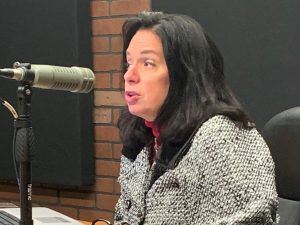
Tricia Dempsey and Bill McDermott

ProfitSense with Bill McDermott, Episode 1:  Tricia Dempsey, Thrive-Her Coaching

On this debut episode of “ProfitSense with Bill McDermott,” Tricia Dempsey discusses her PinPoint Your Purpose coaching program for women, overcoming self-limiting beliefs, and much more with host Bill McDermott.  “ProfitSense with Bill McDermott” is broadcast from the North Fulton Studio of Business RadioX® inside Renasant Bank in Alpharetta.

Tricia Dempsey, Thrive-Her Coaching

Tricia Dempsey

Over 4,000 ambitious career women have turned to Tricia Dempsey for advice. Her journey from 7th grade school teacher to 7-figure CEO – to the successful sale and exit from her own business – instilled in her a passion for activating women to create meaningful careers they love.

Tricia describes Thrive-Her as a movement and her life calling. The Thrive-Her coaching programs are built around The Next Level Framework where women successfully overcome self-doubt and limiting beliefs, and pursue their dreams with complete clarity and bold confidence, all while creating careers and lives that work.

Thrive-Her is dedicated to helping professional women live their purpose, leverage their strengths and love what they do. They deliver digital courses, group coaching programs and 1:1 coaching. Their courses empower women to create a vivid vision, communicate their value with confidence, increase their visibility for maximum impact and build a vibrant community of support so they can create a thriving career and life they love.

For more information visit the Thrive-Her website. You can reach Tricia by email or phone 770-309-2928. Also connect with Tricia on LinkedIn and Facebook.

About Your Host, Bill McDermott

Bill McDermott

Bill McDermott is Founder and CEO of McDermott Financial Solutions. After over three decades working for both national and community banks, Bill uses his expert knowledge to assist closely held companies with improving profitability, growing their business and finding financing. Bill is passionate about educating business owners about pertinent topics in the banking and finance arena.

He currently serves as Treasurer for the Atlanta Executive Forum and has held previous positions as board member for the Kennesaw State University Entrepreneurship Center and Gwinnett Habitat for Humanity and Treasurer for CEO NetWeavers. Bill is a graduate of Wake Forest University and he and his wife, Martha have called Atlanta home for over 40 years. Outside of work, Bill enjoys golf, traveling and gardening.

Connect with Bill on LinkedIn and Twitter and follow McDermott Financial Solutions on LinkedIn.

Tagged With: creating vivid visions, digital coaching course, Elevate yourself, employee resource groups, finance coach, goal getting goal givers, group coaching program, Healthy and Wealthy Woman, imposter syndrome, McDermott Financial, McDermott Financial Solutions, Pinpoint your purpose, presentation coach, profitability, ProfitSense, ProfitSense with Bill McDermott, purpose, Robin Roberts, self care, The Profitability Coach, Thrive, Thrive-Her, Thrive-Her Purpose, Thrive-Her Thursday, thriving life and career, train your brain, Tricia Dempsey, visualizing outcomes, vivid vision, women's challenges, women's confidence

To Your Health With Dr. Jim Morrow, Episode 18: 12 Flu Shot Myths

October 9, 2019 by John Ray

North Fulton Studio
North Fulton Studio
To Your Health With Dr. Jim Morrow, Episode 18: 12 Flu Shot Myths
Loading
00:00 /
RSS Feed
Share
Link
Embed

Download file

Dr. Jim Morrow, Host, “To Your Health With Dr. Jim Morrow”

To Your Health With Dr. Jim Morrow, Episode 18: 12 Flu Shot Myths

Flu season is coming! On this episode of “To Your Health with Dr. Jim Morrow,” Dr. Jim Morrow discusses the influenza virus and the 12 flu shot myths. “To Your Health” is brought to you by Morrow Family Medicine, which brings the CARE back to healthcare.

About Morrow Family Medicine and Dr. Jim Morrow

Morrow Family Medicine is an award-winning, state-of-the-art family practice with offices in Cumming and Milton, Georgia. The practice combines healthcare information technology with old-fashioned care to provide the type of care that many are in search of today. Two physicians, three physician assistants and two nurse practitioners are supported by a knowledgeable and friendly staff to make your visit to Morrow Family Medicine one that will remind you of the way healthcare should be.  At Morrow Family Medicine, we like to say we are “bringing the care back to healthcare!”  Morrow Family Medicine has been named the “Best of Forsyth” in Family Medicine in all five years of the award, is a three-time consecutive winner of the “Best of North Atlanta” by readers of Appen Media, and the 2019 winner of “Best of Life” in North Fulton County.

Dr. Jim Morrow, Morrow Family Medicine, and Host of “To Your Health With Dr. Jim Morrow”

Dr. Jim Morrow, Morrow Family Medicine, and Host of “To Your Health With Dr. Jim Morrow”

Dr. Jim Morrow is the founder and CEO of Morrow Family Medicine. He has been a trailblazer and evangelist in the area of healthcare information technology, was named Physician IT Leader of the Year by HIMSS, a HIMSS Davies Award Winner, the Cumming-Forsyth Chamber of Commerce Steve Bloom Award Winner as Entrepreneur of the Year and he received a Phoenix Award as Community Leader of the Year from the Metro Atlanta Chamber of Commerce.  He is married to Peggie Morrow and together they founded the Forsyth BYOT Benefit, a charity in Forsyth County to support students in need of technology and devices. They have two Goldendoodles, a gaggle of grandchildren and enjoy life on and around Lake Lanier.

Facebook: https://www.facebook.com/MorrowFamMed/

LinkedIn: https://www.linkedin.com/company/7788088/admin/

Twitter: https://twitter.com/toyourhealthMD

Dr. Morrow’s Show Notes on Flu Shots

What is the Flu?

  • Influenza is a highly contagious airborne viral illness.
    • The virus enters the respiratory tract cells of the host and, if not neutralized by antibodies, begins proliferating.
    • The incubation period is 18 to 72 hours, but viral shedding may occur up to 24 hours before symptom onset and continue for five to 10 days.

    • Influenza is typically uncomplicated and self-limited in otherwise healthy patients.
    • However, severe complications, such as pneumonia, encephalitis, respiratory failure, multi-organ failure, and death, can occur.
    • According to estimates from the World Health Organization, 3 to 5 million cases of severe influenza-related illness and 250,000 to 500,000 influenza-related deaths occur worldwide every year.
  • Diagnosis:
    • Sudden onset of symptoms is a telltale sign of influenza.
    • Common symptoms include
      • high fever,
      • headache,
      • sore throat,
      • myalgia,
      • cough,
      • rhinorrhea, and
      • fatigue
  • The CDC recommends that physicians diagnose influenza clinically and perform testing only in the limited situations.
    • Several diagnostic tests for influenza are but negative results do not rule out influenza.
    • Although many physicians use rapid influenza tests, clinical judgment should prevail, especially in view of the limitations of such tests.

Who should get vaccinated this season?

  • Everyone 6 months of age and older should get a flu vaccine every season with rare exception.
    • Vaccination is particularly important for people who are at high risk of serious complications from influenza.
  • Flu vaccination has important benefits.
    • It can reduce flu illnesses,
    • doctors’ visits, and
    • missed work and school due to flu,
    • as well as prevent flu-related hospitalizations.
    • Flu vaccine also has been shown to be life-saving in children.
    • In fact, a 2017 studyshowed that flu vaccination can significantly reduce a child’s risk of dying from flu.
  • Different flu vaccines are approved for use in different groups of people.
    • There are flu shots approved for use in children as young as 6 months of age
      • and flu shots approved for use in adults 65 years and older.
      • Flu shots also are recommended for use in pregnant women and people with chronic health conditions.
      • The nasal spray flu vaccine is approved for use in non-pregnant individuals, 2 years through 49 years of age.
      • People with some medical conditions should not receive the nasal spray flu vaccine.
    • The most important thing is for all people 6 months and older to get a flu vaccine every year.
    • Best time to get a flu shot is in October, so that it is in effect before the season gets into full force, and your immunity will last until the end of the season.

Making the Flu Vaccine: A Year-Round Effort

  • The job of producing a new vaccine for the next flu season starts well before the current flu season ends.
    • For the FDA, it’s a year-round initiative.
  • The composition of vaccines for the prevention of other infectious diseases stays the same year after year.
    • In contrast, flu viruses are constantly evolving.
    • And the flu viruses that circulate causing disease in people, often change from one year to another.
    • So, every year, there is a need for a new flu vaccine.
    • To that end, FDA, World Health Organization (WHO), CDC, and other partners collaborate by collecting and reviewing data on the circulating strains of influenza from around the world to identify those likely to cause the most illness in the upcoming flu season.
  • In late February/early March — well before the new flu season begins — an FDA advisory committee reviews data about
    • which flu viruses have caused disease in the past year,
    • how the viruses are changing, and
    • disease trends so they can recommend the three or four flu strains to include in the trivalent and quadrivalent influenza vaccines for the U.S in the upcoming flu season.
  • Once the strains are selected, vaccine manufacturers begin the manufacturing process to include the newly selected flu strains in their FDA-approved vaccines.
    • The different flu virus strains are combined to formulate the vaccine into standard dosages.
    • The vaccine is then filled into vials, syringes and, for the nasal vaccine, sprayers.
    • Both egg-based and non-egg-based manufacturing methods for FDA-approved flu vaccines require high-tech processes and manufacturing facilities that have been inspected by the FDA.
    • Vaccine manufacturers must submit applications to the FDA to include the new flu strains in their FDA-approved vaccines.
  • The FDA is also responsible for ensuring that released lots of influenza vaccines meet appropriate standards.
    • Each vaccine undergoes quality control tests, including testing for sterility.
    • Manufacturers submit the results of their testing, along with sample vials from each lot to the FDA for “lot release.”
    • The FDA typically begins releasing lots of flu vaccines in late summer.
    • Lot release can continue into early fall.
    • Once lots are released, manufacturers distribute the vaccine throughout the United States for use by the public.
  • Flu seasons and severity are unpredictable.
    • Annual vaccination is the best way to prevent the flu for people ages 6 months and older.
  • An annual immunization with flu vaccine is the most effective and safest way for most of us to reduce our risk of getting the flu and spreading it to others.
    • When more people get vaccinated, it is less likely that the flu viruses will spread through a community, making us all healthier.

Myths About the Flu Shot

  • Myth #1: The flu is the same thing as a cold and it is harmless.
    • It is common to confuse the flu with a cold.
      • Both have similar symptoms and often are treated with similar methods.
      • However, colds are mild and last longer.
      • The flu usually occurs suddenly and lasts 2 to 3 days. The flu also is contagious and can be dangerous.
    • Symptoms of the flu include:
      • fever of 102°F or higher
      • chills and sweats
      • nausea and vomiting
      • muscle aches and headaches
      • chest pain
      • cough
      • stuffy nose
      • loss of appetite.
  • Myth #2: You can’t die from the flu.
    • People who have severe cases of the flu or are high risk can die from the flu.
    • High-risk people include:
      • Babies or children up to 4 years old.
      • Anyone 65 years of age or older.
      • Women who are pregnant, trying to get pregnant, or breastfeeding.
      • Anyone who has a low or weakened immune system.
      • Anyone who has a chronic health condition.
      • Anyone who lives in in a long-term care center.
    • These people are at greater risk of having health problems that lead to death.
      • It is even more important that they receive an annual flu vaccine.
      • It helps prevent severe cases or problems related to flu.
      • It also lowers their chance of needing to go the hospital, which raises costs.
    • If you aren’t high risk, you still should get a flu vaccine.
      • It protects everyone around you.
      • This is especially true if you work in health care or care for high-risk people.
  • Myth #3: You won’t get the flu if you get the flu vaccine.
    • The flu vaccine helps to prevent the flu.
      • Every year, its purpose is to protect you from the main types of influenza.
      • However, you still can get the flu.
      • You could have been infected with the flu before you got the vaccine.
      • You also could get another type of flu that the vaccine does not cover.
      • Most likely, you will have a milder case than if you hadn’t gotten the shot.
    • There are other things you can do to lower your risk of getting the flu.
      • These include:
        • Washing your hands often.
        • Covering your mouth when you sneeze and cough.
        • Using household cleaning spray to disinfect surfaces and objects.
        • Using hand sanitizer.
        • Washing laundry of sick people separate from other items.
        • Keeping your children, especially newborns, away from anyone who is sick.
  • Myth #4: You won’t get the flu if you take vitamin C.
    • Vitamins cannot prevent the flu.
      • Using vitamin C can improve your immune system, but you can still get the flu.
  • Myth #5: The flu vaccine will give you the flu.
    • You cannot get the flu from a flu shot.
      • This form of vaccine is made up of dead viruses that can’t infect you.
      • The nasal spray flu vaccine is made up of live, but weakened viruses.
      • The nasal spray vaccine is no longer recommended.
    • You can’t get the flu, but you can have side effects.
      • The area of the shot could be red, sore, or swollen.
      • You also may have muscle aches, headaches, or a low fever for a short period of time.
      • These effects occur when your body responds to fight the new virus.
      • You also can have flu-like symptoms from other health issues, such as a bad cold.
  • Myth #6: You shouldn’t get the flu vaccine if you’re pregnant or breastfeeding.
    • It is important to get the flu shot if you are pregnant, trying to get pregnant, or breastfeeding.
    • The flu shot is safe for you and your baby.
    • If you don’t get the flu shot and develop the flu, you could give it to your baby.
    • Your doctor might prescribe antiviral medicine to help reduce symptoms. They also might suggest another form of feeding until you are better.
  • Myth #7: You shouldn’t get the flu vaccine if you have an egg allergy.
    • The amount of egg allergen in the flu vaccine is very small.
    • It is safe for people with egg allergies, even kids, to get the flu shot.
    • Serious allergic reactions are rare.
    • If you are at risk, doctors recommend getting the shot at your doctor’s office instead of a drugstore.
    • This way, your doctor can monitor any potential reactions.
  • Myth #8: You don’t need to get the flu vaccine if you’re healthy.
    • It is good to live a healthy lifestyle, but it can’t prevent the flu.
    • It is an infection that spreads easily.
    • Everyone over 6 months of age should get the flu vaccine, except for rare cases.
  • Myth #9: You shouldn’t get the flu shot if you’re sick or already have had the flu.
    • It is okay to get the flu vaccine when you have a mild sickness.
    • However, your doctor may suggest waiting until you’re better.
    • It also is okay to get the flu shot if you have cancer.
    • You still should get the flu shot if you’ve already had the flu. The flu vaccine protects you against several types of the virus.
  • Myth #10: You don’t need to get the flu vaccine every year.
    • The flu is caused by the influenza virus, which can change from year to year.
    • Because of this, the flu vaccine is adapted to protect against the main types of flu.
    • You should get the flu vaccine every year at the beginning of the flu season.
    • Flu season occurs in the colder months of year, typically October to May.
  • Myth #11: Getting the flu vaccine more than once a year will decrease your chance of getting the flu even more.
    • There is no research that multiple flu vaccines will lower your chance of getting the flu.
    • However, some kids or older adults may need two doses of the flu vaccine.
    • This depends on your age and medical history.
    • Talk to your doctor to see if you should receive two doses.
  • Myth #12: You should wait until later in the flu season to get the vaccine. Then you will be protected longer.
    • The CDC recommends getting the flu vaccine as soon as it’s ready at the beginning of flu season.
    • It can take up to 2 weeks for the your body to build protection against the flu.
    • You should get the shot before the flu becomes more contagious.
    • However, it still is better to get the flu shot late than not at all.

Sources: American Academy of Family Physicians and Center for Disease Control.


Tagged With: Cumming doctor, Cumming family care, Cumming family doctor, Cumming family medicine, Cumming family physician, Cumming family practice, Cumming md, Cumming physician, Dr. Jim Morrow, emphysema, encephalitis, fatigue, fever, flu shots, flu vaccine, heart disease, Milton doctor, Milton family care, Milton family doctor, Milton family medicine, Milton family physician, Milton family practice, Milton md, Milton physician, Morrow Family Medicine, myths about the flu, North Fulton Business Radio, pneumonia, respiratory illness, runny nose, sweat, To Your Health, viral illness, Virus strains

Family Business Radio, Episode 3: Cathy Hogan-Smith, Cachet Corporate Gift Services, and Brian Riggs, Foot Solutions Sandy Springs

October 8, 2019 by John Ray

Family Business Radio
Family Business Radio, Episode 3: Cathy Hogan-Smith, Cachet Corporate Gift Services, and Brian Riggs, Foot Solutions Sandy Springs
Loading
00:00 /
RSS Feed
Share
Link
Embed

Download file

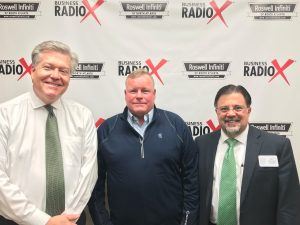
Anthony Chen, Kathy Hogan-Smith, and Brian Riggs

Family Business Radio, Episode 3:  Cathy Hogan-Smith, Cachet Corporate Gifts, and Brian Riggs, Foot Solutions Sandy Springs

On this episode of “Family Business Radio,” host Anthony Chen welcomes Cathy Hogan-Smith, owner of Cachet Corporate Gift Services and Brian Riggs, general manager of Foot Solutions Sandy Springs. “Family Business Radio” is broadcast from the North Fulton Studio of Business RadioX® inside Renasant Bank in Alpharetta.

Cathy Hogan-Smith, Cachet Corporate Gift Services

Cathy Hogan-Smith

Cachet Corporate Gift Services has been the go-to gift service for major corporations in Atlanta and nationally since Cathy Hogan-Smith started her business in 1997. Cathy is an expert in design and marketing. She has won numerous awards as a gift designer, writer and  instructor/trainer in the gift industry. Her clients have included CNN, Cox Media Group, Turner Broadcasting System, Auto Trader, the Atlanta Braves, the Atlanta Falcons, Williams Sonoma and the Marriott Corporation. Cachet’s award-winning design team specializes in unique creations that feature delectable gourmet food and specialty gift items from around the world. Gifts are tailored to specific occasions or events and can include business logos. Cachet has provided gifts that fit with conventions, hotel room amenities, marketing, promotion and branding, grand openings, swag bags, celebrity or professional sporting events and much more.

For more information visit the Cachet Corporate Gift Services website. Cathy Hogan-Smith can be reached by email or text at 678-438-4486.

Brian Riggs, Foot Solutions

Brian Riggs

Brian Riggs is general manager of Foot Solutions in Sandy Springs. Each shoe at Foot Solutions must earn a place on their shelves, as employees undergo training in Pedorthics. Pedorthics is the biomechanical study of the foot and ankle, and how they affect the rest of the body. Foot Solutions can help prevent and relieve pain and discomfort. The retailer makes custom orthotics especially for you. They also have a variety of medical grade over the counter arch supports and orthotics that are already custom fitted. Each season, buyers for Foot Solutions Sandy Springs attend the world’s largest shoe show in Milan, Italy.

Foot Solutions Sandy Springs is located at 6307B Roswell Road, Sandy Springs GA 30328. You can reach Brian Riggs by email or phone 404-252-8001. Also visit the Foot Solutions website

Anthony Chen, Host of “Family Business Radio”

Anthony Chen

This show is sponsored and brought to you by Anthony Chen with Lighthouse Financial Network. Securities and advisory services offered through Royal Alliance Associates, Inc. (RAA), member FINRA/SIPC. RAA is separately owned and other entities and/or marketing names, products or services referenced here are independent of RAA. The main office address is 575 Broadhollow Rd. Melville, NY 11747. You can reach Anthony at 631-465-9090 ext 5075 or by email at anthonychen@lfnllc.com.

Anthony Chen started his career in financial services with MetLife in Buffalo, NY in 2008. Born and raised in Elmhurst, Queens, he considers himself a full-blooded New Yorker while now enjoying his Atlanta, GA home. Specializing in family businesses and their owners, Anthony works to protect what is most important to them. From preserving to creating wealth, Anthony partners with CPAs and attorneys to help address all of the concerns and help clients achieve their goals. By using a combination of financial products ranging from life, disability, and long term care insurance to many investment options through Royal Alliance. Anthony looks to be the eyes and ears for his client’s financial foundation. In his spare time, Anthony is an avid long-distance runner.

Tagged With: Convention guests, Corporate business clientele, Corporate Gift Company, Corporate Gift Services, corporate gifts, custom fit orthotics, custom orthotics, custom shoes, Family Business, family business advisors, Family Business Radio, family business success story, Foot Solutions Sandy Springs, Gratitude Cookies, Gratitude Gifting, Gratitude Gifts, Last minute corporate gifting, Lighthouse Financial Network, orthotics, Pedorthics, promotions, swag bags

Charles Gridley, Six Bridges Brewing, and Kathryn Woods, Confident Communications

October 8, 2019 by John Ray

North Fulton Business Radio
Charles Gridley, Six Bridges Brewing, and Kathryn Woods, Confident Communications
Loading
00:00 /
RSS Feed
Share
Link
Embed

Download file

John Ray, Kathryn Woods, Charles Gridley

North Fulton Business Radio, Episode 169:  Charles Gridley, Six Bridges Brewing, and Kathryn Woods, Confident Communications

Craft beer and improving our speaking abilities were just two of the topics covered in this edition of “North Fulton Business Radio” as we welcomed Charles Gridley, Six Bridges Brewing, and Kathryn Woods, Confident Communications. “North Fulton Business Radio” is hosted by John Ray and is broadcast from inside Renasant Bank in Alpharetta.

Charles Gridley, Six Bridges Brewing

Charlies Gridley

Charles Gridley, along with his son Clay, are the co-owners of Six Bridges Brewing. They are Johns Creek’s first and only brewery and taproom. Opened in December, 2018, Six Bridges Brewing currently brews on a 30 BBL brewhouse and a 2 BBL pilot system.  They’re dog and kid-friendly both outside and inside the taproom, and offer multiple TVs, video games, cornhole, board games, and of course, cold beer.

Six Bridges Brewing is located at 11455 Lakefield Drive, Suite 300, Johns Creek, GA  30097. To learn more, go to the Six Bridges Brewing website

Kathryn Woods, Confident Communications

Kathryn Woods

Kathryn Woods founded Confident Communications in late 2016. Kathryn provides communication coaching and speaking training to show her clients how to amplify their voice in order to amplify their impact. As a recovering shy person, Kathryn understands firsthand the challenge that lacking confidence can present when communicating. This has led her on a lifelong journey to gain that confidence first for herself and then for her clients. Kathryn began her 20+ year career as a licensed certified speech language pathologist which is where helping people communicate more clearly became the focus of her work. Through customized coaching and training programs, Kathryn teaches her clients the simple tools and techniques they need to captivate their listeners, grow their business, and achieve their goals.

To find out more, go to the Confident Communications website.

 “North Fulton Business Radio” is broadcast from the North Fulton studio of Business RadioX®, located inside Renasant Bank in Alpharetta. Renasant Bank has humble roots, starting in 1904 as a $100,000 bank in a Lee County, Mississippi, bakery. Since then, Renasant has grown to become one of the Southeast’s strongest financial institutions with approximately $12.9 billion in assets and more than 190 banking, lending, wealth management and financial services offices in Mississippi, Alabama, Tennessee, Georgia and Florida. All of Renasant’s success stems from each of their banker’s commitment to investing in their communities as a way of better understanding the people they serve. At Renasant Bank, they understand you because they work and live alongside you every day.

Tagged With: Confident Communications, craft beer, georgia craft beer, Kathryn Woods, North Fulton Business Radio, public speaking, Six Bridges Brewing

Melanie and Sebastian Flores, OctoGifts

October 4, 2019 by John Ray

North Fulton Business Radio
Melanie and Sebastian Flores, OctoGifts
Loading
00:00 /
RSS Feed
Share
Link
Embed

Download file

Melanie and Sebastian Flores

“North Fulton Business Radio,” Episode 168:  Melanie and Sebastian Flores, OctoGifts

On this edition of “North Fulton Business Radio,” host John Ray welcomes the show’s youngest guest to date, budding entrepreneur Sebastian Flores, age 13, who along with his mom Melanie are co-founders of OctoGifts. “North Fulton Business Radio” is broadcast from inside Renasant Bank in Alpharetta.

Melanie and Sebastian Flores, OctoGifts

Melanie and Sebastian Flores

OctoGifts celebrate love, friendship, and your inner child by offering candy dispensers and greeting cards that are fun to give and fun to keep. OctoGifts is the brainstorm of 13-year-old co-founder Sebastian Flores. At age 11, he decided to make a combination candy dispenser greeting card for a friend who loved sweets. With no luck in searching for how-to videos on YouTube, Sebastian realized he’d have to figure it out himself. After hours of experimenting, he had built a working machine out of items that he salvaged from the recycling bin, as well as his art supply stash. In January of 2019, he revisited this idea and redesigned his card in the shape of a heart for Valentine’s Day. His greeting cards sold out within hours on Etsy, and Sebastian knew that he was on to something. He pitched his creation at the 2019 Alpharetta Business Expo; served as an entrepreneurship panelist at the 2019 MantisEdu UNCF STEM summer camp at Clark Atlanta University; made the 2019 Atlanta Business Chronicle’s 25 under 25 list; and has been featured in numerous publications including the Alpharetta-Roswell Herald and the Forsyth County News. Sebastian lives in Alpharetta with his parents and older brother. He plans to become a mechanical engineer. His mother, Melanie, an OctoGifts co-founder, has a chemical engineering degree and formerly led a STEM coaching team that served early childhood educators.

For more information visit octogifts.com or email Sebastian and Melanie directly. You can also connect with OctoGifts on Facebook, Instagram and LinkedIn.


 “North Fulton Business Radio” is broadcast from the North Fulton studio of Business RadioX®, located inside Renasant Bank in Alpharetta. Renasant Bank has humble roots, starting in 1904 as a $100,000 bank in a Lee County, Mississippi, bakery. Since then, Renasant has grown to become one of the Southeast’s strongest financial institutions with approximately $12.9 billion in assets and more than 190 banking, lending, wealth management and financial services offices in Mississippi, Alabama, Tennessee, Georgia and Florida. All of Renasant’s success stems from each of their banker’s commitment to investing in their communities as a way of better understanding the people they serve. At Renasant Bank, they understand you because they work and live alongside you every day.

Tagged With: construction paper art, entrepreneur, greeting cards, kids crafts, Melanie Flores, North Fulton Business Radio, OctoGifts, Sebastian Flores, STEM Project, teen entrepreneur

Alpharetta Tech Talk: Chris Smith, PRAXIS Technology Escrow, and Michael Anaya, DEVCON Detect, Inc.

October 3, 2019 by John Ray

Alpharetta Tech Talk
Alpharetta Tech Talk: Chris Smith, PRAXIS Technology Escrow, and Michael Anaya, DEVCON Detect, Inc.
Loading
00:00 /
RSS Feed
Share
Link
Embed

Download file

John Ray, Michael Anaya, and Chris Smith

“Alpharetta Tech Talk,” Episode 1:  Chris Smith, PRAXIS Technology Escrow, and Michael Anaya, DEVCON Detect, Inc.

The debut episode of “Alpharetta Tech Talk” features two great guests:  Chris Smith, PRAXIS Technology Escrow, and Michael Anaya, DEVCON Detect, Inc. “Alpharetta Tech Talk” is broadcast from the North Fulton Business RadioX® studio inside Renasant Bank in Alpharetta.

Chris Smith, PRAXIS Technology Escrow

Chris Smith

Chris Smith is the Founder and CEO of PRAXIS Technology Escrow. PRAXIS Technology Escrow offers automated software escrow protection for business critical software and SaaS applications. PRAXIS leveraged more than 20 years of industry experience to reinvent software escrow services because today, all businesses rely upon technology (on premise, cloud, mobile & more) for business critical functions which must continue even if the vendor fails. This is what inspired the PRAXIS team to envision the new technology escrow experience that removes the risks associated with relying upon technology regardless of the platform. The entire PRAXIS experience is designed to address needs from end to end, with customizable agreements, dedicated customer service, and best in class protections. Our goal is to allow businesses to effectively rely upon technology while knowing that their future is secure. Technology escrow services should both give you confidence and fit seamlessly into your business process.

For more information go to the PRAXIS Technology Escrow or call (800) 213-9802.

Michael Anaya, DEVCON Detect, Inc.

Michael Anaya

DEVCON Detect is where creative minds innovate a secure future. Third party JavaScript can open a window of intrusion for hackers to exploit your site and your audience. DEVCON provides Edge Security that protects websites from 3rd-Party JavaScript vulnerabilities, ad exploits, malware, data leakage, browser hijackers, form-jacking and unauthorized tracking by nation states.

Michael F. D. Anaya is a skilled, cybersecurity tactician with a wealth of knowledge in understanding both criminal and nation state actors. At the end of 2018, he became the Head of Global Cyber Investigations and Government Relations for DEVCON. He leads a team focused on investigating online ad theft on a global scale as well as facilitating interactions with the U.S. government and its investigative units. He specializes in untangling all the complex and sophisticated ways threat actors attempt to obfuscate their activity. Prior to joining the DEVCON family, he was a part of another stellar group of people. He started his career as a FBI Special Agent in Los Angeles, CA. There he addressed complex cyber matters, during which time he led numerous, expansive investigations including one that resulted in the first federal conviction of a US person for the use of a peer-to-peer botnet. He later was promoted to a leadership role in Atlanta, GA where he led a diverse group of Agents, Intel Analysts, and Computer Scientists in neutralizing nation state and criminal threats. He secured one of the highest performance standards given by the FBI for the entire Atlanta cyber program.

For more information, go to the DEVCON Detect website or contact Michael directly through LinkedIn.


About “Alpharetta Tech Talk”

“Alpharetta Tech Talk” is the radio show/podcast home of the burgeoning technology sector in Alpharetta and the surrounding GA 400, North Fulton, Roswell, Johns Creek, and South Forsyth area. We feature startup entrepreneurs, executives of larger enterprise companies, and other key technology players from a region with over 900 technology companies.  “Alpharetta Tech Talk” is hosted by John Ray and originates from the North Fulton Business RadioX® studio inside Renasant Bank in Alpharetta.

Tagged With: cyber crime, cyber security, data breach, data leakage, DEVCON, DEVCON Detect Inc., digital supply chain threats, edge security, efficient technology, emerging software company, Escrow, escrow industry, FBI, Federal Bureau of Investigations, form-jacking, former FBI agent, GA 400 technology, intel analysts, malware, Michael Anaya, North Fulton technology, peer-to-peer botnet, PRAXIS, PRAXIS Technology Escrow, software escrow services, software protection, source code archives, tchnology escrow services, Tech Alpharetta, Tech in Alpharetta, tech talk, technology GA 400, technology in Alpharetta, technology in Johns Creek, technology in North Fulton, third party java script, threat actors

Decision Vision Episode 34: How Do I Get an SBA Loan? – An Interview with Joy Manbeck, Vinings Bank

October 3, 2019 by John Ray

Decision Vision
Decision Vision
Decision Vision Episode 34: How Do I Get an SBA Loan? – An Interview with Joy Manbeck, Vinings Bank
Loading
00:00 /
RSS Feed
Share
Link
Embed

Download file

Mike Blake and Joy Manbeck

Decision Vision Episode 34:  How Do I Get an SBA Loan? – An Interview with Joy Manbeck, Vinings Bank

What are the different loan options in the SBA loan program? How do I qualify? Joy Manbeck, a banking veteran with particular expertise in SBA lending, joins “Decision Vision” host Mike Blake to answer these questions and much more. “Decision Vision” is presented by Brady Ware & Company.

Joy Manbeck, Vinings Bank

Joy Manbeck

Joy C. Manbeck is a Senior Vice President and Director of SBA Lending with Vinings Bank. Joy is an Atlanta native who has been in banking for over 35 years. For most of her career she has been in commercial and small business lending with several different Atlanta-based banking institutions. Her community and civic roles include 2019-2020 President of the Rotary Club of North Fulton, alumnus of Leadership North Fulton, board member of Capital Partners Certified Development Corporation, member of the Board of Trustees of Alpharetta First United Methodist Church, and volunteer youth leader at Alpharetta First United Methodist Church. Joy is a graduate of Georgia State University with a degree in Finance, and her hobbies include fitness, gardening and violin.

Vinings Bank was established in 2007 to offer something unique by combining community-based banking expertise with services that create an environment that encourages both growth and prosperity. They offer a full range of financial products and services including specialized deposit solutions for business checking, sophisticated lending options, and outstanding cash management services to help businesses thrive.

To contact Joy, you can email her directly or call (678) 710-2820.

Michael Blake, Brady Ware & Company

Mike Blake, Host of “Decision Vision”

Michael Blake is Host of the “Decision Vision” podcast series and a Director of Brady Ware & Company. Mike specializes in the valuation of intellectual property-driven firms, such as software firms, aerospace firms and professional services firms, most frequently in the capacity as a transaction advisor, helping clients obtain great outcomes from complex transaction opportunities. He is also a specialist in the appraisal of intellectual properties as stand-alone assets, such as software, trade secrets, and patents.

Mike has been a full-time business appraiser for 13 years with public accounting firms, boutique business appraisal firms, and an owner of his own firm. Prior to that, he spent 8 years in venture capital and investment banking, including transactions in the U.S., Israel, Russia, Ukraine, and Belarus.

Brady Ware & Company

Brady Ware & Company is a regional full-service accounting and advisory firm which helps businesses and entrepreneurs make visions a reality. Brady Ware services clients nationally from its offices in Alpharetta, GA; Columbus and Dayton, OH; and Richmond, IN. The firm is growth minded, committed to the regions in which they operate, and most importantly, they make significant investments in their people and service offerings to meet the changing financial needs of those they are privileged to serve. The firm is dedicated to providing results that make a difference for its clients.

Decision Vision Podcast Series

“Decision Vision” is a podcast covering topics and issues facing small business owners and connecting them with solutions from leading experts. This series is presented by Brady Ware & Company. If you are a decision maker for a small business, we’d love to hear from you. Contact us at decisionvision@bradyware.com and make sure to listen to every Thursday to the “Decision Vision” podcast. Past episodes of “Decision Vision” can be found here. “Decision Vision” is produced and broadcast by the North Fulton studio of Business RadioX®.

Visit Brady Ware & Company on social media:

LinkedIn:  https://www.linkedin.com/company/brady-ware/

Facebook: https://www.facebook.com/bradywareCPAs/

Twitter: https://twitter.com/BradyWare

Instagram: https://www.instagram.com/bradywarecompany/

Show Transcript

Intro: [00:00:02] Welcome to Decision Vision, a podcast series focusing on critical business decisions, brought to you by Brady Ware & Company. Brady Ware is a regional, full-service, accounting and advisory firm that helps businesses and entrepreneurs make vision a reality.

Michael Blake: [00:00:21] And welcome to Decision Vision, a podcast giving you, the listener, clear vision to make great decisions. In each episode, we discuss the process of decision making on a different topic. Rather than making recommendations because everyone’s circumstances are different, we talk to subject matter experts about how they would recommend thinking about that decision.

Michael Blake: [00:00:39] My name is Mike Blake, and I’m your host for today’s program. I’m a Director at Brady Ware & Company, a full service accounting firm based in Dayton, Ohio, with offices in Dayton; Columbus, Ohio; Richmond, Indiana; and Alpharetta, Georgia, which is where we are recording today. Brady Ware is sponsoring this podcast. If you like this podcast, please subscribe on your favorite podcast aggregator, and please also consider leaving a review of the podcast as well.

Michael Blake: [00:01:04] Our topic today is, should I consider taking out an SBA loan? And I’m excited to cover this topic because although I don’t do a lot of stuff with banks, frankly, my skill set is more on the the equity side as a recovering venture capitalist and so forth, but I do—it is my belief that the SBA loan program is one of the least understood or most commonly misunderstood opportunities for small business finance out there. And frankly, it’s also—in spite of the fact that there are many outlets and many venues that are promoting the SBA program, it’s a program that not many people even know about. And if you’re a small business, and you’re looking at financing, if you’re looking at acquiring a small business, it might even be a franchise, if you don’t know about the SBA program, you really are leaving important options available to you off the table.

Michael Blake: [00:02:05] And like I said, I’m really not qualified to talk more than a very superficial level about the SBA program. So, if you’re a listener to the show, you know what’s coming next. I’ve brought in an expert who does know about the SBA program quite a bit. And here joining me is my pal, Joy Manbeck, who is a Senior Vice President and Director of SBA Lending with Vinings Bank.

Michael Blake: [00:02:32] And sort of funny story. Joy and I have known each other, I think, for 10-12 years or so, and we haven’t been in contact. We sort of all do our various things. Joy was off taking over corporate America, and I was probably in a gutter somewhere. But we happened to run into each other at an event where we had both recently joined our new companies as a mixer to my firm, Brady Ware, and her bank, Vinings Bank. And it turns out now that we are about 500 yards away from each other in terms of where our offices are; though, neither of us is actually ever there because are always on the road. But at least, theoretically, now, we’ve come together. And that’s kind of what got my wheels spinning about this particular topic.

Michael Blake: [00:03:14] So, Vinings Bank was established in 2007 to offer something unique by combining community-based banking expertise with services that create an environment that encourages both growth and prosperity. They offer a full range of financial products and services, including specialized deposit solutions for business checking, sophisticated lending options and outstanding cash management services to help businesses thrive.

Michael Blake: [00:03:36] Joining is an Atlanta native. Haven’t heard of any Atlanta natives left anymore. Has been in banking for over 35 years. She graduated from Georgia State University with a degree in Finance. And her hobbies include fitness, gardening, and violin. I did not know that. We’re going to have you on our band.

Joy Manbeck: [00:03:52] I would not at all.

Michael Blake: [00:03:53] We’ll do a Dexy’s Midnight Runner kind of cover situation there. She has a number of community and civic roles. She is a 2019-2020 President of the Rotary Club of North Fulton. She is an Alumnus of Leadership North Fulton. She is a Board Member of Capital Partners Certified Development Corporation, is on the board of trustees of Alpharetta United Methodist Church, and is a volunteer youth leader, also, with the Alpharetta United Methodist Church. Joy, thanks for coming on the program and somehow making time because you do a lot.

Joy Manbeck: [00:04:27] Well, thank you for having me. It’s an honor to be here.

Michael Blake: [00:04:29] People talk about banker’s hours, man. They have not met you. So, let’s get started. Let’s start with the very basics. What is a small business administration loan?

Joy Manbeck: [00:04:42] Well, an SBA loan, SBA was started in the 1950s to help businesses who were struggling with getting loans to help incent banks to make loans by guaranteeing a portion of the loan. So, 7-day loan, that’s the seven day program, it has a 75% SBA guarantee. And then, the bank takes the risk of the 25%, and then the SBA guarantees the 75. The bank makes the whole loan. And then, the government guarantees it.

Michael Blake: [00:05:15] So, why do companies consider taking out an SBA loan versus a more conventional financing instrument?

Joy Manbeck: [00:05:21] Well, several reasons. One is the longer terms. Financing equipment, usually, is over a 10-year period. No balloon payments. Real estate, we can finance over a 25-year period. Again, no balloon payments. And then, the amount down can be as little as 10%. Also, businesses that are special use like a daycare, gas station, car wash, they have a little bit more trouble in the conventional world getting financing. And so, SBA is, usually, a partner with those type businesses.

Michael Blake: [00:05:54] And so, you say, for example, a 10-year repayment period. In a more conventional loan, what do those repayment periods look like? Is it like a three to five-year or maybe even quicker?

Joy Manbeck: [00:06:05] Typically, usually three. At least, they’ll amortize them sometimes over 20 years if it’s real estate. 20-year amortization, three, five or seven-year call feature typically on those.

Michael Blake: [00:06:17] So, my understanding is that not all SBA loans are created equal. There’s actually a number of programs out there. So, can you highlight a few of those specific programs?

Joy Manbeck: [00:06:25] Certainly. As I mentioned, the seven day program a few minutes ago, these are eligible for any most small for-profit businesses. And it’s for a myriad of things. It could be to purchase real estate, construction, buying fixed assets, purchasing another business, starting a business, or working capital purposes. Seven day covers all of that. Then, you’ve got the SBA, what’s called a 504 program. And that’s only to buy real estate or fixed assets. And then, another one that’s become very popular is something called the cap line, C-A-P L-I-N-E. And that’s another 75% guarantee program up to $5 million, but it is an in an out line of credit.

Michael Blake: [00:07:09] Now, in the past, I think the SBA has also had so-called express loans. Is that right? Like for veterans, things of that nature. Do they still exist? Am I right? And if so, can you tell us about those?

Joy Manbeck: [00:07:20] They do. This is not something I have a lot of expertise in, but it’s a—an express loan would also be a line of credit. It would be a shorter term. And those loans are usually $350,000 and under.

Michael Blake: [00:07:31] Okay.

Joy Manbeck: [00:07:33] You have 50% guarantee on those.

Michael Blake: [00:07:35] So, for your needs, as long as you’re not trying to buy Apple, sounds like there’s potentially an SBA loan out there for somebody.

Joy Manbeck: [00:07:43] Absolutely.

Michael Blake: [00:07:44] So, what kinds of companies are good candidates for SBA loans? I assume there must be some that are kind of better than others.

Joy Manbeck: [00:07:53] Again, it’s for for-profit businesses. And basically, I mean, there are certain industries. Gambling, we can’t loan to. We can’t lend to finance companies. But pretty much anything, any for-profit business professionals. As I mentioned, car washes, restaurants, daycares, funeral homes, you name it.

Michael Blake: [00:08:15] And the SBA is actually a big source of franchise financing, right-

Joy Manbeck: [00:08:18] Absolutely.

Michael Blake: [00:08:18] Because it, actually, maintain—I think, it’s a pretty interesting list of the most successful franchise in terms of low failure rates, and then ones that are a little bit dicier-

Joy Manbeck: [00:08:27] Correct, yeah.

Michael Blake: [00:08:29] … for lack of a better term.

Joy Manbeck: [00:08:30] Right.

Michael Blake: [00:08:31] So, what about—the world I play in, as you know, is a lot of technology companies. Now, I presume that SBA is not a replacement for venture capital. There’s just not that kind of financing. But are there scenarios in which a technology or technology-driven company might also consider an SBA loan?

Joy Manbeck: [00:08:50] Oh, absolutely. And we loan to technology-driven companies quite a bit. So, they are totally eligible. Their terms are usually going to be—it’s usually for working capital purposes. So, if it’s permanent working capital, like a 10-year term, but the lines of credit are also good for those.

Michael Blake: [00:09:08] Okay. And then. you talked about companies that are not good candidates for SBA loans. You talked about casinos, I guess. Gaming is not going to be a good candidate.

Joy Manbeck: [00:09:18] That’s right.

Michael Blake: [00:09:21] I would assume a marijuana company is not going be a good candidate yet. That may change. But right now, we’re not there.

Joy Manbeck: [00:09:26] You’re right.

Michael Blake: [00:09:28] Finance companies. So, you don’t want people borrowing money from the SBA to, then, lend it out to somebody else. That’s not-

Joy Manbeck: [00:09:33] That’s absolutely right.

Michael Blake: [00:09:34] That’s not the goal of the program. Any other companies that, probably, come to your mind that they may not be great fits.

Joy Manbeck: [00:09:41] Not that are for-profit. Pretty much—I mean, if it’s legal, and if it’s not a finance company or a gambling company, typically it’s eligible.

Michael Blake: [00:09:53] Okay. So, I’d like to spend our time on the seven day loans because, I think, one, I’m not knowledgeable about real estate at all. I’m not even very good at monopolies. The 504 things have been great to me. But I think most of our listeners are more likely to be interested and candidates for the seven-day program. So, can you dive a little bit deeper into that? What does a seven-day loan look like? We talked about a 10-year term. Was it look like in terms of typical collateral coverage, interest rates, things of that nature?

Joy Manbeck: [00:10:23] Okay. Very good question. First of all, SBA gives us a set of regulations that we have to follow. But then, banks can use their own, I guess, credit guidelines. So, SBA is not a collateral lender. So, if the loan is not completely collateralized, andmost conventional lenders want their loans completely collateralized. So, that’s up to the lender if they want to make the loan with an SBA guarantee on it. However, if the loan is not fully collateralized, and the borrower has outside collateral, personal collateral, SBA does expect them to pledge it. So, that’s one advantage of getting an SBA loan. It does not have to be fully collateralized, but we are required to take available collateral. The other thing is cash flow. We’re gonna look at debt serviceability. SBA’s minimum debt serviceability is 1.15:1. We, as a bank, like to see 1.25:1.

Michael Blake: [00:11:22] And that, what’s that? What does that ratio mean?

Joy Manbeck: [00:11:24] That means that your cash flow available to cover the proposed debt service on-

Michael Blake: [00:11:29] Principal and interest.

Joy Manbeck: [00:11:30] Principal and interest.

Michael Blake: [00:11:30] Okay.

Joy Manbeck: [00:11:32] Absolutely. But again, that is up to the bank. That’s a guideline with SBA on the 1.15. So-

Michael Blake: [00:11:38] Okay.

Joy Manbeck: [00:11:38] … we can—our bank looks at loans globally. We’ll look at all the components and make a decision from there.

Michael Blake: [00:11:46] And what about interest rates? My understanding is, at least, the one point that used to be fixed to the prime rate, usually, 1% to 2% over prime. Is that accurate? Is that still true? What does that kind of look like?

Joy Manbeck: [00:11:58] Well, we offer—Vinings offer is a couple of options. And most banks don’t offer fixed rates. We occasionally do, especially on our real estate loans. They’re going to be probably in the mid to high sevens. And they’ll be fixed for the full 25-year term. Typically, most SBA lenders are going to loan over prime. It’s gonna be typically around prime and two. You can loan up to prime plus 2.75. And then, it’s adjustable usually on the calendar quarter.

Michael Blake: [00:12:27] Okay, which makes sense cause that’s usually when the Fed adjusts anyway. So, you’re kind of on the Fed’s calendar.

Joy Manbeck: [00:12:35] Absolutely.

Michael Blake: [00:12:36] So, the question I think a lot of people will ask and where I find that the greatest misunderstanding about the SBA program is that you hear SBA, you hear that it’s got the eagle on, it’s got the federal logo, and everything; and therefore, you think like Donald Trump is writing your check or a Washington-based loan.

Joy Manbeck: [00:12:58] Right.

Michael Blake: [00:13:00] That’s not actually the case, is it?

Joy Manbeck: [00:13:01] Not on seven days. On seven days, the bank makes the loan, and SBA guarantees it. So, your funds come from the bank. They’re guaranteed by SBA. And then, the borrower makes the payments directly to the bank, and the borrower communicates directly with the bank.

Michael Blake: [00:13:17] Now, you at Vinings Bank are preferred lender.

Joy Manbeck: [00:13:20] We are

Michael Blake: [00:13:20] As are other banks, but not all banks are. So, what does it take to become a preferred lender. And if I’m a borrower, why should that matter to me?

Joy Manbeck: [00:13:28] Well, it’s huge for the borrower. First of all, to be able to qualify, you have to, in a 24-month period, have five loans that are approved by SBA on a direct basis. That means your bank approves them in our loan committee, and then we submit them to SBA, they underwrite them, and they are proven. So, once you’ve gotten to that five-limit approval of loans, then you can apply for preferred lender status, which means that you have the choice of once you approve the loan at the bank level, you can go ahead and just say it’s approved, and get your SBA loan number, and go move forward with closing.

Michael Blake: [00:14:02] And if you’re not a preferred lender, how does that differ?

Joy Manbeck: [00:14:05] It could take up to two to three weeks to get your loan approved with SBA, a lot longer.

Michael Blake: [00:14:10] And that point, I want to zero in on that a little bit-

Joy Manbeck: [00:14:14] Sure.

Michael Blake: [00:14:14] … because, again, one of the one reason that people, I think, shy away from SBA loans, when I say, “Think about the SBA,” they say, “How long is the government going to take to make a decision?” But in fact, the government, especially if it’s a preferred lender, is not making the decision at all, right? They’ve empowered the bank to do that.

Joy Manbeck: [00:14:32] That’s correct. I mean, and we do have to make sure that we do everything according to their regulations because we’re going to get audited eventually. And then, we’ve got to have everything as instructed. But we take care of that on our end. We do all the underwriting, but we underwrite them completely with SBA guidelines or regulations.

Michael Blake: [00:14:50] And so, the relationship is that the bank is lending the money and the US government is basically a guarantor-

Joy Manbeck: [00:14:56] That is correct.

Michael Blake: [00:14:56] … in case it doesn’t work out, basically.

Joy Manbeck: [00:14:58] Absolutely correct.

Michael Blake: [00:14:59] So, this may not be a fair question, but I just have to ask you. I mean, what happens if a loan does go bad?

Joy Manbeck: [00:15:07] Well, the first thing we do is try to work with the borrower. We try to get with them, find out what’s going on. Do they just need a payment deferment for a while, or are things turning around, or is this a case where the loan is just defaulting, and there’s nothing to be done? So, then, we begin to foreclose. We foreclose on whatever collateral is available. Then, if there’s a gap, then there’s always a guarantor on the loan, personal guarantor, at least, one, anybody, 20% and over as far as shareholder. They’re required to fully guarantee the loan. So, we will go to them, work with them, and try to resolve that gap. But if not, then we take further steps legally.

Michael Blake: [00:15:51] So, another point, one of the things I advise my clients who are asking about the SBA or talking about the SBA is that I think the SBA lenders do as good a job as any in trying to prevent a default, right?

Joy Manbeck: [00:16:07] Absolutely.

Michael Blake: [00:16:08] I think you get a lot more flexibility from an SBA lender than you do most conventional lenders because you really have no interest in foreclosing, unless there’s a gun to your head, basically, right?

Joy Manbeck: [00:16:18] That is absolutely—that’s the last thing we want to see.

Michael Blake: [00:16:20] And in that respect, it strikes a lot like student loans. I mean, you have to work hard-

Joy Manbeck: [00:16:25] Yes.

Michael Blake: [00:16:25] … to default on a student loan on an SBA. Is that—if your business has any chance at all of becoming solvent and repaying this thing in the future, there’s a lot of rope there, isn’t there?

Joy Manbeck: [00:16:38] There’s some. I mean, we can do it three payment principal and interest or principal deferment twice during the loan. But if the borrower defaults and is just not paying, then we have no choice-

Michael Blake: [00:16:52] Sure.

Joy Manbeck: [00:16:52] … but to foreclose.

Michael Blake: [00:16:52] That’s the way the world works, right?

Joy Manbeck: [00:16:55] Yeah, absolutely.

Michael Blake: [00:16:55] It’s not a grant. It’s not free money.

Joy Manbeck: [00:16:56] That’s right.

Michael Blake: [00:16:58] So, let’s say somebody now in earshot is interested, and wants to learn, and wants to maybe take a shot at SBA loan or pursue that, what does the application process look like?

Joy Manbeck: [00:17:08] Basically, we’re going to send them a list of the items we need. We’ll ask for always three years personal tax returns, three years business tax returns, current personal financial statement, current interim profit and loss statement balance sheet. If it’s a startup, we’re going to want two years of monthly cash projections and a good business plan, solid business plan. And then, depending on the company, whether we’ll ask for things like accounts payable aging, accounts receivable aging, just depends on the structure of the company. We’ll get things like resumes from the borrower, history of the company. We’ll go out and do site visits, meet with the borrower, and we do a lot of handholding with our borrowers.

Michael Blake: [00:17:50] I imagine because a lot of your borrowers aren’t necessarily financially sophisticated in the way they’re putting those projections, and you have to teach them the language of banking, I would imagine.

Joy Manbeck: [00:18:01] Sometimes, we do. Most times, I’ll encourage them to work with their CPAs. If they’re a startup business, and they haven’t had a lot of financial experience in the past, I will strongly suggest they sit down with their CPA and go through that projection process.

Michael Blake: [00:18:16] Okay, good. Now, I’ve seen cases where, also, on rare occasion, an SBA requires a third-party appraisal or valuation of the company to be done. When does that get triggered?

Joy Manbeck: [00:18:28] On a real estate appraisal, if the loan is over $250,000, then we’re going to require a real estate appraisal if that’s our collateral. And then, if you’re buying a business, then if the amount that you’re financing, that the bank is financing is over $250,000, we’re going to acquire a third-party business valuation.

Michael Blake: [00:18:49] Okay. And how long does that application process usually take?

Joy Manbeck: [00:18:56] If we’re gonna send a preferred lender, we’re gonna do it without having to submit it to SBA, typically—and I underwrite my—all of us at Vinings underwrite our own loans. And it takes me, usually, two to three days to underwrite a loan. Our committee meet once a week. And then, from there, we issue a commitment letter. Once the borrower accepts that, then we start ordering appraisals, we engage a closing attorney, and I tell people from start to finish, usually 45 to 60 days to close.

Michael Blake: [00:19:26] Okay. And that’s a lot faster. I think most people will appreciate it. Again, I think they’re used to certain kind of banking stereotypes, and they’re used to government stereotypes as well. But in reality, you most likely will receive funding through the SBA much more quicker than you will from a venture capitalist, right?

Joy Manbeck: [00:19:44] Absolutely.

Michael Blake: [00:19:45] VC is going to be a four to six-month exercise if it’s fast tracked.

Joy Manbeck: [00:19:49] Right, sure.

Michael Blake: [00:19:52] So, are there certain—are there any restrictions on what SBA funds borrowed can be used for?

Joy Manbeck: [00:20:02] There are—we can’t loan money to pay a borrower—give money back to a borrower. Say that they’ve bought a piece of property, and they contributed a certain amount into that property, we can’t loan money to give that money back to them. We can’t loan money to have somebody invest in a business. They can buy the business if they’re going to buy at 100%, but it can’t be for a partial investment. I’m trying to think of some other scenarios that go outside the realm.

Michael Blake: [00:20:33] Well, there’s one part that I think that I didn’t know. I knew you couldn’t borrow in order to buy minority interest, but I did not realize you couldn’t borrow if it’s a majority interest, only if you’re buying 100% percent.

Joy Manbeck: [00:20:45] That is correct. You can’t just buy in.

Michael Blake: [00:20:51] In your experience, where do you think most the funds get used?

Joy Manbeck: [00:20:55] Real estate.

Michael Blake: [00:20:57] Yeah.

Joy Manbeck: [00:20:57] Yeah, because those are gonna be those bigger loans. SBA goes up to—the loan can be up to $5 million. With their guarantee, $3.750 would be their portion. So, those are always, typically, going to be bigger loans, the real estate loans.

Michael Blake: [00:21:10] So, not all SBA loans are approved.

Joy Manbeck: [00:21:17] Correct.

Michael Blake: [00:21:17] Of course, you’d love to get them all through. Especially you, you would love to get them all through. But the reality is that there’s not 100% guaranteed promising.

Joy Manbeck: [00:21:22] Sure.

Michael Blake: [00:21:23] So, one, in your experience, what percentage of applications you think make it through where the loan is actually approved?

Joy Manbeck: [00:21:31] Most of mine, if they’re not going to make it, it’s gonna be a desk turned down. Meaning, I’m going to look at it and realize it’s not going to work. Most of them we take to loan committee are approved. And then, since we’re preferred lenders, we approve it at our bank, and we just get our SBA number. So, we don’t have a lot of turn-down scenarios.

Michael Blake: [00:21:53] Yeah. You make sure it doesn’t get to that process. I’m sure-

Joy Manbeck: [00:21:56] Try to.

Michael Blake: [00:21:56] I’m sure the borrowers appreciate that too, right?

Joy Manbeck: [00:21:58] Right.

Michael Blake: [00:21:59] Much rather a quick no-

Joy Manbeck: [00:22:00] Exactly.

Michael Blake: [00:22:00] … than a long maybe.

Joy Manbeck: [00:22:01] And we try to do that.

Michael Blake: [00:22:04] What are the most frequent reasons you find yourself at that desk level saying, “We have to take a pass on this for now?”

Joy Manbeck: [00:22:12] That’s a very good question. One would be inexperience of the borrower. Somebody wants to start a restaurant, but they’ve never even worked in a restaurant, or daycare, or whatever it’s gonna be. Another is cash flow. The cash flow, the historical cash flow of the company doesn’t show that it can service the loan. And sometimes, we’ll do a projection base. They they’re going to add another city to their company, or they’re going to add people, or whatever, then we’ll look at projections. Another would be that it’s way under-collateralized, and we’re taking too big a risk there. And then, another would be trends. Maybe the companies showed some negative trends over the past few years.

Michael Blake: [00:22:53] But the good news, I think, some of those can kind of be fixed, and they can be addressed proactively. You can’t necessarily fix your history, but you certainly can kind of rework the business, right?

Joy Manbeck: [00:23:04] Absolutely.

Michael Blake: [00:23:04] So, in a way, that can actually be a very educational process because you may be—you may, for a lot of these businesses, be the first kind of professional finance person that has looked at the business in that way. And that feedback can be very helpful, right?

Joy Manbeck: [00:23:18] Sure, absolutely.

Michael Blake: [00:23:18] So, have you ever had boomerangs where you’ve said, “Look, this isn’t ready to go now,” but maybe six months or a year later, they are ready, and you wind up being able to approve them?

Joy Manbeck: [00:23:26] We have. I’ve had a few of those in my history. But usually, they tend to go another avenue. But sometimes, they’ll be back.

Michael Blake: [00:23:36] So, you hinted this before, but it’s worth kind of focusing on. If if I’m an SBA borrower, particularly, I’ve never done something like that before, is it worth hiring an accountant or an attorney? Maybe both? Maybe somebody else that can to help me through that process?

Joy Manbeck: [00:23:53] I totally would. I mean, I mentioned earlier, a CPA to help you with the numbers, with your projections, and see what’s reasonable. Also, an attorney to walk you through getting your business opened with the State of Georgia and just advice. As far as contracts, they need to have someone look at a contract with them who has legal knowledge.

Michael Blake: [00:24:18] So, one—I’m going to get to a piece of advice I often tell my clients. Boy, I hope it’s right. And that piece of advice is that if you’re declined by one bank for an SBA loan, that doesn’t necessarily mean that every single bank’s going to decline it. Is there truth to that? If bank A declined it, maybe they might come to you, and you might view that differently. Is that a valid piece of—is that a valid thought?

Joy Manbeck: [00:24:49] It absolutely is. All lenders have their own guidelines. We all have to go by SBA regulations. But different lenders have different priorities, like where—we look at a loan globally. I mean, we’re going to look at all aspects of it. Other SBA lenders only want real estate, and they want coverage of 85% or whatever. And we—most of the SBA lenders in Atlanta know each other, and we know what each other will do that maybe our bank won’t do. And I referred a number of times somebody to another bank that might look at a loan that’s gotten low cash flow to debt service coverage or collateral is way off. But yes, I mean, those are bank guidelines, as long as you’re following SBA regs.

Michael Blake: [00:25:32] And it doesn’t mean somebody is right or wrong. It can just be a comfort level of the kind of business you’re in, right?

Joy Manbeck: [00:25:37] Exactly, absolutely.

Michael Blake: [00:25:38] So, let’s take you, for example. Are there certain kinds of businesses that you just feel like you just know really well and you can really get into them?

Joy Manbeck: [00:25:46] I do. Yeah, I become a car wash lender for one.

Michael Blake: [00:25:50] You mentioned that a couple of times, yeah?

Joy Manbeck: [00:25:52] Yeah. And restaurants, I’ve done a lot of restaurant lending, daycares. So, those are industries that are sort of my area of expertise. But we do really so many different industries. So, we don’t want to limit it-

Michael Blake: [00:26:04] Sure.

Joy Manbeck: [00:26:05] … ever, so.

Michael Blake: [00:26:06] Sure. Well, what do you—besides what we’ve talked about, are there any kind of other kind of misconceptions about SBA loans that you think that the audience ought to know about?

Joy Manbeck: [00:26:19] In addition to the timing, if you work with the preferred lender, and there are other lenders that are what’s called GP, general participant, that can get the loans done efficiently. So, it’s not only at PLP lenders, but we can certainly get them done faster than the ones that aren’t PLP preferred lenders. The other thing is paperwork. Well, like I say, we do a lot of handholding. We try to complete as much of the paperwork as we can, our processing department. So, a lot of people shy away from it because they think it’s just gonna be tons of paperwork. So, that part, I think, in the past was more true than it is now.

Michael Blake: [00:26:57] I’m gonna go off the script a little bit because I thought of a question I can’t resist asking. You might not be able to answer. If you can’t, that’s fine. We’ll move on. But I’m curious, is there a favorite borrower that you’ve had that just took an SBA loan and just did fantastic things that sort of stands out? Maybe built a car wash empire or something like that?

Joy Manbeck: [00:27:18] It’s funny you should mention that because I learned—I did a 504 loan. That’s the loan that you can only do real estate and fixed assets. It was probably three years ago. He probably had 2.5 into the whole thing. Two years later, one of the big car wash franchises came and offered him $7.5 million for it. And so, now, we’re doing another one for him.

Michael Blake: [00:27:41] Wow!

Joy Manbeck: [00:27:42] Yeah.

Michael Blake: [00:27:42] I’d say he’s a good risk.

Joy Manbeck: [00:27:43] He is. They did everything right. So, good borrowers.

Michael Blake: [00:27:47] Well, this has been great. There’s a whole lot more knowledge that I know that you have. And if someone wants to think about working with you, and they’re getting the sense that I already know. I mean, you’re just a great person to work with.

Joy Manbeck: [00:27:58] Thank you.

Michael Blake: [00:27:59] So, if somebody wants to contact you to learn more about if an SBA loan is right for them or not right for them, how can they do that?

Joy Manbeck: [00:28:07] Probably the best thing is the e-mail address, which would just be jmanbeck@viningsbank.com. And I can spell that out if you’d like me to o-.

Michael Blake: [00:28:16] No, I think Vinings Bank, I think, is fairly self-explanatory.

Joy Manbeck: [00:28:20] Okay.

Michael Blake: [00:28:20] And if they can go the website, they’ll see the spelling. So-

Joy Manbeck: [00:28:22] Absolutely.

Michael Blake: [00:28:23] Okay. Well, that’s going to wrap it up for today’s program. I’d like to thank Joy Manbeck so much for joining us and sharing her expertise with us. We’ll be exploring a new topic each week. So, please tune in, so that when you’re faced with your next business decision, you have clear vision when making it. If you enjoy this podcast, please consider leaving a review with your favorite podcasts aggregator. It helps people find us, so that we can help them. Once again, this is Mike Blake. Our sponsor is Brady Ware & Company. And this has been the Decision Vision Podcast.

Tagged With: CPa, CPA firm, Dayton accounting, Dayton business advisory, Dayton CPA, Dayton CPA firm, Decision Vision, franchise loans, Michael Blake, Mike Blake, Preferred SBA Lender, SBA CAPLine Program, SBA Express, SBA Lending, SBA Loan, sba loan program, sba loans, Vinings Bank

Jim Weber, ITB Partners

September 26, 2019 by John Ray

North Fulton Business Radio
Jim Weber, ITB Partners
Loading
00:00 /
RSS Feed
Share
Link
Embed

Download file

Jim Weber and John Ray

“North Fulton Business Radio,” Episode 167:  Jim Weber, ITB Partners

On this edition of “North Fulton Business Radio,” Jim Weber, managing partner of ITB Partners joins host John Ray to talk about his consortium of independent management consultants which serves start-ups to midcap companies and beyond. “North Fulton Business Radio” is broadcast from inside Renasant Bank in Alpharetta.

Jim Weber, ITB Partners

Jim Weber

Jim Weber is Managing Director of ITB Partners, a consortium of independent management consultants providing high value-added solutions to your problems. ITB Partners helps business managers solve their problems by connecting them with high-quality independent management consultants. ITB’s consultants are experienced leaders, discipline experts, and project managers. Clients are publicly and privately owned mid-caps; private equity groups and their portfolio companies, start-ups, acquisitions, and turnarounds. The firm’s industry expertise ranges from consumer packaged goods and manufacturing to supply/chain, logistics, and the service sector. Additionally, they have depth in consumer services franchising, specifically restaurant, hospitality and retail. The core of the firm’s business is the belief that client success is paramount. This belief ensures that the focus is fixed on delivering a high-quality product. This client-focused approach is simple: Listen to understand the client’s needs analysis to provide insight; foster trust to forge a true business partnership; plan, implement and follow-through; and be accountable for results. ITB has a solid track record of success and long-term relationships with high repeat business. The firm’s referenced client list shows high client satisfaction. In addition, the consortium’s depth and breadth of skills, abilities, and experience includes more than 25 years in multi-industry environments, leadership positions in large multi-national organizations, as well as experience in building and leading successful businesses.

For more information visit itbpartners.com, or email Jim directly.

 “North Fulton Business Radio” is broadcast from the North Fulton studio of Business RadioX®, located inside Renasant Bank in Alpharetta. Renasant Bank has humble roots, starting in 1904 as a $100,000 bank in a Lee County, Mississippi, bakery. Since then, Renasant has grown to become one of the Southeast’s strongest financial institutions with approximately $12.9 billion in assets and more than 190 banking, lending, wealth management and financial services offices in Mississippi, Alabama, Tennessee, Georgia and Florida. All of Renasant’s success stems from each of their banker’s commitment to investing in their communities as a way of better understanding the people they serve. At Renasant Bank, they understand you because they work and live alongside you every day.


Tagged With: corporate refugee, digital marketing help, Executive Recruiter, Fractional CFO, franchising expert, freelance consulting, hiring needs, human resources support, independent consulting, independent consulting career, independent fortune 500 company support, independent management consulting, independent management specialists, ITB Partners, North Fulton Business Radio, private equity expert, private equity groups, project managers, start-ups, strategic planning expert, trusted business advisor

  • « Previous Page
  • 1
  • …
  • 261
  • 262
  • 263
  • 264
  • 265
  • …
  • 282
  • Next Page »

Business RadioX ® Network


Our Most Recent Episode

CONNECT WITH US

  • Email
  • Facebook
  • LinkedIn
  • Twitter
  • YouTube

Our Mission

We help local business leaders get the word out about the important work they’re doing to serve their market, their community, and their profession.

We support and celebrate business by sharing positive business stories that traditional media ignores. Some media leans left. Some media leans right. We lean business.

Sponsor a Show

Build Relationships and Grow Your Business. Click here for more details.

Partner With Us

Discover More Here

Terms and Conditions
Privacy Policy

Connect with us

Want to keep up with the latest in pro-business news across the network? Follow us on social media for the latest stories!
  • Email
  • Facebook
  • Google+
  • LinkedIn
  • Twitter
  • YouTube

Business RadioX® Headquarters
1000 Abernathy Rd. NE
Building 400, Suite L-10
Sandy Springs, GA 30328

© 2026 Business RadioX ® · Rainmaker Platform

BRXStudioCoversLA

Wait! Don’t Miss an Episode of LA Business Radio

BRXStudioCoversDENVER

Wait! Don’t Miss an Episode of Denver Business Radio

BRXStudioCoversPENSACOLA

Wait! Don’t Miss an Episode of Pensacola Business Radio

BRXStudioCoversBIRMINGHAM

Wait! Don’t Miss an Episode of Birmingham Business Radio

BRXStudioCoversTALLAHASSEE

Wait! Don’t Miss an Episode of Tallahassee Business Radio

BRXStudioCoversRALEIGH

Wait! Don’t Miss an Episode of Raleigh Business Radio

BRXStudioCoversRICHMONDNoWhite

Wait! Don’t Miss an Episode of Richmond Business Radio

BRXStudioCoversNASHVILLENoWhite

Wait! Don’t Miss an Episode of Nashville Business Radio

BRXStudioCoversDETROIT

Wait! Don’t Miss an Episode of Detroit Business Radio

BRXStudioCoversSTLOUIS

Wait! Don’t Miss an Episode of St. Louis Business Radio

BRXStudioCoversCOLUMBUS-small

Wait! Don’t Miss an Episode of Columbus Business Radio

Coachthecoach-08-08

Wait! Don’t Miss an Episode of Coach the Coach

BRXStudioCoversBAYAREA

Wait! Don’t Miss an Episode of Bay Area Business Radio

BRXStudioCoversCHICAGO

Wait! Don’t Miss an Episode of Chicago Business Radio

Wait! Don’t Miss an Episode of Atlanta Business Radio