Business RadioX ®

  • Home
  • Business RadioX ® Communities
    • Southeast
      • Alabama
        • Birmingham
      • Florida
        • Orlando
        • Pensacola
        • South Florida
        • Tampa
        • Tallahassee
      • Georgia
        • Atlanta
        • Cherokee
        • Forsyth
        • Greater Perimeter
        • Gwinnett
        • North Fulton
        • North Georgia
        • Northeast Georgia
        • Rome
        • Savannah
      • Louisiana
        • New Orleans
      • North Carolina
        • Charlotte
        • Raleigh
      • Tennessee
        • Chattanooga
        • Nashville
      • Virginia
        • Richmond
    • South Central
      • Arkansas
        • Northwest Arkansas
    • Midwest
      • Illinois
        • Chicago
      • Michigan
        • Detroit
      • Minnesota
        • Minneapolis St. Paul
      • Missouri
        • St. Louis
      • Ohio
        • Cleveland
        • Columbus
        • Dayton
    • Southwest
      • Arizona
        • Phoenix
        • Tucson
        • Valley
      • Texas
        • Austin
        • Dallas
        • Houston
    • West
      • California
        • Bay Area
        • LA
        • Pasadena
      • Colorado
        • Denver
      • Hawaii
        • Oahu
  • FAQs
  • About Us
    • Our Mission
    • Our Audience
    • Why It Works
    • What People Are Saying
    • BRX in the News
  • Resources
    • BRX Pro Tips
    • B2B Marketing: The 4Rs
    • High Velocity Selling Habits
    • Why Most B2B Media Strategies Fail
    • 9 Reasons To Sponsor A Business RadioX ® Show
  • Partner With Us
  • Veteran Business RadioX ®

Gerald Pulsinelli, Viva Chicken

March 2, 2023 by John Ray

Gerald Pulsinelli, Viva Chicken
North Fulton Business Radio
Gerald Pulsinelli, Viva Chicken
Loading
00:00 /
RSS Feed
Share
Link
Embed

Download file

Gerald Pulsinelli, Viva Chicken

Gerald Pulsinelli, Viva Chicken (North Fulton Business Radio, Episode 614)

On this edition of North Fulton Business Radio, Gerald Pulsinelli, CEO of Viva Chicken, joined host John Ray to discuss his company and their new Haynes Bridge Road location in Alpharetta. Gerald talked about their delicious menu offerings, including their Peruvian Rotisserie Chicken, how every menu item, even sauces, are made fresh on premises, why Alpharetta represents an attractive market for the company, how Viva Chicken takes care of its team members and gives back to the community through VivaCares, and much more.

North Fulton Business Radio is broadcast from the North Fulton studio of Business RadioX® inside Renasant Bank in Alpharetta.

Viva Chicken

Viva Chicken is a fast-casual charcoal-fire Peruvian Rotisserie Joint specializing in the authentic Pollo a la Brasa (Peruvian Rotisserie Chicken) found on the streets of Peru. Serving the hottest, freshest chicken, Viva promises distinctive and flavorful menu items packed with inspired recipes that will transform your taste buds. 

Convenience is key, whether guests dine in or take out. Order with the VIVA App for a seamless experience and earn Viva Points when signing up for our loyalty program.

Website | LinkedIn | Twitter | Facebook | Instagram
Gerald Pulsinelli, CEO, Viva Chicken

Gerald Pulsinelli, CEO, Viva Chicken

With nearly thirty years of experience, Gerald Pulsinelli plays an active leadership role in the hospitality industry. A strategic-driven senior executive with a proven history of success in restaurant operations, Gerald serves as the Chief Executive Officer for Viva Chicken, a fast-casual, authentic Peruvian Rotisserie Joint founded in 2013 in Charlotte, North Carolina. Viva Chicken currently operates 12 restaurants across the country and is making its market entry into Georgia in late 2022.

Gerald’s role with Viva Chicken began in 2018. Since that time, he has dug into every aspect of the aspiring brand, partnering with the co-founders, current board of directors, and operations team, and working to fortify the homegrown company into a national brand.

Much of Gerald’s strong commitment to delivering superior hospitality was instilled in him when he served as a member of the Senior Executive Team at Firebirds Wood Fired Grill, also based in Charlotte. He was with Firebirds from its inception in 2000, serving as General Manager of the restaurant’s first location, and in numerous senior-level positions over the next 18 years.

As a member of Firebirds’ Senior Leadership Team, Gerald was responsible for helping the team deliver the company’s version of iconic hospitality to all team members and every guest, while also helping define and execute the company’s purpose, mission, and values. As the Firebirds concept developed and grew from a single location to 50 by the end of 2018, Pulsinelli took pride in integrally shaping the growth and culture of the company nationwide.

As Firebirds’ Vice President of Development, he was responsible for leading and directing the development team in achieving the company’s high growth objectives. He oversaw the rollout of two new prototype restaurants, including evaluating the overall design and construction costs to ready the innovative prototypes for the expansion of the company.

Giving back to the community is part of Gerald’s DNA. In early 2020, Gerald pioneered a valued partnership between No Kid Hungry and Viva Chicken through the “Churros for Children” campaign. In addition, he is an active supporter of Alex’s Lemonade Stand Foundation (ALSF), helping to find a cure for childhood cancer. Gerald is currently an ambassador for CORE (Children of Restaurant Employees) as well as a former member of the CHEERS Advisory Board.

LinkedIn

Questions and Topics

  • Why is Viva Chicken opening in Alpharetta?
  • Philanthropy is a big part of Viva Chicken’s corporate culture – how do you as Viva’s CEO inspire your team to be as passionate as you are?
  • When did you know you wanted to be in the restaurant and hospitality industry?
  • How have you navigated your team through a pandemic and actually grown your business while others have not?
  • What have the VivaCares initiatives been in the last 60 days?
  • Any expansion plans in metro Atlanta?

North Fulton Business Radio is hosted by John Ray and broadcast and produced from the North Fulton studio of Business RadioX® inside Renasant Bank in Alpharetta. You can find the full archive of shows by following this link. The show is available on all the major podcast apps, including Apple Podcasts, Spotify, Google, Amazon, iHeart Radio, Stitcher, TuneIn, and others.

RenasantBank


Renasant Bank has humble roots, starting in 1904 as a $100,000 bank in a Lee County, Mississippi, bakery. Since then, Renasant has grown to become one of the Southeast’s strongest financial institutions with over $13 billion in assets and more than 190 banking, lending, wealth management, and financial services offices in Mississippi, Alabama, Tennessee, Georgia, and Florida. All of Renasant’s success stems from each of their banker’s commitment to investing in their communities as a way of better understanding the people they serve. At Renasant Bank, they understand you because they work and live alongside you every day.

Since 2000, Office Angels® has been restoring joy to the life of small business owners, enabling them to focus on what they do best. At the same time, we honor and support at-home experts who wish to continue working on an as-needed basis. Not a temp firm or a placement service, Office Angels matches a business owner’s support needs with Angels who have the talent and experience necessary to handle work that is essential to creating and maintaining a successful small business. Need help with administrative tasks, bookkeeping, marketing, presentations, workshops, speaking engagements, and more? Visit us at https://officeangels.us/.

Tagged With: Alpharetta, Alpharetta restaurant, Gerald Pulsinelli, John Ray, North Fulton Business Radio, North Fulton Business Radio X, Office Angels, Peruvian, Peruvian Rotisserie Joint, renasant bank, resturants, viva chicken, VivaCares

Dr. Terryl Propper, Endodontic Practice Partners

March 1, 2023 by John Ray

Terryl Propper
Dental Business Radio
Dr. Terryl Propper, Endodontic Practice Partners
Loading
00:00 /
RSS Feed
Share
Link
Embed

Download file

Terryl Propper

Dr. Terryl Propper, Endodontic Practice Partners (Dental Business Radio, Episode 40)

Dr Terryl Propper, Chief Dental Officer and Co-Founder of Endodontic Practice Partners, joined host Patrick O’Rourke to discuss EPP and its work. They are one of the first specialty dental support organizations for endodontists, run by endodontists, in the United States. Dr. Propper talked about how the company was founded, their doctors, the scope of their services, the focus on clinical care and bringing expertise and resources to an endodontic practice, and more.

Dental Business Radio is underwritten and presented by Practice Quotient: PPO Negotiations & Analysis and produced by the North Fulton studio of Business RadioX®.

Endodontic Practice Partners

EPP partners with endodontists empowering them to achieve their goals within their practices.

EPP provides specialized and expert business resources to meet the unique needs of each of our endodontic partner practices. The founders have a combined 60 years of clinical and operational experience in dentistry and are dedicated to creating a nationwide partnership of leading endodontic practices by providing shared resources and infrastructure to help practices grow and succeed.

Their approach is to understand your vision for your practice and provide the resources and support to achieve it.

You know your practice and your market: what’s best for your patients, how to provide excellent service to your referral sources, and the opportunities that exist to grow. Having the time, bandwidth, and capital to improve on each can be difficult. This is where EPP helps.

EPP prioritizes relationships and trusted connections that are necessary for a endodontic business to grow and prosper, especially in today’s competitive and evolving healthcare landscape. They understand the value of sincere and loyal relationships, because they know what it takes to be a successful endodontist and business leader. They created a company built on integrity, quality, compassion, and putting the patient first.

Company website | LinkedIn | Facebook

Dr. Terryl Propper, Chief Dental Officer, Co-Founder, Endodontic Practice Partners

Dr. Terryl Propper, Chief Dental Officer, Co-Founder, Endodontic Practice Partners

Dr. Propper has a diverse background in all aspects of the dental industry. She practiced with Endodontic Associates of Nashville for 30 years, and was CEO and managing partner of a 3-location group practice with eight doctors.

She was an ADA Hillenbrand Fellowship finalist, assistant director of marketing for the ADA, a member of the ADA speaker’s bureau, a proven change agent and past president of the American Association of Endodontists. She is the immediate past president of the Tennessee Dental Association.

LinkedIn

About Dental Business Radio

Patrick O'Rourke
Patrick O’Rourke, Host of “Dental Business Radio”

Dental Business Radio covers the business side of dentistry. Host Patrick O’Rourke and his guests cover industry trends, insights, success stories, and more in this wide-ranging show. The show’s guests include successful doctors across the spectrum of dental practice providers, as well as trusted advisors and noted industry participants. Dental Business Radio is underwritten and presented by Practice Quotient and produced by the North Fulton studio of Business RadioX®. The show can be found on all the major podcast apps and a complete show archive is here.


Practice Quotient

Dental Business Radio is sponsored by Practice Quotient. Practice Quotient, Inc. serves as a bridge between the payor and provider communities. Their clients include general dentist and dental specialty practices across the nation of all sizes, from completely fee-for-service-only to active network participation with every dental plan possible. They work with independent practices, emerging multi-practice entities, and various large ownership entities in the dental space. Their PPO negotiations and analysis projects evaluate the merits of the various in-network participation contract options specific to your Practice’s patient acquisition strategy. There is no one-size-fits-all solution.

Connect with Practice Quotient

Website | LinkedIn | Facebook | Twitter

TRANSCRIPT

Intro: [00:00:02] Live from the Business RadioX Studio in Atlanta. It’s time for Dental Business Radio, brought to you by Practice Quotient. Practice Quotient bridges the gap between the provider and payer communities. Now, here’s your host, Patrick O’Rourke.

Patrick O’Rourke: [00:00:21] Hi there, friends of the dental business community. This is your host, Patrick O’Rourke, Founder and CEO of Practice Quotient, PPO Analysis and Negotiation and National Public Speaker. You can find out more at www.patrickorourke.me. O’Rourke is spelled O-R-O-U-R-K-E for those of you who don’t have Irish friends.

Now, I am very excited today to chat with Dr. Terryl Propper out of Nashville, Tennessee, one of my favorite cities. And anybody who’s ever been there actually, I would imagine. Terryl, how are you?

Terryl Propper: [00:00:58] Doing great today, Patrick. Thank you.

Patrick O’Rourke: [00:01:01] Excellent. Excellent. So, Terryl, you are in a unique position where you are part of one of the only Endodontic DSO type organizations that’s very fast growing, I would imagine. So I would like you to introduce yourself to the audience and let’s get your background first and then how you came to be involved with the organization.

Terryl Propper: [00:01:38] Sure. Well, I am originally from New Orleans and went to college in New Orleans. I went to dental school in Memphis, the University of Tennessee. And I went to graduate school at UNC Chapel Hill, and received my Master’s in Science in Endodontics. I joined a practice here in Nashville. I’ve been the American Dental Association Assistant Director of Marketing is in my background. I’ve been president of the American Association of Endodontists. I’ve been president of the Tennessee Dental Association. And I was CEO and Managing Partner of a 3 location, 8 doctor endodontic group here in Nashville that’s 60 years old. So one of the premier endodontic practices in Nashville, Tennessee.

After being with that practice for 30 years, I decided to retire in January of 2019. I planned on opening a boutique consulting firm that did marketing for specialty dental practices. And during the time that I was looking to set up an office, I was called from our CEO, Sam Hutchinson, who’s got an MBA from Vanderbilt and worked in the medical field in mergers and acquisitions. And we sat down and talked about forming a company specifically for endodontists, run by endodontists, founded by myself and Sam Hutchinson and our COO. And we went to private equity firms, and they were very interested. We got several officers. We picked one and we got started.

Patrick O’Rourke: [00:03:18] Okay. How long ago was that?

Terryl Propper: [00:03:22] It was in 2019, and we’ve doubled our size each year. We’re across the United States. We’d like to think of ourselves as a specialty support organization because we only serve the endodontic field. We’re exclusive at this time to just endodontists.

Patrick O’Rourke: [00:03:45] And so you’ve doubled in size. If you’re based out of Nashville, is that growth primarily in the South or Southeastern United States? I’m just curious.

Terryl Propper: [00:04:00] No, we’re in Washington State. We’re in Oregon, Michigan, Massachusetts, Tennessee, Georgia, Florida. We’re across the different time zones. We’re not on the West Coast at this time. We appeal to a specific endodontist, mid age, 48 is our average age. And we like to think that we’re unique in the field because we are exclusive to endodontists. We haven’t diversified into other specialties. And we’re very endodontic-focused forward, I would say. Very focused on the doctor and patient and referral and happy doctors send other happy doctors. So that’s our focus.

Patrick O’Rourke: [00:04:53] I like it. So just for John Ray. With me, as always, is DJ John Ray on the mix tables over there. Endo is root canal so specialists that do root canals. So when she was talking about how she got her dental degree and then she did a residency is for root canals. So just for John Ray and maybe any of our other listeners that aren’t familiar.

Terryl Propper: [00:05:22] Right. Our primary focus is saving teeth through trauma or cavities or cracks or a variety of other reasons that you might need a root canal. Pain is a big driver, but endodontist also do surgical procedures, root end procedures to save a tooth and bleaching and a number of other scope of services that are within our specialty, mini [inaudible] implants. And so it’s a narrow field, it’s a narrow specialty, but there are a lot of components within the specialty.

Patrick O’Rourke: [00:05:59] Indeed. Endodontist to me, when you need a root canal, baby, you need a root canal, and it doesn’t matter. I remember the last time I needed a root canal, which was quite a while ago, but nothing else mattered until I got into that chair.

Terryl Propper: [00:06:16] Pain is a good motivator. Pain is an excellent motivator. Yes.

Patrick O’Rourke: [00:06:21] Yeah. So I’m just curious, what draws — is there any common draw for somebody who’s getting your dental degree and then, you know, you could be, I think the draw for a pediatric specialist is obvious, right? I like it. So they’re going to be pedo and oral surgeons have probably some reasons why they’re going into it. Is there any common specific thing that usually draws folks into this specialty?

Terryl Propper: [00:06:53] Well, I think there are a couple of things. You get great satisfaction in a patient coming in, in pain, and a patient leaving out of pain or within a day or so, they’ll be out of pain. It’s also a referral-based specialty where the majority of our patients come from family dentists that refer to specialists that they trust. And so that’s a big driver. Another driver could be that you see a patient once or twice for a root canal. You don’t follow them their entire lives as you do when you’re a general dentist.

I was a general dentist first. That gave me a lot of really good background to become a specialist. But I think an advantage of being a specialist is you only do one thing and you do it really, really well. You’re an expert in your field. So general dentists are taught to do root canals, but the expertise is really after you’ve done a residency and you become a specialist because there’s a lot of variation in teeth, there’s a lot of variation in people. And so being an expert and only doing one thing really makes you good at what you do.

Patrick O’Rourke: [00:08:10] That makes sense. That makes a lot of sense. Is there more endodontists today than there were ten years ago or less?

Terryl Propper: [00:08:22] Actually, it’s about the same. There have been a few new programs. About 204 residents graduate from endodontic programs across the United States, including military programs. And that’s been relatively stable. Maybe there have been just a few new programs that have opened, but basically it’s relatively the same.

Patrick O’Rourke: [00:08:46] Got you. And as far as is there — is it a male dominated field?

Terryl Propper: [00:08:55] Well, quite frankly, it’s been a very heavily male dominated field until maybe the last, I would say eight years, where most of the dental school classes are 50-50 female, male. And now, most of the endodontic programs are about 50-50. And so way more females in the whole dental world as a whole. In my graduating class, I had 150 students. And out of the 150, we had 8 females. So it’s quite different than it was when I graduated.

I’ve been out a long time. I’ve practiced for 40 years. And I love seeing the trend. I love seeing where it’s going. And women in the field have made a difference in the workplace and the marketplace, and they bring different things to a practice that a male can’t bring. And I just think it’s fabulous that we’re seeing more women in leadership, more women at the board table, more women in dental administration and dental politics. So it’s a wide-open field for women who want to be active in their organizations.

Patrick O’Rourke: [00:10:11] Absolutely. And so, you know, maybe you don’t use the word, but do you feel like maybe help blaze that trail a little bit because you were one of the first ones to?

Terryl Propper: [00:10:25] Well, as far as I know, Patrick, I am the sole female in the C-suite in the endodontic focused support organizations in the marketplace. And it’s a unique place to be because it gives you the opportunity to be a role model for the younger female dentists that are coming up. And I don’t want to brag on myself, but I’m very proud of the fact that I was the first female president of the Tennessee Dental Association in 153 years. So there were two females that followed me, but I was fortunately in the right place to be the first female and to set the stage for others that followed me.

Patrick O’Rourke: [00:11:16] That’s awesome. That really is an accomplishment. You are a trailblazer. You’re the female Daniel Boone.

Terryl Propper: [00:11:24] Maybe Annie Oakley.

Patrick O’Rourke: [00:11:25] Annie Oakley. I’ll buy that. Yeah, absolutely. So that feels good. And then right after you, there’s a couple more. And so do you think that as there’s been more and more females in leadership and in dentistry in general, how has the market as a whole, because this what we’re in is kind of, it’s a niche, right? I call it this little niche business when I explain my own business, but I’m like, look, you’re not going to get it, it’s a niche, the dental niche, if you will, here. How have — I know that there’s some DSOs that have responded to women, allowing them to for benefits, maternity leave, et cetera. But how about the market as a whole when it comes to, I don’t know, all of the things that you need in order to perform high level dentistry, and bringing a high-level caliber of care and deliver the best possible patient outcomes? How has all of the other participants within on that journey also responded to this, well, I’d say relatively new trend, but relatively?

Terryl Propper: [00:12:52] Well, you know, women as a whole are more active in business. You’re seeing more women in CEO positions. You’re seeing more women at the board table. You’re seeing more women get involved at the grassroots level. And I think that, quite frankly, in the specialty of dentistry, it could become women dominated in the next ten years. But certainly, women have every opportunity to be as successful as they want to be, to own their own practices. So much of the drive toward the support organizations and recruiting residents to enter these support organizations is the fact that student debt has just spiraled out of control. So the students are looking for an instant paycheck.

And so many of the support organizations in the market are recruiting heavily dental school graduates and residency graduates and endodontist. Especially, a specialty like endodontics that has a very low number of residents that are graduating each year, it’s a very competitive market. And so we have to be — Endodontic Practice Partners or EPP have to be at the top of our game to attract the brightest and the best residents. And we feel like that’s exactly where we are.

Patrick O’Rourke: [00:14:18] So let’s say that I am the brightest and the best. I can’t say I’ve ever been accused of that, but let’s just say for the sake of conversation here. And you find me the residency program and I want to go hang out at the pool or do whatever it is that young Patrick O’Rourke likes to do. And you guys say, hey, listen, Pat, you need to think about joining EPP, and this is why we’re awesome. What would you tell me?

Terryl Propper: [00:14:53] Well, this is exactly what I tell you, because I tell it to residents every time I talk to them. What you’re joining is a private practice, an endodontic private practice, well-established, state of the art, well-respected in the community, reputable and people that you want to go to dinner with, people that you will like, staffs that are established, processes that are in place, and you will be entering a private practice. It just so happens that that private practice is supported on the management and business side by EPP.

So you treat the patients the way you want to treat them. You treatment plan the way you want to treatment plan. You use the instrumentation that you’re comfortable with. You provide the top patient care you can give. We want the patient to have a good experience. We want the staff to have a good experience and we want the patient to leave happy. We want the referring dentist to be happy. But most of all, we want the staff and endodontists to be happy. So we’re about clinical care, but we’re also about building in efficiencies in practices that the practitioner might not see or might not have time or resources to pay attention to. So those are the things we bring to the practice, expertise and resources.

Patrick O’Rourke: [00:16:18] Well, you know, let’s say I’m from a small town. And I’m like, you know, I just hang my shingle right out there and I’m just going to say I do root canals and I know all the people in town. My family’s lived there for a couple of generations, you know. But what’s in it for you guys?

Terryl Propper: [00:16:41] Well, I’m not sure what question you’re asking, Patrick. But I think what you’re asking is, is there still a place for someone to open their own practice and be successful? Yes. There’s always a place for that, but we can bring resources and business acumen to even a solo practitioner who’s just getting started. In fact, we love offices like that because we can help mold the direction the practice is going to in the beginning.

I think that some people have a general misconception about a dental support organization. When it’s applied to a specialty, it’s a different beast than it is when it’s applied to a general practice. And I think that a lot of people equate a general practice DSO with a specialty services organization like ours, because we’re focused keenly on the endodontist and endodontic experience.

Patrick O’Rourke: [00:17:50] And so, yeah, I’m just sort of playing devil’s advocate a little bit. I’m real familiar with the specialties. Amos, I’ll be speaking to Amos in San Diego Plug. If you don’t get enough of my compelling rhetoric today and you happen to be in the oral surgery space. And I’ll say, and I’ve had several folks on the show, is that not all DSOs and or specialty organizations are the same. Sometimes they kind of get lumped in a bucket, but they’re not all the same. There’s different focuses, different niches, different methodologies, different strategies, both internal and external.

And so what I see sometimes when I’m out at a committee or out at a convention or something, is that, and I call them the kids, right. And I’m not that old, but the kids. There’s a bunch of folks that are like, hey, you guys should come talk to us, right? And you guys need to come work for us. And so I know that a lot of those kids listen to the show. and so they may get kind of pitched out, you know, by the time they’re talking to the fourth or the fifth booth, right, and they just want to go to the pool and get a tan or relax.

And so I guess what I’m trying to say, is there any catches? Because if it was me and I was walking around, I would just be like, all right, so I heard this, we’re doctor-centric. I do hear that. Now, what’s in it for me is that I don’t have to worry about business part, right? Because I don’t know much about business. I just graduated, right. And I got all of this debt. Have I ever hired anybody and managed anybody? No. And I don’t know how painful that’s going to be until I actually do it. I get it.

I think that there’s probably something that you guys are going to tell the best and the brightest Pat that why he needs to come to EPP. And then am I starting my own practice? Are you putting the best and the brightest and you’re saying, hey, Pat, do you want to go to DC or do you want to go to Atlanta or do you want to go to Nashville? Like, how does it work? And because I really don’t know, because I’m not the best and the brightest usually.

Terryl Propper: [00:20:11] So it works both ways. The majority of the time, we place new residents in established practices, well-established practices in demographic areas and locales where people are going to want to live. Because when we select practices that we partner with, we select practices in growing areas where people are going to want to live because that’s where the endodontic market is.

And I think that one component that we offer is not only the business support, but we offer the ability for the senior doctor or the other doctors in the group to mentor a new practitioner because, you know, you learn a lot in your residency, but what you really learn when you really learn is when you’re in practice. That’s why they call it practice, because you practice a lot on people. And so oftentimes, a new resident needs some mentorship, needs some guidance clinically or communication wise or working with referring doctors. Sometimes there’s challenges and the older, more mature doctor can impart wisdom upon some of the new graduates.

Patrick O’Rourke: [00:21:29] Amen to that. I think everybody can serve. You know, I’m a big believer in Napoleon Hill, the mastermind alliance. You know, in order to attain wisdom, you really need to access different perspectives from folks, you know?

Terryl Propper: [00:21:46] Right. It’s very lonesome. It’s very lonesome to practice by yourself, especially in a field like endodontics. It’s very tedious. We use a microscope. We use a 3D imaging to diagnose and treatment plan. And it’s helpful to have someone else to confer with, to look at a case with. And we have a very, very high success rate with the residents that we’ve brought in to our practices. The residents have an opportunity to buy into the practice as a partner. They buy into our holding company. They have stock in the company. So they’re actually owners in the company, as are all of our doctors that affiliate with us. So it’s not the big bad wolf company telling our doctors how they’re going to practice. It’s our doctors deciding how they want to practice on their terms with some guidance from EPP.

Patrick O’Rourke: [00:22:44] Got you. And then they don’t have to worry about managing people for the most part.

[00:22:49] Right. Because all support organizations provide HR services, payroll services, accounts payable, rev cycle, insurance verification, IT, HR, benefit packages. Most of the support organizations do in general, the same kind of, provide the same kind of services. But it’s who the people are that are in the management team, what the attitude is, what the vision is, what the core values are of the company that make a difference in the whole culture of the company and its culture that you’re really selling. Here’s three companies. We all have a different culture, we all have a different approach, we all have a different strategy, and we all have a similar endpoint. But it’s how are you going to get there and who are you going to get there with?

Patrick O’Rourke: [00:23:46] That’s excellent. I like how you put that. You just nailed it.

Terryl Propper: [00:23:53] It’s really the truth. I mean, you can go out look for a car. All the cars are going to get you where you’re going, but which bells and whistles do you want and what kind of comfort do you want? So it’s similar with a specialty support organization like ours. There’s competition in the market. We’re one of the youngest companies in the market, but we’re going to be very successful because of the people that are in our management, in our C-suite.

We have expertise. We’re approachable. We’re down to earth. We don’t try to be somebody that we’re not. We’re transparent. We want our doctors to be happy because happy doctors refer their friends, right? And it’s about growth. We want to grow the practices. We want to grow the company. We want to provide opportunities for the new doctors. We want to provide professional development for the more mature doctors. We want to educate the staff. So we have a lot of goals that we want to reach, and we have tremendous cooperation from our partners. So, you know, we’re a young company, we’re growing quickly, and I think we provide a tremendous service.

Patrick O’Rourke: [00:25:09] I like that. So different cars can get you different places. A Yugo, for example, at one time.

Terryl Propper: [00:25:19] Right.

Patrick O’Rourke: [00:25:20] And a phantom Rolls-Royce.

Terryl Propper: [00:25:22] Right.

Patrick O’Rourke: [00:25:22] Well, technically, you’re going to get you from A to B, but it’s going to be a totally different experience.

Terryl Propper: [00:25:27] That’s correct.

Patrick O’Rourke: [00:25:29] You know.

Terryl Propper: [00:25:31] Another thing, Patrick, is EPP keeps the same culture. So if we come in and we partner with the practice, it’s still the name of the practice. It doesn’t take on EPP. In fact, we’re almost like a silent partner, providing practice management, consulting services, and business services. So it retains the culture of the doctor that built it from scratch. It takes a long time to build a successful andodontic practice. And certainly, we want our doctors to maintain their touch and their personal attention to the practice, what they formed and raised. And this is their baby. And we want that baby to remain their baby. We just want to help them be more efficient with their business practices. That’s the main focus of our company.

Patrick O’Rourke: [00:26:31] Got you. So if I may put this into my own words.

Terryl Propper: [00:26:35] Okay.

Patrick O’Rourke: [00:26:36] All right. So let’s say that I’m an established endo provider. The product really is the docs, it is the providers. And it’s incumbent. And they have relationships and roots in their communities within their professional circles and probably within their civic circles as well, their business and civic communities, depending on how involved they are. And so you’re looking for somebody that’s mid-career, that wants to grow, right? But they still want to — if it was my name on there, Patrick O’Rourke, O’Rourke Endo, it’s still going to be O’Rourke Endo. If I’m doing well, you guys want to throw a little bit of gasoline on the bonfire?

Terryl Propper: [00:27:29] Right. We want to help the practice grow. You know, it’s hard when you’re an endodontist, you’re on a schedule every day for 8 hours. You don’t have — you have a family to go home to and things like marketing. So marketing is something that, you know, it promotes business for the practice, but it also gets your name out of the community. It also can be community supportive. It can bring in employees that have heard that you’re a good place to work.

But marketing is one thing that we provide, and we do very well at it. And it’s something that most endodontist don’t do, mainly because it’s a pain driven specialty and patients come in on their own. But in competitive markets, a good marketing plan and a strategic marketing plan can really make a big difference in the success of a practice and practices that do little to no marketing will fall by the wayside if a practice that does great marketing is able to get a foothold in the community. So, yes, to your question, O’Rourke Endodontics is going to be more successful if they partner with EPP than if they stay on their own because of resources and expertise.

Patrick O’Rourke: [00:28:51] With O’Rourke Endodontics beyond the goodyear blimp, that would be cool. Maybe. Maybe. It’s just, you never know, right?

Terryl Propper: [00:29:01] You know, the sky’s the limit. If you dream it, we will try to make it happen. That is a lofty goal, but, you know.

Patrick O’Rourke: [00:29:10] All right. Well, we will start with one of those planes at the beach that has a sign on.

Terryl Propper: [00:29:16] That we could do with the trailer behind it. Yeah.

Patrick O’Rourke: [00:29:19] I’ll buy that. Listen. That’s it. You got to start somewhere.

Terryl Propper: [00:29:24] Right.

Patrick O’Rourke: [00:29:25] I’ve been watching. Again, I’m a neutral observer. You know, I have clients that are — most of our clients are probably establish, very kind of higher end practices, if you will, or just by the very nature of our business, which is we have to go convince all of my colleagues at the insurance companies that they need to pay them a little bit more fairly. Hi, guys. I know you’re listening. It’s great to have you here. And, you know, I don’t think that’s a surprise to anybody that they’re not in a huge hurry to do that.

So one of the things I hear from our established specialists is they’re like, I can’t get another resident in here because there’s the folks at the schools. You guys are probably one of them. And, you know, like, it’s just the competition is so stiff to get residents and to get somebody to go into the more traditional partnership track like that has been done in the oral surgery and the endo world for what decades.

And so, you know, me personally, I’m like, look, you should — why fight city hall? What do I tell, let’s say Dr. John Ray, which would make his mama really proud? Dr. John Ray, you know, he’s got John Ray Endodontics over there and he’s like, I can’t get a resident in here, and I’m trying to retire, go fishing, but I don’t want to give up my practice either. I want to come in here and blah, blah, blah. And he wants to mentor and do all that stuff because he’s a good dude, right?

What do I tell? Let’s say Dr. John Ray is my client. And this conversation happens to me and to my team. So I tell Dr. John Ray, how do I facilitate an introduction to you guys? I mean, like, listen, John, instead of fighting the current here and trying to swim upstream, why don’t you at least have a conversation with them? Maybe they could do some of those things for you too, A, find a resident, right? I’m assuming. And as long as he’s in a desirable place and not like Port-au-Prince, Haiti, or something. That’s why he vacations —

Terryl Propper: [00:31:49] There’s nothing wrong with Haiti.

Patrick O’Rourke: [00:31:50] Oh, I like it Haiti.

Terryl Propper: [00:31:51] Great.

Patrick O’Rourke: [00:31:54] It was the first thing that popped into my mind, though. Some people want to go to Atlanta, live in Buckhead. They want to go to New York, Miami, Los Angeles, San Diego, but they don’t want to go to, I don’t know —

Terryl Propper: [00:32:10] Don’t say it, Patrick. We get the drift.

Patrick O’Rourke: [00:32:12] Yeah.

Terryl Propper: [00:32:13] So, you know, we have a director of recruiting and mentorship with EPP. And if there’s a partner doctor who might be interested in hearing what we have to say, then you can reach us on our website at endopracticepartners.com. It’s hard for a graduating resident unless they have an endodontist that they’ve known, that they’ve planned to go in with, or someone that they have a family friend in their community. It’s difficult for a solo endodontist to find associates now, but it’s still possible. There are a lot of people competing, a lot of companies competing for endodontists.

And you know, the residents can come out, they can get signing bonuses and incentives to join companies, companies like ours. It just depends what the resident is looking for, how much debt they’re in, where they want to live, how they want to practice. But for your friend, Dr. John, what I would say is I think it’s good to explore the market and see what’s available. You would think that a company like ours would attract an older clientele, but it doesn’t. There are a lot of endodontists that still want to grow their practices, but they’re confined by resources or time.

We have a lot of practices that want to open second offices. We have some de novos that we’re starting from scratch. We have group practices, solo practices. We have senior doctors. We have young doctors. We’ve helped all of them in different ways. Every practice is unique. And what I can say about our company is I think we try to personalize the services we provide to the practice we partner with so we don’t have one size that fits all because one size can’t possibly fit every endodontist.

So this endodontist needs marketing, we provide that. This endodontist has accounts receivable problem, we provide that. This office wants to recruit a new associate, we provide that. This office has high staff turnover, we try to do whatever we can to maintain staff, to incentivize them or to attract new staff or train the staff. So every practice is different.

So Dr. John’s looking for an associate. Then he needs to put out all the fillers he can and all the different venues he can. But we would be happy to talk to somebody like Dr. John to see how we might be able to help.

Patrick O’Rourke: [00:34:57] Got You.

Terryl Propper: [00:34:57] And certainly, there’s no fee for consultation. We’re happy to talk to anybody at any time.

Patrick O’Rourke: [00:35:04] Well, that’s good. I charge for consultations, and so does John, actually. So you got us beat.

Terryl Propper: [00:35:13] There you go.

Patrick O’Rourke: [00:35:13] So as we talk about the market, I see and have in my mind witnessed and observed a shift. I feel like it started with the general dentist market. And then it got into the specialist market of consolidation, of centralizing operations, if you will. And I have my own opinions, but, you know, I could just interview myself. So I would like to hear your opinion on where do you see the endo market? And by the endo market, I mean, the actual provider community itself. Where do you see that going over the course of the next five years or maybe even this decade, the roaring twenties?

Terryl Propper: [00:36:04] Well, here’s what I see. So I’m a student of the dental marketplace. I was president of the American Association of Endodontists in 2016. Consolidation in the medical field has been around for years. We have consolidation in oral surgery, in orthodontics, and pediatric dentistry, and those are fairly new market. The first company came to market in 2018. And now, it’s 2023 and there are approximately five companies in the market. It’s a very small slice of the pie, but it’s a very —

Patrick O’Rourke: [00:36:40] Important part, particularly if you need a root canal.

Terryl Propper: [00:36:44] It is. And I think what people are learning in the market is the value of consolidation, the value of strength in numbers, the value of being able to go to an insurance company and say we have however many endodontist and inflation is hitting everyone. Food is more expensive. Gas is more expensive. Cars are more expensive. Education is more expensive and dental services are more expensive.

But Patrick, not to challenge you, but dental insurance benefits have not kept up with the cost of doing business, the cost of inflation, the cost of supplies. They just haven’t kept up. And so I think that consolidation is probably going to force insurance companies to take another look at the fees they’re paying. Most patients have a benefit of 1000 to 1500 dollars a year. I graduated in 1982. I don’t think that benefit has gone up. You would know better than I do, but I think consolidation will have an effect on payer rates.

And I think that’s one thing that we can do for our practices. And we’ve already seen the needle move in in a positive direction on that. But I think that consolidation will be here to stay over the next decade. And there’s always a place for a private practitioner. There’s always a place for fee for service. My mantra is there’s always a place for someone that cares about their patients, that does excellent work and has some semblance of community and ethics and professionalism. They’ll always survive. They may take longer to build their practice, but there’s always a place for people like that. So this model isn’t for everybody. But I think in 2023, with what’s going on in the economy, joining a company like EPP diversifies your risk and allows you to be part of a bigger group that you wouldn’t have had the opportunity to be part of sitting in your office in Buckhead.

Patrick O’Rourke: [00:39:09] And very likely have annual meetings and nice places like the Conrad maybe.

Terryl Propper: [00:39:18] Well, actually, I am out scouting today for a nice hotel for our annual meeting, which will be in November here in Nashville. The American Association of Endondontists was supposed to meet here in 2020 and the annual meeting was canceled due to COVID. So we have a lot of people who’ve never been to Nashville, and I think it’s a great place for us to have our annual meeting in the fall.

Patrick O’Rourke: [00:39:45] Yeah, shout out to Conrad and Nashville as a whole. If you have not been there, highly, highly recommend it. It’s really one of America’s treasures. Well, you know, you did say something. And I’m just going to reiterate this fact for all of my friends and colleagues on the other side of the aisle and the insurance industry. I feel I’m not going to paint everybody with a brush, but there’s certainly this decade rates are coming down or not up and the cost of doing business, you just heard it, is going up. And so, you keep squeezing, keep squeezing. And then this is kind of what happens.

And that could be one of the pivotal and primary reasons why folks jump into a larger practice is because they feel like they have no chance and they’re getting squeezed by the larger insurance companies who are also consolidating. Whether that’s fair or not, this is very true. And so, you know, you and I are on that same side of the fence from the insurance industry, but all of my clients are providers. So I try to be as neutral as possible, but we represent the provider community. Does that make sense?

And so sometimes I’m defending the insurance industry, but I feel like I’m trying to — we’re a bridge between the provider and the payer communities because the provider community speak Japanese and the payer communities speak Portuguese, and we’re fluent in both. But the more that folks come on here and they kind of express the pain that they are seeing in their own practices, especially with inflation and especially with all of the improvements that you guys had to make with COVID and the whole staffing shortage of people just disappearing beats me. But you know, I can’t get a pizza delivered to my house when there’s 20 kids about to burn the place down if we don’t feed them. That’s a problem.

Terryl Propper: [00:41:47] No, staffing is the problem. Staffing is a problem across the United States, and that’s one thing we focused on. All of our practices are looking for stable staff. I don’t know where everybody went after COVID, but we are able to recruit good staff. And, you know, there’s a lot of things, there’s a lot of moving parts in the dental marketplace now. There’s just a lot of things changing in the marketplace.

And one thing that I say to endodontists that I talked to is, you know, you need to be aware of the changes that are going on. You can’t practice like you did in 1982 because the market will pass you by. And I think that’s one of the attractions to companies like ours is we’re on top of things. We understand the market. We see where things are going. We understand how you can negotiate better supply rates and better equipment rates and better insurance rates. When you have numbers and when you are across the United States, it’s all very important to the bottom line. It’s also very important to provide the top equipment and the most recent technology and education. And everything cost money these days. Nothing’s free and we try to do what we can to make all of our practices just as high-end and topnotch technologically, educationally, and patient-friendly as possible.

Patrick O’Rourke: [00:43:29] Amen. So one more time, Dr. Terryl Propper, I’d like to thank you very much for being on our show. It is an honor. If our listeners out there in dental business land would like to reach somebody at, well, it wouldn’t be you, right? It would be who at Endodontic Practice Partners would they want to reach out? Is there a 1800 awesome endo or something?

Terryl Propper: [00:43:57] Well, you know, since your listeners have heard from me and they see my picture, I think you’re perfectly welcome to reach out to me personally. It’s Dr. Terryl Propper. My phone number 615-422-6702. Or you can reach out online to endodonticpracticepartners@eppendo.com. I almost gave the name of my practice that I had been with for 30 years. I almost forgot and gave them the plug, but happy to talk. If you call, I may refer you to somebody in our development department. Alex Nulty is our senior director of Development. But certainly, you can start with me and then I can get you to the right person that can answer the question.

Patrick O’Rourke: [00:44:46] That’s terrific. Terryl, again, thank you so much.

Terryl Propper: [00:44:50] Thank you.

Patrick O’Rourke: [00:44:51] And this is your host. All of our listeners, thank you, guys, for listening. As a reminder, the show’s sponsored by me. That’s right. So if you like the content, great. You can always hit me up at info@practicequotient.com or check me out at patrickorourke.me. I’m in Instagram somewhere too. If you didn’t like the show, please take it up with our sponsors. And thank you very much for your time. Until next time. This is Patrick O’Rourke.


Tagged With: Dental Business Radio, dental practice providers, Dr. Terryl Propper, DSO, endodontic partnership organization, Endodontic Practice Partners, endodontists, endodonty, Patrick O'Rourke, Practice Quotient

“Crafting Your Resume,” with Patricia Leonard

March 1, 2023 by John Ray

Crafting Your Resume
Hello, Self . . .
"Crafting Your Resume," with Patricia Leonard
Loading
00:00 /
RSS Feed
Share
Link
Embed

Download file

Crafting Your Resume

“Crafting Your Resume,” with Patricia Leonard (Hello, Self… Episode 14)

Host Patricia Leonard presents “Crafting Your Resume”, a class she has taught to hundreds of people privately and in large organizations. Patricia takes great care to lay out the reasons a current resume is so valuable, how it benefits you regardless of where you are in your career journey, and  the importance of having it on your LinkedIn profile.

Patricia details each section of the resume and its critical elements, as well as guidance on finding and making the most of opportunities. Throughout the class are nuggets of wisdom about owning your talents and skills, taking ownership of your work, effective communication, and building confidence.

You can find a hardcopy of Patricia’s presentation for download here.

This class is also a video, found here on her YouTube channel.

Hello, Self… is presented by Patricia Leonard & Associates  and produced by Arlia Hoffman in association with the North Fulton studio of Business RadioX®.

TRANSCRIPT

[00:00:00] Welcome to Hello Self. It’s a podcast focused on turning your cant’s into cans and your dreams into plans. I am your host, coach, and author, Patricia Leonard.
[00:00:21] Well, hello and welcome to Hello Self podcast. I am your host, Patricia Leonard. And if you remember, this is the podcast or if this is your first time. This is a podcast that is designed to help you get those dreams and goals off that someday shelf. And turn your cans into cans and get started on living the life you want.
[00:00:51] Now, normally in my Hello Self podcast, I will have guests that share their story or their life and career story and specifically talk about Hello self moments that really changed the trajectory of their life or their career. Just wake up moments, if you will, or hello self kind of things that said, wow, I’m really not happy.
[00:01:19] I wanna do this. Or, you know, I said to myself five years ago that I was going to do this and I haven’t even started. So that’s a kind of a wake up. And the individuals that I have on his guest will share those kind of moments that really help them see that they were ready for another level of their journey, whether it was career or life.
[00:01:45] So what I want to do today, since I don’t have guests, I’m going to be running this podcast myself and sharing with you a tool that is very important to life and the, the intent of making this change in the podcast this time is that, The wake up calls are good. The hello self moments are good, and we want all of those, but we want to take it to the next step.
[00:02:17] Remember we said it’s about getting those dreams and goals off and manifesting them. So this workshop is to get you on the runway to that success. So it’s starting to move you forward with a very significant tool called the resume.
[00:02:37] Now, you may be looking at me and saying, well, I’m not looking for a job. That’s okay. You may say, I’ve already got a resume, I had it professionally done. That’s okay. You may say I’m retired and I don’t want another job. That’s okay. There’s always a reason to have a good resume ready and updated and on file in case something comes up.
[00:03:09] , I designed this to help you do it yourself. So it’s a DIY resume workshop. Do it yourself and that way you’ll know what you want and then you’ll know how it needs to be laid out if you need to update it. But I’m saying I think you should update it right now and we’ll talk more about how a resume needs to be.
[00:03:37] You need to have it ready all the time cause we just never know what might happen in your life or some decisions you might make. Or a volunteer piece of work that you wanna do, and they say, Patricia, could we get a bio of you? A good solid resume helps you to create a bio that can serve you in your life.
[00:04:00] Whether you’re working in your church doing something or you’re volunteering in the community, or you’re looking for a job or you’re not, your resume may even open doors. Some things that I say, say about a resume, it is there to sell you. So that’s what we’re gonna do is create a resume that says, how can I sell myself?
[00:04:24] How can I market myself? It helps you understand what your competencies and skills are. If nothing else, it elevates one’s self-esteem. I have to tell you a story. I always like to tell stories, but I had this one client. and we were updating his resume, and we have at the top, and we’ll be covering this today, something called the career summary.
[00:04:56] So we developed his career summary, and then I read it out loud and I said, let me read this out loud to you. Would you hire this person? I ask him, and he said, well, who is it? And I said, that is you. We just created a career summary for you that is marketing your competencies and your skills and the experiences that you’ve had.
[00:05:28] So if nothing else, it elevates your self-esteem about who you are, even if you’re not ready to do anything. Sometimes it opens doors that you’re not expecting. You’re saying, no, I’m retired, I’m not gonna do anything. And then somebody sees your resume on LinkedIn, and that’s another thing that you need on this Runway to Success is once you get your resume done, it needs to be uploaded on LinkedIn.
[00:05:58] So your resume needs to be out there because who knows, somebody may see that and say, you know, I’m going to start a business and I’d like to talk to you about some possibilities in that.
[00:06:12] So I. Whether you see this or not as something at this point, I would recommend that you go ahead after we’ve had the workshop and create one, because then if nothing else, you could help others. You could help your son. You could help your daughter to have a resume that’s going to open some doors for them.
[00:06:34] So come with me now as we go through this resume uh, layout and workshop that starts to show you how do you create state-of-the-art resume that really sells who you are. I think I predict you’re going to learn many things about yourself that you didn’t even know, just by following through on this resume workshop.
[00:07:05] So now let me go to share screen, share that PowerPoint so you can see step by step while I’m what I’m talking about.
[00:07:15] Okay. Here we are the resume and it is I say it is part of your career puzzle. And so that’s what we’re going to do today. We’re going to take the resume piece by piece and put it together like a puzzle. and you’ll see how those pieces come together and market you in a way that you’ve never thought about yourself that’s going to talk about competencies and talents in a way that you’ve never maybe thought that you had.
[00:07:52] And set a framework in place, if you will, to add all the pieces in. So it is a puzzle like that we’re creating today. And let’s go to the next piece of that.
[00:08:11] A successful career transition, and we’ve talked about that. This workshop is intended to help you get those dreams and goals off that someday shelf, even if you don’t think you need a resume to get those dreams and goals off. I guarantee you, whether you wanna franchise, wanna start your own business, wanna work for somebody else, wanna do volunteer work for a church, wanna do some fundraising for some, or a career resume outlining your career transition is something somebody’s going to ask for and it’s gonna be very helpful to you.
[00:08:47] So it’s really shows your transitions or your entire career journey and it serves as a marketing tool for you. Anything that you, that people wanna know about you, one of the things that you have as your tool is, The resume. It not only talks about your skills and competencies, but there are splashes of who you are as a professional, as a human being in there.
[00:09:18] So it’s more than just a document that we create just so we can get a job. It’s much more than that, and you’ll see that as we go along. I, again, I am Patricia Leonard. I’m an inspirational speaker, a workshop leader empowerment coach. And I have designed, as I mentioned earlier, this do-it-yourself resume workshop because I believe that each individual can create their own resume.
[00:09:51] Better than somebody else who’s trying to do it from afar and maybe just some words that you, you write down about what you’ve done. You know, I had a re, I had a client one time, he had a resume that had been created by a professional. I’m not saying the resume was not a good resume. What I am saying, somebody else had created that resume and there was an acronym in there and I said, what do these letters stand for?
[00:10:21] These, this acronym? And he said, let me see it. And he looked at it on the piece of paper and he said, I don’t know. I, I, I really don’t know. That was a great trigger for me to tell him, go in there and write out those things and if somebody else is putting your resume together, you’re not going to understand as much as if you go through these steps that I’ve laid out here and do it yourself.
[00:10:53] So you’re going to be more authentic in your resume if you’ve done it yourself. And then when you’re asked about it, you already know, yes, that’s what I did here, or that stands for this. I believe a step-by-step process makes it possible for everyone to create an excellent resume, and that’s why I’ve done this.
[00:11:17] Besides getting a resume done professionally can be an expensive encounter, and you can create one yourself just based upon what I’m going to give you today, or if you decide to get somebody to do it professionally. At least you know what you want in and how you want the format to be laid out. Here’s what we will cover.
[00:11:44] we’ll talk about the resume types. We’ll talk about the value of a resume. What is the true value? It just seems like something on a piece of paper. We’ll talk much more about what that is, what is, what a resume is and is not. There are some things that it is not, and that really does not market you or sell your skills and competencies.
[00:12:08] We’ll talk about a P D F and a Word document and where you use each of those documents. We’ll discuss the parts in depth, the parts of the resume because that is very important to understand how the flow of your resume. , it’s going to make it easier for somebody reading your resume, and that is your whole goal of putting a resume.
[00:12:35] Not the whole goal, but one of the main goals is to lay it out in a way that it is easy to read by the recruiter, the hiring manager somebody that might be wanting you to participate in an organization. It, it’s it really is a vehicle for the flow being easy to read and easy to understand and make a lot of sense.
[00:13:05] People will read it if it’s easy to read. So that’s your whole goal. Make it easy to read and valuable to the person that may be looking at it. And then we’ll talk about choices and options that you have. In this workshop. Okay. We said, we talk about the resume types. Basically there is the functional resume and then the chronological, the functional resume, I say, is less popular simply because the chronological follows the career trajectory where the functional resume is laid out more based upon functions and the responsibilities you had and the accomplishments you had.
[00:13:54] And then it talks about the companies you worked for and the movement of your career through that. So it’s a little bit more to. A little bit more difficult to follow, but some people do it, especially if they’ve had breaks in their career. They’ve taken off, a mother took off to stay home with their children or a man took some went back to school and got his college degree or her college degree.
[00:14:24] So if there’s breaks in the flow, sometimes they’ll do it like this, lay it out with the competencies and the qualifications more in paragraph form or in category form, like management. All the things they had of management, training and coaching, all the things they had under, under training and coaching.
[00:14:45] That’s much more focused on function and not so much the flow of the career journey. The chronological is the flow of the career journey. And it is also the company. It lays out the companies you work for the timeframes that you were there. And it starts in reverse order. So the good thing is when the reader is looking at the resume, they’re going to be seeing your most recent position and your most recent responsibilities in that position.
[00:15:23] Because a chronological is laid out in reverse order. The job you have now, or the career you have now, or the place you are in, your career history is going to come first. So that’s the difference in each one. I think for most people, the chronological is the one that is most used. The values of a resume.
[00:15:52] and I think sometimes we don’t realize the real value of a resume. It can make or break you. I can tell you about a story that one of my clients told me one time he played golf with a c e o of a small company. He was in a career transition and he asked the c e o when they were out on the golf course one day.
[00:16:16] Hey, I, I’d be interested in seeing what you might have in your organization that I could help you with and may I give you my resume? The CEO said, send your resume into my human resource director and she will get back with you. So a couple of months later, they were playing golf one day and the gentleman said to the CEO have you talked to the human resource person or have, have, has she said anything about receiving my resume?
[00:16:49] He said, yes, as a matter of fact, she did. And he said, here’s the reason she hasn’t called you in your resume. You had talked about the importance of quality doing it right the first time, and in a quality way. As she read through your resume, there was a typo. You had typed manager instead of management in a statement.
[00:17:19] But if you say that a qual, that quality is one of your focuses and then you send in a resume that’s got a typo on it, it’s very, very telling. And it may not even be true.
[00:17:33] It could be an accident, but those are the kind of things you can see in that third paragraph down, professionalism of a job seeker is judged by the resume format, the grammar in there, the spelling, the neatness, and the flow. That’s why one of our most important things in putting a resume together is making it easy to read for the recruiter or the hiring manager or whoever might be reading it.
[00:18:05] That’s why I really like to use bullet points and just basic statements instead of paragraphs of information. So it’s very important that you get your resume accurate with grammar and with spelling. I, I think this is what I do in my own writing, and let me tell you, I, when I write books, I read them over and over and over till I almost dream about them, but I read it out loud.
[00:18:38] So my suggestion to you to make sure that your resume is as accurate as possible, read it out loud to yourself and perhaps even read it out loud to someone else because I think that that’s an opportunity to hear what the resume’s saying because the eyes can sometimes overlook things. I have that happen all the time.
[00:19:04] The resume is a document for highlighting the job seekers career journey and responsibilities. Like we said earlier, it shows what you’ve been responsible for and what you’ve been doing, how you’ve made contributions and some of the key attributes that you can bring to the organization that is viewing your resume.
[00:19:28] The resume reflects potential areas of contribution. That’s a job seeker, just like I was saying. They may be having a job posted that you applied for and they have another job that you didn’t know about, so they may read your resume and say, well, this person is more qualified. For this other position we have open, a lot of times they don’t post all of the jobs at one time, let’s say six months from now, they may be opening another position, but when they’re out there recruiting and interviewing, if they see somebody that could possibly fit that, your resume will go in the file and they’ll call you later.
[00:20:15] It takes an enormous amount of time to do recruiting and interviewing, so they’re going to maximize it as much as they can, and you may not have known that they were going to open the job, or that they have a second job open that you could fit into. The resume serves as an excellent resource during the interview. If the interviewer looks at your resume, which they will, and ask you a specific question from the resume, then you
[00:20:51] can pinpoint, well, I did that in x, y, Z company when they were going through a major re-engineering or a transition in physical locations, or I helped them with a startup. So then you can use it as a way to pinpoint exactly where you did that and how long ago it was. So the resume is a great reference for the interviewer and the seeker.
[00:21:20] Or if you’re not looking for a job just to be explaining what you have done and how you’ve done it and selling yourself or marketing yourself, the resume is not, and that’s what we’re going to be talking about here. What is a resume and what is it not? We talked a little bit about what it should be doing.
[00:21:41] In the previous slide, a resume is not a document for inserting words that match a specific job posting. And this is something that I think most people do. They’ll just take the job posting and then they’ll create those words in their resume because they think, oh, that’s going to give me a better opportunity.
[00:22:04] And we’ve been told that when they scan resumes, they’ll be looking for those words. I can tell you that you might get the resume up scanning, but when you are interviewed, it could be a totally different story. So sell who you are, because when you’re interviewed, you’re going to be much better at defining what you’ve done selling your.
[00:22:32] and getting the job, the career opportunity or the business opportunity or the volunteering opportunity or the consulting, whatever you’re looking for you’re going to be better at marketing yourself than if you create a resume that just matches the job description. And besides, I’ve done recruiting and interviewing for years and coaching individuals for years, for over 30 years.
[00:23:03] And what we notice is if everything on the resume looks a lot like that job description, we can bet that you have just added those words in. And that’s not really you, I’m not saying you don’t have the skills, but you haven’t taken any time to really think about how to, how can I sell myself and. Giving a great picture of who you are.
[00:23:29] A resume is not a list of job responsibilities, but with nothing but specific accomplishments to with nothing. Okay? So it’s not just a list of responsibilities, okay? That looks like the job description, right? Okay. This is what the job requires. This is what specific accomplishments, but you do wanna have your accomplishments on there, but it’s just not a list of job responsibilities.
[00:23:56] It’s saying, what did you do in that job? What I, if you implemented a computer system, what kind of system was it? Was it for tracking inventory? Did it save the company money? So you wanna talk about what some of the specific accomplishments were. That you made in those job responsibilities. A resume is not the entire book of the job responsibilities.
[00:24:24] I like to think that your resume is cliff notes. It makes me want to read the rest of the resume to find out if it’s interesting enough. It’s kind of like reading your bio, if you will. That is what but it’s like finding out a lot more about you. And that’s what Cliff notes are. It gives you the overview or the picture, if you will, and not all the details, but it’ll give you the picture of who this person is.
[00:24:55] We say that two pages are the appropriate length. I know a lot of people try to crowd it in one page and they’ll make the font type 10 or 11 just so they can squeeze in a bunch of stuff. And I say use font size 12. because we don’t want it to see all jammed up because it’s not fun to read something that isn’t laid out nicely.
[00:25:21] So I think two pages is the appropriate length of the resume. And it’s fair to you. It makes it easy to read and then it’s fair to you in giving a good picture of who you are and what you have to offer. A resume is not loaded with a bunch of fluffy words or overused words, and this is what we do so much.
[00:25:45] We take the words that we’ve said before, like, I’m a hard worker, I’m a good listener, I’m a fast learner. Oh, I’m a multitasker. We want to put in words that add value, like training, coaching, inventory management. So we don’t wanna put these fluffy words in because. , they don’t get paid for. They expect you to come in and be a good listener.
[00:26:12] They expect you to work hard and get the job done, actually work smarter, but be self-starter. They expect all those things. So those are not things that they’re going to see as major contributors or skills and competencies. They’re much more adjectives that describe who, what you do. And they, we don’t pay for them.
[00:26:38] It, it’s just should be who you are. You should be a good listener. You should be a quick learner. You should be somebody who can manage the task. Multitasking has been proven that people are less e. in multitasking and less takes less quality, gets less quality. So the effectiveness and the efficiency is lost a lot of times by working on so many things at once.
[00:27:07] So some of the thing, the, the buzzwords that we’ve used in the past really were buzzwords and now we’re expecting much more from our people in marketing who they are. If you want a good job, work on a good resume and then work on your interviewing skills, and we’ll have a workshop on that in the future.
[00:27:34] The next thing that we had said that we were gonna cover were P D F and Word documents. and you need to have both in your career file. I think I kind of covered this in the early stages of getting on your runway to success. The word document is for you to make changes on an update, and I would go in there and look when you do something new or you’ve had a new experience or you’ve gone to a workshop, keep it up to date because you’ll end up forgetting those things.
[00:28:08] Who’s most important? , you keep your profile up. And even if you’re in a job in a company, and this is another thing that I see a lot of times people are very lax at. They go into a company and then they never update their resume. . Now, if you want to grow your career either vertically or horizontally, I would say that you periodically look at your resume.
[00:28:38] It doesn’t mean that you are going to lead the company. It simply means that you might be interested in another area or you might be able to add value in another area. I had a client that worked in a warehouse and managed the inventory control and the warehouse shipments and that kind of thing, the movement of the product out of the organization.
[00:29:06] And he had set up his organization in such a way that he didn’t really have to do any work anymore. His people, that’s a sign of a good leader too. His people were. Doing the operation day in and day out and making things happen that needed to happen. And so even though he was the director of the warehouse, he was ready for something else, and that’s all he had basically done.
[00:29:36] He had started in the warehouse and then worked his way to the top in the distribution process. So I was coaching him and I suggested, why don’t you look at something else? What is the organization going to be doing over the next year? Well, he went to one of the meetings and the c e o was saying, we’re going to expand to another state, and we’re going to be doing that at least by the end of next year.
[00:30:08] We want to have those warehouses open. So my client came back and told me that, and I said, I want you to call the CEO and tell him that the next time he is in town, he was in Chicago, and the next time he’s in town, you’d like for him to come by your office. You have an idea that you’d like to run by him, a business idea.
[00:30:32] So he did. When the CEO was in town the next time he stopped and said, what do you got on your mind? And this warehouse director said, I’m interested in negotiating the merger of those warehouses, staffing it, and setting up the computerized system. So guess what? He had been a supervisor over the warehouse, well, had moved up to director, but guess what?
[00:31:02] He end up doing the startup of that operation. So that added another skill to his competencies and it gave him, got him out of his bored feeling that there’s nothing for me to do anymore. So look around and see what you’d like to do and keep your resume up to date. The P D F, so the word document is for updating.
[00:31:25] The P D F is to be used anytime you share your resume with another, because the P D F maintains its format. So when you apply for a job, you use a P D F. When you put your profile together on LinkedIn and you add your updated resume in there, you put in a P D F. So you’ll insert the PDF in the LinkedIn profile.
[00:31:56] You if you have references and you will, you wanna send your references and friends a copy of your resume so that they can help you find a job. Or if you’re in job search, they could send it out to somebody else. And you want it not to be distorted. So you want it to be in the format that you created it in.
[00:32:21] So be sure and send that P D F to the people, and your references. Make sure you send it to them so when somebody calls them, they’ve got the updated resume right there in front of them. Okay, now the parts of a resume, that’s what we’re going to now, and if you can look in the black box, we’ve got the heading, the summary, the employment history or career.
[00:32:48] Highlights, experiences, education. Certificates. So you see we’ve got categories that flow down through the resume and naturally the resume will start with your name and your information. City and state, phone number, email, LinkedIn address. Remember, I’m really big on LinkedIn because that’s where a major portion of recruiting and getting to know who you are resides on social media.
[00:33:24] Then the next thing is the summary, and we’re gonna go into detail on each of these. The summary is specific skills and expertise, so it’s a summary, if you will, of all that you’ve done and what you could bring to an organization, your skills and your experiences. The professional experience then goes down, where did I do that?
[00:33:50] what were the years I did that? So it starts to lay out the chronological flow of your resume or if you’ve got a functional it, it can lay out the categories of experience that you have, like management training. But for now, I’m laying this out in a chronological resume format. So you’ve got the city, the company, the city and state, and the year.
[00:34:20] If it was 2021 to 2023, then that’s how you would put it in there. Then you’ve got your job title and responsibilities that you’ll have next on your layout. And then education. Any languages, and we’ll go more into detail on each of these and your military, if you’ve got military. Or other categories, and we’ll hit these now in each category and go into more detail.
[00:34:51] So you ready to get started on creating your resume? We’re going to start working now on the layout of the resume and what you say. What is the content you put in there? So we’re gonna spend more time on the details of the content. Your next step is to complete your resume sections that we just talked about.
[00:35:17] So again, on your resume, we will have these categories and these steps laid out independently. We’ll go through the heading the summary and highlight in each of those categories or each of those sections on your resume in more detail. The resume heading. The first thing is your name. Now if you’ve got some kind of certification, an MBA or some kind of special license, you could put that up there right after your name, Jane Jones, m b a, or Jane Jones, c d l license or whatever.
[00:35:58] I mean, you can do whatever you want. The next thing is the city, state and zip code. And you’re maybe looking at that, excuse me. You may be looking at that and saying, Hey, you left out my street address. Well, that’s one thing that has changed on resumes. We don’t use that anymore. It’s not necessary until they’re ready to hire you. So the city state zip code, your telephone number, and if you have a website, you can see Jane Jones had a website, but you use your email.
[00:36:37] Jane Jones has a website that she put in, so if you’ve got one, put it in and then of course your LinkedIn address because that’s very important. If they see that your resume is out there, they’ll click on your LinkedIn just to see. What did they say on the profile? Have they kept the profile up to date?
[00:37:00] What does their resume look like on there? So they’re gonna be real judgemental because here’s what happens. People get a job in a company and then they get lazy. They don’t do anything to stay current themselves. They do the job and they get lost in their comfort zone in there. And forget about taking the next steps that can open doors for themselves, even though they may, well, it’s a job.
[00:37:27] I should be happy to have a job. They’ll tell themselves that, or they just get lazy about the, they, they’ll do a good job, but get lazy about taking care of themselves. The runway to success is intended to get you your dreams off that someday shelf and turn those can’ts into cans. And one thing that is important in doing that is keeping your resume current.
[00:37:57] So that basically is covering the heading piece. So now let’s go to the next, which is a summary. And if you can see there in the black box, it’s a concise paragraph and you can see I’m going to give you several samples and you can see what it is. It’s not a bunch of fluffy words, it’s ba basically it’s talking about career experiences.
[00:38:24] It can have some personal attributes in it, and I’ll show you those. It’s areas of expertise and accomplishments that you can market yourself with and introduce your value to a recruiter. So it’s a quick glance, if you will, at. what you’ve got to offer. And if I like what I see, then I’ll take the time to read the resume, if not next.
[00:38:51] So this is very critical. It is the piece that says, are they gonna spend any more time with you? It’s the piece that begins to see what your value is to that company from a contribution standpoint, as well as a dollar amount, and as well as a title. So you can see that this one, and I’ll go through some of them in a bit, a bit of a detail, but I wanna show you the diversity.
[00:39:21] And remember, you can take these resumes and or summaries that I’ve got here and you can steal lines from it. Take the lines from this, that. you want to use, you may say, I like that line. It says, I’m a leader with proven success in whatever your proven success is. This one happens to be management, organization change, and new business startups.
[00:39:49] So if you like a line in here, then take it and use it in your resume if it’s appropriate, because you don’t wanna have anything in there that if you are asked about it, you can’t validate. The it, what we did here, the senior human resource and corporate training professional, so we started out with basically titles.
[00:40:13] I don’t always start out with titles, and one of the reasons I don’t is I don’t sometimes if you introduced yourself as that, , then that’s who they begin to see you as. I want them to look at your summary and look at the breadth of what you could offer, because titles in each company are a little different.
[00:40:35] What might be a manager in one company might be a director or a vice president, and another, you just never know. So I’m not big on always adding titles and levels of the, the professional. But this one is expertise in executive and staff coaching. So they’ve got coaching experience, leadership development, and that’s what everybody wants, is to help their employees grow.
[00:41:04] And that’s why employees stay with companies. Retention is so important if they see that they’ve got opportunities. And the same with you. , if you wanna have opportunities, be able to sell yourself in whatever the company is doing, and add value because that’s going to see them or help them see how you could move up the ladder and develop you more.
[00:41:32] They may even have you cover for them when they’re gone. So this is one type of summary and you can, I like the last line too. A strategic visionary focused on the mission. They want you, I don’t care what level you are in an organization, if you’re a, an associate, a brand new entry in a certain de deposit or depart.
[00:41:58] Focus on, find out what their mission is, find out what their year yearly goal is, and then maybe let me help you do that. Here’s something that I think I could add, but show an interest in their mission and their profitability and their efficiency and quality. Here’s another summary. You could start out a results focused, and they may ask you in the interview, I see that you say your results focused.
[00:42:30] What does that mean to you? What does that mean? And you may respond, I believe in doing a job right the first time and meeting the deadlines because if I have to do it three or four times over, it may not meet the deadline that we need to make. So results focused can say something about who you are as a professional.
[00:42:57] and what’s important to you with background in leadership? So you’re, you’re starting to see some similar kind of words coming out. These are the type of words that they pay for, not the fluffy stuff of good learner, fast learner, good listener, good communicator, no, put things like this in that you have done, because that indicates right there you must have been a good listener.
[00:43:26] You must have been someone who believes that quality is important. So it, it starts to these competencies start to sell who you really are without using those fluffy words. A team member. So this person is a team member committed to quality, so they may be part of a larger team. and they build productive relationships.
[00:43:53] If there’s one thing the world needs now and businesses need, it’s building relationships and building productive relationships, relationships that work together, it seems like that a lot of things have moved toward opposites. You’re either good or you’re bad. You can’t do this, or you can do this. You know what?
[00:44:16] We can all do more than we think we can if we’re shown how to do it. So work with each other to build relationships. If the department that you get your product from is not meeting the timeframe that, and it causes you to get behind, don’t start to play the blame game. Work with them and say, you know what?
[00:44:39] We need to do something. Can we sit down and have a conversation about this? This thing of blaming? and trying to be a victim. Well, you know, I get my job done if I could, it’s over. It needs to be over because it does nothing to build effectiveness and to build a successful business and a successful career.
[00:45:03] Here’s another one, and I want you to pay attention to this. You see, I started out a bilingual professional because two of the critical things that we’re looking for in marketplace, in the marketplace anymore are bilinguals. We’re a global society, and the second thing that gets one of the first glances is a veteran.
[00:45:26] So if they start out with a bilingual, you’re going to get somebody to pause on that a lot, a lot longer than if you say a professional with career experience doesn’t mean that it’s all gonna be closed to everybody that doesn’t have. Or doesn’t speak another language, but it simply says that if they’ve got entities internationally, this might be something that’s very critical, so it’ll cause them to pause.
[00:45:54] So and speaking another language is really, really getting to be more of a critical skill and they’ll pay more for it because it doesn’t mean that everybody has one. I do know a company that actually ended up giving their, some of the employees that they had within giving them a six week crash program on The language of the country that they were opening a business in, opening up another location in.
[00:46:26] So I’m not saying it will close the door totally, but it’s going to be an opportunity that gets a second glance, perhaps effective in building relationships, collaborative teams, and winning without win, working for out win-win outcomes. And that’s what I was just talking about. Instead of playing the blame game or the victim game, I can’t do my job because so-and-so can’t sit down, build a relationship and talk together about how you can both become winners and in the work you do, expertise in interviewing and onboarding.
[00:47:02] You know, I had a, a young man that worked on the assembly line. And I used him in an interviewing process when they were going to be hiring some people that would be working with him, who is better at being able to explain the real job and get down to the nitty gritties. And the good thing about that, most people that are applying for a job like to talk to the person if they have the opportunity that really knows what the job is.
[00:47:36] And what would be some of the key attributes that they could bring to that specific position? A leader committed to ensuring timely delivery. Very important. And it doesn’t mean a leader is a title. Everybody in a company is a leader. And so are you a leader? Are you committed to do what the organization needs?
[00:47:58] Are you committed to meet timely results? If you’re a fundraiser for a organization, or let’s say you’re a, you have a, a leadership role in organization in your community. So a leader, do you step up and get done what needs to be done or do you complain about it? So a leader says something about who you are, and they may ask you,
[00:48:25] I see you have a leader on here. What does that mean? And what do you do that makes you a good leader? So I think you’re, if you’ve got these things in your resume, you may have to answer them in an interview or you may have to think about, am I really a good leader when you’re putting your resume together.
[00:48:46] Patricia will be right back. This episode is brought to you by Runway to Success, a division of Hello Self. Runway to Success offers personal development, career transition, resume coaching and support to help you reach your goals. Contact Patricia today to turn your can’ts into cans and your dreams into plans.
[00:49:17] Remember I said that a resume can build self-esteem too. It can build awareness, a wake up call that, geez, I’m more than I thought I was. I didn’t realize these kind of things. Remember the young man I told you, I read his summary to him and, and, and read it out loud? after we got done. And I don’t, I think I told you that, but anyway, I was putting a resume together for this young man and then afterwards we read the summary out loud and I said, would you hire this person?
[00:49:54] He said, absolutely. I said, do you know who that is? No, that’s you. So I think that we’ll, we can put together a resume on a summary that makes us feel good about ourself, which highlights more about who we are, and gives us confidence in ourself and builds our self, ex esteem. And we do a better job in the interview.
[00:50:22] We do a better job in explaining who we are. We do a better job in life because we feel good about ourselves. And then I like that last one too because this is something I, the last line, I always call myself a cheerleader because I’ve always been an encourager and motivator of others. I’ve always said, you know, you can do it.
[00:50:45] That’s why I became a coach and a human resource professional. I hired a lot of people young people out of college, right out of college. And I remember this one young lady that I hired, and I really, this is I shouldn’t say this probably, but this is exactly what I did. I played on a softball team.
[00:51:08] I was the pitcher, and I like to win. I played on the softball team and this young lady that I was interviewing from college had played college ba softball. and I thought, oh my goodness, she’d be such an asset to our team. So I have to say that I looked at that as one of her key competencies, , to come into the organization.
[00:51:35] But I think I expected a lot of her. And here’s what she said to me. After about three months, I said to her, you are doing an outstanding job. And she said to me, Ms. Leonard, I couldn’t fail because I would be feeling like I was failing you. You had so much belief in me that you just put me in jobs and said, this is what you need to do.
[00:52:10] and then you would walk away and let me do it. And she said, you gave me that responsibility and I felt like I needed to walk in those shoes. So, you know, I think encouraging and motivating others, they can step up to things that they would never even think they could or they could step up to things that we didn’t even think as their managers that they could accomplish and they walked right through it.
[00:52:36] So encouraging and motivating is a real asset in building a strong, collaborative, efficient team and organization in general. Here’s another one, A team associate with background in warehousing, manufacturing and retail industries. I remember a young. That I had in one of the organizations that I was working with, they were downsizing.
[00:53:05] He was affected, he was a forklift driver in a warehouse. And I told him, you know what you need to do? Is he, he wasn’t very articulate and was very private and didn’t communicate a lot. I said, well, one of the things you need to do is to get on LinkedIn because it’ll speak for you. And he said, no, I’m not getting on any of that social media stuff.
[00:53:33] I don’t believe in that. Well, after a month out in the job market, and he hadn’t found anything, he asked me, what was that place you told me to get on? This is a true story. It was right here in Nashville, Tennessee. He finally got on, created his LinkedIn profile, uploaded his resume. And the job that he was looking for and hoping for and bidding on was a forklift driver because he did not want to have to interact with a lot of people.
[00:54:07] He was very private and he liked dealing with accuracy, like keeping the stock. I mean he was just, it was just he knew everything about where they were located and how many we had. Naturally we had a computer system to keep that, but he was meticulous about putting it in. So he had been driving about an hour to work every day when he was downsized, and he was very sad about losing his job, but he wanted another forklift driver position.
[00:54:41] That’s what he wanted. And this is very interesting. Two weeks after he put his resume out on LinkedIn. He got a call. He said, Ms. Leonard, somebody just called me. I said, did you apply for a job? No, I didn’t. I said, well, what are they looking for? They said they were looking for a forklift driver and they saw that I had that experience.
[00:55:04] I said, well call them back . And so he called them back. He got an interview, but he did not get the job. I was not surprised in a way because he was not an outstanding communicator. And so about another week passed and he got another call from a different organization and he called me again and I said, now I want you to talk this time and I want you to sell what’s on your resume and just believe that you’re gonna get this job because there may not be another forklift driver job right away.
[00:55:43] This is a true story. He got the job. and it was 10 minutes from his home. So what a blessing, huh? He got the job he wanted and it was not the long commute that he had had for like 16 years coming into Nashville to fulfill the job there in the company. So, you know, go after what you want and don’t settle if you, but put it out there if you like warehousing, put it out there.
[00:56:17] If you like manufacturing, because the thing I like about this, this team associate had background in warehousing, manufacturing and retail industries. You see the diversity of industries they had worked in. So they had a flavor and an understanding that each industry has different systems and processes that they use.
[00:56:41] So that is a real asset. To another company, especially if it’s a industry that maybe he hadn’t worked in before, or if it’s a manufacturing industry, he knows a little bit about one form of manufacturing systems. So you, you just never know what people are looking for, but just be true to yourself about where your talent lies and what it is you’re looking for.
[00:57:10] And this last line, I’m not gonna go on this anymore, but the last line, very, very important. Remember I said the summary says a little bit about your skills and competencies, and a little bit about you. It says, respected by management and peers. That is one of the strongest things. If it’s true. , if it’s true that you’re respected by management and peers, that is a great selling point for you.
[00:57:41] And they may ask you, why do you think that’s true? What are some of the things you do that pleases management? What are some of the things you do that helps you work in a collaborative team environment with your other, with your peers? So you see, those are great selling points too. An administrative professional.
[00:58:04] So this might be a person who supports a director or a vice president or a supervisor, or maybe they do administrative functions in a small company. And so they start out like that. But anything administrative, it can go right to the top of an organization, or it could be at the ground level of the organization.
[00:58:29] Could be managing an office for somebody that they’re the front person that everybody sees when they come in because the rest of the operation is run by the c e o and the, the professionals in the organization or you might be responsible to put together an event for that office. And that’s another administrative kind of function, budget execution.
[00:58:55] You may say, well, an administrative professional wouldn’t do that. Sure. They order the supplies for running the office, paper ink for the printers, things like that. A leader. , it’s a person that’s out front all the time, meeting the public or meeting the customers that come in. So a leader, making sure that the customer is getting what they are asking for, the people they’re asking for.
[00:59:25] So again, I’ve put respected by management and peers there because sometimes they may be the only people in the office while the salespeople and the CEO is out strumming up business and the salespeople are out talking to potential clients. So all these positions are very important, so you can
[00:59:47] steal lines from any of them that you want. Now on this next slide, I’ve got expand your summary with additional skills and competencies, and I wanna show you how to do that. What I have put in those summaries may not be totally who you are or may not fit who you are. So additional skills must be highlighted at the top of the resume as part of the summary.
[01:00:14] So that’s what I, and I’m gonna show you how to lay this out, but first I wanted to give you a list of possible additional skills and competencies. Customer service, doesn’t every organization need that. You’ve got skills that can transfer to any job that you want, and you just got to talk to them about how that transfers.
[01:00:39] Every company needs customer service. Every company is looking at training. Product launch. So these are skills that you may have that we didn’t list up there that you want to add in. You may have been part of mergers or you may have negotiated contracts. You may have broker’s license in real estate, but you’re going to work for a interior design organization or someplace that it could be facilities management analysis, audit auditing.
[01:01:12] So you see these are just additional competencies that you may have that were not mentioned in those others. So I wanted to give you something that would make your mind start working about other competencies that they pay for. Now here’s how we would use those if you were adding additional skills.
[01:01:37] you see the bullet points under there. The first thing we start with that career summary, and it’s about five lines, something like that. Four or five lines. And it’s the things that we just went through, all the different summaries that we went through. But you say, I’ve got more skills, I’ve got more things that I wanna put in there, because we just don’t wanna list a bunch of stuff up there.
[01:02:03] We want to highlight your best competencies in the four or five lines. Then you come down here and you put in additional skills and competencies that you have. You may even have a bullet point that says you’re a photographer. It doesn’t mean that you’ve done that in a company, but you do that as a side business.
[01:02:27] So you could add that in. I had one person that was a counselor. and she said, should I put that in there? Absolutely. When you are working with individuals and teams in an organization, counseling is, and coaching is so important because we’re human. We have things that we don’t understand. We have times that we’re sad and depressed.
[01:02:58] We have issues at home. So those are kind of skills that can work in organizations too. So we have to think about what kind of the job are we looking for, and then highlight those skills and competencies. And this is the way them, they, you lay them out is just put bullet points under that paragraph.
[01:03:21] Here’s a sample of how it would look after you add some additional skills. So it can really be a quick glance and that’s what you wanna do. It’s a quick glance to get them, it’s a teaser. It’s just a teaser about what you can do for that company. Then it causes them to go down in to the details of the resume and see where you did it and what you were able to contribute in doing those things.
[01:03:55] The next thing is resume employment history, and that’s your professional experience. Or you might say job history or what career history or whatever you want to say, but we’re gonna talk about a sample layout and then the value of the bullet points.
[01:04:13] So the professional experience area, you would first list the company you worked for.
[01:04:19] The last one, remember, because we go in reverse order on the chronological resume, if that’s what you’re doing. And that’s basically what this layout is about. So, company, city and state, and year two year. So 2021 to 2022. Now, one thing I do wanna highlight here, if you’ve worked only one year with the company, you don’t say 2022 to 2022, you simply say 2022.
[01:04:53] So it wouldn’t be a dash year or anything. Another thing that you may be noticing is that we don’t put months on there anymore. It just takes up space and it’s not, it doesn’t really add value. So then the next thing under that line is the job title. Then there’s a couple of ways that you can do. This chronological listing of your career flow.
[01:05:22] So you could have a brief of job responsibility. So you could have a one line or no more than two sentence. Highlight that or brief that talks about what you were respon I was responsible for managing the day in, day out up the day in day activities of this office. So that could be a brief responsibility statement.
[01:05:45] Then the bullet points would talk about what you do under there. Now, here’s something that I really want to highlight that is very important. After every bullet point, you see I’ve got an action word. So directed, led. Researched. So this starts to say something about who you are. You directed an operation, you led a project, you researched them.
[01:06:13] So it begins to talk about not only what you were responsible for, but the outcomes directed. The operation of a three location company that was elect was given an award for organization of the year for some reason, you know, I don’t know what, but all you need to really entice them to look for more is directed the operation of something, led a project on re-engineering the company, or led a project on implementing a computerized inventory system.
[01:06:53] I don’t care what it is, it’s not important at this point. The thing that is really important is the action word. The next thing is I wanna lay out is simply the same thing repeated, except we didn’t put in a responsibility statement. Remember, that is optional. In my own resume, I go straight to the bullet point.
[01:07:18] So again, action words. Managed, responsible for, coached and trained. So you see, don’t waste my time with a bunch of fluff and stuff up front and never, never, never use an I or me pronoun in a resume. That’s not, I manage the no, start with the action word. Manage the operation. I see so many people using I and me, even in the summary.
[01:07:48] No, we don’t need that. That’s not the place to have it. This is a professional resume. So the highlight here is either a responsibility statement and. Or no responsibility statement, and then the bulleted points, starting with an action word. Very critical. What I’ve done here is given you some more action words that you could start out with.
[01:08:15] Increased sales, decreased errors on the line. Zero zero defect is our goal. Coached facilitated training sessions, hired employees for a certain project. Developed training sessions planned the next steps of our proc improvement process program. So you see budgeted within, budgeted the organization.
[01:08:55] Budgeted the expense to stay within our organization’s financial goals. So resolved, contracted, supervised. So these are simply action words that you can use as you develop your resume. Now, there are many more. I only wanted to give you some to jumpstart your thinking. Then we go into the remaining pieces of the resume, and you can see what that is.
[01:09:28] Education. If you don’t have a formal education, you can put in the information high school or some school that you may have taken a class in and got a certification in a program. The education category put most recent is what you want. So if you’ve got a bachelor’s degree that you received 10 years ago, have you done anything since then?
[01:09:56] From an education standpoint, you may have taken a skill trade school program. So you may have done a lot of things that you could add as part of education. Then below that is if you’ve got college, your, your degree university of Michigan, where that degree was in the city and state. The date of that graduation is not necessary.
[01:10:22] And I know a lot of people say that, and I see a lot of people put their education upfront. , there is nobody in that is out there in the marketplace anymore, that hasn’t done some kind or has achieved some kind of work experience. Start your work experience and don’t put your education right upfront. If they wanna look at the education, they could go to the back and see that, but in most cases, not every case, but in most cases, what they wanna know is what you have done.
[01:10:59] And you may have held jobs while you were going to college. I had one young man, we were filling out his resume and he was, he was just outta college. And I said, so let’s look at your summary and what work experience. He said, well, Ms. Leonard, I haven’t worked Well, I really don’t have any experience except, well, I guess I did.
[01:11:21] I worked at McDonald’s. I said,, you got customer service, you worked at McDonald’s. You what else did you do at McDonald’s? Well sometimes I would have to run the cash register. That’s a competency right there. What else have you done at McDonald’s? Well, sometimes when the boss would leave, he would have me set, that’s assistant management kind of experience.
[01:11:49] So you don’t have to lie about it, but you have to be truthful that you’ve done those kind of things. And then tell what you did. It wasn’t that you had the title, but your manager felt competent enough in you, or confident enough in you that they could say, take over. I have to be gone for a couple of hours, or put you up front with the customer or had you make change and, and take people’s order.
[01:12:19] So it may have, you may have been a cook meeting the requirements of what the special orders might be. That’s a customer service. So I don’t care what you have done. You’ve got some skills and competencies, certifications license and affiliation. So if you’ve got some in there, you can combine that with education if you want.
[01:12:44] You could put education slash certification slash licenses, so you could put that all together. You don’t have to separate it out. I’ve just done that to show you if you do have them, are they current and what are they specifically the next category that you might use. And these are not required. These are your choosing languages.
[01:13:11] If you said a bilingual, this is the place where you note. what the specific language is. Define it, Spanish, French, whatever. Put that down here and what level of fluency you have in that. You may say, I took it in high school and I’ve well, you wouldn’t say I, but you may have high school classes, you may have extracurricular classes in Spanish, so you may have something like that.
[01:13:46] Military, remember, bilingual and military are getting the first glances in a lot of cases now. So if you put a veteran with professional background in, then you wanna talk about what specific branch of the military were you in, and maybe the positions that you held in that role, and then volunteering.
[01:14:11] Nobody in a community anymore is not volunteering in some way. I remember when my son was in grade school, I worked helping the recreation department. I coached his hockey. I coached his soft baseball. I coached his football and I loved it. I loved it. I’m just a jock at heart. Anyway, , because I played a lot of softball myself.
[01:14:39] But so there’s a lot of functions. You may have been a fundraiser in there that helps you to say, I’ve done fundraising, because that could be one of your competencies that you add up front or you’ve been a leader in an organization, you were the president of that organization. So those functions are things that talk about who you are not only in the community, but the experiences and the skills that you have.
[01:15:11] Now what we’re going to look at now is the resume after it’s done so that you can get an idea of how it looks in the flow. Because remember, the format is very important. Remember that one person that typed one word wrong instead of management, he had manager on there. And then the format, the format. I am not a big advocate of templates because I think a lot of times they crowd in stuff and it doesn’t always help with the flow.
[01:15:45] So I’m not a big advocate, but I’m not saying don’t do it. I’m just saying make sure that you market, that they market yourself those templates, market yourself. But this is the, the typical flow that I like that really. Makes it easy for the reader to glass. The first page is most important in a resume because if you haven’t hooked them by then, the people that are reading it.
[01:16:15] If you haven’t hooked their interest by then probably they’re not gonna look at the next page unless they’re only looking for education. And that might even be on your first page cuz you might have had Jane Doe mba. So this is the flow your career summary and any competencies that you wanna add under that.
[01:16:38] Then your professional experience, you can see how it lays out. I like to capitalize and bold the company name. and you can see that there. And then go down to regular type for the city and state. It’s just my preference. It doesn’t mean it’s right or wrong, but I think you should have a resume that looks like a masterpiece.
[01:17:05] So it’s not just blase, it’s got a little bit of ooph from someplace. And so I think the boldness and the capital letters can kind of indicate, oh, okay. We’ve come to an new company, we’ve come to a new job area, and then under there we’ve got bullet points. Now, the very last job, remember everything’s in reverse order.
[01:17:31] The, the job that you had most recent is first, and you can see that I may have a few more bullet points under that first job simply because, , you may have taken on greater responsibility as you moved up the ladder, and then the rest of them, four, five are bullet points are about what we recommend.
[01:17:55] Three as you move down. So less and less, I see so many people have a million bullet points under their job. And truthfully, I think what it really is is just what they took off of the job description that they had at that time. Be truthful to yourself and talk about what you did and how you added value to the company.
[01:18:18] So the format, this format allows a recruiter or an interviewer to get a quick snapshot. What your experiences are and the responsibilities you’ve had. Now, page two, I wanna talk a little bit about that. You can see at the top again, Jane Doe. If you had M B A on that first page, you might have comma, m b, a, and then in the center, or wherever you put it, is two, simply says it’s page two.
[01:18:50] Then you’ve got your phone number and your email here. Remember on the first page you had your LinkedIn and you could put it here, but it’s real important to have on the first page. And the thing here is real important to have your email and your phone number. So again, we com continue with the jobs that you held, and then we go down to education.
[01:19:19] And if there’s any other categories you’re putting in, you go down, this person happened to put down professional development and affiliations that they had been part of, like the president of Women in film or leader of the fundraising for a, a certain organization or something like that.
[01:19:42] And then any training that you may have taken that supports your career growth. Because being on the runway to success is about taking advantage of those opportunities that give you more skills and experiences perhaps even. Tips and reminders about page two. I may have covered most of these when I was going through that on page two, header of is it, you’d use it, the header from the page one, and you pull off a lot of the same things except that you’ve got the page number on page two, so people will know, oh, there’s another page in case they have a paper copy and they get lost.
[01:20:31] When sharing your resume, be sure, I just wanna reemphasize to send a P D F copy to anybody, or when you apply online, do not list references on the resume. We used to put references up on request. We don’t do that anymore. First of all, they don’t really need your references unless they’re interested in.
[01:20:55] Hiring you, making you an offer. However, some of the job descriptions today are still requesting and requiring that you have a reference on there or two or three. So what I would suggest you do is talk to the people that have said they would be your references and ask them if it’s okay if you put your name, your email, and their phone number on that open document because it would be there for people to see.
[01:21:30] I know we say we don’t let other people, but just give them the choice. Give them the choice. Do not use I or me. I have already reiterated that a couple of times, but I just wanna say, don’t do that. It just shows that you don’t understand what a real resume is about. . If you make a copy, a paper copy to give to somebody, then what you want to, and I don’t think we use those much anymore, but if you do, we recommend white resume paper.
[01:22:06] It’s easier to copy and doesn’t look so dark. And then again, I want to reemphasize the font size is a 12 pitch simply because we have people in the marketplace working longer and they’re not as much fun to read. When you’ve got those that you have to squint and get down and almost put a magnifying glass on to read the resume, if you have a website or title designation added in the header, and we’ve talked about that, don’t use abbreviations.
[01:22:41] If you remember, we said that too. Not everybody may not know the acronyms that are unique to your. Company or to your work. So spell out at least the first time, spell out what that acronym or that unique term is. These were just reminders. We’ve already covered them, but remember the correct tenses in jobs.
[01:23:06] And I think I see that that is a real issue. Remember we talked about grammar as one of the things that people will watch. And in your most recent job, you’re going to use probably in Gs, providing, researching. And then in the jobs past that you’re going to use ED because they’re past tense. Directed, managed, coached.
[01:23:34] But in the present job, you, if you’re still out there looking now, if you are in the market looking, you can go ahead and the job that you just left, you can have eds there. And that’s okay because you’re no longer in that job. But if you’re in the job market and you’re doing a job now, then you, it probably makes sense to use the I N G providing coaching, directing.
[01:24:05] Okay. Bravo . Congratulations. You have completed the state of the Art resume workshop, and I’m hoping that you begin to see that these are important things to get you on the runway to success, to create those dreams and goals, and to manifest them and to start turning your plans into your cans, into plan.
[01:24:36] because it is real important that we just don’t talk about it, but we start doing it and we can listen. Like I said in the podcast, I have guests most of the time we can listen to their stories and to say, I’d really like to do that. No, I am saying get a resume together about who you are and get out there and do that.
[01:25:01] Have a Hello Self moment. Say, you know what? I’m gonna quit talking about it and I’m going to start doing it. I’m gonna start manifesting it. I had a woman recently, she was a c p with a local health organization. She came to me through a referral and I think it was interested, and she said, Patricia, I went to college to get a c p a to do all the accounting stuff and all of that.
[01:25:35] because my parents said, that’s a great place to get a job. You’ll, you know, the marketplace always needs that. And she said, it wasn’t what I wanted. I really wanted to get up from a desk and be out there socializing and be around other people. I thank human resources or some kind of recruiting or something like that would be more fun for me.
[01:26:01] So we looked at her resume, had a lot of transferrable skills to take her to those. Then the next question I ask her, what are, what are some organizations in this town that you would like to work in? We started identifying those. We updated her LinkedIn and put this new resume on there. Of course, , she had a c p a title.
[01:26:27] But that doesn’t mean every organization can use that in some way because it is about looking at the bottom line. But what she wanted to do now, and we didn’t highlight that, like starting out as a C P A, we started out as a professional with experience as a C P A and then hiring and some of the other things that she had on her resume.
[01:26:55] So the last question before we left that session, I said to her, so you’re ready to find a new job, right? She said, yes. That’s why I came to you. I, I’ve been ready for the last six months. And I said, so when are you going to leave that job? You have to make some commitments to yourself. that you’re going to do it and give yourself deadlines.
[01:27:20] Just like you have to give yourself a deadline that I’m going to update my resume because of this workshop. Or guess what time flies. I always say that if we don’t act on commitments made, things will just get undone or never done. So I said to her, so when are you going to leave this job that you’re on now that you don’t like?
[01:27:47] And she said, well, Ms. Leonard, I’d like to be out of there within. I said, wait a minute. Did you hear my question? That was not the question I asked. The question was, when are you going to leave this job? That’s creating a deadline. That’s creating a deadline to get your resume updated. That’s creating a deadline to get those dreams and goals,
[01:28:13] one of them off of that shelf and she said, Okay, I’ll tell you the truth. I’m going to leave this job in two weeks. Now. I have thought, woo boy, I hope I didn’t create a monster here. So about two and a half weeks later, I got a call and she said, Ms. Leonard, I have to share something. I just took a new job today and I love it.
[01:28:43] It’s recruiting for an organization that does recruiting for corporations. Look at her background. It’s going to all serve her now because she’ll have companies that she’s looking for people for, and she did it in two weeks. And I know you’re go, or, or two and a half weeks, and I, I know you’re gonna say, oh yeah, that’s just a story you made up.
[01:29:07] No. Guess what? Out of the clear blue sky, a young man that she had gone to college with had seen her. On LinkedIn and said, oh my gosh, I was reminded of our days in college and I just thought I’d follow up and see what you’re doing and where you’re living now, because she was not from Nashville originally.
[01:29:27] And in the process of their conversation, he said, what are you doing? And she said, well, I just resigned from a company a week ago. And he said, so are you looking for a career opportunity? He said, oh my goodness, I work for this recruiting. That’s how she got the job. So if we act on commitments made, things will happen.
[01:29:51] So I just had to say that it’s not about the, it’s not about the resume, but it is about the resume because getting your resume up to date take you out of a depression state and say, you know what? I can stay here, or I don’t have to stay here. Or, I’ve been wanting to move to Colorado and now I’ve got a good resume to do it.
[01:30:11] Just get it done. Nike says it best, just do it. . I think that’s still their motto, but congratulations, you’ve completed the workshop now. So that’s one commitment I hope that you made and you have completed. You didn’t leave me . If you are, you can’t hear this. Now, I mentioned that the, one of the other things that you would have would be options and choices.
[01:30:38] So let’s look at what those are. If you decide you would like to have your finished resume, you’ve gone through this workshop and you’ve completed your own resume in your own way, if you want to have somebody review that finished resume and give you some feedback, you can do that in a 20 minute session for a slight fee.
[01:31:03] Not anything like getting a complete resume done. If you decide after completing this training that you would prefer to have your resume done entirely by a resume coach, that option is available too. So the good thing about having completed the workshop, even if you have a professional do it, is you know what you want now.
[01:31:27] And it’s not a bunch of fluff and stuff and fancy words that a lot of them use. It’s clear now what you want. So even if you don’t wanna do it yourself, you know when you’ve got a good resume and when you haven’t, and you know when you have a resume that’s going to market you and give you the opportunities you want.
[01:31:49] So if you decide either of those options, to request a resume review or a resume to be completed by a coach, you can email me at patricia@patricialeonard.net.. I just wanna say thank you. This was a different look at our Hello Self podcast, but it’s still really very much about Hello Self because when you get your resume done, you’ll be saying like that young man that I read that summary out loud, yes, I’d hire that person.
[01:32:31] You can look at that resume and say, yes, I would hire this person. And you’re gonna feel better about yourself. Even if you stay in the position you are in now, you’ll, you’ll have made a choice. And even if you decide to stay in the same company, but you want to grow vertically in that company. Take that completed
[01:32:54] resume up to the human resources or the manager of the area you’d like to be in and say, I’d like to talk to you about opportunities in your area or human resources. I’d like to talk to you about what I need to do to get opportunities. So you see, doing a resume can empower you to feel better about yourself and take some steps to enhance your overall satisfaction with your work, your career, and your life.
[01:33:33] And again, I just wanna remind you, the Runway to Success is a division of Hello Self. It’s actually my website and Hello Self is a piece of what I’ve used in that runway to success is what I believe in. Get on the runway, don’t become complacent. So when you look at my website, it’ll say Runway to Success.
[01:34:01] And then my podcast is, Hello Self. And that’s a way to wake yourself up. I do a lot of things on my website that perhaps can help you, but I want to say one thing. We’ll be doing more of these. I have one that I am going to share with you on entrepreneur or one page business plan, and then on interviewing.
[01:34:28] So we’ll do these kind of things periodically. And I hope you like it. Let me know by emailing me if this is something that you found benefit in, I would really like to know that. And again, I just want to remind you, I am Patricia Leonard. I am your Hello Self host and as always in my sign off. Thank you for listening to Hello Self podcast
[01:34:56] and remember, keep dreaming.
[01:35:00] Thank you for joining Hello Self today and may it offer insights and inspire you to stay on your runway to success. Like share and subscribe and remember this, keep dreaming..


About Hello, Self…

Hello, Self… is a biweekly podcast focused on inspiring stories of turning dreams into reality. Join coach and author Patricia Leonard and her guests as they share life-changing Hello, Self… moments.

Hello, Self… is brought to you by Patricia Leonard & Associates and is based on the new book by Patricia Leonard, Hello, Self.., available here.

The show is produced by Arlia Hoffman in association with Business RadioX®. You can find this show on all the major podcast apps. The complete show archive is here.

Patricia Leonard, Host of Hello, Self…

Patricia Leonard, Host of Hello, Self…

Patricia Leonard is President of RUNWAY TO SUCCESS, a division of Patricia Leonard & Associates located in Nashville, TN.  She is a MESSAGE ARTIST speaker, career & business coach, author and magazine columnist.  Patricia consults with clients on leadership, empowerment, career management, entrepreneurship and the power of language.  Her work is focused on helping clients find their runway to success!

She has a professional background in management, human resources, corporate training, business consulting and talent development.   Patricia has worked with companies in the service, music, banking, manufacturing, publishing, warehousing, healthcare, academic, retail and financial industries, and has taught management classes as an adjunct professor.

Patricia has a degree in Human Resource Management, is certified as a Career Coach and Consulting Hypnotist and is MBTI qualified.

Her volunteer energies are focused on Women in Film and Television-Nashville, where she is a Board Vice President; Dress for Success as the Advisory Board President; and International Coaching Federation-Nashville where she held Board roles for several years.

Patricia is the author of Wearing High Heels in a Flip Flop World, BECOMING WOMAN…a journal of personal discovery, THE NOW, HOW & WOW of Success, Happenings, a full year calendar of inspirational messages and a spoken word album titled, I AM…

She enjoys songwriting, creating poetry and has written a one-woman show and artistic speech she performs titled Hello, Self…, about a woman in midlife reinventing herself, which led to her new book by the same name, available here.

On the personal side, Patricia, describes herself as a woman, lover of life, mother, grandmother, career professional and message artist; AND in that order!  Her goal is to continue inspiring others, of any age, to START NOW creating and expanding their Runway to Success.

She believes that life is a gift, the way we wrap it is our choice.

Connect with Patricia:

Website| LinkedIn | Facebook | Twitter | Instagram

Tagged With: career transition, crafting your resume, Hello Self Podcast, Hello Self..., LinkedIn, Patricia Leonard, Patricia Leonard & Associates, resume, resume coaching, Runway To Success

Jason Cline and Sameera Luthur, SHRM-Atlanta and SOAHR 2023

February 28, 2023 by John Ray

Jason Cline and Sameera Luthur, SHRM-Atlanta and SOAHR 2023
North Fulton Business Radio
Jason Cline and Sameera Luthur, SHRM-Atlanta and SOAHR 2023
Loading
00:00 /
RSS Feed
Share
Link
Embed

Download file

Jason Cline and Sameera Luthur, SHRM-Atlanta and SOAHR 2023

Jason Cline and Sameera Luthur, SHRM-Atlanta and SOAHR 2023 (North Fulton Business Radio, Episode 613)

SHRM-Atlanta CEO Jason Cline and Manager of Events Sameera Luthur joined host John Ray on this edition of North Fulton Business Radio to offer a preview of SOAHR 2023, SHRM-Atlanta’s annual conference for the region’s HR and people management professionals, which will be held on March 28 and 29, 2023. Jason and Sameera discussed the exciting new venue for this year’s conference, the Gas South District Convention Center in Duluth, the robust offering of a wide variety of sessions, the collegiality of members, and much more.  Jason also provided an update on exciting new events and educational opportunities SHRM-Atlanta has in store for its members later in 2023.

Also, the Business RadioX team will be broadcasting live from this event on Tuesday and Wednesday, March 28th and 29th. Stop by and see us!

North Fulton Business Radio is broadcast from the North Fulton studio of Business RadioX® inside Renasant Bank in Alpharetta.

SHRM-Atlanta

SHRM-Atlanta is one of the largest chapters of SHRM and shares its purpose of elevating the HR profession. As a leader in the Atlanta metro business community, SHRM-Atlanta strives to be the premier resource for those working in and supporting the human resource function. SHRM-Atlanta’s predominant goal is to be the voice of HR in metro Atlanta and be the first contact for those seeking information and solutions.

This will be achieved through the growth and diversity of members, education, and delivery of content, and by strengthening partnerships with organizations that share its vision.

Website | LinkedIn | Facebook | Instagram | Twitter

SOAHR 2023

SOAHR is the can’t-miss conference of the year for anyone in HR or People Management in greater Atlanta or the Southeast. If you’re looking for a conference that will supply you with actionable ideas, new insights, and best practices for you, your team, and your company, you don’t want to miss this event.  The 2-day conference includes Pre-Conference Workshops, a Resource Partner Showcase, networking opportunities, and more. Average attendance is 1000+ and this year’s conference will be held at the Gas South District Convention Center in Duluth, Georgia on March 28th and 29th.

This year’s theme is SHIFT, Develop, Perform: Moving HR into the Next Normal. The keynote speaker and workshop facilitators will empower attendees to intentionally focus on their talent, develop a network of new and seasoned professionals, and establish skills needed to perform in their new role.

Conference Website

Jason Cline, CAE, Chief Executive Director, SHRM-Atlanta

Jason Cline, CAE, Chief Executive Director, SHRM-Atlanta

Jason Cline brings over 18 years of association management and leadership experience to SHRM-Atlanta. Previously, Jason was the President & CEO of the Printing & Imaging Association of Georgia. There, Jason spearheaded the development and execution of a strategic plan and led a highly profitable insurance arm of the organization. Prior to that role, he was the Strategic Initiatives Executive at the Association of College Unions International, the Section Membership Development Manager at the American Bar Association, and he began his association career as the Director of Membership at the Roller Skating Association International.

Jason earned both his undergraduate degree in Elementary Education and a graduate certificate in Nonprofit Management from Indiana University. He also holds the Certified Association Executive (CAE) credential from ASAE: The Center for Association Leadership. Jason has called Atlanta home since 2016 when he moved here from Indianapolis.

LinkedIn

Sameera Luthur, Manager of Events & Emerging Content, SHRM-Atlanta

Sameera Luthur, Manager of Events & Emerging Content, SHRM-Atlanta

Sameera Luthur joins the SHRM-Atlanta team as Manager of Events and Emerging Content and will be responsible for event logistics, developing relationships, partnering with organizations, and curating content in new and emerging areas outlined in the SHRM-Atlanta strategic plan.

She has served in several Higher Education roles, working directly with students to build community on college campuses and develop leadership skills needed in the workforce. She brings experience planning large-scale events and creating training initiatives for students and professionals across a variety of fields. Sameera holds an M.S. in Educational Psychology from Georgia State University, with research focused on two of her passion areas: mental health and DEI.

Sameera is excited to serve the SHRM-Atlanta community and grow her experiences and career with an association that has so much impact in the Atlanta area.

LinkedIn

North Fulton Business Radio is hosted by John Ray and broadcast and produced from the North Fulton studio of Business RadioX® inside Renasant Bank in Alpharetta. You can find the full archive of shows by following this link. The show is available on all the major podcast apps, including Apple Podcasts, Spotify, Google, Amazon, iHeart Radio, Stitcher, TuneIn, and others.

RenasantBank


Renasant Bank has humble roots, starting in 1904 as a $100,000 bank in a Lee County, Mississippi, bakery. Since then, Renasant has grown to become one of the Southeast’s strongest financial institutions with over $13 billion in assets and more than 190 banking, lending, wealth management, and financial services offices in Mississippi, Alabama, Tennessee, Georgia, and Florida. All of Renasant’s success stems from each of their banker’s commitment to investing in their communities as a way of better understanding the people they serve. At Renasant Bank, they understand you because they work and live alongside you every day.

Since 2000, Office Angels® has been restoring joy to the life of small business owners, enabling them to focus on what they do best. At the same time, we honor and support at-home experts who wish to continue working on an as-needed basis. Not a temp firm or a placement service, Office Angels matches a business owner’s support needs with Angels who have the talent and experience necessary to handle work that is essential to creating and maintaining a successful small business. Need help with administrative tasks, bookkeeping, marketing, presentations, workshops, speaking engagements, and more? Visit us at https://officeangels.us/.

Tagged With: 2023, atlanta, Duluth, gas south district, HR, HR Conference, Jason Cline, John Ray, North Fulton Business Radio X, Office Angels, renasant bank, Sameera Luthur, shrm, SHRM Atlanta, SOAHR 2023

Tim Huff, Turknett Leadership Group

February 28, 2023 by John Ray

North Fulton Business Radio
Tim Huff, Turknett Leadership Group
Loading
00:00 /
RSS Feed
Share
Link
Embed

Download file

Tim Huff, Turknett Leadership Group (North Fulton Business Radio, Episode 612)

On this edition of North Fulton Business Radio, Tim Huff, Vice President of Leadership Development at Turknett Leadership Group, joined host John Ray to discuss how he got started in coaching and leadership development, what makes Turknett Leadership Group different, leadership development trends he’s seeing, and much more.

North Fulton Business Radio is broadcast from the North Fulton studio of Business RadioX® inside Renasant Bank in Alpharetta.

Turknett Leadership Group

Turknett Leadership Group (TLG) specializes in the assessment and development of executive leadership, organization effectiveness, customized leadership strategies, talent management, succession planning, and human performance.

Founded in 1987 by Dr. Robert Turknett and Carolyn (Lyn) Turknett, TLG has built a reputation on results and client satisfaction. Over 1000 executives have completed the Turknett individual Executive Development Program.

Their clients represent companies of all sizes and industries, such as AGL Resources, the American Cancer Society, AT&T (formerly BellSouth), Bennett International Group, Freebairn & Co., Georgia-Pacific Corp., and Hewlett-Packard.

TLG is known for outstanding client service and for its Leadership Character Model™ which provides a foundation of Integrity, Respect, and Responsibility for long-term business success. TLG consultants are licensed psychologists with both clinical and industrial-organizational backgrounds. Their clients include CEOs, business leaders and their teams, as well as department heads across all disciplines.

TLG is staffed by a team of I/O psychologists including Dr. Robert Turknett, Dr. Michael Sessions, Dr. Patricia Thompson, Dr. Lauren Harris, and Dr. Ann Maurer, who together have a combined 75+ years of experience.

Website | LinkedIn | Twitter | Facebook
Tim Huff, Vice President of Leadership Development, Turknett Leadership Group

Tim Huff, Vice President, Leadership Development, Turknett Leadership Group

Tim Huff is the Vice President of Leadership Development at Turknett Leadership Group, a 36-year-old company based in Atlanta with executive coaching and leadership development corporate clients across the United States and in several countries.

With nearly 30 years of experience, Tim built his leadership foundation by serving 14 years as an Infantry Officer in the U.S. Army and National Guard, including graduating from Ranger School, the Army’s premier Infantry Leadership school. He capped his service with a year in Afghanistan as the Chief of Operations for a brigade responsible for training and maintaining the Afghan National Army.

Always fascinated with the power of technology, Tim began a career in Information Technology with The Walt Disney Company in Orlando, Florida. After ten magical years at Disney, he relocated to Atlanta, GA, and continued his technology career in increasing levels of responsibility at Macy’s, CRH Americas Materials, and Owens and Minor.

Having a passion for helping leaders and executives harness the greatness that exists within themselves, Tim became a certified Executive Coach and launched Platinum Level Leadership in early 2020. Enjoying success and fulfillment as an independent coach, he decided to transition from being a full-time IT leader to a full-time coach in early 2022, with an invitation to join Turknett Leadership Group. At Turknett, Tim is helping to expand the business and spread Leadership Character around the world, creating leaders everywhere who live and lead with integrity, respect, and responsibility.

Tim lives in Cumming, Georgia, with his wife, Kristin. He loves all kinds of music and enjoys hiking in the north Georgia hills!

LinkedIn

Questions and Topics

  • How did you get started in coaching and leadership development?
  • Why is investing in leadership development crucial for recruiting and retention?
  • What’s new at Turknett Leadership Group
  • What makes Turknett Leadership Group different?
  • What does the future look like for Turknett Leadership Group?
  • Talk a little about the trends you are seeing in leadership development.

North Fulton Business Radio is hosted by John Ray and broadcast and produced from the North Fulton studio of Business RadioX® inside Renasant Bank in Alpharetta. You can find the full archive of shows by following this link. The show is available on all the major podcast apps, including Apple Podcasts, Spotify, Google, Amazon, iHeart Radio, Stitcher, TuneIn, and others.

RenasantBank


Renasant Bank has humble roots, starting in 1904 as a $100,000 bank in a Lee County, Mississippi, bakery. Since then, Renasant has grown to become one of the Southeast’s strongest financial institutions with over $13 billion in assets and more than 190 banking, lending, wealth management, and financial services offices in Mississippi, Alabama, Tennessee, Georgia, and Florida. All of Renasant’s success stems from each of their banker’s commitment to investing in their communities as a way of better understanding the people they serve. At Renasant Bank, they understand you because they work and live alongside you every day.

Since 2000, Office Angels® has been restoring joy to the life of small business owners, enabling them to focus on what they do best. At the same time, we honor and support at-home experts who wish to continue working on an as-needed basis. Not a temp firm or a placement service, Office Angels matches a business owner’s support needs with Angels who have the talent and experience necessary to handle work that is essential to creating and maintaining a successful small business. Need help with administrative tasks, bookkeeping, marketing, presentations, workshops, speaking engagements, and more? Visit us at https://officeangels.us/.


Tagged With: Coaching, John Ray, Leadership, leadership development, North Fulton Business Radio X, Office Angels, renasant bank, Tim Huff, TLG, Turknett Leadership Group

How To Sell a Wireless Cell Phone Store, with Tamer Shoukry, Wireless Dealerz

February 28, 2023 by John Ray

Tamer Shoukry
How to Sell a Business
How To Sell a Wireless Cell Phone Store, with Tamer Shoukry, Wireless Dealerz
Loading
00:00 /
RSS Feed
Share
Link
Embed

Download file

Tamer Shoukry

How To Sell a Wireless Cell Phone Store, with Tamer Shoukry, Wireless Dealerz (How To Sell a Business Podcast, Episode 13)

There is more to a wireless store than just a storefront selling and repairing cell phones. On this edition of How To Sell a Business Podcast, Tamer Shoukry, owner of Wireless Dealerz, talked with host Ed Mysogland about how he got into the business and gave an overview of the industry. They discussed the flow of cellphones from dealer to consumer and from the US to other countries. Tamer covered how they make their money, margins, the challenges of retaining techs and managing inventory, why wireless dealers don’t usually get SBA loans, his advice as a business broker, and much more.

How To Sell a Business Podcast is produced and broadcast by the North Fulton Studio of Business RadioX® in Atlanta.

Tamer Shoukry, Owner, Wireless Dealerz

Tamer Shoukry, Owner, Wireless Dealerz

Tamer Shoukry AKA Mr. Wireless Ohio Wholesale had been a leader in the Prepaid Wireless Marketing , Sales and Fulfillment. He has assisted many leading Prepaid brands in Establishing Their Markets since 2006 such as Page Plus, Boost Mobile, Simple Mobile and H2O.

Sign up for any of these services and work directly with him and ENSURE  success in implementing these services. Tamer posseses the experience, know-how and connections to make these services increase a shop’s income.

Tamer started in the wireless industry in 2006 when he started in regional sales which allowed him to build a network of small and medium sized wireless retailers. He moved into selling in bulk to small carriers, started a repair business, and also started a wireless repair school.

In 2o15 Tamer started his wireless software company that serves independent wireless dealers.

Website | LinkedIn | Facebook | Instagram

Ed Mysogland, Host of How To Sell a Business Podcast

Ed Mysogland, Host of “How To Sell a Business”

The How To Sell a Business Podcast combines 30 years of exit planning, valuation, and exit execution working with business owners. Ed Mysogland has a mission and vision to help business owners understand the value of their business and what makes it salable. Most of the small business owner’s net worth is locked in the company; to unlock it, a business owner has to sell it. Unfortunately, the odds are against business owners that they won’t be able to sell their companies because they don’t know what creates a saleable asset.

Ed interviews battle-tested experts who help business owners prepare, build, preserve, and one-day transfer value with the sale of the business for maximum value.

How To Sell a Business Podcast is produced virtually from the North Fulton studio of Business RadioX® in Alpharetta.  The show can be found on all the major podcast apps and a full archive can be found here.

Ed is the Managing Partner of Indiana Business Advisors. He guides the development of the organization, its knowledge strategy, and the IBA initiative, which is to continue to be Indiana’s premier business brokerage by bringing investment-banker-caliber of transactional advisory services to small and mid-sized businesses. Over the last 29 years, Ed has been appraising and providing pre-sale consulting services for small and medium-size privately-held businesses as part of the brokerage process. He has worked with entrepreneurs of every pedigree and offers a unique insight into consulting with them toward a successful outcome.

Connect with Ed: LinkedIn | Twitter | Facebook
TRANSCRIPT

Intro: [00:00:00] Business owners likely will have only one shot to sell a business. Most don’t understand what drives value and how buyers look at a business. Until now. Welcome to the How to Sell a Business podcast, where, every week, we talk to the subject matter experts, advisors, and those around the deal table about how to sell at maximum value. Every business will go to sell one day. It’s only a matter of when. We’re glad you’re here. The podcast starts now.

Ed Mysogland: [00:00:35] On today’s episode, I had the opportunity to visit with Tamer Shoukry. And Tamer is a business broker out of Ohio, and his claim to fame is Mr. Wireless. And it’s funny during our interview, I was thinking I was talking about wireless stores. And what I didn’t realize is just how deep that business goes. And what I’m saying is the resale market. I’m thinking we’re talking about new cell phone sales and products and services. But it was so much more than that.

Ed Mysogland: [00:01:17] So, it was a fascinating interview. And I’m certain that you will sit there and never look at another wireless store without going, “Wow, I had no idea.” So, my point is, it’s a good one. And so, I hope you enjoy my conversation with Tamer Shoukry.

Ed Mysogland: [00:01:35] I’m your host, Ed Mysogland. On this podcast, I interview buyers, sellers, dealmakers, and other professional advisors about what creates value in a business and then how can that business be effectively sold for a premium value.

Ed Mysogland: [00:01:48] On today’s show, like I indicated in my introduction, I’m really excited about Tamer Shoukry, who’s known as Mr. Wireless. And so, you can imagine to get that moniker, that is a real special person. And this industry is not quite what you might think. You think of it as a retail operation, but it really is so much more than that. So, Tamer, welcome.

Tamer Shoukry: [00:02:16] Well, thank you. Ed, thank you so much for having me today. I really appreciate that.

Ed Mysogland: [00:02:20] Well, I didn’t do your practice justice, so I was hoping that maybe you could talk a little bit about the work that you’re doing and your practice and your specialty.

Tamer Shoukry: [00:02:37] Awesome. Awesome. Well, in 2006, I started working for this nationwide distributor for wireless products. And, basically, what they did, they made me travel city to city, state to state, especially Indiana, to sell their product, which was Boost Mobile and Page Plus. And I had to go and flourish the markets. The market would not be familiar with these products, so I would move and I would spend weeks there until everybody starts selling this product, other retailers will start pushing the products.

Tamer Shoukry: [00:03:17] And that gave me a very, very strong stronghold when it comes to networking with small business owners who own retail shops, you know, corner shops, gas stations, all these mom and shop businesses, and bigger size retailers to introduce the products to them.

Tamer Shoukry: [00:03:40] I spent three years there and then I decided to start my own distribution company, that was in 2009. I became the master dealer for Boost Mobile, and number one distributor in the Midwest. So, we grew up from there. And then, I started selling devices in bulk to small carriers. So, smaller carriers will buy 5,000, 10,000, 20,000 devices per month, so I focused on this side of the business.

Tamer Shoukry: [00:04:14] Later on, in 2012, I started the first repair store in my area in Dublin, Hilliard, Ohio. And after one year, I started a cell phone repair school in Houston, Texas. And after that, I came back to Ohio. After three years, I came back to Ohio, and I started a little wireless software company that serves cell phone stores. So, I have a very good existence in the wireless industry in the country and overseas.

Ed Mysogland: [00:04:49] I would say. So, I guess the first place I would want to start – and I know this is a big ask – what’s the overview of the industry? Because like we were talking about before we got started, I mean, it’s not necessarily what everybody thinks that it’s just a retail operation. So, can you kind of give me a little bit of an overview on that?

Tamer Shoukry: [00:05:13] Sure. Yeah. The cell phone service or the telecom service is part of the infrastructure of any country and everybody is getting the service, any business, any field, medical, industrial, science, education. Everybody is using the wireless industry. And when it comes like this, you find yourself in a situation. There is always high demand on these kind of services and there is not enough people providing the service. You can imagine —

Ed Mysogland: [00:05:48] How is that? Is that true? I mean, how does that work? What you were saying was that there’s not enough people providing the service, I mean, what does that mean?

Tamer Shoukry: [00:06:00] Well, if you look at the country here, we have mainly, like, three or four major carriers – you know them – and they’re providing the airtime. And then, you have the dealers or retailers who are working under them providing the service. And then, you have the repair shops that do repairs for the devices when they have any problems or issues. And then, you have companies producing the devices, you know, Apple, Samsung, whatever. So, there is always high demand and there is not enough devices. I don’t think there’s enough devices in the market.

Ed Mysogland: [00:06:38] Really?

Tamer Shoukry: [00:06:40] Yes.

Ed Mysogland: [00:06:40] That was what caught my ear. I’m like, “Wow. There’s not enough devices in the market.” And as large as this market is, that’s a staggering statement. But you would know.

Ed Mysogland: [00:06:58] So, we have the market now. And I guess, when you think of a wireless operation – because when you were talking a little bit about your practice, you are not only talking about retail operations, but you were also talking about in truck stops, gas stations, things like that, where those are respective profit centers – tell me what does that look like, the mechanics of that. I know from a retail store, but does the retail store then go and sell to the truck stop? Or is there some other operation that has the cornerstone on that type of business? You know what I mean?

Tamer Shoukry: [00:07:47] Very, very good question. This industry is not stable. It’s changing every other year. It’s changing dramatically. So, back in the days when I started, we used to sell in corner stores. We used to sell in barbershops. We sell the device activated already with airtime, so you just turn on the phone and it has minutes and you can start talking and texting.

Tamer Shoukry: [00:08:11] But, now, all these venues start shrinking. But we have something new or we have the repair shops. The repair shop will be independent, will be providing services like fixing devices, activating new lines, and doing more than that. With the high price of the devices now, it becomes more like a car dealership. And this is the real — in the business, when you buy broken phones, fix them, and resell them. Huge margin. It’s more than anything you can imagine.

Ed Mysogland: [00:08:54] Now, I’m following you. So, where do you sell the repaired phones? Do you now turn online? Or are you getting foot traffic? Where is the source of that profit center?

Tamer Shoukry: [00:09:08] Okay. Perfect. So, if somebody who owns a store, usually the customer would walk into the store and they will ask do you have any affordable iPhone, for example, I don’t want to pay the full price. I said I have this model, I have that model. It sometimes will be like 30 percent off, 50 percent off from buying a brand new one. So, he would sell this, or he would sell them online, or he will export all the devices overseas for higher margin.

Ed Mysogland: [00:09:42] I get it. So, how do you – yeah. Go ahead. I’m sorry.

Tamer Shoukry: [00:09:45] So, you have some company that is selling, let’s say, 100 phones a month and some other companies selling 20,000, 50,000 phones for a month. You have this size and you have that bigger —

Ed Mysogland: [00:10:01] Sure. So, what’s a good size as far as revenue goes? What’s a reasonable operation? I mean, is that a half-a-million dollar revenue store? Or is that a $5 million revenue store?

Tamer Shoukry: [00:10:18] Usually, the independent one, the repair shops, they would be between 50 to mil. Some of them can reach mil. Especially if you’re in a busy city like New York, you can reach this number. The other bigger size companies, they do not do retail. They don’t face the end user. They would collect the devices, repair them, and then send them overseas for higher prices. And that margin will go up to $300, 400, 500 million.

Ed Mysogland: [00:10:57] Wow. So, the companies you just referenced, the ones that are buying up the damaged and subsequently repaired phones, they’re going around to all these shops saying, “Hey, I want to buy your damaged phones.” They refurb them and then sell them, right? That’s how that works?

Tamer Shoukry: [00:11:19] This one of the venues they do this. And the other way is they go directly to the carriers, because carriers will always — returns. And they will buy it through an auction. And the auction is not for everyone. You need to get certain certifications, like the R2 Certification, to be able to participate on those auctions.

Ed Mysogland: [00:11:45] So, what’s an R2 Certification? What does that mean?

Tamer Shoukry: [00:11:48] Responsible Recycling Certification. It’s very similar to the — but it comes to the electronics.

Ed Mysogland: [00:11:58] I got it. So, I’m based here in Indianapolis and so I know that there’s all kinds of retail operations that are selling phones, so that’s easy. But what about the folks that you just mentioned, the ones that are approved by the vendor to collect the phones, I mean, is that a big market? I mean, is there five people or 50 people that are buying up these phones?

Tamer Shoukry: [00:12:28] No. No. I would say the certified companies would be around maybe 30 certified. It’s not a big number. I can tell you the names of the owners of each company very easy because they don’t change that much. They don’t go out of business that quickly. I’d never seen any one of those companies dealing with the assets on the large scale getting sold. I never seen that.

Ed Mysogland: [00:13:03] Yeah. Those kind of margins, I’d hold them too. I wouldn’t sell it.

Tamer Shoukry: [00:13:09] There’s only a few companies that are the biggest companies. They’re going with billions of dollars. They got sold to private equities and entities like that. So, as I wanted to mention to you, it’s not only the small shop in front of you that one guy is working there. No. It goes way, way beyond that.

Ed Mysogland: [00:13:33] Sure. No, no, no. That’s where I was going with it, is that, it seems as though that’s the entry point but it just broadens out from there. And there is all kinds of money after just the retail side of the business.

Tamer Shoukry: [00:13:49] Yes. And there is also the companies that doing special type of software, companies doing finance technologies, and these guys are way beyond your imagination.

Ed Mysogland: [00:14:05] Well, circling back to the retail, I’ve always wanted to know how they make money. I mean, I know we’ve been focusing on, “Look, we’re taking damaged phones and we’re reselling them.” So, that’s a little bit of a profit center. But it would appear that the real profit is the guy that’s buying it, not necessarily the guy that’s selling the damaged phones. So, they’re getting a little bit of a hit, but it’s downstream that they’re making all the money. So, when I look at the retail operation, where are my profit centers? I know probably, you know, cases and things like that. But where else? Where am I looking at?

Tamer Shoukry: [00:14:57] When you go and you pay your bill, the monthly bill, this is profit. You get a margin. You get a small percentage. But by the time you will have more people coming to your store and doing the payments, that can pay your rent. For example, it can be, like, $2,000 or 3,000. When you are doing the repairs, you charge at least $50 up to $100 per device, so that is another thing. The accessories is another thing. In the accessories, usually you can make up to ten times your cost. So, you buy a charger for $2 and you sell it for $20. You bought this for $5 and you sell it for $25.

Ed Mysogland: [00:15:50] Yeah. Okay. So, the locations, the ones that I see, like when I’m looking at these locations here in Indianapolis, it seems as though – I don’t want to say they’re in the lower income, but it does appear that there’s a concentration in some of our lower income communities. I mean, conversely, where you would see like a Verizon not necessarily down in those same areas. Is that true or not?

Tamer Shoukry: [00:16:26] Yes. Yes. Usually, the lower income areas where you make most of the money. And it’s funny that you mentioned Indiana, because Indiana is very close to my heart. I started my career in Indiana. I consider Indiana as my school to understand the cell phone industry. And every city will have this one store that everybody likes to go there. And you had one, I guess, in the east side of Indy, and the store was amazing. Generation after generation, this is the spot. Everybody wants to go there. It’s not the nicest part of the town, but you know what? Everybody just go there.

Ed Mysogland: [00:17:09] Great service. I know what you’re talking about.

Tamer Shoukry: [00:17:11] But when it comes to the stores owned by the carriers, they usually go for the nicer areas. They usually go for prime locations. And the individuals do not like to open next to them because you cannot compete with the carrier. The carrier can hire the best executives, nicest looking sales people, the best devices. It’s not going to affect them. But if you’re an individual business owner, you cannot compete. You cannot compete. You want to be integrating with that company.

Ed Mysogland: [00:17:50] Well, that was where I was heading next. How does a company like this compete when you’re looking at online, you’re looking at BestBuy, you’re looking at where else can you activate —

Tamer Shoukry: [00:18:03] Amazon.

Ed Mysogland: [00:18:04] Yeah. And some of the bigger box stores. So, how does the mom and pop shop compete against something like that?

Tamer Shoukry: [00:18:12] I’m going to tell you a fact. It’s funny, when you go to one of the big boxes, you don’t get the service. You can grab the device, but no one is going to talk to you about it. No one is going to want to explain the plan. No one is going to tell you this is the most suitable plan for you. And if you have a problem, guess what? Nobody’s going to be able to answer your question. This is why they go to the repair shop to do the activation, to ask questions, and fix problems. And the same thing goes for the bigger carriers, they don’t have this technicality to sort issues with the device itself.

Ed Mysogland: [00:18:55] Yeah. I follow that. And I think one of the biggest challenges that I see, and we’ve tinkered around with a couple of them, has to do with repair. And I know you alluded to this just a minute ago that there’s a lot of profit baked into the repairs. And I have some children that have broken, you know, phones and iPads and so on and so forth, so I am well aware of the cost to repair it.

Ed Mysogland: [00:19:31] But one of the things that we continue to see is the difficulty in finding and then retaining help, especially with that. I think you can be easily trained on selling and understanding the product and the needs of the consumer. But a technician, that’s a different animal. So, how do I find them? How do I retain them?

Tamer Shoukry: [00:20:03] When it comes to technicians, this is the rarest type of employee you can ever — it’s very hard.

Ed Mysogland: [00:20:13] No, I’m with you.

Tamer Shoukry: [00:20:14] And usually, if I’m new in town, I don’t know everybody in town already, I would go to Google them and they said phone repair. And these guys, they would spend a lot of money just advertising online. So, when it comes to Google Maps, MapQuest or whatever, it will show you he’s there. He’s there. There is no single town, big town in the whole country without two, three, five stores doing repairs now. When I started my first store, I was the only one in my whole town in Dublin and Hilliard area. So, now it’s different — very well.

Ed Mysogland: [00:20:59] Yeah. And now what? You’ve got the major repair repair franchises. What, Cell Phone Repair? And I think there’s two or three others.

Tamer Shoukry: [00:21:09] CPR.

Ed Mysogland: [00:21:10] Yeah. CPR.

Tamer Shoukry: [00:21:12] Yeah. It’s funny, because these guys, they are not franchised really. It’s something – I don’t know how to explain it. The company used to be a franchise. CPR used to be a franchise. And then, they went to every individual store and they convinced them to change their sign and become under them. So, it’s Mike Repair, and everybody likes Mike. They will come to you and tell you, “Come join us. You will have certain kinds of benefits.”

Ed Mysogland: [00:21:44] I get it.

Tamer Shoukry: [00:21:46] I know the guy who started the CPR. He’s a friend of mine, I can say that. But when the company got sold a couple of times, now corporate is really separated from the store owners. It become a full franchise, really, you know.

Ed Mysogland: [00:22:08] Yeah. No, no, I get it. But circling back to the retention of the technician, I mean, is that just an economic thing or is there any other way to induce that type of person to stay with the company? Because if I’m looking at it as a buyer, I’m sitting here going, “All right. I got to figure out how I’m going to keep this guy.” Because what you just said is that the other shops are looking for a repair guy. And my guy probably has a target on his back. You know what I mean?

Tamer Shoukry: [00:22:39] True. This is a very important point, and from my experience, the best thing is to be generous to your technician. And, you know, you always have to have two or three of them. You can’t just depend on one.

Ed Mysogland: [00:22:55] That’s true.

Tamer Shoukry: [00:22:56] Once you have one technician, you hire somebody to be trained under him. Just in case something happened, he got sick, he had to travel, he got married, he got divorced, whatever, you always have a backup. You always have a backup. Somebody will get in and finish all the repairs. When I had my store, I had three. I had three all the time. Because if somebody got sick, we get heavy loads of repairs coming in, I always have enough people to do the repairs.

Ed Mysogland: [00:23:29] I get you. So, moving to financials, so are there various metrics or benchmarks that I could say, you know, if I have a 10 percent net profit margin, I’m doing great. If I have a 50 percent gross profit margin, I’m doing great. Are there any, like, ways to quickly look at a business and say, “Yeah. You know what? That’s a good target for me.”

Tamer Shoukry: [00:23:58] I would usually go and see how many repairs they do per month. I would see how many phones they sell per month. From my side, from my experience, I prefer the stores that sells more devices than the stores that repair more devices, because the biggest goal for you is to have the biggest sales. You need to sell more devices. So, it’s okay, you can do repairs, but you cannot focus on repairs only and neglect selling.

Tamer Shoukry: [00:24:33] So, I would like always to go to the store that’s selling the most devices in the whole area. You sell 100, I know exactly how much money you’re making. Because I would know he would at least make $50 to 100. So, if you sell 100, that’s $5,000. You sell more, you make more money. The rent shouldn’t be more than $2,000 under any circumstances. Some guys, they will go with more, but it will be always a big risk.

Ed Mysogland: [00:25:07] I get it. So, I guess as it relates financially, most people need their cell phone, so my question originally was centered around, you know, is the industry correlated to disposable income. And I think just from our conversation thus far, I can tell that’s probably not the case. There is no correlation to any part of the economy because people are going to need some means to communicate. Right?

Tamer Shoukry: [00:25:49] — percent true. And nowadays, with a device costing you up to $2,000, it’s not only people who do not have money, they go and fix the phones. I had a lawyer used to damage his small tablet all the time and come and spend $300 because all the documents that he has on these tablets.

Ed Mysogland: [00:26:13] Oh, sure, sure.

Tamer Shoukry: [00:26:14] Every time, every day he can buy brand new. But with the documents he has there, it’s worth his life. His career is only in this small device. He will come and spend $300 to fix it.

Ed Mysogland: [00:26:29] Sure. So, one of the challenges that I continue to see is this business as well as a business that is dealing with repairs as well as retail of new, and that’s inventory management. I got to imagine that it is a real challenge in this industry, isn’t it, to keep track of your inventory? Or is there like a universal point of sale type inventory management service or no?

Tamer Shoukry: [00:27:06] There are. There are. It would work for smaller shops. And there is software for wholesalers. But from the bottom of my mind, there is no real solution until today. I’m not saying this to bash the companies that designed those software, but you can do better than this. It can be more in details than what we have now. You can use QuickBooks like any other business. But when it comes to tracking your inventory, there is some software being used now, but I am not satisfied with the results.

Ed Mysogland: [00:27:49] No, no, I get it. So, who buys these things? Because I know you’ve sold a lot of them and I’m just kind of curious to know what does that person look like or does it vary?

Tamer Shoukry: [00:28:04] It varies. You can be a mom. You can be a dad. You can be a teacher. You can be a — you can be a government agency. You can be individual who is sending these devices, selling overseas. So, everybody is — but who’s buying more? You can ask me who is the most who’s bought more?

Tamer Shoukry: [00:28:27] And I would answer the question honestly. If you have any market with lots of immigrants, they would buy these devices more than anybody else, because the relatives back home in their countries, they’re going to ask them, we need devices, we need iPhones, we need Samsung, we need this, we need this. And there is no place in the whole Earth is cheaper than the U.S. when it comes to devices. So, the demand is crazy high.

Ed Mysogland: [00:28:59] I get it. That’s interesting. I mean, market multiples, do they vary in the industry or they stay fairly consistent? Because I got to imagine the risk remains the same, so I would assume the multiples fairly consistent or no.

Tamer Shoukry: [00:29:24] I would say it’s different between cities. Because if you’re new, it’s not the same thing. If you are in Kansas or Arkansas, you have less people, so your ability to sell devices is less than if you are in a bigger city.

Ed Mysogland: [00:29:46] So, multiples increase based on the density of the population in the area.

Tamer Shoukry: [00:29:55] Of course. Of course.

Ed Mysogland: [00:29:55] I get it. No, I mean that makes sense. So, as we talk about selling these things, is it a normal lending environment? I mean, it’s just based on cash flow and it works? Or is there a special way that these things get financed given the inventory fluctuations and such? I would assume it’s just like any other business. If it can support the cash flow, you know, you’re in business. Or is that not the case?

Tamer Shoukry: [00:30:31] Well, I would say, the biggest chunk of the business done cash upfront. And I was involved in one of those companies that provides a tool for financing for the independent store owners. So, the software will go and check the background of the person who’s buying the device. It will give you colors: red, don’t give him the device — it’s up to you; and green, go ahead and you can sell him, you can trust him, he has a good credit background, and he has the ability financially to give you the payment every week, $50, $20, whatever you agree on.

Tamer Shoukry: [00:31:17] But I would say cash is the biggest chunk of what’s happening here. Everybody just go and pay upfront. The financing comes from the bigger companies. If you go and buy from Apple, that’s brand new, expensive devices. They have their own financing and they make it easy.

Ed Mysogland: [00:31:37] Okay. But as far as buying the company, is it just like any other SBA lender? You know what I mean? From that standpoint, it seems that this is just based on cash flow. I would assume based on what we’re talking about, I would imagine my cash flow to revenue ratio has to be 20, 25 percent. That’s two-and-a-half, three multiple, which then takes me, as I look at it, to a bank. I mean, that’s plenty of cash flow to support some reasonable debt. What I’m trying to establish is the risk associated with, if I’m a lender, where is my risk in loaning that money, aside from the borrower him or herself? You know what I mean?

Tamer Shoukry: [00:32:40] I’ll tell you something, when it comes to small businesses, like individual stores, I never got any lender involved, just usually cash. But talking about bigger companies, the multiple million dollars, then it’s a totally different story. It’s a totally different story.

Ed Mysogland: [00:33:00] But if I come in some of the lower income areas, you had already indicated that the buyer pool tends to be —

Tamer Shoukry: [00:33:17] Competition.

Ed Mysogland: [00:33:18] Yeah. So, there is consolidation, so they understand it. But as individual buyers, so seller financing – because I’m sitting here, let’s just say it’s $200,000, would you risk 200,000 to buy this business that a lot of which is cash? You know what I mean? It’s almost like a food and beverage business. And to me, this seems harder to track my cash or no?

Tamer Shoukry: [00:34:00] True. This is why I mentioned that most of the buyers will be people from the industry itself. He can be somebody from outside the certain city or town. It can be the guy next door who always wanted to eliminate the competition. He would say, “Okay. I’ll buy it. I’ll take this place.” And usually it goes cash. They pay everything cash. If they have terms that’s between the buyer and seller, I do not recommend that at all because the consequences might escalate to a —

Ed Mysogland: [00:34:39] No, that’s great advice. Like I said, I didn’t anticipate that coming out of your mouth, but it totally makes sense. So, since we’re bumping up on time, the last question I asked every single guest, and you being the expert in the industry, what’s the one piece of advice that you would give, I guess, business owners in the wireless retail or the wireless industry? What piece of advice would you give them that would have the greatest impact on their value and their ability to sell?

Tamer Shoukry: [00:35:15] Do not buy a business based on your emotions. Never. You have to always —

Ed Mysogland: [00:35:21] Okay. So, that’s the buyer.

Tamer Shoukry: [00:35:24] Yes.

Ed Mysogland: [00:35:25] So, what about the seller? How is the seller? What does the seller need to do in order to make this business saleable?

Tamer Shoukry: [00:35:33] Your business has more value than what you think. Your business has more value than you think.

Ed Mysogland: [00:35:43] So, how do I get that out? Because I’m certain there are plenty of sellers that just heard that and say, “Tell me more. How do I get more money out of my business?”

Tamer Shoukry: [00:35:55] Hire a broker, like me. And I will go to your finances and I will make sure to represent your business in a better way than if you try to represent by yourself, based on numbers, facts.

Ed Mysogland: [00:36:14] Yeah. Yeah. I got it. So, the quality of your financial statements, even though you’ve got a bunch of cash that is flowing in and out of the business, that will determine whether or not you’re going to be able to sell at a premium value.

Tamer Shoukry: [00:36:32] Yes.

Ed Mysogland: [00:36:32] Perfect. So, Tamer, what’s the best way we can connect with you and how can people find you?

Tamer Shoukry: [00:36:38] You can search my name on Google or you can find me on Facebook at Tamer Shoukry. You can find me on Instagram, @cellphonesinbulk. Or you can call me at 614-226-2723.

Ed Mysogland: [00:36:56] Okay. Well, Tamer, I got to tell you, I didn’t know what to expect out of this. I’ve always seen it. I’ve always heard that the business was lucrative. I just had no idea that there was so much more to it than just a storefront. So, thanks for the education. I’m certain everybody’s kind of in the same camp with me of like, “Wow. What a crazy business. And, boy, that might be a nice little business for me to buy.” So, thanks for coming on and telling us all about that.

Tamer Shoukry: [00:37:33] You’re welcome. And thank you so much for inviting me.

Outro: [00:37:36] Thank you for joining us today on the How to Sell Your Business Podcast. If you want more episodes packed with strategies to help sell your business for the maximum value, visit howtosellabusinesspodcast.com for tips and best practices to make your exit life changing. Better yet, subscribe now so you never miss future episodes. This program is copyrighted by Myso, Inc. All rights reserved.


Tagged With: business broker, Business Owners, cellphone repair, cellphones, Ed Mysogland, entreprenuers, How to Sell a Business, How to Sell a Business Podcast, Mr. Wireless, pricing, selling a business, Tamer Shoukry, valuation, value, Wireless Dealerz, wireless phones, wireless reseller

Quick Tips for Time Well Spent: Preparing for Daylight Savings Time

February 27, 2023 by John Ray

Daylight Savings Time
North Fulton Studio
Quick Tips for Time Well Spent: Preparing for Daylight Savings Time
Loading
00:00 /
RSS Feed
Share
Link
Embed

Download file

Daylight Savings Time

Quick Tips for Time Well Spent: Preparing for Daylight Savings Time

On this edition of Quick Tips for Time Well Spent, host Julie Hullett offers ways to prepare for Daylight Savings Time.

Julie’s commentary was taken from this episode of Time Well Spent with Julie Hullett. 

Time Well Spent with Julie Hullett is presented by Julie Hullett Concierge, LLC and produced by the North Fulton studio of Business RadioX®.

About Time Well Spent

Time Well Spent with Julie Hullett features stories from busy professionals who have created more time to do what they love. Every other week, your host and personal concierge Julie Hullett speaks with entrepreneurs, community leaders, and influencers to answer the question: What would you do if you had more time?

The show is produced by the North Fulton studio of Business RadioX® and can be found on all the major podcast apps. The complete show archive is here.

Julie Hullett, Host of Time Well Spent with Julie Hullett

Julie Hullet, Host of Time Well Spent with Julie Hullett

Julie Hullett is the host of Time Well Spent with Julie Hullett.

Julie Hullett is a personal concierge and entrepreneur in Nashville, TN. She founded Julie Hullett Concierge, LLC in 2011 to give people their time back so they can do more of what they love. No stranger to big ideas and pursuing passions, Julie left corporate America to create her business. She capitalized on her skills—multi-tasking, attention to detail, and time management, to name a few—to build a successful business that gives back. Her clients enjoy ample free time. They’ve traveled more, spent more time with those they love, and have even created their own businesses.

Connect with Julie:

Website| LinkedIn | Instagram. Sign up to receive her newsletter.


Tagged With: daylight savings time, Julie Hullett, Julie Hullett Concierge LLC, personal concierge, Quick Tips for Time Well Spent, sleep, time management, Time Well Spent with Julie Hullet

Building Your Net Worth, with Anthony Chen, Host of Family Business Radio

February 27, 2023 by John Ray

Building Your Net Worth
Family Business Radio
Building Your Net Worth, with Anthony Chen, Host of Family Business Radio
Loading
00:00 /
RSS Feed
Share
Link
Embed

Download file

Building Your Net Worth

Building Your Net Worth, with Anthony Chen, Host of Family Business Radio

In a commentary from a recent Family Business Radio episode, host Anthony Chen recommended that business owners, young entrepreneurs, and team members focus on networking and implementing risk mitigation strategies. Anthony says that these are the first steps to building and securing one’s net worth.

Anthony’s commentary was taken from this episode of Family Business Radio. Family Business Radio is underwritten by Anthony Chen with Lighthouse Financial Network.

Anthony Chen, Host of Family Business Radio

Anthony Chen, Host of Family Business Radio

This show is sponsored and brought to you by Anthony Chen with Lighthouse Financial Network. Securities and advisory services are offered through Royal Alliance Associates, Inc. (RAA), member FINRA/SIPC. RAA is separately owned and other entities and/or marketing names, products, or services referenced here are independent of RAA. The main office address is 575 Broadhollow Rd. Melville, NY 11747. You can reach Anthony at 631-465-9090 ext. 5075 or by email at anthonychen@lfnllc.com.

Anthony Chen started his career in financial services with MetLife in Buffalo, NY in 2008. Born and raised in Elmhurst, Queens, he considers himself a full-blooded New Yorker while now enjoying his Atlanta, GA home. Specializing in family businesses and their owners, Anthony works to protect what is most important to them. From preserving to creating wealth, Anthony partners with CPAs and attorneys to help address all of the concerns and help clients achieve their goals. By using a combination of financial products ranging from life, disability, and long-term care insurance to many investment options through Royal Alliance. Anthony looks to be the eyes and ears for his client’s financial foundation. In his spare time, Anthony is an avid long-distance runner.

The complete show archive of Family Business Radio can be found at familybusinessradioshow.com.

Tagged With: Anthony Chen, Building Your Net Worth, Family Business, Family Business Radio, financial planner, financial planning, Lighthouse Financial, Lighthouse Financial Network, net worth, networking, risk mitigation, risk mitigation strategies

Wes Rhea, Author of Off the Top Rope: From Professional Wrestling to the Corporate World to the Classroom

February 24, 2023 by John Ray

Wes Rhea, Author of Off the Top Rope: From Professional Wrestling to the Corporate World to the Classroom
North Fulton Business Radio
Wes Rhea, Author of Off the Top Rope: From Professional Wrestling to the Corporate World to the Classroom
Loading
00:00 /
RSS Feed
Share
Link
Embed

Download file

Wes Rhea, Author of <i>Off the Top Rope<i>: From Professional Wrestling to the Corporate World to the Classroom

Wes Rhea, Author of Off the Top Rope: From Professional Wrestling to the Corporate World to the Classroom (North Fulton Business Radio, Episode 611)

On this edition of North Fulton Business Radio, Wes Rhea, Author of Off the Top Rope, joined host John Ray to discuss how he transitioned from professional wrestling to the corporate sector, and then to academia. Wes also talked about the value of learning, mentors, networking, and much more.

North Fulton Business Radio is broadcast from the North Fulton studio of Business RadioX® inside Renasant Bank in Alpharetta.

Off The Top Rope

Career advancement and career transition can be tough. Wes Rhea, Author of Off The Top Rope, understands. He’s been down that rose and done it. Wes went from being a professional wrestler to a corporate executive to a university professor.

In this book, his goal is to help you with the next advancement in your career or transitioning to something new. It’s a journey in father and perseverance with a little bit of luck. You’ll learn how to use your current skills, the power of networking, the importance of always learning, the benefits of hard work, and the value of mentors.

Website | Per-order this Book

Wes Rhea, Author, Off The Top Rope

Wes Rhea, Author, Off The Top Rope

Wes Rhea was born and raised in Marietta, Georgia. He is a healthcare executive, author, educator, and former professional wrestler.

Wes started his career as a professional wrestler in the late 1980s which ran through the mid-1990s while wrestling for various promotions throughout the southeast.

While in the corporate sector, Wes held executive-level positions as a Vice-President, Corporate Compliance Officer, Chief Information Officer, and Chief Compliance Officer in the telecommunications, financial, and healthcare industries.

Wes was a Senior Lecturer at Kennesaw State University teaching the undergraduate and executive MBA programs and held administrative roles while serving as a career coach. Wes holds a Bachelors of Business Administration, Masters of Business Administration, and Juris Doctor.

LinkedIn

Questions and Topics

  • What are a few lessons you learned early in life?
  • How did you get started in professional wrestling?
  • What are a few skills you learn while wrestling?
  • How did you transition to the corporate sector and then to academia?
  • Talk about the value of learning, mentors, and networking

North Fulton Business Radio is hosted by John Ray and broadcast and produced from the North Fulton studio of Business RadioX® inside Renasant Bank in Alpharetta. You can find the full archive of shows by following this link. The show is available on all the major podcast apps, including Apple Podcasts, Spotify, Google, Amazon, iHeart Radio, Stitcher, TuneIn, and others.

RenasantBank


Renasant Bank has humble roots, starting in 1904 as a $100,000 bank in a Lee County, Mississippi, bakery. Since then, Renasant has grown to become one of the Southeast’s strongest financial institutions with over $13 billion in assets and more than 190 banking, lending, wealth management and financial services offices in Mississippi, Alabama, Tennessee, Georgia and Florida. All of Renasant’s success stems from each of their banker’s commitment to investing in their communities as a way of better understanding the people they serve. At Renasant Bank, they understand you because they work and live alongside you every day.

Since 2000, Office Angels® has been restoring joy to the life of small business owners, enabling them to focus on what they do best. At the same time, we honor and support at-home experts who wish to continue working on an as-needed basis. Not a temp firm or a placement service, Office Angels matches a business owner’s support needs with Angels who have the talent and experience necessary to handle work that is essential to creating and maintaining a successful small business. Need help with administrative tasks, bookkeeping, marketing, presentations, workshops, speaking engagements, and more? Visit us at https://officeangels.us/.


Tagged With: Author, Business Radio X, career coach, Career Coaching, John Ray, mentorship, North Fulton Radio, Off the Top Rope, Office Angels, professional wrester, renasant bank, Wes Rhea, wrestling

  • « Previous Page
  • 1
  • …
  • 83
  • 84
  • 85
  • 86
  • 87
  • …
  • 276
  • Next Page »

Business RadioX ® Network


Our Most Recent Episode

CONNECT WITH US

  • Email
  • Facebook
  • LinkedIn
  • Twitter
  • YouTube

Our Mission

We help local business leaders get the word out about the important work they’re doing to serve their market, their community, and their profession.

We support and celebrate business by sharing positive business stories that traditional media ignores. Some media leans left. Some media leans right. We lean business.

Sponsor a Show

Build Relationships and Grow Your Business. Click here for more details.

Partner With Us

Discover More Here

Terms and Conditions
Privacy Policy

Connect with us

Want to keep up with the latest in pro-business news across the network? Follow us on social media for the latest stories!
  • Email
  • Facebook
  • Google+
  • LinkedIn
  • Twitter
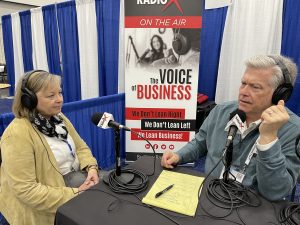
  • YouTube

Business RadioX® Headquarters
1000 Abernathy Rd. NE
Building 400, Suite L-10
Sandy Springs, GA 30328

© 2025 Business RadioX ® · Rainmaker Platform

BRXStudioCoversLA

Wait! Don’t Miss an Episode of LA Business Radio

BRXStudioCoversDENVER

Wait! Don’t Miss an Episode of Denver Business Radio

BRXStudioCoversPENSACOLA

Wait! Don’t Miss an Episode of Pensacola Business Radio

BRXStudioCoversBIRMINGHAM

Wait! Don’t Miss an Episode of Birmingham Business Radio

BRXStudioCoversTALLAHASSEE

Wait! Don’t Miss an Episode of Tallahassee Business Radio

BRXStudioCoversRALEIGH

Wait! Don’t Miss an Episode of Raleigh Business Radio

BRXStudioCoversRICHMONDNoWhite

Wait! Don’t Miss an Episode of Richmond Business Radio

BRXStudioCoversNASHVILLENoWhite

Wait! Don’t Miss an Episode of Nashville Business Radio

BRXStudioCoversDETROIT

Wait! Don’t Miss an Episode of Detroit Business Radio

BRXStudioCoversSTLOUIS

Wait! Don’t Miss an Episode of St. Louis Business Radio

BRXStudioCoversCOLUMBUS-small

Wait! Don’t Miss an Episode of Columbus Business Radio

Coachthecoach-08-08

Wait! Don’t Miss an Episode of Coach the Coach

BRXStudioCoversBAYAREA

Wait! Don’t Miss an Episode of Bay Area Business Radio

BRXStudioCoversCHICAGO

Wait! Don’t Miss an Episode of Chicago Business Radio

Wait! Don’t Miss an Episode of Atlanta Business Radio