
Business RadioX ®

  • Home
  • Business RadioX ® Communities
    • Southeast
      • Alabama
        • Birmingham
      • Florida
        • Orlando
        • Pensacola
        • South Florida
        • Tampa
        • Tallahassee
      • Georgia
        • Atlanta
        • Cherokee
        • Forsyth
        • Greater Perimeter
        • Gwinnett
        • North Fulton
        • North Georgia
        • Northeast Georgia
        • Rome
        • Savannah
      • Louisiana
        • New Orleans
      • North Carolina
        • Charlotte
        • Raleigh
      • Tennessee
        • Chattanooga
        • Nashville
      • Virginia
        • Richmond
    • South Central
      • Arkansas
        • Northwest Arkansas
    • Midwest
      • Illinois
        • Chicago
      • Michigan
        • Detroit
      • Minnesota
        • Minneapolis St. Paul
      • Missouri
        • St. Louis
      • Ohio
        • Cleveland
        • Columbus
        • Dayton
    • Southwest
      • Arizona
        • Phoenix
        • Tucson
        • Valley
      • Texas
        • Austin
        • Dallas
        • Houston
    • West
      • California
        • Bay Area
        • LA
        • Pasadena
      • Colorado
        • Denver
      • Hawaii
        • Oahu
  • FAQs
  • About Us
    • Our Mission
    • Our Audience
    • Why It Works
    • What People Are Saying
    • BRX in the News
  • Resources
    • BRX Pro Tips
    • B2B Marketing: The 4Rs
    • High Velocity Selling Habits
    • Why Most B2B Media Strategies Fail
    • 9 Reasons To Sponsor A Business RadioX ® Show
  • Partner With Us
  • Veteran Business RadioX ®

Search Results for: marketing matters

Riah Greathouse, Greathouse Trial Law

April 3, 2023 by John Ray

Riah Greathouse, Greathouse Trial Law
North Fulton Business Radio
Riah Greathouse, Greathouse Trial Law
Loading
00:00 /
RSS Feed
Share
Link
Embed

Download file

Riah Greathouse, Greathouse Trial Law

Riah Greathouse, Greathouse Trial Law (North Fulton Business Radio, Episode 627)

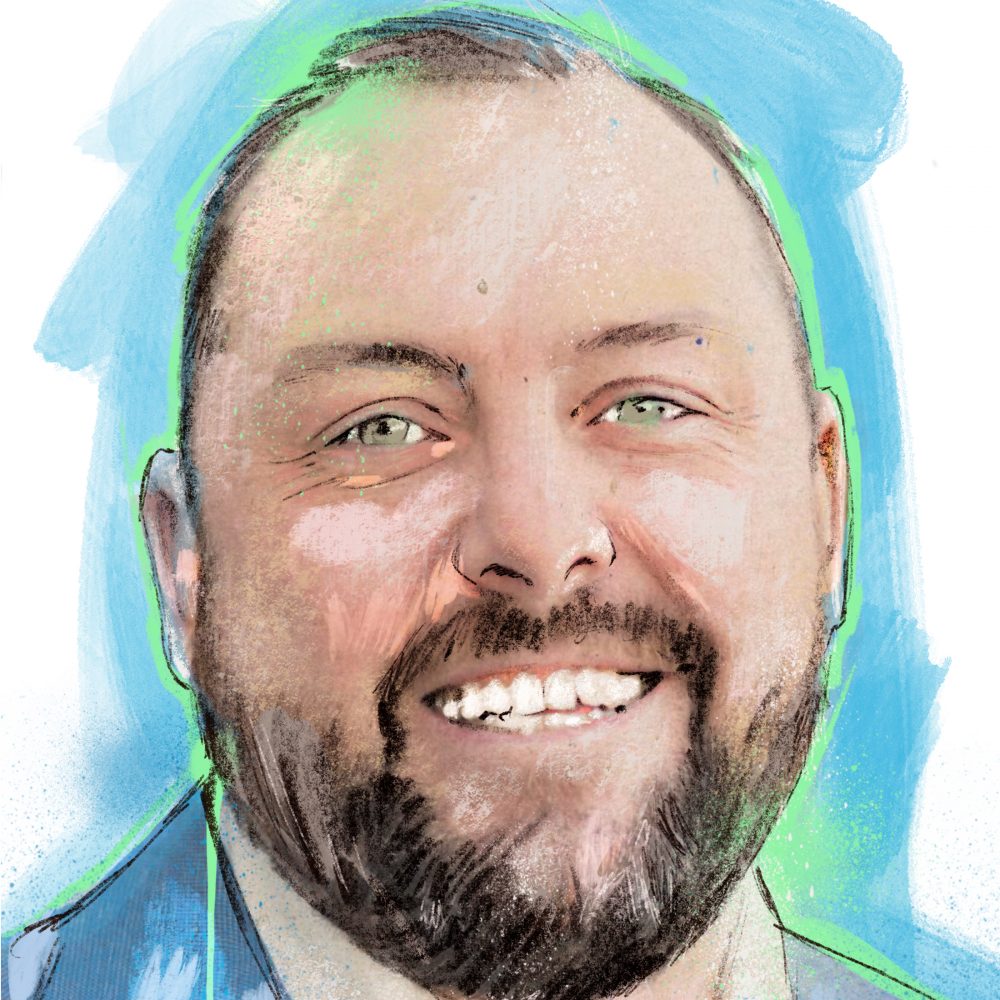
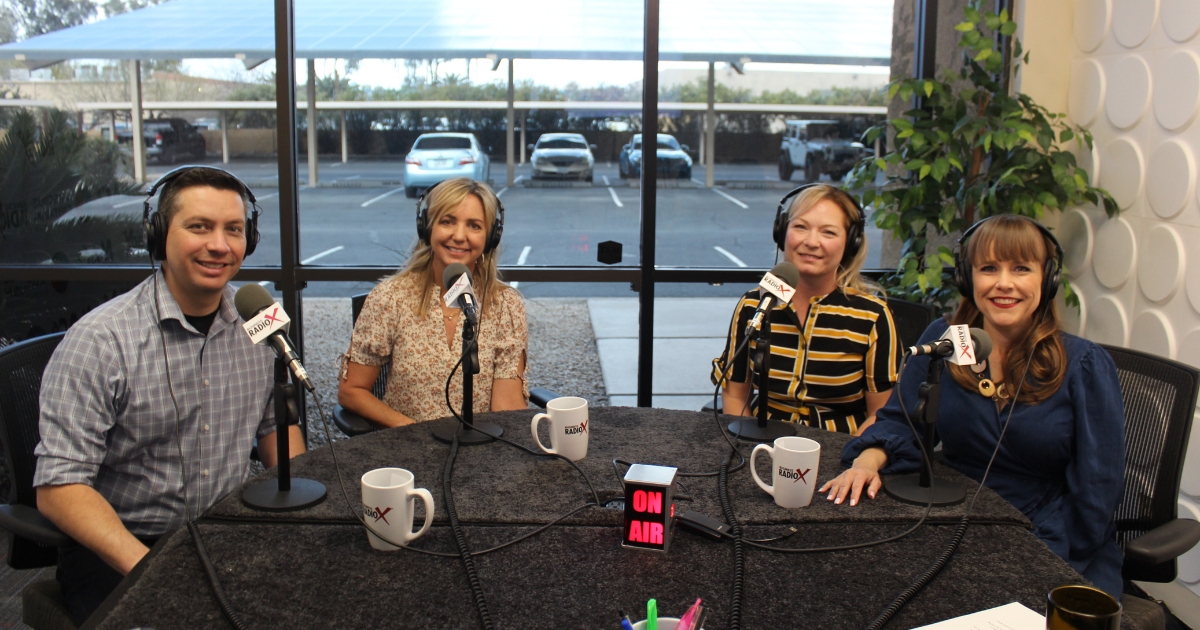
Riah Greathouse, Founder and Owner of Greathouse Trial Law, joined host John Ray on this edition of North Fulton Business Radio. Riah discussed his career journey and why he started his firm, what differentiates Greathouse Trial Law from other personal injury firms, mistakes individuals who have an injury make, and much more.

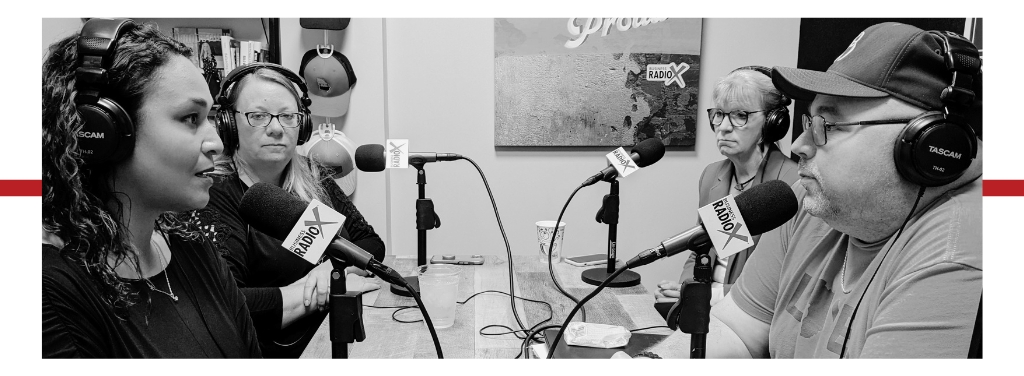
North Fulton Business Radio is broadcast from the North Fulton studio of Business RadioX® inside Renasant Bank in Alpharetta.

Greathouse Trial Law

At Greathouse Trial Law, LLC, they fight to get injured victims the compensation that they deserve. The firm’s focus is on auto accidents, hit & runs, DUI accidents, slip & fall, and wrongful death.

Website | Facebook | LinkedIn | Twitter | Instagram

Riah Greathouse, Owner, Greathouse Trial Law

Riah Greathouse, Owner, Greathouse Trial Law

Since being admitted to practice law in the State of Georgia, Riah Winston Greathouse has been counsel of record in over 5000+ criminal and civil matters throughout the state with a high rate of success. Mr. Greathouse earned his undergraduate degree at Hampton University and his law degree from the Thurgood Marshall School of Law at Texas Southern University in Houston, Texas, where he graduated in the Top 10% of his law school class. During his law school tenure, he gained invaluable experience with internships with Judge Clarence Cooper of the United States District Court in the Northern District of Georgia, as well as Chief Judge Myra H. Dixon of the State Court of Fulton County, Georgia. The respective judicial internships allowed him to gain a keen insight into the method in which judges operate, and how many of them expect attorneys to be prepared when appearing on clients’ behalf.

Following law school, Mr. Greathouse joined a premier DUI defense firm, where he zealously represented numerous individuals charged with DUI. While representing DUI clients, Mr. Greathouse earned his certification in National Highway Traffic Safety Administration DUI Detection & Standardized Field Sobriety Testing and attended the National College for DUI Defense at Harvard. Mr. Greathouse has also served his community as an Assistant District Attorney in Fulton County, Georgia for several years, where he prosecuted cases ranging from drugs to violent felonies throughout the county. His service as a prosecutor yielded a tremendous amount of courtroom experience, which allowed him to attack cases with tenacity, oftentimes proving to be beneficial in securing a favorable resolution. After leaving the Fulton County District Attorney’s Office, Mr. Greathouse joined a nationally recognized plaintiff’s firm, where he represented injured victims and estates on behalf of decedents in wrongful death actions.

Since starting Greathouse Trial Law, LLC, Mr. Greathouse has been selected to National Trial Lawyers Top 40 Under 40, the Georgia Super Lawyers Rising Stars, has secured over 50 million dollars on behalf of injured victims and has built the Nation’s fastest-growing small law firm in 2020 according to Law Firm 500.

In addition to fighting on behalf of injured victims, Mr. Greathouse works to promote reform in the criminal justice system with his work as President of Caseless Inc., a mobile application that leverages GPS tracking and facial recognition technology to increase reliability and confidence in monitoring offenders.

When Mr. Greathouse is not in the courtroom, he finds time to serve as the Chairman of the Board of Directors for Zena’s House, Incorporated, a board member of Impact CDC, Woodward Academy Alumni Board, and is a former member of the City of Atlanta’s Board of Ethics. He is a member of Alpha Phi Alpha Fraternity Incorporated and also enjoys spending time with his family, worshipping at Impact United Methodist Church, and rooting for the Falcons, Braves, Hawks, and UGA.

LinkedIn


North Fulton Business Radio is hosted by John Ray and broadcast and produced from the North Fulton studio of Business RadioX® inside Renasant Bank in Alpharetta. You can find the full archive of shows by following this link. The show is available on all the major podcast apps, including Apple Podcasts, Spotify, Google, Amazon, iHeart Radio, Stitcher, TuneIn, and others.

RenasantBank


Renasant Bank has humble roots, starting in 1904 as a $100,000 bank in a Lee County, Mississippi, bakery. Since then, Renasant has grown to become one of the Southeast’s strongest financial institutions with over $13 billion in assets and more than 190 banking, lending, wealth management, and financial services offices in Mississippi, Alabama, Tennessee, Georgia, and Florida. All of Renasant’s success stems from each of their banker’s commitment to investing in their communities as a way of better understanding the people they serve. At Renasant Bank, they understand you because they work and live alongside you every day.

Since 2000, Office Angels® has been restoring joy to the life of small business owners, enabling them to focus on what they do best. At the same time, we honor and support at-home experts who wish to continue working on an as-needed basis. Not a temp firm or a placement service, Office Angels matches a business owner’s support needs with Angels who have the talent and experience necessary to handle work that is essential to creating and maintaining a successful small business. Need help with administrative tasks, bookkeeping, marketing, presentations, workshops, speaking engagements, and more? Visit us at https://officeangels.us/.

Tagged With: attorney, Greathouse Trial Law, John Ray, North Fulton Business Radio, North Fulton Radio, Office Angels, personal injury attorney, personal injury law, personal injury law firm, personal injury lawyer, renasant bank, Riah Greathouse, trial attorney

Support at Every Turn E42

March 28, 2023 by Karen

Support-at-Every-Turn-feature
Phoenix Business Radio
Support at Every Turn E42
Loading
00:00 /
RSS Feed
Share
Link
Embed

Download file

Support-at-Every-Turn

Support at Every Turn E42

Are you looking for ways to support local businesses or get support as a small business? How about mindset or entrepreneurial tips? Or do you have someone you love living with Dementia?

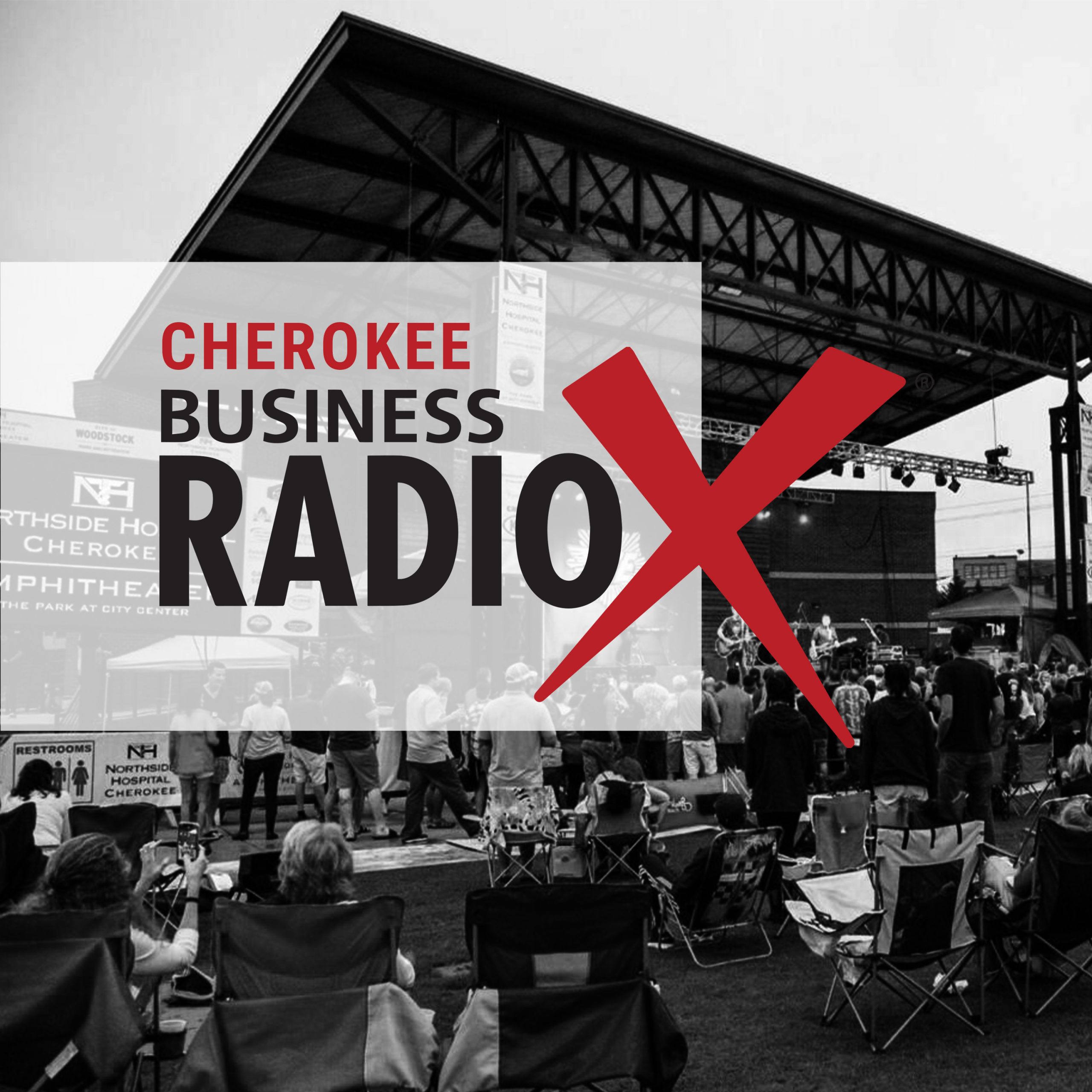
If so, then check out this episode of Collaborative Connections Radio Show and Podcast with host, Kelly Lorenzen.

She was on-air with Michelle Zipser, owner of Cognitive Care and Counseling, Thomas Barr, Vice President of Business Development at Local First Arizona, and Carla Reeves, owner of Carla Reeves, LLC.

They gave amazing insights, resources, and tips for all of the above and more.

CCLogoHorizontalColor

Cognitive Care and Counseling provides counseling, education, and consultations to care partners/caregivers and family members of people living with dementia as well as older adults going through a life transition. They help you care for yourself, so you can care for your loved one.

Michelle-Zipser-headshotMichelle Zipser worked as a medical social worker in hospice and palliative care for the last 20 years and has been a caregiver herself.

She knows and understands that this caregiving journey can create many emotions that we could never anticipate.

Having a counselor who understands this can make all the difference. Michelle focuses on meeting her clients where they are at and understands that everyone is on their own journey.

Connect with Michelle on LinkedIn.

LFA-Logo

Founded in 2003, Local First Arizona is a nonprofit organization committed to community and economic development throughout Arizona. Our work connects people, locally-owned businesses, and communities for meaningful actions that build a diverse, inclusive and prosperous Arizona economy, including:

Educating consumers about the interconnectedness of the economy — how and where they spend matters.

Training small businesses to be more resilient, while helping our larger partners tell their story as champions of Arizona.

Creating programs and events that make it fun and easy to discover local businesses and buy local.

Targeting systems of inequity and building prosperity for all Arizonans by proactively identifying comprehensive solutions and taking action.

Thomas-Barr-Headshot-2022Thomas Barr is the Vice President of Business Development for Local First Arizona, the largest coalition of local businesses in North America. He advocates for a strong local business community that contributes to building vibrancy, equity, and prosperity across the state.

A proud Arizona native and graduate of Arizona State University, Thomas leads the business coalition of Local First Arizona by advocating for the economic and cultural benefits provided by building strong local economies.

Thomas steers the strategic direction of LFA’s major programs and initiatives as well as the engagement of over 3000 businesses across Arizona. As Vice President, Thomas guides the direction and execution of LFA’s major initiatives and key partnerships, as well as the collaboration of 40 staff implementing work in entrepreneurship programs, small business advocacy, environmental sustainability, urban development, local food systems, and community building.

He frequently speaks to groups locally and nationally, presenting the impact of Local First Arizona and the importance of local economy work in building prosperity.

Outside of Local First Arizona, Thomas contributes his time to many causes and organizations throughout the Valley including Young Nonprofit Professionals – Phoenix, Equality Arizona, Arizona Commission on the Arts, Heritage Square Foundation, Phoenix Legal Action Network, and ONE Community.

Additionally, he serves as a director on the board of the American Independent Business Alliance, the leading national organization supporting the growth and development of local business alliances across the country. Thomas is a 2018 Phoenix Magazine and 2021 Phoenix Business Journal 40 Under 40 honoree, alumni of Arizona Leading for Change, and alumni of Valley Leadership Institute’s 40th cohort.

Most recently, Thomas has been appointed to the Small Business Advisory Council for the Arizona Secretary of State’s office.

Connect with Thomas on LinkedIn.

CRLLCLogo4

At Carla Reeves Coaching, they believe people are far closer than they realize to what they deeply desire, but trapped by an outdated way of thinking that prevents them from achieving their most important goals.

For over a decade they have been helping ambitious leaders identify their blind spots and overcome the internal barriers that keep them from taking their life to the next level.

Carla-Reeves-HeadshotFor over a decade, ambitious leaders and hyper-achievers have been relying on Carla Reeves to call out their blind spots, challenge their thinking and expand their perspective.

She is known for her compassionate, direct, and truth-telling candor.

Carla believes in ditching the illusion that life will be great “someday” in the future and teaches leaders how to move out of survival and forward with intention, now.

She is the host of the podcast, Differently. Journaling changed her life and she’s now changing other people’s lives by coaching with a journal. It has proven to deepen and accelerate the impact for her clients.

She is the mother of two, was born and raised in a sleepy beach town in California and now lives in AZ on a small farm with cows, chickens and her beloved husband.

Connect with Carla on LinkedIn.

About Collaborative Connections

The purpose of Collaborative Connections Radio Show and Podcast is to build a connected community, one collaborative show at a time. We highlight local non-profits, associations, small and family-owned businesses.

By bringing 4 like-minded people together for an hour of in-depth conversation, our hope is that they connect and collaborate in life and business in the future.collaborative-connections-Radio-Show-Podcast-logo1

About Our Sponsor

KLM is a business development firm helping entrepreneurs, small and family-owned businesses start, grow and scale through consulting, marketing and project management. Combining those three things has been a trifecta, or triple advantage to business owners.

Entrepreneurs & small business owners come to KLM for support in all areas of business. If you need to duplicate yourself in any area of your business, we can help. If we don’t do exactly what you need, we know someone who can.

Business owners can continue to do what they love while having the support they need when they need it, with the help of KLM. We help you figure out what needs to get done AND DO IT FOR YOU!

klm-logo-small

About Your Host

Kelly-Lorenzen-on-Phoenix-Business-RadioXKelly Lorenzen, CEO of KLM, is an award-winning entrepreneur with over 15 years of business-ownership experience. She is also a certified project management professional.

Kelly’s expertise is in business development, customer service, marketing, and sales.

Connect with Kelly on LinkedIn, and follow KLM Consulting on Facebook.

Tagged With: arizona, arizona resources, business support, caring for the caregiver, carlareeves coachwithajournal, carlareevescoaching, Cognitive care, counseling, dementia, dementia care consultations., differentlythepodcast, local business, mindsetcoach, small business

Stone Payton with Business RadioX®

March 24, 2023 by angishields

KidBizRadio032223pic
Cherokee Business Radio
Stone Payton with Business RadioX®
Loading
00:00 /
RSS Feed
Share
Link
Embed

Download file

KidBizRadio032223banner

This episode was brought to you by

Kid-Biz-Expo-logo

Stone-Payton-bwFor over 30 years, Stone Payton has been helping organizations and the people who lead them drive their business strategies more effectively.


Mr. Payton literally wrote the book on SPEED ® : Never Fry Bacon In The Nude: And Other Lessons From The Quick & The Dead, and has dedicated his career to helping others Produce Better Results In Less Time.

Connect with Stone on LinkedIn, Facebook and Instagram.

Websites:

  • BusinessRadioX.com
  • CherokeeBusinessRadio.com
  • MainStreetWarriors.org

This transcript is machine transcribed by Sonix

TRANSCRIPT

Intro: [00:00:07] Broadcasting live from the Business RadioX Studios in Woodstock, Georgia. It’s time for Kid Biz Radio. Kid Biz Radio creates conversations about the power of entrepreneurship and the positive impact that journey can have on kids. For more information, go to Kid Biz Expert.com. Now, here’s your host.

Layla Dierdorff: [00:00:19] Hi. Welcome to Kid Biz Radio. I’m Layla.

Austyn Guest: [00:00:31] And I’m Austyn.

Layla Dierdorff: [00:00:32] And today we have an amazing guest with us in the studio Stone with Radio X.

Austyn Guest: [00:00:37] Hi, Stone. Thanks for being with us here today. Can you tell us about yourself and your business?

Stone Payton: [00:00:42] Well, sure. How long do you have? So the business is called Business RadioX. We have a network where the Business RadioX network and our tagline and our mission is to amplify the voice of business. And so we invest a great deal of our energy and just capturing stories. There’s so many people out there doing such marvelous work. And candidly, traditional media is not always knocking down their door to give them a chance to share their story. So my business partner, Lee Kantor and I, we wanted to build a safe place where they’re not going to get grilled about last year’s taxes. And we’re not trying to. We’re not investigative reporters. We just want to give them a platform to talk about the work that they’re doing for, you know, for their market, the profession and the community. So day in and day out, in 18 other rooms like this around the country, there’s 19 studio partners who run these business radio studios. And every day they’re interviewing business people, small business people, large business people from larger businesses. And we just capture a ton of stories and try to get them out there so that they can get the word out.

Layla Dierdorff: [00:01:53] Did you say the country? Whoa.

Stone Payton: [00:01:56] Well, we actually we do some work internationally, but we don’t have an official studio partner on the other side of the pond just yet, but I’m working on it. That’s my day job. My business partner, Lee Kantor and I, we own the Business RadioX network. And so my day job is to to find and to try to support people who are running studios like this one. And then when Holly and I moved to Woodstock a couple of years ago, it’s been right at two years now, I decided to open this studio. So when I have that hat on, I’m a studio partner and I run the local studio. And so we try to we try to profile all the local businesses here in Cherokee County and surrounding areas. And not just the businesses, though we also we like to have nonprofits come in and we want to live into that mission of supporting and celebrating the community in general. So we’ll have local elected officials and leaders here. You know, we’ve had the mayor here, so we like to we that’s what we did. Beats the heck out of working, man. We love it.

Layla Dierdorff: [00:03:03] Okay. So how did you get started doing all of this? You just like wake up one day and decided that you were going to conquer multiple events, lead up to it?

Stone Payton: [00:03:11] Well, it was a little bit of a circuitous path, I guess. My previous life I worked in the training and consulting world. I worked for for mostly change management consulting firms. And when I left the last one, I went out on my own and I started doing keynote work. So I was out speaking on organizational and individual speed, and so I self published a book and I don’t know how you guys would be about it, but I know that both of you will write a book. There’s no doubt in my mind. Maybe you’ll write one together as well. You’ll probably write several. But you know, I would have talked to the high school newspaper. I talk to anybody who let me talk to them about the book. Right. And so I made the rounds and went on a number of radio shows. Back then, there wasn’t really podcasting and digital radio so much. So I went on the more traditional kind of local FM radio shows. And and it was it was fun and it helped me get the word out about my work. But it wasn’t like this kind of a radio show where we’re just having a real conversation. It was a it was a little more superficial. It was very highly programed. More formal. Yes. And and you had to break for commercial and you had to have your little three bullet points ready. And that one joke, you know, that you always knew would land. And so it was fine because I still knew I could I could use the fact that I’d been on the show to promote the work.

Stone Payton: [00:04:39] And so it was good from a credibility authority standpoint. We didn’t call it content marketing back then, but I guess that’s what I would do with it, right? I’d turn around and I’d share it with the people who are important to me, but it was, I guess, superficial is the right word. It was very programmatic kind of thing. And then I got invited to a show called Atlanta Business Radio. We weren’t a network back then, and my business partner, he’s been a business partner of mine for 20 years now. He already had this thing going. And it was it was such a different experience, right? We talked about me and the work and the why behind the work and other aspects of my life. It was just a real conversation. We had a couple of other business people in the room and I got to meet them. I got to really. Learn about them. It was a it was a cohesive show, but everybody had their own segment. And so I could just sit back and really listen to them. And again, those segments were they were real. They were authentic. You got to you got to hear about the person and the and the work. So so I was a guest and I really enjoyed the experience. But I was kind of a sales and marketing guy for my whole career. And I couldn’t figure out how this guy was making money. Right. Because he didn’t charge me to be on the show and he wasn’t running any commercials.

Stone Payton: [00:06:01] And so I’m scratching my head. And so I did like like so many of our guests. Do you guys have experienced this? They really appreciate being on the show for all those reasons I described. And they’re like, what can I do for you? So my first question was, Hey, this is great. Thank you so much. This is head and shoulders above all of my other experiences. You know, what can I do for you? And then my next question. And I waited till the other guests left and I said, You got to tell me how are you making money? And he shared the business model with me then. And it’s still the core business model for all of our studio partners and for my studio here. We have we have other revenue streams now and a lot of different ways to help people and make money than we did 20 years ago. But the core business model, this guy had like a half a dozen clients, high ticket B2B business to business sales, like a financial services person, an IT managed services person, a patent attorney. He had a like a home health care franchise. But all of these people were far less concerned with, well, I don’t even know if you had Facebook back then, but they weren’t really trying to get a whole bunch of anonymous eyes and ears hearing them and then hoping they called them or, you know, or went to their website. They just needed to build real relationships, you know, with people who were important to them, people who might write them checks or people who might tee them up with other people, you know, like be referral partners and, and and get them open some doors for them that might not have previously been been open for them.

Stone Payton: [00:07:37] And so and in doing so, I really got enamored with that business model and it clicked for me. So I, I wrote a check and I became a client. So I had my own show. It was called the High Velocity Radio Show because my the frame for all of my work was personal and organizational speed, right? So we did that show. It did exactly what he said it would do it. It still helped with the credibility and the authority. But I got to meet so many wonderful people through that. It really did help me grow my business. And I mean, it wasn’t 3 or 4 months and I sat down and I wrote a much larger check and I bought 40% of the company with the idea that we could replicate what he was doing in other communities. And I’ll be honest with you guys, it’s gone much slower than to me. We ought to be in a thousand communities, you know, and we’re in 57 markets. But we but we have operations like this in 19 communities. And so that’s how I got involved. And again, my day job is to continue to try to grow the network. But I also love being right here in this community and running the local studio.

Austyn Guest: [00:08:48] Wow, that is awesome. Laila, how did you get your business started?

Layla Dierdorff: [00:08:53] Well, you actually had a business and inspired all of your siblings and all of that stuff. And so I just saw you. I would go to the markets to like support you and stuff, and then I just saw how you were doing it. And I kind of like like how you just observed how she was doing it and how to do that kind of stuff. And also, I’ve just been around entrepreneurship forever because my papa and my mom are entrepreneurs and all that stuff. So I kind of just saw the whole process in the family. Yeah. And I kind of like, thought I could I could do that. So I’ve always loved the idea of like, making food. Not as much baking, but food for sure. And I was like, I like dips. My dad likes dips. Let’s see if I can make one.

Stone Payton: [00:09:38] Who doesn’t like dips.All God’s chillun loves dip.

Layla Dierdorff: [00:09:41] Yeah, it’s really good. It goes with everything.

Layla Dierdorff: [00:09:44] So then I made some. And then I made two flavors. And then there was like a little family gathering thing. And they said that they were really good. And so I was like, I’m going to try more flavors and more flavors, and they’re delicious. I started going to markets with you, Austin, and then Kid Kidby’s formed and now we’re at those markets.

Austyn Guest: [00:10:05] Yeah, it’s sort of exploded from there.

Austyn Guest: [00:10:07] Yeah.

Layla Dierdorff: [00:10:08] So this is kind of a two part question. What have you done in your past to help you become a successful entrepreneur and what do you define success as? Because that’s different for everyone. Yeah, there.

Austyn Guest: [00:10:20] Are multiple definitions depending on who you are.

Stone Payton: [00:10:22] Wow, what a great set of questions. So there are a lot of things that I’ve done in the past that didn’t work out well. I’ve had a lot of ideas that didn’t pan out, but I guess the mindset was always trying to figure out what to learn from that and being okay with falling on your face because I’ve done it plenty. Lee and I together have done it, have done it plenty. So I think that mindset was probably a product of of my childhood. The way that I was raised. My parents, I had a fairy tale childhood. My father early on was a high school basketball coach, didn’t make a lot of money. But but, you know, I was exposed to sports a lot and I understood teamwork. I understood what winning was like, but I also understood what losing was like and how to come back from that. So I think that was very helpful. I also had early in my career, I had mentors that I and I just tried to soak it up like a sponge on the in terms of financial success, which is and continues to be important to me. It is important to me to to make money. And one of the reasons is I find that the more money I make, the the more I can help people and the more I help people, the more money I make. And then it just it’s like the two things work so well together.

Stone Payton: [00:11:40] Once you get that kind of flywheel going, you couldn’t stop it if you wanted to. But one of my early mentors taught me he did more than teach me. He just he really ingrained in me. Setting aside a portion of your money to be invested, right? Like just right off of the top. And that financial discipline of doing that, it made all the difference in the world because I, I was able to, to grow financial wealth at a very early age setting. So that helped a lot. And then just being around people who have already kind of cracked the code on things you want to do from financial success to being known in the community to for to being positioned as a strategic resource. It’s definitely a snowball effect. It is. And and just to if you if you are willing to not feel like you’ve got it all figured out and just open your mind and your heart to the way other people are doing things. And I was very fortunate. So it’s a it was a mix. It was it was the good fortune of finding myself in those circumstances where I had exposure to those kinds of people. But I will say, I think it was also the personal accountability of making sure that I that I squeeze the juice out of all of those opportunities. Now, for me, success is financial. Success is an important component of my definition of success. For me personally, I don’t hold other people to that definition of success.

Stone Payton: [00:13:19] And there are a lot of people in my life, in my family and my circle of friends that success for them may not involve what I would call it, may not involve a lot of money. And they’re perfectly content and they’re and they’re happy. But also success for me is like the lifestyle that I have now. I live in a community where I know a lot of people, right? Everyone knows everybody. The financial aspect of it. I for me plenty of money. I’ve got all the resources to do what I want to do. I don’t. Have debt. So the money piece of it really is important to me. I have enough resources to. To help other people when I choose. And so that’s a big piece of it. But also my kids have turned out just wonderfully. I have a great relationship with them. I have a great relationship with my wife and both sides of the family. We have, you know, when family comes to visit Woodstock, not only do they want to stay a while and they love it, you know, I’ve got family moving here because they seen a great community. But but to me, that, too, is a is a very important part of the success picture for me personally is all the great relationships that I have with with family and friends and. So, yeah, that’s I guess that would be success for me.

Layla Dierdorff: [00:14:42] For me personally, it’s just being the happiest I can be because like, yeah, money is important to me, but it’s not probably as important. Huh? Yeah. Happiness. It’s just because if you’re happy, then nothing really else matters to me at least. So that’s what I try to strive for in life. So how do.

Stone Payton: [00:15:00] You get happy, though? Do you. Do you. Do you. Do you start with happy and then the other stuff falls into place? Or do you or do you feel like you have to pursue something? Like when this happens, I’ll be happy?

Layla Dierdorff: [00:15:10] No, because that’s like what’s detrimental, I think because it’s you’re never going to get to your main goal because you’re going to keep having more goals. So if it’s like, if I get here, I’ll finally be happy. But once you’re there, you feel like you have to get the next goal to finally be happy, right? So I feel like if you start with being happy because like feel good and all that stuff and then you’ll kind of figure the rest out.

Stone Payton: [00:15:29] I agree. But I think some folks find that very difficult to do. They feel like, you know, once I get this achieved or, you know, then I’m going to be.

Layla Dierdorff: [00:15:38] Yeah, you can feel better about yourself, but you still have to be happy even without that.

Speaker5: [00:15:43] Yeah.

Layla Dierdorff: [00:15:44] Like you can be, like, feel like proud and accomplished and stuff.

Speaker5: [00:15:47]

Stone Payton: [00:15:47] Do you think hanging out with happy people is part of it too? Like, Definitely, yes, and I do. I am more selective than some about who I hang out with. I think that’s I and happy people are more fun to hang with. I mean and I mean I hope this doesn’t sound conceited. I think I’m fun to hang out with because I’m a happy guy.

Austyn Guest: [00:16:08] Yeah, yeah, yeah.

Austyn Guest: [00:16:09] When you’re around happy people, you’re happy. It just. It feels great.

Layla Dierdorff: [00:16:13] Yeah, it might be a little random, but somewhere the five closest people in your life are who you’re going to be.

Stone Payton: [00:16:21] I think there’s probably a lot of.

Austyn Guest: [00:16:22] Truth to that. There’s a lot of meaning to that.

Speaker5: [00:16:24] I just thought of that. Okay.

Stone Payton: [00:16:25] And I’m told back to the money aspect of things. And again, the money thing is important too, to me. And it doesn’t have to be to everybody. But it’s my understanding that for people who are on that kind of pursuit, that your income will often kind of be in that same range of the people you hang out with, I think there’s probably some truth to that. I think it’s because of the energy and the the the ideas and the influence that that that group of folks have. That’s probably true. And if I think about it, it’s it’s true about me. Yeah. Yeah.

Austyn Guest: [00:17:00] So when you were starting up your business and as you were growing it, were, were there any like, just small little regrets you had as you were starting it up and growing your business?

Stone Payton: [00:17:09] It’s probably not fair to characterize it as a regret because again, my mindset is, boy, I learned a lot from that or I learned a lot from from this. The biggest challenge I have always had in business, I thoroughly enjoy the consultative sales process. So and I feel like I’ve gotten pretty good at it over over the years and even good at teaching other people how to do it over the years. I have never enjoyed and still to this day do not enjoy at least the traditional approaches to the prospecting, those very initial conversations. It’s why I got so enamored with what Lee Kantor was doing 20 years ago, because this for business is the thing we do. It solves it eliminates the prospecting problem. If you want to get to know someone and build a relationship with them and you have a radio show or even underwrite one of our shows, or even if you’re like a sponsor and you reach out and you invite someone to come on the show. Now this really works best if you’re a business to business, like if you call on other businesses. But if you reach out and invite them to come on the show and it’s not the stone show, you know it’s not. It’s about highlighting them about their story. Then first, what a gift you’re giving them, Right. And they’re happy to do it and you get to know them. And then so the prospecting thing, this absolutely solves the prospecting problem, which is why I wrote that first check. Right? But so and I have done the thing where you have to just pick up the phone and call somebody out of the blue and but I don’t regret doing it. I think it helped me build character and helped me have some empathy for people that have to have to do that. But man, I don’t know that I have any.

Speaker5: [00:19:01] Do you have any.

Layla Dierdorff: [00:19:02] Things that you wish you did.

Speaker5: [00:19:03] Sooner? Oh gosh, yes.

Layla Dierdorff: [00:19:04] Okay. Yeah, that.

Speaker5: [00:19:05] Counts.

Stone Payton: [00:19:06] Yeah, Almost everything, I’ll tell you. Right. Right up top. I wish I’d have moved to Woodstock sooner. I mean, this is such a wonderful community. I mean, the timing probably worked out right, Because we lived in a bigger house on a cul de sac and a good school system, and it was a great place for the for the girls to grow up. But there’s a piece of me that wished that I had moved to Woodstock sooner. I in retrospect, because I’m enjoying it so much, wished I’d have set up my own studio sooner like I used to. Only focus on that on that main job of growing the network. So I guess I would I wish I would have done that kind of thing sooner. I wish I would have learned more about digital marketing sooner because there’s so much to be learned there. And again, so many ways to help our clients leverage what they’re doing in the room so much more. So I wish I would have done that sooner.

Speaker5: [00:20:02] Um, I’ve watched my.

Layla Dierdorff: [00:20:03] Mom like her whole business thing. Isn’t that I’ve just seen how important it is. Oh, yeah. It’s pretty scary to watch. Like people go from just, like, mediocre to absolutely crushing it.

Stone Payton: [00:20:15] And I was very standoffish. I was like, Oh, no, what we do is too personal. It’s all face to face. And that is an important element of our business. But it’s there’s there’s so much you can do to augment that with the social media platforms and with with the with the digital marketing. And fortunately, I’m learning more about digital marketing because we’ll have digital marketing experts come in here. And that is a cool way to to, to leverage this platform, right? Like if you want to know something about breeding dogs, invite somebody on the show that breeds dogs. Yeah, not everything. Learn a ton. Or if you like to read, write, have a have a whole show or a series or something dedicated to people who write books and bring authors in here. So that’s, that’s fun. But yeah, there’s a ton of stuff I guess. I wish I guess I wish I had done sooner. And and then you try to tell your kids and young people that they should do it sooner.

Speaker5: [00:21:13] And speaking of.

Layla Dierdorff: [00:21:14] That, do you have any advice for any aspiring entrepreneurs to help kind of prevent.

Austyn Guest: [00:21:19] Some of your maybe? We could call them.

Stone Payton: [00:21:21] Wow, what a great question. I would definitely encourage them. That whole notion of setting some money aside and investing it in your wealth as an expression of that is a discipline. It’s a book. It’s a movement called Profit First. And it’s, you know, in most if you go to a traditional accounting class, they will tell you that they’ll put it up on the whiteboard. I remember sitting in the class in college, you know, revenue minus expenses equals profit. And that’s a that is a way to look at that. And that’s the way that that traditional accounting works in my world, since I was exposed to this. For us, revenue minus profit equals expenses. Right. So that work. Yeah. So, so, so the very, the very first thing we do, we take right off of the top is profit. So for every dollar that comes in, we’ve assigned a percentage. And I mean, before we pay the light bill, before we do any of that, we take that, we sweep that right off the top. And so we ensure that we’re making profit. All of our almost all of our expenses are variable. So that that that same idea and look, it’s biblical too, like for people who people of faith you know, they’ll have they suggest that you set aside a percentage and you you use that to invest in the community or to tithe to your to your church. That same concept in business, I say, yeah, for, you know, figure out your percentage. Maybe it’s 10%, maybe it’s 5%.

Stone Payton: [00:23:03] You know, in our case it’s 20%. You know, we just right off the top, take that number first and then deal with the with the rest of it. I would encourage people to entrepreneurs to do that. I would also. Remind them or help them understanding, Help them understand. The most important thing for a for a business, especially a new business, is to get a customer. You know, there’s a lot of folks that work on the strategic, the business plan, and they go get the, you know, the LLC and they file with the with the county or whatever to get the business license. And they think they do all the officey stuff. I would say first go out and get a customer and and going out and getting a customer. If you’re talking to a potential customer, ask them what they would like. Right? And it’s the I think if you can focus more, if the priority can be who is the group I want to serve and not be as invested in the idea like the the idea that you’re going to use to serve them as you are in the group because you might decide to to change, you know, to alter your product or service to meet the need more effectively. But if you can stay, stay focused on who you’re going to serve as opposed to get overly invested in this, this one idea of the thing you’re going to sell. Right. So I don’t know, maybe that’s helpful.

Austyn Guest: [00:24:33] That could be very helpful to some people. What would you say some of your maybe future goals for your business could be?

Stone Payton: [00:24:39] So on the network side, we feel like there should be a Business RadioX studio in every community, and I know I sound like Business RadioX is going to solve world peace. Yeah, so that very.

Speaker5: [00:24:51] Much you never.

Austyn Guest: [00:24:52] Know. It could. It could. It could one.

Speaker5: [00:24:54] Day. Exactly.

Stone Payton: [00:24:55] But I do. I do believe with all my heart that we’re doing good work. And and I do. There’s so many great stories out there that, you know, we’re not capturing. I mean, we’re probably the most prolific publisher of business programing on the planet. What does that mean the most? We probably publish more original business material than any of the big magazines and news channels you’ve heard of, because that’s our our focus. And yet we’ve only scratched the surface. So it is my desire, my next kind of milestone is 100 studios. And so I shared with you, you know, we have 19 and we’re in 57 markets. But to me, that’s my next. But I mean, I think we ought to be in a thousand here domestically. And I think there’s plenty of opportunity internationally. So that is kind of the the brass ring on that side that would and that’s also kind of moves into a legacy. That’s something that, you know, when I pass to to know that I that I set that in motion that that’s important to me. At a more tactical level, we started something here in this market that I think as we prove it, refine it, bottle it, we’ll you’ll see it in other in other markets and other studios. When I got here two years ago and opened this studio, it did what it always does. You know, it’s a it’s a lucrative business.

Stone Payton: [00:26:17] The margins are good and they should be good because we’re helping people. But the focus, the Business RadioX business is designed to serve Back to who? High ticket B2B businesses, you know, business attorneys, CPAs, professional services, marketing consultants or like Big Shot. You see the logo on the wall. This guy does high end video and photography work. He has a niche of serving real estate and architectural firms, but he can also help other businesses just capture really good, high quality video and photography. And he helps them with the strategy of how to leverage it. Well, it makes perfect sense for him to be a client, and he is. He has his own he has his own show that he launched recently, and it even has a sub series. And in the same breath, I’ll tell you, because now I’m part of this community, there are a lot of folks here in town that have some marvelous small businesses. They’re solopreneurs, they’re startup shops, they’re retail, they’re B to see their business to consumer, it doesn’t really make sense for them to invest in a custom weekly show. Like like it just does it doesn’t make sense. So I, I was scratching my head for like a year and a half. How can we serve that group? Because I’ve got this platform. I still have plenty of capacity. There’s got to be a way to serve those small business folks.

Stone Payton: [00:27:44] So we built this thing with the help of Diesel, David and Sharon Cline and some folks to kind of help me think it through. And what we did, we built a membership structure. Just to give you some context, all of our studio partners have they have discretion on their own fee structure, but it ranges about where mine is here in this studio, the fee structure for a, you know, what we do for these high ticket B2B folks ranges from 1250 a month to $5,000 a month. And they’re happy to pay it because they’re going to get at least. And more often at least, you know, more like Forex, and some of them get eight and ten X, so they’re happy to do it because people are going to, you know, they’re going to get their return on that investment. But so a lot of the folks I’m describing, you know, maybe are one person running an insurance agency or maybe they are retail, they’re running a dress shop, right. Or they have a small consulting firm or they a graphic designer. Maybe they’re a contract graphic designer. They can’t afford to do it. Right. It doesn’t matter how well it works. Yeah. So instead of 1250 a month, they pay 1250 bucks for the whole year and we can pool those resources and they don’t get like Custom Weekly show, but they can invite people to some of our house shows.

Stone Payton: [00:29:02] And again, so they get to we were describing earlier what a great way to to to begin a new relationship. Right. By reaching out and so they can reach out as kind of almost like as an ambassador of the Business RadioX Cherokee business Radio, invite someone to come on a show that they sponsor because they are sponsoring it. We can let them sponsor that episode. So, you know, we can do a live read. Today’s episode is brought to you in part by blah blah, blah. We can put their logo on that episode. We let them organize quarterly at that level, at that 125 bucks a month or 1250 for the year, they get a little bit of a break. If they do the the year thing once a quarter, they can organize a quarterly like dedicated special episode where the whole thing is them. They can help host co host. It’s just their guest. So they can do that. And then but those those funds are pooled right. And so we take 20% of all of that revenue and we set it aside for grants and scholarships and sometimes just cold, hard cash to nonprofits, young entrepreneurs. And and so now, while maybe they can’t donate a lot of money to kid biz Expo right or right. Well, the program I’m describing, we call it Main Street Warriors. Okay. That’s what I.

Speaker5: [00:30:23] Thought. But all.

Stone Payton: [00:30:23] Right. So but let’s say we’ve got a local business and they’re really fired up about what Kid Biz Expo is doing. They might feel like they can, you know, write you a $25 check, but they don’t feel like they can write you a $1,000 check or a $2,000 check. Well, we can pool their money. And then so when we do provide a grant or a scholarship or fund a show like Kid Biz Expo, one of the reasons we’re able to do this, it doesn’t all have to come out of my pocket. We can pull it. It’s the Main street Warriors is the reason we’re able to do this show. Yeah, right. So they can pool their resources. So you asked me about, you know, my goal A, I want to get that program to, to where we my goal, my near-term goal is to have 100 Main Street warriors. Right? So that’s 12 five a month. Right. And we’re not a nonprofit, so there’s still margin in there for Business RadioX. But that whatever 20% of that is, then we can we can we can help other nonprofits. But now these small business people, if you’re running a small business, $125 a month, if you’re serious, you can find that and you’re probably spending that on something that doesn’t work as well as this. Right? And so we want to continue to refine that program here. This is kind of a kind of a what would you call it, an experimental, you know. Greenfield But it’s working. I got to tell you, it’s taken off like wildfire. So I want to really refine and bottle that, and then I want to license it to the other studio partners. And I want to make it so that they can do that in Phenix, you know, or Saint Louis or in South Florida if they want to. So right now on my mind, near-term goals grow the network and and tighten refine the main street warriors program is that that’s probably more than you wanted to know but that’s what’s on my mind right now.

Layla Dierdorff: [00:32:08] So you talked about wanting to reach that goal. What are you doing right now to help you get towards that? Just keep networking or.

Speaker5: [00:32:16] I.

Stone Payton: [00:32:16] Keep networking and I try to balance all of the advantages of the social and digital that we talked about with some old school. Right. And I try to leverage our platform like today when our guests couldn’t come and we said, Well, let’s just interview Stone. I’m thrilled to talk about Business RadioX in general, but I but I thought, oh, what a great opportunity. One more time to talk about the Main Street Warriors. So I will share this interview and but I’ll do some old school stuff too, so we’ll get it out on all the platforms. It’ll get automatically published to all the podcasting platforms, like all of our stuff does. But I’ll also I will mention it to people, but also I’ll also share a note. I’ll write a little two sentence email and say, Hey, I got a chance to talk about Main Street Warriors on The Kid Biz Show and thought you might enjoy. And it’s amazing. That’s another thing I would tell young people. Yeah, take full advantage of all the digital stuff, but do some of the old school stuff too. Talk about it. Mention it.

Stone Payton: [00:33:17] And so I will do that. The other thing that I will do, we got a golf cart. Holly and I got a golf cart, but we got a red and black golf cart that matches the Business RadioX logo stuff. And we’re going to start doing a lot more on site broadcast and just showing up, especially here locally, where I’m allowed to drive the golf cart. So you’re going to see me parked at Reformation a lot more with the Business RadioX logo on the golf cart and we’re going to set it up. It’s black, right? So I can also and the in the sub brand, the main street warriors, we’re going to have like this Foot Locker thing on the back of it on the golf cart. The back seats fold down and I’ve got this camo blind thing from I like to hunt and fish, as most of my listeners know, and I can lay that over the seats and then I can put that Foot Locker there and we’re going to do, you know, hand out Frisbees, hand out water and just be at stuff and be seen.

Speaker5: [00:34:14] Like.

Layla Dierdorff: [00:34:14] Kind of like part.

Austyn Guest: [00:34:15] Of the community more present.

Speaker5: [00:34:16] And personal. Yeah.

Stone Payton: [00:34:17] And just be seen out there and just and try to again live into that mission of, of just being there for people. So I will tell you a quick story on me though. So one of the ideas is to get Frisbees, right? So I thought, well we’ll print the Main Street Warriors logo and website on the on the Frisbees or maybe get stickers or something like that. And so I got to thinking about I’ll go, I’ll park behind Reformation and then like on a Saturday or when you guys are doing something, anything that’s going on and I’ll have fun and I’ll throw the Frisbees to people. And so it seems like a good idea, right? Yeah. And then I got to thinking about you guys may not be old enough to to have seen this show. There used to be a show called WKRP in Cincinnati. Nope, never. It was a comedy show. And they had this. This great idea of giving out turkeys, frozen turkeys for Thanksgiving.

Speaker5: [00:35:07] I know this is going. So they.

Stone Payton: [00:35:09] Rented a helicopter.

Speaker5: [00:35:10] Right?

Stone Payton: [00:35:11] They rented a helicopter and they dropped frozen turkeys all over town. Well, they caused hundreds of thousands of dollars worth of damage. Yeah. So. So then I got this vision. I’m out there trying to be cool guy, right? Have fun throwing people Frisbees, you know, handing out water. And I thought, you know what’s going to happen? I’m going to throw that Frisbee over there in the backyard and it’s going to knock over some guy’s beer. It’s going to make him mad. Yeah.

Speaker5: [00:35:33] And so I think I’ll.

Stone Payton: [00:35:34] Just I think I’ll walk up to people and hand them.

Speaker5: [00:35:36] The Frisbee.

Speaker4: [00:35:37] Yeah, it might be a bit safer, but we’re just.

Speaker5: [00:35:39] Going to try to get out.

Stone Payton: [00:35:40] There and be seen more. And if I can figure it out, like golf tournaments, how cool would it be to show up in the Business RadioX slash Main Street Warriors golf cart and be present? So that’s that’s one idea. But the the concept of it is just get out there, be seen and try to do some fun stuff and just keep telling small businesses about it. And then and I think one of the cool things about the idea is they’re just automagically organically ambassadors for Main Street Warriors. If they are a main street warrior because they get to come along for the ride on anything Main Street Warriors are doing. So I don’t know when we’ll have the funding to do it, but when we present Kid Biz Expo with a nice check, it’s not going to be stoned or really even business radio. It’s going to be the main street warriors who are presenting the check. So yeah.

Layla Dierdorff: [00:36:28] So.

Austyn Guest: [00:36:29] Sort of a deeper question here. If you had the attention of the whole world for five minutes, they were all listening and paying attention to you, what would you say?

Stone Payton: [00:36:41] I don’t know how much impact it would have. The thought, the discipline I would love to somehow get across to them is serve first, serve early, serve often. I just I feel like that is one of the reasons that the network has been so successful that our studio partners are able to live into their personal dreams and serve their communities. That idea of that’s the default position, you know, serve first and the rest of it will fall into place and it may not always fall into place in a direct. It doesn’t mean you’re going to serve someone and they’re going to write you a check, but it just always seems to come back ten fold when when you lead with that mentality and.

Speaker5: [00:37:27] Karma.

Layla Dierdorff: [00:37:28] Almost like.

Speaker5: [00:37:28] Like I do think there’s.

Speaker4: [00:37:30] Something to.

Speaker5: [00:37:31] That. Yeah.

Stone Payton: [00:37:32] And then I listened in on a show that I love to produce called Kid Biz Radio a few weeks ago and a young person who has wisdom beyond her years shared something that I do wholeheartedly believe in. And I think I’m pretty good about living into. And I would like to find a way to to instill this in other in other people, too. And just relax.

Speaker4: [00:37:57] Just just calm down.

Speaker5: [00:37:59] No, I just really.

Stone Payton: [00:38:02] Think if you can have that energy and mindset of serving and letting things unfold, shining the light on other people, all these things we try to do. My experience so far, you know, maybe the other shoe is going to drop and the bottom is going to fall out. But man, my experience stuff just usually just has a tendency to work out the way it’s supposed to.

Speaker5: [00:38:22] Yeah. Yeah.

Layla Dierdorff: [00:38:25] Okay. That was kind of deep. Okay. So this one’s a little bit less. Um, so this is not gonna figure it out. Okay. If you woke up tomorrow without your business. So it was just completely. Just poof. Gone. Gone. As if it never exist. You do. To help build it back up again or just. Just recover from that.

Stone Payton: [00:38:47] Yeah. So I don’t know is the honest answer. I have some luxuries in my life that I have a lot going for me in my life and maybe that’s why I’m so happy. I have such a marvelous support system, friends, particularly in this community. But I’ve got friends. I’ve got friends in business in this community. I have such a marvelous support system. I’m 59 years old. I’ll be 60 in August. I could go down to Pensacola, Florida, where my folks still live, where I grew up. I can knock on the door and I can say, Mom, dad, the bottom fell out. Holly left me the business is gone, you know, And I’ve got a pillow and a plate. Now, they would expect me to get back on my feet because that’s just that’s just the value system of the of the family. I and I have built that for my kids. They always they know they have a pillow and a plate no matter what, unconditionally. So I have that support system. I’ve got a safety net that maybe a lot of people don’t have. But I think tactically, if I try to put myself in that scenario that you described and I and I and I do have Holly, she hasn’t left me, that’s good. So I have that. I think I would I certainly wouldn’t discontinue and I might even double down on getting out there and hanging out with all the wonderful people in this community and particularly the business people in this scenario.

Stone Payton: [00:40:13] And I might have some design on trying to to reboot some version of what we’re doing here and or I might just, you know, connect with the diesel. David or, you know, or Bronson or any of these folks who are doing, you know, marvelous work and see if there’s a way that I could tap into what they were doing and try to serve them in some way and start working with them. And I might find a completely different vehicle to to serve people. But I would still you know, it wouldn’t be as easy, I don’t guess, but I would still try to maintain that that operating discipline, that mindset of just get out there and work on somebody else’s problem and try to help them. And I got to believe it somehow, some way. What it might not do is get me back in the digital radio business. And I and I think I would have to find a way to be okay with that. But yeah, I would I guess I would double down on on that. I wouldn’t rest and just hang out at the house. I would definitely get out and double, double down on that.

Layla Dierdorff: [00:41:27] That’s kind of cool how that question kind of like summed up everything that we’ve been talking about, like everything.

Austyn Guest: [00:41:33] So sort of starting to wrap things up here. We’re going to do a couple speed round this or that questions.

Speaker5: [00:41:39] Oh, my gracious.

Austyn Guest: [00:41:40] Answer as fast.

Layla Dierdorff: [00:41:41] As you possibly.

Speaker5: [00:41:42] Can. All right, I’m.

Stone Payton: [00:41:42] Gonna put my I’m going to put my eyes on here and see make sure that I’m ready for this, all right? And I’ll open my ears.

Austyn Guest: [00:41:50] All right, You ready? Ready. All right, here we go. Cats or dogs?

Speaker4: [00:41:53] Oh, dogs. Spider-man or.

Speaker5: [00:41:54] Batman.

Speaker4: [00:41:55] Spider-man books or movies.

Speaker5: [00:41:57] Yeah. Yeah, man. I just. I believe so much in the.

Stone Payton: [00:42:01] Okay, I can’t. I’m not supposed to talk. I’m going to.

Speaker5: [00:42:03] I’m going to.

Stone Payton: [00:42:05] Gosh, I’m going to go.

Speaker5: [00:42:06] Movies.

Layla Dierdorff: [00:42:07] Waffle or curly fries?

Austyn Guest: [00:42:08] Curly fries. Mountains are the beach. Wow.

Speaker5: [00:42:10] Beach.

Austyn Guest: [00:42:11] Sweet, salty, salty. Chocolate or fruity candy Chocolate.

Speaker5: [00:42:14] Cake or pie. Pie, pie. Bar pie.

Speaker4: [00:42:16] Thank you. Lower high rise jeans. What?

Speaker5: [00:42:22] I don’t even know if I know the difference. Okay.

Speaker4: [00:42:25] Guys are the ones that are like it.

Austyn Guest: [00:42:27] It lays on your waist and the other ones come up a little higher.

Speaker5: [00:42:30] Oh, low. Okay. This is a very like.

Layla Dierdorff: [00:42:32] That’s. That’s more like a female question. Yeah. And then finally, comedy or horror?

Speaker5: [00:42:36] Oh, comedy.

Layla Dierdorff: [00:42:37] Okay, so we’re going to wrap it up.

Austyn Guest: [00:42:40] All right. Well, thank you, Stone, for hanging out with us today. We really appreciate it. Can you tell everyone how they could get in touch with you and check out what you’re doing?

Speaker5: [00:42:48] Absolutely.

Stone Payton: [00:42:48] So my email is stone s t o n e at Business RadioX dot com. Go check out what we’re doing with Main Street Warriors at Main Street warriors.org. My phone number is (770) 335-2050. I’m not great about picking up the phone, but I am pretty good because I have it on silent most of the time because I want to. I want to be able to interact with people I am good about. I am good about returning text and then connecting. So (770) 335-2050. Leave me a voicemail if you want. Or just shoot me a quick text and let’s go have a beer under the elm tree.

Layla Dierdorff: [00:43:30] Well, we enjoyed our time with you today. We know our audience will get so much out of hearing your story. Thanks for listening and we’ll see you on the next one.

Speaker5: [00:43:38] Thank you.

Speaker4: [00:43:39] Bye bye. Bye.

Gerald Griffith with Corridor Publishing and Ashley Grier with The Board and Box

March 21, 2023 by angishields

Cherokee Business Radio
Gerald Griffith with Corridor Publishing and Ashley Grier with The Board and Box
Loading
00:00 /
RSS Feed
Share
Link
Embed

Download file

Sponsored by Business RadioX ® Main Street Warriors

Main-Street-Warriors-Banner

Gerald-Griffith-Corridor-Publishing-banner

Corridor Publishing started from the simple idea that there is much to love about the areas around I-575 and learning about those things shouldn’t only happen by accident. Corridor-Publishing-logo

That’s why we strive to make sure all of our products and services have a clear focus.  When you see our products on the stands somewhere, we want you to know what you’re getting.

Gerald-Griffith-Corridor-PublishingGerald Griffith, Media and Marketing Specialist with Corridor Publishing, enjoys learning and contributing to the success of others.

There’s nothing more exciting than the discovery of new things and working to bring people together.

After nearly a decade of leading an international conference, Gerald is now working closer to home to connect communities with many of the exciting options and activities that exist close to home.

Connect with Gerald on LinkedIn and follow Corridor Publishing on Facebook, Twitter and Instagram.

the-board-and-box-charcuterie-logo-1-e1664900543146

The Board and Box strives to make every event spectacular. Our goal is that your guests will stand in awe at the edible artwork and be left speechless. Hearing the compliment “it’s almost too pretty to eat” is music to our ears.

Each event that we take on is looked at as artwork and no two events are the same.

Ashley-Grier-with-The-Board-and-BoxAshley Grier,  Charcuterie Owner & Artist, The Board and Box.

Follow The Board and Box on Facebook and Instagram.

This transcript is machine transcribed by Sonix

TRANSCRIPT

Intro: [00:00:07] Broadcasting live from the Business RadioX Studios in Woodstock, Georgia. It’s time for Cherokee Business Radio. Now, here’s your host.

Stone Payton: [00:00:24] Welcome to another exciting and informative edition of Cherokee Business Radio Stone Payton here with you this morning. And today’s episode is brought to you in part by our local small business initiative, the Business RadioX Main Street Warriors Defending capitalism, promoting small business and supporting our local community. For more information, go to Main Street warriors.org and a special note of thanks to our title sponsor for the Cherokee chapter of Main Street Warriors Diesel David Inc. Please go check them out at diesel. David.com. Today is going to be a fantastic show. You guys are in for a real treat. First up on Cherokee business radio this morning please join me in welcoming back to the Business RadioX microphone with Corridor Publishing. Mr. Gerald Griffith. How are you, man?

Gerald Griffith: [00:01:19] I am doing well.

Stone Payton: [00:01:20] Well, you look good. You sound good. You got some exciting things happening. I had a chance to hear you talk a little bit about it At Freshstart Cherokee. We made our way up to reformation in Canton. As many people in town know. You know, Home Office for me is reformation right here in downtown Woodstock under the Elm tree. That’s where I have all my one on one meetings. Any serious business negotiations. It’s happening under that elm tree, but made my way up to reformation in Canton. And I was just so enamored with what you’ve got going on. So I got a thousand questions. I know we’re not going to get to them all, but maybe if you could share with me and our listeners mission purpose, what is it that you’re trying to accomplish with this corridor publishing?

Gerald Griffith: [00:02:03] Man Well, thanks for having me on again. It’s it’s been a little minute since I’ve been here with you and I’m sharing some other concepts. But the corridor publishing one is one I’m really excited about because as you know, I stopped doing my conference back at the end the start of 22 and realized that, wow, you know, I spent so much time working on projects outside of this community that once I stopped doing that project that I really needed to reconnect and find some things that were in the local area. So actually during the time of Covet. Came up with this idea of the corridor. And the corridor is interesting because there were there were resources that were available at the city level. There were resources that were available at the county level. But then it dawned on me that none of us really just operate in any of those. So if you’re in Woodstock, you go to Canton, you go to Kennesaw, you go to Acworth, which is North Cobb. And so I came up with this idea, which was, Hey, how about we base everything off of the I-5 75 corridor, which if people don’t realize it’s a 30 mile stretch of interstate, that that was started back in 1977. And so there are 13 zip codes that I define as the corridor, which covers just over half a million people in there. And so it was a it was a wonderful idea.

Gerald Griffith: [00:03:25] And the catch for me was always when I ride up and down the highway, I realize that it’s pretty big, actually. Yeah, it’s actually pretty big and soft. And I ask myself, you know, why couldn’t I just pick a neighborhood or a little area to work on instead of this massive one? But it’s it’s fun to get to know. And and that actually is a part of what inspired it all is that even though we operate in this area, things are fairly spread out sometimes and it’s easy to not know what’s happening, particularly when businesses and things are advertising. It’s hard for them to reach a larger audience because if you’re in Woodstock, you’d have to advertise in Woodstock things, but your audiences may be coming from Canton, so now you have to advertise in Canton things. And then if your audience is if you want to draw from Acworth, which is right down the road, then that’s another thing. And so it can be very cost prohibitive for businesses to really engage and market around the area where we all operate, which is the 575 corridor. So that’s one of the things that made the corridor fairly unique concept was that I didn’t operate on the city level or the county level. It was strictly based on the areas surrounding the I 575 corridor.

Stone Payton: [00:04:44] I love it. All right. So talk a little bit about the scope of this work, because it involves digital stuff. It involves beautiful magazines that I that I hope we get a chance to participate in as Business RadioX and Main Street Warriors. And it involves publishing for businesses and other organizations, right?

Gerald Griffith: [00:05:05] Absolutely. Well, one of the exciting things for me is that I’ve done a lot of things over my lifespan and started off in printing and graphics. So when I started working on some of this, it dawned on me. I was like, Wait a minute, you actually have a pretty good background in this stuff. And I use the example of a lot of people were to think about like Turner Broadcasting, representing a number of brands like CNN or Cartoon Network and different things. Corridor Publishing is modeled a little bit after that where there are several things that are represented under it, but they’re all a part of the same company. So by brands you’ll hear me talk about Taste of 575, which is the big one that we’re working on right now, which focuses on casual and fine dining in the area. So each brand has its own identity, means it has its own social media, it has its own outlines, its own formatting. Some will be print and digital, some may only be digital. It really just depends. But some of the other things are outdoors. On 575, which will be highlighting outdoor activities like boating, fishing, hunting.

Stone Payton: [00:06:10] Oh, you’re singing my song, man. I love everybody. My listeners know. You know, I love to hunt and fish. Yeah.

Gerald Griffith: [00:06:15] So that’s that’s one of them. There’s one called the Arts on 575 and that’ll highlight theater, visual and performing arts type things. And then there’s the sounds of 575, which will focus on entertainment and things that happen because you have a lot of things like Canton does a number of events from first Fridays to the riverfront, stuff to concerts and then Woodstock. Here in Woodstock, we have the amphitheater and a number of things that happen. But a lot of times if you’re like me, you don’t find out about a lot of these things until you see them in the newspaper. Right? And you’re like, Oh, I wish I knew that that was happening, right? And so that particular. Outlet and brand will focus on giving people a centralized resource they can tap into that highlights all the different activities that are coming up on the calendar. And that may be a quarterly because people tend to plan out a little bit further with some of that. And so it’ll highlight those things. But you know that any time you see a corridor publishing related brand, it focuses on those 13 zip codes.

Stone Payton: [00:07:16] I love it. I think it’s a brilliant idea. Let’s let’s pick one. And since you kind of you’ve got your energy right now on this taste of 575, say more about that, the content and how businesses like Business RadioX and so many of the people that who come through this studio, how do they participate?

Gerald Griffith: [00:07:35] Okay. So in the taste of 575, again, it stems from the idea that, you know, we’re constantly looking for new places to try to eat and drink and and obviously drink, but they’re often hard to find because, again, they don’t always advertise a lot. So this one is one of those hybrid things where there is a digital version of the guide, but there’s also a print one because I come up in an age where we were very tangible. We were used to touching things, writing with pencils and paper and things like that. So as much as I love digital, it is very important for me to also have it as a print version so that people can put it on a coffee table, they can put it, keep it in their car, but then it’s complemented with digital. So in the digital app, if someone went to the Android store or the or the Apple store on their device, they can search for taste of 575. And once they install that, it’ll allow them to see what restaurants are closest to them based on where they are at that moment. They can tap the button to get directions there. They can tap to see the holy cow.

Stone Payton: [00:08:36] Now, how far out is this app thing? When does that happen? Live now. It’s live now.

Gerald Griffith: [00:08:40] It’s live right now. Oh, baby. So they can tap into that. And then, of course, we have social media. But again, coming from an event planning background for the last ten years. So I partnered with some of these businesses, the restaurants and things to start actually having events because again, I think on a corridor level with it. So my hope is to highlight and elevate all of the restaurants and things that are in the guide. And so they’re casual and fine dining. So you won’t find like a McDonald’s or Burger King or anything in there. It tends to not be any large chain. They can be in there, but they just don’t they’re not the focus of it. It tends to be more places that you would not naturally find on your own. And when you go through there, you’re discovering stuff. Even people who’ve been here for years and years, they look through it and they go, I’ve never heard of a lot of these places like Bingo. That’s that’s exactly what I hoped you would say.

Stone Payton: [00:09:34] I love this idea. Since Holly and I moved to Woodstock. Family on both sides, they all love Woodstock. Half of them are moving here. Sorry, gang. And but we’re virtually we’re essentially a bed and breakfast. So many. And so I love the idea of setting out the magazine in the bedroom. And now I think I’ve got a little thing in in the living room that tells them how to get on the Internet. Right now, I’m going to tell them how to download the app. So I love it for that reason. And then Holly and I, you know, now we’re sort of empty nesters, so we go out a lot and but we it’s easy sometimes to get locked into some great places, but we don’t need to necessarily go to IPS every Friday night. Right, Right. Ips is great, but it’d be nice to be able to just, hey, you know, let’s go get in the magazine and pick one or let’s jump on the app. Yeah.

Gerald Griffith: [00:10:22] And so coming from the events side of things, I’m hoping to implement a number of things to create more engagement on both sides because I think the restaurants should take advantage of the opportunity to maybe have groups come in and talk about the restaurant. Because if if you just allow yourself to be like a big chain where it’s just people cycling through, then I think you miss a great opportunity to have those local connections, like you said, about going to IPS by now. If you’ve gone there regularly, you know some of the servers. Oh yeah, the owners. And so you want to create those opportunities where the business owners can actually engage with the audience. So for instance, in April I’m doing an event with C’est La Vie, the French restaurant that just opened in Canton. And so that’s going to be a nice wine dinner. But as part of that, I’ll sit down and talk with the owners and we’ll have like mics and speakers and stuff so that people can understand, you know, what were the decisions that that went into you being here? What were the choices that even went into the menu that you have tonight? Tell us about the wine. Tell us about the food choices, things like that, so that it’s more of an experience. And because I do the small batches of the printing and I can customize that, we’ll customize a version of that that people will get their own taste of. 575 menu that will be branded and customized for the live event that will have the menu and everything in there. And so that’s just ways that coming from a very varied background of media to tie all these things together to make it an awesome experience and people will leave having a deeper connection. With that restaurant.

Stone Payton: [00:11:53] I love this this frame of experience that you’re putting around all of it. And you mentioned doing that. You really you are not only willing, you actually support and embrace the idea of these small, customized runs of of high quality quality printing. Yeah. Say more about that.

Gerald Griffith: [00:12:13] Well, I have, I have both. So I have a large printing company that I work with out of ball ground that will handle my larger general runs, which will be somewhere north of 8 to 10,000 copies. And by the end of the year, it’ll be like 30 to 40,000 copies that go out in the corridor. The the more customized versions come in handy when you’re doing very specialized events where you want to highlight your brand or highlight a particular organization. It doesn’t even have to be a restaurant on the cover. It can just say, like you do Road Warriors, your warriors, you can have it say, courtesy of your Warriors program, right? And then inside we customize for full size pages and there where you can just talk about your program. And so the wrapper is still the list of restaurants and things which add additional value to it. But every time they pick it up, they see your brand and every time they get to the middle of it, they learn more about your organization.

Stone Payton: [00:13:07] That is very cool. And then outside of the magazine, the app itself, like here in the studio with the Main Street Warriors program, it opens up sponsorship opportunities for smaller businesses. So if we wanted to do some small runs to highlight a certain brand around town and they did like notepads or some kind of promotional stuff around here, that’s something that’s you’re not just, Oh, okay, I’ll do it for stone. I mean, you’re you’re equipped and willing to do that.

Gerald Griffith: [00:13:34] Well, my first my first job experience was printing and graphics. Where I differ a little bit than some is I’m not out to be a quick copy shop type of thing. I really rather work with clients. Like if someone hands me their business card or whatever they’re doing, or even their idea to really try to work with them to make sure it’s designed in a way that complements what they’re trying to achieve with it. And then having the ability to print in-house things like banners and business cards, rack cards, brochures and things like that, it becomes very tailored. So an example of that is someone had a small calendar, like they had a challenge thing they were putting out and they had originally designed it as like a four by five type card, but there were 30, 30 days to this challenge and each of these were on a square and each square had type in it. So remember I said it’s four by five, which is already pretty small. Now imagine putting 30 squares on that. And so when I looked at it, they sent me over the link to their canva that they had worked on a resize that to an eight and a half 11 made the boxes larger, changed, align the dates a little differently and tweaked it. I did not change a word of text. None of their content was modified at all in terms of what it said. It was just reformatted, made larger and it looked completely different. And then I printed it off on a nice cardstock for them and gave them a little starter pack of it to get them going. But it was just like a night and day thing because I knew that it would better serve their audience. Yeah. And that’s that’s what matters because it’s not just about selling you a thing. It’s about providing you a solution to something. And there’s a big difference there.

Stone Payton: [00:15:14] All right. So the digital version of Test of 575 is out now. This app is available now. And to your earlier point, the app also facilitates and enables some some two way communication, some genuine engagement, I would think. Yeah, yeah.

Gerald Griffith: [00:15:29] There’s there’s a lot of things and there’ll be other things added to the app. But yes, they can see the digital version through the app as well. I use the app when I’m around the area. I’ll bring it up and I’ll just say what’s closest to me. You know, we’re going to.

Stone Payton: [00:15:39] Download it on my phone before you leave the studio.

Gerald Griffith: [00:15:42] And so I do use it and I’ll just punch the thing that says, Give me directions and it’ll it’ll route me over through it, through the Google map and things like that. And then I go in and I usually take a few pictures while I’m there and, and then I’ll share those on on my Facebook page or other social media outlets.

Stone Payton: [00:15:58] So what can we do to help? Are you out just talking to restaurants and potential advertisers?

Gerald Griffith: [00:16:05] Yeah, so I’m working right now. I’ve been in touch with the restaurants, but what I’m looking for supporting advertisers. So I’d love to get with Embassy Suites if they’re listening out there somewhere.

Stone Payton: [00:16:16] Okay, well, let’s get them in the studio, right. And we’ll have Ashley bribe them with a great charcuterie. That’s our next guest on the show is Ashley. And let’s get them in the studio. We’ll talk.

Gerald Griffith: [00:16:26] To them. Well, generally, what I what I try to say with the ads and it doesn’t have to be embassy suites or obviously a part of a much larger network. Right. Right. But what I look for is because God, I mean, taste the 575 is focused on a casual and fine dining experience. What I try to look at is, is this a service or product that someone would utilize as part of a good date night? Right. You may go stay overnight at a hotel just to. Get away from the house for a night, right? You may. You may rent a limo or something. Maybe you don’t want to drive, so you just go out. You may want to get some awesome jewelry to go. So a nice jewelry store would be great. You may want to dress up, so maybe a nice place that sells ball gowns or something like that may be in there. You may find any number of things that all kind of cater to that same idea.

Stone Payton: [00:17:16] I love your marketing mind because all of those things, they complement each other, right? That’s the group I want to reach. If I’m selling, you know, men’s higher end clothing or like you said, the ball gowns or and it is a good date night if you’re booking a hotel room, right? Ashley There’s a place.

Gerald Griffith: [00:17:32] I saw that.

Stone Payton: [00:17:33] It’s going to be a good, good a good day night.

Gerald Griffith: [00:17:35] They were they were on the back of a different magazine. I’ve got to reach out to them. But it’s a hair salon. And they had an awesome ad on the back of a magazine. And I was like, you know, that’s a style of ad that would would go in there because again, if you’re taking a lady out or something, she tends to want to go above and beyond. Sure. So having a very nice hairstyle done for the evening would be great. The biggest thing when I talk to people about advertising is having them understand that the ad needs to be consistent with the publication it’s in. Yeah. So if someone came and they said, Oh yeah, we can put a coupon on there, I’d be like, Wait, we don’t do coupons in here now you can do a promotion, but it needs to be a part of the design, not one with the little dashed lines around it for someone to cut out. Right. Because it’s not consistent with the brand of the magazine. And why would I do a nice magazine with full glossy pages and encourage you to cut it up? Because you know what it’s going to look like next. You cut it up, you leave it, somebody else comes and picks it up. It doesn’t have the same visual impact anymore, right? It’s like a used car with a missing tire or something. Right. It’s just it’s not a good look. So they can look at it and see that, oh, wow, this nice restaurant is having a promotion during this month or something like that. That’s fine, but it just can’t be simplified to the point of making it about those type of promotions. And nothing wrong with those promotions.

Stone Payton: [00:19:00] That’s just that’s a different vehicle. There’s a place for that. Yeah.

Gerald Griffith: [00:19:04] And that’s the thing I think I’m always careful of is that it’s not about saying that one is right or wrong, it’s just that they’re different. Yeah. And you know, the way you would market, you know, selling two for one hot dogs or something is not the same way You would market a high end car or a beautiful trip to a salon or something or spa or something like that. Excuse me. Just just a different thing altogether. And so I just try to be mindful of that. Even if later in the year I want to do a re-envisioned version of a restaurant week because Restaurant weeks were originally envisioned in New York City where things are much closer together. So people are likely just take a cab, right? Or you just take the subway and go down, down the way a few blocks and and check out the new place. But it doesn’t work here, in my opinion. It doesn’t work here because we’re too spread out. And so how many times would you go out to eat on one week in an environment where that might involve driving 15 miles away? Right. Right. Because there’s no subway to take. There’s no you know, you’re probably not going to take an Uber down to Kennesaw, you know, several times or to Canton.

Gerald Griffith: [00:20:12] Right. So I’m re-envisioning that to make it something where it’s likely going to be a certain number of days across the course of a month that those restaurants would offer a very specific menu. So the same core concept of having a fixed price menu, you could go in and you could say, Yeah, I love the taste of 575 menu, and then they would offer that to you. But in fairness to the restaurants, by being over a one month period, people have a chance to say, Hey, you know what? We’re going to go check out something every weekend. I want to go to this one, the first one. And they just have more options because it’s more likely on that Saturday while they’re out with the kids or doing stuff with the family or maybe after church or whatever, that they want to go visit some someplace different. And so they have four tries to do it over the course of a month. Whereas if you only did a taste of event that’s a one day in-person event or you did a traditional model, they only have a few days. And the truth is that mama getting kids after school for softball and everything else, pretty much time and energy to be driving all around the place to eat out.

Stone Payton: [00:21:15] So before we came on air, we were also talking. It sounds like this is not going to be one of these ad heavy magazines. So if you do elect to to to to participate in this and you’re an advertiser, you’re going to get some substantial exposure in that issue, aren’t you?

Gerald Griffith: [00:21:33] Yes, because there’s first of all, there’s there’s multiple channels that it goes across. Yeah. There’s a digital channel. Then there’s the event channels that we do and then there’s also the print. So by the end of the year, I hope to be sending out about 40,000 copies of that general version. But then certain businesses will want a custom version, which includes 90% of the same content just branded for them. So there’s various areas that go out. But you’re correct, it is not a focus on how many ads can go in there. Like I don’t have really small ads. There’s no quarter page ads. And the taste of why because it’s taste of it’s about what do you offer that’s going to be very impacting to the viewer, right? If it’s food, even if it’s the hairstyle thing. The thing that stood out to me was they had an image of a nice looking woman on there with a beautiful hairstyle. If someone looked at it, I’m like, Oh my gosh, her hair looks great. Well, that’s visual. If you made that really tiny the size of a postage stamp, because that was the cheapest little ad you could put in there, then it doesn’t have the same impact.

Gerald Griffith: [00:22:31] And to me, it degrades the overall publication a little bit. So it’s all about high visual impact and the trade off there is that, yeah, there are fewer ads, may maybe a little more expensive. But the nice part is when someone sees the taste of 575 on a shelf somewhere, they know exactly what they’re picking up. Yeah. Your ad for your steakhouse is not going to be across from a senior living community. It’s not going to be across from a funeral home. It’s not going to be across from a landscape artist or a plumber or something like that. And nothing wrong with any of those places. But let’s be honest, if you’ve worked really hard to get this ad that’s beautiful and it’s got your best food on there and highlight it and then you’re right across from the new funeral home or the car wash. That’s not exactly what you’re going for, right? I don’t think it adds to it. And again, there’s nothing wrong with having either of those ads in a publication. It’s just not consistent with the taste of 575 grand. Right.

Stone Payton: [00:23:32] So you briefly mentioned custom, but it sounds to me like at at a dental office, at a Business RadioX studio, at a any office business, you could have a number. And maybe it doesn’t have to be all 10 or 40,000 or whatever. You can have a number of these that can have your own like brought to you by or courtesy of. Talk a little bit about that.

Gerald Griffith: [00:23:56] Yeah. So those are the small runs that I do in house here in my home office. And I would say I would probably start at about 25 copies to make it 25.

Stone Payton: [00:24:05] You could do 25 copies. See, this is what I love about this small because that now, now that’s practical for like me and Ashley, right? I mean, that’s practical for us to have in our space. And it’s a it’s a nice height. Go ahead. Keep talking. Yeah.

Gerald Griffith: [00:24:18] So, so with those custom ones, they, they have their logo and stuff put on the cover and then inside they essentially have four full pages all to themselves. Holy cow in there. And so it’s nice because the overall content of the magazine keeps people interested and keeps them from just tossing it to the side because they say, Oh, I want to go back and check out this restaurant, right? So there’s other value wrapped around it, but you’re always front and center. So as soon as they pick it up, they see your logo there. And as soon as they’re flipping through it, they get to that middle section and you’re they’re like huge. Wow. All dedicated to you. And like I said, a small run so you can be in there. You can get 25 copies. You can get 50 copies, 100 copies.

Stone Payton: [00:24:59] Well, I’m getting kind of enamored with the idea. I’m going to check in with Ashley. Ashley, lean in there because I have a question of you. If you walked into the studio today and there would have been the taste of 575, like sitting next to your microphone and it had a little something up front, you know, courtesy of Business RadioX or courtesy of Business RadioX Main Street Warriors or something like that. Would that would that have added a little element of class to the thing or would that be a cool thing? Is that or am I just getting no fancy fancy? No, I just think that would add a lot, right? Yeah, for sure. And then because the people who come through here are business owners and they go out to eat and so it’s good. It’s good for for your advertisers. It’s the it’s the people they want to reach. But it adds a level of for sure.

Ashley Grier: [00:25:44] Can I say something about this? Oh, please. Yes. Um, I just want to add that this is, like very luxurious looking because I know a lot of magazines I’ve been approached to be a part of a lot of magazines, and while they’re all really great, this one in particular catches my eye. Number one, I’m in food. But secondly, it’s just such a neat concept and it just looks so high end that this is not something that you’re going to get in the mail and just toss like this is a staple that you would keep on hand for many things.

Stone Payton: [00:26:20] So if you’re just now joining us, you are listening in to the corridor publishing fan club, Stone and Ashley. No, I agree with you 100%. It’s just it’s great looking stuff. But and I one of the reasons that I am getting enamored with this whole concept and and Gerald and I started this conversation last week right when he did that presentation. It’s the marketing mind and the integrated approach. Not he’s not just selling ads to a magazine. He’s got this whole he’s got this whole frame around it that just it makes all the sense in the world to me. Man Yeah.

Gerald Griffith: [00:26:52] Well, it has to be. I think that when we’re small businesses these days, yeah, we’re, we’re competing against a lot of things that are trying to hold people’s attention. And a lot of those organizations have very deep pockets to just keep throwing things out at people. The what I hope that the corridor publishing stuff offers is unlike going online sometimes and you have one thing in mind when you get there and two hours later you’ve bought something off of Amazon, you’ve looked at 500 kitten videos, you’ve scanned through 50 reels, you don’t remember what the hell you came on there for anymore. Yeah. And you’re like, Huh? I know I came in here for something, right? And so by by all of the stuff we work on, being focused on the corridor, the hope is that whether you’re picking up the the Food magazine or the outdoors magazine, that you always know what you’re getting and you always know who it’s speaking to, the community that it’s speaking to. You’re an outdoors guy, you’re talking about. So when you see that outdoors publication come out, you know that the parks that are highlighted in there, the trails that are highlighted, any information about fishing or boating, you know, that it’s catered to where you live. And no matter which direction you go in this area, these are the resources that are available to you.

Stone Payton: [00:28:15] And I do I love the breadth of coverage. The scope of coverage. All right. So when you’re not out helping people grow their business, what do you have a tendency to nerd out about? Like, are you into something we would never know about? Like, do you have like a hobby or are you just so busy doing this? You don’t have time for that.

Speaker5: [00:28:31] Uh.

Gerald Griffith: [00:28:32] Guys, that is. That is a good question.

Stone Payton: [00:28:36] I stole it from Young Professionals of Woodstock. I go there every Thursday. And do you remember Jared Rodenhizer asked that question? It was. And we learned so much about people. And I mean, like people that are that are just into stuff you would never imagine in a million years. So I just started asking.

Gerald Griffith: [00:28:50] You know, I think it’s a tricky one for me a little bit, because I actually enjoy teaching, you know, in terms of talking with people, learning about them and also sharing. I enjoy public speaking, so that’s a helpful trait. Well, you’re good at.

Stone Payton: [00:29:04] It for whatever that’s worth. No, you did a great job on your presentation and I’ve seen you in front of groups before, so you do a good job with it. But. But. So you really enjoy that. Thanks.

Gerald Griffith: [00:29:12] So but I think there’s a lot of enjoyment out of working with and talking to people in various channels. Usually I listen for something in the conversation that that says, I never thought about it like that before, you know? So hopefully something from my past experience or just looking or being that objective eye and ear for them just, you know, helps them reflect on what they’re working, on what they’re doing. And then when when you have them say, you know, I never looked at it that way or thought about it that way before, That’s a really exciting moment because I really believe this this basic concept that I shared like this that says if I can do something that gets you to think about it differently, then you can act on it differently and you can get a result that is different.

Stone Payton: [00:29:57] Oh, very nice.

Ashley Grier: [00:29:58] I learned something from him earlier too.

Stone Payton: [00:30:00] Oh yeah, yeah.

Ashley Grier: [00:30:01] Before we started. So now I’m thinking differently.

Stone Payton: [00:30:04] There you.

Stone Payton: [00:30:05] Go. See, you’re having an impact.

Gerald Griffith: [00:30:07] So do something different, right? I will. Like, Oh, my God, this works out. Right? But. But I think that’s I think that’s hopefully the goal of anytime we’re doing services right Like, you know, you’re, you’re hosting these programs that when you run into someone later and it’s like, man, you know, I was on that program with you and this and this happened after that and it made a huge difference for me. Doesn’t that get you excited?

Stone Payton: [00:30:31] Oh, it’s incredibly rewarding. And this is a very lucrative business and all that. So it’s nice to have the financial rewards, but, oh, by far, exponentially more rewarding is, you know that you have an impact when you give someone a chance to share their story, promote their work, connect them with people that they should know. That is that is so much more valuable in the long run. And you just you don’t truly know. But you do get glimpses into the impact that you that you have when you swing back around. I, I absolutely love it. So are you a are you a reader? Do you do you read a lot of books or do you tap into blogs and stuff? You just seem to have wisdom. No, I’ve seen you interact with other people. You’ve had a tremendous impact on on my mindset and my thinking. And so I’m operating under the impression you must be incredibly well read or be a life learner of some kind with some vehicle.

Gerald Griffith: [00:31:24] I enjoy learning new things. I do some audiobooks, okay, Right. Things while I’m on the go. But I’ve always enjoyed trying different things. I come from a large family down in Florida and was just always around different family members. I’m the last of 11 just holy cow. Things people don’t always.

Stone Payton: [00:31:43] I’m surprised you’re that big. If you’re the last of 11, you should be the runt.

Gerald Griffith: [00:31:47] It’s a lot. It’s a lot of things. Okay. So. So most of them were already out of the house, so I had all the leftovers, I guess. But I don’t know. I think it’s just always been something that as I learn stuff, I think there’s an enjoyment there of passing it on. Yeah. You like?

Stone Payton: [00:32:04] Yeah, you like to learn, but you like to teach and you do it in such a, I don’t know, an elegant way, like a self discovery. Very elegant, challenging way to get people to think differently. You really do.

Gerald Griffith: [00:32:18] The the art to it is to. Have them. Believe that. That they’re discovering it, Right? You’re not you’re not forcing it on them. And probably the trickiest piece for me sometimes is when you know that what you’re sharing is probably the equivalent of them going to a doctor and getting news that they didn’t necessarily want. Mm. It doesn’t have to be like, you know, death kind of news. Right. But, but just sometimes you’re sharing things and they’re like, they’re so excited about it. You’re saying, Oh, my gosh, you know, I just did this thing. I had a relative like that. They said, But I’ve already gone and gotten the business license and I’ve gotten all this stuff. And I said, Great, That means you’ve only invested a couple hundred dollars. Let’s start again, you know, because. When you’re giving what you feel like is the right piece of information, you have to be confident in that, even when it means pointing out something to them that may be hurting them. And you know that they’ve worked and they’ve done what they could, but you have to steer them a little differently.

Stone Payton: [00:33:25] But you care enough to do that. It’s one thing to see it and then just, you know, it’s easier in this social setting. I’m just going to let it go. But you care enough to do that, Take that that risk almost to do it. So I. I applaud that. All right. What’s the best way for our listeners to connect with you? Find out more about this, have a conversation with you, whatever you feel like is appropriate. Emails, websites, download this app. Do not do not leave this studio without me downloading that app.

Gerald Griffith: [00:33:53] Okay. There they can always go to corridor publishing.com which is the the umbrella company. But if they’re looking for the specific things and taste of 575 which is the more current version of everything they can find us on Facebook they just look a taste of 575 there. It also has its own website taste of five 75.com. And like I said, they can download the app from the Google Android or an Apple stores just by searching for a taste of 575.

Stone Payton: [00:34:21] Fantastic. Well thanks for coming in and getting us up to speed. There’s a lot that we still have to learn from you, and I’m hoping you and I can find some great ways to to work and play together. How about hanging out with us while we visit with our next guest? I’d love.

Gerald Griffith: [00:34:34] To. I got to learn more about what she’s doing, too. All right. She’s in the food space.

Stone Payton: [00:34:38] Absolutely. You all ready for the headliner out there? She’s been very patient. She’s been taking notes. She’s been nodding her head, and she’s just a delightful person. Please join me in welcoming to the broadcast with the board and box. Miss Ashley Greer. How are you?

Stone Payton: [00:34:55] I’m very good. Yeah.

Stone Payton: [00:34:56] What did you learn in that last segment? Did you pick up anything?

Ashley Grier: [00:34:59] Yeah, so many things. I just I’m just going to point out I think that he needs to have a little bit of catering in there because there’s no catering. And that’s what I like to specialize in.

Stone Payton: [00:35:14] We’ll work on it. Gerald has a tendency to draw his lines and and live into his disciplines. But we’ll. We’ll work on him. We’ll find we’ll find some way to make that happen. So the board box. This has been some time in coming. This is not something you just said. Oh, I think I’ll do this, you know, tomorrow.

Ashley Grier: [00:35:31] No. Okay. So funny story. I actually never had done charcuterie, uh, when I bought the company. Never. So I bought it from a previous owner. She. She had her storefront on Highway 92 at, like, Wylie Bridge Road. And I had a previous company. I used to do luxury picnics, and I would include charcuterie with my picnics. And I had this big event down in Buckhead and I needed a grazing table. So I contacted her and she said, Girl, I have a full time job. This was supposed to be a hobby. It is. I’m just ready to sell it. Do you know anybody that wants to buy it? And I was like, Oh, I don’t know. I’ll ask around. So I asked a few people and then I talked to my husband and I was like, I mean, it kind of goes hand in hand. Like, why don’t why don’t we just do it? I’m pretty artsy. I can figure this out. And we just went for it and I absolutely love it, which just blows my mind because I don’t even I’m not the cook in our house. I don’t I don’t do dinner. My husband does dinner. And now my 15 year old son does dinner. So long story short, I ended up falling in love with doing charcuterie and sold my other company. So now I do the board and box full time and I am hustling. And next month April will be one year since we bought it.

Stone Payton: [00:36:49] Well, congratulations on that on the momentum and yeah, cut to as recently as last week we celebrated the we did the ribbon cutting and the Sylvia came out with the with the big scissors and we were. Yeah that was fun.

Ashley Grier: [00:37:05] Yeah I’m now in downtown Woodstock, so I’ve moved from Highway 92 to downtown Woodstock and I am trying to be. Everywhere I can in Woodstock.

Stone Payton: [00:37:17] Well, and this is important you are golf cart able for me. So now I can I can take my golf cart to your place.

Stone Payton: [00:37:24] I am.

Ashley Grier: [00:37:24] And I’m working on this. So if you have any connections, let me know. But I actually have a really cool little cart. Kind of imagine King of Pops, but for charcuterie. So I’m hoping that I can pop up in different little places in downtown Woodstock and sell a little pre-made boxes. So that would be good. If you’re at reformation drinking, you should definitely have a little charcuterie box.

Stone Payton: [00:37:49] Well, I got to tell.

Stone Payton: [00:37:50] You, if I’m at reformation drinking and you’ve got your cart set over there, I’m yeah, absolutely.

Stone Payton: [00:37:56] So I’m in.

Ashley Grier: [00:37:57] Talks with some some of the Woodstock City Council members to try to make that happen. So fingers crossed that gets done. And another goal I have is to hopefully be a vendor at the concert series this summer to present a different option besides just a bunch of fried food.

Stone Payton: [00:38:14] Yeah, Yeah.

Stone Payton: [00:38:15] And there is so much going on around town, but we got a ton of stuff happening around town, just even right here in downtown Woodstock. I would think that. Boy, I look forward to seeing that cart.

Stone Payton: [00:38:25] I know. It’s super cute.

Stone Payton: [00:38:27] All right, so how how does the business work? So I’ve got family. I’m serious. I got family from now until. Well, I got I got a sister in law that has decided to move to Woodstock, and she’s timed it in such a way that she’s living with me for about three months. And so but I’ve got I’ve got family in here almost every weekend. Everybody that’s related to me just loves Woodstock. And they just come up with excuses, too. And our home is too small to be the Christmas house anymore. We just have the big home in East Cobb. They just get vrbo’s all around here and we’re still the Christmas house. So lots of opportunity, right, to to have charcuterie at these different just the family events. How does it work? Do we go to a website? Do we reach out and call you? What’s the best process for getting charcuterie?

Ashley Grier: [00:39:12] So since I moved into downtown Woodstock, it was actually in September and I was very event heavy, so I did not offer boards and boxes for pickup once I moved into downtown Woodstock. Now that I’m here and the weather is getting nicer, I am. I just announced that I am offering boards and boxes for pickup again. So the best way to do that is to call me. You can find my number on my website, the board inbox, dot com, Instagram, Facebook, they’re all all of my handles are the board and box. But that is going to be the best way to reach me. The second best way to reach me is by email. Hello at the board and.com. I’m not going to lie. It’s a struggle. When people send me Instagram messages and Facebook messages, it’s just hard to get all of you know, sometimes they get missed. So if you want to reach me, number one, call or text or send me an email. Those are the best options.

Stone Payton: [00:40:17] Okay. So I get you on the phone. I know that we’re going to do this. Maybe we’re going to do our own little wine tasting at the house. Right? Which, believe me, our family’s known for doing that, and we’d love to do the charcuterie thing. Um, is there, like, packages or am I making decisions about cheeses and meats, or am I just kind of describing what we’re doing? And you say, Well, how about this?

Ashley Grier: [00:40:38] Yeah. So really what I go off of is how many people are you looking to feed? Do you have any allergens, nut allergy that you don’t need nuts on your tray. So things like that. But typically I offer a variety of cured meats like salami peppered salami, prosciutto, things along that nature, a variety of cheeses. You’ll almost always have brie in there. I really love havarti. There’s just different cheeses and if I find any fun cheeses I love to throw those into. You’ll always have fruit jams. Sometimes I get my jams from Pie Bar. Yeah. So those are really yummy. Sure. But if I find any fun jams, I love adding those into, um. I do my crackers and my breads on a separate tray just so you’ll really end up with two grazing boards, one for the the breads and crackers and things like that, and then the other with.

Stone Payton: [00:41:38] And when she says grazing boards, my experience so far has been this is not just some cutting board. I mean, this is a beautiful display that’s a big to me. For me, that’s a big aspect of what you do, just how beautifully you lay it all out.

Ashley Grier: [00:41:51] It is I I’m a little quirky. I am artsy. I was actually a hairstylist for 17 years, so my background is very artsy. So like I said, when I first started, I had no idea how to do charcuterie. So I started following a bunch of people on Instagram and looking and seeing what they were doing, and I tried to kind of mimic. What they were doing. And it just it just was not good. So when I made the decision, like, you know what, I’m just going to do what I think is really pretty and just be me and add in quirky elements. That’s really when I started to kind of take off. And so what I love to do is just add in fun different elements, not just for the boards, but my specialty is actually grazing tables. And so I love doing high end luxury events and I add in all kinds of fun things to my grazing tables. If I find something quirky at the store, you better believe I’m buying that. My favorite thing to put on grazing tables is actually sounds really weird, but it is a it’s a hanging cat bed. Um, no, no cats. It sounds weird. No cats were used, but it’s just the design element on the table. It gives swaying on the table. And so what I’ll do a lot of times is I’ll make the the salami roses and put a bouquet inside of that. And so it’ll be roses. It’ll be swinging on the the table. Yeah.

Stone Payton: [00:43:22] I think maybe you had salami.

Stone Payton: [00:43:25] I always I would.

Stone Payton: [00:43:26] Normally put together Gerald salami roses but, but it looked really cool. It was, it looked like a rose. Yeah.

Ashley Grier: [00:43:33] That’s kind of my. I love flowers. I have a full sleeve tattoo of flowers, so I always incorporate flowers onto my tables. Even I did the grand opening event for Diesel. David And what was really fun is I made it really beautiful. But also I added in car parts because he, you know, it’s a body shop. Yeah, right. So when I got there I said, Do you have any spare parts or just really cool stuff that I can integrate into the grazing table? And so anytime I can integrate something to make it even more personal, I love doing that. Like that’s my favorite thing is just making it as memorable and an art piece and a showstopper. You know? That’s what I love doing.

Stone Payton: [00:44:16] Okay, so you’re working with businesses because they’re doing all these events, I would think associations, organizations that they’re doing galas or just any kind of, you know, like the annual Bumpity bump party. Yeah, right. And so so that is a a line of business for you. And you’re also working with individuals who just really like to entertain.

Stone Payton: [00:44:35] Yeah, Yeah.

Ashley Grier: [00:44:36] So I do a lot of grand opening events and that is actually one of my favorite things to do because I just love getting to celebrate the hard work of business owners. And it’s just I know what it feels like. And so to me, that is one of my favorite grazing tables to get to do. But in addition to that, I’m working with the Woodstock Arts Center. I’m going to be doing their gala event. I’m actually doing charcuterie dessert cones. So I have this cone wall that my husband and I have designed and he built it for me. So we’ll be doing cone dessert cones. And then if you are having a party at your house and you’re having a bunch of people over, I’ll do that. I do. Basically, any time that you’re having a group of people, I’m your girl.

Stone Payton: [00:45:31] So I’m interested. I’m always interested in how the marketing works for any business. One thing that seems to me like doing good work, there’s just no better sales and marketing tool than doing good work. And I don’t care if it’s professional services or whatever. So I can see how any time you do a business event, other business people see how cool it is and they get your card and they want to talk to you. But other than that, how do you meet your market? How do you or does it just kind of come over the transom? Now you’ve been at it long enough. You’re getting the rhythm.

Ashley Grier: [00:46:02] So. I’m very heavy on social media. I get a lot of business from that. I get a lot of business from Google. But right now, because I’m so new, I still have to wear all the hats. So I’ve had to learn how to do Instagram reels and take better pictures on my iPhone. And, you know, it’s just trying to document and show what I can do and show that I’m different. That’s that’s really it. But I try to ask people when they find me like, Where did you hear about me? I have a lot of people that that find me on Google and which is really great, so I’m excited about that.

Stone Payton: [00:46:44] So they’re looking up charcuterie. They first they got to figure out how to spell it right. Like they look up charcuterie, you know, Cherokee or Charcuterie North Georgia or something and then and you’re coming up. You’re one of the things that’s coming up and they’re finding you and then maybe what making them making their way to your website.

Stone Payton: [00:47:03] Yes.

Ashley Grier: [00:47:03] Yeah. And so typically I on my website, I have a way that you can put in a booking request so you can put in a booking request. It asks like what your event is. Is it a grand opening, is it a wedding, is it whatever? And so I’ll get a text message notification that I have a new booking request. And so I’ll go on on there and kind of see what the event is and see how I can help them and how I can make it personal and extra special. No, no additional charge for making it extra special. I just. Well, and.

Stone Payton: [00:47:40] She really does.

Stone Payton: [00:47:41] For whatever my endorsement is worth, I, I know this answer for me and how it’s been for me, but I’m interested to hear from you. How have you found the the local Woodstock business community? Have you found other business people in the Woodstock area supportive and trying to help you as much as they have?

Stone Payton: [00:48:03] Me for sure.

Ashley Grier: [00:48:05] I you would not realize this about me, but I actually have horrible social anxiety. So I really did not like going to the meetings in the beginning because when I don’t know people, I just kind of clam up. But it’s been huge. My favorite is how I make it a point to go to that. I just feel everyone is so genuine and encouraging. There’s a lot of acceptance. As you know, I bring my I homeschool one of my kids. I have three boys. My middle one is high functioning autism and I’m homeschooling him this year. And so at Whipple we meet at Circle of Friends and.

Stone Payton: [00:48:45] Oliver comes with and Oliver, everybody knows Oliver.

Ashley Grier: [00:48:47] Oliver comes and it just feels so sweet that everyone is really accepting and encouraging. And he’s a little entrepreneur to two of my kids are entrepreneurs. We just we have that spirit in our family. So now Oliver is a little hustler trying to sell his custom artwork stickers.

Stone Payton: [00:49:06] Oh, he’s going way beyond trying.

Stone Payton: [00:49:09] No, no. He sold as much business as you did the other day at the ribbon cutting. You talk about Gerald was talking about, you know, making sure that what you do compliments. Boy, he knew his crowd. He sold a ton of stickers.

Ashley Grier: [00:49:23] And what’s neat is, you know, not to change subjects, but I’m really proud of my kids. And what’s really neat about Oliver is that he he’s super proud that he has autism. He loves that it makes him different. It’s not something that we hide from him and we encourage, you know, we encourage him to to explore that and not feel bad that he has autism because it’s actually really kind of cool. I mean, his brain works differently. And what amazes me is that when he does his digital art, he draws these with his finger. He doesn’t even use one of the pencils on the iPad. He zooms in, draws with his finger, zooms back out to look at the scale of it. So those stickers that you have are actually, like, drawn with his finger. Really? Yes. And then he designed his logo himself on Canva and he’s just really neat. And then my oldest, I have to give him a plug. He’s 15 and he just started a business called Luminescent Treasures Emporium. And he crystallizes and preserves books and it’s just really cool. So it combines chemistry and books and it’s, it’s really neat.

Stone Payton: [00:50:35] So I want.

Stone Payton: [00:50:36] To I want to learn more about that because I am a reader and I would.

Stone Payton: [00:50:40] Love it.

Stone Payton: [00:50:41] A number of classics that I read and reread. And you know, over the years I’ve interviewed a ton of business authors. That’s my genre. And I would I would love to find out more about that.

Ashley Grier: [00:50:51] Oh, you’re going to have to look it up. You’re going to be like, This is so cool. Wow. They just participated in the Made Mercantile, The Makers MASH. Yeah. So they’re going to be doing Makers Mash throughout the summer. How?

Stone Payton: [00:51:04] Cool a gift. Would that be Gerald? You know, because if we have business authors come through because look, guys, if you like to read business books, get yourself a radio show, you know, because they send them to you. You just want to get on the show and then they bring you a signed copy and all that. But how cool of a gift would that be for the guest to.

Ashley Grier: [00:51:22] Yeah, it’s really, really. So he, he submerges it in this chemical and then it grows crystals on the book so he’ll fold the pages and, and so whatever page once it goes immersed into the.

Stone Payton: [00:51:37] Solution, that’s a decision that is that commitment page It is on.

Ashley Grier: [00:51:42] Um but it’s really neat. I think you would love it. It makes great gifts, especially for people who are super into reading.

Stone Payton: [00:51:49] All right, so we’re going to learn, man, I got a lot of homework.

Stone Payton: [00:51:51] After this show. I got to download an app. I got to find out about these books. All right. So you were talking about why Powell Young Professionals of Woodstock, of which I am a key member. Of course. I don’t know why they let me in that place because I don’t even know if I have any black hair left. But no, my experience is very similar, incredibly supportive. The whole community, the business community and I do specifically, I thoroughly enjoy young professionals of Woodstock. The dynamic there is just so inviting and and genuine.

Stone Payton: [00:52:20] It’s authentic, very genuine.

Stone Payton: [00:52:22] And to a person I really I believe I could walk up to any of them and just say, you know, I need I want I’m having challenge with and they will drop what they’re doing and see if they can figure out how to help me.

Ashley Grier: [00:52:32] Yep, I agree. And the first time I went, I was just like, Oh, I’m in a shell, I don’t like this. And by the end of the meeting I was like, Oh, these are my people. I love them. I love people so much. Um, yeah, I just I’m super happy that I. I wish that it didn’t take me so long to go. I wish that I was not in my own head and I just would have gone sooner because it’s. It’s just been amazing.

Stone Payton: [00:52:59] So what’s next for you near term? Where is your energy going? Is it in marketing? Is it in just trying to fulfill what what you know and act into the momentum you’ve already generated or.

Stone Payton: [00:53:12] Yeah.

Ashley Grier: [00:53:13] So I really love doing face to face marketing. I love to get out there, in fact. I don’t know if you know this or not, but they were filming in downtown Woodstock about a month or two ago, probably two months ago. And I was trying to work up the courage to say something. All I wanted to do was like, feed the crew or whatever I’ve learned it’s called crafty. And so I was like, okay, you can do this. You can do this. Like, just go talk to them. And so they broke film and I just went up to somebody that looked friendly and I was like, Hi, I’m Ashley. I have charcuterie. I’m here in downtown Woodstock if you guys ever need anything. And she said, Charcuterie, can you walk with me? And it turned out that I approached the the first director or something like that. I don’t know the terminology. I’m pretty bad at that. But what ended up happening was they hired me to film a gala scene that was being filmed the following week. It was the last day of filming and they had this huge gala scene. So I ended up doing charcuterie, this huge grazing table for this gala scene, and I’m going to be in the film. So it’s really cool, like stepping outside of your comfort zone. So I’ll be listed as like a food stylist technically and the credits. But just, you know, if I wouldn’t have taken a risk and yeah, put myself out there, then that wouldn’t have happened. So I’m learning that it’s okay if people are not interested in you. There are people that are and you won’t know if you don’t say anything. So what a great story.

Stone Payton: [00:54:55] This sounds so classic. If you talk to a movie person, they go, walk with me, You know? You know you’re in, right?

Ashley Grier: [00:55:01] She’s like, Show me what you do. And so I’m just like walking with her because she was going to lunch. And so she’s like speed walking and I’m speed walking, pulling up my Instagram, and I’m like, Oh, yeah, I do this and this. She’s like, Oh my gosh, that’s beautiful. We have to have you. And I’m like, What is happening? This is just so cool. So so yeah, I’m really proud of that. I’m just I’m super proud of how I’ve had organic growth. Like I haven’t ran any ads or anything. All of my growth in the last year has been organic and hard work.

Stone Payton: [00:55:35] Yeah.

Stone Payton: [00:55:36] All right. Let’s check in with Gerald, our resident marketing expert. What do you think, man? It sounds like she’s got some good momentum going here.

Gerald Griffith: [00:55:42] Yeah, we better. Better lock on to some of her services. Yeah. Really famous craft services and everything. No, it’s really exciting. Gosh, you know, there are a number of things, you know, when you listen that just keep popping out and stuff like that. One thing that I did want to mention is that there’s never any reason to have any excuse about a motivation. And if your kids are your motivation, hey, that that is a wonderful thing. I always say everybody needs a why, right? You know, like, why do you get up in the morning? Right? Why do you do what you do? And and sometimes that’s just the thing, the thing that drives you, man. And it’s a great thing to have a why. Yeah. And so that’s a wonderful thing. You know, it’s good. You seem to have a lot of passion about what you do and it gets you excited. You can tell people smile when they talk about it and it’s not just like, Oh, well, my growth was 5% last year and I’ve grown 2%. You know, it’s like the analytical side of stuff. I think this community, I’ve kind of said Woodstock and this area in general is a great incubator community in terms of it’s big enough to do big things, but it’s small enough to feel kind of cozy, right? You know, and you feel like you can still meet people and go to events and actually introduce yourself to people and and things like that. And when you were talking about the part about speaking to the person, so you probably remember some of the meetings. I always ask this question. I say, What if it works right? What if whatever it is you do actually works? Because that’s one thing that always surprises me when I talk to small business owners, they’ll say, Oh, I’ve been, you know, running these ads and I’ve ran like 10,000 of this, or I sent out a thousand postcards, and I said, okay. What if it works? What if just 10% of whatever you did actually worked and they.

Stone Payton: [00:57:28] Haven’t thought that through? They haven’t thought. Yeah.

Gerald Griffith: [00:57:31] Well. Well, I’ll just have to figure it out. It’s too late. See, the problem is, you can’t wait until the until the water comes right to say, Oh, maybe I should get some sandbags or maybe I should, you know, come up with a plan. And it’s like, no, what if what if it works? And I don’t necessarily mean like this whole like 100% came back thing. I mean, just what if you had a moderate amount of feedback and success with whatever it was you did? Right.

Stone Payton: [00:57:56] You better be thinking about this on the film stuff that thing might catapult you into.

Stone Payton: [00:57:59] Well, I did just go.

Ashley Grier: [00:58:00] To the Cherokee Film Summit, so Molly was like, You have to go to the Cherokee.

Stone Payton: [00:58:04] Film Summit.

Gerald Griffith: [00:58:04] So yeah, and that’s that’s a classic thing, right? Is you get out there, you make those initial connections and you know that same idea, right? It’s like, what if it works? So you go out, you put yourself out there and next thing you know, you, you started off on Monday and you’re like, okay, I got a few slots to fill. And then by the end of the week you’re saying, okay, I can’t fit anything else into this month. I’m working on the next month and all of a sudden you’re like, Well, I’m going to need some help. So it’s like that whole, What if it works? And it’s not that you’ve got to go out and hire everybody today. I always tell people, you know, take 10% of your planning and just plan on the what if it works? Not that you have to go do it right, but you have to at least allow yourself to explore it so that when you get that phone call, when you get that email and it says, hey, this thing just happened, someone gave me your name, is this something you can help me with that you don’t have to go. Most people say, Oh, well, just tell me Yes. But they’ve never thought of like what they’re going to do next. Right? Because that can hurt you, too, right? If you say yes and then you can’t deliver because now. Yeah, now your name’s Mud.

Gerald Griffith: [00:59:08] Just like, oh, yeah, over a big wall. But having to at least give it enough thought that if if one of you sitting in this room said, Hey, they were supposed to be just doing this brochure thing and it fell through and they needed like 10,000 copies, could you do that? I could say yes. And I know that I could get it to you this afternoon because I’ve thought through the What if it works thing, right? Even if you have to get help, I know where I’m going to make my first phone call. I know where I’m going to send my first email so that not only do you say yes, but you know that you can deliver it. Because that’s the thing. We have a small business owners. When when someone books a charcuterie board with you, they’re trusting their credibility for that part of their event. Yeah. With you. Yeah. And I’ve been on the short end of that, right, where I hired a company to come in once and they were supposed to do all this table and all this stuff, and they got there like two hours late and this was a grand opening I was doing. Oh, no. They arrived late and the food was the wraps looked like they were rewraps or something. Oh, no, the lettuce was terrible. It was just everything about it was, was just bad.

Stone Payton: [01:00:17] And it reflects on you, right?

Gerald Griffith: [01:00:19] It reflects on you even if it’s just the fact that you hired them. Right? Right. So so I always say, you know, when we’re small business owners and we go out and we work hard to do stuff, just always keep in mind that that’s a responsibility when someone gives you that referral, it’s not just your name, it’s the reputation of the person who gave your name right. And that’s that’s an important thing to keep in mind because when it goes sideways, it’s not just you and it’s not just the refer, but it’s also that event planner who busted their butt, built all those relationships, made all those calls, did all those things to bring this together. And you played a part in it. Hopefully that was a good part. But if not, then you damage that person. You damage their reputation as well. So it’s a big thing. But it’s just again, one of those reasons you put in the extra work, you put in the extra effort and and stuff like that, and you want to see people do well. I say nothing is greater testament to how good you are then how good you help someone else be.

Stone Payton: [01:01:22] Yeah, now that’s great counsel, because sometimes we don’t think that way as small. We’re always scratching and clawing, trying to get that, Well, what if this thing really takes off? Yeah. Yeah, absolutely. All right. What’s the best way for folks to reach out to you? Let’s make sure they’ve got the websites, the contacts and all that. So.

Ashley Grier: [01:01:37] Okay, so my website is the board and box.com. I did want to point out I haven’t had a chance to revisit the website since I made the announcement that I am doing boards and boxes for pick. So when you go to my website right now it’s just going to look like I’m only events. So make sure if you’re wanting a board or a box for pick up that you do reach out to me via phone or email. And my email again is hello at the board and box.com.

Stone Payton: [01:02:12] Well thank you for coming in. Thank you for all the great work that you’re doing. Thank you for the grazing tables that I’ve enjoyed so far and I guarantee you that you’re going to be a staple at the Payton House. We have people coming in and out all the time. And, you know, the more I’m sort of entertaining this idea of having more events around Business RadioX, the Main Street Warriors program, I think we might get to do some cool stuff.

Stone Payton: [01:02:39] Together to bring.

Ashley Grier: [01:02:40] A whole vibe.

Stone Payton: [01:02:41] Yes, you do.

Stone Payton: [01:02:42] Well, I almost mentioned that earlier. I’ll mention it right now. I’m delighted that you’re in this business. I really believe if you sold office supplies, you would be successful because you do bring a passion and energy. You just you light up a room, you really do.

Stone Payton: [01:02:59] So when I like.

Ashley Grier: [01:03:00] Something, it’s easy to talk about, I think and this is this is my favorite thing I’ve ever done. So, you know, I’ve been in not that I’m not in mom mode anymore, but all my kids are in school and it’s exciting to have something for me and a passion and, you know, it’s just something.

Stone Payton: [01:03:21] Well, it’s an exciting.

Stone Payton: [01:03:22] Time for you and it’s good for us here in here, in the corridor. Right, Gerald? Well, thank you both for coming. This has been an absolute delight. My pleasure. All right. Until next time. This is Stone Payton for our guest today, Gerald Griffith with Corridor Publishing and Ashley Greer with the board and Box. And everyone here at the Business RadioX family saying we’ll see you again on Cherokee Business Radio.


Tagged With: Corridor Publishing, The Board and Box

John Swolfs with Advisor Circle

March 9, 2023 by angishields

John-Swolfs-headshot
St. Louis Business Radio
John Swolfs with Advisor Circle
Loading
00:00 /
RSS Feed
Share
Link
Embed

Download file

John-Swolfs-headshotJohn Swolfs was born and raised in Westchester (but now considers himself a Californian after a decade in San Francisco), where he played soccer for the Somers Express as a left-winger.

He attended the University of Albany, majoring in history and education. John eventually started his career in the front office of the Port St. Lucie Mets, working in the ticket office and as the game day mascot.

After nearly 15 years in the ETF industry in various roles, John left to co-found Advisor Circle, where he spends his time building and developing programs and platforms to help today’s outspoken financial advisors share their voices and views.

When he’s not cooking or out skiing, John enjoys rooting for struggling sports franchises like the NY Jets and Tottenham Hotspurs. He currently resides in London with his wife and two children.

  • Register for Future Proof 2023! https://futureproof.advisorcircle.com/
  • Twitter: https://twitter.com/FutureProofAC
  • Instagram: https://www.instagram.com/futureproofac/
  • LinkedIn: https://www.linkedin.com/showcase/futureproof-festival/
  • Subscribe to our YouTube Channel: youtube.com/@FutureProofAC

This transcript is machine transcribed by Sonix

TRANSCRIPT

Intro: [00:00:05] Broadcasting live from the Business RadioX Studios in Saint Louis, Missouri. It’s time for Saint Louis Business Radio. Now, here’s your host.

Phillip Hearn: [00:00:18] Hello, great listeners, and welcome to Doc’s Discussions here on Saint Louis Business RadioX. My name is Dr. Phillip Hahn and we always strive to have really fun guests who are inventive and really taking over the leadership mantle in their space. And this episode is no different. So I’ve got with me the Chief Content Officer and co-founder for Advisor Circle, John Swolfs. John, how are you today?

John Swolfs : [00:00:44] I’m doing great, thank you for for having me. Excited to to be joining you today and really looking forward to our conversation.

Phillip Hearn: [00:00:50] I am as well. I’ve been looking forward to this. So thanks for thanks for joining us. So always like to get a background. We know where you are and we’ll talk a bit more about that in the discussion. But tell me more about your background and your upbringing. How did how did we get to the john of today? What does that look like?

John Swolfs : [00:01:06] Yeah, that’s I mean, that’s a great question and probably a super long question. So there’s a couple different ways to to tackle that. You know, probably first and foremost, I grew up outside of New York City, in Westchester, stayed in New York, you know, through through college, went to SUNY Albany, where I studied history. The minor in education kind of had a thinking that that maybe I wanted to be a teacher. My mom was a teacher for 30 plus years, the New York school system. So that was sort of the direction that I had traveled. But through that, I’ve always been a huge baseball fan. Whether that was playing the game, whether that was, you know, working in and around the game. So I decided that after college I wanted to try to become a professional umpire. So I went down to a school down in Florida. The Harry Wendelstedt School of Umpiring took the six week course that they have down there. About 180 folks go down to it. They select about the top 20, 15 to 20 or so, folks. And then you go on to to another level. I unfortunately was not selected while I was down there, so I didn’t get kind of through that that first round. But my my love of baseball and wanting to be a part of the game never diminished. So so come back up from Florida and figure out how I can can work in baseball and was lucky enough to have a family connection that knew the Wilpons who at the time were the the current owners of the New York Mets and they had a minor league team out in Brooklyn.

John Swolfs : [00:02:30] They said, Hey, throw your resume into the pile with everybody else. They’re getting ready to do their seasonal hiring. I was lucky enough to get selected and work a season out in Coney Island for the Brooklyn Cyclones. And while I was there, I just sort of asked the general manager of that squad like, Hey, how do you stay involved in baseball? They said, You got to go down to the winter meetings. I went to the winter meetings and then just through, you know, general connections with the Mets and stuff, they have a their spring training facilities in Port Saint Lucie. The general manager of Brooklyn was close friends with the general manager in Port Saint Lucie. He thought I’d be a good fit for that job, went down and worked for a year for the Mets in Port Saint Lucie, doing everything literally from, you know, selling outfield signs to writing game day agendas to to wearing the mascot suit for slander of the dog driving players to the airport. So you really get this amazing exposure to how businesses run and all of the things that that goes into to trying to make an operation, you know, look like it’s running smoothly to the public when behind the scenes, you know, I forgot to hire a game day staff that day to wear the mascot suit.

John Swolfs : [00:03:39] So so now I’m wearing the mascot suit in those sort of things. So, you know, from there I then, you know, I did that for a year. Long story short, my now wife was in New Jersey. I was down in Florida. Long distance relationship just felt like it was more important for me to be back up in the tri state area. So I went back up, moved to to New Jersey and started working in Merrill Lynch’s Financial advisory Center in Pennington, New Jersey. And then from there, you know, did like a year or two in the call center and then went on to the internal wholesaling job with iShares and BGI and then BlackRock. And from there I joined Index Universe in 2012 where I started writing agendas, writing content, being involved in events. And you know, ten years later, here I am, a co-founder of Advisor Circle, one of the leading events businesses in the industry, creating, you know, awesome types of events. With Futureproof, we helped create the exchange event that ran in February of 2023, a couple of weeks ago, as well as the inaugural one in April of 2022. So long story short, yeah, I started off in baseball and now I’m, you know, creating events for financial advisors so you can see the direct line and how one would end up here.

Phillip Hearn: [00:04:54] Yeah, exactly. It’s a it’s a complete direct line, right?

John Swolfs : [00:04:57] Yeah, absolutely. I’m surprised more people aren’t on the path.

Speaker4: [00:05:00] Yeah. I mean, what are they doing? Feel like they’re being slackers? No, I’m teasing.

Phillip Hearn: [00:05:03] So I did read up about you looking to become a major league. I’m kind of geeking out. So when I was in high school in college, I was an umpire. So I’ve heard of that actual school that you talk about. Harry Wendelstedt school. What? Take me a little bit. Let’s go back a step. Take me a little bit through that experience itself. How did you know you wanted to be an I know you said you had a love for baseball, but most people, when they say they have a love for baseball, they’re going, Hey, I want to be a pitcher or a center fielder or a shortstop, not I want to be the guy behind the plate or calling at the bases. What? Take me through how you got to that particular point.

John Swolfs : [00:05:37] Yeah. So I’ll paint a picture for for your audience. So those that that are unable to see me, I’m closer to 2582262. So one the physical size there to play any and all of those positions you mentioned wasn’t there. So after about sophomore year of high school, I sort of realized like, hey, you’re probably not going to be able to to play this sport sort of professionally. And from there, I just wanted to figure out how I sort of stayed involved with the game. And through that it just kind of became like, Hey, what’s something you can do? And umpiring was something that that became of interest to me. I started doing high school games, I started doing college games. I started doing, you know, summer woodbat men’s and college games, which were really exciting. And I felt that one, I was decent at it and two, I enjoyed it and I didn’t mind being out there. Obviously it does come with a little bit of grief, as we all know. You know, you’re always making 50% of the people upset. 50% of the people are happy with you. But but once you can move on from that and not really worry about it, the more you do it, it just becomes sort of second nature and reflexive. And that’s what I really liked about it. When I got to that point of really doing more of the sophisticated, you know, college games, they’re quick. It’s well played baseball and it’s a lot of fun. And that’s sort of what kind of cemented my interest to want to continue to do it and try to do it professionally.

Speaker4: [00:07:06] That’s amazing. I love it. I love it. Yeah.

John Swolfs : [00:07:08] And you want to hear about your your stories there, You know, What made you give it up or stop. Maybe you still do it.

Speaker4: [00:07:15] No. So I gave it up right after college myself, but I enjoyed it.

Phillip Hearn: [00:07:19] It was fun. So it was one of the summer jobs that I had when I turned 14. So you could be young enough to still be an umpire and an umpire game. So I’ve umpired everything from preschool games all the way through like freshman, you know, fall ball type games. So I enjoyed the process. I was still playing even during that time in high school. But again, I’m a big sports nut. So that was that was an easy job for me. And and they paid me. So I went, oh, okay, I get paid to talk and coach, you know, and umpire baseball. Excuse me. So I was like, this is a no brainer. Let’s do it. So, yeah, but you’re right, that 50% piece is 100% correct. You’re going to make someone mad. So it’s almost like you got a full crash course on conflict resolution, Right? Because someone was upset at almost every call that you made. So, yeah, it was it was definitely interesting, to say the least. So. So what all did you learn, uh, when when you look at baseball and again, you have a natural love for it, right? So growing up in the New York area, you’re a mets fans, not a mets fan, not a Yankee fan. So did pick that up?

John Swolfs : [00:08:27] Any fan? Let that be known. I am a Yankee fan. I think that’s what made it easier to work in baseball was the Mets. And not being a fan of the team. Now I support the Mets, having worked there in that sort of stuff, and I do like the organization. But you know, certainly if they were on the field playing each other, I would be, you know, pulling for the Yankees, you know, wholeheartedly.

Phillip Hearn: [00:08:45] Okay. All right. So, see, that’s interesting because you might be one of the only folks in the tri state area that that likes the Mets but still can root for the Yankees. So with all of your experiences in baseball, how did you take what you learned and that and you talked about that experience in Port Saint Lucie, where you’ve been everything from the game day staff to the mascot, which I’m going to need pictures for that. I’m just saying we’re going to have to keep this time. I don’t know.

John Swolfs : [00:09:10] If there’s any more slide of the dog pictures. And besides, I’d be behind the mask, so you’d never know. But we’ll see if we can dig something up for you.

Phillip Hearn: [00:09:17] Yeah, just to say we knew somebody in the suit, right? Yeah. Very true. So what what did you take from all of those experiences being basically in every position, working with that that minor league team with the Mets? How did you translate that into your passions and your focuses when you talk about business?

John Swolfs : [00:09:37] Yeah, absolutely. So I think there’s a couple things that you can take away from it. One is sort of the the humbling nature of it, right? That, you know, the no matter what the job is or what the role is, if you do it and do it well, it’s helping the organization and it’s helping to advance things. So, you know, don’t think that you’re ever above any sort of job that that may be offered. I mean, some of the jobs are super fun, like, you know, getting to go and, you know, drive a player to the airport. That’s a lot of fun because you’re talking to, you know, a professional baseball player, you know, taking some of the guys to the local elementary schools and those sorts of things. That’s a lot of fun. To do those sort of things. But then, you know, having to to do some of the stuff behind the scenes where, you know, a game starts at 7:00 at night, we worked a typical 9 to 5 and then between 5 to 7 we got ready for the game. So you understand it’s a really long day. So you really hone in on your work ethic. It’s something that you like to do. So it doesn’t always feel like work, even though you’re tired and exhausted. So there was that element that I really kind of as a first job out of college, was super long hours. So it helped establish a pretty strong work ethic from that standpoint.

John Swolfs : [00:10:48] So, you know, in business, anything that you’re doing, it’s going to take time, effort and energy. So you better be committed to that grind. If you’re not, it’s going to show. So that was something that you definitely saw and you saw it even like in taking inspiration from the players that you saw coming in at, you know, 9:00 in the morning to to work out and be around and at the field knowing they didn’t have a game until until 7:00 and what they were doing to grind to try to be a professional. You see that, you know, at every level or no matter what you’re doing that you have to you have to work hard. So there’s the humility part to it. The other thing that I learned from it is like, be excited about what you’re doing as well, right? So you can be humble about it, but you know, be excited. Be be a cheerleader for your own team. Be a cheerleader and try to get folks into the stands. Try to make sure that the folks are having a great time while you’re you’re there. And then the other thing that you take away from that is like the little things matter. So if you can help a fan out that might be having a a rough moment or something didn’t go their way and you can solve their problem no matter how big or small it is. It feels like the world to them.

John Swolfs : [00:11:53] And you’d be surprised, you know, like somebody’s having a bad experience or they thought they were supposed to have tickets here and they’re not together. And you solve that, you know, you’ll see them three weeks later at the game and they’ll come up and say, Hi, how you doing? Thank you again for that and those sort of things. So you understand that, you know, customer service really matters. You understand that if you treat every person and every individual as if their problem right there is the most important thing for you. They feel that. So those were kind of the three things that I really learned in being down in baseball and working there. And the other one is that it rains every day at about 4:00 in Florida. So you better get ready to run out in the field and pull the tarp on to to the field before it floods, which is never my favorite because it had like snakes and mice and stuff all wrapped up in it. And that stuff is not for me, but that’s part of doing the roles and jobs that you may not be all that excited for, but you know, you just got to get out there and do it because that’s what the the job requires. So yeah, a lot, a lot of different things. But most of it is, you know, very core business, basic things and a lot of attitude as well.

Speaker4: [00:12:57] Absolutely. And I love.

Phillip Hearn: [00:12:58] The humility and the customer service aspects that you talk about, too. I think a lot of people, again, would just hear that you worked in baseball, but you were in all the inner workings, including and not not excluding pulling out the tarp. Right? So, yeah, yeah. I don’t know if it’s got snakes and all that stuff in there. I think I’m out too. I think it’d be cool to pull out the tarp once just to say I’ve done it. But yeah, I’m with you. If it’s, if it’s got all that in there, I’m out.

Speaker4: [00:13:23] I’m good. I’d rather not.

John Swolfs : [00:13:25] Absolutely. It does. It does teach you a lot. And what you really learn is minor league baseball is nothing like the the big leagues and that sort of stuff. Like we had a permanent staff of maybe 6 to 7 people. And then we brought in like, you know, 20 plus workers to kind of help us get through the games to like take tickets and do those sort of things and be ushers and that sort of stuff. But it really was about 6 or 7 of us that were were doing a lot of the, you know, the heavy lifting to, to make sure that everything ran the way that it was supposed to, which was, you know, at times, you know, very trying and at times an amazing experience. I guess the one other takeaway I’d have from it is, I think, you know, after doing a season in Brooklyn and then a year in Port Saint Lucie, to me, I think I realized that, hey, if I wasn’t going to be on the field, I’d rather be in the seats and watching the game and being a fan of the game. And I think that’s really important as well because you don’t want to get stuck doing things that you might not enjoy because then those little customer complaints feel like they’re a nuisance to you and you don’t want to tackle them with the same zeal, energy and smile that you would. So it’s not one of those like, Hey, hang on to your dreams type of thing and it’ll come true. To me, it was more like, Hey, I think this is this has had its run and I enjoyed this quite a bit. But you know, the woman I’m in love with is, you know, 1800 miles away up in New Jersey. And I just think, you know, this has run its course type of stuff. And I don’t know that that’s necessarily a business lesson, but it was a very good life lesson for me as well.

Speaker4: [00:15:01] Well, I think that’s important, though, too. I mean, if you’re.

Phillip Hearn: [00:15:03] Losing the zeal, the zest for something and the zeal, as you mentioned, getting out of it when you understand that, I think is an extremely important piece, one that.

Speaker4: [00:15:13] I would say a lot of.

Phillip Hearn: [00:15:14] Maybe missed that.

Speaker4: [00:15:16] That opportunity or almost that calling to move to the next thing. Right. So I think.

Phillip Hearn: [00:15:20] That’s extremely important. So I’m really glad you shared that. So you make the transition from baseball now you head more into fiscally focused jobs, right? So you talked about your time at BlackRock. You talked about your time at Inside ETF. Tell us a little bit more about that transition, what that looked like and.

Speaker4: [00:15:39] What were some of those learning processes after leaving the baseball room?

John Swolfs : [00:15:43] Yeah, absolutely. So the first job I landed was with Merrill Lynch in their financial advisory center, and that was just a huge education and sort of understanding, you know, stocks, bonds, commodities, ETFs, an asset allocation, you know, understanding we’d be taking calls from inbound clients who typically, you know, may have been, you know, with an advisor in a branch that, you know, wasn’t quite the size that the advisor should be focusing on anymore. So, one, you had to learn to kind of ask the right questions, sort of understand what their goals, their objectives were. So I think I got a bit of a crash course in sort of what it was like to to be a financial advisor without having to, you know, go out there and try and grow my own book, but certainly understand a lot of those challenges. So what I learned there again, was one that kind of core investment, you know, time horizon outside of assets, risk tolerance, all of those sort of things. And what was really interesting is that when I went over to to iShares and internal wholesaling position, you know, I was sort of able to put my shoes very much into the or put myself in the shoes of the advisor that I was talking to on the phone and understanding some of the challenges that they may have had in their, their business. And in 2007, when you’re talking to an advisor with, you know, 25 years of experience and you’re telling them sell out of your mutual funds and buy ETFs, you know, they’re laughing you off the phone saying, John, you’re probably younger than my business is old right now.

John Swolfs : [00:17:06] Put my kids through college. What are you going to tell me about investing? And, you know, here we sit 15 years later and, you know, ETFs are gathering assets at record paces every single year, outdoing mutual funds. So it was really cool to be on the innovative side of finance as well and sort of leading the charge for for what is a you know, to some extent in my opinion, my opinion and my view, just a more efficient and better way to be invested in an ETF in general. So that was really interesting. And then you just learn again like, Hey, I covered advisors in the wirehouse in New York City. Then I had an opportunity to move to San Francisco and cover RIAs and understand that those worlds are completely different. So that when I got the opportunity to sit in the seat that I am now, whether that have been, you know, back in the days at Inside ETFs or now with the advisor circle and creating the future proof event is you can really understand the types of content and the types of challenges that those advisors have. And I think that’s one of the things that really helps set advisors circle apart from other traditional events companies, is we’ve had people that have come from the industry that have sat in those seats that understand those real life challenges that advisors are facing and want to provide real solutions rather than just create content.

Speaker4: [00:18:23] Yeah, that’s that’s absolutely.

Phillip Hearn: [00:18:25] Fantastic itself too. And and your unique experience of being in a full leadership position from the from going from that that crazy stretch of 2007 all the way to now. And at that particular point, being a VP and a CEO of Inside ETFs. I mean that that’s an interesting step just because you’ve got a chance.

Speaker4: [00:18:48] To kind of.

Phillip Hearn: [00:18:49] Re-experience what you did in baseball, it sounds like, too, right, in terms of really maximizing all the different components. You understood the business from soup to nuts By the time you got to getting into advisory circle from what it sounds like to me.

John Swolfs : [00:19:03] Yeah, absolutely. Certainly, you know, you know, everything from writing content to sourcing speakers to working with vendors to to everything that that you need to do in order to to bring an event to life. I’ve had the opportunity to, you know, see all of that and experience that in numerous different ways. So it did allow me to sit and in the advisor circle hat that I have now and really have confidence in what we’re doing and what we’re trying to do. And then part of that as a leader is understanding who are the right people to go out and support you, to do those sorts of things and making sure that you have the right team, the right people in place. And I think that, you know, far and away sometimes exceeds the knowledge that might be in one person’s head because, you know, one person can only do so much, but a team can do a whole lot. And I think that’s one of the best things that we’ve been able to do at Advisor Circle is bringing people with a great set of experience, a great set of skills that know and understand our industry as well as being able to complement those folks with the different skill sets that you need, whether that be on a creative side or whether that be on a sales side. Um, or whether that be on a logistical standpoint. You know, we’ve been able to, you know, add complementary pieces across the team over the past, you know, two plus years that we’ve been around now to get to a team of 12 that is a, you know, just one of the best teams in the industry that I can think of and excited to to be working with those guys every day.

Speaker4: [00:20:34] That’s amazing. I love it. So as you then talk.

Phillip Hearn: [00:20:37] About Advisor Circle, tell our listeners a bit more about the mission and the purpose of.

Speaker4: [00:20:43] The company. I know you talked a bit about it through our conversation so far, but we really want to drill down on that and have a better understanding because it sounds like you guys are doing amazing work.

John Swolfs : [00:20:52] Yeah, I think it can be really simplified. So one, we’re a product studio that’s looking to humanize financial services. So, you know, what does that mean? It means that, you know, financial services for for far too long sort of use the the oak desk and jargon to kind of keep a distance between themselves and their clients and making sure that sometimes, whether it be advisors or whether it even be the traditional asset managers, that they kind of kept the seat of authority. And we believe that, you know, the culture around finance is changing. It’s tech driven, it’s more inclusive, it is going in a more human direction. And we just want to bring out that that human connection, whether that be in how you interact at an event, whether that be how you speak at an event, whatever it might be. We want it to feel like it’s part of your DNA, that it’s not forced and that we can help people make this human connection. So I know it probably sounds, you know, a little like pie in the sky and that sort of stuff, But but you’d be surprised how quickly you can humanize something just by being your authentic self. And that’s really what we’re trying to do. And we just want to help financial services get there a little bit quicker.

Speaker4: [00:21:57] Absolutely. That’s fantastic.

Phillip Hearn: [00:21:59] So let me ask you the direct question in your current position. So you’re a co-founder, chief content officer. What motivates you in your current position and responsibilities?

John Swolfs : [00:22:11] Yeah. So one obviously, like I said, is the team that we have, right? Obviously, you know, when you’re a leader, you feel that pressure to not want to let folks down and make sure that you’re doing the best for the business and the best for them. So so that’s that’s motivating. And then I do think that right now we’re we’re in a seat where, you know, folks have seen that we were able to innovate and do something different. So that motivation drives me to make sure that we continue to to widen that moat, if you will, and continue to be the trendsetter, the tastemaker, those that the industry is looking to, to learn from and follow. And that’s really, really motivating from where I sit is, you know, you want to continue to make sure that you you hold your spot as a as an industry leader and that that can really, really wear on you or it can really motivate you. And our team really has a way of using that to motivate ourselves and not let that be a barrier. But, but more of a motivation tool.

Speaker4: [00:23:03] That’s fantastic. That’s really cool. Again, it sounds like you guys have some great things.

Phillip Hearn: [00:23:07] Going and something that’s actually coming up is your next future proof event.

Speaker4: [00:23:11] Can you tell our listeners a bit more about it, the dates, what it all will entail?

John Swolfs : [00:23:16] Yeah, absolutely. So September 10th through the 13th, we’re in Huntington Beach, California. It’s a beautiful setting. It’s all outdoors. So we take over a half mile of a parking lot right next to the beautiful Pacific Ocean and we build all of the facilities outside. So you have this half mile boardwalk, if you will. It’s bright, it’s colorful, it’s airy. It feels like you’re at a festival, not at a B2B event. So it allows folks to be, again, their true, authentic selves. So you saw more people walking around in shorts and a golf shirt than you did in suits. You saw people wearing hats of the college that they went to, you know, or teams that they might support that helped spark some conversation. We created a very open environment that that led to people wanting to share. So, again, it’s September 10th through the 13th in Huntington Beach. You can register at Futureproof Dot Advisor circle.com, go ahead and get your ticket. But we continue to to innovate each year. So I’m currently working on, you know, the set of speakers that we’re going to have this year. We just closed our apply to Speak window.

John Swolfs : [00:24:23] We had over 350 applications come in in about a month window. So I have one the unenviable task of going through all of those. But I also have the amazing task of getting to see just how amazing our community is and just what great thought leaders that we have out there, which is really exciting, I would say. And I don’t want to do a commercial, but we do have a price break that ends on Friday. So I think between now and Friday is the the lowest price ticket you have the opportunity to purchase. So I would suggest that folks go and take care of that right away and get themselves in. Our hotel block will sell out. We take over for hotels. They all face the Pacific Ocean. So they’re they’re all fantastic venues. But we did sell out last year. We expect to sell out this year. We’ll probably have, you know, over 3200 attendees on site as well. So you’re going to want to act quick and get your your ticket and your hotel room before the they’re all gone.

Speaker4: [00:25:17] That’s awesome. No, that’s great information.

Phillip Hearn: [00:25:19] So it sounds like that block runs out or that pre ticket sale excuse me runs out on March 3rd. So here just in a few days from this recording itself, correct?

John Swolfs : [00:25:29] Absolutely. March 3rd. Yes.

Speaker4: [00:25:31] Awesome. Sounds good. Very good.

Phillip Hearn: [00:25:33] So last question for you and really thank you so much for your time. This has been a lot of fun. How do our listeners find you and connect with you? What are those ways that they can reach out and and chat with you if they’re interested in learning more about your organization and more about what you’re doing?

John Swolfs : [00:25:48] Yeah, absolutely. So there is LinkedIn. You can just, you know, John Smoltz, you can find me there. That’s Swolfs for those that that are looking for me. Same thing on Twitter. John Swolfs at Twitter, you can find me there. You can find more about Advisor circle at Advisor circle.com and you can certainly email us all from there. And then again, if you go to futureproof dot advisor circle.com, if you have any questions around the content or anything that we’re creating, there’s email addresses there where you can reach out. It comes directly to me. Like I said, we’re we’re a smaller organization, so we, we, you know, personally get involved in all of these sort of things. So that’s a couple different ways that that folks can can reach out to me. I’m happy to connect you on LinkedIn and Twitter. You know, I don’t want to say all day, every day, but but a few times a day. So won’t take long for me to get back to you.

Speaker4: [00:26:38] That’s awesome. John. It’s been a lot of fun to getting to know more about you.

Phillip Hearn: [00:26:42] And and your rise with with working at Advisor Circle. So thank you so much for your time.

Speaker4: [00:26:47] Really appreciate it.

John Swolfs : [00:26:49] Oh, appreciate it. And I guess one last thing I should mention. I might as well do a commercial while I’m here is this Wednesday at 3 p.m. Eastern. We’ll be doing a live Twitter spaces, sharing updates around Futureproof and just having a really great conversation and giving people an opportunity to see sort of some of the early results and sort of some of the things we’ve been working on as we get to. Of that six month out window from futureproof. So 3 p.m. Eastern. It’s a Twitter spaces hosted by futureproof.

Speaker4: [00:27:19] Absolutely. Yeah. So listeners definitely check that out. This coming Wednesday, 3 p.m. on Twitter spaces. That sounds like it’ll be a very good time. So thank you, John, for sharing.

Phillip Hearn: [00:27:29] And this has been another episode of DAX Discussions. I’m Dr. Philip Hearn and from all of us at Saint Louis Business RadioX, We appreciate it and we’ll see you next time. Thanks.

About Your Host

Phillip-HearnDr. Phillip Hearn Ed.D. is a results-driven entrepreneur, Senior Executive, Consultant, and Board Member with more than 20 years of success in business acquisition and real estate. His expertise in leveraging extensive experience with expansion, and financing, makes Phillip a valuable asset for companies, particularly in real estate, seeking guidance on growth opportunities and process improvement.


Phillip is the founder of Mid American Capital Holdings, LLC, an acquisition focused company. Current subsidiaries include Phillip Speaks, specializing in coaching, advising and public speaking engagements; Financial Center, consulting business owners on methods to implement business trade lines and credit to grow their operations, and other subsidiaries which continues to expand. Phillip also gives back via his non for profit Center for Communities and Economic Development.

Phillip has obtained an Ed.D. from Capella University and holds an Executive Masters in Health Administration (EMHA) from Saint Louis University; an MA in Marketing and a BA in Media Communication, both from Webster University, and Lean Six Sigma (Black Belt) from Villanova University. He has served as a Board Member for the National Sales Network St. Louis Chapter and Ready Readers, for which he has also served as the Governance Department Chair and President of the Board.

Phillip is a coach, advisor, key note speaker and podcast host on Business RadioX. Audiences benefit professionally and personally through his teachings of leveraging and application. His new book “Life Mottos for Success” exemplifies how positive words and thoughts can transform your life!

Connect with Phillip on LinkedIn, Instagram and Twitter.

Tagged With: Advisor Circle, Future Proof

Ask the Expert: Jared Rhodenizer with Horse.TV and CarsonJames.com

March 6, 2023 by angishields

Excel-030323-feature
Cherokee Business Radio
Ask the Expert: Jared Rhodenizer with Horse.TV and CarsonJames.com
Loading
00:00 /
RSS Feed
Share
Link
Embed

Download file

Excel-030323-groupbw

CarsonJames-logo

Jared-Rhodenizer-bwJared Rhodenizer, Founder and President at Horse.TV and CarsonJames.com, is a digital marketer, copywriter, Facebook ad specialist, video editor, interior designer, and former cowboy.
Connect with Jared on LinkedIn and Facebook.

This transcript is machine transcribed by Sonix

TRANSCRIPT

Intro: [00:00:07] Broadcasting live from the Business RadioX Studios in Atlanta, Georgia. It’s time for Excel Radio’s Ask the Expert brought to you by Buckshot Photography and Video. It’s your story. Make it awesome. For more information, go to buckshot.com. Now here’s your host.

Randell Beck: [00:00:32] Hello, everybody. Senors and senoritas, welcome to the program. It’s Ask the Expert with Robert Mason and Randy Beck. And today’s guest is Jared Rhodenizer.

Robert Mason: [00:00:42] Hello.

Randell Beck: [00:00:43] Hi, Jared.

Jared Rhodenizer: [00:00:43] Hi.

Randell Beck: [00:00:44] How are you doing today?

Jared Rhodenizer: [00:00:45] I’m doing well. How are you?

Randell Beck: [00:00:46] We have got we’re loaded for bear with questions for you. Awesome. Jared is here today to talk about digital marketing, the back end, how we make this work once we shoot our social media video or make our posts or we decide we want to run a paid ad to promote our business. Before we start, Robert. What’s your week been like?

Robert Mason: [00:01:07] It’s been a good week. My birthday was yesterday. I’m negotiating two contracts today as I. Happy birthday to you.

Randell Beck: [00:01:15] Happy birthday to you. Happy birthday from buckshot. Happy birthday to you. Yeah.

Robert Mason: [00:01:19] My wife made it special. And then the dogs ruined it by being in the bed last night when I went there. So we’ll get into that later.

Randell Beck: [00:01:25] And give us a an encapsulation. Robert Mason’s deal is.

Robert Mason: [00:01:29] Robert Mason has been a realtor for 32 years. I’m a real estate broker as well. I’ve had my own real estate company. I’ve sold my own real estate company. And you know, this radio program with you, Randy, is special because you’re a big part of my business already in the videography and all the stuff that you do for me. So I’m super pleased to be doing this with you. This is our maiden voyage.

Randell Beck: [00:01:52] Maiden voyage on Ask the Expert. That’s right. This is episode one. This is episode.

Robert Mason: [00:01:55] One. And we have a real expert with us who’s going to give us all the insight.

Randell Beck: [00:02:00] And, Jared, introduce yourself. Tell people what’s your deal?

Jared Rhodenizer: [00:02:03] So my name is Jared Rhodenhizer. I am a digital marketer. I own two companies, Carson. Com LLC and horse TV. Essentially, in a nutshell, we train people how to train their horses through online media books. We have MP3 players that people can listen to while they’re training their horse. That tells them step by step what to do. We have video libraries of subscriptions and all kinds of stuff in the the horse niche. But I’ve also done other things. We did real estate marketing, a lot of horse stuff. And basically anything that you can teach someone how to do through video, I can show you how to sell it and sell a lot of it.

Randell Beck: [00:02:47] So that’s very interesting. That’s what I do. And I like that. Know your horse TV and you’ve got this this operation that’s oriented around horses. And Robert here said he’s he called us a rodeo today instead of radio. A rodeo. I like that.

Jared Rhodenizer: [00:03:04] It might be a rodeo, might be a play on words before it’s.

Robert Mason: [00:03:08] All said and done right before it’s to get it out there.

Randell Beck: [00:03:12] That’s what you call the truth slipping right out. Yeah. All right. So tell us about horse TV a little bit.

Jared Rhodenizer: [00:03:19] So it’s essentially Netflix for horse people. It’s the same exact platform we have, the web, the apps, you know, Apple, Roku, all that. But it’s only horse content. So it’s documentaries, movies, TV shows. We produce our own content. I have my own reality show on there. And then we also license a lot of other content as well.

Randell Beck: [00:03:40] And the methods we’re talking about about selling here that we’re talking about through the digital medium is something you use to grow this channel.

Jared Rhodenizer: [00:03:48] Yes, more so the Carson James company that has more funnels and more intricate ways of getting customers. Okay, horse TV is pretty straightforward. Carson James is much more interesting as it pertains to getting customers and selling people.

Speaker5: [00:04:05] So.

Randell Beck: [00:04:07] And so Carson James does what.

Jared Rhodenizer: [00:04:09] We have an online subscription at Buckaroo Guru.com and people pay $20 a month and they get access to all of our courses. So we have 12 courses in each course has anywhere between 20 to 40 videos in it and each course has a specific. Method of teaching your horse how to do a certain thing, such as groundwork, problem solving, advanced writing, fundamental writing, which is like just the basics of what everyone should know how to do to ride a horse, things like that. Okay.

Randell Beck: [00:04:39] And you’re using what kind of techniques to push this out and sell it and get people interested.

Jared Rhodenizer: [00:04:45] So there’s lead magnets, tripwires, upsells, core offers and profit maximizers.

Randell Beck: [00:04:52] I think we’re going to have to define terms here.

Jared Rhodenizer: [00:04:55] That’s a mouthful. It can go deep. So essentially go slow. Okay.

Randell Beck: [00:05:00] What do they say in that movie about Wall Street? Speak as if you were speaking to a golden retriever or a very young child.

Jared Rhodenizer: [00:05:07] Okay, so. It’s how the funnel works is you want to start with content marketing, which is essentially giving away your best stuff for free. And a lot of people get concerned with that because they think, well, if I give away my best stuff for free, then no one’s ever going to want to buy anything. But that’s it actually. And it makes sense that people think that. But that’s actually the exact opposite. You want to put your best foot forward and that will cause people to buy things. And they people, if they like your free stuff, they’re going to like your stuff. They’re going to buy stuff from you and they’re going to be happy to pay for it. But the problem that I think a lot of people have is they say, well, I’m going to give away my kind of mediocre stuff because I don’t want to give away my best stuff. You want to give away your best stuff and then give them even better stuff, too. When they sign up. All of your stuff you produce should be your best stuff.

Randell Beck: [00:06:03] So. So nothing we’re going to say today should stop anybody from continuing to develop their content and their messaging and no, absolutely not.

Jared Rhodenizer: [00:06:11] So the way the funnel works is through most of I would say 90% of everything that we do is through Facebook ads because that’s where our customers are. So you have to identify if you have a younger audience, you know, Instagram and TikTok is going to be where you want to go. But most of our people are 40 and over, and those people are mostly on Facebook. So that’s where we mostly advertise is on Facebook because that’s where our customers are at. So you start off with content marketing. You would put up we’ll put up a video or a blog post or we have a podcast as well. We’ll put up a podcast episode and we just blast that. We pay to blast that out for free. And we target people who are in the horse niche and get everyone to consume the content. And then so an.

Randell Beck: [00:06:57] Example of that content would be what?

Jared Rhodenizer: [00:06:59] So a video on how to train your horse not to be buddy sour, which means he always wants to be with the other horse instead of paying attention to what you’re wanting to do. So you would have.

Randell Beck: [00:07:10] This video on that and you would you’re putting that like on Facebook. Yes. So people can just watch it.

Jared Rhodenizer: [00:07:16] There’s two ways to do it. You can upload it to your website and send people over to your website or you can upload it to Facebook and they can watch it on Facebook. The benefit of uploading the video directly to Facebook is that people are automatically pixeled who watch that video. So everybody that watches that video on Facebook, Facebook creates an audience automatically. So even if you don’t know what you’re doing, you can always go back and create this audience later. They’ll create this audience and then you can go and retarget those people with other ads. So the goal is to get people to consume the content and pixel those people, cookie them through the Facebook pixel and then go back later and reach out to them and get them to buy a low ticket offer and see what a lot of people and that’s called a tripwire. A lot of people mess up because they sell their core, offer their core thing directly to Facebook, and that will work if it’s a good product in your marketing is good, But you’re not you don’t you’re you’re missing out on a lot of revenue by going straight from just your core thing, your most expensive thing. So a tripwire. So after you’ve content pixeled them through your videos or your podcast or whatever, it doesn’t matter. People get caught up on the medium too. It doesn’t matter as long as it’s good. It can be a podcast, a blog post, a video, anything PDF file, as long as it’s good.

Jared Rhodenizer: [00:08:39] And then once you want to do is you want to take your core offer. So our core offers are subscription, which is $20 a month and they get all the courses. So what we do is we take a what I call a splinter of that and we take a piece of it and make that a tripwire. So we’ll take one course and sell it for something ridiculous. For instance, we have our entire problem solving course, which I believe is 42 videos right now. We sell that for $4, $4, you get 42, and they’re good videos for $4 and that sells like crazy. And then we have an order bump on the page where people can add an an option to their cart, where they can get a copy, a digital copy of our book for $10. So 50% of people take that offer for the $10. So that’s another $5. So when you take the $4 you made and then you take the 50% of people who buy the $10 book as a bump, that is an average order value of $9. And it takes about anywhere between 5 and $10 to acquire a customer through Facebook ads. So essentially you’re breaking even on your tripwires. But that’s fine because, A, you’ve got a lead, you have a new contact on your email list. B, they’ve bought something, somebody who’s bought something from you, even if it’s cheap, just like a dollar or $4 is a much better and more qualified lead than someone who just opted in for a free giveaway.

Jared Rhodenizer: [00:10:06] If they’ve spent money with you, if they’ve opened their wallet to you. It’s it’s a lot better of a customer. And so then immediately after they buy the tripwire, this $4 course, we have this presentation, it’s a video presentation with a one click upsell, which is a button directly under the video where they don’t have to enter their credit card information. Again, they can just if they want to add it to their order, they can just click the button and it charges their card and puts them on a subscription. So in this video we say, Hey, the course you just got, congratulations on your order. Thank you for doing that. You’re going to love it. By the way, wanted to let you know that we have these additional 11 courses and you can get access to all of them for just $20 a month. And 30% of people on average take that. So we have broke even on the front end. We haven’t spent any money because we made all the money back from the tripwire sale for $4 and the order bump for $5. So we made our money back on our Facebook ad spend and now we’re getting members for free. We’re paying nothing to get people to subscribe for $20 a month.

Randell Beck: [00:11:14] So. So the order before we go further, the order is you put up this content. Yeah. The teaser. A good piece. Yes. They’re watching that. Yes. Then they’re they’re hit by an ad that says you can get another piece for this $4. That’s the tripwire. Yes. Okay. And then well.

Jared Rhodenizer: [00:11:32] The other piece is not necessarily content. It’s a it’s an actual course. An actual course. Right.

Randell Beck: [00:11:37] So they get a piece of the course for $4. Yeah. Let’s say. Yeah. And then after they’ve done that then they get an offer for the rest.

Jared Rhodenizer: [00:11:45] Yeah. So you can break down whatever product you have, no matter what, even if it’s a service industry, you can break it down into different splinters. It’s all about taking your thing and breaking it down a little bit more and a little bit more. And you start off and then you just build up. And then once they subscribe to our membership program, we pitch them what we call our profit maximizer. And that is a one time payment of $97 and that is an MP three player that they can buy and they actually wear it while they’re training their horse and it talks to them and tells them what to do step by step. And that comes with an 84 page PDF file that gives them written instructions and they also get videos to show them how to do it. And then these are additional videos to the videos they just got in the course. So it’s additional videos that go directly with the MP three player that show them demonstrations of how to do what the MP three player is going to be telling them to do while they’re training their horse.

Robert Mason: [00:12:42] How did you get started in this?

Jared Rhodenizer: [00:12:45] So. I started off working for a company and we did. Ironically enough, we developed tools for real estate agents to do marketing. So I was in charge of sales and marketing there at a company, and I invented a product for them called the Facebook Lead Generator, and that was a product that taught real estate agents how to run Facebook ads and get leads through a free home value opt in form. And that blew up and went crazy out of the water. And the guy I work for, he’s still to this day, probably the smartest guy I know when it comes to sales and marketing taught me all of this. And so after working for him for two years, I was essentially running his company. And then I wanted to do something on my own. And my brother Carson has always been phenomenal with horses, but he was a nobody. I mean, no one knew who he was. I think he had $40 to his name and. I went up to him and I said, Hey, I have an idea. Can I film some videos of you? And he was like, Yeah, I don’t care. So we’ve we set out and we started and we filmed ten videos. I believe it was the first, the first time we ever filmed. We filmed ten videos and I put those videos on a DVD because this was back when DVDs were still relevant and people were buying them. And to my knowledge, we were the first people that did this. And then I sold the DVD on Facebook for 495. So the offer was it’s a free DVD. You just pay 495. And that covered the shipping and handling of the DVD. And I believe the first year we did over $1 million because it was the same and it was the same. It was the same concept. We just now, since DVDs are not really that relevant, we’ve moved to selling the digital courses. But even back then we would sell the DVD and then we would do the upsell, which was the membership site, and we have just created hundreds of thousands of videos since that day.

Robert Mason: [00:14:51] So in today’s security breaches and stuff like that, how do you keep your information secure from being stolen? Copied?

Jared Rhodenizer: [00:15:01] You mean like people ripping us off? Yeah. Oh, we don’t. People every single day since I’m in that niche, I see all the ads for every everyone. I’ll put up something, and like, a week later, I went through a funnel one time where someone had copied, like, almost verbatim every single thing I had written, all the graphics and everything. It was insane. There’s nothing you can do about it. I mean, I could get into attorneys and do all that, but at the end of the day, those people aren’t as good as I am and I’m going to come out with something better and they’re never going to keep up with me. They’re never going to catch me. Right? So I don’t I just I just ignore them. I don’t care.

Randell Beck: [00:15:40] And no matter what you do, at the end of the day, they can just play it on their machine and screen, record it, and then they’ve got it no matter what. Because once it’s displayed on a screen, you can record.

Jared Rhodenizer: [00:15:49] But the other the other part of it is, is that I don’t just say it because Carson’s my brother or whatever. Carson is probably one of the top horse trainers in the entire world. He is phenomenal. No one, hardly anyone, is going to be as good as he is. And he’s No. One as as personable as he is either, and as good of a teacher. So we have a really good combination where I’m really good at what I do, and he’s phenomenal at what he does. And we just have that winning combination and a lot of people aren’t going to have that. You might have a really good horse trainer, but your marketing guy sucks or you might have, you know, vice versa. So yeah.

Randell Beck: [00:16:28] So let’s talk mechanics for a minute. So now that we understand this process, so you’re going to put this first piece of content onto, let’s say Facebook. And so. Where in a group or on your own page.

Jared Rhodenizer: [00:16:43] Adds on ads. So you have to have a in order to run ads on Facebook. You have to have a business page. You can’t run ads from your personal profile. So you have to have a business page and then you just go to. So you’re paying for ads. Yeah. Oh, yeah. All right. Yeah, people. And that’s the thing. We we kind of talked about it before this interview started. We briefly mentioned it. There’s a difference in people running social media and people running paid ads. A lot of people think that if they put something up on their Facebook or their insta web or whatever, that that’s how they’re going to sell and that’s how they’re going to get customers. But Facebook is very much pay to play if you don’t. I used to have a Facebook page that had 500,000 people on it, and every time I would post something, it would get a million likes. Well, Facebook didn’t like that because a lot of people were doing it. So they have completely changed their algorithm where it is. I mean, we have right now on the Carson James page, I think we have 175,000 likes or followers, but that doesn’t mean anything anymore because only like 2 to 3% of your likes are going to see it. So it doesn’t Facebook likes mean absolutely nothing. If you’re going to get your ad or your content out in front of people, you have to pay for it. You just have.

Randell Beck: [00:17:59] To. So let’s use Robert as an example. If you wanted, you said, okay, you’re putting up videos for your real estate practice and you’re getting calls from potential clients and so forth. So let’s say he wanted to broaden that right and not get a lot more reach than he’s just getting right now from putting it on his page. Yeah. So how do you do that? I mean, paid ads. Yes. But what does that mean? How do you target the person you want?

Jared Rhodenizer: [00:18:23] Facebook, At least they used to. I haven’t done real estate ads in a long time, but when I used to, they used to have a category called Likely to move and that was gold. And I don’t know. Yeah, I’ve never seen that. I don’t even know how Facebook knows that. But it worked.

Randell Beck: [00:18:38] Well isn’t that their connection with like. Data mining.

Jared Rhodenizer: [00:18:42] I mean, I use big data, right? Oh, of course. I just don’t know the specifics of how they got that information. But yeah, so.

Randell Beck: [00:18:49] Are there are there obviously that was like a preset a profile that you could just choose when you go.

Jared Rhodenizer: [00:18:55] Yeah, when you go in Facebook and you go, there’s a thing called targeting and you just type in who you want to target age.

Robert Mason: [00:19:03] Where they’re at. Because I’ve done a lot of that as well. Not a lot of it. But yeah, you can target by age sex. What what is your do you want to be within a 50 mile radius? You can go to other cities and things like that. Yeah, it’s pretty good.

Jared Rhodenizer: [00:19:19] It’s it’s interesting too, because we advertise globally all over the world, mainly in the United States, but our ads reach other places. But if you’re if you’re focused on an area, let’s just say we’re in Woodstock and you want it to be Woodstock and within 50 miles, it’s a lot cheaper to run ads because you’re only trying to reach so many people. And it’s a lot easier to get your ads out there and get more people to see them because there’s only so many people within a 50 mile radius of Facebook or I mean of Woodstock.

Robert Mason: [00:19:50] And you can also break it down by how much you’re going to want to spend. Yes. Like if you spend $100 a day or a week or whatever it is, it tells you, the algorithm tells you how many you’re going to reach.

Randell Beck: [00:20:01] So it sounds like, you know, the basic old marketing question of who’s your customer, right? You’ve got to know who it is you’re wanting to reach the person looks like.

Jared Rhodenizer: [00:20:10] I think that’s one, too. But that’s who’s your daddy. Okay. Yeah. You. Before you ever start out on any of this, you have to identify who your customer is. Like, obviously, if you’re in real estate, you’re probably not going to be targeting 18 year olds, right? So age would be a big contributing factor.

Robert Mason: [00:20:27] Randy’s already talked about the 18 year olds. We’ve already covered this, right? No, no, we.

Randell Beck: [00:20:30] Haven’t even got to the 18 year olds yet. Okay. So so you have this prime customer in mind. You run these paid ads, you target it. Yes. And now. They watched this because they’re seeing it pop up. Right. It’s a paid ad, but they’re seeing it pop up for them. It’s free, Right? Okay. So they watch it and then they get at the end of it, they get this offer for the next piece. Yes. The tripwire. Right.

Jared Rhodenizer: [00:20:54] Okay. That’s one way to do it. Okay. Another way to do it is webinars. Webinars work phenomenally. That’s another way we do tripwires and we do webinars like.

Robert Mason: [00:21:05] Streamyard or what are you talking about?

Jared Rhodenizer: [00:21:07] So a webinar. Well, when I say webinar, it’s essentially a presentation. It’s a PowerPoint presentation that we do on Zoom. Last webinar we did, we had 4000 registrants and it cost about if you’re targeting your warm audience. So there’s warm audiences and cold audience. A warm audience would be people who are familiar with you, which would be people who are on your email list, people who have visited your website, people who’ve watched your videos. They at least know who you are, people who’ve bought from you before, and you can create all of these audiences within Facebook. And then there’s a cold audience, which I define as someone who has no idea who you are. Now, webinars are going to be a lot more expensive to get leads from your cold traffic. So once you’ve done this stuff that we’ve talked about before with the content marketing and the tripwires, you’re also, while you’re doing all this as people are going through these funnels and going through these pages on your website, they’re all getting cookied and they’re all getting into your Facebook custom audiences. So then once you’ve ran this, you can say, okay, I’m going to take all of these people who’ve interacted with all of this stuff I’m doing and I’m going to target them for another ad, and then you can run webinars. And we were getting we were getting 40 cent webinar registration leads to our warm list last week when I did this and it was crazy. So a webinar is essentially a PowerPoint presentation where it shows very good, valuable content and then at the end there’s some sort of a pitch. So the webinar we did recently was, What was it? Oh, it was on trail riding, how to have a good trail ride and solve problems or how to have a how to solve problems on the trail and have a good ride every time was the title.

Jared Rhodenizer: [00:22:51] And then we have on the opt in page, we have bullet points, what we’re going to discuss, and then people can just sign up for the webinar. And on that webinar, Carson and I are on it together and it shows our faces overlaid over a PowerPoint presentation that I put together. Carson tells me what to put and I put it all together and then he goes through. And when Carson’s going through the webinar, it’s phenomenal. I mean, he’s giving away. It’s not this thing where they get on and they get just a tiny bit of information and then it’s all a big pitch. Like I said, the the thing about this digital marketing thing is adding the value. So many people do not add the value and then they’re like, Well, why don’t I get sales? Because you don’t teach anything, dude. Like, so we do. It was probably an hour worth of value and then a 15 minute offer at the end. But see an offer and that’s another thing. Now that we’re talking about offers, like I said, I could go all day on this and offer is not, hey, go buy my core product and offer is, hey, my core product is normally $20 a month, but if you buy it right here, it’s $10 a month or an offer is it’s normally $20 a month and you don’t get these bonuses. But if you sign up on this webinar, it’s still $20 a month, but you get all of these free bonuses included. If you sign up right now at this link, that’s an offer.

Randell Beck: [00:24:07] They’ll get your your your eBook and your your your decal and plastic cowboy hat and.

Jared Rhodenizer: [00:24:14] Whatever, whatever. So on this one, in this specific example, probably not plastic last longer. We did a we did the membership was $20 a month, but we did a two week trial so they didn’t have to pay anything for two weeks. And we, we actually have a trail riding course and we gave them lifetime access to the trail riding course. Even if they cancel their membership, you get it free just for trying out, just for signing up for a two week trial. And then we also gave them three free bonuses, which were three free, I call them pocket guys, the little field guides that you can take with you, like while you’re on the trail and you can read and learn how to solve problems. So they got those as well. So that’s that was our offer. And it converted, I think, at 30%.

Robert Mason: [00:24:57] Wait, wait, wait, wait. Let me go back there a second. You’re reading something while you’re on.

Jared Rhodenizer: [00:25:02] Not while you’re on your horse, but before you go. And you can take it with you. I mean, you could take a break and be like, oh, my horse is acting up. I wonder, Oh, there is a chapter about this. Oh, okay, here’s what I need to do. Stuff like.

Randell Beck: [00:25:12] So these are value adds. Yes. And so it sounds like this is sort of a high tech way of doing what the Yes set that the sales trainer is always talking about. Get them saying yes, get them saying yes, and eventually you get the big sale.

Jared Rhodenizer: [00:25:26] I guess. Yeah. I’ve never gone through any of that sales training I follow. There’s some core core guys that teach this that I follow and I just I just listen to what they say and they’re always coming out with new and improved ideas and. Another. That’s another thing. Just we were talking about staying on top. There’s so in marketing, in some ways nothing ever changes. But in other ways everything changes. So the technology changes and the platforms change and how you reach the people changes. But the way that people respond to advertising never changes. That always stays the same.

Robert Mason: [00:26:04] So social media trends are changing constantly. How do you keep up? How do you keep track of the latest social media changes?

Jared Rhodenizer: [00:26:14] I download the apps and play with them. I mean, honestly. And I see how they work and I see and I mean, a lot of marketing is looking at what other people are doing and if it’s working, that’s another thing. Don’t look at people who aren’t converting, but watching other people who are doing things and it’s working and then just not copying them directly ripping them off, but saying, Oh, okay, I see what they’re doing here, and then twisting it into your your own way of doing it. But, you know, if someone has never downloaded TikTok or hasn’t ever, you know, it doesn’t use the app, they’re not going to know how to run TikTok ads or know what kind of ads convert on there. You have to you if you want to, you know, advertise on those platforms, you have to you have to be active on them and see what other people are doing and how the videos work and the videos that are successful and the ones that are not.

Robert Mason: [00:27:05] You’ve brought up TikTok now a couple of different times. Are you a proponent of TikTok? Because I get a lot of pushback from folks. Don’t download TikTok Chinese owned your spyware and stuff like that. Is there any of that true? I have no.

Jared Rhodenizer: [00:27:18] Idea. Yeah. If it makes me money, I’m going to use it.

Robert Mason: [00:27:22] Yeah, my daughter says the same thing, so I get warned off on TikTok. That sounds like.

Jared Rhodenizer: [00:27:27] A there’s so many. There’s so many. I don’t even know how you know what’s true anymore because everyone says this is true and this is not true. And this I mean, there’s. How do you know? You don’t know so.

Robert Mason: [00:27:38] Much disinformation out there.

Randell Beck: [00:27:39] So. Well, there’s that Abraham Lincoln quote about not trusting everything you see on the Internet.

Speaker5: [00:27:43] So did he say that? Yeah.

Robert Mason: [00:27:46] It’s attributed on a cell phone, too, right?

Jared Rhodenizer: [00:27:48] I think he tweeted it.

Robert Mason: [00:27:50] Was he in a balloon flying over America at the same time?

Randell Beck: [00:27:53] So I like the philosophy there. You know, use it if it makes you money, if it’s moving you forward and achieving your goals. You know, what’s all the debate about, Right. That’s kind of that’s a philosophy right there, I think. But all right. So now. People are going through this chain of events on Facebook and you’re saying they’re being retargeted because of the cookies. Right. So once you put your ads up, everybody that’s looked at it, Facebook is ensuring that they see your next ad again. Is that how it works?

Jared Rhodenizer: [00:28:18] They’re ensuring that they’re pixeled, that they’re that they have the potential to see it.

Robert Mason: [00:28:23] When you say Pixeled, I’m imagining the Brady Bunch, you know, all the faces showing up and I think.

Jared Rhodenizer: [00:28:28] So.

Randell Beck: [00:28:29] You didn’t know that Brady Bunch invented Zoom, did you?

Robert Mason: [00:28:32] I didn’t know that either. Oh, that’s.

Jared Rhodenizer: [00:28:34] True. Clever. So a pixel is essentially just a little a little tracking. They call it a cookie, but it’s just a line of code that they put on your phone or your computer. And it doesn’t it doesn’t get any of your personal information. It just allows you to reach those people again, to know, okay, this person’s been to my website or this person’s been to a certain step of my website. So let’s say, for example, someone bought the tripwire, but they didn’t buy the upsell, they didn’t buy the core product. You can say, okay, I want to target everyone who visited this page, which would be or the thank you page, which would be the upsell page. So the thank you page of the tripwire is also the upsell page of the core offer. So you can say, I want to target everyone who bought the tripwire but did not purchase the core offer. And then you can run ads specifically to those people to just try to get them to buy your core offer and vice versa. I want to I want to I want to target everyone who’s bought the core offer, but but did not buy the profit maximizer, which we do that as well.

Jared Rhodenizer: [00:29:36] So if they bought the membership and they’re paying subscriber, but they still haven’t bought our $97 product, I want to target all those people to buy to buy this. And it really does work really well when you do it that way. Because if you’re Ryan Deiss who owns digital marketer.com, he said it really good He said a lot of people go in when it comes to marketing. And he used this analogy. He says they walk up to a woman and they ask her to marry him. He said, It doesn’t work like that. You have to ask for coffee and then you have to ask for a date. And then you have to, you know, things have to evolve. So a lot of people are just trying to sell their thousand dollar product on Facebook and these people don’t even know who you are. Take them out to coffee first. Introduce. Introduce yourself first. People are just walking up to people and marketing and saying, Hey, will you marry me? Like, no.

Robert Mason: [00:30:24] Well, isn’t that what branding is all about? I mean, when you when you talk about when we talk about branding ourselves or branding, you know what? We do it. It doesn’t happen overnight. You have to be seen time and time again. You have to build trust with your audience. That’s what you’re talking about, right?

Jared Rhodenizer: [00:30:42] Essentially, yeah. It’s more about it’s more about them than it is about you, though. If a lot of people mess up in branding and I see it all the time and no offense, but real estate agents are the worst. They’ll have this huge ass sign with their picture on it and the picture takes up 75% of the sign. And it has a phone number that’s not going to convert anybody. What if you had a sign that didn’t have your picture on it that had an offer? It was like 1% commission rate. If you call this number, you know, I don’t I’m sure you can’t really do that. I’m not a real estate agent, but having an ad with an offer on it is much more enticing to customers than branding and getting your name out there, because no one, at the end of the day, no one cares about you, no one cares about what you sell, no one even cares about your product. People only care about the result. That’s all they care. They care about what they’re going to get. And if you can feed into that, then you’ll win.

Robert Mason: [00:31:41] Well, I’ll give you an example. Some of the things that I’ve used before on Facebook in particular, because I get I get a good amount of business from Facebook, just my personal page, not even my business page. And I’ve paid for ads as well. When I offer a free appraisal or a free CMA current market analysis that tends to generate. I’ll give a free photography coupon away or something like that. We’re going to talk about that to get ready. Ready. And it might be.

Randell Beck: [00:32:10] Free to your customer, but you’re not going to be free to you.

Robert Mason: [00:32:13] It’s going to cost me. But yeah, I get and it’s funny how people chase the likes of Facebook. Oh, they liked it. Yeah, they liked my picture of my food or whatever the hell it is, Right? Right. And you’re missing the boat if you’re trying to promote.

Jared Rhodenizer: [00:32:28] It’s so a really good example. All real estate agents do the free market analysis, which is good. All roofers do the analysis. Yeah, the analysis. I’ll come out and get a free roof review, whatever. But since everybody’s doing that, I’ve always won by doing things that people are not doing, trying to get creative. For example, instead of running. If I was a roofer, I would not run ads that say, Hey, come out, let me free roof inspection. I would say, Buy a roof with me and get all your gutters for free. And I would partner with I would if I did the gutters myself, then I would obviously just handle it or I would partner with a gutter person and pay them a certain amount of money. But that would be an offer because that’s more appealing than let me come out and tell you your roof needs to be replaced because you know that’s what I’m going to do, because that’s what everyone does. That’s why I’m trying to get in your house. People are not stupid. And people who advertise to people and think that people are stupid are not going to win much longer because people are getting smarter and smarter and smarter. Everyone knows that when you run an ad to do a free roof inspection, what are they going to do? They’re going to come out. And if your roof was just replaced last week, they’re going to say, Looks like you need a new roof. Yeah.

Robert Mason: [00:33:45] Nope. Looks good to me. Sorry I wasted three hours.

Jared Rhodenizer: [00:33:48] So the more creative you can get with your offers and that’s what people miss. And I don’t think this I see it because I study. I look at ads. Magazine ads are really bad. You look at all these magazine ads and it’s just like a person’s face and a phone number or a website that doesn’t. What incentive do people have to go visit your website? What what is the purpose of that? Put an offer on it. Give them an incentive to go to your website and to sign up or to to to buy from you. What is the what do I get out of this? And if you don’t, if you would just start if people would just start putting something that people can get when they take action on this ad, they would see a lot more success.

Randell Beck: [00:34:30] Now, apparently you’ve pixeled me because because your things keep showing up for me. And I saw this post that you did and I don’t know if you saw this and you just.

Robert Mason: [00:34:41] Bought a horse too.

Randell Beck: [00:34:42] So there’s something going on and the barn. And so I don’t know if you’ve seen this, but Jared had a post up the other day where he was talking about these offers and these ads that are going out. And you did like 20 different variations and, you know, a, a, a reemphasised with the D and cut off at the transverse roundabout or the next thing you know, you knew what was selling and what wasn’t. Right. Right. So tell me a little bit about this testing that you do.

Jared Rhodenizer: [00:35:05] I split test 25 different ad headlines. So you use the same picture because you don’t want the picture to have an an influence. I’m just trying to see what headlines are going to get people to click. So I keep the picture the same. I keep everything the same. I just changed the headline, which is the bottom. If you look at a Facebook ad, it’s the bottom part that’s right above the Learn More button that’s always there, the big bold text. And I’m just testing it. I’m only spending like 25 bucks, but I’m seeing which of these which of these headlines get the most click through rate. And then I’ll take that winner and I’ll use that and I’ll spend a bunch of money on that. And then I’ll once I get the headline winner, I’ll use that headline and then I’ll split test the picture. So I’ll use four different five different pictures with that headline and see which one of those ads gets the most clicks. But the key is just not spending a lot. It doesn’t take much money to do the testing. And then pretty soon you’re going to have a winning combination of the headline, you know, the picture. And then if you want to go even further, you can split test the ad copy after you have those two winners as well.

Randell Beck: [00:36:11] And so basically, you’re just finding out what people are responding to, right?

Jared Rhodenizer: [00:36:14] Yeah, exactly. Okay.

Randell Beck: [00:36:17] So and I knew I would find the tie in between digital marketing and real estate today. While he’s saying this about the testing, I’m envisioning Alec Baldwin up at the front of the room with his chalkboard and he’s like a beet. Always be testing, right?

Robert Mason: [00:36:32] Yeah, that was a good movie.

Randell Beck: [00:36:33] It was, Yeah.

Jared Rhodenizer: [00:36:35] Testing. Testing is big.

Robert Mason: [00:36:37] And so do you have a group of folks that help you come up with your marketing or your materials?

Jared Rhodenizer: [00:36:44] No, unfortunately, I don’t. I’m a member of I follow a lot of the the guys like Frank Kern, Ryan Dice, Russell Brunson, Russell Brunson owns Clickfunnels and I follow a lot of their stuff and try to learn from them as much as possible. And I have a few. I shouldn’t say I don’t have anybody. My the guy I used to work for, his name is Calvin. I talked to him probably once a month and we brainstormed some stuff and talk about what’s working and what’s not. So I do have a couple people.

Randell Beck: [00:37:16] Now, you know, this series that we’re doing is called XL. We’re really about business excellence, which obviously you’ve been achieving in a big way. And so following these people, was that the key to your success? Was that is that how you learned to excel was by choosing these guys? How did you pick them?

Jared Rhodenizer: [00:37:35] So the guy I worked for, Calvin, he started off teaching me everything that Ryan Deiss taught, who is the CEO of digital marketer.com and his business partner, Perry Belcher are kind of the guys. They didn’t invent this, but they’re kind of like some of the the first first to go at this whole funnel strategy. And Perry Belcher speaking to him is really, really interesting. He owns a company called Survival Life. And they do they do stuff exactly like we do. So they have a tripwire offer. Have you ever seen the the little credit card knives that they they look like a credit card, but they turn into a knife. So Perry Belcher. Oh, he has one. So Perry Belcher.

Randell Beck: [00:38:20] Robert Mason survivalist.

Jared Rhodenizer: [00:38:22] Yes. Perry Belcher is the one who invented that. And he owns a company called Survival Life. And yeah, he’s got it right there in his pocket. And as soon as you he sold I don’t remember how many of those he sold, but it was millions. And then as soon as you buy the credit card knife, there’s an immediate upsell to buy another knife. And he calls it the Hoffman Richter, some fancy German name. It’s a name that he made up. But you get this knife. And with the knife, you get a subscription to the Family Protection Association, which is a $20 a month subscription, and they send you once a month. You get the Lamplighter Report, which is all about homesteading, survival and anything that anyone in that niche would be interested in. They have tripwires like how to grow a garden when you only have five square feet of of of land. So that’s one of the things you can buy from them. So they’re very, very good at splintering and upselling and cross selling and everything like that.

Randell Beck: [00:39:28] Do you recall pricing on some of those things? Like what were those tripwires?

Jared Rhodenizer: [00:39:31] Credit card knife, I think was 495. I think it was free plus 495 shipping. And then the Family Protection Association was $20 a month. And I haven’t looked at this in a long time, so it might have changed. But that’s that’s what it was when I was looking into it. And then you get the big knife for free. And it really is a quality. It’s a good knife.

Randell Beck: [00:39:50] And so. So you started following these guys. You studied what they were doing.

Jared Rhodenizer: [00:39:53] Yeah.

Robert Mason: [00:39:54] Yeah, That’s a knife. That’s a.

Randell Beck: [00:39:56] Knife. So you followed what they were doing. You were learning from them. And how did you put this? You know, like, what made the difference for you? There’s a lot of people that try things like this, right? But you’ve succeeded really well. What made the difference?

Jared Rhodenizer: [00:40:08] Well, it’s like I said in the beginning, you have to have good marketing, but you also have to have a good product. If you don’t have a good product, then you can do all the marketing in the world and you’ll sell some, but it’s not going to be great and vice versa. You have a really good product, but no one knows about it and no one’s going to buy it. People have to know about it. I don’t know, man. It was just working for those two years for Calvin really opened my eyes to the potential. And then I think before him, I worked for a guy named Brigg Hart, who was the most he is the top money earner in the world, as far as I know, for direct sales marketing. He was like the lead at Amway. And then I don’t know if you guys remember Monavie. He was like the top guy in Monavie and I worked for him for a few years and just being around, I mean, these guys had millions, drove Lamborghinis. I mean, their whole life was a party. Being around those guys really, really, really influenced me and made me like, Damn, that’s that’s what I want. This life. Yeah, big time.

Randell Beck: [00:41:12] Okay, Robert, you said you’ve done some of this. You did some marketing and advertising on Facebook, and what was that like for you? What did you do?

Robert Mason: [00:41:19] It was hit or miss? I wasn’t focused enough. I wasn’t consistent enough, which, you know, that’s part of all of our problems in life in general. Facebook has been good to me. On the free side, as in I’ve got X amount of followers in real estate. I think it’s a little bit different if people know, you know, what kind of character you have, your honesty. They maybe went to school with me or they’ve done something well.

Jared Rhodenizer: [00:41:50] And there’s a difference in a Facebook profile and a Facebook page. So if you have friends on your Facebook profile, those people obviously know you. They’re there. The warmest traffic that you can have. They’re the hottest, the hottest leads in the world on your personal Facebook.

Randell Beck: [00:42:05] Even volunteering, right?

Jared Rhodenizer: [00:42:06] Yeah. I mean, those are your friends. So. Absolutely.

Robert Mason: [00:42:09] And so in real estate, you know, there was a lot of cold calling and there’s a lot of training out there where, you know, it’s your sphere of influence and you got to connect with your sphere of influence. And I’ve been doing it so long and I’ve got so much just built up momentum there that, you know, that kind of it takes care of things.

Randell Beck: [00:42:24] And so you did paid ads.

Robert Mason: [00:42:26] You said did paid ads response there? No. And it was because probably I was not. Offering what you were talking about something that was why would somebody click on this? Why would somebody unless there’s a real need and somebody sees it and go, oh, yeah, I need to sell my house, Let’s call this dude. You know, I didn’t create any urgency to connect and I just did it wrong, so.

Randell Beck: [00:42:52] Okay. So we got questions here that have come in for you. Oh, really? One of them just jumping off the page at me because it involves video. It says, okay, because video comment content is becoming popular on social media every day. Oh, yeah. Leaps and bounds. How do you create effective video content that resonates with your client’s target audience and drives engagement? In other words, you can’t really split test video, right? Or can you? You can. How do you do that?

Jared Rhodenizer: [00:43:18] You can set up one audience and run two different videos and see which one gets the most engagement and the cheapest price per engagement. So Facebook has cost per through play and they also have cost per engagement. So if you just look at those numbers and see which one’s cheaper and obviously people like the cheaper video better because you’re not paying as much to get it in front of people.

Randell Beck: [00:43:39] And let’s define through play and engagement.

Jared Rhodenizer: [00:43:42] So through play would be they watch the videos. I think it’s for three seconds or more, which really isn’t qualified. So when you go to Cookie people on Facebook, you can you can create you can create audiences from people who’ve watched three seconds of your video, ten seconds of your video, 50%, 75% and 100%. Now, obviously, the longer they watch the video, the less people it’s going to be. I don’t generally target people who’ve watched three seconds of the video because to me that’s not really a view. Um, but that would be a through play and then a engagement rate is just how many people are actually clicking to watch. So we put it in front of this many people. This is how many people engaged with the ad click the play button commented, liked, shared it, did, did something and engagement is just doing something other than scrolling past it.

Randell Beck: [00:44:34] Then just seeing it and moving on. Right. Okay. And so if you if you run two versions like that and you split test it and you find the version that you want to use, then what is that video put out? The same way like with a paid ad and targeted.

Jared Rhodenizer: [00:44:49] The same way. So I would come up with ideas and that’s the biggest thing, is it all goes back to what I started with in the beginning is don’t put out mediocre crap that people don’t really care about. That’s going to not really solve a problem for them. Put out a video that like when people watch it, they’re like, Damn, that was good. Or that’s exactly what I needed to hear. That’s when you have a winner. And so you get you can get 3 to 4 ideas of what content that could be and then make videos on each one of those things and then put them in an ad set together and run them all together at the same time. And one of them’s going to win.

Robert Mason: [00:45:26] So one of the things that Randy and I’ve been doing is we’ve been shooting videos and basically we will we will get questions from the audience whether just like just like this. Right. And then we will go shoot a video on it. And, you know, anywhere from a minute to 90 seconds. And and so because I pay him so much money for this, it needs to work. Right. And so fair statement. Fair statement. And but we hadn’t even thought about putting those on a paid page. Have we? We didn’t even talk about that.

Randell Beck: [00:46:05] So in terms of implementing your marketing program, no, but in terms of like determining what kinds of videos work, yes, I’ve done some of that already. Right. And so that’s how we arrived at the format we’re using. And and the type of thing that we’re doing right is because I know that to be effective from doing this testing in other ways.

Robert Mason: [00:46:24] So this is a very good subject for not only us. Yeah. Particularly, but for anybody who wants to.

Jared Rhodenizer: [00:46:32] Well, good subject. For anyone who wants to make money.

Randell Beck: [00:46:34] All three of us know each other. We all hang out in circles of business people, and everybody’s out there marketing themselves on social media and trying to promote their business. And, you know, they’re coming in here to Business RadioX and working with Stone to do it. Stone is here today. Everybody, by the way, say hi to Stone.

Speaker6: [00:46:49] Hi. Stone.

Randell Beck: [00:46:50] And and, you know, they’re actively engaged in this process, right? So this is something that I think a lot of people need to hear from you.

Robert Mason: [00:46:58] Yeah, this is big.

Jared Rhodenizer: [00:46:59] Yeah, it’s a good it’s a good topic. That’s the thing. Like anyone, especially right now, if you can if you can teach people how to do something in video, it’s a lot easier. And I’ll be honest, the real estate is is one of the hardest ones. It really is. Because, well, you’re a broker, so you kind of have a free pass. But most brokers and maybe you can help spread awareness about this are very, very against the methods I’m talking about today. They all they want it clean. They don’t. Oh, we’ve never done that before. We can’t do that or you can’t do that open. If they if brokers would open up their agents and let them do some digital marketing type stuff with tripwires and funnels and stuff like this, we would see a huge boom in the real estate, but everyone does it the exact same way.

Robert Mason: [00:47:47] Well, there’s there’s also this feeling that they’re the brokers don’t want to share the secret sauce with everybody, right? So I come from a position of abundance. I like to to be a teacher to help, you know, the the other agent number one, two, three are not my competition. An and if they are, whatever best guy wins. Right, right. But you’ll also find that in the real estate world, we are the cheapest bunch of folks on the planet as well. Right?

Randell Beck: [00:48:16] Couldn’t have said it better myself.

Robert Mason: [00:48:17] I mean, it’s just. It’s a fact. Yeah. And a lot of that has to do with we never know when we’re going to get paid. We have a salary. Right. You know, we’ve it’s just a difficult it’s a difficult gig. But yeah, this is fascinating.

Randell Beck: [00:48:29] Well, and I’m a broker, too, although I’m not in real estate anymore, but my industry is related and still, you know, open involved in real estate in some ways. And I had a friend back in Virginia Beach, his name was John, and his take was a little slightly more cynical than yours because he at the time you this is back in the days of.

Robert Mason: [00:48:50] Pagers and pagers before light.

Randell Beck: [00:48:53] And when you when you would pull up in front of one of his listings, it would say, text this number for more information. When you did, the system would send you a text with information on the house, but it also page him with your phone number. Right. And he would call this person right in front of the house and say, I see you’re at, you know, 955 Coleman Street. And you know, what can I tell you about the house? How can I help you? Would you like to go in and see it? You know, we can send somebody over, you know, all this sort of thing. And I was like, you know, John, that’s a really good system. You know, I bet you’re kind of secretive with this, right? Like, you don’t want this to get out too much. He says, No, I’ll tell anybody. He says, Nobody’s going to do anything with it most of the time anyway. And if they do, there’s enough business for both of us. There is.

Robert Mason: [00:49:37] It really is.

Jared Rhodenizer: [00:49:38] That’s what I’ve I’ve, I’ve bought and sold a lot of properties. And if I had one thing that I could tell every real estate agent that would immediately just boost their sales is answer your phone.

Speaker5: [00:49:50] Right, right, right.

Jared Rhodenizer: [00:49:50] Right, right.

Randell Beck: [00:49:51] That’s the hardest thing to do. It’s ringing all the time.

Robert Mason: [00:49:53] But you know what? There’s a problem with that. We get so much ads, so many people calling my phone. You know, caller ID is wonderful, but when the numbers are one eight, eight, eight, you know, or it’s out of state and nine at 99 out of 100, if you answer it, it’s going to be a spam. It’s a spam. Someone’s trying to sell you something. Right. And so you get frustrated. You don’t answer your phone How much?

Jared Rhodenizer: [00:50:22] But would it be worth it for agents to invest in a call screener and pay them just to screen calls?

Robert Mason: [00:50:29] If you have a number of calls coming in, I mean, most agents sell two houses in a year.

Jared Rhodenizer: [00:50:34] Yeah, well, if they’re having the problem like you’re having where they’re getting 100 calls a day, I would think buying or paying someone to screen your calls and immediately be able to transfer that call to you and only and you knew if it was from that number, it’s your call screener. So this is a good lead. That would be a really good investment.

Robert Mason: [00:50:51] Well, you know, with exp, I’m with exp. So when you look at my phone number on a listing, it’s got the exp number and it goes through a call center. It does not come straight to my cell phone. Okay? Unless I put my cell phone number in there directly, which I do because agents, people will want to text you. Yeah. And if you text a landline, you get that dumb message contest. Right?

Jared Rhodenizer: [00:51:14] And I think for the younger generation, putting tech, just putting your name and saying text me to find out about this house and being really vague about it would do really, really well. The more fancier you try to get with your copywriting, generally the worse it gets.

Robert Mason: [00:51:30] Oh, that’s pretty that’s.

Speaker5: [00:51:31] Yeah.

Randell Beck: [00:51:31] Simplest is best simple. That’s why that’s why AI is making such waves in copywriting right now.

Speaker5: [00:51:37] So many people.

Randell Beck: [00:51:38] It doesn’t have to be complex, it just got to be correct.

Jared Rhodenizer: [00:51:41] You go to their website and it says at so-and-so real estate or I’m going to stop picking on real estate at So-and-so Roofing, we pride ourselves on having the utmost standing. No one buys that bullshit and no one gives a shit. No one cares. Say, say, Hey, my name is so-and-so and I own this company and be real. The more real that you can get in your bio and sound, the less corporate you can sound, the more people you’re going to get to buy from you. And so everybody’s website says the same thing. We pride ourselves in blah, blah, blah. We’ve been in business since. No one gives a shit how long you’ve been in business. How much money are you going to make me? How much can I sell my house for? How much is it going to cost me to get a new roof? And are you a good person?

Robert Mason: [00:52:23] Well, that’s very it’s very interesting. It’s about being real. Being real on social media is so very important. I see so much cheesy stuff out there.

Speaker5: [00:52:33] There’s so much cheesy stuff. And social media at.

Randell Beck: [00:52:36] Best Shot, we subvert dominant communication paradigms through technologically enhanced infrastructure and.

Speaker5: [00:52:43] Industry. Best practices.

Robert Mason: [00:52:44] You lost me ten seconds ago, man. At best.

Speaker5: [00:52:46] Shot. So this is this is something they teach you at business school when you get your MBA, right? That’s how people that’s how people write their websites.

Jared Rhodenizer: [00:52:53] And no one No one. And you think, oh, well, I just don’t. And people don’t put themselves in other people’s shoes like, well, I don’t relate to it. But most people know if you don’t relate to it, neither does anybody else, right? If it wouldn’t sell you or you’re not intrigued by it or you think it’s boring, guess what? So does everybody.

Speaker5: [00:53:09] Else. Well, I.

Robert Mason: [00:53:09] Misspell things on purpose. Yeah, you should. It makes me.

Speaker5: [00:53:12] Real.

Jared Rhodenizer: [00:53:13] It’s brilliant. I misspelled things in our ads all the time. Because you know what? People will comment and they’ll correct me. And every time someone comments on an ad, even though you’re paying for it, the more engagement that ad gets, the less you’re going to spend to.

Speaker5: [00:53:25] Pay to.

Robert Mason: [00:53:26] Get it out. The engagement, That’s an engagement.

Speaker5: [00:53:28] It’s an.

Robert Mason: [00:53:28] Engagement. I’ve been doing this for years and people just think I’m.

Randell Beck: [00:53:31] Yeah, they think you’re illiterate.

Speaker5: [00:53:33] Yeah, they.

Robert Mason: [00:53:33] Think I went to the University of Georgia, which.

Speaker5: [00:53:35] Yeah, I did.

Jared Rhodenizer: [00:53:36] People comment and correct your spelling errors. Guess what? That’s only helping driving.

Speaker5: [00:53:40] Up your engagement.

Jared Rhodenizer: [00:53:41] Right? It’s only driving your engagement.

Robert Mason: [00:53:43] More school teachers on Facebook than.

Jared Rhodenizer: [00:53:45] That’s smart.

Speaker5: [00:53:46] That’s good.

Randell Beck: [00:53:47] Okay. Follow up question here. Um, so let’s say that somebody is listening to this and they’re like, Oh, that is for me. Right. And so they’re like, Now I got to make this content so Jerry can put it out there and, you know, Yeah. Creating a social media strategy for for this this client. How do you do that?

Jared Rhodenizer: [00:54:08] Well, you go through the steps first. I mean, if you’re wanting to have a social media strategy, you probably everyone I mean, I would think would have a core offer, which is the core offer is essentially just the main thing you sell. So you say, okay, this is the thing I sell. The next step is to figure out your splinters. Okay, how can I break off a piece of this to sell? And then how can I break off a piece of this to give away his content?

Speaker5: [00:54:32] Right.

Randell Beck: [00:54:33] And so that was what we were talking about a minute ago with the tripwire. Yeah. Okay. And so I’m thinking this question is a little bit more like, how do I make good content to do that with? Like you say, you say you want to break this up and use a piece of this. What is this?

Speaker5: [00:54:46] How do you arrive at?

Jared Rhodenizer: [00:54:47] If you don’t know, ask your customers, send an email. A Facebook groups are very valuable to everyone. Should we have a Facebook group? Everyone should have a Facebook group. Now, in your Facebook group, you can actually tag everyone at the same time by typing at everyone and it sends a notification to everyone in the group to go look at your post. So that’s pretty valuable. But I would just say ask people if you have an email list already, send out an email. If you’re just getting started, ask the ask your potential customers and say, Hey, what’s the biggest question you have? What’s the biggest problem you’re trying to solve? What do you struggle with the most? And then there you have it and answer it. And that’s when it comes to not being afraid to give away your best stuff. Because if they have and you’ll find common denominators with everybody, like with the horse niche, the Buddy sour thing is the biggest problem. It’s the easiest fix, but for some reason it’s the biggest problem that everyone has and it’s what everyone wants to learn how to fix. So whenever we put out something with how to fix a buddy sour horse, it just it just goes crazy because that’s what people want. I don’t know why it’s an easy fix, but it’s what people want. And a lot of times if you get biased, you’re like, Well, this is not what they want. This is what I think they want. You’re going to mess up. You got to make sure it’s something that they actually are having a problem with and want answers to. So if you’re a roofer.

Speaker5: [00:56:13] Sorry. I didn’t mean interrupt. Go ahead. If you’re a roofer.

Jared Rhodenizer: [00:56:16] An example would be put out content that says how to look at your roof and know in five minutes whether or not it needs to be replaced. And then do a video of you up on the roof and showing examples of, Hey, if you’ve got this problem, you probably, you know, this means this and this, and it’s educational. This means that you have this problem and this problem. And if this is this, this could cause a potential leak. That would be an example of really good content that you could put out. If you’re a real estate agent, you could put out content about, hey, here’s how. Here’s an example of really bad listing pictures and here’s an example of really good listing pictures.

Speaker5: [00:56:54] I’ve done that one and and.

Jared Rhodenizer: [00:56:55] Showing and talking about what makes them bad and what makes them good. Here’s here’s an example of a really good staged home. Here’s an example of a home that’s not staged well at all. And yeah, and here’s why. Staging your house can get you more money and education and asking people what’s what is your top concerns about selling your house and then addressing them.

Robert Mason: [00:57:19] Well, that’s what those videos that you and I are doing. That’s exactly what we’re doing.

Randell Beck: [00:57:23] And these questions are derived that way, right?

Robert Mason: [00:57:26] I mean, the real the real questions.

Randell Beck: [00:57:27] And because because you like the ask the expert format, we’re framing it in an educational, you know, hanging your content in an educational frame. Right. Right. Because that’s good for your client and builds your expertise. Right.

Jared Rhodenizer: [00:57:40] Right. If the goal if the goal is always to. Help people, just help people first and then worry about making sales. You’ll make the sales.

Randell Beck: [00:57:52] That is just such an awesome wrap up. Yeah, you know, everybody forgets that. But that’s really the rule, isn’t it?

Robert Mason: [00:58:00] The more people that you help in their journey, the better off that you’re going to be morally with integrity and the better your life is going to be. And that is a real thing.

Jared Rhodenizer: [00:58:11] Well, we were talking about branding earlier and making, you know, being getting your brand out there. Oh, how how what.

Speaker5: [00:58:18] Better way can.

Jared Rhodenizer: [00:58:19] You build a brand than helping people before you get paid? Yeah, that’s the way to build a brand. Sure is.

Speaker5: [00:58:27] Yeah.

Randell Beck: [00:58:29] We have covered a lot of ground. This is gold. This is gold today. I hope you’re listening out there. Okay. Before we wrap up, Jared Robertson, real estate. I’m in content creator. You know what? You’re the expert today. If you had one piece of advice for each of us, what would it be?

Jared Rhodenizer: [00:58:47] I think I’ve shared it all.

Randell Beck: [00:58:49] We got all the good stuff. Yeah. How about for.

Speaker5: [00:58:51] Stone? I don’t.

Jared Rhodenizer: [00:58:52] The the the one piece of advice not to you guys specifically, but to everybody is stop looking at what everyone else is doing and and trying to copy it. Like the website example writing all corporate be, be real and just talk to people. And we even go so far as like sometimes we’ll say, Hey, on this webinar we’re going to cover a lot of content and at the end we’re going to pitch you something. Just tell people, be honest and up front.

Speaker5: [00:59:21] Why not? They know you’re going to do it.

Jared Rhodenizer: [00:59:23] They know you’re going to do it anyway. And it makes you real, right? You’re like, and sometimes I’ve even seen this. I haven’t tried it yet, but in ads I’ve seen, Hey, this is an ad and I’m about to sell you something. But let me tell you why it’s okay. Or, you know, it’s up front.

Speaker5: [00:59:36] It’s real or why it matters and why it matters.

Jared Rhodenizer: [00:59:38] Yeah, people appreciate the.

Speaker5: [00:59:40] Real and the and the non.

Jared Rhodenizer: [00:59:42] Corporate. I’m dealing with a person. I’m not dealing with a logo.

Robert Mason: [00:59:48] And it’s not mechanical. Right?

Randell Beck: [00:59:51] Beautiful. Beautiful. Robert, anything to add?

Robert Mason: [00:59:53] Any thoughts? God, I could go on forever and ever. And you do? Sometimes I do. Yeah. I mean, this has been fantastic. And this is our opening salvo, and. Wow, what a guest.

Randell Beck: [01:00:05] It’s only Jared advised us to only make it better each time. Yeah, it’s going to be hard to do.

Speaker5: [01:00:10] Yeah.

Robert Mason: [01:00:11] And you’re my content guy, So.

Speaker5: [01:00:13] So that’s up to you. It’s up to you. Yeah. Yeah. I thought about this. Sits on. Yeah, I’ve thought about that. Thank you.

Jared Rhodenizer: [01:00:22] Oh, yeah, no problem. I love talking about this stuff, man. Yeah, anytime.

Speaker5: [01:00:25] And as do.

Randell Beck: [01:00:26] I, but obviously not from the same perspective as you do. Yeah, but a lot to learn here, right? And. And, you know, open up the whole new world of reach and engagement. Right.

Robert Mason: [01:00:36] Well, that was a macro dive. I mean, we came in from 55,000ft on that subject matter.

Jared Rhodenizer: [01:00:41] And we could we could go a lot deeper.

Robert Mason: [01:00:43] I can get a lot. Yeah. I mean, that was a shotgun blast. I mean, you could sniper scope the stuff down and really and get into it and.

Speaker5: [01:00:51] So thank you. Oh, yeah.

Jared Rhodenizer: [01:00:52] I enjoyed it. Thanks for having me.

Randell Beck: [01:00:54] Great. I enjoyed it a lot. Jared rodenhizer Horse tv and Carson James Robert Mason exp Realty. See you next time.

Tagged With: CarsonJames.com, Horse.TV, Jared Rhodenizer

Lindy Earl with TurnAbout 180, Christine McCartney with Sorrow to Strength and Charlie Derrien with Charlie’s Angels Movers

March 6, 2023 by angishields

CharitabeGA030323featurev2
Charitable Georgia
Lindy Earl with TurnAbout 180, Christine McCartney with Sorrow to Strength and Charlie Derrien with Charlie's Angels Movers
Loading
00:00 /
RSS Feed
Share
Link
Embed

Download file

CharitabeGA030323groupbw

Lindy-Earl-bwLindy Earl is a Certified Chaplain, working with the nonprofit organization, TurnAbout 180. Lindy’s background includes her entrepreneurship as a Speaker, Consultant, and Author. She has written in 4 genres: Business, Christian, Relationship, and IT. Lindy holds an MBA from The College of William and Mary and a BS from Virginia Tech.

Lindy’s passion and strength is her ability to listen to people. As a Chaplain she works one-on-one with people who are dealing with angst or grief, maybe through the death of a loved one or a divorce. Lindy especially enjoys working as a Corporate Chaplain, where companies have her into the workplace on a regular basis to make herself available to employees.

Great relationships develop and the company’s retention soars while absenteeism drops. Companies develop a strong corporate culture, improved employee satisfaction, and decreased attrition.

Lindy has multiple books in publication and continues to write blogs and record videos on a weekly basis. You can learn more at www.TurnAbout180.org or contact Lindy at ChaplainLindy@gmail.com.

Christine-McCartney-bwChristine McCartney was born in Winnipeg, Manitoba Canada and in 1993 she and her husband moved to Georgia so he could attend Life University.  Her husband, Dr. Larry, and I opened our clinic, Lake City Chiropractic in Acworth in 2000.

Unfortunately in 2015 he passed away from cancer, and after a year of running the practice, Christine sold it and took time to grieve. After some time she decided she wanted to help people who may be going through the same grief and went back to school to become a certified Grief Life Coach.   She wanted to help individuals find joy once again in their lives.

Someone who has lost a loved one can sometimes get “stuck” and they don’t know how to move forward. Grief comes in different forms, not only loss of loved one. It could be a divorce, loss of a job, an illness, death of a pet, or life as we know it after Covid. Let Christine help guide you to a new life of joy and get “Unstuck”.

Connect with Christine on LinkedIn and Facebook. You can also reach her through Sorry to Strength at Christine@sorrowtostrength.com

Charlie-Derrien-bwOnce upon a time Charlie Derrien was working 60 hours/week in unrelenting corporate America management.  In late 2012, God and Charlie made a decision together that it was time to leave the corporate world. She thought and prayed long and hard and said, “God, allow me to use all this formal training that I went to school for (she was a business major at Shorter University) to begin my entrepreneurial journey.”

Charlie prayed for an idea, a catalyst. Then the light bulb came on, and she began her grueling research of logistics as a whole, with a special interest in residential moving. Charlie had moved all across the United States throughout her childhood and young adult life, due to her father’s military background as a medic in the United States army, so the concept of this moving business was not foreign to her.

Now, one of Charlie’s passions in life is EXCELLENCE in customer service and it has been since the moment she walked into her very first job at McDonald’s. She was committed to “hot fries” and service with a smile. All these years later, Charlie still lives by the same fundamental creed. While she no longer serve french fries, she still strongly believes that regardless of the business you are in, the differentiator must be the EXCELLENCE in service that you consistently deliver and provide.

That said, what fascinated (and frustrated) her the most about this industry, is how broken it truly is. She couldn’t believe that clients like herself would call on a company for help in assisting them with this very important life change, entrusting this company around their families, children, pets, irreplaceable antiques, expensive furniture and china, only to be met with huge disappointment and heartache.

Christine read review after review from hundreds of moving companies, from small businesses to the big players in the game. She read horror stories about moving companies that didn’t show up for a clients’ scheduled move, theft of a clients’ merchandise, carelessness with the clients’ things, damages beyond repair, holding a clients’ items hostage, physical altercations on the job sites, hours late for their scheduled move start time, and the list kept going.

After months of building a core team, coaching, meetings, trainings, setting expectations and goals…it was time to launch…and BOY, did they LAUNCH! The calls starting pouring in with people just like Christine that weren’t asking for the moon and stars, they simply needed a service handled professionally, competently, at a fair price and with a smile and willingness to serve.

That’s who Charlie’s Angels Movers really is, and who we strive hard to be every single day, on every single job. Excellence in service matters here. Our clients matter here. Christine’s team takes pride in what they do and she’s honored to work with such an extraordinary group of men.

Christine asks her team at every meeting, “How do we feel about competition?” And the unanimous response is “There is none.” Simply because when you know what you bring to the table of an organization and you know you work hard to deliver on the expectation, it doesn’t matter how many other people are doing the same thing around you. When you conduct good, fair business, the clients will come.

To all of our prospective clients that made it a point to stop by here first and read Christine’s story, thank you so much.  Your time is valuable and we appreciate that. We’re EXCITED to partner with you on your upcoming move and we look forward to making your move a heavenly experience!

Follow Charlie’s Angels Movers on Facebook.

This transcript is machine transcribed by Sonix

TRANSCRIPT

Intro: [00:00:07] Broadcasting live from the Business RadioX Studios in Atlanta. It’s time for Charitable Georgia. Brought to you by B’s Charitable Pursuits and Resources. We put the fun in fund raising. For more information, go to B’s Charitable Pursuits. Dot com. That’s B’s Charitable Pursuits dot com. Now here’s your host, Brian Pruitt.

Brian Pruett: [00:00:45] Good, fabulous Friday morning to you out there in the listening world. We got three more fabulous folks. I have to apologize for my voice. First of all, the pollen is early on me this year, so it’s kind of kicking my butt at the moment. But for those of you first time tuning in, this is Charitable Georgia. It’s stories about individuals, businesses, nonprofits doing great things in the community. So welcome to Charitable Georgia. My first guest this morning is Chaplain Lindy Earle from Turnabout 180. Chaplain Earl. Thanks for being here. Good morning.

Lindy Earl: [00:01:13] Thank you for inviting me.

Brian Pruett: [00:01:15] So you and I have talked a little bit. I’ve heard some stuff that you presented on what you do and why you do it. But give us a little background. First of all, tell us about Turnabout 180 and how you got there and why you’re doing what you’re doing.

Lindy Earl: [00:01:27] Okay. Well, why I’m doing what I’m doing is it goes back to my childhood. And when I was a little girl, I was raised in a very religious home. And I wanted to grow up to be a pastor. And I was told, you can’t. And back then you couldn’t. And life went on. And so I got into the business world. I was a college professor. I was vice president of marketing. I was an entrepreneur. And then one day I got a phone call and this guy on the other side side on the other end of the line said, We’d like to hire you as a chaplain. I said, Well, that’s great, but I’m not a chaplain. I have an MBA, not a theology degree. And he said, No, we’ll train you. And I said, What does it cost? He says, We’ll pay for it. And I’m like, This is just too good to be true. And sure enough, they put me through the training and got me certified and I became a chaplain. But I worked for a nonprofit where our focus is helping other people, whether they’re dealing with childhood angst, grief, just not not waking up happy every day like we should. We’re meant to be, you know, live this life as well as we can. Life is very, very short. And so at turnabout 180, the whole goal is to take you from where you are. If you’re not in a very happy path to where you can be. And we do this through seminars, through Bible studies and through one on one. And we work both with individuals, but we love to work with business chaplains, so we love to work with companies.

Lindy Earl: [00:03:03] And so we have clients who invite us in and once or twice a month it can be as often as once a week. We go into companies and we give a Bible study or we give a presentation. Brian You were there for my presentation on communication where we talked about both. I’m sorry. We talked about. The different ways to communicate and how you accidentally communicate very often and what you don’t mean to say. And so we go in and we give these seminars to employees and then we make ourselves available for one on one interaction. People can talk about anything from their childhoods to not liking their bosses to what’s going on in the world today because we’re there for what we meet you where you are. And a lot of people are still dealing with grief. Might might have been their mother died ten years ago. Might have been. They had a break with a family member and they’ve never dealt with it. Or it could be that they need a new job. We have counseled people through I hate my job. I’m not happy here. Okay, well, rather than just quitting, why don’t we work to see work with your employer to see how we can make you happy? One of the benefits of having a chaplain in your office is that retention increases greatly. Attrition therefore drops, absenteeism drops, workplace violence drops, employee conflict drops, employee satisfaction improves, which means customer satisfaction improves. What a great benefit is that you have happier customers because you invested with the benefit of having a chaplain in house.

Brian Pruett: [00:04:51] So when you do that with the businesses is are you there particular times during the day or are you there? Does somebody bring you on for a certain amount of time during the month or how does that work?

Lindy Earl: [00:05:00] Well, normally they choose a couple times a month. They’ll say, okay, we want you here every Tuesday morning from eight to noon or we want you here on Wednesday afternoons from 1 to 5. And you can find the prices for this on turnabout 180.org and you can have us there for the entire day. Most people have us in twice a month. That’s the norm.

Brian Pruett: [00:05:27] So when you and I talked, you have some in common with myself that you were a marketing professor at KSU. I took marketing classes at KSU, but I didn’t have you. So how is this how do you see the difference from the marketing aspect, or has it helping you, having that marketing background doing this?

Lindy Earl: [00:05:43] The marketing background has definitely helped me with the social media side. I understand the importance. I’m very sad how few people understand what marketing really is. They confuse advertising with marketing, sales, with marketing, you know, true marketing is learning what the customer wants, finding a way of providing that at a price affordable to them, but profitable for the company. That’s true marketing. And when companies understand this and stop calling sales, marketing sales is a very important function. But it’s not. It’s not marketing. So that’s one of the joys when I’m talking to C levels and they want to talk about, okay, I can’t decide what to do. I have a business background, so I understand. Well, what are the ramifications and what’s your return on investment and what’s, you know, I get it all. I get the marketing, I get the the accounting, the finance operations. You know, this is going to have an effect on your personnel. What is that going to mean? So from that perspective, my business background has been very beneficial in working with clients because I can definitely understand now if I’m meeting with an engineer and they want to talk about the first derivative of, I don’t know, speed being, whatever it is, I don’t even remember what those were. No, I can’t go there because in the business world, the first derivative of total cost is marginal cost. That’s how I understand it. But it’s great to talk to people without a business background and say, Well, have you considered this? And I’m doing it from a Christian point of view because we’re business chaplains. The chaplaincy is as important as the business.

Brian Pruett: [00:07:26] So you also work with individuals, correct?

Lindy Earl: [00:07:28] Absolutely.

Brian Pruett: [00:07:29] And you’re able to do weddings as well as funerals and counseling and that kind of stuff. So I’m sure there’s a plenty of difference between working with a business and an individual. But can you walk us through that process a little bit?

Lindy Earl: [00:07:41] Yeah, I often meet people who their company does not offer this benefit, but they realize I’m not as happy as I should be or I’m having marital problems or I, like I said, don’t like my job and they just need somebody to talk to them about it. A lot of divorce situations and my goal is always to keep relationships as intact as possible. If they’re thinking, I want to quit my job, I want to leave my spouse, what can we do to, you know, see it from every point of view? So we meet, we can meet by Zoom, we can meet in person, or we can meet by phone. And a lot of people want phone. They like the anonymity and that’s fine with us, whatever works. And we can offer different genders of chaplains. We have male chaplains as well.

Brian Pruett: [00:08:31] Are you guys national or are you just here in Georgia? Whereas whereas the turnabout 180.

Lindy Earl: [00:08:37] We are located locally, but yes, we are national. We’ve had out-of-state clients many times.

Brian Pruett: [00:08:43] So I have to ask every time I see you at a networking event, you’re carrying around baskets of mints. What’s the what’s the story behind that?

Lindy Earl: [00:08:49] Okay. The story behind my candy basket is when I was first introduced as a chaplain at companies. There are 100 employees in this company. And I’m walking up and down the hall saying, Hi, I’m your new chaplain. And they were kind of like, okay. And some people were very receptive. We know you’re coming, this is great. But I just found that if I had a candy basket. I would say hi. Would you like a piece of candy? Now I’m in their office, so obviously I’m safe. And they would say sure. And as they were taking their candy, I would say, by the way, I’m Chaplain Lindy. I’m one of the benefits your company offers. And it was a great introduction to being able to talk to people because very few people want to pass up candy. And even if they do, they’ll at least still talk to you and say thank, you know? And when they go, I don’t need you know, it’s too early in the morning. I’m like, are you going to have coffee breath in half an hour? Yeah, I’ll take one for later. So that’s how it started. And so when I started attending network events, which is where Brian and I met, I just thought, you know what? If it works with the companies, it’ll work in the networking world. And it’s become a joke.

Brian Pruett: [00:09:57] And like Stone, you don’t turn down food, but I’m sure you don’t turn down candy either.

Stone Payton: [00:10:00] Absolutely. And I did learn. My dad taught me. If someone offers you a mint, take it. Yes.

Lindy Earl: [00:10:06] People ask me that all the time and they’ll ask, are you trying to tell me something? And I’m like, No, no, no. I’m just being nice.

Brian Pruett: [00:10:13] Yeah. So if somebody wanted to get a hold of you for your services, for business or individual, how can they do that?

Lindy Earl: [00:10:20] Admin at turnabout 180.org. We’ll get you directly to me. You can also go to Chaplain Lindy at gmail.com.

Brian Pruett: [00:10:28] Awesome. Well, Chaplain Lindy, I appreciate your time this morning. You mind sticking around? Listen to these next two stories. Looking forward to it. Awesome. Now we are going to move over to Ms.Christine McCartney, who has got an incredible story herself. But you’re with sorrow, strength, grief coaching. And tell us why you went. Because there’s all kinds of different coaching. There’s business coaching, there’s marketing coaching, you know, but you’ve decided to kind of take it to the next level with the grief coaching because you’ve had personal experience. But if you don’t mind, can you share your story and why you’re doing it?

Christine McCartney: [00:10:59] Absolutely. Brian. First of all, thank you for inviting me. I appreciate this. So, yeah, my story is kind of an odd story, how it goes back to my life. I was originally from Canada. My husband and I came from Winnipeg, Manitoba, and we came down to Georgia and he went to chiropractic school at Life College. He and I were together for 30 years. We started our own business. We owned Lake City Chiropractic here in town in Acworth. And in 2015, he was diagnosed with stage four esophageal cancer and passed away in five months. So now we had a business. We had two young girls. They were 16 and 12 at the time. And so I knew that whatever, whatever I had to do, I had to do for my kids. And so I ran the business for about a year and then realized this was not my dream, this was his dream. And that I. Decided I was going to sell the business, which I did. Took time off to grieve, and I did not go to one of those grief support groups. Like I never did anything like that. I just kind of convalesced at home and did everything myself and made sure my kids were okay. And as I said, I took time for myself, made sure the kids were okay. But then I decided it was a God thing because for about a month you probably don’t even know this, but for about a month, every night I was getting like a push push. I felt it and I was like, You need to start a widow’s group, a grief group. And and I am not I am not a leader per se, but I knew that God was wanting me to do something.

Christine McCartney: [00:12:50] So I went to my pastor and I said, You know me, this is not me. But I feel like God is telling me I need to start a widow’s group. But I don’t want to just do widows. I want to do widows and widowers. And he goes, Yes, we need that. So this is how sort of strength started at that point. Then I decided I wanted to go to school to become a life coach. And the incident went back to school. And, you know, everyone’s as you said, there’s different coaching. There could be health coaching, physical, you know, all business coaches and stuff. And I knew immediately what I wanted to do and that my niche was going to be grief. And I remember the professors there were saying, You have no idea how much this is needed. And I said, Well, I’m just doing this because if I could help one person go through peacefully, what I’ve gone through that is that would make my heart feel great. And so hence, that’s how I started sort of strength and and now grief. I can help people because grief is not just a loss of a loved one. It could be any kind of loss. It could be a divorce. It could be a loss of a job. As chaplain had said, it could be a pet. It could be any kind of change or any of us who have gone through COVID. Our whole lives have changed during COVID. So I can help people kind of guide them to get find joy back in their life again and how to take those steps.

Brian Pruett: [00:14:28] I like the your the name SAALT strength because it takes a lot of strength to go through what you did and then start this and help others. Because going through something personal like that, obviously being a man of faith, I don’t think there is anything coincidence wise, but God, you know, takes you through things. And it’s for that reason to help other people. As you mentioned, you know, it could be a loss of a spouse. It could be loss of a job. You know, the way you handle grief needs to be talked about because a lot of ways, a lot of people don’t handle grief the right way.

Christine McCartney: [00:14:59] Oh, a lot of people don’t even it’s taboo. It’s like it’s expected that, oh, you know, well, it happened six months ago. You should be over it. And but every individual is different. Everyone has to go through the process. There’s all these different levels of grief and that you could be stuck in one level and not know how to move forward. And that’s where I can kind of come in and let you have the steps. Now, there is a difference between counseling and coaching. So counseling, they help get the person’s mind wrapped around the tragedy and understanding and everything like that. What I do is I acknowledge that and I can tell if they are ready to move forward because you have to be ready to move forward in your life. Otherwise this won’t work. But I kind of help them move forward. Get unstuck is kind of my term that I use.

Brian Pruett: [00:15:55] I like how you talked about people. Six months, get over it. So be 23 years in June that my dad passed away of unexpectedly heart attack at my cousin’s wedding reception. Oh my goodness. And my mother was working. I won’t say where, but she was still working at a place and her boss came to her three weeks afterwards and said, you know, it’s been three weeks, get over it. And the interesting thing was a couple of weeks later we had to have our dog put down. And he was so more in tune of saying, Well, you should go be with the dog. And my mom looked at him and said, you know, Wow. Anyway, um, so do you work just in a particular area or where all can you know.

Christine McCartney: [00:16:37] I do most of my sessions either on phone or Zoom or I can meet somebody. So with that, with Zoom, I mean, I could have a client in Egypt, it doesn’t matter because it’s over the telephone. So I can have anybody that’s dealing with with loss anytime, any.

Brian Pruett: [00:16:58] Anywhere. If somebody’s listening to you right now and they are going through something, can you just give a brief nugget of what somebody might be able to do to, you know, we’ll get to how they can get in touch with you, but gives you a brief nugget of somebody who might be going through something.

Christine McCartney: [00:17:09] Yeah, absolutely. One of the things and this this is something that I tell my clients a lot is because you’re struggling, you’re struggling with. How to go forward. One of the biggest things that I want everyone to kind of do, and you don’t even have to be going through grief to do this is called It’s a joy Journal. A lot of people forget how to be happy. Every day. I want you to think about at the end of the day, what is the one thing that made you smile? Write that down. What this does is every day you do that, you start reading it and you realize that now you are starting to look around to see what makes you smile. And it could be anything silly. It could be a dog walking down the street, pooping on the sidewalk. I mean, whatever makes you smile, jot it down because then that is going to retrain your brain to find joy, happiness, laughter And then soon enough, you’re going to start seeing more things like, Oh, wow, look at those flowers today. Those are beautiful. They’re shining there, you know, Oh, look at this little boy. You know, So there’s there’s lots of things. That’s that’s one thing that I kind of tell all my clients is that’s the first step to start finding joy again.

Brian Pruett: [00:18:30] Awesome. Thanks for that. So you had something exciting happen just before the holidays, right? I did. Yeah, well.

Christine McCartney: [00:18:36] Oh, yeah. Sorry. I’m like, What was that? Yes, I got engaged. So, yeah, my husband, like I said, was gone for seven years. And. And, you know, it’s like the whole dating world was crazy. But I found a wonderful man, and we’re getting married in 2025, so we got some time. There you go.

Brian Pruett: [00:18:57] Well, congratulations on that. Thank you. So if somebody wants to get a hold of you, you learn about more about your services or schedule something. How can they do that?

Christine McCartney: [00:19:04] You can call me at or call or text at 404, 5421229. My email is Christine at zero two strength.com. My website is W WW dot soar to strength.com as well.

Brian Pruett: [00:19:22] Awesome. Well Christine thanks for coming and sharing a little bit about your story and do you mind sticking around? Absolutely. We are now moving over to Miss Charlie Derrien from Charlie’s Angels movers. Charlie, thank you for being here this morning.

Charlie Derrien: [00:19:32] Thank you, Brian. I appreciate the invite.

Brian Pruett: [00:19:35] So you do a lot within the community and we’ll talk about all that. But I have to ask, first of all, you’ve told me a little bit about your story of why you started your business. But I was a fan for many reasons for Charlie’s Angels on TV. Yes.

Charlie Derrien: [00:19:49] I get that a lot. Right.

Brian Pruett: [00:19:51] So share a little bit about your story and Charlie’s Angels movers.

Charlie Derrien: [00:19:55] So it all started ten years ago. I was looking for a moving company because I was planning a personal move out of my house. Suddenly, I couldn’t find one that I would want to do business with. So in reading reviews East Coast to West Coast, I’m like, Man, this is really broken. Like on a different level, broken. So I thought, Hmm, that’s interesting. Simultaneously, what was happening at my full time corporate job in the corporate world was I was being passed up on two promotions, six months apart. So when it happened the first time, I thought, Oh, let me do what Charlie does, which is go back to the drawing board and work harder and do better. Even though there was kind of a hush over the crowd, like everybody was like, you know, but it was her. But she was next in line. And it was just a known thing. It was a given. So when it didn’t happen, I was like, okay, very upset, but let me work harder. Six months later, they promoted her sister instead of me. And so I thought, this is this is real. This is you know, I’m being overlooked and looked over. And I went home and had a nervous breakdown for about a good week. I was very upset that it happened a second time. And I was crying and I was in my living room and I got down on my knees and I said, God, give me anything. Give me anything. Put Sorry. Sorry, I said. God. Give me anything. Put it in my head. Just give me an idea and I’ll take it from there. And I don’t know what else to say other than the whole it all came together with the combination of What about moving? I didn’t know anything about moving, right? I knew business.

Charlie Derrien: [00:21:34] I knew client service. I know customer service. I’ve been doing that for a long time. I didn’t know anything about moving other than military background. My father was a medic in the Army, so we moved a lot, but I wasn’t participating in it at that time, so I just ran with the idea. I printed, literally printed some business cards that were free with Vistaprint. If you guys remember, Vistaprint printed some business cards and they were very generic. I made a very generic website on Wix, if you remember Wix. I don’t know if Wix is still around. And I started showing up at places that might need movers like storage companies and different things. I started sending them pizza every week and just defining my presence and just showing up. I started networking and plugging into networking events. I made a t shirt because that’s what I could afford. I had $200 in the bank when this all started, right? I made a t shirt that said Charlie’s Angels Movers. I scribbled out my logo one night at 2:00 in the morning and I sent it to somebody that was much better at drawing than me, and they made it all come together my box with wings. And I left my corporate job two months later, as it were. My phone was ringing enough. I started at the right time. It was during the moving seasons, the moving industry’s peak season. So my phone was just ringing to the point where I thought if I leave the 60 hours here and devote it to this, I think I’m going to make this go.

Charlie Derrien: [00:22:56] I feel like God gave it to me and I said to God, give it to me and I’m going to take it from here. So I was committed to that. So I left my corporate job, handed them my resignation. They said, Charlie, please don’t go. Please don’t go. Now is what they said. It was a critical time. I said, Oh, I’m already gone. And and that was it. So it started there and I spent the next three years, I was the only person at the helm other than my field team of movers. So I spent the first year working on all my trucks. So if a client hired a four. Man Three Man two man team, I was one of 2 or 1 of 3 or 1 of four. So sometimes I’d show up and be met with, looks like you’re, you’re moving us. So I got that in the beginning. But then when they saw that, yes, I was very serious about it as the guys were, I could lift anything. They could lift. I was up and down three flights of stairs, just like they were on the sofas. I was doing it at the same level, but primarily because I had to learn this. I had to dig in. I felt like I needed to just really dig in and be in it. So I did that for the first year, and then after the first year I didn’t have to work on my trucks anymore.

Brian Pruett: [00:24:00] Well, it’s, you know, don’t don’t apologize for showing up because when God speaks to you and you listen and you do what you what he thinks you do, it’s amazing what he does. I mean, we all have the stories of why we’re doing what we’re doing, and it’s just really cool to learn more about stuff that you because, I mean, just recently you were gone because it was from the Super Bowl and the NBA all star game. You got some gigs for that?

Charlie Derrien: [00:24:23] Yes. Got a.

Brian Pruett: [00:24:24] Contract? Yeah. You know, so that’s that’s amazing. So you’re based in Acworth, right? But do you do all over? We do.

Charlie Derrien: [00:24:29] So we’re local, regional, national moving will facilitate anything out of state. We do like commercial now because any of our clients that we’ve moved residentially, if they have a business, they always call us and say, But Charlie, I know you don’t do commercial, but and so we always say, Of course we would thank you for choosing us again. And yeah, of course we’ll do it.

Brian Pruett: [00:24:47] But you also just opened up an office in Texas, correct? We did.

Charlie Derrien: [00:24:51] So we franchise started franchise in Houston at the top of the year. So I have one of my brilliant CFOs out there to CFOs with my company. One’s my brother that you mentioned, Stone That’s Brad. And then the other one is Corey, and he’s opening up operations out in Houston for us, moved there. His fiance was already over there, runs a very large real estate company, her and her father. So it just seemed like the perfect fit of what we’ve had going on. So we’ve been talking about it for at least the last two years and finally launched, and we’re ready to ready to move on it in a big way and hopefully just sort of explode in the Houston area as the objective marketing standpoint.

Brian Pruett: [00:25:30] Congratulations on that. So I have to ask this, too, because every time I see a picture of you, you got your little dog. Yes. Tell me about your dog.

Charlie Derrien: [00:25:39] Thanks for asking about my dog. That’s biscuit. So Biscuit is actually my child, right? He’s definitely an extension of biscuit. Everywhere I travel, I do a lot of traveling business, and otherwise biscuit goes everywhere that I travel to. He. I got him as a puppy. He’s six years old this year. He’s obviously something of a mascot has become. Right. He comes to the office with me. Everybody loves him. He doesn’t deal with everyone. That’s just but but for the people that he does deal with, he’s you know, he’s just a great little road dog and companion and my little furry love. And he was hit by a car in 2018. I don’t know if it’s such a good story. Well, it’s kind of long to tell it, but the short version is I don’t know if you guys know Toby Carmichael at the Lake City Animal Hospital.

Christine McCartney: [00:26:29] He’s my vet.

Charlie Derrien: [00:26:30] So Toby has so many levels of fantastic. But I met Toby because my dog was hit by a car. I showed up in my raggedy old at the time I had Charlie’s Angels. Charlie’s Angels charity truck, where I was doing things with homeless people. We were doing haircuts and feeding them and doing different things. So I came in my raggedy old 15 foot box charity truck that I didn’t even know was going to start. So I let my door accidentally swing open, and I heard him before I saw him, heard him. And I went out there and he was just broken. Like I could tell his back something was devastatingly wrong, back was broken. His legs were just hanging. He was limp. And I’m looking at him and knew he was dying. So I have this truck that I just pulled from storage, my charity truck, because I’m getting ready to put it back on the road and we’re doing some things and I’m like and I knew it wasn’t going to start because it hadn’t been starting. So I was waiting for the mechanic or whatever. I went out. I was frantic. I was hysterical. I was the only one home. I didn’t know what to do, panic, go outside. And I’m like, I just wasn’t in my right mind. I called two vets, Toby’s office answered and said, Come on, we’re yeah, technically, you know, we’re getting ready to leave, but come. How far away are you? Come on. So I was like, I’ll do it. I call Uber, I go out and I just start. I just turn the truck over.

Charlie Derrien: [00:27:40] I start straight away, which I was like, Thank you. I go to you know, I was thinking God about that, right? So I drive to the vet, he meets me out in the parking lot and he’s like, Are you Charlie? And I said, I am. And, you know, I’m crying. I’m trying to make my way through the tears. I’m holding him. He takes him out of my hands. He’s like, I see your I see your signs, you know, Nice to meet you. And tell me what happened. I explain. Goes back in the room. He’s gone for about 15 minutes and he comes back out and he’s like, you know, I don’t know how because he saw him, too. So I’m looking at him reading him like I know what’s bad. And he comes back out of the room 15 minutes later and he’s like, I don’t know quite how to say this, basically, but he’s fine. Like, there’s no internal and then he just brings him out and he walks over to me and I’m just like, What do you mean? Like Toby? You saw Doctor Carmichael, You saw that he wasn’t fine. Like how? Like, that’s just so many levels of. And in that moment. I needed my dog to live through that in that moment. I was going through some other critical things in my life and just a bad, bad time. So it was it just all worked for good. And I have an amazing relationship with Dr. Carmichael now. I see him everywhere, networking all over the city. And he’s just that’s my buddy.

Brian Pruett: [00:28:50] That’s amazing what God shows up when he does my little biscuit. Yes. What kind is biscuit?

Charlie Derrien: [00:28:55] Biscuit is a maltese Yorkie.

Brian Pruett: [00:28:56] Okay. Yeah. You also have some kids as well. I do.

Charlie Derrien: [00:29:00] I have I have three kids, Caden, Dane and Kennedy, 24, 16 and 13. My oldest son is was diagnosed with bacterial meningitis at three weeks old. So he deals with a lot of things physically, a lot of physical, handicapped and mental handicap. So, you know, we deal with with sort of the special needs side of things and which is why I don’t know, I know that, you know that I do a lot of things from a community standpoint. So and I’m really just following the things that speak to me, specifically the horizon, the gala tonight I’ll be attending the gala. So somebody was good enough to get me tickets after I missed my deadline and I thought I was well ahead of the curve. But but I did get a couple of tickets. I’ll be at the gala just to support and, you know, give back to that. Of course, the Acworth Community Garden is another one of my loves because I’ve learned to plant things in the last couple of years. And miraculously, they’re growing. They never grew before. But I’m just like, God, could you help me out here with this one? And, you know, and, and and everything’s just growing.

Charlie Derrien: [00:29:59] So I guess they like the energy in my place and some of the things that I’m doing. So Acworth Community Garden, I’m learning some things from there. They didn’t know that it was kind of double double edged for me. So yes, I want to come and help and do the things. But also there’s master gardeners in there that are teaching. I’m asking all these questions, so I’m getting educated. And and then I had a lunch yesterday with I don’t know if you guys know Jimmy Durham, but good friend of the mayor’s Tommy Ellegood, if you know Tommy. And it was just an amazing lunch where I learned about Kenya Connect Kenyan connections. I don’t know if you guys know this program. Mars Hill Church is plugged into it, as I understand it. But anyway, really passionate about being able to. The idea of going over and helping orphaned kids over in Africa. And so they’re planning a trip for July. So really excited about hearing more about that and seeing how me and my children can maybe go over and, you know, lend something to that from a working and helping them build.

Brian Pruett: [00:30:50] That’s awesome. We’ll circle back around to what you’re doing in the community, but I wanted to also you have one of your children was on American Idol, right? Yes, he was. We’ll share that experience.

Charlie Derrien: [00:30:58] Yeah, sure. So Dane, my middle 16 year old, he’s a brilliant in his craft. He is a performer and an all around entertainer. So he dances, he acts now and he’s doing some theater and he’s a phenomenal singer. So now I’m getting him to the point where he’s writing and encouraging that and the things that are coming out with just him writing is just brilliant. But he was on American Idol at 14 two years ago. Lionel Richie said, Yes, absolutely, yes. Luke Perry and or Luke Bryan and Katy Perry said, Come back in two years. Your voice sounds young. Come back in two years. So he may be back in two years or he may be a star by by the end of this year.

Brian Pruett: [00:31:35] He just needed that little boost. Who knows?

Charlie Derrien: [00:31:36] Yeah, but. So we’ve had many auditions since then. The next big boy band that you guys will probably all come to learn in the next year or so. So while he didn’t make that audition, it was so much fun that they flew us out to LA and he got to go through the whole experience and Fox Studios were there. Simon Cowell’s people, NBC studios like it was just a big we have we’re just he’s literally just dipping his toe in and dipping his toe has been in just some very big projects. So we’re we’re just excited and all the support that I can give him. And of course, you you presented something to me that one of the events that you have going on and I’m always one to say, hey, if you have a spot for my kid to just do a song, you know, the crowd would be pleased.

Brian Pruett: [00:32:15] Yeah, we’re still working on that too. So, um. All right. So before I get to all the community stuff, you also you’ve started another venture, right? Don’t you have something with used cars?

Charlie Derrien: [00:32:25] I do. So. So actually, a couple. So, Brian, there’s a few things that we’ve only talked, I guess to a certain point, but I do have Charlie’s Angels chariots, used car sales, so which really just stemmed from my field team when I would hire people for the moving company, 1 in 3 people wouldn’t have vehicles. So I’m just like, how do you you know, this was a thing this I’m noticing that this is a thing to the point where can I fix that? So I’m always looking at things from a can I solve this problem or can I lend something to this to make it better? Leave things better than I found it. So I thought, well, how how labor intensive is this to start a car dealership? Let me just start the process. It turns out it’s very labor intensive. It’s starting a whole nother business. Right. Took me about a year back and forth with the city and licensing things. Anyway, we were finally there. Charlie’s Angels Chariots is just a sweet number in my office. So now it turns out everybody wants a car, right? So it went from just my field team and being able to give them an option that wasn’t buy here, pay here where they were getting not a good deal.

Charlie Derrien: [00:33:26] Right. But based on their credit and their circumstance, whatever, this is just what was happening. So now if you work here, it’s an extra incentive to retain. In my people as part of it. So if you work here, I have a car program for you, a car buy program for you. But stay the course. Stay out of trouble. I deal with a lot of young men that didn’t have that just didn’t have structure growing up. You as I learned them, they didn’t have they don’t have mom and dads. They come from broken homes. So there are things not not all of my field team, but a lot of them. And so, yes, I’m the boss. Yes, I’m the CEO. Yes, I’m the owner, but I’m also a momma bear. And I also it’s important to me when they come on board and don’t have their license, driver’s license. I have young 20 year olds, 25 that don’t have their driver’s license. Well, I want to know about that. Why didn’t you ever drive? Do you know how to drive? Yes. You know how to drive. But no one’s ever they didn’t have parents that were teaching them type of thing.

Charlie Derrien: [00:34:23] So they just never it just fell to Now you’re 20, 25 and you don’t have a driver’s license. We can help you with that. I have a course right here in my parking lot. Let’s teach you how to drive. So at least two guys, you know, we’ve moved on to getting their driver’s license, and we always celebrate those kind of wins, too. Just so it’s important with my field team, with all the training that I do, what I the message that I really convey is that you can’t be in my space and not level up. You can’t be around me in my presence and not get better in some capacity. Right. Because because of your energy to me, I’m getting better. You’re giving me something too. So I have a responsibility almost to give that back to you. So. So I’m just doing that in all sorts of ways. So yeah, the car dealership also, I’m building out a venue, Heaven on Earth event venues I’ve incorporated, so that should probably be. In. People will be staying there and wanting to stop by and see what’s happening probably at the end of this year. But it’s on schedule for 2024.

Brian Pruett: [00:35:17] Well, maybe we can do some events there.

Charlie Derrien: [00:35:18] We can absolutely do some events there. We haven’t even gotten to that part yet, but I’m excited to talk to you about it.

Brian Pruett: [00:35:22] Awesome. Yeah. Well, all right. So we’re going to move into because you do a lot for the community. I mean, you’ve shared a lot already, but you and I were introduced by a mutual friend, Melissa Pearson from the Barter Company. Yes. And my favorite redhead. Yes. I love giving her a hard time. She gives it right back. But when I came into your office after you asked me to come speak with you, you were already on a thing for karaoke.

Charlie Derrien: [00:35:43] Yes. I’m the title.

Brian Pruett: [00:35:44] Sponsor. So you’re also my title sponsor for something I’m doing all year long with trivia that’s rotating 12 charities all year long. So again, thank you for that. But absolutely, you just give back so much to the community and it’s awesome to hear. I mean, again, we all have great stories and why you do what you do, but why is it important to not only be a part of the community, but give back?

Charlie Derrien: [00:36:07] You know, some things, definitely. When it comes to helping people, I have a special place in my heart for elderly people and animals. Anybody that doesn’t have a voice necessarily or can’t use their voice or doesn’t know how, like that, those are kind of the things that speak to me. Jeez, you’re pulling on my heartstrings this morning, Brian. Like, what are we doing here? It’s important to me because my childhood was very broken, very broken. And, you know, my brother, who was my CEO, we have a good story just in our childhood that we came from very little and it was a struggle. And now we’re here and we don’t struggle. We still struggle. Everybody struggles, but we struggle different. And so it’s important for me to not forget where I came from. And it just help people like it’s in my heart.

Brian Pruett: [00:37:02] Well, I appreciate that. And I know you’re fine. I mean, this is why the show is around. I mean, I can’t get inspiration from the three of you or people I’ve had in the past. Then there’s something wrong with them. I don’t know. But no, it’s just incredible the amount that you do that all of you do. So I’m going to circle back around to you in a second because I ask everybody this towards the end. But I want to go back. I’m going to kind of go back this way to Christine. You do a lot and I see you a lot in networking. You do a lot of stuff, too. Why is it important for you to be part of the community?

Christine McCartney: [00:37:37] As I said earlier, if I can help one person to find peace and go through what I did, that would make my heart feel good so that that is my goal. It’s not about money. It’s not about people knowing who I am or anything like that. It’s just it’s for my own self in peace.

Brian Pruett: [00:37:57] Chaplain Lindy, why is it important for you to be part of the community?

Lindy Earl: [00:38:00] I think that some people are definitely called to mission fields across the country, across the world. I really believe our mission fields starts as soon as we step outside our front door and we start. And you can affect somebody’s life every single day with a smile, a kind word, a compliment. I love walking past somebody and just saying cute shoes and guys really like it. They’re like, Wow, you noticed my shoes? I love guys socks. Guys wear the greatest socks and it just means something to be noticed. People need to be loved. They need to be appreciated. And we can do that on a daily basis with very little effort on our own part. Mostly we just need to be aware.

Brian Pruett: [00:38:44] Well, thank you. So. All right, Charlie, coming back to you for a second. So I guess if you ask Brad, he can tell you from the first night. I like putting stuff together and having fun. And I know Brad had a pretty good time with. He had a great time. They told me all about it.

Charlie Derrien: [00:38:57] I’m sorry I missed it.

Brian Pruett: [00:38:58] Yeah, well, hopefully you’ll be back two weeks. Yeah, Week and a half. Actually. I’m there for. This one’s for the Pettit Preserve. For those of you wanting to be part of that was going to be for the Pettit preserve this time. All right. So if somebody wants to get a hold of you for your moving for your cars, whatever, how can they do that?

Charlie Derrien: [00:39:15] They can call six, seven, 85235353. Really our primary number I do have a separate number for the car dealership as well. But you call the primary number. Everything’s out of the same office. So you can just kind of tell whoever’s answering the phone what service that you’re looking for. Also, Charlie’s Angels movers.com is our website. Charlie’s Angels movers at Gmail is our email address. And you can Google us and we’re kind of everywhere.

Brian Pruett: [00:39:39] Lots of well on the billboards, too. You can’t miss them. Yeah, the billboards all over the place. You know, I love it. Like, I just love the picture with you and biscuits. It’s awesome. So real quick, before we wrap up with the last question, can you share about karaoke? Can you tell us about that? Yes, thank.

Charlie Derrien: [00:39:52] You. Arioch is a The Fallen Heroes project. So basically anybody that needs resources still or could use some resources, their families from 9/11 and what sort of transpired from nine over 11 proceeds go to support that. So it’s something that let’s see, this is the this will be the third year for me as the title sponsor of karaoke. So we’re building on it. It gets bigger and bigger. My very good dear friend Chuck Berg, it’s his baby and his brainchild. And when he brought it to me for the first time, I said, That’s really fun. That’s a great concept to have a charity event at the airport, airport hangar, and just how we kind of tied it together and all the ideas that he had. But it’s it’s the Fallen Heroes project. The money goes for a very good cause. I like the fact that it stays local. So I like to support charities that are in either our city or in our state so that the money stays local. Doesn’t have to be that way. I do other things too, but but I do like to support that. And it’s going to be at the Strand, the on Marietta Square this year, September the we were playing with the dates but the 30th. I’m pretty sure that’s the date. I’ve been unplugged from the meetings because I’ve had this project that I’ve been working on. But I think the last that we heard that, we did confirm the 30th, but it’s going to be a great event. You guys should buy tickets. My son will sing. There’s a conflict, so he can’t actually because I’m the title sponsor, he can’t participate in the contest where there’s going to be at least a $1,500 prize winner is what it was last year. It might go up this year, but definitely buy tickets early. We’re going to sell out. It was such a fun event last year and you know, we hope to have the support.

Brian Pruett: [00:41:30] And how did you guys move from the airport to the Strand?

Charlie Derrien: [00:41:34] We kind of got kicked out. Oh, because some people sometimes you guys know this, they don’t always follow the rules, right? So if it’s an airport, if the airport says you can’t smoke cigarets outside over there next to the things that will explode and make you go boom. Oh, yeah.

Brian Pruett: [00:41:49] Yeah, I can see.

Charlie Derrien: [00:41:49] That, right? You can’t do that, right? So they don’t they take that very seriously as well they should. And said because you had certain people, those rascals that weren’t following the rules. Yeah, we don’t know if we can do this again here. So we just had to be innovative and find something else. We had to pivot.

Brian Pruett: [00:42:06] There you go. All right. One last question for the three of you before we wrap this up. I always like to end the show this way. We’ll start again. Back with you, Chaplain Lindy. But I like for the three of you to share at least one nugget, one phrase, one word quote or whatever. People can live today and the rest of 20, 23 and beyond with.

Lindy Earl: [00:42:26] I would say intentionally live every day of your life.

Brian Pruett: [00:42:31] Christine.

Christine McCartney: [00:42:34] Fall into your grief. It’s okay to be sad, but you need to find a way to come out of it.

Brian Pruett: [00:42:42] Charlie.

Charlie Derrien: [00:42:44] I’m going to quote one of my brilliant mentors, Zig Ziglar, if you know who that is, if you help. He taught me 12 years ago now. And this was a pivotal moment. It changed the trajectory of my entire life. If you help enough other people get what they want by default, you always get what you want. I, I grabbed that and got my head around it and shifted all my steps. Will let me focus on Brian. And then by default, things will fall into place for me. And I promise you, that’s exactly how things have gone since.

Brian Pruett: [00:43:15] Most people will learn more that we actually use that as a motto for the Castle Business Club. So it’s great. Yeah. Good. Yeah. Well, again, guys, I really appreciate you coming and sharing your stories. Being a part of this show. Everybody out there listening, let’s remember. Let’s be positive. Let’s be charitable.


Tagged With: Charlie's Angels Movers, Sorrow to Strength, TurnAbout 180

Mike Cavaggioni with Average Joe Finances

March 2, 2023 by angishields

Average-Joe-Finances
St. Louis Business Radio
Mike Cavaggioni with Average Joe Finances
Loading
00:00 /
RSS Feed
Share
Link
Embed

Download file

Mike-CavaggioniMike Cavaggioni is a veteran and retired U.S. Navy officer having served for 20 years. Mike is a licensed REALTOR-ASSOCIATE®, and Podcast Host. Near the end of his Navy career, he shifted his focus to financial independence and entrepreneurship.

Mike started investing in real estate and working his other side-hustles to create passive income and become financially independent by age 38. He owns real estate in Hawaii, Virginia, Oregon, and Texas.

Mike is the host of the Average Joe Finances® Podcast, a top 1% internationally ranked podcast. He started the podcast to share both his own and his guest’s adventures in becoming financially independent.

Mike’s mission is to provide relevant and informative content that will help others in their own financial independence journey. Mike’s goal is to help you beat debt, build your wealth, and control your future!

Mike and Average Joe Finances Links:

  • Personal Website: https://themikecav.com
  • Average Joe Finances: https://averagejoefinances.com
  • Podcast Website: https://averagejoefinancespod.com
  • Facebook: https://facebook.com/michael.cavaggioni
  • AJF Facebook Page: https://facebook.com/averagejoefinances
  • AJF Facebook Group: https://www.facebook.com/groups/averagejoefinances
  • Instagram: https://instagram.com/mikecavaggioni
  • LinkedIn: https://www.linkedin.com/in/mikecavaggioni/
  • Twitter: https://twitter.com/avgjoe_finances
  • YouTube: https://youtube.com/averagejoefinances
  • TikTok: https://tiktok.com/@mikecavaggioni
  • Pinterest: https://www.pinterest.com/averagejoefinances

This transcript is machine transcribed by Sonix

TRANSCRIPT

Phillip Hearn: [00:00:03] Hello, everybody, and welcome back to Doc’s discussions here on Saint Louis. Business RadioX Um, I get an opportunity to talk to a lot of different people in my lines of work, and this particular guest is probably one of the most fun conversations I’ve had here in the last 12 months, maybe even going back to the last two years. Uh, really bright, energetic guy doing entrepreneurship, owning real estate. And he’s got a podcast that you might have heard of, Average Joes Finance that is now in the top 1% of internationally ranked podcasts. So we’re being treated with a with a very special guest here today. I want to welcome everybody, all of our listeners to Mike and Joni. How are you?

Mike Cavaggioni: [00:00:48] Hey, doc, I’m feeling good and I am super excited to be here. Thank you so much for having me on.

Phillip Hearn: [00:00:54] Absolutely. All right. How did I do with the pronunciation of your last name? I’ve been losing some sleep over this. Did I do okay?

Mike Cavaggioni: [00:01:00] You did fantastic. It was great.

Phillip Hearn: [00:01:02] Did I?

Mike Cavaggioni: [00:01:02] Yes.

Phillip Hearn: [00:01:03] I’m trying not to mess it up. I kept rereading it and trying to say it phonetically. So I appreciate your patience with me. So really happy to have you here. Thanks for spending some time with me today. I want to dive in. I’ve had a chance to read a bit about you, but I want to give our listeners a snapshot of how did you get to today? How do we get the mic that we know right now? Take me through your past experiences, your upbringing. You’ve got a very interesting history, so I want the listeners to be able to tap into that.

Mike Cavaggioni: [00:01:32] Absolutely. So I grew up on Long Island, New York, not not in one of the best neighborhoods. Right. So for me, I pretty much didn’t have a choice. I had to join the military, which which is what I did. I joined the Navy to to kind of get out of the the situation I was in and also, you know, do something for myself. And, you know, I wanted to go to school and I wanted to figure things out and and kind of be on my own. So I was I was 17 years old and I had to have my parents sign a waiver to to let me go early. And so, yeah, I did. I joined the Navy at 17. I didn’t actually ship off to boot camp until I was 18. So that, you know, that worked out fine. But I wound up staying in for 20 years. Right? I spent a lot of time in Virginia. That’s where most of my time in the Navy was, down in Norfolk, Virginia, Virginia Beach area, that whole Tidewater area, and did a couple deployments, did some boots on the ground over in Baghdad at and just just a really well-rounded and diverse career right now. Towards the end, I wound up out here in Hawaii and liked it so much that I decided to stay. So, you know, the thing was throughout my career, you know, I bought my I’ll tell you about the real estate side of it, right? So I bought my first home when I was 22 years old, actually just turned 23.

Mike Cavaggioni: [00:02:56] Actually, it was, uh, we closed I think, four days after my 23rd birthday. But anyway, we, um, we get this house and it was in an area that probably wasn’t the best for rental opportunity or even really for, you know, the actual appreciation of the market because I bought it in 2007 and we all know what happened, you know, over the next two years after that. So that kind of was very painful. So fast forward a little bit. I wound up having to short sell that property a couple years later for 93,000 less than what I paid for it, which was very painful. Absolutely. So that that definitely put a bad taste in my mouth. My wife and I were like, Uh, we’re not sure if the real estate game really is for us because we, we wound up renting that place out for a little bit and we were losing money every month because we had a high mortgage payment and we couldn’t rent for what we thought we could in that area. So it was it was kind of an eye opening experience. But we decided, you know, hey, we can’t stay out of the game forever. We can’t just keep doing this, you know? Just the Navy and let that be it. Right? So we had to figure something out. When we found out we were going to come to Hawaii, we came up with the plan to pay off all of our debt, and that was our focus, right? So we you know, obviously we were following the Dave Ramsey baby steps, but we only did steps one through three because that was to get rid of the consumer debt.

Mike Cavaggioni: [00:04:25] And that’s what we focused on. So we had like a two year window. So we paid off all of our debt and we saved up $40,000 after paying off all of our debt, which we had probably about $28,000 in credit card debt. And we had a couple of personal loans probably adding up to about 40 to 45,000. So it was it was a pretty good, pretty good run over that two year period. We come out to Hawaii and we said, let’s try to buy a home again. Let’s make this happen. So we did. We bought a house out here. You know, it was probably the best investment we made because the appreciation in Hawaii is absolutely bonkers. And then, of course, you know, over the past couple of years, that kind of helped as well. But it generally always appreciates, you know, between three, five, sometimes 7% a year. Right? So we bought this property and it’s worth probably almost 400,000 more than what I paid for it, which is fantastic. And that was back in 2018. But anyway, we get out here to Hawaii and sorry, I’m long winded. I’m from New York. I can’t help it.

Phillip Hearn: [00:05:28] I love New York because that’s why I think we get along was one of my favorite places to travel to. So. No, you’re good.

Mike Cavaggioni: [00:05:33] There you go. There you go. So. So we get out here and we buy this house and we’re like, Let’s start looking into possibly investing in real estate. Like. Like for real this time. Like, get all in on this. And ran into a buddy of mine who was stationed on the Theodore Roosevelt Roosevelt with back in Virginia. And he was investing in real estate, doing really well at the time. I think he had 27, 28 doors. I knew both him and his wife very well and said, hey, you know, I’m trying to get back into this and I want to, you know, learn more from you guys or show you guys like what I’m looking at. Tell me if this makes sense. And they’re like, Yeah, let’s let’s set up a lunch and and we’ll go over a couple of things. So we, we bought them lunch and then I, you know, grabbed the, the stuff that I found, the deals that I was looking at and brought it over and said, Hey, you know, here’s what I found. You know, there’s these two different duplexes that I like that really stand out to me. Here’s what the numbers look like. This is, you know, I think this could be a really good investment. And, you know, they were looking and they were like, yeah, these two are both really good. Basically, you could pick either one.

Mike Cavaggioni: [00:06:41] Um, you know, and just looking at the numbers like it was going to cash flow very well. So now again, that’s just on the numbers. That’s not looking at the property, that’s not, you know, making sure that it’s in good shape or anything else. This is just going off of the MLS listings that we found. Right? Right. So anyway, we decided, hey, we’re we’re going to go for it. And we buy this duplex in Chesapeake, Virginia. Now, we we started this whole process back in November of 2019. We closed on this property in February of 2020. So think about that date. I don’t know what the heck. Really good. I don’t know what’s going on with my timing here, man. But I felt like, you know, big man upstairs was like, Hey, man, real estate is not for you, Guy. Just kind of sit down and go to your Navy thing, right? That’s what it felt like. So, um, yeah, so, you know, I wound up having my upstairs tenant not be able to pay their rent for about seven months, and I couldn’t do anything about it. My downstairs tenant was Section eight and that actually covered the mortgage and most of the expenses. So we were okay there. But any time like an emergency came up, like a toilet was broken or we had to replace a vanity cabinet or something, um, that was all coming out of pocket.

Mike Cavaggioni: [00:07:55] So here I am now, at a net loss with this property, just trying to figure out, hey, how the heck am I supposed to get past this now? Um, so I wound up finding and this is the beautiful thing that, like, when you, when you find yourself in a crisis, you start searching for ways to help you get out of it, right? So doing some research, I found that the county of Chesapeake in Virginia was doing they had a rent repayment program for people that qualified for it. And I was like, Well, my tenant qualifies for it. He lost his job due to COVID, so let me see if I can get them enrolled in this. So I filled out all the paperwork and sent it to him. I said, Hey man, I just need you to sign this, bring it to the office. And they should, you know, cover your rent. And that way I don’t have to evict you and I don’t have to worry about any of that stuff. And you guys are good to go. I’m good to go. We’re all happy, right? Okay, so he signs the paperwork, sends it in, and they wind up back paying me all the rent that he owed me, plus late fees. So in the end, that that deal wound up cash flowing for $950 a month.

Mike Cavaggioni: [00:08:54] So. Wow. So that that that first, uh, you know, guess, you know, I’m at bat and it was a bunt turned into an RBI. Right? You know, we brought somebody in with that. So it worked out really well. Anyway, I, I wound up selling that property and getting into multifamily real estate because I was going to these meetups, right? And of course, with COVID going on, everything was being done over Zoom. So I started going to a bunch of these and just learning as much as I could and, and multifamily real estate really got a grasp on me and I was like, this is this is something I really like and it’s a lot more passive. And I was super busy with my day job in the Navy, so I’m like, This is really appealing. So as I learned more and peeled back the onion, I said, Yeah, this is something I want to do. So I wound up getting my first multifamily deal after I sold that and wound up getting into two more over the next year. And that’s kind of where I’m at with my real estate right now. So long story short, that’s how we got there. Um, and all throughout that time, you know, serving 20 years in the Navy, winding up in Hawaii. I retired this past December and still here.

Speaker3: [00:10:03] That’s awesome.

Phillip Hearn: [00:10:04] I love stories like that because they show perseverance, Right? And truthfully, I’m also going to need you to let us know the next time you buy a property because that means something else is about to happen. So I kind of need a tip off from you of what, when you’re about to buy the next one, you know? So, um, so I’m going to start off this question with some gratitude. Dude. And I’m going to say first, thank you for your service. Tell us a little bit more about your naval experiences and how they help you today. Because, you know, we talked a little bit about it when I was lucky enough to be a guest on your show, and that seems to be a very big core of not only who you are, but how you conduct business. So if you could tell us a little bit more about that, how did that help shape who you are today?

Mike Cavaggioni: [00:10:46] Yes, absolutely. Thank you so much for that and great question. So, you know, I would say that the Navy has definitely shaped me, especially in my decision making abilities. And that’s going to be mostly from the fact that when I joined the Navy, I joined the Navy as an E-1, the lowest possible rank you could be. Right? I worked really hard and was able to make it to E-6 in six and a half years. Right. The highest you can go is E-9. Right. And when I was an E-6, so it’s a petty officer first class, I decided I wanted to apply for a commission and become an officer. And, you know, I was like, hey, you know, let me just try it out and and see what happens and, you know, just go through the process. So I know because most people take at least three tries before they get picked up if they ever get picked up. Right. It’s a very competitive program. So I was like, I’m just going to apply. I’m going to go through the process and see what it’s like. So I applied for the Limited Duty Officer program, and I actually picked it up on my first try, and I was very surprised. So here I was now at my eight and a half year mark, finding out that I was getting commissioned in a year, um, very interesting time in my life.

Mike Cavaggioni: [00:11:59] And because I had gone from being an E-1, you know, being the guy that has to do all the, the, you know, the not so fun jobs and always getting told what to do and, you know, doing all the things that nobody else wants to do to, you know, up to E-6 where I was running the the division, you know, and making sure all my my folks were taken care of, too. Now I’m going to be commissioned as an officer and really start moving up the the chain of command here. So I said, okay, this is this is going to be interesting. So I commissioned and, you know, got to my first ship and was put in charge of one of the biggest divisions for, for the admin side. It was the personnel division. So I went from being an E-6 where I had like three people under me to now being a ensign, A01, and I had 42 people under me. And I’m like, Oh wow. Huh? This is different, you know? So it was a pretty it was it was a really good experience, right? Transitioning that way. And I learned so much right from that period that I was on the Theodore Roosevelt because I did three different division officer jobs while I was there.

Mike Cavaggioni: [00:13:08] And I got to really experience a lot of different people’s leadership styles, right? Because I wound up having three bosses while I was there that kind of came and gone. You know, I’ve learned I learned some good leadership. I’ve learned some bad leadership, and I’m appreciative of every single leader that I’ve served under because they’ve always taught me something. Whether this was a good way to lead or whether it was a bad way to lead. Right. And I always learned from those experiences that I’ve had with every single one of them, whether I like them or not. Right. So. That was a defining moment for me, I think, in my career in the Navy. So shortly after that, well, not shortly after I did three years on the Theodore Roosevelt, and then I transferred to Naval Special Warfare Group ten, where I went from being a division officer to now being a department head and a director. Now, I went there as an O to a lieutenant junior grade and they put me in an O for a lieutenant Commander Billet Right? So I went from being in a brand new division officer job to now being in a department head slash director job just like that. And again, another huge learning curve and experience for me because now it was it was a lot different.

Mike Cavaggioni: [00:14:21] Now I’m in charge of so I was in charge of a directorate, but also in charge of four other commands, all of their admin programs. So I had to go and inspect them and stuff. A couple of them were in Coronado, so every quarter I would fly out to Coronado out in California and get really great Mexican food while I was there. And and go around and inspect these areas and check on all the the sailors there and make sure they’re good. And it was another really great experience where I got to learn from, you know. Not only my superiors, but also my subordinates. Right. And also my peers. Really, really great experience. So these are the things that kind of shaped my decision making process right from there. Now I’m a lieutenant and A03. I go to another zero four job, another lieutenant commander job as the staff executive officer over at US Pacific Fleet out here in Hawaii. That’s how I wound up here. And now I’m you know, as a staff XO of enlisted personnel, I was second in command, right. Um, and we had 200 a total of, if you count all the chiefs and the enlisted folks, a total of 294 people under me. Oh, wow. Okay. Very different experience again. Right. But so rewarding because getting to experience these different leadership levels as I was, you know, going through my career in the military, it really helped shaped and mold my decision making process as well.

Mike Cavaggioni: [00:15:47] So now I knew when I had a sailor that got in trouble and they were coming in front of me as the executive officer, that’s usually like the step before they go to captain’s mast and getting like really big trouble where they can get punished and stuff. Um, I had a really good process now for, for asking questions and understanding like where they’re coming from with the situations that they were in. Because you know what? I was in your shoes not too long ago when I was a young enlisted sailor, right? So those experiences were fantastic, you know, and and it helped me, I believe, like in my personal life, when it comes to making very important decisions, to really sit back, analyze and make sure the decision I’m making is the right thing and the right move for me and my family. Right. Real estate for me was was almost a no brainer. And I say almost because there was definitely a lot of reservations there from both my wife and I because of our experience with that first property back in 2007. Right? Sure. So. One of the things that I really feel like the Navy helped me with is that ability to persevere, even when you’re not too sure what that outcome might be.

Mike Cavaggioni: [00:16:58] Yeah. So that is one of the things that when we decided to get back into real estate, we took a look back at what happened in the past with the previous one and said, You know what? We are not going to let that define us. And even the second time it happened with COVID, we said, we’re not going to let this define us. And we persevered and pushed through. And and yeah, that’s definitely helped me with my process. I believe my my time in the Navy. It’s been fantastic. Um, even the time I served overseas, you know, on deployments and in Iraq. Right. Um, some of the best experiences I’ve ever had was on deployment, because a lot of times when you’re in certain situations and you have to make decisions and they can be life or death decisions, right? It makes it really puts a lot of things into perspective, you know, for, you know, what your decision process is, and especially when you’re under pressure and have to make a quick decision, what kind of gears are turning and what kind of thoughts are coming up as you’re making those decisions, especially when you have to make one very fast. So absolutely, definitely, definitely helped me out, I think big time.

Phillip Hearn: [00:18:09] I love it and think the the nugget that is in all of that are those transferable experiences and those transferable skill sets, right? So there’s so many times where we all have felt this as an entrepreneur, as a business owner, a little bit of that imposter syndrome, right? But you’ve technically done the work that you’re about to do in real estate. It just wasn’t called real estate. It was a boat for for goodness sake. Right. And so you’re leading those folks and you’re leading those people. Same thing in a real estate transaction and even after. Right. So you have some empathy with, hey, I know I’ve got a renter in there. Lost her job during COVID. Let’s find a way to get you what you need. So I love those those stories of perseverance, but also transferring those experiences and transferring those skill sets. That’s that’s a lot of fun. That’s really awesome.

Mike Cavaggioni: [00:18:59] You know, I’m I really appreciate that. But I want to point out one thing that you said that really sticks out to me, Doc, and that is imposter syndrome, right? That is something that I have suffered with ever since I started on my journey. Right. Even while I was in the Navy. Right. Like when I first commissioned and wound up, you know, in charge of my first division to when I was in charge of my first directorate to when I was in charge of my first command as an executive officer. You know, I look at those situations and I say, who the heck am I to be the guy in charge of this? Who the heck am I to be the one doing these things? You know, just a couple of weeks ago, I was I was a E-6, you know, on my ship. Um, you know, just making sure that my my 2 or 3 sailors were good to go. Now I’m here with 42 people in front of me looking for guidance, and I’m like, wow, you know? So, yeah, imposter syndrome, I think is something that whether you want to believe it or not, every single person suffers from. And it just it just what matters is how do you take that suffering? Do you turn it into a strength or do you let it become your weakness? And I I’d like to believe that I’ve turned mine into a strength.

Phillip Hearn: [00:20:12] Absolutely. No. And I think that’s beautifully said, just because you’re so right, we all see it and in different points in our life. Right? So they always talk about when you’re younger and in school, you’re big man on campus and you go from big fish in a small pond to now a small fish in a big pond, and it just forces you to have to tap into those experiences and those skill sets like you talked about. So it’s pretty cool when you can translate the work that you’ve done to see how far you’ve gotten to today. So I love those kinds of stories. So I think that was really important. I saw on your website as well with the Average Joe podcast that you have reached financial independence by the age of 38. The most important question I have, because everybody’s got their own definition and your personal definition, what is your definition of financial independence? Tell us a little bit more about what that looks like to you and your family.

Mike Cavaggioni: [00:21:06] So for me, it’s when your passive income has exceeded what your monthly expenses are right to now. Like if you don’t want to work, you don’t have to, right? And for me, it’s the freedom to do what I want to do. Right? And that is the key word is freedom. So when you look at financial independence or financial freedom, right, that is the key word is freedom. So that is the number one thing that it means to me.

Phillip Hearn: [00:21:31] I love it. I love it. And it’s interesting, too, because, you know, younger guys. How old are you now, if you don’t mind me asking? 38. Okay. Okay. So this year. All right. So we’re we’re breaking breaking ground breaking new news.

Mike Cavaggioni: [00:21:45] So 38.5.

Speaker3: [00:21:46] How about that?

Phillip Hearn: [00:21:47] Okay. Yeah. There we go. Because we all used to start with the house and the three fourths and the fourths and everything else. So what? When did that goal kick into overdrive for you? Right. So everybody’s got a goal of, Hey, I want to do this. I want to make a bunch of money, I want to do all these things and and those are great. But there’s some sticktoitiveness that you talked about. So what when did that crystallize as a goal of like, okay, not only am I, we’re going to do this, but here’s how I have to do it. How long ago did that tap into where you go, I’m going to be financed. I’m going to have financial freedom and we’re going to find financial independence.

Mike Cavaggioni: [00:22:21] Yeah. So it was it was when I came out here to Hawaii and decided to get back into real estate again, I was, you know, getting closer to the end of my career in the Navy. I think at the time I was at 16 or 17 years when I came out here and I said, you know, my retirement from the Navy is not going to be enough, especially if we want to stay in Hawaii. So I need to start looking at other options. And that’s when I was like, you know, I want to start looking at real estate again because real estate is to me now again, I had already been investing in index funds and other things like that, right? Etfs. I started a mutual funds account for my children. Right. That is separate just for them. They probably have more money than me right now.

Speaker3: [00:23:05] But it always works like that because that was the.

Mike Cavaggioni: [00:23:08] Focus. Right? But but the thing is like, you know, I said for for me personally, real estate, I like it because it’s tangible. It’s something that will always have a need for right people. That is one of the necessities of human life is shelter. Right? So we always need a place to we always need a roof over our heads. So for me, real estate, I felt like was yes, I remember what happened back in oh eight, oh nine, because trust me, it happened to me. Right? So yes, I do remember that. I remember the pain of that. But I also remember that recovery and that bounce back, right? Real estate, no matter what, if your idea is to hold, it will always make you look like a genius, you know, years down the road. Because if you hold it, it will undoubtedly go up in value, right? And for the most part, the the stock market’s the same way, which is why I prefer index funds and ETFs, not individual stocks, because consistently you’re looking at about a 10% return per year on average. Right. So as long as you’re well diverse and you’re focused on, you know, you have that end goal in mind that, you know, financial independence is what you’re seeking or just building your wealth is what you’re seeking, right? The idea needs to always be the long run. So I always I was always looking at my life in five year increments, right? So I knew when I came out here to Hawaii, like I’m in that retirement increment now, so I need to figure this out. And at the time, I wasn’t even really thinking about this because I just got out of debt, you know, I was like, Oh, I’m debt free now. You know, I’m the man. I don’t have to worry about all these credit card bills and all this other stuff. My car’s paid off. Like you can’t tell me nothing. And it turns out, yeah, you can still tell me something in real estate was was speaking very loudly to me.

Phillip Hearn: [00:24:55] I love it. I love it. So when you talk about your real estate and I know you’ve made that transition from residential to commercial or multifamily even, right? What has what has been that experience been like? Because I know a lot of folks, for instance, when they get into real estate, they’re like, don’t talk to me about anything other than the single family property. I can see right in front of me, right? Other folks. And I’m a big proponent of what you mentioned, that multifamily piece, right? I love that opportunity for if you have a big enough property, you’ve got one property manager that needs to come to one building as opposed to 30 buildings scattered across the city. So what’s been your attack plan as you start to make some of those transitions? Not to say you’ve forgotten about residential, but getting more into that multifamily. Take us a little bit into that insight.

Mike Cavaggioni: [00:25:40] Yeah, absolutely. So like I mentioned earlier, when I when I decided to get over into the multifamily space, it was because of how busy I was right with my day job in the Navy. And I realized how much time that the residential real estate that I had, that duplex that I had was taking away from me. Right. Especially with it being back in Chesapeake, Virginia. And I’m 5000 miles away in Hawaii. Right. And doing everything sight unseen through pictures and videos was very tedious and also very time consuming. Right. You know, I hear those horror stories all the time where people are getting those phone calls at 2:00 in the morning because of plumbing issues and this and that. Well, I was getting those calls at technically 7:00 in the morning on the East Coast, But it’s still 2:00 in the morning.

Speaker3: [00:26:25] 2:00 for you. Yeah. There it is. Yeah. Not fun.

Mike Cavaggioni: [00:26:28] Right? And, you know, like I said, when I was going through this whole process, I was going to these different meetups and I was going on these Zoom calls and I was learning about multifamily and the, the people I did my first multifamily deal with was actually the people whose zoom calls I was going to because I got to know, like and trust them, right? And it’s because I built these relationships with them. It wasn’t just like a Oh yeah, they showed me a slide deck That looks good. The numbers look good. I’m going to get in. No, they did a there was a couple deals that I missed out on. And sometimes I look back and I. And I and I’m like, Man, I should have got in on that first deal. But I’m like, No, everything happens for a reason at the right time. Yeah. So I wound up, you know, getting in and at the right time for me that I thought it was. But I saw I got to experience and see what they, they did on these previous deals. And it even gave me a more of a warm and fuzzy that this is the right group to get involved in. Right. Right. And so for me, it was the learning piece, right? There’s there’s a whole bunch of it that when I talk to people about when you’re getting into this side of real estate or any side of real estate, I have what I call these four pillars to building wealth.

Mike Cavaggioni: [00:27:33] And if you want, I can go over them with you real quick. But this is kind of part of my decision making process as well. So that first pillar, right, is very important. But it’s education, right? It’s learning the particular niche or investment that you want to get involved in. You want to learn as much as possible. So books, courses or even just learning from the source itself, right directly from them. That’s a very important piece. That’s pillar number one. And all of these are important, but you’re going to you’re going to see where I’m going with this, right? Pillar number two is mentorship and coaching, excuse me. And of course, knowing the difference between the two of those. Right. Finding yourself a good mentor, that’s going to be the person that’s going to, you know, kind of guide you and say, hey, you know, maybe maybe just keep doing what you’re doing or the person that you can go to for like sage guidance. You know, when you’re not too sure about something or you want to learn a little bit more about something, they have that experience and that that that deep knowledge base that you can kind of tap into where a coach is going to be the one that, you know, coaches are usually paid for, right? And they’re going to be the ones that kick you in the butt and say, hey, stop doing A, B, C, and D, you need to get hot on doing, you know, the rest of this stuff.

Mike Cavaggioni: [00:28:45] So I like both. I like having mentors and coaches because I think it’s it’s super important to have both. But either either way at least get one right. Sorry. That’s my dog barking back there. No, it’s okay. The third one is building networks and relationships. Right? So networking and building relationships and knowing the difference between the two. Right? So building a network is one thing, right? But building relationships is something that’s completely different than just somebody that’s being in your network. Right? So what I tell people is go out to networking events, go out to conferences, meet people. Right? It’s great if you want to pass out your business card to 100 people, fine. Whatever. Most of the time those business cards get thrown in the trash or they get thrown in a filing cabinet and they’re never seen again. So what I always tell people to do is go to these events, seek out 2 to 5 people, depending on the size of the event and how long you’re going to be there and really get to know them, exchange information like put their number in your phone. They put your number in their phone. Right. Exchange information. Learn about them. You know, if if the person you’re talking to has a kid that has a that’s in a soccer tournament that’s coming up and they’re going for states or something, remember that? Call them a week after it happens.

Mike Cavaggioni: [00:30:00] Be like, Hey, how’d little Timmy do on that soccer tournament? You guys go to states, What’s going on? They will remember you. And when they have a really good deal that comes up, they’re going to say, Hey, remember that Mike guy, man? He called me up. He you know, he followed up with me and asked about Timmy’s game. That’s a that’s a real dude right there. I’m going to hit him back up, Right. Um, you know, because I got this good deal and I need a partner. So those are important things. Is actually building that relationship, building rapport with people and not just exchanging information and going on your merry way. Right. Um, the fourth and the most important pillar of all. And the other three don’t even matter if you don’t do this one, but you need the other three to get to this one. Okay? Action. You have to take action, right? So you can be educated all you want. You can have a mentor and a coach telling you what to do all you want. You can build as many relationships and network all you want if you don’t take action, all of that is for naught. So yeah, those are my four pillars and that’s all a big part of like how I make my decisions as well.

Phillip Hearn: [00:31:04] And I love those four pillars mean again, you know, my background being an education. So I geek out about the research and all the work, right? So like you said, a good book sometimes kind of gets your mind going, digging into that topic whole wholeheartedly. Agree. Luckily, I’ve been able to be and also have really good mentors and coaches, right? So working as a coach, it’s kind of like even if you’re giving that advice out as a coach, you have to live that advice too. So it kind of keeps you on, on your, your, you know, your head on a swivel, if you will. Um, I love the networking concept because I agree people exchange phone numbers even now, right? So we can have a QR code. I do all of my cards through a QR code. People will take a picture and never. Yeah, see, there we go. Look at that. So a lot of people will do that. And like you said, never go back and double check or follow up with that. So I was always a big proponent. I still am of following up something as simple as a quick message of like, Hey, it’s so great to meet you.

Phillip Hearn: [00:32:02] That keeps the conversation going. But the action piece, yeah, you can you can plan and replan and plan. Again, a little bit of paralysis analysis, if you will. If you don’t actually take off and go with it. Yeah. What have you been doing? Right? So I love the four pillars and I think those are seminal messages that anybody can use, no matter what their business construct, real estate or otherwise. So that’s a beautiful thing. One last real estate question for you, and I think listeners are probably going, how does he pull this off? So you said something very important. One of your first properties in Chesapeake, Virginia. Chesapeake Bay, Virginia, excuse me. You’re sitting 5000 miles away, five time zones away in Hawaii. Who are the most important members of your team to be able to pull this off? Right. Because I believe you not only have property, of course, in Hawaii and Virginia, but a couple other places, if I was reading correctly. So how do you pull this off with being so far away?

Mike Cavaggioni: [00:32:57] So that is a great question. And, you know, on that first deal in Chesapeake that I probably didn’t have the right team in place. So I learned a lot of those hard lessons the hard way, right? Even though I knew better because I, you know, had really great mentors that said, you know, make sure you have your team set up first. Now, I had a great real estate agent out there, right. I had my property manager who was also my general contractor. And this is probably where I made the mistake. Right. Because they shouldn’t be the same person. Right. Okay. So that was one of the things I ran into because a lot of times he would be dealing with property management issues, not only for me but for other clients that he had. So when there was a contracting issue that I needed help with or a repair or something like that, sometimes the availability made it very difficult. And now I’m scrambling trying to find a plumber or something, you know, and I’m doing it from Hawaii making these phone calls. And I’m like, Yeah, sorry, I can’t meet you there because I don’t, you know, I’m 5000 miles away.

Speaker3: [00:33:57] You.

Mike Cavaggioni: [00:33:57] Know, if you could meet my property manager there and then I’d have to get them synced up. So yes, that was probably one of the biggest issues I had to deal with. So having your team in place is super important, right? So you want to have a good real estate agent, you want to have a good property manager, you want to have a good general contractor. Right. And they should be different people. Right. But those are the those are the important things. Right. You know, who’s your boots on the ground in that area if you’re going to invest out of market. Now, with the other deals that I’m in as a limited partner, one of the beautiful things is I get to work with some amazing operators, right? So they have their entire team in place. Every time we get into one of these deals. And what happens is, you know, they have their boots on the ground. The entire team goes over there and looks at the property, you know, and they when they have the inspections and they’re doing all of, you know, just everything, right. So they they get somebody local to be the property manager. Right. It’s not just somebody that we kind of just sit over there and the entire process is in place before the deal, even before there’s even an offer on the deal.

Mike Cavaggioni: [00:35:02] Right. They have everything in place. So that is one of the most important things is who do you have on your team? Who’s who are the important people that you’re going to trust in this? Because you cannot be there all the time, right? Actually, sometimes you can’t be there any of the time in my situation. So it’s who do you have that you trust that’s going to make sure that, you know, these assets are being taken care of and you’re not getting, you know, the short end of the stick on the back end. Right? So that’s important. So if you’re going to go into multifamily real estate, whether you want to be an operator and be a general partner or whether you want to be passive and be a limited partner. Right. The important piece is who’s on the team, right? So if you’re a general partner, what what are you bringing to the table for one? What kind of value do you add to the rest of the team? And then for two, what does everyone else on the rest of the team doing right, Making sure that everybody’s doing their own equal part? Now, if you’re a limited partner and you find a group of operators that you like and you find these general partners, you know, what are they all doing? What kind of background, you know, did you do on them and what have they done in the past, the deals that they’re looking at? Did you do your own due diligence on them yourself or did you just trust what was sent in that slide deck? I always tell people, too, if you go in as a limited partner, don’t just trust getting a slide deck.

Mike Cavaggioni: [00:36:21] Do your own research on that market. Really learn about it. Don’t just say yes, because if you do that, you wind up getting yourself in a situation where somebody, you know, that team may not have done the best due diligence. And, you know, a couple months into the deal, there’s an issue. And now they need they’re going to do a capital call and they need more money from you because, you know, things went wrong because they miscalculated something or, hey, we didn’t know that, you know, it was at 40% occupancy. We thought it was at 80% occupancy because that’s what the previous owner told us, Right. So or they were on a month to month basis. And now that there’s new management here, everybody dipped out. So those are the things that are really important. So see what they’ve done in the past and really do your due diligence, not only, you know, on the team, but also on the actual investments and the assets that they’re that they’re acquiring.

Phillip Hearn: [00:37:14] Love it. And then this taps back into two of your pillars, right? So, of course, the last pillar of action, you’re going to be taking action. But that educational component and that networking component, right, making sure you’ve got folks that you can trust when you physically can’t be there at all times doing all the things. So I love that that that definitely ties back into the pillars as well. So I love a I love a good double dip when we can get them 100%. So you hit that financial freedom number this year, You know, within the half year or so you got your real estate investments, you’re starting to grow that. Plus you’ve got this fantastic podcast. Tell me how the podcast, Average Joe’s average Joe’s Finance want to make sure we keep pubbing that.

Speaker4: [00:37:57] And with you.

Phillip Hearn: [00:37:57] But tell me how that started and what made you say, I’ve got these experiences, I’m seeing them. I’m living them right as you as you describe. And now you’re on episode here, 166. I mean, how did we go from that to that? It’s like going from 0 to 100. Real quick, what does that look like?

Mike Cavaggioni: [00:38:15] Yeah. So definitely appreciate that question and appreciate the shout out for the podcast. So yeah, so Average Joe Finances podcast started off as a blog, right? So I when I first came out here to Hawaii, I was super excited about the story that I had about getting out of debt and you know, what I did to get there. So, you know, what I told you at the beginning was kind of like some of the basic stuff, but there was other pieces to it. Like we were doing the envelope method. We wound up having sinking funds accounts, which actually was one of my favorite ways to invest and save, as well as pay off our debt. So if you don’t know what sinking funds is, if you go to my YouTube channel, it’s the first video on there. Um, but yeah, so we got into this and I started a blog and I had a buddy of mine who had just started a podcast, also somebody else that was on the Theodore Roosevelt with me. He got into some trouble and, you know, got and had a couple situations in his life where things kind of took a turn for the worst. And he started a podcast talking about resilience and how he was able to bounce back in life from those situations that he was in. And he got himself up into the top 5% within his first year of doing it. And he came up to me one day, he’s like, Hey, Mike. He’s like, You know this blog that you have here, Average Joe finances. This is this is really awesome and you’re sharing your story. I think it would be really beneficial to other people if you started a podcast to not only talk about this, but bring on other people that are doing similar things and share their story.

Mike Cavaggioni: [00:39:49] Because, you know, I can tell just from the way that you write your blog posts and everything else that you’re doing here, that you’re trying to impact other people. It’s not just for you to, you know, document and record what you’ve done. It’s to try to help other people. I said, Well, yeah, I am trying to help other people. Um, so I was like, But I’m not sure I can do a podcast right now while I’m still in the Navy. I just don’t feel like I have the time. And if I do it, I don’t want to just, you know, wing it and, you know, try to figure it out as I go. I want to make sure I have a good plan and make sure I can get episodes out on a regular, consistent basis. He’s like, Man, even if you just do one a month, just trust me. He’s like, Podcasting is going to be big. Get into it. Just do it. I’m like, Fine, twist my arm. So I started the podcast and of course I did exactly the opposite of what I said I was going to do. I started the podcast without a plan. Yeah, I started it without having content really recorded. I’m like, Huh, uh, how am I supposed to do this? Like my first four episodes? 4 or 5 episodes? No, I think my first first three episodes were just me. One was an intro, one was my seven Steps to Beating Debt. And I forget what the third one was so long ago.

Speaker3: [00:41:02] And then my fourth one was my first interview. And that kind of happened.

Mike Cavaggioni: [00:41:07] Because I reached out and said, Hey, I started a podcast and are there any real estate investors or people investing in the stock market or anything that want to come on my show and share their story? And, you know, got got my first interview. And for whatever reason, I was like hell bent on making sure that the episodes were only like 20 minutes long.

Speaker3: [00:41:26] Right, Right. So that was that was the goal, right? Because I was like, I want somebody.

Mike Cavaggioni: [00:41:30] To listen to it, you know, on their drive to work and that’s it.

Speaker3: [00:41:33] Well, people listen to podcasts.

Mike Cavaggioni: [00:41:34] On their commute to and from work, right?

Speaker3: [00:41:36] Yeah.

Mike Cavaggioni: [00:41:37] Anyway, I learned about this later.

Speaker3: [00:41:39] On, But yeah, I was I was so hell bent on making it 20 minutes that.

Mike Cavaggioni: [00:41:43] My first interview, the guy comes.

Speaker3: [00:41:45] On.

Mike Cavaggioni: [00:41:45] You know, we’re having a great dialog even though it was a little robotic because at the time I had like, you know, set questions.

Speaker3: [00:41:53] I was like, I have to ask every single one of these questions, right? Even if I have to cut the guy off and make sure.

Mike Cavaggioni: [00:41:58] That I get the next.

Speaker3: [00:41:59] Question in, which is kind of what I did, which was like, I wasn’t the best interviewer when I first started this.

Mike Cavaggioni: [00:42:05] And, you know, we get to about the 20 minute mark and I’m.

Speaker3: [00:42:08] Like and he’s like, Yeah, I’m ready. You know, let’s keep going.

Mike Cavaggioni: [00:42:10] You know what else you want to talk about?

Speaker3: [00:42:12] And I’m like, All right, well, that was a great interview. Thanks for coming on and and close it out. Like, not.

Mike Cavaggioni: [00:42:17] Even realize using.

Speaker3: [00:42:19] What I had just.

Mike Cavaggioni: [00:42:20] Done. And if.

Speaker3: [00:42:21] You go listen to that episode, you’ll you’ll.

Mike Cavaggioni: [00:42:22] Listen to it and be like.

Speaker3: [00:42:24] Man, you just kind of cut this guy off and everything and and it’s okay, you know? And I talked to him.

Mike Cavaggioni: [00:42:30] Afterwards and said.

Speaker3: [00:42:31] Oh, you know, this is.

Mike Cavaggioni: [00:42:31] So you can come back on in the future for part two.

Speaker3: [00:42:34] Right, right. Um, and yes, I mean, I truly meant that, but at the same time, I’m like, Man, what am I doing? So I did another solo episode after that, I think, and then I did another interview and I still was kind of in that same thing where it was very regimented, but it went a little bit longer this time. And I said, okay, cool. And then I was like, What am I doing? Why? Why am I sitting here like putting these, these, these borders up, you know, that I can’t go past and I’m putting limitations on my show by doing this, by saying I have to ask these specific questions. So it’s definitely evolved a lot from then. Um, I mean, you’ve been on the show, you know how I do things. I like to keep.

Mike Cavaggioni: [00:43:15] It very conversational the same way you’re doing it here. I love this right?

Speaker3: [00:43:18] Because that’s when you get people’s most authentic selves, right, is when you keep it conversational.

Mike Cavaggioni: [00:43:25] Keep it.

Speaker3: [00:43:25] Light and fun. So I’ve definitely evolved my show from then to now.

Mike Cavaggioni: [00:43:29] The only real set questions I have is like the very.

Speaker3: [00:43:32] First question where I ask, you know, about their background, and then at the end I do this thing.

Mike Cavaggioni: [00:43:36] Called the Final Round, where I ask everybody the.

Speaker3: [00:43:38] Same four questions, but all in between.

Mike Cavaggioni: [00:43:41] Is specifically about the topic we’re going to talk.

Speaker3: [00:43:44] About and whatever is comfortable for the guest, because I.

Mike Cavaggioni: [00:43:47] Want to make sure that we’re putting the best.

Speaker3: [00:43:49] Possible content out there while making everybody comfortable and not cringe. Right, right, right. That’s that’s the whole thing. You know, when you can laugh and smile and have a good time while you’re doing an.

Mike Cavaggioni: [00:43:59] Interview, it really helps.

Speaker3: [00:44:01] With the authenticity of the guest. And also for you as a host.

Mike Cavaggioni: [00:44:06] You know, really get.

Speaker3: [00:44:06] Out there and ask, you know, some of the more.

Mike Cavaggioni: [00:44:08] Important questions. And I the way I like to treat my.

Speaker3: [00:44:10] Show as well. And I think it’s really helped the growth. And it’s because my because it helps my listeners is every time I bring somebody on.

Mike Cavaggioni: [00:44:18] I’m like, hey, talk to me like a fifth grader, right? As if I don’t know anything.

Speaker3: [00:44:22] You know? And if you’re going to put acronyms out there or anything.

Mike Cavaggioni: [00:44:25] Like that, I will ask you what those acronyms stand for, even though I know that stands for Key Performance Indicator. Right.

Speaker3: [00:44:31] I’m still going to ask you to explain that, right?

Mike Cavaggioni: [00:44:33] Because for my listeners, this might be their first episode that they’ve ever listened to.

Speaker3: [00:44:38] I don’t want them to get turned off and be like.

Mike Cavaggioni: [00:44:39] Yeah, this is a little.

Speaker3: [00:44:40] Too.

Mike Cavaggioni: [00:44:41] Advanced for me. That’s why it’s called Average Joe finances, right?

Speaker3: [00:44:45] That’s who I’m appealing to, somebody that wants to get in there and break free. And that’s why my tagline is Beat debt, Build your wealth.

Mike Cavaggioni: [00:44:53] And control your future.

Speaker3: [00:44:55] No doubt. Mic drop.

Phillip Hearn: [00:44:57] Yeah, No. And no pun intended with the mic drop either. I mean. No, no, I don’t want to drop. It’s very expensive. Don’t drop that. That’s a nice one. Don’t do that. But I totally do. Because, you know, when I was growing up, I did communication in college and I remember one of my favorite professors go The questions you start an interview with should not actually be the questions you get to in the sense of they shouldn’t be in this order. You mentioned guardrails was a perfect visual, right? They shouldn’t be in this exact order. They should kind of be a starter. And then wherever the interview goes, you’ve kind of gotten it to that particular point. And so I’ve been lucky enough to be on your show. I think I was on episode 162 if I was paying attention correctly.

Speaker3: [00:45:40] Yeah. Came out recently.

Phillip Hearn: [00:45:41] Yeah. Yeah. So I mean, had a great time, good energy, good good vibe about it. But no, it’s been it was fun to be a part of it. And I’ve gotten a chance now to go back and even listen to more episodes and you’ve come a long way, so congrats with the success on that for sure.

Mike Cavaggioni: [00:45:57] Definitely appreciate that. Thank you so much.

Phillip Hearn: [00:45:59] Absolutely. So most important question that I like to ask before wrapping up any conversation like this. And again, thank you for your time. This is a ton of fun. How do our listeners connect with you? What types of clients do you want to be connected with? What does that all look like? How do people get to Mike? What does that? Look like from their end.

Speaker3: [00:46:19] Yeah, absolutely. And thank you for that. So the easiest.

Mike Cavaggioni: [00:46:22] Way is my personal website, which is the Mike.

Speaker3: [00:46:25] Tv.com.

Mike Cavaggioni: [00:46:27] Or Mike cavazzoni.com.

Speaker3: [00:46:28] If you can figure.

Mike Cavaggioni: [00:46:29] Out how to spell my last name.

Speaker3: [00:46:31] And then of course, my my main website.

Mike Cavaggioni: [00:46:33] Which started everything is average Joe finances.com you’ll.

Speaker3: [00:46:36] Be able to find the podcast and everything.

Mike Cavaggioni: [00:46:38] There but you can also find it from my personal website.

Speaker3: [00:46:40] But you’ll see you know I also offer financial coaching.

Mike Cavaggioni: [00:46:44] For people that are struggling. I’m actually starting to get a little bit away from that and I actually hired some.

Speaker3: [00:46:50] Coaches that now I have other.

Mike Cavaggioni: [00:46:53] Coaches that take.

Speaker3: [00:46:53] On clients as well. So you don’t necessarily have to.

Mike Cavaggioni: [00:46:56] Work directly with me. There’s other coaches on my team that you can work with as well.

Speaker3: [00:47:01] And they’re all fantastic people and they all share.

Mike Cavaggioni: [00:47:03] The same vision as me, right?

Speaker3: [00:47:05] So that’s, that’s the biggest thing. And of course with real estate, I’m a licensed real estate agent in Hawaii. So if you need help with that, I’m definitely here. Or if you need to find somebody in any other market. I have a huge network of real estate agents and lenders and private money lenders and all that good stuff just.

Mike Cavaggioni: [00:47:23] From what I’ve built with the podcast.

Speaker3: [00:47:25] So happy to help in any aspect. And if you’re thinking about starting a podcast yourself, I’d be happy.

Mike Cavaggioni: [00:47:30] To talk to you about that and help you out with that as well.

Phillip Hearn: [00:47:33] Yeah, so you and I are going to definitely be staying in touch. So just we just created our real estate brokerage in Missouri, so we got some things very nice about even after the show too, so that’s perfect. Mike It has been an absolute pleasure. I’ve really enjoyed the conversation. I knew I would. I was I’ve been looking forward to this one. So this is this has been a ton of a ton of fun. So thanks for coming on.

Speaker3: [00:47:55] Again, thank you so much for having me.

Mike Cavaggioni: [00:47:57] The pleasure was.

Speaker3: [00:47:58] 100%. Well, maybe not 100%. 50 over 50. All mine as well. 5050. Yeah. I had a great time. This one. Aloha.

Phillip Hearn: [00:48:06] Yes. So thanks again to our guests, Mike Faggioni. A ton of fun. Really good insight for those listeners who are listening. A ton of great pearls in this information. You’ve just joined us and and finished up another episode of Doc’s discussions. I’m Dr. Philip Hearn and thanks for hanging out with us on Saint Louis Business RadioX Take care.


About Your Host

Phillip-HearnDr. Phillip Hearn Ed.D. is a results-driven entrepreneur, Senior Executive, Consultant, and Board Member with more than 20 years of success in business acquisition and real estate. His expertise in leveraging extensive experience with expansion, and financing, makes Phillip a valuable asset for companies, particularly in real estate, seeking guidance on growth opportunities and process improvement.

Phillip is the founder of Mid American Capital Holdings, LLC, an acquisition focused company. Current subsidiaries include Phillip Speaks, specializing in coaching, advising and public speaking engagements; Financial Center, consulting business owners on methods to implement business trade lines and credit to grow their operations, and other subsidiaries which continues to expand. Phillip also gives back via his non for profit Center for Communities and Economic Development.

Phillip has obtained an Ed.D. from Capella University and holds an Executive Masters in Health Administration (EMHA) from Saint Louis University; an MA in Marketing and a BA in Media Communication, both from Webster University, and Lean Six Sigma (Black Belt) from Villanova University. He has served as a Board Member for the National Sales Network St. Louis Chapter and Ready Readers, for which he has also served as the Governance Department Chair and President of the Board.

Phillip is a coach, advisor, key note speaker and podcast host on Business RadioX. Audiences benefit professionally and personally through his teachings of leveraging and application. His new book “Life Mottos for Success” exemplifies how positive words and thoughts can transform your life!

Connect with Phillip on LinkedIn, Instagram and Twitter.

Tagged With: Average Joe Finances

Mary Win King with Simplicity Home Staging & Design

March 1, 2023 by angishields

Simplicity-Home-Staging-and-Design-Feature
Cherokee Business Radio
Mary Win King with Simplicity Home Staging & Design
Loading
00:00 /
RSS Feed
Share
Link
Embed

Download file

Sponsored by Business RadioX ® Main Street Warriors

Main-Street-Warriors-Banner

Mary-Win-King

Mary-Win-King-headshotbwMary Win King grew up in a small town in South Carolina and has been living in Georgia for 12 years with her husband and amazing 11 year old daughter. She is so thankful to be in the Southeast with warmer weather!

Mary and her family love living in Ball Ground on their 13 acre farm enjoying their horses, cats and dog.  She has always had a passion for interior design and home staging, so starting Simplicity Home Staging & Design 2.5 years ago, alongside a friend at the time, has been such a blessing. Simplicity-Home-Staging-and-Design-logo

Mary loves helping clients LOVE their home and turning it into a relaxing “breath of fresh air” when they come home each day.

On the home staging side, she loves being able to help potential buyers see themselves in the home by showing off the great aspects of each room and what the home has to offer.

Currently, we look forward to serving new clients with our new bundle services. The best gift is when we are able to call our clients our new friends!

Follow Simplicity Home Staging & Design on Facebook.

This transcript is machine transcribed by Sonix

TRANSCRIPT

Intro: [00:00:07] Broadcasting live from the Business RadioX studios in Woodstock, Georgia. It’s time for Cherokee Business Radio. Now here’s your host.

Stone Payton: [00:00:24] Welcome to another exciting and informative edition of Cherokee Business Radio. Stone Payton here with you this morning. And today’s episode is brought to you in part by our local small business initiative, the Business RadioX Main Street Warriors Defending Capitalism, promoting small business and supporting our local community. For more information, go to Main Street Warriors dot org and a special note of thanks to our title sponsor for the Cherokee chapter of Main Street Warriors Diesel David Inc. Please go check them out at Diesel David dot com. Please join me in welcoming to the broadcast with Simplicity Home Staging and Design, Miss Mary Win King. How are you?

Mary Win King: [00:01:10] I’m great. I’m so thankful and honored to be here that you would just have me on your show and excited to just let people know what we’re about.

Stone Payton: [00:01:19] Well, we are delighted to have you in the studio this morning. I got a ton of questions. I, I know we probably won’t get to them all, but I think a good place to start might be if you could share with me in our listeners mission purpose. What are what are you and your team really out there trying to do for folks?

Mary Win King: [00:01:39] Yeah. So my heart and mission for this business is to first and foremost use the gifts and talents that God has given us to literally serve our community. And my goal is to make design and home staging fun and simple for our clients that they love working with us and letting their homes be represented in who they are because so many people aren’t able to walk in their homes and feel who they are in their personality, and it’s just an honor to help them with that.

Stone Payton: [00:02:12] So what is the most fun? What’s the most rewarding for you about the work?

Mary Win King: [00:02:17] Oh, goodness. One of the most rewarding things is to be able to call our clients, our friends at the end or in the middle of our projects. Probably one of the best compliments that I’ve gotten from one of our clients was just her saying that we made her year. Her home was dark and she lived in it for six years and didn’t know that it could truly reflect her and be a place of a breath of fresh air for her and to truly have a kitchen where she can bake with her daughter and, you know, really love it and be there and let it reflect.

Stone Payton: [00:02:54] Her, that’s got to feel good. You must sleep really well at night, right?

Mary Win King: [00:02:57] I do. After working really hard, I do.

Stone Payton: [00:03:01] So from working hard and from knowing the good. The good that you’re doing.

Mary Win King: [00:03:04] Really? Yes, absolutely. And reaching our clients on a deeper level and not just design. And this is about like loving on our community that way.

Stone Payton: [00:03:15] So take me back to the beginning. How in the world did you find yourself in this line of work?

Mary Win King: [00:03:21] So I had always wanted to do interior design and home staging. I remember thinking back as a teenager, helping my mom pick out fabrics and wallpaper for our home and saying, Mom, clearly it’s it’s this choice. And she, you know, because she would struggle like many people do and just always wanting to do it. So then, you know, God opened some doors for me to work at a retail decorating store called Scottsdale Farms and Milton and get hands on experience and kind of apprentice under an interior designer. And, you know, we became best friends and got to love, love doing it and and helping people come in every day with pictures of their home and being able to say, okay, what what is your style? Let’s pick out a piece of artwork or a rug that reflects you and base the design around that.

Stone Payton: [00:04:14] I love that approach. I love that framing that you start with the person and who they are and helping them express that through the way that they they design their home. I think that is fantastic. Say more about this, this Apprentice experience, because it sounds like you have had the benefit of some fabulous, what do you call it? Mentor shifts, say more about Scottsdale forms and that whole experience.

Mary Win King: [00:04:39] Sure. So, yeah, it was it was a friend named Damon that literally he would challenge me. He would say, okay, we’re looking to make this this space a transitional space. What does that mean to you? Go grab chairs, artwork, you know, colors that that that would reflect from your design aspect. And the neat thing is, is we saw things differently and yet we were both great at our job. So that’s the fun part about design, is it can go in different directions and still reflect that person.

Stone Payton: [00:05:18] Yeah. So do you find yourself now in a position of. Mentoring other people in your space or.

Mary Win King: [00:05:26] It’s funny that you ask me that. Yeah. Actually, I’m currently trying to help someone. A lady approached me actually through the Woodstock Business Club. It was a contact of a contact, and she said that she had a friend that was looking to start an interior design business in South Carolina, which is where me and my husband are originally from. Mm hmm. And so she asked if I would help her kind of guide her through that and what the business aspect looks like. And two and a half years in, I feel like I can give her some good guidance and lessons learned and all of that. So she, you know, just asked if she could shadow and ask me a bunch of questions. And I said, of course. So I love helping people that way as well because it’s it’s different starting your own business, but it’s it’s worth it if you love what you’re doing well.

Stone Payton: [00:06:14] And there’s practicing the craft. But to your point, you’re also running a business like, for example, and I got a ton of questions around every aspect of running the business for you, but I’ll start with sales and marketing. How do you get the new clients?

Mary Win King: [00:06:29] The best way to do that is through referrals so that the clients that I have helped know how deeply I care about them. Yeah. And for them, you know say on Cherokee connect to say Mary win is awesome go go with her. And I mean, honestly, that’s the best meaningful way to help get the word out and keep it community based.

Stone Payton: [00:06:53] So don’t you just love Cherokee Connect? I do. And Josh Bagby and he must surround himself with some great people as well. But I just we’ve had Justin in the studio and he’s I mean, just what a great person. And I just love this thing he’s put together. And, you know, you’ve mentioned community. You’ve also mentioned briefly Woodstock Business Club and now Cherokee Connect. We got a lot going for us here locally, don’t we?

Mary Win King: [00:07:18] It’s amazing. And if you get to know the business owners one on one, you’re just like, wow, it’s special.

Stone Payton: [00:07:26] That’s one of the things I love about this work is that, you know, they’ll come in and today it’s just me and you. But a lot of times it’ll be two or three different businesses in here and giving them a chance to connect and talk to each other. And it just without exception in my experience and I’ve been here almost two years now, Holly and I and they they really they want to help you succeed, even if they’re in your space. I don’t know that anybody else is in my space around here, but I mean, I c I had a, I had an episode Chris Chris Creamer with Atlanta Drone Cleaning. He had two other people in a similar business like to do the pressure washing the soft washing and he was trying to help. He wasn’t even here for him. He was trying. He’s he’s a main Street warrior, you know, he’s part of our thing. But he was trying to help them. And I love that that’s all over this community.

Mary Win King: [00:08:15] It’s that way. Yeah. And the neat thing is, is there’s enough business to go around. Everybody wants to live here, which I don’t blame them. You know, like, you’ve got the best of both worlds. You have the country and the horses, and I love that. And then you have the city and the small town feel and you know all that it has to offer.

Stone Payton: [00:08:32] Yeah. All right. So let’s talk about the work a little bit. Yeah, let’s say. Well, you know, I really did. It sounds like something I’m making up, but it is the God’s honest truth. Just yesterday, you crossed my mind. I knew we were going to have the interview, but Holly and my sister in law who came into town to watch Holly act over here in the in the play, the murder on the Orient Express. So Susan was here, and so so they decided it was time to take down winter and put up Easter. So, of course, it’s my job to go to the attic and get all the tubs, you know. But that is the beginning and the end of my expertise. But watching them think through and watching Holly get Susan’s ideas on how we should set up Easter and all that. But yeah, talk about the work. Let’s say that that Holly engaged you and had to, like, walk through what that process is like and maybe some of the specific services that might have unfolded as a result of that.

Mary Win King: [00:09:25] Sure. So we have recently simplified our process for our clients to try to kind of have six different custom bundles or packages which most clients might fall under. No, I don’t want to say all but most. So what we would do is we would initially set up a design consultation that would typically be where we would come. Me and my assistant would come to your home and walk through your space that you currently have and for you to tell us, okay, I love this inherited piece, we want to work around that or I’d love to change this and really be able to measure and get a grasp of what we’re working with and what you do like and what you don’t like. So that typically lasts about an hour, hour and a half, and that design consultation is $150. So that gives us a basis to kind of get a game plan of how to move forward. So with that being said, we’ve kind of started with these packages just as a basis to start from. So like the largest tier is called the Foundational focus package, and that would include like if the client needed any remodel or construction in addition to the just.

Stone Payton: [00:10:42] A great time to bring you in, right. Like we’re going to carve out half of this wall and we’re going to put a bar here and we’re going to that’s a great time to bring you.

Mary Win King: [00:10:48] Absolutely. Just even to get the scale and proportion correct. Like, you know, we had a client that kind of took out an L-shaped Island that she had that was making her kitchen feel really small. And, you know, we’re she was like, well, how big does my new island need to be? You know, those questions that really are important to get right. So obviously helping them with that. So that would be the foundational focus is kind of the bigger like if you’re doing kind of a larger project. Now, we’ve also helped a client with a ground up home in helping the exterior design of that and now getting to help with the interior design. But that could also include if the client needs shopping and decor as well, like furniture and paint colors and, you know, decor down to the pillows, which are one of my favorite things to shop for.

Stone Payton: [00:11:36] Well, it wouldn’t surprise me to discover that you may have one client that is. Yeah, I want you to go do the shopping. Tell me what to do. Go. You go get it. You just make it happen. Here’s a check, you know? Yeah. And then others that are like, Well, no, I want to go do this. I enjoy the shopping or I want you to go with me. There’s probably that whole continuum, right?

Mary Win King: [00:11:54] It really is. And it’s really fun. Like, I love going and shopping with clients too, because you get to hear their aspect of, you know, of the design as you’re in the store looking at different elements. And then we have so the below kind of the foundational focus. We have a package called the Cherry on top, and I just love that because say you have your walls and it could include paint colors if you need to change that. But if you have everything the foundation already finished for yourself and you just are looking to kind of top. It off with your furniture and, you know, rugs that are just scale in your room and artwork and things like that, then that’s kind of where that package might laugh or someone. But to your point of different people needing different things, the the package under that is called the Jumpstart package. Now we kind of base that if a client needed a specific room, like if they were struggling with a certain space in their home, we kind of base that one around it where we could help them specifically. However, to customize it and to tailor it to this one client. The Jumpstart package actually included doing a design consultation and our last client needed online help. She didn’t. She didn’t for us to help her. The best way we could serve her was we did the consultation. She needed about 25 to 30 different decor items throughout her home, not just one room. She still kind of fell under that jumpstart, you know, package concept. But then we were able to go home and work online and send her some links to each of those elements, and then she could buy them as she pleased. So she was on her own time frame for that. So really just looking and seeing what works for each client best.

Stone Payton: [00:13:47] Yeah, well, I love the flexibility because it’s not like at my home I have a little home office because we’re kind of empty nesters now. And, you know, so if I wanted to re jigger that, you could come in and say, okay, we’ll start here. And it sounds like you could come do a consultation and they could hit the brakes there and say, okay, this has been great. You’ve given me some great ideas. You’re not necessarily coming in guns ablaze and trying to write.

Mary Win King: [00:14:13] No. And and as long as I always say clients, please just communicate with me. Communication is best because then we both know what our jobs are and everybody has a lot going on and that’s okay. So if we communicate and say, okay, Mary, when I love the consultation, I love the idea, Hey, we need to wait a month, then I will contact you in a month, you know, and that works out great too. And the last thing that we’ve kind of formed that is fun is called the Designer for the day package, where if you need just it would be us coming in for 4 hours of like impactful design help of do you want you know, where the client could say, okay, should I put curtains here? And we would be able to answer all of those specific questions. And then therefore, if they need to help pass that we can, or if the client wants to do it themselves, they can.

Stone Payton: [00:15:05] So I’m sitting here kind of wondering what would keep a person from having you come in. And the only thing I can think of and it’s it’s it’s I would put it under the banner of disbelief or a concern that doesn’t warrant concern that maybe you’re going to be judgmental, right? Yeah. Is that something that you.

Mary Win King: [00:15:25] Oh, gosh.

Stone Payton: [00:15:25] I run into.

Mary Win King: [00:15:26] I do and I feel like. So I, I want people to understand that I’m like one of the most approachable people as you as you know now.

Stone Payton: [00:15:38] Yes. Yes.

Mary Win King: [00:15:39] The the this is not a judgment. This is not a place of judgment. We all have areas that we need help in. And design might just be something that someone needs help in. And it could incorporate some organization maybe, or, you know, just rethinking things. So that is something I would love for people to take the pressure off of themselves for just no judgment.

Stone Payton: [00:16:03] The only analogy that comes to mind for me is people who are at the top of their game and professional services or sports. You know, sometimes they’ll they’ll bring in a coach, right, who is, you know, a professional basketball player might bring in a coach that is just he is the free throw guy. Right. And we’re going to help you get nail that down. And it doesn’t make you less. It makes you more. I mean, so I kind of put it in that box for me from my frame of reference is, you know, get you a design coach for a day or a half a day for this room or whatever and bring it in. But yeah, I think so you run into that occasionally or Yeah, you have to be cognizant that, that Absolutely.

Mary Win King: [00:16:41] And I just, I always tell people, don’t worry, life is life. Life happens if you have you know, so many people have animals and young children and things that they’re working around and that’s okay. Like that is that is just everybody’s life. And so we want to actually make the design practical for what your everyday life looks like, whatever that is, you know?

Stone Payton: [00:17:04] Yeah. And you’re coming in with with expertise as opposed to bias. Like maybe you in a million years would never have a splash of. I think it’s knitting needles. Gray is what we have on our walls. And maybe you in a million years in your own home, you would never put that in your own home. But you’re not doing your home. You’re doing holly home.

Mary Win King: [00:17:21] Exactly. Exactly.

Stone Payton: [00:17:22] That’s something. And then you find. If that’s what we want for the background, then let’s make that pop or not pop or whatever you want to do. So you’re not you’re not Mary, winning the place. Exactly. You’re coming in with your expertise.

Mary Win King: [00:17:38] That’s exactly right. And that is what I want for it to set us apart. Like, it doesn’t matter what my personal design style is, it really matters what makes you feel good. And that I always tell a client during the consultation, I don’t want them to hire me for them just to like their home. I want them to love their home. And so in text messages and, you know, going back and forth, if they don’t say they love it, then I know we haven’t hit the market.

Stone Payton: [00:18:06] Now, are you staying firmly niched in the established home owner, someone who’s there? Or are you also finding that that there’s a market to help? Well, like real estate agents, people are putting their their home on the market to get it to where it’s it helps them sell their home.

Mary Win King: [00:18:24] Absolutely. So on the design side, my brain can’t, but I automatically go to resale value. I will ask the homeowner. So I kind of automatically think that way. But with helping the real estate agents, the neat thing is, is that has primarily been on the home staging side. But see, that is where I love bringing the business full circle of being able to hopefully help a client with their interior design and then be able to help them stage it to get it ready to go on the market. Whether that’s in recent time or if it’s in five years, it really doesn’t matter. But when I am helping on the design side, I always say, okay, are y’all planning to stay in this home? Or if we’re doing some major, you know, money investment for resale that that’s so important to think about and not overlook for for the future?

Stone Payton: [00:19:22] All right. So let’s talk about being an entrepreneur, running a business. So it’s great that you’re doing all this. Shout out to Damon. Was it Scottsdale, Forbes? I mean, that seemed like it was a great situation for you. Talk a little bit about what it was like when you decided to to make this transition, because now you’ve got to run a business, too.

Mary Win King: [00:19:42] Yeah, well, the great thing is, is also I have some family that are entrepreneurs and just knowing that if we and also I will say some of my friends that are real estate agents have helped me on the entrepreneur side and just really kind of been some mentors for me. I would say that I’ve had to just. Know that that one, everything that you would mark off your list of starting a business was one step closer. And to encourage people that way, you know, like the like the friend that I’m helping with, you know, potentially starting one in South Carolina, like go in every day and say, I’m gonna mark one next thing off your list that you accomplish that will help you get closer to starting that business and help you get better. You know, I mean, part of my studying, I mean, I would go to libraries and rent out books. I mean, I just love it. I love there’s a local actual designer, Brian Patrick Flynn, and he is amazing. But he was self-taught. So that encouragement. Right. You know, because I went to Clemson, but I didn’t major in it. But I’ve always had a passion for it. So to me, the passion can override, you know, anything else that you just don’t necessarily know until you do it.

Stone Payton: [00:21:11] So so you study the craft, you read about that. Do you find yourself also reading blogs, books, websites, listening to shows or around how to run a business to? Do you.

Mary Win King: [00:21:22] See that? Yes. And but I will say that I my main thing is I want to do God’s will in this. And I have let him, you know, really lead me in in how we operate. And I do love studying other designers and everything, but I also. Want to make sure that I just stay true to the heart of this business and why I started it and not not veer off, you know, too much from that. And just knowing that it’s about relationships.

Stone Payton: [00:21:55] It really is. Isn’t your business in particular, I would think is just it can’t be transactional. It really does have to be grounded in in relationship. And it requires, I suspect, a level of trust. Yes. Right.

Mary Win King: [00:22:10] Yes, it does. It really does. So kind of that moment that the light bulb kind of goes off in in someone’s mind of like, okay, all right, she’s done enough to where I can trust, you know, like and she say, like one of my clients was I was measuring for mirrors the other day for her home. And I was like, well, what do you think about this idea? She was like, Marilyn, I trust you. Just go for it, you know? So like that, to get to that point is, is a great feeling and it’s important. And I want other people to feel that and to know, you know, how much I do truly care.

Stone Payton: [00:22:45] Well, and do you find let’s say again, we’ll go and play that thing out with Holly. Let’s say Holly brings you in, you do a consultation. You kind of help her think through transitioning between the different holidays because she’ll do winter. She’ll do Easter. Yeah. What is it? She skips something. And of course, Halloween, Christmas and we have tubs that are that color. Like we have orange tubs with black lids. That’s Halloween. That’s great. It pastel tilts came down. Right? Right. And so so it’s all color coded in that kind of thing. And then do you find that okay, you’ll see. You’ll see Holly again for Halloween or or summer or whatever. Yeah.

Mary Win King: [00:23:23] Yeah. I think that’s important. As long as they communicate that they need me, I will mark time off, you know, and make sure that we set that apart. Yeah. I helped a client decorate for Christmas last year, and then she was like, Now make sure you have time for me next year. And I’m like, Of course I will. So she’s a client that I’ve been working with ongoing for about actually two years. Mar will be two years. Wow. You know what an honor for that of like, you know, just being able to help them with their ongoing projects within their home.

Stone Payton: [00:23:55] Well, I think that’s marvelous. I’m not even a little bit surprised that that’s the case. So I was thinking like, we have this we have a little patio home right here on the edge of downtown Woodstock, and it has a little side screened in porch that, you know, we enjoy TV outside and we have and now I’m thinking of trying to make it more like a I’m thinking about maybe a whiskey barrel. Yeah, maybe make it a little more outdoorsy, that kind of stuff. And not just the ideas of what the space could be and all, but you also probably almost certainly know maybe a good place to go find that couch or that outdoor furniture or maybe even that whiskey barrel. Or if you don’t, you’re like, okay, I’m going to go look at where are some good place to get a whiskey barrel and I’ll get back to you, right?

Mary Win King: [00:24:40] Absolutely. It’s funny you mention a whiskey barrel because I have one of those in my half bath. That’s part of I think that’s hilarious. Oh, it’s great. I have to give credit to my husband on that one. That was his idea. But yeah, exactly. So have lots of great contacts to shop there and, you know, points of references. A lot of times, thankfully, I am able to even text some people that work at different, you know, different stores and and have relationships with them. And but I do love always finding new resources if if I don’t know exactly where I’m initially going for something, it’s probably fun. It’s so fun. It’s so fun. And and sometimes, you know, you can find some surprising deals online, but you just have to know how what you’re looking for. Right. And and that’s where it’s great when when we can come in and help because even down to the dimensions of a chandelier, like knowing what’s going to look right in a space and making sure it’s not too small or not too big, that’s important and it’s hard for others to visualize it.

Stone Payton: [00:25:46] Yeah. And you’ve done so many, you have a much better feel for that. And if you find the place to get my whiskey barrel now, that’s kind of in your file. Absolutely. So the next family that wants a whiskey barrel, you’ve got you’ve got this, you’ve got these three whiskey barrel places you’re going to go check out, right?

Mary Win King: [00:26:01] Yeah. Yeah. And in that boils down to then knowing okay or those people that I would like future clients to work with or, you know, or should we keep looking, you know, kind of thing. So but to be able to say, hey, go over and visit so-and-so at the local store, I just think it really helps once again bring it down to a fun experience. And keeping it simple.

Stone Payton: [00:26:26] Yeah, well, it’s like if somebody asked me about equipment, like maybe they’re going to do a podcast thing on their own, you know, I can save them a lot of heartache by, you know, don’t buy this kind of might get.

Mary Win King: [00:26:35] This kind of like.

Stone Payton: [00:26:35] Here’s some just because this is my.

Mary Win King: [00:26:38] World. Right right right exactly. And. And so it’s it’s so fun to be able to to help different things. And I like, I like challenges. I, I don’t I don’t want to just stay in one realm of style to help certain clients that only have, you know, say, an updated traditional style or something like that.

Stone Payton: [00:26:58] Yeah. You mentioned your husband briefly. What’s his.

Mary Win King: [00:27:00] Name? His name is Corey.

Stone Payton: [00:27:01] Corey. So but the reason I mention it is in my experience, this is at least been true for me. Having a support system has been so incredibly helpful to me in my entrepreneurial journey. And I just I got to believe and I have it, spousal support, people that are close to you, have you found that to be important for you as well?

Mary Win King: [00:27:24] Very, including our 11 year old daughter. She’s so supportive. And and it gives me an opportunity as an entrepreneur to tell her, look, if you love something, go after it. Don’t be scared, take some risks. You know, and this was the kind of one of the first times that I’ve been able to take a risk on myself in doing it, but also kind of follow your gut. And that’s something I really want and hope for, even for my clients. Like one of my goals that you and I talked about prior, but is to work with our clients so closely to where at the end of a project they can go out and even feel good about selecting something for themselves decor wise, you know? And like one of my clients said, I just keep coming back to this one piece of artwork. I’m like, Good, That’s what I want you to listen to, you know? And she loved it and it worked and totally worked. So. So just yes, our family, I’m so thankful for such a great support system. And just the neat thing is, is my husband and I have just recently finished building a ground up cabin in Maggie Valley, North Carolina. And so that was a fun experience to be able to use our design elements and like bounce ideas off of each other. And he has a good eye too. So just really pull things and make it what we really wanted to envision it being.

Stone Payton: [00:28:53] So, yeah. Okay. I’m going to shift gears on you a little bit here before we wrap. I’m interested to know and it turns out our listeners are too. We’ve got some great feedback on asking this this question outside the scope of your work. What, if anything, do you have a tendency to nerd out about and really get involved with? For me, it’s hunting and fishing.

Mary Win King: [00:29:12] Oh yeah. My other love is horses and outdoor, you know, nature and animals. And we have three cats and two horses and one dog and 13 acres in ball ground. And so, so yeah. So just spending time with them and having friends over to spend time with them and kind of get that, you know, just laid back feel of being at the barn.

Stone Payton: [00:29:39] Yeah. So you kind of live that, that country life. Yeah. Oh yeah. It’s awesome. All right. What’s the best way for our listeners to connect with you? Tap into your work, have a conversation with with you, email, LinkedIn, whatever is appropriate, but let’s make sure they can connect with you.

Mary Win King: [00:29:55] Yeah. So the we have a website, of course, so you can contact us through our website. It’s w w w dot simplicity home staging and design with the word and actually spelled out dot com. And then if you’d like to email us, it is simplicity home interiors at gmail.com. Or you can feel free to pick up the phone and actually call me or text me, which would be great. At 6062600175. And I would love to add that we didn’t talk too much about home staging, but we love doing occupied and vacant home staging for our a lot of real estate agents, home owners that are getting their homes ready to go on the market as well. And we’ve had experience and been blessed to be able to help stage homes from anywhere from 250,000 all the way up to 3 million. So it’s it’s been a great experience to see that transformation. And in a few hours, it can make a huge difference.

Stone Payton: [00:31:03] Well, I bet it does. It it can make a real difference in the price that you get for your home. So realtors out there, yeah, you’d like to connect with them as well. Well, you know, what might be fun is have you come back sometime? Maybe with a delighted realtor client and we’ll give them a chance to talk about about their business, but. But also maybe talk about how you collaborate.

Mary Win King: [00:31:24] Absolutely.

Stone Payton: [00:31:25] I think that would be a very informative segment. So if you’re up for that woman, I love that.

Mary Win King: [00:31:30] Yeah, already. Yeah, I would love that because it just to educate people how much it can truly help. And those online pictures when when potential buyers are scanning through to let. Your home set apart and stand out to being clean and simple and really letting the flow work for them to see them in their home. You know, it just it really can be so important.

Stone Payton: [00:31:53] All right. We’re going to make that happen.

Mary Win King: [00:31:54] Awesome.

Stone Payton: [00:31:55] Well, it has been an absolute delight having you in the studio this morning. Thanks. Well, thank you for sharing your insight, your perspective and your energy. I thank you. I love your. This has been fantastic. You’re doing important work and we sure appreciate you.

Mary Win King: [00:32:11] Thank you so much.

Stone Payton: [00:32:13] My pleasure. All right. Until next time, this is Stone Payton for our guest today, Mary winking with simplicity, home staging and design, and everyone here at the Business RadioX family saying, we’ll see you again on Cherokee Business Radio.


Tagged With: Simplicity Home Staging & Design

  • « Previous Page
  • 1
  • …
  • 30
  • 31
  • 32
  • 33
  • 34
  • …
  • 68
  • Next Page »

Business RadioX ® Network


Our Most Recent Episode

CONNECT WITH US

  • Email
  • Facebook
  • LinkedIn
  • Twitter
  • YouTube

Our Mission

We help local business leaders get the word out about the important work they’re doing to serve their market, their community, and their profession.

We support and celebrate business by sharing positive business stories that traditional media ignores. Some media leans left. Some media leans right. We lean business.

Sponsor a Show

Build Relationships and Grow Your Business. Click here for more details.

Partner With Us

Discover More Here

Terms and Conditions
Privacy Policy

Connect with us

Want to keep up with the latest in pro-business news across the network? Follow us on social media for the latest stories!
  • Email
  • Facebook
  • Google+
  • LinkedIn
  • Twitter
  • YouTube

Business RadioX® Headquarters
1000 Abernathy Rd. NE
Building 400, Suite L-10
Sandy Springs, GA 30328

© 2026 Business RadioX ® · Rainmaker Platform

BRXStudioCoversLA

Wait! Don’t Miss an Episode of LA Business Radio

BRXStudioCoversDENVER

Wait! Don’t Miss an Episode of Denver Business Radio

BRXStudioCoversPENSACOLA

Wait! Don’t Miss an Episode of Pensacola Business Radio

BRXStudioCoversBIRMINGHAM

Wait! Don’t Miss an Episode of Birmingham Business Radio

BRXStudioCoversTALLAHASSEE

Wait! Don’t Miss an Episode of Tallahassee Business Radio

BRXStudioCoversRALEIGH

Wait! Don’t Miss an Episode of Raleigh Business Radio

BRXStudioCoversRICHMONDNoWhite

Wait! Don’t Miss an Episode of Richmond Business Radio

BRXStudioCoversNASHVILLENoWhite

Wait! Don’t Miss an Episode of Nashville Business Radio

BRXStudioCoversDETROIT

Wait! Don’t Miss an Episode of Detroit Business Radio

BRXStudioCoversSTLOUIS

Wait! Don’t Miss an Episode of St. Louis Business Radio

BRXStudioCoversCOLUMBUS-small

Wait! Don’t Miss an Episode of Columbus Business Radio

Coachthecoach-08-08

Wait! Don’t Miss an Episode of Coach the Coach

BRXStudioCoversBAYAREA

Wait! Don’t Miss an Episode of Bay Area Business Radio

BRXStudioCoversCHICAGO

Wait! Don’t Miss an Episode of Chicago Business Radio

Wait! Don’t Miss an Episode of Atlanta Business Radio