Business RadioX ®

  • Home
  • Business RadioX ® Communities
    • Southeast
      • Alabama
        • Birmingham
      • Florida
        • Orlando
        • Pensacola
        • South Florida
        • Tampa
        • Tallahassee
      • Georgia
        • Atlanta
        • Cherokee
        • Forsyth
        • Greater Perimeter
        • Gwinnett
        • North Fulton
        • North Georgia
        • Northeast Georgia
        • Rome
        • Savannah
      • Louisiana
        • New Orleans
      • North Carolina
        • Charlotte
        • Raleigh
      • Tennessee
        • Chattanooga
        • Nashville
      • Virginia
        • Richmond
    • South Central
      • Arkansas
        • Northwest Arkansas
    • Midwest
      • Illinois
        • Chicago
      • Michigan
        • Detroit
      • Minnesota
        • Minneapolis St. Paul
      • Missouri
        • St. Louis
      • Ohio
        • Cleveland
        • Columbus
        • Dayton
    • Southwest
      • Arizona
        • Phoenix
        • Tucson
        • Valley
      • Texas
        • Austin
        • Dallas
        • Houston
    • West
      • California
        • Bay Area
        • LA
        • Pasadena
      • Colorado
        • Denver
      • Hawaii
        • Oahu
  • FAQs
  • About Us
    • Our Mission
    • Our Audience
    • Why It Works
    • What People Are Saying
    • BRX in the News
  • Resources
    • BRX Pro Tips
    • B2B Marketing: The 4Rs
    • High Velocity Selling Habits
    • Why Most B2B Media Strategies Fail
    • 9 Reasons To Sponsor A Business RadioX ® Show
  • Partner With Us
  • Veteran Business RadioX ®

Support at Every Turn E42

March 28, 2023 by Karen

Support-at-Every-Turn-feature
Phoenix Business Radio
Support at Every Turn E42
Loading
00:00 /
RSS Feed
Share
Link
Embed

Download file

Support-at-Every-Turn

Support at Every Turn E42

Are you looking for ways to support local businesses or get support as a small business? How about mindset or entrepreneurial tips? Or do you have someone you love living with Dementia?

If so, then check out this episode of Collaborative Connections Radio Show and Podcast with host, Kelly Lorenzen.

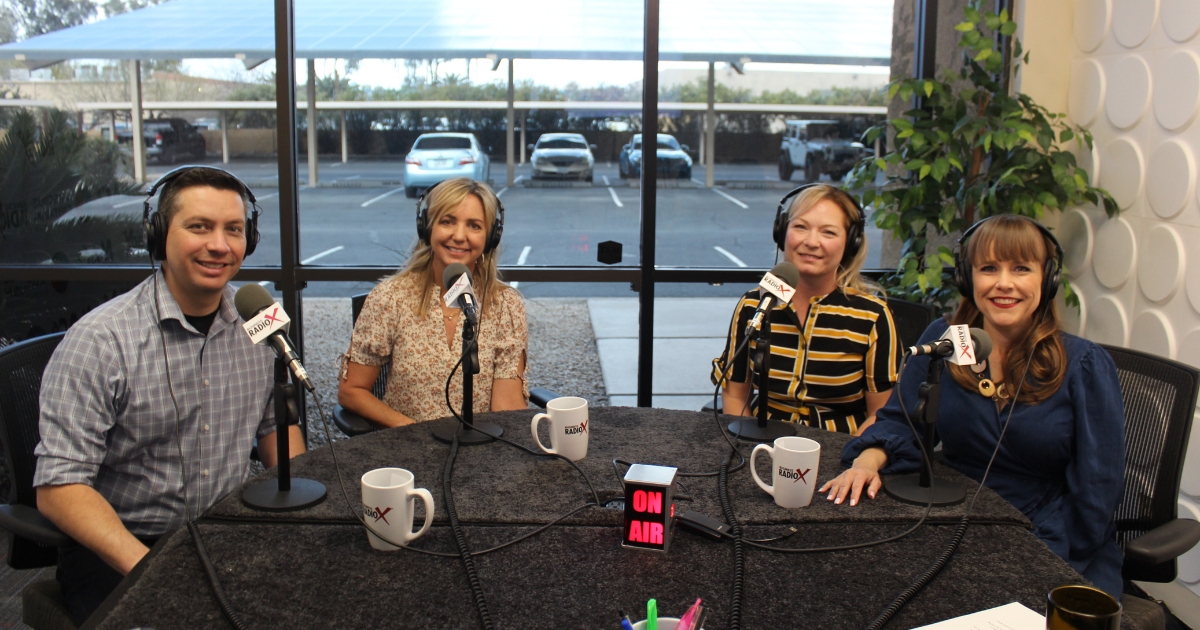
She was on-air with Michelle Zipser, owner of Cognitive Care and Counseling, Thomas Barr, Vice President of Business Development at Local First Arizona, and Carla Reeves, owner of Carla Reeves, LLC.

They gave amazing insights, resources, and tips for all of the above and more.

CCLogoHorizontalColor

Cognitive Care and Counseling provides counseling, education, and consultations to care partners/caregivers and family members of people living with dementia as well as older adults going through a life transition. They help you care for yourself, so you can care for your loved one.
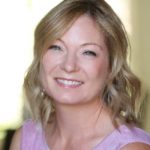
Michelle-Zipser-headshotMichelle Zipser worked as a medical social worker in hospice and palliative care for the last 20 years and has been a caregiver herself.

She knows and understands that this caregiving journey can create many emotions that we could never anticipate.

Having a counselor who understands this can make all the difference. Michelle focuses on meeting her clients where they are at and understands that everyone is on their own journey.

Connect with Michelle on LinkedIn.

LFA-Logo

Founded in 2003, Local First Arizona is a nonprofit organization committed to community and economic development throughout Arizona. Our work connects people, locally-owned businesses, and communities for meaningful actions that build a diverse, inclusive and prosperous Arizona economy, including:

Educating consumers about the interconnectedness of the economy — how and where they spend matters.

Training small businesses to be more resilient, while helping our larger partners tell their story as champions of Arizona.

Creating programs and events that make it fun and easy to discover local businesses and buy local.

Targeting systems of inequity and building prosperity for all Arizonans by proactively identifying comprehensive solutions and taking action.

Thomas-Barr-Headshot-2022Thomas Barr is the Vice President of Business Development for Local First Arizona, the largest coalition of local businesses in North America. He advocates for a strong local business community that contributes to building vibrancy, equity, and prosperity across the state.

A proud Arizona native and graduate of Arizona State University, Thomas leads the business coalition of Local First Arizona by advocating for the economic and cultural benefits provided by building strong local economies.

Thomas steers the strategic direction of LFA’s major programs and initiatives as well as the engagement of over 3000 businesses across Arizona. As Vice President, Thomas guides the direction and execution of LFA’s major initiatives and key partnerships, as well as the collaboration of 40 staff implementing work in entrepreneurship programs, small business advocacy, environmental sustainability, urban development, local food systems, and community building.

He frequently speaks to groups locally and nationally, presenting the impact of Local First Arizona and the importance of local economy work in building prosperity.

Outside of Local First Arizona, Thomas contributes his time to many causes and organizations throughout the Valley including Young Nonprofit Professionals – Phoenix, Equality Arizona, Arizona Commission on the Arts, Heritage Square Foundation, Phoenix Legal Action Network, and ONE Community.

Additionally, he serves as a director on the board of the American Independent Business Alliance, the leading national organization supporting the growth and development of local business alliances across the country. Thomas is a 2018 Phoenix Magazine and 2021 Phoenix Business Journal 40 Under 40 honoree, alumni of Arizona Leading for Change, and alumni of Valley Leadership Institute’s 40th cohort.

Most recently, Thomas has been appointed to the Small Business Advisory Council for the Arizona Secretary of State’s office.

Connect with Thomas on LinkedIn.

CRLLCLogo4

At Carla Reeves Coaching, they believe people are far closer than they realize to what they deeply desire, but trapped by an outdated way of thinking that prevents them from achieving their most important goals.

For over a decade they have been helping ambitious leaders identify their blind spots and overcome the internal barriers that keep them from taking their life to the next level.
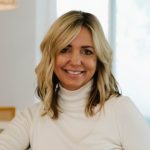
Carla-Reeves-HeadshotFor over a decade, ambitious leaders and hyper-achievers have been relying on Carla Reeves to call out their blind spots, challenge their thinking and expand their perspective.

She is known for her compassionate, direct, and truth-telling candor.

Carla believes in ditching the illusion that life will be great “someday” in the future and teaches leaders how to move out of survival and forward with intention, now.

She is the host of the podcast, Differently. Journaling changed her life and she’s now changing other people’s lives by coaching with a journal. It has proven to deepen and accelerate the impact for her clients.

She is the mother of two, was born and raised in a sleepy beach town in California and now lives in AZ on a small farm with cows, chickens and her beloved husband.

Connect with Carla on LinkedIn.

About Collaborative Connections

The purpose of Collaborative Connections Radio Show and Podcast is to build a connected community, one collaborative show at a time. We highlight local non-profits, associations, small and family-owned businesses.

By bringing 4 like-minded people together for an hour of in-depth conversation, our hope is that they connect and collaborate in life and business in the future.collaborative-connections-Radio-Show-Podcast-logo1
About Our Sponsor

KLM is a business development firm helping entrepreneurs, small and family-owned businesses start, grow and scale through consulting, marketing and project management. Combining those three things has been a trifecta, or triple advantage to business owners.

Entrepreneurs & small business owners come to KLM for support in all areas of business. If you need to duplicate yourself in any area of your business, we can help. If we don’t do exactly what you need, we know someone who can.

Business owners can continue to do what they love while having the support they need when they need it, with the help of KLM. We help you figure out what needs to get done AND DO IT FOR YOU!

klm-logo-small

About Your Host

Kelly-Lorenzen-on-Phoenix-Business-RadioXKelly Lorenzen, CEO of KLM, is an award-winning entrepreneur with over 15 years of business-ownership experience. She is also a certified project management professional.

Kelly’s expertise is in business development, customer service, marketing, and sales.

Connect with Kelly on LinkedIn, and follow KLM Consulting on Facebook.
Tagged With: arizona, arizona resources, business support, caring for the caregiver, carlareeves coachwithajournal, carlareevescoaching, Cognitive care, counseling, dementia, dementia care consultations., differentlythepodcast, local business, mindsetcoach, small business

Mary Caldwell, Alzheimer’s Association of Georgia

December 23, 2021 by John Ray

Alzheimer's
North Fulton Studio
Mary Caldwell, Alzheimer's Association of Georgia
Loading
00:00 /
RSS Feed
Share
Link
Embed

Download file

Alzheimer'sMary Caldwell, Alzheimer’s Association of Georgia (Episode 67, To Your Health with Dr. Jim Morrow)

On this edition of To Your Health, Dr. Morrow welcomed Mary Caldwell, Helpline and Early Stage Program Manager for the Alzheimer’s Association of Georgia, to discuss Alzheimer’s disease. Mary described its features, diagnosis, treatments, available resources such as The Georgia Memory Net, and much more. Dr. Morrow also addressed the current Omicron variant of Covid-19. To Your Health is brought to you by Morrow Family Medicine, a Member of Village Medical, which brings the care back to healthcare.

The Alzheimer’s Association, Georgia Chapter

The Alzheimer’s Association leads the way to end Alzheimer’s and all other dementia by accelerating global research, driving risk reduction and early detection, and maximizing quality care and support.

The Alzheimer’s Association, Georgia Chapter, is Georgia’s leading volunteer health organization in Alzheimer’s disease care, serving 159 counties in Georgia with offices in Atlanta, Augusta, Columbus, Dalton, Macon, Savannah, and Tifton. The chapter has been serving Georgia communities since 1982 by providing care and support such as care consultation, support groups, education, and social engagements for those with a diagnosis and their care partners. They also fund research globally and right here in Georgia.

Currently there are 150,000 Georgians living with Alzheimer’s and another 330,000 unpaid caregivers.

Website| LinkedIn| Facebook| Twitter

About Morrow Family Medicine, A Member of Village Medical

Morrow Family Medicine, a Member of Village Medical, is an award-winning, state-of-the-art family practice with offices in Cumming and Milton, Georgia. The practice combines healthcare information technology with old-fashioned care to provide the type of care that many are in search of today. Two physicians, three physician assistants and two nurse practitioners are supported by a knowledgeable and friendly staff to make your visit to Morrow Family Medicine, A Member of Village Medical one that will remind you of the way healthcare should be.  At Morrow Family Medicine, a Member of Village Medical, we like to say we are “bringing the care back to healthcare!”  The practice has been named the “Best of Forsyth” in Family Medicine in all five years of the award, is a three-time consecutive winner of the “Best of North Atlanta” by readers of Appen Media, and the 2019 winner of “Best of Life” in North Fulton County.

Village Medical offers a comprehensive suite of primary care services including preventative care, treatment for illness and injury, and management of chronic conditions such as diabetes, congestive heart failure, chronic obstructive pulmonary disease (COPD) and kidney disease. Atlanta-area patients can learn more about the practice here.

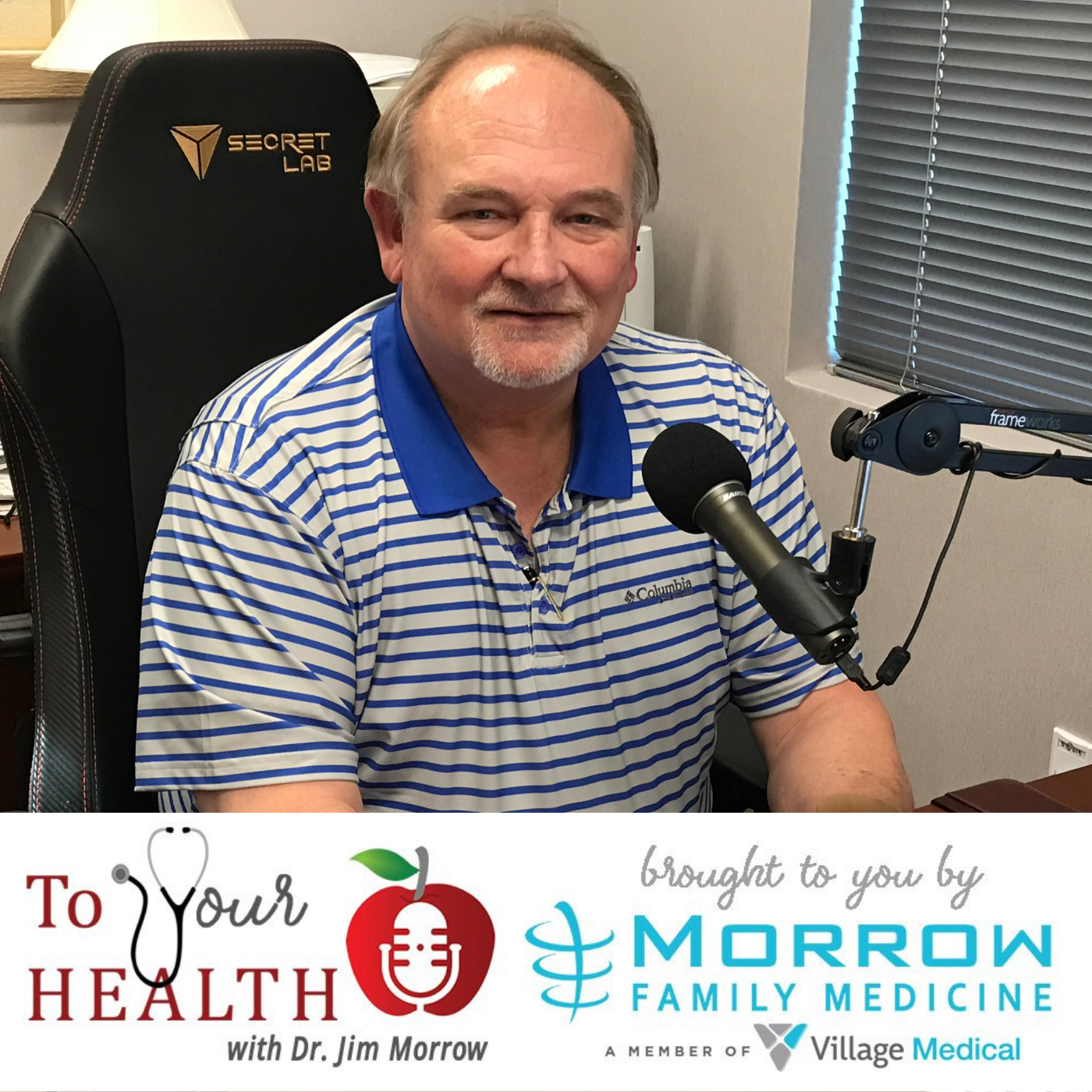
Dr. Jim Morrow, Morrow Family Medicine, and Host of To Your Health with Dr. Jim Morrow

Covid-19 misconceptionsDr. Jim Morrow is the founder and CEO of Morrow Family Medicine. He has been a trailblazer and evangelist in healthcare information technology, was named Physician IT Leader of the Year by HIMSS, a HIMSS Davies Award Winner, the Cumming-Forsyth Chamber of Commerce Steve Bloom Award Winner as Entrepreneur of the Year and he received a Phoenix Award as Community Leader of the Year from the Metro Atlanta Chamber of Commerce.  He is married to Peggie Morrow and together they founded the Forsyth BYOT Benefit, a charity in Forsyth County to support students in need of technology and devices. They have two Goldendoodles, a gaggle of grandchildren and enjoy life on and around Lake Lanier.

Facebook: https://www.facebook.com/MorrowFamMed/

LinkedIn: https://www.linkedin.com/company/7788088/admin/

Twitter: https://twitter.com/toyourhealthMD

The complete show archive of To Your Health with Dr. Jim Morrow addresses a wide range of health and wellness topics and can be found at www.toyourhealthradio.com.

Dr. Morrow’s Show Notes

Omicron, My Omicron

  • The variant is rapidly taking over as the most common cause of Covid in the US.
    • Most cases are already caused by Omicron and while a lot of these cases are mild,
      • this still causes a tremendous threat to those who are most susceptible.
  • The good news is that the mRNA vaccines are looking really good at preventing serious disease and death from Omicron and the other variants of the SarsCoV2 virus.
  • It’s an important distinction to make in this regard that the virus is not mutating.
    • Genetic code mutates.
    • That is NOT what is happening here.
    • The genetic code of this virus is the same in ALL these variants.
      • What is changing is the protein sequence in the spike protein of the virus.
    • See, viruses are composed of NOTHING but protein and genetic material.
      • They are not alive.
      • They are merely pieces of genetic code and amino acids,
        • which when lined up or connected in a certain way form protein molecules.
      • So, when you hear people talk about mutations, they are not informed correctly.
        • This is probably splitting hairs, but I believe it is important for people to understand that the virus is not mutating,
          • it is just having some changes in the amino acid sequence in the spike protein
          • and none of these changes have made it resistant to the vaccine to this point.

And About Treatments

  • Some people tried to drag me into an argument about treatments on social media again yesterday.
    • I do love it (air quotes here) when people say to me, “I got Covid and I took hydroxychloroquine and it cured me.
    • As if they were not going to be cured at all if they did not take it.
    • Just because you or someone you know took a substance and did not die, that does not mean that the substance worked.
    • I know people who got Covid and chewed bubble gum and did not die.
    • Does that mean that the bubble gum cured them?
      • I hope not and if you do not understand that, then I’ll just have to let Darwin sort that out.
      • And if you don’t get that reference, you have no business in this discussion anyway.


Alzheimer’s Disease

The Alzheimer’s Association works to end Alzheimer’s and all other dementia —

o          by accelerating research,

o          driving risk reduction and early detection,

o          and maximizing quality care and support.

Questions for Mary

  • What is the difference between Alzheimer’s and dementia?
  • What are some of the signs of Alzheimer’s?
  • Where are we with early detection?
  • What should people do if they notice a loved one is showing signs of Alzheimer’s?
  • What’s happening with treatment?
  • What should you expect if you or a loved one gets diagnosed with Alzheimer’s or another form of dementia?
  • What are some of the resources that the Alzheimer’s Association has for caregivers and people living with Alzheimer’s?
  • How can people get involved with the Alzheimer’s Association?


Tagged With: Alzheimer's Association Georgia Chapter, Alzheimers, alzheimers association, Caregivers, COVID-19, dementia, Dr. Jim Morrow, Mary Caldwell, Omicron Variant, To Your Health With Dr. Jim Morrow, Village Medical

To Your Health With Dr. Jim Morrow: Episode 19, Dementia, An Interview with Dr. Peter Futrell, Lakeside Neurology

October 23, 2019 by John Ray

North Fulton Studio
North Fulton Studio
To Your Health With Dr. Jim Morrow: Episode 19, Dementia, An Interview with Dr. Peter Futrell, Lakeside Neurology
Loading
00:00 /
RSS Feed
Share
Link
Embed

Download file

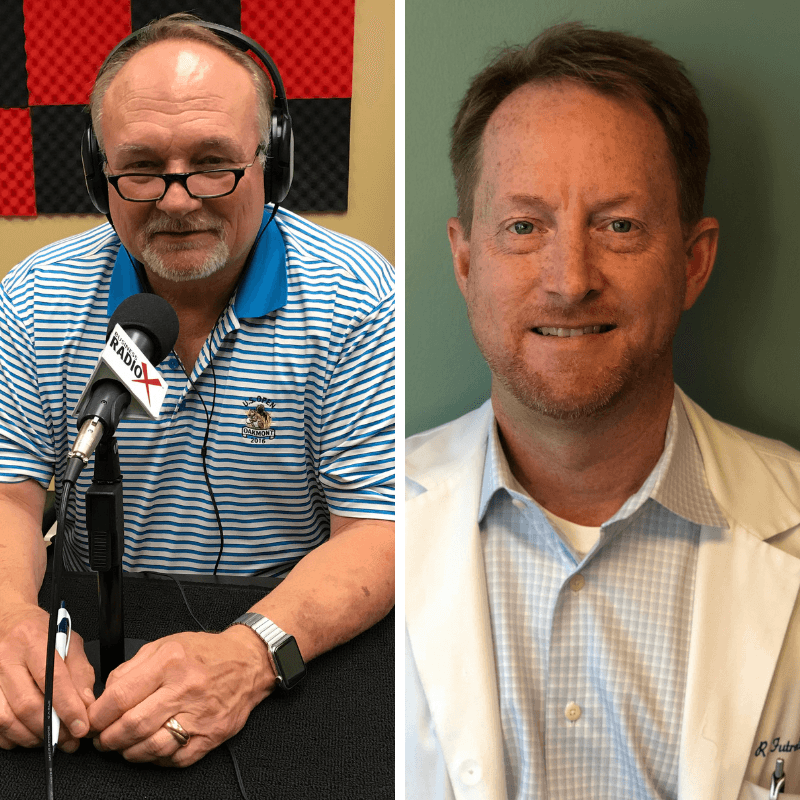
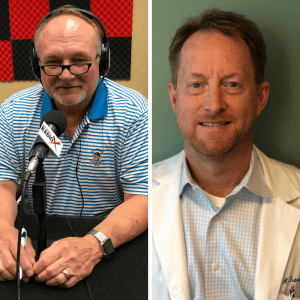
Dr. Jim Morrow and Dr. Peter Futrell

To Your Health With Dr. Jim Morrow: Episode 19, Dementia, An Interview with Dr. Peter Futrell, Lakeside Neurology

On this episode of “To Your Health with Dr. Jim Morrow,” Dr. Jim Morrow interviews neurologist Dr. Peter Futrell of Lakeside Neurology on the causes, risk factors, and symptoms of dementia. “To Your Health” is brought to you by Morrow Family Medicine, which brings the CARE  back to healthcare.

Dr. Peter Futrell, Lakeside Neurology

Dr. Peter Futrell

Dr. Peter Futrell is a neurologist at Lakeside Neurology in Cumming, GA. Lakeside Neurology is dedicated to serving the neurological needs of Forsyth County, GA, and the surrounding communities. Experience has taught the physicians to treat each patient as an individual and a partner in his or her medical care. The medical practice strives to provide state-of-the-art diagnosis and treatment using the latest neurological innovations. Sub-specialties include electrodiagnostic medicine and sleep disorders. 

 Dr. Futrell received his M.D. from the University of Cincinnati School of Medicine in 1994. He completed his medical internship at Good Samaritan Hospital in Cincinnati, Ohio, in 1995. He was a resident in the Department of Neurology at Emory University School of Medicine in Atlanta from 1995 to 1997, and chief resident in neurology at Emory University School of Medicine from 1997 to 1998. He continued on at Emory University School of Medicine as a fellow in clinical neurophysiology.
​

Dr. Futrell received his certification from the American Board of Psychiatry and Neurology in 1999. He is a member of the American Academy of Neurology. Dr. Futrell practices at Wellstar North Fulton and Northside Forsyth Hospitals.

About Morrow Family Medicine and Dr. Jim Morrow

Morrow Family Medicine is an award-winning, state-of-the-art family practice with offices in Cumming and Milton, Georgia. The practice combines healthcare information technology with old-fashioned care to provide the type of care that many are in search of today. Two physicians, three physician assistants and two nurse practitioners are supported by a knowledgeable and friendly staff to make your visit to Morrow Family Medicine one that will remind you of the way healthcare should be.  At Morrow Family Medicine, we like to say we are “bringing the care back to healthcare!”  Morrow Family Medicine has been named the “Best of Forsyth” in Family Medicine in all five years of the award, is a three-time consecutive winner of the “Best of North Atlanta” by readers of Appen Media, and the 2019 winner of “Best of Life” in North Fulton County.

Dr. Jim Morrow, Morrow Family Medicine, and Host of “To Your Health With Dr. Jim Morrow”

Dr. Jim Morrow, Morrow Family Medicine, and Host of “To Your Health With Dr. Jim Morrow”

Dr. Jim Morrow is the founder and CEO of Morrow Family Medicine. He has been a trailblazer and evangelist in the area of healthcare information technology, was named Physician IT Leader of the Year by HIMSS, a HIMSS Davies Award Winner, the Cumming-Forsyth Chamber of Commerce Steve Bloom Award Winner as Entrepreneur of the Year and he received a Phoenix Award as Community Leader of the Year from the Metro Atlanta Chamber of Commerce.  He is married to Peggie Morrow and together they founded the Forsyth BYOT Benefit, a charity in Forsyth County to support students in need of technology and devices. They have two Goldendoodles, a gaggle of grandchildren and enjoy life on and around Lake Lanier.

Facebook: https://www.facebook.com/MorrowFamMed/

LinkedIn: https://www.linkedin.com/company/7788088/admin/

Twitter: https://twitter.com/toyourhealthMD

Show Transcript

Intro: [00:00:06] Broadcasting live from the North Fulton Business RadioX Studio, it’s time for To Your Health with Dr. Jim Morrow. To Your Health is brought to you by Morrow Family Medicine, an award-winning primary care practice which brings the care back to health care.

Jim Morrow: [00:00:24] Hello. This is Dr. Jim Morrow with Morrow Family Medicine Offices in Cumming and Milton, Georgia. We’re here today for another episode of To Your Health. And I think it’s gonna be a great episode today. We’re here in the North Fulton Business RadioX Studio on Windward Parkway. I’m here with John Ray. John’s running the board and taking tweets and e-mails and we’ll talk about that in a second. How are you doing, John?

John Ray: [00:00:46] I’m doing great. How are you?

Jim Morrow: [00:00:47] Good. You’re getting over that cold?

John Ray: [00:00:49] I am. Thanks to early office hours from my family care physician.

Jim Morrow: [00:00:56] Great. That’s good to know. I’m glad to hear that.

John Ray: [00:00:58] That’s how I started coming to your place.

Jim Morrow: [00:01:00] Well, it’s one of the best reasons.

John Ray: [00:01:01] Well, absolutely, because I couldn’t get into the—the one I had wanted me to wait three days until I died. Then, they would see me.

Jim Morrow: [00:01:08] It drives me crazy.

John Ray: [00:01:09] I know. And then—and that’s how I got to you.

Jim Morrow: [00:01:11] So, at Morrow Family Medicine, we do have a walk-in hour every morning. We open at 7:30 for the first hour the day. You don’t need an appointment. If you just walk in, we will take care of whatever’s going on with you right then and there. We see walk-ins every day, Monday through Friday in that hour from 7:30 to 8:30 in the Cumming and the Milton office. And that way, there’s never a weekday you can’t be seen in one of our offices. And we like to say that we’re bringing care back to health care, and that’s one of the ways that we’re doing it.

Jim Morrow: [00:01:39] So this is our 19th episode of the podcast and radio show, and we’re excited to be here again. We do have a couple of ways you can get in touch with us if you want to. You can e-mail us at drjim@toyourhealth.md or you can tweet us @toyourhealthmd. So, that’s two ways you can get to us if you have recommendations for a show, or suggestions, or comments about the show you’re listening to at the moment. We try to gather some questions during the show and present those to you and come up with some answers at the end of the show every time.

Jim Morrow: [00:02:13] So, today we’re going to be talking about dementia, dementia in multiple forms. People think about dementia, they immediately think Alzheimer’s. But Alzheimer’s is a form of dementia. It’s not the only form. And we’re lucky today to have with us a neurologist from Cumming, Dr. Peter Futrell. Pete is the neurologist, one of the two with Lakeside Neurology and Cumming, Georgia. I’ve known Pete for about 20 years. Pete, how you are doing?

Peter Futrell: [00:02:39] I’m great. Glad to be here with you, guys, today.

Jim Morrow: [00:02:41] I appreciate you doing this for us. So-

Peter Futrell: [00:02:45] I was inadequate because I don’t have walk-in hours from 7:30 to 8:30 every weekday and-

Jim Morrow: [00:02:51] But you can start anytime.

Peter Futrell: [00:02:52] I still see a patient but-

Jim Morrow: [00:02:54] You can do that any time you want to. I bet your people would be tickled to death. But I will say I’ve been referring people to Pete Futrell for 20 plus years and getting in to see him when they need somebody to take care of you from a neurological standpoint. It’s never been a problem. And I do appreciate the care you take of the people in North Georgia.

Jim Morrow: [00:03:13] So, I started researching dementia a little bit because, honestly, it’s something that family doctors are probably a little bit weak in. I know I’m a little bit weak in that particular area. And that’s why I’m thankful that you’re around. But what I read says that during the age—in the 70s and people’s ages of 71 to 79, 1 in about 20 people will have dementia of some sort. In 80 to 89, 1 in 4. And over 90, 1 in 3. And so, with the population aging like it is, this is an, obviously, increasing problem for everybody out there.

Peter Futrell: [00:03:46] It keeps us busy in the office. That’s for sure.

Jim Morrow: [00:03:49] I know it does. So-

Peter Futrell: [00:03:51] You refer patients to us all the time, including for dementia, and much appreciate that. But sorry to see the patients with it. But, of course, try to help others. And yeah, there’s no shortage of them out there as you’re suggesting with those numbers.

Jim Morrow: [00:04:06] So, Pete, tell me, in your words, what exactly is dementia?

Peter Futrell: [00:04:12] Well, the term dementia just refers to a progressive decline in cognition. So, people can have chronic issues or maybe just isolated memory issues for any number of reasons. But if it’s not kind of a progressive thing. So, for example, somebody who had a brain injury, and they had some cognitive issues from that, that’s not dementia. That’s a one-time event that happened to the brain. It can affect them. It can be residual through their entire life, but it’s not something that necessarily will get worse.

Jim Morrow: [00:04:43] Right.

Peter Futrell: [00:04:43] Dementia, on the other hand, is progressive. As you said earlier, several different forms. People always equate dementia and Alzheimer’s, but that’s not always the case. That’s, usually, the case but not always.

Jim Morrow: [00:04:58] And what are some of the other things that might go on in your body that can make you have dementia?

Peter Futrell: [00:05:07] Well, that’s probably a long list. When we see somebody who we, at least, suspect dementia, we, of course, always start looking for the basic things first. As you know, some of the simple metabolic issues. Thyroid disease is a common one that can cause cognitive issues. There’s some undiagnosed kidney or liver problems. Those could, at least, mimic dementia. Of course, medications. Also confusion because that can be hard to discern if it’s medication effect or it is dementia.

Peter Futrell: [00:05:43] There’s four different forms of dementia. So, there’s the Alzheimer’s, which is by far the most common. But things like vascular dementia, which occurs from being in multiple strokes. There’s frontal dementia. People with Parkinson’s have a form of dementia that’s not technically Alzheimer’s but very close to it. So, a lot of different things to consider.

Jim Morrow: [00:06:09] Right, right. So, if you suspect that a patient has dementia, other than what you would do in the office, are there other ancillary tests that you do? Do you order CAT scans, MRIs, that kind of thing?

Peter Futrell: [00:06:22] Of course, yeah. And it depends on—as you were saying, it depends on the patient, all the different variables, whether it’s age, or medications, or other medical issues they might be having. Obviously, in the office, we can examine the patient, we can test their cognition. And probably most important actually is having a family member or someone else who can provide history. Obviously, if you a patient is having kinds of issues, they’re not always the best historians sometimes because, of course, they don’t remember. And other times, they just don’t have the insight, and they’re not aware of even having a problem. So, that’s what we’ll do in the office is the exam and history, of course.

Peter Futrell: [00:07:04] After, the office is checking lab work. Like, for example, the thyroid we talked about. Vitamin B12 deficiency is a common one that can cause kinds of issues. Imaging, almost always either CAT scan or MRI, and depends on the patient’s age, and what else is going on with them, how we decide if we choose one or the other. We may do an EEG, electroencephalogram, looking at electrical activity in the brain. It’s, at least, possible for some types of seizures to go undiagnosed and to manifest as cognitive issues. So, that’s always worth screening for.

Peter Futrell: [00:07:46] Other than that, one test I use a lot, and I think most urologist would agree with me, is sending the patient for formal neuropsych or neuropsychological testing, which is a battery of tests. As I tell patients, it’s kind of putting your brain through the ringers, kind of a stress test for your brain, looking at all forms of cognition, whether it’s language, memory, concentration. And using your psychologist is pretty good about, sort of, teasing out what might be causing the cognitive issues, whether it’s dementia, mood issues. That can certainly fool you and look like dementia when it present. It might just be bad depression. So, we use all those things and kind of put them in the pot, mix them up, and see what it looks like when we’ve got them all together.

Jim Morrow: [00:08:34] Right. So, in the office, I see people every day, seems like. I saw one this morning who was concerned about their memory. And he was having trouble, like everybody I know, I think, having trouble remembering why he went into the kitchen, and why he walked in the room, and sometimes with people’s names. And I think is important for people to understand that that’s not necessarily dementia. And can you tell me a little bit about how you delineate the two?

Peter Futrell: [00:09:05] Well, those two examples you gave are the names in particular is, far and away, the most common complaint that I get also for older folks. And their memory complaint is forgetting names, And then, the classic, I went upstairs or I went to the kitchen to get something, I don’t remember why. That’s probably number two or three on the list as far as memory complaints. But you’re right, just because you have a little trouble with those things does not mean that it’s dementia. Depending on age, there’s a certain amount of falling off that we kind of allow.

John Ray: [00:09:40] After that, there’s a kind of stage of cognitive issues called mild cognitive impairment, which essentially just means you’re having more trouble with your memory than you should for your age, but it’s not to an extent of being dementia. Those folks are important keep an eye on though because that can, within time, sort of, switch into dementia. But no, just because you can’t remember names, definitely not that simple as being diagnosed with dementia right there.

Jim Morrow: [00:10:10] Right. And when someone is diagnosed with dementia, I know it’s important to get them on medication as quickly as possible. You know, if you start losing brain cells, which is what we’re talking about, you’re not gonna get them back. So, it’s important to protect the ones you have. Medications, it seems like we’ve been using the same medications for this for a very long time.

Peter Futrell: [00:10:34] You’re right. There has been nothing new for dementia. I have to—I could probably look it up quickly, but the most new thing we have for dementia has been out for, gosh, I’d bet 12 or 15 years. Here it is. You’re right. We really have—it, essentially, comes down to four medications that we use for dementia. Three of them are very similar, and you don’t use one at a time with a patient. And then, there’s another one, Memantine or Namenda is the brand name that can be used in conjunction with one of those other three. And that’s about what we have in our hard material right now.

Jim Morrow: [00:11:18] And I’m sure—exactly, it is sad. And I’m sure there’s a great deal of research going into that, but I think if you think about the brain and how difficult it is to understand what’s going up there, it makes it a bit little easier to understand why that’s not something that’s easy to figure out. What about—as far as meds and things, though, what about things that you hear about on the radio? I hear the advertisement for meds all the time on the radio, help your memory, prevent memory loss. Anything to that at all?

Peter Futrell: [00:11:47] Not that I’ve seen. Nothing that has been proven sufficiently, at least, for me, to recommend, as I’m sure you do. I got plenty patients asking about it. I hear it on the radio or see an advertisement on the Internet all the time. Kind of amazing what someone purports to do, but I have not seen any of the supplements that has have, you know, a reasonable study had been proven to have any benefit. So, when patients ask me about it, I caution against because of just the lack of proven efficacy. And I mean, quite simply, some are of them are pretty expensive and it’s-

Jim Morrow: [00:12:29] They are.

Peter Futrell: [00:12:29] You know, especially the older folks who are already paying enough for medications, on and off medications, and other supplements, and throw more in the mix. And not only is it a cost issue, but then, you might have to worry about interactions. And just as you know, the more medications I think we’re on, the muddier the waters are.

Jim Morrow: [00:12:47] That’s right. Very true.

Peter Futrell: [00:12:48] And I’d love for it to be the case. I tell patients all the time, “Boy, if somebody proves to me that eating, or sleeping over here, or something will do the trick, I will be the first to not only recommended but take it myself.”

Jim Morrow: [00:12:59] Right, right.

Peter Futrell: [00:13:00] I just don’t see it yet. I wish I did.

Jim Morrow: [00:13:04] What about alcohol as far as bringing on dementia. Is there a relationship that you’ve seen there?

Peter Futrell: [00:13:12] Alcohol, a little bit of a funny one. Just with dementia, just like with other medical conditions, you always say, “Well, drinking in moderation helps. Drinking too much hurts.” And that’s probably the case for dementia that that little bit of alcohol may have some benefit actually in preserving. I guess, that’s the mixed results about that. I don’t think anybody would argue, though, that too much alcohol, and I’m not sure I can find too much alcohol, but too much alcohol absolutely can exacerbate dementia and even cause reform of dementia, that alcohol boost dementia that we occasionally see, and fortunately not too often but clearly can happen.

Jim Morrow: [00:14:00] One thing I get asked a good little bit in the office is about people that have a family history of dementia, and they’re concerned about that. Do you find that it runs in families? Do you find that is hereditary?

Peter Futrell: [00:14:13] There’s likely some genetic component. I’m not sure how strong that really is. My—when I’m asking about it from patients, I explain that if there’s family members, especially multiple family members, then just it seems to be borne out. I think common sense would tell you that, yeah, your risk is somewhat higher. But it’s not one—certainly not a slam dunk like, “Oh, gosh. Mom or dad had it. The rest of us are going to get it too.” That is not the case.

Jim Morrow: [00:14:41] Good, good. And once somebody is diagnosed with dementia, I know the progression can happen at all kinds of different rates. There’s no way to really predict most of that. But what would you tell or what do you tell caregivers to expect or that they need to understand about dealing with a patient that has dementia?

Peter Futrell: [00:15:06] Well, that’s a big question there. I think there’s probably a lot of aspects on that one. You know, everybody wants to know where it’s going from here. No question that that’s one of the most top concerns is, “All right. You just diagnosed my husband and my father with dementia. What can we expect in a year, or two years, whatever?” I dodge that question the best I can, usually, from patients, because it’s just so difficult. I have my own patients, some of them that clearly have dementia, but it’s been terribly slow, which is a good thing that I’ve been following for many years, and I’m not sure I’ve seen that. Well, a little bit decline over that time, but not anything terribly significant.

John Ray: [00:15:50] And then, I got patients, including, actually, ironically just one I saw yesterday, who just really began having problems earlier this year. And, now, it’s pretty well advanced. That’s certainly not your usual, but you see everything in between. As far as what to tell family otherwise, yeah, I guess the most important thing is explaining to them that it will get worse. Even though you can’t define over what time, this is something that is going to be worse at some point. Of course, this applies to any of us that you need to have your affairs in order, whether you’ve been diagnosed with dementia or not. That’s always a good idea, but even probably more so if you catch dementia early, and get to the attorneys, and get your power of attorneys, and health care, and all that. Then, you got to worry about issues with driving, and just safety, managing finances. There’s just so many things that come up.

Jim Morrow: [00:16:58] And I know one thing – people, a lot of times will want to, I guess, argue is the best way to put it, with a patient when they have dementia, and they will be insistent that something hasn’t happened or something has happened. And I’ve seen a lot of people go through the problems with that. And I think it always seems best if they just kind of go with the flow instead of trying to correct people every time. Is that a decent piece of advice for them?

Peter Futrell: [00:17:28] Absolutely. Just—it wasn’t this week, but last week, a patient mine that I’ve been seeing for probably five or six years, his wife as well, and almost every time they’re in, we have this discussion about her getting frustrated with him over kind of same thing. And as much as I love her, I think she’s actually one of my favorite folks, but she just, sometimes, just can’t let it go. Just stirs that pot. And I told her what I tell people all the time, “You got to move on. You got to distract to do a different subject. You’re just asking for a whole lot more frustration.” It’s already bad enough. If you let that frustration level get even higher, that’s not good for anybody involved, patient or family. You know, I just remind people that it’s not their loved one, it’s not really the patient who’s trying to be frustrating.

Jim Morrow: [00:18:26] Yeah.

Peter Futrell: [00:18:26] They just don’t know they’re doing it. And sometime, people, they kind of have a hard time getting their head around that.

Jim Morrow: [00:18:35] Yeah, I can imagine.

Peter Futrell: [00:18:35] They had been with them for 50 years, and known them, and this is such a change. It’s hard to deal with. That, of course, is understood.

Jim Morrow: [00:18:45] Do you see more dementia in men or women? Is there a gender split?

Peter Futrell: [00:18:53] It seems, to me, in my practice, more women. And I believe the research would show that it’s more women than men as well.

Jim Morrow: [00:19:03] It makes you wonder if that has something to do with-

Peter Futrell: [00:19:04] I’m not sure I know why. I’ll probably know at some point why that might be, but off the top of my head, I don’t know.

Jim Morrow: [00:19:09] I know we could chat about why and guess about why for a long time. But the truth is, we just don’t know enough about this particular disease. That’s the bottom line.

Peter Futrell: [00:19:19] Well, that’s the bottom line. I’m sure that that’s, at least, somewhat limiting the treatment options that we have. We’re talking about medications earlier. Every now and then, you hear about something that sounds like it might be coming out, and it is promising. And I’ll be damned if not. Two months later, the studies dropped because there’s some safety concern.

Jim Morrow: [00:19:41] Right, right.

Peter Futrell: [00:19:42] And that’s just—with dementia, that is—it seems like that happens way too much, which is why, I guess, we’re stuck in this rut we are right now with the very limited options.

Jim Morrow: [00:19:52] Well, that’s actually something I was going to ask you about. I was going to ask you if there’s something on the horizon that you anticipate coming out the next three to five years.

Peter Futrell: [00:20:03] I’d love to be more optimistic, but I’m not sure I’ve seen anything here, at least, recently, that looks like it has the numbers or momentum behind it to be available to us at anytime real soon-

Jim Morrow: [00:20:18] Right.

Peter Futrell: [00:20:18] … which, obviously, is not what I’d like to say and not what people would like to hear but that’s, at least, my experience.

Jim Morrow: [00:20:27] Well, what about reducing your risk of developing dementia? And this is not really funny, but I thought I’d already ask that but I guess I forgot. But what can we do?

Peter Futrell: [00:20:41] I can’t see you between 7:30 and 8:30 tomorrow because we don’t have any walk-in hours, but I could probably get you in later in the morning.

Jim Morrow: [00:20:45] Because you’re still in the bed at 7:30 in the morning?

Peter Futrell: [00:20:49] I don’t think so.

Jim Morrow: [00:20:50] So, what can people do to help keep this from being a problem of theirs?

Peter Futrell: [00:20:57] Well, that’s another one that’s mixed. I’m not sure that a month or two goes by where somebody doesn’t come up with, “Well, there’s this diet,” or take an anti-inflammatory, or keeping your sugar under control. And not that all these things aren’t necessarily good things, but all the time, we seek them out that seem to maybe help the risk of dementia down the road. And the other one I see and have seen in the past is you keep using your mind as you get older and trying to stave off dementia.

Jim Morrow: [00:21:33] Use it or lose it.

Peter Futrell: [00:21:34] Right. And that’s one where I would love to see better numbers on that too because as I explain to patients, it’s certainly not going to hurt to stay, obviously, physically active and mentally active. But I think someone seems to think that they can just do enough, they’ll be able to keep it away. And unfortunately, if it’s going to come, it’s going to come. You might delay it, you might make it slower, but not necessarily gonna stop it from coming.

Jim Morrow: [00:22:07] You mentioned the anti-inflammatory-

Peter Futrell: [00:22:08] I wish the brain was like the muscle where you can go to the physical therapist, and work on your balance, get you stronger, and do that for your brain.

Jim Morrow: [00:22:14] Exactly, yes.

Peter Futrell: [00:22:16] This comes down to it’s not that simple, currently.

Jim Morrow: [00:22:22] And I forgot the question I was going to ask. Again, there’s-

Peter Futrell: [00:22:28] So, we may need to advance it. We may need to move that-

Jim Morrow: [00:22:30] I’ll be there at 7:30 in the morning.

Peter Futrell: [00:22:33] How long is it gonna take you to get from Windward?

Jim Morrow: [00:22:35] Not long this time of day. So, what about the memory care units we’re blessed in the area to have? And I think across the country, there’s an assisted living place on every street corner, it seems like. And then, most of them have a memory care unit. Do you feel like society has handled the aging population and the increasing patients with dementia as well as they could? Is there something we could do better? This is not a medical question.

Peter Futrell: [00:23:03] Sure. Again, that’s one that I actually kind of had that discussion with a patient just this morning or the caregiver, actually, who was actually just more frustrated with her loved one staying home and having more resources there. These assisted living with the lock-down memory care units, so you don’t have to worry about patients wandering off, fantastic. As you pointed out, you can barely turn a corner now without there being one. And there are certainly things that seem to provide a service. But of course, a lot of people want to, for a lot of reasons, and expense being one of them, because assisted living for memory cares are not cheap-

Jim Morrow: [00:23:52] Right.

Peter Futrell: [00:23:53] … loved ones only want to keep their family member with them, not just for, obviously, the cost, but just because best to have family around. And it probably is for the patients, if it weren’t for safety issues, that it’s probably better to be in a familiar environment. Sometimes, that environment is just not safe if patients are wandering off, stairs and family finding them two miles down the road in the middle of the night. So, I’m not sure what the answer is as far as having some better in-home care that’s affordable, but a lot of people would appreciate that if it was more of an option.

Jim Morrow: [00:24:38] You’ll be glad to know that I remembered the other question. You were talking about anti-inflammatories and keeping sugar under control. Is there anything at all to be said for taking statins? Is there anything at all that has anything to do with dementia?

Peter Futrell: [00:24:52] Well, that’s—like all—I mean, yeah, it’s not like I’m saying things every time, but it’s just the way it is. You know, mixed things. I’ve seen studies indicating that, at least, some of the statins might help to prevent dementia and help prevent some of this buildup of the proteins in the brain that occurs with Alzheimer’s. But then, some of statins, in a very small number of patients, seem to actually cause some cognitive decline. Unfortunately, it seems like it probably resolves if they’re off the medication, but it’s just kind of interesting that it can cause some mental changes. But, on the other hand, it might long-term help to—it might help to prevent. I’m going to say might.

Jim Morrow: [00:25:38] Right, right.

Peter Futrell: [00:25:39] But, you know, I try not to let patients make decisions based on that because those numbers just aren’t solid enough. And the reason they’re taking statins is so that they can avoid having their stroke or their heart attack.

Jim Morrow: [00:25:50] Right.

Peter Futrell: [00:25:51] And those things are much more likely to happen. And they seem to have—they have patients stop the medicines to—for the medicine’s issue they’re concerned about cognition when you don’t want them having that heart attack or stroke.

Jim Morrow: [00:26:05] I gotcha. Well, that’s great, and that’s really all the things I had that I want to talk to you about. And out time’s about up. But John, I believe, have some questions that people have sent in that we’d like to run by you.

John Ray: [00:26:17] A couple for you, if we can. So, one is, for a person who has a parent, in this case, and they’re—they’re really—they don’t know. They think there may be a dementia issue, but they’re kind of concerned about maybe broaching that with the parent so—because they don’t want to be—they want to get them taken care of, but they don’t want to alarm them, right? So, how should that—how should they approach that issue? What do you suggest?

Peter Futrell: [00:26:59] Yeah, I’m not sure how—I’m not sure how Jim handles that one. I’m sure, he’d run into it too. From my standpoint, that’s a concern for patients. The families, all the time, are worried about how their loved one is going to take the news or is even willing to accept the news. You know what? Other than sitting down, and trying to explain that you have some concern, and that you think it needs to be checked out, and “Hey, if you see the doctor, and everything’s fine like you think it is, well, great. Nothing is lost. But can we, at least, go have it looked into.” I’m not sure I have a better way of handling it. but-

Jim Morrow: [00:27:40] I think that’s-.

Peter Futrell: [00:27:41] … that is definitely something—definitely something that can get to be an approaching point. I’ve seen it too many times with—and it’s the reason why, sometimes, I am seeing the patients and the family separate because it’s just the subject that follows a big risk.

Jim Morrow: [00:27:55] It is. And that’s something that I would encourage people to lay it on me, and bring them into the office, and let me bring up the point that I’m seeing some things about memory that I’m concerned about. And I think we need to try some medication, do some tests, and so forth. And invariably, they’re gonna end up in a neurologist’s office, but I think it’s just easier-

Peter Futrell: [00:28:17] Be the bad guy, ultimately.

Jim Morrow: [00:28:18] Ultimately, absolutely.

Peter Futrell: [00:28:20] Yeah.

Jim Morrow: [00:28:20] Absolutely. But at the same time, I think it’s something that the family needs to feel free to bring them to somewhere. And they’re usually gonna start with us. And that will start with you in those cases. And so, you know, to keep them from being the bad guy, I think it’s important that they just come in and let me broach the subject. The same way with driving. I get asked, and I know you do too, I get asked all the time to tell daddy that he can’t drive anymore. And usually, if you bring him in, and you can make a point of reflexes and so forth, you can make a good point with him and get him to not drive anymore. John?

Peter Futrell: [00:28:55] Well, you took the words right of my mouth. I was gonna say driving is the other big moment of tension that we have to be a bad guy about.

Jim Morrow: [00:29:02] It’s huge.

Peter Futrell: [00:29:04] Yeah, that’s huge. It impacts too many people.

Jim Morrow: [00:29:08] One other question here surrounds incidents at seemingly earlier ages. This person is citing the Pat Summitt case, the Tennessee women’s basketball coach. And I guess she had early onset Alzheimer’s in her 50s. Is it just coincidental or anecdotal? I mean, are we seeing more dementia and Alzheimer’s cases earlier in age and stage than we have used to see 10 or 20 years ago.

Peter Futrell: [00:29:52] Well, I mean I can speak for the last 20 years, I’ll be quick to point out Jim can talk a little bit longer than that. But I don’t—in my practice, I haven’t seen, I don’t think, an uptick in the earlier patients. I think patients I have in their late 50s with it now. I don’t think that numbers a whole lot different than it was 20 years ago when I started. That’s just—that’s my own experience. Others may see otherwise. But I’ve not seen an epidemic of a 52-year-old coming out with dementia.

Jim Morrow: [00:30:30] Well, good, good. So, we’ve been talking with Dr. Peter Futrell, neurologist with Lakeside Neurology in Cumming, Georgia. Pete, I want to thank you for taking the time to be with us today. I really appreciate this. I think this is the kind of thing that many, many families are dealing with and that might benefit them to listen to the podcast. And I appreciate you taking the time out of your day to do this with us.

Peter Futrell: [00:30:54] Well, not a problem. Sorry I couldn’t join you in the studio there but happy to help, of course.

Jim Morrow: [00:30:59] Good to have you anyway. Thanks very much. So, for now, this is To Your Health.

Tagged With: Cumming doctor, Cumming family care, Cumming family doctor, Cumming family medicine, Cumming family physician, Cumming family practice, Cumming md, Cumming physician, dementia, Dementia ages, dementia signs, Depression, Dr. Jim Morrow, Dr. Peter Futrell, family history of dementia, Lakeside Neurology, memory problems, mild cognitive impairment, Milton doctor, Milton family care, Milton family doctor, Milton family medicine, Milton family physician, Milton family practice, Milton md, Milton physician, mood issues, Morrow Family Medicine, neuropsychological testing, North Fulton Business Radio, Parkinson's and Dementia, progressive memory problems, thyroid issues, vascular dementia

Second Wind Dreams: Changing the Perception of Aging

August 29, 2014 by Mike

Gwinnett Studio
Gwinnett Studio
Second Wind Dreams: Changing the Perception of Aging
Loading
00:00 /
RSS Feed
Share
Link
Embed

Download file

PK Beville and Victoria Collier

Senior Salute Radio brings timely information to leading edge Boomers and Seniors about issues involving care-giving and aging.  Learn from both professionals and regular people going through the process with their families. Each week we will also Salute an incredible Senior.

Senior Salute Radio is presented by The Elder & Disability Law Firm of Victoria L. Collier.

Today’s Guest:

PK Beville/Second Wind Dreams

PK Beville on Senior Salute RadioSecond Wind Dreams is an international, nonprofit organization founded in 1997. This organization is changing the perception of aging through the fulfillment of dreams and educational programs including its flagship program, The Virtual Dementia Tour. The Atlanta-based organization has fulfilled more than 10,000 dreams with help from its sponsors: Senior Helpers, Caesars Foundation, Alzheimer’s Foundation of America, and UK-based Training 2 Care. For more information, visit www.secondwind.org.

Today’s Senior Salute is in honor of Betty Clanton for her beautiful spirit and positive example.

Tagged With: dementia, elder & disability law firm of victoria collier, elder & disability law firm of victoria l. collier, elders, Nonprofit, p.k. bellville, perception of aging, pk bellville, second wind dreams, senior helpers, Senior Salute, senior salute radio, seniors, the virtual dementia tour, training 2 care, training to care, Victoria Collier, victoria l. collier, virtual dementia tour

Caring for Seniors

August 1, 2014 by Mike

Gwinnett Studio
Gwinnett Studio
Caring for Seniors
Loading
00:00 /
RSS Feed
Share
Link
Embed

Download file

Gary Kitchen, Victoria Collier, Kay Coppage

Senior Salute Radio brings timely information to leading edge Boomers and Seniors about issues involving care-giving and aging.  Learn from both professionals and regular people going through the process with their families. Each week we will also Salute an incredible Senior.

Senior Salute Radio is presented by The Elder & Disability Law Firm of Victoria L. Collier.

Kay Coppage/Plymouth Harbor Adult Day Program

???????????????????????????????Plymouth Harbor Adult Day Program provides care and companionship for older adults who could benefit from socialization and supervision and offers respite for caregivers. The program seeks to further the goal of allowing older adults to remain in the home. Started in 1991, Plymouth Harbor is a ministry of Central Congregational United Church of Christ, staffed by dedicated social workers and a team of caring volunteers.

Plymouth Harbor offers a warm, loving and welcoming environment in which participants can form peer friendships while engaging in meaningful activities, enjoying entertainment by local musicians, and sharing a nutritious meal. Plymouth Harbor participants also benefit from occasional visits from the children at Turning Sun School and friendly pets. Plymouth Harbor is open to older adults who can benefit from a nurturing and safe environment outside the home, including those who may not wish or be able to stay alone for extended periods and who can benefit from social interaction and a structured environment. The program fee is $42.00 per day.

Gary Kitchen/Laona M. Kitchen Foundation

Gary Kitchen, Laona M. Kitchen FoundationThe Laona M.Kitchen Foundation is a 501 C 3 non-profit, all volunteer organization founded in 2012 to assist care givers by providing short-term respite care to relieve them of the demands of caring for one with Alzheimer’s/dementia. One of the other missions is to provide education to the community on how best to cope with these irreversible and deadly diseases, also assisting families in applying for the VA Aid and Attendance Pension.

Senior Salute Moment/Loana Kitchen

Pic 2The mother of Gary Kitchen, Laona Kitchen was a mother, grandmother and great grandmother who battled Alzheimer’s disease. The Laona M. Kitchen Foundation was founded in her honor.


Tagged With: dementia, elder care, gary kitchen, kay coppage, laona kitchen, laona m. kitchen, laona m. kitchen foundation, plymouth harbor, plymouth harbor adult day program, senior care, senior companionship, seniors

Making Dreams Come True with Bob Carr, Second Wind Dreams

January 29, 2013 by angishields

Eugeria
Eugeria
Making Dreams Come True with Bob Carr, Second Wind Dreams
Loading
00:00 /
RSS Feed
Share
Link
Embed

Download file

A rare Atlanta native, Bob Carr tells us he grew up less than a mile from the Eugeria! Radio Studio!  He attended Sandy Springs High School, attended The University of Georgia, earning a BS degree in Psychology, then served in the US Army at Fort Benning as a Second Lieutenant.

After leaving the military, Bob began a career in the insurance industry.  He spent ten years running his own agency before selling it and founding Executive Adventure, with a mission of encouraging better communication and teamwork in business and corporate organizations.  After nearly three decades, Bob sold Executive Adventure, and started working with senior adults with cognitive impairments.  Having seen the impact on patients and their families first-hand, Bob connected with Second Wind Dreams to help them fulfill their mission of enhancing the quality of seniors’ lives through the fulfillment of dreams and education of families and senior care professionals.

Founded by P.K. Beville in 1997, Second Wind Dreams is a non-profit organization that seeks to experientially educate individuals with respect to what it’s like to live with a cognitive impairment such as is caused by Alzheimer’s disease and others.  The Virtual Dementia Tour provides a tactile experience that inhibits a persons natural motor and cognitive abilities.  After a few minutes in a darkened room, and having been asked to perform simple tasks, the participants then share their experiences with others in a facilitated feedback session.

For our listeners in Atlanta, there will be a Virtual Dementia Tour experience held on January 31 at the Holiday Inn in Roswell, located at 909 Holcomb Bridge Road, from 10 am to 1 pm.  If you would like to register, please call Candice at 678-624-0500, or email her at Candice@secondwind.org.  You may also visit their website at www.secondwind.org.

We want to thank Griswold Home Care for sponsoring today’s show.  Griswold Home Care has been a preferred provider of high quality, affordable in-home senior care in Atlanta for 20 years.


Tagged With: dementia, elder care, home care, senior care, VDT

Eugeria! Radio Chats with Gwen Massey of Senior Care Finders and Janice Simien of Emeritus at Sandy Springs

August 25, 2011 by angishields

Eugeria
Eugeria
Eugeria! Radio Chats with Gwen Massey of Senior Care Finders and Janice Simien of Emeritus at Sandy Springs
Loading
00:00 /
RSS Feed
Share
Link
Embed

Download file

Gwen Massey was born and raised in Tyler, Texas. After completing her BSN at the University of Texas at Tyler, Gwen worked as nurse across many different disciplines. After experiencing the benefits of home health and hospice care firsthand with her grandmother, Gwen became a hospice nurse.  After a number of years in hospice nursing, Gwen felt the tug of entrepreneurship, wanting to provide a unique service, filling a need she observed in the senior community.  The result was the genesis of Senior Care Finder and Consultants two years ago. Recognizing that finding the proper services can be a challenge for seniors and their families, Gwen stepped in to fill this need.

With over 30 years of experience as an RN, Gwen assists seniors and their families identify their needs, helping them find the proper care and services to fit those needs. Gwen can be reached by phone at 214-546-1935 or by email at info@theseniorcarefinder.com. You can also visit their website at www.theseniorcarefinder.com.


Born, raised and educated in south central Louisiana, Janice Simien has spent a good bit of her career helping seniors as they transition from their own homes to independent and assisted living communities.  She started this work as the result of a friend that invited her to investigate a career helping seniors.  Today Jan is the Community Relations Director for Emeritus at Sandy Springs Place, a memory care community in Sandy Springs.  Emeritus at Sandy Springs Place is a 52 room community with four wings that provide care for residents in each of the three stages of dementia.  Jan tells us that she loves her job because she recognizes that families are delegating a very important role when they trust Emeritus with the care of their loved one.

To arrange a tour of the Emeritus campus, please call Jan at 770-650-8800.  The community is located at 1262 Hightower Trail in Sandy Springs.  You can also check them out on the web here.

Special thanks to Griswold Special Care, A Tradition in Home Care Excellence since 1982, for hosting today’s show!

Tagged With: dallas, dementia, griswold special care, home care, senior care, Senior Housing

Donna Sharp and Sarah Biehl from Hope Memory Care, and Reverse Mortgage Specialist Jan McFarlane

July 21, 2011 by angishields

Eugeria
Eugeria
Donna Sharp and Sarah Biehl from Hope Memory Care, and Reverse Mortgage Specialist Jan McFarlane
Loading
00:00 /
RSS Feed
Share
Link
Embed

Download file

Jan McFarlane is originally from Little Rock, Arkansas and moved to Dallas after college to pursue a career in court reporting. She soon decided that she wanted to pursue a different path and entered in to the insurance industry.  This move quickly led her to real estate which then turned her on to the path of mortgages. Jan now has over 26 years of combined experience between real estate and mortgages, and specializes in reverse mortgages as a Reverse Mortgage Specialist.  Jan notes that she is licensed in all 50 states, and often provides services to family members from all over the country.

The best part of Jan’s job Is helping her clients take charge of their financial situation by unlocking a wealth of resources. As a senior herself, Jan enjoys interacting with her clients on a daily basis. She says that “They’ve taught me that it’s never too late to continue to enjoy life.”

When she’s not working, Jan keeps herself busy with many hobbies including her Boston Terriers, gardening and needle point. Jan can be reached by calling 214-528-3111 or 877-528-3111.


Originally from New Jersey, Donna Sharp has spent more than 20 years in the nursing field.   For the past seven years, she has focused on geriatrics, and has worked in a number of assisted living facilities.  She loves working with seniors, and gets real joy out of mining their wealth of knowledge and wisdom.  Donna was joined this morning my a returning (for the fourth time!) guest, Sarah Biehl.  Sarah also is drawn to seniors, and couldn’t imagine working in any other field.

In the last year, Donna became aware of Hope Assisted Living and Memory Care.  This unique community is nearing completion near the Gwinnett County Airport, just over the Lawrenceville line in Dacula.  This community, being built by George and Earl Schoepf, is committed to helping individuals with some type of dementia age in place.  The community will have four “Villages”, each focused on providing specific living arrangements for each progressive stage of dementia.  Donna is the Executive Director of the community, and Sarah is the Therapeutic Activities Director.  Both Donna and Sarah are very excited about the community, and can’t wait for the completion of construction and subsequent approval to take on residents by the State of Georgia – details on Grand Opening to follow.  To find out more, contact them at (404) 769-2166, check out their website at www.hopememorycarecenter.com, or email them at either dmsharp@hopememorycarecenter.com, or sbiehl@hopememorycarecenter.com.

Special thanks to the Atlanta Office of Griswold Special Care, A Tradition in Home Care Excellence since 1982, for hosting today’s show!

Tagged With: dementia, memory care, reverse mortgage

Leslie Anderson, Alzheimer’s Association

February 3, 2011 by angishields

Eugeria
Eugeria
Leslie Anderson, Alzheimer's Association
Loading
00:00 /
RSS Feed
Share
Link
Embed

Download file

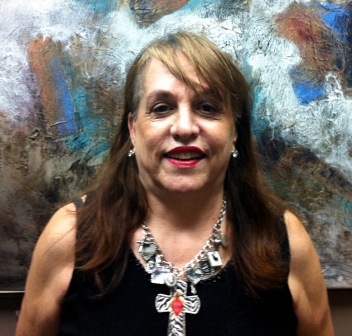
Anderson, Leslie compressedLeslie Anderson was born in Greenwood, Mississippi, and attended Mississippi State for both her Bachelors and Masters degrees.  After college, she naturally gravitated to the non-profit world, first working for Easter Seals, then spending 15 years at the Red Cross.  When the Red Cross reorganized her position moved to Chicago.  Being a true Southern belle, she did not.  Much to Atlanta’s benefit, Leslie decided to there instead.  Today, Leslie is the President and CEO of the Georgia Chapter of the Alzheimer’s Association, one of the largest in the country.  Leslie tells us that there are at least 200,000 diagnosed cases of Alzheimer’s Disease in the state of Georgia.  Her organization provides resources for these victims of the disease, as well as for their families.  Though many are familiar with the many MemoryWalks around the state, you might not be familiar with their newest event, Dancing Stars of Atlanta.  This year the event will be held on April 16 at the Loews Hotel.  For more information about this event, or for resources for yourself or a loved one, contact the Alzheimer’s Association at (800) 272-3900, or visit them on the web at www.alz.org/georgia.

Tagged With: dementia

  • 1
  • 2
  • Next Page »

Business RadioX ® Network


Our Most Recent Episode

CONNECT WITH US

  • Email
  • Facebook
  • LinkedIn
  • Twitter
  • YouTube

Our Mission

We help local business leaders get the word out about the important work they’re doing to serve their market, their community, and their profession.

We support and celebrate business by sharing positive business stories that traditional media ignores. Some media leans left. Some media leans right. We lean business.

Sponsor a Show

Build Relationships and Grow Your Business. Click here for more details.

Partner With Us

Discover More Here

Terms and Conditions
Privacy Policy

Connect with us

Want to keep up with the latest in pro-business news across the network? Follow us on social media for the latest stories!
  • Email
  • Facebook
  • Google+
  • LinkedIn
  • Twitter
  • YouTube

Business RadioX® Headquarters
1000 Abernathy Rd. NE
Building 400, Suite L-10
Sandy Springs, GA 30328

© 2025 Business RadioX ® · Rainmaker Platform

BRXStudioCoversLA

Wait! Don’t Miss an Episode of LA Business Radio

BRXStudioCoversDENVER

Wait! Don’t Miss an Episode of Denver Business Radio

BRXStudioCoversPENSACOLA

Wait! Don’t Miss an Episode of Pensacola Business Radio

BRXStudioCoversBIRMINGHAM

Wait! Don’t Miss an Episode of Birmingham Business Radio

BRXStudioCoversTALLAHASSEE

Wait! Don’t Miss an Episode of Tallahassee Business Radio

BRXStudioCoversRALEIGH

Wait! Don’t Miss an Episode of Raleigh Business Radio

BRXStudioCoversRICHMONDNoWhite

Wait! Don’t Miss an Episode of Richmond Business Radio

BRXStudioCoversNASHVILLENoWhite

Wait! Don’t Miss an Episode of Nashville Business Radio

BRXStudioCoversDETROIT

Wait! Don’t Miss an Episode of Detroit Business Radio

BRXStudioCoversSTLOUIS

Wait! Don’t Miss an Episode of St. Louis Business Radio

BRXStudioCoversCOLUMBUS-small

Wait! Don’t Miss an Episode of Columbus Business Radio

Coachthecoach-08-08

Wait! Don’t Miss an Episode of Coach the Coach

BRXStudioCoversBAYAREA

Wait! Don’t Miss an Episode of Bay Area Business Radio

BRXStudioCoversCHICAGO

Wait! Don’t Miss an Episode of Chicago Business Radio

Wait! Don’t Miss an Episode of Atlanta Business Radio