Business RadioX ®

  • Home
  • Business RadioX ® Communities
    • Southeast
      • Alabama
        • Birmingham
      • Florida
        • Orlando
        • Pensacola
        • South Florida
        • Tampa
        • Tallahassee
      • Georgia
        • Atlanta
        • Cherokee
        • Forsyth
        • Greater Perimeter
        • Gwinnett
        • North Fulton
        • North Georgia
        • Northeast Georgia
        • Rome
        • Savannah
      • Louisiana
        • New Orleans
      • North Carolina
        • Charlotte
        • Raleigh
      • Tennessee
        • Chattanooga
        • Nashville
      • Virginia
        • Richmond
    • South Central
      • Arkansas
        • Northwest Arkansas
    • Midwest
      • Illinois
        • Chicago
      • Michigan
        • Detroit
      • Minnesota
        • Minneapolis St. Paul
      • Missouri
        • St. Louis
      • Ohio
        • Cleveland
        • Columbus
        • Dayton
    • Southwest
      • Arizona
        • Phoenix
        • Tucson
        • Valley
      • Texas
        • Austin
        • Dallas
        • Houston
    • West
      • California
        • Bay Area
        • LA
        • Pasadena
      • Colorado
        • Denver
      • Hawaii
        • Oahu
  • FAQs
  • About Us
    • Our Mission
    • Our Audience
    • Why It Works
    • What People Are Saying
    • BRX in the News
  • Resources
    • BRX Pro Tips
    • B2B Marketing: The 4Rs
    • High Velocity Selling Habits
    • Why Most B2B Media Strategies Fail
    • 9 Reasons To Sponsor A Business RadioX ® Show
  • Partner With Us
  • Veteran Business RadioX ®

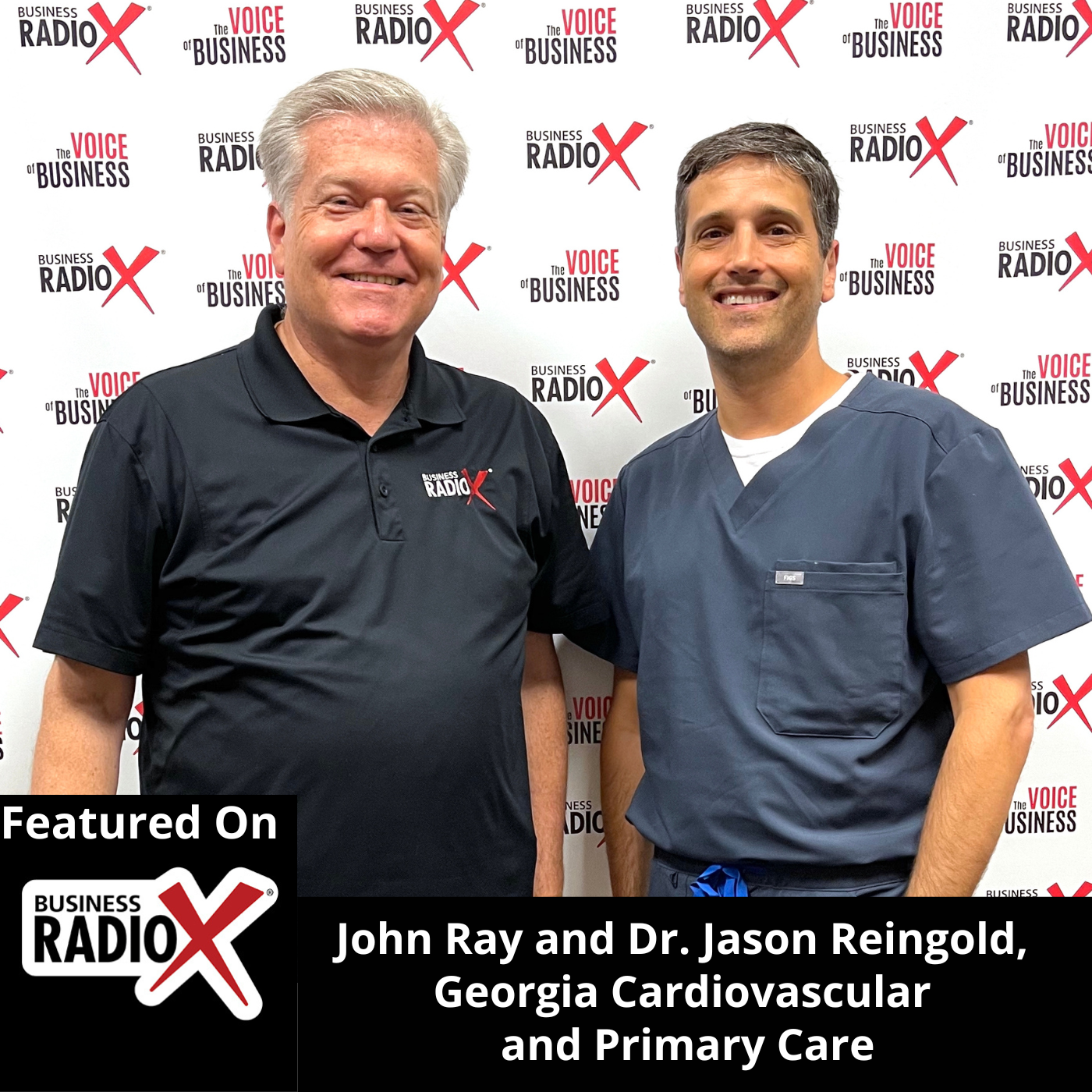
Dr. Jason Reingold, Georgia Cardiovascular and Primary Care

July 12, 2022 by John Ray

Dr. Jason Reingold
North Fulton Business Radio
Dr. Jason Reingold, Georgia Cardiovascular and Primary Care
Loading
00:00 /
RSS Feed
Share
Link
Embed

Download file

Dr. Jason Reingold

Dr. Jason Reingold, Georgia Cardiovascular and Primary Care (North Fulton Business Radio, Episode 469)

Dr. Jason Reingold of Georgia Cardiovascular and Primary Care joined North Fulton Business Radio to announce the opening of their new flagship office in Alpharetta. He and host John Ray discussed this integrative cardiology practice, the 7% problem, and eight elements of optimal health. Dr. Reingold also mentioned the negative impacts of stress, including heightened inflammation and stress hormones, the steps his practice has taken to provide affordable care options, and much more.

North Fulton Business Radio is broadcast from the North Fulton studio of Business RadioX® inside Renasant Bank in Alpharetta.

Georgia Cardiovascular and Primary Care

Dr. Jason Reingold is a Harvard Trained, Board Certified Cardiovascular Disease specialist empowering patients to reduce complications of heart and vascular disease and to improve overall wellness. He and his team build relationships with patients and their families finding the best combination of lifestyle and pharmacologic treatments for optimal medical wellbeing.

As a recognized expert in heart and vascular diagnosis, Dr. Reingold helps patients choose the best test for their comprehensive health. When possible, he utilizes office-based, noninvasive testing to improve access, comfort, and convenience while reducing the cost of out-of-pocket expenses to patients. If you are experiencing symptoms of heart or vascular disease, need a second opinion, or want to know your risk, contact us to schedule a consultation with Dr. Jason Reingold.

Company Website |Facebook | Instagram

Dr. Jason Reingold, Cardiovascular Disease Specialist, Georgia Cardiovascular and Primary Care

Dr. Jason Reingold, Cardiovascular Disease Specialist, Georgia Cardiovascular and Primary Care

Dr. Jason Reingold is a Harvard-trained, board-certified cardiovascular disease specialist with additional certifications from the American College of Cardiology, National Institutes of Health, National Board of Echocardiography, and National Board of Nuclear Cardiology. Dr. Reingold is an adjunct assistant professor at Augusta University/Medical College of Georgia in addition to leading regulatory affairs for the Georgia Chapter of the American College of Cardiology.

Dr. Reingold graduated top of his class from the University of Georgia and Emory University School of Medicine. He completed his training in internal medicine at the University of California at San Francisco and went on to study cardiovascular disease at Massachusetts General Hospital/Harvard Medical School.

Dr. Reingold focuses on the prevention and reversal of heart and vascular disease in both the young and the elderly populations. He also takes interest in the overlap of cardiovascular disease focusing on weight management, kidney disease, and diabetes.

Additionally, Dr. Reingold offers his patients access to innovative diagnostic and treatment options through his work in clinical research trials. He has served as an investigator for trials through Saint Joseph’s Translational Research Institute, Saint Joseph’s Heart and Vascular Institute., and Atlanta Clinical Research Centers. Jason is married to Jennifer Alper Reingold, a pediatric speech pathologist. They live in Sandy Springs with their 2 daughters, Kaylie and Zoey, and rescue dog Teddy.

LinkedIn | Facebook

Questions and Topics in this Interview:

• It’s 2022: Why do we still need to talk about cardiovascular disease?
• Why did you pick Alpharetta as the location for your new practice?
• What makes your Alpharetta office unique?
• Aside from the physical office, what else differentiates your office from other practices?
• How is your practice philosophy different?
• You talk a lot about vascular health and disease, why is this so important to you
• I know reducing health care costs for employees is important for our listeners, please tell us more.
• What about patients who have insurance, are you in-network with insurance?


North Fulton Business Radio is hosted by John Ray and broadcast and produced from the North Fulton studio of Business RadioX® inside Renasant Bank in Alpharetta. You can find the full archive of shows by following this link. The show is available on all the major podcast apps, including Apple Podcasts, Spotify, Google, Amazon, iHeart Radio, Stitcher, TuneIn, and others.

RenasantBank


Renasant Bank has humble roots, starting in 1904 as a $100,000 bank in a Lee County, Mississippi, bakery. Since then, Renasant has grown to become one of the Southeast’s strongest financial institutions with over $13 billion in assets and more than 190 banking, lending, wealth management and financial services offices in Mississippi, Alabama, Tennessee, Georgia and Florida. All of Renasant’s success stems from each of their banker’s commitment to investing in their communities as a way of better understanding the people they serve. At Renasant Bank, they understand you because they work and live alongside you every day.

 

Special thanks to A&S Culinary Concepts for their support of this edition of North Fulton Business Radio. A&S Culinary Concepts, based in Johns Creek, is an award-winning culinary studio, celebrated for corporate catering, corporate team building, Big Green Egg Boot Camps, and private group events. They also provide oven-ready, cooked from scratch meals to go they call “Let Us Cook for You.” To see their menus and events, go to their website or call 678-336-9196.
Tagged With: A&S Culinary Concepts, cardiovascular disease, Dr. Jason Reingold, Georgia Cardiovascular and Primary Care, heart attack, heart disease, inflammation, integrative cardiology practice, North Fulton Business Radio, renasant bank, stress, Stroke, vascular health

How Do I Know If I Have Heart Disease?

April 15, 2021 by John Ray

Heart Disease
North Fulton Studio
How Do I Know If I Have Heart Disease?
Loading
00:00 /
RSS Feed
Share
Link
Embed

Download file

Heart Disease

How Do I Know If I Have Heart Disease? (Episode 54, To Your Health with Dr. Jim Morrow)

On today’s show, Dr. Morrow outlined who is at risk for heart disease and who should consider getting a Coronary Artery Calcium Scoring scan. “To Your Health” is brought to you by Morrow Family Medicine, which brings the care back to healthcare.

About Morrow Family Medicine, A Member of Village Medical

Morrow Family Medicine, a Member of Village Medical, is an award-winning, state-of-the-art family practice with offices in Cumming and Milton, Georgia. The practice combines healthcare information technology with old-fashioned care to provide the type of care that many are in search of today. Two physicians, three physician assistants, and two nurse practitioners are supported by a knowledgeable and friendly staff to make your visit to Morrow Family Medicine, A Member of Village Medical one that will remind you of the way healthcare should be.  At Morrow Family Medicine, a Member of Village Medical, we like to say we are “bringing the care back to healthcare!”  The practice has been named the “Best of Forsyth” in Family Medicine in all five years of the award, is a three-time consecutive winner of the “Best of North Atlanta” by readers of Appen Media, and the 2019 winner of “Best of Life” in North Fulton County.

Village Medical offers a comprehensive suite of primary care services including preventative care, treatment for illness and injury, and management of chronic conditions such as diabetes, congestive heart failure, chronic obstructive pulmonary disease (COPD), and kidney disease. Atlanta-area patients can learn more about the practice here.

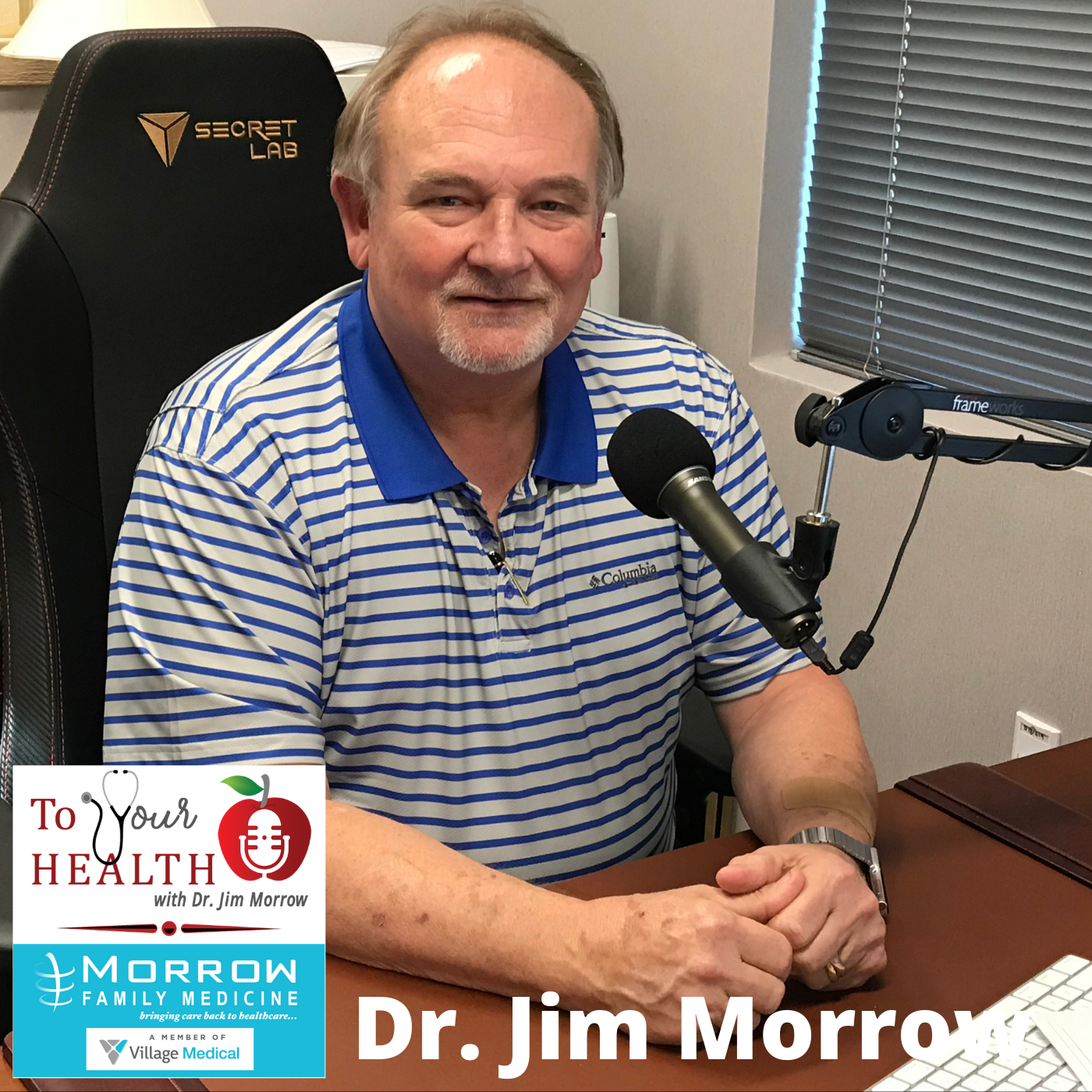
Dr. Jim Morrow, Morrow Family Medicine, and Host of “To Your Health with Dr. Jim Morrow”

Covid-19 misconceptionsDr. Jim Morrow is the founder and CEO of Morrow Family Medicine. He has been a trailblazer and evangelist in the area of healthcare information technology, was named Physician IT Leader of the Year by HIMSS, a HIMSS Davies Award Winner, the Cumming-Forsyth Chamber of Commerce Steve Bloom Award Winner as Entrepreneur of the Year and he received a Phoenix Award as Community Leader of the Year from the Metro Atlanta Chamber of Commerce.  He is married to Peggie Morrow and together they founded the Forsyth BYOT Benefit, a charity in Forsyth County to support students in need of technology and devices. They have two Goldendoodles, a gaggle of grandchildren and enjoy life on and around Lake Lanier.

Facebook | LinkedIn | Twitter

The complete show archive of “To Your Health with Dr. Jim Morrow” addresses a wide range of health and wellness topics and can be found at www.toyourhealthradio.com.

Dr. Morrow’s Show Notes

Do YOU Have Heart Disease

·      Age

  • Men older than 45 years of age and women older than 55 years of age (or who have gone through menopause) are at greater risk for heart disease.
  • Also, the rates of heart attack over the last 20 years have been increasing for women 35 to 54 years of age.

·      Family history

  • It is important for you to know what diseases and conditions run in your family and to tell your doctor.
  • Talk to your parents, grandparents, siblings, aunts, and uncles.
  • Ask them who in your family has had a heart attack, stroke, or other serious health problem.
  • With this information, your doctor can recommend the best kinds of screening tests and preventive treatments.

·      Cholesterol

  • If you don’t know your cholesterol level, ask your doctor if you should have it checked.
    • There are good (HDL cholesterol) and bad (LDL cholesterol) types.
    • To reduce and prevent high levels of bad cholesterol, eat a healthy diet and exercise regularly.
    • Some people who have high cholesterol levels may also need to take medicine to keep their levels under control.

·      Blood pressure

  • If your blood pressure is high, there are things you can do to lower it.
    • Try:
      • Losing weight.
      • Not smoking.
      • Cutting down on sodium (salt).
      • Cutting down on alcohol.
      • Many people may also need to take medicine to control their blood pressure.

·      Smoking

  • Quitting smoking is the single best change you can make for your health.
    • Talk to your family doctor about how to quit and stay tobacco-free.
    • If you live with a smoker, breathing his or her smoke can also affect your health. Encourage the smoker to quit.

·      Diet

  • A healthy diet includes vegetables, fruits, lean meats, fish, beans, whole grains, and healthy fats.
    • Limit the amount of
      • processed foods (such as hot dogs),
      • white flour (such as crackers and white bread),
      • and sweet or sugary foods (such as soda and dessert foods) you eat.
    • You may also need to avoid foods that are high in sodium, which can increase blood pressure.
      • Sodium is found in table salt and many prepared foods, especially canned foods.
    • Although some research suggests alcohol can help protect against heart disease, moderation is the key.
      • Limit how much alcohol you drink.
      • This means no more than one alcoholic drink per day for women, and two alcoholic drinks a day for men.

·      Weight

  • Being overweight puts extra strain on your heart and blood vessels.
    • A healthy diet with portion control, wise food choices, and regular exercise can help you lose weight gradually and safely.
      • It can also help you keep it off.
      • Talk to your doctor about the best ways for you to lose weight.

·      Exercise

  • Exercise can help prevent heart disease and many other health problems.
  • You’ll also feel better and help keep your weight under control if you exercise regularly.
  • If you haven’t exercised for a while or have health problems, talk to your doctor before you start an exercise program.
  • Exercising 30 to 60 minutes, 4 to 6 times a week is a good goal, but any amount is better than none.


Coronary Artery Calcium Scoring

·       Why Get This Test?

  • The calcium that the scan is looking for is part of plaque.
  • This is not the stuff you get on your teeth,
    • but a different kind found in your arteries.
    • It’s made partly of fat and calcium, and it’s not good for your heart.
  • Plaque is waxy at first, and it builds up slowly.
    • But over time, it can harden.
    • You may hear doctors call this “calcified” plaque.
  • It’s a problem for two reasons.
    • First, hard plaque in your arteries is like a clog in a pipe.
      • It slows your blood
      • That means some parts of your body don’t get enough of the oxygen they need.
      • If plaque collects in your heart’s arteries, you may feel chest painand discomfort, called angina.
    • Second, that plaque can break open, which can lead to a blood clot.
    • That could cause a heart attack.
  • The coronary calcium scan tells you how much calcified plaque is in your heart’s arteries.
    • You and your doctor can take the results and decide if you need to make any changes to your medicine or lifestyle.

·       When Would I Get This Scan?

  • The coronary calcium scan isn’t for everyone.
  • Your body is exposed to radiationduring the test.
  • Because of that, you want to get this scan only if it can tell you something useful.
    • First, you need to know how likely you are to get heart disease.
  • Your doctor has ways to figure this out based on:
      • Your age
      • Your blood pressure
      • Your cholesterol level
      • Whether you smoke
      • Your gender
  • Heart scans make the most sense if you have a moderate, or medium, chance of heart diseasebased on these things.
  • If you have only a low chance, the test isn’t likely to show any calcium.
    • If you have a high chance, you won’t learn anything more that can help you.
      • In both of these cases, you’d be exposed to extra radiation for no good reason.
    • But if you have a medium chance, you may be able to take steps to avoid heart diseasebased on the scan results.
    • Insuranceusually doesn’t cover this kind of scan. So it’s a good idea to check on that before you get the test. The cost is usually around $100 to $400.

·       What Do the Results Mean?

  • The scan gives you a number called an Agatston score.
    • Your doctor may get your results the same day of the test, but it can take longer.
  • Zero means the test didn’t find any calcium.
    • The higher the number, the more important it is for you and your doctor to come up with a plan.
    • Your doctor can help you understand what your score means for you. Based on the results, you may need more tests. You might also make changes in:
        • How much exercise you get
        • What medicines you take
        • What you eat
  • Keep in mind that a high score doesn’t mean you’re sure to have a heart attack.
    • But it does signal you may need to make some heart-healthy changes to your lifestyle or consider starting a new medication.


Top three take-home points from the guideline 

  • When to consider CAC testing?

    • In intermediate-risk or selected borderline-risk adults,
      • if the decision about statin use remains uncertain,
      • it is reasonable to use a CAC score in the decision to withhold, postpone or initiate statin therapy.
    • Emphasis on “power of zero:” use of CAC testing to identify low risk patients.
      • As opposed to risk enhancers and screening tools that may be used to identify higher risk patients,
        • CAC testing is now mostly used for identifying lower risk patients among those who would otherwise be candidates for statin therapy but who have a preference to avoid such therapy.
    • Not everyone benefits from CAC testing: selective use encouraged.
      • Many individuals can be treated with statin therapy and do not require CAC testing.
      • However, when there is uncertainly about patient risk or a desire to defer statin therapy,
        • CAC testing may be used to enhance shared decision making.
    • CAC may also be useful in older individuals.
      • The new guideline also supports the utility of CAC measurement in identifying the absence of atherosclerotic plaque in older adults.
        • Specifically, the guideline states that in adults 76 to 80 years of age with an LDL-C level of 70 to 189 mg/dL, it may be reasonable to measure CAC to reclassify those with a CAC score of zero to avoid statin therapy.

·      Results

  • The score reflects the total area of calcium deposits and the density of the calcium.
      • A score of zero means no calcium is seen in the heart.
        • It suggests a low chance of developing a heart attack in the future.
    • When calcium is present, the higher the score, the higher your risk of heart disease.
      • A score of 100 to 300 means moderate plaque deposits.
        • It’s associated with a relatively high risk of heart attack or other heart disease over the next three to five years.
    • A score greater than 300 is a sign of very high to severe disease and heart attack risk.


References: mayoclinic.org and familydoctor.org

Tagged With: Coronary Artery Calcium Scoring, Dr. Jim Morrow, heart disease, Jim Morrow, Morrow Family Medicine, Village Medical

To Your Health With Dr. Jim Morrow, Episode 18: 12 Flu Shot Myths

October 9, 2019 by John Ray

North Fulton Studio
North Fulton Studio
To Your Health With Dr. Jim Morrow, Episode 18: 12 Flu Shot Myths
Loading
00:00 /
RSS Feed
Share
Link
Embed

Download file

Dr. Jim Morrow, Host, “To Your Health With Dr. Jim Morrow”

To Your Health With Dr. Jim Morrow, Episode 18: 12 Flu Shot Myths

Flu season is coming! On this episode of “To Your Health with Dr. Jim Morrow,” Dr. Jim Morrow discusses the influenza virus and the 12 flu shot myths. “To Your Health” is brought to you by Morrow Family Medicine, which brings the CARE back to healthcare.

About Morrow Family Medicine and Dr. Jim Morrow

Morrow Family Medicine is an award-winning, state-of-the-art family practice with offices in Cumming and Milton, Georgia. The practice combines healthcare information technology with old-fashioned care to provide the type of care that many are in search of today. Two physicians, three physician assistants and two nurse practitioners are supported by a knowledgeable and friendly staff to make your visit to Morrow Family Medicine one that will remind you of the way healthcare should be.  At Morrow Family Medicine, we like to say we are “bringing the care back to healthcare!”  Morrow Family Medicine has been named the “Best of Forsyth” in Family Medicine in all five years of the award, is a three-time consecutive winner of the “Best of North Atlanta” by readers of Appen Media, and the 2019 winner of “Best of Life” in North Fulton County.

Dr. Jim Morrow, Morrow Family Medicine, and Host of “To Your Health With Dr. Jim Morrow”

Dr. Jim Morrow, Morrow Family Medicine, and Host of “To Your Health With Dr. Jim Morrow”

Dr. Jim Morrow is the founder and CEO of Morrow Family Medicine. He has been a trailblazer and evangelist in the area of healthcare information technology, was named Physician IT Leader of the Year by HIMSS, a HIMSS Davies Award Winner, the Cumming-Forsyth Chamber of Commerce Steve Bloom Award Winner as Entrepreneur of the Year and he received a Phoenix Award as Community Leader of the Year from the Metro Atlanta Chamber of Commerce.  He is married to Peggie Morrow and together they founded the Forsyth BYOT Benefit, a charity in Forsyth County to support students in need of technology and devices. They have two Goldendoodles, a gaggle of grandchildren and enjoy life on and around Lake Lanier.

Facebook: https://www.facebook.com/MorrowFamMed/

LinkedIn: https://www.linkedin.com/company/7788088/admin/

Twitter: https://twitter.com/toyourhealthMD

Dr. Morrow’s Show Notes on Flu Shots

What is the Flu?

  • Influenza is a highly contagious airborne viral illness.
    • The virus enters the respiratory tract cells of the host and, if not neutralized by antibodies, begins proliferating.
    • The incubation period is 18 to 72 hours, but viral shedding may occur up to 24 hours before symptom onset and continue for five to 10 days.
    • Influenza is typically uncomplicated and self-limited in otherwise healthy patients.
    • However, severe complications, such as pneumonia, encephalitis, respiratory failure, multi-organ failure, and death, can occur.
    • According to estimates from the World Health Organization, 3 to 5 million cases of severe influenza-related illness and 250,000 to 500,000 influenza-related deaths occur worldwide every year.
  • Diagnosis:
    • Sudden onset of symptoms is a telltale sign of influenza.
    • Common symptoms include
      • high fever,
      • headache,
      • sore throat,
      • myalgia,
      • cough,
      • rhinorrhea, and
      • fatigue
  • The CDC recommends that physicians diagnose influenza clinically and perform testing only in the limited situations.
    • Several diagnostic tests for influenza are but negative results do not rule out influenza.
    • Although many physicians use rapid influenza tests, clinical judgment should prevail, especially in view of the limitations of such tests.

Who should get vaccinated this season?

  • Everyone 6 months of age and older should get a flu vaccine every season with rare exception.
    • Vaccination is particularly important for people who are at high risk of serious complications from influenza.
  • Flu vaccination has important benefits.
    • It can reduce flu illnesses,
    • doctors’ visits, and
    • missed work and school due to flu,
    • as well as prevent flu-related hospitalizations.
    • Flu vaccine also has been shown to be life-saving in children.
    • In fact, a 2017 studyshowed that flu vaccination can significantly reduce a child’s risk of dying from flu.
  • Different flu vaccines are approved for use in different groups of people.
    • There are flu shots approved for use in children as young as 6 months of age
      • and flu shots approved for use in adults 65 years and older.
      • Flu shots also are recommended for use in pregnant women and people with chronic health conditions.
      • The nasal spray flu vaccine is approved for use in non-pregnant individuals, 2 years through 49 years of age.
      • People with some medical conditions should not receive the nasal spray flu vaccine.
    • The most important thing is for all people 6 months and older to get a flu vaccine every year.
    • Best time to get a flu shot is in October, so that it is in effect before the season gets into full force, and your immunity will last until the end of the season.

Making the Flu Vaccine: A Year-Round Effort

  • The job of producing a new vaccine for the next flu season starts well before the current flu season ends.
    • For the FDA, it’s a year-round initiative.
  • The composition of vaccines for the prevention of other infectious diseases stays the same year after year.
    • In contrast, flu viruses are constantly evolving.
    • And the flu viruses that circulate causing disease in people, often change from one year to another.
    • So, every year, there is a need for a new flu vaccine.
    • To that end, FDA, World Health Organization (WHO), CDC, and other partners collaborate by collecting and reviewing data on the circulating strains of influenza from around the world to identify those likely to cause the most illness in the upcoming flu season.
  • In late February/early March — well before the new flu season begins — an FDA advisory committee reviews data about
    • which flu viruses have caused disease in the past year,
    • how the viruses are changing, and
    • disease trends so they can recommend the three or four flu strains to include in the trivalent and quadrivalent influenza vaccines for the U.S in the upcoming flu season.
  • Once the strains are selected, vaccine manufacturers begin the manufacturing process to include the newly selected flu strains in their FDA-approved vaccines.
    • The different flu virus strains are combined to formulate the vaccine into standard dosages.
    • The vaccine is then filled into vials, syringes and, for the nasal vaccine, sprayers.
    • Both egg-based and non-egg-based manufacturing methods for FDA-approved flu vaccines require high-tech processes and manufacturing facilities that have been inspected by the FDA.
    • Vaccine manufacturers must submit applications to the FDA to include the new flu strains in their FDA-approved vaccines.
  • The FDA is also responsible for ensuring that released lots of influenza vaccines meet appropriate standards.
    • Each vaccine undergoes quality control tests, including testing for sterility.
    • Manufacturers submit the results of their testing, along with sample vials from each lot to the FDA for “lot release.”
    • The FDA typically begins releasing lots of flu vaccines in late summer.
    • Lot release can continue into early fall.
    • Once lots are released, manufacturers distribute the vaccine throughout the United States for use by the public.
  • Flu seasons and severity are unpredictable.
    • Annual vaccination is the best way to prevent the flu for people ages 6 months and older.
  • An annual immunization with flu vaccine is the most effective and safest way for most of us to reduce our risk of getting the flu and spreading it to others.
    • When more people get vaccinated, it is less likely that the flu viruses will spread through a community, making us all healthier.

Myths About the Flu Shot

  • Myth #1: The flu is the same thing as a cold and it is harmless.
    • It is common to confuse the flu with a cold.
      • Both have similar symptoms and often are treated with similar methods.
      • However, colds are mild and last longer.
      • The flu usually occurs suddenly and lasts 2 to 3 days. The flu also is contagious and can be dangerous.
    • Symptoms of the flu include:
      • fever of 102°F or higher
      • chills and sweats
      • nausea and vomiting
      • muscle aches and headaches
      • chest pain
      • cough
      • stuffy nose
      • loss of appetite.
  • Myth #2: You can’t die from the flu.
    • People who have severe cases of the flu or are high risk can die from the flu.
    • High-risk people include:
      • Babies or children up to 4 years old.
      • Anyone 65 years of age or older.
      • Women who are pregnant, trying to get pregnant, or breastfeeding.
      • Anyone who has a low or weakened immune system.
      • Anyone who has a chronic health condition.
      • Anyone who lives in in a long-term care center.
    • These people are at greater risk of having health problems that lead to death.
      • It is even more important that they receive an annual flu vaccine.
      • It helps prevent severe cases or problems related to flu.
      • It also lowers their chance of needing to go the hospital, which raises costs.
    • If you aren’t high risk, you still should get a flu vaccine.
      • It protects everyone around you.
      • This is especially true if you work in health care or care for high-risk people.
  • Myth #3: You won’t get the flu if you get the flu vaccine.
    • The flu vaccine helps to prevent the flu.
      • Every year, its purpose is to protect you from the main types of influenza.
      • However, you still can get the flu.
      • You could have been infected with the flu before you got the vaccine.
      • You also could get another type of flu that the vaccine does not cover.
      • Most likely, you will have a milder case than if you hadn’t gotten the shot.
    • There are other things you can do to lower your risk of getting the flu.
      • These include:
        • Washing your hands often.
        • Covering your mouth when you sneeze and cough.
        • Using household cleaning spray to disinfect surfaces and objects.
        • Using hand sanitizer.
        • Washing laundry of sick people separate from other items.
        • Keeping your children, especially newborns, away from anyone who is sick.
  • Myth #4: You won’t get the flu if you take vitamin C.
    • Vitamins cannot prevent the flu.
      • Using vitamin C can improve your immune system, but you can still get the flu.
  • Myth #5: The flu vaccine will give you the flu.
    • You cannot get the flu from a flu shot.
      • This form of vaccine is made up of dead viruses that can’t infect you.
      • The nasal spray flu vaccine is made up of live, but weakened viruses.
      • The nasal spray vaccine is no longer recommended.
    • You can’t get the flu, but you can have side effects.
      • The area of the shot could be red, sore, or swollen.
      • You also may have muscle aches, headaches, or a low fever for a short period of time.
      • These effects occur when your body responds to fight the new virus.
      • You also can have flu-like symptoms from other health issues, such as a bad cold.
  • Myth #6: You shouldn’t get the flu vaccine if you’re pregnant or breastfeeding.
    • It is important to get the flu shot if you are pregnant, trying to get pregnant, or breastfeeding.
    • The flu shot is safe for you and your baby.
    • If you don’t get the flu shot and develop the flu, you could give it to your baby.
    • Your doctor might prescribe antiviral medicine to help reduce symptoms. They also might suggest another form of feeding until you are better.
  • Myth #7: You shouldn’t get the flu vaccine if you have an egg allergy.
    • The amount of egg allergen in the flu vaccine is very small.
    • It is safe for people with egg allergies, even kids, to get the flu shot.
    • Serious allergic reactions are rare.
    • If you are at risk, doctors recommend getting the shot at your doctor’s office instead of a drugstore.
    • This way, your doctor can monitor any potential reactions.
  • Myth #8: You don’t need to get the flu vaccine if you’re healthy.
    • It is good to live a healthy lifestyle, but it can’t prevent the flu.
    • It is an infection that spreads easily.
    • Everyone over 6 months of age should get the flu vaccine, except for rare cases.
  • Myth #9: You shouldn’t get the flu shot if you’re sick or already have had the flu.
    • It is okay to get the flu vaccine when you have a mild sickness.
    • However, your doctor may suggest waiting until you’re better.
    • It also is okay to get the flu shot if you have cancer.
    • You still should get the flu shot if you’ve already had the flu. The flu vaccine protects you against several types of the virus.
  • Myth #10: You don’t need to get the flu vaccine every year.
    • The flu is caused by the influenza virus, which can change from year to year.
    • Because of this, the flu vaccine is adapted to protect against the main types of flu.
    • You should get the flu vaccine every year at the beginning of the flu season.
    • Flu season occurs in the colder months of year, typically October to May.
  • Myth #11: Getting the flu vaccine more than once a year will decrease your chance of getting the flu even more.
    • There is no research that multiple flu vaccines will lower your chance of getting the flu.
    • However, some kids or older adults may need two doses of the flu vaccine.
    • This depends on your age and medical history.
    • Talk to your doctor to see if you should receive two doses.
  • Myth #12: You should wait until later in the flu season to get the vaccine. Then you will be protected longer.
    • The CDC recommends getting the flu vaccine as soon as it’s ready at the beginning of flu season.
    • It can take up to 2 weeks for the your body to build protection against the flu.
    • You should get the shot before the flu becomes more contagious.
    • However, it still is better to get the flu shot late than not at all.

Sources: American Academy of Family Physicians and Center for Disease Control.


Tagged With: Cumming doctor, Cumming family care, Cumming family doctor, Cumming family medicine, Cumming family physician, Cumming family practice, Cumming md, Cumming physician, Dr. Jim Morrow, emphysema, encephalitis, fatigue, fever, flu shots, flu vaccine, heart disease, Milton doctor, Milton family care, Milton family doctor, Milton family medicine, Milton family physician, Milton family practice, Milton md, Milton physician, Morrow Family Medicine, myths about the flu, North Fulton Business Radio, pneumonia, respiratory illness, runny nose, sweat, To Your Health, viral illness, Virus strains

To Your Health With Dr. Jim Morrow: Episode 8, Sleep Apnea, and Two Special Guests from Taylor Road Middle School

May 8, 2019 by John Ray

North Fulton Studio
North Fulton Studio
To Your Health With Dr. Jim Morrow: Episode 8, Sleep Apnea, and Two Special Guests from Taylor Road Middle School
Loading
00:00 /
RSS Feed
Share
Link
Embed

Download file

Dr. Jim Morrow, Morrow Family Medicine, and Host of “To Your Health With Dr. Jim Morrow”

Episode 8, Sleep Apnea, and Two Special Guests from Taylor Road Middle School

Sleep apnea affects not only a partner who can’t sleep for the snoring, but it reduces quality of life for the person affected by this condition. So why does sleep apnea occur, and what are the best treatment options? On this episode of “To Your Heath,” Dr. Jim Morrow addresses these questions and more, and talks about his own experience with sleep apnea.

Also in this episode, Dr. Morrow welcomes two 8th grade students from Taylor Road Middle School in Johns Creek, Cion Kim and Ananya Shaeker. To complete a project assignment for their language arts class, Cion and Ananya used a previous episode of “To Your Health” to explore the dangers of vaping for their peers. Impressed by their work, Dr. Morrow was delighted to welcome Cion and Ananya to the show!

Ananya Shaeker and Cion Kim


Dr. Morrow’s Show Notes on Sleep Apnea

Sleep Apnea

  • There are two kinds of sleep apnea: obstructive apnea and central apnea.
  • Obstructive sleep apnea is the most common type.
    • Nine out of 10 people who have sleep apnea have this type of apnea.
    • something is blocking the airway that brings air into your body (also called the trachea).
    • When you try to breathe, you can’t get enough air because of the blockage. Your airway might be blocked by your tongue, tonsils, or uvula (the little piece of flesh that hangs down in the back of your throat).
    • It might also be blocked by a large amount of fatty tissue in the throat or by relaxed throat muscles.
  • Central sleep apnea is less common. This type of sleep apnea is related to the function of the central nervous system. If you have this type of apnea, the muscles you use to breathe don’t get the “go-ahead” signal from your brain. Either the brain doesn’t send the signal, or the signal gets interrupted.

Obstructive Sleep Apnea

  • Obstructive sleep apnea is a common disorder that causes patients to temporarily stop or decrease their breathing repeatedly during sleep.
  • People who have sleep apnea stop breathing for 10 to 30 seconds at a time while they are sleeping.
    • These short stops in breathing can happen up to 400 times every night.
    • If you have sleep apnea, periods of not breathing can disturb your sleep (even if they don’t fully wake you up).
  • This results in fragmented, non-restful sleep that can lead to symptoms such as morning headache and daytime sleepiness.
  • Obstructive sleep apnea affects persons of all ages, especially:
    • Men,
    • people who are overweight, and
    • people who are older than 40 years of age are more likely to have sleep apnea.
  • However, it can affect anyone at any age.
  • There are many health conditions associated with obstructive sleep apnea, including
    • hypertension,
    • coronary artery disease,
    • cardiac arrhythmias, and
    • depression
  • Predictive clinical features are:
    • Loud snoring,
    • gasping during sleep,
    • obesity, and
    • enlarged neck circumference.
  • Screening questionnaires can be used to assess for sleep apnea, although their accuracy is limited.
  • The diagnostic standard for obstructive sleep apnea is nocturnal polysomnography in a sleep laboratory (a sleep study).
    • Home sleep apnea tests are available and in recent years have become more reliable.
    • Home portable monitoring can be used as a substitute for in-laboratory polysomnography for the diagnosis of OSA in patients with a high likelihood of SA.
    • Most patients prefer home monitoring, and clinical outcomes among patients diagnosed by either method are comparable regarding sleepiness, sleep-related quality of life, and compliance with continuous positive airway pressure (CPAP) therapy

What is the Result of Untreated Obstructive Sleep Apnea?

Relation to Hypertension

  • About one half of patients who have essential hypertension have obstructive sleep apnea, and
  • About one half of patients who have obstructive sleep apnea have essential hypertension.
  • A growing body of evidence suggests that obstructive sleep apnea is a major contributing factor in the development of essential hypertension.

Excessive Daytime Sleepiness

  • Excessive daytime sleepiness is one of the most common sleep-related patient symptoms
    • affects an estimated 20 percent of the population. Persons with excessive daytime sleepiness are at risk of motor vehicle and work-related incidents, and have poorer health than comparable adults.
    • The most common causes of excessive daytime sleepiness are sleep deprivation, obstructive sleep apnea, and sedating medications.
    • Other potential causes of excessive daytime sleepiness include certain medical and psychiatric conditions and sleep disorders, such as narcolepsy.
    • Obstructive sleep apnea is a particularly significant cause of excessive daytime sleepiness.
      • An estimated 26 to 32 percent of adults are at risk of or have obstructive sleep apnea, and the prevalence is expected to increase.
      • The evaluation and management of excessive daytime sleepiness is based on the identification and treatment of underlying conditions (particularly obstructive sleep apnea), and the appropriate use of activating medications.

Connection to Heart Disease

  • The connection between sleep apnea and heart disease is evolving very rapidly.
  • People with cardiovascular problems such as high blood pressure, heart failure, and stroke have a high prevalence of sleep apnea.
  • Whether sleep apnea actually causes heart disease is still unclear, but we do know that if you have sleep apnea today, the chance that you will develop hypertension in the future increases significantly.
  • One of the problems in defining the relationship between sleep apnea and heart disease is that people with sleep apnea often have other co-existing diseases as well.
  • If you treat people with high blood pressure and sleep apnea, or heart failure and sleep apnea, the measures of blood pressure or heart failure are significantly improved. There is good evidence to think there is a cause-and-effect relationship between hypertension and sleep apnea.
  • Why does your blood pressure go up when your sleep is disrupted by sleep apnea?
    • Your blood pressure will go up because when you’re not breathing, the oxygen level in your body falls and excites receptors that alert the brain. In response, the brain sends signals through the nervous system and essentially tells the blood vessels to “tighten up” in order to increase the flow of oxygen to the heart and the brain, because they have priority.
    • The problem is that things that go on at night tend to carry over in the daytime, even when the sleep apnea patient is awake. The low oxygen levels at night seem to trigger multiple mechanisms that persist during the daytime, even when the patient is breathing normally.
  • How can CPAP (continuous positive airway pressure) reduce the cardiovascular consequences of sleep apnea?
    • The available evidence tells us that when you treat people with sleep apnea using CPAP, their blood pressure is not only lower at night—it’s also lower during the day. That’s a very good thing.
    • Moreover, people with atrial fibrillation (a common type of irregular heart beat) with sleep apnea that is appropriately treated have only a 40% chance of coming back for further treatment of their atrial fibrillation.
      • If their sleep apnea is untreated, the chance of a recurrence of atrial fibrillation goes up to 80%. The message to heart patients with sleep apnea is: With treatment of your sleep apnea, your chances of improvement are considerably better.

Can Sleep Apnea Be Prevented or Avoided?

  • There are things you can do to prevent sleep apnea. The following steps help many people:
    • Stop all use of alcohol or sleep medicines. These relax the muscles in the back of your throat, making it harder for you to breathe.
    • If you smoke, quit smoking.
    • If you are overweight, lose weight.
    • Sleep on your side instead of on your back.

About Morrow Family Medicine and Dr. Jim Morrow

Morrow Family Medicine is an award-winning, state-of-the-art family practice with offices in Cumming and Milton, Georgia. The practice combines healthcare information technology with old-fashioned care to provide the type of care that many are in search of today. Two physicians, three physician assistants and two nurse practitioners are supported by a knowledgeable and friendly staff to make your visit to Morrow Family Medicine one that will remind you of the way healthcare should be.  At Morrow Family Medicine, we like to say we are “bringing the care back to healthcare!”  Morrow Family Medicine has been named the “Best of Forsyth” in Family Medicine in all five years of the award, is a three-time consecutive winner of the “Best of North Atlanta” by readers of Appen Media, and the 2019 winner of “Best of Life” in North Fulton County.

Dr. Jim Morrow, Morrow Family Medicine, and Host of “To Your Health With Dr. Jim Morrow”

Dr. Jim Morrow is the founder and CEO of Morrow Family Medicine. He has been a trailblazer and evangelist in the area of healthcare information technology, was named Physician IT Leader of the Year by HIMSS, a HIMSS Davies Award Winner, the Cumming-Forsyth Chamber of Commerce Steve Bloom Award Winner as Entrepreneur of the Year and he received a Phoenix Award as Community Leader of the Year from the Metro Atlanta Chamber of Commerce.  He is married to Peggie Morrow and together they founded the Forsyth BYOT Benefit, a charity in Forsyth County to support students in need of technology and devices. They have two Goldendoodles, a gaggle of grandchildren and enjoy life on and around Lake Lanier.

Facebook: https://www.facebook.com/MorrowFamMed/

LinkedIn: https://www.linkedin.com/company/7788088/admin/

Twitter: https://twitter.com/toyourhealthMD

Tagged With: continuous positive airway pressure, coronary artery disease, CPAP, Cumming doctor, Cumming family doctor, Cumming family practice, Cumming md, Cumming physician, daytime sleepiness, Depression, heart disease, hypertension, Milton doctor, Milton family doctor, Milton family medicine, Milton family practice, Milton md, Milton physician, nocturnal polysomnography, non-restful sleep, obstructive sleep apnea, obstructive sleep disorder, OSA, overweight, sleep apnea, sleep study, sleep technology, snoring, snoring treatment, Taylor Road Middle School

ChronicCareIQ

July 5, 2016 by angishields

Health Connect South
ChronicCareIQ
Loading
00:00 /
RSS Feed
Share
Link
Embed

Download file

ChronicCareIQ
Matt Ethington

ChronicCareIQ

This week Jay and I sat down with Matt Ethington, CEO of ChronicCareIQ to learn how this technology company is providing physicians and hospitals with tools that empower them to better manage patients with chronic illnesses.  The Affordable Care Act has put in place measures around patient outcomes that can affect how much the provider is reimbursed for care they deliver.  Managing patients with chronic illnesses is time-consuming and requires much patient education and follow up to facilitate compliance with the recommended care plan.  The ChronicCareIQ platform not only provides the practice or hospital with an efficient tool for engaging patients, it also provides documentation of required patient contacts, along with current health status data such as glucose measurements, blood pressure, weight, and others.

Matt shared how he is a patient dealing with a chronic illness, Type I Diabetes.  His experiences along the way helped him see how care delivery can be somewhat disconnected at times and inspired him to think about ways to bridge gaps in communication and give providers a better way to know what is happening with their patient between visits.

ChronicCareIQ enables healthcare providers to keep tabs on fragile and chronic patients through their smart phones. Recognizing the impact on patient outcomes when effective chronic disease management measures are in place, Medicare has begun to reimburse for patient engagement performed through the platform, allowing providers to simultaneously automatically meet compliance requirements, and measurably reduce call volumes. Identified as a “Best Practice” by leading consulting groups and with patient engagement rates that exceed 80% on an average weekly basis, practices, hospitals, or health systems can identify decompensating patients in real time, manage risk to prevent unnecessary hospitalization or ED visits, and advance material steps with payment reforms.

Special Guest:

Matt Ethington, CEO, ChronicCareIQ  linkedin_small1  twitter_logo_small  facebook_logo_small3

ChronicCareIQ

Tagged With: CW Hall, diabetes, Health Connect South, healthcare technology, heart disease, hypertension, Matt Ethington, value-based reimbursement

Dr. Scott Beach – Top Docs Radio

February 9, 2016 by angishields

Heart & Vascular Care
Top Docs Radio
Dr. Scott Beach - Top Docs Radio
Loading
00:00 / 00:23:18
RSS Feed
Share
Link
Embed

Download fileDuration: 00:23:18

Heart & Vascular Care
Dr. Scott Beach talks vascular disease.

Dr. Scott Beach

On this week’s show I sat down with interventional cardiologist, Dr. Scott Beach, of Heart & Vascular Care, with offices in Johns Creek, Cumming, and Canton, GA.  I’ve known Dr. Beach for several years through the practice I was working for (Hyperbaric Physicians of Georgia).  Our physicians have worked with him on numerous patients’ cases, both sending him folks who needed to have their blood flow to their lower extremities evaluated, as well as providing specialized wound care for patients he and his colleagues occasionally see in their practice.

Dr. Beach share how he enjoys the fact that his relationship with his patients and their loved ones tends to extend over years rather than being short and limited to a procedure or two.  We talked about vascular disease and some things both patients and doctors need to think about to get problems identified and treated early.

Scott explained how often, symptoms of developing vascular disease are mild and gradually reduce the patient’s tolerance to activity.  In many instances, the patient and their family merely chalk the changes up to “getting older”.  That’s dangerous, because it means the blockage of blood flow that’s causing the symptoms continues to grow until a major event occurs such as a heart attack, stroke, or possibly a limb amputation.

We discussed the fact that there are simple, non-invasive studies that can reveal early vascular disease when it’s easier and more-likely-successful to treat with more options to choose from.  Additionally, we talked about the fact that having pulses that can be felt on a patient’s foot is NOT an accurate means of determining whether a patient has vascular disease that needs attention in many patients.

Additionally, when patients have a wound on their foot or leg that is healing slowly or not at all, it is very important to know whether blockage of blood flow is contributing to the inability to heal.  Too often, these patients go for amputation that could have been readily prevented with one of those non-invasive or minimally-invasive studies he described.  For patients with a wound that’s not healing, it is important for them to have a multiple-specialty team of doctors who help with different facets of the non-healing wound.  Scott and his colleagues certainly subscribe to this approach and get their patients with limb threatening wounds access to all available experts who can help save their foot/leg.

The value in this multi-specialty approach cannot be overstated when you consider that in diabetics (one of the largest groups who experience vascular disease), the 5 year mortality rate for patients undergoing a below-the-knee amputation is just under 50%.  Most patients and many doctors are not fully aware of this risk.

Special Guest:

Dr. Scott Beach, MD, Heart & Vascular Care  facebook_logo_small3  linkedin_small1

Heart & Vascular Care


Tagged With: CW Hall, diabetic foot wound, diabetic ulcer, Dr. Scott Beach, Healthcare, heart attack, heart disease, non-healing wound, Stroke, Vascular Disease, vein disease, venous insufficiency

Cholesterol Isn’t The Bad Guy In Heart Disease – Top Docs Radio

May 11, 2015 by angishields

Top Docs Radio
Top Docs Radio
Cholesterol Isn't The Bad Guy In Heart Disease - Top Docs Radio
Loading
00:00 / 0:55:00
RSS Feed
Share
Link
Embed

Download fileDuration: 0:55:00

Cholesterol Isn’t The Bad Guy In Heart Disease

I recently read an article by a former heart surgeon that talked about the fact that cholesterol isn’t the bad guy in heart disease.  Instead, he argued that inflammation of the lining of the blood vessels caused by sugars and even the “healthy” oils we eat such as corn, canola (Omega-6 oils) is the real cause of what is still the #1 cause of death in America today.

I sat down with Dr. Ellie Campbell of Campbell Family Medicine in Cumming, GA to talk about the article and she was eager to discuss it.  She completely agrees with the premise of the article and shared how the ratio of Omega-3 oils  to Omega-6 oils has grown from ~1:1 or 1:2 to as much as 25:1 Omega-6 to Omega-3.

She also talked about the fact that higher levels of cholesterol in the blood don’t necessarily equate to plaque and heart disease/stroke.  It’s when cholesterol molecules are oxidized and corrupted by inflammatory substances we eat that they become “sticky” and attach to the irritated walls of the blood vessels.

Dr. Campbell shared numerous suggestions for basic changes we can make that will not only serve to reduce our risk for heart disease but in some cases can actually reverse damage already done.

I also brought back Leana Kart, a chiropractor whose practice, Northwest Chiropractic and a member of the Georgia Chiropractic Association to talk about the fact that May is National Posture Awareness Month.  She shared several tips on how to avoid “tech neck”, damage to the spine and neck caused by long periods of chin-down angles to look at a device in our lap.  She also talked about why good posture contributes to keeping us healthy.

Special Guests:

Special Guests:

Dr. Ellie Campbell, DO, Family Practice & Integrative Medicine at Campbell Family Medicine

twitter_logo_small  linkedin_small1  facebook_logo_small3

Campbell Family Medicine

  • Doctor of Osteopathic Medicine, Kirksville College of Osteopathic Medicine
  • Family Medicine Residency, Medical College of Georgia
  • Board Certified Family Medicine

Dr. Leana Kart, DC, of NW Chiropractic  linkedin_small1

kart

  • Doctor of Chiropractic, Life University
  • Owner of NW Chiropractic for over 26 years
  • Board Member, Georgia Chiropractic Association


Tagged With: CW Hall, Dr. Ellie Campbell, Dr. Leana Kart, Ellie Campbell, family medicine integrative medicine, georgia chiropractic association, Health and Fitness, Health Care Radio, health radio, Healthcare, healthcare radio, heart disease, inflammation, integrative medicine, lipids, national posture awareness month, Northwest Chiropractic, omega 3, omega 6, posture, preventive medicine, primary care, Stroke, tech neck, Top Docs Radio, Vascular Disease

The 4 R’s of Gut Health – Top Docs Radio

February 18, 2015 by angishields

Top Docs Radio
Top Docs Radio
The 4 R's of Gut Health - Top Docs Radio
Loading
00:00 /
RSS Feed
Share
Link
Embed

Download file

Ellie TDR

The 4 R’s of Gut Health

Did you know that as much as 80% of your body’s immune capacity comes from your gut?  Neither did we.  That’s why we’re glad Dr. Ellie Campbell of Campbell Family Medicine came by to blow our minds(again) with information (The 4 R’s of Gut Health) about ways we can dramatically improve our health.  She shared how she progressed from her traditional primary care practice to a Direct Pay model to get away from the pressure to see more patients, faster, in order to make a respectable physician’s income.  In her office she doesn’t work with insurance companies.  Instead, her patients simply pay a monthly membership fee to have access to her 24 hours a day, 7 days per week (sometimes even when on vacation!).  She also wanted to be able to provide care to her patients that is based on best practices and evidence rather than being simply limited to what an insurance company will or won’t pay for.

https://media.businessradiox.com/wp-content/uploads/2015/02/DR-AVAIL-24-7.mp3

We talked about the fact that, with limited time per patient, prescribing a medication and moving on to the next patient is often the way physicians must conduct their practice.  She shared how allergic responses to foods and other environmental sources are behind many of our illnesses (or mirror many illnesses).  We also talked about how important what we eat and drink is in our overall health.  Dr. Campbell described how food and beverages have such dramatic impacts on our hormone levels and cellular health that we need to look at what we consume much like drugs one can take in a pill.

Dr. Campbell discussed The 4 R’s of Gut Health, going over foods we should eliminate (or at a minimum significantly reduce) from our diets because they cause inflammatory responses in the gut and vascular system (and elsewhere).  Things like wheat and plants from the nightshade family such as tomatoes, peppers, potatoes, and eggplant can, for many, create allergic reactions.  The challenge is, many of these allergic responses don’t manifest in immediately-recognizable ways.  It could be a general feeling of malaise, skin problems, GI problems that can emulate reflux, and more.

The 4 R’s of Gut Health (Explained in greater detail in the interview):

  • Remove offending substances from the diet.
  • Replace digestive enzymes, bile salts, immunoglobulins, DAO, and stomach acid where necessary
  • Re-inoculate the bowel with pre- and probiotics
  • Repair gastroentestinal mucosa through proper nutritional support

4Rs

Special Guests:

Dr. Ellie Campbell, DO, Family Practice & Integrative Medicine at Campbell Family Medicine  twitter_logo_small  linkedin_small1  facebook_logo_small3

Campbell Family Medicine

  • Doctor of Osteopathic Medicine, Kirksville College of Osteopathic Medicine
  • Family Medicine Residency, Medical College of Georgia
  • Board Certified Family Medicine

Tagged With: CW Hall, digestive system, direct pay medicine, Dr. Ellie Campbell, Ellie Campbell, environmental allergies, gut health, Health Care Radio, health radio, Healthcare, healthcare radio, heart disease, immune system, integrative medicine, primary care, rash, skin disease, Top Docs Radio, TopDocsRADIO, vitamin B deficiency, vitamin D deficiency, vitamin deficiency

Dr. Khusrow Niazi – Top Docs Radio

December 3, 2014 by angishields

Top Docs Radio
Top Docs Radio
Dr. Khusrow Niazi - Top Docs Radio
Loading
00:00 /
RSS Feed
Share
Link
Embed

Download file

Emory Healthcare

Dr. Khusrow Niazi

This week I sat down with Emory School of Medicine’s Dr. Khusrow Niazi, Interventional Cardiologist and Director of Peripheral Vascular Interventions.  Dr. Niazi is a cardiologist but is different from many other cardiologists as he treats disease from the head to toes. He specializes in blockages of the artery which may involve coronary arteries around the heart which may cause chest pain or heart attack, carotid arteries which may cause TIA or strokes, arteries to the leg which may cause leg discomfort or slow wound healing. In addition he is one of the few cardiologists who also treat veins of the legs which may cause leg cramps, swelling, heaviness or varicose veins. He has lectured nationally and internationally and has helped many patients from getting their legs amputated.

Dr. Niazi appeared with the goal of providing the folks in the community with a cardiologist’s perspective on what they need to know about vascular disease which can affect the arteries that supply the brain, heart, and limbs.  We talked about things we can do to reduce our risk of disease in the vascular system.  He also shared recommendations on the types of tests and studies that folks who are at greater risk for vascular disease should consider having conducted.  Many of these tests are quite basic and can be performed at their local primary care physician’s office.  Persons who should consider regular monitoring for the presence of vascular disease include those who are over-weight, have diabetes, high cholesterol levels, hypertension, as well as those who have close relatives with a history of vascular problems.

Dr. Niazi advised our listeners to not ignore symptoms that might indicate a vascular problem exists such as chest tightness/pain, dizzy spells or changes in vision, speech, or ability to walk, pain in the lower legs when walking, shortness of breath at rest or with mild activity, etc.  These can be signs that vascular problems exist that could potentially be corrected with early intervention.  He also spoke about the fact that persons who have a wound on their lower leg or foot need to be evaluated for the presence of correctable vascular disease.  Many of these people go on to have amputations when they may have been prevented by intervention by a vascular specialist.

Special Guest:

Dr. Khusrow Niazi, MD, of Emory University School of Medicine facebook_logo_small3  twitter_logo_small  youtube logo  linkedin_small1


Emory Healthcare

  • Doctor of Medicine, King Edward Medical College, Lahore, Pakistan
  • Residency, Cardiology, Kettering Medical Center
  • Fellowship William Beaumont Hospital
  • Multiple published research articles


Tagged With: CW Hall, diabetes, Dr. Khusrow Niazi, Emory Healthcare, endovascular intervention, foot ulcer, Health Care Radio, health radio, Healthcare, healthcare radio, heart disease, high cholesterol, Khusrow Niazi, obesity, Peripheral Vascular Disease, spider veins, Stroke, Top Docs Radio, TopDocs Radio, TopDocsRADIO, Vascular Disease, Vascular Surgery, venous insufficiency, venous ulcer, vericose veins

  • 1
  • 2
  • Next Page »

Business RadioX ® Network


Our Most Recent Episode

CONNECT WITH US

  • Email
  • Facebook
  • LinkedIn
  • Twitter
  • YouTube

Our Mission

We help local business leaders get the word out about the important work they’re doing to serve their market, their community, and their profession.

We support and celebrate business by sharing positive business stories that traditional media ignores. Some media leans left. Some media leans right. We lean business.

Sponsor a Show

Build Relationships and Grow Your Business. Click here for more details.

Partner With Us

Discover More Here

Terms and Conditions
Privacy Policy

Connect with us

Want to keep up with the latest in pro-business news across the network? Follow us on social media for the latest stories!
  • Email
  • Facebook
  • Google+
  • LinkedIn
  • Twitter
  • YouTube

Business RadioX® Headquarters
1000 Abernathy Rd. NE
Building 400, Suite L-10
Sandy Springs, GA 30328

© 2025 Business RadioX ® · Rainmaker Platform

BRXStudioCoversLA

Wait! Don’t Miss an Episode of LA Business Radio

BRXStudioCoversDENVER

Wait! Don’t Miss an Episode of Denver Business Radio

BRXStudioCoversPENSACOLA

Wait! Don’t Miss an Episode of Pensacola Business Radio

BRXStudioCoversBIRMINGHAM

Wait! Don’t Miss an Episode of Birmingham Business Radio

BRXStudioCoversTALLAHASSEE

Wait! Don’t Miss an Episode of Tallahassee Business Radio

BRXStudioCoversRALEIGH

Wait! Don’t Miss an Episode of Raleigh Business Radio

BRXStudioCoversRICHMONDNoWhite

Wait! Don’t Miss an Episode of Richmond Business Radio

BRXStudioCoversNASHVILLENoWhite

Wait! Don’t Miss an Episode of Nashville Business Radio

BRXStudioCoversDETROIT

Wait! Don’t Miss an Episode of Detroit Business Radio

BRXStudioCoversSTLOUIS

Wait! Don’t Miss an Episode of St. Louis Business Radio

BRXStudioCoversCOLUMBUS-small

Wait! Don’t Miss an Episode of Columbus Business Radio

Coachthecoach-08-08

Wait! Don’t Miss an Episode of Coach the Coach

BRXStudioCoversBAYAREA

Wait! Don’t Miss an Episode of Bay Area Business Radio

BRXStudioCoversCHICAGO

Wait! Don’t Miss an Episode of Chicago Business Radio

Wait! Don’t Miss an Episode of Atlanta Business Radio