Business RadioX ®

  • Home
  • Business RadioX ® Communities
    • Southeast
      • Alabama
        • Birmingham
      • Florida
        • Orlando
        • Pensacola
        • South Florida
        • Tampa
        • Tallahassee
      • Georgia
        • Atlanta
        • Cherokee
        • Forsyth
        • Greater Perimeter
        • Gwinnett
        • North Fulton
        • North Georgia
        • Northeast Georgia
        • Rome
        • Savannah
      • Louisiana
        • New Orleans
      • North Carolina
        • Charlotte
        • Raleigh
      • Tennessee
        • Chattanooga
        • Nashville
      • Virginia
        • Richmond
    • South Central
      • Arkansas
        • Northwest Arkansas
    • Midwest
      • Illinois
        • Chicago
      • Michigan
        • Detroit
      • Minnesota
        • Minneapolis St. Paul
      • Missouri
        • St. Louis
      • Ohio
        • Cleveland
        • Columbus
        • Dayton
    • Southwest
      • Arizona
        • Phoenix
        • Tucson
        • Valley
      • Texas
        • Austin
        • Dallas
        • Houston
    • West
      • California
        • Bay Area
        • LA
        • Pasadena
      • Colorado
        • Denver
      • Hawaii
        • Oahu
  • FAQs
  • About Us
    • Our Mission
    • Our Audience
    • Why It Works
    • What People Are Saying
    • BRX in the News
  • Resources
    • BRX Pro Tips
    • B2B Marketing: The 4Rs
    • High Velocity Selling Habits
    • Why Most B2B Media Strategies Fail
    • 9 Reasons To Sponsor A Business RadioX ® Show
  • Partner With Us
  • Veteran Business RadioX ®

Compassionate Care and Informed Decisions in Senior Living

February 26, 2024 by Karen

Compassionate-Care-and-Informed-Decisions-in-Senior-Living-feature
Phoenix Business Radio
Compassionate Care and Informed Decisions in Senior Living
Loading
00:00 /
RSS Feed
Share
Link
Embed

Download file

Compassionate-Care-and-Informed-Decisions-in-Senior-Living

Compassionate Care and Informed Decisions in Senior Living

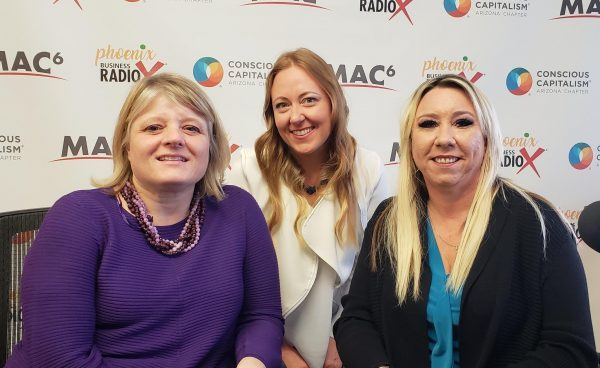
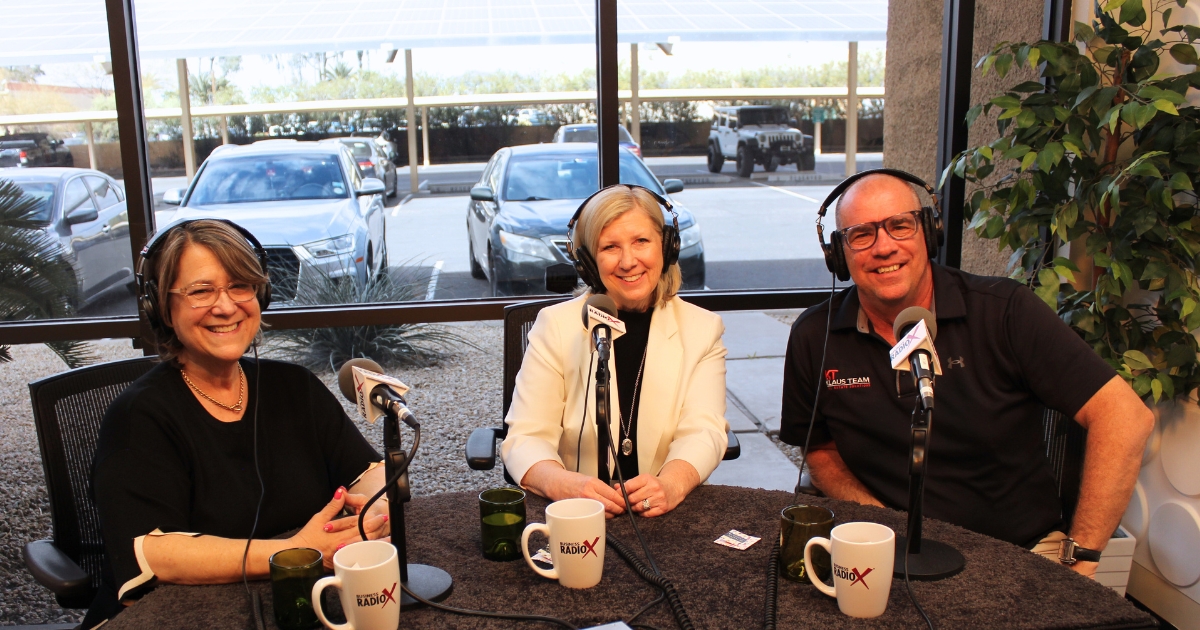
In this episode of Phoenix Business RadioX Karen Nowicki is joined by Rich and Dawn Milburn and Julia Colangelo as they discuss the complexities of senior living care, highlighting the need for planning and trusted guidance. Dawn’s free services emphasize compassionate assistance, while Julia Colangelo stresses education and communication, and Rich debunks misconceptions about senior living. The conversation covers vulnerability to scams, creating supportive environments, and managing family dynamics, underlining the importance of honesty, choice, and early planning in successful transitions.

Throughout the episode, the guests share personal anecdotes and practical advice, emphasizing the role of preparation, communication, and maintaining trust for aging parents.

Share this episode with friends and family to spread awareness about the importance of proactive decision-making in senior care.

KT-Silver-logo

The Silver Group is a free concierge service through Kenny Klaus Team Realty Services that guides seniors and their families to the resources they need most during a transition into care.

Whether it’s in-home care, household services, benefit and financial assistance, estate sales, moving/packing, assisted living guidance or real estate services, we provide the navigation needed during a chapter that, at times, can seem overwhelming.
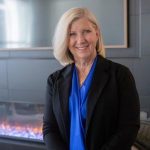
Dawn-Milburn-Phoenix-Business-RadioDawn Milburn has years of experience in the senior living field. Not only was she the Executive Director of an assisted living community, but she also experienced first-hand the challenges involved in senior transition with her own mother.

She has authored several magazine articles on aging, has been a radio guest on the subject, and has made a number of appearances on ABC15 regarding life in assisted living during the pandemic.

Now retired from senior living management, Dawn’s passion for helping seniors and their families during a transition into care continues through the Klaus Team Silver Program.

rich-milburnRich Milburn is a long-time Phoenix area resident. He graduated from McClintock High School in Tempe then went into law enforcement. He retired from Mesa PD in 2009 and is now a full-time realtor with Klaus Team Realty.

His years in real estate and in the Valley, make him very knowledgeable about the Phoenix area market. He and his wife, Dawn, are particularly attuned to the needs of senior transition. Having cared for aging parents, themselves, they personally know the challenges involved as seniors go from independent living to needing care.

Abbington-Senior-Living-Logo

The Abbington at Gilbert offers independent, assisted living and memory care services in a homelike environment.
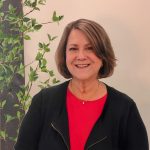
Julia-Colangelo-Phoenix-Business-RadioJulia Colangelo is a graduate from The University of Pittsburgh, School of Social Work and has worked in the senior living field for almost 30 years.

She serves as a Board Chair with the Assisted Living Federation of America and is the current Executive Director at The Abbington of Gilbert.
Tagged With: assisted living, independent living, memory care, Senior Housing

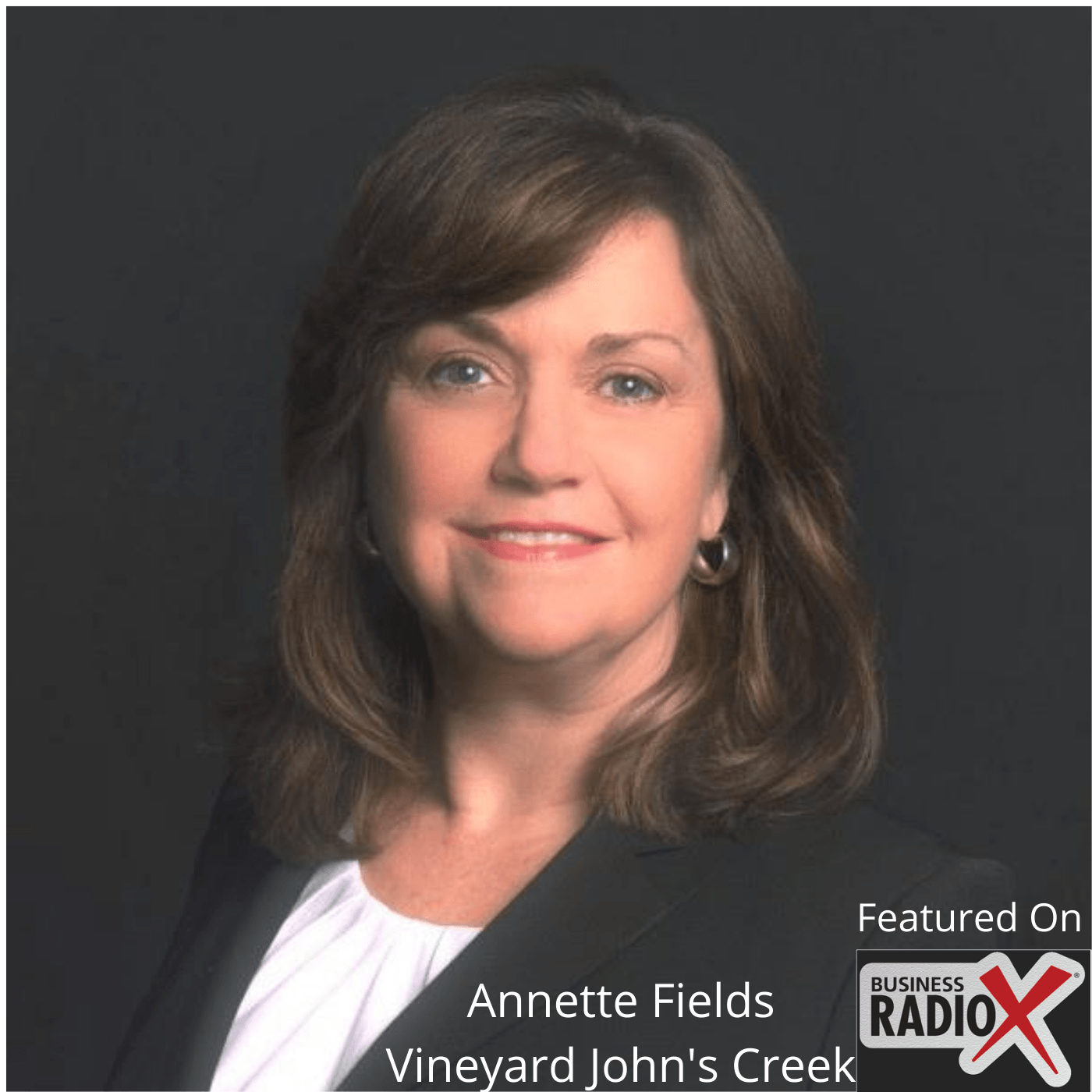
Annette Fields, Vineyard Johns Creek

August 20, 2020 by John Ray

Vineyard Johns Creek
North Fulton Business Radio
Annette Fields, Vineyard Johns Creek
Loading
00:00 /
RSS Feed
Share
Link
Embed

Download file

Vineyard Johns Creek

Annette Fields, Vineyard Johns Creek (North Fulton Business Radio, Episode 271)

Annette Fields, Executive Director of Vineyard Johns Creek, joins host John Ray to discuss their new facility and their service to seniors through assisted living and memory care. “North Fulton Business Radio” is produced virtually by the North Fulton studio of Business RadioX® in Alpharetta.

Vineyard Johns Creek

Vineyard’s Johns Creek is an assisted living and memory care community. Their mission is to grow purposeful communities that make a positive impact on both  people and our planet. They offer a continuum of personalized care, thoughtful programming, and customized amenities that aim to engage, inspire, and elevate life at every stage.

Annette Fields, Executive Director

Annette is passionate about senior living and her 10 years of experience includes 7 years as an Executive Director. She is nationally certified as a Director of Assisted Living (CDAL) and has experience in both social services and education. Annette is dedicated to creating a collaborative atmosphere within which residents, staff and family will thrive and have a sense of belonging and purpose

Company Website

LinkedIn

Facebook

Twitter

Instagram

Questions/Topics Discussed in this Show

  • Tell us about Vineyard
  • What makes you different?
  • How can residents tour a model unit?
  • What resources/upcoming events do you have?

North Fulton Business Radio” is hosted by John Ray and produced virtually from the North Fulton studio of Business RadioX® in Alpharetta. You can find the full archive of shows by following this link. The show is available on all the major podcast apps, including Apple Podcasts, Spotify, Google, iHeart Radio, Stitcher, TuneIn, and others.

Renasant Bank has humble roots, starting in 1904 as a $100,000 bank in a Lee County, Mississippi, bakery. Since then, Renasant has grown to become one of the Southeast’s strongest financial institutions with over $13 billion in assets and more than 190 banking, lending, wealth management and financial services offices in Mississippi, Alabama, Tennessee, Georgia and Florida. All of Renasant’s success stems from each of their banker’s commitment to investing in their communities as a way of better understanding the people they serve. At Renasant Bank, they understand you because they work and live alongside you every day.

Tagged With: Annettee Fields, assisted living, John Ray, Johns Creek, memory care, North Fulton Business Radio, Vineyard Johns Creek

To Your Health With Dr. Jim Morrow: Episode 11, Making the Move to Assisted Living, An Interview with Derek Bailey, The Right Move Senior Resource and Placement Agency

June 26, 2019 by John Ray

North Fulton Studio
North Fulton Studio
To Your Health With Dr. Jim Morrow: Episode 11, Making the Move to Assisted Living, An Interview with Derek Bailey, The Right Move Senior Resource and Placement Agency
Loading
00:00 /
RSS Feed
Share
Link
Embed

Download file

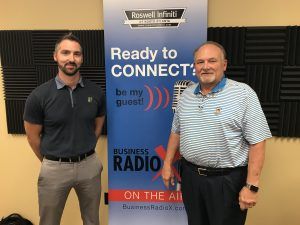
Derek Bailey and Dr. Jim Morrow

Episode 11, Making the Move to Assisted Living

What signs do I need to look for to know my loved one might need assisted living? What should I do to make this transition easier? On this episode of “To Your Health with Dr. Jim Morrow,” Dr. Morrow addresses these questions and much more with Derek Bailey of The Right Move Senior Resource and Placement Agency. “To Your Health” is brought to you by Morrow Family Medicine, which brings the CARE back to healthcare.

Derek Bailey, The Right Move Senior Resource and Placement Agency

Derek Bailey, The Right Move Senior Resource and Placement Service

Derek Bailey is the Owner of The Right Move Senior Resource and Placement Agency. The Right Move provides free professional consultation services to local seniors and their families in the Southeast. With years of valuable experience in the local healthcare industry, they are equipped, informed, and connected to ensure you are comfortable with who you trust to provide the necessary level of healthcare for you or your family. If you find yourself faced with a decision on assisted or independent senior living options, in-home personal care, nursing home care, or anything else related to seniors, reach out and allow them to help you make… THE RIGHT MOVE. For more information, go to http://rightmoveresource.com/ or call 770-880-0706.

About Morrow Family Medicine and Dr. Jim Morrow

Morrow Family Medicine is an award-winning, state-of-the-art family practice with offices in Cumming and Milton, Georgia. The practice combines healthcare information technology with old-fashioned care to provide the type of care that many are in search of today. Two physicians, three physician assistants and two nurse practitioners are supported by a knowledgeable and friendly staff to make your visit to Morrow Family Medicine one that will remind you of the way healthcare should be.  At Morrow Family Medicine, we like to say we are “bringing the care back to healthcare!”  Morrow Family Medicine has been named the “Best of Forsyth” in Family Medicine in all five years of the award, is a three-time consecutive winner of the “Best of North Atlanta” by readers of Appen Media, and the 2019 winner of “Best of Life” in North Fulton County.

Dr. Jim Morrow, Morrow Family Medicine, and Host of “To Your Health With Dr. Jim Morrow”

Dr. Jim Morrow, Morrow Family Medicine, and Host of “To Your Health With Dr. Jim Morrow”

Dr. Jim Morrow is the founder and CEO of Morrow Family Medicine. He has been a trailblazer and evangelist in the area of healthcare information technology, was named Physician IT Leader of the Year by HIMSS, a HIMSS Davies Award Winner, the Cumming-Forsyth Chamber of Commerce Steve Bloom Award Winner as Entrepreneur of the Year and he received a Phoenix Award as Community Leader of the Year from the Metro Atlanta Chamber of Commerce.  He is married to Peggie Morrow and together they founded the Forsyth BYOT Benefit, a charity in Forsyth County to support students in need of technology and devices. They have two Goldendoodles, a gaggle of grandchildren and enjoy life on and around Lake Lanier.

Facebook: https://www.facebook.com/MorrowFamMed/

LinkedIn: https://www.linkedin.com/company/7788088/admin/

Twitter: https://twitter.com/toyourhealthMD

Show Transcript

Intro: [00:00:09] Broadcasting live from the North Fulton Business RadioX Studio, it’s time for To Your Health with Dr. Jim Morrow. To Your Health is brought to you by Morrow Family Medicine, an award-winning primary care practice, which brings the care back to health care.

Dr. Jim Morrow: [00:00:25] Hello, this is Dr. Jim Morrow. I’m with Morrow Family Medicine. We have offices in Cumming and Milton, Georgia. At Morrow Family Medicine, we try to use all the technology that we can, and at the same time, use old-fashioned ideas and old-fashioned care to give you the sort of care that you need and you deserve. We realize that you have many choices when it comes to where you receive your health care, and we do appreciate it when that choice is Morrow Family Medicine.

Dr. Jim Morrow: [00:00:53] We’re here at the Renasant Bank on Windward Parkway in Alpharetta, Georgia. Again, here with John Ray. John’s running the board. John’s looking out for e-mails and tweets. How are you doing over there, John?

John Ray: [00:01:04] I’m doing great. How are you doing, Jim?

Dr. Jim Morrow: [00:01:06] I’m great.

John Ray: [00:01:07] Good.

Dr. Jim Morrow: [00:01:07] I’m great.

John Ray: [00:01:07] Good.

Dr. Jim Morrow: [00:01:08] So, you can email or tweet the show. The email address is drjim@toyourhealth.md or you can tweet us on Twitter. We’re @toyourhealthmd. And we’re very excited today. We’re going to talk today about assisted living and how to help move your parents or your loved one from one home, probably, to a facility that’s not exactly like their home. And we’re very lucky today to have Derek Bailey with us. Derek is the Owner and Founder of the Right Move Senior Resource. And he helps people do this every day. Hey, Derek.

Derek Bailey: [00:01:44] Hey, Dr. Morrow. How you doing?

Dr. Jim Morrow: [00:01:46] I’m good. I’m good. I really appreciate you being here.

Derek Bailey: [00:01:48] We appreciate the opportunity, definitely.

Dr. Jim Morrow: [00:01:50] So, you’re the second guess that we’ve had. And I’m enjoying this. It’s a little bit different from just sitting here and lecturing to our listeners. And I’m kind of liking this. I do appreciate you coming. So, if you would, Derek, start off by telling us about your business, and what it is you do, and how you manage to do it.

Derek Bailey: [00:02:08] Yeah. So, thanks again for the opportunity. Definitely excited to be here with you on the show. The Right Move Senior Resource is here for one reason. We’re here to help seniors navigate care and help them find the right option for them. My background, I spent five years doing hospice care, four years in the hospital setting, and just really saw a need to help families navigate care. I think we do a good job of planning for retirement and kind of getting ready for those years of life. But nobody really wants to talk about the last five or six years of life, and the care that might come up that you need, and the cost for that care, and who can provide that care.

Derek Bailey: [00:02:44] So, after seeing those needs, we decided just to step out and try to fill that need. So, our business, we come in alongside families that are going through situations when mom or dad can no longer stay at home safely. We help them either bring care into the home to help make it safer, or when looking at assisted living senior living options, our goal is to help them find the one that fits their specific needs, their budget, their care needs, their location, and then their preferences on finishes, on amenities, things like that. But, again, at the end of the day, our goal is to help them feel comfortable with who’s providing care for their loved one at that point in time.

Dr. Jim Morrow: [00:03:23] Super. And I know that’s a real need when talking to families that have elderly loved ones. I think they’re two incredibly difficult conversations. One is, “Dad, you can’t drive anymore.” And this is the second one is, “What we’re going to do now that you shouldn’t be at the house by yourself?” So, you hear a lot of people talk about assisted living. And if you drive around the area where we live, there’s an assisted living facility either present or going up on every corner, it seemed like. So, tell our audience exactly what it means when you’re talking about assisted living.

Derek Bailey: [00:03:54] Yeah. So, assisted living is a residential alternative to living at home. So, when an individual might need help with what we call activities of daily living – cooking for themselves, or bathing, medication management, maybe toileting, things like that, and they can no longer do it in their home safely alone – we look at assisted living where they would have their own apartment, where they can kind of have their own space, but there is care available there for them to help them with their activities of daily living. Also, these assisted livings can help with traveling to appointments, taking them to their doctor’s appointments, things like that. So, again, assisted living is for those who may need a little bit of extra help with their activities of daily living and can no longer do them independently at home.

Dr. Jim Morrow: [00:04:42] Well, you mentioned care being available, and I think that’s a point that distinguishes some of these different types of facilities. In the typical assisted living facility, what kind of care would people expect to have that are ready for them?

Derek Bailey: [00:04:57] Yeah. So, there’s actually two different licensures of what we normally see in assisted living or what you see on the side of the road driving down Highway 9 with the 15 that had been built up and down Highway 9. There’s two different licensures – assisted living and personal care. Assisted living license, they have to have a nurse on staff in the building around the clock that is there for nursing needs. Although they don’t manage a lot of the major nursing needs that might arise, but, typically, they’re going to have a certified nursing assistant, the CNA.

Derek Bailey: [00:05:27] And the CNA’s role is to come in and assist them with bathing, dressing, helping them to the toilet, and helping them to know the dining hall if they need help with meals and feeding, but also medication management. That’s a big part. A lot of times, what takes someone from home to assisted living is they’re not managing their medications appropriately. And you know as well as a doctor, taking your medications as prescribed on time is very important to managing certain diseases. And so, that takes them into the assisted living where they can handle that, where they have certified medication technicians or the certified nursing assistants that come in and make sure they’re taking their medications properly.

Dr. Jim Morrow: [00:06:09] And a lot of the assisted living facilities have gradations of care. Tell me a little bit about the independent, versus assisted, versus memory, and so forth.

Derek Bailey: [00:06:21] Yeah, that’s part of what we do in the process of helping a family. So, when we meet with a family, that’s the first thing we do is we assess their care needs. What are those activities of daily living that they need help with? Do they need medication management? Things like that, because all of these independent living, assisted living options, they might not be the right fit for that family.

Derek Bailey: [00:06:43] So, independent living is more of an independent apartment where they don’t need help with those types of things. They’re there more for maybe the meal preparation, maybe socialization. Mom or dad has been isolated in the home for a while, and it’s just nice to get them in and around other people. But they don’t need that much help in the independent living world. When they start to need that help we talked about, the activities of daily living, the help with bathing, to help with dressing, that’s when we look at the assisted living. And to be honest, the assisted livings, they all range in the level of care that they can provide. So, you know that your loved one needs assisted living, but which one can provide the care that we actually need? And that’s what we do. We help them figure out which assisted living can manage their specific care needs.

Dr. Jim Morrow: [00:07:30] And with any of these facilities, of course, paying forward is always a concern. To what degree does traditional insurance or Medicare Medicaid play a role in this?

Derek Bailey: [00:07:41] No, it’s a great question. Every family wants to know who’s paying for it.

Dr. Jim Morrow: [00:07:44] Yeah.

Derek Bailey: [00:07:45] At this point in time, when it comes to independent living, assisted living here in the State of Georgia, the majority of it is private pay by the individual or the family. The only help or care that Medicare or traditional health insurance would actually pay for in the assisted living would be if they needed physical therapy, occupational therapy, or skilled nursing that kind of comes in either through home health or through a third-party therapy provider in the building. That’s what insurance would cover. But as far as the room and board, the daily care at an assisted living, the majority of it is going to be paid by the family.

Dr. Jim Morrow: [00:08:21] And do you have a a range of prices in mind, in general? Tell me about that.

Derek Bailey: [00:08:27] So, it’s a very wide range. As you’ve noticed, all of them being built, they all provide different amenities, different levels of service. And so, on the low end for assisted living, you’re going to be looking in the the $2500 range for probably a shared apartment where you might be in the same apartment with someone else, all the way up to some of the higher end assisted living is are going to cost you $7000 or $8000 dollars a month. So, it’s a very wide range. The average for assisted living apartment here in the Greater Atlanta area is around $3600 a month. So, it’s not cheap when you look at the number, but we try to get families to understand that they’re getting their room and board, all their utilities paid, the food, the activities, and then the care is all lumped into that one number. So, it might look like a very large number, but at the end of the day, you’re getting a lot in that one fee per month. But again, it’s private pay, and it’s a wide range of options to choose from.

Dr. Jim Morrow: [00:09:26] Well, it’s good to have a lot of options in a lot of different facilities that do have those different amenities, so people can have a price range to pick from.

John Ray: [00:09:34] Yeah.

Dr. Jim Morrow: [00:09:35] So, if my loved one – my mother, for example – is getting older and starting to get a little bit frail, what are some of the things I need to be on the lookout for to know that this is a conversation needs to be had?

Derek Bailey: [00:09:48] Yeah, that’s a great question. So, I think we need to start having this conversation much earlier before we start to have issues. The bulk of our clients call us when it’s in the middle of it. And it’s very difficult to make rational decisions when you’re in the thick of things. But at any point in time, when you notice medications being missed, or you’ve noticed they’ve had to go to the physician a few extra times for urinary tract infections, or just losing weight, or overall just getting tired. Also, if you notice their meals, and if they’re not cooking for themselves anymore, or if you’re dropping off meals for them, and they’re not eating them, those types of things are kind of good indicators that maybe mom or dad’s not able to care for themselves anymore. With my grandmother, for instance, we started noticing she kept a very clean house her whole life, and then we started to notice dust piling up, and trash starting not to get taken out, and just little subtle things where we noticed her behavior was different, and we noticed it was time for her to start looking at some senior living options for her.

Dr. Jim Morrow: [00:10:54] That’s great. I appreciate that. I know we have episodes or incidences in the office where we’ll have conversations with family. And, usually, they’re pretty good about noticing that kind of thing, but I like the idea of starting to have that conversation earlier. I never had the privilege of knowing my wife’s mother, but she tells a story about when her mother was getting older, she said, “We need to go look at places where I can live.” And then, my wife, Peggy, will laugh and say she wasn’t sure if that was just because she didn’t want to live with one of her children, or she just want to take the burden off. But it is a large burden. And I think talking about it earlier, and knowing what somebody’s desires are before they get to the point of being in serious need is a very good idea. So, the transition from home to assisted living or other has got to be a very difficult one for everybody involved. Do you have ideas about what can make it easier other than that early conversation?

Derek Bailey: [00:11:50] Yeah. So, a few things I think are very important because, like you said, two of the conversations that are the hardest, “I’m taking your keys away,” and “You can no longer live alone.” You’re taken their way to get around, and taken their independence, and then you’re taking them from their home. So, it is a very big deal. The couple of things that I think have worked with us with families is, obviously, the early conversation. But when the conversation’s too late, it’s getting them involved in the conversation. Asking the senior, the aging loved one, “What are you hoping for in your next home?” And I think really being honest with them as to why we’re having to look at the senior living options as the alternative to what’s been going on.

Derek Bailey: [00:12:32] And then the next thing is getting them involved in the process. So, letting them see the options if we can physically do that. Get them to the options, let them have some input and questions to each assisted living, let them try the food at the assisted living before they make a decision. Really getting them involved in the process gives them a sense that they’re in control of their future rather than someone else is controlling their future for them. I think that’s the biggest thing because we all have kids. We tell our kids what to do. And at some point in time, that role is going to reverse, and that’s very hard. So, allowing them to feel like they still have some power, and some say in their decision making process is important.

Dr. Jim Morrow: [00:13:14] And you mentioned checking out the food and that kind of thing. And obviously, visiting these places is very important. And I think they’re all very, very open to that. I hear from patients that they’ve done a good bit of that kind of thing. But once you move in, and you’re there, and it’s also very new. I’m sure a lot of elderly people or anybody who would be likely to be this way are tempted to just stay in their room and not get involved. And have you seen that the staffs actually try to encourage them to come out and play, if you will?

Derek Bailey: [00:13:43] That’s part of what I think separates some of the good assisted livings from some of the ones that are just kind of middle of the pack or mediocre. They’re actively trying to engage their new residents because that’s very important. That first couple of weeks is a big deal. They know they’re moving someone from their home to a place where they are no longer by themselves completely. So, actively having the activities director come and get them out of the room, getting them to come sit for meals, or they put on a lot of events at these places. So, just really trying to push the resident, the new resident to come out when they can.

Derek Bailey: [00:14:18] What I’ve found to work great in a lot of the assisted livings is they have a team of actual residents that that’s their new job, their purpose. They are there to acclimate a new resident. So, they try to buddy them up with somebody that’s kind of like them or similar situations, and really help them feel comfortable, and using their own residents to help push the new residents into the more social side of things there.

Dr. Jim Morrow: [00:14:44] Oh, that’s an awesome idea. I did not know that. I think that’s a great thing for them to do because it does give them that purpose. And plus, who better to explain to people what it’s like there other than a resident? That’s a great idea. I like that. So, in facilities around the area and, really, in any area, you’ve got the assisted living, and whether it’s independent, or assisted, or memory care. But then, nursing home is a whole different animal. So, if you would explain the difference between nursing home and what we’ve talked about so far?

Derek Bailey: [00:15:20] Yeah. So, nursing home or the traditional skilled nursing facility is there for a much higher level of care that might be needed by a patient. So, if someone is to the point where they are bedridden, or maybe they have certain wounds or diseases that require constant monitoring by a skilled nurse, then we need to look at a skilled nursing home for that situation. Growing up, like my wife’s grandmother, for instance, she thinks all of these places are nursing homes that, “I don’t want to be put into a home.” She thinks some of the nicest assisted living as a home or a nursing home. So, trying to get her to understand the difference, we have that conversation all the time. But when someone requires skilled nursing, 24/7, that’s when we’re looking at a skilled nursing home or nursing facility.

Derek Bailey: [00:16:07] Assisted livings now, with this new assisted living license, can handle someone who may take two people to get from bed to chair. They may be able to wheel themselves around a little bit. But once someone is completely bedridden or needs that nursing attention throughout the day, then we need to look at skilled nursing homes.

Dr. Jim Morrow: [00:16:28] And I know you said that you spent time in hospice. And the home health people are, obviously, involved in the assisted living side. Do you find that the use of home health is able to delay the move to a nursing home for a lot of the people that are in assisted living?

Derek Bailey: [00:16:46] Definitely. And, also, using hospice in the assisted living. Through some licensures and things like that, if home health is managing a lot of the nursing care needs, if it’s a few times a week that they need bandage changes, or just checkups, and things like that, then definitely the home health nurse, the aides can come in and help someone age in place. That’s one of the biggest movements, I think, over the last few years in the assisted living world here, especially in Georgia, is aging in place. And they have begun to use hospice to allow that to happen even at end of life. As long as hospice is involved, the assisted living can, for the most part, manage someone and allow them to stay in their own room throughout the whole process until they pass away. So, you have noticed with the assisted living licenses changes recently, plus hospice being more involved, that we may not have to move to nursing home that towards the end of life if we can help it.

Dr. Jim Morrow: [00:17:45] And in the assisted living centers, do they use sitters in that area either 24 hours or evening sitters? Is that something that this center will allow them to do?

Derek Bailey: [00:17:59] Yeah, at times. So, there will be times that that might be needed. For the most part, the assisted living is going to be staffed well enough to handle the routine care for a resident, the getting them bathed once a day or getting them their medications. But, sometimes, let’s say, after a hospital stay, they come back to the assisted living, and they may need more hourly care than what the normal assisted living could manage. They’ll allow sitters to come in and stay with the resident. And it may only be for a few days just to get them acclimated back into being in the assisted living. But they definitely do rely on sitter services, CNAs to come in and help residents when they need more care than what the assisted living can provide.

Dr. Jim Morrow: [00:18:42] And whether you’re talking about assisted living or nursing home, I think I know the answer for nursing home, but a lot of these patients need specialized diets. And I know in an assisted living, it’s very much a cafeteria style situation. Are they able to prepare specialized meals for patients?

Derek Bailey: [00:18:58] They are. And again, that’s where there’s a lot of newer communities coming out and focusing on those types of things. As the assisted living world is getting bigger and bigger, and they’re allowed to care for more individuals as far as their care needs, you have seen catering to certain diet types, diet restrictions, whether it’s cardiac diet, low sodium diets. Families are able to make that part of their plan moving into the assisted living. And most of them have a chef onboard, and they’re now cooking meals to order.

Dr. Jim Morrow: [00:19:30] Wow.

Derek Bailey: [00:19:31] And so, especially the higher end assisted livings can cook meals to order, much like a restaurant style, and they’ll know a specific resident’s diet restrictions if it’s been put in there when they move in.

Dr. Jim Morrow: [00:19:45] Super. Now, you mentioned a minute ago how the roles seem to flip, and it’s a different point in time for every single family, of course. But at some point, the child becomes a caregiver. Do you have advice for that caregiver as far as not just making the decision about where but about how to best go about making this as painless as possible?

Derek Bailey: [00:20:08] Yeah. Well, that’s something that’s really been on my mind – really, my heart – over the last couple months is that caregiver burnout. We get a lot of clients from the ER, where it’s thrown in their face, where mom and dad has had some type of accident, and they had no idea that mom or dad couldn’t live on their own. So, now they’re picking up the pieces. Where do I go from here? What do I do? How do I get mom and dad to the doctor’s office? How do I manage their medications? And caregiver burnout is a huge problem that I think we face here as our parents age, and those roles reverse, and you’re kind of thrust into a situation that you weren’t prepared for.

Derek Bailey: [00:20:43] So, we’re actually working on kind of a program to help families with that. But I’ll briefly talk about some things that I think we need to focus on. Number one is care. Can they provide the care they need independently? And so, can they manage their own medications? Can they get to the restroom safely? Can they cook for themselves? Those types of things. Number two is the transportation. Can they safely drive themselves to appointments, to social activities? If not, that may fall to the caregiver. So, coming up with a plan for transportation is important to not overwhelm the kid who’s probably still transporting kids around as well.

Derek Bailey: [00:21:25] Another one is the legal side of things. Can you legally make decisions for your parents for their care? So, speaking with an elder care attorney about power of attorneys, both financial and health care, talking about their wishes towards the end of life and being prepared for those conversations, having the legal ability to make those decisions for your parents when they can no longer make those, that’s important. So, speaking with an elder care attorney and getting some of those legal documents taken care of.

Derek Bailey: [00:21:55] Another one of those things to look at is nutrition. Nutrition is a huge part of aging and healthy aging. And it’s really important to make sure our loved ones are eating properly. And so, when you’re thrust into that caregiver role, that’s something that you have to think about. Can they cook for themselves? Is it healthy food? If not, how do we bring them food? Do we deliver it? And that’s a lot of burden on the caregiver. Or are there services that can provide that?

Derek Bailey: [00:22:20] So, these are all things that we’ve been really putting a lot of time and effort into coming up with solutions for. So, hopefully, stay tuned, we’ll have a really nice package for caregivers to really hand them over and say, “Here’s what we have seen that works, and these are the things you need to focus on to keep you from burning out.” Because at the end of the day, they’re going to be caregiver, they’re there to make decisions, but we want to make sure they still have time to be the son, the daughter. We got to make sure they still have time to love their loved ones and not just be thinking about the care that they need.

Dr. Jim Morrow: [00:22:51] I think that’s a great idea. And I think any physician or any practice that deals with adult geriatric medicine would want to have that little packet on hand somewhere to be able to help people out because we do have that conversation quite a bit. And you’re absolutely right about the caregivers. They are running their household, dealing with their family, their children. They’ve got soccer, and school, and projects. And then, they also have to be dealing with the problems that their elderly parents bring. And it bothers them a lot. And I think being able to be aware of that and provide them some sort of assistance is something that would go a long way towards making this entire experience a little bit more tolerable for.

Derek Bailey: [00:23:32] And we also recommend connecting with caregiver support groups. One of our employees actually puts one on monthly. She’s in the Hall County area. But find a local caregiver support group where you can get connected with other people going through the same issue. There’s strength in numbers. There’s ideas that we’ve all tried or others have tried that have worked or not worked. And it’s nice to get around people that can support you and let you know you’re not going through this alone and that there’s help out there for it. So, definitely look into local caregiver support groups.

Dr. Jim Morrow: [00:24:02] I think that’s a great idea. And I know in talking to some of the children of elderly parents that they’ve always felt like this is a very difficult conversation to have, but once they start getting into the conversation and actually dealing with the fact that this loved one is suffering a loss – whether it’s loss of control, or loss of money, or loss of freedom, or independence, whatever it might be – that it makes the entire process a little bit easier because it’s just out in the open, and they can have the conversation, and the caregiver doesn’t have to feel that entire burden on them every minute of every day, which I think is a big problem for a lot of caregivers. So, I appreciate you talking about that.

Derek Bailey: [00:24:44] Yeah.

Dr. Jim Morrow: [00:24:45] So, I’ve got a list here of do’s and don’ts for friends and relatives of people who are moving and making this sort of transition. Things like if you’re asked help with sorting, and packing, and moving. And I think that’s kind of a no-brainer. Listen to your loved one as they talk about what they left behind. It’d be helpful even if you don’t agree with the decision to move. And I’ve seen that happen, and I’m sure you have to, where you’ve got three children, and they have to have a tiebreaker to decide whether or not this should even happen. In your experience, tell me a little bit, if you can, about how you would advise the friends and relatives to help make these things they should do to help make this a little bit better transition?

Derek Bailey: [00:25:28] Yeah, definitely. I think that one of the big things you said there was listen. As our parents age, they just want to be heard sometimes. And so, actively listening to some of their issues or concerns, and helping them understand the move, and helping them try to alleviate some of the issues is very important. But then, also, helping them communicate that to the assisted living that they’ve moved into, because a lot of times, we don’t communicate what we’re upset about or what’s bothering us. And if the assisted living doesn’t know what’s bothering the person, the new resident, then they can’t fix it. So, listen and be an active part communicating with the assisted living.

Derek Bailey: [00:26:04] Another thing I think is to be there, to be present. You don’t have to be there 24/7 because, I think, that can be a little excessive and cause more burnout but do schedule visits. The assisted living allows the resident to come and go. So, go get them, take them to lunch just like you normally would. Try to add some of those routine things that you were doing with them at home, but continue to do that in the assisted living, and help them feel like not every part of life has changed, and that they haven’t just been dropped off somewhere and left. I think that’s one of the biggest fears is, again, back to my wife’s grandmother, “Just don’t drop me off at a home and leave me.” That’s what she keeps saying.

Dr. Jim Morrow: [00:26:43] Well, that continuity is absolutely huge. And I think it’s a gigantic change for everybody in the family now that this person is actually living there. So, I think that’s really good advice. And one thing you said is to listen. We’ve both talked about that. And I think it’s important to listen and not feel like you have to fix that, which has, men, we’re fixers, and we’re trying to pull that nail out of the head, and it can be very difficult. So, about things that you shouldn’t do, I know one of the things that loved ones shouldn’t do is to just feel like they’re going to take over the entire process and run everything. But do you have ideas about other things that are bad ideas during this transition?

Derek Bailey: [00:27:28] Yes. So, I think that’s a great one to not think that the assisted living is just going to take over for you, that they’re going to be involved and help them make the care decisions moving forward. But a few things, I think, to not do. Try not to focus on all the negatives about a particular community. Once you come in, you’re going to see things, you’re going to notice things that might bother you, but address those with the assisted living and try not to bring those up with the loved one. You don’t want to give them more fuel for the fire that might cause them to really be unhappy.

Derek Bailey: [00:28:03] I would say don’t not show up. Don’t ignore the loved one. If they call, answer. If they need you to come, come by and visit. Be very involved. And then, don’t ignore the assisted living. The assisted living is, now, kind of filling in that caregiver role. And so, they need your advice on what mom or dad likes or what their routines might be. So, don’t ignore the assisted living as well. Make sure you’re there helping them now care for your loved one as you have done for so many years before.

Dr. Jim Morrow: [00:28:34] Right, right. Well, I think that’s all great advice. It’s very informative for me. And I even work in the environment. So, it’s a good thing for me to know. And I’m sure it’s very good for our listeners. If you would tell everybody how they can get in touch with you at the Right Move?

Derek Bailey: [00:28:48] Yeah, definitely. You can check us out online. Our website is www.rightmoveresource.com. That’s R-I-G-H-T Move Resource dot com. You can definitely give us a call. Our phone number is 770-880-0706. Check us out on Facebook, anything like that. But definitely just reach out. We’re here to help. We’re very in-person. So, give us a call, reach out online, and we’ll get somebody connected with you definitely.

Dr. Jim Morrow: [00:29:15] All right. And I’m wondering, John’s over here at the board, I’m wondering if we have any questions that anyone’s emailed or tweeted to us.

John Ray: [00:29:22] The question is, how much time do we have, right, because I’ve got several questions here. So, let’s start with a couple, and we’ll see how this goes. So, one question here is, how far in advance, knowing that things change rapidly with seniors and what their journey is, how far in advance should someone be in touch with you, Derek?

Derek Bailey: [00:29:47] I think as early as possible. If there comes a point where a loved one or an aging parent is actively saying, “We need to start thinking about this,” jump on it because you may not get that opportunity. A lot of aging people, they don’t want to talk about these issues, but if it comes up in a conversation or as soon as you notice some type of change, reach out. We may not be looking for assisted living within the next year, but there may be other resources that we need to be looking into that we can connect them with, whether it’s some care coming into the home or looking at setting up for VA benefits or Medicaid things because a lot of the financial help that can help pay for assisted living would be through the VA or through Medicaid. And that takes years to plan for now that there’s look back periods and things like that. So, it’s never too early to reach out. And if it’s just a phone call, we’re more than happy to give 10, 15, 20 minutes of our time just to offer up some suggestions now and to tell them to call us back at this point in time when you need some more help.

John Ray: [00:30:49] So, another question we’ve got here – I’m summarizing this – that this individual says, “Hey, I know that there are some facilities where that are a combination of assisted living and memory care that, I guess, are kind of sequential in terms of the way a senior’s journey might go. And if I think my parent has a memory issue, should they go in early to get priority for that memory care unit? Is that the way that works in these facilities?” The concern is getting into memory care units that, sometimes, have limited capacity. That’s the bottom line on the question.

Derek Bailey: [00:31:38] Yeah, definitely, definitely. It’s much easier to move into a memory care if you’re already a resident of that building. You definitely have first priority. Especially if you find one that you like above others, it’s definitely important to get into that building and be in the assisted living environment. That way, you have first priority. But also, and what studies have found out, and what we’ve noticed is with those memory issues that can advance, a lot of times, if we get them into assisted living earlier, and as they receive the routine care, their medications are taken correctly, their incontinence issues are addressed, we can actually stay out of memory care for much —  stay out of there longer. So, we can stay in the assisted living world and really thrive there first and push off moving into memory care until a much later date.

Derek Bailey: [00:32:26] Memory care is much more expensive than the assisted living. So, if we can help save them some money by staying in the assisted living longer, help the individual with the aging process and kind of stave off the results of what dementia and Alzheimer’s can do later on, that’s a good idea to get into assisted living earlier.

John Ray: [00:32:44] Okay. One more question if we got time for one more, Jim.

Dr. Jim Morrow: [00:32:47] All right then.

John Ray: [00:32:48] Okay. So, here’s someone that’s written in, and they say, “I don’t trust online reviews.” So, I can sympathize with that. And that’s obviously where you come in in terms of giving onsite help with places that folks ought to look at, maybe places they ought to avoid. “How do you continue to monitor what’s going on at different facilities? How do you do that?”

Derek Bailey: [00:33:18] That’s a great question. That’s very important. There is a lot of information online. And the reason I started my business is really because of that, because there’s a lot of misinformation, and there’s a lot of people out there that are going to take your information, and really not correctly guide you to where you need to be. So, we are on the ground in these facilities weekly, monthly, visiting them, keeping up with our clients that are moving in and out of these facilities. And we’re making sure that they’re doing the right things.

Derek Bailey: [00:33:47] Things change all the time. We know staffing changes all the time. So, we try to keep on top of that as the boots on the ground, so to speak. And that’s why I wanted to be different. I wanted us to be in the communities, knowing the options, and knowing who’s providing great care at that point time. We also do follow up surveys with all of our clients. So, we do incremental every-two-month surveys to make sure that they’re happy, that they’re doing a good job. And we stay on top of any issues that might come up. So, if we’re getting bad surveys from a particular community, we know maybe we need to go help them address that situation or we can tell our future clients these are the issues we’ve had with that. So, it’s very important to stay in the communities, to stay talking with our previous clients to make sure they’re getting good care.

John Ray: [00:34:32] I think that’s what we’ve got time for. But we ought to let everyone know that if they’ve got further questions, they can put them on our Facebook page, and we can make sure that Derek gets those questions. We can answer them there.

Dr. Jim Morrow: [00:34:43] Absolutely.

John Ray: [00:34:43] Right?

Dr. Jim Morrow: [00:34:43] Yes, absolutely. They can e-mail. Once again, the email is drjim@toyourhealth.md. And on Twitter, @toyourhealthmd. We are on Facebook. It’s To Your Health on Facebook. Morrow Family Medicine’s Facebook page, of course, is there if you want to leave a message there. And we will definitely connect you with Derek.

Dr. Jim Morrow: [00:35:02] I do want to remind everybody that Morrow Family Medicine has a walk-in hour every morning, Monday through Friday, 7:30 to 8:30. If you decide one evening there’s something you need to have checked out, whether it’s a cough, cold, bellyache, rash, ask a question, doesn’t matter to us, if you feel the need to be seen, you can just show up at one of our offices Monday through Friday, 7:30 to 8:30, and we will see you. That way, there’s never a day you can’t be seen at Morrow Family Medicine. And I do believe that’s all we have for today. So, this is Dr. Jim Morrow, and that’s To Your Health.

Tagged With: Cumming doctor, Cumming family doctor, Cumming family medicine, Cumming family practice, Cumming md, Derek Bailey, Dr. Jim Morrow, elder care, elder care planning, eldercare, healthcare power of attorney, hospice care, independent living, independent living communities, independent living facility, long term care insurance, medication management, memory care, memory care homes, Milton doctor, Milton family medicine, Milton family practice, Milton md, Milton physician, morrow, Morrow Family Medicine, moving seniors, nursing home, nutrition for seniors, senior adult services, senior communities, senior community, senior living communities, senior living community, senior nursing care, senior planning, senior relocation, To Your Health

DESTINATION LIFESTYLE and DESIGN Cadence Living with VP of Operations Tracy Colburn and Corporate Sales Director Lisa Bernard

December 6, 2018 by Karen

DESTINATION-LIFESTYLE-and-DESIGN-Cadence-Living-with-VP-of-Operations-Tracy-Colburn-and-Corporate-Sales-Director-Lisa-Bernard2
Phoenix Business Radio
DESTINATION LIFESTYLE and DESIGN Cadence Living with VP of Operations Tracy Colburn and Corporate Sales Director Lisa Bernard
Loading
00:00 /
RSS Feed
Share
Link
Embed

Download file

DESTINATION-LIFESTYLE-and-DESIGN-Cadence-Living-with-VP-of-Operations-Tracy-Colburn-and-Corporate-Sales-Director-Lisa-Bernard1

DESTINATION LIFESTYLE and DESIGN Cadence Living with VP of Operations Tracy Colburn and Corporate Sales Director Lisa Bernard

Cadence Senior Living was formed in 2016 as a re-branding of Scottsdale based Sierra Pointe Management and Southwest Retirement Communities. Cadence provides services to the aging population of America by: Acquiring existing senior living communities (independent living, assisted living and memory care) with partners and/or on behalf of their investors. Operating senior living communities for third party owners. Engaging in or advising on ground up development of new communities in growth markets in the south and western regions of the USA. They have over 30+ years of senior housing development and management experience. They have the best in class leadership team in both operations and design with over 150 years of experience in Real Estate and Senior Housing. They are a well capitalized Operator with established and high quality industry relationships. Cadence currently owns communities in California, Arizona, Georgia, Tennessee and Colorado.

Tracy-Colburn-on-Business-RadioXTracy Colburn is a highly accomplished health care professional with over 25 years of experience in the senior living industry. Prior to joining Cadence, Tracy held roles with Atria Senior Living, Sierra Pointe Management, Brookdale and Encore Senior Living. Over her career, Tracy has touched every aspect of senior housing operations, beginning her career as a caregiver and working her way up to head operations.

She has a proven record of success in business development, is adept at leading cross-functional teams, and brings a strong knowledge of current trends in gerontology care, state regulations and compliance standards for senior care facilities.

Lisa-Bernard-on-Phoenix-Business-RadioXLisa Bernard provides dedicated sales management, strategy and community outreach training for Cadence’s growing senior housing portfolio.  Lisa brings over 15 years of senior housing sales and marketing experience with stints at Pathway Senior Living, Brookdale and American Orchards prior to joining Cadence.  Lisa also brings community operational experience to the role and has an impressive track record of leasing activity in her communities.

Follow Cadence Senior Living on LinkedIn, Facebook and Twitter.

ABOUT THE DESTINATION LIFESTYLE and DESIGN RADIO SERIES

The Valley of the Sun is a HOT destination; and, it’s only partly due to our summer heat. We’ve got it all, from unique desert landscaping to lush golf course communities  *  world renown resorts & spas to funky restaurants & nightlife  *  distinctive and noteworthy artists to the ever-popular professional sports teams.

Join us on the 3rd Friday of every month as Jeanine Dougherty and j nine designs, llc brings you the “destination lifestyle & design” series – shining the spotlight on high-end influencers and the best businesses in Arizona.


ABOUT YOUR HOST

“Incredible interior design doesn’t happen by chance” is a statement shared by Jeanine Dougherty and one not to be taken lightly. As a professional and impeccably trained Designer, Jeanine draws on her instincts and inspiration to develop a style that is a unique blend between creativity and logic, linked to intuitive sociology.

With an ASU Degree in Interior Design and impressive work experience with high-end residential designers; private villa installations in Mexico; hotel property designs in the US and abroad; and, working with local professionals and celebrity clients, Jeanine’s passion shines through and surpasses her clients’ expectations each and every time.

Tagged With: independent living, memory care, Retirement Living, Senior Living management company

Dr. Benson Karanja with Beulah Heights University and Victoria Archable with CarePatrol of Metro Atlanta

May 27, 2015 by Mike

Silver Lining in the Cloud
Dr. Benson Karanja with Beulah Heights University and Victoria Archable with CarePatrol of Metro Atlanta
Loading
00:00 /
RSS Feed
Share
Link
Embed

Download file

Dominick Rainey, Dr. Benson Karanja, Victoria Archable, Nikole Toptas

Dr. Benson Karanja/Beulah Heights University

Benson Karanja on Silver Lining in the CloudFounded in 1918, Beulah Heights University has become known as one of the nation’s oldest and fastest growing Bible institutions. Located in the beautiful city of Atlanta, GA, Beulah Heights University aims to offer higher education founded in the Protestant Christian tradition. BHU is proud to be acknowledged for its academic pursuits and its dedication to the Christian mission. Beulah Heights University is proud of its heritage as a training institution for students interested in learning ethical leadership for the ministry and the marketplace. Beulah Heights University (BHU) offers students a curriculum that is centered in its core values of Biblical Inerrancy, Integrity, Global Missions, Dedicated Servant-hood, and Diversity suitable for Christian leadership in a host of arenas. Though nestled in the historical Grant Park area of metropolitan Atlanta, BHU extends its reach to the four corners of the earth. BHU nurtures students’ leadership skills by exposing them to international ministry opportunities through mission programs and short-term overseas trips. BHU has structured its leadership curriculum to offer training across the globe, thus making a difference internationally in churches, government entities, and businesses. In addition, the curriculum is tailored to expose students to humanities, sciences, effective communication skills, and other professional studies.

Victoria Archable/CarePatrol of Metro Atlanta

Care Patrol of Metro Atlanta assists families in finding safe assisted living, independent living, memory care or in-home care for their loved ones. They review the care and violation history of all the communities they recommend. They tour families to the recommended communities and they provide this service FREE of charge. Their fees are paid by the network of providers they work with.

Tagged With: dom rainey, dominick rainey, Dr. Benson Karanja, elder care, elder living, higher education, in-home care, independent living, memory care, memory care homes, nikole toptas, protestant school, protestant university, senior care, senior communities, Senior Housing, senior living, silver lining in cloud radio, Silver Lining in the Cloud, silver lining radio show, victoria archable

When Hospitalization Happens

September 26, 2014 by Mike

Gwinnett Studio
Gwinnett Studio
When Hospitalization Happens
Loading
00:00 /
RSS Feed
Share
Link
Embed

Download file

Victoria Archable, Victoria Collier, Monica Gilbert

Senior Salute Radio brings timely information to leading edge Boomers and Seniors about issues involving care-giving and aging.  Learn from both professionals and regular people going through the process with their families. Each week we will also Salute an incredible Senior.

Senior Salute Radio is presented by The Elder & Disability Law Firm of Victoria L. Collier.

Today’s Guests:

Monica Gilbert/GeorgiaCares

???????????????????????????????GeorgiaCares is a private-public partnership, administered by the Georgia Department of Human Services (DHS) Division of Aging Services (DAS). GeorgiaCares is a volunteer-based program that provides free, unbiased and factual information and assistance to Medicare beneficiaries and their caregivers. GeorgiaCares is the State Health Insurance Assistance Program (SHIP) and SMP (formerly Senior Medicare Patrol).

Local assistance is available for health insurance related issues including Medicare, Medicaid, financial assistance programs, health error, fraud and abuse and long term care insurance. The GeorgiaCares program is statewide. Services are provided through the twelve (12) Area Agencies on Aging (AAA). For information on your local AAA, call 1-866-552-4464 (option 4).

Victoria Archable/CarePatrol of Metro Atlanta

???????????????????????????????CarePatrol of Metro Atlanta is engaged in and committed to assisting families in finding safe and quality care for their loved ones. They provide options that include assisted living, independent living, and memory care, in home care or skilled nursing facilities. They match the client’s needs to the best available providers. They tour the client to those communities and serve as their advocate throughout the process. They review the care and violation history of all the communities in which they recommend and their services are free to the clients they work with. The fees are paid by their network of providers.

Senior Salute Moment: Today’s Senior Salute Moment recognizes Julius Rainwater, a U.S. Army veteran and author of the book Kiss Me Soldier Boy.

Tagged With: das, dhs, division of aging services, elder & disability law firm of victoria collier, elder care, elders, ga cares, ga dept of human services, gacares, georgia cares, georgia department of human services, georgiacares, health insurance, home healthcare, hospital re-admissions, hospital readmissions, in-home care, independent living, longterm care, medicaid, medicare, memory care, monica gilbert, nursing facilities, obamacare, senior care, senior medicare patrol, Senior Salute, senior salute radio, seniors, ship, skilled nursing care, skilled nursing facilities, smp, state health insurance assistance program, victoria archable, Victoria Collier, victoria l. collier

Sandwich Generation from the “Bread’s” Perspective – Joshua Rumohr of Ivy Springs

August 14, 2013 by angishields

Eugeria
Eugeria
Sandwich Generation from the "Bread's" Perspective - Joshua Rumohr of Ivy Springs
Loading
00:00 /
RSS Feed
Share
Link
Embed

Download file

Aviary Photo_130197635542692521July is Sandwich Generation Month.  The Sandwich Generation describes those people that are dealing both with aging parents and children still in the home.  While we have spent a good bit of time addressing the “meat” in the sandwich, we have not spent much time discussing the “bread”.  Joshua Rumohr is the Director of Excitement at Ivy Springs Assisted Living Community in in Buford, Georgia.  He is also a recent graduate of the University of North Georgia.  So, that means he’s on of the slices of bread on the sandwich.

Joshua’s degree is in Psychology, with a certificate in Gerontology.  His interest in seniors stems from his participation in the care for his grandfather, who was diagnosed with Alzheimer’s a number of years ago, and recently passed.  As a member of the younger generation, Joshua tells us that this generation can feel stress from the fact that their parents are spending so much time caring for the grandparents.  Adding to the stress is the fact that he was also asked to participate in the care – sometimes at the expense of his other activities.  Though he often spent Saturday nights caring from his grandparent, Joshua looks back on that time now as precious time with him.  Listen in as Joshua offers additional perspective on being the bread in the sandwich!  In his job at Ivy Springs, Joshua is also able to offer insight into the grandparents perspective

To contact Joshua directly, you can call Ivy Springs at 770-573-9096, email him at josh.rumohr@ivyspringsmanor.com, or stop by their community for a tour at 3177 Gravel Springs Rd.  near the Mall of Georgia in Buford.

We want to thank Griswold Home Care for sponsoring today’s show.  Griswold Home Care has been a preferred provider of high quality, affordable in-home senior care in Atlanta for more than 20 years.

Tagged With: in home senior care, memory care, non-medical home care, sandwich generation, senior care

Check out the New Benton House in Alpharetta! Hollie Curfman Chats with Eugeria!

February 5, 2013 by angishields

Eugeria
Eugeria
Check out the New Benton House in Alpharetta! Hollie Curfman Chats with Eugeria!
Loading
00:00 / 00:35:09
RSS Feed
Share
Link
Embed

Download fileDuration: 00:35:09

Hollie is a rare Georgia native!  She grew up in Monticello, then went to school in Macon.  She started her care in pharmacy, working with bubble packed medications.  This naturally led her to the senior services arena, where she worked in hospice for a number of years.  Nearly a year ago, Hollie took a position at Manor on the Square in Roswell.  When The Principal Group started building a new community in Alpharetta, Hollie was quick to jump on board!

The Benton House of Alpharetta is just about set to open.  Awaiting only an occupational license from the city, they are chomping at the bit to begin serving a growing list of residents that have already signed up to live in the beautiful new community of 55 ground level apartments.  A portion of this community will be designated the Beacon Neighborhood, and will serve the memory impaired.  If you’d like to see the new community, don’t miss their Grand Opening on February 2 from 11am to 1pm.  Those residents that are committed to the Benton House on or before opening day will be part of the Founders Club.  Give them a call to find out what that’s all about!  Or better yet, visit them in person at 762 N. Main Street in Alpharetta.  They can be reached by phone at 678-319-3000.  Hollie tells us that one way to really get a good feel for a community is to stop by unannounced!  Go ahead, put them to the test!

We want to thank Griswold Home Care for sponsoring today’s show.  Griswold Home Care has been a preferred provider of high quality, affordable in-home senior care in Atlanta for 20 years.


Tagged With: custodial care, memory care, non-medical home care, senior services

Ginger Couch, Benton House and Blake Hawkins, Owner of The Hail Mary Sports Pub

May 24, 2012 by angishields

Eugeria
Eugeria
Ginger Couch, Benton House and Blake Hawkins, Owner of The Hail Mary Sports Pub
Loading
00:00 /
RSS Feed
Share
Link
Embed

Download file

Blake Hawkins is a North Georgia native!  He went to the University of Georgia, then later to Florida State.  After graduation, Blake spent a number of years with Florida’s Lee County Recreation Department, then moved back to his native Georgia to work for Gwinnett County Parks & Recreation.  About five years ago, Blake fulfilled a lifelong dream of going into business with a group of investors to open a local Sports Bar in downtown Grayson, The Hail Mary Sports Pub.  Blake says the name came from the notion that the investors put all their money into this venture, kind of like throwing up a “Hail Mary” pass in a football game.

During his time at Gwinnett County, Blake became acquainted with Gary Galloway and Gwinnett County Senior Services through a number of cooperative events.  Serving the seniors of Gwinnett County is important to Blake, particularly as he deals with care issues for his own parents.

To that end, Blake is proud to host the Friends of Gwinnett County Senior Services 4th Annual Shrimp & Crawfish Boil this coming Saturday, May 19.  The event will be from 4pm to 7pm at The Hail Mary Sports Pub, located at 1950 Grayson Highway.  Tickets are $25 ($15 for designated drivers), and are likely to sell out.  To reserve your tickets, please call (770) 963-0205.  Bring your appetite, and we’ll see you there!

From the other end of Atlanta, Ginger Couch is also a Georgia native!  Growing up in South Fulton County, Ginger attended La Grange College for her undergraduate work, then went on to West Georgia College for her Masters.  To help with her college expenses, Ginger worked part time as an Activities Director in an assisted living community, as well as a Med Tech.  Like Blake, she also dealt with family aging issues as her family moved her grandmother into a community in Lithonia.

Today, Ginger is the Regional Director of Community Relations for the Principal Senior Living Group.  Principal Senior Living Group owns and operates five unique assisted living communities in the metro Atlanta area, including Douglasville, Newnan, Roswell, Covington and Stockbridge.  New communities are planned in the north metro area in the next year or so.  Most operate under the name Benton House.  They are unique in that they are designed around a central common area, with the doors of each unit opening into the common area.  This provides an enhanced sense of community.  To find out more, visit their website at www.bentonhouse.com, or send Ginger an email gcouch@principalseniorliving.com.

We want to thank Griswold Home Care for sponsoring today’s show.  Griswold Home Care has been a preferred provider of high quality, affordable in-home senior care in Atlanta for 20 years.  Griswold Home Care has offices in more than 175 markets nationwide.

Tagged With: Griswold Home Care, griswold special care, home care, in-home care, memory care, senior care

  • 1
  • 2
  • Next Page »

Business RadioX ® Network


Our Most Recent Episode

CONNECT WITH US

  • Email
  • Facebook
  • LinkedIn
  • Twitter
  • YouTube

Our Mission

We help local business leaders get the word out about the important work they’re doing to serve their market, their community, and their profession.

We support and celebrate business by sharing positive business stories that traditional media ignores. Some media leans left. Some media leans right. We lean business.

Sponsor a Show

Build Relationships and Grow Your Business. Click here for more details.

Partner With Us

Discover More Here

Terms and Conditions
Privacy Policy

Connect with us

Want to keep up with the latest in pro-business news across the network? Follow us on social media for the latest stories!
  • Email
  • Facebook
  • Google+
  • LinkedIn
  • Twitter
  • YouTube

Business RadioX® Headquarters
1000 Abernathy Rd. NE
Building 400, Suite L-10
Sandy Springs, GA 30328

© 2025 Business RadioX ® · Rainmaker Platform

BRXStudioCoversLA

Wait! Don’t Miss an Episode of LA Business Radio

BRXStudioCoversDENVER

Wait! Don’t Miss an Episode of Denver Business Radio

BRXStudioCoversPENSACOLA

Wait! Don’t Miss an Episode of Pensacola Business Radio

BRXStudioCoversBIRMINGHAM

Wait! Don’t Miss an Episode of Birmingham Business Radio

BRXStudioCoversTALLAHASSEE

Wait! Don’t Miss an Episode of Tallahassee Business Radio

BRXStudioCoversRALEIGH

Wait! Don’t Miss an Episode of Raleigh Business Radio

BRXStudioCoversRICHMONDNoWhite

Wait! Don’t Miss an Episode of Richmond Business Radio

BRXStudioCoversNASHVILLENoWhite

Wait! Don’t Miss an Episode of Nashville Business Radio

BRXStudioCoversDETROIT

Wait! Don’t Miss an Episode of Detroit Business Radio

BRXStudioCoversSTLOUIS

Wait! Don’t Miss an Episode of St. Louis Business Radio

BRXStudioCoversCOLUMBUS-small

Wait! Don’t Miss an Episode of Columbus Business Radio

Coachthecoach-08-08

Wait! Don’t Miss an Episode of Coach the Coach

BRXStudioCoversBAYAREA

Wait! Don’t Miss an Episode of Bay Area Business Radio

BRXStudioCoversCHICAGO

Wait! Don’t Miss an Episode of Chicago Business Radio

Wait! Don’t Miss an Episode of Atlanta Business Radio