Business RadioX ®

  • Home
  • Business RadioX ® Communities
    • Southeast
      • Alabama
        • Birmingham
      • Florida
        • Orlando
        • Pensacola
        • South Florida
        • Tampa
        • Tallahassee
      • Georgia
        • Atlanta
        • Cherokee
        • Forsyth
        • Greater Perimeter
        • Gwinnett
        • North Fulton
        • North Georgia
        • Northeast Georgia
        • Rome
        • Savannah
      • Louisiana
        • New Orleans
      • North Carolina
        • Charlotte
        • Raleigh
      • Tennessee
        • Chattanooga
        • Nashville
      • Virginia
        • Richmond
    • South Central
      • Arkansas
        • Northwest Arkansas
    • Midwest
      • Illinois
        • Chicago
      • Michigan
        • Detroit
      • Minnesota
        • Minneapolis St. Paul
      • Missouri
        • St. Louis
      • Ohio
        • Cleveland
        • Columbus
        • Dayton
    • Southwest
      • Arizona
        • Phoenix
        • Tucson
        • Valley
      • Texas
        • Austin
        • Dallas
        • Houston
    • West
      • California
        • Bay Area
        • LA
        • Pasadena
      • Colorado
        • Denver
      • Hawaii
        • Oahu
  • FAQs
  • About Us
    • Our Mission
    • Our Audience
    • Why It Works
    • What People Are Saying
    • BRX in the News
  • Resources
    • BRX Pro Tips
    • B2B Marketing: The 4Rs
    • High Velocity Selling Habits
    • Why Most B2B Media Strategies Fail
    • 9 Reasons To Sponsor A Business RadioX ® Show
  • Partner With Us
  • Veteran Business RadioX ®

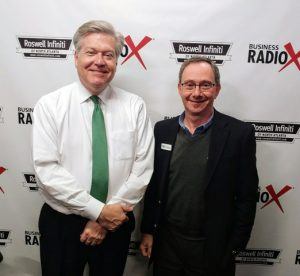
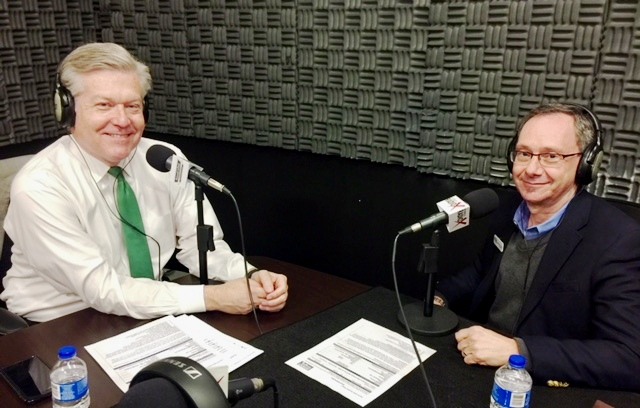
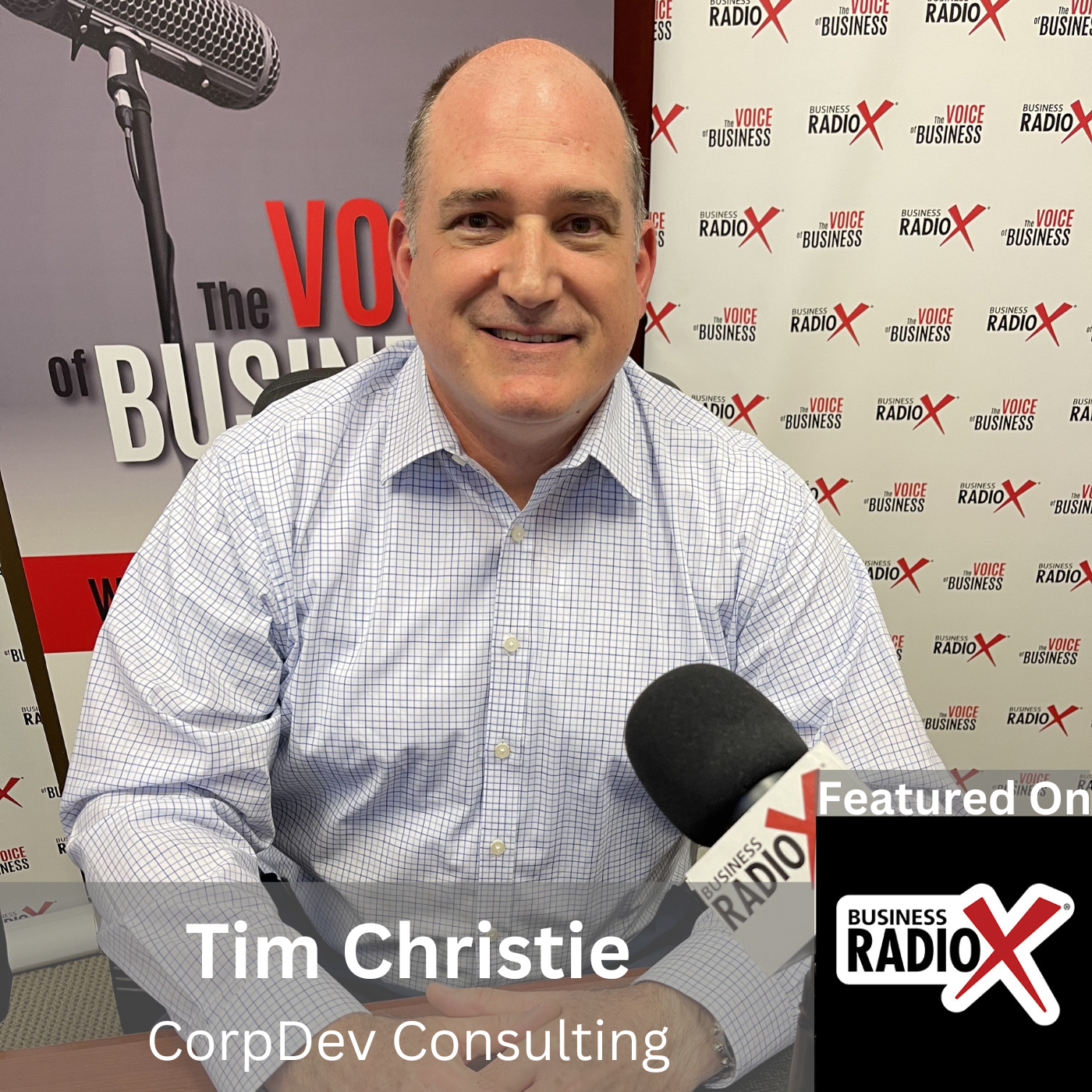
Navigating Corporate Development and M&A Strategy, with Tim Christie, CorpDev Consulting, LLC

May 20, 2024 by John Ray

Tim Christie, CorpDev Consulting, LLC
North Fulton Business Radio
Navigating Corporate Development and M&A Strategy, with Tim Christie, CorpDev Consulting, LLC
Loading
00:00 /
RSS Feed
Share
Link
Embed

Download file

Tim Christie, CorpDev Consulting, LLC

Navigating Corporate Development and M&A Strategy with Tim Christie, CorpDev Consulting, LLC (North Fulton Business Radio, Episode 772)

In this episode of North Fulton Business Radio, host John Ray interviews Tim Christie, founder of CorpDev Consulting, to introduce his expertise in corporate development and mergers and acquisitions. Tim explains how his consultancy focuses on marrying strategy with corporate development, aiding companies to understand processes and drive successful outcomes in M&A activities. He elaborates on the importance of integrating strategy throughout the M&A process, from considering acquisitions to post-merger integration, emphasizing the role of human resources and organizational alignment in ensuring the success of M&A deals. Tim shares insights on how small to medium-sized companies can strategically approach M&A, the advantages of engaging a corporate development consultant early in the process, and the importance of aligning M&A activities with overall business strategy. The conversation also covers the challenges and common pitfalls in M&A deals and how Tim’s expertise helps companies navigate these complex processes effectively.

John Ray is the host of North Fulton Business Radio. The show is recorded and produced from the North Fulton studio of Business RadioX® inside Renasant Bank in Alpharetta.

Timothy A. Christie, CFA, Managing Partner, CorpDev Consulting, LLC

Tim Christie, CorpDev Consulting

Tim has over 25 years experience across a wide variety of industries and disciplines. His focus is on helping companies make the right strategic decisions and creating a framework for greatly increasing the probability of success. His experience across the broad sector of M&A (including organic growth, alliances, joint ventures, partnerships and venture investment) comes through when evaluating opportunities for clients.

Tim’s previous experience includes corporate development roles with RBC Bank (Royal Bank of Canada) and First Data, as well as consulting experience in fintech, financial services, payments, industrial products and non-profits. An excellent facilitator, he has spoken at numerous conferences and seminars on topics ranging from international business to mergers & acquisitions.

Tim completed his MBA at Duke University’s Fuqua School of Business and his Undergraduate Degree in Political Science and Economics at Queen’s University (Canada). He is a Charterholder of the CFA Institute and serves on the Technology Association of Atlanta (TAG) Corporate Development Society Board.

Website | Company LinkedIn | Tim on LinkedIn

Topics Discussed in this Episode

00:00 Welcome to North Fulton Business Radio
01:23 Introducing Tim Christie and CorpDev Consulting
01:31 The Philosophy and Approach of CorpDev Consulting
04:59 Tim Christie’s Background and Expertise
06:45 Understanding M&A Challenges and Solutions
16:20 The Role of a Fractional Corporate Development Officer
26:13 Success Stories and How to Connect
30:38 Closing Remarks

Renasant Bank and Casa Nuova Italian Restaurant support North Fulton Business Radio

Renasant BankRenasant Bank has humble roots, starting in 1904 as a $100,000 bank in a Lee County, Mississippi, bakery. Since then, Renasant has become one of the Southeast’s strongest financial institutions, with over $13 billion in assets and more than 190 banking, lending, wealth management, and financial services offices in Mississippi, Alabama, Tennessee, Georgia, and Florida. All of Renasant’s success stems from each of their banker’s commitment to investing in their communities as a way of better understanding the people they serve. At Renasant Bank, they understand you because they work and live alongside you every day.

Casa Nuova Italian RestaurantCasa Nuova is a proud family-owned and operated restaurant, serving classic, authentic and traditional Italian cuisine and top tier hospitality since 1998.

Casa Nuova is a cook-to-order kitchen, serving traditional fare including pasta, chicken, seafood, veal, vegetarian and gluten-free options, plus daily specials. They are a farm-to-table establishment, meaning that in the summertime, they cultivate their own vegetables in their garden, steps away from the restaurant, including tomatoes, corn, peppers, zucchini, sunflowers and more!

Celebrating more than 25 years, Casa Nuova has become a true staple in the Alpharetta area, serving more than three generations of families, including friends old and new, visiting near and far from all over the metro Atlanta area and beyond.

Website | LinkedIn | Facebook | Instagram

About North Fulton Business Radio and host John Ray

With over 770 shows and having featured over 1,200 guests, North Fulton Business Radio is the longest-running podcast in the North Fulton area, covering business in our community like no one else. We are the undisputed “Voice of Business” in North Fulton!

The show welcomes a wide variety of business, non-profit, and community leaders to get the word out about the important work they’re doing to serve their market, their community, and their profession. There’s no discrimination based on company size, and there’s never any “pay to play.” North Fulton Business Radio supports and celebrates business by sharing positive business stories that traditional media ignore. Some media leans left. Some media leans right. We lean business.

John Ray, Business RadioX - North Fulton, and Owner, Ray Business Advisors
John Ray, Business RadioX – North Fulton, and Owner, Ray Business Advisors

John Ray is the host of North Fulton Business Radio. The show is recorded and produced from the North Fulton studio of Business RadioX® inside Renasant Bank in Alpharetta. You can find the full archive of shows by following this link. The show is available on all the major podcast apps, including Apple Podcasts, Spotify, Google, Amazon, iHeart Radio, and many others.

The studio address is 275 South Main Street, Alpharetta, GA 30009.

John Ray, The Generosity MindsetJohn Ray also operates his own business advisory practice. John’s services include advising solopreneurs and small professional services firms on their value, their positioning and business development, and their pricing. His clients are professionals who are selling their expertise, such as consultants, coaches, attorneys, CPAs, accountants and bookkeepers, marketing professionals, and other professional services practitioners.

John is the national bestselling author of The Generosity Mindset: A Journey to Business Success by Raising Your Confidence, Value, and Prices.


Tagged With: acquisitions, acquisitions strategy, CorpDev Consulting, Corporate Development, John Ray, M&A, mergers & acquisitions, North Fulton Business Radio, Tim Christie

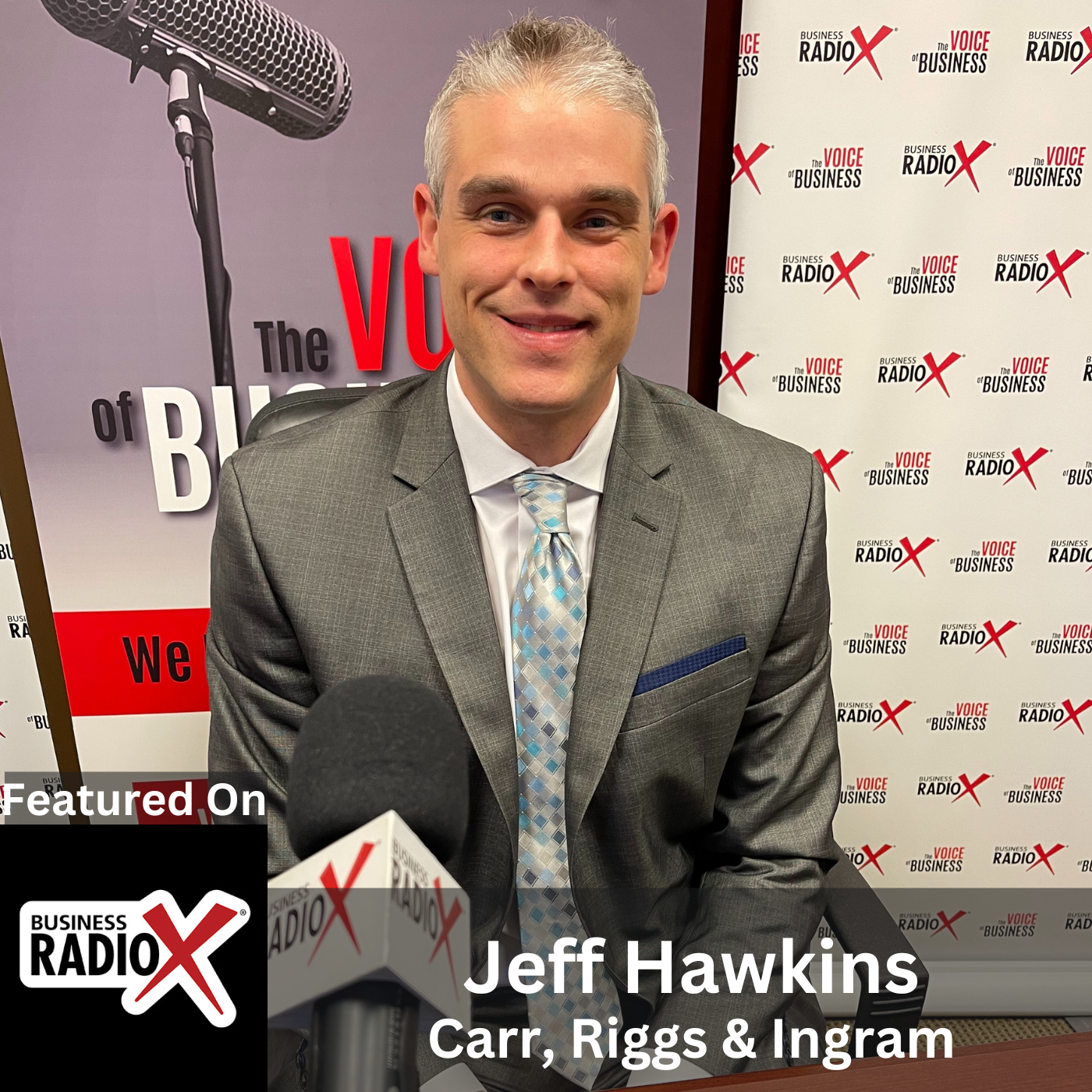
Jeff Hawkins, Carr, Riggs & Ingram

May 8, 2023 by John Ray

Jeff Hawkins, Carr, Riggs & Ingram
North Fulton Business Radio
Jeff Hawkins, Carr, Riggs & Ingram
Loading
00:00 /
RSS Feed
Share
Link
Embed

Download file

Jeff Hawkins, Carr, Riggs & Ingram

Jeff Hawkins, Carr, Riggs & Ingram (North Fulton Business Radio, Episode 659)

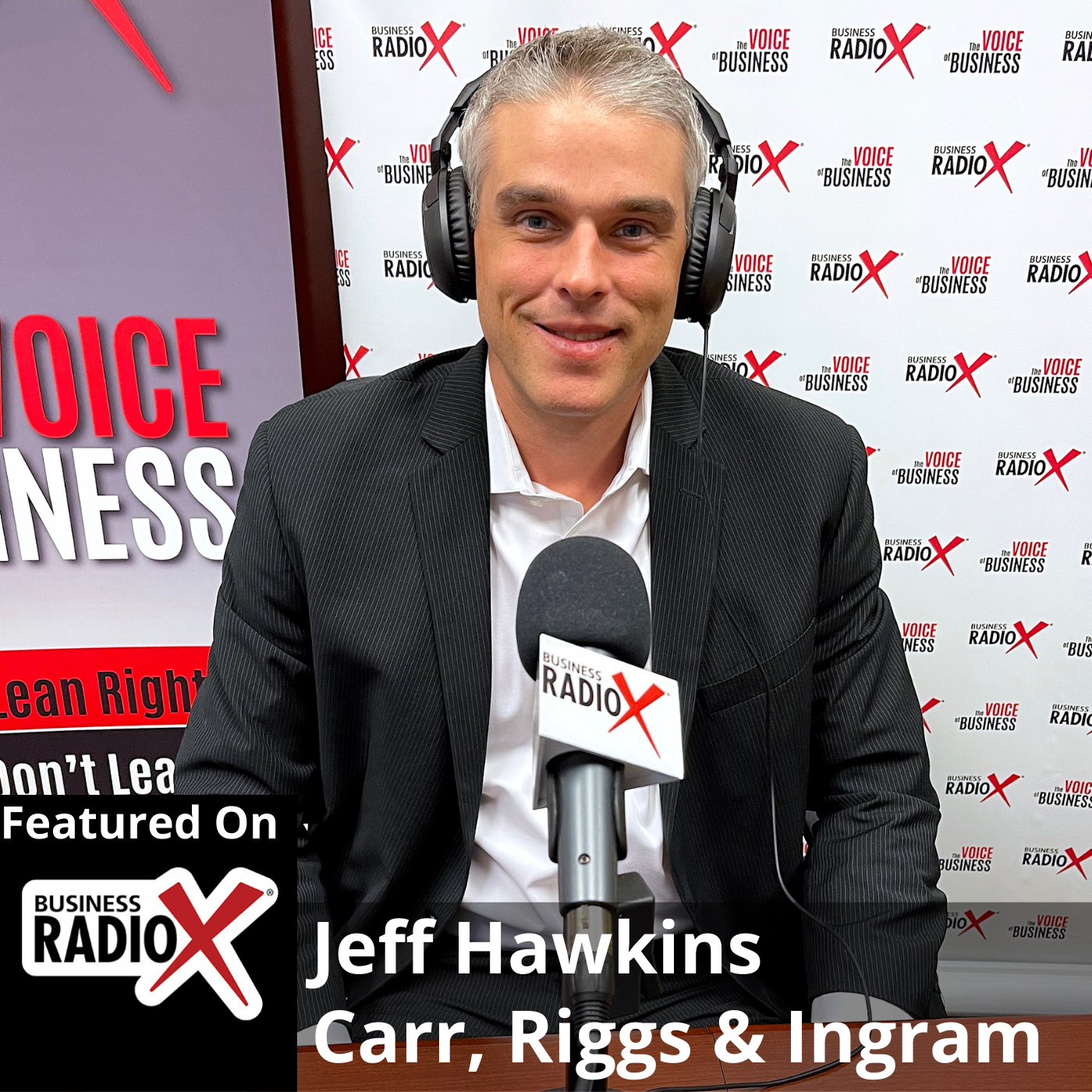
Jeff Hawkins, Partner with Carr, Riggs & Ingram, joined host John Ray on this episode of North Fulton Business Radio to discuss the current state of the M&A environment. Jeff discussed how and why buyer diligence is getting tighter, the impact of higher interest rates on risk premiums, what sellers need to do in reaction, how a quality of earnings report can bring a buyer and seller closer to a realized transaction, and much more.

North Fulton Business Radio is broadcast from the North Fulton studio of Business RadioX® inside Renasant Bank in Alpharetta.

Carr, Riggs & Ingram

CRI was formed in 1997 as a merger between two prominent firms that recognized the changes that the accounting industry was undergoing and decided to classify these changes as opportunities instead of hurdles.

Two years after this strategic alliance was formed, CRI cracked into the Top 100 Accounting Firms in the United States, thus cementing its legacy as a major player in the accounting industry.

Today, after 25 years of consistent growth since our formation, they have expanded to support the expansive relationship between technology, data, and accounting by incorporating data scientists and IT professionals into their scope of work. This has allowed CRI to grow into a Top 25 CPA firm, nationally, with no plans of slowing anytime soon.

Website | LinkedIn | Facebook | Instagram | Twitter

Jeff Hawkins, Partner, Carr, Riggs & Ingram

Jeff Hawkins, Partner, Carr, Riggs & Ingram

Jeff Hawkins is a Partner at Carr, Riggs & Ingram. He provides attest services for middle to lower-middle market, privately held companies. He also leads the Transaction Advisory Services team (TAS) in CRI’s Atlanta office for quality of earnings, target working capital, and other due diligence projects. He works closely with dealerships and provides consumer and business services.

Jeff’s clients enjoy working with him because of his experience working with businesses in varying industries and his willingness to stay involved in every engagement.

LinkedIn


Questions and Topics in this Interview:

  • Predictions from a previous show in 2022
  • Today’s market
  • Interest rates impacting deals
  • Deal diligence
  • Seller preparedness

North Fulton Business Radio is hosted by John Ray and broadcast and produced from the North Fulton studio of Business RadioX® inside Renasant Bank in Alpharetta. You can find the full archive of shows by following this link. The show is available on all the major podcast apps, including Apple Podcasts, Spotify, Google, Amazon, iHeart Radio, Stitcher, TuneIn, and others.

RenasantBank


Renasant Bank has humble roots, starting in 1904 as a $100,000 bank in a Lee County, Mississippi, bakery. Since then, Renasant has become one of the Southeast’s strongest financial institutions with over $13 billion in assets and more than 190 banking, lending, wealth management, and financial services offices in Mississippi, Alabama, Tennessee, Georgia, and Florida. All of Renasant’s success stems from each of their banker’s commitment to investing in their communities as a way of better understanding the people they serve. At Renasant Bank, they understand you because they work and live alongside you every day.
Since 2000, Office Angels® has been restoring joy to the life of small business owners, enabling them to focus on what they do best. At the same time, we honor and support at-home experts who wish to continue working on an as-needed basis. Not a temp firm or a placement service, Office Angels matches a business owner’s support needs with Angels who have the talent and experience necessary to handle work that is essential to creating and maintaining a successful small business. Need help with administrative tasks, bookkeeping, marketing, presentations, workshops, speaking engagements, and more? Visit us at https://officeangels.us/.

Tagged With: Accounting, accounting firm, Carr Riggs & Ingram, CRI, Deal diligence, interest rates, Jeff Hawkins, John Ray, M&A, M&A transactions, market, mergers & acquisitions, North Fulton Business Radio X, North Fulton Radio, Office Angels, quality of earnings report, renasant bank, Seller preparedness

Jeff Hawkins, Carr, Riggs & Ingram

May 24, 2022 by John Ray

Jeff Hawkins
North Fulton Business Radio
Jeff Hawkins, Carr, Riggs & Ingram
Loading
00:00 /
RSS Feed
Share
Link
Embed

Download file

Jeff Hawkins

Jeff Hawkins, Carr, Riggs & Ingram (North Fulton Business Radio, Episode 458)

Jeff Hawkins, Transaction Advisory Partner with Carr, Riggs & Ingram, joined host John Ray to discuss the environment for selling middle market businesses and the mergers & acquisitions environment generally. . Jeff covered the pandemic’s effect on M&A activity in the last two years, including the wave of sales at year end 2021. He discussed the due diligence process a seller will encounter, a Quality of Earnings Report, the role of audited financials, and much more.

North Fulton Business Radio is broadcast from the North Fulton studio of Business RadioX® inside Renasant Bank in Alpharetta.

Carr, Riggs & Ingram

Carr, Riggs & Ingram (CRI) is a Top 25 nationally ranked accounting and advisory firm driven by relationships to cultivate growth.

From traditional accounting services to leading-edge business support, technology resources, and assurance offerings, CRI’s breadth and depth of expertise take you from compliance to competitive advantage.

Today, after 25 years of consistent growth since our formation, Carr, Riggs & Ingram is among the Top 25 firms nationally with no plans of slowing anytime soon. Despite this growth and the technological and automation disruption of the accounting industry, they still pride themselves on delivering actionable insights and solutions based on their founding principles of tailored client service, respect for all, and unyielding integrity.

Company Website |LinkedIn | Facebook

Jeff Hawkins, Transaction Advisory Partner, Carr, Riggs & Ingram

Jeff Hawkins, Transaction Advisory Partner, Carr, Riggs & Ingram

Jeff provides attest services for middle to lower-middle market, privately held companies. He also leads the Transaction Advisory Services team (TAS) in CRI’s Atlanta office for quality of earnings, target working capital, and other due diligence projects. He works closely with dealerships and provides consumer and business services.

Jeff’s clients enjoy working with him because of his experience working with businesses in varying industries and his willingness to stay involved in every engagement.

LinkedIn

Questions and Topics in this Interview:

  • The current state of the M&A world
  • Why was 2021 so busy
  • Impacts of labor constraints on professionals in M&A
  • Current trends in M&A

North Fulton Business Radio is hosted by John Ray and broadcast and produced from the North Fulton studio of Business RadioX® inside Renasant Bank in Alpharetta. You can find the full archive of shows by following this link. The show is available on all the major podcast apps, including Apple Podcasts, Spotify, Google, Amazon, iHeart Radio, Stitcher, TuneIn, and others.

RenasantBank


Renasant Bank has humble roots, starting in 1904 as a $100,000 bank in a Lee County, Mississippi, bakery. Since then, Renasant has grown to become one of the Southeast’s strongest financial institutions with over $13 billion in assets and more than 190 banking, lending, wealth management and financial services offices in Mississippi, Alabama, Tennessee, Georgia and Florida. All of Renasant’s success stems from each of their banker’s commitment to investing in their communities as a way of better understanding the people they serve. At Renasant Bank, they understand you because they work and live alongside you every day.


Special thanks to A&S Culinary Concepts for their support of this edition of North Fulton Business Radio. A&S Culinary Concepts, based in Johns Creek, is an award-winning culinary studio, celebrated for corporate catering, corporate team building, Big Green Egg Boot Camps, and private group events. They also provide oven-ready, cooked from scratch meals to go they call “Let Us Cook for You.” To see their menus and events, go to their website or call 678-336-9196.

Tagged With: Carr Riggs and Ingram, CPa, Jeff Hawkins, M&A, mergers & acquisitions, North Fulton Business Radio, quality of earnings, quality of earnings analysis, quality of earnings study, renasant bank, selling a business

Eric Togneri, Neri Capital Partners and Rob Margeton, Ryco Advisors

May 19, 2022 by John Ray

Ryco Advisors
North Fulton Studio
Eric Togneri, Neri Capital Partners and Rob Margeton, Ryco Advisors
Loading
00:00 /
RSS Feed
Share
Link
Embed

Download file

Ryco Advisors

Eric Togneri, Neri Capital Partners, and Rob Margeton, Ryco Advisors (The Exit Exchange, Episode 14)

Eric Togneri, Managing Partner with Neri Capital Partners, and Rob Margeton, Co-Founder of Ryco Advisors, joined the show to discuss critical elements and considerations in selling a business. They discussed the increasing attempts of equity groups to consolidate industries, the role of business valuations, current issues such as price increases in labor and product, the conversations to assist sellers to improve valuations, encouraging business owners to reduce their role, and much more.

This episode of The Exit Exchange was co-hosted by Bob Tankesley and Maria Forbes and is produced virtually from the North Fulton studio of Business RadioX® in Alpharetta.

Neri Capital Partners

Neri Capital Partners was founded in 2006 with headquarters in Atlanta, Georgia. Our firm is an investment bank for family-owned and privately-held small and midsize businesses with a strong history and clear path to growth. Neri Capital provides merger, acquisition, and related advisory services.

Neri Capital Partners’ entrepreneurial and transactional experience and expertise has positioned the firm as uniquely qualified to offer advisory services for business owners to successfully Determine, Build and then Realize the value they have created. Regardless of where our clients are in their business life cycle, Neri Capital services are designed to add value to liquidity.

Company website  | LinkedIn

Eric Togneri, Managing Director, Neri Capital Partners

Eric Togneri, Managing Director, Neri Capital Partners

Eric Togneri is a Lower-Middle Market Investment Banking professional providing Investment Origination and M&A Advisory.  He is also a Consumer Goods Team Leader for Sales, Shopper Marketing, Trade Promotion, Trade Finance, and Business Analytics.

Eric is currently serving as Managing Director of Neri Capital Partners focused on providing Business Owners the path to Determining, Building, and Realizing the Value of Companies; Also, providing Deal Origination expertise for Private Investors to achieve Quality Deal Flow.

Prior to Neri Capital, Eric was an accomplished Consumer Products Department Head and National Team Leader with Fortune 100 consumer organizations such as L’Oréal, Pfizer, and Sanofi; Also, a Sr. Consultant at Neri Consumer and a Principal in the Category Management Association.

LinkedIn

Ryco Advisors

Ryco Advisors is an Atlanta-based, independent advisory firm focused on the sale of small and lower-middle-market owner-operated companies.

The professionals at Ryco not only have extensive financial and transactional experience, but they’ve also been business owners just like you.

They have run their own operating businesses and understand firsthand what it’s like to make the decision to sell and which steps to take to achieve a profitable sale. They leverage their perspective as business owners, coupled with years of experience working with major Wall Street firms and consulting companies, to achieve superior results for our clients.

They have advised numerous clients – both large and small – on sale and transfer transactions, and treat every business they sell as if it were their own.

Company website | LinkedIn

Rob Margeton, Co-Founder, Ryco Advisors

Rob Margeton, Co-Founder, Ryco Advisors

Robert (Rob) Margeton has over 15 years of experience working in the financial services industry and running his own business. Prior to co-founding Ryco Advisors, Mr. Margeton served as a Managing Director at Capstone Advisory Group, a New York middle-market restructuring, and financial advisory consulting firm. During his tenure there, he advised clients on over 50 transactions across a diverse set of industries. Mr. Margeton also has extensive experience running and managing his own business.

Together with Lindsay Margeton, he acquired the flagship Fleet Clean location in 2013 and oversaw a successful sales process in 2018. During their tenure at Fleet Clean, the company’s revenues and EBITDA grew by over 75% and 95%, respectively. They managed over 30 employees and serviced more than 150 clients throughout Metro Atlanta, including many Fortune 500 companies. Ryco Advisors assists owner-operating businesses in the lower middle market space on sell-side engagements. Businesses typically have revenues between $5 million and $50 million.

LinkedIn

The Exit Planning Exchange Atlanta

The Exit Planning Exchange Atlanta (XPX) is a diverse group of professionals with a common goal: working collaboratively to assist business owners with a sale or business transition. XPX Atlanta is an association of advisors who provide professionalism, principles, and education to the heart of the middle market. Our members work with business owners through all stages of the private company life cycle: business value growth, business value transfer, and owner life and legacy. Our Vision: To fundamentally changing the trajectory of exit planning services in the Southeast United States. XPX Atlanta delivers a collaborative-based networking exchange with broad representation of exit planning competencies. Learn more about XPX Atlanta and why you should consider joining our community: https://exitplanningexchange.com/atlanta.

The Exit Exchange is produced by John Ray in the North Fulton studio of Business RadioX® in Alpharetta. The show archive can be found at xpxatlantaradio.com.

John Ray and Business RadioX are Platinum Sponsors of XPX Atlanta.

Tagged With: Eric Togneri, mergers & acquisitions, Neri Capital Partners, Rob Margeton, Ryco Advisors, selling a business, The Exit Exchange, XPX Atlanta

Ed Legum, Tennessee Business Brokers

June 29, 2021 by John Ray

Edmond Legum
Nashville Business Radio
Ed Legum, Tennessee Business Brokers
Loading
00:00 /
RSS Feed
Share
Link
Embed

Download file

Edmond Legum

Ed Legum, Tennessee Business Brokers (Nashville Business Radio, Episode 20)

Ed Legum, a ‘people, process, & profit’ expert with Tennessee Business Brokers, breaks down the involved process of selling a business into understandable elements.  Ed joined host John Ray to discuss when a business seller should engage a business broker, how asking prices get determined, what sellers can do to increase the value of the perceived value of their business, and much more. Nashville Business Radio is produced virtually from the Nashville studio of Business RadioX®.

Tennessee Business Brokers

Tennessee Business Brokers is a professional Business Brokerage Firm with a long history and experience working with businesses spanning from International Investment Banking clients on Wall Street to serving Main Street businesses in the Mid-South market with special focus on Tennessee and also serving Kentucky, Alabama, Mississippi, and Missouri.

Their key to success is their ability to inspire trust, their commitment to communication, their perseverance and also strong desire for “win-win” outcomes

They have the strong skills necessary to close deals honed over decades of corporate experience including financial analysis, marketing, due diligence, business valuations, intermediation, lending/underwriting, and negotiations.

They are seasoned business and community leaders with very extensive networking resources both locally and globally.

Company website

Ed Legum, Business Broker and Advisor, Tennessee Business Brokers

Edmond Legum
Edmond Legum, Business Broker and Advisor

Ed Legum is a Business Broker and Advisor with Tennessee Business Brokers. He is a ‘people, process, and profit’ expert. He’s a published business book author, blues harp player, teacher, world traveler, and grandfather. Ed is like a senior statesman. And he’s ready, willing, able, and eager to teach you the secrets. His detailed diagnoses of the myriad problems and challenges that often face a business are amazingly acute and are informed by keen and well-honed insights gleaned over his 45-year career. Ed helps business sellers unearth the impediments to their success, and then assists them in removing them.

Ed is the author of Being a Business Broker — The Art of Communicating with Buyers and Sellers. In short, what makes him so valuable is communication – his ability to distill complex messages down to bite-size chunks, that anybody can understand.

LinkedIn | Buy Ed’s Book

Questions and Topics in This Interview

  • What’s the big picture: Why do businesses need a business broker?
  • What do sellers want?
  • What is their business worth? How do you determine the asking price?
  • What the top three things sellers can do to increase the perceived value of their businesses?
  • Who are business buyers and what do they want?
  • What does it take to sell a business?

“Nashville Business Radio” is hosted by John Ray and produced virtually from the Nashville studio of Business RadioX®.  You can find the full archive of shows by following this link. The show is available on all the major podcast apps, including Apple Podcasts, Spotify, Google, Amazon, iHeart Radio, Stitcher, TuneIn, and others.

Tagged With: Being a Business Broker, business broker, business brokerage, Edmond Legum, mergers & acquisitions, Tennessee Business Brokers

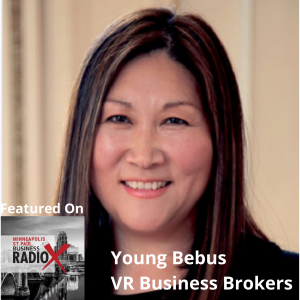
Young Bebus, VR Business Brokers

June 10, 2021 by John Ray

Young Bebus
Minneapolis St. Paul Business Radio
Young Bebus, VR Business Brokers
Loading
00:00 /
RSS Feed
Share
Link
Embed

Download file

VR Business Brokers

Young Bebus, VR Business Brokers (Minneapolis-St. Paul Business Radio, Episode 9)

Finding she loved the mergers and acquisition side of business, Young Bebus leapt from healthcare operations into owning her own business brokerage. In a conversation with host John Ray, Young discussed the market for businesses today, why the hard part of selling a business goes deeper than just receiving the letter of intent, what buyers need to think about in purchasing a business. and much more. Minneapolis-St. Paul Business Radio is produced virtually by the Minneapolis St. Paul studio of Business RadioX®.

VR Business Brokers

VR has been the industry leader for over 35 years. It has set the highest quality standards in the industry, provides the most extensive training program for its’ intermediaries, maintains the largest national database of sold businesses to assist in business valuations, and has been rated the number one Business Brokerage in the world.

VR was founded in 1979 to fill the void for quality service that existed between the Real Estate Industry and Investment Banking Representation to buyers and sellers of main street, upper main street and middle-market businesses that had remained under-serviced.

VR has always been light years ahead of its industry, and continues to pave the path that others continue to follow. VR’s continual drive to improve and achieve has led to the creation of several divisions designed to meet the rapidly changing needs of its’ business clients around the world. The past few years has seen the highly successful deployment of VR.

VR’s components of its’ success are the strength, professionalism and commitment of VR’s Network of Intermediaries working diligently with every client, not as business brokers merely trying to make a sale, but rather as advocates providing a comprehensive consultative approach to each and every business transaction. You will find that VR provides you with exactly the same level of service and professional resources that a large institutional client receives from the finest investment bank.

VR continues to be the leading force within the industry as it moves into the future, always developing new and innovative practices of buying and selling businesses, protecting client interests, and refining the level of services every small and mid-size business owner should expect to receive.
Company website | LinkedIn  | Facebook

Young Bebus, Managing Broker, VR Business Brokers

Young Bebus, Managing Broker, VR Business Brokers

Young Bebus, Principal Broker, BCA (Business Certified Appraiser), CM&AP (Certified M&A Professional) Young Bebus brings combined over 20 years of experience in M&A, valuation, real estate, management, operations, marketing, consulting while holding various positions as director, regional director, and healthcare operations COO in Corporate America and as a small business owner.

She holds her MBA from Carlson School of Management, Business Certified Appraiser designation from ISBA (International Society of Business Appraisers), and CM&AP (Certified Mergers and Acquisitions Professional) designation from Coles College of Business, (EDLI) Executive Leadership Certification from Erickson School of Business, Minnesota Real Estate Broker, and is a Member of IBBA (International Business Brokers’ Association), M&A Source, ISBA (International Society of Business Appraisers), Chamber of Commerce.

Young is named as one of 2020 Top Women in Finance Honorees by Finance & Commerce and teaching Business Start-up course for SCORE South Metro, MN.

Young’s areas of expertise include business appraisal, M&A, exit plan and growth strategy, health care services and products, senior long-term and assisted living facilities, information technology, and contractor services.

LinkedIn

Questions and Topics in this Interview

  • The trend in business sales and M&A space
  • You were in healthcare operations. What got you into this line of work?
  • Why do owners seek out the business brokers, M&A advisors FAQs by business owners
  • How is VR different and what can the company offer?
  • How does VR handle business sales and the process?

Minneapolis-St. Paul Business Radio is hosted by John Ray and produced virtually from the Minneapolis St. Paul studio of Business RadioX® .  You can find the full archive of shows by following this link. The show is available on all the major podcast apps, including Apple Podcasts, Spotify, Google, Amazon, iHeart Radio, Stitcher, TuneIn, and others.

Tagged With: business broker, business brokerage, buying a business, M&A, mergers & acquisitions, selling a business, VR Business Brokers, Young Bebus

Did I Mention We Work With David Robinson E40

February 11, 2021 by Karen

Did-I-Mention-We-Work-With-David-Robinson-feature
Phoenix Business Radio
Did I Mention We Work With David Robinson E40
Loading
00:00 /
RSS Feed
Share
Link
Embed

Download file

Did-I-Mention-We-Work-With-David-Robinson-E40

Did I Mention We Work With David Robinson E40

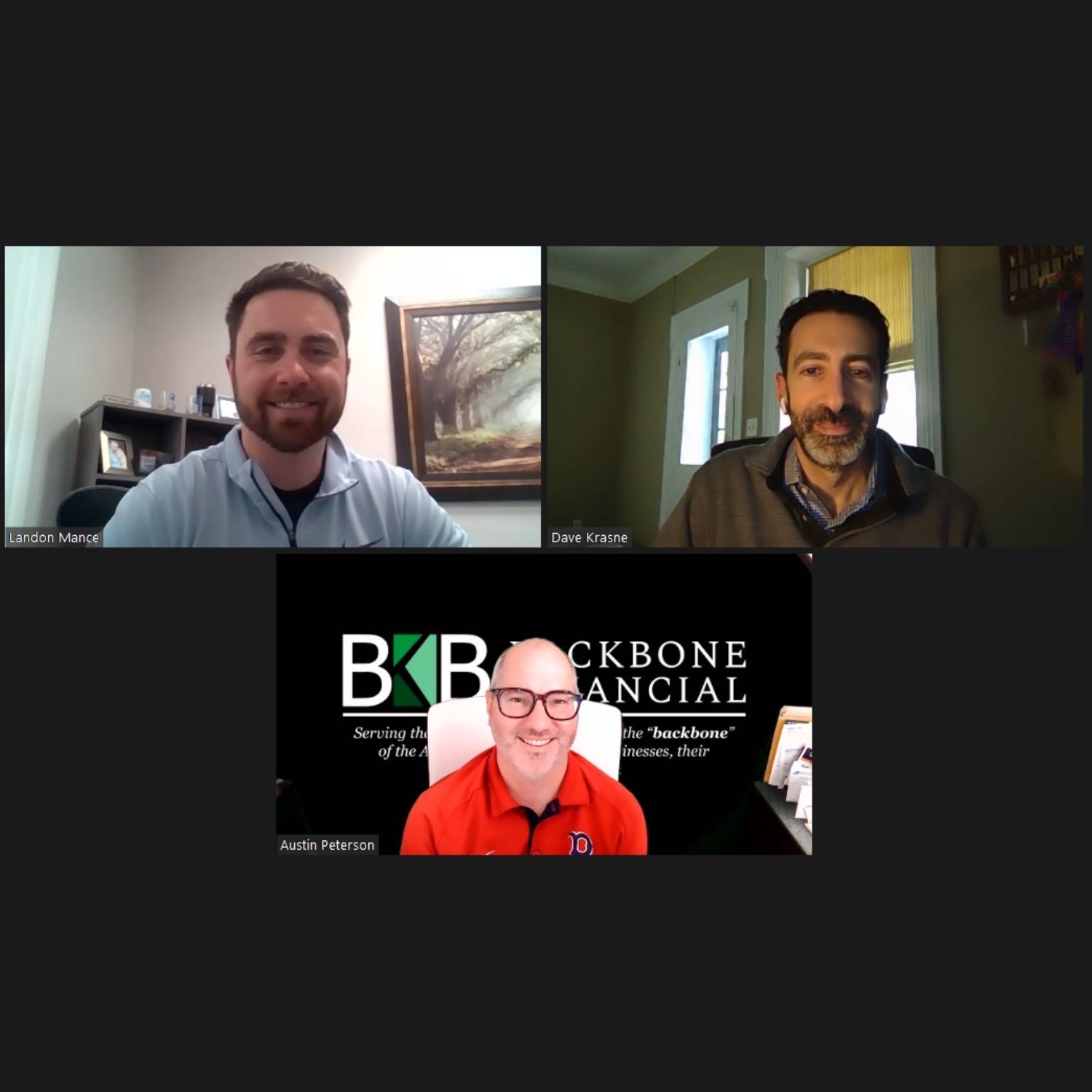
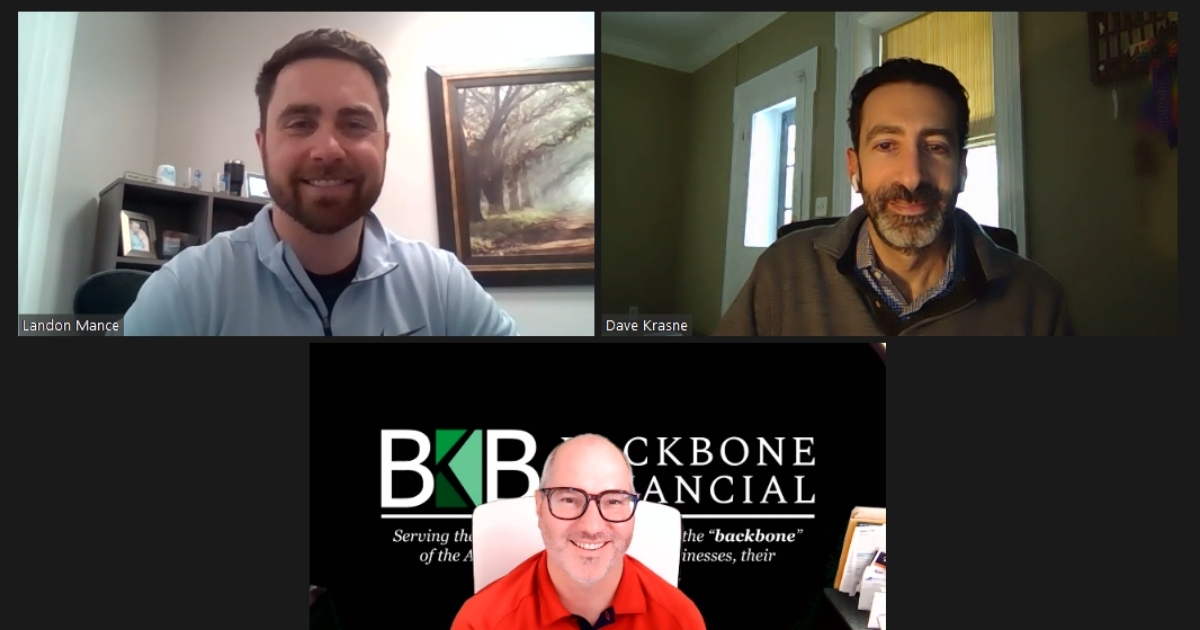
RedNest Partners is a private investment firm investing exclusively in small, privately-held companies. With more than 25 years of experience investing in, supporting, advising, owning & operating small businesses, they have a strong appreciation for the opportunities and challenges faced by these entrepreneurs.

Dave Krasne has a knack for engaging the audience about really important topics and at the same time making things very interesting. He shares some great insights about what independent sponsors are looking for in deals, as well as Red Nest’s unique approach to working with entrepreneurs and their companies.

RedNest Partners is a private investment firm investing exclusively in small, privately-held companies. With more than 25 years of experience investing in, supporting, advising, owning & operating small businesses, we have a strong appreciation for the opportunities and challenges faced by these entrepreneurs. RedNest-Partners-logo

We employ a patient approach aimed at building sustainable businesses with long term growth prospects. Short term decision-making and chasing quarterly results run contrary to building real value. RedNest supports management teams in delivering value for all stakeholders in a business: customers, employees, managers, and investors.

Dave-Krasne-RedNest-PartnersDave Krasne has spent the bulk of his career evaluating and executing principal investments, as well as developing strategy and executing as an operator and board member of small companies. Prior to founding RedNest Partners, Dave led deal teams in executing transactions, as well as developed and implemented strategic initiatives as a portfolio company director at The Riverside Company, a large, lower middle market private equity firm.

Prior to joining Riverside, Dave was Chief Operating Officer at Professional Sports Publications (PSP), the largest publisher of game day programs for professional and collegiate teams and events in the U.S. Before PSP, Dave was a Principal in Merrill Lynch’s Global Private Equity division, where he executed a variety of principal investments, monitored portfolio companies and exited investments.

Prior to receiving his MBA, Dave worked in Investment Banking at Merrill Lynch executing mergers, acquisitions and corporate finance transactions for clients in the Technology and Financial Services industries. Dave earned a BS in Finance from Penn State University and an MBA from The Anderson School at UCLA.

Connect with Dave on LinkedIn.

About Your Hosts

Autsin-Peterson-on-Phoenix-Business-RadioXAustin Peterson is a Comprehensive Financial Planner and owner of Backbone Financial in Scottsdale, AZ. Austin is a registered rep and investment advisor representative with Lincoln Financial Advisors. Prior to joining Lincoln Financial Advisors, Austin worked in a variety of roles in the financial services industry.

He began his career in financial services in the year 2000 as a personal financial advisor with Independent Capital Management in Santa Ana, CA. Austin then joined Pacific Life Insurance Company as an internal wholesaler for their variable annuity and mutual fund products. After Pacific Life, Austin formed his own financial planning company in Southern California that he built and ran for 6 years and eventually sold when he moved his family to Salt Lake City to pursue his MBA.

After he completed his MBA, Austin joined Crump Life Insurance where he filled a couple of different sales roles and eventually a management role throughout the five years he was with Crump. Most recently before joining Lincoln Financial Advisors in February 2015, Austin spent 2 years as a life insurance field wholesaler with Symetra Life Insurance Company. Austin is a Certified Financial Planner Professional and Chartered Life Underwriter.

Austin and his wife of 21 years, Robin, have two children, AJ (19) and Ella (16) and they reside in Gilbert, Arizona. He is a graduate of California State University, Fullerton with a Bachelor of Arts in French and of Brigham Young University’s Marriott School of Management with a Master of Business Administration with an emphasis in sales and entrepreneurship.

Connect with Austin on LinkedIn, Facebook, Twitter, and Instagram.

LandonHeadshot01Landon Mance is a Financial Planner and founder of YourFuture Planning Partners out of Las Vegas, Nevada. His firm came to life in 2020 after operating as Mance Wealth Management since 2015 when Landon broke off from a major bank and started his own “shop.”

Landon comes from a family of successful entrepreneurs and has a passion and excitement for serving the business community. This passion is what brought about the growth of YourFuture Planning Partners to help business owners and their families. At YourFuture, we believe small business owners’ personal and business goals are intertwined, so we work with our clients to design a financial plan to support all aspects of their lives.

In 2019, Landon obtained the Certified Exit Planning Advisor (CEPA) designation through the Exit Planning Institute. With this certification, YourFuture Planning Partners assists business owners through an ownership transition while focusing on a positive outcome for their employees and meeting the business owner’s goals. Landon is also a member of the Business Intelligence Institute (BII) which is a collaborative group that shares tools, resources and personnel, and offers advanced level training and technical support to specifically serve business owners.Your-Future-Planning-Partners-logo

Landon enjoys spending time with his beautiful wife, stepson, and new baby twins. He grew up in sunny San Diego and loves visiting his family, playing a round of golf with friends, and many other outdoor activities. Landon tries make a difference in the lives of children in Las Vegas as a part of the leadership team for a local non-profit. He regularly visits the children that we work with to remind himself of why it’s so important to, “be the change that you wish to see in the world.”

Landon received his B.S. from California State University Long Beach in business marketing and gets the rest of his education through the school of hard knocks via his business owner clients.

Connect with Landon on LinkedIn.

About The Tycoons of Small Biz Sponsor

Whether you’re an established local company, or a brand new start-up, you can count on GBS to be a part of your family.

We’re not just any benefits consulting firm, we’re GBS. We have nearly 30 years of experience in group benefits, a strong sense of purpose and it shows.

Austin Peterson and Landon Mance are registered representatives of Lincoln Financial Advisors Corp. Securities and investment advisory services offered through Lincoln Financial Advisors Corp., a broker/dealer (member SIPC) and registered investment advisor. Insurance offered through Lincoln affiliates and other fine companies. Backbone Financial and Your Future Planning Partners are marketing names for registered representatives of Lincoln Financial Advisors Corp. CRN-3434436-020221

Lincoln Financial Advisors Corp. and its representatives do not provide legal or tax advice. You may want to consult a legal or tax advisor regarding any legal or tax information as it relates to your personal circumstances.

The content presented is for informational and educational purposes. The information covered and posted are views and opinions of the guests and not necessarily those of Lincoln Financial Advisors Corp.

Business RadioX® is a separate entity not affiliated with Lincoln Financial Advisors Corp.

Tagged With: Independent Sponsor, mergers & acquisitions, Principal Investor, private equity

Decision Vision Episode 21: Do I Need an Investment Banker? – An Interview with Roger Furrer, Brady Ware Capital

June 27, 2019 by John Ray

Decision Vision
Decision Vision
Decision Vision Episode 21: Do I Need an Investment Banker? - An Interview with Roger Furrer, Brady Ware Capital
Loading
00:00 /
RSS Feed
Share
Link
Embed

Download file

Roger Furrer, Director of Brady Ware Capital

Do I Need an Investment Banker?

Do I need an investment banker to sell my company? How does the sale process work? What’s the difference between an investment banker and a business broker? Roger Furrer, Director of Brady Ware Capital, answers these questions and much more in a interview with Michael Blake, Host of “Decision Vision.”

Roger Furrer, Brady Ware & Company

Roger Furrer is a Director at Brady Ware Capital, the investment banking arm of Brady Ware & Company. Roger joined Brady Ware in 2016, and prior to that served as COO and Managing Partner at Bannockburn Global Forex, LLC. Additionally, Roger enjoyed over 30 years in the banking industry in which he held various senior management positions, including leading teams focused on middle-market companies.

Roger leverages this expertise to help family-owned businesses and management teams maximize the value of their investments. He guides business owners through the sale of their business, or assists them in securing the liquidity needed to grow their business.

For more information, contact Roger at rfurrer@bradyware.com or at 937-238-9401.

Michael Blake, Brady Ware & Company

Mike Blake, Host of “Decision Vision”

Michael Blake is Host of the “Decision Vision” podcast series and a Director of Brady Ware & Company. Mike specializes in the valuation of intellectual property-driven firms, such as software firms, aerospace firms and professional services firms, most frequently in the capacity as a transaction advisor, helping clients obtain great outcomes from complex transaction opportunities. He is also a specialist in the appraisal of intellectual properties as stand-alone assets, such as software, trade secrets, and patents.

Mike has been a full-time business appraiser for 13 years with public accounting firms, boutique business appraisal firms, and an owner of his own firm. Prior to that, he spent 8 years in venture capital and investment banking, including transactions in the U.S., Israel, Russia, Ukraine, and Belarus.

Brady Ware & Company

Brady Ware & Company is a regional full-service accounting and advisory firm which helps businesses and entrepreneurs make visions a reality. Brady Ware services clients nationally from its offices in Alpharetta, GA; Columbus and Dayton, OH; and Richmond, IN. The firm is growth minded, committed to the regions in which they operate, and most importantly, they make significant investments in their people and service offerings to meet the changing financial needs of those they are privileged to serve. The firm is dedicated to providing results that make a difference for its clients.

Decision Vision Podcast Series

“Decision Vision” is a podcast covering topics and issues facing small business owners and connecting them with solutions from leading experts. This series is presented by Brady Ware & Company. If you are a decision maker for a small business, we’d love to hear from you. Contact us at decisionvision@bradyware.com and make sure to listen to every Thursday to the “Decision Vision” podcast. Past episodes of “Decision Vision” can be found here. “Decision Vision” is produced and broadcast by the North Fulton studio of Business RadioX®.

Visit Brady Ware & Company on social media:

LinkedIn:  https://www.linkedin.com/company/brady-ware/

Facebook: https://www.facebook.com/bradywareCPAs/

Twitter: https://twitter.com/BradyWare

Instagram: https://www.instagram.com/bradywarecompany/

Show Transcript

Intro: [00:00:06] Welcome to Decision Vision, a podcast series focusing on critical business decisions. Brought to you by Brady Ware & Company. Brady Ware is a regional, full-service accounting advisory board that helps businesses and entrepreneurs make visions a reality.

Michael Blake: [00:00:24] And welcome to Decision Vision, a podcast giving you, the listener, clear vision to make great decisions. In each episode, we discuss the process of decision making on a different business topic. But rather than making recommendations because everyone’s circumstances are different, we talk to subject matter experts about how they would recommend thinking about that decision.

Michael Blake: [00:00:43] My name is Mike Blake, and I’m your host for today’s program. I’m a Director at Brady Ware & Company, a full-service accounting firm based in Dayton, Ohio, with offices in Dayton; Columbus, Ohio; Richmond, Indiana; and Alpharetta, Georgia, which is where we are recording today. Brady Ware is sponsoring this podcast. If you like this podcast, please subscribe on your favorite podcast aggregator, and please also consider leaving a review of the podcast as well.

Michael Blake: [00:01:10] Today, we’re going to talk about hiring an investment banker. And I think this is an important subject because investment banks, I think, oddly enough, have a lot of mystery around them. In many cases, particularly if you’re a small business, you may only use an investment banker once in your entire life. Maybe even hopefully once in your entire life. You do one exit, you make a boatload of money, and then you get on your yacht, or you go to your mountain villa or your Italian Sicilian hideaway, and never have to do anything again. And one of the parties that kind of makes that possible for that lucrative exit is the investment banker.

Michael Blake: [00:01:56] Now, I happen to have a lot of respect for investment bankers because early in my career, I did the investment banking thing. And let me tell you – I’ll get on my soapbox a little bit, and I have no problem with that – for all the for all the junk that investment bankers take, and you hear investment bankers brought up in Congress that they don’t pay enough taxes and whatnot, I challenge any of them to walk in the shoes of a successful investment banker for two years and see kind of how they do with that.

Michael Blake: [00:02:38] It is not a 9:00 to 5:00 job, unless your definition of 9:00 to 5:00 is 9:00 in the morning to 5:00 in the morning. It is not a Monday-through-Friday job. It is an always-on job. And I can tell you for a fact that those folks, if they’re a success at all, really earn their fees. And if you don’t kind of live that lifestyle, you just are not in the business very long. That’s just all there is to it.

Michael Blake: [00:03:06] And so, I washed out, and I took a step back, and I went into business valuation, which is, let’s say, a much more work/life balance-friendly profession. Although, sometimes, my wife will wonder about that. But I wanted to kind of get that on the table because when you hire an investment banker, it’s a very important decision. If they’re any good at all, they ain’t cheap. And they can often be the difference between an exit that makes you comfortable for a while, and maybe pays for a vacation, or some of your kids education, versus retiring, or possibly leaving or creating legacy wealth.

Michael Blake: [00:03:50] So, with that, let’s kind of introduce our guest here. I have with us Roger Furrer, who is a director at Brady Ware Capital, which is our firm’s captive mergers and acquisitions specialized business unit. And they help business owners and entrepreneurs understand, increase, and unlock the value of their businesses. Business owners, often, find that managing the complexities of transaction’s an overwhelming experience. So, they can even find it overwhelming when they have help, I can tell you that for a fact. And you need an advocate that’s going to be out there representing you aggressively in the marketplace and helping you find not just an opportunity, not just Mr. Right or Mrs. Right, Mrs. Right now, but Mr. or Mrs. Right.

Michael Blake: [00:04:37] And that’s what Brady Ware does. And they help ease those challenges and let you continue running your business successfully throughout that transaction. That part’s really important because I can tell you, having worked on a lot of transactions myself, not in the investment banking capacity but as the advisor, selling your business is so physically and emotionally consuming that it can be difficult to actually continue running your business and sort of forget. You can easily lose sight of the fact that until that money hits escrow or until money hits your bank account, you get a wire confirmation, that deal is not done. And if you are not paying attention, all of a sudden, you may be left with a less valuable business than what you started with. But we’ll get into that.

Michael Blake: [00:05:24] Roger joined Brady Ware’s mergers and acquisition team in 2016. As I said, he’s a director. He has more than 30 years of experience in banking – i.e. 15 times more than I do – where he led teams focused on middle market companies. He leverages his banking experience as middle market companies to help family-owned businesses and management teams maximize the value of their investments. Specifically, he guides business owners through the sale of their business or assist them in securing the liquidity needed to grow that business. And with that, Roger, thank you so much and welcome to the program.

Roger Furrer: [00:06:00] Thank you, Mike, I appreciate being a part of the discussion.

Michael Blake: [00:06:03] So, Roger, let’s start with some basic vocabulary because I’m not sure everybody knows what an investment banker does. I think there’s an image out there of what an investment banker is, but I think there’s a misconception. So, kind of in your own words, if you had to kind of describe your job, what is it?

Roger Furrer: [00:06:26] Well, sure. One of the things that people misconstrue about the term is when they hear investment, they think it revolves around stocks, and bonds, and that type of thing. So, that’s one thing that we’re not. So, I would say investment bankers do a multitude of things. Some have more well-rounded services than others. At Brady Ware Capital, we help companies evaluate their strategic options around how do you liquidate or transition your business and discuss possible selling options for them. But we, also, help them uncover, perhaps, opportunities to acquire other companies or merge with other companies, and analyze the returns around that. At Brady Ware Capital, too, we also help companies raise the appropriate bank debt, or subordinate it, or mezzanine debt for the situation that they’re dealing with.

Michael Blake: [00:07:30] Okay, yeah. And so, when we say investment banker, one, I mean, you’re not lending money yourself, but you may be an intermediary to the folks who are lending money. And that first job description that you put out there, really, is more of a wealth or financial advisor when you’re dealing with analyzing stocks and bonds. And the exception may be if you’re the kind of investment bank that is taking companies public, and you’re dealing with public securities but that isn’t you guys. And for the most part, that’s not going to be our listener base. So, we can probably set that definition to the side, at least, for the moment.

Michael Blake: [00:08:09] So, one thing — and I have to confess, I don’t really know the answer to this question in a very clear way. So, I’m very curious to hear your answer to this. And that is, what is the difference, if there is any, between an investment banker and a business broker? Because you hear those terms both used a lot, but I also know many investment bankers that bristle a little bit if you call them a business broker and vice versa. So, I’m curious, is the difference meaningful enough? If so, how would you characterize it?

Roger Furrer: [00:08:41] Well, first of all, Mike, I’d say that there’s a lot of overlap in the term. So, I think, when people define a broker, they think about a transaction being completed, a commercial real estate property, a residential property, a broker being someone that executes the trade of a stock or a bond. So, I would say that I am a business broker, but I would prefer to be identified as an investment banker more so that also helps bring a transaction to fruition. So, I think, in in our terms and in the markets that we deal with, I think, business brokers, generally, deal with smaller-sized companies, and typically list the business for sale, and identify an asking price for that business, much like you would with a piece of a real property.

Roger Furrer: [00:09:48] I think the difference between an investment banker, I believe, is in a higher strategic value proposition, if you will, where when we’re representing a company for sale, we go about an entire marketing process and identify who we see as the best strategic and financial buyers for that entity, so that we’re able to drive the highest and best value for that company. I hope that helps you from a differentiation perspective.

Michael Blake: [00:10:26] It does. And not the suck up to because I’m not, it’s actually the best definition I’ve actually heard. The best distinction I’ve actually heard between the two. So, for the first time, I think I can actually explain it to somebody else, which is the definition of a good understanding. So, what is the investment banker-client relationship look like if it’s a very good one? I think, when clients sign onto to pursue a strategic transaction, we use that generic term deliberately for the moment, I sometimes wonder, particularly if they’ve never been in that kind of transaction environment before, if clients really, frankly, know what it is that they’re getting into. So, maybe could you kind of shed some insight and give us some of the inside baseball in terms of what that relationship looks like on a day-to-day, in a month-to-month basis?

Roger Furrer: [00:11:28] Sure. Maybe to define an ideal relationship, I kind of start by saying the process to sell a business and to discuss the strategic options leading up to selling a business could be a 6, to 9, to 12-month process. So, with that being said, you’re going to spend a lot of time as the business owner with the investment banker that you choose to work with. So, I think it’s very important that you have a degree of chemistry with those folks, that everybody likes working with each other, and that the investment banker is able to also work effectively with the management team of the company and work with other outside advisors, such as their attorney, or accountant, et cetera that’s going to be working through this process.

Roger Furrer: [00:12:19] And the reason that is important, it’s not so much the time frame, but it’s the intensity during that time period. I might talk with my customer daily, twice a day, many times a day, depending on where we’re at in the process. So, there is a tremendous amount of interaction that you’re dealing with during the course of the process of selling that business.

Roger Furrer: [00:12:45] I think, the other thing that I would suggest that that somebody look for in an investment banker, and I’m I’m sucking up a little bit and touting some of my background, but I think somebody that has some experience, a multitude of experience in different business environments because there are technical, legal, accounting, financial, emotional, all kinds of issues that come up during the course of the process. And so, I think, dealing with somebody with a well-rounded background is also very important in the process.

Michael Blake: [00:13:27] I’ll underscore that because that’s also important in what I do. As you know, and if our listeners have listened to these other podcasts, I specialize in technology businesses and professional services firms, – i.e. businesses that have mostly intangible assets. And the process of selling/buying a business and those industries is candidly very different from, say, buying or selling an orthopedic practice, or even a manufacturing company, or a high-tech engineering situation, or the engineering professional services. But the point is all these kinds of transactions or businesses have their own little nuances that have to be figured out and anticipated, preferably, well in advance. And there’s a lot of value to having seen a lot of stuff because every deal will have a surprise or two that’s just unavoidable, but you’d like to keep those those surprises down to a minimum to a dull roar.

Roger Furrer: [00:14:39] And the ability to draw back on past experience and be able to connect the situation from one experience to another and say, “In this situation, this is how it was dealt with,” as kind of a starting point in understanding the discussion.

Michael Blake: [00:14:55] Yes. As I like to say, there needs to be some benefit, in my case, to having gray hair and two arthritic ankles. And what you get in exchange for that is a little bit of experience, and been there, done that, and got the T-shirt. So, one thing that I think a lot of folks don’t know if they haven’t worked in the investment bank yet is that there’s a difference between sell side and buy side transactions. Of course, a sell side transaction, meaning that you’re working for the seller, and a buy side transaction, meaning that you’re working for a buyer. And most investment bankers I know, and I truly don’t know if this is the case for you – I should, but I don’t – but most investment bankers have a preference to work on sell side transactions. So, I guess, my two-part question is, is that the case for you guys at Brady Ware Capital? And if so, why is that? Why is there a preference to work on the sell side?

Roger Furrer: [00:15:59] Well, it’s interesting that you bring this up, Mike. This morning, I was talking to another investment banker that we have a strategic alliance with, and we were introducing ourselves to another party, and they asked if he does buy side engagements, and he said, “No, I flat out refused them.” So-

Michael Blake: [00:16:19] Yeah, I’ve heard that.

Roger Furrer: [00:16:21] So, first of all, Brady Ware Capital’s preference is most certainly to do with sell side engagements. We do take on a limited amount of buy side engagements when the situation seems right for ourselves and the client. But the reason for the preference is — and this may seem a little bit strange at first, but with a sell side engagement, you know you have one willing party to start with. You have someone that has engaged you to go find a buyer, they’re ready to sell. When you do a buy side engagement, the buyer says that they want to grow from strategic acquisition or otherwise, but in many cases, it’s very difficult to define what it is that they’re looking for and trying to identify the right party to be a participant on the other end of the transaction.

Roger Furrer: [00:17:20] And if you’re able to find the perfect fit, and talk to, and find, and get financials, and identify the right selling party for that transaction, well, they work for sale when you call them, so you kind of flip the leverage in terms of the monetary value that was going to be exchanged. You kind of flip that leverage over to them because you reached out to them and created a situation that they weren’t ready for. So, it would be the same thing if I showed up at your doorstep and your house wasn’t for sale, but I said that I wanted to buy it because it was the perfect fit for me. And you kind of take a step back and go, “Well, it’s not that really for sale, but if you paid me 50% over market value, it might be for sale.”

Michael Blake: [00:18:13] Yeah, that’s right.

Roger Furrer: [00:18:13] And so, when that happens, right now, my buyer, who was a willing participant, says, “Well, wait a minute, I’m not going to pay that for that company.” So, it’s very difficult to find the perfect fit in a buy side engagement.

Michael Blake: [00:18:29] It’s like trying to solve one equation with two unknowns, I guess. And for the most part, at least larger companies, they won’t hire a buy side investment banker representative, and that’s why they’ll hire instead of vice president of business development, they’ll have a corporate development team if they’re large enough. And that’s kind of their job to go out there and hunt for those businesses to acquire. And that’s probably the more common model, wouldn’t you say?

Roger Furrer: [00:19:00] I would definitely agree with that, Mike.

Michael Blake: [00:19:02] Yeah. So, how do folks like you, frankly, get paid? In my practice, 90% of my fees are on a fixed basis. I don’t think the investment banking world really works that way. So, how are investment banking fee structures on a sell side engagement typically put together?

Roger Furrer: [00:19:30] Well, I wouldn’t have answered it this way, except for how you stated it with yours are 90% percent. Ours are probably 90% variable. So, for the most part, we are compensated when success happens. And back to your introduction, that’s when the wire transfer goes through. So, most investment bankers will receive a retainer at the beginning of a sale process, and they might receive another retainer or two throughout the course of the engagement at various stages in the process. But, again, most of our fees come from the transaction success actually happening. And those fees would range from roughly a few percentage points on up to maybe 7% or 8% of the sale, depending on the size of the transaction.

Michael Blake: [00:20:26] And the risk level, I would imagine as well, correct? In other words, if you think the deal is going to be easier to do, the fee might be a little bit less. Or does it matter? Maybe it doesn’t.

Roger Furrer: [00:20:40] I’ll say I’ll answer that a couple ways, Mike. One is by our very nature, and kind of the structure of our pricing is built around success, the idea is to identify projects that we would work on that we feel that we’re going to achieve success. And that’s a mutually determined between ourselves and our client. In other words, if we value the business, I’ll just use a number of 5 million, and our customer says that, “I’m not going to sell for anything less than 10,” then we probably don’t see a pathway to success with that. At that juncture, we might work with the customer more about how to achieve a valuation of $10 million at that point in time. So, if we don’t see a pathway to success, I’d say there’d be two things that we would do. One is not become engaged; or secondly, if the client wants us to continue through a process, we would probably change the pricing structure, so that it’s more fixed versus variable.

Michael Blake: [00:21:54] Got it, okay. And the way you described that just made me realize something, and it goes back to the previous question of buy side versus sell side. If your compensation is going to be a factor of or driven by the size of the deal, and you’re working on a buy side engagement, you’re kind of working against yourself, right, because you’d be trying to drive down a price, but in so doing, driving down your fees. Now, that would be a pretty hard balancing act to sustain in any event.

Roger Furrer: [00:22:26] Yeah, we’re a little bit — and our pricing structure, we like to be in neutral lockstep with our clients, so that we’re not in a situation like that where we’re not trying to drive the price down, so we drive our fee down. Correct.

Michael Blake: [00:22:44] All right.

Roger Furrer: [00:22:44] And, also, back to your buy side situation, because I described before that it’s difficult to identify and achieve success with it, and that’s the nature and structure of our compensation system is based on success, you don’t want to get into a lot of situations where you don’t see a pathway to success.

Michael Blake: [00:23:05] Yeah. That’s a good way to not be in business very long.

Roger Furrer: [00:23:09] Correct.

Michael Blake: [00:23:13] So, take us through a sales process. Let’s say somebody has been — you’re now engaged, and you’re ready to put a business on the market for sale at some point. I’m guessing there’s some preparation that goes into the process, but I don’t want to answer that question. I’ll let you answer that question. What does that process look like?

Roger Furrer: [00:23:37] Sure. Maybe before getting engaged, I’d like to take a step back and discuss the process of getting engaged. So, I mean, it sounds a little bit like a marriage here. So, what are you trying to accomplish, business owner? What are your objectives? Are you trying to transition your business to your management team? Are you trying to transition your business to relatives, cousins, daughters, sons, whatever it might be? Or are you trying to exit 100% of the business on sale to a strategic party? A financial party? Are you trying to retain some ownership and partner with somebody to take you further and help you grow your business in another direction, perhaps, geographically or from product diversification, whatever that might be? So, I think the first part in thinking about a sale process is really identifying and discussing, what are you trying to do with this? What’s the right solution for you? Because that’s going to drive the marketing process that we go through.

Michael Blake: [00:24:54] So-

Roger Furrer: [00:24:55] Is that helpful?

Michael Blake: [00:24:56] No, no, it is. I’m glad you brought us back to that point because I think it’s very important. I’m guessing the process where or the number of clients that you, or any good investment banker has, or if someone just sort of calls you up and says, “Hey, an investment bank,” “Great. I’ll send you a letter. Sign it.” Next thing you know, you’re engaged. I’ll bet that’s pretty close to zero, right?

Roger Furrer: [00:25:20] That would be less than zero, yes.

Michael Blake: [00:25:22] Yeah, right. So, you’ve had months of of conversations. This is something a lot of people don’t realize about investment banking is folks like you invest a ton of time, energy, and expertise in that pre-engagement relationship-building period where you’re trying to understand (A), business, and (B), the goals of the owners, and make sure those are something that you can realistically accomplish.

Roger Furrer: [00:25:55] That’s correct. And as part of that process, it’s also identifying a value range of that business, so that you understand what the potential outcome could be as a result of the marketing process. So, back to my example of the $5 million valuation where the business owner feels that 10 is their exit number, now, we’ve got to step back and talk about ways to get that business valuation up. So, I digress a little bit from your question on the sales process and what happens when you get engaged, but I thought that was a good backdrop.

Roger Furrer: [00:26:32] With that being said, so to directly answer your ,question through an engagement process, and we describe it as a several different steps that we go through throughout that 6 to 9-month process that we discussed before, where we literally write marketing material on the business by gathering financial data, understanding the products, the markets, the sales process, whatever it might be that are positioning the business as to why this is an outstanding investment consideration for a potential buyer to look at. So, we go through the entire marketing process and understanding the business.

Roger Furrer: [00:27:21] And then, as part of that process, we set down and identify who we see as potential buyers for this business. And how we do that is we review companies that might be direct competitors of the customer. They might have ancillary businesses associated with this particular business. They could be large suppliers to the business or have other strategic interests that could align with purchasing of a particular company that we’re representing.

Roger Furrer: [00:28:00] We also identify what we’ll call financial buyers, who, broadly speaking, would be identified as private equity groups or, perhaps, family offices that engage in private equity transactions. Private equity can be a very powerful option for people, especially who are interested in retaining some ownership and continuing on a go-forward basis. Typically, these financial buyers also have a strategic interest in an industry. So, a private equity firm that has a specialty in managing manufacturing companies probably isn’t going to be interested in a retailing business, as an example, but it’s usually something that’s tangential to the business that they’re already in. So, those are the things that we go through at the start of that process. And then, we literally do hand-to-hand combat outreach to the leadership team of these prospective buyers and send marketing material to them in an attempt to get them interested in this company.

Michael Blake: [00:29:22] Yeah. I like the way that you mentioned that hand-to-hand combat. And just as an aside, you mentioned, you bring up family offices because I think that’s a relatively new trend. When many of us think about private equity — I’m sorry, financial buyers, we go right to private equity. But as you know, I’m doing an increasing amount of work with family offices and dynastic wealth, and they’re starting to become a more important player as a financial buyer of buying operating businesses. At least, I’m seeing that. Are you seeing the same thing?

Roger Furrer: [00:30:00] We are. They, too, like others, are looking for profitable ways to deploy the capital that they have to invest, and they see this as one of the avenues that they might allocate a portion of their portfolio.

Michael Blake: [00:30:18] So, typically — just, let’s do a rain show. I don’t want to nail you down, but I still think it’s important in terms of managing expectations. When you and a client agree to work together – excuse me – how do you set expectations or what expectations you typically set in terms of how long it will take from, “We’re signing this engagement letter,” until you’re going to sell the business, and money wire transfers go through.

Roger Furrer: [00:30:52] Sure. I’ll start with the end answer, and I’ll break it down in stages for you, Mike. The end answer is probably six to eight months from the start of the process to the wire transfer clearing. We say it’s about a month doing our market preparation and marketing material. Another month to six weeks in terms of executing the marketing process, and identifying potential buyers, and outreach, and getting indications of interest from those buyers. Another six weeks or so in terms of providing additional information, hosting those companies on site for visits, and ultimately picking the right party and negotiating a letter of intent that we all agree on. So, that’s about — I’ll call that maybe four months total there. And then, it could be another three months or so to develop documentation, do the due diligence research that the buyer is going to do, and ultimately get to the closing process.

Michael Blake: [00:31:59] So, there’s a question I want to make sure that I — a conversation I want to make sure I have with you because I think this is very important for our listeners, and I’m sure that you’ve addressed it. And that is part of the compensation model is there is a retainer involved. And to be candid, I actually advise clients that hiring an investment banker that requires a retainer, I think, is a good thing, because that’s what helps keep the investment banker interested, especially when the deal isn’t particularly active as opposed to — and we know business brokers tend to be more like this, so they’ll operate without that retainer where there’s a purely a success fee out there, and you’re going to get the very definition of ADHD, and that whichever deal happens to be getting transact – I’m sorry – traction today is the one that’s going to get your attention. That means that yours is going to go to the bottom of the pile. Can you comment on that? Does that make any sense to you?

Roger Furrer: [00:33:09] Well, I would say what went through my mind, Mike, is I’ve seen investment bankers that charge a monthly retainer. I’m not a big fan of that. And in advising a client, I would advise a client against that because that just keeps the meter running and doesn’t necessarily drive one to success. The retainer fees that we have and the way that we restructure it is around hitting certain benchmarks, so that there is demonstrated progress in the work that we’re doing.

Roger Furrer: [00:33:48] Now, it doesn’t necessarily mean that we’re going to close the transaction, but, for example, having a retainer that hits when the letter of intent is signed, that shows that work was done, and progress was made, and this keeps us engaged and kind of covers our expenses, and time, and effort in working through to the closing process. So, I’m a big fan of retainers that way that are benchmark-driven. I’m not a big fan of retainers that are driven by the turn of the calendar.

Michael Blake: [00:34:21] Okay, good, good. So, have you ever run into a scenario where a prospect kind of raises the question of, “Well, my law firm says they know buyers, and my CPA firm says they know buyers, and maybe I can just let them sell my business and not have to pay the fee”? Do you ever encounter that? And if you do, how do you respond to that?

Roger Furrer: [00:34:50] We encounter it frequently. And the way that we address it is a number of ways. First of all, there’s many great accountants and attorneys that I’ve worked with through these processes, and many of them may have the capabilities to do these. I’ll call them one-off transactions from time to time, where buyer reaches out directly to the seller to get a transaction completed. That could work. I don’t advise that you should approach it that way, but that could work. I find it, I don’t know, I’ll use the term laughable, that accountants and attorneys would do outreach to identify potential buyers, and try and get them interested, and do the work that we do.

Roger Furrer: [00:35:46] So, they certainly have some skill sets that help in the process. But the other thing I’d say is that they’re rarely staffed to handle those steps to do it. I mean, we work constantly on a deal. Constantly, we might spend half a day for six months on a particular deal. I don’t see an accountant or an attorney having the ability to do that based on the other workloads that they have. So, we always hear about the realtors sale, the FSBO, the for sale by owner. I certainly don’t think that is the recommended approach.

Roger Furrer: [00:36:23] Independent of the advisors, here’s the other thing that I think is the critical piece of this. So, it’s a very specialized and, at times, sensitive process, which I’ve just articulated, but the business owner and the management team needs to focus on running the business and maintaining the value of the business. If you devote an inordinate amount of time to the selling process itself and the business suffers, guess what, you just diminish the value that you thought you were saving by not paying the investment banker fee. So, how is the expression? What’s the saying? “If you act as your own attorney, you have a fool for a client.” I think this is pretty similar to that.

Roger Furrer: [00:37:15] You’ve used the term before about trying to do this cheaply. Well, we certainly believe a thousand percent of the time that the process, and the effort, and the marketing approach that we do is way, way more offset. Our costs are way, way more offset by the value that we drive in the business. So, first of all, don’t do it yourself because your business is going to suffer. If you’re in a situation where you can spend six to nine months working on the selling process, I challenge that that just doesn’t happen in business very often that you can establish a new role for yourself and not do your current job. So, don’t do that is my huge advice with that.

Michael Blake: [00:38:11] So, the bullet point here is do not try this at home.

Roger Furrer: [00:38:13] Yeah, no.

Michael Blake: [00:38:15] And I agree with that, and I’ve seen it happen even with an investment banker involved. And I think, frankly, one of the values that you guys bring to the table is understanding how to manage your clients’ time to make sure they are still managing their business because there’s the dynamic of work that if your eyes off the ball on the business, that’s one thing. Over time, you could probably recover it. But the other part that, I think, is extremely hard to recover from is psychological. It’s that once your mind is kind of one foot out the door, and you’re thinking more about that condominium in Costa Rica than you are your business on a day-to-day basis, I think it’s very hard for you to snap yourself out of that and get back into full on business non-exit mode.

Roger Furrer: [00:39:15] I would completely concur with that. And I think one of the things that we do in the process is the coaching aspect of it about making sure that the business is still performing. Now, obviously, these situations occur where that doesn’t happen, but the idea is to make sure that people are maintained and maintained in their focus on where they should be to maintain the value of the business during this six to eight-month cycle.

Michael Blake: [00:39:49] So, we are talking to our Roger Furrer of Brady Ware Capital. And we’re talking about whether you should hire an investment bank. I’ve just got a couple more questions, and I want to let you go because I know you’ve got deals that you’re working on right now. But one question I want to make sure that we do cover is investment banks such as Brady Ware Capital are not just about buying and selling businesses, are they? There are other kind of ancillary — I don’t want to say ancillary because that sounds like they’re not important, but there are other important services that you offer to clients as well, as do other many investment banks. Could you talk about that for a minute?

Roger Furrer: [00:40:30] Yeah. I think a couple of things that we do well also. And I think having Brady Ware Capital being a part of Brady Ware, the accounting practice, gives us the unique capabilities of being able to work with what we would call transaction specialists that are able to be participants in a due diligence process and identifying issues that might arise in the financials of a target company, as an example, or preparing the seller for issues that might come up with their target company. So, I would broadly categorize that as transaction services type of work.

Roger Furrer: [00:41:14] Additionally, we also participate in what I would call corporate finance, which would be helping companies analyze potential cash flow and return on equity metrics for an investment that they’re making, an acquisition that they’re making, those types of things to make sure that they’re on the right path from a financial perspective. And finally, I believe I mentioned before, we do assist in capital raises. Most traditionally we have worked in the area of bank debt and other mezzanine debt that would assist the company with their capital structure.

Michael Blake: [00:41:58] Now, you mentioned debt. Sort of noticeably absent in that conversation then is equity. Does that mean that you’re not as aggressively pursuing transactions where you might help somebody raise equity capital?

Roger Furrer: [00:42:14] We do not do that as a routine. No, Mike. It’s almost one of those situations that I would parallel with the buy side discussion in that trying to find the right fit of equity participants with a particular equity need is maybe needle in a haystack type of approach. I would say, more typically. from an equity raise perspective would be around the potential transition of some of the ownership, maybe a minority ownership perspective, to provide liquidity to the primary owner or perhaps to engage in some expansion activity or acquisition activity. There is a fair amount of private equity groups that do specialize in taking a minority ownership position. So, when that scenario arises, that might be something that would be part of a process in an equity capital raise. But rarely do we do one-off type, if you will, for smaller dollar amounts to bring equity into a business.

Michael Blake: [00:43:34] So, if Wiley Coyote is coming to you, and he’s trying to raise venture capital for his roadrunner catching machine, that’s not a good fit.

Roger Furrer: [00:43:43] I know Wiley Coyote had some great Acme machine that I remember as a kid. We might invest in that.

Michael Blake: [00:43:50] Now, there you go.

Roger Furrer: [00:43:52] But yes, that is not one of our strong suits.

Michael Blake: [00:43:57] All right. So, Roger, this has been great. There’s other questions we could ask, but I know we’ll let you get back to it. If somebody wants to contact you and learn more about investment banking, and how investment banks can help a company from a strategic perspective, and maybe a bit more about Brady Ware Capital, how can they best find you?

Roger Furrer: [00:44:21] Well, I’ll tell you that, but before I do, I think there’s one other point that I think that we should talk about with the listeners. A lot of times, we’ve talked about a party not doing it at home yourself type of thing and doing it for sale by owner. When people get outreach from a buyer who calls them directly and thinks that they should engage in an acquisition discussion, investment bankers are very useful in that process as well in that the first thing that we do is help with the identification of what the value of that business should be. And, also, kind of go back to the starting point that we had before is, what are you trying to accomplish, business owner, around your goals and objectives with transition? So, I just thought that was worthwhile to bring up to before actioning.

Roger Furrer: [00:45:19] With that said, in answer to your question on how to get a hold of me, my email address is rfurrer@bradyware.com or anyone may reach me on my cell at area code 937-238-9401.

Michael Blake: [00:45:43] Okay, Roger, thanks very much for that. I think there’s a lot of good content for someone who’s thinking about whether or not they need to retain an investment bank. Chances are if you’re thinking about it, you’re probably doing. And Roger’s a great place to start.

Michael Blake: [00:45:58] That’s going to wrap it up for today’s program. I’d like to thank Roger Furrer so much for joining us and sharing his expertise with us. We explore a new topic each week. So, please tune in so that when you’re faced with your next business decision, you have clear vision when making it. If you enjoy this podcast, please consider leaving a review with your favorite podcast aggregator. It helps people find us, so that we can help them. Once again, this is Mike Blake. Our sponsor’s Brady Ware & Company. And this has been the Decision Vision Podcast.

Tagged With: Dayton accounting, Dayton business advisory, Dayton CPA, Dayton CPA firm, due diligence, engagement, family offices, financial buyer, investment bank, investment banker, investment banking, investment banking engagement, letter of intent, M&A, M&A transaction, M&A transactions, merger, merger consulting, mergers & acquisitions, private equity, private equity firms, private equity funds, retainer, Roger Furrer, sell side, sell side engagement, sell side transaction, selling a company, strategic acquisition

Michael Horwitz with The CBA Group

March 14, 2018 by Mike

North Fulton Business Radio
Michael Horwitz with The CBA Group
Loading
00:00 /
RSS Feed
Share
Link
Embed

Download file

John Ray and Michael Horwitz

Michael Horwitz/The CBA Group

With Michael Horwitz and The CBA Group, you are represented by outstanding, experienced and knowledgeable professionals who will provide you with sound financial, strategic and tactical advice to best achieve a successful transaction. The CBA Group has been helping business owners for over 17 years. The CBA Group brokers have over 175 years of collective business experiences.

Michael’s business experiences include senior management roles in Fortune 500 corporations to leadership positions with venture capital-backed high tech start-ups. Michael also brings small business knowledge through his seven years of owning and operating an independent bicycle shop in Alpharetta where he has lived and worked for the past 22 years.

Tagged With: Digital Ignition, mergers, mergers & acquisitions, Mergers and Acquisitions, Michael Horwitz, Proactive Payroll, selling a business, The CBA Group, valuation

  • 1
  • 2
  • Next Page »

Business RadioX ® Network


Our Most Recent Episode

CONNECT WITH US

  • Email
  • Facebook
  • LinkedIn
  • Twitter
  • YouTube

Our Mission

We help local business leaders get the word out about the important work they’re doing to serve their market, their community, and their profession.

We support and celebrate business by sharing positive business stories that traditional media ignores. Some media leans left. Some media leans right. We lean business.

Sponsor a Show

Build Relationships and Grow Your Business. Click here for more details.

Partner With Us

Discover More Here

Terms and Conditions
Privacy Policy

Connect with us

Want to keep up with the latest in pro-business news across the network? Follow us on social media for the latest stories!
  • Email
  • Facebook
  • Google+
  • LinkedIn
  • Twitter
  • YouTube

Business RadioX® Headquarters
1000 Abernathy Rd. NE
Building 400, Suite L-10
Sandy Springs, GA 30328

© 2025 Business RadioX ® · Rainmaker Platform

BRXStudioCoversLA

Wait! Don’t Miss an Episode of LA Business Radio

BRXStudioCoversDENVER

Wait! Don’t Miss an Episode of Denver Business Radio

BRXStudioCoversPENSACOLA

Wait! Don’t Miss an Episode of Pensacola Business Radio

BRXStudioCoversBIRMINGHAM

Wait! Don’t Miss an Episode of Birmingham Business Radio

BRXStudioCoversTALLAHASSEE

Wait! Don’t Miss an Episode of Tallahassee Business Radio

BRXStudioCoversRALEIGH

Wait! Don’t Miss an Episode of Raleigh Business Radio

BRXStudioCoversRICHMONDNoWhite

Wait! Don’t Miss an Episode of Richmond Business Radio

BRXStudioCoversNASHVILLENoWhite

Wait! Don’t Miss an Episode of Nashville Business Radio

BRXStudioCoversDETROIT

Wait! Don’t Miss an Episode of Detroit Business Radio

BRXStudioCoversSTLOUIS

Wait! Don’t Miss an Episode of St. Louis Business Radio

BRXStudioCoversCOLUMBUS-small

Wait! Don’t Miss an Episode of Columbus Business Radio

Coachthecoach-08-08

Wait! Don’t Miss an Episode of Coach the Coach

BRXStudioCoversBAYAREA

Wait! Don’t Miss an Episode of Bay Area Business Radio

BRXStudioCoversCHICAGO

Wait! Don’t Miss an Episode of Chicago Business Radio

Wait! Don’t Miss an Episode of Atlanta Business Radio