
Business RadioX ®

  • Home
  • Business RadioX ® Communities
    • Southeast
      • Alabama
        • Birmingham
      • Florida
        • Orlando
        • Pensacola
        • South Florida
        • Tampa
        • Tallahassee
      • Georgia
        • Atlanta
        • Cherokee
        • Forsyth
        • Greater Perimeter
        • Gwinnett
        • North Fulton
        • North Georgia
        • Northeast Georgia
        • Rome
        • Savannah
      • Louisiana
        • New Orleans
      • North Carolina
        • Charlotte
        • Raleigh
      • Tennessee
        • Chattanooga
        • Nashville
      • Virginia
        • Richmond
    • South Central
      • Arkansas
        • Northwest Arkansas
    • Midwest
      • Illinois
        • Chicago
      • Michigan
        • Detroit
      • Minnesota
        • Minneapolis St. Paul
      • Missouri
        • St. Louis
      • Ohio
        • Cleveland
        • Columbus
        • Dayton
    • Southwest
      • Arizona
        • Phoenix
        • Tucson
        • Valley
      • Texas
        • Austin
        • Dallas
        • Houston
    • West
      • California
        • Bay Area
        • LA
        • Pasadena
      • Colorado
        • Denver
      • Hawaii
        • Oahu
  • FAQs
  • About Us
    • Our Mission
    • Our Audience
    • Why It Works
    • What People Are Saying
    • BRX in the News
  • Resources
    • BRX Pro Tips
    • B2B Marketing: The 4Rs
    • High Velocity Selling Habits
    • Why Most B2B Media Strategies Fail
    • 9 Reasons To Sponsor A Business RadioX ® Show
  • Partner With Us
  • Veteran Business RadioX ®

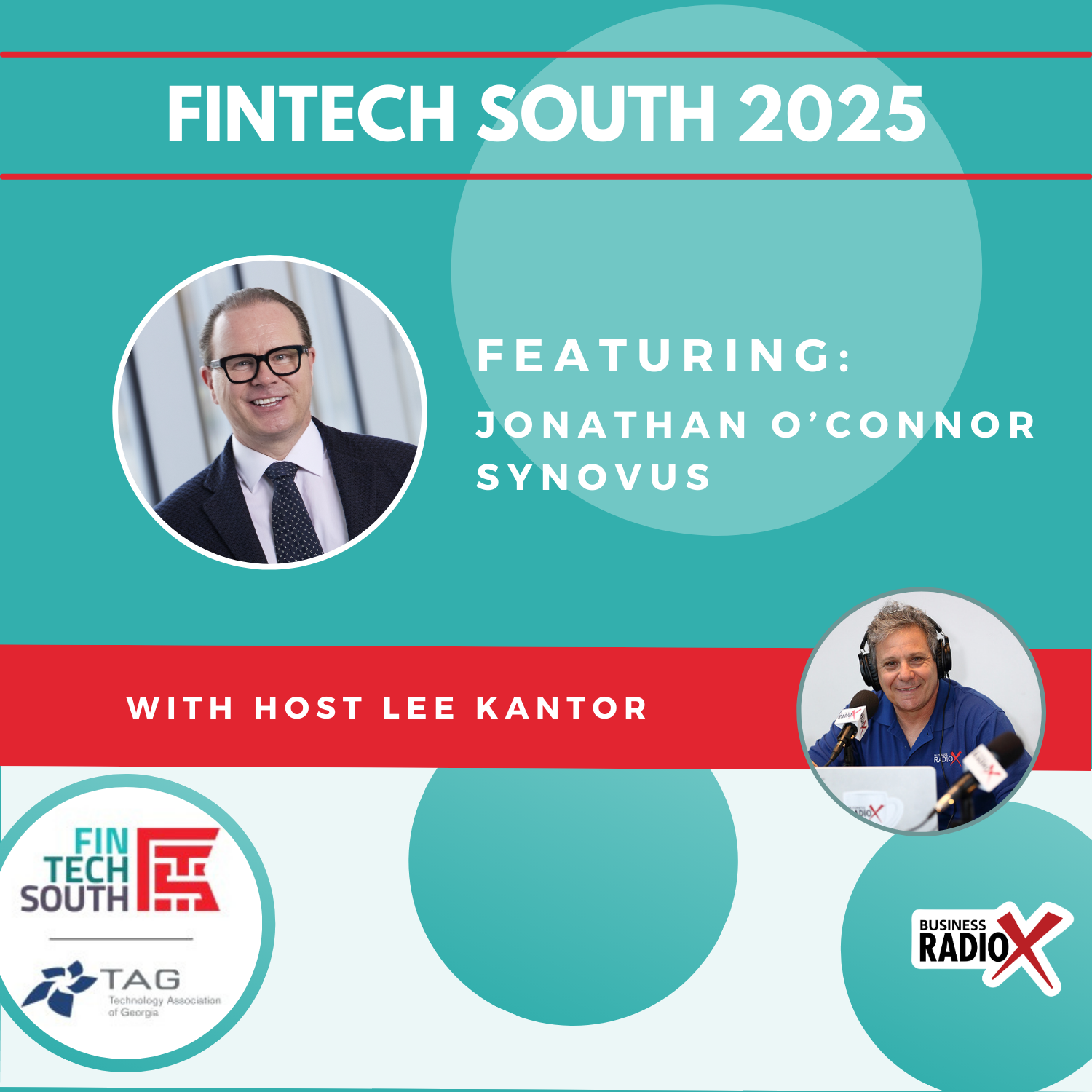
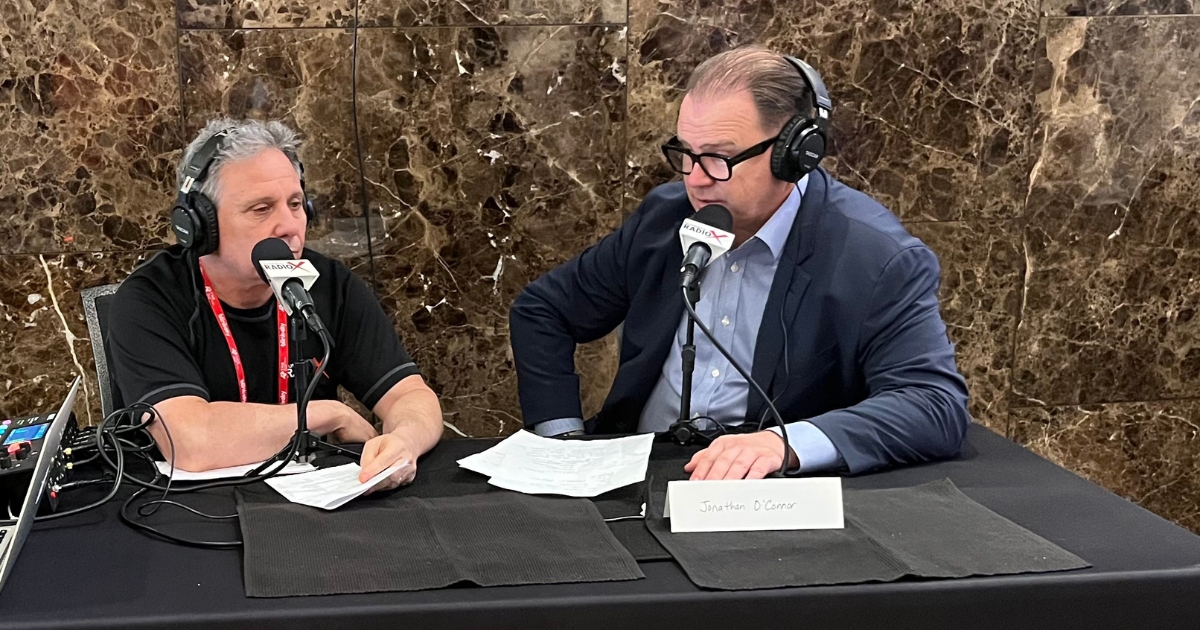
Fintech South 2025: Jonathan O’Connor with Synovus

September 2, 2025 by angishields

ABR-Synovus-Fintech-South-2025-Feature
Atlanta Business Radio
Fintech South 2025: Jonathan O'Connor with Synovus
Loading
00:00 /
RSS Feed
Share
Link
Embed

Download file

Fintech-South-2025-Synovus-Banner

Fintech-South-TAG

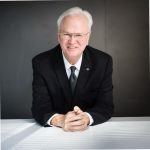
Jonathan-OConnor-Fintech-South-2025Jonathan O’Connor, Fintech South 2025 Chair; Division President, Third-Party Payments, Synovus.

Jonathan is a results-oriented Executive, with 25+ years of experience leading sales teams, driving revenue, and identifying operational improvement strategies. Expert knowledge of global payment solutions, e-commerce, risk mitigation, digital currencies, merchant processing, mergers and acquisitions.

Adept at effective communication with internal executive leaders and external partners, building strategic relationships to drive corporate objectives and profit margin expectations. Forward thinker, with unique ability to collaborate with stakeholders driving innovative strategies and product offerings.

Dedicated team leader, with a passion for fostering an inclusive culture for teams and clients, prioritizing effective communication, team production, collaboration and respect. Unlocked staff potential with motivational mentoring and ownership techniques, leveraging inter-company resources to exceed project completion timelines.

Connect with Jonathan on LinkedIn.

Transcript-iconThis transcript is machine transcribed by Sonix.


TRANSCRIPT

Intro: Broadcasting live from Fintech South 2025 at the Woodruff Arts Center in Atlanta, Georgia. It’s time for Atlanta Business Radio now. Here’s your host.

Lee Kantor: Lee Kantor here, broadcasting live from ten Tech South 2025. So excited to be talking to my next guest, Jonathan O’Connor with Synovus.

Jonathan O’Connor: Welcome, Lee. Great to be here. And great to have you guys here. It’s such a great event.

Lee Kantor: Yeah. So we chatted a little bit before the conference started. Now that the conference is in is going full bore here, uh, what have you learned?

Jonathan O’Connor: Look, it’s been an amazing, you know, day and a half. I’ve been here as emcee as well. So trying to convince people I’m not from Dublin, Georgia, but from Dublin, Ireland has been an adventure. But it really has been a great, uh, you know, you know, building our team around the power of connection and the innovation of finance in the future. Ai has been central to everything, and it’s amazing to go around to all of our exhibitors and see the amount of Atlantic AI signs. You know, it really is the the power horse of change as we go through. And and we’ve had some amazing speakers as well, you know, as Sean Neville has been here, uh, you know, hoo hoo circle guy who’s now going to, you know, take on the financial, traditional financial institution banks and have an AI agent driven financial institution. So, you know, the innovation has been amazing. Uh, you know, having a lot of our students here as well to the Georgia Fintech Academy has been very beneficial to see the generation, you know, that’s going to come up after all of us, like the Pepsi ad, the next generation. And, uh, you know, we’ve had also some Hall of Fame inductees as well. And, you know, it’s generally been a great, great two days.

Lee Kantor: So now, uh, you you talk about the power of connection and community. Why is it important for Synovus this to be the kind of the lead sponsor of this event. And and and how is this, uh, fintech south and tag kind of really play into the Synovus mission?

Jonathan O’Connor: Yeah. Look, you know, first of all, let’s talk about Georgia and Atlanta itself for fintech. You know, over 300 billion in transactions flowed through it through Atlanta, with 70% of all global payments flowing through the city. In that we’ve got about 260 fintechs and six out of ten of every international large processor as a presence here and as Synovus, we’re we’re you know, we’re glad to be part of the fintech ecosystem in Atlanta. You know, we’re our community is very important to us. And we play a great role there, helping not only the the fintechs, you know, established banking relationships, but also, you know, working with some larger processors as well as they look at their financial needs from a students perspective. You know, Synovus and the third party payments team were very engaged with mentoring some students. In fact, we have four students now from UGA who have launched a pay by bank product, and we’ve mentored those guys and are launching now second week of September in Athens, Georgia, with a coffee store. And we’re immensely proud of that because that’s what it’s all about. It’s all about community at the end of the day and passing back a little bit of knowledge. You know, the older folks in payments have to the next generation.

Lee Kantor: So how does you and your team encourage the Synovus folks, um, to get involved with organizations like Tag or conferences like Fintech South? Like, how is that kind of integrated into the DNA of your organizations?

Jonathan O’Connor: Yeah. Look, I’ve been very lucky from a from a leadership perspective to have our, our, our COO and CTO, both, uh, board members of Tag, uh, Zach Bishop and Vikram Ramani. So having those two great leaders in Tag and then giving me the opportunity to represent Synovus as headline sponsor at Fintech 2025. In addition to the MC has truly been great. In addition to that, Synovus has always supported not only Fintech Atlanta, uh, but also the ATC, where we’re we try to be influential from a policy perspective. You know, we’ve we’ve had representation for interchange, the interchange debates we’ve had we’ve also spoken and and also tried to influence around surcharges. So, you know, the bank itself is is always here to support and payments is is so critical to our relationship with our customers. You know, the bank will primarily drive loans and deposits. But you know it’s it’s like businesses like third party payments that we we drive merchant services and sponsorship. We drive non-interest revenue for the bank. And that’s a key component as well.

Lee Kantor: So what would you say to the folks out there, maybe the young people out there that are considering a career in finance, in fintech? Um, are you bullish about the opportunities for the next generation of, uh, you know, leaders?

Jonathan O’Connor: Absolutely. As I said, mentoring some some students recently was really an eye opener for me to to get involved. And I suppose the next generational turn in payments, we’re at a pivotal pivot point again, where a lot of the payment tools will reformat itself with AI, for example, the payment page, uh, you know, the the shopping carts and e-commerce, you know, we now see a gigantic AI. Ah, you know, we’re all blessed with these new terms, ambient commerce they’re also talking about. But we really feel that, you know, the new frontier of payments with AI will bring a new skill set. And I think an amazing challenge and opportunity for the next generation.

Lee Kantor: Now, what about the, you know, the slowness of some of the enterprise organizations and these, um, legacy companies to adopt digital payments and, uh, you know, move away from, you know, hard checks when their consumers have seemingly already pivoted towards a comfort with digital.

Jonathan O’Connor: Yeah. Look, I think people are people are happy and people are creatures of routine. So I think, you know, people who like checks will use checks. People who like ACH will use ACH. People who take out money from ATMs will take money out from ATMs. But as we think about payment acceptance, we think about everything moving to our phone, we carried around and unfortunately we look at it for so much during the day. You know, payment is now part of a digital wallet, and I really believe the future will see everything move to a digital wallet. It’ll move away from a plastic instrument or a paper instrument, and you’ll have everything through your digital wallet. So, you know, it always amazes me as well. When I used to watch my kids play video games and all they do is collect coins all the time. They’re they’re already trained for digital coins. And we have to mention stablecoin. We have to mention crypto Because as you marry at digital wallets with digital coins, you know that is the future. And I think we will see a huge uptake in digital wallet usage over the next, the next 2 to 4 years.

Lee Kantor: So do you. So you think that this is going to be kind of a a gradually then suddenly experience, or is this going to be just slow kind of drip until, uh, you know, I guess it just changes formally.

Jonathan O’Connor: Yeah. I think it’s already happening. If you, if you, you know, when you, when you go to to shop now or go to go to eat out, people are using contactless payments. So they’re already touching their phones. They’re trying to get over the terminals to make it connect. And that’s the first evolution here. The next will be, you know, the wallet will recognize you’re in the store and you’ll be able to connect things. And then we get into the scary side where the AI agent will be online, and we’ll do all the shopping for you, and we’ll select the best payment type to use in your wallet. And hopefully we’ll have some involvement there. And but I think it’s all happening. So you know. Certainly I think the train has left the station.

Lee Kantor: So now in, um, how does Synovus kind of, um, serve their different clientele? So you mentioned, like there’s obviously banking clients where you have people coming in and, and using banking services, but then you have these other kind of services in and around fintech. Are those customers kind of lead gen for the other services like, like which comes first, you know, the chicken or the egg when it comes to a Synovus customer?

Jonathan O’Connor: Absolutely. So, you know, we we primarily you know, our CEO is very passionate about people buying off people. And we lead with our commercial bankers. We lead with our branches. And, you know, we’re very much a community people driven bank. So by doing that the the relationship normally starts with a loan or a deposit or some type of, you know, commercial relationship. And then we’re probably what I position a value added service to that relationship. The banker will introduce the merchant services team and then we will We will hopefully earn the right for their business to enable their payment acceptance online, or even in a store or restaurant or shop.

Lee Kantor: So it starts with though the human to human interaction, maybe at a branch or a call from somebody from a branch.

Jonathan O’Connor: Absolutely. I’m a big believer in people buy off people. And I think if we if we stick to that simple mantra, you know, you earn the right for business and you you earn trust. And, you know, I also believe in the power of community. Since I’ve since I’ve started my career at Synovus.

Lee Kantor: So now you mentioned, um, stablecoin and crypto and things like that. Um, are you seeing an adoption and a comfort with that, or are we still at the beginning stages of that?

Jonathan O’Connor: I think we’re at early stages. You know, I what’s happened, probably the most positive elements is regulation. You know, we’ve had some large movements in regulation this year with the Unity Act and the Genius Act. So regulatory environments need to catch up with the technology. That’s the first thing that needs to happen. But I think there’s already snippets of where crypto or a stablecoin can be effective. We think international payments is one area you’ll be able to make payments a lot faster internationally with a particular coin and and around not only the coin or the stablecoin or the crypto. If you married out with a blockchain, you’ve got a lot stronger security. You’ve got a lot more, um, you know, control around the transaction and knowing where the funds are moving. What we need to happen now is in parallel that that the AML, BSA compliance regulatory environment kind of catches up with the technology because it’s not effective unless we can, particularly for for a financial institution, we need to minimize residual risk, operational risk and reputational risk.

Lee Kantor: Right. It’s one of these things where the consumer is just expecting speed, and then there’s so much you have to take care of when it comes to compliance and security.

Jonathan O’Connor: Absolutely.

Lee Kantor: And to marry that and balance that is tricky. I mean, the bad guys are paying attention to, right?

Jonathan O’Connor: They really are. As we evolve here, the bad guys are normally one step ahead. Yeah.

Lee Kantor: So if, um, when it comes to tag, what do you see kind of in the future of maybe this event or just in tag in general as, uh, tags looking to expand beyond just Georgia, but maybe be a leader within the the southeast region?

Jonathan O’Connor: Yeah. Look, I think there’s a couple of things. One is to, you know, continue supporting the next generation, our students. It was great to have such a great presence of our students here this year. I think they’re the they’re the DNA of what we all do for the future. Collaboration is key as well. We’ve we’ve had some, you know, representation here from the UK and Europe, which was great to see. And also for some other states. I met some people from Canada and, and also from, you know, out west. What really struck me as well was how do we glue the payment innovation in Silicon Valley with the traditional payment rails in Atlanta? And that’s something I’m going to have a good conversation with Larry about, because I think that’s something we should think about for next year. Is there you know, there’s so much great innovation on the West Coast around payments. How do we tag and fintech Marriott, maybe for some of our event next year now?

Lee Kantor: And also the opportunities kind of marrying some of the stuff that’s happening in Asia and internationally as well. I mean, it’s a big world out there.

Jonathan O’Connor: It really is. I agree. And, you know, from a regulatory standpoint. You know, Europe probably has they have their own AI act now and their crypto act has been in play. And there’s also some very interesting stuff happening here in Georgia. There’s the merchant acquiring limited charter uh license which the state issues. And that’s attracting a lot of fintechs into Atlanta. Fiserv was just granted that stripe was just granted that. And what that allows is it allows a company essentially process Visa and Mastercard without having a bank, but they can’t be a bank, so it gives them a lot more control on their payment ecosystem. I would I expect to see a lot more international inbound company setting up to avail of this license. So I think from an international perspective, we should see a lot of that movement over the next 12 months.

Lee Kantor: And then what do you see or hear from the folks you know internationally? How do they feel about Atlanta? Are they as bullish about Atlanta as the folks here in this room?

Jonathan O’Connor: Look, they love our airport. Number one. We can go anywhere. We can arrive anywhere. So that’s the first thing I love about Atlanta. Atlanta is a great transient city. And you know you’ve got a great mix of cultural people. In fact, my team, you know, if I look at the I’ve got four leaders and three of those are are not from Georgia. And sometimes I’ll be at a meeting said I work for snow was Bank and they’re saying is that the bank in Georgia. They’re confused. So you know I like that there’s such an internationalization feel here. Uh, you know, we’ve got good taxes, we’ve got great support systems. You know, we’ve got all of these great associations to help people get set up here. So I feel very confident. Only to see, you know, what’s going on recently with the amount of land purchased by Amazon for data centers. And, you know, some of the some of the larger companies setting up, um, headquarters here. You know, we we definitely are pivoting back into a leadership position here.

Lee Kantor: So if somebody wants to learn more about Synovus, uh, where should they go?

Jonathan O’Connor: Sure. You can go to our website, Synovus Comm, or you can also email me at Jonathan O’Connor at Synovus. Com.

Lee Kantor: Well, Jonathan, thank you so much for all you do for this event. And and your work with Tag and what you do in the community. It’s very important and we appreciate you.

Jonathan O’Connor: Thank you very much. And everyone have a great day.

 

Tagged With: Fintech South 2025, Synovus

Exploring FinTech South: A Deep Dive into Atlanta’s Thriving Financial Technology Ecosystem

August 7, 2025 by angishields

ABR-TAG-Synovus-Feature
Atlanta Business Radio
Exploring FinTech South: A Deep Dive into Atlanta’s Thriving Financial Technology Ecosystem
Loading
00:00 /
RSS Feed
Share
Link
Embed

Download file

In this episode we’ll preview Fintech South, a world-class event scheduled to run from August 19-20 at the Woodruff Arts Center and Atlanta Symphony Hall. Hosted by the Technology Association of Georgia (TAG), Fintech South has emerged as one the largest and most impactful financial technology conferences in the Southeast U.S. and nationally. The organizers are expecting as many as 1,000 attendees and the growing list of sponsors include leading organizations like Synovus, Mastercard, Truist, Stripe, Corpay, Deluxe, Priority Commerce, and many more. Join us and our guests TAG CEO Larry Williams and Synovus executive Jonathan O’Connor as we discuss Georgia’s growing fintech ecosystem and how Fintech South will become the center of the fintech universe for two amazing days in August!

For more information and to register to attend Fintech South, visit the event’s website at https://www.fintechsouth.com/. For a $25 discount on the current ticket price, please use discount code BRadioX25. 

FTSTAGLockup-01-01

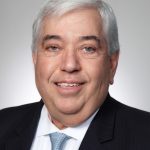
Larry-WilliamsLarry K. Williams is President and Chief Executive Officer of The Technology Association of Georgia (TAG) and has served in this role since October 2016. As part of Mr. Williams responsibilities, he leads the NTSC (National Technology Security Coalition) and TAG Education Collaborative (TAG-Ed) benefiting workforce development across Georgia.

A recognized leader in economic development, Mr. Williams brings decades of experience in international trade, finance, public and industrial policy and marketing. Throughout his career he has guided organizations connecting local and global initiatives and most recently, he was President and Chief Executive Officer of the Beacon Council Inc (one of 36 accredited economic development organizations in the nation). Williams’ effort at the Beacon Council led Miami-Dade County to greater competitiveness.

Prior to joining the Beacon Council, Williams shaped the vision for the Atlanta tech industry as Vice President of Technology Development at the Metro Atlanta Chamber.

Mr. Williams has held similar roles including serving on Washington State Governor’s Global Competitiveness Council, leading Washington State’s Tourism Commission and Director of Operations of International Trade for the North Carolina Department of Commerce to name a few. Fintech-South-2025

In these roles, Mr. Williams honed his strategic and operational expertise and led economic development emphasizing innovation, international trade and sustainable policy. Resilient and battle tested, Williams has advised and worked alongside several U.S. Governors and dozens of foreign officials.

Mr. Williams stays actively connected to the community serving on a range of boards, including Georgia’s Partnership for Inclusive Innovation, Atlanta CIO Advisory; TECNA, the Economic Development Board, City of Brookhaven, the Buckhead Club; FinTech Atlanta, Metro Atlanta Chamber and Venture of Atlanta.

For many of these Mr. Williams is a founding member and establishing vision, purpose and governance for good. He is a graduate from the Darlington School (Rome, Georgia) and holds degrees from North Carolina State University.

About the Technology Association of Georgia (TAG)

TAG drives innovation among Georgia’s technology community, inspires tech leaders, and fosters inclusivity through four foundational pillars: connect, promote, influence and educate. TAG serves more than 30,000 members statewide through regional chapters in Metro Atlanta, Augusta, Columbus, Macon/Middle Georgia, and Savannah.

TAG hosts more than 150 events each year and serves as an umbrella organization for 18 professional societies. Additionally, the TAG Education Collaborative (TAG-Ed) is dedicated to developing Georgia’s workforce to meet the needs of our technology industry.

For more information visit the TAG website at www.tagonline.org. To learn about the TAG-Ed Collaborative visit www.tagedonline.org.

Synovus-logo

Jonathan-OConnorJonathan O’Connor, Fintech South 2025 Chair; Division President, Third-Party Payments, Synovus.

Jonathan is a results-oriented Executive, with 25+ years of experience leading sales teams, driving revenue, and identifying operational improvement strategies. Expert knowledge of global payment solutions, e-commerce, risk mitigation, digital currencies, merchant processing, mergers and acquisitions.

Adept at effective communication with internal executive leaders and external partners, building strategic relationships to drive corporate objectives and profit margin expectations. Forward thinker, with unique ability to collaborate with stakeholders driving innovative strategies and product offerings.

Dedicated team leader, with a passion for fostering an inclusive culture for teams and clients, prioritizing effective communication, team production, collaboration and respect. Unlocked staff potential with motivational mentoring and ownership techniques, leveraging inter-company resources to exceed project completion timelines.

Connect with Jonathan on LinkedIn.

Episode Highlights

  • Overview of the upcoming FinTech South event.
  • Atlanta’s status as a leading global hub for fintech, known as “Transaction Alley.”
  • The significance of Atlanta’s infrastructure, including its airport and fiber optic networks.
  • The role of the Technology Association of Georgia (TAG) in advancing the fintech ecosystem.
  • Initiatives by TAG to connect stakeholders and prepare the future workforce.
  • Historical context of Georgia’s pioneering role in transaction processing and fintech innovation.
  • Synovus Bank’s involvement and support for the fintech community.
  • The concept of “engineered serendipity” at FinTech South to foster networking and collaboration.
  • Key trends in fintech, including AI adoption and blockchain development.
  • The inclusivity of FinTech South, encouraging participation from students and emerging talent.

Transcript-iconThis transcript is machine transcribed by Sonix.


TRANSCRIPT

Intro: Broadcasting live from the Business RadioX studio in Atlanta, Georgia. It’s time for Atlanta Business Radio. Brought to you by Kennesaw State University’s Executive MBA Program, the accelerated degree program for working professionals looking to advance their career and enhance their leadership skills. And now, here’s your host.

Lee Kantor: Lee Kantor here, another episode of Atlanta Business Radio. And this is going to be a good one. But before we get started, it’s important to recognize our sponsor, KSU’s Executive MBA Program. Without them, we couldn’t be sharing these important stories. And today on Atlanta Business Radio, we have Larry Williams with TAG and Jonathan O’Connor with Synovus here to be talking about the upcoming Fintech South event later in August. Welcome, gentlemen.

Larry Williams: Hi, Lee. Thanks for having us.

Jonathan O’Connor: Great to be here.

Lee Kantor: Well, thank you both for for coming on. Uh, Larry, before we get too far into things, why don’t you share a little bit about TAG the overview, mission, purpose and how you’re serving the community?

Larry Williams: Oh. That’s great. Lee, thank you so much. We’re always delighted to be here with you and radio X. We are, uh, so super excited about what we can do in this community. Uh, TAG is really a professional organization about, uh, people that are interested in technology and the innovation economy. And what we do is we really bring together the ecosystem through lots of ways of engagement. Uh, tech for good, uh, projects connecting the ecosystem and building peer to peer networks. We also do a lot of lobbying, both the state and the local level, um, and the federal level, to make sure that we continue to have great policies that will keep Georgia as the number one place to do business, as it has been for 11 years in a row. And then, of course, we’ve got to prepare the workforce of the future, and we’re really dedicated to make sure that we have the most relevant workforce moving forward, because that’s what drives economic growth.

Lee Kantor: And, Jonathan, why was it important for Synovus to be involved with TAG and to be the title sponsor of this great event?

Jonathan O’Connor: Absolutely. You know, Synovus is honored to be diamond sponsor for the event here. In fact, we have a long history with TAG with that two board members. And, you know, the bank itself is is really here to support transactions, uh, in Atlanta. Uh, you know what? Our history from Columbus, in fact, being the oldest bank, uh, in Georgia and we continue to to to grow in the state of Georgia with some recent news as well, with our merger with pinnacle. But, you know, as we look at the, uh, the fintech ecosystem and and we look at what’s around us here. You know, we have over 260 fintech companies calling it home. 70% of all fintech global transactions, in fact run through Atlanta. And you know, we have a very great robust infrastructure here. You know two of the largest fiber optic outlets. And we got the biggest airport in the world. So you know, all of these together with Synovus support will will not only fuze the ecosystem but make made fintech side. 2025 the best event of the year.

Lee Kantor: So what are some of the kind of unique advanTAGes that Atlanta offers to fintech companies and entrepreneurs, startups and established, uh, enterprise level companies to want to move here to Atlanta to do business. And like you said, transaction alley. Larry, you want to take that?

Larry Williams: Sure. Um, hey, by all means, it’s a lot of the things that Jonathan just said. So if you think about the, um, the area, the area of expertise and focus that we have in Georgia about all things transactions and, you know, we didn’t just we didn’t just stand up one day and say, you know, plant a flag in the sand and say, we are going to be fintech. No, we have been involved in fintech since, um, since the early days. I mean, if you go back to Georgia’s history, we used to process checks. If you remember a checklist, people would send the paper to Georgia and we would process it. We actually were involved in digitizing that system. So we helped create what is now the digital transactions world. In fact Jonathan’s co emcee at Fintech South coming up. Um Natalie Hogg her grandfather was the pioneer of digitized payments. And so it was exciting to have them there. My point really is that we’ve helped build every part of our fintech and transaction processing, and that’s what’s put us as number one in the world. We’ve helped build every layer of the onion when it comes to that. So why does that make it attractive for people to expand and grow here, or create new, great ideas to build the next generation of of ingenuity here? It’s because we have the know how. We’ve lived through every iteration of the process and the industry. We’ve helped build it. We have the lessons learned, we’ve got the successes, and we know what’s going to be coming over. You know what’s two you know what’s past 2 or 3 waves. And we’re building that part of the future. People want to be part of that. We didn’t get to the point of being able to, um, um, be at the middle and, uh, process 70% of the world’s transactions by accident. We did it intentionally. We built the industry over a couple of decades. And now we are in that position. And again, people want to be a part of that. And that success begets more success.

Lee Kantor: Now when you’re saying 75. Yeah, please.

Jonathan O’Connor: If I can just add to that, that, you know, by having Atlanta as a very transient hub and city. You know, I’m not from Dublin, Georgia. I’m from Dublin, Ireland. And a lot of, a lot of international people have, have, have made this their home to be part of this ecosystem, to form part of the ecosystem and to grow together. And, you know, that’s very special because our intellectual capital of not only about local people, you know, us space people, but also international people is a very attractive fusion. And as Larry said, the upcoming talent, the next generation Creation of of of amazing fintech professionals in colleges like KSU and other areas. You know, that makes it all exciting for people like us to be involved in this, as we hopefully transfer some knowledge and mentor as well into the next phase of, of this growth.

Lee Kantor: Now, Jonathan, you bring up a great point. I mean, um, you obviously aren’t you didn’t come from Dublin, Georgia. You came from the UK. How did you. Um, how is Atlanta seen? I know we aspire to be seen as this global, um, uh, environment and ecosystem that’s serving the entire, uh, fintech community. And like you mentioned, 70% of these payments are globally. You weren’t talking about, you know, just in Georgia or the US. Those are 70% of the payments globally come through. Atlanta is a is the region seen in a positive way, like when people say I’m going to fintech Heck event. Do they think Atlanta or they think Georgia? Or do they think? What do you mean that? Why is that event? There? Why isn’t it in New York or, um, San Francisco?

Jonathan O’Connor: I think it’s to that point, as I said, it’s the history. You know, this was tactically laid out many years ago, and we have a lot of these payment companies having headquarters here. And now. We have involvements like the Merchant Services Limited bank charter, which is a very special piece of legislation for Georgia that’s now attracting large fintechs from Europe. The likes of Scout.com and and other players who are possibly going to engage in this new area of innovation. But what attracts people here is I would say, you know, its its position. Atlanta is in a good spot in the US. You’re kind of you’re not too far east, you’re not too far west. And you know and and it’s the it’s the easiest of travel, you know, having a great airport hub here, having access to great intellectual capital with people. And and it would have been a very transient city. You know, there’s a lot of change here all the time. And they’ve got a very good soccer team.

Lee Kantor: That’s a bonus, right? So now, Larry, how do how do you kind of encourage an event like Fintech South to become a catalyst for new ideas and strategic partnerships and not just kind of a, um, you know, event that people come and just talk and leave? How do you kind of create that community and in that environment to encourage those kind of, uh, serendipitous collisions so that people can kind of, uh, collaborate more effectively?

Larry Williams: The engineered serendipity. Lee.

Lee Kantor: That’s it. Engineered serendipity.

Larry Williams: You know, it’s, um, it’s both an art and art and a skill as well. Um, so what we do is we we’re bringing, uh, the best part? Leadership, the best content, the people who really know, you know, what’s now and what’s next so that they’re sharing, whether they be on the main sTAGe, um, or they’re on one of our breakouts. So we make sure that we have the most relevant content. Um, we also make sure that we feature some of the great, um, assets that we’ve mentioned here, um, throughout the show as well. We have our innovation challenge. So our innovation challenge that’s been going on for the balance of this year, that’s where we bring together a cohort of startups, um, people that are really thinking again about that next generation of ingenuity, what’s coming on and how are they going to provide services and solve problems for that next generation. And, you know, Lee on sTAGe at Fintech South August 18th, I mean, 19th and 20th, August 19th and 20th. We will award a single startup fintech startup with a $25,000 non dilutive award. That’s huge. That really helps a startup really propel them and catalyze them for the next part of their journey. We also have our advance award, where we celebrate companies that are established for coming up with great new innovations within their enterprises. We’ve always got to stay fresh, and that’s what keeps companies growing. That’s what keeps them relevant.

Larry Williams: And we get to celebrate the people that have really brought this along. Uh, so our Fintech Hall of Fame. I am so happy and so thrilled to be recognizing Sean Banks of TV capital, who’s been a part of a couple things. One, he’s been really dedicated to investing in our startup community, making sure that they have the tools that they need, and really thinking about this Georgia ecosystem as a way that can lift them up. Um, but he’s been part of the broader ecosystem as well. He helped start the uh Technology Association of Georgia. TAGs fintech society. So we were talking about fintech. You know, 20 years ago we were doing fintech before fintech was cool. And we really helped grow and bring together, uh, that ecosystem. And uh, um, Sean really helped bring that together and led that for many, many years. So those are a lot of things that we do. Um, the other is making sure that we have places for people to interact with, people to connect, talk about what they’re doing, uh, how they’re solving problems, the challenges and the opportunities they see. And then we can continue that great, um, dialog outside of the conference through our TAG, uh, societies and with, you know, Fintech Atlanta and other organizations around the state. So there’s a there’s built in mechanisms to have an ongoing discussion even after we leave the road.

Lee Kantor: Now, Jonathan, why was it important for Cenovus to get this involved with Fintech South? And how does how does that reflect the culture of the organization and your commitment to fintech number one, but also the community as a whole?

Jonathan O’Connor: Yes. Lee, like Synovus itself, you know, its commitment to community and community banking is core. As we look at Atlanta and Atlanta is one of our our growth cities, you know, being connected to the fintech arena is so important to us from the branch level of community, bank level, investment bank level, and we’re hopefully going to be here to help some of these fintechs as they start their journey on investments, they start their journey on funding and really having a a, you know, a collaborative approach to to supporting the fintechs and not only startups but mature. And, you know, you look at you look at the the 400, we call it fintech alley because you take any exit off there, you’ll hit, you know, anywhere from 5 to 7 payment companies and fintech companies. And with Synovus, you know, as embedded so much into the community of Atlanta, we want to really be there as a collaborator, advisor, helper for these companies as as they grow. And we look forward to our participation, uh, in Fintech South, uh, 2025, our continued support of Tyga and another, another, uh, association Nevada. And uh, we see an exciting road ahead.

Lee Kantor: So as Jonathan, as kind of being the boots on the ground and interacting with these organizations in the manner that you do, are you seeing any trends that we should be aware of our challenges or opportunities in the marketplace today.

Jonathan O’Connor: I think the, you know, opportunities definitely weigh. You know, any any type of roadblocks for fintech today. Uh, you know, I have to mention AI everybody. It’s everything is AI today. But I think, you know, as we as we get to witness more AI powered solutions, I think that’s a a very exciting accelerator to to both innovation and growth, not only in Atlanta and Georgia, but I think, you know, globally, um, because we have such a great presence and footprint in the financial services industry here. I think the mature, you know, maturation of blockchain and digital assets will will play a very big role. You know, you’ll see institutional action now of crypto and stablecoins. It was a very important piece of legislation this year called the Genius Act. And probably from a banking perspective, I think, you know, real world asset tokenization will be very important. And, you know, having token deposits and you’ll see a fusion, I think of of blockchain as a service. And AI blockchain will play a bigger role. I think now with the acceleration of, of um, of of not only not only stablecoin and crypto, but, you know, from a payments perspective how it happened. We’re also in the world of, you know, of a less stringent regulatory environment, which will I think will trigger a lot of, uh, a lot of innovation because people will rethink some of their models from before. And that said, then we do always have to keep an eye on security and fraud and areas like that. So hoping that the advanced making technology will, will, will help customers and help how any type of customer, you know, be protected. So I think overall a very exciting and path ahead. And we’ve got some great talk tracks and, uh, speakers about these particular topics at fintech site. So get your tickets today and you’ll get to enjoy it.

Lee Kantor: Now, Larry, has there been a moment you’ve been involved in this since the beginning? Uh, that has really inspired you and is really encouraged you in the growth of fintech in in the region, in the area. Is there a story you can share that maybe kind of encapsulates the potential and and how we’re just kind of really at the beginning of all this.

Larry Williams: Lydia, what’s really fascinating is the way money moves and that has been evolving over the last couple of decades. And what’s always fascinating to me is seeing the the dramatic and subtle changes of how that’s been happening. Um, so whenever we think about, um, you know, like I said, the digital. Digitization of payments as well as, you know, the acceleration of, um, of digital payments and then how it’s been migrating over to commercial and B2B payments. All of those have been iterative steps in this process. Some of the things that Jonathan just outlined about the big megatrends that are going on, the things that, um, are fueled by policies, uh, or more open policies about how we’re going to be able to function, um, the creation of things like stablecoins that he mentioned, as well as the new tools that are available, uh, like artificial intelligence. And then what, uh, quantum. When we talked in, lady, I remember we talked a lot about quantum computing at the Georgia Technology Summit earlier this year. That is all going to bring in, uh, Fascinating improvements and opportunities. Um, it’s also going to create some of the threats that we do that, you know, we have to be much more diligent about cybersecurity and fraud.

Larry Williams: But all of these things that we’ve been talking about, those are the things that we’re good at in Georgia. We’re good at looking at the future, looking at how these, you know, transformative technologies like AI are coming and how do we manifest them. So it’s been an iteration. You know, Lee, this is our eighth annual Fintech South. Um, so we we’ve got a great, uh, we’re established, we’ve got great roots, we’ve got great traction. But we didn’t start there either. For eight years before that, we were doing a fintech symposium that really started to grow this, um, and, and create a foundation for us to move this. And Lee, you all remember when we moved it out of a small ballroom and into Mercedes-Benz Stadium. I mean, that was that was drastic. So I think that puts a spotlight onto what we have. The amount of attention that this region has and how we can continue to be the epicenter for not only financial transactions but fintech. Um, this year, super excited about having Sean Neville, the co-founder and, uh, member of the board of directors, uh, of Katana Labs Container labs is going to be the first native AI platform for fintech that’s really going to think about all aspects of the transaction, uh, the compliance, uh, the, um, the fraud and, uh, cybersecurity protections, all of these things built into one.

Larry Williams: And listening to Sean’s perspective are going to be extremely, extremely, um, important. Uh, Doctor Raphael Bostic is going to be there. He’s the president and CEO of the Federal Reserve Bank of Atlanta. And Alicia Abbott, who was an entrepreneur futurist. And she will be talking about the future is now as it becomes to as it comes to payments, but also beyond that. Natalie, I’m going to give everybody a little preview. We’re now to get the more. But we also have the benefit of Mayor Andre Dickens coming and helping us make sure that this thing is successful. And I want to make one more one more point about this. It’s not just about the people on sTAGe. It’s about the people in the room. Those are the people that you’re going to network with. That’s where you’re going to build your your contacts. That’s where you’re going to build relationships. And those are the people that we’re going to use to continue this conversation after the conference is over.

Lee Kantor: Now, um, you mentioned a lot of the reasons to attend if you’re an individual, is this only for the executives, or is this trickle down to the students that are, um, you know, in the university studying fintech? Like who who should be attending?

Larry Williams: Oh, all means we’re going to have students there. So whether you’re an employer looking for the for the greatest talent or if you’re in talent looking to get into the fintech industry, we’ve got a great partnership with our friends at the Fintech Academy. Um, so we are actually building out and we are having, um, you know, quite a few tickets that are being dedicated to our next generation of talent that will be there. And so I know a lot of our members, as well as the people that are helping underwrite this thing, are super excited about this talent, giving them the exposure they need and giving them an opportunity, um, to learn more about the real world, real world experiences in fintech. And, you know, it’s interesting because when students get exposed to this or young people get exposed to it, they get super excited about it. So I’m delighted to say that individuals by all means people. If you’re if you’re in and interested in in fintech, you should be there. Like I said, it’s not just the people on sTAGe, it’s the people in the room. And those are the people that are going to be able to network with. So, you know, love for you to go online at fintech, Scout.com and get those tickets.

Lee Kantor: And, Jonathan, how do you recommend to your people to get the most out of Fintech South event? Um, is there any kind of do’s and don’ts you recommend for an attendee?

Jonathan O’Connor: Lee I was the first timer last year and I ended up as chairman this year, so anything is possible. And what I would say is that when you walk into the Woodruff Center and the sheer energy on the floor is is what really, really amazed me. You know, the collaboration, as Larry said, it’s it’s student and It’s it’s it’s, you know, it’s it’s middle management. It’s senior management, it’s employees. Everyone’s collaborating on this this really, you know, refined area and people sitting on stairs and you know, so so the atmosphere is is amazing. My only my my advice is, you know, make as much contacts as you can, you know, for your brand and business it’s very important for your network. It’s very important. And you know, you’re going to learn so much from people because we’ve got such amazing topics during the day. It’s going to generate so much debate and great conversation during the breaks. So that’s that’s all the pluses. The only downfall is if you don’t have a ticket, you won’t get the benefit. So I would say definitely get your tickets and be part of this, be part of this experience of collaboration, knowledge transfer, you know, meeting new people. And you know, you know, if we’re going to exceed our expectations from last year and we’re we’re super excited. And for the next two, we get going.

Lee Kantor: So, Larry, if somebody wants tickets or wants to learn more about TAG, what’s the website? What’s the best way to connect?

Larry Williams: I believe the best way is through fintech. South.com. Fintech South. Com which you can always get there through TAG online.org as well. And just go to our events and you can find every way to get registered and get plugged in with this. And I just want to build on something that uh, Jonathan was just saying. And that is, you know, when you get in there, you want to go to our innovation alley, which is like our expo hall. It’ll be 40, 40 plus, uh, exhibitors, sponsors. And that’s where we’ll also talk about, um, the people in our fintech ecosystem innovation challenge. And also, you know, the over 50 university students that are pursuing fintech careers. So you want to be there. You want to be engaged?

Lee Kantor: And Jonathan, if people want to learn more about Synovus and maybe connect with you or somebody on the Synovus team, what’s the website?

Jonathan O’Connor: Absolutely. We are WW, synovus.com. We will also have a a booth and a presence at the event. So we’ll be happy to field any questions, have some conversations, explore even more about how we can help a community level. And there you know we’re very excited to do that.

Lee Kantor: All right. Well Larry Jonathan.

Larry Williams: You’ll be there.

Lee Kantor: Right? Absolutely. We haven’t missed one yet. Well, uh, Larry and Jonathan, thank you so much for sharing your story today. You’re doing such important work, and we appreciate you.

Larry Williams: Thank you.

Lee Kantor: All right. This is Lee Kantor. We’ll see you all next time on Atlanta Business Radio.


Tagged With: Fintech South 2025, Synovus, TAG, The Technology Association of Georgia

Georgia Technology Summit 2025: Vikram Ramani with Synovus

April 24, 2025 by angishields

ABR-Synovus-Feature
Atlanta Business Radio
Georgia Technology Summit 2025: Vikram Ramani with Synovus
Loading
00:00 /
RSS Feed
Share
Link
Embed

Download file

Georgia-Technology-Summit

Georgia Technology Summit brings together 1000+ Georgia-focused technologists to network, learn, and engage with the latest trends in Georgia innovation. This year’s summit was held at the Woodruff Arts Center, a stunning and iconic cultural landmark located in the heart of Midtown Atlanta.

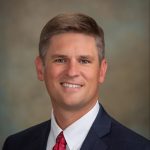
Vikram-RamaniVikram Ramani, CIO of Synovus, is a results-oriented leader with an excellent record managing technology organizations. He has  the ability to present a vision and to grow an organization in a highly competitive industry as an innovative problem solver, motivator and catalyst for change.

Vikram adds value through challenging established practices and delivering solutions to complex business problems. He achieves results through skilled diplomacy, teamwork, and collaboration.

Vickram is a proven operator known for building scalable processes and teams , as well as successfully delivering multi-million dollar technology programs.

Connect with Vikram on LinkedIn.

Transcript-iconThis transcript is machine transcribed by Sonix.


TRANSCRIPT

Intro: Broadcasting live from the Georgia Technology Summit 2025 at the Woodruff Arts Center. This is Business RadioX. And now here’s your host.

Lee Kantor: Lee Kantor here broadcasting live at Georgia Technology Summit 2025. So excited to be talking to my next guest. Uh, today we have Vikram Ramani with Synovus. Welcome.

Vikram Ramani: Thank you, thank you. Glad to be here.

Lee Kantor: Well, um, for our listeners, the two people out there who aren’t familiar with Synovus, do you mind sharing a little bit about mission purpose?

Vikram Ramani: Absolutely. So Synovus is a financial corporation. We’re a bank, $16 billion in assets. We’re the largest bank incorporated in Georgia right now. So we do, uh, commercial banking, small business, banking and consumer banking. And along with that we have wealth brokerage trust businesses as well. Uh, traditional bank trying to be, uh, grow, uh, in our area. And we are in the southeast and the five states in the southeast. And, uh, we have a lot of momentum behind us to get to be a bigger bank.

Lee Kantor: So how what’s the the banking kind of, uh, business climate today? There’s so many young people, especially, that are attracted to online only, and they’ve never walked into a bank. They probably never will walk into an actual physical location is part of Cenovus’s roadmap to have more or less, um, you know, actual brick and mortar stores. What how do how do you see that?

Vikram Ramani: It’s it’s it’s going to be a combination. When Covid hit us, we all thought that all the brick and mortars are going to go away. But five years after that, now you see that there’s more growing. And, you know, brick and mortars are becoming more experience centers like the bigger banks are doing, like Chase and so forth. So we will as a bank, as a regional bank, always have a good combination of both. We’re going to have that as well. And especially being a commercial bank, we deal with larger paychecks, larger sizes and so forth. And those, um, customers like to come into the branch to, uh, deal with us. So we’re going to have that. But on the on the other side, where the younger generation, the Gen Zs, who like to do everything out of the mobile, we also have a plan for that in terms of growing our digital footprint and so forth.

Lee Kantor: So how do you kind of view, uh, brick and mortar? Is it like kind of a community center? You want it to be a place where people feel comfortable going and building actual relationships, human to human, with some of the bankers? Like, what’s your view of that? Um, you know how that fits into your marketing?

Vikram Ramani: That is correct. Our operating model has been within the branches. We have relationship managers that really take care of the clients because, uh, cross-selling is very important. You start something, a small business account, you look at the customer, look at their wealth portfolio, try to see if they can kind of embed that into our product suite and so forth. So exactly that we want to kind of build a true relationship with our customers.

Lee Kantor: And then why is it important for Synovus to be part of the Tag community?

Vikram Ramani: So as you know, technology is right in the center of, uh, transformation for any industry, whether it’s manufacturing, financial services, fintech, and so forth. I’ve been in financial services fintech for all through my life over 25 plus years, and I feel that being a part of this organization, I’m also a board member and part of the executive committee. Uh, being part of this organization really puts us not just our bank, but the entire state in a place where we can grow our technology footprint and ecosystem. And that’s important to the bank, because that’s going to be the center of a lot of the transformation work that we’re going to put forward towards.

Lee Kantor: So how do you, as a leader of an organization like Synovus, how do you kind of get the employees to buy into that and want to participate, volunteer, take an active role in an organization, any business organization, but specifically since we’re here, like into Tag?

Vikram Ramani: Yeah. So I have been associated tag, even in my previous, uh, gigs and so forth. And, uh, it’s the art of influencing, right? You’ve got to it’s part of their career path. Networking is a very important thing. Uh, you’ve probably talked to a few of my peers from other, uh, corporations as well. Uh, previously. And just the power of us interacting, collaborating with the other CIO’s, other organizations is very helpful, especially in our industry, in the technology industry, where new things are getting rolled out. Like I, we talked to each other, each other CEOs see what’s working, what’s not working, and so forth. And, uh, that’s a big help. And my organization, the technology organization within Synovus. They are loving it. I bring them over. I think there’s about 5 or 10 people here today as well. And they’re loving the networking opportunity and the and the opportunity to collaborate with other people as well.


Lee Kantor: Are you finding that young people are embracing kind of this human to human, face to face interactions that a tag brings about, or is it are they more comfortable in kind of a digital online virtual interaction rather than, you know, coming here? And I mean, I’ve seen so many people hugging, shaking hands like they haven’t seen each other in a long time. Um, how do you kind of communicate the value of that to a young person who, you know, is a digital native that, you know, they’re best friends they may never have met in person?

Vikram Ramani: Yeah. I think when Covid hit us, I think it kind of just took us in a different way. But I think over the past two years, especially within our bank, where we’re encouraging people to come into the office, I’ve seen a lot more youngsters coming in into the office and wanting to meet people. Learn from the seniors, if you will, on what’s going on and so forth. Water cooler chats. Um, I feel we’re going in that direction right now. It’s kind of flipped. I think 21, 22 people were still kind of happy to stay home because of, um.

Lee Kantor: It’s convenient and Covid like.

Vikram Ramani: And exactly.

Lee Kantor: They were fitting kind of their work around their life. And now they got to fit their life around their work.

Vikram Ramani: Yeah. And I think that human touch is very important. And the, the younger generation probably doesn’t know that we’re really pushing for them to come into the office, work with others. And so far I’ve seen that, um, they want to come in more than, you know, the established, uh, employees and the organizations.

Lee Kantor: I think that there is a misconception about going back to the office and that something that young people, especially if they graduated and then started virtual and then they never got to experience, is that serendipity that happens in an office situation where you can just bump into somebody and get an answer to a question in two seconds. Those little kind of collisions that occur just naturally in the course of your day. I think the young people miss out on that. And there’s a lot of mentoring and opportunities that they’re not going to have because they don’t. They’re not in the room. When something great happens, someone says, see how that person handled that? That’s they can learn and just kind of accidentally that I think they missed out on. They don’t even know they missed out on.

Vikram Ramani: Exactly, exactly. And that’s what we’re promoting and encouraging our employees here. And I think if you look at most of the corporations in Atlanta, they’re going the same trajectory as well, um, to help that happen.

Lee Kantor: So now, uh, tell us about your upcoming speech. What are you talking about today?

Vikram Ramani: Oh, we’re we’re talking about AI. Uh, wow. Surprise is the first person.

Lee Kantor: Exactly AI today.

Vikram Ramani: That’s weird. Uh, I think I’m talking about AI across industries. I’ve got a great group of panelists there. Uh, some of my ex-colleagues as well. We’re just going to talk about AI in terms of how it’s going to be a competitive advantage. The goods and the bads are the scope of improvement that we need within those things as well. Because it’s a new technology. It’s super disruptive. How do you handle that across regulated industries like ours? Because we’re probably the most healthcare and financial services are the most regulated industry. So it’s going to be very interesting. Uh, discussion uh, this afternoon.

Lee Kantor: So any sneak peeks? Is there any spoilers you can give out?

Vikram Ramani: Uh. Nothing much. We’re we’re just, uh, going with the tide. Uh, so it’s, uh.

Lee Kantor: So where’s, uh, from a banking standpoint, where’s kind of the low hanging fruit for AI?

Vikram Ramani: Um, so in banking, because we deal with a lot of loans, deposits and so forth, you know, bringing biases, uh, is a big thing that we need to be very sensitive about. Um, so what we’re doing within financial services and banks is that the low hanging fruit is the operational efficiencies that happen. Happened, right? Um, you read 1000 pages of contracts every day. The legal department reads. I would be a great bet. Does not. Pii information does not. Anything else? We could easily build something that makes their life easier. Things like that. Call centers where people call in to do stuff. If you want to go and do an audit of those things, let’s start using an AI agent. Things like that is what we’re looking at right now. We don’t want to go into the areas where, uh, it could cause bias into lending, loans and so forth. We’re very careful not to touch that part. The, uh, the. And then so we’re focusing on the back end operational efficiencies part right now.

Lee Kantor: So what’s on the roadmap for Synovus over the next few years? What’s your vision of, uh, how big it can be and how how much better it can be?

Vikram Ramani: I think, uh, our journey started about two years back. We built the foundation. We don’t want to miss the bus on this very disruptive technology in AI. So we’ve built the foundation, a customized type of LM that we’ve built for us. And as and when all the boxes check on the areas that we can work on, it’ll start coming into it. I think this this technology is going to be super disruptive. But we’ve got to be careful. We’ve got to be methodical before we start implementing it. And that’s kind of what is going to drive some of my strategy as well going forward for the bank.

Lee Kantor: Now when it comes to growth, um, it’s Georgia based. And then you’re going to expand out from there.

Vikram Ramani: That’s the so so we’re in five states. We’re in Georgia, Tennessee, Alabama, Florida and South Carolina. And um, a growth could happen many different ways. It could be organic growth going into a different state and so forth. It could be M&A and so forth. It’s a bigger discussion. I think this year, probably those type of discussions will uh, there’s a lot of, uh, you know, um, tailwinds. I would say with that, over the past two years, there’s a lot of headwinds in those type of discussions, because what happened to the banking industry with Silicon Valley falling and all that stuff. So this this year there’s going to be a lot of discussions on that. So but we’re focused on organic growth. That has to go on. We’re in the southeast. So um we’re going to continue to focus on that.

Lee Kantor: So how do you kind of compete against kind of these stadium banks that are, you know, plastering their name on, uh, big stadiums? The, the, the ones that are the mega brands. Like what? Where is your niche?

Vikram Ramani: We don’t we don’t really, uh, compete with the big banks like the JP Morgan Chase or the tourists of the world Bank of America and so forth. Regional banking has got its its, uh, place in the US economy. It’s more customer centric. Um, and that’s where we kind of focus on, uh, most regional banks are that way. Community banks are the same way and so forth. The mega banks are in every place, right? And it’s just volume that they have. So, um, that’s where we come in because we’re customer centricity is our model, and that’s where we, um, you know, grow.

Lee Kantor: So customer centric, community centric, really be visible within the community, serve the community, and then just kind of immerse yourself within that and then build the brand from there outward.

Vikram Ramani: That is correct. Yep.

Lee Kantor: So if somebody wants to learn more, uh, about Synovus, what’s the best way to connect?

Vikram Ramani: You can start with me.

Lee Kantor: Uh, start with you.

Vikram Ramani: Yeah, you can start with me, and I can get you there. Obviously, our website’s got a lot of details in it. Um, then we can go from there.

Lee Kantor: All right. Well, Vikram, thank you so much for sharing your story today. You’re doing such important work, and we appreciate you.

Vikram Ramani: Thank you very much.

Lee Kantor: All right. This is Lee Kantor. We’ll be back in a few. At Georgia Technology Summit 2025.


Tagged With: Georgia Technology Summit 2025, Synovus

PPP Second Round with Alan Najjar, Jon Daly, and Joseph Shuford

January 27, 2021 by John Ray

PPP Second Round
North Fulton Studio
PPP Second Round with Alan Najjar, Jon Daly, and Joseph Shuford
Loading
00:00 /
RSS Feed
Share
Link
Embed

Download file

PPP Second Round

PPP Second Round with Alan Najjar, Jon Daly, and Joseph Shuford (GNFCC 400 Insider, Episode 56)

Alan Najjar, Chair of GNFCC’s Economic Task Force for Cash Flow & Liquidity, hosts a roundtable of SBA loan experts, with Jon Daly, Renasant Bank, and Joseph Shuford, Synovus Financial, joining the show. They discussed questions on PPP second round, how guidance rules differ from first round PPP, forgiveness questions on PPP loans, and much more. “The GNFCC 400 Insider” is presented by the Greater North Fulton Chamber of Commerce and produced by the North Fulton studio of Business RadioX®.

Alan Najjar, Director of Business Development, Smith & Howard

Alan Najar, Smith & Howard

Alan Najjar has overseen the business development efforts of Smith & Howard since 2011. He started his career in banking after graduating from the University of Georgia. A veteran of the Atlanta banking and business community, Alan has held executive level leadership positions at SunTrust Bank and other Georgia financial institutions. Prior to joining Smith & Howard, he was the EVP and Chief Operating Officer of an Atlanta-based financial services company.

Alan is the former Chair of the Board of Directors for The Greater North Fulton Chamber of Commerce and is a trustee emeritus for Georgia Gwinnett College Foundation and Community Foundation for Northeast Georgia. He is active in numerous civic, social, and academic organizations. Alan and his wife, Donna, are long-time residents of Gwinnett County, and when away from the office, Alan most enjoys sunrises on the lake and time with his family.

Jon Daly, Director of SBA Lending and EVP, Renasant Bank

PPP Second Round
Jon Daly, Renasant Bank

Jon Daly is Executive Vice President, Director of SBA Lending, for Renasant Bank. Renasant Bank has humble roots, starting in 1904 as a $100,000 bank in a Lee County, Mississippi, bakery. Since then, Renasant has grown to become one of the Southeast’s strongest financial institutions with over $13 billion in assets and more than 200 banking, lending, wealth management, and financial services offices in Mississippi, Alabama, Tennessee, Georgia and Florida. All of Renasant’s success stems from each of their banker’s commitment to investing in their communities as a way of better understanding the people they serve. At Renasant Bank, they understand you because they work and live alongside you every day.

Joseph Shuford, Synovus Financial Corp.

Joseph Shuford, Synovus Financial Corp

Joseph Shuford is the Director of Government Guaranteed Lending for Synovus. Synovus Financial Corp. is a financial services company based in Columbus, Georgia, with approximately $51 billion in assets. Synovus provides commercial and retail banking, investment, and mortgage services through 300 branches in Georgia, Alabama, South Carolina, Florida, and Tennessee. Synovus Bank, a wholly owned subsidiary of Synovus, has been recognized as one of the country’s “Most Reputable Banks” by American Banker and the Reputation Institute. Synovus is on the web at synovus.com, and on Twitter, Facebook, LinkedIn, and Instagram.

Topics Discussed in this Show Include:

  • PPP Second Round (Paycheck Protection Program)
  • Guidance rules in PPP Second Round vs. First Round
  • How application acceptance by banks differs from first round PPP
  • Forgiveness process for first round PPP loans
  • KYC (Know Your Customer) regulations and dealing with PPP fraud
  • Major criteria differences between Simplified, EZ, and Standard applications

About GNFCC and “The GNFCC 400 Insider”

Kali Boatright, President and CEO of GNFCC

“The GNFCC 400 Insider” is presented by the Greater North Fulton Chamber of Commerce (GNFCC) and is hosted by Kali Boatright, President and CEO of GNFCC. The Greater North Fulton Chamber of Commerce is a private, non-profit, member-driven organization comprised of over 1400 business enterprises, civic organizations, educational institutions and individuals.  Their service area includes Alpharetta, Johns Creek, Milton, Mountain Park, Roswell and Sandy Springs. GNFCC is the leading voice on economic development, business growth and quality of life issues in North Fulton County.

The GNFCC promotes the interests of our members by assuming a leadership role in making North Fulton an excellent place to work, live, play and stay. They provide one voice for all local businesses to influence decision makers, recommend legislation, and protect the valuable resources that make North Fulton a popular place to live.

For more information on GNFCC and its North Fulton County service area, follow this link or call (770) 993-8806. For more information on other GNFCC events such as this North Fulton Mayors Appreciation Lunch, follow this link.

For the complete show archive of “The GNFCC 400 Insider,” go to GNFCC400Insider.com. “The GNFCC 400 Insider” is produced by John Ray and the North Fulton studio of Business RadioX®.

Tagged With: Alan Najjar, Jon Daly, Joseph Shuford, Paycheck Protection Program, PPP, ppp application, PPP loan forgiveness, PPP loans, renasant bank, Smith & Howard, Synovus, Synovus Bank

Jeanne Krueger from the Rome/Floyd Chamber of Commerce, Richard Montanaro from the UGA Small Business Development Center, and Scott Preston from Synovus Bank

April 11, 2020 by angishields

Rome Business Radio
Rome Business Radio
Jeanne Krueger from the Rome/Floyd Chamber of Commerce, Richard Montanaro from the UGA Small Business Development Center, and Scott Preston from Synovus Bank
Loading
00:00 /
RSS Feed
Share
Link
Embed

Download file

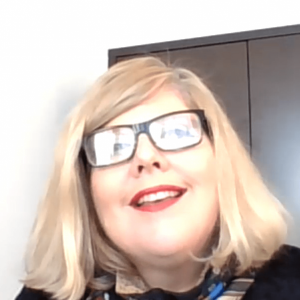
Jeanne Krueger was promoted to President and CEO of the Rome Floyd Chamber in July of 2019. In January 2019, Jeanne Krueger stepped into the leadership role of Interim Director for the Rome Floyd Chamber. With determination and focus to serve fellow colleagues in their excellent Chamber work and to consistently advance the Chamber’s pro- business message while communicating a confident and constructive image throughout the community, member engagement and investment has been significant.

Krueger’s professional career began in 1987 when she began working for the Metro Atlanta Chamber. She spent most of her career managing membership sales and retention, and business development for the Metro Atlanta Chamber prior to starting work at the Rome Floyd Chamber. Jeanne works to put best sales and marketing practices in place through establishing quantifiable goals and developing strategies along with cultivating long-lasting relationships.

A native of Rome, Georgia, Jeanne has been married to Mark Krueger, Managing Partner, Morehouse Group, CPAs, for 32 years. They have two children, Shelby, daughter and Spanish teacher, also a millennial living in downtown Rome, Georgia. Anderson is their 22- year-old son who is a graduate of Kennesaw State University and is working toward a medical degree.

Richard Montanaro brings more than 20 years of experience as a senior executive to his role as a University of Georgia Small Business Development Center (SBDC) area director. Montanaro’s industry experience includes textile and apparel manufacturing, specialty chemical manufacturing, and investment banking/consulting with responsibility for facilities and relationships in the US, Mexico, Central America/Caribbean, Spain, Northern South America and China.

Mr. Montanaro grew up in North Georgia attending high school in Dalton, receiving his undergraduate from Berry College in Rome, GA and receiving his MBA from Kennesaw State University. While Richard has spent the last several years working across the United States and internationally, he has always maintained his home in North Georgia. Mr. Montanaro speaks both English and Spanish fluently and is learning Brazilian Portuguese.

As President of the Synovus Bank Northwest Georgia Division, Scott Preston leads 90 team members with approximately $1 billion in assets. The NWGA division encompasses Rome, Cartersville, Calhoun, Dalton, Chickamauga, and Lafayette. Scott began his banking career during graduate school in 1991. After receiving his MBA, he began working at a small bank in Southwest Georgia as a lender, then made one more stop at another financial institution in Columbus, Georgia before beginning his career at Synovus Financial Corp in 1997.

Upon joining Synovus at the corporate office in Columbus, he worked in various capacities, including credit administration, loan review, product development and treasury management. While he was in Columbus, Synovus was named the #1 company to work for in the United States by Forbes magazine in 1998. It was there that Scott learned about applying a mindset of Servant Leadership in the workplace.

In 2004, after Synovus attempted on multiple occasions to buy a bank in Jacksonville, Florida, Synovus decided to start a bank from scratch for the first time. Scott was assigned to join a team in Jacksonville which became the Synovus Bank of Jacksonville. The team started the bank with zero assets, funded by a $10 million capital infusion by Synovus, and grew the bank to over $600 million in assets in a 12-year period.

While in Jacksonville, Scott served as Executive Vice President and COO before moving to Rome in 2016 to assume the role of President of the Synovus NWGA division. Scott graduated from Valdosta State University with his Bachelor of Business Administration, from Troy State University with his MBA, and received his graduate banking school degree from Indiana/Purdue University.

In addition to serving as Chair of the Rome/Floyd Chamber for 2020, he is also a Board Member of the Rome Floyd Development Authority, Free Clinic of Rome, Network Day Center, and the Shorter University Ledbetter College of Business. He previously served as a Board Member of the Florida Bankers Association, Juvenile Diabetes Research Foundation, the International Learning Center of Jacksonville, and a United Way loaned Executive.

He and his wife, Jennifer, have two children: Emily, a senior at the University of Georgia, and Jackson, a 6th grader at Darlington School. Scott and his family reside in Rome and are members of the First Baptist Church.


Tagged With: Jeanne Krueger, Richard Montanaro, Rome Floyd Chamber, Rome Floyd Chamber of Commerce, Scott Preston, Synovus, Synovus Bank, Synovus Bank Northwest Georgia Division, The University of Georgia SBDC, uga sbdc, uga small business development center, University of Georgia Small Business Development Center

MEMBER SPOTLIGHT: Chris Mixon with Synovus, Chris Sanna & Melissa Martin with Atomic Wash, and Vince DeSilva with the Gwinnett Chamber of Commerce

March 23, 2018 by Mike

Gwinnett Studio
Gwinnett Studio
MEMBER SPOTLIGHT: Chris Mixon with Synovus, Chris Sanna & Melissa Martin with Atomic Wash, and Vince DeSilva with the Gwinnett Chamber of Commerce
Loading
00:00 /
RSS Feed
Share
Link
Embed

Download file

Vince DeSilva, Chris Mixon, Chris Sanna, Melissa Martin

Chris Mixon/Synovus

Their humble beginnings date back to a Georgia textile mill and a simple act of kindness. One day, a worker’s hard-earned savings spilled from the hem of her dress after it became entangled in factory machinery. Taking notice, an executive offered to secure her money in the company vault and pay her interest – a service soon extended to all workers at the mill. Those deposits marked the beginning of the company that would become Synovus.

From helping businesses across three different centuries to financing modern corporate expansions to cheering for the hometown football team every Friday night, Synovus has always been proud to be part of their community. It’s why they smile when they see their customers in any of the nearly 250 locations across the Southeast – from major cities to the main-street hometowns. “This is where we belong.” Welcome to the bank of here.

Chris Sanna & Melissa Martin/Atomic Wash

For over a decade, Atomic Wash has focused on infusing brands with new energy. Their expertise is creating high-impact brand communications that engage, excite and motivate, because that’s what drives revenue and delivers results. They believe that by producing branding, marketing and sales materials that are disruptive, engaging, meaningful, memorable and authentic, Atomic Wash enables clients to build their brand and grow their business.

Vince DeSilva/Gwinnett Chamber of Commerce

The Gwinnett Chamber is the forum where business, government, education, healthcare, arts/culture/entertainment, and philanthropic and public service communities come together to advance the region’s economy and enrich Gwinnett’s quality of life.


Tagged With: gwinnett chamber, Gwinnett Chamber of Commerce, marketing, melissa martin, Member Spotlight, Mike Sammond, small business, Synovus, Synovus Bank, Vince DeSilva

Business RadioX ® Network


Our Most Recent Episode

CONNECT WITH US

  • Email
  • Facebook
  • LinkedIn
  • Twitter
  • YouTube

Our Mission

We help local business leaders get the word out about the important work they’re doing to serve their market, their community, and their profession.

We support and celebrate business by sharing positive business stories that traditional media ignores. Some media leans left. Some media leans right. We lean business.

Sponsor a Show

Build Relationships and Grow Your Business. Click here for more details.

Partner With Us

Discover More Here

Terms and Conditions
Privacy Policy

Connect with us

Want to keep up with the latest in pro-business news across the network? Follow us on social media for the latest stories!
  • Email
  • Facebook
  • Google+
  • LinkedIn
  • Twitter
  • YouTube

Business RadioX® Headquarters
1000 Abernathy Rd. NE
Building 400, Suite L-10
Sandy Springs, GA 30328

© 2025 Business RadioX ® · Rainmaker Platform

BRXStudioCoversLA

Wait! Don’t Miss an Episode of LA Business Radio

BRXStudioCoversDENVER

Wait! Don’t Miss an Episode of Denver Business Radio

BRXStudioCoversPENSACOLA

Wait! Don’t Miss an Episode of Pensacola Business Radio

BRXStudioCoversBIRMINGHAM

Wait! Don’t Miss an Episode of Birmingham Business Radio

BRXStudioCoversTALLAHASSEE

Wait! Don’t Miss an Episode of Tallahassee Business Radio

BRXStudioCoversRALEIGH

Wait! Don’t Miss an Episode of Raleigh Business Radio

BRXStudioCoversRICHMONDNoWhite

Wait! Don’t Miss an Episode of Richmond Business Radio

BRXStudioCoversNASHVILLENoWhite

Wait! Don’t Miss an Episode of Nashville Business Radio

BRXStudioCoversDETROIT

Wait! Don’t Miss an Episode of Detroit Business Radio

BRXStudioCoversSTLOUIS

Wait! Don’t Miss an Episode of St. Louis Business Radio

BRXStudioCoversCOLUMBUS-small

Wait! Don’t Miss an Episode of Columbus Business Radio

Coachthecoach-08-08

Wait! Don’t Miss an Episode of Coach the Coach

BRXStudioCoversBAYAREA

Wait! Don’t Miss an Episode of Bay Area Business Radio

BRXStudioCoversCHICAGO

Wait! Don’t Miss an Episode of Chicago Business Radio

Wait! Don’t Miss an Episode of Atlanta Business Radio