
Business RadioX ®

  • Home
  • Business RadioX ® Communities
    • Southeast
      • Alabama
        • Birmingham
      • Florida
        • Orlando
        • Pensacola
        • South Florida
        • Tampa
        • Tallahassee
      • Georgia
        • Atlanta
        • Cherokee
        • Forsyth
        • Greater Perimeter
        • Gwinnett
        • North Fulton
        • North Georgia
        • Northeast Georgia
        • Rome
        • Savannah
      • Louisiana
        • New Orleans
      • North Carolina
        • Charlotte
        • Raleigh
      • Tennessee
        • Chattanooga
        • Nashville
      • Virginia
        • Richmond
    • South Central
      • Arkansas
        • Northwest Arkansas
    • Midwest
      • Illinois
        • Chicago
      • Michigan
        • Detroit
      • Minnesota
        • Minneapolis St. Paul
      • Missouri
        • St. Louis
      • Ohio
        • Cleveland
        • Columbus
        • Dayton
    • Southwest
      • Arizona
        • Phoenix
        • Tucson
        • Valley
      • Texas
        • Austin
        • Dallas
        • Houston
    • West
      • California
        • Bay Area
        • LA
        • Pasadena
      • Colorado
        • Denver
      • Hawaii
        • Oahu
  • FAQs
  • About Us
    • Our Mission
    • Our Audience
    • Why It Works
    • What People Are Saying
    • BRX in the News
  • Resources
    • BRX Pro Tips
    • B2B Marketing: The 4Rs
    • High Velocity Selling Habits
    • Why Most B2B Media Strategies Fail
    • 9 Reasons To Sponsor A Business RadioX ® Show
  • Partner With Us
  • Veteran Business RadioX ®

Beyond Business: Building Relationships and Growing in the Community

May 11, 2023 by Karen

Beyond-Business-Building-Relationships-and-Growing-in-the-Community-feature
Phoenix Business Radio
Beyond Business: Building Relationships and Growing in the Community
Loading
00:00 /
RSS Feed
Share
Link
Embed

Download file

Beyond-Business-Building-Relationships-and-Growing-in-the-Community

Beyond Business: Building Relationships and Growing in the Community

This House Show with Alison Stine and Travis Meyers went beyond the conversation of their job titles and the work they do in business. The common threads that continued to appear between them both in the conversation was community involvement, growing real relationships, and having deeper connections that help support the growth of business.

We are a studio that focuses on building relationships through real connection and this show was a beautiful example of that. Yes, we had the opportunity to learn about what Alison and Travis do for business and the importance of having a financial advisor and an estate planning attorney. We also had the chance to learn about them as people growing real relationships, getting involved in the community, and building partnerships together.

This is a great episode to listen in on if you are wanting to go beyond transactional business. If you are wanting to hear about the importance of growing in the community and building real relationships- then this episode is for you. If you would benefit from hearing other leaders in the community discuss the importance of focusing on yourself and not just adding clients to your business- then this is the podcast for you.

Stine Wealth Management has a focus on putting clients first. Alison enjoys building long-term relationships with her clients and loves to see their plans unfold and adjust as time goes on. She meets with clients face-to-face (or virtually) to help them plan their financial futures. Stine-Wealth-Management-logo

Alison has much experience in retirement planning, risk management, tax-efficient strategies, and helping clients through the 3 phases of wealth: accumulation, distribution, and wealth transfer.

We always begin with an Initial Consultation to learn more about the prospective client’s financial situation and goals as well as explain our process. From there, we go through a 3 meeting process to fact-find, present a plan, and implement recommendations. Alison prides herself on educating her clients and communicating regularly.

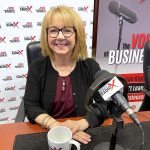
Alison-Stine-Phoenix-Business-RadioAlison Stine is the Founder of Stine Wealth Management located in Scottsdale, AZ. Alison has been a Financial Advisor for over a decade.

She has been named a 2019 and 2020 Five Star Wealth Manager in the Phoenix Magazine and Forbes, 2021 KNOW Women Honoree, 2022 Under 40 in Wealth Management award – American Bankers Association, 2022 Most Admired Leaders – Phoenix Business Journal, 2022 Business Woman of the Year Finalist – Tempe Chamber of Commerce, 2022 Wildcat Career Champion Award – UArizona Eller College of Management, and 2023 100 Women to KNOW in America – The KNOW Women.

Alison loves to give back and get involved within the community. She is the President of the University of Arizona Alumni Association PhoenixCats Chapter raising scholarship dollars for future Wildcats.

Alison is very involved with the Tempe Chamber of Commerce and currently serves as the Chair of the Women in Business Council bringing together women through various programs. Alison is a graduate of Class XXXVII of Tempe Leadership and has been a mentor through New Pathways for Youth for 7 years.

When she is not working/volunteering/networking you can find her spending time with her husband Billy and their dog Jordy.

Connect with Alison on LinkedIn and follow Stine Wealth Management on Facebook and Instagram.

Libby-Banks-Logo-

The Law Office of Libby Banks is a law firm that focuses exclusively on the areas of Estate Planning, Probate and Trust Administration. They work to prevent the problems caused by an unplanned, or poorly planned, estate.

Their clients range in age from 18 to 98. Some have large families. Some have small or no families but consider their pets their children. Client assets range from a house, a car and a small bank account to large businesses and multiple rentals and properties around the United States.

When you engage The Law Office of Libby Banks, you can be assured knowing that your estate is being handled by a highly experienced, seasoned legal team. They take great pride in serving their community and giving their clients peace of mind through some of the hardest moments of their lives.

Travis-Meyer-Phoenix-Business-RadioTravis Meyers joined the Law Office of Libby Banks in September of 2021 as an associate attorney. Travis is passionate about helping people use the law to protect families and give their loved ones peace of mind through careful planning and preparation.

Travis started his career as a litigator, working as a prosecutor in the Maricopa County Attorney’s office and representing individuals as a disability advocate in Social Security disability hearings.

As a litigator, Travis developed the valuable skills of listening, developing strategies and using the law to benefit clients. Travis uses those skills every day at the Law Office of Libby Banks to help clients achieve the goals they set for their estate plans. Travis is always diligent, friendly, and passionate in helping clients.

When Travis is not working, he enjoys playing the piano, golfing, and spending time with his family.

Follow The Law Office of Libby Banks on LinkedIn and Facebook.

About Our Guest Host

ABHOUTHOSTHEADSHOT

Kindra Maples  is spartan racer, past animal trainer, previous magician’s assistant, and has a weakness for Oreo cookie shakes. Her journey working with people actually started working with animals as a teenager (don’t worry we won’t go that far back for her bio).

She worked for over 15 years in the zoo industry working with animals and the public. Her passion of working with animals shifted into working with people in education, operations and leadership roles. From there her passion of leadership and helping people develop has continued to grow.

Then came the opportunity for leading  the Culture Crush Business Podcast and she jumped on it. Leadership, growth, and strong company cultures are all areas that Kindra is interested in diving into further.

Tagged With: Estate Planning attorney Arizona, Female Financial Planner, Financial Advisor Scottsdale, Investment Advice, Libby Banks, retirement planning, tax planning, Trust attorney phoenix, trust attorney Scottsdale

Karen Cashion, Tech Alpharetta

March 21, 2023 by John Ray

Karen Cashion
Business Beat
Karen Cashion, Tech Alpharetta
Loading
00:00 /
RSS Feed
Share
Link
Embed

Download file

Karen Cashion

Frazier & Deeter’s Business Beat:  Karen Cashion, Tech Alpharetta

Karen Cashion, CEO of Tech Alpharetta, joined host Roger Lusby and his colleague at Frazier & Deeter, Reid Blalock, on this edition of Business Beat. Karen discussed how and why Tech Alpharetta was founded, their work as an incubator for tech startups, their strong graduation rate, available programs and educational opportunities, their dedicated, experienced board, tech trends locally, and much more.

Business Beat is presented by Alpharetta CPA firm Frazier & Deeter and is produced by the North Fulton studio of Business RadioX®

Tech Alpharetta

Tech Alpharetta is an independent, 501c(6) nonprofit organization whose mission is to help grow technology and innovation in Alpharetta. There are nearly 700 tech companies located in the City of Alpharetta today. Tech Alpharetta helps to recruit and retain tech companies, grow new tech startups and innovation, create jobs, and grow the next generation of skilled tech workforce for the many employers in the Alpharetta and north metro region.

Tech Alpharetta also focuses heavily on giving back to the community, through its Women’s Forum, which supports area women in STEAM-related careers and provides STEAM mentoring to high school girls. Tech Alpharetta is partnered with the new, Innovation Academy Fulton County public STEM high school in Alpharetta. Tech Alpharetta, through its Board companies and its Women’s Forum, will be providing mentorship, classroom challenges, and internship opportunities to the school’s students.

Tech Alpharetta helps to effectuate its strategy through its Strategic Board of Directors, by operating a thriving tech startup incubator and its Women’s Forum, and by hosting year-round, locally-based, educational and tech thought leadership events for technology executives.

Company website | LinkedIn | Facebook | Twitter

Karen Cashion, President and CEO, Tech Alpharetta

Karen Cashion, President and CEO, Tech Alpharetta

Karen Cashion is President & CEO of Tech Alpharetta, which was created by the City of Alpharetta in 2012 and is now a 501(c)6 nonprofit organization.

Karen is an attorney with twenty years of experience as a commercial litigator and corporate technology lawyer. Karen began her career at Simpson Thacher & Bartlett in New York City, and in addition to law firm practice, has served as Assistant General Counsel for EarthLink and Legal Counsel, Global Technology for Travelport, LP in Atlanta.

Karen received her J.D. with high honors from Duke University School of Law, where she served as Senior Editor of the Law & Contemporary Problems Journal. Karen received her Bachelor of Arts degree, summa cum laude, from Emory University, where she graduated Phi Beta Kappa.

Karen has served as a Commissioner on the City of Alpharetta’s Planning Commission, is a 2014 graduate of Leadership North Fulton, and is a graduate of the 2015 Georgia Academy for Economic Development. She has also served on the Board of Directors for the North Fulton Bar Association and the Advisory Board for the University of North Georgia’s Center for Entrepreneurship and Innovation. In addition, Karen is a member of the Advisory Board for Vinings Bank.

Karen and her family are longtime residents of the city of Alpharetta.

LinkedIn

Frazier & Deeter

The Alpharetta office of Frazier & Deeter is home to a thriving CPA tax practice, a growing advisory practice and an Employee Benefit Plan Services group. CPAs and advisors in the Frazier & Deeter Alpharetta office serve clients across North Georgia and around the country with services such as personal tax planning, estate planning, business tax planning, business tax compliance, state and local tax planning, financial statement reviews, financial statement audits, employee benefit plan audits, internal audit outsourcing, cyber security, data privacy, SOX and other regulatory compliance, mergers, and acquisitions and more. Alpharetta CPAs serve clients ranging from business owners and executives to large corporations.

Roger Lusby, Partner in Charge of Alpharetta office, Frazier & Deeter
Roger Lusby, Partner in Charge of the Alpharetta office of Frazier & Deeter

Roger Lusby, host of Frazier & Deeter’s Business Beat, is an Alpharetta CPA and Alpharetta Office Managing Partner for Frazier & Deeter. He is also a member of the Tax Department in charge of coordinating tax and accounting services for our clientele. His responsibilities include a review of a variety of tax returns with an emphasis in the individual, estate, and corporate areas. Client assistance is also provided in the areas of financial planning, executive compensation and stock option planning, estate and succession planning, international planning (FBAR, SFOP), health care, real estate, manufacturing, technology, and service companies.

You can find Frazier & Deeter on social media:

LinkedIn | Facebook | Twitter

An episode archive of Frazier & Deeter’s Business Beat can be found here.


Tagged With: Alpharetta, Business Beat, CPa, CPA tax practice, FinTech, Frazier & Deeter's Business Beat, Frazier and Deeter, incubator, Roger Lusby, STEAM, STEAM-focused, tax planning, tech incubators, tech startups

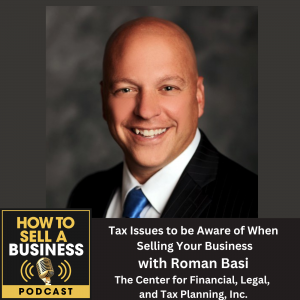
Tax Issues to be Aware of When Selling Your Business, with Roman Basi, The Center for Financial, Legal, and Tax Planning, Inc.

January 17, 2023 by John Ray

Roman Basi
How to Sell a Business
Tax Issues to be Aware of When Selling Your Business, with Roman Basi, The Center for Financial, Legal, and Tax Planning, Inc.
Loading
00:00 /
RSS Feed
Share
Link
Embed

Download file

Roman Basi

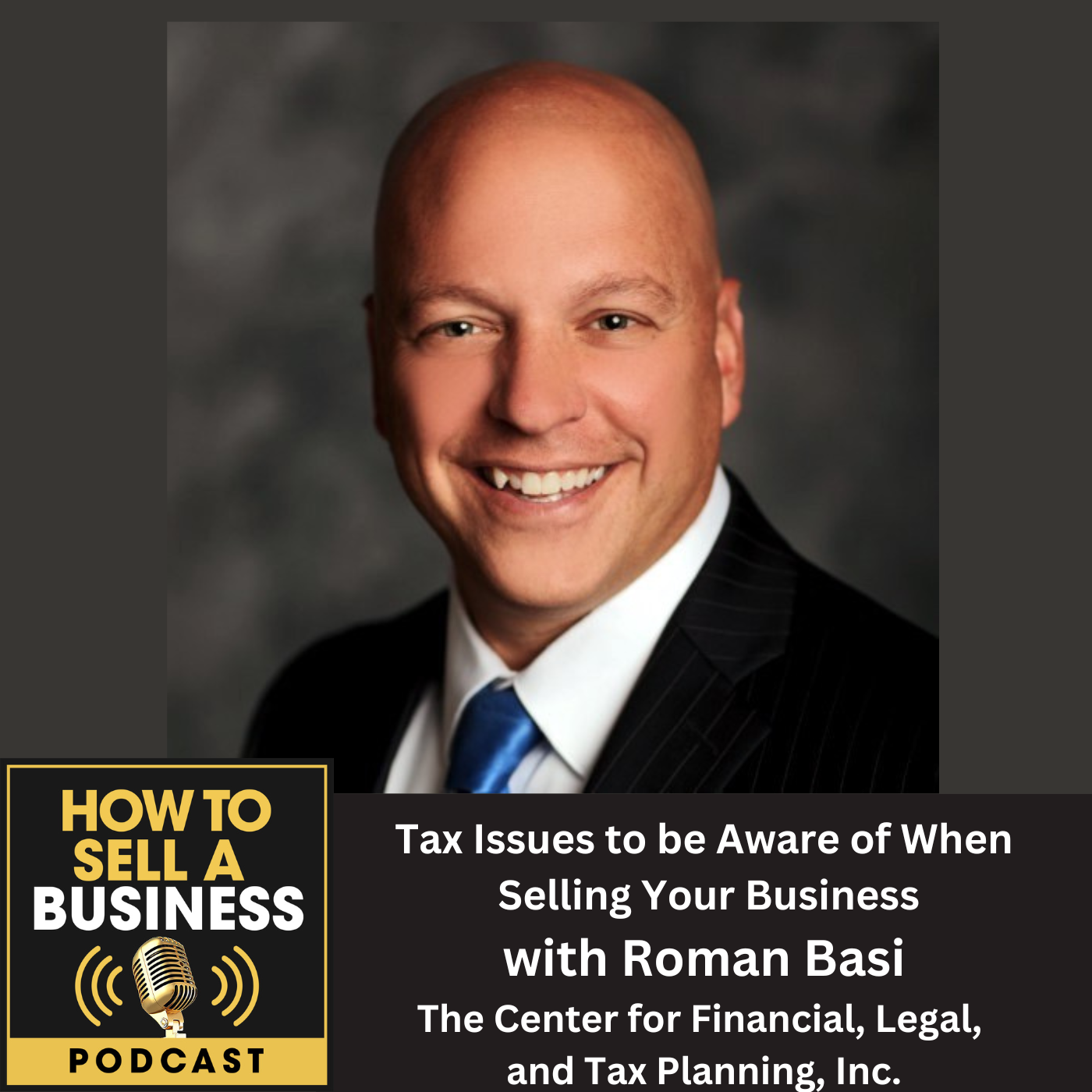
Tax Issues to be Aware of When Selling Your Business, with Roman Basi, The Center for Financial, Legal, and Tax Planning, Inc. (How To Sell a Business Podcast, Episode 7)

Noted business attorney and CPA Roman Basi joined host Ed Mysogland on this edition of the How to Sell a Business Podcast to discuss tax considerations when selling your business. Roman discussed some myths involving taxation in a business sale, when to use a 338(h)(10) election, which recategorizes a stock purchase as an asset purchase, tax-free reorganizations and the circumstances in which they’re used in the sale of the business, and much more.

How To Sell a Business Podcast is produced and broadcast by the North Fulton Studio of Business RadioX® in Atlanta.

The Center for Financial, Legal, and Tax Planning, Inc

The Center for Financial, Legal & Tax Planning, Inc. has offices in Illinois and Florida with satellite offices around the United States.

They initiate and develop ongoing relationships with national and regional trade associations, closely-held/family-owned companies, and individuals. Their work follows through the entire project; they analyze each situation, make recommendations, and implement them.

The Center provides a completely unbiased approach to solutions for their clients. Core competency is Business Valuation, Succession Planning, Tax Planning, and Buying and Selling closely held companies.

Company website | LinkedIn | Facebook | YouTube

Roman Basi, President, The Center for Financial, Legal, and Tax Planning, Inc.

Roman Basi, President, The Center for Financial, Legal, and Tax Planning, Inc.

Roman Basi is the current President of The Center for Financial, Legal & Tax Planning, Inc. Roman is an Attorney, a CPA, a Managing Real Estate Broker, Title Insurance Agent, and an instrument rated private pilot.

Roman is also one of the Tax Course Instructors for the Internal Revenue Service’s Annual Filing Season Program for Tax Return Preparers throughout the United States.

Roman is admitted to practice in Illinois, Florida, Arizona, Missouri, Federal District Court of Illinois Southern District, the United State Court of Appeals for the 7th Circuit, and Roman is also admitted to practice in the United States Supreme Court being sworn into the highest court in the summer of 2015 in front of all 9 Supreme Court justices.

LinkedIn

Ed Mysogland, Host of How To Sell a Business Podcast

Ed Mysogland, Host of “How To Sell a Business”

The How To Sell a Business Podcast combines 30 years of exit planning, valuation, and exit execution working with business owners. Ed Mysogland has a mission and vision to help business owners understand the value of their business and what makes it salable. Most of the small business owner’s net worth is locked in the company; to unlock it, a business owner has to sell it. Unfortunately, the odds are against business owners that they won’t be able to sell their companies because they don’t know what creates a saleable asset.

Ed interviews battle-tested experts who help business owners prepare, build, preserve, and one-day transfer value with the sale of the business for maximum value.

How To Sell a Business Podcast is produced virtually from the North Fulton studio of Business RadioX® in Alpharetta.  The show can be found on all the major podcast apps and a full archive can be found here.

Ed is the Managing Partner of Indiana Business Advisors. He guides the development of the organization, its knowledge strategy, and the IBA initiative, which is to continue to be Indiana’s premier business brokerage by bringing investment-banker-caliber of transactional advisory services to small and mid-sized businesses. Over the last 29 years, Ed has been appraising and providing pre-sale consulting services for small and medium-size privately-held businesses as part of the brokerage process. He has worked with entrepreneurs of every pedigree and offers a unique insight into consulting with them toward a successful outcome.

Connect with Ed: LinkedIn | Twitter | Facebook

TRANSCRIPT

Male: [00:00:00] Business owners likely will have only one shot to sell a business. Most don’t understand what drives value and how buyers look at a business, until now. Welcome to the How to Sell a Business podcast where every week we talk to the subject matter experts, advisors and those around the deal table about how to sell at maximum value. Every business will go to sell one day. It’s only a matter of when. We’re glad you’re here. The podcast starts now.

Ed Mysogland: [00:00:36] On today’s podcast, I got a chance to interview Roman Basi. And Roman is the president of the Center for Financial, Legal and Tax Planning. And I’ve heard him speak, oh, it’s got to be at least five times over my career at different M&A conferences. And he is one of the most sought-after sessions. Any time you go to visit or anytime you go to see him, the room is filled, and he doesn’t disappoint on this episode either. It will be hard pressed for any business owner not to have received some value from this.

So Roman is, like I said, their practice is, I see them as deal making. They help all of the deal makers make better deals for their clients. And he, like I said, he is a sought-after speaker. He goes across the country back and forth, talking about how to maximize the value. His core competencies are business valuation, succession planning, tax planning and buying and selling a business. And like I said, he was so generous with his time, as well as all the rapid-fire answers to my questions. And I am not a tax guy but boy, he sure educated me. So, I hope you enjoy my conversation with Roman Basi.

On today’s show, I’m excited to welcome Roman Basi of Basi Basi & Associates. I should point out today that this is not legal or tax or accounting advice. Roman’s been kind enough to come on the show. He’s not your accountant or attorney yet. So, seek your own counsel regarding any kind of advice we may give. So, Roman, welcome to the show.

Roman Basi: [00:02:49] Thanks, Ed. Thanks for having.

Ed Mysogland: [00:02:50] Like I was saying before we started, I’m a super fan. Whenever I go to these conventions, I don’t get the opportunity to ask the questions that I’ve been meaning to. You know, I take my notes, but everybody seems to lunge forward, and I don’t want to say rock star status. But in the deal making world, you have one heck of a reputation on helping sellers really maximize the value or the proceeds of their sales. So, I guess where I’d like to start is it seems as though you do have a little bit of a niche with the sell side advisors. Can you talk a little bit about how you got into that?

Roman Basi: [00:03:40] We do. And that’s an interesting question. I don’t get that question very often. But, you know, my father started our company back in the late eighties, early nineties. And he was a professor at Southern Illinois University and Penn State University, and I joined him in 1997. And he started doing a lot of research and writing about small businesses in the United States. And companies started to call him wanting advice and information on what to do when they sold or when they created a succession plan or when they just didn’t know what to do. And we have a niche because like my father, I’m an attorney and a CPA. Now, he also has a PhD in economics. However, I am also a real estate broker and a title insurance agent. So, our niche comes in because when we represent a small business in the United States, and I say small business but that’s defined as anything less than $50 Million in assets or less.

Ed Mysogland: [00:04:36] Got it.

Roman Basi: [00:04:37] So, the majority of privately held companies are small privately owned companies. And when we get involved in these, they see us as, oh, you are our legal counsel, our accounting counsel, our financial counsel, our real estate counsel. And that’s what makes up a company besides human resources and employees and insurance and things like that. So. We’ve kind of are a one stop shop with the exception of the brokering or the M&A guidance piece, where we look to gentlemen like you, where that is where most of our referral base comes from is brokers and advisors like yourself. But outside of that, it’s a one stop shop and that’s what created our niche over all these years.

Ed Mysogland: [00:05:17] Well, and it’s funny and it truly is a niche because you’re a fixture. It’s funny that the conferences that I attend, you always have either the house is full for your session or it’s full, and there’s some folks standing around. And it really is, I’ve learned an awful lot about things that even though I’ve been in the business for 30 years, you’ve shared a number of things that have helped a lot of our clients. So, let me start off with every business owner knows that you can sell business with the assets, or you can sell the stock. Every seller wants to sell the stock, and we know that. So, I guess from a high level, can you kind of give the lay of the land for stock in asset sales?

Roman Basi: [00:06:13] Yeah. I mean from a very high-level speaking right, a seller is generally going to say to me, to you, well, I heard it’s best to sell our stock because we’re going to get capital gain treatment on the sale of our stock, which capital gains rates are traditionally lower than your ordinary income tax rates. An asset sale, they’re going to tell us, well, I heard that’s going to be mostly ordinary income tax to me if I sell the assets of my business.

And those are generally speaking the two ways to sell a business. Are we selling the assets on the balance sheet and nothing else? Or are we selling the stock of the company, which is selling everything, everything that’s on the balance sheet and everything that’s not on the balance sheet is a stock sale. And those are the two high level ways to look at those. There are hybrid methods that are becoming more used now, considerably more used now over the last couple of years, where you combine the elements of an asset sale and a stock sale, believe it or not. And for a lot of sellers listening today, they may be saying what, there’s a way to do both and there is a way to do both? And there’s reasons sometimes to do both.

Ed Mysogland: [00:07:28] Well, let’s just dive in. I know I had it on my list to talk about. Let’s just go and talk to hybrids. I mean, you got the momentum.

Roman Basi: [00:07:36] Yeah. So, one of the hybrids that we see a lot of is with an S Corporation, with a flow through entity, and it’s the section that we have is 338 transaction, 338(h)(10) transaction. And what that is in general is selling the stock of a company for legal purposes and selling the assets of the company for tax purposes. Now, why do we need that to happen in some cases? Because the buyer is going to essentially get the stock of the business. So, they may be getting certain licenses or certain contracts or certain royalty agreements that are very, very difficult to transfer.

I’m going to give you a prime example of one that I did, and it was a whitewater rafting company in Colorado. Now, imagine a whitewater rafting company that have got these large rafts, hundreds of them. Each one of them has a federal license on them that they can be on that federal waterway.

Ed Mysogland: [00:08:39] I didn’t know that.

Roman Basi: [00:08:40] How difficult it is to obtain a federal license like that. So, a buyer wanting to buy that company is not going to be able to buy the asset, buy the raft, and then apply for a license with the federal government. It would take years. So, we use a 338(h)(10), which what that does is the buyer gets the stock of the business, so they own the raft, and they own the license. But a buyer also wants a stepped-up basis in the raft, like they were buying it as an asset only.

And so, in this particular transaction, they get a stepped-up basis in the asset, yet they bought the stock of the company and now the buyer can redepreciate the raft. That’s why you see a 338(h)(10). A lot of the times with medical practices. I’m even involved right now potentially in the sale of a very, very large designer company that has royalty agreements associated with it. And we are looking at a 338(h)(10) for that transaction.

So, now from a seller side, as we know, as you said, my niche is sellers, even though we do represent buyers, my real niche, 75 percent of our deals, if not a little bit more, are for sellers. What happens with a seller? Well, a seller has some potential negative taxation to a 338(h)(10). And in the typical transaction, we will do an analysis. We will do what we call our tax minimization analysis, and we will show the seller what the negative tax treatment or if there is a negative to a 338 is. And traditionally, the purchase price should be grossed up by the buyer to account for that negative taxation to the seller because the buyer is getting the benefit of the stepped-up basis of that raft. So, that’s a 338(h)(10), again, high level for you.

Ed Mysogland: [00:10:39] Yeah, so the biggest reason to deploy a 338 is predominantly to assign contracts, right? Contracts, licensure.

Roman Basi: [00:10:52] That’s right.

Ed Mysogland: [00:10:53] So, the–

Roman Basi: [00:10:56] Also think about this. I don’t mean to cut you off.

Ed Mysogland: [00:10:58] No, we’re good.

Roman Basi: [00:10:58] It’s not about a company that has a lot of vehicles, or a lot of equipment and the buyer doesn’t want to have to transfer title to all of those and pay sales tax and use taxes and transfer taxes and relicensing fees. So, this is more useful in more companies than what we even think about. And we see 338s done with companies with lots of equipment because they avoid all of that relicensing.

Ed Mysogland: [00:11:25] Well, and we’re seeing even without the licensure issue, it seems as though the whole motivation is a tax treatment. It doesn’t matter. I mean, are you seeing that, too, or am I imagining things?

Roman Basi: [00:11:41] The whole motivation is the buyer gets that tax treatment. They get that step up in basis. They get to re-depreciate the assets, and yet they don’t have to recreate an entire corporation structure. It’s there for them.

Ed Mysogland: [00:11:54] So why don’t more people do it? Why isn’t that just totally the main way of transferring businesses?

Roman Basi: [00:12:04] It’s a complicated tax analysis and that’s why. Most accountants are not familiar with it. They don’t want to analyze it. They just think it’s too complicated to kind of deal with. A seller is dealing with so many other things in their mind going to market. Complicating it with a 338 can be very difficult if the seller is not educated. I’ll give you this one too. I represented a behavioral health clinic, and I told them from the very beginning this smells like it’s going to be a 338. It smells like it’s going to be a 338. We get the 60-page asset agreement two weeks prior to closing. And sure enough, what’s in there, the 338 clause. That’s why these things don’t have traction, because sellers are not educated, buyers throw them in at the last minute from their legal or tax counsel and it blows things up.

Ed Mysogland: [00:12:50] Yeah. Well, like I said, it just seems as though, Google has educated a lot of sellers, wrong or otherwise. And again, they show up wearing the t-shirt that says I want a 338. And it just doesn’t always go that way, you know.

Roman Basi: [00:13:15] You are absolutely right. We had a seller contact us about a year ago and the seller’s email or reference said, well, I’ve been hearing that I want a 338. I’m like, why does a seller want a 338? Blew my mind. I’m like, that’s for buyers, it’s not for sellers.

Ed Mysogland: [00:13:35] Right. And that’s what I’m saying. It’s funny you say that because we’re seeing it a lot. And again, Google’s a blessing and a curse. We do a lot of — well, I’m certain you do a lot more of it but straightening people’s assumptions out on what they want. One of the things I wanted to ask you about is the different levels of deals, like what is — it seems as though your microbusinesses, look, this is going to be traditional assets, let’s just leave it at that. But where are the thresholds that you’re seeing complexity layered on?

Roman Basi: [00:14:28] So, you got your main street transactions, which are generally what, a million dollars or less, although that number is getting stretched these days because of inflation. And we don’t see too much complexity in the main street deal. Main street deals are generally asset deals straight up or stock deal. Although you get to the higher end of that Main Street deal, you will see some complexity. Now, you get anywhere above a million dollar deal, you see complexity, you see issues.

Give you another example. I got a call the other day from an attorney, from a broker in Arizona. He has a business he’s selling that an attorney owns. However, she happens to be in labor. This just happened last week and she’s physically in labor on the day they want to analyze the purchase agreement. It’s about a $3 Million deal. So, I’m looking at this purchase agreement, and when you say complexity, I look immediately at the tax issues when I look at a purchase agreement. And the first thing I saw on this deal, on a $3 million deal, was a $500,000 allocation to a non-compete. Folks, that’s ordinary income to a seller. I’ve never in my 25-year career seen a $500,000 allocation to a non-compete and I do deals 20 million, 50 million, 60 million, a hundred million. I have never seen that number.

So, you start to see those issues, those complex concepts. And non-compete is not complex, but the tax allocation can be and the negotiation for it can be. And that was a $3 million deal. By reducing that down to a hundred thousand dollars, which is still unrealistic, that saved the client $80,000 in taxes. Well worth my couple of hours of looking at that purchase agreement for her while she’s sitting delivering her baby. So, you see that complexity kind of kick in once you get above that million-dollar range or when there’s potentially real estate involved, because then we have some issues we can flex with from a tax perspective so.

Ed Mysogland: [00:16:33] Well, from an allocation of purchase price, well, we’ll go down there. And the funny thing is one thing that you said way, well, a long time ago, you take that allocation, the furniture fixtures and equipment, take it to book. I mean, you’ve saved a massive amount of taxes. And I’ve used that. That’s in the letter when we counter, if we’re at a stalemate. No, because of you. I guess can you talk a little bit about the allocation of purchase price. And if I just heard that allocation of the non-compete or something, they’re saying, well, why is that a problem? I mean we just negotiated this out, they think it’s a, I don’t want to say a game, but this is a negotiation and we’re kind of moving our pieces around. Can you talk about the ramifications of making really poor judgments on that 8594?

Roman Basi: [00:17:37] And that’s the problem. In early on in a transaction and a seller is negotiating with a buyer, they don’t necessarily, don’t often necessarily, think about the tax ramification. They’re just seeing that high dollar they’re going to get for the company. And that’s where the mistake comes in because how is the allocation being crafted? Who’s in charge of it? And like you just said, what’s the framework you’re going to utilize maybe in your letter of intent? Is it book value to the assets that are on my book? Sellers, if we’re using book value and that’s what’s on your balance sheet, you are not paying taxes on book value. That is your tax-free basis that you can return to yourself. Everything above that, up to the original cost of the item is going to be depreciation recapture, which is traditionally ordinary income. But there are some categories around depreciation recapture. Everything above its original cost, which is rare in an asset sale, is going to be capital gain.

Now, Ed mentions 8594, you mentioned 8594, that’s the IRS form that should be completed at a closing. Keep in mind, that form is not signed by either party. Either party can, if it’s not discussed and it’s not part of the deal, and I’m going to give you an example. It just happened a week ago and I blew my lid. But that 8594, a buyer’s 8594 doesn’t have to match a seller’s. And that’s how we report the allocation to the Internal Revenue Service. You are telling the Internal Revenue Service what seven categories of assets you allocated to in the deal and how much you allocated and how much the fair market value is. The IRS wants to see, are you allocating more or less than it’s fair market value? Folks, you’ve got to be really, really careful.

Here’s my example. We sold a janitorial cleaning company. This was like an under $2 million deal. We had the allocation set in the asset purchase agreement and we used a personal goodwill agreement. The document said each party will file an 8594 after closing in accordance with this allocation. Two months go by, last week happens, we get an email from the buyer. I don’t have any docket. I didn’t represent the buyer. I don’t have any documents. I don’t know what our allocation is. I need all this information. The seller is trying to cut their costs. Did not want to have us respond very much. We were unaware there was this communication going back and forth.

The seller sends the buyer the fair market value of all the assets the buyer bought. That was not our agreed allocation. I immediately jumped in, sent them all proof of the documents, mostly showing book value. I hope to God they don’t have a dispute now because now the buyer can say, well, why is the fair market value so much higher than what we allocated, and I want this. I hope to God they don’t bother. So, sellers, you got to be so careful with the information that is given to the parties, LOI, during due diligence, during purchase agreements and after a closing.

Ed Mysogland: [00:21:02] So, one of the things that has always struck me is why doesn’t the 8594 get signed? You would think of all the documents that the taxable structure, you would think that the service would demand that, you know.

Roman Basi: [00:21:25] Interesting. Because it’s a form. So, a lot of IRS forms don’t get signed. They just get attached to our returns. And the history behind the form says that the parties don’t have to agree, that the parties technically don’t have to agree, and they can file whatever they want. And if they file differently, the IRS has the right to audit them and determine what fair market value is. So, that’s why, maybe they try to avoid the fact that if they required signatures back in the day, parties may never have agreed, and no one would have signed. I don’t know. That’s a great question because I don’t know the answer to it. But that’s the history of it and that’s what people don’t know, is that you actually don’t have to agree but I don’t recommend that. And of course, you don’t either. We recommend everybody agreeing.

Ed Mysogland: [00:22:13] Well, the funny thing is in all my years, I’ve never heard of the service coming back on on that. Have you ever bumped into that?

Roman Basi: [00:22:23] Yeah. The only way — we never ran into it. Again, because look, when sellers use people like you, people like us, they’re generally protecting themselves from those questions of audit. But what the IRS would do is they would recharacterize the allocation and say, well, you can’t put this on goodwill, you’ve got to put this on the assets. And if they audited a transaction, that’s what they would be looking for is a recharacterization of the allocation. And then your client would get a tax bill. You may not ever hear about it. I may not ever hear about it, but it may be happening out there to our clients.

Ed Mysogland: [00:22:56] I got them. So, you had talked about C-Corps. And years ago, I saw more and more of them, not so much these days. But nevertheless, I think it would be remiss not to talk about the QSBS, you know.

Roman Basi: [00:23:13] Yeah, that’s a great topic for sellers out there and for buyers out there. When I represent a buyer or I represent someone going into business, we help them incorporate their companies, we’re going to talk to them about section 1202 of the code. This is for potentially buyers of stock, also for sellers of stock. 1202 is called qualified small business stock. It is stock of a C-Corporation which is a non-flow through entity. If you have stock of a C-Corporation under code section 1202 depending upon when you created the company, when you were issued the stock, how long you held the stock for, you can possibly sell the stock of your company and not pay tax on the gain whatsoever. It is a gain exclusion under section 1202.

Now, you’re right, we didn’t see a lot of C-Corporations after the tax code was passed in the eighties with the creation of subchapter S, which is where S-Corporations come from. However, in 2017, with the Tax Cuts and Jobs Act, when the C-Corporation rate was dropped down to 21 percent, all of a sudden, we saw some conversions to C-Corporations and some incorporation of C-Corporations. And now what I see because of the knowledge of 1202 is we convert some companies that were never a C, we convert them from an S to a C. And then if that company holds on to that stock for five years now, we can sell that stock tax-free. This is wonderful for internal transactions, succession plans, sales to a key employee, sometimes sales to a competitor or someone knowledgeable in the market that is okay buying the stock of the business. So, 1202s are extremely advantageous.

Ed Mysogland: [00:25:14] So, the lookback period for the conversion is five years?

Roman Basi: [00:25:21] The holding. We call it a holding period. You’ve got to hold that stock for five years to be eligible for the exclusion of the game.

Ed Mysogland: [00:25:29] I got it. So, for planning purposes, and I mean, what’s the likelihood that’s going to change, the tax codes? I mean, granted, crystal ball, but what’s the likely that that’s going to change?

Roman Basi: [00:25:39] The 1202 has changed over the years. In fact, let me explain that. I had it in front of me a minute ago. Let me find my, oh, here it is. Here’s my QSBS chart. It’s changed a little bit. So, I don’t think 1202 will ever go away, but it does change. So, if the shares were acquired after September 27th, 2010, it’s a hundred percent exclusion. If the shares were acquired between February of ’09 and September of 2010, it’s a 75 percent exclusion. If the shares were acquired before ’09, it’s a 50 percent exclusion. So, my answer to that question is 1202 is here to stay but the exclusion rates can change with legislation.

Ed Mysogland: [00:26:26] So, in my notes here, I wanted to talk about the 1202g which has something — and I have no idea what this, I’ve never even heard of this, that there is something that the QSBS works for pass-through entities.

Roman Basi: [00:26:43] It does. So a pass-through entity like an S-Corporation, a 1202g can work for S-Corporation, which is otherwise known as a pass-through. You’ve got to be careful though. You cannot transfer during the holding period. That stock cannot be transferred to a partnership or another type of vehicle. So, 1202g, got to be very careful with. We’re just now starting to see some potential transactions and some legislation around 1202g. So, it’ll be interesting to see how that kind of fans out now that we’re seeing more of those.

Ed Mysogland: [00:27:23] Yeah, because we’re talking to a lot of sellers that are sitting here saying, all right, you know, the next couple of years are probably going to be a little bit bumpy. It might be time to retrench and kind of get our plans back in order. And, you know, there’s still time to have a great exit. Does it make more sense to do the restructure and the five-year hold or do the 1202g if you’re an S-Corp?

Roman Basi: [00:27:50] It’s one of the things that we will look at because one thing we say about C-Corporations and a lot of people don’t understand this, that a C-Corporation, you know, you have this 21 percent tax rate, but are you really paying company taxes ever in your C-Corporation or are you withdrawing the profits via salary, bonuses, however you’re withdrawing them. You’re not paying those taxes anyway. So, sometimes it’s more advantageous for us to make the conversion because their tax rate is less if they do leave profits in the company as opposed to an S-Corporation subjecting yourself to the scrutiny of 1202g and then paying a higher tax rate while you’re operating the S-Corporation. So, those are some of the things we look at when we say, is it better to do a 1202g hold on to my S-Corp stock and face a little bit additional scrutiny? Or should I go a 1202 route straight up C-Corporation, run the company. If I have profits in there, I’m only paying tax at 21 percent flat rate anyway. So, those are the analyses that we look at.

Ed Mysogland: [00:28:50] I got it. In one of the sessions I set, I went back to my notes, and I saw a tax -free reorganization. But I, for the life of me, I can’t remember what in the world that was. What is that?

Roman Basi: [00:29:06] So tax-free reorganizations are, so in a nutshell and a high-level overview of that, because they work in certain industries and it’s when a seller is going to retain equity essentially in the new company. That’s when a tax-free reorg of an S-Corp can work.

Ed Mysogland: [00:29:30] I got it. I got it.

Roman Basi: [00:29:30] And we form a new company to hold the stock of the target company buying the new company’s stock. So, the old company — you’ve got to be careful because in general, majority of the sellers that I deal with in the industries I deal with, about 80 to 90 percent of the time, they’re selling out in whole and they’re not taking an equity piece. So, the reorgs are not a possibility for them. However, if you’re a seller and you’re listening to the podcast today and you’re thinking of, yeah, I’m going to sell out, but I’m going to keep a 20 percent interest in my business. Okay. If you’re an S-Corporation, you are a potential candidate for an F reorganization. We see a ton of this in the insurance industry. And we saw more than I’ve ever seen in my life in 2021 in the insurance industry. We call them roll ups where they’re rolling the company up into a new company. But you, the seller, are taking an equity piece in the new company. So, that’s when the reorgs are a possibility. If you’ve got a seller that’s going to sell out in full, that’s not an option.

Ed Mysogland: [00:30:36] Yeah, I got it. So, I’m looking at, I guess like rapid-fire questions. There’s different scenarios that we’re seeing a lot of. You know, sell into a kid, sell into a key employee. We’re seeing more and more ESOP. ESOPs are getting more prevalent and then selling to a competitor in a strategic. I’m just kind of curious to know like, you know, here, if I’m selling to my kid, here’s the top three things you need to keep in mind. If I’m selling to my employee, this is the top three things you need to keep in mind. So, how about can you kind of run through those scenarios?

Roman Basi: [00:31:19] Yeah. And you know what we start with when we look at that for a client is we, again, we like to do what we call our tax minimization analysis. We are showing them the effects of the three different, yeah, are you selling to a family member, are you selling to an employee, are you selling to an outside competitor? And what are the ways that we do that and how does that look for you and what’s your taxation there? And we show our clients down to the penny what they’re going to receive on these.

And let’s just break them down. If you’re going to sell to a family member or a child, typically we’re going to structure that as a stock redemption, where typically 99 percent of the time, I’m going to structure it as a stock redemption, which is where you are using the profits of the business to pay yourself the seller over time for your stock. So, what we will do with the child is we will give them one share, or they will buy a share with a bonus that we give them, and then we redeem all of the owner’s share. So, you, the owner, get capital gain treatment on anything above your basis. You have a little bit of interest income on that because there’s a note given to you for a certain period of time, 10 years, 15 years, 20 years, whatever it may be. The child, on the other hand, is running the company. They’re paying your note. They don’t get a deduction for the note, but they get a deduction for the interest expense. It’s a very clean, easy transaction with a child.

With an employee, it’s about 50-50. Because here’s the difference. If we do a redemption, the person within the company who’s helping, who’s paying the note for you, they’re not getting any basis in their stock. So, if they go to sell their stock down the road, they have no basis. It’s all going to be capital gain. So, sometimes an employee would rather say, no, I want to buy the stock under a stock purchase agreement and I’m going to go get a loan or I’m just going to bonus myself out money. And then what’s that employee doing? They’re building their tax-free basis for down the road if they ever sell the stock. But again, remember, we might sell assets down the road, so all that stock talk goes out the window. So, we like — those are two of the primary ways to deal with an employee or a child. And then, of course, you’ve got some other mechanisms as well.

And you talk about ESOPs. I think ESOPs are extremely beneficial when, and I represent some companies that have ESOPs. The benefit to ESOPs is maybe you don’t have a successor in place, and you’ve got just a core group of employees been there forever and you want them to own a piece of the company, if not all of it, in the future. That’s when an ESOP is the best way to go. The negative to an ESOP is the company has to be valued every year. There’s costs associated with an ESOP. So, now you’re dealing with a valuation of the company every year. And all of a sudden, you should be cleaning up your books and records to avoid all of the seller discretionary expenses so that they’re not part of that valuation each year, or you just muddy the water. They’re good in certain circumstances.

Ed Mysogland: [00:34:38] Right. So, I mean, how far in advance do you plan this kind of stuff?

Roman Basi: [00:34:44] Man, you know, the ideal answer is between three to five years out. Ideally, if someone talks to me and they’re three to five years out, it’s just beautiful. It gives us time to first of all, you know, and as you see on my credentials, I’m a CPA. We are a full-service accounting firm. Number one, clean up the financials, get your books and records right. And I know there’s probably going to be people listening to the podcast that are like, good God, Roman’s right. Clean up your books. It’s going to take a while. And we do it for a lot of companies. We get in there, make sure your books and records are right, because how many companies have a set of books on their computer they’re running, and their accountant is doing all the backend cleanup at the end of the year on their set of books. Yet, the company set of books are still not right.

And how many times you sell a business, and they don’t want us talking to their accountant, they don’t want their accountant to know. So, now all of a sudden, we’re dealing with a messy set of books. So, three to five years out, start cleaning them up. Seller discretionary expenses that you can really start to cut down over that time period is extremely beneficial. You don’t want to get into these arguments with potential buyers of where’s this income coming from or where’s these expenses coming from? And you don’t want to have to explain all of that. So, that’s ideally what’s in now. In reality, most sellers are cleaning up the books within a couple of months of listing the company or after listing the company to be realistic.

Ed Mysogland: [00:36:19] Right? You’re right.

Roman Basi: [00:36:21] So, they don’t love it. But hey, you guys are all giving me more work when I got to clean up books for three years, so that’s okay.

Ed Mysogland: [00:36:28] So, what — one of the things I really enjoyed was when you kind of did your little crystal ball, this is where the puck is heading in the next few years. I mean, what’s your thoughts on that?

Roman Basi: [00:36:45] Well, we’re in desperate need of new tax legislation. We had some major tax legislation during COVID, which was completely separate from the 2017 Tax Cuts and Jobs Act, which was probably one of the largest ones in every year in the history of my career. I’m assuming my father’s as well. We always get tax legislation at the end of the year and now it’s just been nonexistent for the past year or two. So, we’re due. We know we’re due for a rewrite of the code. I don’t see of course with, of course we follow the elections, we follow what’s happening in Congress. We don’t see much changing now over the next year or two because of the division in Congress. So, the next election cycle in two years will be extremely, extremely crucial.

Now, crystal ball speaking as inflation hits us, it continues to hit a little bit. As interest rates go up, valuations of companies go down and it is in an inverse relationship. So, we still have at least one, maybe two interest rate increases. So, valuations of companies on an interest rate perspective are going to come down. If I’m an investor and I want to make a certain dollar for my company and interest rates go up, I have to pay less for my company. It’s a very simple concept. So, that’s something we have to look for, for the next six-month cycle is we are going to have some pressure, downward pressure on the valuation of companies. Set all this real estate stuff aside, some states are having still good times, some states are not having good times. That’s what’s going to come for us in the next six months.

From a tax legislation perspective, there’s some work to do because we know the flat C-Corporates been with us a while. I don’t think that’s going to stick much longer. I think we’ll see a graduated rate come back into play. And then, of course, we’ll have a rework of the individual tax rates. And normally, look back in history, when we start to have depression type times, we will get some tax incentives. So, we’re going to start to see some of those things come back again. Maybe some bonus depreciation or tax legislation, things of that nature, we will see that maybe by the end of 2023, 2024. Let’s see where this recession may take us.

Ed Mysogland: [00:39:06] Yeah. So as working with, especially everybody is talking about baby boomers. And I mean, that’s nothing new. I think everybody, they try to time the market and I’m not certain right now is the best time to time the market. I know that’s a silly thing for a deal guy to say, but I’m trying to figure out, if I’m a buyer, I’m trying to look out for five-year payback of my investment. If I’m a buyer, am I aggressively looking to buy, especially if I have access to, I don’t know, say cheaper capital, but I’m trying to reconcile the two together on when is the optimal time to sell? Like if I’m 70 years old and poor health, I may not want to wait this thing out.

Roman Basi: [00:40:06] Right.

Ed Mysogland: [00:40:07] But if I’m in good health and I’m rocking along, well, it might be a time to do some planning. And I guess I want your thoughts on that before we go.

Roman Basi: [00:40:18] Good point because in the last year to two years, we’ve seen some of the most activity we’ve ever seen in our careers. We know that. We know that selling was off the chart. And I’ll tell this from what I see and I see deals every day. I get two to three calls a day for new transactions and that is no lie. This morning, actually last night at about 10:00 at night, I had a $14 million offer come in on a company from overseas buying a US based company. Folks, it’s every day. So, the market is still as hot as it was.

However, and I tell my wife this, a lot of my closings are being stretched out. We’re not seeing the fire closings that we were seeing at the end of the year last year. Everybody wanted to get done before the election, before there’s potential new tax changes. We didn’t have that rush this year. It’s still a good time to be thinking about selling your company. It’s still a very good time. Fine, interest rates have increased a little bit. It really hasn’t put them out of anybody’s financing capabilities, to be honest. Now, we get a year down the road and we’re into a, which we’ve been in a recession technically for a while, over a year actually, but we get another year down the road in this economy, and we might see, it may not be the best time to be honest. And it also is industry dependent.

Ed Mysogland: [00:41:43] Sure.

Roman Basi: [00:41:44] I’m doing a lot of transactions in the automobile industry right now. There’s a lot of activity going on because honestly, the concept is the same from — the comment is the same from all of them in the auto industry. The older owner dealers are very scared of the new models that were created during COVID for auto sales across the country, and they are selling out. So, if you are in an auto industry segment, your industry is extremely active and now is the time. You will miss your window if you don’t do something now. And I’ve had buyers that wanted to get in the industry, slow down their deals because of where interest rates are and the worry about what’s happening with that industry. So, if you’re a seller of a business, you’ve got to really know the pulse of your industry. Is it changing? If it’s changing, does that influence your decision to market your company now rather than later?

Ed Mysogland: [00:42:44] Oh, that was a great point. Well, my friend, I want to be sensitive to our time. My last question is the same for everybody. And I think I have an idea of what it’s going to be. But nevertheless, I’ll ask it. What’s the one piece of advice that you would give our listeners that would have the most immediate impact on their business?

Roman Basi: [00:43:05] Prepare. I am an Eagle Scout. That’s not on my designations there but the motto of an Eagle Scout is to be prepared. And I can’t tell you that enough. Be prepared. There’s a lot that goes into those two words but the more you prepare, the better this whole process will be.

Ed Mysogland: [00:43:29] You know what, and I’m with you. I wish, you know, being in the exit planning space and all the associations that I belong to, I assumed at some point someone would commission some empirical data that by being prepared, this is the premium I got from my business, or this is, I increase the likelihood of selling it by this. But you would think that that would be, I don’t want to say common sense, but to me that’s probably the most valuable information for a business owner on why you should prepare. But anyway, we’ll get there. So, my friend, what’s the best way we can keep in touch or get in touch with you?

Roman Basi: [00:44:12] Oh, that’s great. Yeah. To get in touch with us, our website is taxplanning.com. Our phone number is 618-997-3436. Or they can always, anyone can shoot me an email. It gets immediately seen by me and whether I respond or one of my staff responds and it’s rbasi@taxplanning.com. We’re on Facebook. We blog twice a week on Facebook, on our Facebook page. So, pretty easy to find. And our website really drives you to everywhere you need to go.

Ed Mysogland: [00:44:42] And we’ll make sure that we have every place that you are featured in the show notes. So, my friend, you know I’ve always enjoyed listening to you at the associations and you certainly knocked it out of the park on this one. I appreciate your time.

Roman Basi: [00:44:59] Thanks, Ed. Thanks for having me. I very much appreciated it as well. See you at the next conference.

Ed Mysogland: [00:45:04] Right on. Thanks, Roman.

Male: [00:45:06] Thank you for joining us today on the How to Sell Your Business podcast. If you want more episodes packed with strategies to help sell your business for the maximum value, visit HowtosellaBusinesspodcast.com for tips and best practices to make your exit life changing. Better yet, subscribe now so you never miss future episodes. This program is copyrighted by Myso Inc. All rights reserved.


Tagged With: business owner, business taxes, business value, Ed Msyogland, family owned company, How to Sell a Business Podcast, Roman Basi, stock, succession planniing, tax planning, taxation, The Center for Financial Legal and Tax Planning, valuation, value

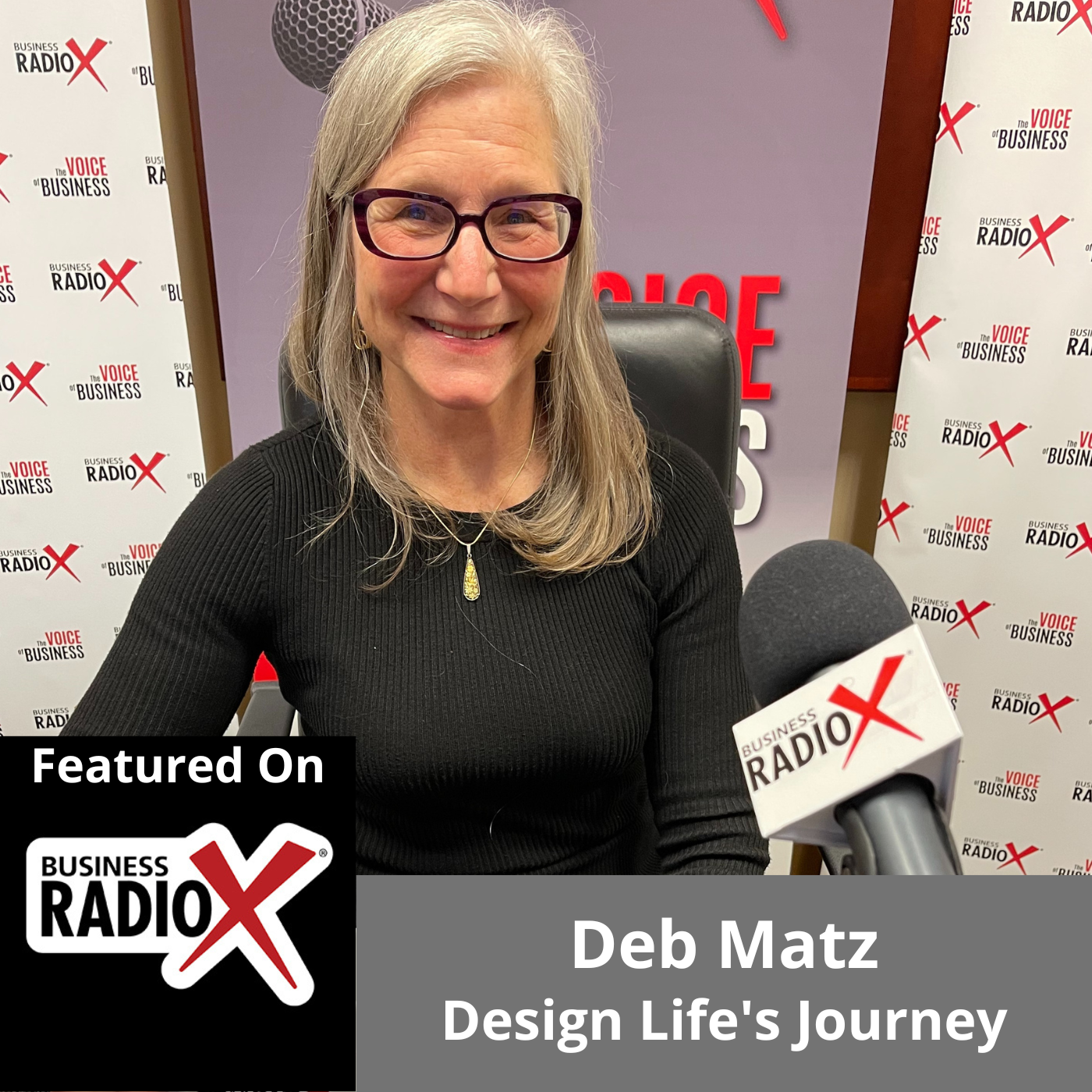
Deb Matz, Design Life’s Journey

December 6, 2022 by John Ray

Deb Matz, Design Life's Journey
North Fulton Business Radio
Deb Matz, Design Life's Journey
Loading
00:00 /
RSS Feed
Share
Link
Embed

Download file

Deb Matz, Design Life's Journey

Deb Matz, Design Life’s Journey (North Fulton Business Radio, Episode 587)

Deb Matz, CEO of Design Life’s Journey, joined host John Ray to discuss how she works with business owners to create a better business and a more peaceful and prosperous life for themselves. She talked about her service to clients, the biggest mistakes she sees business owners make, how to create long-term success, and much more.

North Fulton Business Radio is produced and broadcast by the North Fulton studio of Business RadioX® inside Renasant Bank in Alpharetta.

Design Life’s Journey

Design Life’s Journey Wealth and Tax Services is a wealth creation organization focused on helping small business owners and individuals build and protect their wealth and lifestyles.  This is accomplished through three foundational pillars: financial services including asset management, tax planning and tax preparation services, and profit & operational improvement coaching for small businesses with fewer than 100 employees.

The organization is comprised of two distinct entities, DLJ Wealth Services, LLC and DLJ Tax Services, LLC, to meet their legal and regulatory requirements. The integration of the three disciplines into these organizations was created to provide clients with a fully comprehensive financial overview before developing strategies for cash flow, tax minimization and investment management. While the two businesses are distinct, the combined effort provides a more complete framework to help their clients build their wealth and live the life they desire.

DLJ Tax Services is a small organization providing personal attention to clients from offices in Appleton, WI and Dawsonville, GA. Their goal is to help their clients grow their wealth in a manner that fits their specific needs and put them in control of their future.

Website | Facebook  LinkedIn 

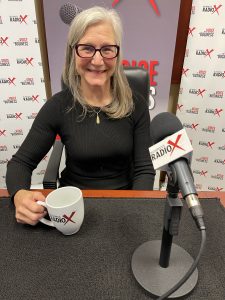
Deb Matz, CEO, Design Life’s Journey

Deb Matz, CEO, Design Life’s Journey

As a Profit First Professional, Tax Planner and Wealth Advisor, Deb Matz is trained in disciplines that impact everyone’s financial situation. Alone, they only partially address an individual’s or business owner’s needs. Together, they enable her to help you plan appropriately and keep more of what you earn – now and in retirement.

As clients move through the wealth accumulation phase (their working or business building years) to the income distribution phase (the retirement years), she makes certain each phase incorporates both a strong offensive and defensive strategies. This is key to creating the lifestyle you desire and keeping more of what you earn. No one size fits all financial strategy for her clients. Each client’s resources, needs and goals are different, so each plan is personalized accordingly.

LinkedIn

Questions and Topics in this Interview

  • How does Design Life’s Journey serve its clients?
  • What are the biggest mistakes you see business owners making?
  • What is the best way to create long-term success?
  • You have an annual business retreat called Prosperity Days. How does that retreat help businesses achieve long-term success?
  • Is there anything else you are doing to help business owners?
  • What resources have helped you on your journey?

North Fulton Business Radio is hosted by John Ray and broadcast and produced from the North Fulton studio of Business RadioX® inside Renasant Bank in Alpharetta. You can find the full archive of shows by following this link. The show is available on all the major podcast apps, including Apple Podcasts, Spotify, Google, Amazon, iHeart Radio, Stitcher, TuneIn, and others.

RenasantBank


Renasant Bank has humble roots, starting in 1904 as a $100,000 bank in a Lee County, Mississippi, bakery. Since then, Renasant has grown to become one of the Southeast’s strongest financial institutions with over $13 billion in assets and more than 190 banking, lending, wealth management and financial services offices in Mississippi, Alabama, Tennessee, Georgia and Florida. All of Renasant’s success stems from each of their banker’s commitment to investing in their communities as a way of better understanding the people they serve. At Renasant Bank, they understand you because they work and live alongside you every day.

Since 2000, Office Angels® has been restoring joy to the life of small business owners, enabling them to focus on what they do best. At the same time, we honor and support at-home experts who wish to continue working on an as-needed basis. Not a temp firm or a placement service, Office Angels matches a business owner’s support needs with Angels who have the talent and experience necessary to handle work that is essential to creating and maintaining a successful small business. Need help with administrative tasks, bookkeeping, marketing, presentations, workshops, speaking engagements, and more? Visit us at https://officeangels.us/.

Tagged With: Business Owners, Deb Matz, Design Life's Journey, North Fulton Business Radio, Office Angels, renasant bank, tax planning, wealth advisor

PHELAN & MYERS 2 FOR 20: Year-End Tax Planning Strategies

December 6, 2022 by Mike

Gwinnett Business Radio
PHELAN & MYERS 2 FOR 20: Year-End Tax Planning Strategies
Loading
00:00 /
RSS Feed
Share
Link
Embed

Download file

Tieg Reeder and Scott Phelan

No matter where you are in life – just starting out, in your peak earning years, nearing retirement, or contemplating your legacy – Phelan and Myers Wealth Management Group of Janney Montgomery Scott is here for you. When you work with them, it’s about going beyond investing. It’s about connecting your life and your finances.

They take a comprehensive and customized approach to your finances, by understanding your needs and goals and aligning your investment strategies to help meet those goals. Their depth of knowledge and experience, combined with their firm’s capabilities and resources, enables them to provide high quality service, while offering advice and executing financial solutions for every stage of life.

No needs are more important than your own. They pride themselves in making your needs and goals, their own. They don’t simply work for you. They work with you to understand who you are as an individual and as an investor.

Their mission is to help you to define your financial objectives, and then use that knowledge to develop — together — a plan that is tailored to fit your unique needs and preferences, and is in your best interest. They’re proud to offer comprehensive financial planning resources, providing you access to education, advice, planning, and consultation.

Tieg Reeder/Rector, Reeder & Lofton, P.C.

From their Georgia offices, Rector, Reeder & Lofton, PC provides accounting and tax services for small to mid-size businesses, individuals, and non-profits. They offer a wide range of services for business owners including QuickBooks services, accounting & bookkeeping, payroll services, tax planning, and so much more.

Rector, Reeder & Lofton, PC also provides specialty audit and accounting services to HUD (U.S. Department of Housing & Urban Development) Housing Authorities across the country, and other local governmental agencies. Their uniquely experienced team will help you overcome the complex and cumbersome HUD requirements and assist you with HUD audits, consulting, internal controls and compliance, and fee accounting.

Scott Phelan, CFP®
Executive Vice President/Wealth Management, Financial Advisor

Scott Phelan has over 20 years of financial advising and planning experience. As Executive Vice President/Wealth Management, Financial Advisor, his focus is helping build wealth for high net worth individuals and corporate clients. His core competencies include estate, retirement, insurance and income tax planning strategies. Scott has a long and distinguished career in the financial services industry having held leadership positions at Edward Jones, The Hartford, and New England Financial. Most recently, he was a Senior Vice President, Wealth Management, Financial Advisor/Senior Portfolio Management Director at Morgan Stanley. Scott began his career at the New England Financial Group where he developed and implemented employee 401(k) programs.

Phone: 678.448.4841  Email: sphelan@janney.com

Tagged With: 2 for 20, phelan & myers 2 for 20, phelan and myers, phelan and myers wealth management group, scott phelan, tax advice, tax planning, tieg reeder

Drive More Enterprise Value E114

July 21, 2022 by Karen

E114-Drive-More-Enterprise-Value-feature
Phoenix Business Radio
Drive More Enterprise Value E114
Loading
00:00 /
RSS Feed
Share
Link
Embed

Download file

E114-Drive-More-Enterprise-Value

Drive More Enterprise Value E114

The Tycoons welcomed Chase Birky, CEO of Dark Horse CPAs to the show. After a few existential crises early on in his career, Chase developed the idea of the Dark Horse platform. Chase is breaking the mold of a typical CPA firm and is offering an unparalleled service. The platform allows business owners to focus on building their revenue without being sidetracked by everything not related to client service.

It’s safe to say that Chase hit it out of the park with Dark Horse CPAs. Platform members are a part of a collaborative community that contributes to the growth of the enterprise, which drives more value. They genuinely want to provide resources to your success. This idea was born out of the personal struggles Chase faced as a business owner and he wants to share the Dark Horse solution with you. Dark-Horse-CPAs-logo

Dark Horse is a platform CPA firm that has created the infrastructure, resources, technology, staffing, coaching, marketing and administration that accountants need to be able to build and scale a profitable accounting practice that doesn’t run their lives and allows them to focus on their core strength of client service.

Regarding client service, Dark Horse CPAs provide integrated tax, accounting and CFO services to small businesses and individuals across the U.S. Their mission is to save small businesses (and their owners) from subpar accounting and tax services and subpar client experiences.

These small businesses are Dark Horses among their larger and more well-known competition. Being a Dark Horse CPA means advocating for small businesses by bringing to them the tax strategies and accounting insights previously reserved for big business.

Chase-Birky-Tycoons-of-Small-BizChase Birky grew up in the gloomy Pacific Northwest before being lured to sunny southern California for his undergrad studies at Point Loma Nazarene University.

Originally making this move to advance his baseball career, he soon realized the improbability of making it to the big leagues and so began to focus on gearing himself up for his business career. With a proclivity towards numbers, he was encouraged to declare a major in accounting.

Back in 2008, jobs for recent college graduates were difficult to come by so accounting felt like a safe haven. Thus, Chase began his career at Deloitte working as an auditor where he earned his CPA license.

Desiring to work for a smaller firm with clients in the areas of tax and client accounting services, he left Deloitte to join a boutique, local San Diego firm working with small businesses and individuals as opposed to large, public corporations.

Fast forward a few years later and he founded his own firm, Dark Horse CPAs, that would serve small businesses, individuals, and CPAs in unprecedented ways which created a sense of purpose for him that few accountants experience. It is giving other CPAs this same opportunity to self-actualize that has become his mission in life.

Connect with Chase on LinkedIn and Twitter.

About the Show

Tycoons of Small Biz spotlights the true backbone of the American economy, the true tycoons of business in America… the owners, founders and CEO’s of small businesses. Join hosts,  Austin L Peterson, Landon Mance and the featured tycoons LIVE every Tuesday at 1 pm, right here on Business RadioX and your favorite podcast platform.

About Your Hosts

Autsin-Peterson-on-Phoenix-Business-RadioX

Austin Peterson is a Comprehensive Financial Planner and co-founder of Backbone Planning Partners in Scottsdale, AZ. Austin is a registered rep and investment advisor representative with Lincoln Financial Advisors. Prior to joining Lincoln Financial Advisors, Austin worked in a variety of roles in the financial services industry.

He began his career in financial services in the year 2000 as a personal financial advisor with Independent Capital Management in Santa Ana, CA. Austin then joined Pacific Life Insurance Company as an internal wholesaler for their variable annuity and mutual fund products. After Pacific Life, Austin formed his own financial planning company in Southern California that he built and ran for 6 years and eventually sold when he moved his family to Salt Lake City to pursue his MBA.

After he completed his MBA, Austin joined Crump Life Insurance where he filled a couple of different sales roles and eventually a management role throughout the five years he was with Crump. Most recently before joining Lincoln Financial Advisors in February 2015, Austin spent 2 years as a life insurance field wholesaler with Symetra Life Insurance Company. Austin is a Certified Financial Planner Professional and Chartered Life Underwriter. In 2021, Austin became a Certified Business Exit Consultant® (CBEC®) to help entrepreneurs plan to exit their businesses.

Austin and his wife of 23 years, Robin, have two children, AJ (21) and Ella (18) and they reside in Gilbert, Arizona. He is a graduate of California State University, Fullerton with a Bachelor of Arts in French and of Brigham Young University’s Marriott School of Management with a Master of Business Administration with an emphasis in sales and entrepreneurship.backbone-New-Logo

Connect with Austin on LinkedIn, Facebook, Twitter, and Instagram.

LandonHeadshot01

Landon Mance is a Financial Planner and co-founder of Backbone Planning Partners out of Las Vegas, Nevada. He rebranded his practice in 2020 to focus on serving small business owners after operating as Mance Wealth Management since 2015 when Landon broke off from a major bank and started his own “shop.”

Landon comes from a family of successful entrepreneurs and has a passion and excitement for serving the business community. This passion is what brought about the growth of Backbone Planning Partners to help business owners and their families. At Backbone Planning, we believe small business owners’ personal and business goals are intertwined, so we work with our clients to design a financial plan to support all aspects of their lives.

In 2019, Landon obtained the Certified Exit Planning Advisor (CEPA) designation through the Exit Planning Institute. With this certification, Backbone Planning Partners assists business owners through an ownership transition while focusing on a positive outcome for their employees and meeting the business owner’s goals. Landon is also a member of the Business Intelligence Institute (BII) which is a collaborative group that shares tools, resources and personnel, and offers advanced level training and technical support to specifically serve business owners. In 2021, Landon became a Certified Business Exit Consultant® (CBEC®) to help entrepreneurs plan to exit their businesses by counseling owners about exit options, estimating the value of the business, preparing the business for exit and tax considerations.

Landon enjoys spending time with his beautiful wife, stepson, and new baby twins. He grew up in sunny San Diego and loves visiting his family, playing a round of golf with friends, and many other outdoor activities. Landon tries to make a difference in the lives of children in Las Vegas as a part of the leadership team for a local non-profit. He regularly visits the children that we work with to remind himself of why it’s so important to, “be the change that you wish to see in the world.”

Landon received his B.S. from California State University Long Beach in business marketing and gets the rest of his education through the school of hard knocks via his business owner clients.

Connect with Landon on LinkedIn.

Gary-Braun-Breakthrough-the-Growth-Plateau-E52Gary Braun is a Founder and co-owner of Pivotal Advisors. In his role at Pivotal, Gary is primarily responsible for business development but, he’ll gladly take on few clients in a consulting role. Gary speaks with and partners with other firms that help drive top-line growth.

Gary, helps organizations define where growth is coming from, helps them hire and/or develop the sales team, identify ideal clients and markets, and leverage true differentiators (even in commodity markets). He also implements sales processes, targets specific KPIs, increases activity, creates and applies sales compensation plans, and develops sales leadership skills.Pivotal-Advisors-Logo1

Pivotal Advisors LLC is dedicated to creating a community of people who strive for excellence in sales and leadership. A Sales Operating System is the model for how to achieve excellence. Leadership is the First Factor of success in any sales organization. Therefore, building and developing leaders responsible for generating revenue is critical for growth.

Follow Pivotal Advisors on LinkedIn, Facebook and Twitter.

Austin Peterson and Landon Mance are registered representatives of Lincoln Financial Advisors Corp. Gary Braun and Pivotal Advisors are separate from and not affiliated with Backbone Planning Partners/Lincoln Financial Advisors. 

Securities and investment advisory services offered through Lincoln Financial Advisors Corp., a broker/dealer (member SIPC) and registered investment advisor. Insurance offered through Lincoln affiliates and other fine companies. Backbone Planning Partners is a marketing name for registered representatives of Lincoln Financial Advisors. 

Lincoln Financial Advisors Corp. and its representatives do not provide legal or tax advice. You may want to consult a legal or tax advisor regarding any legal or tax information as it relates to your personal circumstances.

The content presented is for informational and educational purposes. The information covered and posted are views and opinions of the guests and not necessarily those of Lincoln Financial Advisors Corp.

Business RadioX® is a separate entity not affiliated with Lincoln Financial Advisors Corp.

Tagged With: Fractional CFO, small business accounting, small business tax prep, tax planning

PHELAN & MYERS 2 FOR 20: Year-End Tax Planning

November 19, 2021 by Mike

Gwinnett Business Radio
PHELAN & MYERS 2 FOR 20: Year-End Tax Planning
Loading
00:00 /
RSS Feed
Share
Link
Embed

Download file

Cliff Bray and Scott Phelan

No matter where you are in life – just starting out, in your peak earning years, nearing retirement, or contemplating your legacy – Phelan and Myers Wealth Management Group of Janney Montgomery Scott is here for you. When you work with them, it’s about going beyond investing. It’s about connecting your life and your finances.

They take a comprehensive and customized approach to your finances, by understanding your needs and goals and aligning your investment strategies to help meet those goals. Their depth of knowledge and experience, combined with their firm’s capabilities and resources, enables them to provide high quality service, while offering advice and executing financial solutions for every stage of life.

No needs are more important than your own. They pride themselves in making your needs and goals, their own. They don’t simply work for you. They work with you to understand who you are as an individual and as an investor.

Their mission is to help you to define your financial objectives, and then use that knowledge to develop — together — a plan that is tailored to fit your unique needs and preferences, and is in your best interest. They’re proud to offer comprehensive financial planning resources, providing you access to education, advice, planning, and consultation.

Scott Phelan, CFP®
Executive Vice President/Wealth Management, Financial Advisor

Scott Phelan has over 20 years of financial advising and planning experience. As Executive Vice President/Wealth Management, Financial Advisor, his focus is helping build wealth for high net worth individuals and corporate clients. His core competencies include estate, retirement, insurance and income tax planning strategies. Scott has a long and distinguished career in the financial services industry having held leadership positions at Edward Jones, The Hartford, and New England Financial. Most recently, he was a Senior Vice President, Wealth Management, Financial Advisor/Senior Portfolio Management Director at Morgan Stanley. Scott began his career at the New England Financial Group where he developed and implemented employee 401(k) programs.

Phone: 678.448.4841
sphelan@janney.com
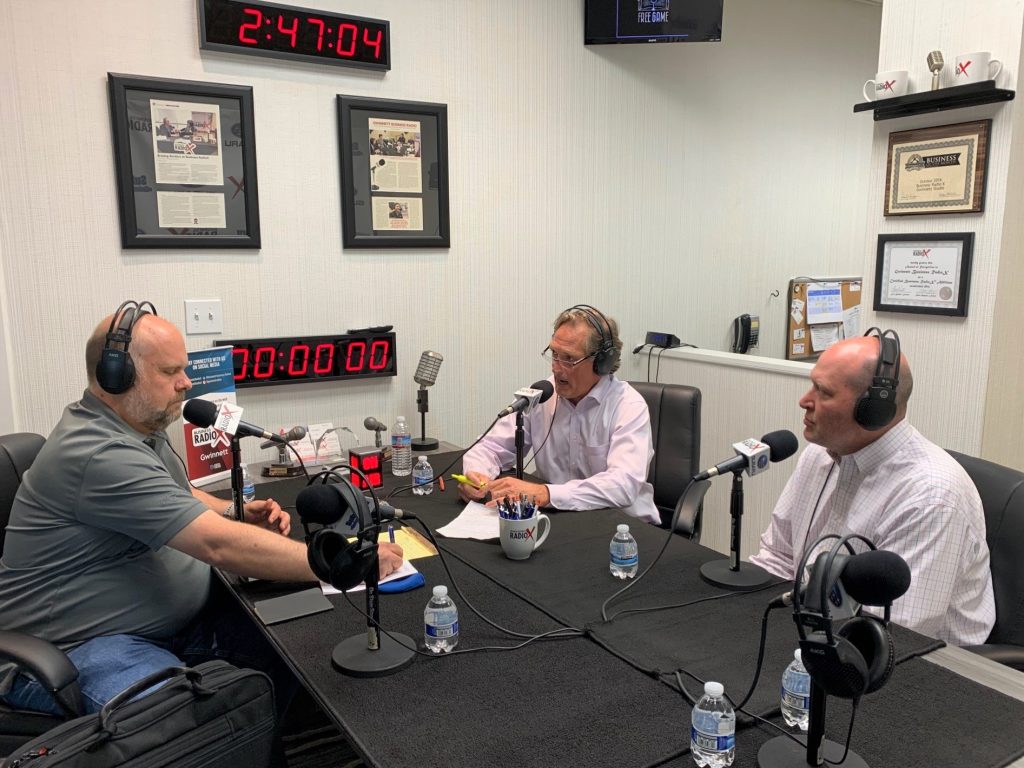
Cliff Bray/WMBO CPA Group

Cliff is a partner with the firm of WMBO CPA Group. With over 22 years of experience, he has been providing financial, accounting and tax services to individuals and numerous closely-held small and large businesses. He has experience with a wide range of businesses and professions, including manufacturing, contractors, wholesale and retail operations, attorneys and other professionals.

Tagged With: cliff bray, financial advisor, janney montgomery scott, kevin myers, phelan and myers wealth management group, scott phelan, tax planning, wealth management, WMBO CPA Group, year end tax planning

Neeli Shah, The Law Offices of Neeli Shah and Barry Brimer, BeOriginal

May 12, 2021 by John Ray

Neeli Shah
Family Business Radio
Neeli Shah, The Law Offices of Neeli Shah and Barry Brimer, BeOriginal
Loading
00:00 /
RSS Feed
Share
Link
Embed

Download file

Neeli Shah

Neeli Shah, The Law Offices of Neeli Shah and Barry Brimer, BeOriginal (Family Business Radio, Episode 20)

Attorney Neeli Shah combined her love of numbers and her legal education and experience into her own firm which helps business owners and entrepreneurs with wills and estate planning. Barry Brimer founded his graphic design studio over 35 years ago and has been at the leading edge of adopting innovative technology to serve his clients. Each of these accomplished business leaders joined host Anthony Chen for this episode of Family Business Radio, which is underwritten and brought to you by Anthony Chen with Lighthouse Financial Network.

Neeli Shah, The Law Offices of Neeli Shah

Neeli Shah
Neeli Shah, Attorney, The Law Offices of Neeli Shah
At the Law Offices of Neeli Shah, they believe that planning for the future should be purposeful and practical.  They work with and/or help to develop a collaborative team of advisers committed to navigating the planned and unplanned transitions of life.  They strive to empower and enrich the financial lives of those they serve as a source of education, information, and solutions by integrating personal family dynamics and relationships with the financial and tax planning processes.
Company website | LinkedIn


Barry Brimer, BeOriginal

Barry Brimer, Founder/Owner, BeOriginal

BeOriginal is a multi-disciplined graphic design studio located in Suwanee, GA. In 1986, BeOriginal began providing creative services and consulting on all aspects of branding and marketing to help businesses achieve their marketing goals. Projects from corporate training videos and materials, to billboards, require an in-depth knowledge of many different production processes to make a marketing campaign successful. BeOriginal has that knowledge. Companies like Napa Rayloc and Winton Machine have relied on the quality design services of BeOriginal for more than 35 years.

Company website | Company LinkedIn | Twitter | Brimer LinkedIn


Anthony Chen, Host of Family Business Radio

family owned craft breweries
Anthony Chen

This show is sponsored and brought to you by Anthony Chen with Lighthouse Financial Network. Securities and advisory services offered through Royal Alliance Associates, Inc. (RAA), member FINRA/SIPC. RAA is separately owned and other entities and/or marketing names, products or services referenced here are independent of RAA. The main office address is 575 Broadhollow Rd. Melville, NY 11747. You can reach Anthony at 631-465-9090 ext 5075 or by email at anthonychen@lfnllc.com.

Anthony Chen started his career in financial services with MetLife in Buffalo, NY in 2008. Born and raised in Elmhurst, Queens, he considers himself a full-blooded New Yorker while now enjoying his Atlanta, GA home. Specializing in family businesses and their owners, Anthony works to protect what is most important to them. From preserving to creating wealth, Anthony partners with CPAs and attorneys to help address all of the concerns and help clients achieve their goals. By using a combination of financial products ranging from life, disability, and long term care insurance to many investment options through Royal Alliance. Anthony looks to be the eyes and ears for his client’s financial foundation. In his spare time, Anthony is an avid long-distance runner.

The complete show archive of Family Business Radio can be found at familybusinessradioshow.com.

Tagged With: Anthony Chen, Barry Brimer, BeOriginal, branding and marketing, creative services, estate planning, financial planning, graphic design, Law Offices of Neeli Shah, Lighthouse Financial Network, Neeli Shah, tax planning, wills and trusts

Bill Dukes, Carr, Riggs and Ingram, LLC

April 22, 2021 by John Ray

Carr, Riggs and Ingram
North Fulton Studio
Bill Dukes, Carr, Riggs and Ingram, LLC
Loading
00:00 /
RSS Feed
Share
Link
Embed

Download file

Carr, Riggs and Ingram


Bill Dukes, Carr, Riggs and Ingram, LLC (The Exit Exchange, Episode 4)

Tax planning in a chaotic 2021 is challenging, and tax law changes may be on the horizon. Bill Dukes of Carr, Riggs & Ingram joined the show to detail changes and considerations for business owners. This edition of “The Exit Exchange” is co-hosted by David Shavzin and Bob Tankesley and is produced virtually from the North Fulton studio of Business RadioX® in Alpharetta.

Carr, Riggs and Ingram, LLC

Stretching from New Mexico to North Carolina, Carr, Riggs & Ingram CPAs and Advisors (CRI) is a top 25 nationally ranked full-service accounting and advisory firm offering innovative tax, accounting, audit, consulting, and advisory services to more than 100,000 clients in the U.S., Canada, Mexico, Puerto Rico, and overseas military installations.

Company website | LinkedIn

Bill Dukes, Tax Partner, Carr, Riggs and Ingram, LLC

Bill has over 16 years of experience providing tax research, planning, and compliance services to individual, corporate, and partnership clients within a variety of industries. WhileBill specializes in working with small and middle-market businesses and their related owners, his background allows him to serve a broad client base from smaller “mom & pop” type establishments to much larger corporate conglomerates. Bill also has expertise in assisting clients in a multitude of transactional matters in the M & A arena including the application of code sections 338 & 1202. Also among Bill’s disciplines is representing clients in areas of controversy and disputes with the Internal Revenue Service (IRS). Bill is also deeply involved in the firm’s staff development via various leadership/mentorship roles and serving as an annual instructor at CRI’s CPE Week teaching Leadership Academy Courses.

Outside of Bill’s professional life, he enjoys traveling and spending time outdoors with his family. Bill is an avid golfer who enjoys competing in amateur events throughout the summer months.

LinkedIn

Questions and Topics in this Interview

  • For business owners working on 2020 tax returns (business and personal) , what are the most important and/or new issues business owners need to take into account based on the last 16 months of bills coming out of Washington DC? And in Georgia? What actions can still be taken?
  • What is your advice and the latest on PPP loan forgiveness?
  • As best as you can what kinds of tax planning should an owner consider in the current chaos and uncertainty? Your insights into what might be coming? Tax structure, infrastructure bill, etc.
  • Specifically for an owner planning to sell in the next 2 -3 years, what actions to take, or not to take?

The Exit Planning Exchange Atlanta (XPX) is a diverse group of professionals with a common goal: working collaboratively to assist business owners with a sale or business transition. XPX Atlanta is an association of advisors who provide professionalism, principles and education to the heart of the middle market. Our members work with business owners through all stages of the private company life cycle: business value growth, business value transfer, and owner life and legacy. Our Vision: To fundamentally changing the trajectory of exit planning services in the Southeast United States. XPX Atlanta delivers a collaborative-based networking exchange with broad representation of exit planning competencies. Learn more about XPX Atlanta and why you should consider joining our community: https://exitplanningexchange.com/atlanta.

“The Exit Exchange” is produced by John Ray in the North Fulton studio of Business RadioX® in Alpharetta. The show archive can be found at xpxatlantaradio.com. John Ray and Business RadioX are Platinum Sponsors of XPX Atlanta.

Tagged With: Bill Dukes, Bob Tankesley, Carr Riggs and Ingram, David Shavzin, tax planning

  • « Previous Page
  • 1
  • 2
  • 3
  • 4
  • Next Page »

Business RadioX ® Network


Our Most Recent Episode

CONNECT WITH US

  • Email
  • Facebook
  • LinkedIn
  • Twitter
  • YouTube

Our Mission

We help local business leaders get the word out about the important work they’re doing to serve their market, their community, and their profession.

We support and celebrate business by sharing positive business stories that traditional media ignores. Some media leans left. Some media leans right. We lean business.

Sponsor a Show

Build Relationships and Grow Your Business. Click here for more details.

Partner With Us

Discover More Here

Terms and Conditions
Privacy Policy

Connect with us

Want to keep up with the latest in pro-business news across the network? Follow us on social media for the latest stories!
  • Email
  • Facebook
  • Google+
  • LinkedIn
  • Twitter
  • YouTube

Business RadioX® Headquarters
1000 Abernathy Rd. NE
Building 400, Suite L-10
Sandy Springs, GA 30328

© 2025 Business RadioX ® · Rainmaker Platform

BRXStudioCoversLA

Wait! Don’t Miss an Episode of LA Business Radio

BRXStudioCoversDENVER

Wait! Don’t Miss an Episode of Denver Business Radio

BRXStudioCoversPENSACOLA

Wait! Don’t Miss an Episode of Pensacola Business Radio

BRXStudioCoversBIRMINGHAM

Wait! Don’t Miss an Episode of Birmingham Business Radio

BRXStudioCoversTALLAHASSEE

Wait! Don’t Miss an Episode of Tallahassee Business Radio

BRXStudioCoversRALEIGH

Wait! Don’t Miss an Episode of Raleigh Business Radio

BRXStudioCoversRICHMONDNoWhite

Wait! Don’t Miss an Episode of Richmond Business Radio

BRXStudioCoversNASHVILLENoWhite

Wait! Don’t Miss an Episode of Nashville Business Radio

BRXStudioCoversDETROIT

Wait! Don’t Miss an Episode of Detroit Business Radio

BRXStudioCoversSTLOUIS

Wait! Don’t Miss an Episode of St. Louis Business Radio

BRXStudioCoversCOLUMBUS-small

Wait! Don’t Miss an Episode of Columbus Business Radio

Coachthecoach-08-08

Wait! Don’t Miss an Episode of Coach the Coach

BRXStudioCoversBAYAREA

Wait! Don’t Miss an Episode of Bay Area Business Radio

BRXStudioCoversCHICAGO

Wait! Don’t Miss an Episode of Chicago Business Radio

Wait! Don’t Miss an Episode of Atlanta Business Radio