
Inside MicroLife’s Micro Home Communities: Attainable, Connected Housing For Metro Atlanta (Good2Give Podcast, Episode 19)
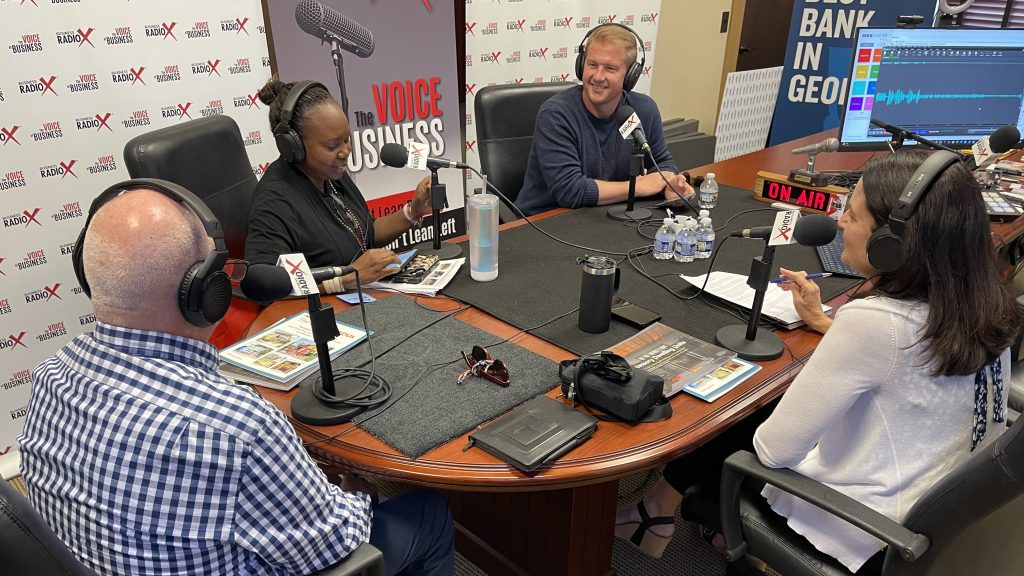
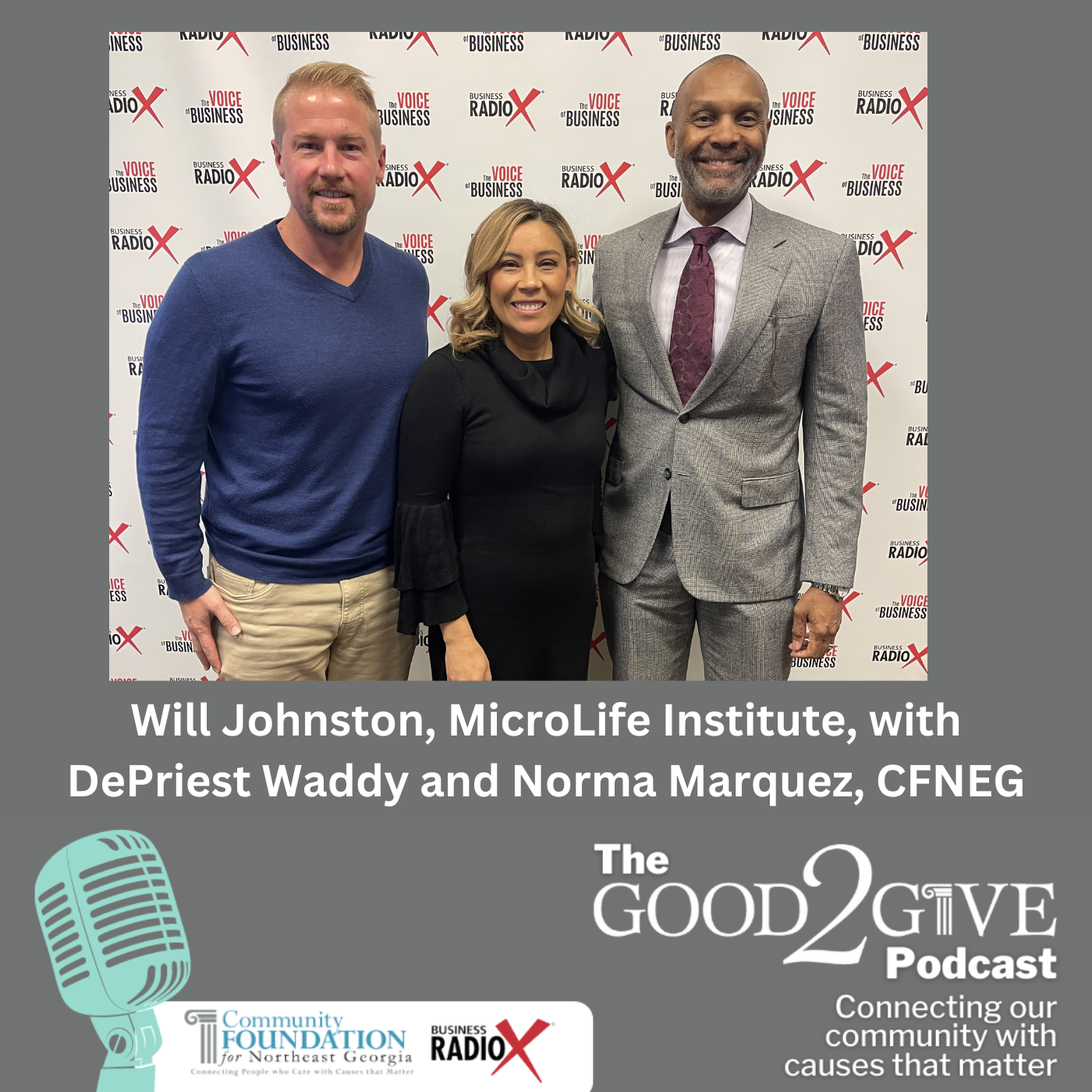
On this edition of the Good2Give Podcast, Community Foundation for Northeast Georgia president and CEO DePriest Waddy talks with Will Johnston, founder of the MicroLife Institute, about how micro homes and cottage courts are reshaping what home means in metro Atlanta. Johnston recounts his journey of abandoning a prosperous corporate career, embarking on a fresh start in New Zealand, and returning home with a pressing question: why are we still constructing large houses for small households in the face of increasing loneliness, cost, and car dependency?
From the award-winning Cottages on Vaughan in Clarkston to new projects in Union City and unincorporated DeKalb, Johnston explains how right-sized homes clustered around shared green space can create what he calls “cup of sugar communities” where neighbors look out for one another, not just wave from the driveway. He also highlights the focus of their work on permanent, small-footprint homes that assist individuals in establishing roots and accumulating wealth. He and DePriest also unpack the mismatch between one- and two-person households and today’s housing stock, how walkability and third places reduce isolation, and why MicroLife’s nonprofit developer model is focused on attainable homeownership that builds generational wealth.
The conversation closes with a look at MicroLife Institute’s partnership with the Community Foundation, their holiday “wish list,” and the kind of catalytic philanthropy it will take to bring more first-time buyers and downsizing seniors home to these small-footprint, high-connection neighborhoods.
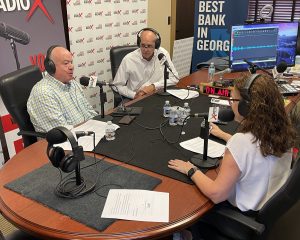
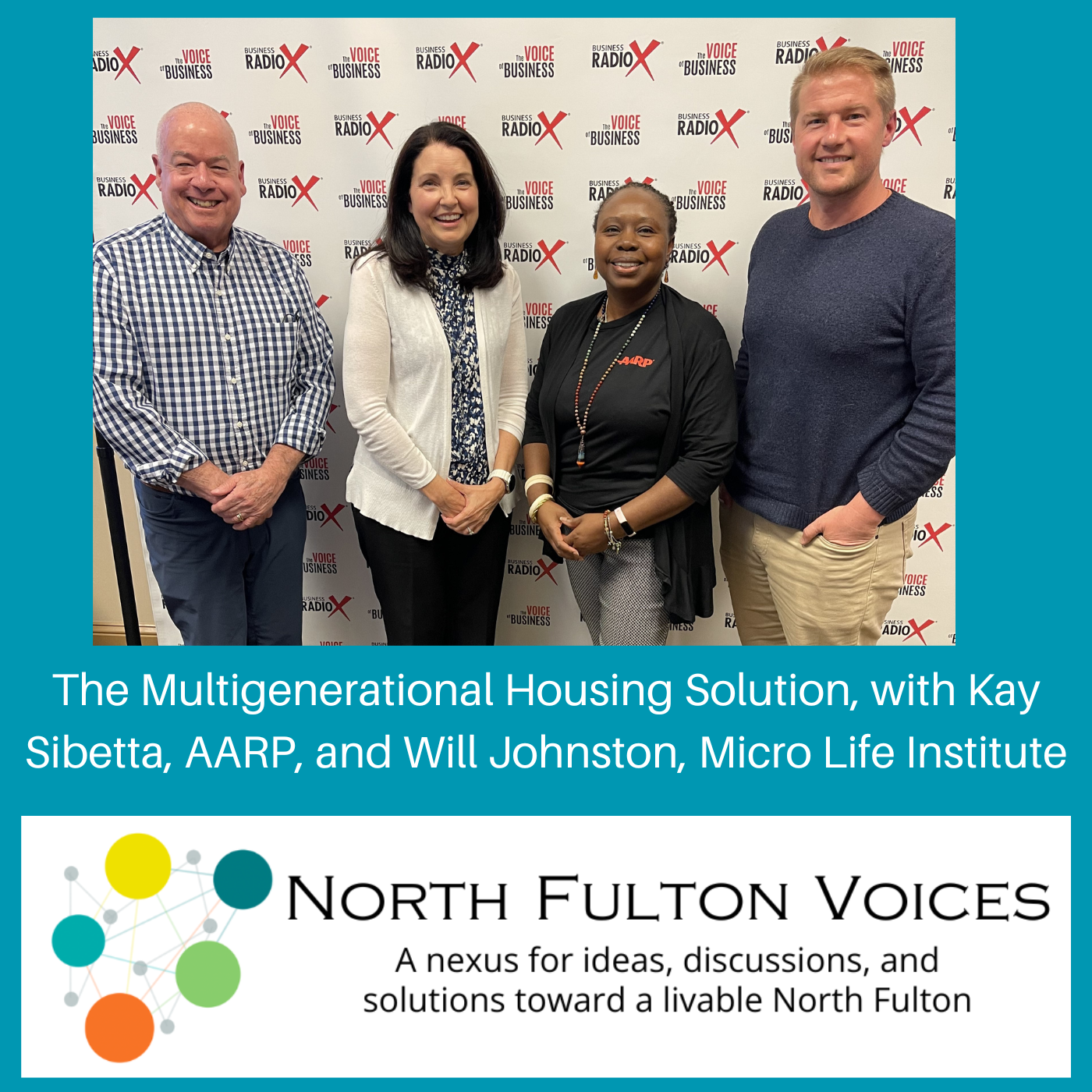
The Good2Give Podcast is presented by the Community Foundation for Northeast Georgia. John Ray and North Fulton Business Radio, LLC, an affiliate of Business RadioX® produce the show. You can find the full archive of shows by following this link.
Key Takeaways from this Episode
- The episode highlights Will Johnston’s journey from leaving corporate life, selling everything at the age of 33, and eventually channeling his curiosity about housing into the nonprofit development work of the MicroLife Institute.
- Why 60 percent of American households are one to two people, yet most new construction is still large, three-bedroom “McMansions,” and what that means for affordability.
- Cottage courts and micro home communities utilize shared green space and intentional design to combat loneliness and foster positive relationships among neighbors.
- The Cottages on Vaughan pilot in Clarkston demonstrated a significant demand, with 1,500 interested buyers vying for just eight homes on a half-acre plot.
- Such communities provide practical pathways for first-time buyers and downsizing seniors, such as down payment assistance, area median income targets, and public-private partnerships like tax allocation districts.
- The partnership between the Community Foundation for Northeast Georgia and MicroLife Institute enables donors to subsidize units, expand projects such as Midway Cottages, and foster generational wealth through homeownership.
Topics Discussed in this Episode
00:00 Introduction to the Good2Give Podcast
00:21 Meet the Guest: Will Johnston of MicroLife Institute
00:51 Will Johnston’s Journey to MicroLife Institute
03:06 The Impact of the Pandemic on Housing
04:54 The Concept of Community in Housing
07:55 Challenges and Opportunities in the Housing Market
15:16 Financing and Affordability in Housing
19:14 Partnerships and Nonprofit Initiatives
25:14 Conclusion and Contact Information
Will Johnston, Executive Director, MicroLife Institute

The MicroLife Institute is a nonprofit organization based in Atlanta, Georgia, dedicated to transforming housing options through innovative, sustainable, and affordable solutions. Specializing in “pocket neighborhoods,” the Institute develops small-scale, community-focused housing projects that reduce environmental impact and promote inclusivity. It combines education, advocacy, and research to address zoning reforms and expand housing choices, particularly for underserved populations. Notable projects include the award-winning Cottages on Vaughan and the Hope Springs Townhomes, which provide affordable housing while fostering community connections. Through workshops, consulting, and outreach events, the MicroLife Institute empowers individuals and municipalities to embrace micro-living principles for stronger, more equitable communities.
Will’s LinkedIn | MicroLife Institute: Website | LinkedIn | Facebook | Instagram
The Good2Give Podcast celebrates the work of donors, nonprofits, and the causes they care about. DePriest Waddy is the show’s host, and the Community Foundation for Northeast Georgia is the presenting sponsor.
The Good2Give Podcast is produced by John Ray and North Fulton Business Radio, LLC, an affiliate of Business RadioX®. You can find the full archive of shows by following this link. You can also find the show on all the major podcast apps, including Apple Podcasts, Spotify, and many others.
At the Community Foundation for Northeast Georgia, everything they do centers around one purpose: improving the world through the power of philanthropy.
On a fundamental level, they do that through managing funds held in trust, donated by individuals, organizations, and businesses. Most funds are donor-advised funds, similar to savings accounts. These funds are pooled for investment purposes, and their income is used to make grants for a wide variety of charitable purposes.
But the Foundation’s goals extend far beyond managing funds. They desire to strengthen the communities they serve in Gwinnett, Northeast Georgia, and beyond by providing leadership, addressing community needs, and assisting individuals and organizations with their charitable giving.
Connect with CFNEG:
Website | Facebook | LinkedIn | Twitter | Instagram