
Business RadioX ®

  • Home
  • Business RadioX ® Communities
    • Southeast
      • Alabama
        • Birmingham
      • Florida
        • Orlando
        • Pensacola
        • South Florida
        • Tampa
        • Tallahassee
      • Georgia
        • Atlanta
        • Cherokee
        • Forsyth
        • Greater Perimeter
        • Gwinnett
        • North Fulton
        • North Georgia
        • Northeast Georgia
        • Rome
        • Savannah
      • Louisiana
        • New Orleans
      • North Carolina
        • Charlotte
        • Raleigh
      • Tennessee
        • Chattanooga
        • Nashville
      • Virginia
        • Richmond
    • South Central
      • Arkansas
        • Northwest Arkansas
    • Midwest
      • Illinois
        • Chicago
      • Michigan
        • Detroit
      • Minnesota
        • Minneapolis St. Paul
      • Missouri
        • St. Louis
      • Ohio
        • Cleveland
        • Columbus
        • Dayton
    • Southwest
      • Arizona
        • Phoenix
        • Tucson
        • Valley
      • Texas
        • Austin
        • Dallas
        • Houston
    • West
      • California
        • Bay Area
        • LA
        • Pasadena
      • Colorado
        • Denver
      • Hawaii
        • Oahu
  • FAQs
  • About Us
    • Our Mission
    • Our Audience
    • Why It Works
    • What People Are Saying
    • BRX in the News
  • Resources
    • BRX Pro Tips
    • B2B Marketing: The 4Rs
    • High Velocity Selling Habits
    • Why Most B2B Media Strategies Fail
    • 9 Reasons To Sponsor A Business RadioX ® Show
  • Partner With Us
  • Veteran Business RadioX ®

BRX Pro Tip: Don’t Sign Your Next Client if They Can’t Answer This Question

April 8, 2026 by angishields

BRXmic99
BRX Pro Tips
BRX Pro Tip: Don't Sign Your Next Client if They Can't Answer This Question
Loading
00:00 /
RSS Feed
Share
Link
Embed

Download file

BRX-Banner

BRX Pro Tip: Don’t Sign Your Next Client if They Can’t Answer This Question

Stone Payton: And we are back with Business RadioX Pro Tips. Stone Payton and Lee Kantor here with you. Lee, I know you’re a real proponent of asking good questions of prospective clients, but do you have one or two go-to questions? You’re going to make sure that you get the question in and you get the kind of answer that you’re looking for before you go much further.

Lee Kantor: Yeah, especially this is for people who are in professional services, and it’s so important to ask this question to rule out a problem before it becomes a problem. And you should never be in a mode where you’re just going to take anybody as a client. You should be selective. You’re choosing them as much as they’re choosing you. So, never forget that.

Lee Kantor: But a question that I think is so important when you’re having a conversation with a prospective client is to figure out and ask them specifically, are they ready to make a change? Because if they’re not ready to make a change, then the odds of them being successful with your solution are very slim. And you’re going to run into a situation where they’re not going to be happy, they’re going to be a pain, and it’s not going to be worth your time.

Lee Kantor: So, you got to really assess the client’s current situation and their openness to a new idea or new strategy. This is going to indicate if they’re really mentally at a stage where they can benefit most from your coaching or your service, or whatever it is you’re offering them. And it helps you assess whether they’re a good fit for your service and their needs. You know, just because they have a need doesn’t mean they’re ready to make a change.

Lee Kantor: So, be clear that they are ready to try this new thing. Because if this isn’t a new thing or this is something they’ve done with somebody else and they didn’t like how it ended previously, you’re setting yourself up for a difficult client. So, it’s better to be clear about, you know, your next client if they are really ready to make a change and they really are buying into whatever it is you’re selling. Because if they’re not, it might not be worth your time.

BRX Pro Tip: 5 Reasons to Become a Business RadioX® Studio Partner

April 7, 2026 by angishields

BRXmic99
BRX Pro Tips
BRX Pro Tip: 5 Reasons to Become a Business RadioX® Studio Partner
Loading
00:00 /
RSS Feed
Share
Link
Embed

Download file

BRX-Banner

BRX Pro Tip: 5 Reasons to Become a Business RadioX® Studio Partner

Stone Payton: And we are back with Business RadioX Pro Tips. Lee Kantor and Stone Payton here with you. Lee, I’m going to put you on the spot a little bit, man. What are some practical reasons for becoming a Business RadioX studio partner?

Lee Kantor: Well, we solve a lot of problems for people in professional services, whether they have a day job that they’re doing, they want to use Business RadioX Studio Partner Program as a way to enhance that, or they just want to get into Business RadioX business to take advantage of all the revenue streams that come from it. But number one, we offer a proven system to build a perpetual prospect pipeline that is so important in today’s world to have a lever you can kind of push over and over and create an ever-flowing pipeline of prospects, the right people to come into your pipeline one after the other. And you can do this pretty easily when you’re working with us.

And number two, it increases the authority that you have in your community, it increases the credibility you have in your community, and it can generate multiple revenue streams. So, this is a proven system that has been done around the country with multiple people over many years.

Number two, we leverage the power of podcasting and content marketing within a structured framework and a very supportive network. We have been doing podcasting since the beginning of podcasting. Not many people can say that. Our shows have been running continuously for years and years, and in some cases decade over decade, which very few people can say. Our content has been shared millions of times. We have generated hundreds of thousands of interviews over the years. There’s very few people that can say the same thing.

Number three, it’s different. What we do is different than traditional podcasting because we’re focusing on serving a community, a business community. We’re not trying to position ourselves as gurus in a space and try to build this mega audience based on controversy or any type of outrage. What we’re trying to do is serve the business community, and we’re emphasizing building genuine relationships and highlighting local business stories. That’s what our people do. That’s the kind of person we’re looking to work with – people who believe in what we believe that it’s important to have a force for good in a community that is capturing authentic local business stories and building genuine relationships.

And number four, our proven business model provides a clear path to recurring revenue through sponsorships, client shows, and a multitude of content marketing services. We’ve been doing this for many, many years in many, many markets. So, our system works. It has worked for years, and it will work again.

And number five, we offer a level of support and a network, a distribution network that is second to none. Our studio partners benefit from ongoing coaching and mentoring. We have technical support for any type of issue you might have, whether it comes to audio or computer. We syndicate all of our content to every major platform there is. And all of our people have access to a collaborative community of experienced partners who are always there to help them succeed. So, I hope you join us on our journey as we grow the network and consider becoming a Business RadioX studio partner. Contact us now to learn more.

Parker Schaffel: Hard Conversations, Real Accountability, and Better Teams

April 6, 2026 by angishields

BTU-Parker-Schaffel-Feature
Beyond the Uniform
Parker Schaffel: Hard Conversations, Real Accountability, and Better Teams
Loading
00:00 /
RSS Feed
Share
Link
Embed

Download file

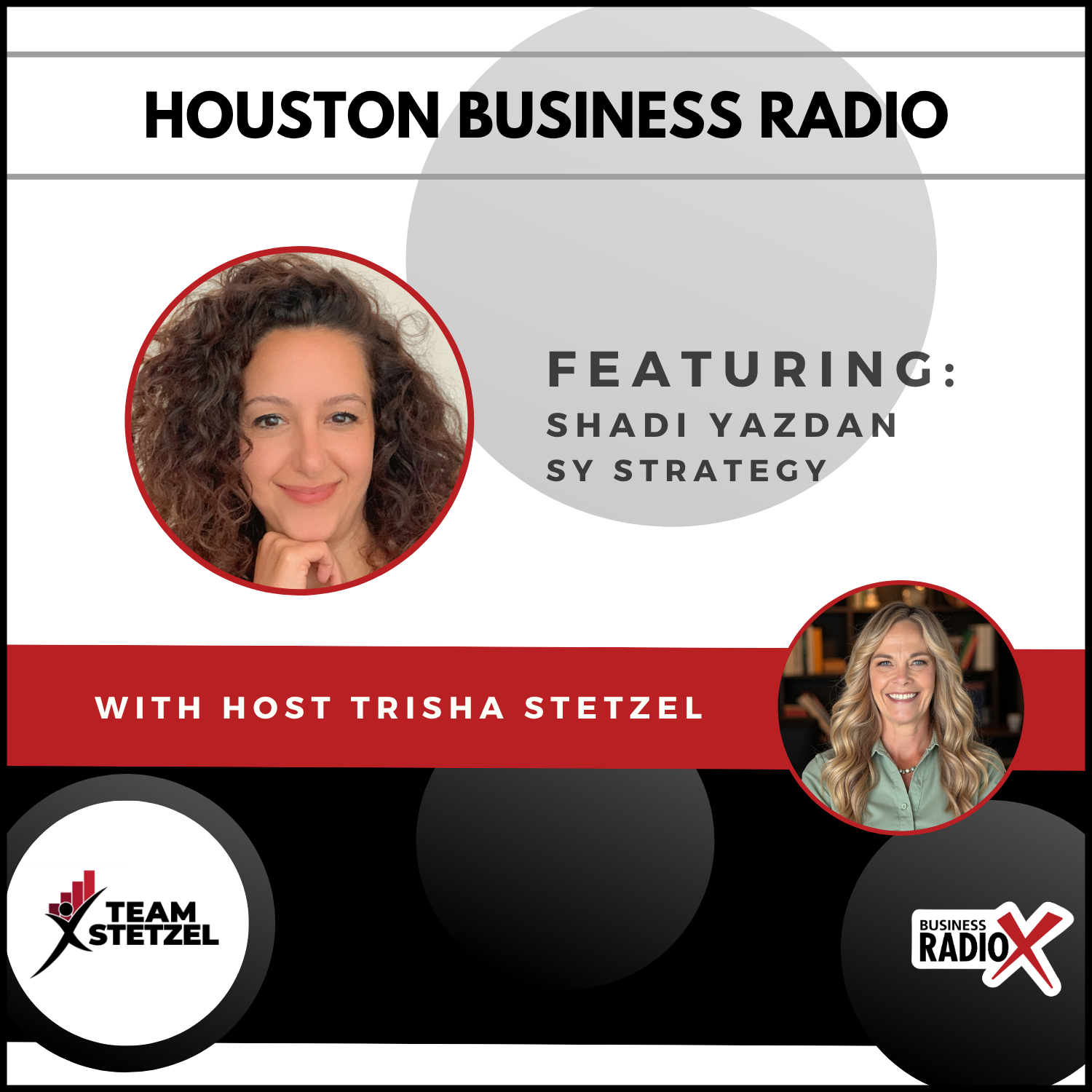
Parker-SchaffelParker Schaffel is a leadership coach, instructor, and team facilitator who specializes in working with high-performing teams who want to be even better.

With more than a decade of experience, his client base spans the government, nonprofit, and corporate sectors, including supporting some of the largest companies in the United States.

He has coached individuals and facilitated team sessions at all levels of organizations, from entry-level professionals to CEOs.

Prior to starting his own coaching practice, he worked at the CIA from 2007 to 2020. He also is a published author and musician and is a veteran, having served in the US Navy Reserve as an intelligence officer from 2009-2017.

LinkedIn: https://www.linkedin.com/in/parkerschaffel/
Website: www.parkerschaffel.com

Transcript-iconThis transcript is machine transcribed by Sonix
 

TRANSCRIPT

Intro: Broadcasting live from the Business RadioX Studios in Houston, Texas. It’s time for Houston Business Radio. Now, here’s your host.

Trisha Stetzel: Hello, Houston Trisha Stetzel here bringing you another episode of Houston Business Radio. Beyond the Uniform series, today’s guest is Parker Schaffel, an independent leadership coach and Navy veteran who helps high performing teams become even better. Parker has worked with leaders at companies like ExxonMobil and Amazon, focusing on emotional intelligence, self-awareness, and helping people have hard conversations with honesty and respect. Before launching his coaching practice, he spent over a decade at the CIA and served as an intelligence officer in the US Navy Reserve. Go, Navy. What sets Parker apart is his commitment to using established, research backed methodologies like Cliftonstrengths and the Thomas Kilmann Conflict Mode instrument. Instead of creating flashy proprietary frameworks, he believes leadership development should be grounded in expertise, not ego. Parker, welcome to the show.

Parker Schaffel: Thank you so much, Tricia. I really appreciate that. For that introduction, you’re welcome.

Trisha Stetzel: I pride myself on doing that for my guests because we don’t always do it for ourselves. So you’re welcome. From one Navy veteran to another. Parker, tell us a little bit more about you. What else do you want us to know?

Parker Schaffel: Sure. Uh, so again, thanks for the opportunity to be here. Um, I think you hit a lot of it, uh, as, as a leadership coach and facilitator, I’ve learned that that one of the best things I do with clients is to get people to have difficult conversations in respectful ways. Um, and that’s, it touches on a lot of things. It touches on emotional intelligence, uh, conflict, uh, having the skill set to even know what to say in a conversation, how to get people to work together, how to collaborate better. And I’ve learned a lot of this throughout my years of, of working across different sectors. I think one of the things that makes me, I don’t want to say special, it’s not the right word, but really maybe unique in the coaching world is I’ve worked in corporate industry, I’ve worked in government, I’ve worked for a nonprofit, I’ve been in the military. Those are for probably the biggest sectors you could probably work in. So being able to, to bring that approach of, of all of those experiences, um, is something that, uh, that I really enjoy. And I think my, my clients benefit from, uh, going forward and aside from, you know, just the work that I do, um, you know, we were talking before in preparation for this, you know, I was a mascot for a baseball team. For a couple of years, I’ve written and recorded my own music. I wrote a book a number of years ago. Uh, so, you know, I just like to share those things because, you know, we’re all people and we all have these unique things that we do. And I think the combination, the combination of all of those things kind of makes me who I am as a person.

Trisha Stetzel: Yeah, I really enjoy and, and the part of your bio that really sticks with me is, um, really, it’s all about the expertise and not the ego. And we see a lot of coaches show up if we’re just all being honest with each other with more of the latter and maybe some of the former. And it, I think that in the coaching industry, we really have to lead with our expertise and empathy. Tell me what you think about that empathy.

Parker Schaffel: So I want to give a lot of credit to a lot of coaches. I mean, I think so many of them are doing things right. I just have my biggest concern as a coach is about hubris, and I never want to get to the place where I have this overinflated sense of self worth or the value that I provide clients. And I think it would be a disservice if I came out and said, oh, well, Tricia, let me tell you about Parker’s four P’s for success and it’s blah, blah, blah. And it’s based on my anecdotal experience with with clients. There may be some value there, but there are researchers, there are psychologists, there are experts in these fields who have done the real hard work to figure out what works. And and that’s what I find to be most beneficial to people I’ve worked with in my clients is those tried and true and trusted and well researched assessments or theories or paradigms or frameworks, whatever it is, using those, uh, and getting the clients to fully engage with those just has so much value. And then the value that I provide, I think, is creating the space for people to dive into those in vulnerable, open, respectful, honest ways. And when you can do those two things, I think that’s when that’s really when that growth comes. Um, and it’s when some, some really just the talent starts to come out. Uh, and really great things can come from it.

Trisha Stetzel: Absolutely. I remember the conversation that we had, uh, a few months ago when we first met and you talked about there’s no reason to rework the things that are already in place. Right? And I love that. I think that’s, um, a fantastic way to look at it. And thank you for being so humble. And I know that, uh, your clients appreciate what you bring to the table all day long.

Parker Schaffel: Yeah. I, I’ll joke with my clients and I truly mean this, right? I’m not the smartest person in the room. Uh, the job of a coach, right, is not to be a consultant and tell people how to do things. It’s also not to be a therapist and diagnose traumas. The job of a coach is to recognize the expertise people have. They have the answers themselves. Sometimes they just don’t know it. And being able to pull on that and ask the right questions by doing active listening and and picking up on trends and noticing the emotions and everything involved, that’s when people are able to come up with their own solutions to their own issues. And that’s, you know, my role as a coach. So I try to bring that humility and say, listen, I’m not the smartest person here. I’m you’re the smartest person here, right? You as the, as the client, either in the room when I’m facilitating a group or in the one on one session, either in person or virtually. Right. They have the answers. And it’s my job to just help kind of pull them out a little bit. So I always try to remember, you know, have that humility. Be humble. And that’s what helps, you know, kind of keep me in check and make sure that that people are coming up with their own answers to their own solutions.

Trisha Stetzel: Absolutely. Can we? You started down this path and it triggered something for me. I want to talk about emotional intelligence. I think that’s really important, not only as a coach that we carry that and understand it, but also teaching it to the people, the people that we’re working with. So just at ground level, if anyone’s listening and they’re like, oh, emotional intelligence, overused, I’ve heard it a million times this week. Can we just get to the basics? What does emotional intelligence mean to you? And how are you using that not only in your own coaching practice, but with your clients?

Parker Schaffel: So I would describe emotional intelligence as understanding who you are for the purpose of regulating yourself around others, which enables you to see how you fit into a team where you can then figure out how to accomplish great things. And that’s the four kind of parts of emotional intelligence that Daniel Goleman came out with in his book Self-Awareness, self-regulation, Social Awareness, Social Regulation, or Social Management. Right. Understanding who you are as a person, what you like, what you dislike, your emotions, being in touch with them, and then understanding that your emotions and your actions and other things have impacts on other people. If you recognize that, you can then regulate that so you can find the sweet spot of bringing the best out of you, but also not overdoing it because somebody might react adversely to to something that you do that might be great, but it might affect them in a negative way. If you can do that with each person, you then understand how you fit into your team and the role you can play in your team. And if you understand that, that’s when you can really start to, to enact change and inspire others and lead teams and motivate people and be innovative and creative and positive. So that’s how I describe it in general. And, and I think that the, the, with my clients, the biggest leap that I can help them make is that first to that second piece, helping them understand what they like, what they dislike, what they’re good at, what they’re maybe not so good at.

Parker Schaffel: Wouldn’t say a weakness doesn’t have to necessarily be that. Um, but what they’re feeling, what their emotions are, and if they can tap into those things and understand the impact that their actions and emotions and feelings have on other people. Stronger relationships are built. And when you have those strong relationships, great things come of it. I mean, in the 20th century, people were, you know, creating widgets and it was about sitting at an assembly line and that was it, right? Hammer the nail and the thing goes down the process. Now stuff gets done because two people work together. So the value that people have in their relationships is really, really important. And you can save and build upon and strengthen those relationships. If you can have that emotional intelligence and develop it. And because if you understand the impact of your actions on other people, you can find that sweet spot with each person. And that’s just going to strengthen relationships. You can get stuff done better, faster, stronger than you could on your own. You’re not spending the time in perpetual turmoil and conflict. Uh, so if people can do that, I think that that’s a really good takeaway on how they can, they can build their EQ, affect positively their relationships and go off and do great things.

Trisha Stetzel: Absolutely. What I’m thinking about the age range that we have in the workforce today, I’m not going to use the word generation or anything like that. Right? We just have a very large age range. And the difference in the way they show up for work. Um, one. Are you able to use EQ in this space? And how does that help bring people together that are in such a broad age range in the workforce?

Parker Schaffel: Yeah. As I’m sure you can imagine, uh, you know, there are the, some of the people I work with are in their 20s. They’re coming in thinking they know everything, right? And in many cases, the those that younger generation, you know, science would say their brain isn’t even finished developing yet. Uh, by the age of 25, 26. Um, and then you have these people coming in and thinking, I know everything. I have these great grand visions for what I want to accomplish. And that’s great. And then you’ve got, you know, people in other places who are more experienced in their careers coming out and saying, yeah, okay, I’ve been doing this 30 years. Right? We got to find that balance here. Um, but what I can tell you is, and what I’ve, I’ve learned from working with some of my clients is just generating an awareness about that gives people the opportunity to at least pause. And if you can pause and give yourself just that moment, you can then get the opportunity where you can reflect on, is this what I want to do? Right? That, that that 30 year veteran coming out and saying, hey, you know, young Buck, you might not know everything that you think you do.

Parker Schaffel: There’s a way to say that that evokes growth. And there’s a way that that can way to say that that can shut somebody down and giving them that pause to say, how do I really want to do this? What is it that I really want from this relationship? What I want for me, what I want for them. And then phrasing something in a way that kind of encompasses all of that, that can change the direction of a relationship. And the same thing for those, those younger people, the people with the, the little bit of lesser experience in the workforce, getting them to pause and say, do I really know everything? Or what happens if I phrase this differently? What would what benefit would come to me from that? So I think just getting people to think about, again, going back to what I said before, that EQ piece of the self-awareness and the self-regulation, giving that pause to recognize where somebody is at thinking, okay, what is the impact on other people? Can just bring a lot of people together and have stronger relationships in the workplace.

Trisha Stetzel: I love that. So I hear a little bit of difficult conversations in where we’re going and what’s coming next. But before we go there, I know folks are already wanting to connect with you, Parker. So what is the best way for them to find you?

Parker Schaffel: Tricia. Thank you. Two, two best ways. Uh, one is my website, parker.com. Uh, there you can learn all about what I do, how I do it, the programs that I offer, the online virtual learnings, uh, that I offer two different video series. One about having difficult conversations, one about cliftonstrengths. And some of my contact information is there on how to meet with me to see if it might be worth working together. The other one I’d love to connect with anybody on LinkedIn. Feel free to reach out. You’ll find me at Parker Chappell. Um, and I think the cool thing is for anybody watching or listening, I’m literally the only Parker Chappell in the world. Uh, so if you, if you Google search my name or search it in anything, I’m going to come up pretty easily. So thanks for the opportunity to connect with your audience.

Trisha Stetzel: Yeah, fantastic. You guys, you spell Parker P a r k e r, and his last name is spelled S c h a f f e l, Parker. It’s been so exciting already. I can’t wait to talk about difficult conversations. All of us have been faced with those, whether it’s in our own businesses, as entrepreneurs, our staff, our clients, our vendors, or in the corporate space. Even in the military, for gosh sakes, right? In government agencies, we’re all faced with these hard conversations and so many of us would rather bury. I’m putting myself in this place, burying our head in the sand and not having those conversations. So one, why is that happening so often? Why are we so afraid of having these difficult conversations? And how do you lead your clients to a place where they’re comfortable having these difficult conversations?

Parker Schaffel: Wow, great. Great question. So, so number one, and I might have you remind me of the second one here. But number one is why do we struggle to have these, right? Why do people get stuck and not wanting to have them? And to answer it directly, there’s there’s a lot of fear and there’s a lot of, of concern, of safety in difficult conversations. People feel that if I open up, if I share something that I don’t know if I, if I push back on somebody that that is going to expose me. And if I’m exposed, then I can be hurt. And a lot of us just want safety. We want physical safety. We want psychological safety, emotional safety. And any time that you’re entering into a difficult conversation, you’re inviting somebody to potentially hurt you in some sort of way. So I think the reason that a lot of people don’t do it is because they’re worried about feeling safe. And I totally get that right. We just as human beings want to feel safe and being vulnerable or letting down and giving somebody an opening or putting down our armor or our shields for a moment can, can feel kind of dangerous. So that’s one piece. I think the other piece is sometimes people don’t realize how good it feels to have a conversation that leads to change and leads to new behaviors or new connections.

Parker Schaffel: And here’s what I mean by that. I will never forget when I was taking physics in high school, and I was learning from my physics professor about friction, and he talked about two kinds of friction. One is we called dynamic, and one is called kinetic static, and one is called dynamic or kinetic friction. I forget, but what he said was he said, if you imagine a chair on a floor, it doesn’t move because there’s friction, right? If you look at it, yeah, the chair might seem smooth and the floor might seem smooth, but microscopically, there’s these little kind of edges and they lock in together. And that’s what keeps the chair in place instead of it just kind of floating all over the floor. And I said, well, that’s really interesting. I hadn’t thought about that before. And he said, and sometimes think about why it’s easier to move something in motion than it is to get it started. And I said, well, that’s really fascinating too. And I thought about that from a difficult conversation perspective is that once you can get over that, that static friction where the the teeth are kind of locked together and you get moving, you don’t give an opportunity for those teeth to lock up anymore and it’s smoother as you go along.

Parker Schaffel: Difficult conversations are just like that. It takes a lot of energy and a lot of effort to start something, but once you get it and you get moving, it’s easier. And then to keep that friction example going, what happens if you rub two rough surfaces together for a good amount of time becomes smooth, right? And you reduce the amount of friction that’s there. And it just comes from having that initial thing of rubbing that sandpaper together and starting to work out the sand. And again, over time. Yeah, there’s a little bit of heat that comes with that, but you can manage that so it doesn’t turn into a fire and you can get it smooth where things are smoother and and easier to manage than they ever have been before. So even if you’re not a scientist or a physicist listening to this, I hope that that analogy can kind of resonate with you in that people struggle to have these conversations because they get so intimidated by that initial push to have it. They don’t recognize how, how much easier it is once you get into it and how much better it is once you’ve done it.

Trisha Stetzel: Mhm. So the second part of that question was, how do you help your clients take that first step when having these difficult conversations? So I love your analogy. I think that’s fantastic. It’s a great way to help the client understand what this is like. How do you get them to take action?

Parker Schaffel: Yeah. So I think there’s two ways to get people to take action on difficult conversations. One of them is a skill set, right? Sometimes people just don’t know what to say or how to say it. They get so overwhelmed by something that it just it’s like a cloud over them. They can’t get away from it. And then they feel stuck. And the other piece is around having a confidence to be able to do it. So practicing having little conversations about difficult issues that can eventually lead to bigger and more important and long term, more strategic conversations. So something I did with actually a Houston based law firm, uh, a couple weeks ago was a deep dive into this skill set building and confidence building. I walked them through one of the books behind me here, Crucial Conversations, which I use a lot. That book helps people really define what is the issue at hand. Is it a content thing? Is it a pattern? Is it a relationship? When you can break that down, you can really hone in on the thing that you want to focus on what is most important. And then you can ask yourself questions, what do I really want? What do I really want for myself? What do I really want for others? And what do I really want for our relationship? Then you start to create your story and you start to say, well, you know, these are the facts that I’ve seen.

Parker Schaffel: Uh, this is the story I’ve created out of this. And you ask for others. Hey, this is how I’m seeing things. Tricia, how are you seeing this? Right? I help people work through what’s called the ladder of inference, where thinking about the available data that’s out there, we all kind of cherry pick the data that fits our worldview. And based off of that, we can come up with assumptions and conclusions and beliefs and actions that may not be representative of the entire pool of information. So how do you get people down that ladder to where they’re thinking about what else is out there? What would a neutral observer say about this situation? And then if you can practice talking tentatively and encouraging testing and creating safety, uh, by, by using statements like contrasting, uh, or asking and paraphrasing and mirroring. As long as you can create that safety, people will stay in conversations and you can really start to, to get through some deep issues. So those are the two ways that I recommend people get to do those difficult conversations. Is the skill set building just learning what are the best practices out there? And then how do you practice it so it becomes a natural skill to you, right? We don’t we aren’t born with the ability to have difficult conversations. We’re able to do them because we practice them and we use the right skill sets to be able to do that.

Trisha Stetzel: All right. Anyone out there struggling with a difficult conversation, you need to reach out to Parker so we can help you with that, guide you in the right direction. Thank you for that. That I could talk to you for another hour. I wish we had more time together. Um, next question for you. Because you’re a veteran Navy veteran. I’d love to hear a story or a particular quality about you or something that you learned in the military that you’ve brought forward with you and to the work that you’re doing now.

Parker Schaffel: Yeah. Tricia. Thank you. You know, I was a, I was a Navy reserve intelligence officer, uh, for, for eight years. Um, and I deployed to the Middle East with it and had some really great experiences. One of the things that I will never forget is when I was actually working in one of my reserve units on one of our drill weekends and, uh, one of my intelligence, uh, sailors, one of my intelligence specialists, uh, gave us a report for me to review that had a glaring error in it and would have been really bad to, to kind of send up the chain. And I thought to myself, what is the best way to approach this? And again, getting back to that kind of that difficult conversation, that emotional intelligence piece. I asked myself, what is it that I want here? Do I want to just change this or do I want to change behavior in the future? And I wanted this sailor to be a good intelligence specialist. I wanted him to grow. And I learned enough from my leadership training at the CIA and other places that the best chance for growth is for people to recognize it themselves and then take action on it, rather than me kind of berating him or just making the correction in the document myself and moving it on. So I had the conversation with this sailor and I said, you know, can you tell me about this and how did you get to this place and where’s the source? And, and what were you hoping to accomplish in this? And by asking those types of questions, he was able to identify, hey, you’re right, Lieutenant Schaffel.

Parker Schaffel: This is wrong. And this is actually misquoted. And I asked that coaching question. Well, what do you what do you think you should do next? He said, well, I’m going to change this and I’m going to provide better attribution or whatever it is. And I said, okay, so what’s your takeaway from this? And he said, I need to be more careful. I need to be more detailed in my analysis and, and my critical reading and that sort of thing. I said, okay, so what’s something you’re going to do differently next time? These kind of coaching conversations? And it was something that was kind of natural to me, but I recognized that the change that the sailor was able to make is because I approached it from a coaching perspective, rather than just a superior officer kind of coming down and berating a junior enlisted, you know, for making a mistake. And he was able to make significant changes and go off and deploy and have a successful deployment in Afghanistan. I think partially because he maybe had a new perspective there. So when I think back to my time as, as as an officer in the Navy, uh, and what it brought to me, it was, that was one of the first times I thought about what coaching could do for somebody. And, uh, just kind of the approach that I have as a coach now and what I mentioned before, which is, you know, people can figure things out on their own. If you ask them the right questions in the right ways, they can have some incredible growth themselves.

Trisha Stetzel: Absolutely. That personal responsibility and the things that he learned, just having that conversation with you that made him that much better the next time, right? I love that. Thank you for sharing that. And one last thing. I would be remiss if I didn’t celebrate with you a very big accomplishment. Tell us a little bit about what you have just completed and why it’s important to you.

Parker Schaffel: Uh, thank you. Tricia. Um, yeah. So just today, uh, I, uh, earned my associate certified coach designation from the International Coaching Federation. Uh, for anybody who doesn’t know, this is the premier coaching organization in the world, uh, and the three certifications they offer are really, really special. Um, and this has been a long time coming. Uh, because I didn’t go through it in the traditional sense. And, um, for those of you who are unfamiliar with this, a lot of times universities are kind of larger coaching programs will offer what they call executive leadership coaching programs. It’s six months costs a lot of money. And kind of when you finish the program, you get your designation and you go on, um, I did a different approach. I did what’s called the portfolio approach, where I took a lot of different kind of coaching training over time. I, uh, generated, uh, you know, coaching clients and reached 100 hours of coaching. I found mentor coaches who could help me adjust my coaching and improve, uh, had coaching sessions evaluated by the ICF. And then actually just today, uh, took the exam to get that ACC, uh, designation. So this is something I’ve been working on for several years. I’m really, really proud of it. And I know that, you know, you had mentioned, um, my work with some of your, your previous, uh, participants on your podcast, uh, with drew Davis, with the chief of staff association. Having that designation enables me to support them even more. Um, gives me even a bit more credibility, I think, with my current clients. So I’m just really excited to see where this goes and how I can use this going forward. And, uh, just give myself a little bit of a pat on the back for, uh, for accomplishing a goal of mine, uh, that has been on my mind for, for a couple of years now.

Trisha Stetzel: Congratulations. I, I love that you’ve done this leader in, in your path and being a coach, I’m just guessing that it was very meaningful to you to already have some coaching experience under your belt as you went through the process of finishing this giant accomplishment?

Parker Schaffel: Yeah, I what’s what’s interesting is when you do kind of a more traditional process. A lot of times students in these programs will coach each other up, or they’ll have 1 or 2 clients and totally make sense, right? That’s kind of their, their path. Um, but I’ve, I’ve been coaching for a number of years and, uh, just decided, you know, I’m going to, I’m going to build my coaching business and, uh, kept collecting the hours. And once I hit 100, I was like, I have this, I have this really important milestone that I’ve got. And, uh, I’ve learned a lot along the way. And what’s interesting that I noticed even from taking the exam today, some of my things that I’ve done that were maybe ingrained in me, we’re kind of coming out and to reflect on those with respect to how the International Coaching Federation really hones in on their type of coaching style and their mantras. I had to unlearn a couple of things, uh, which was really great for me to learn as a coach, right? Not just the things that I’ve learned through experience. Um, but there are other ways of doing things. And of course, if you want a designation from an organization, you got to do things their way and make sure that that you abide by, by their ethics and their principles and their guidelines. So I really expanded, even in the last couple of weeks of studying, expanded my presence as a coach to, to understand even just some more capacity that I have.

Trisha Stetzel: Beautiful. Congratulations again, and thank you so much for your time today. Parker. This has been awesome. Would you one more time let people let the listeners know how to find you?

Parker Schaffel: Sure. And again, Tricia, thank you so much. So again, for everybody listening, my name is Parker Chappell. Last name is S c h a f f e l. You can find me on my website at parker.com. Please find me on LinkedIn. I’d love to connect with any of you and just help where I can, even if it’s a question or if we end up working together, whatever it is, that’s my goal. So again, Tricia, thank you so much for the opportunity to be here. I’d love to talk with you for another hour or 2 or 3, but this has been a really special conversation, so I’m very grateful to you.

Trisha Stetzel: Thank you. Thank you for your time, and I appreciate everything that you brought to the show today.

Parker Schaffel: Thank you.

Trisha Stetzel: All right, guys, that’s all the time we have for today. If you found value in this conversation that Parker and I had, please share it with a fellow entrepreneur, a veteran, or a Houston leader ready to grow. And of course, be sure to follow, rate, and review the show. It helps us reach more bold business minds just like yours and your business. Your leadership and your legacy are built one intentional step at a time. So stay inspired, stay focused, and keep building the business and the life you deserve.

BRX Pro Tip: Focus on Their Why

April 6, 2026 by angishields

BRXmic99
BRX Pro Tips
BRX Pro Tip: Focus on Their Why
Loading
00:00 /
RSS Feed
Share
Link
Embed

Download file

BRX-Banner

BRX Pro Tip: Focus on Their Why

Stone Payton: Welcome back to Business RadioX Pro Tips. Lee Kantor, Stone Payton here with you. Lee, I know that you and I talk a lot about the why behind the work that people do, and I personally have experienced that there is some wisdom in being able to clearly, concisely communicate that. But there are some things to beware – there’s some reasons to kind of beware of the why, too, in those conversations, isn’t there?

Lee Kantor: Right. Because the why you’re doing something isn’t really the reason why a customer is going to buy from you. So, a lot of times, the founder is kind of getting to the heart of the why, why does their company exist, why was this product created, and why that idea is so important to them? But the customers don’t buy your why; they buy their why. So, you’ve got to be able to translate your why into their why. Because your users aren’t asking why did this company start? They don’t care. They’re asking, “Why should I care about this company? What’s in it for me? What problem does this solve for me? What gets easier, faster, cheaper, or better in my life because this product or service exists?”

Lee Kantor: Great businesses flip the perspective. Instead of telling the story of the company, they tell the story of the user. They show the before and the after. They show the frustration that existed before and the relief that happens once the product or service shows up.

Lee Kantor: So, here’s the pro tip: if your messaging starts with your why, you’ve lost. Start with their problem. Start what’s in it for them. Show them the outcome they desire. Make them the hero of the story. That’s when people will start paying attention to you and buying what you’re selling.

BRX Pro Tip: If I Would, Would You?

April 3, 2026 by angishields

BRXmic99
BRX Pro Tips
BRX Pro Tip: If I Would, Would You?
Loading
00:00 /
RSS Feed
Share
Link
Embed

Download file

BRX-Banner

BRX Pro Tip: If I Would, Would You?

Stone Payton : Welcome back to Business RadioX Pro Tips. Stone Payton, Lee Kantor here with you. Lee, you’ve got a phrase that you feel like has some real promise and some real application in the context of a sales conversation. Lay it on us.

Lee Kantor: Yeah, this is a – I sat there. I forgot the blogger who wrote this, but I thought it was a pretty clever question you can ask in sales: if I would, would you?

Lee Kantor: This is how it works. When a prospect raises an objection, whether it’s price, timing, features, whatever they are, most people try to defend it, they try to explain it, they try to negotiate kind of blindly around it. But instead of doing that, turn the conversation into a commitment. You simply ask, if I could solve that issue, would you move forward? Or if I could get that delivered by next week, would you be ready to move ahead?

Lee Kantor: It’s this if I would do this, would you do that? So, are there places in your conversation if you can move into a simple kind of if I would, would you kind of oral contract with your prospect? So, if I could get the monthly price closer to your budget, would that make this a yes for you?

Lee Kantor: What this does is it isolates kind of the real objection. It tells you whether the issue they raise is really and actually a barrier or is that just kind of a delay tactic or a way they’re just trying to kind of say no but not hurt your feelings. But if they do say yes, now you know exactly what needs to happen to close the deal.

Lee Kantor: It’s a simple question. It brings clarity a lot faster instead of kind of trying to guess what their problem is. Just kind of if I would do this, would you do that?

BRX Pro Tip: Offense and Defence in Building Habits

April 2, 2026 by angishields

BRX Pro Tip: Retire to Something

April 1, 2026 by angishields

BRXmic99
BRX Pro Tips
BRX Pro Tip: Retire to Something
Loading
00:00 /
RSS Feed
Share
Link
Embed

Download file

BRX-Banner

BRX Pro Tip: Retire to Something

Stone Payton: And we’re back with Business RadioX Pro Tips. Stone Payton, Lee Kantor here with you. Lee, let’s talk a little bit about mindset and approach to this whole business of retiring.

Lee Kantor: Yeah, I think that, you know, as we’re getting towards the end of our career and closer to the end than the beginning, then people have to kind of think about retirement in different ways than maybe they thought about it in the past. And a lot of times, people are thinking as their career is winding down that, okay, now I’m going to be at the beach or I’m going to be fishing all day.

Lee Kantor: And it’s really hard to retire to nothing instead of having some sort of a plan of what are you going to do in this next act of your life and retire towards something. So, you don’t want to kind of have that mentality of this is an end. It’s more of a transition to something new rather than kind of an end.

Lee Kantor: So, one of the biggest mistakes people make is that they spend their entire career focusing on, I’m going to get rid of the long hours, I’m getting rid of the stress, I’m getting rid of the commute. And that’s all you have is all these things that you got rid of. But in essence, you can start kind of aiming towards something if otherwise your retirement feels empty, and a lot of folks really kind of lose themselves and their identity when they retire, and there’s nothing for them. So, look for something. As you’re winding down, look for something you want to do.

Lee Kantor: What is a new purpose? What’s a new mission? It’s so much better to retire towards something rather than from something. So maybe you want to mentor young professionals. Maybe you want to volunteer. Maybe you want to open a Business RadioX studio in your town.

Lee Kantor: Work in the past has given you structure. Retirement can give you freedom, but you have to kind of make choices and do something – you have to fill every day. Every day has 24 hours. Every day you have to do something. And it’s one of those things where you think, I’m going to play golf every day. It’s like eating cake. Like, eating cake is fun. But if you’re eating cake at every meal, you’re going to get sick of it. And you don’t want to get sick of the things that you love.

Lee Kantor: So, freedom can give you a direction, but you have to kind of have some purpose. There has to be some meaning if you want to have a retirement that is filled with kind of a mission or a purpose. And the people who thrive in retirement aren’t the ones who stop working. They’re the ones who stepped into a new chapter with intention.

Lee Kantor: So, as you plan for retirement, don’t ask, “What did I leave behind?” Ask, “What do I want to wake up excited to do every day now?”

Scaling in Public Tip: Asking the Question

March 31, 2026 by angishields

BRXmic99
BRX Pro Tips
Scaling in Public Tip: Asking the Question
Loading
00:00 /
RSS Feed
Share
Link
Embed

Download file

BRX-Banner

Scaling in Public Tip: Asking the Question

Stone Payton: Welcome back to Business RadioX Pro Tips. Stone Payton, Lee Kantor here with you. Lee, in our Scaling in Public session with Gabrielle Baumeyer, I got to tell you, it just hit me like a ton of bricks when she really got us, and particularly me, focused not on just asking questions but making sure you ask the question.

Lee Kantor: Yeah. I don’t know if it’s a coincidence, but a lot of these coaches are sales – they’re asking us sales questions. I don’t know what Trisha’s trying to tell us. But from Gabrielle, she said something that was like an obvious aha thing. She’s like, “Just ask the question, ‘Do you want to do this?'” Just stop avoiding that question. Just ask the question and shut up like that. Shutting up was an important component of that as well.

Lee Kantor: And she said a lot of people avoid this moment in sales. They keep explaining after they’ve asked the question. They don’t give the prospect time to answer the question. They keep presenting. They keep adding more information because they’re uncomfortable, because they’re afraid of hearing the answer.

Lee Kantor: Avoiding the ask is really just avoiding the truth. At some point in every sales conversation, you need clarity. Either it’s a yes or it’s a no. Both are useful. A yes moves the deal forward, and a no frees up your time to focus on the next right opportunity. So don’t dance around the decision. Ask directly. Do you want this? Get the yes or get the no.

Carrie Kemper Allen: Protecting Your Legacy—Why Estate Planning Matters More Than You Think

March 30, 2026 by angishields

HBR-Carrie-Kemper-Allen-Feature
Houston Business Radio
Carrie Kemper Allen: Protecting Your Legacy—Why Estate Planning Matters More Than You Think
Loading
00:00 /
RSS Feed
Share
Link
Embed

Download file

CKA-Logo

Carrie-Kemper-AllenToday’s guest is Carrie Kemper Allen, estate planning and probate attorney and founder of the Law Office of Carrie Kemper Allen.

Carrie has been serving families in the Houston and Pearland area for more than 20 years, helping them navigate estate planning, wills, and probate with both expertise and compassion. With a background in business and finance from Texas A&M and a law degree from South Texas College of Law, she brings a practical, real-world approach to protecting what matters most.

I’ve actually had the privilege of working alongside Carrie since 2020, and what sets her apart is how she shows up for her clients—often meeting them in their homes, creating a space that feels comfortable and supportive during what can be very emotional conversations.

She’s deeply rooted in family, community, and service—and truly cares about helping people create peace of mind for themselves and their loved ones.

LinkedIn: https://www.linkedin.com/in/lawofficecarrieallen/
Website: https://www.ckallenlaw.com/

Transcript-iconThis transcript is machine transcribed by Sonix

 

TRANSCRIPT

Intro: Broadcasting live from the Business RadioX Studios in Houston, Texas. It’s time for Houston Business Radio. Now, here’s your host.

Trisha Stetzel: Hello, Houston Trisha Stetzel here bringing you another episode of Houston Business Radio is my pleasure to introduce you to today’s guest, Carrie Kemper Allen, estate planning and probate attorney and founder of the Law Office of Carrie Kemper Allen. Carrie has been serving families in the Houston and Pearland area for more than 20 years, helping them navigate estate planning, wills, and probate with both expertise and compassion. With a background in business and finance from Texas A&M and a law degree from South Texas College of Law, she brings a practical, real world approach to protecting what matters most. I’ve actually had the privilege of working alongside Carrie since 2020, and what sets her apart is how she shows up for her clients, often meeting them where they’re at, creating a space that feels comfortable and supportive during what can be a very emotional conversation. She’s deeply rooted in family, community, and service, and truly cares about helping people create peace of mind for themselves and their loved ones. Carrie, welcome to the show.

Carrie Kemper Allen: Thanks, Trisha. I’m excited to be here today.

Trisha Stetzel: I’m excited to have you on. I know sometimes it’s a little overwhelming to hear all of those beautiful things about yourself, but I wanted to make sure that people knew really who you were from where, um, where I’m coming from. And I’d love for you to tell us a little bit more about you, Carrie.

Carrie Kemper Allen: Sure. Yeah. So, um, I’m a mom. I have, uh, two boys. One of them is 20 and one of them is 17. He’s graduating from high school this year. Uh, I’ve been married for 26 years. Coming up soon. Um, I love dogs. Um, I love to travel. Um, you know that, um, and, um, I, I like my job. You know, I like what I do. It’s not always the thing people want to talk about. It’s not always the time in their life that they’re excited about, but like, it’s a good fit for me. Like, I like to be the supporter and it’s a good fit for me. So I think it’s a good I like it.

Trisha Stetzel: Yeah, I love that. Uh, and she adopts dogs or, uh, fosters dogs. Yeah, I do, I do.

Carrie Kemper Allen: I currently have a foster dog who’s been with us for a long time. So she’s part of the family for a while.

Trisha Stetzel: Well, and as long as you continue to call it a foster, it’s not failed. It’s not failed. That is correct. Still a foster.

Carrie Kemper Allen: And the dog trainer does say that our other dog has adopted her, not us. So technically, she is not a foster fail.

Trisha Stetzel: Okay, so that feels so much better. It really does.

Carrie Kemper Allen: It does.

Trisha Stetzel: Okay, so let’s start with the basics. Um, some people probably have their own idea of what estate planning means and what probate means. So let’s start with estate planning. Give us a little summary of what does it mean when you think about estate planning or when you engage with clients for estate planning?

Carrie Kemper Allen: Sure. So the biggest misnomer that I get from people is, well, I don’t have an estate because I don’t have a lot of money. Um, and that’s just not true. Everyone has an estate. If you own a home, if you have a car, if you have a bank account without a beneficiary on it. If you have a child. Um, everybody has well, not everybody, but most people have something in that category, right? So most people have an estate of some kind. Um, maybe you have a life insurance policy through your office or, um, you know, you’ve inherited something from, you know, a parent or a family member that’s part of your estate. And most people don’t consider those things because they hear estate and they think, oh, big picture. I have to have a lot of money to have an estate. And that’s just not true.

Trisha Stetzel: Okay. So that’s very helpful. Um, as parents, should we be thinking about that? I know when our kids are younger, obviously we need to be thinking about that. What if we have grown children, children, kids that are turning 18 or even older?

Carrie Kemper Allen: Yeah, absolutely. That’s been a huge thing. Um, in the last, I would say five years. Um, and when, with, with all the HIPAA regulations and the privacy laws that we have, it is very unlikely that if someone has a child that’s over 18 and they need to help them with a medical decision if they’re in a car accident. Um, if they need to help them with banking because they’re having financial issues, something of that nature. Um, even just something as simple as, um, for, I’ll use my son as an example. Um, he takes ADHD meds and they’re controlled substance. So I couldn’t pick up his prescription at the pharmacy, um, because he’s an adult. Right. And, and I didn’t have that permission. Um, so I had to deliver his paperwork up to the, to the, to the pharmacy. Um, kind of a silly thing. But, um, I’ve had friends whose kids have been in car accidents up at college and, um, you know, they couldn’t talk to the nurse to get an update or anything like that. Um, so it’s definitely really important these days to get those medical power of attorney, um, statutory power of attorney attorney. That’s the non-medical one. So that’s the everything else document. Um, it’s really important for parents to get those two documents, um, for their children because first of all, an 18 year old doesn’t know they need them.

Carrie Kemper Allen: So we’ve got to guide them, right? Hey, I know that you don’t want me just to cut you off and throw you out. Um, you still want me to help you grow up and manage school and things? Um, what if they want you to help them pay for it? What if you’re helping them pay for school and you need to talk to the college? Um, you know, all those little things that we don’t think of as a big deal. And, and they may not really and truly, in the grand scheme of things, be a big deal, but because of privacy laws, they are a big deal. Um, so I just suggest to those parents, let’s get those kids, um, a medical power of attorney. Let’s get them a statutory durable power of attorney and let’s get them a HIPAA letter that says you can access their medical records. And then let’s explain to them why we’re doing this. This is not so mom can take over your stuff. This is not so. Dad can micromanage you. This is so if you need help. We can help you without having to jump through a bunch of legal. Whoops. Whoops.

Trisha Stetzel: I love that. So estate planning something we need to go and take care of. So that if something happens to us that everything is in order and taken care of. And on top of that, some other paperwork that we need to do as our kids are aging, they turn 18 so that we can still be involved and gosh forbid you have to go pick up a prescription for them or talk to the school. You don’t have access without this paperwork. That’s so important.

Carrie Kemper Allen: Oh, and I’ve seen a couple of colleges lately who, um, have started putting out their own forms. Um, and I had a client actually call me and say, hey, I got this form from my daughter’s school. Um, it’s a medical power of attorney. They want you to sign it so that the kid can go to the medical facility on campus. Um, I mean, I thought that was a great idea. Um, because where, where’s your kid likely going to go if they’re living on campus and they get a fever or something, you know, that’s probably where they’re going or to the minute clinic. Um, so I’ve really seen a big uptake in universities and colleges doing things like that. Um, and I’m sure our friends out there will have noticed there’s all kinds of ads for that stuff online. Um, and you know, the discounted services that you can find online to do that. Um, and I have told a couple of people, you know, you’re welcome to get those, those documents online, just like you’re welcome to get them for yourself online. Um, but the issue that I see as a, as an attorney on the back side of that is people don’t understand what they’re signing and they have questions.

Carrie Kemper Allen: Okay. The that form, it can’t explain that to you and the form doesn’t also also doesn’t know all the nuances with your family situation. Um, so I always suggest to people, yes, you’re welcome to do that. And sometimes in a pinch, those are really the only option you have. Right? Um, but if you can, it’s always good to sit down with a professional, whether it’s me or any other, you know, legal professional who can explain to you why you need the document, what permissions it gives, how you can limit it or make it more broad. Um, because those are things that, that, that’s why we’re here, right? To, to help explain those things. Um, and then one of the things I like to do with the kids is I always kind of give them the, if I’m, if I’m here and available in the office, I’m not always able to do it, but just give them the, hey, look, here’s my card. If you get into trouble. Don’t talk right. Like, remember your, you know, remember your right to silence, right? Remember your right to an attorney. Those those aren’t just things that we say. Those are real things.

Carrie Kemper Allen: And, and, you know, take a picture of my card and stick it on your phone. If you need to call me first, I’ll call your mom for you. It’s fine. You know, just so that they know that there’s somebody on their side. That if they screw up real bad, you know, it’s not the end of the world. And we can help them. But if you screw up, you don’t want to compound a mistake, right? Like you, you’ve already screwed up. You’ve already made. You’ve already had an error in judgment. Let’s make good, good choices going forward from that point so that we can avoid the worst long term, you know, consequences. And I always like to do that because I feel like that’s one of those things. I was a good kid. I didn’t get into trouble, but I had friends and nobody ever told them that. Nobody ever said, you know, we were always taught. And I’m not saying it’s bad. You know, the police officers are the helpers. And I totally agree that they are. But if you are the one who is being questioned at that very moment, they are not the helper. Um, so yes, I.

Trisha Stetzel: Tried to get to the bottom of the problem.

Carrie Kemper Allen: Right? Right. So if I need help with a problem, I want them. Um, but if I am the problem, I need to protect myself.

Trisha Stetzel: Yeah.

Carrie Kemper Allen: And then again, reminding the kids, please don’t be the problem. Right? Like make good choices. Yeah.

Trisha Stetzel: This is, this is not a good excuse.

Carrie Kemper Allen: Right? And there’s value in having someone who’s not mom tell you that. Right?

Trisha Stetzel: Of course.

Carrie Kemper Allen: And give you a safe outlet.

Trisha Stetzel: Yeah. For sure. When I, I guess I, you know, for me, Carrie, just thinking about wills and all of those things, it’s and estate planning, it’s all for leading up to my demise and making sure that my family is taken care of. But there’s so many things that we need to think about while we’re still here that are very important. So for all of my friends out there who are my age, who do not have wills, can you tell us what happens, especially in the state of Texas, if you pass without a will?

Carrie Kemper Allen: Yeah. Yeah, absolutely. So in Texas, the answer is it depends. Um, and, and we kind of have two buckets, right? Like are you a married person? Are you a single person? That’s kind of our first starting point. So if you’re a married person, then we have to decide, do you have kids? Well, do you have kids? Do you have kids with your spouse or do you have kids from a prior relationship? Oh my goodness. Sorry. You know this.

Trisha Stetzel: I know the routine. It’s okay.

Carrie Kemper Allen: You do. And I even have my lamp on today. I know.

Trisha Stetzel: So for those of you who are not watching and only listening carries lights go out after a certain period of time. So it went dark in our office. We’re back.

Carrie Kemper Allen: Okay. Sorry. Just. It’s not every time. Ah. Um, so we have to decide kind of where your family fits in that and in our, you know, traditional 1960s nuclear family, that’s not such a big deal because it does go to the spouse and then to the kids because the kids are of the marriage, but not that’s not our families anymore, right? Like our families are blended these days. And, and, you know, we may be on a second marriage or we may have kids from another relationship. Those things all come in to set out how Texas determines your property passes without a will. So the number one rule is if you want to decide how your property is passed, you need a will. If you’re okay with the state of Texas telling you how it gets passed, they don’t get to keep it, but they get to decide how it gets passed. If you’re okay with that plan, you don’t need a will either. But I’ve, you know, it’s very, very infrequently that I find somebody who’s like, yeah, I’m okay with that plan because it’s just awkward. It cuts out the surviving spouse a lot of times. Um, and we, we have so many families where the surviving spouse. Yeah, it may be the second spouse, but maybe they got maybe they’ve been married for 40 years. Um, I had one a couple of weeks ago. They had been married for over 40 years and all of their children were children together.

Carrie Kemper Allen: But she was not the first spouse. Um, you know, so it just kind of throws a little wrench in there, right? Um, and they had, he had a child from his earlier marriage that was an infant that she raised, um, you know, really unfortunate situation with a tragedy that started that, that second family for him. Um, but that was his wife and the only mother that child ever knew. Right. Um, so that family obviously is treated a little differently than a blended family who came together with all grown up children and married late in life. But the law doesn’t see any difference in those two families. Wow. Um, so I, I definitely recommend you got to get a will and, and in Texas, we have this great provision, um, that allows us to do handwritten wills. So if, you know, budget is an issue, which I totally understand, it always is. And, and, and you can’t swing it to make it to work with a professional handwrite a will, a handwritten will is better than nothing. Don’t type it up and sign it. Do all those things because that’s where people get into errors. Uh, because we have certain ways it has to be signed to make it official. Just handwrite it, handwrite it until you can meet with a professional and then meet with a professional.

Trisha Stetzel: Absolutely. So speaking of meeting with a professional, Carrie, what is the best way? Because I know people are already like, oh my gosh, I really need to talk to Carrie. What’s the best way to reach out to your office if they have questions or want to pursue getting their estate planning done?

Carrie Kemper Allen: Of course. So they can always go to our website, it’s k.com. Um, there’s an inquiry button on that website. Um, but if they want to reach out directly to either myself or my amazing paralegal, Marla, um, you can always email us directly and we have an intake email and it’s I n t a k e intake at callen-lorde dot com. So either one of those are great. Um, we certainly don’t mind if you want to email us directly. That’s not a big deal. Um, but if you want to use the inquiry form on the website, that’s great as well.

Trisha Stetzel: Perfect. I love that shout out to Marla. She’s amazing. She is amazing.

Carrie Kemper Allen: She is.

Trisha Stetzel: Alright. I want to tackle what I find most important because as you know, I have gone through this recently and it has been such a learning experience. I’ve told everyone that knows me, I’m going to write a book about it because what I didn’t know, I didn’t know, and now I know some, but I didn’t know everything. I want to talk about probate. So at a very high level, tell us what probate means. And then I’m going to ask you some questions because I’m still curious.

Carrie Kemper Allen: So if you have a will, the will doesn’t pass anything legally until it’s admitted to probate in Texas. So probate is really just the, the process of taking the will to the courthouse and getting it approved by the probate court and admitted to probate. There’s a whole bunch of different kinds of probate in Texas. Well, I won’t say whole bunch. There’s more than one. Um, and, and some of them require us to do a little more work after we get to the courthouse. And some of them don’t require as much work getting to the courthouse. Um, but probate is that process of making the will authenticated, proving that it’s legit, putting it on the record. Um, and then at that point, allowing it to be used for the official transfer of property.

Trisha Stetzel: Okay. So can it only be probated after the person passes?

Carrie Kemper Allen: Yes. And I get that question a lot. You. There is a way to put your will on file in the courthouse. I don’t see anybody doing that in the last, like, ten years or so. Um, it seems like one of those things that we used to do before we had word processors and the will was like this big sacred piece of paper. Now that we can reprint it, if you want to change something all the time. It’s, it’s not as big of a thing. Um, but yeah, we, we don’t take it down there until you pass away. And then it depends on the type of probate that we do. As to your extensive, your involvement with the court after that process and again, in in probate in Texas, it’s not always scary. Um, you know, you have a will you take it down to the courthouse? We have a hearing. Uh, Marla and I file a bunch of pleadings for you on your behalf. Uh, we go down to the courthouse, we have a quick little hearing. Sometimes it’s a Zoom hearing. Um, and, you know, and, and then we help you with the back end of what needs to happen, but nothing can legally transfer until that will is officially probated and there’s an executor. It’s just not effective. It’s just a piece of paper until we get it admitted to the court.

Trisha Stetzel: Yes, yes and yes. And oh, by the way, y’all, even if you have like full power of attorney when your person is still alive, uh, when they pass away, you don’t have any authority any more until the will is fully probated and done. All of the stuff in court absolutely carries. Amazing. By the way, I’m just shout out to Carrie and Mala. Uh, and we did, we did Zoom. Uh, and it wasn’t scary. It was not scary at all. It was just I didn’t know what I didn’t know. And so between the time that my grandmother passed away and we got the will probated, I had no control over any thing. And I’m the executor for her will, by the way, you guys. So that’s why I had full power of attorney to begin with, but it was it was just really, really interesting to me. Now, you and I were having a conversation not that long ago about something called Lady Bird, I believe is what you called it. Can you tell me what that is again?

Carrie Kemper Allen: Sure. It’s another kind of one of those buzzwords that’s floating around out there a lot, but for good reason. It’s a really great option for a lot of families. So as families, you know, age in their estates simplify. And I mean, I’m not talking about we age like to 90. I’m talking about we like retire and we start consolidating our assets. We just don’t have as many things out there anymore. So many of our assets are, um, beneficiary designated, right? So I have a bank account and it says all to my husband on it or it goes to my kids after, you know, I pass away, that’s a beneficiary designated asset. Those items don’t go through probate. Um, so the things that go through probate are like, um, assets that don’t have a beneficiary designation. So you forgot to put one on your 401 K because. Whatever reason you did or it happens so often. Um, but your house is generally your biggest non profit, your, your biggest asset. And it’s generally along with a retirement account, the biggest asset that people have. Um, so you’ve got this valuable asset that has to go through probate in order to be transferred. So you have two options for avoiding probate. You have a trust, um, which is complicated and not always for everyone. Um, and then you have a deed, um, which is called a lady bird deed and a lady bird deed is, is a transfer on death deed.

Carrie Kemper Allen: They’ve been around for a long time. The lady bird deed is a Texas specific document. It’s, um, it’s created by an by, uh, case law and not by statute, if I remember correctly, the terminology. Um, and so it does a very same thing as a, a very similar thing as a transfer on death deed. But the cool thing about it is. You sign it when you’re alive. Um, and it basically allows your property to stay in your name and you own it and you can do whatever you want with it until you die. And then when you die, it goes to whoever you put on there. Um, so it’s really, really nice because, um, let’s say I, I, I age and I need to move out of my home. Right? But I’ve already lady bird deeded it to my kids. Um, that’s okay, because if I don’t own it when I pass away, doesn’t matter. I can still sell it. I don’t have to have my kids permission to sell it. Um, it’s kind of its own very special little, I don’t know, surprise. I really like it. It’s a really great option for so many families because if all of their big assets, their bank accounts and, and their retirement are, are going to go directly to their, to their beneficiaries.

Carrie Kemper Allen: The only thing we have to probate is their house and some cars, and there’s some really easy ways to handle our cars. Now, of course, this is not for everyone. If if you’re telling me your family is going to fight tooth and nail over everything you have, this option is not for you. Um, you know, and if you have a, a gazillion assets, you know, we have some, some clients come in and they have a hundred, a hundred toys, right? You know, they have boats and RVs and, and all these fun, great things, which I’m so glad that they have. Um, but then we have to change title on, you know, 15 things, you know. So we’re talking about a simple estate, right? That’s got a house that’s, or maybe a car. That’s really their only thing that’s not going to have to go through, that’s going to have to go through probate. Um, and it’s a really good option for those people. Um, it’s, it’s definitely a lot less than the cost of probate. Um, and they’re, really popular right now. Everybody’s everybody’s talking about them. Um, but for good reason. It’s a good option for sure.

Trisha Stetzel: And Carrie, can you help people with that as well?

Carrie Kemper Allen: Absolutely. They’re, they’re relatively easy to do. We pull up your legal description. Um, most of the time it is not affected by whether you have a mortgage or not. But most of my clients that are asking for these, you know, they’ve paid off their home, you know, they’ve lived in their home their whole life. We’re not talking about people that, um, generally I don’t see that being, you know, I don’t see clients doing that when they have a mortgage, you know, because if you have a mortgage, there’s more complications right after you’re after you pass, somebody’s got to pay that off, somebody’s got to sell your house and that kind of thing.

Trisha Stetzel: So yeah, we went through that. Um hum. Yeah, yeah. Right. Yeah. Right, right. I understand completely. Like I said, I’m going to write a book. I didn’t know what I didn’t know and I still don’t know at all. I’m still learning.

Carrie Kemper Allen: Well, I don’t claim to know it all either. I mean, I’ve been doing this for 20. It’ll be 23 years this year. And, um, I mean, they used to joke with us when we were in law school and even when I was a young attorney. You know, it’s the practice of law, like practicing medicine, right? Like you, you’re, you’re always practicing to be better at it. And I definitely feel like there’s still things I learn. Um, I definitely am not an expert. I would not claim to be an expert. Um, but I do like what I do and I’m pretty good at it. So, you know, I mean, yeah.

Trisha Stetzel: I love that. Okay. I know our time ran out so fast. This was amazing. So I know some people who are listening, Carrie already want to connect with you. They’re like, I gotta do the thing because it’s really important. And I know and I understand and other people are even more confused than when we started because they just don’t know where to start. So if someone listening knows they need to get started and get their estate in order, but hasn’t hasn’t even started yet. Yeah. What’s the first step that they can take right away?

Carrie Kemper Allen: They need to make an appointment with a professional. I mean, it just you don’t know what you don’t know. And you’ve said that several times, you know, during this. You know, you don’t know what you don’t know. And if you don’t know how the law is going to affect your family, you can’t make the right decisions. Um, now you can always start out by handwriting a little will not a problem. Go ahead and do that. It doesn’t hurt anything. Um, but again, you don’t know what you don’t know. So. So find a professional, even if all you’re doing is just consulting with them to get an idea of where to go, what needs to happen. It’ll give you clarity on where you need to go and what steps you need to take, because there are steps you can take on your own.

Trisha Stetzel: Yeah. Y’all don’t wait. Please take action because if you don’t, the state gets to make all of the decisions for you after you’re gone. And no one no one. I shouldn’t say no one. Most people don’t want that.

Carrie Kemper Allen: Well, and the other thing, Trisha on that too, and I’m telling people this all the time, it costs three times more and takes three, four times as long to do it, you know? So leave the plan. Have the peace of mind for yourself and for your family. You know, it just it’s it’s worth that, right? Like having that peace of mind and knowing I took care of my business. Yeah. It wasn’t the most fun thing to talk about. It’s not what I want to meet up on Saturday and chit chat over, you know, the game. But it’s important and it’s important for the people we’re leaving behind.

Trisha Stetzel: It is absolutely true. And, um, so from me to all of you who are listening, invest in that now. While you can still make those decisions, it will make all the difference in the world.

Carrie Kemper Allen: Absolutely, absolutely.

Trisha Stetzel: Everything that comes after that. So carry one more time. If people want to engage with you or reach out to your office, what’s the best way to do that?

Carrie Kemper Allen: Yeah. So they can go to our website, it’s K Allen law.com. Um, or they can email us directly and it’s intake I n t a k e@law.com. Perfect. And you.

Trisha Stetzel: Guys, I feel like it should be Halloween, like we should tell ghost stories because Carrie’s office went dark and.

Carrie Kemper Allen: Light.

Trisha Stetzel: Went off again. Here it comes. It’s all good. Carrie, thank you so much for spending the time with time with me today. Um, I really, really appreciate you helping build some clarity around estate planning and probate and even some of the other programs or things that you’re doing for people and you’re amazing. Your office is amazing. And I love that. Not only do you treat everyone in your office as family, but you treat your clients like family too. So thank you.

Carrie Kemper Allen: Yeah, I appreciate it. Thanks for giving me the opportunity today. Trisha. It was really fun.

Trisha Stetzel: Absolutely. All right, you guys, that’s all the time we have for today. If you found value in this conversation that I had with Kari, please share it with a fellow entrepreneur, veteran, or Houston leader ready to grow or that sandwich family that, you know, that has growing kiddos at home and is caring for aging parents and grandparents. Also, be sure to follow, rate, and review the show. It helps us reach more bold business minds just like yours and your business. Your leadership and your legacy are built one intentional step at a time. So stay inspired, stay focused, and keep building the business and the life you deserve.

  • « Previous Page
  • 1
  • …
  • 3
  • 4
  • 5
  • 6
  • 7
  • …
  • 1338
  • Next Page »

Business RadioX ® Network


Our Most Recent Episode

CONNECT WITH US

  • Email
  • Facebook
  • LinkedIn
  • Twitter
  • YouTube

Our Mission

We help local business leaders get the word out about the important work they’re doing to serve their market, their community, and their profession.

We support and celebrate business by sharing positive business stories that traditional media ignores. Some media leans left. Some media leans right. We lean business.

Sponsor a Show

Build Relationships and Grow Your Business. Click here for more details.

Partner With Us

Discover More Here

Terms and Conditions
Privacy Policy

Connect with us

Want to keep up with the latest in pro-business news across the network? Follow us on social media for the latest stories!
  • Email
  • Facebook
  • Google+
  • LinkedIn
  • Twitter
  • YouTube

Business RadioX® Headquarters
1000 Abernathy Rd. NE
Building 400, Suite L-10
Sandy Springs, GA 30328

© 2026 Business RadioX ® · Rainmaker Platform

BRXStudioCoversLA

Wait! Don’t Miss an Episode of LA Business Radio

BRXStudioCoversDENVER

Wait! Don’t Miss an Episode of Denver Business Radio

BRXStudioCoversPENSACOLA

Wait! Don’t Miss an Episode of Pensacola Business Radio

BRXStudioCoversBIRMINGHAM

Wait! Don’t Miss an Episode of Birmingham Business Radio

BRXStudioCoversTALLAHASSEE

Wait! Don’t Miss an Episode of Tallahassee Business Radio

BRXStudioCoversRALEIGH

Wait! Don’t Miss an Episode of Raleigh Business Radio

BRXStudioCoversRICHMONDNoWhite

Wait! Don’t Miss an Episode of Richmond Business Radio

BRXStudioCoversNASHVILLENoWhite

Wait! Don’t Miss an Episode of Nashville Business Radio

BRXStudioCoversDETROIT

Wait! Don’t Miss an Episode of Detroit Business Radio

BRXStudioCoversSTLOUIS

Wait! Don’t Miss an Episode of St. Louis Business Radio

BRXStudioCoversCOLUMBUS-small

Wait! Don’t Miss an Episode of Columbus Business Radio

Coachthecoach-08-08

Wait! Don’t Miss an Episode of Coach the Coach

BRXStudioCoversBAYAREA

Wait! Don’t Miss an Episode of Bay Area Business Radio

BRXStudioCoversCHICAGO

Wait! Don’t Miss an Episode of Chicago Business Radio

Wait! Don’t Miss an Episode of Atlanta Business Radio