Business RadioX ®

  • Home
  • Business RadioX ® Communities
    • Southeast
      • Alabama
        • Birmingham
      • Florida
        • Orlando
        • Pensacola
        • South Florida
        • Tampa
        • Tallahassee
      • Georgia
        • Atlanta
        • Cherokee
        • Forsyth
        • Greater Perimeter
        • Gwinnett
        • North Fulton
        • North Georgia
        • Northeast Georgia
        • Rome
        • Savannah
      • Louisiana
        • New Orleans
      • North Carolina
        • Charlotte
        • Raleigh
      • Tennessee
        • Chattanooga
        • Nashville
      • Virginia
        • Richmond
    • South Central
      • Arkansas
        • Northwest Arkansas
    • Midwest
      • Illinois
        • Chicago
      • Michigan
        • Detroit
      • Minnesota
        • Minneapolis St. Paul
      • Missouri
        • St. Louis
      • Ohio
        • Cleveland
        • Columbus
        • Dayton
    • Southwest
      • Arizona
        • Phoenix
        • Tucson
        • Valley
      • Texas
        • Austin
        • Dallas
        • Houston
    • West
      • California
        • Bay Area
        • LA
        • Pasadena
      • Colorado
        • Denver
      • Hawaii
        • Oahu
  • FAQs
  • About Us
    • Our Mission
    • Our Audience
    • Why It Works
    • What People Are Saying
    • BRX in the News
  • Resources
    • BRX Pro Tips
    • B2B Marketing: The 4Rs
    • High Velocity Selling Habits
    • Why Most B2B Media Strategies Fail
    • 9 Reasons To Sponsor A Business RadioX ® Show
  • Partner With Us
  • Veteran Business RadioX ®

Search Results for: kids care

Ask the Expert: Jim and Sherri McRae with Overcome Church and Teala Smith with New American Funding

June 15, 2023 by angishields

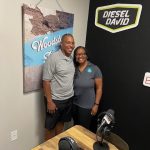
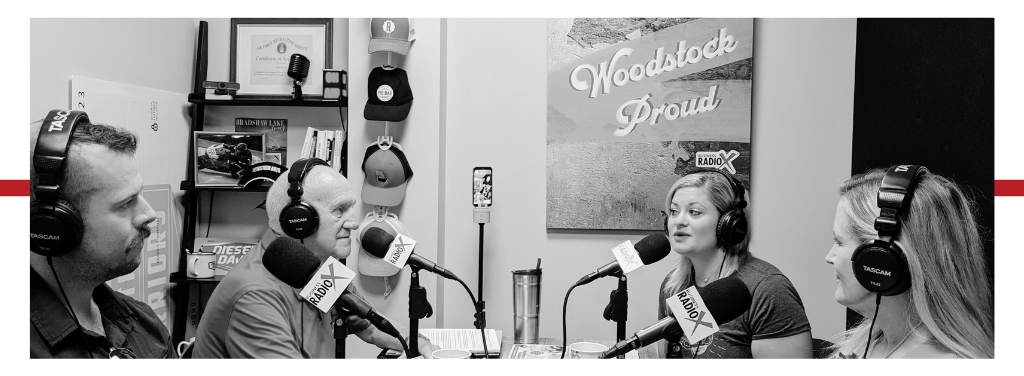
ExcelAskTheExpert060923pic1
Cherokee Business Radio
Ask the Expert: Jim and Sherri McRae with Overcome Church and Teala Smith with New American Funding
Loading
00:00 /
RSS Feed
Share
Link
Embed

Download file

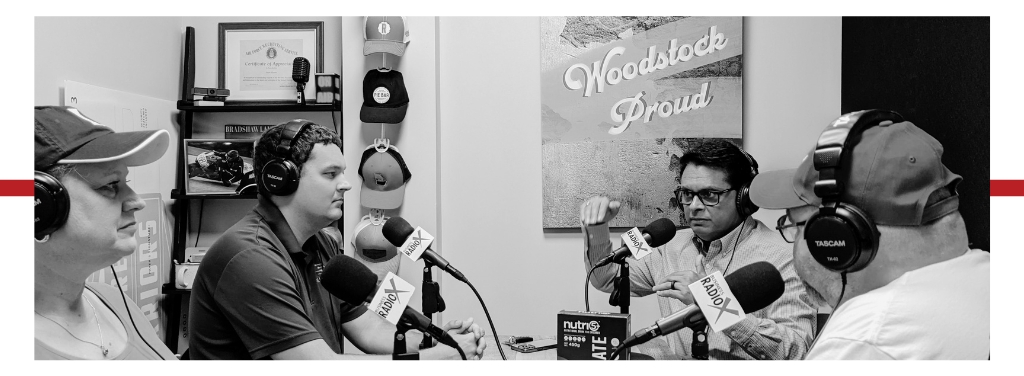
ExcelAskTheExpert060923banner

In this episode of Excel! Ask the Expert, Randy and Robert welcome Jim and Sherri McRae, and Teala Smith. They engage in a light-hearted discussion covering a range of topics, including investment properties, mortgage rates, and the evolving nature of the church.

They stress the significance of being adaptable and open to change in their respective industries, while also emphasizing the importance of showing empathy and avoiding judgment towards others. Ultimately, the episode underscores the need for resilience and a willingness to embrace change.

Overcome Church started in Canton, Ga. with plans to move into Peachtree City, Ga., as well as many other communities in Georgia and beyond.

Overcome Church exists to connect people to Christ through the church the way it was intended from the beginning. Our model is the Acts 2 church. Small communities of faith that worship with passion, and serve outside the walls with love.

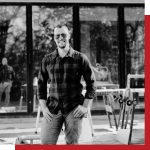
Jim-McRae-headshotRev. Jim McRae has had a wonderful ministry, which is getting even better. His preaching continues to move people to transform their lives and challenges them to go against the world’s current.

He loves serving people in real need and feels a special calling to pursue the least in the world. He continues to lead people with an open heart, a spirit of laughter, and a life of grace.

Connect with Jim on LinkedIn, Facebook and Instagram.

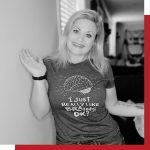
Sherri-McRae-headshotJesus revealed himself to Pastor Sherri McRae so profoundly that it captivated her spirit and propelled her passion for walking out the call of loving, serving, and leading others toward knowing Jesus.

She has a unique way of seeing beyond any situation and circumstance into the person’s heart. She dedicates her time to sharing that message with all she meets!

Connect with Sherri on Facebook and Instagram.

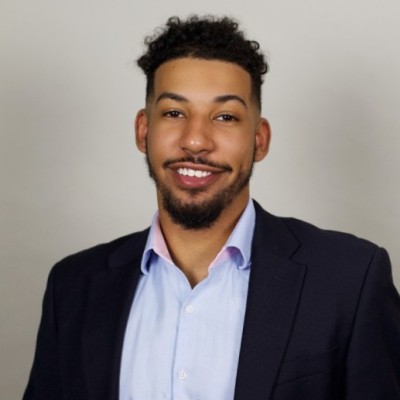
Teala-Smith-headshotTeala Smith hails from Southeast Kansas and is a finance enthusiast who graduated from the University of Kansas. Atlanta has been her home for the past 5 years, alongside her loyal Golden Retriever, Ed.

As a mortgage lender at New American Funding, Teala fulfills her passion helping others by financing their dream homes.

With expertise in the real estate market and a heart for making a difference, she brings clients one step closer to their financial aspirations.

Connect with Teala on LinkedIn.

This transcript is machine transcribed by Sonix

TRANSCRIPT

Intro: [00:00:07] Broadcasting live from the Business RadioX Studios in Atlanta, Georgia. It’s time for Excel Radio’s Ask the Expert. Brought to you by Beckshot Photography and Video. It’s your story. Make it awesome. For more information, go to beckshot.com. Now here’s your host.

Randell Beck: [00:00:30] Good morning, everybody. We have a power packed lineup today on Excel: Ask the Expert version. Robert, you want to introduce who all is here today.

Robert Mason: [00:00:41] We’ve got a very old friend of mine, Jim McRae, and his lovely wife, Sherri. Yes. Jim McRae and I go back to the 70s.

Randell Beck: [00:00:54] Did they have a radio back then?

Robert Mason: [00:00:55] AM. AM radio. Everybody was on AM.

Randell Beck: [00:00:59] I’m glad I can remember like to the 90s.

Robert Mason: [00:01:02] So that’s a good thing.

Randell Beck: [00:01:03] We had eight tracks and cassettes in our cars. Did we did we did. Kids right now are going what’s what’s an eight track. What is that cassette.

Robert Mason: [00:01:08] Yeah it was before cell phones right?

Teala Smith: [00:01:11] Different generation.

Robert Mason: [00:01:12] And so Jim is with Overcome Church and he’s got an exciting story to tell us. And so I’m really looking forward to getting into it with Jim.

Randell Beck: [00:01:21] And exciting new development, too, right, Jim?

[00:01:25] Yeah. Well, we’ll we’ll see if that comes out. All right. So it might not

Robert Mason: [00:01:29] I think we’ll get it out of him. I think we’ll get it out of him. Okay. And we also have Teala Smith.

Teala Smith: [00:01:34] That’s me.

Randell Beck: [00:01:35] Mortgage lender extraordinaire.

Robert Mason: [00:01:37] Mortgage lender extraordinaire. And Teala has been doing some really good loans for me. And on the investor side, some some really interesting stuff. And she’s been a huge, huge weapon for me as far as going after some of this investment stuff. So glad she’s glad she’s here sitting next to Jim. We’re going to we’re going to roll it up a little bit and see what kind of trouble we can start.

Randell Beck: [00:02:03] Probably a lot. Now, you said she’s she’s your secret weapon on investment stuff. You’ve been making a strong move into investment properties since our first episode. Right? We talked about that. Yeah. And you’re kind of all over North Georgia now doing the investment properties, the Airbnb type things and the rental houses and that sort of thing. Right, Right.

Robert Mason: [00:02:20] Well, it shifted. The market shifted, right. Interest rates raised up, but people are still buying houses. We’re still getting 120,000 people here a year. So, I mean, Atlanta is filling up. We’re mini California. People are going further out towards Rome, north Georgia, Cleveland, all over the state, going south Macon. So there’s opportunity out there for everybody if you work hard.

Randell Beck: [00:02:46] South Macon that’s kind of flat down there, right?

Robert Mason: [00:02:48] It’s flat, but there’s a lot of opportunity. There’s a lot of growth development, growth down, down south. So, I mean, developers are looking for land. You’re not going to find that in Greater Atlanta. So they’re going south.

Randell Beck: [00:02:59] I was talking grass the other day with a landscaper and he said, you know, once you get to Interstate 20, you have to start planting different kind of grass. It’s different soil, different weather, different everything. Once you pass 20. Yeah. So apparently everything’s different past 20. Everything’s just the weather, right?

Robert Mason: [00:03:15] That’s especially after 730, 8:00.

Randell Beck: [00:03:17] If you live here, everything’s different, you know, under 20.

Robert Mason: [00:03:20] So and Jim and I have lived here for a long time.

Randell Beck: [00:03:23] So Teala, tell us about your company and about yourself.

Teala Smith: [00:03:27] Yeah, so my company is New American funding, and it’s been around for about 20 years. I’ve been a lender for going on three almost four years now. I’m originally from Kansas. The Kansas area grew up in southeast Kansas on a flat that’s also flat. Flat. I grew up on a little farm there in Kansas and moved around quite a bit, landed here in Georgia, in Atlanta about five years ago. And I love it. It wasn’t planned. I wasn’t really planning on coming to Atlanta, but at the time I was traveling a lot with work and just landed here and I live on the Beltline and couldn’t have made a better decision for for where I’m at in my career and personal life.

Robert Mason: [00:04:06] How did you choose lending?

Teala Smith: [00:04:08] You know, I fell into it. I wouldn’t say that I chose it because you don’t really grow up thinking, Oh, wow, boy, I want to be a lender. Like, to be honest, probably before I got into this career, I didn’t know what a mortgage broker was and I fell into it. I was manifesting what I wanted out of a career. I was looking for a career change, and I was like, Hey, I want these specific five things. And I just kept focusing on it, thinking on them and looking for job opportunities anywhere that I could find one. And I ended up asking my neighbor at the time and I was like, Hey, do you have any companies that are hiring? And he was like, Yeah, actually, my company that I’m with and this was right before the pandemic, and he was like, Yeah, how about we just interview and interview you? So he set that up. I came in, interviewed, hit it off with the regional and southeast manager, and then they paid for me to get my license and it just took off from there.

Robert Mason: [00:05:00] And so here you are. Yeah. In front of the golden EIB mic.

Randell Beck: [00:05:04] The what?

Robert Mason: [00:05:05] The golden mic. You know, the Rush Limbaugh mic.

Randell Beck: [00:05:07] Rush Limbaugh. Come on now. And Jim, tell us. Give us a one minute bio on you. Yeah, well, I we started a church called Overcome Church here in Canton. And then we have another location in Peachtree City. And it’s been a we started it right before Covid. Oh, Lord, Yeah. Timing. Yeah, it was. Well, yeah, well, we we actually got the Covid notice and we went ahead and did it anyway, so. No, we didn’t, we didn’t know it was coming. And so it was. But it’s been a beautiful experience and we’ve got a lot of great people that worship on the north and south sides. Our goal was to start about as many locations as we could open and then Covid hit. And so it’s just that’s been obviously not as easy. But yeah, we got a great church family and then Sherry and I got married about, oh gosh, if I don’t get this right, last September, we got married last September. And so it’s it’s on Facebook.

Robert Mason: [00:06:00] Let me.

Randell Beck: [00:06:00] Check. It’s been wonderful working with somebody that you love. So it’s been a cool experience. Yeah, we’re doing great. Yeah. Glad to be here. And thank you.

Robert Mason: [00:06:09] Well, we saw back to Facebook for a second. I saw so many pictures of you guys together and I’m like, Well, did y’all get married? I mean, you didn’t announce it. It’s just I see you on the beach with, like, a nice shirt on and the water in the back.

Randell Beck: [00:06:23] I already live in a glass house, so we did not there’s certain things we tried to keep as privately as.

Robert Mason: [00:06:27] Possible to reach out to you and say, Did you get.

Randell Beck: [00:06:30] Married? We had to have the wedding. We went, we purposely put the wedding in Pensacola so that the church wouldn’t come because we were like, you know, we wanted a really small wedding. And then the church came. And so they all decided to do a vacation on Pensacola and kill two birds with one stone. So it was crazy. So, yeah, we had a it was fun. A lot of fun.

Robert Mason: [00:06:50] Yeah. That’s awesome. So Randy, Jim and I go way back. There’s some stories that we won’t tell on the radio. No, but Jim was a superstar baseball player back in the day. Jim, You want to?

Randell Beck: [00:07:03] Yeah, I wasn’t. But talk about your baseball days. No, we just had a lot of fun. I mean, you know that. Blackwell Was it. Blackwell That Starkville Field behind Saint John United Methodist Church. And we it was an incredible experience. This guy had a vision to bring all these kids together and start a baseball program. And that’s how we met all over the sort of the public and private schools. All those kids came together during the summer and we ended up it just started to we just went through the levels all the way up through high school. And, you know, we formed great friendships and competitive friendships and all went to different schools. But yeah, it was a it was a ton of fun. A lot of, a lot of. Good folks that we still keep in touch with.

Robert Mason: [00:07:46] And that’s when Atlanta was a lot smaller. I told you that David Dickerson called me on the way over here. Yeah, the big stick.

Randell Beck: [00:07:53] And. Yeah. And a lot of those I went to Georgia with a lot of those guys and, you know, it was and we unfortunately, my life sort of took a turn with the church and I didn’t keep up with anybody because it was just 80 hours a week full bore. And but I know that a lot of those guys still get I mean, you still get together with a lot of them. And it’s it’s cool to see how their lives have progressed. But yeah, no. And all that stuff was was awesome. It was.

Robert Mason: [00:08:17] Paramount. And so many of those kids went on to play college sports. Yeah, whether it be football, baseball, a couple of basketball players.

Randell Beck: [00:08:25] You know, when we were little. It’s interesting because you saw kids that just were different. Yeah. I mean, like, you know, like you, for instance. Like you were like something we were like, well, why is he always is? What does he do except lift weights, you know? And so, like, Robbie was like this this statue carved out of marble walking. I mean, he’s still there walking in. And I’m like this skinny little runt of a human being. And then there’s this. This, like, mini man, you know, and. But, you know, like Espo and some of these guys just had skills, just like they were born with them and Wesley Pritchett, Pritchett and all these guys. Yeah. And so, you know, those guys were going to do something and then other people like us had to really work at it. So but we were we made it. Yeah, we did. So a lot of fun.

Robert Mason: [00:09:16] Teela Tell me about the market. What’s the market doing? What what are people looking at mortgage wise or rates going up or are they going down? What’s the forecast? Tell me what’s in your crystal ball?

Teala Smith: [00:09:28] Oh lord, if I only had a crystal ball, I wish I could answer this question. I mean, I get it every single day. And if I could see the future, well, first of all, I’d be a millionaire. And then second of all, I don’t know what I would do with all that money, but with the market, I mean, it has been slightly volatile, but it’s just trying to correct really over the last two years, whenever we were having the pandemic, everything that happened during that market is just an anomaly. So now the market’s just trying to correct. And the main thing that I try to tell people, yeah, rates are higher than they had been during the pandemic, but still, I mean, I don’t think we’ve ever seen a 2% or 3% interest rate. And are we ever going to go back to that? Not without some sort of.

Robert Mason: [00:10:13] Those were the outliers.

Teala Smith: [00:10:14] Yeah. Disaster or catastrophe or anything like that for the future. I mean, it’s definitely predicted that rates are going to go down in the near future. There’s going to be a refi boom. I mean, we’re kind of going into this slow recession. But I mean, other than that, I wish I had a crystal ball because I sure would love to to see what they’re going to do.

Robert Mason: [00:10:34] I use the analogy. You date the rate, right? You fall in love with the house. You’re not that that rate that you’re going to go into now at 6.5, it’s 7.5. I mean, Randy knows an 8.5 deal that I think somebody here close to us put him in. Remember that one?

Teala Smith: [00:10:52] I sure do remember that. Yeah.

Randell Beck: [00:10:54] She’s killing.

Robert Mason: [00:10:55] Me. She’s killing you with that. Right. But. But you just date the rate when the rates go back down and we know the rates are going to go back down, you’re going to refi. And so there’s going to be opportunities for for that kind of business as well.

Teala Smith: [00:11:06] 100%. Yeah. I mean, date the rate, marry the house and break up with renting. That’s the big one. I mean, I have this conversation all the time and I think there’s so much fear mongering in the market that people are so worried about a market crash or a housing bubble because of what happened in oh seven, oh nine, that little era. It’s like people are still living with PTSD from the housing market and.

Robert Mason: [00:11:31] Fortunately 15 properties then. And I was lucky to get rid of all but one.

Randell Beck: [00:11:35] Yeah, well.

Robert Mason: [00:11:36] 15.

Teala Smith: [00:11:36] Properties not not as many people made it out as lucky. No, but for, for me, I just bought my first property in January and that was a huge deal for me because I was looking at, you know, I’m a single young lady and I was like, I don’t know if I’m really ready to make the big jump into purchasing. But for me, I was like, okay, so I could continue living in this area and I could rent for roughly 23 2100 on the Beltline, maybe a one bedroom or studio apartment, or alternatively I could buy for the same price. So even with having a higher rate, like a 6% interest rate, I’m still having the same monthly payment out of pocket. So it doesn’t make sense for people to continue renting if they’re in the right position.

Robert Mason: [00:12:20] You know, I’ve told people that the higher the mortgage rate, the the more you’re going to be able to take off your taxes because you deduct your your interest rate payments.

Teala Smith: [00:12:27] Yeah, that’s absolutely that’s absolutely true.

Robert Mason: [00:12:29] And so then you have the appreciation, huh? It’s a.

Randell Beck: [00:12:32] Little bit of a give.

Robert Mason: [00:12:32] Back. It is a little bit of a give back. Thank God. God, We’ll get to him later, shortly.

Randell Beck: [00:12:38] Who is that God.

Robert Mason: [00:12:38] Guy, anyway? Yeah. Who’s that God guy.

Randell Beck: [00:12:40] Oh, you’re about to find out.

Robert Mason: [00:12:42] But yeah, yeah, we’re going to, we’re going to. We’re going to get in the weeds on that.

Randell Beck: [00:12:44] Holy water out.

Teala Smith: [00:12:45] Can you send a message to God to make these rates come down?

Randell Beck: [00:12:48] I don’t have that.

Robert Mason: [00:12:50] Is there an open alleyway? We can talk to him about that.

Randell Beck: [00:12:53] Yeah, we can. There’s always a price for everything, right?

Robert Mason: [00:12:57] What would that price be? Jim.

Randell Beck: [00:12:58] Tell me. No. Send a check to the church.

Robert Mason: [00:13:02] Send a check to the church.

Randell Beck: [00:13:04] Oh, you’re Catholic. Yeah, we’re going to talk about that, too.

Robert Mason: [00:13:08] So go ahead.

Randell Beck: [00:13:09] You mentioned the 8.5 is really 8.3. Don’t cheat me now. But that was a unique loan because it was an investment loan. Right. Based on that was issued based on cash flow. Not, you know, not on credit. It’s all about the property and its value and its cash flow and DS.

Robert Mason: [00:13:26] Ds cr is that.

Randell Beck: [00:13:28] There are a lot of people that may not be aware of that sort of thing. So maybe you want to say.

Robert Mason: [00:13:31] What it is.

Randell Beck: [00:13:31] Explain a little bit about some of the investment, some of the cool investment programs that you have.

Teala Smith: [00:13:36] Yeah, I would love that. So a CR loan is a debt service coverage ratio loan. And really how that loan is, is calculated is going to be on the projected rental income of the property. And so we do analyze credit. It’s a no income doc loan and so the rates are a little bit higher because obviously it’s an investment property. Investment properties come with a little extra risk and then maybe a primary. But for the overall part of getting a DSR loan, the lender is looking at loaning based on the projected rental income that that property will be bringing in.

Robert Mason: [00:14:11] So it’s a higher rate. So let’s just say Randy wants to refi out of that because rates have gone down to say like 4.5%. Are there prepayment penalties in that loan?

Teala Smith: [00:14:21] That is an option. Yes, there are prepayment penalties on that loan. But going into it, you have the option to choose whether you want like a four year, three year or two year. Okay. So and it just gets rolled into the rate which one you choose.

Robert Mason: [00:14:33] Right? And who cares if it’s a commercial loan?

Randell Beck: [00:14:35] They generally have those kind of privileges because banks want to stabilize their their loan portfolio as well. But the good thing about it is, you know, yes, higher interest rate. But in our case, you know, I’m newer in this business. I just moved down here. My income had not gotten to the suborbital levels that it’s at now. Right. And so.

Teala Smith: [00:14:54] I mean I mean, even.

Randell Beck: [00:14:55] So, it made all the difference.

Teala Smith: [00:14:56] Yeah. Even in that case, because. Yeah, it got.

Robert Mason: [00:14:58] You what you wanted.

Teala Smith: [00:15:00] I mean, trying to qualify someone based on self employed income, they have to have a two year history. And if they don’t have that two year history or even if they do, I mean self-employed individuals, a lot of the time they take a lot of write offs to be able to not pay the IRS or not pay as much. So it’s kind of like a give and take, whether someone wants to take those deductions from the IRS or pay a little bit higher interest rate on the home. So it’s it’s really going to end up kind of the same way, just whether you want to allocate your money.

Robert Mason: [00:15:30] Or it’s a good product. So, Jim, I mean, you’re doing a new deal, you know, Overcome Church. This is a new strategy for you guys, for you and Sherry.

Jim McRae: [00:15:37] Yeah.

Robert Mason: [00:15:38] Tell us how tell us how that’s going to work out.

Jim McRae: [00:15:41] Well, I mean, I think when we started the church, you know what, four years ago, four, four years ago. Yeah, right, right before Covid. So it was our goal was to do something completely different. I mean, we wanted to really niche down and and understand that we were feeling God calling us not to. I mean, we’ve done the big church stuff, we’ve done the entertainment stuff. We’ve I mean, Sherry, you did, you were running a thousand kids in a VBS kind of thing and, you know, running eventually all of the different departments of a church together.

Sherri McRae: [00:16:14] Challenging thing for us is that we have a vision of what we’re supposed to do. But you bring along people who have an expectation of what it’s supposed to look like. So when you’re driving change, when you’re leading change, it’s really hard to get people to understand, You know, we don’t have a building. We buy into it. Yeah, like we don’t want a property. We don’t want the overhead, we don’t want a staff. We don’t we want the money that comes into the church to go back out into the mission of the community and abroad.

Jim McRae: [00:16:43] Yeah. So that was what we niched down on. I mean we, we had had the blowback music, we had had the big choirs, we had had all the programing, we had all that stuff and we wanted to strip all that out. And so the people that we were going to say, Come and see, you know, we’re going to be in for a rude awakening as we did tracks off a screen. You know, we just didn’t have any of that stuff. And our main focus was The.

Sherri McRae: [00:17:06] Heart is beautiful.

Jim McRae: [00:17:07] Yeah, the heart is beautiful. The main focus was that we were going to hear the word passionately and then go out and do something with it and serve our communities. And so and again, with churches, the way they’ve developed over the last 20 years, the pastors just leadership just doesn’t ask or demand much from people because if they demand much, they don’t come back. And because they’ve already got a lot of demands in the world. So we just made that easier for them over the last 20 to 25 years. And that’s not gotten us in a really good place with with the church and how people, you know, act out in the world honestly. And so that’s what. Of niche down on.

Robert Mason: [00:17:45] Are we seeing more people in organized religion? I know you and I spoke about this. Yeah, no.

Jim McRae: [00:17:50] Less. It’s less. A lot is shrinking. Yeah. The denominationalism is. Yeah, go ahead. Let’s drill down on this a little bit. So without that, without the program centered, without the big music on stage and so forth, what’s the service like? Is there a worship time or. Yeah, yeah, yeah. Of a teaching session or how does that characterize? Yeah, I mean, it’s we still have music, we still have time for prayer, we still read scripture, we still have all the stuff that’s in a normal service that you would go to, whether it be Catholic or Protestant, whatever it is, communion. We do Holy Communion, we do all of those things, celebrate all the high festivals. But it’s just, ah, the, the, the, you know, when you spend money on a, on a contemporary music, you know, that’s, that can be 20, $120,000 a year. You know, we we just didn’t we don’t do that And so people had to get used to singing off of tracks, off a screen or seeing seeing on the north side, we have just a guitarist that comes. It’s her daughter, Lexi, that’s just so talented.

Jim McRae: [00:18:50] But we pay her minimally to do what she does, you know? So that was we lost some people because of that. You know, they came and they they were all it was all a big deal. But then they had to have a choir or they had to have that entertainment factor. And, you know, that’s just not what we do. I mean, we are we we are dedicated to training people to hear the word of God, which doesn’t necessarily make us feel good all the time. It’s going to challenge us. But then to go do something with it out in the world. So we really want change-makers out in the world. So what are your thoughts? Like there’s this trend out there. The darkened church is what I call it, but essentially when you go in, houselights are down, stage is lit up, right? It’s very it’s a dramatic or it’s like going to see a play or a concert or something. It’s dramatic lighting, right? Yeah, like, like synchronized lighting and all of that is. That’s not what we’re about. We’re we’re an acts to model.

Sherri McRae: [00:19:48] And so what what’s happened we think with the western church is that has become very consumer driven. And so when you get that environment right, those musicians on the stage are being paid as musicians. So when you start asking your church, what are you spending money on, you know, you’re spending thousands every Sunday for worship service, but then where’s the money going out into the community? And so that’s what we’re up against, is a very commercial driven mentality when it comes to worship. Like I want the wow factor. Well, that cost money. So that money is being invested into Mike’s and music and yeah, so.

Jim McRae: [00:20:27] There’s a church.

Sherri McRae: [00:20:28] Musicians.

Jim McRae: [00:20:29] And automation and video.

Sherri McRae: [00:20:30] So generally lots of money and so when you start looking and so that’s why it’s, it’s not for everybody because we don’t have what we want. And the Asbury revival was just a reminder. They kept saying, it’s authentic and it’s real and it’s pure and the spirit is there. And so that’s kind of what we were wanting was something. And we started this four years ago that was just very authentic and real and pure and the word and not all the politics, not all the stage lighting.

Jim McRae: [00:21:02] And politics, power, all that.

Sherri McRae: [00:21:04] Stuff. Yeah.

Randell Beck: [00:21:05] Was the Asbury Park revival legit? I mean, how do you feel about that? Because it seemed like it might be this might be a whole different discussion in.

Randell Beck: [00:21:12] Another time, you know, on the whys and wherefores of it. But it seemed like that got captured.

Jim McRae: [00:21:16] I think it would be I think it’s very I think it’s very dangerous to say that it isn’t legit. I think it’s very dangerous to to to make there are a lot of opinions flying around about that. And then you’ve got religious leaders saying it’s not legitimate for for their own personal reasons because it’s taking away from their their focus on their ministry, because what they were doing was something that’s wholly different than what any other church is doing every Sunday. It’s spontaneous. It’s it’s it’s not organized. It’s not led by anybody. It’s it doesn’t have a hierarchy. It doesn’t have a structure. It was led literally from the bottom up. Okay. And so we see churches and church structures from the top down. And so that offended a lot of people. And, you know, but the main thing was to keep that open and organic and let God speak to everybody who was experiencing it. Now, do I think it got hijacked in the end and do I think a lot of good things get hijacked in the end? Yeah, I think that can happen and I think people tried to hijack it. And honestly, I don’t know what it’s doing now. I don’t know where it’s gone or what it’s doing. But, you know, it’s a lesson for us all that if something like that can happen in Asbury, why is it something like that happening in other parts of of of Christendom? And it can happen in different ways. And we did a whole series on that, that it doesn’t have to be this big explosive. Wow. Blowback. Mt. Sinai burning bush split the Red Sea moment but it revival comes in God speaking to your heart directly with. Than you. And how is he going to motivate you to do something powerful for the kingdom? And you put that together with about a million Christians around the world, then you have revival. Does that make sense? And then something powerful can happen. The thing that that.

Speaker5: [00:22:58] Shown out of that to me, that hinted to me that it was really something, Right? Not not a manufactured experience. And I mean, yeah, people will piggyback on or try to hijack or whatever, but I mean, you.

Randell Beck: [00:23:11] Saw Christian singers trying to piggyback.

Speaker5: [00:23:13] That’s not even necessarily a bad thing, although it could be. But the intentionality of the way the organizations started shutting it down real fast and ultimately capped that thing off just. Yeah.

Randell Beck: [00:23:27] And I think it smelled.

Speaker5: [00:23:27] Like an attack to me, which it hinted to me that it might have been a real thing. Well, what.

Sherri McRae: [00:23:31] Happened when Jesus started? Right, when he started walking and teaching and they started following and the Pharisees were overwhelmed by this following that he had. And Jim and I talk a lot of times about we’re Pharisee 2.0. It hasn’t changed. You know, you have Christian leaders today that are still anxious about people following the pure gospel and not a church or a pastor or a speaker or a personality.

Speaker5: [00:23:59] There’s a business model to the way church operates in America. There has to be a.

Sherri McRae: [00:24:04] Absolutely.

Speaker5: [00:24:05] A business of church as well as the ministry of the church. And they’re not the same thing. You can’t confuse the two.

Randell Beck: [00:24:11] Well, I mean.

Speaker5: [00:24:12] Yeah, it was challenging that.

Randell Beck: [00:24:13] Structure. More more so it was, I think, politics and power and than it was maybe money. But I mean, they had their own back then. They had their own money schemes that they were getting money and filling their coffers. But this was truly about power and politics with with Jesus. And it still is today. I mean, if you take your I mean, in the systems that I used to run in, you take your focus off of another person’s ministry or another. I mean, it’s just all it seems so competitive and so counterproductive because the goal is to get people to know Jesus. The goal is to get people to understand that God loves them. And yet you have all of these different egos and just people, human, human, human things happening. And it can be destructive for sure. But that’s not that’s why overcome is something very different. It’s very stripped down. It doesn’t have those power structures. It doesn’t have those political overlays. It’s and when people walk in, it’s just about two things. Hearing the Word of God, letting it challenge you and then us helping you find ways in which to make that real out in the world.

Robert Mason: [00:25:13] It sounds like you’re getting back to the basics.

Randell Beck: [00:25:15] Very much so. And that’s why we call it an ax to church. So if you go read Acts two and you see how the church was formed, you know, and that was that was Jerry’s brainchild that, you know, we it really is how they worshiped in the very beginning. You know, they came together, they broke bread. They helped one another. They gave of themselves so that nobody was in need. I mean, it’s just a beautiful expression of how people had community, you know, in the spirit of God. And, you know, that’s just now it’s competitive. Now it’s, you know, how can we overcome another person? How can we tear down another person? It’s just well.

Robert Mason: [00:25:49] Throughout history, the church has been weaponized as well. Yeah, for sure, for a variety of different reasons. Whether you’re talking Rome 2000 years ago or you’re talking now, the church can be scary to authority, can be scary to governments. I mean, communism, there’s a reason why.

Randell Beck: [00:26:06] You know, well, when you get people to think on their own and when you get people to not let somebody else think for them. I mean, what we’re suggesting, the church is always suggested that God needs to be the one that is moving in and through you and and showing what you should be doing. And that’s why we have these unbelievable thing that we call martyrs do unbelievable things that defy, you know, just I mean, they give their lives for people that we wouldn’t even blink an eye to. They go, do they deny themselves? They they Mother Teresa, I mean, they take vows of poverty. They just do unbelievable things because they’re being called by something that’s so much bigger than this world. And, you know, people get scared by that. Even the church got scared by the Jesuits. Even the church was scared by the Benedictine monks. I mean, you know, people reacting against the the church was scared with Martin Luther when when the Protestant Reformation occurred, obviously. So, you know, there are people with even within the church back, you know, 4 or 500 years ago that were reacting against those power structures that the church wanted to get rid of, as they did Jesus. And, you know, today it’s not you know, you have your denominationalism. You have it just seems like the church today is in such and it is it’s in such the back seat where it was in the front seat, you know, and showing people where to go and how to do this and most of it in a productive way, some of it not, obviously, but now it’s just not now.

Robert Mason: [00:27:29] So the bureaucracy is running the show.

Randell Beck: [00:27:32] The bureaucracy in Denominationalism certainly is running the show. But I mean, we have just so holy spirited out. We’ve just kicked the Holy Spirit out of the church pretty much. And now it’s just people.

Robert Mason: [00:27:43] Running out of schools, out of education.

Randell Beck: [00:27:45] Yeah, it’s everything. I mean, to to allow the holy. If I asked a normal person out of any denomination, probably, hey, what’s the Holy Spirit? They’d probably go. Um, and how does that work in your life? I mean, you would get like pindrop silence kind of stuff. And that’s the most active part of the Trinity that’s living within us, spurring us on, giving us new ideas, helping us live together in community and in love. And yet we ignore it. And, you know, preachers don’t want to if they say follow the Holy Spirit, then you’re not following who. Them. And so when you give power back to the Holy Spirit, then you’re really not. I mean, all the church model does today is focus on the person in the pulpit, which is now a personality and a and a celebrity kind of thing. And those just like it was 2000 years ago. I mean, that’s a lot of power and a lot of ego. And not all of them do this now. I mean, this is not everyone that’s in a pulpit, obviously. But I mean, when you get into those really big, big places, that’s that’s I mean, when people Revere a pastor in that way rather than the revering more so than they Revere Jesus, then there’s something there’s something upside down about. That is what I’m saying.

Robert Mason: [00:28:59] Are we seeing political correctness raise its head in the church?

Randell Beck: [00:29:04] Oh, good Lord. I’ve already been canceled once, so I guess it doesn’t matter. You know, it’s.

Robert Mason: [00:29:12] You don’t have to answer that.

Randell Beck: [00:29:13] No, I believe and this is where it gets even scarier is because political correctness. Doesn’t allow people like pastors and priests to be effective any longer. And so that’s that’s the obvious thing.

Robert Mason: [00:29:27] From holding people accountable.

Randell Beck: [00:29:29] No, just because when they’re supposed to speak the truth, they’re afraid. They risk their job. They risk their position. They’ve got families, they risk hurting them. And so it’s just easier not to say anything, you know, And I didn’t have a I don’t have a family. I mean, I’ve got a new family. I don’t have children, though. And I never had that. And I always promised God I would never take a knee and I would never be silent. And I’ve always lived by that and done that. And, you know, people don’t like that. You know, people in the bureaucracies of the churches do not like people that want to break out on their own. They’d rather them be a part of the herd. And if the herd mentality with a denomination is political correctness, then that’s the way the herd is going to go. And you’ll see the people that want to separate get called out pretty quickly.

Robert Mason: [00:30:20] That’s very unfortunate.

Randell Beck: [00:30:22] Yeah, well, I mean, and then, you know, what God is trying to do in churches right now is silence certain people and reawaken new voices. I believe that. I believe God is trying to do something brand new in the church today. And yet we’ve got voices that have been powerful before and spoken truth before, but now are not speaking. Okay. And God is trying to raise new voices up to do something brand new in a very in a culture that’s changing so rapidly. Okay. And it’s you know, I’m praying that we have enough courage to let those voices be heard.

Speaker5: [00:30:55] So during this past week, during our pre-production talks, Robert was explaining to me a new idea that you have a way of moving in a new direction and with a new voice. What can you tell us along those lines.

Randell Beck: [00:31:07] That we’re going to move to and live on a boat for the rest of our lives and go, you know, fish? I mean, I think for us, you know, we’re we’re really trying to explore new ways to evangelize and get the message that we’re being called to get out. And I mean, and that means that we love our local church and we want to still be a part of that. But I think we need to be thinking about new ways in which we can really inspire other people to whether they’re young, whether they’re old. I mean, our community, honestly, is much older, you know, and it and those people still have a lot of life left, you know, And how is their voice going to be heard? And normally in our society, we just silence that voice, don’t we? We put older people in community homes and because they, you know, we consider them old ideas and all this stuff. But no, they God uses more people that are older than he does anywhere else in the Bible, you know? And so how do we get these people thinking about new ways to. And so we’re we’re not going to let all of that out today because we don’t want to freak everybody out completely. But yeah, but we are really being led to think of new ways in which we can share, share this beautiful thing called love. And, and yeah, some people are going to not like it and some people are going to, you know, want to go back to the old ways in which we do things. But, you know, I believe that more people like us can be raised up.

Sherri McRae: [00:32:30] So I think what we have to pay, what we’re paying attention to is that the church is changing. It used to be open the door and they’ll come kind of thing, well, they’re not coming anymore. And so the reason and that’s not changing and it’s not a post-pandemic thing, it’s just the church is changing. And so the churches that will grow, the Holy Spirit movements that will happen are going to happen beyond that, going to church on Sunday thing. So when we start to overcome church, we named it Overcome because Jesus says in this world you’re going to have trials and tribulations. But fear not, for I have overcome the world. We do more ministry on the street, walking around, talking to people. We’ll have conversations. We’ll really hit it off with somebody. They’ll find out we’re pastors and all of a sudden a wall comes up. They don’t want to talk anymore because they’ve been hurt by the local church. And we’ve found that that is our biggest ministry is helping people that have been judged by moral standards of the church and cast out because the Holy Spirit is about restoration and renewal and bringing people into the fold. And so that’s why that word evangelism is really holding heavy on our heart, because we feel that we truly are coming into a call of evangelism. That’s a great way to put the.

Robert Mason: [00:33:46] Gospel a call back to evangelism.

Speaker5: [00:33:48] Call back.

Randell Beck: [00:33:48] Yeah, Well, and that’s the early church.

Speaker5: [00:33:50] I have heard this before back in those prehistoric days that Tyler was unfamiliar with in the 70s.

Randell Beck: [00:33:56] Tyler doesn’t look like she’s more than 22. What’s going on with that? All right.

Speaker5: [00:34:01] Robert Schuller, you know, he built a big church with that Crystal cathedral. Yeah, he did. But he had a thing going early on in a drive in movie theater.

Randell Beck: [00:34:10] Yeah, yeah, yeah, yeah.

Speaker5: [00:34:11] And on Sunday, during the day when they weren’t showing movies, people would drive in and put the speaker on their window and they could come and go as they wanted to and. It was a very nontraditional, very contemporary, you know, out of the box approach. You’re reminding me of that. Taylor, Would you go to church at a drive in? Would you drive in and listen like that? A lot of people do.

Sherri McRae: [00:34:30] A drive in.

Speaker5: [00:34:32] What’s a drive in?

Sherri McRae: [00:34:34] I was going to say that might be the first question.

Teala Smith: [00:34:36] That was really big during the pandemic, right? Like drive through.

Robert Mason: [00:34:39] Churches? Yeah.

Speaker5: [00:34:40] Or they had outdoor seating. So it was along those same lines.

Robert Mason: [00:34:43] Drive through closings.

Sherri McRae: [00:34:44] Jim actually did Radio Church. Yeah, we did.

Randell Beck: [00:34:46] Radio church during the pandemic. We also shared and I did our first service was in a theater, an AMC theater, and we, we did it for that one reason that we were we were wanting people that did not feel comfortable in a church to be feel comfortable. And we thought, well, what better place than a movie theater? And so, you know, it’s we’re all of that holiness sort of and self righteousness sort of evaporates. And we can just see people as people. You know, there’s some people that have done things that that they don’t feel that they’re even worthy, that God would love them. And that’s a sad way to live your life. And that’s what we I think that’s the the the call of the church is to seek those people out and to find them.

Robert Mason: [00:35:26] I don’t know if this makes sense, but whenever I get close to the church, it starts to storm lightning clouds, thunder. I think he’s trying to tell me you.

Randell Beck: [00:35:36] Haven’t tied Robbie. You just haven’t tied enough. I think.

Robert Mason: [00:35:39] He’s. Yeah, He’s like, you’re either not giving enough or you’re way wrong. Boy.

Speaker5: [00:35:43] Robert Mason.

Sherri McRae: [00:35:44] Thing. It’s our Airbnb.

Teala Smith: [00:35:45] Money.

Robert Mason: [00:35:45] Yeah. God, I don’t. I don’t get it.

Randell Beck: [00:35:47] Come to overcome. You’ll be. You’ll be pleased.

Robert Mason: [00:35:49] Come to overcome. I’ll be overcome.

Randell Beck: [00:35:52] Yeah. So I mean we’re excited about that. I think that that what we want to do is speak to I mean everybody’s got their flavor, you know, denominational isms. You’re not going to convince a Catholic to go to a Baptist church, right? I mean, they’ve got their traditions, they’ve got their stuff. And that’s not the people we’re looking for. We’re looking for people that have not stepped foot in a church that aren’t feel completely unworthy, that have been literally pushed out by the church. And that’s what Overcome exists to do is to bring a message of hope and love to those people.

Robert Mason: [00:36:26] So it seems to me the major battle is connection, connecting with enough people, letting them know what you do. It’s kind of like being in a mortgage business, right? Tyler If people don’t know that you do that, then you’ve got to push the envelope and you’ve got to market it right. You’ve got to get out there in front of people like on this radio program, Like, you know, I, I haven’t done it yet, but you brand yourself and whatever it is you’re doing and you go around and you don’t be afraid to tell people what it is that you do.

Randell Beck: [00:36:52] Yeah. I mean, one of the things that and I’m an introvert, complete, total, full blown, 100% introvert and Sherry’s not Sherry loves to be social in front of people. And I just when I go out in front of people, I get like, frog ish, you know, like Bugs Bunny. I sing, I can sing in the shower, but when I get in front of people, I go, Ribbit, You know, if I get in the pulpit, I’m in my element and behind the mic. I mean, I can do all that stuff. But, you know, but I believe that for us, we wanted to be out on the street. We wanted to preach open air. We wanted to just be spontaneous about where we put the message. It’s not we don’t want to be offensive just to be offensive, but we want to just to preach that a loving and accepting God. And, you know, I think that. The best way that that message can be heard and we’re just getting done with the Testify series is that everybody has a testimony to share that. So everybody has a testimony about how God has interacted in their lives and all they got to do is share it. And that affects people. And so it’s not about coming to see a preacher preach it for 20, 25 minutes. It’s about hearing different testimonies about how God has affected their life. And you get all those people doing that together. Then that becomes a powerful moment.

Speaker5: [00:38:06] Jim Years ago, I read a book and I’d like to get your reaction to this based on what you’re saying, because this Testify series plays right into it. Frankie Schaefer wrote a book called Addicted to Mediocrity. His dad ran that big fellowship over in Switzerland. And Frankie, later on, you know, he’s out there pretending to be an atheist now. But I don’t think that invalidates his book. The point of that book was, was bringing, you know, the work of the Holy Spirit outside the walls of the church and presenting it in real life with excellence. And the thing that stuck with me was when he said, and I’d like to get everybody’s reactions to this, he said, the world does not need more Christian, let’s say musicians. It needs more musicians that are Christians, right? Yeah, not more Christian real estate agents, more real estate agents that are Christian. And by this he was getting at don’t just slap the Jesus label on something cheap or or mediocre and make it mean something, right?

Randell Beck: [00:38:55] Well, the Gen Zers can smell that out in a heartbeat. The Gen Zers are the future of our country, the future of our church. And they are fleeing from the church they are in because it’s not authentic, because they they see a label slapped on and they can smell that out. They can they can smell out a person preaching from the pulpit who doesn’t mean what he what they mean.

Sherri McRae: [00:39:19] And I think there’s a lot of of moral high ground to I think.

Randell Beck: [00:39:22] There’s hypocrisy and judgment. And also and this just flies all over them because what they would like and if you’ve heard what they’re saying, they’re saying, give me the gospel in action. Give me God in action. I’d rather see God in action than hear you tell me about it. And so what they’re really saying is, is that we want the church to wake up. And the church is very content on sitting on its heels and trying to do the same thing. It’s always done, which is say, come and see, Come sit in your pew, give us some money and let’s do the same thing. I’ll program you, I’ll program you, I’ll program, I’ll program your children, I’ll program your your adult life. I’ll not like I mean, I’ll give you programing for it. Okay. And you can be happy and we’ll make you happy. And the gen sayers are saying, we don’t want any of that. We want to see action and we want to see change happen in the lives of people because of what you say. So Teela.

Speaker5: [00:40:17] How does that resonate with you? I don’t know if you’re Gen Z or maybe why, but.

Teala Smith: [00:40:21] She’s seeing am I know I’m a millennial, I’m over 2022. What’s your reaction to under 39 years? Oh, don’t be mean. Not 39.

Robert Mason: [00:40:32] I said under.

Teala Smith: [00:40:33] 39. Oh, I thought you said over. I was like, oh, you’ll look like us. I’ll kick you under the table here.

Speaker5: [00:40:37] I’ll look.

Teala Smith: [00:40:38] Like us.

Randell Beck: [00:40:39] Shot like Stoner. And I one day.

Teala Smith: [00:40:41] Robert.

Speaker5: [00:40:41] Robert is not 39.

Robert Mason: [00:40:42] I’m 39. I know. Yeah. You’ve been telling me that for years now.

Teala Smith: [00:40:45] 21. That’s what he told me. Yeah. He knows what side of the bread the butter goes on. So I’m over here listening in. My little wheels are turning and I’m like, okay, taking it all in because I didn’t know who you were coming in here. I mean, I watched a ten second video on you before coming in here. I was like, Okay, well, now I know what he looks like. He has white hair. Cool. I got this. We’re going to have an hour conversation and cool.

Randell Beck: [00:41:10] But to needs to tithe more too.

Teala Smith: [00:41:13] Doesn’t she really need more money?

Robert Mason: [00:41:15] She I’ve heard that twice.

Speaker5: [00:41:16] She got something against white hair.

Teala Smith: [00:41:18] It’s not the only thing. But yeah. And before coming in here, you know, Robert had given me just kind of a heads up. I mean, I wasn’t supposed to be on this podcast until Wednesday. That’s when I got invited to come over here. And what.

Robert Mason: [00:41:30] I told you about Jim, you were like, Why are you telling me.

Teala Smith: [00:41:32] This? Correct? Yeah, I was like, okay. So this is what he told me. Tell me if this is true or not, because everything that I’ve heard today kind of goes against what Robert has told me. So he was telling me, Robert’s a liar. Just kidding. I’m not saying that. But there may be misunderstanding on my part. So I was informed that you were going against basically. And you said it. You got canceled for a belief that you have that other people didn’t have about transgender, maybe gay queer.

Randell Beck: [00:42:03] Well, I mean, not to to get into that as much, but I.

Teala Smith: [00:42:06] Mean, I put you on the.

Randell Beck: [00:42:07] Spot when you when you speak up against the, the, the bureaucracy of the church and you tend to you get, you know, you become a target for a lot of things. And it didn’t have to be you know, I have my thoughts on transgenderism and gender ism and sexuality and all those things. But you know, that wasn’t necessarily the lightning rod moment as much as it was. It it doesn’t take much to make the people in power upset. Okay. You just have to. Stand up against what they’re saying. And and if it’s enough, they they will move. And they did. And that’s fine. I mean, we started a beautiful church and, you know, I decided this wasn’t for me any longer. And, you know, I pray for them and I pray only. But good things for them, you know, But for me, it’s it’s about I mean, I think I came to a point in my life where I said, am I making a difference? Am I really making a difference where I am? And the answer was no. I mean I mean, I could fill a church, fill a church all day long, thousands of people. But, you know, in the end, am I really making a difference? And, you know, I feel like I’m making more of a difference where I am right now, so. Sure. Sure.

Teala Smith: [00:43:15] That makes sense. I guess that wasn’t really answering my question because I was thinking more on the sense of just everything that you said here today. You’re like, I’m going after the people who are judged and kicked out and pushed out of the church. And so you’re wanting to target these people and bring them back to the gospel of God. And, you know, those people would be I guess what I’m thinking because let’s just face it, transgender, queer, bi, whatever you want to call it, all of the different of, you know, outside of the heterosexual. Yeah, they’re normal.

Randell Beck: [00:43:46] They’re completely welcome in our church.

Sherri McRae: [00:43:48] In fact, my daughter is our worship leader and she’s getting married to her fiance, who is a female.

Randell Beck: [00:43:55] So. So they’re.

Teala Smith: [00:43:56] They’re totally misguided.

Sherri McRae: [00:43:58] This they they.

Randell Beck: [00:44:00] They they are our church is open now. It doesn’t mean that we still don’t struggle with issues. It doesn’t mean that we don’t. But the one thing we don’t do is we don’t judge people. The one thing we’re not going to do is is say to you, we’re not going to shut the conversation down. And I think that’s what’s happening in our cultures today, is that it’s just the conversation gets shut down, lines get drawn where where the church would say, okay, if you’re conservative, you’re saying, okay, we have no need for you. Okay. Well, so well, what would Jesus say about those people? I mean, Jesus would say, actually, those are the people I came for. In fact, I came for you as well. You’re sick. We’re all sick, all with sin. Paul said. None are righteous. No, not one. But so you get people who are who who begin to say the church. The purpose of the church is to be the judgment of morality. With the purpose of the church was to be solely a dispenser of grace. That’s it. To solely tell people about Jesus’s love and that the Holy Spirit then works in everybody’s heart individually. Okay? And so that we don’t we don’t have the ability to judge those people in the way that God can judge those people. We are solely commissioned to go out and tell people about Jesus and love.

Sherri McRae: [00:45:08] God and love.

Randell Beck: [00:45:09] God and love people.

Speaker5: [00:45:10] So basically you’re the arena where the Holy Spirit works instead of being a gate guard to the faith. Yes, there you go.

Randell Beck: [00:45:15] Instead of telling people how the Holy Spirit works, which I have no ability to do, I’m asking everybody to take a deep breath and look at people as God would look at people that I died for. That person, that person might not look like you come from where you come from, believe in the same things you believe in. But neither they did 2000 years ago, and Jesus and the disciples were irate that Jesus was going to all of those people. The sinners, the tax collectors, the prostitutes, the the Phoenicians, all the all these people that they thought were unclean. Jesus says, those are the people I want to be with. And that’s what Overcome wants to do.

Sherri McRae: [00:45:53] And that’s what I think the Gen Z, like we talked about, they see through the political systems of the world and the church look so alike. They battle over these things where grace covers a lot. And so I think that’s where we’re passionate about, is that, you know, we’ve had people come to our church that said, I I’m gay and I’m told I can’t be a door holder or I can’t be a host to greet people in. And our heart is, do you love Jesus? Do you love people? You have a place.

Robert Mason: [00:46:26] And so that’s all that counts. So I had.

Randell Beck: [00:46:29] I had I don’t know how much more time we have, but.

Speaker5: [00:46:32] We’re not really on a time clock. But I wanted to get Robert’s reaction to this idea of taking it outside the church, too. But I think Tesla should should be the one to ask him. Actually, I think, you know, if you get tired of this mortgage thing, you’ve got a real career as an investigator, as an interviewer out there.

Sherri McRae: [00:46:47] Now. She had a great in fact. Were there other questions you wanted to ask about it?

Teala Smith: [00:46:52] Just kind of more a comment, because leading into what you’re saying, you know, Gen Z, that there are a different generation. I mean, I, I think it’s great. I think it’s beautiful. It’s the the, the future that we have. Yeah. They’re so open, they’re so non-judgmental. I mean, and that I think is kind of where there’s so much fluidity with that generation. I mean, in the sense of gender fluidity and, you know, open relationships, that’s like a very prevalent thing. And I’m a millennial, so it is a different generation for me. And I’m like looking at these young individuals and I’m like, wow, they are so full of love. But because of that, they are kind of against more against like judgment. And they sniff it out and they don’t want to feel judged or guilted. And I think I think.

Robert Mason: [00:47:38] Judgment is that is a key word for this conversation.

Randell Beck: [00:47:42] That’s huge.

Robert Mason: [00:47:43] You can’t you can’t be a judger if if you’re preaching the gospel. Right. If you’re preaching God because he doesn’t care about your sins, he just wants you to open your heart, right? Yeah.

Randell Beck: [00:47:53] He cares. He cares eternally about our sin. That’s why he gave us Jesus. He, he. But because of that, where we lose the message is, is that because Christ died on a cross for us, all of a sudden we seem to be able to say, Well, he died for you and not for you. Right? And Jesus and God said, No, I died for you all because I love you all. And so that’s where the church misses it. The church says, well, okay, let’s let’s start separating people, because that’s where we’re comfortable. And so the church is really faced with a huge problem with this.

Robert Mason: [00:48:26] Which is kind of what I was talking about the other day when I was describing. I must.

Teala Smith: [00:48:29] Have misunderstood.

Robert Mason: [00:48:30] Yeah, you did. You missed that.

Randell Beck: [00:48:32] You got taken up with the white hair. I know. It’s okay. It’s overwhelming at times.

Sherri McRae: [00:48:36] We pick and choose. And I think that’s what people that’s why I think the church, the Western church is struggling is because we pick and choose like God has a lot to say about gossip and slander a lot. And people do it every single day. And mainly Christians, then they want it. Yeah, exactly. No, they do. In fact, you know, the you know, bless your heart. I have a prayer request is typically a gossip session is typically what it is. But I think that’s what the gospel of grace is. What we’re really passionate about is because we how can you have a conversation about Jesus with someone if you’re not willing to get to know that person first? And so if you cancel them or close them out, Jim and I do have a big part of our story is we were hurt by the local church. And so I’ll never forget after it happened, I remember driving to a church, sitting in a parking lot and saying, God, why did you let this happen? Why? Why am I here? And it was an audible voice, and I do believe it was the Holy Spirit that said, I want you to see how my people are treated by my church and I want you to love them.

Sherri McRae: [00:49:40] And so I think that’s what our call is on our life, is that we’ve seen what the church can do spiritually to abuse people by pushing them out. They’re not worthy. They’re not good enough. They they they struggle with this or they struggle with that. And then where does the gospel of grace get preached? And so I think that the Western church could you know, we could see thousands baptized daily if we really got back to, like Robert said, to the basics, we got back to the basics and allow the Holy Spirit to have movement in this place that we live and breathe. We I worked for a church who was like, I wasn’t an elder, so I couldn’t consecrate Holy Communion. Yeah. And I went toe to toe with a pastor and I said, Well, wait a minute. Jesus said, Take and eat. And when you do remember me, what about a person out in a field in Africa that’s not an elder? Should they not be able to take Holy Communion because an elder didn’t bless it? So this is the same Holy Spirit in me is in you.

Randell Beck: [00:50:42] Or sniff out that self-righteous hypocrisy where I have self ordained myself as more spiritual than you. Therefore, I have more power over certain elements that people are hungry for. They’re hungry. We’re spiritual beings in human bodies, not the other way around. I mean, we are first spiritual beings, I believe, and we’re desperate. Our spirit is hungry for spiritual things. And yet we have people like that. And I don’t know if that’s the majority. I mean, we ran into them. I mean, it felt like the majority for us. But that believe that because they have sort of self ordained themselves Apostolically from the very beginning with going back to the disciples that they have some sort of magical power that others don’t possess. I sent people out to laity to serve communion and they got, Oh my God, you thought I would have. Satan had rose up out of the ground himself. You know, all the clergy were going, You can’t do that. I go, Why can’t I do that? What’s I do not fit in this round. Peg does not fit in this square hole any longer. There’s something wrong with this, you know?

Speaker5: [00:51:46] So I’m a history nerd. I always go back to the historical. So this was essentially the Reformation, right? 500 years ago. We’re pulling that power away from the church institution.

Randell Beck: [00:51:55] Martin Luther nailed it on the door. And, you know, and here we are.

Speaker5: [00:51:59] Still fighting the same fight.

Randell Beck: [00:52:00] Hundreds of thousands of people died because of that. But it it’s a lot of the same thing. But the problem with it today is it seems like I feel like just congregations go along with it now. It just feels like I don’t see many congregations standing up and questioning it, you know, and saying, why does this doesn’t smell right, this doesn’t feel right, or maybe they just haven’t read their Bible closely enough. I mean, or maybe they haven’t prayed it, but. It just it’s just like people just go with the flow and it’s kind of like the, you know, a doctor comes in with a white jacket and says, okay, I know what’s best for your, you know, your body and your in your disease. Well, I trust that guy because he’s wearing a what? Yeah, wearing a white jacket. The guy puts on a pilot hat and I trust the guy can fly the plane. Plane, you know, and same thing with religiously. You put on a robe and all of a sudden a collar. You. You have got their attention. And that’s a very dangerous place because, trust me, clergy are just as susceptible to pride and ego more than any other person in any other industry, in any other vocation. And it’s and.

Robert Mason: [00:53:04] So the white jumpsuit, if you put on a white jumpsuit, you know, old suit, polyester suit, Saturday Night Live, that you just get pegged for that.

Randell Beck: [00:53:12] Yeah, we haven’t done that yet. But it’s we might if it attracts people.

Robert Mason: [00:53:16] Are the jumpsuits coming back? I’ve still got like three of them.

Speaker5: [00:53:19] I don’t think so.

Randell Beck: [00:53:20] We don’t own one. Yeah we but, but, you know, so it is a it’s an exciting time in the history of the church, really exciting time for people that really want to do something different. It’s it’s a very scary time for people that think that they can do the same thing and reach people with the same tools. Okay. In their repertoire that they’ve been doing for so long and think that they can ignite people again. And I just don’t I think we’re past that. I honestly do. And I think the church is going to wake up and find itself totally out of the picture because if you look out in denomination denominationalism, you’re going to see people’s hair just like me and stone or white. They’re all white. And eventually that generation dies off and then who’s left? And so they’re saying, okay, I’m fine with just meeting the needs of this generation. They’re not thinking about the next and they’ve got to be thinking about the next.

Robert Mason: [00:54:14] Well, you should be educating for the next generation. Oh, very much so. And you can’t forget history. You can’t forget where we came from.

Speaker5: [00:54:21] You know, let’s say Jim’s right about this. And and it’s this idea actually catches on and the denominationalism kind of fades, you know? Oh, it already.

Randell Beck: [00:54:31] Is now right in front of you. They’ll say it’s not, but it is. The Pew reports prove that people are fleeing denominationalism.

Speaker5: [00:54:38] And doing something else. So now what does that mean? Well, they’re a good one.

Randell Beck: [00:54:41] Non denom or they just are out of the game completely. They love Jesus, but they don’t know. They don’t trust the church to to to that they can lead any longer.

Speaker5: [00:54:49] So so so outside the church, out in the business world, you know, you’re a real estate broker. You’re a mortgage broker. Stone’s a radio producer. Right. What does that what does that mean out there?

Robert Mason: [00:54:59] I think it’s getting back to basic morality for me. You know, do what you say. Say what you’re going to do. Don’t be judgy. And, you know, I like that. I mean, I don’t care who people sleep with or who people vote for or what you eat, but just don’t, you know, just don’t be judgy to me if I don’t if I don’t agree with it, that’s what I take from it.

Randell Beck: [00:55:22] I think I think that if I could put it if you if you took a congregation and you made them close their eyes and put their heads down and they they were asked these very difficult lightning round questions, do you have do you know, a gay person? Do you know somebody? Do you have a gay child? Do you have a gay cousin? Do you you know, a lot of people would raise their hands and have sympathy and are sitting in silent horror about the treatment of whether it’s homosexual or or whether it’s somebody on another political spectrum or whomever or wherever. You know, people are sitting in silent horror because to speak out gets you. What? Canceled. Canceled. It’s not just it’s not just a conversation. It is now canceled. So, I mean, it’s just it’s horrific where we are with that stuff. So it’s an interesting world in which we live.

Sherri McRae: [00:56:15] And I woke up this morning like, why can’t we just focus on being a good human? Yeah, let’s.

Robert Mason: [00:56:20] Get back to that.

Sherri McRae: [00:56:21] Like, let’s just be good human beings that like because the first, the hardest thing is you got to look in first, right? Because we all have our junk. So when we work on our self, then we’re able to give out a beautiful, you know, expression of love to other people. And so I just feel like everything is so divided right now. Politics, the church is no different. It’s divided as well. And so, you know, we do need to look at the new generation coming up and they see that division and they don’t want anything to do with it. It’s already stressful in their jobs and their career and their families and their friend groups. And so why would I want to go into a church and have that same division placed on?

Robert Mason: [00:57:00] It’s like watching sports, you know, when they start getting political and it’s a football game, you know, I don’t watch sports to to get politics out of it. Leave it out of it.

Randell Beck: [00:57:10] Yeah. And I think, you know, it’s interesting with the older generations that really seem to I mean, I’ve had more people over 60 say, you know, we don’t like change. And it might be that the goal of the church is to start maybe the first line of the first front that we’re on, the battle line that we’re on, we’re on is to really get those people to understand what baton they’re trying to pass and getting them to understand that if if if we if you continue to dig in instead of fill in, then you are going to miss the opportunity to pass this baton to the next generation. Yeah. And and you might not agree with them. You might not understand them, but that’s no reason to not hear them. Okay. Well, you know what?

Robert Mason: [00:57:56] We we fear change so much, Jim. I mean, change is can be a little scary. And, you know, we don’t know what we don’t know. And when you’re when you’re when you’re faced with something that you’re not used to or seeing or whatnot. Yeah, there is a little of.

Randell Beck: [00:58:13] Yeah, there’s fear and there is. You know, it scares me because I don’t necessarily fall, you know, like I can’t affirm certain things that are out there right now, like some of these things are, are, are in my mind, just where are they getting this? You know, how are they? But you know what my job is not to. My job is to give my opinion and to back it up the way I can back it up and speak truth the way I think I can speak truth. But it’s not to condemn them with the truth. It’s not to shout them the truth. It’s not to bludgeon them with the truth. It’s to love them in and bully them. It’s to love them, to draw them in. And what I’m hoping on the other side is they will be able to do the same with me. Right. Because where I was hyper conservative, you know, ten, 15 years ago, I’m not liberal by any means, but I’m not hyper conservative any longer. You know, I’m like, throw the baby out with the bathwater, you know? No, not at all. The the the bathwater is where we all are.

Randell Beck: [00:59:10] We don’t need to be emptying anybody out of the bathwater. You know, we need to be playing fairly and in love and in grace. And so I’ve come much more to the left and much more center in my beliefs, both theologically and, you know, just in general. And I think when you have more conversations like that, then more people can be one and at least we won’t fight about any longer, I think. And I think that’s the way we’re going to fill our churches again, and that’s the way we’re going to see and maybe not fill our churches, but at least getting people gathering together to do ministry in the name of God. Does that make sense? It might not be the basics. It might not be in a church on Sunday. It might be on something on Monday where they’re going to serve food to somebody. It might, but I think Sundays are gone. I think they’re not sacred any longer. I don’t think that I think people who are begging people to come to church on Sundays are playing out of an old sandbox, you know.

Robert Mason: [00:59:57] And it’s it sucks that it’s come to this because spirituality is different for everybody. Oh, no, it doesn’t.

Randell Beck: [01:00:05] It’s in history. Every forest fire. Has been perfectly planned to bring you think to burn it all down, start over. But look at.

Robert Mason: [01:00:16] All of the people that have been helped throughout the ages from just having that spiritual strength.

Randell Beck: [01:00:22] Yeah, agreed. But I think that every I think that when a church because if it’s like a center line, if a church goes too far, right to far left, God is always trying to pull it back to the middle. Okay, so you see different people stand up. Martin Luther, you’re seeing. And so every time the church goes or society goes left or right, you see brave men and women standing up to do something incredible. Generally, what happens is there has to be a fire, a metaphorical fire to I mean, God did not let that generation enter the promised land. He wait for them to all die off before they could enter the promised land. All those people that were bugging him and in the wilderness for 40 years, the rough neck, the stiff neck, he let all those people die before he let the new generation go in. And I think that that’s a lot of what’s happening here. We’re seeing that in-between time, I think of stirring, letting the old die off, you know, whether it’s, you know, whatever. And I’m part of the old, by the way. I just happen to be a voice trying to pass the baton, you know, and helping other people to understand how to pass the baton. But I do think God is going to close some doors and close a lot of doors and open new ones.

Robert Mason: [01:01:35] This has been a very good discussion.

Speaker5: [01:01:37] Covid might be the wildfire. Right, Or Covid plus politics. Right. We’re seeing a whole new. Iteration of the workplace. Right. The work from Home Revolution. Content Marketing Revolution. This ad age is dying. The church is changing like you’ve been talking about. Everything’s changing, right? Everything across the board.

Randell Beck: [01:01:59] Yeah. And so just to comment on that, the problem with the way we’re handling social issues now is that we’re speaking politically and socially instead of biblically and spiritually. Does that make sense? And so the language now is not about, well, what would God say? The language is not what does my party say? The language now is what does my party believe in or what do I socially believe in? We’ve broken.

Robert Mason: [01:02:25] Up into.

Randell Beck: [01:02:25] Teams and tribes and stuff like that. Yeah. So that’s that’s a real danger we are right now.

Speaker5: [01:02:30] When we started this whole thing, Robert, we said no sacred cows. You know, political correctness does not apply. There’s nothing off limits. We got there today, didn’t we?

Robert Mason: [01:02:38] We sure did. Oh, Tina and I, we still. I guess we got to go.

Speaker5: [01:02:42] Will you lend us money?

Randell Beck: [01:02:43] Money for a boat and not a car? Our house. You’ll lend money for a boat?

Sherri McRae: [01:02:47] Same thing, actually. I was like, Oh.

Teala Smith: [01:02:50] No, but I’ll help you with a refinance so you can get money out.

Speaker5: [01:02:53] Yeah, well.

Randell Beck: [01:02:54] We rent.

Speaker5: [01:02:55] So, you know, it used to be. It used to be that a boat or an RV, if it had the right living facilities on it would qualify for a mortgage, didn’t it? Is that not true anymore?

Robert Mason: [01:03:05] Yeah, it is. It is. And it has a.

Teala Smith: [01:03:07] Millennial bathrooms.

Speaker5: [01:03:08] Bathrooms.

Robert Mason: [01:03:08] Has to do with bathrooms because RVs are the same way.

Randell Beck: [01:03:11] Okay. Yeah. So it has.

Sherri McRae: [01:03:12] To have a catamaran.

Randell Beck: [01:03:14] Yeah. They have bathrooms in.

Sherri McRae: [01:03:14] Monohulls, but not as many.

Randell Beck: [01:03:16] I’ve enjoyed this conversation.

Robert Mason: [01:03:18] Yeah, it’s been great.

Randell Beck: [01:03:18] I’ve had. Thank you for having us on. Or do we want to say, are we. Can we. Do you want to talk more or do we talk more?

Speaker5: [01:03:25] We’re not we’re not out of memory card yet, as far as I know.

Robert Mason: [01:03:28] So Stone’s not up there waving his hands.

Randell Beck: [01:03:30] Oh, we got to. What time if he.

Speaker5: [01:03:31] Starts jumping up.

Sherri McRae: [01:03:32] And down? You said about Covid being, you know, Covid has changed everything. And now not to bring in another whole topic, but I is going to change things. And so I think we have to be, like you said, aware that that change happens, growth happens out of change. And so I think it’s an exciting time for the church. I think it’s an exciting time to be alive right now because there is a lot of things happening. And so I think that’s what we have to remember, is God always uses all things together for the good, right? So even a pandemic, even something like this.

Speaker5: [01:04:07] Manufactured pandemic, look, I was I am the great resignation. I had a career in the Navy, which is as bureaucratic as it gets. And then I was 20 years in corporate real estate development, you know, and and during Covid.

Randell Beck: [01:04:18] I said, so you own a bar.

Speaker5: [01:04:20] Enough is enough. Right? And I became an entrepreneur and I’m doing something creative and I’m completely divorced at this point from the corporate structure.

Sherri McRae: [01:04:31] And. Are you happy?

Speaker5: [01:04:32] Yes, but terrifying also. Right. It’s a scary thing, but it’s terrifying, right?

Sherri McRae: [01:04:36] It’s scary to jump, But when you jump, you find out. And I think that’s why you’re untethered.

Robert Mason: [01:04:41] Yeah, You’re not tethered. That is true.

Speaker5: [01:04:43] In a very real sense. And and it’s exciting and everything. I mean, listen, it’s a great but everything is changing. So around us, whether we want it.

Robert Mason: [01:04:50] To or not. So like Tesla’s a mortgage broker. I’m a real estate broker. You guys are now brokering the gospel. You’re a videographer, film broker. We’re all independent.

Randell Beck: [01:05:02] We’re different from you. We’re very poor. Yeah. All right. We’re a lot different from y’all. We our commissions are a lot lower.

Robert Mason: [01:05:10] That’s probably true. But, you know, I told a gentleman today, I said those who can’t do for themselves work for others. We work for ourselves, right? Where focus goes, energy flows. So we have to be sniper focused on what we’re doing to be successful. And that includes getting into discussions and debates like this and and talking to different people with different philosophies. Because the more people that you rub up against, the more information you’re going to get. And more information is certainly needed, especially for you, Randy.

Sherri McRae: [01:05:40] But I think that’s balm to our soul.

Speaker5: [01:05:43] I’m the mirror. I just hold it up and make pretty pictures of it and let it out there.

Robert Mason: [01:05:47] You’re the information gatherer. Oh, I see what you because of your camera.

Sherri McRae: [01:05:51] But this is what I think the world needs more of is table conversation and not We might not all be on the same page, on the same book, same chapter, but we can have a conversation. I think that’s the biggest problem right now.

Robert Mason: [01:06:06] And that’s what we’re.

Randell Beck: [01:06:06] Missing right now.

Robert Mason: [01:06:07] We’re missing the ability to have the conversation based on bias, based on prejudice, based on on, you know, political correctness.

Randell Beck: [01:06:19] And you don’t know how many times we when we talk to people, we’ll go, do you go to are you a believer? And they’ll go, I’m a methodist or I’m a Baptist or I’m a Catholic and there’s your problem. And so it’s it really becomes a. It becomes worrisome when we’re not identifying with who we really are, who we really are. I might be a pastor, but I’m a Christian. I’m a believer. And what we want people to say is I’m a believer. I’m a believer in Jesus Christ and God. That created me. And yet we go back into these places that we get dumbed down in. So every denomination is dumbing those people in the seats down. In a way, they’re saying this is the doctrine, this is the way it’s supposed to be done. This is the polity. Don’t don’t move outside of the way things flow.

Robert Mason: [01:07:16] Well, tribes you said it earlier.

Randell Beck: [01:07:18] Tribes, teams. And I think it becomes very that that does not allow for conversation. That certainly doesn’t allow for the Holy Spirit to move in. And that was my last sort of cry for people, laity and pulpits excuse me, laity and pews and churches around the world. Please be constructively critical of your church and your leadership of your church. All right. Remember that you have the Holy Spirit trying to speak in and through you and don’t let anybody silence you. I think that, you know, and I think we all should be able to learn that lesson. Yes, there will be you could pay a heavy price for it, but please have the courage to stand up and speak.

Robert Mason: [01:07:57] Good stuff.

Speaker5: [01:07:58] Now, there’s a new alignment in this room, too. I don’t know if you guys realize this or not, but Teela and I are from flyover states. We’re out there where it’s flat. There’s nothing going on. And we migrated to areas we wanted to be in, right? Entrepreneurially. Correct over a long period of time. One of us is young. One of us is slightly older.

Teala Smith: [01:08:17] I thought you were 39.

Speaker5: [01:08:18] Slightly older, but you know. So change is happening in every.

Randell Beck: [01:08:25] Yeah.

Speaker5: [01:08:26] It’s a it’s a cliche. In the business world, the only constant is change. But right now, there’s nothing but change in sight. Nothing but.

Robert Mason: [01:08:33] Right. Everything that lives and dies changes your grasp. Changes every single day. Everything is changing. You know, the temperatures are changing. The oceans are changing. Your hair color is going to change.

Speaker5: [01:08:44] Interest rates are.

Robert Mason: [01:08:44] Changing. Interest rates.

Speaker5: [01:08:45] Are business practices changing? Yeah. The whole way of communicating your business to the marketplace is changing.

Randell Beck: [01:08:51] Just go read who moved my cheese. That’s the greatest book ever.

Robert Mason: [01:08:54] Human. My cheese.

Randell Beck: [01:08:55] Yeah. Who moved my cheese? Who moved my.

Speaker5: [01:08:57] Cheese. Oh, okay. It’s a great book. Who moved.

Randell Beck: [01:08:59] My cheese?

Robert Mason: [01:09:00] Yeah, I said human cheese.

Speaker5: [01:09:01] That’s a great book. And he’s absolutely right. Yeah, because. Because while we’re talking about this church denominational model, I wake up, write something up. What we’ve what we’re watching in the marketplace is the advertising model dying. Right. And when did it hit its highest point? Joe Isuzu lying to you? Laughingly, Right. The whole ad agency, the whole ad industry was making fun of its own lies. Right? Because they knew they had no credibility. So that started changing. Right? And now we have an entirely different content marketing. We have an entirely different way, as Jared was telling us in that episode, entirely different way of communicating.

Robert Mason: [01:09:36] Like what we’re doing.

Speaker5: [01:09:36] Right now.

Randell Beck: [01:09:37] Yeah, very much so.

Speaker5: [01:09:38] And it’s all because the old model died.

Robert Mason: [01:09:42] Well, media is that way as well. The mainstream media is just lost total credibility.

Speaker5: [01:09:46] So the old model is dying.

Robert Mason: [01:09:47] Yeah, you could.

Randell Beck: [01:09:48] Be a Kodak. Watch out. You could be a Kodak.

Teala Smith: [01:09:53] I had to think about that for a second.

Randell Beck: [01:09:55] You don’t even. You don’t know Kodak.

Teala Smith: [01:09:57] I think it’s a camera.

Speaker7: [01:10:00] There we go. We’re not.

Robert Mason: [01:10:03] Are you talking about the bear in Alaska?

Speaker7: [01:10:05] Old bless her little heart.

Teala Smith: [01:10:07] It’s the. What’s the other one? The we made. It’s not. Oh, it’s Klondike.

Speaker7: [01:10:11] Oh, Klondike. Klondike bar. Hey, Boo Boo. Yeah.

Randell Beck: [01:10:15] I mean, yeah, that’s Kodak. Yeah, that’s how we used to. So when we were.

Speaker7: [01:10:19] We were young, silent movies. We actually had to tell her that our film into a.

Randell Beck: [01:10:23] Place to have it produced and manufactured into film. And now we obviously have digital uses it, but nobody uses it. But Kodak did not see that and they could have seen it and they chose not to see it and they could have spent all of that new money into marketing in a new way. And they decided to stay in the old blockbuster video.

Robert Mason: [01:10:40] The same thing. There’s been a number of of examples of that wolf camera.

Randell Beck: [01:10:45] I don’t even think Wolf cameras. I mean, blockbuster. Yeah. Yeah. A lot of people that could have been around.

Robert Mason: [01:10:51] But the music industry, Jim, I mean, you know, look how changed how changed up that whole thing is. Well.

Sherri McRae: [01:10:58] We have I have a lot of, you know, seniors in my Bible study. And one lady was talking about just the times. And it’s so stressful. And it’s so I said, well, first of all, do you watch the news all day? Yes. I’m like, stop. There you go. That’s the first problem. You know, 24 over seven news cycle doesn’t mean you need to watch it. 20 It’s.

Speaker7: [01:11:15] Called a boob tube.

Sherri McRae: [01:11:15] For a reason. Exactly. And so I said to her, you know, and she was just like overwhelmed by, you know, all the hot topics in the media right now. And I finally just looked at her and said, okay, you can’t control those things and you’re driving yourself crazy thinking about them. So how would you enter into that conversation with Grace? Like, how would you how would you? So instead of looking at the whole world and what’s going on, look at your own self and how would you interact as a woman of faith in a conversation with someone about that? And so that song Hold on loosely. You know who sings that? Hold on.

Randell Beck: [01:11:50] 38 special dude.

Sherri McRae: [01:11:51] Is it 38 special?

Speaker7: [01:11:52] Yeah.

Sherri McRae: [01:11:52] I mean, if we hold.

Speaker7: [01:11:53] On so tight, know what it is. But we should know that.

Teala Smith: [01:11:56] Hold on loosely. Yeah, you got.

Speaker7: [01:11:59] You go. Yeah. So we got to hold.

Sherri McRae: [01:12:02] On loosely, right to the things because it’s like sand, right? Running through our hands. Change is good.

Speaker7: [01:12:08] It’s like time.

Robert Mason: [01:12:09] It’s our number one.

Sherri McRae: [01:12:10] Commodity to it. Yeah. Don’t hold on to it. Let go, let it, let it be fluid. And. But you got to have something solid to believe in. And I think that’s why we’re passionate about what we do. You got to have something solid to believe in. And change comes over.

Speaker7: [01:12:24] Come, baby. So, yeah.

Randell Beck: [01:12:25] Over. Come, guys. Thank you for having us on.

Robert Mason: [01:12:28] You’re welcome. Yeah. This has been fantastic.

Speaker5: [01:12:30] Yeah. Sum it up, Tesla. What are you taking away from this discussion?

Randell Beck: [01:12:33] That buy more houses.

Teala Smith: [01:12:35] Buy more houses? Yeah. That overcome is very open to the different types of people that are out there. Good deal. Which was not my belief going in. I was under a different impression.

Randell Beck: [01:12:47] We’ll even take you. You, you silver haired judger.

Speaker7: [01:12:51] We had a we.

Speaker5: [01:12:52] Had a paradigm.

Speaker7: [01:12:53] Shift right here on the show was white. It is white.

Speaker5: [01:12:56] What’s the takeaway for you?

Robert Mason: [01:12:57] My takeaway is conversation is good. The more you understand other people’s point of view is important. We don’t want to judge because I certainly don’t judge. And I am judged. Quite often.

Teala Smith: [01:13:13] Dodgy MC.

Speaker7: [01:13:13] Judges Judgey.

Robert Mason: [01:13:14] Mc Judger and you are.

Speaker5: [01:13:15] You’ve been judged recently.

Robert Mason: [01:13:17] I have, Yeah. About 35 minutes ago. Um, but no, no. I appreciate you guys coming out. This is going to be a really good program. I can’t wait to cut this up and get this out for everybody and and do it again.

Speaker7: [01:13:30] Definitely. Jim and.

Speaker5: [01:13:31] Sherry from overcome church shattering models and changing paradigms in in real time and and Teela Smith excellent mortgage broker and apparently investigative journalist.

Robert Mason: [01:13:45] Investigative.

Speaker7: [01:13:46] It’s my side we are we are.

Speaker5: [01:13:47] All we’re all about changing things up here. Shaking it up.

Randell Beck: [01:13:51] Roger that. Thanks for what you all do.

Teala Smith: [01:13:53] Thank you.


Tagged With: New American Funding, Overcome Church

Black Women Entrepreneurs in Motion Part 1

June 14, 2023 by angishields

Black-Women-Entrepreneurs-in-Motion-Part-1-feature
Women in Motion
Black Women Entrepreneurs in Motion Part 1
Loading
00:00 /
RSS Feed
Share
Link
Embed

Download file

This episode of Women in Motion features a discussion on the challenges faced by black women entrepreneurs. Host Lee Kantor is joined by Dr. Pamela Williamson and guests Pat Crenshaw, Pam Coleman, and Angela Garmon.

They talk about the importance of building networks and relationships, leveraging resources, and getting paid for their work. They also share their personal experiences as entrepreneurs and emphasize the importance of having a clear plan, vision, and measurable goals, and educating and inspiring the next generation of entrepreneurs.

Patricia-CrenshawPatricia Crenshaw is President/CEO at Pacific Southwest Minority Supplier Development Council.

She has more than 20 years of experience in search/recruiting, public relations, brand management and media relations, building strategic partnerships for organizations in the higher education, municipalities, technology, healthcare and non-profit sectors.

Pat specializes in data-driven, science/technology-heavy programs in healthcare/ medical research recruiting, business operations and project management. She analyzes complex situations providing client-focused and cost-effective solutions.

She has demonstrated success by being brought into diverse scenarios and providing the required results. When challenged, she delivers creative yet efficient solutions while thriving in the face of tight deadlines.

Connect with Patricia on LinkedIn.

Pam-ColemanPam Coleman, Certified Women Owned Business at Ms. C’s. Homestyle Cooking Pam is committed to keeping the art of cooking with love alive. She started Ms. C’s many years ago as an alternative to fast and processed foods by offering home-cooked meals.

Pam has been cooking for the public since 2006.  She says that God gives us all a gift to deliver to the world and hers is that of service through food.

Pam studied Business at Phoenix College and continued her education in the Hustle Phoenix Program, as well as ASU Prepped. Most recently, she was a student learning Sustainable Food Systems at Rio Salado College.

Connect with Pam on LinkedIn and follow Ms. C’s on Facebook.

Angela-GarmonAngela Garmon, Certified Women Owned Business at ARG Coaching & Consulting Group LLC

Angela Garmon is a leading voice for effective change management. She is the Founder and Business Strategist of ARG Coaching & Consulting Group a strategic change management consulting firm that supports diverse leaders nationwide as they conquer change and cultivate results.

Angela is an Advocate, Educator, and Strategist through seasons of change. She has a true passion to see others succeed. Her time spent in management and leading teams as they rolled out Six Sigma projects made her realize how much people feared change. Coupled with her board work and the presidency of NAWBO Phoenix (creating an award-winning chapter) drives her passion to see other women and minority executives succeed.

Angela understands that poorly managed change negatively impacts the bottom line. Her mission is to close the disparity gaps that exist for women and minorities, stabilize firms, and generate wealth in diverse communities that are often underrepresented or underutilized in the business ecosystem.

Connect with Angela on LinkedIn and Facebook.

About our Co-Host

Pamela-Williamson-WBEC-WestDr. Pamela Williamson, President & CEO of WBEC-West,  is an exemplary, dedicated individual, and has extensive experience as a senior leader for over twenty years.

She has served as the CEO of SABA 7 a consulting firm, overseen quality control at a Psychiatric urgent care facility of a National Behavioral Health Care Organization where she served as Vice President and Deputy Director,and has served as the CEO of WBEC-West, since 2008.

Her extensive experience in developing and implementing innovative alliances with key stakeholders has enabled the organizations to reach new levels of growth and stability. Her ability to lead and empower staff members creates a strong team environment which filters throughout the entire organization.

She takes an active role in facilitating connections between corporations and women business enterprises and sees a promising future for WBENC Certified women-owned businesses.

Dr. Williamson holds a Doctorate in Healthcare Administration, a Master’s degrees in Business Administration, and bachelor degrees in both Psychology and Sociology.

Connect with Dr. Williamson on LinkedIn.

Music Provided by M PATH MUSIC

This transcript is machine transcribed by Sonix

TRANSCRIPT

Intro: [00:00:07] Broadcasting live from the Business RadioX Studios. It’s time for Women in Motion. Brought to you by WBEC West. Join forces, Succeed Together. Now here’s your host.

Lee Kantor: [00:00:27] Lee Kantor here with Dr. Pamela Williamson, Women in Motion, brought to you by WBEC West. So excited about this show. This show we’re going to be focusing in on black women entrepreneurs in motion. Dr. Pamela, you have brought together quite the crowd today. Can you share who we’ve got?

Dr. Pamela Williamson: [00:00:47] Definitely. And you are absolutely right. I did bring a great crowd today. So today on Women in Motion, we are celebrating Juneteenth, also known as Emancipation Day, by having a little coffee and lots of conversation with Pat Crenshaw, the president and CEO of the Pacific Southwest Minority Supplier Development Council, covering both Arizona and San Diego market. Pam Coleman, chef and CEO of Ms. C’s Homestyle Cooking, and Angela Garmon, managing member and founder and also business strategist of ARG Coaching and Consulting Group.

Lee Kantor: [00:01:21] Well, since this is a roundtable and the topic is black women entrepreneurs, I thought we’d start kind of at the beginning as we have a room full of black women entrepreneurs. But let’s talk about challenges and we’ll start with you, Pat. Any challenges that you can share that black women entrepreneurs face?

Pat Crenshaw: [00:01:41] Thank you. Yes, it is the main challenge that black women face is the idea of finding opportunities that will automatically fit their business right away. It is. Sometimes it’s difficult to start, and then once you get started and get that first client, get that second client, it sort of start rolling out of that. But the but the start is the that one, that first client that will have an impact, not just that client that you’re volunteering for or that type of client, but it’s one that you can say, Hey, I have that have now gotten that check and I know that I can do this. That is the biggest that is one of the biggest challenges is getting past getting past that first thing.

Lee Kantor: [00:02:25] So, Pam, do you find that that getting paid for the first time is what moves an entrepreneur from maybe a entrepreneur to an actual entrepreneur when when the check clears?

Pam Coleman: [00:02:37] Well, yes, obviously that kind of validates what you’re doing out there. And it does it gives you the incentives and the motives to to keep pushing on. And, you know, so for me, it’s just like, well, you believe in what I’m doing. So to pay me for the value that I bring is definitely the thing that keeps me moving.

Lee Kantor: [00:02:59] Now, Angela, did you find the same thing that getting paid is what kind of launched you to a new level that gave you the confidence and the kind of credibility that says, Yes, I can really do this, I’m getting paid for it?

Angela Garmon: [00:03:14] You know, I think getting paid, yes, that’s always the end goal. But when I think about my initial start in business, one of the I have two major challenges that really stick out. And the first one was really, how do I position my company to be attractive to that corporate client? And then the second one is how do I connect with decision makers? And I remember early on when I started my business, this woman had invited me to have coffee with her and her husband. Her husband is also an entrepreneur. He founded and scaled to a multi-million dollar consulting firm, and she wanted to connect with me, to provide me with that mentorship. And I remember him sitting down with me at the table and he said, Angela, my first client, was NASA. And often times what I see is that women do not come to the table and ask to speak to that president or the CEO of the company and make those connections right away. And my response to him was, you know, I really don’t have contacts with a company such as NASA. And so when you think about when I think about women, business ownership, specifically minorities, oftentimes we lack the connections to those larger corporations and those key decision makers. And we’re often met with those gatekeepers or the admins. And so how do you begin to penetrate your market? How do you begin to really connect with your ideal client? And I find that most often when I talk to when I look back on my own personal journey, but then also when I begin to connect with other women and minorities in business.

Lee Kantor: [00:05:02] So Angela, how did you build your network and those relationships so they could positively impact your business?

Angela Garmon: [00:05:09] You know, I begin to look and see where were my ideal clients at. And so instead of just networking haphazardly, which is what I did when I first got started, I literally started to be strategic about it. Where is my ideal client and how can I connect with them? And so really connecting with organizations like We Back West or Nawbo or PSA, those organizations really helped me to scale and to position myself differently within the marketplace.

Lee Kantor: [00:05:45] Now, Pat, how do you recommend the people that you deal with kind of leverage their network and leverage, you know, the work you’re doing, the Pacific Southwest Minority Supplier Development Council?

Pat Crenshaw: [00:05:59] Building relationships, building those relationships so that I call them your extended self Salesforce. You can’t be everywhere, but you can get a referral from anywhere from. And so more and more the people get an opportunity to meet with you and to get to know you and your business. Then they can become your extended Salesforce. And that is something I think that that people don’t think about. The other thing is, is keep in mind that most businesses do business with people they know that they’re familiar familiar with. And so by building that relationship past, oh, I want to do business with you, and just sort of looking at the general pictures of like looking at asking a life question, I mean, it can be as simple as what’s your favorite restaurant? It does not have to be a proven question, like, you know, how many kids you have or something of that nature on the personal side, But sort of finding that that equal place that you can do it so that way you build that relationship and then they begin to trust you as an individual and then they trust your business because now they get to know you.

Lee Kantor: [00:07:02] Do you find that sometimes, Pat, Do you find that sometimes people try to accelerate the relationship building and they don’t kind of treat each other kind of human to human, but they’re just trying to like they’re hungry for a sale, so they’re just trying to accelerate everything. When they got to kind of let things breathe a little bit.

Pat Crenshaw: [00:07:21] All the time. It is it is walking up to someone and saying that you want to make a deal and introducing your business instead of introducing yourself. And you need to introduce yourself first because if you introduce your business and they don’t know who you are, the odds are begin to drop very quickly because first impression matters. And so it is important that you sort of think about the individual, although the corporation, the person may be is excuse me, although the the person is representing that corporation isn’t their individual first. And so you have to think you you really want to think about that that personal connection.

Lee Kantor: [00:08:04] Now, Pam, have you found that having a network that is strategic has helped you in your business to be able to really get to know kind of key players and build relationships over time so that you can kind of get business with them down the road? Maybe not the first day you met them.

Pam Coleman: [00:08:25] Yeah, no, absolutely. And just to say having become a part of Quebec West has been a game changer in my arena. Most of my clients in Vienna have been part of a private sector. So because of this certification, I’m exposed more to to corporate opportunities, which is allowing the business to scale. So absolutely.

Lee Kantor: [00:08:49] So now speaking of resources that can help the black woman entrepreneur, you mentioned Quebec West and and I’m sure we’re going to mention Pacific Southwest Minority Supplier Development Council. And your experience, Pam, what’s kind of the best way to leverage resources like that? How do you kind of wring out the most value from those folks?

Pam Coleman: [00:09:10] Well, I guess, as we’ve talked about before, is building those relationships. I did. You know, I have realized early in the journey that relationships are very important. So with that, I’m able to, you know, to let people know who I am. I guess that kind of steps in front of me because I absolutely enjoy, you know, working with people on all levels. So but that definitely has has allowed me to let people know who I am and what we do and the value that we can bring to to the event.

Lee Kantor: [00:09:45] Now, Angela, how do you kind of get the most out of your involvement in organizations like that?

Angela Garmon: [00:09:52] You know, every organization that I’m part of, I’m actively participating in any way that I can. So whether that is volunteering to be on a forum or a committee or even volunteering just to be an ambassador for the group, however I can get involved, I found that that helps to build credibility for myself. It helps to build community and then it also helps to build connection. And I believe that if you can connect all three of those areas, people then begin to see not only you as an individual, but it also allows them to see how you navigate in the business space. How do you treat other people that are around you? And so leveraging or being actively involved in my communities are first and foremost at the forefront of everything that I do to make sure that I get the most out of the experience and also to make sure that I’m able to give as well as get from them. And then also taking advantage of the resources that are there. You know, I talk to countless women who are starting up businesses and they might join an organization like a Webrequest or a DSW, and they’re looking at it initially as I’m going to get business.

Angela Garmon: [00:11:21] And if I don’t get business right away, then I’m not going to renew and so I often ask them the question is, how do you how do you measure value? And if their value is just measured off of whether or not they get business, then I kind of challenge them with curiosity to really think about it from a different perspective and what, you know, what kind of resources can you leverage there? What kind of network can you begin to build? And then the connections that you’re making, how are they actually moving you closer to or towards your goals? So measuring value a little bit differently when I’m being part of those organizations as well and actually thinking about how is this organization or partnership with this organization supporting my business growth, so not just getting me business, but how is it also supporting my business growth? And I look at the opportunities that are there that exist in the communities that I’m part of, and I try to maximize those opportunities to my advantage whenever possible.

Lee Kantor: [00:12:27] Yeah, I agree 100%, and that’s some of the advice I give young people when I’m mentoring them. When it comes to these types of organizations or any type of business organization is lean into it, go deep on fewer of them, and don’t treat them like an ATM machine where you just sign up and you expect money to come out of it just because you cut a check to them, you have to really kind of embrace them and immerse yourself in their to demonstrate leadership, to demonstrate your skills and build relationships authentically in order to get the most out of them down the road. It’s always to me down the road you’re kind of planting seeds that are going to bear fruit down the road. This is not a transactional relationship. These are human beings that are trying their best to help you. So help them help you so you can get the most out of them. Pat Is that how you counsel your members and young people?

Pat Crenshaw: [00:13:22] So I call this a call this a marathon versus a sprint. And when you, you know, listening to Angela and thinking about how she how you sort of engage. I sort of tell them, you know. You became certified. You are now a certified MBA, a Webby. There is not a company that does a good that runs a good business. That’s going to automatically open a contract for you. There’s a process. There’s there’s a a contract cycle. So looking at it from that, getting them to understand it from that standpoint. Okay. So where’s the opportunities in the network for you versus saying, I want to do business with this person and sort of with this company and sort of targeting that company, knowing that and and sometimes, you know, Dr. Pamela and I know that the contract that you’re looking for, sometimes it just closed out because we’ve already referred people into, you know, 6 or 8 months ago. And they don’t they don’t corporations normally don’t do do contracts. For six months. They normally do them for a long period of time. So looking at it as a marathon of getting to know people, getting to know the contract cycle, keeping in touch, going through the process and learning.

Pat Crenshaw: [00:14:47] And not only that, I have an MBA that sort of talks about, you know, doing your research on a corporation before you approach them. You know, the most corporations have annual reports and other ways to communicate with minority owned businesses and women owned businesses. So do your research before you get before you go to them and you can ask for a meeting. But if they say no, be prepared to say, okay, so what is your next cycle? What is, you know, when when is this going to come up with something that you’re looking for? Something like like my businesses and some businesses are a little different that they they come up, you know, not as much as contract driven, but sometimes that, you know, some of the ones that are loan contract driven, that are contract driven, it is difficult to get them to understand we’re just not going to we just can’t find a contract for you and they don’t have one available.

Lee Kantor: [00:15:45] Right. You have to be patient and things aren’t going to happen on your timeline. It’s going to happen on the timeline of the businesses involved. I mean, I think a lot of people, they have to kind of manage their expectations. It’s not transactional and that’s not how business works. It’s just, you know, we’re human beings dealing with human beings. Um, yeah. Now I’d like to shift gears a little bit and look at this. Look at business through maybe the lens of somebody who hasn’t partnered with or worked with a diverse entrepreneur community. What could you tell them about some of the benefits of working with and partnering with more diverse entrepreneurs? Why don’t we start with Angela on this as your consultant? So start consulting.

Speaker7: [00:16:38] It’s funny. Lee So when when I think.

Angela Garmon: [00:16:40] About working with diverse and minority businesses, I think the main one of the main things that we bring to the table is a different perspective. Oftentimes, regardless of who you’re working with, ideally, we come from different demographics, different backgrounds, different upbringings. And so as a diverse supplier, we typically will bring a different opinion or voice to the table. And then when I also think about just people in my network and smaller being a smaller business myself, we tend to be more agile, more flexible as well. And so I think that those are some strengths whenever we’re looking to partner with maybe a prime or a Tier one partner, you know, And so being able to be flexible, being able to be more malleable and able to learn through the process, I think that we tend to be a bit more open to the process and and learning. And so I think not only do we bring that diversity of thought, we also come to the table with the willingness to be to want to learn from whomever we’re partnering with now.

Lee Kantor: [00:17:56] Pam, can you share a story maybe in your business where you worked with somebody that hadn’t been working with a diverse entrepreneur like yourself?

Pam Coleman: [00:18:07] You know what? It happens Probably more than more than enough. I think I’m coming from the direction of the food industry, obviously, and service. So there are a lot of times I have encountered opportunities in which they’ve been used to a certain type of catering or a certain type of meals in there. But I’d like to think I bring and change the flavor of what a corporate meat might look like or a corporate event. So. So, absolutely. But it is welcomed. It is welcomed. People receive that. They receive the company. And I think that’s one of the things that kind of, you know, makes us different. That’s what I’m looking for. Just kind of give give that environment a little more flavor.

Lee Kantor: [00:18:54] Well well, I think that even in in the name of your company, homestyle homestyle means different things to different folks. So when you’re talking homestyle and you’re bringing your style of homestyle to an event, you know, you’re opening up the eyes to, to people that maybe haven’t had that experience before.

Pam Coleman: [00:19:14] No, absolutely. Homestyle comes from continuing the tradition of cooking with love. And there’s a difference. And that’s what I bring to the table. And and absolutely it is definitely a welcomed along those lines. Yes.

Lee Kantor: [00:19:31] So now do you can you share a little bit of maybe some conversations you have? Like if somebody has they you know, they don’t know what they don’t know? Like how do you educate them in a way that allows them to open their mind to you as a service provider?

Pam Coleman: [00:19:48] Well, absolutely. I mean, just, you know, with the different meals and things like that, experiencing that. And yes, I do get a lot of this tastes like Aunt Susie’s My foods have memories. That’s one of the things that I bring to the table. So that conversation continues and there are opportunities when I’m serving different meals. It opens the door for me to educate people about. A lot of times where Southern Foods began, there’s certain foods that have come to America, but by only one way, and that was the slave trade. But they’re pretty much ingrained in in Southern cooking today. So yeah, it gives me an opportunity to educate folks about the power of food.

Lee Kantor: [00:20:31] Has there been a time maybe you can share when a client of yours, you know, kind of was moved or touched by your food and you did bring back a memory to them that maybe was unexpected?

Pam Coleman: [00:20:45] No, absolutely. You know, I had a restaurant a few years ago. I had an older couple come in and on my menu were, you know, I used to do the chicken livers and things like that. The man literally he almost went into tears because he said it’s been 50 years since he has had that meal before from where he lived. So that’s the connection I think that I have with people and the food that I provide. It is it’s just bringing back those memories. And most memories of food are happy ones. I see a lot of memories of people just totally, you know, upset with a food experience. It usually has a happy connection.

Lee Kantor: [00:21:26] And an emotional one because, you know, you’re you’re, you know, you’re exciting more of the senses of an individual. You know, a smell or a taste can bring back a memory from their childhood that, you know, that they hadn’t thought about in years.

Pam Coleman: [00:21:44] No, absolutely. Again, you know, and this is from the beginning, a home style was on purpose, wanted again to bring those foods that are prepared with love. You know, hopefully one day they’ll make it an Olympic sport because it is real. I truly, truly believe it is real. And people receive that. They receive that love. You can taste it in the food. And that’s what we will continue to do, bring that service along with bringing those those happy memories regarding food as well.

Lee Kantor: [00:22:16] Now, how has your business impacted the community? Because I would imagine that there’s ripple effects on every meal that you serve.

Pam Coleman: [00:22:24] No, absolutely. And that’s really, really important to me to impact and make a difference in the lives in the communities in which we serve in that, you know, if I’ve got this little saying, nobody goes hungry on my watch and I mean that I’m from a service, you know, perspective that’s kind of why I’m here on this earth. But being able to hire within the community in which we serve, being able to be a part of nonprofit organizations, I’m connected with one now. We work with children. We go into elementary schools and middle schools and teach them about nutrition, introduce them to new fruits and vegetables They might not ever, you know, have been experienced. So so that that’s important to me to stay connected to the community that I serve. Yes.

Lee Kantor: [00:23:13] Now, Angela, can you share a story maybe where you’ve seen kind of an impact like that and an impression you’ve made that had maybe surprised you a little bit?

Speaker7: [00:23:25] Um, yeah. You know, so.

Angela Garmon: [00:23:27] When I first started my business, I totally first generation entrepreneur had no idea how to really grow a business, how to even develop in a business, you know, develop out a business. I think the easy part is the conceptualizing it and the very start, but actually scaling and growing is a little bit different. And so as I as I begin to grow as an entrepreneur and connecting with other women, I was actually able to help them get out of their way, their own way, break down their barriers even as I’m scaling and growing mine. So I often tell people, you know, we’re great at what we do, right? I’m great as a change management consultant. I’m great at looking at other people’s processes, procedures, helping them put the right processes, procedures in place and moving their teams, moving their organizations forward. And so as I begin to develop out my business and then started to connect with corporations, connecting with government entities, I learned the art of business. I actually learned how to scale out. And so when I, I was president of Nawbo Phenix for 2019, 2020, I had the privilege of leading that group. And I remember at the start of my presidency for Nawbo Phenix, I had sat down with Dr. Williamson, and I will never forget this because at the start of it, she asked me, she said to me, she said, Angela, it’s all well and good that you’re serving as president of Nawbo Phenix, but what are you going to do with it? And so having women in your life like Dr.

Angela Garmon: [00:25:14] Pamela Williamson or other other mentors or people that can be a sounding board for you can actually push you into a different different sphere of influence and so my entire presidency, I’m sitting there thinking, but what am I going to do with it? But what am I going to do with it? And then over that ten year, it actually COVID actually happened. And so we had to transition everything not only for my business personally transitioned everything into this virtual world, but then also have to transition the association. And then at the same time, we started seeing the statistics behind not only women owners, women, business ownership. So at that time, I think that the American Express report was saying that if parity had been reached for minority women owned business like $981 billion would have been generated in 2019. And if it had been reached for black women alone, $522 billion would have been generated. And then fast forward to COVID and you see that 40% of businesses are shuttering at an alarming rate.

Angela Garmon: [00:26:22] You know, at that alarming rate. I found my what and I heard her say, but what are you going to do with it? And so I launched a nonprofit. And when I launched that nonprofit, the nonprofit was then awarded a half $1 million to support 20 black owned businesses across the state. And at the time, that was the largest known grant given in Arizona to support black and minority owned businesses. And so that is, to me, a success story that, you know, I was able to see the opportunities that existed in the marketplace, but also see the challenges and then meet those needs. And I think that as business owners, we should always be looking for the opportunities that exist. How can we reposition our businesses? I know through COVID we heard that word pivot quite often, but really, how can we begin to reposition? Because sometimes it’s not just a pivot, it is a true reposition in the marketplace. And and seeing how we might be able to offer different services in a unique way to those that might need it. And that goes where it doesn’t matter what sector you’re in, you just have to look for those opportunities and possibly reposition yourself differently to make sure that you’re continuing to thrive. And as a as a company.

Lee Kantor: [00:27:52] Now, one of the challenges for the underserved entrepreneur is the things that you describe access to support, access to capital. Can you share, Angela, maybe we’ll start with you on this, some some suggestions of where to look for support or capital or the resources in order to be successful.

Speaker7: [00:28:19] Yeah. So, you know, I think that looking, looking to see what.

Angela Garmon: [00:28:24] Resources are free within your community is always going to be my initial suggestion, especially if you’re in a space where you’re just now starting out and trying to figure out where you are. So you always have those organizations and many people, especially minority businesses, they don’t know about like the SBA or the SBDC or score those organizations that are driven by the government that’s there to excuse me to actually support you and to support your growth, to make sure that you you as a business owner have the tools and resources that you need to thrive and scale. And that’s one one way that I found about being part of being connected to the SBA and Sbdc community. That’s how I found out about ADA certification, which is helping you to become sole source for government opportunities. And so don’t neglect those free resources, but then also find communities like We West and DSW to where you can really tap into and get involved. One of the best programs that I had ever been part of was the platinum supplier program that we back West has. And like I think I had been in business almost 3 or 4 years before I got certified as a WB, and it was like a light bulb click after I went through that platinum supplier program. And so sometimes it’s not, you know. So again, if you’re part of a community like look for how are they really helping their businesses thrive? And Pat had came up and Pat, you can correct me if I’m wrong, but I think it was like coffee, coffee and cultivate. But you know, even being part of that experience with DSW and just sitting listening to other business owners, those that are right at that, you know, where you want to be, these multi-million dollar businesses and listening to some of the struggles that they went through. But understanding that I’m not alone also helps. And so finding those, finding finding people that will mentor you and not being afraid to build out those relationships are also resources that I would say look and see who’s there looking to, who’s where you want to be, and start building out those relationships and asking questions, remaining curious, and just finding out how, how and who is there to help you navigate that, this entrepreneur space. Pat, do you have any other suggestions when it comes to resources regarding accessing capital or looking for support or mentorship?

Pat Crenshaw: [00:31:22] So first I’m going to correct the name of the program that she mentioned. She she put two different programs together there. She she mentioned coffee and conversations was what she meant and then cultivate and pitch. So that was two different programs that she she added she she put them together. So so the best the the best way to do it is sort of look at your look at your network and leverage your network. There are a lot of programing out there as well that are looking at looking at capital from Cdfi’s. Capital is not you know, one bank is not where you want to go because some banks does not service your service, minority owned businesses or or that’s not their target. Each bank has a target. So, you know, people say get to know your banker. Yes. You need to get to know a banker. So that way that if it’s your banker or another banker, that person can that knows and knows the industry so can sort of help you navigate, where should I be going to look for capital? Because if one if you go to one bank or one large bank and that bank, their target is not, you know, their goal is not to help it. Say, let’s say if you went to a bank that only sort of funded farmers and you’re looking for to do consulting, they don’t understand your business well enough to be able to help you with funding and they would not be funding you.

Pat Crenshaw: [00:32:53] So if you if you keep a banker in your life or keep a banker in your business and they know you and know about your business, they can also point you in the right direction, whether it’s a cdfi, a large banker. And then not only that is is looking for additional resources. She mentioned the SBA for for additional resources, but it is just becoming that there is no one size fit all when it comes to banking. Just because you bank with some of the larger banks or even with a community bank does not mean that that is where you should be going to look for a loan. Now, there are microlenders out there that do small, very small loans. And then there’s there there that will get you through. But they’re not only that, there’s invoice lenders. So if you got a big say, if you got a big contract and you needed to build out that contract and do that business and do that, say you got to do a lot of you got to sell, you got to buy a lot of widgets to make a product. Well, there’s invoicing opportunities out there. And I’m not saying go for the invoicing that does the 10%, 10 to 15%, but there are some smaller ones out there. There’s also, you know, you also have to when you pick up contracts and you’re looking at contracts and capital, you’re also need to look at the terms of that contracts and capital, because you’re also going to have to look at how you’re going to have to pay that back.

Pat Crenshaw: [00:34:20] And all of that comes into term when you’re looking for capital. So you’ve got to be careful. Don’t just, you know, everybody wants the big contract, but then you also got to service that contract. You got to come up with capital to support that contract. And Liam, I’ll share a story because it happens to a lot of minority owned businesses and women owned businesses that they will go and they’ll get this huge contract. I got someone in San Diego and if you talk to her, the first thing she said was say is. I almost lost everything. So she received a big contract with one of the large companies in San Diego. I mean, it was huge. And she was excited and everything. And then she found out that the contract was. The payment terms was really far out and I’m not going to say how many, how far out on purpose. And once you found out how far out they were and then she’s still got to pay her team. The she her parents had to mortgage their house. Everybody mortgaged their house for her to service that to come up with capital because she hadn’t been in long in business long enough to get that capital that she needed, that large, that amount of capital.

Pat Crenshaw: [00:35:37] And so when you start a business and you start looking for that business and you just want to go for the big companies and you know, we recommend that you start with another VB or another MBA so you can start growing that. So you have the capital that, that you can you can go out and apply for capital. Because, you know, just like you have to have it for anything else you purchase, you have to have that available. And so, you know, she will tell you and we have this conversation a lot is, you know, stop looking for the big ones. Look for the ones that will not take you out. And I believe in, you know, one group I was talking to was talking about insurance. No, don’t do insurance until you get until you sell 100 units. Well, if some if something happened with one of those 100 units and you become you get sued or something like that, you could lose what you’ve already had or what you did. So when you started the business. So I always recommend that you look at ways to make sure that you maintain what you started with, but also maintain, you know, get the capital that you need to scale and grow.

Lee Kantor: [00:36:46] Yeah, because sometimes what you wish for, you get and they might have unintended consequences along the way, right? Like she thought. She thought she won the lottery. And in essence, you know, it could have really hurt her, her not only just her, but it could have hurt her family, could have heard lots of people by getting such a big contract.

Pat Crenshaw: [00:37:08] And she talks about it all the time because it’s just, you know, it was devastating to her family because she was saying, what are we going to do? And then finally they got to a point where then, you know, some of the profits started to come in the door. And, you know, I mean, she she she mortgaged her family’s probably all the houses in her family probably for two years.

Lee Kantor: [00:37:30] Right. And because a lot of times people don’t understand that sometimes large organizations, you know, take up to a half a year to pay you. And that’s just sometimes they take advantage, I think of the smaller vendors like that. But that’s just the reality of working with larger enterprise companies sometimes.

Pat Crenshaw: [00:37:52] Well, also that and the other thing is, is that is also why some of the corporations don’t want to don’t select smaller businesses because they don’t want to put them out of business, not because they don’t want to do business with them, but they just don’t want to put them out of business as well.

Lee Kantor: [00:38:09] Right. So now let’s shift gears a little bit. And Pam, let’s talk about your backstory. What kind of inspired you to be an entrepreneur?

Pam Coleman: [00:38:20] Um. Well, you know what? The. The main thing I’m just is family, really. Um, I am an entrepreneur, an entrepreneur, and I wanted to plant the seed of entrepreneurship in my family. I understand how, um, for me, important that is. I always say take any job and turn it into your company. I just believe in that. And you can serve the community that way. And it has started to blossom. My nieces and nephews. I got a few of those who’ve already ventured out into the world of entrepreneurship and and they always say, Auntie, we watched you. We saw you grinding and doing your thing. So so that was one of the reasons why. And then, of course, as I shared before, was to, you know, find our place in the community and find out where we can make a difference and where we can help.

Lee Kantor: [00:39:12] And that’s a great example of representation and showing up as the entrepreneur and then being a role model to others that see that it’s possible, you know, that this is a dream that can come true and you can control your own destiny by, you know, becoming your own boss.

Pam Coleman: [00:39:32] No, absolutely. And I’ve made it so it’s it’s etched on me. But it’s dream big. Always. Remember, I was 18 years old. I wrote it on a piece of paper. And I’ve moved in that direction always. And the message is, is to never quit. I mean, there have been times when I just wanted to throw my hands in the air. But but the, the my need to want to complete this mission in this journey was more overwhelming. So you just pass through. But, you know, there’s a quote out there I use all the time. I never lose. I either win or I learn. And that just has helped me move through my business and allow me to keep moving forward because each, you know, each of those opportunities sometimes are a learning lesson and and can change the direction of the company and moving it in in in a forward motion.

Lee Kantor: [00:40:28] And role modeling. Kind of that entrepreneurial mindset is leaving a mark as well. You’re showing people around you whether they choose to be their own boss or not. But this is how, you know, even if you’re working for somebody else, treat them like your customer right value, You know, create value for them as a customer, then that will help you grow your business, even if it’s your career in a in an organization.

Pam Coleman: [00:40:53] Well, and that is so true. You know, my my grandson is trying to venture off into a career path. And I told him, find a job that’s in that path, in that thing that you want to do. Learn from that, you know what I’m saying? And then be able to move forward. But now you have a knowledge of how that business operates as you begin to try and create your own. So know that that’s very important to me. Like I said, I wish everybody could be an entrepreneur and, you know, not only for the freedom, but that creativity to be able to bring their gifts to the world.

Lee Kantor: [00:41:29] And it gives you a chance to be kind of your authentic self in the work that you do every day.

Pam Coleman: [00:41:36] Absolutely. There’s only one version of me. So, listen. Absolutely. And that is that is part of being an entrepreneur. Absolutely. Is bringing forward your best you.

Lee Kantor: [00:41:49] Well, Angela, what’s your backstory? How’d you get involved in your coaching and consulting business?

Angela Garmon: [00:41:55] Well, my story is a little more unique or different, I guess, than than Miss Pam’s. But so being a first generation entrepreneur, we were always taught you work a 9 to 5, and that’s going to create stability in your life.

Angela Garmon: [00:42:11] And so entrepreneurship was never in my purview and when I worked in the hospitality industry, I’ve been with Starwood for over 13 plus years, and they announced the sale and acquisition of the hotel and they announced that I would lose my job. And so, you know, my entire career I had spent time helping leaders within the organization lead and manage change. But I didn’t think that I would become the leader that would have to actually manage this entire acquisition. And so I became everybody jumped ship. The entire executive committee jumped ship during that time. And I in order to get my severance package, I had to stay and see the acquisition acquisition through. And when I transitioned out of the hotel industry, I started in nonprofit and then I went on to help another black woman owned business. She went into her brick and mortar just as I was transitioning out of nonprofit, and she asked me to join her team to help her as she scaled her business. And so she was actually the first black woman that I had ever seen in business. I didn’t even think that, you know, again, that was possible. But working together, I understood that my skills were transferable. And looking back over my career, I saw how I was able to help every hotel or the nonprofit that I worked for, either through a season of change and create the results that they wanted to through that season and or help them create a space for stability. And so when I started working with her and we were able to get her revenues up by 40% the first year, another 45 plus percent. The second year, she was like, You should be doing this for yourself and helping other businesses. And so that’s how entrepreneurship started for me is just someone else believing in me and telling me that I should go out on my own.

Angela Garmon: [00:44:26] And then also, quite honestly, teaching me about generational wealth and the ability to create your own destiny, your own journey and navigate that. And so had it not been for me seeing another black woman go before me, I don’t know if I ever would have stepped out on faith or and stepped into this position that I’m in. And I’m glad that I’m able to be, because now my daughter, who’s coming behind me, it’s breaking down those barriers for her and she’s stepping into entrepreneurship as well. And so I just now I want to create this space and this legacy to where anybody that’s in our family now, just like Miss Pam, everybody in our family now can realize that they can create the life that they want for themselves.

Lee Kantor: [00:45:20] It’s funny how once that mindset shifts, now you see the world in a different way.

Angela Garmon: [00:45:27] Yes. And you know, and that’s importantly and even with what I do in change management. it starts there. It starts in the mind first.

Angela Garmon: [00:45:36] You know, shaping or changing your mindset to believe that you’re able and capable of doing something or seeing a vision strong enough towalk towards, and then those tools in place to make it happen.

Lee Kantor: [00:45:50] And then once you see it, then now everywhere you turn, I’m sure you’re seeing opportunities and connecting dots in ways that you never did in the past.

Angela Garmon: [00:45:58] Yes. Yes. And I think it was Pat that had said it earlier. But, you know, just looking looking specifically like I was having a conversation yesterday with a larger government entity. And I now I’m asking the right questions. When does that contract expire?

Angela Garmon: [00:46:19] Who are your primes? What are the qualifications for that proposal when it comes to bid? And that way I’m preparing myself for future opportunities when they open up.

Lee Kantor: [00:46:34] Now, Pat, what about you? What’s your back story? How did you get involved in the work you’re doing now?

Pat Crenshaw: [00:46:42] Wow. Um. I came from a family of. I came from a family of both. My family always had eight to fives. But not only did they have 8 to 5, they had they had they had 5 to 9, 10 to 2, 2 to 2 fives, you name it. After they walked after they walked out of the out of one location, they walked into something else. Um, my mom was the family store. We used to have a joke in the house that if you saw if you saw a kid coming around the corner and you wanted a cookie, you better go grab that cookie now, because she will sell the cookie out of your hand if you were looking at it. Um, and I mean, so we’ve always had some type of that experience in our lives. I’ve always had some entrepreneur in our lives. So how I got to where I am here is based on that. But I used to help nonprofits. Um, I used to help build the infrastructure for nonprofits. I helped nonprofits build infrastructure because all the nonprofits are are started for, you know, out of a passion or a need that they see that needs to be filled in the community. And then they start to build and then they start to put them up funding in themselves. And sometimes they continue to put those fundings in because their passion is so strong that they’re not looking at the infrastructure, they’re looking at growing that non profit.

Pat Crenshaw: [00:48:11] And they all have the most of them have the desire that the non profit continues. So I started by, um, helping people on my weekends build the infrastructure and the business structure for a non profit so that they can continue to, to grow and maybe go into chapters. And so that’s where I started. Little did I know that when I and I was also I’ve been into, I’ve been in nonprofits for we’re not going to say how many years, but I’ve been been here very long time. And, um, and so once I was offered this opportunity, I realized that businesses are started from a passion and they’re all started from some passion that they believe in, but then they don’t, you know, they believe in the passion and then they don’t think about the infrastructure. And in order to get capital and in order to scale, in order to be that business that you are seeing in your head, you’ve got to have that infrastructure in place, too. So I spend my time every day. It’s helping build to build that infrastructure and making connections to how they can get more contracts. And that’s how I got here.

Lee Kantor: [00:49:23] And that must be very rewarding to be able to kind of combine all your skills and passions in one place now and focus in on this deserving crowd.

Pat Crenshaw: [00:49:33] Well and. Yes, it is. But I was one of those people that kept going from industry to industry at one point in my life, and I kept saying, If you don’t soon settle down, you’re never going to be an executive anywhere. Because, like, it seems like every time I got hired for a job, it was a different industry. And then I took a position in another nonprofit which surprised the data out of me because I was not in. I was trying to get out of nonprofits, and when I took it out, every industry that I touched. I used in that position. And I was in that position for 16 years because it was just I was watching my life replay in everything that I did. And it was like, okay, now I know why. Every industry, everything that I touched in my younger days, it was preparing me for what I was coming in front of me. And it amazes me how much that did tie in. And yes, so and so that position prepared me for this one. So it is always, you know, you think you’re going sideways sometimes even and business owners feel like they’re going sideways. They’re not gaining anything. It just feels like they’re just, you know, instead of going up, it’s going sideways. Like, okay, I got a step side this way, this way or this, go the other way. And when you do that, there’s a foundation that’s being built up under you. There’s a trust that’s being built up under you. There’s a confidence that you think, okay, I know this area now so I can be better on it. So and that’s how I got here.

Lee Kantor: [00:51:10] Well, do you have a piece of advice you can share for that aspiring entrepreneur? Something that will get them maybe to take the leap?

Pat Crenshaw: [00:51:21] Take the leap. Just jump. It’s simple. Just jump. It is. You know, if you have that desire, if your heart is. If your heart’s in it, know that it is not going to look like you think it looks now It is. You know, you have this vision of what it is today, but know your vision will change. Know that your vision will grow. And as your vision grows, your ability grows. And when you start thinking about it and you’re looking back, you sort of just go. This is fun, but it’s a lot of work. You know, people have a tendency to think, Oh, wow, I get a chance to work for myself. But I think Pam said, wow, I was spending my I was spending a lot of time getting this done. I was spending you know, and when you start thinking about the time that you put into into your business, you put a lot of hours into what you believe in. And so just jump.

Lee Kantor: [00:52:30] Pam, do you have any advice for that aspiring entrepreneur? Maybe some wisdom.

Pam Coleman: [00:52:34] I’m going to agree with Ms.. Pat All the way. Yes. If you believe in in something, if you have that passion, I tell people all the time there’s a gift that God has put in you to deliver to the world. So if that is evident in you, then you go for it. You go after it. And I think the biggest thing I don’t even use that word. But but failure. It’s not a failure. You bump up against something, you learn from it, you get better from it. And those are some of the foundation bricks that would allow your business to grow, to grow. So absolutely, I jumped off and didn’t worry about if it was a net up underneath all. I knew that I was going to keep going. So absolutely. Yes. Just go for it.

Lee Kantor: [00:53:17] What about you, Angela? Any advice other than take action?

Angela Garmon: [00:53:22] Definitely echo everything that they say. I would also add.

Angela Garmon: [00:53:26] To it, don’t just do it to make money. That’s make an impact. Do it to make an impact. And so always have your why in front of you. I know that Simon Sinek, what’s your why? But if you always have your why right in front.

Angela Garmon: [00:53:42] Of you, then that’s going to keep you moving forward, especially during the tough times. I know as an entrepreneur or even working with entrepreneurs that are just getting started, they think that they’re going to make money right away and there’s going to be these really hard or tough seasons that you have to navigate. And so if you’re just in it for the money, then then that will that will first of all, be a heavy burden on you, especially when that financial stability isn’t in place. So go into your organization, building out your organization with thinking about how can you make an impact on your community, on your world, your children’s world, etcetera. And and if you go into it with making an impact and and with your why, then those will be your driving forces as you decide how you want to continue to move forward.

Lee Kantor: [00:54:43] Great advice and having that true north that and having metrics that aren’t necessarily financial as part of the metrics that matter to you will help you kind of during those tough times and you’ll appreciate the impact you are making and not just focusing on, you know, one metric that may not be working out for you during this period of time.

Angela Garmon: [00:55:04] Yeah. And also, Lee, I would say don’t compare your journey to someone else’s.

Angela Garmon: [00:55:09] And I think that as women we tend to do that quite often. We tend to look at someone else’s where they currently are versus where we where we are at. And so that comparison, I love that quote. Comparison is the thief of joy. But that comparison will really pull you down and so be okay with where you are in this moment. But to your point, have a clear plan, a clear vision, and some measurable goals and an action to get to get you to where you want to be so that you can focus on what you want and not what someone else is doing.

Lee Kantor: [00:55:45] Well, Angela, if somebody wants to connect with you and learn more about your business, what is the best coordinates.

Angela Garmon: [00:55:52] So I can be reached at ARG Cc Group.com And if you want to keep it easy, you can just also go to Angela Garmon.com and you can find my website through that as well.

Lee Kantor: [00:56:05] And Pam, what’s the best way to connect with you?

Pam Coleman: [00:56:08] Well, you can go to my website at taste Mrcs. Dot com. Not only will you be able to to reach me, but you can take a look and see what I’m doing out there in the community.

Lee Kantor: [00:56:19] And Pat, if somebody wants to learn more about what’s the coordinates.

Pat Crenshaw: [00:56:26] Visit msdc.org and you’ll find everything about what we do.

Lee Kantor: [00:56:34] Well, thank you all for being part of this roundtable. It is so important to educate and inspire the next group of entrepreneurs that we got out there because it’s important and they are the lifeblood of, you know, this country. And they’re going to help us change the world for the good, I hope. Dr. Pamela, thank you so much for putting this together. This has been a great conversation.

Dr. Pamela Williamson: [00:57:00] Definitely my pleasure. I enjoyed listening to everyone’s tips and also learning more about each of their businesses. So thank you all for joining us.

Lee Kantor: [00:57:09] All right. This is Lee Kantor for Dr. Pamela Williamson. We will see you all next time on Women in Motion.


Tagged With: ARG Coaching & Consulting Group, Black Women Entrepreneurs, Ms. C’s, Pacific Southwest Minority Supplier Development Council

Steven Schumacher with Cartersville Bartow CVB, Rebecca Reeves with Cartersville Outreach and Tabitha Baynard with Georgia Diversified

June 12, 2023 by angishields

CharitableGA060923pic1
Charitable Georgia
Steven Schumacher with Cartersville Bartow CVB, Rebecca Reeves with Cartersville Outreach and Tabitha Baynard with Georgia Diversified
Loading
00:00 /
RSS Feed
Share
Link
Embed

Download file


CharitableGA060923banner

Steven-Schumacher-bwWith over a decade of tourism and hospitality experience in Georgia, Steven Schumacher has continued to grow in the destination marketing industry as a sales professional and emerging leader.

From his time in hotel operations, to hotel & destination sales, he has fallen more in love with tourism as his passion for travel and experiences grow.

As the new President of the Cartersville Bartow CVB, Steven is eager to show, not only the state of Georgia, but the entire Southeast and country, what uniquely makes everything they offer “Only in Cartersville Bartow!”

Steven’s wife is MaryKate, who is the Associate Director of Business Analysis & Quality for Whereoware Inc. Their family resides in Woodstock, where they have two daughters, Quinn who is 5 and Rowan who is almost 2.

Rebecca-Reeves-bwMy name is Rebecca Reeves and I am 35 years old. I was in addiction for about 13 years and never thought I would ever make it out.

I became a mother at a very young age. I grew up in a Methodist church with and amazing family.

We never lacked for anything and I had parents that loved me very much. I fell into addiction because I started hanging out with the wrong crowd when I was young…not because I had a rough childhood. Addiction is no respecter of person.

When I finally got out of addiction, it was life or death for me. I cried out to the Lord and He heard me and saved my life. He sent me to my home church Cartersville Outreach, which then they helped me get into a transitional center in North Point Alabama called Genesis MBTC. That was the place the Lord used to set me free and change my life forever. It was the best decision I have ever made because now I have a life and am no longer bound. Galatians 2:20.

I live for the Lord now and it’s the best life I ever imagined having. I didn’t know life could really be this good. I have a Godly husband and a beautiful family and beautiful children that are being raised the right way. It’s like the Lord gave me another chance. Now I’m being used in ministry and we are starting a transitional center because we know it works and we know God is our provider.

The center that God is putting in Bartow County is going to change so many people’s lives and the desire I have for these people to be set free is indescribable. These women are going to get a chance to live and that brings me so much joy.

Tabitha-Baynard-bwTabitha Baynard was born in Acworth, GA. She relocated to Ohio during her pre-teen years, where she graduated from Waverly High School.

Tabitha went on to study accounting and business at Shawnee State University. She left her studies early to assist her father with his construction business. She has two children Carley and Chase, and a granddaughter RoseaLee.

She began working with the Georgia Diversified Industries, formerly known as Good Shepherd, in 2014. When Tabitha came to work, she immediately knew she had found her home.

Along with the responsibilities of a normal operations manager, Tabitha’s additional duties include teaching the clients skills to perform a task from start to finish and showing them, they can function as a team to produce a quality product. Her praise and encouragement creates an environment of purpose for our clients. She believes in them, so they believe in themselves

This transcript is machine transcribed by Sonix

TRANSCRIPT

Intro: [00:00:07] Broadcasting live from the Business RadioX Studios in Atlanta. It’s time for Charitable Georgia. Brought to you by B’s Charitable Pursuits and Resources. We put the fun in fund raising. For more information, go to B’s Charitable Pursuits. Dot com. That’s B’s Charitable Pursuits dot com. Now here’s your host, Brian Pruett.

Brian Pruett: [00:00:45] Good, fabulous Friday morning. It’s another fabulous Friday. And I’ve got three more fabulous guests, so I’ve got to share the great news first. Annette and I, that and I that’s my wife if you don’t know, are proud grandparents this morning of quintuplets. Wow. Black Molly’s. I’ve never had this happen. I bought some fish to replace ones that passed away. And yesterday morning, we had a surprise. One of them gave birth to five babies. Okay, now, so I’ve been having fun. I called my mother in law and said, Guess what? You’re a great grandmother. And she bet had a heart attack. So anyway, if your first time listening to Charitable Georgia, this is all about positivity in the community and we’ve got three fabulous folks doing that in specifically the Bartow County area. So we’re going to start off this morning with Steven Schumacher from the, well, you just changed the name.

Steven Schumacher: [00:01:32] Well you know we wanted to make it a little more seamless.

Brian Pruett: [00:01:34] Because it’s it’s a lot. It was a mouthful. So just tell us what it is.

Steven Schumacher: [00:01:37] Only in Cartersville, Bartow Tourism.

Brian Pruett: [00:01:39] There you go.

Steven Schumacher: [00:01:39] We’re in charge of selling and marketing. All fun things of tourism in the county and in the city of Cartersville.

Brian Pruett: [00:01:45] And there’s a lot going on in that area.

Steven Schumacher: [00:01:47] More than you’d think. And that’s what I’m here to do.

Brian Pruett: [00:01:49] Yeah, there you go. So first of all, I just want to give you some love. And thanks. You jumped aboard and became one of our deluxe sponsors for our monthly trivia show that we do in the area at Saint Angelo’s rotating the charities in Bartow County. So I appreciate you coming aboard and and being a part of that. So if you don’t mind, please share your a little bit of your story, your background, and then we’ll talk about the the tourism.

Steven Schumacher: [00:02:08] Sure. You’re hearing a non Southerner. As you can tell, I grew up in New England, in Connecticut, moved down here in 2013 with my girlfriend at the time, now wife. And she was pursued a job in Buckhead. And we did the city life for a while, grew up in suburban Connecticut, and we said, we’re never going to leave the city. City is so cool. And then we had to buy a house and we’re like, Well, we can’t afford to live here in Brookhaven. So we popped out to Smyrna in 2017. I was always in the tourism and hotel industry working for a hotel first and then discover Dunwoody, which is what I do now on the sales side of things, but in the perimeter market, and then had two kids and wanted a bigger house and said, we can’t afford this inside the perimeter area either. So we went all the way up to little Woodstock, which is not little anymore. I remember coming up here thinking, Oh, this is going to be quiet. There’s nobody up here. And the traffic’s just as crazy on 92. Moved in here about a year ago to Woodstock and then went out into Cartersville as the president and CEO of the tourism industry up there. And so we in charge of marketing the whole area up there, as well as the the excuse me, the Clarence Brown Conference Center, which is the conference center up there that we manage, and a little spot called Pine Acres Retreat and George Washington Carver Park that the county manages it and kind of owns it. But we bring in new groups and all that, and it’s a new facility that we’re trying to get off the ground and renovate and have some cool spots up there too. So it’s a lot, but it’s really fun. And I’m not looking back. I was just telling you, Brian, I was at the Braves game last night and it was an incredible game watching the Mets go down and have the Braves win. So it’s George is a really fun spot. And I’m really, really enjoying being here.

Brian Pruett: [00:03:39] Even though you’re a Patriots fan grew up.

Steven Schumacher: [00:03:41] Yeah. So patriots for football. So that does not endear me with the locals. We all remember 28 to 3. I do very well. I celebrate every March 28th, but also more the New York side for baseball. So the Yankees actually come here in August. I already bought all three games. Going to go, It’s going to be weird. I’ve only rocked, you know, a Braves hat and a shirt casually for every game since Truist open. So it’ll be weird wearing Yankees stuff for three days and going to enemy territory.

Brian Pruett: [00:04:05] Hopefully you don’t happen. So I’m a big Reds fan because I’m from Ohio. So the last time they came and I went and I had my red uniform on, somebody had one of those foam fingers and they kept hitting me on the head with the foam finger. And it could be worse. It could be worse, definitely. The tomahawk actually got me one time as well. So so it’s there’s like we said, there’s a lot going on. There’s a lot of great museums there. Sure. About some of the museums in the area.

Steven Schumacher: [00:04:29] Sure. We are home to we call ourselves Georgia’s Museum City. So people know the big three. There’s actually four of them. So there’s the Bartow History Museum, which is in I think it was the old courthouse, right over the big flyover bridge right downtown there. And right behind that is the Booth Western Art Museum. That was kind of the first founded museum of the three big ones, that is actually Smithsonian affiliated. Seth Hopkins is the executive director. They’re a great team. It’s 120,000ft², two floors, huge, huge museum. If you’re not into the West or even Art, you’d be surprised how interesting that museum is. Their tagline is See America’s Story. And it truly is, because history after revolution, after kind of war of 1812, everything shifted out west. And there’s so much US history out there. And then you move over to the Tellus Science Museum, which used to be a mineral and gem facility, very small, and it was grown into this this amazing museum. Most people know Cartersville for that museum because their kids have gone on a field trip there. They specialize in paleontology. Astronomy and geology are the three kind of main sciences there.

Steven Schumacher: [00:05:30] Beautiful spot, dinosaur bones. And then the newest museum, which opened up about a year and a half ago, only is the Savoy Automobile Museum stunning museum. What’s neat about this museum is they rotate cars in and out almost every. Month because there’s five exhibit halls. One of them is the main hall that has the kind of the main collection, but each of the four will rotate out different cars every time. So they just moved out. It was called Local Legends, I think it was, and locally owned, and it was all people in the areas. They’re cool cars, random vehicles from a Ford Bronco to a GT, all these neat cars. They just brought in a truck exhibit called Hall Hall of Fame. And so it’s all these trucks from the last 80 years. So what’s great about getting a membership there or visiting it is you can go there in January and then go back in June. And it’s a completely different car collection, which makes it a very unique car museum in the in the United States compared to the other museums that exist.

Brian Pruett: [00:06:25] The other cool thing, there’s two things I like about that museum, too, is they have a little theater in there. Oh yeah. You know, it can be rented out for some events and all that. But the other thing that I think is really cool is can you share the story about the car that’s in the parking lot? Yes.

Steven Schumacher: [00:06:38] So there’s a Savoy car that’s beat up and rusted and there’s a tree growing through the where the engine used to be and it’s out front and you’re like, Why is this here? This is supposed to be a high end museum, but you go and you find out that when they cleared all the land, I can’t remember how many acres is probably like 25 acres where they cleared out for this museum. And it sits on a huge footprint because and they just had a very successful their first car show called The Connection. 200 cars came in parked in the big grassy area there, and they’re having another one on November 11th. The connection, it’s called on a Saturday. But when they were clearing the land, this random car was just in the middle of the woods, no one else. And we all know old car city in Cartersville to kind of like that. But in this wooded area. And they looked at it and did some analysis and saw that it was a Plymouth Savoy and they said, we haven’t picked a name yet for this. Now, I’m sure if it was a Mercedes or a BMW, they wouldn’t call it the Mercedes Automobile Museum because you’d think it’s only Mercedes. But Savoy is a very unknown car and that’s how it got its namesake just like that. And they moved the car to be right on display in front to say, this is the namesake here, and you can actually see the car and touch it. The the one that was in the woods right there.

Brian Pruett: [00:07:40] Yeah. When I when I saw it, I first thought there might have been a partnership with the old car City Museum because that’s the kind of cars you see out there. But that’s really cool. I didn’t know about the name until you just said that, so that’s awesome. Did you know.

Steven Schumacher: [00:07:49] Of a Plymouth Savoy? I never. I did not. It was in the 60s or 70s when it came out. I never heard of it.

Brian Pruett: [00:07:54] Stone You ever heard of it before?

Stone Payton: [00:07:56] I have not heard of. Isn’t there like some fancy hotel named the Savoy?

Brian Pruett: [00:08:01] No. Well, just the museum is the only one I know of.

Steven Schumacher: [00:08:02] There is. Savoy is out there. It’s. I’ve Googled before and there’s other things that come up, but we’re trying to. We’re using our algorithms, push that to the top. So when you type in Savoy, it’s. There’s this car museum in Cartersville.

Stone Payton: [00:08:13] No, you’re doing a great job. And I just wrote it down on my notepad. I’m going.

Steven Schumacher: [00:08:16] Okay.

Brian Pruett: [00:08:16] Yeah. So I got a question because you and I have sat down and talked and had a great conversation and that’s when we decided we’re going to partner to do some things. And. And you were sharing you guys are technically a non profit but not your typical as a non profit as you would think these next two ladies that will talk to you later but can you share the difference of what.

Steven Schumacher: [00:08:33] Sure I almost feel like it’s a I don’t want to say fraudulent nonprofit because when you hear nonprofit, you think charitable and all of that. And we’re not doing any sort of charity, but we’re considered a 500 and 1C6, which our funding comes from the lodging tax. So if you’ve ever stayed at any hotel in the country and you’re like, Oh, I got a 119 rate, great, And then it’s like percentage, percentage, percentage. And there’s all these city fees, you know, lodging fees, and there’s like a tourism fee. We have a pretty standard fee, you know, not too high, not too low up in Cartersville, where a portion of that lodging tax comes to us and it gets funneled through the city and the county. So the hotels that are in Emerson, Adairsville, Cartersville and then unincorporated Bartow County, all those taxes come through us and we have a way to track it, to do budgets. And then the law states that we need to bring it in and then spend it on marketing and sales efforts to promote the destination. And that’s my job. So it’s it’s good. I mean, we have goals and metrics and things like that, but it’s nice to not be beholden to a corporation to say you have to do these certain things with marketing and sales goals, but we also listen to our partners. So in the museums or the hotels, people downtown Cartersville, the tours say, Hey, would you mind if we looked into doing this magazine spread for more? Sure. And so we’ll we throw money at it and help design it. And then that promotes the destination to get more visitors.

Brian Pruett: [00:09:47] Awesome. So we mentioned the old card city that’s technically in White, Georgia, which is part of Bartow County.

Steven Schumacher: [00:09:52] So there’s or as the locals say, whites.

Brian Pruett: [00:09:53] Yes, there you go. There you go. So there’s what? Bartow County is not that big, but there are, what, four, five cities Incorporated.

Steven Schumacher: [00:10:00] Yeah. And Euharlee as well. They don’t have a hotel. They are opening up a camping ground area that will have lodging tax to it, but we work with them and their team. Katie Gobi is their kind of community development person there and we work with them and the Euharlee covered bridge as well as far as tourist attractions go.

Brian Pruett: [00:10:15] So I was just thinking, you know, in these cities. So Emerson, you’ve got Lake Point. Oh yeah. All that big sports complex to go there, right? We just mentioned the old card city. You Harley’s got the cool covered bridge. What other areas? That’s not in downtown Cartersville. Can you maybe talk about the people that may not know can go and do see?

Steven Schumacher: [00:10:31] Well, the main one is up in the way. Northwest corner is a Barnsley resort, formerly known as Barnsley Garden. That history. I could talk for 20 minutes. You should even maybe have them in one day about how that evolved into what it is today. Long story short. Is at one point, I think in the 90s there was a Bavarian prince who was going to come over and he did. He bought the land, he was going to level everything and turn it into like a timber field and take all the trees down and sell it. And a local historian, forgive me, I can’t remember his name. He recently passed away. Unfortunately, he was older. He convinced him. He came up to him and said, You need to preserve this. There’s ruins here from the family that used to live here. And there are grounds and some just incredible. I think it’s on 3000 acres that you could preserve and turn this into something pretty cool. And now we have the inn, we have the cottages and rental homes there, the facilities for weddings. They have clay shooting a 18 bay clay shooting course, 18 hole golf course, horseback riding. And so Barnsley stands alone and they’re considered unincorporated. Bartow So they’re one of our biggest revenue drivers because, you know, these standard Marriotts and Spring Hills, they get solid rates in Cartersville. But you can imagine a five bedroom cottage up at Barnsley what that runs. So the tax on that comes into us. So we work with them very, very closely. They partner with Garden and Gun on a big event every fall promoting through that and it’s a huge draw for them in the fall season. So yeah, right now they’re really busy in the summer with families coming in and they’re sold out almost every night for the whole summer. Wow.

Brian Pruett: [00:11:56] Well, you talked about the Clarence Brown Center. That’s where you guys are based, right? Correct. Yep. What can you share about the Clarence Brown Center and everything that goes on there?

Steven Schumacher: [00:12:03] Yep. Named after the commissioner and the mid 2000, early 20 tens, Clarence Brown was their idea was to bring in a conference center for the community. I think it was kind of a ho hum. What a nice little spot for locals. But the team that was brought in there that I was able to inherit in my first nine months have been rock stars. Penny Davis is the general manager there and they went from proms, quinceaneras, parties, local community events to now they’re booking Georgia Power, Toyo Tire, Anheuser-Busch, a lot of the big corporations up there and even some coming in from northwest Atlanta that want to get out of the city, get out of all the crazy craziness and get out there. And we cannot keep up. It’s it’s in a good way. We’ve we’ve increased our rental prices because we see that we’re not just a little facility anymore. So it has a 14,000 square foot ballroom, big ceilings, 6 or 7 breakouts, board room, lots of parking. There’s a Courtyard Marriott that was built a couple years ago right there. We’re looking into maybe expanding and doing another hotel on property. So it’s growing very fast and it’s right across from Georgia Highlands College, which is a newer college. Everyone knows Georgia Highlands, but the newer campus there, and they have a new president, Mike Hobbs. So he and I have worked together a lot and with workforce development and our chamber to get people to apply for some of the new jobs that are coming in. And it’s a it’s a nice spot. It’s exit 290 off of 75, that Route 20 that connects over here to Woodstock. And it’s it’s it’s busy and it’s very fun.

Brian Pruett: [00:13:25] And you also have that pretty cool new kind of food truck beer garden just down from you guys as well. That’s right. A lot of stuff going on with that area.

Steven Schumacher: [00:13:31] Too, right off the exit there. They have the food truck and park. And that’s a busy, hot spot for everybody, which is nice because there’s a lot of chains right off the highway there with Waffle House. So to have a food truck that has local vendors there is a pretty cool thing.

Brian Pruett: [00:13:44] So are there opportunities for businesses, local businesses to be involved with the tourism? And if so, how can they do that? Sure.

Steven Schumacher: [00:13:52] So the chamber usually drives most of that, but we’re very well connected. And Cindy, who runs the chamber, is on our board. But really it’s about connecting with the Downtown Development Authority. Lily Reed runs the DDA down there and we’re very close. We come downtown all the time and work with the partners and we’re about to launch a new website at the end of the year. It’s a huge investment that we’re bringing in with a company that does a lot of we’re called dmoz destination marketing organizations. They do that. They use Brookhaven, I think uses them. It’s a bunch of other ones, Roswell. So a lot of the local areas do use this company. So we’re excited to launch that. And with that allows our partners easier access to post their own content and things through us on the website to help promote it. And then we’ll drive that traffic to them downtown. But we’re always downtown. I’m shopping and dining there constantly and some of them are very, very actively engaged. There’s a shop there called It’s About Time Boutique. Dan is the you know, Dan is the owner there. And he also opened the Tis the Season store as well, which is Christmas Eve. But they also put at the front every holiday. So right now they have a lot of patriotic stuff for the 4th of July coming up. So he’s very involved. And it’s nice to see a community that’s continuing to get more and more engaged as the buildings start to fill up. I’ve been told Cartersville ten years ago was nothing what it is today downtown. And it’s because of the DDA and the city and people investing in it. So it’s been I’m lucky I got to join as it’s been exploding. I wasn’t there for the down times, but I thank my predecessor, Ellen Archer, for setting me up for success. And now we’re, you know, speeding ahead.

Brian Pruett: [00:15:21] Well, and Lake Point’s been a heavy hitter for that as well. I’m bringing in a lot of some of the the big time sports. I know they’re there at Lake Point and their Saint Angelo’s. I’ve heard like Shaq’s been in there several times. Lebron, A-Rod, you know, it’s kind of cool. And of course, Bartow County is home to some of the big, big time players. Of course, Trevor Lawrence, Ronnie Brown. Let’s see. Robert Keith Anderson. There was a Falcon player too. Vic Beasley.

Steven Schumacher: [00:15:49] Yeah. Beasley That’s.

Brian Pruett: [00:15:49] Right.

Steven Schumacher: [00:15:50] He gives a street named after him. Yes. In the community. Yeah.

Brian Pruett: [00:15:52] He actually is trying to build something kind of like Lake Point from, I understand, Up in the air as well. So yeah keep it in.

Steven Schumacher: [00:15:57] Bartow fine.

Brian Pruett: [00:15:58] By me. Right.

Steven Schumacher: [00:16:00] Well, Lake Point too, we did some studies and they bought some data software and have found that last year they thought that the traffic was like 1.5 to 1.8 million inches 2022 based on their numbers. And they ran some some some data with this company called Placer. And, you know, it’s a good company. Sometimes they can not fabricate. But there’s a way to the numbers can be kind of suspect. So you do a big range. But even the range on the bottom end was way more than that. You’re talking 2.4 to 2.7 million visitors came through Lake Point, which we think about Emerson, Georgia and Bartow County, that many people and knowing that those numbers are quite true based on their ticket traffic on the low end at 2.4 million, that is unbelievable economic impact to the hotels that are there, which is why they’re about to they already broke ground and are building a Westin. You’ve probably seen it across the street. It’s called the Westin Elements. So it’s a limited service hotel, but it’s going to have a rooftop bar, kind of like a Miami vibe to it. Really cool there. And so there’s a lot of growth and development there now that the Rimrock team that now manages Lake Point and Mark O’Bryant, who is on our board, he’s their president and CEO, is really started to control and manage that property very successfully. And the Harlem Globetrotters tip off there. They do their training in the fall and then tip in December with a game and then tour the country. So it’s on the map now and people know about it. And with the PBR baseball and the Rise basketball league they have is just it’s nonstop busy there. It’s incredible.

Brian Pruett: [00:17:25] And you got the wakeboard and the beach volleyball, all kinds of tournaments.

Steven Schumacher: [00:17:28] Wake Park that opened this summer. And they have you can go casually wakeboarding. They have tournaments. We helped close the Amateur national championships there in October in 23 and 25. So that’ll be really neat. That brings about 800 room nights to the community. That’s a new event and so we’ll be working with them on that. And then they have the big inflatable that you can have your kids go on or you, I want to do it and you just climb up top and slide down and jump in the water. And, you know, it’s a fun time out there.

Brian Pruett: [00:17:53] Awesome. Robert Lopez, who was trying to think of he also played at Cartersville High School. There’s been others, but another one, Cletus T Judd, if you’re familiar with him, he’s he’s from that area as well. So just a lot of a lot of cool history from from the Bartow County area. So other than the reason of being your job. Sure. Why is it important for you to be part of the community?

Steven Schumacher: [00:18:12] They are. I’ve learned that Bartow is very proud of who they are, where they come from and where they’re going. Commissioner Taylor and Pete Olson, the at the county level really have truly invested in it. And I know a lot of people say, oh, there’s too many buildings, too many, what do they call it? Like the big warehouses being built. But they’re moving. People are moving in. They’re not really sitting empty. People want to come up here, invest in the community. I think they’ve they’ve kind of leveled off on the build out there. But the investment that the county has brought in and then the city of Cartersville has and then the other smaller communities around like Emerson and Adairsville, have really shown investment. And now we got to start building some houses because I think people are going to want to move to this community and be a part of it. One of the big sticking points with some of the people I talked to is like, Oh, you don’t live in Bartow. I’m like, No, I don’t even say Woodstock. I say, I’m just next door in Cherokee County because I live in East Woodstock, which is a little further.

Steven Schumacher: [00:19:02] But I just, you know, I’m being present, being there, shopping, dining, you know, repping the shirts. I have a yellow shirt on right now. And when I fall in love with something or really go at something like Die Hard with your sports teams, I went all in. And so that’s they call me the logo guy because I’m always wearing our logo stuff everywhere and just proud to be a part of it. You know, Farmers Market started every Saturday morning and Regina’s out there who runs that, and I make sure to go at least every three weeks. And even though it’s a 35 minute drive on a Saturday and I drive by the Woodstock Farmers Market, I’m going to Cartersville. And I think it’s you know, I love my Woodstock team, but I think ours is a little better. But come on out to Cartersville and check or maybe, you know, what do both do to ours in Cartersville? To ours in Woodstock. I love Kyle and the tourism team here in Woodstock, too. But yeah, being present and being part of the community is super important to the people and the connections that they all have.

Brian Pruett: [00:19:50] So you’ve shared a little bit of some things coming up, but what can you share some events or other opportunities you have coming up that people can go check out?

Steven Schumacher: [00:19:57] Sure. One thing I would keep your eye on is if you’ve ever heard of glamping, which I know a lot of people have, which is luxury camping. We are investing. Can’t announce it yet, but we’re really looking into a potential glamping site at Pine Acres Retreat, where we are at up there with a private company that might be investing up there. So that’ll bring a new element up to Pine Acres, which will be a neat way to do that. Winding waters is the the the campsite that’s coming in. It’s luxury camping or luxury RV camping kind of thing, right on the Etowah River, right before you come into the city center off of 41. And that’s supposed to open this fall. So they’re going to have, I think, 50 pull up RV sites with plug ins, but then ten cabins and some glamping sites with a community pool and slides and it’s right on the river. So that’s opening up this fall. And then just keep keep going with the. Farmers market in the summer. There’s a lot of local events and the way I skate around that, Brian, is I say you can go to visit Cartersville, ga.org and click on our website and check it out. And about six months from now that website will change. Same address to visit and everything. But we’re excited to have a lot of events going on in the community this summer. Awesome.

Brian Pruett: [00:21:01] I was getting ready to ask you to share that, so thanks for sharing the website. So I learned something a couple of weeks ago that just kind of blows my mind because Bartow County is not that big.

Steven Schumacher: [00:21:08] You know, I mean, like people wise or size wise?

Brian Pruett: [00:21:11] Both, yeah.

Steven Schumacher: [00:21:12] Compared to like Fulton and DeKalb.

Brian Pruett: [00:21:13] Oh, yeah, even Cherokee Cobb. And I’m assuming this includes churches as well. But I learned two weeks ago there are 400 nonprofits in that county.

Steven Schumacher: [00:21:22] Really.

Brian Pruett: [00:21:24] Alone.

Steven Schumacher: [00:21:25] It doesn’t surprise me with how people invest in the community. And you talk to the Drowned Valley guys and how much money they give back to to the community. And almost every single person has an initiative, which is why when I started there, I drew in our budget a line item for local events and sponsorships, which is how I was able to work with you to put some funding into that when it makes sense and when it helps give back and also can promote tourism. You have a trivia night. You have people sing at Lakepoint, Hey everybody, let’s sell out and get everybody. And you’ve sold out almost every one, right?

Brian Pruett: [00:21:52] So far? Yeah, we’re averaging about 60 to 70 people. That’s incredible. Yeah. And the nice thing about that part is too, is you’re helping a different nonprofit every month. Yes, that’s right. So it’s not just somebody else getting love you, too. You guys will be on next year’s list, so don’t worry. You’re getting there. Um, so. Well, since I know you have to leave early, so I appreciate you coming this morning. Thank you. Of course, I normally ask this question at the end for all three of you, but I’ll go ahead and ask you while you’re here. Thank you. Share something positive. That’s a nugget or a quote or something for people that are listening to Live today and beyond with.

Steven Schumacher: [00:22:25] Wow, you should have sent that to me earlier. I could have really sat and say the question again. I’ll meditate on it.

Brian Pruett: [00:22:32] So just share either a quote, a positive nugget, a word, something that’s positive that people can take today and live the rest of 2023 and beyond with.

Steven Schumacher: [00:22:41] I don’t know that I can attribute it to anybody, but for me, it’s and it’s lately it’s been with my kids and it’s live in the moment you see you go down the Instagram rabbit hole of reels and people will post those sentimental videos with those classic, you know, the to infinity and beyond and that piano plays. And I’ve even made a real with my kid about that kids about that and so many times you say you know not not letting time slip away and I started to make these decisions personally where you look at your kids doing something. I remember I was cleaning upstairs and I heard them running around to a song that they like. And it was before bath time, and I could have kept cleaning, but at some point that running around is going to turn into homework, which is going to turn into high school, which turns into college. Now I’m old and you’ll never get that back again until you have grandkids. And I made that decision to put it down, go downstairs and start playing for ten more minutes. And it wasn’t anything other than knowing that that’s a moment in time you’re not going to get back. So living for the moment with the things that mean a lot to you, I would say, is something that I would take away.

Brian Pruett: [00:23:40] Awesome. So that gives you guys some think about it because at the end of the show, we’ll be asking you to.

Steven Schumacher: [00:23:44] Frantically.

Brian Pruett: [00:23:44] Googling. Yes. Yes. So, Steven, again, I appreciate you. And I always talk about the lost art of thank you’s these days. So thank you again for coming and supporting and being a part of the trivia nights, helping a lot of people. And then I appreciate you taking your time to come out this morning. I know you’ve got to leave and take care of some business. So again, just thanks for coming. Yeah.

Steven Schumacher: [00:24:02] And I don’t know if this is okay for you. I encourage anyone who maybe wants to be on the show to reach out to Brian. This studio is really cool and this building is neat. I was just telling him earlier, I drive, I’ve driven by this building the last two weeks to drop my daughter at a gymnastics camp right around the corner and didn’t know it was here. It’s a cool co-working space. The studio is really neat and you’re doing great things and I say, keep it up because there’s very few people out there like you, so we appreciate that.

Brian Pruett: [00:24:25] Well, before you take off, one more thing, just share, share again the website so people.

Steven Schumacher: [00:24:29] Can go visit Cartersville, GA. Org And we’re on Instagram and Facebook. We put a lot out on there as well and we’re continuing to grow and we we love that. Everyone supports what we’re doing and appreciate it.

Brian Pruett: [00:24:39] Awesome. Steven, thank you very much. Thank you. Enjoy the rest of your day and have a good meeting. All right. We are now moving over to Miss Tabitha Baynard, Right. That’s how you say your last name.

Tabitha Baynard: [00:24:48] Yes.

Brian Pruett: [00:24:48] Awesome. I got it right. Stone, you are with Georgia Diversified. And if you don’t mind, just share a little bit of your story and then we’ll talk about Georgia Diversified.

Tabitha Baynard: [00:24:59] Well, I have been there since 2014. I was thought that I was being hired on as just some weekend help when they needed somebody extra to help and didn’t know I was applying for a supervisor position. At the time, I was working for the school system, driving a school bus and working for my father. But once I got hired on, I felt like I was at home. And to be able to do a job that you love. And feel like you belong there means a lot. The people that are clients that work there, they mean they’re not just my employees or clients. They’re they’re my family. Because I spend more time with them than I do my own family. So it’s it’s rewarding.

Brian Pruett: [00:25:57] So we’ll get to what you guys do in just a second. But are you originally from the Bartow County area?

Tabitha Baynard: [00:26:02] I’m originally from Acworth. I moved to Ohio when I was in the sixth grade. I come back down here in 1996 and worked for my dad for about 16 years and worked for the school system for eight. And then I’ve been here for almost ten.

Brian Pruett: [00:26:22] What part of Ohio did you go to?

Tabitha Baynard: [00:26:24] Waverly and Portsmouth. Okay.

Brian Pruett: [00:26:26] I’m from the Dayton area. Okay, so go Bucks, go Bengals, go Reds. Just got to get that in there. Um, all right. So Georgia Diversified actually didn’t used to be called that, correct?

Tabitha Baynard: [00:26:37] It started out being called Georgia Diversified. And then for some reason, I don’t know why they changed it to the Good Shepherd Foundation. Okay. And then when the last executive director come on, he decided he wanted to change it back to its original name and to be able to bring different things in there to be diversified.

Brian Pruett: [00:26:58] Okay. So share about what you guys do. What’s your mission and what you do?

Tabitha Baynard: [00:27:02] Um, we are a sheltered workshop for special needs adults. They come and we have different contracts with different companies. We have contracts with America, which is a sponge company, Coats and Clark, which is a thread company sulky of America, which is another thread company, left all. And our newest one is called their name is Concilium, which is in White, Georgia. They are a. They build BMW bumpers.

Brian Pruett: [00:27:39] Oh, wow.

Tabitha Baynard: [00:27:40] So and we just do packing for them. All the different companies that we work for, we just package. We don’t produce nothing. We just package their product.

Brian Pruett: [00:27:51] So do you guys work with individuals just in Bartow County? As far as your your folks or can be from anywhere? It can be from anywhere.

Tabitha Baynard: [00:28:00] Okay. We’ve had I know we had one that used to live in Kennesaw and his brother would bring him up here twice a week. Three times a week.

Brian Pruett: [00:28:09] So. So is it a typical can you share about maybe what a typical day for for them might look like?

Tabitha Baynard: [00:28:15] They would come in. We they work from 8 to 3. They come in. They work. They. I don’t know. I’m sorry. My mind went blank. That’s all right. The one thing I can say about them is. They want to be there to work because it gives them purpose. They feel like they’re there A. That they have meaning. Because without us, they couldn’t go out into the community and get a job at a regular place and feel comfortable. Um, they’re. Everybody’s on the same. Playing field and nobody judges nobody. And and they all, for the most part, get along. You know, they come in and they work and they work hard. The one thing that. That they they get paid piece rate. So depending on their skill set, their work ethic, their their abilities depends on how much they’re going to make. That’s our our. Biggest downfall. Maybe because some people look at us as a sweat shop and it’s not that we’re a sweat shop. We’re far from it. Most of the people that work there get a Social Security check or a disability check, and so they’re only allowed to make up to a certain amount of money. We are trying. Well, we’re in the process of at least making it minimum wage because the federal government is trying to shut places like us down. But they they enjoy working there. They want to be there. I worked in several different places in my life. And, you know, most people don’t enjoy going to work. I enjoy going to work. I feel like I belong there. I feel like I have a purpose there. And they feel the same way.

Brian Pruett: [00:30:27] Is there I’m sure there you have a lot of stories that you could share, but is there one particular story of of an individual maybe that you could share? That’s you know, I mean, like I said, everybody’s probably got a cool story, but is there one you can share one of your one of your guests or clients?

Tabitha Baynard: [00:30:44] There’s one. He is. When I first started working there. He used to bring a list to work of people that he was going to make mad that day. Just to get underneath their skin. He was going to make them mad. And to get in trouble. But he has come a long way. He’s probably one of my favorites now. But they all have. They all have their own story. Yes. But he this particular client, he he’s had a rough life. He is a product of fetal alcohol syndrome. And to see what that does to somebody and how how they have have to live, it is very sad. We’ve had several in there like that. We have we’ve had people that have Down syndrome, some have, some have mental issues, some have. It just depends as long as it’s a disability that is documented by a doctor, then then they are capable of getting a job there. We have one guy that he had a brain injury and. He’s like a robot. Once you get him started on something, he cannot do what I can do. And that’s a lot. So they all they all they all have their stories and and they all mean the world to me.

Brian Pruett: [00:32:19] Well, I think it’s awesome. There’s a place like for you that exists like you guys, because you’re right. I mean, there are people. They need to feel like they’re important and they matter. When I sat down with Butch Emerson, who was your former executive director, he shared with me one of the biggest things is people. You guys have been around for how long?

Tabitha Baynard: [00:32:38] Since the late 70s. Early 80s. All right.

Brian Pruett: [00:32:41] So he was telling me that still a lot of people don’t even know you guys still exist. Correct. So other than getting the word out there and getting people known about you guys, what other needs does Georgia Diversified have?

Tabitha Baynard: [00:32:55] What needs do we have? We’re always looking for volunteers. If you want to volunteer your time to come and help, you’re more than welcome to. And we get a good many volunteers. We also service the people that have community service. They come there and do do their community service. The mental health court system that has just recently taken off. We get all their community service people that I guess all of them have to do community service sometime or another, and they come to us for their community service.

Brian Pruett: [00:33:33] So are there other than the volunteering, is there a way for businesses or other people way to get involved to help you guys.

Tabitha Baynard: [00:33:40] If they want to donate? They could go on our website, which is Georgia diversified industries dot net and and donate.

Brian Pruett: [00:33:50] Okay, so other than the reason of enjoying your work and feeling like your family there, what why is it important for you to be part of the community?

Tabitha Baynard: [00:33:57] Um, just to get us out there. Just. So everybody does know who we are and that we are here to help people that have special needs feel welcome and feel like they have a purpose in life.

Brian Pruett: [00:34:15] Do you guys have any upcoming events or anything that you can share?

Tabitha Baynard: [00:34:18] We always have A5K in January. We are planning on doing another fundraiser this fall. I think they’re going to they’re talking about doing a skeet shoot, I think is what it is. But they’re working on different fundraisers.

Brian Pruett: [00:34:36] Okay. Well, and as I was telling, I was talking with Butch and I just shared with you on my monthly trivia. I am switching up different nonprofits next year. So you guys are already on the list for next year. And I’ll get with you when when your month is coming up for that. So don’t go anywhere. We’re not done. But I appreciate you coming and sharing your story. We’re going to move over now to Ms. Rebecca Reeves. Rebecca, thanks for being here this morning.

Rebecca Reeves: [00:34:55] Thanks for having me.

Brian Pruett: [00:34:56] So you’re with the Cartersville Outreach Women’s Outreach Center, correct? Yes. And it’s fairly new.

Rebecca Reeves: [00:35:03] Yes. Well, we are not open just yet.

Brian Pruett: [00:35:05] Yeah. So okay. So it’s still very new.

Rebecca Reeves: [00:35:07] Very, very new.

Brian Pruett: [00:35:09] But you have a tremendous story. I mean, I’ve just heard from people who’s heard your story. Um, do you mind sharing your story? Not at.

Rebecca Reeves: [00:35:17] All. So I just a little bit about me. I was in addiction for a very long time. I was a young mom. I don’t ever see myself that way anymore. But because I’ve been completely restored and all that has been let go of. But now I was I was in addiction bad, you know, it was either death or life for me. And I had to make a decision. It was either, you know, dying suicide or going to get help. And just one day out of the blue, I called my pastor, Pastor David, at Cartersville Outreach Ministries, and he came and got me and took me to his mom’s house and they took me out to rehab or I don’t even like to call it rehab. It’s a it was a discipleship program. So the Lord kind of got me, you know, he was like, ha ha ha, you know, I’m going to get you out here. I’m going to teach you about me. And so I was just lost, man. I was lost. Absolutely lost. It was, you know, he they they just took me under their wing until they then they found a place out in north Northport, Alabama, called Genesis Mission Bible Training Center because there was nothing around Bartow County.

Rebecca Reeves: [00:36:16] There was 30 day rehabs. There’s detox programs. There’s all these, which are great. But that’s not what would have saved my life. I didn’t it didn’t take me 30 days to get to become an addict. You know, it took me 13 years, so I needed something different. I needed something away from what I knew. I mean, I had to leave my son and not even tell him bye. Because if I did tell him bye, I wouldn’t have left. You know, I have a wonderful family that has never given up on me. So, you know, addiction is no respecter of person. I didn’t grow up in an abusive home. I didn’t grow up in a mean alcoholic dad, drug addict, mom, dad. I didn’t grow up in that. I grew up in a church family. And so I went off this wrong path and the devil just kind of kept leading me down that way and took a hold of me about killed me. So drugs are no respecter of person. It doesn’t matter who you are.

Brian Pruett: [00:37:04] You know, an addiction can be of anything. So it doesn’t matter if even it’s not drugs or it can be alcohol and pornography, whatever, cigarets or anything. But yeah, I just think it’s amazing that I know we had Kevin Harris on a few weeks ago and Kevin Harris is you guys are working with women. Kevin is trying to do what you guys are doing and building something for men. So I think it’s awesome that, you know, we also have the arena there and other places in that county that are trying to work because I’ve got a friend who, when I was growing up, he’s a year behind me, but he he had a problem with with alcohol and he really kind of missed his girls growing up because of his DUIs and things of that nature. And so I know he was in and out of rehab and Kevin shared about his story. And I do think that, you know, you see these advertisements for rehab and TV and it’s all about these glamorous places. And that’s not what it should be. I mean, yeah, it should be comfortable for for people to go, but it should be about the person, not about the money and all that. So share a little bit about you guys and what’s your mission is and what you’re hoping to do.

Rebecca Reeves: [00:38:07] Okay, So we are Cartersville Outreach Women’s Center. I do want to start off that that we we don’t charge the girls to come in at all. You know, we’re going to start with the girls center. And then I think this is I know this is going to be the first of many, you know, I mean, they’re popping up out at, you know, so many people are on the same mission to to get these centers open. But we won’t charge the girls they need to. If if I had to pay money to get sober, I would have never been sober. I would have never been able to do it because I was in debt. Like I think 4000, $5,000 and you know what I mean? I didn’t drug or any kind of addicts didn’t have money. I just didn’t have money. So they can come in and solely focus on their recovery, you know, not worry about having to pay to get in. You know, they come in and they just, you know, they breathe really, you know, they. So our mission is to get these women to be able to live a sober life in society and have a conversation. Again, like when I was in addiction, I it was my drug or my addiction and myself, and that was it. I didn’t care what was around me. So, I mean, everything stopped. Like I didn’t really I needed I had to be taught how to pay bills again. I had to be taught how to cook again. I had to be taught how to be a mom again.

Rebecca Reeves: [00:39:18] I had to be taught all these things because my brain stopped when I started doing that, you know? And a lot of these girls, they don’t know how to do it for some of them haven’t even been taught. Some have been taught and lost it. You know, we had to bring it back, you know, and how to be a mom, you know, and just live. A sober life because it’s very hard when you are used to something every single day. Like it’s hard to get into a hole. Know, it’s hard to it’s hard to do something different because that’s what you’re so used to. So we have to train their minds, renew their minds to be able to do that. So we’re going to teach them life skills, cooking skills, gardening skills. Just, you know, have the UGA extension is going to actually partnered with us and they’re going to do classes, you know, cooking classes, gardening classes, you know, financial classes and stuff like that. So we have so many people on board already be like, All right, you know, I support you 100%. You know, so and also restoration and families. You know, I know when I was in mine, my mom, she’s like she never gave up on me, but she did not know what to do. And she didn’t understand that because she’s never been through that. So a lot of people that haven’t been through that, they, you know, they’re like, I just don’t understand. Why can’t you just do it? Why can’t I don’t know, Mom. I don’t know. You know? But she never stopped praying.

Rebecca Reeves: [00:40:28] She said one time, really, like, just stuck in my mind. She was like, I had a dream about you. About being in the obituary, like, you know, And I was like, Oh, wow. Oh, wow, Something’s wrong, you know? So that’s when I really started. I mean, it was hard. It took me about a year really to truly say, okay, I’m done, you know? But it got close to death for me to even decide that. And that’s sad. It is. But it’s real. You know, there’s a lot of people aren’t making it now with the new stuff coming out and just, you know, so. Um, so yeah, so it’s, it’s, you know, the restoration of families like my mom and yeah, I was gone for 18 months, but the, my family was at peace. My son was at peace. I have the best relationship with him now, you know, like every my brother and everybody was okay now because I was safe in a transitional center that they knew I wasn’t on drugs. They knew I wasn’t on the streets. They knew I wasn’t going to commit suicide. They knew all of these things so that the peace that they had gave me peace, you know, it was just it’s just a beautiful thing. It is a beautiful thing. So our mission is is to, you know, to help restore families and and build bridges that have been burned and to to, you know, to live a sober life. And, you know, and it’s like I and put Jesus first. And you know.

Brian Pruett: [00:41:41] So if somebody you guys aren’t you said you’re not open yet and you’re going to have a facility but if somebody is struggling with right now, are there ways for you guys to help? Can they reach out for you now?

Rebecca Reeves: [00:41:51] Absolutely. Like my number, the phone number is all over the Facebook page as Cartersville Outreach Women’s Center. You can go on there and it tells you all about us. And my phone number is on there. The business phone is on there. I have people that call just for prayer sometimes, you know, that are crying, don’t know what to do, call in the middle of the night, you know, And just because they don’t know what to do and they and they feel drawn because like they’re struggling the same thing that this center is going to open and accept in. Right. And they just feel drawn to do that. You know, I’ll pray with anybody. It doesn’t matter. I mean, if you’re if you’re struggling or, you know, going to go ahead and fill out an application to get started. If you’re, you know, a lot of families, anybody that you come in contact with knows somebody that’s struggling with addiction, whether it be your sister, your cousin, your brother, your aunt, you know, it doesn’t matter. Anybody that you and a lot of people are ashamed because they feel alone. They feel like, how did I let my life get like this? But you got to understand it. You know, you got to focus on you. You know, if you need help, you need help. And don’t be ashamed of that because you’re misery. The Lord has has put my misery and he’s turned it into my ministry. Awesome. That amazing. Yeah, it’s awesome. So, yeah.

Brian Pruett: [00:42:59] Is there opportunities for businesses, individuals to get involved with you guys and if so, how can they do that?

Rebecca Reeves: [00:43:04] Yeah, absolutely. So, um. I mean, I don’t know if you want to jump on board. Jump on board. You know what I mean? Like, I mean, anybody can be involved. You can call us and we can see how you can be involved. You know what I mean? Donations, Of course, every single business needs money to run, right? You know, So if you want to come out and do a project day with your business, you know, to when we get the place, you know, come do a yard day or come, come, do you know, make bracelets or cross necklaces, you know something? Just go love on these women because that’s all they need. You know, they need love and they need to let them they need to know that they are not alone. And they need to know that they they are worth something, that they are a person, too, you know, because all these lies and lies and lies, you get told over and over and over again throughout your your whole your time of of addiction. Right. It that’s who you become because that’s who you believe because you hear it so many times, you know. So they don’t feel like that they can be loved or you know what I mean? So anything that you can think of, whatever the Lord puts on your heart, you know, to to be able to come give and give back to community and just be a partner with us because and just and watch watch us watch the success rate, you know, and tell people about us, you know, I mean, however you want to be involved, we will accept, you know, you choose.

Brian Pruett: [00:44:25] Right? So you shared the Facebook page. And if people are, you know, you guys are getting close to being open so people can how can people follow you other than the Facebook page, share your website, share the business phone number so people can follow you and know when you guys open. Yeah.

Rebecca Reeves: [00:44:39] So Facebook, you can always call me, you can get involved and we are having like. Well, I will I will always put it on Facebook. You know, I’ll put everything on Facebook on the website. And, you know, I mean, come because I see the ribbon cutting, you know what I mean? I see the ribbons falling. I see the scissors in hands and I see the celebration. You know, I see it. I have the vision, you know, and we have the faith. So, I mean, I don’t know.

Brian Pruett: [00:45:07] Share the website, please.

Rebecca Reeves: [00:45:08] Share the website. Yes, sir. It’s Cartersville Outreach Women’s center.org.

Brian Pruett: [00:45:17] Awesome. Can you share the business number? Yes.

Rebecca Reeves: [00:45:19] The business number is (770) 878-7601.

Brian Pruett: [00:45:24] Awesome. And I noticed on Facebook you guys are doing a couple of fundraisers now. You got a raffle going on. You got something else coming up. Share about those.

Rebecca Reeves: [00:45:30] Okay. So we did we just did the I want to tell you about the yard sale that we just did. We got entered in the Dixie Highway yard sale. I didn’t even know that thing existed. But it’s amazing. Like there’s so many people out there. I think that’s what, like a 90 mile yard sale or something like that. I don’t know. Anyway, so creative tag. We were out there right in in the front, so we had an amazing spot. And then, you know, somebody didn’t show up beside us. So, you know, so we got to use their spot because we asked for donations and people I mean, you know, the people that want to be involved with something like this, like I had so many donations just start flooding. Flooding. I mean, we had so much we were just blessed with so much and we didn’t have to pay a dime. So that’s how people helped just all over the community. It didn’t have to be with an organization, didn’t have to be with a business. They just, you know, cleaned out their closet and said, Here you go. You know, that was a blessing for sure. So we raised about $1,500 in two days, so that was great. So right now we’re doing a raffle, a raffle drawing. So first prize is going to be a six day five. I think it’s five day stay at Big Canoe Resort. It’s a gated community in Jasper and it’s paid for. Everything’s paid for. You just go and enjoy a week of your choice. So if you win, when you win, you will. We’ll give you the contact information. You all can get a date set in stone.

Brian Pruett: [00:46:42] That’s yours right there. Right Your.

Stone Payton: [00:46:44] Alley. I’m on it, baby.

Rebecca Reeves: [00:46:47] So the second night is the for Rome Braves tickets and a parking pass. And then the third one is the Savoy Automobile Museum. They’ve given us four general admission tickets, so that’s amazing. So that’s how people have have, you know, helped us as well and been a part of this, been a part of the center as well. They’ve given their given their their time and how much your.

Brian Pruett: [00:47:09] Tickets.

Rebecca Reeves: [00:47:10] $60 a piece for civil waste or it’s a $60 value for the for. I’m not going to math.

Brian Pruett: [00:47:21] Do you have some? I also there was another event. Was there a second event come other than the art thing you just did, was there something else that was coming up?

Rebecca Reeves: [00:47:27] Oh, yes. To donate with Texas Roadhouse on June 12th, wear purple, wear the color purple if you want to. I mean, you don’t have to. It’d just be really cool. You know, like everybody wear the color purple because our colors purple. But it’s with Texas Roadhouse, I think it’s from 4 to 6.

Brian Pruett: [00:47:47] And they’re they’re donating a percentage back every sale back to you guys. So there’s food and alcohol right there. Another thing for you to stone and purple. That’s right. And who doesn’t like purple, Right.

Rebecca Reeves: [00:47:56] So the ladies, it’d be me and the director, Deanna. I’m the facility office manager. And then we have two in house moms because these girls, you know, they need some attendance 24 over seven, which is fine structure. And that’s another thing. It’s a very structured facility, you know, So we have two in house moms, and then we’re going to have a meal meal provider, a meal planner that plans the meals because that’s going to, you know, be very much needed as well. But anyways, we’re going to be seating y’all so you can come see the faces of Cartersville Outreach Women’s Center. There you go.

Brian Pruett: [00:48:28] Yes. All right. So if somebody’s listening and either know, like you said, somebody always knows somebody’s going through an addiction. But if they either themselves or knowing somebody going through addiction, can you just maybe give them a little bit of advice? Yeah. You know, other than try to reach out to you guys, I’m sure that’s a big step. But give some advice to somebody that might be listening.

Rebecca Reeves: [00:48:49] So the best advice I can give you, because I’ve experienced this, I went through it. It was the the hardest part was taking that step. The hardest part was taking that step. I felt alone. I felt ashamed. All those things come upon you. But it is the best decision that you will ever make in your whole entire life. I used to wake up miserable, not wanting to live. Now I wake up with joy and peace and extremely excited to live every single day. And I’m grateful and I’m thankful. You got to take that step, you know, And, you know, just and and parents that are struggling with children encourage them, encourage them, encourage them, encourage them, you know, and pray for them. I mean, really, because you can’t change anybody. You’ve got to want to change yourself. And I went like I cried out to the Lord and, you know, okay, you know, when you go to the restaurants, okay, and you have the animals and the big claw thing, you pay a dollar to get it and you might get one. You might not, right? You know what I’m talking about. Okay. So anyway, many.

Brian Pruett: [00:49:45] Of quarters in those.

Rebecca Reeves: [00:49:46] Me too. So like we a lot of people, I’m sure this is going to relate to a lot of people. Okay. So you’re stuck. Like you’re stuck. You’re like, you know, there’s something better in life. You know, it’s out there, but how do I get there? And then you’re like, oh, I’ll just I’ll just continue to do what I’m doing, you know, whatever. Anyways, so God’s the claw and he you cry out to the Lord and he’ll pick you up in a snatch, right? And he’ll set you all the way in Northport, Alabama, or all the way in Cartersville Outreach Women’s Center and sit you down for a little while and let you relearn life. You know, don’t be afraid. Don’t be afraid. Fear will stop your destination. Fear will completely stop you. It almost did me, you know. But I mean. So don’t be afraid. Don’t be afraid. There is people out there just like you, struggling with these same exact addiction thing. Mental depression, anxiety. All of it doesn’t even have to be drugs. It’s anything, anything that you’re addicted to or anything that’s keeping you in misery or anything that’s keeping you bound. Anything. You know, you’re not alone. There’s people out there doing the same exact thing you are. And so, you know, reach out, reach out. Don’t be afraid to reach out, you know? And we understand how bad that step is, how like, anxious that step is. And oh, my gosh. Oh, my gosh. Oh, my gosh. So we are you know, we’re outreach. We’re Cartersville Outreach Women’s Center. So we know how hard that is to take that step of faith. So we reach out to you. You know, don’t be afraid to send me a text message. You know what I mean? That’s all. Hey, you know, so you know what I mean. It doesn’t have to be anything. Hey, I’m struggling with addiction. I’m doing this. I’m doing this. I’m a hey, you know, take that step of faith. No, don’t be scared. Fear will stop you. Well, it’s.

Brian Pruett: [00:51:21] Almost like too it sounds like you, you know, like God and Jesus, they meet you where you are. Absolutely. You do the same thing with the women, which I think is awesome. Yes. I don’t. I’m coming back to you, Tabitha, I wanted to ask you another question. If somebody’s listening and either has somebody they know of with the special needs and stuff like that, can you give some advice to them of what they might be able to to do that they may not know of, of where to go, where to turn, what to do?

Tabitha Baynard: [00:51:45] Um, they can.

Rebecca Reeves: [00:51:47] Call.

Tabitha Baynard: [00:51:48] Us. We’re not the only facility like this in Bartow County. There’s another one. Um, but just. Come. Come see what we do. I mean, if they just want a tour and the facilities just to see if they would like it, if they would fit in, they’re more than welcome to. Okay.

Brian Pruett: [00:52:10] All right. So, Rebecca, I’m coming back to you for a second. So other than the reason of wanting to help those in addiction, why is it important for you to be part of the community? Because since I’ve seen you at the after hours of the of the chamber, now I see you everywhere. Yeah.

Rebecca Reeves: [00:52:24] Which is.

Rebecca Reeves: [00:52:25] Cool. And I love it. The Cartersville, the Cartersville Business Club on Wednesday mornings is it’s so positive. Like I just I love, I get up in the morning, like, excited to go and I’m like, yeah, you know, you see a lot of cool faces, a lot of different companies. And you know, they talk about just being part of the community, like they really, truly get down to the okay, so what stopped you from I think this was last week, what stopped you from starting your business sooner? You know, a lot of people was like, you know, fear of failure, right? I mean, everybody’s scared to fail, but people get down to the real nitty gritty, like, well, I mean, if you fail, then you lose everything. You start back over. You know what I mean? Like, it is what it is. You tried. So being out with the community, it’s just it’s amazing because I know in the community, deep, deep down in every single person, they’re hurting somebody. You know, somebody is hurting and and you might. So if this is available and hurting for somebody, hurting for themselves, hurting for their friend, their sister, their mother, and if this is available, they can be like, man, that’s going to touch their heartstring. It really is because, oh, my gosh, that’s where my daughter can go. She’s about, you know, dying on this, on this. And, you know, I need her to go here, you know, So and it just touches people in the community because it’s a lot. It’s everywhere, especially in Bartow County. They need it in every county in the world. But, you know, Bartow County is where it start. You know, God’s doing a big move in Bartow County. And I just feel it. And it’s a it’s amazing. But yeah, the community because I know deep down, even if they don’t want to speak about it, I know some somebody out there needs it, you know, more than just one too.

Rebecca Reeves: [00:53:56] Yeah.

Brian Pruett: [00:53:56] So you mentioned the Cardinal Business Club. I got to get Tabitha out there because it’s awesome.

Tabitha Baynard: [00:54:00] It’s fun. When I talked to Butch this morning, he was telling me that I needed to start going. He was telling me I needed to start going to that. Yes.

Brian Pruett: [00:54:08] Yeah. So it’s awesome. So I helped start that, just so you guys know. So it’s not about me.

Rebecca Reeves: [00:54:13] That’s why he sits in the big King chair.

Rebecca Reeves: [00:54:17] You know, It’s pretty awesome.

Brian Pruett: [00:54:18] We got a great you know, the cool thing, too, is it’s not just people from Bartow County. There are several people who come to that who aren’t from Bartow County, right? Yeah. Which is Doc, Woodstock, Acworth, Kennesaw, Rome. Yeah. You know, we got some people from Dalton used to come down, so it’s just pretty cool. All right. So as we get ready to wrap this up, I’m going to ask you the same thing I asked Stephen. Share one thing, one positive either word or quote nugget, something for people to listen to and live today and beyond with. So, Tabitha, I’m going to let you start. You had you had since Stephen left to think about it.

Rebecca Reeves: [00:54:54] So, um.

Tabitha Baynard: [00:54:55] I tell the guys all the time that it’s it’s this it’s the will, not the skill that you need to focus on.

Brian Pruett: [00:55:05] Awesome. All right, Rebecca, what you got?

Rebecca Reeves: [00:55:07] So when he said this, I was like, I’m not going to Google. I’m just going to what? The first thing that popped to my head, you know? So Lord needs everybody here is you’re not alone. You’re not alone. Don’t feel like that you are alone. And then the scripture that I’m going to say is. John 836 It says, So if the son sets you free, you are truly free. You know it’s time to be free. There’s a there. He has got a plan and a purpose for every single person on this earth. Let his plan prevail in your life, aren’t you? I was so tired of running for the devil. You know, living in misery. Let him turn your misery into your ministry.

Brian Pruett: [00:55:42] Which is awesome, because I’ve done the same thing. I’ve tried to make my own plan. And boy, does it not work.

Rebecca Reeves: [00:55:47] It’s pointless because you’re like. You struggle, you struggle, you struggle. You’re like, Why am I fighting myself? Because you’re trying to do it in your own strength. First of all, you’ve got to let the Lord lead your steps. And it’s amazing when you completely surrender to God, when you completely let him have your life and take control, man, it’s just a peaceful easy.

Rebecca Reeves: [00:56:05] It’s a daily.

Brian Pruett: [00:56:05] Process, though. It’s a daily process. Learning how to give up and and all that stuff every day.

Rebecca Reeves: [00:56:10] I still work on it, so I’m not perfect by any means. And I pray that nobody thinks that I am because every day I have to repent for something. Okay.

Brian Pruett: [00:56:17] There was only one perfect person on this earth and he’s not. He’s still looking on us. But he’s not here.

Rebecca Reeves: [00:56:22] Jesus, Jesus.

Brian Pruett: [00:56:23] That’s right. All right. So I also like to say this. I’ve been doing this the last couple of weeks. The simple thank you is a lost art. So, Tabitha, thank you for what you do for for your individuals there. And Rebecca, thank you for what you guys are doing in the community and for the ladies. Stone again, thank you for this. Thank you for being my producer because I’ve always told you and Sharon, if I had to do that board, we’d be in trouble. So everybody out there listening, let’s remember, let’s be positive. Let’s be charitable.


Tagged With: Cartersville Bartow CVB, Cartersville Outreach, Georgia Diversified Industries

Shelly Farrar with Riverstone Corner Bistro and J. Michael’s Prime

June 12, 2023 by angishields

Shelly-Farrar-feature
Cherokee Business Radio
Shelly Farrar with Riverstone Corner Bistro and J. Michael’s Prime
Loading
00:00 /
RSS Feed
Share
Link
Embed

Download file

J-Michaels-Prime-logo

Shelly-FarrarShelly Farrar is the co-owner of Riverstone Corner Bistro, Country-style Southern comfort American food, as well as J. Michael’s Prime, a steak and seafood restaurant, both in Canton.

Follow Riverstone Corner Bistro on Facebook and J. Michael’s Prime on Facebook and Instagram.

Riverstone-Corner-Bistro-logo

This transcript is machine transcribed by Sonix

TRANSCRIPT

Sharon Cline: [00:00:05] Coming to you live from the Business RadioX studio in Woodstock, Georgia. This is fearless formula with Sharon Cline.

Sharon Cline: [00:00:19] Welcome to Fearless Formula on Business RadioX, where we talk about the ups and downs of the business world and offer words of wisdom for business success. And I’m your host, Sharon Cline. And today on the show, we have the co-owner of Riverstone Corner Bistro, also known as the Cheers of Canton. It’s a country style Southern Comfort American food great restaurant in Canton, Georgia. Welcome to the show. Shelly Farrar.

Shelly Farrar: [00:00:44] Hi.

Sharon Cline: [00:00:45] Hi.

Sharon Cline: [00:00:46] Thank you for coming.

Shelly Farrar: [00:00:47] Thanks for having me.

Sharon Cline: [00:00:48] You’re welcome. I was telling you right before the show that I kind of did a little bit of cyberstalking. I like to prepare, but I actually didn’t find much about you from before your restaurant, so I was wondering. It’s you and your husband, Mike. Correct. That owned the restaurant.

Shelly Farrar: [00:01:02] We actually have J. Michael’s prime as well.

Sharon Cline: [00:01:04] I saw that. I didn’t know that either.

Shelly Farrar: [00:01:06] Yeah. And then it’s my son and Michael and then my brother in law and my cousin just recently.

Shelly Farrar: [00:01:14] It’s added on through the years. Yes.

Sharon Cline: [00:01:16] Well, it’s worked, right? Yes.

Shelly Farrar: [00:01:18] It actually started as me and my son. Oh, wow. Yeah. So my husband had P.F. Chang’s. He was the market partner for the Southeast and was there and my son turned 19 and asked me to help him open up a restaurant.

Sharon Cline: [00:01:32] So how did you come up with the concept of this restaurant?

Shelly Farrar: [00:01:35] We opened the deli first in town. Lake and me and him had that. And then Dad came along. When we went over there to look at locations in Canton, and it was bigger than a deli that where we were. And we decided that we would kind of merge a concept that we were thinking of and do our lunch menu as the deli menu and then the dinner menu as our Southern Comfort menu.

Sharon Cline: [00:01:58] Did you have any restaurant experience before you got started in this?

Shelly Farrar: [00:02:01] Yeah, I started out at Taco Bell and then let’s go back when I was 16. My first job. Lovely brown polyester outfits.

Sharon Cline: [00:02:10] Oh, I was at Winn Dixie. Mine was light blue polyester, so it was amazing.

Shelly Farrar: [00:02:14] She looked better in blue than I looked in brown.

Sharon Cline: [00:02:16] No, I don’t think anyone looked good in those outfits, but.

Shelly Farrar: [00:02:19] And then I went from there from a small town Italian restaurant in my hometown in Ohio. Okay. And just was a hostess. And they liked to call me maitre d, but I was only 17.

Sharon Cline: [00:02:30] You were the maitre d? Yeah.

Shelly Farrar: [00:02:31] And then I moved to Florida when I was by myself. By myself when I was 19. Just, well, just turned 19. Just graduated and had a goal to get out of a small town in Ohio. And I started working at cheese and cheese. Yeah, that’s where I met my husband the very first day.

Sharon Cline: [00:02:50] Oh, that’s so cute.

Shelly Farrar: [00:02:51] He said it was love at first sight. That is true. I lost a bet and had to take him out, so.

Sharon Cline: [00:02:56] And the rest is history. Yeah. Wow. That’s actually really a sweet story.

Shelly Farrar: [00:03:00] Yeah. Yeah. We were young, and then. Then I went from cheese to chuckles to Chili’s, so lots of restaurant experience. My husband was with cheese, then Romano’s Macaroni Grill. Oh, yeah. And then P.F. Chang’s and I worked for Outback Corporate Office, actually in Tampa as well.

Sharon Cline: [00:03:18] So all restaurants, all all restaurants, all the time. So when your son approached you and said, Let’s do our own concept, you felt like you had the skills and enough background to really look into how to make this work.

Shelly Farrar: [00:03:29] I was shocked. He wanted Mom to go into business with him.

Sharon Cline: [00:03:32] Kind of sweet, if you think about it. He was like.

Shelly Farrar: [00:03:34] Very sweet. We had done a charity serving event because he worked for P.F. Chang’s for my husband, and we was during Katrina and me and him tag teamed and made the most money. And maybe that was his motivation. Not sure to like finally invite me into it, but he came up with a business plan. He came, he had a 50% down. He was we thought our both our kids would run from the restaurant world and they’re both in it.

Sharon Cline: [00:03:58] Oh, that’s so funny. Okay, so when you were looking at a location, you found a place in Canton, and but it was it was obviously a smaller restaurant at first. So how did you come up with the menu items? Like what was what was your concept exactly?

Shelly Farrar: [00:04:14] We had we wanted to focus on some Southern comfort, even though we’re not from the South, but we fell in love with the food. We went around to Charleston and we went to New Orleans and a lot of places and experienced every shrimp and grits you could possibly have. And I’m not a grip person, but I like our shrimp and grits. And then just kind of, you know, family family recipes are a lot of our recipes. Like I said, the deli, a lot of our lunch items. From there, we created our own kind of ideas and R&D from just research and looking around and kind of trying to make it where it was different.

Sharon Cline: [00:04:52] Exactly right. To stand out. Yeah.

Shelly Farrar: [00:04:55] So and then it was hit or miss Some, some and then some were, believe it or not, even though we’re Southern Comfort restaurant, we did things like my husband’s Italian nanny did sausage peppers and onions and potatoes. And we still have that on our meal. That was her southern meal. Oh, wow. With his dad’s homemade spicy mustard sauce.

Sharon Cline: [00:05:14] But that’s so cool because it’s like a little bit of your family, you know, not just a. In you that you decided will be? Well, this is comfort food. This is fried green tomatoes and whatever. But you actually have your history.

Shelly Farrar: [00:05:25] Yeah. And we kind of like to evolve and change and be seasonal, more so now than ever. And yeah, we like food and who doesn’t?

Sharon Cline: [00:05:36] It’s a universal. Well, I was looking a little bit about what had happened during the pandemic because obviously that has hit so many business owners and that’s something we talk about on the show all the time. How did you manage the pandemic? And I saw that you had kept your drive-thru open, which is so smart. How did that work for you?

Shelly Farrar: [00:05:53] Well, we actually never used the drive thru until the pandemic that was locked off and we never used it. And then my son, the day that we realized things were going to change, he was like, Hey, I’m going to get a locksmith out here and see if we can open this drive thru. And then he also was like, you know, as we went through it and we got the drive thru open, we we didn’t really have a real system, but we had a lot of very great employees that had worked for Hooters and other places that said, Hey, we can put a clothesline up and use our clothes pins that we already had in the system, hang the tickets, you know, keep track of it that way. We kind of, you know, made it happen.

Sharon Cline: [00:06:33] And that’s amazing.

Shelly Farrar: [00:06:35] Yeah. So we we actually we had to lay off quite a bit of people in the very beginning, the first week or two. But by week two we brought almost everybody back that that wanted to come back. Some wanted to wait a little while, of course, but we were because we were so busy with the grocery sales, because we also started doing online groceries, because my son also I like to give him a lot of credit because he deserves it. He was like, Hey, I’m going to the grocery store and I can’t find chicken and I can’t find milk and I can’t find bread. But I’ve reached out to our vendors and they’re telling me I won’t have a problem getting these items. So we did a grocery list. There was a lot of people with health issues and things like that, certain dietary restrictions, and they couldn’t find these things. So we started doing groceries out of there as well.

Sharon Cline: [00:07:22] People must have loved you.

Shelly Farrar: [00:07:24] The community kept us alive for sure. We love them and they definitely showed they loved us back. We cried every day from their generosity.

Sharon Cline: [00:07:33] Oh, that’s so kind.

Shelly Farrar: [00:07:35] They were very kind.

Sharon Cline: [00:07:36] So, well, so many companies, so many restaurants didn’t survive. So how clever of you to come up with sort of a unique way and a unique approach in a niche, you know?

Shelly Farrar: [00:07:46] Well, like I mentioned, we were all in the family. We all part, we’re all partners. And it was our livelihood. And if we had to close down that restaurant, that meant four families were out of jobs and out of work. And not to mention all of our all of our employees, which some were pregnant and some some worked. Husbands and wives work with us and daughters and sons and their family. To you? Yeah, all families. So we felt a huge responsibility to just make make it happen. And we said, if we’re going to go down, we’re going to go down helping people. So we spent a lot of time in prayer and spent a lot of time just trying to think of better ways to do it and sold gallons and gallons of sangria and margarita mix that I’m not going to lie was probably our top sales.

Sharon Cline: [00:08:34] I think everyone needed some help during that time.

Shelly Farrar: [00:08:37] Yes, I pumped I had to squeeze a lot of lime juice. So my muscles, my legs, my legs, my arms never looked better.

Sharon Cline: [00:08:46] So. So how has it been to work with families? Some people find it a really huge challenge, but clearly you’ve been able to find a way to make this a success.

Shelly Farrar: [00:08:56] I am surprised that we all still talk to each other, and believe it or not, we just bought a cabin together as another adventure. We actually go. We’re getting ready, go on vacation together. Like all 25 of us, all the families, I’m I feel very blessed and fortunate. We don’t get me wrong. We we have our fights. I mean, I work with my husband and my son and my brother in law. Frank’s pretty perfect. I don’t ever get mad at him. But, you know, we kind of, through the years realized what strengths and weaknesses we all have and kind of respect that, you know, we’ve kind of let go. We have a meeting and actually we have a meeting in the space, usually quarterly, kind of just as partners. Let’s talk let’s fight it out. Let’s figure out what we’re going to do, what we’re going to change, if we’re going to change anything. I like to throw a lot of things at them and try some nuts. I am a spur of the moment. Like I can think of my feet really fast and they are like they like list and they like, Really?

Sharon Cline: [00:09:56] Yeah.

Shelly Farrar: [00:09:56] But that’s drive them nuts.

Sharon Cline: [00:09:59] I’ve talked to so many business owners about what it’s like to have different personalities that can be very complimentary. There are some people who are such people, people, and I think it takes a village, really.

Shelly Farrar: [00:10:12] It really does. I mean, my husband was not really a people person when he started, but he is so now like I mean, I’ve known. For 35 years. And he was not a people person in the beginning, and now he’s probably a better people person than I am. And he’s, you know, very outgoing. He’s very touching with the employees. He I mean, we have a lot of sons and daughters, you know, and we’re getting ready to have our first grandbabies. Oh, my goodness.

Sharon Cline: [00:10:35] Congratulations.

Shelly Farrar: [00:10:36] I can’t even imagine what that’s going to be like.

Sharon Cline: [00:10:38] It’s wonderful. I have three. They’re the best.

Shelly Farrar: [00:10:40] Ever. Know that I’m excited about. I mean him. He’s a softy. We will probably be very broke.

Sharon Cline: [00:10:46] But in July 2021, I saw that you moved from your smaller location that had the drive through to a larger location. So can you tell me what that was like?

Shelly Farrar: [00:10:55] Yeah, actually, that might have been when the plan was to move, but because of the pandemic, we got slowed down a little bit. We moved over there last year, January of last year.

Sharon Cline: [00:11:07] Gotcha.

Shelly Farrar: [00:11:09] Well, that was a funny story in itself. My, my, we brought on a managing partner, Rebecca, that works for us. She was worked for my husband at P.F. Chang’s, and we knew her for years. And she’s a family friend. And we were all had all these plans of this big opening and the big opening party. And the week before we were slated to open and close it, we we closed our doors January 2nd. We opened January 11th. That meant training, moving everybody over, hiring three times more people. Wow. And my my husband and my brother in law and my son all got Covid.

Sharon Cline: [00:11:48] No. At the same time, the.

Shelly Farrar: [00:11:50] First time they ever had it happen to be that week. So actually, not my brother in law. I’m sorry. So it was me, my brother in law and Rebecca. They had to move the whole the restaurant over, close it off, clean it up, get it over there. But we made it happen because of just basically our employees jumped in. They did. They were like, we’re making this happen. They were more excited, I think, than we were to have a nice, clean, big building with a big bar and a real bar. Yeah, a real bar. Yeah. Our other bar was seven people. Yeah. Yeah, we. Yeah, it was like a little tight. Little. We made the best of it and we made it happen. But this was my son and husband designed the whole bar and kitchen and to kind of make it with our employees in mind for what they sacrifice working for us the last seven years before that.

Sharon Cline: [00:12:38] So did you have sort of a dream for your life that did not include a restaurant? And then when your son asked you, let’s do this together, like do you sort of look back at your life and go, I can’t even believe I own this restaurant? And it’s and our lives are like this?

Shelly Farrar: [00:12:51] Well, I had a lot of dreams. I’m a dreamer and I’ve been a real estate agent. I’m still a realtor. I get bored easily. So I do a lot of things, you know, entrepreneur wise on the side, just because I always I don’t sleep and I like to keep going. We joke about it. In fact, there’s a mural in our. There’s a lot of flying pigs in our restaurant. And people don’t understand why. And I get those as gifts. And we did a mural as it because I always said I’d open a restaurant with my family when pigs fly. And here we are.

Sharon Cline: [00:13:22] A bunch of pigs are flying as we speak so well.

Shelly Farrar: [00:13:26] But I’m grateful and thankful. And, you know, it just goes to show you don’t know your own dreams. You know, like they can evolve and change at any moment. And and people that come into your lives can impact it.

Sharon Cline: [00:13:38] Because think about how you’re talking about all of these people that you worked with in the past from your history are all part of your current life, which says a lot about the kind of people you are. A lot of people burn bridges when they move on or never speak to people again and you’re able to keep these relationships going and then have them in your current life.

Shelly Farrar: [00:13:54] Yeah, funny thing is like my husband, you know, through the years because he was, you know, kind of harder than what he is now. He has several employees that come back and even though they were on to bigger and better things and they constantly say thank you, thank you for making me the person I am, and I wouldn’t be as successful as I was if it wasn’t for you. That is our greatest compliment. Like we understand people are going to go on, move, grow and go on to different things and we encourage it and, you know, embrace it. But even when we’ve had to fire people in, you know, and the worst. Yeah, it’s not fun and we still love them, you know, and that’s what we say to them like we love you. But strike three, you know, you got to you got to go for now. Yeah. Some have come back after that and have been incredible. But it really is I think I think if you’re fair and you’re consistent and you truly care, I think it comes back tenfold no matter what what you’re doing.

Sharon Cline: [00:14:51] And I feel it. They can feel the sincerity, too, I think. Yes. And what a compliment to have people think of him as being your husband, I mean, as being like a challenging personality. But they needed it, too, you know, and they benefited from it.

Shelly Farrar: [00:15:05] Well, we always believed in tough love is parenting. And I’m very proud of both my boys. My other son owns has a restaurant with his girlfriend in Cartersville. Oh, no way. And he’s a executive chef and she’s the owner. And what’s their. Okay. We’ll give it a shot. Table 20. It’s amazing. Yeah.

Sharon Cline: [00:15:22] Congratulations. Thank you. So I have to take a visit.

Shelly Farrar: [00:15:25] You will. He makes everything from scratch and really pushes everything to the limit. And they do a great job, and I’m very proud of him.

Sharon Cline: [00:15:33] I was looking at your menu and how you’ve got these really cool things, these adult milkshakes and cocktails in mason jars and seafood and homemade desserts and craft beers. I mean, you kind of cover so many really wonderful things that people love.

Shelly Farrar: [00:15:46] We try and they they like to tell us when we need to add more things. No, they really.

Sharon Cline: [00:15:51] Thank you for the.

Shelly Farrar: [00:15:52] Constructive and I do the same thing. But that’s why my family’s like, you know, Shelly, we only have so much fryer space or Shelly. We only have so much walk in space. Like, you know, what can we get rid of? And then when we try to get rid of things, people get mad too. So, you know, we’re like, we just try it. That’s why we’re trying to have a little fun with it. Seasonal and changing up things at least a little bit.

Sharon Cline: [00:16:11] So I saw that you have a vegetarian, lots of vegetarian options, but you also have a gluten free menu. Was that a challenge for you to develop?

Shelly Farrar: [00:16:17] It wasn’t a beginning because ten years ago we didn’t really know what that was or the products and the flowers and the breading and all that kind of stuff was totally different. It’s evolved obviously with the needs and everything, but it’s something we’re very proud of. We haven’t gotten as advanced in the vegan and the vegetarian as we’d like, especially the vegan. We’re working on it though, but we have a lot of friends and family that are, you know, vegan and vegetarian. So yeah, and we will create something like if it’s not on our menu, we, you know, just say, Hey, tell us your likes or dislikes and what you can have and not have because I’m, you know, not as knowledgeable as I should be in the vegan aspect. So I’m getting better, but we still need a little more work on that. But the gluten free thing, I mean, our menu, almost our whole menu can be gluten free.

Sharon Cline: [00:17:04] Wow, That’s awesome. So anyone could come in and be able to find something that is suitable for them?

Shelly Farrar: [00:17:10] I believe so. We have a huge menu.

Sharon Cline: [00:17:12] I noticed that I was there not long ago and I saw it on the rooftop and it was so nice. It was just beautiful.

Shelly Farrar: [00:17:17] Gordon Ramsay would be so mad at us. He would say, Cut this menu in half. But oh.

Sharon Cline: [00:17:22] I didn’t know that He does that. He likes, like, just a little bit. He only.

Shelly Farrar: [00:17:24] Yeah we’re Yeah. Any, any professional would probably say you guys have way too much on your menu but we can like I said we’re.

Sharon Cline: [00:17:31] He must hate Cheesecake Factory. I can’t decide anything.

Shelly Farrar: [00:17:34] I know. I only look at the first two pages of Cheesecake Factory and then I have to say I’ll limit it there.

Sharon Cline: [00:17:39] But so what has been something that’s been the most surprising to you as you’ve gone through this journey of opening this restaurant?

Shelly Farrar: [00:17:46] I think the community and the relationships, that is definitely the most rewarding. And also, I just never I mean, you’re always like, yes, you love hospitality and you want to take care of the people that walk through your doors and you hope and pray they like what you do. And and but I think the relationships between our teams, because they really are family and also the relationship between us and the community. I’ve met so many great friends and that are our regulars and I think I never really saw that coming. I never really thought, Oh, I’m going to, I’m going to work and I’m going to get to know these people and I’m going to get to know them on this personal level. And we’re going to hang out after work and do things or not really after work because I work late but go do things. And I it’s just such a huge extended family that I’m so grateful for.

Sharon Cline: [00:18:39] Would you say that you’ve learned like some a big lesson from maybe a mistake that you made or something that you wish you knew beforehand?

Shelly Farrar: [00:18:48] I’ve made a lot of mistakes.

Sharon Cline: [00:18:50] Oh, me too, girl. We could be here all.

Shelly Farrar: [00:18:51] Day and I continue to make mistakes. But I do try to learn and grow from them. I think in the beginning, Oh, gosh, you know, those Yelp reviews and those different things, I would take it so personally. And it’s hard, though.

Sharon Cline: [00:19:05] It’s your.

Shelly Farrar: [00:19:06] Heart. I would go home. I literally would cry. I would throw up, Oh, my husband would like to wake me up reading them in bed. Oh, it’s like I finally said, Please stop reading them to me. I can’t take it anymore. Because especially in the beginning. Oh man, did we get a lot of bad reviews? Oh, wow. A lot of good reviews too, but a lot of bad reviews. And you know, it’s funny how you want to give some somehow don’t give credit enough to your good reviews. And you you know, you let the bad reviews suck you in or change you or it’s always that way though.

Sharon Cline: [00:19:33] The criticism is like what I remember most about things. Not someone who liked what I did.

Shelly Farrar: [00:19:37] Yeah, I didn’t really have thick. I thought I did because I had three brothers and I’m all around guys, but I guess I didn’t have a thick skin when it came to attacking. I guess you personally, you know.

Sharon Cline: [00:19:49] Too, right? Because it’s like you’re protective of what your son is doing too. It’s probably very complex.

Shelly Farrar: [00:19:54] Yeah, it was interesting. But also I think I had to step back and look at myself, take a look at myself and work on myself because why was that getting me so upset if I felt confident about what I’m doing, if I did the best I was, if I could do and it’s never going to be perfect, but if I could learn from it and learn from them, not everybody delivers criticisms the same way. And. I also had, you know, I’m a people pleaser. So to hear I didn’t please somebody, you know, was so devastating to me. But I think now I can listen to people and I can also kind of especially the ones I know now, you know, some of the worst critics are my favorite people now. I just you know, I had to get yelled at by him a couple times. And and I probably I didn’t yell back, but I probably got a little snippy. So.

Sharon Cline: [00:20:46] Well, they did. Tough love with you, then.

Shelly Farrar: [00:20:48] Definitely. Definitely. Some of the toughest love I’ve ever had.

Sharon Cline: [00:20:53] I like that you’re still together with your husband, even though he was reading, like, Yelp reviews. It wasn’t a deal breaker. That’s awesome. So how did you also have your sister restaurant, Jay Michael Prime? How did that come about?

Shelly Farrar: [00:21:08] Well, we used to go to it was a beautiful building that we loved to go to. We went to Winchester’s back in the day, remember? And that was our date night. We lived right down the road from there. I always loved the building. Never dreamed we could have the building, you know? Never. Did that ever come to mind, ever in play. But we were driving by and my son’s always looking for new restaurants for sale and, you know, sites. And he was like, Mom, that’s available. This is how much they want. And besides that restaurant, many other ones. And I was like, we don’t need another restaurant. You know, I, you know, I can’t spread myself any thinner. But then I was driving by one day and I was like, I told my husband, I think God wants us to have this building. He’s like, It’s too big. It’s down a hill. It’s never going to work. It didn’t work, you know? And I was like, okay, you know, and a little while later, six months later or so, because I think I think we need to have that building. And long story short, we put an offer in. They said, no, we put another offer in. They said no. A year later, they came to us and said, If you still want the building, we’ll take your your last offer. Meanwhile, the bank had come to us and said, If you want the money, we want to give you the money all within like 48 hours of each other. And so, yeah, so now we finally have it. And, you know, I still love the building. I still love it’s still down the hill and still doesn’t have enough parking.

Sharon Cline: [00:22:32] Well, I’ve been by there where it’s just been very busy and people have talked about it as being like a really incredible steak place. Can you describe what this restaurant, sort of the ambiance and the menu is like?

Shelly Farrar: [00:22:44] Well, the name came after J. Michael’s came from Mike’s brothers, John and and then Mike, my husband Michael, when they were little, they wanted to open a steak and seafood place. And they actually wrote that name down. Like I think in a I think we still have the notepad when they were like probably they’re four years apart. So I think Mike was 11 and John was seven.

Sharon Cline: [00:23:06] They wrote the name J.

Shelly Farrar: [00:23:07] Michael Prime, not Prime, but J.

Sharon Cline: [00:23:09] Michael J.

Shelly Farrar: [00:23:09] Michael’s. Yeah. And so when we’re trying to figure out a name, we’re like, Well, our son’s name is Michael and he’s a partner and John and you know that. So it just made sense to go with that name. And then Prime just sounded fancy, so we went with that. You know.

Sharon Cline: [00:23:24] It’s so true, though, but it works. It’s obviously it works. It’s successful. And so how is it running two places or at least being involved in two places?

Shelly Farrar: [00:23:33] And, you know, always in the beginning, it’s always harder than later when you open up a new place. So J. Michael’s is you know, we opened that and we spent a lot of time over there for the first year and Sub was kind of already running itself, thankfully. And then then we moved into a new building and that was like starting over again with RCB. But like I said, we have such a great family dynamic that we we always said if we’re going to own restaurants, we have to be in the building. At least some one owner has to be in the building at all times. So whether it’s Frank and we consider Chef Elliot you know and owner as well my John me. And then we have Uncle Tom who is our bonus, you know, partner. So we just always try to make a commitment to be one place or the other at all times. And then now it’s just we just like I said, we’ve grown into this amazing team of 140 employees. And would you ever.

Sharon Cline: [00:24:32] Have thought would you ever have.

Shelly Farrar: [00:24:33] Thought? No. When we opened the RCB, we had ten employees. So it has grown a.

Sharon Cline: [00:24:39] Lot to manage that many people.

Shelly Farrar: [00:24:41] Um, you know, it’s, it can be challenging, but we really do just have people want to complain about young people all the time, about how they don’t have work ethic and how they’re lazy and how they’re, we just don’t have that. And maybe the lazy ones don’t come to get a job. But the ones we have, I mean, some of these young people coming up, like we always get more and more impressed with the young people of today.

Sharon Cline: [00:25:03] And I need to hear this. This is good because I hear a lot of the opposite.

Shelly Farrar: [00:25:07] No, Nice to hear. Yeah. The groups we had like we’ve just had ten graduates at RCB and I think eight at J Michael’s. I mean, people started with us when they’re fifth. Team. And we’ve had we have several we just you know, we rewarded them for their year in anniversaries and we have quite a few ten year employees. We have a lot of five year employees and seven and above. And even people that go on to have babies and get married, they come back and pick up shifts and they do things or college. I mean, I have one other girl who just got accepted in UGA graduate school. She’s here for the summer for a little bit, take her week and get her. I always tell everybody I was like, I don’t care if you want to work one day a week, one day a month, if you’re if you come in, you do your job and, you know, smile, then you’re welcome here however many shifts you want. And but I mean, you know, there’s don’t get it wrong. There’s some employees that come in and you’re like, they’ve never been told they did anything wrong.

Sharon Cline: [00:26:04] Interesting. Really? How does it go when you tell them that?

Shelly Farrar: [00:26:08] Sometimes they cry, sometimes they quit, Sometimes they go home and tell mom, but then they come back and then it’s like they all of a sudden have this new challenge and they excel. And it’s amazing. Like we have people running our window right now, 17, 18 year old kids. And my husband even said, I’m not going to lie. They pushed me aside and they actually do really well because they might be better than me now, which he would never admit ever.

Sharon Cline: [00:26:32] So But how interesting that the effect that you’re having, like the legacy that you’re leaving to for these people who are new and never really had experience like what you’re teaching them and what that will mean for their lives? It’s it’s major.

Shelly Farrar: [00:26:46] We hope so. But we learn from them, too. Like they’ll come in and go, Well, what if we did this? I was like, Well, try it. Let’s see what happens.

Sharon Cline: [00:26:52] And do they do they encourage you to use social media more like, I know that’s such a big deal regarding marketing and having you stand out and how does social media play into your restaurants?

Shelly Farrar: [00:27:04] They are more into, I think it’s tiktoks and Instagrams, which I’m still not abreast with yet. I did have to teach myself the Facebook thing back in the day, and I do I do all the all of our social media right now with bartenders and things like that. I do get them involved with when they create a drink and they want to post it and then I share it like we do it through that. That’s great. I don’t want people to know, per se, their first and last names because of safety. I’m very, I guess, protective of that situation, so I’d rather have it posted through our social media as a page, not as them personally.

Sharon Cline: [00:27:43] Got you. Got you. So that makes sense because what you’re trying to do is promote the restaurant. And even though you have an employee, you’re not trying to put them in a any kind of risk, which these days it is.

Shelly Farrar: [00:27:54] Yeah. I mean, I don’t want them people to fail to find their first and last name. Now they might, I will say, come see Kelsey or come see, you know, Bell or, you know, whatever. But and they can do it on their own stuff, you know, because I’m all about, you know, building, having them build their own regulars and, you know, and building repeat customers. But I still try to there’s some times I’ve had to also coach and teach and preach and have a shoulder on people that, you know, got a little too too naive with some customers and wondered, you know, why it went sour.

Sharon Cline: [00:28:28] Interesting. Well, you’ve got to manage all these different personalities. I can’t imagine.

Shelly Farrar: [00:28:32] Yeah. And they’re like I said, there are kids. So and we always tell them, we don’t expect you to be perfect. You know, we just, you know, hope you’ll learn from your mistakes.

Sharon Cline: [00:28:41] Yeah, well, that’s the.

Shelly Farrar: [00:28:42] Goal, right? Yeah.

Sharon Cline: [00:28:43] Well, okay, so you’ve really accomplished a tremendous amount, right? In ten years or so. So how did you manage what I think is sort of a natural fear of failure or fear of the unknown because that stops so many people in the business world.

Shelly Farrar: [00:29:00] Well, like I said, when Mike Mike was making very, very good money in the corporate world and he just gotten to a point where he’s like, you know, I think I’m going to have a heart attack if I stay with this company any longer, any company. He goes, I’m just I think I need to step away and do something else. And of course, we didn’t want to have a heart attack, but we were we were kind of like, we’re not. And we had worked very hard at becoming debt free and having some money and we didn’t want to have to get investors or have to, because I think that just puts more and more pressure on you. It’s stressful. And so we thought we’d start out small. You know, this was an existing restaurant, it was already furnished, it already had equipment. All we really had to do was some cleanup and inventory. My husband being the number guy, also understands you got to have, you know, some money to last you a year because it’s going to take a good year to get a restaurant off the building. You get the reputation and get it up and going. But we also didn’t want to put any more money than what we had. And we just kind of went in it with like, if we’re going to do it, we better do it now. We’re not getting any younger. As far as him moving away and stepping out in faith, we spent a lot of time in prayer and we were just like, you know, there’s no time like the present. And I, you know, I said, I go, We’re. Homeless were homeless, but at least we tried it. And I think people just need to get out there and do it. And what’s the worst that can happen? You have to go get a job. You have to go, you know, go back to what you were doing. But if you don’t try it, I think that’s going to be your biggest regret.

Sharon Cline: [00:30:34] I think that’s the biggest lesson that I’ve been learning lately is that when I don’t take a chance and time goes by, it’s another holiday, it’s another year, another birthday. And I haven’t done what I believed I would. It’s there’s a pain there that you feel. And I think that regret is almost worse than the fear of actually trying.

Shelly Farrar: [00:30:54] I definitely think that. I mean, I even like I don’t know, it’s kind of funny now because we’re like, okay, why not? You know, it’s like, guess we’ll just see what happens next.

Sharon Cline: [00:31:05] Is there anything you’re not afraid of it then any more? Because you really did handle the pandemic in a way that was so unique and helpful and and has gave you that sort of like bridge to when the pandemic ended.

Shelly Farrar: [00:31:17] I think everybody has their thing. My thing is, even though like, I don’t go to church every Sunday, but faith is something that and I’ve I’ve failed it a lot of things. A lot of times I’m not really afraid of failing because I’m really good at it. So I’m like, That should.

Sharon Cline: [00:31:36] Be a country song. That’s hilarious.

Shelly Farrar: [00:31:38] So I think it’s like, what’s the worst going to happen? Like I said, I’m homeless or, you know, I have to start over or, you know, I’ve got to try something else or I got to go another avenue.

Sharon Cline: [00:31:47] So you don’t have that perfection sort of thought process. Like it has to be perfect. I can’t fail because then I have I lose faith face in front of people. Do you know what I mean? Yeah.

Shelly Farrar: [00:31:55] I’m so not that person.

Sharon Cline: [00:31:57] So your personality lends well to this then? Like, you.

Shelly Farrar: [00:32:00] Know, thank God. I mean, my. My husband and my son, they’re. They’re my family. They’re all OCD, and I’m so not. But I’m also, I guess, you know, my husband’s always like, you’re not afraid of anything. You’re not afraid to try anything. You’re not And I’m not It doesn’t mean I try a lot of things that don’t work. But I like to learn new things all the time. And I also like to challenge myself. And yeah, it’s like it’s not like I. But I guess I’m not really into material things, so it doesn’t matter to me if I have to lose some material things. So maybe that’s part of the like, it’s okay.

Sharon Cline: [00:32:36] Well, clearly it works for you because in 2022, you were the traveler. You won a Travelers Choice award and then 2023, currently you’ve got the Diners Choice Award for Open Table. What what are those awards like? It must be so affirming.

Shelly Farrar: [00:32:50] They mean a lot because they come from the customers. You know, that’s really that’s how we evaluate our success is what the customers think. Like we don’t really we don’t do print, we don’t write articles. And even doing something like this is very like I said, this is only the second time I’ve done this and you’re.

Sharon Cline: [00:33:08] Doing so great. We’re almost done. You’re doing so.

Shelly Farrar: [00:33:10] Great. I don’t really like to talk about ourselves, so we like to like kind of talk about the community and what what can we do for the community, What can we do to make this place a better place to live in for our for our guests, for our employees, you know, and for our families.

Sharon Cline: [00:33:26] You also offer catering, I saw.

Shelly Farrar: [00:33:28] Yes. Yeah, we do a lot of catering. We do a lot of deliveries and catering. We’ll do full service, catering and just, you know, platters and things like that.

Sharon Cline: [00:33:39] So do you ever take time off like, I know you just said you had a cabin or you’re about to go on vacation. What is it like to leave?

Shelly Farrar: [00:33:45] This is the first year that we’ve actually taken well, not I wouldn’t say we take time off because when you’re when you have things, you’re never off. Like I’m doing all the social media and we’re doing my husband’s always on the computer and as because we’ve built so many relationships with regulars, I like to tell us when we’re doing things right and wrong. And they’ll privately message me and phone phone me. And and they the big joke is, you know, they’ll go people will go in the restaurant and they’re like, oh, well, they said Kelly said.

Sharon Cline: [00:34:14] Oh, gosh.

Shelly Farrar: [00:34:15] I’ve gotten to a point where I just tell them. I go, Just say. Kelly said. They love that, you know, And my whole thing is I say, if anybody comes in as mean to you, they’re not my friends. So if they say they’re Kelly’s friends, if they’re mean to you, I promise you they’re not my friends because my friends would never be mean. They would secretly, you know, they would tell me behind the scenes like, hey, just because I care about you, it wasn’t on par. But interesting. Yeah.

Sharon Cline: [00:34:40] So what would you like to see happen in the next 5 or 10 years? Would you like to have another restaurant or would you just like to continue to grow this one or both of them?

Shelly Farrar: [00:34:49] If you asked me and you asked my partners, there’s totally different things. I’m just saying I my my husband and son and I think they’re always looking for the next next adventure, next venture. I think I would like to kind of transition myself into behind the scenes. And we’re looking into bottling some things, and I really like the mixology side of the the bar creating new, new things and. And doing things like online that we want to do some of our sources and our that’s really my husband’s son’s dream. But I’m okay with like helping to market that kind of thing. And really, I don’t know, like I do, I say my kids, my son and my husband want to do that. But I love an idea of a wine and dessert bar and a venue. I do. I love doing special events, so maybe something like that.

Sharon Cline: [00:35:44] So the future is bright. Maybe I’ll be in or.

Shelly Farrar: [00:35:48] I’ll mentor someone else to do it. Yeah. Really?

Sharon Cline: [00:35:51] No. I was thinking I’ll be in Publix and see some of your sauces or wines or whatever, you know? I mean, you never know. It’s. So what’s cool is that you really just let life unfold for you and not try to control it. You just do the best you can in the moment. And then what’s meant to happen is actually happening.

Shelly Farrar: [00:36:05] Yeah, well, my husband has more of an agenda, but yes, they do better. They’re better at that. But we also don’t get stressed about it. It’s like the timing is trusting in the timing. You know, what’s what, what doors are going to open next and not be closed minded about it. And that’s why when you ask me that, I was like, I can say that. But now we just we just bought a cabin for an Airbnb and we bought another property to build one. And so there’s, there’s things that and that’s still part of hospitality because we want to take that to a whole new level when people come to stay there.

Sharon Cline: [00:36:38] So well, you never know.

Shelly Farrar: [00:36:40] Never know. Who knows well how I could just move in there. I’ll be okay.

Sharon Cline: [00:36:44] Where.

Shelly Farrar: [00:36:46] I am there a lot. I’ve been decorating.

Sharon Cline: [00:36:48] But it’s so fun. And I think that’s really huge because the energy that you have about it is fun is like joy and fun and helping the community, not just thinking about yourself and what we can get out of it, but actually having a place that creates an atmosphere, that creates memories for people that you’re affecting, not just someone’s experience having dinner, but the employees that you have and what that can mean for their lives. It’s like so fun.

Shelly Farrar: [00:37:11] Yeah, I don’t think I would do anything that wasn’t fun, you know, because I think it’s important that you have fun doing what you do no matter what it is, you know? But I think you’ve got to have a light spirit about it and go with the flow and know that everything’s not going to be perfect, really? Ever.

Sharon Cline: [00:37:30] Well, you’ve made this really fun. I’ve really appreciated you coming and chit chatting with me about your history, and I have an appreciation for your restaurant that I hadn’t before. And so I hope everyone who’s listening has the same experience too.

Shelly Farrar: [00:37:40] Well, thank you. I appreciate you having me here and honored that you would even think of me. Oh, thank you.

Sharon Cline: [00:37:44] Oh, it’s my pleasure. How can people get in touch with you or what would you say is the best way for them to find out more information?

Shelly Farrar: [00:37:49] They can go onto our website. So Jay Michaels prime.com or Lee Kantor. Com.

Sharon Cline: [00:37:54] Got you. All right. Well, thank you so much, everyone for listening to Fearless Formula. I’m Business RadioX. And again, this is Sharon Klein reminding you that with knowledge and understanding, we can all have our own fearless formula. Have a great day.


Tagged With: J. Michael’s Prime, Riverstone Corner Bistro

Tyler Head with CGI Digital

June 9, 2023 by angishields

Kid-Biz-Radio-Tyler-Head-Feature
Cherokee Business Radio
Tyler Head with CGI Digital
Loading
00:00 /
RSS Feed
Share
Link
Embed

Download file

This episode was brought to you by

Kid-Biz-Expo-logo

Kid-Biz-Radio-Tyler-Head-Banner-bw

On this episode of Kid Biz Radio we talk with Tyler Head from CGI, a digital economic development company. Tyler shares his journey to success, and the importance of mentorship and making a positive impact on the community.

He also gives advice for aspiring entrepreneurs, emphasizing the importance of staying true to oneself, seeking help from trusted advisors, and keeping goals in mind. Tyler talks about the importance of unity and finding common ground as humans. We wrap up with a lighthearted “this or that” round of questions and Tyler’s book and movie recommendations.

Kid-Biz-Radio-Tyler-Head-bwThroughout his career, Tyler Head with CGI Digital has helped communities and businesses all over the USA adapt to the digital era and leverage digital technologies to drive economic growth.

Whether he’s working with local government officials or entrepreneurs, he’s committed to building strong relationships and driving positive change in the communities he serves. With a track record of success in economic development, digital marketing, and community engagement, Tyler is proud to be making a difference in the lives of people all over the country.

Connect with Tyler on LinkedIn.

This transcript is machine transcribed by Sonix

TRANSCRIPT

Intro: [00:00:07] Broadcasting live from the Business RadioX Studios in Woodstock, Georgia. It’s time for Kid Biz Radio. Kid Biz Radio creates conversations about the power of entrepreneurship and the positive impact that journey can have on kids. For more information, go to kidbizexpo.com. Now here’s your host.

Layla Dierdorff: [00:00:28] Hi. Welcome to Kid Biz Radio. I’m Layla.

Austyn Guest: [00:00:31] And I’m Austyn.

Layla Dierdorff: [00:00:32] And today we have an awesome guest with us in the studio, Tyler Head with CGI. Hello.

Tyler Head: [00:00:37] Thanks for having me, guys. Happy to be here.

Austyn Guest: [00:00:39] Can you tell us about yourself and about your business?

Tyler Head: [00:00:42] Yeah, so kind of a weird path to CGI covering a couple of different states in about a half a decade of time. But what we do is digital economic development. So a lot of moving parts, it sounds like breaks down pretty simply. We help municipalities curate quality control. The first impression they make online kind of as a whole, specifically on the home page of their municipal website. Who uses it versus who you would expect to use. It may be surprising to some of you, but kind of wholesale across the board, we produce a video series that acts as the first impression for your community, in this case Cherokee County’s, who were working with. And then my role individually is to meet with all the nonprofits, the businesses, the community as a whole to help them improve the digital infrastructure of the place that they live so that it’s more attractive for the people that they want to attract and they get the right folks moving in and grow the way that they want to grow. In a nutshell.

Austyn Guest: [00:01:41] We have a lot of workshops focusing on like your first like appearance and impressions and stuff.

Tyler Head: [00:01:46] Well, that’s that’s the name of the game. You think about bounce rates on websites and making first impressions. You kind of get one shot these days and yeah, and then you’re out of there.

Austyn Guest: [00:01:56] Yeah. How did you get started in your business?

Tyler Head: [00:02:00] So interesting story. Okay. I was a young whippersnapper myself managing some beach clubs down in Florida and got recruited out of it from, I guess just being able to talk well at people got into radio at that point and then was noticed by a Chamber of Commerce director by the name of Kelly Jo Kilburg, who ended up being one of my long time mentors, even to this day, recruited me into the chamber of Commerce world, at which point I worked with CGI on the other side of the table brought them into our community. Some people are familiar with it. Santa Rosa Beach, the third area down in the Gulf Coast of Florida, went through the whole process with CGI. I love the model, the community impact that they have and the intervening years I moved on from the chamber, launched my own consulting firm, and my wife received an opportunity, now wife, to relocate home back to Knoxville for a super amazing job for her. And I went with her because we weren’t going to say no to that. And CGI was actually opening up an office in Knoxville. So I shuttered my firm headfirst promotions and said, Hey guys, I would like to do what you guys do for you. I’m here in Knoxville. Let me be your Southern representative and I will make all these folks that sound and look like me, like you. And that was about six years ago. So business is booming.

Austyn Guest: [00:03:25] Very, very nice. On your path to becoming what you are now. What have you done to really help you be successful?

Tyler Head: [00:03:33] To speak on mentorship, which is something I helped create within CGI as our first mentorship program that we’ve had as a company. The not many, but the few people I’ve had that have been more senior in the industry and not in any particular industry to look to, to give you the structure of here’s the things that you need to be good at and excel with. To have success really gives you the launch pad. So looking for quality mentorship, but also challenging the boundaries of what you should be or shouldn’t be doing within your scope of activity. So pushing it just a little bit on the line, seeing where there’s new things that can be done, where there’s maybe deficiencies in a process and all the while kind of looking to the people that have guided you along the way to tell me if I’m getting too far out of hand, reel me back in if you need to, but let us keep let us keep going. And those mentors are Guideposts along the way. But it’s really just kind of figuring out what works and what doesn’t work for you individually, because not everybody is the same.

Austyn Guest: [00:04:40] Are you a mentor for someone?

Tyler Head: [00:04:42] I have. I have several mentors within our company, actually. My latest mentor, just one miss or mentee. Actually, I’m the mentor. Let me get the terminology straight. Just won Miss Pennsylvania, USA. So she’s actually going to be in the Miss America contest.

Austyn Guest: [00:04:57] That’s really cool. That is very cool.

Tyler Head: [00:05:00] Rooting for you, Jasmine. Yes, rooting for you.

Austyn Guest: [00:05:02] That’s really pretty. All right. Okay. What would you say you like? Define success as.

Tyler Head: [00:05:09] Well. The easy answer is financial security, right? That’s kind of how everybody would answer. Everybody would label it as that. I think that’s an aspect of success because if you’re not hitting that mark, then you’re going to be a lot more stressed out and looking for ways to do so. A little more difficult, but I would say it’s financial security, married with fulfillment and what you do on a day to day basis. I enjoy my role day to day. I enjoy traveling to these communities and interacting with business owners and nonprofit leaders and people that are out there cutting their teeth, trying to do the same thing and improve their circumstances. I could I could do this job for free. But back to that financial security thing, you kind of need both. So I would say it’s a marriage of those two.

Austyn Guest: [00:05:57] That’s actually really good because a lot a lot, a lot of people say like, you don’t need money to be happy. You just need happiness. But like you say, money helps. It’s it’s easier to be happy with some money. Yeah, Yeah. Some people say like strictly financially, like successful or like you don’t need money to be happy. There’s like, no in between answers.

Tyler Head: [00:06:16] You got to have that gray area because it does. You got to be fulfilled in the day to day.

Austyn Guest: [00:06:21] I would probably say success would be definitely a mix of what you were saying. Like money definitely helps. And but there’s also other ways to be successful without said money in many different aspects of life, whether it’s business related or it’s just personally. Um. I can have a little story, I guess. Okay. In my first expo that I did, I made, like, the least amount of money that I’ve ever made, but it was my favorite because people were so, like, happy and like, I was like, talking to each other and it was really fun. So like, yeah, I didn’t make a lot of money, but it was still my favorite one just because like we were all talking to each other and ask each other questions and stuff. Yeah, it was the first one we did. So it was a very fun experience.

Tyler Head: [00:07:11] And you can still have the excitement and it’s the experience and that’s, that’s a benefit of what I do is every community is different. So it’s always a new type of situation, economic scenario, strengths, weaknesses. So that does keep it fresh for me. So I do think that probably works in my benefit from being able to just be fulfilled day to day. But you have to go and find that kind of excitement because you can lose sight of it chasing the dollar really, really quickly. Yeah. So it’s kind of going back to that marriage between the two is like, how do I keep that earnestness as I go through, you know, on a day to day basis? I.

Austyn Guest: [00:07:46] All right. What would you say or maybe some regrets that you have when you were starting up your business?

Tyler Head: [00:07:54] Oh, there’s plenty.

Austyn Guest: [00:07:57] The first few.

Tyler Head: [00:07:58] A big one, I would say, is there’s a lot of negativity in the world today, especially with people that think they know more than you about you getting advice from folks. I mentioned mentorship, right? Everybody wants to tell you what to do in the way that you can do it, right? A true mentor is really just sort of a resource for you to help you along, not dictate the terms of what your existence is going to be. And early on, I would use the term like, yes, man a little bit. Specifically, when I was in radio at first and doing sports talk and talking football and hosting things, you know, they would tell you something that would or wouldn’t work based on their experience with it. And that’s not necessarily accurate.

Austyn Guest: [00:08:41] Maybe I can make it work.

Tyler Head: [00:08:42] Yeah, exactly. So like letting that negativity naysaying kind of bleed into my motivation and the goal setting that I was doing, I did a little bit too much of it on the front end because I was trying to humor the people around me. But everything really started to take off when I just sort of let my individual nature take over, you know, trust the people I know I can trust. Everybody else is. They’ve got some sort of agency in the game where they’re you look too good. It may negatively affect them or, you know, they give you some some bad advice that you follow and it reflects back on everybody. So I would say stick by your guns. Know what you know, seek help from the people that you know you can trust with advice. And that’s that’s one big one that comes to mind. The next would probably be not sleeping enough. You definitely should get like the full ten hours on hours.

Austyn Guest: [00:09:37] That’s a.

Tyler Head: [00:09:37] Lot. It catches up with you over a few years. I know this is Kid Biz Radio. You guys got plenty of energy. Give it like 4 or 5 more years. Caffeine becomes a best friend or a worst enemy. Really quick.

Austyn Guest: [00:09:51] Okay. Pretty much answered the next question. So if you want to if you have any more, you can say, But do you have any advice for aspiring entrepreneurs to help prevent or kind of like lessen the mistakes that you made?

Tyler Head: [00:10:03] Well, obviously, get the good sleep. That’s that’s an easy one. Yeah. You know, in bed by ten if you can help it. But, you know, the other one’s kind of hard because especially when you’re in your youth and you’re maybe being employed by someone or you’re looking to other people to kind of help you along your path, like you’re looking for those answers, but kind of keep your North Star is what I would leave you with as far as a way to avoid that type of situation where the negativity can bleed into you a little bit, know where you’re going and know what you’re trying to do, and let those things kind of ping pong you along the pathway, but don’t let it ever knock you off the path. So keeping your North Star, staying on your track, listening to what everybody has to say, but also playing it pretty close to the chest, like don’t let anybody sway you one way or the other until you’ve really thought it through from your perspective. And that is something that’s hard to do when you’re younger because you don’t have the experience to fall back on. That just comes with time. There’s no way around it. You’ve just got to you’ve got to make mistakes and screw it up sometimes, but you learn from that. Just don’t ever let anybody else be the one that that knocks you off the path.

Austyn Guest: [00:11:13] Listen, but then form your own opinion.

Speaker3: [00:11:15] Exactly. Yeah.

Austyn Guest: [00:11:16] My mom tells me that a lot. Anyway.

Tyler Head: [00:11:18] Good reason. Good, Mom.

Austyn Guest: [00:11:19] So we’ve been talking a lot about, like, we’ve been talking a lot about the past. Now on to the future. Do you have any future goals for your business?

Tyler Head: [00:11:26] Yeah, absolutely. With CGI, we’ve we’ve been around for a while now. We cover the whole country, so we’ve got a decent amount of scale. One thing we need to do better at is having people understand who we are on the front end of things instead of kind of having to have a 45 minute long conversation with me and be like, Oh, this makes sense. We do a better job of situations like this, conversations like this, really putting out our good work to the country, working with thousands of communities and hundreds of thousands of businesses at this point. You know, all the local nonprofits in the community work with us, you know, at no cost. We’re a resource for every single organization in this community to look to. And it’s not even anything that necessarily has to be paid for on the front end. Every business I meet with gets a complimentary audit of their entire online presence. So here’s where you’re strong, here’s where you’re weak, here’s where you can develop, here’s where you can do things on your own. Here’s where we can maybe help you. And a lot of communities aren’t aware of that. And so my big goal over the next 3 to 4 years is to transition us to being more in the forefront of our projects rather than just being the facilitator on the back end, which is sort of by designation. We’re a third party complimenter so we do things that a municipality. Can’t do because of conflict of interest or legal, you know, things that could happen by selective favoritism in communities. But we do a really, really good job at it, and I think that needs to be pushed more to the forefront that way. Situations like this occur, more people reach out to me, I get phone calls and I don’t have to individually pop up and say, Hey, my name is Tyler with CGI. Heard a lot about you. We’d like to have a meeting. Yeah, because that just limits our efficiency and takes more time.

Austyn Guest: [00:13:15] Correct.

Tyler Head: [00:13:15] And the more we can do to kind of evangelize the good things that we do throughout the country, the easier my job gets and I can get back to that fulfillment part.

Speaker3: [00:13:25] Great.

Austyn Guest: [00:13:25] All right. So moving on to the deep questions.

Speaker3: [00:13:28] Bring it.

Austyn Guest: [00:13:29] All right. If you had the attention of the whole world for five minutes, what would you say? Everybody’s paying attention. Everybody’s listening to what you are saying for five minutes. What do you say?

Tyler Head: [00:13:40] If you could all just Venmo me $1?

Speaker3: [00:13:44] No, no.

Austyn Guest: [00:13:44] But for the most realistic answer we’ve.

Speaker3: [00:13:47] Gotten.

Tyler Head: [00:13:48] For $1, you can make this gentleman’s life way easier. And then Sarah McLaughlin just kind of chimes in.

Speaker3: [00:13:54] Yeah.

Tyler Head: [00:13:55] And I’m sad behind like a fence. Now, I would say division is all you see kind of around the world. Now you turn on the news, bad news, you look around, you hear gossip and negative talk and naysayers. Everybody is making it up as they go along. For the most part, we have way more things in common as humans than we have things different between us. Share a.

Speaker3: [00:14:22] Meal.

Tyler Head: [00:14:24] Share a meal. Get together in a room with people you maybe don’t get along with. You’ll see the commonalities in your life. Yeah, get over it. It’s not that serious. People just get along. Like work it out. That’s. That’s what I would say, especially if they have to listen, which is, you know, that’s the prompt. So if they want to take something to heart, it’s just play nice, get along, you know, figure, share drinks, share a meal. You guys will, you guys will be fine.

Austyn Guest: [00:14:50] I would probably like fix the world if you actually got to say that.

Speaker3: [00:14:53] Yeah, well.

Tyler Head: [00:14:54] If they had to.

Speaker3: [00:14:55] Prevent World War three happening.

Tyler Head: [00:14:56] And hopefully I had enough translators to, you know.

Speaker3: [00:14:58] Get it out there.

Austyn Guest: [00:14:59] Oh, yeah, that’s true. That’s very true. Okay. If you woke up tomorrow without your business, everything was gone. What would what would be your first steps to recovery or would you try to recover?

Tyler Head: [00:15:09] I mean. My skill set, what I bring to conversations and my role as a consultant, I think is going to be a need either way, whether my company existed or not. You know, if the office disappeared tomorrow, the people that are out there in the country, the business owners, entrepreneurs that are trying to figure out how to, you know, they’re really good at this thing. That’s their day to day life. And there’s all the other things that surround that that supplement that or don’t. I think I would be fine based on what I’m able to bring to the table and and help them with. So I wouldn’t be too rattled one way or the other. It wouldn’t be fun. But but I do think, especially with how the Internet has changed the dynamics of how people live their lives and run their businesses with what we do, the phone would be ringing the next day, even if it wasn’t for the business, because someone’s going to have the same headache, someone’s going to have the same problems, they’re going to have the thing they’re trying to work towards from a goal standpoint. And I would still be able to help them there. So it wouldn’t be the big box shop that we are now, but it would still be me just in the trenches helping them out the best that I can.

Austyn Guest: [00:16:19] You talked about how technology changed all that. Do you think your company will change with the evolution of technology?

Tyler Head: [00:16:25] We have been very good about staying in front of the tides of technology. We started out as if you’ve ever been to a vacation town and you see like the map of the community that’s painted with all the businesses and the main streets, that’s where we started. And now we have video driven AI powered websites that turn your entire website into basically what people are programed to use via social media. So we can turn a business’s website into a social media platform for them through a platform we have called Seesaw. And that’s just the newest thing. Before that it was voice search ability and then it was video and integrating video into your day to day life and your business. We’ve always done a very, very good job of forecasting what’s coming next and being in front of that. So we will continue to do so and to stay out in front of it. I is sort of the new hot commodity that everybody’s either stressed about or super excited about.

Speaker3: [00:17:26] Yeah, yeah.

Austyn Guest: [00:17:27] Everyone has something.

Tyler Head: [00:17:28] We’ve been incorporating it into our services and our business model for the last 4 or 5 years now. Even when it was before it was there’s a dime a dozen and everybody was just kind of rolling with IBM. Watson We were doing things with AI just to kind of keep it, you know, teased in people’s minds. There’s new things that are coming and the world is changing. Well, the thing that people need to understand is you can’t stop that part. You just got to figure out how to make it work for you.

Austyn Guest: [00:17:56] Yeah, people try to like no technology.

Tyler Head: [00:17:59] No, no, no, no. A lot of the rural towns I work with, they think the Internet is going to ruin their business. And it can because.

Speaker3: [00:18:05] But it can also benefit you.

Tyler Head: [00:18:07] If they avoid it and they run away from the Internet, then it will ruin their business because everybody that’s actually utilizing it, that’s a competitor is going to be who gets that business. And so I’ll meet with 80, 90 year old, fourth generation owned, family owned businesses who have never done anything with the Internet at all. And I’d be like, Hey, baby steps, like, let’s start with this. And then computer. And that’s what digital economic development is. That’s what CGI does, is we introduce these concepts and these methods to areas that maybe aren’t familiar with them a lot more. So now are and, you know, it’s normal day to day business, but I still find areas every now and then where, wow, we didn’t know this worked this way or I didn’t know I could do this. And it’s exciting to it’s exciting to bring that kind of stuff to the table and see their eyes light up like a little kid on Christmas up there, you know, my great grandparent age.

Speaker3: [00:18:56] Yeah.

Austyn Guest: [00:18:56] Yeah, that’s besides the point. Okay. All right. So we’re going to do a quick this or that, like, sort of speed round questions just for fun and like, yay.

Speaker3: [00:19:05] I’m trusting.

Austyn Guest: [00:19:06] You be like two different options and you’re going to say really quickly, like, no thinking about.

Speaker3: [00:19:09] It. Okay, I’m.

Tyler Head: [00:19:10] Good at not thinking.

Speaker3: [00:19:12] Okay.

Austyn Guest: [00:19:12] All right, here we go. Cats or dogs.

Tyler Head: [00:19:15] Have both.

Austyn Guest: [00:19:16] Cats. Spider-man or Batman. Batman books or movies.

Tyler Head: [00:19:20] Books, long shot.

Austyn Guest: [00:19:21] Waffle or curly.

Speaker3: [00:19:22] Fries, curly.

Austyn Guest: [00:19:23] Mountains or the.

Speaker3: [00:19:24] Beach.

Tyler Head: [00:19:25] Lived in both would say beach at this point.

Austyn Guest: [00:19:27] Sweet or salty.

Speaker3: [00:19:28] Salty.

Tyler Head: [00:19:29] Savory.

Speaker3: [00:19:30] Guy.

Austyn Guest: [00:19:30] Chocolate or fruity.

Speaker3: [00:19:31] Candy chocolate.

Austyn Guest: [00:19:33] Cake or.

Speaker3: [00:19:33] Pie.

Tyler Head: [00:19:34] Pie Specifically key lime.

Austyn Guest: [00:19:36] Yes. Very good answer.

Speaker3: [00:19:39] Okay.

Austyn Guest: [00:19:40] Lower high rise.

Speaker3: [00:19:41] Jeans.

Tyler Head: [00:19:42] Live through the 2000s. So? So all the low rise phase. Ask my wife. We probably have to say high rise at this point without getting in.

Speaker3: [00:19:48] Trouble with her. Probably a good.

Austyn Guest: [00:19:50] Answer. Comedy or horror, like any book.

Tyler Head: [00:19:53] What about a comedy horror?

Speaker3: [00:19:55] Those are.

Tyler Head: [00:19:56] Really good. Jordan Peele But I would say comedy off the front end.

Austyn Guest: [00:20:00] All right. Nice. Okay. All right. So those were just some quick fun little questions. Thank you, Tyler, for hanging out with us today. We really appreciate it. Can you tell everyone how they can get in touch with you and check out what you’re doing currently?

Speaker3: [00:20:15] Yeah, well, I.

Tyler Head: [00:20:15] Appreciate you guys having me. It’s super fun. I like to talk to you guys again, but easy way to get in touch with me. My name is Tyler Head with CGI Digital. You can schedule time with me if you’re curious about this. We are working with Cherokee County, so everyone that’s probably listening to this has some sort of interest in Cherokee County calendly.com/cgi Tyler or go to CGI digital.com. It’ll be harder to find me there but you can use the Calendly link that I just gave you to set up time with me. Other than that, I’m always around. Someone’s probably interacting with me that, you know, just ask your friends and we’ll be talking to you soon.

Austyn Guest: [00:20:52] All right. Fantastic. Well, we enjoyed our time with you today, and we know our audience will get so much out of hearing your story. Thanks for listening. And we’ll see you on the next one.


Tagged With: CGI Digital

Burnout in Professional Services, with Dr. George Vergolias, R3 Continuum

June 8, 2023 by John Ray

Burnout
North Fulton Studio
Burnout in Professional Services, with Dr. George Vergolias, R3 Continuum
Loading
00:00 /
RSS Feed
Share
Link
Embed

Download file

Burnout

Burnout in Professional Services, with Dr. George Vergolias, R3 Continuum

Dr. George Vergolias, Chief Clinical Officer at R3 Continuum, joined host John Ray to discuss burnout in solo and small firm professional services providers. Dr. Vergolias described the stages of burnout, differentiated between stress and burnout, and offered tips and strategies to mitigate its effects, particularly when your firm is small without a lot of big firm resources. He also discussed building resilience in recovery from burnout, broaching the topic with someone you think might be suffering, and much more.

The Price and Value Journey is presented by John Ray and produced by the North Fulton studio of Business RadioX®.

R3 Continuum

Behavioral health is fundamental to workplace wellbeing, culture, and performance. It is also the key to resilient and thriving employees, organizations, and communities. For over thirty years, R3 has been a workplace behavioral health pioneer and innovator, providing rapid response and ongoing behavioral health solutions that help people and organizations recover, perform, and thrive in the wake of disruption and stress.

Company website | LinkedIn | Facebook

Dr. George Vergolias, Chief Clinical Officer, R3 Continuum

Dr. George Vergolias, Chief Clinical Officer, R3 Continuum

George Vergolias, PsyD, LP is a forensic psychologist and threat management expert. As part of his role of Chief Clinical Officer of R3 Continuum, he leads their Threat of violence and workplace violence programs.

Dr. Vergolias is also the founder and President of TelePsych Supports, a tele-mental health company providing involuntary commitment and crisis risk evaluations for hospitals and emergency departments. He has over 20 years of forensic experience with expertise in the following areas: violence risk and threat management, psychological dynamics of stalking, sexual offending, emotional trauma, civil and involuntary commitment, suicide and self-harm, occupational disability, law enforcement consultation, expert witness testimony, and tele-mental health.

Dr. Vergolias has directly assessed or managed over one thousand cases related to elevated risk for violence or self-harm, sexual assault, stalking, and communicated threats. He has consulted with regional, state, and federal law enforcement agencies, including the FBI, Secret Service, and Bureau of Prisons.

He has worked for and consulted with Fortune 500 companies, major insurance carriers, government agencies, and large healthcare systems on issues related to work absence management, workplace violence, medical necessity reviews, and expert witness consultation.

LinkedIn

TRANSCRIPT

John Ray : [00:00:00] Hello, I’m John Ray on the Price and Value Journey. As we pour our passion and energy into serving our clients and growing our respective businesses, we often find ourselves walking a tightrope, you might say, balancing multiple responsibilities in our firms and with our families, of course, and pushing ourselves to meet the ever-increasing demands of entrepreneurship. Those never stop. The risk of burnout is ever present in that kind of situation and understanding its causes, its consequences, and most importantly, prevention strategies is essential for our well-being and our long-term success.

John Ray : [00:00:44] So, to address the issue of burnout, I’m privileged to have Dr. George Vergolias join us today. George is a doctor of psychology. He’s a workplace resilience consultant. He’s an expert in workplace well-being. He’s got quite a CV, you might say, in this area. And he is the chief clinical officer at R3 Continuum, and R3 Continuum is a worldwide leader in providing tailored behavioral health solutions for organizations that help people manage through workplace disruption and stress. George, thank you for joining us.

George Vergolias: [00:01:23] Pleasure to be here, John. Thanks for having me.

John Ray : [00:01:25] Yeah, thank you so much. So before we get going on burnout, let’s talk a little bit about you and R3 Continuum and the work you’re doing.

George Vergolias: [00:01:34] Certainly. Let me start with talking about R3 Continuum. We’ve been in business for about 35 years, and as you said in the intro, we really offer tailored behavioral health solutions to workplaces to help promote well-being, help mitigate disruptive events. Those could be anywhere from a natural disaster like a fire or tornado, as well as manmade tragedies like an active shooter situation, an accidental death, a suicide at the workplace. We respond to almost 3000 individual events every month. We have an international network of providers that we leverage to do that. And our goal is in that front to really help people recover and bounce back from those events in a way that kind of maximizes their resilience and allows them to get back on their feet.

George Vergolias: [00:02:21] We also offer a range of psychological evaluations that might be required in the workplace, fitness for duty evaluations, pre-employment screens that help reduce risk and help, again, get people back on track that may be struggling with some issues. And then, we do workplace violence solutions as well because unfortunately, we see a rise in those across the workplace, across all sectors.

George Vergolias: [00:02:46] And then, we have a leadership program and executive optimization, leadership wellness program, where we work with high-level leaders and a number of organizations, both small and large, around helping promote their well-being and their leadership skills. And part of that is leadership wellness, support as well as performance coaching. So, it’s a wide range of activities that we engage in, but all of it is geared towards offering those tailored behavioral health solutions to the workplace.

George Vergolias: [00:03:14] As far as my background, I’ve been a psychologist, initially a clinical psychologist, and I did my post-doc in forensic psychology at Notre Dame many years ago, longer than I care to admit. But I’ve been doing this for almost 30 years. And early career, I actually did a lot of traditional forensic work. I did a lot of work with the courts. I did a lot of assessments for people not guilty by reason of insanity and so on.

George Vergolias: [00:03:39] And then, at one point I started moving into doing school violence assessments and school shooting assessments right around the time that Columbine hit and when that occurred, because there were so few specialists doing that, you were thrust into being an expert. A few years later, I transitioned that expertise into the corporate setting, working with workplace violence, and I’ve been doing that now for 20-plus years.

George Vergolias: [00:04:01] It was about 10 or 12 years ago that I really felt like when I joined R3 about 12 years ago, it was right around that time that I began to realize that dealing with individual threats, I still do that, by the way. It’s an important activity. There’s a lot we can do to mitigate threats if we’re aware of them. But I felt like it was whack-a-mole, like you would deal with one threat and mitigate it and then another would pop up somewhere else and another would pop up somewhere else.

George Vergolias: [00:04:28] And I began to ask the question, “What can we do at scale? What can we do larger? And I was watching a documentary on the Dalai Lama, ironically, and it struck me, John, that the Dalai Lama is probably close to 0% risk of engaging in a mass shooting because the Dalai Lama it’s because he’s living his life, maximizing a sense of emotional and psychological well-being. He’s living a really sharp, well-honed life of resilience and compassion. And that got me thinking. If we could build workplace cultures, and let’s be honest, we spend about a third of our life at work, if we could build workplace cultures that foster well-being and resilience, we at scale can really start moving the needle towards more people being somewhat inoculated from engaging in heinous, violent acts. That’s what got me into understanding psychological resilience and well-being. I approach it from a kind of a tougher edge. I don’t approach it from the let’s-go-to-a-mountain-top-and-do-yoga approach. I find it’s really useful. And then, of course, the pandemic hit and the awareness of employee well-being skyrocketed. It had to.

John Ray : [00:05:40] Yeah.

George Vergolias: [00:05:40] And that finds us here today. So that’s my trajectory with a lot of details left out. But that’s a larger part of my story that brings me here today.

John Ray : [00:05:48] Yeah, that’s really helpful. And that could take me on a bunny trail we don’t have time to go down, so I’m going to the Dalai Lama piece of that particularly, but we’ll let that go for the moment. But maybe that’s another episode. But let’s talk about burnout. And maybe what we can do is start by defining burnout, because everyone’s got their own idea of what that means.

George Vergolias: [00:06:10] Yeah. And there are many definitions of this, by the way. When I think of burnout, I think of feeling overwhelmed, right? And by the way, I’m stealing some of these ideas from Brene Brown. She does wonderful work. Many of your audience may know her. She does wonderful work on resilience and vulnerability.

George Vergolias: [00:06:25] So when we speak of overwhelm, it really means an extreme level of stress and emotional or cognitive intensity that really evolves to a point where we’re feeling unable to function. We’re immobile. Even if we’re somewhat functional, we’re just clearly not near the top of our game. What’s interesting is we can function with stress. We all have stress. We have stress every day at various levels. And some of that stress is good. When we think of negative stress we don’t want in our life, the word stress captures that.

George Vergolias: [00:06:25] There’s actually a psychological concept that’s not often used. It’s called eustress, E-U-S-T-R-E-S-S. And this stands for stress that we actually embrace or choose. Think of planning a wedding. Think of planning a large family reunion, of preparing for the birth of a first child or a second child, and the nesting that comes with that. These are very stressful events. Building a new home, which I’m doing right now. These are very stressful things, but they’re exciting stress. So there is a difference there. The key is we all experience that.

George Vergolias: [00:07:26] But when we get to burnout, really what we’re talking about is there are three stages we tend to think about. And the first is normative. We’re not even necessarily – I call it pre-burnout, right? It’s stage one. It’s stress. We feel increased arousal, increased demands on us, both personal and professional. We have some irritability and we might have some anxiety. We might wake up in the night and we can’t get back to bed.

George Vergolias: [00:07:50] Stage two, we actually go into almost an evolutionary defense of starting to conserve energy. We might be showing up to work late. Even if we’re working remotely from home as I do, we might be waking up later. It’s harder to get out of bed. It’s harder to be excited in the morning. We procrastinate a little more than we normally would, and that eventually could lead to presenteeism or quiet quitting.

George Vergolias: [00:08:16] Stage three, we get to a place we are psychologically and physically exhausted. In addition to that, there’s a disengagement from the work. The passion just is no longer there anymore. And that could also then lead to or spill into clinical levels of sadness, depression, and anxiety, among other things, which can lead to increased substance abuse if someone’s trying to cope or combat those.

George Vergolias: [00:08:40] That is my definition. But the stages I think are helpful because it helps people understand where they might be in that process of evolving or – I don’t like evolving – progressing into more and more burnout.

John Ray : [00:08:54] Yeah, that’s very helpful. But let’s dive into that a little further. These are signs or symptoms. But how do I self-identify? Particularly, our audience is particularly solo and small professional services providers. You know, the question of self-identification of where you are in those stages can be hard, right?

George Vergolias: [00:09:18] Absolutely. It absolutely can be. And what’s tough is when you are a solopreneur, right, a solo entrepreneur or whether even just a small group, most people that are running or leading those companies, they’re in it at some level because they feel some passion for it. Not always necessarily. It might be, I just got connected to a job, but often there is some degree of feeling some ownership, especially owners of these groups and solo folks.

George Vergolias: [00:09:46] And so, what’s interesting is, what I like to ask, is there a passion that has been lost? I remember a quote I heard a while back that said this, the reason that you feel burned out is not that you’re doing too much. The reason that you feel burned out is that you’re not doing enough of what really gets you excited. And what happens often with solo entrepreneurs or really small companies, especially leaders in those companies, is they go into the business because they love being an architect.

George Vergolias: [00:10:22] I love being a psychologist, but then once I start a group practice and I got four or five people under me and I’m running it, now I’m a business person, now I’m an H.R. director. Now I’m navigating malpractice insurance premiums. I’m navigating marketing and sales if I want to grow. And most small companies don’t have separate divisions for all of these functions. And it takes a while for that person to realize that I’m no longer doing the thing I love doing at the beginning, which is being a psychologist. Being aware of that, being aware of where has that passion gone and how has it been lost is the first step.

George Vergolias: [00:10:52] I think it’s also important to just be aware of how we feel emotionally and physically. And I know that sounds so easy, but for most people, and there are some gender differences, especially for men, we’re not very good at that. And entrepreneurs that maybe are a little type-A personality, maybe high motivation that goes, it’s really hard to slow down and take inventory around how we’re feeling. So, things like meditation, journaling, doing gratitude practices, they are helpful in their own right by slowing us down, but they’re helpful because they allow us to self-reflect and get an idea of where we stand. So that helps with that identification of that first stage of burnout even going into that second stage. It comes with awareness.

John Ray : [00:11:43] So, I would think a lot of professionals have the feeling, look, it’s supposed to be stressful. I’ve been in a stressful profession my whole life. I think of accountants, the tax deadlines and having to deal with that. Just, for example, attorneys with court filings and deadlines they have to meet and so forth, they are – stress is part of the deal. Right? And so – and how do I incorporate some sense of awareness when my default has always been stress?

George Vergolias: [00:12:19] Yeah, that’s a great point. So what I like to do to break that down, because it is hard, right? Because again, when you’re high performing, when the whole company lays on your shoulders or you feel like it does, it’s hard to turn that off. And the reality is you may not be able to, right? You just may not be able to. There’s people that depend on you, not only your family, but other workers that depend on you.

George Vergolias: [00:12:40] What I like to do is I like to look at barriers and goals. And what’s interesting is when people start out any kind of new business, even a new job, they tend to be focused on goals, right? How do I improve? How do I get these sales? How do I build this new production line? How do I grow this practice? Whatever it may be. And there’s excitement with that often. At some point, for many of us, what happens is we transition and we have to deal with the barriers that get in the way.

George Vergolias: [00:13:08] When we are focused, when we are waking up every day, or for me at times in my life, waking up at three in the morning and just focused and obsessing over the barriers and not focusing on the goals as well, I start asking for me at least, am I now entering some realm of burnout? Because the goal is what sustains us. We could be stressed and as long as we’re still focused on that ultimate goal, getting through law school, getting through med school, whatever it may be, even more benign issues like planning a wedding, that’s stressful, but there’s that ultimate goal that kind of sustains us.

George Vergolias: [00:13:45] When we start focusing just on the barriers, and I don’t mean just our attention emotionally, we’re just emphasizing and obsessing over the barriers in a way that we feel like we’re stuck in a sandbag or in a mud pit, the inertia, then I start asking the question the people I consult with, “Are we now in a burnout stage? And let’s reassess where we’re at.”

John Ray : [00:14:07] Right.

George Vergolias: [00:14:07] The question is, what can you do to reignite the spark? And that’s where – I don’t want to go down a rabbit hole because we might get to it, but just at a high level right now, that might mean time management. It might mean we have to give up some control and delegate so that we can get back to doing some of what we really love. And that doesn’t mean we’re doing it 50% of the time.

George Vergolias: [00:14:28] I remember when I was at the height of growing my hospital practice, I got to a point that 10% of my time was what I love doing, 90% I just felt like a daily slog. I just offloaded maybe an additional 20% to some key people and I paid them well to do it, and I still do. So, I didn’t go from 10% of what I love to do to 70%. I literally went from 10 to 30%. That made all the difference in the world. That sustained me. So, it’s finding that balance and then reigniting what it is that brought you to this work and what used to get you excited in it.

John Ray : [00:15:04] This is a really important point here because I think a lot of professionals, service providers, think of outsourcing as something that’s purely economic, that, hey, my time is worth more when I’m working on a case or I’m working on a client issue than it is when I’m doing the social media, or I’m doing the bookkeeping, or I’m doing administrative tasks in the business. And so, they think of it in economic terms purely as opposed to self-care terms, which is what you’re getting at.

George Vergolias: [00:15:36] Yeah. And I would even push back a little. I absolutely am getting at that about the self-care because, again, as leaders, we are not optimizing our performance. We are no different than a track star or a hockey player or an NBA player that is coming off an injury and trains or forces them to play the next night. We know that doesn’t happen, right? It doesn’t happen, right? Now, they have huge resources. They have massive budgets. Right? They have cold plunge baths and all kinds of technology to help recover from injury. But it’s the same logic from an emotional well-being perspective. You can’t lead, you can’t grow if you’re not working close or trying to push towards your optimal performance. And so, there is a cost from that angle: innovation, creativity, flexibility, just good management of people, all suffers, when we feel we don’t have the time to do those things or focus on those things. So, I think it is important to be aware of that from the self-support or emotional support angle to ourselves.

George Vergolias: [00:16:38] But I would say one other thing that I want to push back on only, John, is that from a purely economic stance, my time certainly is better spent seeing a client at a couple of hundred dollars an hour or whatever the rate would be than social media. But the question is, if I want to scale, if I want to grow, if I want to expand, I got to figure out how to do that. And maybe for me, it makes sense for me to do it. If maybe I’m good at it, maybe I enjoy it. I actually enjoy social media a bit myself, so maybe it actually fuels me so then I’ll just keep it. But if it is just another task that continues, I wake up every day loathing, there’s a value in offloading that in some cases. And that’s where each individual has to decide what makes sense.

John Ray : [00:17:30] Yeah. I like the way you frame that because I guess what you’re saying is there are hidden economics in there that you need to recognize and maybe they’re not – maybe they’re hidden, maybe they’re long-term versus short-term. But they have an economic impact on the business one way or the other.

George Vergolias: [00:17:50] Yes.

John Ray : [00:17:50] Ultimately.

George Vergolias: [00:17:51] The most common variation of this that I see, John, and I see it in Fortune 500 companies down to companies that have four employees, I don’t have time to really manage my people and grow them. Like, I can manage them in terms of problems. You made a mistake, let me bring out the stick and admonish you for – but don’t have time to grow them. And my rebuttal constantly is you don’t have time not to, because the cost of replacing them, the cost of building talent in your organization, whether you have two people or 2000 people, is extremely costly in terms of time, lost opportunity, lost sales and lost customer satisfaction. And so, we have to make time for these things. We have to carve out time.

John Ray : [00:18:37] Yeah, for sure. Those costs are only going up, right?

George Vergolias: [00:18:40] Especially since the pandemic hit. Because workers now are really saying, you know, the old model that I grew up in, and perhaps you and I both grew up in and certainly our parents did, you work at a place for 10 or 12 years, you work like a dog, and hopefully there’s some payout at the end. We have Gen X and Gen Z workers that want a lot out of their – they want to feel valued, they want to feel supported, they want to feel like they have a growth trajectory, they want to be compensated well, and they are not afraid to move around every two or three years. They don’t care if their resume has a new job on it for every two years. Whereas I remember coming up early on, all of my advisors were saying, “Oh, you can’t leave a job under five years because it looks terrible.” So as leaders, we have to be mindful of those new dynamics in the workforce because otherwise, we’re just going to lose talent.

John Ray : [00:19:27] Yeah, for sure. George, you mentioned a little earlier and I want to get to this before we get too far away from it. You mentioned the term stepping outside yourself. It strikes me that phrase is a vital one for people that hear the phrase mindless – mindfulness and think, I’m not that person. I’m not the Dalai Lama. You’re pointing toward something I think that may be helpful to people like that.

George Vergolias: [00:19:57] Yeah. Exactly.

John Ray : [00:19:59] Say more about that.

George Vergolias: [00:20:00] Yeah. Yeah. I have a saying and I’ve heard it around. It’s not mine. I didn’t coin it. But we are at a place, I think, in business understanding well-being where yoga does wonderful things. But the saying is you can’t yoga your way out of this. And that’s what we learned from the pandemic, right? All the stressors hitting us and even now, economic stressors, high-interest rates, tremendous difficulty getting reasonable rates on loans and lending, all of that. We’re just not going to be able to sit on a mountaintop and yoga our way out of this as leaders.

George Vergolias: [00:20:30] And so, the mindfulness isn’t necessarily just about meditation or gratitude practices. It’s about really understanding what are you good at as a leader and what are you not good at. And related to that, overlapping that, is what charges you, refuels you, and what burns you out, and then architecting, structuring your workplace, your leadership, whether again three people or a thousand people, in a way that builds on your strengths and builds on what refuels you, and then finding people to do those other things that fuel them, that they’re good at it. And that’s going to take some time to restructure that. That’s how I think about mindfulness. But it begins with really taking a deep inventory, right, of what works for you and then what doesn’t work for you.

George Vergolias: [00:21:19] And that, I think is at the core of resilience as well, is understanding where am I, what do I need to do in this situation and what’s my best plan forward, and having that approach. It can be difficult to figure that out. For many people, they’re like, “Listen, I’m not a meditation person.” That’s fine. By the way, I cannot sit and just meditate. I actually do walking meditation. I’m way too active. I have ADHD. I manage it. Sometimes it’s a superpower, sometimes it’s a liability. You know, my mindfulness is I fly fish. I go out in the river and there’s a meditative thing to that fly fishing unless I get caught in the tree and then it’s frustrating. But I don’t think of work. I come back after two hours on the river.

John Ray : [00:22:03] Yeah.

George Vergolias: [00:22:04] My family will ask, “So what’d you do? What’d you think about?” Nothing. I didn’t think about anything. But I am now ready to attack the day either later or tomorrow.

George Vergolias: [00:22:13] So, mindfulness isn’t just meditating or putting Tibetan bowls in front of you, right? It can be any activity that allows you to recharge and allows the dust to settle so you can re-approach the barriers and issues in front of you with a fresh eye.

John Ray : [00:22:28] Yeah, that’s really liberating, I think, for a lot of people because it’s not -you’re talking about practices now.

George Vergolias: [00:22:35] Yes.

George Vergolias: [00:22:35] And so, those practices can be as varied as there are human beings, right? It just – it depends on your own mindset, your own DNA when it comes to that kind of thing.

George Vergolias: [00:22:46] Yeah, absolutely. The other thing I would add, I encourage, is seek input from other people. Get an inventory around, whether it’s your workers, whether you have a business coach, whether there’s just somebody you respect in the community that is a colleague of sorts. Maybe you’re part of a business group, maybe you’re part of a church-based group and someone understands you. What kind of leader do you think I am? How do I engage with people? If you could give me feedback on improving my leadership approach or helping grow people, what would that be like?

George Vergolias: [00:23:21] You know what I did early career and I still do it from time to time, I will ask this of coaches of soccer or baseball, not necessarily super young, but grade school to high school coaches that have done it for 15 plus years, ten, 15 years, because these people that stick with that, they know how to develop kids. They know how to develop youngsters. And what I love about when I ask people that do that regularly, they’ll tell me, “I know you, George, and I think you’re too harsh on yourself and as a result, you’re too harsh on your people.” That’s interesting. And then I’ll take that back and I’ll think about that. So you have to seek that input. One of the difficulties of being a solopreneur or just even a small business is you don’t have the feedback loop.

John Ray : [00:24:05] Exactly.

George Vergolias: [00:24:06] Yeah. And so you have to seek that where else you can from people that know you reasonably well. That’s part of the mindfulness as well.

John Ray : [00:24:14] Yeah, for sure. Let’s talk about workload management, and to your point about solo and small professional services firms, there’s a heavy workload, and I’m sure a lot of folks hear tips about time management or what have you and think, “Oh, that’s great for them. I’m not sure it works for me.” So, let’s talk about how you see that for these particular professionals.

George Vergolias: [00:24:40] Yeah. It’s a great question and it’s something that really strikes a lot of people. You know what’s interesting? I consult with a number of firms. I’m not going to mention them but they are in the financial or tax arena, and they have seasons in which half the year they’re working 12, 14 plus hours a day.

John Ray : [00:24:59] Sure.

George Vergolias: [00:24:59] Sometimes six days a week. And we apply these concepts. The first thing we talk about is you have to make it feasible. And so, I’m going to start with what not to do, right? If you go on Instagram or TikTok these days, you’re going to find some productivity guru that’s going to say, you should wake up at 6 a.m., go out – and by the way, I love all of these techniques. I do. But they’re saying do this every day. Go get ten, 15 minutes of sun, then do a cold plunge, and then, or a cold shower, then do like 10 or 15 minutes of mindfulness meditation. Then maybe do 5 to 10 minutes of breath work, then go work out, then come back and have a nice breakfast and fuel yourself. Then do a gratitude. Who has time for that? I got kids. I got to get up and get to work. Right? Chronic, not chronically, but often, I’m up at two in the morning and I can’t get back to bed. I have mental insomnia occasionally, so I need that extra hour of sleep to compensate for what I missed.

George Vergolias: [00:25:53] So what I say is, you can’t do all of that. The question is what can your morning ritual be even if it’s really minimized down that allows you to at least get something in. Just because you can’t do a ten-minute meditation, do a two minute. Just do it. Just get it going, right? Get it started. If you can’t do a 15 or 20-minute walk, do a five-minute walk. Whatever it may be, try to find those places in your day where you can carve out the things that you feel you need to sustain yourself. There will be days that are just not feasible.

George Vergolias: [00:26:28] But what I think one of the hardest things that many solopreneurs and small business leaders do, but I also see this at higher leadership levels with big companies, is they will say, I just don’t have time for that. And I will often say, you know, you have 40 hours a week to get done your work. The question isn’t you don’t have the time. The question is how are you allocating it. A little bit about different ways to think about that and try to do that, it becomes very individualistic. Now that takes time. It takes time to architect that.

George Vergolias: [00:27:02] So one thing that I do, John, usually the first weekend of the new year, I will purposely not plan anything for the weekend. Obviously, there might be some family activities within reason, but I try to have nothing planned and I take that weekend and I do it on the weekend because during the week it’s hard. Business stuff comes up. And I really try to architect what worked for me last year, what do I need to change in my schedule this year, and let me lay that out.

George Vergolias: [00:27:31] I also go into my goals, writing my objectives, but I really try to architect my day of what habits do I want to instill and how do I do that, and then how do I set a goal for 21 days because we know that 21 days is typically your window of really solidifying a habit, and then I build on that. That takes time to do that. It takes time to build that out. I know that’s pretty high level, so we could get into some detail if you want, depending on –

John Ray : [00:27:57] I think everyone’s mileage may vary. Right? And I think to some degree, we’re not going to be able to hit all the possibilities there. But certainly, you’ve given folks, I think, a lot to think about. So, maybe we can just leave it at that because I want to get to recovery. So, building resilience as you recover from burnout, for those of our listeners that may have had an episode, a time in their life when they experienced burnout, how do they recover?

George Vergolias: [00:28:30] Yeah. So, it does begin with awareness of just being aware that I need to recover and I need – where I am today is not where I want to be. There’s a quote I heard not long ago, which I absolutely love, and it is, the reason that you’re burned out is not – no, sorry, I already said that one. Sorry. It’s – bear with me. I’ve got some notes here.

John Ray : [00:28:51] Sure.

George Vergolias: [00:28:54] And actually, I know this by heart. I don’t even need to say it. The single most important factor in determining your success in life is the degree into which you can keep a promise to yourself. And what I love about that is because think about it, how many times on January 1st we said, I’m going to lose weight, I’m going to learn Spanish, I’m going to do something else. February is completely riddled with the broken promises that we made in January for all of us.

George Vergolias: [00:29:19] But when you frame it as I am making a promise to myself, one, there’s total accountability there now. And you’re really framing it in a way that you could choose to go back on that promise. And I do. There’s things I promised, and I said, this isn’t the year for that or this isn’t the month for that. I need to reassess my goals. Nothing wrong with that. But that’s a different dynamic than I let myself down. So I think it starts with awareness and knowing what do you want to improve on. From there, I think what comes with the resilience piece, and this is pretty critical, is understanding the different components of resilience.

George Vergolias: [00:29:58] So for me, I go back to the old Jim Collins analogy from Good to Great, the mirror, the window and the interaction between. So what I like to say when I think of resilience, it’s the ability to absorb adversity and to bounce back from difficult situations. So it really has two forms. One is when I’m resilient emotionally and psychologically, I can take the blow better. I can take a punch better without completely falling down. But there are times in life that I’m going to fall down and resilience also helps me get back on my feet more quickly, right, emotionally and psychologically.

George Vergolias: [00:30:35] And so, from the mirror perspective, I ask the question, “Am I responding to this situation the best way I know how? Am I maximizing my response?” So, I’m looking in the mirror at what can I do, what can I control. It’s a very stoic kind of way of looking at the world.

George Vergolias: [00:30:50] I’m also looking out the window, which is not I’m blaming John because he was mean to me or he didn’t give me the promotion. I’m looking out the window and saying, how has this dilemma or situation been broken down into actionable steps that I can act on? Because again, now I have locus of control. I’m not blaming the world. I’m I now have some ability to control the situation, even if it’s seemingly not in control. And what I mean by that, John, is sometimes there are things we simply cannot control.

George Vergolias: [00:31:21] A great example of resilience, and this was not easy, many local, very small family-owned restaurants or bars when the pandemic hit were just completely limited when everything shut down.

John Ray : [00:31:34] Sure.

George Vergolias: [00:31:36] Bars were – in North Carolina, bars could not open. They were just stuck. But those that had food, they were starting to pivot to doing DoorDash, takeout, delivery. And for a number of them, that allowed them to barely get by. That’s an example where they looked at the situation, said this isn’t ideal, what can we do in the moment?

George Vergolias: [00:31:54] And then, the third aspect there is exploring what are the options. So what resources in me and what resources externally based on the situation and the actionable steps I’ve identified need to come together to maximize the outcome I want to drive towards, right? It’s a very analytical way of looking at it. But the problem when we get beat down or when we get knocked down in life is we tend to get stuck in the emotionality of it. And so, breaking it down that way at least gets us back on track.

George Vergolias: [00:32:25] The other thing that we have to be mindful of or just aware of is there’s a tendency when we feel broken down, beat down, to sink into a state of inertia and hopelessness. That can be very difficult and it could even elevate to clinical levels of depression or anxiety. It’s important that we try to break through and push through those, and there are a number of things we can do to do that, and we could talk about that depending on what direction you want to go in the conversation.

John Ray : [00:32:51] Yeah.

George Vergolias: [00:32:53] You want to do that?

John Ray : [00:32:54] Yeah, let’s briefly do that because I’ve got another little particular piece of this puzzle I want to get to as well.

George Vergolias: [00:32:59] So, I will say that what we saw even pre-pandemic, exacerbated in the pandemic and still lingering on, is four big areas related to burnout that affect people. One is stress and anxiety, two is depression, three is general sleep problems, and four is difficulty with focus.

George Vergolias: [00:33:17] So under anxiety, stress and depression, I’m not going to go into all of these, but it’s important to, one, deep breathing exercises can help with stress and anxiety. Doing easy stuff. Start the day if you feel like I can’t get the motor going in the morning, start with easy stuff. Wash the dishes. In some cases, if you’re simply procrastinating or emotionally avoiding a task, “I don’t want to do my taxes,” right, then start with the harder task. Do something unrelated that’s even more difficult. And what happens is in both of those scenarios, you’re actually priming your dopamine circuit. And not only is it psychologically beneficial because you say to yourself, “I just did that harder thing that was even more annoying, now I’m more open to doing the taxes. The taxes are actually a relief compared to having cleaned out the garage this morning.” But there’s a dopamine effect, a circuit of the dopamine circuit that kicks in, based on achieving those tasks. That’s why when we check off a to do, we often feel good. It’s a little win for the day. There’s actually both a psychological and a biological basis for that.

George Vergolias: [00:34:21] The other is with depression especially or withdrawal, trying to prioritize FaceTime with people. And now that we’re back to engaging, it’s important to try to get out, push past inertia and keep it simple. The KISS technique, Keep It Simple, Stupid. Right? Often people will say, “I need to paint the bedroom. I can’t get motivated.” I’ll tell you what, just paint one wall. Get started.

George Vergolias: [00:34:48] Years ago, I was quite young, but years ago, I just – I procrastinated and I didn’t floss much. Right? A lot of people. Some people floss regularly, others don’t. I had a dentist that said something amazing to me. “I don’t want you to floss your whole mouth. All I want you to do in the morning and when you go to bed is floss one tooth. You floss one tooth. Just do it for a while.” And I did. But what happened is once I got the floss on my fingers and I started doing one tooth, my mind said, “You’re already there, man, finish it. Just finish it.”

George Vergolias: [00:35:16] So when you start with small steps, it creates “All right, now, I’ll take the second. Now, I’ll take the third.” And before you know it, you’ve taken 100 or 200 steps. So that helps in terms of dealing with that bouncing-back inertia that often hits people.

John Ray : [00:35:31] Yeah, that’s very helpful. So, let’s talk about a different aspect of this burnout issue, and that’s what we see in others that we care about. So, maybe it’s a colleague, maybe it’s a strategic partner that has their own firm that we spend a lot of time with, that we refer business back and forth to each other, whatever. What are those warning signs that we need to be watching out for with them? And how do you broach that topic with a colleague that you may think is suffering from burnout?

George Vergolias: [00:36:06] Yeah. That’s a really great question and something that I think affects all of us, not perhaps just on the being burnout side, but certainly on knowing or interacting with others. So, I’ll start with the signs and they can be different, certainly, but some of what I mentioned earlier. So, people that are either more aroused, more vigilant, more emotionally volatile than they used to be, especially if they were subdued and now they’re just acting or their arousal is more, they get more upset, they get more irritable. But the flip side can happen. If you have somebody that’s normally – I’m Greek and Irish, I tend to be a little more dynamic.

John Ray : [00:36:44] You don’t have a chance, George.

George Vergolias: [00:36:45] I don’t. I don’t. Here’s what’s funny, though. I was out a week ago, got some bad news about a friend going through health issues. And ironically, I was at a bar with some friends for a Thursday night trivia thing, and a buddy came up and he goes, “Hey, George, you seem really subdued and quiet today. Everything okay?” I wasn’t, like, sad. I wasn’t crying in my beer, but I was just subdued and he noticed. So, a change in someone’s demeanor is important to notice. That’s one of the first steps. Irritability, more anxiety. And at some point, especially for smaller organizations or companies, because we interact so much with each other when it’s four or five or six of us or less, we can tell when people are off for a period of time. Now, people might be off for a few days or a week or two weeks. Typically what I like to look at is if you’re off for a week or two, I now want to start checking in with you. That’s not just a blip on the map once you get past two or three weeks.

George Vergolias: [00:37:45] What’s interesting, a lot of the diagnostic categories in the Diagnostic and Statistical Manual of Mental Disorders use two to three weeks as a window by which you go from simply having symptoms of depression to now you are in a depression. So I often look at that too. And then, what I will – so, again, irritability, increased anger, just a change in mood, is there a sense that they’re phoning in work where before they weren’t? Are they more scattered with their focus? Are they more short or curt in their emails or a little more hostile? And you’re like, “God, that’s not like John. What’s going on with him?” And I noticed that for a week or one to two weeks for a while.

George Vergolias: [00:38:26] What I will do is, one, I’m pretty direct but in a supportive way. So what I’d like to do is I don’t do it in an audience. I don’t do it in a group format. Let’s say to you, John, I’ll pull you aside and say, “Hey, John, we’ve been working together for five, what, five, six years now?” And if it’s a small business, it might be something like, “You come over to the pool, I’ve come and seen your kids play basketball. We know each other pretty well. I’m a little concerned. I just noticed a change in you, and I just want to check in. How are you doing? Is there anything I can help or support with?” And I open that up not in an accusatory way, “John, you look depressed. John, what the hell is wrong with you?”

John Ray : [00:39:03] Sure.

George Vergolias: [00:39:04] Especially men, especially men. And so really, it’s “I care about you. I’m noticing a change. I just want to check in and see how you’re doing and how can I help.” Hopefully, that leads to a little more dialogue around how things are going. This gets back to what we said earlier, John, around we don’t have time to not manage and engage with our employees. It’s part of that process. The more that we do that as a baseline and we know what their baseline is, the easier it will be for us to spot that they’re sliding a bit into burnout or they’re struggling with their mental health.

John Ray : [00:39:42] Do you find that individuals like this are they’re really just waiting for someone to break that ice for them, to broach this and that by us just knowing that, if that’s the case, that might give us the courage to have that conversation when it’s needed?

George Vergolias: [00:39:59] Yeah, I think it’s one of two things, but both should embolden our courage. One is just they may not be aware, they may not be aware. They may be – their MO in life and in business might be just I am that knight on the white horse and I’m going to ride this white horse until I fall off and die. That’s just – that’s been successful for me for ten years. And damn it, I’m going to keep doing it.

George Vergolias: [00:40:22] And if your ankle was just – imagine a running analogy. If your ankle is a little sore or your Achilles tendon is just tight, maybe pushing through that and doing a marathon works. If you have a broken leg, that’s not going to work. It’s just not going to work. You have to take time away. So that’s the first bucket is they’re just not aware.

George Vergolias: [00:40:41] The other bucket is exactly like you said, they are aware and they feel I cannot slow down. Everyone is depending on me and I can’t let myself down. I can’t let my family down. I can’t let my employees down. When someone comes to you and opens up in the way I said, checks in, they still might be a little bit defensive, but it softens. It makes it more open for them to engage.

George Vergolias: [00:41:08] I heard something ironically from a cartoon. There’s a great cartoon called The Horse, the Fox, I think, the Hare and the Boy. And the fox and horse are walking along and the horse says to the fox, “What’s the bravest word you ever said?” And the fox said, “Help. That’s the bravest thing I’ve ever said is help.” What’s funny is when you ask for help or if we were to go, if I saw you struggling and I came to you and checked in and you admitted, “Yeah, I am struggling and this is what I’m dealing with,” in a way, you’re saying help. If it’s nothing more than just hear me out, just listen to me, that is decidedly not giving up because you’re still in the fight. You’re still wanting to engage. Right?

George Vergolias: [00:41:53] So I think it’s important that we try to have those conversations earlier, then better. There is a point when people get so burned out that they are now just checked out. They are just disengaged. It doesn’t mean it isn’t worth having. It’s just harder to get them back. But I think those are really important discussions that we don’t have enough at work.

John Ray : [00:42:14] Yeah, absolutely. So, we were talking before we came on here about just the plethora of resources that are out there that have come about here over the last few years, even really before the pandemic as you pointed out, and some innovative approaches to address burnout and workplace well-being. Talk about the ones – help people sort through those, if you will, and the ones that our listeners ought to pay attention to in your view.

George Vergolias: [00:42:47] So, I want to open this by just anchoring a critical concept and that is I do a lot of training internationally and I always ask around this topic. If I were to write a blog, let’s say, or an article on physical health, what do you think I would talk about? And typically people say nutrition, weight lifting, cardio, working out, yoga, Pilates, whatever. And if I was going to talk about physical illness, what would I be writing about? Cancer, diabetes, heart issues. Okay.

George Vergolias: [00:43:17] What’s funny is when I ask the same question about mental health, people mention anxiety, depression, bipolar disorder, suicidality, substance abuse. We automatically attribute mental health to mental illness. We equate them in the zeitgeist, in the general culture. It’s important to know that mental health is like physical health. We are all invested in that. Some of us do better than others in managing that. Some of us do well for a while and we fall away. But every day we are invested in our mental health the way we are invested in our physical health. We all don’t have physical illness and we all don’t have mental illness.

George Vergolias: [00:43:53] So, it’s important for us to understand there’s a difference. As a leader, you have to be engaged and invested in your people’s mental health, even if they don’t have mental illness. Those are not always the same. So, it’s important for us to realize that.

George Vergolias: [00:44:04] In terms of resources, larger companies have employee assistance programs or they have internal wellness or well-being programs that are built in. Solo entrepreneurs don’t have that. Smaller companies often don’t have that. So what you can do, in some ways, maybe you could bring in training to help build on these concepts of resilience and well-being even that can be expensive. But there’s a benefit to being a small company with only a few employees, and that is if you or maybe you designate your office manager because he or she is really into well-being issues, right, you designate them to learn about some of these techniques and then you have them educate or train maybe the rest of the company or just check in with people, or you have certain incentives.

George Vergolias: [00:44:51] You can have – at a local company in Raleigh here, literally, I think they had six people. And what they did is they did a really simple thing. They said, for people that want to do hot yoga or Pilates or even CrossFit, we are going to supplement 25 or 50% of the cost of your training for two months. So it didn’t break the budget. It wasn’t like exactly, totally cheap, but it didn’t break the budget. And what they found, why two months? If you do these things for two months, people either drop out after two weeks, but those that go for two months, they tend to stick with it and they tend to find, hey, this is now is worth it to me and I’m going to pay for it on my own and it’s going to help with my well-being.

George Vergolias: [00:45:35] So, there are creative ways to think about how to connect people to resources without necessarily paying for them for the next two years. The other thing that we will do or we recommend with small companies is have occasional check-ins, right, where it might be once a week, it might be once every other week where you’re checking in with your employees in a morning huddle, and you’re decidedly, for those days, not talking about the business. You’re checking in with how are you doing, how are things at home? Not pushing for that but you’re creating a space in which people feel open to raise their hand and say, “You know what? I’m struggling. My kid’s struggling in school and there’s a lot of tension in the marriage right now and it’s adding to my overall burnout.” Sometimes just sharing that or having coworkers know what that understanding is helps a lot. And then, from there, it’s amazing that other coworkers might say, “You know what? I dealt with that three years ago, and I went and talked to this counselor,” or, “I joined this group,” or My church has a group that deals with this issue.” It’s amazing what those resources are organically if we can tap into those.

John Ray : [00:46:43] Yeah, for sure. And I want to follow up on that, just to be specific. Are you suggesting that as leaders of our teams that we should bring that up in a small group or just in our one-on-one sessions with our team members, or both?

George Vergolias: [00:47:00] No, that’s a great distinction. And I’m glad you made that because I don’t want to, I don’t want to – I was not totally clear on that. What I would recommend is if you have a concern in particular about one employee, back to your previous question, I would do that on a one-to-one basis. Again, let’s say, John, I thought you maybe were struggling. You’ve had a change in behavior. I wouldn’t call you out in front of a group for confidentiality reasons, for stigma. Sometimes people feel a little bit shamed or shameful. They shouldn’t, but they do. It’s a natural reaction. I would do that on a one-to-one basis to keep the confidentiality and the privacy intact.

George Vergolias: [00:47:34] But what I’m talking about in the group format is, let’s say I did this for a while when I was working in the hospital, we would have a Wednesday morning huddle and it was always patient care and what do we need to work on and what do we need to change in our documentation. But what I did at least once a month is I would say the first 15 minutes, no business. I’m just checking in. And how are you guys doing? Let’s just take a temperature. On a scale of 1 to 10, how are you coping? And then, if someone said – ten being bad, they might say – I’m at an eight, do you want to say anything more about that? And invariably, the first few times, no. But as soon as one person starts opening up and engaging, the other group starts feeling more comfortable. So what you’re doing is you’re creating just a safe environment for people to open up and talk and share ideas about how they’re dealing with it.

George Vergolias: [00:48:22] Often you know what one of these is, I’m working with a certain client who’s extremely demanding, maybe even hostile. And someone says, “I had that client last year and this is what I found works with him.” It can be something just really tactical like that that really can help take the edge off and give somebody some insight on how to face a certain problem.

George Vergolias: [00:48:44] So, that’s what I would do in the group format is keep it more general and then allow people to explore whatever or discuss what they feel they need to.

John Ray : [00:48:53] Yeah. Wow. That’s extremely valuable advice there, George. We’re coming up on time for sure. And you’ve been so generous with your time and thank you again for that. But before we let you go, any other success stories of individuals that have overcome burnout or lessons that can be learned that maybe we haven’t touched on?

George Vergolias: [00:49:18] I think there are a lot of success stories. None immediately come to mind. But what I would say is what’s really interesting about burnout is it’s not about – people – we keep thinking it’s about stress. It’s about our reaction to the stress. It’s fascinating how much the human individual, the human being can take in terms of managing stress if we’re managing it in a way that’s palatable. It isn’t about volume. It’s about the quality of how we’re managing that and prioritizing things. And so often what leads to burnout is we are prioritizing things in a way that doesn’t necessarily have to be put at the front of the line.

George Vergolias: [00:50:03] So a classic example for me, and I guess maybe I’m the story, is being a bit ADHD and being a bit driven, I chronically for years, I’m 54, up until literally about 50 years of age I did this, I would make a list of 25 things every day I wanted to get done, and if I didn’t get them done, I really felt like I’m a loser. What am I doing? What did I accomplish? I finally just had to make – I have three key things I want to get done. Everything beyond that is gravy. And if I only get two of those, I feel like it’s a major success. If I get one, I still feel positive about the one. I just had to reorient my sense of priority and my sense of accomplishment. It didn’t take away my drive or my motivation.

George Vergolias: [00:50:47] So, those things that I think are important to realize is that the burnout is yes, we have a lot going on outside of us, but it’s really about our reaction to that and how we’re managing that.

John Ray : [00:50:58] Yeah. Wow, George, this has been terrific. And I can’t imagine there aren’t some folks that having heard some of the advice, tips, guidance that you’ve shared would like to know more. Can they be in touch, and if so, how?

George Vergolias: [00:51:13] Certainly. One is our website, of course, r3c.com, is a great place to find more about the topics I’m talking about. You can reach me directly. It’s george.vergolias – I’ll spell that, V-E-R-G-O-L-I-A-S – @r3c.com. And I’m also, if you use that same name I just linked to you, I’m on LinkedIn, which is another wonderful way to reach out to me.

John Ray : [00:51:41] Terrific. Dr. George Vergolias, R3 Continuum, thank you so much for joining us here on the Price and Value Journey.

George Vergolias: [00:51:48] My pleasure, John. Thanks so much for having me.

John Ray : [00:51:51] Thank you. And, folks, just a quick reminder as we wrap up here, if you want to be in touch with me directly, feel free to email me at john@johnray.co. I’m happy to respond there. Or also on LinkedIn, John Ray, on LinkedIn. You can find me there.

John Ray : [00:52:09] If you would like to receive an update or updates on my upcoming book due to be released later this year, 2023, you can go to pricevaluejourney.com. The name of the book is The Price and Value Journey. Imagine that. The Price and Value Journey: Raising Your Confidence, Your Value and Your Prices Using The Generosity Mindset Method. So if those are issues for you, this book may be right up your alley. Feel free to be in touch to learn more on that.

John Ray : [00:52:39] So for my guests, Dr. George Vergolias, I’m John Ray on the Price and Value Journey. Thank you again for joining us.


About The Price and Value Journey

The title of this show describes the journey all professional services providers are on:  building a services practice by seeking to convince the world of the value we offer, helping clients achieve the outcomes they desire, and trying to do all that at pricing which reflects the value we deliver.

If you feel like you’re working too hard for too little money in your solo or small firm practice, this show is for you. Even if you’re reasonably happy with your practice, you’ll hear ways to improve both your bottom line as well as the mindset you bring to your business.

The show is produced by the North Fulton studio of Business RadioX® and can be found on all the major podcast apps. The complete show archive is here.

John Ray, Host of The Price and Value Journey

John Ray The Price and Value Journey
John Ray, Host of “The Price and Value Journey”

John Ray is the host of The Price and Value Journey.

John owns Ray Business Advisors, a business advisory practice. John’s services include advising solopreneur and small professional services firms on their pricing. John is passionate about the power of pricing for business owners, as changing pricing is the fastest way to change the profitability of a business. His clients are professionals who are selling their “grey matter,” such as attorneys, CPAs, accountants and bookkeepers, consultants, marketing professionals, and other professional services practitioners.

In his other business, John is a Studio Owner, Producer, and Show Host with Business RadioX®, and works with business owners who want to do their own podcast. As a veteran B2B services provider, John’s special sauce is coaching B2B professionals to use a podcast to build relationships in a non-salesy way which translate into revenue.

John is the host of North Fulton Business Radio, Minneapolis-St. Paul Business Radio, Alpharetta Tech Talk, and Business Leaders Radio. house shows which feature a wide range of business leaders and companies. John has hosted and/or produced over 2,000 podcast episodes.

Coming in 2023:  A New Book!

John’s working on a book that will be released in 2023:  The Price and Value Journey: Raise Your Confidence, Your Value, and Your Prices Using The Generosity Mindset Method. The book covers topics like value and adopting a mindset of value, pricing your services more effectively, proposals, and essential elements of growing your business. For more information or to sign up to receive updates on the book release, go to pricevaluejourney.com.

Connect with John Ray:

Website | LinkedIn | Twitter

Business RadioX®:  LinkedIn | Twitter | Facebook | Instagram

Tagged With: behavioral health, burnout, Dr. George Vergolias, John Ray, Price and Value Journey, pricing, professional services, professional services providers, R3 Continuum, solopreneurs, stress, value, value pricing

Kathy Springer with Springer Senior Solutions, Writer and Director Ken Merritt and Gary Lamb with Revival Events Group

June 5, 2023 by angishields

CharitableGA060223feature
Charitable Georgia
Kathy Springer with Springer Senior Solutions, Writer and Director Ken Merritt and Gary Lamb with Revival Events Group
Loading
00:00 /
RSS Feed
Share
Link
Embed

Download file

CharitableGA060223bannerbw

Charitable Georgia features guests who are doing positive things in the community. In this episode, Brian Pruett interviews Kathy Springer, the owner of Springer Senior Solutions, a business that helps seniors navigate Medicare options.

They also talk to Ken Merritt, a Christian filmmaker and serial entrepreneur Gary Lamb. The guests share their personal stories, discuss the importance of community and networking, and offer advice for pursuing one’s passions.

Kathy-Springer-headshotKathy Springer has dedicated her life to helping others. She began her career with medicare in 2014, working with United Insurance Group, before becoming an independent medicare specialist.

In July 2019 she became the founder and broker for Springer Senior Solutions, and continues working with seniors to ensure their healthcare needs are met to the fullest, and connects them with any available resources based on their needs.

Ms. Springer is a New York native who made her way down to Georgia in 2014, after being called by God to make big changes in her life. She has been working to establish herself within Paulding County, and has made it her mission to support the seniors within the community.

Along with Paulding County members, Kathy has worked tirelessly for friends, family, and others outside the community, getting them healthcare plans that suit their individual needs. She credits her hard work and dedication to God, who has guided her throughout this entire journey, and continues to inspire her.

Kathy has been a member of the Paulding County Chamber of Commerce since 2019, became an ambassador for them in 2022, and in her role, has stood alongside them for ribbon cutting ceremonies, and other community events.

In 2022, she began participating in networking events with North Paulding Networking and Acworth Connections, which has opened up herself, and her business to new clients and opportunities.

Her most recent endeavor has been getting back to her childhood roots, and joining a tap-dancing class.

Connect with Kathy on LinkedIn and Facebook.

Kenn-Merritt-headshotKen Merritt is currently working on what he’s always dreamed about, and that is writing and directing a feature-length film.

Upon receiving his B.A. degree in Broadcasting, Drama, and Journalism from Carson – Newman University, Ken got married and spent his life working various jobs outside of the film industry.

Three years ago, Ken made the move from Knoxville to the Atlanta area to work in film. Since then, he’s gotten his film production certification from GFA, and Scriptwriting certification from Clayton State University.

Gary-Lamb-headshotGary Lamb is the founder of Revival Events Group and The Black Sheep Project. Gary is a public speak and promotes over 50 events a year throughout North Georgia including BBQ and Brews, Elev8 Fight League and Southern Honor Wrestling.

He has one Georgia Promoter of the year 3 of the last 4 years. Gary’s latest venture is the Black Sheep Project, a lifestyle brand focused on encouraging people to break the rules and leave the herd as they chase their dreams.

Connect with Gary on Facebook.

This transcript is machine transcribed by Sonix

TRANSCRIPT

Intro: [00:00:07] Broadcasting live from the Business RadioX Studios in Atlanta. It’s time for Charitable Georgia. Brought to you by B’s Charitable Pursuits and Resources. We put the fun in fund raising. For more information, go to B’s Charitable Pursuits. Dot com. That’s B’s Charitable Pursuits dot com. Now here’s your host, Brian Pruett.

Brian Pruett: [00:00:45] Good, fabulous Friday morning. It’s another fabulous Friday and we were off last week for the holiday weekend. I had to take my wife at a time because it was our wedding anniversary. So if I didn’t take her, I was in trouble. So. And I know, Stone, you had a wedding. Right?

Stone Payton: [00:00:57] I did. We got them married off. Now they’re down in Puerto Rico. It’s kind of one of those hippie dippy weddings that this one is my hippie dippy child. And they’re there at some place where they, you know, do the yoga and the whole bit. But she was happy. And that’s all that matters to me.

Brian Pruett: [00:01:11] So now both of them are married off, is that correct?

Stone Payton: [00:01:12] Oh, yeah. I got two of them off the payroll over the last six months. I got such a raise.

Brian Pruett: [00:01:16] There you go. And we also want to wish everybody a happy National Donuts Day. There’s some donuts out front, and I don’t know who brought those, but I’m trying to make my girlish figure a little better, so I didn’t take any. So, all right. Like I said, we’ve got three fabulous guests this morning. If you have not listened to Charitable Georgia before, this show is all about positivity and positive things happening in the community. And all three of my guests do something positive within the community. And so we’re going to start this morning with Ms. Kathy Springer from Springer Senior Solutions. Kathy, welcome.

Kathy Springer: [00:01:48] Thank you for having me. How are you?

Brian Pruett: [00:01:49] I’m great. So we’ll get into Springer Senior Solutions in just a minute. But you shared with me, I guess, a few weeks ago your story. And so if you don’t mind, just share your story, why you are passionate and what you’re doing, and then we’ll talk about your business.

Kathy Springer: [00:02:05] So since I was a little girl, I kind of knew I had a big thing that I was supposed to do in the world. I kept feeling like service was my passion because I always had jobs in the service industry and I just always loved making people laugh and making people happy. And I love to connect people. So in September of 2013, I’ve been in the insurance industry for 26 years this August, and I was sitting at my desk and I said, All right, God, I’m ready. Where do you want me? With my hands together? And it was from September of the beginning of September. By September 23rd, I walked away from my job and I was making very good money, but I just couldn’t do it anymore. And people were like, Well, who does that? I’m like a woman of faith. I mean, that was really my first time. I put my hands in the air and said, God guide me. And I listened. By February 14th, I ended up in Georgia knowing not one person he obviously knew. My name is Kathy, so I can talk to anybody basically. But you would never know. I was shy up until fourth grade.

Brian Pruett: [00:03:02] You’re the second Chatty Kathy that we’ve had on.

Kathy Springer: [00:03:04] But anyway, I ended up in Georgia. I got connected to do Medicare. I love helping people. I love helping seniors. There’s so much confusion and I clear that. And you have to have patience with them. And believe it or not, I am from New York, but I do have patience. And I think my patience was gained more here because you kind of have to be more patient in Georgia. Anybody that’s not from here knows what I’m talking about. We’re a little fast paced up in New York. But anyway, so I go to people’s houses. I help them with their options, and then I’m there person afterwards to guide them in what direction to go next or service them for any issues that come up, you know, in the future.

Brian Pruett: [00:03:45] I think it’s awesome, especially that you’re working with seniors because that is one, I guess, group that’s always seemed to forgotten about. Yeah. You know, these days. And it’s it’s good to know that there’s other folks out there who are continuing to look after for them. Can you share exactly what you’re doing with them with the Medicare and how that works?

Kathy Springer: [00:04:04] So yeah, Medicare Open enrollment starts October 15th through December 7th. So anybody that’s on Medicare is allowed to make a change if they’re into something that they’re not happy with or there’s changes coming up with their prescriptions, I sit with them, go over the changes, make sure that their prescriptions are covered properly at a lower cost if they’re entitled to certain things like Medicaid, extra help to help offset those costs. I get them connected to those resources if they need help in their homes, if they need food, if they need, you know, bug control or whatever. I mean, if I have to pay attention not just for the Medicare, I have to look at the big picture and see they need somebody like I’m dealing with a situation right now. One of the clients, I think she’s depressed and I know she needs resources. So I’m trying to gather my resources to connect her to the right people to get in there and help her out. So it’s beyond just Medicare. Medicare just gets me in the door.

Brian Pruett: [00:04:56] So other than your your passion for helping people that you talked about, why is it specifically seniors that you’re passionate about?

Kathy Springer: [00:05:03] Well, like you said, I mean, they’re they get left behind. You know what I mean? Like, people everybody gets older and they’re and their parents are older. And it’s not like to us, they’re a burden, but they’re just left by their selves. And there’s people that don’t have anybody. So I want to be that person for them to get them. Like I’ve been to people’s houses where they don’t have anybody, they don’t have family or nobody. And I’m like, Hey, you need to go to the senior center and meet some people and, you know, there’s somebody out there that needs to know you not because you don’t want to go and you’re afraid somebody needs to meet you. There’s a reason for that. So I just. I just. I don’t know. I just it’s in my heart.

Brian Pruett: [00:05:37] Are you able to work all over the state of Georgia or just Georgia? Or where are you licensed to work for?

Kathy Springer: [00:05:43] Well, I am. Yes, all of Georgia. But I’m New York. All the states surrounding Georgia, Pennsylvania, Michigan, Oregon. I got like 12 states that I and that’s just because people connected me, like, hey, my mom lives in Oregon and and she needs your help. And the only way to help her, I can have a conversation. But if she wanted me to be her agent, I’d have to be licensed in that state. So then I would get the license and you just pay for the license. But wherever I’m needed, I can help anybody.

Brian Pruett: [00:06:12] So I’m curious. I’ve been told, though, all those commercials you see about Medicare, that those are actually not supposed to be running. Is that true?

Kathy Springer: [00:06:19] Well, they get around it. I’m sure they have curveballs that get them in there. But, I mean, I had a client yesterday call me. She said, oh, Humana, Somebody called me and I go, Oh, what’s the phone number? And I called the number and it was on Unlisted. And he’s representing himself as a Humana person, but he’s not. He was just trying to get her to change to him. And I’m like, They do that all the time. I don’t know how they get away with it. And I tell my clients all the time, I love what I do. I love helping you, but I’m not that powerful to stop those phone calls or those commercials. So just know that you’re always going to be in the best plan suited for you because you dealt with me. And I’ve always made sure my clients know I’m your person. If somebody calls and you don’t hear my name, don’t don’t talk to them and you can do the best you can with that. But it doesn’t always work. And then they’re calling me and I have to rechange them back to the plan they had because somebody moved them.

Brian Pruett: [00:07:08] And it’s sad that there’s people out there taking advantage of people. And it’s you know, it’s frustrating coming more and more every day of not just seniors, but a lot of people being taken advantage of different ways. So you and I met networking out in the Paulding County area. You know, you’re doing that way. You also do the Acworth connections. You’ve started coming a little bit to Cartersville. Um, other than your passion for seniors and helping others, why is it important for you to be part of the community?

Kathy Springer: [00:07:30] So we bought a home in Hyrum and I when I moved to Georgia. Initially I was in Smyrna, but I didn’t know anybody, as I mentioned. And honestly, it took me till just last March. I started networking and I should have been doing it all along because not only do you meet great people to connect with in business, I’ve met some great friends and friendship matters to me. And and I’m you know, I’m very passionate about friendships and connecting people like that. Just moved here. They don’t know anybody. Well, guess what? You need to go to this networking and meet these people. So now I’m like this advocate for networking. I think it’s the most amazing thing in the world that they ever came up with.

Brian Pruett: [00:08:05] I’ve mentioned before Stone several times, almost practically, everybody’s been on my show. I’ve met one way of networking or another and heard their story. So that’s that’s why I’m not having trouble filling content for this show. Um, but, um, you. Can you share maybe a testimonial? The positivity of networking, a story that’s benefited you, but also somebody how you’ve been, somebody else.

Kathy Springer: [00:08:33] That’s kind of on the spot, but I guess just becoming friends with people that I hadn’t I would not have met if I didn’t network and getting them connected to maybe somebody that they needed help with, like real estate or financial services. And it’s just benefits in all aspects. I really can’t pinpoint anything in particular, but meeting great friendships, I have got really great friendships from it and I’m so blessed for that that I give that to God for sure because he’s the reason I did it so Right.

Brian Pruett: [00:09:03] Well, I know you love giving back, too, because you’ve come out and supported the trivia nights that I’m doing monthly. And you like having fun, obviously. So, yes, if somebody is listening and wants to learn more about your services and or know somebody who needs your services, how can people get Ahold of you?

Kathy Springer: [00:09:19] Okay. My phone number is (770) 823-0125. And my email is Kathy at Springer Senior Solutions.com and you can go to my website at WWw Springer Senior solutions.com.

Brian Pruett: [00:09:32] You got to give your tagline.

Kathy Springer: [00:09:34] Oh don’t make an assumption when you need resolution. Call Kathy from Springer Senior Solutions.

Brian Pruett: [00:09:38] There you go. There you go. All right. Well, thanks for sharing a little bit of your story. Don’t go away. Because we’re not really done with it yet. But they’ve got two other guests that I’d like for you to listen to. And these guys have actually never met in person. We’ve talked a lot through Facebook. I’ve been introduced from different people. But my next guest, Ken Merritt, thanks for being here this morning, Ken.

Ken Merritt: [00:09:59] Thanks for having me.

Brian Pruett: [00:10:00] You are doing things. You are a Christian, but you want to do uplifting movies. And you’ve got one that’s about finished, right?

Ken Merritt: [00:10:11] It’s pretty much finished. And every time we think it’s finished, then something else happens. You know, they kind of say the rule is it’s you’re not finished writing until the editing is done. While I did write it with some help with from my son, we kind of co-wrote it together. It it’s evolving. You know, I think George Lucas said it best. He said that movies are never done. They’re just abandoned. And I can see that when you when you do this is my first full feature film. I came to the party late and moved here about five years ago and like Kathy just was making was making decent money as a business owner of a commercial cleaning business. But he I just kept thinking about film and story. I kind of majored in it back at Carson-newman College back in 91 was when I graduated, but I got married and and she she wasn’t willing to to go that starving artist route with me and move to that small market and work for nothing until you can finally make it. And and then the industry changed. It went from more of a analog to digital and you know, back then it’s not like today where you can film something on your camera or edit on your laptop. It was more involved in that. And I thought, well, you know, it’s, you know, beyond me now. I’ll just we had children, we got settled in life, we got bills.

Ken Merritt: [00:11:50] And then when I started to to finally get comfortable with material things and and grounded with the family, then there was a divorce. So that was very, very painful and unsettling, as you can imagine. And and that’s very expensive, too. So. So it’s like, you know, building and losing and then rebuilding again. And, you know, who’s got time to chase some crazy dream, right? I mean, I’m too busy trying to survive. And it was not it was not a divorce that was very amicable. You know, a lot of people that went through the process or whatever said, oh, it’ll get better, you know, you know, it it never did. And so between child support, alimony, child support interest, which I’m still paying now, even though the kids are grown and gone, it’s just, you know, just survival. But started the business. The business did well. I like to clean. I like just good, honest work. Even though I have a college degree, I ended up scrubbing toilets and emptying trash cans. And then but but I took a little bit of pride in the fact that I did own the business. But still, it’s, you know, it’s not, you know, a glamor occupation, but it is definitely a need. And the God bless me. I raised, I became from the smallest franchise owner in the in the market, the Knoxville market. It covered all the way to north Georgia, Chattanooga, up to the Tri-Cities and halfway out to to Nashville to become the largest franchise owner in the state.

Ken Merritt: [00:13:40] And it’s just. I’ve learned how to work and not say no. And every time they had a new account for me, they knew that, Hey, can will take it, You know, he’ll take anything. Yeah. It’s, you know, now we’re out of Knoxville. It’s an industrial, you know, three shifts, seven days a week. But yeah, give it to Ken. But I needed it. I mean, because of the because of the divorce and all the expenses and everything else. That was my only way out of the whole is just working, work my way out, you know, and just stay busy and, and keep from getting too depressed because there were a lot of problems with the divorce. And she she had put the children, you know, against me out of some power play and struggle. And they were my life during the marriage. And so after the marriage, you know, I couldn’t see them for a long time. And so I thought, I’m either going to lose myself in the bars or in my life or start a business where there’s always something to do. And I just sank myself in the business. And and and finally, you know, made it to where I could remarry again and and have a life and a family. But I was never able to have children again. And and I guess my call and I’m probably talking way too much.

Brian Pruett: [00:15:06] No, that’s good backstory. Go ahead.

Ken Merritt: [00:15:08] If you you know, I guess I’m an interview dream. But if you need to ask me a question, just throw something at me. But. Maya, my son. I was separated from my children. All three children for for about ten years. And because they lived with her, you know, she I didn’t even know if they could she would read they would read the letters or anything. I mean, it was that bad. And I just did some cyber sleuthing and tried to find out what social sites they were on. And I was already blocked on most of that. But I left a message on whatever I could see him on. One was on Instagram, one was on Twitter, one was on Facebook. And I just said, you know, I’m your dad. Here’s my number. I love you. I’ll always be your dad. And I’ll always I’m always thinking about you. And nothing happened. And then about two years after I left that message, my son finally got out of out of the house, out of school, high school. And he called me and he said, This is Gabe. And I’m thinking, as in my son Gabe, I know exactly where I was on the interstate, what time of the day it was, and I had to pull over just to breathe. I hadn’t talked to him in ten years.

Ken Merritt: [00:16:33] Wow. And I didn’t know where that conversation was going to go. It started off slow, awkward, but then eventually, I mean, we’re very close now. And he he no sooner than he came into my life, he was going to be leaving. He had a desire to go to LA, to be an actor, to work in film. So but during that six months before he left, we we made it. We made good time and made up for some lost time and and grew to have a bond there. And I asked him, I said, Son, can I take a road trip with you? Can I go out there with you? I’m happy for you. But I mean, and when we would talk, I said, Where are you going to work? Where are you going to live? Well, okay. What’s your plan? He and he was going to go to the Groundlings School of Improv there, and a lot of, you know, Saturday Night Live actors and whatnot got their start there. They have auditions there a lot. And he thought maybe the comedy would be a niche that he could start in and move out outside from there. And I said, okay, that sounds like a decent plan, but. Who am I to stop you from? From chasing your dream? And I’ll wish you the best. And. But if I could ride out there with you and have that that bond.

Ken Merritt: [00:18:04] He couldn’t tell his mom and that that I would ride out there with him. She would be very upset that, A, he was with me or B, she didn’t he didn’t ask her to go. So a lot of our dealings were still in secret, even long, long after the divorce. And his two siblings still really haven’t come around. And but I’m much healthier today because of him coming around and and it and it kind of lit a fuze in me because like I said I keep thinking about film and stories and I’d watch movies and I’d talk about them. But and I’ve been told that if you get something in your mind long enough, you need to do something about it. And and so, like Kathy said, if one thing that I could do, all things aside, not not worrying about logistics and what makes sense, just what would I love to do? And the answer was be a filmmaker. Now, I didn’t know how to get started in that at 50 years old, you know, and and it doesn’t doesn’t make sense. And I was living in Knoxville. I didn’t tell a lot of people about why I was moving to Georgia. Part of it was to be closer to family. I’m originally from Warner Robins, Georgia, and I’ve still got family there.

Ken Merritt: [00:19:30] They’re getting my mom’s getting older. Step dad has Type two diabetes and a lot of episodes, so it would be good to to get closer. But the reason that I knew that I didn’t really share with with everybody else is I knew there was a lot of filming going on in Atlanta area and I didn’t know exactly where to start. I didn’t really want a degree. I’ve already got a degree. I just wanted to learn how to make movies. And so when I moved down to Canton, I didn’t know how many more times I’d have to go back to Knoxville because I still had the business. I still have it now, and I hired a manager, some some guy that had been with me for years and since he was like 16 and he was like married and and graduated from college and, and he loved the cleaning business. And and I said, Brad, I’m going to try this absentee ownership. And I don’t know how it’s going to go, but I believe you’re up for the task. But it can kind of give me the capital, you know, as I as I chase this crazy dream. And so that was about five years ago. I started off going to Georgia Film Academy because it looked easy.

Ken Merritt: [00:20:45] I mean, it didn’t require any transcripts or, you know, applications, approvals, anything like that. And and then it just kind of gave you a just a shotgun approach to to to the world of film. And then I started figuring out that I’m attracted to the creative side of it writing, directing, producing, producing. You’re going to have to do just probably like Gary does. It’s you just put on that hat and, and, and, you know, nobody else is going to, you know, tell your story if they, if they don’t hear you or see you doing something and you know, nobody’s waiting around to hear your script and read it and offer you a blank check to to produce it, you know, I didn’t have any faith in that process. I mean, there’s there’s Oscar winning writers that are out of work. Okay. And you’re you’re trying to get into a party that you’re not invited to. And and basically so it’s but with the with the idea of now cameras and equipment are becoming a lot lot less expensive. You know you can you can do things and that may look comparable to what you see on Netflix for just a fraction of the budget. So I’ve probably taken up too much time. No, no, there’s more to say. I just have to shut up.

Brian Pruett: [00:22:18] Sure about the movie, if you don’t mind. Okay.

Ken Merritt: [00:22:20] Um. Jesse’s gift is. Is is the project we’re most proud of. I’ve done several shorts and it then. Then when this. This idea of the feature came about, I had written a short story called Jesse’s Gift. And it was while I was in screenwriting class and they said the, the we were going to get to pitch it before some professionals in a panel, which is a real Hollywood process. And then if if you’re if yours gets selected, then the production class. Across the hallway will make the film. So I thought, okay, so I’ve got free labor here a chance. And I thought, what am I going to do? So I laid it all out on the table. I have a brother that’s a musician. He writes his own stuff, and he’s he’s been frustrated with his career. He lived in Nashville for a while and tried to bang it out there and just couldn’t never could get his break. And he’s he’s even older than I am. And so I came up with the idea that the popular movies at that time were were music dramas like Star Is Born and Bohemian Rhapsody. And so I felt like there was a market for that, you know. And so I came up with a short met a long story short, met a guy on a set I was doing boom operator for.

Ken Merritt: [00:23:46] And we got to talking and I said, You know, I’ve got some ideas if you want to ever hear about them. He said, Yeah, give me a call. He gave me his card. I called him after the shoot was over with, and he he answered the phone. And I mean, he actually seemed interested. It kind of blew me away. I was very nervous about making the call. I have reached out to producers or distributors before and never heard anything back. And I don’t know, I guess I was kind of expecting the same. But, you know, you just keep on trying and and out of all the things that I had shown him, he liked the idea of Jessie’s Girl because it involved a musician. He felt like he’s probably got somewhat of a following already in music and that might help generate, you know, attraction and buzz with the movie. So it got greenlit into a feature film from a 30 minute film. And he he had a grip truck. He has a company called Indie Gear Solutions. And, and and he said, I’ll tell you what I really want to. I’ve been wanting to make a movie that looks like it stands against all the others, but on a fraction of the budget, try out, you know, this package, this rental equipment and and.

Ken Merritt: [00:25:10] Now, you know, you don’t even have to pay me. It’ll just be off the back end of any profits if that happens. So, I mean, that was that was a deal. And and then I quickly found out that a feature length film. Is is a beast. It’s some people say, oh, you’ve done shorts. Just put some shorts together and it doesn’t really happen that way. And I got way over ambitious about the first type of a feature that I ever did because it was involved a lot of locations, a lot of characters, a lot of music, a lot of concerts. And I was doing this right, right in the tail end of Covid, trying to get a concert together, a group of gathering together during Covid. Right. And so now I’m after this, I’m on my way to Johnson City because that big crowd that we were looking for in in the movie that we never did get, he’s he’s gotten a gig at this Blue Plum festival in Johnson City, Tennessee, where there’s average about 10 to 13,000 people. And so we are done with the movie. But we’re not I mean, we’re going to go up there. We’re going to get some footage and do some inserts of some crowd shots and and hopefully that’ll be the last shoot we ever do.

Brian Pruett: [00:26:35] So that’s the majority of it was shot here in Georgia, correct?

Ken Merritt: [00:26:39] It’s yeah, just about all of it was shot in Canton, Woodstock area. It does involve Jesse fallen on hard times by his own doing, his own decisions, his addictions, his habits. And and when his daughter it shows the genealogy of the alcoholism from the grandfather to the to the granddaughter. And when when his daughter tries to commit suicide and goes into the hospital in a rehab, he leaves, he goes homeless, lives off the grid. His wife had already died some time before this, before the movie starts. We show that through flashback. And so he’s homeless in Atlanta. So we do we we are in some real homeless camps. Tent city in. Yeah. And we’ve even gotten accused of trying to exploit that and everything even though we go in with food and and we’d have some tracks there too on the table and and permission before we even run the camera. But it so it it those are those are in Atlanta. But then when kind of like the prodigal son and the father doesn’t really know if Jesse’s even alive or not. He’s been off the grid for for a few years and but he’s he’s dying. He gets stage four cancer and cirrhosis from drinking. And he sends his younger brother to try to see if he can find him.

Ken Merritt: [00:28:08] So he goes down to Atlanta and we show that at the beginning. And then he finds him, brings him back to Timber City, which is Canton. And and then that’s that’s where the fun and the challenge is, you know, take off and he resumes his mantle as a world class songwriter, singer, performer. So yeah, that’s that’s where it’s at. You’re going to see a lot of landmarks that that we all know from the gazebo in downtown Canton. The murals around to one of the concerts was inside of the church I attend, which is Woodstock City Church, which doesn’t look like a church when you’re on the inside. And so. So, yeah, it’s. We haven’t had the premiere yet. We haven’t scheduled any of that just yet. We’re proceeding with a little bit of caution. You know, you only get one chance to make a premiere, and we want to know exactly how we want to do it. But I definitely think we’ve talked about downtown Canton and the historic theater there or, you know, just go. And then after that, going into the markets and maybe maybe instead of first release theaters, maybe go into some of the the historical theaters of the markets like Marietta and Macon and Savannah, you know, that kind of thing.

Brian Pruett: [00:29:38] Awesome. So most of the people that have worked on your film, are they mostly local folks?

Ken Merritt: [00:29:42] They are. And they’re they’re non SAG, which SAG is a is is the union for actors in Georgia. And if you if you go with a if you go with an actor that’s part of the union, then your whole film becomes union. It’s it’s more of a logistical nightmare, you know, just the paperwork and all involved and then the cost. So we wanted to try to do this with, with, with actors that frankly don’t have as much experience. But when the producer saw the level of acting in the short, he he felt like they could they could pull it off in the feature as well. And so and then my brother, who plays Jesse, really hasn’t. He’s not an actor, he’s a musician, and he can perform on stage and you give him a guitar and a microphone. But my my screenwriting teacher said, she said, he might surprise you. You know, just give him a shot. Because what you do have is that realism of these songs are coming out of this person. And, you know, we signed him up for an online acting course because he does live in Knoxville. And while we were while we were writing the feature and everything and his acting just got better and better. And he he became Jesse. And I think I think even when the camera’s not rolling, his, you know, his wardrobe has changed. Now it’s he’s got some tattoos now. It’s really kind of and before that, he was total teetotaler. You know, I mean, here in the movie, he’s he’s either got a drink or a cigaret you know and you know trying to get that that hard voice of whiskey and pain, you know, the kind of thing and he he really just. Um, it’s. It’s taken over. So we don’t know where. Where the old Mickey is. We call him Mickey. His name’s Michael Merritt.

Brian Pruett: [00:31:50] So awesome. So we were talking before we got on air. You? We have a mutual friend, Allie Parker, who’s been doing your makeup for the film, and she’s been very vulnerable and sharing her story, very inspirational. I hope to have her on at some point. But, you know, met her dad. But he’s the photographer, the Cartersville Tribune paper, so. That’s right. Yeah. So. Wow. It’s pretty cool, you guys, the local feel and the local people working with you. If somebody’s listening to you and thinking about having the same passion and dream you have as far as trying to write a film or anything like that, what kind of advice can you give them?

Ken Merritt: [00:32:23] Well, you know, it’s just so cliche to say, just do it, do something and but get started. You know, that first step is the most scary. But sometimes, you know, it’s like that verse that says his word is a light unto our path and a lamp unto our feet. If you’re in the dark and you’re shining a light before your path, you’ll see as far as that light will go, but never more until you take the next step and the light will go forward with you. So I kind of liken it when you even if you don’t know all the answers, take that step. If you feel if you really believe in it, it’s your passion because regret’s a very powerful negative force and nobody wants that at the end of their life. And I and I may not make it in film, you know, be the next whatever, but I we’ve got a movie and a movie forever, right? And we’re still talking about Wizard of Oz and Citizen Kane. And, you know, Godfather, it’s because now we may not be talking about Jesse’s gift, but still, the point is it’s forever. And it’s a huge accomplishment. And I’m very excited about it.

Brian Pruett: [00:33:39] If people want to follow and be able to learn about when the premiere might be, how can people follow this and then learn and where to go see it.

Ken Merritt: [00:33:46] Right. We we’ve got a website off the Rails Productions, dot info, and then you get the pop up box for the newsletter that comes on there. There’s a Facebook page with Jesse’s gift. And we’ll be we’ll be spreading the word even more so once we get the premiere date established.

Brian Pruett: [00:34:10] Awesome. Well, I know you’ve been busy with this project, but why? I mean, you’re obviously very, very passionate about what you’re doing, but why is it important for you to be part of the community?

Ken Merritt: [00:34:17] Well, you know, we moved to to Canada. I didn’t know anything about Canton. And actually we actually wanted to be a little closer into Atlanta, still north north end, because I didn’t want to have to drive through Atlanta to get back to Knoxville and not knowing how many times I’d have to go back. But we initially wanted closer in and just the cost and the budget. So we kept moving further out. And now I think Camden’s about as far out as you can go north and still be in the metro, But it’s grown on me. It really has. I like I love the outdoors and I love that about Knoxville with the Smokies and the Big South Fork and all that nearby. Canton has a lot of that because 45 minutes you’re in the mountains and but I can be on a dirt path walking within 5 or 10 minutes from my house. So. So it’s beautiful. We got the got the water and the and the mountains and the foothills. But, but the people, you know, it just and I always love that about Georgia because I’m from from here. But then I left and went to Appalachian State on a wrestling scholarship with the the real wrestling, as Gary says, the ones that you got to you know, it doesn’t we didn’t have the big crowds at our matches. Right and then and then I it just I miss Georgia. It’s like Lewis Grizzard once said, if I ever get back to Georgia, I’m gonna nail my feet to the ground. I don’t see myself leaving now. Times I felt like I wanted to move closer into Atlanta because you’re closer to the film network stuff. And when you’re getting people on a low budget, it’s easier for them to come out and film with you than all the way out to Canton. But I’m going to have to think long and hard about it because I’ve really gotten attached to the community. And I think the longer I’m here, the the more it’s got a hold on me and I might not ever be able to leave. Right, Right.

Brian Pruett: [00:36:22] Oh, that’s awesome. So, Ken, thank you for sharing your story. And we’re going to now move over to a gentleman. I don’t know how this next guest sleeps, Stone because everything that I know about him, you’re up like 24 hours. I guess we actually met through actually email introduction for a mutual. A friend, Jacob Woodard, introduced us, but also have people who network with me. Joel Lapp. Everybody keeps saying, you need to meet Gary Lamb. So Gary, welcome to the show.

Gary Lamb: [00:36:47] Oh, I’m glad to be here. I’m pumped. So it took us about four times to make this work.

Brian Pruett: [00:36:51] Exactly. Exactly. So I’m glad we were able to do this. You I mean, I don’t know where to start. You’ve got Action Church. You’ve got a wrestling promotion, you’ve got an MMA league, you’ve got Black Sheep Project, your own podcast, your events business. So just share your story. How did you get involved in all this?

Gary Lamb: [00:37:07] Yeah, I mean, I guess I’m a serial entrepreneur and it’s easy from looking from the outside to think he’s got his hands in a bunch of stuff, but I really, really don’t. At the end of the day, I’m in the event business. Everything I do is centered around events. I’m all about creating community. And so that’s just kind of what happens. I got started in it because I moved here probably about 18 or 19 years ago, and I started a church and the church grew really quick and probably one of the largest churches in the county now. And I like to say about five years in that my talent far exceeded my character. And so as the church grew, my ego ego grew bigger. I lost everything. So I lost church, lost my family, lost my marriage, lost my name, ended up on the front page of the paper and and had to come to some conclusions in life. I had to decide was I going to move away, which is what a bunch of people kind of told me to do, move away and get a fresh start. But sounds weird. I’m a pastor, but I’m not the most spiritual person I really felt led to be in Canton. This is where I wanted to be My then, well, my wife, who is now my ex wife, stayed in the area and I wasn’t leaving my children. And so I just decided to pick myself up by the balls and stay in the area and rebuild my reputation. And so that was at 33. I’m 47 now. So that was 14, 15 years ago. And so I was done with ministry.

Gary Lamb: [00:38:26] I was never doing ministry again. And now because of what I’ve been through in life, I deal with a lot of pastors leaving ministry that have effed up their lives, screwed up their life, or just said f ministry altogether because ministry sucks. At the end of the day and we’re leaving it. And you kind of go into this abyss of not knowing what to do and you’ve built your life around pastoring and you don’t realize how that transitions into secular jobs and providing for your family, which is the way men are wired. We’re wired to protect and we’re wired to provide. So immediately you feel like you have to provide. And so I went through that that period. Lucky for me, I can sell ice to an Eskimo. So I went into sales and I did really, really well, but it was lacking to me. And so I had kind of built my previous church on big events. We ran about 12, 1500 people in a movie theater. So I was used to setting up and tearing down every Sunday, putting on a big event every Sunday. And so it was an event in itself every week. And so really what happened is my current wife and I went to Jeep Fest and we were walking around Jeep Fest and I was watching people, tens of thousands of people. Form community. And I saw community at a Jeep festival that I never saw in the church. And I saw people doing life together that I never saw in the church. And I saw people having a good time and rallying around a cause and enjoying life.

Gary Lamb: [00:39:46] And at that time, I was really into barbecue at the time, kind of when I lost everything about three houses down from the house that I was living in at the time. I was leaving one day to go and they had this old smoker sitting out at the end of the road for the trash company to pick up. I went and asked him if I could have it. As you can imagine, as he shared, I lost everything. I wasn’t sleeping. And so I started barbecuing on this smoker. And I would just stay up all hours of the night just tending to that fire. And it sounds really cheesy and really effing stupid, but it kind of saved my life just having something. And so as we were walking around this festival, my wife and I had been together about a year and a half at that time, and I said, I’m going to do this around barbecue. And she looked at me and said, What do you mean? I said, I’m going to put on a barbecue and craft beer festival and I’m going to do it in Canton. And we put on barbecue and brews about six months later and we shut downtown Canton down. I mean, probably 18,000 people showed up. It was insanity. It was we were not prepared and we didn’t know what we were doing. And it was way too many people. And food trucks ran out of food. And I remember we went through almost 150 kegs of beer in about 7.5 hours. We ran out of beer with 30 minutes to go. And it was just kind.

Ken Merritt: [00:40:56] Of your miracle.

Gary Lamb: [00:40:59] No, I didn’t. I don’t have those kind of skills. And so word spread because of that festival and other cities started asking us to bring barbecue and brews there. And so we brought it to LJ and we brought it to Cartersville. And then it kind of grew past that, where people were like, Well, can you do something besides barbecue? And so we started doing other festivals and then we started doing concerts and I just got in the promotion business. And then it’s what I do operate really good in chaos, he said. It sounds kind of basic, but you just got to do it. We just stepped out and we did it and it just evolved into other things. My son at the time was seven years old and he got really into wrestling and so I took him to this old high school gym and we watched wrestling. And it was the most. I. It was the most fucking horrible thing I’d ever seen. Excuse my language. I don’t know if a lot of cussing here or not, but.

Brian Pruett: [00:41:48] Fcc doesn’t.

Gary Lamb: [00:41:49] Listen. Well, that’s fine. Anybody that follows me in my network, all my Facebook knows it’s going to happen. It was horrible. It was the worst thing ever I’d ever seen in my life. And my son loved it. And I came home and told Christine, my wife, I said, I can’t take him to this wrestling thing. I will blow my brains out if I have to go to this every month. And she said, So what are you going to do? I said, Well, I’m going to start a wrestling promotion. It can’t be that hard. These idiots do it. And so we started a wrestling promotion and it just took off and it grew. And I didn’t even know there was awards for wrestling. And we won promotion of the year and promoter of the year. The first four years we broke the Georgia State record. We were the first independent show to have over a thousand people in attendance, and it just kind of took off. So we were in the event business and then Covid happened and that’s a shitty thing to be in, is the event business. And so Covid happened and no one wanted to do events and suddenly about 30 days later my mortgage was due. And so I just decided to give a middle finger to everything and said, We’re doing events and I don’t care if they take us to jail or not.

Gary Lamb: [00:42:46] And so I have a 30,000 square foot building. I have an old grocery store in Canton that the church I pastor meets in, and I’ll get to the church here in a minute. And so we just started running events out of there. We didn’t advertise them. We called it Black Sheep Underground. And you found out through word of mouth. And we did concerts and we ran dance nights and we drew thousands of people to those events. And we probably helped spread Covid all over Cherokee County, or that’s what we were accused of anyway. And but we didn’t care, man. We ran those events all the time and they grew and they grew and they grew. And the church I was pastoring at the time, we never shut down. We refused to shut down. And so we kept meeting. When the Georgia’s shut down, we kept meeting and people kept coming. And so it grew and the events grew. And I met the people at the middle. And Erdogan, I don’t know if you’re familiar with the Mill and Etowah. The mill is a is a 600,000 square foot redevelopment of an old cotton mill. And right about the time that Governor Kemp opened up Georgia, they came to me and said, Hey, do you think you could put a concert on here? We’d like to draw about 500 people and just let people know, Let’s get back to living.

Gary Lamb: [00:43:53] We’ll keep them socially distanced, we’ll keep them separated. And I said, Oh yeah, we’ll run a show here. And so I put a band together during that time called The Guardians of the Jukebox, which is a big 80s tribute band. We had a connection with the rock band Fozzy, Chris Jericho’s the professional wrestler. He’s a singer of the band Fozzy. But when Jericho’s wrestling and he’s on TV, the rest of the band formed this 80s band. And so we put them at the mill and we didn’t draw 500 people. We drew about 5000 people that night and people lost their minds. City of Canton lost their mind. Sponsors of the mill lost their mind. They were not real happy and we had a blast. And we just kind of set the standard. And cities knew that if you wanted to put on events, a lot of event companies went out of business during that time and we didn’t. We thrived. We made more money during Covid than we made, not during Covid. So when everything opened back up, we were about your only option if you wanted to do events. And so we specialize in what we call vendor events, large scale festivals and like I said, barbecue and bruises, our bread and butter. But we do about four of those a year. But we also do downtown alive in downtown Canton.

Gary Lamb: [00:44:55] We do the Ball Ground Rocks Festival. We’re fixing to host one in Monroe, fixing to host one in Augusta, fixing to host one barbecue brews and bacon. We’re fixing to do in Macon with the Macon Bacon baseball team inside their baseball stadium. And so we do probably about 30, what we call large scale events a year. And so large scale means they draw thousands of people. Along with that, we run 12 wrestling shows every month or excuse me, a year, once a month. And then in January we started a fight league, a MMA, Muay Thai, just a fight league. It is what it is. It’s sanctioned through the athletic commission. Um, a lot of hoops you got to jump through in Georgia. Very strict. The commission is. And so you got to float a lot of money to do it up until the time. And so because of that, we’re compared to Tennessee where it’s a lot easier to do. There’s not a lot of promotions here in Georgia. There’s 1 or 2. And so we held our first fight January 14th, I believe, and had about 950 people there. We held our second show May 6th and we had to cap it at about 1300, considering our occupancy loads, about 850. So at about 1300 people, we cut it off and we’re gearing up for August 19th. We’re running four of those shows.

Gary Lamb: [00:46:10] We can’t run those monthly. They’re too much work. And so we’re running those. And a matter of fact, tickets went on sale for our August 19th show yesterday, and we sold out of front row most of our tables, half a second row in about two hours. And so we’ve hit a nerve. And but they’re more than events. We create community. And so that’s what we do. And we create things that allow people to escape the reality that most people think their life sucks. They go to a job to work for someone they don’t like to make money to spend on things. They don’t need to impress people they don’t like. And so most people. Are just in the most people don’t have the balls to step out and say, at 50 years old, I’m going to start making movies. Most people don’t say at 29 years old, I’m going to move from New York to Atlanta and start over. And so most people, they do, man, because society has told us, school has taught us, the world has taught us that you go to school, you get in debt, you go to a job, you retire from that job when you’re 70 and maybe for five years, the last five years of your life, you get to work. You get to live on Social Security and enjoy life and called the rat race.

Gary Lamb: [00:47:18] It’s called the rat race. Right. And so I take pride in the fact that we put on events that for a couple of hours, people get to escape reality and they don’t get to think about the fact that the car payments due or the house payments due or that their marriage is not good, or that their teenagers don’t respect them or that they don’t respect themselves. And so that’s what we do. We really stress community in all of our events. And so it’s not a wrestling show, it’s community. I mean, it sounds really stupid, but if you came a couple of months, you would see that month after month it’s people. It’s like a family reunion. People start waiting in line for wrestling tickets at noon. They start tailgating in our parking lot at 1:00, fight night. They get there and they arrive and it’s they’re seeing people they haven’t seen and they’re the riches are in the niches. And they’re there. They’re gathered around these small activities that maybe mainstream doesn’t like, but they’re getting to be around people that they like. Wrestling, to me, is one of the weirdest, stupidest, oddest things I’ve ever done in my life. But you know what? To those people that are into it, they feel the same way and they’ve been judged by everybody. So they come there and now they’re suddenly around 5 or 600 people that are into the same thing they’re in, and they get to be normal.

Gary Lamb: [00:48:22] And our festivals, they create community. Probably 90% of our festivals are held in downtown areas. So we go to areas, we bring community there, we bring thousands of people. Our Cartersville event that we just had had about 17,000 people throughout the day had about a month ago. So 17,000 people come to downtown Cartersville and they support the businesses and they support the restaurants and they support that economy and they support the hotels and community happens. And it’s interesting to show up and see people show up with a shirt from 2016 or 2015 and they come and they find you and they remember, man, they’ve come every year and it’s crazy. We’re spoiled and we’re lucky in my family. I tell my kids all the time, You take for granted that we’re going 4 or 5 vacations a year. You take for granted that you turn 16 and I was able to get you a car. For a lot of people, this is their vacation. They plan their vacation around being able to come out for a day or their hard earned money and a lot of disposable income is not out there. And so it’s not something we take lightly. So we try to create community. So so I do that. And on top of that, I do pastor a church called Action Church.

Brian Pruett: [00:49:25] And I love the name, by the way.

Gary Lamb: [00:49:27] Yeah. When I lost my other church, I was done and I said I was never doing ministry again. I deserved to lose it. I mean, I should have lost it. I was done with church. Never was done with God, never got bitter at God. It was my fault, you know, I was the one who couldn’t keep my pecker in my pants. So, you know, so it is what it is. And but I never went through that angry stage. I never went through that mad stage. But I did get turned off by the church. I got turned off by the business of the church. I got turned off by budgets and staffing and HR and elders telling you what you can and can’t do. And so I had a group of people asked me to start another church. That’s normal. When you leave a church that big, even if you leave on bad terms, there’s people that still thankfully, there’s still people that love you and believe in you. Not many, not many of the church. About 1500. I had 13 people approach me so asked me to start another church. And so I set some criteria for them. I said we would never start a church until the church I had lost found a new pastor. They took a long time to find a pastor. I like to think that I’m irreplaceable.

Gary Lamb: [00:50:26] That’s really not the truth. Because the next pastor is growing the church about five times bigger than it was when I was there. But they wanted to make sure they had the right guy. I said I wanted to have a job that was paying my bills. I was never going to take a salary from the church because I was never going to have anybody accused me of getting back in ministry for money. And so 11 years in, I don’t take a salary from that church at all. And I said to people, I have to ask me to do it. I’m not just going to say we’re starting a church. So I had this group of people come to me, 13 people, and I said, Yeah, here’s the deal. We’ll start a church. I said, I’m never taking a salary. We’re going to move to the poorest part of town. And so we did. So we moved to exit 16 off of in downtown Canton off 575, which is a very it’s the poorer part of our town. It’s the Spanish speaking part of our town. We leased about 5000ft² of the old IGA grocery store and we started the church. And I said, Here’s the deal. We’re not doing small groups, we’re not doing ministries, we’re not doing youth groups, we’re not doing any of this stuff.

Gary Lamb: [00:51:18] We’re going to gather together on Sundays and we’re going to celebrate, and then we’re going to serve our community. We’re going to live out our damn name, and we’re going to take action in the community. And that’s what we’re going to do. And so what we have done from day one is we run one of the largest food pantries in the county. We run the only the only emergency warming shelter in the county. And so when temperatures drop below 32 degrees, our building turns into the warming shelter for those that don’t have a place to go, that don’t have. Of a place to stay. Maybe they do have a home. But believe it or not, there’s people with homes in this community, especially the more northern you get that don’t have heat but don’t even have running water. And so they can come to the building and stay. So we’ve run the warming shelter now for that. Up until Covid, we ran a very large clothing closet, Salvation Army, right before Covid moved in right next door to us. They do that. So we allowed them to do that. We have addiction meetings. We don’t run any of them. They’re not church related because again, we do Sunday morning and that is it. Aa or Na meets in our building at least three nights a week.

Gary Lamb: [00:52:17] For years we ran the 24 hour room, meaning from Christmas morning to New Year’s morning we had an AA meeting every hour on the hour for seven straight days, and we just serve our community. Bethesda Community Clinic uses our parking lot every Monday morning to set up for their free clinic. We have 32,000ft² now. And so we have a building, we call it the Action Building. We don’t call it a church building. The church just meets in the action building on Sunday morning. And it’s just a hub for ministry that we don’t do. I mean, but we’ve got the building. If you’ve got the ministry, come operate out of there. My deal with the church now is I don’t take a salary, but I use the building for whatever I want to use it for. So it’s my I call it my 32,000 square foot playground. And it’s got hundreds of thousands of dollars in sound equipment and lighting equipment and video equipment. So we run wrestling out of there. We run our MMA show out of there, We run concerts there. We’ve had national touring bands. Fozzy Matter of fact, Fozzy funny. Fozzy was in at center stage in Atlanta last night, but their two previous Atlanta dates before that were in our building. They keep all of their stuff in our building.

Gary Lamb: [00:53:20] We’ve run country concerts out of there. Tomorrow night we have a dance night with a 90s DJ coming in for a fundraiser for one of the Cherokee Bruins that had a semi-pro football team that has wife has cancer. And so there’s always something going on there. There’s always something happening there. And then on Sunday morning, there’s a church service and the church is just a building, so we don’t really care where they meet. We’re in danger of losing that building. It’s been for sale now for years. We know and probably the next four years. What has saved us is we’re in a shopping center and Family Dollar 25 years ago had the greatest real estate lawyers in the world. And so they’ve got about four years left on their lease. And so no one’s buying the building for the rentals. They’re buying it to tear it down. But you cannot break the family dollar contract. So we got about four years. We’ll figure out what’s next after that. But but I do I just start things. I have a brand personal brand called the Black Sheep Project and find that on Facebook. It’s a clothing line. I have a podcast. A matter of fact, I’ve recorded about 8 or 9 episodes of the podcast and haven’t launched any of the podcasts. I’ve put soundbites up on Facebook and TikTok as we’ve been building up to it.

Gary Lamb: [00:54:25] And then I run Revival Events Group. Like I said, that we run probably 30 to 40 large events a year, and whenever I get a wild hair, my ass will start something else new because I get bored very easily. And so that’s just what I do. And man, I enjoy life. I live life by my own rules and don’t really care if anybody likes it or not. I don’t care if the church likes it or the unchurched likes it. I don’t really care. It’s the most freeing thing in the world to live life by your own rules and to know you’re responsible for your own income and you don’t have to follow what everyone else says. And so I stayed in this area and someone told me one time, I think it’s the most meaningful thing that I’ve ever been told me. They said they said I outlived my past and that was cool to me. And but I still run into people that want to bring that up and I don’t live there. It was 14 years ago. If you knew if you knew Gary 14 years ago, you don’t know Gary now. You think I’m arrogant, cocky now, you should have seen me 14 years ago. This is common, humble. Gary. So that’s my story in a nutshell.

Brian Pruett: [00:55:18] Well, difference between cocky and confidence. And I think you’re confident. Yeah, so.

Gary Lamb: [00:55:23] I’m cocky, too. Let’s not fool.

Brian Pruett: [00:55:24] Ourselves. Are you tired yet, Stone?

Stone Payton: [00:55:27] No, but I thoroughly enjoyed listening to all of these conversations.

Brian Pruett: [00:55:32] The the wrestling thing, I’m a huge wrestling fan, grew up not the not the current type of wrestling, you know, But, you know, you got one of my favorite guys in Jake the Snake Roberts has been coming around. Yeah, that’s just pretty cool. Yeah.

Gary Lamb: [00:55:44] So when I started this, I went to we have a guy that goes to our church named Rich Ward. Rich Ward is the guitar player for the band Fozzy. He’s also the founder of the Guardians of the Jukebox. And because he had grown up and been in the band with Chris Jericho for so long, I said, Man, I want to start this wrestling promotion. And he told me, he said, You need to meet this kid named Dylan. And Dylan was a video guy that does all the video editing for DDP Yoga, which is Diamond Dallas Page is yoga thing out in Smyrna. And he goes, Man, he wants to wrestle. He’s always wanted to put on a wrestling promotion. He’s the best production and video guy you’ve ever met. So I met Dylan, brought him on as a partner. I put up all the money. Dylan does all the work, and I’m through. Dylan, We’ve met Dallas. We’ve met Buff Bagwell. Buff Bagwell was at our show last night. We met Jake the Snake Roberts. We met Scott Hall. Um, Cody Rhodes last independent wrestling appearance ever was at Southern Honor, which is the promotion I own. Before AAUW started, they owned no footage. So Chris Jericho and Kenny Omega did a run in at one of our shows where they could get footage for the first pay per view for. Because they didn’t own any of the footage. New Japan owns it all. And so it’s just it goes back to community and it goes back to connection.

Gary Lamb: [00:56:49] You talked about connection earlier. Connection is probably the most valuable currency there is in the world. You talked about networking. And so just through knowing Rich, I got introduced to Dylan who got us introduced to some of the biggest names in wrestling, and the promotion is taken off. Your average independent wrestling promotion in Georgia runs about 70 to 80 people, and we probably averaged between 5 and 600 people a show. And but it’s great. Our building is just made for it. I mean, with the screens and the lights and the smoke and the parking. And I love when newcomers pull into our parking lot because it looks like a shithole. It’s an old crappy shopping center. But then you walk into our building and it is it truly is amazing. It’s truly amazing when the lights are out and we painted everything black. Black covers a multitude of sins is what I say. It covers all the nastiness in the building. And so the focal point is the stage with the haze and the lights and the moving lights and, you know, two and they’re probably 40 foot wide screens and the rampway coming down and it just has that old school WCW feel to it and it’s really resonating. I know more about wrestling now than I ever wanted to know in my life. And so it’s it’s interesting and it’s definitely a niche thing and it’s the only thing I’ve ever done where if you tell 100 people about it, only one person is into it, but that one person is into it and they know a hundred other people that are into it.

Gary Lamb: [00:58:10] We have people that drive down to our show every month from Missouri, drive down from Virginia. We have people flying from Canada because people that are into this independent wrestling thing are into this independent wrestling thing, and they’ve always been kind of the nerdy outcast thing. And then we created something that was kind of cool and they want to be part of it. And so I enjoy it and I don’t do much with it now. I promote it. I’m a promoter. My wife calls me the redneck P.T. Barnum. And so that’s what I do. I just promote I operate really good in chaos, and I know how to draw crowds and I’m not good at much of anything else. We had a couple of college interns that wanted to follow me around and learn from me, and I’m like, You can follow me around, but I don’t. Excuse me. I don’t know what to tell you. I don’t know what I’m doing. I just do it. And, you know, I’m sure a systems person would tell you I have a system and they would figure it out. But in my mind, I just operate in chaos. I remember back when I was at my previous church, about two years in, I got this awesome idea.

Gary Lamb: [00:59:05] I said, You know, we’re going to do we’re going to drop 100,000 eggs from a helicopter for Easter Egg. And we did at Bowling Park and we shut down 575 about four miles in both directions. And riots broke out. And it was crazy. And it was the biggest cluster ever in the city of Cannon was going to arrest me for inciting a riot the night before Easter. And but we drew a lot of people and it was freaking fun. And I had a blast and dude had a heart attack and died in the middle of it. And man, it was crazy. I still see people wearing shirts as I survived the Easter Egg drop. They’ll find him at Goodwill and stuff, so it’s always my favorite thing. So I’ve just been in big events forever and I don’t know why. I have an amazing I call it my tribe and I have an amazing tribe of people who buy into my craziness. And do they buy into what I want to do? Because I’m convinced, again, people want to be part of something bigger than themselves. And I give them that opportunity to be something bigger because we’re not going to do anything small if doing something small. And so we’re going to launch it quick. We’re not going to stretch it out forever. And my tribe is amazing and they step up and there’s no idea that I could ever do that.

Gary Lamb: [01:00:00] They’re they’re not just on board because they know I’m going to make it happen. And it may elevate Fight league is the current thing. I mean we started that this year and man, we’re breaking records in Georgia and it’s been very profitable and it’s been a blast. And that’s a whole nother world that has opened up to me. But again, it looks like I do a lot of different things. I don’t. I just do events. And so the skeletons and the bones are all the same. The skin’s a little bit different on each and every one of them, and so it works out well. My wife owns a t shirt company. She started that t shirt company. She traveled about 32 weeks out of the year before Covid. We looked at our figures and we’re spending about six, six figures a year on t shirts for our events. So I just told her to start a t shirt company to to provide for us. Now, I can’t even get her to make t shirts for me. It’s grown so much. She’s so busy doing everybody else’s t shirts. So we’ve been blessed, but we’re just not afraid to do shit. We just step out and do it. And if it fails, it fails. And I’ve done plenty of that’s failed. So we just ignore that and don’t brag about that in the stories and keep on going. Right?

Brian Pruett: [01:00:53] So we’re similar in ways I’ve been told I can sell ice to Eskimos. So nice to hear somebody else can do that as well. We should maybe talk about how we can do that together. An ice business? Yes.

Ken Merritt: [01:01:02] I just need to find the Eskimos that need it.

Brian Pruett: [01:01:04] Right? Right. Alaska. That’s melting up there. But I also. I actually do the smaller events. I like doing the community stuff as well. Right now I specialize in doing community trivia events where I’m rotating charities in Bartow County. I do want to talk to you because I have an idea for I’d like to see about possibly doing something as a wrestling show for a certain non profit.

Gary Lamb: [01:01:24] So you live in Bartow, then?

Brian Pruett: [01:01:25] I live actually in the Kennesaw Acworth line, but I do most of my stuff in Bartow.

Gary Lamb: [01:01:28] How’d you end up in Woodstock? Doing a podcast?

Brian Pruett: [01:01:30] This man right here.

Gary Lamb: [01:01:31] Gotcha.

Brian Pruett: [01:01:32] We we have the same things, both nonprofits. And that’s the passion of helping people like everybody else. And it just came. One thing led to another, and here we are.

Gary Lamb: [01:01:39] Yeah. I love Cartersville, man. Cartersville Cars was our biggest festival. Yes. That’s awesome. Like Cartersville does it right. And Cartersville, a lot of cities do a lot of events and it minimizes them, Cartersville says. We do two events a year. I do both of them. We’ve been there seven years now. They don’t question anything we do. I get to do whatever how I want to do it. And man, they give us the keys to downtown and we blow the doors off that place every year. And there’s so much potential if they can ever figure out high density housing in downtown, they’ll rival Woodstock. Yeah, but the high density housing is not there to keep the town going right now.

Brian Pruett: [01:02:12] No, it’s it’s just amazing, though, that it is amazing with certain areas open up. I see this every month. So I’ve been averaging 60 to 70 people a month for the trivia, which is kind of cool that we meet at Saint Angelo’s there at Lake Point. I also do some business expos for charities. And my biggest event coming up, for those of you interested, is a locker room chat. I’ve got seven former NFL football players, a former Major League Baseball player, former professional soccer player and a rodeo guy coming. And we’re raising money for all in all ministries, who is a run by a gentleman who has an incredible story. He was on here a few weeks ago telling it named Kevin Harris. And anyway, he’s building and wants to build a rehab facility for men with addictions because of his experience. And so that’s my biggest event. But I look forward to maybe you and I talking and doing some other other. So other than why you shared that, just give me a why is important for you to be part of the community than providing for the community.

Gary Lamb: [01:03:12] Because we weren’t created to do life alone. And so. Not to get super biblical and get super spiritual, but God created everything. He created the heavens and the earth and he created the birds and the animals, and he created the days and the night. And then he created man. And he looked at man and man was alone. He said, It’s not good for man to be alone. And I get that. It’s easy to say he made a helpmate for him, but I also think he made community for him. Him. I joke that the Lone Ranger, his effing name is the Lone Ranger. If anybody was built to do Life alone, had Tonto. And so we’re not made to do life alone. And I think that these things right here, these phones have minimized and devalued what the word friend means, and they’ve devalued what connection means and they’ve devalued what community means. And so I get that we’re moving more and more and more virtual and we’re moving more and more away from face to face. But there’s just something powerful about face to face community and being active in the community. And I’m just not wired to live in a community that I’m not making an impact in. And I have went to war with my city. Me and Canton have went to war during Covid. We threw doubt. I gave them both it two middle fingers to both of them and did what I wanted to do. And I threw down with the council.

Gary Lamb: [01:04:20] I threw down with the police. I threw down with the mayor. But at the end of the day, they also knew when the shit hit the fan and they needed somebody, I would be there for them. And that’s important to me. You ain’t got to like me. I just want you to know I’m there for you. Even if I don’t like you, I’m going to be there for you. And we’ve mended fences since then a little bit. I’ve tried a little bit, but not too hard. But. But a community is just important to me. I can’t. I don’t know. I’m just not wired to live in an area or be part of an area where life is not happening and communities not happening. And I do think lack of connection is the number one thing that I don’t care if it’s suicide, depression, whatever it is. I think if you take it back to the root issue, it’s always going to go back to lack of connection. Now, obviously, I’m not a psychiatrist. I’m not trained in any of that, but I’ve been around long enough to know connection is just vital. I know when I lost everything and I was living in someone’s basement and hiding because, you know, for about I joke that I hid for 29 days. So because on day 30, Fedex came to the door of the place where I was staying and my ex wife had sent me a Fedex package with all the bills, and I realized that my mortgage didn’t give a shit, that I had had an affair and the power company didn’t give a shit that I had an affair and the car payment didn’t give a shit that I had an affair and the bills were still due.

Gary Lamb: [01:05:32] And so I realized I had to go in there and shave my face and go out and start something. And I went and started a business at that time too. And but when I got back around people, that’s when I began to, to feel alive again and feel connection again. And it’s funny because I’m an introvert. I know you probably find that very surprising. I am a huge introvert. You put me on the stage in front of 5000 people and I’m great. You put me in a room of five people and man, I’m quiet. I don’t I don’t like two way conversations. I want to I like one way conversations where I’m the one giving the conversation. And so I my wife jokes and says, I put on festivals That way I don’t have to be part of the festival. I don’t I don’t I don’t want to go hang out and chill and do that kind of stuff. But just being around people energized me again. And there’s just power in connection. I think we saw that during Covid. I God, I don’t want to be controversial here. People died of Covid. But I also think. So many of them died from isolation. And I know my wife’s grandmother died not of cancer, but once she had cancer, her grandfather had Covid and he was in the hospital.

Gary Lamb: [01:06:36] And three weeks later, I mean, of being isolated, I knew enough people at the hospital where I allowed them. They allowed me in. I mean, I remember like something out of it. I had to suit up and go in there and and he was done like just not being around people. And I again, I don’t want to minimize Covid. Please don’t misunderstand me, but I do. I think isolation was a huge factor in that during that time was, you know, people are sick and they’re sicker than they’ve ever been and now they can’t be around their family. And, I don’t know, man connections, just powerful. And I think we’re seeing it now. He talked about I can’t remember the name of the event he talked about he’s going to. But, you know, for about a year, events were dying and festivals were dying, and now they’re thriving again. And people want to be around people because there’s energy in people. There’s energy in this room today because there’s five of us sitting here that we would not get if we were all on our computers. We could have done this from our computers. Today, technology’s there and and the people listening would have known no difference. You know what I mean? But there’s energy and feeding off each other here. And so it’s important for me to create community and be part of the community that I’m in.

Brian Pruett: [01:07:36] You talk about festivals, so like I said, this past Monday was my anniversary, so I took my wife to Decatur, Alabama for the hot air balloon festival. And it was slammed, Right. You know, because you’re right. I mean, I still there’s there’s still people today who are still suffering from the lack of. Being able to meet with people from from Covid. So. All right. Before we wrap this up and again, I appreciate you all coming and sharing this. I got one more question I’m going to ask the three of you. I always like to end this show with you guys, sharing a quote, a word, a nugget, some positivity for people to listen and take today and the rest of 2023 and beyond with. So, Kathy, you start, please.

Kathy Springer: [01:08:12] One thing that I’ve always said to my son, I do have a child. He’s 34 years old. I said, you can do whatever you want if you put your mind to it. And I said it to him all the time, every day. And he strived by that. And I said it to everybody. Like, don’t ever say you can’t do something. That word can’t is not in my vocabulary. I just said it now, but I don’t use it in any way, shape or form, so. All right.

Gary Lamb: [01:08:35] She’s 29 with a 34 year old man.

Kathy Springer: [01:08:37] I say the same thing. I’m like, wait a minute. How did you turn 34? I’m 34.

Gary Lamb: [01:08:40] Exist where her math.

Brian Pruett: [01:08:41] Doesn’t add up there somehow I know that there’s things you.

Gary Lamb: [01:08:44] Can do. Anything.

Brian Pruett: [01:08:45] Exactly. Ken, what you got?

Ken Merritt: [01:08:47] Well, I’m going to give you two quotes, if you don’t mind. I think it must have been somebody like Zig Ziglar or Tony Robbins. It said you get where you want in life by helping enough other people get what they want. Zig Ziglar So if you if you don’t know which way to go, go help somebody, go help somebody like Gary or Kathy or somebody like you that are doing something good for somebody that matters. And then another another thing that got me through a lot because I had a lot of fear working through divorce and then the accusations that that she put upon me and to the point where I was sitting in front of a 12 man jury and didn’t know whether my life was going to change drastically when they came back in and gave the. So it was. And you made.

Gary Lamb: [01:09:35] Her real mad.

Ken Merritt: [01:09:36] I yeah. And it’s like the the tear jerker of the week. It’s like my life has been a movie because this doesn’t happen to normal people. But it happened. I know a guy.

Gary Lamb: [01:09:45] That makes movies.

Speaker7: [01:09:48] Yeah, you should make a movie about it. Let’s do an email introduction.

Ken Merritt: [01:09:50] You know what? You know, some people say that I’ve got a lot to say in that regard, but you got to dig up some some harmful stuff. Maybe I need to get away from it a little bit longer before I start going back to it, if that makes sense. But but the other thing that I saw a quote in one of my motivational books or devotional books, it said, courage is not the absence of fear, but moving on through the face of it. And it it I was validated in being afraid, but not in in Paralyzation. Moving on. It’s okay to be afraid. But if. But don’t let it stop you. To keep moving. Keep, keep, keep moving through it. And that’s. That’s. I’ve used that verse so many or that quote so many times.

Brian Pruett: [01:10:39] Awesome. Gary.

Gary Lamb: [01:10:41] Uh, the one message I always tell everyone, because there’s not a day that goes by, I don’t have someone reaching out to me who wants to step out and follow their dreams. And I always I want them to understand this. You’re going to fail. But failure is not fatal and that’s huge to me. I think that was the biggest thing when I felt I don’t looking back now, I don’t even know that I failed. I mean, but by the world standards, when I failed. At first I thought it was fatal. And then this amazing thing happened. I went to bed and the sun came up the next morning. And like I told you, on day 30, the bills came and I was still alive. And I ventured back out from the basement and the sun was shining. And I drove across the street because it was on 20 where I was staying. Actually, I live in the neighborhood now. I was able to buy a home in the neighborhood now that I was living in someone’s basement, homeless, you know, 14 years ago. And I drove across the street and went to Chick fil A and Chick fil A tasted like Chick fil A, and life went on.

Gary Lamb: [01:11:36] And so failure sucks, but it’s not fatal. And I think too many people are afraid to step out. They live in fear again, not to be, you know, the Bible. There’s 365 times the Bible says, do not fear. I always say it’s one for every day of the year. And we failure. The fear of failure just keeps people from doing, You’re going to fail. I have done shit that did not work, but it’s not fatal. If you can screw it up. I’ve screwed it up, man. I mean, like. Bankruptcy. Marriage. Kids. My word. Everything. I keep screwing up all the time. So, I mean, like, you know, I just kind of wears a badge of honor now, and I just want people to go in with the expectations. I’m going I’m going to screw it up. And so but we’re going to pick our pieces up and move on. So that’s my big thing, is you’re going to fail and failure is not fatal. So don’t allow it to be fatal.

Brian Pruett: [01:12:29] It doesn’t define you. And as John Maxwell book talks about fail forward. Yeah, you know, it’s awesome. So the one thing I like to do too, I think that we’ve gotten away from and I’m sure this a few weeks ago is just the simple. Thank you. So, Kathy, thank you for what you do for the seniors. Ken, thank you for sharing and providing an example of following your passion and your dreams. And Gary, thank you for what you do for the community. Oh, thanks for having me.

Gary Lamb: [01:12:50] Thanks for.

Kathy Springer: [01:12:51] Having us.

Brian Pruett: [01:12:51] So everybody out there listening, let’s remember, let’s be positive. Let’s be charitable.


Tagged With: Revival Events Group, Springer Senior Solutions

Max Echeverria With Eskuad

May 29, 2023 by Jacob Lapera

Atlanta Business Radio
Max Echeverria With Eskuad
Loading
00:00 /
RSS Feed
Share
Link
Embed

Download file

Max Echeverria is an “Alien of Extraordinary Skills,” Tech Geek and entrepreneur. With a background in Industrial Engineering and M. Sc. in Industrial Engineering, who brings technology to the next frontier in field worker productivity and compliance. Eskuad is a no-code productivity and compliance field data platform that works regardless of internet service.

He’s former basketball player, former bass guitar player, and live music fan!

Connect with Max on LinkedIn.

What You’ll Learn In This Episode

  • Goals for the round
  • How the Atlanta Business Radio community can help
  • Why focusing on fieldworkers

This transcript is machine transcribed by Sonix

TRANSCRIPT

Intro: [00:00:04] Broadcasting live from the Business RadioX Studios in Atlanta, Georgia. It’s time for Atlanta Business Radio. Brought to you by on pay. Atlanta’s New standard in payroll. Now, here’s your host.

Lee Kantor: [00:00:24] Lee Kantor here another episode of Atlanta Business Radio, and this is going to be a good one. But before we get started, it’s important to recognize our sponsor, Onpay. Without them, we couldn’t be sharing these important stories. Today on Atlanta Business Radio, we have Max Echeverria with Eskuad. Welcome.

Max Echeverria: [00:00:44] Thanks, Lynn, for having me here. I’m glad to be talking to you.

Lee Kantor: [00:00:48] Well, I’m excited to learn what you’re up to. Tell us about your squad. How you serving folks.

Max Echeverria: [00:00:53] So basically, we developed a self-serve platform. That means that people that wants to use it can just go and use it. And it’s designed mostly for people working in the field. Think of foresters, truck drivers, maintenance workers, miners, all of them. They go to the field and collect a lot of data every day and they need to go back to their office to create reporting and send them to their customers bosses, some of some of them also to auditors. So what we do is we allow them to do it on their phones and collect all the data in the place they’re like in their job site, and then all the reporting is created automatically and delivered where it needs to be delivered. And it works regardless of Internet service quality, which is a good perk for guys in the field.

Lee Kantor: [00:01:49] So what was the genesis of the idea? How did you know this was a problem that needed to be solved?

Max Echeverria: [00:01:55] I was one of the guys in the field, so I was working when I was in college the side hustle to pay for my studies. I work as a tourist guide and since I’m from Chile originally, I was in the south of Chile and I was taking high school students to the Patagonia on the Argentinian side, and I needed to report back to their parents, to my boss, and also collect data for some reports that we use for negotiating with the vendors and suppliers. And basically that work required me to be awake from 9 a.m. till maybe 3 a.m. after the kids went to party at some club or something. And then I needed to create all those reports, which took me like two hours a day on Excel and then I needed to send them over email. So basically I was trying to get some some more sleep. That’s how we started with the idea.

Lee Kantor: [00:02:54] Are the workers in the field, are they primarily throughout your system? Are they doing this kind of like with the paper and pencil? Like how are they collecting the information they need for the report?

Max Echeverria: [00:03:05] Yeah, you got it. Like most of them still use pen and paper in like super huge industries such as the ones I described, even though they have some solutions that are designed to collect data, let’s say using digital forms or some plugins from systems such as the ERP systems they use, but they don’t work well when they’re in the field because with a lack of good signal, some of their systems fall apart. And even if they have offline and online mode, they still require more steps to be used. So they typically go back to pen and paper and when they have signal they use. One of those systems or just straightforward excel sheets where they transcribe the data and create the reporting manually.

Lee Kantor: [00:03:52] So in either of those cases, they’re still having to kind of revisit things that they if you were a more efficient and effective, you can capture it as it’s happening without having to kind of do that kind of back and forth with the same data, even though you’re you’re done working for the day, but you’re really not you still have a ton of administrative tasks to do.

Max Echeverria: [00:04:15] Yeah, like it’s exactly like the Monsters Inc movie when, like they said, like, you haven’t done your paperwork yet. Yeah, that’s exactly what they face every day.

Lee Kantor: [00:04:26] So now in your solution, how do you come up with a solution that leans on technology? You know, with all these hurdles you have the you still want to avoid, I guess, reporting verbatim exactly what happened. You want to capture that in a in an efficient way. And you also have to deal with that kind of erratic Wi-Fi or however their signal is, the Internet, wherever they happen to be, is.

Max Echeverria: [00:04:53] Yeah. So we created this magic thing, sync algorithm that enables syncing with low bandwidth. And when you don’t have signal, it stops sinking, so you save battery. So basically the system allows users to input data all the time and sync it when it makes sense to sync it and also prioritizing what to sync depending on the currently available signal. So that takes care of the syncing problem. And the collection problem is solved by inputting data in a simpler and faster way in the phone rather than taking notes for everything. And because we’re using databases and all of that, it enables them to input less data because some of the the information it’s already collected in the database, like if you click something like if you select a selector, it pops, it shows up, let’s say three other things that you should input if you’re doing it manually. And also we use the same sensors of the phones to collect some of the data that they need to collect. So we automate some data collection too.

Lee Kantor: [00:06:09] So now some of the I guess the tricky part of this or a tricky part of this is a lot of time the people in the field are the smartest people, right? They’re dealing with things in real life in real terms, and they understand things a lot deeper than maybe some executive that hasn’t been in the field in months, years or ever. And they’re making decisions for this field worker that just may not be the best way to do something in in real life in the field. Like how do you kind of help them capture, you know, capture the right things and be able to kind of be nimble enough to make a change because somebody in the field figured something out better than somebody in an office somewhere.

Max Echeverria: [00:06:53] So because of exactly what you described and actually you describe it better than I do, typically, we decided to go with a bottoms up approach. So we’re going to the users and giving them access for free and actually they can use it for free for like forever if they’re using it with some restrictions. But because they start using it and figuring out stuff that works well for them, then a supervisor sometimes realize, Oh, this is working. This is how probably Peter started reporting faster than before. And then they can use the product for like the company as a pro version where they pay. So we decided to go with a freemium model so we can actually leverage the knowledge and all the smart solutions that the field workers come up with.

Lee Kantor: [00:07:50] But does this just give the field workers another job because now they have to input all this data initially in order to create a better system down the road for others?

Max Echeverria: [00:08:01] Yeah, but like, in the beginning it was like that. But now we have more things in place, such as standardized reports that they need to report to like state level organizations also for compliance with some certifications that they need to comply with. And also we have this, um. Like repository of forms and reports where the things that we as a company have created and some users have already created for themselves are shared among others. So we’re basically leveraging the knowledge of the community and sharing it with others. So it’s not an additional job to create these things. But regardless of that, creates takes less than creating one report once. So they could sit down one day and do it, and then they forget of all the other days doing it like creating reports manually.

Lee Kantor: [00:09:10] So when you started like what stage of a business are you at now? Is this happening in the wild now or are you funded? Like, where are you at?

Max Echeverria: [00:09:20] Yeah. So we started bootstrapping and now we’re funded. Like since, uh, like a week ago we closed our first fund raising institutional VC investment, but it’s already working in 34 companies in Chile, my home country and in the US, mostly in the northeast and like the southeast of the US. And also we have a user like a couple of users in Ecuador, like randomly they started using it. So the product is working is like you can just go and use it at this moment. And in terms of the company, we’re like 14 people now. So we have a team to cover most of the things we needed to cover. Thanks to the investment.

Lee Kantor: [00:10:11] So now, when did you kind of realize that, hey, we got something here because it’s kind of an innovative approach to go bottom up where a lot of folks would just try to sell it in. And then have it be deployed by the field users. But you decided to go the other way where obviously there are some risk involved there. Can you talk about how that conversation came up and how you were like, Hey, we have to do it this way. This way is going to be better in the long run.

Max Echeverria: [00:10:41] I mean, we.

Max Echeverria: [00:10:42] Came with that idea after we tried the original approach of like talking to the operation managers and like those titles and, and figuring out that they say like, Yeah, but we have X or we have this solution, but they don’t know when. When we talk to the other guys because I was one of them. And like I have my classmates from college, some of them work in the field in different industries. They all told me like, yeah, the problem as a supervisor of a small team is that I need to be asking them for like the copies of what they did, then transcribing it. So when I talk to the operations manager and then I talk to the users, there was some disconnection which you described before between the needs in the field and the supposed to be the needs that the management had in their minds when they were buying solutions. So because of that disconnection they were having problems at. Rolling out the solutions. And also that was kind of a barrier for us to talk to them because they said like, we have been cheated before. It didn’t work well. Those are bigger companies. But when we went to the users, they were like, Oh, this is working, this is fun. This is actually they have said it is fun. And also they have said that they save time. So there was a misalignment in situ. And then we decided like, let’s try with the users, let’s try a guerilla approach and let’s see how it goes. And we are doing it now. So we’re still evaluating how it works, but so far it has been working well.

Lee Kantor: [00:12:26] So when a user uses it, are they still being able to deliver the report that management wants or is it something that they now have to convince management, Hey, this new report I’m doing is better, trust me.

Max Echeverria: [00:12:41] No, actually the hack that we figured out was to allow the user to replicate the exact same report that they sent to their bosses in our product. So they just do it once. And their bosses don’t know that these guys are using a tool. They just receive the same report. And but for the users, it’s super cool because they stop reading them manually. And at some point they realize, oh, so I don’t know, like John is reporting way faster than he used to do before. Like, I’m going to ask him, like, these supervisors are wise, too. So they ask them and then they tell him, no, I’m using this tool. And that’s what I don’t know, like Jennifer and Jordan have been using too. Uh, so then that’s the ha moment where we found a potential business with them, like we start selling to them.

Lee Kantor: [00:13:41] So now has it happened so that a field worker, you know, stumbles upon your solution, They start using it, it starts working. Are they kind of virally sharing it with their other field workers? Has that happened yet?

Max Echeverria: [00:13:56] Yeah. So, so we created a couple of features that enabled them to invite their colleagues. So we have like actually last month we saw 35% of the companies that we serve expanding. And the reason why they expanded was because they, like users, invited other users. And out of the 34 companies, four came through a user that left their old job. Like they could be fired or they quit, but they kept the product with them because you can use it as a single user. So once you leave your previous job, the organization disconnects you from the organization, but you can keep your profile. So those four users started working somewhere else and then expanded to. So that’s how we achieved the four of the 34 companies was because a user moved somewhere else and expanded again.

Lee Kantor: [00:14:54] Now, when a user’s doing this, it’s kind of creating a manual on how to do the job. Is that part of the deliverable? Is that the management gets kind of a manual of how to do the job.

Max Echeverria: [00:15:09] Actually, no. But it’s a good idea. I’m gonna think of it. But yeah, basically they’re creating a. More efficient process. So actually. In between the lines of that new process and what they are doing, there’s actually a potential manual of how to do things better, but we didn’t have that idea. So thanks for that idea.

Lee Kantor: [00:15:38] So that was my idea. Yeah. So I hope you remember me when you go public, you know, I hope I get part of that friends and family round.

Max Echeverria: [00:15:50] Yeah, I’m gonna. I mean, for example, one of the users in a environmental services company, she was creating like, like, like the new processes manual for the team as part of their implementation. And she asked me for some wording and screenshots and stuff, but it’s not part of a deliverable from our product. It’s something that they come up with at this moment so could potentially be part of the product.

Lee Kantor: [00:16:24] So what do you what’s next? What do you need more of?

Max Echeverria: [00:16:29] I mean.

Max Echeverria: [00:16:30] At this moment we’re implementing more things to actually solve the new problem of. Taking some time to create the new forms and the new reporting and setting up the system. So most of the engineering time, it’s going to reduce the time to value for the users, which is kind of the. Biggest barrier for them to start using it. And and in those efforts, we’re implementing some features related to the forms repository told you about. Also integration with some components that we have.

Max Echeverria: [00:17:12] And.

Max Echeverria: [00:17:15] On the other side. We need to get more users and grow. So it’s mostly about marketing and sales.

Lee Kantor: [00:17:22] So if somebody wants to learn more, try this out or get on your radar maybe to partner in other ways. What is the website? What’s the best way to get Ahold of you and your team?

Max Echeverria: [00:17:34] Yeah. If you want to check us out. Is e-squared dot com like esque.com and there’s a button right there to contact us and another button to try out the solution. Or they can just go to the app store and play store and download the app and set up an account and start using it.

Lee Kantor: [00:17:53] Good stuff. Well, congratulations on all the success and the momentum. You’re doing important work and we appreciate you.

Max Echeverria: [00:18:01] Pinky Leon.

Max Echeverria: [00:18:02] You’re doing two, like talking about our stories. It’s super important for us. So thank you.

Lee Kantor: [00:18:09] All right. This is Lee Kantor. We’ll see you all next time on Atlanta Business Radio.

About Our Sponsor

OnPay’sOnPay-Dots payroll services and HR software give you more time to focus on what’s most important. Rated “Excellent” by PC Magazine, we make it easy to pay employees fast, we automate all payroll taxes, and we even keep all your HR and benefits organized and compliant.

Our award-winning customer service includes an accuracy guarantee, deep integrations with popular accounting software, and we’ll even enter all your employee information for you — whether you have five employees or 500. Take a closer look to see all the ways we can save you time and money in the back office.

Follow OnPay on LinkedIn, Facebook, and Twitter

Tagged With: Eskuad, Max Echeverria

David Gracey With Network 1 Consulting

May 26, 2023 by Jacob Lapera

Atlanta Business Radio
David Gracey With Network 1 Consulting
Loading
00:00 /
RSS Feed
Share
Link
Embed

Download file

There would be no Network 1 without the vision and commitment of David Gracey. Since its founding in 1998, he has grown Network 1 into a top-notch IT services company dedicated to delivering the best solutions for Atlanta’s small and mid-size businesses.

His responsibilities include creating the vision and strategy for its growth and establishing the culture of Network 1. He loves educating the business community on the benefits of implementing the best technology solutions for businesses and is a regular speaker for professional organizations, business associations and private companies.

He has written articles for, or been quoted in, Atlanta Hospital News and Healthcare Report, International Legal Technology Association Communications Technologies Digital White Paper, Physicians Practice, American Bar Association GPSolo eReport, Georgia Medical Group Management Association, and The Wall Street Journal.

A Georgia Tech graduate with a degree in Industrial and Systems Engineering, he is originally from Clarksville, TN, but has called Atlanta home since 1985. He is a member of Vistage International, an active leader at Trinity Presbyterian Church and a member of the Capital City Club.

When not at work, you’ll find him in a fitness class, peddling his bike, sweating out the toxins in a hot yoga class, spraying golf balls around the course, trying out new cocktail recipes, drinking the world’s best coffee, and spending time with friends, his three kids, and his lab(ish) rescue, Juniper.

Connect with David on LinkedIn and follow Network 1 Consulting on Facebook and Twitter.

What You’ll Learn In This Episode

  • Biggest challenges he have had to confront and overcome in that time
  • Network 1 in the next 25 years
  • Advice for others that may be considering starting their own business or those that have a business but aren’t seeing the same level of growth that he have experienced

This transcript is machine transcribed by Sonix

TRANSCRIPT

Intro: [00:00:04] Broadcasting live from the Business RadioX Studios in Atlanta, Georgia. It’s time for Atlanta Business Radio. Brought to you by on pay. Atlanta’s New standard in payroll. Now, here’s your host.

Lee Kantor: [00:00:24] Lee Kantor here another episode of Atlanta Business Radio, and this is going to be a good one. But before we get started, it’s important to recognize our sponsor, Onpay. Without them, we couldn’t be sharing these important stories. Today on Atlanta Business Radio, we have David Gracey. He is the founder and president of Network one Consulting. Welcome, David.

David Gracey: [00:00:45] Hey, Lee, Thanks for being here.

Lee Kantor: [00:00:47] I am so excited to learn what you’re up to. Tell us about Network One, how you serving folks.

David Gracey: [00:00:52] Will Network One is a 25 year old IT services company. We provide cybersecurity support desk and cloud services to small and medium sized Atlanta based businesses. And yeah, like I said, I’m the founder and owner of the company. We have 45 folks now and we serve 130 Atlanta based businesses.

Lee Kantor: [00:01:12] So how have you seen kind of the industry evolve since you started doing this before? You know, I guess network consulting was cool?

David Gracey: [00:01:21] Well, I’m not sure that network consulting has ever been cool. But, you know, if you think back in 1998 when we started, the IT world was a vastly different place. We had Internet just coming on the scene in businesses. Email was just starting to be used. Dial up was still the main way that that folks in offices access the Internet. And it was, you know AOL and Prodigy and all those wonderful things. A bad day in it was when you couldn’t access your files. Viruses were still very much in their infancy. So as you can tell, things have changed quite significantly in the last 25 years from a technology perspective.

Lee Kantor: [00:01:59] So what inspired you to kind of go on your own instead of, you know, work with some of the larger players?

David Gracey: [00:02:05] Not sure the word inspired is the word I use. You know, I haven’t always had a burning passion to start a company. It’s really more of an opportunity. This is actually my third job after graduating from college. And in my second job I was working in a the similar industry and one of my clients made me an offer to come work in house for them and use that as an opportunity to say thank you. But no, I’m actually thinking about starting my own business. And they said, we’d love to be your first client. And so that’s how it all got started. And so back then it was I was the only employee. I had one client, and I worked out of the basement of my house. So it was quite a different place than we are today.

Lee Kantor: [00:02:45] Now, were you doing kind of work that was similar to when you were employed?

David Gracey: [00:02:49] Yes, it’s similar, similar type of industry. So back then, you know, technology was different. We we went on site to do all of our visits. There was really no such thing as remote support for what we did. And so it was a lot of driving around Atlanta, visiting businesses and fixing laptops and servers and helping them understand technology and use it better.

Lee Kantor: [00:03:11] But as kind of the employer and the employee in your firm, you were doing the work at at where you were and also trying to find the next job or an additional job.

David Gracey: [00:03:24] Yeah. So I was I was a technology consultant, so I was helping helping people with their computer issues. And this along came the opportunity.

Lee Kantor: [00:03:35] Right. But you had to do the actual consulting and do the selling.

David Gracey: [00:03:39] Yes. Well, and the selling and the accounting and the taking out the trash and every every job known to man. Yes.

Lee Kantor: [00:03:48] So was that a difficult transition to trade one job for, like you said, 10 to 20 other jobs?

David Gracey: [00:03:56] Um, yeah. You know, switching from wearing a lot of different hats is both a challenge and an opportunity because as you, as you grow as a company, we, you know, we went from one person back then to 45. Now I’ve worn every single hat at the company over the years. And as you grow and you’re like, if you’re a company like mine where you’re cash flow funded, basically we don’t have private equity behind us. You know, the Gracie family has to fund any kind of new hires or anything that goes on. Um, what we, what we did was we would hire somebody once we could afford them and try to hire the best person we could who was also better at doing that particular job than I was. And over time, you know, I kind of transitioned and became the person I needed to be at that at that moment of the company’s development until we could hire folks that were better than I was at that job.

Lee Kantor: [00:04:53] So any advice for other kind of founder, founder slash worker slash technologist people? Like what was the first hire? Was it another person to do the consulting? Was it another person to do the selling? Was it another person to do the bookkeeping and accounting?

David Gracey: [00:05:11] Yeah, Well, so, you know, we’ve tried to outsource as much as we can, outsource as much as makes sense. So, you know, outsource as much accounting as you can. You know, we’re not an HR person, uh, kind of eat your own dog food because we’re asking our clients to outsource technology to us because we’re able to hire the best and brightest technology people and give them a career path. If you’re a 25 person law firm and you hire an in-house technology person, what career path is that person going to have? It’s it’s tough to to keep them. The good ones are going to outgrow you very quickly and move on and and leave you and work for somebody else. And the bad ones. Well, you’re stuck with a bad a bad hire. What we’re able to do is provide a technology career path from, you know, day one in the technology world up to, you know, ten, 15 year veteran who’s done all types of technology things in the world and and be able to retain those folks, which is a really important part of our culture.

Lee Kantor: [00:06:11] Was that philosophy around since the beginning or was that something you kind of figured out as you were growing?

David Gracey: [00:06:18] Oh, gosh, no. I mean, so much has changed in 25 years. Um, culture, we’re very explicit about our culture and I mean, every company has a culture. It’s just whether you write it down on paper and, and make it explicit. But for us, it’s really an internal tool that we use to make sure we are all in alignment with where the company is going. If you if you’re clear about your culture and you hire people who fit that mold, and then you also remind everybody at company meetings, you kind of bake it into the fabric of your company, what you stand for and what you’re looking to do. Everybody in the whole company is pulling in the same direction. And that is a that has a multiplier effect. So, you know, making sure that you’re you’re you identify who you stand for, what you stand for, who you are, and what you’re looking to achieve is really been hugely valuable for us. And no, we didn’t actually sit down and write down our our values till probably 10 or 12 years into doing this. But it doesn’t stop you from, you know, starting early and doing that and spending some time on that. It’s important.

Lee Kantor: [00:07:29] Now, when you started and you had that one client that you had known and you know, that was maybe in your head, that was like an easy leap to make, right? I’m going from one job. I have this other one in my pocket. So that isn’t it’s not starting from a blank sheet of paper, a blank page. Right. You you jumped into something that existed. When did you start feeling like, hey, this has I’m getting traction and this is something that maybe I can have in 25 years. I can grow this. When did you know that what you were doing was different than maybe other IT folks out there?

David Gracey: [00:08:06] Well, yeah, it’s very common in our industry to kind of do what I did, which is go from, you know, working for another company and going either in-house or being in-house with a company and then start spinning out and starting your own company and your client follows you. That’s very common. We’re consultants. There’s there’s anybody can claim to be a computer expert who’s ever booted up a computer. And we have hundreds, if not thousands of local companies here in Atlanta that compete with us. Um, but but very few of them really grow. And so the, you know, the transition from that is, is, uh, you know, I guess the it probably took several years of just kind of being in survival mode, like making sure, hey, we got enough money to make payroll, We’re, we’re paying our bills. It was several years before I really felt stable. And in fact, the very first client that I had a year after I started my company announced that they’d be shutting their doors. Fortunately, they were a branch offices of a much larger company. And so I was able to do some consulting with the other branches to kind of put food on the table. But ironically, had I known that they would be closing in, you know, less than 12 months after I’d started my company and they were my only client, I may not have decided to to do this. So sometimes too much information can hurt you.

Lee Kantor: [00:09:29] So. But did something happen that occurred to you? Hey, this is something that I can grow, that it doesn’t have to be, you know, kind of me as the, you know, expert and the person that doing all the work that I can build a team and I can offer something that’s different than other people. You mentioned culture earlier. It must have been something you were doing that was working in order to grow and stick around for as long as you have.

David Gracey: [00:09:57] Yeah. You know, I think if it comes back to to to one thing, it’s I’ll hate to bring culture back in, but I’m going to bring culture back in. But it’s hiring people who are similar in mindset to you, similar in value and having similar values. And if you if you’re explicit about it and you hire people who are like that, they’re going to stick around longer and they’re going to be happier employees and they’re going to be folks who work a little harder for you. And if you have if your employees are happy and they stick around, you have very little employee churn, then that’s also going to lead to better client satisfaction, happier clients who stick around longer. And in our business, it’s very much a recurring revenue model. So we pick up a client and we have, you know, we do IT services for them every single month for years as opposed to picking up a client and doing a project for them, and then they go away. So more like a customer model. Um, and that’s really important to keep those clients happy because if you’re going to grow and we’ve grown 10 to 20% pretty much year in, year out, if you’re going to grow, then you need to to keep your current clients happy and add new clients. You got to do both, right?

Lee Kantor: [00:11:09] But did you learn that from having some people that maybe you were like, Hey, I got this new project, Oh, I need somebody, Oh, let me grab this person. You throw them in there and they’re like, Wow, that that did not work. Well, I like it too, then.

David Gracey: [00:11:23] Yeah, we’ve made plenty of hiring mistakes.

Lee Kantor: [00:11:26] That you’re like, Hey, you know, this culture thing, maybe there’s something to that of making sure they’re a culture fit and then I’ll train them on some of these other things.

David Gracey: [00:11:36] Yeah. I mean, the first couple of years, you’re basically just hiring for skill set. Like, hey, I need, I need a senior experienced person and hire them. Back then we would run job ads back in the late 90s. We would run an ad in the newspaper and, you know, whoever faxed us a resume, we would pick that up. So my how that has changed. But um, yeah, I mean fortunately now, you know, we’re big enough that we have a farm system. We can hire entry level people and train them up and they understand what our culture is. But yeah, back then you kind of don’t know. You have to hire who you can get. And if you’re one person or two people, it’s hard to hire another person. Like not a lot of people out in the in the work world want to go work for a one person shop or a two person shop. So that’s a real challenge in those early days. So, you know, if you if you’re if I were starting it now as opposed to back then, you know, I would look to, you know, okay network with other people in the industry who can hire maybe 1099 some folks get some part time folks who can help augment but yeah it’s it’s hiring the right person in those first years is is a real challenge. It’s gotten a lot ironically it’s gotten a lot easier for us as we’ve grown and and our you know, being in a I’m in a couple of peer groups so we get together every couple of months and talk about challenges. And I do here very regularly. Probably the number one complaint, uh, my, my peers have is hiring the right people. And I think we have solved that. We that’s probably one of the, the least important problems we have to deal with because we know how to hire. We know how to test for culture. We know how to test for skill set. And you hire somebody with, you know, 0 to 2 years experience. It’s a very low risk type of situation, but that’s changed significantly since the early years of Network one.

Lee Kantor: [00:13:23] Yeah, if you crack the code of of that, and especially in the industry where you’re at, where there’s probably like negative unemployment, you know, that’s special. That means you are doing something different and that you are bringing to the table a layer of safety and security for your clients because then they don’t have to worry about this because believe me, they’re worrying about this.

David Gracey: [00:13:46] Sure. And that’s yeah, certainly people you know, we have passwords to our clients systems and it’s important that we hire people who are going to not not sell those secrets to the Russians. And so making sure you’re you’re hiring the right folks is is hugely important. And, you know, I’m a I’m an engineer by education. And so I love systems and I love processes. And so our hiring process is very regimented and we don’t deviate from it. And we’ve got some great online tools we use. We use a Myers-Briggs type of test, we use IQ test. We have, um, different types of memory tests that we can give people. For instance, you know, if you’re on the support desk, there’s a lot coming at you. So there’d be the ability to move at a fast pace, not get overwhelmed by that pace, and be able to remember kind of what’s going on on the call and making sure you’re taking care of your client, all that you can test for all that. And there’s some really easy to find online tools that help you do that. But then, you know, kind of once they check all the boxes, then you have to understand the culture. Okay, what’s what are they what do they get excited about? What makes them interested in technology? Why do they want to be in the technology field? So a lot of those kind of questions we ask in the interviewing process.

Lee Kantor: [00:15:03] Now, you mentioned the importance of systems and processes. Can you share maybe how you go about building a system and a process that is kind of, you know, tested and vetted but also is replicatable?

David Gracey: [00:15:17] You’re talking about for hiring.

Lee Kantor: [00:15:19] Or just for anything. I mean, you said that’s your kind of a superpower of yours is you think in systems and processes. So when you’re kind of building out a system and process for anything, is there a certain kind of do’s and don’ts on how to do that effectively?

David Gracey: [00:15:33] Well, yeah. So first of all, test, test new things, you know, try out new things. Um, when we start with something new, um, you know, reach out to your community in the early years of, of this company, as a business owner, I really kind of held my cards close to the vest. And I think it’s natural for somebody to do that when they’re building a company. You kind of don’t want to share what you’re doing and for for fear that your competitors are going to kind of swoop in and take your clients or take your employees in Atlanta. I mean, in technology, mean this is a huge market. And you’re talking, you know, thousands of companies with 10 to 100 employees who need what we do. And it’s it’s very easy to find business. So there’s plenty of business to go around. So join a peer group and I’m in to that really have helped develop me as a leader. One is industry specific, so it’s competing companies in non-competing markets. So this is ten other companies that sit in the room with you from different parts of the country and you share what’s working and what’s not. And so I’ve learned from my peers, so learn from what other people are doing. People are testing out new.

David Gracey: [00:16:44] I mean, in in technology we have software tools that does pretty much all of our work. And so understanding what the best tools are out there, you know, ask people who are already doing it, you don’t have to, you know, forge a new trail every time you want to create some new system or process. Um, and then the second, I mean, I’ve been in for gosh, over 15 years as a, is a, is a, is a group called Vistage and that is a peer group that is the opposite. It’s nobody in the room is a competitor, but they’re all local to Atlanta and they’re all small business owners. And you sit around and, you know, all small businesses share common problems. So in that group, in that room, I’m able to hear like, what kind of technology I’m sorry, what kind of problems people are having or accounting problems or what’s going on in the economy, what kind of headwinds or tailwinds are going on, how to find better bank a banking relationship and understand and that’s really more of a leadership development type of of group. And both of those both of those peer groups have been invaluable to my growing as a leader and as our company growing as as a company.

Lee Kantor: [00:17:54] Now. What’s been more rewarding for you in your growth and in your leadership? Has it been kind of hitting that tipping point where you’re like, okay, we’re good and we’re growing, or is it this been around for 25 years? And now I’m scaling in and probably thinking about the future.

David Gracey: [00:18:16] Um, the single most important or the single most interesting thing to me, I guess rewarding is the word I would use. There for me was something that I’d never really expected to find as a business owner, and that is I get a lot of fulfillment out of seeing other people join our organization and grow and develop professionally and be able to put food on their family’s table. So to be able to to bring people on board who are willing to, you know, work and focus and try different roles within Network one, take a risk there. Maybe they go from a technology role into a sales role. That’s been really invaluable to me. And we’ve had, you know, several examples of folks who come from interesting backgrounds and we’ve taken a chance on them. Maybe they didn’t quite fit what we were looking for at the time, but we gave them a chance and they were grateful for that opportunity and they seized it. And they it’s kind of the American dream, right? You see an opportunity, you take it, you you seize it and you grow as a person and you get some some skills. And, you know, we love people to stay at Network one and grow and develop here. But some people are need to spread their wings and go elsewhere. And we celebrate that. We want to help them grow as much as they can. If they want to try something different, you know, go for it. And we celebrate that and encourage that. But really, one of the most rewarding things is to see folks at my company try different roles, try different departments and see where they fit. And sometimes it’s a success, sometimes it’s not. But you learn from every opportunity and and move forward that way. So that’s been the most rewarding thing about me in this role.

Lee Kantor: [00:19:59] Now, what is an ideal network one client look like?

David Gracey: [00:20:04] Yeah, I’ve mentioned before, I mean, typically our clients have 10 to 100 employees based in Atlanta, and most probably 80% of our business are going to be law firms, medical practices, financial services or construction companies. And but pretty much if you’re a services professional services kind of firm in Atlanta, 10 to 100 employees, that’s what we work with day in and day out. We have we work currently with 130 clients and some of those we’ve had 15, 20 years. So we have we have some clients have seen a lot of growth at Network one and we’ve helped them grow as well.

Lee Kantor: [00:20:42] Now, are they coming to you as the first time they’ve ever hired professional help in this area or are they switching from another IT company like or are they coming to you because they have a problem or and you’re triaging it like what is usually kind of that first point of entry.

David Gracey: [00:21:02] Usually it’s not like an acute triage situation, like they’ve had some kind of data breach and, you know, the bad guys are rooting around in their system, collecting all the passwords. More likely it’s they’ve they’ve they’ve got a competitor in their competitor us in there who’s doing their technology. And for some reason they’ve either outgrown the service or they’re not getting the service that they they want or need. And it’s kind of a death by a thousand cuts. They’re just are fed up because changing providers is is full of stress. A lot of anxiety around that. Now, from our perspective, we onboard clients every single month. So for us, there’s a checklist. We we jump in, we take care of everything. We deal with all the pent up demand because there’s always pent up demand when we when we bring on a new client and we start tackling the projects that we’ve agreed that need to be addressed. So. So usually they contact us and they’re they’re shopping around for different IT companies that do what we do and usually we’re, you know, one of 2 or 3 that they’re looking at and we come in and meet with them, understand what their, their technology needs are and understand what their business goals are. We really want to understand where they want to go as a as a firm and and help them grow into that and be the best partner that that we can be.

Lee Kantor: [00:22:20] Now, what are some kind of symptoms for that firm that has maybe using a competitor of yours like that? There’s a better solution out there if you poke around a little bit.

David Gracey: [00:22:33] I would say the number one complaint we hear is that, hey, when we have a problem and we pick up the phone and we call our technology provider, we don’t get a person on the phone or we don’t get a response for a day or when they come and fix the problem, the problem recurs again and they’re not fixing it right the first time. They’re not finding the root cause to figure out what’s going on with the with the issue. Those are the types of things we hear. And they kind of get tired of it. And it’s it’s amazing how much pain companies will put up with in the technology world before they actually pick up the phone and start looking for another solution because they’re just typically a company is going to change it providers about every 5 or 6 years. And so they don’t change often. And when they do, it can be painful for them to to think about and plan for that. But like I said, we do this all day, every day, and we’ve got a checklist for our onboarding processes, about 150 different steps that we go through, but we do it all the time and we’ve gotten pretty good at it over the over the decades.

Lee Kantor: [00:23:37] So if somebody wants to learn more, have a more substantive conversation with you or somebody on your team, what’s the website? Sure.

David Gracey: [00:23:45] Ww network one consulting.com and that’s the number one good stuff.

Lee Kantor: [00:23:51] Well David thank you so much for sharing your story. You’re doing important work and we appreciate you.

David Gracey: [00:23:55] Lee appreciate you having me on.

Lee Kantor: [00:23:57] All right. This is Lee Kantor. We’ll see you all next time on Atlanta Business Radio.

About Our Sponsor

OnPay’sOnPay-Dots payroll services and HR software give you more time to focus on what’s most important. Rated “Excellent” by PC Magazine, we make it easy to pay employees fast, we automate all payroll taxes, and we even keep all your HR and benefits organized and compliant.

Our award-winning customer service includes an accuracy guarantee, deep integrations with popular accounting software, and we’ll even enter all your employee information for you — whether you have five employees or 500. Take a closer look to see all the ways we can save you time and money in the back office.

Follow OnPay on LinkedIn, Facebook, and Twitter

Tagged With: David Gracey, Network 1 Consulting

  • « Previous Page
  • 1
  • …
  • 61
  • 62
  • 63
  • 64
  • 65
  • …
  • 162
  • Next Page »

Business RadioX ® Network


Our Most Recent Episode

CONNECT WITH US

  • Email
  • Facebook
  • LinkedIn
  • Twitter
  • YouTube

Our Mission

We help local business leaders get the word out about the important work they’re doing to serve their market, their community, and their profession.

We support and celebrate business by sharing positive business stories that traditional media ignores. Some media leans left. Some media leans right. We lean business.

Sponsor a Show

Build Relationships and Grow Your Business. Click here for more details.

Partner With Us

Discover More Here

Terms and Conditions
Privacy Policy

Connect with us

Want to keep up with the latest in pro-business news across the network? Follow us on social media for the latest stories!
  • Email
  • Facebook
  • Google+
  • LinkedIn
  • Twitter
  • YouTube

Business RadioX® Headquarters
1000 Abernathy Rd. NE
Building 400, Suite L-10
Sandy Springs, GA 30328

© 2026 Business RadioX ® · Rainmaker Platform

BRXStudioCoversLA

Wait! Don’t Miss an Episode of LA Business Radio

BRXStudioCoversDENVER

Wait! Don’t Miss an Episode of Denver Business Radio

BRXStudioCoversPENSACOLA

Wait! Don’t Miss an Episode of Pensacola Business Radio

BRXStudioCoversBIRMINGHAM

Wait! Don’t Miss an Episode of Birmingham Business Radio

BRXStudioCoversTALLAHASSEE

Wait! Don’t Miss an Episode of Tallahassee Business Radio

BRXStudioCoversRALEIGH

Wait! Don’t Miss an Episode of Raleigh Business Radio

BRXStudioCoversRICHMONDNoWhite

Wait! Don’t Miss an Episode of Richmond Business Radio

BRXStudioCoversNASHVILLENoWhite

Wait! Don’t Miss an Episode of Nashville Business Radio

BRXStudioCoversDETROIT

Wait! Don’t Miss an Episode of Detroit Business Radio

BRXStudioCoversSTLOUIS

Wait! Don’t Miss an Episode of St. Louis Business Radio

BRXStudioCoversCOLUMBUS-small

Wait! Don’t Miss an Episode of Columbus Business Radio

Coachthecoach-08-08

Wait! Don’t Miss an Episode of Coach the Coach

BRXStudioCoversBAYAREA

Wait! Don’t Miss an Episode of Bay Area Business Radio

BRXStudioCoversCHICAGO

Wait! Don’t Miss an Episode of Chicago Business Radio

Wait! Don’t Miss an Episode of Atlanta Business Radio