Business RadioX ®

  • Home
  • Business RadioX ® Communities
    • Southeast
      • Alabama
        • Birmingham
      • Florida
        • Orlando
        • Pensacola
        • South Florida
        • Tampa
        • Tallahassee
      • Georgia
        • Atlanta
        • Cherokee
        • Forsyth
        • Greater Perimeter
        • Gwinnett
        • North Fulton
        • North Georgia
        • Northeast Georgia
        • Rome
        • Savannah
      • Louisiana
        • New Orleans
      • North Carolina
        • Charlotte
        • Raleigh
      • Tennessee
        • Chattanooga
        • Nashville
      • Virginia
        • Richmond
    • South Central
      • Arkansas
        • Northwest Arkansas
    • Midwest
      • Illinois
        • Chicago
      • Michigan
        • Detroit
      • Minnesota
        • Minneapolis St. Paul
      • Missouri
        • St. Louis
      • Ohio
        • Cleveland
        • Columbus
        • Dayton
    • Southwest
      • Arizona
        • Phoenix
        • Tucson
        • Valley
      • Texas
        • Austin
        • Dallas
        • Houston
    • West
      • California
        • Bay Area
        • LA
        • Pasadena
      • Colorado
        • Denver
      • Hawaii
        • Oahu
  • FAQs
  • About Us
    • Our Mission
    • Our Audience
    • Why It Works
    • What People Are Saying
    • BRX in the News
  • Resources
    • BRX Pro Tips
    • B2B Marketing: The 4Rs
    • High Velocity Selling Habits
    • Why Most B2B Media Strategies Fail
    • 9 Reasons To Sponsor A Business RadioX ® Show
  • Partner With Us
  • Veteran Business RadioX ®

Search Results for: kids care

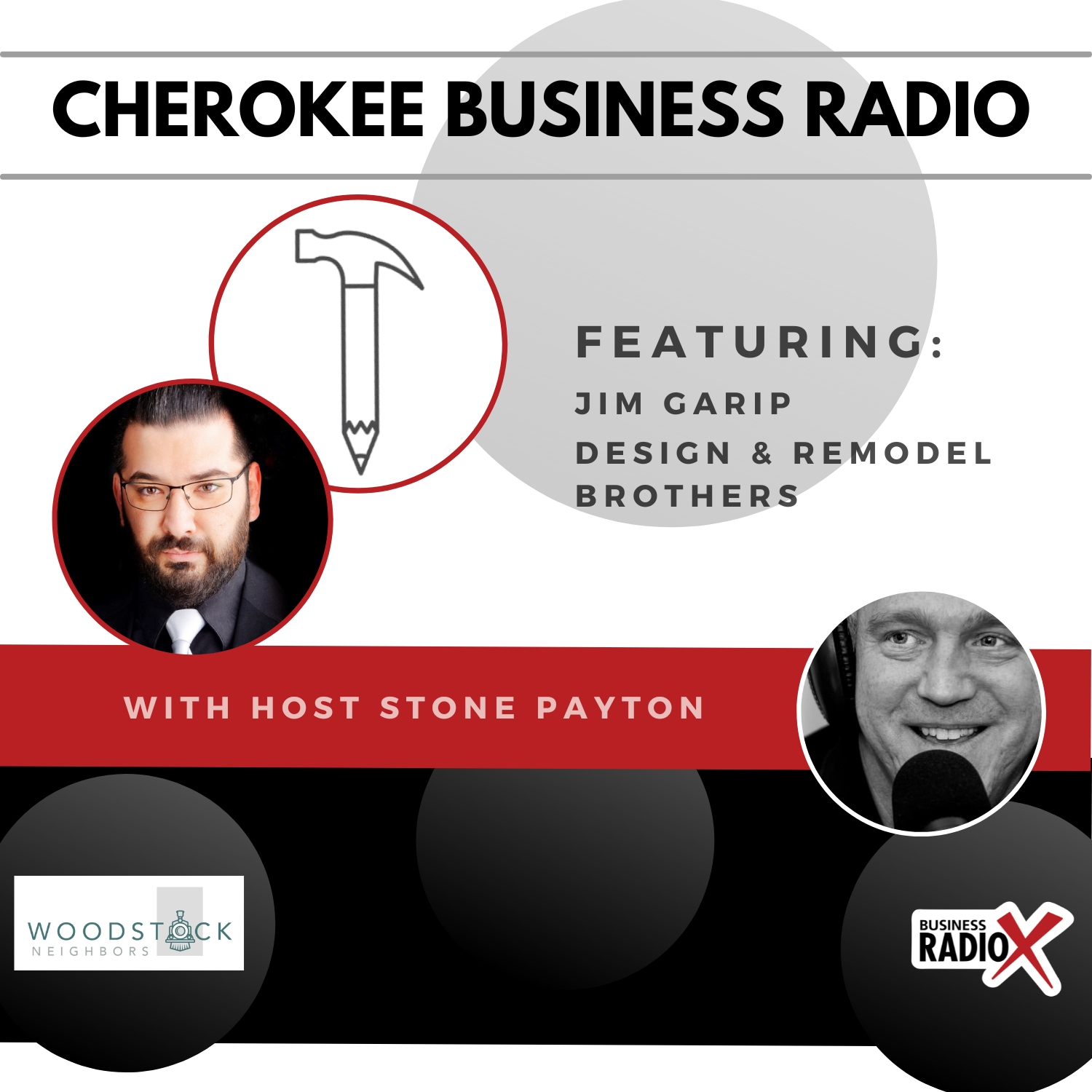
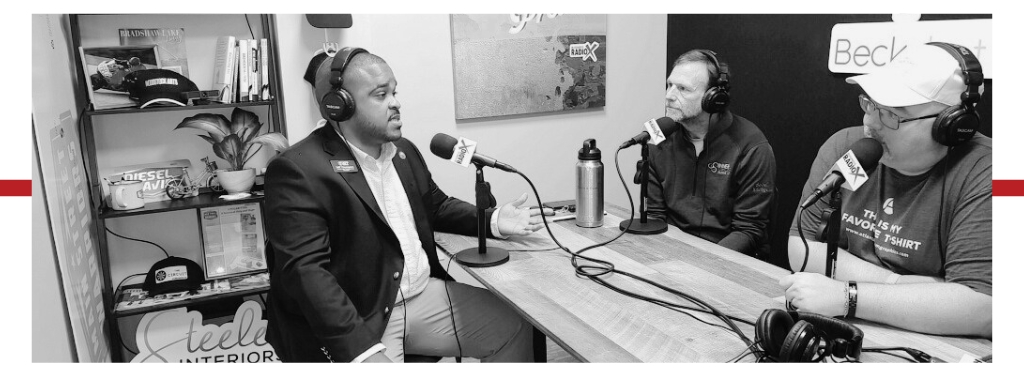
Neeahtima Dowdy with Woodstock Neighbors, Meg Thompson with Brain Train Centers, Alexander Bryant with Alphas1te and Gerald Scott

July 27, 2023 by angishields

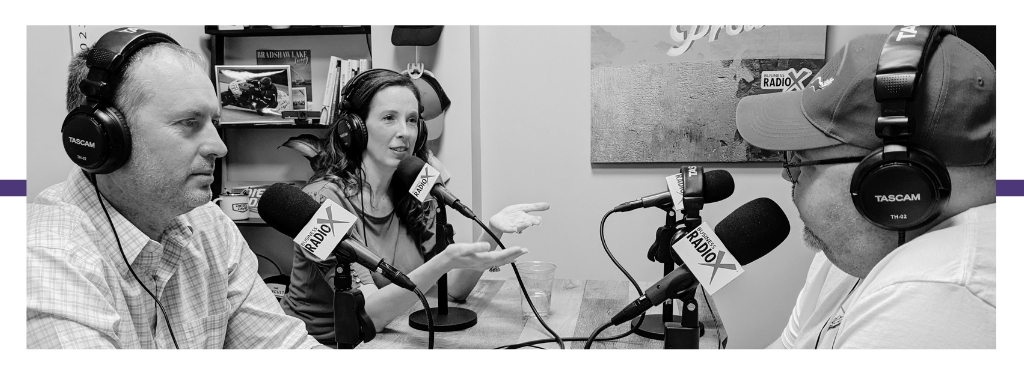
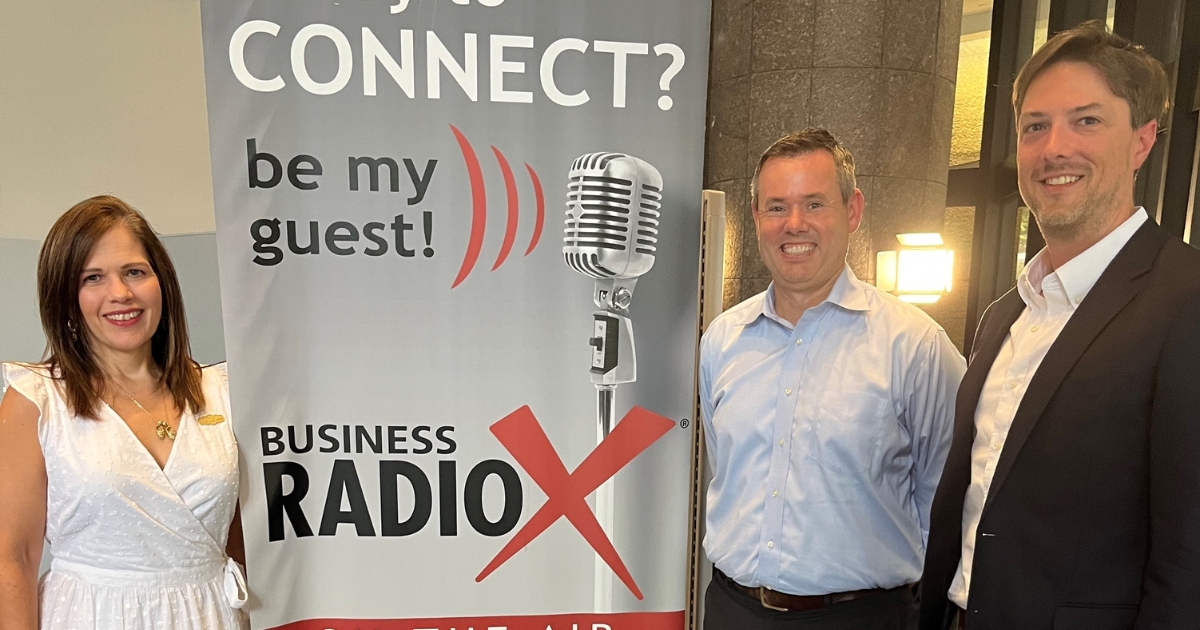
CherokeeBusinessRadio072523pic1
Cherokee Business Radio
Neeahtima Dowdy with Woodstock Neighbors, Meg Thompson with Brain Train Centers, Alexander Bryant with Alphas1te and Gerald Scott
Loading
00:00 /
RSS Feed
Share
Link
Embed

Download file

CherokeeBRX072523

Sponsored by Business RadioX ® Main Street Warriors

Main-Street-Warriors-Banner

Neeahtima-Dowdy-bwNeeahtima Dowdy earned a Journalism degree while working in reporting and public relations. During her career, she held numerous roles: writing, editing, corporate communications, message strategy, political campaigns, and finally a VP at a public affairs firm running campaigns for Fortune 100 corporations.

Marriage and motherhood then took center stage, as she raised three busy children and managed the family enterprise. Neeahtima continued to use her skills and talents outside the family, from founding a mom’s group, to serving in church leadership, to creating and teaching a middle school musical theater group.

A habitual do-it-yourselfer, Neeahtima is known to design and sew an evening gown, lay tile, refinish furniture, install landscaping, and even built out a home cinema from studs. After a couple of decades of taking pride in ensuring that others flourish, Neeahtima has found an entrepreneurial venture that combines every aspect of her career.

As publisher of her own community magazine, she combines her love of storytelling, writing and editing expertise, and involvement in publishing with her experience helping business leaders navigate the public square.

Connect with Neeahtima on LinkedIn and follow Woodstock Neighbors on Facebook.

Meg-Thompson-bwMeg Thompson, Certified Brain Trainer (owner of Brain Train Centers – Woodstock, GA and Einstein & Arnold)

Meg has a passion to work with adults and children who suffer from quality of life challenges like stress, trauma, insomnia, and focus issues. She is the founder of Einstein & Arnold that’s dedicated to providing health and wellness services and products.

Neurofeedback, when combined with the correct therapies and wellness products, can make great changes in the quality of lives for many families. Alternative health and wellness is greatly needed and she is happy to be part of the change in the Woodstock, GA area.

Follow Brain Train Centers on Facebook.

Alexander-Bryant-bwAlexander Bryant is a proud Cherokee County native with roots that run generations deep. He is a graduate of Reinhardt University, where he served as Student Body President and was recognized as Undergraduate Student of the Year.

He is the owner of two local businesses – ALPHAS1TE, a marketing agency devoted to helping blue-collar pros win, and SARCRAFT, a wilderness skills school and outfitter empowering people with the skills to prevail in the wild.

He served part-time as a wilderness search & rescue technician with Cherokee County Fire/EMS for 10 years, and is currently a recon infantryman in the Georgia Army National Guard. He lives in Canton with his wife, Sarah.

Connect with Alexander on LinkedIn.

Gerald-Scott-bwGerald Scott – First Community Development, the company Gerald was working with ceased operations May 31, 2023, due to the unexpected death in April of the founder & CEO.  Any work he does in the future will likely be as an independent contractor, which he’s done in the past.

For twenty years, Gerald served as President of Junior Achievement of Georgia, a not-for-profit education organization to show elementary, middle and high school students how the private economic system operates.  They worked with businesses to place businesspeople in the classroom one hour each week to work with classroom teachers.

Gerald was Director of Southeast Operations for Junior Achievement Inc. for four plus years assisting twenty-two local operations in Georgia, Alabama, Florida, Tennessee, North & South Carolina. When that position was eliminated, he worked as Director of Operations for the Greater North Fulton Chamber of Commerce.

Gerald began working with First Community Development in January 1999, to manage a capital campaign for a Shakespeare Theatre Group in Staunton, Virginia.  Following this, he managed a capital campaign for the Athens (GA) Area Chamber of Commerce and conduced an analysis for the Jackson County (MS) Economic Development Foundation.

Since then, he’s worked with Chambers of Commerce, Economic Development groups, theater groups, private schools and Main Street organizations on strategic planning, feasibility analyses and capital campaigns in Alabama, Florida, Georgia, Mississippi, North Carolina, South Carolina, and Tennessee.

Gerald was born and raised in Nashville Tennessee and attended Middle Tennessee State University.  He was a member of the first Junior Achievement program in Nashville and began working with JA of Nashville while still in college.

Gerald and his family moved to Cherokee County in November 1980.  They have two daughters and one son who grew up and attended public schools in Cherokee County.

This transcript is machine transcribed by Sonix

TRANSCRIPT

Intro: [00:00:07] Broadcasting live from the Business RadioX Studios in Woodstock, Georgia. It’s time for Cherokee Business Radio. Now, here’s your host.

Stone Payton: [00:00:24] Welcome to another exciting and informative edition of Cherokee Business Radio Stone Payton here with you this morning. And today’s episode is brought to you in part by our Community Partner program, the Business RadioX Main Street Warriors Defending capitalism, promoting small business and supporting our local community. For more information, go to Main Street warriors.org and a special note of thanks to our title sponsor for the Cherokee chapter of Main Street Warriors Diesel David Inc. Please go check them out at diesel. David.com. You guys are in for a real treat this morning. We’ve got paparazzi, we’ve got a video crew, we’ve got a studio full. This is going to be a lot of fun. First up on Cherokee business radio this morning, please join me in welcoming to the broadcast with Woodstock Neighbors magazine, Neeahtima Dowdy. How are you?

Neeahtima Dowdy: [00:01:20] Hey, Stone, I’m so glad to be here. Thank you for inviting me.

Stone Payton: [00:01:24] Well, it’s a delight to have you in the studio. I thoroughly enjoyed getting together with you. Last week we were over at the Reeves house. I was enjoying a cortado, which I only discovered recently what that is because I was watching one of my favorite shows, Billions. And there’s a character there that makes this cortado. But we had such a marvelous visit. I knew immediately we had to get you on air. We got to we have to share this story. So I got a thousand questions. I know we’re not going to get to them all, I’m sure, but maybe a good place to start is mission purpose. What are you and your team over there really trying to do for folks with this magazine?

Neeahtima Dowdy: [00:02:04] We are trying to bring neighbors together and bring neighbors together with their businesses. So my magazine, I’m sort of like a franchise. I’m the local publisher of Woodstock Neighbors magazine for a company that has more than 1300 magazines just like it in communities all over North America, like east, west, north, south, big cities, small towns. And we we we bring neighbors together. We don’t send them, you know, 70 pages of ads and advertorials. We feature families on the cover. And we try to bring a small number of people in the community together to get to know their neighbor and and businesses sponsor it and allow that to happen.

Stone Payton: [00:02:50] Sounds like good work if you can get it. It must be incredibly rewarding. What are you enjoying the most? What are you finding the most rewarding up to now?

Neeahtima Dowdy: [00:02:58] Oh goodness. So I was four months in the launch. The first issue just hit homes, so I am looking forward to feedback. I got a call last night from a business owner who said, Hey, I got your magazine in the mail and it looks really good and I’d like to talk to you about it. So I’m meeting with him today, so I’m looking forward to that. But so far, I mean, the best part is getting immersed in this Woodstock community. I you know, I raised children for 25 years, so I didn’t need to go to networking events or be a member of the chamber. And since I’ve started the magazine, man, I’ve made best friends. That Woodstock Business Club can keep you out partying every night if you let it. I had to beg off last night from trivia night. Yeah. So just new best friends. You know, whether they become my client or not. I’m meeting the most amazing people and developing these strong bonds and this even deeper love for the community.

Stone Payton: [00:04:04] So tell us a little bit more about the backstory. What in the world compelled you to get into into this line of work?

Neeahtima Dowdy: [00:04:11] Well, so it’s it’s I’ve kind of come back full circle. I went to the University of Texas and got a journalism degree when lo those many years ago and my early career was in sort of every form of communications you can imagine from from beat reporter to editor to corporate communications to politics, political campaigns, corporate consulting for Fortune 100 companies. And then I met my husband and had children, three children, to be exact.

Stone Payton: [00:04:44] All hobbies and outside interests are parked for years now.

Neeahtima Dowdy: [00:04:47] Exactly. So.

Neeahtima Dowdy: [00:04:49] So I was the full time caregiver for them and mostly full time driver for them for a number of years. And then, you know, they’re all at college or grown now and all of a sudden this opportunity dropped into my lap and I thought, this has got my name written all over it. So I jumped in with both feet and did it scared. And so here we are and I’ve gotten to print and I think it’s going to be a really great magazine. Scene for the community.

Stone Payton: [00:05:24] So what was that conversation like when you. Went back to your spouse and you said, hey, I’m going to jump off this cliff and I’m going to do this. Entrepreneurial magazine thing. I’m trying to envision me having that conversation with Holly.

Neeahtima Dowdy: [00:05:37] Well, you know, the good news was there was absolutely no risk and all upside. Wow. So so it was I just kept it sounded too good to be true, to be honest. We get that a lot in our company. And but I since there was no risk, it was just an investment of time on my part. I just kept looking at Craig and saying, I don’t see the risk. I mean, what’s the worst thing that happens? I can’t do it. I suck at it.

Stone Payton: [00:06:10] Well, it sounds like Craig, you said yes. He’s been incredibly supportive.

Neeahtima Dowdy: [00:06:14] He has. He has.

Stone Payton: [00:06:15] Yeah. All right. So in this day and age, at least, my perception is that so much marketing has gone with other platforms, digital platforms and social media and all that. How do you reconcile that? Is that good? Do they play with each other? Speak to that a little bit?

Neeahtima Dowdy: [00:06:32] Well, and therein lies the problem, right? So the Harvard Business Review recently did a study and and shows that the major advertisers are all returning to print because digital has become too diluted. I mean, everybody listening knows they scroll through their Googles and their Facebook’s and their Instagrams and they are overwhelmed with ads, most of them they’ve never heard of. So the study that Harvard Business Review did showed that print is still by far the most trusted form of advertising for consumers. Digital is the least. So everybody is on the digital bandwagon. But the truth is, it’s really hard to to make digital work. So I started an inspirational platform about a year and a half ago, which is now on hold. So I got to meet, you know, influencers with 100,000 followers and sort of they mentored me. You, if you want to make social media work for your business, you have to do it full time. You’re posting 1 to 2 times a day. You’re following the right people. You’re commenting on hundreds of posts, you’re replying to every comment on your post because it’s all about engagement. The social media platforms aren’t going to push you out there just because you did a post. It’s it’s your engagement numbers. So it’s really hard to make work unless you have full time to spend on it. And most businesses don’t. And it’s it’s very expensive to hire somebody to do it. So so yeah, digital and the digital advertising has become diluted. Now what we do that’s unique from other print platforms is we combine both. We do think there’s a place for digital, but you need the legitimacy of being in print in their home every month so that when they’re Googling for their roofer and they’re scrolling past all these ads, they go, Oh, I’ve heard of that guy, I know that guy. He’s in our community. So we pair them together. We our programs all have a digital ad campaign component where we take your print ad and then we run a digital campaign that marries with it.

Stone Payton: [00:08:51] Well, I think you just answered part of my next question because your your work strikes me as a very competitive arena.

Neeahtima Dowdy: [00:08:58] You think?

Stone Payton: [00:08:59] And so I okay, apparently the answer to that is yes. So how do you differentiate yourself from these other print platforms? And apparently this is one of the ways is that you you don’t throw out the digital, you find the best way to leverage it. But are there other points of distinction that you try to bring up?

Neeahtima Dowdy: [00:09:20] Absolutely. So, number one, most of other community magazines sell their front cover, which is great. If you’re a business, maybe you’re doing a grand opening or something and you want to make a big splash and get that big bump. But, you know, that magazine then finds its way into the recycle bin and nobody nobody remembers you. So we think that’s not good for our readers and not good for our businesses. So we put our readers on the cover. We put families on the cover, hence bringing the neighbors together. So we have a very high open rate because people want to read about the people they’re raising their children with in the neighborhood. So we have a very high open rate. And then, you know, we make it past the recycle bin into the home and stay on the coffee table, which is if you’re a sponsor where you want to be. Right. Another another big difference is we have an expert contributor program for our businesses that allows them to contribute to. The magazine as not advertorial, but as saying, I’m here to serve you. I’m here to be an expert to help you. I don’t just want your business. I am one of you. And I care about our community.

Neeahtima Dowdy: [00:10:35] Fun.

Stone Payton: [00:10:36] I bet you get asked that a lot, though, right?

Neeahtima Dowdy: [00:10:38] I do.

Stone Payton: [00:10:40] All right. So let’s talk about the work a little bit and how the process works. Let’s say hypothetically, there’s even a media company that does like radio, but they also recognize the advantage in the power and print medium. How does that work? Do you sit down and talk it through and plan out a whole calendar of advertising or maybe get them to write an article? Walk us through that.

Neeahtima Dowdy: [00:11:04] Yeah.

Neeahtima Dowdy: [00:11:04] So we meet and we try to find out what what the what the client needs, what’s best for the client. You know, we have various contracts, various sizes. You can be the expert. Only one business in each category can be the expert. But, you know, you can have a primary position. We look at what serves your business the best, basically. And it may not even be in my magazine. We have 35 magazines in Georgia. So while I would like to build my magazine, if it doesn’t make sense for you to be in where my distribution goes and say it makes more sense for you to be in town Lake or Bridgemill or Lake Oconee, even I will put you in that magazine instead. It’s all what what is most important for your business, not what serves me. And then we we have free design. I have a fantastic graphic designer who who was the senior art director for Lamar Advertising. So he he knows his advertising. And so he will design your ad we don’t charge anything. You can change your ad regularly. If you are an expert contributor, you contribute up to four articles a year and I work with you to schedule that out. What makes most sense? Maybe you’re a seasonal type business, and so my solar company in my magazine wanted his article to appear in the heat of August, obviously when everybody’s bills are skyrocketing. So yeah, so we just partner with you and do what’s best for the company.

Stone Payton: [00:12:44] So how does the whole sales and marketing thing work for an enterprise like yours? Are you out there shaking the trees or are you having to eat some of your own cooking and advertising your own magazine or do some digital? How do you get that conversation that you’re describing?

Neeahtima Dowdy: [00:13:01] Cold calls.

Neeahtima Dowdy: [00:13:03] Really? Yeah, that that was the.

Neeahtima Dowdy: [00:13:05] Part which, you know, there were days where I couldn’t pull my head out of the covers because I do not have a sales background. And that is the major component of building a magazine, as you might might imagine. So, you know, I had to do it scared, you know, prospect cold calls, network. But but really it’s the cold calls. You know, my first two clients were 36 month expert contributors who I cold called and signed up on. So, you know, that was beginner’s luck, I guess.

Neeahtima Dowdy: [00:13:40] But wow.

Stone Payton: [00:13:42] No, that’s incredible. Well, good for you.

Neeahtima Dowdy: [00:13:44] But it’s.

Neeahtima Dowdy: [00:13:45] It’s beating. Beating the pavement for sure.

Stone Payton: [00:13:48] So do you ever get the ROI question? Like, do you have a client who’s interested? It looks cool. I love the idea, you know, Are they asking about numbers? How do you like the metrics that matter? They’re asking about that return on investment. You have that conversation, I’m sure.

Neeahtima Dowdy: [00:14:03] Of course.

Neeahtima Dowdy: [00:14:04] Yes. And that is, you know, today’s business owners, mainly the small business owners, you know, they want they’re they’re attuned to that direct response mentality that, you know, here 50% off for new clients.

Stone Payton: [00:14:18] And we can’t make too many big mistakes. A small business owners. Right. I mean. Right. Some of us are 2 or 3 big mistakes away from shutting the doors.

Neeahtima Dowdy: [00:14:26] Right.

Neeahtima Dowdy: [00:14:27] But more and more of these small businesses I meet with will tell me also that, you know, they’ve they’ve hired a lead magnet type thing and it’s terrible. And they’re going to fire them, you know, So we try to teach the companies how to how to work like big brands, right? So take Chick fil A, Everybody knows where their local Chick fil A is. Right? Everybody knows where, you know, the next three local Chick fil A’s are. And yet Chick fil A is still branding, right? Why? Because they know big brands know you have to stay top of mind and make people feel good about doing business with you. And if you think about if you’ve seen one of their commercials, I’m sure you have, they’re not showing their chicken sandwich and saying, we have the best lunch on the planet. What are they doing? They have a local manager or employee and. A customer or family and they’re talking about something wonderful they did in the community. That’s that feeling good component. So we try to teach our clients how to think like big brands to be part of the community. Make make sure that you’re you’re top of mind because, you know, people don’t go and get their direct mail flier from the mailbox and come in and say, Honey, let’s build a $100,000 pool. It doesn’t work like that, right? So when they start having that conversation, are you top of mind? Right. So that’s why we’re different, right? The direct mail flier hits the recycle bin and then you’re forgotten. And when they decide they need $100,000 pool, you’re not known. We keep you in their house every month. So when they make these big ticket decisions or there’s a storm and they have to repair their roof or replace their roof, your top of mind and they feel good about doing business with you because they know you’re one of them. You care about their community.

Stone Payton: [00:16:27] You’ve mentioned roofing a couple of times. Is this home services arena a good group of people or.

Neeahtima Dowdy: [00:16:34] It is a good group.

Stone Payton: [00:16:35] Of people, people like who are what kinds of businesses should at least have a conversation?

Neeahtima Dowdy: [00:16:40] Well, anybody who wants a client in Woodstock.

Neeahtima Dowdy: [00:16:44] That we.

Neeahtima Dowdy: [00:16:45] Go exclusively to the most affluent homeowners I should have mentioned. That’s another way we’re different. We don’t blanket the county. We exclusively go to the high end, high value customers. And so anybody who wants those clients, I have financial advisors. I’m meeting with an insurance person today. I have a garage kings. The the people who do the fancy tricked out garage floors.

Stone Payton: [00:17:14] I’m lobbying my wife right now.

Neeahtima Dowdy: [00:17:15] To get that done. Well, you need Jay Hart at Karachi Kings.

Stone Payton: [00:17:19] All right. Well, I’ll tell him I got it from you. I’ll tell him I got it from your magazine.

Neeahtima Dowdy: [00:17:22] Yes, he was. He was my.

Neeahtima Dowdy: [00:17:23] First client, actually. So. Yeah, everything hard, hard scrapers, landscapers, pest control, cleaning salons, restaurants. I mean, just, you name it. If it’s somebody with expendable income in Woodstock and you want their business, this is the way to reach them.

Stone Payton: [00:17:41] All right. I’m going to shift gears on you a little bit before we wrap. Talk to me about passions outside the scope of your work. Is there something that I don’t know you kind of nerd out about? Most of my listeners know hunting, fishing, travel and scotch and bourbon. Right? That’s for me.

Neeahtima Dowdy: [00:17:58] Well, what are you into.

Neeahtima Dowdy: [00:17:59] On a on a recent level, I just got four chickens.

Neeahtima Dowdy: [00:18:05] Okay. Okay. That’s different.

Stone Payton: [00:18:07] I may be the first chicken answer we’ve had.

Neeahtima Dowdy: [00:18:09] I nerd out on my chickens. In fact, when we get they’re teenagers right now. But when we first got them, my husband and I would go out every night for happy hour with our cocktails and just sit there and stare at the chickens. It’s I don’t know. Yeah. So that’s about as nerdy as you get, Right?

Stone Payton: [00:18:26] And they lay eggs.

Neeahtima Dowdy: [00:18:27] Do we get eggs? Not yet. But they will. Yeah, they will.

Neeahtima Dowdy: [00:18:29] Yeah. Yeah, they will. But on a on a higher level, about a year and a half ago or more, I started a, a platform which is on hiatus, but I haven’t, I haven’t gotten rid of it called We’re Not Dead Yet women rocking their next chapter and I launched a YouTube channel. Another thing I did Terrified, where I interviewed women over 40, 50, 60 and beyond who are reinventing themselves, kind of like I am right now to inspire other women. And, you know, for, I don’t know, over a year, I was doing an interview about a week and then developed the social media platforms on Instagram and Facebook and got a huge following. But then, you know, this Woodstock neighbors thing dropped in my lap. And I said, I got to I got to practice what I preach. I got to I got to live my next best chapter. And and take a risk. So.

Neeahtima Dowdy: [00:19:26] All right.

Stone Payton: [00:19:27] Where can our listeners go to learn more, have a more substantive conversation with you, or just learn a little bit more about the magazine? What’s the best way for them to to connect with you?

Neeahtima Dowdy: [00:19:36] So the best way is probably on Instagram. You can message me on Instagram at Woodstock Neighbors Wbvm. Or if you just Google Woodstock neighbors, it’ll probably come up.

Stone Payton: [00:19:50] Fantastic. Well, thanks so much for coming in and sharing.

Neeahtima Dowdy: [00:19:53] Stone.

Stone Payton: [00:19:54] This is fun stuff.

Neeahtima Dowdy: [00:19:55] It is. Thanks.

Stone Payton: [00:19:57] How about hanging out with us while we visit with our other guests?

Neeahtima Dowdy: [00:19:59] Absolutely. I know one of them.

Stone Payton: [00:20:02] All right. Next up on Cherokee Business Radio this morning, please join me in welcoming to the show with Brain Train Centers. Ms. Meg Thompson, how are you doing?

Meg Thompson: [00:20:13] I’m pretty good, Stone. How are you?

Stone Payton: [00:20:15] I’m doing well. So the way the business radio process works and I don’t know if this was built in before I joined the network. Work or not. But I’ve had a beer with just about everybody at this table already. You and I shared a beer and a marvelous meal. Thoroughly enjoyed that conversation. Begun to learn just a little bit. But tell us about brain training centers, what you’re doing and why you’re doing it.

Meg Thompson: [00:20:40] Okay. Yeah, and you’re right. We had a really good beer and burger. I was, like, amazed. Okay. So I am excited to to be able to be back in North Georgia. I’m actually from north Georgia. And as I said, out on my journey, like all this years ago, to go branch out into the world, I fell into oncology after about eight years. I said, okay, I’ve got to do something in design. I’ve got to do something that speaks to me. So I went into design and marketing, and when I realized you’re climbing the ladder to success but potentially not fulfilling your purpose, I started figuring out who am I, what do I want to do for my career and how do I have purpose? And so I went straight into figuring out why do I make the decisions I make. I found another entrepreneur through networking groups Melissa Hergert, who started brain train centers, and she said, Why don’t you work on yourself? Let’s do this. And so I said, okay. After a lot of networking events and talking and getting to know her, I said, okay, I’m going to work on myself. I started neurofeedback brain training and I started working on myself. And then I realized I had so much more creativity in me than just marketing and design, though it’s the basis of my career. It changed my mind. It changed my life. It gave me a sense of purpose. I realized I needed to help other people. And so then a path started of wellness. And so a reinvention personally became a mission and a purpose for helping others. And so I started brain train centers off of Sixes Road in Woodstock. I was one of the first to talk to her about in this concept of, I would say she had other people, other partners across the nation.

Meg Thompson: [00:22:29] But I really started talking to her about a year and a half ago about starting my own location. And when I decided where to go, it was a natural segway. Okay, I’m going to go back home. I’m going to stop traveling around the country and stop being backpacked. Megan And I’m going to go home. So I went back home to Woodstock, and it was a journey to come back here, and I’ll tell that story one day. But yeah, to come back here and start figuring out what am I doing and how can I help people because there’s so much that we can help with brain training. So essentially what brain training is It sounds like nuts. Probably people are like, What are you talking about? We’re physical trainers for your brain, essentially. So it’s in the wellness space. It’s noninvasive, it’s drugless. It’s using technology and marketing. Essentially. We’ve got to educate and talk to people about what it is. But it’s technology. It’s hardware and software sensors that go on your head that can help us understand your brain, which I’m kind of a nerd. Like I started 3D printing companies and I’ve done all these little, you know, perceivable like the world would say nerdy things because, you know, I was a 3D animator and graphic designer and a coder and a web developer, and I just loved all of those little, you know, technology and marketing things. And so when I found that this type of technology tells you about how your brain is behaving and why we do the things we do.

Stone Payton: [00:23:57] Wow.

Stone Payton: [00:23:57] So how do you how do you know if you need or would truly benefit from brain training?

Meg Thompson: [00:24:03] Yeah. Okay. So, well, we start with a brain map. It literally tells you what’s going on with your brain. And so we get this little report and it’s a visual, but it’s also interpreted in a written format that tells you what’s going on with your brain. And they’re all unique. So we’re looking for more gray matter on the map, but it lights up with colors and it tells us what’s going on. It tells us about your decision making, how your focus is your mood, and it can tell you about how your sleep is. We even get like a report of your supplements that you might need to take to help you with your nutrition so that you can understand more about is this all inclusive? The captain of our entire body and our central nervous system is our brain. So if we are having a really good brain health, we’re going to have a really good, happy quality of life. So that brain map is how it all starts. And it tells us a recommendation. The software was made by a guy in metro Atlanta, a neurologist, and he has basically opened it up so that other people can come in and use the software to help other people.

Stone Payton: [00:25:16] Okay, let’s play this out a little bit. I go into one of your centers and you hook me up. And we map stones brain and we find out what kinds like what are what are some highlights of what a report might tell you or me. Yeah.

Meg Thompson: [00:25:33] So it tells us a couple of things. There’s a series of different viewpoints that we get from visuals, but it also shows us little scales like where you are on where your brain should be. And so then it provides a narrative for you. There’s a short version which I really like and a long version, but it tells you it’s very informative. And so even if you don’t decide to do brain training, which I can tell you about that in a minute, even if you don’t do brain training to re brain train, you know, the brain waves, the brain wave activity, you can still just do the map. And a lot of people use that as a baseline for other types of nutritional and even medical or non-medical wellness care.

Stone Payton: [00:26:17] All right. So you get some insight right out of the box. Here’s the way your brain has worked and it leans a little bit this way. And here’s maybe why you approach things that way. And then what I’m hearing you say is, if I decide with your counsel, hey, I really want to get better over here in this area, there’s a way to to work. It’s like exercising a muscle or something. Yes.

Meg Thompson: [00:26:38] Yeah, that’s exactly it. So essentially, we’re going to provide a report. We’ll tell you what’s going on. It’s so much information. I take my time over two sessions to go through all this. So you’ll come in and do the brain map the first session and I put it together. We have a package. So the first one is you come in for the brain map and then the second one I’ll go over the report of finding and then you get a mini brain session, 15 minutes to sit there and see what brain training is like. And at the end of the appointment, we’ll talk about, okay, do we want to work on these things? How severe are your issues? How much is it impacting your life? Do you have a hard time going to sleep? Can you stay asleep? How’s your your focus, your mood, your attention? Are you able to stay on topic? Are you able to like, I’m the worst? I’m like, I found out I do not have ADHD. I have a stress brain. I was so excited. I was like, I didn’t need any kind of medication. I’ve tried that before. I was like, Oh, I’m so no, it’s stress. So then you have to start figuring out how do you get through it? And it’s a it takes a trainer, just like you would go to a gym and it takes a dedication to your whole health. I mean, I’ve literally thought, okay, every aspect of my life now has to change. And everything that we touch, everything that we look at from technology, all of the things that we put in our body, all of those things have to be reevaluated. So it takes a trainer to say, All right, I’m going to cheerlead you on. We’re going to go through this. It’s a commitment. But if you do this for a few months or maybe even six months or nine months, whatever it takes to fix it, based on how dysregulated your brain is, you could potentially have a solution to problems versus taking pills and medicines that that really are only going to work if you take them. Okay.

Stone Payton: [00:28:27] So the technology associated is it technology that does the training as well, or is it also okay, so here’s some mental exercises you need to be doing on your own time or is it a blend of those things? If we’re in the training aspect of it?

Meg Thompson: [00:28:41] I’m glad you said that. You asked because I’ve learned that it is a whole health approach. So for me, I’m looking at all of those things. I’m guiding you through it, me, the trainers that come through, we’re working through other areas. So when you tell me, Look, my anxiety is bad, I have had people come in, their anxiety is so bad, they’re clenching their jaws. They can’t sit still or focus. Their anxiety is so bad that they’re clenching the steering wheel at Atlanta traffic and they have so much anxiety they can’t get in their car to go to work because they’re just, you know, and I don’t know how we haven’t figured out Atlanta traffic like traffic all over the world. Why haven’t we figured this out yet? But anxiety creeps up and it becomes debilitating. And so we talk about how do we fix it beyond what’s in the office. So I’m actually working on other things, meditation and other recommendations. Of course, I’m going to suggest meditation on your own. There’s some apps, there’s different things you can do, but having somebody walk you through that process is my goal. I may not have all your solutions. I’m okay. I’m not going to be an expert on everything, but I have a network of other providers and there could be wellness or medical, and I’m going to suggest those or help you guide you through that process or therapist It may be that you’re releasing potentially relationship trauma or maybe you went through a car accident or a bad legal battle. Different things in life are going to creep up on you. How do you get through it? And we start to connect. But brain training helps your hardwire, okay? It’s the hardwire in your brain, the physical waves that produce we. Study for brainwaves. Its alpha, beta, theta and Delta. And we study those brainwave patterns and brain training helps you to retrain your brainwaves.

Stone Payton: [00:30:33] Wow. All right. How does the whole sales and marketing thing work for you? Is it a hard sell? Is it an individual sale? Is it is there a corporate sale? Like I want my team to perform more effectively or even like an athletic team? Like, who buys this?

Meg Thompson: [00:30:47] Anybody with a brain? First of all.

Stone Payton: [00:30:50] We got some broad markets here, don’t we, guys?

Stone Payton: [00:30:52] Anybody who wants to sell something to somebody in Woodstock for Neophema and for you, anybody with a brain, I carry.

Meg Thompson: [00:30:57] A little brain around. I have a brain and I carry these little squishy brains. And they’re tiny. They’re so easy. They’re little stress brains. So, yeah, if you don’t have a brain, I’ll give you one. Call me a Wizard of Oz. Yeah. So, honestly, it’s. It’s a connection. I learned that, you know, we’re trainers, but at the same time, I do lead generation funnels. I’m working on some social media because.

Stone Payton: [00:31:23] You have that market, you have the marketing chops as well. So that’s helping you reach people and just have the conversation. The reason I’m asking, I can see like for someone who is on that path of personal development, they want to get better. Maybe they’re already a top performer and they want to maintain that edge or they’re trying to develop top performers. I can see writing a check, you know, for our studio partners to participate, right? Because we all everybody wins when they perform. So is it mostly that person that you’re talking to or are you finding yourself sometimes really moving people down that continuum from complete unawareness to, oh, wow, we really ought to think about this.

Meg Thompson: [00:31:58] So of course, there’s I love I love your questions. There’s so many answers. I’m like, all right. So first of all, the sales and marketing, for me, that’s the biggest part. That’s my challenge. This is new, right? To a lot of people that’s been around for 60 years. And the success rate is so great. I can talk about somebody’s brain. In less than two months has reconnected and reorganized 40%. So you’re talking about a lot of great reorganization. So the sales process is usually pretty simple. Once someone says, look, I am dealing you know, people come in, they’ll say, I can’t work. I’m getting in trouble because I can’t focus through my work and I’m getting written up. I’m a sole provider. People that are coming in saying I can’t get through my days because I’m writing multi-million dollar, extremely stressful checks, that I’m dealing with liability issues and that stress weighs on them when they go home. So it’s a lot of times it’s high performers, peak performers. It could be people that are just trying to perform better in their fitness life. So business owners come through. A lot of times they’re like, I’ve got 400 employees. I can’t deal with the stress. Well, what happens is and I gave you this quote earlier, it’s by Charles Swindoll. So I believe that life is 10% of what happens to you and 90% of how you react to it.

Meg Thompson: [00:33:24] So brain training works with operant conditioning. You basically we’re going to put headphones like these on and sensors you watch TV. This is your me time. Your brain controls the TV. When you’re paying attention, the screen gets brighter and the audio gets louder. When you’re not paying attention, it gets darker and quieter like you. Really? How cool is that? Yeah, it goes in and out. Yeah, quieter. So it’s really interesting. So this is their me time. They come in, they sit down, they do the neurofeedback. Your brain actually tells the TV what what to do basically. So you’re sitting in a recliner, you’re watching the TV, and as you’re watching it and paying attention, you’re retraining your brainwaves. So once somebody comes in and they see it, the process is simple. It’s you’ve got some issues. Do you want to actually prioritize your your brain health now or do you want to do it later? So my goal is to try to make them feel comfortable and let them know we’re here for them when they’re ready. But I want to work with people that are dedicated and ready because if you’re half in and half out, your success rate is not as as great. So I want people that are dedicated. Yeah.

Stone Payton: [00:34:35] All right. So if we play this out, maybe we have a conversation over a beer. That’s always a great that’s a good foundation for any relationship in my experience.

Neeahtima Dowdy: [00:34:43] I agree.

Stone Payton: [00:34:45] Then we go do like the mind mapping thing, right? And then we do kind of a deep dive, right? Like a three month, six month. We really get in there. And then over time, I’m getting the sense that you’ve taught me to fish a little bit. Like I know some things to look out for and maybe I swing by the office more. Not as much. Right, but occasionally to check in. Is that accurate? Is it?

Meg Thompson: [00:35:08] Yeah. So what happens and I’m kind of a prime advocate for this and so many other trainers have gone through this that have been training for years. I mean, this is a muscle that needs to be continuously done. However, it’s re it’s like a re event, right? So say you have a life event that has changed in like all of your things are just messed up again your memories off. All of a sudden you just start to have and there’s a list of things headaches, memory, focus, attention, negative moods, PTSD, trauma, sleep issues, substance abuse, all those things. Okay, that was a long list. All those things can get out of whack, right? And so what happens is, as you say, there’s a symptom that I’m dealing with. You call us back and you say, Hey, let’s do a remap. So we remap your brain and say, all right, this is what’s going on right now. And then we decide, all right, if you’ve done training before, you’re probably not going to need them as much. It may be ten sessions, 20 sessions, but a lot of times somebody comes in and they need 30 or 40 or 60 sessions, depending on what’s going on. And as you’re going through the program, I’m constantly looking. We’re measuring your symptoms. We’re looking at how you’re actually doing each time you come in, I’m talking to you. We’re talking about what’s going on in your life, me or the trainers that are there. And we’re figuring out how to fix your your dysregulation. We’re getting you through like you would a personal trainer dysregulation.

Stone Payton: [00:36:30] So I went straight to the the high performance as a use case but you just said PTSD so maybe you can really get at some serious things like that. I don’t know. Addiction, suicidal thoughts all.

Meg Thompson: [00:36:43] Absolutely. Wow. Yeah. So this is everyday stuff. But it could be a concussion, right? It could be somebody who’s had traumatic brain injury. We don’t diagnose. We don’t prescribe anything. We don’t we’re not giving you drugs or anything. It’s drugless. This is just your sensors on your head are the sensors are giving a connectivity to a software and this very great high technology, great program that has allowed us to have access to great mental health and brain health, you know, training. So.

Stone Payton: [00:37:18] Yeah. All right.

Stone Payton: [00:37:19] Before we wrap, what do you do when you’re when you’re not mapping minds?

Meg Thompson: [00:37:22] Oh, my gosh. It’s kind of overtaken my my brain, actually. So this is my life. So a lot of what I’m doing is I’ve become so into it. I want to be able to help people across the world that have other things that are going on beyond just brain training and a local Woodstock office. But I want to help other people. And so part of that is I’m getting out and I’m going on excursions. So you will. So I like to go hiking and I like to go, you know, trail blazing. I want to go fight all the waterfalls, like I want to collect them. Like, you know how they have like, geocaches, right? Like, how do I collect parks? Like, I would do a collection map. Okay, somebody could app that they may have an app for that, but that would be so fun. Like to go collect all the little wild adventures and see all the different, you know, waterfalls and you know, of course I grew up going to the beach all the time in Georgia. We all go to the beach. But now I’m like obsessed with going and seeing all the waterfalls and all the trails, and I like to go trail running. I love animals and I love music. So those are kind of my little joys, simple pleasures, but it’s pretty. There’s nothing like super exciting. It’s just everyday stuff that I love.

Neeahtima Dowdy: [00:38:34] It’s not like.

Neeahtima Dowdy: [00:38:34] Chickens.

Meg Thompson: [00:38:35] No, no. I like horses, though. I love horses. That’s fine. I used to volunteer at horse farms. Yeah, absolutely. Because I grew up on a farm, so.

Stone Payton: [00:38:43] Well, it’s starting to come into focus for me because one of the observations I made when we got together and had a beer and a sandwich was your jeep. It is the coolest looking jeep and it just fits your whole lifestyle mindset. Everything. You guys get a look at her jeep on your way out if you haven’t seen it.

Meg Thompson: [00:38:59] Yeah, absolutely. I’m excited. I want to put some really cool, like, you know, other things that kind of tie into my brand on the jeep. So, you know, you have to check that out later.

Stone Payton: [00:39:10] And maybe bury it in waterfall stickers, right?

Meg Thompson: [00:39:13] Oh, yeah. Yeah, absolutely. When we talk about trailblazing, like the Jeep does, go with that.

Stone Payton: [00:39:19] All right. Where can we go to learn more? Website, email, LinkedIn, Whatever you feel like is appropriate. Let’s just make sure that our listeners can can connect with you.

Meg Thompson: [00:39:25] Okay, So the local Woodstock office, we’re off of Sixes Road so you can find us by Googling brain train centers. Woodstock, we do have other locations in the area, Kennesaw and Marietta. We have locations all over the country, even in Hawaii. I think we’re going to have 14 soon, but mine is in Woodstock. If you want to talk to me about other things outside of the local Woodstock, we do have online brain games that can go outside of Woodstock, and I’m going to have other wellness offerings that will be global. So make sure to talk to me if you’re not in the Woodstock area, did I say Woodstock enough? You can find me on Facebook, Instagram, TikTok. We’re over the live feed. I should have live feed this. But brain train centers Inc.com will get you to any brain trainer brain training location. Mine is Woodstock. You can call us (470) 999-7316 because we will talk to you. You can also request an appointment online. You can call us whatever you know, find us.

Stone Payton: [00:40:33] What a delight to have you on the show. Thanks for hanging out with us.

Meg Thompson: [00:40:37] Yeah, absolutely. Thanks, Stone

Stone Payton: [00:40:37] Well, stay with us.

Stone Payton: [00:40:39] We got a couple more guests we’re going to visit with.

Stone Payton: [00:40:40] All right.

Meg Thompson: [00:40:41] You got it. Thank you.

Stone Payton: [00:40:42] All right. Next up on Cherokee Business Radio this morning, we have with us the Chief Mohor of Alphas1te, Mr. Alexander Bryant. What’s going on, buddy?

Alexander Bryant: [00:40:53] Hey, Stone. Thanks for having me on.

Stone Payton: [00:40:54] Yeah, I’ve been meaning to do this for a while. You and I hang out at Fresh Start Cherokee. That’s where we see each other a lot. Absolutely. Yep. We haven’t grabbed that beer, but we’ll make it happen. Okay, buddy, It’s coming. Tell us about Alpha site man.

Alexander Bryant: [00:41:08] So Alpha Site is a digital marketing house that services businesses in the blue collar trades and home services. We help blue collar pros win through precision marketing.

Stone Payton: [00:41:18] I love the niche y, the niche. What compelled you to go that that narrow, if that’s a fair word.

Alexander Bryant: [00:41:23] So there’s a lot of reasons behind that. So one is so I wanted to start an agency for quite some time now and it’s one of those things where it’s kind of cool how things in your life that seem very disjointed and don’t seem to touch each other, you know, God can bring those together and really, truly make them make sense. So I have a degree in marketing from Reinhardt University. Never took a job in the corporate world doing marketing. That was I wind sales instead. So I have that background. I have worked for three different marketing agencies now from startups all the way to some seriously large ones. So I have experience in that field, but I’ve always had a heart for the trades because in all the in-between times in my life, whether it was in college, in between starting businesses, in between, whenever, that’s what I would always turn to. If I needed a quick job, I’d always go work construction. I’ve done carpentry work, I’ve been a heavy equipment operator. I’ve done kitchen and bathroom remodels. I really enjoy working with my hands. And I’ve always said if a few things in my life had been different, then I’d probably be doing that. I’d probably would own a business in the trades and do that instead of marketing for them. But that really combined those two things is my sales and marketing background and then also my love for the trade.

Alexander Bryant: [00:42:48] So that’s one reason. The other is it’s an awesome opportunity because most of the guys who I know in the trades are they’re very intelligent, they’re very much capable of doing these things themselves. They could figure out web design, they could figure out Facebook ads. You know, a lot of what I do is nothing compared to like the math that’s involved in building a house, but they don’t have time. So as a result, most guys in the trades, their marketing sucks because they either don’t do it at all, like they don’t have a website, they don’t have a social media presence, they don’t have any of those bases they need to cover or they delegate it out to somebody who’s really either not qualified or doesn’t want to do it like one of their kids. So as a result, their marketing suffers. They don’t get the lead volume. They want to grow and scale their business. They don’t have the digital presence they need. So what I can do for them is to come in and take that off their plate. And basically they’re hiring a pro, which is what they would recommend to their customers, and I can help them out and help them win.

Stone Payton: [00:43:48] So how do you get to these folks? How do you get to have the sales and marketing conversation? Are you out there doing the networking thing or are you eat your own cooking and you use all your agency chops to just get in front of them?

Alexander Bryant: [00:44:00] It’s a bit of both. So I do the digital side. I have a couple of Facebook groups that I use for lead generation. That’s a tool that I use. I always lead with value. I always have really solid marketing advice and tips like stuff that they would pay for, like stuff that ordinarily is for paying clients. Like here’s the exact roadmap of how you do a.

Stone Payton: [00:44:19] Certain you go out and put that out there.

Alexander Bryant: [00:44:21] Absolutely. And it’s for free, and that’s to drive value to show them, hey, like it builds trust, it builds value and shows them that I know what I’m talking about, I know what I’m doing. And even if they never sign on as a client, they still get value out of interacting with my brand. So that’s one way. And then of course, I’m cultivating that group and all that. So I’ve got a couple. Some are for local businesses, some are for wherever. But then also, yeah, the networking piece is a big thing for me because again, you meet a lot of businesses in the trades and home services. In any networking group, they’re all trying to grow too. And so that’s a very natural interaction there because if they’re in a networking group, they’re trying to grow. And I’m looking for blue collar businesses who are trying to grow. So, you know, that’s a that’s kind of a no brainer right there.

Stone Payton: [00:45:08] So I haven’t done the research at all, but I suspect there are a ton of prospective clients for you. There are a lot of blue collar businesses in this community.

Alexander Bryant: [00:45:18] Yeah, there are. It’s a massive opportunity and most of them, there are very few of them who do their marketing well. There are some that they’re big enough. They’ve scaled to the point they can hire an in-house team. They’re killing it. There’s a few that have signed on with other agencies that. I know you know friends of mine that own other agencies, most of them don’t do anything or they do it really poorly. So the opportunity is tremendous.

Stone Payton: [00:45:40] So where are some places that digital marketing, that kind of stuff can come off the rails pretty quickly? Like what are some of the mistakes that people like me and mine make?

Alexander Bryant: [00:45:52] Um, well, you know, obviously my copy paste answer is trying to do it all yourself because yeah, that’s, well.

Stone Payton: [00:45:59] Somebody was saying earlier, I mean, you got to just be on it, right? That’s true.

Alexander Bryant: [00:46:02] Well, it’s really to do marketing, right? It is a full time job. Yeah. And that’s why I recommend, unless you have someone on your team who’s doing it, like you really should hire it out to get your best ROI because you’re not. You’re leaving money on the table. So that is I would say the first one is trying to do it all yourself because you’re trying, you know, or.

Stone Payton: [00:46:21] Get your nephew to do it because they don’t have to go back to school for a few weeks.

Stone Payton: [00:46:25] Like you don’t need to.

Alexander Bryant: [00:46:28] Be focused on that. You need to focus on delivering for your clients. Like if you’re in the trades, like you need to be on the jobsite, whether that’s on the tools actually doing the work. If you’re smaller or running your crews, if you’ve got a lot of guys that work for you. So you don’t need to be focused on that because focus is a finite resource and you’re going to be spreading that too thin for the businesses that are a little bit below the point of being able to hire an agency. I’d say the mistakes that they’re making, they’re not picking the low hanging fruit. There are things that any business can do that don’t take a ton of time that will really set you apart from the ones that are not doing those things. Like one claiming your Google my business listing. It’s crazy how many businesses don’t even do that. Like they don’t even have their listing claimed, much less actually like have it updated, have it optimized for where it will actually rank locally. That’s very easy to do. It doesn’t cost anything. Having a website like obviously my recommendation is going to be to have a professionally built search engine optimized website. You know, if you want the best return.

Alexander Bryant: [00:47:29] But you know, if you’re just starting out, there’s a lot of options that are very affordable, very low cost that you can do yourself. It’s not going to be on the same level, but it’s better than no website at all. And obviously any any prospective client, especially higher end ones that most people want to work with. All other factors being equal, they’re going to go with the business that has a Web site that’s 100% of the time, unless it was like a recommendation from a very, very trusted source. That’s a word of mouth client like it’s going to digital presence is going to make the difference. Active social media pages, you know, having Facebook, Instagram, those are really the best to Instagram in particular for contractors. Really? Yes, because most of what they do is so visual, especially my my two niches really are roofers and home remodelers. I really like working with those two in particular. But it’s it’s very simple. And this is a you know, because I have like my prescription list of like, okay, like if you’re not ready to work with me, here’s the things that I would recommend to get you to the point where you can that’s on that list is, you know, get on Instagram every day and story it out.

Alexander Bryant: [00:48:37] Use your Instagram stories, get on the job site, be like, Hey, we’re over here today. We’re doing this kitchen remodel. We’re back on the job again here today. And then as you go through the day, like showcase what you’re doing, like just like 30s at a time, it doesn’t have to take much. Like every time there’s a lull, like you finish something up, tell people what you’re doing and at the end of the day be like, Hey, look at all this work we did today. Look how beautiful this is. And what that does is it showcases your expertise. You’re a pro, obviously, you know what you’re doing. It shows your personality that you’re a real person. You’re not just a faceless brand. You’re actually a person out in this community. And then also it shows the quality of your work. Like if it looks great and people can follow that like it works. And I’ve known a lot of guys that have gotten business like that. So pick the low hanging fruit, you know, don’t play on hard mode. Like there’s a lot of things you can do that don’t cost a lot that can really set you apart.

Stone Payton: [00:49:30] And this is not your first rodeo. You have another business. You’ve had other businesses in the in the past. Tell us a little bit about that whole path to to where you are now and what you feel like you’ve learned. Man, I.

Alexander Bryant: [00:49:42] Do. I actually have another business right now that’s still active. It’s alphasights older siblings, so it’s called Starcraft. It’s a wilderness skills school and outfitter. So I teach outdoor skills. So I was in I was in search and rescue for ten years. So I was search and rescue with Cherokee County Fire and Emergency Services. Loved it. Awesome work. Love the team, love the environment. Um, what I learned was that if more of our missing subjects had a basic level of outdoor skills, then they could have self rescued. That dire emergency could have been another story they could tell their buddies over a beer. So that’s what got me teaching outdoor skills. So I run classes on the weekends, at least two weekends a month. And, you know, I can do custom courses on request. So I teach a lot of everything from wilderness survival, bushcraft land navigation, pioneer skills to like adventure prep. Like if you’ve never been backpacking before, never been camping, you want to get into that, but you don’t know where to start. Like maybe you didn’t grow up with it. You know, we can get you squared away there all the way up to, you know, I do kids classes and we do all the things all the way up to.

Stone Payton: [00:50:50] You have these things.

Stone Payton: [00:50:51] Going simultaneously. This whole business you’re describing and this agency business.

Alexander Bryant: [00:50:55] Yeah, we do high level stuff too. Like we’re actually we’re doing an advanced land navigation course for some guys who are trying out for Special Forces selection. So we do like prep for Ranger School, SF Adventure racers. Like if you want to do like a 50 k off grid ultra marathon, like we’ll get you set for that.

Stone Payton: [00:51:13] But you got Megan, Nia Timmer all over it. Me and Gerald, we’re not so sure. We’re probably just going to we’ll we’ll be at the finish line.

Stone Payton: [00:51:19] Well, you know, you can always.

Alexander Bryant: [00:51:21] Say you like to you like to hunt and fish and drink whiskey around a campfire. So you’d fit right in.

Stone Payton: [00:51:25] Yeah.

Alexander Bryant: [00:51:26] So but no, that was the cool thing about that is like that was kind of my training ground. That was my first business and. It’s hard. It is not an easy niche to build a business in. Getting people to sign up for in-person classes and actually show up is very difficult. So that’s really where I built a lot of my marketing chops. And like everything in comparison, that’s been really easy. It’s like it’s I had to get good at it for it to succeed on any level at all because again, it’s a hard sell. You know, it’s not a service people like objectively need. I think they need it, but they don’t they don’t have to have it. And you’re asking them to part with their money, part with a weekend. You know, it’s a big ask for something that’s kind of considered an optional service. So, you know, marketing has got to be pretty squared away.

Stone Payton: [00:52:13] So have you had the benefit of one or more mentors along the way on your entrepreneurial journey to help you navigate some of that?

Alexander Bryant: [00:52:22] Absolutely. I couldn’t have done it without them. I’ve had I’ve been very blessed. I’ve had a lot of really good people cross my path over the years. One in particular, true Godsend. Actually, he is part of alpha side. He’s on my board of advisors and is going to be doing a lot with helping me grow the business. But I met him. He was one of our first students, so we launched in June of 2017 and he came to a class in September. And, you know, in every class we always go around the circle. Everyone introduces themselves, says who they are, what they do, what they want to get out of the class, what their training goals are. And it’s like I’m in marketing. I’m like, interesting. I do the marketing for this company. And then after the class, I’m like, Well, how do you think we’re doing? He’s like, Hey, I could use some work. And I’m like, Well, okay, tell me what to do. And we ended up building a relationship. He took a he took a liking to me. He’s, you know, he has been doing digital marketing since the Internet existed. He got into it in 1998. So he very generously shared lots and lots of years of experience with me, you know, just in exchange for coming to classes for free. And he’s actually the one that win in 2020.

Alexander Bryant: [00:53:34] When I pivoted from professional sales to marketing, he’s the one that gave me my first agency job. And, you know, we’ve been been together ever since that agency fell apart. Not his fault or my fault. And then when I started this, I’m like, Hey, you know, he knew I wanted to start my own agency. And when the time came, I was like, Hey, I want you to be part of this and be basically my my part time advisor. So that’s, you know, that gives me a lot of confidence going into this because I know, I know that I know my stuff, but I know if there’s anything I don’t know, he definitely knows it. But there have been a couple other people like, you know, I’ve, I’ve developed a lot of good friendships in this field as well. You know, John Cloonan, you know, he’s another local agency owner. I’ve worked with him, learned a lot from him. Fantastic guy. You know, I’ve really I’ve been blessed. I’ve had a lot of people really kind of help me along, Show me the way. And it’s I highly recommend anyone in business if you don’t have someone who’s mentoring you like you need to do that. That’s going to cut years off. Your learning curve like that will literally buy you back years.

Stone Payton: [00:54:41] So are.

Alexander Bryant: [00:54:42] You out of your.

Stone Payton: [00:54:42] Experience? Are you at a.

Stone Payton: [00:54:43] Point now where you’re getting a chance to mentor other people? Have you have you put that hat on yet?

Alexander Bryant: [00:54:48] So. Not anyone specifically, but the way that I see myself doing that is through the Alforsite brand of putting out all of this free content. Like if you follow me, if you’re friends with me on Facebook, I’ve started doing this thing that one of my mentors inspired me to do because he did it and I liked it. I do my today’s lesson posts where I share something that’s either marketing or business or mindset or lifestyle related that I think is valuable. So I don’t share what I’ve learned with any one person in any one person specifically, but I do try to share what I know. You know, selfishly, it positions me as an expert and people and it builds trust. So I’m more likely to, you know, close sales. But, you know, I also am a firm believer that those who can should that if you have the means and ability to help someone out, you should do that.

Stone Payton: [00:55:43] So what’s next, man? What’s the next big milestone? Are you going to try to replicate either the agency or the other business and like scale? Or are you just going to hunker down and just really squeeze the juice out of these two puppies?

Stone Payton: [00:55:55] So.

Alexander Bryant: [00:55:57] So Starcraft is actually to the point where it’s it’s more or less running itself. I still do the business development and marketing for it and I do teach when I can. I unfortunately don’t get to teach as much as I would like, but I’ve got 7 or 8 really excellent, highly qualified instructors on staff. I’ve got support staff that help out with classes. Like I’m very blessed because I have such great people that it’s gotten to the point that I don’t have to show up for class day like it can run without me. So I do want to, you know, once I scale out the side, I do want to turn my attention back to that because I do want to be I want to own that niche, the survival training, wilderness skills training industry like I do want to be the top player in that. But I had to put that aside for a minute. Alforsite know, I’m trying to scale that as big as I can take it. There’s the the cool thing about an agency is more within reason, infinitely scalable. You can make it there’s no limit. Like you can just continue to hire if you can continue to find good people to do fulfillment like do your, you know, media buyers to run your ad campaigns, web developers to build your client’s websites, social media managers, all that. You know, as long as you have a solid onboarding process, you’ve got client relationship managers, someone who makes sure that their needs get met and they get results. And you can find good people to do fulfillment. There’s no upper limit. That’s one of the things I love about the business model.

Stone Payton: [00:57:27] Well, I’m sure you’ve seen your share of waterfalls. Do you raise chickens? Do you like.

Stone Payton: [00:57:33] You know, I used to I that was. Did you really? So it’s unbelievable when I said that, I was laughing because that.

Alexander Bryant: [00:57:39] Was actually my very first business. So from the time I was about 13. So I grew up I grew up on a farm, actually. My parents still own it. I grew up poor. So I was like, how do I make some money? So I ended up I ended up with about 100 chickens and I had about a one acre garden plot. And I would sell at the farmers markets in Cherokee County. And this was back like years ago. I remember I sold at the very first Canton Farmers Market day that there ever was, like the day they opened. I was there. And I look at it and it’s huge. Like it’s blown up. It’s massive. Like now everybody’s into it. I’m like, Man, I was like And now I’m not doing it. And it’s like, Wow, I was totally mismatched to my timing there. But yeah, that was my first business. I did that for about ten years. It was cool.

Neeahtima Dowdy: [00:58:26] I’m collecting chicken mentors so you can.

Neeahtima Dowdy: [00:58:29] Be.

Neeahtima Dowdy: [00:58:29] A chicken mentor.

Alexander Bryant: [00:58:30] I mean, I’m a little rusty. My neighbors have them here in like the middle of Canton. They got chickens.

Meg Thompson: [00:58:36] I wonder what the percentage of today’s generation of entrepreneurs actually come from first or second generation farmers, because I literally named my marketing agency after the fact that I was a first and second generation like multiple people in my family were like farmers and like whether it was cattle farmers or agricultural. And it’s like so much of what marketing and sales is, is really planting and nurturing and watering.

Stone Payton: [00:59:04] Yeah, that’s a good point.

Stone Payton: [00:59:05] Well, and.

Alexander Bryant: [00:59:06] Also it gives you the work ethic too, because.

Stone Payton: [00:59:08] It’s true. Yeah.

Alexander Bryant: [00:59:09] If you have livestock like you can’t not show up for them.

Stone Payton: [00:59:13] Yeah.

Alexander Bryant: [00:59:13] Oh for sure. You got to take care of them for sure.

Meg Thompson: [00:59:15] You have to be there for them.

Alexander Bryant: [00:59:17] It’s it’s a very tangible like input versus output. Like you can tell, like I can like drive through the country and look at somebody’s garden plot and go like, okay, they’re squared away. Like they’re disciplined. They get up every morning, they pull weeds, they have irrigation set up like they, you know, they’re out there with the hoe, like making it happen, like taking care of their crops and others. I’m like, okay. They go out there like once a week. Yeah. Like that’s, you know, their, their beans are overrun.

Stone Payton: [00:59:42] So that’s true.

Meg Thompson: [00:59:44] You can’t let those weeds overtake the the healthy plant.

Stone Payton: [00:59:47] All right.

Stone Payton: [00:59:47] Man, Where can we go to learn more? Have a conversation with you or somebody on your team for one or both businesses, whatever is appropriate for you, man.

Alexander Bryant: [00:59:55] So friend me on Facebook because you know, my my businesses are my lifestyle, basically. So I post about both of them a lot. But for alpha site that’s alpha.com obviously follow us on social media for any and all valuable marketing information for blue collar businesses. I have a Facebook group called Atlanta Blue collar Pros that I’m cranking up. It’s just started, but I hope to do some in-person networking events with that. Do some live events really just provide as much value to the blue collar community as I can? And then Starcraft, you know, Instagram is best for us. It’s very visual. So, you know, follow us there as well. But yeah, love to get connected with you.

Stone Payton: [01:00:37] Well, we’ll make it happen. Keep up the good work and let’s come back, man, and share your story as it unfolds. This is fun stuff. Hey, stay with us, man. We got one more guest we’re going to visit with. Awesome. Let’s do it. All right. Are you all ready for the headliner? Oh, yeah. He’s been very patient. He’s been very supportive. I think I caught him taking some notes a little bit. He’s been. Hanging in there. Please join me in welcoming to the broadcast. Mr. Gerald Scott. How are you doing, man?

Gerald Scott: [01:01:04] I’m doing great. It’s been great this morning. I’ve learned a lot. If you don’t learn something every day, you’re missing out. So this has been an interesting educational experience for me, and I’m not sure I fit in with the rest of these folks, but I try to fit in wherever I go.

Stone Payton: [01:01:18] I think you fit in. Just marvelous. I shared with the people here in the studio and I’ll share with our with our listeners the way I met Gerald. Many of you know that the field office for the Cherokee Business Radio Studio is Reformation. I was sitting there one time. I was listening to this young lady play some wonderful music and I saw this guy in a cool hat and he had a flora-bama shirt on. And again, as many of my listeners know, I grew up in that bar. I grew up in Pensacola, Florida, and Florida. Bama Lounge was just one of those places. We struck up a conversation. I was really intrigued to learn about your background. I would love for you to share with the folks in the studio and our listeners your background because you have quite the pedigree when it comes to this, this business of of developing communities and economic development. Man Tell us a little bit about your about your background.

Gerald Scott: [01:02:10] Well, my initial background was working for a nonprofit education program, started out in Nashville, Tennessee, which is where I grew up, a program called Junior Achievement, which most of you probably never heard of. But anyway, it’s a program that tries to help young people understand how business operates, how the economic system operates, and thought I’d probably doing that. All my life I’ve worked in Nashville, Ohio, Chattanooga, and came to Atlanta with the same organization, headed up the Georgia operation and actually had the opportunity to work with the international group to go over and spend time training teachers in Moldova, Belarus, Moscow and Hungary in the mid 90s. So I had that great experience and they kept wanting me to come to work for the national organization, but I didn’t want to leave this area. So they finally asked me to be the director of Southeast Operations, stay in Atlanta, have my office in Atlanta, and work with 22 cities in Georgia, Alabama, Florida, Carolinas and Tennessee. In four and a half years later, they decided they had some wise guy that came in and told me they didn’t need those positions, so they eliminated those positions. It didn’t help me any all but four years later, they realized that was a big mistake and they recreated the positions and asked me to come back. But and I thought about it, but I decided no, I moved on. At that point, I went to work for the North Fulton Chamber of Commerce, and while I was working there, I met a guy who made a presentation with First Community, started a company called First Community Development, which works with Chambers of commerce as an economic development groups around the Southeast on capital campaigns anywhere from 2 million to $20 million.

Gerald Scott: [01:03:42] And he wanted me to come to work for him. And so we talked for 3 or 4 months, and I finally decided, okay, I’ll do this. And so I tell people, he showed me a bill of goods. I shouldn’t talk about it now because he recently passed away. But we had a great experience. I worked for him for 23 years, so it was obviously good. But he told me, he said everything we do is within 2 or 3 hours of Atlanta. So you go home any time you want to. We work with Chambers of Commerce as an economic development group, so you have a built in base to do your fundraising. So when I finally decided, okay, I’ll do this, he said, Well, I want you to go up to Stanton, Virginia, which is actually 550 miles from my home. You don’t go home every time you want to to raise money for a Shakespeare theater group that had never raised a penny before and had no basis of data base at all. But he rate I did it little town in the Shenandoah Valley at 25,000 people, and we raised money to build an authentic replica of the 16th century Elizabethan playhouse similar to the indoor theater, not the Globe Theater, but the indoor theater that Shakespeare performed in great experience. People asked me, Were you a Shakespeare scholar? I said, how you got that job? And I said, No.

Gerald Scott: [01:04:49] When I was in high school, I said, I ran from things like that, but I saw more Shakespeare in eight months working with them that I’d seen in my entire life. And used that a lot too. But any rate, since then I’ve worked with Chambers of Commerce’s economic development groups, three theater groups in that little small town in Virginia, private schools in Georgia and South Carolina, Main Street programs in Alabama and Mississippi to help them develop strategic plans. And then we do feasibility study and then we manage a capital campaign if we’re all in agreement at that point. But it’s each one is a separate step that somebody who maybe needs to raise. Well, I’ll give you an example. Somebody told me recently that over in Cobb County that we have this program that we’ve been wanting to do and we figure it’s going to cost us about $50,000 to do it. So we don’t need to raise a lot of money. We just need to raise about $50,000. I said, Well, what are you going to do after the second year, the third year, the fourth year, the fifth year? So what we typically do is anywhere from 3 to 5 year campaign so that if you raise $50,000 in. One year you can raise to 250,000 or 2.5 million, rather, or 3,000,000 in 5 years. And so, any rate and people will ask me to say, well, because I’ve done, as I say, chambers of commerce and economic development groups.

Gerald Scott: [01:06:12] I just finished one with the classic center, which is a little bit different prospect because most of the groups that we work with have maybe 12 to 15 employees. Classic Center has 200 employees. And people ask me say, well, why couldn’t the classic center just do this themselves? And I said, because theoretically, everybody at the classic center already has a full time job. Yeah. And you’re going to tell them they need to raise 5 million, $5.5 million in addition to their regular job. I can tell you one of those jobs are not going to get done. It’s probably going to be the fundraising. If you hire somebody like me and it’s not just me. If you hire somebody to do this, my focus from 8 to 5 or I actually tell people 24 hours a day, seven days a week can be focusing on that, raising that money. I don’t have to worry about the events that are having the classic center or the events of the Chamber of Commerce is doing. I like to participate in those events and I like to support those events, but I don’t have to worry about who’s going to show up and who’s not going to show up. I don’t have to worry about selling memberships, but my focus is raising the money. And, you know, you go to different communities and do this. Two of the communities I’ve worked with most recently, one in Carroll County, their economic development group over there called Carroll Tomorrow.

Gerald Scott: [01:07:30] And down in Hattiesburg, Mississippi, which I just did before the classic center campaign called Area Development Partnership, they fund their entire economic development every five years by doing a five year campaign. So I’ve done two campaigns over in Carroll County. I’ve done where a company has done three in Hattiesburg, Mississippi. I worked on two of them, and we utilize a lot of volunteers. We primarily a corporate fundraising, although when you get into theaters and private schools, you’re doing a lot of individual fundraising as well. So it’s something I enjoy doing. It’s not for everybody. The company I was working with has ceased operations because the founder and CEO passed away unexpectedly in the spring and his wife decided to shut the business down. So I’m back in Woodstock now and just kind of hanging out in. But, you know, if anybody any non profit organization, Chamber of Commerce economic development group is interested in what they think they might want to just a little bit of money but we can sit down and talk with them. And again, because I’m doing some things on my own now, if it’s in this area, I’m not going to limit it to campaigns of $2 million or more. If you’re doing a big campaign, it’s $2 million or more. It’s going to cost you a lot more money. But again, by the same token, just like some of the others have talked about, I’m happy to sit down and talk with anybody. I enjoy meeting people. I always tell people, have people say, Would you be willing to talk to me and share some ideas with me? And I say, absolutely.

Gerald Scott: [01:09:02] If I share something you like, great. If I don’t share something you like, throw it away and forget about it. But I’ll be happy to share my ideas with you. It won’t cost you a penny. It’ll cost you a little bit of your time. And if there’s a fit there that I can help you out, then I’m happy to do that as well. So in this case, if it’s in, I’d say it’s in 100 mile radius of the Woodstock area. I’m happy to meet with anybody on my own at no cost to you to sit down and talk with you, share with you what I do, how we do it, and you tell me what you need and what you’re looking for. And we’ll see if there’s a fit. There’s a fit. Then we can sit down and talk about where we go from there. But typically when I do a campaign, I’ve done them all over the Southeast, from Virginia to coast to Mississippi. I’m there anywhere from 8 to 12 months, at least Monday through Friday. And in some cases, when I did the one up in Virginia, the one I did in Hattiesburg, I actually had an apartment in those locations. So I didn’t I came home about every six weeks or so. My kids are grown. And so that’s not an issue. And my wife has become accustomed to that. In fact, I’m at the point now where she says, Don’t you have something?

Stone Payton: [01:10:09] Don’t you have another project?

Gerald Scott: [01:10:09] Dont you have somewhere you need to go? I’ll stay home too long. It’s all good. But one of my grandsons, who you probably know, Judson, I think it was Judson once when he was much younger. I came home one weekend and I said, Boy, what are you doing in my house? He said, It’s not your house. This is Mimi’s house. You just you just come to visit. I said, Oh, I got a problem here. But seriously, it’s all worked out. It’s been great. And I just enjoy going places and meeting people. I enjoy helping people. As I mentioned, the first campaign I did was up in Stanton, Virginia, a little town in the Shenandoah Valley in 2000. I still talk to people up there on a regular basis, so I try to talk to people and I can see the benefits of what we do. We say we help build better communities. I just talked to the folks in Hattiesburg just a couple of weeks ago, talked to the folks over in Carroll County on a regular basis and other places, too. Classic center. I’m going over there for an event that they invited me to come back over for on Thursday night at the classic center and just enjoy building relationships around the country.

Stone Payton: [01:11:15] You’re a busy guy, man. I can see in your eyes and I can hear in your voice how much how much you love it. So these organizations, the ones that choose not to, for whatever reason, engage someone like you that and capitalize on the benefit of your experience base and your expertise. What are some of the common mistakes or traps that they fall into if they don’t have that professional support?

Gerald Scott: [01:11:38] Well, again, generally speaking, what happens is the campaign is generally not successful. The ones I’ve been familiar with where they say, well, we’ll just do it ourselves. Yeah. And I warn them, if you don’t hire me, hire somebody. Yeah. I also tell them, though, we do a feasibility study if they say they want to raise $5 million, we do a feasibility analysis. After we put the strategic plan together. What are they going to do with that $5 million? And I’ve had some cases where I’ve come back to them and said there’s not $5 million there. I think there may be $3 million. And I have one that said theater group that said, Well, we’re going to raise 5 million and we still want you to do it. And I said, if you’re going to do it for 5 million, you need to get somebody else because I don’t think it’s going to work. So I would not be good for you. It would not be good for the campaign. If I’m coming into this thinking it’s not going to be successful. They spent ten years and never raised the $5 million and finally went out of business in that case. So I’ve had several where I’ve just said it’s not going to work. Of others that I’ve talked to that ended up deciding to hire somebody else. And that’s fine too. I still want them to be successful and I still make contact with them.

Stone Payton: [01:12:50] Yeah. So how how would you counsel small business owners like like us? Alexander and Meg and Neil and myself? What should we learn more about? What should we do? What should we not do to take full advantage of like Cherokee County? This is such a marvelous, nurturing community. I’m sure there are things I should be doing every day that I’m not to to really tap into this community. I don’t know.

Gerald Scott: [01:13:15] I’m having to tap into it myself since I’ve been to work all around the Southeast. But I think, you know, getting involved in the community and it’s even getting involved in your organization. I think Meg said something about how much you participate depends on will determine how much you get out of it. I say that’s true in anything you do. And if you know, I’ve worked with a couple of organizations I will say that wanted to do this, but then they didn’t really get engaged themselves once we started doing it. And I’m smart enough to know that if I go into Hattiesburg, Mississippi, people in Hattiesburg, Mississippi, initially at least I think now may be different. But when I finished by the time I finished campaign, but initially they don’t care. Gerald Scott is right. They care who the organization is. They care who’s heading up the organization. I have the advantage of where I generally do campaigns of working. All the top people in the community work with the mayor. We work with the CEOs of the major companies in town and get those people engaged. And if they’re excited about the campaign, I know the campaign is going to be successful and we utilize those people to help open the doors. Because again, when I go to Hattiesburg, Mississippi, I don’t really know anybody there. Now in Carroll County, where I’ve done two campaigns there, Hattiesburg, Mississippi, where we’ve done three campaigns there, Stanton, Virginia, where I’ve worked with three theater groups up there.

Gerald Scott: [01:14:34] Once you go back the second time, you know the people I’ve done a couple of campaigns down in Valdosta, Georgia, with the Chamber of Commerce and an education group there, you know, people. So it’s a little easier going in. But again, you have to get engaged in the community and be a part of the community. Two of the best stories that I can tell about myself was one in Carroll County and one down in Valdosta. In Valdosta, when I was finishing up the campaign for the Valdosta Lowndes County Chamber of Commerce, guy with the Economic Development Department said to me one day he said, Hey, somebody told me you’re getting ready to move. I said, They told you I’m getting ready to move. And he said, Yeah. They said, You’re going to be moving in about 3 or 4 weeks. I said, Well, I’m going home. And he said, Going home? I thought your home was here. I said, That’s a compliment to me. Well, back to the second campaign in Carroll County. I’m having lunch one day and this lady comes up to me and said, Where have you been? I haven’t seen you in forever. I said, Well, I’ve been home.

Gerald Scott: [01:15:28] And she said, Been home? Where is home? And I told her and she said, I thought you lived here because she knew me from the first campaign I’d done. And those are compliments to me that you’ve engaged yourself in a community. And I think, again, that’s a key part of the success of whatever you’re doing. Meet people, engage yourself with people, let them know you want to be want them to be as successful, too. And they make you look good. They make you successful. But again, it’s a team effort. We say that. You know, raising money is like a sport. It’s a team effort. One person can’t do it. I can’t come in. People say, well, can you come in and just own your own? Raise $5 million for us? No, I can’t do it. I’ve got to have you engaged in the process. You’ve got to be a part of this process. You’ve got to help us sell the process. Most of what we do is in smaller communities, as I’ve mentioned. But I’ve done two, three statewide campaigns, two in Mississippi and one in Alabama where I was working all over the state. And again, meeting people all over the state in various communities and so forth. But I need somebody that can open the door for me. If you got.

Stone Payton: [01:16:35] To collaborate with the local folks.

Gerald Scott: [01:16:37] To collaborate with the local folks, you got to get the doors open. And once I can get in the door, then I can help make the sale.

Stone Payton: [01:16:43] I believe it. All right, man, We’re starting to run out of time. Let’s make sure that our listeners can get in touch, in touch with you. What’s the best way for them to reach out? I mean, if I want to connect with you, I’m just going to head over to Reformation.

Gerald Scott: [01:16:55] Well, I’m going to add that as a part of it. I don’t know. I don’t know that the Reformation folks will like this, but I’m going to say this anyway. If you can’t get in touch with me anyway, you can get in touch with me through the Reformation Brewery in in Woodstock. Well, any of the Reformation breweries. But they know me in Woodstock. In fact, I’ll I’ll share a quick story if you’ve got a minute after I make it happen. Otherwise you can reach me on my cell phone. (404) 444-8426. Or I will give you my personal email address right now because the company ceased operations. I’m working kind of on my own, so I’m kind of in between right now. G Dog one G. Dawe, G one the number one at Outlook.com. You can reach me there if you can’t reach me any other way. Hey, I just throw it out on the table and say, this is who I am. I’m not trying to be somebody that I’m not right now or ever. But if you can’t reach me any other way, you can reach me at the brewery.

Gerald Scott: [01:17:46] I’ll share a quick story. I had a meeting with Mr. Martin several years ago. Most of you know Cherokee I Yeah. Department and Mr. said to one of her employees said I got a meeting with your friend Thursday, a friend of yours Thursday afternoon. And this person also was at that time this goes back oh, 5 or 6, seven years ago. But I still tell the story. Owner I’m not going to tell you her name, but she said she was working part time at the brewery at the time. In addition, she said, what’s his name? She said, Gerald Scott. And she said, I don’t know anybody by that name. She said, Well, I thought he was a friend of yours. She said, Nope, not a friend of mine. I walked in the office on Thursday afternoon and first thing she said was, Gee dog, what are you doing here? Mr. Said, I didn’t think you knew him, She said, I never knew what his name was. So. So anyway, that’s just one of the crazy stories. But I bet.

Stone Payton: [01:18:36] You got plenty. What a fantastic way to wrap, man. You got to come back and get us caught up on these new campaigns that I know you’re going to listen.

Gerald Scott: [01:18:43] Well, I’m happy to work with anybody. And as I said, I’m happy to set up somebody thinks a nonprofit organization, Chamber of Commerce, Economic Development Group or any nonprofit organization thinks we need some extra money for something. If they want to just get in touch with me, I’ll be happy to sit down with them, share my thoughts and ideas if I can help them in any way at all. Sometimes it may even end up just helping them on a volunteer basis or a pro bono basis or something at this point, because I love what stock been here for longer than some of you have probably been alive. Been here for. His 50 years.

Stone Payton: [01:19:21] Well, I’ve.

Neeahtima Dowdy: [01:19:22] Been alive longer than that.

Stone Payton: [01:19:24] Well, Gerald, thanks so much for coming in, man. We’re going to grab some more beer for us all over with, but it’s been a real delight having you in the studio, man.

Gerald Scott: [01:19:31] Thank you so much. I’ve enjoyed it. And as I say, I learned a lot myself today.

Stone Payton: [01:19:35] All right. Until next time. This is Stone Payton for our guest today. And everyone here at the business Radio X family saying we’ll see you again on Cherokee Business Radio.


Nigel Stewart With Mission2Motivate

July 26, 2023 by Jacob Lapera

Atlanta Business Radio
Nigel Stewart With Mission2Motivate
Loading
00:00 /
RSS Feed
Share
Link
Embed

Download file

Nigel Stewart, CEO of Mission2Motivate

M2M is a digital educational platform that aims to improve virtual learning for minority students. Young, energetic, and minority tutors can apply to tutor underrepresented students at struggling schools, mainly in the Atlanta area. All of the tutoring sessions are virtual and happen on the platform.

There are several other features that Mission2Motivate offers and he is excited to build and share.

Connect with Nigel on LinkedIn.

What You’ll Learn In This Episode

  • Transitioning to a web-app
  • Why this platform is needed
  • The process of “starting” a business
  • What my short term and future goals for the business are
  • Expanding the business

This transcript is machine transcribed by Sonix

TRANSCRIPT

Intro: [00:00:04] Broadcasting live from the Business RadioX Studios in Atlanta, Georgia. It’s time for Atlanta Business Radio. Brought to you by on pay. Atlanta’s New standard in payroll. Now, here’s your host.

Lee Kantor: [00:00:24] Lee Kantor here another episode of Atlanta Business Radio. And this is one of my favorite things we do. We have a series partnering with the folks at GSU where we spotlight some of the folks going through the Main Street Entrepreneurship Seed Fund. And I’m so excited to be talking to one of those people today. Nigel Stewart. He is with Mission to Motivate. Welcome, Nigel.

Nigel Stewart: [00:00:47] Hey, thanks for having me.

Lee Kantor: [00:00:48] Well, I’m excited to learn what you’re up to. Tell us about mission to motivate. How you serving folks?

Nigel Stewart: [00:00:53] It’s an online digital online educational platform designed to improve virtual learning for minority students. So the main aspect is that I connect virtual young minority tutors with young minority students, mainly between third and fifth grade at struggling schools who need the extra education.

Lee Kantor: [00:01:12] So what was the genesis of the idea? How did this get started?

Nigel Stewart: [00:01:16] It started in 2020 during Covid. I was a senior at Morehouse College. I have a sister. She’s 13 years younger than me. She’s in the third grade. At the time, her and all her friends were struggling with the new remote learning. I wasn’t struggling necessarily, but I didn’t enjoy remote learning at all. Most of my peers didn’t. So I knew there was a market for better virtual education, really for all ages. But I figured that grades third through fifth needed it the most, especially in the Atlanta area where I see a lot of education is lacking. So I just decided I used to tutor in undergrad and I just decided to first use my skills to see if I could make a difference. So I started tutoring online just to see what the market looked like and how things moved. And then once I got more comfortable, I started outsourcing and hiring some of my peers, some of my classmates who also wanted a tutor and just matched them with parents who wanted to sign up. So I started a website and allowed parents or students to just sign up online and then I would match them with the tutor that I had on my site. And this transitioned greatly since then, but that is definitely how it started.

Lee Kantor: [00:02:21] So is the curriculum the same nowadays, or do you study different things than you did when you started?

Nigel Stewart: [00:02:28] It’s the same. It’s always basic classes, math, English, science for all ages. So, you know, math could be regular edition and algebra and subtraction. It also be calculus. And, you know, science can be physics, chemistry, biology. And then also, I’ve had some tutors even be proficient in Spanish and French. So like I said, all ages. It really just depends on the student’s needs. Whatever a student needs help with, I can have a tutor help them.

Lee Kantor: [00:02:55] Now, is the tutoring one on one or is it a group session?

Nigel Stewart: [00:02:59] It’s a mainly a one on one session, especially for younger students. I feel like once it gets to a virtual session that’s bigger than three or to five, it just resembles a classroom setting, which is what I’m trying to avoid. I’m trying the goal is to always make sure that students are engaged, having a good time and just feel, you know, spirited about the session they’re in. I don’t want them to feel like it’s a drag or it’s it’s another class or, you know, an education setting that they don’t feel like doing. They should be excited about it. And I feel like that one on one opportunity just makes it a greater experience.

Lee Kantor: [00:03:34] Now, when you started doing this, when did you start seeing some traction saying, you know what, I think I’m on to something here. I think this is something that’s needed, number one. But also I can train other people to execute so I don’t have to do all the tutoring.

Nigel Stewart: [00:03:49] After the first couple of months because I started having a lot of parents signing up and my schedule didn’t allow me to tutor all their students. And that’s when it finally clicked, like, okay, I got to find some more people. And then I realized I don’t have to do it at all. And that’s kind of always the goal. You know, when you’re the CEO, of course you want to be hands on, but you don’t want to be doing the groundwork. So that’s when I realized that it’s time to start outsourcing and hiring more tutors. And then I started recruiting, which I hadn’t done before either. So sending out applications, interviewing people, hiring people, receiving resumes, all of that was was new to me, but it was a great learning experience and I’m glad I got to do it because that also helped with my managerial experience. So yeah, it wasn’t long, just a really maybe three, four months. I had a lot of parents start signing up.

Lee Kantor: [00:04:39] Now when you’re doing something like you’re doing with this double sided marketplace, is it harder to get students that need tutoring or is it harder to find tutors?

Nigel Stewart: [00:04:50] It’s harder to find students that need tutoring. Finding tutors was actually or still is one of the easiest parts of the business. Not to say it’s easy, it’s just easier compared to everything else. The tutors are eager. I have connections at my school at Morehouse College where I went, but also other several HBCUs, Howard University, Spelman College, Clark University. And I can go on. I’m trying to make connections at University of Virginia. The list goes on. It’s not never a shortage of people that want to to. Going get back to their community. Finding students that want to be tutored is definitely trickier because not every student that needs it necessarily wants to do it. And that’s at the age where a lot of students, frankly, just don’t really care or are highly invested in their education yet because they’re so young, you know, they’re focused on maybe playing a sport or having a good time being social, making friends. It’s a lot of other factors, especially if there’s stuff going on at home. But what I found early was definitely parents who were encouraging their kids to do that. So now I’m even partnering with schools or nonprofit school systems to just provide students so they’ll have a pool of students that need the help. And then I provide the tutors and match them with them, set up the organization. That way they don’t have to sign up individually. It’s already something that the school necessarily offers to them.

Lee Kantor: [00:06:13] So for parents that are listening right now, what are some kind of things they can be looking for with their kid to say, you know what, maybe my kid does need tutoring. I like it. It may not even occur to them that they would benefit from a service like this.

Nigel Stewart: [00:06:30] Just a lack of communication. I feel like a lot of students who are proud of what they do go home and just share with their parents. If students are hiding what they’re doing or aren’t being fully honest, it might be time just to check in. But also just, you know, if a student is lacking in something, maybe they are struggling and maybe they’re good in English and science, but not good at math. It doesn’t mean they’re a bad student. It just means they might need a little extra help, which is what my service is providing. There are our 30 minutes an hour long session, so they’re not very long. They can be once a week, twice a week, three times a week. It’s just something extra to help, you know, supplement what they’re not getting in school. And sometimes that’s what we need. I needed it when I was growing up. I’m sure at some point everybody’s kid has needed just a little help figuring things out. Maybe it’s help with organization, maybe it’s help with studying, maybe it’s helped with the subject, maybe it’s helped with reading. It could be a series of things that are all a part of a young child’s development, and you can never really get enough of that. So it might not even be. A student needs help with a certain subject it might need. They are extremely unorganized and can’t focus with all the work they have to do. So one of my tutors can help set up a schedule and facilitate things differently than what the teachers can at school or even what the parents can. It’s just an extra voice because really it takes a community to build up a child and my platform is adding to that community.

Lee Kantor: [00:07:55] Now. How do you see this platform evolving?

Nigel Stewart: [00:07:59] So I’m actually in the works of building out an app now, so it’ll be a web app platform very soon. It will be a one stop shop so students and schools will be allowed to apply based on, you know, certain criteria, but not much. They’ll be allowed to create a profile and then from there make a schedule with the tutors calendar as well. So tutors will also be able to sign up and apply. And then when I receive money from donations from nonprofits and organizations to pay out the tutors, donors will be able to make a profile and donate money on the site as well. And then all three entities or no, for school students, tutors and donors will all be able to communicate because everybody’s there for the same reason, which is improving minority education. And they’ll be able to interact, set up schedules, have one on ones, and make the tutoring aspect easy and all in one place. So it’s not a bunch of parties trying to figure out where everything is. Everything’s in one central area location and also schools and students and tutors will be able to keep up with students progress and just the work they have to do work completed organizing, planning, everything will be available on the platform. So that’s coming very soon.

Lee Kantor: [00:09:15] Now, have you been doing this long enough to see results of your efforts? Is there something that is documented that says, okay, we’ve had this many kids go through this and this is, you know, they were at this level when they started and now they’re at this new level several months in.

Nigel Stewart: [00:09:31] Yeah, I would say it’s a handful. So I don’t have extensive data, but I am confident in the work I’ve done, especially all the parent feedback. So every parent that I have had tutored has given great feedback and I can not I don’t just have their testimonials, but I also have their, you know, information to contact them whenever I need. Let’s see somebody or a recommendation or anything like that. So I have definitely proven the students that I have had come through. I have their their grades and their testimonials as well. I had one previous partnership with the I don’t want to name the school, but it was a school in Cobb County right outside of Atlanta, and they refused to give me the data once the semester was over. But, you know, that’s why that’s a learning process. So it I didn’t necessarily get. What I wanted out of it at the end, but I was able to say I did it and learn a lot of things doing that. But that’s just something that I’ll be working towards as I move forward. Especially building out the app is connecting with schools to make sure I get all the data necessary to move forward. But yeah, right now I have a handful of testimonials from students and parents who viewed my platform as highly helpful.

Lee Kantor: [00:10:47] Now, what inspired you to get involved with the Main Street Entrepreneurship Seed Fund?

Nigel Stewart: [00:10:53] It’s funny, so I just saw the application in my email and I was nervous to apply. When I first saw it. I was like, I don’t even I don’t need this. I think I’m okay. But then after a couple of days, I was like, You know, why not? It’s a great opportunity. I went in when I looked a second time, I went to the cohorts main page and looked at their first, second and third cohorts from the last couple of years and just figured that it might be something that would be advantageous for me in my business. I wasn’t aware of any other accelerator programs and I to be honest, I wasn’t even that wasn’t something I was looking for. I didn’t know they were really out there for that and I didn’t know Georgia State had one. I just am good with checking my email. I think that’s something underrated that a lot of people don’t do is check every email. You never know what’s going to pop up. But once I applied and went through the application and did some more research, I was extremely excited and then I wasn’t sure I was going to be accepted. It was a long interview process I had to pitch and I hadn’t pitched before. I had to build a starter deck, which I didn’t have. And yeah, the application led me to steps that I should have been doing with my business in the first place. So I’m forever grateful for what they’ve done. And now that I’ve been accepted, it’s been an amazing experience and where I might be halfway through. So yeah, they’ve given me much more than I could have ever, not just even like hope for, but just want it as well. I’m just extremely grateful. And every day I try to make sure I’m taking advantage of what they’re offering now.

Lee Kantor: [00:12:30] Are you able to incorporate any of the way that they’re mentoring you into your process?

Nigel Stewart: [00:12:37] Oh, every time they are well experienced, obviously, they’ve, you know, invested and created several businesses themselves from an individual standpoint. And also their network is extensive and they’ve been having people reach out to me when they can’t help me. So wherever I need help, they make sure that’s available. And it’s immediate. It doesn’t take them days or weeks. They find somebody that day and put me in an email chain and that person responds back to me very quickly. So it’s just all types of work. We have weekly workshops, so the workshops help their advice, help the one on one calls, help the mentor calls, help everything. And that’s really how I came to the conclusion that I wanted to even build a web app because I personally wasn’t thinking big enough when I started this app. And, you know, now that I’m here, it’s developing into something I never could have imagined. I told somebody the other day, I figured I’d be doing service in another country before I was building an app. So that’s what this Main Street program has done for me mainly is just open up my mind and taught me to, you know, expand what I believe this business can even be. And then just the knowledge and information I’ve gained in the last couple of months already is more than what some people get in their lifetime. So yeah, it’s it’s I could go on and on about the experience and the notes I’ve got and what they’ve done and how I’ve already pivoted 2 or 3 times since I even started the Main Street program.

Lee Kantor: [00:14:05] And it’s a great example and it really is similar to the work you’re doing when you put help at the right time in a person’s life, it can really take a person to a new level, help them dream bigger, help them accomplish more if it’s presented correctly, if it’s, you know, fairly easy to incorporate and it can really change lives.

Nigel Stewart: [00:14:29] Yeah. And just building on top of that, back to the tutoring. That’s why the tutors are so good at what they do is because they’re showing young minority and black students that it’s okay to be smart, it’s okay. You can come from where you come from and want to be an education, you know, And they’re showing that there’s other avenues besides the stereotypical and traditional ways there are for a young minority or black student to grow up and be successful. And that’s the main aspect of this whole business, is showing that education can be more than what’s offered from a 9:00 to 3:00 basis, especially when it comes to virtual education.

Lee Kantor: [00:15:10] So what do you need more of? How can we help you?

Nigel Stewart: [00:15:14] I just need, of course, getting the word out. Word of mouth is everything but starting to receive donations to pay off the tutors. The. I am not looking for donations for a mission to motivate. I’m looking for donations to pay out the tutors with and when I get those donations, they will sit in the fund until I’m ready to pay the tutors out. And then also, once the app and web app is being finished, donors will be able to sign up and see exactly where their money is going to, what schools and what students specifically by way of the platform. So just getting help, you know, starting those conversations and making sure that these nonprofits, organizations and donors know that this is being built and it’s all for the betterment of minority education, especially in the Atlanta area, so that they’re ready when the site is ready to go live again, because it’s obviously being built up that they’re ready to donate money and can help the tutors get paid.

Lee Kantor: [00:16:11] So if somebody wants to connect with you and learn more, what is the best way to do that? Is there a website or on LinkedIn? What’s the best way to connect?

Nigel Stewart: [00:16:19] Yeah, so there’s several platforms. First, my LinkedIn. Nigel Stewart It says it CEO of Mission to motivate, but also my personal and business email right now is Nigel Nigel Stewart street art to two at gmail.com. Nigel Stewart to two at gmail.com. But also contact at mission to motivate.com. That’s the business email the website. It’s funny it’s it’s almost like a dinosaur now because I pivoted so much in the last couple of months. It’s not up to date, but you can still sign up and send me a note on the website. It’s at the registration on the bottom. And then. Yeah, just if you know anybody that wants to get in contact, please share my email and I’ll be happy sharing my phone number off of this as well. So yeah, any LinkedIn email? Um, even my, my email is in Stewart 16@gsu.edu if anybody’s wondering and.

Lee Kantor: [00:17:18] The website is mission the number to motivate.com if they want to go and contact you through that.

Nigel Stewart: [00:17:23] Yeah I’m sorry it’s mission to motivate.com and it’s the number two so mission number two motivate.com.

Lee Kantor: [00:17:30] Well Nigel Nigel thank you so much for sharing your story you’re doing such important work and we appreciate you.

Nigel Stewart: [00:17:38] Thank you for having me. This is very exciting and very helpful.

Lee Kantor: [00:17:41] All right. This is Lee Kantor. We will see you all next time on GSU indie radio.

About Our Sponsor

OnPay’sOnPay-Dots payroll services and HR software give you more time to focus on what’s most important. Rated “Excellent” by PC Magazine, we make it easy to pay employees fast, we automate all payroll taxes, and we even keep all your HR and benefits organized and compliant.

Our award-winning customer service includes an accuracy guarantee, deep integrations with popular accounting software, and we’ll even enter all your employee information for you — whether you have five employees or 500. Take a closer look to see all the ways we can save you time and money in the back office.

Follow OnPay on LinkedIn, Facebook, and Twitter

Tagged With: Mission2Motivate, Nigel Stewart

William and Kelly Thomas with Golf2Grow

July 24, 2023 by angishields

William-and-Kelly-Thomas
Cherokee Business Radio
William and Kelly Thomas with Golf2Grow
Loading
00:00 /
RSS Feed
Share
Link
Embed

Download file

William-and-Kelly-ThomasGolf2Grow, Inc of Woodstock is owned by William and Kelly Thomas. At Golf2Grow, Inc, we merge the distinctive qualities of golf (community, competition, and fun) with the inseparable qualities of giving (benevolence, generosity, and charity). Golf2Grow-logo

This is accomplished by partnering with non-profits and  community organizations in their areas of passion and connecting with local small business sponsors to host fun-filled golf tournaments through which the community can participate.

Golf2Grow exists to create  the avenue by which our clients are able to interact with more supporters and attract mission-necessary monies to have a lasting impact in their community.

This transcript is machine transcribed by Sonix

TRANSCRIPT

Intro: [00:00:07] Coming to you live from the Business RadioX studio in Woodstock, Georgia. This is Fearless formula with Sharon Cline.

Sharon Cline: [00:00:18] And welcome to Fearless Formula on Business Radio X, where we talk about the ups and downs of the business world and offer words of wisdom for business success. I’m your host, Sharon Cline, and today in the studio we have a company called Golf2Grow Inc of Woodstock. They are owned by two really innovative people that I actually have met through a networking group called YPO, and I cannot wait to hear their story. Please welcome to the studio William and Kelly Thomas. But we’re really going to talk more with William. Welcome.

William Thomas: [00:00:49] Thank you. Thank you for having us.

Sharon Cline: [00:00:51] Sure. I’m happy to have you. I’ve been we were talking before the show. I was looking at some of the things that you’ve been doing on Facebook. And it seems like you all are kind of the most busy. And and like I was saying, there’s like a need for your company. I mean, it was definitely needed. So can you tell me a little bit about how you got started in golf to grow?

William Thomas: [00:01:12] Certainly. So. First of all, Kelly and I have been married almost 22 years. Congratulations. Thank you. Thank you. We have been through a lot. Thought of a lot. Have created a lot. Of course, our four kids or our our major creations. But primarily, you know, we just we’re looking at that point in our life where we know we have, you know, maybe 20, 25 more years of active employment. And we wanted to do something that really was needed and that gave us some joy and some fun and that we were good at. I think that’s important, too. We had to be good at it. You can like what you’re doing, but if you’re not good at it, you can’t compensate yourself fairly for it. And I just enjoy the sport of golf. I enjoy the community aspect. I enjoy the fact that networking happens to me the most fun thing in golf is finding out how people respond, how patient they are, how competitive they are, if they cheat, if they’re if they have integrity, if they have character. And you can find that out in a 4.5 hour golf round.


Sharon Cline: [00:02:14] Interesting.

William Thomas: [00:02:15] So golf just made sense. And just our our background and my experience in finance and in marketing and in sales, my wife ultimately just said, William, you’ve got to figure out really? She just got tired of me whining, You know, I would complain about what I was doing or what I was making or things of that nature, and she just said, You need to figure it out before you’re 40. So we just it really started by accident. A couple of guys were going to go play some golf together, and within a few minutes they wrote me back and said, Hey, we’ve got a couple other people that want to play. Could you get another foursome together? And, you know, not a problem. We’ll get it. Well, a few minutes later, a couple more guys asked if they could play and all of a sudden we’ve got a huge amount of guys wanting to play golf. So I just said, Let’s raise some money. Let’s let’s donate something, let’s have some competitions. And I told my wife what we were doing. And as she started to see the Venmo’s come in, I want to let her know why she was getting all this money and it wasn’t ours to keep. We had to go book the tee times and she said, Why don’t you do this for a living? Why don’t you create and host golf tournaments for people for a living? And my response was, is how do we market that? Who’s going to pay us for that? Why would they do that? She said, Why don’t you gear it specifically to nonprofits, those who need to raise money? And obviously being Covid, you know, Covid heavy, when we started this idea whose contributions have decreased because other people’s incomes have decreased as well, but they won’t stop golfing. Interesting. So that’s kind of where it started. She she just said that’s who we should market it to. And people are going to golf businesses are going to want to sponsor those who golf because it makes sense for them financially as well. So that’s kind of where it started.

Sharon Cline: [00:03:55] You know, I hadn’t really thought about, well, I don’t golf, but I hadn’t really put together how people who do golf were affected by the pandemic. If they because it’s outside obviously way more than six feet apart that you could be. But financially, I didn’t really think about the impact of the golf industry. So and you obviously got started after the pandemic, which is awesome. Or like toward the tail end, I should say. But so I actually also have never thought about the fact that that someone’s character can be so discernible. You definitely and obvious, you know, even just their temperament of something not going right, you know, And I can’t imagine the varied kinds of people that you see and that can tell you whether or not you’d even want to be friends with someone. You know, you want to.

William Thomas: [00:04:45] Be in friends or in business or if you want to have a relationship beyond beyond golf, there’s there’s so much that can be learned that is.

Sharon Cline: [00:04:52] So interesting. I think I’d be terrible at golf, unfortunately. I just you know, I don’t have the hand-eye coordination. Maybe I’d practice some. But I do admire people who really. You do find the joy in chasing this ball. And like not only that, but like you were saying, the friendships and the time that you’re spending together as opposed to something like tennis where you’re really moving so fast and really don’t chat.

William Thomas: [00:05:15] Right. Huh?

Sharon Cline: [00:05:15] Thanks. I’m serious. I’ve never really thought about it. Okay. So what were you doing before you had started golf to grow? Because if you think about it, this huge leap of faith is exactly what fearless formula is about. How did you get that feeling of fearlessness? So what was your path leading up to really wanting to make a change?

William Thomas: [00:05:36] Well, certainly.

William Thomas: [00:05:37] I’ll say my wife had the harder job, which is being a stay at home mom and and making sure the house was managed and maintained. I had the easy job of just making money. That’s literally my only job, which to me is easier than than the making sure that kids get where they need to be. And I think you’re my.

Sharon Cline: [00:05:52] Favorite person right now.

William Thomas: [00:05:54] So much easier.

William Thomas: [00:05:55] For me to work.

William Thomas: [00:05:56] You know, I don’t have much responsibility in that regard. Right. But I’ve always been an entrepreneur for me. I’ve always thought that way. I just, you know, I think I was I shouldn’t say a lousy employee, but I’m not the guy who just looks to get by. I try to innovate. I try to find out how we can create better processes, how we can be more profitable, how we can increase our revenue. So if an employer wanted me just to show up and do the job, that just wasn’t my vibe. So for most of my life, I’ve been an entrepreneur. We’ve we’ve been in finance on the financial services company for several years. We had a marriage ministry where we did some encouraging of marriages and public speaking in that regard. So the kind of my, my primary role, I guess, after the service was being in finance. Finance for me was exciting because of the fact that I got to take someone from point A to point B to point C to point D, It got to be multi generational where I take care of the grandparents, the parents and then their children. And to be honest, I felt like I was their only hope. You know, I not that there’s bad companies out there, but some companies want you to have a certain net worth and they won’t deal with you if you make 60 grand a year and you have $100 a month you can save.

William Thomas: [00:07:10] They don’t. That’s not their market. And for me, I liked the little guy. What what started to to be the challenge for me was one, I like to play golf a whole lot. So that was a major challenge. But two is, is just the fact that I really wanted to impact my community locally. As we talked earlier in the show, my wife grew up in downtown Woodstock, so we have a real heart for this community. And there’s so many nonprofits, community organizations that are doing great work that we love to support, but we only have 24 hours a day and we only have about so much money. So we wanted to figure out a way that we can combine our love for our community with some resources that could take advantage of the resources we do have in this community. There’s so much money, there’s so many good people in the community that want to impact their communities. So that was kind of really what what drove us here. But but most of my career has been finance and marketing. That’s what worked so well.

Sharon Cline: [00:08:09] Given what you’re what you’re doing now with golf to grow, right? You’ve got such a great foundation of how to manage these things because that’s what’s wonderful about what you’re doing. If I were to want to try to do this on my own, completely overwhelmed, don’t know how, don’t know how to handle it, what the benefit and want the nonprofit to succeed. I want everyone to be happy, but I wouldn’t know where to start. So what is who’s sort of more your your perfect sort of typical client?

William Thomas: [00:08:34] All right. Well, I’d like to say everybody. Oh, and ideally, we’d like the person that says this is a no brainer. We’ll give you the autonomy to do it. Oh, that’s that’s really our our ideal client. But what that looks like is we prefer to have a smaller organization that has either never run a golf tournament before or who has and just realize it’s a 200 man hours of work. A lot of asking, a lot of volunteering. And you have to take away from your primary cause is a nonprofit. That’s their role is not to fund raise. It’s to to do what their nonprofit does. So we really like that client who just wants to be able to have some additional funding, some additional monies. And oftentimes, you know, other than a thank you or we appreciate you, they can’t give anything back in return. So but we can you know, we can serve a client who has an annual budget of two, three, four, 5 million. That’d be great. But we like the client who’s, you know, annual budgets, 50, 60, 70, 80, $80,000 that, you know, really could use ten, $15,000. That’s huge for them. So that’s our ideal client.

Sharon Cline: [00:09:36] Is that the average amount that you tend to raise?

William Thomas: [00:09:39] Yeah, we always tell people the expectation of a first time tournament when you’ve never done it before. People don’t know how your tournament is going to be run, and especially if you’re a newer or smaller organization, you should expect 5 to 8000 after expenses, which that’s a lot of money. Yeah. As you get more seasoned, as you have done it multiple times, you can get in ten, 15, 20,000 based on the sponsorships that we offer, we have the ability to generate about 28,000 max. So, you know, I talked recently with an organization that has $100,000 a year benefit that they get that. Has asked me for advice and counsel on how to make it better. But I could. I couldn’t serve them. If they’re trying to generate 100,000, we don’t have the capacity to do that. And primarily because we like to use local businesses to be sponsors. If we were to go to Fulton County or Gwinnett County or DeKalb County, yes, we could raise 100,000. But I want the mom and pop, I want the local start up here in Cherokee and Woodstock specifically to say, hey, I have a $5,000 a year annual budget. I can only give you a thousand. Well, great. That’s huge. Whereas I could go down to Home Depot in Atlanta, get $100,000 in one fell swoop. But it’s not it’s not Woodstock. Yeah.

Sharon Cline: [00:10:51] I love that. What you’re saying is you could get bigger and bigger and bigger and bigger, but that’s not really the goal.

William Thomas: [00:10:56] It’s not.

Sharon Cline: [00:10:57] Isn’t that interesting, though? Do you know how that drives business so much?

William Thomas: [00:11:00] Yes.

William Thomas: [00:11:01] It’s we’ve we’ve we’ve had I mean, a lot of our sponsors say thank you for asking us. And we want them to feel special. If you do a $250 sponsorship, you should be just as valued and just as important as the person who does 2500. And we try to make them feel that way because we know that that’s a hard earned amount of dollars for them no matter what. It’s a lot of money. $250 is a ton of money to me, at least.

Sharon Cline: [00:11:25] It is for a small business owner. Yes, that’s a little painful. It you.

William Thomas: [00:11:29] Know, we’ve we’ve done good sponsorships.

William Thomas: [00:11:31] And we’re like $500. Wow. You know, that’s that’s a week’s worth of budget.

William Thomas: [00:11:36] You know, or whatever it.

William Thomas: [00:11:37] Might be. So.

Sharon Cline: [00:11:39] So as you’ve have you had repeat clients.

William Thomas: [00:11:43] We will we have three that are scheduled already for next year. So we have which is really exciting. So we have three that have already on the books for for repeat repeat business. And we anticipate we’ll probably pick up a fourth. We just finished their tournament at the end of June. So we anticipate that there’s a possibility that we’ll be doing a second one next year.

Sharon Cline: [00:12:02] If I were to come to you and say, Here’s my profit, can you help? What are the steps that you take to get this rolling?

William Thomas: [00:12:09] Absolutely. The first thing we want to do is we just want to identify what their actual goals are. And it sometimes people are afraid to say what they need. We have a non profit. Yes, absolutely. That they what they really need is to update equipment. What they really need is they need to keep up with technology, but they’re scared to ask for people to buy an iPad because they think, oh, my goodness, that’s frivolous. They just want the best of the best. No, what they actually need is for their their individuals that are served by their their community or their or their nonprofit to have the updated equipment. So they’re scared to ask for that or it’s hard to ask for that because people think it’s just a frivolous purchase. But we want to identify, okay, this is exactly what you want to do. You know what? Your staff has been worked for three straight years with no vacation. Wouldn’t you like to give them a three day vacation? Well, you need money for that. It’s hard to ask for money to have staff take a vacation. So we just really want to identify first what their goals are. Number two, what’s the dollar amount? And number three, who who right now is in your corner? Who are your current supporters? Who are those who have committed to supporting going forward? Who are those that you do business with now? I mean, if I’m if I’m spending $2,000 a year on vehicle maintenance, that company should ultimately want to sponsor me now because I’ve been giving them money. Yeah. So we want to find who is in their network now that they can utilize and take advantage of in a in a viable way that not only brings them money but also does promote that business who they believe enough in to support by using their services. So that’s the first three steps that we take.

Sharon Cline: [00:13:40] It’s interesting you’re talking about relationships, too. You know, it’s it’s who’s in. I love the notion of everybody wins, you’re supporting them, they’re supporting you. And the advertising opportunities must just be so big.

William Thomas: [00:13:55] They are. They are, I think. And that’s really how I promote it to to potential small businesses and let them know, you know, and when you have a golfer, most golfers are typically middle class, upper middle class income. We are most likely homeowners, consumers, buyers or products. Our asses breaks break. Our roofs need to be fixed, our plumbing gets stuck and plugged. So we need services. So when a nonprofit has a golf tournament with viable customers or viable clients, essentially and these sponsors realize that, hey, I’m going to be promoted in front of 70 to 75 middle class people who buy it makes sense for them to it’s a it’s a much better return on investment than some other opportunities. So it wins for everybody. And we like that.

Sharon Cline: [00:14:42] It does all around. Right. It’s like in all ways, the energy of it is so positive. It must be. That was my next question actually, is what is the most rewarding part of your job or your company.

William Thomas: [00:14:54] I should say? Absolutely.

Sharon Cline: [00:14:55] What do you love the most?

William Thomas: [00:14:56] I would say unequivocally, and I’m sure my wife would agree, is bringing the checks to our clients when they get a check for a business they don’t know of, never heard of, never been engaged with. And we give them that check. That is overwhelmingly the most exciting part. And then right behind it is the sponsor who says, thank you for asking because they because they don’t have a huge marketing budget. A lot of companies or a lot of individuals don’t ask them. So they never get a chance really to find out where they can serve, where they can plug in. They want to. They just don’t know what vehicle. They don’t know who to ask and they’ve never been asked. I know personally, Kelly and I and maybe it’s selfish, but we like for people to ask us, can you sponsor this event? We like being asked. We believe in you and what you’re doing. We’d love to have you be a part of it. Would you be willing to sponsor when we get asked? We have no problem. We typically don’t go looking for opportunities. We want to be asked unless there’s somewhere there’s a heart string for us or something that we have a connection there. But those are probably the two most exciting things.

Sharon Cline: [00:15:58] Wow. So do you feel that there are some misconceptions or there’s misinformation around what it is that you do that you would like to clear up in any way?

William Thomas: [00:16:08] I think the biggest one we get, we were in the July 4th parade and there were probably 7 or 8 people that said, So where can my kids get lessons? So a lot of people think, I don’t know if it’s the golf to grow. I think they think grow means kids getting older and then golf. It’s obviously, you know, a connection of those two being where kids can be involved. Not that we don’t. We we have opportunities in some of our tournaments where we’ll have juniors compete that will get the chance to play. So there’s a place for that. But as far as lessons and things like that, we don’t offer those. And I’ll say with a caveat currently.

William Thomas: [00:16:43] Oh, nice. So you never.

Sharon Cline: [00:16:45] Know, right?

William Thomas: [00:16:45] You’re growing too, so you never know.

William Thomas: [00:16:47] We are. But that is probably the biggest misconception. We are. We’re not a lessons organization at this point so far.

William Thomas: [00:16:57] Yes.

Sharon Cline: [00:16:57] So as you’ve created this company and it’s been nine months, right, that it’s been in active. Yes. Would you say that you have that there’s something that you wish you knew when you started, that you now know some lessons that you feel like you’ve learned or maybe some mistakes that you wish you could have avoided?

William Thomas: [00:17:17] Absolutely. I would have loved to have known we’d be as busy as we are. I mean, that’s a really good problem to have. And I say that in probably in jest. But also, truthfully, we we did not anticipate that there would be that much of a need that quickly. So we just weren’t prepared, you know, not just financially, but just career wise and things like that to make a full time change. And that that has that has been challenging because we’ve balanced, you know, our full time career, my full time job, and then our business, we’ve had to balance primarily our travel schedule. We have made. If anybody knows us, we we plan trips multiple, multiple trips a year, months in advance. And and just for example, last year we took 11 cruises. This year we took seven we went to Europe for six weeks last year. So fun. We love to travel in 2024. We have one trip on the books.

William Thomas: [00:18:13] Oh, no.

William Thomas: [00:18:14] And we just because we don’t have we can’t take any more. And it’s I wish I wish I would have known I’d have been this busy because I probably would have traveled more last year.

William Thomas: [00:18:24] Do you plan.

Sharon Cline: [00:18:24] On hiring people or anything or expanding in this.

William Thomas: [00:18:26] Way? We are we have brought on a couple of people that assist us with some of the marketing and advertising that we have now. And then we have some business plans, we have some expansion ideas that we are in the process of trying to to get worked out now and that will require us to bring on some staff. So there will be some expansions in that regard.

Sharon Cline: [00:18:47] Wow. So I can imagine it would be very easy to get out of balance, which most small business owners do. And that’s something we talk about here on the show a lot. So how do you balance being a small business owner especially? And it’s just the nature of the beast. It’s like social media is 24 over seven. You get messages all the time. So how do you put down times that you say, I’m not going to be working past this amount of time. What do you do? Or do you?

William Thomas: [00:19:14] Well, I will tell you that and I’m grateful for my wife, I’ll say. And I’m a guy who’s like, you can have all 24 of my hours. I’m going to grind and I’m going to grind, I’m going to grind. And she will not allow me. She won’t allow me to become overextended. One, because I wear things heavy on me. I get I’ll get stressed, I’ll get overwhelmed, I’ll get discouraged. So she she’s kind of my buffer two is, you know, and she says this often. I’m saying this as your business partner, not your spouse. So my wife has a very strong spirit of discernment. She’s able to to really feel things out, situations, people out. And she’ll say, you know what, William? I think this is probably better. I mean, we had a conversation last night and I was I woke up this morning extremely discouraged. I felt like that 12 hour window was just brutal. And she gave some words of encouragement, some ideas to counter those those thoughts. And then I was I was picked up and we had we had some pretty good conversations today. So exciting conversation. So she she really is my buffer. I, to be honest, don’t think that I would be successful not only in business but in life without my wife. Just to be flat out honest, I don’t have that kind of one drive and desire without her. And number two is I have a habit of putting my foot in my mouth, not thinking of the repercussions. So she.

William Thomas: [00:20:36] She’s.

William Thomas: [00:20:37] The person who reads all my emails before I hit send. So I’ll write an email, she’ll go edit it and then she’ll send it. So that is if you can find it. If you can find a good wife, you find a good thing. That’s what the scripture says.

Sharon Cline: [00:20:50] Oh wow, that’s so inspiring to me. I love it. But I also think that a lot of people have talked about that because I’ll say, you know, what do you think some really great advice that you could give someone who’s a small business owner or trying to start a small business? What would be some advice that you would give, which I will ask you as well. But oftentimes they say surround yourself with really good people.

William Thomas: [00:21:08] Absolutely.

Sharon Cline: [00:21:09] And I think that’s a huge challenge, especially when you’re married. Yes. Because how do you keep those boundaries? You know what I’m saying?

William Thomas: [00:21:17] It’s tough.

William Thomas: [00:21:18] It is tough. It you know, we certainly have people in our corner that we we trust, that we value, that give us great wisdom and insight. And I think it also helps to be direct yourself. You know, you’ve got to know your worth, your value. You’ve got to know your goals. No one is going to believe your goals like you do. So there’s times where the people even that are in our corner, we share this is what we’re going to do. And they’re like, You know what? We don’t think that’s wise, but we believe what we’re doing and we’re going to go ahead and do it. So I think it is important to surround yourself with people that you know, that you believe are successful, that have your best interest at heart. But to be honest, you’ve got to believe at first yourself. You’ve got to see the vision and you’ve got to be willing to commit time wise and also financially. So there are some things that we’ve had to do financially that, you know, old me would say, you know what, that’s probably not the best decision. But if I really want to grow our business to the next level, if we really want to impact our community, like we say, we want to, there are some commitments we have to have for ourselves.

Sharon Cline: [00:22:19] I love that. What you’re saying is that no matter who you have around you, you can’t rely on them to be the driving force. It has to be something you truly believe and truly feel, truly want.

William Thomas: [00:22:31] Exactly. I always say the the final decision rests with those that are in my household. You know, that’s that’s who’s going to go to bat for me. You know, my wife, I mean, she just champions me. I don’t know why she always sees so much value in me, but she she does champion me. And she’s she’ll say things directly like, this is what I want for my husband. This is what I want for him. And if that means it means swimming upstream, if it means going counter to what everybody else says. But we wholeheartedly believe in it. We’re going to get after it and get it done.

William Thomas: [00:22:58] Wow. But I’ve also.

William Thomas: [00:22:58] I think given her confidence that I’m going to get it done, I hasn’t been words. It hasn’t just been, you know, actionless, you know, activity. It’s I’ve actually done these things. So I’ve given her confidence that if I say we’re going to lead and we’re going to go this direction, she can say, Oh, my husband’s done this before I can I can take it to the bank. It may take a while, but we can take it to the bank. You might have to hold the check for a little bit.

Sharon Cline: [00:23:22] Do you have the credibility?

William Thomas: [00:23:23] I think I do. Yes, ma’am.

William Thomas: [00:23:24] Yeah.

Sharon Cline: [00:23:26] What was the very first tournament that you did? What was that.

William Thomas: [00:23:29] Like? The very first one that we did under the Golf to Grow umbrella. So we had done a couple and just consulting and things like that. But the very first one was for Cherokee County youth golfers. And it was it was extremely nerve wracking. I mean, between the is it going to rain, too? Are people actually going to show up to what if we mess something up? What if what if we don’t get the logos in in time? What if we don’t get all the print stuff done? And what if the trophies are late? It was just extremely, you know, anxiety filled. But it was so fun. It was absolutely fun and rewarding to look at each other at the end of the day, tired and exhausted. I mean, we didn’t sleep the night before because we were anxious and checking the weather to getting up and getting there at 6:00 to making sure everything went smoothly, doing awards and having all the energy in it, and then cleaning up at four and getting home at five and unloading the trailer and unloading all the stuff that we had and, you know, laying down at 7:00 just to breathe before you jump in the shower and just saying we did that, what what we wanted to accomplish, we did that and it was hours. And even if we never had another event again, if that was the end of our business, we could have said we put you know, we put after expenses $10,000, over $10,000 in the pockets of those we were serving, which is I mean, that’s just extremely cool to us. We’re just William and Kelly Thomas. We’re nobody important. I mean, we’re not a special we’re just regular people. And that was that was fun.

Sharon Cline: [00:25:04] Did you know after that first event that you were on to something just really big?

William Thomas: [00:25:09] Yes.

William Thomas: [00:25:11] We did. The feedback that we got, the encouragement, the sheer amazement, people were like. Why has nobody done this?

William Thomas: [00:25:20] Exactly.

Sharon Cline: [00:25:22] Like it hits so big and so fast. So hard. So that’s the thing is like you can see that there was a need here that no one just even knew was so important.

William Thomas: [00:25:30] We’ve got you know, I think it takes three things. One, I understand marketing and I’m good at it. And I don’t mind sales. I’m not very detail oriented in most things, but my wife is she’s a great event planner, She’s a great coordinator. And I think almost really every woman is they have to be able to balance spouse, kids, spouse, kids, job, spouse, kids house. So when you combine the skill sets that I have, the talents that my wife has and then the drive we both have together, I think we were just uniquely created to to launch this. I don’t think again, we were special. I just think we had those specific talents and gifts that we decided to use. And, you know, I again, I may may put my foot in my mouth here, but I I’d much rather struggle and and be mine than be okay and it be someone else’s.

William Thomas: [00:26:23] So that’s deep.

Sharon Cline: [00:26:24] I think about that.

William Thomas: [00:26:25] We just were willing, you know, if it meant that William Thomas had to go through the embarrassment of maybe losing some physical things because he believed in getting his business together and he wanted to grow something for ten, 15 years, 20 years down the road if it meant losing a house or losing a car. Thankfully, we hadn’t had to do that. But we’re willing to we are willing to you know, people say, well, William and William Kelly, they don’t they don’t they don’t travel as much. You know, maybe they’re struggling. If that’s what you want to think about it, that’s completely fine. We have a vision of what we’re willing to do. And for us, that means we’re willing to put it all on the line. We’d rather not go through the uncomfortable things, right? But we believe in it.

Sharon Cline: [00:27:02] What is it, do you think, about your personalities that allowed you to feel the fear and do it anyway?

William Thomas: [00:27:09] All right.

William Thomas: [00:27:09] So I didn’t hit five foot tall until I was a sophomore in high school, so I had short man syndrome, which is a real thing. Oh, short men typically struggle with their value, their worth. At least I did. And I grew up in a home without my father. So I always wondered if I was valuable enough. And I always wondered if if I could be valuable enough to a potential spouse, to my family, to to the kids that we would have to a career choice. And that’s driven me. I walk with a chip on my shoulder in that regard. And I don’t think that movie Pretty Woman helped, but that was it. The way they talked to Julia Roberts when she went in the store, like, Hey, I’ve got money, I can do this, I can purchase whatever you want. And I kind of operate that way. And I’m like, You told me I couldn’t do it or I’m going to show you. You told me that I wouldn’t make it or I’m going to get there and I’m a surpass it. So and I think that’s been contagious to my wife. My wife is I mean, she’s the mama bear ready to go fight with me. She may not know what the fight is about, but she’ll be there. So I think it’s just that for me has been my my motivating factor being short and and then just being counted out, you know, being a statistic, you know, broken family, African-American kid, inner city. I wanted to to overcome all the statistics, stereotypes and say, you know what, I can change that from me on. So that was it for me.

Sharon Cline: [00:28:34] Yeah well I like is that you’re talking about using something that some people consider almost like a liability or something to be ashamed of, but you actually turned it. You reframed it into something beautiful, a drive.

William Thomas: [00:28:47] It has been a drive.

William Thomas: [00:28:48] And it’s I think it’s healed my relationship when I had with my father as I got older, I think my drive, my desire, you know, and he’s made he made some choices that were poor. But I think seeing that, hey, he had a son that was going to get after it, I think that created a relationship. It is also driven me closer to my wife where I know everybody else may be against me, but she’s in my corner. So that strengthened our marriage and our relationship. So I’ve I’ve would not have wanted other circumstances. And I go back and I look and I say, what if I would have grown up with my father? My father was fairly wealthy before he passed. I mean, he left my stepmother in a great position financially, but we would have butted heads if I grew up with him. He was very opinionated and so was I. And I think it would have stunted my growth. And I probably have been very comfortable financially, and I don’t think I would have had the same same drive as I did.

Sharon Cline: [00:29:38] And maybe not the same appreciation for where you are.

William Thomas: [00:29:41] You know? Absolutely.

Sharon Cline: [00:29:42] Was that surprising how much something like this impacted your relationships? Because that’s not what you think about when you’re about to start a business is all these great. You know, the relationship changes. I’m going to have, you know, it’s just a byproduct of it. But was that surprising to you?

William Thomas: [00:29:55] It was. And it also just it makes you obviously your conscious with your time, of course. But you genuinely want to have good people around you because that reflects on your business. It reflects on who people think you are. So we really are conscious about how we invest our time and who we communicate with and associate with. But it. Drives you to want to have deeper friendships and deeper relationships, because I know I’m going to be doing this 20, 25 years, and I want to make sure that my reputation continues during that 20, 25 years and then when we turn it over to our kids. So I want them to get that automatic credibility that their father had, that their mother had.

Sharon Cline: [00:30:37] So it’s the legacy you’re leaving.

William Thomas: [00:30:39] It is for them. That’s the.

William Thomas: [00:30:40] Goal. That is the goal.

Sharon Cline: [00:30:42] Um, would you say that you’ve seen a huge change in in Woodstock? I mean, how big is the change in Woodstock from, I don’t know, 20 years ago to now?

William Thomas: [00:30:52] It’s been huge.

Sharon Cline: [00:30:54] Even just like the last ten years, I feel like I’ve just seen a huge amount. I mean, they’re working right now. They are down the street.

William Thomas: [00:31:00] I think it’s been it’s been amazing. I remember the first time I came up here and I drove down 92 and I all I remember is Highway Papa John’s over there by Trickum. And I’m like, where in the world am I and why am I up here? And do they like my kind up here?

William Thomas: [00:31:15] Oh, my goodness.

William Thomas: [00:31:15] Honestly, what I was worried about, I was like, I don’t think I’m supposed to be this far north, but I’d always joke with my wife. She grew up. Where? Down in Arnold Mill. There’d be 1 or 2 cars that would come an hour and they’d play kickball on the street and it would very rarely interrupt their game. And if you were African-American in Woodstock, it was my wife’s family. It was all her cousins. And just demographically, over the last 10 to 20 years, it’s grown considerably. There are so many different cultures and so much different lifestyles and socioeconomic statuses, and I think that’s awesome.

Sharon Cline: [00:31:47] It’s the most beautiful thing is the diversity.

William Thomas: [00:31:49] To me.

William Thomas: [00:31:50] Woodstock is is a it’s a different city. It really is. People that come here, I think, recognize that Woodstock and Cherokee County, Cherokee County, by and large, is really just a it is not every county out there.

Sharon Cline: [00:32:02] You are not the first person to say that on this show, because people have talked about, well, we started this business in a different county and then now we’re here. And it feels like a like a small town. That’s like what I was saying is like how nice it is to be able to walk down Main Street and to see people that I know. There’s like an emotional investment I have in this city that I’ve never experienced before in my life. And it’s fascinating to me because I really am like I, I genuinely care about what’s happening, you know, And I’ve never really been invested like that. And I think that’s really special.

William Thomas: [00:32:36] It is. Maybe.

Sharon Cline: [00:32:37] Maybe really it is to Woodstock, you know, that’s what people say anyway. Yes. Um. Oh, God. I had another really good question and gosh dang it. I got all emotional. I got all emotional about my love for Woodstock. Um. Oh, here it is. It’s the show name. What do you think is your fearless formula?

William Thomas: [00:32:59] Oh, that’s a good one. I guess I just would reiterate, we really don’t care about what everybody else thinks about William and Kelly as long as we believe it, as long as we’re not challenging our ethics, our standards, our integrity, as long as it doesn’t bring embarrassment to our name and our kids names and our parents names. Of course, we we really don’t care. You know, we I used to say this a long time ago in finances. You know, I I’m not trying to keep up with the Joneses to be like the Joneses who are broke.

William Thomas: [00:33:38] You know.

William Thomas: [00:33:38] I just don’t have a desire to look like everybody else when they don’t have the lives I want. And that’s not just a financial thing. You know, if they don’t travel the way we want to travel, if they don’t save the way we want to save, if they don’t give the way we want to give, if they don’t enjoy each other the way we want to enjoy each other, then we’re not going to strive to be like that. So for us, that means we’ll just do what we do. So our fearless formula is okay, We believe that we’re going to get after it. Let’s get it.

William Thomas: [00:34:03] Done.

Sharon Cline: [00:34:04] Do you feel like there’s pressure somewhere to. Change because, you know, one of the hardest things in the world, I think, is to continue to be who you believe you should be when so many messages in society try to tell you you should be something different.

William Thomas: [00:34:22] I think we’ve gotten to the point in our lives where, no, the outside influences are just not it. We we know what we we genuinely know what we want to accomplish. And we may be short sighted in the fact that we don’t have a desire to take over Georgia with golf tournaments. We don’t have a desire to be multi-millionaires. That is not our drive. If we can service 10 to 12 clients a year, generate them 10 to $20,000 a year, and we can provide for our family doing it. We are absolutely 100% content.

William Thomas: [00:34:55] What anybody says we don’t. Where’s the downside? You know, I.

William Thomas: [00:34:58] Don’t need to be, you know, who’s who Top 40 in United States, You know, I don’t I don’t really care. Well, I’m not. I’m M40, so I guess I can’t be, you know, I can’t be under 40.

William Thomas: [00:35:07] Anymore and do that.

William Thomas: [00:35:08] But, you know, I just don’t if that happens as a byproduct, I’m I’m totally cool with that. You know, if they recognize the top couples in Cherokee County and we’re happy to be one of them, that’d be awesome. But that is not our driving factor. So we we just we know who we want to serve, how we want to give and how we want to contribute to our community. And if we can do that, regardless of what the dollars say on our checking account, we’ve been successful.

Sharon Cline: [00:35:30] Where would you like to see your company go like five years from now? What would you like to see it doing?

William Thomas: [00:35:35] I can’t answer that because we have some expansion ideas that we can’t share yet.

William Thomas: [00:35:40] Gotcha. Well, you do have a plan, though.

William Thomas: [00:35:42] We do have a plan. What would with a general vanilla is we want to engage the community in a way that allows their dollars to be found useful in the community. I’ll say, you know, unfortunately, we. We don’t shop local as much as I think we should. We don’t contribute and support local as much as as we should. I think there’s enough revenue in this county. I think it’s enough brilliant ideas in this county where people can take advantage of the hard earned dollars they have and keep it here, not selfishly, but to continue to grow this community. And I think the main caveat behind that last year we went to Italy and one of the most exciting things to me was one one family was was the butcher, another family was the baker, another family was the egg person, another family was the stitch your clothes. And they all supported each other. They very rarely went down from the mountains into town to to to buy services. Yes, there are certain things you need and you have to get outside of it. And it wasn’t because they didn’t want to support those businesses, but they wanted to support those on their street and their neighborhood and their community. And and I strongly believe in that model. I just want people to be able to utilize their dollars to support everybody in this community. So we have some ideas of what we want to do and that will take our business to the next level.

William Thomas: [00:37:05] To do that.

Sharon Cline: [00:37:06] Well, if you ever want to come on the show and talk about any of those things, I would love to have you back and and maybe like a year from now be like, oh my gosh, remember when we were thinking about And the next thing you know, I mean, because it seems like that’s the trajectory you’re on and it’s really exciting to watch. And I do want to say that I admire that, you know, you could grow so much bigger if you wanted to, but where your heart is, is where you want to stay. Right. And that’s that’s admirable and really beautiful.

William Thomas: [00:37:32] Thank you. You’re welcome. Absolutely.

Sharon Cline: [00:37:34] Well, William and Kelly Thomas Kelly is smiling over there. She’s here, I promise. But I was like I told her, if he says something that is kind of wrong, she can say no and that can be it. But thank you so much for sharing your story with me. And how could anyone get in touch with you if they wanted to?

William Thomas: [00:37:52] The best way is probably via email. It’s William at golf. At golf. The number to grow grow.com so William at golf to grow.com. That’s our website or our email address and our website is golf Growcom so you can find us there. All of my contact information is on there. But that is probably the best way at this time.

Sharon Cline: [00:38:14] Well, I’m sure whoever is listening will be seeing you all out in the community as you continue to grow and again, come back anytime.

William Thomas: [00:38:21] We will. Thank you.

Sharon Cline: [00:38:23] You’re welcome. And thank you again, everyone, for listening to Fearless Formula on Business RadioX. And this is Sharon Klein reminding you that with knowledge and understanding, we can all have our own fearless formula. Have a great day.


Tagged With: Golf2Grow

Cheryl Hyde with Hyde, Hyde & Hyde, Carter Reeves with All Synced and RJ Patel with PCT Clean

July 24, 2023 by angishields

CharitableGA072123pic1
Charitable Georgia
Cheryl Hyde with Hyde, Hyde & Hyde, Carter Reeves with All Synced and RJ Patel with PCT Clean
Loading
00:00 /
RSS Feed
Share
Link
Embed

Download file

CharitableGA072123banner

Cheryl-Hyde-bwCheryl Hyde was born and raised in Atlanta. She attended boarding school in Connecticut and college in Ohio where she majored in Psychology with a minor in Gerontology.

After college, she came home to Georgia to start her sales career including retail, MLM products, and services. She has started three profitable businesses since 2013.

Cheryl has two grown sons and a German Shepherd Dog. Cheryl and Sasha live in Cartersville and can’t imagine living anywhere else.

Connect with Cheryl on LinkedIn and Facebook.

Carter-Reeves-bwCarter Reeves was born and raised in Cartersville. Most of the people in his town grew up in church doing community work and mission trips. His mother is Julie Reeves, a former owner of Steps of Faith Dance Studio and director of SOF Dance Company and now works with Education Fellowship Initiative.

Growing up, Carter’s mother showed him how much of an impact we can make on our community by faithful service and the impact we can make on other communities all over the world. Today Carter continues that tradition through the work we complete at Crosspoint City Church.

Carter continues this practice through his work as well. At All Synced they believe that we all prosper as we grow together. Finding ways to improve workflow and grow businesses. Carter’s work through nonprofits has always been exciting for him as technology has made it easier for us to work together to improve our local communities and support mission trips.

RJ-Patel-bwRJ Patel has been married to Asha for 37 plus years, and has two children, a daughter 34 and a son 32.

RJ has lived in Kennesaw for 45 years. PCT Clean was started January 4, 2003 and they just celebrated 20 years.

The clinic was started in 2019. RJ spent 3 months in Clarksdale, Mississippi building the clinic. It was inaugurated and then COVID shut them down.

Since then, they have restarted and the trends are promising as in 2021-750 patients served, 2022-1,200, and 2023 is heading towards 1,500. And this year we plan to do more by offering a free hospital.

This transcript is machine transcribed by Sonix

TRANSCRIPT

Intro: [00:00:07] Broadcasting live from the Business RadioX Studios in Atlanta. It’s time for Charitable Georgia. Brought to you by B’s Charitable Pursuits and Resources. We put the fun in fund raising. For more information, go to B’s Charitable Pursuits. Dot com. That’s B’s Charitable Pursuits dot com. Now here’s your host, Brian Pruett.

Brian Pruett: [00:00:45] Good, fabulous Friday. It’s another fabulous Friday morning. First of all, I hope everybody was safe that had the storms last night. It was like the whirlwind that came through the door like Cheryl this morning. So I had to pick on you. You know that. You know, it wouldn’t be it wouldn’t be a day without that. So this is your first time listening to Charitable Georgia. This is all about positive things happening in the community. So welcome to the show. Also, I want to mention and say congratulations to my mother. Happy last day of work. She is retiring today, so I need her.

Cheryl Hyde: [00:01:17] I need her today, actually. So I’m glad.

Brian Pruett: [00:01:19] So you better get there today.

Cheryl Hyde: [00:01:20] Get there today. Exactly.

Brian Pruett: [00:01:22] So, yeah, she’s got a lot of mixed emotions, but she has decided that she now wants to have her own time, so. All right. Like I said, we’ve got three fabulous guests this morning. And our first guest this morning is Cheryl Hyde from Hyde, Hyde and Hyde. Thanks for being here, Cheryl.

Cheryl Hyde: [00:01:37] Thanks for having me.

Brian Pruett: [00:01:38] So you and I have known each other for quite a while.

Cheryl Hyde: [00:01:42] Yeah. 12, 13 years.

Brian Pruett: [00:01:44] Something like that. You have a passion. I mean, you have a passion for a lot of things. Dogs, kids, folks, hedgehogs, all that stuff. But if you don’t mind sharing your backstory because it gets into why you’re doing what you’re doing and your passion.

Cheryl Hyde: [00:01:58] Okay, about. Nine years ago, I was married to the most amazing person in the world. Of course, everybody thinks that their spouse was the most amazing and he came down with esophageal cancer and got very, very sick very quickly. And we managed to survive for two years. And then he passed away. It was a very hard it was very difficult. There was never. A day. That was not difficult. But there were some little diamonds in there every once in a while that were special. But the the hardest thing we went through was from November 21st until two years later, December 16th. It never stopped being hard. On the 16th, he did pass away. And then he I went to the funeral home. And the funeral home was the easiest part of what we did because when I got there, we had already planned everything. We had already chosen the songs and the people who were going to sing, and we’d already chosen the the lovely casket. He actually got in the casket to see how he looked. Oh, wow. Yeah, we had so much fun. He was a fun guy anyway. And but we had done everything, so all we had to do was pick what date we were going to bury him and what date we were going to do the service. And it was really easy. And I’m grateful that that was easy because I can’t imagine having to walk in there and make decisions by myself when he’s, you know, back in the other room. So I’m grateful that he was there. And so that’s how I kind of got started in the funeral part. So I do pre-planning for funerals, and most of my clients are going to be from the Bartow Paulding Polk.

Cheryl Hyde: [00:03:43] Floyd County. I’m thinking, what are my counties? Cherokee and Cobb County. People. Those are basically going to be my my clients. And I love to help them make the decisions of what they want and what they don’t want, and they can even pay for it that far ahead. If if it’s going to be three decades from now, you get the price of today. So I enjoy doing that. And people usually come in. They’re all scared and worried and afraid they’re going to cry. And I’m afraid I’m going to say what I’m going to say on the radio. Here we go. So Brian always says he puts the fun in fundraising. And I’ve always said that I put the fun in funerals, but we can make it fun if you’re doing it beforehand, not not last minute. So we do that. And then the other thing that I do is Medicare. And the reason I got involved in Medicare navigation was just filling out the forms for him for disability were a nightmare. All of the paperwork and everything is disgusting. It’s horrible, it’s difficult. And if you don’t aren’t even a little educated, you cannot fill all that form out by yourself. They give you an hour and a half to fill it out. I took an hour and 27 minutes and I got it done on time and thank goodness. Or else it just goes away and you have to start over. So I did learn all about the the government stuff that you get to fill out. And so I found that navigating Medicare was exactly the same thing. And so I’ve enjoyed it. I love doing that and love helping people find what they need to get things done.

Brian Pruett: [00:05:07] So and I think this is all important because, I mean, you’re obviously dealing with seniors for the most part most of the time, and I mentioned this a few episodes ago, and that’s one, I think, demographic that gets overlooked a lot and forgotten about. So walk us through a process you mentioned a little bit and how you what you guys did. But walk us through a process when you’re talking to somebody on the preplanning part, what does that look like?

Cheryl Hyde: [00:05:33] Well, first, I usually end up just getting to know them a little bit if I don’t already know them and kind of learn what they love, what they what their family feels like and what their family. How will people get along and and what it’s going to mean when mom, dad, grandma, grandpa, whoever it is, pass away. And so I like to have a good concept for what their their feel of their family is. So before I open the computer, before I do anything else, I learn a lot about the people. They say it should only take an hour to do these, but I really like to stretch them out a little bit more if the people are okay with that just because to learn what they do. But then when they get when we get to the point where we’re like, okay, let’s figure this out, I open the computer, I ask them a thousand questions, and sometimes that leads to more stories. You know me. I love everybody’s story. That’s what I want to hear is everybody’s story. So it leads to more information. But basically, when they’re done, they can choose to pay for it, not pay for it, whatever. They can finance it, that sort of thing. But they they generally are very happy when they leave because all we did was find out what they love and people love to talk about what they love.

Brian Pruett: [00:06:39] So are you doing everything from the service to the picking out the casket to the whole the whole thing, the whole thing?

Cheryl Hyde: [00:06:45] We can do it all. We do not do the cemetery. You’re going to pick your own cemetery because people are kind of particular about that and you’re going to pick your own headstone and things like that. That does not happen with us, but I’ll be happy to take you there and walk you through it.

Brian Pruett: [00:06:59] With what about is it a certain funeral home or do you?

Cheryl Hyde: [00:07:02] We are a certain funeral home. We’re Acworth, we’re in Georgia. Cremation and Georgia Funeral Care is the name of the company I work for anyway there in Acworth. And we’re opening a new one in Cartersville. So we’ll have two offices or funeral homes or whatever they are.

Brian Pruett: [00:07:19] So have you ever sat down with somebody who planned their own funeral, someone not their families, but their own?

Cheryl Hyde: [00:07:24] Absolutely. That’s that’s what I do. I’ve planned mine. So, yeah, I’ve sat with lots of people who plan their own. Most of them plan their own.

Brian Pruett: [00:07:33] Yeah, It’s we actually sat down with mom a few weeks or I guess a couple of months ago and started that process too. So just because of learning from you that that’s something you need to start. So yeah. All right. Let’s talk about the Medicare piece, because you said something to me about and I didn’t realize this, but you see all these commercials, right? Call Medicare and Medicare. Medicare. And you said. Right. It says it’s.

Cheryl Hyde: [00:07:53] Free.

Brian Pruett: [00:07:54] But you said they’re not really supposed to be doing that.

Cheryl Hyde: [00:07:56] They’re not supposed to do that. You’re not supposed to call people directly. You’re not supposed to run ads to have people call you and lie to them on the television. You’re not supposed to do that.

Brian Pruett: [00:08:05] And can you explain why?

Cheryl Hyde: [00:08:07] Well, first of all, it’s wrong to lie to people. It’s the wrong thing to do. I mean, I think you get that concept. But but it’s also illegal. It is it is against the law for people to be calling other people. So how do they.

Brian Pruett: [00:08:20] Get away with those commercials with all the big time actors like JJ from.

Cheryl Hyde: [00:08:24] Jj Walker.

Brian Pruett: [00:08:25] Jj Walker.

Cheryl Hyde: [00:08:26] Joe Namath. It’s right there. My biggest competitors. But if you if if you really want to know that answer, you’re going to have to call me and talk to me because I’m not going to tell the whole world who is paying for those commercials. But you can probably figure it out for yourself.

Brian Pruett: [00:08:39] Gotcha, Gotcha. Do you also do Medicare stuff as well?

Cheryl Hyde: [00:08:45] Medicaid? No, I do not. Medicaid do not do. It’s okay. People mix it up all the time. But no, it is a different entity.

Brian Pruett: [00:08:51] Completely can do you can you do you mind sharing the difference for those who might not know?

Cheryl Hyde: [00:08:55] Medicare is for people who are 65 and older or have a disability before then. So I have one client whom I love that your mom helps me with who is he was born in 61. That makes him 50 something. He makes him less than 65, but he’d had a stroke and so he can be on on Medicare earlier. But Medicaid is a it’s based on your income. If your income is below a certain level, you can be on Medicaid.

Brian Pruett: [00:09:27] So and are there can you be do both.

Cheryl Hyde: [00:09:30] You can and that’s a little complicated. You really don’t want to know the details, I promise you. But it is it is it’s a it’s called a dual enrollment. So you can be in both. Yes.

Brian Pruett: [00:09:39] So another thing that you think are passionate about is helping other people, because you and I are part of a Cartersville business club. Carter comes and RJ will.

Cheryl Hyde: [00:09:48] Be there soon.

Brian Pruett: [00:09:48] Right. Right. But you, like me, helped start that club, what, two years now? So first of all, share a benefit of why networking is so positive. And then why is that another passion of yours?

Cheryl Hyde: [00:10:05] Wow. Again, I love to hear everybody’s story. I don’t know why where that came from, but I want to know your story. I want to know where you’re from, what’s your history is who your family is, that sort of thing. I’m nosy, but. But the networking world, there’s nothing that makes me feel better than when I can help RJ, who I’ve never met before today. Or Carter or you. Or my dear friend Stone. You know, that makes me happy just to be able to help other people. But it also helps the person I’m connecting you with and that the person you’re connecting you with is usually the person who’s going, I don’t know what to do. And I love to help people figure things out. And so networking is. Also Wednesday morning. Wednesdays are my favorite day of the week because of Cartersville Business Club. I’m exhausted afterwards, but. But it’s my favorite day. But I really just. I just think that our job is to help each other. I think that’s what we were all put here. We were put here to have fellowship with other people, and that’s easy to do. So why not do it?

Brian Pruett: [00:11:04] So that’s probably the same answer you’d give me if I asked you why it’s important for you to be a part of the community, correct?

Cheryl Hyde: [00:11:08] That would be exactly the same. It’s your job you’re supposed to.

Brian Pruett: [00:11:12] Cheryl also has a very good talent. Stone So if you ever need somebody and you get lost, just have her whistle whistle. Everybody will.

Cheryl Hyde: [00:11:19] Everybody will come back or run away because their ears hurt.

Brian Pruett: [00:11:22] Yes. I’ve never been able to do that, nor have I been able to hear anybody who’s as loud as she is. So it’s pretty it’s pretty cool. A raised boys. Yes. So I have to ask this because I’ve never asked you this. And why the hedgehog?

Cheryl Hyde: [00:11:36] Well, it has to do with the hedgehog theory in the book. Good. Good to Great. Good is the enemy of great? Yes, that’s the one. Yes. Anyway, but the hedgehog does one thing and he does it really, really well. It’s what he’s passionate about. It’s staying alive. And he can ball up into a ball and then his prey doesn’t eat him because a, he looks like a ball and B, he’s got sort of prickly things. They don’t want to put that in their mouth. So they choose another subject. So. So you translate that to business, find out what you’re really good at, find out what you’re really passionate at, and be sure it’s something that you can make money doing. And then that is your that’s your world. So hedgehog theory. So I love hedgehogs.

Brian Pruett: [00:12:17] There you go. All right. So tell us about your pup. I have to know about your pup, Sasha. Yes.

Cheryl Hyde: [00:12:21] Sasha’s great. She’s about two years old, a year and a half, and she’s a German shepherd. And they found her on the side of the road. And she’s a full blooded German shepherd. I mean, this dog would have been $5,000 and somebody just abandoned her and her brother on the side of the road. And so my friend has the brother. I have Sasha. And I really don’t think I could live without her. And I wasn’t prepared. I didn’t think about when I said, yes, she could come live with me. I didn’t think about the fact that now I’m setting myself up for another loss. But we’ll enjoy it.

Brian Pruett: [00:12:54] While she’s got talents, too. She likes blowing your horn. Yes. She had to take your car.

Cheryl Hyde: [00:12:58] I had to take the fuze out of the car so I don’t have a horn anymore.

Brian Pruett: [00:13:02] She also locked the car right? A couple of times.

Cheryl Hyde: [00:13:04] And she learned how to open the back end and can get out in the middle of Main Street on Cartersville.

Brian Pruett: [00:13:09] Yeah. So if you ever see a German Shepherd running on Main Street, it’s probably mine. Yeah. All right. So let’s go back to the pre planning and Medicare stuff. You give somebody some some advice on just I mean, you’ve shared already some stuff, but if you could give one person just some positive advice on this, you know, obviously not being scared doing the first step, what would you tell somebody.

Cheryl Hyde: [00:13:33] In Medicare world or in both? Both Medicare world? Talk to somebody who knows what they’re doing. Doesn’t have to be me. I sure hope it is. But if it’s not me, that’s okay. There’s a lot of people out there who who have studied it and know what it is. Even if you don’t use them, even if they don’t click the buttons and get the credit for helping you. You don’t want to do this by yourself. I’ve had too many people mess it up and usually it’s because of what they see on TV on those commercials that somebody pays for anyway. And then on the funeral part, we don’t have to meet at the funeral home. Let’s meet at your house. Let’s meet at your kitchen table. I mean, it’s let’s make you comfortable. I’m pretty much comfortable anywhere I go, so I don’t. I don’t care.

Brian Pruett: [00:14:17] So if you meet with Stone, you’re going to meet around the. The beer.

Cheryl Hyde: [00:14:20] Okay. That’s cool. Oh, yeah.

Speaker4: [00:14:21] It’ll be the field office there at Reformation.

Cheryl Hyde: [00:14:24] At Reformation. Okay, cool.

Brian Pruett: [00:14:26] All right. Um. All right. So if somebody listening wants to talk to you about your services, how can they get Ahold of you?

Cheryl Hyde: [00:14:33] Well, my my website is Hide, hide, hide. There’s no. And in there it’s just hide, hide, hide, dot com h y d e hide. And then my phone number. Six, seven, eight. Did I say that right. 678901 2311.

Brian Pruett: [00:14:51] Awesome. Well, so don’t go anywhere. We’re not done with you. I’m not going anywhere. So thanks for sharing your part.

Cheryl Hyde: [00:14:56] Thanks for having me.

Brian Pruett: [00:14:57] So we are moving now to Mr. Carter Reeves with All Synced. Carter,thanks for being here this morning.

Carter Reeves: [00:15:01] Happy to be here this morning.

Brian Pruett: [00:15:02] So Carter is another one of our Carter Cartersville. How about that Cartersville Business club, folks.

Carter Reeves: [00:15:08] I was named after the town.

Brian Pruett: [00:15:09] There you go. Just not the club, but the town first.

Cheryl Hyde: [00:15:13] You were named after the club.

Brian Pruett: [00:15:14] Absolutely.

Brian Pruett: [00:15:15] So it’s very I think it’s important to I think say this because. People can be passionate about a lot of things and it doesn’t matter what industry it’s about. You happen to be passionate about computers and software and making sure technology and people are up and going for helping their businesses go. But as well as what really caught my attention was when you started talking about helping the nonprofits. So first of all, if you don’t mind, just share your backstory and we’ll get into a little bit of that here in just a minute.

Carter Reeves: [00:15:44] So, yeah, I’ve lived in cars with my whole life. I was born there actually. My original name was supposed to be Caleb, but my mom’s best friend had just named their child Caleb, and they were literally driving down I 75 saw the Cartersville sign and was like, Well, Carter’s a nice name. We’ll go with that. And there it was. So I actually grew up. So my mom owns Steps of Faith Dance Studio in Cartersville, so she did a lot of she had her for profit side, which was the dance studio. And then she had the what she would call the company, which was the non profit side. So they did a lot of charities and events for with Dance Ballet. She would do Tap the Source. So I’ve always been kind of involved with the nonprofit side. In fact, my mom would always do like a thing where they’d go on mission trips every year. And as my brothers and I got older, my brother ended up like I think my older brother ended up going to. Trinidad and my younger brother went to Italy and I got to go to South Carolina.

Brian Pruett: [00:16:35] Well, some people say it’s another country. So. Exactly.

Carter Reeves: [00:16:38] So. So I’ve been kind of involved with non-profits most of my life, and especially volunteering at church and all that I know. So the things I’ve always gotten into is technology. And my grandfather on my mom’s side was he was always good with computers. He always imparted that piece of wisdom to us, and I got really into it with him. He helped me build my first computer and some of the other stuff that I really got into. And in fact, a lot of what I did with technology, I started out in high school because I have teachers that have issues with their computers, and I was always that student that would step up and go, okay, look, give me five seconds, I’ll fix it. And I go and fix it. And it got to a point where it was actually hilarious because my art teacher was like, You do more with computers than technology. You’re already doing your college courses. Just take care of your college courses. As long as I see you work for your college courses, you get an A in in class. Keep doing what you want to do. And I’m like, that was fantastic because I was able to get all my stuff done before I got home. And as I graduated, I went into industrial engineering and technology. There was some some crazy stuff. I was in some program for Georgia Tech. It didn’t end up going through with that.

Carter Reeves: [00:17:36] Ended up at Kennesaw, actually went to the Marietta campus, went through it a bit more, got into industrial engineering a bit more. But by the time I was about to graduate, I actually got out of a really poor relationship and I was still working with her at the time at this life when I was doing lifeguarding. So I was just looking for some other job and actually a good friend of my family, her dad had owned a computer store in town and they were looking for somebody. I went to go ahead and work there, so I worked there for about three years, I think 3 or 4 years. And actually on my second year there, I was actually at the time, all I really did was fix computers in the store. I didn’t really do anything on site and I was helping out our manager at the time and he was the guy who would always go out on site. He always went everywhere. And one day he came in on like a Friday and he said he was feeling really off, feeling really sick. He had me drive him around, go get pick up his prescription for the pharmacy. He thought he had strep and this is all right before Covid. And the next day I find out because he didn’t show up in the morning to unlock the door like he always did on Saturdays.

Carter Reeves: [00:18:39] And we kind of all knew something was off. And the owner came in, which was actually the family friend the first time I had ever saw him. And then we kind of knew something was definitely wrong. We found out he had passed away in his sleep that evening. And what really got into that, though, and how that affected me was he was always the guy he wanted to be. He wanted to do everything himself. So he never really written anything down, no passwords, no items. He just did it all himself. So then when he passed away, actually, a lot of our customers started to try to walk, almost started walking away because they thought it was only him. So we had to introduce myself to so many customers and all these people like, Oh no, we’re here, there’s more of us. But then it became a session of, okay, where are all the passwords? Because none of them are written down. So I spend so much, so many months trying to figure out what he would have wrote, what he would have written or what he would have done, like what password he would he put in here because he had some kind of scheme in his head that I basically had to figure out by myself. Combine this with our owner was like, I can’t do this by myself. There’s too much work to do.

Carter Reeves: [00:19:36] I need you to go into the field too. So I started going into the field, started meeting these customers. I was really thrown in the deep end because most of the time they’d be like, Well, go figure it out. It’s part of the job. Something’s broken. You figure it out, you go fix it. So a lot of that time I spent figuring stuff out and figuring stuff out by myself, and I got really good at researching and reverse engineering things and figuring out stuff that I just never seen before. So then it became, of course, 2020 hit Covid hit, and my wife and I had got married in 2019. We were actually our apartment lease was about up. So I was trying to find somewhere to live and I actually found some to build a home and we were going through this process. She actually got laid off because of Covid, which actually almost made us lose our mortgage. So I was talking with my boss who had promised me a couple raises and they just never fell through. My father in law knew Ben, who was actually one of our marketing leads, who was who knew Chase, who was the owner of the company I work at now. All Saint and I went to go ahead and meet with Chase, and Chase is the true MVP. I will go fight for that man. He actually I told him what was going on with my mortgage.

Carter Reeves: [00:20:40] He actually gave me an immediate raise that he did not promise me he didn’t know me from Adam. He immediately gave me the money I needed so that I can keep my house and went through that, got through the house, started working for him. And one thing I love working with Chase is that we always do everything straight forward and honest because it has always been a black box. So there’s so many people have been taking advantage of churches, nonprofits especially. So one thing I love doing is just being able to open the box a little bit more and teach people. I like teaching people because if I can teach you, Oh, hey, try this thing first and then you can give me a call, it saves everybody so much time and then they feel included in the process. That way it’s not, Oh, this guy just comes by and, you know, basically hits my computer with the hits my computer over the head and suddenly works. Now, it’s a very frustrating process versus. Says, okay, I tried a couple items and now it’s like, okay, now I need some. I know I need some extra help. And then by the time I get there, then it’s like, okay, all the initial stuff I was already going to do has already been done, so I can go straight into the issue.

Brian Pruett: [00:21:42] Well, I have to give kudos to to Carter because I had him look at my laptop last week and basically my laptop is old like me, so it’s dying. But, um. Wait, wait.

Cheryl Hyde: [00:21:54] You’re dying.

Brian Pruett: [00:21:55] No, I know, I know. But, you know, most people would want to maybe try to sell you something, but he. He took the time to actually talk to me a little bit about what computers he would recommend. And he even sent me a link to one that’s actually on sale. So thank you for all that. So but you shared with us a few weeks ago at the Hartsville Business Club too, that you guys, along with, I guess Microsoft, had a program helping nonprofits save money on just email addresses. And when you think about little things like that, you don’t think email, oh, money, you know, emails and stuff. But I thought that was pretty cool. So do you mind sharing about that?

Carter Reeves: [00:22:32] Oh, absolutely. So actually, it’s it’s more than just the emails. It’s actually office products in general, so it goes even further beyond that. So Microsoft, the way that they view it is that they get of course, they get their tax write offs or these non profit statuses. So what they do is, is all you need is a 500 and 1C3. That’s all you need. You go ahead and you go ahead and we I help you get registered with Microsoft as a nonprofit and then through the vendor that I work through right now who sells us Microsoft licensing, we can get you. I think it’s in some cases anywhere between 50 to 75% off regular licensing prices. It’s absurd. So like one good example that I know is we sell business standards license. I typically sell it gives you all the basic Microsoft Apps outlook, word Excel, a terabyte of storage plus SharePoint, which I can go into a little bit later, plus your email all for less than $5 a month. Wow. And that’s insane considering because this exact license that they sell is $16 a month for non for a regular profit companies.

Carter Reeves: [00:23:29] So they’re selling extreme good cost and all this time in the way I view it is if you can save that money for these non profits, they can pour it more into their goals, their ministries. That’s money that can keep going and keep going forward. And that just helps everybody because then you can keep saving money. And it’s something that’s super basic because you’re always going to need an email, you’re always going to need office. And there’s especially because Microsoft doing a new program to that. I was talking with Chase about earlier this week. They call it CSP, where it’s you basically agree that you’re going to use this license for a year. So you get that kind of annual discount except for you’re paying monthly. They in fact, they give you effectively with the pricing, they give you three months for free if you go down that road. So that’s where that less than $5 kicks in. And it’s you’re always going to need email. You’re always going to need office. So telling Microsoft, hey, I’m going to use this for a year, it’s just it’s just a freebie.

Brian Pruett: [00:24:20] It’s pretty cool to have someone like him in my back pocket, too, because I have now I know grant writers. I know trainers for nonprofits. Of course, they’re people like me who help do fundraising. And now with this, we put them all together to be a great team, to work with nonprofits. So it’s just it’s really cool to have that. So. All right. I have a question because a lot of people. When you get up a little older into the senior years people. Well, I’m not technology savvy anyway, but people are scared about the computers. Do you guys. It’s never too old to learn, right?

Carter Reeves: [00:24:52] It’s never too old to learn. It’s one of the things because especially because what I’ve done often tried to do like example, I have a labor union that I’m helping right now. They had a phone system that was installed in 1970, and I’m moving it to the latest technology right now. It’s a bit of a crazy move right now because every act of God pretty much occurred, which was the original one, was that they had a deal with AT&T going on where they was like, Oh, we just got to keep signing in and we won’t overcharge you. You’ll be fine. And then apparently the Treasurer forgot to sign it. So then Microsoft or AT&T increased their price for what was originally, I think, $120 a month to $2,000. Wow. So then we were like, okay, we’re in a deadline now. We got to go, go, go, go, go. And then they were like, oh, we’ll just cut the lines down from 12 to 2. That’ll fix the problem. They brought them down to $200. The following month, it jumped back up to $1,200 because they had no contract and they were stuck in it and we started getting them moved over to Nextiva, which was one of the phone groups we work with.

Carter Reeves: [00:25:44] And of course, Lightning Strike breaks the old system completely. And I’m like, at this point I’m losing my mind here because normally what I do is I have the old system and the new system side by side so we can kind of like iron out the kinks before we move you all over. And then every act of God is just like, No, we’re jumping straight. 50 years of technology, have a good day. And like, especially because I know this group, because they were from my other customer originally, because they called me after I started working for All Saints, they were like, Oh, we need help. We haven’t got much help recently, and I was happy to help them out. And it’s just right now I joked with them the other day like, it’s like, I hope you guys don’t bite my head off soon enough with all this stuff that’s going on. I swear it’s acts of God. So I’m doing my best here and they’re very understanding. But it’s also I understand from what they’re telling me too, they’re like, We get so many calls a day, we just need the phones to work. And I’m like, I know, I know. I know. We’re trying to get it work.

Brian Pruett: [00:26:34] Well, at least it wasn’t a phone from The Andy Griffith Show. Right? What’s your name? Sarah. Sarah, pick up the phone right now. That’s pretty wild. All right. So for somebody listening may not know other than the word it, it explain what it encompasses.

Carter Reeves: [00:26:48] So it is information technology. So that’s a very, very broad term. It basically covers pretty much if the device is information flowing through it, it counts. Example I can give is, is that I typically handle computers, Macs. I do a little bit with printers and emails, software, all that. But I’ve gone as far as there’s a movie theater in Union City who we help out. They literally just grabbed me and were like, Hey, we just had the security gates acting up. Can you help us out with that? And I was like, Yeah, yeah. Software security. No, no, no, no, no. The arm for the for the cars. And I’m like, That’s not really what I do. But sure. And I gave it an hour and I figured it out and they were like, You just saved us some time. And now I’m apparently in charge of it now. And I was like, I didn’t I didn’t realize I was signing up for this, but this is my baby now. Apparently.

Brian Pruett: [00:27:33] So you guys do all that at All Saints share about All Saint All Saints.

Carter Reeves: [00:27:37] One of the things we do, we do a lot of is we’re a centralized IT source. So instead of you having to call QuickBooks or whoever your vendor is, I do a lot of that where you just call me. I take care of the problem. One of the big things that we provide as well, and I mentioned this at our last meeting, is we do what we call CTO services, our chief technology officer, where we find technology because I’m moving all over the place. I’m going from fields, from health care, entertainment, health and retail works. So I’m seeing all this different software around so I can look around and go, Oh, I know this other company who uses this software that would be very beneficial to another customer of mine, and I’ll bring it up and go, Hey, look at this and I’ll bring it to you. And not only will I bring it to you and then we can demo it and see if it works, if it fits. Y’all’s model is that I can implement it and then I get everything working for you. I fix the process and I keep it going. And it’s just it’s like a great example was I think it was last Friday one of my employees or customers had called me and they’re like, I can’t get this thing to work in Excel. It’s driving me nuts. She’s been working on it for about a week and a half. I jumped on there, helped her out, get it done in 20 minutes. We were able to get her a chart so she could basically show this tally chart so that she can get all her information out for her project and her meeting that afternoon.

Brian Pruett: [00:28:51] What I think is wild is, guys, you don’t even have to be in the same room, same building to help somebody on the computer. And you can log into that person’s computer. So if somebody’s listening and maybe you are trying to think about the best computer to buy, you know, kind of like their needs, but walk them like you did with me, how do you go about choosing a computer?

Carter Reeves: [00:29:11] So how do I go about choosing a computer? As we obviously we start at budget. So it’s one of those things if you come up to me and go, okay, I’m about to deploy like 20 desks, then I’m going to find something that’s cost efficient because I know you’re going to be spending a lot of money. But then I also need to look at like what you plan on doing. So if all you’re doing is browsing the web, then I don’t need to go find this ridiculous workhorse. I can get you something that’s streamlined and simple and versus like I know a lot of the engineering firms we take care of. I got to go find that workhorse because they’re working in CAD all day. I got to find them something that works. So a lot of this is is a conversation where. Like I did with you, Brian, where we just sat down and was like, okay, what are you looking for? What do you need? Are you looking for mobility? Do you need the laptops? And it’s like, I’ve actually had one of the craziest things that people don’t think about is I’ll ask the question, go, Do you want a numpad on your keyboard, on your laptop? Because that’s not 100% universal thing. But I know for like my mother, that keyboard a numpad isn’t there. She doesn’t want the laptop. Same thing with backlit keyboards where they want to be able to have like their keys lit up. Some people like having the RGB like color rainbow effect. Some people hate it. Chase I love love poking fun of him. He hates that RGB stuff. He’s like. He’s like, It’s a computer. It’s not a it’s not a projector. It’s just like, this needs to work. I don’t need all these fancy colors. And a good buddies of mine from Microsoft, we all just find him some RGB stuff. Whenever we pick something up, I just leave it at his door for him.

Brian Pruett: [00:30:31] So I told you that my computer was old, right? When he started taking it apart to see what was wrong, it started crumbling in his hand. Oh, yeah? Yeah. So, yeah.

Carter Reeves: [00:30:39] I saw that Windows 7 sticker and I immediately went, Oh, no, this has a seven.

Brian Pruett: [00:30:44] My answer to that was, but it’s got Windows 10 on it. He goes, That doesn’t matter about the hardware.

Carter Reeves: [00:30:49] The hardware doesn’t care. It’s like that same thing. I get asked this question all the time about like especially for Apple, where they’re like, Is Apple trying to kill my old computers? And I’m like, yes and no. Legally speaking, no, but yes. And so one of the things that they do is, is that they they add features to the operating system. Windows does the exact same thing, where they just add features, they add more stuff, and as they’re adding more stuff, the computer suddenly needs more horsepower to keep the thing going. And then suddenly your old hardware that has this limit that’s not changing is suddenly getting eaten up by just the base. So like all your extra software, you want to do completely out of the question because there’s just not enough room for anything to even run. That’s how a lot of these things die, like iPhones die that way. Or they’ll have like some special piece of technology in a Windows 11 did this where they’re like, Oh, we need this TPM module on your motherboard now. Oh, by the way, those motherboards, we haven’t been producing those since like 2015. So if your computer is older than that, good luck. Have a good day. You’re not getting Windows 11.

Brian Pruett: [00:31:47] Wow. So I know people who are fans of Macs and all that stuff and they say Macs don’t ever get viruses. Is that true?

Carter Reeves: [00:31:55] No, it’s absolutely not. The thing is, is that these a lot of you got to think about is these hackers and these virus makers, they see themselves as businessmen. That’s what they do. At the end of the day. There are some of them that, of course, are going to be the outliers that like just screw around. But most of these guys, they’re in it for the money and they think about how many computers are in the world, and windows by far outnumbers Macs. So what are you going to do with spending your time writing a virus for Are you going to write a virus for the niche guys? Are you going to write a virus for the one that’s going to hit the most things? And in some cases, especially because of that, that perpetuation of, Oh, Macs don’t get viruses, some of them have switched that field because they know people are going to go, Oh, it’s not a virus because Macs don’t get those and they’ll take advantage of that. But I’ll tell you, right now I sell antivirus for Macs just as much as I sell them for windows. And I always get the same thing and I get little notifications. Whenever we have our antiviruses, they’ll let me know so that way I can help make them better and I get them in the same notifications that I do in Macs and the same thing on Windows. So plus Macs.

Brian Pruett: [00:32:55] Are four times the more expensive.

Carter Reeves: [00:32:57] Exactly. And with Macs, two, Mac and Apple specifically have really gone down the road of trying to prevent people like me from fixing their stuff. Applecare they’ve been pushing it really hard. In fact, they had some like lawsuit a few years ago called like it was a right to repair thing where at one point they just wanted to make it plain where they wouldn’t let us fix it and it become like something where they could sue over. And of course they lost that horribly. But it was a case of they wanted to make it as difficult as possible. Like I talked to the NSA actually a few weeks ago. She asked me like, can you look at my Mac? And my immediate question is, do you have AppleCare? And if she goes, yes, and then go get Apple because I don’t want to. Because if I have the moment I open it you AppleCare is gone, vaporized. And there’s no point in wasting that money stuff that you’ve already spent. Take advantage of the money you’re already taking. I’d rather send you out for somewhere you’ve already spent your value on. Then you come to me because at the end of the day, I’ll help. I’m happy to help, but it’s one of those things. I don’t like wasting money and I don’t like wasting other people’s money especially. So that’s one of the big things is everybody and one of the big things we say at All Saints is we all want to grow together. So as we’re growing, we want you all to grow, too. We want a long term relationship. We’re not in it for that quick $20,000 project, cash grab. We’re here for long and as long as you’ll have us.

Brian Pruett: [00:34:13] Awesome. So you mentioned earlier you’re part of the Cardwell Business Club as well. And so can you share? I like people who do the networking. I mean, we all at this table do networking. So can you share a positive story of networking? What’s what’s maybe a testimonial for networking for you?

Carter Reeves: [00:34:28] So actually, I have two of them and we’re kind of both the same. One of them was I was working with Caitlin and Caitlin from Cultivate Health. You had her here last week. She and I have been she was very instrumental because back in spring. My wife and I, we lost a pregnancy. And I know that her and the. I’m failing at the other name. Footprints on the heart. Christie, Christie, Christie. And they were very instrumental in that. They were very helpful. I know Caitlin. She started a she started a food train. And Caitlin left is a wonderful box with a gift. And we still have at our house right now. And it was very touching, everybody coming together in that moment because this was our second pregnancy that we had lost. And it was really hard because every time it happens for us is this we get excited. I’m always in by nature. I get excited very quickly. So it’s just a very harsh thing, harsh reality that kind of come back and bite you every time. And I know for a long time, like right after that happened, my wife and I had to take the whole we already had started decorating a little bit. I had to take it all down right before she got home and put it all, store it all over at my mother’s house and keep it there because I just we wanted it out.

Brian Pruett: [00:35:44] Well, I’ve been a part of a lot of networking groups and several people who have been on the show who are part of the Carnival Business Club talk about this is not your normal networking club. It’s more of a community. So you got to get there. Rj We’ll get you there especially.

Carter Reeves: [00:35:58] Because, like, the fact.

Cheryl Hyde: [00:35:58] Is, this Wednesday.

RJ Patel: [00:35:59] Rj I’m on my way.

Carter Reeves: [00:36:02] One big thing is, and this is the thing that always threw me off is when I first joined CBC, I was kind of in that mindset of like, okay, there’s anybody that’s in it like they are. And I’m putting the air quotes here at the end of me. Like, I got to get the referrals first. And then I realized quickly I’m like, No, this is not really the route. Like it’s a. Cheryl We talk about this all the time. It’s like cooperation before collaboration, before competition. And that really started hitting me in the past year where I sat down and I was like, okay, this is really working out. Like, I spoke with Daniel from Goosehead Insurance. Daniel got me with some insurance and we’re able to work together and talk some more. And I’m starting to understand a bit more of the insurance industry because a lot of what it’s going to be is just knowledge. You’re sharing knowledge. You’re sharing experience with each other because at the end of the day, we’re all trying to help each other the best that we can. And as long as we keep doing that, we’ll. What’s the line? I’m trying to run for CBC. The you can have everything you want in life as long as you get as long as you help someone else get what they want.

Brian Pruett: [00:36:57] There you go. Zig Ziglar. All right. So other than because you grew up around it, but why is it important for you to be part of the community?

Carter Reeves: [00:37:06] It’s important for me because every moment you’re never going to know when you’re going to be the person at the end of the day that needs that help. So be there for someone else because of that day that you need help. You’re going to wish somebody would be there for you. So you got to keep the keep the cycle going. So for a great example is our church was very instrumental in a lot of what we were going through with our pregnancies and stuff like that. I go to Crosspoint, we actually have a new program, new nonprofits starting up, that they help with the expenses of lost pregnancies. And they were very instrumental because I had a situation with Northside where they charged a chart. They told me like, we went to the E.R. for a treatment for her first pregnancy, which ended up being an ectopic pregnancy. And they were like, We’re up there at 2:00 in the morning and their administrator is like, Oh, it’s going to be like $2,500 is the estimate. But if you pay right now, it’ll be 75% off. So I’m like, no brainer. 875 go take my card, do it right now. They charge me the $2,500 on the card. And then they’re like, Oops, our bad, can’t undo it. And then I got mad and I’m like, I’m not going to sign this. You can’t make me sign this. So what they did was they slipped the the receipt to my wife while they still drugging her up and had her sign it. It was I was beyond fuming. I was I was so angry. I couldn’t even sleep that day. And after that, all that happened.

Carter Reeves: [00:38:26] So I was looking at $2,500. I’m fighting the whole time. And then they send me the full amount, which ended up being nearly seven grand. And I’m just like, This is insane. This is asinine. This is not going to go. I had to go through a lot of crap just to bring it down to what I did. But if it wasn’t for my church and I also to go to like I have Samaritan ministries, they helped out significantly with our cost and all that. But if they didn’t, those nonprofits didn’t exist. I’d be looking at like nearly what it ended up being like almost eight grand. It’s like, I can’t afford eight grand. And these groups, they came in, they helped save the day. A lot of the education, especially in part of it was like, I didn’t know you could negotiate bills with hospitals. I didn’t know you could do payment plans. I thought they were like, It’s the electric bill. You don’t question the electric bill, you just pay it. And then that’s that. I didn’t know about that. So that’s stuff that I was taught by these nonprofits and I just like keep helping them going. Because if I can provide my skills and my and my knowledge and make things better for other people in my community and around the world, like I owe it to that because there’s going to be that one day that I’m going to need that help. I’m going to wish somebody else who was in the shoes that I’m currently in right now chose to decide to help versus deciding not to help.

Brian Pruett: [00:39:43] I wish more people were people are listening to this and take note because we need more people like, well, everybody at this table, but we need more carters. Um, so it’s funny you mentioned Crosspoint. I’m actually doing a big event there this coming Wednesday locker room chat for another nonprofit they’re called All in All Ministries. He’s helping men with addiction. So, um, but so if somebody’s listening and wants to talk about your services, how can they get a hold of you?

Carter Reeves: [00:40:08] So I’m going to bring up this phone number because I can’t remember this phone number saved my life. So we got a general line that everybody can get a hold of us on. It is. I’m pulling it up now. Yep. (770) 835-4600. Or email is support. Support at all. S.r.l.. S. I. N. C. E. D.

Brian Pruett: [00:40:32] Website. There you.

Carter Reeves: [00:40:33] Go. And All Saints is the all sync.com. Same, same.

Brian Pruett: [00:40:35] One. All right, Carter, thanks for sharing your story a little bit. And it’s funny that I don’t believe in coincidences and I always bring three people on at once. And people are like, Why do you have so many people on your show? It’s for this very reason. I love the networking. Now, we most everybody here knows each other except for Stone knows people now. Um, funny story, though. My next guest, RJ Patel. Rj, thanks for being here. Thank you. Brian picked clean. He and I have known each other for years as well from the Kennesaw Business Association. You have been the president of that. But the reason this happened to is because you’ll share about your non profit you’re part of here in just a minute. But when you talked about non profits, I was like, Oh, I got to introduce him to Carter. Guess what? Rj is already a customer of Carter. Carter didn’t know about the non profit, which is kind of funny. So Exactly. So RJ, share a little bit about your background, share about PC and then let’s talk about the amazing thing you guys are doing.

RJ Patel: [00:41:29] Thank you for having me on the show. Cheryl We just met today, but I know that we have a common denominator. Kevin. Marcy.

Cheryl Hyde: [00:41:39] I love Kevin. Marcy Yes.

RJ Patel: [00:41:41] That is a class act family. So if you’re a part of that, we’re already friends. Good. Thank you. And yeah, Kevin is a gem. Um, Carter, we already do business together, so we love what you guys do for us at PCT. Yeah, but at PCT, we have the residential cleaning side, and then we have PCT janitorial that we are just launching where we’re going to be pursuing a lot of the commercial sector in the Cartersville area and there’s a lot going on up there. So yeah, I’m reactivating myself. So you will be seeing me there. Um, but you know, if you look around this room, I’m that odd guy, You know, I’m a little bit tanner than most of you guys, and I’m a Patel. So by Spirit, I am a serial entrepreneur. And I have had I was born and raised in London, moved to Kennesaw, Georgia, back in 1978, and I have made it my home since then. Were you born, Carter? Don’t answer that. I’ve made it my home and it is a beautiful place. Kennesaw is a beautiful place. It’s given us a lot of friends, a lot of success. I’ve had six businesses, and what I found out, Brian, is all six of them have to do with people helping people. Right. It’s it’s exactly what we need, is helping people, helping each other.

RJ Patel: [00:43:17] And that’s what we do every day, whether it’s somebody, you know, mom and dad who are going to work day supporting their family, too. We have celebrities that we clean for. We have sports players that we clean for. It doesn’t matter who they are. They need our services. And the number one thing we earn from them is trust, Right? And that’s what we do every day. Um, you mentioned something, Cheryl. You just mentioned something. Carter And my charity goes in that direction because last year was probably one of the worst years for me personally as an individual. I was misdiagnosed. For having a hernia. I go to North Side and I had prepaid that 75% off thing, right over $5,000 out of pocket. I go into surgery and my the surgeon goes to the waiting room where my wife was waiting and says to her, everything went well, but he doesn’t have a hernia. So she looked at him and said, So what did you do? Well, we put a mesh in there and just for preventative care, like you’re not supposed to do that. Haven’t we heard all these nightmare stories about mesh? Right. I seen big billboards out there. And next thing I know from North Side, I get a $37,000 bill. I said, for what? I paid it.

RJ Patel: [00:44:53] And I was told ahead of time if there were any complications, there would be an additional charge. But I just told you guys, right, I didn’t have a hernia. So therefore, what was the complication? There wasn’t one. And this is where I think in our country, this health care business, we all know it is just out of out of whack. Right. I believe in my heart it’s all about greed. It’s all about that money. And sorry if it’s a sore subject to people, but at some point. Right. We’ve all been unfortunately screwed by somebody along the way. Right. Because it’s all about the money to them. It’s not about the human factor. And so with with our six businesses and the desire to want to help people, we align ourselves with this group that’s based out of India. And there are no religious barriers. There are no color barriers. There are no political associations. And if it’s about serving the human needs, that’s what it’s about. And so they have three verticals nutrition, health care and education. Believe it or not, everything that’s done is for free. We have hospitals around the world. We have educational facilities around the world. It’s free. We just built a medical college in India. Medical college. It will be for free.

Brian Pruett: [00:46:32] Okay. That’s amazing.

RJ Patel: [00:46:33] It’s supported through donations. There’s no there’s no catch. In 2019, I spent about three months in a city called Clarksdale, Mississippi. Here in America. And yes, I was there for three months living in a hotel. And I built a 2000 square foot medical clinic and we serve for free. We don’t have a cash register. We don’t accept insurance. Nothing.

Brian Pruett: [00:47:08] And that’s including medications, too, right?

RJ Patel: [00:47:10] That includes medication. Because what we realize there is people don’t have the money, even though they get diagnosed by the doctor with something, they come back with the same symptoms because they don’t have the funding to buy the medication. So we had to stop that cycle. Come back and see us if you need us, but not for the same thing. That doesn’t make sense. So we started supplying the funding for medications we made. We aligned ourselves with dentists who would provide free dental care. We have a phenomenal doctor there, Dr. Chitra, who aligns us with other caretakers. But for free, there’s no catch. Don’t give us that. Oh, yeah, it’s free. But you’re going to have to pay a deductible. None of that rubbish. We don’t want that. If it’s not free, if you’re not going to do it, absolutely free to that for that person. We don’t want to align ourselves with you because what we provide is for free. Here in Clarksdale, Mississippi, in America, can.

Brian Pruett: [00:48:18] You you shared with me when we first talked about this, but share why it’s Clarksdale, Mississippi, and not Kennesaw, Georgia, or Atlanta, Georgia, or Birmingham, Alabama.

RJ Patel: [00:48:29] Clarksdale, Mississippi is part of the Mississippi Delta. Um, most people know the Mississippi Delta as as it exists. They don’t know the geographic boundaries. So it’s from Arkansas to Memphis, Memphis to Jackson, Jackson back to Arkansas. So if you just draw that out on a map, that creates a delta. And if you look it up in that delta is the poorest part of America. Poorest. I went to Clarksdale, Mississippi, for the first time in 2019. And I promise you, I felt like I warped back in time. Okay. It was a surreal feeling, like, boom! Am I still in the same country? Right. We live in this wonderful city of Kennesaw, surrounded by Marietta and then Atlanta. You know, Beautiful, right? There. You feel like you went back in time and this is in our country. And these people don’t have health care.

Brian Pruett: [00:49:32] Well, you also share with me another part of it. In that area, you had somebody that was actually suffering a heart attack and they had to drive to Memphis, right?

RJ Patel: [00:49:39] Yes. One of our own people. She her name is Pearl. She moved from California to here to be part of our clinic to to volunteer herself. And she had some heart issues. She went to that local hospital. They kept her waiting for four hours. Four hours. You know what can happen with heart issues, right? In here in Atlanta or Kennesaw at Wellstar. If it’s a heart problem you’re taking in immediately and given the right attention. They kept her. And then they finally said, Oh, we don’t have the manpower to take care of you, so you’re going to have to go to Memphis.

Brian Pruett: [00:50:21] It’s crazy.

RJ Patel: [00:50:22] So another one of our volunteers, David drove Pearl to Memphis for that care. A lot could have happened in that time.

Brian Pruett: [00:50:31] Unfortunately, she survived.

RJ Patel: [00:50:33] Fortunately she did. And she’s she’s fine. She’s volunteering herself again. But we want to stop that. What if she hadn’t, Right? Right. The what if. Right. What if somebody else doesn’t get that care? And they’re not those hospitals in. You know the the. Poorest parts of America are suffering. They’re closing down. Look it up, folks. Look it up online.

Brian Pruett: [00:51:03] Well, we had one close in Atlanta not too long after the Covid.

RJ Patel: [00:51:05] Yeah, they’re closing. We want we want the ability to come in here, partner with whomever the city, the county, whatever, and provide free services. And I hope to one day come back and say, Hey, Brian, we have a free hospital in Clarksdale, Mississippi, because that’s our next step.

Brian Pruett: [00:51:26] Well, you know, you already mentioned but share where those are around the world because you have some already in world.

RJ Patel: [00:51:30] We do. We do. We have them in Singapore, Malaysia, Sri Lanka, all over India, Nigeria. Clarksdale, Mississippi. And it’s growing. This concept is growing because it’s about people.

Brian Pruett: [00:51:45] Well, you also shared I think you told.

RJ Patel: [00:51:46] Fiji I forgot Fiji. Sorry. No, Fiji is an island. But what you may may not know, right. If you look at it, Fiji from afar there are hundreds of islands around Fiji. That these people have no access to health care. So we opened a hospital in Fiji last year. And we are doing a lot of congenital heart surgeries there for these children. And yes, everything’s for free. Everything is for free. You come in for a headache or a heart transplant. It’s free.

Brian Pruett: [00:52:25] That’s amazing. Well, you shared with me also about your the I think it was the four doctors that are there, that they all come from different parts of the country, closing practices and coming to that. Can you share about those?

RJ Patel: [00:52:35] Absolutely. Yeah. So Doctor Chitra was in Augusta, Georgia, and she wrapped up her practice in Augusta and moved to Clarksdale. We have another doctor from Alabama, and she’s in the Huntsville area. She goes there every week. She drives to Mississippi every week and serves patients there so Dr. Chitra can have a break and do other things that are important to the practice. And then we have another doctor. She wrapped up everything in I believe it’s Idaho Dr. Jeannie, and she’s a psychologist, and she moved to Clarksdale, Mississippi, helping people. And then we have another doctor out of South Carolina. I call her Dr. G. Her name is Gautami. And she is wrapping up everything in South Carolina and the Anderson area and moving to she’s already purchased a house in Clarksdale.

Brian Pruett: [00:53:33] That’s amazing. So somebody is listening that’s either a business owner or just wants to get involved and how they can help. How can they do that?

RJ Patel: [00:53:39] Go to Clarksdale, Free Medical. And it’s the Sathya Sai Sanjeevani Medical Center. I realize that’s a mouthful and easy for me to say, right? But it’s Sathya Sai sanjeevani s a t h a s i. S a n g e. V a and I.

Brian Pruett: [00:54:03] So you talked about all stuff medical and nutrition, education. You showed us what you brought. But explain those two, because that’s pretty awesome, too.

RJ Patel: [00:54:11] So one of the verticals is nutrition. And what we learned, especially in India and this is probably true everywhere, right? Isn’t breakfast considered the most important meal of our day? Yes. Right. And with that said, there was a lot of children that the parents couldn’t afford to feed them. And so now what’s happening is their learning curve was going down because their brains weren’t functioning right. They weren’t prepared. And of course, nutrition, good nutrition, the right nutrition will help you prepare. So this has the micro and macro nutrition, nutritional value. You just add milk or water to this, and this will last one child 30 days. Okay. And in India, it sold for ₹199.

Brian Pruett: [00:55:04] Which translates to what? In English?

RJ Patel: [00:55:05] 80 to ₹82 for a dollar. Wow. Less than three bucks. For 30 days. Okay, Because this factory was built with funds from people. There’s not that overhead, you see. And. I’m going back in November actually to do a total top to bottom deep clean on this factory. Because I’ve been going to India. I was there two weeks ago training 20 people on how to clean. Because I want every facility that’s part of this footprint all over the world. To be clean. We we set that standard in Clarksdale. People walk in thinking it’s a free clinic. And what’s the normal mindset with a free clinic? Right.

Brian Pruett: [00:55:55] It’s nasty.

RJ Patel: [00:55:56] Right. Right. No, not this place. They walk in and they’re just literally shocked, like, oh, God, I’m going to get charged because it’s a facility that you want to come to. And we set the standard for clean. And, you know, we monitor it. We provide all the products that they need to keep it clean. And we have one gentleman, Jimmy, who goes in there every day. And he’s an employee of ours. We pay him and he cleans that clinic every day, five days a week.

Brian Pruett: [00:56:32] Now. That’s amazing. All right. So go back to the cleaning. I want to know what PCT stands for.

RJ Patel: [00:56:38] Prestigious cleaning team.

Brian Pruett: [00:56:40] There you go. There you go. So we’re going to talk a little bit about the networking piece with you as well, because you when you and I met, it was Kennesaw Business Association. You’ve also been a past president of that. So twice. Well, yeah, There you go. How share just some stories because networking for in that especially in that area but it’s been I mean obviously tremendous for you Can you share some positive things about networking?

RJ Patel: [00:57:05] Well, you know, I think I would have to go back to what my grandfather taught me. Luckily, I was influenced by him and he was a man of quality. And one of the things he said is you you know, when you step into a room or step anywhere to into a home, you always want to figure out how can you help people, right. It’s not what can you take from them. Right. And you mentioned that. Carter Right. When you go into this business environment. Right. And you start throwing cards at people, that’s the number one turnoff. Yeah. Would you agree, Cheryl? Absolutely. That’s a number one turnoff. If you throw cards at people, I can guarantee you they’re going to land up in a landfill somewhere or recycling bin somewhere. But if somebody says to you because they want to build that relationship, they they liked who you are as a human being. And they say, may I have one of your cards that will stay with them? That will get duplicated into their phone. Right. So when you walk into networking, when I came to KBA, for example, it was about what can I provide, what can I what talents do I have to bring to this organization? And. I One of the things that I did was my my second month as president. The first time around, we were meeting at a facility at the Pine Tree Country Club, and I felt like that was not a good business environment. It’s a great facility, but it wasn’t right. So at the time, Dr. Betty Siegel at Kennesaw State, she opened on welcomed us and said, come over here to the KSU Center. And at that time, it was that old mall, the old outlet mall, oh, outlet mall that they converted over to the KSU facility. And in there is a facility where it can house over 200 people. And it was the right business atmosphere. And people felt like they could come here, network, get to know people, and membership went up. Everything started going really well for KBR after that.

Brian Pruett: [00:59:25] So other than that answer I wanted to give you, give me a different answer of why it’s important for you to be part of the community. Oh, because there is a difference from networking in that, but being actually a part in doing something in the community as well.

RJ Patel: [00:59:37] Well, you know, I again, I moved from London, England, to Kennesaw, Georgia, right, in 1978. 75 wasn’t complete. So I was like, what is this? All the traffic went from 41 to 75. After it opened and I was like, What happened? Somebody What happened to all the traffic? Because being a Patel, Right. We owned a hotel and. Traffic shifted. And that was a learning lesson for me. Like, what is a 75? Right. Did you know something interesting about interstates in America? Anything that ends in a zero 2010 runs. Uh, east. I mean, east west and anything with a five runs. North. South? Yeah. Did you learn something today, Stone?

Speaker4: [01:00:29] I did. This is why I come.

RJ Patel: [01:00:31] Okay. Awesome. You knew that, Cheryl. But I learned that a while back. And, you know, 75 opened up, and it took all the traffic, everything away. Kennesaw became even more deserted, especially in the downtown area. Right. And, you know, Kennesaw didn’t have a great reputation. Unfortunately. It had some issues, some some stuff going on. And today, Kennesaw is one of the most diverse places you can live. It’s an amazing place. Um, the city mayor at the time, Mark Matthews, came to me and said, hey, we need we need your help. We’ve tried this twice and we haven’t been successful at this, so we need your help. And I’m like, What? He said, We need you to pass a $15 Million bond referendum. I said, okay, sure. I said, What’s a bond referendum? How does this work? Wait, you want me to ask the citizens of Kennesaw to self tax themselves? I said, I have a I better have a really good story. Why? And it was to bring Signalization on Giles Road. Much needed because of Legacy Park. It was to bring Swift Cantrell Park, which it is today, and to purchase the the Gardens Smith Gilbert Gardens. And did you guys know that? Smith Gilbert Gardens has the oldest house in Kennesaw.

Cheryl Hyde: [01:02:07] I do now.

Brian Pruett: [01:02:09] Well, you’re just teaching everybody something today. Oh, yeah.

RJ Patel: [01:02:11] I learned all this because I got involved in community. Right, Right. You asked me that question. If it’s not. If you don’t get involved, you don’t learn a lot. But when you get involved and immersed, don’t just get involved. Get immersed. And I got immersed. Okay. I dove in head first, and the community just embraced that. You know, and we were able to successfully pass that $15 million bond referendum, which I’m still paying on myself. So don’t get mad at me. Citizens of Kennesaw for doing that. But I think now the Swift Cantrell Park has 600,000 visitors per year. Per year. 600,000.

Brian Pruett: [01:03:03] It’s a beautiful park. I like the walking track on it.

RJ Patel: [01:03:06] Yeah, the dog park. And then I was fortunate to work with Rob Dyrdek and the city of Kennesaw from 2010 to 2013 to help bring that skate park to Kennesaw. Because I none neither one of my kids skate. But I felt like if if children who wanted to play baseball, they have baseball fields, if they wanted to play soccer. We have soccer fields, tennis, we have tennis courts. If you want to do something, you had that. But these skater people had nothing and they were constantly being asked to leave people’s concrete sidewalks and things like that because that’s the only place they could skate. So why not give them a place to skate?

Brian Pruett: [01:03:50] Yeah, it’s pretty cool too. I like sitting there watching those guys do that stuff. And gals. Yeah.

RJ Patel: [01:03:54] I wish they would wear helmets, though, right? It’s scary.

Cheryl Hyde: [01:03:56] The orthopedic surgeons of Georgia appreciate it, too. Yes.

Speaker7: [01:04:00] Yes.

Brian Pruett: [01:04:01] So I moved to Kennesaw in 1979. I was seven, but we moved in 79. So some other tips. Do you remember the old Smith Motel? I sure do. So my grandparents every year would drive down to Florida, down 41, and stay at Smith Motel every year. And then you all know what? Kenny Rogers movie was filmed mostly in Kennesaw.

RJ Patel: [01:04:21] It’s what? I have a six pack. Yes. Yes.

Brian Pruett: [01:04:24] I have a 27 pack. I got a keg. And then also, Kennesaw is probably, if not the lowest crime rated city, one of the lowest crime rated cities because of.

RJ Patel: [01:04:36] The gun law back in 1982.

Brian Pruett: [01:04:39] Our Meyers.

RJ Patel: [01:04:40] Our mayor was Darvin Purdy, a friend of ours, and he was an attorney. And he was the one that passed that. And understand, we just moved from London to here and the news was worldwide. So our friends in London were calling us saying, Did you move to a dangerous place? Because, you know, they had this western John.

Brian Pruett: [01:05:04] John Wayne.

RJ Patel: [01:05:04] John Wayne, kind of a look coming off the horse. And now you’re going to have to have a gun in your home. What are you in a danger? What are you talking about? They just passed a law. Oh, that’s how we found out.

Brian Pruett: [01:05:18] So funny thing, you know, in Kennesaw, you have to own the gun, right? In city limits, right? So in Acworth, you know what you have to own. If you live inside the city limits of Acworth, just take a guess. You have to own a rake within the city limits of Acworth. I do trivia and I love all these kind of weird stuff, so I just had to learn. Seastone you come and learn every Friday?

Speaker4: [01:05:38] Well, I comply fully with the Kennesaw law. Apparently I do not have a rake. I have two tools at my house, a telephone and a checkbook.

Brian Pruett: [01:05:47] There you go. There you go. All right, so, RJ, if somebody listening wants to get a hold of you and talk about your your cleaning services, how can they do that?

RJ Patel: [01:05:55] They can call my office line seven 742 clean.

Brian Pruett: [01:06:00] And share one more time where they can learn about the clinic.

RJ Patel: [01:06:04] They can actually call me directly at (404) 630-6998.

Brian Pruett: [01:06:13] Awesome. Well, before we wrap this up, I always like to do this. I always like for everybody to share one positive quote nuggets word just so people listening today and can live the rest of 2023 and beyond with so Cheryl you get to start.

Cheryl Hyde: [01:06:31] Seriously be curious, not judgmental.

Brian Pruett: [01:06:36] Oh, nice, Carter.

Carter Reeves: [01:06:38] Don’t be afraid to ask for help.

Brian Pruett: [01:06:40] Rj.

RJ Patel: [01:06:42] Always serve the human spirit.

Brian Pruett: [01:06:45] Awesome. The other thing I like to do, because it’s a lost art these days is the. Thank you. So, Cheryl, thank you for what you’re doing for the seniors and everybody in the community. Carter What you’re doing for the businesses, the nonprofits and the community and for what you’re doing for the humans, I mean, it’s it’s the communities that you’re serving. So everybody out there listening and remember, let’s be positive. Let’s be charitable.

Tagged With: All Synced, Hyde, Hyde & Hyde, PTC Clean

Changing Your Pricing Mindset

July 21, 2023 by John Ray

Changing Your Pricing Mindset
North Fulton Studio
Changing Your Pricing Mindset
Loading
00:00 /
RSS Feed
Share
Link
Embed

Download file

Changing Your Pricing MindsetChanging Your Pricing Mindset

On this episode The Price and Value Journey, host John Ray presents “Changing Your Pricing Mindset” to a group of business owners. John lays out mindsets that create problems for professional services providers, such as the mindset of comparison and the mindset of inadequacy. John defines and discusses what he calls “the generosity mindset” as an antidote. He also shares how clients decide to buy based on intangibles, having value conversations with prospects and clients, constructing proposals with a three-option model, and closes by answering questions from roundtable members.

The Price and Value Journey is presented by John Ray and produced by the North Fulton studio of Business RadioX®.

TRANSCRIPT

John Ray: Hello, I’m John Ray on the Price and Value Journey. Recently I was honored to be invited to present to a private round table, organized and run by Terry Dockery, better known as Doc Dockery. He has a business consulting firm called The Resolve Firm and as part of his work he runs this private round table for business leaders and business owners, and occasionally he’ll have guest speakers in to come in and talk about various areas of

[00:00:33] expertise and topics of interest. He invited me to speak on pricing and value and other issues like that, and I gave a presentation called Changing Your Pricing Mindset. And in that presentation I covered issues like mindset and the mindsets which inhibit our growth and the generosity mindset to get over those

[00:01:01] inhibiting mindsets that hold us back. I also talked about the value conversation, how to construct better proposals and more.

[00:01:16] With Doc’s permission, I’m releasing the recording of that round table as an episode of the Price and Value Journey.

John Ray: [00:00:00] Okay. I’m going to talk about pricing mindset. And pricing mindset has a lot to do with you as a services provider, me as a services provider. If you’re a product provider, not so much, but we’ll talk about the difference here in a second.

John Ray: [00:00:21] So, here’s the obvious statement, in professional services, you’re not selling a product. So, you’re not selling a bicycle, you’re not selling apples, you’re not selling doggy treats, you’re not selling cans of green beans or craft beer, let’s say. What you’re selling and what your factory for amounts to is what’s between your ears. It’s the sum total of your experience, your expertise, what you bring to the table for your clients. And what that means is that you are the product. You individually are the product.

John Ray: [00:01:04] And that creates a big problem because, essentially, you’re pricing yourself. Now, you’re not pricing a third inanimate object. That bag of doggy treats or that can of green beans or that bicycle, you’re not pricing that. What you’re pricing is, essentially, yourself because everything that you’re offering that client is you, who you are, and what comes out of your head. And that’s a problem. It’s a problem because what gets in the way as a services provider, you being able to most effectively position yourself and price your services are mindsets, it gets into what’s in our head.

John Ray: [00:01:56] And here are a few of those mindsets that inhibit our growth that hold us back as services providers. One is the mindset of inadequacy. Another way to say that is the imposter syndrome, “I’m not quite good enough to be sitting in front of this client” or “I need to discount my services in order to measure up and to get this client to take a chance on me.”

John Ray: [00:02:24] That’s particularly a problem mindset with somebody that’s new in their business. I get the question all the time about should I discount my services when I’m first starting out. The answer to that is no, and we can get into that if you want to know more about that. But the mindset of inadequacy can even affect you as you grow and you start to take on larger clients. And you get to a point where maybe sometimes you come across a client, you wonder if you’re adequate to be able to handle that client.

John Ray: [00:03:01] The mindset of comparison. So, the mindset of comparison is really pretty simple, particularly in a social media soaked world. It’s, “Hey, I see someone else out there that doesn’t seem to have any warts, any problems. They’ve got slick social media images. They write well, blah, blah, blah. I can’t measure up to that.”

John Ray: [00:03:28] The mindset of binary thinking. Everything is black and white. There’s no gray. That kind of thinking inhibits our growth. The mindset of helping. So, the best example of this I’ve heard in the last few years is, I got invited to speak to a group of leadership coaches, and one of those coaches came up and told me that they are just on a mission to help everyone and they just do not believe in overcharging for the help that they want to be. Another way to say that is that’s the Mother Teresa syndrome. That’s nice and cute, but it’s not going to sustain a business longer term.

John Ray: [00:04:15] The mindset of scarcity. So, the feeling that the world is a fixed pie, that there are only so many clients to go around, and, therefore, whatever someone “takes from me” is something that I’ll never be able to replace. It’s seeing the world as I’ve got to get what I can get today and whatever client is in front of me, I have to sign up.

John Ray: [00:04:45] So, it’s mindsets like this that inhibit our growth. So, to get past this, I think what we have to do is we have to understand there are two distinct perspectives that exist for our clients, our prospects, the community, our network, and us as a service provider. We’re the business owner and we’re looking at ourselves and our expertise. We look at our certifications and, of course, we’re swimming in some combination. Each of us have some combination of some mindset issues that affect how we look at our business.

John Ray: [00:05:27] Clients, however, have an entirely different perspective. They don’t see those mindset issues that we have. And a lot of them really don’t care about our expertise and certifications. What they care about is solutions to their problems. And they are sitting in front of us for a reason that goes beyond the things that we like to talk about, which is our expertise, our qualifications, degree, certifications, past clients, et cetera. Those aren’t the same perspectives.

John Ray: [00:06:11] Here’s my solution to this, if you will, or the way I think about it and my philosophy about it in terms of what I see as work for me and many others. And it’s really making it about others in terms of the mindset you bring to the table. So, those clients, prospects, referral partners, community is creating a generosity mindset around that entire ecosystem, if you will. And not leaning into those mindsets you carry in your head but the needs, hopes, desires, wants, dreams of that person sitting in front of you, whether they’re a client, a prospect, a referral partner, or a member of your community.

John Ray: [00:07:05] And the generosity mindset has a number of different characteristics, but here are just a few. It’s empathetic. Generosity is something where you’re standing in the shoes of someone else and thinking about their needs and wants first. You’re thinking in terms of how you empower others to improve their lives and their businesses and create transformative outcomes for them, both professionally and personally. It’s not transactional.

John Ray: [00:07:42] So, sometimes when you hear some people say I want to help, the way they frame that sometimes can be transactional and it feels that way and people smell that, “when you want to help” but there’s a catch. And I think the companies that did particularly well during the pandemic were those that helped without a catch to it, if you will. Those that had a catch to it, consumers, the rest of us, we all smelled that out. And people are very smart and they see through that.

John Ray: [00:08:30] So, generosity mindset is not transactional. And, again, it’s about empowering others. I feel so strongly about that, I have said that on here twice. But maybe it’s all summed up in one of my favorite books, The Go-Giver by Bob Burg. And he says, your influence is determined by how abundantly you place other people’s interests first.

John Ray: [00:08:55] And you can put income, you can put your value, you can put a lot of different nouns in there in place of influence, and they all come out the same is that the extent to which you place other people’s interests first is the extent to which your business ultimately will grow.

John Ray: [00:09:16] Now, here’s the beautiful irony of this. We as business owners, we see ourselves in a certain way and the clients view us as outcome deliverers. And what they’re looking for is value received, and their perception of value received is really how they’re looking at us. And they’re looking for transformational outcomes. And the value of those outcomes are always more, worth more to them than what we see. They see more value in us as services providers than we see in ourselves.

John Ray: [00:10:02] Now, why is that? Let’s talk about the lottery. This is a good way to explain intangible value. So, we’ve had several billion dollar lotteries, and the odds of winning $1 billion lottery are about one in 300,000,000. So, one piece of paper that you receive after standing in line for however long you have to stand in line to get one of those pieces of paper, that’s a statistically worthless piece of paper. That’s what the odds of one in 300,000,000 amount to.

John Ray: [00:10:42] Well, people are obviously buying those tickets for some reason. So, what are they getting if the chances are overwhelming that they’re buying something that they’re not going to receive any money back from? What they’re receiving are hopes. Hope springs eternal, as it will. They’re dreaming of what they’re going to do if they win.

John Ray: [00:11:07] Identification. Identification is, “Hey. I’m standing in line with all the people in my community.” Fear of missing out, “There’s my wife right there who texts me and says, ‘Hey, did you buy a ticket for the billion dollar lottery?'” So, there’s the fear of missing out. We can’t win if we don’t play. So, all of those benefits are intangible benefits, and that’s the reason people buy. They get something out of buying that ticket that goes well beyond the value of the ticket or they wouldn’t buy.

John Ray: [00:11:42] So, the point of that is that clients buy based on intangibles, not just tangible value. They buy based on intangibles. And if you want to characterize what those look like, it could be things like fulfillment, you feel more educated, for example, because I have engaged in the service, or identity. Identity may be a plain baseball cap is worth a whole lot less than one that’s got a Georgia Bulldogs logo on it. There’s identity.

John Ray: [00:12:21] Nostalgia, that may be an old soft drink that people have nostalgia for or an old type of food or a place or what have you. Enhancement, something that enhances my life in some way, whether that’s through knowledge or pleasure or what have you. Rituals, the place I drive by every day or the same coffee place I go to every day for my coffee or what have you. And indulgence is how I reward myself. So, whether that’s my favorite restaurant, my wife has her favorite place to go get a facial, what have you.



John Ray: [00:12:58] These are intangibles that have nothing to do with your service per se. So, let me explain how this works in real life. So, this is my friend Gloria Mattei. Gloria is the owner of Nothing Bundt Cakes, which she’s got now two locations, one here in Alpharetta and one in Sandy Springs. And Gloria came on my show and the first question I always ask on my show is the elevator pitch question, let’s tell folks about how you serve everyone.

John Ray: [00:13:32] And the first thing that she said on my show was we deliver joy. See, she’s positioned herself in an entirely different place than the sheet cake makers at Walmart and Kroger that are right around the corner from her locations. And when you see her product – you can get a sense of it here in one of these photos – you can see why people light up when someone walks in the room with one of her cakes. So, yes, she does deliver joy.

John Ray: [00:14:05] And the other intangibles that she has as well that she likes to talk about is that she’s a locally owned business. So, she’s not a unit of some corporate entity that’s located out of town. And she’s very active in the community in terms of supporting local charitable causes. So, when you support her business and you buy joy from her, if you will, you’re supporting local, charitable causes.

John Ray: [00:14:35] Here’s another example closer to home in professional services. Roger Lusby and Frazier & Deeter – they do a show with us, they’re a client of mine – he had one of his clients on, a fellow named Chuck Walker. And during the show, I asked Chuck, I said, “Tell me about Frazier & Deeter and how they’ve helped you build your business, and what it’s like working with Roger Lusby?”

John Ray: [00:14:58] And he didn’t say anything about the quality of his tax return, or the quality of business advice, or anything like that. Although, Roger has been a long time provider to him and so he must be doing a great job. The first thing he said was, “Roger has a calming effect on me.”

John Ray: [00:15:19] He says, “Sometimes when you talk to Roger, I don’t really come away with anything, maybe necessarily, although I usually do. But he helps calm me down because I’m an excitable guy and I get mad when I get a notice from the IRS or I’ve got a business problem or something like that. He just talks me through and calms me down.” That’s a complete intangible that has nothing to do with the quality of the tax return preparation or the business advice itself.

John Ray: [00:15:53] So, this – what I call – generosity mindset, how does it play in terms of how we have real conversations with real clients? It starts out by having a value conversation with a prospect that talks in terms of looking at that conversation from their perspective. We’re not pitching. We’re not selling anything. We’re just having a conversation to see if I’m the best fit because I may not be. And if I’m not, we’ll find someone else who is. Oh, and by the way, we will only enter into this relationship if the value that I provide is more than the price you pay. Everyone will say yes to that because that’s what people are looking for. Always.

John Ray: [00:16:47] And when you have a value conversation with a prospect, you want to get strategic so that you can ask a whole lot of questions that may or may not necessarily apply to your service. But what they do for you is allow you to get to what the real underlying dreams, hopes, needs, concerns of that client really are. And you allow clients to brain dump with the reasons that they called you, but also the things that are going on in the back of their head that they may not think are germane but actually truly might be.

John Ray: [00:17:33] Some of these questions I like to ask are questions like What’s keeping you up at night? What are you procrastinating about? That’s always a great question. My favorite is, How does your spouse or your significant other feel about your business? And I wrote a LinkedIn piece about this, so if you’re already following me on LinkedIn, you can find it there. It’s a newsletter I released last week. My newsletter is called The Price and Value Journey, and you can find it there.

John Ray: [00:18:06] But it was about a client meeting I had with a fellow that called me to come in and advise him on his business. And he was going on and on about how this and that was going well, and he had these multiple locations, and what great things he had done. And it was getting to the point where I was wondering why I was there.

John Ray: [00:18:27] And then, his spouse came in. And we introduced and she asked who I was, and I told her. And she said, “Oh, my gosh. Thank you so much for being here. We’ve got all sorts of problems and our books are terrible. We don’t know exactly what we’re making. We don’t know what the business is worth. Our retirement is sunk into this business and we don’t know what all that’s going to end up being worth.”

John Ray: [00:18:53] Guess what? Truth blew in the room when she came in. And, suddenly, I had a clear picture of what the needs, hopes, and desires of that client were that her husband really didn’t want to get into voluntarily.

John Ray: [00:19:10] I love to ask why questions, because why questions are catalytic. They cause people to think. So, when you’re in front of somebody talking about your business, Why are we doing this? What’s the end game? What do you think you’re going to accomplish out of this? What would happen if you just left things like they are? Why now? Is it really urgent that you do it now? You made this call to me or you’ve been referred in to me for a reason, why are we doing it now? And why did you wait so long to address the problem? Why me because I’m not the cheapest?

John Ray: [00:19:49] You see what I did there? I’ve positioned myself for a later conversation around price. Why not just handle that internally or do it yourself or hire someone else? So, why me? This is a very powerful question to ask.

John Ray: [00:20:09] Now, one thing about a value conversation is I think it’s not just a conversation you have with prospective clients. It’s a continuing dialogue, if you will, that you have with your clients. “Hey, how are things going? What are we doing right lately? Hey, we’ve cleaned this up or that up in your business, how has that transformed things that are going on in the rest of your business? Those kind of questions that you ask on an ongoing basis are really valued dialogue. And that value dialogue helps you later when it comes to having a conversation around raising prices.

John Ray: [00:20:54] Let’s talk briefly about proposals. The biggest mistake professional services folks make in offering a proposal is there’s one option and one price. And basically what you’re saying to a client is take it or leave it. It’s basically yes or no. It’s an ultimatum. That’s not a great message to leave.

John Ray: [00:21:15] What you really want to do is offer choices. And it’s really a recognition that different clients have different values. And clients like choices to an extent they can get confused with way too many choices. They’re relying on you as the expert to craft options that they can choose from.

John Ray: [00:21:38] Three is the magic number. So, it’s kind of a good, better, best model. Three is not overwhelming. And there’s a tendency to gravitate to the middle option. So, I advocate a good, better, best model. Good is your basic version of what’s requested by the client. Better includes a little bit more, so everything that’s in your good category plus additional benefits. Those benefits, by the way, may be, if you’re in the services business, things like your accessibility, how quickly you deliver the service, that kind of thing. So, it doesn’t all have to be additional things that you do. It’s how you deliver your service. And, of course, best is your velvet rope option, if you will.

John Ray: [00:22:34] Now, the biggest mistake that a lot of services folks make is they have one option, and that option is basically best. There’s no differentiation here.

John Ray: [00:22:47] Constructing a proposal, so I believe there’s just a few basic things that a proposal needs to have. Please do not put your qualifications, your picture, your degrees, anything about yourself in a proposal. That’s already settled. You wouldn’t have gotten that far if the client had any concern about that. So, please don’t put your team pictures, don’t put any of that stuff in there.

John Ray: [00:23:18] You simply reiterate the customer request, what did they originally talk about and what came out of that value conversation that you had. So, what you’re doing is you’re demonstrating that you were listening and you’re demonstrating an understanding of the client.

John Ray: [00:23:36] You provide options, recommendations. I call my proposals engagement recommendations or engagement options. I don’t like the term proposal because I’m an expert just like you are. And experts don’t propose, they give recommendations. So, when you go to the doctor, it does not propose to do something for you and you should be the same way.

John Ray: [00:24:03] And then, terms and conditions, that’s how you’re going to get paid. And that’s a pretty important piece of any document that you put in front of a client.

John Ray: [00:24:14] So, here’s just an example of a client that I worked with and what happens, the power of offering options. And this particular client, I can’t really get into the detail of exactly what they do, but essentially what they offered was an online coaching experience, we’ll call it, that lasted for a couple of hours and it was $800. Now, they didn’t price it by the hour – thank goodness. And by the way, you will notice that none of this really works that well if you’re pricing by the hour. That’s an entirely different discussion I’m happy to have.

John Ray: [00:24:59] But this particular client was thinking of it that way, if you will, and he was looking at the service that he offered in this experience and looking at it and saying I’m making $400 or $500 an hour, that’s pretty good money. And as we went into it and started thinking about it, what we talked about was what’s the perceived client value that’s coming out of that experience that you’re giving that client? And what we came up with were good, better, and best options.

John Ray: [00:25:40] And what was clear is what he had previously been pricing at $800 really had perceived value that was much, much higher such that he could justify a $1,500 price. We went through a whole exercise about what would be in his better option, what would be in his best option. I tried to get his best option a lot higher than 5,000, but he wouldn’t do that, so that’s as high as we went. But what we did was we came up with options that would allow him to put those in front of a client and let them choose what was the best fit for them.

John Ray: [00:26:21] So, right out of the chute, the first client he put this in front of chose the better option for $3,300. So, you don’t need me to do the math on this. That’s over four times the revenue you would received otherwise. Here’s the deal, the first bullet point is the most important to me, that client received much more value than they thought possible. They’re the ones that selected that. He didn’t. They selected that.

John Ray: [00:26:58] So, what he was doing by simply offering one option at a much lower price, he was not offering clients the value that they wanted to choose. So, it was really was all about them. And when he made it about them and gave them choices, those choices inevitably end up working out better for him as well. So, it’s happier client, happier consultant.

John Ray: [00:27:30] So, I’m going to take questions at this point because I’ve hit a lot of this at a real high level. And what I find is it starts generating questions and I want to get to that. But just real quick, you can find out more about me at pricevaluejourney.com. That includes my podcast. And I also have a book coming out later this year, it’s called – ironically enough – The Price and Value Journey: How to Improve Your Confidence, Your Value, and Your Prices Using the Generosity Mindset Method. So, that’s the name of the book, and here are some of the topics, whatnot, that you’ll find that I’ve addressed in my podcast and I’ll be addressing in my book as well.

Speaker 1: [00:28:18] John, how did you know that you could drop that last bit about the sky’s the limit on pricing your professional services? Right at the time when Terry had stepped out of the room, we really appreciate your ability to deliver that message when he couldn’t hear it.

John Ray: [00:28:34] Timing is everything, right?

Speaker 1: [00:28:35] Yeah, yeah, yeah.

Speaker 2: [00:28:36] John, I’ve been thinking of engaging in myself because I feel like I’m not charging these guys merely —

Speaker 1: [00:28:42] No. No. I already cut that off because you were out of the room. There was a whole bunch of caveats on there that you didn’t hear.

John Ray: [00:28:55] Well, I’m interested in your question. So, what questions can I answer?

Speaker 2: [00:29:00] I have a question for you.

John Ray: [00:29:02] Please.

Speaker 2: [00:29:02] But it’s very [inaudible]. So, I used to cut my teeth doing Fortune 500 consulting. I was traveling a lot, and my kids were growing up without me, and I was making a lot of money, but I was miserable. So, I decided to move downstream to the small business market and focus on the Atlanta region, basically to get out of hotels and off airplanes.

Speaker 2: [00:29:23] And it has been a pricing dilemma. What people used to pay me just to have access to be able to call me was a whole lot more. And it’s funny because it’s a different market of people in the smaller companies, they’re not as comfortable asking for help. The corporate guys get used to bringing in experts. And small business people – we’re talking about that earlier – they want to do everything themselves, they have a hard time asking for help, et cetera.

Speaker 2: [00:29:54] So, finding a pricing model that works in that market has always been an ongoing debate with myself about, “Damn. I’m worth more than that.” But then, what can a small business person realistically spend that makes sense for their budget where their kid doesn’t have to do without braces or that sort of thing? Anyhow, I’m sure you deal with small businesses and entrepreneurs that are scaling up their businesses. And I don’t know if that’s a question, but it certainly is an ongoing concern just for these guys and for myself as well.

John Ray: [00:30:29] Yeah, I mean – go ahead. Someone else had —

Speaker 1: [00:30:33] No. I’d like to hear your response.

John Ray: [00:30:35] Okay. Yeah. So, there’s several things there. So, one is that the caché and the authority value of the business card that you used to have is not with you anymore, so that’s one thing. And, yes, that can be a negative because people by McKinsey, let’s say – I’ll use that term – they buy the security of McKinsey not the consultant. In the small to medium-sized business market, they’re buying the consultant.

John Ray: [00:31:13] So, here’s a couple of things. One is that, when you come in with an hourly price to someone like that, the problem with an hourly price to a small to medium-sized business owner is they’ll tell you, “Hey. I’m not making $500 or 750 or 1,000 an hour.” Whatever you’re charging, they immediately look at that and say that makes no sense. And, of course, quoting an hourly rate is not the final price anyway, because they don’t know how long anything’s going to take. And, frankly, it really doesn’t matter how long it takes. It should not matter to them. What they care about are transformational outcomes, not how long it takes you to do it.

John Ray: [00:31:55] And increasingly, with the way services are changing with AI and a lot of other tools, we can come up with diagnostic solutions faster than ever. So, it’s really incumbent upon us to get away from hourly pricing. But part of what I think you have to do is have that value conversation with clients.

John Ray: [00:32:20] And let’s talk about what this project is going to do, not just for you professionally and in your business, but what is it going to do for you personally. So, what I tell people in my pricing consulting is I’m the difference between somebody being able to vacation in Rome, Georgia versus Rome, Italy. That puts it in an entirely different frame of mind. That gets into where the spouse wants to go for vacation, or whatever, and doesn’t want to get stuck on vacation. I call it a confidence crutch. That’s what you lean on. You don’t lean on the service itself. You lean on the value of the transformation.

John Ray: [00:33:11] So, that’s why value conversation is so important and that you continue to dig on, let’s say, we get this project done and it’s going to cost your business to make X more in revenue. What’s that going to do for you? It allows us to hire more employees so we can expand, maybe expand our sales force. What is that going to do for you? And you keep digging into that. And there’s value that comes out of that, that is not just tangible but intangible. And it’s a multiple, a big multiple of whatever it is you’re charging.

John Ray: [00:33:53] So, what that does is it makes your fee, whatever you decide to charge, an investment in an outcome. And it also creates room for you to improve your price. Now, there’s a lot more to it than that, but that’s the best answer I can give in just a couple of minutes. Does that make sense?

Speaker 1: [00:34:22] Yeah. Yeah. What’s got me thinking and marveling at this is how you took a concept that we were talking about pricing and pack so much more into it. This idea of the generosity mindset, which requires an attitude and behavior of empathy, I’ve written out a formula that you got me thinking about. And the formula is nothing but equals, so it’s not a real formula. Empathy equals respect. Respect equals trust. And trust equals next. Meaning next problem, next opportunity, next whatever.

Speaker 1: [00:35:10] Because I’m already thinking past what we’re talking about right now. I know that we’re going to address what we’re talking about right now, but I’ve now blown past all of the, like you say, statement of work, proposal, et cetera, et cetera. I’m just thinking about where do we start on the next item?

Speaker 1: [00:35:32] And pricing isn’t even in the conversation at that point because they’re already trusting you to essentially price your services appropriately for them because you do everything else appropriately with them in mind. And like I say, you’ve just packed so much into a pricing parameter that is really helpful to think through what we perhaps stumble through as to what we think and how we deliver our services and how we engage with our customers.

Speaker 2: [00:36:08] John, I hope you heard that compliment.

John Ray: [00:36:10] Thank you. Thank you for that. Thank you very much.

Speaker 2: [00:36:13] We got about ten minutes left, but before you get away, I have decided to double the price of this group, and I want to thank you for giving me the confidence to do so.

Speaker 1: [00:36:22] That joke is already an old joke. I’m worried that long.

John Ray: [00:36:26] It’s an old joke, but I didn’t hear much of a value conversation that came out of it. That was a real truncated value conversation, Doc, so you’re going to have to do better than that, bud.

Speaker 2: [00:36:34] I skipped a few steps, I guess.

Speaker 5: [00:36:38] I got a question. You had talked about kind of the Goldilocks price and a good, better, best, and how someone who doesn’t have that today just has a best option. And I’ve seen it for myself and I’ve seen it for other people, where, when you take just that and then you start to build out the good, better, best very quickly, it comes back to wanting to just be nice to people. And if someone chooses the good, they continue to get the best treatment.

Speaker 5: [00:37:11] So, where someone struggles when they created this stratification into three levels, now a client comes in and chooses the lowest level, but the service provider still gives them the same level of attention and support as someone who chose the top. How do you help someone work through dialing down their service for scope creep?

Speaker 2: [00:37:35] Scope creep.

John Ray: [00:37:36] Yeah. There’s horror movies with that name, scope creep. Yeah. So, this is where you have to, first of all, document. So, this is why the engagement recommendations are so important because you’re documenting the scope. And if someone comes back to you and says can you do X, that’s in your better or best options and they’ve got your good option, then what you say is, “You know what? Here’s the thing, I’ve got folks that are paying for that and it’s not fair to them for me to give that away, because, essentially, it would be giving it away because you didn’t select that to begin with. And I understand why you want that now, so let’s talk about that. Okay? Let’s talk about what a different kind of relationship looks like.” That’s one way to address it is that, because what you’re getting at with that client is what’s fair. What’s fair?

Speaker 2: [00:38:43] Reciprocal empathy.

John Ray: [00:38:45] Yes. Essentially, that’s a good way to put it. And people want themselves to be treated fairly, so they understand, most of them do. The vast majority of people are going to understand that response. But the key is having the guts, frankly, to have that conversation. And a lot of times it’s just easier to do that because you want to please. We’re all pleasers, right? We want to please our clients. And there’s nothing wrong with that, but we don’t please by giving things away ultimately, because what we’re doing is, of course, we’re really changing the value perception that they have of our service and ourselves.

Speaker 3: [00:39:35] Related to what you just said, value and perception, on the last slide, I think the first bullet point was where you were saying when the client did the better option and you said that was a win-win for the service provider and the client. The first bullet point you said there is that something like the client perceives a much higher value.

Speaker 3: [00:39:58] Can you elaborate on that, why you say that? Is that because they picked the middle one, is it because it’s their decision, it’s a psychological thing that they’re saying, “Okay. Because this is my choice, and I had three choices, I picked what I perceived to be the greatest value.” How do you make that statement with confidence that because they picked it, they perceive it to be a higher value or the highest value?

John Ray: [00:40:23] Yeah. That’s a really important question. So, let me give an example here. And I know we’re running up on time, but this is going to be a quick example. So, let’s talk about coffee. I’m a cheapskate when it comes to coffee. Even the dollar cup at racetrack, I’m perfectly fine with the racetrack coffee, but I’d rather come to Doc’s office and let him buy my coffee. So, I’m a cheapskate when it comes to coffee.

John Ray: [00:40:51] My daughter wears out Starbucks every day for 5 or 6 bucks. The most expensive cup of coffee in the United States is a $75 cup of coffee from some farm in Panama. And it’s a one night only tasting blah, blah, blah. Who knew coffee is like wine? I had no idea. I’m not criticizing it. People see value in that.

John Ray: [00:41:14] There’s an example right there since we’re talking about the middle option, if you’re offering my daughter who wants to pay more than racetrack cup of coffee, then that doesn’t match. And she’s willing to pay more for what she perceives as more value. And that’s really what we’re talking about.

John Ray: [00:41:38] So, each of us have our own laundry list of services or things that we do for clients that people have different perceptions of value of. And what we’re trying to do is better match client perception of value with the particular mix of service that we offer. Does that make sense?

Speaker 3: [00:42:01] That’s a great explanation. The daughter wanting to buy the more expensive cup of coffee. But [inaudible] makes good sense.

Speaker 2: [00:42:09] So, what [inaudible] wants.

Speaker 3: [00:42:12] It’s the perception of what you’re getting because you’re spending more enhances – I think psychologically, part of what you’re saying is I’m getting a better value because I’m paying more for it.

Speaker 1: [00:42:20] Or I’ve figured out that this is —

Speaker 2: [00:42:24] Can the value be tied to whether the solution I’m looking for is a pain point or it’s nice to have?

John Ray: [00:42:37] Yeah. It makes perfect sense. And, yeah, thank you for that. Because, hey, pain, particularly with small and medium-sized businesses, that may be one of the hardest things we have to do when we talk to our business clients, is, they’ve been dealing with pain so long they’ve forgotten what it’s like to be well. And so, they don’t even know what that feels like. And you have to draw a picture of that.

John Ray: [00:43:08] But psychologically, pain avoidance is the biggest thing that makes us react to something. Only half the people in this country go to the dentist regularly. Think about that. They would rather avoid potential pain than deal with dental hygiene. That’s a powerful emotion. And if you can tap into that emotion with your service offering, it has powerful perceived value.

Speaker 4: [00:43:42] Yeah. Because usually when I deal with clients, I haven’t looked at it, unfortunately, from a value standpoint. It’s always been I have a Tylenol or a vitamin analogy, and I try to put them in one of those buckets to know if this will be a potential client or not. So, from hearing you talk today, I’m definitely looking at things a little differently.

John Ray: [00:44:07] And see, here’s the thing, our clients that we’ve had successful engagements with will tell us some of these things. And this is where you go talk to them. What did this engagement do for you that goes beyond just the engagement itself, and have that conversation. You’ll be amazed at what you find out. And you’ll also be amazed at what you find out, how people see value in you. They will come back with things like you had a calming effect or you had these other intangibles that are reasons why they did business with you or doing business with you, and it’s important for you to know what those are.

Speaker 4: [00:44:57] Very helpful.

Speaker 1: [00:44:58] That phrase that you used is something I haven’t heard before that is especially powerful, why questions are catalytic. There’s so much there in those few words. That’s wonderful. Keep using it.

John Ray: [00:45:14] Yeah. Thank you. I mean, see, we’re sitting here talking about this intellectually, and, hey, I’m on a journey. We’re all on a journey. That’s why I call my podcast The Price and Value Journey. We’re all on a journey doing better about this, and I am too.

John Ray: [00:45:35] I’ll just throw this in, by the way, one change I’ve made recently and it worked quite well, when I went to raise the price for a client, I presented them a whole new set of engagement options. I didn’t come back to raise the price on the existing set of service deliverables. I gave them a whole new set of options.

John Ray: [00:45:57] And the basic option was what they had today where I had a higher price. And I went through that and explained the value that they had gotten out of. And so, I had a value conversation along the way and they had told me about all the things that had happened because of their consumption of that basic service option, if you will.

John Ray: [00:46:23] But then, I gave them a better and a best, “Hey, if you want more, here’s how you can get that and here’s the value that comes out of that, I think.” And guess what? They picked the middle option. So, I got a much more engaged client a much higher fee. So, think about using options just to be able to raise your price.

John Ray: And that’s it. And I want to thank again my friend, Doc Dockery for allowing me to repurpose the recording of that presentation as an episode of the Price and Value Journey. Doc does great work, and if you’d like to know more about him you can go to the resolve firm.com. That’s The resolve. R E S O L V E firm dot com. That’s the name of his consulting practice. Doc is also the author of “Leadership, Happiness and Profit :12 Steps to a High-Performance Business.” You can find that book on Amazon and it’s terrific. I can’t recommend it highly enough if you’re looking to be happy and scale your business at the same time, that’s Doc’s specialty.

[00:00:49] Check him out at your convenience. And folks, just a quick reminder that more information on The Price and Value Journey can be found at pricevaluejourney.com. You can find a link to our show archive there at pricevaluejourney.com. And of course, you can find the show on all the major podcast apps.

[00:01:11] You can also sign up to receive updates on my book that’s coming out later this year in 2023. It’s called “The Price and Value Journey: Raising Your Confidence, Your Value, and Your Prices Using the Generosity Mindset Method.” We cover a lot of the topics in that book that you’ve heard on this episode. So if you like updates on when that book will be released check that out.

[00:01:38] And if you’d like to connect with me directly, you can email me, john at john ray.co. Thank you for joining me.


About The Price and Value Journey

The title of this show describes the journey all professional services providers are on:  building a services practice by seeking to convince the world of the value we offer, helping clients achieve the outcomes they desire, and trying to do all that at pricing which reflects the value we deliver.

If you feel like you’re working too hard for too little money in your solo or small firm practice, this show is for you. Even if you’re reasonably happy with your practice, you’ll hear ways to improve both your bottom line as well as the mindset you bring to your business.

The show is produced by the North Fulton studio of Business RadioX® and can be found on all the major podcast apps. The complete show archive is here.

John Ray, Host of The Price and Value Journey

John Ray The Price and Value Journey
John Ray, Host of “The Price and Value Journey”

John Ray is the host of The Price and Value Journey.

John owns Ray Business Advisors, a business advisory practice. John’s services include advising solopreneur and small professional services firms on their pricing. John is passionate about the power of pricing for business owners, as changing pricing is the fastest way to change the profitability of a business. His clients are professionals who are selling their “grey matter,” such as attorneys, CPAs, accountants and bookkeepers, consultants, marketing professionals, and other professional services practitioners.

In his other business, John is a Studio Owner, Producer, and Show Host with Business RadioX®, and works with business owners who want to do their own podcast. As a veteran B2B services provider, John’s special sauce is coaching B2B professionals to use a podcast to build relationships in a non-salesy way which translates into revenue.

John is the host of North Fulton Business Radio, Minneapolis-St. Paul Business Radio, Alpharetta Tech Talk, and Business Leaders Radio. house shows which feature a wide range of business leaders and companies. John has hosted and/or produced over 1,700 podcast episodes.

Coming in 2023:  A New Book!

John’s working on a book that will be released in 2023:  The Price and Value Journey: Raise Your Confidence, Your Value, and Your Prices Using The Generosity Mindset Method. The book covers topics like value and adopting a mindset of value, pricing your services more effectively, proposals, and essential elements of growing your business. For more information or to sign up to receive updates on the book release, go to pricevaluejourney.com.

Connect with John Ray:

Website | LinkedIn | Twitter

Business RadioX®:  LinkedIn | Twitter | Facebook | Instagram

Tagged With: changing your pricing mindset, generosity mindset, John Ray, mindset, Price and Value Journey, pricing, professional services, professional services providers, solopreneurs, Terry Doc Dockery, value, value pricing

Meagan Naraine and Tamir Mickens With Culturally Relevant Science

July 20, 2023 by Jacob Lapera

CRSCI-logo
Atlanta Business Radio
Meagan Naraine and Tamir Mickens With Culturally Relevant Science
Loading
00:00 /
RSS Feed
Share
Link
Embed

Download file

Meagan Naraine, Co-Founder of Culturally Relevant Science, is an experienced Science Educator & rising Instructional Coach in Atlanta, GA. She earned a Biology, B.S. from Emory University & Broad Field Science, M.A.T. from Georgia State University. She has 5+ years of experience teaching in low-income schools with predominantly Black & Brown students.

Because of the rigorous, student-centered, culturally relevant curriculum she develops, she has a tremendous track record of increasing students’ standardized test scores 14-21+%. Additionally, she is a ‘18 Teach For America Alum & ‘25 Robert Noyce DSPETL Teacher Fellow.

Tamir Mickens, Co-Founder, is an experienced Science Educator & Instructional Coach in Atlanta, GA. He earned his Biology, B.S. from Morehouse College & Instructional Technology, M.S. from Kennesaw State University.

He has 10+ years of experience in Title-I, middle & high schools with predominantly Black & Brown student populations. From this experience, he noticed a severe underrepresentation of his students’ identities in district STEM curriculum. As a result, he taught himself digital content creation, in efforts to build a more engaging and inclusive STEM curriculum for Black & Brown identities.

Follow Culturally Relevant Science on LinkedIn, Facebook, and Twitter.

What You’ll Learn In This Episode

  • How did the idea for the venture come about
  • The progress of the venture right now
  • Major challenges they have faced
  • Other organizations that have lent a hand in their growth
  • How can people support or donate

This transcript is machine transcribed by Sonix

TRANSCRIPT

Intro: [00:00:04] Broadcasting live from the Business RadioX Studios in Atlanta, Georgia. It’s time for Atlanta Business Radio. Brought to you by on pay. Atlanta’s New standard in payroll. Now, here’s your host.

Lee Kantor: [00:00:25] Lee Kantor here so excited to be doing this special edition of Atlanta Business Radio. This is the GSU radio series that we’ve been doing for quite some time now where we celebrate the goings on over there at GSU. Any program, and especially the Main Street Entrepreneurship Seed Fund participants and finalists. And so excited to be talking to two of them. Today. We got Megan Noreen and Tamir Mickens with Culturally Relevant Science. Welcome.

Tamir Mickens: [00:00:56] Glad to be here and we thank you for having us.

Lee Kantor: [00:00:58] Well, I’m excited to learn what you’re up to. Tell us a little bit about culturally relevant science. How are you serving folks?

Tamir Mickens: [00:01:05] Absolutely. So culturally relevant Science is a 500 and 1C3 nonprofit founded by myself, Tamir Mickens and Megan Rain. And our goal is to increase representation in Stem amongst historically underrepresented communities. So whether those be black, brown, indigenous communities, the Lgbtqia community, communities of low socio income and we do this by creating and customizing digital resources and curriculum for teachers to use in those communities.

Lee Kantor: [00:01:34] So what was the genesis of the idea? How did this kind of get started?

Meagan Naraine: [00:01:41] Yeah, so essentially it originated during Covid when school was shut down and everything became virtual. We’ve been teaching for a combination of over ten years and it was a lot easier when we were in the classroom to engage our students and be those people of color and those representations inside the classroom. But when schools went virtual, it was harder. We obviously we weren’t in front of our students. We didn’t really know our students. And then we we were stuck to showing YouTube videos and we noticed that a lot of the YouTube videos didn’t look it didn’t have representations that looked like the students that were sitting behind in our classrooms, behind their screens. So we just started making videos during lockdown in our apartments, in our backyards, being the people in the videos, animating them just learning these different skills. And we realized they were big hits. And I called Tamir and I was like, We should turn this into something, make a bunch of resources and just change the game for when it comes to Stem videos and worksheets and lessons.

Lee Kantor: [00:02:39] Now, how important was it for you both growing up? You both decided to get into this field and to be educators and to touch on science and technology and the other Stem pillars. How how did you kind of make it? What was what helped you get to the level you’re at today where you can help other people and pull other people up? Was there a mentor or was there some resources that you were able to take advantage of in order to get to where you are?

Tamir Mickens: [00:03:08] Absolutely. Well, for myself, I come from a family of educators, so my mother was a science teacher in my community, DeKalb County. So growing up, I always just had that background and I was fortunate and privileged in certain ways to have to people in the home that valued education, particularly Stem education. I was able to go to Morehouse College at a very early age for different Stem camps, which led me to actually attend there. And so just being surrounded by all of those positive images in my community really instilled that love for science and community within me. But just because I had it, you know, it didn’t mean that all of my peers necessarily had it. It doesn’t mean that the other people in my community or the students I eventually taught had those same privileges, so just wanted to share it with them and spread it to those that don’t.

Lee Kantor: [00:04:04] Now, once you had the idea for the videos and and having yourself kind of star, I guess, star in them, when did you realize, hey, we might have something there? What was kind of the first evidence of some traction?

Meagan Naraine: [00:04:19] Yeah. So both Tamara and I are Teach for America alumni. So we teach for America. They. They train you and then they place you in underserved schools. And you you’re you work with them for two years, and then you choose if you want to stay and teach after that. And so someone saw us through Teach for America. Andy Appleton She was like, Hey, I see you guys started this nonprofit, this organization, this idea, you should come pitch, pitch in our Shark Tank event. So they have a mini shark tank every year in metro Atlanta. So we we never pitched before. We had no idea what a pitch was. But they coached us and we pitched and we won the grand prize there. And that was our first money, first grant, first revenue coming in and our first time feeling like we really, really had something special there. So Teach for America has poured a lot into us and our development and our coaching.

Lee Kantor: [00:05:12] Absolutely. Now, when did you start getting feeling that you were getting traction from the end users, the people that you really ultimately want to serve?

Tamir Mickens: [00:05:21] I’d say after our first year in starting to. Did our bit of funding together and we started to kind of invest in honing our skills. We made our videos a bit more, I guess. I don’t know if I want to say high end, but we invested more time into the animation and actually getting more dialog and funny things in our videos. And we Megan had the idea to do something very, very generic in science. So we made a video on lab safety and I pulled in a lot of things that I’d seen over the years and funny jokes and scenarios. And that was our first video that truly blew up to where it wasn’t just students watching it in our school, students around the country, teachers around the country, world, just commenting and liking and sharing that video. And that really helped our followers to increase on social media, YouTube, our views. That video is almost at 20 K views on YouTube right now. So that was our first, if you want to call it a big break or whatever.

Lee Kantor: [00:06:24] Now, was it to go from being a teacher, you know, where you have a job and that’s kind of pretty straightforward and structured to running a, you know, a new venture like you are, where it’s kind of a blank sheet of paper and no one gives you a manual on, Oh, here on Tuesday, I do this, you know, like you have you’re kind of making this stuff up as you go along. How do you kind of hone in on that kind of entrepreneurial, entrepreneurial kind of mindset of we got to make something happen every day. We got to grow certain metrics. Those are important to us. I mean, that’s a different type of thinking than, you know, being a teacher that has a curriculum that, you know, next week you’re doing a certain thing.

Meagan Naraine: [00:07:10] Yeah, absolutely. Um, that is just something. So we apply for a lot of fellowships and a lot of kind of like Main Street, of course, things like that that will teach us the business side of things, the entrepreneurship side of things, the nonprofit side of things that we didn’t get in our classroom education career. And we just we just keep pouring ourselves into that. We keep holding each other accountable. Um, we have two different, very different skill sets. Timéa is the digital guy. He makes all the videos, does all the web stuff, and I’m more so like the grant writer, the person that kind of applies for everything, organizes everything. And we just really, if we ever have deadlines and anything like that, we hold ourselves accountable. And then we join fellowships to hold ourselves accountable even more.

Lee Kantor: [00:07:55] So you’ve been able to get some of the kind of the entrepreneurship basics, kind of the foundational elements of running a business through some of the things that you’ve entered and won have been able to help you kind of get the knowledge you need to kind of grow the business.

Meagan Naraine: [00:08:14] Absolutely. So we did social innovation through TFA. That was our like ideation stage pitching stage. Then we did 4.0 schools as tiny fellowship. They were more of our customer discovery stage. And then now we’re doing Main Street. Who’s now We’re trying to get them to help us in our minimum viable product development and actually like run a pilot with the product that we plan to create. So everything is happening in different stages. We’re learning different things from all these different fellowships.

Lee Kantor: [00:08:44] But it sounds like conceptually, I mean, ultimately you want to create content for this end user person, but the way you get to that end user, your client might not be the end user, it might be the school or it might be something else.

Tamir Mickens: [00:08:57] Yeah.

Tamir Mickens: [00:08:59] Absolutely. So we’re currently trying to actually make sure we understand who our actual customer is going to be because there’s a wide variety when it comes to education as far as who is on the other end of the product. And so these fellowships that we’re in are really helping us to kind of streamline that and figure out who we need to be targeting.

Lee Kantor: [00:09:21] Right? Because whatever you pick, I’m sure there’s a it’s a different strategy if you’re trying to reach educators than it is if you’re trying to be. Mark Rober. Right. And go directly to the the consumer.

Tamir Mickens: [00:09:35] Yes. It proves to be difficult at times, as you stated, and myself, too, when it comes to education. So many people are involved and we know that ultimately we’re creating our project mean our product for teachers. But at the end, the teachers have to use it with the students. So what they enjoy and what they need, you know, that has to be in our minds as well. But teachers cannot just purchase curriculum or products for themselves. That tends to have to go through like a principal or any type of program coordinator for a county. So there are just so many different facets involved figuring out who we’re serving because sometimes it’s almost all three at once, right?

Lee Kantor: [00:10:20] Well, it’s one of those things where you think and this is an. Portant lesson for other entrepreneurs to be clear on who your ideal customer is like in your case, the purchaser. Where money changes hands is not going to be the person that is going to be learning from the videos. No. Right. You have to convince some bureaucrat or educator high up in an organization that they should invest in this type of an educational tool to help them achieve the goals that they want to do with test scores or whatever their metrics that matter are. So it’s an interesting choice that you’ll have to make as you grow the business.

Tamir Mickens: [00:11:00] Absolutely.

Lee Kantor: [00:11:02] Now, was that frustrating or is that something that you’re like, okay, well, this is just the task at hand, so this is what we have to do.

Tamir Mickens: [00:11:10] We’re learning as we go. It is a bit frustrating because, you know, you have so many different schools of thought on that and with the different fellowships that we enter. There are some that are more so on that business side and figuring out like you need to target the purchasing power. And then there are some that are more in the creative side like, well, how are the students interacting with this? And we have to find some sort of middle ground. So we find that with the students, we’re targeting their engagement with the actual content itself. Same for the teachers, but not really the higher end of our spectrum. They tend to be more focused on the outcomes. So like what is the data looking like with students, their test scores and retention, things of that nature? So we really have to hit.

Tamir Mickens: [00:11:59] But all.

Tamir Mickens: [00:11:59] Three sides. And yes, it can be frustrating, but it’s just it’s a part of it and it’s a learning experience.

Lee Kantor: [00:12:06] Right. The frustration to me, I don’t want to speak for you would be that I’m creative and I want to make videos that get kids excited and then that becomes a back burner thing because I got to convince some educator that’s, you know, high up that they should even do this before I can even begin the process of making the videos. And that was the kind of the catalyst of the whole idea was making videos.

Tamir Mickens: [00:12:33] So that’s what when Megan said, we have two different skill sets, that’s where it really helps us because I will be kind of like what you just said, focused more on the creative side. And Megan is there to make sure, like the metrics behind that match up so that we’re working hand in hand. And she will kind of guide me on like where those things need to go creatively so that we have the metrics to back it up. Um, and yeah, that’s.

Tamir Mickens: [00:13:04] Well, yeah, that’s.

Meagan Naraine: [00:13:04] That’s something that’s so funny that you bring it up because it’s literally something we are struggling with right now. Um, because like that joy of being creative, like, that’s all. Tamara But as we grow and as we develop and as people are expecting us to scale and actually get into schools like some of that creativity gets lost because we do have to, unfortunately, as you said, appeal to a bureaucrat and appeal to the higher ups and convince them that what we have and all of this creative fun stuff that we’re making actually does increase state test scores.

Lee Kantor: [00:13:34] Now, was there a point where you were considering, hey, there’s a space in the marketplace for a person of color like Mark Rober? I mean, I hate to keep talking about him, but to me he’s a really good example of a person using Stem in videos to really capture a young person and to really inspire them to, you know, at least consider a career in Stem. So I don’t want to belabor him, but he’s somebody top of mind that’s popular, that is targeting that similar type person that you are, but maybe not exactly.

Meagan Naraine: [00:14:06] Yeah. So as we as we grow and as we develop, I think we want to the reason why we’re approaching schools now is because we want to make the curriculum for teachers as opposed to just being a presence on YouTube and just making educational videos. We want to be able to write comprehensive curriculum from day one to the last day of school that is all culturally relevant, that has all of the slideshows, all of the worksheets, all of the discussions, all of the labs, experiments, anything that teacher would need to have cultural relevance being implemented in their classroom every day. So yes, we make the videos. Yes, they people love our animated videos, but we want that to be one aspect of the final product that we create. So every learning standard will have one of our animated videos for it, but it’ll also have all of the other stuff that teacher needs to just do a whole lesson.

Lee Kantor: [00:14:57] Right now. I’m not I’m not trying to poke holes in that strategy, but that’s a strategy and that there was a point, I’m sure that there was a fork in the road that says, hey, do we go directly to the individual or do we go through the schools? There had to be an inflection point where you made a choice and said, No, we’re not going to go to the individual, we’re going through this to the school. And then once you made that choice, then obviously there’s different strategies and different parts that are, you know, the dominoes that fall that are, you know, correspond to that choice. Was there a choice? Did you have that point of inflection where you were like, well, maybe we should go directly to the kids and we’ll just do these videos and we’ll build a YouTube audience. There’s lots of people who have done that. That’s not a new idea. It seems like a possible idea. I just want to understand how when if you did hit this point of inflection, you know what how you kind of weighed the tradeoffs of going one way or another.

Tamir Mickens: [00:16:01] Yeah.

Meagan Naraine: [00:16:01] So when we first launched, we wanted to make everything free and we wanted to have a free learning hub of YouTube videos, all of that. And I guess the point, the the point where we changed our mind was as we went through coaching and mentorship in the fellowships that we were in, they we really learned the value in what we were creating and we kind of shifted to, um, being able to like make a larger impact, but also make a lot of money off of what we create instead of just doing this, this free platform because we wanted teachers to have free access, because we know how teachers don’t have that money to buy stuff on their own for their classroom or how hard it is or how like they have to get fundraisers and donations. So essentially we were like, if we can approach the schools, then teachers still aren’t paying for it. The schools are.

Tamir Mickens: [00:16:49] And the other difficult aspect of that because yes, for sure, originally we did want to just go directly to the users. So it was kind of like, yes, just get videos that are popular enough to. Where kids will see them. The issue with that, the marketing and just that YouTube game all together is very difficult. So you’re almost just waiting for a viral moment because one, you have to understand that if it isn’t already popular, getting in that niche and just thinking that students will just be searching for educational videos even no matter how funny they are, just free will. That type of soul competition is difficult. So we had that fork in the road, as you suggested, and we found that it would probably be easier or quicker in order to get the videos in front of the students to go through the schools, because that is a place where they will have no like I don’t want to say no option to interact with it, but just hoping that it would get in front of them on their own. That’s just a very large just chance of free will and the YouTube algorithm and if they are looking for it or what’s in demand in the moment.

Lee Kantor: [00:17:57] Right? Well, no, I mean, it makes sense. Like you get more leverage and you get kind of more you get a multiplier effect. You know, one one sale to a school could be, you know, 500 kids where to get 500 individual kids would be extremely difficult and it would take a long time. So and that may not happen, like you said, because there are so many other things out there on on YouTube that they could be watching. That isn’t your thing. So I understand. I was just trying to understand that point because a lot of I’m trying to this is also for other entrepreneurs listening, there’s points of inflection where you have to pick a you have to make a choice. And and those choices, in hindsight, they seem like obvious, but at the moment they’re very difficult because, you know, the path you are going down now is completely different than the path would have been if you said, I’m going to go to the people individually, you would be doing totally different things. You would every day. You’d be working on something else that you’re not working on. But it’s interesting.

Tamir Mickens: [00:19:04] That goes back to.

Meagan Naraine: [00:19:05] The frustration part, because you have to make so many choices and different paths. Like it kind of feels like you’re starting over, over and over again and you kind of lose track of how much growth and progress you’ve made. And so like, you really do have to step back and just look at where you started from and where you are now. And don’t let those choices and those different paths deter you from feeling like you’ve made progress.

Lee Kantor: [00:19:25] Right? And you got to kind of leave those other choices behind and kind of almost like Men in Black, you know, you know, hit yourself with that little thing that erases your memory where you’ve just got to be like, Today’s the day we’re going boldly forward this way. And and this is what we got to do. And you can’t kind of look back in a lot of different places there Now. How as you’ve moved forward, have you gotten traction with schools? Have you been able to make any inroads in schools so that, you know, you can play out some of these scenarios and see the videos in the hands of these kids through the schools?

Tamir Mickens: [00:20:01] Absolutely.

Tamir Mickens: [00:20:02] So of course, we started with our actual school that we worked in, and from there we had neighboring districts. We were at one point, we had our hand in a lot of different things, so we would be doing exposure trips and curriculum packaging. So but by that you would end up having those schools end up invested in the videos as well. So we would end up moving towards our neighboring districts, DeKalb County of Rockdale.

Meagan Naraine: [00:20:35] Fulton, Clayton.

Tamir Mickens: [00:20:37] That and then we started moving into charter schools. We did some curriculum writing for charter schools in New Jersey and other partnerships with private schools in the area to where we were in the mix of getting the curriculum purchased by a school in Atlanta public schools. So that is how the traction picked up and started spreading. So we’re just hoping for more of that now.

Lee Kantor: [00:21:05] And and the sale is different now. This is kind of a business to business sale rather than a business to consumer sale because. Right. You now have to convince an organization, which is it’s a complex sale that you have have to probably explain a lot of stuff and have a lot of evidence and a lot of resources to show that you can deliver on the promise you’re making.

Meagan Naraine: [00:21:27] Yeah. And that’s so like the reason why we do all of these fellowships. And something valuable that I’ve learned from, especially Main Street, is your final product is going to be made in stages. So like we wanted to create this all full digital learning platform immediately, but someone was like, slow down. Like, do you even know that works yet? Like, how are you going to convince a school to even buy this long, drawn out platform and you’re probably going to waste some money on it. And so and so. So we’re taking it by steps in Main Street. We’re doing a pilot plan in a school in APS where we are working with four biology teachers that are not us. That’s the first time that none of the teaching is going to be done by us. They’re going to have curriculum from day one to the last day and this one school, and then that’ll be our pilot school of like, here’s this, here’s the data from this one school, that little microcosm that we worked in. And then hopefully the next stage of our minimum viable, viable product will be having some type of platform where we bring on more schools.

Lee Kantor: [00:22:22] Good stuff. Well, it’s exciting times. This is a this is I mean, this is probably not you probably didn’t imagine the stuff you’re doing today is what you would be doing when you had this idea initially.

Tamir Mickens: [00:22:36] Absolutely not. I mean, we started making videos. I know my first one was with my dog in my backyard. And it was just, you know, just to give the kids something else besides a guy behind a black screen doing math on a board. You know, it was it was all fun and games. But the why behind it is still there. You know, we want to see the kids involved. We want to see them engaged. We want them to know that the things that they’re experiencing at their homes, in their communities, it is all science. And that is what’s fueling all of our thirst for the business knowledge, for metrics, for figuring out our product and consumers. That is always going to be at the base of what it is that we’re doing.

Lee Kantor: [00:23:21] So right. Your true North hasn’t changed. It just, you know, the tactics and the how you get there might be shifting slightly and you’re learning as you go, but your true north is still there. Your big Y is still there.

Tamir Mickens: [00:23:36] Absolutely. And always will.

Tamir Mickens: [00:23:38] Be.

Lee Kantor: [00:23:38] So now, how has it been working with the Main Street folks? Has that been a good experience for you?

Meagan Naraine: [00:23:45] It’s been amazing. Um, the knowledge that like has and the, the pushing of, of him and like just because we’re in such a different stage right now, we need more of that business. The numbers the like value proposition, the unit cost of what we’re making all of that like we’re just so lost because we are just classroom teachers. And so is he creates individualized plans for everyone in the program, and those plans help that business grow exactly from where they’re at. So everyone is not necessarily doing the same thing. But there were still attending the same workshops and all of that. But the pilot plan that each of us are working on, it’s just it’s going to insanely grow every organization. That’s part of it.

Lee Kantor: [00:24:32] Yeah, it’s a lot to learn and it can be overwhelming. But have you noticed, do you see kind of the business world in your career maybe through a different lens now? When you see being an entrepreneur, it’s not as simple as, Oh, I have an idea here, I’ll just throw it out there. And now I’m successful. Like, like there’s a lot of moving parts and you have to kind of think a little differently than you would if you were just an employee at a at a job somewhere.

Tamir Mickens: [00:25:00] Absolutely.

Tamir Mickens: [00:25:00] Lee You know, there have been several wake up calls and just different perspectives. Just sometimes when you win a pitch competition or you get some views on YouTube, you you can kind of blind yourself and thinking that, you know, oh, everybody will want this, everybody will want this thing that we have and the different sessions we’ve gone through at Main Street. Wait a minute. Now, like, let’s talk about authentic demand. Let’s talk about not trying to build something for your customer, actually looking for what it is that they truly desire and not thinking that because you’re giving this survey or asking people what do they like this? Is it something that you need to truly move forward with that has been extremely insightful and game changing for us and we’re incredibly grateful and thankful for those opportunities.

Lee Kantor: [00:25:55] So what do you need more of? How can we help you?

Tamir Mickens: [00:26:00] Um, well, first, this is just a great opportunity itself. We always want opportunities to branch out for people who don’t know that we’re doing this type of work. So any exposure experiences that you all offer will be glad to tack on to. More interest in our social media platforms. We’re on all of the major platforms Facebook, Instagram, Twitter, YouTube. You all can follow us. It’s probably CR underscore Sky. We definitely appreciate it.

Meagan Naraine: [00:26:34] Yeah, definitely. Youtube subscriptions. We’re almost to the 1000 mark.

Tamir Mickens: [00:26:38] So that’s a that’s a big.

Lee Kantor: [00:26:40] Important milestone for every YouTuber.

Meagan Naraine: [00:26:43] An important milestone. Yes. And then, you know, just donate, just watch our stuff, keep up with us. Like we really just need more eyes on us.

Tamir Mickens: [00:26:50] Absolutely.

Lee Kantor: [00:26:51] And then the website for anybody who wants to kind of plug in.

Meagan Naraine: [00:26:54] Yes, the website is w-w-w dot c, r sky.org.

Lee Kantor: [00:27:02] Good stuff. Well, congratulations on all the momentum so far. You’re both doing such important work and we appreciate you.

Tamir Mickens: [00:27:09] We appreciate you.

Meagan Naraine: [00:27:10] Thank you so much.

Lee Kantor: [00:27:12] All right. This is Lee Kantor once again for the GSU. Radio show. It is so important to support the folks that are building a better tomorrow. This is Lee Kantor. We’ll see you all next time.

Tamir Mickens: [00:27:25] See you later. Thank you.

About Our Sponsor

OnPay’sOnPay-Dots payroll services and HR software give you more time to focus on what’s most important. Rated “Excellent” by PC Magazine, we make it easy to pay employees fast, we automate all payroll taxes, and we even keep all your HR and benefits organized and compliant.

Our award-winning customer service includes an accuracy guarantee, deep integrations with popular accounting software, and we’ll even enter all your employee information for you — whether you have five employees or 500. Take a closer look to see all the ways we can save you time and money in the back office.

Follow OnPay on LinkedIn, Facebook, and Twitter

Tagged With: Culturally Relevant Science, Meagan Naraine, Tamir Mickens

Marching Band, Entrepreneurship and Politics: The Inspiring Journey of Kathy Eshelman

July 15, 2023 by John Ray

Inspiring Women PodCast with Betty Collins
Marching Band, Entrepreneurship and Politics: The Inspiring Journey of Kathy Eshelman
Loading
00:00 /
RSS Feed
Share
Link
Embed

Download file

Kathy-Eshelman

Marching Band, Entrepreneurship and Politics: The Inspiring Journey of Kathy Eshelman (Inspiring Women, Episode 59)

From first female elected as President of the Texas Longhorns marching band, to founding Grade A Notes, to advocating for women-owned businesses, to running for political office, Kathy Eshelman has had quite a journey, and there’s more to come. On this edition of Inspiring Women, Kathy discussed her career and what’s ahead for her with PatrioticJewelry.com with host Betty Collins.

The host of Inspiring Women is Betty Collins, and the show is presented by Brady Ware & Company.

Betty’s Show Notes

Kathy Eshelman, a natural problem solver, collaborator, decision maker, enthusiastic team player, and an exceptional communicator with an entrepreneurial spirit, is my guest on this episode. During the podcast, Eshelman shares her experience in founding Grade A Notes, a note-taking service for students, at the age of 25, with $30,000 in investments from friends and family.

The business eventually expanded to six different locations across the country and sold custom course packs to over 100 universities. Eshelman’s entrepreneurial spirit led her to be appointed by the White House to the WSBA’s National Women’s Business Council and to serve as the PTO president of Junior Achievement. She holds a degree in journalism from the University of Texas in Austin and was the president of the Longhorn marching band for two years.

Eshelman represented the Women Presidents organization on the National Women’s Business Council, which aimed to provide information and support to women business owners. She ran for state representative in Ohio, receiving support from her Women Presidents organization and political friends, but ultimately lost by a few votes due to political maneuvering. However, Kathy encourages women to run for office and get involved in politics, as it can have a significant impact locally and nationally.

Kathy reveals her struggles with finding the courage to pursue her business dreams. She plans to relaunch her jewelry business and make it a real ongoing business.

Hosted by Betty Collins, CPA, and Director at Brady Ware and Company. Betty also serves as the Committee Chair for Empowering Women, and Director of the Brady Ware Women Initiative. Each episode is presented by Brady Ware and Company, committed to empowering women to go their distance in the workplace and at home.

For more information, go to the Insights page at Brady Ware and Company.

Remember to follow this podcast on Apple Podcasts and Google Podcasts.  And forward our podcast along to other Inspiring Women in your life.

TRANSCRIPT

[00:00:00] Betty Collins
So today we have a great guest on inspiring women, and her name is Kathy Eshelman and she is a natural problem solver. Aren’t all women right? But she’s very accomplished. I mean, her I can’t even read her whole bio. There’s so much here. It’s just amazing. And I know in her questions we’ll talk about it and get through it. But she’s a collaborator, which we need today, a decision maker, very enthusiastic team player. She’s exceptional with communication skills and her entrepreneurial spirit certainly thrives. You’re going to hear about that today. She’s she served as the PTO president of junior achievement. But also, this is a big deal to me is the White House appointee to the SBA’s National Women’s Business Council. I’ve been to Washington, D.C. once with Nabo, and it was the coolest thing. And we got to see some of this. And that was in 2019. You hold a degree in journalism. You’re from the and you went to the University of Texas or in Austin and you were the president of the Longhorn Marching band for two years. I love that. There we go. You played tenor sax. Do you still play?

[00:01:10] Kathy Eshelman
No, no.

[00:01:12] Betty Collins
No, I don’t. I don’t. The marching band is significant because she she marched in the inaugural parade for President Ronald Reagan and Vice President George Bush. And that was probably a big highlight. That would have been a cool, cool. It was amazing. Part of. Absolutely stayed.

[00:01:28] Kathy Eshelman
Stayed in the barracks in Quantico. Oh, my God. Yes. That’s awesome. It was really an amazing trip. Oh, well.

[00:01:34] Betty Collins
But and what’s great, of course, with inspiring women, we’ve talked we have so many listeners who are all about entrepreneurship. I mean, we have many of you are in business as well. But she owned her own business and you started a business at age 25 and you raised 30 million, $30,000, not 30 million, but 30,000 to start grading notes and then build it into a $1.8 million enterprise. That’s very impressive. You also have something called patriotic jewelry.com. That’s going to be fun to talk about. And you served as the vice president of membership for the Ohio Chamber of Commerce, where her team earned two national sales awards for member retention. So that’s really cool. You have a lot of passion. I think this is brave. You ran for the Senate. Anyone who’s in politics I think is brave, especially today. So we’ll maybe we’ll probably get into that as well. And you were featured. You were a Weld calendar. I was as well in 2020, the year of the pandemic.

[00:02:36] Kathy Eshelman
One was quite a long time ago, but I was still Miss August.

[00:02:39] Betty Collins
There you go, Miss August. I was. I tell my kids I was Miss December. They hate it when I say that, but.

[00:02:44] Kathy Eshelman
My family does too. I still do.
[00:02:46] Betty Collins
It. But you were also in the Columbus CEO magazine as boss woman and other media, including TV, newspaper and magazines. So we’re just going to connect and we’re just going to start right in. We have so much in common and so much synergy. I think today’s podcast will just be energy. You’re going to love it. This is a person who has an amazing resume and a lot of insight for us, but certainly I couldn’t even read. Your whole bio was crazy. So you certainly don’t allow any grass to grow under your feet. When you were 25 years old, you started a business and you founded Grade A Notes, as I said, was a $30 Million $30,000. Can you tell us what possessed you to follow this route at such a young age?

[00:03:29] Kathy Eshelman
Yeah. So it’s kind of like the horse trailer story from Texas, right? So my I went to school at the University of Texas and they had a note taking service. And I just thought it was fantastic. I thought it was ironic a little bit, too, because getting a journalism degree, you know, yeah, I was buying somebody else’s notes, but they were very affordable. And for me, they were just a supplement to you.
Make sure you kind of had every bit of information you could just to succeed in your classes and do well. And so from that, I decided, you know what? I’m going to I’m going to do one similar. So I looked around and the gentleman that owned that one was kind of doing some other universities in Texas and surrounding area. So I thought, Well, I’m going to get out of his hair. I don’t want him to feel any kind of competition. So I did some research. And Ohio State was the largest university in the country that did not have a note taking service. Wow. So that, you know, I don’t know how much deep research that was, but it was enough for me to loan my dad’s horse trailer, you know, come up with my. Yeah. And we, you know, my business partner’s dad drove us up. I mean, we were young, right? So. Yeah, Yeah. And I had got a friend of mine I knew from Longhorn Band to join me. He was fresh out with a advertising marketing degree, I believe, and thought I need a first job. Sure, I’ll go do it. Let’s do it. I don’t think he knew he was going to be getting ink under his fingers and printing a lot of things, but we had a really good time and got it off. Got it off the ground.

[00:04:52] Betty Collins
Well, what’s interesting to me is you knew Ohio State was the only school in the country that didn’t like large universities. You didn’t have. The Internet to Google. So you had to do your homework. Good point for sure. Right. And the other the other thing that’s interesting is back then, I mean, today, 25 year old young women start businesses, right? Absolutely. At that time, did you find that the glass ceiling was a real thing, all that, or was it did people not take you serious? You’re just some young girl. Your dad must have money, all that kind of stuff. You know, I think there.

[00:05:22] Kathy Eshelman
Was a little bit of that, but I didn’t feel like it was any kind of real negative.

[00:05:27] Betty Collins
It wasn’t a barrier for you?

[00:05:28] Kathy Eshelman
No, not at all. I mean, my dad always owned his own business. And so I think growing up and I thought that’s what I’m going to do on my own business. I mean, I just that’s what I saw. Right. He went to work for himself every day. And I just thought, I’m going to do this. My my mom thought I was a little crazy and she probably was a little right. But, you know, my friends and family, we put together a business plan and they invested $30,000 with us. And we were able to just move up here and open a checking account. You know, get an apartment, and you just start finding note takers. I often say people, you know, how do you do the marketing for that? Well, it’s one of the few businesses where, you know, where 100% of your clients or prospects are at any given time. So we we would take like notes the first day, have our note takers take notes. And then we had a little template that just said, get these notes at grade notes.
And it was brand new. So that was the kind of a little bit difficult thing I didn’t expect, is that you had to kind of explain to these students what this was. So it’s kind of like customized Cliff notes. Yeah, but we would literally go over there and stand at the entrance of the doors and people would come in and, hey, you can get lecture notes for this class, you know? So just really. Wow. Yeah. It was a it was a and it started taking off. You know, students didn’t have all the, of course, social media and everything now but they definitely still word of mouth spread pretty big. Sure.

[00:06:48] Betty Collins
Yeah. So you had an idea, you had a passion, you’re using your degree and now it’s reality. But how long did it take? Probably to really like, I can actually pay my rent. You know what I mean? Because a lot of entrepreneurs was young that are listening right now are thinking, Oh, I can just jump and do that. But it does take it does take some time.

[00:07:06] Kathy Eshelman
And it definitely took longer than I thought. Yeah. But again, you know, you’re 25 and you just I’m going to go do this. Right. And I you know, I think really it was probably I started in 87, so probably about three, four years before I could to pay the rent. But one of my business partners, one of my business partner, I had shareholders also, but the business partner, he actually, you know, kind of paid some of those bills. That was kind of his commitment. So I have a place over my head, a roof over my head.

[00:07:33] Betty Collins
No, but sounds like you thought it through. But that’s awesome. At 25 years old.

[00:07:37] Kathy Eshelman
We ended up opening six different locations across the country and physical locations. And what ended up being our best when, I hate to admit, was that at the University of Michigan. Sorry. That’s okay. Maybe they just need more notes up there. I don’t know. Could have to do with it.

[00:07:53] Betty Collins
Yeah, they’re just lazy. They want someone else, right? That’s right. I mean, I don’t know.

[00:07:57] Kathy Eshelman
They were, you know.

[00:07:58] Betty Collins
But you were. But you went to six different states because that’s that’s a task in itself. Not today. Today you can be in six states like it’s nothing, Right? Especially with the pandemic. Everything shuts down. You’re now we’re all on Zoom calls doing our thing. Back then it was you traveled and and or however you had. We did it.

[00:08:15] Kathy Eshelman
We traveled. You know. Absolutely. You know, we actually went we went Athens was our first our second location. And then it’s a longer story. But basically the bookstore at the University of Michigan, I got to know one of the VP’s of that bookstore chain. And they thought and I thought I kind of proposed to him, What if we put our grading notes store like in the in your store? So it’d be like a little satellite. And so I just that ended up being a wonderful idea. I mean, they, you know, they got their percentage and they took care of all the little expenses I had no, you know, the percentage was beautiful. Yeah. It was really a great thing. And that’s probably why the Michigan store ended up being so successful because that was a different model. Yeah, but we ended up with a University of Nebraska, Michigan State, University of Arizona. Anyways, it was it was wonderful. And then beyond that, we started doing custom notes. I mean, like custom course packs people might know them from getting them at a Kinko’s maybe. Yeah. And so we put those together and bind them and sell them to the students in the classes. And that’s how we went to doing over 100 universities. We sold them through bookstores all over the country. So that was that was fantastic.

[00:09:14] Betty Collins
Wonderful. Well, this year’s theme is courageous, being actually courage and being courageous. That’s a lot of courage. At 25, you know, when I was 25, I was already having kids. I wanted someone to be the employer and give me a check. I didn’t want to write the check. I didn’t want to, you know, do all the things. And so to me, when I hear someone that starts something like that, I. You can’t go back, man. If you’re 25 and you’re listening or you’re even 30 and you can go, I got this right. Don’t, don’t wait till you’re 38.

[00:09:47] Kathy Eshelman
Especially till you get more and more bills and house expense and children and. Right. You’re right. I just was.

[00:09:53] Betty Collins
You were courageous. You had a lot of courage back then to do something like that. Thank you. Maybe go. Oh, kind of sound like. To you is just like wearing going to earn my living. But to two people, watch it or hearing your story, it’s different. It was really awesome. Well, you’ve been the PTO president, a junior achievement teacher, but also a White House appointee to the SBA’s National Women’s Business Council. Those are huge things. Junior achievement is a big deal. I love Junior Achievement. It’s such a great thing. I wish there was more of it. I do too, you know? And it’s funny, as I’ve gotten involved with a little bit of university things, I spoke at a group of kids who their major was entrepreneurship. I love that When that went in the 80s, wouldn’t that have been great? We would have had. Right? And now they actually have it. But and then to be on the National Council, I’d love to hear more about that.
But have you always considered yourself a leader?

[00:10:48] Kathy Eshelman
I don’t know that I consider myself one, but I do like to be in charge. Yep, there you go. And I do love working with people and what I hope to think is motivating them and and I know like at great notes, we were, you know, I told everybody to treat it like a Jerome business. And when you empower people like that, they really do a fantastic job, right? I mean, we had a few full time people along the way, but we mostly had students that were either working in our store, you know, just as clerks or the note takers. A lot most of them were all just like seniors or grad students taking the notes in the class, maybe a TA. And then we had a couple of we we called him Father Time. I think they had a father time down, down at Texas. Also just an old guy, gray hair. Just I mean, he and he just wanted to sit in on classes. And we had a woman like that too, had been a retired teacher, so they were awesome because they would take 3 or 4 classes. And of course, their commitment was high. Right. And they really wanted to learn it. So they really took great notes.

[00:11:44] Betty Collins
Well, I mean, I look at leadership is if people follow your leader, I mean, to me that defines leadership. You can have titles, you can be in charge, you can do these things. If you don’t have a following, you’re really you’re not leading. So, you know, as a leader, what did you get to do with this SBA council?

[00:12:02] Kathy Eshelman
Well, it I actually represented the Women Presidents organization. I was a member of that. It was started in it started in New York City. A woman started it there. And then it was like a peer advisory group. So you’d meet like once a month and like a max of 25 women in it. And they were all had to be presidents of businesses that did at least $1 million in sales. If you were service based and 2 million of your a product based. So I barely snuck in at that point where we were. Right, right. But you got in that ended up being just one of the most I mean, some of my very best friends are from the WPA. Yeah. So the WPA held a seat on the National Women’s Business Council. There you go. And so Marcia Firestone, the founder, actually asked me if I would be willing to do it. She knew I was very involved and I loved it. Be anything. Yeah, this wasn’t really political, but it still was in that government public service. Yeah. So the greatest thing I think that happened was we had they had never taken the taken the information out to the people, if you will. So Tami Longaberger was actually the president at the time. Now, that was just coincidental. We were both from Ohio and I had met her a few times. Yeah. But we we had them maybe half a dozen of them around the country. And we ended up with the one in Columbus, Ohio. And it was by far the most successful. I mean, I think between Tami and I having, you know, enough contacts. And of course, Tami is just a great draw. So yeah, and it was we just brought people in and we had, you know, we had some just different speakers for them. And information about matters important to women business owners.

[00:13:33] Betty Collins
You know, I have clients who are in definitely in the WIPO and, and they don’t even see themselves as leaders, you know, but they really are. And they’re still trailblazers today because they’re still because the amount of businesses that are that are women owned that are not over $1 million is just awful, right? I mean, they’re just women were 40% of the women businesses that are starting are women business owners. Right. But they stop. It’s it’s stacked. It gets here. So to be over the million dollar mark, you’re leading the way. Definitely. That was great. Yeah, right. And I mean, you did it a while ago.

[00:14:10] Kathy Eshelman
So and I was surrounded by women who most of them were ahead of me, just, you know, for whatever reason. And it was just just imagine being able to sit around the table with women who’ve been wildly more successful than I had. You know, I’d like to think that I caught up a little bit, but and I’m still really good friends with them today. In fact, I hosted our monthly supper club Thursday night. Oh, nice. And, you know, we have 13 of us that just kind of started as a support one one woman we knew really well and needed some support. And we have a supper club every month doing like eight years, I think. And Thursday was at my house and it’s just amazing to get these women together. We’ve been friends, you know, depending somewhere around 97, but as people joined so it’s my best friends are from WIPO.

[00:14:53] Betty Collins
Well, in your spare time.

[00:14:55] Kathy Eshelman
You.

[00:14:55] Betty Collins
Ran for state representative for Ohio. Give us an idea what. That’s like, because I’ll tell you, women are running for office more and more right now. The Joanne Davidson’s the Betty Montgomerys in Ohio. They were trailblazers for sure. And what we’re even seeing at the national level now and state Senate, I mean, federal Congress. And it’s just off the charts. I would there’s a part of me who would just love to jump into it, but there’s a part of me going absolutely nuts. Do it now. You’ve got to do it. But tell me what it’s like to do it, because I love having women at the table in everywhere. I think it’s good to have a balance. I think it’s good, Absolutely.
Perspectives. But tell us about that whole process and what that was kind of like. You need to encourage women to do this.

[00:15:40] Kathy Eshelman
And that’s why I said you should. Anybody else watching you should do it. So it didn’t end the way I wanted, but it definitely was a pretty amazing experience. So what had happened was what had happened was, yeah, Mike Keenan was a city council member and then became mayor. But in the meantime, he had run for this district and at that time, 2010, it was it leaned a little left, not much. And I was, you know, I was a Republican at the time, so I still am sorry. I don’t know why I said that. Don’t apologize. It’s all good. It’s not to be political, But but, you know, it’s kind of like a everybody kind of understands if he’s going to run again, I’m probably not going to run for, you know, because he’s already in office. So our county chairman for the party called him to ask, hey, what are you thinking? And he’s like, I’m not doing I’m not running, I’m not running. And so he set up a meeting and I went over there and I remember thinking, I can this is when I kind of had that aha moment. I can do this. And he he’s, he reaches into a big cabinet and he opens up the cabinet and he’s got this kind of big banker’s box. He goes, I’m not running. You can have everything I have on it on the district, any of the issues, everything I had when I ran two years ago.

[00:16:50] Kathy Eshelman
And I’ll write you your first campaign check. Let me know when your account’s open. Wow. And that was early on in 2009. So I kind of got out early because, again, I wanted to kind of my idea was to clear the field a little bit. Yeah. And I mostly did. And then at the end, what I learned about politics, it’s very political. Yeah. And that may sound like. Didn’t you know that? Well, I did, but it’s just a long story and a lot of details. But essentially, you know, somebody had been upset because of something they didn’t get, I don’t know, eight, ten, 12, 15 years before that. And I was you know, I was on the team of people who had made that not happen for him. And he decided to just block whatever whatever. And he had a lot of power and just blocked my nomination. And it was I had raised more money than any other non-incumbent, you know, in the state, which I don’t mind asking for things. I mean, that’s just one thing about me. I will say that’s good advice. Don’t ask, don’t get. So and that’s probably the biggest reason why women don’t run, that they don’t want to have to raise money. They feel like they’re burdening people, but people want to help. That’s what I learned.

[00:17:57] Betty Collins
People want good candidates. They do, you know, and they want people that are going to get in there and be advocates for them on behalf of them or today, I think I think there’s still today. I mean, if it was you thought it was political back in zero nine, I can’t even imagine what it’s like behind the scenes. Right. But people want leadership. They want leadership, Right. You know, they want something to follow. They want something that they can believe in and go.

[00:18:22] Kathy Eshelman
And you just have to be able to communicate that to them. And and I did raise a lot of that money from my women presidents organization. Sure. Friends. So, you know, it’s just they were successful business people. And also from my I have another group of political friends that kind of become my our tribe, we call it. Yeah. And so I have two group texts on my phone going and just about any time. And I’m just blessed beyond all measure. I mean, those women supported me before they really even knew me because they knew of me and they met me. And so that’s what became really exciting. And then just, you know, I got out and met people all 2009, which was again, really kind of early. And but I loved meeting constituents. I loved meeting with all the central committee members, you know, that that I needed to get their vote. And the kind of interesting thing happened was we each got my the last minute candidate and I got to give a little speech in front of him. And then we. I don’t know. It’s like my people that were kind of some of the people for me are social like I am.

[00:19:25] Kathy Eshelman
So they cast their vote for me and then they decided to go down to the bar and go enjoy themselves for the evening. And it was a tie vote. It was a tie. I’ve heard Joanne Davidson say that so many times. One more door knock, one more door knock and I’ll be darn. It happened to me. I was like, Ty’s got to be so freaky. Well, freaky on me. I guess so. But yeah. So then, you know, it’s hard to go scramble my people back and then I end up winning. I mean losing by about 2 or 3 votes. But it was just heartening. I had some friends that never were really involved in politics, so were there with my my t shirt. Cathy Schulman for state Rep and a couple of them have just really had their, I don’t know, stomach turned about it. Like just I can’t believe that happened. I mean, I was the shoo in by most people would tell you that. Yeah. You know so anyways well I experience I learned a lot from it.

[00:20:14] Betty Collins
We need women to run. We need people. You need to be involved. If nothing else, you know, you look at the federal situation today and you go, it’s too uphill, it’s too big. But locally there’s a lot of issues. You can have impact locally. Right. And and go so but I just I always love talking about things like politics.

[00:20:33] Kathy Eshelman
One of the things that I met with Joanne Davidson, she was in Washington DC at the time and I was there for something else and we met for a late coffee. I love that woman. She has so much energy. She’s like, Well, I have a meeting tonight. Can you meet then?
Like Absolutely. Thank, thank you so much. And so she came and we talked a lot about me wanting to run for state rep and she said, you know, have you thought about city council? And I was like, Yeah, I thought about it, you know, but I live in a town that I think has run really well. What am I going to offer? You know, I love the town where I live in. Yeah. And then but, you know, it was 2009, ten, right after, you know, we were in a bad economy. So to me, being a small business owner, I thought I had a lot to offer as far as doing offering suggestions and things.

[00:21:16] Betty Collins
Well, people who show up win, Right. And so women need to do that more and more. It doesn’t matter what it is, but it’s a tough it’s tough hill to climb. But a mutual friend of ours described you as one of the most positive and optimistic persons that they’ve ever met. So can you share with us how you always remain so enthusiastic and upbeat?

[00:21:36] Kathy Eshelman
First of all, I am so humbled by her comments. I mean, I. Wow. To think somebody thinks that about you because you don’t know. So if nothing else, I’m just grateful this came up because I was able to feel that, you know, it was a great feeling, you know. So I my dad, both my parents were pretty positive. My mom always told me growing up, you can do or be anything you want in the world. Just use whatever you want. There’s no barriers. Just go do it. So when I was getting my degree in journalism at the University of Texas, I thought, of course I was going to be the next. Jane Pauley. Yeah, yeah. And then I was at Katie Couric that came after that. Katie get out. So I actually never pursued it, unfortunately, because the first jobs out of degree journalism with broadcast emphasis were down like, you know, tiny little towns on the border. And I just I wouldn’t mind, you know, having to work for little money, but I don’t know, It just seemed far away, even in Texas, you know, So and I just didn’t know.

[00:22:36] Betty Collins
You had entrepreneur in your heart.

[00:22:38] Kathy Eshelman
I did have entrepreneur in my heart. And that’s yeah, and that came along not too long after that. So I just I just loved it. So my dad always owned his business. And my dad, you know, he’s, he’s going to be turning 84 in April. My mom passed away with lung cancer, unfortunately, a few years ago. But but my dad always just had this can do spirit to him. Like, you know, for him also being an entrepreneur like he just I could, you know, we can do it. And I recently visited him cause he was having some health challenges and he still lives north of Houston. So I went down there and spent a couple of weeks. I hadn’t spent a couple of weeks with my dad in so many years. It really makes me kind of embarrassed and sad. But we had a wonderful time. But it was just I saw these people coming to see him and like the air conditioner guy put who he had been using for years. My dad had some rental properties and the guy walked in and he goes, Mr. Joe, I’m going to give you a free air conditioner. I’m going to install it. It’s not nothing charge for you. I’m going to do it. And if you need maintenance, let me know. And because my dad had just moved, that was all part of me going down there. And I was like, somebody just gave him a, you know, the guy was in the business and I just was so impressed. And then I talked to so many people along the way. You know, my dad’s very well loved in his community, and I kind of get teary eyed. But just hearing all these stories of people that say, oh, he did this for me and he did that for me, in fact, I’m thinking I’m not living up to that at all. But he’s just that, just that positivity. If he can help somebody, you know, he’s going to do it. And so it’s just pretty.

[00:24:10] Betty Collins
So you grew up around that? I did. So it’s just what you know. But today is a hard it’s hard to be positive today. You’ve got to work at it. So tell. The audience. What do you do today? I mean, you know, you’ve been away from your mom and dad. You’ve done so many things in life. You’ve got a full plate, full resume. But now it’s it’s hard. It’s hard to me, it’s I feel like every day is an uphill climb. Yes. You know, unless I choose to, to not think of it that way, which I.

[00:24:40] Kathy Eshelman
Bet you don’t think of it that way.

[00:24:42] Betty Collins
Well, you know, I have.

[00:24:43] Kathy Eshelman
To acknowledge it.

[00:24:44] Betty Collins
I work with small business owners who are exhausted. So my role as a CPA is not just to do taxation or whatever it is. It’s to keep them going. Like they got to be inspired. They’ve got to keep moving. Yes. You know, So how do you how do you do that today? Tell us how you do that. It’s not it’s not one of the questions, but I know you can answer it. That’s okay.

[00:25:04] Kathy Eshelman
Well, I mean, what’s interesting about that was I would say that I have struggled a little bit lately. I mean, but most people wouldn’t know that because I’m not a person that’s going to go out there and, you know, whine and complain. Yeah. But I just you know, every day I wake up, I journal, and then I, you know, I quiet and talk to God and I just figure out what’s going to be in store for me today. And then it was kind of funny driving over here, I was thinking, you know, I was running a little late. Sorry. Everybody knows that. I’m sorry, but I am sorry. Very sorry. Okay, But. But I was like, what music do I want to listen to? You know? And this is going to sound really crazy. Yeah. And I just looked really quickly through my. And I said, Born to be wild. Here we go. And I mean that, you know that song Get your motor run and and I was just like go just I felt like I was just born to be not necessarily wild, but, you know, optimistic and enthusiastic. I just like to be that way. It just feels good to me. Yeah. So and again, I, you know, I don’t know, just maybe I was born that way a little bit. My parents did that. My brother believes in me more than anybody. I have wonderful family and wonderful friends. It’s just it’d be hard not to be right. You know, You.

[00:26:16] Betty Collins
Have to you have to really be intentional about what you’re putting in. You’re in and out, right? My song is Bachman-turner Overdrive, which is that’s the group is taking care of business. I love that one too. There are days I have that just loud because I’m like, That’s what I got to do today. You got to take care of business. Take care of business today.

[00:26:35] Kathy Eshelman
Yeah. And that. And ain’t no mountain high enough. Ain’t no river low enough. And you know it’s to get to you. But for me it’s like to get to where I’m going. Yeah. So when we started the Michigan store, it was. It was hard work. I mean, we drove up there all the time. Yeah. And I would play that a lot. Just, you know, nothing’s going to stop me from getting up there and being successful.

[00:26:54] Betty Collins
So yesterday I did a podcast. We did recording on just my my approaches to life. It’s going to be really my four new approaches in this season because I’m getting ready to turn 60 this year. And and part of it truly is choosing to how am I going to get through the season? Oh, I bet. You know, it’s just tough. Yeah. But my mom will tell you optimism. I mean, she I mean, she the only war, of course, was World War Two, of course, the big war. And they saw depression. I mean, they did all what they had to do during that time. They saw a president assassinated. They saw the 60s come in after living this nice 50s. The 60s were like, what’s happened to the world? And in the 70s they’re in gas lines just like we are right now. And my brother paid. I remember when he talked about and I don’t know why I remember this because I was a teenager, but when his house interest was like 18% and went to 12, it was like a pay raise, you know? Isn’t that crazy? My mom will still say to this day she’ll go. But then came along Ronald Reagan, who led I mean, he just led with optimism. He did like optimistic people, ended up like liking him, whether they hated him or not. You know, they didn’t really I mean, especially as he won all 49 states out of 50 the second. Exactly. But he came in and he and he just said we’re we’re better than this, you know, And we’re I think we’re kind of waiting for that or we’ve got to be that right. We are one or the other.

[00:28:20] Kathy Eshelman
I agree.

[00:28:21] Betty Collins
I because his optimism in the coming out of with interest rates and all the things he he dealt with at that time. Yes. You just went okay. So it’s all up to us. But I mean, I feel for my kids generation. There’s that part going. You guys got to decide what you want this to look like and it’s on you.

[00:28:38] Kathy Eshelman
That’s true. And that’s that’s a tough, tough course. I will tell you. Might not be surprising to you. I do have a bust of Ronald Reagan on my buffet as you walk in my house.

[00:28:47] Betty Collins
I believe that.

[00:28:48] Kathy Eshelman
I love to. Right. I know some people might not agree with that, but, you know, there’s.

[00:28:52] Betty Collins
People that you aspire to. I mean, I could listen to Michelle Obama just in. She is an inspiring person. I could still listen to Reagan. Sometimes you see little flashes of him come up on social media that are just fun to watch. And you go, yeah, you know, you just, you know, or if I need it, I go to the Dean Martin days, you know, you go to those roasts and just they have fun. They just had fun. Have fun, Have fun. Having fun, making fun. It was just.

[00:29:19] Kathy Eshelman
You know, people kind of sometimes forget to have fun. Yeah. Not that they don’t want to, but they’re just so burdened with everything we all have to do. And I think social media is probably added to that. I’m very guilty, you know. But, you know, sometimes you just got to step out and say, what are we going to do? That’s fun, Right? Right.

[00:29:36] Betty Collins
Let’s get I mean, it’s a good day, right? It is a good day. Well, optimism. I mean, we could talk about that all day, But but our theme this year is courage. I just feel like we need courage in the every day in the big stuff. We need people willing to be courageous, which is willing and ready. Go. What would you say is the most courageous step you’ve ever taken?

[00:29:58] Kathy Eshelman
I appreciate you giving me the, you know, some ideas of questions you might ask ahead of time. And I have to say, this is the other kind of simple for me to fill in about my life. Right? And I really struggle with this a little bit. But I guess the thing that came to mind was when my mom was diagnosed with lung cancer in 2013 and I didn’t feel courageous. You just feel like I got to help my mom. Right? Right. But looking back on it, I mean, I realized that I didn’t know what I was doing. I mean, I needed to be a caretaker. I needed to be there with all the doctor appointments. And I mean, I remember, like, writing notes to myself, like, what can I do to do this better?
Right? And if things didn’t make sense, I always have this little saying. If it doesn’t make sense to me, it don’t make sense. So I love that, you know? Right. Because you hear people telling stories like. Right, right. But so ultimately, I kept looking and looking and I found somebody that could help me find they actually have a concierge at Ohio State. I don’t know if it’s the whole the whole hospital or just for the cancer center, but the concierge was a person who basically helped you maneuver, you know, the system because we didn’t know what the treatment would be. My mom was up for any treatment. And while I will say and I don’t know how this is going to sound, but my mom wasn’t necessarily the she was strong.

[00:31:17] Kathy Eshelman
I don’t know. That’s not right. She was strong. But I’ve never seen her be so strong as she was in that fight. I mean, she would take some treatment sometimes that were just she was just so weak. One time she really couldn’t lay flat on that bed to get the radiation. And she, you know, they finally just kind of gave up and brought her out in a wheelchair and she’s crying. My mother also didn’t cry a lot. Right. And I was like, Mom, she’s like, I’m sorry. I couldn’t do it. Like, she’s apologized to me. I’m like, Mom, it’s okay. We will find a way to get it done. And we did. It took some work, but we did find a way. And it’s just looking back on that, it was very every every new treatment, every new everything was kind of felt. Looking back, it was some courage to always be supportive of her. I always try to be optimistic and then also know my mom’s dying, you know? Exactly. So one thing that did happen to me, which I didn’t know if I was going to bring up or not, but that was in 2013 and blah, blah, blah, blah, ran into a person on on social media, actually, who was like a multi-level marketing company for a protein shake mix. So it was interesting. So I, you know, another diet. Sure. Here we go. Here we go. But take the.

[00:32:27] Betty Collins
Shake. Been there, done that. Right.

[00:32:29] Kathy Eshelman
So I started January. My mom was diagnosed in March and I was definitely falling off the wagon by then. I mean, you know, it probably started about four weeks in. And, you know, instead of taking the shake twice a day. Once a day. Once every other day. Right. And I remember, though, going to different doctor’s appointments with my mom. And I remember, you know, we needed we needed to meet with all of them. That was the plan. And we went to meet with the surgeon and the she’s like, I don’t want to meet with the surgeon. You know, I won’t survive. She’s unhealthy as well. I’m not going to survive a surgery. So we just skip that. I go, Mom, because I’m thinking, Oh my God, we have to go. Yeah. And so I print out a picture of him. He’s kind of a good looking guy. Yeah, I’m not going to lie. She’s like, okay, I guess I’ll go, Yeah. Again, what can I do to be creative to help my mom get through this? And I remember he walked in and he’s like, well, you know, got good news and bad news. And mom said she wanted the good news. And he goes, Well, the good news is you have a very small operable tumor. And I could go in there. It was in the upper left lobe of her lung. I could go in there and remove it. You wouldn’t lose much lung capacity. And I you know, and I think we could get it just like that. I’m like, oh, wow, dream come true.

[00:33:36] Kathy Eshelman
Good. And then, of course, like, what’s the bad news? He says, Well, I’m afraid if I put you on the table, I might not be able to bring you off because the other health issues. Can I just tell you, I did not know it at the time. I did not know it until I said her eulogy two years later at her funeral. I got on those shakes like there’s nobody business. And I didn’t I didn’t make the connection until the eulogy and I lost £100. Wow. I mean, wow, right? Wow. I never meant to lose that much, but it just worked. I started working out. I became an aerobics teacher. I was 53 years old. That’s crazy. I love it. But ultimately, of course, I’ve gained a lot of it back, so I got to get back on the shakes. But at our eulogy then I realized I was writing things down and it hit me. I got serious about losing that weight When I heard that surgeon say he could not brain her because of her health problems. And I think I said up here without even thinking, I’m never going to let that happen to me. If I have cancer, we’re going to go in there and cut it out. So my mom ultimately and her diagnosis ultimately, I think helped me. I’m still lighter than I was, but I still got to get it back off. Yeah, but I mean, that was an amazing time for me, just being all physically fit and, you know, £100, a lot of weight to lose.

[00:34:50] Betty Collins
You know, And the every day, the courage of the every day. That’s right. Drinking the shake every day, that is. We think courage has to be big, right? You know, we think it has to be like we got a cape on. We’re flying around. Yeah. I mean, you’ve done a lot of that. You have an amazing story. You need to tell it. You need to tell it all the time. Thank you. Because it’s just a lot of good in all that. I want to end with a couple of things. So tell me a little bit about the patriotic jewelry store or.com. I think that’s cool. Yes, I’d love to hear it.

[00:35:21] Kathy Eshelman
Well, a some friends and I started actually in 1999, kind of about the time they had all the hanging chads in Florida. And when my idea one of the other gals that I was on the beginning of AOL. Right and yeah yeah. Chat rooms so we one of them had the idea why don’t we, you know, if President Bush gets elected, why don’t we make a big W crystal pen and we’ll just take it to the inauguration and we’ll just sell them? Yeah, and that’ll be fun. And I was like, well, at that WIPO when they when WIPO started in Columbus, they held an info session, Bank one back in the day, sponsored it, and I met a lady there who also owned a business and she owned a jewelry making business, okay? And so she had I remember she had a pen that said Business is great and I had to have it. She actually like, I’m like, how much you want me to come to her shop? I’m like, I don’t do jewelry. Yeah, like, you know, I love it. So I had kept her card all that time and I go, I know somebody that can do this for us. And so I contacted them and sure enough, they absolutely sent me some drawings. And so we ended up getting a crystal one. And they were kind of, you know, they were kind of big. And then we got just a gold tone one and then we got red, white, red, clear and blue crystals. Yeah. So we got them made and we all went to the inauguration and we always laugh and say our best sales room was really on the elevators.

[00:36:43] Kathy Eshelman
We had our coats on. Yeah, like, can I interest you in a Rolex? Or how about some patriotic choice? How about a W? So her company also had patriotic items, so we carried some of those too. We probably sold more of the crystal w pins to the Texan, the Texan men who were there for the inauguration because they all had their black Stetsons on. Not all black, but a lot. Yeah. Boy, that crystal w looked really good on that stuff. So we’d laugh and go, Never thought about the man that’s, you know. So it just it’s just been a great business. I’ve had lots of fun experiences. I’ve gone to some national conventions, sold jewelry, and I just it’s just been a great I love it. And so I’ve kind of it’s kind of been a little bit like haven’t marketed it. I still have customers that still come because they know me. Yeah, but so is that a couple of jobs. So I’ve actually been working on it now and I’m going to relaunch the website and I just have new and expanded product line. You know, mostly I had pins, earrings, bracelets, all flag oriented. Very cool. So it’s just yeah, it’s been it’s been a great thing. And I mean, I love bling. Like, why am I not always get it on marketing? So it’s kind of like I feel like I You talked about turning 60. I turned 60 last year. Okay. And I just think this is my next chapter. I’m going to really dive in and make it a real right.

[00:37:56] Betty Collins
Ongoing business. Well, you’ve had amazing chapters. All the things we’ve talked about today. I mean, my audience, if you’re out there listening of what’s next, this is a person who’s lived what’s next and executed. Right? But I know when I look at 60, I, I go, okay, all I’ve ever known is accounting in business and doing what I’m doing. But there are things now that I want to do is I as I have different this different chapter. It’s not the last chapter. It’s just a different chapter. Right? Right. I look at someone like and I have a podcast on Aretha Franklin. She sang for President Obama and did her a Natural Woman. It’s a great video. It’s awesome. Right? But she’s singing like she’s 20. If you didn’t see her, you know, you would go, Wow, who is that?

[00:38:43] Kathy Eshelman
That’s a great way to.

[00:38:44] Betty Collins
Look at that. Right? And here she is, 70 and the crowds in her hands. She’s got the president, the person who wrote the song in the audience and it’s hers to take.

[00:38:52] Kathy Eshelman
Of that, you know so much.

[00:38:53] Betty Collins
She was at the beginning of the piano. She comes out in the middle stage, throws that fur off. You know, I love that thing. And she inspires me to go, no, whatever season because you’ve had all kinds of great seasons and challenges. I just look at this last, you know, kind of my last season as an employed person maybe, right? Which is a good five years out at least. But I’ll always want to be in the game. We’ll end with, is there anything you want to put out there or dangle a carrot? This is maybe something I would just love to take on as a challenge. I just need some courage to do it. Oh, that’s. Or is that another whole podcast? That’s probably another whole podcast.

[00:39:29] Kathy Eshelman
Well, I mean, you know.

[00:39:31] Betty Collins
I mean, what comes to top of mind like that? And then I’ll share mine if you share yours.

[00:39:35] Kathy Eshelman
Okay. I you know, I just I mean, I think for me, like, the patriotic jewelry business has always been kind of a side hustle. Yeah. I mean, we’ve had some really big events, if you can imagine. We started in December of 99 and then 9/11 came along and nobody carried patriotic items into retail stores. So we our business blew up and then we’re back down, right? But I’ve always had other lives going on, so I just really need the courage and I don’t know why I struggle with it a little bit, but I do. Well, I haven’t already done this like I have that self-talk with me all the time. Why am I why am I just letting that idle there?

[00:40:13] Betty Collins
Part of it is, I think probably patriotism is a hot topic. I mean, it is you know.

[00:40:18] Kathy Eshelman
What we talked about that maybe that is part of it.

[00:40:20] Betty Collins
But, you know, I would say if it’s there, be courageous and go for me. I have a dream, not a dream, though. I think it’s more other people’s dream. But I there’s a part of me that can’t let go of it. That’s to write a book I’d love to call it. I just know I’m 60. I just know. I don’t know if anyone would care about it, you know? But I have that. But. And then that’s the woman in me going, No one’s going to read what you have to say. Oh, my goodness. You know, and. Right. And I think.

[00:40:49] Kathy Eshelman
It is kind.

[00:40:49] Betty Collins
Of but it is it’s a it’s a daunting I look at that as a very daunting task. But I’d also love to take the advantage of the time we’re in with technology and Zoom and people are so much more taking webinars and come up with curriculum about being an entrepreneur. Oh, 101 man. And then there’s 201 and then you’re going to go to 301 and you’re going to want a partner.

[00:41:13] Kathy Eshelman
Or a contributor. Let me know. I would love that.

[00:41:15] Betty Collins
I would just love to have something where that happens. Right. And and you can inspire any age person you can to get. So that’s my maybe I can then my next chapter but you have you have a great story great book. Thank you for coming in. You didn’t write a book, but you’ve given us so much today. Thank you. And how can people find Kathy? So you’re on LinkedIn. I am. And you are? You have patriotic jewelry.com, but we’ll put your information out there too for people.

[00:41:44] Kathy Eshelman
That’s fantastic. Thank you. I guess if there’s one last thing I could do, I’d like to move to California and somehow find my way in a movie with Kathy Bates. So this is going to go worldwide. I’ll just put that on there. Kathy, if you’re listening. Yes, I could be like your and your sister, anything. I just think she’s amazing and I think I could be an actress.

[00:42:03] Betty Collins
There you go.

[00:42:04] Kathy Eshelman
There you go. Maybe that’s my 70 seconds. Hey, you never know. Thanks for having me. Really.

[00:42:07] Betty Collins
Thanks for coming today, giving us your time today.

[00:42:09] Kathy Eshelman
We appreciate it. You are fabulous. All right.

Automated transcription by Sonix www.sonix.ai

Tagged With: Betty Collins, Inspiring Women, Kathy Eshelman

Children’s Book Author Angela Hirschy and Regina Sitterley with Home Therapy Solutions

July 14, 2023 by angishields

KidBizRadio071223pic1
Cherokee Business Radio
Children's Book Author Angela Hirschy and Regina Sitterley with Home Therapy Solutions
Loading
00:00 /
RSS Feed
Share
Link
Embed

Download file

This episode was brought to you by

Kid-Biz-Expo-logo

KidBizRadio071223banner

Angela-Hirsch-bwAngela Hirschy is a wife, mom and children’s book author who writes fun, faith-based stories that often feature engaging animal characters.

Creating delightful kids’ books that illustrate Christian values and positive problem-solving has long been a passion of hers!

Angela earned her B.A. in Psychology from the University of Central Florida. She also has several years of experience in the health/wellness and holistic medicine field. In addition to writing children’s books, Angela is also a licensed REALTOR®.

While residing in the beautiful South, Angela enjoys spending time there with her family and friends . . .

And cats, her favorite animals!

As the author of Layney’s Change of Heart, Angela hopes that kids and the adults in their lives will love reading this uplifting book as much as she has loved writing it!

Connect with Angela on Instagram.

Home-Therapy-Solutions

Regina-SitterleyRegina Sitterly Regina is an occupational therapist and owns “Home Therapy Solutions,” offering Physical, Occupational & Speech Therapy to the senior citizens of our community.

Regina collaborates with families and recommends utilizing community resources. She founded Home Therapy Solutions to follow her passion and provide the highest standards of care for seniors who wish to age at home.

Connect with Regina on LinkedIn and Facebook.

This transcript is machine transcribed by Sonix

TRANSCRIPT

Intro: [00:00:07] Broadcasting live from the Business RadioX Studios in Woodstock, Georgia. It’s time for Kid Biz Radio. Kid Biz Radio creates conversations about the power of entrepreneurship and the positive impact that journey can have on kids. For more information, go to Kid Biz Expert.com. Now, here’s your host.

Layla Dierdorff : [00:00:28] Hi. Welcome to Kid Biz Radio. I’m Layla.

Austyn Guest: [00:00:30] And I’m Austin.

Layla Dierdorff : [00:00:31] And today we have awesome guests with us in the studio. We have Regina with Home Therapy Solutions and Angela with Bright Bumble books and more. Hello.

Austyn Guest: [00:00:39] Welcome, guys.

Regina Sitterley: [00:00:40] Thank you. Hi. Thanks for having us.

Layla Dierdorff : [00:00:42] Of course. Thanks for being with us today. Can you tell us about yourself and your business?

Angela Hirschy: [00:00:49] Yes, I’m Angela. I’ve been married for 21 years. I’m a mom. I love cats. I’m also an indie author who writes faith based children’s books. I published my first book called Laney’s Change of Heart in March of this year. I’m also a licensed realtor and I recently started publishing journals and designing t shirts. I just love to be creative. Love it.

Layla Dierdorff : [00:01:08] Uh, Regina.

Regina Sitterley: [00:01:09] Sure. Yeah. My name is Regina. My company is Home Therapy Solutions. We do physical, occupational and speech therapy with the senior citizens in our community.

Austyn Guest: [00:01:19] I love it.

Layla Dierdorff : [00:01:21] Um, have you done podcasts before?

Regina Sitterley: [00:01:23] Yes, I’ve done one in person. And thanks to the change in our society over the past few years, I’ve done several over Zoom. Yes.

Layla Dierdorff : [00:01:33] Um.

Regina Sitterley: [00:01:34] Has to be in person.

Layla Dierdorff : [00:01:35] Yes. How did you get started in your business? You know, did it just kind of happen? Did you plan on doing it?

Regina Sitterley: [00:01:42] Um, I did not plan on it, no. So I always say that my business was one of the silver linings of Covid. I was an occupational therapist working in an assisted living setting that also had skilled nursing, like a nursing home. That’s what most people think of it as. And during Covid, I just couldn’t stand how the seniors were treated. It was, yeah, just, you know, like they couldn’t see their families. And it was very hard to be in health care during that time. So inspired by those circumstances, I just said, Oh, I guess I could do this on my own. I’m just going to go and do that. So I was part of a leadership program, like sort of like what you guys are doing. And I said, All right, I’m going to just start my own company as a result of this program. And on the day that it ended was the day that I had my first patient.

Layla Dierdorff : [00:02:42] That’s fun.

Regina Sitterley: [00:02:42] Yeah. And I just thought it was going to be me. And then as I went along, I ended up hiring other therapists. And when we had more therapists, we needed support staff. So I hired the support staff. And now here we are.

Austyn Guest: [00:02:58] That’s wonderful.

Layla Dierdorff : [00:02:59] Yeah. Angela, what about you?

Angela Hirschy: [00:03:01] So I actually. I never knew that I was going to be a children’s book author. I’ll tell you how it got started. It was almost five years ago. I was in bed one night, and it was 12:00. I couldn’t sleep, so I grabbed my journal and a pencil and I just started writing a story about a turtle. And it was about 700 words. I read the story. I was like, Oh my gosh, I just wrote a children’s book. So I had my family read it and they’re like, Yeah, you should get that published. And God put it on my heart to write those words. And it was a faith based story. So I began researching hybrid publishing, traditional traditional publishing and different avenues. But the cost involved in that is is pretty exponential. So I had to put it on hold for almost five years. So last March I was, let’s see, I was volunteering at a local organization and I was talking to the founder and he’s like, Angela, you have to do this. You have to publish this book because you never know what impact you might have. Yeah. So then I started researching self publishing and trying to figure out all the ins and outs of that. And it’s it’s a huge process. There’s so many steps involved. And then I found an illustrator who was a friend, a friend of mine. It was her daughter. She was really young. She had just graduated high school and she was able to illustrate my first book. Cool. So it wasn’t the turtle book that got published first. It was my second one that I wrote about. A little mouse is called Laney Change of Heart. But the Turtle, the first story I wrote about the turtle will be published soon. I just don’t know when it’s coming up. Coming up. Yep. And then this fall, hopefully I’ll publish my second one about a pumpkin and a little cat, but I may push it back until next year. So that’s how all that got started. I’m just really thankful I was able to make it happen this year.

Layla Dierdorff : [00:04:47] On this journey to creating your business, what have you done? Like the main points that have really helped you become as successful as you are.

Angela Hirschy: [00:04:57] Um. A lot of research. Always helpful contacting mentors that have done this before. If I didn’t have certain people, I wouldn’t have been able to make this happen because it was difficult. It’s not I mean, it’s not easy to be a self published author, but I learned so many things along the way and I made some mistakes. But now, now I know. So you learn from your mistakes all the time. Exactly. So I’m thankful for the whole process.

Regina Sitterley: [00:05:26] Yeah, I think being willing to learn from your mistakes is the number one. Piece of wisdom.

Layla Dierdorff : [00:05:34] Yeah. Some people make a mistake and just give up. Oh, Regina, what about you?

Regina Sitterley: [00:05:41] Repeat the question for me.

Layla Dierdorff : [00:05:43] What have you done along your path that has helped you become a successful entrepreneur?

Regina Sitterley: [00:05:49] Um. Learned from many mistakes. Being listening to other people who have already made those mistakes and recovered from them. And not only that, but actually being willing to make mistakes, like taking a risk, I guess, and knowing that I may not do the right thing. But. How are we going to progress if I don’t even take a step forward?

Layla Dierdorff : [00:06:19] I’d be willing to take that big risk. What do you define success as? At what point in your career where you’re like, Oh, you know, this is what success is? Yeah. Or do you think you’re not there yet?

Angela Hirschy: [00:06:34] Well, I’ve been thinking a lot about that question for some time. And I came across this quote by Einstein Strive, strive not to be a success, but rather to be a value. And when I wrote my story, I honestly I had no idea if it would even sell one copy. It was about getting the message out. So I feel like if you’re providing value in whatever you do, even if you’re a parent, you’re providing value to your kids, you’re still successful. So I think. I think as long as you’re providing value, you can be successful. Even if I only sold one book, that would have been fine. Yeah, because the message out, I got the message out and I was able to. You know, accomplish the goal that I wanted to.

Layla Dierdorff : [00:07:16] I think with that mindset, the product that you produce is going to be better because instead of thinking like, what will sell the most, it’s like, what do I actually care about? Exactly.

Regina Sitterley: [00:07:25] Yeah. Very good.

Layla Dierdorff : [00:07:27] Would you say you define success as.

Regina Sitterley: [00:07:30] It’s very interesting because I was talking to a big therapy company the other day and I’m like, they asked me, what are my goals? I’m like, Well, jeez, I just want to stabilize. Like, my company is just about three years old. I’m like, I don’t I don’t want it to act like a terrible to company anymore. And I said, I can’t even think about expanding to another state. And they said, Well, you are at the stage where you’re supposed to be at. Don’t think about what your company will be like 30 years down the road. Yeah, that’s nice. And what I thought about is I think sometimes we don’t give our credit ourselves credit for the success that we are now because we’re looking 30 or at companies who are 30 years down the road and we’re like, They’re successful. That’s what it will take for me to get there. But the things that we do on a daily basis, like I could pay payroll this week. Wow, I paid a whole bunch of other people. That was a success. Yeah.

Layla Dierdorff : [00:08:31] That’s very nice.

Regina Sitterley: [00:08:32] And then we traded we probably did 150 patient treatments last week. So that’s.

Layla Dierdorff : [00:08:40] That’s, that’s a definitely a.

Regina Sitterley: [00:08:42] Success. Yeah. So trying to slow down and celebrate in the moment, the successes that we have, I think is something I’m still trying to remember every day.

Layla Dierdorff : [00:08:53] That’s actually a good way to roll into. What are some highlights that you’ve had in your career?

Regina Sitterley: [00:09:01] Well, my my career as an occupational therapist. Oh, I’ve had so many highlights. We’ve had patients and I guess specifically at a home therapy Solutions, we’ve had patients who were in rehab centers for months at a time, and they left the rehab center actually being told you’ll never walk again, which is a horrible thing to say to someone. I mean, how do they even know? Well, anyway, then the patient, I’m like, You really should give us a try. You know, why don’t you go home and let us try it? And we go. And it wasn’t overnight, but over the course of 3 or 4 months, that patient was able to get up and walk around her house. And now it’s been in about a year now we’re still seeing her for therapy. Now she’s walking out of her house and around her cul de sac. I love.

Layla Dierdorff : [00:09:54] That. So cool.

Regina Sitterley: [00:09:55] Awesome. So that’s a huge highlight for me.

Layla Dierdorff : [00:09:58] It’s definitely a highlight. How about you?

Angela Hirschy: [00:10:01] So I won a book award this year. Wow. I had no idea. It’s called the Golden Wizard Book Prize Award. Cool. That was really excited about that. And. What was the other part of the question?

Layla Dierdorff : [00:10:16] Well, I’m just what are some highlights that kind of stand out to you that really help you keep going?

Angela Hirschy: [00:10:21] Um. Definitely the reviews that I received on Amazon that I know that the story is making a difference. Yeah, yeah. That that really brings me a lot of joy to read that. I did get one negative review on Amazon. You’re always going to get some.

Layla Dierdorff : [00:10:39] But when you get the positive ones, it feels really nice and.

Angela Hirschy: [00:10:41] It helps you keep going. Yeah, I was like, Oh no, I got a one star, but it’s all good. Yeah, I.

Layla Dierdorff : [00:10:46] Got all the other five stars. We’re good.

Angela Hirschy: [00:10:48] Right?

Layla Dierdorff : [00:10:51] So when starting up y’all’s businesses, what are maybe some regrets or maybe some things that you would have hoped you would have done differently when starting up y’all’s businesses?

Regina Sitterley: [00:11:03] Oh man, how do I choose? I think that businesses are really defined by processes and. Although I think that you have to take risks. And the most important thing is to take action if you don’t take action. Even the processes don’t matter. You could have a gazillion spreadsheets and know how to do it and not do it anyway. I’m an action person, so sometimes I just dive in. I don’t. I’m like, Oh, well, I guess I.

Layla Dierdorff : [00:11:37] See where this goes.

Regina Sitterley: [00:11:38] Yeah. So I wish that I had slowed down a little bit more and put more structures in place because what happened is the company grew so fast without.

Layla Dierdorff : [00:11:49] Like it was just crazy.

Regina Sitterley: [00:11:51] Yeah.

Layla Dierdorff : [00:11:52] It got snowballed.

Regina Sitterley: [00:11:53] And then because of lack of structure, with it being so big, it was hard to put the structure back in afterward. So then we had to scale back down and start over. It’s okay, but in retrospect. Putting those structures in before we developed a million referrals and had a ton of therapists that might have been. It might have made our all of our lives easier. Yeah.

Layla Dierdorff : [00:12:22] About you.

Angela Hirschy: [00:12:22] I agree with Regina. Slow down more. I was trying to hit a specific deadline, and that’s where the mistakes came in. But. But it’s okay because I learned from those mistakes. And I would say also not getting started sooner since I pushed it off four and a half years because I. But things happen. Life happens, and I just couldn’t make it happen at that time. But. But it all worked out.

Layla Dierdorff : [00:12:50] So following up with that, what would you say is some advice you have for aspiring entrepreneurs to maybe prevent them from going too fast and preventing some of the regrets or things that you may have wanted to change?

Regina Sitterley: [00:13:07] I would say. I mean, you don’t want you don’t want to not take action.

Layla Dierdorff : [00:13:14] Yeah, of course.

Regina Sitterley: [00:13:15] So it’s very important to take. Calculated action every single day. And. Okay, So I guess, I guess I would schedule in time to work on processes. Yeah. And policies and make sure that you are really. Developing a foundation. But it’s still taking action.

Layla Dierdorff : [00:13:40] Yeah.

Angela Hirschy: [00:13:42] Yeah, I agree. I would say research and mentors. I think the more people that you have that are able to teach you and mentor you along the way. Then the better it will be.

Layla Dierdorff : [00:13:57] We’ve talked a lot about the past and present. What about your future goals for your businesses? Where would you like to be? Do you remember? You said you didn’t have many, but if you had to maybe come up with some, what would they be? They they don’t have to be long term. They can be short. They can be within the next few months even.

Regina Sitterley: [00:14:15] Well, like I said, my my main goal is to stabilize. So we need our support staff, which is. So that’s another example of kind of just take a breather and be like, all right, what would we need to be stable? So we need the three branches of, in my particular company just to stabilize. Once we have those support staff in place, the therapists can then build and see more, more and more patients. So we want to definitely be able to serve all of the patients, you know, the elderly, people who want to be able to age in place and stay at home in Cherokee Cobb and North Fulton Counties.

Angela Hirschy: [00:14:59] I think for. Self publishing. I would like to you know, probably my big goal is 50 children’s books. Of course, it could take me. It could take me 40, 50 years. I don’t know. But yeah, that’s that’s a big goal. It’s a very good goal. And to get my book on the shelf in Barnes and Noble right now it’s just online.

Layla Dierdorff : [00:15:24] Well, I guarantee it’ll get there eventually.

Angela Hirschy: [00:15:27] Thanks. Yeah.

Layla Dierdorff : [00:15:30] Okay. So we have about a couple like deeper questions for you. So forewarning you can take a minute to yes, you can take a minute to think about it. The first one is if you had the attention of the whole world for five minutes, everyone was listening and paying attention to what you had to say for five minutes. What would you tell them?

Regina Sitterley: [00:15:52] Wow, that.

Layla Dierdorff : [00:15:53] Is. I know that’s a.

Angela Hirschy: [00:15:54] Did you prepare.

Regina Sitterley: [00:15:55] For this?

Angela Hirschy: [00:15:56] I just wrote down a few things. All right. You go ahead. Yeah, that’s a big question. I think a lot of time fear stops us from moving forward and then we get stuck. I think I would. You know, tell people to be true to yourself, love God and love others. If something is on your heart, do what it takes to make it happen. There’s a reason that it was on your heart in the first place and best in being your best self. I think a lot of times we get too comfortable with who we are instead of moving forward. I know. I mean, it happens to me and we’re capable of much more than we think we have. We’ve all been given these amazing gifts and talents, and so often we don’t use them.

Layla Dierdorff : [00:16:36] Yeah.

Regina Sitterley: [00:16:39] Um, if five minutes seems like a long time. It does, you know, so very.

Layla Dierdorff : [00:16:45] Long for a speech.

Regina Sitterley: [00:16:46] Yeah, I think that I would make a speech around. Living right now. Because we will let stories from the past influence us right now, and then we’ll let concern about the future influence us right now. And of course, I think that’s the human condition. However, living right now and dealing with now. Instead of like living in the past past stories about things. And if there’s something from the past that is you’re living out like, Oh, my mom did this to me or whatever. Do take action now to resolve that for yourself so that you don’t continue to carry the past into the future, I guess. Yeah, I love that. Not that eloquent, but it works.

Layla Dierdorff : [00:17:38] Yeah. Um, another one is if you woke up tomorrow without your business, what would be your first steps to recovery? Or would you just decide to.

Regina Sitterley: [00:17:46] Are we waking up with millions of dollars and no business or.

Angela Hirschy: [00:17:50] It wish you.

Layla Dierdorff : [00:17:51] You woke up as if it was just it had never existed. It was gone. What would be your first steps to recovery? Or would you just leave it as it is?

Regina Sitterley: [00:18:02] There are many days when I would be thankful. It’s hard. The but I would so like it was taken away or I couldn’t I had to close it. Something like that. Something like that.

Layla Dierdorff : [00:18:17] Yeah.

Regina Sitterley: [00:18:19] Yeah, I think I would. Look for the try to look for the next adventure. I mean, I’m sure that it would be it’s very emotional being responsible for other people. And it was a dream, you know, letting the dream kind of closing those doors. But just I think that the first step would probably be like we talked about earlier, acknowledging the success and. Patting myself on the back, for lack of a better term, to say, look, all these things that you did and how can you use these things now to propel your future? You know? I didn’t end up here because of a smooth and easy path that just led here. It was difficult things that led to these to me being able to do this so this difficult thing will lead to something even better too, for sure. So I would just encourage myself in that way.

Layla Dierdorff : [00:19:20] How about you?

Angela Hirschy: [00:19:21] I think I would do it all over again.

Speaker4: [00:19:25] Yeah.

Regina Sitterley: [00:19:25] Yeah, that’s great.

Layla Dierdorff : [00:19:28] Okay, so we’re going to do a little lighthearted now, this or that. So we’ll give two options. And as quick as you can say what it is. Who wants to go first?

Angela Hirschy: [00:19:37] I’ll go. Okay.

Layla Dierdorff : [00:19:38] All right. So here we go. Cats or dogs? Cats. Spider-man or Batman.

Angela Hirschy: [00:19:43] Spider-man.

Layla Dierdorff : [00:19:43] Books or movies. Books. Waffle or curly fries. Waffle. Mountains or the beach. Beach. Sweet or salty. Sweet chocolate or fruity candy. Chocolate cake or pie.

Angela Hirschy: [00:19:54] Mm. That’s a good one. High.

Layla Dierdorff : [00:19:56] Lower, high rise jeans.

Angela Hirschy: [00:19:59] Well, when I was younger, I would say low rise, but probably high rise now.

Layla Dierdorff : [00:20:03] Comedy or horror movies.

Angela Hirschy: [00:20:05] Comedy.

Speaker4: [00:20:06] Okay. All right. Okay.

Layla Dierdorff : [00:20:09] Okay. Here we go. Cats or dogs?

Speaker4: [00:20:11] Dogs.

Layla Dierdorff : [00:20:12] Spider-man or Batman.

Regina Sitterley: [00:20:13] Spider-man.

Layla Dierdorff : [00:20:14] Books or movies.

Regina Sitterley: [00:20:15] Movies.

Layla Dierdorff : [00:20:16] Waffle or curly fries. Curly fries. Mountains or the beach.

Regina Sitterley: [00:20:20] The beach.

Layla Dierdorff : [00:20:21] Sweet or salty. Sweet chocolate or fruity candy.

Regina Sitterley: [00:20:24] Definitely chocolate.

Layla Dierdorff : [00:20:26] Cake or pie.

Speaker4: [00:20:28] High.

Layla Dierdorff : [00:20:29] Lower, high rise jeans?

Speaker4: [00:20:31] No, just. No.

Layla Dierdorff : [00:20:37] Comedy or horror.

Regina Sitterley: [00:20:38] Comedy.

Speaker4: [00:20:39] All right. All right.

Layla Dierdorff : [00:20:43] From deep questions to some fun, this or that.

Speaker4: [00:20:46] That was a good recover. Yes.

Layla Dierdorff : [00:20:49] All right. Well, thank you, Regina and Angela, for hanging out with us today. We really appreciate it. Can you tell everyone how they can get in touch with you and check out what you’re doing?

Regina Sitterley: [00:21:02] Sure. Yeah. You can check out our website. We’re in the middle of changing it, but it’s still is GA for Georgia GA home therapy.com. And you can reach out to our office at (678) 632-8189.

Speaker4: [00:21:20] Okay.

Angela Hirschy: [00:21:20] You can check out my Instagram page at Angela author Angela Hershey sorry or my website at w-w-w dot Angela hershey.com fantastic.

Layla Dierdorff : [00:21:31] Well we enjoyed our time with you today and we know our audience will get so much out of hearing your story. Thanks for listening and we’ll see you on the next one.


David Gracey, Network 1 Consulting

July 14, 2023 by John Ray

Network 1 Consulting
Family Business Radio
David Gracey, Network 1 Consulting
Loading
00:00 /
RSS Feed
Share
Link
Embed

Download file

Network 1 Consulting

David Gracey, Network 1 Consulting (Family Business Radio, Episode 46)

David Gracey, Founder and President of Network 1 Consulting, was Anthony Chen’s guest on this episode of Family Business Radio. David described his journey from founding his company to celebrating 25 years in business this year. He also shared his thoughts on cybersecurity and how it’s changed, how his firm has crafted its culture and people, the common issues they see from their clients, some crucial tips on IT security, why outsourcing is sensible, and much more.

Anthony concluded with a challenge to listeners to consider what retirement means to them, not others.

Family Business Radio is underwritten and brought to you by Anthony Chen with Lighthouse Financial Network.

Network 1 Consulting

Network 1 designs, builds and supports the IT you need to run your business more securely, productively and successfully. For more than two decades, they have built Network 1 to be your partner and a home for IT that simply works.

Their clients know they can depend on Network 1 to provide the technology know-how they need to run their businesses efficiently and effectively. Since they never have to worry whether they have the best systems in place for their specific needs, they can focus on the tasks that bring the most value to their clients, employees and stakeholders.

Whether you want to outsource all of your IT needs to a reliable, responsive, service-oriented company, or need to supplement the work of your internal IT staff, Network 1 will carefully evaluate where you are now, discuss where you want to go and implement and support a plan to get you there with as little interruption as possible.

Their team of knowledgeable professionals will quickly become a valuable part of your business, taking care of your needs now and as they evolve. With particular expertise in the legal, medical, construction and financial sectors, they come to the table with a deep knowledge about your industry, security and networking needs so the solutions we recommend are scalable, on target and easy to execute.

No matter what challenges or obstacles arise, your Network 1 team will be with you—to provide knowledgeable, dependable service and support that you can count on, today and well into the future.

Company Website | LinkedIn | Facebook

David Gracey, Founder and President, Network 1 Consulting

David Gracey, Founder and President, Network 1 Consulting

There would be no Network 1 without the vision and commitment of David. Since its founding in 1998, David has grown Network 1 into a top-notch IT services company dedicated to delivering the best solutions for Atlanta’s small and mid-size businesses. His responsibilities include creating the vision and strategy for its growth and establishing the culture of Network 1.

David loves educating the business community on the benefits of implementing the best technology solutions for businesses and is a regular speaker for professional organizations, business associations and private companies. He has written articles for, or been quoted in, Atlanta Hospital News and Healthcare Report, International Legal Technology Association Communications Technologies Digital White Paper, Physicians Practice, American Bar Association GPSolo eReport, Georgia Medical Group Management Association, and The Wall Street Journal.

A Georgia Tech graduate with a degree in Industrial and Systems Engineering, David is originally from Clarksville, TN, but has called Atlanta home since 1985. He is a member of Vistage International, an active leader at Trinity Presbyterian Church and a member of the Capital City Club. When not at work, you’ll find him in a fitness class, peddling his bike, sweating out the toxins in a hot yoga class, spraying golf balls around the course, trying out new cocktail recipes, drinking the world’s best coffee, and spending time with friends, his three kids, and his lab(ish) rescue, Juniper.

 LinkedIn

Anthony Chen, Host of Family Business Radio

Anthony Chen, Lighthouse Financial, and Host of “Family Business Radio”

This show is sponsored and brought to you by Anthony Chen with Lighthouse Financial Network. Securities and advisory services are offered through Royal Alliance Associates, Inc. (RAA), member FINRA/SIPC. RAA is separately owned and other entities and/or marketing names, products, or services referenced here are independent of RAA. The main office address is 575 Broadhollow Rd. Melville, NY 11747. You can reach Anthony at 631-465-9090 ext 5075 or by email at anthonychen@lfnllc.com.

Anthony Chen started his career in financial services with MetLife in Buffalo, NY in 2008. Born and raised in Elmhurst, Queens, he considers himself a full-blooded New Yorker while now enjoying his Atlanta, GA home. Specializing in family businesses and their owners, Anthony works to protect what is most important to them. From preserving to creating wealth, Anthony partners with CPAs and attorneys to help address all the concerns and help clients achieve their goals. By using a combination of financial products ranging from life, disability, and long-term care insurance to many investment options through Royal Alliance. Anthony looks to be the eyes and ears for his client’s financial foundation. In his spare time, Anthony is an avid long-distance runner.

The complete show archive of “Family Business Radio” can be found at familybusinessradioshow.com.

Tagged With: Anthony Chen, David Gracey, Family Business, Family Business Radio, financial advice, IT managed services, it services, Lighthouse Financial Network, Network 1 Consulting, Technology Solutions

  • « Previous Page
  • 1
  • …
  • 59
  • 60
  • 61
  • 62
  • 63
  • …
  • 162
  • Next Page »

Business RadioX ® Network


Our Most Recent Episode

CONNECT WITH US

  • Email
  • Facebook
  • LinkedIn
  • Twitter
  • YouTube

Our Mission

We help local business leaders get the word out about the important work they’re doing to serve their market, their community, and their profession.

We support and celebrate business by sharing positive business stories that traditional media ignores. Some media leans left. Some media leans right. We lean business.

Sponsor a Show

Build Relationships and Grow Your Business. Click here for more details.

Partner With Us

Discover More Here

Terms and Conditions
Privacy Policy

Connect with us

Want to keep up with the latest in pro-business news across the network? Follow us on social media for the latest stories!
  • Email
  • Facebook
  • Google+
  • LinkedIn
  • Twitter
  • YouTube

Business RadioX® Headquarters
1000 Abernathy Rd. NE
Building 400, Suite L-10
Sandy Springs, GA 30328

© 2026 Business RadioX ® · Rainmaker Platform

BRXStudioCoversLA

Wait! Don’t Miss an Episode of LA Business Radio

BRXStudioCoversDENVER

Wait! Don’t Miss an Episode of Denver Business Radio

BRXStudioCoversPENSACOLA

Wait! Don’t Miss an Episode of Pensacola Business Radio

BRXStudioCoversBIRMINGHAM

Wait! Don’t Miss an Episode of Birmingham Business Radio

BRXStudioCoversTALLAHASSEE

Wait! Don’t Miss an Episode of Tallahassee Business Radio

BRXStudioCoversRALEIGH

Wait! Don’t Miss an Episode of Raleigh Business Radio

BRXStudioCoversRICHMONDNoWhite

Wait! Don’t Miss an Episode of Richmond Business Radio

BRXStudioCoversNASHVILLENoWhite

Wait! Don’t Miss an Episode of Nashville Business Radio

BRXStudioCoversDETROIT

Wait! Don’t Miss an Episode of Detroit Business Radio

BRXStudioCoversSTLOUIS

Wait! Don’t Miss an Episode of St. Louis Business Radio

BRXStudioCoversCOLUMBUS-small

Wait! Don’t Miss an Episode of Columbus Business Radio

Coachthecoach-08-08

Wait! Don’t Miss an Episode of Coach the Coach

BRXStudioCoversBAYAREA

Wait! Don’t Miss an Episode of Bay Area Business Radio

BRXStudioCoversCHICAGO

Wait! Don’t Miss an Episode of Chicago Business Radio

Wait! Don’t Miss an Episode of Atlanta Business Radio