Business RadioX ®

  • Home
  • Business RadioX ® Communities
    • Southeast
      • Alabama
        • Birmingham
      • Florida
        • Orlando
        • Pensacola
        • South Florida
        • Tampa
        • Tallahassee
      • Georgia
        • Atlanta
        • Cherokee
        • Forsyth
        • Greater Perimeter
        • Gwinnett
        • North Fulton
        • North Georgia
        • Northeast Georgia
        • Rome
        • Savannah
      • Louisiana
        • New Orleans
      • North Carolina
        • Charlotte
        • Raleigh
      • Tennessee
        • Chattanooga
        • Nashville
      • Virginia
        • Richmond
    • South Central
      • Arkansas
        • Northwest Arkansas
    • Midwest
      • Illinois
        • Chicago
      • Michigan
        • Detroit
      • Minnesota
        • Minneapolis St. Paul
      • Missouri
        • St. Louis
      • Ohio
        • Cleveland
        • Columbus
        • Dayton
    • Southwest
      • Arizona
        • Phoenix
        • Tucson
        • Valley
      • Texas
        • Austin
        • Dallas
        • Houston
    • West
      • California
        • Bay Area
        • LA
        • Pasadena
      • Colorado
        • Denver
      • Hawaii
        • Oahu
  • FAQs
  • About Us
    • Our Mission
    • Our Audience
    • Why It Works
    • What People Are Saying
    • BRX in the News
  • Resources
    • BRX Pro Tips
    • B2B Marketing: The 4Rs
    • High Velocity Selling Habits
    • Why Most B2B Media Strategies Fail
    • 9 Reasons To Sponsor A Business RadioX ® Show
  • Partner With Us
  • Veteran Business RadioX ®

Search Results for: kids care

Stuart S. Rohatiner With Gerson Preston

April 28, 2023 by Jacob Lapera

South Florida Business Radio
Stuart S. Rohatiner With Gerson Preston
Loading
00:00 /
RSS Feed
Share
Link
Embed

Download file

DTLLogo-Blue-Bannerv2

Stuart S. Rohatiner brings more than 25 years of experience and achievement to Gerson Preston. Mr. Rohatiner has extensive working relationships with the firm’s various international and domestic clients.

He is highly proficient in using tax research software programs to solve complex tax issues for the firm’s clients. Mr. Rohatiner advises international and domestic corporations, business owners and investors on tax-efficient structures and transactions to save or lower taxes on international joint ventures, acquisitions, sale of businesses and recapitalizations.

Recently, Mr. Rohatiner has been involved in helping a significant amount of US taxpayers come into tax compliance in the US under the Internal Revenue Services’ offshore voluntary disclosure programs. He works closely with the top attorneys in town.

Mr. Rohatiner has clients in Europe, Canada, the Far East, Latin America and Central America. In addition, Mr. Rohatiner manages staff accountants and assists them in career development. He has meticulous attention to detail, client service and has proven capabilities for uncovering accounting fraud; which he has done for previous clients.

Mr. Rohatiner is also an attorney and joined the firm in 1998 after graduating with honors from the University of Miami School of Law, where he specialized in taxation. He was awarded the book award in International Finance Law. Mr. Rohatiner started his career with a top four accounting firm in NYC and worked with a powerhouse investment bank after graduating from Boston University, School of Management, with honors. Boston University is considered one of the premier schools in the country for international studies.

He has been a valuable speaker on tax issues, he was a volunteer teacher at Miami Edison Senior High, an appointee to political office in North Bay Village and a board member of The Locust Project, Miami, Florida, a not for profit, set up to showcase the work of young and upcoming artists. He has been quoted in national financial publications and all over the US by the Associated Press.

Mr. Rohatiner implemented Miami Job Summer Connect/Overtown Youth Center Summer Internship Program at the firm providing Miami youth from the inner city with opportunity to obtain work experience and accounting skills. Program is in its third year.

He was recently appointed to the Overtown Youth Center Board, Financial Oversight Committee – Capital Improvement Campaign New Market Tax Credits.

Mr. Rohatiner and his wife, Judith, have two kids, Layla and Zoe, and reside in North Bay Village. He is an active member of Temple Beth Shalom on Miami Beach and a long-time Miami Heat season ticket holder.

Follow Gerson Preston on LinkedIn.

What You’ll Learn In This Episode

  • The important of teaching financial literacy to students
  • How to teach financial literacy
  • What students want to learn

This transcript is machine transcribed by Sonix

TRANSCRIPT

Intro: [00:00:01] Broadcasting live from the Business RadioX Studios in South Florida. It’s time for South Florida Business Radio.

[00:00:08] Now, here’s your host.

Lee Kantor: [00:00:14] Lee Kantor here another episode of South Florida Business Radio, and this is going to be a good one. But before we get started, it’s important to recognize our sponsor, Diaz Trade Law, your customs expert today on South Florida Business Radio, we have Stuart Rohatiner, and he is with Gerson, Preston Klein, Lipps, Eisenberg and Gelber, accounting firm. Welcome.

Stuart Rohatiner: [00:00:38] Thank you for having me today, Lee.

Lee Kantor: [00:00:39] Well, before we get too far into things, tell us about your firm. How are you serving folks?

Stuart Rohatiner: [00:00:44] So the name of our firm is Gersten, Preston Klein, Lipps, Eisenberg, Gelber, PR, And we’re really a very strong regional South Florida firm. We cover the whole state of Florida, and now we do a lot of international and also throughout the states. But the firm was started by Gary Gerson back in the late 50 seconds, and it’s a very entrepreneurial type firm with a lot of people who have a broad based experience from, you know, the big eight to the big four to other industries. And the goal is really be a problem solver. We do a lot of compliance, but we also do a lot of tax problems and solving. And it’s to be sort of with an entrepreneurial spirit act and understand our customers and give them great service.

Lee Kantor: [00:01:31] Now, do you have a niche that you serve?

Stuart Rohatiner: [00:01:33] I work in the real estate, high net worth sports and entertainment, athletes and international.

Lee Kantor: [00:01:41] So that’s what you do. But as a firm, is it pretty industry agnostic or do you kind of have some niches?

Stuart Rohatiner: [00:01:48] You know, we do some stuff in the aircraft industry for a lot of entrepreneurs a ton, a lot of real estate, and the firm is starting to expand into all the new stuff digital assets, crypto nfts, which you know, is a hot area, things along those lines. But basically we try to help entrepreneurs with I’d say the bread and butter of the firm is sort of high net worth individuals. Somebody has a business, they own some real estate, maybe they have a few trusts, and we try to, you know, make sure they’re in full compliance and answer their questions and help them. The other thing is the firm’s grown dramatically, which I think sort of mimics South Florida with the huge influx of international individuals the last 15, 20 years. So almost it’s like that eclipses almost everything in the sense that in some deal that we have or client, there’s an international partner, international owner. And now with the great influx of people from the Northeast, New York and even the West California, Illinois. So we’re doing a lot of state stuff. So it’s really an exciting time to be a CPA in South Florida.

Lee Kantor: [00:02:57] Now, are you finding that young people are approaching entrepreneur entrepreneurism or being an entrepreneur as a career path more today than they had been in the past?

Stuart Rohatiner: [00:03:09] Yeah, I think so. And I think that’s for a few reasons. I think some of the kids, though I, as I mentioned, are we’ve discussed I teach high school financial literacy in the high schools, and I think it’s a combination of a few things in the sense that if they’re old enough or they went through with their parents, you had the all the foreclosures in the 80s and in the late in the early 2000. Right. So I think a lot of kids maybe feel a little burnt or upset of what their parents went through. And then fast forward, you have COVID, which sort of provided where certain resources are if you were in the right place or had the money, you were okay. But if you didn’t have a skill set to be entrepreneurial or, you know, to use the Internet or all that, all that stuff, again, you were if you were on the wrong side of the sort of the dividing line, that wasn’t good. So I think, um, and then you’re at and then everybody sees all the great success in the Internet companies. And so I think a lot of young individuals, they want to have what they feel or perceive is to have more control of their life. And the reality is, with technology today, you could really start a business from anywhere and create a product. You just get followers or get enough leads and on LinkedIn or on Twitter or any of the other stuff, and you could start a business. So that’s interesting.

Lee Kantor: [00:04:34] Now, with that kind of desire aspiration to be an entrepreneur or business owner, are they coming to the table with kind of the foundational financial literacy skills that they need at a young age?

Stuart Rohatiner: [00:04:47] So that’s a great question. And he from my end, really. I teach financial literacy in the high schools and we can go into that. Just a little background. Bunch of years ago, you know, ten, eight, ten years ago, I asked my daughter, what do you think I should teach? They want me to go help in some of the high schools. And she said, you should teach about financial literacy. That’s what kids want to know. They want to know about taxes, how to start a business. So as opposed to I could speak to anything. I took her advice and it’s just been a great success. And I, um, I find what happens is the kids are just really interested. You know, we do these classes and for the better part of an hour and a half, two hours, they’re just plugged in and bring some guests we could talk about. But that’s really an area they’re interested in. So we try to gear it up towards entrepreneurship, you know, and go what it takes to raise capital or how to start a small business plan, how to read financial statements, how much money you might need. So we sort of cover all those things. So when Yeah, yeah.

Lee Kantor: [00:05:48] When you’re teaching a young person about kind of the math of business, how do you kind of balance the necessity to teach them kind of these foundational elements, but without kind of crushing the dream to make it seem impossible? Because, you know, a lot of times the math doesn’t look that great. You know, a lot of times the startup has math that, you know, they’re assuming a best case scenario. They’re not assuming kind of a median case scenario or a worst case scenario.

Stuart Rohatiner: [00:06:22] Right. That’s interesting. That’s a great question. Um, so the teacher I work with at Alonzo and Tracy Mourning, Senior High School, he sort of he, you know, he takes the approach. It’s okay to, um, give some of the students some of the hard facts or throw some cold water on them. So I think, you know, before we even get to say the entrepreneurship or reading a financial statement, we really try to get into budgeting and give students an idea after they leave high school, you know, what their costs would be potentially and going to college or going out on their own. And, you know, what I try to do is make it into a few things just to bring in. So when we do these classes, I’ll try to bring in an athlete or a few other professionals that, you know, have specific industry experience and that usually gets the students attention. And then we try to make it interactive so they’re plugged in and can discuss some of that. But um, you know, so we start with the idea that you have to come up with a budget or have some sense of what reality is post-high school, and we’ll get the kids to say, How much do you think the rent is or how much is it to rent a car, to have a car and car insurance? And then hopefully, you know, like you said, the tough thing is you have to have a good job and then pay your expenses and you have to make room for taxes. But we try to get them in the position that if they’re aware of these things, maybe in 3 or 5 years between some savings and maybe some family loans or whatever that is, that they can get going and get started or home ownership. But, you know, so we try to give them some hard reality at first. But you raise a great point that it’s never a always rosy and it’s a tough road, but not not only you have to have a good idea, but you have to execute.

Lee Kantor: [00:08:10] Now, I remember when I was younger, I had the opportunity to learn from somebody who was teaching. Similarly that, as you were describing, were they they kind of listed out, okay, if you want to live in, you know, where do you where do you want to live? And you could pick whatever city you wanted. And then they’re like, okay, go. And then at that time, it was newspapers go to the newspapers and start, you know, figuring out what things cost. You know, make some calls, find out what the, you know, how much is the average electric bill? How much is the average rent? How much is the average, you know, insurance. And you do that and all of a sudden you realize, you know, this is a bigger number than than I realized because, you know, there are kids and and most of their expenses are paid for.

Stuart Rohatiner: [00:08:57] Correct? You’re exactly right. I mean, right. That’s it’s something that you just have to you know, we’re just trying to lay out the facts or get them prepped. But you’re exactly right. But, you know, I try to preface it with some encouragement. If you come up with a plan and start to put some money away. And so. Right. The goal is you need to get a pretty decent job. So you need skill, a skill set to get that. But, you know, these are the hard facts. And if you could just come up with a savings plan, which is really hard, like you said, that maybe and you build some momentum and on some levels, you know, some ideas, you could almost don’t need as much money because of the Internet and how things are. But I don’t want it’s a it’s not an easy task, like you said, but at least from our perspective, um, we what you’re trying to do on the educational side is at least expose students or kids to, you know, these concepts or the, or balance sheet or the cost of living and try to be enthusiastic about it and say that there’s always a way to sort of overcome or solve a problem or, you know, maybe two things. I would just backtrack. Um, the Florida legislature last year finally passed a piece where every high school kid in the state of Florida has to graduate with at least taken this class or a financial literacy class. So that’s really good. And, you know, so and then I also try to tell them to go speak to mentors or people that have gone to or have overcome and started their own business. But I think you got to start with the facts and reality Now.

Lee Kantor: [00:10:39] Do you spend time on kind of the power of compounding? I think that that’s an area that young people especially don’t really understand. And they and they’re the ones who can benefit the most, even if they can get into a habit of saving a little bit on an automatic kind of way if they have the right systems in place to put aside even, you know, just a few dollars just to get them in the habit of, you know, kind of the savers mentality.

Stuart Rohatiner: [00:11:08] It’s a it’s a great idea and great point. And yeah, that’s what we try to do. We do have somebody, you know, in the banking world will come in and show the power of compounding even on the debt side when you owe debt and the interest on that and the interest in interest or credit cards. But on the other side, like you said, we just really try to say, you know what, put 5% away, put 7% away, whatever it is, 3% just do it, create that habit. The interesting thing is, I think once you get used to that, then you figure out a way to make more money. And so a lot of stuff also with financial literacy is almost behavioral science, right? We could have the greatest ideas, but if we don’t act and so like, as you said, just to start small and do something is better than doing nothing.

Lee Kantor: [00:11:53] Well well, I would think that young people would at least intellectually understand the idea of, look, I pay a monthly cell phone bill or somebody does, or we have a monthly Netflix bill or somebody in the family does. And if we can take use that power of automation and use it for for our good and our, you know, to help our future us down the road. That effort, especially in the teenage years, is going to pay tremendous dividends down the road, even if they’re saving just a few dollars a month, if they’re getting the habit of, okay, I’m going to save just a few dollars and I’ll just incrementally as I make more, I’ll throw more into that bucket. I mean, that that’s where kind of you have an opportunity to create generational wealth, you know, pretty much no matter what path you decide from a career standpoint, if you do this correctly.

Stuart Rohatiner: [00:12:47] I think you’re spot on. That’s a great point. I agree 100%.

Lee Kantor: [00:12:52] So now, ah, when you’re kind of open their the kids eyes to this stuff, is this something that they’re kind of hungry for or is it something that they get kind of glazed eyes over, you know, like another, Oh, great. Somebody else is just trying to tell me, you know, what to do.

Stuart Rohatiner: [00:13:11] It’s a good question. You know, the. Teacher that we work with at Alonzo and Tracy Mourning Senior High School, is very into having guest speakers. So I think, you know, sometimes we’ll bring in an athlete, ex athlete or current athlete, maybe somebody who manages money on different areas. We brought in a WNBA sports agent and I think that gets their attention and I think they’re really hungry for it because, you know, to them and I think for all of us, having the ability to control our finances is empowerment, right? We want to we feel like, you know, one, we have freedom and we can make our own choices. We don’t have to rely on anybody else. And, you know, there’s a million situations as an adult as you get older. I also try to explain sometimes early in life you struggle or, you know, you’re not making a lot. So the better your finances are, the easier it is to withstand tough times or maybe avoid a divorce or the stress situations when you’re a young person starting out. So I think they’re really hungry for it because it represents freedom, the ability almost like back maybe when I was growing up having a car. So, um, and they’re very much interested in all the new stuff, the crypto, the NFT. I mean, they’re just of an age where I think they’re sort of sieves and just want to know as much as possible.

Lee Kantor: [00:14:36] Right? And I mean, that’s kind of a double edged sword because there’s a lot of snake oil being tossed around when it comes to those kind of subjects. And it’s hard to know who you can trust and who’s, you know, kind of watching your back 100%.

Stuart Rohatiner: [00:14:50] You’re exactly right. And sometimes, you know, when we teach, we try to we’ll make it interactive, you know, as an example, maybe, um, we’ll split the class into three, and one third of the class will represent a blue chip or an older type stock, and middle of the class represent them, middle of the road stock and then a startup. And you know, we try to just go through some of those that, you know, the pros and cons or what each one of those stocks might represent or if we do budgets, I let them do the budget, you know, and see how they do against the mean. And actually in a next week or a few weeks, we’re going to do one where we’re going to use Chatgpt and see how it does against the professionals and maybe feed in like 10 or 15 questions that are most on the mind of high school students and see what the the AI says versus the professionals.

Lee Kantor: [00:15:48] Now, are you finding even at the high school age that there are a handful of kids that are kind of experimenting, that are doing, you know, some sort of Amazon arbitrage or they have some, you know, running Google ads or or Facebook ads that are trying to do some digital create some digital wealth.

Stuart Rohatiner: [00:16:10] You know, I would say definitely maybe 5 or 10, ten, 15%. What’s interesting is, you know, as you know, we’re blessed to live in Miami, which is a city of a lot of immigrants or immigrant kids. And there’s a lot of really highly intelligent students in these high schools that maybe didn’t grow up in the United States. And, you know, they to them from where they’re coming from, the United States represents, you know, so much opportunity. And so there’s a few of them that are on that, you know, the top side of that same curve where they want to start their own business or they’re doing things or maybe, you know, they have a dad or a mom or a family friend who is willing to teach them and help them. But I agree there there are people that are running their own businesses. Yes.

Lee Kantor: [00:16:56] Now, are is there less kids that are, you know, mowing lawns and babysitting and doing kind of the things maybe we did as kids and are trying to leverage crypto and doing the more aggressive forward thinking things?

Stuart Rohatiner: [00:17:14] You know, I think so, yeah. The right everybody’s really plugged into the technology today and there’s not as much of like you said, the lawn business or stuff like that.

Lee Kantor: [00:17:29] Yeah, it’s crazy how in just the generation that I mean the change is dramatic and then you layer in all this AI and chatgpt, it’s you couldn’t even predict what’s going to happen in the next ten years.

Stuart Rohatiner: [00:17:42] Exactly. Um, somebody posted somewhere. There was an article that the teachers protested back in the 1980s or 90s that they didn’t want the students using their calculator in class. Right. And you know, so it’s hard, but. But you’re right. Who knows where where all this goes. And it’s I try, you know, from the side of from just a teaching standpoint, it’s not necessarily I’m going to tell you how it is or what you have to do. It’s really about I’m going to expose you and be enthusiastic about it, try to encourage you to get these skills right. Like in anything in life, you still have to spend the time whether you’re going to perfect study in stocks or opening a business, it’s still really on the individual. But all I’m hoping to do is to get them a little bit more excited and feel good about learning this stuff. That’ll give them some freedom and plus, you know, at the cost of college and everything else going on, you know, these are important tools that they know what they’re getting into. Or I remember when I was going there just to sign these loan papers, no problem. And I don’t think anybody takes the time to figure out what the potential cost. And, you know, there’s a whole thing going on now about should they be forgiven. And so it’s an interesting time. But even with all the good and bad, there’s always great opportunities in the US.

Lee Kantor: [00:19:02] Well, I think it’s great that Florida is kind of leaning into this financial literacy as a kind of mandatory. And I never understood why they just weren’t incorporating that into basic mathematics. I mean, all the components of financial literacy can easily be woven into just your basic math that you’re trying to teach kids.

Stuart Rohatiner: [00:19:23] I agree. I mean, I’m not into all the politics or anything, but maybe it was just a combination of a shortage of teachers or I think internally the teachers maybe felt like it was just another thing that they had to teach. So, um, maybe sometimes that’s why some of the teachers in the schools, like went outside professionals, you know, come in and are willing to help. And then you also, you know, the big thing is we know the University of Miami and you and all the great sports basketball teams we had down here. So now we have a whole generation of, um, young athletes who are getting paid for their name, image and likeness. And do they know how to do their taxes? Are they doing tax planning? So yeah, that all that stuff is really helpful. And, um, and you know, it’s amazing. And as you know, as you mentioned with the snake oil and then you read in the news and you always say, how is it possible there’s another, for lack of a better word, a madoff or a Ponzi scheme or this or that. And so, um, people who come into money or come into money quickly, athletes need to have a good team or trust around them and also be aware of some of the pitfalls of what can happen with your money.

Lee Kantor: [00:20:35] Right. And just and for a lot of these athletes, I think there’s a I don’t know if it’s still the same, but I remember a few years ago it was like the vast majority of professional athletes were filing bankruptcy at some point down the line, pretty much no matter how much money they were making in their career, which is it’s hard for a regular person to even fathom how that would be possible.

Stuart Rohatiner: [00:20:58] Correctly. Yeah. Yeah, no, you’re right. I know there’s a sports agent that I’ve worked with or just talked to. He won’t work with you unless you put away 50% of your money. Otherwise, he doesn’t want to. He’s not dealing with you. And so maybe that’s a little extreme, but he’s trying to help, you know, set up a pattern where you’re protected for life, right? That’s right. Too many of these athletes are their life span, right? There’s very few Shaquille O’Neal’s or Tom Brady’s or where, you know, you can come back from a bad investment or a rainy day.

Lee Kantor: [00:21:32] Right. And then and then they have kind of the foresight to to look ahead and to plan accordingly and prudently. And they’re not falling in the trap of some of these athletes that just kind of burn through the money with friends, family and bad, bad choices quickly.

Stuart Rohatiner: [00:21:51] Exactly right. You’re on the right path. And that’s why I’ll say it’s amazing, even with all the being a CPA and going to law school and all the knowledge and it’s still at the end of the day, right, with everything. A lot of it’s behavioral and being around the right people. Or you could teach all this stuff almost like we could show a client great estate planning or tax planning. They don’t want to do it, they’re not doing it. So I try to be aware that there’s also got to be some psychological, some behavioral science in this, right?

Lee Kantor: [00:22:19] Or they have a buddy who knows a buddy that just made a fortune doing this thing. And then that’s who they trust, you know, that has that person has their ear, correct?

Stuart Rohatiner: [00:22:29] Yeah, exactly.

Lee Kantor: [00:22:30] But yeah. So for you, what it sounds like you’re really passionate about this, serving the community and helping the youth. Is that something that surprised you, how much you would enjoy something like this or how much you’re getting into it?

Stuart Rohatiner: [00:22:46] Uh, maybe it wasn’t. But ten, 12 years ago, when we had a marketing coordinator, they asked me what I wanted to do. And I remember they said to me, you know, they need volunteer teachers. And she said, If you want to go to Aventura or Pine Crest, forget about it. They don’t need anybody. But if you want to go to like Overtown or Cooper’s, you know, one of the I think it was Edison High School. So I said, you know, I grew up in New York City. I’m happy to go. I’m not really scared of too much. And I think what was amazing is that when I did, I taught accounting, financial literacy, I taught profit and loss statements. And, you know, we looked at comparatively the greatest thing was to just see a young kid or student’s light face light up from that knowledge, you know, whether whatever business they could do and I’ve been going at this ever since. People have asked me to, you know, know that I enjoy doing it. And I think it’s just the you’re helping people with empowerment. You’re giving them important concepts. And, you know, it’s with all the technology and everything else, right? And to, um, whether we lived in a building in Brickell or I was just at a hotel in New York and the. The guy who is the valet recognizes you. It’s all about humanity, right? With all the technology, it’s still about the human connection. So I think that, um, joy that you see on kids faces makes it all worthwhile. Yeah. And.

Lee Kantor: [00:24:20] And and providing them this kind of foundational information, it’s going to be transferable to whatever they’re going to do. I mean, this information is stands the test of time. The things that you’re teaching them are things that are going to serve them throughout their whole lives. So it’s so important for them to get it young and early before they make some of these mistakes and and don’t know what they don’t know. You’re giving them kind of a roadmap to a successful financial future if they’re paying attention.

Stuart Rohatiner: [00:24:51] Exactly. And then one is they have personal fulfillment or feel better. It can maybe reach their goals or get to where they want to go. And is society on a whole level? You know, we all benefit when everybody does better or prospers, right? It’s just it’s it’s if you do better, I do better. We all do better together. So, yeah.

Lee Kantor: [00:25:11] The impact is real. I mean, you’re impacting them as individuals, but you could be impacting their family, their community. I mean, it ripples out from where it where it begins.

Stuart Rohatiner: [00:25:21] Exactly. You’d be surprised also at some of the athletes or their parents. Right. They almost want this education more sometimes. And so we try to sometimes do adult classes down at the Overtown Youth Center. And, you know, we’ve we’ve done it through out. But you’re exactly right. And then and then the interplay of high school kids and their parents. Right. How they communicate and sometimes money is taboo or no one wants to discuss it. So that’s a great thing. Sometimes trying to break down those barriers.

Lee Kantor: [00:25:51] Right. And give them an easy place to begin a conversation.

Stuart Rohatiner: [00:25:55] For sure. For sure. Yeah.

Lee Kantor: [00:25:56] So if somebody wants to learn more about this, this initiative that you’re working on, get ahold of you or somebody on the team or wants more information on Gersson Preston, what’s the website? What’s the best way to get ahold of you?

Stuart Rohatiner: [00:26:10] Um, you could send an email. It’s SR at GPC, Lg.com is my email and also our website I believe is gpc dot you know, w-w-w dot gpc.com.

Lee Kantor: [00:26:29] Good stuff. Well, Stuart, thank you so much for sharing your story today. You’re doing such important work and we appreciate, you.

Stuart Rohatiner: [00:26:35] Know, I appreciate you taking the time. Thanks for having me on the show and thanks for, you know, providing information and education to the individuals down in South Florida.

Lee Kantor: [00:26:47] You got it. All right. This Lee Kantor. We’ll see y’all next time on South Florida Business Radio.

Tagged With: Gerson Preston, Stuart S. Rohatiner

Tara Key with Byrd Insurance and Miracle and Angel’o Hill with Collard Greens & Blessings Catering

April 25, 2023 by angishields

Charitable-Georgia-feature-4-21-23
Charitable Georgia
Tara Key with Byrd Insurance and Miracle and Angel'o Hill with Collard Greens & Blessings Catering
Loading
00:00 /
RSS Feed
Share
Link
Embed

Download file

Charitable-Georgia-Banner-42123

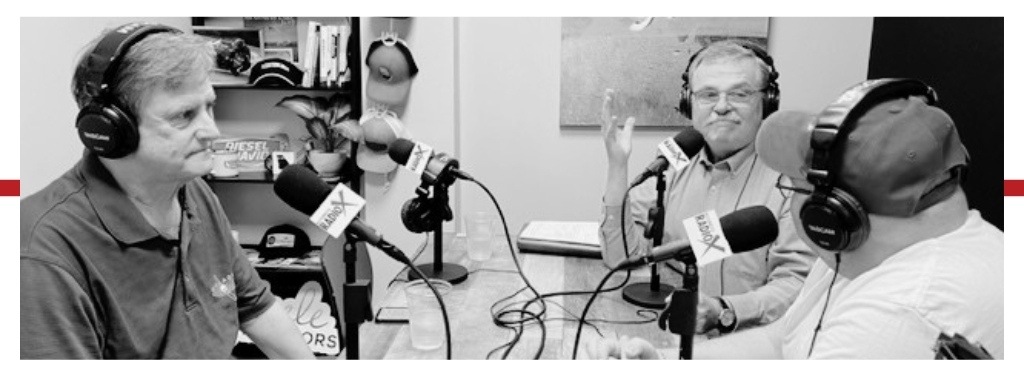
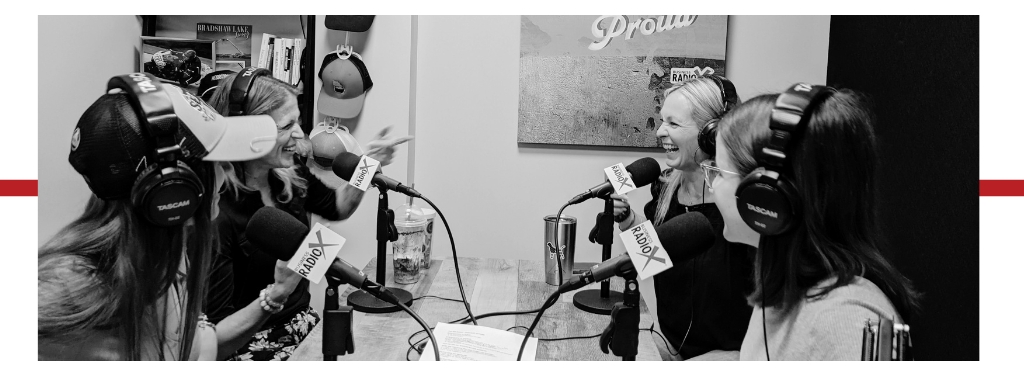
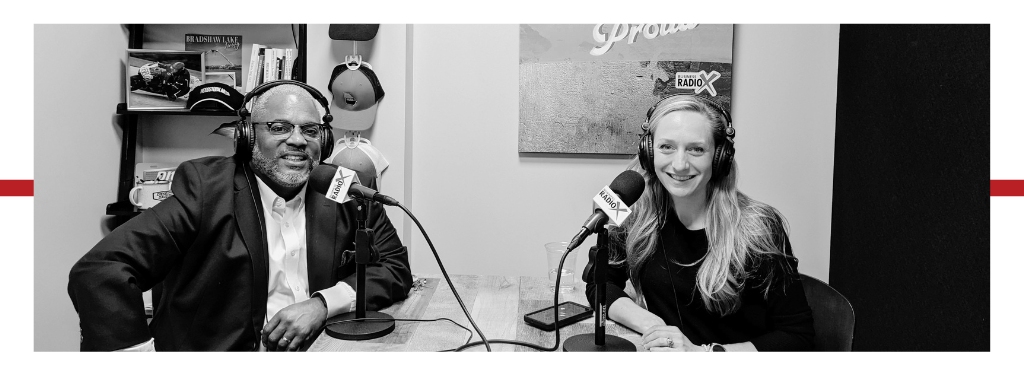
In this podcast episode, Brian Pruett is joined by Miracle and Angel’o Hill, the owners of Collard Greens & Blessings Catering. They talk about their love for cooking and their passion for soul food. Angel’o also shares his inspiring story of starting Bread-Puddy-Licious, and how he learned to trust in God’s provision when things got tough.

Later, Tara Key from Byrd Insurance Agency joins the conversation and shares her story about the importance of being open and honest with clients. The episode wraps up with some positive quotes and a message of staying positive and giving back to others.

Tara-Key-bwWhen asked the question of who I am, what does that really mean?  Do I want to reveal the deep dark secrets of reality?  Do I hide behind the smile of everyday?

Does anyone really want to know the real me anyway?  Do they mean the business side of me?  The personal side?

It’s easy to hide behind walls we have built.  No one really wants anyone to see who we are deep down.  So, when asked to write my soundbite about who I am, what do I say.

Here goes:

I am Tara Parris Key.  I am someone who has failed at much.  I have tried to do better than I have actually done.  I have hidden behind smiles and laughter when my heart was breaking and I wanted to hide and cry.  I have broken promise after promise.  Sometimes not even realizing it until it was too late to fix.

I am Tara Parris Key.  I am also a forgiven Child of God.  Someone who has been restored time after time by a merciful and graceful Father.  I have been given a smile in the face of adversity.  I have had tears wiped away knowing that I can hold onto promises that will never be broken.  I am a wife, a mom, a Mimi, a daughter, a sister, a friend, an author who is scared to publish her book, a survivor of an abusive marriage, a stranger to some but hopefully, some help to anyone who truly needs it.

I am Tara Parris Key.  I am an insurance agent.  I know that the Lord guided my path to Byrd Insurance Agency.  It was an amazing experience and one that came through prayer after prayer.  Watching Him answer and work and knowing that He had my best at heart was so humbling.

To know that the God of creation took time to orchestrate every motion that put me where I am today was simply a miracle and He did it just for me.  Helping people has always been a part of who I am, and it gets to continue to be a part of my daily life thru my career here.  I began this career in insurance over 10 years ago as an extension of my heart for ministry and it has continued to be just that: an opportunity to take care of families one at a time.

Who am I?  I am simply Tara Parris Key who has been through a lot in life, who is still learning life, but who is also loving all that life has to offer!

Miracle-and-Angelo-Hill-bwMiracle Faith Hill was born the fourth of five children as Miracle faith Dansby, to Wayne and Cynthia Dansby on October 28, 1988.  As a “preacher’s kid” Miracle spent most of her adolescent life singing in church and school programs. As a result, Miracle was awarded a full scholarship to a local College Miles College. Where she completed only one full school year only to enlist in the United States Navy.

Miracle served five years active duty, to commission a Warship, The DDG107 “The Gravely”. As a Plank owner of “The Gravely”, she spent the five years working as a Culinary Specialist, where she did receive a Naval Achievement Medal (NAM) for exceptional service of the Waterfront.

She separated from the military after completing her first term of service in 2014. In 2017 miracle moved to Georgia to pursue an associate’s degree in Baking and Pastry.

In 2018 Miracle met Angel’o Hill at the Art Institute of Atlanta. After becoming best friends the two married in October 2019. We started a beautiful family and opened up a bakery called Bread-Puddy Licious where we serve great desserts and use our bakery for ministry to draw souls to Christ.

Angel’o Deshane Hill was born to Henry and Cathy Hill on Oct 28,1987. Born and raised in Greenville, South Carolina. Angel’o Hill is the 2nd born of 4 siblings. Growing up Angel’o enjoyed dancing, singing, and cooking with his family where his desire of becoming a chef and a professional singer began.

During his high school years at Mauldin High, he had the opportunity to volunteer for the “Greenville District Recreation Center for Youth”.  He taught step dance choreography to elementary, middle and high school students.

During high school, Angel’o became a part of the Mauldin High Step Team where he learned team work. While in school he was chosen to go to Golden Gate career center as an elective. He chose culinary arts as a trade, while earning college credits in culinary arts. He is a graduate of the class of 2005 of Mauldin High School located in the city of Mauldin S.C.

In 2009 Angel’o decided to relocate to Marietta, Georgia to start over and experience a new life. In 2010 he was introduced to Heavens Harvest Ministries where his life began to change. In 2011, he joined Heavens Harvest Ministries and turned his life around and sold his mind, body and soul to Christ. He was baptized in the name of Jesus where his faith started to grow.

In 2012, he decided to make a change and go to Culinary Arts school. In his pursuit of education he received three degrees. 1. Diploma in Culinary Arts at Le Cordon Bleu, Tucker Georgia. 2. Associates Degree in Culinary Operation at Le Cordon Bleu, Scottsdale, Arizona. 3. Bachelor of Science in Culinary Management at the Art Institute of Atlanta International Culinary Program.

While attending school he had the opportunity to assist the Executive Chef of the Former Governor Nathan Deal, Cater for the 2013 “Final Four Championship game at the Georgia Dome, and US Foods 2019-2022 selected Scholar and Food Fanatics assistant Chef.

While at Heavens Harvest Ministries where Angelo is a member of 12 years and sits under Overseer Pastor Thomas A Pulliam Sr. He has become a Missionary/Evangelist and has traveled with other Missionaries/Evangelist of HHM to Uganda, Africa to spread the good news of Jesus Christ “That you Must Be Born Again.”  (John 3:5) KJV King James Version Bible.

In 2019, he married his wife ( Bakery Chef) Miracle Hill and started building a family and now he and his family owns a successful catering business “Collard Greens & Blessings Catering and a gourmet bread pudding bakery “Bread-Puddy-Licious” located at the Town Center Mall of Kennesaw. Now he and his family are ministering with fervency at their businesses to draw souls to Christ.

This transcript is machine transcribed by Sonix

TRANSCRIPT

Intro: [00:00:07] Broadcasting live from the Business RadioX Studios in Atlanta. It’s time for Charitable Georgia. Brought to you by B’s Charitable Pursuits and Resources. We put the fun in fund raising. For more information, go to B’s Charitable Pursuits. Dot com. That’s B’s Charitable Pursuits dot com. Now here’s your host, Brian Pruitt.

Brian Pruett: [00:00:45] Good, fabulous Friday morning. It’s another fabulous Friday with three more fabulous guests here in the studio. If this is your first time listening to Charitable Georgia, this is all about positive things happening in the community. And we’ve had stories since December 9th of all kinds of great things going on in and around the state of Georgia, mostly northwest Georgia so far. I haven’t got down to Macon yet, but I will I’m sure I’ll get somebody from Macon to come at some point. Um, we’ve got some again, three folks on here that have got great stories. Two of my guests are actually married. That could be good or bad. I don’t know, depending on what they they were sharing some things before we got on air that I don’t know now. It’s pretty cool. Um, we are going to start with our first two guests, Angelo and Miracle Hill from Bread Pudding. Bread-Puddy-Licious. I’ll get it out. I’m already hungry just thinking about that. So you also have a catering company as well, correct?

Angel’o Hill: [00:01:39] Correct.

Brian Pruett: [00:01:39] Yeah. So they got you covered. Either way, you can start with some appetizers with some main meals, and then your your your dessert. So Angelo and Miracle, thanks for being here. I’m going to start with your lovely wife because I just think her name is incredible. Also, Miracle. That’s just an awesome name. So, yeah. So if you don’t mind, Miracle shares. First of all, how did the name come about? And then share your story.

Miracle Hill: [00:02:02] Oh, how the name came about. I’m going to give you the long story short. Okay. So my mom was seven months pregnant. She had a car accident and the impact thrust her into the the steering wheel. And in a way, long story short, she got rushed to the hospital. They didn’t think that was that I would live. The umbilical cord was wrapped around my neck. My dad had been a man of faith. He petitioned God for three days for my life. And he said before he got up, the angel told him to name me Miracle Faith. And that’s been 35 years ago now, and I’m grateful. That’s awesome. So, yes.

Brian Pruett: [00:02:41] Yeah, Yeah. So how did you get to be a chef, a cook? And what gets you started into wanting to help with food?

Miracle Hill: [00:02:49] So I’ve always enjoyed people sitting down and like, for me, food was like that thing that you could reach people with. It didn’t matter who they were. So like, I think my husband shares that sentiment and so I would love to just make some really good food and share it with people and just enjoy their reactions to to enjoying great food. So that started very young and did that for my family. And then eventually I came to Georgia pursuing baking my baking degree. So I came to the Art Institute of Atlanta, where I later met my husband, and the rest is history. So yeah.

Brian Pruett: [00:03:35] Do you have a favorite thing you like to cook and bake and cook?

Miracle Hill: [00:03:39] Um, I’m I’m just okay with cooking. But if I had to pick, if I had to pick something true.

Brian Pruett: [00:03:46] If you look at Angela and you tell that’s not correct. Yeah. He’s shaking his head

Angel’o Hill: [00:03:48] You see this three rolls here, right? Come on. Yeah.

Miracle Hill: [00:03:51] So I’m a I prefer soul food. So my my favorite soul food meal would be not really so much to cook, but meatloaf, collard greens, my husband’s collard greens, corn, cornbread and candied yams.

Sharon Cline: [00:04:12] I think we’re going to their house.

Brian Pruett: [00:04:14] Right. What time is lunch?

Angel’o Hill: [00:04:16] Yeah.

Brian Pruett: [00:04:16] What about dessert? What do you. I mean, obviously bread pudding. But what else do you like?

Miracle Hill: [00:04:21] My. I’m a tiramisu girl and I love it like.

Brian Pruett: [00:04:29] It’s one of my. Sharon, can we pack this up and do this on the road while we go get ready for lunch? I mean. I mean, really.

Angel’o Hill: [00:04:34] I’m not making it.

Miracle Hill: [00:04:36] Yeah, you got to break today, baby.

Brian Pruett: [00:04:39] So awesome. So. All right, well, we’ll continue with you in a second. We’re going to move over to your your your handsome husband. I will say I’ll get you there, Angelo. Yes, sir. So it’s actually kind of cool because I’ve never seen the way you spell Angelo. Spell with the apostrophe. That’s kind of. Kind of cool. How did that come about?

Angel’o Hill: [00:04:56] Well, my grandmother had a son. It was her first born, and his name was Angel. And he had passed at nine months. So I was her first grandchild. So she named me Angel Low, not Angelo. So it’s Angelo. So that’s why the hyphen. So that’s been my name. Nickname. Angel. Angel. Angel, Angel, Angel. And I was a bad angel when I was a little kid, you know? So to see, to see now that I’m a good angel, right? You know? So, yeah, that’s how my name came about.

Brian Pruett: [00:05:29] Awesome. So how did you get involved with the food and the cooking and the baking?

Angel’o Hill: [00:05:32] Oh, no offense to the beautiful ladies, but all the ladies that were in my life were hefty ladies. They believe in eating. And when they’re upset, happy, whatever, they get in that kitchen and eat, you know, and cook and eat. So it expired and inspired me to just, you know, go in there. And I started learning that cooking was the avenue of me processing life. And I knew that in my mind, if I can fix a good meal and cause you to come together, that brings joy in my heart, even though I was suffering what I was going through. So it helped me get through life to feed people and see the smiles on their face and to see them eating. And if for some reason God just gave me the ability, if you tell me you don’t like it and you don’t eat it, when I fix it, you will eat it. It’s just something that gave me and I took pride in my heart to say because it was just something in my heart to say, you know what, God, what is it? What is the root cause of why they don’t like that product? You know, did they parents not fix it? Right. Have they had did they have a bad experience? What was it? So it was like I think it was more in the depths of my heart to fix the problem, to give them a different avenue, to see that this could taste like this. I understand Brussel sprouts is nasty because you had it in high school, but let me do something different. Let me let me see. Because it’s going to change your life. It’s going to to me, it was me helping you see life and to go to a different, you know, environment and not be afraid for to take another chance. So that’s so food has really been big for me. It’s more of bringing people together.

Brian Pruett: [00:07:07] You can tell it’s been big for me, too. I don’t mind.

Angel’o Hill: [00:07:10] Hey, hey, hey.

Brian Pruett: [00:07:12] I’ve got a 24 pack, you know, So.

Sharon Cline: [00:07:15] Got the keg going.

Brian Pruett: [00:07:16] Yeah, that’s right. So, no, it is. It is true, though. I mean, every time you think about whether it’s a family reunion or friends get together or something, what’s the main thing of everybody there? It’s food. You know, we I was at a I was a networking event last night and I was giving our friend and his husband Terry, a hard time because every time I see him, he’s eating, you know, and he’s like, well, if there’s food, I’m going to be here. So especially when it’s free, you know, I’m with him. So and Angelo Angelo and I met at a networking event at the Woodstock Business Club. And then I went and had my 1 to 1 with him, and he shared an incredible story. So. And how you got started with the business and I would just like for you to just to share that because it’s just it’s inspiring. If somebody is really listening that wants to it’s going through a hard time just thinking about a business or in their business and having a hard time. So just please share your story.

Angel’o Hill: [00:08:07] Okay. Well, Brian Pruett Delicious was pretty much started. It was a God thing and I say it was a God thing because when I heard it, I thought it was just weird. And my wife was like, What? Which I knew it was God because she’s like, No. And I’m like, Yeah, that means it’s God not against her. But you know, our thoughts are not his thoughts and our ways are not his ways. So I had to apply. If it’s weird to somebody else, it’s a God move, you know, because a lot of times we go to what everybody says and it’s not what God says. But at that pivotal point, I was an executive sous chef for a retirement home in Alpharetta and worked there for 2 or 3 years. I really had support from my pastor because I wanted to quit so many times because I was just tired. Lord, I’m just tired, you know? I feel like I’m better than this. I feel like I need to change. You know, I just I’m tired and my pastor would be like, No, shut up. Work. Be quiet. Close your mouth, love everybody. Do what you’re supposed to do. And God would bless you. And I’m like, Oh, God. So pandemic hit. And like I was telling Brian, I said. With me. It was tough because as I was working as an executive chef, I was experiencing a lot of, you know, people, you know, in that environment that was dealing with a lot of issues, you know, learning to be a leader and deal with the staff and then deal with the clients.

Angel’o Hill: [00:09:31] And it was a lot going on. The pandemic hit real hard, and we were warned by our pastor. He was pretty much telling us, hey, God is about to cause judgment. I need y’all to keep your money, save your money, store up and just trust God. He said, this is not about to be a season where Pastor is saying it’s about to be a, you know, a 2020 vision and God is about to bless. He said, I’m the prophet of this house. And God said, there’s about to be punishment judgment in the land. He said, It’s nothing for y’all to worry about. We’re not going to shut our doors. We’re not going to do anything. We’re going to stay faithful. We’re going to praise God. We’re going to love each other and we’re going to we’re going to obey what God says. So out of the blue, pandemic hits. So I’m like, what in the world? What? Like what is going on? And I’m nervous. But one thing I had to learn that my overseer, Thomas Anthony Senior at Heaven’s Harvest Ministry, he was pretty much telling me everything he said has never failed. And in my mind, being there 12 years, it was like, okay, all right, God, what are you teaching us? Because this is going on now.

Angel’o Hill: [00:10:35] We’re shifting at this job. Now we’re wrapping everything up. The whole system has changed. People are nervous. People are scared. What’s going on? And then I have to change. So when me changing into the the procedure of the pandemic, I was a little hard headed. I didn’t like wearing a mask. And it wasn’t saying that people out there, you know, didn’t get the the COVID and all that. It wasn’t saying that. But where my belief was and what I’ve seen in the healing in my eyes in that ministry is just what I believed. And what I seen in my faith was at a different place. It wasn’t to discredit nobody, but I just didn’t agree. Well, I have to wear the mask and pastor be like, Hey, you have to obey the land of the law. Just obey. Obey because you’re a man of God. You’re a leader. Obey. I’m like, Oh, God. So after obeying, I started having warfare with the staff because at the end of the day, they were threatening us saying, Hey, if you don’t take the shot, if you don’t do this, you’re going to lose your job. And thank God, before marriage, I had went through so much where I was like, Hey, okay, God, here’s what it is. And I had to learn that I had other people now looking at me that were that had finally joined the faith that I was at. So I even had to be cautious on how I made moves at the workplace.

Angel’o Hill: [00:11:56] And because they were looking at me, they were comparing with our overseer was preaching. Then when we come to work together, they was looking to see if I was going to practice that and if I was going to go against or if I was going to stand against or stay, you know, with what he was teaching us and the faith that they have seen that I have seen already 12 years, you know, so the lady told me, hey, Mister Hill, you know, I know you, the chef, but if you don’t take it, you’re going to lose your job. So I went in there and I said, Okay, God, what do I do? Because I’ve seen healing. It’s nothing. It’s not it’s not a show for me. I I’ve seen healing. I’ve seen people bring their family members in. I’ve seen this man of God go to people’s houses, lay hands. I’ve seen his work and I don’t know what to do. And I read that paper and that paper said that they cannot terminate you if you deny. But that wasn’t expecting me for me to read it. They was they was expecting me to follow what they said and put the fear in my heart to do what they say. So because I read it, I said, I’m not taking this. And she was like, Excuse me? I said, I’m not taking this. She said, Well, Okay.

Angel’o Hill: [00:13:10] That’s how she said okay. And when I tell y’all I went through hell that week, I was cut. And then I started learning the hands of the enemy. How? When you stand because other people fear they’ll go against God when they’re portraying to be a God’s business. So I started learning why it hurt, because we say we are God’s business, but when it comes to God, we’re going to go with the world says So She started cutting my hours, and then when I denied it, my boss started attacking me. It was like, You need to do this. I know you’re the leader, but you’re the executive sous chef, but you need to do this. I’m like, I’m not doing this. I’m not. So as the other people that were looking that were in church with us, they were like, I’m not doing it either. So it’s three of us in there, like I’m not doing it. So they called me in the office and the the district manager came in. He’s over like all the facilities in Georgia, and he has never been mean to me. I’ve been there two years and a half, worked on time. Faithful never called out. And he came to me and said, Hey, I heard you denying the test. I said, I am. He said, Well, if you deny it, I don’t care about it. He said, I’m gonna suspend you for two weeks with no pay. I said okay.

Angel’o Hill: [00:14:26] And at that time in my heart, I’m like, Lord, I just got married. It ain’t the same. I’m in a new marriage. I have another responsibility. What? What is this? But I had to be strong, okay? Because I started thinking about living in the car when I was at once. Before I started thinking about when I didn’t have. And God made a way. And I started saying, you know what, God, it is what it is. If I stand for you and I’m suspended, you’re going to take care of me. And I had to. It was hard because I had to be strong knowing that my wife was in the beginning of ministry and her faith wasn’t there at the time. I mean, she was supportive, but come on. She’s like, um, okay. And I’m like, We’re going to make it. And then I go in my prayer room like, God, what? What’s going to happen? I said, But you know, when they when they did that, I was just like, okay, God. All right. So my wife found out while I was out those two weeks really was three weeks. My wife found out her cousin had passed and she was like, Babe, my cousin passed. And I’m like, okay, well, we got to go up there. So she said, okay. We got prepared. And the day before we was going to go, they called me and there was a general manager who was like, Hey, Mr.

Angel’o Hill: [00:15:43] Hill, Hey, you can go ahead and come on back. I said, okay, well, I can come back. But my wife pretty much, you know, she’s about to have she’s about to bury her cousin so I can come back that Saturday. And he was like, What are you telling me? Are you telling me you’re denying coming back? And I knew that language. I’m like. And I heard breathing on the phone. So I was like, okay, he’s not on the phone by himself. It’s either air or somebody. Somebody there. It’s just the way he set up the question, like he already had pre planned to get rid of us. And I said, You know what? Don’t worry about it. I said, I’ll be there. Mr. Hill, I detect you have an attitude and we can’t we can’t deal with that. I’m like, No, sir. And that was God dealing with me. Because as a man of God, I felt like my, my my strength was taken at a place to make a stand, you know, to manipulate me. So I was getting angry and I had to learn to I had to calm down and say, you know what? Let me plan this the right way. Let me play your game, but you’re going to be really playing my game. But let me not mess this up. But it was really God showing me, no, I need you to stand where you stand. So I said, All right, sir, I just do what you do.

Angel’o Hill: [00:16:57] I do what you tell me to do. When do you need me? Well, you need to come back tomorrow. I said, okay. Now, knowing me myself, having the relationship that we had. And it’s funny because we had a great woman of God that was at the time I had got her a job where I was at and she was a part of our ministry and God just God really gifted her with prophecy. And I took it for granted with her because she shouldn’t probably shouldn’t have been telling me that what she told me. But it was a help for me. And she said, Bro, close your mouth. And I’m like, What are you talking about? Your boss is really your enemy. I said, No, he’s not. She said, I’m telling you. He’s your enemy. He does not like the God in you. I was like, This is crazy. This is all this is going on. What do I do? So what? I learned best from my leader, Serve your enemy well. So I would serve him at the utmost. I would be I would do everything he needs me to do. I would do above and beyond. And eventually it was true. But when I found out, I learned to serve even more so at that time. And going back to when I texted him after they told me to come in, I, I thought our relationship of how we took care of one another, of you come in and I work your your week and you you know, we work together.

Angel’o Hill: [00:18:15] I thought that would be okay to text him. Hey. Hey, chef. I got this going on. He told me to come back. My wife is having this. Can you please work this Saturday for me? And I’ll work the days you need, because that was the relationship we had in two years and a half, not knowing. He was right there with the general manager and he texted him everything. So I got on my knees and the and the general manager was like, Well, we’ll call you back. Just go ahead and get everything situated. So I got on my knees. I said, God, what do I do? I don’t feel comfortable. I don’t my wife is important. She lost a cousin. What do I do? I have to stand on the guy. You have to show me. I don’t know what to do. I’m a new husband. I don’t know what to do. I just don’t know what to do. Five minutes later, I sat down. He called me Mr. Hill, we’re going to go ahead and terminate you. Said, All right, that was the answer. And I never heard I never heard that response from God that fast. And sometimes we hear it, but we don’t want to accept it. It’s like you prayed. He’s like, Here you go. And you’re like.

Miracle Hill: [00:19:21] Yeah, that is the truth.

Angel’o Hill: [00:19:23] Because, you know, And that’s when I was like, okay, we lost too much. God, we ask for prayer. But when you answer, we want it the way we want it. You’re like, No, I’m releasing. I’m releasing you, buddy.

Brian Pruett: [00:19:33] Sometimes the answer comes longer and you wish it was quicker like that. Yes.

Angel’o Hill: [00:19:36] And it’s like, what? So I sat down. I told her, I said, Baby, look, I lost my job and did not know the other two that were standing with me. They called them two and terminated them. It was crazy. So and I said, okay, all right, cool. I said, okay. And baby, watch me. I went in the office every day and I’m like, God, what do I do? What do I do? And all I heard Pastor tell me was, Your wife is your blessing. God loves her. Her heart with her. Her heart with him. He has a she has a special relationship because you married her and you chose her. God is going to always bring favor to your table. And I was like, okay.

Angel’o Hill: [00:20:19] Hey, wife. Hey, love. Muffin. Come here.

Brian Pruett: [00:20:24] I mean, miracle.

Angel’o Hill: [00:20:25] I mean, come on, Miracle.

Angel’o Hill: [00:20:26] She is my miracle.

Sharon Cline: [00:20:28] Miracle Faith.

Angel’o Hill: [00:20:29] Okay, so I was like, you know, babe. She said what you want to do? She said, I’m here to serve you. What you want to do? I said, Well, go to every restaurant. I mean, call every mall. Let’s see what we can do. Let’s start a catering business. I already have the catering company. Let’s get a building. And y’all trust me, I had ten cent in the account, so I’m like, Lord, this is a rough week. You know what’s going on, you know? So she called. She called. She called and. A one lady from the town center mall. She was over the town from the mall and the Mall of Georgia. She called us. She was like, Can I come in?

Angel’o Hill: [00:21:04] I was like, Oh, snap, this is really happening.

Angel’o Hill: [00:21:07] Okay? So we come in and in my mind I’m like, okay, we’re coming in, but where’s the money?

Angel’o Hill: [00:21:12] There’s the money that I count.

Angel’o Hill: [00:21:13] We’re wiped clean. I use my last to take my wife to go see her cousin, you know, And it was just tough. And so the lady came in and she was like, So what do you want to do? I said, Well, we want to start a catering business. And she said, okay. She said.

Angel’o Hill: [00:21:26] But Mr. Hill.

Angel’o Hill: [00:21:28] I know you want to start a catering business. There’s nothing wrong with that. But I’m looking at this bread pudding.

Angel’o Hill: [00:21:33] I looked at all these menus and I’m like, Mm.

Angel’o Hill: [00:21:38] Okay. You know, sorry. Let me backtrack just two minutes. So before I met her, I sat down and I was in my in my office like, God, what what am I going to do? And all I heard while she was standing was Brad Pitt. Delicious. She was.

Angel’o Hill: [00:21:53] Like. What did you say? I said, Brian Pruett delicious. She said. I said, a bread pudding bakery. They have donuts. They have donut bakeries. They have muffin bakeries. Why? We can have a bread pudding bakery. She’s like, Whoa. She said, Are you sure?

Angel’o Hill: [00:22:11] I’m like, Yeah, that’s God. And she watched me as I was writing. God was giving me the recipes. I was writing Two Cups.

Angel’o Hill: [00:22:20] Right. She’s like, Baby.

Angel’o Hill: [00:22:22] How do you know this guy’s giving it to me? I wrote the plan two days. The whole business plan was written. I was just like, okay, God. And God was saying, This Avenue Brian Pruett delicious is going to be an avenue to open up for souls. It’s for winning souls. You’re going to be the cause to win souls. You’re going your business is going to be for souls. Your platform is going to be for souls only. I’m like, Oh, God, no. I want to get rich. No, I want money. I’m broke.

Angel’o Hill: [00:22:48] God, I need some money.

Angel’o Hill: [00:22:49] So then again, we fast forward to the lady. We meet her. She’s like, you know, and mind you, I’m not listening to God. I wrote everything. I’m like, Yeah, I want a catering business and I can cook.

Angel’o Hill: [00:22:58] She said, No, Mr. Hill, I was looking at this dessert. All the food looks pretty, but it’s just a bread pudding for me.

Angel’o Hill: [00:23:05] I’m like.

Angel’o Hill: [00:23:07] Really?

Angel’o Hill: [00:23:08] Okay. All right. God. All right.

Angel’o Hill: [00:23:10] She’s like, And.

Angel’o Hill: [00:23:11] Everybody loves the bread pudding pictures.

Angel’o Hill: [00:23:13] I’m like she said, So what do you want to do again? Brian Pruett delicious.

Angel’o Hill: [00:23:19] She was like, Oh, okay.

Angel’o Hill: [00:23:20] She wanted a bread pudding bakery. I’m like, Yeah. She’s like, okay, so how much.

Angel’o Hill: [00:23:24] Are you planning on, you know, making a month with your vision?

Angel’o Hill: [00:23:28] I said, Oh, like 5000 a month. She said. Mm. She said, Let me help you out.

Angel’o Hill: [00:23:34] She said, I believe in you. Can we put 80,000 down? And in my mind, it was really God’s showing me. Don’t listen what he’s giving you. Let your faith be high. Go high. Don’t lessen yourself. Because if I have a stranger that believes in you and then God is using her to show you what she believes in you. So got that, Got that settled. She said, Well, we’re going to welcome you on to the town center Mall. We have this building for you. It’s going to be pretty much 2500 a month. I’m like, okay, God, I’m broke. That’s all I was thinking. I was kind of money. How are we going to do this? She said, Well, we’re going to give you four months free.

Angel’o Hill: [00:24:11] Wow. I said, okay. All right. God. You know, And.

Angel’o Hill: [00:24:14] Whatever God works where there’s vision, there’s provision. And I was like, okay, all right. And the blessings of the Lord make her rich and add no sorrow to it. So I’m like, okay. I’m like trying to add the word while I’m looking at my bank account. Like, this is not matching God.

Angel’o Hill: [00:24:28] But.

Miracle Hill: [00:24:29] You, faith, man of.

Angel’o Hill: [00:24:30] God, you got to.

Angel’o Hill: [00:24:31] Walk by faith and not by sight and the favor. And I’m like, okay, God, just listen. Just Angelo, listen. So she gave me she gave me the building and it was an old red velvet shop. And she was like, You’re going to be in the front of the mall. I’m like, okay, cool. She said, But you have to follow the the mall hours. And I said, Well, where’s the mall hours? She said, Well, pretty much the mall hours are, you know, every day. I said, including Sundays. She said, Yes. I said. I don’t know about Sundays.

Angel’o Hill: [00:25:04] She.

Angel’o Hill: [00:25:05] Said. Is there going to be a problem? I said, Well, where my faith is, Sundays is what I need and I just truly believe Sundays needs to be off for family time, fellowship and worship. I just cannot do it. I said, I’ve been there before. She said, Well, we’ll work it out. So I’m like, God, how am I going to build this?

Angel’o Hill: [00:25:22] Like I don’t have no money?

Angel’o Hill: [00:25:24] So car broke down one one day and got a flat tire and then got the flat tire. And I looked at the sign on the man that was doing my tire and I said.

Angel’o Hill: [00:25:35] Sir, what did who did your logo? Who did your son?

Angel’o Hill: [00:25:38] And he told me about this company. And so I called the company and the young man came out. He was like, How are you doing? I said, I’m doing good. He said, What are you trying to get done? I said, Well, I have this building. I said, To be honest, I don’t have nothing right now. I said, Just try to work on getting stuff together.

Angel’o Hill: [00:25:55] He said, okay, right. Well, let’s look around. Let’s see.

Angel’o Hill: [00:25:58] This is what we can do. Start giving me visions, make it quick. Started giving me everything that he can do with this building. So I’m getting excited. So he’s like, Well, it’s going to be $10,000. I’m like, Here we go again. God, with the money. I don’t see no money.

Angel’o Hill: [00:26:13] How it’s.

Angel’o Hill: [00:26:14] 10,000. Don’t come to my hand. So make it quick. Two days later, the lady comes downstairs and she’s like, Well, we made a decision. I’m so sorry. I know I gave you four months, and I know I told you, but we’re going to have to just collect the keys and we’re just going to have to end this contract. I said, I just got it. She said, I know. She said, and I know you sent your letters. I know you sent your scripture on what you believe. But if you’re going to be in this mall, you have to follow by hours. I said, okay.

Angel’o Hill: [00:26:41] All right.

Angel’o Hill: [00:26:42] Now, mind you, in my vision, God had me put children ice cream, bread, pudding colors. All I seen was colors, life, joy. And in that building, it was not it. And I called my wife. I said, Babe, they just terminated me. I just only been there a month just trying to get everything together, She said All things work together for the glory of God. I said, I don’t want to hear that. You know this my wife, I don’t want to hear that. But thank you, baby. And but it stuck to my heart. So a week later, the same lady called me. She was like, Mr. Hill. I said, Yes, ma’am. She said, Can you come by back to the mall? I said, Yeah. She said, I have one building I want you to look at.

Angel’o Hill: [00:27:26] Y’all. I walked in that building.

Angel’o Hill: [00:27:27] It was on the other side of the mall. She said, you’re able to get your Sundays and Mondays off and it’ll be $1,300 cheaper. I said, okay, in my mind. Where’s the money? Look how selfish we get. I’m like, okay, where’s the money? So she opened up the building and had all black tar on it, too, threatening to block the view. I walked in there. Y’all was colors everywhere. They already had the ice cream machine. They had the hose where you put the dispensers in. And it used to be an old yogurt place or a cereal yogurt place. And I was like, What?

Miracle Hill: [00:28:01] Some of your vision.

Angel’o Hill: [00:28:03] It was the vision. And I said, God, what she said, And we’ll still.

Angel’o Hill: [00:28:07] Get four months.

Angel’o Hill: [00:28:07] Free. I said, okay.

Angel’o Hill: [00:28:10] And we’re almost we’re almost done. So then the young man that was over, the signs came in and he said, I told him we have a new spot. He said, okay, well, I’m on the way. He looked around and he said, Yes, papi, he’s Dominican. He says, Yes, Papi.

Angel’o Hill: [00:28:25] I’m like, Is he calling me daddy? Yes, Papi.

Angel’o Hill: [00:28:28] He said, Yes, Papi.

Angel’o Hill: [00:28:29] This is you, Papi.

Angel’o Hill: [00:28:30] He said, We can do it.

Angel’o Hill: [00:28:31] I said, okay. He said, But can I tell you a story? I’m like.

Angel’o Hill: [00:28:35] Oh, God, I’m being honest. I’m frustrated. I’m like, Yeah, go ahead.

Angel’o Hill: [00:28:39] He was like, So I was in the car and I have a business partner. I said, okay. He said. You know, we were driving and, you know, I pulled it.

Angel’o Hill: [00:28:48] I said, You did what?

Angel’o Hill: [00:28:50] And in my.

Angel’o Hill: [00:28:50] Mind, you know, I’m like, okay, this is really childish. I don’t want to hear this. And God told me, Shut up.

Angel’o Hill: [00:28:55] Listen.

Angel’o Hill: [00:28:56] I’m like. Look at my posture change. I’m just looking at I’m like, You’re crazy.

Angel’o Hill: [00:29:01] And he was like, Yeah, I pulled it. I said, You pulled it? He said, Yeah, I pulled it. I said, What is that? He said, I, you know, he made a poot sound, so I’m laughing. Oh, my goodness. I said, You put it. He said, Yes. He said, I put it in the car.

Angel’o Hill: [00:29:14] And my partner got mad at me.

Angel’o Hill: [00:29:16] And he got out the car. He told me to get.

Angel’o Hill: [00:29:18] In the back and he’ll.

Angel’o Hill: [00:29:19] Drive.

Angel’o Hill: [00:29:19] So he said, So in my dream I got in the back.

Angel’o Hill: [00:29:23] He drove and in my mind I’m like, He’s just crazy.

Angel’o Hill: [00:29:25] I let him drive. I didn’t want to drive anyway, just.

Angel’o Hill: [00:29:27] In his dream, he said. And his partner.

Angel’o Hill: [00:29:30] Locked the door, put the car in drive, jumped out the car with him in it, and ran it into the river.

Angel’o Hill: [00:29:36] And I was like, Huh? I said, What? He said, Listen to me, Papa. Listen. I said, okay. He said. And I woke up and said, God, what was this dream?

Speaker7: [00:29:48] Mhm.

Angel’o Hill: [00:29:49] Say, what is the dream. He said I went and.

Angel’o Hill: [00:29:54] God told me that my partner was my enemy.

Angel’o Hill: [00:29:56] So the dream was to tell me that my partner was my enemy.

Angel’o Hill: [00:29:59] He said. So I didn’t want to believe God. So I got to work and my son called me.

Angel’o Hill: [00:30:04] And he said, Papi.

Angel’o Hill: [00:30:05] I want to come work with you. And he said, You know, in my field, I don’t believe in making my kids do what I do. He said, But for my child, I want to work with me. I was happy.

Angel’o Hill: [00:30:14] So I told my partner, Hey.

Angel’o Hill: [00:30:16] My child wants to work with me. My son.

Angel’o Hill: [00:30:18] My partner said no. I don’t want your son working with us. No. No kids.

Angel’o Hill: [00:30:24] He’s like, My son is grown.

Angel’o Hill: [00:30:25] I don’t want that.

Angel’o Hill: [00:30:26] He said the next week his partner had his son working after he had denied.

Angel’o Hill: [00:30:30] His son to work with him, which opened his eyes to.

Angel’o Hill: [00:30:34] Show him that God was telling him that his partner was his enemy. So God told him to make a change. So the next day, 50,000 was.

Angel’o Hill: [00:30:42] Missing out of his account. He was telling me.

Angel’o Hill: [00:30:44] This and he was like, the only person that had access was the partner. And he told the partner, Why did you take the money? He was like, I didn’t take the money.

Angel’o Hill: [00:30:51] But if I took it, I have a right.

Angel’o Hill: [00:30:53] As part of my business. He’s like, No, I. I asked you to come aboard. I bought the stuff.

Angel’o Hill: [00:30:59] And he said, Poppy, he looked at me and said, Poppy, God.

Angel’o Hill: [00:31:02] Told me to let it go.

Angel’o Hill: [00:31:04] Give him everything. I said, okay, and look at me.

Angel’o Hill: [00:31:09] I’m so carnal minded. I don’t care about what he going through. I’m like, How are you going to deal with me? You know? And he was.

Angel’o Hill: [00:31:14] Like.

Angel’o Hill: [00:31:14] So, papi.

Angel’o Hill: [00:31:16] I’m going to have magnussen’s. I say, What? He said, God says manna. His manna. It’s going to be manna signs.

Angel’o Hill: [00:31:25] I said, okay. He said, I’m a let everything go and God’s going to bless me. So for that, I’m going to bless your business and I’m going to do everything for free. Right now, he said. And when God bless you, you take.

Angel’o Hill: [00:31:35] Care of me.

Angel’o Hill: [00:31:36] I’m like, You know what? What if I was stupid and didn’t hear that story? So then Bread Delicious came about.

Angel’o Hill: [00:31:41] And it was tough.

Angel’o Hill: [00:31:43] It was not easy running bread, but delicious. The first six months was rough, but in. In the roughness there were souls coming.

Angel’o Hill: [00:31:54] Coming.

Angel’o Hill: [00:31:55] And the pivotal point.

Angel’o Hill: [00:31:56] Of my life coming for Christ.

Angel’o Hill: [00:31:59] And that was an avenue. And a lot of souls have been saved thus far. And just to see now where we’re at and to see even corporate come down and say, Hey, we’re going to give you this special rent amount. Don’t tell anybody because you have brung a light to this business.

Angel’o Hill: [00:32:18] I’m like, What? And then I come to church. And of course, our.

Angel’o Hill: [00:32:22] Lovely, wonderful overseer, Thomas Pulliam Senior, he hears God.

Angel’o Hill: [00:32:25] So he just.

Angel’o Hill: [00:32:26] Makes a joke on the pulpit, huh? Ain’t God good? I’m like.

Angel’o Hill: [00:32:29] He told you?

Angel’o Hill: [00:32:31] And he, like, give him a praise. I’m like, Yes, he is good. He said, Didn’t I tell you God was going to bless you? Didn’t I tell you that God was going to use spray delicious to draw souls and families to Christ? He said, Because your hands are blessed. And it brought back to the intent of why I cook, to bring people together. So that was just encourage anybody know it’s going to look rough. I mean, at one point I was $16,000 behind on the rent and I’m like, God, why did you give me this?

Angel’o Hill: [00:32:59] And I’m not making enough money to get it done.

Angel’o Hill: [00:33:01] And then the owner and the corporate come down and say, we’re just looking around. I’m like, God, we’re about to lose this.

Angel’o Hill: [00:33:07] This bread for the bakery.

Angel’o Hill: [00:33:10] Like, this is crazy. And it was God really humbling me. It was to a place where even though I learned that people will say they’ll bless you.

Angel’o Hill: [00:33:19] I take care of you. Just.

Angel’o Hill: [00:33:20] Just take your time. When God bless you. I learned it may sound crazy. I learned not to believe that. Because men are fickle. We cannot be trustworthy. We can’t trust the man, but the God in them is what you trust because God will prick their heart to make sure the integrity is in place. But I had to learn. We’re so quick.

Angel’o Hill: [00:33:39] To make the make the you.

Angel’o Hill: [00:33:42] Know, hey, I’ll bless you and have patience with you. But until you.

Angel’o Hill: [00:33:45] Start running out of money.

Angel’o Hill: [00:33:46] You know, and I started learning, okay. So God had to humble me. And at that time, that man walked in. My building was looking around like, okay, what can we do with this building? I’m like, okay, we’re about to lose. I just got on my knees. I didn’t care if they was in there. And I just closed my eyes and prayed to God, what do I do? What do I do, God? What do I do? And then we sold our home and it was crazy. We sold our home at almost triple and it was like, What?

Angel’o Hill: [00:34:10] God, what did you just do?

Angel’o Hill: [00:34:12] And I was able to take everything and take and take and take care of everybody, pay everything off. And it was crazy because I was like, God.

Angel’o Hill: [00:34:19] How did you do this?

Angel’o Hill: [00:34:21] I’m looking at the worst and I’m praising God and I’m still opening up knowing the situation, not knowing the owner was down there looking around, telling them, No, we’re going to keep him. But I was nervous, like, Oh God, I owe this man. This man said he was going to wait on me and now he’s on my phone telling me to pay him. And I’m like, I.

Angel’o Hill: [00:34:42] Thought you said God said, You’re bugging me every day. I don’t have the money. I’m not trying to get.

Angel’o Hill: [00:34:48] Over on you, you know. But it was it was teaching me that, no, you have to trust God. You have to trust God, His timing, because sometimes he may be working on the other individual, you know, because of what they spoke and knowing they hardened to it, you know, And I had to learn, okay, be patient, you know? So that’s really delicious. And God has been a blessing. I met you. You know, it’s just so we’re excited. You know, Brett Polish is doing very well right now. You know, a lot of a lot of families come on board and just, you know, just want to help out. And me and my family, me and my wife has gotten even closer. Now. We have two children. When we started, we didn’t have none, you know.

Sharon Cline: [00:35:25] To go.

Angel’o Hill: [00:35:26] So that’s been a challenge, but it’s been a blessing. And I’m truly grateful for Brett for Delicious and our catering business, Collard Greens and Blessings Catering. So it’s just I’m excited and we’re and we’re really looking forward to spread out even more. And really the vision I asked God for is to franchise it and make sure that I make the right decision to choose the right leadership that’s going to that’s going to do the same thing and that’s going to have in Germany and Japan and places everywhere. But that avenue is going to be open to have Christian Night Souls get saved because a lot of times we say we’re a Christian business, but we’re not. We’re lying. And I learned that by the stands I had to make make even at the the mall when they told me, put Jesus down. I’m like, what? Yeah, the the office doesn’t like you having Jesus on your sign and on your wall. I’m like, I’m not doing that. And they were like, Well, you have to. That’s a part of your contract. I said, Well, if it’s a part of my contract, I need to go inside of the Spencer stores and all the other stores that has things that are not appropriate for my eyes and offensive and take it down.

Angel’o Hill: [00:36:29] That lady came back to me and said, I am so sorry to you. I apologize. You’re correct and we will not bother you again. So when I started making those stands, I started learning like, okay, we say we Christian business, but are we really standing for Christ or are we standing for the money that we need to make? Because if you stand for Christ, you’re going to lose. You’re going to lose a lot. And it’s a good lose because you got to say, okay, am I really in it for money or am I really in it for souls? And that’s where the testing comes. So God will make sure you don’t get you don’t get what your desire is because you said you was there for soul. So he’s like, okay, I’m going to take care of your home, take care of your business. I’m going to bless you, but it ain’t how you want it, because I may need you at this place for that soul. I can’t have you too high because you may. You may turn that soul away. And you may need to be there to build them where they need to be at. And I learned that it takes a lot.

Angel’o Hill: [00:37:17] So pray for Delicious.

Brian Pruett: [00:37:19] So you will share with me with the employees. You guys work with and have and, and you just talked about how families come in and, you know, they’re reached by the employees from you guys. I just that’s just that’s awesome. So, um, that’s an example of patience, faith, listening, trusting. All right. There. And I got to say, mine was just tested this past week because, you know, I do a monthly trivia show for nonprofits. And last night was our Wednesday night was for the Etowah Scholarship Foundation. And the week before was spring break. Right. And so a lot of people were gone. And I only had ten tickets sold and I’ve been having 60 people at these events. So I was nervous and I was like, man, what am I going to do? And so my wife and I started praying, you know, and we pray every month, man. God, please bring us the attendees. And it was like the floodgates opened the Monday morning because we had 71 people there. Yeah. Wow. You know, and it’s like, you know, with ten tickets to 71 people coming was just, you know, so it’s just awesome to learn. And you and I talked about to one of the things that sometimes can be annoying, but also a little dangerous too. Or when people walk around and they have to profess that they’re Christians, right? And a Christian business. And instead of leading by example like you’ve been doing, you know, when you talk about God be the glory, you know, and stuff like that. So. So I got to go back. I’m going to go back to Miracle for a second. Okay. Because she’s the real boss.

Sharon Cline: [00:38:48] No, no, no.

Brian Pruett: [00:38:49] No. I know God’s a real boss, but of you guys, she’s the real boss.

Angel’o Hill: [00:38:56] She’s different. Yeah, she’s different.

Sharon Cline: [00:38:57] Yeah.

Miracle Hill: [00:38:58] I can’t agree with that.

Brian Pruett: [00:39:00] Well, that’s right. So I just from your perspective, I just like to hear the story how you guys met. I mean, you rob the cradle, as they say, from what I just heard. So how we.

Angel’o Hill: [00:39:08] Met. Yeah.

Sharon Cline: [00:39:09] No, no, no.

Miracle Hill: [00:39:12] How did we meet? We met. Uh, okay. So my roommate in college was an RA. She was a resident assistant. And they work together as rays, right? I stayed with my roommate, and at this time of my life, I was really at a pivotal point in my relationship with God. And I was not living a Christian life at that time. And God was like, Hey, you got to get back to me now. This is your spiritual life is at stake. You got to find me now. I got to get you got to get back to me or you’re done. And I was so convicted, I was like, Look, I’m not from here. And she had been she had been living in Atlanta for a while. So she knew the locals and everybody. So I said, you know, do you know somebody who has a local church here? You know, do you know somebody who has a church? I got to get to a church. And at that time, I was really, honestly just trying to save my soul from hell. I wasn’t really, really trying to get a relationship with God again. I was really just trying to save save myself. You know what I mean? Like, you know how people don’t really I don’t really I didn’t really want to live the life at the time.

Miracle Hill: [00:40:29] I just wanted to save myself. And that’s my honesty. That’s my truth. Okay. And so I said, you know what? I just got to get this. Just got to get to church. And so she said, Well, I have a brother. That’s what she said. She calls she said, Brother, this is my brother. I work with my brother and he has a home church. And I let him know that we’re going to go to church on Sunday. Well, she she worked nights and weekends and all this stuff. And so she she said, well, I talked to him. He’s going to pick us up and we’re going to go to church. Okay. But she works late the night before and ended up going to going to her cousin’s house that night. And so she says, well, I just I’m going to meet y’all. He’s going to pick you up in the morning. I’m going to come home, get dressed and meet y’all at church. And I said, okay. I wake up that morning and I get dressed and I wake up to a text message giving me the directions to the church, and I’m like, Well, I don’t have a car and I don’t have no money for an Uber. I ain’t going to tell you that because I didn’t know you at the time. Right?

Angel’o Hill: [00:41:31] So we ain’t made a choice yet.

Miracle Hill: [00:41:33] And so I’m ready. And then she gets home and says, Well, why are you still here? I said, Yeah, he didn’t. He didn’t come get me. He said he had to go pick up his brother a little ways away. And and now here I am. I’m still here. And so I was like, I’m done with folks. I don’t want to go to nobody church. I don’t want to go to your church for sure. I’m not. I’m like, I’m done with that. So I didn’t go and he said he called me and said, Hey, we’re only having a short service this morning. I. I’ll pick you up for the evening service. And like I said at the time, I was just trying to clear myself with God. I wasn’t trying to really have no relationship with him, so I wasn’t trying to like go out of my way. He’d pick me up for the morning service and I wasn’t trying to have an afternoon service. I was like 430 when who who has church at 430 at oh, this is my to y’all. And he says, I said, Well, don’t pick me up in No. 430. I ain’t going No. 430 service. You pick me up next week for the morning service. And then once I’m done with that, you know, I’ll go home and have my dinner ready for Sunday. And and so she calls him upset because I’m still there. Right. And tells him, hey, why you ain’t pick her up. And so she puts him on speaker and he talked me down. He said, yep, black women, you know, they don’t they don’t want to seriously live for God. They don’t fool with black folk. They just they just not. That’s why don’t fool with black women. That’s why I can’t stand them.

Angel’o Hill: [00:43:04] I got issues back then. I was really.

Sharon Cline: [00:43:05] Bad.

Miracle Hill: [00:43:07] And meanwhile, he’s on speakerphone, so I’m listening. She’s like, she ain’t serious about God. She ain’t want no relationship with God and all this. And I’m talking about I’ll just tell me down on the phone. But he’s on speakerphone, so I hear it. And so I said, Cool, cool. She got on the phone with him. I was like, I ain’t going to nobody church who has that view? I just trying to get back at the guy. Right. So long story. I did not go finish out that school year that was close to Christmas, went home for Christmas and came back, met this man of God on the elevator singing He was going in, y’all, Jesus will.

Sharon Cline: [00:43:46] Fix it for you. Okay.

Miracle Hill: [00:43:48] So he going in and I’m like, okay, what’s up? We singing, We singing. I mean, we had maybe like 2 or 3 other people on the.

Angel’o Hill: [00:43:57] On the elevator.

Sharon Cline: [00:43:58] Going, We’re.

Miracle Hill: [00:43:58] Just singing. And so we finish our little verse. And I said, Hey, what’s your name? Well, no, he said, No. He said, What’s my name? And I said, I’m Miracle. And he says, Miracle? Yeah.

Sharon Cline: [00:44:11] She said.

Angel’o Hill: [00:44:11] Angel, I’m like, Oh God.

Miracle Hill: [00:44:14] You’re who I was avoiding before. So I was like, Hey. So we talked it out because we had a little disagreement about him not picking me up. So once we resolve that, you know, we were like besties ever since. And then God worked that too. Like, I woke up like nine months later and I was like, told my mom, I said, Mama, I think I’m falling in love with my best friend. I don’t know if that’s like permitted, like I don’t want to do that. So she was like, well, you know, just let the Lord lead you. She said, Pray about it. She said, Don’t tell him nothing right now. So she just said, Just pray about it and just don’t tell him nothing. And so I let that prayer go for a while and looked up and at what was it, November? He he came to me and was like, you know, I believe that. I believe that you’re my wife. I believe that, you know, God has predestinated us to be together and for you to help me with my vision. And that was the long story short.

Sharon Cline: [00:45:15] And it was a lot.

Angel’o Hill: [00:45:17] Of important.

Angel’o Hill: [00:45:17] Things in the middle of that. Yeah.

Sharon Cline: [00:45:19] Yeah. Just the marriage. Yeah, yeah.

Angel’o Hill: [00:45:21] See a lot of it. You know, even with at that time, I was angry because. Being at a church where I was at. It broke all of the pain that I chose to be at another church. And it seemed like everybody around me that was in my culture were faking God. I had never seen anybody lay down that was in my culture on the floor and cry to God. It was always an image and over God. But after church we were going to go smoke weed and do everything else and we’re still going to be saved. So I had a view of.

Angel’o Hill: [00:45:55] Just.

Angel’o Hill: [00:45:55] Religion, black women and just the damage. So I seen the the what the practice is just of what she would say and how she was doing. I’m like, no, you’re fake.

Angel’o Hill: [00:46:08] No, no, because I was.

Sharon Cline: [00:46:11] I was religious.

Angel’o Hill: [00:46:12] You know, all I seen.

Angel’o Hill: [00:46:13] At that pivotal point in ministry where I’m at now was truth. No. Be who you are. No. Serve God. No. Quit all the antics. Be who you are. Trust the Lord. No, it don’t take all that. Because I’d rather you not shout and speak in tongues and love your brother.

Angel’o Hill: [00:46:30] You don’t need to.

Angel’o Hill: [00:46:31] Speak in tongues. Shout and play this role like you got God, but you got hatred in your heart. So that was in my that was in my teaching. So I was like.

Angel’o Hill: [00:46:38] No, I don’t want He was hard. I don’t want.

Sharon Cline: [00:46:41] Hard. I don’t want.

Angel’o Hill: [00:46:42] Him. I don’t want that type with me. No, I.

Angel’o Hill: [00:46:44] Want you to be honest. I want to know who you are. I want to know your your downfalls, your ups and downs, your bad days. Good days. Because that’s all I was used to. Because it broke me. Because I came from that type of environment I came with. The church was, you know, the image. And, you know, we’re going to look like we’re holy. And if you get baptized, that’s all that matters. And you can go sin and you can club, but as long as you got baptized, you’re going to make it to heaven. And that damaged me. So when God shifted me here to Heaven harvest ministry, it was like.

Angel’o Hill: [00:47:12] Oh, this is tough being here.

Angel’o Hill: [00:47:14] Whoa, Oh, I am, man.

Angel’o Hill: [00:47:16] I’m not holy.

Angel’o Hill: [00:47:17] Oh, man. Oh, man. I don’t know. God. And it was a and it wasn’t demeaning the teaching. The word of God was teaching like, okay, I got a lot of work to do. So it bring humility in my heart. It bring humbleness in my heart. And I had to realize, okay, I told her I have issues. That’s my problem because I don’t want nobody faking my life. I’d rather you say, Hey, I’m not close to God. I have these issues, but I love God and I’m trying to work it out. Man, I’ll be your best friend, but don’t put a role speaking in tongue and putting an image with a collar on your neck, but you still hating people. You still out there doing what you want to do and you’re being fake. So that was the issue at the time that I was dealing with while in school, because Pastor had put me on a mission while we were in school that we met. I had a man’s group that pastor was teaching me. He really was put me in the position.

Angel’o Hill: [00:48:02] To stay awake, was going through, because sometimes we.

Angel’o Hill: [00:48:07] See pastors, we don’t know the spiritual weight they’re carrying. That’s why a lot of them are dying right now. And because it’s a weight they have to carry the weight of those souls. They have to deal with issues. And I’ve watched this man who got up three services, still a father, still a still a husband, still going to school, going on, going to recital practices. After that, go to teach Bible study, go to Bible study at 430 and stay to midnight to sit there and talk to people and take care of people and put gas in their car. I watched that and I watched him still get up and make every appointment, still get up and don’t have no sleep. So it was breaking me like, Oh yeah, we don’t really know God because this man loved God. Who was this.

Angel’o Hill: [00:48:43] Man? Who are you, man? How are you surviving? They just told you they don’t care about you and you just pay for a whole year for them to live in their place because they didn’t have no money. And they came out your pocket, Not the church pocket.

Angel’o Hill: [00:48:55] What? I’ve never heard a pastor say, I don’t need your tithes and offering. I’ve never heard of that. No, I’m a man of God. I’m a husband. I take care of my own family.

Angel’o Hill: [00:49:04] I don’t need your tithes and offering.

Angel’o Hill: [00:49:05] If you don’t love God, keep your money.

Angel’o Hill: [00:49:08] We’ll be okay.

Angel’o Hill: [00:49:09] So just going through that and we learn each other and I was going through because I was in class dealing with the death of my mom, teaching seven people in there. That was hard headed, just like me. And I had to minister to.

Angel’o Hill: [00:49:22] Them and deal with their fight and deal with their personal.

Angel’o Hill: [00:49:25] Lives, deal with their sicknesses, deal with everything like.

Angel’o Hill: [00:49:28] Lord, what are you doing? I ain’t called to this. I’m dealing with my life. I got to preach to them every Wednesday.

Angel’o Hill: [00:49:34] So I had a I was dealing with.

Angel’o Hill: [00:49:36] Reality and seeing she.

Angel’o Hill: [00:49:39] Was in her own way of churchy.

Angel’o Hill: [00:49:41] God be the glory. I was religious.

Angel’o Hill: [00:49:43] How are you saying God be the glory?

Angel’o Hill: [00:49:45] But you’re drinking wine every night and you getting drunk. So that was my.

Sharon Cline: [00:49:49] I did. You know, So come on.

Angel’o Hill: [00:49:52] At that point of view, with me and her meeting, you know, everything she said was true. But the middle part of what me being involved in it was I didn’t like her. We did not like each other.

Angel’o Hill: [00:50:02] No, we did not. It was just.

Angel’o Hill: [00:50:03] Like, hey, you’re my brother and my sister. And then I invited her to church.

Angel’o Hill: [00:50:07] She came three Sundays and Pastor said, one of.

Angel’o Hill: [00:50:10] The guide you on the praise.

Angel’o Hill: [00:50:11] Team, I’m like, Hold on, Dad, hold on. I got to go, Dad. Now. Dad, what are you doing? I’ve been here 11 years. Yeah. You made us.

Angel’o Hill: [00:50:20] Live a life that’s pleasing.

Angel’o Hill: [00:50:22] To God before you even got on the pulpit. And if our spirits are not right, some days you sit us down.

Angel’o Hill: [00:50:27] Because it’s a privilege to get on that pulpit.

Angel’o Hill: [00:50:29] It’s not. It’s not.

Angel’o Hill: [00:50:31] It’s not wielding gained. No. It’s an honor to get in the Holy place because that holy place is a direction from God and to that servant, that man of God. And a lot of times sin has been put into the pulpit. Dancers from the world has been put in the pulpit. Tiktok be put in the pulpit When the Bible says if you do, if you do, his will in secret will reward you openly. So a lot of that teaching we were getting and we’re young y’all, our.

Angel’o Hill: [00:50:55] Ministry is young.

Angel’o Hill: [00:50:56] But now 95% of of our ministry is married with children. Unheard of. No sicknesses, no deaths.

Angel’o Hill: [00:51:02] Unheard.

Angel’o Hill: [00:51:03] Of. So and it’s only because our pastors preach preaching, holiness and righteousness. No, y’all can’t live it. No, you can’t live saved. No, you can’t live perfect. But you’re going you’re going to fight. You’re going to work through your things. You’re going to go through the process. And that’s a part of it. Be honest with yourself. So as we were going through the process, I’m like.

Angel’o Hill: [00:51:20] Well, she’s on a price. This is bull crap.

Sharon Cline: [00:51:22] This is not what is this?

Angel’o Hill: [00:51:25] And then she then he said, Well, I’m the guy. God says, You’re going to protect the money. So when they were when they would serve and they would count, she would stand guard at the door. And I’m like.

Sharon Cline: [00:51:35] What?

Angel’o Hill: [00:51:36] This is not cool like. No. So every every.

Angel’o Hill: [00:51:41] Wednesday I will have to pick her up. From Alpharetta. No, from Dunwoody. We have to drive to Conyers and have practice Conyers cars. So that journey every day started building our relationship. Yeah, we started talking about everything. You did what? I did this for real.

Angel’o Hill: [00:51:56] Girl, that’s crazy. You did this? Yes. What? Oh, that’s crazy. Yes.

Angel’o Hill: [00:52:00] My past was crazy. I was crazy for real. So we started building a brother sister Bond. I truly believe this marriage was a trap by God. That’s why I said so.

Angel’o Hill: [00:52:09] I had no. I was not turned.

Angel’o Hill: [00:52:11] On with her. I was like, No.

Angel’o Hill: [00:52:13] No, I want me Hispanic. I want me Caucasian. I don’t want to deal with nobody black. That’s my mindset. I don’t want to deal with it.

Sharon Cline: [00:52:20] I’m tired of his.

Miracle Hill: [00:52:21] Rant that he went.

Angel’o Hill: [00:52:22] On. I just went.

Angel’o Hill: [00:52:22] On it and God was like, Ha! So not knowing God told pastor that she was my wife.

Angel’o Hill: [00:52:31] He didn’t tell me yet, so he rebuking me on Sundays.

Sharon Cline: [00:52:35] He didn’t tell me.

Angel’o Hill: [00:52:36] If you want to be a man of God, you can’t be a man of God living with another man. You got to be a man of God. Get on your own. You’re the head of your household. You got to take care of your family. You can’t be doing this. If you want to trust God, go get your own. Go buy your own land. I’m like.

Angel’o Hill: [00:52:48] I feel like you’re hitting me right now.

Angel’o Hill: [00:52:51] What are you talking. Why are you rebuking me? I’m good. Why are you? But he was preparing me. Of what I did not know.

Angel’o Hill: [00:52:58] So through the timing, our bond got close. She bought me a gift. And it’s like everything that I had a list on what I was going to put a woman through to see if she meets the qualifications. God put me through it before I start dating.

Angel’o Hill: [00:53:11] And she was like, I.

Angel’o Hill: [00:53:12] Got you, man. I God, let me leave school. I go help you.

Angel’o Hill: [00:53:15] I’m like, No, I’m good. I’m a man.

Angel’o Hill: [00:53:16] I fix my own tire. I call my brothers. No one answering who shows up miracle. So my pride is intact. I’m like.

Miracle Hill: [00:53:24] Oh, and I had a finals test that night.

Angel’o Hill: [00:53:26] Yes.

Angel’o Hill: [00:53:27] And I said, Don’t worry about it. Woman of God, God bless you for the finals from helping me. God bless you. Don’t worry about it. Because of your faith going out, taking care of me. God bless you. She went back. She got an A.

Angel’o Hill: [00:53:39] They blessed.

Angel’o Hill: [00:53:40] Her. They got favor. But it shocked me because I’m like at that time in my place, I’m like, man, I’m going through. And this woman is always there.

Angel’o Hill: [00:53:47] What is this? No, I don’t want this.

Angel’o Hill: [00:53:51] And she didn’t tell you the part? What? I had left and went to work that Sunday. I was wrong. I had a place in my life at that job I was in. I was in fear because I was in a place of trying to please people. And my boss was like, You need to work Sunday. So I’m like, Oh crap, I’m getting rebuked for this because I don’t I don’t believe in this, but I got to go into work. So Pastor told her, Hey, woman of God, pray for Angel.

Angel’o Hill: [00:54:15] And I didn’t know you said Pray for Angel.

Angel’o Hill: [00:54:17] He’s about to change. God’s about to change his heart. So be ready. So make sure you pray. Now, I don’t know. I didn’t know she liked me. In my mind, I’m like, bull. I don’t want her. That’s my sister. I love.

Angel’o Hill: [00:54:30] Her. I don’t want her.

Angel’o Hill: [00:54:31] Yeah. So I’m in my dorm, which is the apartment. So I’m like, after I get off of work, I’m like, Man, I’m about to get rebuked. My pastor about to give it to me because I know better. I’m a leader. I supposed to stand on God’s word?

Angel’o Hill: [00:54:42] What made me fail to go back to work on Sundays? I know I’m wrong.

Angel’o Hill: [00:54:47] So I got rebuked. Of course.

Angel’o Hill: [00:54:48] He called me, rebuked me real good. You a leader? Man of God. God is first.

Angel’o Hill: [00:54:52] God ain’t never failed you. I’m like.

Angel’o Hill: [00:54:53] Okay, I get.

Angel’o Hill: [00:54:54] Off the phone, man. I’m driving. I’m like, Why.

Angel’o Hill: [00:54:57] Is Miracle on my heart?

Angel’o Hill: [00:54:59] Uh uh, I’m in the car like, No, God.

Angel’o Hill: [00:55:01] No, no, I.

Angel’o Hill: [00:55:03] Don’t want her. No. And my heart just started. I’m like, No.

Angel’o Hill: [00:55:07] This is crazy. No, no, no.

Angel’o Hill: [00:55:08] I’m in the car. I’m in my now I’m in my room like, no, God, no. I thought I was schizo. I’m in there talking to God.

Angel’o Hill: [00:55:14] No, no, God. Take her out my heart. Take her out my heart.

Angel’o Hill: [00:55:19] And all her. God says no. Get over what your anger is. You stereotype it? She loves you. She’s your sister.

Angel’o Hill: [00:55:28] She’s been there.

Angel’o Hill: [00:55:29] She loves God. Get over yourself.

Angel’o Hill: [00:55:34] I’m like, All right, God, if this is it, God, don’t let it hurt me. Please. That was.

Angel’o Hill: [00:55:39] My truth.

Angel’o Hill: [00:55:40] Don’t let it hurt me.

Angel’o Hill: [00:55:41] I’ve been damaged too long. Don’t let it hurt me. Because my heart loves and I love deep.

Angel’o Hill: [00:55:47] Don’t let it hurt me.

Angel’o Hill: [00:55:49] So a week later, it was just like, Hey, this is it.

Angel’o Hill: [00:55:52] Miracle. Let’s meet up.

Angel’o Hill: [00:55:53] You’re my wife.

Sharon Cline: [00:55:56] She’s like, Um. Okay. You’re my. Okay.

Angel’o Hill: [00:56:00] What is the movie? I mean, what is the bakery? Is it Einstein or Einstein?

Angel’o Hill: [00:56:04] Einstein Bagels. Yes.

Angel’o Hill: [00:56:06] On Peachtree. Dunwoody. Yeah. And. And she was like, Oh.

Angel’o Hill: [00:56:10] Okay.

Sharon Cline: [00:56:12] Well.

Angel’o Hill: [00:56:14] I do like you. I’m like, Yeah, let’s go ahead and talk now.

Miracle Hill: [00:56:17] Overseer prepared me though. Why are you wearing that church? But I didn’t know.

Sharon Cline: [00:56:21] I didn’t know. He’s like.

Miracle Hill: [00:56:23] Pray for the man of God. But God is going to get ready to give you everything that you want. He said, But he’s like, pray for him because he was his mother was ill at the time. Yeah, ill. And I said, okay. But he said, but God said, get ready to flip his heart. Turn his heart. He said, I’m going to get ready to hit his chest. Right. And that’s how he did it. He said, Boom.

Sharon Cline: [00:56:43] And I didn’t.

Angel’o Hill: [00:56:43] Know none of this, y’all.

Sharon Cline: [00:56:44] And so he said.

Miracle Hill: [00:56:45] He said, Yeah, but he told me that that Sunday and that Monday was he said he told me that previous week. He said we need to meet up on Monday. So I did that. I made sure I was okay. And then and then we met up and he said, Well, okay, so God had already prepared me, but we didn’t date. We courted because we were best friends, recorded with the intent to marry. But that’s how God did it.

Angel’o Hill: [00:57:12] But we didn’t touch each other.

Angel’o Hill: [00:57:14] That’s that’s my honest truth. Yeah. Because I think in ministry, you’d be honest, right?

Angel’o Hill: [00:57:17] We didn’t touch each other. It was hard. I didn’t tell her that it was.

Sharon Cline: [00:57:20] I didn’t tell her that for the Lord.

Brian Pruett: [00:57:22] It’s amazing how God works. I’m always talking about how he works in mysterious ways. And I love there’s a lot of things to love about God, but I think the most thing I like about him is a sense of humor, because he’s got a big one.

Sharon Cline: [00:57:33] He does? Yes, he.

Brian Pruett: [00:57:33] Does. Real quick, just share about the catering business. And do you guys specifically, you know, have a special events or anything that you do? Yeah, we.

Angel’o Hill: [00:57:41] Do.

Angel’o Hill: [00:57:41] We cater to every event, you know, not every event where it’s going to put us in a place of disrupting our belief in God. But we do weddings, you know, we do church events. We do pretty much do everything. You know, we cater corporate catering, you know, from fine dining to soul food. We do it all. You know, we just God has gifted our hands to do it all. And our catering company is Collard Greens and Blessings Catering. And we have another one that’s on the way. It’s called the Blue Kitchen. We’re working on that right now. I am on YouTube under Collard Greens and Blessings Catering. Are we doing cooking shows in my big blue kitchen? Nice. So we’re working on some things and in the future working on some restaurants that that we’re coming together with. But we cater to everybody.

Brian Pruett: [00:58:29] So if somebody’s listening and wants to get a hold of you for your catering or about bread, delicious, how can they get ahold of you guys?

Angel’o Hill: [00:58:34] Well, they can go to Brian Pruett delicious.com. It has our link with the catering WW dot bread delicious.com. And also they can call us at (678) 984-8594. And we will be gladly to assist and serve. That’s our biggest thing service we.

Angel’o Hill: [00:58:51] Serve so.

Brian Pruett: [00:58:52] Awesome. So Angel’o, Miracle, do you guys mind sticking around and listening to this next guest? Yes. Exciting. All right. So, well, you guys, we learned before the show that you guys share the same birthday. You’re a year apart and you guys have both your fathers, right? Same birth, same birthday. All right. So my next guest tonight, we found out we’re twins. Separated at birth.

Tara Key: [00:59:11] No, no, no, no, no, no.

Sharon Cline: [00:59:12] No, no.

Tara Key: [00:59:14] We look nothing alike. Right? Right.

Brian Pruett: [00:59:16] So, no, it’s pretty cool that so Tara Key from the Byrd Insurance Agency, thanks for being here this morning. And we met at the Cartersville Business Club. We learned that we share the same birthday, not only the exact same birthday, but the exact same day and year. Yeah. You know, so it’s pretty cool. And you guys have stepped up and being one of my sponsors all year long for the trivia and we’ll talk about that in the second. So I really appreciate that. But I’d like for you to share your story because you’re involved in the community. You love giving back. You have a passionate and caring heart, so please share your story.

Tara Key: [00:59:48] Absolutely. So it must be a day for ministry kind of stuff, because when I got into insurance, it was because of ministry. I had no intention to do insurance, but that was the last thing on my mind. You know, usually lawyers and insurance agents are the two most hated people in the world, so I didn’t want to be either one of them. But I was working in North Carolina with the reemployment services and my contract was running out. And my friend said, Hey, why don’t you, you know, come do insurance with me? And I’m thinking, I talked to people about their soul all the time and being prepared to leave this earth. You know, why not talk to them about being prepared for their family to be able to have what I call the privilege to grieve? Because it is a privilege to be able to know that you’re taking care of and that you don’t have to go back to work tomorrow if something happens to your loved one today too, or have to worry about a GoFundMe. Gofundme should never even be an option for people for funeral expenses. And too often that’s what we see.

Tara Key: [01:00:51] Okay. And unfortunately, I’ve lived through both scenarios. And so I thought, well, you know what? That is the perfect ministry to be able to talk to people. And it’s been amazing how many folks I’ve been able to be a blessing to you and be able to sit down with. And so over the last ten plus years, that’s what I’ve done. It’s kind of grown and. Of course, gone into other things. And not just life insurance, of course, but also now taking care of their home and their auto and taking care of business insurance and key person insurance and all those other things, too, for businesses. So, you know, it’s kind of expanded, but ministry most definitely is the reason that I got into insurance because I wanted to make sure that people were covered from A to Z and that families were taken care of, you know, in the most needed time in their lives. Nobody wants to have their home burned down. But if it does, we want to make sure that they’re covered. Definitely nobody wants to be in a car accident, but we want to make sure that they’re covered.

Brian Pruett: [01:01:53] So so I think it’s kind of cool because we network with some other insurance agents in our group and and everybody that I’ve met so far, networking type you guys, they’re you and a couple other people you guys really take to heart of taking care of the people right You not only can talk to them, but you will go to them if need be and sit down with them. I know we were with a company and I was with a company before and the gentleman who was the head of the agency passed away unexpectedly. And then the person that took over, we’ve never met. Right. We got a letter. This is your new agent, But we’ve never seen him. Right? Right. You know, and so obviously, I’m not with them anymore and things like that. So I just think it’s great that there are people out there who still care about the people. Absolutely. Um, share a little bit about bird insurance, please.

Tara Key: [01:02:42] So bird insurance actually is the oldest in Paulding County. We’ve been around since 1910. I know. I look great for 113. Okay.

Sharon Cline: [01:02:52] All right. Right.

Tara Key: [01:02:53] Absolutely. Absolutely. We like to say that we built our nest in 1910 with the bird bird isms there. And so we’ve been around for a very long time and which makes makes us very trustworthy because we don’t intend to go anywhere. You know, we’re going to be around, you know, we’ve been around for your parents, your grandparents or great grandparents, probably your great great grandparents. And we intend to be around for your great great grandchildren because we really do believe in keeping things local and keeping things transparent with our customers and being there for them. Whether you need to make a payment, whether you need to come in and ask a million questions about your policy. We have some people every time they their renewal comes about and we’re looking at a different company or whatever because we need to save them a little bit of money and they ask the same exact questions every single time. But we want you to be educated. And if it’s educating you every single six months or every single year about those things, then that’s what we want to do. And so we’re accessible to our clients. And so being those things and being that way to our clients has kept us around all of these years. And so that’s not going to change, you know, no matter who owns the agency right now, that is my lovinggood. And so as that, you know, someday she’s going to, you know, not going to be 113 years old and she’s going to need to have that perpetuation plan in place. And whoever is next is going to have those same values of being transparent and educating those clients and making sure that we’re accessible. And so having been that way and continuing to be that way has kept us around and will keep us around for a while.

Brian Pruett: [01:04:50] And it’s not that large of an age, right? Is there four of.

Tara Key: [01:04:53] You right now? There’s four of us, but we are growing and we’re very excited about that. You know, we’ve actually brought on a couple of new people. One will start next week and Tim Rogers is starting with us. He’s going to be an outside sales person. So I may be dragging him around to a few things with me. And then we have Tim.

Sharon Cline: [01:05:14] Oh, man.

Tara Key: [01:05:16] I know you can’t see this, but I’m about to smack him. And so and then we have a young lady named Aaron that’s going to be doing some stuff with us as well. She’s starting in the middle of May, and then we have a couple of other people that we’re looking at. And so we’re growing. And it’s because our clientele is growing and we need to make sure that we grow with them and that we are there for them so that if I’m not available to take a call, I’ve had three calls while I’m sitting here and I need to make sure that I can pass that off to somebody who is just as capable and just as trustworthy as I am. If they can’t get a hold of me, they know that Christy or Louise or Tim or Aaron or whoever can take just as good a care of them as I will. And all of our folks are incredibly, incredibly knowledgeable and patient and whatever they need to be with our folks. Because when you. Have clients like Brian or whoever that may be like him. You know, you have to have the best.

Sharon Cline: [01:06:21] Come on now. So, yeah.

Brian Pruett: [01:06:23] And the bird is the word, right?

Tara Key: [01:06:25] Bird is the word. That’s right. I started that hashtag. I’m sure it’s going to catch on. And you know, Bird is how we spell our name. And then when I do the word, it’s w a y, r d, So if you do that hashtag, you know, on Facebook or whatever, I kind of started that. So that’s my new thing. So there.

Sharon Cline: [01:06:43] You go. There you go.

Brian Pruett: [01:06:44] So as I mentioned, imagine yourself and your agency or a sponsor, one of our sponsors, deluxe sponsor for the trivia all along. So again, I want to thank you for that. But why is it important for you guys to be involved in the community?

Tara Key: [01:06:55] So giving back to the community is just one of the ways that we say thank you for the community supporting us. You know, it’s hard as insurance agents to give to people because of regulations and whatever. And so it’s hard for us to even for even just little gifts for referrals or whatever. So making sure that the community sees that we’re out there doing what we can to sponsor events like the trivia nights and knowing that we are doing our part in giving back monetarily and time and, you know, whatever we can to make sure that those things are supported in the best way possible are important to us, because that way they know that, you know, we’re not just sitting on our haunches collecting a paycheck and saying, okay, well you’ve given to me now, you know, that’s all it’s about because that’s not what it’s about. It’s about you’re giving to us and we’re taking what you’re doing and we’re giving to others because these people, you know, like Pettit Preserve or the Scholarship Foundation or the footprints on the heart, who are helping moms who’ve lost children or families who have lost children, you know, you can’t do enough for people like that. And so Brian and his fundraisers and the trivia nights and things like that are helping in ways that we could never go out and help, just as the four of us or as the little few of us. And so knowing that we are making an impact on people that we could never touch otherwise and giving back is is just one of the things that we do to say, hey, thank you as a community for giving to us so that we can give back to people who who need us in their time.

Brian Pruett: [01:08:42] And the cool thing is, if anybody’s listening and has a business, they want to sponsor this. This particular event that I do every month, you’re helping 12 charities all year long, right? So it’s not just one charity. You’re helping 12 different charities that touch a lot of people. So and people that come out and support it every month, whether they come out and just enjoy the food and have a good time. I know you and Madge like having a good time, right? Because, no.

Tara Key: [01:09:05] We don’t like having a good time.

Brian Pruett: [01:09:07] There. Probably some of the loudest folks when they’re there. So by the way, we missed you guys Wednesday night.

Tara Key: [01:09:11] I know, I know. You know, I’m the executor of the estate for my aunt’s stuff. And when we finally were able to get in there, she died last May. When we were finally able to get in there. I was just sworn in two weeks ago. So her home has been sitting and it was sitting through the freeze, even though we turned the water off. When we turn the water back on, we realized there was a pipe that had burst. And so we had a massive amount of damage from that. And so Wednesdays were the only days that I could get out there during the week to get the remediation team, the plumber, the, you know, all these people out there to check things out. And so we have a ton of damage on top of all the other stuff that that’s going on. So yeah, I did not get back till, till kind of late on Wednesday evening so yeah but we won third place the month before. Yeah. And so yeah, I’m excited to get back next month and take first place. I’m picking and choosing my team though, very carefully. I need people who know some trivia because, you know, my, my team has to be a little smarter.

Brian Pruett: [01:10:20] So some people, some people think that I’ve rigged this because the title sponsor won the first month, the first place the next month, both sponsors will finish second and third because Dr. Fahrenheit was second or too funny. And they actually know they won last month. That’s what it was. And you guys got third. And then last night, the title sponsor, our Wednesday night, they actually finished in second again. So I’m not rigging this just because my sponsors are there. So yeah, but anyway, no. So that’s actually what you were talking about with your you said your grandmother’s house. My aunt’s aunt’s house. Can you give a little some tips or advice for insurance based on, you know, just kind of that situation?

Tara Key: [01:11:00] Sure. Well, first of all, make sure you know what your coverages are. You know, read through your policy. As stupid as that sounds. You know, make sure that you’re taking time to read your policy. And if. You don’t know what it means. Go sit down with your agent. And if they are not going to take time to go through it with you and explain to you what these coverages are and you don’t have coverage that is going to cover you if something happens. Now, there are some coverages that you can’t add to a policy like you can’t add a flood policy unless you’re in a flood zone because, well, first of all, you don’t want to add a flood policy if you’re not in a flood zone because it’s a waste of money. But, you know, if you don’t have the backup of water and sewer on your policy, you are in a huge, huge risk because if water backs up through your toilets or your sinks or your tubs and does damage to your home, you’re not covered. So all of the damage that comes through that any rising water that comes up through those those systems are not going to be covered by your homeowner’s policy. And if you don’t have that one particular endorsement, you’re not covered. That’s very easy to check. And it’s very inexpensive. If you don’t have the mold and fungus endorsement on your policy, you’re not covered if that is found in your home. And that’s a very inexpensive coverage. If you don’t have replacement costs or on your contents, then you’re going to get actual cash value.

Tara Key: [01:12:31] And if it costs $1,000 to replace your 85 inch TV, you may only get 250 because that may be all that it’s worth when it’s time of loss. So you’re out 750 bucks. So there’s just things that you can check that are very easy for you to look at. And if you don’t understand what it means, go ask your agent. And again, if they don’t take time with you to explain it, find another agent because they should care enough about you to do those things. Make sure that you have on your auto policies. Make sure that you just are not carrying state minimum limits because you’re still liable for anything that happens above those limits. Make sure that you have an umbrella policy because if you have any assets that can be liquefied, you know, you’re going to you’re going to lose those, you know, So make sure you have an umbrella policy that would explain what that is. Sure. So when you are covering your auto your liability limits are the. Limits that cover the damages to the other persons person and property. So you have options. The state says that you have to carry at least 25,000 per person, 50,000 per accident and 25,000 in property damage. So if you hit someone, then that means that per person in that accident, there’s $25,000. So if there’s two people and you hit them, they can get $25,000 each in personal injury. But if you do more than that, they can come after your property and your liquid assets. So if you do more than $25,000 in property damage, they can come after you for the rest of the damage that you do to their vehicle.

Tara Key: [01:14:25] Most cars out there today are more than $25,000 even if you buy it used. The thing about that is, is that you can also only carry uninsured, underinsured limits as high as what your liability limits are, which means that your property is exposed if you don’t carry higher limits. Because if they hit you and they’re not properly insured, you only have those limits of liability for your uninsured, underinsured motorist coverage. So my mom and dad are going through this right now because they were hit by someone. That person only has minimum limits and now we’re having to go through and use their uninsured, underinsured motorist coverage because sometimes health insurance won’t pay out until you’ve exhausted all of your auto insurance coverages. So, again, just some of those things that you look at on your auto coverage. So the higher your limits, the better you’re covered. Normally, if you’re going to do an umbrella policy, you have to have at least 100, 300, 100, which means 100,000 per person for personal injury, 300,000 per accident and 100,000 in property damage. Steel, 100,000 on a car is still not enough for some of those cars. Teslas, you know, the rivian’s, you know some of those way more Cadillac Escalade, you know, so you can even up that to 250,000 if you wanted to. But then you’ve got your million dollar umbrella policy that goes over your home and your auto it covers. That’s why it’s an umbrella. It covers everything. So however you got to remember your business is separate from that.

Tara Key: [01:16:10] So if you have a business, you need to make sure that your business stuff is in a business name, that it’s incorporated so that they cannot touch your personal assets. Because if all of that’s in your personal name, your personal stuff is still exposed. So make sure that you get with your business attorney and your accountant to make sure that all of that is set up properly so that you are not exposing your personal stuff. Okay, So all of that is just some of those little bitty nuances that, you know, you just don’t know if you don’t know. But that’s where we come in to educate you and that’s why it’s important that you talk to your agent if there is even the slightest change in anything, if you buy a new home, if you buy a business, if you buy a new car, it’s it’s important to make sure all of those things are covered properly and that they are doing the things that cover you properly and don’t leave you exposed. Now, I know that sometimes budget comes into play and people can’t afford those umbrellas. They can’t afford to pay for those higher costs. And I totally get that. But when you when when you look at the difference and you look at the exposure, most of the time those coverages are minimal. And you look at what you waste on a Coke every day when you go to the store or stop wasting that money on a Coke and start buying your umbrella policy for 50 bucks a month.

Brian Pruett: [01:17:42] So I’m going to ask a question because I was wondering why I had to insure my umbrellas. You know.

Tara Key: [01:17:49] Not your actual umbrellas. Fine.

Brian Pruett: [01:17:52] I try to pull a rich baroque. It didn’t work. It didn’t.

Tara Key: [01:17:55] Work. I’m sorry, Rich.

Brian Pruett: [01:17:56] Sorry, Rich. I’m so sorry. I do have three other questions, because you kind of spurred some things that, you know, obviously, I don’t know and some other folks may not know. So three questions I have on the insurance side, one on auto and then two on home. But if somebody’s out there and you have to rent a car, right, and they offer you the insurance on the rental car, first of all, somebody accept that or does their personal car insurance cover.

Tara Key: [01:18:21] So your personal car insurance does go over to the rental car, but you have to make sure that you have full coverage. You also want to make sure, again, that those liability limits and uninsured, underinsured motorist limits are going to cover the value of. That rental car because again, if you hit someone or they hit you and they’re not properly covered, you’re still liable for those damages. So you want to make sure that you’ve got those coverages in place. You also want to look at your comprehensive and collision deductibles. Your comprehensive deductible means that if you have a glass claim, you’re a deer runs out in front of you and a tree falls on it during a storm, you know, things like that, things that you can’t control, it’s stolen or things are stolen out of it. You know, those things. Most of the time you can get a $0 deductible on them for your comprehensive. Your collision deductible is if you’re in a car accident, that’s your fault. That collision coverage covers the damage to your vehicle. So you need to make sure that you are not pricing yourself out of what you can afford. If you’re in an accident, that’s your fault. Usually you can go up to $2,000 for it for a deductible, and that just lowers your premium. But if you look at the difference between 500 and $1000 deductible, it’s usually like three bucks a month. It’s literally pennies. So, you know, you just want to make sure that those deductibles are are okay for your pocket if you were to have an accident. So you do have to make sure that you have appropriate coverage for the vehicle that you’re renting and that you have full coverage in place. So those things are important. Make sure you also have towing on your policy. If you rent a car in case that, you know, you break down somewhere and they don’t have anywhere to come and get you, that you can have that car towed and then be able to get something else.

Brian Pruett: [01:20:13] Is it worth somebody having both? Should somebody be able to purchase the rental insurance and having.

Tara Key: [01:20:19] Not usually I mean, I know of people who do and unless they offer something really crazy, then usually your coverage again, as long as you’ve got appropriate coverage is enough.

Brian Pruett: [01:20:33] Okay. So as far as the home is concerned, if somebody has collectibles like myself, I have a huge baseball card collection. So whether it’s that or sports memorabilia or antiques, are there special what are they called riders for? Anything like that?

Tara Key: [01:20:47] There are. So some policies will have them built into them. And it’s called a special property rider where you can insure something for the actual value of the item. Usually you have to have it appraised if it’s above a certain value for things like jewelry or whatever. We need to know, like the cut, clarity, carat, you know, the kind of metal that it’s put into for me, memorabilia, things like that. You have to know like exactly what it is, why we’re insuring it for that amount. So depending on what it is, it may need an appraisal, pictures or whatever. Sometimes we have a separate policy that we can put those on, and it’s a personal articles policy that you can do it for. You can do a $0 deductible on those things and that way you don’t have to pay anything out of pocket. The good thing about doing it on a separate policy is that it covers no matter what the loss is. So a homeowner’s policy will only cover it if it’s due to a fire or theft or things like that.

Tara Key: [01:21:55] A separate personal articles policy will cover it. Let’s say that you’re out at an event and you lose it. Your homeowner’s policy is not going to cover it if you lose it. The personal articles policy will. The personal articles policy will also cover it. Let’s say like my Galaxy four watch that I had when I had to have an I.V. medicine for a while and I didn’t wear it and I just took it on and off the battery charger. It just decided to quit working. But I had it insured. Well, they covered it because it was on my personal articles policy and it just decided to quit working. Had it been on a homeowner’s policy as a special rider, it would not have covered it for that. So and it covered it at a $0 deductible for a stated value. So now it won’t cover phones or electronics like a phone or a tablet, but it will cover computers, It will cover high end electronics like that, but it doesn’t cover phones and things like that that are covered through like asurion.

Sharon Cline: [01:23:06] So aren’t you.

Brian Pruett: [01:23:08] Impressed? I knew Rider.

Tara Key: [01:23:09] I am extremely impressed.

Brian Pruett: [01:23:11] Wow. See? There you go. All right. Last question on the insurance part is, if somebody’s renting, they there’s a special insurance for that as well.

Tara Key: [01:23:18] There is. So if you’re renting, you’re not responsible for the structure of the home, but you’re still responsible for your own items in the home. So if something happens to those, God forbid, the house should burn down or the backup of sewer and drain were to happen, everything in the toilet backs up and flows over. Or pipes burst and wets everything and molds everything. You want to make sure that you have coverage for that. And so normally what we do is we just say, okay, if you had to replace everything in the home that belongs to you, how much would it cost you? And people usually are like, Oh, I don’t know, I don’t have anything. So maybe 2000 bucks? Well, if you had to replace all your shoes, your hats, your t shirts, I mean, literally every single item that you own, it would cost a lot more than people think. So as you’re going through your house today, look at all of your stuff, take an inventory and just start thinking about how much it cost you to buy it to begin with and then say to yourself, Am I really properly covered? And then, you know, that will let you know. Yeah, I got a lot more stuff than I really think I do. And then if I had to go buy it again today, it’s going to cost me quite a bit more than it did then, especially if I go buy it brand new now. Granted, I may have bought this table at a yard sale, but if I had to go buy it brand new, how much is it going to be? So you know, we can insure you for 30,000, $50,000 for your personal items, and usually a $500 deductible is as low as those will go. But you can do $1,000 if that’s more comfortable. And those are very inexpensive policies, but it does insure your items. It ensures that if it gets wet from a pipe burst, if the backup of sewer drain, if it gets molded, any of those things so that your items are covered if something were to happen.

Brian Pruett: [01:25:10] Awesome. Thanks for those tips. I have a question that if any of us are business owner listening and either they’re new in business or they’ve had it and never thought about doing this. And it’s not just my event, although it’d be great if it was my event. Share the, I guess the benefits or the importance or all the above of being able to not only sponsor a fundraising event, but also being out there at a community event with like a booth or something like that. What share why somebody should think about doing that.

Tara Key: [01:25:38] Absolutely So well, first of all, the the benefit of it is meeting people, people that you would never otherwise see, people that come up to you. We were at an egg drop. Well, it was more like an egg fling. Egg scatter. I don’t really know what to call it. Eggos. Yeah, they called it an egg drop, but they had them in big boxes and they just kind of flung them everywhere across the field. We were at Life College and so we had a ton of people just come up to us and talk to us and ask us questions about their own policies and whether or not they ever are clients or not. It was just knowing that we could again pour into somebody else’s life that we would never otherwise be able to touch. And so, again, whether or not they ever come back to us, it doesn’t really matter. But we were able to, in that moment, help them with something. You know, those little kids that come up to you and they want a lollipop or they got so excited, y’all about these stupid yo yos that were, you know how the little yo yos you get from, like, Oriental trading or whatever. They were so excited about yo yos. They kept coming back and coming back because they’d see a kid with one and they wanted that yo yo. And those kids were so excited about those yo yos. And so they wiped us out of yo yos that day.

Tara Key: [01:26:59] But they were so excited. And to see them just get excited about a yo yo Madge’s husband dresses up like Santa Claus. And so we did the the reindeer run or I can’t remember exactly what it’s called, Etowah River Park in Canton. And people would come by and take pictures with him. And, you know, those kids were so excited about that. And so, again, whether or not they ever become a client, they know that in that moment, bird insurance was there for them. Just to put a smile on a face, to have a moment in time where they got to have a picture with Santa and they’ll remember that, you know, they remember that run when Santa was there, you know, and they’ll look at that. Our sign will be there. You know, our little chicks will be in their picture from the Easter egg hunt or whatever. But it’s a moment where we get to pour into other people’s lives again. And I know that God will bless that in return, and he will pour into our lives in the process. Because again, it’s about ministry and it’s about giving back to people who have nothing to give to you in that moment and whether or not they do in the future, that’s completely up to them. But it’s about ministry and it’s about giving to others who at that moment have nothing in return to give to you.

Brian Pruett: [01:28:15] Awesome. So if somebody is listening and wants to get a hold of you and talk about their insurance needs, how can they do that?

Tara Key: [01:28:21] So they can call the office if they would like to? It’s I just went totally blank. Seven. I never call the office, so I don’t know. (770) 439-7991. They can go to our website. Which is w w w dot b y. R d i n s u.com. I have no idea why they didn’t finish out the word. And then they can also email me at Tara Tara at birdie nsu.com. So there’s several ways to get a hold of us and you know we’re on Facebook, we’re on LinkedIn, they can go to my Facebook page, they can go to my LinkedIn page, you know, and they’re welcome to do that as well. So.

Brian Pruett: [01:29:10] Awesome. So if anybody is listening and you want to take part in events or be part of the community and stuff, I have some ways to help you out with that. I’ve got other events coming up. There’s still part to be chance to be part of trivia as well. I’ve got a huge event coming up in July that’s going to have some former professional athletes out. And we’re looking for for sponsors for that as well as we now have opportunity to sponsor this show. So if you’re listening and you want to be a part of all that you can go to, it’s email me. It’s Brian Brian at B’s and that’s B’s Charitable Pursuits dot com. I tried my B apostrophe s, but nothing like that. So that’s why it’s B’s like a bumblebee on the email. So just before we wrap this up, I always have I’d like to ask this question and I’ll ask all three of you. Um, I’d like for you guys to give us one quote, one word, one positive nugget to let somebody listening to live today and the rest of 2023 and beyond with and we’ll start with you, Miracle.

Sharon Cline: [01:30:08] Um.

Miracle Hill: [01:30:09] Why’d you put me on the spot? Oh, man. I had anything to say to somebody. I just say. Trust God. Trust. Angels? Yeah, man. There’s nothing. There’s nothing too hard for him to do for you and all he wants. He wants us to look at him as his father. That is in heaven. So, you know, I, you know, lift up my hands and what you got for me today? God like. And, you know, believe it or not, he’ll lead you. He’ll guide you. And. And he just wants us to trust him. So. So do that. And I promise you you’ll never go wrong, because.

Sharon Cline: [01:30:54] Right.

Brian Pruett: [01:30:55] Right. All right. You got to give something different, Angela.

Angel’o Hill: [01:30:57] Walk by faith and not by sight.

Sharon Cline: [01:31:00] All right, Tara.

Tara Key: [01:31:03] Um, I think that mine would be kind of along the lines of what our Cartersville Business Club says. You know, you don’t go wrong by giving to other people because it does come back to you. Um. You know you’re blessed by blessing others. God gives to you so that you can give to somebody else. He doesn’t give to you, for you to hide it in the ground.

Brian Pruett: [01:31:25] So awesome. Well, again, Miracle Angelo Terra, I appreciate you guys coming this morning, sharing your stories, getting positive and good news out there. Thank you for that. So everybody listening, let’s remember, let’s be positive. Let’s be charitable.


Tagged With: Byrd Insurance, Collard Greens & Blessings Catering

William Warren With The Sketch Effect

April 20, 2023 by Jacob Lapera

Atlanta Business Radio
William Warren With The Sketch Effect
Loading
00:00 /
RSS Feed
Share
Link
Embed

Download file

William Warren is an illustrator and entrepreneur who has spent his career using visuals to help communicate ideas and tell stories. He is the Founder and CEO of The Sketch Effect, a Visual Communication company that helps make ideas understandable and actionable through animation, live event sketching and infographics.

The Sketch Effect’s client list includes top-tier brands such as Marriott, Oracle, Chick-fil-A, and Delta in addition to premier consultancies including BCG, EY, and Accenture. The Sketch Effect has sketched for thought leaders such as Steve Wozniak, Brene Brown, Malala Yousafzai, Sheryl Sandberg, Andy Stanley, and many more. William lives in Atlanta, GA with his wife Monica and three little kids, Liam, Gracie, and Preston.

Connect with William on LinkedIn.

What You’ll Learn In This Episode

  • Running a creative business or freelance business
  • Self Care for Creatives
  • Top soft skills for creatives
  • Productivity and Time Management
  • The Sketch Effect’s business story

This transcript is machine transcribed by Sonix

TRANSCRIPT

Intro: [00:00:10] Broadcasting live from the Business RadioX Studios in Atlanta, Georgia. It’s time for Atlanta Business Radio. Brought to you by Onpay. Built in Atlanta, ONPAY is the top rated payroll and HR software anywhere. Get one month free at on paycom. Now here’s your host.

Lee Kantor: [00:00:37] Lee Kantor here another episode of Atlanta Business Radio, and this is going to be a good one. But before we get started, it’s important to recognize our sponsor, Onpay. Without them, we couldn’t be sharing these important stories. Today on Atlanta Business Radio, we have William Warren with The Sketch Effect. Welcome, William.

Warren William: [00:00:56] Hey, thanks for having me on. I’m looking forward to it.

Lee Kantor: [00:00:59] Well, I’m so excited to learn what you’re up to. Tell us about the sketch effect, how you serving folks.

Warren William: [00:01:04] So the fact we’re an Atlanta based business, but we serve clients globally and we call ourselves a visual communications provider, essentially, we help our clients communicate their ideas in a more effective, enjoyable and actionable way using visuals, which is typically animation, graphic design. And we have a really unique in-person meeting service called graphic recording, where we send artists to corporate meetings or events or trade shows, and we basically sketch in the room while people are having their meetings, creating a visual summary or a visual mind map of their content.

Lee Kantor: [00:01:39] So how has your business evolved over the years as technology has changed so rapidly and the importance of graphics and images and animation have kind of grown and been and become more accessible to regular people and not just artists.

Warren William: [00:01:58] So one of the interesting things about our business is that we exist at the intersection of a very old skill which is listening and synthesizing and processing ideas, but also very new technology, the latest and greatest technology. A great example would have been in 2020 during the COVID pandemic, when we had to adapt to virtual meetings and virtual events, basically take this analog sketching service and make it work virtually. And so we’re always looking at the technology, we’re always looking at what’s up and coming. You know, the latest and most interesting is what’s going on in the world of AI. So we’re talking about that. But at the end of the day, you know, you can’t substitute good old fashioned listening and telling stories and then communicating that. And so that’s really what we try to provide is a really great way to communicate ideas and understandable and actionable way using visuals.

Lee Kantor: [00:02:56] So what’s your back story? How’d you get involved in this line of work?

Warren William: [00:03:00] So I’ve always been an illustrator and a cartoonist ever since I was a little kid. I loved drawing comics and making cartoons and doing fun drawings and so pursued that professionally for a while. Ended up getting a master’s degree in illustration from Savannah College of Art and Design and then did sort of a career 180. And I ended up getting a corporate marketing job at a large company here in Atlanta, and I was there for almost three years. And while I was there, I realized that I really needed a creative outlet at work. I was doing great work and enjoying what I was doing, but it wasn’t a traditionally creative role. So to inject that creativity, I would draw during meetings or I would sketch in my notebook or I would hop up on a whiteboard and draw out the concepts that we would be discussing in that particular meeting. And now for me, this was just a creative outlet, just a way to make a potentially boring meeting a little bit more exciting. But the magic really started happening. It really started to click when the people around me. Found value in what I was providing. They realized that, hey, taking our meeting notes or our discussion and then or marrying it with compelling, relevant visuals was producing an output, an artifact that was making the meeting more effective and making the outcomes more actionable and achievable. So just did that for fun. And then it ended up becoming a side hustle where a few folks offered to pay me to do it, and then there was enough of that that it warranted starting a business. And so that was about ten years ago that I left that corporate marketing job and started a sketch effect. And we’ve grown ever since. We’ve served clients across every industry you can think of in multiple continents. And now, as I mentioned, virtually as well as in-person events.

Lee Kantor: [00:04:46] Now, as your your business and yourself has evolved over the years, are you finding more young people being drawn to the creative?

Warren William: [00:04:57] Of course. So young people have I would say creativity has always been appealing to to young folks, but now it’s more accessible than ever. You know, the tools are more accessible than ever. The training is more accessible than ever. And then thanks to the Internet, you know, the channels, to have a successful creative career or creative business have never been more accessible. You know, 30 years ago, 40 years ago, there were these gatekeepers of the industry, you know, large publishers, large, you know, media conglomerates. And now anyone who has an iPad and a connection to the Internet can have a creative business or have a creative career, it’s much easier to find your niche and carve out your own space in our modern gig economy. And so, yeah, I would say that it’s never been more popular than ever to have a creative career now.

Lee Kantor: [00:05:47] I remember interviewing a person several years ago and they said something that was kind of shocking to me and tell me if this is something that resonates with you or you see this in your own life. When talking to kindergarten kids, they asked, Who’s an artist? Everybody raises their hand. But eat. Just a few years later, I forgot it was third or fifth grade. They asked who’s an artist? And barely anybody raised their hand. Only the two kids that can draw well raise their hand. Do you see that as well? And is that something that we can maybe fix or improve on?

Warren William: [00:06:26] Yes, actually, I find that information really compelling. And I’ve read the research that says exactly that. Every kid, every person is born drawing. You know, we learn to draw before we learn to write and read. Everyone is a visual thinker, a visual communicator from day one, maybe not day one, but from kindergarten and onward. And then for some reason, it works its way out of most of us. And that’s, I would say, partly because we. Well, you know, we’re told, hey, we’re not really good at drawing or we’re not skilled at this or it’s shamed out of us. And essentially we move away from thinking and communicating creatively and tend to fall more into. Quote unquote, traditional means of communication, you know, written and spoken word. And I’m a believer that, you know, we never really do lose that, you know, desire to think and communicate visually. We just think it’s relegated to the, quote unquote, artists. And so one thing that I’ve loved doing at the sketch effect is bringing that creativity to all types of people and encouraging all types of people to lean into their creative side, to lean into their visual side. Because the science shows that if you are thinking and communicating, using visuals and you’re tapping into that part of your visual brain, the ideas are more understandable, they’re more memorable and they’re more actionable. They’re more practical.

Lee Kantor: [00:07:53] Now, let’s talk a little bit about your new book that’s coming out May 2nd. I think it’s called The Conquering Creative. Can you talk about the impetus of writing a book, number one, and publishing it in the manner that you did, which is kind of unique?

Warren William: [00:08:09] For sure. So I’m really excited about this book. This has been something I’ve been wanting to do for a long time. And then last year I said at times the time is right to do it. Let’s make it happen. So the conquering creative is essentially a business book for creative people. And in essence, I wrote the book to myself from ten years in the past or two or myself from ten years ago. See, for me, I grew up, as I mentioned, always drawing. I consider myself a creative. I never considered myself a business person or an entrepreneur. I sort of happened into this life and it’s been a great life. But I never set out to own a business or to have a thriving creative career. All of that quote business stuff has never come naturally, naturally to me. I’ve had to learn it through trial and error, through mentors, through coaches, through reading, you know, all sorts of ways. And so the conquering creative book is my attempt to help other creatives. You know, anyone who has a creative skill and wants to make a living out of it. My goal with the book is to help them understand that it’s not as hard as they think and to equip them with some simple frameworks, some simple advice, some tools and some encouragement that will help them to take that next step and start their creative career or grow their creative business.

Lee Kantor: [00:09:30] So let’s let’s give some advice to some folks. Say you’re that person who is maybe has a corporate job or maybe has a job that’s not creative at all, but has that itch or has that kind of passion maybe that has been going on like you since your youth, that you would doodle on the side and you would draw just for fun? That was just the way you expressed yourself. How does that person elevate that skill into a business? What are some of the baby steps they can take to see if what they’re doing and the talent they have can turn into at least a side hustle, but maybe something bigger than that over time.

Warren William: [00:10:11] So chapter one introduces this shift in thinking that any creative has to make if they want to do what you describe, if they want to jump to be a professional, creative or leave their day job or start a business. And that shift is that we have to shift our thinking from my my art is my passion to my passion is my product. So for a lot of creatives, we begin doing our creative thing, whatever that thing is, because we’re passionate about it. It’s part of who we are. It’s part of our heart and soul. It’s a very emotional thing. However, if anyone longs to take that creative skill and turn it into a career or a business, they have to be comfortable turning that passion of theirs into a product. Now, product might feel like an icky word. It might feel like, you know, a set of boxer briefs or discounted tires or, you know, some snake oil or something. But all I mean by product is, is that we have to take our creative skills and turn it into something that is packageable, that is sellable and that the average person can understand and and receive a lot of creative work tends to be a little bit hard to pin down. It’s a little bit, you know, it’s not as concrete or, you know, approachable as a traditional product, but that’s that’s an important part of the process. And I introduce an exercise called the Sweet spot exercise that I would encourage everybody to do from the outset, which is to consider three parts of your life.

Warren William: [00:11:49] The first part are things that you’re naturally good at. These are going to be your natural skills, your talents, your ability, Anything that someone has said, Wow, you’re really good at that. That’s the first circle. The second circle of this Venn diagram is what are you passionate about? Now, this is not necessarily what you’re good at, but what you’re passionate about. What is something that fires you up, that excites you? So this could be related to your purpose or to things that are deep, you know, part of your heart and soul. What are the things that fire you up that can sustain you long term? And then the third circle, and this is the kicker, is what will the market need? What does the market need? What will people actually spend their money on? What will people actually want to buy? And if you can find a destination or if you can find something that’s at the center of those three circles, what you’re good at, what you’re passionate about and what the market needs, then you’re off to the races and it’s inevitable that you’ll have a successful creative career. So those are two things I would encourage people to do from the outset If they’re thinking about starting a creative business or creative career is to consider how to turn their thing into a product and then to do that sweet spot exercise.

Lee Kantor: [00:12:58] Now when? How do you feel about people who are creative? They have that passion. Like let’s take the you when you were doodling during meetings back in the day. Um, you were doing this just because it was interesting to you. Maybe it helped you retain some of the information that was going on. For whatever reason, it was a personal endeavor for yourself to be doing that activity. Um, how do you kind of protect yourself from people judging it and saying, Oh, that I don’t get it or that doesn’t work for me, or that’s never going to work. Like all the negativity where a lot of folks, when they see creative people, they don’t treat them tenderly. They, you know, just at a glance they’ll make some judgment that can really hamstring a creative person and stop them in their tracks. And then, you know, kind of nip nip something in the bud before it even has a chance to turn into anything.

Warren William: [00:14:00] It’s a huge deal. And because our creative work is so connected to our heart and soul, that rejection or that dismissal can be devastating, it can be crippling. And in fact, chapter three of the book deals with that directly. So in Chapter three, we introduce this shift from this shift in thinking from I am my work to I am more than my work. Because a lot of creatives, they struggle with that. You know, if their art gets rejected, they feel rejected. If they’re if they’re not offered the job, they feel like they’re not worthy If and the flip side is true as well, if they’re told their art is incredible, then they all of a sudden might grow an inflated ego and think that they’re incredible. So it’s important for professional creatives to have a healthy distance from their work. They need to be attached to it and they need to care deeply about it. But they also need to know that that they are more than their work. And so in chapter three, we introduce three strategies to build that emotional resilience, and those include getting plugged into community, finding yourself, mentors and coaches. And then thirdly, building a self care routine that you prioritize and actually put into your calendar. Um, so yeah, that’s what I would definitely encourage for creatives because I’ve dealt with that, you know, I’ve had my work rejected. I’ve had clients who hired us once and didn’t come back and you know, thankfully most of our clients come back and we have had a successful ten year run at the sketch effect, but we have had rejection. And so it’s critical for creatives if if you want to have a creative career or a business where you’re going to put your work out into the marketplace, you have to build that emotional resilience and you have to you have to distance yourself from your work.

Lee Kantor: [00:15:44] Now, that sounds good in theory, but in practice, when a person is, like you said, kind of bleeding on the page and putting their heart and soul into a piece of work to not take it personally. When someone says, No, no, that doesn’t work. It just seems like a real it takes a lot of resilience and self confidence to kind of separate yourself from the work. And is this something that just, you know, you develop a scar tissue over time, a callus where this becomes easier over time? Or do you still take things personally if you think, oh, this one I got, this is a home run, I can see it in my head and then the client rejects it.

Warren William: [00:16:30] So it never gets it never goes away. There’s always a little bit of sting when you get that rejection. And so what I what I would argue is that it one, it does you do start to build up a little bit of resistance to it. You expect it, you know that it might be coming and you get better at dealing with it. But I also would encourage creatives to to to learn from it and take what they can from that rejection. You know, why did they reject you? Is it is there a problem with the product? Is are you targeting the wrong customer? Are you in the wrong market? I think if we switch from just simply being devastated by rejection to learning from it, then we shake off, the sting wears off and then it becomes actionable. It becomes, okay, what can I gain from this? How can I take this rejection and then improve and get better? And so I’m a big believer in growth mindset that we all have the opportunity to grow. Our skills and abilities are not fixed. And so I think if you approach rejection from this attitude of growth mindset, you do develop more emotional resilience and then you bounce back faster and then you apply your learning. And we talk a lot about product market fit as well, and sometimes it’s really good. Teacher You know, maybe your work is rejected because it’s not the right product market or fit. And so it’s a balance of, of having that emotional distance from your work to where you’re not devastated by rejection, but also leveraging it and learning from it and finding a better product market fit, finding ways to improve and yeah, just keep on growing.

Lee Kantor: [00:18:07] So let’s talk a little bit about that reframing of product market fit, because as a creative you have a point of view and you are that’s why the people are hiring you. How do you kind of maybe elevate your thinking and your thoughts to, hey, this is what I do every day and you hire me because I do this rather than I will do whatever you tell me to do. You know, tell me what you want and I will deliver what you want. That there has to be some artistic integrity, I would think, for creative over time to be able to sustain themselves and separate themselves from everybody else and not just be somebody who can just deliver something exactly the way that the client envisions it in their head, because they’re paying for you as a creative for your unique point of view and your unique talents.

Warren William: [00:19:05] Of course, yeah, There’s a balance between the fact that someone is hiring a creative because of their expertise, and so they need to respect that expertise and let the creative do what the creative does best. However, we do live in the real world. We live in a marketplace. And if there’s not demand for something, then. A creative is not going to be successful in that marketplace offering what they are currently offering. So I think it’s a balance. I think it’s a it’s a give and take a little bit between what are customers actually wanting and asking and then also providing expertise and educating the market as well. You know, we have had folks who have pushed back on some of our creative decisions and there’s some times when we we fight for it and sometimes we let it go. But I think at the end of the day, if you balance between what is the market asking for and then also leaning on and leading with your expertise. Then I think everyone wins in the end because, you know, it’s important to know that as professional creatives, we are ultimately meeting a need in the marketplace. And so if the customer is not satisfied, then the creative business is not going to be sustainable long term. So we got to keep that customer satisfaction front of mind. And if you have a if one has a creative expression or work that they do not think has a place in the marketplace, then it’s perfectly fine to keep that for yourself or to keep it in the quote, hobby zone, which we talk about in the book. There’s a time and place for that, and that’s great. But if anyone is going to be running and gunning in the marketplace, they have to balance the realities of demand while also knowing that they are an expert and what they have to offer is worthy. And what they have to say is is valuable.

Lee Kantor: [00:20:50] Well, if somebody wants to learn more about the sketch effect or get a hold of your book, what is the website or websites to do that?

Warren William: [00:20:58] Of course, the sketch effect.com is the place to go and that’s the sketch effect.com. That’s the place to go. If anyone wants to learn more about our graphic recording or visual note taking service as well as animation, infographics and other things we provide for our corporate, mostly corporate clients. And if anyone’s interested in the book, the conquering creative, or if you have a creative in your life, maybe a son or a daughter or a niece or nephew or a friend who you think might benefit from a business book written for creative people, then you can go to the conquering creative.com/book. It’s available May 2nd on Amazon and I would encourage anyone to check it out. And you know, as a reminder, this is a business book for creative people, but it’s not a typical business book. It’s fully illustrated. It’s it’s got over 150 illustrations actually drawn by me. I’m really proud of them. It’s readable. There’s lots of stories, a lot of actionable stuff. So, you know, this isn’t your 1980s era business book. This is a modern business book for a new generation of creative professionals. So conquering the conquering creative.com/book and yeah, would love to love for you to check it out.

Lee Kantor: [00:22:07] Well, William, thank you so much for sharing your story today. You’re doing such important work. We appreciate you.

Warren William: [00:22:12] Thanks, Lee. Appreciate the opportunity to come on and share.

Lee Kantor: [00:22:14] All right. This is Lee Kantor. We’ll see y’all next time on Atlanta Business Radio.

Intro: [00:22:21] Today’s episode of Atlanta Business Radio is brought to you by Onpay. Built in Atlanta, Onpay is the top rated payroll and HR software anywhere. Get one month free at on paycom.

About Our Sponsor

OnPay’sOnPay-Dots payroll services and HR software give you more time to focus on what’s most important. Rated “Excellent” by PC Magazine, we make it easy to pay employees fast, we automate all payroll taxes, and we even keep all your HR and benefits organized and compliant.

Our award-winning customer service includes an accuracy guarantee, deep integrations with popular accounting software, and we’ll even enter all your employee information for you — whether you have five employees or 500. Take a closer look to see all the ways we can save you time and money in the back office.

Follow OnPay on LinkedIn, Facebook, and Twitter

Tagged With: The Sketch Effect, William Warren

Tracy Z and Fred Rewey with Note Investor

April 19, 2023 by angishields

St. Louis Business Radio
Tracy Z and Fred Rewey with Note Investor
Loading
00:00 /
RSS Feed
Share
Link
Embed

Download file

Note-Investor-Logo

Tracy-ZTracy Z began investing in notes over thirty years ago when she quickly realized that she’d rather be a lien lord than a landlord. She has handled millions of dollars in real estate notes since 1988. She first started on the institutional side, heading up the due diligence department as VP for one of the nation’s largest seller-financed note buyers.

Loving the business but wanting to work for herself, Tracy co-founded a note-buying company in 1997. This developed into NoteInvestor.com, an online newsletter for private investors, and Cash Flow Expo, a virtual summit. Discovering like-minded lady investors, she created Wize Women Investors and the Wize Women Expo. This annual virtual conference brings together female investors with a desire to empower others to invest with confidence.

Tracy specializes in the use of tax-advantaged retirement funds to purchase notes and helps landlords wanting to ditch tenants to be the bank by safely creating and holding paper. A well-known educator, she has a passion for sharing her knowledge and guiding others on their note-investing journey.

Fred-ReweyFred Rewey is widely recognized for his negotiation, marketing, and deal structuring skills. His extensive background gives him a unique perspective on all aspects of the note industry. Author of three books and inducted into the National Speakers Association, Fred spends a lot of time on marketing – understanding human nature and creating automated funnels that turn prospects into raving fans.

Entering into his fourth decade in the note industry Fred started his note business from his kitchen table in a 500 square foot apartment. Later joining one of the largest institutional note buyers, Fred helped create buying programs and industry standards for the other side of the table.

In 1998 Fred left the corporate life to build Diversified Investment Services along with his business partner, and spouse, Tracy Z. Both parlayed that independent mentality to build multiple companies – most note industry related. Fred will always find time to travel, smoke cigars, enjoy bacon, and work on his golf game.

Follow Note Investor on LinkedIn, Facebook, Instagram and YouTube.

This transcript is machine transcribed by Sonix

TRANSCRIPT

Intro: [00:00:05] Broadcasting live from the Business RadioX Studios in Saint Louis, Missouri. It’s time for Saint Louis Business Radio. Now, here’s your host.

Phillip Hearn: [00:00:18] So hello again, everybody, and welcome back to Doc’s Discussions here on Saint Louis Business RadioX. I am Dr. Phillip Hearn, and I’m kind of geeking out. I told my guests this today. So I grew up in a in a time where even family friends were considered aunts and uncles. So this is kind of my aunt and uncle on the seller finance side of the world. So I’m extremely excited to have Tracy Z and Fred Rewey here on the show with me today. How y’all doing?

Fred Rewey: [00:00:49] Good. Thanks for having us on the show.

Tracy Z: [00:00:52] Yeah, and Iove that you’re doing this, Philip. This is just wonderful. And thanks for having us on.

Phillip Hearn: [00:00:57] Yeah, no, I appreciate you guys’s time. So I want to kind of take the listeners through how we got you to to today. So tell us about, you know, your background kind of how you got started in the business of real estate, but seller notes in general?

Tracy Z: [00:01:13] Well, we had two different paths and then we ended up meeting our paths, ended up joining both business wise and personal wise. Right. So do you want to start? Yeah, go ahead. All right. So I got started in 1988. I moved from a small town to the big city. I’m using air quotes here. Big city, Spokane, Washington.

Fred Rewey: [00:01:33] It is radio, so you got to tell them what do right.

Tracy Z: [00:01:37] And I had some background in real estate, but not a lot, a little bit from the title closing perspective. And so I went to work for a company that bought and sold seller finance notes. And the gentleman I went to work for had been doing it for 40 years. And now fast forward to today and I’ve been doing it since 1988, so over 30 years. So I got started buying and selling seller finance notes through that company. I did it through the company for ten years and then we started our own company in 1997 that buys and sells real estate notes, and we’re honored and fortunate to get to share some of these ideas and concepts with people, which is how we got to meet you. And along this journey, I met Fred, so I’ll let him tell that part of the story.

Fred Rewey: [00:02:20] Yeah, so mine’s a little different, although I started about two years later in the industry than Tracy did, which I don’t think she lets me forget. But apparently that’s a that’s a key extra two years, 1988 to 1990. But actually I was living in the West Coast and I was really just trying to figure out I didn’t have any background in real estate in order to my parents, obviously at that point. And I was really just trying to find a way to buy a house. So I happened to take a class at a college at night and it was on buying homes. And the gentleman that was teaching that has since passed away, but his name was John Richards, and he’s kind of an icon in the note industry way back. And I happened to be his class. He was the one teaching it. And then in one week period during that semester, he taught us notes and he taught us the financial calculator. And I just thought that was the coolest, most empowering thing ever, that, you know, even if you even if you don’t ever pursue notes, which we’ve done our entire lives and you certainly know this from a cash flow perspective, just knowing the financial calculator changes how you look at everything. It doesn’t have to be a house, it could be a car, it can be a credit card, it could be anything.

Tracy Z: [00:03:24] It can be a bobcat. We’re going to work that story of yours in.

Fred Rewey: [00:03:27] It can be a bobcat. Yeah. Yeah. So, Bobcat, the the equipment, not the actual cat.

Phillip Hearn: [00:03:32] Yeah, not an actual bobcat for the people at home. That would be.

Tracy Z: [00:03:35] Weird. Now, let’s not put ourselves here.

Fred Rewey: [00:03:37] But we’re not. We’re not rolling it out. We’re not. We’re just saying. But So anyway, I learned about notes and I thought, well, this is. This is really neat. So then I said, Well, when I when I have my own money, I’m going to definitely invest in notes. And John said, Well, why wait till when you have your own money? And I’m like, Well, how would I do it? And then he talked to me about just, you know, find the notes and flip them onto an investor. So I was kind of like that annoying, you know, that that Warner Brothers cartoon that’s got the big dog and the little dog yapping around him, I was kind of that probably, too, John Richards for about a year. And he kept just giving me information. And then and then finally he was I think he basically fed me my first deal. I think he referred because I don’t know how the person heard him, but I declared myself a business on a 500 square foot apartment and started doing notes from that point on. And then eventually was was doing well. I went to work for the same institution that Tracy was actually at, which is where we met. And then, you know, we left in 97. Basically, the one thing we couldn’t do was buy notes ourselves because it was a little bit of a conflict of interest working for the, you know, one of the largest note buyers in the nation. So we said, you know what? Let’s just let’s just go do it ourselves. And it really wasn’t to make more money because we were we were making plenty of money there. It was really just independence and flexibility. And so now, I mean, you know, now it’s weird. It’s weird, like Tracy said, you know, to be the ones that, you know, we have over 30 years of experience. It’s really strange to be those older people now. I don’t feel older, although yesterday was my birthday, but now, so I guess I am older. But I mean, yeah, it’s all weird.

Tracy Z: [00:05:03] Well, in 97, so Fred and I met through the note business. We had the same boss. Neither one of us were each other’s boss. But in 97, we decided to get married and to start our own company and to quit our. Two jobs, you know, Hey, what could go wrong? What could.

Fred Rewey: [00:05:16] Go wrong? Just push it all into a great idea.

Phillip Hearn: [00:05:19] Right, right.

Tracy Z: [00:05:20] Right. Yeah. We’re still married 25 plus years later. And. And still nobody is the boss of either one of us. And we love this business, and we’re excited to be here to talk about it.

Fred Rewey: [00:05:30] Wait a minute. I’m not the boss.

Phillip Hearn: [00:05:32] Yeah, Fred, we meant to slip you that note. Oh, that wasn’t even.

Fred Rewey: [00:05:38] That wasn’t even the show. Yeah. So we’ve done this for so long now. We’ve seen all the cycles. And so when we first entered, everybody that had been doing it, you know, as long as us or longer was saying, Oh, don’t you know, this industry survives. And both, you know, good economy and bad economy and real estate going up and real estate going down. And it all sounds good because I think every everybody that’s trying to tell you about a business will tell you that. But the reality is not true. But we’ve lived through it now, and the only thing that changes, you know, the seller Carryback financing is roughly 4%, give or take of all real estate transactions involve seller CARRYBACK financing. And the only thing that changes in a up economy or a down economy is the motivation of the person creating and or selling the note. You just get different types of people. So we’ve we’ve done this our whole life. A matter of fact, you know, since about 2000, I guess since about 2000, 2003, we just decided to want to be more mobile so we could still do this business and be out of the country for a month and go somewhere or go on vacation and still do it. So it’s been great.

Tracy Z: [00:06:40] And one of the things I love about it is just the financial calculator side, because if you understand the concept of cash flow and you can apply it to real estate or all sorts of things. And so that’s how we met you. Philip Right? You got interested in seller financing?

Phillip Hearn: [00:06:55] Yeah, Yeah. And as you said, the financial calculator. I can see that lesson in my head. I took that training probably 20 times in a row and just went, wait a minute, did I read this right? Did I see this right? But it’s such a massive component because I love how you guys bring up that it doesn’t matter the end product, right? It could be a house. It could be a car. It could be a piece of equipment. It could be whatever. It could be a business. Right. We talked about those as well, where you can insert that into the financial calculator. I say it like this. We all had the math class where you solved for X, right? This is the real life version of solving for X. So I can actually say my math teacher taught me something beyond the basic arithmetic that has outlasted what I thought it would, right? We’re solving for X at every point in time, so that’s the coolest part about it. So take our listeners into the concept of notes, because I’m sure they potentially mean they they see it every day. We do know that. But don’t think they understand the depth of what notes can become. Can you kind of give them a good snapshot and kind of give them a guide of when you say notes, what comes to mind?

Tracy Z: [00:08:00] For us, notes are backed by real estate. So most people are are used to a note when they think, I’m going to go borrow money from the bank to buy a home. So notes just a promise to pay. And that note can be backed by some security or collateral. So if you buy a home, that promise to pay is backed by the house. If you don’t make payments, the bank has the right to take back that collateral, which is the house. A note can be backed by a car or a boat or a piece of equipment, or it can be backed by nothing, which is called an unsecured note. We don’t play in the unsecured notes. We prefer notes backed by real estate. We can come at these. You can originate notes under certain laws and restrictions which we won’t deep dive into. But I just mention that for people. Or you can go out and look for existing notes. And so we go for seller finance notes. It’s a niche. It means a seller sold a piece of property and let that buyer make payments to them over time instead of getting a bank loan. So think of it kind of as an IOU or layaway program for real estate. So instead of the bank being the person getting the payments, the seller of the property gets the payments. Now the seller gets some advantages, the buyer gets some advantages. But in essence, that’s a seller. Finance note. It’s still documented with a note and a deed of trust or a note and mortgage, depending on what state you’re in. It looks the paperwork looks similar to bank paperwork. But but what it does is it gives people an opportunity to buy a home that maybe might not otherwise have been able to. And it might surprise people that there’s actually, on average 25 billion with a B seller financed paper created every year in the United States. So it’s a bigger number than most people realize.





Phillip Hearn: [00:09:49] Yeah, no, that’s a huge number that most people realize. And so I think it’s interesting, too, that you talk about that there’s so many niches and ways to kind of play in the spaces. Tell the listeners what are some of the favorite ways that you both and you and your teams play in the space itself?

Fred Rewey: [00:10:07] Yeah. So, I mean, the most common, the bread and butter of it really is, is just a residential house. If I owned a house and I sold it to, to you, Philip, and, you know, you just agreed to make me the payments. Um, you know, you might see a sign if you’re driving along. It says for sale by owner. That may be somebody that’s trying to avoid using a realtor. The owner will carry is somebody that’s an indicator that they’re going to carry back that paper or potentially carry back that paper. So a lot of what we’re looking for is to buy a note. And if, say, I sold a house and I carried back a paper and you’re paying me every month, that sounded really good until something changes in my life and I’m receiving those payments. And a year goes by, two years go by, and all of a sudden now I want to buy a car. I want to I want to send a kid to college. I have medical bills, whatever it may be. And so now I need I have the need to sell that note. And that’s where we come in or somebody that comes in and, you know, flips it on to somebody like us or someone else that buys them and that’s somebody that can help them liquidate the note, someone willing to step in and take over the payments and give them a lump sum of cash. So our bread and butter really is a single family residence that is either owner occupied or maybe somebody bought it to use as a rental and they’re making payments on there. The neat thing about this industry is it’s not everything doesn’t have to fit into a box like a bank.

Fred Rewey: [00:11:25] A bank. It’s like, okay, you better have this credit score and you better have this equity and you better have this, you know, this location and all this other, you know, all these other things. And we’re a lot more flexible on that. So we might you know, we look, we’re not necessarily always dealing with the best credit payer, not the person that sold the house, but the person making the payments. But they may have lived there for five years. They may have built up equity by now. There’s a lot of people that will miss a payment on their cable bill or their visa or something, and they’re never going to miss a payment on their house because that’s their house. And that’s just the genetic makeup of how they, you know, they do their payments. So, you know, we don’t have to buy the whole note. So, you know, a lot of times we’ll buy only part of the note. So someone may be owed 300 more payments and we may just buy 100 payments worth to get them the money they need today to go do whatever it is. And then after 100 payments go by, they get the note back and then they can sell it again or move on. But I would say real estate notes are probably the most popular. Then you start to get in a little bit of commercial, sometimes land. But, you know, we get to set how much we want to be in on the property. And that’s that’s kind of important from a risk standpoint. Yeah.

Phillip Hearn: [00:12:32] Absolutely. So let me ask you this. And you guys have a unbelievable knowledge base as long as you’ve done it, but as long as you’ve done it successfully, how do you look at your underwriting policies when it comes to digging into the notes? Right, Because I’m sure you guys get deals that come across your desk a ton every day, but there are some deals, like everything else that stand out more than others. Take us through that process of what that underwriting piece looks like for you and your team.

Tracy Z: [00:13:01] We like to look at some key factors, one being how much equity does that buyer borrower have? So a lower loan to value if they’ve got some equity. So if a house is worth 100,000 and they owe 80,000, they have 20,000 of equity. Maybe they have that because they put a down payment. Maybe they have that because they’ve paid down their loan balance through amortization. Or maybe they have that equity because home values have gone up as we’ve seen in the last few years. So someone that has something to protect skin in the game. That’s one indicator. The more they have to protect, the less likely that they are going to stop making payments. Or if they get into a bind, they have some options. They’ve got some equity. Their backs not up against the wall. They don’t owe $100,000 on a $100,000 house. So that’s the first thing we look at. We also look at seasoning, which means how long have they been making those payments? As Fred mentioned, if somebody’s been making payments for five years and they’ve been making them timely, that that’s a good risk because they’ve shown the ability to make their payments. We do look at their credit score, but that’s already been established. We’re not making new loans. We’re buying existing ones. So we look to see if there’s other compensating factors for that. So those are the main ones. We also look at the type of property. Some types of property are more risky. So we look at that. All of that mashes together. We’ll buy notes that come in all shapes and sizes. We are looking for a return on our investment. So we do look at what the yield is. But if the interest rate on the note is low and we want to hire interest rate, it’s just going to affect what we can pay.

Fred Rewey: [00:14:37] Yeah, I’m going to say this for for when we look at it, it boils for anybody listening, it boils down to two things. And everything Tracy just said comes under one of these two things. There’s two two acronyms to know. One is ITV and one is LTV. So loan to value is, is how much do they owe and what’s the property worth? That’s the equity in the property. And then ITV is what’s the investment that I’m going to put in to the value of the property. And I’m really looking at it in two ways. Loan to value is what is the likelihood if I buy this, the payments will continue. The more equity they have, if they get into trouble, they’re more likely to just sell the property and then pay me off than they are to, you know, create a lot of problems or walk away and jeopardize losing that equity. And then the investment to value is in the event that they don’t pay. What’s the likelihood I’m getting my money back out of it? So, you know, if I’m only owed 50,000 and the property is worth 100,000, then if things go bad for whatever reason, I’m going to be all right. The property is going to sell for something around 100, maybe 90, maybe 80, but I’m only in the first 50.

Fred Rewey: [00:15:40] I’m okay. So but what Tracy’s point of going through those, which is very valid, is everything offsets. So when we show each other a deal, we’re just saying, you know, you’re looking at and go, okay, you know, like, okay, got it. There’s really not a lot of equity in this property, but hear me out, okay? So then we’re like, okay, give me a reason to buy this property. Show me something. I’m really going to like that. It’s, you know, they’ve been paying for a long time. There’s some situation. It’s undervalued. It’s probably, you know, whatever, whatever it may be. And that’s where things that’s where the fun part is, because you can really argue over or discuss, you know, kind of prove your case as to why you should do it. But I would say for us personally, on stuff we’re going to hold, we’re probably more conscious about equity where we are investment to value than just, you know, like, look, I don’t I don’t need to have a giant yield. We don’t chase a big yield because, you know, 20% of nothing is still nothing, as we learned a long time ago.

Phillip Hearn: [00:16:35] So, you know, that’s that quick math, right?

Tracy Z: [00:16:37] Yeah. Yeah. My financial calculator for that one. I think one thing that people often get confused about our industry is because we’re talking about the property and that’s our collateral, but we’re truly not purchasing the property. We’re purchasing that note mortgage or note and deed of trust. And really what we want are just timely payments. We we don’t ever have to touch. Think about the property. That was a good deal for us. So the buyer, the owner of the property is making the payments. They have the right to enjoy it. They also have the obligation to fix it up and to pay the taxes and to pay the insurance and deal with tenants if it’s an investment.

Fred Rewey: [00:17:16] Calls the bank when the toilet’s leaking or anything like that, no one gets to call the bank.

Phillip Hearn: [00:17:19] That’s my favorite line. Over all the years that I’ve heard you guys, that’s what made it click in my brain. You go, It’s a 3 a.m. issue. The toilet or the fridge is broken. Do they call Chase Bank? Yeah, No.

Fred Rewey: [00:17:30] One’s called Chase Manhattan Customer service. Hey, my toilet’s leaking or the garage door broke or any of that. That doesn’t.

Tracy Z: [00:17:35] Happen. Lock myself out at 2 a.m. when the bar where my kid flush their stuffed animal down the toilet. Yeah. They don’t call the bank for that now. Bank of America. Not Mr. Cooper. No, exactly.

Phillip Hearn: [00:17:49] Yeah, they usually don’t care about that. They’re like, mean get a locksmith and hang up the phone.

Tracy Z: [00:17:53] Right, right, right, right. Call a plumber. Get a locksmith. So. So we have the benefits of something backed by real estate without the hassles of owning. So we’re buying the right to receive those payments and we only look to the property if the people can’t make the payments. And that’s really a last resort, because if somebody gets into buying, they can’t make their payment. We’re like, okay, is this a temporary life circumstance? How do we get you back on track? Our end goal is for you to keep this property. If they can’t, then we say, Well, what is a way that we can allow you to get out of this situation so you can move on to the next situation? So we’ll look at a deed in lieu of foreclosure or maybe doing cash for keys, helping them move on in their life to what is a better situation or at the very last resort is we would have to take the property back. But that’s not our intent. Our intent is to be able to have a nice return. They get to own the property and make their payments and someday they pay us off and we give them a release of lien and satisfaction and mark their promissory note paid in full. And that was a good deal for everybody.

Fred Rewey: [00:18:52] Yeah, we’re looking at the benefits of real estate without having to deal with the downside. The downside, you know, the one thing we miss out on is we miss out on the appreciation. So someone buys a house and the value goes up, that’s fine. But I didn’t buy it for that. I bought it at a yield that I’m comfortable earning. And at the same time, you know, sometimes you got a question appreciation when you start talking about, well, there’s maintenance, there’s a new roof, there’s taxes and stuff like, you know, just because your property went up 50,000, it didn’t mean that over the five years or seven years, whatever, you didn’t pay 50,000 and other costs. But, you know, so but we get the benefit of real estate without actually having to deal with all the downside of it.

Phillip Hearn: [00:19:26] So I’m glad you brought that up, because what I meant, what I think of in the last six, 12, 18, 24 months, I call this silly season, right, in terms of folks, let’s just say paying 50 to 100 K over asking price. Now they’re sitting there like Tracy mentioned, with no equity. So you don’t have to then worry about, Hey, by the way, I know I paid over this amount, but now I got to worry about maintenance and you two have seen a ton of cycles. So take us through. There’s always the opportunity in you guys’s words, and I remember this from the training mailbox Money, right? You’re trying to create opportunities for mailbox money with all the different cycles that you you all have worked through and lived through. I mean, 2008 comes to mind when you say real estate in 2008, you see people still tense up. And how many years ago was that? Right now, we’ve gone through this scenario with the pandemic. So take us through how you still create that mailbox money no matter what the cycle is. And Fred, I know you tapped into that a little bit earlier in the conversation.

Fred Rewey: [00:20:24] Yeah, I think I think some of it is, is really like I said, where are we, where are we in where are we exposed in the property. If someone has equity, there’s buffer there. And as Tracy mentioned earlier, when we look at different properties differently. So if there’s going to be a downturn in market, one of the first ones to get hit will be on that will be raw land. So if we’re going to buy into a note with raw land, I mean, it may sell for $100,000 one day and it could be down to 50,000 the next day if things are really turning. That’s one of the fastest products that move the opposite way because it’s a lot of spec. It’s also the first thing someone might like, Oh, so someone buys a piece of property going, Hey, one day I’m going to put a cabin out on this property. One day I’m going to have my me and my kids are going to go out here and go fishing. Well, when times get tough, that’s that’s that one day is the first thing to go. Because now, now today I got to pay my bills at home or whatever it is. So. So those are the first ones you start looking at what property do you own? And you keep a real close eye on that. And sometimes you lower it a little, you lower it, but over time you kind of stick to your guns.

Fred Rewey: [00:21:24] I mean, you’re not really looking at a 35% drop in residential. And I think naturally, also the category we’re in as far as the price point, we’re not buying the nicest house on the lot. You know, these you know, we’re not buying the $600,000, you know, note on a $800,000 house as much we tend to stick in to where it’s more I don’t want to say working class because that’s probably not right. But it’s affordable housing. It’s not it’s not super low. It’s not super high. It’s not going to be hit percentage wise, as strong as the other ones. And again, I would love to see, you know, go back to oh eight and stuff like that and really see the default rate among seller finance notes versus banks, because banks would rubber stamp a lot of stuff, you know, which is what got him into trouble in the first place versus, you know, some of the seller carryback stuff is a little bit more common sense underwriting. And you look sometimes you have to work during COVID, you have to work with the payer. Sometimes, you know, they lost a job and you know what? You just worked with them and go, Hey, what can you do? You know, it’s cheaper to work with somebody than it is to take back a property and try and redo it or have to get an attorney.

Tracy Z: [00:22:31] To fight them.

Phillip Hearn: [00:22:32] Right? Right. You can keep the attorneys out of it. You’ve probably done okay in the deals.

Fred Rewey: [00:22:36] But yeah, to answer your question, I would say, you know, look, we pay attention to most mostly to equity and then also maybe term. You know, if I’m buying into a partial, I may not do as big of a partial or I may do partial period where I normally would have bought a full note. And now I’m like, you know what? You know, this one’s kind of close. It’s a little gray area. We’ll go go to a partial. What do you think?

Tracy Z: [00:22:56] Yeah. And I also look at the opportunity of how can we help in these times that are coming. And we don’t have the crystal ball, but we do see and know for certain that rates have gone up and that as a result of the Fed trying to combat inflation and now we see that mortgage rates have gone up. And so it’s harder for people to qualify for a home loan. And that has helped with the silly season, as you said. I love that. When you first said that to me, said, Oh, that is a good description. Yeah, I don’t know how.

Fred Rewey: [00:23:31] I don’t know how else to describe that season. Yeah, that’s, that’s, that’s solid. I like.

Phillip Hearn: [00:23:35] That’s nuts. Yeah. Yeah.

Tracy Z: [00:23:37] Now that we’re transitioning out of the silly season and people are coming to reality of what interest rates are normally they’re they’re realizing that it’s a little harder to qualify sometimes for financing banks are being a little bit careful on who they lend to. They want to see a higher down payment and a better credit score. And so some very good, well deserving people are getting left by the wayside. And so I believe that seller financing, as has done in past years and the statistics show that there tends to be more seller financing when it’s harder to get a bank loan. There’s something called the Mortgage Credit Availability Index. The Mortgage Bankers Association tracks it. And right now it’s harder to get a bank loan. And when it’s harder to get a bank loan to buy a home, there tends to be more seller financing. It just makes sense. Doesn’t matter what the mortgage bankers say, just makes sense. If a seller selling a property in the silly season and somebody offering 50,000 over asking price, all cash, no contingencies, no inspection, they’ll pay all the closing costs. Why would a seller say, Oh, don’t worry, just pay me over 30 years? They’re like, No, I’m taking my cash and I’m going.

Tracy Z: [00:24:48] And so it makes sense that now sellers are just going to be a little bit more open to carrying back paper. Even though we did fine during the silly season, there were still 25 billion created every year. But we feel that there will be more created, which is more opportunity to help people. There’s one more piece we haven’t talked about yet and that sellers who are selling investment properties and they have a capital gains issue when they sell an investment property and the IRS for many a year has allowed for installment sales, which is seller financing. When you receive payments over time, you only pay your capital gains. Over time. So it’s a way for people to spread out their capital gains and lower it or eliminate it, depending. Talk to your own CPA or accountant. But that’s a that’s another motivation for sellers right now who are tired of being landlords, who want to cash in on some of the appreciation. Want to turn their rental income into interest income and defer their capital gains by using seller financing.

Phillip Hearn: [00:25:46] Yeah, and you guys keep proving it. There’s just so many ways that you can approach and attack different real estate deals that are more creative in nature. Right? We’re very structured to go, okay, like you said, go to a traditional bank, get a loan, here’s what we got to do. But opportunities with paper are out there and in abundance, which is amazing. Here’s another question I have for you, too. Are there specific states that you all look at deals in more than others? Take us through that, because, again, every state is its own its own ecosystem. Right. So how do you guys also work that into underwriting and looking at deal flow?

Tracy Z: [00:26:23] So we look at judicial versus non judicial. That just means how hard is it to foreclose and take back the property if you have to? Non-judicial states usually use a deed of trust and they tend to be a little creditor friendly versus debtor friendly and judicial states. You know, it’s a difference in judicial states. You have to go through a much longer drawn out process to get the property back. If somebody doesn’t pay you, they tend to be the mortgage states. So it’s the difference between, like I said, that’s our last resort. But most investors look at judicial versus non-judicial states differently. But that being said, notes can be bought in any state. You just have to understand, I mean, you know, on the far side, you’ve got a New York or New Jersey. It could take three years to foreclose if you had to. And on the other side, you’ve got a Texas, you know, that could just take, you know, six months or less. So, you know, that is a consideration. But people love the notes in all states. And so, you know, if it’s a good deal, it’s a good deal regardless of what state it’s in.

Phillip Hearn: [00:27:21] Yeah. No, I love it. And that’s a huge piece of understanding. The the judicial versus non judicial. That’s always hard for me to say, but that’s a huge component to at least having that understanding as you’re looking at those deals and go from there. So you guys have had this amazing career. You’ve also decided to share this knowledge in a very cool scenario. Tell the listeners a bit about note investing tools. How did you come about saying, okay, we know how to do this? We kind of want to share this with the masses. Take us through that.

Fred Rewey: [00:27:51] Yeah. Mean. I didn’t want to do it. No, I’m kidding. I’m kidding. No, no, I’m kidding. Tracy wanted to figure out a way. She was talking about a way to give back. So we always had on note investor early on lots and lots of articles. And so we were often approached of people in the industry. Well, do you, do you know, do you have a big live training? Do you have anything you can do on that? You know, do you mentor individual people? And so we just decided to try to figure out, okay, we put out a course, just kind of a soup to nuts on on, on note investing. And then we did. Then you did the book, the manual, if you will. And so then we decided to. Okay, well, what if we we kept having all these questions and all this content we were going to create. So we thought to people.

Tracy Z: [00:28:41] Yeah, so much so.

Fred Rewey: [00:28:44] And again, measure that with lifestyle, measure that with I don’t want to hire 20 employees and have this big training. So we decided to create a very small, intimate membership. That was a very we opened up the doors twice a year. It wasn’t going to be something that cost you, you know, $100,000 to, you know, fly in on an island somewhere or whatever, whatever people, you know. So we we created this membership. And so the first year we were we were like, okay, well, we’ll do two webinars every month and they’ll have a lot of content. We’ll build a PowerPoint, we’ll have documents, we’ll have whatever we need for that. And then we thought, Well, I don’t know what we’re going to do after the first year because we’ve kind of done all these videos and now I think we’re in the fourth year of it. We have 150 of, I think 150 of just webinars plus then we started doing, you know, based on questions and what people wanted, we would have deep dives and masterclass and, you know, calculating notes or creating notes because some people want to create their own notes as opposed to going out and finding them. So we created this membership and that’s what it’s become. So it’s basically it’s 97 bucks a month. There’s no length of time anybody has to stay. The doors open up twice a year. They open up for usually about 4 or 5 days, whatever people can get in during that time, unless we have to cap it off, we do it. We we do cap it just because we don’t outsource the help desk. So if the members, you know, if they get on online and they send us an email, it’s one of the two of us answering, It’s not outsourced to anybody. It’s not you know, you know, if you schedule a call with one of us and it just worked out really, really well. It’s a great group of people that now they’re doing deals with each other. And then we have we added the mastermind. You want to talk about that?

Tracy Z: [00:30:24] Yeah, I think for us it’s just turned into this really cool community and I didn’t know that’s where it was going to go. And it’s it’s fun. People get to we get to geek out and talk about the calculator and deals and problem solve. And we’ve met people like yourself from all over the United States and it’s it’s been you know, somebody showed us different people mentored us and showed us and it seemed time to do that for others. And in the process, our daughters also come along and joined in. And she’s part of the group now. And it’s just it’s been a really cool thing that if somebody told me this is where it would end up, I wouldn’t have known that. But it was supposed to be yeah, it was supposed to happen.

Fred Rewey: [00:31:04] It’s it’s crazy empowering when you when you get somebody that calls you and this oh my gosh, I just did this. And you realize it’s a result of your efforts of sharing information. And I’m sure you get it with like with the show and people you talk to and stuff like that. And it’s just like when you get that, you’re like, You know what? If it’s cool? If I could only help if I could literally change a thousand people’s lives, that somehow something changes in their lives, which automatically changes in their family, which automatically changes in their kids and generations. If you just affect that on on, on a certain number of people. And then if you can do it even more, even better, you know, even better.

Tracy Z: [00:31:37] But we’re in our 50s now and your motivation really does change. It really does. We’re in our 50s. Yes. Yes, you are. So this was.

Fred Rewey: [00:31:45] Radio. Nobody had a.

Phillip Hearn: [00:31:46] Way. Yeah. Nobody would have known. Nobody was going to know. Right.

Fred Rewey: [00:31:50] Air quotes 50s. Yeah.

Phillip Hearn: [00:31:52] Yeah. Mean I knew Fred had a birthday I didn’t even ask what birthday notice that So thank you. Yeah. See, I just let him go. Just. He just had a birthday, I will honestly say. And so I’m a little biased. I know. I ask you guys to be on the show. It is the best $97 a month that I spend. And I’m not even kidding because the amount of depth, the amount of, you know, solid membership, but just the information and you guys give the information in such a way where you go, Oh, that makes complete sense. There’s a lot of times you’ll spend and you know, we’ve all had those discussions about, you know, spending the money to be on some private island, and it’s like, you know, some wastewater treatment in the middle of America, but neither here nor there, right? Uh, where that happens. And, you know, you always are still asking the question like there have been plenty of times where I have personally reached out and go, I think I understand this. I got 85% of that. I need this last 15%. Tell me if I’m on the right track or where. Need to go. So am biased. But it is the best 97 bucks a month that I spend it bar none. Most information, most stuff. You guys are the catalyst for that. So thank you for what you guys have done with this.

Tracy Z: [00:33:02] Oh, thank you. Yeah. Mean like when you brought that deal that you had put together where you did a rap note on equipment instead of real estate. I was just like, wow, the creativity that people use. And so that’s what gives us that jolt. That’s cool. People are applying this in ways we hadn’t even thought of. So it is very rewarding. And and yeah, and you’re doing the same thing. You’re out sharing this information with others because the more we can take control of our own lives, take the money out of Wall Street, put it into Main Street, the more we all benefit because we both come from humble beginnings. We didn’t have somebody who showed us this. We had to learn the ropes the hard way. And so I think. One power that there’s still that opportunity in the United States. It’s easy to get frustrated by what goes on and wonder how we can make a difference or a change. And so I just challenge people, you know, you start with small things in your own life and you can help others in their path and their journey. It might be different than yours, but there might be some tidbits that you can share along the way. And so we’re having a lot of fun doing it. And that’s what this is all about for us now. I think, Philip.

Fred Rewey: [00:34:11] You made a really good point earlier. That was about notes, but you talked about deals being all around you When I learned this process, which ended up being notes. But we’ve done lots of other things where we’ve, you know, bought lottery winnings and, you know, all sorts of stuff, you know, over the years. But I equate it to it’s like, you know, people that feel like there’s no opportunity around them. We’ve I’ve seen people from all walks of life, all different educational levels early on. I’m human and someone say they’re going to do notes and I’m looking at and sizing them up thinking, Oh, they’re going to be great, or no, there’s no way in heck this person has a chance of doing it. And I’ve been wrong almost all the time, you know, So it’s just but I always equated it to once you learn the process or learn what should have been taught in school, the financial calculator and cash flows and money and decide which side of the cash register you want to be on. It’s like having a magic pair of sunglasses that when you walk around town now you can see all the opportunities that have been in front of you all along. You just didn’t have the mindset to see what they look like or identify them. And, you know, so, you know, people listening to, you know, shows like this and stuff like that, it just it expands that, that, that asset.

Phillip Hearn: [00:35:19] And I love it, too, because even as you both teach the concept of notes and how to use them, it doesn’t deter from how people can still attack real estate and almost and I’m going to say traditional I’m using air quotes now too. So I got to tell the listeners air quotes of traditional type work, like case in point, if you’re going to rent out a unit, right, to get it started now, you still have a chance to create a note for an investor who, you know, kind of that 50 over 50 rule. Remember, that was one of my favorite ones when I when I heard kind of how you guys described that create a loaded rental, sell that, you know, create a note for that investor. Now, they already know that they’re going to be paying for it because that renters paying their mortgage. Right. So all of those little steps where you guys are not only teaching this information, but you’re also not looking at people going, well, you shouldn’t do it that way because you hear a lot of gurus almost make it sound like you shouldn’t go down this route. This is the only route to go. And the way you guys deliver the information is so much fun because it allows folks to do it their way but still have a baseline of how they need to get that education. So I, like I said, best, 97 bucks a month. I spend it. Try not to spend it on frivolous stuff, but that that’s definitely a good one. So thank.

Speaker5: [00:36:31] You.

Phillip Hearn: [00:36:31] My last question for you too. So you’ve talked a little bit about this, but I want to tap into it for the listeners. How do you relax and recharge? Because you guys are always going you’re putting together this great content, you’re doing deal flow, but it sounds like you’re able to get into a little more travel and have a little bit more fun. Tell us about how you guys refuel and recharge.

Tracy Z: [00:36:53] Well, if you’re doing this, tell us. Tracy Well, yeah. Me because I’m like working. So sometimes work a little much. But if you like what you do, it really is fun. But I have found balance and one of the ways I find balance is I do take time. I like to be on the water. So I paddleboard, I do yoga. I’ve learned to meditate, which is really hard. And because you gotta sit still. So I tend to meditate while I’m on the paddleboard while I’m moving. Um, Fred likes to hit around a tiny ball with a long stick and see if he can get it into the hole.

Phillip Hearn: [00:37:31] That’s me, too, so don’t feel bad. Fred. Yeah, Some days it’s golfing, some days it’s digging to the center of the earth, right? Yeah.

Tracy Z: [00:37:38] We do. We both like to travel. We have a hard time since we’re a couple in business to find the quiet times when we don’t talk about work. That’s something we’ve had to work on over the years. What else do you like to add to that?

Fred Rewey: [00:37:53] I mean, I think travel is a big one. Look, I mean, it’s it’s, um, we’ve had we both love what we do. So even if we go to a vacation that is supposed to do nothing, usually by about the third day, we’re like, Hey, you want to brainstorm some stuff for next quarter? And so try that. So I wouldn’t say we’re really workaholics that way, but we do, you know, it’s this blend. I mean, you know, and I don’t remember who said it was one of the guys from Shark Tank that basically said, you know, when you have your own business, you’re willing to work 80 hours a week for yourself so you don’t work 40 hours a week for somebody else. And so but but I’ve also heard, you know, if you like what you do, then it’s not really work. And we do enjoy what we do. And there’s this balance. I mean, if I want to go golfing on a Wednesday in the middle of the day, if I don’t have any member calls or anything, I can I can go golfing. You know, if we want to take off and go somewhere. We were just in Mexico last week for the whole week and, you know, we logged on from there and did what we needed to do. And we actually for for us, for the first time, we actually had Marco, one of our members, run the mastermind, which is kind of a free for all session. So yeah, I mean, I don’t know. I mean, you know, travel is probably the big one.

Tracy Z: [00:39:02] I think what I’ve learned over the years is to make some time and space for yourself every day and don’t put your health and your mental well-being last, because when you’re owning your own business, you often do that. So I’ve changed. I’ve flip flopped it. Now I take time in the morning so nobody can take that away from me to to do the things for my physicality and my mental well-being. And so that I start off that way with the day. And I think when I start feeling worn out or frustrated or I’m not enjoying it or I don’t want to pick up the phone to talk to somebody, then that’s me telling myself, Hey, need to take a little bit more time for yourself. And so I think we just as we age, we can get a little more in tune with what our own signals are and to make sure you have that balance, because we love what we do. We hope we’re in our 80 seconds and somebody still wants to hear what we have to say. So we’re in it for the long haul and the longevity. So that means you got to maintain your health and your mental well-being along the way every day. You can’t wait and get that back later by abusing yourself now.

Fred Rewey: [00:40:02] No, like an example like we have tonight is a member call tonight’s a member call at 7:00. And, you know, so we started working this morning. We will actually probably stop about 4:00 in the afternoon and take a break, as opposed to some people will just keep working all day through all their 7:00. We will literally stop at 4:00. We’ll go sit out on the deck. We’ll look at the lake and stare out there for a while. We try not to have wine before a call, so we probably won’t have any wine before the call.

Phillip Hearn: [00:40:23] But I think it would make the call a lot more fun. I mean, I’m not drinking if you do, you know? But we have.

Fred Rewey: [00:40:29] We have an interview. We have to interview somebody tonight. So, you know, probably not the best, you know?

Phillip Hearn: [00:40:34] Yeah, that’s fair. Well, look at you being responsible. That’s a good thing, right?

Fred Rewey: [00:40:38] That’s right.

Phillip Hearn: [00:40:39] But I love that answer because I always. So that’s a question that we like to ask all of our guests. But it’s also interesting the most. The people that are in leadership positions like you two are with knowledge base and working with your members. That piece of balance is so important. And I think as business owners, as business leaders, we forget that little. So right. Sometimes it is smart to just go take a walk for 30 minutes and go, I got to stop, Right? As opposed to just trying to keep pushing something through that’s not working. So I love that answer because travel is a beautiful thing. Getting away again, the small ball, the long stick into the hole. Some days that’s great. Some days you’re like, Why did I torture myself to.

Fred Rewey: [00:41:21] One, go home. Happy shot.

Phillip Hearn: [00:41:23] That’s it. That’s it. Because other than that, it’s going to ruin the long walk that I’m having. Right. You know, so.

Fred Rewey: [00:41:27] That’s right.

Phillip Hearn: [00:41:29] I love it. So last question for you guys, and I really appreciate and I’m so excited that you guys were able to join me today. How do our listeners find you? Where do they go? What does it look like? How do they get in touch with you both?

Tracy Z: [00:41:41] Well, you can visit our website note investor.com. So not investor t o r.com. And I’m Tracy at node investor.com and Fred’s Fred at node investor.com. And that’s really the best place to find us we’ve got over 300 articles there and there we have information about our upcoming we have an annual free event online where we have speakers come and talk about how they generate cash flow. They’re not allowed to sell. We have an expo in the fall that centers around women investors. So all of those are the ways we give back. We put out our E-Letter. You can sign up for that for free. And then as Fred mentioned and you mentioned, we have our membership that we do as well and we go to different events. So if you just go to node investor.com, you’ll sign up for the free newsletter and you’ll get all that information as it comes out during the year.

Phillip Hearn: [00:42:34] Perfect. Awesome. Well, thank you guys. Again, like I said, I was I look forward to all my guests, but this one’s a little different, a little more special. So I really appreciate you guys’s time and sharing all the knowledge that you guys have given. So this has been amazing. We really.

Fred Rewey: [00:42:48] Appreciate it. We appreciate you having us.

Tracy Z: [00:42:51] Yeah, Thanks for having us and thanks for what you’re doing to keep sharing the information.

Phillip Hearn: [00:42:55] I appreciate that. So, listeners, this has been another episode of DAX discussions. I want to say thank you again to Tracy Z and Fred Rui. Again, just amazing. People go check out their website. The link will be in the in our website for the recording. And this has been Dr. Philip Hearn with Saint Louis Business RadioX. Take care and we’ll see you next time.


About Your Host

Phillip-HearnDr. Phillip Hearn Ed.D. is a results-driven entrepreneur, Senior Executive, Consultant, and Board Member with more than 20 years of success in business acquisition and real estate. His expertise in leveraging extensive experience with expansion, and financing, makes Phillip a valuable asset for companies, particularly in real estate, seeking guidance on growth opportunities and process improvement.

Phillip is the founder of Mid American Capital Holdings, LLC, an acquisition focused company. Current subsidiaries include Phillip Speaks, specializing in coaching, advising and public speaking engagements; Financial Center, consulting business owners on methods to implement business trade lines and credit to grow their operations, and other subsidiaries which continues to expand. Phillip also gives back via his non for profit Center for Communities and Economic Development.

Phillip has obtained an Ed.D. from Capella University and holds an Executive Masters in Health Administration (EMHA) from Saint Louis University; an MA in Marketing and a BA in Media Communication, both from Webster University, and Lean Six Sigma (Black Belt) from Villanova University. He has served as a Board Member for the National Sales Network St. Louis Chapter and Ready Readers, for which he has also served as the Governance Department Chair and President of the Board.

Phillip is a coach, advisor, key note speaker and podcast host on Business RadioX. Audiences benefit professionally and personally through his teachings of leveraging and application. His new book “Life Mottos for Success” exemplifies how positive words and thoughts can transform your life!

Connect with Phillip on LinkedIn, Instagram and Twitter.

Tagged With: Note Investor

Dave Young with Command Wealth Management, Jon MacKenzie with Performance Plumbing and Kevin Harris with AIAO

April 17, 2023 by angishields

Charitable-Georgia-Feature
Charitable Georgia
Dave Young with Command Wealth Management, Jon MacKenzie with Performance Plumbing and Kevin Harris with AIAO
Loading
00:00 /
RSS Feed
Share
Link
Embed

Download file

Charitable-Georgia-Banner-41423

Dave-Young-headshotDave Young is a Financial Planner and owner of Command Wealth Management.

As a 19-year Army Veteran, Dave uses his experience in the military to help his clients and business partners build strategic plans for both their personal and business finances.

Dave has served for over 19 years in the military and is still currently serving in the GA National Guard as the Commander of the Officer Candidate School (Georgia Military Institute).

Jon-Mackenzie-headshotJon MacKenzie is the founder and President of Performance Plumbing, Inc.  He is the proud father of a 13-year-old boy (Chase) and a 9-year-old girl (Charlee) and has been married to his wife (Tabitha) since September 2003, having first started dating her in 8th grade.

He grew up in Canton, Ga and graduated from Cherokee High School in 2001.  After high school, he went to Floyd College while continuing to work full time at the local motorcycle shop in Canton.

In November of 2009, he opened his own motorcycle shop in Woodstock the same week that his oldest child was born.  After 5 years of ups and downs, Jon decided to sell his shop and go into a plumbing partnership with a close friend.

Running Water Plumbing was officially started in January of 2015 and the plumbing journey began for him.  Only a year later, the partnership would end due to the different directions that the owners wanted to take the company.  In January of 2016, Jon founded Performance Plumbing as it is today.

When not plumbing, Jon enjoys many family activities, like camping, boating or just hanging out, and also has a passion for aviation and is working towards his private pilots license.  The Mackenzie Family owns a small “Homestead Style” farm in Ball Ground, and spend much of their time managing the animals there including donkeys, goats, pigs, chickens, a cat and a dog.

Jon and his family believe strongly in being a contributing part of the community and try to be involved in all of the local events and help out with the charities and the mission in town.

Kevin-Harris-headshotKevin Harris suffered from a substance use disorder for most of his life. He has almost 11 years clean from any drugs or alcohol.

Through Kevin’s journey, God has given him a passion to give back and help others who have suffered like he has.

Kevin is in the process of opening up a transitional house for men who need help getting clean and being a productive member of society. We want to teach responsibilities, trades and other life skills to set these men up for success.

This transcript is machine transcribed by Sonix

TRANSCRIPT

Intro: [00:00:09] Broadcasting live from the Business RadioX Studios in Atlanta. It’s time for Charitable Georgia. Brought to you by B’s Charitable Pursuits and Resources. We put the fun in fund raising. For more information, go to B’s Charitable Pursuits. Dot com. That’s B’s Charitable Pursuits dot com. Now here’s your host, Brian Pruitt.

Brian Pruett: [00:00:47] Good, fabulous Friday morning. It’s another fabulous Friday with three more fabulous guests. For those of you listening in and it’s your first time listening, this is Charitable Georgia. This is about all positive things happening in your community. So I want to thank Sharon for stepping in for Stone.

Sharon Cline: [00:01:04] So sweet. Gotcha. I’m happy to do it. Yeah.

Brian Pruett: [00:01:07] So, you know, just thanks for being here, because I can’t run the board, so we’d be in real trouble if it was just me, so.

Sharon Cline: [00:01:14] Well, I’m happy to be here. Thank you.

Brian Pruett: [00:01:16] I’ve got, like I said, three fabulous guests that all have some great stories to share about what they’re doing in the community and what they’ve done in the community. And so we’re going to start this morning with a guy that I’ve known for about ten years, and he’s very patient because he puts up with me. So Dave Young with Command Wealth, thanks for being here. And for for for some what’s the word I’m looking for? Com. What is it? I have no idea. I have to read this for compliance. Compliance is the word I was looking for. So this is compliance for him. All securities through Money Concepts. Capital Corp member, FINRA, SIPC Command Wealth Management is independent and non affiliated with Money Concepts Capital Corps. So again, Dave, thanks for being here this morning.

Dave Young: [00:02:01] Yeah, thanks for having me.

Brian Pruett: [00:02:02] So like I said, you’re with Command Wealth, you’re a financial advisor, you’ve been my advisor for ten years. And like I said, he’s really patient for putting up with me for ten years. Wow. I’m surprised that he’s still still around.

Dave Young: [00:02:15] So I’m still here. Yeah. So are you.

Brian Pruett: [00:02:18] Well, yeah, that’s a good thing. So. So Dave is also a well, he still serves in the Army National Guard. He’s a major. So thank you for your service. He spent years in the Army as well. And so that’s great in itself. But you have a passion for helping people, obviously, and a passion for veterans. So give us your story and then you can talk about what you do with command wealth.

Dave Young: [00:02:41] Yeah, So as you said, I’m still in the National Guard. I got my 19 year notice last week, so that was great. So one more year and we’ll finally retire. Yeah, thanks. I know my wife’s ready for it, too. Yeah. So we spend a lot of time in an active military. I grew up in Columbus, Georgia, so at Fort Benning, I joined the Army to see the world. And I got stationed at Fort Benning.

Brian Pruett: [00:03:05] Well, some people, that is the world.

Dave Young: [00:03:07] Yeah, it is. We moved up here probably about ten, about 12, 13 years ago, and we were active duty guard at the time, which is what brought us back up here. And we had just my son had just been born and I was gone, came home, I was gone, came home, and my wife and I decided, let’s take a step back and just do kind of the traditional guard piece. And that’s when we started the financial planning business and when I met you.

Brian Pruett: [00:03:33] So I think it’s really cool because I won’t tell you who was with before, but he wasn’t happy with who he’s with, and he just thought that that the way the customers were being handled, he wanted to be better for those, for those clients. And so he went out on his own. So it’s just awesome the way you you treat those folks. So where is command wealth based?

Dave Young: [00:03:53] So we’re based in Cobb County, but it’s the pandemic was actually a great light of this is we’re all over the country so we have clients all over. We work obviously, we work a lot with veterans. So anytime one of them moves to a new base, we get licensed in a new state. So we’re all over, but we’re based here in Cobb.

Brian Pruett: [00:04:12] So what made you decide to get into financial planning? Because I know you’ve told me in Columbus you guys had a marketing business, right? And you help businesses grow with that as well. So how did you do go that into financial planning?

Dave Young: [00:04:25] Yeah, that’s a great question. So as you said, we had a business in Columbus. We had gotten out of active duty when I was stationed down at Benning and we had a small business start up, so we would help companies write their business plans, we’d write their marketing plans, we’d do financial projections, and we decided to start that in 2009. So if you remember what happened in 2008 to 2009, that’s a really hard business to have when no one’s starting businesses. So kind of with that background, when I was looking at getting out again and wanting to start something, my career in the military has been very heavy in operations and planning, so it was a natural fit to kind of take the corporate side because the army, a corporation taking the corporate side and then bringing that down to more of an individual level. So we do a lot with individuals and small business owners because of that.

Brian Pruett: [00:05:16] I know you enjoy helping small business owners and you’re very involved in the community and networking as well. And you also at one time were you’re a past president for the Marietta Business Association, correct?

Dave Young: [00:05:27] I am past president, yeah. 2020 was another time.

Brian Pruett: [00:05:30] Well, you like those years, don’t you?

Dave Young: [00:05:32] Yeah. I mean, you run a business association during the pandemic. It was, it was great. My job was just to make sure it didn’t go under.

Brian Pruett: [00:05:38] For those who don’t know about to marry the business Association, can you share about that and the purpose What what what you all do?

Dave Young: [00:05:43] Yeah, absolutely. So the Marietta Business Association, similar to other associations in the cities, is it’s it’s a group of business owners, like minded individuals that want to get together, share a business, refer business out and just build relationships in the community.

Brian Pruett: [00:06:00] Can you share your story as far as your military career, what you did before you got out of active duty?

Dave Young: [00:06:08] Man 19 years, Brian.

Brian Pruett: [00:06:11] You did a lot, right?

Dave Young: [00:06:12] We did a lot. So I was in the infantry. I was in the airborne. So we spent about ten years jumping out of airplanes, teaching people how to do that to a certain extent. When we came up here, I commissioned as an officer through there’s every state has their own program. So we commissioned as an officer here and then went to the cavalry. So I was a scout, a recon scout. Did that for a number of years. And now I’m actually at it’s called Officer Candidate School. So any student or any soldier that wants to become an officer in the Guard, we teach them, we teach and assess and evaluate their leadership abilities. So some go on, some don’t.

Brian Pruett: [00:06:54] That would explain why he puts up with me. Because he jumped out of airplanes.

Sharon Cline: [00:06:57] You’re not afraid of anything? Exactly.

Brian Pruett: [00:06:59] So I always got these confused. But like, for you to share the difference between the Army National Guard and the Reserves, because you know me, I keep getting confused. Will you share the difference? Yeah.

Dave Young: [00:07:10] The basic difference. So the Army Reserves is a part of the active army component, essentially. So when the army deploys, the reserves are there to backfill, more or less. And if anyone listening is in the reserves and I butchered that, I’m sorry, but the National Guard is a little bit different. So they have two missions, one for the state. So in this case the state of Georgia. So when there’s hurricanes or snowstorms or anything COVID, they did COVID response or the riots that happened, remember, we had the National Guard out. So you have the state mission, but then they’re also a deployable unit. So you’ll deploy overseas essentially backfill other active duty units there, too. So right now, the Guard is in multiple countries all over the world. People don’t really realize that.

Brian Pruett: [00:07:54] So I always like to ask this. Why is it important for you to be part of the community? Because you’re out networking. You’re also, again, still active with the reserves in your business. But why is it a part important to be part of the community? Because you are out doing a lot of things.

Dave Young: [00:08:09] Right. I mean, given what we do in financial planning, a lot of that is built on trust. So it’s being out in the community, building relationships, working with others and just being active and being seen. Because my business is here and my kids go to the same school as other kids and play sports with other kids. So it’s just important to be a part of that and build those relationships.

Brian Pruett: [00:08:31] The other thing I’d like to ask is because I know even I at one time there was always a stereotype and I guess there still is about financial planners. I know there’s good ones. I know there’s bad ones. Can you share something that might take away that stereotype?

Dave Young: [00:08:47] Yeah, it’s really just being willing to go and sit down and ask. Some people think that it’s going to cost money just to come and sit down across the table from us, and that’s not really true. I mean, everybody has their own unique goals. There is no one size fits all. So it’s really just the willingness to have an open conversation.

Brian Pruett: [00:09:03] That’s what I like because Dave will sit down with you and share and look at what you are as an individual or a family. What’s going to be best for you from now until you’re ready to even time you get into the grave, right? Because you also do life insurance. We do. So you’re taking care of all of that. And again, I also like the fact that you can go to him. You can he’ll come to you if need be. I’m sure you do things on Zoom if need be. So very accessible. So you said you’ve got your family, right? You have two kids now, right?

Dave Young: [00:09:38] I do have two kids.

Brian Pruett: [00:09:40] They keep you running, I’m sure.

Dave Young: [00:09:41] All the time. Yeah.

Brian Pruett: [00:09:43] You want to share about your family?

Dave Young: [00:09:44] Yeah. So married for 20 years. Two kids. My wife was with me before we joined the Army, and it’s definitely a we thing. So she’s been along for the. For the whole ride. So I have a nine year old son and a five year old daughter. They’ll both be turning ten and six here soon.

Brian Pruett: [00:10:02] So they’re the ones running the family?

Dave Young: [00:10:05] Yeah. The littlest one thing she is.

Brian Pruett: [00:10:07] Yeah. There you go. There you go. Is there any advice? You know, I don’t know if you can do this with compliance or not, but is there anything that you can share with somebody just just thinking about the financial stuff? Can can you maybe somebody who’s thinking about it, who’s never worked with somebody in your industry? Just something for them to be prepared about and think about for their. Basically their future.

Dave Young: [00:10:29] Yeah, great question. So there’s so much noise in the markets whether, you know, regardless of whatever news channel you listen to or what you may read on the Internet or you hear from friends or family, there’s so much information out there. It’s really just focusing on what you can control at the end of the day. Money is just the tool. It’s not the end game. So just being to sit down with someone and help put those pieces together is really the key kind of control. What you are focused on, what you can control. I mean.

Brian Pruett: [00:11:01] Are there differences? I’d like for you to share this difference because I know there are differences and somebody may be thinking there’s an IRA and a Roth IRA. Can you share the difference from those two?

Dave Young: [00:11:12] Yeah. So a traditional IRA is a retirement account. It’s a pretax retirement account. So the money that you put into that goes in pretax. So you get essentially a tax deduction for the year. So I’m just making a number up. So you put $3,000 in, that’s a $3,000 tax deduction that you get. And then in retirement, when you pull the money out, then you pay ordinary income tax. Roth is actually the opposite. So it’s post tax. You don’t get a tax deduction this year, But that 3000 has grown to whatever. And when you come into retirement, you pull it out. It’s tax free.

Brian Pruett: [00:11:44] Is there a specific a specific age that you think people should start with a plan? Yes. Any age. Any age.

Dave Young: [00:11:52] It’s never too early. It’s never too late.

Brian Pruett: [00:11:55] So I’m guessing obviously it’d be 18 and up, right, Because a 15 year old probably is not. I don’t know. Do you? You can’t work with a minor, can you?

Dave Young: [00:12:03] Actually, there are ways to do it if a minor has income. I mean, my first job was at a grocery store when I was 13. So there are there are options out there.

Brian Pruett: [00:12:12] Okay. Good to know. I need to get my kids to you. And you said there’s no age too old to start. So I’m guessing you can, you know, if somebody’s, you know, 80, 90 years old and they don’t have a plan, you can still do something. It’s not going to be tough.

Dave Young: [00:12:28] Yeah. So the earlier you start, the better.

Brian Pruett: [00:12:30] But at least at that.

Dave Young: [00:12:32] Point, to your to your point, if you’re in the 80s or 90s, it’s just knowing what the next step looks like.

Brian Pruett: [00:12:37] You probably have to know what you’re asking too when you’re that age. So I know sometimes I don’t know what I’m asking. So all right. If somebody wants to get a hold of you for your service, how can they do that? Yeah, great.

Dave Young: [00:12:48] Question. So you can go to command wealth management.com is our website. We’re on LinkedIn. So David Young on LinkedIn and on Facebook as well. We have the command and wealth management page is a good way to get there.

Brian Pruett: [00:13:00] All right. So again, for compliance purposes, all securities through Money concepts, Capital Corp member, FINRA, SIPC Command Wealth Management is independent and not affiliated with Money Concepts Capital Corps. So Dave, thanks for coming and sharing a little bit of your story and you mind sticking around for these next two stories? Yeah, absolutely. Awesome. Well, thank you. And now we’re moving over to Jon MacKenzie, who owns Performance Plumbing at a Ball Ground. John, thanks for coming this morning.

Jon MacKenzie: [00:13:25] My pleasure. Thanks for having me.

Brian Pruett: [00:13:26] So you and I sat down and I learned some things about you. And it’s an incredible story as well, that you don’t have a plumbing background and something you chose to get into. And then you really, really do try to help people, not just here, but we’ll get into that for a second in a minute. But share your story, how you got into into plumbing.

Jon MacKenzie: [00:13:44] So yeah, we I started my career in the motorcycle industry doing various things from motorcycle repairs and running parts departments and stuff like that at some local dealerships and then kind of just decided that we wanted to go and try it on our own, me and my wife. And so we branched off and started our own little shop here in Woodstock. And that was a lot of fun for a time period. And then it was got where it was not as much fun for us anymore. And we saw an opportunity to kind of liquidate some of the company and buy into part of a plumbing company that actually belonged to a regular customer of ours. And he was in the plumbing business. He said, Why don’t you just get into the plumbing business and never even thought of it, Never would have considered it. I’d done a little DIY stuff at my house, but I never would consider going into that business. But with a little nudge, I said, You know, I was looking for anything different. And so that’s what we did. So we bought into the company that was here in town and a couple of years of that and kind of figured out that the partnership wasn’t the best relationship either. Sometimes you can be really good friends, but not very good business partners.

Jon MacKenzie: [00:14:56] And so we decided to then take it just all out on our own. So we took that leap of faith and started performance plumbing with just me and my wife doing being the owners and running the show ourselves. And at that time we did just commercial builds, so we would build restaurants and doctor’s offices and that sort of thing to do the plumbing aspect of that. And, and, you know, churned along. That was our that was our growth into the industry. And then when COVID hit we had a number of large. On tracks that got canceled. And so we kind of had to switch gears yet again. We kind of thought we were established, you know, all the tough parts of running a business. We’d been in business since 2015, and so we were like, you know, we we worked those long hours. We did all that. And and that was all over with. And then all of a sudden, the next three years worth of work is dissolved and, you know, a month time period. And so that’s when we knew we had to make some changes. So we started doing residential service work and commercial service work as well. We had to change trucks. We had to change guys. We had to change policy.

Jon MacKenzie: [00:16:01] We had to get computer changes. You know, it was a huge, huge change in how we do business. But it’s been it’s been like starting our third business because we, you know, we did the motorcycle shop on our own and then we did the plumbing and then it was like, All right, well, everything we know about plumbing, we threw out the window and started over after COVID. And so so, you know, we count that as extra experience under our belt. And, you know, we feel very blessed that we’ve been able to kind of weather the storm thus far and and make those changes that we’ve had. We’ve been incredibly blessed by, you know, some great help from local sources, great customer bases. And and, you know, I wouldn’t want to do anything like that in any other area than than Cherokee County. You know, it’s the kind of people that we that we want to, you know, count on the kind of community we wanted to be a part of. So, you know, for us, that’s been the the journey all the way from, you know, a 15 year old kid washing bikes at a motorcycle dealership all the way here to, you know, a service plumbing business, you know, So, yeah, that’s that’s how we did it.

Brian Pruett: [00:17:07] So how did you come up with the name Performance Plumbing?

Jon MacKenzie: [00:17:10] I don’t think I don’t I don’t think I could say it on air necessarily. But another company that’s not in the plumbing business was when I was deciding we were going to start our our business. Coming up with a name is the hardest part. You know, it’s like, what do you call yourself? And I was sitting in traffic and another company pulled up next to me and they were performance and their industry, you know, written right on the side of their truck. And and I thought, that’s it, That looks perfect, you know. And so we kind of proceeded on from there. It’s like as soon as I saw it, it was like like naming your child. It was like, you know, you can’t come up with anything. But then when you hear the right one, that’s it, right? So that’s what we went with and and we’ve loved it. And once we came up with the American flag logo, it was like it just settled right in to exactly what we you know, I couldn’t picture it in my mind, but once we saw it, we knew that was it.

Brian Pruett: [00:18:00] So this will lead into part of the story that I want to bring in. But the question is, do you just service Cherokee County or do you go other places?

Jon MacKenzie: [00:18:08] We go outside of Cherokee County. We try to stay 30 to 40 miles from our office. For the most part. It depends on the type of project and what’s needed just so that we can we want to spend more time fixing plumbing than we do sitting in traffic. And so we have to kind of organize that way. But no, we go all the way out to Johns Creek and come down into Marietta and and Milton and Alpharetta and stuff like that as well. We go further north as well, up into like Blue Ridge. And so it’s not really a circle of a service area as much as it is just kind of dependent on the roads that get us there and the traffic that we can anticipate and stuff like that. But, you know, we want to be as we grow, we want to be available to more people. You know, we think we bring a good quality product at a at a value to customers. We bring a down home community relationship. And so we want to offer that to everybody. And so, you know, as we grow, we want to continue to branch out to the people that we can offer that to and and we look forward to that.

Brian Pruett: [00:19:05] So what I think is cool, the reason I wanted to ask that question, too, is you shared with me a story that you actually went to Texas. You know, you hear stories when natural disasters happen of tree companies and roofers and the like, the the companies that do the mold and fire people like that go to the other states. But I’ve never heard of a plumber going to another state to help out. So share that story, if you don’t mind.

Jon MacKenzie: [00:19:27] Yeah. So. A number of times in my career, including I was in the motorcycle business when Katrina hit, and the owner of that company donated jet skis and and some other things so that for the relief efforts to Katrina. And I saw that and I kind of felt the same way then I was like, we need you know, I’ve always wanted to be part of some kind of effort like that. I think it’s an amazing thing to do. And so as I, you know, as I kept growing and became a plumber and got into that business, there was Hurricane Sandy and stuff like that, and it was like, how can I help? What can we do to help? I could pack up, I could go, but I’d just be in the way. They don’t do they need plumbers? Do they need anything like that so often with these, you know. Natural disasters. There was times when we would feel like, how do we go help? And we couldn’t come up with it. And then this time, when the freeze happened in Texas in 2021, we same deal. It was like felt like we wanted to help, but we didn’t know what to do. And thankfully, we just got to kind of surprise phone call from a guy named Dominic that’s with a company called Plumbers Without Borders Organization. He runs just himself and his wife. And they called me up and he said, hey, you know, I’ve talked to some people that are on the ground here in Texas and and he’s out of Oregon, I believe.

Jon MacKenzie: [00:20:46] And he said, Would you be able to send anybody to come help? You know, they they have real need for plumbing. That’s what they have a need for right now. And so we made a couple of phone calls, talked to some of our guys and me and my wife discussed it and and we said, you know, we’ll give you whatever you want. You know, you want us to load up trucks and trailers and excavators. You know what what’s the failure? What is what’s the fix? And we’ll go. And he was able to put together a plan for the city. We went to Austin, and so the city of Austin put together a plan for us to stay in a hotel in Austin. We went to some of our local suppliers who were kind enough to supply us with just truckloads of material. We loaded vans until they were dragging the ground and made the 14 hour trek out there with these just poor vans getting eight miles to the gallon just strapped down. I mean, pipe as high as we could, stack it on the roof and everything. And and so we rolled out there and like I said, the city of Austin was kind enough to put us up in a hotel. And there was another organization, Water Mission, that was on the ground there. And they generally focus on getting water to like desolate areas and like the Sahara Desert and things like that. They work on communities that have no water, but they’re based out of Austin, Texas.

Jon MacKenzie: [00:22:01] So they kind of immediately took that call and they organized getting us in contact with people who had no water at all. So we were out there for 13 days. We went through almost 1500 feet of pipe repiping houses and patching frozen pipes and and just everything under the sun. Crawl spaces with animals that live in Texas that, you know, had never seen before and would be happy to never see again. And and some really, really great people, some people that were incredibly gracious for the work that we were doing. We saw a number of situations in which without that, there was there was no path. I saw that they would ever have running water again. They had no method to pay and no, in some cases drive. They were they were kind of beat down by the whole thing. And so it was just a really great opportunity. And and we were so blessed to be a part of it because for so long we sought how to make that connection. And Plumbers Without Borders really facilitated that and got us where we wanted to be. And so, you know, so we went out there and did that. Our longest customer that had not had water, we had a lady in a really rural area that had not had water for 28 days. When we turned her water on and she just lived out there, she made a couple of times a week a trek back to the city where they would give her cases of bottled water and baby wipes to stay clean.

Jon MacKenzie: [00:23:25] And for 28 days, that was her entire life. So. Wow. You know, the the noise that she made when she first heard water coming out of the you know, we turned the faucets on after and we had to repipe the whole house had frozen top to bottom. And so, you know, it was like eight of us that we had organized to go to this house. And when we first turned that tap on and water was coming out and it’s like the shower is on and the water is. And she was just she was just screaming. She was a an older woman, but she was just screaming like a schoolgirl. You know, She was so excited to finally see water. And and it was like, if you’re wondering why we’re here, I told my guys, if you’re wondering why we’re here, that’s why we’re here, you know, because that’s there was local news agencies that wanted to meet with us and do that sort of thing. It’s like, that’s not why we’re here. We have a job to do and and that’s what we want to do. And and so that was, you know, we didn’t we didn’t make any money off of that trip. Thankfully, they were able to cover a lot of our expenses. So it wasn’t an expensive trip other than the cost of not being here working. We took everybody that we had, but it was one of the most, you know, most rewarding things that we’ve ever done, for sure.

Brian Pruett: [00:24:34] Well, for those of you who can’t see in the room, but Sharon, you can see just by him sharing his story of the globe.

Sharon Cline: [00:24:38] I am, too. I get choked up because I’ve talked we’ve talked about this like that joy that you experienced. You cannot put a price on that. And if more people felt that joy, they would do more of those things. Exactly. I just I really believe that. I agree with.

Jon MacKenzie: [00:24:52] That. I agree 100%. And you can’t you know, money’s nice, but they didn’t need money in Austin. Austin, the city was helping. They just ran out of physical people. And so, you know, it feels nice to give money and help causes. But when you can take your talent, your thing that you do and, you know, we say like we’re a good plumber in the. A good steward in our community and then have an opportunity to take that all the way to a completely foreign land as far as we were concerned and and apply it and really see results. We got 25 houses that didn’t have water. We got water turned on. And and, you know, it was it was just a blast. And we got to meet some people that did the same thing that came from I think people came from about 50 different cities that were in our group, that water mission organized. And we still still know those guys. I went to New York last year for one of them’s wedding and got to see her. And so, you know, those connections, those things, you can’t replicate them, you can’t recreate them. And so we were just blessed that the timing worked out, that we could make it work.

Brian Pruett: [00:25:56] That’s a good point that you bring up about you know, it’s nice to be able to give money and help that way, but that’s one of the reasons I started B’s Charitable Pursuits and Resources because I’m not going to be able to one to hand a nonprofit a check for right now, 100 bucks, but 25,000, $50,000. But what I can do is use my experiences and connections and help them with connections, events and educate people of why they’re doing, which will. We got one here in a minute we’ll hear from. But I love being able to do that. And you’re right, it brings a joy, you know, to be able to to see it all coming together and work. So you you and I talked as well, that obviously you’re a believer and it’s not easy to find plumbers at network. But you hired a young lady to do that for you because you guys stay busy in the field. And I’m sure Christmas time, you guys were extremely busy around here with that same problem. But it’s also not hard or easy to find businesses that, let’s say, profess the Christianity, but just the example, you know, and living that and the way you treat your customers, I think is important because I don’t care what industry you’re in, if you’re not treating your customers right, you know you’re not going to last as a business. But then also those customers are going to be out whatever as well. So it’s awesome that you guys do that. Share a little bit about your family.

Jon MacKenzie: [00:27:22] Yeah, So me and my wife first got together in the eighth grade and we will be married for 20 years in September of this year. Congrats. Thank you. And we have a 13 year old son and a nine year old daughter, both of them in school here in Cherokee County. And and we, you know, really enjoy the community. We try to do all of the festivals that we can and fall festivals. We are partners in education with several of the schools here in the county. And and you know, our kids take on my daughter probably more than my son takes on the company role. She loves to wear apparel for us. She loves to hawk us. She draws ads for us all the time. I mean, she’s very artistic and and very good with it. And and so it’s a it’s a real, you know, family endeavor. Our kids go to our office on weekends. We have a lot of times that we need to do work on a truck or we need to reorganize something or we need to put something together. And they come right along and they’re they’re part of it. And so, you know, that’s hopefully going to be a legacy that we can pass along.

Jon MacKenzie: [00:28:32] And, you know, that’ll be something that they won’t have to go through some of what we went through to get to that point. But yeah, it’s it’s been it’s been a blast with all of the challenges, you know, obviously being what they are. But to have a family that, you know, every night, you know these people are going to stand behind you. They’re going to be there. They’re not going anywhere. They’re not scared to go into the void with you and and see how it is through, you know, leaving a dependable job where I got a every day paycheck to starting my own motorcycle shop, to getting out of that and getting into plumbing that, you know, it’s like, how are you going to go be a plumber? You know nothing about being a plumber. And it’s like, I’m just going to go do it. And that’s how that’s how we’re going to do it. And all right. Go, you know? And so that was it’s a real blessing to be able for me to be able to know that, you know, win or lose. And and that’s all going to be there. And and so I’m really blessed in that.

Brian Pruett: [00:29:28] Why is it important? I mean, even much you just why you shared your why are you doing with your business but why is it important for you to be a part of the community?

Jon MacKenzie: [00:29:35] You know, I’ve always just felt like, you know, there’s there’s a burden put on you when you have talents to to use those talents. Well, and I think that it’s easy to get see a modicum of success and start feeling like, oh, I did that or I did, you know, I grew that or I made that. And that’s often not the case, at least not completely the case. And so I’ve always felt like anything that we get belongs to the community. You know, it belongs to some extent, at least to the the people around. And that’s the. The way that it works. You know, I’m not a huge proponent of government intervention. I like for a community to come together. You know, that was one thing we loved about being in ball ground during COVID was that community just itself kind of they didn’t need intervention of any kind. It was everybody pulled together. Businesses helped other businesses that were failing because they weren’t you know, we had barbershops closed and we had all of this stuff and people stepped up and did what I consider to be the right thing. And so it was, you know, my whole life just kind of part of it that, you know, I think you can be really, really successful and still be a really good member of the community that people trust and people believe in and new businesses that come in look at you as a, you know, a light on the hill to chase instead of being that guy that just man, you don’t you don’t want to deal with him if you don’t have to.

Jon MacKenzie: [00:31:03] And you might can make a really successful business doing that, you know, But but at the same time, if you can’t be successful and be a good member of the community, then you just be a good member of the community and don’t be successful. So it’s got to come first. And that’s kind of the philosophy that we have. We live here. We, you know, we’re going to bump into you in the grocery store and everything else. We want you to say, Hey, that’s the guy that takes care of us, not, hey, that’s that guy that, you know, got us for this and that. So it’s it’s a combination of all those things. I think that if everybody did it that way, then we’d be better off. And so that’s kind of the philosophy that I try to teach my kids that any time you’re doing something, it’s not about whether you get away with it or not. Picture If everybody did it the way you’re doing it, would the world be a better place or would it be a worse place? And if the world wouldn’t be a better place, then just change what you’re doing to where you know. It doesn’t matter if everybody else is getting away with it. Do the right thing on your own. And so that’s how we try to do it.

Brian Pruett: [00:31:59] So, you know, growing up I’m old, right? So but growing up there was, I think, a stereotype for plumbers as well. And it was the crack, right? Yeah. It’s accurate. Yeah. Yeah, yeah.

Jon MacKenzie: [00:32:11] That’s an accurate stereotype I’ve started. We’re trying to start getting some social media stuff going with some video footage. And so I’ve started setting up a GoPro when I go to work and it’s like, Well, we can’t use that because it’s just too stereotypical, you know? Right. Just too yeah, it’s accurate. Now, I will say that if you’re fortunate enough to find skinny plumbers, you get less of that. But if you’re going to limit it to skinny plumbers, you’re going to really that’s going to narrow your your options down pretty far.

Brian Pruett: [00:32:42] There you go. Can you give anybody any plumbing tips? What what do they need to do other than. Yeah. Other than call you. Yes.

Sharon Cline: [00:32:51] Don’t YouTube things. I’ve heard some horror stories about people thinking they can handle something.

Jon MacKenzie: [00:32:55] Yeah. You know, Google Fu is a tactic that you only should use if you have the skills for it. And so, you know, searching up how to fix something can be a double edged sword. There’s plenty of stuff out there that will lead you in the wrong direction. But what I normally tell people, if they just ask me for advice, like just relax, like we’re going to we’re going to get it. You know, like I said, we went to Texas and fixed somebody’s water who had been off for 28 days. And she wasn’t even that stressed. You know, she was she was hurting, but she wasn’t that stressed. It’s like whatever it is, it’s flooding. You’re going to have insurance. We’re going to get it stopped. We’re going to get it like six months from now. This is all going to be over 24 hours from now. It’s all going to be over, whatever it is. And so if you slow the pace down a little bit, think things through. We always offer that technical advice for free subject to our availability. If I normally I’m the one doing it, if I’m called into the field or whatever, I’m not available. But we’re happy to. You know, if you have a question, ask us a question or anything like that. We’d rather see you do it right than than you do it wrong because you didn’t want to talk to us. We’d rather it get fixed right. And we’ll be your guy when it gets out of your hands, you know? And so that’s, um, you know, the best advice with it is that, you know, from early on when I was in this industry, learning just a young pup being taught how to do it, I was very stressed.

Jon MacKenzie: [00:34:16] Everything. What if it leaks? What if that drips? What if that. What if we don’t get it unclogged? What if we don’t? And and the fact of it was that, you know, it’s going to be everything we’ve ever done got finished one way or the other. And so it helped me a lot. Just slow the pace down, think about what you’re doing and and make better decisions. And and I would say to build a relationship with us, you know, we’ve we’ve told people before, you don’t have to hire us to build a relationship with us if you stop by our festival stuff and and, you know, tell your friends. And when somebody asks for a plumber on Facebook, you’re referring us and stuff like that. That’s plenty good enough. If you need free advice or whatever. Like you don’t have to feel guilty that, Oh, I don’t hire them. And then I do this, just build that relationship and keep that relationship. So if we can help you, we’ll be happy to help you. If we can’t, then, you know, we’ll let you know who you need. Why? Why it is that we’re not the right person for it, but build that relationship before you need it is usually a better way to handle it. But.

Brian Pruett: [00:35:12] Well, I am going to ask you one question on the plumbing side. So why is it they tell you when the weather is about to be below freezing, you keep your faucets dripping and you open the cupboard doors?

Jon MacKenzie: [00:35:23] So we went through a lot of this. Obviously, at Christmas time, we did several videos on what to do to get ready, and that’s very generic information that doesn’t fit every house. So the reason you would leave the faucets dripping, the water coming out of the ground in the winter time here in Cherokee County is about 64 degrees. So by dripping, the new water coming in 64 degrees. So even if the house was 32 degrees inside, which it wouldn’t be unless your heat wasn’t working, then you have new warm water coming right up out of the ground, relatively warm. None of us want to swim in 64 degree water, but it won’t freeze. And so by leaving it dripping both hot and cold, you constantly feed that warmer water through the lines. It helps them keep freezing. Plus the water moving is harder to freeze. Just like in freezing temperatures, a creek will still run because that water is just moving. It can’t freeze. So and then opening the cabinet doors would be only applicable if that cabinet was up against an outside wall. And all you want is that warm air from your house to get up against that outside wall to keep it from freezing. So the cabinets just kind of an insulator. So if you open those cabinet doors or put a space heater where it’s blowing in under there, then then that will take care of it. But there are so many things that I wish people would do when the temperature is getting really, really low. And we’ve worked on that. I think we did a really bad job this year. We tried kind of last minute to put together some Facebook videos and stuff. We’re going to work really hard this year to develop some some already made right in the pipeline videos, pipeline, so to speak, videos that are just ready for us to say, here’s here’s YouTube videos with detailed instructions of what you need to do because we don’t want people to pay us to go out and turn their hose bibs off or anything like that.

Jon MacKenzie: [00:37:03] We want to you can handle that. Most people can handle that. But I guess to go back to with the freeze, the number one advice I would tell anyone that’s in their house is learn where your shut off is. Learn how to turn the water off when you have to turn the water off. Because if you wait until it’s 2:00 in the morning and it’s spraying in the middle of the kitchen floor, you’ll never find it. You’ll just run around like a chicken with your head cut off. We’re sliding across the floor. Yeah. You swim, you get a raft and raft over to it. So learning where it is, how to turn it off, does it work? You know, those sorts of things in the heat of the moment, knowing right where to go. That’s the first thing we do when we get on site for almost any repair. Where do we shut this house off if things go? You know, sometimes you’re just changing an icemaker and all of a sudden it breaks in the wall. Now and again for us, we’re scurrying around. And so knowing right where I can just go, shut it off before there’s any flood, there’s any anything. Now we can just fix the problem, turn the water back on. It makes a really big difference. So I wish that every single customer I had knew exactly where to go to turn their water off. That would be a fantastic help for us.

Brian Pruett: [00:38:09] What about wrapping the the faucets outside? I know my wife took a washcloth and then a Kroger bag and put them over the faucets on the house outside.

Jon MacKenzie: [00:38:16] It doesn’t hurt the insulated covers that you couldn’t get at Home Depot when that was all happening. Those are a great option, too. They do the same thing. They just reflect the house’s heat. The house is warm and so they just keep that what we call in the envelope. They keep the the hose bib inside that envelope to help it from freezing. But they should have a shut off, too. That’s a second thing you can learn. The first thing is your main shut off. The second thing is the shut offs for any outdoor spigots. They’ll have a shut off and you turn them off and drain them down. Then they can’t freeze. There’s no water in them. So that’s more effective to turn them off and drain them down. But second to that, trying to insulate them absolutely is the next step. But certainly disconnect the hose from them no matter what you do, because about 40% of the fixes that we did during the freeze still had garden hoses hooked to them. And that’s the biggest cause of it, is that that freezes really fast and that water just chases right up into the into the house. And, you know, it’s it’s a common occurrence just to fix them.

Brian Pruett: [00:39:14] All right. So if somebody’s out there listening and wants to get a hold of you for your services, how can they do that? Yeah.

Jon MacKenzie: [00:39:19] So you can call us or text us at 404 6379017. Or you can visit us at our website, which is w-w-w dot performance.plumbing. There’s no.com or anything. We’re just performance.plumbing. Leading the charge into a new way to do internet site locations. Nice. And that’s what they sold me on years ago when I got that and it hasn’t quite yet happened. I was told.com was going to go away and that hasn’t exactly been the way it is. But yeah, we’re performance.plumbing is our website so it’s easy to get to. And like I said, we take calls or texts on our main line, so we’re happy to chat back and forth that way if it’s easier or more convenient or just antisocial or shy, you can just shoot us a text and we’ll be happy to respond to it that way.

Brian Pruett: [00:40:04] Awesome. Well, John, thanks for coming and sharing a little bit of your story and your business. You mind sticking around and listen to this next guest? It’ll be my pleasure. So you guys just heard two stories of different ways of people getting involved in community and their passions of helping people in different ways. This next story, I’m going to let him speak the entire time. But this next story is not only about community, but it’s perseverance. It’s overcoming, it’s grace, it’s passion. And anyway, Kevin Harris from All in All Out Ministry, thank you for being here this morning.

Kevin Harris: [00:40:34] Thank you.

Brian Pruett: [00:40:34] And you will share about your ministry and why you’re doing it and after you share your story, because it leads into why you’re doing. But just go ahead and share your story because it’s you may want to share and get you some tissues. Oh, gosh. So, no, it’s it’s incredible. Yeah. So if you don’t mind, please share your story.

Kevin Harris: [00:40:52] All right. Absolutely. So growing up, I was very fortunate, grew up in a home where, you know, I grew up in a kind of a big family. There were four boys. I was the youngest of four boys. There’s a lot to that down the road. But growing up, we were very fortunate. Mom and dad loved us. We prayed at dinner table. Dad when I was born was superintendent of of the schools in the county. Then he went on to be a principal, but also through that he became a preacher on the weekends. So he was pastoring a church and, you know, and being a principal. So growing up, that was my my dad. And growing up, I learned that I had an identity problem because trying to figure out, you know, in the town we grew up in, it wasn’t a huge town at the time. Now it is. It’s grown very big in Cartersville, Georgia. But everybody knew everybody and everybody knew my dad. So I was always like Doug Son or Gail son. And and then as my brother brothers got older and being the youngest, you know, I was Ron’s little brother, Jeffrey’s little brother, Craig’s little brother. And so nobody just said, Hey, Kevin, you know, it was always something else. So I struggled with that, not knowing, you know, And I tried to do things to get attention. Of course, being the youngest, despite what everybody says, we are spoiled and we do get our way a lot more. But as I was growing up, you know, you know, my dad was a very honest guy.

Kevin Harris: [00:42:31] And, you know, being the principal, he did paddle me twice when that was a thing. You could do that. So it still needs to be a thing. Well, no comment. But, you know, so it wasn’t like that. I had any special treatment or anything. So he treated me just like everybody else. And and growing up, you know, trying to figure that out. And as I got to high school when I was a freshman, it was a cross town. So I kind of got away from my dad because elementary middle school was attached. And in middle school, if I got in trouble, they would, you know, they’d take me to my dad’s office instead of, you know, I can remember in my art class I had these little fake ear rings in my ear, and she’s like, grabs me by the arm and says, Come on, we’re going to the office. And I’m like, okay. We pass the the middle school office and go straight to the elementary school office. I’m like, okay, So but I’ll never forget my dad sitting there. He said, Son, if you want to put earrings in your ear, we can put a dress on you and let you go to the girls bathroom. I’m like, All right. But I showed him later. I got him pierced when I got to college. So but anyway, so it was like I couldn’t get away from him.

Kevin Harris: [00:43:35] So when I got to high school, I’m like, yes, I’m away. And and then the first day of school, they’re going through the roll. You know, they get to my name. They’re like, Oh, you Jeffrey’s little brother or Craig’s little brother? I’m like, Yeah. They’re like, Well, we’re going to need you to move to the front of the class, because if you’re anything like them, we’re in trouble. I’m like, Great. So, so I just started just trying to find who I was and and doing that, I ended up with the wrong crowd, the wrong people. As a freshman in high school, I started drinking and we were drinking at school weekends, wherever, whenever. And as I progressed through high school, I was able to maintain playing sports. Basketball was my thing. I enjoyed doing that. And and but as I as I got older as a senior and graduated, man, I just wasn’t drinking. But I was, you know, it was pills. It was, you know, pot, those kind of things. And and then as I got out of high school, I kind of found meth, which ended up being my drug of choice. I did try college, didn’t go too well. I probably picked the worst school to go to as far as back then. I can’t speak for them now. I don’t look at it. But Georgia Southern was one of the top party schools in the country, so I went there my first semester, got in trouble a couple of times sitting before the dean.

Kevin Harris: [00:44:55] He’s like, Man, if we have A33 strike rule and you’re out here and you said, This is your second strike, I really don’t think you’re going to make it three and a half more years. So he’s like, You should probably go home. I’m like, okay, So so that’s what I did. I go back home. But nothing changed. Can still run in the streets, you know, trying to do my own thing. You know, getting involved in some incidents of a shooting, some other things. And then I’m like, well, I’ll settle down. And for, you know, 20 year old guy, then settle down meant finding a girl, you know. So that’s what I did. She ends up getting pregnant. We weren’t married. And being a Baptist preacher kid, you’re supposed to be married when those things happen. So we ended up getting married despite our religious differences. Her being Mormon and me being Baptist was a pretty big clash. But, you know, so we got married, had my little boy a year later, we had my little girl. She was born premature, lungs weren’t fully developed. She had problems breathing on her own. They put her on a heart monitor. She’d been in and out with. With I forget what it’s called now. The why. Can I not think of the what kids normally get when they go into the hospital? The. Holy cow, I’m drawing a blank. There it goes. And nobody’s helping me.

Sharon Cline: [00:46:25] It’s an incubator. No.

Kevin Harris: [00:46:27] It’s just there’s a word for it. It’s pretty common that kids get a lot, and I can’t even think of what it is now. But anyway, it was like a respiratory. Is it RSV? Yes. Thank you. Yes, thank you. She bailed me out. Leave it up to.

Brian Pruett: [00:46:41] A mom to know that.

Kevin Harris: [00:46:42] Or it was RSV and she was about two months old. And for the two months, she’d been in a hospital for about a month of that. And and like I said, they sent us home with a heart monitor. Quit working one day. So it’s going to be the next day for they get us another one. So that night when I’m home, my son won’t have anything to do with anybody else but me. So. And I usually work nights. Well, I did work nights at that time, and so I took him to bed. She said she’d stay up with him and she wakes me up in the middle of the night, you know, screaming, She’s not breathing, she’s not breathing. And so she hands me, my daughter, and I do everything I can at the time, but she ends up passing away in my arms. So. So that was difficult. I was 21 at the time, so for any kid or anybody to suffer, the loss of a child is very devastating. And for me, at the time, I did what I knew how to deal with it, and that was drugs and alcohol. So it just fueled that she turned to religion, to her religion, and but we ended up separating, getting divorced. And so I went many more years of drinking drugs getting worse, you know. And then I thought at one point in zero two, I decided I was going to get clean. And I did. And I’m not sure it’s for any of the right reasons or anything, but I got clean, stayed clean for a while and then ended up relapsing over really just being around the wrong people situations.

Kevin Harris: [00:48:20] As I look back, what I found out was when things don’t go my way or big, I guess events that happen in people’s life, which happens in all of us and everybody has their way of dealing with them. But for me, for whatever reason, I always turn to the drugs and alcohol to deal with them. I wasn’t very good at facing any problems that I had, so that’s what I did. Ended up relapsing, you know, used for a while again, got clean again and 0809 and about then I started feeling, you know, well, and when I got clean in zero two, I felt like God was calling me to something, to do something in ministry or whatever. And and there was no doubt. I just didn’t know what that looked like. But as time went, that faded. And as things happened, that faded. Especially I started using again. Zero eight. I started getting clean again and I actually felt like, you know, everybody I’d share my story and everybody was like, Well, you should write a book. So I’m like, All right, I’ll start it or I’ll write it. But I started it. But it wasn’t until ten years later for I finished it or really longer than that. But anyway, I started it got clean, man. I started working for this ministry, doing, helping others that, that, that, that had been through what I’ve been through.

Kevin Harris: [00:49:40] And so it really drove my passion to helping them doing that. And everything was going great. And then one day I get confronted by one of the board members of the ministry telling me that I’m a liar, that I’m stealing from God and all this stuff. And it’s like out of nowhere. And the accusations weren’t true, but for whatever reason, somebody had told them some stuff I had. I have no clue why. But either way it came. They asked me to resign and I did. But man, I just felt like, wow, like I’m doing what I’m loving. Why would this happen? Like, why would a ministry do something like this to someone? So I ended up relapsing again back to where I was. But this time, man, I really I mean, I went into shooting up meth and really getting deep into it, stealing, breaking into places, just doing all kinds of dumb, dumb stuff. And. And then I did something that I thought I would never do, and and I broke into a church. I just didn’t break into any church. I broke into a church that my dad had pastored for 19 years. Church that I grew up in church, that, like these people, consider me as their kids. And man, it was just it crazy. Never, never thought. And then me being in the position that I was thinking, well, nobody ever know who this was. I have a key, the alarm code and all this stuff, but you know it well, you know, most addicts, they realize that nobody thinks they’re doing anything.

Kevin Harris: [00:51:19] But it was pretty it took them a week. So that just shows you how terrible I was. And it took them a week to figure out that it was me. Warrant was issued for my arrest. I made the 6:00 news back when that was a thing. I guess it still is. I don’t know. I don’t have a regular TV anymore. I try not to watch those anymore. Yeah, right. But anyway, made the news, wanted had a warrant issued for my arrest. And man, my first thought was I’ll run and, and then after a night of just bombarded with phone calls and people trying to get me to turn myself in, I, you know, I eventually next day cave let my parents call him and say, hey, I’ll turn myself in, let’s go. And so they come pick me up on the way there. I’m talking to them and I’m like, All right, so here’s what we do. We get a bail bondsman, we do this, we do that. So I’m thinking like, I’m going to go in, you know, turn myself in and I’ll be out by the end of the day and was what I was wanting because I just wanted to get this over with and move on with what I was doing. And. And I get there and do all that and then, well, they populate me with the rest of everybody else. I’m like, I don’t think this is supposed to be happening.

Kevin Harris: [00:52:33] Like we had a plan here. And so a week later, I get this little care package in jail and it’s got like socks and toothbrush and deodorant and stuff, and I’m like, I think I’m going to be here a while. And so and looking back, my parents, they they said, you know, that was probably one of the hardest decisions they ever had to do. But it was the best decision I ever made, which is so true, looking back on it. But by leaving me in there, let me deal with it, face the consequences and those kind of things. And so, you know, growing up and one reason my ministry is all in or all out is because I’m one of those people. I’m either all in or all out. I’ve never been able to find, you know, hang out on the fence and be that person in the middle. So whatever I do, you know, that set. So I had this battle back and forth of, you know, I’m in church, I’m out of church. You know, if I’m not in church, it’s probably not a good thing. You should probably go looking for me. But so that was my life. And so at this ministry that I worked at, I’d send my resignation letter and but and I ended it with a verse. And so while I was in jail, I was walking back to my cell. There’s a group of guys in this one cell, and they were just I didn’t know what was going on.

Kevin Harris: [00:53:48] So I’m like, I’m new to this. I’m like stuck my head in like, come on in. We’re reading the Bible. And I’m like, okay. And and they picked up reading where they left off. And it was Romans 828 All things come together for good for those who love the Lord. And and that’s what I ended my resignation letter with, with this ministry. And so, man, it just it just hit me like a ton of bricks. Like, I just start crying. And I remember God saying, Son, I’m not done with you yet. And so it just hit me. And even though I was still clean, like I knew that’s what I needed to be doing. But there’s still this other, you know, demon enemy inside of you fighting like, no, you go back to what you were doing. And. And so I spent 119 days in jail before I finally got an opportunity. And while I was in there, man, the love from this church of letters and support and and visitors and stuff was just very overwhelming. And so go to the judge and, and when we’re doing this, there’s a thing called drug court. I know it’s in Bartow where I was. I know most of the other counties have it. Not everybody knows about it, but it’s a program where they let you out. But like you have to and you have to get a job, work so many hours, you have curfew, you have surveillance officers that check on you, random drug tests.

Kevin Harris: [00:55:09] You go to court every week. And as you get through it, it kind of gets every other week to once a month. But you had to stand before the judge and give an account for your actions for the week. And and so it’s a really good program. And but while I was in jail, I’m asking people about it because they said because I was facing 16 years in prison is what I was facing. And and so they said drug court could be an option. So when I’m asking people about it, they’re like, you know, everybody in jail is like, no, don’t do it. They’re setting you up for failure or whatever. But I was wanting to take my chances versus 16 years. But I stood before the judge man, and he was letting me have it, and rightfully so. I mean, he’s telling me, you know, you you know, you broke into a place where people go for safety and, you know, go to, you know, to be, you know, in comfort and know that they get away from all of that. And he said, you violated that. And I mean, he was just hammer me. And he said, normally I put people away for a very, very, very long time for this. He said, But because of the church going to bat for you and because I think you need help versus putting you in jail, we’re going to do drug court. And he said, we’ll do six months rehab and the drug court is a two year thing and ten years probation.

Kevin Harris: [00:56:26] And so that’s what I ended up with, made it through drug court. But, you know, you still have this this battle going on of, you know, am I going to do this? Am I not going to do this? And when you have to on the they’ll surprise you with some drug tests. You have to call a phone number every night and figure out if you got to be there the next day. And and it was on a weekend and I forgot to call. I hadn’t done anything. I just didn’t call. So I missed a drug test. And to them, miss drug test is a failed drug test. So so I told them, hey, I didn’t mean to like this is a deal. And so I ended up having to spend a weekend in jail as my punishment. That’s the thing with drug court, your punishment is back to jail. So it ain’t just a slap on the wrist. So spent it was I was in the weekend in jail and I realized, man, this is my one year anniversary of being clean. I’m here. I you know, I just forgot to call a number, but. See some of the same people. And it kind of clicked for me. You know, this is this is not the life that I want to be. I don’t want this to be a revolving door. And that’s when I, you know, really felt like I’ve got to do something different.

Kevin Harris: [00:57:37] And so from that point forward, I really started fighting, surrounded myself with a great support group, started kind of following God and his lead and what he’s leading me to do. And and as I graduated drug court, I had one of my biggest test. I mean, it was I graduated in July of 2014 and then September of 2014, my brother was out cutting the grass and a lady swerved, hit him. He bounced off the windshield. He ended up dying. But the other part, like she went off the road and when she went out, got out of her car, we assumed to check on him. She forgot to put it in park the door, pinned her up against a tree, killed her. So it was just a freak accident all the way around. And so that was one of my biggest trials going through that. And but kind of because of what I’ve been through, the support group that I got, you know, I was able to get through that. And and so I made it through that. And since then and it’s been good, my dad passed away two years. So that was a challenge. But but I’m still clean. It’s June, the June the 2nd. I’ll celebrate 11 years this year. Awesome. So congratulations. So that’s kind of my story. And through all that, that’s kind of the short version. I ended up finishing my book last year, beginning last year. That’s out. You said you.

Brian Pruett: [00:59:05] Finished that in the hospital bed, right?

Kevin Harris: [00:59:06] Well, yeah. So I went in the hospital, but I was at home, but I was I was riding a four wheeler, you know, thinking that I was 16 again and flipped it on top of myself and broke my collarbone. And so, like, I’m laying up in my bed with my arm in a brace, and I’m like, I felt like, you know, God’s leading me to finish this thing. I’m like, all right. So I’m like, got my knee propped up, I’m on my phone. And I finished 80% of it on my phone trying to type it with my arm in a sling. So so, yeah, I was able to finish it finally. And through all this, one of the things that I’ve found is the passion that God’s given me to help other people who have suffered what I, what I have. Because a lot of people, one, they don’t get a chance. A lot of people don’t realize that when they do get clean or try to get clean, they end up going back to, you know, the old jobs, the old people, and it ends up being a vicious cycle for them. And so I started feeling like God promised me that I needed to do something to try and break that. The other thing that I’m learning is there are not just with the addict, there are people on the other side of that. That’s family, a wife, a parent or somebody who is suffering. And and I saw that later on after I got clean and talked with my parents and stuff and seeing there’s a side there that they’re going through that that they’re suffering.

Kevin Harris: [01:00:33] And so that’s something else that through this process, I’m trying to figure out how to address and how to help and do to walk both sides of people through this process, because it can be tough for the addict, for the family and everything. And so with that, that’s what I felt like, that God was leading me to open up a recovery residence to help people. And that’s where all in all Out Ministries were birthed last year, put a board together. And and the first thing that I told the board when we got together, we meet once a month trying to figure all this out. And the first thing I told them, I said, I just want I shared my passion, what I felt like God was leading me to do. And I told him, I said, You know what? I feel like the vision that God’s given me is something that can only happen with him. I said, It can be nothing I can do because like, I have these huge visions. I’m like, I don’t know how it’s going to happen, but I know that apart from him, it’s not going to happen. And so that’s kind of the mantra, that kind of thing. We feel it on and trying to figure this out. And what I feel like is I’m at the stage where I’m raising money right now.

Kevin Harris: [01:01:48] We’ve kind of the board and everything. We’ve kind of put some things in place to get us to where we’re at and we’re getting ready to start raising or we are raising money, having a fundraiser, doing things like that. And what I feel like God’s vision is, is having something with some land, 20 acres. We’re wanting to put like animals on there to where one, to help teach responsibilities, get up, feed them, whatever. And then my wife’s like, well, you know, you can, you know, eat those animals too. Like, I’m like, Well, that’s good because we could help us be self-sufficient. So we’ll cross that bridge when it comes. But first, feeding them, taking care of them, you know, have a garden. Help me, Self-efficient. I want to get the community involved. I just want to be able to, especially businesses and stuff, to help teach these guys trades. So like I said, like, you know, they don’t have nothing to fall back on, so I want to be able to set them up so when they get out, they’ve got something that they can do and and they can help provide for themselves and their family because, you know, that’s tough for especially men when they feel like they can’t provide. So, you know, that’s a big deal. And this facility is going to be for men who are struggling with the substance abuse disorder, and we’re just trying to get them back into the mainstream of society. We want people in the community to come in.

Kevin Harris: [01:03:01] You know, they can serve meals. You know, there’s things for them to get involved. They can teach like budgeting classes, teach how to do a job interview, how to dress for a job interview, like you were talking with the veterans. I mean, teach them stuff that they may not know. And, you know, to help them, you know, set them up for success. So that’s one of the things. And also for the ones, you know, there’s always everybody’s like, what about those that are just, you know, tattooed from head to toe and nobody’s going to want them. They got so many felonies. I’m like, Well, then we’ll do teach them how to do oil changes and open it up to the community or do landscaping help, you know, give them some responsibility, something if they don’t feel like they can, that nobody wants to give them a chance, that we can do something to help and that’ll help generate money. So the hardest part is the beginning. I feel like once it’s up and going and when they’re there, they’ll put money, like they’ll pay fees, which they never cover, which that’s the plan just to so they got skin in the game. But to help generate revenue or or money for the for the ministry and so that I’m not fully dependent on donations once we’re up and going. And so that’s kind of the vision, the plan and and where God’s got me right now.

Brian Pruett: [01:04:12] So, I mean, this whole thing is amazing. The story and incredible is in itself. But several other things that I find out that the way God works and everything. But one of the things I wanted to touch on when you and I talked, I think one of the reasons you felt compelled to also do the the facility is that your times in rehab to you felt most of these places were just concerned about the money. They didn’t care about the person. And this is where you want to make that change.

Kevin Harris: [01:04:36] Yes, absolutely. You know, any time you go to one and they roll up in a Cadillac and they’re loaded down with gold necklace and stuff, you know that it’s just them generating money and you’ll get there and you’ll see. And there are places where one people are using in there to you’ll have ten people in a room sleeping on the floor and stuff. And it’s just about that. And and my goal is to change that stereotype, to change that. You know, this isn’t about the money. And that’s why, you know, I’m not getting into this to be rich. It’s to truly help people that need help and give them an opportunity that maybe somebody else wouldn’t and give them the attention they need. Like while they’re there, you know, we’ll do classes. I’m working on some other resources to help them, like put places and put things in place to like, help them when they’re out, like hanging around people, certain people, like with family, coworkers, you know, putting, putting things what I call guardrails in place to prevent you from going over the cliff with that or going into places like, I don’t go to a restaurant and sit down and, you know, they’re like, oh, it’s an hour wait, but you can sit at the bar. Well, I’m not going to sit there and eat my food staring at liquor bottles, knowing that, you know, that might not have been my problem, but it will take me to my drug of choice. And so, like, I don’t I don’t set myself up for failure. And so that’s what I want to be able to teach these guys that and you know, and know that this ain’t and it may be a place that, you know, I’m not going to we don’t want to just take people to fill beds. We want somebody who, you know. Yes. Even if they’re on the fence. Yes, I think I do. But maybe not. Well, come on. Let’s give it a shot. Let’s see. And you know, and if we’re full, we’re full. Hopefully God will provide and we can have unlimited beds, whatever that looks like. But anyway, the.

Brian Pruett: [01:06:22] Other thing that I find incredible and if you will tell people how they can find your book here in a second, but the way that that book ended in your story ended in in that in the book, it’s amazing to me that that you talked about the church coming and supporting and visiting you. But the way they welcomed you back into the church with the grace and mercy that they did not everybody gets that. You and I have talked about certain people that still get that, you know, well, they’re still bad people. And and you were showing that. And I think that’s incredible.

Kevin Harris: [01:06:50] Yeah. So. Probably about a year and a half after. After it happened, I had the opportunity to go make amends to the church. I felt like God was leading me to go ask for forgiveness. And so I talked to the pastor at the time. He was open to it. And so he gave me a Sunday where I was able to go and share and apologize. It was crazy. The same Fox five that was there to do that. They were there for for that. I didn’t know they were going to be there, but I have a clipping of that just where, you know, they, they showed that of where I was just able to just tell them, you know, ask them to forgive me. You know, I not only stole from God, but I stole from you. And they were very welcoming. I mean, they opened their arms, you know, they surrounded me, prayed over me. And it was just amazing because, you know, I was scared to death. I mean, you just never know how people are going to react. And but but they did. They truly showed forgiveness, you know, you know, showing that people can have transformation and and everything. So it truly showed the church what the church should be like and forgiving people and opening their arms no matter what.

Brian Pruett: [01:08:08] So if somebody is listening right now who are experiencing some of the things you went through, what advice can you give them?

Kevin Harris: [01:08:15] And find somebody to talk to. Find somebody to talk to. That’s one thing that I learned through these years is when I hold on to things, man, I can talk myself into anything. But it wasn’t until I started learning to share, to speak out loud, even if it sounded stupid, or just telling people, Hey, look, this is what I feel like I’m wanting to go do, and and you’ll find that people can listen, get it verbally. Speaking out loud takes a grip off of it that doesn’t keep you down and hold you down because people experience a lot of shame and guilt with this. And and so that’s the biggest thing. I remember a time when I was in drug court, man. I remember I’d go straight to class to work and home. Like I dreaded stopping to get gas because I’m like, I’ll be pumping gas. And somebody recognized me, man, I was shameful of what I’d done and afraid of what somebody might say. So just being able to find somebody to talk to and and then, you know, next Steps is finding someone who’s been there. I found that’s the easiest. But I’ve also found that people who hadn’t been there, it’s good to talk to and they can have some wisdom and advice that somebody who has been there that, you know, a different spin on, a different take from their point of view.

Brian Pruett: [01:09:30] If somebody wanted to find your book and read it, tell them the name of the book and where they can find it.

Kevin Harris: [01:09:35] It’s pretty the name of the book. You know, you probably got to read it, but I want you to read it. But you ain’t got to read it. But it’s preacher’s Kid breaks into Dad’s church. So that’s the name of it is on Amazon and paperback and it’s on Barnes and Noble’s hardback.

Brian Pruett: [01:09:50] You also have a podcast, correct?

Kevin Harris: [01:09:52] I do. It’s called All In or All Out with Kevin. It releases every Wednesday when I remember sometimes I get I get so busy and I’m like, It’s Wednesday at lunch. I’m like, Oh, no. So yeah, it releases every Wednesday.

Brian Pruett: [01:10:07] So do you have a facility already? You’re looking for property, is that right?

Kevin Harris: [01:10:11] Yes, I’m currently looking for property. Whether we build new or remodel existing, I’m open to what God has because I have nothing at this moment. But I do know we’re just looking to get the doors open and start, you know, whatever that looks like.

Brian Pruett: [01:10:31] And you want it to be in Bartow County.

Kevin Harris: [01:10:32] Well, that’s what I was sharing that asked earlier. And when I first started this thing, I’m like, Yes. But then I got to thinking, man, I don’t want to put limitations on what God may have. I do know, like I’m most familiar with Bartow County, the people in it and stuff like that, But sometimes it’s hard to get clean in your own backyard. So, you know, so I’m open to to what God may have. So I’m not narrowing that down. I don’t want to put limitations on God.

Brian Pruett: [01:11:02] So if you’re listening out there and you know of a place, either property or a building that they can remodel for that, he’s also looking for a 12 to 15 passenger bus as well. So you can help out in that way. You and I are working on a fundraiser, as you mentioned earlier, in July on the 26th. You’re part of a great church out there, Crosspoint City Church, who graciously donated the facility. We’re having a locker room chat the day in the life of an athlete and right now and guest are subject to change. But right now we’ve got six former NFL football players, two of which are Cartersville High School graduates Ronnie Brown and Robert LaVette. We also have a former professional soccer player coming, as well as a rodeo rider. And so that night, it’s just going to be fun. Fun as well as a night. You can come and just talk to athletes, hang out with them. But the most important thing is help raise money for all in or all out ministry. So more details to come on that. We’ll get the ticket link up here soon. And but businesses we’re looking for sponsors for that as well. And we can you can get a hold of Kevin or myself. My email address is Brian at B’s and that’s B’s Charitable Pursuits dot com. And Kevin, if they want to get a hold of you, how can they do that?

Kevin Harris: [01:12:14] It’s all in with Kevin at gmail.com.

Brian Pruett: [01:12:17] So reach out to one of us, learn about that, how you can get involved and help Kevin with his ministry and helping other men get back into society and overcome these these addictions. So I got a couple of questions that I want to ask the three of you again about before we wrap this up. Kevin, first of all, thank you for coming and sharing that. That’s like I said, man, wow. It’s just awesome. So you all three are entrepreneurs with a non profit with your own businesses. So I’d like for each of you to share. And Dave, we’ll start back with you. Some give somebody advice who’s wanting to start a business, especially somebody with a family, because all three of you and I didn’t even ask you, but you, before we go to that share about your family right now.

Kevin Harris: [01:13:04] Yeah. So I’m a blended family with addiction. A lot of times come divorce. I’ve had my fair share of those. You can read the book to figure out how many, but. Uh, but yeah, so me and my wife, we currently have five kids together. The oldest is 24, which I just found out Sunday that I’m going to be a granddad. Awesome. Congratulations. Thank you. So. And then her four are 18, 17, 15 and 14. So the youngest three are girls. And the 18 year old just moved out with my son. So I’m in a house full of teenage girls and my wife, so yay!

Brian Pruett: [01:13:49] We may need to get him some more help. All right. So go back, Dave, you start because you all have young kids. Give somebody advice who’s thinking about starting a business and how they can balance starting a business and being a dad or a mom with a family.

Dave Young: [01:14:07] Yeah, great question and thanks for having me. Follow Kevin. I appreciate that. Um, so, so it’s a lot, right? There’s a couple of things I would say. Regardless of what you’re going into, you need to be a student of your craft is you never stop learning. And once you think you know everything, that’s the moment you become ineffective. So consistently try to learn and better yourself in whatever career it is. But there’s a lot of rejection, and I’m sure that all of us have probably seen that building a business, there’s a lot of rejection, there’s a lot of negative thoughts. And when you focus on that instead of what you’re doing right, you you take the business back or it takes you much, much longer to reach your goals. So focus on the positive and whatever I said.

Brian Pruett: [01:14:54] First student of your craft. There you go. John.

Jon MacKenzie: [01:14:58] Yeah, I think kind of play to that, too. You got to you got to play both sides of the rejection. You’re certainly going to get a lot of things that don’t go the way you think. But you also have to learn when it’s time for you to reject things. I made a lot of mistakes early on that we were kind of take all comers and it was like, you know, we were doing a good job. We were doing it for a good price. We were building buildings, we were doing all this. And so there was a line out my door, you know, in that version of the industry that I was in. And next thing you know, I’m doing, you know, 18 hour days back to back. I’m working every Saturday and Sunday. You know, it’s like I’m having to reintroduce myself to the wife and kids when I see them. If it’s a daytime hour that I come walking in the house like, hey, you know, I’m allowed in this house, I’m the guy that goes and pays the bills, you know, So you have to learn to to say, you know, set, set pretty, pretty reasonable parameters for the business gets this much time and it just can’t take any more than that because if you don’t, you know, as an entrepreneur, it occupies you.

Jon MacKenzie: [01:15:56] It’s the thing that’s your newest project. And so, so easy to get sucked into it and say, you know, I’m putting everything I got into this, but you owe you owe some of what you got to someone else. And so that was the hardest lesson for me. I handled getting rejection from others pretty well, you know, sending out a bid and they don’t like it. Fine. Don’t like it, don’t do it. That’s fine. It didn’t really just bug me that much, but had a much harder time with me saying no. When it was time for me to say, Hey, it’s time for me to go home. And so, you know, your project is your project, but it’s not, you know, that’s not my baby. My baby is at home. And so that’s where I’m going. So that would be the thing if I could go back and do it again that I wish I had done better. And so that would be my advice to new people. Make sure you set the set your boundaries so that that your home life doesn’t have to suffer, even if the business does have to suffer.

Brian Pruett: [01:16:44] Right? Kevin Along with your answering that question, I’m going to throw in the second part of that for you. If somebody is thinking about starting a nonprofit, if they have a passion like you had, what advice would you give them both on being balanced with the family and then starting a nonprofit? Um.

Kevin Harris: [01:17:01] Probably the biggest thing is don’t don’t be scared to fail forward is what I call it. You can’t be scared of failure. You just got to learn from them, you know, regroup and do something different. So don’t don’t be scared to try something. You know, it may or may not work. You don’t know till you try it. So. So don’t be scared from that aspect and and trying to balance the home life. Man, I’m horrible at this. But one thing that always sticks in my mind, even though I’m not good at it, is, you know, when you say yes to something, you’re saying no to something else. And most of the time you’re saying no to your family. And so that’s something that I’m still trying to find a balance in and do. I’m good at listening and taking advice, but putting it into practice is difficult. But yeah, so just just don’t be scared to to go, man. Follow, follow your, your passion, your heart and, and whatever that looks like. You know, some people are good at just jumping off the cliff and going and you may have to do it a little bit at a time. And that’s what I’ve learned is, you know, it’s been a little bit at a time and God keeps opening up a door, you know, here and there and and you’re able to but just don’t be afraid to go for it. And, you know, if you fail, learn from it and go again.

Brian Pruett: [01:18:18] How long did it take you to set your nonprofit up?

Kevin Harris: [01:18:21] Oh, let’s see. I started last June, I think when I started the process of of trying to figure out how to set it up and do all of that. So it took, you know, to actually get the 500 and 1C3 and everything. It probably took 4 or 5 months. But I mean, here I am. I’m not very I am good at math, but figuring out what month it is. But I mean, it’s been almost a year. I mean, June is coming soon, so it’s been almost a year. And, you know, I’m I’m I’m not where I thought I would be and what I’d like. And so you just got to be patient and know that it’s not your timing, you know, it’s God’s timing. And so learning that is also difficult. So, you know, I really thought I’d be full time running at this thing and. Doing it. But but you just got to be patient and know that it does take time and and timing is right. Man, I have a clock at home and it goes reverse. So when people look at it like it looks like they’re like, your clock’s broken. I’m like, No. I said I said, The thing about that clock is it’s right on time. I said, It’s the exact time. I said, Sometimes we feel like we’re going backwards. Sometimes we feel like we’re late or early. I said, But it’s right on time and it’s God’s timing and not our timing.

Brian Pruett: [01:19:39] So awesome. All right. Last question before we wrap this up for the three of you. I’d like for you guys to share other than what you just shared about the business part aspect in the balance, one nugget phrase, quote, Something positive to leave our listeners with for living today and the rest of this year and on with. So, Dave, what you got?

Dave Young: [01:19:58] Yeah, kind of going back to what we’ve all said, there’s a lot of negative news and negative thoughts. It’s focused on people because people makes the difference.

Jon MacKenzie: [01:20:12] John Yeah, I would say that I always tell people just no matter what happens 24 hours from now, it’s going to be tomorrow. Just, you know, take it at the pace that’s coming. You can’t, you know, you rushing around. It’s not going to make things happen faster or slower. Just relax and let it happen and and keep your mind and, you know, on on the goals that you have.

Brian Pruett: [01:20:32] Kevin.

Kevin Harris: [01:20:33] I was trying to pull up my list. I have a list of quotes, man. I don’t know which one to go with because I don’t know. One of my favorite quotes is from Greg Cosell is people are willing to follow someone who is real and someone who is right. I may have butchered that, but that’s the gist of it. And so I just try to be very transparent, very open and honest because, you know, it’s just people would rather see that and hear that and believe in that than to someone who’s, you know, just looking to say the right things or do the right, you know, feel like they’re, you know, the status quo or whatever, I don’t know. So.

Brian Pruett: [01:21:16] Awesome. Well, Dave, John, Kevin, thanks for coming and sharing your stories. Everybody out there listening. Let’s remember, let’s be positive. Let’s be charitable.


Tagged With: AIAO, Command Wealth Management, Performance Plumbing

“Renovation Hunters” + Wall Control with Adam, Steph, and Richard

April 13, 2023 by John Ray

Renovation Hunters
North Fulton Studio
"Renovation Hunters" + Wall Control with Adam, Steph, and Richard
Loading
00:00 /
RSS Feed
Share
Link
Embed

Download file

Renovation Hunters

“Renovation Hunters” + Wall Control with Adam, Steph, and Richard (Organization Conversation, Episode 54)

Adam, Lazy Guy DIY and Stephanie, Uncommon Outpost visit the show again with host Richard Grove to talk about their involvement in the new show “Renovation Hunters.” Adam and Stephanie share how they got involved in the show, some of the projects they’ve worked on, the challenges, what’s coming in Season 2, and much more.

This show was recorded live and you can see the video on YouTube here.

Organization Conversation is broadcast from the North Fulton studio of Business RadioX® inside Renasant Bank in Alpharetta.

Adam, Lazy Guy DIY

Adam, Lazy Guy DIY

Part woodworking, part tool reviews, and a little bit of Do-It-Yourself home improvement projects, Lazy Guy DIY is a resource for a laidback approach to that ever-growing project list.

Sawdust, power tools, and sarcasm make up the laziest approach to DIY on the web with Adam from Lazy Guy DIY! Cubicle corporate life during the day fuels the creativity in Adam’s tiny workshop on nights and weekends. With three kids, a house full of pets, and a 1920’s Craftsman-style Bungalow, Adam’s projects run big to small from furniture builds to full-on renovations around the home.

He is also a partner at Makers Challenge Central, a friendly challenge amongst friends to see how creative they can be with one plan and an unlimited amount of ways to modify the plan.

Website | Instagram

Stephanie, Uncommon Outpost

Stephanie, Uncommon Outpost

Uncommon Outpost produces custom works of art and furniture as well as creative solutions to everyday problems. We strive to inspire and entertain while encouraging viewers to look beyond the mundane design found in everyday life. We want your art and furniture to represent you, whether you commission works from us, take inspiration from something you see here, or do everything on your own.

Stephanie is the artist/maker behind Uncommon Outpost. A lifelong learner, Stephanie has continued to collect skills and hobbies in many areas including fiber arts, leather working, sewing, woodworking, sculpture, metalwork, gardening, and home renovation.

Instagram | Facebook

About Organization Conversation

Organization Conversation is hosted by Richard Grove and broadcast and produced from the North Fulton studio of Business RadioX® inside Renasant Bank in Alpharetta. You can find the full archive of shows by following this link. The show is available on all the major podcast apps, including Apple Podcasts, Spotify, Google, Amazon, iHeart Radio, Stitcher, TuneIn, and others.

Richard Grove, Wall Control

Richard Grove, Host, Organization Conversation

Richard Grove‘s background is in engineering but what he enjoys most is brand building through relationships and creative marketing. Richard began his career with the Department of Defense as an engineer on the C-5 Galaxy Engineering Team based out of Warner Robins. While Richard found this experience both rewarding and fulfilling, he always knew deep down that he wanted to return to the small family business that originally triggered his interest in engineering.

Richard came to work for the family business, Dekalb Tool & Die, in 2008 as a Mechanical Engineer. At the time Wall Control was little more than a small ‘side hustle’ for Dekalb Tool & Die to try to produce some incremental income. There were no “Wall Control” employees, just a small warehouse with a single tool and die maker that would double as an “order fulfillment associate” on the occasion that the original WallControl.com website, which Richard’s grandmother built, pulled in an order.

In 2008, it became apparent that for the family business to survive they were going to have to produce their own branded product at scale to ensure jobs remained in-house and for the business to continue to move forward. Richard then turned his attention from tool and die to Wall Control to attempt this necessary pivot and his story with Wall Control began. Since that time, Richard has led Wall Control to significant growth while navigating two recessions.

Outside of Richard’s work at Wall Control he enjoys helping other business owners, operators, and entrepreneurs along their own paths to success by offering personal business coaching and advising through his website ConsultantSmallBusiness.com. Richard has developed an expansive and unique skillset growing and scaling Wall Control through a multitude of challenges to the successful brand and company it is today. Richard is happy to share his knowledge and experience with others who are looking to do the same within their own businesses.

Connect with Richard:

Instagram | Twitter | LinkedIn | Richard’s Website

About Wall Control

The Wall Control story began in 1968 in a small tool & die shop just outside Atlanta, Georgia. The first of three generations began their work in building a family-based US manufacturer with little more than hard work and the American Dream.

Over the past 50+ years, this family business has continued to grow and expand from what was once a small tool & die shop into an award-winning US manufacturer of products ranging from automobile components to satellite panels and now, the best wall-mounted tool storage system available today, Wall Control.

The Wall Control brand launched in 2003 and is a family-owned and operated business that not only produces a high-quality American Made product but sees the entire design, production, and distribution process happen under their own roof in Tucker, Georgia. Under that same roof, three generations of American Manufacturing are still hard at work creating the best tool storage products available today.

Connect with Wall Control:

Company website | Facebook | Instagram

Tagged With: home renovations, Lazy Guy DIY, metal pegboard, Renovation Hunters, Richard Grove, Uncommon Outpost, Wall Control, wall storage

The Costs of Not Listening: An Interview with Christine Miles, EQuipt

April 12, 2023 by John Ray

Christine Miles
North Fulton Studio
The Costs of Not Listening: An Interview with Christine Miles, EQuipt
Loading
00:00 /
RSS Feed
Share
Link
Embed

Download file

Christine Miles

The Costs of Not Listening: An Interview with Christine Miles, EQuipt

Christine Miles, author of What Is It Costing You Not to Listen?  joined host John Ray to discuss the art and skill of listening. Christine described why she’s so passionate about listening, why listening must be learned, why professional services providers don’t actually listen, and the role of curiosity. Christine and John also discussed the six most powerful questions that get results, the steps on what she calls The Listening Path™, how to effectively use silence, and much more.

The Price and Value Journey is presented by John Ray and produced by the North Fulton studio of Business RadioX®.

EQuipt

EQuipt is a training and consulting company that helps organizations grow sales, develop people, and create cultures of understanding. The Listening Path™ is a transformational system on listening to understand, that has been taught at various Fortune 100 corporations, universities, law firms, and privately-held companies nationwide.

The Listening Path™ will help you Strengthen customer relationships, Increase in-person and virtual communication effectiveness, Reduce costs, Gain trust, Increase collaboration, Fuel productivity, Optimize client solutions, Develop a culture of empathy, Promote psychological safety, Shorten sales cycles, and Improve prospecting and sales efforts.

Website |LinkedIn | Facebook | Instagram | Twitter

Christine Miles, Founder and CEO, EQuipt

Christine Miles, Founder and CEO, EQuipt

Christine Miles is an author, professional keynote speaker, consultant, executive coach, thought leader, and entrepreneur. She is the Founder and CEO of EQuipt, a training and consulting company that helps leadership teams grow sales, develop people, and create cultures of understanding. She developed The Listening Path™, a transformational workshop on listening to understand, which has been taught at various Fortune 100 corporations, universities, law firms, and privately held companies.

She is the author of What Is It Costing You Not to Listen?

What Is It Costing You Not to Listen? will encourage you to examine how you are listening. You’ll discover that not only are many of the problems in your life due to not listening effectively, but listening helps to solve most problems. Christine Miles is a longtime expert in educating individuals and organizations on how to listen in ways that transform how they lead, sell, influence, and succeed in every aspect of life. Following the steps of her breakthrough Listening Path™ will provide you with a critical key to your success – understanding.

Through Christine’s game-changing approach to listening, you will learn to:

• Hear what is said and not said
• Identify your listening persona and realize when it is unhelpful
• Soothe your subconscious so you can listen differently
• Listen with intent to gather others’ stories
• Replace interfering direct questions with just six questions
• Mini-reflect to speed up the listening process without getting lost
• Affirm to create alignment, break down walls, and solve problems

In business, listening is good for the bottom line. It creates trust between coworkers so they can solve problems better, get things done, manage conflict, stay engaged, and empower one another. In personal relationships, listening is an act of love that communicates to people they are important to you.

LinkedIn

TRANSCRIPT

John Ray: [00:00:00] And hello again, I’m John Ray on the Price and Value Journey. And I’m delighted to welcome Christine Miles. Christine is an expert on the thing that us, professional services providers, probably have the biggest problem with, it’s listening.

John Ray: [00:00:20] Christine is an author. She’s a professional keynote speaker, consultant, executive coach, thought leader, entrepreneur. She’s done it all. She’s the founder and CEO of EQuipt. And through her company, she helps leadership teams, individuals – we’ll get into her precise work – gross sales, develop their people, all through helping improve their listening skills.

John Ray: [00:00:49] And, Christine, you’re already amazing. I’m just putting that out there because I’ve already, you know, gotten familiar with your work, which is why I wanted you to be on the Price and Value Journey. So, thank you for joining us.

Christine Miles: [00:01:04] Well, it’s my absolute pleasure. I’ll try to meet those very kind words.

John Ray: [00:01:10] Well, for way of introduction, what did I miss that people need to know about you and your work?

Christine Miles: [00:01:19] Yes. So, the work we do, the foundation of the house is really how to listen in – what we call – a transformational way. So, really listen to understand and to discover the meaning of the message, the insight in the conversation. And that is the foundation of the house. There’s a lot of aspects of communication we touch.

Christine Miles: [00:01:40] Listening really teaches you more than you think. It tells you a lot about how to tell versus how to understand. And it also builds what we call your emotional skills. So, when you learn to listen in a different way, you learn to listen to yourself, you learn to listen to others. And that’s the foundation of emotional intelligence, which is, you know, self-awareness and other awareness. And we know that that’s really what makes great companies great. That’s what makes good people really great at what they do or that is that EQ difference.

Christine Miles: [00:02:12] I always say, we’re throwing a ball and you’re chasing it to get in shape rather than just telling you to go for a run. So, there’s a lot of things that it elevates when you learn to listen differently.

John Ray: [00:02:23] One of the things that I find interesting about this topic, and every time I post about it like on LinkedIn or wherever, I get all these comments about, “Yeah. You’re so right, John. And, yeah, we’ve got to listen and so forth.” And we all agree that we’ve got to listen better. And then, here comes the person that’s got the cliche about two ears and one mouth and blah, blah, blah. So, talk about why. I mean, to me, this is lip service in a way, right?

Christine Miles: [00:02:57] It’s frustrating to me as well. But I try to remind myself it’s nobody’s fault and here’s why. Because we’re told to listen from a young age and we are very rarely taught. So, we do equate hearing with listening rather than listening, as you said in your intro, is a skill. It is in fact a skill. So, it’s not like walking where you just have your legs and then, without any problems, you learn to walk. You don’t learn to listen just because you have two ears. It is something that needs to be developed.

Christine Miles: [00:03:31] And so, the problem is nobody knows how really. The majority of us don’t know how. We don’t know what good looks like. We don’t know how to do it. Because we’ve been winging it and we think we’re better than we are sometimes. Or if we’re not as good as we think we should be, we don’t really know how to fix it.

John Ray: [00:03:48] Yeah. No, that makes sense. And it seems to me – and you’re the expert, so this is a question – we’re taught to have the answers, right? The kid in class, it’s like, “Oh. I’ve got the answer,” you know, with their hands raised. So, we’re taught to project, we’re taught to speak up, we’re castigated for not speaking up. And we’re never really taught listening.

Christine Miles: [00:04:21] And then, take that into business life, what do we tell employees? “Don’t come to their manager with problems. Come to them with solutions.” And I say, “No. Come to me with the root cause of the problem so that we can figure out the best solution.” But we’re expecting people to just have the right answers. And then, we’re solving a lot of problems that aren’t really the problem and wasting a lot of time and resources. And it does start very young.

Christine Miles: [00:04:47] It’s funny, we were at a school a few weeks ago piloting something, and I asked the teachers do they teach listening. And this is a private school in the Philadelphia area. They’re very well known and recognized. And the teachers try to teach it. And they said what happens is the kids, when the teacher asks a question, everybody raises their hand. And let’s just say little Johnny is the one that’s answering, all the other kids their hands are still up. And they go, “No, put your hands down while Johnny’s talking.” And I’m thinking, This is just 40 years later in a meeting where everybody wants to just talk, just waiting their turn.

Christine Miles: [00:05:22] So, while it’s the right idea, again, it’s behaviorally-based rather than brain-based. Because listening is really happening or not happening in our brains. And the brain is the greatest enemy of listening. So, unless we learn how to manage our subconscious brain that is in overdrive and telling us to do everything but listen, we’re just white knuckling our way through it. We’re waiting our turn, but we’re not really certain how to change it. And that leads us to wanting to provide answers to solve problems, because that’s what we’re trained to do. And then, it interferes with the most important part, which is let me understand before I try to solve.

John Ray: [00:06:03] I want to dig into that a little more, but before we do, I don’t want to get too far away from your work without asking you why you’re so passionate about this particular topic. You know, I’ve heard some of this story before, but I think it’s important for our listeners to hear it in full.

Christine Miles: [00:06:24] Well, I appreciate that. So, we all have a reason why we do what we do. We don’t always know what that reason is. My reason came to me pretty early in life because I learned to listen differently. I can remember as early as five when I had moments of, like, paying attention to things that were different. A big part of that was my mother. She had mental health issues that she came by very honestly. She had lost her mother from childbirth. Her mother died from childbirth. So, she was set up for a lot of pain.

Christine Miles: [00:06:58] And what I saw was a woman who was very warm and loving and charismatic. She lit up the room. But underneath the surface was this real dark pain that most people didn’t see. So, I learned to see that what’s happening on the surface isn’t happening below the surface. And that was part of my role in the family, is to understand that, attend to that. I mean, while there was burden in that, trust me, the therapist and I still talk about it. There was also a great gift, which was I learned to listen differently and understand things that most people didn’t understand at a very young age.

Christine Miles: [00:07:33] And that was obvious to me. It became more and more obvious over the years, but as early as high school. And anything I was succeeding in, it wasn’t because of my natural talents and abilities, whether that was on the athletic field or academically or anything I did in my career, it was because, fundamentally, I was able to listen in a different and more compelling way.

Christine Miles: [00:07:54] And then, as I studied psychology and I went into my career, I also saw that not listening was why families were failing, relationships were failing, businesses were failing, teams were failing, projects were failing. The very thing that made me succeed is often the threat to why things weren’t working.

Christine Miles: [00:08:12] And so, what I’ve done over the course of my career is try to help others learn to understand, and listen, and solve problems through understanding versus throwing resources at it or throwing more telling at it. And that’s evolved to really creating a common language and provide people the tools that calm that brain down – what I was taught as a kid, basically – and deconstruct it so that it could be replicated more simply and easily.

John Ray: [00:08:43] So, let’s get back to that. You mentioned the subconscious and how just the way we’re wired really holds us back when it comes to listening.

Christine Miles: [00:08:57] The subconscious brain is a super power. It’s emotional. We know now from the neuroscience that that’s how people buy. They buy emotionally. We know this as service consultants. We go in and they buy us before they buy what we do. That’s an emotional decision, which is also why listening is so, so very important when you go in as a professional services company.

Christine Miles: [00:09:24] But it’s also that, you know, our own brains are emotional, and so we want to make the sale. So, we go into a prospect, and what are we thinking about? We’re thinking about what do I need to say. How do I need to convince them. What do I have to offer them. And our emotional brains are in overdrive. We’re thinking about what we’re going to say, how we’re going to respond, how we’re going to advise them, all of the things that are the opposite of listening. And so, that’s one of the problems.

Christine Miles: [00:09:51] The second is, the more knowledge and experience you have, the more likely you are to not listen. Because you’ve seen the problem so many times, you know what the solution is and you build a solution to solve that problem. So, we tend to go in and start selling way too soon and problem solving way too soon.

John Ray: [00:10:09] Yeah. And we think we’re being helpful because we’re bringing our experience and knowledge to the table. That’s what clients want after all, right? And that’s not all they want, though. They want to be heard.

Christine Miles: [00:10:22] Well, sometimes the person rushing to the solve is the prospect. I told a story about this in my book. In 2007, I started my own executive coaching practice and I was in denial that I’d been in sales my entire career at this point. So, I’m out on my first sales call. It’s a pretty big meeting. And I’m sitting with the CEO and he says, “I want training for my executive team.” Well, I was in the training business for many years at this point, and I’m thinking, “Training for what?” Like, I had no idea what he wanted.

Christine Miles: [00:10:54] And so, I kept going, “Take me back. Tell me more.” And trying to lasso him back. And he’s like, “Well, can you just put a proposal together for me? And here’s a marketing packet that somebody else gave me.” And I was thinking, “Oh, crap. I don’t have this marketing packet. This is my first sales call.” And I just was like, “I don’t have that. Is that helpful to you?” He goes, “Well, not particularly.” And I go, “Okay.” But I had to keep lassoing him back because he wanted the solution, he wanted the answer.

Christine Miles: [00:11:23] So, sometimes it’s us and sometimes it’s them. And it’s a sales trap. I made a very big sale that day. And I still work with that CEO now at a second company that he started. And so, part of it was because I didn’t know what he needed. And my naivety even more so slowed me down to slow him down. And I really uncovered what the real need was rather than just throwing what he wanted me to throw at it, which is was right in my wheelhouse, but it wasn’t going to be helpful. So, it’s a big trap both what we do and what the prospect does. So, we have to be really careful and slow down to listen differently.

John Ray: [00:12:02] So, let’s talk about how we do that. You talk about the listening path. It’s on the wall behind you. I could see it. And what you mean by that are tools. You have to have tools in the tool kit, as it were. Right?

Christine Miles: [00:12:18] That’s right. So, the problem and the name of my book is called, What Is It Costing You Not To Listen? Because you can’t solve a problem you don’t know you have. And so, as we talked about, we’re set up not to know how to listen and know what good listening looks like. So, sometimes we have to first analyze what’s it costing us? How did we lost the sales? What’s happening to our relationship?

Christine Miles: [00:12:41] The solution is the listening path, and that’s the path to understanding. And the metaphor is you wouldn’t go hiking in the woods for three weeks backpacking without any tools or supplies in your backpack. And yet that’s exactly how we go into conversations. We go in unprepared to really know how to understand. And so, we provide those tools to keep you on the main path. Because when you’re listening, you’re always listening to a story. When you’re going in to talk to a client or a prospect, they’re telling you a story.

Christine Miles: [00:13:12] Here’s the problem. People are terrible storytellers. We are wired to listen to stories, to learn from stories. But we’re not wired to be great storytellers. There’s a few that have stood out in history that have made their mark, Lincoln being an example of that. But most of us really are terrible at it. So, because of being bad storytellers, we disorient the listener right off the bat. And if the listener doesn’t know where they are in the story, they’re going to struggle to figure out where to take the client, the prospect, or partner.

Christine Miles: [00:13:46] So, that’s part of what the tools do. They help you understand where you are in the story, how to stay on the main path, and how to be the guide to get the person to where you need them to go.

John Ray: [00:13:58] Now, you talk a lot about identifying your listening persona. Is that part of the listening path and part of success on that path?

Christine Miles: [00:14:10] It is. And so, one of the things – and I think this will resonate with you – is that we’re taught about listening is it’s really important to be curious and to ask really good questions. So, I have a team of executive coaches that are certified, and one of the things they go through is they go through how to ask really good questions when they’re trained. And the problem is, when you have to think of really good questions, what are you doing? You’re thinking rather than listening. And when you’re asking questions, that shapes the story because my questions are going to shape the story you tell.

Christine Miles: [00:14:46] So, there’s two listening personas when you’re on this listening path. One is The Curious Detective and one is The Defense Attorney. And think about it. Defense attorneys put people on the witness stand. They ask questions to shape the story that they need the person to tell to make their case.

Christine Miles: [00:15:03] Now, let’s take that into sales. You go in with your prospects or clients, you have an idea about how to help them. You go in and ask them very specific questions. And what are you doing? You’re shaping the story that they might tell you rather than getting the story, curiously letting it unfold so that you can drive value and uncover the real problems so that you can answer things that nobody else is answering. So, questions can force you into that defense attorney rather than the curious detective.

Christine Miles: [00:15:36] And one of the tools on the listening path is what we call the compass, which are the six most powerful questions. And, initially, when we teach people how to listen transformationally, these are the only questions you’re allowed to ask. Take all other questions off the table. And these six alone get you further than any specific diagnostic questions on the path.

John Ray: [00:16:00] Okay, So, you set it up here. Let’s talk about the six questions. I’m just going to say my personal favorite on there that I use is Tell me more.

Christine Miles: [00:16:11] You use that already? Yeah. So, tell me more.

John Ray: [00:16:15] Tell me more. Yeah.

Christine Miles: [00:16:16] Why does that work for you? Tell me more.

John Ray: [00:16:20] It works particularly when I don’t know what’s been said. And I don’t know, like, where that’s coming from, how to define what we’re talking about. I don’t want to say I don’t understand because I don’t want to crush somebody across the table from me. But that’s one that I use quite frequently.

Christine Miles: [00:16:46] And do they tell you more?

John Ray: [00:16:47] Oh, absolutely. Absolutely.

Christine Miles: [00:16:49] Isn’t that amazing. Tell me more begets they tell you more.

John Ray: [00:16:52] It always works. Yeah.

Christine Miles: [00:16:54] It always works. And so, I’ll run through the list so we can talk about any one of them if you like. So, I’m glad you’re already using that. And I’m not surprised you’re also doing a radio show. So, these are the most powerful questions journalists, interviewers, and therapists use, by the way, hostage negotiators.

Christine Miles: [00:17:13] So, it’s take me back to the beginning, tell me more, how does that make you feel, then what happened or what happened next, hm – which is the non-verbal prompt of tell me more, or it sounds like you feel. So, there’s two feeling questions and four situational questions all open-ended. You can use them as often as you like and in anywhere you like. And if you only use those questions when you’re talking with someone, you will not shape the story and more of the story will come out than you’ve ever gotten before.

Christine Miles: [00:17:47] Because you just said it, when I say tell me more, I don’t even have to admit that I don’t understand. They just tell me more and then more opens up and I get more of the story. See, ignorance is bliss. Whenever I’m confused or whenever I’m not clear, then I know I’m in the right space because that means they’re not being a good storyteller. And I better lens back to figure out what’s going on.

John Ray: [00:18:13] Yeah. And that takes some humility to get in that posture, right? I mean, because you can write these six questions down, you can memorize them, so forth – six responses, I mean. You can memorize them, what have you, but then you get in the heat of the moment and it goes out the window unless you’ve got the right mindset.

Christine Miles: [00:18:48] So, a couple things. It’s counter to all the training we’ve had because what we’re trained to do from a young age, not just in business, we are trained to show up and be smart, show that we’re smart, and questions are a way to show that we’re smart and that we know what we’re talking about and what we’re doing. So, it’s counterintuitive. So, it’s a bad habit, if you will.

Christine Miles: [00:19:14] And so, we have to unwind that. And the way you unwind that is first you have to have the right tool and then you have to have the right practice. So, several years ago now, we were doing a sales kickoff and the head of the organization got up to introduce us.

Christine Miles: [00:19:30] And he said he just heard a Navy SEAL speaking – because it was at a large company offsite. And the Navy SEAL said, “Look, most people think they’re going to rise to the level that they need to in a crisis based on adrenaline and all the things that are going off. You know, we’re going to lift the car off of somebody. We’re going to be the hero. When, in fact, what we rise to is the level of competence and training that we have in crisis.”

Christine Miles: [00:19:55] That’s why we practice as athletes. That’s why we practice whatever we’re doing, because you need to be able to do it under pressure. So, that’s why when you use these questions in real life all the time, then when you’re in that sales meeting or that client meeting, it’s more natural. You’ve already unwound kind of what you’ve been doing all these years.

Christine Miles: [00:20:17] We have people that take those questions, plop them down, we have mouse pads. They just set them down at the meeting to remind them. It also helps relax the brain. You don’t need to think about how you’re going to respond. You don’t need to worry about what you’re going to say next because the questions are a sedative for your subconscious so that that tool does the work for you.

John Ray: [00:20:39] I love that point. And I love the metaphor you use with it, that it’s a sedative. Because your subconscious is in overdrive and you don’t even necessarily know it. And you need to go ahead and inject that overdriven subconscious with a sedative, and you’ve given us the tools to do that.

Christine Miles: [00:21:05] Yeah. And the other thing is, if we take it back to the path metaphor, so you’re on the Appalachian Trail and you’re hiking and there’s a main path, but there’s also a lot of little side routes. And conversations are exactly that. There’s the main path and then there’s all these little side trails. What happens with very specific questions is we go off into the woods and we get lost often because we’re deep into an area we don’t need to be.

Christine Miles: [00:21:33] What those six questions do is they get you back to the main path, to the story. Because people, when you give them the room become a storyteller. This is how you become the guide as the listener. When you guide them on the main path, they’ll stay on the main path. If you take them down a side trail near a ravine, they’re going to fall off if they follow you.

Christine Miles: [00:21:57] So, the questions calm the brain and keep you on the main path to getting that story. And, really, once you get that, you know how to help them in a more compelling way than just giving them a solution. You drive value for your customers.

John Ray: [00:22:14] That’s a magic word for me, is value. My ears perk up when I hear that word, as it does for our listeners. But talk a little bit, if you will, about the reflecting. You talk about many reflections to speed up the listening process, and that concept is a little confusing to me, so talk about that.

Christine Miles: [00:22:50] Well, first of all, let me take a step back. So, great listening is about proficiency, how well you do it, and efficiency. So, I believe in both. People think I’m very patient. Don’t mistake my understanding for patience. I want to get things done really quickly. I want you to feel good about getting things done quickly. And I know how to help get that story out of you faster so we can get there more quickly.

Christine Miles: [00:23:20] It is a slow down to speed up, though. So, I learned this in sports. I chased any ball that would let me chase it. But field hockey was my sport of choice. And one of the things I learned is that if you could run down the field of speed – I was a defender and everybody was faster than me, everybody – I knew how to cut off the angle. Based on your pace, I could figure it out. If you took a pullback, if you took a little hitch step and then sped up again, I was done. I was done because I couldn’t change pace that way. Part of being in a conversation is you need to know how to change pace. When do I need to pull the ball back a little bit so then I could speed up again.

Christine Miles: [00:24:02] And when you do that, again, it changes the dynamics of the conversation. So, you’re getting into this reflecting tool. So, there’s six main tools on the listing path. And the first five are kind of the science and the sixth one is the art.

Christine Miles: [00:24:19] So, we talked about the compass as one of the tools. And really the map to the story is the main tool. Where am I in the woods? Where am I in the conversation? What’s the path to the story? That’s one of the tools.

Christine Miles: [00:24:33] And then, there’s something called the flashlight. And the flashlight is really when you’re hearing the story, once you think you’ve gotten it, how are you shining a light on what was said and highlighting what you heard. That’s what we call the flashlight. That’s a powerful thing. Tell me the story you just told me. I’m going to tell you the story you just told me, that’s the flashlight. Does that make sense?

John Ray: [00:24:56] Yeah. Yeah.

Christine Miles: [00:24:57] So, I’ll say the most powerful story you can tell someone is their own. There is nothing like a client or prospect talking to you for 30 minutes and you go, “Hold on. Before we go any further, let me make sure I understand.” And then, I tell you the story you just told me at a high level in 30 to 90 seconds. You’re going to feel like I really was paying attention. And you’re going to go, “Well, that’s right but that’s not quite right. Nope, you got me here but not here.” And there’s a different dialogue that opens up as a result of taking out that flashlight.

John Ray: [00:25:32] And this gets at where you talk about affirming to create alignment, break down walls, et cetera.

Christine Miles: [00:25:43] That’s right. So, the flashlight highlights the story. To affirm it, you have to make sure you didn’t contaminate the story. So, these two tools work hand in hand all the time. And by the way, these are the most underutilized tools. We tend to listen and say, “Yeah. I understand.” And when somebody says I understand to me, I never feel less understood.

John Ray: [00:26:10] In a way sometimes that can be insulting, too, right?

Christine Miles: [00:26:15] I don’t know what you understand. My question is really, “Tell me more. What do you understand? I want to hear this.” Because the words I understand do not convey understanding. Understanding is, “You know, John, what I hear is important to you and your listeners is how do you drive value in the sale? How do you make sure that your customers really feel listened to, understood, so that your solutions or your listener solutions can really be the game changing and you can make a big difference for your clients. Do I get you? Do I understand?” Probably closer, right?

Christine Miles: [00:26:50] So, we call that the water filter where affirming means let me make sure I didn’t contaminate your story by what’s going off in my brain. So, once I use that flashlight, shine a light on the story, I’m going to ask you and I’ll use these very specific words. I’m going to say, “Do I get you?” That’s a prompt to say do I get you and your story, not just the story, not just your situation, but do I get you as well as your situation.

John Ray: [00:27:25] Wow. I love that. That is powerful. And that’s a good segue, I’ve got a few specific situations maybe we can talk about that services providers run into. And one of those is when you’re trying to have a value conversation, how do you know when it’s time to pivot? You’re doing the best you can in trying to understand where that client sees value, both tangible and intangible value, how do you know when it’s time to pivot?

Christine Miles: [00:28:10] So, this is when you know it’s time to pivot. We call that earning the right. Have I earned the right to start to tell you what I think to sell you my solution? What happens is we tend to go forward right away. We come in offering the solution. Maybe our prospect or client says, “Tell me the solution.”

Christine Miles: [00:28:30] Here’s what always happened to me, I started my career, I have a background in psychology as a therapist. I was a home-based family therapist at 22. So, I went into people’s houses at 22, knocking on their doors saying, “I’m Christine. I’ll be your family therapist.” They pretty much had that look on their face, so it was terrifying. Fortunately, I was mentored and trained through a world renowned facility. I ultimately got certified.

John Ray: [00:28:58] But you were also brave, though. I mean, so you had courage to do that.

Christine Miles: [00:29:05] I did. I did. It’s really how I wanted to make a difference at the time. Here’s what’s fascinating, is that, I was the youngest person on my team. Most people were in their 30s – which seemed old at the time – and they had social work and experience. But I stood out more because I didn’t know anything and I went in and listened. And they said I had this uncanny ability to join – they called it joining – with the families. And all I did was go in and do the very things that I’m talking to you about.

Christine Miles: [00:29:40] That’s how I built credibility. I wasn’t going in and saying I know your situation. I was going in and saying tell me about your situation, tell me about your kids, tell me what’s going on, let me understand you. The therapist taught me how to do exactly what you’re talking about, which is how do you shift it then from understanding to telling? And that’s about earning the right. Most people go in and just start telling versus earning that right first.

Christine Miles: [00:30:08] So, the pivot happens after you use the flashlight in the water filter. So, you highlight. You shine a light on the story. You say, “Do I get you?” And one of three things is going to happen in that conversation. Your client is going to say, “Yeah. You get me.” Or they’re going to say, “You get me,” and they’re going to start telling you more.” Or they’re going to say, “Yes. You absolutely get me.”

Christine Miles: [00:30:34] So, the first one is what we call in the sales world an urban dictionary, where the client says yes but they really mean no. That happens all the time. Your spouses do that to you. Your friends do that to you. Your colleagues do that to you. You’re walking down the hall and you say, “Hey, how are you doing today, John?” And you’re like, “I’m great.” You just got the urban dictionary often because people aren’t always doing great. They’re going, “I’m not so great. I just had a fight with my wife or something’s going on.” But we don’t share that.

Christine Miles: [00:31:07] In our sales conversations, that happens all the time. We ask somebody, “Did I get you?” And they don’t tell you the truth. So, you got to watch for that. “You know what? I don’t know. That doesn’t sound like I really got you. Tell me more.” And once we’re certain and people will then go, “Well, as a matter of fact, what you missed was blah, blah, blah, blah, blah.” So, we have to challenge that moment where we hear the, “Yeah. I get you.”

Christine Miles: [00:31:38] Once we’ve affirmed and really solidly confirmed that we’ve affirmed right, then we can start to tell. Then, we can start to say, “You know what? Now that I really understand, let me tell you what I think. Is that okay?” And then, they’re ready to listen in a different way because you’ve already understood them.

John Ray: [00:32:00] Got it. Yeah. That’s very helpful. But you mentioned a live situation that fits this particular question, which is the client that wants to rush to what your solution is, and you’re trying to slow them down, you’re trying to use the tools that you teach. How do you slow down that freight train?

Christine Miles: [00:32:33] Well, you have to have an awareness, first of all. This is also what the tools do, when you know where you are in the story, you know where you need to go. So, there’s four milestones on the map, the path to understanding, there’s the beginning. It’s just like a movie. So, picture a movie now. There’s the beginning of the movie, there’s the struggle, there’s the tipping point, and there’s the new beginning or the ending.

Christine Miles: [00:33:01] So, as salespeople, as providers who want to be helpful, by the way, I believe most people go in because they want to be helpful. Yeah, we need to make money, but we want to help and make a difference. I might start at the tipping point, “I already know what your solution is. Let me tell you how to get you to the end or new beginning of your story.” Or our customer or prospect can do that, “I need help. I’m at a tipping point. Tell me what you would do if you were me. And take me to the new beginning.”

Christine Miles: [00:33:29] The way to do that is one of those compass questions is it’s click bait. I have help. I need a problem. If you don’t understand what the problem is and you haven’t spent some time, it is click bait.

Christine Miles: [00:33:40] You just went into a rabbit hole on your phone of all the things you shouldn’t be looking at because you clicked where the customer is, rather than saying, “Hold on a second. Let’s slow down. Take me back to where this started.” That’s where the compass gets you back to the beginning of the story, take me back.

Christine Miles: [00:33:58] And I’ll tell you again where I really profoundly learned this. So, being a therapist so young, by the time I was 28, I had a pretty decent amount of experience. Even though I was doing organizational work at the time, I always saw clients. And so, I say, “How do you want me to help?” And they go, “Well, I want you to help me solve this,” or my marriage, or this or that. And I go, “Okay, how would you like me to help? Well, just tell me what I should do. Tell me this.”

Christine Miles: [00:34:22] And debris on the wall, lots of experience and go, “Okay. Well, this is what I think you should do.” You know what they would do?

John Ray: [00:34:30] Tell me.

Christine Miles: [00:34:32] They’d argue. “I can’t do that. I can’t leave my husband. I can’t do that. I can’t this.” People don’t like to be told what to do even if they’re the ones telling you to tell them. It’s a sales trap. It’s a sales trap. So, even if you think you understand them at that moment, even if you think you know the answer, don’t fall for it. Don’t click bait.

Christine Miles: [00:34:57] Take a step back. Slow them down. Because getting giving them a no is how you also get them to yes. And if you force them to slow down, you’re forcing them to take a hitch step so that they can get down the field faster. We need to be the guide. When they say we need to control the conversation, kind of control it by talking rather than insisting that others talk so that we can listen and understand before we move forward to the new beginning.

John Ray: [00:35:27] So, let’s say we’ve got a situation where we’ve allowed a prospective client to become a client and we think there’s something hidden. This happens, like, all the time, right? Because just like you said, people don’t want to fess up. But those things that they don’t want to talk about may be the most important part of the engagement because you’ve got to understand those to be able to really solve their problems. So, how do you have that conversation after the fact?

Christine Miles: [00:36:11] So, there’s two things here. So, the first is – and I believe this is a big part of this problem – is that most times when we’re selling, we don’t ask people about their feelings. We do not ask, “How does that make you feel?” Because in business, we think that’s an intrusive question. When, in fact, it’s one of the most powerful things we can find out is how people are feeling. I’m undaunted by asking somebody how they feel because I started to do it when I was five. So, I’ve never not asked a CEO, a chairman of the board in any situation how they feel. It’s just part of my nomenclature. It needs to become part of ours. If you do that earlier, you won’t be in that situation as often. I can promise you that.

Christine Miles: [00:37:02] And there’s two questions on the compass, How does that make you feel and It sounds like you felt. So, we have to get over ourselves and realize we need to ask about the feelings. That will unlock a lot of what you’re talking about so you don’t find as many surprises.

Christine Miles: [00:37:16] The second thing is, let’s just say it happens anyway because there’s shame and there’s embarrassment sometimes with what’s going on. And we have to feel comfortable to talk about that. So, it’s never too late to go back. And I’ll give you another therapy story from back in the day that makes the sales point.

Christine Miles: [00:37:36] So, when I stopped working as a therapist fulltime, I went into the world of employee assistance programming and I was running the organizational development side of the business. As I said, I was always seeing clients, more the high profile ones. And I had a buyer from a home shopping network that we worked with that was in a pretty big job. We had eight sessions. So, they put her with me, you know, eight sessions to try to help her.

Christine Miles: [00:38:02] So, she came in and said, “I’m having marital problems. My husband’s laying on the couch. He doesn’t want to come in. I’m frustrated. I’m not happy.” And I said, “Well, your husband doesn’t come in. We can still work on the marriage even if you’re here.” And, boom, we went off. So, now, I’m already engaged with her as a client.

Christine Miles: [00:38:17] Guess what she told me on session four? On session four, she says to me, “I have something to tell you, Christine, that I didn’t tell you yet.” “Oh, okay. Well, have at it.” She said, “Well, I’m having an affair with our neighbor who’s our best friend. Like, we do everything together. My husband’s best friend and my best friend. And the husband and I are having an affair.”

Christine Miles: [00:38:42] I got four sessions in on eight sessions and went, “Oh, no.” [Inaudible]. No judgment. But that would have really been helpful for me to know in session one, right? Whose fault was that? It was mine because I didn’t dig enough what else is happening, take me back, tell me more. I went forward too much. I started solving too much.

Christine Miles: [00:39:03] But at that moment I just said, “All right. Take me back. Let’s go back. How did that start? Where did that begin? How is that impacting your marriage?” And then, we started over on the path because I missed a big part of the beginning of the movie. So, I had to go back to the beginning to understand how that was impacting, why that happened. So, it’s never too late to go back, but it’s important that we go back once we hear that.

John Ray: [00:39:30] Yeah. I love that. One final thing, just something that’s really tactical. How do you feel about the use of silence? So, for example, someone says, “That’s too expensive.” And you’re silent. And silence abhors a vacuum, or whatever that saying is. So, is that the way to respond? Or should we say tell me more? How do you feel about silence, I guess?

Christine Miles: [00:40:10] Well, again, my sales training was [inaudible] based on how I was trained as a therapist at 22. Because eventually I worked in-patient and we worked via one way mirrors. So, sometimes I had 20 people behind a mirror and a lead therapist calling in and saying, “You have to say this to the family.” Or in a very compelling story, one time they made me sit on my hands for an entire session because the family wasn’t talking. And I had to sit there and learn how to be silent until they started talking. And it’s powerful. There’s a quote that the CIA says, “Silence sucks the truth out.”

John Ray: [00:40:44] Oh, I like that.

Christine Miles: [00:40:46] Silence is a very powerful tool. It’s also a listening inhibitor. Because people are afraid of it. It’s uncomfortable. We tend to fill the space. So, it takes some practice to get good at knowing how and when to be silent. So, it takes a comfort level. So, it won’t be the most natural thing for those who aren’t comfortable with it. But if you can practice your way to success, that’s a very powerful tool as far as listening. Even when you’re not asking a bomb question like that, sometimes it’s just you stop talking and I don’t feel the need to ask you another. I just wait and then you’ll start talking more.

Christine Miles: [00:41:24] So, I feel it’s a very important tool. I also feel interrupting is a very important tool. It’s very important to be able to interrupt people. Most people don’t think that means you’re being a good listener, but it is one of the most powerful things you can do as a listener. The only way and only reason you’re allowed to understand is – pardon me – interrupt is to understand and not to tell.

Christine Miles: [00:41:49] So, John, I could interrupt you and say, “Hold on. Hold on. Let me make sure I get you.” And then, slow you down and interrupt for that because I think you’re getting lost deep in the woods. But if I interrupt to just start talking, totally different matter. Silence and interrupting are very, very important. If you’re not comfortable with silence, the tell me more, take me back, how does that make you feel are going to get you there as well.

John Ray: [00:42:19] Wow. This has been powerful. Christine Miles, you’re terrific. And thank you so much for the work you do and how you’re sharing it with the world. I want to make sure that we shoutout properly where folks can find you. Certainly, your book – which is one of my favorite book titles in a long time – What Is It Costing You Not To Listen? If that’s not a compelling title, I don’t know what is. But give everyone directions on how they can learn more about you and your work.

Christine Miles: [00:43:00] Sure. I appreciate the comment on the book title because I went against a lot of advice to title it that. Because, again, most people want to title it The Solution. And I’m like, “You can’t solve a problem you don’t know you have.” So, the book can be found on all the major outlets, Amazon. And in any form that you want it because I’ve learned people want their book the way they want it, audio, Kindle, hardback, softback.

Christine Miles: [00:43:27] They can find me @cmileslistens. My contact information is also in the book, by the way, and that includes my cell phone. And they can find us on EQuipt, that’s E-Q-U-I-P as in Paul-T as in Tom, -people.com.

John Ray: [00:43:43] Terrific. Christine Miles, thank you again for coming on. I appreciate you. And I know our listeners are going to just love this. So, thank you.

Christine Miles: [00:43:52] My pleasure. Thank you.

John Ray: [00:43:54] Absolutely. Hey, folks, just as we wrap it up, if you want to know more about this podcast series, you want to see the show archive, of course, you can go to your favorite podcast app, Price Value Journey would be the search term to be able to find this series on your favorite app. You can also go to pricevaluejourney.com and find the show archive there, a link to the show archive there.

John Ray: [00:44:20] You can also find information on my book that’s going to be released later this year called The Price and Value Journey – imagine that – The Price and Value –

Christine Miles: [00:44:30] Congratulations.

John Ray: [00:44:30] Yeah. The Price And Value Journey: Raising Your Confidence, Your Value, and Your Prices Using the Generosity Mindset Method. If you want to know more and get updates as they happen on that book and when it’s coming, you can sign up there.

John Ray: [00:44:48] So, for my guest, Christine Miles, I’m John Ray. Thank you again for joining us on The Price and Value Journey.


About The Price and Value Journey

The title of this show describes the journey all professional services providers are on:  building a services practice by seeking to convince the world of the value we offer, helping clients achieve the outcomes they desire, and trying to do all that at pricing which reflects the value we deliver.

If you feel like you’re working too hard for too little money in your solo or small firm practice, this show is for you. Even if you’re reasonably happy with your practice, you’ll hear ways to improve both your bottom line as well as the mindset you bring to your business.

The show is produced by the North Fulton studio of Business RadioX® and can be found on all the major podcast apps. The complete show archive is here.

John Ray, Host of The Price and Value Journey

John Ray The Price and Value Journey
John Ray, Host of “The Price and Value Journey”

John Ray is the host of The Price and Value Journey.

John owns Ray Business Advisors, a business advisory practice. John’s services include advising solopreneur and small professional services firms on their pricing. John is passionate about the power of pricing for business owners, as changing pricing is the fastest way to change the profitability of a business. His clients are professionals who are selling their “grey matter,” such as attorneys, CPAs, accountants and bookkeepers, consultants, marketing professionals, and other professional services practitioners.

In his other business, John is a Studio Owner, Producer, and Show Host with Business RadioX®, and works with business owners who want to do their own podcast. As a veteran B2B services provider, John’s special sauce is coaching B2B professionals to use a podcast to build relationships in a non-salesy way which translate into revenue.

John is the host of North Fulton Business Radio, Minneapolis-St. Paul Business Radio, Alpharetta Tech Talk, and Business Leaders Radio. house shows which feature a wide range of business leaders and companies. John has hosted and/or produced over 1,700 podcast episodes.

Coming in 2023:  A New Book!

John’s working on a book that will be released in 2023:  The Price and Value Journey: Raise Your Confidence, Your Value, and Your Prices Using The Generosity Mindset. The book covers topics like value and adopting a mindset of value, pricing your services more effectively, proposals, and essential elements of growing your business. For more information or to sign up to receive updates on the book release, go to pricevaluejourney.com.

Connect with John Ray:

Website | LinkedIn | Twitter

Business RadioX®:  LinkedIn | Twitter | Facebook | Instagram

Tagged With: Christine Miles, connect, emotional intelligence, EQquipt, influence, John Ray, listening, listening skills, Price and Value Journey, pricing, professional services, professional services providers, Sell, solopreneurs, Solve, The Listening Path, value, value pricing

Ask the Expert: Real Estate Professional Robert Mason

April 10, 2023 by angishields

Robert-Mason
Cherokee Business Radio
Ask the Expert: Real Estate Professional Robert Mason
Loading
00:00 /
RSS Feed
Share
Link
Embed

Download file

In this episode of Ask the Expert, co-host Robert Mason, a real estate broker with Exp Realty in Roswell, is interviewed about his background in the industry and his experience in both commercial and residential real estate.

Mason provides valuable insights and advice for those interested in real estate investment, emphasizing the importance of honesty, strategic planning, and having a team. He also discusses the current state of the residential market in Atlanta and his investor club for those interested in investment real estate. Overall, the conversation highlights Mason’s expertise and commitment to providing personalized and honest service to his clients.

RobertMasonRobert Mason is a full-service Real Estate professional, specializing in Sales and Listings as well as Property Management. His 24 years in this business has shown him a variety of situations and He handled them all.

As a Previous Owner/Broker of RM Property Group, currently, an Associate Broker with Keller Williams, he concentrates on real estate sales. As a former Commercial agent and a 21-year residential real estate vet, he has sold and leased commercial properties, residential homes and participated as an investor and investor/portfolio services.

He has been fortunate enough to have been honored as a Top Producer on many occasions and He has sold millions in real estate throughout his career. Buyers and Sellers will get his honest opinion and that in its own right, is uncommon in their arena.

In a world of uncertainty and real estate flux, your decision to work with a Pro is your choice. There are no cutting corners in today’s business environment and working with the best ensures the Best outcome.

Connect with Robert on LinkedIn.

This transcript is machine transcribed by Sonix

TRANSCRIPT

Intro: [00:00:15] Broadcasting live from the Business RadioX Studios in Atlanta, Georgia. It’s time for Excel Radio’s Ask the Expert brought to you by Beckshot Photography and Video. It’s your story. Make it awesome. For more information, go to buckshot.com. Now here’s your host.

Randell Beck: [00:00:40] Hello, everybody. An interesting package today. Stone and I are going to interview our co-host, Robert Mason, because not enough people know Robert Mason and they need to. Hi, Robert.

Robert Mason: [00:00:52] How you doing, brother? How are you doing, Stone?

Stone Payton: [00:00:54] I’m doing well, man. It’s going to be fun. Yeah.

Randell Beck: [00:00:56] Now, in an earlier episode that we cut on this, one of the questions we talked about with our guest, Mark Fonseca of Fonseca Clothiers was If you could walk into a room of your peers and send a message without saying anything, what would that be? So, Robert, who’s Robert Mason? What’s the message you send you want to send when you walk into that room?

Robert Mason: [00:01:17] Integrity. When I walk into a room, I want people to feel at ease. I want them to see my smile, firm handshake and know that this is a credible person and this is I can be serious. I can be not so serious, but I’m going to I’m going to give you everything I got. And there’s a loyalty there. And you’re going to see that first thing.

Randell Beck: [00:01:39] Is that what makes you different in real estate?

Robert Mason: [00:01:41] What makes me different in real estate, Randy is number one, I know the city. I’ve been here since 1973. Got lost in a snowdrift in Wisconsin in 69. I said, Dad, I’m going to be short. I need to go somewhere warm so this won’t keep happening. And so we came to Atlanta in 73, and I always knew I was going to be in sales because that was my personality. I wasn’t going to be a scientist. I wasn’t going to be a lawyer or an Indian chief. So what would I want to sell? What has got the biggest benefit to the person on the other end of that line? And that to me was always real estate. Went to the University of Georgia, studied real estate, got out in 1990, and I went into commercial real estate and that was back after the 87 tax law changes. And so the commercial end of that business was in shambles and chaos. And everybody said, Hey, you don’t have any gray in your hair. Kids still don’t have any gray in my hair. And you’re probably not going to do well. So you should probably go sell copiers or something like that until the market comes back. Well, I stayed worked three jobs at the time and I switched over to residential real estate a little bit after the Olympics because the residential side just really took off. That’s how I got started.

Randell Beck: [00:02:59] Okay. So for them, what doesn’t know Robert’s real estate broker with EXP in Roswell and formerly was a commercial real estate broker. So you just mentioned you switched over to residential, but tell me about that commercial background and how does that impact what you do?

Robert Mason: [00:03:14] That’s a good question. Commercial real estate and residential real estate are completely two different animals. I worked for Charlie Ackerman. I worked for Richard Bowers and Jan Saperstein. Three big developers, three big commercial real estate guys at the time. And commercial real estate is a long, long sales process, whereas you can identify a piece of property that somebody wants to buy or rent and moving through that process as a buyer or a lease just takes a considerable amount of time to do so. Checking financials, traffic counts, you got to get DOT records. There’s a lot of processes on on renting or buying commercial real estate, and it takes a long time to find people for your for your retail establishment or industrial establishment or your office park. It’s a lot different than the residential side.

Randell Beck: [00:04:08] Tell me how that impacts you now in your residential side?

Robert Mason: [00:04:12] Well, how does it impact me now? I’m able to talk about it, you know, so COVID changed the commercial real estate ROI returns on investments and a big, big way like office space. I can talk to people about what they’re going to expect on the commercial end. What to expect on the residential end is a completely different subject matter. But being able to talk about the commercial side and how it’s going to affect people’s bottom line, whether it be unemployment, whether it be opportunity, there’s a lot of opportunity on the commercial side. And I’ll give you an example like shopping center space. People can order from Amazon. During COVID, people didn’t have to go anywhere to buy stuff. And so are they going back to their strip centers? Are they going back to the shopping centers? And the answer is no. So what do you do with that? If you’re an investor and I’m an investor, I’m going to say, hey, there’s going to be some opportunity on the commercial real estate side, so be on the lookout. Save your dollars. And so that’s that’s really how I equate that. I put that back into the process.

Randell Beck: [00:05:17] Okay. And you are you’re active in investment real estate still? Yes. Sort of a sort of a commercial endeavor. Tell us about your investment property program.

Robert Mason: [00:05:27] So investment properties, I’ve been investing in real estate since 2003. At one time, I had 15 properties. I had four business partners and 2008 hit. And we all know what happened in 2008, 2009, I started a property management company when I was working for Re Max Greater Atlanta because my clients came to me, investors, and they said, Mr. Mason, what do I do with this real estate? I said, Well, we’re going to have to lease it. We’re going to have to put renters in there until this market turns back around. So I was able to offload all of my properties, all but one. Basically, I had a 525 loan on a condo and the bank would not refinance it for me. So I said, okay, what are my options? The option was either paid off or give it back to the bank, gave back to the bank, didn’t have a choice at the time, so I got rid of all my investment properties. My wife and I had a beach property that we were running and we sold that a couple of years ago. But so now my wife and I have gotten into STRs or short term rentals. We bought a mountain property up at Big Canoe. I’ve got a lot of investor clients, so I’ve been selling these friends and clients these investment properties for years and years and they’re like, Hey, why aren’t you investing in real estate as well? And it just came back to there was a little shock. There was a little maybe fear and hesitation on my part because of what happened in 2008 and when I was able to sit down with my wife and say, hey, here’s the benefits, here’s the Ben Franklin, here’s how it’s going to work, here’s how we can really set ourselves up for wealth development and for future values. We need to get into this. And we did. We bought Harley’s hideaway up at Big Canoe, and it has been a fantastic endeavor since.

Stone Payton: [00:07:19] This whole thing, this whole thing fascinates me. And I feel like, boy, if I don’t get some some real direction from someone who knows what they’re doing, I could really lose my shirt on this. But the idea of having something for me near the woods or the water that I can make some money on, maybe enjoy some myself. What are some of the mistakes? People like me with a little money and much less knowledge make when they try to get into that arena?

Robert Mason: [00:07:49] That’s a great question. What makes a good starter investment? Location, location, location. You’ve heard that before? Yeah. Yeah. Having a business plan. Didn’t we just talk about that earlier today in a in a earlier conversation? A lot of people get into this and they think they can just buy anything and they can just throw it at the wall and it’s going to stick. Well, that’s not even true about anything. You have to be strategic in this business. You have to have a reason why. Why would somebody want to rent this property from me? Water. We bought the Big Canoe property, Harley’s Hideaway. It’s on Lake Scott. It’s also on a golf course. So those are two reasons why One of the biggest mistakes that I see investors making is, number one, not working with a realtor that understands the business. Number two, not working with a lender that understands the investment business. Those two are key things to making this investment choice correct. And you have to form a business plan like our master interface is called owners and owners. We put that board together and then that shoots down to things called Airbnb and VRBO. But our go to website is owner and we’ve set everything up through owners. My wife and I had to watch probably 100 hours of videos. I kid you not. We watched video after video after video. We watched video videos on YouTube of people who’ve opened their own str and it’s either a success or not. And I’ll tell you their whole story. And we were taking notes and we said to ourselves, We don’t want to make those mistakes. What did everybody else do? And so we inoculated ourselves in that business. We knew where the pitfalls were. We knew where the bear traps were before we got involved. Not to mention the fact that I’ve had investments before, not to mention the fact I had my mortgage guy who was my mentor, walk me through all the steps. So you have to have those people in place. Lease. That’s that’s critical. It’s not just about money, because you can lose it.

Randell Beck: [00:09:55] On the residential side. Big change has been happening in Atlanta area in the last six months. Tell me about the residential market.

Robert Mason: [00:10:04] Well, you know, there’s a macro look and there’s a micro look. Okay. Not all cities are the same. Not all markets are the same. So if you said, okay, real estate in the United States of America, where are we headed? Now, that’s a big old long conversation and you’ve got to parcel that out. California and New York are not the same as Atlanta, Georgia, or Birmingham, Alabama, or some of the coastal towns. So the Fed rate’s being raised have changed things dramatically. Okay. That’s not the mortgage interest rates. That’s the Fed rate. That’s the bank rates. That’s what’s what’s your HELOC going to cost? What’s your car loan going to cost? Okay. So the Fed’s up the Fed rate two and a half, 3%, and that has made money more expensive. So that also parallels over into the the residential mortgage side of the business. A year ago, we were sitting at 2.75. And now we’re sitting at 6.75. It’s more than doubled and less than 12 months. We went from a seller’s market, hot seller’s market where anything that came on the market, you’d have 15 to 20 offers and day one average time on the market was like three days.

Robert Mason: [00:11:16] Average day on the market now is is 27 or 28 days. I’m seeing things out there at 60 days. So yeah, but the good thing about the Atlanta market in particular, in Greater Atlanta in particular, we have 100, 110,000 people that are going to come to Atlanta every single year. Covid changed a lot of that. You don’t have to work on Wall Street. You don’t have to live on Wall Street to to have that job anymore. You can work in Montana and your corporate offices in Atlanta or vice versa. So people are going to where the taxes are lower. Hey, you came from New York, so you understand that, right? And so people are coming to Atlanta for a lot of different reasons. Economically speaking, Atlanta is a very vibrant city, economically speaking. We’ve got, what, 25 of the top Fortune 500 companies here in Atlanta. There’s reasons to be here. There’s reasons to be in the south. The weather’s nice. My wife’s from Michigan. She ain’t going back to Michigan. You know, average day in Michigan now is probably, what, 37 degrees and snowing. I look outside, it’s 75 degrees and it’s nice.

Randell Beck: [00:12:20] What’s it like to work with Robert Mason to sell or buy a house?

Robert Mason: [00:12:24] Well, I’m going to tell you what’s on my mind first, Right. So when we work together, I may say some things that you might not like, but at least I’m going to be honest with you. I’m going to give you a real deep dive. I’m going to I’m going to give you probably more information than you need, and I’m going to give you a historical preference of why this area of town is is doing well or school systems, why this school system is better than this school system. And zip codes are not all the same as well. So what are appreciation levels going to do, Robert and Sandy Springs? Well, they’re going to go up 7 to 8% this year. What are they going to do when some of the other like Haynesville? Well, we might see a decline in Haynesville by 4 to 5%. So, you know, not all markets are going to be the same. So when you’re going to work with me, you’re going to get my personal and professional opinion on all things that matter real estate wise.

Stone Payton: [00:13:18] So I believe everything you just said and residential real estate seems like such a competitive arena. There are so many folks out there in that role. How do you get to have like this conversation, that first conversation with someone so that I even get a chance to get to know you and build that confidence in you?

Robert Mason: [00:13:38] Well, how do you get to to the point where you get to speak to me or you get.

Stone Payton: [00:13:42] Yeah. How do how do you get to speak to me if I’m in the market? Because, I mean, there’s a real estate person around every corner. At least that’s what it seems like to me. Like as a layperson, it seems so competitive.

Robert Mason: [00:13:53] And so when there are rough times in real estate, the people jumping ship are just it’s dramatic. So whereas we had let’s just say I’m going to just make this number up, 400,000 real estate agents in Atlanta, there’s not that many. Okay. You’re going to lose about 30 or 40% right off the bat when things start to get difficult. Wow. And so we’ve already seen it. You see that in the mortgage industry. You see that in the real estate industry. People jump into my business when things are going well. I mean, last year you could it didn’t matter what you listed, you’re going to sell it like day one. But like now we really have to work hard to sell these houses for the right number. You can’t just put any number on a house like we were doing a year and a year and a half ago. So when you’re going to go out there and you’re going to sell the biggest asset that you’ll ever own your house or buy that asset, you better be dealing with somebody who’s got the experience. And 33 years in this business, man, I’ve got all the I’ve got all the swelling in my head. I’ve got all the black eyes, I’ve been thrown out cars. And you better have somebody that knows how to weed through all of this because there’s a lot to it.

Randell Beck: [00:15:05] Related question to that. So you’ve been around a while. You went to school, you’re educated in real estate, which seems like a big competitive advantage. So tell me, what are the Robert Mason competitive advantages?

Robert Mason: [00:15:17] Well, the Robert Mason competitive advantages are I’ve been here forever. It seems like I’ve seen the rise and fall of Atlanta. I saw 400 get built back in the 80s when you said, Hey, I’m going to Alpharetta. You know, back in 1981, there was no 400 that went all the way up to Dahlonega. So I’ve seen the I’ve seen Atlanta grow. I’ve been here. I know a lot of folks, which is really a that helps me out tremendously. Having the pool of folks that know my name and know how to get in touch with me. Brother, this this city is I consider it mine and I’m coming from a place of love. But if you want somebody that knows the city from from the from A to Z, well, that’s me. And I’m not shy about telling people that. And it’s not I’m not it’s not bravado. It’s I’ve seen it. I’ve, I’ve lived through it. And this is my town.

Stone Payton: [00:16:11] I mean, he loves the work. You can tell it every time. Anytime you ask him any question or any real estate oriented topic comes up, your eyes light up and you just the passion comes through. You’ve been at this a minute, as the kids say. Yeah. What do you find the most rewarding? What’s the most fun about it all for you?

Robert Mason: [00:16:30] The most rewarding part is I am a part of one of the top three decisions you’re ever going to make. Right? I’m not going to deliver your child, okay? I’m not a doctor. I’m not a lawyer. I can’t marry you. But I can sell you a house. The biggest wealth building instrument you’re ever going to buy. So I’m part of the top three decisions you’ll ever make. And to me, that is the most important thing. And to get it right, you have to get it right. You just can’t sell somebody anything. You just can’t, you know, you can’t just be a seller. You have to be an instructor. You have to be somebody that is building wealth for that client of yours because it’s going to come back. If it’s not a good deal, if it’s not a good neighborhood, it’s not the right school system, they’re going to know. And then that’s your reputation. That’s my reputation. I can’t afford to make mistakes like that. So I take it real super serious.

Randell Beck: [00:17:20] What is it about being involved at that level with the client that that excites you?

Robert Mason: [00:17:26] Being involved at the level to where you’re going to sell somebody, something that’s $100,000 or more, that is. Again, one of the most important decisions that they’re ever going to make. I wear a lot of hats as a realtor. I’m a marriage counselor. I’m a construction expert. You know, I’m a preacher. I’m a car mechanic. I’m a what’s going on at the school professional. I wear so many hats. It’s just I get to know people at the at a level that a lot of folks don’t get to know. People And I get questions from the wives. I get questions from the the dads. I get kids involved. So, man, I’m really getting to know these families. And if they can’t trust me, then that’s a big problem. And that is the utmost important part for me to get right is the loyalty and trust factor.

Randell Beck: [00:18:22] You have an investor club for people that are interested in investment Real estate? Yep.

Robert Mason: [00:18:28] Our investment club, Brad Hartman, my mortgage lender extraordinaire, and he’s my mentor. He kind of got me into the business as well. He and I started a wealth wealth development investment club. Our first meeting is next Thursday at 430 to 6. We’re going to have a meeting once a month for investor minded people, people that want to get into this business. It’s key that Brad and I are doing this together because he does the mortgage side of the business, which is, you know, that’s not just any lender. And then you’ve got a realtor. That’s my part of finding the properties and understanding that business. And so we’re going to do this together. We’re going to help people. I don’t look at other real estate agents as competition. I look at I’m a big circus tent guy. I’m everybody’s everybody’s welcome in my book because the better they are, the better my business is going to be. I’m not going to be here forever. And I want to be able to hand off as much information as I possibly can. So this investment club that we’re starting is built key. The key part of it is helping people build their businesses correctly and doing it right so they don’t lose their money because wealth development, I mean, if you lose $300,000 and you bought the wrong property, then what are they going to think of Robert Mason?

Randell Beck: [00:19:51] Well, in fact, it’s better to not lose than it is to gain. It takes a lot more to recover than it does to make right.

Robert Mason: [00:19:58] So once you lose your reputation, that’s it, man. Right. And it could be a small it could be a small mistake. But we are going to get the blame. And we do, whether it’s right or wrong.

Randell Beck: [00:20:10] Tell me about exp.

Robert Mason: [00:20:12] Exp is the company is built around the premise that brick and mortar is no longer necessary. Okay. We don’t have offices like when I worked for Keller Williams and Re Max Greater Atlanta and some of these other folks, we had brick and mortar and there’s a cost to that. There’s a back end cost to that. Right. We had a guy on that. We talked in our podcast, you know, that talks about that building a back office at EXP. They’re able to give that money back to the agents, which is totally key. When Keller Williams started back in 1998 1999, I met with one of the guys who started it, Sean Rawls. Fantastic guy. He he asked me to come to work for him back in the early 2000, and I didn’t. But I saw their model and I saw that it was a model that was way better than, say, the Remax, the Coldwell Banker models at the at the time. But Keller Williams kind of is still a great company, one of the best in the world. Absolutely. But now EXP is doing things right in a way that the monies that they that we earn in the commissions are going back to the agents in ways that the other giants are not doing. And it’s all virtual. We have like a virtual campus. We go online and we can ask any question we can. I could be an agent in Florida and I wouldn’t have to put my license with a Florida broker. I would just be an affiliate down in Florida and I could pass the test. And now I’m selling real estate in Florida or South Carolina or other states. And the other giants in the industry don’t have that. So it’s streamlined everything. The virtual office is fantastic. The stock options. Every time I sell a house, I get stock in exp. And right now with the stock market down, I’m buying stock at a at a at a lower market value 3 or 4 years from now when that stock market goes back to normal, I’m going to have made a lot of money. And so that’s really important.

Randell Beck: [00:22:13] And how does that XP framework translate for your buyers and sellers? What’s the advantage to them?

Robert Mason: [00:22:20] Well, it allows me to be a better real estate agent. It allows me to be more effective. It allows me to get answers to questions, critical questions a lot quicker, like broker questions. I’m a real estate broker. I don’t know everything. I know a good bit, so exp puts more money back into my business. I’m able to use resources differently than I was at some of the other shops. Okay. Like I’m able to invest in my business like virtual assistants. I need marketing campaigns done. I’m able to use resources that I was putting out in another fashion and the things that are going to be critical to my business and it’s just streamlined my business. I’m able to do things with you, whereas I wouldn’t have had maybe that income or that extra cash to to do otherwise.

Randell Beck: [00:23:07] So that brings up the self-serving question. Tell me about the Robert Mason team.

Robert Mason: [00:23:11] I’ve got some good players on my team. Randall Beck at Beck Shop.com is one of my critical players. You have to have a team around you. You have to have stone, You have to have people that can do things for you. You have to have good law firms and legal advice. You’ve got to have good contractors. You’ve got to have inspectors that know what the hell they’re doing. You’ve got like you do in my videographer. You are a principal part of my business. And so what do I do? I try to promote you. I try to promote those people that are on my team because that’s loyalty. You’re helping me build my brand. I’m helping you build your brand. And so you guys are teammates and a lot of a big mistake that I see a lot of realtors make is they don’t think of it like that. They don’t think of it as a team. It’s all I well, there’s no I in team, is there team? There’s no I. And so you have to have critical structure. You’ve got to have critical support when it really matters. And people like Randall Beck is a critical part of my business. My attorneys, whether it be Shafritz and Dean or Douglas, I mean, I have to have these people in place. And what that does is when I tell somebody that I’m going to fully represent them, I’m fully representing them with my entire team, contractors, legal aid, mortgage people, things like that.

Randell Beck: [00:24:34] What’s next for Robert Mason? Where are you going over the next two years? Well.

Robert Mason: [00:24:40] That’s a good question. Where am I going? I’m trying to solidify my place as a investor again. That’s critical to my wealth development aspect of retirement, although realtors really never retire. You know, that’s just kind of dumb, right? What am I going to do? I’m trying to build I’m trying to build that wealth piece for my family and my wife. And, you know, we make a good living together. I’m not all that money oriented. I’m more oriented towards doing what’s right for my friends and family and those people, those that entrust me with their business. And I want to continue that. So there’s no grand scheme other than just continue to build on the pyramid that I’m already building on. Is that a good answer?

Randell Beck: [00:25:24] I think that’s a good answer. Parting shot Somebody that wants to do real estate, they’re not sure they should work with. What would you want to say to them about working with you?

Robert Mason: [00:25:33] Let’s sit down, have a cup of coffee. I’d like to ask you what your goals are first. Right. So it’s not as simple as saying, Oh, just come to work for me or come to work for EXP. I want to find out what what are your expectations? Where do you see yourself going? What are your strengths? What are your weaknesses? And there’s no way for me to give somebody an answer like that over the phone. I’ve got to meet that person and I’ve got to put my hands on them, you know, in a way to kind of feel where they want to go because EXP is not for everybody, you know? And so I’ve got to ask these questions and be true to that person to be able to give them a really good answer.

Randell Beck: [00:26:08] And same question for somebody that’s looking to buy or sell. Why would you what would you say to them about working with you?

Robert Mason: [00:26:14] Well, if you’re going to work with Robert Mason, you’re going to work with one of the best and one of the guys who’s been around the longest. Okay. You’re going to get my professional opinion, whether you like it or not. I’m going to be honest and like representing you on a couple of things, Randy. There’s certain times when I’ll say, No, I don’t think this is not it, you know, and and some people can’t handle that because maybe they found the house and they were really excited about it. And I have to say, these are the reasons why this won’t work in this scenario. I’ve been doing I’ve been selling real estate for a long, long time. I’ve got integrity. I’ve got honesty. I’ve got my reputation still intact, fully intact. So that’s a huge reason to work with somebody that’s been doing this for a long time.

Randell Beck: [00:26:59] There it is, folks. The backstory on our co-host Robert Mason from Exp Realty. He is a vital part of Excel here, helps me interview our business guests. But now you get to know him a little better, too.

Robert Mason: [00:27:11] Very much.

Ask the Expert: Mark Fonseca with Fonseca Clothiers

April 10, 2023 by angishields

BRXStudioCoversCHEROKEE2
Cherokee Business Radio
Ask the Expert: Mark Fonseca with Fonseca Clothiers
Loading
00:00 /
RSS Feed
Share
Link
Embed

Download file

Excel-Mark-Fonseca-banner

In this episode of Ask the Expert, hosts Randell Beck and Robert Mason interview Mark Fonseca, Founder of Fonseca Clothiers. Mark shares his expertise on how executives can create a personal brand through their clothing choices. Fonseca emphasizes the importance of dressing appropriately for one’s workplace and understanding the corporate culture.

He also discusses the impact of COVID-19 on the clothing scene and the importance of dressing for success, even when working from home. Throughout the episode, Fonseca stresses the importance of making a good first impression and how one’s clothing choices can impact their personal brand and success in the business world.

Mark-Fonseca-headshotMark Fonseca founded Fonseca Clothiers to empower men to look and feel their absolute best.

Having mastered the art of haberdashery, Mark works to complement his clients’ personalities through their wardrobe, making exquisite outfit selections simple.

Connect with Mark on LinkedIn.

This transcript is machine transcribed by Sonix

TRANSCRIPT

Intro: [00:00:15] Broadcasting live from the Business RadioX Studios in Atlanta, Georgia. It’s time for Excel Radio’s Ask the Expert brought to you by Buckshot photography and video. It’s your story. Make it awesome. For more information, go to beckshot.com. Now here’s your host.

Randell Beck: [00:00:40] Good morning, everybody. We’re here in the studio with our producer Stone. Good morning, Stone.

Stone Payton: [00:00:44] Good morning, sir.

Randell Beck: [00:00:45] Stone is Business RadioX. And we thank you one more time for letting us come in here and do this.

Stone Payton: [00:00:50] My pleasure.

Randell Beck: [00:00:51] And co-host Robert Mason of Exp Realty. Hey, Rob.

Robert Mason: [00:00:55] How you doing, buddy? Good to see you again.

Randell Beck: [00:00:57] How’s your week been?

Robert Mason: [00:00:58] It’s been fantastic.

Randell Beck: [00:00:59] Yeah. You’re out there churning and burning, right?

Robert Mason: [00:01:01] Churning and burning. Trying to make things happen.

Randell Beck: [00:01:04] We have a special guest today, Mark Fonseca of Fonseca Clothiers is in here today, and he’s going to be talking with us about executive presentation. Morning, Mark.

Mark Fonseca: [00:01:14] Good morning. How are you?

Randell Beck: [00:01:16] I’m doing well. So why don’t you start by telling us what you do.

Mark Fonseca: [00:01:21] In a nutshell? I work with highly visible executives that need to make a great impression based on their appearance.

Randell Beck: [00:01:28] Make a great impression. How? In the business world or in the personal world? Just in general?

Mark Fonseca: [00:01:33] One of my first questions when I ask when I get a new client is if you were to walk into a room of your peers, same social status, same level of education, same career competence, if you were to walk into a room, what message do you want to send without saying a word? Is it credibility, capability, integrity, trust, character, whatever those adjectives are? You can do that using clothing and colors and patterns to send that message. So it’s really personal branding and nonverbal communication.

Randell Beck: [00:02:04] So that sounds like you spend a lot of time consulting with somebody and doing sort of the behind the scenes work of defining what they’re trying to accomplish.

Mark Fonseca: [00:02:12] Yeah, that’s exactly right. It’s really finding out who they are, what message they want to send, what they do for a living. They are an entrepreneur. If you’re an entrepreneur, you’re going to dress totally different than you are if you’re an attorney. And it really it’s the personal branding. Finding out what they do casually, what they do. Are they going out with their wives? Are they being photographed together? Whatever they’re doing, whatever their lifestyle is, we’re going to dress them for the lifestyle that they’re leading.

Randell Beck: [00:02:39] And then you tailor a look or looks.

Mark Fonseca: [00:02:42] Yeah, it’s based on your skin color, hair color and eye color. So a lot of people don’t know in the clothing business is the whole point of dressing is to lead the viewer’s eye towards your face, period. And when you walk into a room, people look at you and it takes literally three seconds to form a first impression of you. And they look at you, they immediately say, okay, great, he looks fantastic. It’s that subliminal reflex they have. And then the next thing is, I can’t wait to hear what he has to say.

Randell Beck: [00:03:12] And I take it you make the clothes as well. I don’t.

Mark Fonseca: [00:03:16] Make them. I have tailors and resources that make them for me. So what I do is I come in. It’s a three step process. Essentially, we get together for a wardrobe consultation or and find out about you everything I can about you. That takes about an hour. And if we want to take the next step, the next step is what? Based on what you told me, that the message that you want to send or whatever you want to do with your wardrobe, whatever goals you have, what I call ROI, return on image. Then the second thing is what we do is we go to your closet, do a closet audit to make sure that everything in your closet fits you, makes you feel good, and makes you look fantastic. And that’s the second thing. And if what you have in your closet doesn’t fit what you told me during our consultation, then we start to take those things out that don’t fit that what you’re looking for. And then of course we’re going to create some holes. So I either take that and I will donate it to ministries that I have. So I will give you a write off on your taxes. And some people have thousands of dollars in write offs. I just had a client that had a $3,600 write off of all the stuff we pulled out out of his closet. So that creates gaps now. So the third step in the process is we get together, I come to your house, I have or your office, I have everything put together.

Mark Fonseca: [00:04:30] Based on what you told me, based on your color, hair color, eye color, skin color, what message you have to what message you want to send. I have all the fabrics and everything laid out for you. And then we go through a selection process to select. So let’s say I’ll have five jackets. If you want to do sport coats, I’ll have five jackets laid out. They all work for you based on your color, and all you do is pick the ones that you like. And that’s how you start creating your personal image, your personal style. A lot of guys don’t have a personal style. So what I do, I make it very, very easy. You can’t make a mistake. And then once we select all the clothing, then we measure you and take the measurements. Then I send all that off to my tailors and our factory, and then they make the clothes. And then when they come in, the part that my clients like the most is I have this thing called dressing by the numbers where I number. It’s like grand for everybody that’s old enough to know about. Remember Garanimals? So it’s Garanimals for guys. I basically number all their clothing, so it’s idiot proof and they can’t make a mistake when they’re wearing their clothes. So we need that.

Randell Beck: [00:05:39] This sounds complex, you know, like like, like this is a lot of work for a guy that goes and buys clothes at Walmart. Right. Or JCPenney or something. So who who is the customer that’s calling you and doing this?

Mark Fonseca: [00:05:51] Mainly it’s executives. It is CEOs, entrepreneurs. As VP of sales, a lot of people, most people that are client facing people are doing podcasts. It’s anybody that is out in the public on a regular basis that needs that wants to convey a great image and wants to make a great impression and just really look great in their clothing.

Robert Mason: [00:06:14] Realtor Sports figures.

Randell Beck: [00:06:16] You know, for a realtor or sports figure, I see this, I see this very clearly, right. Like you want to you want to cut a good figure when you’re out there. Right. But a CEO, it seems like he’s got a company to run. Right. Why is he why is he bothering with fashion?

Mark Fonseca: [00:06:28] Yeah. So there’s a great book called Leadership Secrets of Attila the Hun. And in that book it says, In order to look like a leader. You have to dress one notch above your subordinates, not ten notches. But I think it’s very important when someone walks into an office that they know who the boss is, who’s in charge. And it’s very easy. I always use the example if you lined up five guys. And they all had Navy suits. Red ties and white shirts on and one only one guys has a pocket square in his pocket. Not only is he the most successful, he’s the boss and he’s in charge. Right? So it’s all about the details. It’s all about really setting expectations. And you as a leader, you’re setting the tone for everybody else, right? You’re the rabbit. Everybody’s chasing you. If you’re the CEO or not an entrepreneur, you’re ahead of the business. People are looking to you to aspire to what they want to be. So you have a huge responsibility. And part of that is the way you look.

Robert Mason: [00:07:29] So casual. Friday, when that came back out and I think it was Microsoft, he started that back in the late 90 seconds that changed things. Men went from wearing ties and suits to sports shirts on a regular basis. Right? There was a time where all men wore nice hats and, you know, that went the way of the dodo bird as well. What did COVID do to the the clothing scene?

Mark Fonseca: [00:07:56] Yeah, COVID changed everything in large part to when Zoom came on, when everybody was on Zoom. Now everybody’s on camera. And there were so many people that are uncomfortable in front of the camera. They had no idea, not only being uncomfortable in front of the camera, but they had no idea of what to wear. I mean, that changed everything. So. Basically what my hard and fast rule for COVID and Zoom calls is if you wouldn’t wear it in person to an in-person meeting, don’t wear it on a on a video call. So I’m talking about earpieces. I’m talking about headsets. If you if you wouldn’t wear it meeting face to face across from a table, then I wouldn’t wear it on a video call.

Robert Mason: [00:08:38] And wear pants, right? And wear.

Mark Fonseca: [00:08:40] Pants. Yeah. There are a lot. All the horror stories.

Randell Beck: [00:08:44] You never know what’s going to happen.

Robert Mason: [00:08:45] Never know what’s under the table. Yeah.

Mark Fonseca: [00:08:47] You know, when I was dressing the guys on TBS and CNN, you know, this is back in the day, Vince Cellini, Ernie Johnson Jr, Charles Barkley, Kenny Smith. You know, a lot of those guys do. They wear a nice jacket and a tie and a shirt and they’re wearing gym shorts and tennis shoes. I just can’t do that. I you know, I really just feel I don’t feel totally dressed when I’m halfway dressed.

Randell Beck: [00:09:13] I’m interested in trying a little exercise here. Stone But but before we do that, I’m curious to know, like. Why you? What makes you qualified to do this? How did you get into this? This is I mean, a lot of guys just go to the department store, they go to Macy’s or, I don’t know, Nordstrom or and I know several guys that that use somebody like you, right? Like over at Little River across the road here or somebody like that. So like, what does it take for you to do this and why would they pick you?

Mark Fonseca: [00:09:44] Well, I really feel like I’m living my dream. I’ve wanted to do this since I was 15 years old and now I’m actually doing it. So I’ve got to pinch myself every day that I’m doing something I love to do. I’m very good at it. One of my I guess my tagline is, Give me 15 minutes and I’ll change your life. So I tell my clients, if I walk in within 15 minutes, if you’re not 100% convinced that you’re going to be getting a better value than you’re currently receiving and better service, I won’t call on you again.

Robert Mason: [00:10:11] I would think you’re it would be intimidating to some guys to give up control. You know, we talk about branding a lot, right, Randy? Because that’s real important for our businesses. So if you’re a CEO, if you’re a if you’re a mr. Big Shot, Mr. Cheese, you’re going to hand over control. And that’s got to be somewhat intimidating.

Mark Fonseca: [00:10:30] Yeah. And that’s that’s what’s great about being a subject matter expert because experts love doing business with experts. One of my clients said, Mark, you’re a facilitator. You know, if I need a if I need a carpenter, if I need some woodwork done. I’m going to call a carpenter. If I need some electrical work done, I’m going to call electrician. He said, I never thought about needing some somebody to guide me with my clothing. So you really facilitate my wardrobe for me. And one thing I’ve learned in the 30 years I’ve been doing this is men love easy. They love to press the easy button. The easier you make it, the more they’ll do business with you. And I make it absolutely painless to do business with me. I’ve literally had because of my dressing by the number system, I’ve literally had guys when I walk in, they’d literally hand me their American Express card and say, Mark, I want you to make me a week’s worth of clothes and I want you to number everything so I know what to wear. So I had one of the biggest compliments I can remember that I got from a guy named Bill Goodwin, who was the managing partner at Northwestern Mutual. I’d been calling him for like five years, and finally his clothing guy moved to Saint Louis. And so for the last year of his for Bill’s career, he didn’t have anybody to dress him. So he finally got an opportunity because I’ve been calling him for so long, He said, I came in, we’re talking, we’re sitting down. And he looked at me and he said, Mark, I’m really angry with you. And I said, Bill, why? He said. Why aren’t you more persistent with me five years ago?

Randell Beck: [00:11:55] That’s a good kind of complaint to get.

Mark Fonseca: [00:11:57] He said, I’ve learned more about he said, I’ve learned more about clothing in the last 15 minutes. He actually had a timer. He had his watch on there for 15 minutes. He said, You’re going to change my life in 15 minutes. He said, I’ve learned more about clothing in 15 minutes than I have in 15 years. And what I do is I educate my clients. It’s not about it’s about what you’re wearing, but it’s more important about why are you wearing it? Sy Syms Back in the day, Syms Clothing had a great, great quote. He said, An educated consumer is my best customer and most of my business comes from executive luncheon, learns where I’m doing presentations to executives, telling them about first impressions, what to wear, why they wear it, and when to wear it.

Randell Beck: [00:12:44] So let’s walk through this a little bit. You said a minute ago your first question to somebody is when they walk into the room, what kind of message they want to send. Right. Say that again. How so?

Mark Fonseca: [00:12:55] When you’re looking for the first question I ask and to this day, I’ve never had anybody say, Mark, no one’s ever asked me that question before because it’s a question that no one asks, right? That tells them a couple of things. Number one, I know what I’m doing and I’m not just a salesman and a peddler like so many of these people out there that are just slinging clothes and they’re out there, this one called clothes and they’re coming to your office and they’ve got these pretty girls selling to you. And. Right. So I don’t want I don’t want to be a salesman and a peddler. I want to be a resource, not a commodity. The reason I got into the business is I want my business and my relationships to be an inch wide and a mile deep, not a mile wide and an inch long. Right? That’s good.

Randell Beck: [00:13:36] So and so the question then is what? When I walk. When I walk.

Mark Fonseca: [00:13:41] So when? So when you walk when I question, I ask is when you walk into a room of your peers. I’m saying that your peers, whether you’re a CEO, same level of education, same income level, same career competence, same level of education. If you were to walk into that room without saying one word, what message do you want to send? Okay. Because you’re going to send in a message when you walk in. Good, bad or indifferent. We live in a world where people are judging you by your appearance, right? So they’re going to judge you. The great news is you can control that.

Randell Beck: [00:14:12] Okay. So, Robert, if you were going to be working with Mark and he asked you that question, you were going to walk into that room. Let’s just assume for a minute that. Like we’ll go through this exercise. I don’t know. Let’s assume I don’t know anything about fashion or how to dress myself. Right? I know it’s obvious. Hard to believe such a such a stretch to assume that such a stretch. But let’s just say. What’s that message for you? What would you want to see?

Robert Mason: [00:14:38] Competence. The first thing that I want people to think is, is this guys competent? Okay. You know, and if you ask my wife this question, she would say, Mark, go through his closet and burn it. Just get rid of everything, which she would probably be correct and Mark would probably burn everything. And you couldn’t even give it away. So for you, it’s competence.

Randell Beck: [00:14:57] Stoneo how about you?

Stone Payton: [00:14:58] Well, I would love to to thread the needle between I don’t know if you’d call it wealthy, casual, but competent, affluent, but not trying to impress you. I’d love to thread that needle if I could.

Robert Mason: [00:15:15] That would be more of a casual look. Right. But.

Stone Payton: [00:15:17] Yeah, but an upscale casual and something that would, you know, make up for this radio face.

Randell Beck: [00:15:23] Yeah.

Randell Beck: [00:15:24] Okay. So. So here we have. We have a guy in this room. He’s got a radio face. He wants to be competent, affluent. What else did you say?

Stone Payton: [00:15:33] But I don’t want to come off like I just went and bought the most expensive suit I could so that I’m trying to impress you. I want that position.

Randell Beck: [00:15:40] Natural, natural looking and not trying to impress. So, Mark, how would you do that for that guy?

Mark Fonseca: [00:15:44] So I call that casual elegance. Okay? Right. It’s really or, you know, sophisticated chic or where you’re not trying to overplay it. So when someone comes in, I had one of my clients, he’s the CEO of this huge company, and he said, Mark, how do I look like the boss? And I don’t want to wear a jacket or a suit. I don’t even want to wear a tie. Right. That would freak most people in my business out. Right. So the less you wear. The nicer it has to be. Great shoes. Great accessories. Great belts. Right. Great belts. You’re wearing glasses. Great glasses. Great looking shirts. Right. The less you wear, the higher quality it needs to be. And not only that. So when you when you’re doing that casual, it’s also another saying I have is you wear the clothes, don’t let the clothes wear you. And so that’s why it’s so important when we’re going through the process. When I show you five. Five jacket swatches. When you look at it, if it takes you longer than a nanosecond, we’re not getting it. I want you to look at that swatch and go, bam, I love that. That’s how we start creating your your own image, right? I make it really easy. All five will look amazing on you. It’ll look like you just walked off your private jet.

Randell Beck: [00:17:12] So now our mythical guy. We’re going to call him Bill today. So now Bill says. Okay, great. I love the lime green. Synthetic pants. And I. And I want a hot pink jacket with an orange liner.

Mark Fonseca: [00:17:26] If you can pull it off, wear it.

Robert Mason: [00:17:28] If you want to live in Miami.

Mark Fonseca: [00:17:29] If you want to be a Richard, if you want to be Richard Branson, if you can pull that off, let’s do it. Wear it. You wear the clothes. Don’t let the clothes wear you. I mean, when you see guys I mean, I’m a hockey guy, so I like big hockey guy. So I watch P.K. Subban. He’s on ESPN all the time, but the stuff he wears is monster. The guy looks like a beast every day and he can pull it off. So I have a saying, you know, when you know the rules, it’s okay to break them. And, you know, a lot of guys out there are leading quiet lives of desperation. They want to look good. They see somebody that looks good. They just don’t know how to do it right. That’s where I come in. And, you know, so what’s great, like one of my clients wives said, Mark, you know, you’re a, you know, a heterosexual guy to come in and tell my husband it’s okay to wear pink. I’ve been trying to get him to wear pink for five years. You walk in and in 15 minutes he’s wearing pink and lavender because you said it was okay for him to wear it. So all guys need a lot of times is permission, right? That’s all. That’s all I’m doing is giving them permission to look. They want the way they want to look.

Robert Mason: [00:18:35] So when we talk about investing in yourself, that’s what we’re talking about, really. Branding is investing in yourself. It really is. Do you get a lot of pushback on. Well, I really don’t want to spend that much money, How much is this going to cost, Mark? And in like real estate selling real estate, if you have to ask what the price is, then you can’t afford it. I hate to be that simple, but that’s the truth. Is that kind of what you’re doing? Yeah.

Mark Fonseca: [00:19:01] So here’s I’m looking for guys that want to save. Want to spend money to save time. I’m looking for guys that want to basically want to save. Save time by investing money and not save money by investing time.

Robert Mason: [00:19:18] It’s an investment in themselves.

Mark Fonseca: [00:19:19] Right? So essentially, if you’re if someone’s going to question me and try to nickel and dime me, they’re really not the right client for me. I want you to get to the point where you’re serious about investing in your wardrobe. And it’s really your you’re right. You’re investing in yourself. And if you’re not willing to invest in yourself, then why should somebody else invest in you? That’s a very good point. Very good point. You know, I just saw speaking about real estate, I have a I have some people in our neighborhood that are selling their house and they’re selling it for sale by owner. And they put up this janky little sign that was homemade, you know, scribbled their number on there. And I’m thinking, is really is that what you. Is that how you feel about your home? Yeah, the house to.

Randell Beck: [00:20:02] Represent you’re about to get me and Robert started now, right?

Mark Fonseca: [00:20:05] Is that really how you feel about your house? Right. So Pearl Binder has a great quote. She says, Be careful of what you wear because it tells the world what you think of yourself. That’s true.

Robert Mason: [00:20:17] My wife tells me that all the time. So it must be true.

Randell Beck: [00:20:22] There’s. There’s something I haven’t heard before. Yeah.

Mark Fonseca: [00:20:26] So I’m looking for people that want to spend money to save time, not spend time to save money.

Randell Beck: [00:20:33] When you when you and I first started talking, the thing that struck me about it was very much like what Robert was saying about investing in your own branding there. One of one of the things I say all the time is that professionalism shows that you care enough to get it right. Okay. And I’m talking about quality. You know, when we talk about that and doing things not in a cheap, cheerful Sunday afternoon picnic way. Right. So you were talking you were talking to me about what you do. And it it struck me that. Because these because these clients are in a public eye, they’re visible. Like you said, they need to make a good presentation of themselves, of their brand, of their product. It’s not just about standing. A presentation is not just standing up like with PowerPoint, but. They are sort of the avatar of what it is that they’re representing. That was a thought that came to me. Can you talk about that a little? Like for your clients? What does that mean to them?

Mark Fonseca: [00:21:33] Yeah. So I’m going to equate it to your LinkedIn profile picture. Okay. Harvard Business Review did a study that said people spend 33% of their time. 33%. Looking at your LinkedIn profile picture before engaging you. So you could even lose business and you don’t even know it based on your first impression on your LinkedIn profile picture before they look at the rest of your bio. So make sure your LinkedIn profile picture is professionally done. And make sure that picture when someone looks at that picture. What? Remember, everything is a nonverbal everything is branding. When they look at that picture, when they look at you, what do you want them to think? Right when they when they hear your name or they when they hear the name of your company. What’s the first thing you want them to come to your mind?

Robert Mason: [00:22:31] That’s good stuff.

Randell Beck: [00:22:32] That’s correct. This is exactly why we tell people, don’t do your video on your cell phone or you tell people, don’t market your house with cell phone photos. Right.

Robert Mason: [00:22:40] See that all the time?

Randell Beck: [00:22:41] I mean, same deal. Yeah, except except their clothing, like you say, is reflecting their opinion of themselves and their operation. And a lot.

Mark Fonseca: [00:22:49] Of, you know, and a lot of it, you know, they just don’t know what they don’t know. Brian Tracy says people that don’t know what they don’t know don’t grow. And it’s not good or bad. It’s just dc-dc. So you have to remember, most guys growing up, they’re not trained. They’re you grow up, you’re dressed by your mother, right? You start dating a girl, she starts buying you clothes, you get married, your wife buys you clothes. So most men are constantly dressed by women and not there’s anything wrong with that. But there’s there’s rules in the business world that you need to follow, Right? It’s okay to break those rules. You know, you can go shopping with your wife on vacation. I can’t tell you how many times a day today. At least 3 or 4 times I will get a text from one of my clients. They’re on spring break right now. They’re at the Ritz Carlton. They’re somewhere. They go through the gift shop and they’re looking to buy something and they’ll text me a picture and say, Mark, will this work for me? I’ll say absolutely. Get it or don’t get it. It’s a lot of responsibility that I have. When someone trusts you that much. So.

Randell Beck: [00:23:53] You know. So I heard Jordan Peterson was doing a thing the other day and I was listening to you and he was talking about the uniform of business and, you know. The topic was women who come to work inappropriately dressed like they’re going out on a Friday night. But here they are in the office. But that’s not the part I want to talk about. The part I want to talk about is where he said, you know, we got to this point where we all know male or female what we can wear to the office. We know we can’t show up naked and we know we can’t show up in a bathrobe or pajamas. Right. And nobody wears tuxedos to work. So somewhere in the middle there’s a line. And he says, okay, So in business we developed, we took it out of the equation. We said, we said we’re going to have a business uniform, which was the suit and the tie. And now that we when you put the uniform on, we know you’re a serious player. We know we have to take you a little bit seriously. So how do you react to that constraint? And like what you’re doing is kind of the opposite of that. You’re not trying to make people into a uniform. You’re trying to give them some self expression here, right?

Mark Fonseca: [00:24:56] Yeah. Mark Twain says clothes make the man naked. People have little or no influence on society. I think you have to develop your own culture. Right now, Jordan. He’s a subject matter expert. If he wants to come up with his company, if he wants to come up with a uniform, then that’s fine. But I think at some point, a lot of guys, you have to develop your own style. And also it’s going to be and that’s what part of the first part of the consultation. I want to find out what you do. Where do you work? Are you in the office two days a week or are you at home? Tell me what you do on a on a regular basis. What is your day to day look like? And I’m going to dress you for that. So, for example, this was the most important meeting I’m going to have today. So I know if I look good for this meeting, I’m going to be dressed for the rest of my day. So if I go someplace and they they’re not wearing jackets, I can take my jacket off. I still have a great looking shirt on and. It really comes down to your your personal style. I mean. You have to develop. You have to find out what works for you, what works for you because you have silver hair is not going to work for me because I have dark hair or stone.

Mark Fonseca: [00:26:09] Right? Or so he’s got. We’ve got brown hair here. What happens is a lot of people try to put you in the same thing. There are some there’s some big company out there that they literally train their salespeople. To find ten sport jackets that you like and ten suits that you like and sell them to everybody. Right. I’ve got referrals from that company. Recently over the holiday, I got a I got an email from somebody I’d been trying to come to, trying to work with them and they said, okay, Mark, I want I want you to come and see me. He was an attorney and they went to their Christmas party and this company was dressed in a lot of the attorneys in their five guys showed up in the same jacket and tie and and and shirt. He said, I’m done. Right. Because you’re not dealing with subject matter. You’re dealing with salesmen and peddlers that have a quota to hit. I have no quotas to hit. I’m not trying to win Presidents Club. Right. I want you to look the best you could possibly look every day of your life. So a lot of times when you’re going out. Okay, so I’ll ask you guys a question. So when you’re going out, you’re going out to a big event, You’re getting ready. Your wife walks in her closet and what does she come out and say?

Robert Mason: [00:27:27] How does this look on me?

Randell Beck: [00:27:29] Or I’ve got nothing to wear.

Mark Fonseca: [00:27:31] Bingo. It’s not.

Randell Beck: [00:27:34] It’s got three rows of the closet, but nothing to wear.

Mark Fonseca: [00:27:36] Okay. So it’s not that she doesn’t have anything to wear. What it is, is she has nothing to wear that’s going to make her feel the way she wants to feel that night for that event. I make you clothes that make you feel like that every day of your life. So, Mark.

Robert Mason: [00:27:55] Are you attached to any private labels or brands per se?

Mark Fonseca: [00:27:59] No, I’m independent. I work with some of the best vendors, shoe vendors, tie vendors, accessory vendors. I do have two main resources where I get my clothing made. But as an independent.

Robert Mason: [00:28:14] Domestic or is that there.

Mark Fonseca: [00:28:16] Off shore? Yeah, there there are very few. There are. There are a handful, just a couple, but there are very few resources to get tailored clothing in the US anymore. So, you know, we had a we had a factory in China in Shanghai. We’re pulling out because of all the brain damage and all the stuff that’s going on in China. But. You can still have quality craftsmanship offshore, but there are very few onshore resources anymore.

Robert Mason: [00:28:46] Yeah, that was part of NAFTA’s change. Yeah. Everything went offshore.

Speaker7: [00:28:50] Well.

Randell Beck: [00:28:52] I mean, you would expect it to, but then you have to deal with all the quality questions and the logistical questions.

Robert Mason: [00:28:57] Look at Nike.

Randell Beck: [00:28:58] Yeah, exactly. All right. So let’s go back to the exercise now. So let’s take Robert as our model, okay? Robert’s got a little muscle on him. He’s a man’s man. You’re, what, five, seven, five, eight.

Robert Mason: [00:29:09] Well, it used to be six. Five, but.

Randell Beck: [00:29:11] But then you took up real estate, and it’s grinding you down.

Robert Mason: [00:29:13] It sure is.

Randell Beck: [00:29:14] So. So what is your height?

Robert Mason: [00:29:16] Five, seven, five, seven.

Randell Beck: [00:29:17] Yeah. Dark hair is age. Starts with a five and. Okay, so the easy case is real estate. And he said competent. So how does how does Robert. Project competency. In his marketplace.

Mark Fonseca: [00:29:36] Yeah. So you remember dark colors. Always send a message of trust and integrity. The darker the color, the more trust and integrity. That’s why it’s an oxymoron. But politicians wear dark colors, right? Firemen, Navy blue police officers. Navy blue. Right. Dark colors send the message of character and integrity. Lighter colors send the message of more casual. So if I tell a lot of clients, if you want to if you’re getting ready to fire somebody, you want to create a lot of rapport. Wear light colors are earth tones. They create a lot more rapport. If you want to have a very serious meeting, then put a Navy suit or a dark charcoal suit on or something dark, something dark. So colors send different messages. And then you also have to dress for your audience. So for Robert in real estate, he gets a new client. How are they dressing? You want to dress one notch above them? What you don’t want to do is if you see a couple comes in to buy their house, whatever, whatever way they’re dressed, you don’t want to come in and overpower them. And you’re thinking, wow, this guy’s really just he’s too much for us, right? If he’s if they’re look nice and wear a nice shirt, maybe he throws on a jacket. Just take it up just a little bit. Not overwhelming, but you’re always you always like your wardrobe is like tools in your toolbox. You’re looking at your day, you’re looking at your client. You’re always dressing for your audience. So there’s two main reasons that we dress. The first reason that we dress is to show respect for ourselves. All right. The second reason we dressed is to show the respect for people that we’re meeting with.

Randell Beck: [00:31:16] Okay, So now let’s let’s change the scenario. Let’s say Robert’s not selling real estate. He goes in and he gets a job and he’s working for Cousins properties and he is a VP of Construction. Right. So now he’s on the development side. He’s in a corporate environment and he’s dealing with manual labor and and their management on a daily basis. So how does the how does the formula change? Yeah.

Mark Fonseca: [00:31:40] So number one, you have to find out what the corporate culture is, what are people wearing in the office? And then if he’s in the construction side, if he’s more, then obviously you’re not going to wear a jacket. I wouldn’t think if he’s dealing with if he’s dealing with labor and hourly labor and things every day, you’re going to wear a great polo. Like he’s wearing maybe a branded polo that says Cousin Cousins properties on it. I was always a great safe thing to wear with a nice pair of either, you know, stretch pants and some some some nice some great not great shoes, but shoes that look good, that like Skechers something. Something that looks good but is comfortable. If you’re doing if you’re going to be outside a lot. So you can still look neat. And then if he has to throw a jacket on, he can he can just carry a Navy blazer or a black blazer or a jacket in his truck. And if he has to throw a jacket on and meet somebody for lunch, you can throw a jacket on. And then he’s right. So he’s got a great looking polo look, great with a jacket. He’s got some great, you know, solid pants, a nice stretch, a stretch five. We call them five pocket pant. And they have different colors and some really great looking comfortable shoes. And then so he can be on the construction site or like I said, if he has to keep a jacket in his truck, throws a jacket on if he wants to go meet somebody for lunch.

Randell Beck: [00:32:58] Okay. And if we change it again. And so let’s say let’s say he goes out and he starts a business, he’s a marketing we’re going to call it whale tail. So your whale tail marketing now and you’re dealing with all sorts of business people and no predictability in the day. Now, what should he do?

Mark Fonseca: [00:33:12] Yeah, I’m always a big fan of personal branding, so having quality shirts that have your logo on it, right? So you could wear a great white button down or any kind of a button down shirt or a great shirt with a logo on it, some great dress slacks or dress khakis, you know, great looking shoes, great looking belt. And you’d be good. You’d be good to go. And he wears glasses. So glasses actually become an accessory. He could have 20 different pair of glasses, all different colors. So depending on what you’re wearing, he’s got brown hair. So things that look best on him are brown. Any kind of brown leather, brown shoes, light brown, dark brown walnut, brown chocolate, brown earth tones look good on him. Pinks, lavenders blues and just have those in a variety of different colors that look great. You know, you can change your glasses up for a nice look, change, change your accessories, change your shoes. And so I’m a big fan of. You know, symmetry in your branding, whether it’s what you’re wearing or if your matches your business card. You know, if you’ve got your radio collars here or black and red and white. So you walked in wearing this. You’re we talked about that. Same with your van. Right. And the great news is, is you’re coloring for you. Randall matches the coloring for your business. So there are a lot of there are a lot of positives there.

Robert Mason: [00:34:31] And being a Navy man, it took a while to get you away from that navy blue probably, right? Maybe.

Randell Beck: [00:34:37] I don’t know. I really wouldn’t know. Probably. And you’re a.

Robert Mason: [00:34:42] Little sailor.

Randell Beck: [00:34:42] Cap. Probably. Well, I still wear the sailor cap. Yeah. So your clients, it’s. Let me back up. You clearly put a lot of thought and a lot of time and experience into this. And coming up, thinking at a much deeper level than most people do about this topic. I think it would be fair to.

Mark Fonseca: [00:35:04] Say people pay me a lot of money.

Randell Beck: [00:35:05] But your clients, I mean, there’s a market for you. Clearly, there are people out there in the business world that somebody like, say, Robert or Stone would want to reach. They’re thinking like this because there’s a market. They’re putting the same level of attention and detail and resources into it as well. Are they not?

Mark Fonseca: [00:35:22] Yeah. Yeah, I think that. You know you. It all comes down to the. Me as a person, right? My clients can buy their clothes. They can afford to buy their clothes wherever they want. I’ve got guys that fly to Las Vegas to buy their clothes. They can they can do business, but they love to do business. With people that are experts at what they do. That’s really the bottom line is, you know, guys have to feel guys have to feel comfortable with me. I always thought about writing a book called Closet Confessions of a CEO. I can’t tell you how many times in my career that I walk into an office. Right? Go in. They close the door and we sit down and they look at me and they’re like, Dude, I need some help. They don’t want anybody else knowing that. Right? Guys will be vulnerable with you if they feel that they can trust you and you start asking good questions, right? When you start asking good questions and they know that you’re just not a salesman and a peddler when you’re there, they’ll say, okay, here’s what’s going on. And they’ll tell you they’ll they’ll just, you know, open up to you. And when they know that you’re there to help them and to pull the thorn out of the lion’s paw and solve a problem that they’ve had, a guy named Mitch Albom, you ever heard of him? Okay. So he says, Mark, when I walk in my closet. I feel like I’m in a Western movie because I just I hear the wind blowing and the tumbleweeds blowing across the the, you know, the desert plains. You know, I have no idea what to wear. Did you make it so easy? Right now I can walk in and I can. The numbering system. I walk in, I get dressed. I don’t have to wake up my wife up at 630 in the morning when I’m getting ready to go to work and get her out of bed to see ask how I look. I know I look like a rock star every day.

Stone Payton: [00:37:24] So, you.

Robert Mason: [00:37:25] Know, things have changed since COVID and especially on the clothing front and people going to offices or not going to offices, you know, office spaces. It’s, you know, it’s empty right now. Has that changed your business profile since 2020?

Mark Fonseca: [00:37:42] A little bit. It has. People still if you’re. Even if you’re at home. Even when I’m at home, I’m not dressed like this, but I’m going to throw on a nice shirt, a nice pair of jeans, and, you know, I’m at work. I mean, even if I’m even if I’m home, I have to have I have to have the mentality that I’m working. And it’s it’s all mental, right? The better you look, the better you feel.

Robert Mason: [00:38:04] It’s better to look good and to feel good. I think I’ve heard that before.

Mark Fonseca: [00:38:07] So the better you look, you know, the better you feel, the better. The more money you make, Right? There’s a there’s a saying in the sports industry, you know, you look good. You feel good, you play good, you get paid good.

Robert Mason: [00:38:20] You feel marvelous.

Mark Fonseca: [00:38:20] Yeah. And, you know, really, I do a little. I do a lot of presentations to One of my favorite things to do is talk to underprivileged young men when I’m presenting as a great charity called Brother to Brother. It’s all these young African American kids that are have no fathers. And I, when I speak to them, I got to because how I grew up, I grew up. So when I walk in, I’m all dressed up. I take my tie off, I take my jacket off and I relate to them. And I’ll take some one of the young men out of the audience and I’ll take them and put them in a blazer, a white button down shirt and some khaki pants and bring them back out. Did it’s transformational.

Robert Mason: [00:39:02] So I think it’s you said something that was important. When you’re at home and you’re not leaving the house, you still dress, you still success because that’s a mental process, right? You flip the switch. I’m ready to roll.

Mark Fonseca: [00:39:14] Yeah. You just feel different when you walk out. You just feel different when you dress up. I mean, you just feel different than you are if you’re if you’re going to hang out in your in your sweats and your your pajamas all day, you just you get you go take a shower, you put you put a nice jacket on, you put a great shirt on. You just feel different. Your whole attitude changes when you’re.

Randell Beck: [00:39:33] You know, you use that phrase. But we were we always said, look better, feel better, do better. That was our version.

Mark Fonseca: [00:39:41] Yeah, there are so many studies out there that talk about I can tell you several, several CEOs, they disdain casual Friday. They wish it was because if you give people liberty, they’re going to take it. Right. And but they can’t say anything. Right, Because they overstep.

Robert Mason: [00:39:58] Yeah, they.

Mark Fonseca: [00:39:59] People you got guys wearing flip flops to work and shorts especially it. Dude, it’s the worst. That’s my wife does you know, it’s there are a lot of companies out there that actually send their clients to etiquette school. Right. And I know. So they’ll come the CEO or the executive team will pull me in and they’ll say, Hey, Mark, we want you to work with this person because they’re they’re going to be on the next one. We’re going to promote up to the executive team. So a lot of times I know the guys that are going to be elevated before they do, and they’ll send me in and say, hey, I want you to go in and start working with this guy. And because he needs to fit the image of the corporation, Right. And, you know, every every corporation has their own culture. And it also so a lot of times like interviewing, for example. So I’m really fortunate to be like nine for nine recently. On helping my client’s children get an interview, get a job on their first interview, right? And so now I’ve been doing this long enough time. My clients trust me to dress their, you know, their young men that are interviewing for jobs. They’re graduating from college. So I had one of my client’s sons that was going to interview at a private equity company where I just happened to dress the managing partner. Right. They didn’t know that. But so I dressed him exactly like the managing partner. It was an investment on their part. But the the message you want to send when you’re interviewing is when you walk in. You don’t want people to say, Here comes our next interviewee. What you what you want them to say is, here comes our next CEO. Here comes our next VP of sales. You want to walk in like you already have the position and you want to look like you already have it.

Robert Mason: [00:41:42] So we talked about instant impressions, you know, and that’s exactly what you just described right there. You’ll make a decision about somebody in the first three seconds when they walk in the door. For men, it’s how we we greet you, how we shake your hand is our back straight Is our grip firm. Are we looking you in the eye? How are we dressed? How will we put together? So first impressions are lasting impressions.

Randell Beck: [00:42:06] So what about. What about Sam Walton, who ran around in jeans and a beat up old truck and basically played the part of a bumpkin? Even though he’s the richest guy in the world for a while or something?

Mark Fonseca: [00:42:17] Yeah, he was definitely a model of humility, you know, for sure. And you know, when you’re Sam Walton or Mark Zuckerberg, you can dress however you want. I mean, that’s, you know, people are coming to you. But again, it’s all about it’s all about really when I when I talk to people and I give my presentations, I said, what’s most important is what’s on the inside, right? Really what’s on the inside, Your character, your integrity, your heart. But unfortunately, we live in a society that judges us by our impression. So if you you want to make sure that you have all the cards stacked in your favor, because if you’re not, you’re not missing opportunities. Right? If you don’t look approachable, then you could be missing opportunities. I talk I do a lot of work with with VP of Sales and their sales force. And I always talk about dead people, dead men or dead women. I work mainly with men, but I talk talk about dead men walking, right? You can walk into your appointment and just walk into the lobby and just based on the first impression you’re already done, you’re not going to make the sale and you don’t even know it based on that first impression.

Randell Beck: [00:43:24] So I think in business terms, we’ve identified a pocket of overlooked value, unrealized value here for people that just aren’t thinking in these terms. I mean, I have to admit, I know a guy who stands up in front of a room of 100 people and will make a presentation or say something in a in an authoritative way about business. But he’s wearing a raggedy t shirt and gym shorts and he looks like he just came out of the showers. And I know that and I’m not the only one, but I know that I tend to think, why would I listen to this?

Mark Fonseca: [00:43:56] Yeah. And a lot of times it’s it’s pride. It’s, you know, a lot of guys think, well, if I’m making money, then I must be doing something right. Right. They. They tend to overlook it. But what happens is, unfortunately, people around you, like you just said, you’re talking about this guy and so are other people. So a lot of times I’m the one that walks in and gives them the bad news. Right. And a lot of times, you know, guys just again, they just don’t know. They’re leading that life of quiet desperation and they just don’t know how to do it. And that’s where, you know, that’s where I come in.

Robert Mason: [00:44:33] Well, I think you’re giving him a lifeline, frankly, by walking in and saying what you’re going to say.

Mark Fonseca: [00:44:38] Yeah. And that’s why I’m in. I’m in this business to change people’s lives. I’m not in I’m not in it to sell clothes. I’m in it to change your life. I’m in it to. Honestly, I my deliverables when I deliver the clothing I just delivered, you know. A half a month’s salary, wear the clothes to a guy up in Milton. And I walked in. He tried everything on and he just said, Mark, thank you so much, because he was this guy is a he’s a mercenary. Guys pay him $3,000 a day to consult them. Right. Multiple companies, not just one, but that’s his fee, $3,000 a day. And the guy looked horrible. And, you know, he’s like, Mark, I need I need some help. So we walked in, sat down with him for 45 minutes and, you know, delivered everything last week shoes, jackets, pants, shirts, pocket squares. And he put everything on and he looked in the mirror and he said, Thank you so much. And everything was numbered. He dressed himself, right? He you know, he looked at the number. He was like, oh, just put the numbers together. His wife came in and Pam was like, Mark. She’s like, Greg, you look amazing. You could just tell. I mean, his whole here’s a guy, he’s making, you know, several million dollars a year. And here is a guy, you know, 58, 59 years old that has just lit up when his wife said, Greg, you look amazing. That’s my deliverable.

Robert Mason: [00:46:12] So it’s not too late for us, Randy. It’s not. Speak for yourself, Stone. It’s still time.

Stone Payton: [00:46:18] That is very encouraging.

Randell Beck: [00:46:20] Speak for yourselves, man. I think I’m over the event horizon here.

Robert Mason: [00:46:25] Other questions? Golly. I mean, I’m just sitting here listening and learning because I fight this a lot. And in my profession and the real estate profession, we are not a profession that likes to spend a lot of money. Okay. That’s just the truth.

Randell Beck: [00:46:41] That’s one way to describe it.

Robert Mason: [00:46:42] Yeah. Yeah. And I’m being I’m trying to be kind here. It’s difficult to get us to do anything that involves spending money and pulling out that that credit card. But this is bang for the buck. It’s like, what kind of car are you driving? Do you wash your car when you you go to meet your clients? Do you get a haircut? And my wife’s always got a haircut yesterday because my wife’s like, you’ve got to get a haircut. You don’t look you don’t look good. And so this is something as a professional first impression kind of person, I fight this myself and I’m not very good at it. I think we want.

Randell Beck: [00:47:15] To be comfortable. We want things, like you said, to be easy. And and if you don’t know about these topics, dressing yourself is a pain, right?

Robert Mason: [00:47:23] To do it right. The dress by numbers, man, that makes sense.

Stone Payton: [00:47:26] I love that. I have a quick observation. I cut close to 50 pounds about a year ago and I think fit is so important to and to wear clothes that fit you properly. And I really struggled with that for a couple of months after after I cut that weight. Can you speak to that a little bit?

Mark Fonseca: [00:47:43] Yeah. My my term for a lot of guys is you want to be relevant, You want to look. You want to look your age. You don’t want to be 40 something and try to dress like you’re 20 something. But also you want you want trim, not tight. You want something to to flatter you that. But you don’t want it overly. You know, you don’t want an overly too tight but when you’re so there’s different ways to dress there’s you know, if you’re six, 3 or 5 eight and but when you’re really when you’re slender, you want to stick with a lot of solid colors. So solid colors are always great and then big patterns. So it depends on, you know. So I’ve got I’ve got a guy who’s very, very successful in the real estate business. He’s five seven, right? He said, Mark, how do I dress bigger? So you dress bigger patterns, right? So your shirts have large window panes or your jackets have large window panes in them to to give the impression that you that you look bigger, Right? But when you’re slender, you know, you you can wear a solid pant and a patterned jacket or a patterned jacket and a solid pant to give you a, you know, a larger impression.

Mark Fonseca: [00:49:02] But you want to you just want to make sure that your clothes are not unsightly right there. If you button your jacket and you see little, little wrinkles, it means your jacket is too tight. But, you know, for you, you know, bigger patterns are good for you. Right. But again, it all depends on the message that you want to send, you know, for what you want to wear. But you’re losing weight is. So just to give you an idea, you have in most clothing, in the clothing panels, you have a 20 pound swing, 20 to 25 pound swing, meaning. So in the clothing business, every 10 pounds you gain or lose is an inch in your waist and a half inch in your seat. And most guys typically gain and lose weight from the bottom of their chest to the bottom of their seat. Just in that area is where all the most alterations change when you’re losing weight.

Randell Beck: [00:50:00] There’s a trend where suits look like everybody looks like Jethro Bodine, like they’ve outgrown their suits. What’s that about?

Mark Fonseca: [00:50:08] You know, it’s unfortunate that so many people, especially guys, get their cues from Hollywood and sports, and what looks good on somebody doesn’t look good on everybody. You know, I went to another store. I went to a client’s house, very successful guy. He lived in midtown up in the penthouse. So I go in, he’s a single guy, and I walk in and I walk in his closet. And he literally has four distinct like he has, like Tommy Bahama here. He’s got Brooks Brothers over here. He’s got Armani over here. And I’m like, Dude, what? What? Why the disparity in your wardrobe? He goes, Oh, it’s my last four girlfriends. I mean, you know, and, you know, so many so many guys get their cues from people. Just because they have money doesn’t mean you know how to dress. We see that every day. Right. And sometimes people in sports and Hollywood are the worst dressed. They just try to be ostentatious. But that’s where it helps. That’s where it helps you just look for help, right? If you’re looking for something, just seek it out. There are so many great guys out there that have YouTube videos that can help you. But the first thing is like, you have to admit that you need help.

Mark Fonseca: [00:51:24] And once you realize you need help, then you can start. You start searching it out and make sure that you’re. You got to remember that if you’re going to Neiman’s or Saks or wherever, a lot of the retail stores, when you walk in, you’ve got to remember they’re there to sell you something. You’re not going to walk in and they’re going to say, Oh, Randall, I’m sorry, we don’t have anything that’s going to fit you because your hair color, skin color. They’re not consulting you. They’re selling you. There’s a huge difference. Right. And so that’s really what you’re looking for. You’re looking for. That’s why referrals on my business is 100% referrals. I’ll get 2 or 3 calls a month of a guy say, Hey, Mark, I got referred to you by Randall. I got referred you by Rob or I got referred by by stone. I get. And that’s really for me how my business grows. Or I do a lot of speaking engagements. And when I when I speak, then you’re seen as a subject matter expert and I’m automatically elevated, you know, above all the all the salesmen and the peddlers out there that are calling on you.

Randell Beck: [00:52:22] I think I am going to refer Robert to you. I mean, we do video series. Robert, you’ve had good, good success with our video, right? This is successful marketing for you. But imagine how good it would look if you dressed like Mark. I know. Imagine how well that would work. It would work very well. Yeah. So okay, parting shot time. So I think I’m I think there’s value here for me. I’m considering it. I’m not quite sure how it all goes. If you had one thing you could say to me about working with you, what would that be?

Mark Fonseca: [00:52:48] Give me 15 minutes and I’ll change your life.

Randell Beck: [00:52:51] Thank you for coming in, Mark. It was really informative. I think we covered a lot of very valuable ground for a lot of people today.

Robert Mason: [00:52:57] Thank you, Mark. Fantastic stuff.

Mark Fonseca: [00:53:00] Yeah, Great being here. Thank you. I really appreciate the time.

Tagged With: Fonseca Clothiers

  • « Previous Page
  • 1
  • …
  • 64
  • 65
  • 66
  • 67
  • 68
  • …
  • 162
  • Next Page »

Business RadioX ® Network


Our Most Recent Episode

CONNECT WITH US

  • Email
  • Facebook
  • LinkedIn
  • Twitter
  • YouTube

Our Mission

We help local business leaders get the word out about the important work they’re doing to serve their market, their community, and their profession.

We support and celebrate business by sharing positive business stories that traditional media ignores. Some media leans left. Some media leans right. We lean business.

Sponsor a Show

Build Relationships and Grow Your Business. Click here for more details.

Partner With Us

Discover More Here

Terms and Conditions
Privacy Policy

Connect with us

Want to keep up with the latest in pro-business news across the network? Follow us on social media for the latest stories!
  • Email
  • Facebook
  • Google+
  • LinkedIn
  • Twitter
  • YouTube

Business RadioX® Headquarters
1000 Abernathy Rd. NE
Building 400, Suite L-10
Sandy Springs, GA 30328

© 2026 Business RadioX ® · Rainmaker Platform

BRXStudioCoversLA

Wait! Don’t Miss an Episode of LA Business Radio

BRXStudioCoversDENVER

Wait! Don’t Miss an Episode of Denver Business Radio

BRXStudioCoversPENSACOLA

Wait! Don’t Miss an Episode of Pensacola Business Radio

BRXStudioCoversBIRMINGHAM

Wait! Don’t Miss an Episode of Birmingham Business Radio

BRXStudioCoversTALLAHASSEE

Wait! Don’t Miss an Episode of Tallahassee Business Radio

BRXStudioCoversRALEIGH

Wait! Don’t Miss an Episode of Raleigh Business Radio

BRXStudioCoversRICHMONDNoWhite

Wait! Don’t Miss an Episode of Richmond Business Radio

BRXStudioCoversNASHVILLENoWhite

Wait! Don’t Miss an Episode of Nashville Business Radio

BRXStudioCoversDETROIT

Wait! Don’t Miss an Episode of Detroit Business Radio

BRXStudioCoversSTLOUIS

Wait! Don’t Miss an Episode of St. Louis Business Radio

BRXStudioCoversCOLUMBUS-small

Wait! Don’t Miss an Episode of Columbus Business Radio

Coachthecoach-08-08

Wait! Don’t Miss an Episode of Coach the Coach

BRXStudioCoversBAYAREA

Wait! Don’t Miss an Episode of Bay Area Business Radio

BRXStudioCoversCHICAGO

Wait! Don’t Miss an Episode of Chicago Business Radio

Wait! Don’t Miss an Episode of Atlanta Business Radio