Business RadioX ®

  • Home
  • Business RadioX ® Communities
    • Southeast
      • Alabama
        • Birmingham
      • Florida
        • Orlando
        • Pensacola
        • South Florida
        • Tampa
        • Tallahassee
      • Georgia
        • Atlanta
        • Cherokee
        • Forsyth
        • Greater Perimeter
        • Gwinnett
        • North Fulton
        • North Georgia
        • Northeast Georgia
        • Rome
        • Savannah
      • Louisiana
        • New Orleans
      • North Carolina
        • Charlotte
        • Raleigh
      • Tennessee
        • Chattanooga
        • Nashville
      • Virginia
        • Richmond
    • South Central
      • Arkansas
        • Northwest Arkansas
    • Midwest
      • Illinois
        • Chicago
      • Michigan
        • Detroit
      • Minnesota
        • Minneapolis St. Paul
      • Missouri
        • St. Louis
      • Ohio
        • Cleveland
        • Columbus
        • Dayton
    • Southwest
      • Arizona
        • Phoenix
        • Tucson
        • Valley
      • Texas
        • Austin
        • Dallas
        • Houston
    • West
      • California
        • Bay Area
        • LA
        • Pasadena
      • Colorado
        • Denver
      • Hawaii
        • Oahu
  • FAQs
  • About Us
    • Our Mission
    • Our Audience
    • Why It Works
    • What People Are Saying
    • BRX in the News
  • Resources
    • BRX Pro Tips
    • B2B Marketing: The 4Rs
    • High Velocity Selling Habits
    • Why Most B2B Media Strategies Fail
    • 9 Reasons To Sponsor A Business RadioX ® Show
  • Partner With Us
  • Veteran Business RadioX ®

Search Results for: kids care

Caitlin Thomas with Cartersville Living, Dan Pineda with Atlanta Water Fire Damage and Martial Arts Master Michael E. Reid

February 27, 2023 by angishields

CharitableGA022423feature
Charitable Georgia
Caitlin Thomas with Cartersville Living, Dan Pineda with Atlanta Water Fire Damage and Martial Arts Master Michael E. Reid
Loading
00:00 /
RSS Feed
Share
Link
Embed

Download file

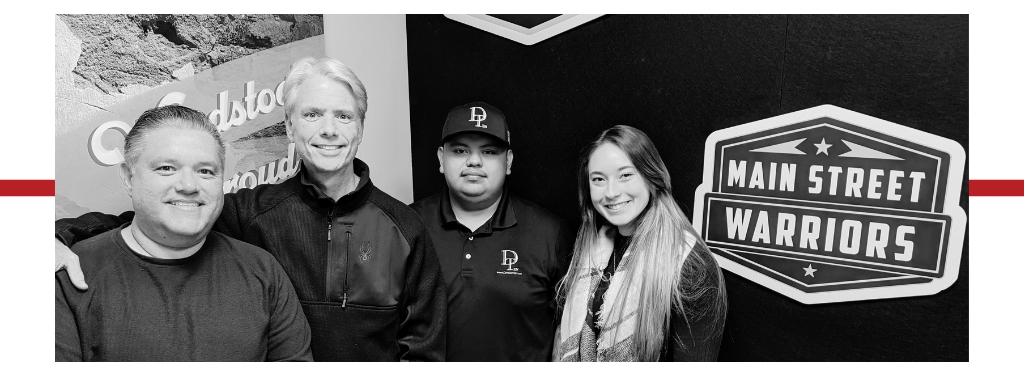
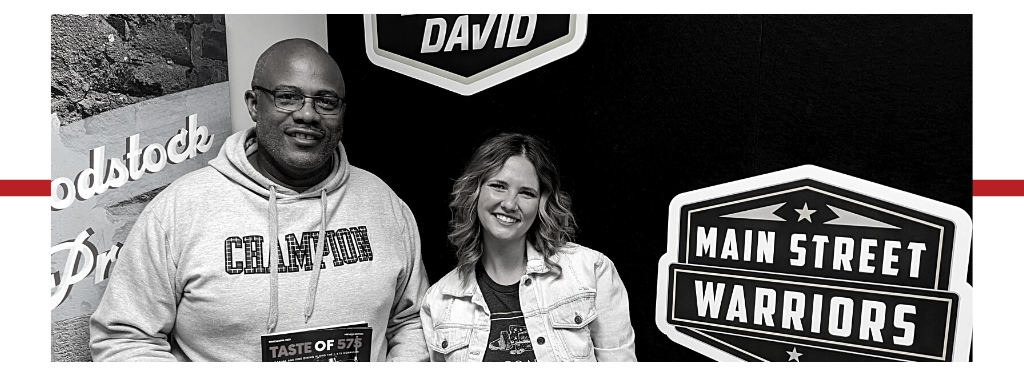
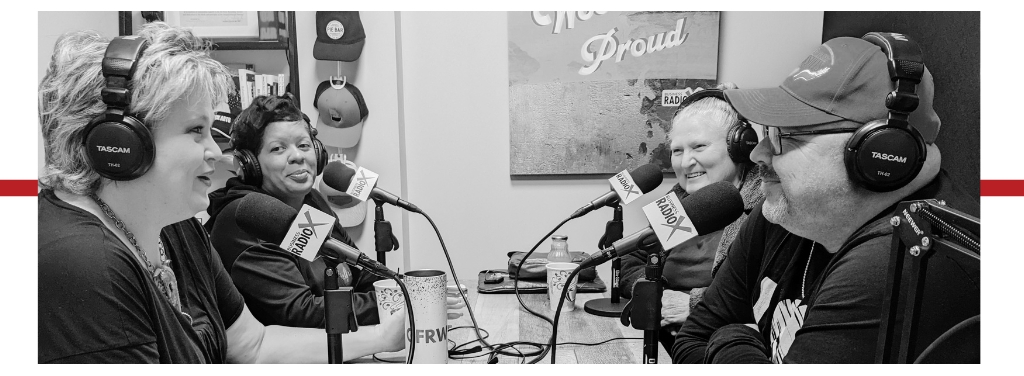
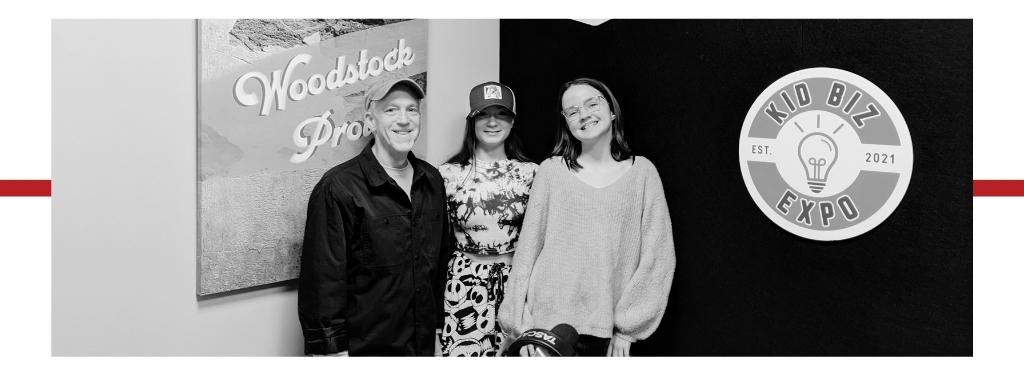
CharitableGA022423Group-bw

Caitlin-Thomas-bwA local of Cartersville, Caitlin Thomas has lived in Georgia her whole life, but her family roots are deep in New Jersey. She is a wife and mom of 2 boys. Caretaking has always been a large part of her life, being the second oldest of nine children and assisting in her grandfather’s caregiving.

Caitlin is currently working as a community magazine publicist. She hasworked in many fields over the years, from waitressing to life insurance sales and everything in between. However, her most well-earned title and favorite job was a first rank Karate instructor in Ketsugan Martial Arts out of Powder Springs.

Dan-Pineda-bwDan Pineda is an entrepreneur and author on martial arts and spirituality.

He is a managing partner at Atlanta Water Fire Damage, a local restoration company servicing the Atlanta metro. He has run and owned many different kinds of business, from organic produce delivery to commercial martial arts schools, and restoration companies.

Michael-E-Reid-bwMaster Michael E. Reid is a former NFL player, internal and holistic practitioner, a martial artist, as well as a speaker and business man.

Along with being a teacher to others, he is a willing student on a lifelong journey to elevate himself.

Connect with Michael on LinkedIn.

This transcript is machine transcribed by Sonix

TRANSCRIPT

Intro: [00:00:07] Broadcasting live from the business radio studios in Atlanta. It’s time for Charitable Georgia, brought to you by B’s Charitable Pursuits and Resources. We put the fun in fundraising. For more information, go to B’s Charitable Pursuits dot com. That’s B’s Charitable Pursuits dot com. Now here’s your host, Brian Pruett.

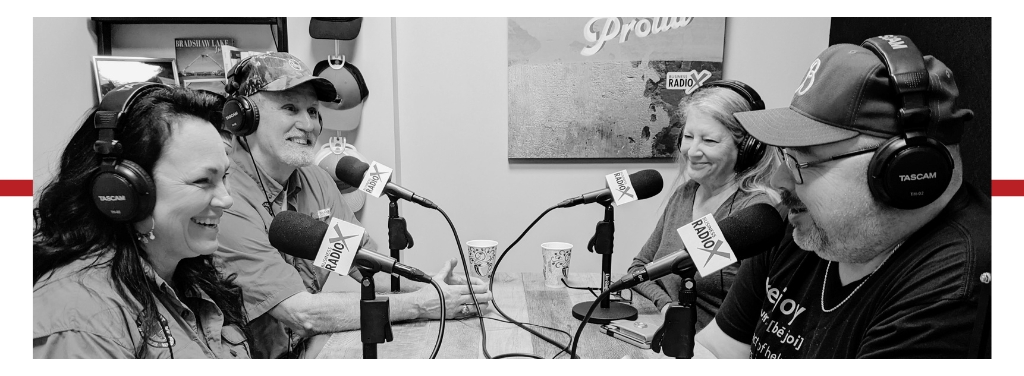
Brian Pruett: [00:00:45] Good, fabulous Friday morning. It’s another fabulous Friday with three more fabulous guests. We’ve got a pretty cool show this morning. The three guests that I have all have something pretty cool in common, which we’ll get to in just a second. But my first guest this morning is Caitlin Thomas. Caitlin, thanks for being here this morning.

Caitlin Thomas: [00:01:02] Thank you for having me, Brian.

Brian Pruett: [00:01:03] So you are from the Cartersville area and you’re starting a community magazine, correct?

Caitlin Thomas: [00:01:11] That is correct.

Brian Pruett: [00:01:11] So give us a little background. Why are you doing that and share a little bit of your story and then we’ll get into why I asked you here.

Caitlin Thomas: [00:01:18] Okay. So actually, before I came into publishing this magazine, I was working in life insurance and wanted to have something a little bit more positive to be giving the community. So I found myself in this position with publishing the community magazine for Cartersville. It’s going to be called Cartersville Living. It’s about bringing the community together. We stay away from divisive topics and it’s really just about uniting the community, making homeowners aware of services in the community that are available to them in addition to really just bringing the businesses together, highlighting them as the go to with these homeowners as well.

Brian Pruett: [00:01:58] Is this going to be a monthly magazine, Weekly magazine, Quarterly.

Caitlin Thomas: [00:02:02] It’ll be a monthly magazine. So we highlight local residents, those that are either doing work in community or in charitable events such as yourself, so nonprofits or working in the school districts. We want to highlight those individuals because the homeowners that we are distributing to have a little bit more, I would say, funds available to contribute to those nonprofit organizations.

Brian Pruett: [00:02:28] And this is going to be a hardcopy magazine as well as online.

Caitlin Thomas: [00:02:31] It will be a hardcopy magazine, and we’d do digital footprint with advertisements online.

Brian Pruett: [00:02:38] Is it a subscription based or how do people get the magazine?

Caitlin Thomas: [00:02:40] So it’s going to be direct mail. So our our homeowners, they don’t have to pay for the subscription. It is really just a complimentary thing about bringing the community together.

Brian Pruett: [00:02:52] Awesome. Well, the reason I asked you here, just like these other folks, you have a background in martial arts, so that’s pretty cool. And my uncle, a little trivia free guys, my uncle’s and martial arts. He’s also a martial arts heart of Famer. I actually took Taekwondo up until about the seventh grade when I broke my leg the night before I supposed to test for my blue belt and I never went back. So that’s a different story. But anyway, so share a little bit about your your martial arts training and the type you do and why you’re doing it.

Caitlin Thomas: [00:03:24] Okay, so my background is in jitsu and martial arts. There’s not very many schools of Katsudon here in Georgia. Actually, I come from the only school here in Georgia for Hexagon. All other Katsuya martial arts studios are in New York. But really what brought me into it was I come from a large family and my dad wanted us all to have that discipline instilled in us. So I’m one of nine kids and that was a very big deal, was the discipline and the structure within the family. So that’s really where it started, was just wanting to have that instilled in us. But for me, what took off was the really influence that my sensei had on me and his roping me into, you know, his training courses and doing women’s self-defense courses. And for me that was just all the motivation and inspiration I needed was just somebody to be pouring into me that way.

Brian Pruett: [00:04:23] Can you take us through a little bit about your how your training goes and went.

Caitlin Thomas: [00:04:27] Oh boy, that’s hard. So we had you know, we had some days that were just very basic as far as, you know, you’re going through your quotas, you’re going through your basic punches, you know, And then we had have our days where we have intensified training. You know, we’d walk in and it’s just intensified training and you’re just, oh, crap, you know, sorry, I don’t know if I did.

Brian Pruett: [00:04:51] The SEC’s not listening.

Speaker3: [00:04:52] Okay.

Caitlin Thomas: [00:04:54] And intensified training for us was, you know, you could be in a horse stance and you’d feel like you’re sitting there for an hour. He’d take, you know, one of the smaller weight kids, sit him on one of your legs, make sure that you can hold. That stands for as long as possible, or it would mean, you know, sparring or clubbing until your guy and your belts are falling off. And in those situations, you’re not able to fix yourself. So you’re really just more intensified. On a basic day, though, is a little bit more structured. You’re going through your forms, like I had said, or your quotas or instructing younger, younger generation students on their kicks, punches, forms, etc., holds.

Brian Pruett: [00:05:43] You know, we talk about the kids on your legs at Thanksgiving or dropkick them across the room.

Caitlin Thomas: [00:05:46] So that would be easier.

Brian Pruett: [00:05:51] You would you know, I sat down and talked to. We talked a little bit. My uncle used to be one of the judges of Battle of Atlanta. And I think you probably all three have been involved with Battle of Atlanta. But you’ve done some competitions not only here in Georgia, but in other places as well. Can you talk about a little bit the tournaments you’ve been in?

Caitlin Thomas: [00:06:06] I have. So it’s always hard for us as kids, Sook and studio going into these Battle Atlanta or other competitions because most of the judges are not familiar with Kintsugi and martial arts. They don’t know how to judge the quotas that we are performing. They’re more familiar with, you know, taekwondo or I guess was probably the main one that we were competing against back then. But as far as the fighting goes and the sports competition, we always did well in those competitions. Our studio was not one of these storefronts that you see with the advertisements out front. We had a basement that we practice in. You know, we didn’t wear a lot of gear. We had maybe had had pads and hand pads. So I feel as though we had a little bit more traditional training in regards to our martial arts. So we always did well in our sports competitions. But it’s very different from, say, you know, your typical life self-defense courses. Sports fighting is a little bit different.

Brian Pruett: [00:07:12] Can you explain the difference.

Caitlin Thomas: [00:07:14] So well, when you’re training for a self defense, real life scenario? You’re going up against individuals who might not have the same training as you. Number one, you’re also having to gear a lot more of their body language, etc., and just your life experiences in the dojo. Whereas in sports competition, you know that you’re up against somebody who has similar training as you and you’re really you’re trying to find the opening, so to speak.

Brian Pruett: [00:07:51] You talked about earlier the only school in Georgia you shared that your sensei recently passed away, but you share with me that you wanted to kind of continue and be able to teach not only women, but I guess the younger generation as well. You’re a mom, you have some kids that. So why is it important to kind of continue, I guess, the the training and teaching?

Caitlin Thomas: [00:08:14] So my sensei, he actually he brought up the studio, number one, because he wanted his kids to have the same growth experience that he had. He came from New York and, you know, they didn’t wear pads, period, at his studio. So he started up just for kicks here in Georgia for his children. So he really was starting the studio or continuing the classes until his kids became black belts and they had that training instilled in them. I’m just grateful that I got to be a part of that. I got to be a part of his family. And I have a little bit of regret, honestly, in not continuing my training. When I became a mom, I became a mom very early on. I had my first child when I was 21, and I had actually just stopped assisting my sensei in his women’s self-defense courses probably five months before I got pregnant. But now, after his passing and going back, visiting the studio, I feel like it’s something I could start back up. My kids have recently become very interested in the Karate Kid and they have been, you know, just messing around. They’ve had some bullies in the neighborhood and, you know, I don’t want this to be something that they’re utilizing in those situations, but I want them to be able to defend themselves. I want them to have that confidence that I had and be prepared if something were to happen.

Brian Pruett: [00:09:50] You got the cars ready for wax on.

Caitlin Thomas: [00:09:51] Wax off. Oh, yeah.

Brian Pruett: [00:09:52] All right. Nice. So you talked about the magazine and the community and share a little bit of why it’s important to be a part of the community and be a positive influence in the community because you share it’s going to be positive stories and things of that nature. Why is that important?

Caitlin Thomas: [00:10:10] There is a lot of negativity going around in the world these days, and I feel like a lot of the media sources that we have tap into those negative stories. They highlight those negative stories and they have a certain energy that carries with them. And that’s something I try to stay away from, in all honesty. So I want to be part of the positive that is happening in the world. I want to make people aware of the resources, number one, that they have available to them in the community. Because in Cartersville we have a lot and I feel like a lot of them go unnoticed.

Brian Pruett: [00:10:44] Hence the reason you’re on Charitable Georgia show, right? The magazine is not currently out. When do you think that it will be launched?

Caitlin Thomas: [00:10:52] I am looking for spring, so April, May, June. Hypothetically, I’m hoping for the launch date as far as I can keep my morning sickness under wraps.

Brian Pruett: [00:11:07] So if somebody wanted to get a hold of you as far as maybe some advertising or wanting to talk a little bit about the magazine or if anybody’s interested in about the martial arts aspects of it, how can people get ahold of you?

Caitlin Thomas: [00:11:19] I am best reached through email or by my phone number. I don’t know if I can leave those on here.

Brian Pruett: [00:11:23] You can.

Caitlin Thomas: [00:11:24] Okay, so my email is Kaitlin Thomas. That’s Caitlin Thomas. Dot B as in boy v v m sorry. B v m at gmail.com. And my phone number is 4045676338.

Brian Pruett: [00:11:45] Awesome. Well, Kaitlin, again, I appreciate your time this morning and being here. Do you mind sticking around and listening to these other two stories?

Caitlin Thomas: [00:11:50] I’d love to.

Brian Pruett: [00:11:51] So we’re going to move over now to Mr. Dan Pineda. Pineda, how you say that, right?

Dan Pineda: [00:11:54] Hello. Hello, Dan Pineda.

Brian Pruett: [00:11:55] And I did say right. How about that?

Dan Pineda: [00:11:57] Like a potato.

Brian Pruett: [00:11:58] There you go.

Dan Pineda: [00:11:58] There’s a Pineda instead.

Brian Pruett: [00:12:01] So Dan is with Atlanta Water and Fire Damage. And you’ve shared that you’ve been extremely busy since Christmas Eve.

Dan Pineda: [00:12:10] Yeah, I worked Christmas Eve. Yeah, we were. You know, I’m Cuban, Cuban American. So we were about to dig into the election. I saw, you know, and then I get a call from my boss. He’s like, Hey, Dino, you got to get. You got to get down to Atlanta, man. It’s everywhere. And yeah, it was. I was just working till almost till the sun was coming up Christmas morning. And.

Brian Pruett: [00:12:32] And they haven’t stopped since.

Dan Pineda: [00:12:33] We haven’t really stopped. And we were just coming off the storm in Fort Myers, you know, or Hurricane Ian. And that was horrible. The things that we, you know, saw these poor people going through, you know, so we were trying to help them. And then we come back here and then the freeze happened. So we’ve we’re just we have one office guy right now and we’re trying to hire people. And this poor guy, I just every time I see him, I give him a back rub. You know, I’m like, Hey, buddy.You can do this, you know.

Dan Pineda: [00:13:04] Because he’s got he’s got his work cut out for him. I love you, Leo, if you hear this. But. But, yeah, it’s it’s been nuts. But even with all that. You know, people are very grateful. And, you know, we’re doing our best to make sure everyone gets everything they need and that they’re taking care of like an actual human being.

Brian Pruett: [00:13:25] Which is, you know, these days, a lot of companies don’t don’t do that. And it’s cool to hear that you actually went down to Florida to help the folks out. I mean, you hear stories of other companies doing that. But I mean, your name is Atlanta. You’re on fire. But that doesn’t mean you’re just going to stick in Atlanta.

Dan Pineda: [00:13:38] Well, my my boss, Charlie, he lost his house in a fire. So he that’s how he got introduced to this business was his house got burned down. And then he how he was treated and what he saw from the inside. And he was a contractor for many years before that. So he was like, you know what, man? I think that we could do a good job just by being human. And I think just by being a human here, we can do better. And we did. And that’s was one of the things that the Fort Myers residence and down in Bonita Springs and all everywhere that we were, they said they were like, Man, you guys are from Atlanta, but. We’re happy. We feel like you’re. You’re from here. We feel like you’re here with us. So, yeah, that’s the vision. It’s almost like how a Philly cheesesteak. You can get it anywhere, you know? Right. The vision is Atlanta water fire damage. You’re going to be able to get it anywhere. That’s kind of the idea.

Brian Pruett: [00:14:31] So how did you get involved with this company?

Dan Pineda: [00:14:33] Well, I had my own restoration company for about eight years before that. And the way I got into that was because my martial arts studio crashed and burned because I was a horrible martial arts business owner. I was a great coach, horrible business owner. So if you need someone to get better at martial arts, I can help. But if you need someone to get better at running their dojo, I can’t help. I’ll. I’ll hurt them.

Dan Pineda: [00:15:03] So just do the opposite of what Dan says and you’ll be fine. Right? So. So my dojo crashed and burned, and my students were like, Coach, don’t die. Get into water restoration. And I had no idea what that was. You know, I was like, What are you talking about? I worked for Morgan Stanley Dean Witter before. I had done some clerical work in the law field. I had never swung a hammer. And now they’re like. Be the man, you know. And. And I jumped in with both both feet and brought some extra feet just in case. And and it was amazing because our first year of business, we did like, 1,000,005 me and me and my partner, and we had no idea what we were doing and we still did well and we were like, Wow. So it just kept growing and growing. Came up to Atlanta, did some sales training for a couple of different companies here. I did what was it name is Phenix and there was another one and taught their whole sales team how to be less robotic. You know, how to use some strategy, martial arts use strategy, you know your strategy and what we’re doing right, if you live a more intentional right and and then my my, my current boss slash partner slash caretaker.

Dan Pineda: [00:16:20] Slash you know, ride or die because I told I said, look, if we work together, it’s like we’re married. It’s not I’m not just working with you like we win. We win. That’s what happens. And so he saw what I was doing and he wanted to take his business to the next level. He had this he had Atlanta water fire damage, but it was kind of in his back pocket and he wanted to grow to National. So then that’s when he brought me on and that’s what we’re up to.

Brian Pruett: [00:16:49] So you mentioned your martial arts background. How did you get involved with your story in martial arts?

Dan Pineda: [00:16:53] My pretty much. I’m a copycat. So when my big cousin does anything, I would do it. So my big cousin, Julian, he comes home and he’s like a martial arts guy now, you know? And he was like a chubby little kid. And all of a sudden you could kick my ass, you know? And I was like, Wait a second, that’s not fair. That’s not that’s not the righteous order of the universe.

Dan Pineda: [00:17:14] So I was like, Mother and father, please take me to martial arts. Right? So I was four years old. They take me to taekwondo and I did not want to ever go back the Masters. Their ginseng conjured him. He was like a brutal, evil monster in the eyes of a four year old. You know, I looked at him and I thought he ate children, you know, I was like, Oh, gosh, you know? And so he wouldn’t say, Clap your hands. He’s a Korean guy. He’d say, Beat your head. So when it was time to clap, he’d be like, Beat your hand.

Dan Pineda: [00:17:48] And I was like, What is he saying? You know? So I would we would call him Cuban people. A lot of Spanish culture, we’re not as refined as the United States in many ways. So like you will say, Oh, he’s Korean or he’s Japanese, but Cubans, all Cubans who came in the fifties, they’re like I said, Chino, El Chino, right. That’s just everybody. So I would say to my mom, por favor, por favor, normally.

Dan Pineda: [00:18:12] Salcedo, please don’t take me to him. Please, please.

Dan Pineda: [00:18:14] I was just so terrified. So they kept bringing me back out of love, I guess. And and I kept going, and I never stopped. And then when I was in high school, I met a kid who was doing kendo. He was doing Bruce Lee system and he was doing boxing and he was doing Mercado. Gee, this is like 98, 97. He’s doing boxing. He’s doing Muay Thai, he’s doing Mercado jujitsu, he’s doing Filipino Kali. And so he was training with a guy who was a student of one of Bruce’s students, Bruce Lee, students, Seafood Bustillo, Richard Bustillo. And so I went and jumped in again, fully boom and trained, fought, became a coach, fought in some unsanctioned fights in Lake Worth. This was back before there was all this stuff. I mean, we would just get together. There would be like a wood floor in Lake Worth Beach and the municipal building, and we would just all bang. It was just bang in time, man. It was everybody from every style. There were no pads, there were no mats. If you did a takedown on a dude and you dropped him on the top of his dome, you just wow. And it was just it was just no, there was no like, Oh, is he okay? Like, none of that. Your coach wasn’t like, I hope he’s okay. Your coach was like, Yes, you know more, right?

Dan Pineda: [00:19:24] So it was a completely different environment. And so I broke my leg on a dude’s face who’s actually still one of my good friends. And yeah, Aaron Joyce is wonderful guy. And so I broke my leg on his face and he’s a tough guy. Aaron’s a tough, big Irishman, and so Aaron’s like, you know, I think, I think, I think your legs broken, you know, And we just taped it and kept going. But in the healing process, I thought, man, I looked at like my Muay Thai coaches and they’re all like walking around with canes. And I’m looking at my, like jujitsu coaches and they’ve all got like, their knees don’t work. And I’m looking at just looking across like I do, Is this what I really want? And I happen to pick up this book by a guy named Masaki Tatsumi. He’s just a ninja dude. He was saying he was a ninja dude in Japan, and I thought all that was BS, but the book was cool. So I was reading through it and I found someone who knew him in my hometown, and this guy was like this old money art dealer. He had the original. James Bond, 1979. Aston Martin from the Living Daylights in the Dojo A Kahului. If you’ve ever heard of Julie’s art. Bauhaus like the Picasso of art. We had Julie. We’d break Julie pieces on accident with the Spears practicing in Belgium. It’s nuts, right? So he pulls me into the world of the ninja, and it is real. And I flip out because I’m from the eighties, so anything ninja is cool to me immediately. It doesn’t matter what it is.

Dan Pineda: [00:20:58] You’re like Houston Ninja Donut. I’m like, I eat it. I’m like, Oh, that was great. I just don’t even notice. Right? So we’ll get into the world of the Ninja and it ends up being that everything that I thought about martial arts was wrong. Everything. And now this is five principles that I found in there through playing with these things in a in a from a level of sincerity and wanting to work hard, not not wanting to be the master, just wanting to get one little piece. If that if there was one little piece, that’s enough, right. And so. They’re doing that, you know? That’s how I lead my life now. So everything I do now, moving forward, I use these five these five concepts that I got from Ninjutsu. But that’s that’s kind of like my thing. So now I have online ninja training. I have rough and tumble play, which has nothing to do with martial arts. It’s to help dads and moms play rough with their kids so that they learn how to have that physical contact from youth. We divorced it from the martial arts because people were freaked out by belts and kicking and fighting. So we took all of the rough, the contact, the kinesiology, all that stuff that heals your brain and that makes you a superhuman from playing with other people. You put that in a in a program. So that’s like all the stuff that my wife and I ended up doing with this stuff. So we’re not combat killers. We just want to make people’s lives better. That’s really share the good stuff, basically take off the top shelf stuff.

Brian Pruett: [00:22:25] Share the five principles of one.

Dan Pineda: [00:22:26] Yeah. The first one is always be aware that there could be a hidden advantage and in fact count on it. So like when, when I’m sitting here, right. I don’t think to myself, oh I’m just sitting with, with a bunch of just regular people, I think, oh well this guy’s in shape. This guy could have a gun. She was just telling me that she’s a psycho karate master.

Dan Pineda: [00:22:49] She just told me all her training. She just told you I beat people with no pads. I’m like Okay, we’re going to we’re going to avoid this individual in.

Dan Pineda: [00:22:56] Open combat. Right? So so from a ninja perspective, the idea of fighting openly is ridiculous because I’m placing myself in a targeted. It’s like this man, I would never try to do something in front of him because he would just crush me. But from behind. And with the surprise, that makes sense. So why is that? Well, because what it looks like isn’t what it is. That’s the first one. The second one is don’t be where you can be pushed or pulled. Meaning if we are in an engagement and I am in a place where he can exert any force against me, that first idea that he had an advantage I didn’t know about, that’s what cooks my goose. Because if he can put any force on me and he has a blade or he has any kind of advantage friends, Right. That all of a sudden. Right, the game changes quite a bit. So I can’t be where he can put any force on me. How many martial arts techniques start with the guy punches you and you block. That’s force. You’re receiving force. Now, you could say, Well, I’m blocking in such a way that I’m dissipating that, Yeah, that’s great. That’s Budo, that’s Warrior Samurai stuff. That’s not ninja stuff. Ninja stuff is he punches. You’re not there, right? So weird. That’s one thing. Don’t be where he can push you. The next one is keep your weapons covering their weapons. And in real life, you know, in a sales situation, something like be aware of the rebuttals, be aware of the possible rebuttals and have them answer it ahead of time in a love situation.

Dan Pineda: [00:24:29] Right. Be aware of your partner’s insecurities. Be aware of their challenges and be ready ahead of time. Right? That’s all of that stuff. So keeping that. And then the other one is move towards his back. What do you mean, move towards his back on combat? It means get to where none of his weapons are pointing at you. But in everyday life, if I have your back right, to really have your back means I have to have control over the situation enough to be supportive in a positive way because help is the sunny side of control, right? You get the wrong person helping you as bad, right? So I want to have you back the right way. And the last one is finish with economy of motion. Meaning if in order to beat you, in order to win, in order to get what I want, in order to complete, if what I have to do is move at a greater amplitude, at a greater speed with more force than you, then this is tyranny. In order to get what I want, I need to have you give it to me. And that’s the ultimate technique. So really, those five principles by following them. I’m always in a position where I have optimum optionality. And so that’s what I’m teaching, like the sheriff’s, you know, that’s what I’m teaching the students, teaching them to maintain optimum optionality, which comes from keeping your cool and knowing where to go next, right?

Brian Pruett: [00:25:49] That’s cool. You actually beat me to that. You said you were I was going to mention you were. You’re training the sheriffs, Cherokee County.

Dan Pineda: [00:25:55] Sheriffs. Yeah. I’ve got some sheriffs. They come, they train. They’re kind of still in the hush hush, because the thing is, a lot of these guys want they learn the Brazilian jujitsu, which is great. I did Mercado Jujitsu. It’s a form of that. It’s wonderful art. And they learn that stuff and there’s a lot of toxic martial culture. Martial culture has a lot of. Like the bullies. So it’s so funny. Like you think about the martial arts as being the guy who beats the bully, but most of the time the martial artist is the bully. Most of the time, in my experience, it’s the guy that knows some stuff, but he’s not followed it all the way. He hasn’t gone all the way to the old man where the old man shows him the way. He hasn’t done that yet, but he’s got some stuff and he uses it. And in the West, our concept of martial art is mostly probably the worst thing that could ever have existed for humanity. I mean, our concept of fighting is horrible. You know, the hero in our movies always wins. People from the East and from people can converse in. The classics are very confused by our culture because to them, the hero dies In the end. If you read any of the ancient hero dies, it’s the cost for being great is self sacrifice. And then we started telling stories where you get to kick everyone’s butt, get the girl, get the money, the credits roll, and I’m like, That’s wrong, buddy.

Dan Pineda: [00:27:18] So, you know, that’s that’s the main thing is in Japanese called Haki, Haki means a calm mind. And that’s the idea. Even if someone’s cutting me, someone’s killing me because we always think self-defense. But really, someone busts in here and tries to hurt all of us, right? Let’s say my wife and my kids and I mean, I don’t want to virtue signal, but let’s say we’re all here. Someone’s trying to hurt. I’m a guy. This is a nice woman. I’m probably going to sacrifice myself to protect her, even if I don’t want to. Even if I think, Oh, it’s the patriarchy, I’m still going to do it because I’m loaded. She’s life continuing. I’m loaded to protect her, right? So in which case there’s a dude come in with a knife. Martial arts, self-defense as I avoid the knife. But real life says I eat the knife for her. I eat the knife for you. I make sure I take it. And if I live, great. But the idea is you live a different perspective. Don’t see too much of that, right? So that’s why we’re doing what we’re doing with Budo and with Nina. That’s why I’m that’s why I’m here is to share that message, you know? But yeah, restoration. Yeah, whatever. But that part. Right, Right. More, more important.

Brian Pruett: [00:28:25] You also share that you’ve written a book as well, right?

Dan Pineda: [00:28:27] Yeah, I’m a, I’m a spiritual explorer of sorts. I joined a bunch of weird secret societies. I lived in an ashram, naked, gardening. I’ve done it. Whatever you can imagine, to expand consciousness and break down the walls of the screw, the doors of perception, the walls of perception, the ceiling. Right. Open that up. Big octopus brain going out in the universe. You know, all that good stuff. That’s all I did. So I wrote a book, My, my, my mentor in the occult and the spiritual traditions and all that. Jim Wasserman, he was a student of the students of the most infamous man to ever live, Aleister Crowley. And so Aleister Crowley, who was the famous evil Satanist demon worshiper, he wasn’t any of that stuff. He was like C.S. Lewis or J.R.R. Tolkien. He was a fantasy writer. But, you know, people take his stuff Anyways, Jimbo calls me and he’s like, Hey, man, I’m going to ask you to do something. But you got to say yes before I ask you. And it was Jim. And Jim was like another dad to me. So I was like, Yeah, whatever you say, old man, you know? And he’s okay, Well, you got to read a book.

Dan Pineda: [00:29:31] My mother in law was dying of cancer during that time. Stage four lung cancer. I wrote that book in hospice next to her. I don’t remember writing it. I don’t. The grief has wiped the memory of writing the book. So now when I read it, it’s called The Book of Secrets Secret Societies, Ancient orders, something or other. It doesn’t. Doesn’t matter. You look up the Book of Secrets, You’ll you’ll find it and wrote some other stuff. Martial arts stuff, political stuff. Not like left, right, more like how do we use martial arts to help create a better political environment where because it’s really hard to hate somebody who if you’re showing up every single week and you’re throwing each other and you’re talking and you’re getting deep about what life’s about, it’s very difficult to maintain many of these divisions. So wrote a little bit about that. But, you know, it’s a I just kind of take the writing gigs as they come. I’ve never chased. I’ve never tried to write or be published. I’ve never tried to do anything. I’ve never tried anything in my life. Everything has been like one thing after another, like a fruit after the flower.

Brian Pruett: [00:30:45] How can people find your book on Amazon?

Dan Pineda: [00:30:48] Yeah. Amazon, Barnes Noble Book of Secrets. And it’s not very good.

Dan Pineda: [00:30:52] So if you. So here’s the thing. Here’s the thing. It’s probably one of the worst books on the subject. And the reason was I was the reason I was hired to write a book for a complete novice. So so they’re like, write a book on symbol so that someone who has no idea what any of this is like, this is like Wikipedia level, like, you know, And so I write this because it was supposed to be a part of a huge series called The Wiser Concise Guide. And then the series got canceled after I wrote it and they said, We’re going to publish it anyways on its own. And I thought, Well, it’s like the intro to a series. It’s not even complete and it’s no problem because you know, our readers, they’ll like it. And they did. But me being honest with you, like if you’re going to read a book on symbols, there are so many better books like by James Osterman or any of these bigger guys. Like my book is a good coffee table book, and you can throw it at someone you know if you need to. That’s good.

Brian Pruett: [00:32:00] So those are the well. So if somebody wants a good coffee book, spell your last name. When they look it up.

Dan Pineda: [00:32:03] Pineda. P as in Paul. I anyday It means pine Glen which is strange because you know, not from the not from the woods, man. We’re from Jersey, so I don’t know.

Brian Pruett: [00:32:16] So you’ve talked about a lot of stuff in why you’re doing what you’re doing. But share you talk about treating people as humans in the business. Yes. Why is it important for you to be part of the community?

Dan Pineda: [00:32:29] Well. It’s not so much for me. I think it’s more of like there’s a need for human contact, right, wherever that is. And so, you know, when I was a kid, I would read these old writings, these old myths, and I would think, Oh, man, it would have been so great to be Hector, to be Odysseus, you know, to be. What would it be like to be Jonah, you know? And then now I realize. Yeah, you are. You are. You are, Hector. You are Odysseus. You are Jonah, your Ahab. You’re those people. And how you express that is in the contact. So the main thing that I’m bringing when I’m working in any project, but especially during a disaster, right, is I’m giving them the confidence that I’m an actual human being and that I’m going to do what I said I’m going to do, which is. What I found that that’s enough for me to basically destroy almost all of my competition. So if there’s like a group of ten restoration guys and all I do is do what I say I’m going to do and make sure, you know, you’re talking to a real person, like give you my actual number and answer when you call me. Look you in the eye since the work is very low bar. Unfortunately, it’s a low bar, but it’s something that, you know, we provide and we go all the way with it to the point where, like, we’re giving people merch and we’re sending them on the dinners and it’s not because they’re going to be a repeat customer. We don’t have repeat customers. People’s houses burned down usually once, but it’s because we we we’ve been there. We’ve been there. Every single member of our team has been in a loss situation and knows what it’s like. So, you know, we want to take care of people.

Brian Pruett: [00:34:12] Well, I wouldn’t say it’s a low bar because again, customer service these days.

Dan Pineda: [00:34:16] Right. Well, I just feel like it should like what I’m doing. My wife and I, we talk all the time because we’re like, man, all we’re doing is taking care of these people. Like normal people. Like, how is this? Because really what it is the response we get. Brian The response that I get from the public, from our customers, from our friends, they talk to me like I just gave them a like a golden Cadillac. And I’m like, Wow, that’s how much human beings value connection. So, I mean, I’m learning every single day. But to me, that’s that’s an unbelievable truth. So, yeah, yeah, you’re right. I just wish we could keep going with this even more. You know, Like, this is like what we’re doing now. I’m interested to see what we do in the future where all of us have been connected for longer than 20 minutes. Right?

Brian Pruett: [00:35:00] So if somebody wants to get a hold of you for, you know, water fire restoration or for your training or anything like that, how can they do that? Yeah.

Dan Pineda: [00:35:09] Atlanta water fire damage is my company for that stuff And if you’re interested in like. Brain transforming consciousness transformation through martial arts training, which is what I really specialize in, like the trippy stuff. Mushrooms. Like the mushrooms. Not martial arts. Martial arts, not mushrooms. Right.

Dan Pineda: [00:35:31] Like that kind of thing. Like, instead of those mushrooms.

Dan Pineda: [00:35:33] Do martial arts, you can get in touch with me. I have a Facebook page, but I also have Art of Ninjutsu, which is being built now. It should have a CAPTCHA page, but if I don’t have one, just go to Atlanta. Water Fire. My boss is used to strange inquiries coming through the company on my do to me. He’s like, Oh, this must be to do with then. Yeah, that’s fine. Thanks. Brian.

Brian Pruett: [00:35:55] Awesome. Dan, thanks for being here. You want to stick around for this next story?

Dan Pineda: [00:35:59] I wouldn’t miss this for the world, man. This is great.

Brian Pruett: [00:36:01] So my next guest is Michael Reid. And Michael, I appreciate you being here this morning. And for those of you listening in our sports fans, you may recognize his name from being a part of the Atlanta Falcons for six years. And you now are also a master in the martial arts. You have your own school, you’re in the martial Arts Hall of Fame. You do a lot for the community. But I’d like to start off a little bit about you’re from Albany, you played Wisconsin, right? And give us a little background and give us talk through a little bit about your your football career.

Michael Reid: [00:36:36] Football career coming out of South Georgia all the way up. Before I do that, I want to say that I’ve listened to your other guest here who I’ve met for now for 20 minutes. And I will have to say that that my mind is racing all over the place, right? Because the stories that you’re telling are the different aspects of martial arts training and how we evolve over time. And so I’m listening to your your comments and I’m going, Oh, yeah, just this da da da da da. And I’m going, Oh, okay. So I went past the what I call normal martial arts to get to some family style traditional martial arts that’s going into the concept of how you live and what you do. And it’s just all those things. You know, for me, it’s like, you know, just goose pimples everywhere because I’m like, Oh, this is what I this is what I’ve lived to do for a long period of time. But originally from Albany, Georgia, I went to Dalton High School from there to the University of Wisconsin on a football scholarship, majored in computer science, graduated in computer science, was an All-big ten football player and also All-big ten academic football player. I was very fortunate to be drafted in the seventh round. That was 12 rounds back in 1987 when I was drafted by the Atlanta Falcons. And then if you know anything about football, you know that most seventh rounders don’t make the team first.

Michael Reid: [00:37:43] The second round is third rounders. They’re pretty much no, they’re going to be there. But after about the fourth round, people start looking at you and you’re like, Well, we’ll see what happens. So I was blessed to play and see my first professional football game at the same time, because growing up in South Georgia, I did go to a Braves game, but never once did we go to a Falcons game. We went to plenty of college games, went to see Georgia play. My dad is also played in the NFL for many, many years. Before, before I came along, I was a coach and so we I saw more football than most people would ever want to know. I developed my love for football as a kid. Matter of fact, I learned all the capitals, not capitals, all the all the cities in Georgia based upon the football teams, because I you know, I knew everyone’s mascot. And so as a kid, that was very interesting to me. So I learned the geography for the state of Georgia via high school football teams throughout the state. And so, you know, even now when someone says some small town in Georgia, I’ll be, oh, that’s such and such, such that. And they’re like, Well, how do you know that?

Michael Reid: [00:38:41] So I was very, very passionate about football growing up. A coach’s son. There was nothing more I wanted to do than to be a football player. Football player, martial artist. But. I think a lot of people don’t know about me unless they grew up in Albany. So I was a pretty good basketball player. And so basketball probably is what set me up to be able to move on to play at Division one football and in the NFL. One of my teammates died last year. His name is Little Trane, Lionel James, who played at Auburn and then played over at San Diego. I had the distinct responsibility as a sophomore to guard him in practice every day. Now Lionel is five foot seven. He was All-State in the state of Georgia in football and basketball. First team. Now, did I ever stop Lionel in practice? No, but I had to. Do what? Move my feet, move my body. And also because I was competing with him. And this is a team that played for a state championship. The following year, we were number one in the state for most of the year. We learned the idea of competition and learned the idea of never giving up, learning the idea that I don’t care that you’re supposed to be better than me today, you got to prove it.

Michael Reid: [00:39:52] Which is very what martial arts like, right? You can come with all the accolades that you want, but when we step it up, then we’ll find out. And in the real world of combat, of real life living, like you said, the person jumps you from the back. Now, what are you going to do? Do you have the will to fight? Do you have the will to survive? Can you reverse that sudden circumstance? Unlike a prizefight. Prizefight? I know I’m fighting you. We measure up, we do our thing, we line up, we touch gloves. If we if we’re sportsmanlike and then we hammer each other. But the real life you walk by, a person hit you in the back of the head, and now you’re all out of caboodles and commits and you got to have the will and the nerve to overcome that and survive. So a question that you may get to later, but I’m going to say it now since I’m on it. Yeah. Is that when you go I guess training in martial arts since 88. So I don’t know everything, but I’ve certainly, I think evolved. The longer I train in martial arts, the simpler things become. I was taught this in

Michael Reid: [00:40:51] Probably 19 90, 91. Maybe 92. Martial arts is for living. Fighting is just a small, small portion of martial arts. As Guru Bahati would say, my one of my C Latin clientele teaches a great art will take you from the cradle to the grave. Now you think about that. So that speaks to the idea of being banged up and bruised up and not being able to function. That’s not a great art and I’m not criticizing anyone’s art, but a great art should take you mentally, physically, spiritually, health wise, from the cradle to the grave, which means it has to be flexible. Right. I think everyone here has seen taekwondo. Taekwondo is a fine system. I have people who who are really good fighters, and that’s fine. But most people aren’t going to be throwing high kicks into their eighties. It’s just not going to happen. So that art and that and they do have this. There’s just not taught a lot. Must be able to adapt to the people who are still training. So maybe now instead of practicing high kicks from my head, I kick at your shin. I stomp the floor. So every art must have that. So martial arts is for living. And I think in particular, this is kind of referencing you when you look at arts that come from Southeast Asia. Oc I study, come and see lot coming out of Indonesia, All right. And I’ve also studied Chinese arts since 88. So the idea of how you do martial arts there is different. It is about the culture and the way you live. I have been taught and I believe this, that you cannot understand an art unless you understand its what the culture that it came from. Because the martial arts is a reflection of the culture. It’s a reflection of how you live. It’s a reflection of what you do. Martial arts, without concepts and principles of how you live, is not martial arts. It’s just fighting. So, you know, I don’t know what you You get me on the martial arts team.

Brian Pruett: [00:42:47] Go ahead.

Michael Reid: [00:42:47] I will talk about it.

Michael Reid: [00:42:48] Right. Because.

Michael Reid: [00:42:48] Because I’ve been passionate. In 1993, I opened my school. When I opened my school, it was Chinese, Shaolin. And at that point in time, my reason for opening the school stated and it still exists to this day is and was to find the truth. Now, sometimes when you’re pursuing the truth, you have to leave where you’re at. Because you get to a certain point and then you realize that there are other things that are out there and then you have to follow those directions. So I’m a person who’s committed to knowing what the truth is, what works, what doesn’t work, what is external training, what is internal training? Can you split them up? Really? What is spiritual training? What is energetic training? So all these things go together and all these things make what is considered to be the totality of martial arts, which is the evolution of the human being who’s studying them. If you study martial arts and you’re not evolving yourself, that’s why martial arts attracts us. That’s why martial arts we have our relationship to the teacher. The teacher is not more important than the student. The student is not more important to the to the teacher. We talked about Master Poe at the beginning, right? Neither one was more important than the other. So it’s the symbiotic relationship between teacher and student and the evolution that each person goes through that brings you to a place that allows you to function at a higher level in which martial arts is all about. Now you can go back and ask me another question because I’m sorry I got on the martial arts. That’s right. But when I do that, you know, that’s fine.

Brian Pruett: [00:44:15] I actually I got a lot of questions just because, you know, I mean, it’s all great, but I’m passionate about three things. And Stone, you know this I’m passionate about helping others. Connecting others. And sports is my huge passion. So the fact that I’ve got the three of you in this room and I’ve got family members who done martial arts, I don’t know if you got all day, but, you know, we might be here all day stuff. But anyway, so first of all, I just I would like to ask just how many different types of martial arts are there?

Michael Reid: [00:44:42] Oh, thousands. I mean, you have your general narrative of what has been publicly reported as this where martial arts came from. But the truth is, is that martial arts started when man started when mankind started male and female martial arts began, martial arts primary function was so that a person who was smaller could overcome someone who was bigger and stronger. You really think about it because if you were bigger and stronger, you didn’t need martial arts. You just walked over there. If you’re six foot six and £325 with a club and you just hit the person, you took your stuff and went okay. And of course I’m being I’m being generic there, whereas the people who were smaller, who weren’t as physically inclined, had to realize that, How can I overcome this? Because if I can’t overcome this, then this person’s going to lead me or this person is going to take my stuff or if something goes wrong. So martial arts systems, there are every culture that’s ever existed, has martial arts systems. Now, in our culture, we, you know, we’re quick to say, well, there’s Japanese martial arts, that’s Korean martial arts. There’s the martial arts we do in America.

Michael Reid: [00:45:41] There’s some things that do in other parts of the world, but we don’t talk about them very much. You know, it’s becoming much more popular. See, I’m old enough to where when you say jiu jitsu to me, I don’t think of his jitsu. I think of Japanese jiu jitsu because that was a warrior art and that predated that. But that didn’t do the marketing that the other systems did. And and I’m going to be honest with you guys, I survived myself for at least 20 years of being a martial artist, running a martial arts school because I had no real business background. But I was really, really good martial artist and a really good teacher. And so with that being said, people were attracted and stayed and allowed me to develop to the point to where I could get a martial arts business acumen and then realize, Oh, if I actually employ other people, we can have a bigger reach and do more things, you know. So other question, I’m like I said, you know, the football brand at some point in time goes, what did he say?

Brian Pruett: [00:46:36] We talked about we’ve heard the word since a coach master. Is there any difference in those?

Michael Reid: [00:46:42] Those are titles. Okay. So every culture has its methodology of titles. Normally when you hear Sensei, you’re thinking Japanese martial arts. Sometimes you’re thinking Korean martial arts, okay, now and martial arts and so forth. But it’s something normally in the karate phase, things when you hear master, Master can go across a wide variety of martial arts systems, but it really just means learn it. Instructor Big instructor Okay. The Chinese, it’s just big. And then you get into Senior master, elder, master and so forth. So there are many different titles, but at the end of the day, the only title is really important is what did you do to earn that? And when that person speaks to you, do you have those attributes to be able to give that person that? Otherwise it’s just a title? And as Americans, we proved this in the seventies when martial arts came to this country. Most martial arts systems have, what, ten degrees of rank? Generally speaking, all of a sudden in America they were 14th degree, 18th degree. I’m a 22nd degree black belt, right, Because we’re in the West. And so bigger the number. But what higher and more proficient I am. You’re only a 10th degree, but I am a 23rd degree black belt, blah, blah, blah, blah, blah. Kids, Biz Expo master, you got to get ready. So different cultures, different names, but at the same thing. Teacher, student. My my first traditional art that came to me, there was only student. Teacher. Student. Master teacher.

Michael Reid: [00:48:11] That’s it. Five ranks.

Michael Reid: [00:48:15] They converted the ranks so that people would feel. Actually, the reality can vary to rank. They only have five degrees. Then they moved to ten because in America everyone had at least ten degrees and they just realized that a person said they were fifth degree and have been training for 40 or 50 years and and the other person had been training for five and had a second degree or was close to them, that people were equating him as the same thing at the end of the day. Martial arts systems are not always apples to apples, but one thing that you can count on is that I think my martial arts would agree with me on this. When you’re around certain people, there’s a certain energy to that person. It doesn’t matter what they study, there’s a certain feel and way that they do things that’s at a higher level and that’s what martial arts, the systems are designed to do create a highly connected individual who can operate on a high level. That high level can be martial arts, that high level can be business, that high level can be whether so like, for instance, kung fu doesn’t mean martial arts or gung fu is, they say these days, all right. Doesn’t mean martial arts. It means what mastery of time and effort being good at something through your sweat equity wushu means martial arts Chinese. So my point is, is that the titles are one thing, but the most important thing is you, the individual who’s more important. The style of the fighter. It’s the fighter, right? It’s a fighter. Now, if both fighters are equal, then the style might have something to do with it. Or are we fighting in the street or are we fighting in the ring? Do we have weapons? Do we not have weapons? Some styles are better designed for real survival, and other styles are better designed for ring competition. So what do you need when you have right now?

Brian Pruett: [00:49:50] So looking at your site and your school and all that, you offer quite a few different classes. I’ve seen them for kids, for parents, community, all that. What share a little bit about your school, the different type of classes.

Michael Reid: [00:50:02] Sure. Currently, the name of our school is Martial Premier Martial Arts Marietta. And then I also have a separate academy. They’re known as Aqua Academy or Academy of Qigong and Internal Studies. So covering those two things Prevent martial arts is actually a bigger group of franchises. At some point in time. I was reaching out in martial arts and I decided that if I was going to grow and evolve and if I was going to have a business exit plan, then it needed to be bigger than me. So I joined a bigger group. And with that comes different resources and so forth. The most important thing to me when I made that decision was that the people who were involved actually did do real martial arts because I had no desire to do Dojo. That was not my focus or function. That’s my whole life not doing that. So at premiere, we focus on empowering the lives of all of our students, but in particular kids. So we have a tiny chance program ages 3 to 4. Now, if you know anything about martial arts in our culture, it’s very difficult to actually train a three and four year old and, you know, take the stance, do this right here. So 3 to 4 year old classes, developmental, how to have a friend, how to talk to someone, how to interact, how to act when things don’t go your way, how to share.

Michael Reid: [00:51:15] Ock Along the way, they learn a punch or a kick and they do some other stuff and they learn how to stand on one leg and get some how to roll and how to fall and blah, blah, blah. But really we’re just preparing them with the life skills that will be necessary as they go forward. Then the 5 to 7 year olds we call little champs, they are now spring boarding from that. They’re old enough now to actually have an attention span, and their attention span is 30 minutes. Sometimes parents say, why is this class not an hour? I said their attention span is 30 minutes. Okay. So one of the things that we do with the school is we do recognize the the attention span that kids have and their growth potential of where they should be. So we don’t run a tiny champs class 3 to 4 the same way we run a little Champs class. We don’t run on little champs like kids 8 to 12 because they have different developmental stages that they’re at. The arts are the style that they’re being taught is kickboxing. Why? Because kickboxing is straightforward and simple, and everybody’s martial art, kickboxing, whether they want to say it or not. If you take a conditional stance and you do a high block punch that’s Jab or cross.

Michael Reid: [00:52:19] Or cover, it’s the same thing. So we like to teach that because it’s simple. And in martial arts, one of the things that you need is repetition, repetition, repetition. So we can hide repetition with drills so kids don’t get bored when they do boxing and kickboxing, right as they get a little bit older. So then they move into the Krav Maga. And the reason why we teach crowd My God is that one is very popular. It’s not ring based and it allows people to actually take a philosophy of things to solve problems. So that’s the other big thing with martial arts. Martial arts is problem solving, right? So we use that because it’s simple. I played for teams and football to where you had one or two plays and I played for teams in football where you got 50 plays. Okay? Oftentimes the teams that run one or two plays really well are pretty good, even if they mask it with 6000 motions and movements, but they run, what, three plays? So Krav Maga is based upon the ideology that I’m going to. Be able to respond under pressure. What happens Under pressure? We all degrade. None of us move quite as fast. We don’t think it’s clear. No matter how much you train, there’ll be a slight delay. If you train something over and over and over and over and over and over and over again. Your odds of performing under pressure are what really high. So for a beginning level martial artist, I think that Krav Maga is an excellent way to start to learn real defense if you have to really defend yourself.

Michael Reid: [00:53:44] Is that the only way It is not. Now, some people disagree with me on that, but that’s that’s my understanding based upon the training that I have seen across a wide collective of information. And we run that also for a teen adult class. And that’s the general thing. Each program is taught with a little more realism. We shouldn’t teach a 5 to 7 year old the same way we teach 8 to 12 year old, the same way we teach a 13 to 16 year old, the same the way we talk to a mother or a young lady who’s 18 to 22 who may be accosted in the street. But we have to give people the real life scenarios of what they have to deal with. And then the other side of that is the academy. You’re going to internal studies where I still teach the traditional arts that were given to me. I teach kung fu, I still teach Tai Chi and Baga and singing the internal arts, meditation, qigong. And then in about was about 12 years ago. I was introduced to see Lot and also Kontoor coming out of Southeast Asia. And that changed my life. The reason why is that those people who were in that particular system were still very traditional, still trained in the old ways, and they were all street. Not credible. There were street based, war based.

Michael Reid: [00:55:00] Traditional martial arts base, meaning that we’re not fighting unless we’re really fighting. And if we’re fighting, we’re fighting for our lives. So as one of my instructors said to me, he goes, Mike, you have a lot of information and you’ve lots of terms, lots of movements, lots of forms, you have some ability to fight. He goes, But every technique I was ever taught was to kill somebody. So what I learned from that after processing war was that everybody’s techniques are pretty much the same because you’ve got two hands, two feet. It’s the only thing. But what changes is your intent, right? If my intent is to survive in the ring, that’s one thing. If my intent is to have a hard sparring match at the school, that’s another thing. If my intent is to survive when someone is causing me a jumping me from the rear, that’s different. But if we go into a scenario which we know someone’s going to die, do you care about a black eye? You don’t. So the intention changes what you will do with the movements and how you will do them. The the flick to the face of the head becomes in the eye. And I’m not trying to be graphic. I’m just saying the the ideology is different. So your mindset has to change. So. I also hope that anyone who’s listening to me does not think I have just said, you know, you should flick people in the eye and kill them.

Michael Reid: [00:56:15] Sell you on Ninja. Well, let’s go see ninjas. Just as ninjas just hear.

Dan Pineda: [00:56:19] Flicking in the. I mean, we get excited.

Michael Reid: [00:56:21] So what? What I’m trying to say is that you have to be responsible with your martial arts. Too much is given. Too much is expected. So the higher my skill level, the greater my capacity to do damage. The harder I should work to not have to do damage. So one of the things I work on is the martial art is I don’t want to touch you. As one of my teachers told me, get the highest levels. Never touch anyone. They look at you, they’re pissed off. They want to fight you. Look at them. You have an energetic communication and they just forget why they want to fight you and they move on. That’s high level martial arts. But if the person attacks you, you must be able to do something. Notice I said they attack me. I’m not planning to attack anyone. The only odds, only difference of that is if I have to defend people who can’t defend themselves, in which case I’m going first. Right. Because I can’t wait. So. All of these things fall into a big bucket of martial arts. We like to subdivide them and so forth, but at the end of the day, they’re about each person evolving, each person growing, each person understanding what they have and how they can use it. That’s what I tell my students all the time, is you got all these tools in your toolbox.

Michael Reid: [00:57:27] How are you going to use them? How are you going to deploy them, and will you deploy them? Well, only deploy them if you really need to. And then with that, use common sense, right? I know unfortunately for myself, if I get jumped in the street and I survived the the the incident and I really damage someone, they’re going to come after me. They’re going to say that no, what happened, no matter what happened, at some point in time, you should have be able to calm down and fix yourself, you know, to which I’m going to be like if someone tried to attack me with deadly force, it is what it is. But my point is, is that I would prefer to stay out of that. So the higher level of fighting is controlling myself so that you call me a bad name. And it didn’t just make me go off. Okay, I’m all right. We’re good. All right. You lay your hands on me. That’s different, right? But we want to be able to manage all of those things. So what I’m getting at is that fighting for a good martial artist is always the last resort. But if you’re a good martial artist, you should be able to fight.

Brian Pruett: [00:58:22] I just keep sitting here and thinking, Star of the song Kung Fu Fighting. Just keep going through my head right now. You know, you also you’ve written a book, correct?

Michael Reid: [00:58:32] You know what? I’ve got three or four books that I have not finished writing. I’ve did way more video work because I of I came along when the video transfer kind of take take took place. And so everybody wants to start to see things on videos and make videos and so forth. But I’ve got like two or three books in the can that probably over the next two, two years, I’m going to I’m going to finish them up. I’ve got a student who’s a professor of English and he can go in and and make sure that my words are cultivated correctly. And I don’t have spelling because my mother, who was a librarian, was a charge of media for Dougherty County, would lose her mind if she looked in there and saw all types of grammatical issues and so forth. She’d be like, I did not raise you like that. So. So that book coming, it is all right.

Brian Pruett: [00:59:09] Sounds like my mother and my wife because I shared last time, You don’t want me writing anything because I have homophobia, because I don’t use them. So you just have to stay away from that. You also do motivational speaking, though.

Michael Reid: [00:59:19] Yes. Yes. I haven’t done as much of that over the last couple of years. But yeah, that’s something at this point in time we talk about community. We’re talking about giving back to the community. I am blessed. I have always had people pour into me from the martial arts industry to the guys down the street. So I’m in that era and I’m born in 64. All those guys who were 5 to 10 years older than me spent time with me. They taught me they’re the reason why I got where I’m going. The martial artists have always invested far more into me than I quote unquote paid for. So when you’re given all this information, all this love, all this knowledge, then it’s your job, at least to me, to pass that on, to pay it forward, you know, to just get information and to hold on to it. It’s egotistical and it doesn’t do anyone good. So I know that I grow I’m be selfish now. I grow as a practitioner and as a person when I share. I have been raised to be a teacher from the entire time that I’ve been on this planet. And so teaching is very natural to me. So sharing what information has been given to me is something that I consider to be a mission of what I do. It’s one of the reasons I’ve stayed in this industry for so long and not try to run off and do other things because I could have made more money doing other stuff. But this is a passion. And now with all the information that I’ve been given from the healing and the health and punching and kicking, particularly more interested in healing health right now. But I will you know, I want to be able to pass that on to those people who who who need it and can do something with it.

Brian Pruett: [01:00:50] I’m going to circle back around to your football. You you mentioned you played high school in Albany, went to Wisconsin, and you obviously played in the NFL with the Falcons, first of all. Somebody is listening and they wanted to know the difference. I’m very, very curious. I mean, I know the differences, but share the difference in each level. How is that transitioning each level?

Michael Reid: [01:01:12] So the first thing is football is football. It’s the same game when you play when you’re eight, nine, ten, 11, 12 years old. For those who start that early, it’s the same game. The game never changes when you walk out between the hashes. It’s the same game, but every time you go up, the athletes who you compete with get faster, bigger, stronger, smarter and more motivated. So if you go, let’s let’s just say in high school you’re going to have a few really good players and a lot of kind of good players. In some places you don’t even have good players. You just have guys who are just trying to do the best they can and that’s okay. So those guys who are quote unquote outstanding or who normally go on to college are pretty much heads and shoulders above everybody who they played against. Right. Although there’s a difference. So, for instance, you play on the JV team and you go to the varsity. The world is different and you have to make the adjustment when you get to college. Virtually everyone on the college roster was the star. So everyone’s got to start. What, over? So I wasn’t a five star, four star blue chip prospect. Nobody wanted me. I played out of position in high school. I played tight end as my primary position split in when we were going to pass. It’s pretty obvious. Ran back, kicks in punts, didn’t play a down the defense because our defense was number one. The reason they didn’t need me, I wanted to play defense badly because we all said, No, you’re staying over here.

Michael Reid: [01:02:35] Okay. And so at being six foot two and £200, that’s not D-1 tight end. Tight end started like six, five, six, four was the minimum. So I was perfect size for a linebacker. And Wisconsin took me as an athlete. So my only scholarship offers I had to rd one offers. I had Wisconsin who recruited me and I had South Carolina. And I’m not going to tell that story. That’s why those ones where I’m like, I don’t want to I’m not going to expose how that went down. But but they did offer. And then Tennessee State and Davidson. And when I went to Tennessee State, I was like, you know what? This is seems like this could be cool. But they were having problems with money and finances at that point in time. They had just had a story in Sports Illustrated where they were having difficulties buying tape. And I was like, I don’t know if I want to do that. And when I went to Davidson, Davidson was out in the country and I was just like, I’m not ready for that right here. So I went to where I wanted to go, which is play big time college football, where I could prove myself. So when I showed up at the University of Wisconsin. The majority of my class was far higher rated than me. And in fact, when they got to me, they were like, said all that. This is Mike read. He was second team all regional tight end.

Michael Reid: [01:03:41] We don’t know what he’s going to play and so forth. But I made my mind at that point time that I would prove to them who I was and I would prove to them and represent South Georgia, because I’m really proud of that. And so that’s what I set out to do. When you get to the NFL, once again, that whole group of athletes now who got to the NFL roster that didn’t do well in college. Nobody. Everyone on the NFL roster is a certain size and certain heart and so forth. So athleticism now becomes a premium. I was an average NFL athlete, but I wasn’t average in my head in terms of thinking and evaluating and understanding leverage. And my heart was really big because I’m too stupid to think that you can beat me. Okay, so the biggest difference is the athleticism changes, the speed of the game changes, the physicality changes a little bit because the athletes and the speed change. And then as an athlete, can you adjust your competition, your heart to compete at that level? Right. There’s difference between what B level sea level fighter, B level fighter and a level fighter, right? It’s no different than going up in the football ranks. The athletes change. The game doesn’t really change. The speed of the game changes drastically and your heart must match what’s taking place. To me, that’s still that determination to overcome your belief in yourself and your ability to execute that belief at a high level. So that’s the biggest difference to me.

Brian Pruett: [01:05:01] I’m sure you had a culture shock going from South Georgia to Wisconsin.

Michael Reid: [01:05:05] Well, you know, when I went to Wisconsin, the only thing I really knew was I knew that Milwaukee, you know, was in Wisconsin and Happy Days was, you know, theoretically film there. I had never heard of a brat. I didn’t know what a poker was. I didn’t know what a cheese head was. To this day, do not call me a cheese head. I am not a cheese head. I’m a South Georgia. So it was it was a big difference. Obviously, Georgia has a much larger black population than Wisconsin has. So that means the culture of the state. And what you do is a lot different. I went to a school that had 40,000 people on campus. Right. And I think there are 15, 1600 people who were who are black and half of them were from Africa and didn’t consider themselves to be black. They were like, We’re from Africa, we’re Africans, we’re not black Americans. So it was only about 800 of us on a four 40,000 plus campus. So that is a bit of a culture shock. It is when you can’t get grits. That’s harsh. I mean, even guys laugh, can’t get grits, you know? You know, not a lot of greens, you know, just a lot of potatoes and things that you’re like, you know, you guys are having raw hamburger meat.

Michael Reid: [01:06:14] You know, So I’m just going it was it was different. You couldn’t get your hair cut oftentimes, especially being black, because the what business was going to be there unless you went to that side of town where they were, you know, a small population live. So it was amazing to see kids come to college who were from Upper Wisconsin, Minnesota and other places, who had never met someone who was black. And so they would look at you and they would they were the only image they had in their head is what they saw on TV. So you imagine that conversation, You know, it’s quite a bit different. So it was a lot. I wouldn’t trade it because it was five years. I was wretched. It was five of the best years in my life, and it definitely has. Projected or projected my life where it should be. So, you know, I would never, ever give up that experience. It was the right experience for me. I always tell people, if I had to play linebacker in high school, I probably never, never, never got to Wisconsin because I’d been highly recruited as a linebacker down in the South. But it worked out for me. You know, it wasn’t a perfect experience, but it’s changed my life and it’s meant most to me. Like some of them. I spent time last night with a gentleman who’s the head of a law firm that’s now in Atlanta and in Chicago, you know, who played kept everybody off me. So like, go make tackles, you know? So I still am greatly and deeply connected with all those guys who I played with and a few other people who I knew as students that are at Wisconsin. So it was a fantastic experience. Mean it’s a great, great decision.

Brian Pruett: [01:07:34] What years were you with Atlanta?

Michael Reid: [01:07:36] I was with Atlanta. I was drafting 87 and then I played here for six years through 1992. In 1993, they released me. I went to Cleveland for the summer. That’s the interesting thing. Literally, I’m signing. I’m figuring football is over. I just signed my lease. I’m sitting at the table signing, signing my lease for my martial arts school. I’m feeling like, okay, I’m ready to move on to this next thing. And the Browns call. And my wife at that time was like, Aren’t you going to go? And I’m like, Yeah, I’m going to go, you know, because you don’t not go. But but at that point, my heart was no longer in it, you know? And so, you know, I didn’t try to get cut and I played that. I played okay. But I also knew that I didn’t play as passionate as I could have played. And I knew that when they released, I was playing for Bill Belichick because he was with the Browns at that point in time. I can’t think of the linebacker who they he was. He went to Ohio State and he played for the Giants Pepper Pepper Johnson When they released Pepper Johnson, the two of us who were competing for the other spot, we knew we were out of there because because Pepper was his guy. And Pepper obviously could play too. So, you know, you got to know when something ends and then you move forward from there.

Brian Pruett: [01:08:41] Well, I’m from Dayton, so Cincinnati Bengals are my team, so I’m just glad you didn’t play Cleveland. So no, if you just as just me being a sports nut and football fan. But did you have a particular person that you really wanted to hit on the football field when you were playing? We just enjoyed that tackle.

Michael Reid: [01:08:57] You know, when you’re playing in the game, you just want to make the plays you’re supposed to make. You know, I got a couple of pitchers that still follow me every once I see on Facebook. I had a couple of sacks on Joe Montana, and I always tell people, You might not know me, but you know him.

Michael Reid: [01:09:12] Awesome. You know, you know, it’s like, for instance, I remember we played against Kansas City and we were playing Christian Okoye. Right. And our coach was like, you know, don’t hit him in the chest. Just cut his legs out, you know, because he’s too big and too strong. So you’re playing against Barry Sanders. And, you know, Coach Glanville at that point in time would say, you know, I don’t want you to break down. I just want you to pick your leverage spot and run through it because he’s too athletic, make him cut back to the inside, you know, So he’s basically saying, don’t be a fool on ESPN or whatever, What’s going on? Because Barry will make you look sick out here if you try to break down and cover for him. So it’s I never really thought about who I was playing. My thing was I have a job to do and I’m doing my job. You know, I studied the people who I had to play against, respecting the people who I had to play against and wanted to find a way to beat the people who I had to play.

Brian Pruett: [01:09:55] Against, you know? So I have to ask this. What made you go from football to martial arts? I mean, you shared before the show the one TV show that you really like. But share I mean, just share the difference or the going from NFL football to martial arts.

Michael Reid: [01:10:10] Well, going from the NFL to martial arts, it goes back to the story that tells you the beginning to childhood dreams. You know, some people want to be an astronaut. I wanted to be a football player and a silent kung master. So when I got done playing football, I had the options. I’d work for IBM, I think five or six times at that point in time in Florida and in Wisconsin, here in Atlanta. And I thought that that was going to be my route. Then I decided that I didn’t want to sit in an office. Nothing against IBM, just that I didn’t want to sit in the office. I wanted to do something that was active. I still wanted to be involved in coaching and I wanted to be involved in being an athlete. So that led me to choose something that I wanted to do. So I chose to, much to the chagrin of people in my life, to operate a business not knowing all that businesses fail all the time and not understanding a whole bunch of other stuff. But I chose my passion. So because of that passion. I took the things that I learned from martial arts, I mean, from playing football and took them into the martial arts teaching and coaching arena and survived myself in business. You know, so it’s more to do with just another passion. So that’s my that was my passion. And I’ve kept that passion now longer than I played football, you know. So that’s a good thing.

Brian Pruett: [01:11:22] So you already shared why you’re part of the community because people give them back to you when you were growing up. So if somebody want to get a hold of you for your school or even if someone want to hear you speak. How can people get ahold of you?

Michael Reid: [01:11:33] Easiest thing to do is call our school. 7704229250. Once again 7704229250. You can reach out to me directly. Just ask for master read or if you ask my mike read, it’ll still get to me and we’ll be happy to give you information about the school. And then if you want to know about the things that I do outside of the building, you know, running special workshops, talking, speaking and teaching, we’re here and available to take care of that.

Brian Pruett: [01:11:59] Michael is always good. I met him doing a fundraising event a few years ago at a poker tournament for a fundraiser. So I appreciate everything you do and everything you got. I have two more questions for all three of you before we wrap this up. I’m just sitting here thinking, you know, people always say it’s never you’re never too old to do anything. I’m just curious from the three of you, is that true for martial arts? Can people get involved at any age and learn things? Caitlin, I’m going to let you start with an answer.

Caitlin Thomas: [01:12:25] Oh, absolutely. I remember in our karate studio and my instructor approached me about assisting a woman and self-defense classes. The majority of the women that we were teaching were in their forties, thirties, fifties. They were in that general population where you do have to be concerned about predators, unfortunately, and we did have a couple of them approach us after the training seminars to be more involved in the classes and more hands on. And definitely, I mean, you can be learning at any age then.

Dan Pineda: [01:12:57] Yes. With a caveat. Right. Which is have a goal. Right. So when you come into martial arts a lot of times and you’re older, chances are you haven’t done it before, Right. So in your mind, have a goal, have something that you are going to get out of it and then hold yourself to that standard and your teacher hold your teacher to that standard if that’s part of your your program. So yes, martial arts can be taken up. The oldest student I ever had was 93 years old. Wow. And I taught Tai chi and Qigong at a doctor’s office for like two years. And I had tons of octogenarian patients that were my people. And so, no, it’s never too late. But we had specific goals because if you’re older, you don’t have 40 years. You need to get you need to get what you need. So, you know, their their goal at the doctor’s office with the Tai Swan and the qigong was, you know, to get off of certain blood pressure medications and things like that. And we did that with diet and the mostly the breathwork. So because we had the goal, yeah, my 80 year old student, they, they felt like they got a lot out of it. But if I had just started teaching them, gee, and stand there and here’s this and that, they would have, you know, maybe they would have loved it, but they wouldn’t have gotten the benefit. So that’s the piece.

Brian Pruett: [01:14:14] What do you think, Michael?

Michael Reid: [01:14:15] You know, I’m getting older myself these days. I believe that you can start martial arts at any age. I do think that it’s important sometimes to look at what the systems are that you’re studying. If you’re 85 years old and you’re unathletic and you’re out of shape, then maybe you shouldn’t be in arts where they’re throwing you down.

Brian Pruett: [01:14:36] Right?

Michael Reid: [01:14:37] All right. I’m not saying that you shouldn’t do martial arts, but maybe that’s not the best choice to begin with, because one of the things our esteemed colleague right here just mentioned is that, you know, we talked about like a lot of people wouldn’t say that tai chi and qigong or martial arts. I would disagree with that. I disagree. But but most people would say that’s not really martial arts because of what they’re doing. But those are softer styles, softer meaning that they’re more breathwork, more posture, more structure and more focus, more energetic movement, more clarity in the brain. Whole focuses get blood moving throughout the body from the heart out to the periphery so that you can get more blood circulation, more blood, oxygen, so that you’ll feel better about you doing so. My answer to that is evaluate what it is you would like to do and then do it. Now, if you want to do a throwing art and you’re 85, then you need to find an instructor who’s good enough to help you slowly work your way through that because that’s your passion. So we shouldn’t tell you that you can’t do it unless you just really feel you can’t do it. So I think that that any age is good. The biggest thing is that what am I doing? I’m challenging myself. I’m challenging my myself to grow in ways that I’ve not grown. And oftentimes when we’re older. We have a better mental outlook. That is in. Traveling correspondents with what the true philosophies of martial arts are. When we’re younger, we want to fight. We want to punch someone in the face. We want to sell to fans. As you get older, we start talking about what? How do I live? And so martial arts can always help a person live their best life and teach them to what problem solved.

Brian Pruett: [01:16:12] The last question for all three of you. I always like to end the show with asking this for the folks that are here. I’d like for you guys to share a quote, a word, and just a nugget for somebody to live 2023 and beyond with Caitlyn.

Caitlin Thomas: [01:16:27] Well, if you don’t understand yourself, you will lose 100% of the time. And if you understand yourself, you can win 50% of the time. If you understand your self and your opponent, you’ll win 100% of the time. So you focus on not only learning yourself, but your surroundings, how to use your surroundings, and you know how to be aware, be more aware. And that’s part of martial arts as well, is just growing that awareness.

Brian Pruett: [01:16:57] All right. Thank you, Dan.

Dan Pineda: [01:17:00] So this is like wise words for 2023 and beyond. Groove is in the heart. That’s there was a band called Daylight, and their big hit was Grooves in the Heart. And that to me. Getting out of getting out of preconceived notions of what should be and being ready to work with what is with a groove in mind. That that to me is the way for 2023 Brother Michael.

Michael Reid: [01:17:26] For me, it’s pretty simple. Keep moving. All right. Recognize that we are ever evolving beings and. When we become stagnant. The world kind of we were strict, we contract, whereas when we keep moving, we allow ourselves to grow. So it’s a simple thing, but it’s not always the easiest thing to do. When you have heartache, when you have disease, when you get sick, when things happen to you. Unexpected. What is our thing that we normally do? We ball up in a thing and we feel real bad and we stop. What moving? It takes a lot of courage to get back up on your feet. And do whatever it is you’re doing and then try to elevate yourself to the next level. So personal elevation, right? Personal elevation, grow and then keep moving. So day to day, you’re continuing to grow a little bit more, a little bit more, a little bit more into so that you can evolve into the spiritual being that you are meant to be.

Brian Pruett: [01:18:25] Awesome up. Caitlin, Dan, Michael, again, I appreciate you guys coming this morning. And for those out there listening, let’s remember, let’s be positive. Let’s be charitable.


Ron Antevy With e-Builder

February 27, 2023 by angishields

Innovation Radio
Innovation Radio
Ron Antevy With e-Builder
Loading
00:00 /
RSS Feed
Share
Link
Embed

Download file

Ron Antevy, Managing Director, Antevy Capital, LLC.

He is a recognized Software as a Service (SaaS) technology business leader in the field of construction management software. In 1998, Ron teamed with his brother Jon to lead and grow e-Builder.

Under his leadership, the company grew over 25% per year, profitably and without debt, to become the leading construction management software for facility owners in North America.

In 2018, e-Builder was acquired by Trimble for $500 Million and is an integral part of their strategy to transform the construction industry. Following the acquisition, he launched and led Trimble Ventures, a $200 Million venture fund investing in innovative companies that align with Trimble’s mission.

Ron is the recipient of numerous awards for outstanding leadership including being named “Ultimate CEO” and “Power Leader” by the South Florida Business Journal, “Top 50 SaaS CEO” by the SaaS report, and EY “Entrepreneur of the Year.”

In 2020, he was inducted into the University of Florida, College of Design, Construction and Planning Hall of Fame. Ron is a graduate of the University of Florida College of Engineering, with a bachelor’s degree in Civil Engineering.

He is a registered Professional Engineer in the state of Florida. He is also a member of the University of Florida Herbert Wertheim College of Engineering – Dean’s Advisory Board, on the Board of Governors of the Alan B Levan NSU Broward Center of Innovation, and on the Board of the Sheriff’s Foundation of Broward County.

Connect with Ron on LinkedIn.

This transcript is machine transcribed by Sonix.

TRANSCRIPT

Intro: [00:00:01] You’re listening to Innovation Radio, where we interview entrepreneurs focused on innovation, technology and entrepreneurship. Innovation radio is brought to you by the world’s first theme park for entrepreneurs the Levein’s Center of Innovation, the only innovation center in the nation to support the founders journey from Birth of an Idea through successful exit or global expansion. Now here’s your host, Lee Kantor.

Lee Kantor: [00:00:28] Lee Kantor here another episode of Innovation Radio and this is going to be a good one. But before we get started, it’s important to recognize our sponsor, the Levein Center of Innovation. Without them, we couldn’t be sharing these important stories. Today on the Innovation radio, we have Ron A.V with E Builder. Welcome, Ron.

Ron Antevy: [00:00:48] Thank you. Thanks, Lee. It’s good to be here.

Lee Kantor: [00:00:50] Well, I’m so excited to be talking to you. You used to be with the builder. I don’t know if you’re still affiliated with them in any manner, but we’re here to talk about primarily your journey from entrepreneur and building builder to your exit. Can you talk about a little bit about what you’re up to today and then we’ll get into it? Builder.

Ron Antevy: [00:01:10] Sure, sure. So yeah, I’m no longer with the builder. I recently retired and I know we’ll talk about the journey, but about five years ago I sold E Builder to a public company called Trimble, and I spent the last five years at Trimble in various roles running the business, continuing to grow it. And then I was more on the investment side and running a corporate venture capital arm for Trimble. And now I’m off kind of doing the same thing mostly for myself. I’m out investing in technology companies, early stage type companies and mid stage growth businesses in tech.

Lee Kantor: [00:01:49] So let’s get back to the now. Let’s start at the beginning. Now, in college, were you always had dreams of being an entrepreneur and then, you know, venture capitalists and all the stuff that you’re doing now, was that something that you were aiming at or was that just something that happened, you know, through the natural evolution of a career?

Ron Antevy: [00:02:08] Yeah, I never thought about the venture capital side of things and never thought I’d be doing that. But as a kid growing up, my parents are immigrated here from another country. They were entrepreneurs. I they sort of instilled in myself and my brothers that, you know, kind of if you want to get ahead, the way to do it is to have a business and to be an entrepreneur. So I always had that sort of desire to be an entrepreneur. I studied civil engineering in college and my brother studied architecture in college. One of my I have three brothers, but one of them studied architecture. And he and I thought that we’d get into construction. And that was our family’s, our family was in the construction industry. And once we when he graduated and I graduated, I went I went to work for a big company for a few years. He got a master’s degree in construction management and wrote his master’s thesis about what at the time was the still very nascent Internet just starting. And his master’s thesis became the business plan for E Builder. We then built together over about 25 years.

Lee Kantor: [00:03:15] Now, when he had that, I guess conceptually there was a business there. When did you take the leap into the world of E E Builder and say, okay, this is something now that we’re going to put all the chips on the table and go boldly forward with?

Ron Antevy: [00:03:32] Yeah, So it’s interesting because so John John started the business in 1995 and then I was kind of advising him in the background. I had a really good corporate job. I was, as you know, a rising star in a business and a leadership role, making good money and so on. And but about three years in 1998, one thing led to another. I had been talking with John and I said, you know what? I’m going to I’m going to take a chance. And I took the big leap of faith. I quit my job. And I actually drove up to Gainesville, Florida, because the business was based in Gainesville, where both of us went to school and got an apartment. And I said, we’re going to figure out how to make this work. Didn’t have a salary for a year before I had any kind of salary there. And John actually made it four years without a salary before we started drawing a paycheck. So now and that was in 98. So 98.

Lee Kantor: [00:04:33] When you have nothing, you have nothing to lose. When you have something now you have something to lose. What was kind of the was that a hard decision to make? You know, here you are. There was a path for you in this corporate setting to leave, that there was, I’m sure, some pros and cons. There had to be a sheet of paper with pros and cons on it somewhere. Yeah, trade offs, you know.

Ron Antevy: [00:04:57] Yeah, well, you know, I didn’t have much to lose. I mean, it’s I didn’t have a family. I was single I think when I think now having the family and kids in school and all the the responsibilities and commitments that you have make it tougher to take the leap. But at the time it still was a leap because I had a great job and I had a career and so on. But when John started to, he actually called me and said, Do you? Think I should do this. He had an offer right out of school, and we went through a little exercise, and I told him exactly what you just said, which is he really had nothing to lose because he had had no money, he had no family. He it’s like worst case, it doesn’t work out. He can always go get a job. So it was easier for him in some respects to do it, even though it takes a lot of guts to do this. And it was a little bit harder for me. But and I think if I would have waited a few years, five years, had a family kind of thing, I probably never would have even taken the leap. It starts to become really difficult to make, to take the chance.

Lee Kantor: [00:06:06] And that’s a good lesson for the young people. Listening right now is just that. Right When you have less responsibility, this risk isn’t a big risk. It’s a small risk relative to the other risk you’re going to be taking later in your life.

Ron Antevy: [00:06:20] That’s right. Yeah. And I think some people for for the folks that are thinking about this, you know, if you’re if you’re young, if you’re right out of school, you might say to yourself, well, I don’t have the experience that I need or let me go out and work for a while. I actually think you figure that stuff out. You do figure it out. It’s more about being able to take the risk and the the sooner the better in some respects, because it’s a much it’s a much simpler thing to recover from if you try it when you’re in your early twenties versus when you’re in your forties or something. And that’s not to say you can’t do it. And there are many success stories of that as well, but it’s just a much higher hurdle of risk that you’re taking on.

Lee Kantor: [00:07:03] So what was it like? You moved to Gainesville and now you’re looking at your brother and you’re like, okay, now what? Like, did you have an action plan? Did you know how, you know, those first days were going to go, or were you now just looking at a blank sheet of paper and saying, okay, this is what have we got to do now?

Ron Antevy: [00:07:20] Well, when I when I first joined and John said to me, I have this great product and I have this great market and it’s this amazing business now with the Internet, and it was a collaborative tool that can be used over over the Internet for construction. And all we need is a sort of a go to market plan. We just need to scale things up. We need to operationalize things. And we have tons of businesses. We’re talking to lots of people, tons of leads. So I sort of was led to believe that there’s a great business here. We just need to operationalize a few things. After digging in and arriving and spending a little bit of time, I realized, you know, John wasn’t doing this for any reason. I mean, this was his belief, obviously. But I dug in. I realized the business model really was not a good business model, and it needed to be changed. There was a lack of focus. We were trying to do too much. There were some that we had to do a little bit of work we had to do with the product, so there was a lot that we had to do.

Ron Antevy: [00:08:22] I took a step back. We shed some things that were not a core focus that we where we wanted to be as a business. And that’s another important lesson. I think. I see small companies try to take on too many things. They’re afraid of missing out an opportunity, so they want to do everything. And the reality is you see huge companies that only do two or three things, but they do them very well. And so we did that. We focused we changed the business model completely. We change who we targeted. We changed how we price the product. And then we started to figure out also how to sell. That took a little bit of time. And then and then finally, what I did, we knew that we needed to raise some money. We were bootstrapped. That’s why none of us took salaries and we said we have to go out and raise some money. So I also did that. So that was kind of the the game plan for maybe the first year, year and a half that I was focused on.

Lee Kantor: [00:09:23] Now when at the time this is kind of early Internet, right?

Ron Antevy: [00:09:29] That’s right.

Lee Kantor: [00:09:29] Construction companies aren’t typically early adopters of new technology like this. Was that part of the challenge is getting them to even, you know, take the leap into the Internet and to, you know, get away from paper and pencil and onto a keyboard?

Ron Antevy: [00:09:46] Yeah, that was the biggest challenge, actually. We were. So, you know, John likes to say we were we were way too far ahead of our time. We would go to a very, very large and reputable construction company. So multi hundreds of millions of dollars, billion dollar businesses. And we sit down and we talk to them that we have this Internet based software today. People talk about things like software as a service and things being in the cloud and all these terms that are very common in technology. Back then, none of this, none of this existed. So we would explain what we’re doing and the prospect these. Senior executives at construction companies would back all the way up. They didn’t even want to talk about or software. They were trying to wrap their head around the Internet and they’d say, What do you mean, this cloud? What do you mean? We put stuff? Who controls the Internet? Who’s paying for information to go back and forth from all these different people? So we would find ourselves, instead of being in sales mode, we would be in education mode. And. And that was happening early on. And that was actually another challenge that we had to overcome. Because you don’t you can’t have a business. You don’t make money by educating people unless you’re in an education business. So we had to figure out how to sell versus and how to get people to buy what we were selling versus just educate them about the Internet and the technology that was coming on board.

Lee Kantor: [00:11:16] So. So when you realize that, how did that change your marketing? Like is that this is a totally different tactic now that you have to deploy in order to get people to understand what it is your services.

Ron Antevy: [00:11:30] Yeah. So, so this was like a big turning point for the business and it probably happened it was in the early 2000. So it’s probably, you know, more than 20 years ago. But what we did is we, we, we had some customers and people that were using our product and we went out and interviewed those customers and spent time with. I did a lot of these interviews myself. We really tried to understand why did people use what we had, why did they pay us money? Really, It was almost like a very innocent question. We would ask people, Why are you paying to use what we’ve created? And from that we distilled the real major benefits of our product and which market segments were benefiting from our product. So we discovered that facility owners we were. So our software helps people build buildings and infrastructure and that kind of a thing. And there are a lot of people in the construction industry. There are architects and engineers and contractors and so on, but we discovered that it was the facility owner. So if you think of a hospital, it would be memorial health care system in Broward County, Florida. They have multiple campuses. They build. They spend hundreds of millions every year on construction. We discovered that it was that segment that benefited the most from our product. And then we figured out how to quantify the benefit. And once we did that, we embarked on a very targeted marketing plan.

Ron Antevy: [00:13:00] Instead of just going out and trying to get leads and doing trade shows and doing a lot of what common you would think of common marketing, we pinpointed we got very, very focused. We said, you know, there’s a certain there’s a certain kind of hospital. And we started with hospitals specifically, but we said in the United States there are 600 hospital systems and those hospital systems have more than one campus, and they spend a certain amount of money on construction every year. And those are the ideal client for us, and we can really save them tons of money. We figured out that we could save them anywhere from 2 to 4% of the amount of money they spend every year on construction. So you’re talking about millions of dollars saved. And we then put put various marketing tactics in place to get in front of those 600 targets and explain to them what we were doing in the hopes that just a few of them would agree to take a look at what we were doing. And then, of course, a few of them would would buy our product and our service. And that’s that’s kind of that started a journey for us. We eventually expanded from hospitals and health care to higher education and from there to government and from there to commercial real estate.

Lee Kantor: [00:14:20] Now, I don’t want to give short shrift to the beginning of this. You went The customer discovery point of any business is critical.

Ron Antevy: [00:14:32] Yeah.

Lee Kantor: [00:14:33] How going to your customer to ask them why they bought the thing you sold them requires a level of humility and vulnerability that not every executive or leader has. Can you talk about those initial conversations? Because you’re you’re basically asking your customer why you bought the thing you sold them.

Ron Antevy: [00:14:56] That’s right.

Lee Kantor: [00:14:57] And you have to do that. And it’s you’re trying to get a nuanced answer and not. What do you mean you sold it to me? Because a lot of times people buy things because how they imagine it would be not from what it actually does.

Ron Antevy: [00:15:12] So. That’s right. No, you’re right. And not only that, but a lot of times when you are a customer and a vendor comes to you for any reason, you also have preconceived notions of why they’re there. When when a vendor shows up, you think, well, they’re trying to sell me something more, or they’re they’re there for a reason. What’s the real reason? So it actually is there’s an art form to it. Like I said, I did it myself. This was in the in the early 2000s. We went through a period of there was the dotcom boom and then the dotcom bust where Internet companies were frowned upon. And so we were struggling candidly, we we weren’t growing. We thankfully we had a business. Many of our peers in the industry were going out of business. Many Internet companies that were very well funded were were going bankrupt. So it was a time it was easy to be humble. I’ll put it to you that way. But but even so, I think you’re you’re spot on. I mean, it’s it’s an art. It took time to figure out how to do it. And one of the things that we learned, I would I would ask I would have to ask the same question. It’s like being a great interviewer or a great journalist or it’s like when you watch 60 Minutes and you see the folks that ask the kinds of questions that get people to really open up.

Ron Antevy: [00:16:36] It was that kind of work, and I would have my list of questions and I would start with softballs and build the relationship and build some rapport with the customer. And I’d eventually go deeper. And some customers were more willing to share information, and others were even after I told them 20 times that I’m not there to sell anything and I’m really there just to learn and to make our product better for them and to help benefit them. Still, some customers would keep it close to the vest and not want to open up completely, and that was okay, you know, but you do enough of these and what you start to tease out different trends. I start to hear the same information and I developed a rule of thumb for myself. I said, if I hear the same thing four or five times, for me it’s fact. At that point I would write it down and say, you know, this is this is a fact. And so I just did a bunch of those interviews and they did get easier over time. And the other interesting benefit of doing that, that it is, by the way, very critical. And I and I think a lot of entrepreneurs missed the mark on this. They’re excited to do some of the other stuff and get out there and try to sell or whatever they want to do.

Ron Antevy: [00:17:53] But this is this is the key to everything in terms of your success is really figuring this out. And so so I did it. I did it for a long time. And what I found is the people that even I also, by the way, I did it with prospects, which is even harder to talk to prospects about it because they really wondering what it is you’re doing there. I did it with folks that that didn’t choose us, that bought our competitor product. But but one of the benefits I was going to tell you that we got out of this process is people if you think about how many companies actually do this, how many companies get a call from the CEO that says, tell me why you bought from us and tell me what we could do better and tell me what you like and what you don’t like and so on. And it spreads so much goodwill amongst our customer base and our prospects. People would say, boy, these these folks really care. They’re trying to do the right thing. They’re trying to build a great product and a great company simply because we were doing these interviews and selfishly, we were doing them to gain more information. So it’s a great I can’t say enough about it. I’m passionate about it.

Lee Kantor: [00:19:06] Now. Before you decided to do that, was it a hard decision to make to actually do that kind of work? Because it takes a lot of time and then I could see some people rationalizing. Like, Why do I have to do this? I already know what my product does or service does.

Ron Antevy: [00:19:24] Yeah, it was it was tough to convince and it really in early, early on it was my brother and I that did it. Like I said, this isn’t a kind of a task that you can, especially as a startup. Obviously, when we towards the end of our journey, we had several hundred employees and it’s a different situation. But early on it’s the kind of thing that you have to you can’t delegate. You need somebody senior who can ask the right questions, who can who can take the conversation wherever it goes, wherever the prospect or customer takes it. So so it was hard to convince John and it was me and John and a couple of other people that did it. I would say, though, that the the hardest conversation and the hardest decision to make was actually something else, and that was the focus conversation. So when we were selling to a lot of different, we had contractor clients, owner clients, architects, engineers, subcontractors. We had different markets that we played in, different geographies that we were involved in. And we we made this decision that we’re going to completely narrow the focus to these 600 hospitals. When when we made that decision, that was a lot of debate before we we agreed to do that because it’s very counterintuitive. And my brother in particular, but others in the company were like, we’re going to we’re going to go out of business. What do you mean we’re not going to sell all these other leads that come in. We’re only going to sell these 600 companies. I mean, that’s crazy. And so that was the toughest decision that we made. And in hindsight, it was it was a turning point. It was pivotal for the business.

Lee Kantor: [00:21:11] Right. And and that’s the thing when it comes to narrowing focus and pruning, you’re not saying you’re never going to sell to these other people. It’s just not today. You know, you’re going to focus today on these 600 and let’s really let’s own this market and be the go to resource for these folks. And then let’s down the road, we get to all those people, but just not today.

Ron Antevy: [00:21:36] That’s exactly right. And that’s how that’s how we would that that’s exactly the conversation that we would have internally for the folks that were just die hard. You know, how could we be turning away from this business? And we’d say, look, it’s just for for now, it’s not forever, right?

Lee Kantor: [00:21:53] So now as you kind of you penetrate the one market, you expand to the other markets. Now you’re getting traction, you know, probably more than you could have imagined when you first started, Right. All your dreams are coming true.

Ron Antevy: [00:22:06] Yep.

Lee Kantor: [00:22:07] How did you know it was time now to exit?

Ron Antevy: [00:22:11] Well, you know, we had we had a really great run and the company grew once we nailed down, when we got the focus and we got kind of the whole business, the go to market figured out and the sales process figured out. We had a period that I would say longer than a decade where we are average annual growth was in excess of 30% was between 30 and 50%. And so the company started to really, really took off. And and then fast, fast forward all the way into 20 2015, 2016, 2017, the company is doing north of $50 Million. At this point, they’re over 250 employees. And we were thinking, you know, and I’m thinking to myself, we really weren’t thinking about exiting actually, but I was thinking to myself, Boy, I’ve never done this before, which I had thought, you know, for for the 20 years along the way. I thought that, too. But at this point, I started thinking, you know, I’ve never done this before. We’ve had so much success. We’re getting into the quote unquote big leagues. I’d really love to have a partner with experience to help me get to the next level, to get to 100 million or 200 million, and maybe I can de-risk my own personal situation and take some chips off the table, so to speak. So I thought to myself, you know, John and I will sell part of the company and continue to grow the business. I was very bullish. I thought there was lots of opportunity ahead. I just thought it’d be great to have somebody else sitting at the board table with me and not just going it alone.

Ron Antevy: [00:23:57] So that’s really what started the process. And and then what happened is we went through the process and we were a highly sought after asset. So because we were a bootstrap business, we had these great growth metrics. We were a leader in our space. Many of the financial buyers that are out there, the the. Private equity investors, they were just all of them were lining up to want to do something with us. And then we had a couple of strategic what people call the strategic buyers. So companies like Trimble that came along and said, We really like what you’re doing, but we aren’t really into buying a piece of the company and being a partner with you, we’d need to buy the entire company. And so we we you know, one thing led to another. We didn’t really plan for it to happen that way. And then when we sat down with them, we really liked what what they had to say. And we like the opportunity to continue to run the business and continue to grow the business. And I thought that I would get with Trimble in particular, the ability to have that partner. I’d have somebody to help me go to the next level. And that’s really how it turned out. I mean, we ended up growing the business significantly more once we were purchased and I had the support of a big company to do it. And at the same time I had the autonomy to keep doing things like running the business the way I did when I when I owned it.

Lee Kantor: [00:25:24] And that’s another great lesson for entrepreneurs when it comes time to exit, to know ahead of time who the players are and who would be the good partners that might become the good exit partner.

Ron Antevy: [00:25:37] Yeah, that’s it. Just to highlight that, I’d say you really have to think about it before the day comes. And, and, and I was having conversations with the private equity folks for a number of years before I actually decided I was going to take an investment. And then I also knew and I had had conversations with most of the strategic buyers that are out there. So if you as an entrepreneur, if you take on an investment. And of course, now I’m on the other side of that and I see how how it looks from an investor’s perspective. But that’s really a marriage. And the the amount of money you get is really the least important. And that may not seem obvious when you’re a fledgling entrepreneur and the getting money is so important for you to continue to grow your business. But it’s really who you who you marry up with because you’re going to be dealing with them. It’s a true partnership and picking the wrong partner will will ruin the business regardless of how much money they give you or the valuation and so on. So that’s an important lesson. And then if you go in and sell the business and exit completely, that’s also very important because it’s true what they say. You put 20, 25, 30 years. We put a lot of time into this business. Some people don’t do don’t, don’t go that far, but it’s still your baby and you still care about the customers and you still care about the employees and you care about the vision and the further the future direction of the business. So it’s important that you pick that right partner. And you can’t just do that in a in a process where you have one or two meetings and you make a decision, you know, you need to be doing that early and thinking about it ahead of time. Good point.

Lee Kantor: [00:27:24] Now, changing gears a little bit here, talk a little bit about the Levant Center innovation. How do does how do they kind of help the ecosystem and why are they so important to an entrepreneurial ecosystem?

Ron Antevy: [00:27:41] Sure. So I’m a volunteer at the Levine Center and I’m very passionate about what’s happening there. What the Levin Center does is provide resources for an entrepreneur, especially early in that process. Now, the Levant Center helps throughout the process from the idea stage into creating a business to the acceleration and even the post accelerator stage. But they’re providing a wide variety of resources, people that you meet lawyers, accountants, marketing people, other entrepreneurs with experience. So a ton of different experiences that if you’re an entrepreneur just starting out, you’re trying to figure out, what do I do first? How do I what do I do next? As I said, I for me, for 20, 20 some odd years, every day was a new day. I was figuring every time I thought I figured something out, the game changed. The company got bigger. The I had new challenges to deal with. So how do you figure all that stuff out? I mean, you can try to learn it all the hard way and and you eventually can do that. Or you have folks around you that can help you and mentor you and advise you. And that’s really what the Levant Center does. It provides that whole ecosystem of people and mentors to help answer questions and help you with problems that you may have along your journey.

Lee Kantor: [00:29:11] And now that E Builder is kind of in the rearview mirror, what are you up to now? How can we help you?

Ron Antevy: [00:29:20] Well, these days I’m looking for opportunities where I can be an investor. So I’m thankfully, I’m in a position where I don’t need to be an operator of a business anymore. And and after a number of years and as the business grew, it’s more and more pressure. And when we are part of a public company, it’s even more pressure to hit numbers and do all of those things. So I’m happy to step away from that now. And I’m really looking and I’ve been working with a few companies where I’m an investor and then typically an advisor or on the board where companies that are technology companies, typically it’s enterprise software. And I’m I’m usually looking for companies that are past the initial idea stage and pass product market fit. So they have a few million dollars in revenue already. They have some customers and they’re trying to go from that level of say, two or $3 Million in revenue to 20 or 30 or $50 Million in revenue. So that kind of scale up phase is it requires a whole different set of skills and it’s a it’s an area that’s super fun for me in an area that I have helped other companies grow at. So that’s what I’m looking for these days. And it’s fun. It’s fun to see other entrepreneurs that have built something and to see them take it further than they ever thought they could do, just just like I did.

Lee Kantor: [00:30:54] And so these are SAS technology companies, or are they in construction or it doesn’t matter what industry.

Ron Antevy: [00:31:02] Doesn’t matter what industry, but it’s SAS tech companies and it’s B2B. So and enterprise type stuff. If the if the market that the company is selling to is a is a big complex market like construction, like utilities, energy, that kind of thing, it’s even better. But yeah, it doesn’t need to be construction. So concepts are many of the go to market concepts when you’re selling a business application software to a large enterprise are really the same regardless. So that’s the idea.

Lee Kantor: [00:31:38] So if somebody wants to connect with you or somebody on your team, what’s the best way to do that? Is it through LinkedIn or do you have a website for your firm?

Ron Antevy: [00:31:46] So so they can connect with me through LinkedIn or I can give you my email and they’re happy for someone to email me directly at Ron at A.V. Capital dot com. So my last name, Capital Dotcom.

Lee Kantor: [00:32:03] Well, Ron, thank you so much for sharing your story today. You’re doing such important work and we appreciate you.

Ron Antevy: [00:32:09] Oh, thanks so much for having me, Lee. I appreciate it.

Lee Kantor: [00:32:11] All right. This is Lee Kantor. We’ll see you next time on Innovation Radio.

Intro: [00:32:18] This episode of Innovation Radio was brought to you by the world’s first theme park for entrepreneurs, the Levein’s Center of Innovation, the only innovation center in the nation to support the founder’s journey from Birth of an Idea through successful exit or global expansion. If you are ready to launch or scale your business, please check out the Levant Center of Innovation by visiting Nova Dot edu. Forward slash Innovation.

Tagged With: e-Builder, Ron Antevy

GNFCC Leadership North Fulton

February 23, 2023 by John Ray

Leadership North Fulton
North Fulton Studio
GNFCC Leadership North Fulton
Loading
00:00 /
RSS Feed
Share
Link
Embed

Download file

Leadership North Fulton

GNFCC Leadership North Fulton (GNFCC 400 Insider, Episode 83)

Three graduates of Leadership North Fulton, Margaret Shiver, GNFCC Leadership Programs Coordinator, Lalitha Alladi, Senior Associate with JMG Law Firm, and Ben Huard, Managing Partner at GO Agency, joined host Carisa Turner, GNFCC Sr. Director of External Affairs and Economic Development, to share their experience, highlights, and what benefits they’ve seen from the program. They also talked about what the future of LNF might look like as the community grows. They concluded with advice for others who might be interested in the program as well as where to apply.

The GNFCC 400 Insider is presented by the Greater North Fulton Chamber of Commerce and produced by the North Fulton studio of Business RadioX®.

Lalitha Alladi, Senior Associate with JMG Law Firm

Lalitha Alladi, Senior Associate with JMG Law Firm

Lalitha Alladi is an immigration attorney whose practice areas include family based and employment-based cases. Prior to joining JMG Law Firm, where Lalitha provides more personal attention to her clients, Lalitha practiced at a nationally renowned immigration firm and at international Fortune 500 corporations. In addition to focusing on bringing families together, she provides businesses with solutions to bring employees to the United States and maintain short-term and long-term work authorization.

Lalitha received her Bachelor of Science from the University of Florida in 2002 and her Juris Doctorate from Stetson University College of Law in 2005. She is licensed in both Florida and Georgia. Lalitha is the current President of the South Asian Bar Association of Georgia and Past President of the Florida Chapter.

Her involvement in these organizations has allowed her to serve as a Co-Chair during the Annual Naturalization Drives as well as lobby for policy change in Washington D.C. on issues such as H-4 dependent Employment Authorization. Additionally, she serves on the board of the non-profit, Shakthi US, which assists South Asian women who are survivors of domestic violence and empowers future generations of women and children. Lalitha is also an active member of the American Immigration Lawyers Association and National Asian Pacific American Bar Association.

LinkedIn

Ben Huard, Managing Director of GO Agency

Ben Huard, Managing Director of GO

With over 15 years of creative experience in the Atlanta market, Ben brings leadership, communication and a wide network to GO Agency. He is a highly motivated and accomplished creative professional. His vast experience includes over-delivery in CPG, startups and overseeing projects while successfully collaborating with clients & partners. He is proud to say that he believes in heart count, not head count.

Ben graduated from Keene State College with a BS in Graphic Design with a dual minor in Visual Communication and Art History. Ben believes that in order to do good work, a great attitude is crucial.

LinkedIn

Margaret Shiver, Leadership Programs Coordinator with GNFCC

Margaret Shiver, Leadership Programs Coordinator with GNFCC

Margaret Shiver joined the Greater North Fulton Chamber as the Leadership Programs Coordinator in 2022. In this role, she oversees the organization’s leadership programming, including Leadership North Fulton, Emerging Leaders Program, LNF Alumni Association, and Mentor Match.

Before joining the Chamber, she spent 15 years in the education and mental health field, including working as a high school counselor at The Cottage School, building her own private counseling practice, and working with kids in DFCS, foster care, and various hospitals in Metro Atlanta.

She is a graduate of the Leadership North Fulton Class of 2018 and has held various leadership roles in the community, including serving on the Young Professionals Advisory Council at The Drake House and leading volunteer groups with local churches and nonprofits. In addition, Margaret has spoken at many workshops for parents and local church leaders, using her counseling experience to help people build upon their personal and professional growth.

Margaret earned her B.A. in Psychology from Georgia College & State University, her M.S. in
Rehabilitation Counseling from Georgia State University, and is a Licensed Professional Counselor in the
state of Georgia. She was born and raised in Lawrenceville, and currently lives in Alpharetta.

LinkedIn


About GNFCC and The GNFCC 400 Insider

Kali Boatright, President and CEO of GNFCC

The GNFCC 400 Insider is presented by the Greater North Fulton Chamber of Commerce (GNFCC) and is hosted by Kali Boatright, President and CEO of GNFCC. The Greater North Fulton Chamber of Commerce is a private, non-profit, member-driven organization comprised of over 1400 business enterprises, civic organizations, educational institutions, and individuals.  Their service area includes Alpharetta, Johns Creek, Milton, Mountain Park, Roswell and Sandy Springs. GNFCC is the leading voice on economic development, business growth and quality of life issues in North Fulton County.

The GNFCC promotes the interests of our members by assuming a leadership role in making North Fulton an excellent place to work, live, play and stay. They provide one voice for all local businesses to influence decision-makers, recommend legislation, and protect the valuable resources that make North Fulton a popular place to live.

For more information on GNFCC and its North Fulton County service area, follow this link or call (770) 993-8806. For more information on other GNFCC events such as this North Fulton Mayors Appreciation Lunch, follow this link.

For the complete show archive of GNFCC 400 Insider, go to GNFCC400Insider.com. The GNFCC 400 Insider is produced by John Ray and the North Fulton studio of Business RadioX®.

Tagged With: Ben Huard, Carisa Turner, chamber of commerce, GNFCC Leadership North Fulton, GO, JMG Law Firm, Leadership North Fulton, Margaret Shiver, Milton, North Fulton, The GNFCC 400 Insider

Thriving After Trauma: An Interview with Karen Nowicki, Phoenix Business RadioX® and Deep Impact Leadership Coaching & Consulting

February 23, 2023 by John Ray

Karen Nowicki
North Fulton Studio
Thriving After Trauma: An Interview with Karen Nowicki, Phoenix Business RadioX® and Deep Impact Leadership Coaching & Consulting
Loading
00:00 /
RSS Feed
Share
Link
Embed

Download file

Karen Nowicki

Thriving After Trauma: An Interview with Karen Nowicki, Phoenix Business RadioX® and Deep Impact Leadership Coaching & Consulting

What do you do when trauma hits you without warning? How do you recover personally? How do you hold it together for the clients you work for in your services practice? How do you get to a point where you can thrive again? Karen Nowicki, Phoenix Business RadioX® and Deep Impact Leadership Coaching & Consulting, joined host John Ray to discuss the trauma of her husband’s suicide attempt, what she did to cope with her own mental health challenges that followed, her decision to share her journey in detail, how she managed her two businesses through those difficult times, and much more.

The Price and Value Journey is presented by John Ray and produced by the North Fulton studio of Business RadioX®.

Phoenix Business RadioX®

Since 2017, Phoenix Business RadioX® has successfully launched, promoted, and produced over 1500 podcast episodes covering topics from BioScience Careers to High Tech Lending …and just about everything in between.

Website | LinkedIn | Facebook | Instagram

Karen Nowicki, Owner, iNudge LLC, Phoenix Business RadioX® and Deep Impact Leadership Coaching & Consulting

Karen Nowicki, Owner, iNudge LLC, Phoenix Business RadioX® and Deep Impact Leadership Coaching & Consulting

Karen Nowicki is the Owner of iNudge LLC, the parent company to Phoenix Business RadioX and Deep Impact Leadership Coaching & Consulting.

Executive Leaders and Business Owners hire Karen to accelerate their intrapersonal / interpersonal relationships and harness the power of a growth mindset.

Karen has spent over 30 years in corporate, small business and educational leadership roles and for the past 10 years has held an impressive private client list that includes c-suite leaders in a variety of industries, including: technology, medical, higher education, hospitality, and finance.

Karen is an impeccably trained Integration Coach with certifications in communications, facilitative leadership, mindfulness, trauma integration, tao healing, talent management, and strategic planning.

LinkedIn

TRANSCRIPT

John Ray: [00:00:04] And hello, everyone. I’m John Ray on The Price and Value Journey. And I am delighted to welcome Karen Nowicki. Karen is with Phoenix Business RadioX and Deep Impact Leadership Coaching and Consulting. And just a way of introducing Karen, what do you do if, not only in your professional services practice but in your life, trauma comes right out of the blue and drops right in your lap? And how do you hold it together and recover? And that’s what we’re going to be talking with Karen about today.

John Ray: [00:00:40] Karen is a successful author, speaker. She has her own coaching practice, as I mentioned. The name of that practice is Deep Impact Leadership Coaching and Consulting. Karen’s been an expert guest on regional television and radio shows. She’s a regular contributor to many print and online magazines, blogs for both business and education. And where I intersect with her proudly is that she and I are colleagues in the Business RadioX Network, and Karen’s the much smarter studio partner than I am, but she runs the Phoenix Business RadioX Studio. And Karen Nowicki, it’s just a pleasure to have this time to chat.

Karen Nowicki: [00:01:29] I’m excited to spend time with you, John. It’s usually a quick text or a phone call, how are you doing this, what’s going on here, between either one of us. And we have yet to ever meet in-person, but we’ve got to change that in 2023.

John Ray: [00:01:42] I look forward to that. Yeah. I want to correct that. So, let’s put that on our list for 2023. I like that.

Karen Nowicki: [00:01:52] Did I say ’23, too, I think? I meant 2023. If I said ’22, I can’t keep up.

John Ray: [00:01:58] Well, let’s get each other the right year. I’m not sure I said the right one. But I gave a little bit of an overview of you and your work. But like me, you have two different professional services businesses, so give everyone a little bit of an overview of that work.

Karen Nowicki: [00:02:16] Sure. Again, thank you for having me be with you and your listeners today or viewers. I have been referred to, for years, as the ultimate problem solver and solution finder. For the past 24 years, I’ve acquired advanced training and certifications in executive leadership, trauma integration, Tao Healing, and then organizational and personal development.

Karen Nowicki: [00:02:40] And it just made sense that while I was running my coaching practice – which you’ve mentioned a little bit – almost six years ago to open Phoenix Business RadioX and run that alongside it. And I’ll talk about why that was so important in a moment.

Karen Nowicki: [00:02:54] My greatest strength is the ability to help people understand what they need, what they want, and how to have that come together on a consistent and daily basis. Most of the time, it’s telling people and showing them how to get out of their own way. And I know the business of business as well as the business of people. And so, let’s face it, in any business, we’re always dealing with people.

Karen Nowicki: [00:03:19] And so, it just made sense, Business RadioX was a wreath on my door and an opportunity for me to kind of elevate my exposure as a leader when it comes to personal and professional development. And I haven’t ever looked back and regretted the decision. It’s been hard to run both businesses at times, especially these last couple of years. But I’m doing it and I’ve got the right team to help me now.

John Ray: [00:03:45] Yeah. That’s terrific. I’m curious for you – and we’ve talked a little bit about this, but for our listeners – why later on Business RadioX specifically, and that work among all the other things you could have done next to your coaching practice?

Karen Nowicki: [00:04:03] It’s a great question. I think it’s an important one for you and I when we encourage people to take on podcasting or B2B radio in their businesses, because not everybody understands why at Business RadioX we do the things that we do it or the way we do it.

Karen Nowicki: [00:04:18] So, six years ago I had sold a business, and it gave me the leverage to hire a coach and think about how do I want the next layer of my career to be. And, also at the same time, gave me the leverage to open an auto mechanic shop for my then husband. So, I went to my coach and I said I continue to work with professionals. These were attorneys, doctors, successful entrepreneurs and business owners, typically highly visible in their industries and was coaching them at a very soulful, personal, and professional level. And yet they weren’t referring me like other people were, the general laypeople.

Karen Nowicki: [00:04:58] And I knew that I was making a huge difference in their lives because I was always the one they were texting saying, “Thank you. I finally solved that problem at work. I finally hired the right teammate. My husband or my wife and I are getting along better. I had you sit on my shoulder when I had those conversations.” Like, all that acknowledgement told me that they were stepping into their life and leadership in an incredible way and I got to be the catalyst and the help to kind of either nudge or shove them into that depending on what they needed. And yet they weren’t referring to me.

Karen Nowicki: [00:05:32] And so, my coach said, “Well, go ask them. These are people that you’ve gotten to know and they really care about you. And clearly, you’re making a difference.” Their feedback to me, John, was, “Well, why would I tell anybody you’re my best kept secret. Like, you’re my secret weapon.” And they weren’t interested in telling me.

Karen Nowicki: [00:05:47] And that was difficult for me to hear because at that time my coaching practice was referral only, which is a mistake, but it’s how I built it. I didn’t understand marketing and advertising nor did I want to do it. And I really have never liked the sales part of things.

Karen Nowicki: [00:06:06] And so, my coach challenged me to maybe consider a podcast. And at first I thought that was an awful idea. I quickly, within two hours of research, came across Business RadioX. And I could just tell that they were or we are doing things differently. It’s about the story and shine the spotlight on someone else. So, I thought, I can do that.

Karen Nowicki: [00:06:28] And within a week, was in Atlanta visiting with Stone and Lee, following them around and paying attention to what they’re doing. And by the time I flew home about four days later, I had made the decision to open Phoenix Business RadioX so that I could show up among our leaders in the Metro Phoenix area, have conversations about what’s important to them, their industries, their verticals, their decisions, their initiatives. And in exchange, have an opportunity to get to know them at a really deep level. And then, in turn, be able to say, “Here’s what I do outside of Business RadioX. If you know anybody who’s struggling with personal growth or professional development or leadership or finances, whatever it is, have them have a conversation with me.”

John Ray: [00:07:13] You know, it’s amazing what you can do with a mic, isn’t it? I mean, that’s terrific. Well, I want to get right into your story, Karen, or the reason we’re doing this show in terms of the trauma that hit you and your now former husband, Mike. I want you to share whatever piece of that you want to share and how you want to share that story.

Karen Nowicki: [00:07:38] Yeah. It’s not an easy conversation to share and it’s also not very easy for people to listen to. Back in 2019, my then husband attempted suicide and survived gunshot wound through his head. It was a total surprise to me. We closed his auto shop and we unraveled the mystery of how did this all happened while he was lying in the trauma intensive care unit for the first month of his recovery. I came to see that there was addiction and gambling and just really a lot of mental health challenges that weren’t as evident as they were. We had been together for 15 years, the love of my life.

Karen Nowicki: [00:08:27] And I struggled to get up everyday. I struggled to help our then 12 year old kind of make his way through it. I have two older kids as well who very much loved and cared for Mike and they were trying to make sense out of it. They were living out of the house, already adults.

Karen Nowicki: [00:08:45] And being so visible in our community already because I have had Business RadioX up and running for then almost two-and-a-half years, and the way in which I show up in social media even before this, is kind of I’m visible, here are the situations, the struggles, the challenges that I go through, I decided that I was going to tell the story while it was happening.

Karen Nowicki: [00:09:10] That was, I’ll say, a divine download. I woke up one morning and what was on my heart and in my head was you will tell this story as it’s happening. And I thought, “Oh. You can’t ask me to do that.” I was in trauma. I was in crisis. I wanted to just pull the sheets over my head and just disappear. And yet the next thought that I heard was, “I’ve prepared you your whole life for this.” And I thought, “Well, that’s a crappy way. Why would that ever be part of my story?” Because I pride myself on knowing people so well, and helping people, and getting really clear about soulful self-reliance and deep impact leadership, how could I end up with a partner who went to bed with me every night, that was the love of my life, end up wanting to take his own life?

Karen Nowicki: [00:09:59] So, long story short, Mike and I are no longer together. He wasn’t willing to or wasn’t capable of, I think is more more appropriate to say, to do the work it required to be a healthy whole unit between he and I and then, of course, our son. And it just made more sense safety-wise, mentally, physically, emotionally for Ivan and I to be on our own. I do know that he is now with his family in a different state. They’ve chosen not to have anything to do with us, which is heartbreaking. And at the same time, I continue to recover from that, all the while keeping both businesses open and being very vocal about my own mental health journey throughout this chaos and trauma and that of my sons.

John Ray: [00:10:46] Wow. A lot there. Let’s talk about the processing, the idea that all this was going on with your life partner and you had no idea. I mean, in terms of just the mental health struggles and then the financial issues and other issues that you talked about that were going on, how did you process just getting hit by this out of the blue?

Karen Nowicki: [00:11:16] I would like to say people will tell me that I processed it really well. And my first reaction is, “No. No. I didn’t.” When we fall into trauma or chaos, we go into the fight, flight, or freeze, or fawn mode and we’re now using a different part of our brain just for survival. So, a lot of it really, John, is a blur. Even though I was writing daily on our CaringBridge page and then, of course, on social media, it was really a therapeutic opportunity for me to try to make sense out of everything.

Karen Nowicki: [00:11:47] Mike and I were both building our businesses at the same time. Phoenix Business RadioX was brand new, so is his auto shop. And one business alone for a family is difficult in those early startup days, you and I both know that, let alone two. So, while I felt like we were grounded and corrected – excuse me – grounded and connected, he had his set of challenges and expenses and I had mine. And so, I knew he wasn’t feeling well physically. I was oblivious to – because he wasn’t willing to share it – what was going on mentally.

Karen Nowicki: [00:12:21] And I think that’s the most important call out here for our listeners and our viewers. Not everybody, one, knows when they’re struggling mental health-wise. And even if they do, there’s so much stigma and so much fear about saying to somebody I am not well, I am not doing well and I need help. Like, for Suicide Prevention Month and even just mental health awareness, we always say I’m there for you, be on the lookout for clues and that sort of stuff.

Karen Nowicki: [00:12:53] And I will tell you, I think we are very good at hiding that stuff, which is part of why I’ve told my story so vocally and so visibly, because my story is no longer Mike’s story, nor was it even when it was happening. I had to deal with my own mental health. And so, I just got really good about asking for help and being very candid, “I feel like crap right now” or “I don’t even know which way is up.”

Karen Nowicki: [00:13:20] And always continue to have faith. I said to you earlier today before we got on the interview that the universe always has my back. And I believe that for all of us. If we can hold on to hope, we can get through anything. And I always knew that at some point beyond that threshold of chaos and craziness and be, fortunately, where I am today, even though the fog has just finally lifted the last couple of months.

John Ray: [00:13:44] Well, I want to dive into that a little more, the universe has my back. What are the beliefs that underlie that statement that you have?

Karen Nowicki: [00:13:55] For me, it’s faith-based. I don’t attend a church any longer. I grew up Catholic and have always been a very soulful, spiritual person, very led by a belief in a higher power. And even though life has proven to give me challenge after challenge, business and career, and marriages, and even challenges with kids, and health, and all that stuff, I continue to give that over to a higher power. And when I say the universe has got my back, I don’t know that it matters what faith we have or if we have any faith as long as we believe that there is something better on the other side of a challenge.

Karen Nowicki: [00:14:37] And so, every time I have a challenge, small, medium, or large, I just know where’s the growth, where can I learn more about me, learn more about me and how I show up in the world that I can take into this next iteration of where I’m going after, this stuff is behind me.

John Ray: [00:14:56] So, when all this happened with Mike, you decided pretty quickly that your response needed to be journaling, sharing what you had. And we’re not talking about private journaling. I mean, we’re talking, really, about online journaling. You can explain more about what I mean by that. But what was the genesis of that decision for you?

Karen Nowicki: [00:15:21] Again, I will tell you that it wasn’t my decision. I know that might sound crazy. But in my meditation practice and the way in which I just am very soulfully self-reliant, I listen very deeply to what my soul needs and how I’m supposed to show up in the world. So, I know that gets a little bit woo, but there you go. So, very early on within three or four days, again, I woke up and I just knew that I was being called from a higher place to journal and share publicly what was going on for me. And it was a survival mode.

Karen Nowicki: [00:16:04] My son said it recently that it was a way for me to survive and thrive versus a way for me to story tell and get attention. It doesn’t fit with everybody’s narrative. You know, there’s a handful of people, my family included, thinks I did it for attention and did it just to further my career. If that were that, I literally would have kept the sheet over my head, put a padlock on the door, and said, “I’m done. I’m out.”

Karen Nowicki: [00:16:30] And so, I asked three friends to read every entry that I wrote for CaringBridge – that, again, was repeated on social media – so that they could look at it through three layers. One, am I taking care of myself in this? Are you reading it to where you can hear that this really is me trying to find my way through the chaos and make understanding of what’s happening to the degree that I can?

Karen Nowicki: [00:16:53] Two, is it being respectful of Mike and his family and his journey? Because at the time, while I wanted us to be together forever, that was the plan, I never would have guessed that it would not have turned out that way. And yet I knew that at some point he would likely be in a position to be aware that I told the story as it was happening. So, was I respectful to him and his family and his journey? And then, the third piece was, if there could be a nugget for other people who are watching and listening and reading, is that opportunity there for someone to have a takeaway?

Karen Nowicki: [00:17:21] So, all, but I think one journal over the course of probably nine months journal entries, was there ever a sentence that came back? And my very best friend, Julie, came back and said, “This is the only sentence that I’m not sure where you’re coming from on this. It sounds more like ego than anything else. Can you reword it or pull it out?” And with that, I did. That was the only time. The rest of the time it was, “Oh, my gosh. Karen, this is what I’m getting from it and I know this is going to make a difference. And I can hear you getting better and healing as you go through this.”

Karen Nowicki: [00:17:49] So, less of a decision, John, and more of a calling. Which, I think, again, our viewers and our listeners for this particular show, if they’re entrepreneurs and business owners, even solopreneurs, we don’t come into our businesses lightly. We come into it, I think, oftentimes, because we have a calling to do something that’s bigger than us.

John Ray: [00:18:12] Right. Yeah, for sure. Now, this is the part of the story that I’m not sure that I’ve heard before, that you had three trusted friends that knew you quite well, that they sound checked it, I guess maybe is the word, right? They sound checked to make sure that the Karen they knew was speaking.

Karen Nowicki: [00:18:37] Yeah. And this was well before any of the immediate family started attacking and wanting to manage what I was saying and would rather have me be quiet. I just knew that I was fairly visible in our community anyway already. I’d already talked about post-partum depression when my kids were younger, and changing careers, and what is it like to be fairly visible and that sort of stuff, getting older, those kinds of things, even body image and those choices, and how I can grow to love myself more.

Karen Nowicki: [00:19:18] So, knowing that I had already been through all that and sharing in that way, I knew I needed to have people, not fact check, but just sound check and make sure that I was doing it from a place of, first, caring for myself; second, being respectful of Mike and his journey, wherever that would take him; and third, can people hear it from a place of what’s in it for me.

Karen Nowicki: [00:19:39] And it’s proven to be one of the most amazing things I’ve ever done. I hear, still, from people three years later how much I’ve changed their life or the lives of their loved ones. I would say, and I think only firefighters and medical professionals get to say this, I know there are at least eight people whose lives I’ve helped save because they either read or someone read to them the accounting of what I was going through as a dear casualty of somebody who wanted to leave this earth before their time.

John Ray: [00:20:15] I would love it, Karen, if you would share one of those as an example. You know, obviously, we’re not going to mention names or anything like that, any identifiers. But if you could just share an example of one of those stories.

Karen Nowicki: [00:20:30] I can. So, we’re here in Arizona. I had a high school friend reach out through Facebook and mentioned that she was going to be in town – this has been, oh, probably a-year-and-a-half ago – and would I be open to coffee. And we don’t know each other well. We see each other at reunions and, of course, on social media, thumbs up, or a little like this, like that. And I said, I’d love that. And so, I waited at the coffee shop for her to arrive maybe three or four minutes early. And as she’s walking from the parking lot, we smiled at each other.

Karen Nowicki: [00:21:00] And as she’s getting closer, I watch her face change and she starts to get teary eyed. And I was not prepared for that. We gave each other a big hug and she said, “I’m so grateful that you’re sitting down and meeting with me. I need to tell you how much you’ve impacted my life and the life of my fiancé.”

Karen Nowicki: [00:21:18] Now, we’re not spring chickens. We’re celebrating our 40th high school reunion this year, so we’re in our late 50s. And so, this is somebody that I knew as a young girl and have seen at reunions. And she’s in a relationship now. I believe they’re engaged, maybe even married now, a couple of years after we met over coffee.

Karen Nowicki: [00:21:39] And she said that her then partner was struggling with mental health, depression, suicidal ideation. And as she read what I was sharing, being his beloved partner, it was ripping her apart that that could be her and she didn’t know how to handle it. He was unwilling at the time to get professional help. And so, she started reading these entries to him aloud. And I don’t know how soon, but I think within four or five entries, he ended up agreeing to go get professional help by himself and also couples counseling for the two of them.

Karen Nowicki: [00:22:16] And she said I just knew that the anguish and the difficulty that I was sitting in, not having a clue what happened, not having known how to help, and having a partner who refused to get help until it was too late, and even now not getting the help, she just knew that she had to share that. So, I hope that’s kind of the example that you’re looking for.

John Ray: [00:22:43] Wow. That’s tremendous. And there’s no telling what has happened without you even knowing about it. And this is just what you know about in terms of the people that you have impacted by sharing your story so truly authentically.

Karen Nowicki: [00:23:03] Yes. There was no other choice. And now it’s interesting, again, I’m beyond it. We have not been married for over a-year-and-a-half now. And I want to continue to be a beacon of light for people, and it has to be authentic. So, I’m just kind of looking for what’s happening in my life that I can continue sharing.

Karen Nowicki: [00:23:26] You alluded to this, there was catastrophic financial loss that I was not even aware of had already taken place. And so, even though I’m 58 years old, it’s like I’m 23 years old, starting over again and keeping both businesses afloat. I’m so grateful for the community providing some financial support when we were in the midst of the chaos. I have a very dear friend who recently invested in my business so that I could get to the next level with teammates and that sort of thing.

Karen Nowicki: [00:23:55] And, yeah, I feel very grateful that I’ve been willing to get out of my own way and also share that part of the story to help other business owners and individuals who, again, sometimes we think that we’re the only person. I always say, people think that they’re terminally unique. And we’re not. We’re all looking for validation that we’re okay, and that we’re enough, and that we can contribute in some way. We’re all designed fairly similarly, whether we’re an introvert or an extrovert or anywhere in between, we just want to know that we’re here for a reason.

John Ray: [00:24:31] Since you brought up introvert and extrovert, we were talking about this before we came on, you know, the typical listener of this series is a solo and small professional services practitioner, most of whom are introverts as a general proposition. And I can hear the introverts saying, “I can’t believe that Karen shared what she shared.” What do you say to somebody that is thinking that and thinking I’m a private person and there’s no way I could do what you’ve done, Karen?

Karen Nowicki: [00:25:12] Well, stay private. I realized that that is one of my unique – I don’t know what it is – call it a curse or a blessing. One of the unique gifts that I bring to this world is the ability to tell people how I’m feeling as it’s happening. And not everybody can do that publicly.

Karen Nowicki: [00:25:32] However, it’s important to share your story with someone. And when people are fortunate to be in relationships, marriages, or long term friendships where they can really show up authentically as who they are and let someone know when they’re struggling and challenged and they’ve got the right support structure, that’s great.

John Ray: [00:26:16] And I don’t want to make this into something that’s a little crass like personal brand, but I think people hear that and they hear authenticity and showing up. But there’s showing up as – I’ll call it – the made up you. They’re showing up as the Real you. And I mean the capital R, Real you. That’s what you did.

Karen Nowicki: [00:26:58] Yeah. And there’s a way to do that, no matter who you are. This is not about airing your dirty laundry, just to do that, right? Just speaking authentically from a place of some of the challenges, whether it be business, or raising children, or moving to a new location, or the next level in your business, whether you’re introvert or extrovert, I don’t think that matters. As leaders, we’re called to show up authentically and everyone has their own pace and cadence for that.

Karen Nowicki: [00:27:30] That’s one of the neatest things that you and I can offer with Business RadioX, our story matters. And people want to hear what we’ve been through, what challenges do we have, what hurdles did we have to overcome, when did you think you’re going to quit and give up, and what got you through that to to be where you are today, what’s the next challenge that you’re faced with right now going into 2023. Those answers can be from the cuff and they can be from the heart.

Karen Nowicki: [00:27:57] And I think that’s one of the greatest things that Business RadioX has to offer people and with the work that you do, John, with your clients. People need to get out of their own way, myself included. So, I have coaches and guides. When it comes to sales, when it comes to marketing and advertising – I mentioned that early on – those are areas that I’m not well-equipped at and good at. And yet I show up because I’m listening and I’m learning and I’m paying attention to the people who do it better than I can. And they’re helping me learn how to do it for me in a way that it feels real and authentic to me.

John Ray: [00:28:33] So, let’s talk briefly, if we can, just the whole idea of you obviously had to hold yourself together, your relationships together, your children as they navigated this trauma that came out of the blue for them as well. But let’s talk about your businesses and just how you held it together. Because you’ve got to show up for clients and you’re a coach and you’ve got to bring something for that client that’s sitting in front of you with their own issues that may have nothing to do with what you’re dealing with. How did you do that?

Karen Nowicki: [00:29:23] I’m grateful that I had a couple different income streams. So, I think that’s important when we look at it from that perspective of we’re relying only on one avenue of income and it’s solely dependent on us, we’re in trouble. I was fortunate that I could very quickly hire someone to run the studio for me. And with very little direction, she took it over for me. So, that part of my business was handled.

Karen Nowicki: [00:29:49] I did step away from the intimate coaching for a little bit of time because I was no good for anybody, so being able to admit when I needed to step away. And, again, grateful that I had this other business running so that there was still the income.

Karen Nowicki: [00:30:07] As far as working with clients, both here at Business RadioX and in my coaching practice, I had already built enough strong enough relationships just in caring for people deeply and giving them permission to care for me back. That when I was ready to come back into the field full force, I could simply make those calls and send an email and say, “Hey, listen, I’m ready. Here’s the kind of clients that I enjoy working with. If you’re ready to come back and work with me, I’d love that. If not, if you’ll be a referral source for me.”

Karen Nowicki: [00:30:36] So, I think the theme for both of my businesses is when we care deeply for people and we allow people to care deeply for us, the universe works on our behalf. Things will come our way when we know that we are really a force for good.

John Ray: [00:30:53] You know, it strikes me as I’m listening to you talk, Karen, and again, I’m getting back to just what you decided to share. I mean, you did that as your own personal source of healing. It strikes me how generous that is, because you could have kept all that to yourself. You could have written what you wrote, pass it along to your three close friends, let them look at it, and just deep sixed it and kept it private. But there was a mission to what you were doing, and it was an act of pure generosity, it seems like to me, because you were willing to take whatever came your way in terms of the consequences of doing that, which, for you, were severe.

Karen Nowicki: [00:31:49] That’s very sweet of you to say. I don’t think I’ve ever heard anybody refer to it as generous, so thank you. It makes me a little overwhelmed.

Karen Nowicki: [00:32:00] It was a survival mechanism. It’s not something I wanted to do. I wanted to be like the rest of the world on social media and who’s visible and just the highlight reel. And, unfortunately, I didn’t get to share that. So, it was a survival technique. It was the only one that I had available to me. And I just listened.

Karen Nowicki: [00:32:26] And I think when we’re being called to do anything in our life, business or personally, and we have that – I’ll call it – nagging voice in the back of our head – mine sometimes sounds like a nag, a nag or a nudge – I’ve just learned in my life that it’s that voice and that nudge or that nag that’s constantly humming in the background that I’ve got to pay attention to. And, again, I have to just trust that I’m going to find my way through why it is that we do the things that we’re called to do.

Karen Nowicki: [00:32:57] And I love that you’ve shared that it felt generous. It makes me feel very hopeful and appreciative that you’re paying attention.

John Ray: [00:33:06] Well, thank you. Well, see, there’s a difference, to me, between help and trying to help people. Because sometimes help has strengths, right? I mean, it can come back in ways that maybe we don’t acknowledge, but it comes back in ways to benefit us. But when you’re doing what you were doing, knowing that you likely would suffer in some way from it, and you did, then that really gets beyond help into generosity, and that’s why I say that.

Karen Nowicki: [00:33:39] And my Business RadioX family or our Business RadioX family was there for me every step of the way, all of you. And we were fairly new in relationship. I’d only had the studio, I want to say, for – what? – a-year-and-a-half, maybe two years, and, again, at a great distance. I’m way over here in the Southwest and you guys are all in the Atlanta area. We’ve grown a lot since then as a team. And I never felt like there was a time that I couldn’t pick up the phone or text or email and say I need some help. And I didn’t have to rely on that very often. But when I did, everybody rose to the occasion.

Karen Nowicki: [00:34:16] Which, again, for our listeners, for this particular group of people who might be interested in a conversation like this, even though you are a solopreneur and you are at the helm, bring people in your life, invite people in your life, the coach, the guide, the mentor, possibly a partner, certainly your clients and your customers – find the win-win-win for everybody – all the stakeholders. So that, again, it’s a richer and more viable experience and it will have legs.

John Ray: [00:34:48] Yeah, for sure. And, really, one aspect of what you’re talking about is digging the well before you’re thirsty. I mean, you had that support structure before this happened. And when it happened, you were ready, you had prepared.

Karen Nowicki: [00:35:06] I have a friend who just had a 20 pound tumor removed from her stomach. We’re hoping that it’s not cancer. It doesn’t look like it’s going to be. And I just went and visited her on Sunday. Also, a business owner, a longtime solopreneur. And now she has a team of 20 people on her team, which is amazing. And she said just that, John, “I had no idea how the community and people in my life would respond when I needed help and I was laid up. And I’m so grateful that I built a business that didn’t rely just on me. That I got smart a couple of years ago and started building it so that more stakeholders could benefit in profit and we could help more people.”

Karen Nowicki: [00:35:46] And very different situation for me, but she said the exact same thing, “I am so overwhelmed by the amount of love and support and outpouring for people just being a champion of me. I can’t help but wonder why.” And we both laughed at each other and said, “Well, it’s because you show up that way for other people and that’s truly who you are.” So, yes, I love the way that you put that.

John Ray: [00:36:08] Yeah. Yeah. Wow. Shoutout to her and her healing, for sure. So, one of the things that has stood out to me recently, speaking of things we post on social media, is you’ve been using this hashtag I want to know about, so it’s #traumainformedworkplace. Now, what do you mean by that? What does that term mean? And is that looking ahead toward trauma that might occur? Is it looking backward? What are we talking about there, Karen?

Karen Nowicki: [00:36:43] So, it’s not my term. I didn’t make it up. A lot of people use it, especially now that COVID has been something that’s really knocked us all off of our A-game. And I come at trauma informed workplaces a little bit different. A lot of folks will go into companies, enterprises, medium size, small businesses, public education, wherever, and they will have hour long talks, sometimes half-day seminars, even three or four days, certification programs around how to be aware of where trauma might be impacting the way we show up in our life and businesses. That’s all well and fine. I would say that’s layer one. Let’s be aware that trauma is part of what’s happening in the background all the time.

Karen Nowicki: [00:37:34] So, the angry executive or the pissed off client or the employee who doesn’t show up for work day after day or they’re there but they’re not really high functioning, it’s likely that something traumatic has happened either recently or from the past that they haven’t dealt with. And in the work that I do with clients, I help people get the shock out of their body in a variety of different ways. But the body keeps score, and if we don’t clear the shock out of our body, it will inform our decisions. And we’re still in fight, flight, or freeze, or fawn mode. And fawn is maybe a new word for a lot of people. Fawn is an over caregiver and I’m taking care of everything but myself – that would be fawning – and kind of grappling for the attention and needing the visibility.

Karen Nowicki: [00:38:23] So, layer one is let’s just be aware of what trauma is, how it impacts our brain, and how it shows up in conflict. And let’s make sure that as a trauma informed workplace, we have a way to handle that and deal with that culture-wise and team-wise. That’s all well and fine.

Karen Nowicki: [00:38:39] And then, this next layer that I work with, with individuals and business owners that come to my practice and work with me, it’s let’s have you heal your trauma and re-integrate it so that your decisions, the way you show up in your marriage, your friendships, your business, your leadership, the way in which you work with your stakeholders, you’re standing in the present moment with all your faculties about you. You’re aware that you have a past, some of it may have been kind of sucky, some of it may have been great. But the decisions you’re making today are in alignment with who you are today. And you’re not having to look over your shoulder out of reaction or response.

Karen Nowicki: [00:39:16] Now, it’s a long winded answer, but there’s a lot to trauma, and I think we’re finally starting to have conversations about it so that we can be there at a higher level for each other, and most importantly for ourselves.

John Ray: [00:39:30] Yeah. And that shows up differently, as you said, for each of us. And the question is having conversation and being open about that and creating an environment where people can be open.

Karen Nowicki: [00:39:43] Safe, right? And we’re talking about trials. There’s personal trauma. There’s also historical trauma. There’s legacy trauma, familial, family trauma. And we all carry a little bit of that with us without even knowing it. So, we’ve got to come to better understand how does that come and show up in our communication or our lack of communication, and how can we have compassion, respect, and autonomy with each other.

John Ray: [00:40:11] So, Karen, you’ve been really generous with your time, and you’re busy, you got a lot going on.

Karen Nowicki: [00:40:18] My producer just walked by the window and was going to come in and get ready for our show, and he’s like, “Whoops. I can’t go in there yet.”

John Ray: [00:40:24] He’s like, “Hey, we got other things to do here.” But before we let you go, though, I would love it if maybe you could share one final takeaway. You know, as listeners absorb your story, what should they hold on to from your story that could help them in their personal lives and in their business lives?

Karen Nowicki: [00:40:49] So, we heard a couple of times that phrase, a couple of times, and you just said it to me as you’re kind of handing this for my final word, everybody’s story matters. Therefore, your story — like you’re lacking or you deficit, those are just stories that you tell yourself that you can change your story. Our stories and our past matter, and they don’t have to fully define us. So, take care of yourself, mental health, physical health, self-care, all of that is not underrated.

Karen Nowicki: [00:41:22] And it’s not just going to a spa once a month or getting your manicure, pedicure, or going to see your chiropractor, once a year checkup. It is daily practices that help you become the best version of you, so that when you look in the mirror everyday, you like the person that you see looking back at you. And that filters into every aspect of your life, most particularly those of us who are solopreneurs and entrepreneurs and business owners, we’ve got to get that together or we’re going to find ourselves struggling when it comes to financial wellbeing and the success of our businesses.

John Ray: [00:41:57] And, folks, if you need help with that, I know a coach that can help you. So, that gets us to the most important question, maybe, which is how folks can get in touch with you, Karen, that would like to know more maybe about your coaching practice, but just maybe they’ve got to download their own trauma around suicide.

Karen Nowicki: [00:42:20] Absolutely. I would love to help even if just a conversation. If we’re not a right fit for each other, I can refer you to other people. I do see people here in-person in the Metro Phoenix area. And I also have just as many clients – actually, maybe even more – that we do FaceTime or Zoom from the comfort of their office or their home. So, happy to be of support.

Karen Nowicki: [00:42:39] I am on LinkedIn, Karen Nowicki or Phoenix Business RadioX. I am just now finally working on a website for Deep Impact Leadership. So, the best way to reach out to me right now is through LinkedIn. Or my email address is karennowicki2007@gmail.com if you want to reach out personally. Or reach out to John and he’ll direct you to me, and we’ll have a conversation, just a discovery and see where I can best support you if I am the right person for that.

John Ray: [00:43:08] Terrific. Karen Nowicki, wow, I’m just honored to have you as a friend. And thank you so much for your great work and how you are helping people in such a generous way. Thank you.

Karen Nowicki: [00:43:23] You’re welcome, John. Thank you for letting me share this time with you.

John Ray: [00:43:26] Absolutely. Hey, folks, just a quick reminder as we wrap up here, pricevaluejourney.com is where you can find out more on this series, you can find the link to the show archive. And you can also sign up to get more information on my upcoming book coming out this summer called The Price and Value Journey – ironically enough – Raising Your Confidence, Your Value, and Your Pricing Using The Generosity Mindset Method. So, if you want to know more about that, you can sign up for updates on when that’s coming. And with that, thanks again to Karen Nowicki for joining us. I’m John Ray on The Price and Value Journey.


About The Price and Value Journey

The title of this show describes the journey all professional services providers are on:  building a services practice by seeking to convince the world of the value we offer, helping clients achieve the outcomes they desire, and trying to do all that at pricing which reflects the value we deliver.

If you feel like you’re working too hard for too little money in your solo or small firm practice, this show is for you. Even if you’re reasonably happy with your practice, you’ll hear ways to improve both your bottom line as well as the mindset you bring to your business.

The show is produced by the North Fulton studio of Business RadioX® and can be found on all the major podcast apps. The complete show archive is here.

John Ray, Host of The Price and Value Journey

John Ray The Price and Value Journey
John Ray, Host of “The Price and Value Journey”

John Ray is the host of The Price and Value Journey.

John owns Ray Business Advisors, a business advisory practice. John’s services include advising solopreneur and small professional services firms on their pricing. John is passionate about the power of pricing for business owners, as changing pricing is the fastest way to change the profitability of a business. His clients are professionals who are selling their “grey matter,” such as attorneys, CPAs, accountants and bookkeepers, consultants, marketing professionals, and other professional services practitioners.

In his other business, John is a Studio Owner, Producer, and Show Host with Business RadioX®, and works with business owners who want to do their own podcast. As a veteran B2B services provider, John’s special sauce is coaching B2B professionals to use a podcast to build relationships in a non-salesy way which translate into revenue.

John is the host of North Fulton Business Radio, Minneapolis-St. Paul Business Radio, Alpharetta Tech Talk, and Business Leaders Radio. house shows which feature a wide range of business leaders and companies. John has hosted and/or produced over 1,700 podcast episodes.

Coming in 2023:  A New Book!

John’s working on a book that will be released in 2023:  The Price and Value Journey: Raise Your Confidence, Your Value, and Your Prices Using The Generosity Mindset. The book covers topics like value and adopting a mindset of value, pricing your services more effectively, proposals, and essential elements of growing your business. For more information or to sign up to receive updates on the book release, go to pricevaluejourney.com.

Connect with John Ray:

Website | LinkedIn | Twitter

Business RadioX®:  LinkedIn | Twitter | Facebook | Instagram

Tagged With: coach, Deep Impact Leadership Coaching & Consulting, executive coach, iNudge LLC, John Ray, Karen Nowicki, Phoenix Business RadioX, Price and Value Journey, pricing, professional services, professional services providers, solopreneurs, Suicide, suicide awareness, surviving trauma, thriving after trauma, trauma, value, value pricing

Ayo McKerson with Always Reliable Junk Removal and Brandon Weems with WEEMSCO

February 22, 2023 by angishields

Cherokee Business Radio
Ayo McKerson with Always Reliable Junk Removal and Brandon Weems with WEEMSCO
Loading
00:00 /
RSS Feed
Share
Link
Embed

Download file

Sponsored by Business RadioX ® Main Street Warriors

Main-Street-Warriors-Banner

Ayo-McKerson-Always-Reliable-Junk-Removal-Brandon-Weems-WEEMSCO-banner

Always-Reliable-Junk-Removal-logo

Ayo-McKerson-bwAyo Mckerson, owner of Always Reliable Junk Removal, is an Atlanta native that grew up in Decatur. GA. He attended Albany State University, receiving a Bachelors Degree in Business Marketing.

Ayo spent 15 years in the management field from retail management to healthcare management before starting Always Reliable Junk during the height of COVID in 2020 due to being laid off.

Follow Always Reliable Jumk Removal on Facebook.

Brandon-Weems-bwBrandon Weems is the owner of WEEMSCO.

Connect with Brandon on Facebook and follow WEEMSCO on Instagram.


This transcript is machine transcribed by Sonix

TRANSCRIPT

Intro: [00:00:07] Broadcasting live from the Business RadioX studios in Woodstock, Georgia. It’s time for Cherokee Business Radio. Now here’s your host.

Stone Payton: [00:00:24] Welcome to another exciting and informative edition of Cherokee Business Radio. Stone Payton here with you this morning. And today’s episode is brought to you in part by our local small business initiative. The Business Radio X Main Street Warriors Program, Defending Capitalism, Promoting Small Business and Supporting our Local community. For more information, go to Main Street Warriors dot org and a special note of thanks to our title sponsor for the Cherokee chapter of Main Street Warriors Diesel David Inc. Please go check them out at diesel. David dot com. All right, we’re ready. Now, please join us in welcoming to the broadcast with Always Reliable Junk Removal, Ayo McKerson. How are you, buddy?

Ayo McKerson: [00:01:10] I’m doing well. Doing well. It’s a pleasure to be here. Thank you for having me.

Stone Payton: [00:01:14] Well, we’re delighted to have you in the studio. And you brought somebody with you as well. Brandon Weems with Weemsco Logistics. Good morning to you, sir.

Brandon Weems: [00:01:21] Good morning. Good morning. Great to be here as well. Thank you. Thank you for having me.

Stone Payton: [00:01:25] Yeah, it is my pleasure. All right. I know I got 1000 questions and I’m going to have plenty of Brandon as well, but I’m thinking a good place to start would be mission purpose. What are you and your team really out there trying to do for folks, man?

Ayo McKerson: [00:01:41] Well, honestly, the mission that I have envisioned for Always Reliable Junk Removal is to be right now the number one junk removal provider in the Atlanta area. And the reason that I feel that we can do that is there are so many different corporate level junk removal providers. I think that we can provide a service that is costly and that is friendly and that’s reliable to our customers out here because right now, if you think about it, if they go to our competitors, they’re spending costs that a lot of people just don’t have and they don’t know how to get rid of junk. So I’m just here to kind of bridge that gap and just offer a friendly face while we remove their junk. So I think that we will be able to be the number one junk removal provider very soon.

Stone Payton: [00:02:31] Well, I got to tell you, the conversation, the relationship is so timely. Just last evening we were talking a little bit about this off air, but Holly and I are looking around the house and we got company coming in this weekend. My wife’s in a play and they’re all going to come watch her. And we just have stuff that’s sitting around that we don’t want there. Right. But we don’t it doesn’t really lend itself to, you know, just taking it out to the trash. It’s too big for that. Right. And even though I have a truck, I mean, me trying to figure out how to get all that going and get to the right dump site and all that jazz and but I told her last night, so I got a guy. And don’t you just love being the guy that knows the guy?

Ayo McKerson: [00:03:09] Absolutely. Absolutely. It happens all the time.

Stone Payton: [00:03:12] So I to get a chance to talk to him. But it’s I would think that that there’s plenty of business out there, plenty of opportunity out there. People need this service.

Ayo McKerson: [00:03:23] Absolutely. People definitely need this service, especially when COVID came. What we found is a lot of the counties no longer offer the service where you can just put a couch on the curb and you can just come and get it. So now a lot of people, if you ride through some communities, you see they have furniture out there and it’s there for two or three weeks, if not months, and it’s an eyesore to the community. So now we’re able to they’re able to just give us a call. Googlers find us and we come out there and we remove it. We make it quick and fast. So it’s definitely needed in the community and I’m just glad to be of service.

Stone Payton: [00:03:58] So what’s the backstory, man? How in the world did you find yourself in this line of work?

Ayo McKerson: [00:04:04] Absolutely. It’s kind of funny because I really feel like I stumbled upon it because I used to be a manager for a lot of gastro, and when COVID came about, I was furloughed.

Stone Payton: [00:04:17] So there’s that like fired. It’s essentially it’s a nice it’s a real nice. Okay, you are making a coin anymore.

Ayo McKerson: [00:04:26] I was COVID fired. I it.

Stone Payton: [00:04:28] So.

Ayo McKerson: [00:04:29] So what I did was during the time I was just trying to figure out, okay, you know, I had a family defeat, what am I going to do? And I had a box truck and that’s kind of where Williams CO came in because I had been talking to him like, Hey, I want to get into the trucking industry because right now I don’t have any income coming in. He was already in the trucking industry, so he gave me a lot of knowledge of what to do and things like that. So I bought a box truck and when I bought it now mind you, this was in January, COVID hit big around February, March. So I bought it and I was getting all my stuff together and like the routes and stuff just plummeted for box trucks. So for tractor trailers, you can get a pretty good load because they were trying to get water and things around. But for box trucks, they didn’t have that use for it. So I went to Ashley Furniture. The pay there wasn’t that great because of course you had to have your truck and all your expenses. So I went home one day and I just remember the conversation that I had with my college roommate when I went to Albany State and he was telling me his brother owned a mess hall here in Atlanta and it was a junk removal provider. And I’m like, I wonder if I can do that as well. So I took this big old 26 foot box truck and I came up with the logo and slapped that logo on there. And I’ve been going ever since. When I actually was called back to work, I was going to go back and then I sat there and I talked to my wife about it and I said, I said, love, I don’t think I want to go back to work. I think I can make. This work. And she said, Well, you think you can keep up with all the bills? I said, I’m willing to try. And we’ve been running ever since. We are two and a half years, almost three years strong. So.

Stone Payton: [00:06:13] Oh, yeah, you’re over the hump, right?

Ayo McKerson: [00:06:15] I’m over the hump. I think COVID was actually a blessing in disguise for for me and the company, and we’re just excited to continue to grow.

Stone Payton: [00:06:23] Well, shout out to your wife, too, because don’t you find this to Brandon? I mean, it’s important to have a support system because without that man, because I mean, look, you run into stuff, you get you find challenges, you know, everything doesn’t go right every day. And not to have that support system.

Ayo McKerson: [00:06:41] Absolutely. In the junk removal business, there are so many unknowns and things that I didn’t know where. I felt like I’ve wasted so much time and so much money.

Stone Payton: [00:06:49] Right.

Ayo McKerson: [00:06:50] But it’s a learning lesson. And, you know, I tried to mentor other people who are coming in and junk removal business that I like meet on landfills or if people inbox me and say, Well, how did you do this? I kind of try to offer that mentorship because, I mean, if I can save them some money and help them grow, why not? I feel like it’s enough in Atlanta. It’s enough work out here in the Atlanta environment for everybody.

Stone Payton: [00:07:13] So at this point, a couple plus years in, what are what are you finding the most rewarding? What do you like most about the work? The business?

Ayo McKerson: [00:07:22] Honestly, it’s working with different people. The reason I say different people, you find a lot of young people who just don’t know things. It’s like you’re kind of a mentor while you’re in that truck because you’re riding three or 4 hours going to different spots. So you have a lot of conversations with people. And just the conversations where I might say, Hey, you know, if you can’t get a you can get a 401 K or try to how to tell them how to invest their money or just save their money, a lot of them just don’t know the different things that they can do as a young as a youngster to elevate their self in the future to where when you become 30 and 40, you’re already ahead of the game. So just kind of talking to them and I feel like being a mentor is really cool to me.

Stone Payton: [00:08:08] Wouldn’t it be great if you could go back to to 20 year old I o and say, look, just suck a little money away, do this or don’t do this? Or Oh.

Ayo McKerson: [00:08:17] I tell my wife and I say, If I could have done that, I would have I would have owned the junk removal where by now it’s cool. It’s all a lesson learned. I think everything that I have and the way the business is going, every job that I work has been able to put me in a position to where I know how to do different things. Like I used to be a manager for Kroger, so this helps me, you know, manage people. When I was a manager for.

Stone Payton: [00:08:47] You’re busy Guy, somebody wants you want you to come and get a load, right?

Ayo McKerson: [00:08:51] Right. So, so every, every, every job that I have has prepared me for this big task I have in front of me now. So I’m definitely I’m just excited.

Stone Payton: [00:09:01] Well, it’s an important point, and it’s another one that we should share with our with our younger friends. I mean, even when you get out there and you miss all three and you and you strike out, you still learn something.

Ayo McKerson: [00:09:12] Absolutely. Absolutely. I take everything that every loss has been, not a loss, but it’s been a lesson. So I take it with stride and we continue to keep going.

Stone Payton: [00:09:20] Yeah. All right, Brandon, talk a little bit about Weemsco. Were you already in business when you hooked up with this guy? What were you doing?

Brandon Weems: [00:09:26] Yes. Wow. Who took me back when he started.

Stone Payton: [00:09:30] Bringing that up?

Brandon Weems: [00:09:31] So I started out with a well, I started out in the film union and I worked on a couple of movies and I ended up having a daughter. And at the time, you know, you know, you’re working for the film union, you’re waking up at 4 a.m., you’re trying to get to the site, and once you’re off the site, 6 p.m., seven kids asleep at eight. My kid didn’t know who I was, so I told my wife, You know what? I think I want to try something different. I ended up purchasing a a cargo van and once I purchased that cargo van, I just started Weemsco from there and just wanted to do something simple with the name Weemsco Just kind of it’s my last name, Weems and I just saw Costco and I think.Costco is just like a big company. So I was just.

Brandon Weems: [00:10:15] Like, Hey, man, you know, people remember Weemsco like Costco. So I wanted to do that and I really did it to be around my family more to try to give my family a financial freedom that the rest of my family haven’t really seen before. So and it’s working. My wife’s a stay at home mom. She’s able to raise both of our kids and teach them they’re doing excellent in school. You know, my son’s too, but he’s learning words and he’s learning some of everything, like, you know, way ahead of kids his age.

Stone Payton: [00:10:46] Oh, man.

Brandon Weems: [00:10:46] And that’s because, you know, we’re afforded the opportunity to give that to our spouses and our kids and give them a different way of living. I think that’s really the gist behind Williams call and what I wanted to do, if any, in my. Family members, nieces and nephews come out of college. I don’t want them going to college with their aspirations to work for Coca Cola when they get out. I want them to go on to college with aspirations to work for Weemsco.

Stone Payton: [00:11:10] When they get out. Amen. So what was I got to know, man? What was that conversation like when you’re sitting down with her and say, you know, I think I want to go out and do my own thing, I’m going to buy this truck.

Brandon Weems: [00:11:20] And so, you know, you and I said it earlier, right? Having that backbone when you are the backbone is so very important. And that’s what my wife is to me. So she was the person when nobody else was believing she believed. Right. And that’s what it takes for us to, quote unquote, jump off the porch. Right. So that’s that’s that’s the thing that kind of pushed me. And and I also got a credit another dear friend of mine, his name is Samuel Flowers, and he has a company itself called called I’m sorry, Quality Septic. So and I used to work for Sam in between film sets. So when one movie would shut down, you know, I go pump septic and dig up trenches and everything with Sam, Right? So he comes to me one day and he says, Hey, man, this is the last time you can work for me.

Stone Payton: [00:12:10] Hmm.

Brandon Weems: [00:12:12] And, you know, I took it. A certain type of way.

Stone Payton: [00:12:16] Yeah. I was like.

Brandon Weems: [00:12:17] You know, What do you mean? Like, this is I got to do this to. But as I was saying, the mentorship that he was giving his young guys, Sam is my age and he was giving it to me as I rode with him every day. So he would tell me, Hey, I would see how he would handle a plethora of business on the phone with several different people. At one time, I would see how he would handle customers, and I would also tell him my aspirations for starting my business. And he told me one day, You can’t work for me anymore. Not after this. Hmm. If you, you know, you can do whatever you got to do, but you got to start your business. You said that’s what you want to do. Go do it. If not, you can’t come back and work for me. Lo and behold, a week later, I got a call about a van. Got the van started the business and it’s been going since then. And we kind of merge from logistics because we had some trucks go down at a critical time and it was weird. And I had a friend from the film industry, like you said, this is this whole thing is about networking and people that you know, Right. And you’re only rich with your resources, right? Because a lot of people think it’s just about finances, but it’s really resources. But. So Iowa is one of my main resources because when things kind of die down in the trucking, like I said, he found the other way, right? So when he found that other way, he came and told me immediately, Hey, listen, Brandon, I got another way. And I’m like.

Stone Payton: [00:13:41] Oh, wow.

Brandon Weems: [00:13:43] Look at this other way. I don’t have to try and book these loads and try to get out of town away from my family. I can actually pick up junk here, remove that stuff, get it, go on and do my thing. So that helped, right? Because I started doing that. So now I started building up those customers, but then those customers started taking me to a different level of work and I got into general contracting. But when I kept those customers, I started shooting those customers towards always reliable every time, always reliable every time. Hey, you need junk removal. Go to always reliable. So he would say, Hey, do you need general contracting work? You need some painting, you need some flooring, you need some stuff like that. Come on over to Williams. Go. Right. And like I said, a friend of mine called me one day when things were like super slow for Weemsco, and he said, Hey man, do you do epoxy floors? I said, Yeah, I do epoxy floors. He said, Hey, come bid on this Netflix contract.

Stone Payton: [00:14:40] Right. Oh, my. Right. So I’ve heard of them. Right. Right. We have.

Brandon Weems: [00:14:46] You know, I get on the elevator, man, with like 15 of these suit guys, and they’re all suited up with their with their hard hats, and they got their little vest on. And we go up to the 11th floor of this brand new construction building down on William Street and 14th downtown.

Stone Payton: [00:15:02] Mm hmm.

Brandon Weems: [00:15:03] And, you know, they’re listening to me and they’re looking at me like, who is this guy? You know, Where did he come from? Who? And once they started hearing the numbers and they started hearing the jargon that they were familiar with.

Brandon Weems: [00:15:14] Then they understood, okay, this guy knows what he’s talking about. Let’s give him my opportunity. So once Netflix did that, yes, I put that in my portfolio and I kind of took off. Now I’m working with Atlas, I’m doing for Asheville Apartments, renewing the entire Forest Ville Apartments and across the entire exterior, entire interior, Wynnewood Apartments in Lithonia, entire interior, entire exterior. We’re doing 1280 West Peachtree, all of their residential hallways and floors, entire 30 levels, all the 30 level residential hallways and floors. We did Atlantic Station residential lofts down there. We did all of their residential floors, took them from the carpets to we took the cement floor, stripped those down, took it back to a shine. We took it back to a nice painting, the hallways. It’s beautiful now. So I’ve gotten into that level of work. And of course, every time I get junk removals, that’s who I’m calling, right? When I when I get ready to do a building I got a demo with, that’s who I’m calling. So like I said, you’re only rich with your resources. And all of my friends are the ones who put me in the position. So that and like you were asking him yesterday, earlier, what’s the end goal? Right. And it’s to the end goal, a small business, right, is to employ more people to create a larger business. Right.

Brandon Weems: [00:16:37] So if small business moves America. Then you’ve got to respect Georgia. You got to respect what we did during COVID, Right. Because we kept we were one of the states who kept America moving. We didn’t shut down. So. I got to thank our governor in that situation because he didn’t close my business right. He didn’t close Ohio’s business. He didn’t close the plethora of my friends businesses. And that allowed us to flourish. And what did that do for Atlanta? It brought a lot of people here. A lot of people moved here during that time because they say, hey, Atlanta’s open, right? I can go to work. I can do what I need to do. I got to get here to Atlanta. Right. And that brought more business to us, more moves, more junk removals, more people needing to know where to go, what to do. More people needing jobs. Now, I have about 15 employees. I am pretty sure you got at least ten now. Right. Right. And we’re from Decatur. The place that they say it can’t be done. But, you know, you look around and you see these guys doing it. And now, like you said, that’s a mentor situation. When guys see us doing this instead of the rapping or they see us doing this instead of, you know. The other things that we could be doing.

Ayo McKerson: [00:17:47] Right.

Brandon Weems: [00:17:47] Now, they know that it’s another way. So programs like you are going to help shows like you’re going to help, too.

Stone Payton: [00:17:53] Well, I sure hope so. And I do want to ask about sales and marketing, although Ayo’s phones ringing off the hook. So he doesn’t need any help in sales. Marketing. I got mine. All right. That’s what I should have done. No, Ayo’s just showing off like, yeah, I’m good. I got this. But don’t talk a little bit about sales and marketing. Everything from if and how you try to differentiate. And this is for both of you, but I’ll start with you if and how you try to differentiate yourself from other people in the arena. Two strategies for getting the word out and building those relationships, because I suspect that the removal there is a lot of opportunity out there, but it’s probably kind of a competitive arena, isn’t it?

Ayo McKerson: [00:18:32] Oh, absolutely. Absolutely. And I didn’t that was one thing that I kind of faulted myself on when I jumped into junk removal. I thought, you know, it was only a couple of the big companies. But as I went to like the landfills and saw, there are a lot of small businesses that are junk removal. But I think the difference between me and them is I and I’ve told people this, I said they treat their junk removal business as a hustle and I treat mine as a business, as a career that I want to keep growing. One of the first things that I did that I know that I knew if I wanted to be taken seriously is I said, Well, let’s get a logo. You can’t say you’re a company. You don’t have that logo that can attach to the brand. And my wife actually helped me out with the name because we were sitting there. We were like, What can we call ourselves? And we came up with so many different names. And she said, You know what? Everybody looks for somebody that’s reliable. And I said, okay, always reliable junk removal, so let’s do it that way. But some of the biggest things that I do when I look at far as marketing Google and Google is the backbone, I think of my industry because what do people do when they look for something? They go straight to Google and they Google it.

Stone Payton: [00:19:51] Yeah.

Ayo McKerson: [00:19:52] So right now in the Stone Mountain area, I’m number one as far as junk remover. If you Google me, you’ll you’ll, I’ll pop up first. So I do a lot of Google my business. I run Google ads, I do Facebook and Instagram social media. That platform is huge for us because everybody is on their phones, whether it’s checking their email or checking Facebook, Instagram, they’re always on their phone. So I try to stay in people’s mind that way. I started doing email blast just so people can like once they once they book with me, because now they can book online, it captures all that different information from them.

Stone Payton: [00:20:34] Was that a game changer for you being able to book online?

Ayo McKerson: [00:20:36] Absolutely, because a lot of times a lot of people what they do is they’ll come to your website, but if they’re not able to book online, a lot of them, I don’t know if they don’t like the call, they’ll kind of just go to the next person. But now on my website, you can actually book you see the prices beforehand, so you kind of know what you’re getting yourself into instead of having to call and say, Do I want to use this guy? So booking online has been a major change for me and it’s a great platform and I’m just excited for it. But yeah, I think Google has been my number one way of just marketing to everybody and just sometimes you have to do that old fashioned marketing because when it’s the cold months it slows down for us. So what I did is I got door hangers made and I just walk around neighborhoods and I put on my door hanger and sometimes you can be walking. You know, some people, they’re going to open up their door because they’re wondering, why is this guy.

Stone Payton: [00:21:29] Walking up to my door.

Ayo McKerson: [00:21:30] Putting the door hanger? And that just opens it up. So for conversation and I’ve gotten a lot of jobs in that way. So, yeah, you just got to be creative. Think outside the box and if you’re going to bring yourself, make sure you bring yourself strong. I just got my logo and name trademarked, so I’m happy about that. So now that it’s trademarked, I want to start trying to do like billboards and things like that just so people can know that we are here and we are around and we’re ready to give all those big competitors a run for their money.

Stone Payton: [00:22:00] Yeah, and for whatever it’s worth, I do think always Reliable was a was a stroke of genius because for me when when I want services, you know, a big thing to me is if you’re going to come on, if you say you’re going to come on Tuesday, come on Tuesday or even I mean I don’t expect you to be there at 130. But if you’re going to get there Tuesday afternoon, because I got a life to organize and I mean, we work from home a lot and it’s not as big a deal, but that services are notorious for not being on time or and I’m sure there’s other ways that they’re not reliable. That’s huge. And Google, you’re absolutely right. If you and I had not connected, you know, we got a chance to talk on the phone a few weeks back. Right. But if you and I had not connected, that’s exactly what we’d have done. You know, I would have gone straight to Google and look for something.

Ayo McKerson: [00:22:48] Absolutely.

Stone Payton: [00:22:48] And then it’s a pig in a poke. As my wife would say. You don’t know what you write. You don’t know the person, right?

Ayo McKerson: [00:22:53] Absolutely. You just hoping that you get somebody that’s good. And that’s one thing that I and it’s like I say, everything’s been a learning lesson to me. So when I first started the junk removal, I would tell somebody, Yeah, I can be there at 1:00 or Yeah, I can be there at 3:00. And I quickly learn with.

Stone Payton: [00:23:09] That’s got to be hard to navigate when you’re picking up people’s junk. You got to run to the dump.

Ayo McKerson: [00:23:13] Absolutely. So now I was like, I got to figure this out so now I can be there between 1 p.m. and 3 p.m.. Get in there. Yeah, give my cell.

Stone Payton: [00:23:20] But you’re going to be there or you’re going to or you’re or your person is going to call and say, Hey, Stone or you know, I’m not going to be there. But it’s like right to me, that is fine with me if you call. And then I’d say, Hey, Hall, I’m going to run to the grocery store. They’re not going to get here until probably a little after three, right?

Ayo McKerson: [00:23:36] It’s all about respecting everybody’s time.

Stone Payton: [00:23:38] Yes. Respect.

Ayo McKerson: [00:23:39] Yeah, respecting everybody’s time. And a lot of people, that’s what they don’t have. They just feel like, oh, I’ll get there when I get there. You can’t do that in business. You have to respect each other like you want somebody to respect your time, just respect your customers time as well.

Stone Payton: [00:23:52] And I’ll tell you, like in my little neighborhood, we’ve got a bunch of old people, you know, and we all we all get together and chat and talk and we have a cocktail on on the TANTAROS front porch. But we’re kind of a tight knit group, so we’ll ask people questions. You know, hey, I got to get rid of some stuff. Who do you know, who who’s doing it for you? And so just do it. Like doing business with me might lead to four or five other ones at some point, Right. Right there in that one little neighborhood.

Ayo McKerson: [00:24:17] Absolutely. And that’s that’s big about when you say branding. So branding, I put my you know, you put your your name and your logo on your truck and everything, because if you’re just riding around the truck, people are going to be like, okay, who is this? When I’m at the stop light and people can take a picture of this truck and it has always reliable on it. Every time I have people call me and say, Hey, man, you just pass me on the freeway. So people are seeing the brand. They know who the brand is. And, you know, like I said, we’re two and a half, three years strong now. So people are going to know, hey, whoever these guys are, they’re here to stay. Let’s give them a shot. Let’s go in and let them remove this junk because I don’t want to deal with it.

Stone Payton: [00:24:55] Yeah.

Ayo McKerson: [00:24:55] So absolutely, we do the job that other folks don’t want to do.

Stone Payton: [00:24:59] You know? I like that. And then you’re out on on the social media platform so people can follow that. I mean, you even you write a blog, you’ve got some blog content about different things, right?

Ayo McKerson: [00:25:10] Absolutely. Yes. Any way that I feel that we can connect with people. So in my blogs, what we focus on is trying to that people think outside the box on what to do with furniture or what to do with clutter. Spring cleaning is coming up.

Stone Payton: [00:25:26] It’s time. Is that a big time of year? Absolutely, yeah.

Ayo McKerson: [00:25:28] So that blog is kind of linked to them so they can think, okay, spring cleaning is coming up. Always reliable. They wrote a blog on it. Let’s let’s let them come out and clean out their garage or clean out that estate that their loved one left them. So just writing those blogs and that’s where it’s key. The blogs actually help because when people Google stuff like that, I can stay clean out, my blog will pop up. Wow.

Stone Payton: [00:25:56] So they’re ready money, right?

Ayo McKerson: [00:25:58] Yeah. So they’re reading this and they’re like, hmm, Well, they already told me about it. Let’s go ahead and give them a call. So just having different types of media out there, it’s just great.

Stone Payton: [00:26:08] I’ll bet. How about you, Brandon? Are you out there shaking the trees or is it just mostly referral business from one commercial?

Brandon Weems: [00:26:15] I’m shaking the trees, but I did my thing a little bit different because when I started a little bit before I oh, I was on a bunch of platforms like Tackle at the time and TaskRabbit and stuff like that. So what would happen is when I would go visit my customers from these platforms, I would keep their information. They would like my work so they would keep my information. These customers started spreading me to their friends. Their friends started spreading me to their friends. If you look at my customer base now, it’s over 835 customers and that’s just formed by Weems CO alone. So what I did was when things slowed down for me again, went to my wife, My wife said, Are you crazy? You got over 800 customers in your phone. Let’s just send them all a blast.

Stone Payton: [00:26:56] Ah.

Brandon Weems: [00:26:57] So and I take this from Whole Foods. I used to. I used to be a butcher at Whole Foods. And Whole Foods at the time had no commercials, no social media, no anything. But they were the most expensive grocery store. Right. But they had the quality. So that’s what people returned for the quality. And so when you offer quality, it doesn’t really matter what else you’re seeking. People are going to seek quality every time. So when they call me, they already know my prices from a referral. They already know my work from the referral and they already know how exceptional things are going to be once I get there and do the service for them. So that was one thing that just pushed me overboard to where I used to tell I even though in the slow times and COVID, I don’t know, customers would just pop up out of. Will work. I mean, they would just call me, just I call him and say, Yeah, man, it’s Sunday. I haven’t got one person on the schedule for next week. Maybe later on after the football game that night, it’s like it’s packed. It’s packed, man. I got to pack because I got a slam schedule for the whole week moving into the next week. Right. And, you know, I did my thing a little different, like I say. And now sometimes I go on to my social media and I show the work that we’re actually doing. So we’re seeing progress. So the works in progress and that leads to larger contracts for me a lot of times. So one of my contracts and it actually ended up getting me a contract with FedEx down by the airport to redo some stuff in their warehouse, some warehouses for should take down by the airport as well. We want to do some renewals. They help. And with my projects being larger than they used to be now. I’m starting to branch out to larger entities, larger corporations, and my name is being passed around that way.

Stone Payton: [00:28:47] Yeah.

Brandon Weems: [00:28:48] It used to be a more residential thing and now it’s a lot more commercial.

Stone Payton: [00:28:52] I thought I’d pick that up from the, you know, some of the things that you that you talked about. Do you still have a residential division or do you still do much residential or are you pretty much moving away from that over time?

Brandon Weems: [00:29:02] All of my customers that were my customers to start and that carry me through the times where I had no one, I still take care of them.

Stone Payton: [00:29:09] Yeah.

Brandon Weems: [00:29:09] You can’t change. You can’t change, right? Williams Co is the entity that I want everybody to remember, whether I did a move for you, remove some junk for you, came in and refurbish your home for you. If I put my plumbers over there, my electricians over there for you. If my gardeners came to see you, if my tree guys came to remove some trees for you.

Stone Payton: [00:29:29] Talk about the guy that knows the guy mean he’s your one Stop shopping.

Ayo McKerson: [00:29:33] He knows everybody.

Stone Payton: [00:29:35] That’s what we do.

Brandon Weems: [00:29:36] And I mean, as a general contractor, you kind of have to. That’s something that I’ve been blessed with. Like I said, you’re rich with who you know, right? You’re rich with your resources. So my resources are making me rich. So and that’s the thing that’s going to and again, the people that work for you make you rich, right? Because they’re your resources as well, because they’re going to tell other good people. The Hey, come to work when you got opportunities, right? Right. Hey, I’m a good worker. I know a good person. And that’s how you get your people, right? That’s how you get your good people. And then once you got that going on, now you have those larger entities. Like I said, when they see you, they’re. Hey, this guy was exceptional, His prices were great and his team came in. They were efficient, Right? That’s what they want to know. That’s what they want to go by.

Stone Payton: [00:30:22] So stay with that a moment, because for me, it’s one thing to have IO come out because I’ve gotten to know him and I mean, I just have ultimate trust in him. I mean, you’re definitely not picking up the phone to call you, right? Even if I’m not the right piece of business, you’ll say, well, you ought to talk to blah, blah, blah, that kind of thing. But talk, talk about recruiting, developing, retaining good people because they got to you got to get this done with and through those folks. Right.

Brandon Weems: [00:30:51] You got to remember and and I’ll let you speak on it as well. You got to go through the bad stuff to get to.

Stone Payton: [00:30:59] The good stuff, right? Absolutely.

Brandon Weems: [00:31:01] And once you see that this is the type of guy don’t need to have now, you know what attributes to look for in the other people. And then, you know, what are the red flags to right as you go along. So you know, and we would trade people often. Absolutely. We have some other business partners that we trade people back and forth, good workers.

Stone Payton: [00:31:19] So you’re looking for specific traits, attributes, because you can probably train some stuff, but some stuff you need born in them or you need them to have.

Brandon Weems: [00:31:27] For me, it’s a lot easier being a general contractor. I was in the film union and I was on the construction side, so I built the sets. I wasn’t acting or doing anything production wise. We built the sets. So I know carpenters. I know everybody who does all the specific cuts. I know electrical guys, I know plumbing guys, I know everybody from the sets. And when they don’t have anything going on, they call me up, Hey, can I get some work, man?

Stone Payton: [00:31:53] I’m like, Hey, can you know they do good work?

Brandon Weems: [00:31:56] I know exactly what they do.

Stone Payton: [00:31:57] Yeah. And they’re going to be reliable, Right? Right.

Ayo McKerson: [00:32:00] That’s a pretty reliable.

Brandon Weems: [00:32:02] So yeah. And that’s and, you know, as long as you keep those type of people around, then they’re going to refer you to other people who are good when they’re gone. Right. And then, you know, you know, you know, the time span for those people and how they work. And so I got my guys four floors. I got my guys for paint, I got my guys for roofing, I got my guys for plumbing, electrical, you know, prepping and all that good stuff. I got my guys for everything. And when you got a guy for, like I said, for everything, you start getting another guy. And so now you got two guys for everything. So once you get motion moving over here and you got a job over here and you got those guys over there, but then you can set it up, right? That’s the logistics of it to where my painters aren’t on top of my floor guys and my floor guys on top of my roof guys. And so that way I can run all my projects with my same guys, but just have men at different times.

Stone Payton: [00:32:48] Yeah, I would starve to death in this business. I would never be able to plan out the logistics. I’d have them tripping over each other. But no, that’s an important aspect of your business, right? Is planning all that out right?

Brandon Weems: [00:32:58] Right, right. You got to have a little logistics. I mean, for you guys, same thing.

Stone Payton: [00:33:01] I mean.

Brandon Weems: [00:33:02] I don’t think people really understand how important logistics are and almost any situation that you’re dealing with. It’s not just transportation, you know.

Stone Payton: [00:33:09] So have you cracked the code on having good people to hire?

Ayo McKerson: [00:33:12] To be honest with you, I’m still trying to crack the code. The hardest thing I think about this business is finding reliable people. And the reason I say that is our business is not hard because everything that we’re taking out these most people don’t want anymore. So you don’t have to be careful in trying to make sure you don’t break something.

Stone Payton: [00:33:32] Right.

Ayo McKerson: [00:33:33] But my first year, year and a half, it was hard to find the reliable person that wanted to work, especially during COVID, because so much money was being given to everybody and nobody wanted to work. So that made my time harder. Luckily for me, when I didn’t have people that wanted to work, I have sons.

Stone Payton: [00:33:55] And.

Ayo McKerson: [00:33:55] You know.

Stone Payton: [00:33:55] Hey, there’s a pro tip, get you some kids, get.

Ayo McKerson: [00:33:58] You some kids, you know, and but yeah, so I’ve been able to find a couple of guys that I’ve been able to rely on, definitely looking for more reliable people. So as we expand and grow, I can put them, train them and then put them together in teams and just kind of let them go out there. I definitely want to right now, I think I’m at the point where I want to focus on building the brand instead of being out there in the truck. So much. So I’m looking for those reliable people that I know I can trust with going to people’s home, being respectful, doing, doing the right thing. Because a lot of times when you’re out of sight, out of mind, a lot of people tend to kind of venture off and do their own thing. But when you’re in my presence, even when you’re not in my presence, my expectations for me as well as the company is always to be responsible, respectful, make sure you know, I mean, it’s the small things. Watch your language, make sure your pants are pulled up, things like that, even though we’re a junk removal company. We need to handle ourself in a professional manner.

Brandon Weems: [00:35:02] Don’t want to look like junk.

Stone Payton: [00:35:03] Right. There you go.

Ayo McKerson: [00:35:06] Don’t want to look like junk, So. Absolutely. So we’re still trying to create the recipe for that. When it comes to hiring, though, I definitely like my wife involvement because she’s that manager that. Oh, she’s going to let you have it.

Stone Payton: [00:35:22] You know.

Ayo McKerson: [00:35:23] She’s going to she’ll see you home type things. So definitely love her input in that because she’s going to tell me, hey, I know this person is not going to work for our brand.

Brandon Weems: [00:35:34] But you know what I got to say to man, when you do find that right person.

Ayo McKerson: [00:35:37] You got to keep.

Brandon Weems: [00:35:38] Them. You got to hold on to them.

Stone Payton: [00:35:40] And and it’s not all just about the money, right? There’s a lot more to it than just compensating them properly.

Ayo McKerson: [00:35:45] Yeah, absolutely. They want to feel respected, right? They want to feel like they can trust you and they can rely on you.

Brandon Weems: [00:35:52] They want to feel a part of something, too, right?

Ayo McKerson: [00:35:54] Absolutely. Appreciation is key.

Brandon Weems: [00:35:56] Yeah. It’s almost how, you know, Green Bay allows the fans to be a part of the team, the ownership. The team is right. You know, you can’t get a game to Green Bay, right?

Stone Payton: [00:36:05] You can’t get a game, right?

Brandon Weems: [00:36:06] You got a you got to pay one of them for a seat. Well, it’s the same thing that you want to do with your workers If you put them into your company and make them a part of what your vision is, then it’s no way that they don’t want to foresee it through with you. Right. And if you if you’re doing the right things and if you’re treating those people right, then they’re definitely going to help you see your vision all the way through and it’s going to make a better situation for them and a better situation for you and your family. All right. So when you could do that and this is what this would be the prime example of what small business is supposed to be in America. And that’s the reason why we have it. And that’s the reason why it’s supposed to thrive, right? We don’t kill.

Stone Payton: [00:36:41] It. Yeah.

Brandon Weems: [00:36:42] Then America would continue to be the power and force that we are. But if you pay attention to what’s happening right now, too much funds are falling back into the larger conglomerates. And if that money is more so spilling back into these guys who create jobs out here. Seriously. All right. Not just take away you know, we’ve been the guys who’ve been creating jobs. I don’t care whether it’s 5 to 10 or 15 positions. Right. You know, I’m not laying off 3000 people. Right? You know, not I’m not coming in one day and just saying, hey, you got to go. Here’s a severance package for 5000 bucks. You know, Now these people might take that and say whatever, but at the same time, they still don’t know where to go. You know, they don’t know where to go. So you got to try to keep that consistency for your company. I think that’s my ultimate goal. Keep keep a consistent flow of work here so my guys can always have work and that code will forever stay a name.

Ayo McKerson: [00:37:36] And I think one of my goals is to also some of the younger people that I influence is to have them build up the courage to where they can open up their own business. If it’s not a junk removal business, I don’t care what it is, but open up your own. Like I have one gentleman who came and talked to me about junk removal. He was going to buy a box truck and I said, You know what, let’s start off small. You’re new to the business. I know I started off with a box truck, but I kind of ventured into that. I told him, I said, let’s get a pickup truck and let’s get you a trailer. And he’s cleared out junk removal. But now he’s over a year strong and he’s looking to buy another trailer and things like that. So my thing is, I don’t want you to come into I don’t want you to come into it and say, well, I’m going to always work for you, because if you have an entrepreneur by your side, they’re going with their main their their thought structure. They’re going to try to help you build and continue to build. And now you’ve helped me build. Now what? What are your goals? What do you want to do? Right. Okay, let’s focus on that. Who knows? I might be an investor.

Stone Payton: [00:38:42] That’s right. So I think that’s great.

Ayo McKerson: [00:38:44] So, yeah, that’s my always my ultimate goal. Let’s let’s build some more entrepreneurs in the world. That’s what we really need.

Stone Payton: [00:38:51] So I have a question of both of you, but I’ll start with you. I you and I can’t take credit for this question, but I’ve enjoyed asking it ever since they asked it at the Young professionals of Woodstock.

Ayo McKerson: [00:39:02] Okay.

Stone Payton: [00:39:02] And my version of this is is outside the scope of your work, your business. What do you have a tendency to to nerd out about Like and we learn so much about you. It’s like somebody who runs a mechanic shop and they just love playing video games late at night. Or like me, my listeners know I love to hunt and fish. That’s if I’m not doing this, I’m hunting or fishing. Right? So outside the scope of work, what is something you have a tendency to to kind of dive into?

Ayo McKerson: [00:39:29] Honestly, I’ve gotten into different types of whiskey, so I like to just try different brands of whiskey and all the different flavors are dope for me. So I want to go to in Tennessee, Uncle Nurse, they have a distillery. You know, that’s one of the goals is to kind of get out there, taste some whiskey and stuff. But I also like a good steak. I’m a sucker for steak, so.

Stone Payton: [00:39:55] Well, in those two, those two always pair, don’t they? Brand Right.

Ayo McKerson: [00:39:59] So I like to go to the different restaurants and just try try out the good steak. Right now, the best one, I think in Atlanta is going to be ocean air shout out to them.

Stone Payton: [00:40:09] What is.

Ayo McKerson: [00:40:09] It? Ocean near.

Stone Payton: [00:40:10] Ocean.

Ayo McKerson: [00:40:11] Air. They’re more so branded to seafood, but their steak is phenomenal.

Stone Payton: [00:40:14] Is that right?

Ayo McKerson: [00:40:15] It is. You have to try it.

Stone Payton: [00:40:16] Well, thank you for that. I’ll send them an invoice, you know, for the plug, right?

Ayo McKerson: [00:40:21] Absolutely. Please send them one. And I need a free state.

Stone Payton: [00:40:23] Well, I knew you and I were simpatico. I, too, enjoy whiskey. In fact, just was it last weekend? Weekend before last was the bourbon gala, a fundraiser for enduring hearts and bourbon tasting. And they raise a ton of money for a great cause. Right. But, boy, you know, and they’re not stingy with the bourbon at all. And you could just taste all these different kinds. And both of my son in law was really but one in particular is like a bourbon aficionado. And so when he comes to town, he’ll buy all the, you know, the fancy stuff. So I to. Right. I enjoy my whiskey. And we’re going to the we were just looking at YouTubes about it two years in 24, my brother and his wife and me and my wife, we’re all going to the Isle of Elah in Scotland and we’re going to taste all that. Scott So, yeah, you and I, we got to we got to stay connected. Please.

Ayo McKerson: [00:41:14] I want to go. Sue.

Stone Payton: [00:41:15] That is fantastic. How about you, Brandon? What do you have a tendency to nerd out about, man, I.

Brandon Weems: [00:41:20] Like a little macallan myself, man.

Stone Payton: [00:41:22] Okay. Got a whiskey group here?

Brandon Weems: [00:41:24] Yeah, but now I’m a poker guy, so.

Stone Payton: [00:41:27] Ah, yeah, yeah.

Brandon Weems: [00:41:28] When I’m. When I’m not spending time with my kids or doing whatever, I’m playing poker. I love to play poker. I actually want to develop a app myself, a poker app myself. So that’s my whole reason for starting the logistics company so I could do something that’s going to be consistent with money so I could do my other things with my play money.

Stone Payton: [00:41:46] Oh, fun.

Brandon Weems: [00:41:47] I love poker, man, and that’s my thing. So I like various ways to play. I’m always meet up with my guys playing on poker nights.

Stone Payton: [00:41:54] Yeah.

Brandon Weems: [00:41:55] And I do a thing.

Stone Payton: [00:41:56] So, yeah, all these things play so well together, though. Whiskey, right? Steak, poker, throwing a cigar and, I mean, you got the whole. You got the trifecta, right? It’s like, Oh, that’s funny. So what’s next for you guys, Brandon You know, for world domination or. George domination or. Oh.

Brandon Weems: [00:42:16] I’ve been seeing that the thing. I’ve been refurbishing a bunch of apartment complexes lately. And I think the next step for Williams Co is to actually step into ownership of a complex. So that’s going to be the next step here By the end of the year, I hope to have two complexes under my belt. I love it. Maybe nothing super large, but at least two eight unit complexes that I can have myself and maybe have my wife manage. Right. And, you know, I got all my guys to do everything I need to do around to do the upkeep and do the resurrection of the property. So that’s what I foresee Williams Co doing in this next year to come.

Stone Payton: [00:42:55] I’m so glad I asked. I think that’s fascinating. That is terrific. And of course, seven of those units will be available for rent and then one will be the poker room. Right? Right. The top floor. Right.

Brandon Weems: [00:43:05] Don’t tell the FHA.

Stone Payton: [00:43:10] That is great. How about you, man? What’s on the horizon for you?

Ayo McKerson: [00:43:14] I you a couple of different things. So since we’ve been trademark, now I want to I’m thinking about venture into where I will offer offer for people to come in and what’s the.

Stone Payton: [00:43:26] Word franchise.

Ayo McKerson: [00:43:27] Okay yeah definitely thinking about franchising out and and allowing people to come along and build a brand with me. In addition, I’ve been looking for Rohloff dump trucks. So now I want to get into the business of providing drop off dumpsters for that. Makes sense. So dumb containers. Yeah. So definitely this year I definitely want to purchase a couple of containers and some trucks and then we’re going to because I think they go hand in hand with the junk removal so that that will be another division into the always reliable brand. So I’m excited and we’re going to we’re just going to take over Georgia first thing. We’ll go to the rest of the states.

Stone Payton: [00:44:10] No, I think both of those are fantastic. We’ve had some success and we’ve enjoyed. I shared with you guys before we came on air. My day job is to find entrepreneurs around the country to run these hyper local business radio studios. Right? We chose not to formally franchise. We have a little bit of a different kind of membership type of structure, but it’s but still, we have these people all over the country running business radio studios, and it’s there’s so many stories to gather, right? We’re not going to get to them all. And it’s a lucrative business for them, which is fun, right? Right. Absolutely. And so, boy, I really encourage it. And then like on this roll off idea, like if Holly and I had more stuff, we’re going to have you come come out and get some stuff. But if we had more, much more, you know, maybe a small roll off would be nice parking back there for a couple of days or whatever the deal is. Put the stuff in there. I think that’s a fabulous idea.

Ayo McKerson: [00:45:02] And we pull up and take it off so you won’t even have to worry about anything. So yeah, that definitely is going to be in our future. Been looking for some. And right now with inflation, the prices are a little crazy, but they’re starting to tinkle down. But yeah, it was crazy. Trucks doubled like 60,000 roll off truck. Now it was about 120. They’re going down to about 110 to 100000.

Stone Payton: [00:45:25] Ouch. I had no idea that.

Ayo McKerson: [00:45:26] They.

Brandon Weems: [00:45:27] Got crazy. I mean, that’s why, like he was saying at the time with box trucks, it just got out.

Stone Payton: [00:45:32] Right. Right.

Brandon Weems: [00:45:33] But then you know what? Georgia and South Carolina has the highest insurance rates. So, you know, that was the thing that killed us if you’re a small business, because that’s almost like a conglomerate with the insurance. All right. I’ll tell you what, when it comes to politics, the next president that’s ready if they want to do some insurance reform, because, I mean, if you if you really look at it. Right. What do we as Americans spend most money on? Insurance, home insurance, Car insurance.

Stone Payton: [00:46:00] It is.

Brandon Weems: [00:46:01] Insurance.

Stone Payton: [00:46:01] Yeah. You got.

Ayo McKerson: [00:46:03] Life insurance.

Brandon Weems: [00:46:03] You got life insurance. You got medical insurance, right? You got dental insurance. You got vision, vision and visual insurance. You have so much insurance that you have to pay for. That’s just a just in case clause. Right? Right. And we get none of that back. And if you look at what those insurance companies spend out every year, they don’t really pay a third of that out. So, I mean, if we can get somebody to do some reform on that, they got my vote.

Stone Payton: [00:46:26] We should have like the. And political show. Right, right, right. Get a party.

Ayo McKerson: [00:46:30] I’m starting to think I’m like, man, I’m telling you.

Stone Payton: [00:46:32] Right. Insurance. It’s crazy. You’re bringing all the candidates in here. We’ll grill them. And you know, you know, as long as we can get them aligned with our causes, right, we’ll promote the heck out of those episodes. The other ones we won’t even publish. I like it. That’s funny. Yeah. Before we wrap, I want to make sure that our listeners know how to connect with you. Tap into your work, have a conversation with you or somebody on your team. But before we go there, I like to hear a little bit about what you guys read or study. I often ask, you know, what’s on your nightstand? So many entrepreneurs and business leaders. I find our life learners and they may or may not have actual books on their nightstand. Me I have stuff on a Kindle and we have the Daddy Daughter book Club, me and Kelly, because we’re because we’re both in the business arena and we’re always recommending books to to each other. In fact, one of them that I’m about halfway through now is what is it costing you not to listen? And I’m getting so much out of that one. And then another one she recommended is everything is figure out a bill. And I just love the tone of that. And so whether it’s blogs or newspapers or periodicals or books, I’ll start with you, Brandon. What are you reading, studying, trying to learn more about these days?

Brandon Weems: [00:47:45] All right. So on the Daily, I’m doing Atlanta Journal-Constitution. I have a crypto meeting almost every day. My boys, we do a over the phone meeting and we talk about everything that’s been discussed with crypto. So that’s something that we read into any blogs that deal with cryptocurrency, Bitcoin, any new currencies? Etherium Anything on the on the metaverse and all that good stuff. We’re on it. And for my personal reading, I’ve been reading the book now for about almost two years. I’m at like chapter 5000. It’s like it’s called The Amazing Charlie Wade. So just to put that out there. But yeah, that’s so it’s hard for me to get into anything else.

Stone Payton: [00:48:23] They just.

Brandon Weems: [00:48:23] Cap.

Stone Payton: [00:48:24] It. Yeah. Amazing.

Brandon Weems: [00:48:25] Charlie Wade. But Atlanta Journal-Constitution is the daily read and we’re like I said, we’re always into crypto and Bitcoin blogs and that’s what we do on a regular basis.

Stone Payton: [00:48:33] Oh, fun. How about you?

Ayo McKerson: [00:48:35] I am. So right now what I’m doing is more. So I will say the blogs and I’m I’m having to YouTube because my thing is, if you don’t know how to do and do something, you can youtube it.

Stone Payton: [00:48:46] Yeah.

Ayo McKerson: [00:48:48] And YouTube has been major to me. When it comes to junk removal, there’s a lot of different companies that have taught what they’re teaching you, how they started up. Of course, you don’t have to take everything that they’ve done because some of them probably could be scams. But what I do is I kind of take that knowledge from each and every one of them, and I’m learning how can I tell it that to my company and my business and grow. So every day, if it’s not a junk removal blog, it’s a roll off blog. So I’m just learning more and more about the business. And honestly, sometimes I even go to my competitors blogs and read their blogs.

Stone Payton: [00:49:23] Now see, there’s a pro tip. I like that idea.

Ayo McKerson: [00:49:26] You know, And that’s one thing that I had to learn, is figure out what your competitors are doing and try to figure it out better and see what their costs are. Because a lot of the times when I first started with my 26 foot box truck.

Stone Payton: [00:49:39] So now Brandon showing off all the calls he’s getting, it’s not a competition.

Ayo McKerson: [00:49:45] But when I first started off with my 26 foot box truck, based on how big the truck is, I probably should have charged about, I would say, to fill that big old truck up. I probably should have. Asked about, I would say about 2000. Allo, but I wasn’t because I didn’t know the numbers. I didn’t know the numbers and I didn’t know how to effectively run it so somebody could come. I’m actually done. Truck removals filled up the entire truck when I first started in charge, somebody five $600. So I cost myself a lot of money, but I, I didn’t know and there was nobody there to tell me.

Stone Payton: [00:50:21] Right.

Ayo McKerson: [00:50:22] Right. And then when I say, you know what? I’m not doing this right, Let me call up my competitors in, I will say, how much does it cost to fill up your truck if I need you to come out and they say, oh, any more from 1500 to 2000, I was.

Stone Payton: [00:50:34] Like, Wow.

Ayo McKerson: [00:50:35] I said, Oh, I’ve cost myself a lot of money. And now that I know, and that’s another reason I switched to box dump trucks. So I have the same type of trucks as one 800 junk now, because now it’s easier for me to say, Well, this is how much we charge and this is our going rate. And it’s kind of hard to do that with a box truck because it’s so huge. So now that I know that going right or whatever, and I’ve done my research, so my biggest advice I would give anybody is basically do your research before you go into the business, because if you don’t, then you can find yourself in some financial Well, I’m not going to say financial trouble. You’re just going to be giving away. Yeah, you’re going to be giving away your service because you didn’t do the first step and just doing some research and saying, okay, well, this is how much it costs. This is what my price is going to be.

Stone Payton: [00:51:24] No, that’s great, Counsel. All right, Brandon, what’s the best way for our listeners to connect with you? They’d like to reach out and chat with you or somebody on the team and look into.

Brandon Weems: [00:51:32] Some of this this way as Williams. Co You can reach out to WMC. Oh, you got us on Instagram, you got us on Facebook. We’re coming with the website soon here for you. We’ll have all of our pictures, photos, all of our projects, everything that we’ve done, everything and every way that you can get in touch and contact with us and reach us and actually get us to do some work for you. So, yeah, and I know what you got there, man.

Ayo McKerson: [00:51:57] So there are so many different ways you can contact us. Of course you can contact us by phone. 4705882782. You can contact us online at we always reliable junk removal dot com. You can chat with us there as well You can send us an email at info at always reliable junk removal dot com. Check us out on Facebook and Instagram. It’s at always reliable junk removal so there’s different ways you can contact us. We would love to hear from you guys. And like I said, we do the jobs that nobody else wants to do. So give us a call. We’ll take care of you.

Stone Payton: [00:52:31] Well, it has been a real pleasure, gentlemen, having you both here in the studio. Don’t be a stranger. Come back sometime. It might be fun to come back with a delighted client and talk about the work and. Absolutely. And you guys are doing such important work, and you’re a real inspiration. I really appreciate you taking the time to invest the energy and share your insight and perspective with us today.

Ayo McKerson: [00:52:51] We thank you for having us. Absolutely. We appreciate the opportunity.

Stone Payton: [00:52:55] My pleasure. All right. Until next time, this is Stone Payton for our guest today and everyone here at the business Radio X family saying we’ll see you again on Cherokee Business Radio.


Tagged With: Always Reliable Junk Removal, WEEMSCO

Jennifer Prell With Elderwerks Educational Services

February 22, 2023 by Jacob Lapera

Chicago Business Radio
Jennifer Prell With Elderwerks Educational Services
Loading
00:00 /
RSS Feed
Share
Link
Embed

Download file

Firmspace-sponsor-bannerJennifer Prell is the founder and president of Elderwerks Educational Services, a not-for-profit 501(c)3 organization offering senior living coordination, advocacy, and education to older adults, seniors, families, and professionals. She is also the founder and president of Paxem, Inc., A+ Accredited Senior Move Managers and an ASEL (American Society of Estate Liquidators) Accredited Organization. Her credentials include SMM-C (certified Senior Move Manager) and Dementia Reality® Specialist. Jennifer is acknowledged as an expert on age related issues, and the transitioning of older adults.

She is a member of Leading Age Illinois, President of Continuity of Care Lake/McHenry Chapter, founding member of the Mainstreet Organization of Realtors Senior Service Committee, Board member of the National Association of Senior Move and Specialty Managers (NASMM), and a member of several chambers of commerce.

She has been on several radio programs, featured on WGN News, NBC News, Washington Post Live, winner of Entrepreneurial Excellence Award 2022, Community Organization of the Year winner 2020 by the Palatine Chamber of Commerce, and winner of the 2019 OWL (Outstanding Woman Leader) award from the Barrington Chamber of Commerce for mentorship.

Jennifer believes everyone deserves respect and dignity. Helping others has always been part of her core. She is married for over 33 years with two wonderful adult children.

Connect with Jennifer on LinkedIn and follow Elderwerks on Facebook.

What You’ll Learn In This Episode

  • Services Elderwerks offer to older adults to help them prepare for aging
  • Importance to plan for aging
  • Some programs Elderwerks has put in place to help people remain social
  • Different housing options for those over 65
  • Veterans’ benefits, moving, downsizing, organizing, estate liquidations, etc.

This transcript is machine transcribed by Sonix

TRANSCRIPT

Intro: [00:00:03] Broadcasting live from the business radio studio in Chicago, Illinois. It’s time for Chicago Business Radio, brought to you by firm space, your private sanctuary for productivity and growth. To learn more, go to firm Space.com. Now, here’s your host.

Max Kantor: [00:00:21] Hey, everybody, and welcome to another episode of Chicago Business Radio. I’m your host, Max Kantor. And before we get started, as always, today’s show is sponsored by Firm Space. Thanks to firm space, because without them, we couldn’t be sharing these important stories. And we’ve got a good one for you today. On today’s show, we have the president of Elderwerks Educational Services. So please welcome to the show, Jennifer Prell. Welcome to the show, Jennifer.

Jennifer Prell: [00:00:45] Thank you so much. I’m glad to be here.

Max Kantor: [00:00:47] I’m excited to talk to you about everything you’re doing and everything ElderWorks is doing. So let’s jump right in. Tell me a little bit about Elderworks and how you guys are serving folks.

Jennifer Prell: [00:00:57] Sure. So Elder Works is a not for profit. 51c3 located in Palatine, Illinois. And we help older adults and seniors with senior living coordination, advocacy and education. And we are a complementary service acting like senior guidance counselors. So if you have a question about aging, you want to join a fitness club, you want to get into health, then anything aging, we can help you.

Max Kantor: [00:01:22] So how did you get involved in this line of work?

Jennifer Prell: [00:01:27] Well, I started another organization back in 2003 called Packs, and we help people pack and move. And during our packing and moving, we noticed that the older adults and seniors didn’t really understand the aging process, where they were going, where they were moving. They didn’t understand anything about the landscape in Illinois. And I thought, hmm, maybe we need to start an organization that just helps people figure things out for themselves because no one likes to be told what to do or how to do things. And, well, maybe you do, Max, but I don’t. I like toys. So we wanted to give people choice. And I thought this would be a great way to offer information and referrals on a neutral platform and represent everybody. So we we help people find any type of senior housing. We know every type of community and any community in Illinois. We know them all. We know who’s good at what, we know who’s not so good at some things. We watch staff turnover, we watch the quality of care, things like that. And then when someone reaches out, we get person centered referrals based on their needs. They want to stay home. Great. Let’s figure out how you can stay home. Well, you want to move Well, let’s figure out what your best opportunities are. So it’s it’s a lot it’s not just a five minute conversation. It includes legal aspects of aging, your health, aspects where your family is, where what kind of lifestyle do you want? Because it’s about you and your loved one. It’s not about us for sure.

Max Kantor: [00:02:54] There are so many complexities that go into it. And so I feel like, you know, for a lot of people, having those types of conversations with loved ones can be really difficult. So over the years, have you encountered strategies to to bring up aging to loved ones or just begin that conversation to talk about this transition?

Jennifer Prell: [00:03:14] Oh, 100%. Our advice is always start early. The more often you talk, the better off everybody is. Everyone in your family should know what you want. So for instance, when my parents were close to 60, actually my dad was 60, we started talking about what he and my mom wanted for their futures every year. My dad’s now 83. My mom’s going to turn 80. And every year we have this conversation. This is where you’re at, This is where you are financially, this is where you are in terms of your health and this is where you’re going to be going should something happen. And it’s based on what they tell me every single year. And it is an important conversation. You are so right and it depends on your family. Some families are really. Not so good at divulging the finances to their kids. They don’t want their kids involved, or maybe they’re trying to protect them from some of their health concerns, but it doesn’t help anyone to not share that information.

Max Kantor: [00:04:08] Now, I’m sure you deal with clients who who aren’t fully healthy, whether they have dementia or maybe Alzheimer’s. Do you have programs for these types of people as well?

Jennifer Prell: [00:04:20] Yes, absolutely. So depending on where your loved one is in their stage of dementia and Alzheimer’s, there are things you can put in place to help them. So if your loved one is in the beginning stages of memory loss, it is time to make sure all of their legal and health aspects of aging are put in place. You need to make sure power of attorney or health care and power of attorney for property is in place so that should something happen and we know it will be because they have dementia and Alzheimer’s. When it happens, you can step in and make sure their wishes are granted. So if they say, you know what, I want to stay home as long as possible, wonderful. Let’s find someone, a home care agency who’s trained in taking care of someone with memory loss in the home. Let’s make sure the home is safe. Let’s make sure that you have the right nutrition in place, things like that. Now, don’t ever promise that you won’t move them out of their home. You just can’t do that. There is. There’s this thing called guilt, and everybody feels guilty when they try to do the right thing because mom or dad said, I want to live in my house forever. Well, everybody wants to live where they are forever. But sometimes you just can’t. Sometimes you have to move to a safer environment where you can thrive. If you stay home with cognitive impairment, you will lose your memory much faster because it’s not a structured environment. A person losing their memory needs structure. They need to get up at the same time, they need to have breakfast at the same time, they need to do an activity, etc. etc. If you don’t do that, your brain tends to go faster, if you will.

Max Kantor: [00:05:55] So when you guys are looking at, you know, services to recommend people or, you know, like residential places to recommend people, what criteria do you use to vet out places to know that they’re a trustworthy and safe place for either you, yourself or your loved ones?

Jennifer Prell: [00:06:13] Well, we tour often. We’re mostly we’re the strongest in northern Illinois. We don’t really go to bourbon often. We rely on family feedback. So we take all of the information that we see and what families give us. So for instance, when we tour a community or a facility, we’re looking at what kind of activities are in place, the quality of care, how clean is the community or facility? How happy are are the residents? Is it an engaging place? Does everyone take ownership of the building because people are moving in into their home? Are you treating it? Are you treating these people with respect and dignity or are you treating them like a patient? Are you treating them as a temporary resident? That is extremely important. No one wants their mom or dad or anyone else to go into a community where they feel like a number, Right? It’s just not appropriate. Everyone needs to feel love. Everyone needs to feel respect and dignity no matter where they are in the aging process. So we see all that we go in and we find how to all of the qualities. Then we also keep track of staff turnover. If there’s a lot of turnover in a building, we may not refer for a bit until we’re sure that the building stabilized.

Jennifer Prell: [00:07:27] If the building is of high quality, they will get referrals based on the person that we’re helping. It has to be appropriate for the person. So if someone is independent, we’re not going to send them to a memory care community. If someone has more memory loss, we’re not going to send them to a more independent assisted living building. They need more structure. So it’s all based on the person and their finances. Their finances are extremely important. So we need to find out everything about the person. We find out about their health, their physical limitations, their personality and their actual income, their assets and income. And the reason we do that is we don’t want to dangle a carrot and say, Oh, you should try this community, but you’re going to be out of money in six months. That’s just not appropriate. So we want to find the best place for the person we’re helping. And then the family feedback is wonderful. We always use it. And then when we do get a negative report, we always follow up on it to make sure that the issue is corrected. And if it’s not corrected, then we stop referring until the issues are corrected.

Max Kantor: [00:08:33] Yeah, it really sounds like you guys do your research and are only going to recommend places that you know you yourself would trust to put your own loved ones 100%.

Jennifer Prell: [00:08:43] 100%.

Max Kantor: [00:08:44] So let’s talk about once a loved one. It moves into to one of these residences. You know, I remember with my own grandfather when he moved in to one of his retired. I met Holmes. He liked to call it Shangri-La. That’s. That was his nickname for the place. But there were all these, like, events to keep residences, you know, socializing, happy, you know, exercise programs. So talk a little bit about some programs that Elder works has to help people, you know, get out and socialize or to stay healthy wherever they may move.

Jennifer Prell: [00:09:17] Well, if someone is staying at home or is more independent, our goal is to always get people social socialization helps people stay healthier. Honestly, if you are social, you’ve got a whole system of friends that can help your your psyche, right? You have your religious component, you have your friends, and then you have your health. We have a program called Stepping Out for Fitness. It is for any person that wants to get up and get healthy. It doesn’t matter your fitness level. You’re not competing with people in terms of their fitness level. It’s at your own pace. It is a challenge. Every month we draw gift card winners. Doesn’t matter where you live in the world, we can mail you a gift card and at the end of the year we draw from a big pot and you can win an Apple Watch or a flat screen TV. Our goal is to get people out of their chairs. And if they’re stuck in their chairs, at least exercising in their chairs, such as chair yoga or tai chi or lifting cans of corn, whatever you can do to get yourself some good health.

Max Kantor: [00:10:16] I saw to that you’re the 2022 Entrepreneurial Excellence award recipient. So can you talk a little bit about like what that meant to you to win that award based on what you’re doing?

Jennifer Prell: [00:10:30] Gosh, it meant a lot. Elder works works very hard for other people. We are not for profit. Everything we do is for others. We can think of ourselves as forward thinking. We adapt to the needs of the society we’re in. So we’ve grown from just one thing. We used to just tell people find senior living well. We expanded that every single year. For the last ten years, we’ve added on resources such as elder law attorneys, financial planners, handymen, plumbers, government officials, education support groups, book clubs, health and wellness programs, education. We have a huge education area where we provide community education and professional education on aging topics. We always are adapting to the need out there, and it was really nice to be recognized for our efforts because we are not a typical not for profit. We are not funded by the federal government or our local governments. We do get a few grants from like the McHenry County. They have a community foundation that supports us. We have the Economic Commission of McHenry County who’s supporting us because we help a ton of people in those areas and we don’t discriminate. So we’ll help any older adult or senior based on who they are, not on their wealth. So we help a lot of income restricted folks and it’s being recognized. We are now finally being recognized for all of our efforts. And you know what? It feels good because my team works there. Took us as off to help others.

Max Kantor: [00:12:05] Oh, yeah. I mean, it totally sounds like it to hear you talk about, you know, everything you’re doing is just absolutely incredible. And so for my last question for you is the question I like to ask every guest that comes on Chicago Business Radio. And I’m really interested in what you’re going to say because I know you’re going to have a great answer. But for you, what is the most rewarding part of all the work that you get to do with Elder works?

Jennifer Prell: [00:12:28] Oh, gosh. You know, the amount of good that myself and my team has done. Like we’ve spread happy and happy is a term I use quite often. It is pieces of ourselves to help others overcome and grow and move on with their lives because we all know there’s an end, but it’s how you get to the end that matters. And that is something that I won’t forget. I’ve worked with. Thousands and thousands of older adults and their families. And the best compliment I ever get is people that are in crisis just breathing. And no longer crying and getting centered and understanding that there is hope.

Max Kantor: [00:13:20] Wow. Well, Jennifer, I mean, it was an absolute pleasure to to talk to you. Your passion for what you do is really inspiring. And everything that you and your whole team at Ellen Works are doing. You guys are just doing some some really great work and we appreciate everything that you’re doing. So it was a pleasure to talk to you today on Chicago Business Radio.

Jennifer Prell: [00:13:40] Thank you so much.

Max Kantor: [00:13:41] If you’d like to learn more about Elder works and everything Jennifer and her team are doing, visit their website at WW. Elder works dot org. That’s elder e. R. W. E. R. K. S dot org. Thank you for listening to another episode of Chicago Business Radio. I’m your host Max Kanter, and we’ll see you next time.

Intro: [00:14:02] This episode of Chicago Business Radio has been brought to you by firm space, your private sanctuary for productivity and growth. To learn more, go to firm Space.com.

Tagged With: Elderwerks Educational Services, Jennifer Prell

Jen Heard with Clean Sweep Consulting

February 20, 2023 by angishields

Jen-Heard-Clean-Sweep-Consulting
High Velocity Radio
Jen Heard with Clean Sweep Consulting
Loading
00:00 /
RSS Feed
Share
Link
Embed

Download file

Clean-Sweep-Consulting-logo

Jen-Heard-Clean-Sweep-ConsultingJen Heard is a Professional Organizer, Coach, Speaker, App Creator and all-around mompreneur. Her complete work history and professional information can be found on her LinkedIn profile.

Her mission is to help people have more time and increased energy by simplifying and more effectively managing their time, space, and possessions. Jen started Clean Sweep Consulting, Inc. in 2006.

Clean Sweep is a professional organizing, move management and coaching company located in Rochester Hills, Michigan serving all of Oakland County, in the suburbs of NW Detroit. Jen Heard, MBA and her team of organizing professionals are dedicated to helping busy women and families who are preparing to sell their home easily list and sell for top dollar, while packing and moving at the lowest cost, and entering the new space without chaos or clutter.

Clean Sweep’s mission is to take a holistic, concierge-style approach to the challenges of the busy lives we lead, clearing out the excess stuff we all possess, making each of us as efficient and free as we can be while helping local community charities make a difference for those they serve.

Jen has recently been the President of NAPO Michigan for 2 years (NAPO is the National Association of Productivity and Organizing Professionals, and can be found at www.napo.net or www.napomichigan.com.)

Jen’s BIG NEWS is that she has created a website (www.lovebigger.com) with a corresponding APP called LOVEBIGGER ™. Both are currently in development and slated to launch in January, 2023 to help people efficiently downsize while equitably and sustainably distributing their little-used items to the local charities of their choice.

Jen lives in Rochester Hills, MI with her fiancé, Rick, her daughter, two step-kids, her step-cat and near to her dear family.

Contact Information:

Jennifer M. Heard, MBA Mobil/Text: 248-931-3325

Private E-mail: jenheard@att.net

Website: www.cleansweepconsulting.net and www.lovebigger.com

LinkedIn: https://www.linkedin.com/in/cleansweep/

Facebook: https://www.facebook.com/jenheard

Twitter: @jenheard

Instagram: @jennnheard @cleansweepconsulting @lovebiggerofficial

This transcript is machine transcribed by Sonix

TRANSCRIPT

Intro: [00:00:04] Broadcasting live from the Business RadioX studios in Atlanta, Georgia. It’s time for High Velocity Radio.

Stone Payton: [00:00:15] Welcome to the High Velocity Radio show where we celebrate top performers producing better results in less time. Stone Payton here with you. Please join me in welcoming to the broadcast with Clean Sweep Consulting and Love Bigger, Ms. Jen Heard. How are you?

Jen Heard: [00:00:33] Hi there, Stone. Doing great. Thanks for having me.

Stone Payton: [00:00:35] Oh, it is my pleasure. I’ve really been looking forward to this conversation. I got a ton of questions. We probably won’t get to them all, but I think a good place to start would be if you could articulate for me and our listeners mission purpose, what are you really out there trying to do for folks?

Jen Heard: [00:00:56] Well, as a professional organizer on the first part of my life, I started out helping people organize their homes, just get things straight. And then it evolved over the years. And now what I really do and what I’ve really honed in on is helping people charitably downsize. So what my market ended up becoming and what I really love is working with people who are getting rid of stuff to sort of get really clear on their own mission. And that’s become my mission. And then I help them find charities that they can get on a mission with as well. So in their local area, there might be a charity that supports maybe something in their life that they’ve been through themselves. And that’s always a great way to get back. And it really motivates people to let go of things and get tuned in with what they really want in their home. So that’s the main crux of my being right now. And we’ll talk about some other things, I’m sure, down the course, the interview.

Stone Payton: [00:01:49] But what a marvelous idea and a terrific service. Take me back to the beginning. What’s the backstory? How did you get involved in this line of work in the first place?

Jen Heard: [00:02:01] Oh, I was born to an OCD mom and became one of myself. That’s really how it started. I always said to people, Just put my OCD to work for you while I’m here because I don’t sit still. Well, I never have. So when I was in high school, I nanny for about 15 families. Well, it started out as one or two. And then, of course, they told you friends and they told two friends because they’d come home and all the cans and the pantry be lined up and all the kids toys and the whole house would be wiped down clean. So they were like, This babysitter actually works. So yeah, so that that was how it turned out. I ended up with a lot of families that I worked for and I got really good at it. And then when my daughter was little, I wanted the flexibility of time. That was the biggest thing. I moved back to Michigan when she was five and I said, You know, I’m going to make a list. What do I love doing? What do I have so much fun doing? And the biggest part of that was being involved with families, helping them out with their kids, their busy lives, and just making things nice for them. I just that’s my wiring. So I absolutely love what I do. I’ve loved it for over 15 years now and counting.

Stone Payton: [00:03:10] So as a couple, a husband and wife, family, as they’re thinking about maybe engaging a professional organizer or there are certain, I don’t know, milestone events, times in their life times of the year that are man, you really this is a really good time to reach out and consider doing that.

Jen Heard: [00:03:30] Yeah, it’s interesting. When you do this for so many years, you see the cycles throughout the year, the seasonality of it. There’s really two big seasons for us. Obviously holiday up and down. We we set up everyone’s holiday displays and help them store all the stuff away when it’s over and also integrate gifts and things that may have entered the home and get rid of some things that maybe now can move out of the home. So those type of seasonal events are great change in closets, in and out in the spring and fall women love. But the big season for us is always moving season, especially being a downsize for the realtors. Start calling us about this time of year mid February when we get a 50 degree day and they’re like, When can you start on these five houses we want to list in the spring. So we get really busy with helping people clear and depersonalized, get ready for pictures and all of that. So we have a really busy spring and summer all the way through that moving season too, because we pack them and unpack them and all that. So yeah, Summers are busy.

Stone Payton: [00:04:30] So working with realtors, was that a strategic decision or did that just sort of evolve somehow You got an opportunity and said, Oh wow, this is a great way to.

Jen Heard: [00:04:41] I learned how to do it when I lived in Arizona, when my daughter was little. I worked at two real estate offices and I helped all of the realtors prep homes for sale in Phenix when things were running up like crazy. We were prepping seven and ten houses a week to list that week, and it was crazy. So I got really quick and really good at learning what they needed to show and not show and how to make rooms look bigger, how to make spaces look clearer. Just in a real quick sweep. So that’s why I named it Clean Sweep. Ultimately, when I decided what I love to do, I thought, well, I do kind of cut a swath through space, so let’s let’s go with the operating theme. So. So that was the name, but. It’s it really came from that.

Stone Payton: [00:05:21] So how does the balance of the sales and marketing process work for you? Is it all referral based or do you do you get out there and shake the trees a little bit with some marketing and promotion and that kind of thing?

Jen Heard: [00:05:33] I do. I use my social media well, more and more so lately. I used to be a total chicken with that, but I have been using reels on Instagram and all kinds of fun things which I’ve learned in recent months. Prior to that, it was it was going out and meeting people, walking into an assisted living and saying when people are ready to move here and their families are having those tribulations of what to bring and how to get them to let go of all the other stuff, that’s not going to fit here, call us. And so we got a lot of referrals that way. Realtors, because I had worked at those real estate offices, so I was used to that environment. So I just moved back here and started talking to realtors just because that was my current skill set and most recent thing I had been doing. So I let them know about it. And then I had all 15 of those families that I used to work for. When I came back, probably 75% of them engaged me again in some capacity, and still I work for their kids or grandkids, their cousins. So yeah, families share me. I just get passed around. But that’s fun, you know? I know them all. I know the grandparents.

Stone Payton: [00:06:39] I find, and I get it. I have the luxury of getting a chance to talk to a lot of very accomplished people, and they’re always so passionate about the work that they’re doing, from consultants to practitioners in a specific domain. And almost in every case, there are myths or misconceptions or preconceived notions that the lay person in the market is holding, and it often requires some education or some recentering. Or are there some myths in your world as well?

Jen Heard: [00:07:08] Yes. Well, there are strong opinions in the organizing field one way or the other, but I am very holistic and very into sustainability, so I am not a big fan that buying more plastic containers will fix your problem, because I think a lot of people think an organizer is going to come in and take my pantry and make all these nifty plastic containers in here and all that.

Stone Payton: [00:07:30] Well, there goes my container store sponsorship.

Jen Heard: [00:07:32] Yeah, well, no, I love them because they carry people like Marie Kondo who have a sustainable line that’s made all of them. Bu they’re, they’re getting very smart about it. So don’t I shop at Container Store? But I use the materials that I want to use because things that go into landfills that are plastic, you know, they never degrade, they don’t go away. And so there’s a lot of waste there. But a lot of times people don’t realize that you can use what you have. A lot of times you have so much there to already work with that you don’t even realize. So that’s one of the things I do is I try to use what we have at hand. So I’m very cost effective that way. I think people expect organizers to be very expensive because of that, and we’re not necessarily they also expect some degree of judgment or, you know, coming in and telling them you’re going to do it this way. And they’re very trepidatious about shame and blame and that kind of thing. And one of the biggest things you learn in doing this for a number of years is that you really have to set all all judgment aside and figure out where the person is and where they want to go and enter their world.

Jen Heard: [00:08:38] It’s not even about at all what I would want to do in the situation. I might make recommendations, but you’ve got to empower your client, your customer, to really make the choices with what they want to live with and how they want to do it, because they have to on an ongoing basis, unless you plan on being back there every week. So that’s that’s a few of the misconceptions that people have about that. And some people really, you know, the stories people tell themselves are very interesting. They’ll say, well, I didn’t grow up that way. I just have no concept and I just I don’t get it. And they really shut themselves. They count themselves out of the equation and they don’t think they can sometimes just because of the nurture part of that, you know, and you can teach yourself to do anything. It’s the story you tell so and the story you want to tell with your space. If you have people in it, Right, what do you what do you want it to show them about you? And so you have to really work on shifting people’s mindset. That’s a huge part of what we do is, is mindset, mindfulness and really talking about those stories and things people repeat.

Stone Payton: [00:09:43] I’ll bet you learn a ton about people just because you’re so it’s such an intimate proposition, right? Working with people in their personal spaces. I bet you’ve become a real student of human emotion, human behavior, that kind of thing, haven’t you?

Jen Heard: [00:10:01] Mm hmm. Yeah. A lot of people say things that re injure themselves over and over, and that’s something you run into a lot. And I really try to work with the positive mindset with people and talk to them about why they’re holding on to something. And is it more injurious? Is it doing more harm than good? I mean, I can’t tell you the number of things I found in people’s personal spaces that they show themselves every day over and over. And it’s almost like a self harming behavior. So there’s there’s a lot of things to work on with people on how to safely and kindly remove those damaging things and really reset their thought process when they get up in the morning, give themselves really clear, nice. Sometimes people move their whole business into their bedroom, you know? Let’s talk about that. Why is that? Why? What’s the intimacy issue? Yeah. We get into so much stuff.

Stone Payton: [00:10:54] Oh, bet. So. Have you had the benefit of one or more mentors as you’ve grown your business because you’re out there? I mean, a lot of our listeners are entrepreneurs. You know, I’m a business owner. It’s and I know that we’ve had the luxury of some really great mentors. If you had some folks that kind of have helped you navigate that terrain.

Jen Heard: [00:11:16] I would say the most wonderful thing I could have done for my business, especially starting out and in recent years again, was to join NAPO, which is the National Association of Productivity Organizing Professionals. But I learned a lot. They have a lot of very basic training modules and it kind of filled in any gaps that I had. And then in recent years I’ve helped write the curriculum that they actually train organizers with across the country on how to style a home for sale on productivity. I did their productivity curriculum with two other women, wonderful women. But having those relationships and that rapport, plus it gives us an opportunity if we have a question, if anyone’s ever encountered this before, etc. We have boards where we can post confidentially and and get feedback from all the different people around the country. We have a global chapter online too, that meets, and that’s really fun at the virtual chapter. And so you can go there and ask questions from all over the world. But different cultural distinctions, anything you might run across.

Stone Payton: [00:12:16] What a marvelous resource. That is fantastic.

Jen Heard: [00:12:20] Yeah, it’s wonderful.

Stone Payton: [00:12:22] And I did not realize that you had written different pieces of curricula for some of this stuff. I did know, or I thought I remembered in my show notes that you have written a book. Tell us a.

Jen Heard: [00:12:35] Little bit more.

Stone Payton: [00:12:35] About that.

Jen Heard: [00:12:36] Oh, it’s at the editor. It’s almost done. Oh, I will. I will have it back in about a week. So, yeah, very excited about it. It’s a sort of story from the front kind of book. There’s 12 chapters that encompass different themes of things that I’ve encountered over the years in the course of doing this. And there are certain things that just really, as I was thinking about it during COVID that really sprung to mind as this is something people need to talk about or get to talk about when they maybe have a small group of women that meet or book clubs or that kind of thing. So I wrote it with that in mind and I wrote it with discussion in mind, but I told stories of things that I’d encountered. Obviously, names and dates were changed to protect the disorganized. You know, you get the gist of what occurred, and then it has a sort of a workbook treatment to it. So you finish that theme, that chapter, and you have things to discuss with your group or even just do on your own and work through. So I put it together. So it was like a learning tool, but also something you could use to talk about certain subjects with your family or friends or whoever is having that issue, you know?

Stone Payton: [00:13:47] So did it.

Jen Heard: [00:13:48] Draw on this?

Stone Payton: [00:13:49] Did the book come together pretty easily, or were there some parts that were super easy and other parts that you stayed up late at night and you were scratching your head and trying to figure out what to put on the page? What was the process of writing the book like for you?

Jen Heard: [00:14:01] I got a great coach. I did. I got a book coach and she worked on it. But we did a lot of Zoom calls where we talked through a lot of it before I put it all to paper, or I would write a section and we would meet and go through. So I had support with that because I wanted to be careful. There’s a couple of subjects in there that could be touchy with people, just about some of the personal things you want to cross. And so I wanted to make sure I treated that carefully and that it wasn’t I didn’t want to come off sounding opinionated like I was putting my opinion on it. I wanted to make it an open ended discussion. So it was great to have another person to bounce that off of. And her husband read it, too, and he loved it, which I thought, Oh, this is cool. I got I got the men on my side, too, you know?

Stone Payton: [00:14:45] Yeah, well, that’s great to know. I will share with. I think I was my shared with you off air. In fact, it was the way I got into this business was I self-published a book a long, long time ago, Jen, when I had black hair. And one of my experiences wasn’t it had some success in the marketplace. But if every copy that I printed in that first printing, if it had remained in Mom’s garage and we were the only two that ever read it, I still would have counted it a positive experience because I felt like it helped me get a better handle on the work and help me crystallize and solidify and articulate my work. Has that been your experience as well?

Jen Heard: [00:15:24] Yeah, because in this business, every day is so different. You’re kind of just in the moment, day to day. But when you do something that crystallizes some of these things, like you look at these overarching themes and you’re like, Well, how do I really feel about that? How, how, what do I want to impress upon people was important about encountering that. You know, I had I had patients or patients, clients, they sort of were like patients. Two of them were hoarders. Over the course of years, I’ve had a number of them. I did the show for A&E a number of years ago, 2011. Wow. And after that, I intermittently would hear from people that knew me and refer me fire marshals, different people like that, the church. And so I’d go into situations and two of the hoarders actually died in their homes in the course of us trying to help them. So it was very there was a lot of things I had to work out with that because you know how guilty you feel that you couldn’t help them soon enough, you know, all those sorts of things. Yeah. So it was a lot of a lot of time just looking back and then thinking in the future, what what do people really need to learn from this? I learned so much from doing this in the course of years. So what do people really need? What can I help give people a leg up on so they don’t have to go through all this other stuff that people have gone through in the past? So that’s how it’s been developed and I’m pretty proud of it. I think it’s going to be really good. It’s going to go along with the app very well.

Stone Payton: [00:16:48] So what an exciting time and I want to talk about that app in a few minutes. But you mentioned a moment ago COVID did the lockdown. Surely it had to have an impact on your business. Is that accurate? And if so, how did you respond to that?

Jen Heard: [00:17:04] Well, we all many of us worked during COVID. Some of the organizers, the ones that have cleaning services, they were in cleaning offices, 24 seven. I mean, the offices had the men all the time sanitizing and oh.

Stone Payton: [00:17:16] Yeah, yeah.

Jen Heard: [00:17:17] They had more work than they could handle. Others of us that weren’t cleaning services, I got called from a lot of clients who had parents maybe in assisted living and facilities here in the area because they wouldn’t let family members in, but they would let organizers in. So we were working in a lot of the facilities and the assisted living scenarios. I was dropping off food. I mean, you name it, If someone called me from out of state and said, Remember me, Mom’s in such and such, you helped us move, or could you go and do X or we’re moving her out of this facility into another one? So we did a lot of moves. It wasn’t as much. We weren’t as busy as we normally work, but we didn’t completely stop.

Stone Payton: [00:17:58] And did that also present the opportunity? Is that is that about when in the timeline you started developing this app that you briefly mentioned a moment ago?

Jen Heard: [00:18:07] I don’t sit still. Well so when I had downtime, how am I going to take my 1 to 1, my helping this little person here and this little person here and make it a one to many model, like there’s a way to do this. And I started to write down what the biggest problems were, what the biggest impediments were to people letting go of stuff. Hmm. And and also I started to really think about because we would hear during COVID about everybody having a glass of wine and just shopping online. I thought with all of that coming in, by the time this thing ends, they’re going to be mired down in their houses and where is it going to go? So so there were two parts to that. It was like problematic, you know, And people as they age, they don’t want to get rid of all their wonderful stuff that accumulated. But if you if you love your stuff so much, you can love people with your stuff even better and even bigger. And that was what ended up coming out and becoming the app. So the app is a matching service, not unlike, for example, like an open table does for restaurants. It’s a matching service for people looking for a certain type of charity or to place specific objects with charities. And then the charities can also say, Hey, you’ve got a bed, I’ve got someone who needs a bed. I would love to get that from you. So we’re creating community. We’re creating a network that works so people actually know what charities are looking for and what they need, and a way for charity. Sometimes when they get glutted with things they don’t need, they can go look and say, Hey, I see you guys need this care. So it’s it’s going to help so many people. It’s going to help organizers, it’s going to help movers, it’s going to help the junk lovers who want to be more sustainable. All those people find places to put things that still have life in them rather than in a landfill, which just gets my goat.

Stone Payton: [00:19:50] Personally, I love this idea. So are we prelaunch? Is it out there?

Jen Heard: [00:19:54] Once it’s in beta, we have passed our security test. We have applied to the the App Store and the Google Play store and we are in our beta starts Monday with our first cohort of 25 on the donor side, and we’ll do a test on the charity side subsequent to that. So in a couple of weeks. So yeah, we’re, we’re there. We’re just, just growing.

Stone Payton: [00:20:19] Yeah, Well congratulations and we want to continue to follow the story. So maybe we swing back around and we talk about it. Maybe we even have you and someone you’re collaborating with on the show to talk about that, that collaboration.

Jen Heard: [00:20:33] So yeah, outside.

Stone Payton: [00:20:35] I know you got a lot of irons in the fire and maybe you occasionally have some, some other time to, to invest outside the scope of the work that we’re talking about. Is there anything you have a tendency to to nerd out about, like a whole nother hobby That’s just like for me, I like to hunt and fish. Most of my listeners know that, but not everybody does. And that’s my thing. My wife is real artsy. She Is there something that you have a tendency to nerd out about that really doesn’t have anything to do with organizing or well.

Jen Heard: [00:21:04] Besides self-help books, which I, I love to read. I’m a big reader, but I constantly like my Naperville friends. My organizer friends will tell you I was president for two years and I was like, Have you read this? Have you seen that? I’m just a big book person, but I I’m on the board for our local nature center here, and I’m a big bird fanatic, so. Oh, yeah, we have a bird banding. We do maple tapping, which is coming up. We have a forest to table dinner every year now with local chefs that do farm to table cuisine kind of things. So it’s really fun. It’s very holistic as sort of my thing, sort of my shtick. But but it’s a fun group of people and it’s where I, I used to take my daughter growing up. I used to take her hiking all through there. And we’re very outdoorsy. We camp, we own campgrounds. So we have a couple of those two in the family. Oh, my, we’re outdoorsy.

Stone Payton: [00:21:59] I can see that. And I often ask my guest to share a couple, two or three pro tips and whatever their expertise is. And I’m interested in any pro tips you might share with those of us who want to get more organized. I mean, the the primary pro tip gang is reach out to Jen, have a conversation with her or somebody on her team and so interested in a Pro Tips. But above and beyond that, you’ve actually crafted kind of a job aid, a tool to help guide people through that. So so speak to that as well.

Jen Heard: [00:22:32] I do have a fun little freebie PDF on my website. My website is clean sweep consulting, dot net and on there on our home page, there’s a you can click the link and get a link to the 101 things you can get. You can downsize today. You can easily purge from your home, from your space. And so it’s just a starter list. It’s just one of those brain dumps that I did. One day I thought, Oh yeah, I can get going on this. And I got on a roll, so I give that out. It a lot of my presentations and I think the other pro tip is get creative. You know, we had a gentleman whose wife had passed on and he had the stories in the book, but I’ll make it in a nutshell. And he wanted to he hired me to help rehome items before he passed away because he was starting to decline. So we went his. My daughter and I. And we went through his items and we found that he had these beautiful 1950s hats, ball gowns, gloves, all these things. We found local theaters. They wanted them and the theaters had costume collections. And they were doing a show like literally 30 days after that where they needed the hats and the gloves and whatnot. And they gave him free tickets. So he got to donate the items to the costume collection so they could be used on an ongoing basis. And he got to go to the show. So there’s ways to be super creative, make a phone call, ask a question. You know, there’s lots of places like that in your area that you can you can offload some things to, but have a really good feeling about what it’s used for.

Stone Payton: [00:24:04] What a terrific and inspiring story. And you’ve added to my vocabulary re home. I like that we’re going to rehome this this item. And I mentioned briefly that my wife was really into the theater and the arts and all that stuff. I mean, she would be that’s a marvelous idea.

Jen Heard: [00:24:21] Oh, yeah. Especially because some of the shows that are older, they need period clothing. Yeah.

Stone Payton: [00:24:27] Yeah.

Jen Heard: [00:24:28] So it’s amazing with the aging population how you can get your hands on some amazing things. And there’s costume rentals that take military uniforms and all kinds of things like that, which I’ve run across many times. So I have my little spots that I go to and things like that. But you can be super creative with where the things go. Just think outside the box a little bit.

Stone Payton: [00:24:50] Yeah. So what’s next? It sounds like you got a lot going on with the app and the book coming out. Are there any designs on, I don’t know, replicating this and having the, you know, the Jen Herd methodology licensed out there to other organizers? I don’t know what’s what’s next down the road, do you think?

Jen Heard: [00:25:06] I have coached a number of startup organizers and that’s a blast and it’s really and the nice thing is if I get a really big project, I know I can call them because I train them.

Stone Payton: [00:25:15] Say, Yeah.

Jen Heard: [00:25:17] Let’s do this. So so that’s been a really great part of that. But yeah, at some point do that. I think what I’ll probably do first is take the book and the 12 week program and, and turn that into more of a coaching program where I actually interact. I love facilitating groups. It’s a blast. So I’ve done a lot of it in my past, in my work history. So I think I will do something where I’m having some fun meetings and groups and discussions about what we talk about in there.

Stone Payton: [00:25:45] Well, I’m quite sincere. We want to continue to follow this story, so I hope you’ll come back and visit with us at various spots as this as this unfolds. All right. What’s the best way for our listeners to connect with you, access the book app. But, you know, maybe at this point, just have a conversation with you or begin that relationship, whatever you think is appropriate, email, LinkedIn, website, whatever works for you. Sure.

Jen Heard: [00:26:08] Well, I am on LinkedIn, I am on Facebook, I am on Instagram, I am and I’m on Twitter. But you can find clean sweep consulting. Dot net is the web page. That’s really where you can sign up for my email list and receive ongoing information about organizing, coaching, the book, etc. on that side. And then the app is just at love big or dot com. And so you can go there to get on the mailing list so you’ll know when we’re coming to your city. We’re going to roll out sort of big city by big city and then state. So we’ll be announcing the cities coming up in Detroit is the number one because that’s where we are. And so that’ll be very soon this spring.

Stone Payton: [00:26:45] Well, Jen, it has been an absolute delight having you on the show. Thanks for sharing your insight and your perspective. This this has been informative, inspiring And like I said, I’ve added to my vocabulary. I’m going to think about rehoming some some items. I’m going to feel so smart when I go talk to Holly about this, but know the work you’re doing is so important and it’s impacting so many different lives in so many ways. Please keep up the good work and let’s let’s do stay connected. Thank you for joining us.

Jen Heard: [00:27:16] Thank you, Stell. Thanks for having me.

Stone Payton: [00:27:18] My pleasure. All right. Until next time, this is Stone Payton for our guest today, Jen Hurd with Clean Sweep Consulting and Love Biggar and everyone here at the Business Radio X family saying we’ll see you in the fast lane.


Tagged With: Clean Sweep Consulting

John Cloonan with Audacity Marketing, Bill Borden with High Caliber Realty and Professional Rodeo Rider Tim Pharr

February 20, 2023 by angishields

Charitable Georgia
Charitable Georgia
John Cloonan with Audacity Marketing, Bill Borden with High Caliber Realty and Professional Rodeo Rider Tim Pharr
Loading
00:00 /
RSS Feed
Share
Link
Embed

Download file

John-Cloonan-bwJohn Cloonan is the founder of Audacity Marketing. John lives near Woodstock, Georgia with his partner Suzanne, his dog Seamus, and when she’s home from college, his daughter, Annie, who is currently riding a Ninja 500.

He’s been riding a motorcycle since the 1980s, and very quickly found that his preferences ran more to speed than anything else. He’s got decades of track days and racing under his belt, and recently some sport-touring.

After more than a decade off the racetrack, John realized something – he missed it something awful. So, for his 50th birthday, he decided his gift to himself was to go racing again. He bought a bike; he made a plan. COVID-19 delayed that plan. But the bike got built and a year of track days happened for practice, and 2022 was his first racing season… well, in a really long time.

On the business side, he holds an MBA in marketing, and has created growth strategies as a marketing executive and agency owner for everything from startups to multibillion dollar companies.

Connect with John on LinkedIn and Facebook. 

Bill-Borden-bwBill Borden, a Broker with High Caliber Realty, is uniquely suited and exceptionally trained to negotiate the current tides of today’s real estate and business transactions market. He has conducted the business of real estate within all of the components of the transaction and has obtained a unique and cumulative perspective from each.

During Bill’s years in the real estate arena, his expertise spans from the very start of the negotiations as a Buyer’s Representative, Seller’s Agent or Business Broker to the management of a successful law firm for closing of the transaction, and everything in between such as Appraiser, Title Underwriter, Mortgage Underwriter, Loan Officer and was the Real Estate Wizard of the Wall Street Business Network.

Bill’s undergrad degrees are in real estate and his Doctorate of Jurisprudence has an emphasis on real estate. He holds the highest designation a Real Estate Auctioneer can hold, the CAI, a three-year course of study at Indiana University.

Bill has been in the real estate profession all of his life with the origins of his company found in his family’s real estate company established in 1939. Bill, originally from Kentucky, was the youngest licensed Broker in the Commonwealth at 19 years of age. He has sold commercial and residential real estate for over 40 years. His real estate sales and consulting practice currently has offices in Georgia, Alaska, and North Carolina, however his work encompasses all 50 states.

In the 80’s, Bill achieved Life Membership in the Realtors’ Million Dollar Club by having sold over six million dollars’ worth of real estate per month for several consecutive months. He still sits on the National Realtors’ Auction Committee Leadership Panel and is a member of the Atlanta Board of Commercial Realtors.

In 1989, Bill sold his real estate appraisal company, which at the time was the largest in Georgia; however, he still holds a Certified General Real Estate Appraisal License, the highest level of license in the appraisal profession. Bill holds Broker, Appraisal and Auctioneer licenses in several states. He is one of the few qualified to sit as a Georgia Department of Revenue Hearing Officer that rules on property tax disputes over one million dollars for Boards of Equalization across the state.

Bill has been honored and recognized by the Cobb County Chamber of Commerce as 2009 “Kennesaw’s Citizen of the Year.” Kennesaw Business Association also honored Bill as “Kennesaw’s Citizen of the Year.” He’s been honored with the Cobb County Police Department’s Chief’s Award in 2016. Bill was the 2010 President of the Vinings Business Association, 2006 and 2007 President of the West Cobb Business Association, a Director, Vice President and past President of the Iditarod Official Finishers’ Club, a Cobb County Chamber of Commerce’s Leadership Cobb Silver Anniversary Alumni and serves on the Board of the Cobb Chamber as the Northwest Area Council Chairman. He’s a Trustee for the Southern Museum of Civil War and Locomotive History (a Smithsonian Affiliate in Kennesaw, GA) and for the North Metro Technical College/Chattahoochee Technical College foundations.

Bill has been commissioned into The Honorable Order of Kentucky Colonels for life, twice, by two sitting Governors of the Commonwealth; he has been honored as an Honorary Commissioner of Agriculture by two different Commissioners; he is a past member of the F & T committee for the Cobb County School Board to oversee the SPLOST programs as well as a member and former Secretary of the citizens oversight committee for the Cobb County Board of Commissioners SPLOST program and as served on the Kennesaw Development Authority.

Bill is an aircraft pilot with a high-performance rating, a Master Certified SSI SCUBA Diver, Boy Scout Leader, proficient in two disciplines of martial arts, an expert marksman and has been a MENSA member for over 40 years.

Bill is a Rotary Paul Harris Fellow, and was named “Rotarian of the Year”, past member of both the Rotary Club of North Cobb and the Rotary Club of Vining Cumberland and is currently an member of the Susitna Rotary Club. He’s also a founding member of the Kiwanis Club of Greater Kennesaw and a Director for Georgia Kiwanis Division 15.

Bill is a professional athlete and an avid winter outdoorsman. He’s one of only 780 people in the entire world to have successfully completed the 1,151-mile Iditarod Sled Dog Race from Anchorage to Nome, Alaska. He completed his first Iditarod in 2002. Also, in his racing profile are top 20 finishes in Klondike 300, the Knik 200 and the Denali 300 races.

Connect with Bill on LinkedIn and Facebook.

Tim-Pharr-bwTim Pharr was born in July of 78 in north Georgia. He lived in Chatsworth until his junior year of high school. His parents started rodeoing right after he was born. When Tim and his brother showed interest, his dad encouraged them to start training their own. Tim has ridden horses for the public since then.

Tim’s family soon outgrew their 12 acres and bought what’s now Lightning P Ranch. It was full of trees so they became loggers for a brief period. Tim left for college during some of the building stages.

Tim studied in Vernon, TX on a rodeo scholarship for two years and earned a two-year degree in farm & ranch management. At the conclusion of school, he and his brother began to rodeo professionally.

Tim has rodeoed in 40 different states and two Canadian provinces over the course of his 10 year experience. He met his current wife and they married in ‘07. Tim has retired from traveling and now works locally exclusively.

Connect with Tim on Facebook.

This transcript is machine transcribed by Sonix

TRANSCRIPT

Intro: [00:00:07] Broadcasting live from the business radio studios in Atlanta. It’s time for Charitable Georgia, brought to you by B’s Charitable Pursuits and Resources. We put the fun in fundraising. For more information, go to B’s Charitable Pursuits dot com. That’s B’s Charitable Pursuits dot com. Now here’s your host, Brian Prewitt.

Brian Pruett: [00:00:45] Good, fabulous. Friday morning. We’ve got three more fabulous folks in the studio today. And it’s too bad we weren’t on earlier because there were some wild stories going on and it’s too bad we don’t have like an eight hour show because some really cool stuff talked about. But as you know, this is Charitable Georgia. It’s positive. Things happen in the community. And I’ve got three, three guys here that’s going to share their stories on not only what they do in the community, but about chasing their dreams. And we’re going to start first off with John Cloonan from Audacity Marketing. So, John, thanks for being here this morning.

John Cloonan: [00:01:17] Thanks for having me. Brian.

Brian Pruett: [00:01:18] So you have you’ve shared before we started quite a bit of things you’ve done, but tell us a little bit about all the marketing and why you’re in the marketing world.

John Cloonan: [00:01:27] So I’m actually in the marketing world accidentally. I was hired in I was hired as a proposal writer back in like 1997, and I just continually grew into that role. And then through 25 years in corporate and a couple of agencies and then back in 2020, I decided that I was going to start another marketing agency. And this is kind of my last act, if you will. So.

Brian Pruett: [00:01:51] Well, you, you, you like helping others. So what does nasty marketing do? Can you share what you do?

John Cloonan: [00:01:57] I mean, at the at the core, we grow people’s businesses, we provide we’re a full service marketing agency providing both traditional and digital marketing across the spectrum to really all kinds of companies.

Brian Pruett: [00:02:10] Do you do like from social media as well as websites?

John Cloonan: [00:02:14] And we do social media, we do websites, we true traditional marketing. So like we’ll do direct mail, we’ll do EDM, we also do oh goodness, we’ll do social advertising, we’ll manage your social media. I mean, we truly are a full service agency. In fact, one product that we offer is is what I call a fractional marketing department, which means that your company, if you don’t have a marketing department, you just pay us a flat fee per month and we do your marketing.

Brian Pruett: [00:02:44] Awesome. So do you work with just people in Cherokee County or do you do all over metro Atlanta?

John Cloonan: [00:02:48] Oh no, we’re international. Actually. I have clients as we have clients in the UK, California, all over the country.

Brian Pruett: [00:02:55] So awesome. You said you got this accidentally. So share a little bit of your story, what you were doing before and we’ll get to why I asked you here anyway, because it’s all pretty cool. It leads up to what? What we’re talking about.

John Cloonan: [00:03:07] Oh, God. What was I doing before?

Brian Pruett: [00:03:10] What were you doing before? I guess that’s.

John Cloonan: [00:03:12] What I was going to say. You know, I think I said before, I have a resume that reads like the Tibetan Book of the Dead. Immediately before that job, I was actually doing hotel maintenance for a local Marriott for local Marriott. And but I have done you know, I’ve done theater, I’ve done automotive detailing, I’ve done inline skating. I mean, you name it, it’s probably on there. Like if I actually wrote out my resume, it’d probably be 25 pages long.

Brian Pruett: [00:03:39] Wow. So we’re talking about following your dreams. You are a professional motorcycle racer. You’ve you retired and then came back.

John Cloonan: [00:03:49] So I’m not a professional. Let’s I need to be 100% clear. This is an amateur sport at this level. I have done it at that higher level. But but now. But these days it’s club racing.

Brian Pruett: [00:04:00] So we’ll share share about share their story. Why did you decide you wanted to come back and do it? I mean, that’s obviously all three of these guys that I’m going to talk to. Stone have extreme sports, and if I did any of them, I either wind up in the hospital or dead. So just why have you decided? Especially because what you do on the motorcycles, you are the one that leans all the way down and feels like you’re about to slide out from underneath it.

John Cloonan: [00:04:20] So, yeah, well, if you’re not leaning on the bike, you’re not turning right. So I, I got into this back in the early nineties. I’ve always raced or ridden or done track days and I did it until I did it like I did it steadily through until about 2008. And then right around that time I had a really bad divorce, which left me kind of financially unable to do it because it’s not a cheap sport. And then right about the time I was recovered from that and was thinking that I was going to have the money to do that, I got cancer. So that kind of took me out for a little while. So flash forward to to 2020 and I had actually just started this company. I’m like, I want to go racing again. And it was I turned 50. And so this is like coming back to racing was my 50th birthday gift to myself.

Brian Pruett: [00:05:10] Wow, that’s cool. So you’re you’re also an overcomer, obviously, with the cancer as well and going through your personal stuff but. Take me through how you train, because there’s obviously you got to do some training and being able to handle that bike and especially on those terms, because literally when I watch those and I see how far down you are, it just feels like you’re on the ground.

John Cloonan: [00:05:29] Oh, yeah, you’re on the ground. I mean, you know, if you’re lean angles, it’s really funny because the way your balance works is you feel really weird until you hit 45 degrees. And then when you get below 45 degrees, you feel great. It’s a very, very strange sensation. But, you know, training is well, for the year prior to starting, I actually built a motorcycle and just spent a year just doing practice days, just doing what they call track days, just to get used to being back out there on the race track again. But I’m also in the gym four to 4 to 5 days a week. You know, I lift a lot. I mean, that’s almost out of habit as much as anything. I’m also trying to lose a few pounds because I’m racing a small bike, I’m racing a 300, and they say that £10 is one horsepower and I need every horsepower I can get.

Brian Pruett: [00:06:20] So share with somebody, obviously, again, you did this and even though it’s not pro, it’s the amateur. So you should try to come back and do it. And you’re still following your dreams. I saw something that says the old man following dreams.

John Cloonan: [00:06:33] Yeah. Yeah. Well, as you go on the I hope racing website, you’ll see an old man on a small bike following his dreams. And this is just. I can’t not do this anymore. It’s just one of those I the first race back. I came off the race track, we came across the finish line and I started giggling like a schoolgirl, and I couldn’t stop laughing all the way back to the paddock. I was just I hadn’t had that much fun. I didn’t remember how much fun it was, and I hadn’t had that much fun in years. And then I was just, you know, all of a sudden I’m hooked again, right? And so I wrote I raced a full season last year, had some good success. And here we are again.

Brian Pruett: [00:07:16] So what is a full season?

John Cloonan: [00:07:18] Full season is well, last year is February to November. We first race was the last weekend in February. Last race was the weekend before Thanksgiving. This year we end a little earlier. We end in October.

Brian Pruett: [00:07:29] But and as of just the.

John Cloonan: [00:07:30] Southeast, yeah I’m racing. I’m actually racing to regions, I’m racing Southeast region and then I’m actually racing this year. I’m going to actually try to win the Atlantic Coastal Championship as well, which is only one additional race.

Brian Pruett: [00:07:45] So are there opportunities for people who want to get involved? Look, there’s all kinds of levels of sports marketing, so I’m assuming people can help sponsor you and be a part of that.

John Cloonan: [00:07:53] Oh, absolutely. You know, we have you know, I’ve been soliciting sponsors. Well, I mean, I did last year. Cherokee Business Radio X is a sponsor. Thank you much very much down and you know and because of what I do for a living I offer a very different sponsorship experience. You get social media value. You get you get visibility. You know, so rather than just a sticker on the side of the motorcycle, you know, there’s social mentions, there’s t shirt ads, there’s all kinds of stuff. So it’s a different it’s a different experience and it’s not as expensive as people think.

Brian Pruett: [00:08:28] Yeah, that’s what I think. When people hear sports marketing, they’re like, Well, I can’t be on a NASCAR. I can’t afford to be on the Braves stadium. But there’s all kinds of levels that you can be a part of. We talked at you where you mentioned that you like helping people obviously with your marketing, but you you’re in the process of looking at starting a nonprofit as well. Can you share about that?

John Cloonan: [00:08:44] Yeah. So when I started Audacity, Audacity has a focus on being diverse, like our internally diverse. And then. When we as we started to have some success and the company grew, I realized that a lot. There are a lot of diversity owned businesses or people who are underserved typically who just don’t have the opportunity or the connections that I do. As an old white guy, basically. So we’re creating an incubator to serve the underserved. So ethnically diverse women, people who have been out of prison attics. And actually, if you think you are in an underserved population, we encourage you to apply because we just take it on a case by case basis.

Brian Pruett: [00:09:32] How can people find them on that and apply for that?

John Cloonan: [00:09:35] Well, as soon as it launches, because we are in the midst of finishing up the paperwork for the 501. C three and building the website, we’re anticipating like an end of year launch. But as soon as that you’ll just go to break out by audacity dot com and you will be there.

Brian Pruett: [00:09:51] All right. Well can you share a little bit of if somebody is listening to you and they’ll hear these other stories, but if somebody is listening to you and they feel like they want to pursue their dream because they either had the dream and stopped doing it, whatever, but just tell somebody or give somebody advice about it’s not obviously it’s never too late to pursue a dream, but just if they want to pursue a dream.

John Cloonan: [00:10:12] Oh, yeah. You know, I think the really and I hate to be obvious, but the short version is go do it. You know, figure out what it’s going to take to do it and go do it. And, you know, like for me, one of the big things was just this. This is not a cheap sport. You know, you have to have a motorcycle. And the motorcycle actually at some level is the cheap thing, you know, And but, you know, so I figured out, you know, I sat down, I made a plan. I’m like, okay, how can I finance this sponsorship? Great. So we built the sponsorship program. What what do I need to do to be ready so that I don’t harm myself? I need to practice. So I’m going to sign up for track days for a year to practice, and then I’m going to get back in the gym with a specific program around motorcycling. But the real thing is just figure out what you need to do to make the next step and make that step, you know, and it just take it one step at a time until you’re there, you know, and then the next thing you know, two years later, you know, I’m going after two regional championships.

Brian Pruett: [00:11:11] So if somebody wanted to come watch you races or somewhere in metro Atlanta, they can see you.

John Cloonan: [00:11:16] Yeah, sure. We’re racing it wrote Atlanta twice this year, once in June and I think once in August. If you go to we’re a dot com and look at the schedule it’ll show you all the places we race. Also, if you’re here on the west side of of the state, there’s a small track in Oxford, Alabama, Talladega which is a great place to go watch racing. It’s because you can pretty much see the whole track from the grandstands. But any place, like any anywhere on the zero schedule, because we race in Georgia three times while we race in Georgia at three two tracks at Roebling Road Raceway down near Savannah as well. But any of those places and watching. Racing as a spectator at the club level is way better than at the pro level because you have full access to the paddock, right? You walk in like if you see a racer come across the finish line, you want to know what they did, go talk to them. And almost all and all of us are pretty much like you walk into my paddock and go, Hey, that was cool. How did that happen? We’ll talk to you all day.

Brian Pruett: [00:12:16] So if somebody doesn’t know the difference and you just shared a little bit of the difference, but what’s the difference between professional and club money?

John Cloonan: [00:12:26] No, I mean, so professional racing in the United States is all sanctioned by Motoamerica. And those guys are paid athletes and they are paid to be there. They have different seasons. They have different you know, there’s not really a regional championship. They have a lot of different club racing is, you know, most of us are paying our own way. We’re not getting paid to do this. We’re doing it because we love it. And I kind of like it better from a spectator perspective. Just because you really do get that, you get to talk to the athletes you get to and there’s some really talented people there and there are some guys who race at the club level who do both right. You’ll you’ll find some of the like if you want to meet some of the pro racers come to a club race they’re there too so awesome.

Brian Pruett: [00:13:17] Well if somebody wants to get a hold of you to talk about sponsorship or if they want to talk to you about your services of audacity, what’s the best way to might get hold of you?

John Cloonan: [00:13:25] Sure. Easiest thing for sponsorship. Go to five op racing I hope. And no, I won’t tell you what it means. It’s not obscene. Just be aware of that. Go to five op racing and click Support the dream and you can and you can directly. You can either directly donate right there or you can just reach out to me through the contact form if you’re interested in marketing services. John at Audacity Dot Marketing.

Brian Pruett: [00:13:50] Awesome. Well, John, thanks for being here this morning again and sharing your story a little bit. And, and do you mind sticking around? Listen to these next two stories.

John Cloonan: [00:13:55] Oh, no, I won’t to this is going to be great.

Brian Pruett: [00:13:57] So we are moving over to Mr. Bill Borden. Bill is probably the non official governor for Georgia. Everybody knows Bill.

Bill Borden: [00:14:06] Great to be here. Thank you.

Brian Pruett: [00:14:09] So Bill owns High Caliber Realty and he’s like, John, done some things probably. Again, what has he done? But first of all, share about Hi Gabba Realty and then we’ll get into the other stuff.

Bill Borden: [00:14:21] Okay. Well, High Caliber Realty actually started in 1939, and in 1939 it was known as Bowling Green Realty Company up in Bowling Green, Kentucky. My mom purchased it in 1962, and then after my father passed away, I purchased it from her in 1980, after I was already living in Georgia and was working with Johnny Isaacson and Ed Nutting and North Side Commercial Division. And I was a young kid having a blast selling commercial real estate and joy in life. And over the years we’ve ended up getting the high caliber trademark in the brokerage industry for the entire nation. We have offices and work in seven states with the main two offices and one in Anchorage, Alaska, which will become evident why it’s there. And the other one, of course, in Atlanta, here in Kennesaw, Georgia. So we we have take a little bit different approach. It all stems from after my dad passed away and I was actually the youngest broker in the commonwealth in Kentucky. I walked back into the office and there was a bunch of old people in there for a couple of weeks after the funeral. And they they were probably a lot younger than I am right now. But they said, how do we keep it going? What do we need to do? And we started working as a team, as a as a family with the whole company. So the whole company’s watching out for all the clients. And that is developed into not just commercial, not just residential, but to actually take businesses and people and help them with their financial needs so that we’re working on portfolios of of real estate and working very closely with financial advisors and working on having portfolios performing somewhere between ten and 25% per year on for profits for their housing and commercial needs.

Brian Pruett: [00:16:19] Well, you just mentioned helping businesses as well. And I know you you have a passion for that as well, because I believe there’s 13 business associations in Cobb County. And at one point you probably in president of all of them.

Bill Borden: [00:16:29] A president or director of all of them. Yeah. As well as the Cobb Cobb Chamber. I was a regional chairman for for them for a year as well.

Brian Pruett: [00:16:37] So share a little bit about if people don’t know what a business association is or does can you share a little bit about those.

Bill Borden: [00:16:43] Sure. Business association is is a great tool for getting into the community and learning more about what other people do. I always refer to it. The old adage of net weaving, a chamber of commerce, large corporations, they’re promoting large geographical regions, Cobb County. They’re promoting large geographical regions for large companies, trying to get people to move in. And they have their place and they have their purpose. Cherokee Chamber, Cobb Chamber, Bartow Chamber. They have their purposes, but the smaller business associations are much better for medium, small to medium sized businesses that are actually looking for other businesses and and B to B and B to C consumers. What we do with those business associations, when you go to those, you shouldn’t be looking for business. When you walk into one of those business associations as a small business, you should be looking to hear what everybody else does. You need to be the go to person. You need to know, have in your pocket who the plumber is, who the electrician is, who the marketing agency is. You need to know who the who the radio show producers like Stone. You need to know who somebody calls and says, Bill, do you know of a? And over the years you’ll become the go to person. You’ll become the person that when somebody needs a criminal defense attorney or when somebody. No, you don’t need a criminal defense attorney. You need a divorce attorney. You know those type of things. And you will learn what all those other businesses do. And by in that return, you will get business because people will remember that in my case, I sell real estate.

Brian Pruett: [00:18:26] It’s also important to understand what you just talk about. You don’t going to want to sell anything off. I mean, it’s it’s the relationship building.

Bill Borden: [00:18:33] Exactly. Yeah. You know, I was at a business association last week and covering for one of our guys, and I was one of five real estate agents. I was the only broker in the room, and I watched every one of those people say, if you want to buy or sell a house. Well, the thing is, if a real estate agent buys or sells a house, they are unemployed right after that closing. In my case, we work with families time and time again. I’ve been doing it for four years. I’ve been doing it long enough now that I’m actually selling grandkids their houses, that I sold their grandparents houses for them. And you develop that relationship. You’re never unemployed. You enjoy what you’re doing. I’ve been trying to get out of the real estate business for 44 years. You know, it’s I was raised in it on a farm. You know, Mom had it. Dad. Dad was in it before he passed away. And I’ve been trying to get out of it. Of course, you know, I wake up on my 18th birthday and dad says, you’re going to get your real estate license on my 19th birthday after being out rather late the night before, he says, get up. You’re going to go take your brokers test. And, you know, hindsight, 2020, he made a very good choice. But, you know, I still maintain all my licensing. I’ve tried to get out of it. I moved over into appraisal. I’m still a certified general appraiser. I moved over into the mortgage company. We had the 20th largest mortgage company in the state back in 2003 for. It had the law office where we were doing the real estate closings, never know how know how to what the surveyors do, but never licensed for that. So basically, God, me trying to get out of it. God’s been showing me all the different aspects of it, so I know what’s going to go wrong before it goes wrong. And we can make our transactions very smooth in high caliber.

Brian Pruett: [00:20:20] So somebody might be listening and wondering what’s the difference between an appraiser and an inspector?

Bill Borden: [00:20:26] Well, an inspector is not actually licensed in the state of Georgia. They have a business license. They have liability insurance. But interestingly enough, an inspector in the state of Georgia that’s inspecting it, they are only liable for what they charged you if they miss something. So the house could fall down the next day and they could write you a check back for their three or $400. An appraiser, on the other hand, is somebody that is coming up with value. Three approaches to value income, Market and cost approach. And those appraisers are looking at the value, but they’re actually. Doing that for a bank or a mortgage company that is trying to come up with a value basically to second guess the buyer and the seller. And appraisers use. Historic data, meaning stuff that’s sold already. Historic meaning old. To extrapolate, I’m glasshouses here I’m throwing stones to extrapolate. If you look that up in Webster, it’s a scientific guess to form an opinion. And we know everybody’s got one of those just like so they form an opinion based on his old data with some wild guess and they tell the bank, Yeah, we think this is what it’s worth. While in fact the true definition of market values are ready, willing and able Seller was willing to take in already willing and able buyer is willing to buy without undue influence. To me, that’s the value. So if you’ve got a buyer or seller willing to do it, then it’s up to the appraiser to prove that value. Taking it one step further, I do a lot of charity auctions. I was an auctioneer, livestock auctioneer and real estate auctioneer for many years. Still maintain that licensing. And to me that’s the ultimate, you know, put a whole bunch of people in one room and let them bid. And that’s going to give your true market value. So that’s the difference between an appraiser and an inspector. Two different jobs, neither of which hold much water with me.

Brian Pruett: [00:22:28] Well, you beat me because I was going to bring up your auctioneer stuff, so thanks for talking about it already. You also have a story of following your dreams. Now, you’ve talked about before that you were also a motorcycle racer at one point.

Bill Borden: [00:22:40] I was.

Brian Pruett: [00:22:40] You’ve been in the rodeo business for a while, but then the the really cool thing that I found out about you and was when I was working for a little sports marketing company, that you not only raced but finished the Iditarod.

Bill Borden: [00:22:53] That is correct.

Brian Pruett: [00:22:53] So if somebody doesn’t know what that is, sure what that is.

Bill Borden: [00:22:58] Well, the Iditarod is actually based. If they’ve probably heard Balto, the dog, Balto and Balto, in statue in Central Park, the 1925 serum run to. To Nome, Alaska, to take care of all the kids. So it was all based in children at the time to take medicine to them. Back then, they used several relay dog teams. I believe it was 17 relay dog teams to run from Tanana to Nome because the ships couldn’t get to the port and the two airplanes they had in Alaska back in 1925 were not flying at that time. So back in 1968, the state of Alaska Seward’s Follies 100th anniversary, they decided that they would have a dog race to support it. It actually became what it is today in 1973. The ceremonial distance is 1000 miles. It runs from Anchorage to Nome. The since it’s over 1000 miles, they call it 1049. For the 49 state each year, the actual race distance changes a little, depending on how the rivers freeze and how the depth of the snow and stuff. The particular race I ran was 151 miles. One of the longer versions of it, there was one that was 161. Of course, back then they didn’t have jeeps and they didn’t know how long it was Back when I ran it. You weren’t allowed to use Jeeps. You weren’t allowed to use compasses. You started in Anchorage. You could use a compass. I take that back. But the compass really didn’t do any good.

Bill Borden: [00:24:33] Because when you start in Anchorage and you go to Nome, the pilots out there, you realize that the standard magnetic north deviation is 17% between Anchorage and Nome. So you really got to know where you’re at to be able to determine where you’re at on a compass. So it goes right back to it is the ultimate pit of man versus nature. And you’re using dog power, which is pound for pound, the strongest pulling animal on earth. Each dog’s capable of pulling 5 to £4500 apiece. They’re pushing that harness you hook in my day 16 to a steel cable tied to a £20 sled and you’re the brakes. Only a suggestion at that point when we when I actually ran it, it I became the 540th person in the world to finish it. There’s now about 820 of us. Of course, some of those have passed away in the course of the 30 plus, 40 plus years, 50 plus years. It’s done it. The the actual race itself to me is 90% mental. Interesting story. How I got into it was phenomenal in that it had to do with real estate. And my wife and I was traveling. My wife and I have been together over 30 years, married 30 years this year, and all these wild hares. She’s like, okay, honey. And she’s very, very supportive with it. So, you know, Brenda is my treasure there. But as far as when we were traveling, we were sitting in the law office many years ago, I think it was 97.

Bill Borden: [00:26:15] And she walked in and back then a radio show that Clark Howard had called Friday flier before Internet bookings. Hey, there’s a trip to Alaska for $197. I want to go. Sure. Let’s go. We’re driving down the road there on the city limits signs home of the Iditarod. I got to see one of these dogs. Got to see one. You know, to me, Wide world of sports and the Iditarod, that growing up watching these dogs, it was phenomenal. I went out to the headquarters. Wasn’t the dog to be found. Lady told us there’s other ladies doing a tour. So we’re doing a tour. And the lady had finished the Iditarod seven times. And lo and behold, she said, What are you doing, Atlanta? I said, Well, we’ve got a real estate sales company. We’ve got a mortgage company and several different things. Mortgage company. I’m a single entrepreneurial 38 year old female, and I’ve built this kennel on my credit cards. And none of these banks will give me a loan. Well, back then, it was easy to get her a loan. So I got her a loan again, unknowing that the seven banks in Alaska had complete control of it, and there were no mortgage lenders in Alaska at the time. So we ended up getting her a loan and making the front page of the paper and becoming the first mortgage lender to do a loan in Alaska. I went back for the next year’s race and.

Bill Borden: [00:27:36] Sit down next to these two old guys at the banquet. My wife says you need to meet these guys. So I go over and I meet them. I don’t know who they were. How are you doing? You know? He’s really neat race you guys have got here. I’d love to bring my Boy Scout troop up to see it. One of the old guys says, Well, why don’t you just run it? They can be your dog handlers. Well, I was 38 years old at the time. I had finished law school. You know, we had all the different practices, We had the appraisal, we had the real estate sales and the mortgages. And I’m like, no, I can’t do that. I don’t have time to do that. And one thing led to another, and they one of them said, Well, I finished it when I was 72, and the other one goes, Well, yeah, I ran it the last time when I was 62. I’m thinking, God, if these two old guys can do this, I can do it. So I started telling everybody I was going to do It was like God was saying, You need to go run this race. It has something to do with the kids. Go run the race. So I. Three years of my life, basically quit work, devoted everything I could do to running the race. Spending all my money and everything to get into this race.

Bill Borden: [00:28:48] Found out later during training that these two guys were actually one of them was Colonel Norman Vaughn, Admiral Byrd’s dog handler in the Antarctica expedition. Wow. And has a mountain named after him in Antarctica. So of course, he could run it when he was 72. And then the other one was Joe Redington, senior, the founder of the modern day Iditarod, who had taken a dog team to the top of Mount McKinley. Denali. I’m like, okay, so I’ve stuck my foot in it there. But the interesting thing was when I got to Nome after 14 days on the trail and finished the race. The mayor of Nome walked up to me and said, Congratulations, you’re the 540th person to finish. And I’m thinking, wait a minute. You know, I’ve been on the trail for two weeks and yeah, I’m sleep deprived. But there wasn’t that many people in the race. So what are you talking about? Leo Rasmussen was his name. He goes, You’re the 540th person ever to finish the race. Well, no wonder it was so hard. You know, I’m thinking, wow, Because during that time I had broke. I had crashed three sleds, cracked a kneecap, broke a rib, lost £38, messed up my back, both my elbows and my thumbs. But I finished it, you know, And a lot of times in marketing, in marketing, I think it takes that type of tenacity. And I have proven my tenacity to help somebody get through their real estate transactions, large real estate transactions to small real estate transactions, because you’re dealing with a lot of pitfalls and a lot of trees in the way which I hit.

Bill Borden: [00:30:26] So it’s you know, it’s it’s an interesting sport. Everybody thinks you’re riding the back of the sled. But no, you’re running up the hills, hanging on for dear life down the hills. And when you’re on the river, you’re actually pedaling or pushing or using ski poles to assist the dogs. And you’re running 12 out of 24 hours. And the other 12 hours, six and six that you’re taking off, you’re cooking, cleaning, booting and booting, taking care of your puppies. And you know, later on those puppies, they all retired with me, of course. Fisher King for those that haven’t don’t know, we were able to do a great project with the city of Kennesaw and the busiest city park in. Alaska, which or I’m sorry, in Georgia, which is Swift Central Park over in Kennesaw, there’s a mile and a half trail there named after Fisher King, my lead dog. And there are seven National Park Service style signs in there that are really character. Edwards But to me, they’re words like perseverance and character and guidance. Those are the things that middle schoolers, high schoolers really need to key on. You know, one of the signs talks about my dogs that are not purebred dogs. They’re Alaskan huskies, Brian. And these Alaskan huskies are nothing more than mixed breed mutts. We don’t care what they look like on the outside.

Bill Borden: [00:31:57] We care more about their heart and soul and how they care about their teammates and how they care about me and what they do. And to me, that’s a lot. The way kids in school should be picking their friends, not what they wear, but how they treat them and what they do. So that’s one of the things that that we bring forward. So if you haven’t had a chance, definitely go to Swift Central Park, walk the mile and a half trail, read the signs. It’s a it’s a great sign. A lot of the school teachers using for extra curricular make up work. A lot of the home schoolers are using it for lesson plans. I know you were going to ask me about the nonprofit, but I’m just going to jump into that. You know, Cool dreams are 500 1c3. We started that back in 2002, and now we’re probably close to a million school kids that we’ve talked to about all these schools. At one point in time, I think there’s I heard there were over 4000 schools nationwide using the teaching curriculum. Well, they use the teaching curriculum to teach math. Simple, whether it be elementary school, middle school, high school, how many booties that take the booty, a dog, how many booties? You take the booty. A dog with 16 dogs. How many booties does it take? The booty is 16 dog team for a 1000 mile race, changing booties ever 80 miles.

Tim Pharr: [00:33:13] Yeah.

Bill Borden: [00:33:14] Math equivalent, for instance. But then we would go in and talk to the children and talk to the schools about through proper planning, perseverance and faith in God’s anything, anything’s possible if you ever get a chance to come here. One of my hour long speeches, it’ll tell you how God played a huge, huge part in my run and my finishing. And that’s what we take to those children. And I have teachers come up all the time, say, I can’t talk about that in school. We’re so glad you did. I remember talking to a North Carolina school a few years ago, and it was it was an elementary and middle school campus. And a lot of times when I would go in and talk to the whole campus, we’d do one in the morning and one in the afternoon. Well, if we’re doing a morning class, we do orange juice and donuts with some of them just so they can ask questions, you know, the A students or whatever. And afternoon we do pizza and coke so they select group can ask questions. Well, the interesting thing in that one was they didn’t use grades to do it.

Bill Borden: [00:34:17] They actually had a drawing. And just for lack of whatever his name was, Little Johnny. Little Johnny was constantly in the principal’s office and had C’s and D’s and flunking and. The teacher and the principal told me, says ever since we drew his name, knowing he would lose the ability to sit down and have donuts and orange juice with you. He’s been on his best behavior. So I let him hold one of the dogs when we did give the speech and everything was going along great. A couple of years ago, I set down at the High Ozone Music Park, and right in front of me was that principal. She turned around and saw me and I knew I was doing something then because when she turned around and saw me, she said hi. And so pleasantries exchanged and she said, You remember that young man, Little Johnny? Yeah. He says, Well, he’s in high school now. He’s A and B student. We never had a bit more trouble out of him. You change that kid’s life. And to me, if I just did that, one person that made my day awesome.

Brian Pruett: [00:35:25] Well, you talked a lot there. Some of the questions I was going to ask, but I’m going to ask him anyway.

Bill Borden: [00:35:29] Okay. So you might get a different answer.

Brian Pruett: [00:35:32] Well, I hope so. I hope so. Take us a little bit through the training for the Iditarod.

Bill Borden: [00:35:37] Training for the Iditarod is is very interesting because you’re training the dogs. And in doing so, you’re also training yourself. You know, typical training year starts out of course, I trained for three years for it because I had to run qualifiers by the time I stepped my feet on the sled at the start of the Iditarod, I kept everything on a spreadsheet. So I knew which dog ran with who, how long they had run. But I had been on the back of a sled behind a dog team for over 10,000 miles, actually running dogs. And so you’ll start and it’s changed over the years. But typically back then, we would start in we give the dogs the summer off and now they send them to the glaciers to try to get some running in. But we would actually start in September with weight training. And you have to realize how strong these dogs are. You’d hook up 4 to 6 dogs and run starting out a mile or two apiece and working your way up to ten miles over the course of the next couple of months. Not on a sled, but actually tied to a harness to a four wheeler.

Bill Borden: [00:36:46] And a big four wheeler. And if when you got off that four wheeler, you had to not only set both the brakes, but you had to make sure the handlebar was actually tied in a straight position because they would drag it if they didn’t if you didn’t pay attention to them. The four wheeler itself, though, typically we found old four wheelers because we would train them depending on uphill, downhill and stuff if they’re going downhill or level toward the end of the training, it is in gear with the motor off. So they’re dragging it in gear with the motor off because they’re very, very powerful. At one point in time, I got my truck and £10,000 trailers stuck off the side of the road, had my team and my son’s team. My son ran. The junior did a ride that year for 14 to 17 year olds and we had about 40 dogs with us. So we just hooked up the dogs, put the gang lines together and put the dogs out in front of the truck, put it in neutral. Didn’t even have to give it any gas. Just. All right, let’s go, guys. And they pull the truck and trailer right out of the ditch. Not a problem. So the power is there. So when we’re training, we’re training and weight.

Bill Borden: [00:38:00] Well, by the time the snow is on and there’s enough snow to switch from sleds, it’s time to go to cardiovascular. So then we hook up ten, 12, 14 dogs, depending on what you can run that day. And we start running the dogs. Through the start of the qualifying races and through the start of the training races. But we start running those dogs ten, 12, 15 miles. And by the time we start running the big races, we’re up to 100, 110 mile runs a day. These hundred, 110 mile runs a day, you know, that’s going to take on an average of 10 to 12 miles an hour is going to take all day. A lot of times you run out camp, run back running that team two times a day. Thank God I had my son because he he was my kennel handler for me. So we would hook up. A lot of times the 24 dogs I was training and we would tag sled, meaning he would be behind me on another sled and we would be we’d fill the sleds with dog food and concrete blocks and weight them down. And then we would take all 24 dogs on a run. And that was like a freight train. And that’s just a suggestion we stop.

Bill Borden: [00:39:13] So it it’s all verbal commands. There’s you see the movies and stuff, there’s no whips, there’s no reins or anything like that. Everything is G and haul like the old mules in Western days, a lot like one of my trainers from Spain and one of my trainers both finished the Iditarod from California, also both horse people. I was raised with horses. Dogs are a lot like horses, believe it or not. Only they’re a little bit smarter, so they’re all voice commands with it. And we’re able to control them, get them to stop, get them to slow down all. They are mischievous. Had one dog. Every time we started to make a turn, she just look over her shoulder at me and kind of I could just hear telling the rest of the dogs, Here’s a turn. Let’s see if we can throw him off and take off. Speed up, whip them off at the end, because that sleds moving around that turn and there’s no steering wheels on that thing. So it’s not skiing, but the training, once you get to that, when you get to the actual start of the big race, you’ve already run three or four, three, 400 mile races and then you’ve already done all your training runs as well.

Brian Pruett: [00:40:23] Is there anybody else? I think when you and I first met, you were the only guy from Georgia to not only compete but finish. Is there anybody else from Georgia to do that?

Bill Borden: [00:40:30] There is. There is another young man. His dad lives in Alaska, so he was working as a handler. Interestingly enough, Shawn of Shawn has attempted the race twice. He finished once. Sadly, the the race was the COVID route. So he didn’t get to go to Nome, which I keep telling him, Shawn, you need to go do it again and go to Nome. But he got he had to go out, turn around and come back. So it was the 800 mile loop for the COVID, and I’m encouraging Shawn to do it again. I have a lot of fun out of Shawn because I love his mom to death. She ran up and we were there to watch him finish the race and everything, but his mom lives over and Tucker, great people and Shawn lot younger than I was when I finished the race. And he I love to tell Shawn that I said, Shawn, you know, there’s a reason they put my name on the city limit signs and said, First finisher from Georgia is your second. But that’s okay, Shawn, Keep trying.

Brian Pruett: [00:41:36] You talked about your nonprofit is called Cool Dreams, correct?

Bill Borden: [00:41:39] Correct. Cool dreams.

Brian Pruett: [00:41:40] Is there a way for people to help support that and how so how?

Bill Borden: [00:41:43] There is interestingly enough and I have a lot have some fun out of Ike Ryker at most ministries with it. You know, the you have to look at nonprofits and you have to say with these nonprofits, you know how much money actually goes to help the people. And, you know, you can look at GuideStar and a lot of the nonprofit registrations, and you’ll see that a really good number going to them is 75, 80%, where you get some of the ones, the larger ones like United Way, they’re way down there because of all the administration expense. Cool Dreams actually has always been 100% all the administration, all the all the things it cost to run cool dreams is actually I pay that. I’ve been blessed. I have a good real estate company. High caliber takes care of me. Everything’s good. So it’s 100% of every donated penny goes back to cool dreams to help us get into the schools, to help us get to the schools, to help us give the speeches, to help us with the teaching curriculum, to help us tell these children that through proper planning, perseverance and faith, anything is possible. And if you want to see an example of that, definitely go up to Swift Cantrell Park, right behind Kennesaw Elementary there in the 40 acre park and walk the trail and read the signs.

Brian Pruett: [00:43:10] What the dogs that you’ve raced with. And race you. What do you do with them when they’re retired?

Bill Borden: [00:43:17] Well, interestingly enough, I’m going to I’m going to go back many, many years. I’m going to go back to 1925 when Balta and Togo finished the race. And there they were, livestock back then. And Leonard Seppala ended up selling. The dogs to a production company in. Santa monica. A lot of those dogs ended up on the Santa monica Pier and it was very hot. And some of them died. Until the children of Cincinnati got together and did a pennies for Balto fundraiser back in the late twenties. And Balto and his teammates lived out their life in the Cincinnati Zoo. A lot of us take a lot of the mushers take the the fact that. Our dogs are not just livestock. There are babies. There are puppies. Now, these dogs are taken care of and they old dogs train new dogs. They train them how to run, who to run next to. They train leaders. My dogs, actually, as they retired, all came home with me. Fisher King. When he finished the race with me, he had already run the race six times. Once with Colonel Vaughn. When Colonel did his last run, Fisher King was 11 years old when he ran the race, and he was once known as a smart leader.

Bill Borden: [00:44:41] He could follow my commands. He knew the way he could follow sense. He could follow markers. He was very smart dog. He was 11 years old. He was my ace in the hole. I would have carried him if I had to to finish the race. But at 11 years old, he finished an 1151 mile race in lead, all but about ten miles when he was misbehaving and he had to run in the pack. But he learned. So we had a little bit of a talk there. But FISHER And look out and Tonto and all of them came to live with me in Kennesaw. At one point in time, I was over my limit in Kennesaw, so a couple of the dogs were made official citizens of Kennesaw, so they didn’t qualify as animals thanks to the the city commission or city council at the time. And these dogs would go with me to the speeches. And I always found it interesting when especially when I took Fisher, because if I was giving a speech maybe at a senior home and I was talking to them about it, and I would very simply say, okay, let’s see a show of hands, because we all know seven years in a dog’s life, that type of thing.

Bill Borden: [00:45:46] Let me see a show of hands. Everybody in here, that’s 77 years of age or younger. And I’d get a few of them hold up. And I said, Well, let’s meet Fisher King At 77 years in human ages, he ran 151 miles. Or you guys ready to do that? And that always got a big laugh with it because Fisher was a sweetheart. But they are my babies, and that is why I will probably never own another dog, because those 16 dogs that I started that race with all retired with me, they all they, they kept running with my friends and folks in Alaska that that I knew and some did recreational but when they retired they came with me and they slowly passed away. Over the years, Tonto was the last to go. They are very well taken care of. They were not couch potatoes. A lot of dogs only lived to be ten, 11, 12 years old. These dogs live all my dogs except for Look Lookout who had cancer. All of my dogs lived to be 17, 18, 19 years old. Large dogs and even look out. Lived to be 11. So it’s they’re my babies.

Brian Pruett: [00:46:53] So if anybody’s listening to you. Well, first of all, may I ask this question of the of the three that you shared from the motorcycle to the rodeo and the Iditarod, which one was your favorite.

Bill Borden: [00:47:03] Have to be? The Iditarod. Have to be the Iditarod. You know, the the Iditarod kind of combined them all. Team roping, working with the horses. Yeah, that took skill. Motorcycling definitely takes skill. But as my guest here with me will tell you, you break bones with that. Of course, you break bones in the Iditarod, too. But to actually take a dog team, God’s power kind of like sailing instead of a speedboat, to take God’s power. And all you can hear is that little bit there of there running. And to go out to go where most people have never gone before, to see the backside of Denali, to be out under the northern lights and to pit man and animal against nature and and traverse the wilds of Alaska at 60 below to me was the ultimate life experience. And people always say, what was the hardest? I’m like, you know, it’s 90% mental for 500 miles in a race. You’re going, Oh my God, what am I doing? I’m dying. I’m killing myself. And literally by the end of the race, because most people don’t even finish on their first attempt like I did, I finished on my first attempt. But when I got when I saw the last 40 miles of the race is actually on a snow covered probably 12 to 14 feet deep road. I got outside of safety the last checkpoint and I’m on my way in to Nome. And I see a road sign sticking up out of the snow that says Nome 20 miles. I stopped the team. I didn’t want it to be over. I know it was a race, but I stopped the team. I bet the ten we we sat there and I talked to my dogs and I laid down with them and I snuggled them and, you know, and I just I’m like this. This was awesome, guys, let’s go finish it.

Brian Pruett: [00:48:58] So that’s cool. Pun intended. If somebody is listening to you, what advice would you give them about following their dreams?

Bill Borden: [00:49:07] Definitely. You know, you have one life and it’s a blank page and God’s given you a lot of color and crowns color it the way you want to color it. So many people, especially in my professional career, I see they work for 20, 30, 40 years and they retire. And it’s where the 30 year mortgage came from. The Detroit, Michigan. All the kids saved money to live for 2829, got a mortgage, paid it off, retired three years later at 62, 63, sit on the front porch, watch the whistle blower and look at their gold watch. We’re not like that anymore, and we shouldn’t be like that. You know, there’s a reason that our ancestors followed their dreams and explored the country and did what they were supposed to do. You know, I’m up to 106 countries now that I’ve been to. I go and I learn about other cultures. I see other things. And if you’re doing nothing but going to work and saving for retirement, some news for you. Retirement may not come. You may kick the bucket before you get there. You better live life now. Spend all that money. You know, interestingly enough, one of the things I said earlier on with helping people build their portfolios and real estate, I got a call from my wife who was just blessed and she was so taken care of everything while I was training for the race. And race is the first Saturday in March. Every year, about February. I get this call, honey. Guys aren’t doing anything at the office, and we’re out of money. Well, I’ve got a race to run. Cash out my retirement. I’m 42 years old. Cash it out. Are you sure? Yep. Cash it out.

Bill Borden: [00:50:42] Finished the race, went back. We were out of liquid cash. But I had bought houses, rental houses, businesses and offices. We get back, they had done one and that was at the mortgage company. They had done one loan since from January to April. We get back in town. Fired them all. He hired a lady that I’d worked with years earlier in the appraisal First Atlantic private banking. Found another guy. That’s great guy, Clint. Now, you know, he’s. He’s a preacher now, but he also does mortgages still. Julie Clinton, I. Took that mortgage company from April that had done one loan to December. And we were the 20th largest in the state, according to the Atlanta Business Chronicle. So, see, I did what God wanted me to do and he took care of my business and we did what we were supposed to do. And I very simply, when I got back, told Julie, I said, refinance those two rental houses. Pulled a bunch of cash out tax free because it was a loan. Put it back in the bank. We’re cash flush again. You know, interestingly enough, I never missed refinancing because the tenants in the house paid them down again and the houses kept appreciating. So work to live. Don’t live to work. And so many people do that. Follow your dreams. Have a dream if you want to paint. If you want to be an artist, if you want to travel, if whatever you want to do, go do it. People say, When did you retire, Bill? I retired when I was 28 because I realized it and I started doing what I wanted to do when I wanted to do it. It’s that simple.

Brian Pruett: [00:52:25] So if somebody wants to get a hold of you either for cool dreams, you also go do speaking for speaking for your auctioneer, for high Caliber Realty. Any of that, What’s the best way to get hold of you?

Bill Borden: [00:52:34] Best way to get a hold of me is an email to Bill BILEL at high caliber Realty dot com high caliber Realtor.com. There’s all the information’s on there about cool dreams. There’s links to all the websites and everything. So high caliber Realtor.com will get you.

Brian Pruett: [00:52:49] Awesome. But well, thanks for sharing a little bit of your story. You mind sticking around to here in this next one?

Bill Borden: [00:52:53] Love to Looking forward to it. And Brian thanks for having me.

Brian Pruett: [00:52:56] So what we didn’t talk about were these first two gentlemen on their endeavors face some critters. John, you talked about facing an alligator on a race bill. You’ve talked encountering some moose on your races. This next gentleman encounters critters all the time. So, Mr. Tim Pharr, thanks for being here this morning. Tim is a professional rodeo rider. So again, thanks for being here this morning.

Tim Pharr: [00:53:21] Thanks for having me.

Brian Pruett: [00:53:23] You and I met a few years ago. I’m always again into the sports world and love athletes who give back to the community. You’ve come to some fundraising events that I’ve done and you just have a special heart for that as well. But first of all, share their story and how you got involved in the rodeo.

Tim Pharr: [00:53:39] Mom, mom and Dad. I’ll always love this. My mom lived on a dirt floor. She and her dad met in high school. They married immediately after and tried to make it. And they always had a love for horses. And my dad bought his first one for $200 with a roll of quarters. And they put it in a stall. And the horse kicked the door off of the stall because they didn’t realize that they had to water it. Wow. And the neighbor caught him drinking out of their pool. So they wrote him back. And that’s how we started. So. And who can’t be romantic about a cowboy life? So we started with horses. And we started with a few mares. I literally grew up on one. So beyond that, we we started we had a stud. We started standing the stud and breeding a few mares. And I started riding horses for the public. So that’s kind of the beginning.

Brian Pruett: [00:54:44] So my favorite genre of movies is Westerns. I always thought I would like to be a cowboy, but just knowing you, there’s probably things that I would not be able to do. But so you’re your, I guess, rodeo. What’s the word I’m looking for? Aspect of it is you are a roper. Is that.

Tim Pharr: [00:55:01] Right? Yeah, that’s right.

Brian Pruett: [00:55:03] Have you done the bulls?

Tim Pharr: [00:55:04] I have, yeah.

Brian Pruett: [00:55:06] Which do you prefer?

Tim Pharr: [00:55:10] Are we talking longevity or adrenaline? Adrenaline is definitely the bulls. Longevity is definitely roping.

Brian Pruett: [00:55:18] Take. Walk us through the. The way. Cause I’m sure you have to train special ways to for any aspect of the rodeo, but take us through your training.

Tim Pharr: [00:55:26] As these other guys. You live in the gym. You can you can work out and you can stay in the gym and you can be fit. But there’s roping, riding, fitness as well, and there’s no replacement for doing the event. So the gym always helps, but stretching and being able to flex and ride is a whole different, whole different venue.

Brian Pruett: [00:55:45] You’ve done this well internationally, nationally.

Tim Pharr: [00:55:49] And I haven’t left a country doing it. Okay. Yeah.

Brian Pruett: [00:55:55] So which was if you’re on a circuit, I guess is what they call it. What’s what circuit do you.

Tim Pharr: [00:56:02] The prca. That’s what I did whenever I started. 42 different states and three Canadian provinces. So started there. And all across America and Canada. Of course, now we’ve localized.

Brian Pruett: [00:56:18] So you said you’re semi-retired. So what now? You’re you’re you’re training the next generation.

Tim Pharr: [00:56:28] I’ll loosely said that’s that’s scary, because you have to be right.

Brian Pruett: [00:56:37] Um. What? Uh. So. So you, you and I have talked about. One thing you’d like to do is just sharing. You shared a little bit of your story, but you have a testimony that you you like to talk about. So you mind sharing that?

Tim Pharr: [00:56:47] No, not at all. Which we rodeo and my family and I, we had we had a really cool dynamic because my mom and dad, they made carpet. Everybody wanted to be cowboys. So we started a cowboy life. And again, who can’t be romantic about cowboy life and rodeo. So we started rodeo and and my brother the first year we started rodeo. And he made he made the national finals, which is which is the Super Bowl rodeo. That’s what everybody that’s what everybody strives to be for. And we were gaining, gaining and we were get we’re learning about the sport and I learned about rodeo. And in 2003, we were set up. We were set up as perfectly as we could be set and we had to ride horses, which is as you talk about your dogs, the horses are your family. And when you find the certain dynamic with a certain one, you can’t do wrong with them. And and they provide, they give you their life and it’s the same. So you take care of them like their family. So I had I had that dynamic. My brother had that dynamic. We had our certain horses and we were in between rodeos and we hit a mule deer while we were traveling and it rolled the rig and the horses flew out of the trailer.

Tim Pharr: [00:58:01] They were still alive, but they were running down the road. And as we come to find out, the lady that hit them was coming back from cancer treatment. So she hit all of our horses and killed all the horses and killed her. So it was a it was a tragic tale. So the rest of those three is trying to pull the pieces back together because everything that we had worked for, crumbled truck and trailer Gone Horse is gone. I had a pair of shorts when I walked away, walked away with the trailer trailers, the trailer that we have, they’re campers and you hold horses in them. So we lived in our trailer where we’re going to hundred 50 days of the year. So we lived in that trailer. So I had nothing I mean, nothing. I had a pair of shorts. So we pull together whatever we have left. We come home, we lick our wounds and we try again, which was turning back. You never know what’s a mistake. Do you try to get ahead of it and turn back and look? So at the end of that, we should have stayed home, but we didn’t. We pursued and as it turns out, it was good for me because I did terrible the rest of the year.

Tim Pharr: [00:59:10] So there’s the preacher that goes around and he feeds everybody. And it’s a neat deal. And he had on his own his wall. He had Jesus riding the horse with all the all the people. And he’s coming together. And being from the Bible Belt, you always know it. It’s a part of life that until you experience it, you don’t really know it. So I’m looking at this picture and I’m asking the preacher, and, you know, at this point, I’m rock bottom. I have nothing. So I start reading. And I did it completely backwards because I started reading in Revelations, which just made everybody dread. And that’s the hardest book to read. So I read Revelations and it literally turned my life around. So after reading Revelations and talking to the preacher, then I begin my quest and I say, okay, I’m going to read. I’m going to read the Bible. I don’t care how long it takes me, but I’m going to read it. And it may just be a chapter a day, but I finish it. And the following years behind that, the next year was was the most success I had experienced ever. So of course, who can’t who can’t follow that? How do you put that down?

Brian Pruett: [01:00:24] What? And you said it changed your life. So what you you like to share that story? You wanted to. You and I have talked about possibly going and speaking like FCA and some of those groups, but what are you doing now as far as you said, you’re semi-retired, but I know you’ve got a your place is just north of Calhoun. That’s right. You have a little arena there yourself. So you do, I guess do you do any shows there as well or.

Tim Pharr: [01:00:47] We do.

Brian Pruett: [01:00:47] What kind of things are you doing now that you’re semi-retired?

Tim Pharr: [01:00:53] I’ve been a failure my whole life, but I haven’t known it for the public. And that’s what I’m trying to do now to replace the the money that I was making early on. But people still coming out and I still go do schools and try to teach people to open. And, you know, it’s a class it’s a weekend class where people bring their horses and I teach them to rope you.

Brian Pruett: [01:01:17] I mentioned you guys come to do some some fundraising events that I’ve done. You know, this is an interesting pairing. I would never consider a rodeo guy being a good golfer. Tim is an amazing golfer, and I haven’t figured out how that worked out, being a rodeo guy and being a golfer. But know I appreciate everything you’ve come to do for us. Thank you. What if if so, somebody who may not know what a farrier is. What is that?

Tim Pharr: [01:01:42] That’s a blacksmith. You put metal on the horse’s feet.

Brian Pruett: [01:01:45] So you’re just showing them all the time.

Tim Pharr: [01:01:48] That’s right. That’s right. You put shoes on them every six weeks. Horses grow a certain amount of feet in the wild and they break them off. They’re meant to travel 17 miles a day. And of course, when we start them up, put them in lots, their feet grow faster, so you try to take care of them.

Brian Pruett: [01:02:05] So I’m curious the history of the shoe, because obviously when God made horses, the shoes weren’t around.

Tim Pharr: [01:02:09] No, not at all. So when they started using them in wars, their feet would break off and they would get sore. So they figured we’re going to put some metal on their feet and they can hit the ground way harder with metal.

Brian Pruett: [01:02:20] When you are talking about doing the ferrying and you’re wanting to do that for, you know, as as a career now, I guess will you travel? Are you sticking to your area where you’re at it?

Tim Pharr: [01:02:29] Yeah, You’ll have to travel some. I’m still trying to trying to gain some clients, so I’m traveling a little further than I need to. But ideally, you know, you’re ten or 15 minutes from the house, but that’s not the case for me.

Brian Pruett: [01:02:45] Where you’re at, there’s a lot there’s all kinds of farms up there, so it’s just getting your name out there. We need to help you do that. So if somebody listen to you and you want to follow their dreams, what would you tell them?

Tim Pharr: [01:02:56] Oh, the same as these other guys. Take a step at a time. Fail miserably. Fail a lot. Take chances.

Brian Pruett: [01:03:06] So I like to ask this question. I didn’t ask you individually. I’ve got two other questions before we wrap this up that I wanted to ask each of you. So the first one and John, I’ll let you start is why is it important to be involved in the community? Because you’re involved in the community as well.

John Cloonan: [01:03:24] Because everything that you do within the community comes back to you. You know, I mean, you know my relationship with Stone, right? I mean, that’s like I’ve known Stone for a lot of years, But, you know, I ran into him at a business at one of the business associations, and he’s become both a sponsor for for the race team. But then also, like, you know, we’ve traded business back and forth. You know, it’s always important to be involved in the place you live because it just comes back to you. And the more you give out, the more it comes back.

Brian Pruett: [01:03:58] Bill.

Bill Borden: [01:04:00] Well, I’m going to agree with John. You know, it’s it’s all about the community. You. A lot of people sit around and complain about the community, their state, their government, their country. But it’s all up to them. If if you don’t get out there and you work at it and you help the community be better, it all starts in the community. And if you can help it be better, if you can help other people get more business, you know, I’m thrilled to death to hear about your fairing business. I mean, that’s a lost art. And so many people look for good farriers. It’s it’s amazing. I mean, I’m definitely going to spread the word. They’re just helping here and what you’re doing here, Brian. But the three of us together, you know, that’s important because I’ll have business for John, I’ll have business for Stone. Brian and I, you know, we’ve known each other probably 20 years now, and, you know, he’s a great guy bringing people together. And he does that net weaving that I was talking about. You do that. So I’m glad to hear. And you know, before you ask your last question, I just, you know, rodeo and on the horseback and golf is soon as you take up polo, I want to know about it because I’m putting money on.

Brian Pruett: [01:05:14] Yeah, I did forget to mention, too, that bill Bill does a lot to. So I brought Bill to a Toys for Tots event and had people he was signing autographs and everything. And people learned about the Iditarod and everybody’s they flocked to him because they are so cool. So, Tim, why is it important for you to be part of the community?

Tim Pharr: [01:05:29] I’m going to regurgitate whatever you give. Whatever you put out comes back so the universe reflects what you give.

Brian Pruett: [01:05:38] All right. So last question I’ll ask before I do that. If somebody wants to get a hold of you, first of all, about your farrier business, and then if there are, people can still see you do any rodeo and if they can, how can they do all that? How can they get a hold of you for your business and can they see you ride?

Tim Pharr: [01:05:53] The best way is through my Facebook. It’s just me. So my brother moved all my mom passed. My dad is semi-retired, so it’s just me.

Brian Pruett: [01:06:03] Spell your name because it’s not very.

Tim Pharr: [01:06:05] Yeah, I know. Or they always mess it up.

Brian Pruett: [01:06:09] All right. So last question I have for you. You guys have all shared some nuggets about following your dreams, but I always ask this. The end of the show, share something that’s a nugget, a quote, a word to live the rest of 2023 and beyond with. So, John, go ahead and start.

John Cloonan: [01:06:27] No.

Brian Pruett: [01:06:29] Well, that’s easy.

Speaker1: [01:06:32] You know?

John Cloonan: [01:06:33] It’s, you know, it’s. It’s go out there and do it. You know, something that Bill said is you only live once and you can you know, you can live to work or you can work to live. And there’s no there’s no upside in living to work. You know, you get up, you do your commute, you do your 8 to 5, you come home, you eat dinner, you go to bed, and then eventually you die. And that’s a drag. You know, like a lot of the reason why the people in this room, like we had some great conversations kind of prior to the show. And a lot of the reason that happened is because we’ve all had some lived experience. If you haven’t created a lived experience for yourself, go do it and do whatever it takes to make it happen. You know, sometimes doing the things that like like we were all like none of what we do is easy and it takes some effort. So put that effort out. It’s worth doing.

Bill Borden: [01:07:30] Exactly. Bill. Well, you know, of course, I’ve already told you, life’s a blank page. You know, use the coloring book, color it, fill it up. What he was talking about, you know, don’t live to work. Work to live. But the biggest thing I think I can say is very simply, sum it up is look at any tombstone. There’s the date of birth and date of death. The date of death lives. The dash. The dash is all you got. And have fun with it.

Brian Pruett: [01:07:57] Tim.

Tim Pharr: [01:07:59] Mhm. There’s, there’s many as we have all experienced as the catalysts that changed our lives. The quotes that go through us, it changes with every phase. But the best thing I’ve ever done and what I would try to leave somebody with is write things down where you can see them every day. If you have a goal, put it on a board, put it at the door where you see it every day.

Brian Pruett: [01:08:24] Awesome. Well, guys, again, I appreciate you being here, sharing your story. Stone.

Bill Borden: [01:08:28] What do you think, Brian? Now, before you finish up now, so give us your quote.

Brian Pruett: [01:08:32] I do. When I when I show, you’ll hear it. Something you’ll you’ll hear in a second.

Speaker1: [01:08:36] Is that your right? Well, I’m wearing a t shirt that I got from a guest when we did the onsite broadcast at one of your events. And it says, Don’t let fear stop you do it scared. So that’s mine for today.

Brian Pruett: [01:08:48] So I just want to know, you know, here in these three stories, what’s one of these you want to take up?

Speaker1: [01:08:52] I would like to go see all of them. And I don’t mind joining the best ball tournament, but beyond that, I don’t know that I want to actually participate. But I’d love to pet a dog. I love being out of John’s race and I would. And my wife is just horse crazy, so we’d love to come out sometime.

Brian Pruett: [01:09:10] Awesome. So everybody there listening, let’s remember, let’s be positive. Let’s be charitable.


Tagged With: Audacity Marketing, High Caliber Realty

Jared Adams with MesmerEyes Media

February 20, 2023 by angishields

Jared-Adams-MesmerEyes-Media-feature
Cherokee Business Radio
Jared Adams with MesmerEyes Media
Loading
00:00 /
RSS Feed
Share
Link
Embed

Download file

Jared-Adams-MesmerEyes-Media-1

Jared-Adams-MesmerEyes-Media-bwJared Adams is the director and owner of MesmerEyes Media, a video marketing company in Woodstock and Marietta.

MesmerEyes Media has one primary goal…to provide high quality story-telling at an affordable price.

We want to work with you to determine the best way to tell your story, whether it’s through interviews with your team, scripted & narrated with professional voice-over, customer testimonials, animation, etc.

Connect with Jared on LinkedIn and follow MesmerEyes Media on Facebook, Twitter and Instagram.

This transcript is machine transcribed by Sonix

TRANSCRIPT

Intro: [00:00:05] Coming to you live from the Business RadioX studio in Woodstock, Georgia. This is fearless formula with Sharon Cline.

Sharon Cline: [00:00:16] And happy, fearless formula Friday here at Business RadioX. I’m your host Sharon Cline and we talk about the ups and downs of the business world and offer words of wisdom for business success. And today on the show, we have the director and owner of a video marketing company in Woodstock and Marietta called MesmerEyes Media. Welcome, Jared Adams. Hello.

Jared Adams: [00:00:37] Hello. Thanks for having me. Although you didn’t tell me, I had to bring wisdom. I’m not sure how that’s going to.

Sharon Cline: [00:00:42] Just being a human makes us wise.

Jared Adams: [00:00:44] It’s a high bar to set. We’ll see how it goes.

Sharon Cline: [00:00:47] Well, I know you’ve been on the show previously with Stone Payton, so I appreciate you spending some time with me this afternoon. Of course. One of the things that’s kind of cool about your company, not only is it down here in downtown Woodstock, but you had just mentioned before the show that you are going to be in Marietta. Tell me about this.

Jared Adams: [00:01:04] So I started in this business about 20, almost 18 years ago, 2005. And I worked for a small production company for 12 years or so. And back in 2013, we found a really cool building in Marietta. And it was used to be a wood shop. It was really kind of a trashed out place. But we so which is why we got a really good deal on it in the day and fixed it up and made it a really cool space. It’s 12,500 square feet studio. We can build sets, we do all kinds of stuff, continue to work for that company until about 2017 and then went to corporate route, got a nice cushy corporate job that I was going to retire from. And then two and a half years later, me and 18 of my friends got laid off On the same day in 2020, somewhat COVID related, somewhat new leadership combination of things. So me and my business partner decided, you know, if someone’s going to tell us our jobs don’t exist anymore, how about that? Let’s that be us and let’s just go do what we know what we know how to do. So we started a Mesmerize Media and we do everything content creation, whether it’s videos, photography, podcasts, whatever it is, we can figure out a way to do it. And then, like you said, just just the way the world works, in a weird way, you’re just a little, little a little over two years after we moved into Woodstock, I was able to buy out the old company because the owner retired or he’s on his way to retirement. So we worked out a deal, and now I’m back to where I started and taking it over.

Sharon Cline: [00:02:34] Life is funny that way, how you can have a plan and then it gets diverted.

Jared Adams: [00:02:38] Yeah. I’ve been telling everyone this was my plan since 2005. It just took about 17 turns in the middle that I would have never expected and never thought it was going to actually come to fruition. And here it is. So we’ll see what happens.

Sharon Cline: [00:02:50] So what are the services that you provide so we can get.

Jared Adams: [00:02:53] That video production photography podcast? And anything else content. We we do training videos, social media videos. We’ve got we’re pushing really big on the kind of micro content, you know, 30 to 60 second Instagram reels, TikTok reels, all that stuff. Basically, we’re just storytellers. You know, I’ve got a lot of cool equipment to help me tell stories, but if you come to me and we also, Tim and I, my partner started a business partner started a DJ. We’ve had a DJ company for a long time too, so there’s not very much that we can’t figure out. You know, there’s people call us all the time, say, Hey, can you help us with this event? We’re we’ve, we’re about halfway decent event planners to, you know, we’ll we were just helping someone plan an event this morning. So, you know, we want to help people grow their business. Our core is through video production. But if if we can help you in any way, we’re going to help you.

Sharon Cline: [00:03:45] So that’s your you help with their communication needs? Yes.

Jared Adams: [00:03:48] What communications? We just yeah, we tell the story. You know, we we we help your story get out to the world, to the people that need to see it.

Sharon Cline: [00:03:54] Were you not I. I did see that you were a DJ. So it comes in so, so handy for your job right now. But what is it like to I mean, you’re drawing kind of from all these other aspects of your life that kind of make it perfect for your company, right?

Jared Adams: [00:04:07] Absolutely.

Sharon Cline: [00:04:07] It’s even. Voiceover You were saying voice.

Jared Adams: [00:04:10] Do a little voice over here and there. It’s it’s just one of those things that I guess it just I never really thought it came naturally, but I never really learned it. It’s just, you know, I like to talk to people and I like to help people. And if you put a microphone in front of me, I don’t get scared of it. So I can tell help you tell your story to the masses, whether it’s one on one or to one to a couple of thousand. You know, we can do it all. And I’ve always told, you know, probably could have made more money in a lot of other ways. But I’ve always had fun doing my job. And that’s there’s something invaluable to that. To me, it’s a I have a ton of great stories from what I’ve been doing, you know, and I’ve been, you know, as a DJ, having been a part of a ton of people’s lives on their wedding days, birthday parties, company parties, you know, in the video world, we do a lot of work for charities and stuff. So I get to do a lot of interviews with organ donors and people that are really making a difference in the world. So it’s it’s just there’s never really been a night where I couldn’t sleep at night knowing what I’ve done because it’s just it’s a it’s a it’s fun.

Sharon Cline: [00:05:07] That’s invaluable, isn’t it? Yes, absolutely. Do you feel like you’re really plugged into the community because of of all of the different media? Yeah.

Jared Adams: [00:05:14] For for sure. And Tim’s actually taken more of the driver’s seat on that over the last year or so. It’s funny, we do a lot of stuff in the Woodstock business Club, Kenton Business Club. He’s going to be and I grew up and I started I found all those places because I love community stuff and I started going to them and then kind of passed the torch and let him run with it. He’s really, really good with people and groups because he’s a DJ too, and it’s the same. We’re we’re very similar in a lot of ways. I’m a little more behind the scenes, but function well in front of the scenes too. He’s he functions way better out there in the world. And you know, people, people tend to love him for a while. So it’s a I kind of let him I want him up and let him go to all those things. But I miss it because we’ve been so busy lately, which is a great thing. But it’s taking me a little bit away from the community stuff. But we do try to be tight in as much as we can.

Sharon Cline: [00:06:01] And now you’ll be tied into Mariota potentially. Absolutely. That’s exciting.

Jared Adams: [00:06:04] That’s the plan. Yeah.

Sharon Cline: [00:06:05] So it’s always exciting to see growth, don’t you think?

Jared Adams: [00:06:08] Oh, yeah, it’s exciting, scary, affirming.

Sharon Cline: [00:06:11] Yeah, but you’re in the right business.

Jared Adams: [00:06:13] Yeah, absolutely. And it’s funny because everything we’ve done since the day we got laid off. It we weren’t ready for. And I tell people that all the time. We decided to start the business. Like, I wasn’t ready to start a business. We didn’t really have enough capital. We didn’t really have enough clients. We had not we should not have started this business, but it worked. And then six or eight months later, we we had we were having a conversation with someone about something totally different about building the film studio in Canton or something like that. And we were on our way to meeting with this guy, and Tim drove by this building in Woodstock and it’s like they were like literally putting the four inch side up in the window. And we were like, And it was it was a way that he doesn’t usually go like it was a weird route that he had to take. Wow. So he was like, maybe we should call them, you know, call them. And we weren’t ready to have a, an office, but it was an insanely good it was a perfect deal. Perfect time. Just felt like a sign from whoever you want to believe in. And so we took on the office and we weren’t quite ready. But then it worked itself out. It got us. You got us really tight into Woodstock and got us a few really good clients and allowed us to get to where we were and even this most recent thing. And buying this business by my old business out, we weren’t ready for it. It’s way too big for us. But we made it work, you know? And so it’s all you talk about for years and all that stuff. It’s a lot of fear and stress, but it’s all so far, I’m going to knock on this nice wooden table we got here. It’s all working itself out, so.

Sharon Cline: [00:07:38] But that’s huge. I mean, that’s the the theme of the show Fearless Formula. And I was saying before the show started how important it is for people to understand or at least be able to identify with someone who’s had a fear but has been able to work around it or come up with tips and tricks or or even even just throw caution to the wind and take a chance. I mean, that that kind of can be that way. Like starting your business probably felt that way.

Jared Adams: [00:08:01] Yeah, that starting business and really this most recent acquisition because we did have to bring on another investor and it was it was some things that, you know, I’m, I’m a bit of an over thinker when it comes to the the which probably is a good thing when it comes to the big life decisions. But you know we spent weeks going back and forth like, well, if we do this, we’ve got to do this, this and this, and if we do, but if we don’t do this, we got to do this. And how are we going to do it? And this? And it was it was crazy. But at the end of the day, it just felt like the right thing to do. And it’s like, you know, if we’re going to if we’re going to be where we want to be in ten years, we’ve got to do something now. So let’s do it.

Sharon Cline: [00:08:36] And it’s cool because the relationship that you had with your former boss back in 2013, obviously you were able to keep that relationship and. And he came to you.

Jared Adams: [00:08:44] Yeah, it was funny because. Uh, I’d been with him. We moved. I moved from South Florida. I went to Florida for, like, two years. I went to film school down there. And when he called me the very first time, I was the guy going back to waiting tables because a few of the other jobs I was doing wasn’t working out. And he called me and said, I’ve got a one week job. I just need a production assistant, basically. He said, But, you know, there’s some small potential of a job that can come after this. But really, I just need you for a week. You know, if you there’s some potential, you can make it work for something longer, but really just need for the week. I hung up the phone and I called the restaurant and said, I’m not coming back. I’m going to make this work. And that was what, 20 years ago? And it worked. And so that was one of my favorite. I guess you could call that a bit of a fearless moment. At the time, I thought it was pretty stupid, but it worked. It worked out and and it worked itself out.

Sharon Cline: [00:09:36] It’s cool because you talk about Tim, your partner, and the strengths that he has, and then you have your strengths. How important do you think that is in terms of of success? Because I feel like I only have a certain wheelhouse that I’m good with. And so I imagine it’s it’s wonderful to have someone around you that can offset, like if you’re an open thinker like I am, I would love someone who’s not, you know.

Jared Adams: [00:09:58] It’s it’s that’s a perfectly perfect way to sum up how I work a lot is I definitely would not be where I’m at today without Tim. I feel like I probably had we both late gotten laid off that same day. I probably would have just gone out and put my resume out there and got another corporate job. You know, I always said I wanted to do what I’m doing now, and I but I would have overthought myself into into not doing it. So he really pushed me in that way and got me to get out of my own way quite a bit. And even even with taking over this business, it was you know, it was it was a deal that was almost there, almost there. And then it kind of died off. And I was just okay. I was like, look, we’re we’re doing okay with what we’re doing. It’s fine. We’re going to make this work. And he had he pulled a few other strings out of his out of his back pocket somehow and found a way to make it work. And it’s like, cool. And here we are. So then I also calm him down a lot to where he’s like, Let’s do these 17 things. It’s like, Well, let’s figure out this one first. But yeah, it’s a very good, you know, we’re anybody that knows us. Usually think we’re very similar and we are in a lot of ways like outwardly in crowds and in networking groups and all that. We’re both mostly uninhibited. We try to be we’re funny all the time, see, almost. I try to be, but I know we’re funny. We’re we’re, we’re funny. Did yourself try really hard to be funny all the time? We’re just we’re just people, people. But behind the scenes, I’m definitely more of the overthinking and analytical kind of guy. And I’ve got more, more experience in the actual work that we do, the actual video production and scriptwriting and voiceovers and all that stuff. And he’s more of the networking friendly. We’re going to make everything work for you kind of guy. So it’s definitely been a good partnership.

Sharon Cline: [00:11:40] So you went to the University of Tulsa?

Jared Adams: [00:11:42] I did.

Sharon Cline: [00:11:42] How did you end up here in Woodstock?

Jared Adams: [00:11:44] So. Right. When I was graduating, I was I played hockey in Oklahoma, which I know it sounds silly because.

Sharon Cline: [00:11:50] I didn’t know they knew about.

Jared Adams: [00:11:51] How they did. They didn’t. When I was a freshman in high school, it was the first year hockey even existed.

Sharon Cline: [00:11:55] Oh, interesting.

Jared Adams: [00:11:58] And when I graduated, I was I had a marketing degree and the Florida Panthers were hiring for. It was an entry level ticket sales job. But, you know, when you’re just out of college or whatever, and being a hockey player and enthusiast, I thought, well, the know that that doesn’t get better than that. So rip the Band-Aid off. And I’m in. My entire family lives in Tulsa on one hand, Oklahoma City, but everybody lives within like three miles of each other. And here I am moving to Florida.

Sharon Cline: [00:12:26] That took a lot of faith.

Jared Adams: [00:12:27] And it did. And while I was in Florida, was the strike year for the NHL, if anybody remembers back then. So my job was to sell tickets to nothing, which was very strange, and mostly people trying to get their money back and the company wouldn’t let us give their money back. It was just a terrible situation all around. So I almost tucked tail and moved back to Oklahoma. But one of the people I knew from University of Tulsa worked for Hilti Tools, and they had a job opening in Florida, which was there. So I took that for a minute. And then while I was down there, I went to film school and it was just a little six month kind of right, shoot direct, edit your own short film. Fell in love. I was already in love with it because in college I was the guy that always did the presentations. I let all the smart kids do all the smart kids stuff, and then I made it look really nice and that got me through. And so I always had a passion for it. And then when I found the film school down there, I just went to there and the guy I ended up working for, he called the film school director and said, Hey, I need a guy. So they.

Sharon Cline: [00:13:25] Recommended you were.

Jared Adams: [00:13:25] The guy. Yeah. So I ended up and then and when I was that company was based out of West Palm Beach, Florida. I was only working there maybe two months. And he called me and he said, Hey, you know, me and my wife decided to move to Atlanta because that’s where my wife’s from. And I was like, Oh, great, now I’ve quit all the other stuff. I’m going to have to start over. And but he brought me up here with him. I literally lived in an RV with my boss for like.

Sharon Cline: [00:13:50] No way.

Jared Adams: [00:13:50] For like a week.

Sharon Cline: [00:13:51] Sounds like a movie. It’s like a sitcom. Yeah.

Jared Adams: [00:13:53] And it’s funny because I don’t even remember this stuff until I start talking about it. It was like, Oh, this. This is weird. It’s kind of weird, but live with my boss in an RV and an RV park and Marietta for probably a week or two. And then he had an old family friend that had a house down on North Side Drive in Atlanta. So I lived with him there for, I don’t know, three or four months probably before I kind of got my feet planted and all that stuff. And he gets weird. I tend to forget about that, that few really weird six months of my life. But it was neat because, you know, like I said, I’d only been working for him for like two months. He could have easily said, Hey, sorry, I’m out. You know, me and my wife are out, you know, good luck to you.

Sharon Cline: [00:14:28] Yeah. Who wants to live with their boss or or or their employee, I should say?

Jared Adams: [00:14:32] Yeah, it was. It was weird, but it worked out. So here we are.

Sharon Cline: [00:14:36] That’s a small environment. Sorry, I’m just having, like, a visual. Like, how would I do that? Small, but still. How interesting your life has been.

Jared Adams: [00:14:44] Yeah, it really has.

Sharon Cline: [00:14:45] You know.

Jared Adams: [00:14:46] You see, maybe. See, here’s what we’re gonna do. We’ll need to write a book about it, and you can do the voiceover.

Sharon Cline: [00:14:51] I’ll be happy to.

Jared Adams: [00:14:52] You can read my life story.

Sharon Cline: [00:14:54] You heard it here first. All right, So you. You’ve been in the business since 2005. What changes have you seen?

Jared Adams: [00:15:02] So obviously technology is and that’s the business that I’m in is technology. So when I when I first started in this world, we made our biggest product was digital CD business cards. So I remember CD’s, obviously I do, you could get miniature CD’s and if you ever saw those that were about, you know, miniature business card size and we would go do marketing videos and company videos, they would put them on that CD, put a little label on it, and instead of handing out a business card, you hand out this little CD and it was a So my boss at the time, he he was a realtor and he had just put together one of those as a way to introduce himself. And every time someone got it, they were like, Wow, this is really cool. And they didn’t listen to anything he said about real estate because they were looking at his cool business card. So he said, Well, there’s my business.

Sharon Cline: [00:15:52] Interesting.

Jared Adams: [00:15:52] So that’s really how it got started. And then in this world, you meet the right kind of people and I believe. He started relatively small, doing some odd jobs here and there, and we somehow got into the world of country clubs. So we ended up doing kind of a day in the life of a member of a country club videos for probably 15 or 20 different country clubs down there, really. And those they paid really well. It was fun. So that was kind of our niche for quite a while. But we that was back before drones were really around. So that was we would fly around in helicopters and do all the cool stuff. And once drones kind of became a thing, that business kind of went away. You know, we still did some of the foot, the filming, but it got a lot cheaper for them to use people with drones for 200 bucks a day instead of us with a helicopter for 7500 bucks a day kind of thing. Wow. So that was a big change. We actually started down the path into the real estate. One of our biggest clients was, I believe it was called Syntax Homes. We are. We had a whole strategy mapped out for probably two years worth of work, and that was in 2008.

Sharon Cline: [00:16:57] Oh, gosh. Right at the time, trying to.

Jared Adams: [00:16:59] We were. We had not heard from him for a minute and we were like, Hey, we’re supposed to start shooting next month, blah, blah, blah. And he said, Oh, we called, finally got ahold of the guy, and he said, Oh, yeah, tomorrow’s my last day. We’re shut down. So we had to completely.

Sharon Cline: [00:17:11] Come back.

Jared Adams: [00:17:11] To you. No, no. I mean.

Sharon Cline: [00:17:12] Housing market.

Jared Adams: [00:17:13] Probably. Yeah, that was. But we had kind of moved on to other things and that was so that was oh eight. So that was shortly after we had moved here and just started getting the little a few more short films and some doing some stuff for film school students and things like that. And really the biggest change, honestly, is technology, because I re inherited a few cameras that we used to use and when we bought this camera it was the best. It’s what they filmed. The Hobbit with. All that kind of stuff was just the camera. Nothing else was $50,000. I might be able to get five grand for it today. Like, it’s just not. It’s still an amazing piece of gear. It’s an amazing camera, all that stuff. But what I can shoot in my iPhone right here, for the most part, for what we do in the business world, you can’t tell it apart. I can because I know how it works. I know what all it looks like. But if you’re let’s just say all my coffee. I’m looking at the alma coffee side of your alma coffee, and you need someone to come do a commercial for you. The gear that is used is not near as important as the story you tell. So but back in the day, the our marketing spend was always, hey, we’re using the highest in gear. It’s going to look the best they can look. People cared about that more. Now you see so many selfie videos and so many in the phones. Just I mean, and again, the bigger iPhones are $50 phones, so they should be pretty good. But, you know, you can you can shoot I can shoot an entire commercial on the phone and it’ll look awesome. So that’s the biggest change is technology. You know, we still use better gear than that just because there’s lots of reasons to do it on our end, too. But realistically, when people are watching it, they don’t know if you shot it on a phone or read or whatever you name your high priced camera, it’s it’s just not necessary. So.

Sharon Cline: [00:18:58] Well, if you’re just joining us, we’re speaking with Jared Adams of Mesmerize Media. Do you find oh, hello. Do you find that you are more apt to bring your phone and just use that for different kinds of. I do.

Jared Adams: [00:19:11] I do. And I don’t I try really hard not to. Mostly just because we’re not cheap. We’re not the cheap guys. We’re definitely far from the most expensive guys out there, but we’re not we’re not cheap. So I never want my clients to feel like I cheap out on them.

Sharon Cline: [00:19:24] I think you’re just using your personal phone and just.

Jared Adams: [00:19:27] Oh, cool. I showed up with nothing. Here’s my phone, you know? So I want to make sure my clients are getting what they need. But at the same time, there’s there has been I was just doing a job last weekend. Where we were doing interviews with my nice camera set up and I needed to go catch something real fast because it was happening and I didn’t have time to reset up and change all the configuration. But I pulled my phone out and I got some amazing footage because and you still have to, you know, I know the right angles to use and I know the techniques and all that. But it’s amazing to have that in your in my pocket, which is great. So yeah, but I would never show up with just my phone. But I will say and I also have some gear that makes your phone even better, you know, certain apps you can use and I’ve got some camera gimbals and very specific film gear to put your phone into that turns a new better camera. But yeah, it’s I have used it plenty.

Sharon Cline: [00:20:16] I used to produce some stories for CNN and I have like a DSLR camera, but the lenses were everything.

Jared Adams: [00:20:23] Oh yeah. I tell people all the time, if you have whatever your budget is, spend most of it on the lens. Because if you have a $50,000 camera and a $200 lens, you have a $200 image. If you have a $200 camera and a $2,500 inch, you probably got a 20,000 hundred dollars image. It’s it’s you know, they all play well together. But, you know, the lenses we used to actually used to run the little film school for a little bit. And we had a student come in. He said, I’ve got $100,000 to make a movie. I’m going to go buy a read, which is the camera. You’re going to spend half of your entire budget on just the camera. Then you’re not leaving any room for lenses, audio, all that other stuff. And the lenses are more important, you know, just, you know, the lenses I shoot with right now, I think each each lens is close to four or 5000 bucks just for the one lens, which is crazy and silly to even say that out loud.

Sharon Cline: [00:21:13] But but when you look at the difference, oh yeah, it’s amazing.

Jared Adams: [00:21:16] And I can put I can put that lens on every camera I have, ranging from a 1500 dollars camera to a $40,000 camera. And it looks pretty darn close to the same because you’re using the nice lens.

Sharon Cline: [00:21:27] So very interesting. Yeah. So how important do you find video content these days? Like obviously with we’ve got Ticktalk, we’ve got all the different social media’s right.

Jared Adams: [00:21:38] I’m obviously biased because I want everyone to have video for everything that they do, but it really is when we’re a video driven world, it just in audio obviously now with podcasts and you know what we’re doing right here, radio there’s you know there’s there’s. We’re just a content consuming society. I mean, I, I hate it because I always get on to my daughters and I’m like, Hey, get off your phone. And as I’m on my phone, you know, it’s like we’re all addicted to them. So the video is insanely important. It used to I would say I’ve always used to say having a bad video is worse than having no video. But I’m not sure that’s even true anymore. You got to have some kind of video content. And I’m I’m not even that great at our own our own stuff because we’re so busy with our clients. I haven’t posted near enough of our own videos, but for everybody, you’re not going to get even if it’s just a validate. That’s the biggest thing. Like. If you catch someone somewhere and they sing, they say, Oh, they seem pretty cool. I’m gonna do business with them.

Jared Adams: [00:22:38] Let me go check out the Instagram. Let me go check out their Facebook. They’re going to go to your website or your socials to see if you’re even doing anything. And then and it helps you build a relationship without even knowing someone you know. I’ve done it. I’ve been victim to plenty of Facebook targeting and where I see someone ten, 15, 20 times and they seem like an expert, I’m like, All right. And if I have that need, my brain immediately goes to that person. So I’m going to seek him back out. That’s what we’re pushing and won’t be salesy, but we do have like a micro content stuff, which is the tick tock reels and all that. And we we tell all of our clients, don’t do sales pitch, you’re not pitching, you’re helping people, you’re adding value to someone’s lives. That’s what’s going to make them stop and watch. That’s that’s the Alex for mosey All those guys, all those big guys, they’re just adding value to your life. Not Hey, come by myself, come by my stuff. It’s like, Hey, have you thought about this? Do this, and if you need help, call me.

Sharon Cline: [00:23:30] You know who’s your ideal client?

Jared Adams: [00:23:32] Everyone know, honestly, people that companies that are that understand that video is an investment and it should be part of their marketing. The, you know, your solopreneur hours that are struggling to even stay afloat every day. I want to help them in the worst way. And we have started we’ve got a few smaller business kind of packages that I want to really help. But realistically, we’re not the right fit because again, it’s not cheap. Not expensive, but not cheap. I would hate to have someone invest in what we do because it’s usually what we do, especially on that level. It’s more of a long game. So it’s something that’s going to take three, four or five, six months to really see any benefit from. And if they’re hanging on, if someone’s hanging on by a string, they’re going to get mad at you and blah, blah, blah. So realistically, an ideal client for us is the medium small to medium businesses. But we do work for Fortune 500 companies too. We’ve got just got off a really good call and we’re doing a project with Home Depot. I’ll be in Hitachi on Monday. We’re doing some big, big name stuff too, but. So somewhere in the middle, you know, I want to help people tell their story, but I don’t want to make anybody mad because they spend too much money with me.

Jared Adams: [00:24:45] You know, I’ve turned I’ve turned plenty of people down where they say, we really want to do it, and I think we can come up with this. I’m like, Then I don’t want you to come up with it. If you haven’t a really pull it together. You know, when I throw out a number like three or four grand a month for a while, if your head explodes, I don’t want you to. I don’t want even if you can come up with it, I don’t want you to spend it with me because it’s never going to be a good relationship. It’s the people that understand marketing is a big deal. And. You know, there’s so much data out there in the world that says that it’s the right thing to do. But because even us, we’re a small business. And someone came to me and said, You owe me five grand a month, I’m like, Right this very second, that might be a little tricky. So I get so I know I understand it. And so in the in the growth part where we’re really more of the established or people that have some good capital in the beginning.

Sharon Cline: [00:25:29] So what form of advertising do you feel like is just dying is not necessary at all to to invest in?

Jared Adams: [00:25:39] I have some friends in the space, so I hate to even say it. For me personally.

Sharon Cline: [00:25:42] For you personally, For.

Jared Adams: [00:25:43] Me personally, I don’t feel like print magazines are the way to go. Now, I know there are some industries where it still works. Obviously, the magazines and all, they’re all still around. So it has to be working.

Sharon Cline: [00:25:55] For something like local ones.

Jared Adams: [00:25:56] Yeah, it has to be working for somebody. I personally. That I can remember in my entire life. I’ve never read anything in a magazine and then called that person. I just it’s not. And I get part of his branding, you know, maybe I’ve done it and just subliminally didn’t realize it, but, um. So I got but the caveat of that also, if, if I was running a print advertising company, I would also offer some social media stuff. Hey, get in our magazine and we’ll also post on social. That’s probably a thing that could be advantageous. But but realistically, if it works, I’m not going to you know, if it’s working for you, it’s working for you. Know, obviously I speak video better than anything, so I want everyone to go to video. But. You know, even if it’s as simple as getting the sign spinner out, you know, if if it were if it’s bringing people in, just just, just do it. That’s I try really hard not to shut anything down. Overall, you know, I know what I know what works for me in my company and what I think will work for most of my clients. But if you want to throw something at the wall, if it sticks, it sticks. You know, more power to you.

Sharon Cline: [00:27:05] Well, that’s good to know, because a lot of businesses that we have a lot of, you know, small businesses here in Woodstock who may not think that it’s that vital to invest in something as sophisticated sounding as like a real video.

Jared Adams: [00:27:17] Yeah. And we do like I said, we do a lot of weird stuff like events and all that stuff, too. And there’s plenty of times where we actually have a little networking event that we put on a little cigar and bourbon night.

Sharon Cline: [00:27:26] I’ve been to it.

Jared Adams: [00:27:27] And I thought you had and, you know, we had a few sponsors in the last couple of times and, you know, that is technically advertising. That’s and it was best I can tell. You know, they keep clamoring to come back. So I’m like, you know, it got them in front of a group that they wouldn’t have been in front of. You know, there’s a I’m sure plenty of your listeners not sure if you do, but like Grant Cardone, the whole ten X thing, you know, I went to his growth conference I think last year and one of the main guys that was talking was talking about getting on other people’s stages. So whatever that means, you know, someone stages that magazine, someone stages are a little bourbon.

Sharon Cline: [00:28:01] Or.

Jared Adams: [00:28:01] This this right here, it’s one of them, you know. You know, I was probably you know, I have plenty of stuff I should be doing back in my office, but I know that’s another stage I can be on. I need to be on it. You know, whether if if, if one person hears something and thinks it’s cool, if nobody does, if 100 people hear and think it’s cool, it’s it’s another time to talk and just get out there and be on someone else’s stage.

Sharon Cline: [00:28:22] You know, you’re cool. You’re cool. Jerry, I have a quick question about some surprises that you’ve kind of learned along the way or experienced along the way because you kind of like you said, you weren’t ready to get into this industry. So what are some surprises that you encountered?

Jared Adams: [00:28:36] So. Just the honestly, the day to day stuff, because obviously I was always I was worked for this other guy and there’s plenty of times where I was like, Well, why aren’t we doing this? Why aren’t we doing this? Why we should do this? This? If we do this, it’ll work. And now that I own it, I get it a lot more. There’s a lot of things where I’m like, Oh yeah, it would be great to go do that, but that’s a couple thousand. And where does that coming from? That’s going to come out of my pocket now that’s different. That and.

Sharon Cline: [00:29:06] Financial pressure.

Jared Adams: [00:29:07] Yeah, financial pressure. The, the amount that you can get done in a day and the amount that just amount of stuff that’s on your brain constantly, you know, I will never complain about what I do because I absolutely love what I do and I love that I’m doing. It is stressful as it is, but there’s my brain doesn’t turn off, which is probably good, probably bad, I don’t know. But it’s a little surprising in that even when I’m doing something like watching Yellowstone for 3 hours.

Sharon Cline: [00:29:36] I’ve been wanting to catch up on that one.

Jared Adams: [00:29:38] We’ve been bingeing. We just finished season two. But, you know, even when you’re doing that, like somewhere in my brain is going on that I email that person back. Did I do that? Did I? Oh, I forgot. I was supposed to call someone today. And you know, when it was when you’re in a big giant corporation, not that big a deal because the wheel keeps turning. But if I miss a phone call, I might miss out on half a year’s worth of revenue. You know, if I. If I don’t respond to an email. Right. So it’s just the.

Sharon Cline: [00:30:02] We talk about that, too, here with the guests on on Fearless Formula. How do you balance it? How do you shut? How do you make your time at home and family time priority when you are the owner and you don’t want to miss the 50,000 call that could be coming?

Jared Adams: [00:30:19] So I think I think how is an interesting question because I don’t know that you could ever. Truly tell someone else how to do that. I personally just. I probably don’t really.

Sharon Cline: [00:30:31] Like the honesty, though. That’s what this is all about.

Jared Adams: [00:30:33] I try really hard to like if I’m at home with my kids or if even if it’s just me and my wife, I try really hard to keep my phone off. Or at least on silent, where if I’m going to check it, I know I’m in the right headspace to check it.

Sharon Cline: [00:30:46] It’s smart.

Jared Adams: [00:30:47] But there is plenty of times, especially we are still new. I mean, we’re technically we’re three years, not even three years old as a company as this business. So, you know, they always say that kind of three years is that threshold of whether or not it’s a real thing or not. Oh, I feel like I’ve kind of passed that.

Sharon Cline: [00:31:01] Point where, yeah, you’re growing.

Jared Adams: [00:31:03] It’s as real as it’s going to be. It’s a I’ve I’ve signed a few pieces of paper that say, I got to go at least another five, so, you know, so but yeah, I am still a little bit tied to it where, you know, and occasionally in our, in our world, not very often since we do more corporate stuff, but plenty of times people call me or email me at seven, eight at night and you know, if I try really hard to say, okay, if this is if I answer this email tomorrow morning.

Sharon Cline: [00:31:27] Will it make a.

Jared Adams: [00:31:27] Difference? Is it going to make a difference? And you know, because there’s also a part of that where if you’re always, always on, it could reek of desperation a little bit. And they say, yeah, and I don’t know, it depends on who the client is and all that.

Sharon Cline: [00:31:40] But that’s a very.

Jared Adams: [00:31:41] Good point, because if, if, if every time I actually had this come up last week, if every time someone calls you and you’re ready, what does that mean? You’re not doing anything else for anybody else. And then they can think, you know, they could turn. If they’re a client that needs to come back, they can say, well, you’re obviously not that busy. You know, give me a discount, you know, because you’re going to keep my business. So me and Tim had that conversation last week about a client. We had someone so psychological. We had kind of been working with him. We had a bit of a plan to film on do something on Wednesday, but we had a conversation and we pushed it because of weather. So we made some other plans and then we got a message that morning and said, Hey, we’re shooting this afternoon. And I’m like. I mean, I probably could make it work, but then I got to push other stuff off. And who am I going to make mad today? But, you know, you can’t we can’t always be at your beck and call. Now, there’s probably a price point where we can’t be. But for most of our clients, it’s like it can’t be that desperate and realistically in the world that we’re in. I try to try to really put it in perspective, like. It’s been a long time now, but I remember even back when I was doing some similar stuff, the girl I was dating a long time ago, she was a nurse and even my ex-wife was a nurse. And it’s like, Hey, what’d you do at work today? Oh, I’ve made some pretty pictures for this company. What’d you do today? I saved three people’s lives. You know, it’s like, okay.

Sharon Cline: [00:32:53] You’re not curing cancer.

Jared Adams: [00:32:54] The picture that this company really wants to have done for this billboard, it can wait for tomorrow. It’s not the you know, no one’s getting fired or getting sick or hurt or anything like that for anything that I can ever do.

Sharon Cline: [00:33:05] But clients don’t like to hear that, correct?

Jared Adams: [00:33:07] Yeah, they don’t. They always want to be top priority. But I think if you it’s one thing we’re working toward also is setting a little more realistic boundaries with our clients in the beginning. Hey, we love you guys. You’re definitely our clients. But you know, there is a procedure here. You know, if you want something done, it’s got to be done in a certain way for all the right reasons, not just because we’re lazy and don’t want to do it, but, you know, we want to make it. And we try to be we try to be there. And we’ve we’ve bailed a ton of people out of a bunch of problems like that where they say, Well, can we shoot this afternoon? It’s like you’re lucky enough. Yes, we can. But at some point you’ve got to it’s.

Sharon Cline: [00:33:39] Like setting a tone and that.

Jared Adams: [00:33:41] Expectation and again, you don’t want to seem desperate, like, well, every time I call him, he’s doing nothing and waiting on me. It’s like, is he doing anything else? I can get him cheaper, you know? So I try to be cognizant of some of that stuff.

Sharon Cline: [00:33:52] Would you say that you’ve had a sort of a a hard lesson that you learn through a mistake? Because, you know, fearing, making a mistake, fearing, making a mistake stops people from doing a lot of things, including myself.

Jared Adams: [00:34:05] Yeah. So in in this. I’m going to give any real numbers, but in this acquisition of this business. I may we have made we made the mistake of spending some money that wasn’t officially in yet that we thought was coming. It was a project that was going to shoot in November and it was all everything had. It was a deal. Everything everybody said it was a deal that was happening. So we went in and we in the initial investment that we had done in our first start of the company, we had racked up a little bit kind of bad debt and credit card debt and stuff like that. So we were like, Cool, this is perfect. We got a little cash flow. We’re we’re set. Let’s go ahead and pay off all this debt. Because we’re going to catch up next month, blah, blah, blah. And then, you know, a week or two before we’re supposed to shoot, I get an email. Oh, the project’s not going to happen. So now we’re back into some of that credit card stuff. And it’s we’re we’re ahead of it now again. So it all worked out. But that was a massive kind of freak out moment to get that email. And the lesson is it’s a stupid, simple lesson.

Sharon Cline: [00:35:09] No, it’s an.

Jared Adams: [00:35:10] Important everyone should know this lesson. Don’t spend money you don’t have. It was you know, it’s like, you know, you don’t don’t do anything unless the money’s already in the bank or at least the contract signed, you know, things like that. And this particular client, they don’t really do contracts and they’re much bigger than us. So we work with that. But we’ve learned to not not count your chickens before they’re hatched, if you will.

Sharon Cline: [00:35:32] Do you feel like you have to be an advocate for yourself with the bigger companies that way? And then you know what I mean? Like, I would defer, I think, well, they know what they’re doing and it’s their deal.

Jared Adams: [00:35:40] It’s funny, I just said this week or two ago, I always feel like those bigger companies because they’re bigger companies, they’ve got their stuff together. They know what they’re doing. It’s not the case. It’s just not because a having that the two or three year run I had at the corporate job, we were no one knew what they were doing half the time and we were making it up as we went, just like we are. They just happen to have more money in the bank because they’re $1,000,000,000 company or whatever. But, you know, like we do a lot of like training videos and stuff and I’m always of the mind where, oh well they’ve already got they’ve surely they have a system in place. They just need us to come help and we’ll get into it. And they’re like, they’ve never done any training. They have no idea how to train anyone. They need us more than we think they do or more than I even thought they did. Yeah, there was something else. Just something that literally just happened like two weeks ago that I came back and I was like. How do they not have that? Like, how is that not a thing in this multi million, multi billion dollar company? How do they not have this simple process in place? I can’t wrap my brain around what it was. But but yeah. So. It’s I do think about that a lot and it’s like, okay, we’re all just out here winging it. Just some you know, unfortunately now if we do something wrong at our company, I’m the one that’s really, really, really fighting it. But, you know, my wife’s company, she works for an apartment complex and they’re a really big family owned business, if you will. So there’s a lot of things that they do that sometimes she’ll tell me about. And I’m like, You don’t have a process in place for that. Like, how could you not? That’s Business 101. It’s like you guys have been in business for 70 years, but it’s never came up.

Sharon Cline: [00:37:13] I’m like.

Jared Adams: [00:37:13] Cool. So yeah, it’s not just it’s not just us. It’s not just those small guys that struggle with that stuff.

Sharon Cline: [00:37:19] Well, no, I think I fake it till I make it. I pretend I know what I’m doing or I pretend that I’m someone who knows, not myself. I’m like a totally different person. But yeah, there’s something about it that kind of makes me feel like if. If I make it look like I know what I’m doing, well, then maybe I sort of do a little bit. I don’t know. But that pressure.

Jared Adams: [00:37:37] We ran into that a lot. Especially with having the office in Woodstock. And we I can’t tell you how many times people would say, man, like, we’re just trying to get to your level. And I’m like, Man, if you had any idea, trust me, you’re there. I promise. I promise.

Sharon Cline: [00:37:53] You. Did you say that to them? Oh, no.

Jared Adams: [00:37:55] Well, a few of the guys that were in our same space, they were like, Man, I’m just really trying to get to where you are. And I was like, Trust me, you’re already there. You just. You haven’t made. But, you know. But to your point, that probably means we do know what we’re doing as far from a branding standpoint. And we and I tell people that all the time until prospective clients like y’all found us, because you think we’re the big guys. And we can do that for your company, too. You know what we do for what we have done for us to make you think we’re big. It’s what we do. It’s branding, it’s marketing and stuff like that.

Sharon Cline: [00:38:25] So you kind of advertise for yourself because of how well you’re doing.

Jared Adams: [00:38:28] How did you find us?

Sharon Cline: [00:38:29] Yeah. Well, that’s what we trust.

Jared Adams: [00:38:31] That I’ll make other people find you.

Sharon Cline: [00:38:33] Kind of perfect.

Jared Adams: [00:38:34] Yeah, it kind of works out.

Sharon Cline: [00:38:35] Everybody wins.

Jared Adams: [00:38:36] Yeah, pretty much.

Sharon Cline: [00:38:38] Well, Jared, thank you for coming on the show. I really appreciate it. I don’t know. I feel like I.

Jared Adams: [00:38:43] Already flew by. I didn’t realize. What time.

Sharon Cline: [00:38:45] Is it? 40. Oh, yeah? Well, look at that. See, that’s what happens in the studio. We get chit chatting and it’s really fun. I mean, I’ve had the best time doing the show and.

Jared Adams: [00:38:53] Just so.

Sharon Cline: [00:38:53] Much fun. Yeah. Getting to know people. And also, I really appreciate your words of wisdom for people. Thank you. As a parting word of wisdom, what would you recommend for anyone who’s interested in getting into your industry? Do you have some kind of tips and tricks that you could kind of give someone?

Jared Adams: [00:39:05] Um. Use the Internet. There’s if you’re just starting out. And I was I felt I got to be careful because I have a college degree and I loved it. I loved my entire college experience. These days, I feel like college is too expensive. I’m sure that’s a whole nother political thing to talk about later. But there’s there’s a ton of resources to help get into this world, and you just got to do it. I mean, you know, I’ve had a kind of young kid that was working for me and he was trying. All he wants to do is this. And he’s like, I got to go to school and do all these other crazy classes. So I’m like, Here’s I found a really nice website and here’s how you can learn everything about this business. It takes a little bit of money, but a lot less than college. And you can get into it and start making money right now. And I feel like it’s going that way. So I’m just obviously I’m not that old, but my generation is different. You know, my kids right now, they’re on their phones all the time. They know how to do stuff that now all the apps do it in 10 seconds that it took me three days to do before. So just, you know, you want to have you don’t want to be completely stuck to your phone all the time. But, you know, when you’re when you’re take talking and Snapchat and and all that stuff like realize people will pay you for that. You know, there’s, you know, don’t just do it learn how to do it and monetize your skills.

Sharon Cline: [00:40:27] The future’s bright.

Jared Adams: [00:40:28] Yeah it’s it is. But at the same time. You can’t rely on technology only you still have to build relationships. And and really that’s all marketing is is getting people to like something so. Not only work on the technical skills, but work on the personal skills, because I wouldn’t I would not be anywhere near where I’m at today. Not that I have made it by any means, but we’re doing pretty darn good. And it’s mostly because we’re just good people, you know? We know how to we know how to tell a pretty good story, but it’s just people can trust us. Because when I say I’m going to do something, I’m going to do it. And that’s the that would be my advice. That was a weird long answer to your what should have been a short answer question. But. Be good. Be a good person and learn your stuff. There you go.

Sharon Cline: [00:41:09] Those are really good.

Jared Adams: [00:41:10] My wisdom is my wisdom is not formula.

Sharon Cline: [00:41:12] That’s your fearless formula.

Jared Adams: [00:41:13] Yeah. Be good. People learn good stuff.

Sharon Cline: [00:41:16] Well, thank you all for listening to Fearless Formula on Business RadioX. And again, this is Sharon Cline reminding you that with knowledge and understanding, we can all have our own fearless formula. Have a great day.


Tagged With: MesmerEyes Media

  • « Previous Page
  • 1
  • …
  • 68
  • 69
  • 70
  • 71
  • 72
  • …
  • 162
  • Next Page »

Business RadioX ® Network


Our Most Recent Episode

CONNECT WITH US

  • Email
  • Facebook
  • LinkedIn
  • Twitter
  • YouTube

Our Mission

We help local business leaders get the word out about the important work they’re doing to serve their market, their community, and their profession.

We support and celebrate business by sharing positive business stories that traditional media ignores. Some media leans left. Some media leans right. We lean business.

Sponsor a Show

Build Relationships and Grow Your Business. Click here for more details.

Partner With Us

Discover More Here

Terms and Conditions
Privacy Policy

Connect with us

Want to keep up with the latest in pro-business news across the network? Follow us on social media for the latest stories!
  • Email
  • Facebook
  • Google+
  • LinkedIn
  • Twitter
  • YouTube

Business RadioX® Headquarters
1000 Abernathy Rd. NE
Building 400, Suite L-10
Sandy Springs, GA 30328

© 2026 Business RadioX ® · Rainmaker Platform

BRXStudioCoversLA

Wait! Don’t Miss an Episode of LA Business Radio

BRXStudioCoversDENVER

Wait! Don’t Miss an Episode of Denver Business Radio

BRXStudioCoversPENSACOLA

Wait! Don’t Miss an Episode of Pensacola Business Radio

BRXStudioCoversBIRMINGHAM

Wait! Don’t Miss an Episode of Birmingham Business Radio

BRXStudioCoversTALLAHASSEE

Wait! Don’t Miss an Episode of Tallahassee Business Radio

BRXStudioCoversRALEIGH

Wait! Don’t Miss an Episode of Raleigh Business Radio

BRXStudioCoversRICHMONDNoWhite

Wait! Don’t Miss an Episode of Richmond Business Radio

BRXStudioCoversNASHVILLENoWhite

Wait! Don’t Miss an Episode of Nashville Business Radio

BRXStudioCoversDETROIT

Wait! Don’t Miss an Episode of Detroit Business Radio

BRXStudioCoversSTLOUIS

Wait! Don’t Miss an Episode of St. Louis Business Radio

BRXStudioCoversCOLUMBUS-small

Wait! Don’t Miss an Episode of Columbus Business Radio

Coachthecoach-08-08

Wait! Don’t Miss an Episode of Coach the Coach

BRXStudioCoversBAYAREA

Wait! Don’t Miss an Episode of Bay Area Business Radio

BRXStudioCoversCHICAGO

Wait! Don’t Miss an Episode of Chicago Business Radio

Wait! Don’t Miss an Episode of Atlanta Business Radio