
Business RadioX ®

  • Home
  • Business RadioX ® Communities
    • Southeast
      • Alabama
        • Birmingham
      • Florida
        • Orlando
        • Pensacola
        • South Florida
        • Tampa
        • Tallahassee
      • Georgia
        • Atlanta
        • Cherokee
        • Forsyth
        • Greater Perimeter
        • Gwinnett
        • North Fulton
        • North Georgia
        • Northeast Georgia
        • Rome
        • Savannah
      • Louisiana
        • New Orleans
      • North Carolina
        • Charlotte
        • Raleigh
      • Tennessee
        • Chattanooga
        • Nashville
      • Virginia
        • Richmond
    • South Central
      • Arkansas
        • Northwest Arkansas
    • Midwest
      • Illinois
        • Chicago
      • Michigan
        • Detroit
      • Minnesota
        • Minneapolis St. Paul
      • Missouri
        • St. Louis
      • Ohio
        • Cleveland
        • Columbus
        • Dayton
    • Southwest
      • Arizona
        • Phoenix
        • Tucson
        • Valley
      • Texas
        • Austin
        • Dallas
        • Houston
    • West
      • California
        • Bay Area
        • LA
        • Pasadena
      • Colorado
        • Denver
      • Hawaii
        • Oahu
  • FAQs
  • About Us
    • Our Mission
    • Our Audience
    • Why It Works
    • What People Are Saying
    • BRX in the News
  • Resources
    • BRX Pro Tips
    • B2B Marketing: The 4Rs
    • High Velocity Selling Habits
    • Why Most B2B Media Strategies Fail
    • 9 Reasons To Sponsor A Business RadioX ® Show
  • Partner With Us
  • Veteran Business RadioX ®

Search Results for: kids care

Chris Creekmur with Atlanta Drone Cleaning, Brock Tilley with Scrubs Soft Wash, Brody Moore with B. Moore Pressure Washing and Marshall Helms with GA Pressure Washing

January 31, 2023 by angishields

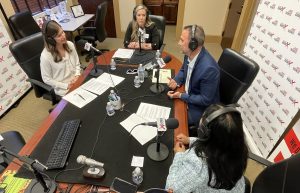
CherokeeBusinessRadio013023pic1
Cherokee Business Radio
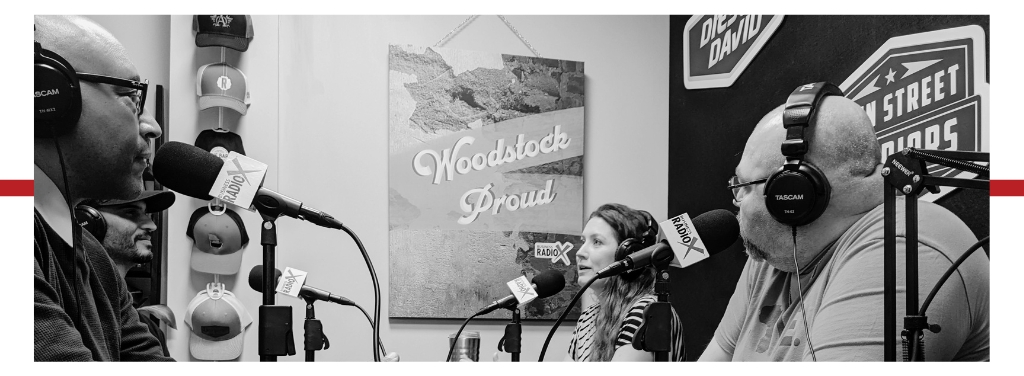
Chris Creekmur with Atlanta Drone Cleaning, Brock Tilley with Scrubs Soft Wash, Brody Moore with B. Moore Pressure Washing and Marshall Helms with GA Pressure Washing
Loading
00:00 /
RSS Feed
Share
Link
Embed

Download file

Sponsored by Business RadioX ® Main Street Warriors

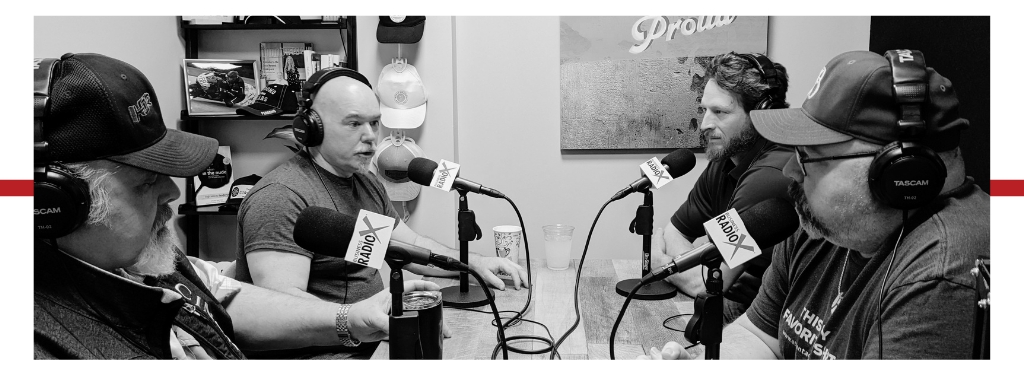
CherokeeBusinessRadio013023pic2bw

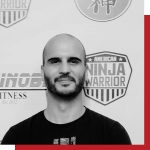
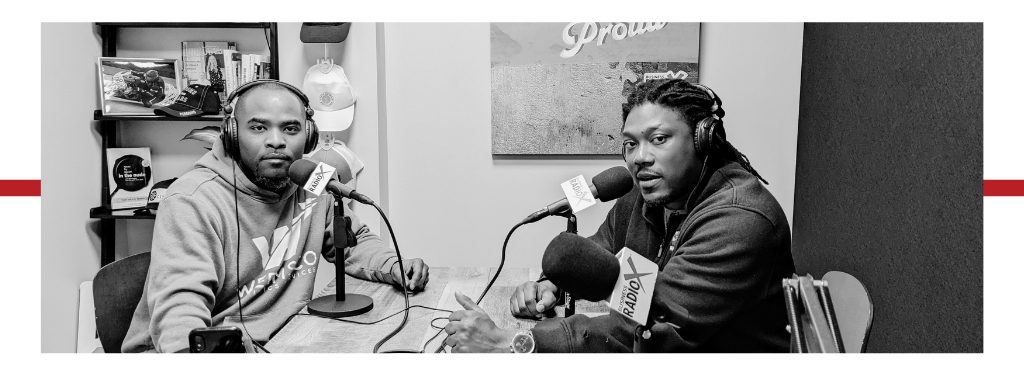
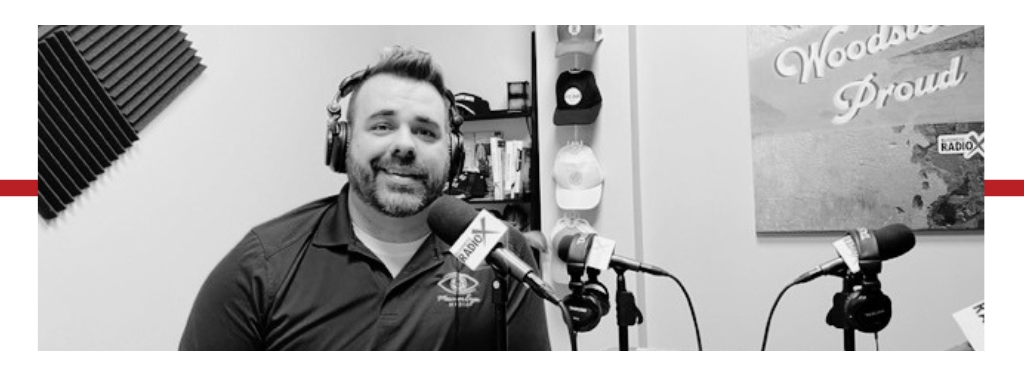
Chris Creekmur, Owner Atlanta Drone Cleaning and Soft Washing Services.

Atlanta Drone Cleaning and Soft Washing Services specializes in the use of drones for high and low-pressure washing. Our services obtain the best possible results with well-trained, knowledgeable employees.

Follow Atlanta Drone Cleaning on Facebook.

Brock Tilley with Scrubs Soft Wash. We specialize in soft washing/pressure washing for commercial/residential properties.

Brody Moore with B. Moore Pressure Washing. Residential and commercial cleaning.

Marshall Helms with GA Pressure Washing. Your local choice for soft washing & pressure washing.

This transcript is machine transcribed by Sonix

TRANSCRIPT

Intro: [00:00:07] Broadcasting live from the Business RadioX studios in Woodstock, Georgia. It’s time for Cherokee Business Radio. Now here’s your host.

Stone Payton: [00:00:24] Welcome to another exciting and informative edition of Cherokee Business Radio. Stone Payton here with you this morning. And today’s episode is brought to you in part by the Business RadioX Main Street Warriors program, our ongoing small business initiative Defending Capitalism, promoting small business and supporting our local community. A special thank you to all of our Main Street warriors and of course, our 2023 Main Street Warriors title sponsor, Diesel David Inc. Please go check them out at Diesel David dot com. Please join me in welcoming to the broadcast. First up on today’s show with Atlanta Drone Cleaning Mr. Chris Creekmur How are you, man?

Chris Creekmur: [00:01:09] Feeling great. How are you?

Stone Payton: [00:01:11] Stone I’m doing well. You’re looking good. You’re sounding good. I’ve been excited to have this special edition. We’re doing this on a monday instead of the typical Tuesday House show. Tell us a little bit, if you would, Mission purpose. What are what are you and your team out there trying to do for folks?

Chris Creekmur: [00:01:27] Man Well, the power of Washington industry, pressure, washing industry, how you want to call it. There’s a lot of guys, a lot of businesses starting out, a lot of people not really knowing a direction to go in maybe or niche to carve themselves into maybe just looking for guidance, looking for help. So the mission really is to collaborate in an industry where competition is fierce. A lot of guys down each other or don’t work together. I think the bigger mission and idea is to work together to collaborate and help each other out. That’s just how good humans should work, and I think the success is just increased by the more network you have. So let’s say you get a job you can’t do or you need help on, Hey, hey man, can you help me out? Or Hey, my trailer is not working. You want to do this job for me kind of thing? So it just really makes when you serve others, they want to serve you and then just kind of goes full circle, and then they can send you on that path, whether you continue your relationship or not. That’s all we can hope for.

Stone Payton: [00:02:24] Well, I got to tell you, I thoroughly enjoyed your presentation at Million Cups. You came in with this gizmo look like it was out of a science fiction movie. It was much bigger than anything I had ever seen in the in the drone category. That’s one of the tools that that that you deploy in the work that you do.

Chris Creekmur: [00:02:41] Yeah. Yeah. So, like I said, it’s just a tool. You’re not going to use a hammer to install a light bulb, are you? So you’re not going to use a drone to clean every single thing. But it is a high tech technology that’s been around for a couple of years now, and it’s just one of the tools that I use in my business and I can share with others and help them versus me kind of keeping it for myself. I decided to go out there and offer it to anyone else because there is a high cost to it. It’s not for everybody. It’s a very niche service and it has its target market.

Stone Payton: [00:03:11] So speaking of collaboration, do you find yourself working with people in the real estate arena because they’re trying to clean up houses or that kind of thing, or people who do video work for whatever reason? Do you find yourself working with folks like that as well?

Chris Creekmur: [00:03:27] So collaboration as far as clients go, I mean, I am putting myself in a position to do commercial and industrial work only, mainly because that’s what my tool is good for, right? Right. A lot of other guys may have a harder barrier to entry because you have higher costs as far as insurance need to go and all your back and stuff. But I mean, real estate agents can be great for just a curb appeal package like in the driveway, clean the front of the house, all that stuff. Someone looking to sell their home, someone looking to buy, and also just keeping it maintain. You keep the house clean. It’s going to maintain the paint and the coatings. The windows aren’t going to get dirty over time and be harder to clean.

Stone Payton: [00:04:03] How does the whole sales and marketing thing work for a guy like you? How do you get the new commercial clients?

Chris Creekmur: [00:04:11] Marketing for my business is very unique. The drone sells itself. It’s very simple. We just have a very soft approach and ask people, Hey, how can I help? This is what we offer, blah, blah, blah. And then people just open up like a book. It’s incredible because we’re not pressuring people. And honestly, I don’t care if they say no, but I love it when they say yes, because if they say no, then they’re not my client anyways. I’m not going to try and convince them otherwise if they want to use someone else. Cool. There’s plenty of other people that do great work. And once I show a video and just kind of explain how we can save liability costs, efficiency, all that stuff, that it really does kind of makes sense because there’s a lot of dangerous methods out there rappelling, getting a big, expensive crane scaffolding. All this stuff is becoming outdated as this new technology grows.

Stone Payton: [00:05:00] Now that you’ve been at this a while. What are you finding the most rewarding man? What are you enjoying the most about the work?

Chris Creekmur: [00:05:07] These guys sitting here next to me. It’s rewarding to help others out and not take all the work for yourself. I could easily market and try and dominate an area, but it’s just really. I don’t think that’s possible, in my opinion. You can be the biggest company, but there’s no way you can corner this industry. There’s there’s so much work for everybody and everyone can have a good piece of the pie and have a good life. They can make a good living. They can provide for their family, they can do all that stuff. So the most rewarding part is seeing other guys grow their business and help them out. And then we help each other out basically.

Stone Payton: [00:05:43] Fantastic. Well, let’s bring them into the conversation. Tell us who you brought with you man.

Chris Creekmur: [00:05:48] I got Brock Tilley here with Scrubs Soft Wash him and his dad have started an incredible business, and I’ve been able to help them out. We got Brody Moore with b. Moore Pressure Washing and then we got Marshall Helms, who’s the green thumb of the group. He started back in October and wants to provide a way to provide more financial freedom for his families, from what I understand.

Stone Payton: [00:06:11] So, Brock, I kind of hate to do this, but I’m going to do it anyway. I grew up in Pensacola, Florida. My dad was a heck of an athlete. Everybody in town knew him then. He was a high school basketball coach. Then he was a superintendent of schools. So I was asked all the time, Are you Pete Payton’s son? So I got to know any relation to Eric Tilley?

Brock Tilley: [00:06:28] Yeah, 100%. I love when people ask me that because my dad’s one of my best friends, but also he’s the mentor in my life helping me just with the whole business side, but also just grow as a person. So whenever I get asked all the time, but it’s I love that question because it’s like, yeah, that’s that. That is my dad. And I’m very fortunate to be able to go in to this company with him because he had a landscape company for 22 years and he sold it a couple of years back and I wasn’t going to college. I just graduated this past year and I was wanting to get into the workforce and I was fortunate enough to have him be like, Let’s let’s do it together. And he was kind of showing me the ins and outs and things that he picked up just from owning a landscape company for that long.

Stone Payton: [00:07:06] Well, that explains the biceps, too. I got to tell you guys, y’all can’t see this on the radio, but this guy looks better in a t shirt than any of the rest of us. So that explains No, I think the world of Eric. I don’t know him that well, but he is so well respected in this community and is doing such great work and helping so many folks out. So talk a little bit, though, about that support. I feel like that is so important, especially for a for a new entrepreneur to have some type of support system and how marvelous it is that it’s that close right there in the immediate family. Say more about that.

Brock Tilley: [00:07:36] Yeah, you’re right. It’s a big thing because so so many kids nowadays, especially young men, just don’t have the proper guidance. They don’t have that that father figure. Even if they do have a dad, they don’t they don’t have that relationship. And I mean, I thank God, really every day just for for the bond that we have, because it’s it’s unlike any bond that I ever had with any kid my age. It plays a big part in my success. But it also I mean, iron sharpens iron. So it’s he helps me, but I help him every day. So it’s a big part.

Stone Payton: [00:08:06] So how do you guys attack it? Do you do you have specific roles or do you kind of divide and conquer and go do the same thing out in the marketplace? Or how have you decided to approach executing?

Brock Tilley: [00:08:17] Yeah, so we got started around September. So it’s it’s newer, but as of now it’s been both of us cleaning whenever we find jobs and there’s been there’s been jobs when I go out alone and he’s he’s a lot of the back end stuff helping scale scale the company do it the right way because he’ll he’ll tell you with his landscape company he hit he hit his his max. You know what I mean. All the phone calls went to his phone. All the customers call his personal cell phone. So it was just he grew a successful landscape company, but he didn’t scale it to where to take it to the next level. And so he’s he’s kind of more that back in part to when eventually as we grow, when we grow how to mentor the the new technicians coming in, how to just just grow with the right way so that we don’t have to be out there spraying houses every single day.

Stone Payton: [00:09:08] Yeah. How did you get connected with Chris?

Brock Tilley: [00:09:10] So networking groups, there’s, there’s networking, there’s, there’s these groups that we, that, that we meet at every single week. There’s one in downtown Woodstock, one in downtown Canton, and one downtown ball ground. And my dad met Chris just through the groups, just through there. And, you know, Chris was you know, he was needed some help here or there. And he was kind enough just to ask me to come out for a few jobs. And he really helped, you know, show me the ropes, show me just how to how to do the work the right way. And so that was how we met.

Stone Payton: [00:09:42] Yeah. And when it comes to cultivating those relationships and really building those relationships further, the nice thing about all of those communities that you described, there are good brew houses and every one of those communities, right Chris?

Chris Creekmur: [00:09:54] Yes, sir. Get a plug for reformation. Yeah, that’s where we meet.

Stone Payton: [00:09:59] Fantastic. Well, thanks for joining us, man. I’m really looking forward to this conversation. I’ve got a thousand questions I’m going to ask you guys in a little bit. And I know there’s some things that you’ll probably share that I’m not even thinking of in our next guest is Marshall, if I got that right, talk to us, Marshall. And this is pretty new for you. Take me back to the beginning, man. What compelled you to get into this business?

Marshall Helms: [00:10:18] Yeah. So the story is pretty unique. I didn’t plan on getting into pressure washing when I did. I actually got let go of the company that I used to work for, that I was there for about eight, nine months, but I was already thinking about doing pressure washing for myself. And once I got like, oh, I was like, All right, well, this is what we’re doing now. So I kind of got pushed into the deep end on it. But back in October is when I really started researching everything because I had a bunch of free time at that point when I got let go. And I’ve slowly been learning a bunch about the industry and continuing to learn and still very new to the whole industry. But that’s really the short story of how I started. And I got to meet Chris at the Canton Business Club and he was actually, I think right next to me, which was so cool that, you know, another pressure washer that’s been in this game for a long time was standing right next to me. So I got to meet Chris and then Eric came right over to me and all three of us just hit it off and started talking, which was just so cool that my first ever club meeting was with those guys and I got to meet him and talk with him.

Chris Creekmur: [00:11:37] It’s funny, I want to add that I had no idea who he was and never seen him, and I just stood right next to him. And me and Eric usually stand together because we just, you know, but it’s just funny. Like he goes, Oh, my name is So-and-so with George Pressure washer. And I go, Oh, all right. It’s just kind of like we funny how we all find each other somehow and stand next to me. People are meant to talk to. So it was really cool when I met Marshall.

Stone Payton: [00:12:00] So, Marshall, what are you learning in terms of interacting with customers? Do you see some of the same sets of questions or maybe even misconceptions or myths that you have to bust about what their view is of what you can do? What you should do is I guess what I’m asking is, is there some education involved when you’re when you start to work with a new customer?

Marshall Helms: [00:12:22] Yes, there’s definitely a lot of education. And these guys can probably tell you more than I can. But in a little bit that I’ve learned, I’ve found that a lot of people don’t realize how dirty anything is. You start cleaning it.

Stone Payton: [00:12:35] Yeah, clean a piece of it, and then you see the rest, right?

Marshall Helms: [00:12:38] Yeah. And a lot of times people will ask you to come clean something like their driveway, and then you can point something else out while you’re there. And just recently, I cleaned a church and I said, I can clean your sign while I’m here as well. And they’re like, It’s dirty. And they came out and looked at it. You can see all this green on it, on the white background. So there is a lot of education in it that I’m learning as well. But the clients really never realize how dirty some things are.

Stone Payton: [00:13:09] But all right, let’s bring the headliner in. And you ready to talk to Brock? Brock, Lean in there and tell us a little something about your business, man. How long have you been at it, and how did you get started?

Brody Moore: [00:13:19] So I started back in October of 2021, and it was a straight like side hustle. I was just wanting to do something different than working for someone. I was working with my dad, doing body body repair on Teslas and stuff like that. And so I was I wanted to do something different. And so he was like, Hey, I’ll pay you to pressure, wash my driveway. You just go buy a little service cleaner at Home Depot and I’ll pay you for it. I was like, okay, So I did that and I did his patios and found that it was really satisfying. So I took that same server cleaner and a server or a pressure washer from his house and went down the street and started knocking on doors. And sure enough, in four or five weeks I did, I would say probably 20 jobs. And I was like, Wow, good.

Stone Payton: [00:13:59] Lord.

Brody Moore: [00:14:00] Yeah, this is profitable. And so I found I was like enjoying it and I enjoyed talking to new people and meeting new people. So that’s when I went and got a full LLC and insurance and all that stuff. And in December of 21 and have been at it ever since.

Stone Payton: [00:14:13] And how was Dad about losing his employee or did you still help him out?

Brody Moore: [00:14:17] So there’s been a couple of times where I’ll go up to the shop. I know everybody in the shop, so I’ll go and help out and stuff like that. But he was honestly supportive. He was like, You got to go do your own thing, make your own path in the world. And so he was sad losing me because it was a great bonding experience for us. But then again, he he was excited for me to start my own journey.

Stone Payton: [00:14:33] So we’ve talked a little bit about collaboration. Can one or more of you guys share an example or two of how you’ve come together, either with someone in this room or someone else to to collaborate on something?

Brody Moore: [00:14:45] I mean, Chris is shot. I mean, I know me and Brock work. I don’t I’m not sure about Marshall yet, but I mean, we’ve done probably, what, four or five jobs together. So for. In the couple of months we’ve known each other.

Chris Creekmur: [00:14:56] Yeah, I had one job come up. It was multiple properties. I wanted it done really fast, so I reached out to Brody and I don’t do what’s called surface cleaning or flat work. So these guys offer that. I don’t.

Stone Payton: [00:15:06] That’s great.

Chris Creekmur: [00:15:07] It’s great for me to plug in with them because I can get the job, sub them out, they can get them. So that’s where I called Brody and I was like, Hey, man, I got this one project I need help with can be there. So it was great because he was there and it’s kind of a funny story because we went to this site and usually I look for water spigots and water sources so you can fill your tanks up. You don’t want to fill them up and drive, wears out your trailer and all that stuff.

Stone Payton: [00:15:30] So that makes sense.

Chris Creekmur: [00:15:31] Anyways, we get there, there’s no accessible water source. They’re all turned off for whatever reason. I don’t know. There’s like no store owners willing to help us out. So where Brody worked, you used to work across the street from with his dad, like he just mentioned is the shop that, you know, he used to work at. So he is. Hey, man, you know, there’s a shop across the street. I’ll contact the owner, see if we can get water there. So just like a beautiful moment, because if I never would have asked them, I would have been in a really bad spot on that job. So that just proves the power of collaboration right there. And then Brock, I brought him out on a couple of first jobs. The first time he saw me work was with a drone. He’s probably like, What in the world is this industry like? Do I need to get one of these? Like, so it’s really cool to show him the technology I have and the processes and then we’ll do the same for Marshall to eventually we’ll get there.

Stone Payton: [00:16:20] So. Brock, I don’t know if I asked you before or not. I know I asked Chris, What are you enjoying the most, man? What’s the most rewarding for you about all this?

Brock Tilley: [00:16:30] Obviously just making the house shine so satisfying, but it’s just, it’s always just seeing the customer’s face after after it’s clean. That’s that’s always just one of the best parts. And because one of the things we try and do with every single job is we think of one thing that, that we can go above and beyond. So like, we won’t tell them that, that we’re cleaning this one thing, but we’ll find something at the house like usually the mailbox or if they have like, like a little like stone pathway, we’ll just like, throw that in. If it looks super moldy or dirty, we’ll just clean that just without without them knowing. Just because they’re like, Oh, I didn’t know it was that dirty. So we always try and find something some way to go above and beyond that, take that extra step.

Stone Payton: [00:17:12] I love that we call it surprise and delight here at the Business RadioX Network. And I mean, it just has so much power and it feels good to do it, right? Yeah, that seems neat. All right. So what’s next for you in your business? Have you got some grand plans to to create the Tilly pressure Washing Empire?

Brock Tilley: [00:17:31] I mean, we got some awesome some awesome jobs lined up. We have this this nice pool contract that we’re cleaning, like a bunch of pool furniture, getting all all these all the pools ready to be.

Chris Creekmur: [00:17:45] How do you guys get that?

Brock Tilley: [00:17:47] How do we get that? We’re actually my dad and I. So we live in we live close to the original community. And this past summer we were swimming in the pool as a four hour workout. We were swimming laps.

Stone Payton: [00:17:57] With your shirts off. I’m sure I’ve seen these pics.

Brock Tilley: [00:18:00] Swimwear, shirts on is uncomfortable.

Chris Creekmur: [00:18:01] It’s embarrassing. Don’t stand next to them when you have your shirt.

Stone Payton: [00:18:03] Yeah, I get it.

Brock Tilley: [00:18:05] And so the people who take care of the pool, they’re actually you know, we struck conversation with. Somehow he was passing by and actually said, hey, you know, you look good. He said. So we just struck conversation with him and he told us that he’s got over 170 different pool locations across Georgia, and they’ve all done it in house the past ten years. However long they’ve been in business, they’ve they’ve done it all in house. They’ve sent out a crew of their own people to go and clean up all the equipment and cleaning out some of the bathrooms and set out all the furniture, getting it ready for for when the pools open. And he was like, this is the first year we’re going up. We’re going to try to, you know, branch it out or give it to somebody else, see how it works. And we’re still working through all of the details with them and everything. But yeah, that’s that’s that’s that’s one of the next things that we’re trying to do.

Stone Payton: [00:18:54] Sounds promising. Man Yes, sir. So, Marshall, what are some of the big unknowns? Man What are some things you got to get figured out to keep keep on this trajectory? Do you have a lot of questions about anything from marketing to the the operations side of the business? What’s what? What’s on your mind at this point?

Marshall Helms: [00:19:13] There’s a lot of things that are on my mind right now just being so no, I’m trying to be a sponge to everything that I can. I really have tons of questions and things I’m just trying to figure out and really just have to fail to figure things out sometimes and then try and ask these guys here if they’ve ran into these problems so that I can try and prevent it. Yes, we have, you know, learn, learn quickly. But there’s nothing really right now. It’s kind of just everything. And since I’m a one man show, my wife helps me as well. But just as these guys know, you wear a ton of hats, you do a lot.

Brody Moore: [00:19:54] So and destroy some clothes with some bleach, that’s for sure.

Chris Creekmur: [00:19:57] Get some good clothes. Yes, sir. Yeah, that’s a budget item.

Marshall Helms: [00:20:00] Yeah. So nothing specific, but just trying to be a sponge to the industry.

Stone Payton: [00:20:04] So what was that like? If you don’t mind my asking, Coming home to your wife and saying, No, no, got laid off, but I’m not going to go get another regular job. We’re going to do this business thing. What was that conversation like?

Marshall Helms: [00:20:15] She was on board for it, for sure. It took about two weeks or something for me to be like, I think we should go in this direction. And I continue to apply to other jobs. But I’d say about a month and a half later is when I finally made the decision and the Lord made it really clear to me that that’s the route that I needed to go. So that’s what I did. It was a clear sign I forgot, but. I never. I’ve always wanted to go back to entrepreneurship. When I was a teenager, I used to do a landscaping business. It was it was small. It was just myself. But I love doing it. And ever since then I’ve wanted to get back into it and I kind of got forced to go back into it. But so far I’m loving it.

Stone Payton: [00:20:58] Yeah. So, Brody, you mentioned some wardrobe being destroyed. Any other failures, challenges, mistakes that you’ve made that have stuck with you? And you might you might share with the next entrepreneur.

Brody Moore: [00:21:11] So having one branded clothing makes you look more professional. And then but also when I started out, I was destroying some of my good clothes. Like I had a $50 Carhartt hoodie that now looks like a bad elementary school project because of the bleach. And I was wearing nice jeans. And so I went to Wal mart and bought the cheap Wrangler jeans and wore those for a while. But definitely having the right clothes, the one keep you dry, and then also just to keep you comfortable. So because you can destroy clothes quick in this industry, that is for sure.

Stone Payton: [00:21:44] I’ll bet. So in terms of collaborating and helping each other out, and maybe this is more of a Chris question, but I’m opening it up to everybody. Are there some things that are not actually executing the work, but more the operations, the planning, the the running, the business side of the the business that that you’ve come to to learn or just really critical and important and people need to know this and and you need to have it kind of carved out.

Chris Creekmur: [00:22:12] It’s a loaded question. It’s hard to answer. The one off answer. So I can say this. It’s everyone has their own journey. And I think you go through that journey and you’re going to fail. You’re going to fail a lot. But it’s not how you fail. It’s not how you fall down. It’s how you get back up, you know, how are you spending the days? How are you spending time behind closed doors That’s going to reflect what you’re doing outside when you’re on the job, when you’re talking to customers, when you’re at these networking meetings, when you just find yourself like the day to day habits, you start building and growing on and you start realizing, Oh, well, I tried, that didn’t work. I got those clothes. Maybe I should try something a little cheaper because I want to raise my marketing budget, you know, or how do I get to the next better equipment? You know, how do I sell the big jobs? It’s all. It’s all mentality, man. It all starts and ends in your mentality. And unless you’re like Brock and his and his dad, where your marketing strategy is just to show off your ripped bodies and get these concerns. So apparently we just got to work on ourselves, guys. Gosh. But no, it’s all mentality, man.

Chris Creekmur: [00:23:11] And it breaks down to how you talk to yourself because that’s going to reflect how you talk to customers. You know, how your. Building value. How you’re saying you’re going to get stuff done. How do you constitute that price you’re going to charge? Because we’re not cheap. You know, our equipment is expensive. We have costs. We’re a business, right? And at the end of the day, we have to think like businessmen versus just pressure washers going out to clean a driveway for the cheapest price. That’s not how you stay in business for a long time. So really it just comes down to mentality. I’ll say that again and again. And for me, being able to change mine over the past three years, being able to a point where I can give my knowledge and not worry about. You know, detrimentally. My success or my business was a big, big, big obstacle because like I said in the beginning, a lot of guys keep the secrets or whatever, you know, it’s themselves. And I just don’t believe that’s how you should operate. So I think that just giving, giving, giving and walking on faith like these guys have said is. Just take an action, too. You know, you can’t cross the finish line unless you start somewhere.

Stone Payton: [00:24:17] I just so admire that, that ethos of wanting to serve, wanting to help other people. Is this something that evolved in you or have you always kind of approached life and business that way?

Chris Creekmur: [00:24:28] Definitely did not always approach it like this. I worked in restaurants for a long time and being a chef is very cutthroat. It’s very toxic environment depending on what type of restaurant you’re in. And I’ve worked on fast food from Subway up to nicest steakhouse you can work out in Colorado, possibly. And during that time, as a chef, I kind of had to change my mentality as I grew through the ranks. And I had to start sharing my knowledge and what I learned in order to get to that position. But it was still like, you know, I’m going to keep this. I’m going to be very strict and pungent and to the point and a lot of swearing. So I’m not going to do that here. We’re going to keep it nice and clean. But yeah, to that point, it really evolved once I started my own business and I’m like, man, how do I how do I grow it? Because I knew there’s things I didn’t want to do that other guys offered. Yeah. And getting to that point does take time. And it takes courage to be vulnerable. And being vulnerable is scary because people then see that as a weakness. But I think it’s a true strength. And the more people that do it, I think the more this industry can thrive and people can rely on each other and collaborate and make sure pricing stays where it should be. And, you know, for example, there’s a chemical company that opened up up the road. Both these guys like, Hey, man, you hear about this right in the backyard? I was like, Yep, that’s awesome. You know? So just little tidbits, information sharing that and saying, Hey, we got each other’s back is really cool.

Stone Payton: [00:25:52] Absolutely.

Brock Tilley: [00:25:54] Well, I mean, it’s it’s just nice to have and having the friendships that we all have because. Like like Chris said. Little the little bits of advice that that we can all give each other just it’s better than having enemies, you know what I mean? Because if you’re not friends with us or not us, but like, if you’re not friends with one another or kind and think of all the good things, good opportunities you can miss out on. So it’s it’s nice just having the bond of relationship that we all have.

Chris Creekmur: [00:26:22] Yeah. Yeah. It’s not all, you know, we go to these networking events and you’re not going to do business with every single person. It’s impossible. So I think to remain at a relationship mindset versus approaching everything transactionally, you know, these guys are my friends now and I it’s awesome. Like, I can’t wait to grow with them and see what they do with their business and also start hanging out, maybe going to the pool, wearing my shirt, but I’m going to keep bringing that.

Brock Tilley: [00:26:49] Oh gosh.

Chris Creekmur: [00:26:49] But no, it’s, you know, and then we got friends like Diesel David, who runs an amazing diesel shop right down the road. By the way, if you have a truck, go visit him. He’s great. You know, you start meeting these awesome people in the community. What’s so funny, you start meeting these other people in the community and it’s not all transactional. It’s about just building relationships that may lead to friendship. They don’t. They pour into you and you are able to pour into others. And it’s just that’s what it’s about.

Stone Payton: [00:27:15] And Dave’s pretty fit. I don’t know about Diesel. I don’t know if I’d call him Diesel, but he’s pretty fierce Diesel. So Brock, I got to believe with Eric involved, you guys must have the operations side of of your enterprise button down, right?

Brock Tilley: [00:27:30] Yes, sir. And that, that that was where Chris played a big role into our company just because the knowledge that I was able to learn with him over the summer I was able to imply that with us, with, with our company because my dad yeah, he landscape but he still he still didn’t know soft washing or pressure washing, you know what I mean. He, he just knew the business side of it so that, that helped a lot. And I mean our, our goal, our main mission is just to. Help help kids who kind of need like that, that middle stepping stone in life, who don’t necessarily know what it is they’re wanting to do after high school or what they’re wanting to do. You know, if whether it’s college or not, we we want to be be that be like that mentor for those kids. Help them just teach, help teach them just good relationship skills, communication skills, showing up on time, doing the right thing when no one’s watching. That’s that’s kind of our goal for the whole company.

Stone Payton: [00:28:26] All right. So I mentioned I had some questions. Here’s my first one. I don’t understand the difference between pressure washing, soft washing the the all these different I hear different terms. Can you guys break that down for me?

Brody Moore: [00:28:42] So pressure washing is worth a higher sigh. So I mean, like when you service clean concrete or a pressure wash, a harder surface, you’re going to be using more pressure. But with soft washing it, I would say the CI of a of a like a garden hose almost. But you’re using a chemical to get rid of mold, mildew, algae, anything like that. And so with like siding, vinyl siding is very delicate. So if you use a high pressure, you can end up damaging the paint on the siding or even splitting the actual siding. And so using the technique called soft washing allows you to effectively clean a roof house, anything of that nature in a safe manner. So I mean, pressure washing is shingle roof will destroy the roof. There’s a lot of people out there that will actually just pressure, wash a roof, and then you need to get a new roof because it’s that destroyed. So Chris has taught me a lot about using different percentages on chemical and different soaps to use and how to properly clean a roof and and siding of a house and all that stuff. Well, pressure washing a driveway is really where I started, and that’s where I really the roots of my company is, is I completely started with driveways and a whole lot of concrete sidewalks, curbs, all that stuff. But I still learn something new. Brock and his dad did something different than I normally do. They go back side to side versus forward and backwards, so there’s a whole lot of different things you can do as far as learning. And so that’s one thing that’s great about having these guys is even someone who’s been doing it a while because they can learn something new every day. So the different processes, there’s a lot of different ways to do it.

Stone Payton: [00:30:17] So yeah, and every situation is different, right? Every it there’s different situations require different techniques, different tools. And if you’re on a job, you may need some of both or all of these, right? Because I’m right on the driveway, my sidewalk, my roof, my son, I just had this this, this premonition of a nightmare scenario where I go to a Home Depot or Lowe’s and rent the pressure washer and I come home and I tear up my siding, aside from is just hard work and I’d have to keep my shirt on.

Chris Creekmur: [00:30:51] Yes, keep your shirt on.

Stone Payton: [00:30:52] Right. So, I mean, that’s one of a bunch of reasons to let the professionals do it right. Stay in your lane and let the pros come out and talk you through it.

Chris Creekmur: [00:30:59] My favorite thing when I used to knock doors and do a lot of residential in the beginning of my favorite thing and housewives would say, Oh, my husband’s got a power washer, he can do it. Oh, okay, well, here’s my card. If you guys need help and you drive by those houses and they never do anything like you said, it’s like, why? Why do that work? If you have if you don’t have the right equipment, it can take hours versus hiring a professional company. Come in and do it less than an hour and they’re going to charge you because that values equipment is not cheap.

Brock Tilley: [00:31:29] And I mean, also another thing that that what’s what’s nice about having both the being able to pressure washing and soft wash is what we can do with the driveways we call it pre treating the driveways. So we put some some of the chemical down on the.

Stone Payton: [00:31:43] Driveway and I don’t know the first thing about I wouldn’t know what chemical they may not even sell it to me.

Brock Tilley: [00:31:47] Yeah well I know a lot of people would just just do pressure and water on driveways and not that that’s a bad thing, but if you don’t take your time with it and if you don’t go insanely slow, you’ll you’ll I call them wispy, you’ll just get like a little wispy on the driveway. And this is circular, little spinny. And that looks awful whenever it’s done.

Brody Moore: [00:32:05] Yeah, I see it most at commercial properties because there’s people who will go super fast and they’ll go down and try to rush through it and make the money, but they’re not doing it a quality way. And so, yeah, seeing that as the worst thing ever.

Brock Tilley: [00:32:18] And when, when you, when you pre-treat it with that chemical, you spray it on there, it just helps pool all the dirt, all the mold. And then, then you can really not fly, but you can go a lot quicker once, once the chemical has been sitting on there. I mean I’ll never forget that one. Chris and I did a job together. He was cleaning a roof and I was out of chemical. Like I couldn’t I couldn’t find any. I was out. And so he was able to spray some of his chemical down on the driveway. And then I was able to go over it. And it just I mean, it was beautiful afterwards, but.

Chris Creekmur: [00:32:46] It’s like, So can a dish. Yes. It easier to clean.

Brock Tilley: [00:32:48] Yes. Yeah, that’s that’s a great way to describe it.

Stone Payton: [00:32:50] So how often should we be doing this? Like like my home. How often should I be doing the roof, the. Sidewalk that kind of deciding is it or does it vary?

Brody Moore: [00:33:00] I’d say it depends on a lot, depending on the shading of your house. If there’s a lot of trees around your house and you’re going to want to do it more often, if your house is open in the sun, there’s not going to be as much of you don’t have to do it as often, I would say. Don’t you all agree? Yeah.

Marshall Helms: [00:33:12] Yeah.

Brock Tilley: [00:33:13] Besides that north side, that north side of the house is always the moldy. Oh, yeah. That was one thing Chris taught me.

Stone Payton: [00:33:18] Now, why is that?

Brock Tilley: [00:33:19] Do we know the sun, how the sun rises? And you know what I mean. There’s one side of the house that’s in the shade a lot more than the rest of the house.

Stone Payton: [00:33:27] How about that?

Chris Creekmur: [00:33:28] Yeah. 99% of roofs that you see are dirty. It’s on the northern side.

Stone Payton: [00:33:32] On the north side, I’ll be north. And same thing with commercial properties. If they’re more shaded and have more trees and all that, then it’s going to need attention more often.

Brody Moore: [00:33:41] Oh yeah. I mean, so like Brock was saying the north side and there I’ve got, I’ve been on a big commercial project over in Roswell and they have six roofs that are wanting cleaned and all of the roofs. There’s not a whole lot of trees around them, but all of the roofs on the north side need to be cleaned. They’re very, very dirty and they haven’t they’ve probably never done them because I had talked to the property manager and they were like, We’ve never done them. So they’re wanting to get them done at some point here in your future?

Stone Payton: [00:34:06] Well, sure.

Chris Creekmur: [00:34:08] I think education is just the biggest thing that I’ve learned that provides value to your clients. The more you can educate them and not really upselling, but just like Marshall is saying, like you see something, say something, what’s the worst thing it’s going to happen is no, okay, whatever. Maybe next time. But educating them on how cleaning an annual cleaning or bi annual cleaning can really help protect the paint can make things last longer. It just looks great. You know, you don’t want your customers coming into a dirty multi building, right? So it’s all about mentality and appearance of how they just show respect to their business and it’s a write off. So there’s there’s plenty of benefits to think about. And then you got window cleaning which can be done to obviously you want to look out clean windows. So there’s a lot a lot of things that go into it and. It can be seen as a lot of esthetic or preventive maintenance.

Stone Payton: [00:34:58] So say more about sales and marketing. Anybody on the panel here? There’s what you do to get into the initial conversation. And I want to I’ve got a couple of questions about how to really network properly here in just a moment. But so there’s that initial conversation. But then it sounds like for you guys, some of it is on site being seen in the neighborhood, being seen at the commercial property, and then how you conduct yourself on site and striking that balance. You don’t want to be like the I was going to say, the Jiffy Lube guy. I guess they’re never going to get a sponsorship here. But sometimes when I go to like the Jiffy Lube, I feel like all they’re doing is trying to sell me the next thing and the next thing you want. You don’t want to necessarily come off like that, but you want to provide the best value you can. So yeah, speak to that a little bit. The whole sales and marketing, the whole sales and marketing thing.

Chris Creekmur: [00:35:47] Chris wants to go.

Marshall Helms: [00:35:48] I’ll touch on. I don’t have much to give because I’m still trying to figure it out. But for me it’s kind of just been everything. I’ve been going after people on Facebook, Instagram, talking to people in person.

Stone Payton: [00:36:00] So.

Marshall Helms: [00:36:02] I’ve tried to exhaust everyone that I know, everyone that my family knows, and I’m getting to the point where I need to start doing ads and talking to these guys here and see what has worked for them. Because I’m only three months into it. I’m so green to to it all. So just trying to learn and do what I can right now.

Brock Tilley: [00:36:23] Another good way is just going out on a sunny day in neighborhoods, driving around, and when you see someone outside, just stop rolling on your window and be like, Hey, can I give you a free estimate? Who’s going say no to a free estimate? You know what I mean? Yeah, Not I mean, so and just. That’s that’s that’s that’s a great way because people see your logo, see your truck, and it’s just getting out there, getting your name out there. Even if they say no, it’s still just they’ll remember you.

Brody Moore: [00:36:47] So all these networking groups that we go to, I mean, there’s been a lot of them that I mean, between meeting Chris and getting jobs through him and then other real estate agents and all that type of things, networking, getting your name out there that way is a very beneficial way. I started to go back in the networking groups, I think back in August or so, and since then my business has exploded. Oh really? It’s helped out a lot with meeting people and getting my name out there and all that stuff. And then also Google my business, having the the reputable company and having the five star reviews and all that stuff. It shows that you do good work and people are happy with your work. You put photos up there before and after pictures of your work and stuff like that. That helps that a lot as well.

Chris Creekmur: [00:37:33] Credibility. Yeah. Yep. Yep. Referrals. Credibility. I mean, sales and marketing. Everyone’s got to figure out what works for them based on what they’re trying to really do. You know, in the beginning, I knew I wanted to do roof cleanings because honestly, that’s where the highest ticket item is. And from my opinion, I think that’s the best way to get into someone’s house. Say, Hey, yeah, your roof is dirty. It’s very obvious. Also, did you think about this and this and this? And usually you can upsell them and say, Hey, this is dirty. And it’s very easy to point those things out once you have that proper knowledge on how to do it. It just takes a little bit of crawl, walk, run mentality of I’m going to start here and work my way up. So, I mean, I exhausted all my friends and family and referrals are king, you know, word of mouth. And I plugged in with property managers and roofers and people that maybe could benefit from my service by adding on to theirs.

Stone Payton: [00:38:22] There you go.

Chris Creekmur: [00:38:23] So it works out good in the beginning.

Brock Tilley: [00:38:25] Well, and I know a lot of people, too, don’t even know that that roof cleaning is even an option. It will be like.

Stone Payton: [00:38:32] I never heard of it until I moved here, right?

Brock Tilley: [00:38:34] Yeah. And it’s like you can spend ten over $10,000 on getting a whole new roof, or you can spend under 1000, or maybe right out of 1000. How dirty, How big? To get it clean, it’s going to look good as new. So it’s still trying to get that that word out there. So many people aren’t familiar with soft washing. It’s newer, but it’s about 5050. But people I’ve talked.

Chris Creekmur: [00:38:54] To, certain pressure washing is known by the masses. It’s really I hate it, to be honest. But I mean, once you understand, like what it is and what it actually accomplishes versus what people think it is, is a whole nother a whole nother thing. And like, there’s really not much data. On if the roof is affected by this algae, if it is a detriment to its lifespan until it turns into like lichen or moss in a very later stage. But it’s mainly esthetics and people want their houses looking good. So that’s really the kind of clients that we go after, is people that are proud of their houses, proud of their properties and really don’t mind spending the money because you have other guys out there promoting very cheap services and that kind of puts a bad taste people’s mouths and they go out there and they leave the lines, they leave the swirly, they leave the whatever.

Brody Moore: [00:39:39] The $99.

Chris Creekmur: [00:39:40] Guy. Yeah, yeah. It’s, you know, the bait and switch method where they say, Oh, it starts at this. And then they come in there and they give you $700 quotes like, oh, not most, or they actually do it for 100 bucks. And I just don’t see how they stay in business long term.

Brock Tilley: [00:39:52] And like Chris said, our equipment is expensive. I mean, you could totally get a guy who with with a brush and a bucket of soap can get up on your roof and scrub it and it’s going to take hours and full days worth of work. But you can do it for 100 bucks or you get the 3000, $4,000 equipment and you stand on the ground and you shoot your chemical 25 feet up in the air and you’re going to clean it a lot faster and better. And it’s just it’s just quality.

Chris Creekmur: [00:40:16] Well, it’s a liability to, you know, you fall off someone’s roof. Who’s liable?

Stone Payton: [00:40:20] Homeowner did not know that.

Chris Creekmur: [00:40:24] Yep.

Stone Payton: [00:40:25] So on the networking front, it sounds like you guys have really cracked the code on on utilizing those platforms to build real relationships, build the credibility and connect with the with the community. And I got to believe there are folks who try to do the networking and it doesn’t work out for them. So how do you approach that? Is part of it. Yeah, go to the big group, but make sure that you connect with people one on one or and further, how do you guys actually approach the networking?

Brock Tilley: [00:40:59] Yeah, so you have to. Go outside your comfort zone. And for a lot of people that’s hard because no one wants to be uncomfortable. But you have to be uncomfortable if you want to grow and find those ways to meet one on one. Those people aren’t always going to come up to you to meet, so you’re going to have to step out of your comfort zone. You have to walk up and be like, Hey, I want to talk with you and get to know you better. Let’s go get some coffee. Let’s go, let’s let’s go get some lunch. And that’s that’s that’s not easy for everybody, but the ones who it is, you can tell the ones who do step outside of their comfort zone. The ones who do do the hard stuff.

Chris Creekmur: [00:41:38] It shows Brody and I met for the first time. He just walked up to me, was like, Hey, man, we’re talking right now. I’m like, okay, all right. So, no, it was funny. We just ended up talking. He had a few questions and we met at Business Club, by the way, Wednesdays 8 to 9 a.m. at Reformation by the mill. And he walked over to me, asked me a few questions, and he’s like, Hey, man, you have some more time. So I think we spent like an hour and a half hour talking easily and at least, Dude, bro. All right, come on, I got to go. But it was just great. Like, he was just so eager to to ask questions and so willing and open to hear what I had to say. And I was like, Man, it’s awesome that I can provide an impact. On him. So who else can I provide that impact for? And like there’s one on ones is really where you see the magic happen and you start to get better with your communication skills. You start getting better at being comfortable with being uncomfortable and kind of growing outside your comfort zone. Like Brock was saying, that’s like, I think that’s the biggest thing. Just walk up to someone, Hey man, I think your story is really cool. I want to hear about it.

Stone Payton: [00:42:40] Well, you bring up a very important point. I think when you are doing these one on ones and you’re building and strengthening those relationships, the the the mindset and the focus should also largely be centered on what can I do to help this person and not how can I, you know, WANG Dangle my way into another another gig, right? I mean, that’s important that that that we listen to their story and try to figure out a way to help them, whether it involves our thing or not. Would you all agree with that?

Chris Creekmur: [00:43:09] 100%? Absolutely. Yeah. Yeah.

Brock Tilley: [00:43:11] My dad said it best. I mean, networking group is just a bunch of professional firm makers. Go there to make friends, meet people. Yeah. And in return, you, you, you get business for them and you get business for yourself. So you make money making friends.

Chris Creekmur: [00:43:25] So it’s also fun to, like, learn other people’s business and you really tune in and listen to what their needs are and you can provide a referral for them. You can provide yeah, you can get insight. It’s just, I don’t know. I love it.

Brody Moore: [00:43:37] Well, go into those networking groups. As we all know, tax season’s coming around, so you are able to find people who can help you with your taxes. And then if you end up wanting to buy a home, there’s mortgage people, real estate agents. So having those connections outside of our business will definitely help you there, too. Just being able to have the connection. Oh, I know a guy for that. Oh, I know our guy for that. They’ll always be able to help.

Stone Payton: [00:43:56] When a lot of times I find it when I’m talking to someone, I get to hear all about their origin story, all about their struggle, kind of, you know, if there was a tipping point or something that that caused them to create a new beginning and you really do get to know them. Also, I’ve learned quite a bit about people’s causes, causes that are really important to them. And when you reach out and genuinely try to serve them in that way, that’s that’s helpful too. And then some of them are leading causes, you know, like some of them will be an executive director of this cause or or that charity. And that always, aside from the intrinsic rewards, from helping out a cause, I mean, it just feels good.

Chris Creekmur: [00:44:33] Yeah. Giving back to your community is. This just feels good. Yeah. It’s a it’s a thing everyone should try and practice. That’s something I’m implementing in my business, and I just can’t wait to see where it goes.

Stone Payton: [00:44:44] Yeah, And it almost always, almost never in a straight line, it feels like. But it seems to always come back to you in some way, like ten fold. Somehow, someway.

Chris Creekmur: [00:44:53] Write the laws of the universe are funny men and I don’t question it. I just, I abide by them and I try not to break them. But I think this past year I developed a law of giving. And like you said, it returns to an ex, whether it’s, you know, financially or mentally or spiritually. Whatever you’re putting out there in the universe is it’s going to come back and it’s going to find you because you’re putting it out there. You put it out there, you’re going to keep trying and going to keep trying, and eventually you’re going to see those results somewhere, some way. You just don’t know when.

Brock Tilley: [00:45:26] The only way you want is if you give up.

Stone Payton: [00:45:28] That’s right.

Marshall Helms: [00:45:29] Truth.

Stone Payton: [00:45:30] Truth. Well, Brock mentioned a moment ago something about professional friend makers. I feel like that I and our listeners have four good friends here. I really appreciate all of you, all of you coming in and sharing your story. Don’t be a stranger. Come back. Come back with a delighted client. Sometime we’ll talk about their business too, if their or their calls and learn a little bit about their story and talk about the collaboration, the work together. Before we wrap, though, I want to make sure that we get everybody’s contact information so our listeners know how to get in touch with you, even if they just want to have a conversation about anything that we’ve talked about and of course that they’d like to engage your services. And we’ll start with with Brody. Where are you? What’s the best way to connect with you?

Brody Moore: [00:46:14] Man I’m on Facebook, I’m on Instagram, and then my mobile number is 4049982088. Also be more pressure washing at gmail.com. Any of those ways to reach out to me.

Stone Payton: [00:46:24] I love it when people give their phone number. This is a guy that is willing to connect and have a real relationship. That’s fantastic. Marshal. Where can we find you, buddy?

Marshall Helms: [00:46:33] Yeah, anyone can find me at G. A pressure washing on Facebook, Instagram. I’m working on the dot com part. Don’t have the website up yet, but working on that and phone number is 6782626979 17. And you can get me at a g pressure wash 22 at gmail.com.

Stone Payton: [00:46:57] All right Brock.

Brock Tilley: [00:47:01] Yeah we’re on Instagram and Facebook. It’s scrub soft wash and look us up Google Scrub Soft Wash LLC. Our phone number mobile number is 4706806464. Thank you, guys.

Stone Payton: [00:47:17] Well, and also, I was checking while we were talking on GoDaddy we are ripped dot com is available. So if you want like a short URL.

Brock Tilley: [00:47:27] Yeah. Hey we do clean, but also if you want to walk outside with the shirt on, let me know.

Chris Creekmur: [00:47:32] Shirt off shirts off cleaners dot com.

Stone Payton: [00:47:35] I like it. I like it. All right. And the ringleader here, Chris, what’s the best way to connect with you, man?

Chris Creekmur: [00:47:40] The best way. Just go on my website W WW Atlanta drone cleaning com you can see videos there’s a lot of call to actions my contact information the areas we service. I’m also on LinkedIn my personal profile Chris Creekmore and Atlanta drone cleaning. People can text or call me 678 800 4560.

Stone Payton: [00:48:01] Well gentlemen and Chris, it’s been a delight to have you all in the studio today. This has been fun. It’s been informing, It’s been inspiring. Really appreciate you guys coming to share your story. And I’m quite sincere. Don’t be a stranger. Come back and see me some time.

Brock Tilley: [00:48:16] Yes, sir. Thank you, Mr. Stone.

Stone Payton: [00:48:17] My pleasure. All right. Until next time, this is Stone Payton for our guest today. And everyone here at the business Radio X family saying we’ll see you again on Cherokee Business Radio.


Tagged With: Atlanta Drone Cleaning, B. Moore Pressure Washing, GA Pressure Washing, Scrubs Soft Wash

How Divorce Impacts a Business Sale, with Melissa Gragg, Bridge Valuation Partners, LLC

January 31, 2023 by John Ray

Melissa Gragg
How to Sell a Business
How Divorce Impacts a Business Sale, with Melissa Gragg, Bridge Valuation Partners, LLC
Loading
00:00 /
RSS Feed
Share
Link
Embed

Download file

Melissa Gragg

How Divorce Impacts a Business Sale, with Melissa Gragg, Bridge Valuation Partners, LLC (How To Sell a Business Podcast, Episode 9)

Certified Valuation Analyst Melissa Gragg, managing partner of Bridge Valuation Partners, LLC and host Ed Mysogland explore the complex issues that arise for the business when a business owner divorces. They address topics of navigating the emotions of the parties, disputes over the value, tips to prevent a deal from falling apart, the problem with buy/sell agreements, and much more.

How To Sell a Business Podcast is produced and broadcast by the North Fulton Studio of Business RadioX® in Atlanta.

Bridge Valuation Partners, LLC

Bridge Valuation Partners, LLC conducts business valuations for estate tax purposes, divorce litigation, partner disputes and mergers and acquisitions. Bridge Valuation Partners, LLC works to provide attorneys with a complete understanding of the financial issues in litigation cases involving breach of conduct, patent infringement, acts of fraud, asset misappropriation, breach of fiduciary responsibility and partnership disputes.

They have experience providing financial calculations for family law and personal injury cases as well as testimony in deposition and trial. Bridge Valuation Partners, LLC also serves as a subcontractor providing business valuations, lost profits calculations, lost wages calculations and forensic services to consultants including: accounting firms, investment banking firms, business valuation firms and sole practitioners involved in consulting.

Company website | LinkedIn | Twitter | YouTube

Melissa Gragg, CVA, MAFF, CDFA, Managing Partner, Bridge Valuation Partners, LLC

Melissa Gragg, CVA, MAFF, CDFA, Managing Partner, Bridge Valuation Partners, LLC

Melissa provides litigation support services and expert witness testimony for marital dissolution, owner disputes, commercial litigation, business interruption claims, personal damage calculations, lost profits and personal injury. She also conducts business valuations for purposes of estate planning as well as mergers and acquisitions.

  • Certified Valuation Analyst (CVA)

  • Certified Fraud Examiner (CFE)

  • Master Analyst in Financial Forensics – Matrimonial Litigation (MAFF)

  • Certified Divorce Financial Analyst (CDFA)

·    Possesses over 16 years of experience in providing valuation and consulting for companies ranging in size from large, publicly-traded firms to small, privately-held operations and family limited partnerships (FLPs)

·     Expertise performing valuations in numerous industries, including automotive/car dealerships, construction, electrical contracting, fast-food retail franchises, financial services, food and produce distributors, gas stations, hospitality services, healthcare (pharmacies, rural health clinics, nursing homes, doctors, dentists, orthodontists, chiropractors), insurance companies, industrial, landscaping, law firms, marketing research, nuclear power plant, payroll services, plastics (injection molding, thermoforming, packaging), printing and imaging, specialty retail, restaurants, technology, trucking and website developers.

LinkedIn

Ed Mysogland, Host of How To Sell a Business Podcast

Ed Mysogland, Host of “How To Sell a Business”

The How To Sell a Business Podcast combines 30 years of exit planning, valuation, and exit execution working with business owners. Ed Mysogland has a mission and vision to help business owners understand the value of their business and what makes it salable. Most of the small business owner’s net worth is locked in the company; to unlock it, a business owner has to sell it. Unfortunately, the odds are against business owners that they won’t be able to sell their companies because they don’t know what creates a saleable asset.

Ed interviews battle-tested experts who help business owners prepare, build, preserve, and one-day transfer value with the sale of the business for maximum value.

How To Sell a Business Podcast is produced virtually from the North Fulton studio of Business RadioX® in Alpharetta.  The show can be found on all the major podcast apps and a full archive can be found here.

Ed is the Managing Partner of Indiana Business Advisors. He guides the development of the organization, its knowledge strategy, and the IBA initiative, which is to continue to be Indiana’s premier business brokerage by bringing investment-banker-caliber of transactional advisory services to small and mid-sized businesses. Over the last 29 years, Ed has been appraising and providing pre-sale consulting services for small and medium-size privately-held businesses as part of the brokerage process. He has worked with entrepreneurs of every pedigree and offers a unique insight into consulting with them toward a successful outcome.

Connect with Ed: LinkedIn | Twitter | Facebook

TRANSCRIPT

Introduction: [00:00:00] Business owners likely will have only one shot to sell a business. Most don’t understand what drives value and how buyers look at a business. Until now. Welcome to the How to Sell a Business podcast where every week we talk to the subject matter experts, advisors and those around the deal table about how to sell at maximum value. Every business will go to sell one day. It’s only a matter of when. We’re glad you’re here. The podcast starts now.

Ed Mysogland: [00:00:35] In this podcast, I had the opportunity to visit with Melissa Gragg. And for those of you who have either been divorced, know somebody that got divorced that owns a business or is thinking about getting a divorce, this episode’s for you.

Melissa is just dynamite. She has been in this world of disputes and complex valuation matters for years. I’ve followed her career. She writes an awful lot about the topic. And just a few things about her. You know, she’s a certified valuation analyst. She’s a certified fraud examiner. She’s a master analyst in forensic, financial forensics specializing in matrimonial litigation. And finally, she’s a certified divorce financial analyst. And in our time together, there was no shortage of tips about these complex matters where there’s emotions involved and what is fair may not necessarily be equal. So, I hope you enjoy my conversation with Melissa Gragg.

I’m your host, Ed Mysogland. On this podcast, I interview buyers, sellers, dealmakers, and other professional advisors about what creates value in a business and how that business can effectively be sold at a premium value. On today’s show, I am so stoked. I have Melissa Gragg of Bridge Valuation Partners and The Valuation podcast. I came to know her years ago. She’s going to give me grief about it, but she was a prolific author. And I read about her in the Trade Magazines, and she was always that person for divorce and complex issues. And I just enjoy reading about her. And at some point, I was going to get her on the podcast, and I finally have done it. And this is round two because I screwed up the technology the first time. So, Melissa, welcome to round two.

Melissa Gragg: [00:02:51] Thank you. So good to be here, again.

Ed Mysogland: [00:02:54] Right. So, before we get started, I kind of gave an overview about just your background, but you know, can you talk a little bit about how Bridge Valuation Partners came to be, as well as your own podcast?

Melissa Gragg: [00:03:13] Yeah, sure. I mean, Bridge Valuation Partners, I kind of had to come up with a name at some point because we all start with a company working for others and then we create our own company. And I was like, well, what do I really do? I kind of am the bridge between two people that are disagreeing, whether they’re a couple or a business owner, and things like that. And so, most of my practice has been around litigated matters or when people are fighting. And I started to realize that if I could work for both of them, it was a little bit easier because being impartial in the middle is easier when you work for both sides. So, I kind of have been doing a lot of joint work or working as a joint expert and then doing mediation, which is kind of like doing the same thing just outside of court.

Ed Mysogland: [00:04:07] Well, let’s start with divorce. In my world, that is the kiss of death. I mean, it is if someone shows up and says, I want to sell my business because I’m getting divorced, I know that it is guaranteed to be a mess. And chances are it’s never going to sell because somebody is not going to be happy. So, I guess that’s kind of where I wanted to start, was if that’s the decision, whether it’s one party or the other, let’s go ahead and sell, I mean how do you manage that process when both parties, you know, it’s an emotionally charged event? And how can you help somebody through that process? Because I can tell you, we’ve been — I don’t want to say we do a pretty good job of it, but it still breaks down and for no apparent reason other than I’m pissed at the other party. You know what I mean?

Melissa Gragg: [00:05:14] Right. Right. Well, I mean, I think you have a lot of factors. One is traditionally in every state is different, but traditionally, in a divorce setting, if one party wants to keep the business and maybe the other party doesn’t, then we’re going to value it. Right. And one party is going to keep it and the other is going to get equivalent assets. So, then you have a situation where maybe they can’t agree to the price and now you have well, you buy it. No, you buy it. Maybe it’s a passive interest, right? Maybe we’re just a 10 percent owner in something and we don’t want to split it, or it can’t be split.

So, then you have a situation where is the judge forcing the sale? And the judge could say, well, if you guys can’t agree to it, then we’re going to have kind of a liquidation, if you will. And now, we switch over into the M&A world. Well, in the M&A world, what do we want to do? We want to prep for the sale. We want to get our client in the best light possible. And you are literally starting with, we’re getting divorced, we’re selling the company. And so, you’re in a fire sale. A perception to the buyer, I think is part of the bigger issue. And then you have the distracted owner.

Ed Mysogland: [00:06:32] You know, one of the most — we took it on the chin on this divorce because but at the same time, I was kind of impressed that they did it this way. So, the parties couldn’t agree to value so they put it on the market. And I’ll bet you, it was a great business and we had ten plus offers in a real short period of time. And we got down to the person that they were going to sell to, and the wife bought him out. She used that offer as proxy for fair market value, which to me I mean like I said, it forced me to change my engagement agreement from that point forward. But at the same time, we were pretty impressed that what a great way to, you know, if you can’t resolve who’s going to pay what, all right, you put it on the market. The market will tell you what the value is. And that’s my next question is the difference between fair market value in a divorce setting versus what I just described.

Melissa Gragg: [00:07:42] Well, and what you just described is when somebody is getting divorced, if it’s their first time, they don’t know what to do. A lot of the attorneys are kind of like giving advice on what to do. So, when we have a house, we’re like, oh, call an appraiser, get an idea. Just get a rough estimate of what it’s going to cost. And that might cost a couple hundred bucks to get an appraiser to tell you value your house. Now they say, oh, well, you know, there’s these business brokers, these appraisers, like go out and get an idea for them. So absolutely it has been used as a ploy to determine what the fair market value is.

Now, realistically in valuation, any type of merger is going to have some inkling of a strategic value. And so, when you have a strategic value, it’s that I know something about the market that makes me smarter and or I think I’m getting a deal because you’re going through the divorce or whatever the reasons are they might come up with it. Fair market value is willing buyer, willing seller. And that’s usually one of the edicts for a divorce, is that it just has to be you can’t pay a premium or you can’t get a premium for it.

Ed Mysogland: [00:08:56] Well, that’s what tripped me up. Why not in a million years did I think that we were — that at the end of the day, this is how it was going to work, because I figured somebody would put their hand up and say, this isn’t fair market value. This is something other than that. And it didn’t. And I mean, the judge was tickled pink that, you know, I mean you can’t argue about it.

Melissa Gragg: [00:09:20] The problem is judges, attorneys, everybody in divorce court, when you even describe fair market value and you’re like willing buyer, willing seller, the first thing they say is like, we’re not selling, we’re not selling, we’re not going to market. This isn’t how we should look at it, like it’s all me. You can’t sell me and all of these things which fair market value is the hypothetical. Like it is the assumption that you’re going to put it on the market and what would somebody pay for the cash flow?

And so, I think in in some capacity, when you have an unwilling business owner that is willing to sell out, but maybe not internally because again, you’re never going to know the true value if you’re just a warring couple or warring partners. Like you’re always going to assume that you’re getting screwed over. So, an outside buyer comes in and offers that price. The judge is going to love that because they’re going to say, well, somebody on the outside was willing to pay that and you now paid it. So that person got what it was worth. And they think that that is absolutely the proxy. And even if you have a conversation of, well, we had five buyers and we worked up the price and it’s now a 20 percent premium, quite frankly, then they would probably turn around and say, okay, well, are you willing, sir, to buy your wife’s shares out?

Now, to me, if the wife comes in and buys it at that point, then there was still an implicit understanding that it was worth more. And so now, you’re arguing against a kind of an assumption that’s probably erroneous. But like we’ve talked about this before, they’re locking in on that number and nothing even a willing buyer out in the open field offering to buy this, if they still think that it’s worth more. You know, like right now in divorce, the attachment to property is a big deal. So, the attachment to a business that’s maybe been in the family, or you have children that are working in the business, you have more complexity. Normally, these businesses provide the lifestyle for everyone involved. So, you can’t get rid of the business because then we don’t have an income. And if we don’t have an income, we can’t pay alimony and we can’t pay for the houses. So, it’s kind of a catch 22.

Ed Mysogland: [00:11:44] Play that out. So, what do you do? I mean, that wasn’t where I was going, but I’m interested in what in the world do you do when you have that level of complexity in a family business that the income stream is the source of income for a bunch of family members? Yeah. How do you do that?

Melissa Gragg: [00:12:05] Well, I mean, one is can it continue? And because once we start to take a look from a business valuation standpoint, we start to see some of the nuances, like we have to dial back some of those expenses to understand what the true cash flow is. But in those situations, when it’s providing for the family, a lot of times, I mean quite frankly those are the situations when you have a privately held company, majority owned by one person, right, the father, the grandfather, the mother, the grandmother, whatever, that hierarchy, and you have all these kids. Well, both spouses have an interest to have the kids still employed. But now you’re looking at, most of the time the other spouse is concerned that a lot of personal expenses are being run through the business.

And so, you have this kind of this thing of like, well, we want to dig deeper. Almost always there’s some issue of what has been done from an accounting standpoint, but it’s never in the best interest for the parties to go down that path of like threatening, well, I’m going to call somebody and you’re going to get in trouble for doing these things, putting personal expenses on your business. It’s really starting to educate them on the fact of that sometimes one income stream was great for one household, but it wasn’t great for two. And so, in looking at it, you don’t want to blow it up, right, because it’s still going to be funneling through one party to the other.

But then it becomes, is it rehabilitative, you know, like maintenance, paying somebody should get them to another spot, but that’s not always what it’s used for. So, it becomes a very difficult situation. But you don’t want to like throw the baby out with the bathwater. Like you don’t want to call the IRS or call the Feds to come in because my husband’s doing something or my wife’s doing something when it will crater the entire thing. It’s better to kind of come in and say that there’s a lot of discretionary items that should be done differently.

And as evaluators, we’re not coming in to say that the taxes were done incorrectly, right? We’re making the assumption that they were done properly with the CPA. So, if you have a business owner that does their own taxes, it’s a little bit different. You have to do your own professional due diligence and say, does it make sense? I mean, we had one just yesterday. We presented it. And they were very concerned. And it was based in an industry that has so much fraud in it. So, the odds are there’s something going on. But when we compared it to the bank statements and the tax returns and the financials, guess what, they weren’t too far off. Because the reality is most people aren’t criminals, they’re just trying to like get away with a little bit.

Ed Mysogland: [00:15:06] Yeah, minimize taxes.

Melissa Gragg: [00:15:07] Back it out in the valuation. Yup. Can we look at what it looks like without it? Yup. And that’s really how we approach it.

Ed Mysogland: [00:15:14] And then how do the parties feel about that? Because now, you’re a little bit different, like because you’re hired by both parties to mediate a value. So, your findings are, look, they are what they are. I don’t represent either one of you or I represent both of you. And here’s where it lands. But I guess as you start uncovering the discretionary expenses or you start uncovering getting the business down to truly what you’re valuing. And I mean, how is your level of scrutiny felt by the parties? Is it good or bad? I would imagine it’s good. At least somebody knows that this is going on well. At least one party does, you know.

Melissa Gragg: [00:16:08] Yeah. And I’m not always hired for both parties, but I think you have to operate in this space as if you are always are hired by both parties. Like really looking at it from a neutral standpoint. But then in kind of taking that one step further, if I’m working for both parties and I’m in the middle, I literally am telling them like everybody has their mediation spiel at the beginning. I’m telling them crazy stuff. Like everybody else wants to say, talk nice and be nice. And I’m like, no, I’m there to protect you from yourself and from everybody else in the room. And I’m there to provide education on the value and there’s always going to be gray.

So, in a lot of times, I have to bring the gray up. Like, oh, parties, are you aware, since this is a business owned by one spouse, about the double dip? And they’re like, no, I don’t know about the double dip. And I’m like, well, the double dip is, we can only have income be either salary or profit. And they’re like, okay, well, tell me more. And we talk about that. Well, of course, some of these things are on the side of one party or the other. But if I say it to everybody involved and I say, here are the positives and negatives, and I create it as a situation that we just talk about, it diffuses it.

And if there is an issue, if you spent $1,000, let’s say $10,000, make it good, $10,000 at a jeweler. And I ask what was bought and it was not to your wife, it still is. You control the vibe and the energy of the room. And so, if I’m like, well, what is this $10,000? Did you buy a diamond? Or if I’m just like, it looks like there was $10,000 to Diamond Company, is everybody aware of what was purchased? And one person might say no. And I’ll say, okay, what was purchased? Was it for business purposes? And then it will typically, if there’s infidelity, it’s already known. And we’re quantifying it to say, okay, you spent $10,000 on the paramour. But the thing is, most people use their bank account for multiple expenditures, but the tax accountant is allocating it out and saying this is to the business and this is to you personally. But the spouse doesn’t know that process and doesn’t see that process.

And so, I’m like, yeah, I know he’s using the card, but it’s still the accountant is not putting that as an expense. So, some of it’s education, some of it’s identifying the issues when we have inheritances involved or settlements from suits that’s going to have a little bit more houses, have a little bit more energy. More than houses, vacation homes, because vacation homes are where we went when we were happy as a family. And we want to continue to be happy as a family, even if it’s without that one spouse. So, I’ve seen vacation homes become more of like both parties can use them. But you need to identify where the emotion is going to be because when you mix emotion and numbers, they don’t match. You have to deal with the numbers in a very different way than you have to deal with the emotions. So, when the numbers are tied to the emotion, if you don’t know that going in, how do you back down off of that emotion?

Ed Mysogland: [00:19:52] So in a sale environment, I mean what’s the tip or what’s the tell that things are going to go awry. So, if I’m getting divorced, I want to know, people that are listening, what am I looking for, or how do I know this path? What’s going to happen to me? Or what is the scrutiny? Is this really the colonoscopy I’m told it’s going to be? That kind of thing.

Melissa Gragg: [00:20:28] If you’re the broker, if you’re the M&A advisor and somebody is going through a divorce, you have to be very clear. I would almost get both parties in the room and have the discussion like this is the process. We’re going to get offers, because if you can in the room zoom, however you do it at this point. But if you can lay eyes on that out spouse, the spouse that’s not part of it, and everybody is saying, yes, we are selling this company. If that person is sitting back and being like, well, like how much? Like what is it going to entail? Those are going to be your signs that that’s going to, like if you don’t answer those questions now, eventually that’s almost like your second seller, right? So, you get everything.

So, your first seller is the person that’s totally making the decisions and yet they still have the second seller in the back that could trump everything. So, unless you know the relationship and you’ve put eyes on it because guess what? In a divorce, there’s three stories. Wife, husband, husband, husband, wife, wife. However, you want to look at, there’s two sides, and then there’s the truth. And the problem is, if you don’t put eyes on that situation and it’s acrimonious or it’s okay or they are not aligned, I would almost step back from the situation because you’re just punting that issue until you get closer to a close date and then it’s going to just ruin it at that point. So, I think you’ve got to get both. And who’s making the decision? Like if the court has determined that it’s going to be sold, then there is a written court order for the sale of that company. And so, then you’re working. Now, can somebody break it? Sure, they’re people.

Ed Mysogland: [00:22:16] Well, the funny thing is most of the blowups in recent memory has been once we get an offer and we start moving down that path of this is, you know, how much we’re getting, what’s the promissory note? If there’s a bank involved, is there sub debt? And the prospect of I’m going to have to defer part of my purchase price with this guy I’m trying to totally divest myself of, you know, it hasn’t gone well. And again, as well as due diligence.

Due diligence is another thing, especially if you’ve got husband and wife that have been working in the business and now buyer has to rely on them collectively to provide whether it’s a quality of earnings or whether it’s just your normal due diligence. It is a total pain and that’s where it falls apart. So, I guess that’s where my next question is, you know, now you know where it is, what do you do? I mean, have you seen anything effective that would help me not allow the, I shouldn’t say not allow, how to prevent the deal from blowing up once we agree on purchase price? We’re only about 30 percent of the way there. now we’ve got to verify.

Melissa Gragg: [00:23:51] I think you have to frontload it. So, I think you have to frontload all the work. But the thing that somebody says when they’re in a divorce and when they’re selling their company is the same, it’s my second job. And so, when you’re in a divorce selling your company and running a company, you now have three jobs. And the problem is three jobs is going to stress out anybody, but then you have a divorce which is highly emotional. And then, quite frankly, we are discounting the fact that selling your baby, I mean, your company is highly emotional.

So, when you combine those three, you either have to lower your expectation for quickness and that’s never a good thing in a deal. Right? Like we can’t just like, oh, you have due diligence requests, we’ll get back to you next month. That’s the close. Like you don’t have that space. So, in my mind, if I see somebody that’s in a divorce and every end, like we’re going to talk about all the issues at the beginning, all the negotiations, we’re going to have everything ready for due diligence before it’s even requested. And just be prepared for that capability because I don’t want to disclose it to the buyers of like, oh, you know, like will you be patient with my client because they’re going through a divorce. Like, they don’t care. They see blood and they’re just going to go for you and they’re going to be like, oh, fine, yeah, we’ll give you more time. We’re going to ding you on the price too.

So, in my mind, it’s really having, like everything I think is setting the expectation. And so, if you set the expectation with the couple and you’re like, I don’t know if this is going to be a good time or not or who is the front person, like what things do we have to agree with and what things that we don’t? Because the moment you continue to leave out a spouse, especially gender related, that spouse is not your gender, right, so you keep on leaving out the wife, you’re going to be the bad guy, he’s going to be the bad guy. And it’s going to be a perceived not disclosing the information. You could be giving them everything but the perception.

And so, I think when you get involved in these like people don’t like divorce because half of it’s on perception. There’s no logic about it. There’s no real thing happening. It’s just the perception like, oh, you didn’t have a conversation with, I’m the owner too. And as a woman, we are constantly put to the side in those situations, especially when it’s male advisors. And so, I think that in anything you have to do your own due diligence, the way I do mediations or when I work for a joint party, we have very clear communication. You do not get to talk to me without me responding with your original email. So, if you email me and say I hate this person and the value should be this, I’m going to say thank you for your email. And I’m going to respond to everyone, your spouse, the advisor, everyone. And I’m going to say, I’m going to clarify the situation. And so, in my mind, that keeps me away from having any confidential discussions. Now, I can tell you how we use confidential discussions, but for those from the very beginning until I get the trust of everyone, everything has to be communicated to the whole.

Ed Mysogland: [00:27:15] Well, I’ll tell you, one of the things that you just said was I think really impactful is front loading. That if you’re going to go through a divorce, you need to prepare much more. The normal data room is not adequate. You need a full due diligence uploaded and ready to go because I think the shorter the time from offer to close, even though that’s best practice anyway, in that case you have to do it. That was really great.

Melissa Gragg: [00:27:59] But realistically in a divorce, the discovery process is very extensive. So, in some capacity, if you’re selling after you’re getting divorced, in the divorce is a lot of the documents. Now, if you’re selling and then getting divorced, it’s the vice versa. Like you have all the documents. And in those cases, if you are not hiding the ball, if you are not trying to keep documents away from your spouse, it doesn’t even make sense. Like you are a couple, your money comes from one pot and yet you’re going to take your money and pay two different people to value the same thing. And they’re guaranteed going to come up with different numbers for sure, going to come up with different numbers. And then you’re just going to pay them to fight. And nobody else in the room even knows what they’re talking about.

So, I think that the documents might be there, but they may not be. I mean you’re not going to be ready for equality of earnings. You’re going to have it. And for the most part, I think business brokers and M&A advisors, we know what is going to be needed. And so, from my standpoint, if you see kind of slow times in the process from the divorce standpoint or whatever, because like divorces could take a year or two.

Ed Mysogland: [00:29:16] I get it.

Melissa Gragg: [00:29:16] You might sell a company and still be getting divorced. So, I think you just have to know where you’re at in the process. And then the additional pieces, is this business cyclical? Because if this business is cyclical and we’re heading into Christmas season and that’s their time, you all just have to stop. Like at some point, you just have to be like, this is not going to work. Because if you start to crater the business owner like and with mental health at an all-time high issue, it could be more impactful. So, I just think that having them understand that each of these takes time and a process and that hey, you have the time now, get the documents now, let’s answer the questions. I mean, even doing preliminary valuations, I tell people it’s going to help you know the answers that you have no clue. Like what happened to that expense? I just asked a client, what is this $700,000 other income?

Ed Mysogland: [00:30:21] What was it?

Melissa Gragg: [00:30:22] Like it’s not like $7. It’s like $700. And you know what he said to me? And I said, it was last year, last year, like, we’re right there. Right. And he’s like, really? I wonder how that could be. And I was like, do you think your accountant knows? Oh, yeah, I’m sure she knows. Wait, wait, it could have been literally he named four different things that it could be. So, you have to understand the level of business of what you’re, like does the owner have a hand on every single thing? Or is the owner — I mean because the companies that are selling are $25, $50 million, right? These owners are not doing everything.

And so, they don’t know the answer, but they’re sitting in the room negotiating these. Like you’re negotiating these prices with them. And then they ask one question of like, well, where’s that $700,000 of other income? And you’re like, hey, guy, what’s that 700? And he’s like, oh, it could have been a lot of things. Is it recurring? Is it going to happen again? I don’t know. I don’t know. So, I think that a lot of it’s your due diligence so that you can conduct it without the owner there. And most of the time, we want to conduct all of this with the owner.

Ed Mysogland: [00:31:33] Yeah, no, no.

Melissa Gragg: [00:31:34] But there are going to be times where they’re just going to disappear because they’re going to be so overwhelmed by all of this.

Ed Mysogland: [00:31:40] Yeah, I follow. Well, I want to conclude the story of the woman I told you that used us for fair market value. And her husband was just, I mean just that kind of guy, good for her for getting divorced kind of guy. And she turned it and flipped it. She bought it and flipped it. And I’ll bet you, she made — it wasn’t times two, but it was a good one and a half times, and it was within months. She knew exactly what she was doing. And I loved it because, like I said, it was you don’t wish divorce on anybody, but, boy, you know, this guy was just not, it was a good situation.

Melissa Gragg: [00:32:29] So, I think the hardest issue in divorce valuation in general is that when we’re doing strategic value, when we’re looking at investors, when we’re working for the company, right, and talking about how to grow it, sell it, buy it, whatever, we’re looking at really like what is the potential, right? And we’re kind of ignoring the probability that that’s going to happen because we’re speculating. And quite frankly, even sometimes when I get into these businesses, I was like, yeah, I see it. I see the future. It is bright, it’s going to be beautiful, but it hasn’t happened.

And like, as much as I believe that it could happen, in a divorce we are looking at what has happened, because in some courts they think that a future or a projection or a DCF, a discounted cash flow model is future projections and its future value. Right. And sometimes, we can’t explain that away because they’re just like, no, you’re not. And in divorce, you’re sometimes not entitled to future value. You’re entitled to what this value is today. And so, I think in that capacity, it’s hard because you get in these situations and you feel and you hear the impassioned business owner and they always think that their business is worth more, way more money until they get divorced and then it’s worth nothing, you know. So, you always have that issue.

But for me, it’s kind of getting out of the speculation and the belief that it is going to happen because these people are usually brilliant and they’re coming up with great ideas and they may have a lot of cash flow that’s coming in or investors, but we can’t speculate. Like if you haven’t proved it, and that’s the hard part. Like somebody could say, oh, okay, you’re going to go sell this business for $1 million. I got somebody who’s willing to pay $2 million. Why? Because I sold them on the dream, right? It’s still the same business, but I was able to create a vision that they bought into better than you. Okay. But either way, even if they walked away and that spouse bought it from you, like she probably needed to still pay the deal fees, right?

Ed Mysogland: [00:34:47] No. That’s my point. No, no. That was the whole point. She was excluded from our agreement. It was third party. That’s why I said we changed all of our agreements. If that changes hands from a family member, we’re getting paid. And in this case, it was an intercompany sale. So, yeah, we took it on the chin on that one. But like I said, you know, we paid the tuition and that’s okay. It hasn’t ever happened again.

So, the remaining time that we have, I wanted to talk to you about the work you’re doing with selling companies, because regardless of who you use or how you get your business sold, ultimately the goal is to have a successful exit. And the model that, what you’ve taken as far as the mediation process and applied it to selling a company, to me I think that is fascinating and truly a great way to exit a business. So, can you talk a little bit about your process and the evolution of it I guess to begin with and then how you do that and what has been most effective on, you know, as far as the exit?

Melissa Gragg: [00:36:12] I think lately I’ve seen more partnerships either buying in or buying out. And most of it’s because we either got money sitting on the side or we need the money, right? And so, somebody will come to me and they will say, hey, I got a person, they’re thinking maybe they’re employee, maybe they’re an outside, they want to buy the company. And I need to know what it’s worth because we need to start these negotiations. And then I say, great. And usually, it’s the business owner, right? And sometimes it’s the person buying in. I’m going to buy into this company, can you tell me if it’s going to be worth it?

A lot of times, I’m telling them like, you don’t need a valuation report. Like you need numbers run and depending upon your credential, you can either run those numbers and give a smaller piece of paper or not, but you have to understand your own standards. But it’s really, though, because what I tell them is I can give you a number, I can look at the business, and I can give you the number. And that’s going to be the starting point of the negotiation.

And whatever number you tell them, depending upon what side you are, is either where you start and you’re going to pay more, or you are going to get less. But either way, you have to determine where that starting point is. And I say, a way to do this if we don’t start right now is you go back to that person, that partner, and you say, hey, do you want to do it together? You split the fees or in some cases, if it’s you’re buying out a partner, it’s the company. And I come in and I do the same thing. It’s the communication has to be clear, communication with all parties.

And we go in and we look, and I get them to all sign off on the history, the adjustments. I still do the math, but I’m like, hey, does this adjusted EBITDA make sense? Does this projection make sense? And they come back, and they argue the inputs, the assumptions basically. They’re like, oh, I think it’s going to be growing faster. Well, now you think a 3 percent growth rate. He thinks a 15 percent growth rate. I think I have an industry report that says seven, but I show you what seven and ten looks like. And eventually, I will offer them, so we negotiate.

And then at some point I say, okay, are we good on the numbers? Like you understand what I’m saying as the cash flow going forward if you’re doing capitalization of earnings? They say yes. And I say, okay, boop, here’s the value. And they’re like — and they should be, each of them should be moderately okay and moderately, that they’re going to like sit there and be like, are you okay with it because, wait, because they don’t want to get screwed. You just don’t want to get screwed in this situation. But what happens is I’m defending the number, not them. So, they can still remain friends because I’m the enemy and I’m the enemy to both of them, because one of them wants it higher and one of them wants it lower.

So, they’re going to come at me from both sides. But what they’re not having conversations with is each other. Because if you negotiate just two people, you made up your numbers. And if you made up your numbers, I just don’t like yours and you don’t like mine and there’s no basis for them. So, now we’re in this tit for tat and we’re not probably going to be happy after it because you’re both going to feel screwed. And so, in doing this in the middle, we show the number and then I say, hey, you each get an hour with me by yourself. And they’re like, what? And I’m like, yeah, so we’re going to take these models or templates. And we’ve done this with family members of four different parties warring. Everybody gets an hour and we use the models and the templates to run your numbers.

So, you thought it was a 3 percent growth rate. You thought that we would have to get debt. You thought that that was a bad ad back. Whatever it was that you just didn’t like, I get to show you what the number means now. Sometimes I do it with both of them there and say, oh, you wanted these things. The value is now it’s not a million anymore, it’s $990,000. And then I go over to this guy, and I say, you know, you wanted this and the value is $1.1 million. And so, and maybe it’s $1.2, right? So, it’s a little bit down on this guy, but a little bit more up on this one.

Now, I’ve established the range that you guys negotiate and then I tell them now the value is one issue. We have to negotiate employment contracts, earn outs, buyouts, the timing for the buyout. So, now you’re arguing the facilitation of the buyout as opposed to the number of the buyout, right? And that’s where it kind of changes. And quite frankly, if you’re buying in, this is a bigger deal because now you’re going to buy — you now have an unequal distribution of power. And unless I level the playing field from a power standpoint, the person that doesn’t have control over it is always going to think I am in the corner of the businessperson.

Ed Mysogland: [00:41:16] So doesn’t the business owner, in their operating agreement or bylaws, isn’t there something that governs people buying in? And do you kick that to the curb and say, you know what, I get it, but this is how we’re going to do it? Or better yet, Mr. Owner, this is what we’re going to have to supersede this agreement in order to get that party into this business if you truly want him as him or her as an investor, how does that work?

Melissa Gragg: [00:41:48] I will say a buy sell agreement. I haven’t seen one written properly or well. And I think a lot of people go and try to help people come up with better buy sells so that they can avoid this. I will tell you for the most part, and I can’t say all the way and I can’t say every state, for the most part when I’ve been involved in litigation where there was a very specific buy sell, almost specific enough to say we determine the EBITDA based on this, this is the multiple, blah, blah, blah, and there’s some room to allow the valuation, the court throws it out.

Ed Mysogland: [00:42:26] Really? Why?

Melissa Gragg: [00:42:27] I have very rarely seen a buy sell with upheld. One is because most of the things that they say is going to happen in the buy sell that they’ve covered is not what is happening. And then the divorce is kind of different. So, if the divorce says, oh, it’s going to be book value, yeah, that’s not an equitable situation. So, the court could just say that’s not equitable, that’s not fair. And then I come in anyway. And so, for the most part, and I think that where we went wrong as we figured out a long time ago that we would negotiate from a position that we make up. And I am finding that if we negotiate from some solid numbers with some decent multiples and decent cash flow, because the reality is, what am I buying? Am I buying $500,000 of cash flow? Am I buying $100,000 of cash flow? And if I can’t get to that point where we all agree to it, why am I buying into it?

So, it’s really going to uncover how do they — and I will tell both of them, I said, how you deal with this is a very good indication of how you deal with this going forward and all issues that you’re going to talk to about being two owners. And so, it just started as a thing that I just did a couple of times, and then it became like, I value the company every year for whoever buys in and buys out. Quite frankly, I believe that if you want to lock in a buy sell, you need to value the company every single year. And that value becomes the value that anybody over the next year can buy in or buy out for.

And then it’s been determined. It’s a consistent process. You have a pattern. To me, in any of this, especially if you’re going to continue to buy in and buy out like an ESOP, any sort of employee, like employees buying in and out because that’s how the boomers and everybody is going to exit, right? There has to be like, you can’t just be bought out sometimes. Like sometimes there’s going to be family members and things like that. It’s going to be a transition period, but you’re going to be working. Even if somebody comes in and buys your company out totally, one to three years you’re going to be working with them.

So, if you hate them on day one, this is not the endeavor that you want to go about. And you’re hating them because they didn’t like your number, but your number was pulled from the sky. And it’s what you felt it was worth, but I try to encourage people to have solid foundation to negotiate because there’s always ways to give. Like if I come in and I do the valuation right, and I’ve done it for so many families. And that’s where it becomes key.

Niece is buying out of business, right? I’m coming in and trying to save those relationships from the negotiation process. But if I don’t have some support for that position, now if I come in and say this is worth a million and you really want to sell it to them for $800,000, there’s nothing that prevents you from doing that. I’m just giving you a rubric or a container of here’s the reasonable value. If you decide to go outside of the reasonable value, what do we know in mergers and acquisitions? You can go outside any you want. Maybe that niece is like, no, no, auntie, I want to make sure you get at $1.5 million. Okay, but I want you to continue to work.

Again, we were solving situations with a number that we just thought everybody would seal on, and they’re not. There’s no number. That’s the hard part for people to understand. Even if I do this for a living and I come up with numbers for four companies, there really is no number. There’s a range of reasonable value. Hopefully, both experts, or multiple experts would all be in that range, but there’s a range of reasonable value and then there’s negotiating the intricacies of the deal. So I might take $800,000 because I want a two year salary.

Ed Mysogland: [00:46:44] So in your practice, one of the things, I mean you’re able to facilitate exits and not just with family members. And in our original conversation, you’re dealing with people that have received indications of interest and actually helping those two, I don’t say merge, but there’s an exit. But you’re right in the middle of it. I don’t want to say — I mean you’re a value broker is I think the term I used before. I mean, you’re right in the middle of brokering that value. So, you know —

Melissa Gragg: [00:47:25] I think business brokers and M&A advisors, because I was in that field, right, that’s where I started. We were always trying to get these great companies to sell or buy. The good companies, EBITDA of $1 million or more, $5 million. And the reality is I’m valuing companies every year just for strategic planning. And what I am seeing, and this is post pandemic, this was not pre-pandemic, this is post-pandemic, this is very much business owners that are 55, 65, 75, I am seeing so much money in the hands of private equity and big companies that they are just coming to my client’s door and knocking on the door. And they’re like, Hey guys, are you for sale? And my clients like no. And they’re like, how about name your price. And then they’re like, name my price?

Okay. So, then they come back to me and they’re like, hey, somebody wants to name their price. I know we were worth a million dollars at the year end, but do you think we can get three? And I’m like, I don’t know. Let’s take a look at it. So, it’s negotiating that purchase price up. But what I say, so I come in there and I say, hey, can you go hire my guy, Ed, because he’s going to help you like make sure you get the right. And you know what the owners say, why would I bring in Ed? Like, I can do this. And you know what the buyer says? Why are you bringing in Ed? We want to screw the seller over. Don’t bring in Ed. Ed’s going to protect them.

And so, we’re going in this interesting space where business owners are doing their own deals, regardless of what you say. And so, and I’m like I got people that won’t charge you on the deal fee. Like they’ll just charge you by the hour. Now, they’re like, I got you. Can we just use you? And I’m like, What? But the reality is they’re getting it done and some of the buyers and sellers just want to do this business owner to business owners. So, they’re not — like sometimes it’s an unsophisticated buyer. I had an unsophisticated buyer and seller where literally they were both like, okay, Melissa so should we both just hire the same attorney? Like, who should we hire to do that? And that, quite frankly, after being in a lot of deals that were really bad or went wrong or had post litigation after the deal, like one of my deals literally within a month, they already had an issue, right, because of some stuff.

Ed Mysogland: [00:50:00] Totally. Yeah, stuff.

Melissa Gragg: [00:50:01] That’s what’s happening. And it’s interesting to me because these are the clients I always wanted when I would go to M&A, right. And I could never get them because they were kind of untouchable because they had so many advisors around them. But the reality is this valuation is kind of the carrot and they want to know because they want to negotiate themselves. And then when they’re not good at it, they need us to help them, in the wings though. Half the time, I’m helping them but not a leader.

Ed Mysogland: [00:50:36] Yeah. I’ll tell you. And in our shop, I mean, I can tell you with certainty, if you do valuation work, I mean digging in, not necessarily a full blown report, but digging in and understanding the value and understanding how the buyer is going to look at. You got 87 percent of the time, your business sells. I mean, that’s a huge number. And at the same time, I wish and I think I’m going to, just because you said it, I’m going to start keeping track of our profit center of unscrewing up people’s original work, not value work, but negotiation work. And just what you describe, hey, I’ve got a buyer or I’ve got multiple buyers. You know, I get these letters every day and now what? Well, you know, I got this far and you know, the —

Melissa Gragg: [00:51:33] And I told my guys I was like, if you get calls every week, write down the names.

Ed Mysogland: [00:51:37] Right.

Melissa Gragg: [00:51:38] Write down the names. Just write down. Like that’s our short list of if we did want to do. Because what I see is when really profitable companies go to sell, there’s usually an event, a health event, a situation that happens that makes it be like, okay, we got to sell in six months. And the reality is when the person comes knocking, if you are ready and if you know the worth, your worth, right, then you’re in a better situation. If you also, you know, it’s not like, oh, doing a valuation makes you better prepared. No, doing a valuation or having some consistent advisors in general, they’re going to be like, hey, why are you doing that? Oh, that’s not good. Don’t do that. Stop. Get an accountant. Clean up the books.

And so, when they come, quite frankly, if somebody does a quality of earnings on one of my deals, it should go smooth because we already knew, you know, or even like we talked about this, we’ll negotiate the holdback. Like I will negotiate the whole back at the LOI stage and they’re like, why are you negotiating this? And I was like, Because you’re going to come back and ding me on it at the end. Like, let’s talk about everything right now.

Ed Mysogland: [00:52:51] It’s funny you say it because I was just squabbling with another deal person and they were like, you got to be kidding me. Well, I told you I had Elliot Holland from Guardian Due Diligence on the podcast a couple of weeks ago. And I was saying, boy, if you could just show up to a buyer, show a buyer here’s where the quality of earnings, wouldn’t it make the whole process go infinitely easier? And the opposing viewpoint was why in the world would I air my laundry and get dinged at the beginning? And I’m sitting here going, well, I’m not really certain. I’m questioning how big are the ding you would receive. I mean they may look at and say, yeah, you know what? It may not be worth as much as we originally thought. But I have to believe downstream, after everybody’s put some time into it, they’re going to get dinged worse. You know what I mean? From a value penalty. What do you think?

Melissa Gragg: [00:53:58] If you have a skeleton in the closet, period, point blank, we have to pull them out. We have to dress them up. We have to put lipstick on them. We have to make it look good. But we need to tell them selling your company is like a relationship, okay. So, if you have, I don’t know, a really big issue, an STD, you probably should tell that person before you do that next step. And so, in selling your company, if you know that when they come to your facility, you know something’s going to be there that they’re not aware of, then why wouldn’t we prep? Why wouldn’t we just — here’s the thing is, why aren’t we just honest? Right? Just be honest. You want to buy it or not buy it.

And I think that that’s where these business owners are, because if they’re being approached, then they’re kind of like, okay. And I do say let’s anchor the deal. Like, let’s put that number out there because I want them to negotiate off of our number as opposed to, they come in and you want $5 million and they tell you $1, guess what’s going to happen? Every single day if you do that deal, you’re going to remember that day. Right? And you’re going to think that they tried to screw you and it’s just going to blow up. Like so much trust is built in the deal process with those two owners that if you — like we had a situation where there like there was some adjustment. And they’re like, oh, we don’t need to tell them about that. Oh yes, we do. Or we bought out — one of our deals, we bought out an owner like at a year before at a very different price. And they said do you have a valuation for that buyout, a report? And they said nope. Well, how did you buy him out? Oh, we did the analysis with Melissa, but we never summarized it in a report. Oh, really?

So, I presented the value to all the partners jointly, and they purchased each other out at that price or a similar price. And when they did it, they said, okay, well, we need it in writing so that everybody, I said no, I would not put it in writing. And they’re like, Why? I said, because when due diligence comes. And they say, can you give us your past valuation reports for the past five years, you get to say the truth, which is you don’t have one.

Ed Mysogland: [00:56:25] That’s great. No, that’s great.

Melissa Gragg: [00:56:26] So that’s how I protect you from yourself in the deal.

Ed Mysogland: [00:56:30] That is such great advice. And the funny thing is that these sellers, to me, the level of scrutiny and the amount of professional advisers that are going to be in this deal, it’s going to be found out. Whatever you think you’re going to hide, there’s no way that anybody’s going to not find it. And so, this caveat emptor stuff because you know, like I said, this other deal guy you know I’d never put a quality of earnings up front. Yeah. Well, I am totally on the opposite end of the spectrum, and it sounds to me like you are too.

Melissa Gragg: [00:57:17] Well and if you don’t give them the report, I think you have to do the work. I think if you’re going to consider — I mean, and you know, this is the stuff that we say. But if you’re going to consider selling, cleaning up your books, getting an idea of the value, because the reality is you’re going to think it’s worth more than it is figuring out what the after-tax effect, because guess what, there are taxes in these deals. That’s why we do stock — understanding a stock or asset sale. Like why do I care? Understanding what happens if you sell a C-Corp or an S-Corp. These are little things, but I think that that’s how you can start to educate the client is how do you do some of these things.

Now, I think that this is kind of different, but I think that we’re going to start moving towards a private marketplace and we’re going to start moving towards like a matchmaking kind of situation because like I have a certain type of company that my buyer wants, right? And they want a certain type of company. I was like, okay, we’re going to go look for it. And then the next week I get a call from somebody who wants to sell that company. And I was like, what? I was like, you know, I already have a buyer, but I’ll do that work, but I’m going to value it and I’m going to say what it’s worth because we have to do it for certain other purposes. And I can’t, it’s my reputation so I got to do it right.

But I think I could go back to my buyer and say, I already did this valuation. She doesn’t want that because it’s fair market value. She wants more. And now, conceptually — so like let’s say right now you and I are both businesses and my price tag says $10 million and yours says $7, right? So, you come to me and you’re like, hey, your price tag says $10 million like a matchmaking site kind of, right? Your price tag says $10 million. I said, oh, no, no, no, no. Yes, that’s what it’s worth. But like, for me to sell now, it’s going to be $12.

Now, what am I going to negotiate? I’m negotiating the premium. Everybody’s aware of what the fair market value, the base value. Now, do you want to buy it for a premium? What is your premium compared to that person’s premium? And now, I’m going to get what I’m worth, but I want more. Now you’re like, well, but your price tag says $10 million. I was like, yeah, I know, but that’s in five years. Thanks. Bye. $12 million today. Now you might say I would — now I got cancer and I’m like, they go, okay, will you take $9 million? And I’ll be like, yeah, I’ll take it right now, but it creates this openness about what the issues are. And we’re open dating, right. Because most for the most part, people don’t want to sell their company. When you ask business owners, do you want to sell your company, they say, no, we want to grow it. We want to expand. But they’re going to get the knock at the door. And that’s, I think what you have to be prepared for is when the knock comes, are you ready?

Ed Mysogland: [01:00:17] That’s a good point. All right. I appreciate you going over our time. So, my last question is the one I ask every guest is, what is the one piece of advice that you could give to the listeners that would have the greatest impact on their business? How’s that?

Melissa Gragg: [01:00:40] So, what I normally always tell people is know your numbers so you can be a brilliant marketer, you can be a brilliant rainmaker, you can have the personality the size of Texas. Everybody will love you. But there’s veracity and understanding behind numbers. And when you can at least talk the numbers, and if you can’t talk numbers, if numbers is not your strong point, then have somebody that does that you can understand from or like even attorneys. I’m like, you got to start understanding what the business mean. What do these business things mean? Because quite frankly, you know, like I’ve been talking to a lot of people about like chat GPT and stuff like that and AI. And I was like, AI is going to take away everything, all of this bullshit that comes out. Oh, can we just take that out? Any of that bull that comes out of our mouths can be created by AI.

So, you have to figure out why do they need you in the room, the virtual room, the actual room. So, if you’re just coming in and you’re spitting out or just doing this rote stuff because you heard somebody wants to buy a company, oh, you’re going to pay five times, three times EBITDA. If you don’t really know why somebody would pay a premium for you, if there’s not a differentiator, then there’s a problem. If you can’t walk away from it, you know, like I got a guy, he’s running an amazing company. And I was like, your goal is to leave for two weeks and not take a call. And he’s like, no. And I was like, okay, well, maybe it’s next year’s goal.

Ed Mysogland: [01:02:23] Right.

Melissa Gragg: [01:02:24] This year’s goal might be a little bit different, but I don’t think business owners understand that letting go of their business takes time. And so, you have time to get to know your numbers. You have time to know why things are moving, because, quite frankly, start budgeting, start projecting, work with somebody to see if you even line up with the projections and start to take a more calculated. Because for me personally, companies sell amazing on two to three years of great trajectory of growth and they sell well on top. You take that one dip down, it’s not so good anymore. So, it’s really like when’s the right timing and opportunity? And if somebody is going to come knock at your door, be ready, because that’s going to be the easiest deal you probably have ever done.

Ed Mysogland: [01:03:19] Hundred percent. And the fact of the matter is, is that there is so much activity of buyer. You know, it used to be that we were the kind of the conduit to the marketplace anymore. Oh, my gosh. You know, the work that we do to find buyers, anybody can do it. We may know different buyers and better buyers, but generally speaking, you know, the process of procuring a seller list and targeting and so on, so forth, there’s all kinds of books on it. But again, it is what it is.

Melissa Gragg: [01:03:58] I think people will move and shift towards more partnerships, more buying initiatives, trying to get lower costs on supplies and things like that. But the old, you know, merging and somebody is just going to take away all the risk and give you all the money, I don’t think that necessarily happens unless you have heavy equipment companies. But these service companies and things like that, I think you just have to be — you have to know how you are making money, if it can continue, and what reliance it has on you. And if you can answer those questions, those are going to be the bigger questions that a buyer is going to ask. And if the buyer doesn’t think they can ask you questions, how are they going to keep you around and how are they going to think that you’ve done something that’s sustainable? It’s your credibility at that point.

Ed Mysogland: [01:04:53] It is. Well, thanks twice for your time. You were awesome the first time. You were even better the second time. So, where can where can listeners find you?

Melissa Gragg: [01:05:08] Well, currently we have valuationmediation.com, which is really what we’re doing a lot of our valuation in some sort of collaborative fashion. Whether it’s really called mediation or not, it’s really just working with one person when you have multiple parties that just need a number. But that’s a good way to reach out to me. You can connect on LinkedIn. I’m always connecting with LinkedIn, people, even strangers. I know that’s verboten, but I’m fine with it. And reach out to me. Most people have my cell phone and it’s pretty much everywhere on the websites. And if I have the capability to answer, I do. So, I get a lot of calls from like, I saw a video and I have a question and I’m like, great. And sometimes they result in like great cases or clients. So, I think just put yourself out there and be available.

Ed Mysogland: [01:06:02] I got it. And you also have a podcast too.

Melissa Gragg: [01:06:06] Oh yeah, I forgot about that. Yeah, we do have Valuationpodcast.com. This is what happens when you get two podcasters together. Like really, what? Like I’m in the role of I don’t have to worry about that, but we do. We also have a mediatorpodcast.com Which is for the mediation side of it because I think that’s going to be really big in the future as well.

Ed Mysogland: [01:06:28] I agree. Well, Melissa, it’s been great. I sure appreciate your time and I can’t wait to hear the feedback from people because this is a different way of looking at a common issue. So, I’m so grateful for our time. Thanks again.

Melissa Gragg: [01:06:44] All right. Well, thanks, Ed. I appreciate it. Not a lot of people have me on other podcasts, so this is awesome.

Ed Mysogland: [01:06:51] Well, they’re just going to have to listen to this one and they’ll figure out what a great guest you are. Thanks again.

Male: [01:06:58] Thank you for joining us today on How to Sell your Business podcast. If you want more episodes packed with strategies to help sell your business for the maximum value, visit HowtosellaBusinesspodcast.com for tips and best practices to make your exit life changing. Better yet, subscribe now so you never miss future episodes. This program is copyrighted by Myso Inc. All rights reserved.


Tagged With: business owner, business sale, business valuation, buy sell agreement, CDFA, Certified Divorce Financial Analyst, divorce, divorce settlement, Ed Mysogland, Family Business, How to Sell a Business, How to Sell a Business Podcast, valuation

David Pettit With LIME Fresh Mexican Grill

January 30, 2023 by Jacob Lapera

South Florida Business Radio
David Pettit With LIME Fresh Mexican Grill
Loading
00:00 /
RSS Feed
Share
Link
Embed

Download file

DTLLogo-Blue-Bannerv2A natural entrepreneur, David Pettit owns and operates five LIME Fresh Mexican Grill locations across South Florida. Over the past 17 years, he has supported the brand’s evolution through franchise development and construction and by focusing on human resources and accounting.

Throughout his career, Pettit has encouraged internal professional development among his teams and prioritized giving back to the community through the LIME Chips In initiative. Prior to his role as a restauranteur, Petit opened a financial services firm in 2002. Pettit graduated from the University of Georgia in 1997 with a degree in finance.

Follow LIME Fresh Mexican Grill on Facebook.

What You’ll Learn In This Episode

  • LIME over the last 15 years
  • Pembroke Gardens
  • LIME’s company culture

This transcript is machine transcribed by Sonix

TRANSCRIPT

Intro: [00:00:01] Broadcasting live from the business radio studios in South Florida. It’s time for South Florida Business Radio. Now, here’s your host.

Lee Kantor: [00:00:14] Lee Kantor here another episode of South Florida Business Radio. And this is going to be a good one. But before we get started, it’s important to recognize our sponsor. Diaz Trade Law, your customs expert today on South Florida Business Radio, we have David Pettit and he is with Lime Fresh Mexican Grill. Welcome, David.

David Pettit: [00:00:35] Thank you. I’m glad to be here. I appreciate you having me on your show.

Lee Kantor: [00:00:38] Well, I am so excited to learn what you’re up to. Tell us about Lime. I know you’ve been in the market for a while, but here are things are growing.

David Pettit: [00:00:48] Yeah, it’s been a great ride. I mean, we’re in the process right now of celebrating our 15 year anniversary at our Pembroke Pines location, which is the first was the first franchise location in the brand. To take listeners back a little bit to the history of line. It started in 2004, the South Beach location on Alton Road, which is a corporate store. My business partner and I, Nick Burrows, had an opportunity to partner in a corporate store with the original founder back in 2005, which was in North Miami Beach. And then subsequently we had a desire to franchise. And so I come from a financial services background. I own a financial services company here locally in South Florida. Nick actually is a CPA and comes from an accounting background, but who knew what we had the desire to get in the restaurant business. And so we approached the owner, John Kunkel, and we were partners with and said we’d love to franchise. And so back in 2007, in December, we opened the first Lime Fresh Mexican grill location in Broward County. But it also happened to be the first franchise location in the brand’s history. And so from there, the brand has grown. We’ve been involved in both owning and operating off and on nine different locations. Currently, we own five. There’s an additional eight locations in Dade County owned by another franchisee, and there’s one location open in Orlando and a second one on the way. So the brand is healthy, the brand is growing, and over the last 15 years we’ve got a lot of successes and we look forward to celebrating that actually here on February the fourth at our Pines location, which should be a great event.

Lee Kantor: [00:02:36] Now let’s talk about just going from a business owner, and you weren’t in the restaurant business, so you were something was attractive to you. What kind of caught your eye on on the first lime that you were like, Hey, you know what? This is something I want to get involved in because I’m sure in your life you’ve been to lots of restaurants and you didn’t have those conversations with the folks in any of the other ones.

David Pettit: [00:02:58] Yeah. So you’ve got a little bit of an interesting perspective with Lyme. I actually got to know the owner through the financial services practice. I was always into having food that was of great quality but at a good price with good service. And so those are kind of the three things that led me to see, Hey, lime looks attractive. And then from a business perspective, from the time the doors open, they were extremely busy. So you put that combination together as an entrepreneur with a good product, with a good business. It certainly peaks your interest. And so we kind of like I set out an opportunity to invest from a financial standpoint in the second ever location in North Miami back in 2005, and that gave us some insight into the successes that Lime look like was having, but also looked like they were going to have. And so we then kind of went head first, opening the plan, the Pembroke Pines location, and then subsequently a few years later opening in Plantation and then kind of going north from there.

Lee Kantor: [00:04:09] So and initially, were you thinking at all times, okay, this is going to be a franchise, so I’m going to build systems and documentation in order to replicate and to have somebody else be able to run this, you know, out in the wild without our help. Like, what was your thinking always kind of to scale or was it something that just organically grew when you were seeing the demand of those initial locations?

David Pettit: [00:04:33] Yeah, I think there are always a vision to try to scale it, but at the same time we always wanted to do it properly. So certainly the systems were put in place from the very beginning because if you want to run a restaurant successfully, you’ve got to have those systems in place. And so they were in place. And as we continued to grow and went from one or two units where you kind of can micromanage as an owner and make sure that all the T’s are crossed and the I’s are dotted to now going to managing seven, eight, nine locations, you’re now in a position where you’ve got to make sure that you have systems in place that can be replicated. So when a guest goes from store A to store B to stored C, it has the same feel as it did from the original unit all the way back to 2004.

Lee Kantor: [00:05:25] Now, do you have any advice for other business owners that are thinking about scaling to help them scale the corporate culture, the company culture, so that it does feel the same, so that people are are kind of the customer experience feels the same wherever they go.

David Pettit: [00:05:42] And I think that’s a great question, and I think it’s something where we’ve had a lot of successes. Certainly there’s been a learning curve as well. I think the main thing that we’ve done that’s been really important is to use a baseball analogy. We’ve kind of built ourself like a triple A, a, a, a single a team and then kind of work those employees up to the majors. We have a lot of homegrown talent. And so we’ve taken a lot of our early employees. We’ve kind of identified the best of that group, move them into a shift leader role, kind of went ahead and identified the best for that group, then moved them into a management position and then from that group identified our general managers. And so I think one of the proudest things as an owner that Nick and I take away from this entire experience over the last 15 plus years is the fact that we’ve been able to take some of these hourly employees, move them through this system. And today, all all of our general managers at the five locations that we own and operate, all were once hourly employees. And a number of them have been with us from now more than ten years. In fact, the general manager that’s in our Pine store was an hourly employee who moved up through the system. And now, 14 years later, she’s the general manager.

Lee Kantor: [00:07:04] Now, does that same strategy help you get franchisees, new franchisees, or is it something that franchisee coming into a line has to understand? Okay, if you want to scale the way the owners have scaled, you have to be patient and grow your own.

David Pettit: [00:07:23] Yeah, well, I mean, certainly you want to bring the culture. So, I mean, obviously you’re trying to impart your knowledge to any of the units, whether they’re corporately owned or franchise. We we have meetings all together, corporate and franchisees, on a fairly regular basis. We actually do a bi weekly call. So I think one of the things we try to do within our organization is on a quarterly basis, we try to go ahead and get our staff, our owners, our HR department and our catering folks all in a room with the people that we identify that could be promoted soon. And so it allows them to hear, to kind of hear from the horse’s mouth, like, here’s what we expect. And so we want to again, go back to delivering a great product at a great price with great service. And we feel like if we do that consistently, it builds sales. And certainly it’s built the growth of lime over the last 15 plus years. And so I think one of the other things that’s really important as we grow is to continue to see our menu evolve. And so there’s a pretty big emphasis right now on that to kind of take all the things that are great about lime and obviously continue to use those. But then also we’re always looking to add things that are better where we can improve and bring new flavors and new tastes and to our guests that they might be excited about.

Lee Kantor: [00:08:51] Now, as you expand throughout Florida and eventually, I’m sure to other parts of the country, are you enabling some of your franchisees to maybe experiment or make suggestions to corporate so that you can kind of use what’s happening in their region or area to help grow your menu?

David Pettit: [00:09:10] Yeah, absolutely. I mean, there’s always there’s always feedback and there’s always innovation. I mean, a lot of our best suggestions have come from guests and from our staff. You know, you have staff who have been with you a long time and they want to experiment and say, Hey, what do you think of this? And what do you think of that? So we’re able to take a menu item where usually a lot of times able to run it as an LTO or a limited time offer so that we can get a temperature for how our guests feel about it. And then if it’s something that they really like, then we’ll move it on to our menu on a permanent basis. And so certainly as you grow, you want to take more and more of those suggestions into account. And the more people feel involved, the more employees feel involved in any organization, I think the more buy in you get, the better culture that you develop.

Lee Kantor: [00:09:59] Now, how does Lime immerse itself in the communities that you serve?

David Pettit: [00:10:05] Yeah, that’s always been a really big part of the brand. I mean, going back 15 years for our Pembroke Pines store. One thing that Nick and I really wanted to focus on is how we could give back to our community and really be involved. And so we really focused on three things. I would say we focused on sports teams, local sports teams for youth. We focused on schools and we focused on non-profits that were some things that we were excited to support. And so through that, when someone went out into the community, their kid, they’d go to their child’s school and they’d say, Oh, well, I’m sponsoring here. And then they would go to their youth sports team and their name would be on their jerseys, and then they would go to their local nonprofit and they’d be like, Oh, I’m here as well. And so even if they’ve never tried us it, then they were like, Hey, you know what? Let’s get these guys and try. They’re doing a lot of good things in the community. And so that really drives a lot of what we believe and what we’re trying to accomplish is trying to give back to those around us. And we’ve been very blessed and fortunate with the business that we have. And we’ve had that opportunity over the last 15 years. And there are schools and there’s youth sports leagues and nonprofits that literally for the entire 15 years we’ve been plugged in with and we keep adding more locations. And I encourage listeners, if you want us to be involved with any of those type of entities, you can reach out to us through our website and we’re happy to do family nights. We do those on a regular basis. Well, we’ll give back part of the sales to that organization, and then we’ll also do outreach sponsorships with other locations and organizations. But that’s certainly been a big part of what life has done over the last 15 plus years now.

Lee Kantor: [00:11:54] Are you doing anything to celebrate the 15 years at the Pembroke Gardens location? It’s like a big event.

David Pettit: [00:12:03] Yes, we’re doing a couple of things. For the 15 days leading up for the 15 years, we’re actually offering three legacy menu items to our guests at $6, which was the original kind of menu price. And so we would encourage our guests to come out and give some of those a try. But in addition to that, and I think just as important, all day on Saturday, February 4th, we’re going to be having a big celebration, a street party at our Pembroke Pines location. Well, music, love, stuff for your kids. And a lot of that information is out on Instagram or Facebook and our website. But it’s going to be pretty much you come out from 12 in the morning and 1:00, 2:00 all the way through ten or 11:00 at night. We’re going to have things going on, celebrating everything that the is accomplished, celebrating everything that this store has meant to the brand. Like I say, we have a number of employees that have been with us for more than ten years, and we have a few that have been with us almost since inception. So to celebrate their successes and what they’ve accomplished is something we look forward to, to do. And I know that we’ve impacted a lot of people over the last 15 years. We’ve had thousands and thousands of guests come through our store, and so we would invite them to come out and celebrate with us and have a great time.

Lee Kantor: [00:13:22] Now, are the wins in this business as rewarding, more rewarding, a different kind of rewarding for you than it is in the financial service business?

David Pettit: [00:13:32] Yeah, I would say completely different. I mean, I think in this particular business you’re trying to deliver that great food. That leaves an impression and people’s mouth and minds with every bite and you’re really trying to deliver great service. And so there is some overlap, but I think it is quite different. And I think the successes in the restaurant business, like I say, are small. Kind of one guess at a time. But at the same time, you have an opportunity not only to impact your guests, but I think a lot of fulfillment comes for us from impacting our employees. Again, trying to create a great culture, trying to take care of them, trying to make sure that not only their pay but their bonus structures are extremely competitive with some of the larger companies out there taking care of our families with turkeys and gift cards at Thanksgiving and bonuses at Christmas. And so I think our employees have come to expect that. But I also think at the other time, it’s something that we really enjoy doing for them to reward them for all the hard work throughout the year.

Lee Kantor: [00:14:43] So if somebody wants to find a Lyme location near them, what is the website? And if they want to attend this event, I’m sure it’s on there, but the website.

David Pettit: [00:14:52] So it’s going to just be W.W. line fresh Mexican grill dot com. You’re also going to hit us up on Facebook or Instagram. But yeah, on the website you can actually find information about being hired. You can check out all the locations, You can come in to any of our locations at any time. We’re always looking for great new talent. It’s definitely one of the biggest challenges in this industry is just finding good talent and then obviously keeping that talent, developing that talent. I think, like I said, we’ve done a good job of it. A lot of our all of our general managers and a lot of our managers have kind of worked up through our system. And so there is a lot of opportunity for those who would like to be employed here, and they can certainly check all those locations out on our website.

Lee Kantor: [00:15:35] Good stuff. Well, congratulations on all the success and thank you so much for sharing your story. You’re doing important work and we appreciate you.

David Pettit: [00:15:44] Yeah, no, thank you so much for having us. And yeah, we look forward to everyone continuing to come into our locations and join a great meal at a great price. And we look forward to celebrating the 15th anniversary on February 4th at our Pembroke Pines location.

Lee Kantor: [00:15:59] All right. This is Lee Kantor. We’ll see you next time on South Florida Business Radio.

Tagged With: David Pettit, LIME Fresh Mexican Grill

Brianna Johnson with Good Faith Consulting, Sean Berney Fable Creature and Tim Abbot with Good Neighbor Homeless Shelter

January 30, 2023 by angishields

Charitable Georgia
Charitable Georgia
Brianna Johnson with Good Faith Consulting, Sean Berney Fable Creature and Tim Abbot with Good Neighbor Homeless Shelter
Loading
00:00 /
RSS Feed
Share
Link
Embed

Download file

Brianna Johnson with Good Faith Consulting, Sean Berney Fable Creature and Tim Abbot with Good Neighbor Homeless Shelter

Brianna-Johnson-bwGood Faith Consulting, LLC began in 2015 when an acquaintance of the owner, Brianna Johnson, passed away unexpectedly.

She saw a great need to begin educating both herself and others when it came to their insurance and from that point on, she began working with small businesses and helping families find the right coverage for their specific needs.

She is an award-winning agent who was awarded as the National Agent of The Year via one of her carriers.

Connect with Brianna on LinkedIn.

Sean-Berney-bwSean Berney grew up surfing and skateboarding on the east coast of Florida. In his early 20’s he decided to jump head first into business management.

After spending 15 years of his life successfully managing brick and mortar retail stores in the action sports industry, Sean decided to take on the challenge of starting his own business. 2020 launched opportunities for him to do just that. Along with a partner,  Sean started an HVAC business and has now started a video production business, Fable Creature.

After moving to Georgia, Sean met and married his best friend Kellie, and exactly a year later (on their one year anniversary), their two nieces came to live with them. Sean has spent most of his life chasing after adventure, and now adventure has started chasing him.

Connect with Sean on LinkedIn.

Tim-Abbot-bwTim Abbott is the National Director, New Member Welcome Experience at Kaiser Permanente. He’s also a Board Member of Good Neighbor Homeless Shelter. Good Neighbor’s mission is to provide men, women, and families with temporary shelter and physical, emotional, and spiritual support.

Tim is married to his wife Lisa, and they have 3 children.

Connect with Tim on LinkedIn.

This transcript is machine transcribed by Sonix

TRANSCRIPT

Intro: [00:00:07] Broadcasting live from the business radio studios in Atlanta. It’s time for Charitable Georgia, brought to you by Bee’s Charitable Pursuits and Resources. We put the fun in fundraising. For more information, go to Bee’s Charitable Pursuits dot com. That’s Bees charitable pursuits dot com. Now here’s your host, Brian Pruitt.

Brian Pruett: [00:00:45] Good, fabulous. Friday morning, everybody in the listening world, it’s another fabulous Friday. And we got three more fabulous folks this morning. Stone You know, we’ve been doing this show to put positivity out there and today’s show is all about love. And you’ll hear it love and God’s story in these three stories, and they’re all three different. And it’s just amazing what you get to hear and hopefully what you get inspired by. The first guest this morning is Brianna Johnson with a good faith health insurance. So, Brianna, thank you for being here.

Brianna Johnson: [00:01:11] Thanks for having me.

Brian Pruett: [00:01:12] So, first of all, I do want to talk a little bit about your company and the good faith health insurance you get. You have a passion on helping people and trying to get the bridge with health insurance and people that really can’t find the right stuff. So but first of all, share your story and how you started this company and why you do what you do.

Brianna Johnson: [00:01:29] Okay. Well, I had a I was actually in finance before I did this, and I had a young lady come to see me one day and she was 27 years old. She sat across from me and said, I’m going to die before I’m 30 and I need a life insurance policy. And I just looked at her and I said, Well, why do you think you’re going to die? You know? And it turns out her medication was about $2,400. She had a medical condition that was very, very treatable. And I think I called about 5 to 10 different health insurance agents to help her. And nobody would help her because they all focused either on group or they were captive with a company that couldn’t sell them, sell or anything. So I ended up finding that medication for $45. She is now 33 years old. She’s had her third child. Her disease went into remission two years ago and she lives here in Kennesaw. So she’s doing great. But that kind of led me into I need to look into this industry because there’s just so few health insurance agents that actually will help families with preexisting health problems. You know, I look at share plans, I look at the marketplace, I look at individual indemnity insurance. I mean, I look at everything. So it makes me very unique.

Brian Pruett: [00:02:40] Do you also help small businesses as well?

Brianna Johnson: [00:02:43] Oh, absolutely. Up to and past 20 employees. It just depends on what their needs are.

Brian Pruett: [00:02:49] I think that’s awesome because you’re right, there’s a lot of people out there who have preconditioned things going on and they really can’t get the help. So it’s great to have somebody who is looking out for for others and doing that. So you if I remember right when we when we met and talked, you come from a large family, right?

Brianna Johnson: [00:03:04] Yeah. I’m one of 11 children.

Brian Pruett: [00:03:06] Yeah. So I’m sure Christmas was a lot of fun around here.

Brianna Johnson: [00:03:10] Oh yeah. Oh, yeah. You know, and same mom and dad as well. I always have to add that part in. We’re not Irish or we are Irish, but we’re not Catholic. So it’s answering those questions. But Christmas was always a blast. Is always a blast.

Brian Pruett: [00:03:22] Well, one of the reasons I wanted to talk to you is you and your husband did something pretty incredible last year. Yeah, officially, Yeah. You’ve been working on it for a while, but it came came finally to fruition last year. You guys went and adopted an infant? Yes. So share that story.

Brianna Johnson: [00:03:41] So my husband and I and I’m very open about this. We struggled with unexplained infertility for about eight years. And when I say unexplained, it means that we did all the medical testing and they could find absolutely nothing wrong with either one of us. We are, I think, in one of the 5 to 10% of couples who struggle with infertility where they don’t have an explanation. So the doctors just kept saying over and over, just keep trying. Just keep trying. And it was just it got to that point where we both looked at each other and I said, Honey, you’re about to be 38. Do we want to keep trying this way or do we want to actually make some effort and, you know, ensure that we get a child, that we have a child? And so our beautiful little boy was born in April. And the crazy thing is that when you start this process, you are told you’re probably going to have a baby with problems. He’s going to have a mother who’s got a drug problems. You’ve got children who are out there with ADHD and all that. And I go, Well, I have ADHD. So, you know, I sit here and I go, Well, that doesn’t guarantee anything. You know, a biological child doesn’t mean it’s going to be any healthier than a child you adopt. So anyway, we went through the process. It took about six months to get through, you know, the home study and tests and everything else to make sure that you are not criminals, that you’re going through.

Brianna Johnson: [00:05:00] The process is tedious. And we actually went live with our profile in December because the birth moms can actually choose you, which is pretty cool on the private adoption side of it. So if a mother gets pregnant with an unwanted child and they say, I don’t want this baby, they can actually choose the family this child goes to, which a lot of people don’t seem to understand. So we actually got matched two weeks after our profile went live, which is insane. That does not happen very often. And our birth mom, I’m actually still in contact with her. I actually reach out to her about every two weeks, send her emails and updates and. You know, let her know how he’s doing, because obviously this was an act of love on her part. But she had me there for the delivery. So I got the phone call and in the space of 5 minutes, I had to sit down because I thought she was calling my our lawyer was calling me to tell me, Oh, you need something for the website or we need something for this, that and the other. It’s a lot like online dating. You have to create a profile and the birth moms read through your profile and they can pick the criteria.

Brianna Johnson: [00:06:14] They can pick what state you live in. I mean, they literally have all of that information right in front of them. And she picked us, which we’re super humbled by. It was very sweet, the whole process. And, you know, for her, it was like this was not a child that she didn’t want. She just couldn’t keep. She didn’t have a drug problem or anything like that. But she just financially couldn’t do it. This was her fifth child. So in her situation, it’s pretty common for for women to get pregnant, single moms having to struggle through this process. But she has just been a wonderful example to me of just love, because when she gave birth, she was crying. I was crying. We were just congratulating each other, You know, when they put my son on her chest. And it’s, you know, at that time it’s her child, too. She’s just looking at me. She’s like, congratulations, you’re a mom. And she’s it was just incredible. But the entire time, I really did try to make her feel like it’s okay if you change your mind. And that is a hard thing for an adoptive parent to do, especially when you’ve waited this long. So, yeah, so everything has gone really well. And the funny thing is, you know, I mentioned this earlier. Our son’s been sleeping through the night since he was six weeks old.

Brian Pruett: [00:07:38] Wow.

Brianna Johnson: [00:07:38] He is the most sweet, angelic child. And I know I’m totally biased, but he is a really good kid. And it’s just funny because they they prepare you for the worst when you’re adopting, which is good and bad. But in our case, I was like, Man, we’ve been spoiled rotten with this child, Like, he’s so good. And his birth mom and I talk on a regular basis. We’re actually going to go see her this summer. We’re going to spend a week and just visit with her, let her see Corbin, our son, and just let her get to know him a little bit, because I do think that’s very, very healthy for the child when it’s a good situation for them to know the biological family to some extent, to know where they came from.

Brian Pruett: [00:08:23] That’s pretty cool because, I mean, you see, obviously Hollywood can do what they want to, but you see a lot of times it’s further down the road when they start asking questions about who their biological parents are and they want to start searching. So you guys are getting ahead of that curve, which I think is great.

Brianna Johnson: [00:08:36] Yeah. And it’s crazy to me that because, well, at least with private adoption, people think that there’s all these babies that are available. There’s not there’s about 30 families for every available child. So it’s surprising that number because people think, oh, yeah, there’s all these kids. No, there’s not. There’s really not. Not on the private adoption side.

Brian Pruett: [00:08:58] What’s the difference from the private and public side?

Brianna Johnson: [00:09:01] So there’s kind of three ways to adopt. You can do a domestic adoption, also considered a private adoption. You can do an international adoption, and you can also do a foster care adoption. So the private adoption side, there’s never like a 100% guarantee, but you’re definitely in a better spot as far as being more sure you’re going to get a child versus foster care, which is considered not as ideal because it’s designed for reunification. It’s not designed to place children with adopting families. The design is literally to try to get the child and the children that are in foster care back with their biological families, which is how it should be. So it’s kind of funny because people think, oh, you know, there’s all these kids like, no, there’s really not. There’s not because we have a very high rate of abortion. I don’t mean to get political, but that’s the truth. There’s just not I mean, if you look at the data, there’s 30 couples for every available child on the private adoption side. Wow.

Brian Pruett: [00:10:03] Can you give any advice for anybody out there who’s thinking about wanting to go through a process like this? What’s the best thing you can tell them?

Brianna Johnson: [00:10:09] Don’t be afraid. Don’t be afraid of it. It’s it’s something that, you know, if you are talking to people and get advice from people who’ve done it, don’t you know, just Google and go with the first thing that pops up. Talk to people who have gone through this process, who can advise you, but also who can encourage you, because it does require quite a bit of encouragement because it is scary. You know, you don’t you don’t know what you’re stepping into because you’ve never done this before. It’s like riding a bike. It’s kind of nerve wracking the first time you do it. So yeah, that’s my advice. This is just find someone that that can mentor you through it. And, you know, for us, when we were matched with our kid, it was literally like, okay, he’s due in three months and it’s a boy. And it was literally, Oh, we’ve got three months to get ready for our for our son. And we had so much support from our church, from our community. And what’s interesting is that there were things I didn’t even think about, like a bottle warmer. You don’t think about needing that when you go to the hospital to to have a baby, right? You just don’t think about it. We would have been totally lost without a bottle warmer because they don’t have those at the hospital. They don’t have a microwave in the room where you’re staying. So and that’s not a complaint. It’s just things like that. It’s just things like that. We we talk to a lot of people who went through it, and I literally had a friend that was Marco Polo. We made. This is the list of things you’re going to need, you know, And it’s it’s definitely a wonderful thing and it makes you feel very warm and very accepted.

Brian Pruett: [00:11:43] So are there groups out there to look for those mentors?

Brianna Johnson: [00:11:46] Absolutely. There’s actually a lot of groups through depending on what agency you go through, they have groups. I started a Moms group specifically on Facebook, just for families interested in adopting, for families who are like, Hey, we want to adopt, but we don’t know if we can afford to adopt, you know, and sharing data. As far as just information, here’s some grants you can apply for. Here’s some fundraising we can actually help you with. And that’s something that is is so it’s so out there. Everybody thinks, oh, it’s so hard. You’re on your own and you do feel like an island at first, but then you start to look around. You go, Wow, there’s like all these families that have done this, gone through this process, and I want to learn from the master, you know, And it’s kind of like business. You want to learn from someone that knows and has been through it.

Brian Pruett: [00:12:37] If somebody wanted to get a hold of you, first of all, for their health insurance needs or if somebody wants to get ahold of you and talk about the adoption process because they want to start doing it, are there ways people can do that? And if so, how can they?

Brianna Johnson: [00:12:47] Absolutely. So for either of those people can just call my cell phone, which is 7702899231. My website is good faith health insurance dot com. If people want to look me up and just read about what we do. But I’m an open book when it comes to either of those things so anyone can reach out if they just hey, I’m thinking about this and I’m not sure what the steps are and I need a little guidance or a little help either one.

Brian Pruett: [00:13:13] Can you share your Facebook group too? Is there if somebody’s looking for that?

Brianna Johnson: [00:13:16] Yes. So I actually that’s a private group. So I’m going to actually I would share the link with someone who is interested. So.

Brian Pruett: [00:13:22] Well, Brianna, thank you for, again, being here and sharing your story. Do you mind sticking around and listen to these other two stories?

Brianna Johnson: [00:13:27] Because I love it. I’m actually really excited to hear your stories.

Brian Pruett: [00:13:31] Awesome. Well, we’re going to move over now to Sean Berney. So, Sean, thanks for being here this morning.

Sean Berney: [00:13:35] Yeah, thanks, Brian. Appreciate you having me, man.

Brian Pruett: [00:13:37] So you and I met a few months ago, and at the time you were working for Titan Pro Mechanical, which is an HVAC company. But I’ve learned that you you are a surfer, you like mountain biking, you’re a youth leader, and you do all kinds of stuff. And then just this month, you stepped out on your own and started a new videography company. So give us a little bit of your background.

Sean Berney: [00:13:57] Yeah. So as you said, I grew up in Cocoa, Florida, surfing, skateboarding, just really anything that I could get my hands on. Honestly, I have too many hobbies. My my wife complains all the time, like you have all these basics. It’s just ridiculous. Right? And so I’ve been trying to, you know, as I get older, I’ve been trying to narrow those things in. Also, I’ve definitely gained a lot more wisdom in my older age with my my sense of mortality, you know, knowing that, like, I probably shouldn’t hit that jump or I probably shouldn’t surf that size wave, things like that. But yeah, so as you said before I did, I was part owner in an HVAC business. I’ve spent about 16 years in the business management space, so I started working for action sports companies, skateboard companies, snowboard companies. And I traveled really all over the US, living in different places, doing that and just managing business, opening brick and mortar stores for those different brands. And then, you know, eventually I really just wanted to to start my own right. So I worked for a company that had that was really about the 50% mark of their their full growth. And then I wanted to see what it was like to go a little bit earlier on.

Sean Berney: [00:15:05] And so I went to a business that was about 25% into their infancy and their full of growth and and that was fantastic. And then I was like, I want to see what it’s like from day one, right? I want to know what it’s like. And so I went in and found a partner that was just an HVAC savant. He was amazing. I went and did a couple of jobs with him just to see what he was all about. And we had kind of met during the pandemic. We were working out in my garage together and I was like, You need to get your contractor’s license and let’s let’s do this right. So we did. And it was it was fantastic. But honestly, my my love for film and film production and storytelling. Was just something that I had done since, you know, really early on, since I was a teenager. And my friends and I were always filming each other’s skateboarding and doing different things. And I just absolutely loved it. And it was a passion. And I started doing some of that for one of the businesses that I was in. And we were using a lot of those videos internally and, you know, they loved it.

Sean Berney: [00:16:02] And so they were commissioning me to do more things. But long story short, you know, my business partner and I were having having a conversation one day and he was like, Man, he’s like, Your videos are really good. Like, they’re really good. He goes, And I kind of feel like this is something you should you should do. And I was like, okay, you know, you think so? And so, you know? So I went out on a limb this year and decided to start my my own film production business, stable creature film production. We do weddings, events and then also a lot of branding. And I think my, you know, 16 plus years of experience in the business world, corporate business world gives me a really unique perspective with with customers and clients with branding, because, you know, I, I know what’s going to turn those transactions, right? I know those things. What kind of clientele are you trying to target? So it gives me a unique edge, I think, to a lot of filmmakers where I have that creative side. But I also I understand the marketing and sell side of it as well. So so that’s really exciting as well. But yeah.

Brian Pruett: [00:17:05] So, so I have to ask, where did the name Fabled Creature come from?

Sean Berney: [00:17:08] Yeah, a good question. Good question. So, you know, I, I love like sci fi and fantasy and I’m a huge like Lord of the Rings nerd and all those types of things. I can’t I can’t help myself, Right? I can’t help myself. So that’s kind of part of it. But, you know, the idea of a fable is a story, right? And, you know, the idea of this fable creature when I was going into it, it’s like there’s this story that everybody has in their mind that that’s maybe unattainable, right? Like, they don’t know how to capture it. They don’t know how to to to put it into this mode that that tells everybody who they are and what they do. You know, especially with like with brides. Right. You know, there this kind of epic fable creature and, you know, and they want their big day captured. So for me, it just made sense. Right. And then, you know, kind of on the back side of that, being in the skateboarding industry, you know, creature skateboards, I don’t know if I can throw that brand out there, but Creature skateboards is always so cool to me. I love their artwork is very fantastical. And so yeah, so Fable Creature kind of stemmed from my love of action sports, but also this idea of capturing that story that maybe people think you can’t get.

Brian Pruett: [00:18:13] So Sean and I started working together. He’s been gracious to come out and do some videography of the events I’ve done so far this year, So I appreciate that. And I have to tell you, he’s a pretty good director. I felt like I was on the Ellen show yesterday because when he was at the Expo, he even brought something out and set it on and he’s standing right here at this spot. This is where you stand. I was like, No, I’m on a talk show. That’s pretty cool. Well, as I mentioned to you’re also a youth pastor. You do a youth group. So you have a passion for youth, but you also have a great adoption story. So I’d like for you to share that.

Sean Berney: [00:18:44] Yeah. Yeah. So I’ve always had a passion for kids, just, you know, young people. I think that, you know, we’re we’re in this world where we’re, you know, sometimes the it’s easy to neglect a generation, right? It’s easy to just kind of say, oh, like maybe they’re there are lost cause. And I think this, you know, during the pandemic and things like that, I heard all these people and political individuals talking about, you know, it’s like the worst generation ever. Right? You know, and and to me, it’s like, well, that’s because of us, right? Like, that’s not because of them. And so I’ve always had a passion for for for young people and just, you know, being a part of that mentorship in their lives. And so, yeah, I do I do a middle school in high school student, pastor or, you know, leader, whatever you want to call it. I’m not ordained or anything. I volunteer doing that. But yeah, so my wife and I, we’ve been we’ve been together for about eight years now and seven or eight years. And we, you know, once we got married, we had kind of had the discussion of we weren’t going to have kids, like we just had made the decision that we weren’t going to have our own biological kids. And, you know, and, you know, but I think God has different plans for us sometimes, Right. You know, when we talk about not having kids because we were very adventurous and kind of wild and we were talking I mean, we were in the conversation of like, we’re going to build out this conversion van and we’re going to basically travel around and live in different states and, you know, and work and whatnot.

Sean Berney: [00:20:06] And as we’re having this conversation, you know, we we started to see that there were some there were some opportunities and some signs of concern with with our nieces and their mom. And, you know, so we, you know, kind of like everybody else, we try to support that support, you know, my wife’s sister and, you know, and support the girls ever we could. So we were kind of going back and forth between here in Virginia a lot. And, you know, we really had no intention or anything like that on our radar, like as far as like adoption or taking them, that was never a conversation it was really trying to support. Their mom through that through some of those addictions that she was having. Right. That was always our number one. And, you know, we were coming up to our one year anniversary. Like I said, we don’t one year married. Right. Coming up to our one year anniversary anniversary. And we were planning this huge backpacking trip. We were going to be gone for like a week, you know, just totally off grid backpacking. And, you know, we we’d finally kind of it was about Easter, I think we were getting close to.

Sean Berney: [00:21:10] And we had we had seen the girls and seeing their mom and we realized that there was a real a real problem. So we had you know, when somebody is battling with addiction, right, they’re not always thinking clearly, you know, and they think that they can. They’ve got it right. I’ve got it. I can manage it, you know, But in reality is that’s that’s not the case. Right. They really need to tackle that addiction problem. And, you know, and she’ll be okay with me talking about she’s been sober for two years. She’s it’s fantastic. But we’ll get to that. But anyways, so long story short, my wife and I had kind of made this decision like, we need to step in, right? We need to do something. And so we had we had talked to her sister and said, hey, why don’t you bring the girls down to us? We’ll take them on a vacation with us for a couple of weeks. And and you essentially can can go to rehab and get help. And so she came down and, you know, as you know, kind of that the I think the key the key word here is doing it out of love. Right. You know, that that love, you know, she she had made the decision to leave him with us so she could go back and and go to rehab. Well, unfortunately, that that wasn’t necessarily what had happened. And she went back and and she was kind of free of of her girls for for the first time in her life.

Sean Berney: [00:22:24] And, you know, and that just really kind of led her down an even deeper, darker path of of addiction. And so we went through the process of of really just like we don’t know what to do. You know, she didn’t she didn’t come back to pick them up on the date that we had talked about. And then when she did show up, she was like, I can’t do it right. And so that’s where that that that love comes into play. And she knew that, you know, leaving them with us, they’d be safe, right, while she she went through this process. So you know one year into marriage. Right. You know, going on. And we were like, we’re going on her one year anniversary. We ended up changing all of our plans. You know, we basically packed our backpacks away and we went out and and bought a camper, a small camper, and just changed everything because I was like, wow, you know, these girls are you know, they’ve never been camping before, right? They don’t know anything about that. And it’s like, well, we’ll kill them if they go on this, you know, 30 mile excursion. And so which we were right because we went on like a one mile hike and halfway through they were dying, you know, So. So yeah. So we just kind of changed our lives completely around for that.

Sean Berney: [00:23:26] And, you know, the the interesting thing about we’re where we’re kind of at is like, you know, we spent years really just not knowing what to do. And so, you know, after the first couple of months of her, you know, not coming back and not getting into rehab, we we had to kind of go to this process of like, okay, we need to seek some legal counsel and figure out what we want to do. Because, you know, the scariest thing for us is, you know, her. You know, she’s a she has addiction problems and she’s all over the place. And we don’t know where she’s at. Right. There was zero communication. It’s like a she going to show up one day. And the the girl’s father was was in prison at the time. And so he had he’d been in and out of jail pretty much their whole lives. And and he was you know, he had basically three strikes. He was a felon. And so they ended up deporting him back to El Salvador. And that was another thing that we were like, okay, well, you know, we don’t have to worry about him showing up. We don’t know what’s going on, because at the time we had absolutely zero legal protection. The girls were just staying with us and we had somehow figured out how to enroll them in school. You know, we had gotten all their documents, but they well, anyways, we found out that their dad had actually illegally came back into the country somehow.

Sean Berney: [00:24:37] And so we were just really terrified. Like, you know, we don’t know what’s going on. And so we were on high alert for for really a process of two years, you know, And during that time, we were going to regular visits at the courthouse and we had a I think it’s called a guardian ad litem, which is another really crazy thing. You know, you’re talking about the the foster care system and how wild that is. You know, when we’re talking about private adoption versus the foster care, there are so many kids in the foster care system that, you know, one guardian ad litem or representative is essentially monitoring 100 plus kids at a time, which is mind boggling. Right? Totally mind boggling. Like they have. They’re so short staff, They’re so short resourced. And, you know, so we but we had a great relationship with her and she would come and visit us and things like that. But but like I said, it was a really wild couple of years. And, you know, I think that the thing that got us through it with them because it’s a little bit different situation, right? The the girls, we were the cool aunt and uncle, right? They like to come and visit us and then we. Went from being the cool aunt and uncle to being parents. So we were no longer cool and I thought I was going to be the coolest dad ever, right? I’m like, Man, I skateboard.

Sean Berney: [00:25:51] I was in a band. They do all this cool stuff. No, that is not the case. When you when you become the parent, you were pretty much no longer cool. Your cool is out the window, but in all the things you tell them is not cool, but all the things. Somebody could tell them the same thing and it’s the coolest thing ever. And I’m just like, whatever. But, you know, I think, you know, the girls have been with us for for just over five years now. And, you know, as a as a great praise report and how God works in just amazing ways is, you know, my wife’s sister, she’s been sober for a couple of years and she actually stays with us on the weekends, which is fantastic. So she’s just been doing a fantastic job. And, you know, but that that brings up a whole different set of emotions, you know, because I immediately took this, my wife and I both took the stance like, we’re mom and dad, right? We’re we’re these we’re these girls parents. And, you know, that’s that’s hard on them, right? Because in their hearts, you know, mom is still out there, Right? You know, and dad wasn’t really in the picture, you know, but but mom was still out there. And so they’re really holding on to that. And we had early conversations about adoption and things like that.

Sean Berney: [00:26:53] And at the end of the day, you know, that wasn’t really what they what they were interested in, you know, and. What my wife and I had to come to. The realization was that it wasn’t about us, Right. You know? It was not like making that decision for them. It’s not about us. It was about taking care of them, and it was about putting ourselves in this position of like, we are always going to make sure that they want for nothing. Right. But reunification with their mom was one of the most important things for us, you know? And so it’s a hard barrier because you put yourself in this parental position like like, you know, those girls will never not be my daughters, never right to the day I die. That’s that’s where it’s at, you know? But, you know, I didn’t I guess we got into this position where we didn’t need that piece of paper to do it, but we wanted it right. You know, we selfishly wanted that paper. And not that it’s selfish by any means, but I mean, I think just in this particular situation, you know, you have to and I think that’s the the struggle with fostering, right. You know, you foster and you it’s hard because at any given time those child’s can this child can children can go away. Right go back to their paternal families. And that’s that’s really hard emotionally for people.

Sean Berney: [00:28:05] Like really hard. I mean, I know we’ve gone through it and we’re still going through it. Right. But but anyways, at the end of the day, I think that, you know, anybody that that wants to go that route. Right, versus the private route, which which is amazing, by the way, versus the private route. And they do want to go to that foster route or they want to go to maybe taking on a family member is you have to make sure you’re constantly reminding yourself that it’s not about you. Right. It’s not about you. It’s not about your needs. It’s about their needs, because children can absolutely fill needs in your life. Like, you know what I mean? Like they those girls fill fill a place in my heart that I never knew that I needed or wanted. And selfishly and you know, and it’s like I said, they’ll always be my daughters. But I’m so, so stoked that their mom is back in their life and she’s doing well and she’s been know since she’s been staying with us. And we’re we’re this really awesome, cohesive unit at this point, which I think is really rare in the world we live in. So it’s again, it’s a it’s a it’s a, a story of struggle, but a story of like great success. And and it’s also just this, you know, this constant proof that, like, God is real. And as many plans as you make, his plans are always going to supersede yours. Yeah.

Brian Pruett: [00:29:24] Yeah. You never know how he’s working. And, you know, that’s that’s incredible. So how old were they when when you guys officially adopted them?

Sean Berney: [00:29:31] So. So when they came to stay with this, they were nine and 11, and now they are 13 and 15. My 15 year old’s about 16. She’s about to get her driver’s license boyfriend. You know, I really like her boyfriend, but I also kind of hate him, you know.

Brian Pruett: [00:29:45] Get the shotgun ready.

Sean Berney: [00:29:46] Yeah. Oh, yeah, for sure. And but no, he’s a he’s a he’s a good guy. And and then my my youngest girl, 13, you know, all her, all she thinks about is volleyball. Like, that’s it, man. Volleyball is life. And so, so she’s, she’s on her way to be becoming a professional volleyball player. We’ll see. But yeah, so like I said, it’s been about five years. Just over five years.

Brian Pruett: [00:30:06] Awesome. So obviously you’ve got one an infant story, one that’s a little older. Can you share some advice for somebody who’s thinking about any kind of adoption? You know, what Would you give advice would you give them?

Sean Berney: [00:30:18] Yeah, I think I think number one is is is listen, listen to God like you need to you need to listen to him and you need to you need to make you need to pray. Right. You know, you need to make sure that what the the journey that you’re about to undertake is is long. And there are a lot of highs, but there are a lot of lows. Right. And I think that it’s really important to just go into it with that mindset of like, it’s not always going to be happy days, there’s going to be rain. And, you know, and I think that if you going into the fostering to adopt kind of direction specifically is honesty is honesty, right. Being honest with them because there’s a really good chance that there wasn’t a lot of honesty leading up to that particular time in their life. Right. So just always being honest with them that that was our always our number one rule. Like we’re always going to be honest with you. We’re always going to tell you the truth. We’re always going to tell you what’s going on, because we don’t want you to get to a certain age and be like, Oh, you you help withheld that stuff from us, right? So we were always honest with them, which is not always easy, you know? And then the other one is. Pick your battles, right? Like you don’t need to sweat the small stuff. You know, we all have in our mind the way we want to raise our children or the way our children should be raised. But when you are taking taking children into your home, that might be at a certain age.

Sean Berney: [00:31:37] Maybe they’re a little bit older. You know, they come with with already kind of a fixed thought process. Right. And, you know, I think when you think about like, oh, like I don’t want my my child to dye their hair or something like that. I mean, that is small potatoes, right? Like that is way small potatoes and, you know, or just anything like social media, things like that. You know, I’m a really big fan of limiting those things. But when kids move to your home, there’s a good chance that they’ve had like untethered access to social media this entire time. And just cutting the cord on them is is a really terrible decision because they’re going to it’s like adequate draws, right? They’re going to hate you. It’s a terrible decision. So you’ve got to take those things in stride, right? And you have to implement different things in a way that’s going to that’s going to encourage their growth. Right. And encourage them to start thinking for themselves because you don’t want to be that person that’s just telling them how to think like you want to teach them how to think because that’s going to serve them so much better in the long run of their life versus you saying, No, this is what we believe, this is how we think, this is what you should do. It’s just never a good idea. So again, it’s about giving them the tools to think for themselves and giving them the tools to be successful in life.

Brian Pruett: [00:32:48] If somebody wants to get a hold of you for your for videography and they want to work with you, how can they do that?

Sean Berney: [00:32:53] Yeah, so you can go to my website WW feeble creature dot com or you can email me at Sean B that’s ASEAN be at fable creature dot com as well.

Brian Pruett: [00:33:04] Sean thanks for coming and sharing your story. Do you mind sticking around listen to this next story. Absolutely. So my next guest Tim Abbott, probably the best thing to do is ask him what he doesn’t do. But Tim is Tim’s got a I mean, I don’t know anybody who’s got a bigger heart. I mean, if it could, it probably busting out of his his chest. But as you can see a sweatshirt love right. That’s what we’re talking about today And he I don’t know if you did on a purpose, but that’s great. Just some few of the highlights. I know that you’ve you were a journalist for the US Navy, correct? You’ve or you were a city councilman for your city of you, Harley. You work for Kaiser. But your your passion is just people.

Tim Abbott: [00:33:46] Yeah.

Brian Pruett: [00:33:47] And you love that one thing that you and I have in common other than that is that we’re both graduates of KSU.

Tim Abbott: [00:33:51] Yeah.

Brian Pruett: [00:33:52] Out and go basketball there. They could make the big dance this year. It’s exciting. So you have the same kind of degree that I do in communications. So a Bachelor of Science in that a lot of BS.

Tim Abbott: [00:34:03] Yes. Yes.

Brian Pruett: [00:34:06] I have.

Tim Abbott: [00:34:06] Today.

Brian Pruett: [00:34:07] Right. No, we’ll save that for the afternoon.

Brian Pruett: [00:34:09] I have two BS and I’m a little mistress of BS, so I’ve got a lot of it. So but your big passion that you do is you’re the board chair for the good neighbor homeless shelter. That’s true there in Cartersville. Yeah. And you did you started a thing called Night in the Box.

Tim Abbott: [00:34:24] Right, right.

Brian Pruett: [00:34:25] Right. First of all, share that and the good name for homeless shelter and just your story.

Tim Abbott: [00:34:32] Yeah, the story around the the homeless shelter and my involvement. Yeah. So I’m a late bloomer in life. Didn’t even think I should think about God. And then when I was 30 years old, I literally found myself in emotional, physical, spiritual and financial bankruptcy. All through all four areas. I was just bankrupt and the good times I were having we’re no longer good and divorced twice and had a son that I wasn’t getting to see. And I used to run around this church in Marietta, East Side Baptist Church and weird things. Like every time I ran around there, like I heard a whisper come inside and I thought Christians were the weirdest people in the world. Like, goes to church and you’re singing all these songs and talking about this guy you’ve never seen named Jesus and clapping your hands. And in a moment of desperation in 1996, with my son being a year old, it was a Sunday night and I had nothing left in the tank. Buckhead running life wasn’t working for me anymore, and all the things I was doing to try to comfort myself with things that you shouldn’t be putting in your body wasn’t working anymore. So I went to that church. And this story is important because it leads into the adoption story. I walked in that church on a Sunday night thinking not that many people would be there, and I could sit in the back and I don’t even know what like quit whispering to me, I’ll go and then we’re done, right? I saw the back head of a blond and still being so carnal of mine, I’m like.

Tim Abbott: [00:36:23] Kind like she’s mine. Tonight. I’m taking her out. I went and sat down right next to her, and after church, just begged her to go out with me and walked her to her car. She didn’t ask me to. I just did it. And she literally said, I’m going home to do my laundry. If you want to see me again, you’ll come to Sunday school. Now, I thought that was stupid. Sunday schools for five year olds. But I did. And it took three years and hundreds of hours of counseling. But Lisa Abbott is now my wife and God was giving her to me for a purpose that I couldn’t see. So I told you that story because before I got it into the Good Neighbor shelter and adoption, if it wasn’t for that desperation and me listening to that little voice in my head and heart, which I just again thought was weird, none of the rest of what I tell you would make sense. It would all sound unplanned, but it was very much planned. So yeah, So she became my wife, but she broke up with me at least six times. Real quick story. She made me go to counseling with her before she would even date me. And the counselor came out and talked to me. Then he talked to her, and he came out and he looked at her and he goes, I wouldn’t date him. He goes, He’s got a lot of work to do.

Brian Pruett: [00:37:51] Wow.

Tim Abbott: [00:37:52] Talk about a moment in your life that broke your heart. You know, I was beginning to get a sense I was worthless and I would never have a good relationship. And and but that counselor said one thing to me. He said, Do you want to live the legacy that your family gave you? Or do you want to live the legacy that God’s created for you? And you can lean and and a champion rose up in my heart just through that one question. And I dug in and it hurt so many, many years later. There was a long story. And so so this is what I tell people when I travel and have to go to California. If you’re sitting in the seat next to me, I got your 4 hours. So we don’t have 4 hours here. So you’ll get you’ll get the little version. But yeah, just fast forward, moved to Bartow County and God had a plan for us there. And then I in 2016, I was literally walking down the street at a prayer breakfast and I said to my friend John Parton, I said, God is opening up discretionary time for me to do things with my life, but I don’t know what to do with it here and I want to get involved. And he picked up the phone. He called the CEO of the chamber and he said, If you’ll let this guy in leadership, Bartow, he’ll pay you back. So I got in that leadership class and and did a lot of neat things. But one of the things was I was on a committee with the executive director of the Good Neighbor Homeless Shelter, and she called me one day.

Tim Abbott: [00:39:26] Usually when people call me and I don’t know them, I figure that I talk a lot. And I figured I said something that I shouldn’t have said, right? I’ve offended you because remember, I didn’t become a Christian until 30. I had a lot of filters to like, get out, you know? And so I picked up the phone. I said, What did I say to you? She goes, What? I said, Did I offend you yet? And she goes, No. And I said, I’m working on it. So she said, Hey, I want you to do this thing called Dancing with the Stars. It’s a benefit for the good neighbor homeless shelter. She goes, You’re going to tell me you can’t dance, and you probably can’t. But I think that you can help us raise money. Never raised a dollar for anybody before besides myself. And so I just said yes and then get to the night in the box. I had to do a fundraiser and I asked God, like, how can I do something outside of like cocktail parties or silent auctions, like something really unique nobody’s doing? And I couldn’t find the answer. So I asked community leaders to sit down with me and just listen to my heart about going to live in the woods for a week so that I can actually know the people that I’m trying to help. And they said, That’s a horrible idea. They said, Those are tight knit communities and you won’t be welcomed and it’s dangerous.

Tim Abbott: [00:40:40] And then a guy named Doug Belisle looked at me and he said, You want to do Night in a Box? And I said, Yes, what is it? And he had a friend in Colorado doing that. So I’ll just end that story here. Brian was saying what was born out of that in January 2019, on the coldest night in January, there it was 21 degrees. I spent 36 hours on the street corner in Cartersville, Georgia, telling people that God loves all people, regardless of socioeconomic status, that if we’re going to be a community that matters, then we have to be a community of generosity and service. And that if you’re listening to my story about homeless people, we have a homeless shelter that needs your help and would you donate and help? And that 36 hours, I raised almost $6,000 just by telling the stories I’m telling here today. And so since then, we’ve had eight night in the box events and we now involve families and corporations, and we go out to a corner once a year and then I do it by myself just because I love it. And so I’ll end up doing it this month or next month. So that’s the good neighbor shelter. They asked me to be on the board. It doesn’t matter if I was on the board, I’m still helping them. And so but it does give me a position to help promote their mission and help people. So anyways, Brian, That’s it.

Brian Pruett: [00:42:10] Oh, so I mean, wow, Right, right. But you’re not done. So you also have an incredible adoption story, so please share that.

Tim Abbott: [00:42:17] Yeah. Yeah. So, Bree, people call you Bree.

Brianna Johnson: [00:42:21] Yes, they.

Tim Abbott: [00:42:21] Do. Do you let them?

Brianna Johnson: [00:42:22] Yes.

Tim Abbott: [00:42:23] Okay. So that’s the second part of that. Easier to.

Brian Pruett: [00:42:25] Remember.

Tim Abbott: [00:42:26] And Shawn, I love your stories of courage and love and and openness. And I’m going to I’m going to just lean into that story to my wife’s biggest dream, Lisa, was to have children. And and so when we got married, was becoming clear that wasn’t going to happen. And it was breaking her heart. And I, I was not equipped, like, I don’t know what to do with female emotions. Like, you know, she’ll tell you after 23 years of marriage, I’m like a sophomore in college. I’m still trying to, you know, be an understanding husband. So, you know, we spent money that we didn’t have a ton of money we didn’t have on all the medical opportunities that are. And she got pregnant but then lost it, you know, and that that was, as you might imagine, was really hard. And and so just a time of despair for her. And I mean, three years of despair of like, what are you going to do, God? And like I said, we already spent a ton of money that we didn’t have at the time. And so we just kept praying and we ended up moving to Bartow County. And Lisa got up one morning and she said, We’re going to go to a foster care orientation class. And I said, That is the worst idea I’ve ever heard. I was such a sensitive husband.

Tim Abbott: [00:44:01] And she goes, No. And she goes, I really want to do this. And I said, okay. So we went to that class and much like you talked about Bri and the things that you talked about, Sean, that class was like scared straight from some jail, right? They really tried to convince you this is not your dream. If you want to adopt children, the kids are going to get are the most messed up kids in the world, and they really are. So Lisa left the class just crying and she goes like, We can’t do this. I’m not doing this. So in a flip, I said, Oh, yes, we are. I said, You said that the Lord told you that we should do this. And I said, So we are not. Now, you know, she’s been a Christian all of her life. I’m kind of a brand new Christian, but I’m like, if God says who he is, we are diving in. And so we went and that began our adoption story. The they tell you you’ll never get an infant to adopt. Two weeks after we went through all of our orientations, six weeks, we got a phone call and they had an infant baby girl and she was six weeks old and we got her. Another week after that, they had another infant, little girl. She was three weeks old and we got her.

Tim Abbott: [00:45:22] And so this is all in 2003. And it was a few weeks after that that Lisa got a phone call from her mom. Crazy stuff, just crazy that her mom’s hairdresser knew a lady and her husband was a Navy chief and one of his direct reports wanted to abort. And he said, if you’ll just keep the child, I’ll help you find adoption. So through Lisa’s mom’s hairdresser, we get this phone call of like, Hey, I hear you want to adopt. We have a child you can adopt. And so here we have a three week old and a six week old and and we’re like, Oh, gosh, I don’t know, you know, But this is an adoption and foster care is not an adoption right now. And the things that you guys talked about were true, that we Lisa, was just so afraid there’s we’re going to fall in love with these kids and they’re going back to their biological home. So we said, okay, well, we got to we have to do the adoption thing. Then, like God is opening up this door that mom changed her mind so many times. But then she delivered him and told the doctors that she didn’t want to see him. So we got a phone call and since she was in the services, JAG took care of her legal matters.

Tim Abbott: [00:46:42] We got a lawyer real quick, took care of our legal matters. And so we went and got Sam. So here we are now, 2003. We have Samuel, who is three weeks old. We have Emily, who is six weeks old, and we have Hannah. And I’m going to show you guys in the room. You can’t see it on the radio. And we have Hannah, who is ten weeks old. So in two, in 2003. Never have raised a kid. We have a three week old, a six week old and a ten week old. And people are like, Oh, that was been so fun. It was so and like, seriously the most stressful time of our marriage. It was a really tough year. You talked about, though, a warming bottle. I am in Walmart. When we got the first delivery from Bartow County sheriff, who was also our neighbor, you know, of Emily. And I’m in there and I’m like, I what do I buy? I mean, they got food, they got all these things. And like, we had no idea. And we were making 22 bottles a night just to get through the next day. And then Lisa’s working as a teacher in Cobb County still. So we’re taking the kids to daycare. I’ve never seen a river of snotty noses like that. You just can’t stay healthy. And and I just started my career with Kaiser Permanente, a health care organization, three years into it.

Tim Abbott: [00:48:11] And the kids are sick. Somebody’s got to stay home and we’re calling off work. And then one of my best husband moments ever when we had to call off work. And I said, Well, you call off work. You’re just a teacher. Oh, holy cow. So the stress of those moments and the stupid like we were in fear and we were in stress. We knew that God had done something like I work in big time strategy at Kaiser Permanente, like 700 people in a department. The story I’m telling can only be a God story, right? Because those foster kids, Emily and Hannah, they came up for adoption. And Sam we adopted. And so we’re in the stressful moment of these history. We know God’s doing something. And I make a statement like that. And it was so hurtful, right? I mean, it’s so hurtful, but it didn’t make us pause and say, wait a minute. Like, we’re so ingrained in the fire. So we had to have a better, better plan. But it was a very stressful year. But it’s a very beautiful story of how you can’t plan that. And like in our stories, I hear you guys talk and like you say, What will you tell people about their adoption stories that are desires or the pain they’re going through of not being able to have a child or however it might come? Like just be open.

Tim Abbott: [00:49:39] Like, just like, just be open. We wanted to adopt one child that we were praying for, and I would say just like just be open, talk to people like Bree talked, people like Shawn, like don’t be afraid of the foster care environment. Like, I’m not saying that will be your story, but just be open. And even if you don’t like somebody, listen, this doesn’t believe in God. I totally get that. It was a crazy story to me, and Jesus just showed himself to us. And I believe I’m nobody special. Honestly, I’m a dressed up trainwreck held together by the grace of God every single day. Just lean into it and don’t over overthink it. And the other thing I like to give people kind of a visual of, So Lisa was adopted when she was three months old, right? My grandparents raised me since I was two, and God began to reveal and I tell my kids this all the time, they’re they’re all 319 right now. And I tell them this all the time. There are 7 billion people approximately, in the world, and the God of this universe somehow said that US five are going to do life together. Lisa Being adopted. Tim Not being raised by his parents, you three not knowing your biological parents.

Tim Abbott: [00:51:00] And God said, Hey, why don’t you guys go do life together? 7 billion people and you put us five together. We didn’t have a strategy. We didn’t. We were out of money. We were out of hope. And so we just prayed and ask. And then we got brave. And it actually made our marriage stronger, even though that was a very difficult year. So, yeah, I don’t know what questions you have. And there’s all kinds of things that didn’t go well and stuff, but I just tell people to be of hope. We ended up adopting like three kids for $1,500 because the foster care system would have been nice then. Yeah, right, right. Well, and I don’t say that in a in a in a bragging way, like, I don’t even understand it like clearly myself, except that just lean in and if, you know, God lean in and if you don’t know God lean in like it doesn’t matter. Like just just start asking and talking and yeah, it’s I could talk about it all day long because, you know, for a guy that wasn’t a Christian, God just started showing me like, I can do things. And with your life that you never thought were possible, and I still marvel at it. I don’t even know what to say.

Brian Pruett: [00:52:20] I just all you have to do is if you read your Bible, you can see everybody he used, right? None of them. I mean, you have a murderer, you have a rapist, and he used them. So it doesn’t matter. Yeah. What your situation is, is God can use you for great. You know, I do have one question. How is it with the three? And, you know, I guess triplets that aren’t really biological triplets, but there’s one thing, they’re older than the other and that kind of stuff.

Tim Abbott: [00:52:43] Yeah. You know, well, they know who’s the oldest out of them all. And it’s but there’s not really a pecking order there. They’re three very, very different kids. Very, very different kids. And one of the hard parent moments for everybody, for everybody is, I didn’t teach you that. You didn’t see that from me. So they are very different. They get along when they’re together, but it gets very loud and they like to pick on each other, which I was like that too. But as a parent, I don’t like it, you know what I mean? So but yeah, they’re they’re they’re very different and they do their own thing. One of the really neat things about Lisa being adopted is and I told Brian, I wish Lisa could be here because she’s just great at this, but she knows all their back stories like and you know, and I told the kids, you know, you’re in. They all know me. I mean, there’s no there’s no hidden thing. Like they what Lisa knows about their biological parents. They know if they ever want to meet them. We said, come to us. Let us help you, because you’ll make up things in your mind that are grand. And it may be grand and it may not be grand. So Lisa’s very open about that with them. And if they have any questions or anything, she has all their files. And so, you know, whatever they want. And we ask like, do you have questions even at 19, like, you know, you got questions getting curiosities, things like that. So very open. Talk to them about it. She’s a great nurturer for them. I’m just a doer. Like, what do you need? You know, let’s go make it happen. We’ll find somebody. So.

Brian Pruett: [00:54:30] Yeah. So you you talked about the good neighbor homeless shelter. And, you know, I started a monthly trivia show at Saint Angelo’s there in Emerson, and we’re rotating charities and Good Neighbor Homeless Shelter is my charity for February. Yeah, I think I said the wrong date last week because we had Kelly Nagle on and she was talking about her Dances with the Stars this year. She’s doing for that. But February 15th, Wednesday night, 6:00, we will be at San Angelo’s helping with a good neighbor homeless shelter on that. So if somebody wants to get a hold of you just to say how they can help with the good neighbor homeless shelter, how can they do that?

Tim Abbott: [00:55:02] Yeah, let’s do that. First of all, let’s say this. If anybody’s listening to me and I’ll certainly share this on my Facebook and share it on the Good Neighbor Shelter Facebook, like if you guys are trying to figure out how to get something done for your organization, profit or nonprofit and you want it to be fun, you’ve got to find Brian Pruett and you got to find B’s charitable organization. I’ve met Brian just a month, two months, three months ago, and Cartersville Business Club. And you’re phenomenal because you have the right heart. And then coupled with that, you’ve got the head to get it done and you’re really helping a ton of people. So I just want to make sure I say that. Thank you. If somebody hears it, you’re the guy. Yeah. So the good neighbor shelter is just it’s it’s marvelous. One of the reasons I love it, I tell people, when you spend your money there, I’ll come show you how you’re spending it. Like families, lives are being restored. Women who are escaping domestic abuse and their kids like it’s a home. Like kids don’t want to leave after they, you know, they have to leave. And so it’s a great organization to support. Like you can really see we have a men’s shelter with 14 beds and we have a family female shelter with 35 beds. And so the best way to get a hold of me and find I’m so easy to find if you just go to Tim Abbott and my Facebook page and Bartow County or go to Good neighbor Homeless Shelter Cartersville, or you can even go to night in the box on Facebook and just easy to find our Facebook on Good Neighbor shelter.

Tim Abbott: [00:56:43] We get so much support if we put out there that we got three kids that need backpacks. I mean, we have it within an hour. Just beautiful people, just beautiful people that want to step up and support or decorate a little girl’s room who’s never had a room decorated before. But I would say that’s the easiest. I’ll give you my phone number. There’s there’s really no secrets about me because when I tell you the bad side of me, I’m just glorifying God that he brought me out of that. So it’s six, seven, 85969415. And yeah you can. We’re easy to find at the shelter I’m easy to find. I usually post when I go to church if you want to talk like God was weird to me at one time too. I think the Bible is an exploration of a bunch of strange stories that have a really godly point, you know? So I tell people, Don’t be embarrassed that it all seems weird. I get that. So I usually post on there, like, if you want to talk, just come find me so I can talk forever.

Brian Pruett: [00:57:43] Tim, I appreciate you coming and sharing your story while we’re wrapping up. What I’ve started doing is I like to get the folks that are here. I mean, you’ve all shared incredible stories. You share some advice for those that might be looking, doing some adoption. But I want you two guys to share either a quote or a word or something that people can go the rest of 2023 and beyond of what they what just some some encouraging words or some inspiration. So, Brianna, what do you got?

Brianna Johnson: [00:58:11] I keep coming back to Peter where he says, cast your care upon him for he cares for you.

Sean Berney: [00:58:19] Sean Yeah, I mean, I kind of have two things and I do have a quote. I know we’re on on time here, but I think one of the, the coolest things that I’ve heard from from all of the stories and the one thing that makes me feel really encouraged is, is the honesty piece, Right. You know, being really honest with you, with those loved ones and with your kids, you know, And if you’re going through this process, it just gives me a little bit of, you know, confirmation that we went the right route, you know, and in making sure that those honest conversations were happening. And, you know, and I think the other thing is, is unconditional love. You know, we we think about unconditional love as a feeling, right, when in reality, it’s a choice. You know, we you have to wake up and you have to choose every day that you’re going to give those children unconditional love, you know? And then if you’re if you’re thinking about doing the the foster the foster piece, right. You know, it’s like don’t don’t shy away from it. You know, it’s it’s scary. But but and you yeah that child may be reunified with their parents and that’s that’s the goal right But but that doesn’t mean that means you need to wake up every day with that choice of unconditionally love that child no matter what is happening, what they’ve been through. And if that leads to adoption, that is that’s amazing, right? That is fantastic. But yeah, so that’s just a little thing. But my quote would be from from Shar, which is you see things and you say, Why? But I dream things that never were. And I say, why not? And the idea behind that is that anything is possible, right? There’s there’s nothing impossible. And a lot of people are going to be naysayers to the things that you want to do in life, you know, And but but reality. God always has his plan.

Tim Abbott: [00:59:56] Jim Yeah, so many things run through my head. Brian So I’ll try to get it down to a soundbite. I wish people could experience this almost live with the five of us in this room. And I really like what you said about unconditional love. It’s, it’s hard to understand things in life. Like I really didn’t understand Grace and God showed me that through my wife, Lisa. I was a mess and she’s loved me in my worst parts. And people will say, Well, what do you love about Lisa most? And I’ll say, I’d rather have a bad day with her than a good day without her. So so to quote, to wrap it up and I guess is I really struggled, believe it or not, with communication and being around people before I became a Christian. And then God showed me and then I really struggled because I talk so much about like, does anybody really care what you’re saying? And it sounds like you’re bragging. And I wasn’t. I was just trying to draw people in to something that they don’t even see and I don’t see. So I heard this quote, and it’s really helped me. Being humble wasn’t thinking less of yourself, but it’s thinking of yourself less. So I just had to embrace what God was doing with me by way of communication, community involvement, marriage and all that and that. I could talk about it. And I wasn’t trying to draw attention to myself, but hopefully to be an encourager for others because I think we’re all broken and we all need words of encouragement, unconditional love and people to lean in to our lives like mine was leaned into. So I tried to lean in to others. So don’t let being humble stop you from saying what you need to say and let God worry about the outcome if your heart’s in the right place.

Brian Pruett: [01:01:56] That’s right. I told you last week that I was told by my mother that I needed to think of a new word, but all I can say is just awesome.

Stone Payton: [01:02:03] I think that sums it up. Yeah, it’s a perfect word.

Brian Pruett: [01:02:06] All right, guys, Everybody there listening. Let’s remember, let’s be positive and let’s be charitable.
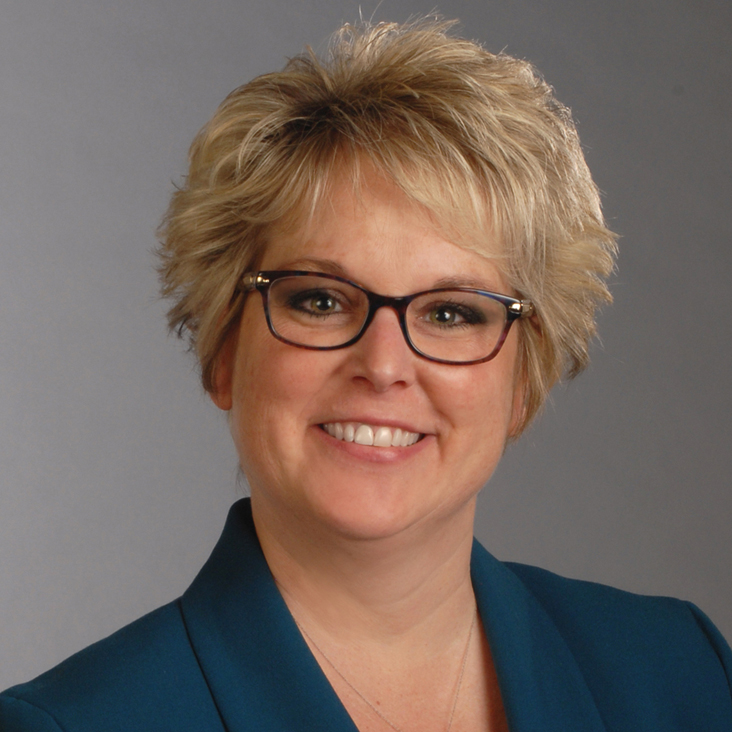
 

Tagged With: Fable Creature, Good Faith Consulting, Good Neighbor Homeless Shelter

Photographer Casey Howard and Jared Rhodenizer with Horse.TV and CarsonJames.com

January 26, 2023 by angishields

CherokeeBusinessRadioo12423pic2
Cherokee Business Radio
Photographer Casey Howard and Jared Rhodenizer with Horse.TV and CarsonJames.com
Loading
00:00 /
RSS Feed
Share
Link
Embed

Download file

Today’s Episode is Brought to You By:

Diesel-David-Logo

Casey-McMinn-Howard-and-Jared-Rhodenizer-banner

Casey-McMinn-Photography-logo

Casey-McMinn-Howard-bwCasey McMinn Howard, with Casey McMinn Photography, is Atlanta’s most sought after maternity and newborn photographer, providing a high-end, luxury experience for busy moms and dads who value their time.

We are a maternity, newborn and milestone photography studio in the Atlanta area, specializing in a luxury portrait experience from start to finish, complete with professional hair and makeup, access to our inventory of studio gowns and wardrobe for family, and professionally designed artwork, hand delivered to your home.

Connect with Casey on LinkedIn and Facebook. CarsonJames-logo

Jared-Rhodenizer-bwJared Rhodenizer, Founder and President at Horse.TV and CarsonJames.com, is a digital marketer, copywriter, Facebook ad specialist, video editor, interior designer, and former cowboy.

Connect with Jared on LinkedIn and Facebook.

This transcript is machine transcribed by Sonix

TRANSCRIPT

Intro: [00:00:07] Broadcasting live from the Business RadioX studios in Woodstock, Georgia. It’s time for Cherokee Business Radio. Now here’s your host.

Stone Payton: [00:00:24] Welcome to another exciting and informative edition of Cherokee Business Radio. Stone Payton here with you this morning. And today’s episode is brought to you in part by the business RadioX Main Street Warriors Program Defending Capitalism, promoting Small Business and Supporting Our local Community. For more information, head on over to Main Street Warriors dot org. And speaking of the Main Street Warriors program, I am delighted to announce that Diesel David Inc has stepped up to be our 2023 title sponsor for the Cherokee chapter of Main Street Warriors. Thank you Diesel David Inc. Go check them out at Diesel. David Dotcom. You guys are in for such a real treat this morning. Please join me in welcoming to the broadcast. First up on Cherokee Business Radio this morning with CarsonJames.com and Horse TV, Mr. Jared Rhodenizer. How are you, man?

Jared Rhodenizer: [00:01:23] I’m doing great, man. How are.

Stone Payton: [00:01:25] You? I am doing well. I have so been looking forward to having you in the studio. We see each other early on Thursday mornings. You do such a marvelous job running the young professionals of Woodstock.

Jared Rhodenizer: [00:01:36] Well, thank you.

Stone Payton: [00:01:36] And just really looking forward to this conversation. I think a great place to start might be mission purpose. What are you and your team out there trying to do with these two entities? How are you trying to serve folks?

Jared Rhodenizer: [00:01:49] Well, there are two kind of different entities, but essentially what we’re doing is we’re creating horse training online where people can access thousands of hours, literally of online horse training videos to fix problems, create better horses, and just create like a better world for the horses. Because if the horses are happy, the people are happy and the people are happy, the horses are happy. So it goes back and forth. So that’s really our main purpose is just helping people fix problems and get along with their horses. And then horse TV is like I describe it as the Netflix for horse people. So it also has the entertainment aspects. We have movies, documentaries, TV shows. It’s everything horses related.

Stone Payton: [00:02:30] Take me back to the beginning, man. What is the origin story? How did all this get started?

Jared Rhodenizer: [00:02:34] Okay, so. So my brother Carson is my business partner. He’s always been, like, phenomenal with horses. But one of those people that, like, no one, really knew who he was. He had like, 40 bucks to his name, Nothing. And I worked for this guy for two years. I still refer to him as like, the God of marketing. He took me under his wing and like, taught me everything about marketing. We were doing real estate or tools for real estate agents. So after I learned all this stuff, I was like, Man, Carson is so talented. I wonder if we could like, take the same principles of what I learned here and apply it to, like the horse niche. So it was just an idea. So I went up to Carson. I said, Hey, can I film some videos of you? He was like, For what? I said, We’re going to we’re going to see if people like them. We’re going to see if people want to buy them. He was like, All right. So I spent a day out there and I filmed some videos, throw them on a DVD and ran that DVD on Facebook for free, plus 4.95 shipping. So the DVD is free. You just pay $5 shipping. And this was like an hour and a half long DVD. I mean, it was pretty freaking good deal. Wow. And the first year we did over $1,000,000 that completely blew up. And after they bought the DVD, we had an upsell page where people could click a one time offer where they could join our subscription for $20 a month. And in the subscription they get all the videos on the DVD, plus all the courses we had at the time. We now have 12 courses. I think we started out with two or three when we first started.

Stone Payton: [00:04:02] How did you get the traction so fast.

Jared Rhodenizer: [00:04:06] Learning Facebook ads? Man Everybody’s on Facebook. Well, at least our customers are on Facebook. Yeah, just Facebook is incredible when you know how to use it. You can also waste a lot of money.

Stone Payton: [00:04:18] On.

Jared Rhodenizer: [00:04:18] Facebook if you don’t know what you’re doing. I’ve been there, done that, too.

Stone Payton: [00:04:22] So what’s your favorite part at this point in your work? What are you enjoying the most?

Jared Rhodenizer: [00:04:27] I love every aspect of marketing. So it’s not just the ads, it’s the copywriting, it’s the designing, the sales pages, it’s split testing. It’s finding out, okay, what’s going to convert. Oh man, that converted better than this. And one interesting test that we keep running and it keeps winning is we’ll do like a very pretty like really clean like an Apple type sales page, you know, where all the graphics are pristine and the wording is pristine and then we’ll split test it. And I always do it because it always wins and I don’t understand why, but we’ll split test it against a page that’s like ugly. It’s just a white page with a bunch of black text on it and the graphics aren’t, you know, it just it looks less, a lot less professional. And I’m telling you what, man, every single time that sales page, that ugly sales page wins over the nice one. And so, like, that’s the one thing I always tell people, like when they’re designing a new product page, you’re coming out with a new product. I’m like, Be careful not to make it too shiny. Because if it’s too shiny, a lot of times it’ll turn people away.

Stone Payton: [00:05:26] That is interesting and surprising to me. Yeah.

Jared Rhodenizer: [00:05:30] Wow. Pretty wild.

Stone Payton: [00:05:33] So what is your advice, if any, to someone getting their their business off the ground and trying to to do it with the benefit of these digital platforms? Are there some major dos and don’ts?

Jared Rhodenizer: [00:05:46] Yes, there are major don’ts, but I would rather talk about the major dos. And these are things some people are doing them, but very few people are doing them. And the horse neck is no different than any niche. If you have a product that you can teach people something or you just have like an e commerce product or something like that, even photography, this will work. So you want to be willing to go in the hole a tad. You try to break even, but be willing to go in the hole just a tad on the front end of your sales page on Facebook. So we like, for example, we’re running ads right now for a problem solving course where they get 42 videos and it’s only $4. And then we have an order bump where they can add it to their cart if they want to. For the digital version of our book, which is $10. 50% of people take that order bump. So we have an average order value of $9. Now, when I run ads on Facebook to that sales page, we break even. It costs about between seven and $9 to get a customer. But we have a customer and we didn’t pay for it. It was a free customer. And then immediately after they buy that, there’s an immediate upsell that says, Hey, do you want to join our membership and get all of these other courses, including kind of the same thing we started with? You know, we haven’t really changed the model that much and we get a 30% upsell rate on that. So not only are we getting free leads, building our email list for free because we’re breaking even, we’re also gaining members by doing that $20 a month subscribers, and that is recurring revenue that comes in every single month.

Stone Payton: [00:07:21] So it’s one thing to get a member it clearly another, I would think, in keeping them. So is your day to day more invested in making sure that you keep that $20 a month member?

Jared Rhodenizer: [00:07:33] Well, somewhat. I oversee it. My brother Carson is the face of the company. The company is called Carson James. That’s his name. So he’s more focused on that. I mean, I oversee it and help, but my main I guess what I do would be sales and marketing and stuff like that, making sure everything works and nothing breaks.

Stone Payton: [00:07:53] And at the same time, as I understand it, you are a real cowboy. You have been a real cowboy in.

Jared Rhodenizer: [00:08:01] The past and some of it’s still there probably, I reckon. But yeah, my parents grew up on a ranch or I grew up on a ranch. My parents were actual like real cowboys, like you see on Yellowstone. Like they went on the cattle drives, they lived in the tents and had the chuck wagons and everything. And so I lived in Montana till I was about, I don’t know, five or seven years old. And yeah, we lived on a ranch, I mean, just in the bunkhouse, just like you see on on TV. It was it was pretty wild.

Stone Payton: [00:08:29] Well, I wanted to ask you how authentic, because I love Yellowstone. Of course. How authentic is Yellowstone? Is that pretty? Pretty reflective?

Jared Rhodenizer: [00:08:36] Some of it is. Some of it’s extremely accurate and some of it’s drama. Yeah, but Carson, you know, he went on he went beyond what you know, we grew up on the ranch, but then Carson actually got a job working for a ranch out west. He’s worked for several ranches. He worked on a million acre ranch in Oregon. And he was an actual cowboy, too, like working every day, riding horses and just like on Yellowstone. So sometimes I’ll sit and I’ll watch it with him and I’ll be like, All right, tell me, tell me how much of this is real? And he’ll be like, Oh, that’s not real. Or Oh, that’s that’s pretty. That’s pretty accurate right there. So yeah, there’s some things that are that are pretty close for sure.

Stone Payton: [00:09:13] So at the top of the show, I mentioned that you and I get to hang out on Thursday mornings at Young Professionals of Woodstock. What compelled you to not only be a part of that group, but you’re you’re like our leader now.

Jared Rhodenizer: [00:09:25] Well, so the horse KKTV and Carson James is like a global company. It’s not, you know, a local business. So I don’t really get a whole lot of business benefit from coming to those networking groups. But I like the friendships and I like the relationships. And I said the other morning I was like, All my friends are here, you know, like all of my friends and the people that I’m closest to are in that group. So that’s that’s why I come and that’s why I do it.

Stone Payton: [00:09:51] Well, it’s certainly been my experience and I didn’t really know what I would find when I decided to move here to Woodstock from East Cobb and when I decided to open a studio because because our business is a little more I don’t know if it’s I guess it’s global, but it’s certainly national. The Business RadioX network. And I told Holly, we’re going to open up a studio, we’re going to do the community thing and the business community here in this Cherokee County area. It’s phenomenal. Such a supportive group, isn’t it?

Jared Rhodenizer: [00:10:17] It’s wild, man. The some of the best entrepreneurs and the most creative people I’ve ever. Live right here in Woodstock, Georgia. It’s wild. I got a head shot done yesterday by a guy named Jerry King. And I’m telling you what, one of the best headshots I’ve ever had in my life. It was great. And like, we’re sitting here with this photographer. I looked at her pictures before I came on. I was blown away. I was like, Holy cow, man. We just surrounded by talent right here. It’s unbelievable.

Stone Payton: [00:10:42] It is. So Casey would horses make good subject matter, too?

Casey Howard: [00:10:46] Yes.

Casey Howard: [00:10:48] There is a newborn photographer who I first started kind of following, and she was like my guiding light. And she now photographs horses. Julia Kelleher, look her up.

Jared Rhodenizer: [00:10:59] That name sounds familiar.

Casey Howard: [00:11:01] I’m sure you’ve seen her. Her horse pictures. Okay. They’re beautiful. Yeah. That’s crazy.

Stone Payton: [00:11:06] Yeah. So what’s next for you, man? You’re just going to continue to expand the Empire. You’ve got business number three lined up.

Jared Rhodenizer: [00:11:12] I have some ideas. I’m not certain on anything yet. As far as another business, I do have some ideas because this. This formula that I follow with the ads and I call them tripwires, you know, getting people in on breaking even on the on the on the front end of your funnel.

Stone Payton: [00:11:27] What a cool name for that.

Jared Rhodenizer: [00:11:28] Yeah. The trip wires lead magnets or when you get leads trip wires or when you make low end sales to break even to create bigger sales. But the point is the niche. It’s a very niche thing and you can take these same principles and apply them to any niche. So like if you want to teach someone to learn how to take pictures, it would work. I’ve got a guy right now that wants to do a homesteading thing where like it’s a subscription where he teaches you tips and tricks on how to homestead, how to grow your food, how to collect water and things like that. So it’s it’s kind of unlimited what you can do with this Internet marketing stuff.

Stone Payton: [00:12:03] Well, it’s interesting that you bring that up. Casey and I were talking a little bit I was talking about the Main Street Warriors program because we designed sort of this way to serve the smaller businesses where, you know, our fee structure is a little out of reach and doesn’t necessarily make sense for the most of the solopreneur, the startups, but they still want to participate in some way. I wonder if you could help us with the Main Street Warriors program to figure out how to not only just get the word out, but give these small business people a place in a way and make it low risk, high gain. I’ll bet you with the with what you’ve learned, I bet we could apply some of that methodology to something like the mainstream.

Jared Rhodenizer: [00:12:38] Oh, absolutely. Local advertising locally on Facebook is so much easier and cheaper than advertising, like nationwide or even globally because you’re only trying to reach, you know, a certain group of people within a certain distance. So it’s you reach a lot more people for a lot less money.

Stone Payton: [00:12:55] Well, I hope you get this third thing going, man. I think you just picked up a new client.

Jared Rhodenizer: [00:13:00] Yeah, maybe so.

Stone Payton: [00:13:01] If we can afford you. But we’d love to get your help on that, because everything I know about any of this, from SKO to the trip wires, I mean, you could stick in your eye and still see out. It would take all the help we could get on that. Absolutely.

Jared Rhodenizer: [00:13:15] Sure, man.

Stone Payton: [00:13:16] All right. Going forward, what plans do you have for young professionals of Woodstock? And on the community side of things.

Jared Rhodenizer: [00:13:24] Young professionals of Woodstock is exactly how I want it to be. Everyone loves it. I don’t want to change it because I people people love it. And I don’t want to. You shouldn’t change something that people love so much. So the plans are to just keep going. I mean, every now and then I’ll try like something new. I’ll kind of test it out and if people like it will stick with it. But like if it doesn’t get a whole, like a huge response, then usually I just go back to how we’ve always done it.

Stone Payton: [00:13:49] So tell the folks about the format. I could do it, but I think you’ll do a much better job. And I just it is so different from any other network kind of thing I’ve ever been a part of, and I feel like I’ve gotten to know everyone in that room far better, far faster than anything else. Saved maybe having people come on a radio show and visit with them. But I mean, tell them about the format, how.

Jared Rhodenizer: [00:14:11] You do it. It’s it’s more about creating personal relationships than it is creating business connections. So what happens is everyone gets there. It starts at 730 and I have the question of the week and it’s usually like a semi personal question, like what are you afraid of the most? Or what’s the funnest thing you’ve ever done? Or I don’t have the list in front of me, but well.

Stone Payton: [00:14:32] I got to tell you, last week was one of my favorite. I’m going to start. I’m thinking I’m gonna steal a page out of your book. What do you have a tendency to nerd out about? Yes, that would a great question.

Jared Rhodenizer: [00:14:41] That was probably the best question I’ve ever asked as far as the response rate. And I like, you know, I’m all geeky about the split testing and stuff, so I’m always interested to see like test my response rates on the questions. That was probably the best one for sure. Everyone loved it.

Stone Payton: [00:14:55] But yeah, in doing that, Casey, you ought to come visit sometime. It’s I mean, it’s just a.

Casey Howard: [00:14:59] Blast so crazy that you’re here right now because I’ve been thinking about going to the I’ve seen this I’ve been thinking about going to these meetings for a long time, but I’m like, Oh, I don’t know anyone. I don’t know. I just haven’t made that leap so.

Stone Payton: [00:15:13] I can make it happen for you for free plus $5 shipping. Okay. But that’s the.

Jared Rhodenizer: [00:15:19] Big difference about Whipple is it’s not. Everyone trying to hand out business cards. It’s not everyone trying to, you know, get their next connection. It’s really about like making friends and creating relationships. And yes, business does come out of that. I’ve done business with I don’t know how many people in that room, but that’s not the point. The point is let’s create a relationship. Let’s get to know each other. Let’s be friends. And then if business comes from it, great. I mean, most of the people in there are business owners, and if they’re not their executives or higher ups, and then we got people who I mean, anybody’s welcome if you’re just interested in business or you just want to make friends, you know, come on, everybody is welcome.

Stone Payton: [00:15:58] And we get together early on Thursday morning. I get there about 720 people are already there. So I don’t know what the official.

Jared Rhodenizer: [00:16:03] You can get there as early as seven. We start at 730 at the circuit in Woodstock.

Stone Payton: [00:16:08] And I always load up on some circle of friends coffee and it’s it’s fun, especially when you have someone you don’t recognize if they’re behind you in line. But I’m a cup of coffee. It’s it’s a blast. But you’re doing a fantastic. Thank you.

Jared Rhodenizer: [00:16:20] I appreciate it.

Stone Payton: [00:16:21] Well, I have so much admiration for what you do and how you do it, both on on the business side and on the community impact side. And I got to say, man, you got so many irons in the fire at some point and you’re such an up and enthusiastic guy, you’re always looking for ways to help people. And I got to believe sometimes you must begin to run out of gas and get a little you must have to recharge. Where do you go? And I don’t necessarily mean a physical place, but where do you go to kind of recharge, get inspired and geared back up to get back out there and serve? How do you do it?

Jared Rhodenizer: [00:16:53] Video games.

Stone Payton: [00:16:54] Video games, Yes. Okay.

Jared Rhodenizer: [00:16:55] I have a second screen. You know, I have two screens on my computer. And when I’m not playing video games, the second screen is the second monitor to my computer. But I’m telling you what, man, my day to day, I’ll sit down and I’ll work for a few hours and I’ll be like, Oh, I’m tired of working, or I got to take a break and I’ll turn the monitor on to the Xbox and I’ll play Xbox for an hour and then I’ll get tired of that and I’ll go back to work. And so, yeah, it’s that’s, that’s what I like to do. I really enjoy gaming. It’s probably one of my biggest hobbies. I’ve tried to get into other things. I don’t know how many times I’ve been asked to play golf and I like the people, but I don’t. I just cannot hit that golf ball. So it’s not something I ever want to try again. I decided last time I was like, I’m never doing this again.

Stone Payton: [00:17:36] So I like being around the golf tournaments, like the fundraisers, and I’ve done like the where you get a hit at once and then I think out of 18 holes they used my shot one time or something. Yeah, and I enjoy that. And we’ve done like the remote broadcast at the golf tournament. So I like the the ambiance hanging out with the people. But the golf for me, not, not my thing either, man.

Jared Rhodenizer: [00:17:56] Yeah, Yeah, not for me.

Stone Payton: [00:17:59] Oh, I know what I wanted to ask you because I am reading a book now, that is, I’m really fired up about and I hope I don’t screw up the title. What does it costing you not to listen? Okay. And so I’m really enjoying that and think I’m thinking about sharing it with our studio partners and our new clients and that kind of thing. But I’m curious, what’s on your nightstand, man? What are you reading these days?

Jared Rhodenizer: [00:18:18] Okay, so there are a few key authors if anyone’s interested in like learning about trip wires and lead magnets and this type of marketing. Dan Kennedy Any book by Dan Kennedy, Frank Kern, Ryan Dice or Russell Brunson, any books by those guys will steer you down the right path. And those are the gods in this niche.

Stone Payton: [00:18:38] I’m so glad I asked, man. I got I got a list for the next three months. That’s fantastic.

Jared Rhodenizer: [00:18:43] Any book.

Stone Payton: [00:18:44] So when you go about reading a book like that for your business, do you have a a methodology? Do you just dive in? Do you do you paint it and highlight? What do you.

Jared Rhodenizer: [00:18:53] Do? I just kind of dive in. I skim most of it. I’m not a I have severe ADHD, so I don’t sit down and like read a full book, but like, I’ll skim through and like if I’ve already feel like I understand something, I might skip a few pages and then I just skim through and but everything I read like I always pick up and even if it’s something that I’ve already learned or something I’ve already kind of looked into, it reignites it, and it’s like, Oh yeah, I should be doing that. And it just reminds me, Oh yeah, I’m not doing that right now. I need to be doing that. So that’s, that’s probably the most helpful thing is just being reminded of all the things that because with this marketing thing, there’s so many, there’s so many roads can go down, there’s so many paths that cross. It’s it’s, it’s impossible to do it all. But you want to find like the top five and stick with it for sure.

Stone Payton: [00:19:42] So on the other side of the coin, is there a book in you? You ever thought about writing a book?

Jared Rhodenizer: [00:19:46] I thought about it, but I’m not convinced yet. We’ll see. No, I might wait a little bit longer and see what happens. It might get more interesting.

Stone Payton: [00:19:55] What’s how I got in this business. I self-published a book a long, long time ago when I had black hair. Yeah, I met my business partner, Lee Kantor, and he showed me what we were doing and we were off and running. I’ll tell you a reason to think about seriously. Consider doing it, particularly if you do decide to go down that path of your third business. I found in writing the book and it did have some success, but even if all the copies would have stayed in Mom’s garage, one of the benefits that came out of that was it. Really helped me solidify, crystallize my own thinking and be able to articulate that much more effectively what I thought I had learned about the topics that I was trying to consult.

Jared Rhodenizer: [00:20:32] Yeah, that’s a great point.

Stone Payton: [00:20:33] Yeah. So, yeah, do that book, man. Okay. And if you don’t want to sit down in front of a blank page, come in here and we’ll just talk.

Jared Rhodenizer: [00:20:40] It and then we’ll talk. There you go. Yeah, that’s funny. You mentioned that we do have a book. It’s called Tales of Horsemanship on Amazon that Carson is not a writer. And he he’s just and he can’t he can’t spell very well. He’s a great horseman, but Carson cannot. Grammar is not his thing. So that’s how we wrote the book. Carson transcribed all of the chapters in the book, and then we had to. We went, sent them to Rivka and had them transcribed.

Stone Payton: [00:21:05] Well, there you go.

Jared Rhodenizer: [00:21:06] Yeah, But then, you know, we had to severely clean it up. But that’s how we wrote the whole book was audio transcription.

Stone Payton: [00:21:12] So does he look or at least act a little bit like RIP or one of those characters or the other stuff?

Jared Rhodenizer: [00:21:17] Carson’s the most nicest, helpful guy you’ll ever meet in your life. There’s not a taste of a hole in him whatsoever.

Stone Payton: [00:21:26] And he’s out west. Yeah.

Jared Rhodenizer: [00:21:27] Or he he used to go out west in the summers. He lives in Florida right now. He has a house in Florida, and that’s where he lives.

Stone Payton: [00:21:34] Very cool. Well, shout out to Carson. Thanks. Yeah.

Jared Rhodenizer: [00:21:36] I’ll send it to him so he can have a listen.

Stone Payton: [00:21:39] All right, So if our listeners would like to learn more, have a conversation with you or someone on your team, learn more about either the Carson Gamescom or the horse KKTV, or maybe have a conversation with you about this other thing, What’s the best way for him to connect with you?

Jared Rhodenizer: [00:21:52] Add me on facebook. It’s facebook.com. Jared jared roden iser rh modine is there. I try to add everybody on facebook. It’s like my rolodex.

Stone Payton: [00:22:03] More or less. Well, thanks for coming in and visiting with us. Man. This has been insightful, inspiring, informative. It’s it’s fun to have you in the studio, man.

Jared Rhodenizer: [00:22:11] I really enjoyed it. It was a.

Stone Payton: [00:22:12] Blast. Yeah. Hey, how about hanging out with us to visit with our next guest?

Jared Rhodenizer: [00:22:16] Yeah, absolutely. I want to hear all about this, actually.

Stone Payton: [00:22:18] All right, We’re ready for the headliner now. Here we go. Please join us in welcoming to the broadcast with Casey McMinn Photography, The lady herself, Ms.. Casey Howard, how are you?

Casey Howard: [00:22:30] Good morning. I’m good. How are you?

Stone Payton: [00:22:32] I’m doing well. So what’d you learn in that last segment?

Casey Howard: [00:22:35] So much? Yes. We’re going to have to keep in touch after this, because I feel like there are so many things I need to ask him about.

Stone Payton: [00:22:42] And that was an information packed 20 minutes. I’d like to hook it up to a firehose.

Casey Howard: [00:22:46] Yeah.

Stone Payton: [00:22:47] God knows his stuff. And I’m serious. He’s he’s just such a great job facilitating the Whipple and probably anything else that he does. All right, so let’s talk about this business mission purpose. What’s driving you to do this kind of work?

Casey Howard: [00:23:00] Let’s see. So this all started years ago. It was my side hustle and I was working in a corporate job and it was fine. But I always knew that that’s like not where I want it to be. But at the same time, I didn’t really know how to work for myself, so I just kind of started a side hustle. I always love photography. I had been doing it for years. I worked at a studio, like a corporate studio. I worked for somebody else, basically. And that’s where it all started, where I realized this is what I really want to do. And so fast forward a little while, maybe five years or so. I started I got I had my own camera, I started doing my own thing and I started taking pictures of whatever people would hire me for. So I was doing weddings, senior pictures, babies, families, all the things, right? So that was kind of my side hustle for years and started before I had kids. And then in 2016, my first daughter was born. And so I thought like, Man, I really don’t want to go back to work after she was born. Of course we don’t want to go back. We just want to stay with them. And so I’m like, I really just want to do this for a living. But I was not busy enough at all, so I did have to go back to work and I made it my goal. I said, The next time I’m pregnant and I have a baby, I’m not going to go back. Like that’s going to be my deadline.

Stone Payton: [00:24:21] I made that decision. That was for the second.

Casey Howard: [00:24:23] Yes, that was my deadline. And so I don’t even think I told my husband that. But like secretly, secretly, I was like, I hope I get pregnant soon because I don’t want to go to work anymore. But yeah, so I just kept on hustling. It was my side hustle, if you want to call it that. But yeah, just really trying to make it happen and get enough business going. I really had no idea what I was doing business wise. I was just finding outlets through Facebook and different groups and places. I could ask questions about all these things and I made it happen. My second child, she was born in August of 2018, and I remember, so I didn’t tell my my work where I was employed until like the very end of my maternity leave when I was supposed to be going back. I remember making that call and I was like, so nervous to tell him, I’m not going to come back. But then I was so excited, you know, hang up the phone. I’m like, Yes, that was like what I was wanting to do, and I made it happen. So finally I’m working for myself. And it was kind of a struggle at the beginning. A bunch of little kids running around to under two. So I had a 20 month old and a newborn and I’m like, thought it was a bright idea to start my business and and I did.

Casey Howard: [00:25:32] But I made it work. And it took a few years to really get things going and get busy to where I was actually making good money. And I got a mentor. She Yeah, she really helped me out. So I changed my whole business plan and the whole way I do things now. And so, yeah, here I am today, when I quit my corporate job, I was just traveling around to people’s houses to take their pictures wherever. And then I decided this. This is horrible. Like packing all this stuff in my car, you know, to go take pictures of these babies or these people’s houses. It was just too much. Then I decided, I’m going to have my studio in my house. And that was really not a smart idea with two small children, because then you have to clean up your entire house before people come over to take pictures in your home studio. And then I eventually did get my own studio space about two and a half years ago. It’s over in East Cobb Johnson’s Fair and Roseville Road, so it’s a really good spot. Been a whole whirlwind, but it’s been awesome.

Stone Payton: [00:26:30] So have you found yourself during that time? Have you gravitated to a certain type of photography, a niche, a certain constituency or two that you’re trying to serve?

Casey Howard: [00:26:39] Yes. So over the past six years, you know, I first started photographing anything under the sun, and then I started gravitating towards families and babies. And then recently, the past two and a half years since I’ve had my studio space, it’s been maternity in newborns and also also one year milestone cake smashed pictures because the newborn match, I love it. The newborns that come in, they want to.

Jared Rhodenizer: [00:27:04] Was it was.

Casey Howard: [00:27:05] Fun. Yeah. So the newborns come in, but then the year later, you know, the parents want to bring them back for the first birthday. So that’s kind of been like something that’s been added in. But yes, maternity newborns in first birthday.

Stone Payton: [00:27:16] When’s the best time? When do you do the maternity pictures? Early on or like when she’s about to pop or how?

Casey Howard: [00:27:22] Well, no, I tell them not to wait that long because you don’t want to be super uncomfortable. You want to be like 30 to 36 weeks when you have a nice baby bump, Right? But you’re not super, super uncomfortable and exhausted because at the end of pregnancy, I know you guys don’t know, but it’s horrible. It’s a lot. So 30, 30, when we get.

Stone Payton: [00:27:42] Our own version of horror.

Jared Rhodenizer: [00:27:43] I’m vaguely familiar with it.

Casey Howard: [00:27:45] It’s rough. So 30 to 36 weeks is a good time to get your pictures taken.

Stone Payton: [00:27:51] 30, 36 weeks. All right. So how about the the baby? When do you when is it time to take?

Casey Howard: [00:27:55] I always say that babies should come in. Well, first of all, the parents are scheduling these things like well in advance. And then when the baby arrives, then they will will schedule a time for them to come in. But it’s 5 to 20 days is the good like the sweet spot to photograph the baby. So usually like two, two and one half weeks is perfect for little newborns to come in because then, you know, you’ve had the baby, you’ve had time to go home from the hospital, have a week to adjust with having a new baby and then come to the studio and we’ll take your pictures. So, yeah, 5 to 20 days.

Stone Payton: [00:28:28] I say you mentioned a mentor earlier. I’m going to go say more about that.

Casey Howard: [00:28:33] So that was probably the best thing I’ve ever done for myself. She I found her on Facebook and through a newborn photographer’s group and she.

Stone Payton: [00:28:44] Let me just stop you there. Yeah, a newborn photographer’s group. So your crowd is kind of along Jared’s ethos, a collaborative group of people. You’re not fighting in court. No peace?

Casey Howard: [00:28:56] No. We’re helping each other out.

Stone Payton: [00:28:58] Wow. Okay, go ahead.

Casey Howard: [00:28:59] Yeah. So she she was the leader of the group who created this newborn photographer’s group, and she had a mentor program that I. I thought about it for quite some time, and I kept seeing all these other people who had joined and had success. And I finally did it. And, yeah, it changed my whole business model. What I’m doing now is creating like a more high end luxury experience. We provide everything really from start to finish. You’re not having to do anything at all. So we have gowns for mom, clothing for parents, clothing for toddlers, of course, everything that the babies would need, professional hair and makeup for mom and you name it. I mean, we have even beyond like the whole picture part of it, we have a changing table diapers, wipes, lotions, bottle, warmer snacks, coffee for the parents, snacks for the kids. There’s everything there. So yes. And then beyond all that, essentially how my whole model has changed as well. The luxury part of it like that, we’re helping. We’re giving you everything that you need so you’re not having to worry or stress about anything. But we are also providing you with some very, very nice artwork that you’re going to put up in your home for the next ten, 15, 20 years. You’re going to have some really nice wall art, you know, on your walls. We offer a bunch of different products. Now.

Stone Payton: [00:30:13] Talk more about the products, the deliverables, because because the experience just sounds marvelous, you know? Thank you. And you clearly have have discovered how. To excel at serving that that niche. Right. And then on the back side of this, there’s all kinds of good stuff.

Casey Howard: [00:30:28] Yeah. So when I first started taking people’s pictures long ago, when I started my business, I was just. It’s called Shoot and Burn photographer. So like taking their pictures and handing over the digitals and that’s that. And eventually over the past few years, I introduced selling products to my clients, which has enabled me to be a lot more lucrative in my business, and it’s also just so much more fulfilling. So these clients are now, you know, they’re so excited to get their artwork and they have they can see their pictures on the walls. Whereas before, when I would just sell digital images, then what do you really do with that? Like, are you going on your computer every day and looking at that now? So this has been really fulfilling to be selling this these big pieces of artwork that are going to go in their house. I mean, I sell large pieces from like 24 by 36 to a 40 by 60 canvases acrylics, which are more like a very reflective material. Acrylics are. So there’s all different pieces of wall art that you can get. And then I also have several different very nice high end albums to choose from. So it’s just really you create whatever you the collection that you want when you come in and I’ll help you obviously determine the best pieces for you. There’s a whole lot of questions that go into it. I ask my clients, What colors are you doing in your house? What is the nursery look like? What is your decorating style? So this all helps me to help them pick out the best products for them.

Stone Payton: [00:31:55] And it’s not theoretical. You’ve got examples of all of this.

Casey Howard: [00:31:57] Oh, it’s all there. Yeah. So they’re all singing person holding it, touching it, and really figuring out what they want When they come in to take their pictures. They’re looking at all this stuff and then by the time they come back for their sales appointment, they really have a good idea of what they want.

Stone Payton: [00:32:13] And you just reminded me of something I sell to dive into in our conversation with Jared. But you got some interior design chops, don’t you?

Jared Rhodenizer: [00:32:20] Yes. I also have an alternate personality, Jerod, and he is my interior designer.

Casey Howard: [00:32:28] It’s hilarious.

Jared Rhodenizer: [00:32:29] And he has an accent, too. Would you like to hear it? Absolutely. So, Jerod, talk like this. Okay. Every time I get into design mode, they’re going to. Jerod It’s kind of like Urkel and or Steve and Stefon, if you ever watch Family.

Casey Howard: [00:32:42] Oh, yeah, yeah. Stephen.

Stone Payton: [00:32:43] Stefan And is it Jerod that wears the suspenders are both personalities.

Jared Rhodenizer: [00:32:48] Where they both do and they can switch back and forth at any time.

Casey Howard: [00:32:52] Amazing.

Jared Rhodenizer: [00:32:53] I have something. So I, I would, I would bet that when you went from selling digital to physical, your sales.

Casey Howard: [00:33:02] It’s insane. Yeah.

Jared Rhodenizer: [00:33:03] Yeah. Because crazy it’s really interesting when we’re running, you know, we used to sell DVDs and now, like, no one has a DVD player anymore, but that was something physical that you put in people’s hand. Whenever you’re selling something digital, it’s always a harder sell because right now we’re selling online courses and we’re still making money, but it’s nothing like it was when we were selling physical.

Casey Howard: [00:33:25] It’s so exciting to actually have something like holding. I prefer when I go and buy a new book. I don’t want to buy the audio version on Amazon. I buy the hardback copy because I want to write all in that thing. And I, I want to keep it. And it’s like, like I read this book, you know, and I like, want to have all of them to see, you know what I’m saying? So same kind of thing.

Jared Rhodenizer: [00:33:45] There’s definitely something to it.

Stone Payton: [00:33:47] Well, I’m going to take that to heart, but both from my own business, but also for this Main Street warrior statement, maybe not all digital have some even taken.

Casey Howard: [00:33:55] Even.

Jared Rhodenizer: [00:33:55] Taking digital files and putting them on a USB drive and then mailing the USB drive to someone. Aha is a lot of people doing that. And that works really, really well because it’s something they get in their hand. We just.

Casey Howard: [00:34:08] Bring tangible.

Jared Rhodenizer: [00:34:09] Yeah, we just released a new product where it’s an MP3 player that it tells you how to train your horse like you wear it as you’re training and it tells you step by step. And everyone said, Why didn’t you do an app? Why don’t you do an app? Why don’t you do an app? Well, for one thing, a lot of these people, when they’re training their horses, are out in the field and they don’t have cell service. Another thing is it’s not a physical product. An app has an app has a value that people are accustomed to. But if we can put something in somebody’s hand, we can charge a lot more money for it. And in my opinion, it’s a better product because you don’t have the distractions of all the things that come through your phone.

Casey Howard: [00:34:45] All right.

Stone Payton: [00:34:45] Man, I’m wearing ton here. I tell you what, if you want to learn a lot of cool stuff for free, get yourself a radio show. Yeah. Just invite smart people to get it. Talk to. All right. I’m going to switch gears on you a little bit, Casey, and ask you a question I’ve been asking my whole career or for a week at least.

Casey Howard: [00:35:05] I hope I know the answer.

Stone Payton: [00:35:06] What do you have a tendency, no doubt about?

Casey Howard: [00:35:08] Okay. I was thinking about that answer when you when we were talking about the earlier. But. Well, I really nerd out about the show, friends pivot. Yeah. I mean, it’s a classic and it’s. I go to. So yeah, I love the show friends, but I also get really excited about buying a new business book. It’s so silly because growing up and going to school as a kid, I did not like reading. I, I want to read a book. I don’t even know if I read through a whole book, to be honest with you, when I was in school. But I found out that if it’s something that I’m really interested in, which is business, like, it just I can’t ever stop thinking about it. I get really excited to get those books in the mail. I just got three new ones and I can’t stop myself. I have a stack on my nightstand of three or four that I haven’t touched yet, and I’m like, okay, I need to stop read these and then I’ll keep ordering.

Jared Rhodenizer: [00:36:00] As soon as friends is over, I’m going to read it.

Casey Howard: [00:36:03] Yeah, I binged. I binged friends recently, maybe last year. I mean, I had seen it obviously growing up, but I’m like, I’m going to watch it from start to finish. And that was three months of it was really fun. But I’m like, Man, three months has gone by like, I need to get back to my regular programing of like focusing.

Stone Payton: [00:36:21] Does a Chandler have a book or more or one or two out?

Casey Howard: [00:36:23] Oh no, he does. A new one just came out. Yeah, I thought.

Stone Payton: [00:36:26] I saw that.

Casey Howard: [00:36:27] I don’t have.

Stone Payton: [00:36:27] To go or.

Casey Howard: [00:36:28] I to get.

Stone Payton: [00:36:28] It. Yeah. All right, So what do you have on your nightstand or what’s one that’s standing out for you right now?

Casey Howard: [00:36:33] The one that I’m reading right now. I’ve been getting up really early every morning, making it a habit, and I first thing I do is read. And so the book that I have now is I don’t I don’t want to get the title wrong, but I think it’s Seven Habits of a Millionaire. Have you heard of that one?

Stone Payton: [00:36:49] So is it part of that Seven Habits family of books that came out from Covey or I think.

Jared Rhodenizer: [00:36:54] I’m familiar with? Yes, but I’m not 100%.

Casey Howard: [00:36:55] Sure that’s the one. So it’s really good.

Jared Rhodenizer: [00:36:59] Seven successful habits of highly something people. Is that what you’re talking about?

Stone Payton: [00:37:04] Well, I think that’s that was a core book and I think maybe this was a derivative. I don’t know. Yeah.

Casey Howard: [00:37:09] Okay. Yeah. All right. I should look it up.

Stone Payton: [00:37:12] But if you did get the title right, I can send them an invoice.

Jared Rhodenizer: [00:37:15] So there you go.

Casey Howard: [00:37:18] Seven Habits of a Millionaire, I think is what it’s called, but I might be missing something.

Stone Payton: [00:37:22] It’s good. So what’s on the horizon? Where are you going to be investing your energy in the next nine, 18 months? Are you going to. You’re going to grow this thing, blow it out, build more studios? What are you going to do?

Casey Howard: [00:37:32] I have so many thoughts on that. And I write down my my goals every morning. A lot of them have to do with having well, having a lot bigger studio with all the bells and whistles. I’m not going to bore you with all the the vision that I see. Yeah, but a bigger, a lot bigger space and a lot more employees, a whole team. Another thing besides the studio part of it that I would like to kind of branch off of in photography, which is wonderful that you hear today because I’m going to get in touch with you, is I want to do something where I I’ve been thinking of maybe doing like a podcast subscription or I write some ebooks, I have some ideas for that, things that I can sell on my website that are just going to, you know, constantly be making me money. You write at one time and then you sell it, right?

Stone Payton: [00:38:23] I call that pillow money. I want money. Why do you.

Casey Howard: [00:38:25] Need pillow money? Because I don’t I haven’t done any of that yet. So that’s what I’m working on this year, is creating all that content, which seems like a lot right now. But at the end of this year, I’ll be really excited about it.

Stone Payton: [00:38:37] Yeah, you’re right. We got to get right guy in the room.

Casey Howard: [00:38:39] Help.

Stone Payton: [00:38:39] It’s weird going down the right path.

Casey Howard: [00:38:41] Yeah, these things work out, so.

Stone Payton: [00:38:43] All right, what’s the best way for our listeners to get in touch with? You have a conversation, book, some session, whatever, whatever you think is appropriate. Website, LinkedIn.

Casey Howard: [00:38:51] I kind of like my website. Casey McMinn photography dot com and then my Instagram everything is that Casey McMinn photography on Instagram, Facebook, you name it, I’m on LinkedIn, but I kind of forget about it sometimes, so probably don’t go there. My website.

Stone Payton: [00:39:08] Well, it has been an absolute delight having you on the show. Thanks for coming in and visiting.

Casey Howard: [00:39:13] Thanks for having.

Stone Payton: [00:39:14] Me, stranger. Yeah, come on back. It might be fun sometime to have you. And maybe the same with Jared. I know his businesses are more global at the moment, but it might be fun to have a delighted client or someone you’re teaming up with. Or maybe a favorite cause. Okay, come in here and we’ll spotlight their calls or business, but also talk about the collaboration.

Casey Howard: [00:39:32] That sounds good to me.

Stone Payton: [00:39:33] They work together. Yeah. You up for that?

Casey Howard: [00:39:35] For sure. Yeah. All right, we’ll make it happen.

Stone Payton: [00:39:37] Well, thank you. Thank you both. This has been a marvelous way to invest in this morning. I really enjoyed it. Thank you. All right, Until next time, this is Stone Payton for our guest today, Jared Rodan, Iser and Casey Howard, and everyone here at the business radio x family saying we’ll see you next time on Cherokee Business radio.


Tagged With: CarsonJames.com, Casey McMinn Photography, Horse.TV

Linda Ruffenach With Execuity

January 26, 2023 by Jacob Lapera

High Velocity Radio
High Velocity Radio
Linda Ruffenach With Execuity
Loading
00:00 /
RSS Feed
Share
Link
Embed

Download file

Linda Ruffenach is an entrepreneur committed to helping business owners achieve their maximum potential and protect their legacy. Her 20+ years of C-level experience with a startup enables her to relate to the challenges business owners face every day. As the former CEO of a $100 million international enterprise, she has been through almost every stage a company can experience from fast growth, and rapid decline, to complete transformation.

In 2014, she founded two companies, Execuity Value Advisors and Whisky Chicks. Both companies embrace the idea that knowledge and experience breed confidence. Linda is a skilled facilitator and has developed a systematic approach for accelerating growth, increasing profits, and optimizing the value of a business.

More importantly, she knows how to turn strategy into results and deliver results. She is a Certified Exit Planning Advisor through the Exit Planning Institute where she is a member of the EPI Thought Leadership Council. She was recently featured as a Leading Exit Planning Advisor in the publication Exit Smart Vol. 3. She has appeared as an expert speaker for WBENC, IBBA, Women’s President’s Organization, Goering Center for Family & Private Business, WIFS Women in Insurance and Financial Services and the Exit Planning Institute.

In addition to running multiple businesses, Linda is Entrepreneur in Residence at the University of Louisville’s School of Business where she teaches Venture Finance and oversees the MBA Capstone program. She is also the best selling author of the book, “How to be a Bourbon Badass”.

Connect with Linda on LinkedIn and follow her on Twitter.

What You’ll Learn In This Episode

  • It is never too early to start planning for an eventual transition
  • The 5 D’s that can disrupt your business
  • 3 things you can do today to accelerate business value

This transcript is machine transcribed by Sonix.

TRANSCRIPT

Intro: [00:00:04] Broadcasting live from the Business RadioX studios in Atlanta, Georgia. It’s time for High Velocity Radio.

Lee Kantor: [00:00:15] Lee Kantor here another episode of High Velocity Radio and this is going to be a good one. Today on the show we have Linda Ruffenach and she is with Execuity. Welcome, Linda.

Linda Ruffenach: [00:00:26] Thank you. I’m excited to be here today.

Lee Kantor: [00:00:28] I am so excited to learn what you’re up to. Tell us about your firm. How are you serving folks?

Linda Ruffenach: [00:00:32] So we actually are a firm that focuses on helping small business owners scale, grow and navigate major transitions in their business that could be reinventing themselves, not getting investment into their organization or from any of them. It’s transitioning out of their business.

Lee Kantor: [00:00:50] So what’s your back story? How’d you get involved in this line of work?

Linda Ruffenach: [00:00:54] Well, it’s funny. I spent 20 years at a company that, when I started, was just a mere startup with 15 employees. And over a 19 year period, we grew that from a 15 person operation to over 3000. We had 11 locations in four different countries. And through that journey I ran operations most of the time, was CFO for a short stint and then spent the last few years as CEO. And in that role of CEO, I really discovered what it was like to be lonely at the top, even though I’d been there for so many years and had all my friends and peers surrounded me, it was just a very different role. And when I thought outside help, what I found was individuals that would either follow a cookie cutter approach or ones that wanted to tell me what to do versus advise me on what to do or help me discover the answers myself. So when I left there, I decided I’m going to be the role that I couldn’t find, and that’s kind of how executing got started.

Lee Kantor: [00:01:51] Now, when you started, how did you begin the journey of kind of attracting clients to you? How did you get the word out to let people know, you know, what you did and how you can help?

Linda Ruffenach: [00:02:03] Well, here was my first lesson in the whole deal. I did not do enough networking when I was CEO of the prior company. A lot of my network was within my clients or within the the business that I was in. And after being and it was a customer care marketing business, and I’d been that in for a long time. And anybody that spent a long time in the customer care business knows that it’s a 24 by seven operation. And I was kind of tired. I needed to get away from that. So I really had to start hitting hard and start building my network. A lot of that was here in based in Louisville, Kentucky, but I started to have to build network out beyond there. And over the years I’ve kind of created a bit of a following. And and so I actually do presentations and speaking engagements all over the US now. And that’s kind of how I been able to gain clients today.

Lee Kantor: [00:02:55] And what organizations hire you to speak? What’s your kind of keynote on?

Linda Ruffenach: [00:03:00] Well, I kind of got two messages out there, so the word some of it started out I actually have done some work in the bourbon industry, being from Kentucky. You know, I began a group of women speaking and hosting events related around Bourbon added that I wrote a book called How to Be a Bourbon Badass. And so that introduced me into giving some presentations on that very topic. But given my business background, one of the analogies that I found was a lot of things in the bourbon industry crossed over into the business industry and a lot of really great lessons came out of that. And so that’s that’s also another topic I spend time talking on is a lot on the business side of it. And today I spent a lot of time talking about transition planning and a lot of that is in front of women groups such as Women’s President’s organization, NABA, the National Association of Women Business Owners, WFS the Women’s Financial and Insurance Services. But I also work with family business centers such as the Center up at University of Cincinnati and the one here at U of L. All of it’s around helping business owners and introducing them to the things they can do now and in the future to help increase the value of their business.

Lee Kantor: [00:04:09] Now, you mentioned when you were the CEO of that organization prior to your current adventure that you hadn’t kind of invested the time in the networking as much, you know, in hindsight that you maybe would have made a faster transition? Is that the same for your clients? That they have to really invest some time into like who that person is that’s going to buy their business or attract the people that are the potential buyers? At some point they have to kind of build a bigger network.

Linda Ruffenach: [00:04:42] Well, one of the things that I found a lot of business owners struggling with is who their customer really is and really understanding their persona. And what I mean by persona is who is that buyer? What are the influences that have inside and outside the role that they have within when it comes to making that decision, becoming that decision maker, making the decision to buy from you? Really looking at the wants, needs and fears of those individuals and discovering who those individuals are, and then from there figuring out where did they live, where did they where do they congregate, how do you connect into that and really start focusing your networking in those areas? The other thing is looking at those common connections. Part of my network over the last couple of years, especially since we went through the pandemic, it’s been much easier to reach out to people than before. It’s trying to find people that I do have something in common with. So for instance, I’m a certified exit planning advisor. So one of the things that I did is I reached out to certified Exit Planning Advisors on LinkedIn just to make that connection. I’ve done the same thing with NABA. I’ve also done things with same thing with the bank, which is the Women Certified Women Business Enterprise Organization and making those connections and then not approaching it from a sales perspective, but just approaching it from a relationship standpoint of how do I get to know you and how do you get to know me type thing?

Lee Kantor: [00:06:07] So you didn’t look at all of those folks as competitors. You looked at them as kind of potential partners or referral sources or just people that would be beneficial to kind of a win win in your network and theirs.

Linda Ruffenach: [00:06:21] Exactly. You know, that kind of comes back to my second lesson that I learned is that when I came out, I was kind of insulated from the standpoint of if I was afraid somebody else was going to do what I was going to do or that if I explained it to too many people or got too close to other consultants, that they were going to take my business or they’re going to replicate my ideas. But the one thing I came to conclusion is that I’m the only one that can do what I do, even though there’s others that offer have similar offerings and they maybe don’t exit planning, they may be helping do business coaching and advising. I’m the only one that can do it the way I do it. And and I think that’s one of the places that I had to get to, as well as the fact that there’s more power when you start to support each other. You know, that was a key lesson to learn from the bourbon industry, which is they truly embrace the philosophy of all boats rise where it was such an anomaly to me, to where I discovered that like take a two competing distilleries that are right down the road from each other. If one of them has a breakdown on their equipment, they can actually call down the street and ask the guy down the road if they can borrow something so they can keep their production up. Totally strange to me coming from that competitive business world, but it was all built upon a philosophy of all boats rise. Their mindset is that if I convince one person that they like bourbon, then that’s that’s a customer for me. But then the guy down the street also sees it as a potential customer for them as well. So once embracing that, it really is, you know, people ask, Who is my competition? I don’t know that I have competition per se. It’s about figuring out how do we support each other and I might be the right fit for you, but that other person might be a better fit.

Lee Kantor: [00:08:02] Well, all boats rise. Sounds like a good title for your next book.

Linda Ruffenach: [00:08:08] Well, look, we’ll start working on that one.

Lee Kantor: [00:08:10] I agree wholeheartedly. I think that it might seem counterintuitive to people that collaboration and a generous spirit is beneficial in the long run. But I think that just as a society, that it just better that people perform better. People want to work with people like you. And instead of just saying, you know, I’m out there and I do X, it’s just keep looking for best fit clients and don’t worry about anything else. And there are people where you’re the best fit for and that’s all you should really care about and not worry about every single person as a prospect, because that’s not the reality of the situation. You have best fit clients and the faster you identify them and the faster they identify you, then both of you win.

Linda Ruffenach: [00:09:01] Exactly. And the one thing the other thing that I learned along this journey is the power and saying no, because to your point, not all clients are best for me and I’m not best for all clients. And and I think that’s an important part of any business is recognizing who are the right fits and who are not and saying no, particularly when you’re starting up a business or you’re in that early phase and you’re really trying to grow revenue and you’re trying to pay all your bills, you tend to go towards saying yes to everything. And that’s exactly what I did in the beginning. But what I found is it created a lot of distractions. It created me, created a lot of angst for me. And so I made a conscious decisions a few years ago, which is I’m going to work with those clients that can have the most impact with and that are going to enjoy being with me and I’m going to enjoy being with them. And if I’m not the right fit, then I’m going to introduce them to somebody else at my network who I think is right.

Lee Kantor: [00:09:54] That’s it’s so much healthier, I think, and it’s so much less stress on both parties. You don’t want to ever have a client. You dread their call.

Linda Ruffenach: [00:10:04] We’ve all had a few of those.

Lee Kantor: [00:10:06] But early on it’s hard to really believe that. So but I think in the long run, most people kind of land where you landed on this.

Linda Ruffenach: [00:10:15] I hope so. I hope so. You know, it’s funny is it’s a place where you almost get this place of relief and freedom when you realize you don’t have to take that on and you kind of get away from that place of desperation. And it took me a long time to get there. And I started to just really, through the process, discovered my purpose. Right. Which is that I have been given all kinds of experience and knowledge and gifts that it’s my responsibility to pay it forward. And when I lean into that, I worry less about whether the next is going to come around, the next client’s going to come, the next one that I’m supposed to help and supposed to lead. They’re going to be there and I’m going to have an impact and I do my best to have an impact on their business.

Lee Kantor: [00:10:58] Amen to that. Now let’s talk about what it looks like from an onboarding standpoint. How early do you want to start having conversations with people about a transition? In the past, I’ve talked to people that say, look, the minute you start a business, you should know what that exit is, or at least start planning for that. What should that person that has a business, how should they be thinking about their exit and or this transition? How early?

Linda Ruffenach: [00:11:28] Well, as I tell most business owners, it’s never too early to start. And to your point, that can start when you actually create your business. I will actually do a little workshops for startup companies and work with startup companies and actually teach at one of the local colleges. And one of the things in the concept that I’m trying to drive home is you you want to have an idea where you want to take this thing because you’re going to make a lot of decisions up front that are either going to enable your ability to do that or it’s going to put a roadblock in front of you down the road. And that’s everything from the type of products and services you create to actually how you take on funding or investors or financing and those type of things. When I’m talking to a company that’s been around for a few years and they tell me, Oh, I’m not going to plan on transitioning for at least ten, 15 years. One of the questions I ask them is, what are you going to do if something was to happen to you? And one of the more poignant questions I’ll ask a business owner is, you know, if something had happened to you three months ago and you died suddenly, where would your business be today? And that gives a lot of people pause. And the fact that, you know what? When you look at it that way and it’s not about trying to be negative, but the bottom line is you’re going to leave your business one day no matter what. And it’s either going to be under your conditions or somebody else’s conditions. And I don’t know about you, but I’d much rather do it under my conditions than somebody else’s. And the only way to do that is you have to plan for it.

Lee Kantor: [00:12:56] Now, when you’re having these conversations with people, it sounds like kind of the life insurance conversation that people have. It’s like you don’t want to think about that. Like it’s almost something that, you know, is going to happen. You know, at some point you’re going to not be here anymore, but you don’t want to think about that. Is it? Is it kind of emotionally that same feeling for a business owner where that this is something that they don’t really want to think about because it’s so much their business? A lot of times it’s part of their identity. It’s how they see themselves, how the community sees them, and it’s not something that they’re very easily want to give up, especially before they have to.

Linda Ruffenach: [00:13:36] Well, you know, it’s funny because one of the things is I point out to them what I call the five D’s, there’s death, divorce, disagreement, disability and disaster. And I think in the last couple of years, we’ve seen how that can impact businesses left and right. So that’s one perspective of it and trying to get them to see it from that side of it. But there are those business owners who don’t want to think they put their tunnel vision on, you know, put their blinders on. And the way that I approach them is, you know, some of the techniques that I’ll teach you is how to make your business worth more. And if you’re the number one investor in your business, don’t you want your investment to be worth more? And so whether you’re going to take on or sell this eventually or you’re going to pass it on to your kids, nobody goes into business to go out of business. We go into business because we want to make money. We want to build something. We’re trying to create a legacy for ourselves or for our children or our families or the community, whatever that might be.

Linda Ruffenach: [00:14:31] And if that that feeling of I don’t want to think about what could happen, but then focus on the fact that you’re the biggest investor that can shift your mindset as well, which is for many business owners, they have 70 to 80% of their wealth tied up in their business. But the scary part is over 97% of them have no idea what it’s worth. And when I learned that stat, I was astounded. And then you think about it, that there was another survey done that three out of four business owners regret selling their business one year later. And the reason is, one, they didn’t get the price that they thought they wanted and deserved. And two, they had no plans for what they were going to do afterwards. So the earlier you start to think about these things, the the higher the likelihood you’re going to get out of it what you want. And you also protect the legacy that you want to create for for yourself, your family, community and all of those things.

Lee Kantor: [00:15:24] So when you’re working with somebody as one of the first steps, doing some type of valuation so that you have some number, some baseline that you’re like, okay, this is where we are today. This is where down the road you want to get to one way or another, let’s at least kind of see where we’re at today. It’s like when you go to the doctor, they take your blood pressure so they have something to compare it to. You know, a year from now, five years from now to see how you’re doing.

Linda Ruffenach: [00:15:51] Exactly. And that is one of the places that we’ll start actually do two types of evaluations. One is a purely financial evaluation. It looks at your income statement, your balance sheet, all of those things to come back to. What really is your business worth from a financial standpoint? And there’s a lot of factors that go into that, including what your what type of business you are, what recent multiples have taken place and that. But the second type I do is more of a subjective assessment, which is going through a series of questions to identify where you are in alignment to some of the key value drivers that are out there. It’s built on John Murillo’s Built to Sell method, which is there’s eight key drivers in your business. And when you understand those drivers and understand where you are in alignment with that, then you can start to build strategies that will make your business worth more, but also makes your business stronger and more equipped to handle downturns and recessions and all of those things that none of us plan on and never, never want to think about. But you’re in a much better position had you not thought about it and planned for it.

Lee Kantor: [00:17:00] Now, when you do this evaluation and valuation and does that number for the most part, are they your clients like, Wow, that’s more than I thought, or Wow, that’s less than I thought. Like, where do they typically fall?

Linda Ruffenach: [00:17:15] Um, I will say there’s been a few that have been. Wow. But the majority is. Oh, wow. I didn’t know that’s what it was worth. More like I thought it was worth more because we hear anecdotal stories about others out there selling their business for four or five times the revenue that they generated, or you’re talking to the to the individual down the street. And she sold her business for all this money. And you kind of look and you’re like, well, I think my business is stronger than hers and I run my business far better. If she can do it, then I can do it. But the reality is there are so many factors that go into that. It’s it’s not always a good comparison when somebody says, I sold it for this, you should be able to sell it for that. So there’s a reality check to it. I think the bigger thing that people underestimate is how much they have to sell their business for in order to retire that they don’t realize. That if I sell my business for 5 million, I may only be walking away with 3.2 and we get those numbers in our head and think, Wow, I can live off of 5 million, or I can live off a million and a half. But when you start taking out fees and legal expenses and retention, things that you want to play to your leadership team and all the legal all of those things, go into it, that you’re not walking away with a whole lot. Oh, and by the way, taxes, you have to pay taxes and all of that. And people realizing I need to sell my business for a lot more than I thought it would. I thought I would. And there’s some big steps I have to take to get there. And these aren’t the kind of steps you can make in 18 months. These are the kinds of strategic decisions that take 3 to 5 years to implement.

Lee Kantor: [00:18:58] So is there any advice you can give somebody today? Is there anything actionable today that a person could do to increase their value of their business or they’re some kind of low hanging fruit that you find in a lot of businesses?

Linda Ruffenach: [00:19:12] Well, there’s two two of the biggest factors that impact the value of the business is recurring revenue versus recurring revenue. And let me explain the difference between that. So you’ve got a customer who comes back and buys from you on a regular basis, but there’s no contractual obligation. There’s no monthly quarterly annual fee that they’re paying to you. It’s just project or project, or they may even be paying you an annual amount, but you have to initiate a renewal in the process. That’s recurring business. I’m sorry, I’m going to get mixed up reoccurring that’s reoccurring. Sorry, reoccurring business. What you want is recurring business, which is that predictable revenue that’s coming in every month and that comes from subscriptions. It comes from having longer term agreements. It’s about having auto renewals, it’s about where it’s consistent, predictable revenue. And when an outside investor comes to either look to acquire you or invest in your business, they’re looking for predictable income, that they have high levels of confidence and that are either going to grow or at the very least is going to stay around after you go. And so that recurring revenue model gives them those extra assurances. The second thing is dependency on you as an owner. You know, there’s a lot of business owners that take pride in the fact that the business runs can’t run without me. I know every client by name and every client can pick up the phone and call me, and those clients know they can trust me.

Linda Ruffenach: [00:20:45] Well, if you really want to build a business that’s worth a lot more, yes, they need to trust you. But more than anything, they need to trust your business. They need to trust your team members. They don’t should not need to have the need to pick up the phone and call you, because when they pick up the phone and call you, then that business is dependent upon you. And if something happens to you, then once again, I’m an outside investor. I’m somebody looking to acquire you. What happens if Bob or Jane go away and the business is depend upon it? Well, they bought from Bob, they bought from Jane. Now they’re going to go find somebody else to buy from because it was purely dependent upon you. And that is really a place where a lot of individuals and business owners struggle is how do I peel myself away and how do I let go and how do I trust? And this isn’t even just trust between letting others take place many times. This is the biggest challenge you have in a family owned business, is how do I let the next generation start taking on these relationships when I’ve owned them for so many years?

Lee Kantor: [00:21:45] Yeah, the ability to delegate and have systems and processes that work without you, that seems just kind of just they have to you have to have that right. And that’s just almost table stakes and any type of exit.

Linda Ruffenach: [00:22:01] Absolutely. And it’s a hard thing to do if you don’t start on it. It’s not something if you’ve never really planned for that, you’ve not really done much around succession planning and you’ve been just working head down in your business and you’re looking at, you know what, I’m 60 some years old and I’m I’m ready to start pulling back a little bit or I’m getting tired and you’re starting it a couple of years before you want to do it. It takes a long time to get people to break dependance on you and takes a long time for you to let go. And some of the stuff that’s in your head that tribal knowledge is difficult to transfer if you don’t take the time and the effort to work with others to get that or bring people alongside you that you can mentor and grow. Because the other piece that when investors come in and look at your business, they’re looking at your leadership team, you know, there are some that are strategic that they come in and all they’re on is the technology or they’re buying the customer list or all that kind of stuff. But a lot of times when investors come in and looking to acquire you, they’re looking to acquire the talent and the leadership as well. And if you don’t have the right talent and leadership in place, then that’s also going to discount your value. And that talent leadership also needs to have a vested interest in staying because maybe they’re working for you, because they like working for you. And as soon as you sell this thing, they’re out of there. Well, that’s not going to be appealing to an investor who’s wanting to come in, put their money into the business and get their money out in the next few years.

Lee Kantor: [00:23:27] So what’s it look like when a firm is working with you? Is it something that is done at the beginning to put a plan into place? And you say, okay, good luck. Go forth and prosper? Or is it something that you’re working with them throughout all the way through the exit and maybe onto their next adventure? Like, what are your kind of has how does your relationship typically play out with a client?

Linda Ruffenach: [00:23:51] So I do everything to get them ready to put it on market. I’m not a business broker. I will help them find a business broker. I will help them find somebody who or an investment banker who can help put it out there. But that’s not a role that I play. But what I do do is do everything up to that point, which is helping them get ready, helping them put their business together and start to tell their story and figure out how to tell their story in a way that’s going to be the most appealing to the investors. How do you put credentials against the things that you’re saying about your business? Like, my customers are really loyal. Great. How do you quantify that? Where do we get that information that my customers have a lifetime, a very high lifetime value? Well, let’s quantify that. Let’s figure out how we put metrics behind some of these story points that you’re telling and then getting it to where, once again, that it becomes an appealing business to put in front of an investment banker or a business broker who says, Wow, I can sell this thing and I can sell it pretty easy. And then once it’s in their hands, the one thing that I will do is I will stay alongside the business owner if they want me to, to help them through that decision making process. Because selling your business is far more than just getting the right price for it.

Linda Ruffenach: [00:25:03] It’s about finding that right buyer who is going to fit for you and fit for the legacy you’re wanting to create. For some, it’s all about the financial transaction and there’s absolutely nothing wrong with that. You’ve built this thing to sell it, and so I’m going to sell it for the most that I can sell it for. But there’s others who have had their business for 30 years and their team is their family. And so making those decisions about a sale is very different for them. They when they come to selling it, they want to think about what’s the impact on the team I have, what’s the impact on the community. You know, I had one recent gentleman who we we worked really hard. We worked with the broker. We actually got the price he wanted for his business from the people that he wanted to make the offer. And then when it came down to it, he stepped back and realized he was taking all kinds of revenue and money and taxes out of the side of the community that he lived in. And he changed his mind. He was like, I can’t do this. I can’t do it to my community. And so he chose to stick with it. And now we’re looking at other alternatives for him. But there’s a lot that goes in that decision making way beyond just the money.

Lee Kantor: [00:26:13] Right? And I guess at those points of inflection where it’s becoming real, then you understand the ramifications of what that looks like and how it’s going to impact others. And the sooner you kind of go through at least that process in your head, then the more effectively and efficiently you can make that transition.

Linda Ruffenach: [00:26:33] Absolutely.

Lee Kantor: [00:26:34] So if somebody wants to learn more about your work, your team and how to get on your calendar, is there a website?

Linda Ruffenach: [00:26:42] Yeah, there is. So you can go to execute. It’s x, e, c, u, i, t, or if you want to set up 30 minutes to chat, it’s really easy. You can go to consult Linda dot com and you get direct access into my calendar and set up 30 minutes and I always love chatting with. Any business owner out there. And if I can’t help you, I’m going to point you in a direction to somebody who can.

Lee Kantor: [00:27:06] Good stuff. Well, Linda, thank you so much for sharing your story today. You’re doing such important work and we appreciate you.

Linda Ruffenach: [00:27:12] Thank you, Lee. I appreciate you having me on.

Lee Kantor: [00:27:14] All right. This is Lee Kantor. We’ll see you all next time on High Velocity Radio.

Tagged With: Execuity, Linda Ruffenach

Mitchel Black with STRONGSIDE

January 23, 2023 by angishields

Mitchel-Black-Strongside
Cherokee Business Radio
Mitchel Black with STRONGSIDE
Loading
00:00 /
RSS Feed
Share
Link
Embed

Download file

Mitchel-Black-Fearless-Formula-bw

Mitchel-Black-Fearless-Formula-Feature-bwMitchel Black attended the National Personal Training Institute and studied exercise physiology and nutrition. While in school, Mitchel hosted a talk radio show on health and fitness called “Talking Smack with Mitchel Black” where he talked about the correct foods to eat and how to implement them into your diet.

After graduation Mitchel went on a fitness rampage to learn everything he could about fitness, nutrition, and everything related. Mitchel acquired five personal training certifications along with three advanced certifications from the highest ranked certifications to date. Along with education Mitchel has an undying and burning passion to help people, and he truly cares about each and every member.

He prides himself in greeting everyone by name at the door; STRONGSIDE members aren’t just a number. His love for coaching members shows in his personality during every class as he makes sure each member has the best hours of their day at Strongside. Mitchel spent seven years working for the big “globo gyms” as a trainer and program manager. Mitchel worked at many clubs throughout the country as well as corporate offices training clients, training and educating trainers, and managing the business side of the fitness industry as well.

After five years of managing clubs Mitchel became very successful at doing it and received many awards from his company for doing so, but something was missing. Mitchel wanted to deal with people and truly help them, not just train other trainers and help the company have a healthy bottom line. Mitchel then stepped down from all managerial rolls to focus purely on helping individual clients reach their goals and truly make a lifelong impact on people. “It’s the best decision I have ever made and I am the happiest I have ever been in my life. Coaching people to reach their health and fitness goals is what I live for,” said Coach Mitchel Black.

In 2013 the opportunity to open Strongside came about and Mitchel could not neglect this opportunity. It was everything he had ever dreamed of and he knew he could help so many people by doing this. Along with all of his success in the fitness industry, Mitchel is also a nationally recognized personal trainer through NASM, NSCA, and NPTI. Mitchel is also a USA Olympic Weightlifting Coach and a CrossFit L2 trainer.

Mitchel has an athletic career of competing in the Ironman triathlon; he regularly competes in CrossFit competitions both individually and on a team. Above all, Mitchel wakes up every single day loving what he does and his life is completely devoted to Strongside and its members. He works nonstop to make sure every member receives excellent service, they are happy with their training, and that they are getting results. “STRONGSIDE is a results based business and not getting results is not an option,” says Coach Mitchel when asked about the philosophy of STRONGSIDE.

Follow STRONGSIDE on Facebook.

This transcript is machine transcribed by Sonix

TRANSCRIPT

Intro: [00:00:08] Coming to you live from the Business RadioX studio in Woodstock, Georgia. This is fearless formula with Sharon Cline.

Sharon Cline: [00:00:18] And welcome to a fearless formula on Business RadioX Fearless Formula. Friday is what I like to call it. This is where we talk about the ups and downs in the business world and offer words of wisdom for business success. I’m your host, Sharon Klein, and we are lucky to have the founder of a functional fitness based gym, several of them for four of them. Is that right? Four of them here in the area called Strongside, as well as a health and wellness coach, a mentor. Welcome to the show, Mitchel Black. Hi.

Mitchel Black: [00:00:48] Hey, thanks for having me, Sharon. I’m so excited to be here.

Sharon Cline: [00:00:51] Yeah, me too. I’m excited to talk to you about how you were able to open up four gyms in five months. How did you do this? So daunting when you think about it.

Mitchel Black: [00:01:00] Yeah, it was I mean, well, it was four gyms in five months, but that was after being one gym for eight years.

Sharon Cline: [00:01:08] Wow. Okay. What was your first gym? Where was.

Mitchel Black: [00:01:11] It? So it was strong side, but it was we were on 92 and Woodstock, and we were right by exit seven on 575. And we started as six, 900 square feet and 24 members. And then we got kicked out of that place because we outgrew it. And then we moved to our second place and then we moved to our third place where we’re at now. And then COVID happened and now we have four. But it’s been, you know, I started folding towels and cleaning toilets. So it’s it’s been a work to get here.

Sharon Cline: [00:01:40] So you started it’s your gym? Yes, your official. So you’re the you’re the owner.

Mitchel Black: [00:01:45] Owner, founder, whole deal.

Sharon Cline: [00:01:47] Coach. So you although you have a history of being a personal trainer and running different gyms. Right. I read on your website that you had you called it like the global Gym, Global Globo Gyms. Yeah. And I was trying to remember. But are you talking about a place like Gold’s Gym or like One Life, which is what I belong to?

Mitchel Black: [00:02:06] Yeah, really similar. I started at Lifetime Fitness and I started an operations and I started folding towels and cleaning toilets from 11:00 pm to 7 a.m..

Sharon Cline: [00:02:16] The night.

Mitchel Black: [00:02:16] Shift? Yeah. And then I’d go to school all day and I’d work all night. And I just, you know, it was a way to get my foot in the door like I had nothing. And I was like, well, I mean, I’m going to be a trainer, so just go there and then throw out folding towels and cleaning toilets. As soon as I got closer to graduating, I was like, Well, people got to see my face. So I started begging for a job at the front desk and they gave me a job at the front desk so I could see everybody’s face. And then I started begging for a job as a personal trainer, and nobody wanted to do anything with me because I had really long hair and earrings and I’m this punk kid and like, whatever. And but it was just a dog fight. And then I was like, Just give me a minute, just give me a minute. And they did. And I worked my way up and I was able to start as a trainer and then grow the training business and then get into group training and then grow that. And then I was able to go to corporate and do some stuff up there, and then I didn’t ever want to open my own gym ever.

Sharon Cline: [00:03:08] Why?

Mitchel Black: [00:03:09] It didn’t intrigue me. I mean, I was I was the number one trainer in the company. I was making good money. I was doing what I wanted to do. You know, you have you have everything. You have health insurance, you have a41k, you got a lot of security. And, you know, I didn’t want to go, but I felt really capped out. And I started hearing know a lot and I started getting kind of suffocated with, you know, hey, hey, buddy, sit down. And I’m like, no, no, I think we can do this. Nah, we’re not going to do that. And after a while I was like, Oh, okay. But I got to go then.

Sharon Cline: [00:03:46] Well, you clearly have a propensity to grow because if you started, you know, doing the night shift and then got to the front desk and then continue to progress so quickly, I mean, you’re in the right place, you know, that you want to have upward mobility. So someone was telling, you know, I, I imagine that’s very frustrating.

Mitchel Black: [00:04:04] Yeah. It’s not necessarily the telling me. No, the the only thing that scares me is complacency. And I cannot sit still and I can’t not grow and I can’t, you know, at least try to spread my wings. So it’s not like you’re telling me no thing. It’s like a if I ever feel as if we’re not able to move forward, that’s when I start panicking.

Sharon Cline: [00:04:25] So let’s go back a little bit to your for your history. You studied exercise, physiology and nutrition at the National Personal Training Institute. Where is that?

Mitchel Black: [00:04:34] It’s super cool. So they have a bunch of satellite campuses and I equated a lot to like deep fry. You know, like you go there, you get a degree just in in computer science. Yes. But if you decide halfway through, hey, I like art. Well, sorry, buddy, you got to start over. Right? So it’s really similar thing. And I did Accelerated Program through there and loved it. I mean, I graduated high school with a 1.75 GPA and was not supposed to do anything with my life. And I graduated third in my class from there. I mean, I love.

Sharon Cline: [00:05:05] Was it always something you just. Loved.

Mitchel Black: [00:05:07] No. Oh, yeah. Did you.

Sharon Cline: [00:05:09] Get it? I assumed you were going to say yes. No. No. How did you get into it?

Mitchel Black: [00:05:13] So I weigh less now than when I was 13. When I was 13, I was five, five. I was £200. I was miserable, hated everything about myself. And I just again, maybe I felt like so suffocated back then, didn’t like exercise, didn’t like eating right. My favorite thing was you take chocolate donuts and you put them in the microwave for 5 seconds and heat them up with Saturday morning cartoons and stuff. I mean, that was that was my life.

Sharon Cline: [00:05:35] It’s like you’re at my house.

Mitchel Black: [00:05:36] And and I just got fed up, man.

Sharon Cline: [00:05:39] And something clicked in your brain.

Mitchel Black: [00:05:41] Yeah. I was getting made fun of and bullied at school, like, terribly. I was sent home from school three days in a row crying. And really what happened is this this dude that wound up becoming a really good friend of mine, but at the time he was making fun of me every day. And the first day I went home from school crying and my mom was like, you know, hey, that’s terrible. You know, kids are bad, whatever. And then the second day she was like. You know. Och, all right. And then the third day, she was kind of like, All right, here’s a deal, buddy. You can be as big as you want to be and you can love life and crush it, or you’re just going to come home crying every day or we’re going to do something about it. And I was like, Yeah, you’re right. We joined Weight Watchers and I just needed something. I didn’t know where to start from.

Sharon Cline: [00:06:26] Your mom like that?

Mitchel Black: [00:06:27] Yeah, super big supporter the whole way through. But when I looked back at why I wanted to start, you know, there’s a whole list of things that I didn’t have when I was getting started. And a lot of things that people don’t have today, like where to get education, where to get support, where to get a community, where to get direction. You know, you’re limited by so much. And I made the commitment at 19 years old when I started being a trainer that I was going to dedicate the rest of my life to making sure nobody ever had to feel like I did at 13 and feel trapped and feel suffocated. And that’s our mission.

Sharon Cline: [00:06:57] And you continue to do that every day.

Mitchel Black: [00:06:59] Every day.

Sharon Cline: [00:06:59] That’s it. You were saying right before you came here, what were you doing?

Mitchel Black: [00:07:02] You were we had a webinar today.

Sharon Cline: [00:07:05] Okay. So who do you talk to on these webinars?

Mitchel Black: [00:07:06] Anybody?

Sharon Cline: [00:07:07] So anyone can join your webinar and kind of get information about the gym or.

Mitchel Black: [00:07:11] Yeah, whether you’re in our gyms or whether you’re in our corporate wellness side of our business or whether you’re just a regular person out there, you can sign up for the webinars. And then some of them have like today was just a specific topic, but then some of them are in line with, let’s say, challenges that we might be doing. It’s such an easy way to guide a large group of people, but like today’s webinar was called Discover Your Body Type, and I walked you through the three different body types that you might be how to identify that body type, and then how to make changes on dietary supplementation and exercise guidelines to reach your goals. And everybody had a follow along packet. It’s all interactive. There’s Q&A at the end and it’s really detailed. You leave with like an actual plan.

Sharon Cline: [00:07:53] So when you had your your job at One Life and you decided that you needed to spread your wings, what how did you make that happen?

Mitchel Black: [00:08:02] So as lifetime now, not that matters. I’m saying sorry. Yeah.

Sharon Cline: [00:08:05] Lifetime. Did it have the word life in it? Lifetime. Oh, gotcha. Yeah, that’s why I said that.

Mitchel Black: [00:08:09] But. So yeah, so basically I had my classes were getting really, really big and they were filling up the gymnasiums and so I had so back up. So I was down here in Georgia. I worked all the gyms down here. They moved me up to corporate, which is in Minnesota, and I worked there for two years doing like all the research and development for group training and stuff. And and that was cool. But I was like 20 and everybody there was like 45, you know, like it wasn’t like a great environment. Learned a lot, but I was like two years. I was like, I’m out. So I moved back down here to this Woodstock gym, which at the time was the worst performing club in the company. And I was like, I want that one. That’s the one I want. Give it to me. I’m going to flip it, because that’s what I did, is I would go into the underperforming clubs and flip them. I was like, I just want I want that project. I want that title. I want that on my resume. Let’s go. And they moved me there and I was able to do it. But I start getting into all this like class stuff and the classes start getting bigger and bigger and bigger to the point where you couldn’t even work out. At the time, my class was because we would take all the equipment. It was just crazy. And I had four people come to me and start offering me money and they were like, I’m going to invest in your gym. You need to get out. You need to do your thing. And I’m still in that phase of what I said.

Mitchel Black: [00:09:23] Like, I don’t want that. Like because in my head I’m thinking gym. I’m thinking these lifetimes are $42 a pop. They’re, you know, there’s no way I can compete with this. I wasn’t thinking what we do now, which is boutique functional fitness, and we’ll get there. But you know, what they were doing is all these people were offering money and it was a normal business transaction. I will give you this many dollars for this much percentage. And I’m like, Well, dude, I’ve never had anything in my whole life and I’m really not about to give up something that doesn’t exist yet for X percentage. It maybe it’s a great deal for other people. It’s not a great deal for me. I don’t want to do that. So I kind of brush it off, brush it off. And then this couple came to me and they were clients of mine for a while and they said, Here’s the deal. We don’t want any of your business. You are crushing it. We just want to give you money. You need to be doing this on your own. We’re going to do this as an angel investor. We’re going to give you a little bit more interest in a bank. I mean, it was high. It was like 12% interest, but I didn’t have to go to a bank or whatever. We’re going to do a five year deal. And then I’m still kind of interested. I wasn’t sold yet. And then they said, Here’s the deal. Our only requirement is that later in life you have to do this for somebody else.

Sharon Cline: [00:10:32] Interesting.

Mitchel Black: [00:10:33] And I was like, Those are the people I want to be in business with. Pay it forward. Yeah. And and that’s what they did. And it was I was like, okay, we went to a Starbucks, they wrote me a check and I was like, I never seen that much money before in my life. And so they wrote me a check. I start the gym. We need 36 members just to pay rent. No other bills just to pay rent, 36 members, 62 people said they were going to come with me and join. But that never happens, right? 24 people signed up. Oh, wow. I needed. 36 to pay rent. Lifetime wound up suing me because I was I was a third of their revenue. So when a third of the revenue, there’s 26 trainers and Mitchell Black’s doing a third of the revenue. I walked out. So we get in this lawsuit, I have no money because I put it all into strong side. So I went back to my investors. I borrowed another $5,000 to hire this lawyer, go into debt even more. Right. We wound up winning the lawsuit, whatever. But so there’s that. But I basically had like three months. So on top of that, it was open in December. In April, I was going to be out of business and I had to figure out a way to get more members with no money.

Sharon Cline: [00:11:45] So because I’m advertising no nothing.

Mitchel Black: [00:11:47] Yeah. And the only solution that I could come up with was the people. The only solution. I was like, All right, well, I got 24 people, so I can’t do anything. But what I can do is I can train these people better than they’ve ever been trained in their entire life and give them the best service, the best quality, bleed into them and make 24, 25 and make 2526. And that’s what we did.

Sharon Cline: [00:12:09] So did Lifetime not want you to take their members? Is that what the issue was?

Mitchel Black: [00:12:12] Yeah. So they accused me of doing two things. They accused me of tracking all these sessions and like basically for time that hadn’t been serviced yet. And I mean, it was it was bogus. It was just a way to come after me. But because I was a manager, I had a manager code and I could go in and I could track multiple sessions in a day. And the way that their systems rung up, you know, I would I would service a couple of hundred people a day because I would teach these classes. They would be in there and I would track the sessions and it would look like, I guess on paper it would look like. You weren’t in the gym that day, but I tracked your session because I physically couldn’t log all the sessions in a day, but I had to log them to get paid. And so there was that. And then they tried to get me for solicitation because what I did is I said, Hey, this is just what I’m going to do. End of story. If you choose to interpret that as you would like to come follow me. I can’t control.

Sharon Cline: [00:13:07] That. So it came down to almost like semantics.

Mitchel Black: [00:13:09] Yeah. So we had all 24 founding members signed sworn affidavits that they would that they would contest to Lifetime was trying to, like pull them into their offices and offer them free memberships and tell them that strong stuff was going out of business and all that kind of stuff. And so my lawyer was able to gather all that information. They were able to go back to him and they tried to do it with another guy who opened a gym over on Sugarloaf. So me and him partnered together and we did a class action lawsuit and and and we were able to win really quick because George is a right to work state. So if we sued first, which we did, then it fell under Georgia law, which is way easier to get it done.

Sharon Cline: [00:13:49] How did that feel to have them coming after you like that? Right as you were getting started. Amazing that they were coming after you.

Mitchel Black: [00:13:56] Yeah. Dude, you got a $2 billion company looking at little. All strong side. Good. I mean, I don’t I don’t get up in the morning and think about you, but I’m glad you’re getting up in the morning and thinking about me.

Sharon Cline: [00:14:07] I suppose it’s the best attitude to have when you’ve got someone coming after you.

Mitchel Black: [00:14:11] Like what? What are you not doing? To focus on me.

Sharon Cline: [00:14:15] That they’re so threatened by you.

Mitchel Black: [00:14:16] Because I’m playing offense so cool.

Sharon Cline: [00:14:20] And then. And then it slowly grew then. Or actually rather quickly. You said because you had, what, from December to April to be able to. To grow your numbers.

Mitchel Black: [00:14:30] Yeah. Well, it kind of grew and I only grew it to what I could grow it based on my mentality at the time because I went through a phase. Where. And I think a lot of business owners get in this, You think way too small. I walked in to 6500 square feet to squat racks, and I literally remember this putting my hands on my hips, looking around and going, This is all we’re ever going to need. And I was and then, you know, all of a sudden there’s like 20 people in every class and, like, just it’s freaking crazy and and it just blew up a lot. But then then it got real stagnant. So it went from 24 to like 80, and then it held there for two years. And then I met my wife and she my wife’s a powerhouse. My wife doesn’t work for the business or anything like that. But you want to talk about the best partner, the best pusher. Snap my mentality. I owe her everything and she got me to think so much bigger and so much of like, You can do this. And then it was like 80 became 180, and then it became 280. And then it became like, I don’t even know these people’s names, like, And that’s a whole nother I mean, I know everybody’s name now, but like, I mean, it got like, you know, just crazy like what’s possible. And now it’s now it’s 250 classes a week. Now it’s like, you know. Hundreds of members at this gym and hundreds of members at that gym. And like, that’s not bragging. I’m just saying, like, you think bigger, your think has to change.

Sharon Cline: [00:16:01] I was thinking on your Facebook page, you have thousands of of likes. You know what I mean? People follow you. Well, I think also how important it is to have the right people around you. We talk about this on the show all the time, about how important it is to have a support system, but specifically your partner being so supportive of you. It’s such a testament to having the right energy to kind of move you forward.

Mitchel Black: [00:16:21] Yeah, you get trapped around the wrong people. I mean, I yeah, don’t ever be the smartest person in the room. Get, get out, find a different room like. And I like hanging out. I don’t know how you feel about this, but like, because you’re in the radio business, like, I don’t want people in my I don’t like hanging out with people that are in my business. I want people that think like Jim has an I in it.

Sharon Cline: [00:16:43] Oh, interesting.

Mitchel Black: [00:16:44] Because they look at it with such a clear sense. Like when I hang around most other gym owners, I’m not talking to every gym or most of the gym owners. They want to talk to me about the same negative Nancy’s that. Are all your gyms the same? Oh, don’t you don’t you hate it when so-and-so. Yeah, I sure do. But but what I really want to focus on is like, can you give me some advice from a non biased opinion on how to do this better?

Sharon Cline: [00:17:10] Well, I wanted to talk to you about what makes your gym so special. You you use the word boutique, but I don’t understand what that means.

Mitchel Black: [00:17:16] Yeah. So. So when you when most people think gym, what they what they think is I wish I wish I made up the term term Globo gym. That’s from the movie Dodgeball. Oh, back in the day, I mean, I heard it. I beat it to death like it’s mine. But but you know, that’s the big mega gyms and that’s what people think. Basically, when you think gym, what you think is I’m going to go rent fitness equipment and that’s fine if that’s what you want to do. But those are your big box gyms. I’m going to pay 30 bucks a month. I’m going to go in there. Nobody’s ever going to call me if I don’t show up and I want to use this stuff and whatever. And what I realized, like I did the math when I worked for Lifetime, I was like, okay, this gym has 13,000 members. It has 200 pieces of cardio equipment. It has 5500 towels, six washers and 12 dryers. It has four lanes of a pool. I said, if if people use this thing, they’re it’s going to go out of business.

Mitchel Black: [00:18:13] Like it’s not made to support the people that it has. And then you have somebody like Planet Fitness. The planet fitness business model is so smart because here’s what they did is they said it’s ten bucks a month. You need to get in whatever. We’re going to offer it to a whole bunch of people. And then they said, okay, we’ll make it really hard to cancel and make it really low. It’s easy to get in. But then they took it a step further and they said, if the people who use the gym, what do they do? The people who use the gym, they use chalk, they use barbells, they use kettlebells, they do squats, they great. So what we’ll do is we say, you can’t do that. Any of that here, no squats, no deadlifts, no grunting, no chalk, no nothing, no kettlebells. You cannot do that here. So they take because so what the real metrics are that less than 12% of people actually use their gym membership. So you have 88% of people that will buy the gym membership and then not use it.

Sharon Cline: [00:19:04] It’s kind of depressing statistic.

Mitchel Black: [00:19:05] And then if you take the other 12% that are interested and you take away their equipment, then you have like 100% of the people that aren’t ever going to come to the gym. So so that’s just like that’s just how the model works. I mean, I don’t know, I don’t think they set up in their corporate offices and hope nobody comes to the gym. I’m just saying that’s how the model works. Those are the real numbers, whatever. And then you have on the other end, you have like like studios, like one on one training and stuff like that. And that’s that’s super private if that’s what you want. You know, a trainer rents a space, they do whatever and you sign up for that. It’s a couple hundred bucks a month. You get your sessions, whatever strong side is, definitely right there in the middle is we build these boutique esque studios and these gyms, these boutique spaces. They’re are 4 to 5000 square feet. Everybody who joins the gym gets a subscription, and that subscription allows them to come to as many classes as they want at any location. They want it any time they want. We offer three main classes, our 60 minute class, 45 minute class and our yoga class, and they’re all different offerings, right? And then that member can come to the gym and utilize those classes any way they want. However, what makes us different is our, our, our focus on community. So we focus I give you those stats before 12% of people maybe use the gym. Our goal is that 40% of our members use the gym every single day. Wow. If you go longer than one week on our software is a red freakin circle around your name that pops up for that gym’s manager to reach out to you.

Mitchel Black: [00:20:37] And at the two week mark of not using our gym, you should have been followed up with. We’re going to do monthly community outings. You’re going to start meeting people and friends. Each gym has their own Facebook, each gym has their own email group. You’re going to be as a new member, you’re going to meet with the club manager in a non. Sales meeting to get you to use our platform. Our take on the business is, is you buy a subscription. And what we want to do is get you to use that subscription. So rather than saying here’s the subscription and here’s all these up up tick up fees that you need to pay for other stuff, we just want you to use our product for longer. So we say, okay, can you do this? Can you do this? Okay, What if we gave them this and we offer everything that we can like ten, 11 classes a day? Clinics are included, nutrition challenges and stuff. Now we have things that you can pay extra for, like nutrition coaching and stuff like that. But we take a boutique approach usually ten, 12 to 14 people per class. We want 40% of the people coming in every day. The average member is with us for 18 months or longer and it’s 100% focused on general population. There’s no crazy athletes. It’s all people that have never worked out before. It is all people. It’s it’s normal people that work really hard. And and that’s what it is. And it’s good fun stuff.

Sharon Cline: [00:21:56] This model that you have, this boutique approach, did you have that initially when you started the first gym?

Mitchel Black: [00:22:02] No. I always say be stubborn in the vision and flexible in the details. So I’ve always had a vision of what I said earlier. I want to dedicate my life to making sure that nobody ever has to feel the way that I the way that I feel. And I can break it down to three things. I’m like, boom, boom, boom. Okay, well, when you’re thinking too small, you start at one little 1600 square foot place. And then it was like, okay, we’re going to be the mega center of Woodstock, Georgia. And then you start realizing all the things that you would have to do to do that. They aren’t really, like, scalable, you know, like we’re in a pretty not not we’re in a weird market. Not that many people like to work out. It’s actually a stupid business model when you think about it. Nobody likes to work out. Nobody likes to work out frequently. Hey, you know what we should do? We should open gyms that nobody wants to go to. Like it’s so you’re in a niche, right? So the only way to scale is to open more of them. So now we’ve we’ve just in the last two years or so really honed in on what that is. And what we really are is we’re the intersection of CrossFit and Orangetheory. That’s, that’s really who we are because like we’re all CrossFit coaches, I’m a CrossFit level two coach, all of our coach. But we also have been doing this 15 years. We have degrees. We’re not just going to Google and we make and curate everything that we do. So you have two spectrums, right? You have the the people that go to Orange theory F 45, burn whatever, and they have a client boredom rate.

Mitchel Black: [00:23:22] And that client boredom rate is usually somewhere between 6 to 12 months. And this is not a hate on the this is just the business. I’m not saying they’re dumb program. So what I’m saying is those programs are the same every day. It’s 12 minutes of rowing, 12 minutes of treads, 12 minutes of resistance training every time you’re in orange theory F 45 is 45 seconds on, 45 seconds off, whatever, same thing. So and that’s cool, but they get bored, but they’re never going to do CrossFit because the customer is told that CrossFit hurts people. It’s dangerous, is too challenging, it’s too hard. I don’t believe that. But I’m not here to argue with the customer. So what do they learn? They learn that it Orangetheory theory 45 burn whatever. What they want is they want an app, they want towels, they want air conditioning, they want showers, they want it clean. I agree with you, but they want more variety. They want teaching and education and they want cool exercises like CrossFit does. Crossfit is one of the best people in the world to educating people. How do we make that middle? How do we make a strong side? Clean air conditioning, shower, shampoo? You walk in, somebody giving you water like, Yeah, I’m with you. But we’re also going to do more than just these three things every day and we’re going to teach you and we’re going to educate you and we’re going to give you real certified trainers that go through ridiculous training that are full time employees that are dedicated to get to know you. And that’s what we do.

Sharon Cline: [00:24:41] If you’re just joining us, we’re speaking with Mitchell Black of Strong Side. Would you say that that is your biggest mistake? Is that you thought too small from the beginning?

Mitchel Black: [00:24:50] Everything? Yeah, 100%. 100% too small.

Sharon Cline: [00:24:53] That’s your biggest mistake you feel like in reflecting on your business model?

Mitchel Black: [00:24:58] Yeah, because it goes to everything like that.

Sharon Cline: [00:25:00] Trickles down, you mean?

Mitchel Black: [00:25:01] Yeah, I mean, like. You name it, because that affects how much. Now, you can’t think unreasonably like I’m not saying go borrow $10. What I’m saying is, like, I would confine myself in. To, you know, I’m going to build the gym this way because this is all we’ll ever need. Not looking at potential growth. So you spend so much money on new equipment. You spend so much money not realizing what could be in the future. And then you lose money on I don’t need this email list plan or, you know, like what? What could you get out of it? Is. I’ll give you an example. Like marketing. My team thinks I’m crazy when it comes to marketing because I always say that the cost of being unknown is way more expensive than any cost of advertising. And they’re like, Oh, well, you know, this cost money or this. And I’m like, What can you do with it? Tell me what you can do with it and how we could leverage it. And then I’ll tell you if it’s expensive.

Sharon Cline: [00:26:01] Interesting. I mean, we talk about marketing on the show all the time. So I’m wondering, do you what are your main methods as at Facebook? Most people use Facebook.

Mitchel Black: [00:26:10] It depends. So we view podcast is what the radio used to be. Facebook is what the news used to be. Instagram is what commercials used to be. And we play each one different and we do. We have five main streams of content and then we slice up those main streams of content to get. Our goal is to work 1000 hours a day and have 100 pieces of content every week.

Sharon Cline: [00:26:34] Wow, that’s a big goal.

Mitchel Black: [00:26:37] Yeah. So but the only way you can do that is multiply. So how can you take how do you get 1000 hours lots, 100 people working 10 hours a day? Okay. Well, how do you get 100 pieces of content? You probably need ten really good pieces of content. Like how much can you slice up a podcast? Well, if I record it and I talk, that’s two and then I can get snippets. Okay, now I’m up to six, you know, like I just how do I get to 100?

Sharon Cline: [00:26:58] It’s so analytical. Do you know what I mean? It’s not. It’s something I haven’t thought about that way in terms of having analytics and metrics, you know, to make A plus B, we’ll see if that makes sense.

Mitchel Black: [00:27:08] I mean, yeah, that’s what we do. So, I mean, I’m sure somebody out there has something like crazy plan that works better, but that’s what we do and it works for us.

Sharon Cline: [00:27:14] Now, I was going to say your track record is proven right.

Mitchel Black: [00:27:17] I mean, I feel like I feel like we’re get we got a good understanding of who we’re trying to talk to. I’m happy with what we’re doing with marketing.

Sharon Cline: [00:27:25] What do you think’s the biggest misconception is in the fitness industry.

Mitchel Black: [00:27:30] That you’re either going to get hurt doing it or that you need to get in shape first?

Sharon Cline: [00:27:34] Get in shape before you join the fitness industry.

Mitchel Black: [00:27:37] Which is I mean, that makes no sense. I mean, I used to I’ve been and that’s not new. I remember starting as a trainer, people like, well, let me get in shape first and then I’ll sign up with you. And I’m like, you know, that’s my job. That is literally 100% my job.

Sharon Cline: [00:27:55] So how do you assure people that they don’t have to be in the best shape or that they’re they’re not going to get hurt?

Mitchel Black: [00:28:01] The hurt thing is really hard. And if you ever get hurts people attached to your name, you’re going out of business and you have to be real delicate with it. And what we’ve done is really change our language. You know, we used to if you walked into Strong side 2013, 2014, it was not clean, unedited rap music. It was shirts off. It was I mean, you just go nuts, dude. And it was fun. It’s fine. I had a blast doing it. But there’s the the customer fears things that they don’t understand. And what you’re trying to do is neutralize their anxiety by elevating their levels of certainty. So when you do things like describe an exercise in a way that is using terms that they don’t understand or it’s not visually appealing because they’re looking at an ad or a video of something that they can’t do, or you’re putting people in these ads that you know, you’re as the gym over gym owner trying to show off like you’re really attractive clients that yet anybody want to see that like it’s who’s the most relatable and how are you talking to people so. It’s you can’t go to people and say you’re not going to get hurt doing this. You have to really, really just embed the story. You’ve got to be kind. You have to be assuring you. I mean, I remember being young and saying, Oh, what are you talking about? Look at look at all these people over here. They’re not hurt. They know how it works. Like, you really have to just kind of hold their hand and guide them.

Sharon Cline: [00:29:34] It’s you have to be a people person number one, right?

Mitchel Black: [00:29:36] Oh, my goodness. Yeah. That is the job is just talking to people. And then the second part of your question, get in shape first. I find that comes from insecurity. So you’re just trying to like meet people where they’re at. And, you know, I truly mean it. It strong side. Everyone’s welcome and everyone’s equal. The first person that has an ego can leave like get at you will hurt our business more than you will grow it because the people that are out of shape are the people that build our business. So we’re our competition is the couch. It’s not another gym. So we’re always competing with laziness, we’re competing with Instagram, and it’s not about how can we make you throw up, it’s how can I just make you want to come back tomorrow? I don’t care what you do today. I just need you to come back tomorrow.

Sharon Cline: [00:30:18] Have you ever had to ask someone? Leave?

Mitchel Black: [00:30:20] Yeah. No.

Sharon Cline: [00:30:22] Yeah. How does that.

Mitchel Black: [00:30:23] Go? Not fun. I’ve had to do it three times. Yeah.

Sharon Cline: [00:30:29] But you know what? You’re protective of your business, so I can imagine you get to fire people too, you know, that are. That are paying.

Mitchel Black: [00:30:35] It’s so dumb. It’s like the whole. I don’t even know. Like, it’s it’s dumb. So I’ve done it. I’ve done it. I’ve done it three times. I did it once the wrong way. And we have a great relationship today and I really appreciate her and I know she’s listening to this and I appreciate it. That was the wrong way and and to the right way. And what I mean, the right way was truly toxic to the culture and. It’s just You’re not happy. I’m not happy. You know, my coaches aren’t happy. The members aren’t happy. It’s it’s really dumb and unfortunate that it has to get there. And I don’t, like, walk around and be like, Who’s next?

Sharon Cline: [00:31:21] Like, scaring everyone.

Mitchel Black: [00:31:23] Yeah, it’s. Yeah.

Sharon Cline: [00:31:25] All right, Well, talk to me a little bit about the talk show that you have.

Mitchel Black: [00:31:28] Talking smack with Mitchell Black. Yeah. So I. So I’ve written one book, but I swear to you, my second book is going to be called Making Something from Nothing. Because that’s because that’s just all I’ve ever done. And I had So I was in school and, you know, I never really was comfortable talking to people. And my cousin at the time happened to manage this radio show and he was like, you know, I know you need to like, talk to people. I’m sure being a trainer, you got to get out there like I had. It was really helpful because I had to curate information. But he said, I’ll give you a spot. And obviously it wasn’t very big radio show, but he said, I’ll give you a shot. And he let people call in and ask questions. And it was I got an hour once a week talking smack with Mitchell Black on Radio Jefferson.

Sharon Cline: [00:32:18] Did you love it?

Mitchel Black: [00:32:19] I really did. Yeah. I mean, and it taught me a lot of how to communicate in a flowing way because my first session doing it, I mean, I typed everything out. I typed everything out and I and I could there’d be a recording and I would go back to recording and listen to it. And it was just me reading a book. I’m like, Why am I doing this? And and then as the weeks went by, I started getting more flow with it. And that really helped me learn how to talk to people because especially in the fitness space and it’s true for most other spaces too, like the person doesn’t really care about what I’m saying, they care about how I’m saying it.

Sharon Cline: [00:32:57] How you’re making them feel.

Mitchel Black: [00:32:58] Yeah. And it’s not they’re not shopping. Trainer’s being like, which one is going to have me go through the best mezzo cycle of training to like that’s on you as the trainer to make sure you know what you’re doing and give integrity in your job to make people feel comfortable is extremely hard. And that’s so that’s what I learned of that. And when people call in and ask you some crazy question, how are you supposed to answer that?

Sharon Cline: [00:33:23] Do you wish you were doing it now? I mean, I know you have a podcast. You talked about what’s your podcast?

Mitchel Black: [00:33:28] So our podcast called The Live Well Podcast, and I’m a guest on it. I don’t run it, but so like I try to be a guest in there like one or two times a month, but it’s a really interesting take. As of now, we’re closing in on 100 episodes. As of now, we’ve never had a non member on the podcast. So our theme is like cool story within the community and like, I don’t think we’re going to take the podcast and be like all over America. It’s kind of just a neat way for our community to hone in with each other.

Sharon Cline: [00:33:55] Yeah, but don’t think small now.

Mitchel Black: [00:33:57] See, there I go again. There I go. No, I would. I would love to. I really love this stuff. Like just talking to people, hanging out with people.

Sharon Cline: [00:34:06] Just to make their lives better. Yeah, there’s something very noble about that.

Mitchel Black: [00:34:10] It’s all for other people. It has to be done in a very selfless way.

Sharon Cline: [00:34:13] Well, how did you survive the pandemic? How did it affect you?

Mitchel Black: [00:34:16] Oh, dude, that was rough. I’m just so the positive is never let a good crisis go to waste. So I so the the long answer to a short question is that in 2000 so I started as a trainer in May of 2008 and the economy crashed in September. Right. And I remember being at Lifetime and I was so so this will answer your question. But at the time I had I had 22 clients. They were paying $85 a session. They were training 3 to 4 times a week. So on the average, client ticket rate was like $100 a month. I’m 18 years old making 108,000 a year. I came from growing up on like food stamps, literally, and having my phone turned off and like, nothing, right? So I’m bawling beyond my wildest dreams for four months. And then the economy crashed and it was phone call after phone call after phone call of just, oh my God, I can’t do this, you know, because they’re all in the banking industry and all this kind of stuff. I mean, like I’ve never seen more black Amex in my life and but all those people. But yeah, but all these people were getting affected, right? So the the day the economy crashed, I’m looking up like, at all the TVs in lifetime and everybody should stay in there. I’m 18. I don’t even know what an economy was. I just knew that nobody was on those treadmills. Everybody’s looking at the TV and his phone call after your phone call.

Mitchel Black: [00:35:39] And I said, Whoa, whoa, wait a minute. What’s going on here? Nobody’s saying they don’t want to do it anymore. They’re just saying they can’t afford it. So I said, okay, instead of making a lot of money on a few amount of people, 22 clients, I’m just going to make a little bit of money on a whole bunch of people. So how about I charge all of you and your friends 150 bucks a month and we start doing boot camps and I get you with like seven or eight of your friends. I don’t lose any money. Cost you a lot less. 150 compared to 100 is a lot better. Let’s just do that. All right. So I and then that was a weather storm, you know, like, whatever. When I saw 2020, if you were able to take the virus out of it, so you just strip any emotion, ties to it and look at it as just the business. It taught me two things. And the first thing was I looked right back at 2008 and I said, Dude, a lot of people came out of their billionaires. And I remember watching that happen and I said, Whenever that happens again, I want my piece. And when I saw that happen, I said, The market is going to constrict so hard, everybody’s going to pull in, Everybody’s going to be scared when this happens. Mitchell Whenever this is, I knew that in 2020 something was going to happen for 18 months. I was saying the market’s going to consolidate, markets are going to consolidate.

Mitchel Black: [00:36:55] You can’t have this many people. Nobody likes working out. You can’t have all these gyms with not anybody that likes exercise. It’s not made to survive. You’re all floating on fake cash right now. So I was like, it’s going to constrict now. I didn’t know it was going to be a virus, but that happened. Everybody pulls in and I pulled our team in and I said, Look, here’s the deal. If this doesn’t work for you, it doesn’t work for you if you need to leave, totally cool. I got it. But we’re going to lean in harder than we’ve ever leaned. And this is going to be the biggest opportunity of our lifetime. They shut us down, and my wife is like, What does this mean for us? And I said, It means you’re not going to see me much for the next six months. I’m going to go into a hole harder than I’ve ever gone into a hole, and we’re going to figure this thing out. I don’t know what it looks like, but I do know this. We will make it through. The question is, what are you going to look like on the other side? So we just started saying, okay, what’s going on? Take the virus out of it. What are the facts? People are scared. How do you make them less scared? You neutralize anxiety by increasing certainty. What is fear? It’s unknowing of the future. How far of a future can I predict for these people and what certainty can I give them? So what we did is we said, All right, here are gyms closed.

Mitchel Black: [00:38:06] All right, cool. We’re going to give you two options. Option one, we’re going to put together equipment packages if you want to take an equipment package home. They had like three different options they could pick from. Then you’re agreeing to keep 100% of your membership, But we’re going to get you a gym at home if you don’t take any equipment, we’re going to give you 40% off. So you pay 60%. However, we’re going to offer five workout classes streamed per day. I didn’t know anything about Zoom. Nothing. And I’m just YouTubing everything, ordering everything. And I told our team I was like, Look, this gym is now a 5000 square foot media production facility. You need to imagine that it never reopens. We are running five classes a day. We’re doing a we were the first that I ever knew of to do a virtual five K. We sent people race packets, we sent them t shirts, We developed a hashtag. The fitness never stops. My hand was like broken. I wrote hand-written cards to every single member and we just mailed them just boom, boom, boom. And I was like, Connect, connect, connect. We had a we viewed strong side as a news network, and we said, if you tune into this news network, what shows would you get? And we put it was like Power Players where I had a guest on every Wednesday, I had a monday, Wednesday, Friday show.

Mitchel Black: [00:39:20] Then we had five workouts a day. We had yoga that you could tune into. We partnered with the city. Where would they would do this? Amped in the park thing. We did it digitally and I’m just like going, I mean, just going, going nuts as hard as we could. And we tried to get as much online as we could, but we couldn’t lean too far because I knew that when we reopened, I mean, all that happened within like six weeks. Like it was crazy. Wow. But I knew that when we that when we reopened, I said human nature is not going to change 100%. I’m not saying that digital is not going to be the way of the future. I’m just saying that just because COVID happened six weeks later, you can’t say that 100% of your clients are going to work out online for the rest of their life. So I saw everybody I saw everybody pivoting into like digital only platforms and 50,000 on an app. And I was like, way too early. The market’s not even primed to to be comfortable working out online. That’s what happened to Peloton. A whole nother story there. But so anyway, so we reopen and our plan of reopening and this is pivoting in. The second thing that I learned, our plan reopening was we were going to do Monday, Wednesday, Friday, online and Tuesday, Thursday in gym, because that’s what the quote world was telling me to do.

Mitchel Black: [00:40:38] And we said, Hey, if you want to keep your equipment, you can keep it. If you want to bring it back, bring it back. 100% of people brought it back. Interesting. And I was like, holy crap, Plan B, we can’t support this. They don’t even want to work at home. So reopened. We did it in a normal way. I’m not saying it was like, you know, chest slaps and sweat everywhere. We did it like in a normal, appropriate way, but we brought everybody back in the gym, which had me realized thing number two. And the second thing I learned is how dangerous being small is. So when COVID shut everybody down, is that so? Well, before I get there to close out number one, because I even tell you what I learned in number one is that when we reopened, like it just went like straight up and it was never let a good opportunity go to waste. And it was like an L-shaped recovery. We grew 36% in revenue in 2020, and it really taught us how to increase people’s level of certainty. You know, fast forward into 2023. What we’re what we’re learning is it’s all about making the customer feel certain, make them feel comfortable over and over and over again. We learned that in a very accelerated level in 2020, and now we get to carry that into 2023 because most of our clientele who’s really overweight and really unhappy is uncertain, is scared, doesn’t even know where to start. They probably wanted to lose weight £40 ago.

Mitchel Black: [00:42:01] They’re just like, I don’t even know what to do. And that was a gift. And we got to learn six years of stuff in six weeks. Then the danger of being small. So when everything was shut down, LA Fitness does not own a single one of their locations. They’re all build to suits. La Fitness sent a letter to every landlord and said, This is an act of God. We are not going to pay you rent. You can sue us if you want to, but we’re a really large company and we’re going to fight you. Lifetime owns all of their locations and they sent a letter to their bank and they said, We’re going to refinance all of our mortgages, which means we’re going to have 30 days of no payment, and then we’re going to go ahead and do another 30 days, too. So it’s going to give us 60 days to figure this whole thing out and we’re going to refinance at a lower interest rate. Done little ol strong side over here calls their landlord and said, Hey, the world just shut down. What are we doing? Landlord says nothing. And by the way, I didn’t get a loan, so the first loan was taken up. I got a little bit of money after. So they did two rounds. The first round I got nothing because all like the they classified a small business under 500 people and like all the Marriotts and all this kind of stuff that are under 500.

Mitchel Black: [00:43:16] They took all them, whatever. So who cares? I don’t really care. I want to write my own check. I didn’t want any money anyways, but I just tried to get it. And then they did a second round. I got a little bit way after we were open, so I’m like, I’ll tell you that I got it a little bit, but I didn’t get it when I needed it. So they shut us down. I call the landlord, Hey, we’re not doing anything. You know, rent’s due on the first. The best we can do is you don’t pay for three months, but then you have to pay it back. I sound like bull crap, right? And I was like, Dude, if this ever happens again, I need to be huge because let me tell you how much. If I owed somebody $100 million, they would call me and they would be like, Hi. Hi, Mr. Black. I just want to make Are you okay? I want to make sure that everything’s cool with you. I know covid’s hard. Is there anything that we could do to take care of you? And I was like, I’m too small, I’m too small. I don’t know. I don’t owe anybody money. I don’t I don’t have enough liability. They don’t care. So I was like, we we have to go. And that’s how you get to that story of opening four more gyms in five months, opening a corporate wellness side of our business and just being like, and we’re still not done.

Sharon Cline: [00:44:23] But where do you want to be in like five years, ten years? Do you have a projection like that?

Mitchel Black: [00:44:27] No. Yeah. So so we were going to we were going to do 22 clubs by 2026. That’s what we were going to do. But we learned so much. And by we, I definitely mean me. I mean, I know the rest of the team learned a lot too, but I hope that I mean, my goodness, I learned a lot in 2022. And it’s. The market’s going to get really interesting in 2023. And I’m not talking about the stock market. What I’m saying is that you cannot have 5500 orange theories, 100 f 40 fives. You can’t have Peloton. Think of any other service. You have iPhone, you have Android, you have like four streaming services and people want streaming services. There’s like there’s what? There’s three phones and two phone providers. There’s Apple and Android and then there’s Google Phone. But your Android owns Google Phone and every more people have phones than bank accounts. And you’re telling me that you can have all these gyms, you can’t do that. So this thing is going to contract. And when I thought in 2022 that we were going to expand, what I’m seeing more of in 2023 is what we’re going to consolidate. I’m thinking now we’re in 2023, we’re not open. Another one. What we’re really focused on is building our infrastructure and our blueprint, and we want to be more of an infrastructure management company, more so than a gym company where we’re able to give you the blueprint to go open your gym if you need to, or absorb your current location. Because what works for us is there’s all these gyms around our gyms and they’re just they’re just kind of done. And we want to do business with these gym owners that have been trying for eight, ten years to build their business but just haven’t been able to. Or maybe they’re tired now or now they have kids and they’re looking for some type of support. You know, they’re tired of paying 20,000 a month in rent and they don’t want to deal with employees and like, you know, whatever. Cool, Come on our ship and let’s just rock and roll.

Sharon Cline: [00:46:30] So it’s like franchising kind of.

Mitchel Black: [00:46:33] Well, I don’t want to do a franchise because, like, I don’t do it. I don’t even know where to start. I mean.

Sharon Cline: [00:46:39] You figure it out, though, I will say.

Mitchel Black: [00:46:41] Yeah, that’s something I don’t know. And maybe somebody listen, I’ll have advice because of what we do. So this is just my $0.02. I don’t have any answer for it because I get asked to franchise all the time. We don’t have a cookie cutter teach this today. We literally are coaches like go through so much training and it’s so great and it’s so humanistic. How do you scale that? Like me personally, I’m just like, that is the question.

Sharon Cline: [00:47:06] You can’t replicate yourself. So you’d have to find people that have the same sort of mentality that you do, I guess.

Mitchel Black: [00:47:12] So we’ve done that. I don’t coach at all. Yeah, so we’ve done that within our four, but I’m like, Dude, if we had strong at Texas, like, and maybe I just need to figure it out, maybe I just need to just shut up and figure it out.

Sharon Cline: [00:47:22] Well, here’s my final question for you. So, you know, the show is called Fearless Formula. What are the things that you’re not afraid of anymore having gone through the recession in 2008 and obviously the pandemic, are there things that you’re not afraid of anymore that you think generally people can be change?

Mitchel Black: [00:47:41] Like, not even. Anything you want to change Right now, we can change. And it freaks people out. But change does it. So the first thing you have to do is define who you are, what your culture is, what you stand for. That can never change. But the idea that the way you do things today has to be done that way in the future. I mean, all the way down to like you walk in our gym right now, each gym has like 23 barbells, 20 to 23 barbells. If an article came out tomorrow that said barbells cause cancer and we had to sell the barbells, our business would live. It’s not built around a thing. So it’s we change and we fluctuate all the time. And as long as you can have change with reason and vision and, you know, there’s I get I’m explaining guardrails. You can’t be, you know, delirious and just change this and change that and nothing actually gets done. What I’m saying is reading the market, making changes that are in line with the market of what your prediction is going to be, but never being adverse to change, just change all the time, just in line with your values.

Sharon Cline: [00:48:47] I guess that’s important, though, because the notion of change, if you don’t really know who you are, change could mean everything could be too broad.

Mitchel Black: [00:48:55] Yeah. If you don’t know who you are and like, I mean, that’s one thing we did a couple of years ago that was extremely important. We we developed 24 fundamentals. We took those fundamentals and we put them in four different categories for people to identify with. And we just pushed out. I mean, you’ll hear me say the same story over and over again. I was five five, I was £200. I was 13 years old. This is why I started making this change strong. So started here at 24 members. They need to resonate with that and they have to understand that, you know, from the top down, bottom up, however you want to describe it, it is we are here to make people better.

Sharon Cline: [00:49:24] Your fundamentals are consistent.

Mitchel Black: [00:49:27] Yes. It never, ever changes. It just looks like, you know, if you talk, you’ll meet members over the past five years. I remember when you used to do that. Remember when you see that? I’m like, Yeah, I remember when people used to like that. Now they like this. Like, it’s okay.

Sharon Cline: [00:49:40] Well, if anyone wanted to get in touch with you, how can they do that?

Mitchel Black: [00:49:44] We’re all over Facebook, Instagram, Twitter, YouTube. I mean, Google, just Google strong side and it’ll bring you up. But then on any of the platforms, it’s either strong side or train strong side. And we’ll get back to you immediately. We don’t have any bots in our system, which is something that I’m really, really I don’t know if we’re gonna live there forever, but I’m really happy with it right now and we will contact you faster than a bot.

Sharon Cline: [00:50:06] Well, Mitchell Black, thank you so much for coming by. Cherokee Business Radio X, I really appreciate the time and it’s very inspiring to hear someone so passionate about their their work and aligning themselves, kind of being congruent with themselves and their business models. It’s inspiring.

Mitchel Black: [00:50:21] Hey, I appreciate you. Thanks for having me. I know you’ve had some of our members, actually Josh Bagby, on the show, and that’s how I got hooked up with you guys. And you guys do such a great thing. I was doing some research on you too, and it’s super, super cool. I didn’t I didn’t know it was live. So everyone that I’ve listened to, I didn’t know they were actually live. So that’s cool.

Sharon Cline: [00:50:39] Did it make you nervous? You you were good.

Mitchel Black: [00:50:41] No, it’s just like, ah, okay, we’re doing. We’re going.

Sharon Cline: [00:50:45] Yeah. That’s how we roll here at Business RadioX.

Mitchel Black: [00:50:48] Oh, love.

Sharon Cline: [00:50:48] It. Thank you all for listening to Fearless Formula on Business RadioX. And again, this is Sharon Cline reminding you that with knowledge and understanding, we can all have our own fearless formula. Have a great day.


Tagged With: STRONGSIDE

Toni Kirkland with The Hidden Bookshelf, Travel Agent Jo’El Lapp and Kelly Nagel with Nagel’s Bagels

January 23, 2023 by angishields

CharitableGA012023pic
Charitable Georgia
Toni Kirkland with The Hidden Bookshelf, Travel Agent Jo'El Lapp and Kelly Nagel with Nagel's Bagels
Loading
00:00 /
RSS Feed
Share
Link
Embed

Download file

Charitable-GA-top-12023

Toni-KirklandToni Kirkland is the owner of The Hidden Bookshelf and Beacon Marketing. She’s also the Marketing Director for Aurora 360, and also the creator and main cheerleader for I am here to stay which is a community for survivors of abuse and trauma. You can say that she wears a lot of hats along with being an author, al-anon wife, CoDa member, and currently single mom to a very bright and busy 23-month-old.

With 20+ years of Graphic and Web Design experience, 17+ years of Customer Service experience, 5+ years of Management experience, and being a published author of multiple books available on Amazon under M.A. Grace, Toni has lived a very interesting life.

Her main goal in life, along with being an excellent mom, is to help build communities wherever they are and provide support and encouragement to those chasing their dreams.

Connect with Toni on LinkedIn.

JoEl-LappJo’El Lapp is a graduate of Canisius College and earned a Bachelors in Political Science with a minor in Criminal Justice. She went on to work for several years as a Customs and Immigration Agent on the Canadian Border.

She retired when she was pregnant with her eldest daughter, Madelynn Rose. Soon after, she started Blossom Hill Farm, a farm-to-table livestock operation while raising two daughters as a single mother. After leaving the farm, divorcing the life there, she met the love of her life, Jon Lapp.

Jo’El has had several businesses from working for Pampered Chef to being a Sales Agent for Rome Radio. Currently, she is stretched very thin running a travel agency as well as being a full-time foster mom for high-risk dogs.

She is also the State Director for Convention of States, a grassroots organization which is working towards change in the federal government. Between working to make major changes in policy, and saving foster dogs that have been within hours of being put down, she has continued being a mother and making the world a better place.

Connect with Jo’El on LinkedIn.

Kelly-NagelKelly Nagel and her husband Rich have been married for 23 years and started Nagel’s Bagels in 2019 after they both had long careers in the corporate world.

Kelly specializes in marketing, business development and facilitating connections within the community.

She has a Bachelor of Science from Florida State University, is a native of North Georgia and loves sports, mostly football (some say a little too much). Rich and Kelly have two teenage girls.

Connect with Kellyl on LinkedIn.

This transcript is machine transcribed by Sonix

TRANSCRIPT

Intro: [00:00:07] Broadcasting live from the Business RadioX studios in Atlanta. It’s time for Charitable Georgia, brought to you by Bee’s Charitable Pursuits and Resources. We put the fun in fundraising. For more information, go to Bee’s Charitable Pursuits dot com. That’s B.S. Charitable pursuits dot com. Now here’s your host, Brian Prewitt.

Brian Pruett: [00:00:45] Good, fabulous Friday morning. Everybody out there in the listing world, it’s another fabulous Friday and Stone, first and foremost, Happy National DJ Day. Did you know it was National DJ Day?

Stone Payton: [00:00:54] I did not know that. So what a marvelous opportunity.

Brian Pruett: [00:00:58] So we should have had some bagels for National DJ Day.

Kelly Nagel: [00:01:00] Can we have and we should have had some actual disks, you know. Exactly. Vinyl.

Brian Pruett: [00:01:05] So. Stone I’m also excited. I don’t know if you are looking around the room, but three fabulous young ladies in the room. And then there’s us.

Stone Payton: [00:01:14] Yes.

Brian Pruett: [00:01:14] Yeah, right.

Kelly Nagel: [00:01:15] So that’s so sweet.

Jo’El Lapp: [00:01:17] So sweet.

Brian Pruett: [00:01:18] Now we got another great show for you. So our first guest this morning is Toni Kirkland. So, Toni, there’s a lot of stuff that you do. Probably the best thing is tell us what you don’t do. But first of all, welcome and thanks for coming this morning.

Toni Kirkland: [00:01:31] Thank you. Yes, it’s a smaller list, if I tell you what, I don’t write right.

Brian Pruett: [00:01:36] So I know you have the hidden bookshelf. You have Beacon marketing, Aurora, you have an hour on the show getting ready to start as well. But the reason I wanted you to come on this show again, for those who don’t know or maybe the first time listening, this is a show about positive things happen in the community and that can be from sharing great things to doing great things to just being vulnerable. And that’s what you’ve been able to do and you’ve shared it on Facebook, a lot of stuff. So you have a story of perseverance in not giving up. So I’d like for you to share that, if you don’t mind.

Toni Kirkland: [00:02:05] Sure. My 2022 was very crazy, so best way to put that. Over summer, my husband let his addiction take over his life, and in the process of that, he took his family down to rock bottom with him. So in August, he got arrested and that left me with no money and a lot of unpaid bills. August and September. I spent a lot of time being unaware of what I was going to do. I wasn’t sure how I was going to make it, but I kept getting up because of our toddler, and every day was just another step. I didn’t know what direction it was going, but it was another step. And then in October one morning, I just woke up and I was like, This has to stop. I have to be able to provide for my son. I have to build the life that I want for us and the life that I want to live. And at that point is when I started pouring more of my attention into the Hidden Bookshelf Club and really putting focus on which direction I was going. I managed to get a remote marketing job for Aurora, and that mostly pays my bills.

Toni Kirkland: [00:03:39] I sometimes have to borrow from Peter to pay Paul, but for the most part it pays my bills and also the community. I would not have been able to get through all of this without the community. The people I have met at Canton Business Club at Roswell Business Club at Ball Ground, Business Club. They would bring me food. They helped me with fixing, trying to help fix a car that he had totaled. Ultimately, my mom had to help me get another car and another cell phone. But yeah, the community just really stepped up, and all the friends I’ve made in Cherokee County and surrounding counties have really stepped up and helped me get through that and continue today to support me. And when I’m having rough days, which is getting smaller amounts of time, but it still happens, they remind me of how strong I am and how much I inspire them. And I’ve had people come up and tell me that by me being vulnerable and talking about my story has helped them in their silence of their struggles. So I continue to do it.

Brian Pruett: [00:04:50] I think it’s awesome that you’re able to be that vulnerable and even putting it out there on social media because again, like like people have told you, people are reading that they’re going through something similar, you know, and that just helps those people to know that they’re not alone. But there’s also people out there sharing that they can feel like they can share. We’ve talked the last couple of weeks about the power of networking, and she just shared Stone and other positively awesome thing about networking where she mentioned three business clubs and they’ve helped her with food and just inspiration and just helping her along the way. So that’s just another great example of networking.

Stone Payton: [00:05:23] Well, it certainly is. And everybody in this community just loves them some. Toni Kirkland for one thing. But we have such a marvelous support system here in this community. I just I love everything about it. And every day I see tangible examples of us all kind of living into that mission of wanting to support each other and our growth. Yeah, I love it.

Brian Pruett: [00:05:44] These other two guests that we’ll be talking to, we’re all part of another group together too, so it is definitely a community. So Toni, share with us, first of all about Aurora, share what they do and then how people might be able to benefit from them.

Toni Kirkland: [00:05:57] So Aurora 360, is a renovation and handyman company, and they also use global cabinet central for their cabinetry, putting in cabinets and all that stuff. So if anybody needs a handyman to do things to help property maintenance, they do that and they do kitchen and bathroom remodels. So it gives you the time back because some of that stuff can be very time consuming. And it’s surprising how long it actually takes to replace a ceiling fan. So yeah, there’s no no project too small and no project too big. They will come in and they will tackle it for you.

Brian Pruett: [00:06:38] Do they work all over metro Atlanta or just certain areas?

Toni Kirkland: [00:06:41] Do they work all over Metro L.A.? So everything they try to stay in Atlanta or north of Atlanta. But yeah.

Brian Pruett: [00:06:50] How about Beacon marketing share? What do you do with Beacon?

Toni Kirkland: [00:06:53] Beacon Marketing is a small local marketing. So I work with the local community and the local businesses in those communities to help bring them together. So I work online and offline marketing to let your community know that you are there and for them to find ways to support you and come visit you so that you are part of the community and the community is in return supporting you.

Brian Pruett: [00:07:21] The coolest thing I think you’re doing is the Hidden Bookshelf Club. So share what that is.

Toni Kirkland: [00:07:26] The Hidden Bookshelf Club is connecting the literary world one book at a time. I do that through a blog podcast, literary magazine. In online, offline events, in book clubs. I work with everybody and anybody that is connected to the book world. So I have things for readers all the way up to authors, including publishers, editors for matters, graphic designers, you name it.

Brian Pruett: [00:07:54] You’ve written books yourself.

Toni Kirkland: [00:07:55] I have. I have written a young adult action adventure story called The Blazing Charm Series, which is available on Amazon. And my pen name is Emma Grace, and it is about high school kids who are into street racing and take on the Mafia.

Brian Pruett: [00:08:14] Nice. So your show, I guess, is going to be part of the Hidden Bookshelf Club or is that separate?

Toni Kirkland: [00:08:21] Yes, The podcast is also called the Hidden Bookshelf Club, and I bring on the people in the literary world. So I have authors, editors. I even bring on book bloggers and we talk about books, and then we also talk about the person so that we can connect with the people behind the websites that we or the books that we love.

Brian Pruett: [00:08:42] That’s really cool. So if somebody was just listening and listening to your story and going through something similar or, you know, having just a bad day or whatever. Can you share a little bit of inspiration for somebody? And just obviously, like I said, your stories of perseverance and not giving up, but can you just give them some advice for maybe some of our listeners?

Toni Kirkland: [00:09:03] So my my advice that I live by is that I focus on one day at a time. I can only deal with so much at a time. So whatever that day brings me, and then I remind myself every night that I’m worthy of being here. And my motto last year and it’s also part of my motto is this year, is that I’m doing it all scared that I don’t know how it’s going to end, but I’ll never know if I don’t do it.

Brian Pruett: [00:09:39] You know, definitely has some some strong words there. Great words, too. So if somebody wants to get a hold of you for any of the things that you’re doing, what’s the best way for people to get a hold of you?

Toni Kirkland: [00:09:52] They can find me on Facebook and on LinkedIn under Toni Kirkland.

Brian Pruett: [00:09:57] Awesome. Toni, thank you for again being here. Do you mind sticking around and listening to these next young ladies?

Toni Kirkland: [00:10:02] I am excited to listen to these next ladies.

Brian Pruett: [00:10:05] All right. Well, we’re going to move over to Ms. Jo’El Lapp from travel, John and Jo’El. So, Jo’El, thanks for being here.

Jo’El Lapp: [00:10:14] Thank you for having me.

Brian Pruett: [00:10:15] Jo’El is another one who’s got an incredible story. So what I know about and I’m sure we’ll hear more, but she is a former federal agent, so then she went from that to being a farmer to doing things in like sales and radio and fostering puppies and now a travel agent. So you also are a state director for convention of states. So just I mean, that’s a lot of stuff. How did you give us give us a little bit of background.

Jo’El Lapp: [00:10:45] Oh boy, how much time we got?

Brian Pruett: [00:10:48] As long as someone wants us to let this go.

Stone Payton: [00:10:50] That’s right. I got all day, man.

Jo’El Lapp: [00:10:55] Well, yeah. In like, the very beginnings of Joel after college, I got into the federal law enforcement right out of college. I was basically an intern, a paid intern with US immigration. And then I switched over. I went to the dark side because we were wearing dark blue from white. So we called it the dark Side. And I went over to customs. So basically you’re just trading at the port of entry, trading from inspecting people to items. And then I had a really good fall off my horse and followed by the birth of my first daughter. And I just couldn’t physically do that job anymore. So I kind of went from there. We went my husband, my ex husband and I bought some land out in the country because I’ve always loved horses. And then that kind of morphed into, you know, we bought a couple of cows because I was we were doing this game called Team Penning where horses chase cows into pens, and my horse hated cows, so I had to buy some cows so that she could get used to them. So I mean, I got disqualified once because she bit a cow on the butt.

Kelly Nagel: [00:12:07] So I’m sorry. That is hilarious.

Brian Pruett: [00:12:10] I love.That visual.

Jo’El Lapp: [00:12:12] Right. So I had to get some cows and that’s how it just started. It’s like, yeah, I’ll just make I’ll make her like cows. So then people started, Well, you know, if you have if you have beef, I’ll buy beef off you. And then, well, why don’t you get some pigs? Because, you know, if you raise in beef, you might as well raise pigs. Well, what about chickens? What about sheep? And then it just kind of morphed and then sell into friends and family. And I’m like, you know, I could make some money doing this. So I just started selling at a farmer’s market in downtown Buffalo, New York. And from there, I just I started knocking on doors of restaurants and just talking to them. And before you knew it, I was selling to some of the top restaurants in Buffalo, and I created some really cool programs that other farmers were actually coming to me. As far as marketing goes, you know, I say one of the silliest things I did and it worked like a charm was adopt a chicken. And people would come at the beginning of the season and they would adopt a chicken and they’d pay way ahead in advance for like a year’s worth of eggs, and they’d get a picture of a chicken and they’d hang it on their refrigerator and they’d name it. They didn’t know what chicken they had. But the the you know, it was great. The kids loved it. You know, they’d come and be like, Oh, how’s Percy? Oh, Percy’s doing great. And and then I started selling veal to restaurants, which was a big deal because I won’t eat veal because it’s, it’s ridiculously inhumane. So we started buying calves and putting them with mama cows, and they were pasture raised. So they lived a great, you know, life. Obviously, they’re butchered when they’re young, but they’re still living a very good life before butchering. And the restaurants loved it. They loved that humane aspect. Like anybody could come to my farm and the animals were in very good conditions, not factory farming at all.

Brian Pruett: [00:14:06] So you should do the chicken thing now, especially with the price of eggs.

Kelly Nagel: [00:14:10] Absolutely. I would adopt. Can I name the chicken that I adopt because I would name her Diana Ross just so you.

Brian Pruett: [00:14:17] Yes. Yes. So. Well, first of all, Stone, a pretty cool I mean, I know I’ve known Jo’El for a while and but her daughter, I wanted her to be on the show. So you have a daughter. Very proud of you, Mandy Rose, Shout out to Mandy.

Jo’El Lapp: [00:14:30] Thank you. You know. Yeah. That’s so funny, because she’s the type of kid where teachers will come up to me and be like, Oh My God, your.Daughter is amazing. She is such a nice kid. And I’m like, Are we talking about the same kid? Because it’s always the mom doesn’t see that side all the time, you know?

Brian Pruett: [00:14:47] So I’m curious to the convention of states that you’re the state director of. Sure, sure. What that is.

Jo’El Lapp: [00:14:53] All right. Convention of States is a national organization that is centered around Article five of the Constitution. So Article five of the Constitution allows the states to make proposals to amend the Constitution because you know how Congress can do it, where they make proposals. Then it comes back to the states and then 38 states need to approve it and then it becomes an amendment. Well, the states can do that, too. So the states can actually bypass Congress completely. And that’s if you’ve been paying attention. Congress isn’t going to regulate themselves. So convention of states has three main issues term limits, fiscal responsibility, and limit government overreach. So I can’t see any of them voting for term limits. Sure as heck can’t see any of them reducing their fiscal spending. And I sure as heck can’t see them reducing the amount of how they get into your business at home. I mean, they’re they’re regulating everything from what light bulb you can have in your house to what kind of toilet you can have. So we really want to push back on some of that and maybe get rid of some of those ABC agencies and, you know, save some money because why do we need to duplicate the Department of Education and Department of Energy, the Department of Transportation? We have all that and in every state has that. So why do we need to duplicate it? So I think the biggest two questions and answers is who should make the decisions and where should the decisions be made? You know, it should be made here.

Brian Pruett: [00:16:21] So if you had a lot of stuff coming up lately with that supposed outlawing of gas stoves.

Jo’El Lapp: [00:16:29] You know, it’s the ridiculousness of it. The. Legislators can throw anything out that they want. And if you look at some of the stuff that doesn’t get media attention, it’s all just ridiculous, the stuff that they come up with. So, I mean, it’s not going to happen. They can say all they want and they like the publicity. They like standing up and making a name for themselves. I mean, that’s how they get reelected. But yeah, it’s it’s not going to happen.

Brian Pruett: [00:16:55] That’s good to know, because I like a good gas stove.

Stone Payton: [00:16:59] So do I. It’s so much easier to cook on. And I do a lot of cooking.

Jo’El Lapp: [00:17:02] It is it’s much easier to regulate the heat. And I like a gas stove.

Brian Pruett: [00:17:05] Although you don’t want me cooking because I might burn down the place. You have a passion, obviously, for. For change, for people, but also for animals as you share with your farm. But you do a lot of stuff for at risk dogs. Yes, sure. Well, first of all, what is it that at risk dog.

Jo’El Lapp: [00:17:23] A dog that is dropped off at an animal shelter? Pretty much the animal shelters in Georgia are to the max. Those there’s oh, my gosh, hundreds of dogs being euthanized. And it’s just really irresponsible ownership. The dogs that are in the animal shelters are not there for the most part because they’re bad dogs. They’re there because humans pretty much suck. I mean, I really don’t have another way to say it. You know, when people drop off their dog because they’re getting a puppy for Christmas, how do you even wrap your head around that? And it happens all the time. As soon as they start advertising puppies around Christmas time, the animal shelters just get so full because people just, Oh, I want a puppy now. And these dogs come into the shelters and they’re I mean, they’re just they’re heartbroken because you’ve taken them away from their family, you know, So they’ve been removed from their family. Now they’re in this really obnoxious, horrible. If you’ve never been in an animal shelter, it is the most stressful environment you can’t even imagine. All the dogs are barking. All the dogs are terrified.

Kelly Nagel: [00:18:29] As some of.

Jo’El Lapp: [00:18:30] Them show aggression because they’re so scared. Just so scared. So what fostering does is it pulls the animal out, gives it a chance to unwind. You get to see what the dog is like. Do they like kids? Do they like other dogs? Do they like cats? Do they chase just all the little nuances? And right now I have actually I’ve got two foster dogs at home and one of them she came to me. She’s a bully, a Grabe, She’s a great pit bull and she’s a year old and she is the biggest knucklehead you’d ever want to meet in your life. But she’s she came to me at only about £40, and she should be about £60. So she was literally a walking skeleton. But she’s had no no socialization, no training, no nothing. So she is like literally the Tasmanian devil. She’s just she’s got so much energy. She just wants to go, go, go, go, go. So she’s actually the rescue is helping me raise money for her to send her for training. So she has a chance because she’s the sweetest girl you’d ever want to meet. But you know, she she’s a sled dog on a leash. And, you know, she’ll jump four feet in the air to get the bowl of food out of your hand and just little things like that. So she’s going for boot camp for three weeks. And and the rescues do all that for you. So people complain about spending money, you know, three or $400 on a rescue dog. But the amount of you’re getting a dog that’s been through all the paces, it’s usually house trained and leash trained. And just all those kinks are worked out and you don’t have to housebreak it and, you know, do all the stuff with the puppy.

Brian Pruett: [00:20:14] So a couple of months ago, am I correct that you actually drove some dogs to Virginia yourself?

Jo’El Lapp: [00:20:18] No, I didn’t drive them. I rescued them from a bad situation. It was a mom and four puppies. They were two weeks old. Actually. The the woman who owned them, she just she dropped off the dog. Her name was Jasmine and her for two week old puppies and just said, I’m sick of her having puppies. Well, hello and get her fixed. But she just dropped her off and the dog had obviously had many litters and she was gray around the muzzle. And here she is with her puppies just being dropped off at Bartow Animal Shelter. I mean, it was it was a horrible situation. So the mama was having a hard time lactating because of the stress and everything. So I just they called me and I went and I got her and I brought her back to the house and I. Put her up at that point. It was over Thanksgiving. And besides my three dogs, it wound up being 11 dogs in my house over Thanksgiving. It was lucky I’m still married.

Brian Pruett: [00:21:16] Or there’s got any food left.

Jo’El Lapp: [00:21:18] But yeah, they I just kept her for a week. And that’s a lot. A lot of times what it is, you just keep them for a couple of weeks until they can transport them out of Georgia because there’s a massive push to get dogs out of the south, because in other states there’s just a different mentality, you know, about getting your dogs fixed and proper, taking care of them and not chaining them outside. And they’re just treated better in other states or just the South in general, just has has a hard time with how they treat animals.

Brian Pruett: [00:21:49] So how hard is it to foster and find new homes? And I’m sure you get attached to them. So how hard is that?

Jo’El Lapp: [00:21:54] It’s hard, but you have to look at it. You have to just weigh it. You know, you’re saving their life. And when you get them into a new house and I am not fully responsible for getting them into a new house. The rescue does most of the heavy lifting. But, you know, you get pictures and you find out how they’re doing like that. Mom I just told you about, she just got adopted and it was just oh, my gosh. I mean, in her later years that she’s found a she’s with an older couple and she just looks so happy and it’s like, okay, that’s it’s worth it.

Brian Pruett: [00:22:25] Well, you also have a passion for helping people. And you guys are doing that with your business of travel by John and Joel. So share a little bit about your travel agency.

Jo’El Lapp: [00:22:34] Well, my husband and I have always just loved to travel and I’m like really OCD with doing our travel. You know, just everything’s very detailed. I mean, we would go around Disney and I had an itinerary at Disney so that we got into the rides at the perfect times and we just just really, really detailed. And so we started traveling by John and Joel and we put together trips that are customized. It’s kind of funny that you said that we’re talking about this because I just got an email from somebody that we know from Cartersville Business Club and she’s like, Well, I know you guys do packages and sales. Like, I never said that, but we don’t. I mean, we if you if we know what you’re looking for and it happens to come up as a special or a package, obviously we’ll, we’ll put you in that direction. But like right now, I’m planning a two week trip to Italy for somebody as a honeymoon. So and it’s it’s morphed from, you know, a couple cities to being out in a villa in the country and just having a rental car. So we just take whatever the client wants and just make it as special as possible.

Brian Pruett: [00:23:40] What’s the biggest myth about travel agents.

Jo’El Lapp: [00:23:44] That you’re going to be paying more to hire a travel agent? I mean, most before COVID, most travel agents did not charge a planning fee, But then after COVID, most are because when COVID happened, if you had say, let’s just say you had 30 trips planned for people, you now had to plan and cancel all of those trips. So you put all the work into planning them. Now you’re putting all the work in on planning when you didn’t get paid for anything. So it was it was a real hit to the industry. So I think now it’s like 70% of agents are traveling, know, doing a planning fee. But that planning fee, we sell insurance with all of our trips. So I’m now if you have to cancel, I’m now getting your money back for you. So it extends way beyond the trip. I’m getting that money back, lost luggage, switched airlines, whatever. I mean, I’ve had people message me in other countries and want to change their plans. Well, they they decided they want to do something else or go somewhere. And we’re changing that for them in real time so that their their vacation continues without a hitch.

Brian Pruett: [00:24:59] Does that fee vary, I guess, with the different travel agents, or is it kind of.

Jo’El Lapp: [00:25:02] Across the board to say, no, It does vary. I mean, some are a little they’re very proud of their planning fees, but it just depends.

Brian Pruett: [00:25:14] I had a question. I just kind of left me. Oh, I know what it was. If somebody is looking to travel and can you give any tips? I mean, I know people think about, you know, what can you do? Is there still people worried about COVID or any just any tips you can give somebody about the travel route now?

Jo’El Lapp: [00:25:29] Travel right now is tough. The airlines are overbooking. See, what happens is there’s so many different suppliers that sell travel. So you’ve got your Expedia’s your Travelocity’s you know just go online and search airlines and everybody selling airline tickets, everybody selling hotels and they overbook. So traveling with air right now is really difficult. So if you’re going somewhere, you know, well, there’s two things. You know, try, try, try to get a direct flight because they will lose your luggage, I guarantee you. And secondly, if you’re if you’re flying, just, you know, do like a Google flight search and try to find the you know, the if you do Google flights, you’ll see all the flights that come up and you want to be on. The earliest flight possible so that if your flight is canceled or you’re bumped, you can try to get on later flights. Otherwise, you’re going to be you know, if you try to get like a 10:00 flight, you’re going to be staying somewhere overnight, you know, until that flight goes out the next morning. So try to get on the earliest flight as possible because you just might have a long day at the airport.

Brian Pruett: [00:26:41] If somebody wants to get a hold of you for travel, how can they do that?

Jo’El Lapp: [00:26:45] They can go to jlapp travels dot com. So it’s Jlapptravels.Com and we’re on Facebook and Instagram at at jlapp travels.

Brian Pruett: [00:27:01] On the convention of states. Can people also get a hold of you in case they are concerned about any of that stuff.

Jo’El Lapp: [00:27:06] Yeah. Yeah. They can go to convention estates dot com and there’s a petition there. We ask that you sign the petition and what that’ll do is that’ll go to your legislator, your state legislator and let them know, hey you know, I really believe in all of this. So let’s make sure that Georgia supports it. Georgia’s was the first state to pass the convention of states resolution, and we have 19 states right now. We need 34. We’ve got nine on the docket this year. So we were we were involved in 450 elections last year or not last year, but this past year, in order to get more friendly legislators to pass the states that we’re holding out. So I think it’s going to happen pretty soon.

Brian Pruett: [00:27:47] Wow. You know, STONE Every time I listen to a show, I keep saying one word over and over, and that’s awesome. But I know what else to say when the when you hear these stories.

Stone Payton: [00:27:55] It sounds like a perfectly descriptive word to me. It is awesome. I think it’s incredible what these ladies are doing. What a pleasure to get a chance to visit with them and have them share their story.

Brian Pruett: [00:28:05] Yeah. So, Jo’El, thanks for again for coming. Do you mind sticking around for this next young lady?

Jo’El Lapp: [00:28:11] Absolutely not.

Brian Pruett: [00:28:12] All right. All right. We now have missed Kelly Nagel from Nagel’s Bagels to the show. She is I like what she says, Stone. She’s the carb dealer. And you can tell that I like carbs.

Kelly Nagel: [00:28:23] So don’t we all.

Brian Pruett: [00:28:25] Yes. Kelly, thanks. Thanks for taking your time to be in here as well this morning.

Kelly Nagel: [00:28:29] Absolutely. Thanks for having me.

Brian Pruett: [00:28:31] So I know you have a giving heart. You do a lot of stuff. So first of all, just share. I know you have a marketing background, but share how Nagel’s Bagels got started.

Kelly Nagel: [00:28:40] All right. Well, yes, I was in the business development marketing world very diversely. I did fundraising for nonprofits for a long time. I worked and actually produced content as well as did marketing for a thread and stabilizer company. I do. I am a seamstress. I do so as well. So that was there. I did it for a credit union for a little while and then I was working for a credit union when COVID and this whole thing hit. And and I got laid off because, you know, if your job is to go out and network and talk to people, you know, you can’t do that anymore during that time, allegedly. And so. Parallelly is that a word.

Brian Pruett: [00:29:32] Now.

Kelly Nagel: [00:29:33] That it communicated right? So at the same time, so my husband has had a long and amazing career with pharmaceutical companies. He is a subject matter expert in how your data is supposed to look when it gets submitted to the FDA for a clinical trial. So he has worked directly with pharmaceutical companies or has been a consultant and worked for Oracle. You know, just making that data look the way it’s supposed to look. And as you could probably guess, that was a lot in front of the computer. And Rich really just wanted something that was completely different as a hobby. It was supposed to just be his hobby. I just want to say that very clearly that this was supposed to be a hobby surprise. And and he was always obviously our last name is Nagel. He was always kidded with, you know, Oh, Nagel bagel. It was a little chubbier in middle school. And and then we had always said, Oh, wouldn’t that be fun? We could have a bagel. You know, Nagel bagel is a bagel company. Never took it seriously. I actually hate to bake. I’ve been fired from the bakery several times. And but he was like, I’m going to see if I can make a bagel. And he researched. He’s good at that and did watch some YouTube videos. And then he made the worst bagels in the entire world. I mean, oh, my gosh, they some of them couldn’t have even been a bagel. It was like a boat anchor and.

Brian Pruett: [00:31:07] Sell.

Kelly Nagel: [00:31:07] Them. Yeah, right. And so but he kept that was actually a really good thing to happen because he was like, well, this isn’t going to beat me. I’m going to figure this out. And so he kept trying. Kept trying. And then. They he started getting good and we were giving them to friends and things like that. And one of those friends that tried happen to be the person that runs the Cartersville Farmer’s Market. And so she called us and said, By the way, you have a booth at the farmer’s market. We had no idea what that meant. Like, we didn’t know, Is that good? Is that bad? But we figure we should bake. So we took 6 hours and baked 12 dozen bagels and we sold out in less than an hour. And at this point, this was 2019. At this point, I’m still thinking we’re this is just a good hobby. Like this is going to pay for some vacations that we can use John and Joel to help us plan, buy some more books, because that’s like my fantastic hobby is I and we should probably talk like, you know, but and, and then it just kind of started snowballing. And we kept at people kept wanting more bagels and and cafes and restaurants were wanting to sell our bagels and coffee shops. And so, so now we’re back at 2020 and I got laid off and our a friend and CPA said, if anybody can make this happen, y’all can just go for it 100% and make it happen. And that’s what we did. And we opened our new bakery and cafe in June in Cartersville, 125 West Main Street. And it’s so now we have a actual cafe, we have a full bakery that we can do both wholesale catering and support the restaurant. And, and this is what we do full time, both of us, which is awesome and scary and all those things.

Brian Pruett: [00:33:14] Have you seen a bagel that’s become the popular bagel?

Kelly Nagel: [00:33:18] Well, the looking at the stats, you know, our is the most sold bagel is the everything bagel in the plain bagel. And those are the most common. Most people know those. And so those are probably as far as actual sales. But I would say we do some unique things because we’re not Yankees. I say that term lovingly and we’re also not Jewish. So we don’t have like we don’t have to hold to this ancient recipe that great grandfather told us, and this is how you make bagels, because this is just the way it’s done. So we do some things that are different, a lot of things actually. And so we have a Asiago Jalapeno bagel that’s very popular.

Brian Pruett: [00:34:04] It’s very good, too.

Kelly Nagel: [00:34:05] Yes. And our maple bacon, which our youngest daughter actually came up with, was the maple bacon bagel. That’s probably the other one. That’s our unique that’s popular.

Brian Pruett: [00:34:14] So it’s not just flavors in cream cheese. You guys can make bagels, sandwiches and stuff as well.

Kelly Nagel: [00:34:19] Absolutely. And that’s part of what we do differently with our bagels is we have everything is natural. We don’t have a single preservative or anything artificial in the entire place. I could go off on my soapbox on that, but I won’t. We use the best flour. We use local honey, that is, you know, we use raw organic sugar, we use special oil, everything. So it’s actually good for you. But we also have Millie, who is our sourdough yeast starter. And Millie is what is the yeast? It’s in every bagel. And that actually that process and the proofing process we use makes them softer. And so they’re easier to make into sandwiches and to use, you know, in other ways than just like your regular bagel with just cream cheese. Although we do have that.

Brian Pruett: [00:35:12] Yes, you can get that because that’s one of my favorites is the blueberry that you have. Yes. So another cool thing that they’ve got in stone is they have a bagel bus, which, if I’m not mistaken, you got got you actually got that and brought up from another country.

Kelly Nagel: [00:35:24] Yes. So my husband is from Southern California and grew up in the bad part of Los Angeles.

Stone Payton: [00:35:30] That is another country, right?

Kelly Nagel: [00:35:31] Yes, that is actually completely different culture. He was it was very funny to when he moved here. And even though it’s been like 15 years that we’ve I grew up here, but we I brought him back after we lived in California. I still can use the excuse when he does something wrong. Well, you know, he’s from California and people are like, oh, yeah, that makes sense. That makes sense. But yeah, so we he’s always loved vintage VW busses and bugs and you know and we’re both car people anyway And so he actually commissioned a 19 6823 window VW Microbus and we had it restored in Brazil and brought over and got that in August I believe and it’s a. Bryant because it was fully restored, and yet he is in the garage every day doing something. And every day Amazon sends something and it’s for the bus. And I was like, Huh? Just thought it was fully restored.

Brian Pruett: [00:36:36] Which his baby. He’s got to take.

Kelly Nagel: [00:36:37] Care of it. Absolutely. Absolutely. We do love it, though. It’s a great, great thing.

Brian Pruett: [00:36:41] It’s a conversation piece as well.

Kelly Nagel: [00:36:43] It is. It’s a great marketing piece, quite frankly. I mean, people come in and they’re like, hey, I saw the bus. And so I decided to come and try a bagel.

Brian Pruett: [00:36:52] You guys actually sponsored our breakfast at the golf tournament That helped in September for Aces Youth Homeward Experiences Foundation. And if I’m not mistaken, that might have been the first event you brought the bus out to.

Kelly Nagel: [00:37:01] It was it was the first event. He was a little nervous driving it that far and everything, so but it went great. He and of course, got a great reception.

Brian Pruett: [00:37:10] Yeah, the golfers loved it. They couldn’t they just kept wanting to talk about they didn’t care about the bagels. Well, they did, but after they wanted to talk about the bus.

Kelly Nagel: [00:37:16] It’s true. It’s true. We get that a lot.

Brian Pruett: [00:37:18] So I know you have a big heart for giving as well. And you shared a few months ago at a luncheon about a nonprofit or program you want to do eventually with the bagels. Can you share share that?

Kelly Nagel: [00:37:31] Absolutely. As part of our vision statement, actually having, you know, having a marketing background, of course, we wrote, you know, a marketing plan, a vision statement, mission statement for needless bagels. And part of that is that we want to end hunger in every community where we are, have a presence, and we get that. That’s a big goal. We’re okay with that. With why? Why dream if you don’t dream big, right? And so as a part of that, we support organizations that feed people. So currently the big ones we do are a good neighbor, homeless shelter. We support backpack buddies and we support Live 2540, which is the love shirts that you’ve seen all around. And those are organizations that feed people. And eventually we would are. One part of that vision is to have our own nonprofit or arm, you know, of our business and it be called Bagel on the Hook because in Eastern Europe, every bakery, they buy their bread every day over there and you go in and you can buy a loaf of bread and then you could buy another loaf for the hook. And then when somebody else comes in to the bakery, if they don’t have any money, they just ask the proprietor, Do you have any bread on the hook? And if they do, no questions asked, they grab that bread off the hook and give it to the person. And so it just feeds people. And I don’t know, I just can’t make the basic sustenance of life, which is bread, and then not be giving that bread to people who are hungry. It’s ridiculous that we live in this country and there are still people that go home and don’t know where they’re going to eat their next meal. And that is, quite frankly, our irresponsibility as humans. And so we to we want to rectify that, not to make people feel bad, but just I just think people if people see more people doing it and if they see how easy it is, then they want to follow suit. And so that’s that’s how that’s how we do it.

Brian Pruett: [00:39:37] So you just mentioned the good neighbors, homeless shelter and backpack buddies, and you and Rich are taking part and the dances with Dancing with the Stars. Share what that is and how can people support you?

Kelly Nagel: [00:39:48] Yes. So I. Kondracke into dancing with me for the Cartersville Dances with the Stars. So we will be dancing as a couple. The event is actually March 4th, but up until then, every couple that’s dancing has to raise money. And Brian, you won’t be this doesn’t surprise you how competitive Rich and I are. So we’re like, oh, we want to raise the most money. And so we are doing several fundraisers and things as well as dancing several hours a week. Practice, y’all. I don’t even have to go exercise anymore. Just that in and of itself is so much exercise and quite frankly, so much fun to be able to do and do together. It solves a lot of arguments in our house that, you know, we can you know, you can’t be mad at somebody after you’ve danced with them for that long. And so that’s fun. But but yeah. So we they. The event goes to good neighbor homeless shelter and backpack buddies in Cartersville, Georgia. And if you don’t know what those do. So good neighbor homeless shelter has a an emergency shelter as well as transitional housing. They also help straight. They do a street program out of there. And it is the epitome of teaching someone to fish instead of giving them a fish. Guests come in that are you know, in situations like what Tony was in, they had no idea that they would be. I mean, so many people have no idea that they are one incident away from devastation and they can walk into this place that is a home and they are a guest and they are given education and they’re giving the resources on how to get back on their feet and they’re able to stay there for up to 10 to 12 weeks.

Kelly Nagel: [00:41:50] And there they get a job and they’re helped with how to do all those things. And I mean, there’s so many roadblocks to people if they don’t have a driver’s license or lost their driver’s license or Social Security card and, you know, just having help to get all that is awesome. And then to the point that then there’s transitional housing to help them get back on their feet that way. And and and it’s just there’s so many success stories. I met a guy a few years ago who was at the shelter, came in destitute. He had been living on the street for a long time, and he left the shelter as a manager of a fast food restaurant. And he was actually moving to, I think, South Georgia because they had transferred him to take over another store within this thing. And that that story is common with Good neighbor. So they’re not you know, they’re feeding people, obviously, and all of our leftover bagels for the day go to them. And but they’re also helping people get back on their feet and backpack buddies. A backpack goes home with children who don’t have any food. The only meals they get are at school and a backpack full of nonperishable food goes home with them on Fridays to feed them and most likely their family over the weekend. And it’s very discreet program. People, you know, other kids don’t know it’s happening. And that way they’re able to eat and still have some dignity and they do feed them over the summer as well.

Brian Pruett: [00:43:28] So, you know, let’s see, Wednesday night I started the first charity trivia giving back event and Good neighbor homeless shelter is going to be February’s. Yes. So make sure you put February 22nd, come to Saint Angelo’s, enjoy a great buffet, a great organization, and I’ll be doing backpack parties later in the year. So.

Kelly Nagel: [00:43:49] Yeah. And so rich and I’ll be there to to cheat so we can win.

Brian Pruett: [00:43:53] Yeah, we the trivia. I’ll make sure that all the phones get taken next time. So.

Kelly Nagel: [00:43:58] Yeah, that’s a good idea. That’s a good idea. So can I do a shameless plug for people to give money to our.

Brian Pruett: [00:44:04] Sure, go.

Kelly Nagel: [00:44:05] Ahead. All right. So if you text 4144, four, if you text the word Nagel in AGL to 41444, it will send you a link that you can donate to us so that we can raise the most money.

Brian Pruett: [00:44:19] There you go.

Kelly Nagel: [00:44:20] We’ll get a trophy for that. So.

Brian Pruett: [00:44:22] Well, there’s I mean, you’re doing a lot anyway, but you also have a heart for helping other small businesses. And you are the new president for the Growth Business Association for this year. So first of all, congratulations on that.

Kelly Nagel: [00:44:35] Thank you. That gave me a tiara. It’s the only reason I did it.

Brian Pruett: [00:44:38] There you go. Share a little bit about the ABA and how people can get involved with that.

Kelly Nagel: [00:44:43] Absolutely. So, yeah, the Acworth Business Association was integral in helping get Nagel’s Bagels started. I had been involved when I had worked for the credit union and met a lot of just amazing people. And I and so when I got laid off and said, Hey, this is what we’re going to do, we’re going to make it work, that organization was like the people, you know, that are members. They were like, What can we do? How can we help? And they really helped get us off the ground and continue to support us, which is amazing. And so my theme for this year, our goal with Acworth Business Association, is facilitating connections. We want to connect people with other people. One of that is that we have lost connection with humans because we had we do have that silly phone and we think that we’re really connecting people when we’re not. And so I want people to get face to face with other people and get vulnerable and, you know, really get real connection. But also I adhere to the business philosophy that Zig Ziglar says, and he says, if you can have anything you want. As long as you help enough other people get what they want. And so that’s what we do and that’s what we push for people to do, is, you know, you’ve been in business for a long time, Brian, so somebody who’s just starting out, you give them an hour of your time and hey, this is this is some mistakes I made. These are some right things I did. Here’s some connections. You’re amazing at connections and, you know, here’s some connections. I have to help you get started. I mean, those things are invaluable. And I mean in that what we’re supposed to do just as humans helping other humans.

Brian Pruett: [00:46:24] Absolutely. I mean, that’s I think I share this, but obviously my passions are are fundraising and sports, but connecting others is my other passion. And it’s just you get it high when you can see those connections and they work with other people.

Kelly Nagel: [00:46:36] Absolutely. Absolutely. Speaking of sports, I do feel like we need to ask Joel if she is in the Buffalo Bills Mafia. Oh, okay. Think. I mean, they kind of forced us all to be in it because of, you know, DeMar Hamlin, which I love and I’m glad he’s doing well. But isn’t it like the Mafia to, like, force us to be seafaring today? So I know I knew you were a Bengals fan. That’s why I was, like, making sure you didn’t bring the enemy into this room.

Brian Pruett: [00:47:03] Well, you can be frenemies.

Kelly Nagel: [00:47:04] Okay.

Jo’El Lapp: [00:47:05] All right. Yeah. My parents had season tickets for, like, 33 years for the Bills Games? And when you’re a Bills fan, you’re a fan because you’re going, you know, they’re shoveling off snow right before you sit down.

Kelly Nagel: [00:47:18] It’s ridiculous. I mean, they know they live in Buffalo, right? Like they know it snows there.

Jo’El Lapp: [00:47:25] And they go to season. Yeah.

Kelly Nagel: [00:47:26] I mean, we have a dome and we’re in Georgia. I’m pretty sure Tampa’s is a dome, isn’t it? No, not anymore. No.

Jo’El Lapp: [00:47:33] Once in a great while, my dad would take me to a game and we would have to pack, like, tons of newspaper to have, like, sit. I mean, it was like it was an endeavor to get ready for the game. It was. It’s very hardcore. So I spent my whole life like, my my whole my entire childhood was organized around home games.

Kelly Nagel: [00:47:52] Well, that I mean, that makes sense.

Jo’El Lapp: [00:47:54] Go on vacation. No, you can’t go to a friend’s house. There’s a game on. So I’m not really a very big Bills fan. My husband still watches the Bills, guys, but I’m just on my phone, you know, on Facebook.

Kelly Nagel: [00:48:05] All right. Well, yeah, I got married. They did. We chose the date of our wedding because it was a bye week for Florida State. So I get it.

Brian Pruett: [00:48:14] So nothing more cool or cooler? Is that a word? It is. You put food in, but nothing more cooler than women in sports, right? So, absolutely.

Kelly Nagel: [00:48:22] I unfortunately know more about sports than most humans should. So we won’t unless you want to do a whole hour on sports. We’ll have.

Brian Pruett: [00:48:28] Another show on.

Kelly Nagel: [00:48:29] That. All right.

Brian Pruett: [00:48:29] Sounds good. So somebody wants to get a hold of you for some catering or you also do a program, which is pretty cool with the bagels that have a company wants to send a thank you to their customers. You will do that as well. Sure. About that real.

Kelly Nagel: [00:48:43] Quick. Yes, absolutely. We do great bagel boxes. And it could be just bagels. It could be bagels and cream cheese. It could be like a bagel charcuterie box. And yeah, if you want to send thank you gifts to clients or whatever, we can do that. We can deliver them, packaged them, use your specific label, help design a label, all those things. And we have different price points for that, you know, depending on how much you want to thank them, you know, are you $10 happy with them or $75 happy?

Brian Pruett: [00:49:10] I think somebody gave the idea for the label, didn’t they?

Kelly Nagel: [00:49:12] So, yes, Brian was very integral in helping me figure out what how to do labels and personalize them for everyone. So I do thank you for that. Sure. Yes. But yes, we also do catering. We can come to your event. We can put a bagel bagel, breakfast board or charcuterie board in your, you know, your bridesmaids and bride room, if you want that before wedding or for Super Bowl Super Bowl party, you need a grazing table. I got you, though. Yes, we do that as well as have you know, we have specials every day at the shop. It’s today’s Friday, right? So it’s a brisket. We use Jonny Mitchell. He’s a award winning smoker and he provides us our brisket every Friday and Saturday. We have brisket bagels and they are addictive.

Brian Pruett: [00:50:02] Are you hungry now, Stone?

Stone Payton: [00:50:03] I am starving, absolutely. I love brisket and so does my bride. Yes.

Brian Pruett: [00:50:08] So again, if somebody wants to talk to you about catering, how can they do that? Or if somebody wants to talk to you about the Acworth Business Association, how can they do that?

Kelly Nagel: [00:50:16] Yeah, So anybody can go to our website. We it’s Nagel’s Bagels, Dot Co or Nagel’s bagels and brews because we do have beer and wine. So nagel’s bagels and brews. You can find us on Instagram, Facebook, all those as well as just you can just email me Kelly K l.y at Nagel Unlimited dot com.

Brian Pruett: [00:50:44] So the last couple of shows started the new Year. I think I’m going to do this all year long, though, is I want to ask you guys to share. You’ve already shared a little bit, but share either one word or something positive for this new year all year long that people should should do or live by. Tony let you start?

Toni Kirkland: [00:51:02] I would say that my words directly are worth and respect. You should respect yourself and know your worth and know that whatever room you walk into, you are worthy of being there and everybody starts somewhere. So don’t ever look down at yourself by comparing yourself to other people.

Jo’El Lapp: [00:51:25] Joel I would say be true, but be kind so you can absolutely stand up for what you believe in. You don’t have to cave, but just do it in a kind way.

Kelly Nagel: [00:51:34] Kelly Oh, that one’s good, both of them. So I always do pick a word every year. And my word for this year is not surprising. It’s connection. And I am all about connecting real with people, being vulnerable. All that, all of that. But I also I have I have ADHD, so I have trouble getting things done sometimes. And so I developed a thing called the Rule of three, and I write my list of all the things I think I have to do. And some, you know, sometimes it’s, you know, solve world peace or hunger or whatever. And then I pick three that I can do today, and I turn that piece of paper over. I write those three on there. And as long as I get those three done for that day, I don’t have to do anything else. And if you do the role of three Monday through Friday for a month, you get done 60 things, you check 60 things off your list. And quite frankly, if I can check 60 things off my list every month, I’m doing better than I am without that. So that’s kind of my my advice for this.

Brian Pruett: [00:52:36] Year, you know, doing this show. First of all, Stone, you and I have talked about this before, but it’s a great platform to get all these stories out there. Again, there’s so much negative in mainstream media. It’s great to get all this positive stuff out there. I’ve maybe I’ve had a long week and be tired and exhausted, but come Friday morning, man, I know I’ve got the shows coming up that are just incredible and being able to share these these stories. So everybody out there listening, remember, let’s be positive and be charitable.


Tagged With: Nagel's Bagels, The Hidden Bookshelf, Travel by Jon & Jo'El

The Messiness of Finding Your People E11

January 18, 2023 by Karen

E11-The-Messiness-of-Finding-Your-People-feature
Phoenix Business Radio
The Messiness of Finding Your People E11
Loading
00:00 /
RSS Feed
Share
Link
Embed

Download file

E11-The-Messiness-of-Finding-Your-People

The Messiness of Finding Your People E11

On this episode of the Messy Middle we welcome Dr. Sydney Bickmeyer owner of Powerhouse Chiropractic and Kristen Cantrell Founder of Connect & Cultivate. We cover a lot of real estate in this episode! We talk about how each guest has grown their business, used community to fuel them and the importance of discovering our purpose to inform our careers.

Dr. Sydney shares how she has built credibility and authority as a recent graduate and how she had the courage to move to a new state and start a new practice right out of school. Kristen shares how she has been able to identify the key ingredients that have made her successful in her career and leverage them in other industries to support hundreds of women entrepreneurs!

You won’t want to miss Dr. Sydney’s tips on how knowledge of our monthly cycle as a woman can be used to do our best work! We’ve all heard of energy management, this takes that concept to the next level! Kristen inspires us to send that DM and ask for the coffee date we’ve been too afraid to ask for. Tune in and learn just how focusing on community building has rapidly expanded both of these amazing ladies’ businesses. Powerhouse-Chiropractic-logo

Powerhouse Chiropractic serves women and children. They have invested tons of training in order to care for these populations the best! Whether it’s a traumatic birth, sensory challenges, allergies, anxiety, out of whack hormones or just trying to be proactive with your health, they care for it all.

They have found that when the brain starts to communicate better with the rest of the body through neurologically focused chiropractic care, miracles happen.

Sydney-Bickmeyer-The-Messy-MiddleDr. Sydney Bickmeyer decided she wanted to be a chiropractor when she went to her first chiropractic seminar with her dad at 15 years old. That is where she discovered the true power behind chiropractic care.

Growing up in a family who was adjusted since birth made it hard to see the miracles. But when she heard the stories of lives being changed through chiropractic care, there was no way she could do anything else. Dr. Sydney was so set on her vision of becoming a chiropractor that she made it her goal to get through school as efficiently as she could. That included years of doubling up on classes and learning to be extremely useful with her time.

During chiropractic school is when she found her passion for serving kids. She went on a mission trip to the Dominican Republic where her group adjusted all the kids in the schools. There she fell in love with their youthful energy and realized that is ultimately where her own journey started with chiropractic.

Fast forward a few years, Dr. Sydney graduated chiropractic school at 24 years old and just shy of a postgraduate degree in pediatrics. She always knew her true calling was to open up her own practice right after school and that is what she did.

She moved to Arizona knowing no one in January of 2022 and opened her doors to the powerhouse the following November. She feels so blessed to be a part of the East Valley community.

Follow Powerhouse Chiropractic on Facebook and Instagram. Connect-and-Cultivate-logo

Connect & Cultivate is a collective for small business entrepreneurs. We host weekly classes, hold monthly networking events, quarterly happy hours and quarterly connect events.

Kristen-Cantrell-The-Messy-MiddleKristen Cantrell is a lady that wears a lot of hats! Wife to a car enthusiast, mom to two wild boys, Real Estate Group Lead of Connect & Cultivate, Host of Moms in Real Estate Podcast, Airbnb Superhost & Master Connector are just a few.

As an entrepreneur that loves what she does, she’s passionate about helping others create a business that they show up to and love. Let’s remember why we became entrepreneurs and build a business by design.

Kristen believes that who you surround yourself matters and that you level up when you are around people that motivate, encourage and push you to think bigger and be bigger. If you are in the real estate industry and want to think bigger than you are now, let’s get together! If you are in real estate and want explore working together, let’s get together!

Kristen runs a nationwide group of 270 agents and is just getting started! Let’s get you dreaming BIG!

Connect with Kristen on Facebook and Instagram.

About The Messy Middle Podcast & Radio Show

The-Messy-Middle-logo“Beginnings are usually scary, and endings are usually sad but it’s the middle that counts the most.”- Hope Floats

We often talk about the beginnings and endings of things. We celebrate our firsts and mourn our lasts. We often ignore the in between, or what we like to call the messy middle. In this nebulous space, often there are no awards or recognition.

It is frequently characterized by the long days, hard work, uncertainty, self-doubt, small wins, setbacks, persistence, and sheer determination to simply keep moving forward. And, yet, it is also where the magic happens. The middle part of our journey is what shapes us, prepares us and fills our lives with meaning.

Welcome to the Messy Middle Podcast & Radio show! Each month we invite guests to share their own version of the Messy Middle and the lessons they’ve learned along the way.

Whether you’re in the messiness of growing a business, healing from trauma, or navigating the wild world of parenting; this show is for you! We’re so excited to celebrate the messiness of life and business with you!

About Mother & Founder Co

Mother & Founder Co was created to help people who are experiencing change and are looking for growth, healing & transformation. The only thing that is constant is change…and change is really difficult for most people. When remaining where you are is more painful than the unknown, change happens.

*And*Mother-and-Founder-logo

Mother & Founder is there to help you create, maintain, and navigate the changes you wish to make.

In addition to the amazing community of women, we provide trauma healing sessions, clarity courses designed to re-imagine what’s possible, individual coaching and small business strategy masterminds.

About Jen Burwell

Jennifer-Burwell-Messy-MiddleJen is the Founder of Mother & Founder Co. and Co-Founder of Jens LIGHT Events.

She is a recognized public speaker and enjoys working with audiences of all sizes. She is a fierce advocate of self-development and believes a kinder world begins from within.

Her goal is to help as many leaders heal themselves as possible. A healed world is a better world for all of us. In 2020, she received the prestigious honor of Business Woman of the Year by the Tempe Chamber of Commerce.

She loves being right in the messy middle of growing business(es), mothering 3 young kiddos (2 on the Autism Spectrum) and navigating a healthy and happy marriage amid it all.

In her spare time, she enjoys morning solo runs accompanied by her AirPods and her latest Audible book. Her other joys include spa days, being near the ocean, travel and learning something new.

Follow Mother & Founder Co on Facebook and Instagram.

Tagged With: chandler chiropractor, collaborate, collaborative, connection, Fertility, networking, pediatric chiropractic, women's chiropractor, women's group

  • « Previous Page
  • 1
  • …
  • 70
  • 71
  • 72
  • 73
  • 74
  • …
  • 162
  • Next Page »

Business RadioX ® Network


Our Most Recent Episode

CONNECT WITH US

  • Email
  • Facebook
  • LinkedIn
  • Twitter
  • YouTube

Our Mission

We help local business leaders get the word out about the important work they’re doing to serve their market, their community, and their profession.

We support and celebrate business by sharing positive business stories that traditional media ignores. Some media leans left. Some media leans right. We lean business.

Sponsor a Show

Build Relationships and Grow Your Business. Click here for more details.

Partner With Us

Discover More Here

Terms and Conditions
Privacy Policy

Connect with us

Want to keep up with the latest in pro-business news across the network? Follow us on social media for the latest stories!
  • Email
  • Facebook
  • Google+
  • LinkedIn
  • Twitter
  • YouTube

Business RadioX® Headquarters
1000 Abernathy Rd. NE
Building 400, Suite L-10
Sandy Springs, GA 30328

© 2026 Business RadioX ® · Rainmaker Platform

BRXStudioCoversLA

Wait! Don’t Miss an Episode of LA Business Radio

BRXStudioCoversDENVER

Wait! Don’t Miss an Episode of Denver Business Radio

BRXStudioCoversPENSACOLA

Wait! Don’t Miss an Episode of Pensacola Business Radio

BRXStudioCoversBIRMINGHAM

Wait! Don’t Miss an Episode of Birmingham Business Radio

BRXStudioCoversTALLAHASSEE

Wait! Don’t Miss an Episode of Tallahassee Business Radio

BRXStudioCoversRALEIGH

Wait! Don’t Miss an Episode of Raleigh Business Radio

BRXStudioCoversRICHMONDNoWhite

Wait! Don’t Miss an Episode of Richmond Business Radio

BRXStudioCoversNASHVILLENoWhite

Wait! Don’t Miss an Episode of Nashville Business Radio

BRXStudioCoversDETROIT

Wait! Don’t Miss an Episode of Detroit Business Radio

BRXStudioCoversSTLOUIS

Wait! Don’t Miss an Episode of St. Louis Business Radio

BRXStudioCoversCOLUMBUS-small

Wait! Don’t Miss an Episode of Columbus Business Radio

Coachthecoach-08-08

Wait! Don’t Miss an Episode of Coach the Coach

BRXStudioCoversBAYAREA

Wait! Don’t Miss an Episode of Bay Area Business Radio

BRXStudioCoversCHICAGO

Wait! Don’t Miss an Episode of Chicago Business Radio

Wait! Don’t Miss an Episode of Atlanta Business Radio