Business RadioX ®

  • Home
  • Business RadioX ® Communities
    • Southeast
      • Alabama
        • Birmingham
      • Florida
        • Orlando
        • Pensacola
        • South Florida
        • Tampa
        • Tallahassee
      • Georgia
        • Atlanta
        • Cherokee
        • Forsyth
        • Greater Perimeter
        • Gwinnett
        • North Fulton
        • North Georgia
        • Northeast Georgia
        • Rome
        • Savannah
      • Louisiana
        • New Orleans
      • North Carolina
        • Charlotte
        • Raleigh
      • Tennessee
        • Chattanooga
        • Nashville
      • Virginia
        • Richmond
    • South Central
      • Arkansas
        • Northwest Arkansas
    • Midwest
      • Illinois
        • Chicago
      • Michigan
        • Detroit
      • Minnesota
        • Minneapolis St. Paul
      • Missouri
        • St. Louis
      • Ohio
        • Cleveland
        • Columbus
        • Dayton
    • Southwest
      • Arizona
        • Phoenix
        • Tucson
        • Valley
      • Texas
        • Austin
        • Dallas
        • Houston
    • West
      • California
        • Bay Area
        • LA
        • Pasadena
      • Colorado
        • Denver
      • Hawaii
        • Oahu
  • FAQs
  • About Us
    • Our Mission
    • Our Audience
    • Why It Works
    • What People Are Saying
    • BRX in the News
  • Resources
    • BRX Pro Tips
    • B2B Marketing: The 4Rs
    • High Velocity Selling Habits
    • Why Most B2B Media Strategies Fail
    • 9 Reasons To Sponsor A Business RadioX ® Show
  • Partner With Us
  • Veteran Business RadioX ®

Search Results for: kids care

Patricia Taylor Kennedy With Kennedy Effect

December 20, 2022 by Jacob Lapera

PatriciaTaylorKennedy
Atlanta Business Radio
Patricia Taylor Kennedy With Kennedy Effect
Loading
00:00 /
RSS Feed
Share
Link
Embed

Download file

PatriciaTaylorKennedyPatricia Taylor Kennedy, CEO at Kennedy Effect

Patricia simplifies the complexities of self-help. Knowing what the Game of Life template could be (your destination goals and the steps to get there), she bridges the gaps to show you what might be missing. That way, you can connect the dots and create the strategy you need for success in the Game of Life! Her passion is empowering others to learn their mission, and what they aspire to be in their lives, and then make plans accordingly.

Patricia want to help people find their life’s purpose and help them create goals to ensure they reach their vision As an Experienced Women in Leadership coach for Fortune 150 companies, she has used her expertise to empower clients to fulfill their life and career goals. Her mentorship programs deliver results. Many of the participants of her program earn promotions within one year of completion—a high achievement.

Patricia has been humbled to learn that her coaching for sales teams resulted in record-breaking performance outcomes. “When I’m not working, you can find me kicking my kids’ butts at board games, hiking, or taking long walks with my family.” Pat loves painting, listening to murder mystery podcasts while getting in her steps, curling up in a blanket with a good book, and solving an escape room puzzle with friends.

Connect with Patricia on LinkedIn and follow Kennedy Effect on Facebook.

What You’ll Learn In This Episode

  • Women are less likely to apply for roles than men
  • Women get on the first “rung” on the career ladder
  • Concept of Tasks vs. opportunities
  • The top three habits that best serve women in the workplace
  • The Game of Life! A Woman’s Game Plan for Success

This transcript is machine transcribed by Sonix

TRANSCRIPT

Intro: [00:00:04] Broadcasting live from the Business RadioX studios in Atlanta, Georgia. It’s time for Atlanta Business Radio, brought to you by on pay. Atlanta’s new standard in payroll. Now, here’s your host.

Lee Kantor: [00:00:25] Lee Kantor here another episode of Atlanta Business Radio, and this is going to be a good one. But before we get started, it’s important to recognize our sponsor on pay. Without them, we couldn’t be sharing these important stories. Today on Atlanta Business Radio, we have Pat Kennedy with the Kennedy Effect. Welcome.

Patricia Taylor Kennedy: [00:00:44] Thank you so much, Lee. I’m so excited to be here today.

Lee Kantor: [00:00:47] Well, I am excited to learn what you’re up to. Tell us about the Kennedy effect. How you serving folks?

Patricia Taylor Kennedy: [00:00:52] Yeah. So basically, I help women with their careers, and a lot of times women get stuck and we all do, right? Everybody does. And but I specialize in helping women who are stuck in their careers, maybe stuck in life to help them move forward so that they get the jobs that they want, the salary they deserve and things like that. And I also wrote a book, The Game of Life A Woman’s Game Plan for Success.

Lee Kantor: [00:01:23] So what’s your Back story? How did you get involved in this line of work so well.

Patricia Taylor Kennedy: [00:01:29] I have been in the corporate world most of my career, and my two daughters are grown up now and not much has changed. Women still get $0.82 on the same dollar that men earn. And so I want to start to change that. But how it came about over time, I’ve been doing mentorship programs, coaching programs for women. I coach women in leadership and things like that. So it’s all culminated into my private practice and in this book that I’ve written.

Lee Kantor: [00:02:03] So who is your ideal client? Is it the person in the corporate world that wants to move up the ladder? Is a person that’s starting an entrepreneurial adventure? Who who do you serve the most?

Patricia Taylor Kennedy: [00:02:15] Well, I can serve both. And I think the ideal client is somebody who is stuck in their career. And so it can go either way. It could be where they’re stuck in a career and maybe they have tried to look for something at the same job that, you know, the same company that they’re in, but they don’t know exactly what to do. Nothing they’ve tried has worked. I help them to move forward and to think about how to make that next move. And if it’s somebody who’s looking already for another job, I help them get clear on what they want to do. I help with salary negotiation and all the things you would think about in terms of what a person needs to have in their arsenal in order to get the best offer that they can get. And then there’s times when I do work with women who during the process realize that, wait a minute, I want to start a company, Here’s what I really want to do. So I help them to think about all of the different ramifications of what that entails and help them navigate that as well.

Lee Kantor: [00:03:25] So let’s take this one at a time. Let’s look at the woman that is in a corporate role or has joined a corporation, a large company, and is maybe frustrated at the speed in which her career is progressing. What are some mistakes you see women making that maybe be there might be holding them back?

Patricia Taylor Kennedy: [00:03:48] That is such a great question. Thank you for asking that. And I hope I hope there’s a lot of women listening to your show that this can help. What happens is women are were socialized differently than men. Men are socialized differently than women. And all of that sometimes prevents us from communicating effectively. And so maybe we don’t speak up or maybe we take on things that really don’t help further our career. So let me give you an example. A lot of times women take on tasks instead of opportunities that could drive them forward. So an example of that might be, Oh, we want to do this kind of training. Can you set that up for us? They’ve done studies on this. There’s research to back me up. Men. If it doesn’t serve their careers, they won’t raise their hand. But women always raise their hand, and there are several studies that support that statement. So I’m helping to teach women to think about looking at what they’re being asked to do. Are they focused on more task oriented things, or are these truly opportunities that can lead to the promotions, to the salary increase, to furthering their career more quickly? So that’s one one sort of example, I think. And then the confidence as well is important. Women, a lot of women don’t have the same, you know, the necessary confidence and communication. Skills in some cases. And so there’s help that I provide in that arena as well.

Lee Kantor: [00:05:30] Now, over the years, I’ve gotten to interview a lot of women leaders and mentors of women. And one of the things that I learned from doing having these conversations that I wasn’t aware of, that it was just I mean, maybe it’s just a male bias of me not seeing what was in front of me. But I was told that when an opportunity arises, a man is more likely to apply for it. Even though they may not have all of the credentials, they will think, Oh, I could do that. So then they’ll apply where the woman is looking for exact matches. So if they they’ll self select out of an opportunity. If they are not a perfect fit and they know they could do every element of the job. Are you seeing that as well?

Patricia Taylor Kennedy: [00:06:17] Yes, there’s a lot of research on it. You know, we all I don’t know if you’re familiar with LinkedIn, right. Everybody should be. Linkedin is our business kind of social media. And a lot of times, well, what they’ve done, LinkedIn actually did a survey as well because they they have all the data because there was a survey that was done where they found this to be true, that men will apply if they only meet 60% of the job criteria, whereas women have to have 100% of the criteria, they’ve got to have the exact experience. So this is what they think themselves. This is not necessarily what the employer is thinking and they women won’t apply. And so LinkedIn did their own survey and they found the same thing is still happening. And so what I try to do is to help build confidence in women that were lacking. I’m tired of waiting for the world to change, and we’re not going to catch up unless we ask for it ourselves. So my goal is to help change this paradigm in women and help us to get to equality. I mean, I want to just that’s all we’re looking for, right? But yeah, so that is unfortunate. And so I hope that a lot of women are listening today, are hearing this and stop to reflect and realize that they don’t need to have but 60% of the job criteria before they apply.

Lee Kantor: [00:07:44] Right. Because the person that’s putting out the application, that’s just their wish list. It’s not mandatory. This is what they would like. So it’s silly to self select out before you even have a chance to have conversation with the person making the decision.

Patricia Taylor Kennedy: [00:08:02] Exactly. And I think that when you say it’s silly from your perspective, it’s silly. But what women go through in a lot of our life experiences shape how we look at the world and we look at the world through a different lens, and it happens through our social conditioning and all the things, right? So when when women are looking at these jobs, they’re they’re thinking, Oh, they’re not going to hire me. I have to have all of this criteria because maybe they’ve been told that in the past for whatever reason. But this is we’re in 2022. This doesn’t count anymore. Just go and apply. It’s really important. So there’s mindset work that needs to shift. And that’s why having a coach is so important to help make those leaps and think of things that they hadn’t thought about before and to build point them out and help build confidence in women.

Lee Kantor: [00:09:01] So you think that it’s confidence that is at the heart of this or lack of confidence that is holding women back?

Patricia Taylor Kennedy: [00:09:09] Mistaken beliefs and lack of confidence. We believe that we have to have 100% of everything before we even get considered. So that is a mistaken belief. And how did we get there? Well, we you know, from the ages of zero and to seven, we’re told, don’t get dirty, you know, go out and play, but keep your dress clean and don’t mess up your hair and whatever. And boys and I’m just generalizing here. I realize that a lot of families are different, but this pervasiveness of how women have to behave is shaped when we’re between the ages of zero and seven and it shows up in things like this example of when we tried to go and apply for jobs and we self select ourselves out, we don’t even try because we feel like it’s stacked against us. So remove the mistake and beliefs so that you feel more confident and you go for those jobs. It’s not as easy as it sounds, but it is very simple concept.

Lee Kantor: [00:10:10] Now, something else I learned when it comes to negotiating for a salary or for a job opportunity, this woman recruiter was telling us that if she offers a guy a job, he will almost always push back and ask for something additional 10%, some more time off, some just there will be an ask of some sort where a lot of times when the woman is presented with the job opportunity, if she’s interested, she says, Yes, thank you. And then that goes from there. Are you finding that as well, that women are less likely to negotiate?

Patricia Taylor Kennedy: [00:10:55] Yes, there’s a lot of statistics on that, unfortunately, as well, and that’s part of the confidence boosting. So it’s really important to understand and know what your value is and know that you have the right to negotiate, that you have the right to ask for more, you know, and not not being really wild with your offer or what you’re countering with, but being realistic, but always asking for something more. Don’t take the first offer. So again, we’re we’re sort of conditioned to to really just, oh, be grateful and thank you and all of those kind of polite things. But in the real world, it’s important to stand up for yourself and ask for more. And here’s another thing that happens to women. So let’s say you didn’t negotiate for an extra, let’s say 10,000, because it’s easier for me to do the math on when you when you lose out and leave money on the table. In a situation like that, $10,000 when you’re early in your career, at the end of your career, if you save that same 10,000, you would have 500,000 in your 401 K. And I know I can do a lot with that 500,000. So women do not leave money on the table. Men too, don’t do that. But it does happen to women more often than men. And it is conditioning and it’s training and it’s also boosting self confidence to believe you’re worth asking for that extra those extra funds.

Lee Kantor: [00:12:31] Now, do you think that some of this is also that guys tend to talk with each other and kind of learn best practices and tips from other guys that have been there and done that where women just because there’s less numbers of them and these positions, they don’t have that network to learn these little tricks of the trade. And that’s where a coach is so important and helpful to accelerate their career.

Patricia Taylor Kennedy: [00:12:58] Absolutely. Absolutely. You know, that is such a great point. There is a lot of research about that companies are trying to change now. So let me talk about the way it is. There are there are a lot it’s a lot easier for men to have those conversations. A father has the conversation with his son. Here’s what you need to know. And for daughters, for some reason, they don’t always get that kind of information. And then you’re right. When we go into the corporate environment, men do talk about that and they learn from their mentors and their buddies and women. If they’re not if there aren’t mentors that are women or even men, they’re hesitant to go to those men to get mentorship. And, you know, there we talk about the olden days when when there weren’t as many women. There’s a lot more women now, but they still don’t have these skills. So how do we help them to ramp up? Having a coach is really important, a career coach. And then that’s why I started all the mentorship programs that I started in all the places. Is where I’ve done it and do coaching for women in leadership to help them remember how, you know, these are the things you need to know. But companies are starting to pay attention. There’s a lot of press about it. We’re talking about it on the radio today, which I’m so grateful for. And there are, you know, a lot of changes that companies are taking to make sure that there is equal access mentorship. So that’s a great point.

Lee Kantor: [00:14:38] Now, are you finding that the the business of today sees coaching as kind of part of the benefits package, whereas maybe five, ten, 20 years ago that was something only for either the highest leadership team to bring the most value out for them, or it was kind of to help that person that’s having problems kind of get over a hurdle where now it’s more democratized, where more and more people may be lower on the totem pole or able to benefit from coaching.

Patricia Taylor Kennedy: [00:15:15] Oh, absolutely. Companies have been investing in coaching in their senior leadership teams for for a while now. And if you want to rise to a higher level just in your personal life, just for your mental wellbeing, even, it’s always it’s always going to bring you great rewards To have someone in your corner and a coach is a great way to go and the coaches help people to see what they haven’t maybe seen before, but also hold their clients accountable. Hey, you know, we’re going to we’re going to work on this that you said you wanted to work on this particular thing and, you know, X, Y, Z, and it’s just like a trainer. Like if you have a sports coach, right? Everyone knows and it’s logical. You wouldn’t expect an elite athlete to not have a coach. The same could be said for your job. When you have someone in your corner who helps you, who knows the ropes and understands how to move you forward because they understand human psychology, then you’re going to excel and do it much quicker than you would do it on your own. If you ever even found that information on your own.

Lee Kantor: [00:16:30] If you were going to give advice to a woman in the corporate workplace, are there any things you would recommend? Are there any habits you would recommend them kind of leaning into in order to accelerate up that ladder?

Patricia Taylor Kennedy: [00:16:46] There is so much that I would like to say to do that. But I think the main point that I you know, the main thing today that I’d like to say is to remember all of the amazing things that you’ve done. So what happens for men and women, for all of us humans, we focus on the negative and women do this really well, unfortunately. So. Right. I call it a swank bank, right? Your book of awesome. But every day start to journal about all the things that you did and that you did well and it helps you to have more confidence. It seems like a simple thing and it’s, you know, but when you’re feeling a little self doubt or whatever, you can go back to your book of awesome to your swank bank and really remember what you have accomplished because our brains are wired to remember the negative things. And so we have to really overcome that and remember the very positive things. And that’s one way to do that, to boost confidence. Also identify if you’re taking on an opportunity or you’re taking on a task and try to negotiate with your boss, hey, I’ll take on this task. If you say that I get that next amazing project or something like that, because and learn how to say no. So I guess I came up with three things I could go on all day about that.

Lee Kantor: [00:18:07] Yeah, I’ll tell you, that Swank Bank is a great idea, that that makes it kind of simple to accumulate those nuggets of gold that you helped in and that you’ve helped others. And then you put it in one place. And then when it’s time for your annual review, you just pull that folder out and you have dozens of examples rather than you going through your calendar trying to remember back what that was, you know, eight months ago that you thought you worked on to help somebody achieve something. Exactly. If you could do it every time that somebody, you know, wrote a note thanking you or you accomplish something and you have stats to back it up and you just drop it into a folder and you just kind of just leave it in there and forget about it. When it’s time to do those reviews, they’re all be there and you’ll overwhelm them with success stories that’ll help you get that raise.

Patricia Taylor Kennedy: [00:19:04] Absolutely. That’s a great point. And that can be used to further beef up your résumé. And when you’re going for interviews and all kinds of things, as well as confidence. So that’s a great point.

Lee Kantor: [00:19:17] Lee Now, let’s talk about your book a little bit. For those who are interested in the book, what would they glean from getting him?

Patricia Taylor Kennedy: [00:19:28] Yeah, so it talks about it’s it’s called The Game of Life A Woman’s Game Plan for Success. And it’s really to help women understand where we are, you know, so not just talk about $0.82 on the dollar. Oh, my gosh, isn’t that horrible? But wait, here’s what’s really happening. This is the landscape you’re in and here’s why we got here. So I talk a little bit about the social conditioning and all the different examples, and then I talk about finding your purpose. And when you find your purpose, it helps to make everything clear and then go make up your own rules of the game, right? And then go find mentors and coaches and people to help support you and go out and and have great success.

Lee Kantor: [00:20:13] So it’s very not only is it there’s a high concept behind it, but it’s very tactical and practical and gives them actionable items to do.

Patricia Taylor Kennedy: [00:20:21] Absolutely. And there’s a lot of things on my website too, so that when they click, they get the book, there’s links that they can go to to download worksheets and that sort of thing. So it really is tactical as well as, like you said, very. It just helps to know the landscape you’re in because a lot of women are like, Oh, I’m not discriminated against. Well, not overtly. Always, you know, and maybe not, maybe you haven’t. I find that hard to believe. But there are small nuances, right? And learning to to recognize them. And here’s what you do. And it’s not to point fingers or blame. It’s just if we can work on ourselves, we can make the world more equitable.

Lee Kantor: [00:21:04] So if somebody wants to learn more, get a hold of the book, get a hold of you. What’s the website?

Patricia Taylor Kennedy: [00:21:09] It’s Kennedy effect dot com.

Lee Kantor: [00:21:12] And that’s Kennedy y f e FT.com.

Patricia Taylor Kennedy: [00:21:17] That’s it. And they can also buy the book on Amazon or any of the booksellers out there.

Lee Kantor: [00:21:23] Good stuff. Well, Pat, thank you so much for sharing your story today. You’re doing such important work and we appreciate you.

Patricia Taylor Kennedy: [00:21:29] Thank you, Lee. I appreciate this opportunity.

Lee Kantor: [00:21:31] All right. This is Lee Kantor. We’ll see you next time on Atlanta Business Radio.

About Our Sponsor

OnPay’sOnPay-Dots payroll services and HR software give you more time to focus on what’s most important. Rated “Excellent” by PC Magazine, we make it easy to pay employees fast, we automate all payroll taxes, and we even keep all your HR and benefits organized and compliant.

Our award-winning customer service includes an accuracy guarantee, deep integrations with popular accounting software, and we’ll even enter all your employee information for you — whether you have five employees or 500. Take a closer look to see all the ways we can save you time and money in the back office.

Follow OnPay on LinkedIn, Facebook, and Twitter

Spencer Graves with SocialCast Marketing

December 20, 2022 by angishields

Spencer-Graves-feature
Cherokee Business Radio
Spencer Graves with SocialCast Marketing
Loading
00:00 /
RSS Feed
Share
Link
Embed

Download file

Spencer-Graves-Fearless-FormulaSpencer Graves is CEO of SocialCast Marketing, 3x radio personality of the year and 3x Morning Show of the year award winner, and board member with the Alzheimer’s Association.

Connect with Spencer on LinkedIn.

This transcript is machine transcribed by Sonix

TRANSCRIPT

Intro: [00:00:05] Coming to you live from the Business RadioX studio in Woodstock, Georgia. This is fearless formula with Sharon Cline.

Sharon Cline: [00:00:16] And hello to a surprise Tuesday Fearless Formula program where we talk about the ups and downs of the business world and offer words of wisdom for business success. And today in the studio we have the CEO of SocialCast Marketing, which is what I want to lead with, but also a three time radio personality of the year, three time morning show of the year. Also an avid fisherman, also a hunter, also on the board of the Alzheimer’s Association. Is that what it’s called? Association? We’ve got it all covered right here. Quite the resume. Please welcome Spencer Graves.

Spencer Graves: [00:00:51] That is by far the nicest and sweetest intro, and I’ve never heard anybody actually call me the CEO of social caste. You’re right. It’s true. But it’s so new that you’re the first person who’s ever said you’re Spencer Graves, the CEO of SocialCast Marketing.

Sharon Cline: [00:01:08] Really?

Spencer Graves: [00:01:09] Yeah. It was very nice.

Sharon Cline: [00:01:10] It was.

Spencer Graves: [00:01:11] Lucky. Nice. Nice to hear.

Sharon Cline: [00:01:12] Well, it’s true. And what I think is kind of cool, you’ve got this really great resume, but you also have a lot of heart. That’s part of what you do, which is why I wanted to talk to you. Because fearless formula is not just business and I don’t know a whole lot about business and money and plans and things, but I do know what it feels like to be a human on the planet trying to make your life happy and and make it what you want and have your own little business and have a dream.

Spencer Graves: [00:01:37] Well, you’re so right, because a lot of the times people find that they’re successful in business, but they’re stagnant in their personal life. So then they’re trying to figure out, well, what do I do next? Like where do I go and and how do I take the success that I’ve built and how do I factor that into what I’m really passionate about? And for me, spending 22 years in the broadcast industry, mainly in radio, bouncing around and working with NASCAR and corporate sponsorship, moving all across the United States and great cities like San Diego, California. Dallas, Texas. Philadelphia, the state of Delaware, St Louis. I saw Saint Louis right before I moved to Atlanta. Like all of these great places with so much different culture and heritage and feels of the city that when I when I landed in Atlanta and I worked in radio, I started to get my passion was reinforced where I was like, You love to hunt, you love to fish, you like the outdoors. What can you do based on your career up until this point, and how can you make it beneficial for that next step in your life? And that’s hopefully what I’ve been able to do. But I’ve enjoyed the switch.

Sharon Cline: [00:02:48] So I do want to go back a little bit into how you got started in radio, because you have such a obviously, you know, but and I’ve spoken to you in person, but something about hearing your voice through the the headphones, I’m like, Dang, your voice is so nice.

Spencer Graves: [00:03:00] Oh, well, thank you. Yes.

Sharon Cline: [00:03:02] That’s nice. It’s so nice to hear.

Spencer Graves: [00:03:04] I got Can we cuss on this, by the way?

Sharon Cline: [00:03:07] So I don’t think I have.

Spencer Graves: [00:03:09] Like, I’m not far I’m not just going to run around screaming cuss words, but there are some stories that I have where like a cuss word actually makes.

Sharon Cline: [00:03:16] You do it. You do. You and I will if you want to add it. Okay. I have not edited so far, but if I have to edit, I sure will. I’ll put something like fine.

Spencer Graves: [00:03:24] It’s also on the internet so you can pretty much do whatever you want. I know that through the FCC.

Sharon Cline: [00:03:28] Yes, that’s.

Spencer Graves: [00:03:29] Right. Which we’ll get into, I’m sure at some point. You know, the way that I got into radio, I was 17. I was a senior in high school, and this was in the early 2000s, probably 2000. And my guidance counselor in high school came to me and said, Hey, next year you’re going to be a senior. We’re offering this new class. It’s called an internship program. And I was like, What the heck is that? And they were like an internship program from what we’ve read, because this was all done by the state of Virginia. You pick an industry, as long as they say you can work there, you’ll get school credit, but you’re getting on the job training. And I was like, Well, that’s pretty sweet. So then she goes, So what do you want to do? Like, immediately she just introduced this to me, and now she’s like, What do you want to do? And I’m 17. I’m like, I don’t know. But I was calling the basketball games because I hurt myself playing football in high school. So during basketball season I couldn’t play. So they were like, Why don’t you call the games? So I sat at the table courtside, had a microphone so everybody in the arena could hear me, and I was basically commentating on what my friends were doing on the team that I used to play on.

Sharon Cline: [00:04:40] So much power there.

Spencer Graves: [00:04:41] So I was like, I’m going to make fun of every single one of you. Like, I think it’s great that you’re doing well in the game, but I’m going to keep you humble and knock you down a peg. So it was kind of like a roast session and it was nice. Like while I was doing that, people started to realize, Oh, maybe you have a gift for this kind of thing. And I didn’t. Really see it that way. I just thought that I was making fun of my friends, so I was like, Well, maybe I’ll go into broadcasting. So I contacted a local TV station. Wdbj seven out of Roanoke, Virginia, and they were like, you in college? I said, No. And they go, Well, good luck. Call a radio station. We only take interns that are in high school or in college. And I was like, okay. So first door slammed on my face. I call a local radio station and the guy answers the phone. He’s like, Yeah, man, love.

Sharon Cline: [00:05:30] To have.

Spencer Graves: [00:05:30] You. I think it’d be great. Like he had that whole radio thing. And to me I was like, This feels fake. But I was like, All right, cool. What do I need to do? And he goes, When’s it all start? And I was like, Starts Monday, This is Friday, so I need you to just give me a yes or no and I’ll come in on Monday. He goes, Great, man. I’m going to talk to a couple of people here. I’ll call you this afternoon. And if it works, I’ll see you Monday morning. And I’m like, All right, So I just wait by my phone. This is back when cell phones were basically just out. I had a motorola, but I had snake on it. So I was like, Man, this this game is awesome. Life can’t get better. So he calls me at 330 and I answer the phone and I go, Hey, what’s up? Are we good to go for Monday? And he goes, Man, I’ve got two pieces of information for you. Do you want the good news or the bad news? And I was like, Well, give me the good news. And he goes, Good news is, man, you’re going to be an intern in radio. And I was like, Cool, what’s the bad news? And he goes, It ain’t going to be here because I just quit this bitch.

Sharon Cline: [00:06:35] Oh, my.

Spencer Graves: [00:06:35] God. And at that point I was like, Oh, okay, so what do I do? Do I show up Monday? And he goes, Oh, no, I said, You’re going to be an intern radio, but it won’t be here. So I suggest you call another radio station. I was like, okay, second door slammed in my face. So I called this radio station at like, what, 4:00 in the afternoon? I call the request line. It’s drive time. The guy answers the phone. It’s got that annoying squelch. If you’ve ever called a radio station, he goes and he goes V out of Virginia, it’s Mark. And I was like, Hey, Mark, listen, I’m trying to be an intern in radio. I’ve called a couple other people. They’ve all said, No. Would you guys take interns? Yeah. What is it for? Like college credit? High school credit? What? I said high school credit. Can you drive? Yeah. Can you read? I was like, Yeah, I hope so. All right, man. Well, I got to meet you first. So come in Sunday at noon. I said, Great. So Sunday at noon I drove an hour to get to the radio station. I pull in. I like to be early. I think that’s the best thing in the world, is be 10 minutes early because you’re always on time. And I roll in and at noon, no other cars in the parking lot at 1210. No other cars in the parking lot. Well, I don’t have this guy’s cell phone number. I just called the request line. I know his name is Mark. This is like early Internet days, so I’m still like, not sure if he’s online and it’s before social media, so he can’t just access somebody that quick.

Spencer Graves: [00:08:03] So finally a car comes pulling in and it’s beat up. I mean, it’s five different paint colors. It’s the whole nine. And this little, little black lady gets out of the car and she looks at me and I go, I don’t think her name is Mark, but I’ll give it a shot. So I went up to her and I said, Hi, miss, I’m supposed to meet a guy named Mark here. And you go, Oh, honey. It is Sunday afternoon. Mark does not work on Sunday afternoon. And I was like, So he told me to. And she goes, Come in, I’ll call him. So we go in, find out that she’s a receptionist. Sweet little lady, Miss Martha. And she calls him. She goes, Now listen, Mark, there is a gentleman here. It says He’s supposed to meet you here at noon and you are not here. And he goes, All right, I forgot. I’ll be right in. So he comes in and he’s wearing a polo shirt. It’s untucked. He’s got khaki shorts on, He’s covered in sweat. He’s got the man boob line, the whole deal. And I just looked at him and he goes, Well, I’m sorry that I’m late. And I said, Well, what’d you shoot on the back nine? I called him out. I was like, You had to have been playing golf. Sure enough, he was playing golf. So he goes, Well, I guess I got to give you the job. So that’s how I got the radio. The next day I showed up at 730. I worked for an hour and a half.

Spencer Graves: [00:09:17] Like, got to know everybody in there. So Miss Martha again, took my time, just kind of got into it. And then any time an opportunity came up, like, Will somebody go work? This event first hand raises me. I got you. Well, anybody do a a board op opportunity, which is basically just pushing the buttons. No mic time. You just push the buttons. Hand goes right up. Well, one of the guys that I was working with who was training me on all this stuff, he didn’t show up one day. So this other program director who are the bosses of the radio stations pushes the door open, sees me sitting there, doesn’t see the other person that’s supposed to be there, and he goes, Can you read? And I go, Why is that always a question? I said, Yes, I can read. And he goes, I need you to do the news. 8:00 So read this, do it in two and a half minutes, then push that button and fade this thing up. And I went, okay, so Imus in the Morning, that was the morning show. It was riddled with all sorts of bad publicity later in life because of some things that he said about the Rutgers women’s basketball team. And I’m having to read the news. So I remember I turned the microphone on. I read what was on that paper. It was a weather forecast, a sports report and the top headlines. And then I pushed the button, went back to Imus, and it was flawless. Now, I was probably stumbling all through it. I was nervous, like I’m a senior in high school.

Sharon Cline: [00:10:38] Yeah.

Spencer Graves: [00:10:38] So I was freaked out. But a guy came in and he goes, All right, good. You can read. I was like, Why? Do it at 830. I said, I have to leave and go back to school. He goes, Do it at 830. I was like, okay. So I read the news again for a little more comfortable and did that. So my career in radio that spanned 22 years was all happened by taking an opportunity. The door was open just a little bit. I wanted to put my foot in to make sure.

Sharon Cline: [00:11:07] You showed up.

Spencer Graves: [00:11:08] Right. So it all just kind of spurred from there. And then I was offered, you know, a couple different slots. Like, I’ll never forget I had to come up with a radio name. It was Blake Andrews, so dumb, like my real name, Spencer. But I went with Blake Andrews because I thought that’s what you were supposed to do. And I kept doing these shifts, and then it just grew and grew and grew. Then I did a night show while I was in high school, so everybody in my high school knew I was doing the radio station.

Sharon Cline: [00:11:34] How did that feel, though? Were you sort of bad at it? I mean, I don’t know. Am I allowed to say that?

Spencer Graves: [00:11:38] You can say bad assets on the Internet, You’re fine. It didn’t like when you’re in high school. Yeah. Like you have an ego that’s the size of the world. I think anybody that’s a parent of a kid in high school, like they see it in their kids, their kids egos can be massive. And sometimes you have to get humbled. Well, yeah, I would go to school and people would be like, Listen to your show last night. And I’m like, Thanks, man. And radio at the time, like, we didn’t have podcasts. We didn’t have the access to information that we have now.

Sharon Cline: [00:12:03] Radio was huge. That’s how it was.

Spencer Graves: [00:12:05] It was massive. Yeah. So it was big for me, especially being a senior in high school. But every opportunity I got to go to a party, if I had to work at the radio station, I’m like, I can’t go. I’ll stop by for a little bit, but I have to be at the radio station. So my work ethic was kind of turned there where I was like, If they asked me to be there, I’m going to show up. And I didn’t worry about how much money I was making at the time. I didn’t worry about like, what the benefit to me was. I was just happy that I was helping in a situation where I needed to.

Sharon Cline: [00:12:36] And you liked it.

Spencer Graves: [00:12:37] And I enjoyed it. I really did enjoy it. So yeah, that was that was my life for 22 years and it took me all over the place and I got to see some wonderful things and experience different things. But it was it was just if somebody is going to ask for someone to raise their hand, I threw my hand up.

Sharon Cline: [00:12:53] What was your favorite part about radio Over the years when you can look, what do you have some highlight moments where you were just like, This is when I was the most happy.

Spencer Graves: [00:13:01] It’s. I have this weird feeling that I’m never happy.

Sharon Cline: [00:13:07] What do you mean? Well.

Spencer Graves: [00:13:09] It’s. It’s not like I’m always sad all the time, or I’m down or I’m depressed. It’s not that. I’m happy, but I’m always hungry. Okay, like I’m content doing what we’re doing, but it can be better and I always want better. So I’m always looking for what’s that next layer to make things better. So when you talk about moments, yeah, there were some huge moments in my career and and I tell people all the time it was calculated chaos. I knew what I was going to do would bring some chaos. But I also knew if the chaos went too far to the right, I could handle that. If the chaos went too far to the left, here’s what would I what I would do to mitigate that.

Sharon Cline: [00:13:48] You had a plan, correct?

Spencer Graves: [00:13:50] So where it seems like it was reckless abandonment and I was just going nuts, like, I’ll bring you to one story. It was 4th of July. I knew in the summer that radio stations ratings are always a little wonky. But I also knew that if I got people to pay attention to the radio station or at least knew my name, that it would be beneficial for the radio station. So I told my co-host, I’m going to set fireworks off in the studio.

Sharon Cline: [00:14:16] Oh, my gosh.

Spencer Graves: [00:14:16] Now, fireworks in the state of Delaware were illegal. But in Pennsylvania, the neighboring state, which is where I lived, I mean, it was we were separated by the state line. It was 10 minutes from where I lived to the studio. I could buy fireworks in Pennsylvania and then bootleg them into Delaware. So that’s what I did. I took I took fireworks and I said, Hey, Nancy, it’s 4th of July. I just want to celebrate with you. I figured I’d give you your own fireworks show right here in the studio. And I let these fireworks and I threw them over behind her and they just start going off and they’re daisy chains. So they’re all connected, right? As soon as you light the wick, it’s on and it won’t stop until it’s done. And fireworks are going off. It’s all over the place. The smoke is starting to fill the studio. She’s dying laughing. I’m laughing my tail off. She’s screaming because the pops are so close. And at the end I just said, I hope everybody has a great 4th of July. I probably won’t see you on July 6th. And that was how we got out of the break. So that was a big one. A lot of people still mentioned that to me today, but I knew that if I was going to receive backlash from that, how I would handle those conversations. Now, what a lot of people don’t know is I had told management this was my plan.

Spencer Graves: [00:15:31] I was going to do it the safest way possible. I had a fire extinguisher ready to go. I was throwing the fireworks into an area where nothing was going to catch on fire. I just needed the sound and they were like, okay, well, we trust you to do what you got to do. So that’s memorable. But when you asked me what my favorite parts of radio were, honestly, it was the connections with people who listened and the greatest thing that ever happened in radio and it exists to this day is social media. The fact that what we do on the radio could impact somebody driving in their car, sitting at their desk, listening in their kitchen, waking up to having it on their phone. The fact that they can go to your social media and say what you just said, did X, Y, and Z, or I remember when you did it blank, blank, blank. Those relationships, even though I’m not on the radio and haven’t been on the radio since November of 2021, I have had great conversations with people. I still know, like if I see their name pop up, they probably don’t know this, but I know exactly who they are. I know exactly what town they listened in. I know what radio station I was on. I can remember previous conversations that we had, so I’ll ask them every once in awhile, like about their kids or about their dog.

Sharon Cline: [00:16:52] So sweet.

Spencer Graves: [00:16:53] Those personal connections. Like, you can’t get away from that. And I don’t care what business you’re in. Radio is one, but it could be any industry if you don’t make personal connections to people, if you don’t have good relationships with your consumer, with your staff, with your management team, or if you are the management team with other people in your industry all throughout the world and all throughout the country, you’re not going to be successful. So you have to take a vested interest in the people who are taking somewhat of a vested interest in what you’re trying to do.

Sharon Cline: [00:17:24] But you have a natural propensity for that connection. Yeah. I think if you don’t love people, it’s probably too much.

Spencer Graves: [00:17:32] Especially women. But know I do. I love people. And I didn’t get into radio for music. I thought music was actually the the worst part about radio. I thought the best part about radio were the stories that people could tell.

Sharon Cline: [00:17:45] Opportunities to to meet and connect.

Spencer Graves: [00:17:47] And I mean, those stories, they weave the fabric of our life. It’s everything that they talk about is something that somebody else is going through. Like before I met you today, I stopped and I had a burger at a chain and I got a phone call from a client of mine, and I was just giving her a reminder that, hey, it is Christmastime, it’s Hanukkah, it’s the holidays. You need to make sure that you’re saying to the people who use your business, Merry Christmas, Happy Hanukkah, happy holidays, whatever somebody celebrates. But you want to make sure you’re making that connection. And I asked her, I said, what weird thing did your family do at the holidays that was like your family’s deal? Because my family gifts from Santa’s Santa’s workshop, they don’t have the wrapping paper that my mom has. They have aluminum foil like they’ve already built all the toys. They’ve already done everything.

Sharon Cline: [00:18:39] They’re not time for nice.

Spencer Graves: [00:18:40] They spend time on nice wrapping paper. Like he’s like, get it done. Efficiency is key when it comes to business. So, elves, let’s go.

Sharon Cline: [00:18:47] That’s so cool. So you had all your presents wrapped in tin foil.

Spencer Graves: [00:18:50] All in tin foil. And then at the end, we would take all the tin foil. We make it into a giant ball in every year. We had a picture in front of the Christmas tree with a giant ball of aluminum foil.

Sharon Cline: [00:19:00] That is so cute.

Spencer Graves: [00:19:01] And that was our family thing. So I was asking her and she said to me, she goes, People do this in conversations all the time. Oh God, this is probably stupid to most people. But and I listen to what she said and her family has an ornament and it’s a little guitar with a music note. That’s it. And every Christmas that ornament goes away. Somebody takes it. But then it magically appears the next holiday when somebody opens up a gift and the ornament is in the gift. O And then it goes on the tree. And then surely someone takes it, hides it, puts it in the gift the next year. And she’s like, That’s probably dumb to most people. I said, Absolutely not. That’s sweet. Those are the things that make you from this transcendent area where people can’t touch you and they don’t think you’re like them to wow God, they really are just like us. And I’ve always thought that if we can continue to talk about our similarities, it gets us away from the perceived differences.

Sharon Cline: [00:20:06] So true.

Spencer Graves: [00:20:06] I mean, I don’t care what color you are, I don’t care what nationality you are. I don’t care what your sexual orientation is. The fabric of who we are is people. We all have similar connections. It’s being able to go through conversation and find those so we can find the common ground, so we can have articulate and good conversations.

Sharon Cline: [00:20:24] Do you find that people have that perception of you throughout your career that you’re someone that’s sort of untouchable or un relatable, or do you feel like your personality opens up that connection?

Spencer Graves: [00:20:36] I want to believe that my personality opens up those.

Sharon Cline: [00:20:40] So I think so.

Spencer Graves: [00:20:41] But I think there’s a lot of people and I’ve had to do a lot of growing. I think we all do. Right? But, you know, early on in my career, my ego was massive. I mean, I felt like I was untouchable because I’m on the radio. Well, I don’t have a.

Sharon Cline: [00:20:55] Corporation behind you.

Spencer Graves: [00:20:57] Supporting you. I understand what you do in your business, and I understand, but. But I’m on the radio, and, you know, I do my thing, and my ego was massive. I mean, I wouldn’t be able to fit in the studio with the size of my head. But what I really started to to realize were my Angelo had had a quote, and I know I’m going to misquote it, but it’s not what you do to somebody. It’s what you say. It’s something along.

Sharon Cline: [00:21:20] Those lines feel. It’s not what they said, but it’s how how they correct you.

Spencer Graves: [00:21:23] Yeah, People will always remember the way you made them feel. And there were plenty of times in my life and I’ve had to take some mental checks on this where I didn’t necessarily make people feel the best. But I may have said things at the time that were brash, and I think we all have friends that do this. I’m not being mean. I’m just being honest. They say something like that. Well, sure, but it’s also coming off very mean. Perception to most people is reality. If they perceive you a certain way, they’re just going to believe that that’s the way that you are. And changing somebody’s perception is really, really hard to do. So I’ve taken some real strong mental keys on my own personal keys and conversations. But I do think at the essence, all I’ve ever tried to do was try to connect the dots between who you are, who I am and what draws us together.

Sharon Cline: [00:22:12] But you know, it it requires a vulnerability to even admit that.

Spencer Graves: [00:22:16] Well, thank you. But yes, I think if you if you could be introspective, you can be more vulnerable. It creates better relationships. It allows you to be more intimate, not in the physical sense, but in a mental and spiritual sense, where you’re you’re really tying to somebody. You know, I’ve I’ve gone through my life where I’m like, Oh, I’ll get married at some point. Well, now I’m 40. And part of me is like, I wasn’t creating the relationships personally that I should have. I kept everybody in a box of, well, they know me because of radio. So that’s kind of just where where they stay. But ultimately, what I’ve always wanted is I’ve wanted those relationships to become stronger relationships on the other side.

Sharon Cline: [00:23:02] And I don’t know when you say should have had different relationships, I kind of feel like where you are is where you’re supposed to be. Do you know what I mean? Like who you are today is not who you were then. So whatever relationships you could have had may not have been the best ones for you, for where you are now.

Spencer Graves: [00:23:17] Like the philosophical side of the way that you lived your life is the way you should have, because it brought you to the moment that you’re in now, right? If I didn’t live the life that I had or if I didn’t have such a massive ego, I wouldn’t have been able to seek clarity at some point. And I think everybody is still a work of art. I mean, I think everybody is a work in progress and life continues to carry on. But I do I try to take stock in trying to make sure that my actions help somebody feel better or makes them realize that I’m focused on them, you know? Ryan Seacrest gets a lot of flack for being who he is in the broadcast world. Like, people are always like, Oh, he’s Ryan Seacrest, He’s untouchable. He’s had all this stuff.

Sharon Cline: [00:23:59] Oh, I didn’t know that.

Spencer Graves: [00:24:00] But if you ever meet Ryan Seacrest.

Sharon Cline: [00:24:02] He’s from this area. He’s from Dunwoody. I want to.

Spencer Graves: [00:24:04] Say he is he will give you his undivided attention if you’re in a conversation with him. And when you’re somebody who’s on the outside looking in until you witness it, you don’t realize how much of an impact that has. When the world sounds like everybody in their mother is trying to get your attention and you’ve got all these voices just bouncing around, but you’re in one conversation with one person to witness that and to see it in action. That was a mental check for me where I was like, That’s it.

Sharon Cline: [00:24:35] Because he doesn’t even have to do that. No, no, he doesn’t have to invest in anyone.

Spencer Graves: [00:24:39] But he does like he does because he is a purveyor of people. He likes the fact that people have a story. And, you know, I don’t want to speak 100% for him, but. That’s what I get out of those interactions when I see somebody who locks into a conversation and talking to that person, then when the conversation is over, it was a pleasure meeting you. I hope you have a great holiday. Tell your mom I said hi. Like all those anecdotal things that everybody’s always heard. If you go to the next person, they do it to the next person. And when you see those connections, it’s what builds stronger relationships down the line. So that’s what I have sought out to do over the past couple of years.

Sharon Cline: [00:25:17] Well, what is it like to be a sort of almost like you are a family member to thousands of people? Like, what is that like.

Spencer Graves: [00:25:25] Oh, it’s weird. It’s weird. You know, I when I would when I would have conversations on a morning show. I always had to remember that the majority of people who listen to radio are doing it on their their ride into the into the office. And for most people, it was when they were driving into the office, we were sitting in an unoccupied seat in their vehicle, whether it was the passenger seat or we were sitting in the back. And then I also have to remember that I’m a voice that comes out of your dash. But when I’m talking to you, if I can get you talking to yourself in the car, it’s one of my favorite things. If I feel like you’re screaming at the radio because of something I said in my mind, I know what I’m saying. And I believe I know what response I’m trying to elicit. So I’ll immediately say, Well, call me if you disagree. And it was almost instantaneous from the time you say it to where you see the light, the phone light up knowing somebody was on. It’s kind of like fishing. I cast the line out.

Sharon Cline: [00:26:28] See what happens.

Spencer Graves: [00:26:29] All of a sudden, I set the hook and I knew that I had somebody on the line. And as soon as you bring them into the conversation, that’s where the dynamic changes. Now I’ve got somebody who I’ve had a personal conversation with. Millions of people have heard it. And then you go to the next person and the next person. So it’s interesting. It’s it’s great to feel like you’re a part of somebody’s family. And I’ve received Christmas cards from people before, which is awesome.

Sharon Cline: [00:26:54] So sweet.

Spencer Graves: [00:26:55] But it is it’s it’s that’s the thing in radio that always kind of drives you is I know what I’m saying is going to draw a reaction out of somebody, but I want to make sure that they have a positive interaction. It may have been a negative thought that they may have had, but as long as they’re enjoying the conversation and we end up hanging up the phone and saying, hey, I hope you have a great holiday, I hope you have a great day. That’s what I lived for. Those were the moments that I like the most.

Sharon Cline: [00:27:22] Did you feel when you were on radio that you were limited at all as to who you kind of naturally are? You had to kind of tone down something or change yourself to be to fit what radio is sort of expects of you. In other words, like now, do you feel like you can kind of be more who you are without as much restriction?

Spencer Graves: [00:27:41] The only restrictions that I feel like I ever had in radio was actually more simple guidance than it was anything else. You know, the First Amendment protects all of us to be able to say whatever we want. But it doesn’t protect you from the consequences of how someone feels about you. It doesn’t protect you against the persona that people may believe. And we touched on this earlier. Perception is reality. So I’ve had bosses in the past that are like, do not get political about X, Y, and Z. Don’t say what you really believe about a social construct because you’re going to turn some people off. So the radio station didn’t want to lose listeners. But in the same breath, they’re telling us, Be 100% authentic with your audience. So how do you do that? How do you be 100% authentic when they’re telling you, But don’t say this. I understood where it was coming from. I understood that it was more of them trying to guide, and there were plenty of things that I said that weren’t even political, but I knew out of a story that I could raise some eyebrows. And I’m okay with raising eyebrows. You look at the Twitter world right now with Elon Musk being the CEO. Elon Musk is doing exactly what radio stations have wanted to do since the time radio station started.

Spencer Graves: [00:29:05] He gets people’s eyes on their brand. And if a radio station has somebody like Howard Stern, that’s exactly what Stern did in the late eighties and all throughout the nineties is he would say things on terrestrial radio because we all have things that we can’t say in radio. We all have the FCC, which their guidelines say you can’t say X, Y and Z, but if somebody complains and sends it in, we’ll have to do an investigation and then we decide. But radio stations took that and have said, well, just don’t say it. Don’t cause any problems for us to believe that an investigation is going to happen. But with Elon Musk, you know, he puts up a Twitter poll the other day and he’s like, do you want me to be the CEO? Whatever you guys decide, I’ll do. It’s the biggest bit in the history of social media. And it’s it’s exactly what a radio station would do if you don’t want me to be here. Click on this poll and I’ll quit tomorrow. Well, has he quit? Is the poll over? No. He finds out all this information about how people like him or think about him or view him and he looks at all those accounts or has somebody else who’s looking at all this. I can’t imagine that Elon Musk is literally sitting there looking at every single account.

Spencer Graves: [00:30:19] But he’s he’s taking that information and he’s using it as ammo and fueling the fire because Twitter was a business that was floundering. They were looking for a buyer. They got a buyer. Social media is really hard to monetize. Facebook has shown that Instagram when they got bought by Facebook. Now the world believes that, oh, well, they’re equal. No, Facebook wants to take people from Instagram and get them back to their platform because of the ad revenue and the dollars. And you have to you have to think a little deeper. So with me and things in radio, like you have to think of the overall picture, am I going to say something that pisses off so many people that I’m no longer going to be on the radio? No, I don’t want to do that. But I also want to say enough to where people go. Did you hear what happened with Spencer Graves this morning on the radio station? And that to me was the most important thing. If you get people talking about you, it’s the best thing in the world and there’s ego behind that, but there’s also the calculated chaos. You have to know what you’re going to say and where you can go from there.

Sharon Cline: [00:31:27] But I think there’s healthy ego. There’s ego out of control, but then there’s healthy ego. Like I’m sure I have enough of an ego to believe that something I have to say could have some impact somewhere. Why else would I be doing this? Right? Right. But it’s not. Look at me. Look at me. I’m so great. I like the idea of connection and I like the idea of people knowing even in our little Woodstock, you know, the person behind the business. It’s not just business. It’s not a plumber. It’s. Oh, this is Justin the plumber. So you can identify with the person behind the business. And that’s the goal for me. So but but I do believe there can be there’s a balance. And I imagine if you go too far, it’s very obvious that you’re really not thinking about connection as much as you’re thinking about yourself.

Spencer Graves: [00:32:08] Well, and you have your personal relationships. And then when you go to work, you know, you don’t want your personal relationships to impact what you do at work. So a lot of people have heard like, hey, leave your bees at the door. You know, don’t come in here with a bad mood. Yeah. With other things that are going on, like we’re here to work. And while that’s true. Your life outside of your job truly does impact how you are like. I think every one of us has worked with somebody that’s going through a hard time in their life and you know, you see them struggling. So what do we do? Continue to push the pressure down and go, Hey, buck up, You got to figure this out. No, Sometimes somebody just wants to know that they’re being heard and just put their arm around them and go, hey, listen, I get what you’re going through. It’s okay to to struggle and go what you’re going through. If you need my help and you want me to help you, I will. But remember, we got to try to get through things as fast as we can. I worked in a sales job for a very short period of time in San Diego, and one of the conversations that I had with the CEO, you know, this is an Internet marketing firm.

Spencer Graves: [00:33:14] It was in the height of the dotcom era. They were trying to get everybody into their company for marketing. The first thing he said to me was fail forward fast. If you mess up, remember how you messed up, Don’t do it again. Fix it. And that’s always stuck with me. Like, if you’re going to mess up, it’s going to happen. Everybody messes up. But take a mental stock of what happened, What did you do and what happened? From there, you either messed up and fixed it or you messed up and continued to mess up and continue to mess up. When I played college baseball, it’s the same thing. If somebody hit a line driving me and I made an error. The worst thing you can do is baseball players put your head down and think about that error because that ball is going to find you again and you’re going to make another error. So now you’ve got to turn that. You’ve got to turn that fear into hunger where you’re like, I messed up, but I want you to try again because I know I will be able to win this round.

Sharon Cline: [00:34:13] I love that because I have mistakes or regret moments in my life all the time. And I think, why am I so hard on myself? Why is it not just normal to make an error or a mistake or fall? I mean, I’m seeing a therapist right now and we’re talking all about this stuff, but it’s sort of like allowing myself to get back up. That’s a big thing is is to not let something take me down so hard. And I think in a public way, it must be very difficult to make mistakes. You know, in in on on radio where I don’t even know if you have I’m just saying as a general statement, like out there in the world, how would you how do you manage the feelings behind that?

Spencer Graves: [00:34:50] I think the sad part about the on the radio or a very public thing is, yes, I had to live my life extremely public, and I still do on social media like I don’t I don’t hide behind anything. I use my real name and always have. And I know what I’ve done in my life so I can fess up and I can talk about things that I’ve done, like I have an answer for why things are the way that they are. I’m unapologetic about that. Like, that’s the only way that you can live where you have the ability to put your head down at night. But to make mistakes on the radio, like, yeah, did I make some mistakes on radio? Sure. Or are they things that most listeners would would recognize or see? No, Like it’s it’s a mistake that you make within the business. But not everybody knows. But I.

Sharon Cline: [00:35:32] Know, right?

Spencer Graves: [00:35:32] So I’m like, God, don’t do that again. Don’t struggle again. Don’t make that same mistake. So that was that. But the bad part about radio is when people leave radio stations, they never get an opportunity to say why they were leaving. And I understand that from a business thing like you just either had somebody quit or you terminated somebody, the last thing you’re going to do is hand them a microphone and go tell everyone what happened. They’re not going to do that. But I’ll get numerous questions about like, well, why did you leave the radio station? What happened? Where were you? Where were you wanting to go? What decisions were being made? I wanted to be there. I wanted to continue to work there. I had numerous questions thrown at me about who I could work with. And, you know, is this person a right fit and all that kind of stuff? And my answer was always the same. I can work with anyone. If you have somebody who sits across from me, I can work with them. But it’s got to be a cohesive unit. Like it has to feel like the ship is going in the right direction and it’s no different than any other business. If we were all on a rowing team and one person was not rowing in rhythm with everybody else, we wouldn’t win. So. It paints the picture of the mistakes, like you have to be in sync with the people that you work with on a daily basis.

Spencer Graves: [00:36:50] And if you have things that bother you outside, you have to push that down for a minute and perform when you’re able to perform. And then you can talk about like, hey, I’m actually struggling with this. You know, this is happening in my world. I could really use a break. Then as a business owner, you have to look at your bench. You have to look at your team members and go, okay, who can fill in while Sabrina is going through X, Y, and Z? Who can fill in? You know, I think Ashley would be a great person to put into this role. Great. Ashley comes in. Ashley. Here’s the deal. Sabrina is struggling right now. We know that. We’re working with her. We need you to pick up the pieces a little bit. And then when Sabrina is ready to come back, we’ll do X, Y, and Z. If everybody’s working together, that well-oiled machine, that’s the only way you’re going to have success. So the big thing is identifying who you have, what their strengths are, what their weaknesses are, and trying to highlight what everybody is best at. But don’t be afraid as an owner or a manager, or even just as a coworker to witness that somebody is struggling. Put your arm around them and go help you out. But remember, we got to try to work on this and we’ve got to knock this out.

Sharon Cline: [00:38:01] Is that also how you approach your social caste marketing business is that you are able to identify your clients strengths and weaknesses and kind of how they can use those, harness them.

Spencer Graves: [00:38:12] Yeah. So the big part about social class marketing is, you know, the term marketing gets thrown around by everybody, but it is like in the world of marketing and media and. You kind of have to fall into a lane. We do a lot of social media management, but it’s a lot of personal development. So the consulting side, the coaching side is to highlight what strengths somebody has and then be able to maximize on that. Like I have clients that are personalities, I have clients that are people and they have their own individual brands. So what can we do with them as a person to highlight their brand? And I take a lot of things from radio and I pull that over. Now, if it’s a business and they’re selling a product, we really look at it and we go, okay, who’s going to speak on behalf of the product? Who’s going to be the person that delivers the message? Who’s creating those messages? And we organize the team and then we help them create the messages, come up with the content, look at the strategy that they’re doing online, Look at the strategy. If they go with traditional marketing, if they’re going with radio, TV, print, like it doesn’t matter if you’re putting your message out, we want to be able to help you create a good message, build your message, and then we’ll help you get it out. But I also want to know who’s going to represent your company because I want to make sure they’re clear and concise in the message that you’re trying to do. So I work with some CEOs on public speaking. You know how to look at somebody and how to hold your hands and be in a position of power to where you don’t look like you’re disinterested, you don’t look like you’re bored.

Sharon Cline: [00:39:52] Checking your phone.

Spencer Graves: [00:39:53] Right. That’s like a big one. But we go through everything. So we’re not just somebody that’s going to handle your direct mail campaign as successful as those have been in the past, we look at it as what’s going to make you have an emotional connection with the people that use your product. And every product does. I mean, whether it’s a Dyson Airwrap, I’ve never met a woman that had a Dyson Airwrap that doesn’t say she has a Dyson Airwrap You know, she doesn’t, she doesn’t go, I have this thing that, like, sucks my hair, but then there’s heat and it makes it curl like, I don’t know, they say I have a Dyson Airwrap. It’s almost like a position of power where you’re like, Well, that’s great. You had you had some other brand, but I have a Dyson Airwrap. Those are the types of emotional connections that brands can make, and you can only do that when the message is succinct and everybody is on the same path.

Sharon Cline: [00:40:48] What’s your favorite part about it?

Spencer Graves: [00:40:50] About social class marketing. I love being my own boss. Yeah, I love not having somebody who says like, you have to do this. Now. With that being said, I do have a lot of mentors, like I have a lot of business mentors. I had a lot of radio mentors, and I consider them not just mentors, but really friends. And and I really do. I lean on a lot of their expertise and their experiences to kind of cultivate what I would do. So we all have a boss at some point in our life, even if you own the company. I mean, Jeff Bezos, owner of Amazon, everybody is like, You don’t have to listen to anybody. Yeah, right. It’s not Jeff Bezos making that company scale the way that company.

Sharon Cline: [00:41:31] Scale by himself.

Spencer Graves: [00:41:32] Everybody has to assemble a team and you have to look at your team and you got to look at the core and go, okay, I know this person works well with me, but will they work well with the core of the group? And you have to know who you’re going to be bringing in to those spaces. You know, companies fail because the leadership companies don’t fail because of the people underneath. The people underneath were selected by the management. If the management is not clear and concise and succinct about how they’re getting their messages out, companies fail and someone has to recognize that and then hold people accountable. So the consulting side of what we do, I love that. I love being able to witness people who are extremely vulnerable and can lay out their strengths in their weaknesses and say, I need to do better at this, but I’m really good at doing X, Y, and Z. You know, we mentioned Elon Musk earlier. Elon Musk is a phenomenal mind. He’s a very, very intelligent person who thinks in abstract views and looks at things differently. But is he the best person to buy Twitter? Who knows?

Sharon Cline: [00:42:34] Like it’s still being played out, right?

Spencer Graves: [00:42:37] That’s that’s the wild, wild West. Like social media was created in a college dorm room and it has created a revolution from Facebook and MySpace and Instagram and Snapchat and Tik Tok and I mean, you name it and Twitter and everybody that’s involved. So do I think that people who have crazy amounts of money can run any industry? Not necessarily. But I do believe that good leaders can lead no matter what position they’re in.

Sharon Cline: [00:43:06] What are some characteristics of a good leader? I think anyone who’s listening would like to.

Spencer Graves: [00:43:09] Know Empathy is probably the strongest one self-awareness, being able to understand what people are going through and really have an active interest in what their team is going through. You know, I think all of us can look at managing. And bosses that we’ve had in our past and go, you know, I didn’t I didn’t necessarily love the job I was doing, but I loved the manager or I loved my boss. People have probably said, well, you know, I started to outgrow. Well, if you outgrow within one company, the company’s not bad. They just had somebody that was in that spot that was doing it, that worked well for them. If you can go to another company and you can start to manage up where you’re empathetic, where you’re able to recognize what’s happening on a team and you can put your arm around them and say, Hey, look, let’s get through this together. No man Left behind kind of thing. Those are the things that are going to make you successful. So the world isn’t against you, you’re just against yourself. So you have to understand these are my strengths, these are my weaknesses. I either need to work on those or I need to highlight my strengths and then hire around my weaknesses. I need to find people that are really good at what I’m not great at doing.

Sharon Cline: [00:44:18] Do you think that’s the biggest challenge? Is finding just the right fit? Is that everything.

Spencer Graves: [00:44:23] I need at this at this stage in the game, it’s 2022, getting ready to go into 2023. We just had a year and a half of supply chain issues and nobody wants to work. And how are these people doing it? Like, I mean, all these things. But it’s true. Like restaurants have had a hard time finding good staff. And the thing is, you can hire to fill a quota. You could hire people and say, I’ve got 20 people on staff, but do you have 20 solid people on staff? Finding great applicants now is really hard. And I know the argument has come up about like, well, the people demand better pay. Well, sure, everybody demands better pay, but what job are you doing that creates that pay? You know? With the WNBA and all the restructuring of their contracts that they’ve always asked for. You know, it’s a revenue thing. I mean, it’s always going to come down to money. You can’t ask for the world if the company itself doesn’t make a product. That demand is in demand by everyone in the world. You know, Scrub Daddy, one of the greatest products to ever make it onto Shark Tank, makes a ton of money. It’s a it’s a brush.

Sharon Cline: [00:45:31] Like I have a couple of them.

Spencer Graves: [00:45:33] They’re awesome. They’re awesome, right? They’ve created such brand awareness to where you’re like, Oh my God, I love the scrub daddy. But even in the pitch, you know, what product do you have? You have a scrub daddy. The CEO and the creator of it goes, Oh, don’t worry, I’m coming out with a scrub, baby. I got a scrub, Mommy. I’ve got a whole scrub family. And when you look at that brain, do you sit there and go, This guy went into it and he knew what his strengths were. He knew that he had one product. It was going to be a good product, but he was already thinking of the controlled chaos. If you buy into this, I’m going to have X, Y and Z that also comes along with it.

Sharon Cline: [00:46:10] It’s going to grow. It’s going to.

Spencer Graves: [00:46:11] Grow. I’m just looking for you to do it. So I think with with brands and the awareness of of the management team, you have to take an active interest. You have to know what you’re trying to do and you have to keep things simple. You know, the scrub daddy thing was solely because everybody has a sink, whether it’s an apartment or a house or a mansion. Everyone has a sink. So you can sit there and go, I can sell that product to everybody in the world. Well, there’s good money in that. But you’re also talking about a unit that costs less than 5.99. So you know how many of those you have to sell in order to make crazy amounts of money? A lot. So if people looked at the money within the company that they’re working for or the product that we sell, how many clients do we have using this product? That’s kind of where we are. And then you look at the pays down from there.

Sharon Cline: [00:47:01] It is a quality product too.

Spencer Graves: [00:47:03] Like, well, the scrub daddy, I can tell you you’re beaming. I mean, as soon as I brought the scrub daddy, your, your smile went ear to ear. So yes.

Sharon Cline: [00:47:11] Cleaning. I have issues. Well, I also wanted to switch gears slightly and talk a little bit about your involvement in the Alzheimer’s Association. Are you okay to talk about. Oh, absolutely. I didn’t ask you beforehand.

Spencer Graves: [00:47:23] No, no, no. I’ll give you I’ll give you the story. So my mom was diagnosed with early onset Alzheimer’s when she was 55. And I was just having a conversation with a friend of mine the other day. That is 55. She was young and she’s 71 now. And most people are like, this is an extremely traumatic story. And it is like anybody who has a family member that’s gone through any sort of dementia, Parkinson’s, Alzheimer’s, Lewy body, like they’re subsets of all this. Anybody that’s seen a family member go through it, it’s gut wrenching. It’s the worst thing in the world.

Sharon Cline: [00:47:56] I can’t even get my brain there. I think one of the things that we talked about, you and I briefly, is about how people have kind of commented lately at how you’re willing to post things that are very vulnerable about your life and that they’re almost surprised at that, which I find surprising in itself. So I love that you’re willing to even talk about the emotion behind what it’s like to have a family member like this, specifically your mom, and what it means to you to participate in it. So I’m just really glad that you’re willing to talk about it.

Spencer Graves: [00:48:24] Well, at this point, and thank you. But at this point, I can talk about what’s going on with my mother because my mother physically can’t. Like, what happens with Alzheimer’s is most people are like, oh, they forgot my name, they forgot my birthday, they don’t remember where they are. That is a very small part of Alzheimer’s. Alzheimer’s is the brain not relaying messages to the rest of the body. And the body forgets how to be a body. One of the worst parts about Alzheimer’s and I don’t highlight these much, but it is reality. They’ll eat, somebody will eat and their brain will not tell their throat in their mouth what to do. So it’s it’s traumatic. You can walk, but then your brain doesn’t tell your leg to take that next step. You fall and you break a hip. You have to get put into a wheelchair. Like my mom is non-verbal. So witnessing all these things that happen with my mother, it’s it’s terrible. It is a awful place to be. It’s bad to watch. My family is very fortunate. However, my dad has owned and operated memory care facilities since 1970, so my father owns the memory care facility that my mom grew up watching him build.

Spencer Graves: [00:49:45] That’s where my dad’s success came from as an entrepreneur to my mom being put into that facility. And now my dad’s 71, my mom’s 71. And I’ve hinted to my dad like, Well, what are you going to do with the nursing home? Like, we can’t forget that you’re still 71 years old. What are you planning on doing with that facility? And he’s like, Well, you know, I’d like to sell it. And I’m like, okay, when? And my dad’s is always the same. I won’t sell that until your mom passes. And while I think it’s the most beautiful sentiment because my dad’s like, I want to be able to control what happens with her care. And I don’t think some of these big organizations will care. And I said they won’t. You were correct about that. So I can appreciate my dad wanting to do that. But there’s a lot of life that can live like, you know, Is my mom on a faster decline than my father? Yes. But you never know what happens in this world. Like it’s it’s wild. But to get back to the story about how my mom was diagnosed, I just had this conversation with somebody the other day 55.

Sharon Cline: [00:50:46] I mean, that’s just a couple of years older than me.

Spencer Graves: [00:50:48] She was still working. I mean, she’s she was forced into early retirement from it. And when I got done working with NASCAR and I came off the road, I was back living in Virginia at my parents house, and my parents knew I wasn’t going to be there. I mean, I never even unpacked my bags. I put three cities in a hat and I told my dad to draw one out on a monday and he pulled out San Diego, California, and he goes, When are you going to move to San Diego? I said, I’m leaving Friday. So I drove two and a half days from Virginia to San Diego, 18 hours a day to get there and start something new. And I didn’t realize this until a couple of days ago. When I was pulling out of my driveway Friday morning. My parents do what I think most parents would do is they walk out and they wave, you know.

Sharon Cline: [00:51:34] And I’m around each other kind of thing.

Spencer Graves: [00:51:35] Yeah, 100%. And, you know, my dad’s six two. My mom was five four. I’m six five and my brother six, eight, like the parallel of size and then witnessing their silhouette. And I’ll never forget, like, I’m looking at them in the rear view and they’re getting smaller and smaller and smaller, but they’re waving the whole time. And then when they’re underneath the horizon, I can’t see him anymore. I didn’t realize this until the other day. That was the last time I saw my mom before she got diagnosed. And here I am, her baby flying the nest and saying, I’ll see you later. And I don’t know how my life would have changed had I stayed if I knew that my mom was going to get diagnosed and I stayed. I don’t know how my life would change, but I did know that once my mom got diagnosed, I had a massive platform. I had a radio station. I was working in Wilmington, Delaware, on a powerhouse radio station. And I remember going on the air and at the time I couldn’t get through like I would write notes on the radio to my mother every Mother’s Day. And the first time I did it, I had so much bravado, Oh, man, I’m going to knock this thing out like I had it all written down. I couldn’t get through. Hey, mom, without breaking into tears. And even now, like, I still get choked up about it. But it doesn’t bother me because someone has to tell the story. So with my mom, you know, I’ve witnessed the good parts of of her life dealing with this. I’ve witnessed the absolute terrible and I’ve seen the ugly. I mean, it it all exists.

Sharon Cline: [00:53:12] What do you think people don’t know about Alzheimer’s?

Spencer Graves: [00:53:14] The big one is most people don’t know that it’s the body forgetting how to be a body. That’s what people don’t talk about.

Sharon Cline: [00:53:19] I think I never really actually put that together.

Spencer Graves: [00:53:21] Until most people are like, they don’t remember me. My mom. I’ll never forget the day I found out that my mom didn’t know who I was. Shortly after my grandmother died, they were going back to Virginia from Connecticut after my grandmother service and they stopped in Wilmington to go have lunch. And we went and had lunch and my mom rode with me in my truck to the restaurant. My dad drove by himself and when we got out, my mom was, you know, kind of keeping her head down. And I was like, Come on, mom. She just kind of walked along with us. And she goes in. When we sat down at the table, server came over, ask the normal question, What can I get you guys to drink? I said, I have a Mountain Dew. And my dad says, What would you like to drink? And my mom just kept her head down. She just kind of shook know. And my dad says, okay, she’ll have an unsweetened tea and I’ll have a Coke or a water if you have it. And my dad looked at my mom and said, Is everything okay? And she goes, Who’s that man that’s sitting across from us? And my dad said, to my dad’s credit, which he’s always done, he’s been very levelheaded. He goes, Well, Dale, my mom’s name, that’s your son, Spencer.

Spencer Graves: [00:54:32] He didn’t want to just say that your son. He wanted to make sure that she heard my name. So my mom just kind of looked at me. Tears were streaming down her face, and then she excused herself to go to the bathroom. And when she came back, it was like a light switch. Oh, my God. Spencer. Oh, my goodness. When did you get here? And that’s when I realized I remember I looked to my dad and when we went out and my mom was getting in the truck, excuse me, my mom was getting in the truck. I looked at my dad and I said, So that’s it. She doesn’t she doesn’t recognize who I am now. I left the house when I was 17. I came back for two weeks before I moved to San Diego. So I had been on the road and completely away from my parents for years. So I can understand why my mom would probably look at me and not witness that her youngest son is six five. Deeper voice. A big beard. No longer has that baby bowl cut. Doesn’t wear Abercrombie and Fitch and Hollister clothes with cargo shorts anymore. Like everything that she remembered that I was in high school. Skinny is a rail puka shell necklace, like all the douchey things in the world.

Sharon Cline: [00:55:44] You’re a big man.

Spencer Graves: [00:55:46] My. My mom was looking at this person like. That’s a that’s a that’s a man. Like, that’s not. That’s not the boy that I remember seeing. But one of the greatest stories that I have about my mother is in her nursing home, the one that my father runs. We have those big double glass doors and it’s got that film on it that kind of makes people look like a silhouette when they get behind it. So you can’t look through a lot of medical. Yeah, privacy. The medical facilities have them. Well, I was just witnessing my mom kind of walk around. My mom at the time when she was walking, she would walk down. She’d go through the double doors. She’d stop. She turned to the right and she’d stare at the wall for about 30 seconds. And I would see, like, the silhouette of her arm moving and things like that. When she opened up the door, she walked back down the hallway, walked right by me. Her baby just walked right by me. Doesn’t look at me. Look through me like it’s a very weird feeling. And I looked at the nurses that were on staff, and I go, well, she go down that hallway for it, and they go, We don’t know if she goes down there every day at about 1030 in the morning. So I’m like, All right. So my mom walks into her room, goes to, lays down. She sleeps about 18, 19 hours a day. And I walked down and I went through and it was a picture of our family from when I was in high school. My brother was a freshman in college, and my mom and my dad know, and she just looks at the picture now. I don’t I don’t know what’s going on in her mind, whether or not she recognize it. But to me, that was very telling. I was like, I think she I think she gets it.

Sharon Cline: [00:57:17] She’s in there still.

Spencer Graves: [00:57:18] Right. It kind of feels like she’s fallen down a well and every day she gets a little further down and I can’t reach down enough to get her and nobody else can. She’s falling at a faster rate than we’re able to get down to get to her.

Sharon Cline: [00:57:34] So how do you how do you manage the feelings with that? Physically, she’s there, but mentally not.

Spencer Graves: [00:57:39] Well, It’s been one. I grew up in that world, like my father being in those nursing homes, like I’ve seen it with other people’s families and it’s traumatic no matter how you look at it. And it was hard. Like when my mom was diagnosed, I didn’t think that it would ever happen to my mom. My mom’s a greatest human being in the world. She dedicated her life to kids. She was a principal. She started a magnet program at the school that she was a principal in Virginia, generated a ton of grant money, like still have kids that grew up in her school sending me messages on Facebook like your mom was the greatest principal I’d ever had other teachers or like nobody. I didn’t work for anybody better than your mother. Like, it’s my mom had a really good life when made strong impacts with everybody. So I appreciate all those notes and that’s kind of what makes it easier. But being a board member with the Alzheimer’s Association really does help because my only job there is to help tell the story of my mother. So I get to live out my mom’s stories, and most of the stories I tell like, they’re terrible. They’re awful stories. They’re ones that you wouldn’t want to think. It’s not so much that my mom doesn’t know me. Most of the stories that I tell people are, you know, my mom almost had my dad arrested on the side of the road because she told somebody that she was kidnaped.

Spencer Graves: [00:59:01] You know, like there’s delusions that happen with Alzheimer’s and it’s hard. And as a caregiver, like, you don’t want to send them to a nursing home because you’re worried about the outcome, but you also can’t handle them when they’re at home because you’re not trained to do such a thing. And it’s only getting worse, you know, And they’ve made some progress and some treatments. But again, these are all treatments, so it slows the progression. There’s nothing as far as the cure, you know, when they have the Alzheimer’s walk, it’s there’s a lot of people that show up to it and it’s great that people show up to it. But we’ve never had a survivor. And that’s the hardest part, is you’re literally watching your family member just wither away. Heartbreaking, gut wrenching, terrible. The last treatment that they came out with went to the United States government. And our United States government said if we did this program, it would bankrupt Medicare and Medicaid. So we’re not going to do it. And I can understand it like on a on a financial sense. Yeah, that’s big pharma. That’s all the businesses that go into the medical decisions. And we can’t just get this drug out there to everybody. So I understand given the system that we’re in, but it’s BS. Like if we could, if we could treat Alzheimer’s patients and if we found a cure, oh man, I’d be, I’d be over the moon.

Sharon Cline: [01:00:23] What’s the best way that people can help like someone like me?

Spencer Graves: [01:00:27] I mean, financial donation is probably the greatest way because the research has to happen like we have in in Atlanta. There’s Emory. They do a lot of great work with Alzheimer’s. Washington University in. St Louis does amazing work with cognitive decline. There are numerous research hospitals and facilities that are doing some great work, but it’s a very young disease. I mean, it was properly diagnosed in 1906. I mean that’s that’s young in the grand scheme of people.

Sharon Cline: [01:01:01] Were just crazy before then, Right?

Spencer Graves: [01:01:02] Right. Yeah. I mean, most of the time it was like my mom was just losing her mind. You know, the fact that people still call it old timers, not Alzheimer’s. Alzheimer’s is the doctor’s name that is credited with coming up with what this disease showed. But, you know. I don’t wish it upon anybody. I think it’s I think it’s the worst disease that lives in the world. I wish that we had survivors from it. And, you know, some people have brought up to me and they still do. And God bless them for doing it. But they’ll say, hey, I just heard this thing about Alzheimer’s. Do you think your mom could benefit from it? My mom is so far gone, you know, like there’s nothing that could come out that would get my mom back. But I’m still going to talk about it. And I’m still going to fight for your parents. I’m going to fight for you. I’m going to fight for your kids. I’m going to fight for yourself. Even what we have. Yeah, And believe me, that’s a big scare like I’ve often thought. And it’s kept me from relationships to personal relationships where I’m like, why would I want to get involved with anybody to watch me decline like that? My mindset on that has changed, so. Yeah. I’m fighting for the people who don’t know they have it yet. I’m fighting for the people that we are not even introduced to it. And I just want people to know that exists. And during COVID, it was brutal. My dad’s facility, they shut down about three weeks before they had to and they didn’t have anybody lost to COVID.

Sharon Cline: [01:02:29] Oh, my gosh, you’re kidding me.

Spencer Graves: [01:02:30] No, like they locked it down and said nobody’s allowed to come in. The only people that are allowed to come in or the nurses on staff and the staff members, no family, nothing. And it was hard for my father, you know. And then my dad witnessed and realized that some people were passing away from just old age. I mean, that happens. And my dad was very unsettled with the idea that the government was trying to tell nursing homes, you can’t have anybody in your building. Well, my dad is a private pay, so he’s not a medicare Medicaid facility. So my father quarantined a room all by itself to where if your family member was in hospice or was was going to pass, you could come in. There was one way in, one way out. You could sit with your family member. And then after everything went down, they would go in, sanitize the room completely, and they just had it like a bereavement room.

Sharon Cline: [01:03:23] Well, can you imagine how painful that would be for anyone to not be able to to be outside a window knowing that, you know, the person inside this building is who you love?

Spencer Graves: [01:03:32] And that’s how my my dad felt, because he’s like, if this was my wife and I couldn’t see her, he’d be shattered.

Sharon Cline: [01:03:40] He has empathy to 100%.

Spencer Graves: [01:03:42] My dad is like, There’s no better teacher than your parents. Like, you learn so much from your parents. And and I learned a lot from my father. And I still continue to learn a lot from my father. And I learned from my mom. I mean, I saw her over Thanksgiving for about 15 minutes. And 15 minutes is about the max that she’s able to. But I bring my dogs in. She pets my dogs.

Sharon Cline: [01:04:01] And I love those. You talk about who your mom was before this diagnosis because she’s not just this diagnosis. And after so much has come before and I always appreciate people who there’s like a commercial where it shows a person who is an elderly person and then a shadow of who they were before they became an elderly person. I think it’s so important to identify with the human inside. There was the.

Spencer Graves: [01:04:23] Outside. There was a poem that I think was written, I think it’s called The Dash. And it really hits home because if you look at a tombstone, a tombstone tells you the date that somebody was born and the date that they died, what it skips over is the dash. The dash is the time that you lived your life. You know, my mom was an only child. She grew up in a farm family in Connecticut. She went to college. She worked overseas and traveled overseas. She came back. She was a teacher then. She was an assistant principal. She’s a sex ed teacher for a while. Wow. Cool. Like an incredible life. I’ve learned a lot from my mom. And then the stories that I remember from my mom being introspective and thinking about them. And then when she became a principal, we moved to Virginia, which a lot of people say, Oh, that’s not the South. Believe me, where we’re from in Virginia, it’s it’s backwoods, it’s the South, and it’s still the good old boy network. And this is early nineties, so my mom goes to try to become a principal. She’d never been a principal. She’d been a vice principal. She’d never been a principal. And her worry was, I’m going to walk in there and they’re going to see that I’m a woman.

Spencer Graves: [01:05:34] They’re going to see that I’m not a principal and they’re going to go, We have somebody else that can do this job. And my mom went in and basically argued her case, laid all that out on the table. I know I don’t have the documentation of being a principal. I know that I’m not the typical person that you put in this position. But here’s what I’ve been able to do X, Y, and Z. My mom got that job. She was the breadwinner for the majority of my family’s life. My dad, the money that he made with the nursing home he funded right back into the nursing home to try to build up that brand. And, you know, I learned a lot from my mom. And what I witnessed my mom go through is stuff that I still see women go through today. My mom was a hell of a negotiator, like she fought for everything that was ever put in front of her. And she just made people’s lives better that she worked with and that she taught in school. So for me, there’s no greater accolade that my mom can have than the dash, than the life that she lived. And seeing her now like it sucks because it feels like, God, we had such a good person and the world.

Sharon Cline: [01:06:47] So many.

Spencer Graves: [01:06:48] Or whatever people want to say, like outside influences, whatever it is, we don’t have that person anymore. But when my mom was in it, man, she was in it 100%. So that’s why I keep doing what I do with the Alzheimer’s Association is for anybody else. Like if you’re listening to this and. You’re thinking I have got to do a better job in my life. Like start today. You can make excuses or you can make action. Make action today.

Sharon Cline: [01:07:16] Well, I have some people on the show that are in the disability industry and it’s and I have a personal friend who’s an advocate and he talks about how disability or just any kind of compromising physical condition. We all are going to join that minority at some point. Yeah, all of.

Spencer Graves: [01:07:34] Us in the last thing the last thing that anybody. Who wants to lose their mind. You know, as long as you have a great mind. I mean, I think a lot about Stephen Hawkins. You look at Stephen Hawkins and this guy is in a wheelchair. Cannot move.

Sharon Cline: [01:07:51] Communicate without.

Spencer Graves: [01:07:52] Can’t communicate. He has to use the computer. Yeah, but he’s he was widely known as one of the most intelligent human beings of all time. So can’t walk, can’t move his arms, can’t talk, can’t do this, can’t block like all these cans. But he had his mind, and his mind was still the single greatest resource. So I think about that with people. I’m like, There’s nothing you can’t do as long as you have your mind, as long as you can think. There’s nothing you can’t do. There’s nothing that can stand in your way. The mind is the single greatest weapon that we have, and it’s the single greatest. Worst part. There’s no easy way to say it, but it’s also it’s it’s the dagger and sword, like it’s the greatest thing in the world and it’s the worst thing in the world because if it’s misused, it’s bad. But if it’s treated right, it’s great.

Sharon Cline: [01:08:46] Spencer, I have loved having you on the show. I feel like we could talk forever. This is great. Well, how can people get in touch with you if they wanted to? I mean.

Spencer Graves: [01:08:53] Facebook, Instagram, easiest ways. Spencer Graves at Mr. Spencer Graves on Instagram. I mean, I’m on every social media. I even have a TikTok. I don’t do the dances, but I definitely do the trends.

Sharon Cline: [01:09:05] I’ll follow you on TikTok.

Spencer Graves: [01:09:06] I just I like to I just like to goof around, have a good time, and, you know, make subtle jokes every once in a while. But the biggest ways are always Facebook and Instagram. And I respond back to people as fast as I can. So if anybody wants to connect, that’s the best way to do it.

Sharon Cline: [01:09:22] Well, thank you so much for joining us here on Fearless Formula. And this is Sharon Cline reminding you with knowledge and understanding, we can all have our own fearless formula. Have a great day. Thanks, Spencer.

Spencer Graves: [01:09:32] No problem. Make sure you get your pet spayed or neutered. Shout out to Bob. Bob. I love it.

Sharon Cline: [01:09:38] I always loved it.

Spencer Graves: [01:09:39] Man, that was such a smart thing that he did. Like he knew that he could go into that every time. So I loved it.

Sharon Cline: [01:09:44] Have a great day, everyone.


Tagged With: SocialCast Marketing

Real Estate Expert Joe Hammonds-Swain

December 19, 2022 by angishields

Joe-Hammonds-Swain-featue
Cherokee Business Radio
Real Estate Expert Joe Hammonds-Swain
Loading
00:00 /
RSS Feed
Share
Link
Embed

Download file

Joe-Hammonds-Swain-bwv2Joe Hammonds-Swain is a local real estate expert specializing in the Woodstock and Cherokee county communities, and is recognized as a Top Producer from the Atlanta REALTORS Association. “Not your average JOE REALTOR.”

This transcript is machine transcribed by Sonix

TRANSCRIPT

Intro: [00:00:08] Coming to you live from the Business RadioX studio in Woodstock, Georgia. This is fearless formula with Sharon Cline.

Sharon Cline: [00:00:17] Welcome to Fearless Formula on Business RadioX, where we talk about the ups and downs of the business world and offer words of wisdom for business success. I’m your host, Sharon Cline, and my guest today is a local real estate expert specializing in the Woodstock and Cherokee County communities. He’s got a background as a software sales executive for some of the top Fortune 5105 hundred companies in the Southeast. He has been in the community in Woodstock for 20 plus years, lives here. He is just great. I’m so grateful to have you here in the studio. Please welcome Joe Hammonds-Swain. Hello.

Joe Hammonds-Swain: [00:00:55] I’m honored. Thank you so much for having me.

Sharon Cline: [00:00:57] You’re welcome. I’m so glad to chat with you. We were just fine. We were doing a quick, quick chat beforehand, and I have so many questions that I’m like, Let’s save it for the radio. That’s right.

Joe Hammonds-Swain: [00:01:06] We have to save it for content. I got it.

Sharon Cline: [00:01:08] So let’s talk a little bit about kind of starting where you are right now and work backwards a little bit. So you’ve been well, you’ve been here in Woodstock for 20 plus years. It’s your home now, pretty much. And now you service this whole area.

Joe Hammonds-Swain: [00:01:20] That’s correct. Yeah. I moved here back in 2000, two, 2003 time frame. We bought a house over in Town Lake, which is around the corner. Yeah, and we just haven’t moved. We found this community to be really fun and really vibrant. We spent a lot of time, you know, developing relationships with other people here in the community, and we just we just haven’t left. And it’s been continuing to pay for word every every time. So we’re excited to still be here, excited to spend time, you know, with these new businesses that we’re seeing and some of the same businesses we’ve seen for the past 15 years and supporting those businesses. And then, you know, you know, just enjoying enjoying our time here. You know.

Sharon Cline: [00:01:56] People talk about how this community is special in that way, that, you know, not every community has that same feel that Woodstock does.

Joe Hammonds-Swain: [00:02:04] Well, you know, I’ve always said you have to put into it what you want to get out of it. So if you want this community to be something that you enjoy, you have to spend the time supporting those communities and you have to support the businesses. You have to get to know the businesses. And then, you know, you have to spend you have to spend your money and where it counts. So and that’s small business.

Sharon Cline: [00:02:23] I like. It’s almost like a mantra. Get into it. What? You know, put into it what you want out of it. So do you apply this to your real estate as well?

Joe Hammonds-Swain: [00:02:32] That’s a great question. So I’ve been doing real estate now almost five years. I’ll be a licensed five years in March. I be. Congrats. Thank you. Thank you. It’s you know, it’s one of those things where you get into business for yourself. You have to understand the complexities of running your own business. You don’t necessarily know what you’re doing. You just jump in feet first. You run, run, run, and you try to figure problems out as they arise, you know? And so being in real estate now for five years, it’s been it’s been a growth opportunity. But I’ve always seen myself as somebody that if you’re not focusing on making yourself better, then you can’t focus on fixing other people’s problems. And so I view my methodology of helping people secure their their residents as a as a you know, there’s a series of steps we have to take and we have to overcome certain obstacles. And and part of that is through coaching, through education, through understanding and, you know, helping them to elevate, empower and inform. That’s really my thing.

Sharon Cline: [00:03:31] But you start you start with yourself.

Joe Hammonds-Swain: [00:03:33] So I have two every morning. I’m trying to figure out how I can be better me, how I can be a better father, I’m a better business person and continual effort on personal growth.

Sharon Cline: [00:03:44] It’s like it’s a priority. It’s like putting the oxygen mask on yourself first and then you do your kids or whatever. I always it’s funny. It’s like not my natural tendency is to think me first because it comes across. I think I have a notion that it’s somewhat selfish, but it’s really not when I reframe it to being. But I’m the better I am, the better my family is, the better the people around me are. It’s almost like if I don’t get enough sleep, everyone suffers around me, including myself. But it’s so nice. Like if I can reframe it to where it’s not really a selfish thing or like judge myself for it. So it’s like a wonderful notion to think that you are you are actually trying to exponentially help people by helping yourself.

Joe Hammonds-Swain: [00:04:21] I mean, that’s the goal, right? I mean, I want to leave a legacy. And that legacy starts with me. And that legacy, whether it’s for my family, whether it’s for my business, whether it’s for my business partners. In the end, we all have to we all have sacrifices to make and we all have to come to resolutions and solve problems together. And again, that comes back to community, you know, and your communities. You can have several of them. Sometimes they’re all in the same boat, sometimes they’re not. Sometimes you get a few over here that you’re working together with collectively solving problems. And then over here you may have another selective group solving problems, but you go from in real estate, from having one boss in corporate America to having 34 bosses. So it changes.

Sharon Cline: [00:05:02] How you manage that.

Joe Hammonds-Swain: [00:05:05] Availability. You do have to set some, you know, parameters. I call offense the field kind of.

Sharon Cline: [00:05:10] Concept because I’ve spoken to some agents who talk about how hard it is to to put a boundary down around your work out. There are their work hours. You know, if you don’t if you’re not actively responding to things, do you miss what would potentially be a great sale or a great client? Like how do you do it?

Joe Hammonds-Swain: [00:05:25] Is that a question to you?

Sharon Cline: [00:05:25] Yes.

Joe Hammonds-Swain: [00:05:26] Okay. So I like to say that beginning with self growth, right? You do. I try to wake up every morning early and I like to accomplish a series of tasks before everyone else started work. I tell people I work when most people work, but I also work when most people don’t work. So it’s not like I’m on call 24 seven. I typically do shut off the phone about 9:00 pm unless I have some things going on and I want to make sure that we. You know that people understand that there are some limits. They have to understand that I have a family, you know, and I think they respect that.

Sharon Cline: [00:06:03] It’s good to know.

Joe Hammonds-Swain: [00:06:04] Yeah, you have to you have to you have to set expectations. And if you set them appropriately and correctly, then a lot of people will rise to that because a lot of people like to help people, but they also sometimes have to be led and they have to be guided. And so if you’re able to fence the field and say, well, within these parameters, we’re able to execute the following tasks. So.

Sharon Cline: [00:06:25] So this is kind of just an industry industry question. What do you think of the Fed raising the rates again?

Joe Hammonds-Swain: [00:06:32] Well, I saw.

Sharon Cline: [00:06:33] It yesterday. I’m like, holy cow, seven something percent.

Joe Hammonds-Swain: [00:06:37] Well, I will tell you this. I’m not a financial person, okay?

Sharon Cline: [00:06:42] Me neither. So great.

Joe Hammonds-Swain: [00:06:43] I don’t do mortgages. I’m not an economist. I’m not any of those parties. But what I will say is, when they do those types of moves, they can sometimes affect what we call a mortgage rate. But that is, it’s going to be dependent upon those experts that do that. And I have seen rates actually come down the last two weeks.

Sharon Cline: [00:07:04] Oh, wow.

Joe Hammonds-Swain: [00:07:04] Yeah. So sometimes when they raise the federal rates, it doesn’t necessarily affect the mortgage rates.

Sharon Cline: [00:07:09] Always assume they’re hand in hand.

Joe Hammonds-Swain: [00:07:11] A lot of people do.

Sharon Cline: [00:07:12] Oh, look at that. I love showing how I don’t know things. That’s okay on my radio.

Joe Hammonds-Swain: [00:07:17] I’m not an expert at that. Believe me, I don’t do financing or lending.

Sharon Cline: [00:07:21] So what’s your favorite part about being an agent?

Joe Hammonds-Swain: [00:07:26] Okay. I pause for a minute there because I want to say that. Everybody has a story. If you can understand the past story, the current story, and allow them to make a future story. Then I’m from part of that process that I’m actually honored to be part of that process. So it’s about people. I enjoy conversation. I’m a problem solver at at my core. I have a lot of empathy. You know, it’s part of my core personality traits. So at least I understand what I’m what I like. But I’m always need help with organization, time management. These are typical things. You know, I think a lot of people deal with. But, you know, if you focus on your strengths, then I think it’s going to be overall better and try to backfill with help to fill in the ones that you’re weak with. So that’s my.

Sharon Cline: [00:08:21] Goal. It’s sweet. It’s you want to be part of someone’s future where they’re putting down their roots and their family stories. And when they die, I always picture it like this. Like someday I’m going to be driving by my house and be like, Oh, that used to be my house. And we used to this and we used to that. I mean, it’s part of my part of my story now.

Joe Hammonds-Swain: [00:08:37] It is part of your story. And the thing is, is I see you as a caretaker, right? There’s an old it used to be into cars and automobiles and collectibles, stuff like that. And one of the mantras that they would have is with a really nice collectible car, It’s you’re not the owner of that car. You’re just the steward while you own that car. So think of it that way, that you’re the steward of the house or the or the home, and your job is to care, take for that particular property, and at some point you will pass it on. And if you don’t take care of that property, then of course you’re going to incur some costs or loss of profit examples, you know, and that’s typical business one on one.

Sharon Cline: [00:09:17] So in being in the industry for five years, what are what are some of the surprises that or things you didn’t expect to be sort of like if you could go back five years and tell yourself something that you would have really appreciated knowing, do you have something you can think of?

Joe Hammonds-Swain: [00:09:34] Yeah, I do, actually. I jumped in fee first with very little money and said, I’m going to try to blaze this trail on my own good faith. Well, you have to have blind faith in yourself, right? And I was like, I do work hard. You know, I have I do enjoy talking with people. I do. I do what the work I do. I work hard. And so. You know, if people could tell me it takes a ramp and I’m using that, it takes time to build the business. And what I’ve learned after being in this industry, it’s not just me, it’s business as a whole, right? So you see a new restaurant that opens on a corner. You know, usually it’s about a 3 to 6 month ramp until they start seeing people coming in on a regular basis. And and I just continue to think through that. And it’s about a year to two years, you know, to get on your what I call on your feet to where you’re doing the transactions and you’re spending time working the business, it just takes time. And I wish that I would have known that sooner. I might have tried to save some money before.

Sharon Cline: [00:10:39] I think everyone. Yeah, well, that’s good advice for anyone who’s interested in starting in this industry or really any industry. It always seems like money is is like if you have enough to kind of give yourself a safety net while you’re getting yourself going, even to find out you don’t want to be in this industry, you know, that’s really important.

Joe Hammonds-Swain: [00:10:58] Yeah. And sometimes, you know, you have to give it six months before you realize you don’t need to be in it or you don’t want to be in it. But even at six months, it also makes you hungry, right? So you tend to work really hard because if you’re committed to the process and you’re committed to finding business, you go. But the other thing that I learned is that you’re not just an agent or a realtor. You’re also accounting, marketing, sales contracts, data entry, social media. You just name it, you’re all in one. And so sometimes you have to seek help out from those experts to help drive that. But when you’re first getting started, you don’t have the money. So you try to find cost effective ways to do that.

Sharon Cline: [00:11:43] What are some of the cost effective ways that you’ve been able to market yourself? And I mean, social media, everyone talks about it. It’s like that’s the number one.

Joe Hammonds-Swain: [00:11:50] It is. But I think it’s also because there’s there’s you know, I think the last number I saw, there’s like 90,000 agents here in the state of Georgia.

Sharon Cline: [00:11:59] Oh, wow. I had no idea what the number. I couldn’t have even named it. That’s a lot. I had no.

Joe Hammonds-Swain: [00:12:03] Idea. Yeah. So, I mean, if you talk to your friends and family, you realize that everyone seems to know somebody in real estate. And if you talk to anybody in the last five years, you tend to hear that, you know, somebody just got their license. I mean, I had a good friend of mine get hers yesterday. Oh, wow. Yeah. So she’s been trying for three months and she’s she’s now has it, which is great. Congratulations to her. But, you know, you tend to know people in the industry. So when you have that many agents, there’s competition. So how do you stand out amongst competition? Well. Well, we have is our service level that we provide and our reputation. And I lean back on my experience in corporate America when I had CEOs and executives calling me, you know, you don’t let a phone go to voicemail, you answer the phone and you don’t know who it is. And so I try to do that today to give myself a heads up. Now, I do get a lot of your home warranties out.

Speaker3: [00:13:02] Of your car.

Joe Hammonds-Swain: [00:13:03] You know, I get those types of things. I get a lot of spam because now I’m very, very public. So you have to look at those types of efforts and you have to say, okay, where am I spending my time? That’s going to give us the best bang for the buck. And I find that there are plenty of networking groups that you can tap into, that you can build relationships with businesses, because a lot of those are small businesses trying to build relationships. And maybe there can be some conversations there that may lead to future business for you, maybe future business for them, maybe, you know, referral partners to try to figure out, you know, if I need a plumber, well, I need three. I can’t provide just one. I have to provide a number of them. So you have to be thinking about that and you sometimes have to vet them, you know, validate that they are insured and bonded and that they’re right for your clients because it’s your reputation, your.

Sharon Cline: [00:13:56] Word.

Joe Hammonds-Swain: [00:13:56] When you pass it on to someone else.

Sharon Cline: [00:13:58] So I like that you talk about being an empathetic person because not all I know it’s going to sound somewhat misogynistic, but like not all men sort of are willing to lead with or be vulnerable enough to explain that or admit that they have a real tie into their own emotions and the emotions of other people. And I’m wondering, I know that you said that it helps you to to become invested in someone’s story, but what other ways do you feel like that is a strength for you in your industry?

Joe Hammonds-Swain: [00:14:30] Okay. Great question, because I feel like you do not know somebody’s story until you’ve had a chance to think about how you would walk if you were in their shoes. So that goes back to the fables, right? And if you can truly sit down and say, okay, I’m a new person moving to this particular real estate market, my budget is X, these are the parameters that I’m looking for. And then how? Can I find the right fit for this particular party or what may stand out based on the criteria that they provided us and try to show and be selective about, Hey, okay, well, this is the criteria. They’ve defined it. How do I meet that criteria? Well, here’s four or five options. Let’s talk about these options. Which one would really fit based on what they’ve told us? Does this really seem to check that box? Well, this one may not. So let’s move it over here. But it’s still an option. And of course, I don’t make that decision. They do. But then we look at the last four and say, okay, well, this one is just at the top of their budget. They may love it. So let’s go ahead and take a look at it. Let’s look at this one. This one fits right in the middle of the budget. Let’s go ahead and add that one to the list. And so you put them in that order and you schedule the timing and you go spend time looking at the properties and then you hopefully you’re asking for constant feedback. What do you like? What do you dislike? Could you see yourself doing this? Does this seem to meet the reasons why you’re moving here? And so being in their shoes and seeing the reasons why they’re making the decisions they’re making will allow you to be a stronger agent for them and build a stronger relationship with them, because then they’re like, Well, he listens. The biggest thing is people don’t listen. People in general just don’t listen. They are too busy thinking about how they’re going to respond. Versus listening to actively to what people are saying.

Sharon Cline: [00:16:25] So it’s it gives you a perspective on. Whether or not something that you’re going to present to them sort of fits what their emotional need is to, you know, like how they want to live their life, how they want to feel when they’re in their house and how they want their life to feel when they go to this house, as opposed to you wanted a driveway, you wanted this. You know what I mean? It’s like all of the lists of things, but you’re actually giving them an emotional tie to to it.

Joe Hammonds-Swain: [00:16:51] So I want to ask you a question.

Sharon Cline: [00:16:53] Oh, gosh, wait. This is my.

Joe Hammonds-Swain: [00:16:54] Show. I know it is.

Sharon Cline: [00:16:55] I know. This is. All right.

Speaker3: [00:16:56] Go ahead. Okay.

Joe Hammonds-Swain: [00:16:57] So do you think people make decisions based on emotion or logic?

Sharon Cline: [00:17:02] I think personally, well, I think the world is just exactly how I see it. So probably emotion.

Joe Hammonds-Swain: [00:17:10] 90% of decisions typically made based on emotion.

Sharon Cline: [00:17:13] Interesting. Even if they don’t think it, though, Right.

Joe Hammonds-Swain: [00:17:15] Well, they use logic to justify sometimes. So they’ll they’ll say, emotionally, I’m attached to X, but then I need to justify, okay, I need to spend $1,000 on this pair of socks. How do I spend $1,000 on this pair of socks? Because I love them. Well, here’s my logical justifications. Well, I’ve got to get paid a bonus. And you know, it’s a holiday time. I don’t treat myself enough. They do doo doo doo. And then they go buy a $1,000 pair of socks.

Sharon Cline: [00:17:36] So in your industry, how oh, gosh, I want how am I going to ask this? How emotional. Okay. Forgive me if I say it wrong. Okay. How emotionally stable are people or in touch enough with their emotions in order to kind of. Because we’re talking thousands of hundreds and thousands of dollars. Right. So that has an emotion tied around it, that amount of money as well. But then you’ve got someone trying to make a logical decision, which doesn’t actually if you’re just looking at numbers, there is no emotion really as far as like X plus Y equals Z. So how do you manage people’s expectations and how how they even process their own wants and needs and what they can’t have? And I don’t know. I think it would be difficult for me.

Joe Hammonds-Swain: [00:18:23] It’s as an.

Sharon Cline: [00:18:24] Empathetic person, I can imagine. Exactly. You feel it, you know.

Joe Hammonds-Swain: [00:18:27] Well, you want to again, you want to serve, you want to address their needs and you want to deliver and exceed their needs. So, you know, by understanding motivation, that’s really a key function. So what is the motivation? If we can tap into the motivation as to why you’re trying to accomplish X, then let’s let’s really dig deep into that and let’s really, truly understand that because when it comes up later in a conversation and they’re like, I’m not doing this.

Sharon Cline: [00:18:55] It’s too hard.

Joe Hammonds-Swain: [00:18:55] It’s too hard. I can’t deal with it. You’re like, Pardon me? Then you you remind them, Hey, remember you said you wanted to live next to your family.

Sharon Cline: [00:19:05] But how in-tune are people to what their true emotions or motivations.

Joe Hammonds-Swain: [00:19:09] Are? I think it varies from day to day because people, you know, it’s a roller coaster. Some people have really great days and sometimes they’re always in a great mood and they’re always having a great time.

Sharon Cline: [00:19:16] Like me, man. Just like, yeah. So no, but like, that’s fascinating because I’m sure there are a lot of people who don’t sort of have have, have, have never had that conversation of really trying to get to the root of what even makes them want to get up every day. Do you understand what I’m saying?

Joe Hammonds-Swain: [00:19:31] I do.

Sharon Cline: [00:19:32] And I didn’t say that eloquently.

Joe Hammonds-Swain: [00:19:33] But that’s okay. You know, like people like to think that if you can understand the motivation, then you can, of course, justify the logical side of it. But you’re dealing with people’s livelihoods here. You’re dealing with people who are making the biggest financial decision in their lives. So so you’re not only a realtor or an agent, you’re somewhat of a coach. Oc therapist laying on the couch. Tell me about this and tell me about that. And then you help draw out some ideas and emotions. Oh, I don’t like the color pink, so I don’t really want a pink house. Well, guess what? We will take that off our criteria.

Sharon Cline: [00:20:11] Or we can paint. Yeah, Yeah, you’re right. Because people kind of become unreasonable. Imagine about what they want and don’t want.

Joe Hammonds-Swain: [00:20:18] And some people are not visual either. Like they’re. You have to explain things and so they’re analytics, so you have to explain, okay, so this is a gray room. You like the color blue. It’s paint. It’s easy to fix this.

Sharon Cline: [00:20:35] Not a hard No, it’s not a hard.

Joe Hammonds-Swain: [00:20:36] No, this is not a hard no. Do you like the space? Is it nice of a nice night of daylight? Is it ceilings high enough? Does it have fixtures? Does this seem to fit like a good feel? If you were to paint it blue and you have to tap into that and you have to know how to ask, ask those questions.

Sharon Cline: [00:20:51] Did you always have those skills, though, or was it something you had to develop as you got further into your industry?

Joe Hammonds-Swain: [00:20:57] It’s not just this industry. When you’re called on the coals for delivering certain deliverables as part of a contractual arrangement on delivering a piece of software or code, you have to know how to define the specifics. Okay, this is what we’re going to do. This is a milestone. A once we hit milestone A, you get to pay me some money. And then we hit Milestone B. You had to pay me some more money and most don’t see you get to pay. And then when we hit D, you’re going to sign the final amount and we’re we’re going to say everything’s happy. Go lucky. We’re done. Mm hmm. So you understand, everything comes in stages. They come in small chunks. You have to take the elephant breaking up into small pieces. And that’s what you kind of have to set expectations with people because they’ve. Some people have never bought a house. Hmm. So you have to explain to them the process. You have to educate them on the different steps. You have to address their questions.

Sharon Cline: [00:21:49] As daunting industry task. It’s a daunting dream, I think.

Joe Hammonds-Swain: [00:21:53] A dream? Yeah. Owning a house.

Sharon Cline: [00:21:54] Yeah.

Joe Hammonds-Swain: [00:21:55] That’s American dream, baby. Let’s go.

Sharon Cline: [00:21:59] But there’s so much to it. Like anytime someone needed a document from me, I like would start to panic a little bit. Like, Oh, if I don’t get this document, I’m not going to get this house. Like, I just was high maintenance with myself regarding it. So it is. But, but if you have the right person kind of holding your hand, like you said, almost a therapist, just give me the document. It’s fine. You have until next week what you know, but dealing with different personalities, I imagine you have to be pretty adept.

Joe Hammonds-Swain: [00:22:22] You have to you have to listen. If you’re listening, then you can understand their challenges. And if they’re being truthful, then that’s great. But it’s the moment when it’s you’re not. You’re like, why are you? How come I haven’t heard from you in two weeks? You know, then there’s something they’re usually right. Something they don’t want to talk about. Got you. Something that they don’t want to come to terms with themselves, maybe. And so you have to force the conversation. So that has come for years and years of working in a relationship management business.

Sharon Cline: [00:22:49] So let’s talk about where you were before. What were you doing before you got into real estate?

Joe Hammonds-Swain: [00:22:54] Good. Good question. So I spent quite a bit of time in the Atlanta market and in the Southeast helping large companies automate different technical processes between different systems. And I can get real complex. I’m going to try to keep it as general as I can.

Sharon Cline: [00:23:11] Oh, you’re kind to me by doing it that way. I want to follow.

Joe Hammonds-Swain: [00:23:15] Okay, well, here we go. So we take data out of one system, we manipulate it, and we poke it into seven other systems.

Sharon Cline: [00:23:23] Great. Okay. I can understand. I have, like, a visual in my head of what that looks like. Yeah. So how does that industry compare to what you’re doing now?

Joe Hammonds-Swain: [00:23:32] It’s a lot of. I mean, it’s problem solving.

Sharon Cline: [00:23:35] Oh, that’s so interesting. Yep. Same same kind of theory behind it.

Joe Hammonds-Swain: [00:23:39] Project management, problem solving, you know, You know, in health care, the biggest thing is, you know, patient record, patient ID numbers and a database, I mean, excuse me, date of birth. And so security numbers being able to take those and query and pull back information that’s actionable that we can do something with in pokemon’s systems so that nobody has to do a bunch of data entry.

Sharon Cline: [00:24:02] Got you. Wow. Across. So, like, let’s say I go to one CVS and I need to get this prescription and I want to go to a different one because I’m in a different city, but I want them to have access to my information. Is that the kind of thing that you’re talking about?

Joe Hammonds-Swain: [00:24:15] No. Think of it more like between hospital and their tertiary facilities around the outside or a bank between their partners that they’re working with or an insurance company and the partners that they’re working with.

Sharon Cline: [00:24:28] So it’s not within that exact bank, but it’s with the network that they have outside of it.

Joe Hammonds-Swain: [00:24:32] There is a big box retail company here in downtown Atlanta that used to buy carpet from a big box carpet company in Dalton.

Sharon Cline: [00:24:39] Okay.

Joe Hammonds-Swain: [00:24:39] They had processes set up that were very manual between them. I helped connect both of them so that they wouldn’t have to spend hours and hours and hours of doing data entry.

Sharon Cline: [00:24:49] They must have loved you.

Joe Hammonds-Swain: [00:24:51] I don’t know what they did. I love working with them.

Sharon Cline: [00:24:54] I bet they did anything to make things easier.

Joe Hammonds-Swain: [00:24:56] Yeah. You know, if you can save money, then that’s always a win, right? Because they have budgets and they have to meet these budgets and they have certain criteria they’re trying to accomplish for the year. And if they can hit those targets and then they get bonuses, so they win, too.

Sharon Cline: [00:25:09] Well, if you’re just joining us, I’m speaking to Joey Alvin Swain, who’s a real estate expert here in Woodside.

Joe Hammonds-Swain: [00:25:14] Thank you.

Sharon Cline: [00:25:15] We were talking a little bit before the show about how litigious your industry is. Let’s talk a little bit about that. Can you can you talk about that?

Joe Hammonds-Swain: [00:25:24] I can touch on it. I would say that I’m not a real estate attorney. I don’t do those types of things. I will say the industry does have a lot of regulation. I don’t think people realize that.

Sharon Cline: [00:25:36] Now, you were mentioning. Oh, go ahead. Sorry.

Joe Hammonds-Swain: [00:25:39] No, go ahead.

Sharon Cline: [00:25:39] Well, you were mentioning how you can’t really speak about this. This is a good school. This is a good school district. You have to frame it in a way that is very fact based where I can back this up, not my opinion, but fact. So they say top rated schools or top schools, is that right?

Joe Hammonds-Swain: [00:25:55] Well, the way it would work is that I’m not allowed to have any opinions about anything. So it’s about it’s about the facts of the property. Got, you know, square footage, size of acreage, tax rate, millage rate, you know, the age of the roof, those types of things. And so if it’s located in Woodstock, Georgia, then that’s the criteria they provided. And they provided me maybe number of bedrooms, number of bathrooms, and you punch it in and you put a price point to it, excuse me. And then there’s there it is. And so then you proceed from there. They may choose to take their criteria and narrow it further. Maybe they want a pool. Maybe they want to be in a certain school district. You know, those are things that they would provide me. But I’m prohibited from providing crime stats and sex, age, religion, national origin, sexual preference. You know, you just go on and on. The list is all the federal housing stuff that typically we can’t discuss.

Sharon Cline: [00:26:50] But people that that’s important to. You know what I’m saying? Like I would like to live in it, but I guess I can do my own research on on my own. That’s that’s what you would recommend for someone.

Joe Hammonds-Swain: [00:26:58] Well, I can provide you some links to places to go and do your research. That’s. That’s where it would come from. Yeah.

Sharon Cline: [00:27:04] So. You’re concerned, right about the way that you like. You walk on eggshells a little bit about the way you speak. Is that right?

Joe Hammonds-Swain: [00:27:13] No, I wouldn’t say I’m concerned. I just have to be very direct in how I communicate. And there are things that I can and can’t discuss. And I’ve had to call people out and tell them, hey, I’m not allowed to discuss these topics because it would it would I’ll lose my license. And I’m not losing my livelihood over a question. So some of the things that are defined by federal housing law, which everybody can read and pull up, just off topic, it’s just we can’t discuss it. And so I want people to come to me and work with somebody that’s transparent. It’s factually based. They can give you information and give you resources to go and find information. And that’s really the goal.

Sharon Cline: [00:27:50] I wonder if I’ve asked I mean, I’m sure I’ve asked questions that I don’t know that I’m asking something.

Joe Hammonds-Swain: [00:27:57] Sometimes you have I mean I mean, with us in real estate, we hear it from a lot of different parties. I mean, it could come from anywhere. It could be somebody moving in from out of state, could basically be moving across town. It could be anything. Right. But you have to it’s your job to protect your your livelihood. And so you just have to be very direct and very succinct in your communication.

Sharon Cline: [00:28:15] I didn’t know as well that they will test you, you know, send people to especially ask you questions that you’re not allowed to answer to see what you’re going to do. That’s terrifying.

Joe Hammonds-Swain: [00:28:28] Well, I mean.

Sharon Cline: [00:28:29] I suppose it’s not if you’re if you’re on it.

Joe Hammonds-Swain: [00:28:31] Well, I mean, we’re surveilled just about every day, right? So I go show a house and there’s a ring door camera on the front porch, and then you walk inside and there’s cameras all through the house. So everything I say and do is recorded and can be used against me. And it could get used against my clients. You know, people like to snoop. They like to listen. People like to understand who the people walking through their homes, you know, So you have to understand that we’re in a constant state of surveillance when we’re visiting other people’s properties. And again, they have the right to do that. Right. It’s their personal property, it’s their home. So they’re welcoming us in and we just spend time, you know, discussing the property and just know that I set the expectation to my clients, you know, this is going to be the case. I mean, it’s more now in the last couple of years than it’s been the previous three. I just see more and more cameras everywhere.

Sharon Cline: [00:29:17] How it make me so uncomfortable.

Joe Hammonds-Swain: [00:29:19] It’s not comfortable because I don’t do anything wrong.

Sharon Cline: [00:29:22] You know what I mean? Am I wrong? It’s a question, you know, It’s something it’s like, I don’t think I’m being watched all the time. I don’t know what I’m doing or not doing that I would want to justify or explain. I’m not positive, but if I had a camera on me all the time, I guess I’d be. I’d be more conscious, I suppose.

Joe Hammonds-Swain: [00:29:38] I mean, people have cell phones too, that they turn on record and you’d never know it. And then you’re walking around with them, you know, you just never know. You know, I run my life through I try to be as transparent as I can. And and the reality is, is that I’m here to serve my clients. I’m here to to provide them with information, to educate them and empower them and inform them so they can make the best decisions for them.

Sharon Cline: [00:29:58] Do you have a favorite story? Favorite story Like a like a like a really proud moment is that you were like, Yes, I was so happy this worked out. Is there something that’s just especially special?

Joe Hammonds-Swain: [00:30:10] Well, you know, the last couple of years, up until about September of this year, as we all know, you’ve seen the news. Everybody’s seen the headlines. There’s been a lot of people that have been buying houses and a lot of demand for houses because interest rates were abnormally low, like never been this way before. So it creates a lot of demand. And so I spent a lot of time with some clients. I want to say it was almost a year. We looked at approximately 58 homes a year.

Sharon Cline: [00:30:37] It’s a long time, right?

Joe Hammonds-Swain: [00:30:38] It depends. I mean, I worked with another set of clients for two and a half years before we found their house. You know, there was a lot of things that they were doing behind the scenes that you you know, when we landed their home, they were the happiest they’ve been in a long time.

Sharon Cline: [00:30:49] So but you develop a relationship with people over two and a half or a year.

Joe Hammonds-Swain: [00:30:53] You know, I heard a saying the other day that says a client will become a friend before a friend will become a client.

Sharon Cline: [00:30:59] Oh, interesting.

Joe Hammonds-Swain: [00:30:59] Isn’t that an interesting concept?

Sharon Cline: [00:31:01] Yeah, like, it’s interesting. I’ve never thought of it that way. I like that.

Joe Hammonds-Swain: [00:31:03] Yeah. And there’s people, like, maybe acquaintances that know you may have known you in the past. Life roll different.

Sharon Cline: [00:31:09] They don’t see you as.

Joe Hammonds-Swain: [00:31:11] Exactly. And so they may call you and you may spend time with them and you may help them buy a house and then all sudden you’re helping their family buy houses. You know, it’s a good referral source. But, you know, you may not have been closest to friends, but, you know, it’s good.

Sharon Cline: [00:31:23] You know, it’s great. So there was a client you had that you after a year or so, you were able to find a place for them?

Joe Hammonds-Swain: [00:31:30] Yeah, it was it was interesting because we had put in, I think, 11 or 12 offers. We’d lost out. Okay. There was a cap on that process that they weren’t going to go above and they were very analytic. So they were like, If it doesn’t meet this criteria, we’re stopping. And so we spent a lot of time going through the homes and looking at houses as soon as they hit the market. And, you know, it’s you have to continue to serve, serve, serve, serve. And then when we found one that was kind of wasn’t off market, but it wasn’t marketed correctly as the best I can describe it, it was in one system, but not in another system. So it didn’t have the visibility as it would have if it was in the in both systems. And so I was able to find it. We were able to look at it and we were able to put an offer, get under list price, got some concessions, got a few other little things, and we closed in 30 days. And they would they were ecstatic about it because they had been doing this for for over a year.

Sharon Cline: [00:32:22] It almost sounds like it had some divine ness to it. Almost, almost, if you believe in any. But I do know sometimes things happen for a reason that you can’t really explain.

Joe Hammonds-Swain: [00:32:32] Yeah, good people. They became really close friends, so.

Sharon Cline: [00:32:35] Well, that’s huge. I mean, I think that says a lot about who you are to. Yeah, well, what advice would you give to people who are getting started? I know we were talking about making sure that you’ve got maybe potentially a safety net or knowing at least knowing when you’re getting started that you’ve got about a year and a half, two years to get yourself to where you feel like you can really be stable. So, you know, a lot of people we were just talking about making decisions and being afraid before the show started. But yeah, it’s like the notion of if you don’t make a decision, it’s still making a decision. But a lot of people out there, you know, feel like my favorite word. Daunted into getting into the industry, what would you recommend to them?

Joe Hammonds-Swain: [00:33:13] Well, I would say that you need to sit down with people that are productive, that are producing agents, and have a conversation about what are the real reels. And again, the real reels of real estate. Right. What what kind of obstacles am I going to see, what I’m going to have to overcome and have a just a real honest conversation? Because I feel like sometimes those turn into recruiting conversations, Oh, come work with us. We got a great program that can bring you up to speed. Et cetera, etc., etc.. But, you know, this is the hardest job I’ve ever worked because it’s not just a very personal job, because I’m putting myself personally out there. I’m working with my clients are putting themselves very personally out there. Excuse me. I’m also trying to accomplish a real large financial transaction for them, help them achieve their goals, and understanding those goals are critical and they’re critical to me because I want to make sure that I’ve exceeded those goals. But they’re also critical to them and they may only want to be in a particular location for two years, three years, five years. Then you have to know that that’s the goal. If you don’t know that and you’re trying to find in the Forever home, then you’ve not done a good job trying to understand their needs. So, you know, most people move 7 to 10 times in a lifetime, you know, from a I don’t know if it’s rentals or included in that. I’m maybe quoting this way off, so don’t hold me to it.

Sharon Cline: [00:34:39] But it sounds about right.

Joe Hammonds-Swain: [00:34:41] Yeah, sounds about right. You know, so, you know, people upsize and they downsize. You know, some people find vacation homes, second homes, third homes. So, you know, that could be counted as part of that, too. But, you know.

Sharon Cline: [00:34:56] Are there things that you are not afraid of anymore? Having been in this industry that you previously were?

Joe Hammonds-Swain: [00:35:02] Afraid.

Sharon Cline: [00:35:03] I know. Afraid is a kind of an all encompassing word of sort of maybe uncomfortable, unsure.

Joe Hammonds-Swain: [00:35:11] I just. I’m getting real comfortable being uncomfortable. Mean, I mean, David Goggin said it best. He’s a if you follow him online, he’s a motivator. He’s a savage as best I can describe it. But he, you know, if you get get comfortable with being uncomfortable, you’re ready for when things go sideways. And that’s what I’m always thinking. This is running real smooth, almost too smooth. When is it going to go sideways? Okay. When is something going to pop up then I’m not prepared for. What am I missing in the process? Because I’m asking myself that my clients are happy as could be, you know, properly appraised. Everything’s good. Money’s been sent to the attorney. We’re already moving out, packing stuff. They’re happy, and I’m glad they’re happy because that’s what they need to be in this process. But if I’m sitting over here going, okay, are they going to make the money deposit? Is this going to. Have they not done their part on their side? What am I missing? Is there another transaction here that I missed? You know, you’re constantly asking yourself, you know, how are we going to overcome, you know, what’s what’s something that could come out of the side here and derail this. So if you’re constantly prepared for that, then you’re hopefully going to be able to react to that in a more efficient manner and maybe anticipate it. So maybe you’ve already set an expectation over here.

Joe Hammonds-Swain: [00:36:30] You know, I had one the other day, we got an offer on a property. It was a great offer. I called the lender on on my listing. So I called the lender and had a conversation with the lender. And they’re like, I have to call you right back. We need to look at our file. Great. Come to find out the buyers weren’t even qualified for this amount because the rates had gone up in a month. Oh, wow. So I had to tell my clients, Here’s a great offer. I have to present it to you. But based on law, I would say accept it. But right now the lender says they can’t buy it. And so my clients were like, Oh, great. Oh no, really? I was like, Sorry to waste your time, but they can’t buy it for this amount. They’re only qualified $50,000 under this. And then they were like, Are you? I can’t believe that. And so when I told the other agent that, I said, you know, here’s here’s your offer, we’re you know, we’re not going to accept it, even though it was great, but we’re not going to accept it trying to terminate it. There’s no reason to do that. So just want to give you a heads up. Your lender said they don’t qualify and the letter was literally 30 days old. Oh, my gosh. Yeah.

Sharon Cline: [00:37:33] How volatile is this industry?

Joe Hammonds-Swain: [00:37:35] Well, I mean, you always have to be thinking what’s going to pop up? What’s going to pop up? And it’s because I want to do a good service for my clients. If I’m focused on that, then I’m going to continually do the right thing. It’s always about that.

Sharon Cline: [00:37:50] Well, if anyone out there is listening and wants to have a realtor, how can they contact you? It’s real estate. Joe is what we call real estate show.

Joe Hammonds-Swain: [00:37:57] I am the real estate Joe Around here. It’s easy for me online. Joe Hammond swinging. Just a simple Google search will pop up to probably three or four different profiles, all the major websites. But you know, the real estate real estate Joe sells dot com is my website. It’s really easy to pop there and find that but I’ve got a great search tool. I’ve got a great home evaluation tool that I use. These things are tools that I use in the industry to help educate people because I feel like today I’m more of a coach and an advisor than I am an agent.

Sharon Cline: [00:38:27] You wear many hats.

Joe Hammonds-Swain: [00:38:28] I do. They don’t fit, though. I’m a big head. I don’t mean like that, but I mean, you know. You know what I mean?

Sharon Cline: [00:38:38] Well, I really. Real estate. Joe, I really appreciate you coming on the show and and being willing to talk about what it’s like to be a bit of a vulnerable person when it’s not. That’s not something that I think is is lauded as much as it should be.

Joe Hammonds-Swain: [00:38:50] Wow. Thank you, Sharon. It’s been fantastic. You know, it’s fun to come in here and have conversations. So if I can be of help to anyone, let me know.

Sharon Cline: [00:38:57] We’ll do. And all of you out there. Thank you for listening to Fearless Formula. I’m Business RadioX. And again, this is Sharon Cline reminding you that with knowledge and understanding, we can all have our own fearless formula. Have a great day.


Tagged With: Joe Hammonds-Swain

Realtors Daniel and Erin Reece and Kristena Woodard with WhistlePig Creative

December 19, 2022 by angishields

CharitableGA121622pic6
Charitable Georgia
Realtors Daniel and Erin Reece and Kristena Woodard with WhistlePig Creative
Loading
00:00 /
RSS Feed
Share
Link
Embed

Download file

Charitable-Georgia-EP-2-banner

Erin-and-Daniel-Reece-bwDaniel and Erin Reece are Cherokee locals otherwise known as The Reece Team. The duo are Realtors and Daniel is a mortgage loan officer with Mortgage Right in Downtown Woodstock.

Their path to the real estate industry was guided by two things; a desire to help people navigate home buying with ease and care, and wanting to be able to spend more time raising their little boys, 5-year-old Charlie and 1 year old Felix.

They are proud to be launching a new program aimed at “Helping the Helpers”. Their hope is that they can get our local community helpers into a new home and then gift them 30% of their own commission back to our community helper after closing.

Their ultimate goal is to be able to give back in a meaningful way to those members of our community who work tirelessly and selflessly each and every day to keep our families safe and allow for our children to thrive with love and care.

Follow The Reece Team on Facebook.

Kristena-Woodard-bwKristena Woodard is 1/2 of WhistlePig Creative, a graphic design company she co-owns with her husband, Jacob, based out of Cartersville, Ga.

The road to graphic design and marketing was definitely not a straight shot. Kristena got her start in nonprofit work as a teen volunteering through church opportunities.

After graduation, she was fortunate to have the opportunity to be part of launching a new nonprofit in Atlanta whose focus was to truly spread love and generosity to those in the community needing it most.

The passion for serving others never dwindled after leaving the nonprofit and pursuing a career in cosmetology. This was such a great way to connect with others, a huge piece of Kristena’s heart.

Fast forward 10 years, Kristena met Jacob, a graphic designer. As the relationship grew, so did Jacob’s graphic design business. So much so that Kristena was able to join him and start their own business together, WhistlePig Creative.

When not sitting behind a computer working, Kristena is probably lost in the woods on a hike, at a coffee shop, or home with her family.

Most recently, Kristena has focused her efforts on creating a space offering connection for professional women in her community. Kristena, along with Kacey Ripley and Ashley Pritchett, is launching Cultivate Collective in February of 2023.

Our mission is to connect women in business with the relationships and resources necessary to thrive through education, inspiration, mentorship, and networking.

Follow Whistle Pig Creative on Facebook.

This transcript is machine transcribed by Sonix

TRANSCRIPT

Intro: [00:00:07] Broadcasting live from the business radio studios in Atlanta. It’s time for charitable Georgia, brought to you by Bea’s charitable pursuits and resources. We put the fun in fundraising. For more information, go to Bee’s charitable pursuits dot com. That’s b e. S charitable pursuits dot com. Now here’s your host, Brian Pruitt.

Brian Pruett: [00:00:45] Good morning out there, listeners. It’s another fabulous Friday and welcome to charitable Georgia. I’ve got another exciting episode for you today. We had three amazing folks last week. Stone And this week we got three more amazing people. So I hope you’re ready for another fun show. First off, we are going to welcome Kristena Woodard from Whistlepig Creative. So, Kristena, welcome to the show.

Kristena Woodard: [00:01:08] Hi, Brian.

Brian Pruett: [00:01:08] How are you?

Kristena Woodard: [00:01:09] I’m great.

Brian Pruett: [00:01:09] So first off, I just want to let everybody know that I learned that pigs cannot whistle. I tried and I couldn’t get him to whistle, but then I realized that it’s not really a pig. So sure what a whistle pig is.

Kristena Woodard: [00:01:22] So Whistlepig is actually a groundhog. It’s the Appalachian, I guess people in Appalachia call them whistle pigs, because when they are in trouble or they sense anything going on around them, they whistle to alert the rest of them. And honestly, groundhogs are just really, really cute. So once we saw that they were named whistle pigs, we were like, Oh, well, that’s the name of our business now.

Brian Pruett: [00:01:44] There you go. All right. So. So now you all learn something for a piece of trivia and some useless knowledge. Thank you for that. So I want to talk to you a little bit about your background and. Part of the reason we do this show is about positive things happening in your community. And you have a nonprofit background and you started a nonprofit. So share a little bit about that and why that’s close to your heart.

Kristena Woodard: [00:02:07] So when I was so it goes back to being being raised in the church. My parents were both youth pastors, so giving back and volunteering was always something that we just did in our family. So I really realized that that was my heart and my passion. Then when I guess I was 21, I had the opportunity to join someone in the area in forming a nonprofit called Project Live Love. And it was just such an amazing opportunity. We worked in Atlanta, was our main area of focus, and it was to work with the homeless in Atlanta and to bring about awareness and opportunity for those in sex trafficking. So it was it was awesome. It was it was a really great opportunity and a really. Great way to just really learn a little bit more about myself and like the heart that I have and what I’m truly passionate about. And it’s just turned out to be people. So it’s.

Brian Pruett: [00:03:04] Awesome. So is that first of all, is that nonprofit still around?

Kristena Woodard: [00:03:09] Yeah, they are. So they’re still in Atlanta. The the guy that was running it was his name is Drew Benton. So he did a great job with Live Love. And as far as I know, it was still going on. I, I was with it for about two years and then I had to I was a single mother at the time, so I had to start making a little bit of money. But but yeah, it was it was a great opportunity. We did we did a lot during the winter because, as you know, it’s incredibly cold in Atlanta. So we had a a great campaign that was called three Oh We Go and it just gave us an opportunity to be on the streets at night and meeting people and giving them blankets and keeping them warm. And really just the entire purpose of the nonprofit was to show love and connection. We weren’t trying to change these people’s lives. We weren’t trying to necessarily get them off the street. We were just trying to show them what connection with other humans can do for you and what truly feeling love is like. So that was that was the main point.

Brian Pruett: [00:04:12] So three years ago, our church in Marietta pardon me, our church in Marietta actually did something with Project Live Love. Oh yeah, we had them in our parking lot and brought some of the homeless in and we had portable showers and people to cut hair and did some nails and stuff like that. So. So I’m familiar with them as well. So but when you and I met, I didn’t realize that you were had started that group. So that’s pretty cool. You mentioned that your passion is people. Yeah. And so you and your husband have whistlepig. Yes. So share a little bit what you guys do with Whistlepig and I’ll get to why I’m asking this in a second.

Kristena Woodard: [00:04:49] Okay, so my husband and I own Whistlepig Creative, which is a graphic and web design company. My husband had the business before we got married, so it was called Woodruff Studios, so I had to rename it and get and get a little piece of me in it. But so we really just focus on serving small businesses in our community and helping them grow their awareness online. One of the big pieces that we’ve really been pursuing in 2022 has been being a part of helping nonprofits get their information to grow, to really grow their awareness. So that’s been one of our biggest points this year, which has been great. We’ve been able to help Georgia Diversified Industries, which is an amazing nonprofit in Cartersville, Georgia, helping those who have mental, physical and developmental disabilities and just giving them an opportunity to work and be a productive member of their community. And we’re partnering with we’ll be building the website for the Good Neighbor Homeless Shelter Soon, which is another amazing organization in Cartersville, just really doing great work and helping as many people as they possibly can.

Brian Pruett: [00:06:03] Awesome. Well, that’s where I was going. When you talked about the Georgia Diversified, you are also helping promote an event they’re doing in January. You want to speak about that?

Kristena Woodard: [00:06:10] Absolutely. So January 7th, Georgia Diversified is hosting the first five K of 2023 for Bartow County. So it’ll be January 7th starting at 9:00. Entries for adults, $25 for children. I believe it’s 20. So it starts at nine and we will be doing the five K after that. We’ll have food trucks, live music. It’s a full day like it’s a full event. It’s not just the five K and you go home. We really want people to gather and create community in this space and get to meet some of the people that they’re supporting by running in the race.

Brian Pruett: [00:06:49] Awesome. Well, I know he’s not here, but your husband has a pretty cool thing. He has a band, right?

Kristena Woodard: [00:06:54] Yeah. Yeah, he does. He does.

Brian Pruett: [00:06:57] Tell us a little bit about his band.

Kristena Woodard: [00:06:58] So the band is gypsy outfit. I don’t know how to explain. So I would say they’re like, like psychedelic folk. They’re a little out there and it’s fun. They’re definitely it’s a good time. But this the Saturday tomorrow actually, they are doing a recording of their new album. So hopefully we’ll have we’ll have new music coming out soon. But he’s the he’s the drummer in the band.

Brian Pruett: [00:07:26] Awesome. So can you tell me why it’s important as a small business yourself to get involved in the community and help others?

Kristena Woodard: [00:07:36] Yeah, well, I just. I find I’ve gained so much support from that. I think it’s I think it’s so imperative that we all are involved in our community, especially with the way things are now. I think a lot of us have lost connection. A lot of us have really been super isolated lately, so. What I’ve found is that I have gained so much support, inspiration and just love from being involved in my community and finding people who are like minded. I think that’s a big part of it is I’ve really been intentional about finding people who do like yourself, like who do want to give back to the community and and just getting involved has been really life changing and great for Whistlepig and myself.

Brian Pruett: [00:08:25] Well, another thing that I think is pretty cool that you’re doing is you’re looking to start a women’s group, networking group and help the women in business. Yeah. And that’s that’s kind of a cool thing as well. Speak a little bit about that.

Kristena Woodard: [00:08:37] So I’m super excited to talk about that. So I joined Cartersville Business Club in June of this year where I met you and I found that I just didn’t I didn’t identify as someone who would be in a networking group who was super busy and professional like that just didn’t seem like anything that I would really fit into. But I wanted to get out of my comfort zone and do things. So I started getting involved and I was so surprised at what that truly meant and what I’ve learned from it. Being in this group, I’ve found and connected with so many women. And one of the biggest hurdles that I think women in business face is that connection in that community piece. I’ve also found that men and women network slightly differently, so men tend to be a little more transactional with their networking, which is great. It works. Women tend to be a little bit more relational with their networking. And I just wanted we. The girls that I’m starting this with, Kasey Ripley and Ashley Pritchett and myself, we just really wanted to give a safe space for women to connect, to become community, and to really find inspiration. Opportunities for mentoring, just different things like that. We just felt like there was a hole in our community that we wanted to fill.

Brian Pruett: [00:10:03] Oh, plus, y’all can act up and not get called out anymore.

Kristena Woodard: [00:10:05] And like, Yeah, we’ll be in charge. So no.

Brian Pruett: [00:10:08] Right.

Kristena Woodard: [00:10:08] Just talk. Yeah, but yeah. So it’s going to be called the Cultivate Collective. We’re going to start with our first chapter in Cartersville. So to be Cultivate Cartersville and we will be launching our first event on, it’ll be in February of 2023.

Brian Pruett: [00:10:26] So can women, other women, business owners from the other area come these?

Kristena Woodard: [00:10:31] Yes. The idea is that we just we just get to know each other and we just get to support because what I’ve found is the networking groups have been great for me. I’ve gotten business from them and I’ve learned a ton. But what has been the most transformational for me has been the relationships that I’ve gotten and the the support that they offer me and just the drive that they offer me as well.

Brian Pruett: [00:10:59] So, you know, there’s different ways businesses can give back to the community, whether that’s financial or in-kind. And I just wanted to point out that that’s what you’ve done with the Cartersville Business Club. You guys have taken on and put together the website and the directory for the Cartersville Business Club, and that’s an in-kind thing. So I know the leadership team is appreciative of that and so we thank you for that and being a part of the community and doing what you do. One last question for you is. If somebody out there wants to get a hold of you about your business and want to learn more about talking to you about maybe doing some work with you, how can they get hold of you?

Kristena Woodard: [00:11:38] So my email is all my name is a weird spelling, so it’s Christina at whistlepig Creative. And that’s Christina at Whistlepig Creative. Or just find me on my Facebook. We have Whistlepig creative on Facebook and Christina Woodard on Facebook. And I do want to say that if you do reach out, it doesn’t have to be about business. I just like talking to people. One of the jokes in the networking group is that if you if you ask for a one on one with me, it’s at least a two hour minimum, because I love to learn about your business, but I love to learn more about you. And usually you can’t sum that up in 30 minutes. So if people just want to talk and connect and just find someone to just chat with, I would love that too.

Brian Pruett: [00:12:29] So there’s a new thing instead of a two drink minimum, it’s now two at minimum. Networking one on one with Kristena.

Kristena Woodard: [00:12:34] Yeah. No, it’s. Yeah, If you need to be somewhere, don’t plan on meeting with me. But if you have time and you just want to, like, connect, I that’s my. That’s truly is my passion.

Brian Pruett: [00:12:44] Awesome. Well, Kristena, I appreciate you taking the time. Do you mind sticking around and listen to it? Another story. Amazing story. Awesome. Well, now we are going to welcome Erin and Daniel Reese from the Reese Real estate team, another amazing couple. Guys, thanks for being here.

Daniel Reece: [00:12:57] And thanks for having us.

Brian Pruett: [00:12:59] You guys have some a lot of things going on that are pretty exciting that I wanted to talk about. First of all, talk about your your real estate just a little bit, your background, how you got into it. And Daniel, you’ve got a little bit of a another cool thing that you can do as well as being a mortgage broker. So you kind of have a two and one there. Just talk a little bit about the background and then we’ll get into why I asked you to be here.

Daniel Reece: [00:13:22] Sure. I think it’s seven. I probably should have rehearsed that, right?

Erin Reece: [00:13:26] Yeah. So, so I started in real estate seven years ago. Really, the driving factor behind that was we were ready to have a family and we were looking for a career path that would give us some flexibility and control. And so we both kind of agreed that real estate would be a great path to go down. And, you know, I started out doing it and we both kind of fell in love with it at the same time. It just it’s very fulfilling.

Daniel Reece: [00:13:55] Yeah, it’s definitely I guess in the beginning we really wanted to do real estate, but at the time, financially, we couldn’t really take the leap. So we kind of slow built it from there and eventually I could leave where I was working and start working with her. And then I went and got my registered appraiser license. And then after we got that, I went and got my license and I was like, okay, I want to know every part that there is of all transactions. And ultimately we’ve come back full circle and real estate is pretty much our prime time, but we can do the other things. I don’t do appraisals though, at all. Just just be clear. That was for knowledge. Get better prices, right? That was.

Brian Pruett: [00:14:34] All right. Well, hey, knowledge is good, right? So being also a mortgage broker, how does that help you guys being a husband and wife real estate team, but also being able to do the mortgages.

Daniel Reece: [00:14:43] Legally able to advise people. That really is what helps out and said, I mean, generally you can’t go into people’s rates or you can’t tell them, hey, let’s look at this rather where I can and I can go through it and give more, I guess not technical financial advice, but we can look at different scenarios, different loan products and stuff like that. We generally don’t work with the buyer being with our real estate side and on the finance side, but we do have people that have to refinance and do cash outs and stuff like that. So it’s just more of, again, general all around knowledge that we can help people with.

Brian Pruett: [00:15:18] Awesome. So I know you a little bit. You actually came out when you were with another mortgage company and we’re a whole sponsor at our golf tournament that we helped with the Aces Youth Home and Experiences Foundation. So I know you have a giving giving back heart and obviously you do as well because you wouldn’t be married to him. I wouldn’t think You just mentioned before we got on the air that you do something at a school called High five Fridays. Yeah. Which I think is pretty cool. So share a little bit about that.

Daniel Reece: [00:15:43] Ultimately, generally speaking, the last Friday of the month, given holidays that can switch around, we just have I mean, I guess around 8 to 10 dads go up to Boston Elementary and we all get out there in high five. Every single student on the way in, give them words of encouragement. Hey, it’s Friday. You know, we you’re almost there like this is the weekend and we just get them all pumped up for that. And I mean, it’s tough to have a bad day whenever you start off with a high five was kind of the idea. It’s really tough for me to have a bad day when I start off with 1000 high fives, right? So I definitely it has some benefit for me as well as the children, where it makes it really exciting to jump in.

Brian Pruett: [00:16:19] That’s awesome. How long have you all been doing that?

Daniel Reece: [00:16:21] Well, our son started kindergarten this year, and the first one they offered was the first one that we were there. So. And I don’t. I don’t think I’m going to stop doing that at any point.

Brian Pruett: [00:16:31] That’s awesome. That’s awesome. Well, one of the reasons I wanted to bring you guys in is you guys have started a new program with your real estate helping the helpers. Is that right? You want to share about that? Because that’s pretty cool what you guys are doing.

Daniel Reece: [00:16:44] Sure.

Erin Reece: [00:16:44] Yeah. So excuse me. So we kind of were brainstorming. Again, we both have charitable hearts and how could we help? It really started with going to the grocery store and noticing, Wow, Like, our grocery bill is going up 50%. This is crazy. We both come from single mom households. So it’s like, you know, we notice this difference and it’s pretty substantial. So how are single moms feeling? How are people who are helping our community who maybe don’t make as much money or, you know. Any of that, how are they able to get through this time? So we were like, how can we really give back? And at the same time, you know, help us help the community? And so we thought, what if we could help policemen, firefighters, teachers? And so we kind of came to this program, which is basically we’re going to be pledging 30% of our commission from any sale from a buyer that is a helper in our community, and we’re going to give them back 30% from our commission at closing. And that would be just in a check, you know, no paperwork or strings attached. But we just we think that ultimately. Being able to close on a house and then have the security of an additional check. 30% of an agent’s commission can be pretty substantial.

Brian Pruett: [00:18:13] So I’m assuming it’s veterans, first responders, veterans.

Erin Reece: [00:18:17] Yeah. I mean, and again, this is just the two of us. So we don’t have a handbook, you know, just come to us. I mean, it really could be anybody, people who work in a doctor’s office, you know, we just want to help people who are maybe struggling during this time. And certainly people in our community that have made us a priority. You know, our brother in law is a new Woodstock police officer. So we know firsthand, you know, they’re renting a one bedroom apartment and it’s expensive. It’s really expensive, you know, and they’re planning a wedding. And we have, you know, another family member who is a firefighter and has two young children, and he’s working a second job as an ambulance driver. So it’s it’s people like that that we think this program could really help where, again, at closing, they’re getting back this check where they could use for furniture, put it back in savings, you know, whatever they need it for. We certainly think that it could really make a difference for these young families.

Daniel Reece: [00:19:19] Right. And we do have it where we can also instead of a direct check back, we’re able to do it like at the closing table. So, you know, if they’re nervous about closing costs, they’re actually getting into that home. We can be like, Hey, here you go. Just an example number. We’re going to pay $3,000 of your closing cost. We’ll put that check there so you don’t have to come out of pocket and whatever’s most convenient for them. But we’ve I’ve been here two and a half decades, and ultimately when we were trying to look at it and it’s hard to get in a house like it’s really hard, especially for the people we want in our community. We don’t we don’t want our firefighters, we don’t want our policemen. We don’t want our teachers moving away because they can’t afford to be here. Right? I mean, they’re the ones who brought us up and got us here and we’re how do we bring them up so they can bring our children up and our children can continue the cycle? So that was kind of the big idea behind it is we want to keep them in our community and it’s tough for them to stay in there right now and while we’re going through everything. So hopefully this extra little bit can help each and every one of them.

Brian Pruett: [00:20:20] That’s awesome. So but if somebody asked you to maybe put that towards a nonprofit of their choice, could that be an option for them as well?

Erin Reece: [00:20:28] Absolutely.

Daniel Reece: [00:20:29] Absolutely.

Brian Pruett: [00:20:30] For sure. Awesome. Awesome. Well, again, I’m going to ask you the same question. Why do you think as a small business in the community, you should be involved in the community?

Daniel Reece: [00:20:41] I guess it’s not really that I should be involved. It’s that I want to be involved. And I think everyone should be involved in the community. I mean, that’s literally where our backbone or pillar is. And we just kind of wanted to do that. And really we were changing our mindset in general. I mean, we’ve always had we’ve had our children’s birthday with no presents. You’re bringing all of this for the animal shelter, dog food, like he’s understanding what charity is off the rip. So we’ve always kind of been in the community and doing that, but this time we kind of wanted to take it one step further. And instead of just being charitable, how do we wrap that in our business? And ultimately the idea was money, and then community was kind of our primary focus and we said, switch that. Let’s think of community first and money second and we’ll let you know in a year if that works out for us. But that’s that’s pretty much the idea. And with the branding, I guess that we just wanted to switch over and just go full head of steam. You know, we really wanted to make sure that we’re doing the absolute most that we can. And I mean, we were involved in five KS and it looks like I’m going to be involved in another five years, right? So I mean, it’s really exciting. We’ll have other charitable work that we’re doing. But this one, you know, besides just our free time charitable work, this is our work time, charitable work, so that we can have our entire lives encompassed in it and every day be trying to give back to the community and help.

Brian Pruett: [00:22:01] Awesome. So another thing that I wanted to ask you about real quick, You guys like food? We all like food. Yes, that’s correct. You are you are working on a a restaurant, right?

Daniel Reece: [00:22:12] We are. We have an LOI that was in and it’s going to expire this week. So that’s going to put a stall on us because we did a cold market analysis over at 92. And Tricom is where we had our area and it seems like they’re just going to not respond to our LOI. I think they got bought out by someone, but that is the idea. It’s going to slow down big time on this.

Brian Pruett: [00:22:35] What’s the what’s the restaurant that give us an.

Daniel Reece: [00:22:36] Idea hot dogs.

Brian Pruett: [00:22:38] I go.

Daniel Reece: [00:22:39] Yeah, hot dogs and sliders. We thought cheap food might be necessary for people to be able to grab it. And again, back to the grocery cost. Everything has been super expensive. So we’re like, how do we make the most inexpensive food and sell it to people and not go out of business? We sort of open it up and that’s basically what we came down to, where I was like, okay, we can sell these for $2 and anybody can come get something for under five bucks and eat and. Right. It’s tough. I mean, I think it’s like $8 to go to McDonald’s now, so.

Brian Pruett: [00:23:11] Right. So which one of you two is going to be doing the cooking?

Erin Reece: [00:23:14] That’s neither one of us. Okay.

Speaker6: [00:23:17] Yeah.

Erin Reece: [00:23:18] So we have a we have a friend who has a lot of restaurant knowledge. He actually is the owner of Crave Burgers and Wings off of 92 as well.

Daniel Reece: [00:23:27] Shout out to.

Erin Reece: [00:23:28] Moe. And he’s an incredible person as well. And he was definitely like one of the masterminds with Daniel behind it. So he would be handling that. We would trust him with that. There you go. If you’ve ever been there, they’re delicious.

Brian Pruett: [00:23:42] So. Stone That means if you want an event where some hotdogs, you know where to go now.

Speaker6: [00:23:47] Oh, man, you had me at hot dogs, the chili slaw dog. Are we going to have that on the menu?

Daniel Reece: [00:23:51] Absolutely. Oh, baby, it wouldn’t be a menu without.

Speaker6: [00:23:54] Come to downtown Woodstock, man. Let’s hook you up down here.

Erin Reece: [00:23:57] Oh, yeah. That hot dog. Heaven. You remember them?

Speaker6: [00:24:00] I don’t. I’m only been here a year and a half. Oh, man. No.

Daniel Reece: [00:24:04] It was a staple.

Kristena Woodard: [00:24:05] It was wonderful. One of my. My friend in high school, her mother owned that, and it was. Yeah, Yeah. So, man in hot dog places are, like, few and far between. Like, it’s really hard to find a good hot dog place. I’m really excited.

Speaker6: [00:24:18] So am I.

Brian Pruett: [00:24:21] That was the real reason y’all are here. Yeah.

Kristena Woodard: [00:24:22] We want to know more about Hot.

Daniel Reece: [00:24:25] The charity is actually just hot dogs and we’re bringing them out. Funny enough, that is a part of it. We were setting up to go to different schools and like, cook out and bring food to them and different, I think. Acworth Police Department. We talked to Lieutenant. I forgot his name. I should remember it. He was over there doing the Acworth connections the other day, but I sat down with him and he was like, Hey, you guys can come over here and was like, What if we just come and grill? We can show them all of our programs and we’ll show up with food. So maybe they want to listen. And he was like, Absolutely. So we’re taking our hot dogs to the streets.

Brian Pruett: [00:24:56] Nice.

Kristena Woodard: [00:24:57] How did you get involved with doing the high fives? Like how how did that like is that something that Boston Elementary does?

Erin Reece: [00:25:03] It’s definitely a PTA sponsored event. And obviously having dads do it is really important. It’s have there been moms there? It’s high fives with dads.

Kristena Woodard: [00:25:16] I love that.

Daniel Reece: [00:25:16] I don’t think it has dads in the title, but it’s definitely all dads there.

Erin Reece: [00:25:21] Yeah, it’s it’s a men focused program around dads.

Kristena Woodard: [00:25:24] And I.

Erin Reece: [00:25:25] Love that. It’s really it’s adorable and special.

Kristena Woodard: [00:25:29] Do any other schools. Sorry, I’m not trying to take your dog. Sorry.

Brian Pruett: [00:25:33] I just have a good conversation. Go ahead.

Erin Reece: [00:25:36] I think other schools do do it. I mean. If they don’t, they all should because Daniel will come home. So just pumped up after that. And he’s like, Some of these kids have arms on him. Like that’s he got that glove and it’s like a comically large Mickey Mouse type glove because the last time he came and he was like, I mean, some of those kids really have some arm.

Daniel Reece: [00:26:00] I mean, they’re doing like running windmill, three sticks. They’re trying to hurt me. Some of them are putting they’re letting me know how strong they are.

Brian Pruett: [00:26:08] Because you’re very tall.

Daniel Reece: [00:26:09] Absolutely. They want to put it hurt. But it’s so cool. We actually I coached the basketball team, the kindergarten and first grade basketball team there. So all of those boys except for Jaden wish I saw him this morning, but every one of them, I got to see it in high five before they’re as well. And they’re like running up and hugging me as well. And I was like, Yeah. So it’s just and obviously my son, you know, he was a little excited about it, too. In the neighborhood, kids where it’s just like, cool, I get to be a part of it and I get to hear him like walk past me and be like, That’s my coach, that’s my dad. And I’m like, awesome. Like, you know, have a great day.

Brian Pruett: [00:26:41] So they’re taking over dads for donuts. Apparently.

Daniel Reece: [00:26:44] We’ll be a part of that, too, right?

Brian Pruett: [00:26:46] Right.

Erin Reece: [00:26:47] There’s no reason why the other hand can’t have a right.

Brian Pruett: [00:26:50] There you go. There you go.

Kristena Woodard: [00:26:51] I love that you’re reaching it to not just like the community of adults, but like really the community of children, because that’s another place that we’ve really found. And like, especially in Bartow County, there are a lot of like children that are in free meals, are like are on like have one member families and just things like that. So like bringing the community to the children is such an amazing idea.

Daniel Reece: [00:27:12] I love that any extra positivity that can be put in there, I mean, we’re surrounded by technology and negativity and, you know, people are afraid of the recession and like everyone’s kind of just got clouded thoughts on there where really positivity attracts positivity, even if that’s giving 300 kids a high five and I don’t know who they are, like, have a great day. I genuinely mean it. You know, like, I want you to have these positive reinforcements, even if it’s just some random stranger being there. Any way I can help for adults and children alike, Like we want to be a part of it. We want to be known in the community for helping the community.

Brian Pruett: [00:27:46] That’s awesome. So that’s another reason we’re doing this show, right? Because there is too much negative out there. Let’s put as much positive back out there.

Daniel Reece: [00:27:52] Absolutely.

Brian Pruett: [00:27:53] Another question for you guys. Same thing. Ask Christina if somebody wants to get a hold of you about real estate. How do they do that?

Daniel Reece: [00:27:59] My wife.

Erin Reece: [00:28:03] So you can find either one of us on Facebook. Aaron and Daniel Reece are easy. Not like the candy. We have a Facebook page of the Reece Team real estate as well. Instagram.

Daniel Reece: [00:28:17] Yeah. Here’s my 7703771564 text call. I don’t care who you are, even if you want to have a conversation or say, Hey, how do I get Bryan’s number? Absolutely.

Brian Pruett: [00:28:28] No, the two hour minimum right there.

Daniel Reece: [00:28:30] Yeah. I’m not a I’m not afraid of answering. Unknown numbers still give me anxiety, but I’m not afraid of them.

Brian Pruett: [00:28:36] So they want to sell a property that’s an oceanfront property in Arizona. You’ll do it?

Daniel Reece: [00:28:39] Absolutely, I will. I know a couple of them already.

Brian Pruett: [00:28:42] Yeah. There you go. There you go. I have one more question for the three of you. And so you guys can can take this and run with it if you want to or answer, you know, in any order. We’re coming up at the end of the year. Holidays, obviously. Just give our listeners something to go by starting at the end of the year, starting a new year. Some advice. What what kind of what would you tell somebody? Ending the year. Starting a new year. Who wants to start with that? Go ahead.

Kristena Woodard: [00:29:11] Wow. That’s like a really, really big question that you’re just throwing out super casually.

Brian Pruett: [00:29:15] Yeah.

Daniel Reece: [00:29:16] You know.

Brian Pruett: [00:29:17] Casual, right?

Daniel Reece: [00:29:18] It was very, very casual. I didn’t think it would have something where it be deep. If someone just asked me on the street, I’d be like, that would have caught me off guard.

Erin Reece: [00:29:27] So I have a piece of advice that I heard a few years ago, and I think about it almost daily. So maybe we could go into the new Year and try to make this part of your daily mantra, do one thing each day that can’t be undone. I think that sometimes we get overwhelmed with our own daily pressure. You know, I know as a mom, you can clean your house in 15 minutes later, it’s not clean. And at the end of the day, you can feel like, what did I actually do today? But if you’re focusing on things that can’t be undone, being kind to strangers, you know, reading your kid a book, taking 10 minutes for yourself and prayer, anything like that, you’ve that’s you’ve made it for the day. You know, you can check that off your list.

Daniel Reece: [00:30:13] Absolutely.

Kristena Woodard: [00:30:14] Yeah. I think to piggyback on that, one of the things that I. So what I’m something that I’m not good at is I have not been good in the past giving compliments. It’s something that and not that people aren’t worth giving compliments to. It’s that I feel super awkward. It’s almost it’s like an insecurity of mine to go out and just give a stranger a compliment. But I’ve focused on getting out of my comfort zone lately, and I’ve just been like, I was at the thrift store the other day and I saw this beautiful woman and her daughter, and I walked up to them and I just wanted to let them know how beautiful they were. It was super awkward, but they smiled afterwards. And so I felt like, okay, like, as awkward as things can be, like I got a smile out of it. So I think moving forward, my goal for 2023 is to be a little more present and aware of what’s happening around me so that I can be complementary to other people and also complimentary to myself, because I think the negativity that is out there that we’ve talked about can really penetrate inward sometimes. So I think being able to look inside and to be like, Oh man, like, like I didn’t get the house cleaned, but like, the dishes are done. Cool. Like, there’s my there’s my win for today. And so just being more complimentary to myself and to others, it’s going to be what I feel is going to move me forward in 2023.

Brian Pruett: [00:31:36] Awesome. How about you?

Daniel Reece: [00:31:38] I mean, I feel like my advice could be laughable to some, but realistically, at the end of the year, we’re all stressed. I can’t imagine someone that’s not stressed children or not or they’re thinking about buying gifts and that’s a big deal. Or end of the year quotas and all that. But just try your best to kind of silence it, at least in your head. And, you know, actually focus on Christmas is about it’s not just about presents and running late, obviously and you know, try to enjoy it and try to enjoy your family and really take that in and then, you know, the stress will catch up to you. You’ll get you have to any time of the year, but you won’t have these holidays and this honest time with children actually being out of school and you won’t have that and just try to soak up every minute of it because we’re losing that time every day.

Brian Pruett: [00:32:21] Awesome. I’m going to share a piece of advice, actually, somebody said to me and hopefully have her on the show soon, Melissa Stevens, who’s an incredible well, she’s a business life coach. She’s got a different term for it all. When she comes on, she can explain it. But she told me it’s not about the presents, it’s about being present. And I think, you know, we all need to think about that, whether you’re a dad or a mom or you’re a business owner or whatever, the case is just being present for somebody. The other thing that’s worked for me lately, too, is I get up every morning and I have devotion and then I have a gratitude journal and I write three things down that I’m thankful for. So that would be my advice. Hey, guys, I really appreciate you guys being out here this morning for all your listeners out there. I have a fabulous Friday. Be positive and be charitable.


Tagged With: The Reece Team, WhistlePig Creative

Anthony Gantt With At Ease Rentals

December 15, 2022 by Jacob Lapera

Anthony-Gantt
Startup Showdown Podcast
Anthony Gantt With At Ease Rentals
Loading
00:00 /
RSS Feed
Share
Link
Embed

Download file

at ease rentalAnthony GanttAnthony Gantt, a 22+ year Marine Major, founder & CEO at At Ease Rentals, Distinguished Combat Veteran w/ Bronze Star Medal with Valor from Fallujah Iraqi.

Degreed Electrical Engineer with experience in leading diverse teams in accomplishing assigned tasks and missions. Since 2004 he has led the nation’s best. Today, he is fixing a huge problem to help does still serving.

Federal and DoD travel regulations prohibit vacation rental sites( Airbnb, VRBO, etc.) for federal travel; at ease qualifies short-term rental inventory to enable per diem travelers to stay in accommodation types beyond hotels.

Connect with Anthony on LinkedIn and follow At Ease Rentals on Facebook and Twitter.

This transcript is machine transcribed by Sonix

TRANSCRIPT

Intro: [00:00:04] Welcome back to the Startup Showdown podcast, where we discuss pitching, funding and scaling startups. Join us as we interview winners, mentors and judges of the monthly $120,000 pitch competition powered by Panoramic Ventures. We also discuss the latest updates in software Web three, health care, tech, fintech and more. Now sit tight as we interview this week’s guest and their journey through entrepreneurship.

Lee Kantor: [00:00:39] Lee Kantor. Here are another episode of Startup Showdown, and this is going to be a good one. But before we get into it, it’s important to recognize our sponsor Panoramic Ventures. Without them, we couldn’t be sharing these important stories. Today on Startup Showdown, we have Anthony Gantt with At Ease. Welcome, Anthony.

Anthony Gantt: [00:00:58] Hey, thank you, Lee, for having me on your show.

Lee Kantor: [00:01:01] Well, I’m excited to learn what you’re up to. Tell us a little bit about At Ease. How are you serving folks?

Anthony Gantt: [00:01:05] Well, that’s a great question. The way we’re serving folks are bringing them transparency, safety and compliance in the vacation rental space. What I mean by that is you have government travelers who are looking for the typical B and B style property whenever they’re traveling for work and have it, whatever situations it may be. The regulations don’t allow them to use the sites that offer B and BS. So we are providing that solution to them.

Lee Kantor: [00:01:31] So what was the genesis of the idea? How did you kind of figure out this was a problem that was important enough to be solved?

Anthony Gantt: [00:01:39] I lost 1200 dollars myself. How that happened? I served in the Marine Corps for 22 years, recently retired this past March, and back in 2018, I used one of those sites to get a home off of for temporary use and wasn’t reimbursed. And it kind of took me down a rabbit hole to find, why can’t I do this? How do I get my money back and build the solution?

Lee Kantor: [00:02:02] Now, is it a situation where they don’t want to reimburse, you know, Airbnbs and those kind of things? Or is it something that it’s just there’s a lot of paperwork and regulations to figure out how to exactly do it in a way that’s easy.

Anthony Gantt: [00:02:15] It’s a combination of all of that the regulations, the paperwork and the reimbursement, because they don’t go through the paperwork process to get their properties certified. So we are here to make it extremely easy for those individuals that have those properties and want to list them and kind of open it to an untapped of travelers so that they can capture this opportunity. And then the military folks and the government travelers can stay wherever they want, regardless of the situation.

Lee Kantor: [00:02:43] And this is a situation that happens quite a bit, right? Like military people change bases. They’re always kind of on the move. So this is something that happens a lot. And to open it up to other resources, then I guess the traditional places they stayed, it helps both sides of the equation here, right?

Anthony Gantt: [00:03:01] Absolutely. And it’s not just your military. It’s those government contractors who are traveling under a specific contract. So think your big guys, Boeing, Lockheed, Northrop Grumman, and then think about the other departments, State, Treasury and so on and so on. And then if you come down to the state level and the local municipalities, they have similar travel restrictions. So we’re trying to open open this up to all government public servants.

Lee Kantor: [00:03:25] So now having a military background and was this your first startup or were you involved in startups before?

Anthony Gantt: [00:03:33] So it depends on what we call the startup, because I’ve done a couple of little things here that generated side revenue, I guess they call them a side hustle. But in terms of forming an actual company to go into actual business, this is the first of many.

Lee Kantor: [00:03:50] So what has the experience been like for you?

Anthony Gantt: [00:03:53] It’s been exciting, really. A lot of ups and downs, uncertainty, the unknown of the unknown. And for me, a combat veteran, the uncertainty of entrepreneurship is the closest I’ve been able to experience since being deployed overseas and in some really tough situations. So having that familiarity with like keeping calm has been cool. But just to see how things aren’t that different regardless of what you’re doing or where you are in the world.

Lee Kantor: [00:04:25] And what about the kind of starting something from nothing? You know, you don’t have a manual playbook. You’re kind of going with your gut. You’re going with maybe some advisors. Has that been a challenge?

Anthony Gantt: [00:04:38] Yes, it has. Like you said, you’re starting from nothing. So you don’t know if the stuff you mix together is going to come out and be this spectacular cake or it’s going to be something that everybody throws away. So far, we’ve been lucky when people dip their hand in the batter that we’re making their beer and saying, Oh, this stays good, keep on going. But it is a very interesting experience.

Lee Kantor: [00:04:58] Now, when did you start getting clues and you know that the batter was going to taste good, that you were on to something? Did you have some early wins or did you like what kind of feedback did you get that was saying that you were on the right track?

Anthony Gantt: [00:05:11] 2020 we launched and then everybody was kind of like, Hey, you can’t stay here. Hotels were closed down because of the situation of 2020, and for us we were fortunate. I was fortunate to still be active duty and was telling a couple of my buddies about at ease and they were telling their buddies and folks were moving from the East Coast to the West Coast and said, Hey, Anthony, do you. Have any properties in California near base X, Y and Z. I say, actually we do. They used it, they stayed in it, they got reimbursed. And I was like, Oh man, this is a business.

Lee Kantor: [00:05:47] So those were the kind of the the beta testers for you.

Anthony Gantt: [00:05:50] Yeah, they would have beta testing, but at the same token they thought we were in a long established. So that was funny. Like why haven’t I heard of at I’m like because it just started.

Lee Kantor: [00:06:01] Yeah, but it looked the part. I mean, you pulled it off. Congratulations. That’s hard to do.

Anthony Gantt: [00:06:06] Thank you.

Lee Kantor: [00:06:07] Now, this is a two sided marketplace, though, right? You have to get people to rent, but you also need places to rent.

Anthony Gantt: [00:06:15] That’s correct. That is correct. So we do that?

Lee Kantor: [00:06:19] Yeah. How do you do that?

Anthony Gantt: [00:06:20] We focused on the inventory. It’s almost like the Yellow Pages. It’s a good thing that I’m over my forties, so I remember what that is. It’s no purpose of using the yellow pages out of white pages if there aren’t companies in them for you to dial up and call. So I took that thought process and it’s like, Hey, let’s build the inventory. So when people come to it, they can have a place to choose from. We did it through conferences. We did it through both virtually and in person, and then just going on different podcasts that center around the vacation rental, corporate housing and alternative accommodation spaces.

Lee Kantor: [00:06:57] So you were going there to kind of build up your inventory inventory, right?

Anthony Gantt: [00:07:02] That’s correct. And once we got the inventory to a happy place, I started nudging my fellow service members that were still in uniform and some of the veterans who recently got out or retired. And it was like, Hey, I need you guys to start spreading the word and like your networks via Facebook, Instagram and other channels that we use as veterans until I got to like a happy place. And we’re still doing that today.

Lee Kantor: [00:07:25] Now, the folks that have the homes that these people are renting, is it are they putting it on a variety of sites, you know, like kind of the bigger players? Or is this something that they just kind of lock in with you because of the mission and what they’re trying? You know, like there’s a bigger Y associated a lot of times with the people that are renting from, you know, through at ease.

Anthony Gantt: [00:07:47] The ones we have are putting their their properties on multiple sites. We decided to focus on the professional manager who may have 1050, a couple of hundred properties that they manage for others. And that allowed us to kind of do some really cool stuff where we were able to integrate with their property management systems, which are the brains of their operations, which kind of makes it easier for us to kind of bring an inventory, bring in the photos and kind of sync up the calendars to prevent double bookings. But to your point, Lee, we’ve had some people say, I just want to market to the military. And I was like, all right, but I don’t want you to blame me when your area is not, like as productive as you thought it would be. So we’re still learning a lot and having a lot of fun as we go on and do this.

Lee Kantor: [00:08:35] Now, what is can you explain kind of the benefits for a person with a property to throw it into the ads mix like is there you’re getting, I guess, a higher quality person that’s renting that’s more reliable?

Anthony Gantt: [00:08:51] Of course. Of course. Absolutely better person, higher quality of renter there. They’re not going to kind of go back and say, hey, I need you to refund me. That happens a lot on other channels. In addition to that, if we look at it from a business standpoint, the B and B solutions right now cater to your traveler who is coming for leisure purpose. Well, if you are worried about the recession or another outbreak like what we’re talking about today, monkeypox, that kind of concerns you as an operator in the space. What we’re saying is, hey, during the pandemic, we saw an increase of military activity. We saw an increase of federal employees looking for places to travel and stay during all of that time frame. And we just need more inventory. So it kind of allows you to start saying, okay, I don’t have to be dependent on leisure travel. Now, I can get this government travel or corporate travel, whatever you want to call it, and kind of hold me over between that period or through my off periods where I can continue to generate revenue all year long versus just during the summer. If I’m a beach house or during the winter when I’m up in the middle of nowhere because we have a lot of bases in the.

Lee Kantor: [00:10:01] Middle of nowhere now, is there do I have to discount this or is this something that I’m going to be getting market rates for?

Anthony Gantt: [00:10:09] We ask them to discount it. You know, we say freedom isn’t free, but it is. So we say if you are compelled to give a discount, please do. So. It makes it easier for us to market that property to the traveler. If they don’t and they put it at market rate, we say, okay, cool, because we know that there are different pay grades within the government rank structures. So folks may look at this as an offset opportunity. What I. That is, if your property’s 105 at night, the government’s only give you 100. Some folks are not concerned about coming out of pocket. It’s $25 a night to kind of stay downtown somewhere that makes sense for them. So they do both right now.

Lee Kantor: [00:10:50] And then when you get on the site, do you kind of educate them saying, hey, these are the the if you hit this number, you’re you know, that what you just said is the ramification of that. But if you stay under this number or you’re at that number, that’s going to be easier for them to get reimbursed. So then it’ll be an easier decision.

Anthony Gantt: [00:11:08] We absolutely do. Everything that we’ve been doing for the last few years has been around educating the space to tell them how they can maximize the opportunity to get more government travelers in their properties.

Lee Kantor: [00:11:19] So now that, you know, as you’re solving the inventory problem, just what about the evangelizing the offering problem to the folks that have been typically, I guess they use hotels? Is that their normal play when they.

Anthony Gantt: [00:11:33] That is correct they use hotels. So the evangelistic like getting those started and kind of getting ambassadors and champions has been relatively easier for us to into properties because we’re talking to people who have gone through the same issues that I have. So it resonates with them. So if you look at what USAA did in the insurance space where it’s like, hey, we understand the problems that you’re having when you move from base to base with insurance. And then now today that are huge, they’re this huge business that not only offers insurance for US members, but also banking services. So we look at that model and say if we speak the language that we know to the people we know, it’ll generate more activity. And it has it’s just we’ve been telling people to hold on, wait a minute, let us get more inventory in the spaces you’re asking for so that we can ramp things up. So the users has been a lot easier than the providers now.

Lee Kantor: [00:12:27] When you were building the team, are you a technologist or did you have to find the technologist? Because this seems like, you know, this is a little bit of a tricky technology problem.

Anthony Gantt: [00:12:37] I’m fortunate to have an electrical engineering degree from the Florida A&M University in Tallahassee, Florida, where I studied a few classes in computer engineering. And initially I took my own experience and limited knowledge to build the first application. And then once it got beyond my comfort zone, I started outsourcing it. And until we got to a position where I can start hiring people internally to kind of take it to the next level now.

Lee Kantor: [00:13:07] So how are you doing from that standpoint? I’m building the team.

Anthony Gantt: [00:13:11] We’re doing great. There are channels that exist and that kind of give me the opportunity to talk to veterans who are developers, military spouses, folks who are military dependent. So kids that grew up in the military that have a strong background in software engineering as well as marketing and sales and all of these different things. So we’ve been fortunate to go into those spaces, say, Hey, this is what we’re doing, we’re hiring, who’s interested in coming to join our team and we’ve been getting a lot of engagement from that.

Lee Kantor: [00:13:43] Now how did you hear about Startup Showdown and Panoramic?

Anthony Gantt: [00:13:49] There was an article that came out early 2021 that talked about the companies in Atlanta that raised millions, hundreds of millions of dollars, and panoramic was one of them. So I looked at the the folks on the panoramic team and one of the guys that is on my team that I hired, he went to Morehouse, which is a school in Atlanta. And I was like, Hey, do you know this guy that went to Morehouse? He’s like, Yeah, that’s my classmate. I definitely know him. And I was like, All right, I want to get in touch with college. So we tried to figure that out, so. Using my military abilities to kind of find people. I found his address and wrote a letter to his house. It was like, Hey, Paul, I want to talk to you. He still hasn’t answered my letter, but that’s how I found out about that.

Lee Kantor: [00:14:38] He’s kind of a busy guy.

Anthony Gantt: [00:14:41] He’s a little bit busy, but I was like, Hey, answering my mail.

Lee Kantor: [00:14:46] So. So you went through the start up showdown. What? What are some of the things you got out of it? Did you enjoy the process?

Anthony Gantt: [00:14:53] I enjoyed the process. I got to talk with Paul and ask the questions that I was asking inside of my letter, which was really beneficial and really helpful. And then during the actual event, so many people came from that opportunity that were like, Hey, we saw you doing this pitch competition. We want to learn more about the company. We want to talk to you. From an investor standpoint, also to potential customers and users and partnerships.

Lee Kantor: [00:15:23] Good stuff. That’s you can’t ask for more.

Anthony Gantt: [00:15:26] Exactly. So it was a win regardless of the situation. As long as I was participating, it was almost like Shark Tank.

Lee Kantor: [00:15:34] Now. Now, any advice for maybe other people coming out of the military if they want to pursue a start up? You know, it’s not for everybody, but it is for somebody. Any advice you could share that would help ease their road?

Anthony Gantt: [00:15:50] Yeah. Don’t stray away from the veteran community. I know a lot of vets, they get out and they kind of try to go find themselves. But what’s been beneficial to me is I leaned in heavily on other vets, especially with what I’m doing. And there are a lot of lot of experience and well-educated service members and spouses who are now like just doing the civilian world and can help people who have gone to some of the top schools in the country that I’ve been able to lean on and kind of share a war story with them to where they are coming in and giving me some pro bono support. So I say do it. And then if we just look at it from World War Two to today, when folks came out of the military in World War Two, they were more inclined to start businesses. Almost around 50% of all service members. But today that’s under 5%. So we got to get back to those service members starting businesses in their local community, because what they bring to the table is honor, courage and integrity, commitment and then ferocity to continue to work and persevere through the hardships of starting a business. And that’s what I don’t think most veterans realize is like, you got the grit and I’ll go do it.

Lee Kantor: [00:16:58] Yeah, that that’s shocking to me that it was 50% and now it’s 5%.

Anthony Gantt: [00:17:04] Yeah.

Lee Kantor: [00:17:05] It’s crazy that I mean, what do you make of that? Are they are they just getting regular jobs? I mean, that that’s.

Anthony Gantt: [00:17:13] When you look at it, you got the big players in the space that get government contracts that want to keep those government contracts. So when service members are getting out, they’re like, I got a person who already has a security clearance or a top secret clearance or some kind of clearance that I can just hire into my program to continue to work on the same airplane, the same tank, or whatever it may be that they use as an actual member. And I’ll just offer them a little bit more or a lot more than what they made in the military. So it’s a real easy transition. I was even tempted myself, was like, Do I go and work for one of the big, you know, companies that have these billion dollar government contracts and just live the easy life? Or do I actually get out here and start something new?

Lee Kantor: [00:17:52] Well, you chose grinding, so congratulations on that. That is definitely the harder, harder path. And best of luck.

Anthony Gantt: [00:18:01] Thank you, Lee.

Lee Kantor: [00:18:02] Now, if somebody wants to learn more, whether they have the inventory or they, they need a place to stay. As the website active in live.

Anthony Gantt: [00:18:10] Is active in live. The URL is picks at easy pieces, stands for Permanent Change, a station which is specific to government travelers. But Papa Charlie Sierra at ease. Alpha Tango. Echo. Alpha, Sierra. Echo. That’s the military.

Lee Kantor: [00:18:27] Well, Anthony, congratulations on the momentum and the success thus far. You’re doing important work and we appreciate you.

Anthony Gantt: [00:18:34] Thank you. I appreciate this time. And thanks for letting me talk to your audience.

Lee Kantor: [00:18:38] All right. This is Lee Kantor. We’ll see you all next time on Startup Showdown.

Intro: [00:18:44] As always, thanks for joining us. And don’t forget to follow and subscribe to the Startup Showdown podcast. So you get the latest episode as it drops wherever you listen to podcasts to learn more and apply to our next startup Showdown Pitch Competition Visit Showdown VC. That’s Showdown Dot VC. All right. That’s all for this week. Goodbye for now.

Tagged With: Anthony Gantt, At Ease Rental

Writer, Photographer and Marketing Director Lindsi Rian

December 14, 2022 by angishields

Lindsi-Rian-headshot
Cherokee Business Radio
Writer, Photographer and Marketing Director Lindsi Rian
Loading
00:00 /
RSS Feed
Share
Link
Embed

Download file

Sponsored by Business RadioX ® Main Street Warriors

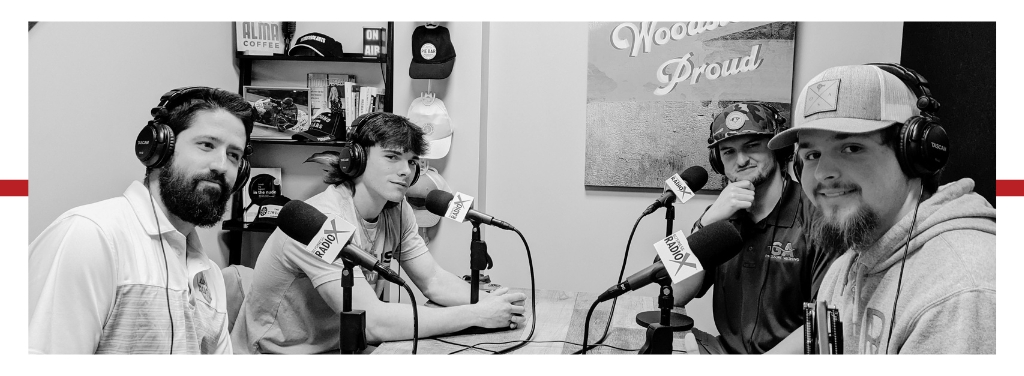
Lindsi-Rian-Creative-logo

Lindsi-Rian-headshotbwLRC was created out of a love for all things creative.

We realize that while everyone wants to have an artistic side, some simply don’t.

That’s where Lindsi Rian comes in! No frills, no BS, what you see is what you get when working with her!

More about Lindsi:

  • Bachelor of Science: Management & Organizational Development
  • Master of Education: Special Education K-12
  • Lindsi Rian Photography Owner 10+ years
  • Creative writer for Cowboy Lifestyle Network

Connect with Lindsi on Facebook and Instagram.

What You’ll Learn in This Episode

  • Writing for an online/print publication
  • Managing a signed recording artist
  • Photography (portraits, families, weddings, concerts)
  • Marketing for small businesses

This transcript is machine transcribed by Sonix

TRANSCRIPT

Intro: [00:00:07] Broadcasting live from the Business RadioX studios in Woodstock, Georgia. It’s time for Cherokee Business Radio. Now here’s your host.

Stone Payton: [00:00:24] Welcome to another exciting and informative edition of Cherokee Business Radio. Stone Payton here with you today. And today’s episode is brought to you in part by the business RadioX Main Street Warriors Program Defending Capitalism, Promoting Small Business and Supporting Our Local Community. For more information, go to Main Street Warriors dot org. Please join me in welcoming to the broadcast with Lindsi Rian Creative the lady herself, Miss Lindsi Rian, how are you?

Lindsi Rian: [00:00:57] I’m good. How are you?

Stone Payton: [00:00:58] I am fabulous. I have really been looking forward to this conversation. We’ve gotten a chance to know each other a little bit over at why power young professionals of Woodstock still not totally convinced why they let me in that group. But I am a little seasoned for the for the label, for that group. But it’s been a marvelous experience. And I really am interested to learn what you’re up to. And maybe that’s a great place to start, is if you could describe for me in our listeners mission purpose, what what are you really out there trying to do for folks?

Lindsi Rian: [00:01:36] Lindsey So I started my own marketing business, God knows how long ago, but it’s kind of really taken off. In the last year or so. I’ve been in the music industry, I’ve been a teacher, I’ve been God, I’ve worked in a max custody prison. I’ve done all kinds of things over the years. I’ve done what But my heart and passion has always been really helping artists because I’m very creative minded. I can’t stop. I don’t stop ever. And so I wanted to pair the marketing with creatives. So what I do is I do web design, I do social media marketing, I do copywriting. I write for two different publications currently covering country music. So I get to interview big names. I get to cover. I’m covering a concert at Exotic Attic for a Nashville artist that’s touring right now on Tomorrow, actually. So I really I understand very much though the whole starving artist thing. And so I wanted to do something to help those people and make it affordable because, you know, especially musicians and a lot of creatives, you can’t write about yourself. You can write the hell of a song, you can do all kinds of things. But doing the business side for yourself is very difficult. And so that’s where I step in.

Stone Payton: [00:03:00] I’ll bet it is What a noble pursuit. It’s got to be incredibly rewarding. What what’s the most fun about it for you?

Lindsi Rian: [00:03:08] I get to travel a lot. I get to meet a lot of really cool people I get to. I have, you know, cell phone numbers of people that are probably have no business having cell phone numbers of. But, you know, it’s just cool getting to know. All kinds of artists and creatives. I mean, obviously for me it’s primarily music, but it’s neat meeting these people and just having a very wide network and a wide net to cast all over the country and then being able to travel and then meet up with these people.

Stone Payton: [00:03:38] So you mentioned the challenge of writing about yourself, which is probably not terribly powerful. So that’s one of the. What are some other challenges or hurdles that you find that creatives in music and in other domains have? Is it maybe they don’t have much exposure to marketing strategy, they just really been focused on their craft all these years?

Lindsi Rian: [00:04:04] Yeah. A lot of people, they’re focused on their craft so much, but it’s one of those things where like you’re too close to a project and it’s hard to, you know, see past that. Sometimes you just need to step away and let someone else help. You need to be able to delegate that. So, you know, not everybody knows how to make a website.

Stone Payton: [00:04:25] Not everybody knows how I’m raising my hand. I don’t have the first clue.

Lindsi Rian: [00:04:29] So not everyone knows how to do things that will help them gain. I hate the word exposure, but gain the exposure that they want or gain the audiences that they want. They can’t be seen as well if they don’t know how to do these things, if they don’t know how to make content for their social media, if they don’t know how to write a website or make a website, if they don’t know how to write, you know, a bio or write anything really, that has to do with getting their name out there.

Stone Payton: [00:05:00] So tell us a little bit about your writing. That must be a lot of fun. I would find it a little bit intimidating. I don’t find it intimidating anymore after doing it for so long, having a conversation on air, that seems very natural to me. But if I were to sit down and I was about to date myself and say in front of a typewriter, but if I were to sit down in front of a computer, I mean, I’d have like this blank page looking. What is that whole experience like?

Lindsi Rian: [00:05:27] So a lot of times I get pitched artists from various PR companies. Most of them are in Nashville. So I’ll get emails all week long saying, Hey, there’s this up and coming artist, or there’s this well known artist that’s about to release new music. They’re releasing an album, they’re touring, they’re doing X, Y and Z. Would you like to interview them or send us questions that they can answer? I’d much prefer to get on the phone with them and actually have a conversation with them. And I run my interviews like this. It’s kind of a podcast, real conversation. It’s a podcast vibe. I had one guy. He just had like a number one Billboard song and it says first one. And he was like, Oh my God, is this how all interviews go? And I was like, No, they’re not. I was like, I want to you know, I want to be friends with these people. I want to get to know them. I want to just talk to them because they’re a human being with a way cooler, way better paying job than I have. I’m like, I’m not ever going to fangirl over someone. I’m not going to, you know, get goo goo over anyone. But, you know, it’s just it’s fun talking to them. It’s my boyfriend always says I can make friends with a wall.

Stone Payton: [00:06:41] I believe that about you.

Lindsi Rian: [00:06:42] It’s true. I am very, very outgoing to a fault sometimes. But because of that, I can just naturally have conversations with just about anyone. So it’s fun. And then if I get to talk to them directly, I always record our conversation so then I can listen to it and go back and type. That way. I can be present talking to them and I don’t have to think about typing and getting notes down or like making bullet points of things. I say I can go back later and write it down and then if I don’t get in front of them on the phone or whatever, then I’ll have the PR company send them questions that I type up and then they’ll answer those. And I just do research on them through their websites, bios, other articles that have been written, things like that.

Stone Payton: [00:07:29] So you really are only one small step from having a radio show because you could take that recording. Probably don’t even have to clean it up. We do very little editing at our shop because we just captured the real raw conversation for the most part, and then you could distribute it on these platforms. If you ever decided that served you and your clients, you could just turn around and do that. So you don’t really face the whole writer’s block thing, like, Oh my God, I got to write this article.

Lindsi Rian: [00:07:55] I mean, every once in a while we do. There’s definitely been a couple of artists where it’s like pulling teeth to get any information out of them. There was one I so most of my conversations end up being sometimes I’m only allotted a certain amount of time, like 20, 30 minutes. Sometimes they’re like, Hey, just talk. Get off the phone when you want to go have some fun. I’ve had conversations that were 2 hours long with people just because, you know, we’re yeah, just talking and not even talking about music, just talking about life in general, their families, where they’re at, how frustrated we are with the music industry, this and that. But there was one person from the time my phone started ringing to the time I got off the phone. It was 9 minutes long and it was, wow, painful.

Stone Payton: [00:08:41] Like, Yes. No, it doesn’t happen much here, but occasionally we’ll get that.

Lindsi Rian: [00:08:45] Yeah. And I’m just like, Come on, give me something, please. But I’m like, That was a waste of time to even get on the phone. I should have just emailed that person questions and have their how their manager answered or something. I probably would have gotten more information out of it, but yeah, they’ve asked me if I wanted to interview her again and I’m like, sorry, I can’t do an interview with someone that close together, you know, made up some excuse to not get them, get them another. Like I don’t mind writing on them. I just I don’t want to interview them again.

Stone Payton: [00:09:18] But but this kind of just authentic, real world conversation and what I love about it and it sounds like you do too, is you learn so much more about them. And these people have so much, most of them more debt than Brett than you might realize at first. Right. And and you get to learn things about their hobbies and their causes and their family. And it’s it beats the hell out of work and doesn’t it.

Lindsi Rian: [00:09:41] Oh, yeah. Yeah. I quit the 9 to 5 back in January of this year. So I’m almost going on a year of being completely self employed, which is terrifying, not knowing where your next paycheck is going to come from. But you know, it’s a lot less stressful and much more rewarding.

Stone Payton: [00:09:58] So but you still, though, you have a very eclectic, in my mind, an interesting backstory. In your opinion, did some of those experiences help you be more effective at what you’re doing now? Do you ever draw on some of those experiences to to serve the folks you’re serving now?

Lindsi Rian: [00:10:17] Absolutely. My friends joke. I was a special ed teacher for ten years and they’re like, Yeah, that’s why you can handle being friends with us because like, we all need someone to, like, handle us. A lot of them, they’re like, Yeah, you’re our handler. Your mom. Shut up. But yeah, I mean, I have a master’s degree in teaching special ed, and so I tell people that I have a master’s in making people like me because it’s. Dealing with the parents of kids, whether in special ed or like the like a typical kids, You know, it’s a lot. And you have to deal with a lot of very unique personalities. Sometimes they’re great, sometimes they’re not. So because of that, I think it helped me be very well rounded in being able to, like I said, talk to people that are the two hour conversations versus the nine minute conversations.

Stone Payton: [00:11:09] Right.

Lindsi Rian: [00:11:10] I know how to steer things and help that along.

Stone Payton: [00:11:15] Now, in addition, you’ve got a lot of irons in the fire, as my daddy would say. I do. So in addition to some of the things you’ve already described, you personally manage a signed recording artist. That’s all. That’s a job right there, right?

Lindsi Rian: [00:11:28] Yes, it is. So I manage a signed country recording artist, Trey Odom. I the booking, the management, the PR, the I’m a photographer as well. So I do all this concert photography. I do. I did we did a photoshoot for him last night at like 9:00 at night. You know, there’s a little bit of everything and you everything but perform, which I say I could do that to you outside. I sing. I don’t play any instruments, but.

Stone Payton: [00:11:57] So have you sort of, since you’ve been in this business and you and you have such intimate knowledge and experience around these different domains, the photography and the managing and the booking and the PR. Have you sort of developed the Lindsay method? Do you have some sort of I’m from the training consulting world, so I’m inclined to call it a methodology, right? So discipline, some rigor. So if you meet an up and coming artists and they engage, you have you kind of got the nine step Lindsay Ryan process or.

Lindsi Rian: [00:12:28] You would think but I don’t I, I have what is it fraud syndrome daily I’m like I don’t know how I’m doing this or what I’m doing, but apparently it works and everyone thinks I’m good at it, so I guess I’ll just keep doing what I’m doing. No, I mean, I have in my mind I have. Okay. Like this is where they’re at. This is what I can do to help get them to whatever point they want to be at. Sometimes I can’t help, but I know people who can, so I feel like I’m kind of that middleman for a lot of people. Like I either I have the resources or I know someone who does. Let’s get you to the right people. Let’s figure this out. I love referring people. Like, if I can’t do it, I’m not going to try. I’m not going to fake it. I’m not going to, you know, take someone’s money and be like, Oh, sorry. Like, I tried. Thanks for the 1500 dollars, you know? But yeah, I mean, I have a couple of things. Like I’ve been working on making a booklet of helping people figure out how to purchase their domain names, like their URL, just simple steps, visual steps. And that’s where the teaching comes in is sure being a special ed teacher, I had to be real good at making everything visual. So I make visual, you know, like basically a little magazine pamphlet type of thing. So. K Here’s step one through five of how to do this, Here’s how to do this. And it’s screenshots and pictures and not super wordy. So it’s very cut and dry, very simple. You know, anyone can do it type of thing.

Stone Payton: [00:14:05] So I’m sure that’s incredibly helpful for particularly for people that really are just now trying to get their arms around marketing properly and having a genuine strategy around it. And for whatever my opinion is worth, I think that ethos, that approach of first and foremost, let’s get the client what they need, whether I provide it or not, or whether I’m the right person for that. For example, in our line of work, I feel like we do a pretty good job of this. You know, this is our lane, right? Capturing authentic conversations video is outside of our expertise. You know, there’s the lighting and all the the moving parts and all that stuff. And so we like to team up with best in class people for that. You know, apart from the occasional casual video in studio or something, just to get a little something on social media. But if someone wants to do real video work, you know, we want our real photography work. You know, we want to team up with somebody like you that knows what their knows what they’re doing. And I think my experience has been over the years, when you do that, it still it comes back to you tenfold because you’re getting the client what they need and want, and you build great relationships with other practitioners in the community that you know they are the same way. Hey, we want to really, in our case, a really professionally done, properly managed podcast or radio show. Then, you know, we get the we get the nod. Sounds like that’s your experience, too.

Lindsi Rian: [00:15:25] Yeah, absolutely. You know, I have an incredible network of people that do a little bit of everything, you know. And then I started out doing photography. I was doing wedding photography like wedding and portraits, seniors, stuff like that. So I got to know a lot of videographers. And, you know, caterers and florists and you you create your network. And I have that, like I said, all over the country, which is great. It’s so nice to be able to like I was texting one of the PR girls in Nashville last night and I was like, Hey, I’m putting together a singer songwriter event here. Do you have the contact information for whoever’s management so I can you know, I know it’s a long shot, but I’m going to try. So it’s nice to be able to have those people to reach out to, even if you just want to bounce ideas off of them, not even necessarily have a client to send them. You just create those relationships and it’s great.

Stone Payton: [00:16:18] So my hat is absolutely off to you or anyone who can organize market execute on an event. I mean, that is the biggest hairiest, scariest thing in the world. And like me, in our line of work, like I’d love to put together a retreat, you know, have, you know, and maybe have all of our client hosts get together and maybe invite a a best selling business author to come in and present and have a chef’s dinner. I’ve got all these, you know, grand ideas, but there is no way under the sun I would ever, ever try that without some professional help. But I mean, this is that’s right in your wheelhouse. That’s part of what you know how to do and probably choose to do with with some of your clients. But. But you enjoy it and you’re good at it, right?

Lindsi Rian: [00:17:07] Yeah, I do. I like I said, I can make friends with the wall. I love talking to people. I love working with people When I’m a hunting widow on and off throughout the season. Like I hate it because I’m at home by myself. And I was like, All right, my mind goes crazy. I start, like, figuring out more projects that I could do that I probably have no business doing because I already have a full plate. But, you know, it’s. It’s just how my personality is. I just love people, love being around people of any walk of life, you know?

Stone Payton: [00:17:40] Yeah.

Lindsi Rian: [00:17:40] And that’s kind of probably where my partly where my love of working with kids and doing special needs comes from is because of that. So.

Stone Payton: [00:17:50] So do you have a specific cause or two or kind of general area that’s really dear to you that you try to spend time or money? And for me, it’s young entrepreneurs. That’s the. And then we were talking before we come on air, I enjoy hunting. I know you you you said hunting widow, but you enjoy being out in the woods and hunting some some to do. So. For me, though, it’s young entrepreneurs and more recently helping young kids kind of get introduced to hunting and fishing. But yeah, you have.

Lindsi Rian: [00:18:21] Yeah, I have got I have a couple of them. So I’m working with a nonprofit called The Dude 21 Foundation. They’re out of Swanee. It’s I met this girl at a show at a gig over at a brewery in Still Fire brewing in Swanee. She tragically lost her husband about a year after they got married in a boating accident and he was a firefighter. And so she created the Dude 21 Foundation in his honor. And they raise money to help first responder widows and families of those that have been lost. And then they also raise money to help further the careers of first responders. So if you’re a firefighter and you need to get your EMT cert, you have to pay to, you know, go through the courses and things like that. So that’s what they raise money for. So I’m partnered with them. I’m going to be helping them put together Music Festival to raise money, hopefully in the next year or two. We’re already brainstorming it and trying to get that going. So if anyone wants to help with that, let me know. But yeah, so there’s that. I have family members that have muscular dystrophy. I have multiple family members that have M.D. So I’ve partnered I actually worked with the Muscular Dystrophy Association for two years, so I’ve worked with them doing, you know, fill the boot with, again, the firefighters and a little bit of everything. And I would love to help get kids, kids with special needs out into the wilderness, hunting, hiking, four wheeling, you know, doing things like that as well. So, again, a lot of ions.

Stone Payton: [00:19:57] So have you had the benefit of one or more mentors, particularly as you transitioned out of some of the other work into this work that sort of helped you navigate this this terrain? Some folks that have helped kind of show you the way along the way?

Lindsi Rian: [00:20:14] Not really. It’s definitely been a trial by error. And I’m let’s just do it. And if it doesn’t work, it doesn’t work. If it does, great, you know, not necessarily mentor, but like, again, that network of people, I have friends that, you know, will pitch in with ideas or brainstorming or whatnot. I have a friend I’m working with right now. She’s a social media influencer for bourbon.

Stone Payton: [00:20:44] Oh, baby, that’s a friend I’d like to have. And I like my bourbon.

Lindsi Rian: [00:20:47] So I’m working with her on some stuff right now and, you know, and like, we just bounce ideas off each other of what we can do and help each other out and, you know. You can’t think of all the ideas yourself, and sometimes someone else is nowhere near your wheelhouse will come up with something. You’re like, Oh, why didn’t I think of that? Like, that’s brilliant. So sometimes again, you just need to step away from the project and, you know, let Sunshine come in from a different area.

Stone Payton: [00:21:15] Well, no, it’s an interesting point because even way back in the in the merger acquisition change management world, that that I was in, we would find that like if two medical companies merged, they had more challenges than if like I’m making this up. But if a medical company in a surfboard company merged, it was like a richer, easier transition because they each came with her. And and so yes, I think some of the best thinking is is comes from somebody completely out of your domain because they see things in a different light. Right. Right. No, it’s an excellent point. So you work diligently on the on the sales and marketing for your clients. How does the whole sales and marketing thing work for you? How do you attract new clients for for your business?

Lindsi Rian: [00:22:04] Um, not once, not in my photography, not in anything have I ever advertised. It’s always been word of mouth. You know, I have an amazing close knit group of friends of one of them texted me yesterday and he’s like, Oh, hey, my chiropractor needs a new website. I sent her your phone number, you know, things like that. And one of our best friends in Arizona is a 25 year old luthier. So he builds guitars.

Stone Payton: [00:22:30] He’s that’s what you call someone who builds guitars, a luthier luthier.

Lindsi Rian: [00:22:33] Yeah. He went to school specifically to, like, learn the woods, learn how to, like, manage them, learn how they how the softness, the hardness, you know, things like that, what works best with tone and resonant, all that. So he’s 25 years old, has guitars on tour with Kane Brown, Thomas Wright. He’s built two guitars for Jeff Cinco of Simple Plan. You know, like, this kid is phenomenal, right? But he works closely with a guitar company out of Colorado and they need a new website and branding redone everything. So he sent them my name and now I’m working with a guitar shop out of Colorado. So sweet again, it’s all word of mouth. It’s all like everyone has their own network and it’s great to be able to reach out. I’m huge. On community over competition. There’s more than enough work to go around for everyone. I know photographers. It’s a super saturated market in any city you’re in and I mean they’re grief going jerky connect. Someone says, Hey, need a photographer and all of a sudden 5 minutes later there’s 143 comments of people saying this person almost never is. It doubled up on names. So, you know, there’s. How many people in Woodstock are Cherokee County alone? You know.

Stone Payton: [00:23:50] Right.

Lindsi Rian: [00:23:51] Not everybody is going to love the style of someone that was referred to you. So then you go to the next person. You know, there’s plenty of work in every market for everybody, and there’s no point in fighting over it.

Stone Payton: [00:24:04] So as some of our listeners know and you will know, I’m coming out of a wedding, we just married off my oldest and we loved the photographer down there in Orange Beach. But that is such an important component, not only day of, you know, that’s an important part of the experience, I guess, but then the product that we’re going to get after that, I mean, that is so important and that’s something that you do wedding photography to do you. Yeah.

Lindsi Rian: [00:24:31] Yeah. Again, we’re.

Stone Payton: [00:24:33] Not applying the type.

Lindsi Rian: [00:24:34] I don’t advertise it. And that’s the thing. Like, I don’t do everything every single day. I know that’s what literally everybody, they’re like, What do you do? I was like, What do I don’t do? That list is much shorter if you like. But yeah, it’s not like I’m not photographing every single day. I’m not editing pictures every single day. I’m not working on a website every single day. It’s kind of a hit or miss what I’m doing. Any given day, I wake up, I don’t know what I’m going to do on a given day. It’s kind of whatever I feel like. Like I tell people I put the pro and procrastinate. It’s it’s a problem and it’s fine. I know it’s a problem, but I work better under pressure like that if I know I have a deadline, for example, in college. I’m a writer, so, like, I can write the hell of a paper. There were nights where I would start a 14 page paper at 6 p.m. when it was due at 1158 the same.

Stone Payton: [00:25:32] Night in my.

Lindsi Rian: [00:25:33] But I would get an A on it. So like and I had known about it for a month.

Stone Payton: [00:25:37] So that kind of you’re one of those you kind of get the juice with the deadline getting close to the deadline really gives you the juice, doesn’t it?

Lindsi Rian: [00:25:44] It does. And again, it’s a problem. But because then I mean, then it’s like, oh, crap. Like, I really wanted to do this today, but now I can’t because I have to sit down and, like, work out everything that I have to get done to day no later than to day. But, you know, I’ve tried to get better at it over the years, you know, whether it was Oh, man, what was it? Progress reports When teaching were the bane of my existence, I would be that teacher that they’re like, Oh, yeah, you guys can leave early if you want. As soon as you get all your work done. And I’d be that teacher that staying 2 hours later than I had to because I just didn’t get my stuff done. But I still got it done before I had to. It’s like. Especially if it’s something I don’t want to do and I know I have to. That’s when it’s really bad.

Stone Payton: [00:26:38] So how do you recharge? Like when when the batteries are running a little bit low? Where do you go? And I don’t necessarily mean a physical place, although it might be for you to get know, just sort of for the inspiration, just to chill out and then be prepared to get back out there in the world and serve some more. What does the trick for you?

Lindsi Rian: [00:26:57] So I’m everyone jokes, I’m Pacific Islander and so everyone’s like, all right, so you’re naturally drawn to water like you are? Moana I was like, Yeah, basically. So I love paddleboarding. I love. Well, when I lived in California, I surfed. You know, there’s lots of things put me near water and I’m happy if I’m hiking near water in the bamboo forest over in Atlanta of your next to the river. If I’m, you know, sitting on an inner tube and floating the river, if I’m paddleboarding, if I’m swimming, I don’t care what it is. But if I’m near water, like, that’s my happy place.

Stone Payton: [00:27:30] So do you find. I certainly do that It’s important to me to to give myself that space and I probably give myself more than I should. But I like to hunt and fish. I like to be on the water. I grew up on the Gulf Coast, but when the entrepreneurs ask me and they do occasionally, especially kind of budding entrepreneurs, startup folks, I tell them, you got to give yourself that space to to it sounds like it’s important to you.

Lindsi Rian: [00:27:53] To It is. And it’s. Unfortunately, it’s not one of those things that I think to put first. But, you know, I’ll hit that tipping point where it’s like, all right, I mentally cannot do this anymore. And I’m like, all right, let’s let’s go outside. Like you get away from the computer, get away. And I’ll work outside to I mean, that helps as well. Like, I’ll just if it’s nice out, I’ll bring my computer out on my back deck, just sit at the table and work outside. But, you know, being under fluorescent lights and surrounded by four walls.

Stone Payton: [00:28:29] Right.

Lindsi Rian: [00:28:29] Not my thing. But I also hate it when it’s cold. Like today. It’s. I mean, we have snow in the forecast coming up.

Stone Payton: [00:28:37] So really? Really. I should be in a tree stand right now.

Lindsi Rian: [00:28:40] I know.

Stone Payton: [00:28:40] But with today’s technology, you can actually kind of check your email on the tree stand. And if it’s a really important critical thing, you know, you can shoot them. And I think people are a little more, I don’t know, more. There seemed to be understanding of, I’ll shoot em a note. Hey, in a tree stand right now. But I’ll you know, I’ll get back to you when I get back to the office. They’re like, Yeah, that’s cool.

Lindsi Rian: [00:29:01] Yeah, I actually did that right before I harvested my dear. A couple of weeks ago, I was texting a friend that I helped with marketing for his small business here in Woodstock, and he’s like, Hey, can we, you know, talk about X, Y and Z? And I’m like, Cool. Give me like four days when I’m not hunting and I have better cell phone reception. But, you know, sometimes I will. I’ll work on booking, I’ll work on doing whatever, you know. And I feel like I’m always on my phone and I feel bad, but we’ll be sitting on the couch. My boyfriend’s like, What are you doing? He’s all, put the phone down. I’m like, I’m working for you. Stop it.

Stone Payton: [00:29:38] And I don’t know if the tree stand message would play in Manhattan, but here in Cherokee County, it’s not a problem. It’s like, Oh, man, sorry to bother you. Good luck.

Lindsi Rian: [00:29:48] There. Like, let me know if you get anything. Oh, what caliber are you using?

Stone Payton: [00:29:51] All right. Okay. Before we wrap, I’d love to leave our artist and all of those domains that you serve with a couple of pro tips, maybe some things to be thinking about, some things to be doing, not doing. I mean, number one, pro tip gang. Reach out to Lindsey, have a conversation with her. She can help you. She will. If not, she’ll get you pointed in the right direction. But yeah, let’s give them a little something that they can kind of sink their teeth into at least begin thinking about here before we wrap some pro tips. Yeah.

Lindsi Rian: [00:30:22] My number one pet peeve that I tell everyone, and this is not just because I was an English teacher, it’s check your freaking grammar and you’re spelling on even your captions, your social media stories, whatever you are doing, like. Don’t don’t act like you’re texting somebody. Don’t put your as you are like the letters.

Stone Payton: [00:30:46] You are. Right.

Lindsi Rian: [00:30:47] Right. Make sure you’re using the right there. They’re there or you’re in your you know, check your grammar because nobody wants to work with somebody that can’t speak proper English even in typing, you know. So that’s always my biggest thing. I’m like, hey, like, come on, I get the occasional typo, but if it’s a regular thing, there’s a problem. You know, check that visuals. People are very, very visual. So, you know. As much as I hate it, you know, social media people want to see your lifestyle. They don’t always want to just see your work. They want to know that you’re a real person as well. So that’s a big thing to share your dogs share. You know, kids are one of those kind of iffy things, just as, you know, safety reasons. But, you know, share don’t share your meals. Just don’t. But, you know, share that. Oh, I was I you know, I was at Rootstock tonight and the service was amazing. The music was amazing. You know, share the people, share the company and share the products that you love. And, you know, blast that out because. Not only is that helping you, but that’s helping the other people as well. It’s not helping everybody. It’s not all about you. Like, even your brand is not all about you. It’s about the things that you love, that you care for, that you’re passionate about. So share those things. You know, like I share my friend’s guitars, I share my buddy owns Uncle Whiskey. I share his his products. I share, you know, a little bit of everything because nobody I had someone once told me, they’re like, yeah, you know, I love you, but I unfriended you because I was tired of your music propaganda. I was like, First of all, it’s not propaganda. Like, let’s check definitions here. Second of all, you know, I’m passionate about it. Sorry. Like, but I get it. Like, nobody wants to see, like, Hey, I’m at this show or I’m at that concert or I’m doing this all the time. They want to see that there’s other things that are important to you.

Stone Payton: [00:32:45] Yeah. So, so what stood out for me and those are some fabulous tips, but did you say Uncle Whiskey? So you got to tell me something about. I’m a whiskey lover. It’s one of those things, you know. Tell me about Uncle Whiskey real quick.

Lindsi Rian: [00:32:57] So we joke. We’re like whiskey Not included. But he does. He sells aging barrels and drinkware. He also makes, like, the bars out of whiskey barrels. He has full on chess tables made out of whiskey barrels, kind of, you know, like home decor, drinkware, things like that. Again, those aging barrels, you can pour any liquor into it. They’re charred inside, so you can age your own alcohols.

Stone Payton: [00:33:24] What a great gift, though, for, like all my friends are like whiskey or most of my friends enjoy whiskey as well.

Lindsi Rian: [00:33:30] And he’s local here in Woodstock too. So.

Stone Payton: [00:33:32] So I mentioned Main Street Warriors at the top of the program. But today’s episode is also brought to you in part by Uncle Whiskey. Oh, that is fantastic. All right. What’s the best way for our listeners to to connect with you and just want to make it super easy for them? And I’m operating under the impression you just seem like the kind of person you’re happy to set up a conversation and have a visit with them if you can, you will. Or yeah, what’s the best way?

Lindsi Rian: [00:33:58] Yeah, I mean, if you’re local, let’s get together, Let’s go to Alma Coffee, let’s go to reformation. Let’s grab a beer, let’s grab a coffee, Let’s sit down and talk. If you are not local or you’re not into, you know, just grabbing a drink with a random person, then you know, you can Best way is on Find me on social media. It’s at Lindsay Ryan creative but Lindsay Ryan is spelled with all eyes so it’s Lindsay Ryan creative that’s also my website Lindsay Ryan creative dot com.

Stone Payton: [00:34:30] Well Lindsay it has been an absolute delight having you in the studio here this morning and I hope you’ll come back. I think we ought to do this periodically. We’ll get caught up on some of your works and it might even be fun to bring a local client in. We’ll talk about their business, talk about your work together. But this is a what, a terrific way to invest a Tuesday morning.

Lindsi Rian: [00:34:51] Thank you. Absolutely.

Stone Payton: [00:34:53] All right. This is Stone Payton for our guest today, Lindsay Ryan with Lindsay Ryan, creative and everyone here at the business radio x family saying we’ll see you next time on Cherokee business radio.


Tagged With: Lindsi Rian Creative

Chad Blake with Angel Auctions, Photographer Anne Say and Anna Boulier with Owl Simply Designs

December 13, 2022 by angishields

CharitableGA120922pic1
Charitable Georgia
Chad Blake with Angel Auctions, Photographer Anne Say and Anna Boulier with Owl Simply Designs
Loading
00:00 /
RSS Feed
Share
Link
Embed

Download file

Charitable-Georgia-Top-Image

Chad-Blake-headshotChad Blake started Angel Auctions because he has a passion to help others. Plus, he gets to incorporate his passion for sports and memorabilia, while giving back to his community.

Blake holds a BA in Management with an emphasis in Entrepreneurship/Small Business from Georgia Southern University. Although, he continued to do a lot of charity work in college, his middle and high school years are where his charity and non-profit work truly started.

Blake started by working with many different charities, such as: Fellowship of Christian Athletes (FCA), Special Olympics Atlanta, Retirement and Assisted Living Facilities, and his church. he understood the importance of fundraising and immediately took charge to raise funds and equipment for his football, volleyball, and baseball teams.

By using his contacts and ideas from his many years of experience in Management, Real Estate, Insurance, and Charity Work, it has helped form what Angel Auctions is today. On a personal note, Blake works hard every day to take care of his amazing children: Landon, Ella, and Easton, who he has been collecting auction items with for the past 20 years.

EXPERIENCES FOUNDATION will offer, just that, an experience that will be open for all individuals and/or their families who have suffered a tough break in life.  After dealing with our own personal experiences, from losing family and friends to cancer and suicide, plus dealing with death, and children’s illnesses, we decided it is our mission to help those that have dealt with similar situations.

Whether it is bringing them to a day at the ball field or spending a day with their someone that works in their dream profession.  We look forward to offering many different events and programs while helping those we know in our circle of friends or those that are recommended through other community non-profits.  We like to think of ourselves as a mini Make-A-Wish meets Big Brothers, Big Sisters!

Connect with Chad on LinkedIn.

Anne-Say-headshot-bwAnne Say is a Chief Visual Storyteller, photographer, author, and friend. She’s half introvert-half extrovert. It can be exhausting, but coffee helps.

People know her as that go-to person for solutions when they’re stuck in life, work, or identity.

Anne married an Englishman, and they are communication evangelists. They love to adventure and explore the community and the world, especially in their tiny RV home.

It helps with work/life balance.

Connect with Anne on LinkedIn.

Owl Simply Design’s goal is to help people take their ideas to the next level, whether a side gig growing to a full-time business, a small business rebranding to grow into a larger business, or an author wanting to reach readers through their writings.

Anna-Christine-Boulier-bwv21

Anna Christine Boulier is an author, storyteller, creative designer, professional organizer, and aging-in-place specialist – just to name a few titles. Born and raised in Cartersville, she moved back in 2013 after earning two BA degrees in Studio Art (Agnes Scott College) and Interior Design (Georgia State).

In 2022, she started her own graphic design/organizing business, Owl Simpy Design with the goal to use her creativity and passion to design, educate, and coach authors, business owners, and the disorganized to embrace beautiful design and organization in their world.

In her spare time (which she has so much of) she writes novels for two different genres. She has published 7 novels, working on her eighth to be published in the Spring of 2023.

Connect with Anna on LinkedIn.

This transcript is machine transcribed by Sonix

TRANSCRIPT

Intro: [00:00:07] Broadcasting live from the Business RadioX studios in Atlanta. It’s time for charitable Georgia, brought to you by Bea’s charitable pursuits and resources. We put the fun in fundraising. For more information, go to Bee’s charitable pursuits dot com. That’s b e. S charitable pursuits dot com. Now here’s your host, Brian Pruitt.

Brian Pruett: [00:00:45] Good Friday morning to everybody out there in the listening world. I’m your host, Brian Pruett. I’ve got three fabulous folks here for a fabulous Friday morning. We’re going to start with our first guest with Anna Christine Boulier , who is with Al Simply Design, who’s just an incredible designer, incredible person. The object of this show, if you don’t know it’s positive, things happen in your community. So you’ll get to listen over the next several weeks. And however long this goes for people doing positive things in the community. So, Anna, tell me a little bit about Al simply design.

Anna Christine Boulier: [00:01:21] Well, thank you, Brian, for your kind words. I’ll simply design was born out of a love for being creative and wanting to be my own boss. So if I want to take a nap in the middle of the day, I can and I do a little bit of everything. I was always told to finish down and instead I did the complete opposite. I do graphic design, branding design. I help authors brand themselves and publish stuff, publish their books, as well as organizing and helping seniors find if their home is still going to work for them as an aging in place specialist.

Brian Pruett: [00:02:03] Awesome. So what did you do first before you get onto this? What made you decide you wanted to start this new venture?

Anna Christine Boulier: [00:02:09] Well, I started off my degrees are actually in interior architecture and I thought I was going to go into health care design focusing on seniors. And then the market crashed and God laughed and said, Move back to Cartersville. And I went kicking and screaming the entire way. And after two years of taking care of my grandmother before she passed, I got a job as a carpet designer. And I basically designed carpet for hotels and country clubs all over the world. But I designed a lot of ugly carpet. No offense, but it was a lot of ugly carpet. And eventually my heart just wasn’t in it. And then the pandemic hit, and I walked away from my job and decided to do an organizing business in the middle of a pandemic, thinking I’m going to go into people’s homes. God laughed again because he and I do that. And then after pivoting and asking God, okay, what do you want me to do? He said, You love to design design stuff. And so I design stuff and help people, especially small businesses, find a way to look professional on a small business budget.

Brian Pruett: [00:03:30] Awesome. So I have to ask, what is with the owl?

Anna Christine Boulier: [00:03:34] So my great grandmother collected owls. She had this huge bookcase in her house that only my sister and I were allowed to play with. And so they were always like in the background. And when my grandmother passed away, we were having an estate sale and there was this ornate owl lamp sitting there to be sold. And this lady picked it up. And as she picked it up, something welled up inside of me to rip that lamp out of that woman’s hands because it was mine and she couldn’t have it. And thankfully for her safety, she set it back down. And I went over and grabbed it and said, This is mine. And my love of owls began at that moment.

Brian Pruett: [00:04:21] So does that mean anything to do with you didn’t go to Kennesaw State. You’re not a fighting owl. You’re just an owl lover.

Anna Christine Boulier: [00:04:26] Yes, I’m an in the closet owl lover. For a long time I went to Agnes Scott College. We were Scottie dogs and then to Georgia State. I don’t remember what the mascot is for Georgia State. Oh, that’s bad. Are they going to kick me out? The Panthers? Yes. They might take back my degree at this point. I’m sorry. Any Georgia State fans Go Panthers.

Brian Pruett: [00:04:54] So I know just you and I have started working together recently and you have a heart for helping people. And I’ll ask you about that in a second. But the other thing that I want to talk to you about, which is really, really cool, is you’re also an author.

Anna Christine Boulier: [00:05:06] Yes, I am.

Brian Pruett: [00:05:08] And so I want to want you to talk a little bit about the books you’ve written, you the ones you’ve got going on, what’s about ready to come out and why are you doing that?

Anna Christine Boulier: [00:05:16] Oh, I’m an author because apparently I did not speak very much as a child. I was very shy and I stored up those words and they just came out on paper instead when I was taking care of my grandmother after she passed in February, I still didn’t have a job and I was like, Lord, what do I do? And he said, Write a book. And I thought, I’ve got the time. I can do that. So I wrote my first novel in. Nine weeks, it was almost 200,000 words. So I had saved up a lot. And then I spent the next four years editing that novel because it took me a while to. Be able to release it enough to cut outwards that weren’t really needed. You have to lose some of that emotional attachment, especially for a first novel. And then I wrote three more and decided to publish all three within three months. Don’t do that, people. That probably the fifth dumbest thing I’ve done in my life was publishing three novels in three months. And once I wrote that first novel, though, the idea is just came. And so I have two series now. The first is the Gray Series. They are contemporary Christian romance novel set in Cartersville and Marietta. I actually mentioned local places landmarks. And then my second series, I published my first one in 2021. It’s a cozy mystery series, and the second one is supposed to come out in April. It’s written. I just need to edit it, find time in my busy schedule to do that. And I have at least ideas for eight more books for that series.

Brian Pruett: [00:07:02] And how can folks find your books?

Anna Christine Boulier: [00:07:04] I am on Amazon. You can find paperback copies there as well as Kindle books and the Nook. All of those audio visual, audio, visuals, e-books.

Brian Pruett: [00:07:19] E-books. Yeah. All right. Awesome. So I mentioned a little bit ago that you have a heart for helping people. And you and I are partnering up. You’re helping me with a lot of my graphics from our events and everything like that. So I want to thank you for that, first of all. But also, you know, in today’s society, there’s a lot of negative happening and that’s another reason I’m doing this show as part of a more positive out in the world. So why is it important for you, especially even as a small business, and share why other small businesses should be involved with? Not necessarily even just charity events, but just community events. Why is that important?

Anna Christine Boulier: [00:07:53] I think it’s very easy to say, I’m not going to help. It’s too big of a problem or it’s not going to make a difference or it’s going to cost me something. The that’s the easy part. Actually doing something, helping being a positive outlook in the community that takes effort, that takes guts, that takes courage. And I want to be known as a raging, courageous, butt kicking small business ninja warrior. And I think helping people, especially in my community, helps me. If people around me are happy, then that gives me an extra reason to smile. And it’s fun to find the positive in someone and the situation. When you start doing it often enough, it becomes natural and a lot easier. But it takes work to get to that point.

Brian Pruett: [00:08:52] And I think your day goes a lot better. Like you said, it’s it is fun. And when you’re around a lot of fun people, it just can’t help but, you know, have a fun atmosphere. Yeah. So real quick, how can folks get a hold of you if they want to talk to you about doing any kind of branding design or anything of that nature.

Anna Christine Boulier: [00:09:12] So they can reach out on our simply designed, oh well design. No w well, simply designed. And then if you’re interested in my books, my writing website is a, c, a b, o, u, e, r. And I’d love to talk to anybody to see if there’s a way to help them, even if it’s not with me.

Brian Pruett: [00:09:37] Awesome. And do you mind sticking around while we talk to these other two fabulous folks?

Anna Christine Boulier: [00:09:41] I would love.

Brian Pruett: [00:09:41] To. Awesome. Well, thanks for coming. All right. We’re moving on now to miss and say, actually, it was fun the other night. I got or the other day I got sing for a ribbon cutting and I Lionel Richie, say you say me. So I was kind of kind of fun. But and actually she does a lot of things, but she’s known now for being a visual storyteller with her photography. But we’ll get into some of the other folks that she does. But Anne so welcome to the show.

Anne Say: [00:10:07] Thank you.

Brian Pruett: [00:10:08] And you’ve said when we were talking before the show started, you’re fairly new to the area. So tell us where you came from and how you got here.

Anne Say: [00:10:16] Oh, I you know, we we’re going to be a year here next week. It’s very exciting. I can’t believe it’s a year already. But we came from the the outreaches of Cobb County Powder Springs area and just very excited to have some space to spread our wings and grow. And what I like to say, make space for life to happen.

Brian Pruett: [00:10:44] Awesome. So as I mentioned, you do a lot of things. You come from a background of being a special ed teacher, right? You’ve also been a speaker, a faith based speaker. You do some health coaching as well and you do your photography and you’re also an author. So and you have a heart for community and helping people as well. So let me start with your photography because that’s what you really gotten into and that seems to be your your passion and your joy at the moment. How did you go from being a special ed teacher to a speaker and now being a photographer?

Anne Say: [00:11:20] Oh, yeah. That’s a circuitous journey, isn’t it? Yeah. So I was a special ed teacher for 20 years and my 20th year I met my current husband. He had heard me speak, and when we knew we were getting married, he made the comment, You need to stop doing that. That’s not what you’re called to do in this season. And he actually wanted me to retire before we got married, and I refused because I thought, Well, the kids are going to just really push back on that, you know? And as it happened, eight weeks into our marriage, my mother passed away. So I did retire at that point and just kind of took some time to grieve and breathe and adjust to being married and living in this huge house that I now had to clean and and just losing my mom. So it was a big life change for me. And so in that process, I kind of just got to explore at a deeper level who I am and what I really wanted to do, what what made me come alive. And in that journey I had written a list of things dreams, you know, places I wanted to go, people I wanted to see, things I wanted to have. And my husband didn’t realize it. But on that list was a digital camera, because as a single mom, my everything went to the kids. You know, they were the ones getting the cameras and they were the ones, you know, exploring their dreams as it should be. And one day he said to me, Why don’t we get you a digital camera? And he did. And my whole world kind of changed and transformed. And and so I started taking pictures and I just would take pictures of anything and everything. And my camera is like my infant. It goes with me wherever I go. And I try not to leave it places, but it really has opened my eyes to the world to seeing people and things. Behind, as Anna and I were sharing earlier, behind the shiny objects. So it helps me to be present, to look deeper, to see farther, and to see differently.

Brian Pruett: [00:13:40] Awesome. One of the things that Anne talks about is how being able to help you look good. Now she’s taking a lot of pictures of me. Stone But I don’t know that I’m still that Tom Cruise looking in the picture, so I don’t know if we’ve got some work to do with me on that.

Speaker5: [00:13:52] Well, whatever can be done, Miss Anna can.

Chad Blake: [00:13:54] Get it done. I know.

Brian Pruett: [00:13:55] That. Right? So. And you were sharing earlier. There’s not probably a picture that you can’t do or have done. I know you like doing family portraits and headshots and stuff, and you came out and photography or photography. That’s a new word in photo mode. The golf tournament that we did with Mr. Chad over here and we’ll talk to you in a minute and stuff like that. But you were sharing earlier if something that you wanted to do. I think that’s a cool story and kind of funny with your your dog. Sure. Sure. You wanted to be a dog photographer, but share why you’re not doing that.

Anne Say: [00:14:29] Yes. So I love dogs. I don’t currently have a dog. I don’t have any plans to get a dog. But what I like to photograph are scroll stopping images which help entrepreneurs get more traction online and dogs are scroll stoppers. And so I thought, well, this would be a great niche for me. And so I borrowed a friend’s dog and I went over, They have an adorable Boston terrier that, you know, I’m at their house and the dog’s sweet. She likes to, you know, be with people. I thought, this is going to be a piece of cake. So I sat down on the floor and put my camera up to my eye and the dog leaped. I’m sure it was like 15 feet, landed in front of me, licked my lens and slammed my whole camera into my face, cut my nose. I went home crying with my tail between my legs and thought, Maybe this isn’t the market for me. What I didn’t know was Molly’s pet sitter does that. She gets on the floor and she plays and wrestles with Molly. So when I got on the floor, she thought it was playtime. So I learned my lesson.

Brian Pruett: [00:15:43] There you go. There you go. What kind of photography, if you had to choose one, is your favorite at the moment that you’re doing.

Anne Say: [00:15:50] People. I just I love people, whether it’s entrepreneurs or families. I just I love photographing people. And I think it’s because most of my life I was sort of emotionally disconnected for other reasons. And when that part of my heart got healed and I started connecting with people and actually liking people. So when I photograph people, I like the connection, I like seeing them. I do feel like I make people look good. I’m sorry, Brian. If I’ve let you down, I will work.

Brian Pruett: [00:16:32] I don’t think it’s you. It’s. I’m sure it’s the person you’re taking the picture of. So.

Anne Say: [00:16:38] So I really you know, if it’s people I love, I’m involved with a photo group out of Rome, Georgia. And when we take photo walks each month, and no matter where we are or whether it’s Jackson Hill or, you know, walking downtown on the river, I am more inclined to photograph them taking pictures than I am of what we’re supposed to be taking pictures of. And and I love the story. I think that’s why I’m I call myself a visual storyteller because I love the story that pictures can speak to.

Brian Pruett: [00:17:14] Awesome. So I’m assuming this time of year you’re also doing some family portraits for Christmas cards and things of that nature. Yeah. Do you have anything special that you’re doing for that that you can let people know about?

Anne Say: [00:17:25] I do. I actually have two spaces left the week before Christmas for family sessions, and other than that, I’m booked up for the month. So if you’re in North Georgia, give me a shout.

Brian Pruett: [00:17:39] Awesome. Well, let people know how they do that here in a minute. But a couple other things I want to touch on. The other thing I didn’t mention earlier is you’re also an artist. You do have some canvas paintings and and things of that nature as well, right?

Anne Say: [00:17:51] You did not tell me we were going to go there.

Brian Pruett: [00:17:54] Surprise.

Anne Say: [00:17:56] I have. Yeah. That’s actually how Anna and I met was in an art over art. Yeah.

Brian Pruett: [00:18:03] Awesome. The other really cool thing that I want to talk about is again, you’re also an author, but I think it’s really cool that you’ve written some children’s books and you’ve written them with your granddaughter. And first of all, how old is your granddaughter?

Anne Say: [00:18:14] She’s currently nine. She was five when we published our first one and six with the second one.

Brian Pruett: [00:18:20] That’s awesome. So can you share how that process worked and how you got her involved in doing the books?

Anne Say: [00:18:25] Yes, my that particular set of grandchildren has no screen time, so books are their life 24 seven play and imaginative play. And so when I decided I wanted to write a children’s book and I’m looking at the blank screen thinking, I don’t know how to do this, I thought, Well, I’ll just call her. And so I called her up and I said, Would you like to write a story with me? Me? And she said, Yes. And I said, What should it be about? She said, Pirates, which interestingly enough, when you look on Amazon, pirates are like top of the list for kids books. So they’re very popular. So out of my mouth comes this suggested title. How about we write about the peculiar Pirates of Okefenokee? And she loved it. So I asked her some questions. You know, who are the main characters? What’s the big problem? How does the big problem get solved? And she answered them brilliantly. There’s five kid pirates. The boys, every time they fight and get angry, they turn into crocodiles and the girls help them find their way back. So I’m thinking this whole story is, you know, girls rule, boys rule, you know, we’re going to do this. And so I sent her some more questions, you know, a little bit more about the kids and what makes them laugh and what’s in their book bags and tell me about their families.

Anne Say: [00:19:48] And and then I typed it because she would tell you she wrote it. I just typed it. So I typed it out. It was a lot of fun. I got a friend to to do the artwork and and we really enjoyed that. And then I, I was on the phone with her and we were celebrating the sales and some things that were happening. And my daughter said to her, Why don’t you tell me, me your inspiration for the book? And I said, Inspiration, You’re five and she’s a good little girl. And she sat in her chair and she sat up straight and tall and she looked at the face time screen and she recited a scripture verse. And that verse says, Be kind and compassionate to one another, forgiving each other as God has forgiven you in Christ Jesus. And then she gave the reference and I said, Oh, my goodness. I mean, she was brilliant. She knew how to take a truth and transform it into a story. And then the next. Last year, we published a second one. The peculiar Pirates have a talent show.

Brian Pruett: [00:20:54] Oh, that’s awesome. That just goes to show you. First of all, I love it when kids put you and teach you things.

Speaker5: [00:21:02] And it happens a lot more than I ever would have anticipated.

Brian Pruett: [00:21:05] Yeah, right. So that’s that’s really awesome. Do you have any other plans to do any any other books with her?

Anne Say: [00:21:12] We are we’re talking about a chapter book where each chapter is like a different perspective on the story.

Brian Pruett: [00:21:20] Awesome. One last thing we’ll touch on. We mentioned it briefly, but you also are a health coach. Coach, You like helping people kind of feel better. Touch on that just for a minute.

Anne Say: [00:21:30] Well, I was struggling in my own health for years, not sleeping well, gaining weight. Instead of losing, I could think about food and gain a couple pounds and I found low glycemic meal plans, which are easy to do. They kind of work with your body instead of making a diet approach, really kind of changing how you think about food and. And I lost £30 in three months and started sleeping through the night. I think on night four, it really changed my life. But what it really did transformational was made me aware of of unhealthy relationships I had with food and how I use food as a coping when I’m overwhelmed and just continue to let that part of my heart heal. So I like helping other people. I like including their health in the way they in that.

Brian Pruett: [00:22:30] Awesome. So we just talked with Anne about a lot of things that she does for folks. Why is it important to you to be involved in the community and helping others?

Anne Say: [00:22:41] The biggest reason why it’s important to me is, as I mentioned, I was so emotionally disconnected for decades. And you really you can’t live a thriving life apart from community. And the freedom that I have found in finding passions, finding the joy in relationships, I want to give back and help others. And I feel like at the grassroots level, in local community is the way to do that.

Brian Pruett: [00:23:11] Awesome. So if folks want to get a hold of you about any of the things that you can do for them, whether it’s art, whether it’s photography, whether it’s the health. How can they do that?

Anne Say: [00:23:21] I hang out on Facebook and Instagram predominantly, so my name makes it really easy. And B say. Or simply an say is really the best way to reach me. But if you’re looking for photography and say photography dot com is where I hang out with my pictures.

Brian Pruett: [00:23:43] And where can they find your your books.

Anne Say: [00:23:45] On Amazon. Yep. Awesome. And be safe.

Brian Pruett: [00:23:49] Awesome. Well and thank you for for being here as well and everything that you do do you mind hanging out while we talk to this this next fellow?

Anne Say: [00:23:55] I’d be glad to.

Brian Pruett: [00:23:56] All right. So my next guest is Chad Blake. Chad and I’ve known each other for can you believe it’s been almost 15 years? Yeah. But that could be good or bad. I mean, depending on how you look at it. So.

Chad Blake: [00:24:07] Yeah, it has its moments.

Brian Pruett: [00:24:09] Right, Right. So real quick, Chad and I met I was working for a little sports marketing company called Score Atlanta, and Chad was helping with a big Toys for Tots event that they do this this group put on every year. And so we got involved, and that’s how Chad and I met. So Chad is another person who just really loves getting involved in the community and helping others. And he does that several different ways. But two of the ways that I want to touch on, first of all, is your angel auctions. You know, you you provide nonprofits with this other way for helping raise money. And just first of all, share what Angel Auctions does specifically and then how you got really involved doing that.

Chad Blake: [00:24:59] Yeah, I appreciate it, Brian. First off, two amazing women that came before me so thinks you guys are involved with. I just I got up and showered this morning. I felt like that was an acknowledgment.

Brian Pruett: [00:25:11] We appreciate that too.

Chad Blake: [00:25:12] Yeah. I mean, you know, smaller room in here.

Anne Say: [00:25:15] You know, we’re grateful.

Chad Blake: [00:25:16] Yeah, absolutely. You know, one of the things and it has been it’s been almost 20 years since I started this, at least on a part time basis. And it just it came from a passion that I was fortunate enough that my parents started me with special needs and Special Olympics and really being inclusive before it was kind of popular, whether it was individuals through the church, everybody, you know, just because they were different didn’t mean that there was something necessarily wrong with them. And that was something that was instilled in me from a young age. So working with nonprofits was something I always loved doing. I did a lot in my high school with our church and our outreach outreach, whether it was up in the mountains, helping build homes up there, underneath homes with rocks and stones on the side of a mountain is a little scary thinking about it now when I was 15 to 16, But even on to college, I did a program called Best Buddies, which was helping special needs. Still one of my favorite charities. I actually just got a couple of shirts to the kids to help support their efforts, but it’s just it kind of spawned. Right after I graduated college, 911 happened, so it was not the best time to be going into the market, especially building secondary homes. I come from a real estate construction background. It’s something my father was always real big and helping Habitat for Humanity and stuff like that. So it was kind of an easy transition to help on the side. But finally, when the market crashed again, you know, sometimes it just happens and you know, it’s out of your control.

Chad Blake: [00:26:57] I saw somebody was helping charities. He actually owned a card shop, which is far and few between nowadays. And I kind of saw an opening to help with charity events and work with nonprofits as well. I love sports. One of the Falcons we were actually helping build for, she kind of opened my eyes, Hey, I know you like sports. Do you have something? Maybe you can help us add to it? I said, Yeah, we can do something. And I kind of saw there was a market there. Nobody was actually doing the true fundraising. In fact, nobody but us. The range of auctions is specifically just for fundraising. I don’t have a store. We don’t sell anything outright except for maybe helping with a gift or two. You can look at my garage and my basement and you can see exactly where everything is. The wife doesn’t always like it, but, you know, it’s something that I’ve created a big passion for and it’s been awesome. The way it’s expanded. My biggest client is actually turned into the Braze foundation. We do about 40 events a year with them through the Gwinnett Stripers run Braves other events that they have, plus different nonprofits, whether it’s a small nonprofit around town. We just helped an individual and I know we’re going to get experiences to. They had ALS and unfortunately he’s going downhill fast and it was something that we brought him to Georgia game. Then we did an auction for him with the polar bear plunge and that was a local thing and we were able to raise about 1500 dollars for the family. And and that’s huge for something like that.

Chad Blake: [00:28:38] You know, they just got helped with the wheelchair, motorized wheelchair. They just got a vehicle donated. It’s going to help create some of the expenses there that they’ve had. And so whether it’s small, whether it’s a big group like the Braves or, you know, a lot of the various cancer charities that we help with. You know, it’s if it’s a good cause, I always say we’re going to do our best to help out. We do provide free auction items for the nonprofits. We bring everything out, we from bedsheets. And it’s a lot of sports stuff. Sports and experiences are always some of the most popular. We’ll have tickets depending on the time of year as well that we auction off jewelry. Nothing too crazy. We’re in Georgia, not New York. So a lot of our stuff, the majority of our stuff starts under $100 with the bid. So it’s something that everybody can bid on. We also do fossils and relics and really just anything you can’t walk into Wal Mart and find. So it’s unique stuff this time of year and of our auctions. It’s a lot of Christmas gifts, which is always kind of fun. You know it’s again, it’s stuff that they usually can’t get their hands on. The autographs are getting harder and harder and harder to get. So, you know, I’m able through some of my sources, sometimes I stay in the line like everybody else or raise season ticket holders and, you know, had to pay for the autographs there, too. But, you know, it’s something that I love doing. It keeps me around sports, keeps me around people and, you know, helping a good cause.

Brian Pruett: [00:30:09] So over what you said, almost 20 years doing the auctions, right?

Chad Blake: [00:30:13] Correct.

Brian Pruett: [00:30:14] How many nonprofits do you think you’ve worked with in that time period?

Chad Blake: [00:30:19] Last count was just over 500.

Brian Pruett: [00:30:22] Awesome. So so because of that, you decided in 2017, I believe that because of doing this, you had an idea that starts your own nonprofit. I know we talked a little bit this when we were on Stones Show back in September, but share about Experiences Foundation, why you started it and what you do.

Chad Blake: [00:30:47] Yeah, it was something that we officially, I guess got our 501c3 in 2018. Which I highly recommend if anybody starting a nonprofit use a nonprofit attorney that costs about $400 or the best $400 I ever spent, I filled out two pages. They handled the rest, and we got our number back in six weeks, which is great to give people for write offs. And it was just one of those things that we had been doing it. Another nonprofit that kind of sparked this idea of helping with Experiences Foundation or her quote. I said, What’s your goal? She said that I don’t come out of pocket any more from personal. And I was like, You know what? That’s because we were spending a lot of money out of our own pocket, which is great. But I wanted to be able to do more. And so we came up with the idea a couple of different things that happened with my family and friends that spawned the idea. In fact, one of them is so crazy we could spend an hour. You may just have to bring her on. She’s out of Alabama and the craziness of her family. But long story short, we brought her and her three kids to a game and I went down. I was getting the kid some swag and came back up and she’s crying. And my wife and I’m looking at her going, What did you do? And, you know, she was she said, this is the first time that I felt safe.

Chad Blake: [00:32:17] And there’s a big background I don’t want to get into. I mean, she is seriously going to write a book, but her husband was had gone a little crazy and she was kind of on the run and had two different Facebooks. So it was again, it’s a much bigger story, but it was the first time that she really felt that they were safe. Her kids were having fun. They didn’t have to worry about anything. And it was that idea of creating that experience to just take somebody’s mind off, even if it’s just for a day. You know, I’ve always said whether it’s we bring them fishing, we did one the mom was going through, Dad went back there. A Hispanic family went back to Mexico to work there, ironically, and she was left. She had cancer and was raised in three kids on her own. All she wanted to do was go bowling with their family. So that was an easy thing. When problem starters and strikes had a great day up there, had fun doing that. So sometimes our experiences are small like that, sometimes like the one we did with the ALS family. You know, that was something that was brought to me through actually my ex. So we’re not always on the greatest of terms, but this has actually been a good thing and it was something I worked with UGA and we do actually auctions for them and their baseball program as well.

Chad Blake: [00:33:36] But I was able to get in, They were able to get us on the field before the game. You know, he’s in a wheelchair, so to get down there and he is a huge Dogs fan, whether you agree with it or not. But you know, they’re having an awesome season. We got him there for the Georgia Georgia Tech game and he was on the field and he broke down in tears when the coach came by Kirby Smart and fist bumped them. And it Kirby I’ll give him credit. He spent a couple of seconds the best he could with every single fan on that row. He started crying. The family started crying. I started to tear it up and laugh because I’m like, oh, my gosh, you know, But what if I get happy tears? I’m okay, you know? And then we ended up enjoying the game. And something that was ironic, there was one of the security guys that was there. He’s in a wheelchair as well at a room. And we actually did an experience for him. He lost his father. He was a big Georgia and Braves fan. He works the run Braves. That’s how I connected to him. He was actually working there, that gate. And so we walked in and right next to the the family were at the Griffin family was his best friend. So it was just it was a small world and it was amazing how everything came together.

Brian Pruett: [00:34:47] There’s no such thing as coincidences.

Chad Blake: [00:34:50] It was just but, you know, again, it’s just I had a smile on my face, you know, even though the jackets were getting beat down that day, you know, But it was just such a great, great event, you know, stuff like that. I just I love doing again. It’s something that they’re going to remember for the rest of their lives. I brought over pictures. I had canvases done for them to hang in their family. I brought them to him yesterday, presented him actually with a $500 check from the auction we did as well. And he cried again. And, you know, we all teared up and, you know, had a good laugh about it. But, you know, it’s it’s those things that, you know, he’s got a wonderful family and just love doing it again, whether it’s something small or something big like that. You know, this time of year, we’re helping a lot of families who do a lot of stocking stuffer stuff. Santa For seniors, I always say, you know, a lot of people kind of forget about them. Just all they really want typically stuff to stay warm. So whether it’s socks or blankets, you know, we’re always helping take donations. Again, what we spoke about on our golf turn, it was very successful this year. Teaming up with Asia’s youth home, which is a foster group up in Jasper. But we’re able to raise a lot of money. I set a $1,000 check over to the Birmingham area, and the young lady I was speaking about at the Braves game, and they’re expanding kind of efforts through experiences. They have their own focus that they’re trying to do, but we’re going to help create some Christmas gifts for a few families over there that otherwise wouldn’t have it. So, you know, I was I was thrilled to do that. You know, she’s working on get me pictures and everything. And they got the family. They already know who they’re going to help. So, you know, I always say if we got it, we’ll we’ll do that and we’ll do our best to help out.

Brian Pruett: [00:36:35] That’s awesome. Yeah, we can have a whole show just on some of the other experiences you’ve done. Can you brief? There’s two of that I do want you to highlight as well. Can you briefly talk about the young man did with the Atlanta United as well as the kind of the. The person who kind of kind of puts you over the edge. The young man who was the Braves fan that wound up passing.

Chad Blake: [00:36:55] Oh, okay. Yeah. I mean, obviously, when you’re helping certain causes, you know, the end result is not always the best, you know, And that’s something that’s tough, you know, when you get close to certain people. Fortunately to you know, we have the good outcomes. The Atlanta United game was actually a young man here in Cherokee County. His family were they were missionaries overseas, and he grew up there like he was used to living over there. I can’t remember which it was. It was an Asian country and obviously it was a poor section, but that was his life. He knew it. So coming back to the States for him, even as a citizen, was all treatment for his cancer brain tumor in his head. And he just he hated it. So and everything kind of reminded him. So I actually met his mom and long story short, huge soccer fan. And I was able to get again, it’s it’s getting good connections and to the right people. I was trying to get in with Atlanta United to do something for him. It was actually one of the players I met at the time who passed it on and passed my card on. So, I mean, again, not necessarily a coincidence. You know, sometimes God has his own plan and I was able to get a call from the right person and said, hey, we’re actually doing a group of cancer survivors and young men and women for games specifically.

Chad Blake: [00:38:25] That was what they were doing. And they had a focus up on the big screen. But what they are able to do was they got this young man and I told him, I said, when you come out of this tunnel, you’re going to look up and you’re going to go, Oh, my gosh, this place is huge. And that was the first thing. He looked around and he smiled at me because this place is huge. And I was like I said, yeah, I it’s going to keep filling up. But we were able to get on the field beforehand, literally sit where the players sat while they were warming up. And then he was at the time and I don’t know if it’s happened since, but he was the first non official to flip the coin before a game and he was nervous as all get out. We had to find a coin. Nobody carries change like they used to for him to practice at a time because he was sweating. But long story short, you know, he did it. It was awesome. I mean, it was just a great, great experience. The players came up, talk to him, you know, again, he got swag. Then we got to stay at the game and, you know, watch the game. He is he’s in remission, full remission. He’s graduated high school. Now, the family, funny enough, lives like five, not even 5 minutes away from me now because they got a home close to where we moved a couple of years ago.

Chad Blake: [00:39:36] So, you know, it’s again, when she came out to our first golf tournament and spoke very highly about what we did and that that always makes me feel good because obviously it made an impact. And then one or the others, this one is not necessarily as positive in some ways, but this is one thing that really it breaks my heart talking about it. But it was a young man who was a hard worker, blue collar, lived in a trailer. That’s how he grew up, you know, just straight from high school to working. He ended up in the job that he did, they believe ended up giving him cancer. And it spread completely to his body. He was, I think, late twenties when he was diagnosed and he was brought to Emory because it was the only place that had treatment because he was out of Augusta and they brought him there. Sorry. And it was just we had teamed up with another nonprofit at the time. This is before experiences. And, you know, we took them to the movies one time and literally just walking through the parking lot, his skin was on fire because the sun was out because of the medicine. He was a diehard Braves gang fan, never been to a game. We’re able to bring him. And the other founder of the other nonprofit and his wife to the game gave him a Braves hat.

Chad Blake: [00:41:04] And he wore I mean, every time since then, he actually goes home in remission. And a couple of days later, while I was in Augusta passes out, they rushed him back to Emory. It was really complications from the medicines and everything that he was on had just unfortunately tore up his insides. And he was basically given three days at most. And he laid there. He actually had the hat on the whole time he was in there. My wife took the kids out at the time. They were elementary age and brought them, you know, just helps them buy gifts because just something fun again, take their mind off of what was going on. They never got that experience. You know, as my kids are so spoiled that it’s ridiculous. In fact, they’re not even getting a toy this year because I’m like, y’all have too many you don’t play with. We’re doing experiences through the nonprofit, but, you know, just something they’ll remember, you know, which I think is more meaningful. But, you know, it’s something. You know, the other thing was his mom and dad were there and they didn’t have money to pay for a hotel. And my wife said, You’re not going anywhere. She booked him a hotel right next door. They were able to stay there. Got up the next morning. He passed that morning. And if and if we hadn’t done that with the hotel, they wouldn’t have seen him.

Chad Blake: [00:42:28] And I was in the room there. That was the first time. Really had kind of witnessed something like that. And obviously, that stays with you. But to think back, we stayed in touch with the family. The kids have graduated were always makes me feel old. Well, that is true. You know, the gray and white will tell you that. But yeah, it’s it’s something that spawned again, helped with that idea of sometimes you just do the smallest things. That may not mean a ton at the time, but again, just that stuff that they’ve appreciated. I mean, the kids still remember us, you know. Talk to us again. Social media is great for that kind of stuff. Not for everything, but definitely for that kind of stuff. And keep it up with pictures. And, you know, it’s it’s those two stories are really what started it. And obviously, not all of them were that extreme. But again, it’s we love doing it, you know, and we’re looking forward to now that we’re past the pandemic stuff that we can get out there and do more stuff and, you know, really give back, finally able to get into like the senior centers this year, because obviously that was a big no no before, because half the time they just want somebody to talk to for a couple of minutes. You know, kids sing. We’ve done that in the past, too, and hang out the stocking. So definitely some fun things.

Brian Pruett: [00:43:51] What I think is really cool to with with experiences is you can partner with other nonprofits and help them with experiences, which is which is really cool. Two other things that I’ll touch on real quick that you don’t really promote or advertise very much, but it’s a way you can help other people as well as you’re also a realtor.

Chad Blake: [00:44:09] I am.

Brian Pruett: [00:44:11] And you’re also an ordained minister.

Chad Blake: [00:44:15] Minister Yeah, I’ve married a handful of people. In fact, just did one about a month ago on the lake. And funny enough, I didn’t realize at first, but he was the son again. I knew him when he was an elementary school kid, but he was the son. Now he’s a police officer with a kid and ended up marrying them. But it was the friend of the son of a friend of ours. So, yeah, I mean, it’s, you know, stuff like that. Again, I just love doing, you know.

Brian Pruett: [00:44:47] That’s awesome. So real quick, how can folks how can a nonprofit get a hold of you if you want to talk to you about an auction, how can somebody get ahold of you for an experience? Or if they need a person to officiate a wedding and if they need help getting a house, how can folks get hold of you?

Chad Blake: [00:45:03] Well, maybe I do a lot more of I’m right here with the women. I’ll just have Brian come in here. But now anybody wants a free auction again, they’re 100% free. And we do all the work and just write you a check at the end. But my angel auctions dot com or dot org. And then through experience, experiences foundation, if you have anybody or you’re looking for help, you know, I’d love to talk to you. So whether it’s through again our social media mainly Facebook but you can also find this experience, this foundation dot org and then real estate’s through Blake Realty and Tin Roof Realty here locally. Again, it’s something I love helping people, especially first time buyers or people who are confused. I’ve you know, I’ve been on the mortgage side, the real estate side, you know, even the construction side. So I understand enough probably to be dangerous. But at the same point, I do have the knowledge because if I don’t know it, I’m going to put you to the right people to do. And that’s it’s great to have a team, people that support you like Brian, you know, and I’m sure we’ll do something together too. But you know it’s and then what was oh and anything on angel weddings as well if you need help and you know we do a lot of the kind of quick sometimes it’s just me and the other two people but you know it’s again it’s it’s kind of a way to help and get out there. And I just love to help in the community.

Brian Pruett: [00:46:31] So awesome. I appreciate you being here. So I’m excited because 2023 I do obviously fundraising and I’ve got a lot of events and all three of these folks are partnering with me doing something at the events. So this is pretty exciting. So I don’t know about Houston, but I’m pretty pumped and inspired by the three folks we just talked to.

Speaker5: [00:46:51] Well, so am I. This is a fantastic show. I can’t wait to keep doing this. This is going to be marvelous and I’m looking forward to participating in all these activities that are coming up.

Brian Pruett: [00:47:01] Man. Yeah, it’s, you know, so a lot of exciting guests coming up over the next several episodes. Yeah. Um, but I just appreciate the three of you taking your time this morning to come out, and I look forward to doing stuff with you guys. So all of you out there listening, let’s remember, it’s a fabulous Friday. Go out and be positive and charitable.


Tagged With: Angel Auctions, EXPERIENCES FOUNDATION, Owl Simply Design

How To Sell a Play It Again Sports Franchise, with Scott Ward, Former Play It Again Sports Franchisee

December 13, 2022 by John Ray

Scott Ward
How to Sell a Business
How To Sell a Play It Again Sports Franchise, with Scott Ward, Former Play It Again Sports Franchisee
Loading
00:00 /
RSS Feed
Share
Link
Embed

Download file

Scott Ward

How To Sell a Play It Again Sports Franchise, with Scott Ward, Former Play It Again Sports Franchisee (How to Sell a Business Podcast, Episode 2)

On this episode of the How to Sell a Business podcast, host Ed Mysogland welcomed former multi-store Play It Again Sports franchisee Scott Ward to discuss his journey from opening the business to a successful sale. Scott discussed how he developed some of his team members into business owners in their own right, lessons in the exit process, managing employees during the sale, recommendations for other Play It Again Sports franchisees planning their exit, and much more.

How To Sell a Business Podcast is produced and broadcast by the North Fulton Studio of Business RadioX® in Atlanta.

Scott Ward

Scott Ward

Scott Ward is a veteran of over 25 years of owning businesses. Successfully representing and consulting other business owners in lease negotiations in the technology, creative media, retail, and manufacturing industries, Scott’s unique perspective keeps in mind the owner/tenant’s long-term cash flow needs as a catalyst for the future health of his client’s company.

Scott is the author of Scabs, Scars and Pots O’Gold: True-Life Stories of a Successful Franchisee, available here.

Examples of Scott’s work include a young tech company expanding for the first time and helping to enable its current growth to include private and government clients worldwide. An industrial cabinet manufacturer successfully expanding to handle over 40 percent growth. Media agencies that need flexibility in their space to address the demands of sudden surges or shrinkage in client needs. And retail/franchise situations that come with issues of territory, visibility, and access.  Scott has mentored five former employees to own their own businesses and applies these techniques in formulating winning space solutions for his clients.

Scott’s contacts and involvement in citywide groups give him an innovative perspective on trends in traffic, population, education, and economics. He is part of enabling organizations throughout metro Atlanta in realizing their missions by serving on boards or as an officer in Rotary International (Treasurer/International Director), The Chattahoochee Nature Center Board, The North Fulton Chamber of Commerce, Scouts BSA (adult training), Toastmasters International, The Georgia Production Partnership (membership, industry relations, and governmental relations) and Atlanta Theatre to Go Board. He is also a member of the Atlanta Commercial Board of Realtors.

Scott is a graduate of the University of Florida. Scott is also a public speaker and presentation coach. He loves fly fishing, and sailing and has been known to swing a golf club or two! His family’s accomplishments overwhelm him with pride. If you would like to share a coffee please reach out!

LinkedIn

Ed Mysogland, Host of How To Sell a Business Podcast

Ed Mysogland, Host of “How To Sell a Business”

The How To Sell a Business Podcast combines 30 years of exit planning, valuation, and exit execution working with business owners. Ed Mysogland has a mission and vision to help business owners understand the value of their business and what makes it salable. Most of the small business owner’s net worth is locked in the company; to unlock it, a business owner has to sell it. Unfortunately, the odds are against business owners that they won’t be able to sell their companies because they don’t know what creates a saleable asset.

Ed interviews battle-tested experts who help business owners prepare, build, preserve, and one-day transfer value with the sale of the business for maximum value.

How To Sell a Business Podcast is produced virtually from the North Fulton studio of Business RadioX® in Alpharetta.  The show can be found on all the major podcast apps and a full archive can be found here.

Ed is the Managing Partner of Indiana Business Advisors. He guides the development of the organization, its knowledge strategy, and the IBA initiative, which is to continue to be Indiana’s premier business brokerage by bringing investment-banker-caliber of transactional advisory services to small and mid-sized businesses. Over the last 29 years, Ed has been appraising and providing pre-sale consulting services for small and medium-size privately-held businesses as part of the brokerage process. He has worked with entrepreneurs of every pedigree and offers a unique insight into consulting with them toward a successful outcome.

Connect with Ed: LinkedIn | Twitter | Facebook

TRANSCRIPT

Intro: [00:00:00] Business owners likely will have only one shot to sell a business. Most don’t understand what drives value and how buyers look at a business. Until now. Welcome to the How to Sell a Business Podcast, where every week we talk to the subject matter experts, advisors, and those around the deal table about how to sell at maximum value. Every business will go to sell one day. It’s only a matter of when. We’re glad you’re here. The podcast starts now.

Ed Mysogland: [00:00:36] Welcome to another episode of How to Sell Your Business Podcast. On today’s episode, I got to visit with Scott Ward. Now, Scott is a former franchisee of the Play It Again Sports franchise. And he was a multi-unit franchisee on top of that. And so, I wanted to visit with him, number one, because retail is a terribly complex type business. I mean, it’s dependent on, obviously, customers but more so on employees.

Ed Mysogland: [00:01:14] And one of the things that we found in our conversation is, the employees became who bought the business. And that’s a little bit different from the way a business normally is sold. I mean, it’s great to be able to sell to employees, if you can do it that way, but it’s not very often that you can. Number one, predominantly because of lack of capital. They may just not have that kind of access to capital to buy.

Ed Mysogland: [00:01:45] And so, we had the opportunity to visit through some of the things that, you know, how did he prepare the business to sell? He went through a couple of brokers, that it didn’t work out so well. And by aligning with the franchisor, he was able to come alongside of some of the people that he had been raising up through the organization to actually become his buyers.

Ed Mysogland: [00:02:13] And he wrote a book memorializing these types of adventures, as he put it, adventures throughout his career. And the book is called Scabs, Scars and Pots O’Gold: True Life Stories from a Successful Franchisee. And so, I found his story fascinating, and I’m certain you will, too. So, let’s get on with the show.

Ed Mysogland: [00:02:45] Good morning. I’m your host, Ed Mysogland. I teach business owners how to build value and maximize the value of their companies when they choose to sell, when they want to sell, how they want to sell, and for what they want to sell as far as value goes.

Ed Mysogland: [00:03:03] On today’s show, I am really excited to welcome Scott Ward. Scott successfully sold his franchise in the last few years and he authored a book, and that book is entitled Scabs, Scars and Pots O’Gold: The True Stories of a Successful Franchisee. And having done deals for a long time, I can tell you that most businesses don’t sell and a lot of people don’t talk about that. But to be successful in selling your business is certainly something to celebrate. So, welcome to the show, Scott.

Scott Ward: [00:03:38] Hey, thank you. I’m so glad to be here. And I appreciate the invite.

Ed Mysogland: [00:03:42] Well, I’m happy to have you. Before the show started, I began with a little overview of you, but could you go ahead and kind of cover your background and what you’ve been doing since you sold the company?

Scott Ward: [00:03:57] Sure. So, I spent over 25 years as a multi-store owner of Play It Again Sports stores as one of their initial franchisees back in the ’90s, and really grew with them and their kind of learning curve. And it was a great experience. It was a great franchise. It enabled me to do what a lot of franchises do for people. No one in my immediate family had ever owned a business or really completed college. And so, there was not a lot of that kitchen table, you know, business talk, a stratagem of things. So, the franchise really helped me with that.

Scott Ward: [00:04:35] And similar things when it came to exit, you know, I didn’t know anything, really. As I was aging through the franchise, they were as well as people came up for resale. So, that was actually very helpful.

Scott Ward: [00:04:52] Since I sold the business in the last four years or so, I realized being a community-based guy and a community-based store, I started thinking about what to do next. And I loved my community, I realized that property values and property taxes affect the money going into our basic communities. And then, I thought, “Well, wow, commercial real estate is a big portion of that. And if I can help other businesses with their leasing or purchasing of investment, and be involved in that same way,” that has provided a real meaningful second career for me in that sense. And it’s been a lot of fun because, let’s say, I’m one of the few commercial real estate guys now that’s actually owned a business, so I think about your cashflow.

Ed Mysogland: [00:05:38] You know what? And I have to imagine that that is a value add, because, you know, just being able to relate to, like you said, the challenges of cashflow and all of the trials and tribulations that go into just existing as a business owner. And I’m certain that your second career, you know, it’s all about doing just that, that you can relate and I’m certain that your clients appreciate that. So, I got a bunch of questions. Are you ready?

Scott Ward: [00:06:18] Hit me. Hit me.

Ed Mysogland: [00:06:19] All right. So, why Play It Again Sports? How did you get into that?

Scott Ward: [00:06:25] So, you mentioned my book, and that’s my opening thing in my little book, The Scab, Scars and Pots O’Gold. When I first come out of school, I was working actually for ad agencies and film production companies, and I was a writer. And I was sitting in my office looking out to the parking lot with the owner pulling in, in his really nice car, coming in a little late. And I’m thinking, “Wow. That’s pretty good. I should own my own business.”

Ed Mysogland: [00:06:52] Everybody should do it. It’s easy.

Scott Ward: [00:06:54] Yeah. And so, a film production company or an ad agency, but there was a little recession that came along, and that’s the first thing that budgets were being bad, we want people to add budgets. And I said, “Well, I had actually been a customer in this cool little sports store called Play It Again Sports.” And we were relocating at the time. My wife got a job offer coming back to Atlanta. And I thought, “Maybe let me check that out.” Because, again, I really wanted a community-based business and I’m kind of a tree hugger, hiker, outdoorsman, and I thought recycling, “What can never go out of business in a recession? Let’s see, sports, recycling. It was a no brainer.” So, that’s why I was investigating Play It Again Sports.

Ed Mysogland: [00:07:47] So, that was a conscious decision. I mean, you thought about what was recession proof and how you were going to offset it. Boy, that’s some good foresight. So, fast forward now, 25 years, how did you know it was the right time to exit?

Scott Ward: [00:08:05] Well, I always had this antsy-ness to do a little bit of something else. And my kids were early high school, and I started thinking, before they get into college, it might be a good time to transition before we get that heavy college payment. Again, thinking about personal financial cashflow. And how a lot of small to medium sized businesses, we live almost personally off that business cashflow. So, I’m like, “Okay. Let’s sell this business, I’m kind of burned out anyway, blah, blah, blah, like we all get. Let’s sell it now.”

Scott Ward: [00:08:39] And I listed it with a broker and he created this nice booklet for me and then I never heard from him again. And I even called, and so I was like, “Well, you’re not worth anything. Let me try someone else.” So, I tried someone else, and they were a little bit better, but they were still not really speaking to me in terms of how can we get your business better to sell in valuations. They just pretty much evaluated the way it sat. We’re trying to sell it the way it sat.

Scott Ward: [00:09:11] Even selling your home, at least the real estate agent comes in and says, “Hey, we need to stage this” or “You need to clean this up.” I found on the business broker side I wasn’t getting that. And then, I realized it, and really being a part of a franchise helped, too, because I had insight into what others were selling for or not selling for, specific same inventory and margins and sales and comps, and all these things. So, I’m thinking, “Okay. I’m just not ready.”

Scott Ward: [00:09:40] A-year-and-a-half went by, I was like, I just need to mentally re-gear myself – that six inch difficulty between the ears. Mentally gear myself up. Reboot this business. Kick it in the butt. Ramp up everything about it, about the EBITDA and everything else. And then, we’ll sell it right. So, that’s what I did. And we ramped up and another, I guess, six years went by. The kids were pretty much getting into college or getting out of college. And then, I created a five year business plan to sell the business.

Ed Mysogland: [00:10:18] Good for you. I can tell you, most people don’t do that.

Scott Ward: [00:10:22] Well, this hit me actually after I sold it. I mean, like a lot of us, our heads are in the weeds with our own business. But when I finally came up for air, I realized we, business people, either have this great product and service and we know how to sell it. And we take sales seminars to learn how to sell and learn how to market our business for the business that we’re selling, the service or the product we’re selling.

Scott Ward: [00:10:50] But then, when it comes to actually selling our business, we don’t do any of that. We just think you just obviously should know that it’s worth something, but you have to make it. So, in this five year plan, I had a three year balance sheet and penal management program. I, for three years, specifically worked on making and squeezing out every bit of profit and showing that profit. And, yes, I was going to pay maybe a little more in taxes here. And then, I had a two year marketing plan.

Ed Mysogland: [00:11:25] Good for you.

Scott Ward: [00:11:26] And I was able to sell it. Out of that two year marketing plan, I think I sold it in 18, 19 months or something. That’s when we finally closed.

Ed Mysogland: [00:11:36] So, who coached you on the plan or did you just put it together yourself?

Scott Ward: [00:11:45] The franchise helped a little bit. You know, at that point, again, as those years had gone up, we were on our learning curve together. Also, I had been elected to be on the Franchise Advisory Council for the whole country, so I did liaison between the franchisor and all the franchisees who are coming herding cats sometimes. They’re all very independent minded. But it was a great spot to be because I, again, had a broad view of the overall system margins, inventory, all the data that gets sliced and diced when you go into selling a business.

Ed Mysogland: [00:12:27] You know, there’s a lot of scrutiny. I guess I wanted to ask, well, first thing, so the franchise didn’t have a resale component. I mean, it’s a large franchise operation.

Scott Ward: [00:12:48] It’s so much better now. It’s so much better now.

Ed Mysogland: [00:12:51] Well, probably because of you.

Scott Ward: [00:12:54] They’re getting better. What you want, you want that in a franchise, you want everybody getting better and learning. At least you feel like your royalties are going somewhere if they’re getting better. So, I knew I needed a booklet. I knew I needed [inaudible].

Ed Mysogland: [00:13:11] Promotional material. Sure.

Scott Ward: [00:13:11] Yeah. And it lays out every single thing about your business. And that’s what I encourage anyone getting ready to sell their business is, you need to just be a total open book about every aspect, and that creates trust immediately.

Ed Mysogland: [00:13:32] Yeah, and it does. But at the same time, I think that there needs to be the appropriate phasing of information as you’ve developed that trust.

Scott Ward: [00:13:46] Yeah. Because everybody comes in kicking the can, “Well, how much do you want for it? I’ll pay for that.” And so, you had to submit your financial statements and they have to be approved through the franchisor. But if you’re selling an independent business, I would suggest you have the same exact criteria. You know, work with your business broker, such as yourself, or your banker, accountant, attorneys to say, “Okay. Here’s the minimum that someone is realistic about buying your business is going to have in personal assets so you don’t go any further.”

Ed Mysogland: [00:14:27] Yeah. When you were working or evaluating brokers, how did you select? I mean, you said the first one was a dud. Second one was a step above a dud. And I’ve always been pretty transparent. I think, you know, it’s better to have no broker than a bad one, because it just locks you in and your hands are tied. But what were your steps, and I guess if you could rewind it, what would have been the red flag for you on selecting someone to represent you?

Scott Ward: [00:15:09] So, when I finally did sell it, I did sell it without a broker, because at that point the franchise had ramped up their marketing of stores for sale and that type of thing. And I really felt good about my package. The second but is, part of the data that the franchise was coming up with was 70 percent of the sales for a store – and this is just unique to this industry that I’m within – would sell to either an employee or a customer.

Ed Mysogland: [00:15:44] Really?

Scott Ward: [00:15:45] So, they were like, “You just put a big sign on the door that says franchise for sale, owner retiring, transitioning,” whatever, and I fully instructed my employees and educated them as to their value to the business. And if anyone asks about it, how to guide them. So then, it was up on the National Franchise Board and then it was up on our personal website board. So, that’s how we started getting those.

Scott Ward: [00:16:23] But to your question, after being involved with the Georgia Brokers Association a little bit and I’m also in a succession planning group, in evaluating a broker, I would say, one, very clearly kind of almost like working with an accountant or an attorney, you set a scope of work and a timeline and expectations.

Scott Ward: [00:17:01] And then, you have something that you can compare maybe apples to apples. Like, this broker is going to put together this book, but then what are you going to do with it? Do you have other outside advisors? Initial consultation helped me create better value, perhaps, or suggest some outside coaching that can be brought in. And a realistic timeline from that broker knowing what it’s going to take to sell, because it’s just not going to sell. It’s not going to sell. It could take a couple of years or two or three years or longer.

Ed Mysogland: [00:17:42] Believe it or not, 53 percent of the time from engagement to selling, so that’s half, it’s 6 to 12 months.

Scott Ward: [00:17:56] That’s awesome. Well, you know because you’re a good broker.

Ed Mysogland: [00:18:00] Well, I don’t know about that.

Scott Ward: [00:18:04] You know where the people are that are interested in buying.

Ed Mysogland: [00:18:07] Well, that’s true. But one of the things you said, which is total counterintuitive, is that 70 percent of the buyer pool for the franchise is coming internally or a customer. And so, I guess my question is, how did you communicate to your employees that, “Hey, I’m selling the business. You’re integral to it and I don’t want you to be a flight risk.” I mean, in a brokerage environment, that is an absolute no, no, because that value is stuck in those employees.

Ed Mysogland: [00:18:56] Because everybody watches the movies, “You know, I’m going to get displaced. Somebody’s going to come in and break it up and sell the pieces.” And it doesn’t happen that way. It never happens that way. The value is in the employees. But, boy, I have to imagine that was a real big risk for you to communicate selling.

Scott Ward: [00:19:20] Maybe it was the communication and trust I had already built up with my employees. You know, it wasn’t like I was coming out of the blue with communication, “Oh, he’s never talked to us before about how the store runs.” When I first hire employees, I set them up. In fact, I mentored six former employees to go on and own their own businesses.

Ed Mysogland: [00:19:44] Good for you.

Scott Ward: [00:19:46] Three of them were Play It Again Sports stores, other Play It Again Sports stores in the region. And it was tough on me to lose them. But I told them, when I would first bring an employee on, I said, “If you’re here three, four or five years from now, you should be getting close to buying your own store,” or running your own or something. I would set them up of my expectation of them.

Ed Mysogland: [00:20:12] All right. So, that’s the expectation. So, as an employee, typically, they don’t have a whole lot of funding. I mean, the people that we have worked with that want to sell to key people, they may be operationally sound, but financially they may be short. So, did you bump into that? And if so, how did you get around it?

Scott Ward: [00:20:36] So, I would tell them my story. You know, I didn’t have a whole lot of funds getting going, but I had a little bit from a relative that passed away, not a whole lot, but just enough. But it was enough that I could put together a plan, and then present it to friends and family, and say, “Would you come in with me as an investor or partner on buying this franchise?”

Scott Ward: [00:21:05] And so, I just educated them as to how I started. And, in fact, when the employees would come in, again, I kind of go this about employee retention and how do you get better employees. You treat it more like it’s an entry level to a larger corporate professional. It’s not just this little retail store. This is an entry level position to the sporting goods industry, which was gigantic.

Ed Mysogland: [00:21:41] And still is.

Scott Ward: [00:21:42] Yeah. So, whether you’re going into engineering, product design, safety health, health care, medical, marketing and media, I would ask my employees, “What areas are you interested in, in growing your career?” And I would speak to them, “If you’re coming on, this is the beginning of a career.” So, I just spoke to them in more of executive terminology, even if they were part-time employees.

Scott Ward: [00:22:10] And I just think that it helped over time and that built the trust. So, when it came time for me to sell, swinging all the way back around to your original question, how did you talk to your employees about this, we were already having conversations about business plans and business models, what are our sales going to be. “Our margins dropped. Oh, gosh, that’s not good. Nobody’s getting their bonus.” We would really miss [inaudible]. I do well, you do well.

Ed Mysogland: [00:22:37] So, you were really a transparent owner from the beginning. I mean, that’s the way it sounds, because I know a lot of employees or a lot of business owners don’t want their employees to know the kind of money that the owner is making, because then they’re going to squeeze on bonuses and so on and so forth.

Scott Ward: [00:23:03] To be clear, they didn’t know how much I was making. I wasn’t that transparent. But just like any sales, we set sales goals, we had margin goals, and then we got rewarded for it. You know, when we first sat down, I said, “You know, I’ve been doing this 25 years. It’s awesome. I love it. But I’m going to be doing some transitioning. You wouldn’t expect me not to. I expect you to.” You know, I just put myself on that level and I said, “You guys are an integral part of this and we’re going to be putting the store up for sale and you guys need to be on your toes because the future owner could be coming in and watching or looking around.”

Ed Mysogland: [00:23:48] Yeah. And like I said, I mean, it’s so —

Scott Ward: [00:23:53] I worked hard. I didn’t have anybody.

Ed Mysogland: [00:23:55] So, with the franchise, I mean, one of the things that I guess I want to know has to do with technological obsolescence. Like, for example, do people still go into retail and buy? You know, I know we did. As our kids were growing up, when the the kids pick their sports, we always seem to be the last people to go to Play It Again Sports, and everything had been picked over and I had to go to full retail.

Scott Ward: [00:24:36] Yeah. But maybe you can at least trade in a tennis racket for a bat or a bicycle or a bigger bike.

Ed Mysogland: [00:24:41] So, I know Craigslist has kind of gone by the wayside. It seems as though a lot of transactions are now being handled by the people themselves. And I’m just curious to know how did you guys offset that.

Scott Ward: [00:25:01] Yes. The internet came on, it’s like a lot of things in any technology. And I almost kind of look at it in a judo versus karate tradition. Karate is kind of like force against force and judo is you take force and you go with it. So, when the internet and all this started coming on, all the price comparison, people would pop up and go, ” Walmart’s got it for this,” and they fan it in your face or something. You’d say, “That’s fantastic. We’ll match it.” But here was the thing, when you look at the bottom line, it says, “Oh, they’re all triple extra smalls in chartreuse, so if you really want the navy blue one in your size or whatever it is -” there was a lot of that that happened on the internet.

Scott Ward: [00:25:52] But we’ve just embraced that technology and used it to our advantage to help us sell our advantage. And the advantages with this particular model of business was that, at Play It Again, we gave you a full guarantee and inspection period of, like, ten days. So, you could take it to the ballpark if it was used or new, of course if it’s new, we’re going to like anybody give refunds on new stuff if it’s defective or whatever.

Scott Ward: [00:26:27] But you can’t get that type of easy return. And you’re also [inaudible] even more of a discount by bringing something in. We would start going through all the things we took and people would start thinking, “Oh, we didn’t think about the horse shoes we’ve never used in five years. We didn’t think about those little things. We need little kids bikes and we need baby seats.” And there are all these things sitting around in people’s homes. You start going through this list and they go, “Okay. Hold that and we’ll be right back.”

Scott Ward: [00:27:02] So, when we were getting price comparison, that particular franchise is unique in that we gave guarantees, we gave customer service, we would match the same price. On any given day on the internet, something could be up or down. Sometimes it was more expensive than what we had. And I’d say, “Should I raise my price for you?” And they go, “Oh, no, no.” So, we had fun with it. That’s what we did.

Ed Mysogland: [00:27:29] Yeah. And the funny thing is, at least the one locally that we have, I mean, it’s always busy. It is always busy, which is great to see. I’m really happy when local businesses are thriving. How did you value your company? So, I mean, you got some consultation from brokers, that’s true. But then, when you went out to do it yourself, what did you go to market with? How did you price it? Or were you getting guidance from – I know you said that the franchisor provided some market data on other sales or resales, did it hold true, multiples changed?

Scott Ward: [00:28:28] I would look at those, and so I had a rough idea from other market data, from other resales around the country based on inventory levels and what our sales were compared to their yearly sales. But then, the franchise had a relationship with an accounting firm, a third party accounting firm, not my accountant, that was new to the business that knew the resale business.

Scott Ward: [00:29:00] And because there are several different franchise groups, right? There’s Once Upon a Child and Plato’s Closet and Dialogue, and all those others, so this accounting group knew the Winmark branded properties. Because of that, I went to them and I think I paid $1,000 for them to do a complete three or four different styles of valuation on our business, which you’re more familiar with those than I am in this world.

Ed Mysogland: [00:29:33] That’s okay.

Scott Ward: [00:29:34] But there’s the cashflow model, the EBITDA model, the times, whatever. So, they did four of those and it came out, and I had them do that after the three years of balance sheet management that I had done. I was ready to go to market now and do my two year marketing plan, sell the business. And so, that’s when I was pulling together the final sales booklet and I wanted their valuation.

Scott Ward: [00:30:05] And they evaluated the business – I can’t remember if it was 12 percent or maybe a little bit more higher than what I thought it was worth because they knew the business. And here’s what’s interesting, maybe even as a business broker, there might be certain brokers that are better at selling convenience stores and some are better in restaurants or manufacturing or tech companies. But that really was worth my $1,000 because it was –

Ed Mysogland: [00:30:36] It was validation, sure.

Scott Ward: [00:30:37] … a bunch of money more than what I invested to get those valuations. And the education I got from them was one of those that I even knew about my business, but I didn’t know about it to talk about it. And that is, bankers look at your inventory. If you’re an inventory type company, you’re warehousing, distribution, whatever, you’ve got inventory as a part of your assets. They look at those inventory and say, How old is it? If it’s old inventory, it’s not worth as much. What are the terms?

Scott Ward: [00:31:11] If you’re a broker or a banker who understands that – that’s another thing, get a banker who understands your type of business. All bankers will say they can, but they can’t. They’re not all the same. Some of them specialize better in certain industries. But most bankers would look at used inventory and go, “Oh, we’re going to give you like $0.07 on the dollar.”

Ed Mysogland: [00:31:36] That’s where I was going with this, I was like, “Oh, my gosh. I have to admit.” Yeah, go ahead.

Scott Ward: [00:31:41] However, in a used situation, which there are tons of used – I just heard a statistic this week, like, 70 or 80 percent of Americans have purchased or sold something used in the last five years through some sort of used website, whether it’s these high end purses or whatever it is. So, that used inventory on my books, if I’m getting a 60 or 70 percent margin on used versus 35 to 45 percent margin on new, which one’s more valuable?

Ed Mysogland: [00:32:26] Sure. Yeah, you’re exactly right on the banker portion of it that when it goes to underwriting –

Scott Ward: [00:32:35] Oh, my gosh. The light bulbs come on. And then, you go, “Well, if it’s not turning fast, it’s old inventory. But if it’s turning fast, it’s just cashflow.” So, there’s a subtlety that then you have to educate your buyer.

Ed Mysogland: [00:32:52] Yeah. Yeah. No, and I can totally see that. And I did not think about it that way. And like I told you before, I’ve been doing this 30 years, I never thought of how you just described that type of inventory, you know, the margin associated with the – I knew it was hot. But I looked at it from a profitability standpoint, not necessarily as a collateral value.

Ed Mysogland: [00:33:20] So, I know we’re coming a little bit up on time, and I do want to talk about Scab, Scars and Pots O’Gold. That’s not just a book for franchisees, right?

Scott Ward: [00:33:34] No. My editor said I should niche it. And since I had a franchise, we’ll say franchisees. But it’s really an Aesop’s Fable for business. So, with Aesop’s Fables, you tell a story and it has a moral to the story. So, as Scabs, Scars and Pots O’Gold, I tell my true life stories from beginning to end how I went through everything all the way up to selling the business.

Scott Ward: [00:34:00] And my stories, I compare to true life examples of enterprise level businesses that did the exact same thing and mistakes I did. And they have room full of MBAs and CFOs and stuff, but they did the same mistakes. And then, there’s a business lesson moral to the story that resounds with no matter what size your business is. So, it’s an easy read. It’s kind of like, say, a Chicken Soup for the Soul or Who Moved My Cheese?

Ed Mysogland: [00:34:34] So, before we conclude, if I’m a Play It Again Sports franchisee, and I am just thinking about I know I’m going to have to do something in the next few years. I mean, what are my next steps? Regardless of a broker or whatever, what do I need to start thinking about how do I start mentally preparing? I know I can get the book. But before that, because I think the challenge that a lot of business owners face is mentally checking out as soon as I say I’m selling, they take a foot off the gas, and that is –

Scott Ward: [00:35:26] It’s hard.

Ed Mysogland: [00:35:27] Right.

Scott Ward: [00:35:29] It’s hard.

Ed Mysogland: [00:35:29] And so, I guess what are your final thoughts on these are the things you need to be thinking about.

Scott Ward: [00:35:37] So, with any plan, a good, well thought out plan, it’s going to have a timeline, and expectations, and goals to reach at each of those steps throughout your timeline. So, when you set out a reasonable timeline for selling your business, that gives you those expectations so that you don’t get checked out. Because you say to yourself, “Okay. Well, I’m where I said I’m supposed to be, so let’s keep at it. Because, here in another few weeks, I’m going to be at this next step, and at the next step, and I can see the light at the end of the tunnel, and I’m not checking out.”

Scott Ward: [00:36:16] When you don’t have any expectations or any guideposts, then, yes, so easy to check out because you’re just spinning, whatever, whatever. So, get the proper people. I would say, check in with your accountant, check in with your attorneys, check in with a business broker, and interview a couple of different business brokers, and maybe even your personal wealth management people to help you get that side.

Scott Ward: [00:36:47] And with your team, now you’ve built a team to run your business, now you need to build a team to sell your business. So, you get the right people and you ask the right questions and that will help you come up with that proper timeline. And it sounds like a lot, but this could be done in a week. I mean, it really doesn’t take that long to pull that team together because all those people I mentioned, including people like yourself, Ed, want to help.

Scott Ward: [00:37:13] And part of that might even be, you know, you get a coach or a business evaluation person who can come in. And there is so much cash to be squeezed out of everybody’s P&L and balance sheet you don’t even realize. Like in my situation, I now handle leasing for people, just because your lease is not up for three years doesn’t mean you can’t renegotiate it right now and squeeze some cashflow out of that, put it in towards marketing, or whatever it is. Then, promote within the next three years your EBITDA and your cashflow, and suddenly your business valuation has been 1.5 more than what it was. It’s fun.

Ed Mysogland: [00:37:56] Yeah. I’ve wanted to make sure, from a timing standpoint, I meant to get to it earlier. But how does franchises like this fare in recessionary times?

Scott Ward: [00:38:15] They use businesses that does very well. I mean, it does well. And normally everybody wants to save money. The nice thing about any used business or clearance or closeout is to make sure you have a good product mix to answer your target audience, target customer’s need. So, even if you don’t have everything they want, they can at least pick it up new or in some other way. They don’t have to go to another location..

Ed Mysogland: [00:38:46] Okay. So, how do we connect with you?

Scott Ward: [00:38:51] So, I’ve got a website, Scott Ward, scottyward.com. And then, there’s my email address, scottyward4@gmail. The book, you can find on Amazon. It’s under entrepreneurship, franchising. Even, again, you don’t have to have a franchise, I think, to get some fun kicks and giggles out of some of the stories.

Ed Mysogland: [00:39:21] Nice.

Scott Ward: [00:39:22] I use Bobby, Talladega Nights, Bobby, Slingshot.

Ed Mysogland: [00:39:32] Right. Right. Okay. Well, we will make sure that we have all the ways to get in touch with you in the show notes. And thank you so much for the time. I mean, I know your experiences and the work that you currently do as well, the big takeaway, just how you shepherd in employees to not only work for you, but went on into entrepreneurship. And I think that, you know, that is an attestation to you on just the kind of guy you are and the help that you’ve given. So, thanks so much for your time today and I hope you enjoyed it as much as I did.

Scott Ward: [00:40:21] I did. It was a pleasure, Ed. Thank you so much.

Ed Mysogland: [00:40:24] All right. Well, thanks again. We’ll see you around.

Outro: [00:40:29] Thank you for joining us today on the How to Sell Your Business Podcast. If you want more episodes packed with strategies to help sell your business for the maximum value, visit howtosellabusinesspodcast.com for tips and best practices to make your exit life changing. Better yet, subscribe now so you never miss future episodes. This program is copyrighted by Myso, Inc. All rights reserved.


Tagged With: Business Owners, Ed Mysogland, exit planning, Franchisee, Franchisor, How to Sell a Business Podcast, Play It Again Sports, Scabs Scars and Pots O'Gold, Scott Ward, valuation

Melanie Spring With Confidancia

December 12, 2022 by Jacob Lapera

Melanie Spring
South Florida Business Radio
Melanie Spring With Confidancia
Loading
00:00 /
RSS Feed
Share
Link
Embed

Download file

DTLLogo-Blue-Bannerv2Melanie SpringMelanie Spring, Chief Visionary of Confidancia

She has over 20 years of experience helping others build their personal and professional brands, giving them the tools to show up and show off. Melanie is a dynamic international keynote speaker, leadership development expert, and speaker trainer who works with entrepreneurs, business leaders, and CEOs of household brand names and Fortune 500 companies.

Connect with Melanie on LinkedIn and follow her on Facebook.

What You’ll Learn In This Episode

  • Ways to create a team of storytellers
  • Cultivate happiness in life while living in a culture of business hustle
  • Craft a speech
  • Learning to speak in authentic voice, no matter what the situation is
  • Funniest thing that’s ever happened to her while giving a public speech

This transcript is machine transcribed by Sonix.

TRANSCRIPT

Intro: Broadcasting live from the business radio studios in South Florida. It’s time for South Florida Business Radio. Now, here’s your host.

Lee Kantor: Lee Kantor here another episode of South Florida Business Radio. And this is going to be a good one. But before we get started, it’s important to recognize our sponsor. Diaz Trade Law, Your customs expert today on South Florida Business Radio, we have Melanie Spring with Confidancia here. Welcome, Melanie.

Melanie Spring: Hi. Thanks for having me.

Lee Kantor: I am so excited to learn what you’re up to. Tell us about Confidencia. How are you serving, folks?

Melanie Spring: Well, we work with brilliant rebels to help them start their rebellion.

Lee Kantor: So you’re talking like political. Are you talking about in just life in general, what type of rebels are you looking for?

Melanie Spring: Yeah. So we’re working with people who are kind of sick of the status quo. They’ve been working their whole lives towards something and they’re not really sure what that is. So we work with people who want to focus on their purpose and the reason they’re really here, not just to get through their 9 to 5 or get to retirement.

Lee Kantor: Are you finding that post-pandemic? There’s kind of a lot more soul searching and a lot more people coming to that realization that life is more than just this cubicle that I’m working in?

Melanie Spring: Absolutely. I mean, we all had to work from home, so it became that. And then they started realizing, Wait a second, what am I really doing with my life? Sitting in a car, commuting to work every day or sitting in an office for the sake of sitting in an office, or even now sitting on zoom in their extra bedroom or in the back corner of their own bedroom, wondering what are they really doing this for?

Lee Kantor: So when they have that kind of itch, what are some of the symptoms in their life that are kind of encouraging them to maybe explore a different path than the one they currently are in?

Melanie Spring: Well, typically it’s that they find that they’re lacking a an excitement about the day or even as they’re moving through their workday, they’re wondering, what am I really doing this for? Is there is there an actual purpose behind this or might just checking boxes in order to make someone else money? And so a lot of people are finding more and more that the money isn’t as important to them. Sure, they want to pay their bills. They want to make sure their mortgage is covered and that their kids go to school and there’s food on the table. But that’s kind of an ancillary effect. It’s not necessarily the main reason why they do what they do anymore. So they’re on the search for what will actually make me feel like I’m making a difference or creating an impact.

Lee Kantor: So say a person feels that way. They feel that rebellion brewing. How do they kind of define what it is that they should be doing instead? Like, how do they find that path they should be maybe pursuing?

Melanie Spring: Well, a lot of times we tend to look to other people for that. We ask other people like, What do you think I should do? Or What do you think I’m good at? And most of the time the answers are in inside of us. I actually said this to one of my recent brilliant rebels. She was laughing because she’s like, I was really hoping that coming to your retreat and working with you, that you would finally stop saying that the answers are inside of me. And now I just know the answers are actually inside of me. So thanks a lot.

Lee Kantor: But is it as simple as, you know, you’ve heard things like follow your bliss, You know, what are the things you like to do when you were a kid? Things like that, to help at least open your mind to what it could be. But like, what do you tell the person that’s like, my favorite thing to do or the thing that I wish I could be doing all the time is playing video games or watching Netflix?

Melanie Spring: Well, I would look at what what are they feeling at that point? So, yes, 100%. Sometimes we can look at what would what would it what did we do as kids that we really loved or what brought us joy when we were younger or what are we just innately good at? But I find that purpose, I can’t remember the name of it. I think it’s a good guy, but it’s the Japanese name for the four areas of your life. If you look at the things you love to do, the things you’re just good at doing, the things the world needs from you, and then the things that you can make money doing at the center of all of that is your purpose. But it sounds like, Oh, well, I just fill in these four categories and there it is. And that’s not necessarily true. Sometimes we have to look at the deeper reasoning behind the joy that we’re finding in certain things. Some people are really good at sitting and watching Netflix, so maybe their job in life is to be an auditor for them to see what is showing up and what can they be doing to help Netflix be a better company or if they’re better at video games. There are people who make a lot of money playing video games on YouTube and having other people watch them. So those are totally legitimate things to do, but not for everybody.

Lee Kantor: So when people kind of find their purposes that when they come to you or they coming to you to help find the purpose, like where do you fit into all this?

Melanie Spring: Sometimes some people come to me and they’re really happy in their job. They’re CEOs of companies and they’re like, You know, I really like my job. It’s it’s fine. But I feel like there’s something a little bit deeper. So can we get a little clearer on my purpose and other people come with I have the business, I know what it is that I need to be doing, but I feel like I’m missing something. And the missing of something is the what’s the what’s the real reason for doing this underneath? Or is it the how? Sometimes it’s I have the what and the why. I know I’m a great copywriter and I know that this feels really good for me, that this this why behind it is to support other people in having great copy in their company. But the how is the but now I’m just trading dollars for hours. So how do I do it in a way that doesn’t feel like I’m exhausted all the time? Maybe look at retreats or workshops or scalable programs, but they’re not just doing dollars for hours anymore. So sometimes it’s more about the how instead of just the the what or the why.

Lee Kantor: So wherever they are on their journey, by working with you can help them get to a new level.

Melanie Spring: I mean, if they’re the right person, I can’t help everybody with that. Not everyone’s ready for that. Next, next up, leveling. But yes, if someone comes to me, they typically if they’re not offended by me asking really deep questions, then they’re usually going to want to go deeper.

Lee Kantor: And then so what does that engagement look like? Can you share a story of maybe somebody you work with? You don’t have to name their name, but maybe how they came to you and how they left you?

Melanie Spring: Oh, absolutely. So I had a woman who she had been a drug addict when she was younger. She was in I mean, she was a fighter like a ring. She was in like the the metal street fighting kind of stuff. When she was 16, she had lived a really, really hard life. And later in life, she came to me because she had gone through all of this training to be a better person, but it had all been people who were yelling at her. And so she had thought that growth came from pain. And she had perfectly good reason to believe that, because her whole life had shown her that growth comes from pain. And so she came to me and we spent some time together. I did a thing I called an immersive experience for her, and she came to Florida and we sat at a house together for three days and we were working on a talk that she really wanted to give an inspirational talk. And I kept hearing her saying things like that. Other people had said the church had said or that other coaches had said to her. She kept just saying them as if they were almost hers. But you could tell that they weren’t, that it was kind of fumbling in her mouth, that she wanted to say something herself, but she felt like she had to say what other people were saying.

Melanie Spring: And by the first night, the end of the first night, she looked at me and she said, I keep waiting for you to start screaming in my face. And it just like, brought me to tears, thinking that that’s how she had always been taught that growth had to happen that way. And so by the end of the very first night of us spending time together, I mean, the whole weekend was incredible. But that one one shift for her to allow herself to have grace for herself just allowed her to open up in a new way. And so by the time she got on a real stage in front of people, she was blooming in ways I’ve never seen a person bloom. She showed up in a short dress and showing her body in a way that she would never do it. And she’s a bodybuilder. It’s not like she doesn’t have the body to do this, but she had been hiding for so long because she was always afraid that growth was hard.

Lee Kantor: So what’s your back story? How did you get into this line of work?

Melanie Spring: That’s a roller coaster story. I’m a what I used to call a recovering brand strategist. So I worked in brand strategy for 20 years and burned myself out on it. I had my own business for eight, and by the end of it, I. I basically ended up going to Bali to find myself, which feels like a very American thing to do. But I burned myself out working 90 hours a week for eight years and just was exhausted and broke up with my boyfriend, burned my business down basically, and said, I just want to do something different. So I became a full time keynote speaker, which I didn’t even know it was a job at the time. And then over time, I started helping other people with getting on stages and building their businesses and doing the things that I had done previously, but helping them in a way that didn’t help them burn it down at the same time. So by the time I built the Brilliant Rebels retreat and the rebel mastermind, it was because of the fact that I had been helping other people not have to burn down their whole lives and burn themselves out or hustle so hard to find the thing that really lit them up, basically saving people from what I did myself.

Lee Kantor: So you incorporate some of that branding background when you’re helping people position themselves and get ready to take this leap.

Melanie Spring: Yeah, that’s. I finally stopped calling myself a recovering brand strategist and just owned that. I’m actually just that. And I helped people build their celebrity and their industry or their community or their space, even just their industry in general, even if it’s in a small way. Being able to find who they really are, get out there in front of people and show up in a way that they they’ve always wanted to, but they’ve never been able to before.

Lee Kantor: Now, what is the sweet spot of the people you work with? Are they do they fit into a category? Or it could be anybody.

Melanie Spring: Typically they’re entrepreneurs or CEOs. So I like to say that they’re climbing their second mountain. I don’t know if you know the concept of Second Mountain.

Lee Kantor: The like your second act in life, basically.

Melanie Spring: Yeah. So you you used all of your tools learning how to climb up your first mountain. You you got through your career and, you know, like, okay, I did it. I got to the top. Finally, even though I was just pushing and pushing and pushing and it was probably blood, sweat and tears to get there. And now you’re walking down the mountain going, okay, but now what’s next? So a lot of entrepreneurs end up selling their companies, or they leave or they retire, they exit and they’re like, okay, but now what? I have all these tools, but I don’t know what to do now because I already climbed the mountain, so I’m the one to help them use the tools that they have to climb their second mountain and get there in a way that doesn’t feel so hard the next time.

Lee Kantor: So sometimes they’re coming to you with kind of a blank slate, right? They have their history, but they don’t have kind of that roadmap to the second mountain.

Melanie Spring: Exactly. So they have their expertise. They know who they are. They know their stuff. I don’t work with people who aren’t experts in what they do. Typically, they come to me with a whole bunch of stuff and we sit down and dump it all out, put it on the table and see what’s really there, and then pick it all apart, letting go of the things that don’t serve them anymore and then move forward with the things that really like them up.

Lee Kantor: Has there ever been an instance when you laid out all of the stuff on the table or a whiteboard and you’re writing down all the things and then the thing you ended up with kind of surprised your client?

Melanie Spring: Oh, that happens a lot, actually. Yeah. Yeah. When I work with people, I typically like to talk before I even let them sign up to work with me. I want to know that I can see the path forward for them, but I also want to know that they can see the path for themselves as well. But typically, almost every time, once we finally put together the final plan for what’s next, they’re like, Wow, I never thought that this was possible, or This is actually way fun, way more fun than I expected.

Lee Kantor: Now, is that because people kind of put themselves in a box and it takes kind of that outside eyes to see what could be.

Melanie Spring: Yeah, that’s that’s usually the problem. A lot of us are trained that we follow a certain path. Like you go to school, you get married, you buy a house, you have children, you work a job, you retire, and then you die. That’s kind of like you follow this path or you have to do things dollars for hours. In certain industries, like psychotherapy, you get paid for every hour you work. And so if you take a vacation, you don’t have any money coming in. So looking at things a little differently, what if you were to host a group retreat or group calls to be able to have something where you could talk to people every month, but you’re getting paid even if you’re on vacation, you’re not having to get paid dollars for hours. So sometimes we have to break apart. What’s the thing I thought I had to do in order to get to the heart of like, what could I do and what would feel really good for me and not having to do things the way I thought I had to do them. That’s where I come in.

Lee Kantor: Yeah, it’s funny. A lot of people just their answer of why they do something is just because that’s how it was done before. Like they don’t even have the ability to open their mind to other ways. It’s just fascinating to me just seeing so many people that kind of put themselves in a box and keep themselves there when you know there’s a big world out there with lots of ways to do lots of things.

Melanie Spring: Yeah, well, and I think it’s taking the time to really sit down and think what could happen, what could be possible. And I stopped doing private client work as often because of the fact that I’m only one person and putting people in a group of other people who are like minded but in totally different industries, that gives us the ability to have what Napoleon Hill calls the mastermind like. More than two people are able to create even more than if just two people got together and talked about something. So being able to create this space and create this safety for people to think bigger and to think outside the box and to stop thinking about the fact that it has to be done a certain way. That’s why I call it the Brilliant rebellion.

Lee Kantor: Yeah, it’s funny when you bring people together how much serendipity there is, and then you realize that if I just bring lots of people together, I can create serendipity. Like it’s it’s almost serendipity on demand.

Melanie Spring: Right? But I think it’s also the person who’s hosting it, because I’m sure you’ve probably been to a conference or an event or something where the person hosting is really there for themselves and not for the people who are in the group. They’re there to get not to give necessarily or they’re giving too much and they’re not there at all to give. So it can go both ways and that doesn’t feel very healthy. So making sure that as a leader I’m healthy enough to be able to lead the people that I’m there for, that I’m in that to get. And to give not just to be the one like, Oh, I’m amazing and I’m going to give you all of this amazing knowledge. Or to be like, Oh, you’re just giving me money. That’s what I really want is I’m just there to get the money for this. Being able to make sure that I’m grounded and healed and healthy and willing to keep growing. That’s the other part continual growth to be able to make sure that I can keep up leveling so that my clients can keep doing the same thing. Because if I’m not growing, they’re not growing.

Lee Kantor: Right. And that’s but part of what you’re doing as the leader of this group is you’re curating the group. I mean, that’s part of your role. So you’re choosing people with the right mindset. I would imagine that it’s going to to be facilitated in the way that is most beneficial to everybody.

Melanie Spring: Exactly. I, I see some people who are not necessarily as open as I would like, but I can see the potential, not necessarily in the way that like your mom sees potential in you, that kind of thing. But the idea that that person has the potential to be open and I can see that there are cracks in there. They’re already opening, but they’re not slowly letting down all the armor yet. But I know that what we’re creating for them allows them to do that. And I watched someone this last weekend unzip all of the armor she’s had on for 40 years and go, I’m done. I’m done carrying this, deflecting nature around with me or trying to make a joke about something to not have to feel it anymore. And she just walked out and just unzipped the whole armor and let us see who she really was. And it was spectacular. And it wasn’t because she was ready before she got there, I could see that she was ready to move to the next step.

Lee Kantor: So how do you how people, once they have that kind of aha moment to stay on track and and, you know, humans have a tendency to, you know, two steps forward, one step back. How do you keep them, you know, kind of how do you keep watching their back to make sure they don’t slip back to maybe the old way of thinking?

Melanie Spring: Well. So we have our brilliant Rebels retreat, which is a ten week program. So it’s like six weeks of calls, a retreat itself offline, totally tech free, and then three weeks after. And then I also have a thing called the Rebel Mastermind, which is a five month program after that to take them from where they were at the retreat into full implementation. So they have the group and they have other other people who’ve had a similar experience to them going through this alongside them. So it’s almost like a board of directors. And we have these things called Sprint goals, which are every two weeks we get together for 90 minutes and go through where are you at, what do you need, What questions do you have? Let’s do some brainstorming, which is hilarious because my last rebel mastermind thought I was saying sprinkles the whole time. So now I just call it sprinkles. We’re just going to have sprinkles every two weeks.

Lee Kantor: That sounds better.

Melanie Spring: Yeah, I know. That’s what I think, too.

Lee Kantor: So. So there’s something, you know, wherever they are on their path, there’s a way to plug in and get them and get something out of this. And then do they ever graduate or they become part of the alumni? And it’s it’s they’re always part of the family.

Melanie Spring: Yeah. So I, I actually have a book coming out in January 2024, and with that we’re going to have a conference. So what’s hilarious about the brilliant rebels is each of them speak in some way and I have a feeling there are one going to be some of them will be potentially trainers or coaches on our team or people that I can share with, like, Oh, this person is really good at copywriting or marketing or branding. I can share the other rebels with them if they’re an alumni or they’ll be able to see them speak at the conference as we do that or even be able to just have a connection with them through the group that we’ve been building. So they’re kind of like, Oh, you have the t shirt too. I’m totally in. I can totally help you. So they’ll always have ongoing support.

Lee Kantor: So if somebody wants to learn more about the retreats, about the coaching, about the whole shebang, where do they go?

Melanie Spring: Well, for the brilliant rebels retreat, it’s brilliant. Rebels retreat. We keep it easy. And then confidant SI.com is where you can find out about me and the.

Lee Kantor: Team and that confidence. Cia.

Melanie Spring: Yeah, like confidence and abundance. Yeah.

Lee Kantor: Abundance and confidence.

Melanie Spring: Exactly.

Lee Kantor: Good stuff, Melanie. Well, congratulations on all the success. You’re doing important work and we appreciate you.

Melanie Spring: Thank you so much.

Lee Kantor: Lee All right. This is Lee Kantor. We’ll see y’all next time on South Florida Business Radio. He.

Tagged With: Confidancia, Melanie Spring

  • « Previous Page
  • 1
  • …
  • 72
  • 73
  • 74
  • 75
  • 76
  • …
  • 162
  • Next Page »

Business RadioX ® Network


Our Most Recent Episode

CONNECT WITH US

  • Email
  • Facebook
  • LinkedIn
  • Twitter
  • YouTube

Our Mission

We help local business leaders get the word out about the important work they’re doing to serve their market, their community, and their profession.

We support and celebrate business by sharing positive business stories that traditional media ignores. Some media leans left. Some media leans right. We lean business.

Sponsor a Show

Build Relationships and Grow Your Business. Click here for more details.

Partner With Us

Discover More Here

Terms and Conditions
Privacy Policy

Connect with us

Want to keep up with the latest in pro-business news across the network? Follow us on social media for the latest stories!
  • Email
  • Facebook
  • Google+
  • LinkedIn
  • Twitter
  • YouTube

Business RadioX® Headquarters
1000 Abernathy Rd. NE
Building 400, Suite L-10
Sandy Springs, GA 30328

© 2026 Business RadioX ® · Rainmaker Platform

BRXStudioCoversLA

Wait! Don’t Miss an Episode of LA Business Radio

BRXStudioCoversDENVER

Wait! Don’t Miss an Episode of Denver Business Radio

BRXStudioCoversPENSACOLA

Wait! Don’t Miss an Episode of Pensacola Business Radio

BRXStudioCoversBIRMINGHAM

Wait! Don’t Miss an Episode of Birmingham Business Radio

BRXStudioCoversTALLAHASSEE

Wait! Don’t Miss an Episode of Tallahassee Business Radio

BRXStudioCoversRALEIGH

Wait! Don’t Miss an Episode of Raleigh Business Radio

BRXStudioCoversRICHMONDNoWhite

Wait! Don’t Miss an Episode of Richmond Business Radio

BRXStudioCoversNASHVILLENoWhite

Wait! Don’t Miss an Episode of Nashville Business Radio

BRXStudioCoversDETROIT

Wait! Don’t Miss an Episode of Detroit Business Radio

BRXStudioCoversSTLOUIS

Wait! Don’t Miss an Episode of St. Louis Business Radio

BRXStudioCoversCOLUMBUS-small

Wait! Don’t Miss an Episode of Columbus Business Radio

Coachthecoach-08-08

Wait! Don’t Miss an Episode of Coach the Coach

BRXStudioCoversBAYAREA

Wait! Don’t Miss an Episode of Bay Area Business Radio

BRXStudioCoversCHICAGO

Wait! Don’t Miss an Episode of Chicago Business Radio

Wait! Don’t Miss an Episode of Atlanta Business Radio