Business RadioX ®

  • Home
  • Business RadioX ® Communities
    • Southeast
      • Alabama
        • Birmingham
      • Florida
        • Orlando
        • Pensacola
        • South Florida
        • Tampa
        • Tallahassee
      • Georgia
        • Atlanta
        • Cherokee
        • Forsyth
        • Greater Perimeter
        • Gwinnett
        • North Fulton
        • North Georgia
        • Northeast Georgia
        • Rome
        • Savannah
      • Louisiana
        • New Orleans
      • North Carolina
        • Charlotte
        • Raleigh
      • Tennessee
        • Chattanooga
        • Nashville
      • Virginia
        • Richmond
    • South Central
      • Arkansas
        • Northwest Arkansas
    • Midwest
      • Illinois
        • Chicago
      • Michigan
        • Detroit
      • Minnesota
        • Minneapolis St. Paul
      • Missouri
        • St. Louis
      • Ohio
        • Cleveland
        • Columbus
        • Dayton
    • Southwest
      • Arizona
        • Phoenix
        • Tucson
        • Valley
      • Texas
        • Austin
        • Dallas
        • Houston
    • West
      • California
        • Bay Area
        • LA
        • Pasadena
      • Colorado
        • Denver
      • Hawaii
        • Oahu
  • FAQs
  • About Us
    • Our Mission
    • Our Audience
    • Why It Works
    • What People Are Saying
    • BRX in the News
  • Resources
    • BRX Pro Tips
    • B2B Marketing: The 4Rs
    • High Velocity Selling Habits
    • Why Most B2B Media Strategies Fail
    • 9 Reasons To Sponsor A Business RadioX ® Show
  • Partner With Us
  • Veteran Business RadioX ®

Search Results for: marketing matters

Dawn Boxell with Gastric Health

September 8, 2023 by angishields

Gastric-Health-logo
Digital Marketing Done Right
Dawn Boxell with Gastric Health
Loading
00:00 /
RSS Feed
Share
Link
Embed

Download file

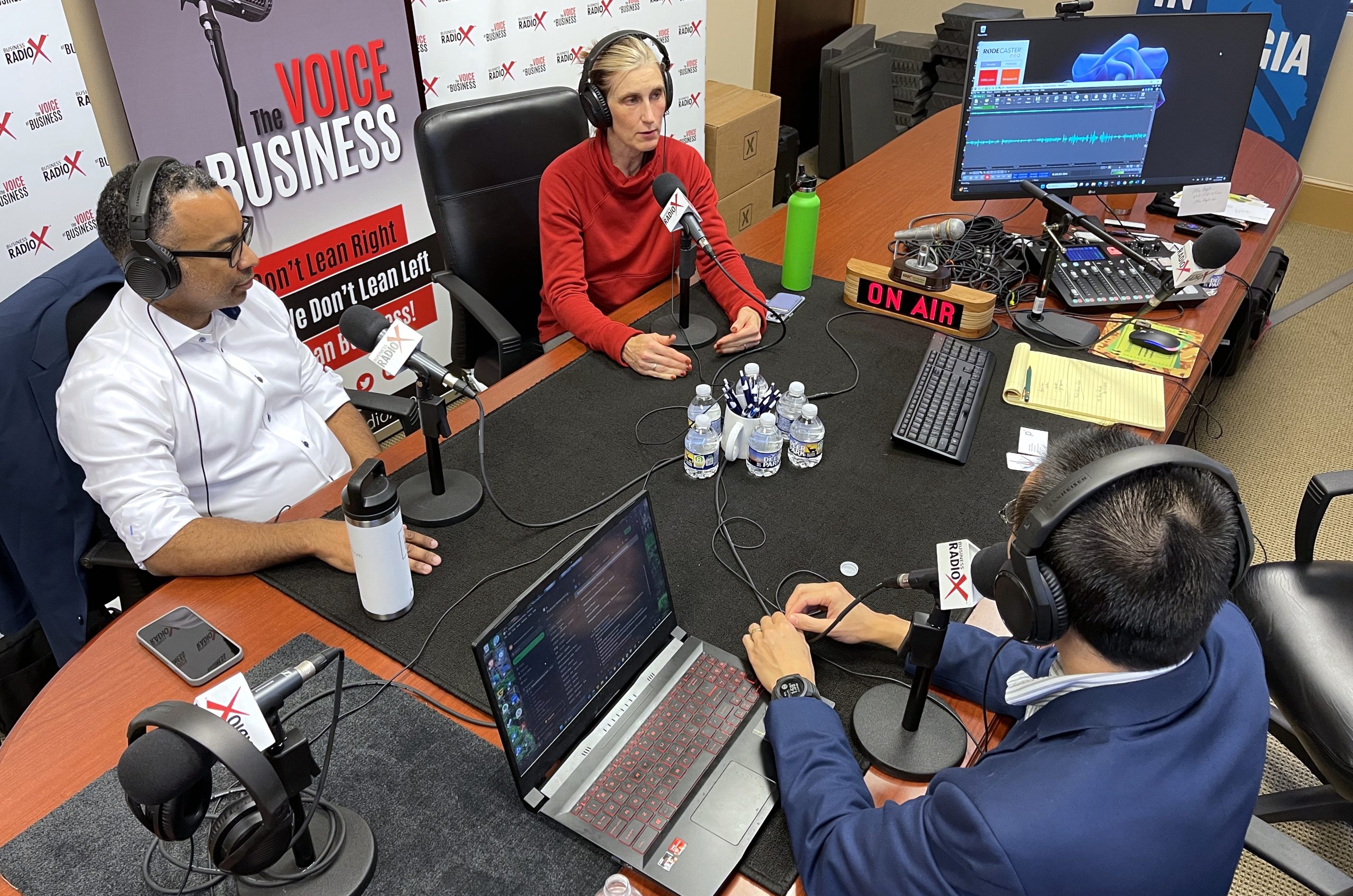
In this episode of Digital Marketing Done Right, hosts Lee Kantor and David Brandon interview Dawn Boxell from Gastric Health, a bariatric healthcare provider. Dawn, a registered dietitian, discusses the gaps in care for bariatric patients that led her to create Gastric Health.

She explains the unique challenges of bariatric healthcare and the importance of specialized care and aftercare. She also emphasizes the need for evidence-backed solutions and building trust with the audience through scientific research. Dawn shares a rewarding proof of concept and discusses the challenges of technology.

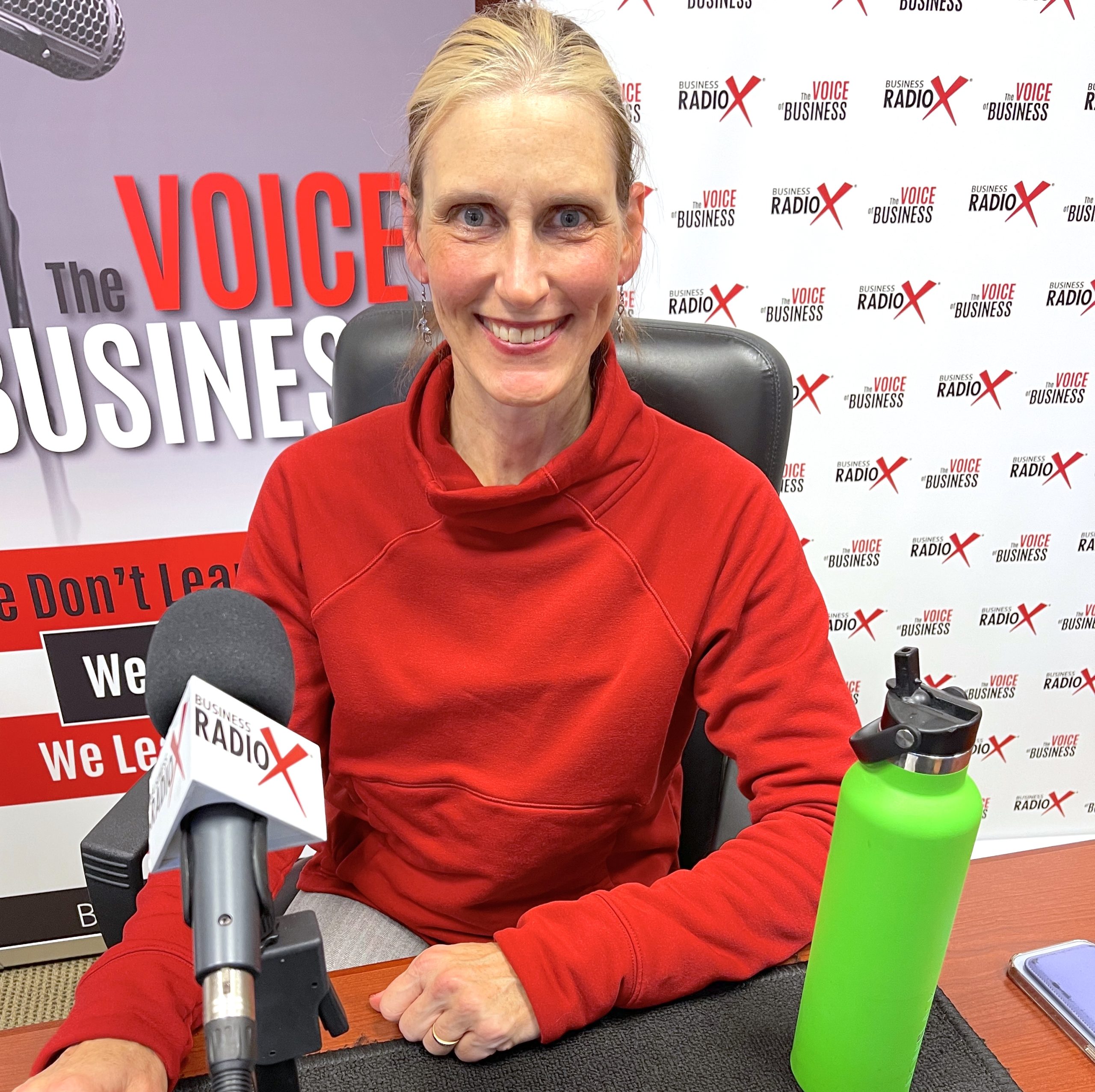
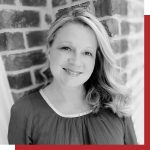
Dawn-BoxellDawn Boxell is the Founder of Gastric Health. She’s a licensed registered dietitian specializing in weight loss surgery.

Dawn’s career started in 1995, working at one of the very first bariatric centers in the United States, Winona Hospital Bariatric Center in Indianapolis, IN. Over these past 30 years, she’s been fortunate to counsel tens of thousands of weight loss surgery patients.

Dawn is proud to say the center she started at has transitioned into one of the very best and most highly regarded bariatric surgery centers in the United States, St. Vincent Carmel Bariatric Center of Excellence in Carmel, IN.

Follow Gastric Health on Facebook and Instagram.

This transcript is machine transcribed by Sonix

TRANSCRIPT

Intro: Welcome to Digital Marketing Done Right, a customer success spotlight from Rainmaker Digital Services and Business RadioX. We cover digital marketing success stories drawn from real Rainmaker platform clients and showcase how they use the Rainmaker platform to build their business. Now here’s your host.

Lee Kantor: Lee Kantor here with David Brandon. Another episode of Digital Marketing Done Right, and this is going to be a good one. Well, David, who do we got on the show today?

David Brandon: Well, today we’ve got, uh, Dawn Boxell from Gastric Health. How’s it going, Dawn?

Dawn Boxell: It’s great. Thanks. Nice for having.

Lee Kantor: Me. Well, before we get too far into things, Dawn, tell us a little bit about gastric health, how you serving folks.

Dawn Boxell: So gastric health is really about, you know, bariatric health care. We are serving the bariatric community before and after weight loss surgery.

Lee Kantor: So what’s your backstory? How’d you get involved in this line of work?

Dawn Boxell: Well, I am a registered dietitian, and I kind of started in this industry back in 95. I was at one of the very first bariatric centers, very, we’ll say, in the top five bariatric centers in the country. Um, and stuck with it. I just fell in love with the patients and I just enjoyed, thoroughly enjoyed the challenge that each person brought to me. So I just kind of got stuck in it in the aspect of I wanted to serve them more. So being in it for so long, I’ve been in it now for 27 years and I’ve literally counseled tens of thousands of patients and it really kind of highlighted some gaps in care and gaps in delivery of care. Being at a very large bariatric center, you really did get to see trends and you could see where health care, as it is to date, has many holes and gaps that we lack services to the end person. So someone seeking services at a health care facility, you know, the luxury of time is not there. And when it comes to bariatrics, they need time. And that’s what I wanted to create. So gastric health was kind of born. It was kind of evolved through a variety of things, but landed at gastric health. And really we just want to create a space for the bariatric community to kind of grow and evolve into kind of the new person that they’re desiring to be and wanted to provide maybe a little different type of care, different level of care, because I kind of take a spin of the conventional health care and the natural health care, and I merge them together and have a really big toolbox of solutions for resources to help support them in, you know, all of their health care issues and their weight loss journey. So I really I really try to cater more to the needs of the bariatric patient so that they can be successful long term with kind of a sustainable lifestyle.

David Brandon: So, Don, I do I did want to kind of ask so for our for our audience, two things. One, can you define what bariatric is for them? And then also, you know, what makes that specific niche, um, you know, unique or challenging or, you know, needs special care? What makes it specifically important?

Dawn Boxell: So bariatric is really just kind of it’s considered bariatric and metabolic surgery. So it is we’re doing a couple of different types of surgeries there. There are probably about five different surgeries out there that are most surgery centers will do. The majority of them are going to be like a gastric bypass or a gastric sleeve surgery. And with the intent to lose weight because they have at least qualified themselves with having a BMI of over 35 with some comorbidities. And this signifies them that they need help with their health conditions. And now what was the other question?

David Brandon: So like, what makes this niche different as a dietitian, you know, approaching this?

Dawn Boxell: So what makes us different with Bariatrics is one, you know, you get in two different camps because, you know. This niche is very special because not every health care professional believes this is a great strategy for weight loss. So many times if we would have. So where I am, we were the only provider for Medicaid. We would see any. And for a number of years, we were the only center of excellence, meaning that we were the only one that really met all the Medicare and Medicaid parameters. So we would have people drive four hours to come see their doctor and their dietitian. And so this would create a dilemma when they would have complications and need to go to a local facility because then they would be like, we don’t touch bariatric patients. You need to go back to your facility, go back to your surgeon. So that over the years, what we found was that, my gosh, many of our surgeons were needing to be skilled in more areas because their their primary care providers were not dropping them, but not really caring for them. They were dismissing and blaming any type of health care problem on the surgery. So they would say, you just got to go back to your surgeon. So it it created this environment where, you know, our the surgical team is now doing more things than what a general surgeon would normally do. So it just kind of grew and evolved into big programs where, you know, you needed nurse practitioners and PAs to manage any type of health care issues that come along.

Lee Kantor: Now, did the business evolve like you were working at this place and you saw this need for some, I guess, aftercare in some ways to help these people on their journey as they progress, you know, post surgery, is that that’s the impetus for creating this community. But is that the business model? Is that your your business is a community for folks who have gone through this kind of surgery and it’s a place for them to learn about the best ways to optimize that experience.

Dawn Boxell: Yeah, I would say, I mean, honestly, it started, I, I, I self published a food guide back in 2005 and I was allowed to, you know, sell it at our bariatric center. And I then kind of took that material. And when really the online stuff really shifted is when we just took it online and just decided, I don’t want to sell just a book. I want to I want to provide a service because there are so many gaps in care. For example, as dietitians and as practitioners in a bariatric center, you’re given 15 minutes with someone and I was given 15 minutes to figure out, okay, why is someone not losing weight or why they’re regaining weight? Or maybe while they’re why they’re having some you know, vitamin and mineral deficiencies or, you know, digestive issues, you know, all the things that come with it. You have 15 minutes there. You can’t solve those types of problems in 15 minutes. So that’s where it’s like there’s a better way to do this and and one with being in it for so long and seeing so many of the trends, you really do understand their needs a little better. And it’s it’s allowing me to kind of package information together so that it’s it’s easy for them to interpret and take that information and do something with it. So, you know, like my blogs and my podcasts and all my YouTube videos, you know, it really is designed with the heart of helping them with their problems that they probably maybe are experiencing now or will experience at some point.

Lee Kantor: And then it’s through it’s through the website. They learn about all of these different offerings and then it’s you’re giving them information for them to do it themselves. But is there a component where you do it with them or do it for them?

Dawn Boxell: Yep. So we kind of when we, you know, kind of evolved to putting everything online, I it kind of started with a challenge. I did a ten day challenge and it was a, it was really a challenge to, to get their mindset out of the quick diet fixes. So if you’ve had bariatric surgery, you’re doing this with the thought that this is my last ditch effort. You know, I’ve struggled with my weight maybe my entire life. And this is kind of my last Hail Mary of I’m I’m doing surgery because I need something permanent that can truly help me, you know, be sustainable with this. But that doesn’t change their mindset. So their mindset needs to shift from having a diet to follow to this is a lifestyle to follow. So, so yes, we did a ten day challenge and it just I mean, we’ve taken thousands of patients through this challenge and they were really getting good success and it was really through the lens of. We’re providing you a meal plan, we’re providing you a grocery list and all the recipes, and we show up every day for you for these ten days, and we do it all together. And I help guide them through that ten days so that they have, um, kind of the support and the motivation to kind of keep going because the meal plan is really focused to protein first, but then, you know, plenty of vegetables and fruits and things that they maybe are not used to, including in their diet. So it’s, it’s challenging them to to look at food differently and to utilize, um, kind of the whole food properties that can really benefit their health long term.

Lee Kantor: Now, all of this stuff you’re talking about is kind of the day to day of a dietitian, right? Doing having these conversations, sharing this kind of information. How did you make the pivot, I guess, to actually now running a website and an online business? Because those are different hats.

Dawn Boxell: They are? I don’t know. I think I’ve always been an entrepreneur at heart. I mean, I’ve I’ve pursued and desired to have a business. And I think my husband and I, he’s been an integral part in helping me launch all of this, especially in the beginning. He was kind of the back end side. He would help build some of these things within the website. So yeah, I would say, I mean naturally I probably have a little entrepreneurship, just blood going through me that I desire to own a business and I desire to have something more that I can have for my children and pass on to generations and have that, I guess, that timestamp of information that you can reflect back on and, you know, learn from, laugh at, and just kind of evolve through.

Lee Kantor: Now, what was the kind of the first signal you put a website together, you put out information, what was kind of the first signal or breadcrumb that you’re like, Hey, I think we’re on to something. This thing could work.

Dawn Boxell: You know, I would say that I would say the ten day challenge that we we really you know, we we put it in the Facebook groups. We were really probably heavy in the Facebook audience, mostly in social media. That’s our the, you know, our dominant area of audience and which kind of correlates with our demographic because our demographic is really like 45 to 65 year old females is who is having bariatric surgery. And technically that is kind of the demographics of Facebook. So you’re going to find the younger audiences on Instagram and TikTok. And so we find that we just have a bigger audience and. I do find that a lot of my audience are in health care. The majority, if not all of my clients, have a job in health care. Very few don’t. So I think my the way I approach it is I like to provide evidence backed. Solutions. So I document all of my recommendations with science. So there are links to research studies. Some of them I’ll have like 30 and 40 different research links in the podcast or the blog post that I am validating my reasoning of why I feel like this is a good solution. So I feel like they I. You know, kind of grew enough to allow them to trust. And to partner with them in health.

Lee Kantor: Now, when you’ve been doing this for a while now, is there a story that you can share that’s been the most rewarding kind of proof of concept that, Hey, I am making a difference, I am leaving a legacy. This is work that matters.

Dawn Boxell: Gosh, let’s see. I don’t know if I can think of one. Well, you.

Lee Kantor: Don’t have to name a name, but maybe share what their challenge was and how that you were the solution to that problem.

Dawn Boxell: I mean, I mean, recently I had a lady that she she came to me for genetic testing. So I do a genetic test to kind of help. Provide a roadmap when I especially when I have somebody that is really struggling with nothing, seems to be working, then I will likely recommend that we we check their genetics to really give me a better roadmap to see where to focus better. And that was kind of what she, she, she found me. Someone recommended me in a Facebook group. Um, she was really seeking out some help with gut health issues, which I kind of specialize in with digestion and improving your gut microbiome and again, the genetic test. And so she started learning more about me. And the first thing she’s like, I really want to do the genetics. And so we did the genetic test. And it was it was so interesting. For one, I would say I’ve never had a genetic test that I could literally not even have spoken to the person or read anything about their health. I can do the genetic test, um, interpret it and tell them everything that they’re struggling with and have struggled with from that interpretation. It’s so powerful in its way that it gives you really kind of the feedback that you need and the direction you need to go with someone. And for her, she had had, um, a bariatric surgery, a sleeve gastrectomy over a year ago and she was concerned about weight regain weight regain is a fear among all bariatric patients.

Dawn Boxell: I have yet to have one patient tell me that they don’t have some underlying fear of regaining weight. And her reasoning was, I want to understand my genetics so that I can maybe prevent this from occurring. And so we really we dug into her genetics. And, you know, it was interesting to see the areas that she really needed to focus on, areas that she has never focused on before. Um, when trying to achieve weight loss, she had never used this approach. And so it was really kind of an aha moment for her that she was like, okay, I have the tools I need. I this is what I need to be successful to prevent, regain. And if I notice that, you know, life happens and I’m back into some old behaviors, you know, all I need to do is either call you or look at my roadmap and and figure out where the areas that the genes may have been turned back on because of some, you know, life event that occurred and help. It kind of helps guide you on how to turn that gene back off. So I would say currently she’s probably the one that, you know, I get excited about the most because she took the information, she acted upon it. We we made a plan each each visit. And she went and did the work. And she found the success that she was desiring and she feels, you know, capable of maintaining her health long term with just that information.

David Brandon: That’s awesome. I really love, like, we’re getting some wins. We’re getting some things that you that are in your kind of natural purview, right? Like you’re you’re an expert dietitian, But one of the things that you’re not necessarily you I don’t think you have a background in is, you know, digital marketing or, you know, building websites or anything like that. So from a digital marketing and website perspective, what are some of the challenges that you’ve had to face and overcome through this process?

Dawn Boxell: Technology, for sure. I mean that for me, I have a clinical brain and it does not correlate with technology the same as other areas, even though, you know, maybe there are some similarities. My brain does not think the way that technology lays out. So I do struggle with just understanding how to set things up and how to, um, you know, put a class together. And now I’ve, you know, over the years, the blogs, the podcasts, all that stuff, I’m good at it now. I can, I can maneuver through that. But initially, you know, there was a learning curve of just knowing the right steps to do to to get it. Launchable even just to get it so that we could, you know, make it live. So, so, yeah, to me, definitely the technology is really the hardest piece.

Lee Kantor: So how did you deal with it being difficult and challenging? How did you approach it? Did you just dive in and just tried some stuff or did you get help right away?

Dawn Boxell: So so yeah, I would say, well, initially my husband is he was really his brain is more business driven. He’s more of the business minded person and he definitely understands more of the technology than myself. So at the beginning he did the majority of all the technology and putting all that together, I would do all the content. He would do all the technology. Um, more recently, his career has just kind of shifted and he’s, he doesn’t have the ability to stay engaged and help consistently. So that’s where we, we’re kind of, we’re relying on partnering with people like Rainmaker to help us move this forward so that we can be successful in providing the content that we want to deliver.

Lee Kantor: So now when you decided, okay, I need help and I’m going to reach out to the Rainmaker, folks, what was that process like? Did they take you through? Can you walk through what that onboarding was like and how they got to the heart of your problem and helped you solve what you were challenged with?

Dawn Boxell: Yeah, I would say it kind of started, you know, we had a contact. I think we created a contact with just some questions. We would send some questions, you know, through the the Help Desk. And, you know, they would help us with just immediate needs. They’ve always been responsive and and getting problems solved on the back end side when we would see that things were, you know, not doing what they’re supposed to do, we could just reach out. And that that has gone well for us. And then we just had a contact from Rainmaker with Katie, and we were able to start the conversations of this back end technology piece that we’re now faced with that now, Dawn, who doesn’t have the technology mindset, is in charge of all of this, needs help and so that’s where we’re kind of working through kind of how how Rainmaker is going to help serve us through this piece and get us get all the details in place. Because, again, you know, there’s with any business and especially any online platform, there’s always little things that need to be tweaked or improved. And that’s what we’re in the midst of. We are working through that plan now so that we can kind of develop some new programs that will lead into some memberships and the ability to have, you know, more clinical staff and more resources that will be available to the community.

David Brandon: So that and I can actually I can actually speak to that too, because I’ve been involved on the other side of it, you know, something that they’ve been doing that we’ve been working with them on pretty closely is, you know, really making community and membership kind of more of a central piece of the process, which I think to everything Dawn said at this point is really important as far as her niche.Yeah

Dawn Boxell: Right.

Dawn Boxell: And eventually that’s where it needs to go. We have to get to a membership model. We kind of started a membership model and I think we’re a little early for it. So we have kind of thought we might we might pause it for a minute so that we can have the full time to kind of write it all out or write the book. If, for lack of a better way to say it, you kind of have to write the end product and then the rest flows out of that. And that’s kind of where we’re at. So I need the time. And that, I would say, is my second issue is time. You know, not only my husband and I have been married for over 30 years and we have four kids and they require attention, although they’re all teenagers and young adults, they still require attention. So and, you know, just that piece of managing, you know, a family and a business and just making sure everything is accounted for. You know, there’s never enough.

Lee Kantor: Time now in this community. Would it like, who is the ideal participant in the community? Is the community member just someone who went through bariatric surgery? Is it somebody that’s a health care professional that deals in bariatric? Is it a caregiver or somebody that is related to somebody that’s going through this? Like who? Who would be the community members in your ideal world in this future?

Dawn Boxell: You okay. So and I will say we will work through to a model that will allow bariatric support, but then we will also have a non surgical arm to it so that if you say you have a family member that you know, maybe hasn’t had bariatric surgery, but they desire to kind of follow along with you, we could help support them in that way. But I would say right now, you know, my main focus is to write the book, get this deliverable content out to them so that we can then really have kind of the back end available of a ton of resources that they can kind of binge on and and learn from with, you know, video content, you know, written audio, all of that that they can, however they learn best, they’ll have those resources to kind of. Take from.

Lee Kantor: So that’s where you see the kind of the the biggest opportunity is just finding that portal that has all this information no matter where you are in the process. But it is scientifically based not, you know, some of these kind of opinion oriented solutions.

Dawn Boxell: Right. And and it’s sustainable. So for me, it’s important for this to, you know, I can write you a diet that you can lose weight in ten days. Um, but you’re probably going to regain it as soon as you go off of that. So to me, it’s important that this is sustainable and that they have the space and the support to build, the confidence, to take the action, to be consistent long term. And that. Doesn’t happen in ten days or 30. That takes time.

Lee Kantor: Right. And so, yeah, it’s managing the expectations as well because the person thinks they’re just getting a surgery that’s solving a problem. But this this is part of the solution. But the solution is a lifestyle change for real.

Dawn Boxell: It is. And and they they know that. They know that going on at least at the center that I worked at. Um. They were told many times that, you know, this is the beginning. The hard work begins after the surgery. And there is a lot that goes into changing your behaviors and lifestyle. So. For them. It’s it’s they need the time to be able to do that.

Lee Kantor: So you so you found, though, that rainmaker has been a good solution partner for you to enable you to get this information out there and get products out there and services out there in a way that you didn’t have to be kind of an I.T. genius tech superstar in order to do that, that there’s enough kind of support around you and enough power to the portal and the platform that allows you to do what you’re trying to do.

Dawn Boxell: Oh, yeah. I mean, again, my husband did a lot of the back end building when we we did we did a ten day challenge that rolled into a 30 day class. And they had like for the ten day, they had videos for ten days and we were easily able to create the video, upload it into Rainmaker and put it into the whole course that they then they would have the links to go and, you know, go into the content each day and learn that that, you know, information that I was providing. And then the same with the 30 day class. We even did a quiz and we had giveaways. We gave away a $600 Vitamix blender to one person at the end of the 30 days so that it challenged them to learn. And so each week was a topic and we built all of this in Rainmaker, and we had a quiz that at the end of the week they had the content that they they had to review each day short videos or, you know, it was, you know, four and five minute videos and then you would do a quiz at the end of the week. And then at at the end of the four weeks, then everybody who completed all of the quizzes were put into a drawing to win a Vitamix for going through the process.

Dawn Boxell: And for a lot of them, it really helped them see that. You know, they they really needed to dig deeper. It was more than just calories in, calories out. Why they were back to old behaviors or why they were seeing some regain had more to do with um life issues and how they were managing it and their coping mechanisms and how they, um, hadn’t, you know, lost those strategies that they used prior to surgery. They were still trying to apply them after, but they don’t work anymore because they’ve had bariatric surgery. So it allowed them to see that, hey, I have some inner work to do and let me focus there for a little bit and that will help me continue to grow. And in that 30 days, we had several people that they really they really kind of discovered discovered that they didn’t feel they had purpose in life. And that is where they needed to focus, that they needed to find what makes them happy, what brings them joy, and to go down that path because the food is not going to fix that. They had. They need to do more work on the inside, right?

Lee Kantor: It’s more holistic than a surgery. It’s not a like it’s a whole process. It’s very complex. What what do you need more of and how can we help?

Dawn Boxell: You definitely need the technology help for sure. And yeah, I think once I write this book, which essentially is happening in a few weeks, I’m, you know. I’m going away and initially taking this time to really I’ve already got all the notes together. I’m just putting it together and how I really want this to play out for, you know, the bariatric community so that they have the resources that they need. And then, boy, we’re going to need lots of, you know, technology help to pull this off. And and then, you know, the VA’s already have four VA’s that we’ve hired and they do video. They help me with the blog and SEO. They help me with the podcast and editing and all that stuff and then email. So email is a big one that we have never been good at and we have never really done. So that is our next big step, is really tackling our email nurture sequence so that our audience, when they when they actually come in and they they buy something from our site that they actually hear from us again, besides just an invoice of, Oh, thanks for your purchase. So, so email nurture sequences is top of list and that is where we’re going next. I think with Rainmaker, they’re going to help us with this piece in, um, and, and the layout that our, our front page layout needs tweaked.

Dawn Boxell: We, we did develop a supplement line with me using kind of the natural and the conventional world together there are supplements and the bariatric community they are required to take supplements for life. This is a known thing and this is something that they are prepared for. And um, I developed a supplement line that really is more about digestive health because I found that was a big issue. And so we kind of with the ten day challenge, it kind of just we, we made this landing page and we just started utilizing these products and we’ve kind of just evolved it. We added WooCommerce and kind of developed that piece back in piece so that we could have a, um, the actual retail store that they could purchase products from. And that’s kind of what our front page shows. And we want it to be more that our front page shows all the good services that we offer and eventually, you know, the membership and all of that that will be so important. And the supplements are there as a side benefit and not as it appears now that it looks like the supplements is the main business. And that’s not our goal and that’s not our focus and heart.

Dawn Boxell: But it just kind of turned into that when, um, you know, initially Rainmaker wasn’t, um, WooCommerce wasn’t there, so it wasn’t made for a retail site. And my literally God bless all of our, our clients who purchase from us because they would they would have to they could not buy like two products. Together, they would have to. The way he built it was he had they had to buy one product, then go back and check out, purchase it, go back in, buy another product and check out. Because it wasn’t that. It was more designed at that time to not be for retail. And it wasn’t until they added that piece that it you know, we added the WooCommerce that made it so much simpler and so much, um, it was a better experience for our, our clients when they visited our site. It was before it was pretty painful for them to actually purchase something from us. But now it flows well and it does well. But we want forward facing, we want that to, to be the, the services and and the care that we want to provide. That should be the main face of our website, which is what Rainmaker is going to also help us accomplish.

Lee Kantor: So what is the the website if somebody wants to go on and check it out.

Dawn Boxell: Gastric health.com.

Lee Kantor: Well, pretty straightforward and simple. Well, Dawn, thank you so much for sharing your story today. You’re doing such important work and we appreciate you.

Dawn Boxell: Awesome. Thank you.

Lee Kantor: All right. This is Lee Kantor for David Brandon. We will see you all next time on digital marketing done right.


Tagged With: Gastric Health

Tracy and Anthony Latronica with Ant’s Construction Services

August 28, 2023 by angishields

FF-Anthony-Latronica-feature
Cherokee Business Radio
Tracy and Anthony Latronica with Ant's Construction Services
Loading
00:00 /
RSS Feed
Share
Link
Embed

Download file

FF-Anthony-Latronica-banner

Anthony-LatronicaAnt’s Construction Services is a woman-owned, family-run business headed up by our foreman, Anthony Latronica. Anthony is an InterNACHI Certified Professional Inspector who has resided in the Atlanta area since 2016.

Starting at a young age, Ant developed a passion for construction in various specialties such as building boat docks, remodeling homes, concrete work, and commercial renovation projects.

For over a decade, Ant worked in underground tunnel mining and has been an integral part of major infrastructure projects that have served the communities in Dallas, Austin and Atlanta. Ants-Construction-Services-logo

He is known for his strong work ethic, dedication to his craft, and his widely versed knowledge of a variety of aspects of both home and commercial construction.

He is a family man with a wife and 3 children; his hobbies include cooking and riding his motorcycle in his free time.

This transcript is machine transcribed by Sonix

TRANSCRIPT

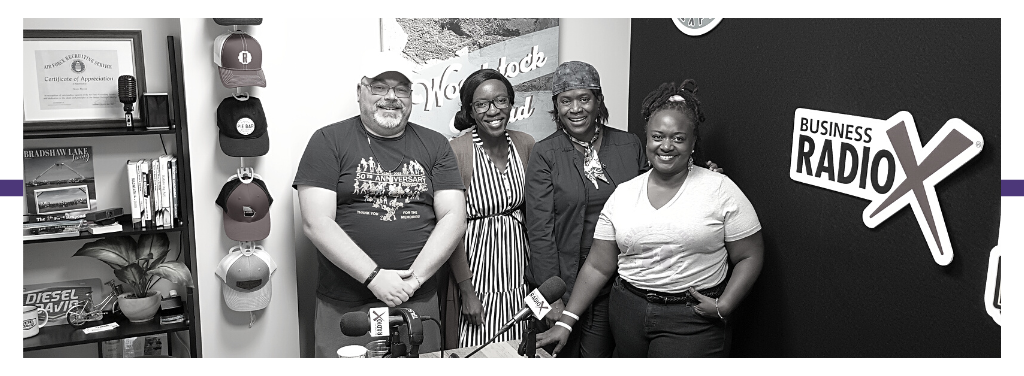
Intro: Coming to you live from the Business RadioX studio in Woodstock, Georgia. This is fearless formula with Sharon Cline.

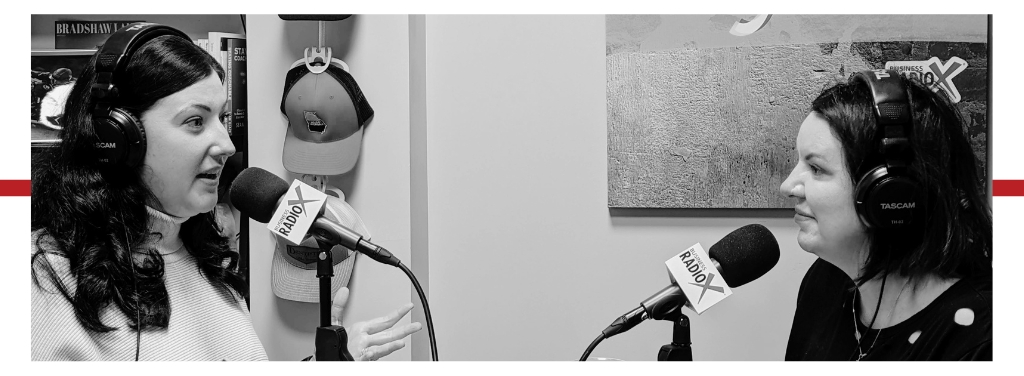
Welcome to Fearless Formula on Business RadioX, where we talk about the ups and downs of the business world and offer words of wisdom for business success. I’m your host, Sharon Cline, and today in the studio we have the owners of Ant’s Construction Services. They bring your construction visions to reality. Each project is tailored to the wants, needs and dreams of each client. And if you can dream it, they can do it. Please welcome Anthony and Tracy Latronica.

Tracy Latronica: Hello, Sharon. Good to see you again.

Sharon Cline: You too. Did I have that intro when we were here last time?

Tracy Latronica: I don’t think he did because I think I don’t think the website was up yet.

Sharon Cline: Yeah. So how nice. I just want to say welcome back. It’s been a full year. Unbelievably, unbelievably so. Cool thing about this show today is that we get to talk about what it was like for you to be here a year ago when your business ant’s construction was brand spanking new, which was fun for me to ask questions to you too. Like, how do you feel about this big endeavor you’re about to go on. That was awesome. But now we have a year under our belt and I say us, you know, like I’m a collective. We.

Tracy Latronica: You are. You’re a part of us.

Sharon Cline: Oh, thank you. And so, yeah, really, I’m excited to have you on to see what your journey has been like. And I know it’s had lots of ups and downs, like what the show is.

Tracy Latronica: The crazy thing is, is last year we weren’t even called Ant’s construction Services. So that’s an indication as to how much.

Sharon Cline: It was Ant’s inspection.

It was ant’s inspections. So our entire business has changed, pivoted in the year since we were here last. So lots, lots of surprise.

Sharon Cline: Such a surprise. Yeah. So in the beginning the notion was that the business would be you would be working with different builders as well. Right? And then personal inspections for homes and buildings. And so let’s talk about how that changed.

Tracy Latronica: So at the beginning, we were focusing on home inspections and mobile crane inspections. And those two things are things that we still do. But very quickly, right off the bat, Anthony was had people reaching out to him for construction projects because he has a 30 year history on your.

Sharon Cline: Websites over like 30 over 35 years worth of of.

Tracy Latronica: Of knowledge.

Sharon Cline: Experience. Yeah. And that’s very valuable.

Tracy Latronica: And so as soon as he was out on his own, people were, Hey, man, you know, can you come help me with this drywall project or Hey, can you build me a deck? And three, four months in we had done like one inspection, one home inspection. Wow. And we were just so busy with the construction.

Anthony Latronica: You can’t do the inspection and the work as well. Right? And there’s more, more lucrative to do the work. So.

Tracy Latronica: So if you do an inspection, a pre-purchase home inspection, you can’t then do the work. It’s a conflict of interest because you’d be saying there’s a bunch of stuff wrong, so you would get the work.

Sharon Cline: Or you would say it’s all fine when you did the work, right?

Tracy Latronica: Fair enough. I didn’t even think about it like that. But yeah, it’s a complex, great. It’s a conflict of dining here for sure. You know, the inspector isn’t the one who does the work. And so, yes, the, the the inspections are less lucrative individually. And so, yeah, we had to change the branding because people aren’t going to hire ants inspections to build a deck. But people will hire ants, construction services to do an inspection because an inspection is a is a a service, a service.

Sharon Cline: Under the construction umbrella. Right. Interesting.

Anthony Latronica: Yeah. If you’re going to make that work, you have to have a lot of inspections coming in. And it wasn’t happening, especially with the with the real estate the way it was. I mean, it’s turning around now, but it was at the time nobody was.

Sharon Cline: That’s true. Right? Because it was a year ago. Still. Pandemic ish.

Tracy Latronica: Yeah. Ish. Right adjacent.

Sharon Cline: A pandemic. Adjacent. Adjacent. One of my favorite words.

Anthony Latronica: There were still effects from it, let’s put it that way. Right.

Sharon Cline: Right. And so. You’re finding. Okay, well, we need to be making this money. Like, I’m just thinking logically as if it were me. Okay, I need to be making this money. If someone hired me to do voiceover stuff, but I’m only getting books. Well, I’m going to do books. That’s it. You need to be making the money.

Tracy Latronica: Yeah, but you don’t. But you wouldn’t turn down the voice. The. The commercial. Easy. Right. Right. So you have to be very flexible, which I think was a transition psychologically for both of us. We’ve been so consistent in our industries prior and had been working in the same industries for decades to come into your own business to where you have to bend and kind of flow with the changes was something that you had to have kind of a little bit of internal dialog about. Like, Don’t be stubborn. It doesn’t matter if this isn’t what you thought next week was going to look like, This is what next week looks like now, and just adjust and adapt.

Sharon Cline: How difficult that is when it already takes so much bravery and certitude in your own skills to even start a.

Tracy Latronica: Business Fearlessness, one.

Sharon Cline: Might say, Oh, well, fearlessness. Yeah, I would say that’s true. Okay, so I had a guest on the show last year that has a like a bakery that she had opened right before the pandemic ended. It’s called Bananas and Beehives. And Laurie was just wonderful to talk to because she was asked to wholesale and she’s like, I’m not a wholesaler. I have a a building come visit me. But she was constantly asked enough of that that she started to wholesale and she didn’t want to do the pivot. It was a fight. But then that actually has become more important with her business and has grown her business exponentially since she agreed or surrendered, I suppose is a good way to look at it. And I always thought, how interesting is that? Because her initial thought was just to have like a little downtown Canton Bakery and people would walk by and get coffee and some croissants. And now she’s in all kinds of different places all around the city.

Tracy Latronica: And had she maintained that stubbornness, she may not be as successful as she is now, just one day too long of holding on to those ideas and you’re going to lose that opportunity.

Sharon Cline: That’s exactly what I’m thinking, is like what happened with you is the you’re fighting to do what you know, you signed up to do, but now the requests are different and your need is different.

Tracy Latronica: So so supply and demand kind of thing.

Sharon Cline: So you started doing more of the construction part of it and then what happened next? I know there’s not like an exact linear. Sort of progression, but I imagine you were like, All right, well then how are we going to change and adapt?

Tracy Latronica: The initial thing was just the legalities of changing the name. It’s it’s that’s a process in itself, and it’s not super difficult to do with the government. You file a form and you pay 50 bucks and they change the name, but then you realize, oh, my email address and my website and my shirts and my.

Anthony Latronica: Hats, you might have a few.

Tracy Latronica: Hair business cards and business.

Sharon Cline: Cards.

Tracy Latronica: Right? And so everything, every everything, it’s.

Anthony Latronica: Like changing your, your phone number, you know, when you get or you lose your credit card and you have to reapply for a new one and everything’s attached to that credit card. And then you’re just like, oh my gosh.

Tracy Latronica: When you get married, right? When Anthony and I got married, I didn’t want to change my last name. I was so stubborn about it. And then a year later, I gave in and changed my last name just because of the obvious connection I had with him and him and our children. And I didn’t realize what a pain in the butt that would be, right? Like, there’s a reason why you hold on. Even if you’re divorced, you hold on to your married name because it’s a pain in the butt. Yeah. To change your name on everything, your bank documents. And so it was just like that, just from a logistical standpoint. And then you.

Sharon Cline: Changed your logo.

Tracy Latronica: Right? Logo had to change. The ant has has changed. It was just a little drawing in front of a house that our son had designed before, but we’ve upgraded that. And these.

Sharon Cline: Guys look construction hat on.

Tracy Latronica: There. He’s got his hard hat on, his hard hat, and he looks very cute and approachable.

Sharon Cline: Just like you.

Tracy Latronica: Guys. Just to counter the.

Anthony Latronica: Yeah, that’s.

Tracy Latronica: Me. So when Anthony walks up to a, you know, an older woman’s single woman’s home, she’s not as intimidated to see this creature walking.

Sharon Cline: Up and how that’s strategic. That was smart.

Tracy Latronica: He’s got a cute ant on on his shirt. He can’t be too scary.

Sharon Cline: No, not at all. And then and so we also talk about the fact that that sort of took over more of of what your business was like. But were you prepared for what that was going to do for your own skill set? In other words, you were prepared for one part and now it became something else. So did you find that you had to amplify different parts of yourself or realize this isn’t how this works for me, I can’t do this kind of thing.

Tracy Latronica: You know what’s crazy is I always thought that Anthony had every tool in the world, right? Every tool that anybody could ever need. And, you know, we’ve known each other for a while. If somebody needs something fixed, they call Ant, and he’s got the the supplies, the tools to do it and the amount of tools we’ve had to buy.

Sharon Cline: Oh, no, really.

Tracy Latronica: Over the past year that because every job is different, you know, if you’re if you’re a decking expert, you have every tool that you could possibly need for a deck. But we do decks and floors and walls and ceilings and, you know, exteriors, interiors, all of it. So you have to have all of those things on hand and you have to be skilled at all of those things.

Anthony Latronica: You usually don’t realize what you need until you’re on the job, until you’re there and you’re like, Oh, we didn’t we didn’t bid for this, but here we go. We’re going to need this.

Tracy Latronica: Yeah. And that’s part of the that’s part of the development I think of the first year is putting all of your money back into the business in marketing and in your in your tools and your supplies. And hopefully that slows down when it comes to your expenses and you get to the point where you have to buy fewer supplies. But if you were to open your attendee that you were just talking about for the bakery, yeah, she, I’m sure, had to buy everything in order to get started. And at some point you finally have everything you need. And yes, things break and you have to replace them. But we’ve gotten to that point where we’ve got a full shop and a full trailer. And so I think.

Sharon Cline: For right this.

Anthony Latronica: Moment, that’s what you.

Sharon Cline: Think. There’s no.

Anthony Latronica: More tools right.

Sharon Cline: Now on the wood. Knock on that table.

Anthony Latronica: I like tools.

Sharon Cline: All right.

Tracy Latronica: We’ll be at Home Depot on the way home. Probably.

Sharon Cline: You also do epoxy, which is really cool in a totally different kind of skill set, I imagine.

Tracy Latronica: Yeah. And we had never done that before. And we were so lucky to have a client that trusted us. And we were very we’re very transparent people and we communicated with them that this was our first attempt at doing this, but we were confident that we would be able to follow the instructions given by the supplier, and we gave them a very, very reasonable rate.

Anthony Latronica: You got to mention the supplier, the epoxy masters.

Tracy Latronica: That’s right. Epoxy master is the supplier. They started out as a DIY supplier for people that wanted to do their own epoxy at home. And they’ve they’re they’re pivoting once speaking of pivoting into being a supplier for installers and we’re the the first and only supplier in the southeastern United States for epoxy master. So we’re getting to grow with them as well, which has been.

Sharon Cline: Exciting. How did you find them? Like, what were the steps that you were able to build this relationship? Because that’s valuable.

Tracy Latronica: You know, it’s it’s the this, the Internet. Yeah. You know, you go on a search, how do you install an epoxy epoxy? Where do I get epoxy supplies? And eventually we stumbled upon epoxy master and they just. They’re their family owned and operated as well. And so they showed an interest when when they saw the size of the job, it was a 2000 square foot warehouse that we were doing. And so when they saw the size of the job, both owners separately reached out to us directly and they were like, how can we help you achieve these goals and what do you need?

Anthony Latronica: They started out also as a DIY.

Tracy Latronica: Right?

Anthony Latronica: That’s what I and so they already knew how to explain to people how to do it, and we needed that as well so that it kind of fit in. Now they’re transferring over to this new company that’s that’s a supplier now too, as well. So.

Tracy Latronica: Right. And it was way harder than we thought. I mean, way harder than we thought. The actual installation of the epoxy isn’t hard, but getting the the surface ready for the epoxy was something that we weren’t prepared. Now we know.

Anthony Latronica: Speaking of learning, though, we’ve learned that there’s some better equipment out there. Yeah. Speaking of getting more tools that we might need to get a hold of.

Tracy Latronica: You know, it’s like, I don’t know, using a teaspoon to get a bunch of soup from a pot into a bowl when there’s a ladle down the road that nobody’s told you about. Right now we know there’s a ladle. But that first time we were using a teaspoon. Yeah, you know.

Anthony Latronica: So do 2000ft².

Tracy Latronica: With a teaspoon. Yeah, it was a lot. It looks great, though.

Sharon Cline: It’s beautiful. I’ve seen.

Tracy Latronica: I’ve seen it.

Sharon Cline: Yeah. And you’ve done countertops, which are beautiful as well. In house in Woodstock here, actually.

Tracy Latronica: Yep, yep. Beautiful countertops. They look like marble or quartz or granite, whatever you want. The epoxy is so interesting because you can make it look like anything you want it to be. You could print a sticker and put it on this table here, a UV vinyl sticker, and then cover it in epoxy. And it would look like a candy coat on a on a car. Amazing.

Anthony Latronica: We did cornhole boards like that with our logo on them. And.

Sharon Cline: And you made those.

Anthony Latronica: Yeah. Yeah. And we’re about to do some for the fire department as well.

Tracy Latronica: That’s right. For 911, we’re honoring a local fire station and building a cornhole set that’s coated in epoxy with their insignia on the board. So we’ll be doing that on on September 11th.

Sharon Cline: Let’s talk a little bit about that, how you are collaborating with lots of different companies and lots of different events and sponsors. That marketing piece is a 24 hour day, seven day a week constantly on your mind. It is opportunities to do and you can never rest because we have the social media. And what is that like for you, given that you obviously you initially started as an inspections and now it’s construction, but that opens you up as well, not just inspecting houses but being part of a whole other all the other aspects of building something.

Tracy Latronica: It is way more complicated and fulfilling at the same time.

Sharon Cline: That’s nice to know. You’ve got the fulfillment part.

Tracy Latronica: I think with the marketing, the hardest thing to get past is you feel like you’re not making money. So if you’re if you go to an event and you’re not building a deck or putting down vinyl floors or whatever it is, you feel like, I’m not making money, I’m wasting my time today. But you’re not you’re not wasting your time. It’s so important those relationships, the relationships to show up and support those people that support you. You know, you can’t expect other people to refer you and vouch for you if you’re not going to show up for them for their stuff.

Sharon Cline: So do you feel like you’re Anthony, Would you say your time is constantly divided between supporting other people who have that reciprocal relationship with you, who would support you? Because think about all the different events that happen at night, right? Like you were talking about Governors Gun Club recently, and then you’ve got a bike night that you all are sponsoring and was once a month. I think.

Tracy Latronica: It’s the second Tuesday of.

Sharon Cline: Every month, Tuesday of every month at the Taco Mac in Hiram. That’s right. And so do you find that that’s true that your you have to constantly negotiate your time this way.

Anthony Latronica: Oh yeah. Because it’s it’s more important than social media when it comes to getting yourself out there because you’re going to get a lot of work locally because you’re going to be at these events. These people are going to see you, you’re going to network, you’re going to meet people. And I’ve got we’ve got more work from that than we have from the, you know, whatever $1,000 we spent on our websites or whatever. And I mean, we’re just getting that perfected as well. So we might see some more from that as well. But at this moment, just putting yourself out there and being it everything and charitable organizations, charitable events, I mean, like the.

Sharon Cline: 911 event that you’re.

Tracy Latronica: Involved in and the Bike Night supports the Lawn and Turner Foundation, which is for kids and their families, kids with cancer and their families. And it helps them out in a variety of ways. I think for Anthony, it’s especially hard because he’s he’s got tools in his hands all day for the most part. There’s there’s definitely times that we have a crew on site doing the work. But because we’re so new in the business, he’s he’s hands on all day. So to be working all day and then have to come home, shower, change and then go be social at a networking event that’s.

Sharon Cline: Been.

Anthony Latronica: Harder lately because it’s really. Really hot, right? It’s everyone’s I can muster up the energy and I’m like, Here we go. We’re going to go do this. Here lately I’ve been going, Oh.

Tracy Latronica: It’s so.

Sharon Cline: Hot. Yeah, so many things are outside.

Tracy Latronica: Well, we had to, you know, we had to. It’s. There’s a point where it becomes dangerous in the heat. You have to watch out for your crew. You know, when there’s a heat advisory and you have. You have guys on a roof. What do you do? We just like it’s raining. There reaches a point where and we’ll say this to the client, imagine that it’s raining outside and the weather is prohibiting the progress today. And we’ll come back on Monday when, you know, the temperature drops a little bit because the production doesn’t even there’s only so much you can do in 106 degree heat index.

Anthony Latronica: It slows you down quite a bit. You know, there’s things you can do. I put up a tent for us to, you know, our cut station and we got fans that blow on us. And, you know, we got those cooling shirts that we put out, and there’s a lot of things you can do. But at the end of the day, there’s only so much you can do.

Tracy Latronica: That’s right. And safety is so important for us. So it gets.

Sharon Cline: I imagine it has to be. Mhm.

Anthony Latronica: Yeah. We just had a person come to a Saturday, ask for help or we’re supposed to help them tomorrow. And I was like, this is going to be the hottest day of the year tomorrow. You know that, right? And she’s like, Yeah, but I need to do this now. Can we wait till Thursday? And no, she said, No, you can’t do that. And so we, we split it up. We’re going to do half a day. You know, compromise, right? We can do half a day for her on the hottest day and then shut down right before it gets to the hottest point of that day. And then we’re going to do the rest on Thursday.

Tracy Latronica: So 5:00 alarm, you know, to get to get started.

Sharon Cline: But if you don’t, another company will.

Tracy Latronica: Right. That’s it, you know. Amen. And that’s that’s been what we’ve always said. That’s where we are filling in, is that there’s a lot of contractors that don’t want these smaller jobs. And one of the slogans on the website as we’re having it rebuilt for the third time is projects big or small. We do it all. And that’s super important. You know, even if it’s a single day project, we’ll do it. And a lot of the contractors, they want the big fish and they ignore the little fish so that your average person who needs, I don’t know, their closet door fixed and their, you know, kitchen sink repaired. The kind of handyman stuff is, I think, hard for clients to find reasonable, skilled professionals. And so we use that as an opportunity to kind of fill in the gaps in between the bigger projects.

Sharon Cline: I’m the same way with voiceover, too, because I will do a job that pays a hundred bucks. I don’t care. You know, I’m just happy to have the work. And but I understand that if I’m not going to offer myself at that point some another person who’s hungry will. So it’s like the the fight, you know? But like you said, we were talking right before the show that when you do commit to a job that isn’t paying you as much, you’re working as much as you would if you were paying being paid more, but then you don’t have as much money to show for it. But then you still have the work. What a.

Tracy Latronica: Struggle. I don’t think anybody has that figured out perfectly. I don’t think it’s possible to to know exactly how to know your worth in a financial way, because if you’re bidding a voiceover job and I don’t know anything about voiceovers, but for $500 and you really think you should get 750, but you want the job, so you bid five for all you know, the next person bid a thousand, and you totally could have gotten that 750 And then you’re kicking yourself because maybe I could have gotten that. 750 But but you agree?

Sharon Cline: It’s like it’s like a peace that I have where I have agreed to do this book that’s taking me three hours to do for 50 bucks. Fine, fine, fine. I signed the contract. It’s exposure. There is a benefit in there for me and that it’s I can say I’ve done another book, but for sure, that’s not like the theme I want to have for my life. And I certainly would know that if that author were to come to me again, it would be harder for me to say, Well, now I’m so much more expensive, you know? Exactly. Because then you’re, you know, I want I want to build a relationship and a brand for myself this way with these different people. So I imagine that must be the challenge too.

Tracy Latronica: We went and helped a neighbor not too long ago hang a light on their outdoor patio and we charged them a very small amount of money. They’re a neighbor. We were off, quote unquote, that day. We you know, we went and helped them out. And they now have reached out to us three more times, which is great. But it’s kind of hard to be like, hey, this time we’ve got to charge you the the normal rate. You know, That was a one time. Yeah, that was.

Sharon Cline: One time.

Tracy Latronica: Discount. Yeah, I get it. And so we’re grateful that they keep calling us and they’re very they’re very agreeable to those terms. But it’s a little bit awkward when you’ve given somebody a deal and they don’t realize that you’ve given them a deal. Yeah. And you can’t give a deal all the time.

Sharon Cline: Well, in that negotiating friend relationships, it’s so different from professional relationships too, I imagine. Would you agree?

Anthony Latronica: Anthony Yep, yep.

Tracy Latronica: Yeah. Negotiating friendships. Friend. Friend.

Sharon Cline: Relationships while you’re working, you know, and providing a service.

Tracy Latronica: When you’re helping friends who were lucky to have friends that reach out. And it’s very easy to say, Oh, we’ll do this for you for $200 a. A cheaper than what we would do it for somebody else. And then the next thing you know, you know, they want.

Sharon Cline: You to build their whole deck in the backyard and.

Anthony Latronica: You’re locked into that.

Sharon Cline: Amount.

Tracy Latronica: You’re locked into that amount, you know, and and I’ve always thought about, you know, if you have a friend that is a hairstylist and you go and get your hair cut, do do you expect that person to give you a discount? And if you do, this was something I was thinking about talking about today is, is there’s three things to focus on as a as a consumer. There’s quality, there’s timeline and there’s price. And you can hope for two out of the three, but you can never expect three. So if you want something done quickly and inexpensively, you’re going to suffer with equality. If you want something that’s done high end, but and you want it done quickly, it’s going to cost you, you know, two out of those three. But I think a lot of times people expect everything and it’s a competitive market. And like you said, there’s somebody out there that will do it. But the quality undoubtedly is the amount of times we get called to fix other people who came in and just did a total crap job. And then we ask, well, what did you what did they charge you? And they tell you 1500 bucks. Well, this is a $4,000 job. No wonder.

Anthony Latronica: You know, there’s just saying it says good work isn’t cheap and cheap work isn’t good.

Sharon Cline: So that’s. Well, if you’re just joining us, we’re speaking with Anthony and Tracy Latronica of Ants Construction Services. And I have a question for you, Anthony. All right. What has surprised you the most over this past year?

Speaker4: Hmm.

Anthony Latronica: That’s a good question. I would say. As far as. As far as marketing goes, how difficult that’s been to figure out, to navigate that.

Sharon Cline: To know what’s the return on investment kind of marketing.

Anthony Latronica: Yeah. Yeah. I mean, Tracy deals with most of that, but I mean, I hear it when I get home and.

Sharon Cline: So, you know, so.

Anthony Latronica: I’m yeah, and I, but I also have to help her problem solve it because I’m the one that, you know, has to benefit from that marketing to go out there and do the work. And when we’re slow and whatnot. I’ve been very surprised at how hard that part of the of the business is. I mean, other than that, I’m aware of everything I was getting into as far as construction goes because I’ve done construction all my life. So. Right.

Tracy Latronica: He’s he’s known how to do the actual work as, as somebody under another person’s guidance as far as the business aspect goes. And I know how to run a business, but that business is a restaurant. So we’ve both taken our skills from before and pivoted them into business ownership. And it’s just very different when it’s your your money, your time, your effort, your heart, your blood, sweat and tears, as opposed to working for somebody else. It just it does change everything. You know.

Sharon Cline: What’s interesting to me is thinking that how you said that the most work that you’ve gotten has been through the the relationships and the networking that you’ve done as opposed to something on the Internet or social media. But what that costs you is so much more because it’s your time and energy and effort. That’s a huge price to pay as opposed to putting an ad, I don’t know, on Google or something. Right.

Tracy Latronica: And so it just takes a few minutes to put a social media post. But what’s crazy about social media and don’t get me wrong, there’s benefit to that and we’ve gotten jobs from that. But you’ll see somebody post, Hey, is there anybody that can help me screen in my back porch and within 30 minutes there will be 55 responses. Wow. And so how do you stand out in that way? And so that’s something that I’ve learned. And for me, it’s a direct approach. I tend to privately message that person. A lot of times it’s women that are looking for the work done on the home. So I’ll mention that it’s a female owned business and family owned and operated and throw that discount offer and, you know, things, things of that nature and respond directly. But it’s crazy how many people it’s almost like they have and maybe they do a bot set up to where as soon as somebody posts something with a with a keyword that they have an immediate response that says, give us a call. I mean, within 15 minutes, sometimes you’ll see 30 responses on, on, on, on a social media post. And it’s just crazy. How can it be how can you be just sitting there staring at it all day, waiting, waiting to respond? So maybe they do. Maybe they have somebody and that’s what you want to.

Sharon Cline: Be part of that.

Tracy Latronica: You.

Anthony Latronica: Know, we need that.

Tracy Latronica: Oh, yes. No, I mean, it’s not really I would much rather benefit me personally. I would much rather get the work other ways. I’ll still respond. It takes just a second to respond, but I would much rather get the work from a neighbor who sees us working on another person’s home, which just happened last week. Hey, we see that you’re building a fence for my neighbor. The fence looks great. We saw your sign at the end of the driveway. Do you think you can come bit? Our fence to that to me is successful marketing somebody, seeing your work, recognizing it and wanting to choose you as opposed to you just being the first person in line on a post.

Anthony Latronica: Yeah, in the local work does help a lot. Huge. At the end of the day, I mean, if you have to travel an hour each way to get to your job, which we’ve had to do a few, that way it becomes very taxing because you think about it, you’re going to lose 2 or 3 hours every day of your actual day because you’re driving back and forth, you’re getting set up, you’re breaking the equipment down, gas, gas money. And so, yeah, it’s and you can’t really upcharge all that.

Sharon Cline: You can’t say, well, because you live two hours from me, I’m going to charge.

Anthony Latronica: They’re going to find someone that does it 30 minutes away.

Sharon Cline: So the struggle is real.

Tracy Latronica: So it becomes an 11 hour day physically, mentally and with your with your crew. But you’re technically billing for an eight hour day. But yeah, you can’t say to somebody in Dunwoody that, you know, we’re going to bill you for my drive time from Hiram. So when you can when you can find that local job that is so huge. And so that’s.

Anthony Latronica: Why the networking comes in, because if you’re if you’re doing the the social media, you could get somebody from Cherokee County, you could get you could be all over the place. And when you’re when somebody finds you locally at one of your events, you’re going to be in your neighborhood, most likely. So that’s another payoff. And I mean.

Tracy Latronica: We’re in Cherokee County right now, am I correct? Yes. So this isn’t so bad. It’s when you have to go across the city of Atlanta. That’s crazy. So we keep getting jobs and we’ll do them. We’ll take them. But in eastern Atlanta and we’re west of Atlanta. And, you know, we’d much rather stay on the north and western side if we could.

Anthony Latronica: But but I’ll still take it. We’ll still take it. Say no. That’s one thing I learned saying no to nothing. Right. You just you still got to know your worth. But just make sure you include that somehow and what you’re going to be doing. So, you know, you know, I.

Sharon Cline: Think about how important relationships are, even just for me. I was telling you before the show, going to networking meetings, I’ve gotten work through that. And it’s interesting as well that you mentioned that women are often the ones that are like, Oh, no, we have a problem. I would like to contact someone because I just did a voice over for a local plumbing company here in Woodstock, and they wanted a woman because the woman is usually the one calling saying, I have a problem. And I had no idea there was that gender disparity there.

Tracy Latronica: Me neither. And I knew that we were going to highlight being a woman owned business for. I mean, there’s there’s just obvious reasons. There’s grants, there’s benefits of being a woman owned business from a logistical standpoint. But when it comes to the actual trust that you get from the client, it fits a female that’s calling in. They love to hear a female responding, you know, and and I think that men hesitate to call in repairs or or make the decisions when it comes to what kind of what color the floors are going to be. So they’re like, talk to my wife. And, you know, women, we’re always supporting each other. That’s something about women in general. I love that. So, yeah.

Anthony Latronica: Well, a lot of times when a woman calls into a company that that’s run by men or owned by men, they get mansplained a little bit, especially in the construction business, right? So it’s nice to sometimes for a female to hear somebody else.

Sharon Cline: Do you ever mansplain to to people sort of thing?

Anthony Latronica: I never that’s not my thing.

Tracy Latronica: No, he’s never been like that. I was going.

Sharon Cline: To say, I don’t picture you like that. But but interestingly, when I did have a plumbing issue, I did get kind of the let me explain to you how the world works. And but the truth is, I actually didn’t know. So I needed someone to tell me. But I never thought about the fact that someone can come in and having that gender as a factor at all in the way you relate. I don’t know why it just never entered my mind.

Tracy Latronica: It’s a trust thing. I think that if you think about when you go to a mechanic as a woman and you just are already assuming that they’re going to tell you that you need blinker fluid, right? Or something completely.

Sharon Cline: Silly. Your flux capacitor flux capacitors. Oh my gosh, no.

Tracy Latronica: And so with with home repairs, renovations, it’s the same way you have some usually big tough guy walking up talking in lingo that you don’t understand, saying words that you don’t understand by design. And that’s not to discredit women for having knowledge when it comes to their surroundings. I don’t mean that at all, but it just it just is that way. And so it is nice to have, you know, Anthony presents a very trustworthy aura about him in general. And then for me to be the front line and have that conversation with the client for the most part works and I feel like I’m educated in the industry enough to know what it is a male customer or a more informed customer that I can still hold my own with the conversation. But sometimes it backfires. You know, sometimes a man I feel like maybe we’ll look at it differently when a woman’s answering the phone with a construction company. But if that’s the case, that’s not the client we want anyway.

Sharon Cline: Especially just this industry speaking about this industry in general, because, you know, I look at Anthony, he’s like 100ft tall. This big beard, you know, big badass looking man, you know, And then that’s who your company, you know, who’s doing the physical labor. But then you’ve got you who’s like this petite person and you’re just like, Hi, Hi. Yeah.

Tracy Latronica: Even though emotionally it’s the opposite.

Anthony Latronica: I was going to say, when the guys get on the phone with her and try and pull one over on her, it doesn’t go so well for them. She she’s like, Oh, really? Let me tell you something.

Sharon Cline: Good for you.

Tracy Latronica: We’ve been lucky not to experience too much of that, but it does happen.

Anthony Latronica: Some of the marketing guys that were on the Internet stuff was was trying out with you. Well, yeah, I would listen to it and I’d just be sitting there like, I’m so proud right now. There’s no way she’s telling this guy.

Tracy Latronica: Yeah, I mean, we’ve been navigating, you know, what is the best way? I mean, is Yelp even relevant with construction? Because as a restaurant person, of course it is. But would somebody go? I’d be curious to have people comment on your TikTok or on your social media after this show and let us know when you are wanting to have something done on your house. Where do you go to find that contractor? Do you go to just straight to Google? Do you go to Facebook and look for referrals or do you use a service like Angie’s leads or Yelp? And I would love to learn from your listeners in that way if people can comment as to how to direct us because Yelp is very aggressively.

Anthony Latronica: Yeah, and they’re not. Many people go to Yelp. I think I’m going to a restaurant when I look at Yelp. Right.

Tracy Latronica: Or a hairstylist or a makeup artist or a you know, I don’t know.

Sharon Cline: What about Google reviews? I know how important Google reviews are to.

Anthony Latronica: That’s where I’m at. I think Google.

Tracy Latronica: Is just so saturated. I mean, I can I can argue every side. You’re right. But Google is so saturated. So even if you pay for a Google ad, they’re still going to be people, for lack of a better term, above you on the page that are paying more. We’re not going to be able to compete with Dr. Horton, is it? Dr.. I always get that wrong. You know, homebuilders, homebuilders that have, you know, $10,000 a month marketing budget, we’re not going to be able to compete with that. So that’s my focus right now, is is navigating that and figuring that out. Where do we spend our our.

Sharon Cline: I have a company that I think could help you with that. I actually had them on the show. Really? That’d be great. Big social marketing. They’re here in Woodstock. Okay. And she was very helpful to me in helping me understand, even as a voice over artist, where would my advertising dollars give me the most bang for my buck? She is certified in Google searching. She’s Google certified. I don’t know exactly what that means, but it sounded amazing and I trusted it. So anyway, I would like to shout that out to you and to big social marketing that there are people I do know that specialize in all of the metrics and analytics that give you. So for example, are they using a tablet? Are they using a phone? Are they using a laptop When they need a tow truck? They’re using their phone most likely because they’re on the side of the road. So it it can there are ways, I suppose, that I if I’m I believe I’m speaking correctly about it, that they can choose which device is actually the one that you want to be marketing to.

Tracy Latronica: And I’ve also speaking of things that I have no idea what I’m talking about. So when I’m talking to people, they can they can say words that I don’t I don’t know anything about SEO or Google, you know, anything like that. So I have to trust what people are telling me, which is a dangerous thing. It is because they’re trying to make a sale. They are. But what I’ve learned is that they can even they can even look at when and the person that you were just referencing, I’m sure, would be able to help me with this. When they are on your website, where does their mouse hover? How long do they hover over this area? And if you’re on a desktop, you tend to your mouse is going where your eyes are going and and and maybe that’s an area of your site that you need to make more prominent. We would love that connection. Excellent. You’ll have to set us up with her when we’re done for sure.

Sharon Cline: Would be wonderful. Yeah. All right. So another question. What do you wish you what do you know now that you wish you knew a year ago when you got started? What’s like a valuable tidbit that you were like, Dang it, I wish someone had told.

Tracy Latronica: Me and I apologize in advance to anyone who does this for a living. But in my personal experience, to not. Trust a friend. Buddy. Freelance individual website designer. And to go with the tried and true, you know, GoDaddy, somebody who’s got it all laid out. We’re on our third website build and the first two and once again, I’m so sorry if those people or anybody else is listening, I believe that their intentions were good. They’re people that we had relationships outside of this aspect of work. But the amount of time and money and just lack of completion that came with that has cost us a lot of money and a lot of lost time on on the website. So when it comes to something so important as your website or your trailer or your truck, right, those are the times that you go with the big guy and the times that you can use your friends or for maybe a little bit more nuanced things. And and you know, I feel kind of guilty for saying it. But no, it’s the truth.

Sharon Cline: I remember our.

Tracy Latronica: Website is still not done a year later because of that.

Sharon Cline: Got you.

Tracy Latronica: So, okay.

Sharon Cline: So spend your money where you are finding the most important aspects of the way that you’re getting your name out there is worth the investment.

Anthony Latronica: Once again, you get what you pay for.

Tracy Latronica: Yeah, yeah. And I think that when it comes to friendships, sometimes it’s so hard to navigate in business because they do want to give you the quote unquote homey hookup, but then all of a sudden you’re not a priority because they’re making money, too. So they prioritize the the the higher paying. And you can’t really fault them for that except, you know.

Sharon Cline: Can can you can you expect the same level of interest and care and deadline and boundaries within that friendship relationship as a professional person to. I don’t know and.

Tracy Latronica: You can from us I can promise you that. And so that’s we expected this. We expect the same in return. So if if a friend were to hire us to do a job and we were to discount it because of our relationship, if anything, that person is even more important because it’s somebody I care about and love and who’s trusting us, you know, directly. But it doesn’t always come back that way. You know, there’s people who who claim that they can do things that they can’t and so don’t always trust. That.

Sharon Cline: What would you say, Anthony? Would you say that that’s the same for you? Something that you wish you knew?

Anthony Latronica: Yeah. I mean, that’s one of the biggest struggles so far is I mean, I knew what I was getting into as far as the construction industry and and the inspections and all that. I just. I share I share some of her grief when it comes to that, because, I mean, and I.

Tracy Latronica: Think that people are trying to help you, too. And I think that people will send you in a direction because they genuinely think that it’s the right direction to go, but they don’t really know. So then you’re having to kind of figure it out the hard way. I don’t really know how to how to better explain it.

Sharon Cline: So I got you because some of the things that I’m doing professionally involve some of my friends as well. And and there is a part of me that is very business and it’s not about the emotion really behind it and what our friendship means. It’s more, okay, this is what works for me. This is what makes the most business sense. I need to go this way, but I don’t want to lose the friendship when someone’s feelings get hurt. So that’s I’m trying to navigate that. How do you.

Tracy Latronica: How do you critique a friend who’s doing something for you at a steeply discounted rate? How do you, without guilt, say, Man, this looks like crap. Okay. When if it was a business, if it was if it was Apple, you would be on the phone with customer service saying if you don’t fix this by Friday, switching over to a Samsung with no hesitation because it would be an anonymous person on the other end of the phone. But when it’s somebody you’ve known for a decade, you’re like, Hey, you think that maybe you know the deadline that’s two weeks past, You think maybe we could we could work on that. And you become all of a sudden more concerned about the friendship or the emotional relationship than your own well-being. And so when it’s something that’s super important, I would not go I would go with trusted, tried and true, been around for 50 years company and then let your friends help you out. There’s plenty of room for us to help each other in referrals and marketing and showing up for events and you know you being at bike night is is that in itself is you helping us? Right? So let’s let our friends help us in those ways, not in the make or break life or death, lack of a better term, you know, decision making.

Sharon Cline: It’s interesting because you didn’t know that initially.

Tracy Latronica: You thought the exact opposite.

Sharon Cline: So this is.

Tracy Latronica: Great. If you remember last year, I was like, the thing I’m looking the most forward to is, is working with my friends who are also small business owners and having us help each other in this way. And it ended up kind of biting me in the butt a few times. So now we have relationships with other small business owners that are strictly professional. We’re friendly. We we, we will message each other occasionally. But it started as a business relationship, and that’s where the foundation is. And then a friendship can develop out of it. I think that the opposite sometimes gets a little bit complicated.

Sharon Cline: I think as well, money is interesting too, because imagine your you you blow up, especially as a result of this show. Okay. You guys blow up so big and popular, now you’re hiring a bunch of people, the people that you were friends with. You know what I mean? Want to now? Yeah. Come along to that. And. And I’m experiencing a little of that myself, which is terrifying because I’m. I’m not a ruthless person. I care. But there is a division. So that’s fascinating that you experienced it as well.

Tracy Latronica: I mean, have you ever referred a friend for a job at your place of work? And then they show up and they are awful and that and that, that like. Yeah. So it kind of is a little bit similar to that where you vouch for someone in your own sense and then they show up and you’re like, I don’t even recognize that. So I mean, luckily we figured it out and everything’s fine and, and the website isn’t our primary driver of marketing anyway, but I might.

Sharon Cline: Be able to help you out there a little bit. I know some people who know people.

Tracy Latronica: I would love to know.

Sharon Cline: My people can talk to your people. That sounds terrible. I can’t believe I just said that. Sorry, Anthony, Go ahead.

Anthony Latronica: That’s also a learning experience on way to drive your own business as well, Right? So when you’re doing work for your friends, you make sure that you don’t cross that line. You make sure that you ask them over and over, Are you happy? Are you happy? Are you happy? Especially maybe even more than if you had a regular customer, because maybe they’re scared to express that. And so we have done some work for friends in the past and and hopefully in the future as well. And I treat them, if not better than, you know, a regular customer, at least equal to. So yeah.

Tracy Latronica: I mean, a random customer is going to let you know if they’re not if something’s wrong and it could be something small that you just overlooked, You know, you forgot to put cork on a on a nail hole on a baseboard. I mean, it could be something small, you hope. But if I was if we were doing your basement and you saw that hole, I don’t think that you would call me and say, hey, you missed a hole. I think you would just let it bug me, bug you? I’d fix it myself. And and I don’t. That’s not what we want, right? We want you to be able to.

Anthony Latronica: Say you push them to say, Hey, are you sure?

Tracy Latronica: Are you sure?

Anthony Latronica: Before I go. Before I come check this out. So, yeah, it’s a learning experience.

Tracy Latronica: All of a sudden, Sharon will be calling. What kind of caulk did you use? Why are you asking that, Sharon?

Sharon Cline: No reason. Is there a brand? She just sent me a picture.

Anthony Latronica: No, I love everything. It’s great.

Sharon Cline: Yeah. Just curious. Question for you, Anthony. What do you think your fearless formula is? Do you have a fearless formula?

Anthony Latronica: I’ve only solved part of the equation. My formula is incomplete. I mean, like, we’ve pretty much said everything that we’ve learned so far, and we’re still. We’re still struggling somewhat. So it’s not a complete formula. But the marketing is big. The interaction with with with clients is big. Putting yourself out there, putting the branding the little aren’t even just just having that out there and putting that front forward on my truck, on my trailer. If you go to Home Depot and you see and I do, I go in the mornings, I see five different companies representing at Home Depot, but they just have, you know, Bob’s construction. They don’t have any logo. I have a logo. You’re going to remember that more than you’re going to remember Bob’s construction. Bob’s construction. Right. So there’s you know, there’s things like that that are that I’m learning as we go help complete the formula. But I don’t have the formula yet.

Tracy Latronica: The firm is the fearless formula being like, how do you overcome your insecurities and the doubts that you have being an aspect of it as well, right? Like how.

Sharon Cline: Do you. I would agree with both.

Tracy Latronica: And we still have that. I mean, I would like to say that that we’re successful. I mean, we’re busy. We’re still here. You know, the bills are paid. We we’re doing we’re doing well, considering, you know, the things that have changed over the past year. But how do you stay fearless? You don’t I think you embrace the fear and you and you trust your gut and you and you you just have to, I don’t know, take a leap of faith every day and just, you know.

Sharon Cline: Trust yourself.

Anthony Latronica: Yeah, I think I think you lose if you lose that fear. You didn’t. Did you lose? You’re complacent. Yeah. You become complacent and you lose some of that drive, that behind that fear. I mean, you think about it, fear makes you do a lot of things that you wouldn’t normally do, right? So, I mean.

Tracy Latronica: As a mother, right? You’re you’re afraid of making sure your kids are safe and taking care of that. That fear is on purpose. So you tend to your children. So the business is like our kids are grown. So the business is like a baby that we had late in life and we’re like, not like we. We’re not exactly sure if we’re feeding it the right formula to to use a pun. But, you know, we’re going to keep an eye on it and make sure that everything’s okay. And so the fear, I think, is, is is like you just said, that’s a good point. Driving without it. Maybe you’re doing something wrong. You’re not pushing yourself enough if you’re not afraid.

Anthony Latronica: Once you find the answer to something, you need to be thinking about the next thing to find the answer to or you’re going to not. You’re not going to grow. You’re going to. You’re going to just stay complacent. And I don’t want to be working on my hands and knees the rest of my life. I would like to eventually run and operate a company. So to me, that’s a fear in itself is like, okay, I’ve got to get this going. And so I guess there is no formula to get rid of the fear. Just it’s having the fear might be part of the answer.

Sharon Cline: I like that. What you’re talking about is something I’m trying to tell myself a lot these days. It’s like a message I keep getting over and over is that I don’t know what the future holds, but I do believe that I have the ability to figure it out, figure out what I need to.

Anthony Latronica: Do that’s important.

Sharon Cline: And so that’s something that I feel like you’re saying, you know, I’m we’re going to face it every day and just deal with what comes and, you know, that you will have resources or people or someone something to help you figure out what to do.

Tracy Latronica: And, you know, we, of course, have each other. And and having a business with your spouse is has its own challenges. But at the same time, it’s really nice to have somebody that is going through it with you that has the same fears and the same concerns and the same excitement and the same pride, you know? And every day is just everything’s different every day. And so you think that you have a plan of what next week is going to be like and now it’s going to rain on Monday. So which is which we’re so excited for. We’re going to dance in the rain because it’s going to cool the entire southeastern United States off. And so we’re really stoked about. But shoot, now what do we do? Because we’ve got a schedule. And so we were talking about this today, these conversations. It’s just all the time. Okay. So do you push everybody back? Do you domino your entire schedule for the next month or do you tell that poor person who landed on rain days, we’re going to have to work you in a net, right? So how how do you navigate the weather? I mean, if you would have asked me that a year ago, what are you going to do about the weather? I would look.

Sharon Cline: Like you’re crazy. We’re going to be doing an inspection inside this kitchen. Looks great.

Tracy Latronica: Right?

Sharon Cline: Pouring out.

Tracy Latronica: It’s pouring out. Who cares? You know it matters.

Sharon Cline: This is my final question for you. What would you tell someone who’s getting started in the same industry that you are in right now?

Tracy Latronica: Um, I think that my biggest advice and you can think about yours, I guess, because since I keep jumping in but is to communicate clearly, if I could get into the brains of our suppliers, our clients, our subs, meaning our subcontractors. Just talk. Just talk to each other. So if something’s not going exactly the way that you thought, let the client know. I mean, if, hey, this has taken longer than we expected or, you know, this issue has arisen or from a vendor perspective, there’s a delay in shipment, you know, just communicate and everything’s going to be all right if everybody just informed each other. So if you’re thinking it and it affects somebody that you’re working with, communicate, it would be would be my advice is just to be open and communication, not be afraid to let people know your concerns.

Sharon Cline: What’s the what’s really happening and not try to cover. Don’t cover it.

Tracy Latronica: Know it, and your reputation will thank you for it. Well, thank you for it. It builds.

Sharon Cline: Credibility.

Tracy Latronica: People on our reviews will. They have mentioned that before is the clear and concise. Hey, we thought that, you know, this mold wasn’t going to spread beyond this wall. Come to find out when we get into the next room, we we see a presence of it as opposed to, oh, shoot, we didn’t bid it like this. Let’s just put some dry. No. Yeah. Let the customer make the decision.

Anthony Latronica: One of those ways of communication. We got an app that we use called Company Cam. It’s really great because I’m able to take pictures that aren’t saved in my phone. They’re saved to a cloud. And it’s really great for customers, especially that maybe it’s not their full time home. And so you can send them photos of what of the progress as it’s coming along. And that’s one of the biggest I think most people are grateful for on our part is that we continually show them updated photos and using that company cam, you can create their own little folder and send it to them straight off the cloud.

Tracy Latronica: So if somebody re insulating your basement and you’re at work and when you leave, you had your old drywall and then when you come home, you have new drywall, you don’t know what’s going what happened in between. And so we are really big on photographing every step that’s behind the scenes to show you, Hey, this is what we saw when we tore the wall down. This is what this is what the new insulation looks like and this is what the new drywall looks like because the customers otherwise, how would they know? You know, there’s you can feel taken advantage of. And I think it happens pretty frequently that people are taking advantage of because a lot of the things are happening that you can’t see. So you’re just trusting. Like I keep saying a mechanic, you’re just trusting that the mechanic fix the problem and didn’t put a used part in.

Anthony Latronica: It’s also important for documentation purposes as well. I mean, when you you say, I did this behind your wall and you say, oh no you didn’t. You say, Oh yeah, I did. Here’s your photo. There was there was a customer that we had that we retrimmed out one of her posts for her porch and it was a complicated trim job. And when we got to it, we took photos of it before we got there and we took photos afterwards and it looked exactly the same as when we arrived, except for without the rotten stuff in it and repainted and everything. And she was like, Oh no, it’s missing some here. And well, that was the way it was when we got here. Here’s evidence, please. Right.

Sharon Cline: You must have been so happy to have that photo. Imagine having to open that wall or something to prove that what you did. You know what I’m saying?

Tracy Latronica: Right. Right. So, yes, that’s that’s a great point, is to protect yourself. And if something does come back to you or on you, somebody tries to blame you for a future problem, you have that documentation. This is here is proof that it looked like this, even even a picture of the surroundings, because there could be a hole in the wall that they blame you for. And you say, actually, here’s the photos, the walkthrough video that we took on our first assessment and that hole was already there. Oh, my goodness.

Anthony Latronica: That’s where the company came. Comes in handy because you’ve got a thousand pictures for each job. And it’s it allows you to break it down and store files for each individual job that’s not on your phone.

Tracy Latronica: It’s not bogging down your phone. It’s in the cloud so you can share it.

Sharon Cline: What you’re doing is you’re talking about credibility and reputation. Right? Right. Those are the main things to protect yourself if you’re in new in this business. Yeah. Is to protect yourself with with your your work and prove that you did what you said you were going to do. And then also communicate. Yeah.

Tracy Latronica: Yeah.

Sharon Cline: Well, how can people get in touch with you?

Tracy Latronica: Tracy? Tracy at aunt’s construction services.com. Aunts. Not aunt like your uncle and aunt aunt like the aunts. Construction services.com. That is my email. That’s your website as well. The website is aunt’s construction services.com. The new one should be live on September 5th. There is one that’s functioning right now, but it’s not our our final social media Facebook, Instagram, TikTok. I almost said Twitter and I don’t have a Twitter. And then the second Tuesday of every month, we are at Taco Maxx, Hyrum, hosting a bike night slash networking event. It’s not just for bikers. It’s for small business owners in the area or elsewhere as well. And it raises money, as I mentioned, for Lana Turner Foundation. And we have giveaways and prizes.

Anthony Latronica: And I’ve been I’ve been perfecting my Twitter.

Tracy Latronica: Yeah.

Sharon Cline: Your Twitter, Your X tick.

Anthony Latronica: Tick tock. It’s tick tock, tick tock. So I’ve been doing videos in the field like, okay, this is what we do on a hot day or our little tips and tricks to do some of the construction. I only have a few videos out there, but I plan to step up my game.

Sharon Cline: I am too. I will make a deal. I need to do more of that as well. I just did a quick video before we got started, but I was like quickly like almost threw my phone across the room. Okay, I did it. I did a video. I got to figure it’s so frustrating.

Anthony Latronica: It’s intimidating.

Tracy Latronica: And then there’s people that are just perfect at it and they’re on it every day.

Sharon Cline: Right? Right. I’ll get there. Yeah. I can only be perfect at so many things.

Tracy Latronica: Our generation is. This is all this is. We’ve learned this. The younger generation grew up with this as as a part of their life. Yeah.

Anthony Latronica: We weren’t used to being. Look at me, look at me. Look at me every five minutes in the day. So. So, yeah, I’m out on a job trying to think of something that I can film and say, Look at me. And that’s actually useful.

Tracy Latronica: Interesting.

Sharon Cline: Well, it sounds like to me you’ve got your own fearless formula here. You’re doing the networking, which even matters more than doing a little TikTok. But who knows? Maybe we’ll all grow together. Yeah, this.

Tracy Latronica: Way. I mean, it’s like, how to quantify it, right? And that’s important, too. Like, where did you find us? Did you find us on TikTok? Which hasn’t happened quite yet. But once it does, all of a sudden you’re going to be doing more TikTok, right?

Anthony Latronica: You’ll find out. You’ll get you’ll wrap your brain around a lot better. Once you get some work, you’ll.

Tracy Latronica: Have a selfie stick. The next thing you know, just ready to go.

Sharon Cline: Following me everywhere. I’m not obnoxious.

Anthony Latronica: A little backpack with a camera drone.

Tracy Latronica: As I’m working, we’ll have our drone just hovering above you, filming you all the time.

Sharon Cline: Well, Tracy and Anthony Latronica of Ants Construction Services, thank you so much for coming on the show and being willing to share what it’s been like for you this past year. I mean, it takes a lot of of strength to be so vulnerable. And I really appreciate your being candid with me and and willing to share your knowledge that you wish you had known for someone else who I’m hoping will benefit from it as well.

Tracy Latronica: Thank you for having us. And yeah, we’re open book.

Sharon Cline: Excellent. We’ll have you, what should we say a year from now?

Tracy Latronica: Let’s set the date.

Sharon Cline: Okay. We’ll see you in a year.

Tracy Latronica: We should have a million TikTok followers.

Sharon Cline: I was going to say. And construction conglomerate or something. I don’t know. Let’s hope for.

Tracy Latronica: That. August ants construction. You know August.

Sharon Cline: That’s true.

Tracy Latronica: That’s what it is. A bunch of A’s.

Sharon Cline: That’s right. Well, also, thank you all for listening to Fearless Formula on Business RadioX. And again, this is Sharon Cline reminding you, with knowledge and understanding, we can all have our own fearless formula. Have a great day.


Tagged With: Ant's Construction Services

Kenneth Burke with Text Request

August 21, 2023 by angishields

Kenneth-Burke-HVR-Feature
High Velocity Radio
Kenneth Burke with Text Request
Loading
00:00 /
RSS Feed
Share
Link
Embed

Download file

Sponsored by Business RadioX ® Main Street Warriors

Main-Street-Warriors-Banner

HighVelocityRadio081723KennethBurkepic2

Text-Request-Logo

Kenneth-Burke-Head-Shot-HighRes-CroppedKenneth Burke is the VP of Marketing for Text Request, a business messaging platform.

He’s written over 1,000 articles on business growth for dozens of outlets, and he’s helped all types of companies from pre-launch startups to billion-dollar businesses achieve their goals.

Kenneth is also a champion for Chattanooga, and is always open to a new book recommendation.

Connect with Kenneth on LinkedIn.

This transcript is machine transcribed by Sonix

TRANSCRIPT

Intro: Broadcasting live from the Business RadioX Studios in Atlanta, Georgia. It’s time for High Velocity Radio.

Stone Payton: Welcome to the High Velocity radio show where we celebrate top performers producing better results in less time. Stone Payton here with you this afternoon, and today’s episode is brought to you in part by our Community Partner program, the Business RadioX Main Street Warriors. Defending capitalism, promoting small business and supporting our local community. For more information, go to Mainstreet warriors.org and a special note of thanks to our title sponsor for the Cherokee chapter of Main Street Warriors Diesel David Inc. Please go check them out at diesel. David.com. You guys are in for a real treat this afternoon. Please join me in welcoming to the broadcast with Text Request, Mr. Kenneth Burke. How are you man?

Kenneth Burke: I’m doing great. Thanks for having me on.

Stone Payton: Oh, it is my pleasure. What a delight to have you in studio. You made the trek from Chattanooga, Tennessee. I’m so glad that you did. We do have some extracurricular plans at the Business RadioX field office after this interview, but have really been looking forward to this conversation. I got a thousand questions, Kenneth, and I know we probably won’t get to them all, but I think maybe a great place to start would be if you could articulate for our listeners and for me, mission purpose. What are you and your team really out there trying to do for folks? Man Yeah.

Kenneth Burke: So mission statement is or our main goal is to help businesses better connect with their customers. And a great way to do that these days happens to be through text messaging. And so text request is a business text messaging software and basically what that means or for most of the people we work with, we take your your office phone number, your landline number or your Internet number, and we add a bunch of text messaging tools to it. It doesn’t affect your voice services, but then you can text from the same number that you used to calling. And so then we’ve added a bunch of bells and whistles for that, added a bunch of, you know, team friendly features. And so. You know, our clients or our customers will will text with customers for scheduling services, for promotions, for getting Google reviews, collecting payments, you know, anything from just to way back and forth, customer service conversations to mass promotions and everything in between.

Stone Payton: So what are some examples, maybe 1 or 2 examples of, I don’t know what you would call it, a use case or businesses that are using it kind of kind of map that out for us. Yeah.

Kenneth Burke: So our two biggest buckets of, of clients are home services. So your, your Hvac repair, your plumbing services and our and then professional services. So lawyers, accountants, insurance agents, both of those would use this use case, which is just scheduling services or scheduling appointments. So rather than doing a bunch of back and forth and calling in to say, hey, I need to, it’s time for us to meet, when’s good? Let me check my calendar. Okay, You check your calendar. Okay, let’s figure it out. Um, usually they’ll they’ll just send a text and say, hey, you know, here’s. Here’s a link to a time or a link to a calendar. Take your pick or, you know, we can be there. Or earliest availability is, say, tomorrow morning at 830. Does that work? That’s a common use case. Another one, let’s say, after the fact. Hey, please leave us a Google review because Google reviews are the number one way people find your business for most businesses. Yeah. And so, you know, a text is going to get about five times the engagement that an email is and not that email is bad, but text is just more so.

Stone Payton: Why is.

Kenneth Burke: That? I think it’s I think it’s a combo of things, you know from. I don’t know, kind of decades. The way the communications have gone, you know, email is most people use their email as kind of a catch all for a lot of things. So you’ve got your work email, which is, you know, work specific and you try to keep personal things out of it. And then you’ve got a personal email that you’ll give to the Hvac repair person or to your accountant, but you’ll also give it to the, you know, the boutique down the street and the whatever rewards program that you’re signing up for. And then emails get linked. So you get a ton of spam in there, right? So you get 100 emails a day and you probably read 4 or 5 of them.

Stone Payton: Well, and, and I scan through them tonight or tomorrow morning first thing. But now that I just ask the question, but now that I think about it and you’re describing it, if I get a text, I’m going to go and check it out because it might be a client or whatever. I check it out quick. If I get an email, I may not even look at it till tomorrow morning. That’s kind of my discipline. All right. I interrupted you. Go ahead. So we were talking about use cases.

Kenneth Burke: No, that’s that’s exactly it. And so, I mean, it comes down to you can get somebody’s attention better through text most of the time. And and then what do you want to use that attention for? You know, are you a mortgage broker? And you need somebody to finish filling out an application? Are you an insurance agent and you need somebody to sign their, their payments? I, I work with State Farm. Okay. And just earlier this week, I had an overdue payment. They sent me an email. I totally missed it. That’s my fault. But I missed it. But they sent me a text and said, Hey, your payment is due. Don’t let your insurance expire. You know, follow this link to pay online. And that’s exactly what I did.

Stone Payton: So you’ve been at this a while. What are you finding the most rewarding about the work? What’s the most fun about it for you?

Kenneth Burke: I mean, we’re going to get a little cliched here, but it’s about the process. It’s about the journey. I mean, it’s text messaging software. It can be exciting, but, you know, it’s a business software. Nobody nobody grew up feeling passionate about that, you know, for getting able to to work on something day in and day out. I mean, I’ve been at this eight and a half years now, you know, with text requests specifically. So growing, trying to grow the company. Trying to help the employees that we have. Grow in their careers and, you know, in their own skills. Helping our customers actually better communicate with their customers. Better connect with them that. That all has an impact. That’s what gets me up in the morning. I mean, I think something that’s really incredible, especially because we work primarily with small businesses, you know, a few percentage points difference in revenue can be the or profit margin can be the difference between them being able to go to a kid’s basketball games or being able to, you know, have enough money to take the time, whatever, you know, take the time for themselves, for their family to spend time together. Um. And as the son of a small business owner, things like that are near and dear to my heart. So, you know, if we can help you be more efficient in your communications, which leads to better sales, better marketing, better, etcetera. I feel like I’ve done some good.

Stone Payton: So tell me a little bit more about the about your back story. How did you arrive at and find yourself doing this? Because my experience has been with most guests who and many of whom are very accomplished. Like yourself, It’s rarely a straight line, right? Tell us. Yeah. How did you get here, man? Yeah.

Kenneth Burke: Serendipity is how I got here. So I was in so my undergrad was in psychology and I love that. But I didn’t want to go to school for another five years to be able to do something with that degree. And so I went into sales. Because sales is where you can make a lot of money and you’re the driver behind how much you make. That was the idea at least. After a couple of years, didn’t really enjoy it. I was trying to get away out. There was a good friend of mine who was part of the founding team for Tex Request, and he’s kind of your perpetual hype man. Like he’ll get you excited about anything. And he got me excited about this and I said, That sounds great. Can I come join? And he said, Yeah, come on. So I did. I showed up one Monday and first thing I was supposed to do was cold call local businesses to say, Hey, here’s the software that we’ve got. You want to buy it? And after a few months of that, it’s like this. This is not working. Can I try marketing? You know something with that? Nobody else was doing marketing at the company at the time. And they let me. You know, for whatever reason, they gave me plenty of room to to fail, but also plenty of room to to learn and grow and put a lot of work in on the outside too, outside of business hours to make that happen. We got more things right than we got wrong, and here we are.

Stone Payton: So I am operating under the impression that marketing for you probably has an education component to it, just so that that smaller and mid sized businesses even understand A that it’s available, but also when and where and how they can apply it. Is that an important component of the way that you go to market communicating those those applications for the for the technology?

Kenneth Burke: It definitely is. I think some I think there’s two main things that make it that way. One is just for me as a person, I enjoy the educational aspect. I like sharing what I know. We don’t have to dive into the why that’s the case, but that is the case. So there’s that. And then part two is whenever we started, there wasn’t a market for business text messaging. I mean, everybody was texting each other, but texting with the business wasn’t a thing. And so we had to spend a few years educating the market. Here’s what’s happening. Here’s why it matters. Here’s how you can take advantage of it. And over time, we were actually able to carve out a little niche, a bit of a brand identity out of it. So it really fed into our positioning and now it’s a part of our ethos.

Stone Payton: I bet. And you probably have captured and are distributing, I don’t know what best practices like some thought leadership around, you know, here’s some disciplines, everything from etiquette to, you know, what works and maybe some places that, you know, hey, don’t necessarily use it for this or this way you’re going to get a lot more results if you use it this way. And and you’re giving some access to people, your customers, to tap into that community of practice or that knowledge base.

Kenneth Burke: Yeah, absolutely. Something that’s nice is, you know, we’ve worked with so many tens of thousands of businesses now that we’ve collected a lot of information, right? So we’ve seen a lot of use cases and we want all of our customers to succeed. And another thing that helps us stand out is, you know, our our support and sales and success teams are always available. So, you know, within reason, you know, not when there’s sleeping, but if you need help or you want advice or just to brainstorm or whatever, you know, we’re always happy to help. So you can always talk to somebody about that. And so kind of the combination of those things, you know, comes together and we spent a lot of time saying, Hey, here’s what we recommend, you know, but also let us know what’s working for you. Any time. This was a big part in the early days is we knew texting was a thing that businesses should be doing, but we didn’t know exactly how or what the nuance would be. And so we said, Hey, here’s this tool, here’s our software, go use it. Here’s a few recommendations we have. And then people would come back and say, actually, we’re using it in this way or for this reason. And that was really exciting, too, to go through.

Stone Payton: That’s a marvelous idea. How about let’s learn something from our customer base? How about that? All right. So you’re headquartered in Chattanooga, Tennessee. Yeah. Tell me about the business climate and the I don’t know, what’s what’s the community like up there in Chattanooga? Are you finding it an embracing business community and community in general? Is it a is it a fun place to be? Tell me about Chattanooga, man.

Kenneth Burke: Well, obviously, it’s great. Otherwise, we wouldn’t still be here. But and I’m a little biased in all of it, But yes, I mean, one thing that is unique to Chattanooga, especially compared to a lot of other cities, is everybody’s always willing to to help or to make an intro. And so if you if you’re an entrepreneur or you’re a small business owner or you are an entry level sales rep or, you know, pick a position, you’re in between jobs and you say, hey, here’s what I’m trying to do. Can I talk to you about it? Can is there anybody you would recommend that I should talk to or any resources I should look into? And 98% of the people in Chattanooga are going to. Talk to you and point you in the right direction. And that’s that’s pretty unique.

Stone Payton: So you guys have accomplished something that so many of our listeners and I guess I would say Lee and I too, we run the Business RadioX network, hope to accomplish in terms of scale and and impact. And I’d like to I’d like to think some of that is a product of the culture that you’ve built within the organization. So I’m interested to get your perspective on recruiting, developing and continuing to nurture the people in your culture. You’ve probably learned some lessons. Maybe you’ve even skinned your knee a couple of times, but have you come out of that with a with with some some sort of framework for this is how we recruit, develop, retain our our people?

Kenneth Burke: Yeah. There’s a lot that goes into it for us early on and I don’t remember when exactly, but early on we kind of had this collective epiphany that a company culture is the one thing you build without ever writing a line of code. It’s going to be created whether you’re intentional about it or not. And so it’s best to be intentional about it. And once we thought about that, we started putting more structure around how we do things. I mean, we’re always a fairly laissez faire group of people. Like if you needed to get in at 930 instead of 830 and wanted to work later instead of going home a little sooner, that’s fine. If you needed to leave for a doctor’s appointment or to pick up a kid, totally fine, you know? The most important thing was that the work gets done and that we’re working together to hit a common goal. But once we kind of had that realization, we started to put some more structure in place for other people so that they could they could thrive and started to work through more questions about what happens in this situation or that.

Kenneth Burke: And then started to more, I guess, systematize how how to treat others. And we a lot of times just go by the golden rule of treat others how you want to be treated. But sometimes people want to be treated differently than how you want to be treated. So, you know, put some structure in place, kind of made sure we. I don’t know what the right phrasing is, but try to make sure we weren’t putting people into a box that they wouldn’t enjoy being in. If that makes sense. And then, you know, flexibility, feedback. We were a small company, especially at the time. So every time we added a new person that fed into the culture. And so it was kind of how do you want what direction do you want this to go in? Now we’re about 40 people, so it’s a little more said it’s a little more difficult for any one person to influence it. But still, it’s the culture becomes an amalgamation of the leaders and the people they lead. So.

Stone Payton: No, that’s well said. How do you and I’m sure there’s no Pat answer to this, but it’s one thing for, you know, that founding team, that early start up group, they’re all, you know, just breathing, eating, living the business and where they’re headed. And then as you grow up, I guess, as I say, how do you get the results you need and want with the voluntary effort and cooperation of other people? And maybe perhaps even more importantly or maybe this is the secret sauce. How do you translate that vision, that mission, without an excessive dilution? That just seems like we haven’t been faced with that yet at Business RadioX. So I’m asking genuinely, you know, what are some do’s and don’ts or some things to think about if you if you want to try to to because those are the those are the those folks are on the front line man. You want them living into that same mission and vision right.

Kenneth Burke: Yeah and especially for the people who are really on the front line, like your customer service personnel. Yeah, that’s that’s much more of a grind a lot of times than being in management, you know, or higher. A. One thing I would say is that you probably can’t get them to want to treat it the exact same way. So I’m I’m not one of the original founders or primary owners. They are going to have a much more vested interest in the growth and success and health of the business than I am because it’s much more their baby than mine. I still care a lot. I still feed from them. I still have my own investment in it, but there’s going to be a little bit lost there. And I think what you want to look for and there’s going to be a little bit lost kind of at each at each management layer as you keep going down. Okay. But the thing is to make sure that it’s. It’s not lost because people don’t care. I guess there’s a lot of ways to or they don’t feel like they they matter to the vision. So if you’re able to to set a vision, set a trajectory, say, hey, this is where we’re trying to go. This is your piece in it. I want to help you. You know, I want to help you help us, basically. And then I also understand that, you know, for you coming in as this is an entry level position, we don’t really expect you to be here for your entire life and we’re not going to act like we do. And so how can we treat you and develop you in such a way that you feel like you’re getting the most out of this experience? Um, so that you can go wherever you want to go. And, you know, ironically, not ironically, but kind of. Counterintuitively, if you are treating people that way, then they do become more invested in the business because you are more personally invested in them and they want to stay and they want to keep contributing.

Stone Payton: Well, and I suppose it’s also quite possible that their expression of their investment in the organization and the vision just may look different than than what your frame of reference is. Right? They may just be approaching in a very different way. And if you can at least not let try to try to set it up so that so that their value system doesn’t clash, you know, you might even you might even get a new way to demonstrate and live in the vision and mission that that that that you guys hadn’t expressed yet.

Kenneth Burke: Well, and that’s a great, great point, too, because whenever you’re hiring something we learned something I learned at least was. Basically interview based on skills, hire based on values, and so interview based on skills. So you’re getting 100 applications of people applying for whatever job who looks the best on paper, you know, who are the top five, let’s say. Great, bring those in. Now, whenever you’re interviewing those top five, assume they all have within a margin of error the same skill set. Now whose values most closely aligned to your values, to your company’s values, because those are the people where you’re going to be able to. For lack of a better term, go to war with day in and day out. When you have to go through the grinder, you have to do what’s extra. Those are the people who are going to come together as a team and actually do it as opposed to somebody who says, well, you know, I got my 40 hours this week, so I’m going to go home now.

Stone Payton: Right. All right. If you’re up for it, I would love to actually dive into the work and maybe walk through a potential use case. And you have complete license to say, yeah, that’s not a good use case. And if you are a prospective client for this, I would just tell you that. But and we’re going to it’s my show, so we’re going to do it about me guys. Listen, if you want a lot of really good, solid, free consulting, get yourself a radio show. Because once you get them in the room and you hook them up to the mic, you can ask them almost anything you want to. So you heard me at the top of the show. I did a live read for our community Partner program, the Main Street Warriors. Just to give you a little bit of quick context and many of my listeners know this, the core business model at Business RadioX, we’re in 58 markets in some way, but we have 19 of these physical studios like you’re sitting in right now. And typically someone who’s already an entrepreneur and almost always in the professional services, B2B business will run that studio. They will utilize the studio to help them serve the community and help them grow their own business. But there is a very lucrative business in the Business RadioX business.

Stone Payton: And so me and the other 18 people who run these community studios, we all have a half a dozen to a dozen clients who are professional services, B2B, CPA, lawyer, it managed services, folks like that, marketing agencies. And we kind of we we counsel them in most cases. Look, let’s yes, let’s do a custom show, but let’s don’t do the I’m a smart CPA show. Let’s really think through who you want to serve, where they’re hanging out, what they’re excited about, what they’re scared of. And then let’s build a show that will put you in a position to genuinely serve that ecosystem and as a result, build real relationships real fast with that group. So that’s our core business model. It works. It always works. Kenneth had never done work. I mean, it just really and I know, you know, I’m biased, but that’s the case. And fast forward to me doing that for 18 years or I guess it would have been 17 at the time. Then I moved to Woodstock, Georgia, and I meet a lot of people who are like solopreneurs and start ups or, you know, just really small organizations. Maybe it’s a two person law practice. It’s not a 28 person law firm, and I don’t care how good my thing works.

Stone Payton: My our our fee schedule is is just out of reach for those folks. Right. And so but at the same time, you know, I got the local radio thing, so I’m becoming social mayor. I’m meeting all the small businesses and I’m trying to figure out a way to help these smaller businesses. And I just love the sense of community. So with a little bit of help from from a couple of folks here locally, namely Sharon Cline, who’s a voice over artist, and David Samiyah, who runs Diesel. David Ink, We we built this thing called the Main Street Warriors. And the idea is that we could we could build a community partner version of this where smaller businesses could afford it at a much lower fee schedule. And they don’t they don’t get their own custom weekly show and all that. But we let them sponsor shows and we let them do special episodes. And when and when we write a check to a local nonprofit, it’s the it’s not stone, it’s the main street warriors. Okay. So that’s a little background context. So we’re getting that thing off the ground. It’s got some legs, but now I’ve got now I’ve got now it’s just successful enough to be dangerous, right? So now I’m building this community.

Stone Payton: I’m kind of trying to fan the flames a little bit. And and in building the community, I want to continue to communicate with the folks who enroll and become members of this thing of ours. Is that a potential use case? Because as you’re talking, I’m thinking, well, maybe even on the marketing side, but let’s just say let’s say they went ahead and they enrolled like I would love to, to get some communication out to these people on a consistent basis in a way they could respond. For example, we’re going to do a retail raid. One of the things that we do is we get the main street warriors together. We all hop in the car or the golf carts, and we go to a local, you know, a restaurant or the dress shop or whatever. And, you know, you drop 1000 bucks on a local retail shop. You’ve made a real impact. And so wouldn’t it be cool? Maybe, I don’t know, almost Shut up in a minute. If we if we got the word out. Hey, guys. Next retail raid is at, you know, the manual down on Main Street. I’m on a hush now Is there anything there for your for your technology.

Kenneth Burke: Yeah yeah there’s there’s there’s a lot of options there. Right. So it’s a communication channel like. You might use for email or a social media post or something, right? It’s just texting is going to usually get people’s attention faster. So a few a few quick use cases from from that context. One is you could use it, let’s say, just for content marketing. So you’ve got new pieces of content or a new radio show or an episode, you know, and you want to give it share it with your subscribers. So you can text it out to them and you can do a handful of things to to bring in new subscribers like you would for anything else, you know, forms, you know, hey, a CTA or a call to action on the show, you know, hey, subscribe. I’m doing X, Y, Z. You send it out. And let’s say for your CPA client, it says, hey, you know, today we’re talking about how to handle, I don’t know, pick a tax topic. Here’s an episode all about it. If you have any questions, just respond to this message and we’ll talk through it. And we’ve seen tons of companies. Use that approach to to get new clients to upsell existing ones, to spread their brand in general.

Kenneth Burke: Because even if I’m not interested in buying anything or talking to you about it, I’ll consume the content. I’ll at least see what it is. Somebody I know probably comes to mind. I’ll send it over to them, etcetera. Yeah, so there’s one use case, another is just the Yeah, kind of an SMS promotion or SMS marketing for, Hey, we’re going to be meeting up at this retail store this week and there may even be a discount that you can share to say, hey, as part of this group, you know, you get 10% off of everything, we’re going to show up. It’s going to be a great time. Here’s an image or a flier, you know, to help jazz it up a little bit. So there’s a couple. I mean, I think about radio shows in particular. We’ve had a lot of radio stations coming in to us and they’ll recently especially and they’ve they’re primarily using it for a text request. So not necessarily the brand name, but the action of requesting a song or a topic to cover or asking a question for people who are on air.

Stone Payton: So we could have done that today. If I were all set up with that, I could have sent out a text yesterday or earlier in the week and said or even we could even do it while we were on air and text out. Text us to this number. Questions for Kenneth. Absolutely. Oh, I love it.

Kenneth Burke: So there’s a few I can keep going with use cases all day, but.

Stone Payton: You’re really good at this. So all of those make perfect sense to me. You briefly mentioned marketing. Is it okay to use this technology to go to someone that you’ve never spoken to? And if so, are there some kind of there may even be some legal stuff, but are there just some best practices like, look, if you’re going to do this elegantly and you’re going to hit someone cold with the Main Street Warrior program in Cherokee County that you don’t know, you know, do this, don’t do that kind of thing. Yeah.

Kenneth Burke: So first of all, I’m not a lawyer. This is not legal advice.

Speaker4: Okay. Fair enough.

Kenneth Burke: Point one, don’t text anybody you’ve never had a prior relationship with. Okay. So salespeople ask about this a lot for prospecting. You know, should we or what should we say whenever we cold outreach somebody through text to really protect yourself. Don’t do it at all. Now, if you have a quote unquote, prior business relationship with somebody so they have purchased from you before or they’ve gotten on to your marketing list, somehow they’ve given you their contact information basically in one way or another, then more or less fair game. You need to be able to manage opt ins and opt outs. And so if somebody says, Hey, please stop texting me or something more colorful that you can take them off the list. But other than that, you know, if they’ve let’s say I mean, anyone who’s interacted with your Main Street Warriors program, if they’ve given you contact information. Yeah, hit them up.

Stone Payton: Okay. All right. Well, and that’s really more our ethos anyway. We would never try to spam somebody into buying some little thing anyway, but yeah, I really. Okay. I really like this idea. Fantastic. I’m going to shift gears on you for a minute and ask you about passions outside the scope of your work. My listeners know I like to hunt, fish and travel so they know that about me. Anything in particular, you have a tendency to nerd out about that just a separate and apart from from this effort.

Kenneth Burke: I can nerd out about most things, to be honest. Not that I’m like an expert in any of them, but I just. I find those rabbit trails fascinating. I love reading. You know, right now I’m reading a book on the Man Who Ran Washington, which is about the life and times of James Baker, the third who was kind of ran Washington for 30 years or something. Yeah. Uh, let’s see. Anyway, I love reading love music big into guitar. Used to play piano and violin, but have since rusted out on those. So anything there, anything with live music is is near and dear to my heart. And then I I’ve done a lot with the the Young Professionals group in Chattanooga so a lot of helping to recruit, develop and retain talent in Chattanooga. And I love Chattanooga anyway. So just everything around that is is a passion of mine.

Stone Payton: It’s interesting that you I wonder, they’re probably not connected, but we have a group here right here in town, and it’s the Young Professionals of Woodstock. And believe it or not, Kenneth, they let me in. I don’t know why. And now it’s my responsibility. I’m on like a committee, and I’m defined, like once a month, maybe twice a month, what we call a local leader. And they may own a business, but often it’s people that are with the city or the government or the sheriff’s department, you know, first responders. But it can be a business owner and maybe they’re, you know, heavily invested in a in a nonprofit. But it is such I love being a part of that, a part of that group. And, of course, now you got my wheels turning. We have a like a YPO chat, YPO, Young Professionals of Woodstock. And so we do communicate there through the chat. But how how cool would it be if we had like this, this texting thing to go back and forth?

Kenneth Burke: Well, and then, yeah, I mean, great for for your committee, but also, you know, for getting the VIPs to come back month after month, you know. So I mean we’ve we’ve done events. We pretty much have a monthly educational event and then a monthly just meetup. So the meetup is, you know, we pick a bar, a restaurant, and we say, Hey, everybody show up at 530. We’ll be here until about seven, you know, hang out, have a good time. And then for the educational, it’s pretty much pick a different professional development topic. So how do you turn a side hustle into a full time business or how do you navigate work life boundaries or how do you we’ve done how do you handle your own taxes? We keep coming back to accounting. But anyway, so that’s always been good. And just getting the word out. As a quick reminder, especially, I don’t know if Woodstock is this way, but Chattanooga’s kind of a last minute town. So whether it’s for sports or events, you know, or something else, those day of texts to say, Hey, don’t forget this is happening, come on out, bring a friend, make a big impact.

Stone Payton: But you thoroughly enjoy working with that group. You probably get first look at some marvelous talent. Yeah.

Kenneth Burke: And there are definitely a few perks. I mean, there’s nothing that’s, you know, I can’t. Come in and lay claim to to anything or to any one person and say, hey, you should come work for us or something. But yeah, I mean, it helps me see some great people. And I think that’s that’s a lesson we can all take away in most of these situations is there’s a lot of great people out and about. One, everybody has a good story or an interesting and unique story. And then two, there’s just a lot of valuable people who are interesting or interested in what you’re trying to accomplish. Do what you can to get out and get in front of them.

Stone Payton: So do you find yourself filling, whether informally or formally, kind of a mentor role with any of these folks?

Kenneth Burke: Mentor may be a strong word, but maybe moments of help. So it’s it’s been fairly common where somebody recently out of college has somehow or another gotten connected to me and has said. Has asked the question or something to the effect of. I want to find something I’m passionate in, something where I can make an impact in. And I you know, so basically they feel like what they’re the work they’re currently doing doesn’t matter in the big picture of the universe and they want something to matter. Uh, so there’s a lot of moments where that comes up. And my response is typically, you know, passions are developed, not found. So if you’ve got a couple of good things going for you, a boss who cares decent, pay some flexibility then. You know, do your best work where you can. Be good to people and other opportunities will come from that.

Stone Payton: And this is not something that Kenneth just read in a in a book. You guys have actually been named like one of the best places to work in the Chattanooga market, haven’t you?

Kenneth Burke: Yeah. So for Chattanooga, we won. We we want a recognition for best places to work three years in a row. Wow. And I think we would have had four, but they stopped doing the award. The local one. And so nobody got it fourth year, but we got a three peat. We’ve been a certified Best Places to Work, which is a trademarked title, apparently. Yeah. Yeah. Um, and then we’ve also I mean, just recently earlier this week, we were named to the Inc 5000 fastest growing companies for the third year in a row. And I really think those two are related, right? Like if you, if you take care of your people, they’ll take care of of your customers. But it also just makes them more enjoyable work environment.

Stone Payton: So what do you think it is? Are there a couple of things you feel like you can point to and say, Well, this is why we were at least in the running and maybe why we won? Because we’re really good about this, or we certainly put a lot of attention toward that. And are we? Whatever we do, we never, ever do that.

Kenneth Burke: It’s hard to say, honestly. I mean, there are so many things I would like to say. It’s because, you know, we. We chose a good market, built a better product, and then our good people. So we recruit good people and, you know, are good to them. It’s definitely an oversimplified response for it. But I think a lot of it does come down to just those basics.

Stone Payton: So what’s next for you guys? Where is text request headed? Anything in particular? You’re going to be focusing your energy and your effort on in the coming year, 18 months?

Kenneth Burke: Yeah, well, there’s there’s two things. One is probably really boring to a lot of people. It’s just some more things on on the security side of messaging and how that fits in with compliance and the telecom partners and all of this stuff that I could nerd out about. But that won’t make sense to most people. So that’s one thing. Everybody will get value from it. That’s that’s what’s important. But then also, it’s kind of an exciting time for us these next few months. One of our largest competitors historically who launched about the same time we did, we’ve kind of gone toe to toe with feature for feature with they’re shutting down at the end of November and they’ve actually been referring their customers to us. And so one love that. And then two, you know, we just especially on the marketing side, just need to make sure we do everything we can to to funnel those people in our direction and make sure they all have a good onboarding experience. That’s that’s pretty good moment for us.

Stone Payton: Yeah. Well, it’s an exciting time for you, man. All right. Let’s leave our listeners, if we could, with a couple. I call them Pro tips, right? Just a couple of dos don’ts, things to think about, maybe something they could be reading and, you know, pick pick a domain, whether it’s what you learn from from kind of the start up getting this thing to where it scaled, maybe what you learned for bringing technology to the market or maybe continue this conversation, what you learned about recruiting, developing and nurturing good talent and and getting everybody rolling in the same direction. Let’s let’s leave them with a couple of tips or thoughts.

Kenneth Burke: Yeah, I wouldn’t say this is anything too groundbreaking, but this applies to all of the options you mentioned. And it’s it’s just do the small things really well and really consistently. And when we look at what marketing efforts have worked for us long term, when we look at what has enabled our customers to succeed long term, and when we look at what’s enabled us to recruit and retain good talent, it’s been doing the small things well and consistently. And so it’s, you know, if it’s marketing, it’s creating content that answers a question in a helpful way and getting it in front of the right people and doing that 400,000 times. And if it’s recruiting, it’s saying, hey, it’s defining what the job function is and, you know, getting it out into the world and then asking the right kind of interview questions to bring people on. If it’s developing people ongoing, it’s something similar to just that, but just checking in and saying, hey, how are you doing? Or, Hey, you seem a little tired today. Can I help? How is your workload? Just those little questions. And I’ll be honest, I felt pretty awkward doing a lot of that stuff whenever I first started. I just. Something told me or probably somebody told me more likely that I needed to do that. And so I just started doing it. And it’s paid off, but it’s paid off across the board.

Stone Payton: All right. What’s the best way for our listeners to to learn more? Maybe have a more substantive conversation with you or someone on your team. A good way for them to tap into your work. And I just I want to make sure that they can connect with with you guys and tap into what you’re doing. Whatever you feel like is appropriate, whether it’s email, LinkedIn, website. Let’s just let’s make it easy to connect, man. Yeah.

Kenneth Burke: So if you want to talk to me directly, LinkedIn is the easiest way. Just look me up. Kenneth Burke I work for tax request. There’s only one of one of me, so go with that. If you want to learn more about the company or talk to anybody or me even about that, you can go to text request.com. It’s really easy to contact us five different ways from there. And our phone number is (423) 218-0111. If you want to call or text.

Speaker4: Us and if.

Stone Payton: They start that journey they may get a text haven’t they. They might.

Speaker4: Well.

Stone Payton: Can. It has been an absolute delight having you on the show, man. Thank you for your insight, your perspective. You guys are doing important and productive work and we really appreciate you, man.

Speaker4: Hey, thank.

Kenneth Burke: You so much.

Stone Payton: It is my pleasure. All right. Until next time, This is Stone Payton for our guest today, Kenneth Burke with text request. And everyone here at the Business RadioX family saying we’ll see you in the fast lane.


Tagged With: Text Request

Gloria Mattei with Nothing Bundt Cakes and Matthew Foster with Frazier & Deeter

August 17, 2023 by angishields

Sandy-Springs-Chamber-81523
In & On Business
Gloria Mattei with Nothing Bundt Cakes and Matthew Foster with Frazier & Deeter
Loading
00:00 /
RSS Feed
Share
Link
Embed

Download file

Sandy-Springs-Chamber-crop

In this episode of In and On Business, Gloria Mattei with Nothing Bundt Cakes and Matthew Foster with Frazier & Deeter join host Andy Williams to discuss how both working in and on your business is a necessity to achieving the balance of your success and your company’s success. 

Gloria-MatteiGloria Mattei was born in Puerto Rico in 1968. The last kid of five. Graduated from the University of Puerto Rico with a degree in Business Administration, majoring in accounting. Worked for 16 years in the telecommunications industry performing several positions, domestically and internationally, starting with accounting and then transitioning to operations, due to her desire to get to know all the details of the business and understand how to run it.

She performed several functions within the Finance/accounting role, starting with auditing financial operations, new business initiatives financial support, and Wholesale Telecommunication operations, and her last role was as an Associate Director for M2M Operations for Verizon Wireless.

She was responsible for the implementation of the settlement system between Telecommunication carriers, when the first M2M system was established by Verizon Wireless, for Onstar-Telematics-General Motors back in 1999. From there she moved to manage a national team that supported major OEMs, such as Toyota, Mercedes Benz, etc. supporting the design, implementation, testing, and operational readiness of their telematics/M2M systems.

On a personal note, she is happily married, for 26 years, to her wonderful and supportive husband Sergio Pacheco. They have been blessed with two amazing kids, Adrian 21, and Zahra 18. Georgia has been their home since 1997, making Roswell their first home, and now in Milton for the last 12 years.

Gloria comes from a large family. Her grandfather was an entrepreneur farmer who owned and developed land for farming and cattle. Her mother had an entrepreneurial mindset as well and supported her family by establishing her own realty leasing business.

Her two older brothers owned a bookstore and a consulting business for many years. Gloria loved her corporate career and considered herself a conservative mindset. However, that owner/entrepreneur seed wanted to grow, and the inspiration to allow it to grow started with being a mom of two kids, one of them, diagnosed with Autism Spectrum Disorder.

Gloria’s entrepreneurship started when she met the Nothing Bundt Cakes (NbC) brand back in 2010, during one of her many business travels to California. She was introduced by a friend from Texas who knew the brand very well. She came home to tell Sergio, her husband, “ I think we found the business” and her husband said… “ Are you crazy? You don’t even cook!” Gloria had the vision to be the first NbC store in GA.

Her first thought after knowing the brand, was “There is nothing like this in GA”. One year later the first NbC store opened in Sandy Springs Ga, and Sergio got to taste the product, at his own XMAS housewarming party. At that point, he said, “You are on to something. Let’s start the research process”. What started as simple franchise research in January 2011 resulted in the opening of the 2nd NbC store in GA, store number 83 for the franchise system. They open their doors in December 2013. They will be celebrating their 10th anniversary on December 13, 2023.

In March 2022, Gloria and Sergio were approved to grow to their second bakery. However, destiny and serendipity had other plans. She had a strong relationship with the owner of the first store in GA (Sandy Springs) and that owner reached out to Gloria- as soon as she was approved for her second bakery- and said “I want to retire and I don’t want to sell to anyone but you.”

Long story short, Gloria and Sergio expanded their market by taking over the Sandy Springs bakery on June 2022 and are now proud owners of bakery #1 and # 2 in GA which proudly serves the GA 400 North Fulton Corridor.

She and her NbC family are proud to bring joy to our community and truly live the experience of how “cake changes everything”. Gloria opened her business with a big dream. That dream is her why. The dream of building a platform for her son, who is in the autistic community. He could either be able to perform in it or prove that he, and other kids like him, can function and have a role in the community.

Gloria is not a stranger when it comes to the community. She has used her business to integrate into the community and find different ways her cakes can bring joy and help at the same time, in all different ways possible. She says she is very proud and grateful for how this platform has allowed her son to grow, and how she and her team have been able to assist the community in many ways.

Gloria has seen this bakery grow not only as a platform for her son, but for her daughter, and many other individuals, including other special needs young adults in the community. Gloria has had the honor of being nominated and receiving several awards that have made her proud of all the hard work they have put into their business during the past 10 years.

Matthew-FosterMatthew Foster is a Tax Partner in Frazier & Deeter’s Tax Practice and Co-chair of the firm’s Manufacturing & Distribution Group.

With over 15 years of experience in public accounting, primarily at FD, he specializes in serving privately owned middle-market companies, including those backed by private equity. Matthew’s expertise lies in corporate structuring for tax strategies, mergers and acquisitions, joint ventures and ESOPs.

He assists clients operating in diverse industries such as manufacturing & distribution, technology, real estate and construction.

This transcript is machine transcribed by Sonix

TRANSCRIPT

Intro: Broadcasting live from the Business RadioX Studios in Sandy Springs, Georgia. It’s time for In and On Business brought to you by the Sandy Springs Perimeter Chamber. For more information, go to Sandy Springs Perimeter chamber.com. Now here’s your host.

Andy Williams: Welcome to in it on business with the Sandy Springs Premier chamber where we explore the tension between day to day business operations and strategic growth. The in and on of business. I’m your host, Andy Williams. In each episode we explore the ideas surrounding working in your business, while also exploring the essential strategies for working on your business. Whether that’s carving out the visionary path or delivering a final product to streamlining processes, sustainability, whatever the case may be. Both working in and on your business is a necessity to achieving the balance of your success and your company’s success. Our guest today first is Gloria Mattei. Correct, with the last name Mattei. Mattei, I knew I wasn’t going to get it right, even though I knew you corrected me already. Owner of not one, but two Nothing Bundt Cakes here in Georgia. And Matt Foster, tax partner at Frazier and Deeter. Welcome. We’re thrilled to have you guys here to share stories, wisdom of everything you all do to leverage your in and out of business within your own organizations to get us started, let’s start with our guests. Learn a little bit more about them. Gloria. Oddly enough, you began your career in accounting as well. So let’s hear how you made that transition from accountant to Nothing Bundt Cakes.

Gloria Mattei: For Nothing Bundt cakes, right. So I started, like you said, my career as an accountant. I was a CPA, and I started in the auditing world. I was auditor for the Office of the Comptroller of Puerto Rico. And then I, I wanted to be in one of the big six companies, Right. Doing tax and auditing. And the opportunity came for telecommunications company that was looking for bilingual accountants. And so I had the opportunity to interview with them. And it was actually a company that was the legacy company of what today is Verizon. It was called GTE, and they were looking for bilingual individuals for their international operations. So that’s how I ended up in the United States, from Puerto Rico to the United States as an accountant, as an auditor in taxing and all operational for all their international operations and also domestic. And so from accounting, I was there for about five years in the accounting world doing new business initiatives and everything that was telecommunications based. And in all honesty, I loved accounting, but I got tired of the taxing and the closing and the closing months. Every you know, in one of the closing flash meetings that we had, they were talking about that we were losing revenue in one of the cell towers because we were losing records. And I’m like, Oh my God, I need to learn about the business. I want to know what the business is about, not just the numbers. And so I did a completely 360 degree and there was an opportunity on a new team that was being developed for telematics.

Gloria Mattei: So remember, OnStar and General Motors. So I jumped into that team completely away from accounting into building that network and doing the operations of that network. And so I was there for 16 plus years, and I was traveling all over the United States in different OEMs, etcetera. And then I was in San Diego doing one of my trips to one of the OEMs, and my friend invited me to a nothing bundt cakes. And I said, What’s that? And he said, I’ve never had nothing. Bundt cakes. It’s like, no. And so I said, I don’t know. I’ll go with you. I don’t like cake. And so I went, I saw the bakery and I was like, Oh my God, this is the cutest thing. It was in San Diego. And I tried a cake and I was like, Oh my God, this is amazing. So I asked him, Is there anything like this in Georgia? And he’s like, No, I know them from Dallas and they do super well. And I said, Oh, that’s very interesting. And then he brought home like a bunch of cakes with him. I was like, What are you doing? And he’s like, I need to bring this for gifts. Everybody loves them. So anyway, I came home and I told my husband, Hey, I think I found something else I want to do. And the reason is because in the back of our mind, I have two kids, but my oldest son is in the spectrum. He’s autistic. And so I knew that corporate world was going to be hard for sure.

Gloria Mattei: So for some reason we had in the back of our head, we got to do something on our own and see if it’s that platform for him. If it’s not a platform, at least we can prove if he can work with us that he has a value in society. And so that was the was in the back of my mind about, you know, stepping out of corporate world and doing this. That’s excellent. And so the first reaction was, you’re crazy. You don’t bake, you don’t cook, you don’t do anything right. And I said, that’s true. I don’t do anything. I always travel all over the place. So it just ended up being serendipity. And we just left the conversation there and I. Was actually moving to a new house. And my friend that introduced me said, Hey, somebody took your idea. And there’s a store opening in Sandy Springs. And I said, Oh God, I want it to be the first bakery in Georgia. I said, It’s okay. I can be the second one. And so he actually brought cakes to my housewarming party. And so when my husband saw the reaction on everybody’s face, he’s like, Is this the place you told me about? And he’s like, Yeah. So we lost the opportunity of number one, we got to be number two. And he said, It looks like you’re into something. And so we started researching and the reason why I ended up owning a Nothing Bundt Cakes.

Andy Williams: And here we are.

Gloria Mattei: And here we are. Now I got number one and number two bakeries in Georgia.

Andy Williams: Yes, that’s excellent. And over the course of time, you ended up acquiring Exactly first one. Yeah, that’s that’s such an amazing story to me, just on so many different levels. Just simply one being an accountant and then transitioning all the way and turning on a very different side of the brain.

Gloria Mattei: It’s completely different side of the brain. I remember that when I decided to study accounting and be a CPA, what I had in my head was what my first accounting professor at college told me. And it’s like, if you’re an accountant, you can own your own business, you can do whatever you want. And so that’s what actually inspired me to go into accounting. But never in my life thought I would own my own business. I was corporate hard core, so that was a completely out of nowhere.

Andy Williams: Excellent. Well, does that make you corporate hard core at Frazier, or is that where where we land? Give us give us some of your background, Matthew. This is a this is a tough opening act to follow here because mine is much more simple.

Matthew Foster: Um, yeah, I mean, I’m I’m a tax partner at Frazier and Deeter. I’ve been there for 15 years, so unlike you, I am from Atlanta. I’m from this area. Actually, I’m from Dunwoody, right where we’re sitting right now and have both of my degrees from Georgia State. And I, I remember the summer of oh eight very clearly. I left the school in June of oh eight and then or no, in May of oh eight. And I walked into the doors of Frazier and Dieter in June of oh eight, and I haven’t left since. So unlike you, I am a true walking accountant. It’s just the same as last year, every single year. But no, I’ve greatly enjoyed the the time I’ve spent here. And I mean, it’s it’s why I’ve decided to become a partner here and stay here. And it’s it’s working with individuals like yourself working with small business owners, usually family founder owned businesses and helping them to navigate the IRS, navigate the accounting side of the business because a lot of people don’t have your skill set that have started businesses and they’re very, very good at what they do. But struggle a little bit with with how to operate a business. So you’re a package that we don’t see very often in a client base.

Gloria Mattei: It’s hard when you when you build your own business and you really don’t have any background. Right. And still, as we’ll talk about it, it comes to a point in which even though you may have that background, you do need that extra help because you cannot focus on that if you really want to grow your business.

Matthew Foster: Yeah. So I mean, we’re we’re brought in a lot of the times to. Helped take over some of that for them, but also give them ideas about stuff they haven’t been thinking about, ideas about expanding or having them look 3 to 5 years out. And they’re so focused on the now, they’re so focused on next week or making payroll next week that they fail to really think about where do we want to take our business? How far do we want to take it? Or I mean, can we make it bigger? Can we expand or do we want to sell it at some point?

Andy Williams: Well, and I think you lead in with an interesting point there, is that there’s a lot more being asked of you as an accountant than than than what probably the general public looks at is we look at it very much as it’s the numbers and, you know, they’re their ledgers and this is the route that we go. But the reality is, is you’re asked to think outside the box for these people as well, too.

Matthew Foster: No, it’s it’s it’s funny. A lot of people when they when they hear that I do taxes, they think I’m just sitting there with a green visor and you’ve got. I’ve got my tent. Well, I do have my tent key and I love my ten key. But no, to your point, it’s. It’s not just looking at the traditional compliance, not just looking at the tax return, but learning about them, learning about what drives them and what can we do to help. Further what they want to do with their business. And it might not be anything that we can do, but it’s knowing people that we can bring in to help with what they want done.

Andy Williams: Know and spot on. And that’s that’s where it’s, you know, from an innovation standpoint, I think that’s I would say that’s probably where you’ve seen, you know, a lot of businesses accounting firms especially grow is you weren’t always supposed to necessarily learn and gain all that inside depth and knowledge. But the importance of that is, is what I think everyone sees now is there’s there’s a lot more that goes into into strategic thinking of how do we approach it now to transition to you from a strategic standpoint is how do you evolve and innovate and grow nothing. Bundt cakes like what does that look like, especially as a as a franchisee and, and moving a business forward, you’re really leaning probably hard in on corporate a little. But there also want you to go and innovate on your own.

Gloria Mattei: So it’s an interesting aspect, right? And again, I had the view of I got to do something on my own. I didn’t know what. Right. All I knew was accounting and corporate world. So I knew I needed some structure. So that’s the reason why a franchise kind of struck my attention. It’s like I’m a rule follower. I know how to follow a path, right? And so I need that structure. Once I have the structure, I can probably just, you know, venture from there. And it was it’s interesting, once you start your own business franchise or no franchise, you are mostly the beginning of the time just in the business constantly. I mean, labor is stuff you don’t have the right manpower, you don’t have the right team. You are just working in the business kind of. I mean, in my case, I had no experience in the food industry. I had no experience in baking, right? I just had to learn that in three weeks and then fly, Right. So, yes, they give you a structure, but you really have to come up and bring in all those skills. And for sure, being an accountant, being in a corporate world that really helped me.

Gloria Mattei: It was a huge learning curve. So it was a transition for me into venturing into the day to day operations, physically being there, not only implementing all the training that we learn, but also how do you coach your team, right? And so from an in working in the business perspective, that’s where the majority of the the action should go right? Coaching the team growing your team making sure that they can do their day to day operations so that you can transition out and then work on your business and figure out, okay, where do we go next? Right. And it’s been quite a journey from the first days of My God, we did 24 hours a day just trying to learn the operations in and out and then stepping out and saying, wait, we’re spending too much money in cost of goods, right? We have too much money in inventory. How do we lower the cost we need to make this profitable? Et cetera. Et cetera. And that’s when you step out and got to see all of that.

Andy Williams: Now, you know, staffing is a key buzzword these days, and I’m sure you all are in in different situations because I’m sure you have part time staffing that you also have, let alone full time your primarily full time at at Fraser and Dieter. But but I would suspect that that all of that still is it’s the same conversation that you’re having of how do you how are you finding these new accountants and bringing them on board? How are you finding this part time staff to fall in love with a business and want to be there, you know, day in and day out. So, you know, from a you know, I love the idea of coaching. You know, my background is in sports and sports is my passion. So when I look at something in coaching somebody, I look at, you know, how do you coach an athlete or how do you, you know, grow them from there? I think, you know, I also look at it in the business world, it works the same way. So looking at you first, first map, you know, from a coaching growing, you know, being in the business a little bit more is how do you what do you do, you know, to coach and grow your team and ensure, you know, their own success and peace of mind?

Matthew Foster: I mean, this is a huge thing that we’re dealing with right now where. We constantly are asking our staff, I mean, what can we what what is lacking? What what can we do better? And one of the things is training and coaching and developing developing is a big key word inside public accounting and probably in other career paths. But it’s in the business space. It’s we need to develop these people into becoming the next leaders of the organization into the next level. And. Covid has changed that up quite a bit for us. We did start noticing I mean, I kind of liken it back to I have two small kids and both of them started elementary school during Covid and there is definitely this Covid lag to their to their learning. We’re starting to overcome it in business. We’re starting to overcome the Covid lag as well, because when everybody left the office and we went full remote for I mean, about a year and even now we’re a hybrid environment. But that year away from our staff, our seniors, sitting outside in bullpens and not hearing the conversations between partners, between managers and just the. The overhearing highly technical conversations happening. Nobody realized how valuable just the hearing it being talked about in the open in the office was until we didn’t have the office to talk about it. So it’s it’s overcoming and learning how to now work in a hybrid environment and still impart that knowledge. This past year we did our first firmwide where we we brought everybody in to do a week long of training where you could network and not only learn technical aspects, but soft skills, leadership, you know, how to work around, you know, looking at people’s shortcomings. But they’re not shortcomings. It’s it’s, it’s strengths that are hidden and how to identify those, but also work around a big push in our firm and I think in corporate America in general is this push around mental health and being more cognizant of that in the workplace.

Andy Williams: Absolutely. I think, you know, that’s something you know, we’ve all had to check that a good bit here over the past year, year and a half. You bringing up having young kids at home. You know, some of the things even, you know, for us with my wife working upstairs, me working downstairs and kids working in the middle, you know, we kind of let things slide of, you know, who are you online with? What are you talking to? Who are you? Because we knew they needed that exchange and that interaction. And, you know, I think it just it proves your point of being back in the office matters, you know, and having that interpersonal communication is extremely important, you know, from a knowledge standpoint, but also from a just a mental health standpoint, just to sit down and have a conversation with somebody and not not necessarily about work, but just to turn it all off a little bit and take care of yourself.

Matthew Foster: Yeah, there’s a lot lost in translation when you’re over teams or over Zoom that I work, I work in the office as much as possible. I like to work hands on with with the people that are working on my clients and. A lot of times there might be some sarcasm that’s thrown around and it comes across much easier in person than it does over Zoom or over email. So. Yeah. Bringing up development. Bringing up coaching. When you talked about what’s the difference between on and in. So I was I was thinking about this over the weekend and over the past couple of days and. When I look at working, I get the two confused.

Andy Williams: I’m with you. There’s a lot in both on.

Matthew Foster: The end here. It boils down to what’s the core values of your business?

Speaker5: Absolutely.

Matthew Foster: And for Frazier and Deeter, it’s we call it peak. So it’s it’s people entrepreneurial, accessible and quality. And we live on those core values. So for our people, I mean, it’s one of our things is we greatly invest in our people and buy in turn, we want them to invest in our clients. So by working in your business on your people, it should in turn. Or is it the other way around? I think you’re right. Yeah, you’re right. Yeah. It in turn it it works on your on your business. At the same time, by focusing on the quality that you’re providing to your clients.

Andy Williams: No, I love that. And I was going to say your experience because, again, you’re you’re dealing with its younger group. Yeah.

Gloria Mattei: Completely different experience. So it was definitely quite an adventure in a different way, right? So I was lucky enough that I didn’t have to close doors because I was not considered a restaurant, so I wasn’t serving people. I don’t have chairs and tables, etcetera. So I was allowed to stay open. But then I was impacted by the fear of the employees I was impacted by. I mean, we all were like, okay, so what are we going to do? We, you know, we had big orders, we corporate orders that were shut down immediately. Okay, So how do we pull back? And, you know, you’ve got to bring down all of the production efforts, etcetera, and that’s the working on the business. And then working in the business was, okay, so how do I provide some safety to the team members that I have in here? Because I got to make sure that they’re safe, right? And and my team, you continue the coaching aspect. I got lucky too, because I have a mix. I have a mix of younger people and I have a mix of adults that some of them are maybe retired moms that are just doing something that they like to do and they don’t need the income. So I was really lucky because they were like, We’re good. We’re just going to go home and wait for this to pass. And some of the kids were also my mom and my dad doesn’t want me to work, but then I had the other ones and kind of mixing into the mental health. I had other ones that were like, If I stay in my house, I will go crazy. I cannot do this. I have to be active. I cannot. I get depressed. It’s like, Well, I’ll provide you a safe environment. We’ll put everything in place that we need to put. But I mean, we got to make things happen, right? And it’s that coaching of in good days you have and where is abundance and when there’s sales, this is how you operate, but there’s a lot of coaching. On when that’s not the case. How do you operate? Right?

Andy Williams: I know. And I think that’s great. I think, you know, the piece that that really stuck out. And you know, Matt, you had said, you know, strengths that are hidden. You know, to me, like that was a like I wrote that down as like, that’s something that’s a an interesting viewpoint to look at because too often, you know, if somebody is not successful or they’re not hitting marks or doing what they need to do, you know, you you almost look at that as a as a downfall for them and a failure. And but at the end of the day, it’s not. It’s how do we how do we coach them up? How do we build them up, how do we make that? And it could.

Matthew Foster: Be even going further. I mean, they might not be hitting the marks in the job that they’re doing, but is there somewhere else in the organization that they their skill set would be better, valuable?

Speaker5: Yeah, absolutely right.

Matthew Foster: So I mean, we have a couple people that I’ve seen go from our tax department to operations to marketing and and it’s. They do a good job. But it wasn’t you could tell it wasn’t what they were built to do. And so it was you know, if you look at it just in the lens of their their tax person, of course they’re going to fail. If you take a step back and say, well, what skill sets are they? Are they showing and is there somewhere else in the organization that would be a better fit? And we try to move people around as best as possible.

Gloria Mattei: Yeah, I think that applies to to any business, any industry. I think it’s the flexibility, but it also goes with the developing mindset, right? It’s not just about looking at what is on the outside. You apply for this job and this is what you’re going to do. It’s about you may not be hitting the mark here, but let me find where you can be and giving them that opportunity. And I think that happens in any industry. Corporate, of course I’ve seen it. But even even in this and that has been one of my biggest eye openers. I mean, I had I mean, my favorite story. I had an individual that applied for a job and he actually applied. I divide the bakery between the back of the house in front of the house, and he thought he wouldn’t the back of the house job. And we knew he had special needs. And so that’s close and dear to my heart. And of course, I offer him a job. And it was interesting. He really didn’t have the motor skills to be able to function in the back of the house. But the personality that that individual had was amazing. And the way that he talked to people and the way that he connected. I mean, going back to the values, one of our values is creating and genuine connections. So it’s much more than cake, right? It’s much more than the best product. You have to create that genuine connection with the guests that you’re serving. He was fantastic. As soon as we moved him to the front of the house, I mean, he could talk a storm and he could create those connections and he could say, and it was amazing. Nowadays he evolved. He found a job with other persons because we were able to give them the opportunity and find that spot. And he’s now apparently not a paralegal, an assistant for special needs kids in a school, which is like fantastic.

Andy Williams: Yes. And that’s great. And I think, you know, it kind of leads a little bit into the on side of things, you know, and that passion that goes into, you know, finding that passion for somebody and what that means and, you know, across your businesses, you know, having that passion or innovation or opportunity to work on your business and grow it is is always interesting. And I think, you know, the accounting profession, you know, we had spoken before is like, how do you, you know, students, new hires, how do you how do you engage someone to go like and both of you actually can answer this since, you know, with a background in accounting is, you know, how do you turn somebody’s brain on to to go like, this is where I want to be, You know, how do you how do you get them to find that passion of, you know, you’re fighting the marketers of the world, you know, with, hey, we have fun and we go out and we entertain and we do this, but at the end of the day, you all are doing a lot of those same things and you’re engaging in the same way. So how do you how do you get people to see that accounting profession as this this place that’s evolved and grown to be be more?

Matthew Foster: So it’s interesting you bring that up. I’ve been in I’ve been talking with the head of the School of Accountancy at Georgia State, and they’re having this issue right now where there’s not big enrollment into account the accounting program anymore. And it’s it is we’re seeing it in the profession. I mean, we’re seeing it in the industry that we’re seeing less students coming out of the school system. And so we’re having a shortage of first years coming into the profession. And what is the issue here? I mean, that’s the thing. And it boils down to or this is my take on it. I don’t know if it’s right, but this is what I’ve been thinking for a while is accounting in general. I mean, it goes back to what do most people think about when they think of accounting? They think of, you know, in a suit and a tie. Very long hours, never see light, always behind a computer or now always behind a computer, but very boring. I mean, dealing with the IRS, Who wants to deal with the IRS? Nobody wants to. I don’t even want to. But very boring career. Whereas. I mean, it’s there are boring times. I think anything that you do, there are boring times if you’ve done it for long enough. But. It’s also a different we have a new generation of leaders in the accounting space that we need to show the students.

Matthew Foster: We need to show younger individuals out there that the days of, you know, grinding, grinding, grinding are I mean, it’s starting to slow down. I mean, it’s still there. There’s busy times. There’s slower times. But we’re not just people in suits and ties. I mean, we all have personalities. We all have lives outside of of accounting. And we we it’s not just sitting down, grinding for ten hours a day and then going home and doing it all over again the next day. It is working very closely with business owners, getting to know them on a personal level so that we can help them with other needs, not just filling out their tax forms. But it’s it’s trying to get people to see because a lot of the older professionals in the in this industry where the. The long hours and the never seeing their kids baseball games or something along that as a as a badge of honor, which is not what anybody wants to hear anymore. And in fact, I don’t like I am very clear with my team. I’m like, Hey, my girls have cheerleading tonight. I’m going to see them cheer. Like if you have kids that are doing something, we’re doing this for our family. But why give up seeing your family grow up just to do this?

Andy Williams: No, that’s and I love that. I know. I, you know, made it a point. And, you know, my father was in sales, but he was also able to be home a lot of afternoons when I still got home. And and that’s definitely rubbed off on me of wanting to make sure I was around and being around and, you know, so I think that’s extremely important. And I think it’s important for all businesses, not just it.

Gloria Mattei: Is, but I think it’s what you just said, right? It’s about them understanding what is the value of what they’re bringing to the community in a way. Right. Because it’s like you said, accountants are not just about the numbers and the taxes and just crunching the numbers from, what, February through April and if you’re in corporate the different time frame. But it’s about helping that business owner finding an exit strategy or where do you get the funds to do that growth that you need. And those and I think those are exciting times, but it’s a misconception. I agree. Yeah. I mean, because my first indication when I told my kids my story and I was an accountant, you were one of those boring people that. Okay, you know, but but it’s much more than that. No, absolutely. But I think it’s in industry, of course. I mean, the majority of the my younger adults, of course, they’re coming just to do a summer job or they’re coming to do an after school job, etcetera. But I mean, the is much more than that is they can get a lot more than just, you know, learning how to do a pose or whatever.

Gloria Mattei: The majority of my kids that come in and it’s actually very rewarding. They come, they come super shy. They barely answer the questions in the interview. And then when you put them in front of the guest and they start talking and I mean, you see them progress and how and how they grow into college and you and you see them coming back and asking for references and it’s like, Hey, would you tell them what I did at the bakery and the connections that I made? And I went with you and I talked to people because those are skills that they are going to need wherever they go, right? And when I bring people into the bakery that I see a potential is if you stay with us, you can do a growth and it doesn’t matter. It doesn’t need to be a bakery. I mean, the tax I mean, the skills that you’re going to learn are going to work with you wherever you go. Right?

Andy Williams: Well, and I think I look at it as they really they really become the face of the business. It’s not, you know, it’s these, you know, young children looking for part time jobs that are you know, they become the face of of the business. So you have to kind of share all of that knowledge information and get them to a point to to be comfortable in their skin and show that compassion.

Gloria Mattei: It all goes to the coaching and the developing right. And I think you need to be honest with them. This is and it’s also about the values, right? I don’t think if you have any values in your business, then it’s very hard to to communicate this and get this in their heads. But for us is, you know, servant’s heart. I mean, that’s what you’re here for, to serve the community in one way or the other. Spirit of a champion. Things are going to get hard and it doesn’t matter the industry again. Right. And so it’s that spirit of a champion. You’ve got to get through it. And it will be it will be fine. You will get through the other end. Right. And and genuine connections. One of the many things again, I was in corporate world and I was in the crunching numbers all the time. And one of the things that I never did was be out in the community and outreach at the community. I, you know, yes, we had the the the contributions to, you know, donations that you did that were matching by the company and all of that. But being out there in the community was not something that I did a lot in corporate world. And that was one of my biggest rewards as I stepped out. Because, I mean, who moves you as a business owner? The community.

Speaker5: Community. Yeah.

Andy Williams: Yeah, no, for sure. One last kind of question. We, you know, I don’t want to keep keep us all here for the afternoon because we could go round and round and chat even further. But as. You know, industry leaders in your respective spaces. What advice would you give to others as to, you know, the how do you balance, you know, not just work life, but even, you know, the in and on business or, you know, balance, you know, all of this moving forward. What’s the what’s something, you know, a little piece that that we could share of how do you balance, you know, working in an on business specifically, but even more broadly, because we’ve hit it a number of times, how do you how do you balance all of it, life work, you know, live, work, play, You know, how do you how do you balance all of that? What’s the what’s that piece of advice you’d give somebody, somebody young that’s that’s listening to us today.

Gloria Mattei: So so I go back to I think you have to step back sometimes and and have a vision of what you’re doing. In my case, it’s super easy to go in because I’m a control freak and I want to make sure that everything is perfect and I’m a perfectionist. But in my case, it’s really hard to when I go in the bakery, I just want to have hands on, right? But I have to be very conscious and have the vision of stepping back saying, Wait a second, I am not helping them in any way. I’m not developing them if I do this right. And I think it’s a progressive, it’s a journey. In my case, as a small business owner, you are maybe 90% in at the beginning of your years and then you have to progress eventually to be more, I would say 80, 90 and 10 or 20 in. Right. But it’s it’s definitely the vision of for me is stepping back and I’m like, okay, how am I going to develop them? They are the ones that are going to carry the torch either in my bakery or somewhere else. And if I do, then then I’m not developing them. And I think that’s the key in my case for me is stepping back. Wait a second, I that’s not where I need to be. I need to be developing them so that they go to their next level.

Andy Williams: That’s great. That’s great.

Matthew Foster: Matt Yeah, I mean, I would agree with that. I think it’s the on comes before the end. I agree. I mean the on it boils down to I said it earlier that I mean it has to be your core values. You have to decide what are the core values of your business, make sure that your team knows that and they believe in those core values also, because if they don’t believe it and they don’t show it, then the end is not going to it doesn’t matter. So, I mean, they really feed off of each other, but I mean, the whole work life, the whole balance of the whole, all of it, that’s a tough one. I mean, it it takes years to practice to learn. I was telling my girls the other day, it’s like my my youngest, it’s, you know, sometimes something’s hard. You have to practice at it before it becomes easy. And when it comes to balancing this and I mean, I’ve been in this in public accounting now for 15 years. You have to know your you have to set your own limits. You have to set what is important to you and what is your in end result that you want to achieve and set that firm and work towards that. But don’t try to work past it. Know when to stop. Otherwise, if you don’t, then you are going to just 100% dive into work and life is just going to leave. And I mean, I learned it a hard way several years ago, but over the past several years, I found that I found what I wanted to achieve, and I’ve just been working towards that. And it has changed dramatically the balancing act that I’ve been doing.

Andy Williams: That’s great. You know what I love said just to kind of wrap this this up in a little bit of a bow here for all of us, what I what I took most out of this was the on the on before the end. I love that. You know, I think that was great. Like it’s such a unique perspective to look at it, you know, in regards to that fashion. And you know, and, you know, the key words and phrases and things that I heard throughout, like passion really is what it boils down to. Just a, you know, a passion for not just, you know, your business, but for all those involved. You know, I love the story of the young gentleman who just started out in the back and then works, as you know, works his way to the front because he really could connect and bring it to life a little bit. So it’s it, you know, is great to hear from both of you all. You know, that’s going to bring us to a close here today on in and on business. I want to thank both of you all for being a part of the Sandy Springs Chamber. We’re grateful for you all and your businesses and our community. You know, we appreciate your experiences and expertise. I want to thank the team at Business RadioX for hosting us and taking care of us here today and all of our partners and their continued support. I hope you enjoyed your time with us and we look to see you next month.


Tagged With: Frazier Deeter, Nothing Bundt Cakes

Kimberly Stark with The Flourish Consultancy

August 16, 2023 by angishields

Kimberly-Stark-Feature
High Velocity Radio
Kimberly Stark with The Flourish Consultancy
Loading
00:00 /
RSS Feed
Share
Link
Embed

Download file

The-Flourish-Consultancy-logo

Kimberly-StarkKimberly Stark, CEO and founder of The Flourish Consultancy and prolific leader, has created one of the top California based, professional and personal development education companies. Kimberly’s B.S. in psychology coupled with her own life altering story of overcoming, spurred the innovative information curator to construct a highly developed program bridging the gap between conventional education taught in schools and the tools needed to handle day to day stresses and obstacles in order to “successfully adult.”

Kimberly seized the opportunity to expertly fill this space for others, by taking her course to market as an employee wellness program. The Flourish Consultancy reduces measurable costs to organizations as seen through attrition, absenteeism, lower productivity and increases overall employee satisfaction, productivity and wellness. The Flourish masterclass adds value to organizations who understand that supporting their employees is the ultimate path to profitability and has been credited with changing the trajectory of lives for the better.

The Flourish Model was born based on real world experiences and scientific evidence supporting the bolstering or rebuilding a life in a short period of time. Kimberly works with a wide range of organizations from school districts to life insurance companies, the hospitality industry, restaurants, and more.

In addition to her program, Kimberly provides employee wellness programs, Social Emotional Learning (SEL) for adults and educators, and is accredited to provide CPA continued education hours, giving each person the agency they need to redeem and redefine challenges while creating systems that support future individual and organizational goals. Kimberly has worked with thousands of people, educating them on the cutting edge teachings of the Flourish Consultancy. Kimberly is a respected philanthropist, community leader and lives in California with her four children.

Connect with Kimberly on LinkedIn and follow The Flourish Consultancy on Instagram.

This transcript is machine transcribed by Sonix

TRANSCRIPT

Intro: [00:00:04] Broadcasting live from the Business RadioX Studios in Atlanta, Georgia. It’s time for High Velocity Radio.

Stone Payton: [00:00:14] Welcome to the High Velocity Radio show, where we celebrate top performers producing better results in less time. Stone Payton here with you this afternoon. Please join me in welcoming to the broadcast CEO and founder with The Flourish Consultancy, Ms. Kimberly Stark. How are you?

Kimberly Stark: [00:00:34] I’m good, thanks for having me, Stone.

Stone Payton: [00:00:37] Well, it is a delight to have you on the show. I’ve got a ton of questions. I know we’re not going to get to them all, but I think a great place to start would be if you could articulate for me and our listeners mission purpose, what you and your team are really out there trying to do for folks.

Kimberly Stark: [00:00:55] Sure. So. I. When I entered adulthood, I noticed that there was a gap in the education between what we learned when we were young. And I have a college degree and what it actually takes to successfully adult. So for about 15 years I had this idea of a life skills class. Like what are the things that we really need to know in order to build a successful adult life moving forward? It existed there for, like I said, probably 10 to 15 years, but I decided to take it to market in 2020 as an answer on how do we build true strategy through the adversity that we all face as an employee wellness program. So that is kind of the background. We have two different ways we speak about it. Our clients are our buyers, our corporations or school districts. And so for them we speak to it in essence as increasing profitability through preemptively providing education to your employees, increasing engagement, increasing wellness. But to the end user, it’s a true personalized strategic plan through adversity or just leveling up your life. But it’s not just like a hang in there. You got this, but providing some true tools and strategy in order to build a successful adult life. And it turns out in the long run, it makes a company more profitable as well.

Stone Payton: [00:02:26] Well, it’s got to be it must be incredibly rewarding work. What what at this point, are you finding the most rewarding? What’s the most fun about the work for you these days?

Kimberly Stark: [00:02:40] You know, I guess both. It’s sort of like most entrepreneurs and a lot of your listeners, you like something, so you build a business around it so that way you can keep doing it. I mean, I’m sure you’re a perfect example of this. You like interviewing? You like talking about entrepreneurship. You’re great on the radio, so you build this company around it so you can keep going. And I’m no different, right? Like I am a total nerd on personal development. I love it. It’s all the books that I read. It’s my favorite conversations. I love increasing wellness. You know, it’s always been within me to help people. And as I look back in my life, what I wanted to do with my life was always in that vein, but it was always according to what I what options I knew at the time. Like so for instance, when I was younger, I wanted to be a missionary because that was like all I kind of knew on how to help. And then it became a social worker. I had a social work degree and then in college it turned into a psychology, and I wanted to be a clinical psychologist. And as my kids were little, I started Moms group. So it all sort of was that same thing. And now the work that I’m doing is also from that same mission of wanting to help in any way I can and take the stories and the adversity combined with my education and continual learning, and then package it to help others build their own lives and navigate the adversity that they face. Because we all face it, it’s just going to look differently in each of our lives. So if we can provide some true, like I said, tools to do it, then we can make the entire, you know, kind of culture leveled up.

Stone Payton: [00:04:26] So let’s do let’s dive into the work a little bit and we’ll pick a scenario. Maybe you have a client scenario or we can devise one, but I’d love to hear. I’m particularly interested in the early stages of a relationship with the organization that you’re serving in that way. And then maybe what some of the work looks like on the ground with the with the people who are actually going through the the process.

Kimberly Stark: [00:04:50] Perfect. Okay. So we have a couple of different verticals. And I’ll just tell you this part, but we have a couple of different verticals. We have corporations, so like corporate for instance, like Mutual of Omaha or somewhere in that vertical. Then we also work with school districts and so we have an education space. We also have CPAs is another vertical, so they get their CPE units. We work with hospitality, so like restaurants to help their staff. But really, so depending on the organization, the contract looks a little bit different. But we’re doing the same thing. The class itself, it’s an eight module master class and it is offered to the employees within that organization. So let’s just say, for instance, a company, one of your listeners decides to work with me. We reach out and then we’d work with them on what is the best way. So think of it as like professional development or an employee wellness program for their employees. We can offer it in a couple different structures. Typically we do once a week for eight weeks, 8 to 10 weeks in a one hour zoom and during, and I’ll let you know like what the content is. But sometimes we’ll do a half day sort of retreat style deep dive with four follow up zooms. Sometimes we’ll do two half days, but that’s essentially what it is. It’s about 8 to 10 hours of content and we can structure it in whatever makes sense to the company.

Stone Payton: [00:06:14] I got to believe that the employee, the people who are going through this process, if it’s framed properly and I’m sure not only do you frame it properly, you probably coach and guide your client in how to frame it properly. It’s got to be received as a true benefit. My company investing in me. Is that accurate?

Kimberly Stark: [00:06:33] Yes. And oh, what’s so amazing to live in the time that we live is that always we’ve always probably had this intuitive understanding of a connection between the well being of your employee and the profitability of the company. But that wasn’t always a culture, right? It was a culture before. It was like, leave your personal life at home. We don’t talk about that here. Like just man up and you know, that’s what it is. But the well-being of the employee has always affected company, bottom line, always. It’s just now that we’re talking about it now it’s really cool is we have visionary forward thinking leaders that are on the front edge of this who are preemptively wanting to support their employees through a lot of different ways. But ours is specifically through a wellness program, through an education or a class. And you have these managers who want to have these really powerful, productive wellbeing conversations with their team but don’t know where to start. And that’s where we can come in and say, Hey, here’s this environment for a shared language and here’s how to start these wellbeing conversation conversations. That will actually level up your engagement, which then levels up your profitability.

Stone Payton: [00:07:44] Yeah. And that kind of engagement can it sounds to me like it would prepare the ground for transitions. I’m from the change management world a long, long time ago when I had black hair. And I know that, you know, managing the human aspects of change was every bit as daunting as the technical aspects of a merger and acquisition. You know, any of that, I would think it would really cultivate the ground and equip your people to to whether, you know, the the challenges of change, but also make them much more productive. So the content let’s do a little bit of a dive into the content. Um, I don’t have the work ethic or the intellect or the pedigree to design a curriculum like that, but I would think if I were, I might want to approach topics like mental toughness or resilience or, you know, kind of getting outside of your normal pattern. Are those some of the kinds of things that you attack?

Kimberly Stark: [00:08:39] 100%?

Stone Payton: [00:08:40] Okay.

Kimberly Stark: [00:08:41] Someone wants to. So what leaders right now need to focus on almost more than anything is how to build, how to relate, how to build within their company, and also how to relay building true strategy through adversity on the back side of Covid and the tail end. And even just when helping people get through their lives. What’s the strategy behind it versus just a you got this or keep your chin up. So that’s what we’re providing. And also when people just want to level up their lives, they often or hit some sort of crisis or trauma. The problem is you don’t know where to start. So what we want to offer is a plan, is a strategic plan. So with, for instance, the content that you just mentioned, instead of just like a kind of weekly drip of it without a plan or somewhere to frame, we give them a framework. So that way when they do get these little bits of knowledge, they’re somewhere to hang it in an actual process. So let me walk you through that process. So at the very core of. Resiliency is a shift of perspective on hardships themselves, is understanding that the stress that comes at us or the adversity that comes at us, if we are willing to shift our perspective on it, can be utilized as a catalyst to not only wisdom or growth or expansion, but ultimately your greatest strength potentially. So really getting that mindset dialed in and starting to look at stress and hardship and adversity as a invitation to growth and giving the tools on how to do that.

Kimberly Stark: [00:10:23] So that is the first step in the Flourish model. The second step is agency. And you mentioned transition. Well, let me back up is agency. So it’s yes, your hardships can be redeemed. What you walk through, that’s challenging, you can use that for it, but you are the one that has to do it. So if you’re holding anyone else responsible, like it’s not even in your best interest. So really taking ownership. So in this module we talk about how do you navigate fear, How do you make yourself keep going even when you’re terrified? How do you navigate and build a true roadmap through change? So you were just talking about change management. In this module, we offer a shared language on a roadmap through transition, because the scariest thing about transitions is the uncertainty. But if you know, and this is based on the work of Dr. Virginia Satir, but if you know that every change, every transition has six steps along the way, and now you have the language to be able to identify that step those steps. So when you’re in the middle of chaos and what feels like chaos, you have words to it. And you know, well, you’re right on track. It’s a really uncomfortable part of the process. But we can now identify it, have some shared language. You can talk to your team about it. It’s helpful because it’s no longer uncertain. You can kind of a bridge. So shift your perspective on hardship, own your agency.

Kimberly Stark: [00:11:45] The next one is Imagine Forward. This is where we pull in a lot of the data around vision. And we we talk about something called strategic foresight, which has been used in the military and then in business. And answering this question of typically people think of. Making wise decisions moving forward. You pull from from experience, right? That’s how you know what to do next as you look at the past. But what happens if you’re in a situation where there is no previous thing to pull from? What do you do now? Well, there’s this thing called strategic foresight and creating these imagined worlds. And starting there, what happens when you start in this imagined world is you get past it. Number one. It can also build some strategy. And when maybe you haven’t gone through something before, but it also pushes you through any self-limiting beliefs you may have. Maybe you don’t have a blueprint of anyone and your family who’s who has gone through this. You don’t see yourself as that way. And the imposter syndrome. So we work with our clients through this process of strategic foresight and imagining the best outcome on on the other side of this adversity or change or whatever you’re trying to do. And you can do that on a micro level in your own life and ask yourself, what’s the most beautiful world I can imagine, both with my health and my relationships and my home, but also on a business level. So those are the first three steps.

Kimberly Stark: [00:13:13] After that we hit mindset. So that’s what you were talking about really. But it’s not just growth versus fixed and operating out of a growth mindset. We talk about what that is and how to do that. But before we do that, we need to be aware of the thoughts that are even going on in our head. And so we dive really into being aware of your thoughts and potentially the the lenses through which you’re seeing and experiencing the world. That number one, you may not even realize you are and number 2nd May be false. They might not even be real. And here you are operating. And it’s not even like a real belief, you know, it’s a belief you have, but maybe it’s not a real thing. So then and then switching those out and choosing the beliefs that serve you and move you forward and give provide resilience like resilient mindsets versus mindsets that might stunt your resilience. And then the fifth one is systems. So if your perspective own your agency, imagine forward, check your mindset and then set up your systems. And in the systems one, we talk about automating the fundamentals and and all of that, but we also pull a lot or push into identity and the role of identity, the role that your own self identity plays in the efficacy of wanting to change your habits and why you need to start kind of with identity on the front end of changing your habits versus changing your habits and waiting for your identity to catch up.

Stone Payton: [00:14:42] Well, I’m delighted to learn that you’re able to do this with a medium like Zoom. It strikes me that that gives you a lot more flexibility and the ability to reach people. You might it might find it difficult to reach otherwise, at least in a timely fashion. I am a little bit curious, having come from the training and consulting world a long time ago, what the mechanism for the what happens after you kind of bring these conversations to the front There you have you must have discovered a way to really let people chew on them, do some skill practice. Can you speak to that a little bit? You know, I’m just and I’m asking, gang, if you ever want to get a bunch of free consulting, get yourself a radio show. You can get just about any answer you want. But I am genuinely curious of how you can kind of really get beyond just the the information sharing piece of it.

Kimberly Stark: [00:15:43] Sure. And you are correct. I am purposeful in that I don’t want it to just be a I mean, hopefully our clients find it entertaining and fun, but I want to really create change in both their lives and the companies that hire us. So we found a couple pieces that work well for that. So yes, the model of the class is a content or live teaching either through Zoom, we have we have national clients, we have international clients. So those are done by Zoom or in person if they’re more local or a combination. But yes, there’s content and then there’s a reflection time of them answering some sort of we call them requirements, but the exercise of answering the question or applying the content specifically to themselves and then a sort of turn to your neighbor piece and let’s chat about it and like share out, right? So that way you’re, you’re, you’re connecting with your team, your colleagues in a way that is different than like a happy hour or a giving, maybe a giving back, which I support both, but it’s just another tool that you can use.

Kimberly Stark: [00:16:57] But there’s a there’s it’s like an invitation and say, Hey, we’re going to talk about this right now, where I find. The most success with our clients is to have an internal champion or an internal leader who is who has a leadership role within the organization but is just as willing to be vulnerable and show up and tell their stories and tell their failures that they’ve turned into benefits and say, Yeah, I felt imposter syndrome too, or any of those things. Because what that does is they’ve now modeled to the team that this is an environment where we’re going to talk about this and you can feel free sharing as much as you feel comfortable, but that your story is only going to be a benefit to the greater team because it shows humanness and it shows, like I said, a vulnerability and a willingness to learn and a growth mindset. And those are the clients that I have essentially the most. So much so, so the most success with so much so that now I make sure we have that sort of person in each of our courses.

Stone Payton: [00:18:09] I bet they learned so much from each other and find and are able to help the other person identify strengths and strategies. This peer to peer is the phrase that comes to me, but this this a peer to peer learning, like learning from each other. I bet they learn as much, if not more, from that than they do just the original content dump. Right. That’s just almost a catalyst for that, isn’t it?

Kimberly Stark: [00:18:35] Yes, because things content comes alive. I mean, there’s definitely content that you hear or it’s education. So there are things you hear where you’re like, oh my gosh. And the lights go off, you know, go on. And and it really hits. But there’s a different level that hits when someone tells their story and someone says, Here’s an example of when this content meant something to me or, Oh yeah, I know what you’re talking about because this happened to me. And it almost like, I’m not kidding you. I know it’s in it’s at work, but it ends up being this really powerful. Energy connectivity experience that happens that ends up changing the dynamic. And now the data show that A when a person conveys how they feel about their life and their overall happiness, you know, you have kind of like the main buckets, your work, your relationships, your home, how you feel in your body, all of that. But the number one contributor to how happy, how people convey, how happy they are is their career well-being. And one layer below that is the second thing is the how they feel about their manager. So when to answer your question before of like, why am I doing this work if I’m trying to genuinely increase people’s well-being? I decided to take it to market as a corporate wellness program versus just, you know, versus coming a coach because career well-being and how you feel about your manager are the two biggest contributors to how someone feels about their life. So if we can increase their how they feel about their career and their career well-being and their engagement and feeling seen and heard and start there and then we can upskill, upskill bosses to coaches through this, also education, and then we can deliver this education that helps people apply and build true strategy in their personal lives. And we can make a lot bigger impact.

Stone Payton: [00:20:45] Well, I love the focus and I’m particularly enamored with the the mechanism or the process. It just occurred to me and I feel like I’ve experienced this at various points in my life when I’ve taken a stab at self-development, how much I’ve gained if we spent that one afternoon, like trying to help Bob or Mary like like it was, it was so valuable for me, right? Like I learned I took a lot away from that. I love and I can it makes all the sense in the world to me that there would be an X factor and it would be so much more productive and powerful. And it sounds like you’ve pulled this off. If leadership isn’t just writing the check, but they’re diving right in there with you. They’re being vulnerable. They’re learning. They’re sharing. That’s wow. You’ve I think you’ve cracked the code on this thing.

Kimberly Stark: [00:21:35] Well, that is how you make for an impactful leader in the sense that I mean. I, I say this carefully because clearly there are a lot of different facets to being a great leader within an organization. You need to know what you’re doing in order to lead the company forward. But this the increasing if you’re looking to increase profitability, engage employee engagement and wellbeing is so tied to profitability like we’re talking an increase in 20%. So as a good leader, why wouldn’t you, number one, start there? And there’s there’s 20% increase in profitability right there. But. But even taking it further, people want to work for you. People will will get to the point where they’re where they’re wanting to come to work and work for you regardless because they feel that you’re prioritizing their health and they feel seen. They feel like their work matters. You’re going to have a much better retention rate and so you’re not going to lose money in needing to train people over and over. And leadership is changing. In the in corporate America from the sort of dominant role. People just have less respect for that now, like in a dominant domineering role. And it’s coming more and more conversation around servant leadership. And essentially what what that’s doing is, yes, you have to know what you’re doing and you have to know how to lead people, but you’re coming at it from a different position. And this tie to vulnerability and a tie to a willingness to see your mistakes and then change them and learn and grow and model that to your team only makes for not only a much healthier environment, but a more profitable one.

Stone Payton: [00:23:32] That is an impressive stat. 20%. It would it would be one of several compelling things about this whole conversation for for me, how does the whole sales and marketing thing work for for a firm like yours? Is it as simple and straightforward as an ROI conversation or do you ever find that some senior level execs embrace the conversation a lot quicker and a lot better than than others? Do you do you have to get out there and market? Like how do you get to have the I got to believe if if someone in leadership has this conversation with you, I’ll bet they’re writing a check. But like, do you have to do some sales and marketing stuff to get here?

Kimberly Stark: [00:24:12] Yes, good question. That’s a really good one because it is changed over the last three years since I’ve taken this to market in 2020. There was well, I’ll say like for the business owner standpoint, right? So when I when I took it to market because my mission as we go back to, is that all may flourish. This is the mission. I get up and I’m serving every day that everyone has the opportunity to flourish. And I’m helping that mission through education and mindset shifts and essentially mine train the combination of content and mind training. So when I took it to market my pitch to the the people I was pitching was, Hey, don’t you want to increase the wellbeing? How can you support your team through the pandemic on this true strategy, through adversity? What I found was that what I was selling was the impact to the end user versus selling the Y to my buyer. So my buyer is the company. And sometimes, ideally, I mean, right, Ideally the people you’re pitching want the well-being for their employees, but that isn’t especially at that time there was not there was definitely like an Avatar executive who did not want to have these types of conversations at work. And it was very like, that stays at home. So now fortunately, that’s shifting. But regardless, you do have to you know, if you’re pitching the CFO, if you’re pitching a company that has shareholders, the conversation I lead with to those hearers of the conversation is increasing profitability.

Kimberly Stark: [00:25:54] We increase profitability through boosting employee engagement and wellbeing and the data show that you need to do both. So the let me let me back it up for you. Career well-being is the foundation of a thriving life, right? And so let we talk about it. So when I talk about I talk about in two ways. I talk about the end user, the employee who’s experiencing our class, and then also the buyer, the company who’s hiring us for this program. Okay. So from the end user career well-being they have found is the very foundation of a thriving life. So as I said to you before, when people feel the happiest about their lives, it’s most tied to I mean, of course everything’s intertwined, but it’s most tied to career well-being. Why do people feel happy about their career? Because they have high levels of engagement, and if they’re engaged in their career, they feel a few things. They like what they’re doing. They feel like their company sees them. They feel like they’re they can voice their opinion that their company values, the contribution they’re making. How do you get increased engagement? The number one.

Kimberly Stark: [00:27:02] You have a couple factors, but the number one contributor to increasing engagement is development, education. And that’s why we come in here. So we hit development. Education leads to higher engagement, leads to higher career well-being, and that’s why we start there. But you don’t get the same stats as by simply increasing engagement, the combination of increasing engagement and increasing well-being. That’s where you’re going to really supersize your stats. Now, from the conversation with the buyer, with our the companies that hire us, yes, data is showing that you can increase profitability by over 20% by increasing engagement levels. And again, how do you get your your employees engaged that they feel seen, They heard they can have well-being conversations, that we’re looking at the entire person. We’re providing some education on how to build strategy through adversity. And not only like when you hit trauma and crisis, but also how to level up your overall well-being. And we’re not just talking about like diet and exercise. We’re talking about the in the entire person. And yes, you can hit diet and exercise and make more impact in in those areas, but you’ve got to start where we start perspective agency imagination, mindset systems. Then you can apply that to bodily health, to relationship health and to career well-being.

Stone Payton: [00:28:31] Before we wrap, I’m going to shift gears on you a little bit, if I can. I’m interested to know, and I think our listeners will be too, about what passions, if any, you might have outside the scope of your work, outside the scope of what we’re talking about. My listeners know I like to hunt, fish and travel outside of doing what I do with Business RadioX, but anything in particular you have a tendency to nerd out about or go and pursue That just sort of gives you a little bit of a break from this.

Kimberly Stark: [00:29:00] Yes. So, so and I love this question, too, because whenever you ask people this question, they have like one thing. There’s just endless combinations, right? You have someone who is a CPA, but they love sewing and they cook on the side or they’re just like all these combinations that you never expect from people. So, um, well, I would say two things. Number one is that I am also a single mom of four teenagers and I have them full time. And so that takes up a lot of my life. And a lot of my focus is they’re thriving and they’re flourishing. And so that unapologetically is what I’m focused on. I also have a really great community. I’m a I’m a California girl through and through. And that I grew up on the Monterey Bay in like Santa Cruz and surfing. And now I live in Newport Beach, which is also on the water. So we I am often like for fun, it’s on and around the water, whether it’s surfing or stand up, paddle paddleboarding or fishing or boating or anything that has to do swimming in the water, beach walks. But I will also say, and this is exciting too, I am launching a second company in. I have that. I have a background in travel. I was luxury leisure for a while and then business travel and now and popping back into travel and doing high end luxury leisure, doing a high end luxury leisure travel company. And I think why I love travel so much also goes back to my love for. Individuality and people and cultures and and in the same way, I like focusing on individuals, increasing their happiness and well-being. I think that’s what I love about travel, too, is seeing all the different types of landscapes and people and how people live and food they eat. And that’s incredibly and how small our world is. Honestly, it’s it’s rewarding for me.

Stone Payton: [00:31:10] Oh, well, congratulations on the new on the new effort. We for me, one of the reasons that I have been financially ambitious for so much of my career wasn’t so much about stacking up the money, but for me, a large expression of that is freedom and a way to the way that that often manifests for me is the freedom to travel. And I really and so that’s one of the reasons that Holly and I love to travel so much. We’ll have to have you come back on and get us updated on that effort at some point, if you like.

Speaker4: [00:31:41] I’d be happy to.

Stone Payton: [00:31:43] Absolutely. All right. Let’s, uh, if we could leave our listeners with a with a few I’ll call them pro tips. Just a few things they could be reading, doing, not doing, thinking about if they would like to begin to pursue this path of their own toward career well being. And look, gang, the number one pro tip is reach out and have a conversation with Kimberly or somebody on her team. But, you know, maybe there’s something that they kind of get stimulated by hearing this conversation and they say, you know what, I’m going to start thinking more about this are few actionable things that we could be thinking about or doing to sort of begin to move in that direction.

Speaker4: [00:32:25] Sure.

Kimberly Stark: [00:32:27] I would say. Began. Okay. I would say a couple of things. It is a game changing to start shifting your perspective of hardships and knowing that as things come at, you start asking yourself, What can I learn from this? What is this here to teach me? Okay. I would also say in this process you have to be aware of, like I said earlier, what your thoughts even are. One tool to help you do this is a daily writing practice. I’m a huge proponent of a daily writing practice, and even my clients are like, What do we write? I’m telling you, just get something to write. And before you log on to your email or anything in the morning, like grab your coffee and go and just figure. Find out what’s in your head. One exercise that I use for my clients in order to do that is to take your paper and write different quadrants and write little like kind of the buckets of your life, your career, your relationships, how you feel in your body, where you how you feel about your home and your activities and your community, and get really quiet with yourself and write down what are your thoughts in your head in each of those areas. When you think about your career, what’s the first sentence that comes into your head? And we’re we’re operating day in and day out without realizing the lenses or the thoughts or the beliefs that we’re engaging with the world based on.

Kimberly Stark: [00:33:54] So first, you need to be aware of what that is. Then I would say, and when I did this in my own life, for example, when I got really clear about like what even the thoughts were in my head around these, they were awful. They were awful. I had no idea I was even engaging with the world through this like, belief system or thought or fear. Essentially, it was like fear. Right. So then turn the page, write those buckets again and answer this question. What is the most beautiful life that I can imagine? What’s the best life? I can imagine each of these buckets. But don’t just write it out and write the answers. Write it out in the framework of preemptive Gratitudes there’s a lot of research that backs gratitude and how it changes your day. It changes how you interact with the world, but write it out in this structure. I am so grateful that. But don’t just write what you’re grateful for. I want you to write a made up thing and imagine world what your world looks like. So, for instance, you know you want to up level your your physical health. I am so grateful that, like, in your most imagined world, you’re doing an ocean swim every day.

Kimberly Stark: [00:34:57] So I am so grateful that I did two ocean swims in a row in your most beautiful world, like you’re closer with your brother. I am so grateful that, like, we’ve met up twice this month. So get clear about what that looks like. And I’m telling you, like, blow it off. So in your career, if you want to write a book or whatever, I’m so grateful that I met with a publisher, but start there. And then when you do, if you’re daily writing, you’re constantly going back and looking at that list. And what happens is, number one, you’ve now gotten rid of those dumb frameworks and dumb thoughts that have been holding you back. And number two, you’re starting to dream about like, what do you want? And if you really believe like the the world is your oyster and you start there, don’t think about like how you’re going to make it happen. Just start there first, then you can. Little by little began to see little micro steps that are starting to get you closer to that. And that’s where the real fun begins. And now you know what you’re getting up and shooting for every day. You have a plan that you’ve kind of like given yourself a blueprint and backed it out.

Stone Payton: [00:36:07] I am so glad I asked. I now have a new mantra, preemptive gratitude. I wrote it.

Speaker4: [00:36:11] Perfect. Perfect. I am so grateful that. Yeah.

Stone Payton: [00:36:15] All right. What’s the best way for our listeners to reach out, maybe have a more substantive conversation with you or someone on your team starting to tap into some of your work. Whatever you feel like is appropriate, you know, the coordinates, LinkedIn, website, whatever.

Kimberly Stark: [00:36:29] Sure. So any information on the Flourish consultancy, you can go to the Flourish consultancy.com to reach out to me directly. You can email me at Kimberly at the flourish consultancy.com. But honestly I am active in two social apps or platforms and that is Instagram. I’m Kimberly. I’m at Kimberly and Stark on Instagram and feel free to DM me. I love having conversations with people who also nerd out on this stuff. I’m totally fine with you reaching out even to bring us in that way. And then I’m also on LinkedIn. I’m active on LinkedIn at Kimberly and Stark on LinkedIn also.

Stone Payton: [00:37:13] Well, Kimberly, it has been an absolute delight having you on the show this afternoon. Thank you for sharing your insight, your perspective. Keep up the good work. The work you’re doing is so important and we certainly appreciate you.

Kimberly Stark: [00:37:29] Thank you. Stone It was a pleasure. Thanks for the invite and thanks for the conversation there. My favorite.

Stone Payton: [00:37:36] Well, the pleasure is all mine. All right. Until next time, this is Stone Payton for our guest today, CEO and founder with the flourish. Consultancy, Ms.. Kimberly Stark and everyone here at the Business RadioX family saying, we’ll see you in the fast lane.


Tagged With: The Flourish Consultancy

Jeff Thompson with Americans for Prosperity and Matt Payne with Inner Circle Solutions

August 15, 2023 by angishields

CharitableGA081123feature
Charitable Georgia
Jeff Thompson with Americans for Prosperity and Matt Payne with Inner Circle Solutions
Loading
00:00 /
RSS Feed
Share
Link
Embed

Download file

CharitableGA081123banner

In this episode of Charitable Georgia, host Brian Pruett welcomes guests Jeff Thompson and Matt Payne. We dive into the positive things happening in our community and explore the power of community involvement and creating change for the better.

Jeff-Thompson-headshotJeff Thompson is a proud Girl Dad, grassroots engagement director at Americans for Prosperity, and a youth pastor.

Currently studying at Luther Rice College and Seminary, Jeff is passionate about theology and its practical application in today’s world.

Beyond his work and studies, Jeff actively contributes to the Frederick Douglass Foundation, fighting for equality and empowerment. He has a special place in his heart for both the elderly and babies, appreciating the wisdom and innocence they bring.

In his free time, Jeff enjoys chess, Reggae music and good cologne. These things bring him joy and helps him unwind.

Connect with Jeff on LinkedIn.

Matt-Payne-headshotMatt Payne is one of the Founders at Inner Circle Solutions. He is a Global Leader with 30 years of experience identifying and managing security risks for Fortune 500 companies.

Matt is keenly interested in emerging trends in the corporate sector and seeks to find and implement innovative processes, controls, and tools to help reduce risk for companies. Matt has a unique ability to see business from a holistic perspective due to significant cross-training experience.

Bringing together a wealth of experience to include Military Special Operations, Law Enforcement and Global Corporate Programs to deliver consistent and exceptional results.

Matt focuses on both customer and employee satisfaction which yields optimal management style with superior business results. Matt is an excellent law enforcement partner and maintains a significant range of contacts and willingly shares in education of industry trends. Matt comfortably applies delegation, empowerment, and leadership skills in dynamic environments.

Matt’s professional experience includes Director, Global Safety & Security at Epic Games; Director, Global Security Operations at PayPal; Leader, Global Safety & Security at Intuit, Inc.; Associate Director Investigations at Novartis Pharmaceutical; SME Counter-Terrorism at Coastal Defense Inc.; Retired Chief Humane Law Enforcement Officer, New Jersey; Detective at the Mercer County Prosecutors Office; Patrolman at the Hillsborough Township Police Department; U.S. Customs Inspector; Sergeant Combat Controller in the US Air Force

Matt’s extensive industry involvement includes International Association of Financial Crimes Investigator (IAFCI), Founder of Cyber Fraud Industry Group of IAFCI, Association of Certified Fraud Examiners (ACFE), International Association of Privacy Professionals, FBI Domestic Security Advisory Council, Department of State Overseas Security Advisory Council, Secret Service High Tech Crime Task Force, and FBI InfraGard. Career highlights include being a retired USAF 24th Special Tactics Squadron (Joint Special Operations Command) Combat Controller, Retired Chief Humane Law Enforcement Officer in New Jersey, and Former Chief Security Officer (financial, technology, entertainment, and engineering).

Matt received his B.A. in Criminal Justice at Caldwell College and received his Master of Public Administration and a M.A. in Criminal Justice at Rutgers University Camden in New Jersey. Professional certifications include Certified Fraud Examiner-Association of Certified Fraud Examiners.

He is also one of the Founders of Outer Circle Foundation and President of C-Suite for Christ-Atlanta.

Connect with Matt on LinkedIn.

This transcript is machine transcribed by Sonix

TRANSCRIPT

Intro: [00:00:07] Broadcasting live from the Business RadioX Studios in Atlanta. It’s time for Charitable Georgia. Brought to you by B’s Charitable Pursuits and Resources. We put the fun in fund raising. For more information, go to B’s Charitable Pursuits. Dot com. That’s B’s Charitable Pursuits dot com. Now here’s your host, Brian Pruett.

Brian Pruett: [00:00:45] Good, fabulous Friday morning. It’s another fabulous Friday, even though it’s wet outside. We needed the rain, so I hope everybody’s having a good week so far. The end of the week is here. And if you this is your first time listening to Charitable Georgia. This is all about positive things happening in the community. So first of all, I’m going to welcome our guest in the studio. Rusty, welcome. Stone’s brother. You would never know you guys are related, so.

Stone Payton: [00:01:07] Thank you for saying that.

Brian Pruett: [00:01:09] So normally we have three people on the show, but one of them had an emergency and we’ll talk about that in a minute. But we got two fabulous guests this morning. And our first one is Mister Jeff Thompson from Americans for Prosperity. Jeff, welcome to the show this morning.

Jeff Thompson: [00:01:20] Thanks for having me.

Brian Pruett: [00:01:21] So Jeff and I met at the Carnesville Business Club. We found out we’re fellow Ohioans and so automatically we’re friends that way. So even though it’s Cleveland and Cincinnati, you know, it’s still still friends. Yeah. But Jeff does a lot of good things. We’ll get into Americans for Prosperity here in a second. But you you’re in a youth minister as well. You’re going through leadership. Bartow right now. So that’s pretty cool. So if you don’t mind, just give us a little bit of your background.

Jeff Thompson: [00:01:47] Actually grew up just right down the street, maybe five minutes from here. I went to elementary school for the last part of school right there, Little River Elementary. Let’s see, I’ve been working in politics for just a few years, but I also felt called to ministry. So I’ve been doing that for also maybe two years now. I’ve been a youth pastor before that, I taught fourth grade boys over at Woodstock. I have a I’m a girl dad. I got a 15 year old daughter. I do love the Buckeyes like you. So that was our immediate bond over that.

Brian Pruett: [00:02:26] Yes. So I’m curious, how is the politics and religion working together? How is that kind of what kind of balance is that?

Jeff Thompson: [00:02:34] I tried not to be overbearing with it. And but religion is the reason I got into politics. And that’s the cool thing about Americans for Prosperity. Although we don’t have specific religious tenets or anything, we stand on the truth and what’s right. That means we don’t chase any politician, any political party. We stand on our principles. You always know where we’re going to be at. We’re going to be at the truth. And my religious beliefs, I’m a man of faith is the truth. I stand for the truth. So I get to to do good stuff through my work as well. And I can I can love people. And when you stand on the truth, oftentimes it can be a nonpartisan issue because you can you can present that to somebody and they’re like, Yeah, I believe in that. And then it’s like, okay. And we invite any person or politician to meet us on that. Now, that might mean that sometimes one politician might meet us on the truth and on another issue, he might not meet us, but we’re not going to change. So I love it. I get to do good stuff in the community. I get to to be a light and they can see it because with ministry, it doesn’t always have to be specifically talking about the Bible. They can see it through your love and through your actions.

Brian Pruett: [00:03:55] What I think is really cool, especially with your organization, is I just know just a little bit from I think you and I met I told you, I looked at possibly working with you guys at one point, but it wasn’t it wasn’t a fit for me. So but what I think is really cool is, you know, I’ve networked in metro Atlanta for almost 30 years, and you could always tell when it was election time because that’s when the politicians came out and networked. Right. But obviously not necessarily being a politician yourself, But you just mentioned it being stuff in the community. You do stuff in the community. And it’s it’s very cool for you, for me to see you doing things in the community where it’s even when you’re together, at least the stuff that I’ve been to, you don’t really necessarily bring up the politics. It is all about the community. So can you share about some of the stuff you guys do?

Jeff Thompson: [00:04:38] Oh yeah. At the down, there’s a guy in Albany, his name’s King Randall, and Albany is kind of a rough area for at least the areas he’s from. So he’s got all these boys and they come to his boys school. And I also got to give a big shout out to my friend Joe Happy. He’s with North Point Roofing. I reached out to Joe. I was like, Joe, like there’s a school down here. And he he he did a $5,000 donation to that school. But we, we, we want school choice for people. We feel that parents can make the best decision for their child. So we support being able to pick which school you go to. And we support a King Randall in that we got to support his boys school. It’s all about teaching these boys from these rough areas, life skills, so they can go out and be productive members of society. We fight for freedom with less cost on our health care, something called certificate of need. Right now, the big guys can essentially block out any competition. And you have to pretty you have to ask for permission from your competition. And of course, it’s not necessarily when when it’s a big picture like that, they’re not thinking about what’s best for the everyday person. They’re thinking about their bottom line. And that’s what I love about this organization is we were we were founded where our original founders, Charles Koch, if anybody’s one of the big guys, it’s him. But he gives us the resources and the support to go out and make a difference for the everyday person.

Brian Pruett: [00:06:15] So explain a little bit more. Go into depth of exactly what you guys do for the people. Because I know you just opened an office in Cartersville. So what can somebody, if they needed, you know, to get in touch with you or whatever, what can they expect by working with you or what you can do for somebody?

Jeff Thompson: [00:06:33] I can educate them on our priorities. And my favorite part about it is teaching people to do politics in a way that’s not this icky stuff going on right now, this swampy feeling of you have to pick a side and then do what that side tells you. We stand for a bottom up control, bottom up paradigm. My goal will be to find what makes every person unique and their special abilities and plug them in. Maybe you’re a writer. Maybe you’re a good event planner. Maybe. Maybe you have something that I haven’t seen yet and there’s an area of the community I can pour into. So my goal is to build unique, unique groups and plug them into the fight using their unique abilities. So if you come to me, I will. First of all, I want to know you. What makes you tick, what you find important, and how we can teach you like a new way of doing things. Because people are tired of politics. They’re tired of the. The extremism of it, the polarizing ness of it. But I could show you, hey, you stand on the truth and you don’t move off of it. And then at the end of the day, nobody can can can say anything to you because you’re just doing what’s right and asking, Hey, come, come meet me here. I’m not going to follow you around or do whatever you tell me the party is doing right now. People are fed up with it.

Brian Pruett: [00:07:59] So do you guys do door knocking? Do you go into homes and stuff like that as well? So it’s different, I guess, than somebody, you know, obviously doing solicitation and technically I guess it is. But what does that look like for you guys?

Jeff Thompson: [00:08:13] So right now we’re doing voter ID, which means just finding out who people are voting for in the next primary. First we ask them, hey, just we just have a conversation with them. Ask them what you feel is important. Do you feel the country is going in the right way or the wrong way right now? Do you feel future people, future kids will get to live the American dream? One thing that I guess is a little alarming, a challenge for us to to to get us back on the right track. A lot of people are saying our best times are behind us and that future generations won’t even get to live the American dream. People are people are concerned right now. And and that goes back to what I can do to get like people want to be involved. But like right now, our loudest voices are the people on either side of the polls. And nobody needs to nobody wants to be near them, whether it be left or right. People are tired of that. So I try to give people a way, hey, you can be involved, you can do something. But the I, I have some some good interactions at the door. Sometimes people are really happy to see me there. I’ve I’ve had people we get in a deep my one of my one of my biggest just a little transparency. One of my things that I love is building instant rapport with people, having deep conversations with people that I just met. And we’ll be we’ll crying at the door, talking about life, sharing it. I love it. And. Like, I’ll tell people, some people like, Oh, I could never do that. Door to door canvasing is one of the number one life skills and job skills you can ever have. It teaches you to just be able to interact, think fast on your feet. Be able to talk to anybody in any situation. And I’ll just be a kind, gentle soul that invites people to just open up. But I love it. I love it. It’s how I started in this world was canvasing and.

Brian Pruett: [00:10:12] Also will teach you to learn how to take the know very quickly as well. It’s funny. So I spent years in sales and everybody kept telling me, I don’t know how you do and get the nose. You know, another thing that keeps you learn the nose, right? So in college, I asked every single girl out and they kept telling me no. So I learned to know very quickly. So no, but I think it’s cool because that goes back to your ministry, too. I mean, obviously your ministry heart that a lot of people open up to you with that as well. So, um, all right. So share a little bit about do you guys have like different areas you work in or is there a different representatives in areas? How does that look right now?

Jeff Thompson: [00:10:52] I would say that I like to do the 11th Congressional District, which is our senator. Barry Loudermilk.

Brian Pruett: [00:11:01] Congressman Loudermilk.

Jeff Thompson: [00:11:01] Yeah, Congressman, he and so that’s Woodstock or Cherokee? Bartow Cobb That’s where I am. But but it’s it’s still a statewide thing. And so I get to I can be anywhere, but I’m located in Cartersville. I’m heavy focus on this area.

Brian Pruett: [00:11:22] So you talked about the education piece. If somebody was really, as you say, a lot of people concerned and they wanted to learn about each candidate, can you sit down and talk to them about the candidates?

Jeff Thompson: [00:11:33] If we endorse them, if they’ve if they’ve we have policy champs. Some of them I know. I came in or he was at the then time he was a House representative, Ed Setzler. He’s a policy champ of ours, Huffstetler, another policy champ. So those guys I can tell why they why they meet us. Yeah. And if anybody ever really wants to know, I can always tell them. But. But more on a personal level.

Brian Pruett: [00:12:04] Okay, so you started networking with the Cartersville Business Club a year ago, is that right? About a year ago.

Jeff Thompson: [00:12:10] I kind of because I was doing Woodstock, I used to be in roofing. I guess I did Woodstock and Canton and it was there like similar. It’s almost like a sister organization type thing. So it was just a natural fit. I would see. I don’t even know how I first it might have been. Maybe Jennifer Smith told me about it. But yeah, I started out going to these ones around here because I was doing the more paid close seats. One and a gentleman I met with a gentleman named let’s see, it was Jim Hilber. He introduced me to Rudy Garza, who plugged me all in. Rudy Great dude. And that’s how I got involved. But yeah, Woodstock is where, where I started out.

Brian Pruett: [00:12:57] So but a lot of people I’ve seen in the Cartersville Club has really kind of latched on. You know, it was really more of like a community out there, especially, I feel, and all the networking I’ve done, of all the ones I’ve been involved in, it really is more of a community at Cartersville, so I’m guessing that might be one of the reasons why you picked Cartersville to do your have your office, but can you share a positive story of you and networking, especially now with Americans for Prosperity?

Jeff Thompson: [00:13:23] Well, originally it all started out with networking. I was at Tabernacle Baptist Church at something called a biblical citizenship training. I met and I’m walking around and it’s all the networking. And in these political worlds, there’s the there’s a certain posturing that goes on. And I see this guy, and it’s almost as if you can feel that this guy is acting different. He’s going out of his way to to make me feel welcome. And it was it was Representative Matthew Gamble. And so we hit it off. And a few months later, he introduced me to a woman on the school board, Miss Darla Branton Williams. And and she we hit it off, too. And so that community feel that that loving feel from them is what drew me to Cartersville. It was the people, the the networking aspect. There of just people being good folks. And that’s often a question in politics. I’m often one of the designated guys that they say, how can we get younger and more diverse? And the answer is just being a kind person. It’s like nobody, nobody felt they had to dress like me or look like me or talk like me. It was just love, you know, love. Love is a universal language. And they they I saw that in them and I saw that in the community. And like I tell people, hey, they told me I could pick anywhere in the state to build community and I picked Cartersville. And so, like, there’s really no place I’d rather be than out there.

Brian Pruett: [00:14:59] So other than the reason that you’ve just talked about, we talk a lot about community on this show. And so other than the reasons of educating people on politics and just a ministry giving heart, why is it important for you to be a part of the community?

Jeff Thompson: [00:15:16] Because I, I often well, for one, I want to do my part. I want to be a light. I want to shatter stereotypes, bridge gaps, open up doors and and and maybe be a positive representation for anybody that I represent, whether that be men, black folks, Christians. I want to use, you know, what God has given me because I have been I’ve been low. I’ve been pretty low. Yeah, I had a little bit too much fun out here in Woodstock and it beat me up. And I humbly say I don’t I’ve never met anyone who’s been out as far as I was that came back all glory to God. Nothing, nothing of mine, nothing of my doing. So I want to use whatever he’s gave me, the life lessons, whatever I can do to be a productive member of society and invite people in in the community.

Brian Pruett: [00:16:22] So Jeff keeps telling me he’s great at trivia and unfortunately, he’s got stuff at church. He can’t come to my shows. But one of these days we’ll get you because I want to see how good you are. Okay. Um, so I wanted to ask you if you could give somebody some advice on. I talk to people and you mentioned this earlier that people are scared right now. Things are going on and people are like, I’m just not going to vote. Yeah, give somebody advice of why that should not be the case.

Jeff Thompson: [00:16:49] Because there’s power. There’s power in in one. There’s power in one. You think of like even like a little ant. If every ant said, Hey, I’m not going to do anything, there would never be these big old ant hills or or things getting accomplished. But it’s just a defeated attitude. And it also gives you a little bit of self-worth. You do matter. Your input matters. You can show up. Everybody has their own brand of of. Of intelligence and input. And when you show up and you make your voice heard, you might give somebody some perspective that somebody else has never, never heard. But every every one vote counts. And it has to be that thing where everybody does it because, you know, everybody can’t take that attitude. And even your attitudes are infectious. You might say that, and then your friend hears it, somebody else hears it, or the next generation hears it or sees it. And, you know, there’s people that are always they didn’t always get to vote. So whether you feel whether you feel like it won’t make an impact or not, it will. And, you know, it feels good to vote. Like I say, I’ve been low, so it feels good to vote. It feels good. It feels good to pay taxes sometimes. And and I’m not a big taxes guy, but when you when you’ve been out there, man, it feels good. So think of the people that can’t do it and represent them. Think of people in the past that fought for your rights to vote and and just go do it and asked me. I’ll fill you in. There you go.

Brian Pruett: [00:18:28] It also feels really good when you get a tax refund.

Jeff Thompson: [00:18:30] Yeah.

Brian Pruett: [00:18:32] So talk to me a little bit about leadership. Bartow. I know you guys just started, but what’s what’s that look like? What do you do so far?

Jeff Thompson: [00:18:38] We did a little team building activities. It felt good. Mine came back in the 95th percentile of being social and outgoing and in the 95th percentile of being a person. That will change. And that felt good knowing that. You know, like and sometimes you need to change. There’s been times when I’ve, you know, a couple of years ago, like I like to tell people a few years ago, I think it is. I had a lime green flat top. I was wearing pearls and rock shirts, but for any of this stuff was even the thing to do. And I knew everything. I was loud and proud about it. And now I look back on myself and I had not a clue what I was talking about. So it’s it’s good to to to see that I have that flexibility to grow and learn and change and adapt. And that was one of the things that I got to know. I also got to meet some other cool people and just going there and make my voice heard when it’s appropriate. We also had a cool dinner at the the the country club and I met a woman named Danielle Swanson, and we gave each other a big old hug. And she was like she was like, Yo, do you remember me? And so, yeah, I took like I told y’all earlier, I graduated high school in 2020, y’all.

Jeff Thompson: [00:20:07] I’m 38 years old. Like it was a long journey, but along the way, I, I took a GED class with her and I eventually just dropped out of it. I left it and I told her I had gave up. I just gave up and I was out to go do all types of crazy stuff in the streets that I was doing. She was like, Yo, you broke my heart that day. So I’ve noticed a trend of like, you know, because I can’t go anywhere in North Georgia and not see an area where I did something really far out. I’m talking just right down the street over here, like multiple spots around here. But God always brings me back and it’s like, Yo, yeah, it’s humbly like a redemption tour. Like, yo, look at it now. Yeah. And so that felt good to meet her there. And then they made us sing for our food and that was fun as well. Nice. So things are starting off good. I’m looking forward to learning more about the community, meeting some of the people that may Cartersville-bartow County. Such a great.

Brian Pruett: [00:21:14] Place. You got a lot of folks in there that I know personally and that’s a great thing. You got Joshua Kolonitsky and say Veronica Mingo. So quite a few folks in that that are really, really good. So it’s a good class this year. So. Well, you just talked about it, your story of not giving up as well. So again, if somebody’s listening and have that thought of, well, I just either I’m not worth it or whatever, it’s just going to give up. Give some advice.

Jeff Thompson: [00:21:38] Yeah, it can get better oftentimes, especially my area was addiction, all sorts of addiction. And and what I like to tell people is that is an attempt to heal a spiritual hurt with earthly means. So your soul, your spirit, it gets it gets crushed. Mine was feelings of inadequacy and feelings of being a failure of a bad dad, feelings of being unaccomplished. And it put a big old and and broken relationships. I wanted my daughter to have a perfect family and the best life. And it hurt me when it didn’t happen. So it put a big old hole in me and then you got to stuff it and you got to numb it. And of course, those things fall out and so you got to do it again and again and again. And on the outside world, people are like, Why does that person keep doing that destructive activity over and over again? Well, it’s because they’re numbing a hurt. And that’s what was for me. I went off to a program called Waypoint. It’s up in Dahlonega. It’s in the middle of the woods. No TV, no phones. You get away and you get to work on your mind and heal those hurts. So anybody out there, I would suggest, you know, just just just think about what you can be, what can be hurting you.

Jeff Thompson: [00:23:00] The tricky part is, is that your mind will naturally start to to build defense mechanisms around it. And it’s hard to get to it. But hey, if you can reach out to me, I’ll help you with it. But yeah, don’t give up. And to the people who have those folks in their family, sometimes when you’ve and I understand that they can be a lot to deal with. But sometimes the reason they’re hurting is because of broken relationships. So just know you’re good enough, you can turn it around. That’s like, yeah, I am in Bible college and that’s one of the reasons I do it for the testimony. I want people to be like, Yo, this guy, you know, he he graduated high school when he was like 36 or something and he graduated four years of college. So yeah, you can talk to me. You’re worth it. Everybody’s worth it. Even like from the religious point of view, when you talk about everybody in the Bible that was used by the Lord was screwed up. So it could just be the beginning of an awesome Bible story. Hop back on it.

Brian Pruett: [00:24:04] I told Sharon last week, I love this show and you got some great stories that come on this show. So full circle, huh? Outer circle. We’ll get that in a second. But, you know, we did something with Kevin Harris, who is 11 years sober for his all in, all out ministries. A couple weeks ago, Matthew Gamble was there. We raised $10,300 for his ministry. So that was awesome. But it’s just great to have people who such as yourself and Matt here what we’ll talk to you in just a second who are vulnerable to share their stories and willing to be out in the community and share and help. So do you have anything coming up for Americans for Prosperity that events or anything coming up?

Jeff Thompson: [00:24:46] I’ve got a for the Republican primary. I got or I have a debate watch party. We’re going to do that on the fifth of next month, I believe that’s a Tuesday. I also have there’s a former representative, Tim Barr. He’s going to do a class on how to speak across lines, how to, you know, how to how to teach or do all this stuff without starting a fight. That’s that’s that’s one of my passions. And then that’s what I tell you. What, you got to be long suffering in this world. Like, imagine if I came in here and was like, All right, B, let me, let me tell you about doing a radio show. Even though you do this. Let me tell you about what I know because because maybe I saw something on the Internet or because my dad told me about it. I’m not going to listen to you. And then let me let me tell you. And even if you bring up a point that’s valid. No. Well, I don’t know about that. Yeah. So that’s a passion of mine as well. That’s what’s coming up. And we do phone banks. We do door knocking at the end of the month if it’s something that you’re passionate about and I’m also in the works for, I think I’m going to do we’re going to rent out a booth at the Rome Braves, going to start doing much like a lot more cooler stuff and just a little sneak peek. I want to y’all I want to I want to start talking to the our older generations that are we’re losing all that good knowledge. So I want to sit down with them. I want to get that also, y’all. I talk to people all over the place on the streets of all backgrounds and ages, and I want to get like some secret spy glasses. Nice and like teach people how to talk to anybody. So that’s what’s on the horizon for me.

Brian Pruett: [00:26:29] On November 16th, we got something for you, which we’ll talk about in a second. So we’ve got something you need to be at. So cool. Um, so again, so if somebody wants to get a hold of you, talk to you, how can they do that?

Jeff Thompson: [00:26:41] You can go take action on our website, select Georgia. There’s various ways to take action. I it’ll pop up on our website. You can also just call me on my work phone. That’ll be (470) 668-7805. Email me at T Thompson at AFP hq.org.

Brian Pruett: [00:27:03] And while all of the stuff you just talked about event wise or can find on the website or do you have like a Facebook or anything they can go and follow?

Jeff Thompson: [00:27:09] We have we’ve got Facebook, Instagram. There’s also yeah we’ll post those things on there. Right now. The two events I spoke of are getting approved, which will it’ll just happen. It’s just got another layer to go to and then they’ll be live and active. You can always find the events on our website.

Brian Pruett: [00:27:28] Awesome. Well, Jeff, thanks for sharing a little bit of your story. Don’t go anywhere because we’re not done with you. But I’m going to move over now to Matt Payne with the Outer Circle Foundation, C Street for Christ and all kinds of other stuff. So, Matt, thanks for being here.

Matt Payne: [00:27:37] Thanks for having me.

Brian Pruett: [00:27:38] You were supposed to have your, as I say, better half here as well, but unfortunately, she got called into an emergency.

Matt Payne: [00:27:45] So, yes, she was unfortunate last night, got called in.

Brian Pruett: [00:27:48] So, Buffy, we’re sad you’re not here, but I hope everything goes well for you this morning. So we you have an incredible story. I won’t mess it up. But you are a veteran. You’re also a retired police chief. But if you would, just please give us your story.

Matt Payne: [00:28:02] Oh, Lord. So I was born in Elizabethton, Tennessee. Northeast corner. Johnson City-kingsport-bristol up in there. My dad had gone to Vietnam in October, I’m sorry, November of 66. I was born in February. He was killed in April. So, you know, we lived in a trailer behind my grandma’s house with my mom. My mom had my sister and myself and got the news. My dad was killed. And about a year and a half later, she married my step dad, who she actually had known since she was six years, six months old. He lived right around the corner and he went away and became a Navy pilot and then came back and ended up being a captain for TWA. And with his travels, it took us up to New Jersey and he flew out of JFK. I went to high school and didn’t do well, didn’t know what I wanted to do, and ultimately landed on going in. The military, never told a soul I was going, told my mom the night before, Hey, you got to give me a ride to the train station. Where are you going? And I signed up for the military. I leave to morrow morning and she wasn’t happy about that. But I went in and I became a combat controller. A combat control is the special operations arm of the US Air Force. We are certified air traffic controllers, parachute scuba demo weapons, call for fire, a bunch of different things. And I did that in in 1989.

Matt Payne: [00:29:35] I tore my anterior cruciate ligament. I had to get out of the military, went to college, played soccer knee, did well, called the military back and said, hey, can I come back? And they said, Yeah, absolutely. We now have a waiver because I had a screw in my knee. So went back and was medically retired in 1995 after four knee surgeries, had no idea what I wanted to do. It happened like that, like a month and a half, and I was standing outside the gate with my bags and I had no idea what to do. So move back to New Jersey and just trying to figure things out. Landed on law enforcement, became a cop and decided to go back to school, graduated college. And I just kind of wanted a little bit more. And I was in law enforcement for about ten years, and I left and went into the private world. And a buddy of mine called me about six years later and said, hey, New Jersey State Humane Police are looking for cops. I said, Dude, I got a job. I can’t do anything. He goes, No, they’re a we do cases when they come in, so it’s not a full time job. But it is. We had 60 cops. We handled 5200 cases a year. And I went in and ended up as their chief and retired buff. And I lived down here in Dallas. And, you know, we’re doing our thing.

Brian Pruett: [00:30:59] So talk a little bit about what how first of all, you shared a little bit about you and Buffy, how you got together. But you she does security as well. But can you share a little bit since she’s not here, but can you share a little bit about her? Because it’s amazing what you both do.

Matt Payne: [00:31:11] Yeah, yeah, yeah. So we’re both chief security officers by trade, so, you know, run security for for large organizations. She has come in from the intelligence world. I came in from the obviously the law enforcement and military side. And, you know, we have known each other for, I guess, about 13 years now. And way back before it was Bitcoin, a buddy of ours, he and I were writing a paper on cryptocurrency even before it was called Bitcoin. And he goes, Dude, I got to somebody that that I definitely want to bring into this. And she had been working at JP Morgan Chase and then ultimately went over to Equifax and she offered a lot of insight into that white paper. And, you know, in the security world, it’s not competition. It’s, hey, do you have a yeah, let me connect you. Let me hook you up because we want to keep everybody safe. So we stayed in contact. And, you know, she was married and I was married. And, you know, we just had that professional relationship. Long story. But, you know, marriages go south. We ended up getting closer and now we’re married. And there you go doing our thing. There you.

Brian Pruett: [00:32:21] Go. So, all right. So we’ll get to Outer Circle in a second because that’s an awesome organization. But I’d like for you to also talk about C-suite for Christ.

Matt Payne: [00:32:29] Yeah, So we opened our we have a risk resiliency firm called Inner Circle. And when I say we, it’s mine. Obviously Buff is there but when when I opened it, Buff and I are both very religious. We, we have a lot of faith in God and we put God first in everything we do. And I wanted to put God in our website on our stuff. And I went out and started talking to some. More friends and said, Hey, this is what I want to do. They all came back and said, Absolutely not. You can’t do that. You can’t mix religion and business and faith and religion. You’re going to upset somebody. You’re going to lose out on business. You’re going to do whatever. And a microsecond later, I said, too bad, that’s what we’re going to do. So we post a lot on LinkedIn, we post a lot on Facebook and different things. And a guy named Paul Newberger out in Wisconsin connected with us, and he started an organization called C-suite for Christ and C-suite. Think of C-suite as CEO, CSO CFO, Chief Marketing officer, all of those the big people in the organization. And he started liking us our stuff. We started liking his stuff. He came to us and said, Hey, I’m thinking about opening a chapter. Would you guys want it in Atlanta? And we talked about it and we said, Yeah, that’d be really cool. So C-suite for Christ brings business executives and leaders together in an effort to bring Christ back into the workplace.

Matt Payne: [00:33:59] So we meet the second Wednesday of every month at Peachtree Road United Methodist Church in Buckhead. We always have a speaker that comes in, and this is not networking. It’s not, Hey, Brian, I got a lead for you, or I got this or I got that. This is all about Christ and it’s all about fellowship. Will work happen? Absolutely. You’ll meet people and you’ll say, Hey, you know, whatever. But we always bring in a speaker. The speaker has we try to bring in people that have some form of professional development for our executives, whether it be leadership or brand or whatever it is. We had Mac Powell from Third day. We had Mark Lee from Third Day this month. We had Nancy Major. She wrote a book called The Wretch Like Me, the Modern day Mary Magdalene, kind of like your story. She was went down as low as she could possibly get. And now she’s out and she’s giving her testimony. And her story was, you know, on Wednesday. I cannot believe I put every bit of that in my book. The bad, the the really, really bad. The everything went in that book. And it’s her position that I don’t want others to do it. And I want them to know that they can come back, just like you were saying.

Brian Pruett: [00:35:14] That’s awesome. And I also like the fact that because there’s plenty of networking out there, I like the fact that you guys strictly get together for the Christ aspect. Yes. Because that’s that’s a loss these days. Yeah. All right. So let’s now talk about the Outer Circle Foundation, because you guys have a program that I think is so important that I think there’s other organizations out there that that help the people you’re looking to help and do help but share about the Outer Circle Foundation.

Matt Payne: [00:35:41] So about two and a half years ago, we started Outer Circle and we always wanted to give back. We wanted to do something. And obviously military and law enforcement. And it’s not only law enforcement, it’s first responders. So whether you’re a paramedic, a fireman, a fax worker, whatever it is, when you are in the trenches dealing with the stuff that you deal with, that’s what we consider a first responder and we wanted to give back. So we opened it and we sat on it a little while because we had I had started Inner Circle at that same time. And some friends of mine, when the Afghan government fell, some friends called and said, Hey, we need some help. I said, All right, what do you got going on? We need to help move our Afghan special Forces allies out of Afghanistan to safety. I said, cool. So Outer Circle changed the mission from the US to Afghanistan, and I started working the Afghanistan mission and one family turned into five, turned into 100, turned into a thousand. And, you know, we worked really, really closely with a bunch of nonprofits. Gonzo Lazuli at Tarjuman was probably the closest we work with. And he and I would just share resources and information and everything, and we were able to to move people. And about last summer is when we changed our mission back to the US focusing on PTSD awareness, suicide prevention and transition assistance. And there’s a lot of alternative methods for PTSD. From a treatment perspective, you have a lot of different counselors and different capabilities from the suicide side and transition. It’s really the soft skills. It’s resume interview, network, social media, building your brand, getting business acumen, learning culture, things like that to make that transition from the government into the private world and be very successful at your transition.

Brian Pruett: [00:37:42] And you don’t have to be from Georgia for you to do this. You just you can help all first responders and veterans from all over, right?

Matt Payne: [00:37:47] Anywhere. Yeah.

Brian Pruett: [00:37:48] So you have a big event coming up in just, what, a month and a half?

Matt Payne: [00:37:52] Yeah. October 12th, we have our second annual Outer Circle golf outing. It’s at Bear’s best in Suwanee. It’s a. All day event. We have breakfast, lunch and dinner. We have a bunch of sponsors. Last year, you know, Buff and I went in and we had both done golf tournaments for different things and we had been years and years since we did it. And we went in and said, you know, if we can cover our costs and leave with $10,000 that we can help another nonprofit, we would be over the moon and fast forward. We raised over $100,000. We wrote a $50,000 check to Paws for Life. Pause is a nonprofit here in Atlanta. They give service animals to veterans, first responders and medically fragile. So the the woman who received the the dog from our donation last year will be at the outing this year. And so it’s a great day. We have a lot of fun. We’ll have a bagpiper from the Atlanta pipe and drums from law enforcement. We’ll have an honor guard. We have some horse soldiers coming up that were in Afghanistan a bunch of different things going on. So it’ll be a good event.

Brian Pruett: [00:39:03] Awesome. So that leads us to November 16th. You and I sat down and talked and I know you were one of the nonprofits I wanted to work with. So one of the things I like doing is putting on expos and we’re going to do on November 16th at the Acworth Community Center, the first annual America’s Hometown Heroes Expo. I got it right. Yes. You just found it out last night. So. Yeah, and that’s for veteran owned businesses, first responder owned businesses or businesses that want to hire those folks. We’re going to have an honor color guard there. We’ve got actually a gentleman who is an Army veteran who is a canine trainer, and he just told me yesterday that he is now training canines for PTSD. So you guys get together. Yeah, he’s going to do a canine demonstration while we’re there. And it’s just going to be a great time. So, Jeff, make sure you’re there November 16th.

Jeff Thompson: [00:39:47] So my schedule. All right.

Brian Pruett: [00:39:49] So, um, if businesses want to get involved with the Outer Circle Foundation, first of all, are there opportunities to help you in how what does that look like?

Matt Payne: [00:40:00] Yeah. So, you know, on our web, on our website, we have a strategic partners page and I have to give a huge shout out to James Lynch. He’s a doc. He’s up in Annapolis, Maryland, and he runs the Stellar Institute. And Doc was when I was in the military, I was at the Joint Special Operations Command, and Doc Lynch was one of our doctors. And when, you know, the war on terror happened and the guy started coming back, he started doing a lot of work around PTSD. And there’s a procedure out there called the stellate ganglion block And you have two bundles of nerves in your neck. They connect to your autonomous and your sympathetic nervous system, which makes your fight or flight. And he was able to numb that those two bundles of nerves that reset your fight or flight system. And it’s been proven really, really successful. The VA has adopted it. There’s four different VA’s that will administer this procedure. And I went up and did it in November. And for those that don’t have PTSD, PTSD, your head is just all over the place. It is like ping pong balls scrambling around. Dakota Meyer, who’s a medal of Honor winner, kind of summed it up. Think about being in rush hour traffic in New York City 15 minutes late to the most important meeting that you have ever that you are ever going to be in. And that’s kind of chaos and pandemonium that’s going on in your head, right? You don’t sleep.

Matt Payne: [00:41:26] You’re very short nightmares, a lot of different things Go on. So I lay down on the table. He uses ultrasound. Before the needle was out of my neck, he asked me, How do you feel? And it was totally insane. This is not a memory of mine. I never had this. I said, Doc, I’m a ten year old boy. It’s a summer day. I’m wearing overalls and I’m sitting on a dock looking at a lake that’s crystal clear. My feet are dangling because they can’t reach the water. And I got my fishing pole next to me. And I guess that’s what my mind said was the most relaxing, comforting kind of thought that I could come up with. And, you know, Doc is fantastic at this. There’s a bunch of people out there that do it, but he is he’s the pioneer from my perspective. Right. And that’s just Matt’s perspective alone. But if you if you’re an organization, you want to come in. We have sponsorships at the golf outing. You can come in and donate to us Outer Circle Foundation.org. There’s a donate button on our website. There’s a lot of different things we can do. And I would love to talk to businesses that have either, you know, military networks, they’re looking for veteran owned organizations. They’re looking to hire veterans. They want to get more involved in veterans or first responders. Right. We can we can help with a lot of that.

Brian Pruett: [00:42:47] And you can be part of the expo. Yes. So you were just talking about a little bit. But if somebody is listening and they’re experiencing PTSD or they’ve had the the dark thought of suicide, can you give any kind of advice? Just some hope to somebody who might be listening.

Matt Payne: [00:43:04] Yeah. So the crisis line is nine, eight, eight. You just dial nine, eight, eight and it’ll go right to a crisis counselor. So, you know, that’s kind of what I would say right there. If you have PTSD and there’s no shame in it, right? It’s just it’s a fact of life. Right. And I was I have a great counselor. I have a great network of counselors that can help. And even before the the ganglion block, you have to be in therapy. You have to be diagnosed with PTSD and you have to to do it. You know, there are plenty of people out there. There’s plenty of veterans. There’s plenty of people that will talk. You can connect my my cell phone numbers on the website. My email is on the website. You know, you can reach out and and talk to me. And I’ve been on both sides, right? So I’ve been on the military side and I’ve been on the law enforcement side. So you have the ability to talk about those things. Do not keep it inside. It is not never ending. And we just had a conversation the other day and I, I was watching a video and it was from a paramedic and she had gone to a attempted suicide call and the guy had put a gun into his temple and pulled the trigger and he lived while he was still alive.

Matt Payne: [00:44:20] They were in the back of the ambulance and his words to her, Please do not let me die. And I read a study of suicide, people that had committed suicide but had stayed alive. And there every one of them. Their statement was, The minute I did it, I knew I did the wrong thing and I wish I could take that back. And these are people that jumped off bridges that had shot themselves, that had done a variety of different things. It is not as bad as you think it is. There are avenues to come back and there’s ways to come back very productively and continue on doing whatever it is that you want to do. And then you can be that light going out and helping somebody else on the next round. Because you’ve been there, you’ve dealt with it, you’ve done it, and you know, so so do not give up.

Brian Pruett: [00:45:07] Unfortunately, I’ve had two brothers commit suicide, so it’s definitely a rough thing. So yeah. Um, all right. So other than everything you just talked about, give me a different answer. But why is it so important for you to be part of the community?

Matt Payne: [00:45:21] Ha. I mean, so, you know, we I think every one of us and, you know, it’s in the Bible that we are supposed to be God’s light. And, you know, it’s it’s just like he said, you know, it takes one. If we don’t have the one, you can’t transfer that light to someone else. And, you know, the goal for everything that we do, whether it be, you know, my work through inner circle or our work through Outer Circle or C Suite for Christ is to make the world a better place. It is to shine light where there is no light. It is to bring that light to the deepest, darkest areas that we can find to help people realize there is good and there’s things going on. You know, I get so frustrated with the news because you flip on the news and everything in the news is bad. Every single thing, whether it be climate change, politics, crime, the economy, trade agreements, I don’t care what it is, it’s all negative and it’s all bad. And, you know, if you follow me on LinkedIn or you follow us on Facebook or anything, we shed all of that positive. You know, law enforcement’s got such a bad rap with, you know, everything that’s gone on. There’s bad apples in every profession. Unfortunately, in law enforcement, if you get a bad apple, it could lead to something, you know, devastating. But it does not. You can’t paint the broad brush and make every law enforcement officer or everyone out there protecting us a bad person because they’re not. And, you know, I posted, I think, two stories this week where cops gave their lives saving people and they do it day in and day out. So it’s you have to keep that going or else it’s going to be that the society is just going to be what’s the point? There’s no there’s you know, we’re just doomed for failure. And you can’t do that. We all have to do it.

Brian Pruett: [00:47:18] Hence another reason why Charitable Georgia was born, because too much negative. Let’s put more positive out there. So you talked about the police officers that gave their lives. I’ve also seen videos of police officers playing basketball with young men and the thing and then one not too long ago where this police officer gave a young man a ps5, you know, which is pretty cool. So can you share a little bit more about the inner circle?

Matt Payne: [00:47:40] Yeah, So inner circle, it’s a we’re a risk resiliency firm. So if a organization out there, whether it be a small, medium, large sized company has, you know, is facing any type of risk. So it could be emergency management, it could be crisis management, it could be investigations, it could be, um, you know, something along those lines travel, safety and security. We come in and help identify those risks that you are facing and then mitigate those risks with people, process or technology. So there’s a variety of ways you can mitigate things. And our goal is to mitigate it using the culture of the organization, being fiscally responsible and then giving you a solution that meets your needs without disrupting business. And that’s ultimately what we try to do. Nothing from us is out of the box. There’s not something that we did for you that I’m going to use over here. It’s totally I go in, learn the company, learn the culture, and then figure out what we what we should be doing based upon the ask of the organization and how we can use our expertise, our skill set, our people, our network to make that happen for that organization.

Brian Pruett: [00:48:51] So it could it be something as from everything from cybersecurity to actual personal security stuff.

Matt Payne: [00:48:56] So we I have cybersecurity partners, but I am not a cybersecurity professional. So we are really on the on the physical side, security technology, access control, CCTV cameras, emergency procedures, crisis management, things like that.

Brian Pruett: [00:49:11] Okay. And let’s because we kind of touched on it, but I don’t think we really talked in depth about it. But the go back to C-suite for Christ, if businesses want to get involved with that, again, share what that kind of looks like.

Matt Payne: [00:49:22] And how can they do that. Yeah. So we’re really, really fortunate that, you know, we started in March and it took us almost two months to find a location for us to hold our meetings. And we were getting ready to shell out $2,000 a month, you know, a month to have a two hour meeting. And Peachtree Road United Methodist Church came in and said, Look, this is your home. You have have this space for as long as you want it. Um, Jason and Hayley Bellotti, they own West Paces Ferry, Chick fil A, They are our lunch sponsor. So every single meeting we hold meetings from 1132 to 1. And the reason being with Atlanta traffic and everything that’s going on, we talked about it earlier, it’s just horrendous. And, you know, our executives can go in in the morning. They can come have a a little longer lunch and then go go back. But we do feed. And, you know, and as I sit and I look at you, you have Atlanta and you have 75, 85, and everybody’s sitting because of traffic and you look up and. There’s billboards. Why can’t we have a billboard? The one question we ask at C-suite. I don’t ask. Brian, How are you doing? I don’t ask how your family is. I don’t ask how your week has been. I ask Brian, how was your soul? A much different question than just how are you and why can’t I have a billboard out there that says How is your soul come fellowship with us at C-suite for Christ? So we always look for sponsors that help us because even though we’re C-suite for Christ, Atlanta, we want to bring this out. We want to cover the world in Christ. We want to bring this to all reaches of the world and see how good we can be with that message and spreading it around if.

Brian Pruett: [00:50:57] There are businesses that want to get involved with that, but say, I don’t want to drive to Atlanta because of the traffic and all that. Are there other ways for them to be involved and be a part of it?

Matt Payne: [00:51:05] We stream live every every meeting. I then post that that stream on our YouTube page. So we you know, again, we want everybody to have that opportunity to come in. And we’ve had people from South Africa. I’ve had people from Europe. We’ve had people join from all over the world and we do stream it. We’re we’re not as good as streaming as we should be, but we’re getting better at every one that we do. So we’re learning as we go. So, you know, just know that going in.

Brian Pruett: [00:51:34] Awesome. All right. So real quick, share again the information on all three organizations that you’re involved with so people can follow. You, get a hold of you, whatever the case may be.

Matt Payne: [00:51:44] So inner circle is one inner circle.com and you can get on our website. We have a lot of information there. Outer Circle is Outer circle Foundation.org. A lot of information there. C suite is Atlanta dot C suite for christ.com and information there. My my cell phone my email address Matt at one inner circle Matt at Outer circle foundation M pain at C Suite for Christ. You can get me there and I’m happy to help any way I can.

Brian Pruett: [00:52:15] All right. So before we wrap this up, I always like to ask this question. So this is for both of you. We’ll go back to you first. Jeff, I always like to ask and end the show on giving the listeners something positive, whether what’s a quote, a word, some nugget to live today, the rest of 20, 23 and beyond with. So what you got something?

Jeff Thompson: [00:52:32] I did hear you say.

Speaker6: [00:52:35] I, you.

Jeff Thompson: [00:52:36] Know, think for yourself and look for the love and the good in people. As I was saying, it’s hard to go anywhere in north Georgia without seeing something that reminds me of something from the past. Probably just the neighborhood right next door. I did have a run in with the police. I was at gunpoint. I’ve been at gunpoint with the police three different times. Woodstock, Kennesaw, Dallas, all of them. Great interactions. The cop that I was at gunpoint, he gave me a ride home. So it’s not, you know, a lot of this noise we hear out here is nothing more than tactics to gain power. So look for the love and people look for the good and people go out and diversify. Your friends group don’t just you know, diversity has nothing to do with how people look it It’s a mental thing. Go get you some friends. Okay? Some people are like, Yeah, I’ve got I’ve got black friends. Yeah, but they’re all black conservative friends. Oh, I got white friends. Yep. They all listen to De La Soul and stuff. Diversify your group, Get, get some, get some people that are going to tell you your opinion is not right and go into it able to learn like you. You don’t know everything. Humility, friendship. Look for the good in people. They really do say your attitude determines your attitude. So yeah, look for the good love conquers.

Brian Pruett: [00:54:06] I love that because of the diversity part. Because why can’t we be a Democrat, Republican or independent and still be friends? Why can’t we be black, be white, Asian, still be friends? God made us all and we’re all here for a reason. So let’s live it and be the love. So yeah, that’s awesome. Matt, what you got?

Matt Payne: [00:54:22] So I’m going to I’m going to read just a little bit of Ephesians six and it’s 13 to 18. Therefore put on every piece of God’s armor so you will be able to resist the enemy in the time of evil. Then after battle, you’ll be standing firm. Stand your ground, putting on the belt of truth, the body armor of God’s righteousness for shoes put on the peace that comes with the good news so that you’ll be fully prepared. In addition to all of these, hold up the shield of faith and stop the fire arrows of the devil. Put on salvation as your helmet and take the sword of the Spirit, which is the Word of God. So be kind. Listen. Say hi. Smile. Be an ear. Somebody standing behind you, turn around and say, Hey, have a great day. Compliment somebody. Buy somebody a cup of coffee that’s behind you. Have them pay it forward. Do something to make this world a better place because we have to start somewhere. And it starts with you. If you wait for somebody else to do it, they’re waiting for somebody else and they’re waiting for somebody else. It has to start here and then it will transform. And that’s how we spread.

Brian Pruett: [00:55:25] So that’s again. Stone What do you love the show?

Stone Payton: [00:55:29] This is my favorite show, man.

Brian Pruett: [00:55:31] And you say every time you learn something, what did you learn today?

Stone Payton: [00:55:33] I do. I learned. I think Love Conquers is the theme here, man.

Brian Pruett: [00:55:37] Right. So, all right. The other thing that I like to do because again, it’s the lost art. It’s just being kind is the thank you. The thank you is lost. So, Jeff, thank you for what you’re doing for the communities America and Matt, thank you and Buffy for what you’re doing for the businesses, the veterans, the first responders and just everybody in general. So everybody out there, let’s remember, let’s be positive. Let’s be charitable.


Tagged With: Americans for Prosperity, Inner Circle Solutions

Olivia and Carmen Amyette, Infinite Energy Advisors, and Gary Massey, Massey and Company CPA

August 10, 2023 by John Ray

Infinite Energy Advisors
Family Business Radio
Olivia and Carmen Amyette, Infinite Energy Advisors, and Gary Massey, Massey and Company CPA
Loading
00:00 /
RSS Feed
Share
Link
Embed

Download file

Infinite Energy Advisors

Olivia and Carmen Amyette, Infinite Energy Advisors, and Gary Massey, Massey and Company CPA (Family Business Radio, Episode 47)

Family business owners Olivia and Carmen Amyette, Infinity Energy Advisors, and Gary Massey, owner of Massey and Company CPA were the guests on this episode of Family Business Radio. Olivia and Carmen, her mom, talked about Olivia’s accomplishments and drive and her devotion to her grandfather that led her to start her own company after college. They discussed the generational influence in their family on the business, how they run their solar energy business, and more.

Gary Massey talked about how he became a CPA, starting his own firm, and  his approach to helping business owners. He discussed how he advises his clients to properly set up a business and stay out of tax trouble, tax planning, and much more.

Anthony then asked his guests to reflect on the obstacles they found when starting their business and what keeps them inspired and motivated.

Anthony concluded the show with comments about the most valuable legacy a family can leave to preserve wealth.

Family Business Radio is underwritten and brought to you by Anthony Chen with Lighthouse Financial Network.

Infinite Energy Advisors

Infinite Energy Advisors (IEA) is a boutique solar energy and energy-efficient home improvement firm. Their mission is to empower individuals, communities, and businesses to foster a better, brighter, cleaner future by taking control of their energy.

IEA specializes in creating cost-effective solar solutions to help their clients save money on power bills and achieve sustainability goals.

They are proud to be named a Best of Gwinnett nominee!

Company Website | Instagram | Facebook

Olivia and Carmen Amyette, Infinite Energy Advisors

Olivia and Carmen Amyette, Infinite Energy Advisors

Olivia is the owner of Infinite Energy Advisors. In this family business, her mother Carmen works as a Customer Relations Manager and her father John is the Installation Manager.

Olivia developed a passion for solar energy at Georgia Tech, where she engaged in research projects relating to environmentalism and energy conservation. Olivia took the leap of faith to start her solar company 7 months after graduating from Georgia Tech to follow her passion for renewable energy while also fulfilling her duties as a caretaker of her grandfather.

With more than 4 years of experience as a Technical Program Manager for the Georgia Tech Grand Challenges LLC, Olivia has extensive experience in optimizing technology according to a client’s needs, creating efficient systems, and enriching customer experiences. Having facilitated upwards of 53 research projects during her role as a facilitator at Georgia Tech, Olivia is well versed in project management and has optimized the solar purchasing/installation process to be seamless.

Olivia holds a BS from the Georgia Tech College of Computing, Solar Energy Certifications from Georgia Tech and Solairgen, and is currently working to get NABCEP certified. Her mission is to empower individuals, communities, and businesses to foster a better, brighter, cleaner future by taking control of their energy.

Olivia’s LinkedIn

Massey and Company CPA

Massey and Company CPA is an accounting firm located in Atlanta serving the needs of small businesses and individuals throughout Georgia.

Over the years, they noticed that CPA firms tend to be cold, unfriendly, hectic places. Maybe they are just so busy with tax season.

At Massey and Company, their team is bright, friendly and eager to please. Thanks to the team and their guiding principles, they are a different kind of accounting firm.

Gary Massey founded the company in 2013 with these principles which still guide them today:

  • Treat people with respect
  • Be kind – we are all human
  • Make complex issues less stressful
  • Charge fair prices

You won’t find stress or drama at the Massey office. Instead, you will find patient, understanding people who sincerely care. All year long.

Website | LinkedIn | Facebook | Instagram | YouTube

Gary Massey, Founder, Massey and Company CPA

Gary Massey, Founder, Massey and Company CPA

Gary Massey is the founder of Massey and Company CPA, based in Atlanta. He has over 30 years of experience in tax preparation, tax planning, and IRS and state tax problem resolution. He holds a CPA, a Master’s degree in Accounting and Master’s degree in Business Administration with a specialization in taxation. Gary is also a Certified Tax Representation Consultant.

Gary’s focus includes helping clients with tax problems. This includes representing clients in front of IRS and state agencies to resolve difficult tax issues, including audits, unpaid taxes, liens, levies, penalties, and notices. His work requires negotiation on a wide variety of tax matters, including offers in compromise, installment agreements, currently not collectible status, and penalty abatement.

Gary enjoys collecting art and spending time with his children and grandchildren. He is married to Chelly, a native of The Netherlands.

 LinkedIn

Anthony Chen, Host of Family Business Radio

Anthony Chen, Lighthouse Financial, and Host of “Family Business Radio”

This show is sponsored and brought to you by Anthony Chen with Lighthouse Financial Network. Securities and advisory services are offered through Royal Alliance Associates, Inc. (RAA), member FINRA/SIPC. RAA is separately owned and other entities and/or marketing names, products, or services referenced here are independent of RAA. The main office address is 575 Broadhollow Rd. Melville, NY 11747. You can reach Anthony at 631-465-9090 ext 5075 or by email at anthonychen@lfnllc.com.

Anthony Chen started his career in financial services with MetLife in Buffalo, NY in 2008. Born and raised in Elmhurst, Queens, he considers himself a full-blooded New Yorker while now enjoying his Atlanta, GA home. Specializing in family businesses and their owners, Anthony works to protect what is most important to them. From preserving to creating wealth, Anthony partners with CPAs and attorneys to help address all the concerns and help clients achieve their goals. By using a combination of financial products ranging from life, disability, and long-term care insurance to many investment options through Royal Alliance. Anthony looks to be the eyes and ears for his client’s financial foundation. In his spare time, Anthony is an avid long-distance runner.

The complete show archive of “Family Business Radio” can be found at familybusinessradioshow.com.
Tagged With: Anthony Chen, business taxes, Carmen Amyette, CPa, Family Business, Family Business Radio, financial advisor, Gary Massey, Infinite Energy Advisors, IRS, Lighthouse Financial Network, Massey and Company CPA, Olivia Amyette, solar energy, solar power, tax planning

Ask the Expert: Darin Hunter with MortgageRight

August 9, 2023 by angishields

Excel-Ask-The-Expert-Darin-Hunter-Feature
Cherokee Business Radio
Ask the Expert: Darin Hunter with MortgageRight
Loading
00:00 /
RSS Feed
Share
Link
Embed

Download file

Excel-Ask-The-Expert-Darin-Hunter-banner

On today’s Excel: Ask the Expert, Randell and Robert are joined by Darin Hunter from MortgageRight, who shares his background in the mortgage industry and how he grew his business. They discuss marketing strategies, the importance of direct communication, and the power of teamwork.

The conversation then shifts to Darin’s TV show, recent accolades, and upcoming episodes. They also delve into topics such as the Federal Reserve’s rate increase, inflation, and the challenges faced by community banks. They discuss the current state of the housing market, affordability issues, and potential solutions.

Darin-Hunter-headshotDarin Hunter is a seasoned professional in the mortgage industry with over two decades of hands-on experience.

As the esteemed branch manager of the Woodstock, GA MortgageRight location, he is a licensed loan officer operating across 27 states throughout the United States.

Darin’s extensive experience is amplified by his recent accreditation as a Certified Mortgage Advisor, a testament to his expertise and dedication to continuous professional growth.

His deep-seated knowledge, unwavering passion for assisting borrowers, and relentless drive to deliver the best mortgage experience set him apart in the competitive landscape.

Darin’s commitment to excellence and personalized service not only meets but often exceeds the expectations of his clients, solidifying his position as a trusted and respected figure in the mortgage industry.

Darin is also the President of the Woodstock Business Club.

Follow Darin on Facebook and YouTube.

This transcript is machine transcribed by Sonix

TRANSCRIPT

Intro: [00:00:07] Broadcasting live from the Business RadioX Studios in Atlanta, Georgia. It’s time for Excel Radio’s Ask the Expert. Brought to you by back shot photography and video. It’s your story. Make it awesome. For more information, go to buckshot.com. Now here’s your host.

Randell Beck: [00:00:30] Hi everybody. As they said in Poltergeist, they’re back. Stone’s with me here, co-host Robert Mason here. Hi, guys. How are you doing?

Darin Hunter: [00:00:39] Good, good, good.

Stone Payton: [00:00:40] Good. It’s a double header today.

Randell Beck: [00:00:42] Today we’re doing content. We’re throwing out the episodes, bringing in all the special guests and the superstars and the rock stars. You’d think we were a power player.

Darin Hunter: [00:00:50] I know. We’re going to be. It’s coming. That’s right.

Randell Beck: [00:00:53] That’s right. Special guest today, Darin Hunter from MortgageRight. Hi, Darren.

Darin Hunter: [00:00:57] Hi, sir.

Darin Hunter: [00:00:57] Thanks for having me in, guys. I appreciate it.

Randell Beck: [00:00:59] We’re going to talk a little about your story. But Darin, for those of you who don’t know yet, is a superstar and we’re going to get to that. Tell us a little bit about mortgage. Right and about Darren Hunter. Sure.

Darin Hunter: [00:01:11] So I am I’ve been in the mortgage game now for 22 years, so I’ve I’m like one of the old guys in the mortgage business. I’ve made it through a couple of different downturns and survived and keep thriving. They can’t get rid of me. I’m like the cockroach of the mortgage world, so I’ve been having a good time doing it. Been graduated from UGA with a finance degree and wanted to be a bond trader. That was my whole my whole gig. But when you graduate in 2002, things were changing. Things changed a little bit in Wall Street, you know, just prior to that, right?

Randell Beck: [00:01:42] So for about 15 minutes, I wanted to be a bond trader, too.

Darin Hunter: [00:01:47] So anyway, I literally took the first gig that I was offered and that happened to be in mortgages. And I just happened to you know, I understood finance. I understood how to restructure debt. I just kind of had a knack for restructuring people’s debt by taking equity. And at that time in the early 2000, we were having we were having a nice little run up in equity and appreciation. And so people were taking advantage of pulling out some money. So we’re doing a lot of refinances, second mortgages, home equity lines. And I just understood that and understood how you could take money and cash flow, how you could reinvest money and create other opportunities, whether that’s investing in the stock market or investing in real estate or whatever the case may be. And so I just was able to speak to people about that pretty intelligently and, you know, right out of the gate and just had some success. And, you know, shortly thereafter started just like most most success stories, I guess, you know, I saw that things could be done a little bit differently. And I went out on my own and was literally had a branch of the first net branching company that I got involved with, which was a group by the name of flagship financial group. They’re no longer around, but we started out of my out of my house, first house I ever bought.

Darin Hunter: [00:03:03] I had a I was in one guest room. I had another guy in another guest room. And as a couple years went on, I had people in my living room, people in my family room. And then the BellSouth guy told me that, Hey, man, there’s no more phone lines. You got to you got to get an office. So we eventually residential service. Yeah. Turns out, yeah. So, you know, we just started growing from there. And then, of course, the crash hit. And believe it or not, you know, I found that I had another knack and that was fine spotting trends. And I was able to find a couple of trends. I was licensed in 27 states and noticed that on CNBC on a daily basis, you saw campers and people flocking to all the states that were doing fracking. You know, the oil industry. You remember, you remember. I mean, you know, there was an asset bubble or a commodities bubble. South Dakota, North Dakota, That’s exactly correct. And people thought I was crazy for being in South and North Dakota. But it turned out, you know, it was kind of my saving grace. Pennsylvania, Ohio, of course, Texas. And so the oil industry, you know, oil was blowing through the roof at that time. So that was one of the only industries that were paying well. They needed places to go. They couldn’t be in campsites forever, so they started buying houses.

Darin Hunter: [00:04:12] So I was marketing to those campsites. And then I started thinking about, well, who else is paying the government? Well, we started looking at some of the different military bases that were out there in the States that I was licensed in and started marketing to them. And, you know, next thing you know, we’re doing a ton of VA loans and just kind of grew the business from there. And, you know, it was a weird time back in 2007, 2008. My parents, you know, I think my dad had lost his job. My mom was on the verge of hers. My sister had lost her job. My neighbors were out of job. I mean, it was just you know, there was a lot of, you know, high unemployment. Right. All across the board. So, you know, I was in my late 20s and I didn’t really you know, it wasn’t like a flashy guy. So and I didn’t want to flaunt anything. And we were having some success. And so I started just under the table, quote unquote, under the table. I say that I just wasn’t like telling people about it. I was just buying up real estate as much as I possibly could. And, you know, it turned out a good time to be buying. 15 years later, it turned out that was a pretty good move. Yeah, I’ll say so.

Randell Beck: [00:05:08] So this story is sounding kind of familiar to me. You know, our previous guest on our last episode was Mayo, professional football player. He and then. Then drug. Dealer. Now we got Darin, basketball player and then a mortgage agent. So basically same story.

Darin Hunter: [00:05:21] Yeah, pretty much. It’s all the same, Right?

Randell Beck: [00:05:25] All right. So Robert is a top market realtor over in Marietta and Roswell. He does a tremendous amount of business. I like to think that the video I do for him has something to do with that, no doubt about it. But but mainly. Mainly it’s his charming personality and movie star. Good looks, right?

Robert Mason: [00:05:40] Yeah, that’s all.

Randell Beck: [00:05:41] What was what does a guy like Robert need to know about mortgage? Right.

Darin Hunter: [00:05:45] So mortgage. Right. We provide value, right? So, you know, I’m not going to sit up here and I’m not going to talk to anybody and tell them how great my services are or how low my interest rate, how low my closing costs are because they are I’m going to talk about the value that we provide to you and your borrowers to how do we become a partner with you. And so that way I’m not sitting there asking you for referrals. How am I providing you referral? And it may not necessarily be handing you a deal, but it may be education, it may be the new trend right now is, is is Chat, GPT or AI and how we implement AI into real estate. And we’ve had a lot of success teaching agents, teaching brokerages on how to use that successfully right out of the gate. So again, just spotted another trend and felt like I wanted to be on the front end of that curve. So that’s how we add value. That’s the biggest thing you need to know about mortgage, right? For sure. When it comes to referral type partner, you.

Robert Mason: [00:06:47] Know, I think one of the hardest things for me to get get around these days is, is how reluctant people are to pick up their phone or answer their phones. I’ve got a lot of people in my sphere and it’s these are business hours. And you call people and people don’t answer the phone. People don’t return phone calls. You know, people are reluctant to talk to you or to meet with you. It’s like pulling teeth to get people to do their job these days. I don’t know if you’re finding that at all.

Darin Hunter: [00:07:16] So there’s no doubt. You know, there’s there’s the younger generation, I guess, you know, I’m. I’m the xenial, right? So I’m in between. I’m not quite a millennial, but the millennials definitely have that problem. And I’ve spent a lot of time educating my guys on how to. Have uncomfortable conversations and not buy. You can’t do that by text. Okay. So we always talk about, you know, your success will be determined by the amount of uncomfortable conversations that you have in life and in business. And you’re not having that conversation over the via text or via email. You’re actually picking up the phone. You’re discussing that with that person. And sometimes it’s about ripping off the Band-Aid. So we spend a lot of time on that because that’s one of my big pet peeves to just pick up the phone. Now, when I started in the business, I had to make 300 outbound calls a day. So I kind of got over that fear, that fear of getting on the phone and talking. And certainly when we brought when we bring people in, I definitely train them to to get on the phone. I don’t force them to do 300 outbound phone calls a day like I would do. I mean, that’s kind of like, you know, walking, right? You know, that’s like the old story as my dad used to tell me about walking to school in the snow. Uphill both ways kind of thing. So, you know, we don’t do that anymore. But but yeah, it’s it’s you’re on you’re on call in this business you have to be Yeah. You know it’s you try to set a expectations when you’re talking with your clients your borrowers also your your referral partners. But things happen. You know this you’ve been doing it. You said 33 years. So, you know, you got to be able to jump on things and put fires out right out of the gate and and be able to act and act efficiently.

Robert Mason: [00:09:03] I mean, because my business is linked to your business. Sure. And there’s no day that I’m. That I’m off. If I’m on vacation, my phone is still there. Unfortunately, I’m still answering the phone. Right. But I just so many of my coworkers, people that I’m around and they take the weekends off, they’ll go on vacation and they won’t answer their phone. And I get it. People need to unplug. I totally get it. But for me, in my business, if I need a pre-approval letter or if I need to know what the rates are to see if this guy’s going to qualify when I run it on my HB 12 C, I need to know the answer to those questions. Well, you.

Darin Hunter: [00:09:38] Know, one of the one of the answers to that is, is technology. You know, that’s that’s where we’ve been able to step into is use some of the some of the technology where we can if we’re not available for whatever reason there is, you have the opportunity to up to a certain level change your pre-approval letter or you have the ability to to check on interest rates. But not only that, but we’re you know, you mentioned it before. I didn’t say anything about it, but I was I was a fairly high level basketball player for a long, long time. And I’m a big team player. You know, that’s all Everything around my life is team, whether it’s my family, my office, the business clubs, the networking clubs. It’s about team and team effort and when I bring people on to my team. We’re all we all we have each other’s back. So if I’m on a town, somebody’s picking up the phone. If somebody else is picking up the phone, I’m picking out of town. I’m picking up the phone for them. Right. So that’s that’s the key is, is making certain that you have coverage. So yeah, I get that. Absolutely.

Randell Beck: [00:10:34] Woodstock Business Club was your baby, right? You started that with some of the others.

Darin Hunter: [00:10:37] Well, there was there were six of us that put it together for sure.

Randell Beck: [00:10:41] We started it as a team. Obviously, you’ve built a really good team over there.

Darin Hunter: [00:10:44] We have. We’ve got some great leadership. You know, we started as as another networking group. You know, it was one of the shall not be named networking groups. And and it just wasn’t going anywhere. There wasn’t I don’t want to say it wasn’t leadership. It just it was so rigid and it was closed. And they have their places and they have they do wonders, There’s no doubt about it. And for a lot of people and a lot of places. But what I find is no matter how closed the networking group is, not everybody is 100% loyal to that.

Robert Mason: [00:11:17] So the contributors, right.

Darin Hunter: [00:11:19] So we try you know, when we came up with the concept of the open, not the we developed the concept of it, but we implemented the concept of open networking group for the Woodstock Business Club.

Randell Beck: [00:11:31] You did it with a unique character, too.

Darin Hunter: [00:11:32] Yeah. And just energy, you know.

Randell Beck: [00:11:34] Some of the others.

Darin Hunter: [00:11:34] Just a lot of energy, not stuffiness. You know, obviously we’re in there to to to generate income. Okay. That’s that’s the bottom line. Like anybody telling you differently is, you know, I don’t believe you, but I mean, for friendship, of course. But we’re there to generate money, but we’re not going to sit there and put up numbers like you would on a you know, if you were at my office and we’re running through your pipeline, you know, we’re not going to we’re not going to go through you know, we’re not going to micromanage how many referrals you’re giving out and then putting a value to that. You know, your, your your level of contribution will rise to the top and people will see that as the way I believe. And then people will be loyal to you if you’re doing that.

Randell Beck: [00:12:20] People are getting tired of hearing me say it all the time. Stone Especially. But but you’ve built such a neat community there as well. I don’t know if Robert knows this about it, but when he says team, he’s not kidding. It’s a community effort. And the club I’m have reason to know that the club has helped people that have needed help when they’ve been in trouble. And some things have gone on and this this club has stepped in and made a real difference in some people’s lives just for the asking. Yeah. So it’s not just a networking group. It’s not even just a community group. It’s. In a very real way. It’s loosely organized, but it is a team, really a bonded team. It is. It’s a real unique environment. I like it.

Robert Mason: [00:12:57] A lot that I love that.

Darin Hunter: [00:12:58] Yeah, we’re taking it to the next level too. Now, at this point, you know, we’ve been able to we’ve had a couple of years of nice run and now we’re implementing some automation, newsletters, automated texts. Just to remind people, you know, we’ve got the websites, you know, that we’re just trying to trying to create additional value for being a member. It’s 50 bucks a year. It’s not a huge ask, but a lot of a lot of networking groups don’t charge anything That’s a cheese.

Robert Mason: [00:13:20] Dip and a margarita.

Darin Hunter: [00:13:21] For example. Yeah, right.

Randell Beck: [00:13:23] All day. And so, Robert, another surprise for Robert here. Stone and I kind of know a little bit about this, but Darren’s a superstar, Darren’s Darren’s gone national now. He Tell us about your TV show. Tell us about this hosting gig.

Darin Hunter: [00:13:36] So I don’t know about Superstar. I mean, I’ve been a superstar in my head for 44 years for sure. But but I got an opportunity to be on what’s called financing the American Dream. It’s part of American Dream TV. And there’s a couple of different arms. There’s selling Atlanta, selling Houston, selling, you know, whatever city they’re in, whatever metropolitan area they’re in, you know, selling. But those those shows are local, which is, you know, they’re great because you become a local sort of celebrity in that in that in that area.

Robert Mason: [00:14:03] The local expert.

Darin Hunter: [00:14:04] Exactly. So but financing the American dream which is what my arm is, is a national show and it airs once a month. It’s a five minute My segment is a five minutes within a 30 minute show. And you know, we we meet with it’s about community culture, lifestyle, real estate. So kind of like that 8020, you know, because we don’t want necessarily want to be HGTV. But, you know, HGTV has done pretty well, too. So.

Randell Beck: [00:14:34] Well. And this is a pretty special deal. That team that production team has got a couple of Emmys under their belt, according to their website.

Darin Hunter: [00:14:40] They do. They they and they’ve just recently picked up, I think, five tellys to his. And I’m still kind of new to it. I’m only I’m less than a year into it. So they’ve they’ve had some pretty nice accolades.

Randell Beck: [00:14:51] Those are vigorous slaps on the back from your colleagues right saying yeah that’s cool well done that’s what they are. Yeah.

Darin Hunter: [00:14:58] And they give us they give us so much freedom too. It’s really up to it’s real TV. It’s not just reality TV. It’s scripted. Yeah, it’s not scripted at all. I mean, you know.

Robert Mason: [00:15:07] It’s kind of like this.

Darin Hunter: [00:15:07] Program, right? Like when I go to a when I go somewhere, I do. I try to do my due diligence and I try to come up with questions and concepts and discussion topics. So it leads somewhere. So we’re not just wasting time out there. But, but yeah, it’s.

Randell Beck: [00:15:23] It’s excellence. Mortgage, right? Is excellence. Excellence keeps coming up all the time. Yep. And everybody else, you know, on a show called Excel, it’s almost like we planned it that way. Almost. Almost.

Robert Mason: [00:15:32] Well, I mean, when we’re talking about, you know, financing and mortgages and there’s a lot of people talking about that right now. That’s the subject of today’s environment, fiscally speaking.

Randell Beck: [00:15:44] They just hit us with another rate increase this past week, didn’t they? No.

Robert Mason: [00:15:47] I heard that they were not going to increase. That I could be wrong. You are.

Darin Hunter: [00:15:51] It was a quarter point increase on the overnight lending rate, which is not overnight. Overnight lending rate. That’s not mortgage rates.

Randell Beck: [00:15:57] That’s right. Clamping on the bank a little now.

Darin Hunter: [00:16:00] They’ve been clamping on the bank pretty significantly. It’s unprecedented.

Randell Beck: [00:16:03] Does that have to do with the Silicon Valley Bank deal or is it something else?

Darin Hunter: [00:16:08] No, this is this this is the Fed’s attempt at fighting inflation. Right. This is what their attempt is to fight inflation.

Robert Mason: [00:16:16] And raise the cost of money to fight and fight inflation, to me seems the.

Randell Beck: [00:16:19] Wrong way. It is make it more expensive. That makes no sense. It’s not going to work, right?

Darin Hunter: [00:16:24] Yeah, it’s the Fed is, you know, kind of our arch enemy at the moment, right? I mean, and unfortunately, what the Fed does is they look in the rear view mirror, they don’t look ahead, and they depend on lagging indicators to make decisions on information that, you know, you can get real time. So they should be able to make an act on real time. I mean, for example, they kept mortgage rates artificially low for too long. I mean, you can look at the charts for a decade when when if you follow inflation, the chart of inflation and you follow mortgage rates over the history of time, they they follow one another. Mortgage rates follow inflation. What happened when they kept when they were buying mortgage backed securities and they were artificially keeping mortgage rates low, They kept mortgage rates low, but inflation was spiking. So instead of stopping the purchasing of those mortgage backed securities and letting mortgage rates do what they typically do, we would have and stop pumping that money into the economy. We would have definitely not have seen as significant of an in my opinion. I can’t say without a shadow of a doubt, of course. But I mean, it should have slowed down inflation significantly. And now we’re playing catch up. And you I mean, and you see what we’re dealing with right now.

Robert Mason: [00:17:36] Well, you see the investment in the bond rate to that. It’s that’s taking a lot of these banks out as well.

Darin Hunter: [00:17:40] Oh, well, you know, interest rates go up. What happens? Interest rates and bond prices work inversely. So if interest rates go up the. Price of that bond goes down. So if that asset goes up, the interest rate goes up, then the cost is going to go down. And that’s exactly what happened to the community. Banks Right. You know, it’s a real thing. It’s called interest rate risk. And it’s mind boggling to me that nobody is overseeing that. That’s that’s that’s something that should have been paid attention to. It should have known it could have stopped a lot of this. And unfortunately, there’s a lot more to come, in my opinion. We just saw another one this past week where there was another banking failure. So it’s know just kind of really the sort of the tip of the iceberg, in my opinion.

Robert Mason: [00:18:29] Well, nobody’s talking about it. They’re afraid to talk about it because we’re already in a in a fragile economic situation.

Randell Beck: [00:18:36] They’re being and it’s.

Robert Mason: [00:18:37] Getting worse.

Randell Beck: [00:18:37] From talking about it, too, because it’s going to expose some imbalance in the bank portfolios where they’ve got.

Robert Mason: [00:18:42] And this outright.

Randell Beck: [00:18:43] Various kinds of risks that they’re overexposed to all these banks is what happened in the 80s with the fur bearing trout farms when the interest rates started going up.

Robert Mason: [00:18:49] Well, look@the.com collapse in 2000. Yeah, it was. It was. What was the.com collapse based on? Nothing. Air, No brick and mortar. Those those those companies were coming and going and were getting fed millions and millions and millions of dollars and people were buying it and people had no idea why they were even buying, me included. And I lost. So there’s a lot of that going on.

Randell Beck: [00:19:11] And inflation’s a money phenomenon. The more money you put into the system, the price is just printing money.

Robert Mason: [00:19:16] Randy, come on. It’s the federal government. They can do whatever they want.

Randell Beck: [00:19:19] There is no other outcome to that than inflation. And so now the question is trying to manage that by what do you do by the same people, by looking in the rearview mirror. That’s not a good not a good strategy, is the question.

Darin Hunter: [00:19:30] They’ll do what they want inflation, because then it devalues the debt that they have.

Robert Mason: [00:19:33] And you look at these countries that are getting ready to get rid of the dollar as the as the standard bearer as well. And that is frightening.

Randell Beck: [00:19:39] And we all know every one of our listeners knows that in an inflationary period, when you issue new money, the one that benefits the most is the first person to get the money. That’s right.

Robert Mason: [00:19:49] That’s right. And all of our listeners know where we stand to who is that? Yeah, before we get ourselves in trouble.

Randell Beck: [00:19:56] So what’s coming up on on your TV show now? What I saw you did a couple of episodes. One was with that Keller Williams agent.

Darin Hunter: [00:20:04] Yeah, that was that was one of the first ones we did, actually. So we just recently did Terminus Wake Park, which is up in right outside of Cartersville, or Emerson, really, right there at Lake Point. And and Chase Andrews is the owner of that, and he’s just an unbelievable guy. His energy is phenomenal. He’s so positive and he does so much for such for all the youth that he touches. Yeah. I mean, he’s he’s like, he really is like this father figure that’s out there showing he’s an ex pro. He used to live here in downtown Woodstock. Actually, that’s actually how I met him initially. And then, you know.

Randell Beck: [00:20:37] Pro what?

Darin Hunter: [00:20:37] I’m sorry. Ex Pro wakeboarder. Okay. Yes. So Terminus wake part is, is is a cable system on these two lakes and they have all these different jumps and rails and all the stuff. I have no idea what I’m talking about and how to do, but, but it’s really awesome to watch. And you know, the film’s really, really well and they just have this awesome community, tons of positive energy and he just does so much and he’s got a great thing going. And you know, you know, there was a lot of action going on, a lot of like suits coming in, talking to him while we were there. And so, listen, I’m just speculating, but it seems like he’s got a couple of big things in the works, but he’s got nothing but positive.

Randell Beck: [00:21:17] There’s a wake park, a wave park they’re going to build over like Buford area somewhere over that way. And the flat, big, big deal. Wave Park coming up. I talked to the developer on that a few weeks ago.

Robert Mason: [00:21:29] These are these are activities that we probably don’t want to go do. Right.

Randell Beck: [00:21:33] I think we want to try, don’t you?

Darin Hunter: [00:21:35] So let me tell you.

Randell Beck: [00:21:36] Screw up your other knee.

Darin Hunter: [00:21:38] While I was there, while I was there, there was a gentleman, his name is Leo. He he made the cut of the show that I got to see the first cut on. And he’s about he’s in his mid 70s. He was there for exercise and and it was just like, you know he wasn’t scripted at all. I just saw him. I was like, I got to interview you. You got to be on this show because we got all these young kids coming up. You know, I mean, I’m talking, you know, ten year olds up to mid 20s doing all these flips. And he’s out there. He grabs his board and gets on there and just an awesome guy, super positive again. I mean, it’s just a really cool community and he just goes out there 4 or 5 times a week to exercise during the summer. That’s awesome. Yeah, it’s cool. Very cool. It was a lot of fun. It was. It was one of my the most fun I’ve had on the show. So that was the most recent one that’s getting ready to air. I don’t know the date yet. I should know literally any day now, but it’ll be in the next week or two. And then tomorrow we’re actually filming at a this gentleman is from South Africa. He built this super successful business where they do the powder coating for all these high end and high dollar cars. He’s got a place in Alpharetta. He’s got a place in Marietta, and he’s also hooked in with Tesla. And so we’re looking forward to to checking that out and. And seeing some pretty fancy cars. And, you know, I’m not a big car guy. I mean, if I’m still driving the same first new car I bought in 2008. So I’m 15 years in on my car, well, I’m.

Robert Mason: [00:23:01] Afraid to spend money, so I’m a realtor. I never know when I’m going to get paid.

Speaker5: [00:23:04] Exactly.

Darin Hunter: [00:23:06] We’ve been down that road before, so. Yeah, yeah. So anyway, so and then then we’re doing Atlanta Motorsports, Park Speedway. It’s the one in Dahlonega. I’m drawing a blank on the name, but that’s at the end of we.

Robert Mason: [00:23:20] Have people stay at our we’ve got an investment property cottage on a lake lake, scanty and big canoe. And so we have people that come in and they rent our place and they’re they’re like racing at that track watch.

Randell Beck: [00:23:32] Watch in the fall, by the way, for the motorcycle racing documentary from us. Awesome.

Robert Mason: [00:23:37] John, is that is that where you did your that that shooting last year?

Randell Beck: [00:23:40] Some of it over there, some of it at Talladega and some of it down in Florida?

Robert Mason: [00:23:44] Yeah, that was pretty cool.

Darin Hunter: [00:23:45] So they’ve got these new condos that they built at the the park and where you can buy the condo at the garage below and then you can sort of customize the top level and like literally like a condo. I mean, there’s people make them into bars and like man caves on steroids, if you will. And then down below are like where they keep their cars and then they have little balconies and then they overlook the track. I mean, it’s just so, so cool. And we’re getting ready to go out there and film that. And there’s a drag race that night or that Saturday that we’re going out there at the 26th.

Robert Mason: [00:24:16] I think that would be so cool.

Darin Hunter: [00:24:17] Yeah, we’re looking forward to that one too. That’s going to be fun.

Randell Beck: [00:24:19] We should go check that. That’s a lifestyle deal, right?

Robert Mason: [00:24:21] Yeah, we should go look at that. That’d be good. Yeah. So tell me, what’s going to what are your prognostications for mortgages moving forward in the next, say, six months?

Darin Hunter: [00:24:33] So, you know, I’ll be the first one to tell you that I did multiple classes, multiple presentations back in November, December of last year on inflation and where my expectations were. And I should have been. Right. And.

Speaker5: [00:24:51] But were you?

Darin Hunter: [00:24:53] I should have been right. But I did not foresee the banking crisis that took place. And that’s where, you know, when that took place, you know, the amount of money that the Fed started to reprint again and pumped back into the system. You know, you saw M2, which was money supply, right. Of the Fed. So you saw it actually starting to make a nice trend. One of the one of the biggest dips we’ve had in decades. It was dipping nice very, very nicely. As soon as those banks went under in March, that spiked back up and then boom, interest rates flipped back around. So I was expecting interest rates to.

Randell Beck: [00:25:31] Is it really a crisis? We’ve had a few banks closed. Big ones. Yes. A lot of money. Yeah, no doubt. It’s a crisis for the people at the bank and their depositors. Is that really a banking crisis? I mean, it is. It’s we’re talking about a monetary phenomenon because a handful of banks went under.

Darin Hunter: [00:25:48] There’s going to be many more, in my opinion. I know time will tell, as always. Right. But it’s not it’s but it’s not that, you know, think about the payroll that’s not getting paid. The people that are that have nothing to do with these banks that are no longer going to be receiving their paychecks because, you know, a banker wasn’t paying attention to wasn’t paying attention to the risks that they were taking on with the amount of bonds that they were holding, which got devalued. And then they totally they got triggered. So so it’s not just it’s affecting so many people and there’s so many layers of people that are going to be hurt by this if they don’t do anything about it. And so, yeah, I think it is a crisis. I think it’s right now have been staved off. I think there’s there’s the potential for some significant hits. You know, we’ll see.

Robert Mason: [00:26:32] A couple of months ago, Janet Yellen was asked about inflation and she admitted I don’t really understand inflation. Oh, yeah. Oh, no kidding. Yeah.

Darin Hunter: [00:26:39] Yeah, no kidding. It’s. It’s it’s kind of sad, honestly. And they have, I think, 200 of the the top economic economists in the country supposedly, you know, evaluating all this stuff and yet they continue to make. Do you think their.

Robert Mason: [00:26:54] Hand is being forced or do you think that they’re just I hate to use the word ignorant, but come on.

Darin Hunter: [00:27:01] I think it’s above my pay grade, first of all. But I think, again, I mentioned it earlier, they’re looking at lagging indicators. They’re not looking at you know, they’re not they’re looking in the rear view mirror. They’re looking at data that’s already been that’s already been digested by the by the system. And if they were to make decisions real time, they would have a better handle on what’s happening. And so I just I think they’re using. It data that’s just late to the game. Honestly, that’s that’s really where I where I believe they’re making their biggest mistake.

Randell Beck: [00:27:33] So what leading in what are the leading indicators say what are you looking at.

Darin Hunter: [00:27:36] So you know when you’re calculating consumer price index, you know, housing is one of the shelter. The cost of shelter is one of the largest factors that’s in that calculation. Right. It’s about 30. I’m going to miss I’m going to not have this on dead on, but it’s around 32% of what the total calculation is. So shelter costs have been coming down tremendously. But how they’re calculating the shelter cost is a 12 month average as opposed to a month to month average. So a month over month average, in other words. So they’re looking at the last 12 months where so if you’re looking at a bell curve, you’re seeing it’s still going up and just barely peaking at the top of the we’re talking housing prices, shelter cost, monthly cost. So rental rates essentially.

Robert Mason: [00:28:26] Okay. Rental rates.

Darin Hunter: [00:28:26] So, you know, the cost and rental rates have been coming down, you know, across the board. And so in real time, they’ve they’ve dropped tremendously. But the factor that they’re using is still it’s it’s just now it’s just now rolling over. So it’s just taking some more time. But at the same time, you know, we’ve now seen where CPI numbers are coming down into the you know, the high threes peaks are coming down pretty significantly. Producer are. Consumer expenditure. Cpi, consumer price expenditures and then consumer price index. Those two inflationary indicators are coming down. So, you know, we should see you asked me about what my next six months is. I do believe that interest rates will come back down. You know, I initially thought they’d be closer into the fives by the end of the year. I think we’ll be back down to the low sixes by the end of the year. And, you know, as far as how that affects housing, you know, I mean, you you see it, you’re in real estate. It’s you know, I would say what housing crash, you know, we’ve been, you know, been told that there’s this housing crash taking place for the last two years. Well, nothing’s not seeing it at all. I mean, I think that’s.

Robert Mason: [00:29:32] A micro or a macro look, right? So if you’re looking at some cities, you’re going to you’re going to be okay. Sure. If you’re looking at LA, Yeah. Things are a little bit different in Chicago, Illinois.

Darin Hunter: [00:29:42] Boise, Austin.

Randell Beck: [00:29:45] Just the in-migration every year alone, which we’ve talked about. Right.

Robert Mason: [00:29:48] And Covid changed.

Randell Beck: [00:29:49] Everything. Thousand people a year. Yeah. We get 140,000 crash going to happen in the Atlanta area.

Robert Mason: [00:29:53] We have 120,000 that came in in the last three years every year. And we’re looking at the same numbers right now. What we’re not getting, Randy, is we’re not getting the people who live here that are upgrading their house that they’ve been in for seven and ten years going, hey, honey, now’s the time for us to have that house, right? No remodeling.

Randell Beck: [00:30:11] We’re also not getting 30, 40, 50,000 housing units a year coming up out of the ground. I mean, how would you It’s not even physically possible. You’re going to raise a new town the size of Woodstock every year. You can’t do it. Cartersville But Well, okay. So a thousand. A couple of thousand. Sure.

Robert Mason: [00:30:26] One of the things that I’m hearing.

Randell Beck: [00:30:27] But that doesn’t that doesn’t contribute to the backlog that’s stacking up.

Robert Mason: [00:30:31] Well, there’s a huge backlog. And for realtors like me that are busy, that have a lot of clientele and and some some gravitas in this business, we’re still going to make money. But a lot of realtors are flying out of here.

Randell Beck: [00:30:44] There’s no crash. Right. It’s just getting hard.

Robert Mason: [00:30:46] Yeah. It’s back to being.

Darin Hunter: [00:30:47] You got to back. You got to get back to working.

Robert Mason: [00:30:49] We’re back to normal again. It’s just a hard business to I’m seeing because 2024 is going to be a political year. Sure, the politicians are going to make some financial decisions based on what looks good before a election, an election year. And so I’m hearing for some from some pretty big people that I get to listen to some of their conversations that, yeah, you’re going to see some some of those numbers coming back down to earth and they’re going to try to help the housing industry because of that uptick in 2024.

Darin Hunter: [00:31:23] Yeah, it’s it’s a challenge right now. I mean, you know, I’ve had this conversation countless times over the last couple of years. And, you know, when I see first time homebuyers and they’re they’re taking on payments that are over $3,000, you know, I sit there and I think about like when I was in my mid 20s, I was like, God almighty, man. That’s that’s a that’s a tough nut to pay every single month. But I remind myself that what I’m seeing on a regular basis are dual incomes. And these folks are coming out of college making 80, 90, 100 grand a piece. So their the amount of money that they’re making is significantly more than the amount of money that I was making in the early 2000 when I first started. And I would imagine, you know, as we as you go on in the 90s and the 80s and so on and so forth. So there’s there’s definitely more money being made now that doesn’t help the lower class. The middle class affordability becomes a major, major issue and it still will it will maintain or continue to be an issue for some time. I don’t know how to correct that. I don’t know how you get a builder to build affordable housing when you have the opportunity to build a $500,000 house. How are you going to talk them into building a $300,000 house.

Randell Beck: [00:32:37] Make it affordable so the profitable to do it and the way you do that is ease up on the restrictions, not clamp down on them. And you let you let prefabs happen. And those beautiful architecture, prefabs, I was showing you and tiny homes and all the things, all the trends that are developing that cities tend to sniff at for 25 years before they finally get the message. Right. Right.

Robert Mason: [00:32:58] So some of the numbers that we’re talking about, so 85% of the population makes below $85,000 a year when interest rates are 5.5 and above, they’re tapped out. That first time home buyer or that second time home buyer is tapped at around $450,000. Okay. So if the average price and the average price home in Atlanta in particular is $475,000 unit sold, that is the average number. So 85% of the people that are out there to buy houses cannot qualify. Right. That’s a problem.

Darin Hunter: [00:33:33] It is. It’s a major problem. And the quickest way to do that is lower interest rates. You’re not you’re not going to get you’re not going to have a crash that’s going to drop prices so significantly that it’ll make it affordable. The only way to do that is you’re 100% correct is to reduce interest rates. But again, you know, pick your poison. We go back to, you know, artificially low mortgage interest rate, That means the Fed’s pumping in money into the mortgage backed security market and then, boom, there you go. Then we’re going to see spikes in inflation and the cost of living starts going up. So, yeah, commodity prices go through the roof, oil, food, you know, you name it, commodities across the board will spike. Now, they can’t now. Now they can buy a house, but they can’t afford to live in it. Right?

Speaker5: [00:34:22] Right.

Robert Mason: [00:34:23] Can’t afford groceries.

Darin Hunter: [00:34:24] And yeah, it’s it’s a it’s.

Robert Mason: [00:34:25] A tough look at new car prices. 65, 75, $85,000. I mean, who can afford that?

Darin Hunter: [00:34:30] Yeah. There’s a reason I’m still driving a 2000 2008 Toyota Sequoia. Yeah.

Robert Mason: [00:34:37] Well, I just borrowed Randall’s car because mine’s in the shop and I’m like, Dude, I can’t afford a rental car.

Randell Beck: [00:34:42] So you’re a sequoia man, too?

Speaker5: [00:34:43] Yeah. Oh, yeah.

Darin Hunter: [00:34:44] I’ve seen yours. I always got my eye on yours.

Speaker5: [00:34:46] Yeah. Salt tricked out the only.

Randell Beck: [00:34:48] Car with every vowel in its name.

Speaker5: [00:34:51] Yep, that’s right, Sequoia. I like that. Yeah.

Robert Mason: [00:34:55] So behind a door number A and door B are not so good. You can’t. You can’t reduce the interest rates artificially. You can’t. There’s no way to stop this train that the acceleration of prices of the homes. So there’s got to be a door see there’s got to be a third option.

Darin Hunter: [00:35:11] I think that’s back to adjustable rate mortgages. But here’s the here’s the kicker.

Robert Mason: [00:35:15] Libors and all that nonsense.

Darin Hunter: [00:35:17] Absolutely. Yeah. So, I mean, for a long, long time, that was a great product. Yeah. And but here’s the you know, you know, you’ve heard the word inverted yield curve.

Speaker5: [00:35:27] Yeah.

Darin Hunter: [00:35:27] Well, that’s exactly what we’re dealing with right now. That’s why that’s why we do not have. Adjustable rate mortgages that are lower than your 30 year fixed mortgages because we’re in an inverted yield curve. Now, that same time, when you’re qualifying a borrower on an adjustable rate mortgage, actually the qualifying to qualify a borrower for an adjustable rate mortgage is significantly harder because you’re taking that that that initial rate, you’re adding two percentage points to that to qualify them on that. So it’s a qualifying rate of two points higher than the initial start rate. That clearly wasn’t the case back in, you know, the during the crash years of mid 2000. Right. So that lesson’s been learned. So I think there has to be. Number one, we get back to a normal yield curve where your short term interest rates are lower. That’s going to help make it more affordable for buyers to get into a house. But you also have to change some of the lending guidelines and you have to ease up on that. And so, yeah, there there again runs the balance. You know, if we’re using now, now they don’t use Libor, they use the CMT constant maturity Treasury average is what they use, right? So it’s a little bit more consistent, a little bit more stable than what they used in the past.

Robert Mason: [00:36:36] But so conventional will have to adopt FHA guidelines or even even higher.

Darin Hunter: [00:36:42] So, you know, right now FHA is kind of the only, only game in town. I mean, frankly, the first time for first time homebuyers for the most part, because recently FHA reduced their my requirements, right? So they dropped it to 0.5% or 0.55%, depending upon if you’re putting 3.5% down or 5% down. And with a with a conventional loan, it’s going to be based off your credit score. It’s going to be based off your income, it’s going to be based off your down payment. So all these things play a factor in determining what your mortgage insurance premium is going to be as opposed to FHA. You could have, you know, 55% debt to income ratio. You could have a 600 credit score, you could have no assets, 3.5% down, and your mortgage insurance rate is the exact same. So as opposed to.

Speaker5: [00:37:33] A risk.

Darin Hunter: [00:37:34] That is a risk.

Randell Beck: [00:37:35] Also disincentivizes people to well, different conversation as is apparently. You know, we’ve used a lot of terms and ratios and acronyms here, including Libor. What do they know about money in London anyway? But.

Darin Hunter: [00:37:50] Well, it’s nonexistent anymore.

Randell Beck: [00:37:51] So apparently what we need to do is run a mortgage 101 series under this. Bring Darren back a bunch.

Robert Mason: [00:37:57] Absolutely. Because there’s a lot of people.

Randell Beck: [00:37:58] That this is how this works.

Robert Mason: [00:38:00] People don’t know how this stuff works.

Darin Hunter: [00:38:01] You know, now the you know, for there’s so many studies out there that that asking first time homebuyers how much they need for a down payment and all just I mean it’s the numbers are astronomical. It’s like 90% of people still believe they need 20% down for for first time homebuyer which you know listen, if you have it, that’s great, but.

Speaker5: [00:38:21] That’s not sure. But you don’t have to have.

Darin Hunter: [00:38:23] You don’t need to have.

Speaker5: [00:38:24] That. I mean.

Randell Beck: [00:38:25] Va is not even the only zero down deal.

Darin Hunter: [00:38:27] Anymore. Usda is available. There’s there’s a couple down payment assistance programs that are out there.

Robert Mason: [00:38:33] There’s Bank of America still the best USDA program.

Darin Hunter: [00:38:37] Actually, I heard mortgage rates, USDA programs, the best one in town.

Speaker5: [00:38:40] Okay.

Robert Mason: [00:38:41] Okay. So that’s where I need to go.

Speaker5: [00:38:42] Absolutely. Okay.

Robert Mason: [00:38:43] All right.

Speaker5: [00:38:44] Let’s clarify. You know.

Randell Beck: [00:38:45] You know, the opposite of right is both left and wrong.

Robert Mason: [00:38:48] Well, I knew I was setting him up to.

Randell Beck: [00:38:49] To deal with mortgage, right? Not mortgage.

Speaker5: [00:38:51] Wrong. Right.

Robert Mason: [00:38:53] I needed him to say that on the air, Andy.

Speaker5: [00:38:55] And it’s been said Bank of who?

Robert Mason: [00:38:59] Bank of.

Speaker5: [00:38:59] Who.

Randell Beck: [00:39:00] All right. So let’s shift gears for a minute. Your national scope with your show. You’re you’re involved in your community. You’re building this great team. We talked about doing doing good for a lot of people in a lot of ways, providing jobs for people. What excites Darren Hunter about this, all this stuff. What’s driving you?

Darin Hunter: [00:39:17] My daughter? It’s real simple. You know, I’ve got a I’ve got a beautiful young daughter. She’s six years old. She started her first day of kindergarten today. So we put her on the bus. She got on the bus, you know.

Robert Mason: [00:39:29] Picture day. You got a picture of that?

Darin Hunter: [00:39:30] Oh, I mean, my phone is loaded with pictures for sure from from this morning. And then, you know, my my mother was there. Father was there, you know, her older sister, of course. And then we we followed the bus to the school and walked her and she just walked right past us and went right into the school, sat down. I was like, you.

Speaker5: [00:39:45] Know, no big deal.

Darin Hunter: [00:39:47] We’re just, you know, mommy was in tears. And I’ll be honest, it was a little more emotional than I was expected. I expected to be. But but yeah, it was.

Speaker5: [00:39:55] It’s a milestone.

Darin Hunter: [00:39:55] Yeah, it is.

Randell Beck: [00:39:56] And of course, she has a medical challenge. And you have a foundation. You’re raising money, you’re contributing to the research.

Speaker5: [00:40:03] She does.

Darin Hunter: [00:40:04] She does. She was born with a rare genetic disease called Kbbg. So it affects the it’s a mutation. She has mutations. Some of them have deletions within their 16th chromosome. She has mutation, which means there’s some connectivity there. And so she’s you know, if there’s a spectrum, if you will, you know, she’s probably she does a lot better than most. So she’s, you know, functioning. She goes to school. She’s a little delayed. She’s she’s she’s got some she goes to speech, occupation. No physical therapy twice a week for all of them. And then, as a matter of fact, unfortunately, we just found out last week that I didn’t even know this was the thing. I thought we kind of skirted this. But, you know, hearing loss of hearing is an issue for the ears and just found out she’s deaf in her in her right ear. So we’re now dealing with that. She’s going in for cochlear.

Robert Mason: [00:40:53] Implants, maybe.

Darin Hunter: [00:40:55] Honestly, it’s so new. I’m still not even still kind of processing. We got to go in for a CT scan tomorrow to figure out if there’s anything else going on. So, you know, it’s one of those things where we thought we were kind of out of the woods on some of these things, but you’re just never are when you’re dealing with a genetic disease. Unknown. Like when she was born, she was 286in the world to ever be diagnosed with this with this particular disease. And it’s not to say there’s not many others out there. They just the genetic testing wasn’t that prevalent. Right. So and now it’s become more prevalent. There’s about 800 kids now. And and so sort of one of the the selfish ways that we dealt with it is we started a nonprofit. It’s called Every Link Matters. And we raised funds to help kids dealing with CABG. But we depend so much on the local community. We give back to the community as much as we possibly can, you know, in whatever form we can, whatever we need. And, you know, we talk with we try to do about one family a month, whether that’s, you know, helping with medical bills. That’s kind of like where it all started. You know, my wife and I were just blown away with the medical bills that we were experiencing. And we’re like, how are these how are people that don’t have the the resources able to pay for this? And that’s kind of how it all started. And then, you know, it was therapy for us to try to get out there and help a little bit. So it’s turned into a pretty fun, fun event. It feels great for us. We’re loving it. We do a big golf tournament. Stone is always their big, big, big contributor. And he gets out there and enjoys a couple beverages out there with with the crew.

Speaker5: [00:42:27] In fact, I heard.

Randell Beck: [00:42:28] The last one was sort of like a drinking tournament with a golf sideline.

Darin Hunter: [00:42:31] I didn’t even know they were playing golf out there.

Speaker5: [00:42:35] Yeah, swing.

Darin Hunter: [00:42:36] But yeah, it’s, you know, back in the early 2000 and mid two, thousands I don’t even know if you’re a golfer, but, you know, golf tournaments used to be a blast. There was so much fun. And then, of course, you know, a couple bad apples out in Sugarloaf ruined it for all of us. And it got on the news and all that kind of stuff. And so so, you know, we’re kind of bringing it back in a much more tame way. But but definitely, you know how it goes. If you’re the people’s wallets get a lot more loose. You know, the more opportunities they have to have an adult beverage. So we do it safely and have a good time with it. And turns out we raise a lot of funds and then we’re able to do some good with it. So we’re excited about it.

Robert Mason: [00:43:16] I was in a golf tournament in Chattanooga last year and it was for the UTC wrestling team and one of the one of their wrestlers had died of cancer or something. So they were raising money for that. And so for wrestlers, I was an old wrestler that I looked like a wrestler, right? And so on the tee boxes, skirmishes were were breaking out, you know, old guys against young guys and all these dudes. And we’re just, you know, we just never grew up. So. Yeah, I understand. I totally.

Speaker5: [00:43:46] Get it. That’s fun.

Randell Beck: [00:43:47] I can’t add to the golf conversation. My brother is a scratch golfer. My dad was a golf pro in the summers up in Colorado at this course.

Speaker5: [00:43:54] It was.

Randell Beck: [00:43:55] They make fun of my golf game. I got nothing to add.

Speaker5: [00:43:58] The blue bluebloods.

Darin Hunter: [00:44:01] I wish I was a scratch golfer. I love love the game, but not a lot of work.

Speaker5: [00:44:05] Oh, man. Yeah. No.

Darin Hunter: [00:44:07] But yeah, we’re excited about that. That’s, you know, that’s what gets us excited these days. And, you know, just just the growth of what we’re able to do in the community and being part of such an amazing community. I mean, we were downtown Woodstock. Woodstock as a whole is just an unbelievable place to be a part of. And we’re just so thankful that I had an opportunity. You know, I’ve been down here for a long time, lived down here, played down here, drank down here, ate down here. But, you know, of course I worked down here because I’m everywhere. But, you know, I had an opportunity to invest in downtown downtown on Main Street, on Woodstock, in Woodstock. And when the opportunity came about, I mean, it was a no brainer. I jumped on it all day. Yeah. And so we we now have, you know, part of the that’ll be the legacy building, you know, for the family or for kids. The building I bought the it’s a condo so there’s actually three units in there and I bought the top floor. And then my hope is is that I’ll have the bottom here soon enough.

Speaker5: [00:45:07] And you can.

Speaker6: [00:45:07] See the sign from ball ground.

Randell Beck: [00:45:11] It’s like the beacon on the way home on 575. Oh, there it is.

Darin Hunter: [00:45:14] It’s within the city limit or city standards.

Randell Beck: [00:45:18] Beautiful new office, by the way. I did actually manage to get out one night and get to your party for your ribbon cutting. That was a beautiful place.

Darin Hunter: [00:45:24] You can thank my wife for that. My wife is she’s got she’s a very, very talented lady. You know, not only is she beautiful, but she’s talented. She’s not must not be smart because she married me.

Speaker5: [00:45:32] Yet. Two out of three ain’t bad. Yeah.

Darin Hunter: [00:45:34] Yeah. So but she she did a heck of a job. And it’s, I mean, I enjoy going to my office every, every day. It’s just great to be part of the community, great to walk into a beautiful spot that, you know, we only we we we built and own and you know, it’s just it’s kind of like, you know, when people ask about ownership and renting, it’s kind of the same thing. Like I just I enjoy I feel more a part of the community that I own that building, you know what I’m saying? You know.

Randell Beck: [00:46:01] You got a stake in.

Speaker5: [00:46:02] It. Yeah.

Darin Hunter: [00:46:02] You know, I want to see everybody do well. I want to see the community stay up to a certain standard, those type of things. So, yeah, it’s owning is a big thing.

Speaker5: [00:46:09] We’ll be on.

Robert Mason: [00:46:10] The lookout because Randall asked me the other day about, you know, some some space to buy, you know. So we’re looking.

Speaker5: [00:46:16] Yeah.

Darin Hunter: [00:46:18] You know, one of the things I did too, a long time ago was I bought commercial real estate as well. And commercial real estate is an interesting game right now. But yeah.

Robert Mason: [00:46:26] It’s, it’s kind of on the down side a little bit.

Darin Hunter: [00:46:28] It’s a I’m interested to see time for me to buy.

Randell Beck: [00:46:31] In other.

Speaker5: [00:46:32] Words. Yes you know that’s.

Darin Hunter: [00:46:33] That’s one of the things I mean, this is kind of a little bit off topic. But you know what? How do one of the ways to maybe deal with housing shortages get people into some of these, repurpose some of these office buildings? I’m just going to take. I would think so. I mean, it’s going to take a lot of money to repurpose these and look.

Robert Mason: [00:46:51] At the shopping center space that’s getting ready to be the.

Randell Beck: [00:46:53] Last. They build everything around that core which serves the office properly, but it’s not built for residential, multiple bathrooms.

Speaker5: [00:47:00] Kitchens, shops. Take some money, but take some time.

Darin Hunter: [00:47:02] Yeah, it will. It’s not going to happen overnight, we know that.

Speaker5: [00:47:05] But but it’s.

Randell Beck: [00:47:05] A it’s a viable. It’s a viable approach. It’s going to be expensive, which means it’s going to be high end housing. That’s not the entire equation.

Robert Mason: [00:47:14] Well, the last guest we had was looking for a church space. Right. And so the idea for him was to look at some of the shopping center space that’s going dark. Sure. Because big spaces, he needs 35, 45,000ft² minimum. And so there’s a lot of there’s a lot of opportunity there for for guys like that. Right.

Darin Hunter: [00:47:32] Yeah. Well, I’ll certainly keep my eye open. I’m always got an eye on any opportunities. Yeah, it’s.

Randell Beck: [00:47:38] We looked at a space this morning and the roll up door where you can pull the truck in. Yeah, right in the middle of it. They’d built a wall. So the bay space was on one side and this little work area with a workbench on the other side. But the wall that divided them was you could pull the truck in about five, six feet and then you’d hit that.

Robert Mason: [00:47:56] Is it load bearing?

Speaker5: [00:47:57] No, there’s no way.

Robert Mason: [00:47:59] It is load.

Randell Beck: [00:48:00] Bearing. No, there’s no way it’s load bearing.

Robert Mason: [00:48:02] Oh, okay.

Randell Beck: [00:48:02] So in there to demise the space which could come out.

Speaker5: [00:48:05] Could come out. Yeah.

Randell Beck: [00:48:06] Trust.

Robert Mason: [00:48:07] I’m much better at demo.

Speaker5: [00:48:08] It was a trussed roof like every other thing.

Randell Beck: [00:48:10] It’s just like why did you put it there?

Speaker5: [00:48:11] You know? It makes no sense. Right in.

Randell Beck: [00:48:13] The middle of the.

Speaker5: [00:48:14] Door. They knew you were coming.

Robert Mason: [00:48:15] They didn’t.

Speaker5: [00:48:15] Want you.

Randell Beck: [00:48:16] I guess that’s it. Don’t let that guy in here, not Randall back. What inspires you before we leave? Anything you’d like to communicate to people in the community or the club or.

Darin Hunter: [00:48:28] I think just education right now, you know, really just educating people and letting them know what’s really going on. You know, there’s you know, I feel so. I’m very frustrated with so many that missed out and listened to some of the wrong talking heads and the fear mongering that took place while interest rates were low and while housing was a little more affordable. You know, and, you know, I just hope that I can educate more and more people and sound the alarms as much as possible that, you know, the. The one of the greatest ways to grow wealth is through real estate. I don’t you know, listen, I know there’s tons of different ways now. There’s Internet businesses obviously investing in stock markets, commodities, I mean.

Speaker5: [00:49:11] Equities, influencers, you know.

Darin Hunter: [00:49:13] Hey, listen, I just had an unbelievable experience with influencer. That was that was like eye opening. Very, very interesting. I’ve got some really very, very cool.

Randell Beck: [00:49:21] A lot of surprising stuff behind that, isn’t there?

Darin Hunter: [00:49:24] Very cool stuff coming up that I’m very excited about. We’re going to talk about that. Yeah, we will. I’ll definitely come on and show. I’m like, That’s actually one of the new inspiring things that I’ve got coming up. Cool.

Randell Beck: [00:49:35] Well, definitely come back.

Speaker5: [00:49:36] I’ll talk. We’ll talk.

Randell Beck: [00:49:36] About that. Jared how interesting that show was with.

Robert Mason: [00:49:39] We got a lot of guys we need to bring digital.

Speaker5: [00:49:41] Marketing. Yeah. Yeah. Wow. Yeah.

Darin Hunter: [00:49:43] Yeah. The influencing game is is mind boggling. And surprisingly, at least the couple that I’ve met are shockingly intelligent.

Speaker5: [00:49:53] And I say that I kind of.

Darin Hunter: [00:49:55] Have to say.

Speaker5: [00:49:56] That.

Darin Hunter: [00:49:56] I only say that because you see some of the silly stuff that they do and it’s like, you know, they’re it’s silly to us, but they’re laughing all the way to the bank and they’ve got all these different streams of income coming in and they’re and they’re just intelligent about it. And it was, it was just really like, Wow, man, I really am just judging this guy. I was like, Shoot, I got to take a step back and realize there’s a million ways to make.

Robert Mason: [00:50:21] $1 million check.

Darin Hunter: [00:50:21] Myself. Yeah, it was it was eye opening and, you know, and these guys are getting paid, paid for literally minutes of their time.

Speaker5: [00:50:31] Right?

Robert Mason: [00:50:32] That’s yeah, that’s a whole nother conversation we’ll have for later.

Darin Hunter: [00:50:35] Yeah, for sure. So yeah, hopefully education and then some of the series that I’ve got coming up, I’ll just give you a little, little, little tidbit. I’ve got an Nil education series coming out.

Speaker5: [00:50:45] Teaser.

Darin Hunter: [00:50:46] Name, Image Likeness series coming up. So sponsored by, of course, the one and the only, the mortgage rate team.

Speaker5: [00:50:54] I love it. I love.

Randell Beck: [00:50:55] It. We got a lot to talk about with Darren.

Robert Mason: [00:50:56] Yeah, we’ve got a lot to talk off the air, too.

Randell Beck: [00:50:58] He is a Renaissance man, a mortgage master, a real estate investor, a community pillar, a philanthropist and a business networking guru. Darren Hunter, mortgage. Right. Thank you.


Tagged With: MortgageRight

Women in Business Putting Food on Our Tables Part 2

August 9, 2023 by angishields

Women in Motion
Women in Motion
Women in Business Putting Food on Our Tables Part 2
Loading
00:00 /
RSS Feed
Share
Link
Embed

Download file

In this episode of Women in Motion, Rhonda Busnardo, Jacqueline Smith, and Michelle Razavi, discuss their roles in the food industry and the challenges they’ve faced in their careers. They talk about their companies and the unique products they offer.

The conversation also touches on the impact of the pandemic on their businesses, their approaches to digital marketing, and their go-to-market strategies and the opportunities available in the industry.

Rhonda-BusnardoRhonda Busnardo has worked in the Food sector most of her career starting off in retail, moving into food and beverage manufacturing and distribution, and currently in the Gaming and Entertainment industry.

Rhonda grew up in Southern New Jersey. Rhonda and her husband, Anthony, have 4 boys aged 20, 14, 12, and 6.

When Rhonda isn’t working, she enjoys family time and being at the beach. Rhonda enjoys kayaking, boating, dancing, and is currently working on her long game in golf.

Jacqueline-SmithJacqueline Smith has built Go Energy Foods from the ground up. With healthy products on her mind, Go Energy Foods created E3 Energy Cubes, a protein bar that not only tastes amazing, it’s actually good for you.

Jacqueline & her husband, Cleve, are passionate about using the finest ingredients to give you the highest nutrition and the most amazing taste.

They work tirelessly to see their products make it into your hands.

Michelle-RazaviMichelle Razavi is the Founder and CEO of ELAVI, a wellness company that offers gut-friendly designed by fitness trainers.

She brings a professional background in e-commerce working in sales, digital marketing, and online retail having worked at tech, digital marketing, & most recently the Sephora Innovation team.

Michelle is also a certified fitness instructor and yoga teacher at Equinox and Alo, based in Los Angeles.

About our Co-Host

Pamela-Williamson-WBEC-WestDr. Pamela Williamson, President & CEO of WBEC-West,  is an exemplary, dedicated individual, and has extensive experience as a senior leader for over twenty years.

She has served as the CEO of SABA 7 a consulting firm, overseen quality control at a Psychiatric urgent care facility of a National Behavioral Health Care Organization where she served as Vice President and Deputy Director,and has served as the CEO of WBEC-West, since 2008.

Her extensive experience in developing and implementing innovative alliances with key stakeholders has enabled the organizations to reach new levels of growth and stability. Her ability to lead and empower staff members creates a strong team environment which filters throughout the entire organization.

She takes an active role in facilitating connections between corporations and women business enterprises and sees a promising future for WBENC Certified women-owned businesses.

Dr. Williamson holds a Doctorate in Healthcare Administration, a Master’s degrees in Business Administration, and bachelor degrees in both Psychology and Sociology.

Connect with Dr. Williamson on LinkedIn.

Music Provided by M PATH MUSIC

This transcript is machine transcribed by Sonix

TRANSCRIPT

Intro: [00:00:07] Broadcasting live from the Business RadioX Studios. It’s time for Women in Motion. Brought to you by WBEC West. Join forces, Succeed Together. Now here’s your host.

Lee Kantor: [00:00:27] Lee Kantor here another episode of Women in Motion, and this is brought to you obviously by WBEC West. And we couldn’t be sharing these stories without their support. Today’s topic is women in business who are putting food on our tables. This is a food and beverage special edition. And today’s guests are Rhonda Busnardo with Caesars. we have Jacqueline Smith with Go Energy Foods and Michelle Razavi with ELAVI. Welcome.

Rhonda Busnardo: [00:00:57] Thank you. Excited to be here for having us.

Lee Kantor: [00:00:59] Well, I’m excited to learn about each and every one of you. Let’s first go around the room to share kind of a little bit about your firms. Let’s start with you, Rhonda. Tell us about Caesars, how you serve in folks over there.

Rhonda Busnardo: [00:01:12] Yeah, my name is Rhonda Busnardo. I’m a director of strategic sourcing on the food and beverage side. My job is basically finding the best price and the best foods to bring to the customer’s table and create a wonderful experience for them across the nation.

Lee Kantor: [00:01:29] Jacqueline, you want to tell us a little bit about what you got going on?

Jacqueline Smith: [00:01:33] Absolutely. My name is Jack Smith. Refrigerated protein bar that actually tastes good. So that’s our claim to fame.

Lee Kantor: [00:01:42] And Michelle.

Michelle Razavi: [00:01:44] Yeah, I’m the Founder of ELAVI. We make gut friendly snacks designed by fitness trainers. And we have two product lines, gut friendly collagen protein bars and these low sugar dessert cashew butters.

Lee Kantor: [00:01:55] Well, welcome to everybody. This is an exciting episode for us. This is a lot of folks are getting into this industry and a lot of folks want to learn about it. Let me throw this out to everybody. Maybe some of the early challenges in your careers. Was there any hurdles that you had to overcome to get where you are today?

Michelle Razavi: [00:02:15] I mean, I’ll go first. How long do you have? So what’s unique about our story is that we launched just two months before the pandemic in January 2020? So that in and of itself was a huge challenge in terms of trying to overnight overhaul our business and go to market strategy and really funding cycle because we were bootstrapping this thinking we could launch and then in six months we would be able to fundraise after showing some product market fit. And so having to operate on an extremely lean budget and build a brand online with no opportunity to sample and do events, that was really the most extreme form for a small business to kick off, but really encourage and force us to flex our digital marketing muscles and became a blessing in disguise. But yeah, that was that was really difficult to navigate in our in our early first year.

Jacqueline Smith: [00:03:11] Yeah, we had a very similar experience. We launched our brand in 2019 and we had one year under our belt and we were just getting ready to grow when the pandemic hit. And like she said, in-person events ended and people weren’t meeting with new products to put them on their shelves. Everybody just just kind of stopped. And so we survived that process. And really it took until 2022 for us to really have in-person meetings again. So that was probably our biggest challenge, was kind of waiting until we had an opportunity again to meet with buyers for in-store brands.

Lee Kantor: [00:03:55] Now, Rhonda, in your role at Caesars, I would imagine you’re constantly looking for vendors doing interesting things. How do you kind of go about that process?

Rhonda Busnardo: [00:04:08] Well, for me, what I do is I attend food shows, of course, and then I collaborate with our chefs at the property and see what they’re looking for and what their needs are. Um, and, you know, reach out to local markets that way.

Lee Kantor: [00:04:26] Now, is there anything you look for Like, are there some kind of must haves and nice to haves when it comes to a vendor?

Rhonda Busnardo: [00:04:36] Well, with vendors, obviously, depending on if it’s a regional need or a national need. Um, I’m obviously looking for volume. Um, if it’s a national need, of course. And then if not, then I like to really look into our regions and different, um, you know, local foods and produce and different diverse markets. Obviously women owned business is great for us. Seizures really supports that. So anything innovative is always, you know, what we’re looking for.

Lee Kantor: [00:05:14] Is there anything a vendor can do to stand out?

Rhonda Busnardo: [00:05:18] Um, really just become a part of any anything out there that’s diverse or innovative and really put yourself out there networking, going to these shows, attending events. There’s a lot of not only, you know, food shows, but diversity events and different things that make you stand out and stand above, you know, maybe another vendor or company.

Lee Kantor: [00:05:43] Jacqueline how do you go about standing out?

Jacqueline Smith: [00:05:48] So one of our of our biggest things that we’ve done is we’ve created this protein bar that is different because it comes in three squares. Instead of just being a big bar, it’s three different cubes. That’s where the name energy cubes comes from. And then we’ve really gone into the really amazing ingredients, like it’s soy free, it’s dairy free, it’s gluten free, everything’s non-GMO and everything’s all natural. So it’s really good for you. And that’s something that, when we were in our R&D process realized was happening. There were a lot of people who claim health benefits or healthy products, but their their ingredients don’t always say that when you really dig into the ingredient labels. And we wanted to make sure our ingredients were the top of the line.

Lee Kantor: [00:06:37] Michelle, how do you stand out?

Michelle Razavi: [00:06:41] The way we like to stand out is a couple of things. One is innovation in our product set. We’re the first and only company to have developed and launched a line of colorful dessert cashew butters. I like to. We just got into Costco for a Costco roadshow, and that has been an eye opening experience in terms of product positioning. And the number one thing people tell us is like, wow, this is like a healthy dessert that’s, you know, diabetic friendly and low glycemic and the colors attract people. So we have dessert cashew butters that are blue and pink and chocolate. And the innovation in that is how we stand out where, you know, for us to catch the eye not only in social media, but of like large retailers that are dream accounts so early in our in our brand like lifetime that’s that’s been really key for us is just like create a really innovative different product like we have a bar line as well and I’m sure Jaclyn can attest to this. It’s a very competitive category. And yeah, there’s like a million bars that, you know, people say it’s better for you for this and that. And so we’re like, okay, how do we push boundaries and really wake up and shake up a sleepy category of of nut butters? And so we kind of create something that’s like next level but cashew butter based. And second to that, I would say we stand out a lot in our digital marketing footprint. So have a digital marketing background, so very active on TikTok, on social media, on Instagram.

Michelle Razavi: [00:08:09] We do a lot of collaborations with influencers, and that’s really generated a lot of buzz. We’re in pop up Grocer in New York, and we also did a Mermaid Smoothie bowl with Juice Press, which is the Equinox Cafe in New York. So we love innovation. We love partnerships because it’s just such an opportunity to really combine audiences and get people excited to see that, you know, you’re you’re pushing boundaries and thinking outside of the box. And then lastly, we do, you know, put ourselves in front of the company, you know, not many brand founders are comfortable putting themselves on social media on their website. And we from day one have been full force about that because I’m a firm believer that people buy from people and that authenticity and trust that we have established from day one as fitness professionals, as health professionals who understand and know what happens to the body when you consume certain things and how important nutrition is, that’s really allowed us to generate that that trust with our consumers that, you know, we know what we’re talking about and we’re creating the best products that we personally put in our bodies every single day. And so that’s allowed us to really take market share from other incumbents and stand out that, you know, we’re we’re proudly women owned. We’re proudly bipoc owned. We’re, you know, proudly, you know, putting ourselves out there to really help people be healthier and feel better in their bodies.

Lee Kantor: [00:09:36] Now, any advice, Michelle, for folks that are aspiring food entrepreneurs is to really stand out in digital marketing? Did you kind of go heavy in one channel or did you kind of repurpose content content amongst the many channels? Like what are some do’s and don’ts in regard to digital marketing for food entrepreneurs?

Michelle Razavi: [00:09:59] Yeah, I love this question because for, for different channels you you can repurpose to a certain extent, but each channel really does have its own vibe. So for instance, TikTok, it’s it’s shorter, it’s faster, it’s leans towards a slightly younger demographic. So just even the editing style is significantly different and the value propositions and the hooks vary greatly. People want to be entertained on TikTok, they don’t want to be sold to. Whereas on Instagram and a little bit of Facebook, the content, you know, doesn’t have to be as choppy or as entertainment focused. It could be more product focused or storytelling. Then you can take that onto YouTube or Pinterest. You know, those are also different channels. So the way I approach it is, you know, have your value propositions where, you know, you stand out on. For us, it’s, you know, our dessert cashew butters or low glycemic and vegan compared to like a Nutella. So we’re helping people have less sugar without the sugar alcohol that upset your gut. So all of our products are gut friendly, so we double down on our content tentpoles really based on, you know, the value that we provide. I also in any content creation strategy for entrepreneurs, I highly recommend leading with value people do not want to be sold to, right? So, you know, there’s there should always be, you know, a storytelling aspect behind your behind your company of like, why you why did you start this? What was the pain point. But mostly what’s in it for them? What is the consumer gain from interacting with your product? How are you helping them? How is your life better with your product than versus without? And I think so many people make the mistake of saying like, buy us or we’re on sale or, you know, this is why we’re better or, you know, me, me, me versus like, no, no, no point it to the. Somewhere. It’s. This is how we help you. This is the pain point we solve. This is where we come in. And so that’s really, you know, how we position digital marketing and content is, is really consumer focused.

Lee Kantor: [00:11:55] Now, when you say consumer focused, is it something that you and your team have kind of said, okay, this is the focus, or is it when you had an opportunity to talk to consumers, listen to them, maybe take in some of their words that they’re using to describe your product and then integrate that as part of the message?

Michelle Razavi: [00:12:17] Yeah, no, that’s a great call out. So we do a lot of testing. So the way we kind of get that feedback to then reintegrate back into our marketing is by looking at reviews. So we do a 360 holistic view of how people are talking about our products and our company. So we look at everything from Amazon reviews to reviews. After submitting a review on buying from directly our website, we have a chat box on our website through Shopify where people can chat in and anytime they have a question. We also follow up with How did you hear about us? Would you like to see what you know excites you kind of thing like that? And then we also do a lot of field in-store demos and so we keep a log of any feedback or, or really just asking people, Hey, what resonated with you? What made you pick this up? What made you put it down? What do you like about it? What don’t you like about it? And so integrating all those different data points helps us create even stronger content. And look, people are vocal. Like anytime we’ll run an ad, people will type in questions, comments. And so then that integrates back to us of, Oh, okay, people don’t understand what Blue Spirulina is or why. Like people don’t believe that things can naturally be blue. And so then that, you know, helps me reinforce, okay, this is something that we can lead with or this excites people from an engagement standpoint. Um, but at the same time, we also, I think in person is people are just so open and excited to share feedback. And so I encourage entrepreneurs to just be curious. And if someone gives something negative instead of being defensive or taking it personally, just kind of dig deeper and be like, Oh, okay, like what would you like to see? What would get you excited and use it as an opportunity to get curious?

Lee Kantor: [00:13:57] Jacqueline, can you share?

Jacqueline Smith: [00:14:00] Oh, I have to say that I just love everything she said. And it’s so many of the same things that we’ve been doing as well. Um, so one of our biggest things is educating people. A lot of people want to eat healthy, but they don’t know why it matters so much and people don’t understand, you know, if you get half your daily fiber in a bar, how much that helps their mental health, their gut health, and why most of the foods that are processed out there now don’t have fiber in them. And so people have eliminated fiber from their diet. And that fiber is actually the lack of fiber is actually affecting their mental health. And so educating consumers on why what we’ve put in our bar matters helps them recognize, oh, there is a really big health benefit to this. And I actually like how it tastes. And so it gives them that that reason of their why behind what they already know they love and it gives them an additional reason. And I love that she talked about sugar alcohols because that’s something that I was talking to my team about just the other day, because we’re very careful as they are to not put sugar alcohols in our product. And so a lot of things that claim health benefits often have the sugar alcohols to keep their sugars down. But it is a gut buster and it is really hard on people’s guts and they don’t understand why they’re in pain or why they have that bloated feeling or why their stomach just in knots after eating something they thought was healthy for them. And so educating them on those kinds of things really makes a huge difference in how the consumer responds to your product and why they can see that it’s actually not just a product they enjoy eating, but why it’s actually good that they’re eating it.

Lee Kantor: [00:15:45] Now you’re using the word health and healthy a lot. Is that a term that it’s kind of lost some meaning in terms of it’s almost in the eye of the beholder. A lot of people are defining health and health healthy differently, and they’re not really educated on what’s truly healthy. And there’s a lot of things, especially in these larger brands, that they make it seem like it’s that healthy. But it really the bottom line, it really isn’t very healthy. And you got to educate folks on the difference between this kind of fake, healthy and real healthy.

Jacqueline Smith: [00:16:21] Right. So there’s different kinds of help. So some people are looking for something that maybe doesn’t raise their glycemic index. And so they think, well, that’s healthy for me if it doesn’t raise my glycemic index. What they don’t realize is the sugar alcohol is still producing an effect for their body. That’s that’s going to be painful or or more difficult for their body or it doesn’t help their digestion. And so when we’re talking about a healthy product, we want it to fit as many of the categories as we can for their health. We don’t focus on fads like keto or or paleo, but we’re focusing more on a macro, balanced, balanced diet rather than just a product that fits a fad that will come and go and that won’t maintain a long term health plan.

Lee Kantor: [00:17:12] Now, any advice for the consumer in this regard? Because I would imagine there’s some legal and regulatory requirements when using terms like healthy natural. Well, things like that. Or is it kind of still the Wild West?

Jacqueline Smith: [00:17:26] That’s a great that’s a great question. Yeah. So as far as I know, it’s the Wild West in terms of healthy. Now, you cannot make those same claims. When you say natural, something to be considered natural does have to be a truly natural product and it can’t be artificial colors or artificial flavors, but healthy. That’s kind of a anybody’s game. Some people may call it healthy when it’s maybe not for someone else.

Michelle Razavi: [00:17:55] Yeah, there’s there’s a couple different words, so I’m not sure if everyone’s aware with like kind bar with that long running lawsuit over the the word natural on their labels. Healthy might not be regulated. It could be regulated in the future. But at the same time I feel like consumers are becoming more educated and more discerning. You know, even at a Costco like I was having so many people ask me questions that I never thought people would ask me. And and there is this curiosity and and general interest coming out of the pandemic that people are having about their health, whether it’s from social media that they’re learning about things or their family members that are educating them, you know, it is really exciting, this overall general movement of people trying to just be healthier in general, how we dissect that and how people really try to, you know, slice and dice, that does vary. Some people think anything keto is healthy and that’s you know, it’s doctor pointed out not necessarily the case or just because it’s vegan. That does not mean it’s healthy because it could be pumped with a ton of sugar to taste good. And so I think, you know, the responsibility of the consumer is to do what’s best for them and and their specific body and health goals. But then also for the brands to just be transparent of what you’re not and what you are and drawing a line in the sand because you can’t be everything to everyone. And if you were, then you’d be paralyzing trying to run that kind of a company. But really just trying to find your tribe and, you know, aligning your value proposition with with their health goals.

Lee Kantor: [00:19:30] Now, Ronda, are you seeing that as a trend in your industry? Are you looking for the healthier when given a choice? Are you picking the healthier choice more of the time?

Rhonda Busnardo: [00:19:43] Yes. I know that a lot of our chefs are looking for health conscious choices for their menus. Not necessarily. Every single thing on the menu is going to be that way unless it’s that type of restaurant that’s, you know, of course, following that completely. But for the restaurants, I know that they do look for more health conscious. You know, you’re always going to have somebody that comes to a restaurant no matter what restaurant that is. Right. That might be at the table. Half the table might not care. Most of the table might not care, but there might even be just one person at that table that does care. So we try to fit and meet the need of everyone that’s attending and make sure that they have a good experience as well.

Lee Kantor: [00:20:23] Now, Rhonda, when you’re out there looking for vendors and folks like Jacqueline and Michelle are people that I’m sure would love to get their stuff on your radar. How do how would they go about doing that?

Rhonda Busnardo: [00:20:42] Really? Like, you know, most of my networking is done at the food shows as I’ve spoken. Um, you know, and really just it’s, it’s the need, right? The need of, of what our chefs are looking for and the innovation and, and what makes them stand out. Just like these ladies are both talking about, you know, all of the things that they’re saying are things that I look for, you know, something different, something that maybe you can get somewhere else or, you know, just having ideas as well of what you can use these products in different applications, you know, not just, okay, this is a really great cashew butter, right? But okay, what application can I use this cashew butter in? And just different ideas, samples and things like that are are very helpful in looking at different products. So sometimes, you know, there’s bases and and different things that the chefs can use these things for that, you know, may not be something. My brain doesn’t go there. That’s not the part that I do. I’m not an expert on on these different types of things. But if you can show different applications and ways of use for them, that’s really helpful.

Lee Kantor: [00:21:52] And then so you’re walking kind of the aisles at one of these shows and you’re looking for brands that catch your eye or have ingredients or, you know, variety of purposes so that you can connect your own dots and go, okay, I can see where this would be useful, or hey, maybe I’ll learn more about this one, because Chef had mentioned this to me recently.

Rhonda Busnardo: [00:22:13] Yes, absolutely. And then getting that information to bring back to my chefs or different category managers to see if it’s something that fits a restaurant profile or a whole casino. Possibly it could go to the whole nation or it could go go to one restaurant. It doesn’t matter how big or small the everyone thinks Caesars and they think the largest, you know, gaming, entertainment industry. And hey, we’re you know, I have to be able to have the volume for, you know, all of these properties and all of these restaurants that might not necessarily be the case. You can be a smaller vendor. That’s something, you know, just for a region or just for a restaurant. Um, you just never know, you know, what kind of platform, you know, you may have for that.

Lee Kantor: [00:22:56] And you’re actively looking for like women owned businesses. That’s part of what you’re charged with, right?

Rhonda Busnardo: [00:23:02] Yes. Caesars is a very, very big supporter. All women owned businesses, diversity, sustainability, a lot of these things. So, um, you know, and some of the regions, it’s something that we really, really push for and, you know, and look for and any anywhere we can really bring in any type of diverse spend we really support and push for that.

Lee Kantor: [00:23:30] Now, Jacqueline, where do you go for advice and collaboration?

Jacqueline Smith: [00:23:38] Oh, heavens. I do a lot of research on the Internet, and I listen to a lot of podcasts that are about business, but a lot of my collaboration happens with my team. But when we’re really looking for new ways to innovate, we only have five flavors right now. And we just launched our fifth flavor just this month. And so we’re still in the infancy of our business. And so our business is still doing a lot of the the groundwork to really lay everything out. We recently went to a natural products expo in Anaheim. We went two years in a row and that’s been a really big thing, which is probably similar to what she’s talking about when she talks about going to these food shows. That’s a really great show to attend to meet with all sorts of people from all walks of life and get a lot of information about new and innovative ingredients that we could add to our products, different ways we could raise our protein content or lower our sugar levels or maybe go with an apple juice infused, you know, fruit instead of a sugar dried fruit. A lot of different things. Just you just stay really up on it when you attend these shows. The Ift show in Utah happens once a year, and that’s a really great show as well. Michelle.

Michelle Razavi: [00:25:08] I would say in addition to like trade shows like National Expo West is a fantastic place just to get your your gear spinning and and your brain outside of like the normal day to day of like, operating a company. I also love to just go to the field of like grocery stores and just look and see what other categories are doing for inspiration, what are beverages doing? What are chips doing, what are, you know, other topics doing. So that’s where I look to get inspiration. And then we’re very fortunate to have some amazing advisors that are in CPG as well. So some of them are active investors, most of them are. And so they’ll, you know, share with me what they’ve seen or some ideas for like interesting ingredients or collaborations. I was also recently selected as a Stacy’s Rise grant recipient. And so I’ve built a great relationship with my PepsiCo mentors and so still have a really strong relationship with them where they’ll send me, you know, industry reports and trade news that are coming across their desk from like an innovation standpoint. So I really try to stay as plugged in as I can, both like proactively through my network, but also just going out into the field and being a kid and and seeing what kind of lights me up and gets me excited and seeing how that can inspire me.

Lee Kantor: [00:26:31] Now, what are some of your goals? What do you how do you see this story progressing?

Michelle Razavi: [00:26:38] So, yeah, I can go first. For us, it’s growing, our team growing our distribution. Rhonda, I’d love to connect with you after this because this would be a fantastic dream account. We have began begun building our food service channel tremendously. So as I mentioned, we do smoothie bowls with our dessert cashew butters because they’re so fun and colorful as a smoothie bowl topping for confectionery and for pastries and chefs and stuff. So we’d love to continue building out our our food service channels just because it’s such a fun way to collaborate and then continue building out our distribution. So a dream for us. We’re doing a Costco roadshow in California and SoCal. I’d love to get our jar formats that are launching in August out into Costco and more retail because a lot of our customers have been asking for them since we launched the packets first and build out our team because my co-founder and I are just literally running everything full time with some contractors. But we need some extra folks to help us out to support our growth. So that’s what’s next for us. Jacqueline.

Jacqueline Smith: [00:27:45] So our goals are fairly lofty. We expect to ten X next year and then ten x again the following year and then we’ll probably hit some slowdown and maybe two x and then two x. And our goal at the end of all of this is to eventually sell our company. And I’m older, so I’m not a young entrepreneur. I’m an older entrepreneur. I’m 58 and I do want to retire at some point and let let my children either run the company or pass it on to somebody else. And we’re excited to go nationwide with this protein bar and let people eat a protein bar that’s absolutely delicious and really does make them feel good on the inside.

Lee Kantor: [00:28:31] Now, Jacqueline, you mentioned I don’t know if you were kidding or not, but you like your children to take over the company at some point is that.

Jacqueline Smith: [00:28:40] I have five children and they are working with me right now. My daughter is the one who did all of our design work for our bars and our boxes. And she does an amazing job. I mean, she started when she was 17 and she’s just done so well. And and I have other kids that work in the kitchen and we just we make them ourselves. We don’t co-pack. We do everything ourselves. So we are as entrepreneurial of a family as we could be. And it’s it’s a blast to work with everybody. My son in law’s in charge of my warehouse. We just have a family environment that’s really cohesive and conducive to creating the kind of energy that we want behind the bar so that it’s it’s not just about, you know, that end result. Bottom line. It’s about creating an environment that feels good to work in as well.

Lee Kantor: [00:29:32] Now, do you have any advice for other kind of family owned businesses, for folks that are considering doing that? A lot of people don’t understand kind of the the intricacies of balancing, you know, a business with a family and especially when you’re all doing it together.

Jacqueline Smith: [00:29:51] Yes. The advice I would give is to let go. Let go of the way you think it’s supposed to look and let it flow the way it’s going to look and and really make sure that you have everybody on the same page emotionally, that there’s going to be days when it’s it feels harder than it’s ever felt. And there’s going to be days when it feels amazing. But to not let those days when it’s hard get you down and to really just see see it as as a process of learning like, okay, this happened. So what can we do to prevent that from happening in the future? And always look at it as a way to learn rather than to beat yourself up or beat each other up, because that’s kind of easy in a family anyway. And it really does make a difference to just keep people on a positive note and let them see that the end result is going to be worth it for all of us. We just have to stay focused on enjoying the journey.

Lee Kantor: [00:30:51] Now, Michelle, you mentioned investors. Can you give a little bit of advice of how to attract and manage investors?

Michelle Razavi: [00:30:59] Yeah, I mean, I would say putting your name out there and posting on LinkedIn, sharing your story, investors are now looking for brands that are. Great at storytelling because when you think about it, you have to storytell to your consumers. You have to storytell to your retailers, you have to storytell to investors. So if you can tell a great story and get your consumers excited, you know, I’m getting more and more investors asking like, what is your social media look like? I have investors follow me. My existing and prospective investors follow me on social media. They they really do like to see, you know, the ethos and 360 brand of of like how you’re executing. So I would say like that’s I’ve been using a lot of social media candidly and then just tapping my network of you know if one person says no trying to ask them if they can connect me to someone else. And so I found investors through LinkedIn, through Twitter, through clubhouse, through Instagram. And I’m just learned that I’ve had to be very proactive, persistent. And, you know, there’s there’s value to someone who can pleasantly follow up, have a sales background. So I think that’s helped me, you know, navigate this very difficult journey because I don’t have candidly and like like family support. I don’t have a network.

Michelle Razavi: [00:32:23] I don’t have like a lot of access that a lot of entrepreneurs do have entering the space. And so I’ve I’ve been self-made from day one, and my co-founder and I, we self-funded our company with our personal savings. We didn’t have any parent family money to to help us get off the ground. And that’s something that both we’re proud of. And investors notice, like, okay, they know how to manage their money, they hustle, they are fighters. And I think that’s also what’s attracted investors knowing that who they’re investing in is someone who will fight to the very end for their company and is pretty relentless. So that’s what I would, you know, suggest for entrepreneurs looking for investors is get really clear on, you know, your story on your brand, on your value proposition, especially in food and beverage. It’s so competitive. So whatever you can do to stand out, whether it’s, you know, you as a team of why you’re the best founder to lead this company or your product or your go to market strategy or just the timing of the market. You know, investors, you just have to get into their psychology of like they get so much deal flow and they get so many brands pitching them. So however you can stand out is really the key.

Lee Kantor: [00:33:38] Now, were you always going after the consumer or are you going after distributors like and the marketing, I would imagine, would be different depending on the path or that you went.

Michelle Razavi: [00:33:51] Yeah. So in terms of our go to market strategy, you know, we were forced to go direct to consumer, you know, by just the sheer reality of being in a pandemic. So we first, you know, built a relationship with our consumers. We didn’t think about retail until we really got that validation from the market. And our first product, candidly out of the market, you know, wasn’t our current one. We had to fail and make mistakes. And I think the fact that we were open to doing it publicly endeared our community to us. They felt like they were along the journey building alongside us. And, you know, once we’ve tested and because we’re creating products that don’t use preservatives, that don’t use synthetic ingredients, sugar alcohols, fiber sirups, anything that upset the stomach, and that’s something no one’s ever done before. So we’ve had to really pressure test it in a lot of different ways from both operations and from marketing. And starting with consumers first is allowed us to really build that that confidence and that that traction. And then from there, then we’ve taken that to retailers buyers and build out our strategy to other channels.

Lee Kantor: [00:35:00] Jacqueline, did you go direct or did you go were you targeting stores?

Jacqueline Smith: [00:35:07] So we did it. We did both. So we did the direct. We were we were going to fitness shows and direct to consumer shows where people could get it in their mouth and taste it. And we were also meeting with the retailers, but just like, um, and I apologize, your name just completely went left my brain. Michelle. Michelle Just like Michelle, because of the pandemic, we were kind of forced to do a lot more online work because we couldn’t we didn’t have those in-person events for either the retailers or the consumers. There was just almost nothing. We did a couple of events that they did outdoors during the pandemic in Utah. That was nice and it was great that they did that. It kept our doors open. It kept it the products in people’s hands, and it helped drive online traffic to us during the pandemic. But we absolutely did both. And and I just want to tell you a quick story. When you were talking about investors, we did have an investor come to us and mine was so different than Michelle’s that I just have to share it. I think that what she’s doing is exactly what you should be doing. But for me, I live in such a different like thinking that I’m always about it will just show up if it’s supposed to. And I really believe that.

Jacqueline Smith: [00:36:23] And because of that, I was I was teaching on stage at an event in Utah a couple of years before I started this company. And I’d been through the, you know, his classes tons of times. And I had this thought I should go to his class this weekend. And I’m thinking, why should I go? This is ridiculous. I know every single thing that happens at these events. I spoke on the stage, but I trusted my gut and I went anyway. And while I was there at his event backstage, there was a gentleman eating one of my protein bars and I said, Do you like that bar? And he said, Yes, I like this bar better than any protein bar I’ve ever had in my life. And if I knew who owned this company, I would invest. And I said, Well, hi, I’m Jacqueline Smith. I’m the president of the company and his name is Norris Cole. He played for the Miami Heat and he was a two time NBA champion with the Miami Heat. He just got inducted into the Hall of Fame in Ohio where he played. And it’s just amazing to me how that introduction happened without any real push. I wasn’t trying. I was just listening. And I was aware of my surroundings. And he did invest in our company and it’s been great.

Lee Kantor: [00:37:48] Wow, That’s amazing story. Congratulations.

Jacqueline Smith: [00:37:51] Thank you.

Lee Kantor: [00:37:53] Now, Rhonda, what do you need more of at Caesars and how can we help you?

Rhonda Busnardo: [00:38:02] I need more of everything. You know what? Right now, like I said, we’re health trends are huge, So we. We definitely, um, always look into that. Um, we’re looking at natural faces and different, you know, sources and just natural ingredients overall. Um, we’re also looking at vegan. The vegan market is huge right now, so looking at things like that. I also want to just give a little bit of advice too. So something like a power bar or, you know, you wouldn’t really think to come to Caesar’s and try to look for selling a power bar at Caesar’s restaurants or anything. But, you know, there’s not just restaurants within our casinos. We have a lot of different outlets, a lot of different, um, you know, just breakfast restaurants or little stop, you know, stop and go or, you know, we actually have what they call an ADR at Caesar’s, which is an employee dining room, that there’s always something where you can, you know, look to market your items no matter what they are. So just always think outside of the box and where we might be able to utilize your products as well, not necessarily just in a in a restaurant, but maybe one of our shops or our grab and goes or our offices. Everyone forgets that we actually have offices behind these beautiful casinos. You know, they’re out on the floor and everybody’s, you know, out there gambling or going to restaurants or seeing shows. And then, you know, there’s people that work in the background. So there’s a lot of different avenues. And just always, always think outside the box. It’s a it’s a big thing.

Lee Kantor: [00:39:53] And don’t self-select out before you even have a conversation. Right? It’s worth having a conversation.

Rhonda Busnardo: [00:39:59] Absolutely. There’s never anything wrong with having a conversation.

Lee Kantor: [00:40:03] And.

Jacqueline Smith: [00:40:04] And we should have a conversation. Rhonda. I think that would be awesome.

Lee Kantor: [00:40:08] Now and there’s a ton of employees like how many employees? Caesar’s has thousands and thousands of employees. Just that aspect of the business could be lucrative for a lot of folks.

Rhonda Busnardo: [00:40:18] Yeah, you have your front of the house, your back of the house, your restaurants, your, you know, your gaming floors. Just it’s there’s just countless opportunities for so many different avenues.

Lee Kantor: [00:40:30] So if somebody wants to learn more about Caesar’s or connect with you, what’s the best way to do that, Rhonda?

Rhonda Busnardo: [00:40:35] Yeah, I don’t know if you can all see, but I did share my email on chat and you can actually find me on LinkedIn. It’s my real name, so always feel free to connect with me there, even if it’s a category that I don’t necessarily manage. I know all the category managers and how to get in contact with them, so I can definitely put you in the right direction to see if there’s anything you know that we can do for you guys.

Lee Kantor: [00:41:00] And that’s caesars.com would get them if they want to find the Caesars near them if they want to check that out.

Rhonda Busnardo: [00:41:06] Yeah you can definitely go on Caesars on the internet or like I said go on LinkedIn and if you go on Caesars Entertainment on LinkedIn, they’ll you know obviously there will be a lot of different things that you can look at. But um, you know, obviously if you’re looking for something specific, you can just send me a message and, and we can connect.

Lee Kantor: [00:41:28] And. Michelle, what do you need and how can we help?

Michelle Razavi: [00:41:34] Ryan, can you say that one more time? You cut out a little bit.

Lee Kantor: [00:41:36] What do you need and how can we help?

Michelle Razavi: [00:41:39] I would love I mean, Rhonda, I got your email, so I will definitely be following up. But for anybody listening to this would love anyone support at our retailers at Lifetime Fitness. If you’re in New York, please go check us out this summer at Pop Up Grocer and our Smoothie Bowl or Mermaid Smoothie Bowl with Juice Press and yeah support your local woman owned businesses like Jacqueline and mine. We’re online as well so we have everything on Amazon Prime. So we’d love support just in getting the word out of our of our product and our company. And if anyone’s interested in doing food service or, you know, corporate purchases, we’re available for that and are fully able to support that.

Lee Kantor: [00:42:23] And what’s a website?

Michelle Razavi: [00:42:25] Our website is l.o.v. That’s l a v as in Victor i.com.

Lee Kantor: [00:42:32] Great. And Jacquelyn. How can we help you?

Jacqueline Smith: [00:42:36] So the best way to help me right now is to visit Walmart. In about two weeks. We are launching in 150 Walmart locations with three of our most popular flavors, and they will be in the Utah and Southern California areas. So we’re excited about that launch. You can also visit us on our website at E3 Energy cubes.com. You can preorder our peanut butter and jam strawberry Flavor, which is fantastic. We’re just getting ready to ship that out soon and or you can order any of our other flavors as well. And they’re all good and they’re all good for you. They’re all gut friendly and you can feel good about letting your kids eat them, eating them yourself, sharing them, saving them, whatever you want to do. And that’s what that’s what we’re doing.

Lee Kantor: [00:43:25] Well, thank you all so much for sharing your stories today. You’re all doing important work and we appreciate you. This is Lee Kantor.

Jacqueline Smith: [00:43:35] Thank you so much.

Lee Kantor: [00:43:35] You got it. You got it. This is Lee Kantor. We will see you all next time in Woman in Motion.


  • « Previous Page
  • 1
  • …
  • 25
  • 26
  • 27
  • 28
  • 29
  • …
  • 67
  • Next Page »

Business RadioX ® Network


Our Most Recent Episode

CONNECT WITH US

  • Email
  • Facebook
  • LinkedIn
  • Twitter
  • YouTube

Our Mission

We help local business leaders get the word out about the important work they’re doing to serve their market, their community, and their profession.

We support and celebrate business by sharing positive business stories that traditional media ignores. Some media leans left. Some media leans right. We lean business.

Sponsor a Show

Build Relationships and Grow Your Business. Click here for more details.

Partner With Us

Discover More Here

Terms and Conditions
Privacy Policy

Connect with us

Want to keep up with the latest in pro-business news across the network? Follow us on social media for the latest stories!
  • Email
  • Facebook
  • Google+
  • LinkedIn
  • Twitter
  • YouTube

Business RadioX® Headquarters
1000 Abernathy Rd. NE
Building 400, Suite L-10
Sandy Springs, GA 30328

© 2026 Business RadioX ® · Rainmaker Platform

BRXStudioCoversLA

Wait! Don’t Miss an Episode of LA Business Radio

BRXStudioCoversDENVER

Wait! Don’t Miss an Episode of Denver Business Radio

BRXStudioCoversPENSACOLA

Wait! Don’t Miss an Episode of Pensacola Business Radio

BRXStudioCoversBIRMINGHAM

Wait! Don’t Miss an Episode of Birmingham Business Radio

BRXStudioCoversTALLAHASSEE

Wait! Don’t Miss an Episode of Tallahassee Business Radio

BRXStudioCoversRALEIGH

Wait! Don’t Miss an Episode of Raleigh Business Radio

BRXStudioCoversRICHMONDNoWhite

Wait! Don’t Miss an Episode of Richmond Business Radio

BRXStudioCoversNASHVILLENoWhite

Wait! Don’t Miss an Episode of Nashville Business Radio

BRXStudioCoversDETROIT

Wait! Don’t Miss an Episode of Detroit Business Radio

BRXStudioCoversSTLOUIS

Wait! Don’t Miss an Episode of St. Louis Business Radio

BRXStudioCoversCOLUMBUS-small

Wait! Don’t Miss an Episode of Columbus Business Radio

Coachthecoach-08-08

Wait! Don’t Miss an Episode of Coach the Coach

BRXStudioCoversBAYAREA

Wait! Don’t Miss an Episode of Bay Area Business Radio

BRXStudioCoversCHICAGO

Wait! Don’t Miss an Episode of Chicago Business Radio

Wait! Don’t Miss an Episode of Atlanta Business Radio