Business RadioX ®

  • Home
  • Business RadioX ® Communities
    • Southeast
      • Alabama
        • Birmingham
      • Florida
        • Orlando
        • Pensacola
        • South Florida
        • Tampa
        • Tallahassee
      • Georgia
        • Atlanta
        • Cherokee
        • Forsyth
        • Greater Perimeter
        • Gwinnett
        • North Fulton
        • North Georgia
        • Northeast Georgia
        • Rome
        • Savannah
      • Louisiana
        • New Orleans
      • North Carolina
        • Charlotte
        • Raleigh
      • Tennessee
        • Chattanooga
        • Nashville
      • Virginia
        • Richmond
    • South Central
      • Arkansas
        • Northwest Arkansas
    • Midwest
      • Illinois
        • Chicago
      • Michigan
        • Detroit
      • Minnesota
        • Minneapolis St. Paul
      • Missouri
        • St. Louis
      • Ohio
        • Cleveland
        • Columbus
        • Dayton
    • Southwest
      • Arizona
        • Phoenix
        • Tucson
        • Valley
      • Texas
        • Austin
        • Dallas
        • Houston
    • West
      • California
        • Bay Area
        • LA
        • Pasadena
      • Colorado
        • Denver
      • Hawaii
        • Oahu
  • FAQs
  • About Us
    • Our Mission
    • Our Audience
    • Why It Works
    • What People Are Saying
    • BRX in the News
  • Resources
    • BRX Pro Tips
    • B2B Marketing: The 4Rs
    • High Velocity Selling Habits
    • Why Most B2B Media Strategies Fail
    • 9 Reasons To Sponsor A Business RadioX ® Show
  • Partner With Us
  • Veteran Business RadioX ®

Search Results for: marketing matters

Navigating the Evolving Landscape of Marketing: Insights from the American Marketing Association

May 3, 2024 by angishields

Association Leadership Radio
Navigating the Evolving Landscape of Marketing: Insights from the American Marketing Association
Loading
00:00 /
RSS Feed
Share
Link
Embed

Download file

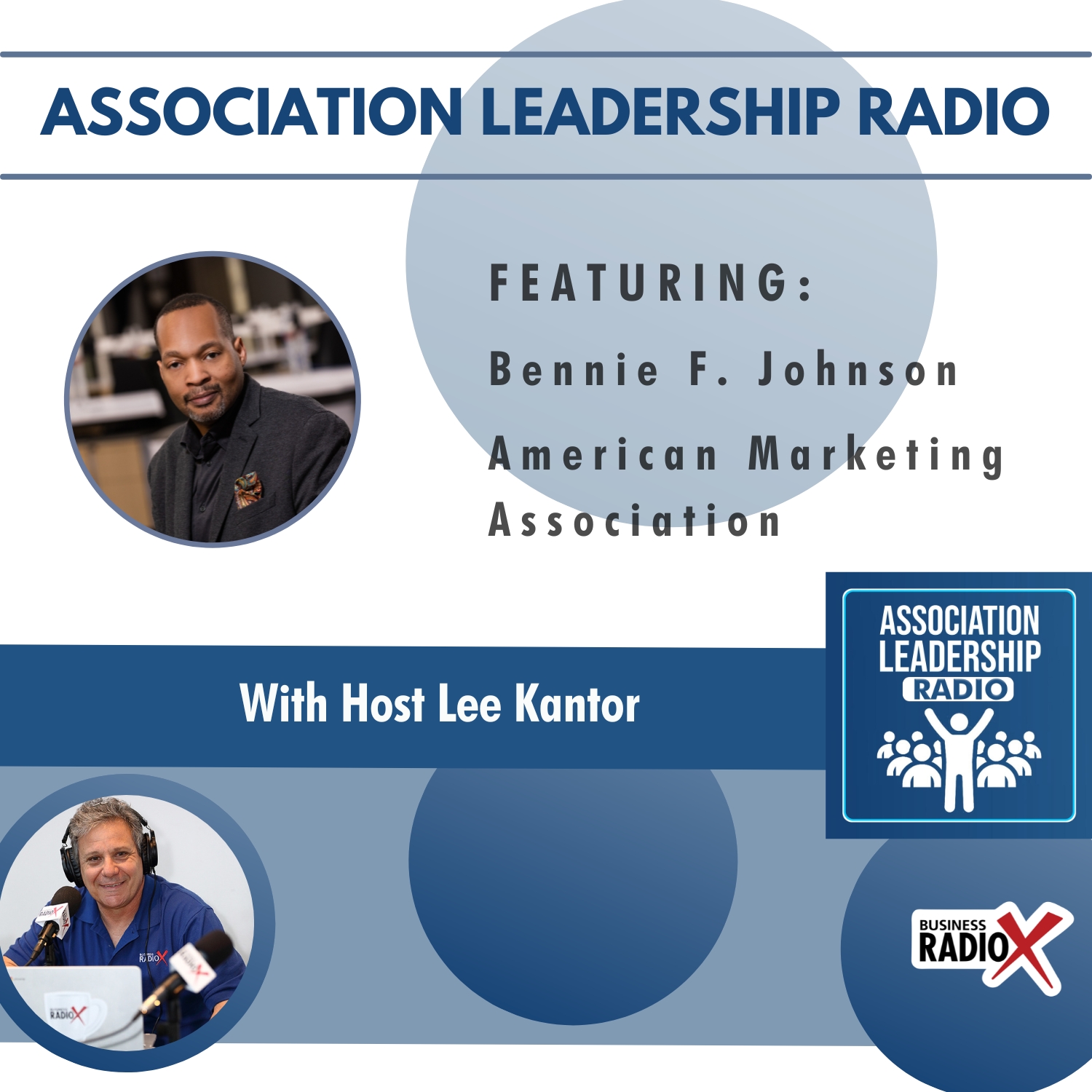
In this episode of Association Leadership Radio, Lee Kantor interviews Bennie F. Johnson of the American Marketing Association (AMA). Bennie discusses the AMA’s mission to support marketers in their career development and the organization’s long-standing history and global reach. He also emphasizes the importance of understanding customers and market opportunities in association leadership. The conversation covers the AMA’s proactive stance on AI in marketing and the need for ethical guidelines, and Bennie touches on the broad nature of marketing skills and the challenges young marketers face in the job market, advocating for personal branding and authentic connections.

American-Marketing-Association-logo

Bennie-F-JohnsonBennie F. Johnson is the Chief Executive Officer of the American Marketing Association (AMA). AMA is the largest community-based marketing association in the world, trusted by marketing and sales professionals to help them discover industry trends.

AMA’s community of local chapters spans more than 70 cities and 320 college campuses throughout North America. AMA is home to award-winning content, PCM® professional certification, five premiere academic journals, and industry-leading live and virtual training events.

He most recently served as the Executive Director of AIGA, the largest professional association for design. AIGA grows the power of design as a professional craft, strategic advantage, business driver and catalyst for positive impact. While at AIGA, Bennie hosted the acclaimed Design Adjacent podcast and the design leadership fireside chat series from 2020 to 2022.

Currently, he serves on the Board of Overseers for Columbia University’s School of Professional Studies, as a Trustee of the Smithsonian Archives of American Art and is a former Board Chair of the Smithsonian’s Anacostia Community Museum. Bennie is also a special advisor to the People’s Graphic Design Archive. Additionally, he was recently named to the Board of the Phillips Collection in Washington, DC.

Bennie thrives on the connections between marketing, technology, education and innovation. With experience in strategic and consumer marketing, brand management and innovation management, he is drawn to opportunities that allow him to lead and create new modes for business engagement.

He has broad experience growing brands, businesses and organizations with a special focus on venture launch and brand relaunch business environments.

Bennie graduated from Yale University with a B.A. and from Columbia University’s School of Professional Studies with a M.S., Strategic Communications.

Connect with Bennie on LinkedIn.

Transcript-iconThis transcript is machine transcribed by Sonix


Intro: [00:00:02] Broadcasting live from the Business RadioX studios in Atlanta, Georgia, it’s time for Association Leadership Radio. Now, here’s your host.Lee Kantor: [00:00:20] Lee Kantor. Here, another episode of Association Leadership Radio. And this is going to be a good one. Today on the show, we have Bennie F. Johnson with the American Marketing Association. Welcome, Bennie.Bennie F. Johnson: [00:00:33] Hey, welcome. Thank you. Thank you for being here. And thank you all for listening.

Lee Kantor: [00:00:37] Well, I am excited to learn what you’re up to. For folks who aren’t familiar, can you share a little bit about American Marketing Association? How you serving folks?

Bennie F. Johnson: [00:00:45] You know, we are, as we like to say, and work towards our mission. We are the essential community for marketing, and that really sums up kind of our world. We represent all of the development points, career, personal, professional that marketers need in order to be successful. In our current world. We are the oldest marketing association we’ve been around for almost 100 years. We have 75 professional chapters across the US, another 330 collegiate chapters, and we have membership covering the entire globe. We are also the publishers of five of the world’s most renowned journals, dealing with marketing, marketing, research, and global marketing. So that that’s where we are at at AMA. It’s an incredibly rich community. Professionals and practitioners, students, entrepreneurs who are all committed to advancing marketing.

Lee Kantor: [00:01:41] So what’s your backstory? How’d you get involved with the association? Did you come from marketing? You come from the association world.

Bennie F. Johnson: [00:01:48] You know, a little bit of both. I am I am the marketing kid who grew up and has the enormous task and humble opportunity to be CEO of the Marketing Association. So my background in training was entrepreneurship and marketing. As a part of that, I’ve worked in startup brands, relaunches, uh, you name it, and global marketing and strategic roles. And a few years ago, I had someone who became a mentor who actually tapped me to rebuild a global marketing function for an association. And it was the first time that I had really kind of stepped in the association space. And that kind of opened up a new door career wise. So always still with marketing being my first business language, but over the last 15 years, having the chance to lead and grow in contemporary associations. That leads me here.

Lee Kantor: [00:02:35] So how does somebody with a marketing bent, like you have kind of attack a role as leading an association?

Bennie F. Johnson: [00:02:44] You know, I think it starts one of the beautiful things about having a marketing background is you always start with understanding the customer, understanding the marketplace, understanding the business and the opportunity. And I think those are incredibly good ways to start to think about leadership and strategic leadership as an executive, as a chief executive officer.

Lee Kantor: [00:03:06] So when you think about the customer in your case, who is that customer? Is it that young person who is aspiring to be a marketer? Is it kind of that corporate person that is just trying to keep things, you know, moving and, and just kind of withstand all the turmoil that seems to be around it. Uh, it seems like you have different constituents.

Bennie F. Johnson: [00:03:27] You really do. And the answer to that is yes, yes and yes. Right. When you think about, uh, the beauty of professions or they’re made up of all those parts and pieces, right. That’s it’s the person who’s just starting the career, the one who is pivoting in the career, and those who are starting executive leadership that make up a full fabric of a profession. And we offer resources and training connections and really kind of, uh, a comprehensive approach to helping marketing professionals grow and excel, both for their own careers, for their teams, for their organizations, for their missions. And so we see a broad mix of backgrounds and, uh, experience levels in our membership community. And it’s really dynamic to see, you know, we have executive marketers, CMOs working in networking with each other in safe spaces where only the executives are kind of connected to each other. We’re a growth area for them. But those same executives may serve as mentors to younger students who are coming up or may serve as subject matter experts. For those who are thinking of making career or functional changes, you know, likewise, some of the great kind of innovation that you see in marketing is happening with younger participants in our profession who are coming in with unique backgrounds and opportunities and are really pushing the profession forward. So I see at times where a member of our community can be both an expert in a novice at the same time, and I think that’s the beauty of a contemporary profession where there’s there are things that you learn that are part of how you excel. And grow. But there’s also these opportunities to shape new technologies, new learnings and new opportunities. And so our goal is to continue and to create a space within AMA in which all those things are possible starting middle, you know, executive level, your career. This is a space for you.

Lee Kantor: [00:05:18] Now, you mentioned new technologies and one of them is AI. And that is something that is affecting or at least uh, could be affecting soon or if it’s not already impacting and disrupting a lot of different industries. How does an association like the AMA kind of lead in this regard? Are we at a stage right now where we’re just still learning and we don’t really know what it is, so it’s a little premature to make recommendations? Or are we at a point where we can kind of understand some of the, um, trade offs that might be kind of coming down the road?

Bennie F. Johnson: [00:05:55] Well, I will say this. It’s never too premature to lead. You know, when you think about the role as a profession in the space, in there as things are being written, developed, imagined, there is always a role for the profession and leaders within the profession to help shape what that reality is. So are there component parts of what is AI in terms of technology and platform that’s ever evolving? Uh, we had a panel discussion recently, and we talked about the fact that the contemporary version, the version of AI that you see today is the dumbest AI you will ever encounter. Right. And that’s that statement is really about how advanced and how dynamic the growth space will be. You know, so as a profession and as professionals, we need to understand how to harness the tool and what are the things that we can do. You know, machine learning, algorithmic learning, AI and generative form have all been a part of marketing for the last few years. If you know, if you look at digital marketing spaces, we were using AI in other ways, um, that will continue to grow and evolve and there’ll be places in there. But there’s also a space as a profession where we have a role in shaping the practice and the policy that goes around it. You know, I’m a fond of saying just because you can do something doesn’t mean you should do it. So where are the ethical guide rails? Where are the practice standards that come in? That’s a role for the profession and the professional association to help, you know, our members in the industry start to shape that. Will it evolve? Yes. Will it be a work in progress? Absolutely. Should we step in and be a part of this work? We must.

Lee Kantor: [00:07:32] But is it also should we let it just kind of. Grow to see what’s what before we hamstring anything, or before we start pruning something, we don’t even know how it’s going to be. I don’t think.

Bennie F. Johnson: [00:07:46] It’s a question of pruning, right. But I do think it’s a question of being involved in the growth. So if we were to wait, you know, then I would be happening to us, not us. Harnessing the potential of AI. Right. There’s there’s guidance and rules that are being structured right now that marketing should have a conversation in a place at that table. You know, there’s no value in the profession waiting to not help to shape this. You know, it doesn’t mean it’s going to be perfect. And I’m not saying that we offer kind of false regulations and guardrails in that sense, but we need to be a part of the conversations of understanding how this evolves in our professional space, because we’re being discussed whether we step up in that space or not. You know, you look at AI, their ethical concerns, their structural concerns, their privacy regime concerns. These are all things that are actively happening in the marketing space. And so as a profession, can we sit back and wait? Yes. And we’ll wait ourselves out of a leading space.

Lee Kantor: [00:08:47] But sometimes when large institutions get involved early on in the technology, um. They might not be open to having some sorts of this disruption that might impact them as a whole, that sometimes they’re kind of territorial about, um, kind of limiting the opportunity when it comes to allowing something like this to grow a little bit before making moves to constrain it.

Bennie F. Johnson: [00:09:18] Yeah. This I, you know, my conversation or my approach to this isn’t about a constraint, but it is about the fact that we as a profession need to be involved. Right? And I’m not pre-scripting any one way in which we’re involved. But I am saying that we should be there’s, you know, we’ve seen from past technological innovations, there is not value in opting out right in the space in there and the transformative moment in there, you know, because these are when I listen to our community and our members and the scholars. These are questions that they’re dealing with every day. It is very real. It’s not I it’s happening in the future. This is happening now. Right.

Lee Kantor: [00:09:55] And I know, like, I, I think that it’s one of those things like I mean, I’m sure you’re old enough and I’m old enough to remember when we first when calculators came into the scene, there was a hubbub about should we allow kids to have calculators? Um, because they’re never going to learn math if there’s calculators. And then the same was with the the internet, you know, like Wikipedia can’t replace encyclopedias, which obviously it has. So sometimes the, the status quo, um, is wants to pump the brakes and not let things just kind of go and then prune. They’d rather start making kind of changes, uh, before we even know what it’s going to be.

Bennie F. Johnson: [00:10:44] Right. Well, that is the nature and definition of the status quo. Right? So the status quo defends what has existed, what we have enough to see in terms of looking at history and looking at more recent history, is that disruption is real, and it shows up in unexpected creative ways in which we have a community. We’ve talked about this as well that sometimes definitions getting your own way right, definitions seek to control and curate, and sometimes before understanding the creative space. We have a lot of new people coming into marketing who never would classically consider themselves marketers, but the techniques and tools that they’re using and the the function that they are is all about marketing. You know, our language has to expand because there are things that our profession is learning from new entrants, and also things that the established profession can teach in order to continue the profession to grow in a healthy way. So yeah, we’re gonna the fallacy is that anybody in any one of us can control these innovations. That’s not what we’re discussing, right? It’s not about the controlling of innovation, but it is positioning us to understand and adapt, to change right positioning, to understand and say, hey, there should be a voice that we raise as a marketing profession about what things are valuable in terms of protecting, you know, our access to customers and consumers and our business organizations. We are keepers of the brand and customers, and all of those success measures that can be adversely impacted by this. So we should have a role in shaping the way that our organizations, our tools and our strategies show up.

Lee Kantor: [00:12:21] Yeah, I mean, you definitely have to be part of the conversation. That goes without saying. I mean, because, um, you know, there’s a saying about branding, your branding, whether you’re being proactive about it or not, you know, you’re you’re leaving an impression, uh, in the consumer’s mind, whether you’re investing a minute of thought into it or not.

Bennie F. Johnson: [00:12:41] It really is. And to think that, you know, new technological advances that are happening today or planned for tomorrow or next week won’t have a critical impact on what you’re doing. And your audience is really kind of a naive space. And so what we’re trying to encourage as a profession is facing there is how do we step in fully into these dynamic spaces, you know, because that’s what our members are asking. That’s what they’re looking at. You know, some of the things we’ve talked about in AI are changing the very tools that marketing marketers use, but they’re also policy changes that are happening that are then on top of that, changing the tools. So where do we show up as marketers who have these devices to use to delivering against our goals for our organizations and our missions?

Lee Kantor: [00:13:26] Now, are you finding that the marketing as a as a career has, um, is just kind of growing and growing because, like you said, it’s now permeating almost every aspect of business. You know it even if you’re an engineer, you’ve got to be a marketer, too, nowadays.

Bennie F. Johnson: [00:13:47] You really do? I mean, you see, marketing’s expanding. Kind of like our solar system, right? It continues to grow and expand on itself. The beauty of it and what I get excited about marketing is the profession is very different than it was 25 years ago when I started. Right. And it’s going to be very different 25 years from now. There are constant new ways and approaches and new entrants. You know, there are things that may be established, principles that we kind of remix and, and look at again today because as our consumer audience changes and its behaviors and needs changes, so does marketing. As our toolsets change, so does marketing as the future of business and work change. Guess what? Marketing changes as well. And so there are students who we have coming into profession. Some are coming in with PhDs in specialized market research fields, and they have a phenomenal path ahead of them. We have some who are coming out of college who didn’t study marketing, but find that this is a space that makes sense and and it’s an incredibly robust space. We also have students coming in from two year programs, or influencers or creators who have no formal education, but have something to say about how companies and organizations shape their marketing practice. I mean, we’re a really dynamic profession in which you can enter in all these points. You know, we don’t have licensure, but our organization offers certification and training for just in time resources and more, you know, long tail critical skill sets as well. And we have members, as I mentioned, who range from PhDs and CMOs to new creators who are using some of the great platforms and doing more socially driven connection points to, you know, traditional strategic marketing managers who are coming in with MBAs or masters in marketing management. All of them have a place in a contribution to our profession.

Lee Kantor: [00:15:36] Now, are you seeing a blurring of the lines of all kind of the industries within the industry, like marketing is kind of now a catch all for what used to be advertising or PR or media. Now there’s kind of a blurring of the lines, like, where does one of those end and another one begin? Or is everything marketing now?

Bennie F. Johnson: [00:15:55] I think it it always was right. I think sometimes the definitions get in our own way, right. When you look at the purview, especially if you look at organizations as you ladder up, each of these items end up influencing and tying in. So if you have a really strong marketing leader, they’re going to understand branding. They’re also going to understand marketing analytics. They’re going to understand content marketing and digital. They’re going to get paid media and advertising but also own created media. You know, now you can argue that any of those fault that I mentioned fall into somebody else’s budget line or category. But when you step back, these are all skills that successful marketers need to understand, hone and be able to deliver against. You know, our business and organizations are requiring, you know, that the marketing leader be in an expert or have a facility with technology, understand data, understand good business management practices, while also honing creativity of brand and social engagement. You know, the marketing role requires all of those things in service to delivering against the brand and the company and organization mission.

Lee Kantor: [00:17:02] Now, um, what is kind of the the job market look like nowadays for a young marketer? I’ve been hearing local. I’m in Atlanta and I’ve been hearing some, uh, I don’t want to say horror stories, but some frustrations by, uh, candidates where they’re being ghosted by some companies, they apply. They it feels like they’re not getting any, you know, they’re having a difficult time getting their foot in the door. Sometimes they get asked to do, um, you know, projects without getting paid as a way to kind of, um, you know, see if they’re a worthy candidate and then they their fear or some people say this has happened where they’re taking their materials and then using them and not hiring them. Uh, how would you, if you were a young person, navigate the world if you were trying to get in, uh, get a job in marketing?

Bennie F. Johnson: [00:17:53] Yeah. Well, I will say that some of the things you’re describing are some of the horrors of contemporary job market. So they’re not unique to marketing or that space in there. Sadly, you’re seeing that, as, you know, companies and organizations pursue job markets. And this is where we talk about what are your kind of ethical responsibilities and spaces in there and understanding how you build out an organization, you know, so those are some bad practices that we see across the board. Um, what you’re describing in terms of the work in my last organization, we took some very harsh stances on that. That’s the category of spec work in which you would do things on spec to kind of prove in space in there. And it’s not a really it’s not a great practice. And it leads to exactly what you just described, a feeling of vulnerability or exploitation. If you’re in the market space in there, you know, if I if I’m advice to a young person working in marketing space in there is to really work on strengthening your personal brand. Work on strengthening your connection points that allow you to distinguish yourself in authentic ways from others who are in the marketplace. We see a lot of success in terms of working through networks and organizations like your professional association, the AMA, both at a local, regional and national level is a great way to continue that network. We just had our major collegiate event, and a big part of it was an open house for employers looking to hire, train and grow marketing professionals. And so as a professional association, we can provide that kind of entry point, um, to help people move along in that, you know, it’s you want to be cautious before you put out your work in the marketplace in there because you want to, you know, protect yourself against that risk. But I think going into established organizations, as you said before, um, really distinguishing your value and experience and building on your ongoing network are important things that serve you well, whether it’s your first job or your 10th.

Lee Kantor: [00:19:48] Yeah, I agree 100%. That’s my advice to any young person is join your associate, the local association, for whatever industry or niche that you’re working in, and lean in. And don’t just pay money and join and think you’re done, but then volunteer, take leadership positions, demonstrate so so the people that can hire you will see with their own eyes what you can and can’t do. And that’s your best chance of standing out and getting a job. I mean, by throwing your name in the hat in one of these kind of algorithm driven, you know, uh, search engines, you know, good luck. That, to me, is a lottery ticket.

Bennie F. Johnson: [00:20:24] Yeah. But to your point, it’s a great way to think about your engagement with a professional association. It’s not just membership sign and done. It is being actively involved in that. I know in this organization, in the past, organization, volunteer leadership is one of the things that people use to distinguish themselves for advancement, promotion and distinction at their 9 to 5, if you will. Right? Because often you may not get an opportunity to lead a robust project that has impact at work, but you get a chance to be a part of a robust project in your professional association, and that allows you to work with other peers. It allows you to be seen and noticed and how often if you are. I have this now and the Professional Association of Marketing. So people in my network reach out to me and say, hey, we need to hire marketers, right? And that gives you an opportunity both locally, regionally and nationally to connect with resources where people are going. First. If I want to hire a quality marketer, um, it’s a great assumption to assume they’re connected with the high quality Marketing Association.

Lee Kantor: [00:21:23] Now what do you need more of? How can we help you?

Bennie F. Johnson: [00:21:27] Well, we always need more championing the fact that being a part of an association matters, that being able to grow both personally and professionally, but also to network and help others grow, is essential to associations, right? It’s essential to how we push the profession forward. It’s an incredibly dynamic time period to be in marketing, and it’s a fun space to be. We want to spread that word for those who are considering marketing or are marketing adjacent, right? Because marketing, as you said before, it’s such a part of success. Any successful organization, campaign for profit nonprofit has marketing at its heart.

Lee Kantor: [00:22:06] It should. Because if people don’t know who you are, that’s not going to help. And you better be delivering value to your constituents or you’re not going to grow. I mean, so.

Bennie F. Johnson: [00:22:17] And it’s got to be an ongoing conversation and exchange, right? It can’t be. Rest on who we’ve been and who we were, but it has to be that ongoing, what we represent and what value we show up in your professional personal lives as we think about brands for all spaces, I mean, we’re marketing missions, we’re marketing ideas, we’re marketing services and products, but it all comes back to that relationship.

Lee Kantor: [00:22:42] And and you’ve been around for 100 years, and that doesn’t happen. Uh, by accident or mistake, I mean, to be around for 100 years shows that you’re providing value and you’re you’re growing an organization that’s doing important work.

Bennie F. Johnson: [00:22:56] Yeah, it does, but it also gives us a challenge that in order to be around for the next ten years or 20 or 30 years, we still have to be intentional of understanding how our profession grows and evolves and being able to provide support as we navigate that as well.

Lee Kantor: [00:23:11] Good stuff. Well, thank you so much for sharing your story today, Bennie. You’re doing such important work and we appreciate you.

Bennie F. Johnson: [00:23:17] Well, thank you for having me. And I thank everyone for listening. And once again, uh, Bennie Johnson, CEO of the American Marketing Association and the.

Lee Kantor: [00:23:25] Website, if somebody wants to connect with you or learn more about the association.

Bennie F. Johnson: [00:23:29] We are AMA. Org and you can follow us and connect with us on LinkedIn as the heart of our professional space. And if I may give a plug, you can also listen to my new podcast, which is marketing. And and we’re talking to unexpected marketing leaders about the impact and future of the profession.

Lee Kantor: [00:23:48] Good stuff. And is that started or that’s coming?

Bennie F. Johnson: [00:23:51] It is started. It is. We are well into season three recording and season one just dropped.

Lee Kantor: [00:23:58] Well congratulations on that. And um, and they can find that I’m sure on any podcast platform.

Bennie F. Johnson: [00:24:04] Any place you get your podcasts you can find it. Uh, AMA marketing and with Bennie Johnson.

Lee Kantor: [00:24:10] All right, Bennie, thank you.

Bennie F. Johnson: [00:24:13] Thank you so much.

Lee Kantor: [00:24:13] All right. This is Lee Kantor. We’ll see you all next time on Association Leadership Radio.

TRANSCRIPT

Tagged With: American Marketing Association

Ryan Englin with Core Matters

February 27, 2023 by angishields

Ryan-Englin
High Velocity Radio
Ryan Englin with Core Matters
Loading
00:00 /
RSS Feed
Share
Link
Embed

Download file

Core-Matters-logo

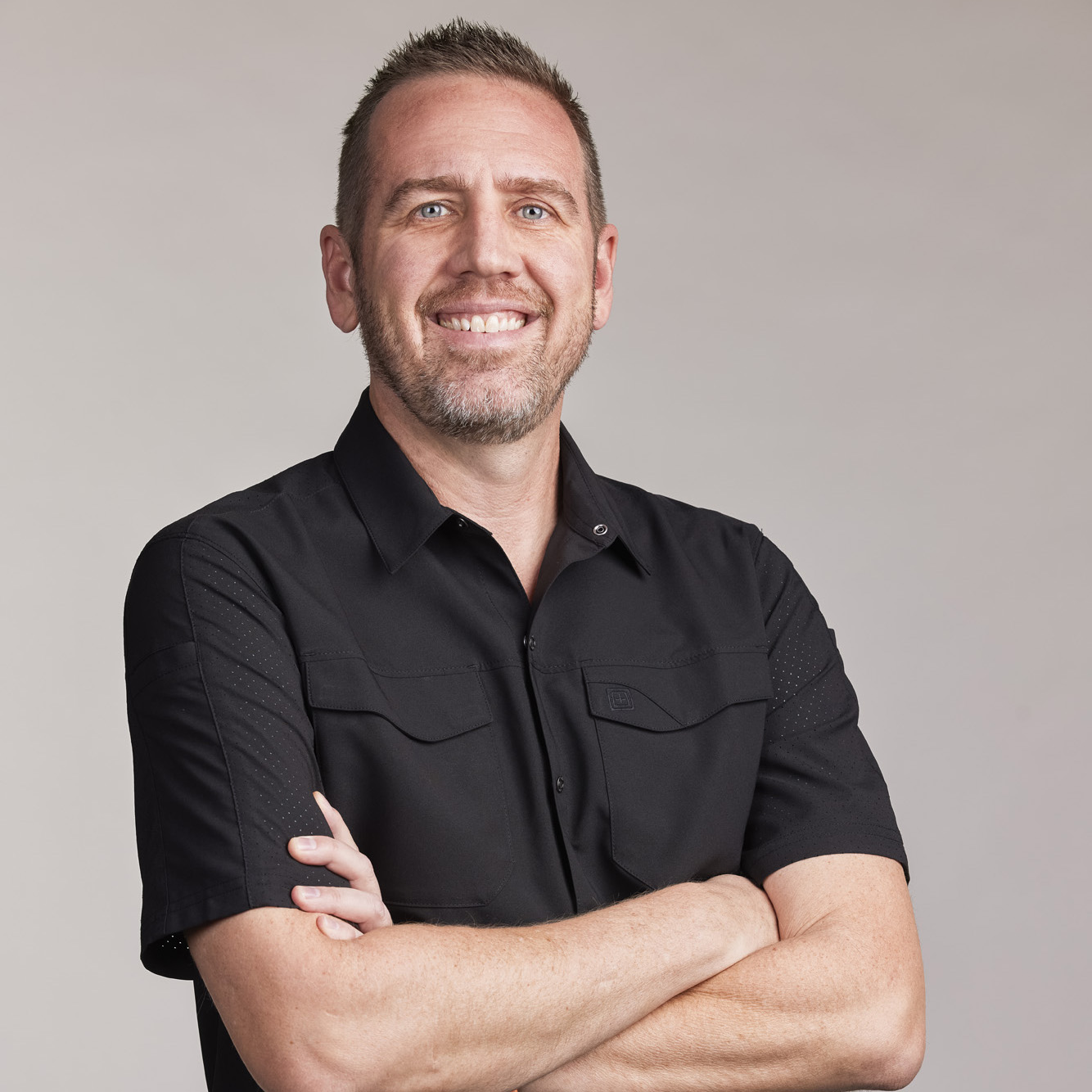
Ryan-EnglinRyan Englin is passionate about supporting growing businesses, particularly in blue collar industries, to build amazingly productive companies by hiring the right people.

Growing up, he saw his own father working 12-hour shifts and weekends as an owner/operator, witnessing firsthand the struggles that these companies have in hiring quality frontline employees.

Ryan was determined to help them find a better way. His company, Core Matters, provides coaching and training on attracting, hiring, and retaining rock star employees. Using his proven process, the Core Fit Hiring System, small and midsize businesses learn how to start hiring better people, faster.

With almost a decade in the business, Ryan has helped business owners achieve their goals by hiring the right people.

Follow Core Matters on LinkedIn, Facebook and Twitter.

What You’ll Learn in This Episode

  • Why is recruiting so hard?
  • Why can’t companies find good people?
  • What can someone do to hire better people?
  • What are “passive” job seekers, and how can I find them?
  • How does someone keep a good person once they hire them?
  • I’ve had a bad experience hiring. How can I make sure I don’t repeat the same mistakes?
  • What is a “Rock Star” employee, and how can I find one?

This transcript is machine transcribed by Sonix

TRANSCRIPT

Intro: [00:00:04] Broadcasting live from the Business RadioX studios in Atlanta, Georgia. It’s time for High Velocity Radio.

Stone Payton: [00:00:15] Welcome to the High Velocity Radio show, where we celebrate top performers producing better results in less time. Stone Payton here with you this afternoon. Please join me in welcoming to the broadcast with Core Matters. Mr. Ryan Englin. How are you, man?

Ryan Englin: [00:00:32] I am fantastic.

Stone Payton: [00:00:34] Well, it is a delight to have you on the show. I got a ton of questions. I’m sure we won’t get to them all, but I think a great place to start would be if you could articulate for me and our listeners mission purpose. What are you and your team really out there trying to do for folks? Man.

Ryan Englin: [00:00:54] You know, our mission is to help entrepreneurs understand that there is a better way to run business so that they have the time to focus on the things that they that matters most to them. And, you know, I grew up in an entrepreneurial blue collar family, and I remember my dad telling me I’m doing this to provide a better, you know, better opportunities for you kids and to give you guys the things we didn’t have. And I see entrepreneurs do that all the time. And then the 18, 20 years goes by and they’re like, Well, the kids are grown now and all the things that were really important I didn’t have time for because I was so busy, so focused on growing this business.

Stone Payton: [00:01:31] Well, that’s a little bit of the history, but what is the full backstory, man? How did you land into this line of work?

Ryan Englin: [00:01:40] You know, like I said, I grew up in an entrepreneurial blue collar family, and I did like any good son would do, and told my dad, I’m not going into the family business. So I went to college route, I went to corporate, and I just was like, This isn’t me. So eventually became an entrepreneur and I wanted to work with contractors that were making it happen. And so I ended up working with a lot of home service contractors, you know, those HVAC technicians and plumbers that that keep everything working for us. And, you know, a couple of years into it, they were all struggling with the exact same thing. They didn’t have enough people and as many leads as I could generate for them, as many opportunities I could generate for them in a marketing world, they still couldn’t find enough people. So it was in an act of desperation, insanity, whatever you want to call it. I said, You know what? Maybe I should help these guys hire front line people. And about seven years ago I did that with resounding success, and it was so much more fun. It was so different that I just said, This is what I want to do. There are so many people that don’t know how to recruit, that don’t know how to hire because no one ever taught them. Let’s create a coaching and training company where we can teach them how to build these systems and processes and attract, hire and retain the best people that are out there.

Stone Payton: [00:02:57] Man, what a noble pursuit and an important calling. Why is recruiting so hard? I mean, it’s hard for all of us, those of us in the professional services arena too. But and especially for these for these folks, you think.

Ryan Englin: [00:03:11] You know, there’s no one real easy answer. But I will tell you this. The biggest shift that I think people need to make when it comes to recruiting is realizing that recruiting is not an HR function. Recruiting is a marketing function. And when you recognize that and you start treating it like marketing, recruiting becomes a whole lot easier.

Stone Payton: [00:03:34] What an interesting frame to put on it. So in your experience, if you if you put it in the in the marketing function, it’s easy is probably not the right word, but more practical, more more cost effective, more efficient to find. I’m quoting here good people.

Ryan Englin: [00:03:55] Yeah. You know, if you think about it for a second, when it comes to recruiting, what’s the first thing most people do? They they put a job description up on a job board somewhere like indeed. Or something. And they wait for people to apply. Well, that job description is an advertisement for an opportunity to join your team. But they’re all boring, they’re all dry, they all look the same. What is the one of the biggest rules in advertising? You’ve got to stand out. You’ve got to be different. You’ve got to get noticed. And so many people think, well, I just put the same boring job description up there and it just doesn’t work. No one wants to work anymore. It’s like, Yeah, but you look like everybody else and you’re not. Let’s make that ad really stand out. Let’s make it pop, let’s make it so people go, I want to be a part of that team.

Stone Payton: [00:04:42] I love it. So you’ve been at it a while now. What are you finding the most rewarding about the work? What’s the most fun for you?

Ryan Englin: [00:04:52] You know, the thing for me, being a coach, being a trainer, the thing that just lights me up more than anything is people that are willing to make this shift and watch someone be coachable and go through it and transform not only their business but their personal life, because they go, Wow, now I’ve got people I can trust. I can grow the team as fast as I want, whenever I want. I got time for the things that are really important. I get to travel more. I get to spend more time with the kids. I get to work on these side projects. When I see that happen. That that’s. That’s why I do this every day.

Stone Payton: [00:05:23] So you’ve had the benefit of coming up in that entrepreneurial environment. Have you also had the benefit of one or more mentors along the way to kind of help you navigate that terrain of being in business?

Ryan Englin: [00:05:40] Oh, absolutely. I love mentoring. I think there are people that have been to the mountaintop that I want to climb. What better way to get to the mountaintop quickly than to go find someone who’s already done it? Absolutely.

Stone Payton: [00:05:55] And emulate those those behaviors, those disciplines. I mean, it really can sort of remove some of the friction and shrink the timeline if you’re willing to do that and seek them out. In my experience has been in our world, I’m sure it’s the same in yours. These people, they want to help. If they genuinely want to turn around and help other people grow and maybe save them a little of the heartache that they lived through, don’t they?

Ryan Englin: [00:06:20] Absolutely. You know, it’s funny that you bring up mentoring. It’s one of the principles we actually teach our clients is to implement a mentoring program for new recruits. And taking someone who’s seasoned on the team, not anything super structured or super overwhelming, but bake in a relationship for them when they’re on a new team. You know, Gallup has an engagement survey that you can go take for your team. It’s called the Q 12, and it’s all about how well your teams engage. And they found that if your team members, if someone on your team says, I have a best friend at work, that’s one of the questions. Do you have a best friend at work? If they say yes to that question, there’s a more than 80% chance that that person’s engaged just based off that one question. And when you create a mentoring program and someone who’s been there who can show them the ropes, you build that relationship that often blossoms into a friendship. And it just makes it so much easier to start recruiting when you’re able to do something like that.

Stone Payton: [00:07:14] I’ll bet. All right. So let’s talk about the work in my world. I would call it the engagement cycle, but early on, like if we were engaging you to help us or if I ran an HVAC company or something like that, especially the early stages of that relationship, what does that process look like as it unfolds?

Ryan Englin: [00:07:33] Yeah, So once we realize that someone wants to make this shift, I mean, that’s the biggest thing. If someone just says, Hey, I know what to do, I just need to do more of it. That’s often a challenge or a hill we can’t die on. But for someone that says, Yeah, I’m ready to do something different, we work with them directly for 90 days. And what we do is we work on all of their recruiting processes and systems, get them built, get them implemented, and then we teach their team how to run them on their own so that they’re not stuck having to work with us all the time. And they’re going to be better at it than we ever will because they’re living it every single day. And so we teach their team how to do it inside of that 90 days. And then after the 90 days. Now let’s start looking at onboarding and retention and all these other things. But now we’ve got a steady stream, high quality applicants coming in. We can turn that dial up anytime we want. We can fill every open position. Then after that we can say, okay, now let’s start working on how do we retain them, how do we engage them, how do we get them more productive?

Stone Payton: [00:08:32] Well, I’m glad you brought up retention and I have some questions around that. But before I go there, I’m always interested in the the the sales and marketing thing, man. How does the whole sales and marketing thing work for a guy like you? How do you get the opportunity to even have conversations with prospective clients?

Ryan Englin: [00:08:52] You know, the work that we do is actually been described by many people I know is disruptive. It’s a different way of thinking about it. So most people don’t wake up and say, Hey, this core matters. I want what they got. They don’t think about it. You know, there’s not a lot of people out there that are training and coaching and how to do this differently and really get successful, be successful at it and get really great results. So the number one way people learn about me is by doing shows just like this and getting the message out there because so many entrepreneurs, they want to learn and they they invest in, they’re learning, they’re reading books, they’re listening to podcasts, they’re they’re going to webinars. And so we found that’s the most successful way to get this message in front of people.

Stone Payton: [00:09:32] All right. Let’s talk about hanging on to him. Once we get we get a good one. How do we keep a man?

Ryan Englin: [00:09:39] You know, here’s the thing. And the studies show this Looking for work is one of life’s most stressful events. So think about that for a second. This is on the same list as death of a loved one. Divorce, relocation looking for work is on that same list every single year. Looking for work sucks. It’s not fun. People don’t like it. So if you’ve got somebody who is leaving you, that means they were looking for work somewhere else. That means things were pretty rough for them. Because they’re willing to go out and say that stress of looking for work is less than the stress I’m dealing with here. And I’ll tell you, over the last three or four years, we’ve seen it because so many people have struggled. What’s the first reaction over time for everyone? And we’re burning our people out. And as much as we recognize it and much as we know we’re burning our people out, we need to step back and say, Hey, you know what? Maybe we need to take on one last client. Maybe this year isn’t going to be as big a growth year because we need to preserve the health and the quality of our people. But if you think about that for a second, people leave when the stress is so much that looking for work just seems pale in comparison.

Stone Payton: [00:10:50] So what are you finding? And I’m making the assumption that you are finding some patterns. What are you finding to be common, repetitive things you see over and over? Mistakes both on the the recruiting, the development, the retention. I bet you see some of the same patterns over and over early, early on in your work with a client.

Ryan Englin: [00:11:09] Yeah, absolutely. You know, everybody says that. Everybody just, you know, everybody wants to make more money. I can’t afford the people that are out there. And the reality is most of our clients have a story, multiple stories, in fact, where they’ve hired someone who took a pay cut to come work for them. It’s not about the money, but the money is an easy answer to the problem, right? It’s much easier for an entrepreneur to write a check and just say, I’m going to pay $3 premium an hour. Then to take a step back and say, Hey, maybe I have a company culture, maybe have a leadership team, maybe I have a lack of training and development for my people, Maybe I should change those things. It’s much easier sometimes to just pay the extra hourly rate, but when you do that, you only get people who are going to come to you for more money and leave you for more money. And we’re in this market cycle where it’s all about competing for how we can pay, you know, who can pay more faster. And so if they were to take a step back and say, what is it that people want out of a work relationship, I mean, it’s really what it is.

Ryan Englin: [00:12:12] This is all about relationships. These people are giving up time with their friends and their family, the things they do for fun to come work for you. So how do we mirror what they’re giving up and create it for them here? How do we have a better company culture? How do we make sure that they’ve got good training and development, not just professional but personal development? How do we create an environment where they can have friends and have fun here? Now, I’m not saying that we just make it so that nobody works anymore, but how do we create those opportunities for them? And I already mentioned the mentoring program and that’s a great way to do that, is to create opportunities for someone to create connection at work. Makes it a lot easier to come there and stay. And when you got friends at work, you’re going to be a lot less likely to leave.

Stone Payton: [00:12:54] Well, I got to believe if you create that environment, the word will get out on its own. But particularly my dad used to say it’s a poor dog that won’t wag his own tail. If you if you get out there to let people know about that environment, finding people can quickly become people. Finding you.

Ryan Englin: [00:13:11] Yeah. You know, a big part of what we do is how do you become attractive to good people? Because so many times people say, I can’t find any good people. And I’m like, If you’re not attracting good people, take a look in the mirror and ask yourself, Am I attractive to good people? Do people know about the cool things that we’re doing? Like we talk to companies all the time. I’m like, Where’s that on your website? I just had a call yesterday. He’s talking about all these things that they’re doing that’s different than the industry. I’m like, Where’s that on your website? He’s like, Yeah, it’s probably a good point. I probably have it out there. People don’t know. You have to brag and get credit for the things that you’re doing and when you do that, people are going to come to you. You’re not going to have to go looking for them anymore.

Stone Payton: [00:13:49] Well, it’s an excellent point. And I think that paired with a with a strong, compelling origin story, you know, in my line of work, I get to hear some really interesting origin stories, how things got started. And I would think as a prospective employee, if I looked into an organization and I heard their origin story and then I heard what you’re describing here about the environment, I got to believe that would that could be very compelling.

Ryan Englin: [00:14:16] Absolutely. We got a we got a client that we worked with last year. And, you know, they when we started asking them about all of these stories and I think you bring up story like, oh yeah, this this person, you know, has this story on how working for us impacted their personal life. This person we help buy a house. This person got out of debt. This person was able to retire a millionaire. Like they have all these stories. And when we started collecting all these things and we sat down the I remember the owner of the company looking at me, he goes, You know what? That’s what I want. I want a company where every single person that interacts with us has a story to share. All right. I want some powerful stories to share. And so that all of a sudden became more of their vision for how they drive the company forward.

Stone Payton: [00:15:01] Yeah. Okay. I want to get some tactical advice. It’s one of the benefits of doing this for a living. Guys, if you want free consulting, get yourself a radio show. They may not always give you the answer, but you could. You could try. But no, I got to confess to you, Ryan. Well, I think I do a pretty good job in this platform of conducting an interview. I think I’m probably the worst interviewer on the planet when it comes to conducting an interview for someone to come and work with us. And I know one of the traps. I’m at least self-aware to know that one of the traps I fall into is I just have a tendency to, I don’t know, just believe in them too quick and I don’t know, maybe hiring my own image. Again, are there some some things that you share with your clients to help them do a better job in that part of the process?

Ryan Englin: [00:15:54] Yeah, interviewing is my favorite part of the process. Like once we found good people and they’re applying, once we’ve automated the process so that we can keep up with volume, how do we interview them, make sure that they’re they’re the right people. And I’m going to do a quick little plug here. I’m going to give my website later, but all my website, you can download a copy of my book about how to hire the ones you won’t want to fire. And in that book, I outlined some very on point tactics, things you can go do by the end of the day to help with your interview process. But let me let me share this. When it comes to interviewing, what I usually see happen, and this is the biggest mistake people make in interviewing is the employer feels that they have to sell themselves. And so what happens is and I’m not kidding, I had I had a client that had me this year. Here’s my interview process. Spend 25 minutes bragging about how awesome we are. That was step one. Well, here’s what happens. You brag about how awesome you are for 20 minutes. You sell yourself and then you start asking questions. And guess what? You just gave them all the answers to the test. So they tell you everything that you want to hear and you’re like, This is amazing.

Ryan Englin: [00:16:58] And you hire them and they don’t work out because what we need to be doing is we need to be focusing on them, selling us. If we want higher quality people joining our team, we got to make sure they’re high quality during the interview process, and that means they have to sell us. Now good employees. They don’t interview a lot. Right? They’ll work five, six, seven years, one place, and then say, okay, it’s time to move on. The ones that are interviewing all the time, you don’t want to hire anyways because they’re got a new job every three months. But the ones that are really good, they don’t interview well. Because they don’t do it a lot. And so what you need to do when you’re interviewing is be there for them and help them through this process, Guide them with questions, just like you’re doing here with me. You’re interviewing me today and you’re asking me questions to guide this conversation. Same thing we need to do. There is ask them questions to guide them through the answers that you’re looking for, so that you create a really great conversation and you can make a really objective decision as to whether or not they’re a good person to hire.

Stone Payton: [00:18:00] Well, I’m glad I asked. I think that’s helpful because I think I resemble that remark. I think I probably babble on about how great and wonderful and how Business RadioX is going to solve world peace. And then he got. So I want to solve world peace, you know, when do I start? Oh, that’s funny. I got to hear more about this book. I got some questions about content and structure and that kind of thing. But a broader question, when you were I want to talk about the process of writing a book in the first place, because a lot of our listeners feel like maybe they have a book in them. Did did parts of the book come together much more easily than than others? Was the whole thing a struggle? Was the whole thing a breeze? What was that process of writing a book like for you?

Ryan Englin: [00:18:44] Well, I’m going to give you two answers because the book I mentioned, how to hire that ones. You don’t want to fire that book I wrote just out of an opportunity that I saw with my clients. I was coaching them through the same thing. It’s real short. It’s about 60 pages. That book just kind of flowed out. It was done and it was really easy. But I am now in the final stages of writing a much bigger book that goes through our whole process about a year and a half into it. And that book, there were parts of it where I realized going through the book that some of it just came out. It was easy. And then there were other parts. I was like, I teach people this stuff, but I don’t know how to articulate it in a way that it’s going to make sense in a book. And it required me going back to the drawing board on some of the things that we teach and some of the things that we do. And, you know, here we are a year and a half later, and it’s not because that’s how long it takes to write a book. It’s just there were some parts that were just real sticky. And when I shared it with with test readers, they were just like, Ryan, I am so lost what you’re doing here. But you know, the thing that I’m learning now, having gone through this when I write my next book, is that plan up front, knowing that the journey that you’re going to take the reader on from start to finish, just spending the time doing that, I wish I would have done that more. I think it would have been a lot easier to do the book.

Stone Payton: [00:20:00] Well, and I got to believe the blood and sweat that you are putting in by what you’re describing. I got to believe coming out of that, that if nothing else, and I’m sure it’s going to have a marvelous impact on a lot of folks, me included. But if nothing else, I bet it helps crystallize solidify for you the ways to articulate your disciplines, your processes, your methodology. I bet you I’ll bet it makes you more effective coming out of the writing process.

Ryan Englin: [00:20:32] Oh, undoubtedly. I provide a better service to our clients because I’ve been through that process. Yeah, no question.

Stone Payton: [00:20:39] All right. Totally on a different track here. You’ve got a lot of irons in the fire. You got a lot going on. You’re staying busy. And I’m interested to know outside the scope of this work. Your work? What, if anything, do you have a tendency to to nerd out about, like, something totally different where you sometimes you just dive in neck deep, whether it’s a hobby or something like that. You have a tendency to nerd out on anything outside the scope of your work.

Ryan Englin: [00:21:08] I mean, we only got a few minutes left in the show. Where do I start? But, you know, I got little kids at home and so any chance I get to do anything with them? But I tell people there are two things. I’ll get out of bed before the sun for golf and fishing. And so any opportunity I get, in fact, I’m actually my wife and I are talking about moving across country so that we can actually be in a place where I can golf and fish more. Mostly fish, because out here there’s just not a lot of places to go fishing out here in Arizona. I love those things. And then, you know, with my kids, you know, I look at that and say, Hey, my job is to prepare them so that when they’re 18, they’re ready to leave the house and ready to go. And so any opportunity I get to pour into them, you know, we study the Bible together. We we have great conversations. I mean, the little kids, six and eight. And any chance I get to spend with them is is a time when I get to geek out.

Stone Payton: [00:22:03] Yeah. Also always interested to know I often frame it up what’s on your nightstand but kind of getting at where what are you reading? Whether it’s blogs, books or studying for your own growth and development. What are you reading these days?

Ryan Englin: [00:22:21] Well, I already mentioned the Bible. Read that as often as I can. Great wisdom in there, great stories in there. And, you know, it’s the thing is, is almost everything that I read translate into how I can do my to my business better. I mean, at the end of the day, I’m in a relationship business. I’m helping companies find better employees. And it’s all about communication. And my wife and I, we read a lot of communication books, you know, marriage, communication and how men and women communicate different. And so much of that is able to to translate back in. But, you know, one of the one of the books that I really love, reading is love and respect. And it’s just about how people communicate differently. I can use the exact same words my wife uses and means something completely different.

Stone Payton: [00:23:11] That is so true and challenging. That’s true to Peyton House, too.

Ryan Englin: [00:23:18] Yeah. So so so those are some of the books that I’m reading. And then, you know, as far as a business book goes, one of my favorite is Never Split The Difference by Chris Voss.

Stone Payton: [00:23:26] Hmm.

Ryan Englin: [00:23:27] Negotiating book. It’s amazing book. I’ve read it a couple of times. Probably one of my favorite business books.

Stone Payton: [00:23:33] So I have with my youngest daughter. We decided we’re going to call it the Daddy Daughter Book Club, but she recommended one that I’m enjoying. What does it costing you not to listen? And and it goes well beyond just the active listening stuff, which is good. And I’m really enjoying that. But I’m also enjoying reading the book along with someone else or one that they’ve recommended, and in particular because it’s my daughter. But I do think even if the content is coming from someone, maybe even especially of someone outside your arena, you can often that different perspective on disciplines and thought patterns can can often that can really make a big difference.

Ryan Englin: [00:24:16] Mm hmm.

Stone Payton: [00:24:18] So, yeah, I’m. I’m enjoying that as well. All right, before we wrap, I’d love to leave our listeners with just a handful of pro tips when it comes to any of this marketing and recruiting and developing, retaining and look game. The number one tip is, you know, reach out and have a conversation with Ryan or someone on his team. But between now and then, maybe some things they could be reading, doing, not doing that, you know, just a couple of actionable things. They can start moving on.

Ryan Englin: [00:24:50] Yeah. You know, we we spend a lot of time working with our clients on front line employees. Those are the ones that, you know, you’re probably paying them hourly, high turnover. You need lots of people. And that’s really our focus is helping them there, because once you’ve done that and you figured out the front line, the other stuff becomes so much easier. I would say that there’s two things that everybody needs to do right now. Number one is get really clear. I mean, crystal clear, just like you did when you met with your marketing company to find out who your ideal customer was and figure out who is the best type of employee for you, how do they behave? What do they believe? What do they do for fun? Get really clear on who that is, because when you do that, it’s going to make it so much easier to do. Step number two. Which is right. A better job ad. Get rid of what HR wrote and write it like a commercial. Give it to your marketing team and say, Hey, make this sound engaging, make it fun, make it compelling, make it so that someone would actually want to apply here.

Ryan Englin: [00:25:57] Our job ads are much longer than what most companies do, and we just delivered a job ad to a franchise brand and we got the reply and they’re like, Can I apply here? And it was like, This is us. But I’ve never heard it articulated this way. I’ve never heard it described this way. So get really clear on who you’re writing those ads for and then write a better ad and give it to your marketing team. Say, have fun with it, make it exciting, make it compelling. Forget You know what? Here’s the thing. If I if I’m an electrician or if I’m a customer service rep or a sales rep, I know what those people do. You don’t have to tell me all of the stuff that I have to be able to do. That’s in the in the new higher paperwork. Right. Let legal handle that stuff. But in those ads, tell me why I should come do it for you.

Stone Payton: [00:26:51] Man makes all the sense in the world, especially when you say it. No, it makes perfect sense. I just love putting that marketing frame on it. And I’m going to we’re going to take your counsel here at the Business Radio Network, and I’m sure a lot of our listeners will as well. All right. What is the best way for folks who are listening to this to to connect with you, tap into your work, maybe get access to that tool that you mentioned earlier in the conversation and maybe have a conversation with you, man, whatever you think is appropriate, website, LinkedIn, email, that kind of stuff.

Ryan Englin: [00:27:23] Well, I am an easy guy to find LinkedIn especially, but core matters dot com. Go to our website. We’ve got hiring tips, we got resources, we’ve got downloads. We just launched a brand new 14 question takes less than 2 minutes survey. You take this and you get instant results on where you need to focus most in your business that you can start, attract, hire and retain the best people. Everything’s on our website at core Matters.

Stone Payton: [00:27:51] Fantastic. Well, Ryan, it has been an absolute delight having you on the show this afternoon. I appreciate the insight to perspective and keep up the good work. Man. What you’re doing is important and we we sure appreciate you.

Ryan Englin: [00:28:06] Thank you.

Stone Payton: [00:28:06] Stone My pleasure. All right. Until next time, this is Stone Payton for our guest today, Ryan England with core matters and everyone here at the Business RadioX family saying we’ll see you in the fast lane.


Tagged With: Core Matters

Stephen Norton with Star Printing, Darin Hunter with Every Link Matters and Comedian Rich Brock

January 5, 2023 by angishields

Charitable-Georgia-tile
Charitable Georgia
Stephen Norton with Star Printing, Darin Hunter with Every Link Matters and Comedian Rich Brock
Loading
00:00 /
RSS Feed
Share
Link
Embed

Download file

Charitable-Georgia-ep3-Banner

Stephen-Norton-Star-PrintingStephen Norton has co-owned and operated Star Printing since 2015. He has been employed there since 1999.

Star Printing specializes in commercial printing including newspapers and magazines, as well as business cards, flyers, posters, and anything in between relating to paper printing.

In the last couple of years they have expanded into signage andbanners. They run a variety of machinery including web, sheetfed offset and digital printing.

Connect with Stephen on LinkedIn.

Darin-HunterDarin Hunter graduated from the Terry College of Business at the University of Georgia in 2002 with a finance degree. After graduation he took a position as a loan officer. Finding success as a LO provided the opportunity to branch out on his own in 2007.

Successfully navigating the housing bubble, he was recognized by Scotsman Guide as a top producing branch manager. Today he maintains a team of loan officers and processors licensed in 27 states located in Downtown Woodstock. In addition, he is the owner of DH Homebuilders, president of the Woodstock Business Club and has recently become one of the hosts for The American Dream.

In 2017 his youngest daughter was born with a rare genetic disease, called KBG. After dealing with the lack of information and frustration over insurance bills, he and his wife started a non-profit called Every Link Matters. They raise funds for families dealing with the lack of financial assistance they receive due to the rareness of the disease. In the two years the non-profit has been in existence they have raised over $125,000 for KBG families along with local families in an effort to help raise awareness.

Connect with Darin on LinkedIn.

Rich-BrockA former pastor, “Big Rich Brock” brings his preacher persona to the stage with his clean comedy show.

A lifelong Southerner, Big Rich was born and raised in a small Georgia town, where he learned the power of humor, storytelling, and connecting with people.

Big Rich shares his life experiences of being raised in the 1900’s, his 25+ years of ministry and marriage, divorce, career changes, parenting, and dating in his 50’s all with a big smile, lots of laughter and an enjoying life attitude.

For booking corporate events, private shows and venues you can visit www.bigrichbrockcomedy.com and you can follow Big Rich on Facebook, Instagram and YouTube @bigrichbrockcomedy for upcoming shows, videos and merchandise.

This transcript is machine transcribed by Sonix

TRANSCRIPT

Intro: [00:00:07] Broadcasting live from the Business RadioX studios in Atlanta. It’s time for charitable Georgia. Brought to you by Bea’s charitable pursuits and resources. We put the fun in fundraising. For more information, go to Bee’s charitable pursuits. Dot com that’s Bee’s Charitable pursuits dot com. Now here’s your host, Brian Pruett.

Brian Pruett: [00:00:48] Good, Fabulous. Friday morning, everybody. Welcome to another episode of Charitable George. I hope everybody had a great Christmas. We didn’t do a show last week. I was a little under the weather and of course it was really extremely cold and a lot of folks had some issues. I know our church had some broken pipes and we’re working on that, but I hope everybody was able to have a good Christmas and spend some time with some family and friends and, you know, sharing the last first first two episodes we did, we had some great, fabulous folks. We got three more fabulous folks here for a fabulous Friday. So we’re going to jump right in with our first guest, Stephen Norton, from Star Printing and Publishing in Acworth. Stephen, thanks for being here this morning.

Stephen Norton: [00:01:28] Thanks for having me, Brian.

Brian Pruett: [00:01:30] So Stephen and I have known each other for about, I don’t know, close to almost 20 years. Believe it or not. That could be a good thing or a bad thing, depending on how you look at it. Yeah, right. Stephen owns, like I said, star printing and publishing in downtown Acworth. And he and I have done some things with the community as far as some positive things. And again, this is why this show is being done to put more positive news out there of doing some things in the community, whether it’s an individual business or nonprofit. And Stephen and I did a magazine a few years ago called Northwest Georgia Rising Stars, where we highlighted the students in the high schools and Bartow and Gordon counties. And it was all positive features on the kids. So just knowing Stephen, he’s got a charitable heart. And so, first of all, Stephen, tell us a little bit about Star Printing and how you got involved with that company.

Stephen Norton: [00:02:18] Yeah, I started working with Star Printing back in 1999. A previous owner was a I won’t say a family friend of ours, and he was looking for some help in the sales field. I was unemployed at the time or in between jobs, so I came down, knew absolutely nothing about printing, worked my way sort of through the company at the time. I think when I started we were doing eight or ten different publications printing for just about everybody in Cobb County at some point or time. But things changed around 2007. 2008 became a different world in the printing world. We slowed down some of the publications dropped off. I’d been talking to Mr. McIlrath a little bit about what his exit strategy was. He was getting on up in in age. He had started the company brand new in 1972 in downtown Acworth. So in 2015 I approached a couple of family members of mine and we were able to sit down with Mr. Michael Reith and purchase and buy him out and let him enjoy retirement a little bit. And so we’ve owned it since 2015 and we’ve dealt with a little bit of everything, including COVID, which was a not a friend to the printing industry whatsoever like a lot of others. And then over the last couple of years we’ve had to deal with the supply chain issues. It’s really hit us hard as a lot of the products came from overseas. But we we seem to be making the turn a little bit right now and things are going, I would say really well. The last couple of months have been some of the best months we’ve had since I’ve owned it. So I’m hoping it’s headed in the right direction now.

Brian Pruett: [00:04:11] Right. Can you explain some people may ask you talk about being a commercial. We talk about commercial printing. Explain what that is.

Stephen Norton: [00:04:19] Yeah, it’s a it’s a term that we use. I can almost tell you we’re not a walk in and get something printed off the street in an hour type thing. That’s the biggest thing. We’re not a quick copy shop. We have large presses, we have presses, Web presses, which still print newspapers were one of the the very few in northwest Georgia. A matter of fact, it still does newspaper printing. There are a few of us, but there’s not many between about Acworth and Cobb County all the way to the Tennessee line. And then we do large format sheet fed printing. And we’re also in the digital printing world as well. But that basically those those things make it a commercial print shop more of your larger based customers. It’s what we do deal with.

Brian Pruett: [00:05:08] So we talked a little bit about you and I doing the magazine a few years ago, and a few weeks ago I was talking to a young lady named Christina Woodard with Whistlepig creative about in kind. There’s a lot of different ways businesses can get involved in the community, whether it be financial or in-kind or just different things like that. And you are one of the ones who do a lot of in-kind stuff, especially for local nonprofits. I can think of at least six nonprofits off the bat that you do in-kind stuff for. So first of all, why is it important for you to be involved in the community like that and share why it’s important to you to be? To give back to the community with those in-kind sponsorships.

Stephen Norton: [00:05:51] You know, Brian, it’s just something that’s on my heart. If someone comes to me and say ourselves, we don’t have a lot of money, we’re having a charitable event, we’re trying to raise money for X, Y, Z, or whatever the case may be. I’m not going to turn them down. I’m going to figure out a way to to get them printed, make them happy, make them able to reach the goal that they’re at. I sort of hope I’ve always been like that, but I think the older I get even more so, I sort of reach out to folks that I know need a little bit of help and don’t really know which way to turn. So I’m like I said, I’m not going to lower the wheel and I’m not going to turn anyone down from from needing some help getting something printed and out there on the street for the benefit of their cause.

Brian Pruett: [00:06:39] Now, I know you like golf, so you play a lot of golf tournaments that you can read enough. You also like bowling, you and I. That’s how we met. I was a bowling league coordinator for formerly us, Plano Bolero, Barre Parkway. And you bowl in several of my league. So you’ve bowled in some bowling charity events. Like I said, you golf and charity events. You just shared why that’s important to to that. So give me a little bit more background. I know you’re from a Dyersville, Bartow County. Prior getting into the printing world, what what did you do?

Stephen Norton: [00:07:12] I have been in the banking world. I’ve been in the mortgage world. I’ve been in a little bit of the insurance world. That wasn’t really my calling. I knew that fairly quickly. But the banking and the mortgage I enjoyed up until a point and it just it was one of those things in the late nineties that I just thought, you know what, I want to do what I want to what? Where do I want to go from here? It’s just one of those things. It was God’s timing. He put me in front of Mr. McIlrath. Mr. McRae said, Look, I’m needing somebody I can trust and I’ve known you for a long time. Let’s talk and see where we go from here. And I mean, I absolutely knew zero about printing the first day I went in and I still probably only know about 5% of printing, but that’s where we’re at today.

Brian Pruett: [00:08:04] Well, another thing that you do that is not really talked about, but you also help a lot of local authors. You guys do some publishing as well.

Stephen Norton: [00:08:12] I do. I’m I’m real good friends with a gentleman by the name of Guy Conder, who is going through some real serious health issues right now. But he’s a local bookstore owner there in Acworth. He, through the years, has put a lot of different local authors in front of me and sort of taking the ball, trying to help them get their books published. One of the best things is people have great ideas in their mind, but they don’t really necessarily 100% believe that they can put that from here to on paper and into a whether it be a paperback or a hardbound book or whatever. And with guys help and through some some turbulent times, we’ve been able to get probably 20 to 25 local books published and printed just in our little town of Acworth, our surrounding area, Cartersville, Kennesaw type thing. But that’s something I really enjoy. It’s a it’s a pretty cool feeling, especially if someone’s writing that first book. They are scared to death. I mean, they have no idea what they’re jumping into. They don’t think anybody wants to read it. They don’t think anybody wants to buy it. For example, I had one lady who her her dad was a a pretty decorated Marine way back in the day, back in World War Two and stuff.

Stephen Norton: [00:09:43] And she’s like, I’ve written this book. It’s about 300 pages. But I don’t think anybody outside of my family is going to read it, blah, blah, blah. And I mean, she was just scared to death and she had him she was shaking when she handed me the manuscript and the little thumb drive. And I said, let’s get Golconda involved. Let’s talk about this thing. See, her father had passed many years ago, and that was had a lot to do with her feelings as well. But anyway, through the three of us, we got it published in Printed. And I think the last time I talked to her, she had sold a little under 200 books. Wow. And like I said, that was just a a warm woman who wanted to pay tribute to her father. And she thought, nobody’s going read this. You know, I’m going to give this to all the family members, and that’s going to be it. But she was a little less than 200 years old and it hasn’t been out probably less than six months now.

Brian Pruett: [00:10:39] Wow. Well, you and I are continuing to partner some things. You know, I do fundraising for a living and I’ve got some exciting events coming up in 2023. And you are graciously again being my partner in printing my stuff. So I appreciate that. If folks want to get a hold of you for any printing needs or any authors want to get a hold of you, how can people get ahold of you.

Stephen Norton: [00:10:58] Give you a couple of different numbers, and then I’ll give you an email address. But the two main numbers are 7709746495. That is my office number. And trust me, I feel like I’m there 24 seven. But if you can’t reach me, the cell phone number is 6787562013. And then the email address is Steven step in at go hyphen star dot com.

Brian Pruett: [00:11:28] Awesome. Well, Steven, I appreciate you being here. Do you mind sticking around and listen to these other two great folks?

Stephen Norton: [00:11:32] I’m looking forward to it. Thanks, Brian.

Brian Pruett: [00:11:33] Great. So we are going to now move over to Mr. Darin Hunter, who’s no stranger to the Woodstock area. He is the leader for mortgage right here in Woodstock known as the mortgage hunter. But a lot of great things that you’ve got going on. So, first of all, Darin, share a little bit about the the mortgage business and then I’ll get into some of the other things. Why I’ve asked you here, just some of the great things that you’re doing.

Darin Hunter: [00:11:56] Yeah, sure. So first of all, thanks for having me out here. I appreciate it this morning. This right before we end of the year. So it’s a great way to great way to end 2020. To talk a little bit about what I think you’re going to ask me about, which is every link matters. But yeah, so I’ve been in the mortgage industry for this. Believe it or not, I’m one of the old guys, you know? I know I look so young these days, but, you know, the 21 years in the mortgage industry. So I’ve lived through the great financial crisis, the housing bubble, and was able to navigate my way through there, you know, as kind of a young buck, really. I actually started my own went out on my own as a as a branch leader in 2007. So just perfect timing. But, you know, from every opportunity is usually born out of out of some sort of catastrophe, some sort of issues, some sort of problem. And we were able to really rise above and navigate our ways through. And I’ve been doing mortgages ever since. I mean, I really enjoy, you know, helping folks out, getting them in a position to sort of create wealth, get into their first home, stop wasting money on rent, you know, And really, two thirds of all net worth is comes from home equity. So it’s just a it’s just a way to help people facilitate home ownership and using mortgages. Most people don’t have, of course, have the money to put down. So mortgages come in handy in that regard.

Brian Pruett: [00:13:14] What’s the one key thing you could share with somebody about the mortgage industry now? What’s what’s important for somebody who’s looking for a mortgage?

Darin Hunter: [00:13:22] Well, we don’t have enough time to go through that. But some of the keys, you know, when you’re when you’re speaking with a mortgage guy, make certain you’re you’re telling them everything you know, because that’s the one thing that, you know, we find out in the mortgage world is is you can’t hide anything. We are going to find out. I mean, when you’re when you’re lending somebody hundreds of thousands of dollars and it’s a lot of money on the line. So, you know, we’re going to do our due diligence. So make certain you’re being up front. Obviously, credit is a major, major issue. You know, you’ve got to have great credit. Not great credit. I shouldn’t say that. You got to have credit. And you have to be be responsible because you’re pleading essentially your case to borrow that money. So credit is a is a big thing, you know, and. Don’t overspend. That’s that’s one of the you know, you hear that word or that term house poor. And, you know, unfortunately, a lot of times people fall into that trap. You know, I can certainly approve you for the maximum amount. But we try to educate our borrowers, try to educate the folks we work with to to not overspend. Don’t be house poor, just be conservative. Especially if this is a lot we’re in right now. The primary buyers are folks that are moving up, Right. They’re millennials. They’ve probably recently been married. They’ve recently had some kids. So they’re they’re moving up. And so, you know, you don’t want to be house poor and then, you know, you’ve got children on the line, too. So you want to be able to live comfortably and not above your means. So those are some of the couple of the couple tips I guess I could give.

Brian Pruett: [00:14:49] All right. Thank you. So you mentioned about liking and loving and helping people. So one of the things that I know that you’ve done here in Woodstock is you’ve helped start and lead the Woodstock Business Club. So you’re you’re all about helping local businesses as well. Can you share a little bit about the Woodstock Business Club?

Darin Hunter: [00:15:07] Yeah. So, you know, in the mortgage world and any sort of entrepreneurs, you know, a lot of times you’re in these networking groups, you know, and some of them are some of them are great. A lot of lot of great material, but some just have a different sort of a style, a different sort of way about going business that not doesn’t fit everybody. And, you know, the group that we started, there were six of us that came out of one of those larger groups and decided we want to do things a little bit differently. And we were we were able to sort of take advantage of that New Year sort of gym membership mentality. You know, the New year. I’m going to start going to go to the gym and then after a couple of months, you know, you’re not in the gym, right? So we wanted to ride that wave a little bit where, you know, some of the goals that people set for the new year are I’m going to start going to networking groups, I’m going to get out there, I’m going to start building referral sources. And so we really promoted it on social media and got folks involved and just made it their own group, but made it affordable as well. You know, it’s a $50 a year membership and it’s it’s just blossomed.

Darin Hunter: [00:16:05] It’s grown and it’s it’s created this micro community that everybody just falls in love with when they’re there. There’s just this high energy. Everybody is so caring. And it’s you know, it becomes not just not just the business club, but but sort of like a family. I mean, everybody’s looking out for one another. And that’s what is so different. And I get complimented on that. And not just me. I mean, I’m talking about all the leadership team gets complimented on a regular basis about how much everybody cares and everybody looks out for one another in the group. And, you know, that’s just what makes our it makes us different. And we started with six and now we’ve got over 200 paying members that show up, you know, and about 50% of them show up or so, 50% or so show up every Thursday morning at reformation right here in downtown Woodstock. And, you know, it’s sort of, you know, we’re not affiliated necessarily with the other couple of business clubs that have sort of spun off. But but they did they spun off of of what we created because they saw the opportunity, the potential and just kind of fed off that. And it’s been a great thing to be a part of and just being part of the community.

Brian Pruett: [00:17:08] You mentioned briefly when and where they meet. So if somebody wants to come to that show, when and how they can come.

Darin Hunter: [00:17:14] So you can always go to the Woodstock business Club dot com and you can first of all, you can go to the directory and find any of our local businesses to find whatever you need, whether it’s home, home inspection, mortgages, print, you know, those items are always there. But you can also show up at 830 at reformation off Main Street in downtown. I guess I take it back, it’s actually off Market Street, I believe, which is on the back side, the other side of Main Street. And we meet there at 832 to 930. We typically go through some introductions. We we we have a business discussion. Sometimes we have sponsorship, sponsorship breakfasts where the if you’re a member, you get an opportunity to highlight your business and talk a little bit further than just that 30 seconds sort of elevator speech that you get in the beginning. And then we try to do panels, you know, industry type panels and just again, try to provide some knowledge and, you know, like you were sharing the stereo, Steve, you’re sharing the story about not necessarily everybody wants to read. The woman didn’t know if everybody wants to read their book. We don’t know if you share a story and you share an experience that you’re having in our business club, somebody right next to you maybe experiencing the exact same thing and that may help them. And so that’s what we try to encourage. And and so far it’s been it’s been a phenomenal thing.

Brian Pruett: [00:18:28] Well, again, you’ve got a lot of things going on and a lot of exciting things. And I’ll get to to the main thing in a second. But you do have a new exciting thing going on where you’re a host of a TV show as well. Share a little bit about that and how you got going with that.

Darin Hunter: [00:18:42] Yes. So the it’s called American Dream TV, and I’m part of what’s called the financing the American Dream, which is, you know, we like your radio show. We want to work on focus on positivity, you know, lifestyle, community, culture, and then, of course, real estate, because that is our bread and butter, right? Real estate mortgages. So we try to go to different communities. We’ve been to Woodstock, we’ve been to Canton. We’ve. To Alpharetta. And we focus on whether it’s business owner, charity, real estate agent, just highlight that particular community because there has been so much negativity, whether it’s COVID supply chain inflation, I mean, you name it, recession. We’re talking ourselves into all these things. The media is constantly berating us with negativity. So this is a spin on on the negativity, trying to put those positive vibes out here, just like a radio show.

Brian Pruett: [00:19:33] Where can people view that show?

Darin Hunter: [00:19:35] So the most recent show will be airing on January 10th on Travel Channel, and it’s at 7 a.m.. And I’ve got the amazing Diana Hornets, who’s my guest along with Kevin Culpepper. And we head up Canton, the Cherokee County Airport, along with this amazing, beautiful home and in Canton. And but you can also find us at ADT Ad TVGuide.com. You can follow us on Facebook. And of course, if you follow anything I’m doing on Instagram, Facebook, Tik tok, you know, you can find all the all my videos and reels and whatever other social media jargon it is. You can see all, all that kind of stuff there.

Brian Pruett: [00:20:14] All right. So the real reason I wanted you here, not that you’ve done a lot already for folks in the community, but you have a nonprofit that you started that’s really extremely close to your heart. I’d like for you to share what that is and why. Yeah.

Darin Hunter: [00:20:28] So we have every link matters. My wife and I started this nonprofit. It was my, my, my daughter, who was born in July of 2017. She had she was born a little early, you know, premature. Wait. It just had some health issues, you know, as as she was born, failure to thrive, you know, going through all these processes, couldn’t get an answer, couldn’t figure out what was going on with her. And that was part of the frustration is there was no answers. Well, about a year and a half after February of 2019, she was diagnosed with what’s called CP G, which is a rare genetic disease that affects your 16th chromosome. And she was one. She was 286 in the world to ever be diagnosed with this particular disease. And since then, there’s about 700 might even be up to 800 at this point, which is still worldwide. I mean, very, very little. But, you know, it was sort of therapeutic for us to to start this nonprofit to help raise awareness, number one, because that was part of the challenge and the frustrations that we dealt with. We go to the doctor and they didn’t. No, I don’t blame any doctors or physicians or specialists. They just didn’t know. I mean, there’s there’s 286. Why would they know? You know, And so we’d go there and they’d have to research and Google to try to find out some of the symptoms and and issues that these that these children dealt with. And so we were trying to raise awareness to try to help folks not have to deal with that, you know, insurance, because again, it’s so rare it doesn’t pay for a lot of these things.

Darin Hunter: [00:21:53] Now, there’s definitely some other outlets are out there help, special needs kids and families. But, you know, we raise awareness, we raise funds, and we tried to give that money directly to the families that are affected. You know, we’re not really focused on the medical research. We’re trying to send the money and the funds directly to the families that need it, whether it be medical expenses. We had a child in Utah that didn’t have couldn’t afford clothes to go to go to new clothes for schools. So help them out now. Medical equipment, medical bills, therapy, dogs. You know, we try to funnel these funds directly that are affecting the families, not, you know, research. And, you know, part of the problems, in my opinion, with a lot of the larger nonprofits out there or charities out there that, you know, you make these donations, you don’t really know where it goes. And, you know, there’s a lot of red tape to to to do anything. And, you know, I’m trying to, at least in our world, trying to eliminate a lot of that so we can take the money and you know exactly where it’s going, you know, whether it’s you can follow us on all the the social media platforms to see what we’ve done with these funds. And, you know, this money is not for my daughter at all. You know, my my daughter is very, very fortunate.

Darin Hunter: [00:23:04] You know, there’s she has a lot, you know, definitely deals with a lot. But she is very, very much on the good side. You know, there’s not necessarily a spectrum, but if there was, you know, she’d be on the very, very good side of side of that. In other words, she doesn’t have as severe of issues as some of the others because what she has is a mutation. And there’s a difference between a mutation and a deletion mutation has some connectivity within that chromosome. So so they’re firing, they’re communicating where and there’s the deletion, you know, there’s less communication, right? Does that does that make sense? So, you know, she’s she although she’s dealing with the symptoms and the and the disabilities that she has, she’s very much thriving now. I mean, you know, she’s in therapies, physical, occupational speech. I mean, we’ve got a whole sheet of different specialists that we go to. But she goes to preschool, she’ll go to kindergarten next year. And, you know, she basically runs our house. I mean, so she’s doing really well, but. Some of the other families just aren’t. You know, they’re dealing with heart defects, seizures, skeletal. Dis formations, mental intellectual disabilities, amongst others. And typically what you find is a lot of kids with these CPGs have other things in addition to that. And and Emily actually does have some other things. Her is Emily does have another disease. But the primary one that we focus on and is with every link matters.

Brian Pruett: [00:24:36] How can somebody I know you have a golf tournament you do every year for that so you said you’ve you’ve got a date for that for this upcoming year. So how can people get involved with that? And and also just help with every link matters.

Darin Hunter: [00:24:45] Yeah. So we’ve got we are our primary fundraiser is a charity golf tournament that we do every year. It’s this year it’s May 12th. It’s usually the second week in May and we sell out every single year. And if you’ve. You know, if you’re lucky enough to be in the group or have have a team on there, we’d love to have you. But, you know, when we announce it and put it out there for sign ups, it goes quick, you know, because we have we have a great time doing it. It’s for a great cause. You know, it’s near and dear to our our our family. And we’re just involved in the community. So a lot of people come out and provide their support. So, you know, you certainly can go to every link matters dot org. You can follow us and see some updates there. You can also go find us on Facebook page if just Google every link matter or search on the Facebook for every link matters and then of course on Instagram as well. And. But yeah, we’re just happy to help and be part of it. And like I said, it’s very therapeutic for for us, my wife and I. And we’re just, you know, just trying to help help some families out there. But, you know, we’ll say, I want to touch on this because we’re dependent upon so much of the local community. You know, we definitely give back to the communities as well. I mean, we’ve helped out some families here. We’ve helped out the Woodstock Public Safety Foundation. And, you know, we try to give back I mean, you know, we understand that, you know, a lot of these funds are going out to other states. But, you know, we want to want to make certain we’re taking care of our community where we can limitless disability services. We’ve helped out a couple of scenarios there. So, again, we’re dependent on locals, so we want to give back local as well.

Brian Pruett: [00:26:22] So same thing. I asked Stephen, why is it important for you to be involved other than your personal obviously with your daughter? Why is it important for you to be a local business person in the community and and give back to the community?

Darin Hunter: [00:26:36] You know, it’s it’s it’s what I was meant to do. I don’t I don’t know how to explain that. You know, I just have this draw or this. You know, I’ve just been given this path and, you know, whether I wanted it or not, I was sort of kicked down this path. And, you know, and I’m one of those people that, you know, if I’m going to do it, I might as well do it well, you know, and try to do it as best of my ability. And and so I just want to I want to do right and do well by others. And I think this is the easiest answer I can give you. I mean, it’s you know, it very much has been, you know, because of my so close to home, it’s my my little daughter, my five year old. So, of course, that’s my, my, my major reason. But, you know, it’s for us to be able to help out so many other families and so many and within the community. It’s it’s just it just means the world to us, and we’re just fortunate to take advantage of it.

Brian Pruett: [00:27:28] So you got a lot going on business wise, family wise. How do you. Balance work, family.

Darin Hunter: [00:27:39] Well, family’s first, right? Family is definitely first. You know, I’m very, very fortunate. I’ve got an amazing wife who, without her, none of this would be possible. I wouldn’t be able to go to my job on a regular basis. I wouldn’t, you know, and put in the hours. I wouldn’t be able to be at this radio station. I wouldn’t be able to do the business club, wouldn’t be able to do all these other things that we do in the community. You know, it takes a team effort. And my number one teammate is my wife and she supports us all the way sports on what I do watch. And I hopefully I support her as she thinks I support her as much as she supports me. And, you know, not only that, but we have a we have a lot of family that helps us out. We’ve got an amazing support system, you know, and and, you know, when you deal with sort of a disability or whatever that is and your family, you really find out a lot about who you are and your family is. And turns out I got a hell of a family.

Brian Pruett: [00:28:34] So I’ll ask you the same thing that I asked Steve. And if somebody wants to get a hold of you, whether it be for mortgages, every link matters. Whatever the case is, how can people get a hold of you?

Darin Hunter: [00:28:42] The best thing to do is just. Just reach out to me directly. 40486321, two, one. That is my direct phone number for mortgage. All things mortgages, all things. Every link matters. All things Woodstock Business Club. You know, if you want everybody to have access to my cell phone, whether you text, leave me, call me. I answer the phone and leave me a voicemail. I’m real good about responding. I’m in the business of follow up, so definitely leave me a voicemail or text if you don’t reach me. But that is the best way to reach me at all times.

Brian Pruett: [00:29:09] Great. Well, Darin, I appreciate you being here. You mind sticking around one more for another Great, great individual.

Darin Hunter: [00:29:13] Pleasure. Thank you.

Brian Pruett: [00:29:14] All right. So my next guest, Rich Brock, Big Rich. How are you doing this morning?

Rich Brock: [00:29:18] I’m doing.Great.

Brian Pruett: [00:29:19] So, Rich, you’re with Win Home Inspection and then Big Rich comedies, which we’ll get into a minute but share a little bit about. You’ve had quite a journey being a former pastor and then getting into home inspections and comedy. But share a little bit first about when home inspections, what you can do for folks, and then we’ll we’ll get into the other. Sure.

Rich Brock: [00:29:39] Well, when home inspections were out of Rome, Georgia and Cartersville, Georgia, have two locations. When is a 30 year old business? And the fella that I work for, he says I work with him, but I work for him. John Colwell has owned Wind Lyndale slash Rome for ten years, and John inspected my own house when I moved to Cartersville. I’ve been doing home inspections in the Dalton area for nine years and I have this guy coming in to inspect my home and I was ready for him. I had all the things I was watching for and all the things I was looking at, and he ended up having the same philosophy in life that I have, treat other people like you want to be treated. And he was informative. I call him the House Whisperer. He finds things about houses that other people might not see, but he’s also just as good a person as he is a great home inspector. So when I left that day with him, I thought, you know, I’m tired of driving an hour and a half each way to go to work. We met for coffee. 3 hours later, it turned into lunch. Two weeks after that, I left my business and I came to work with him and I haven’t looked back. I started with John back in March and we enjoy what we do. We help a lot of first time homebuyers. A lot of our referrals are from agents, from mortgage guys.

Rich Brock: [00:31:00] But we also were seeing with the market right now we’re doing a lot of things that are for people who’ve had their house for a while with they need a maintenance check. They just especially after the weather we just had, now it’s summer again for a day or two. You know, they like to be able to see what’s going on under the house, above the house, within the electrical panel, 80 plus percent of any problems a home has is water related. So we’re checking out everything from loose toilets to pipes, all kinds of different things. But I enjoy what I do in helping people, as Darren said, and it’s just a different way I help them now. Yeah, I was a pastor for oh my gosh, I’m showing how old I am. 27 years. Started at 21. Come on, somebody. I was a pastor for that long. I tease. I said when I was old enough to quit, you know, when I was old enough to go out legally and drink and party and chase women, I quit doing it. And I ended up being a pastor at 21 and enjoyed it immensely and got into home inspections part time and it turned into full time when I decided that I wanted to do something else. And I enjoy what I do with wind and wind’s a great company to work for, but an even better company to work with for people needing in-home home inspection.

Brian Pruett: [00:32:21] Are there any tips you mentioned a little bit better, Any tips you can give folks whether they’re you don’t have to sell a home to have an inspection, Right. Can you there any tips you can give somebody?

Rich Brock: [00:32:30] Yeah, sure. You know, it’s funny, my little 80, I won’t say how old she is other than. 80 plus because it’s my aunt and she might be listening today. But we did a home inspection for her this week and she is selling most of the time. It’s buyers that contact us. But we also see sellers because she wanted to make sure there wasn’t anything she didn’t know about concerning her home, any kind of issues, anything going on, you know, simple things that people you would think, oh yeah, I remember that. But when you get at home inspection with us, it also comes with a home maintenance guide and that’s attached to it. It reminds you to change your air filters. You know, it reminds you to change the batteries and your smoke alarms, your co detectors when the time changes, you know, about every six months with those all those little things that we get so busy in life. Because if you like me, I was chasing kids at the ball field. I’m doing the church stuff, I’m doing my job, I’ve got all these things going on. It’s nice to have something in front of me that’s a checklist that I can go through and be able to make sure those things are done. And that’s, I think, one of the things that’s real handy about getting a maintenance check and then any home. I mean, the biggest purchase most of us ever make in our lives is our home. And the normally the cheapest thing you’re going to find when you’re signing with with anybody that’s bought a home, it’s signing pass. Signing passed. The cheapest thing you’re going to see on that is the home inspection. But it’s also so valuable because it lets you know what you’re getting into. Realtors can then take that and negotiate anything that needs to be done and it just makes it a smoother transaction for everybody.

Brian Pruett: [00:34:09] We talk about positive things in the community and doing positive things for folks. You personally have had a roller coaster ride for this 2022 year, but you’ve made the decision to have people laugh.

Rich Brock: [00:34:23] Yes.

Brian Pruett: [00:34:24] And you started in January with that, right?

Rich Brock: [00:34:26] Well, actually started March March started making people laugh. I think when I started talking as a kid or, you know, sorta, but I launched out, I went to an open mic and marched down at Laughing Skull at the Vortex. If you’re not familiar with it, you might want to look it up before you drive down there. I was the oldest person in the crowd. You know, there’s 100 people there. I look around, there was some people with different colored hair, but I was only gray and black headed one there. And I went up and did 4 minutes, got through it. I looked at it and thought, Man, I can’t wait to do that again. And went back, did another, went to Chattanooga, did an open mic there. After four open mics, I was like, I’m ready to turn pro. I’ve had enough of this. And I started booking my own shows and I took my church planning background as a church planner, and I’d go to bars, taverns, wherever I saw a group of people that I spent money with that I thought might be interested. And I said, Hey, if you ever thought about doing comedy, most places said, No, but we do music. I said, Give me your slowest night. What’s the slowest night you got there? Tell me. I said, How about we do two shows, see how it goes? You can either pay me or I’ll sell tickets.

Rich Brock: [00:35:40] And all of them said, Hey, sell tickets. You know, they don’t want to pay me. I’ve never done this before. The first two venues I win, I sold out both places of I’ve done 38 paid shows since March, sold out 30 plus of them, and they’re venues that are 50 to 70 people normally, but it’s a good group of folks. I’m able to bring other comics in that to give them an opportunity to do most open mics or 4 minutes. You drive an hour, you wait an hour, you do 4 minutes, then you go home. This they might get 10 minutes. I might be able to give them 15 my show. I do. I’m more of a storyteller. So I do shows that are talking about growing up in the 1900s, talking about being a hi fi guy in a wi fi world, talking about my parents. My parents are in heaven. That’s another reason I waited to start comedy, because my mother would have lost it if I was up there doing I do clean comedy, but it’s my ex wife said, I’m not the Golden Girls. I might talk about sex for 30 minutes, but you never know it unless you’ve had it before. And I’m telling you, that’s the kind of stuff that I enjoy doing and making people laugh and have fun.

Brian Pruett: [00:36:51] And they say laughter is the best medicine. And I can tell you, I’ve been to your shows and and it’s a belly laugh and I got a belly to laugh. So it’s it’s great. Why is it important for you to be involved in the community?

Rich Brock: [00:37:04] Well, you know, I grew up in small town Chickamauga, Georgia. If you’ve come to my shows, you’ll hear all about Chickamauga. My father was a letter carrier. He grew up there, work the same job from 21 till he retired, walked 12.3 miles a day, and his home town. He said, My job would probably take me 6 hours, but I know everybody. It takes eight because he had to stop and build relationships, talk with people, being a former pastor, being a church. Or when I moved to Cartersville, I’d only I’ve only been in Carter’s for two years. The business club where we’ve met. Anywhere I go, I try to show myself friendly because, you know, the Bible says if you’ll show yourself friendly, paraphrase, you’ll have many friends. And I just try to be friendly to people and you’ll you’ll also figure out who you might want to be friends with or not by being friendly to somebody and not seeing anything in return. Reciprocated. But I enjoy being involved. I enjoy giving back. Much like Darren said, It’s just in you I think is is Christians, as you can tell this bunch. God puts that in you and you got to be able to give it away. You’ve got to be able to invest in other folks. So I enjoy it. I I’m a little more selective than what I was when I was a pastor full time because I had all all day to look for opportunities to do that. Now I feel like, Och, I’m a little older, I’ve got these responsibilities and I try to find things like I have meeting you that I know I can invest in, that I learned as a pastor, busy people are happy to invest in something, to work with somebody, but they want to feel like their time is being used valuable. So I’m the same way now. I look for things like I’ve heard about today that I know my time or my money is going to be not only used properly, but they’re going to appreciate the fact I’m involved in it.

Brian Pruett: [00:39:06] Well, I’m excited as well, because you and I have talked about we’re going to partner up and do some events as well for 2023. So I’m looking forward to that. Yeah, me too. Where can people. Well, first of all, on the comedy side, I have people ever said to you that you remind them of Jerry Claure from our older listeners to me, you, you.

Rich Brock: [00:39:22] Jerry Flower, Jerry Flower and James Gregory are the two that I get much better looking and handsome and James Gregory still around. So if he heard that sorry, James Jerry Clough was the first comedian that I ever heard. I was five years old, sitting in my father’s lap at the Gordon Lee High School Auditorium. Jerry Claure comes to Chickamauga. That was a big deal in the seventies. And then when I was at Dalton College on my third college, I walk into the student center and there’s James Gregory, who had been doing comedy full time for about a year and a half at the time. Tells you again how old I am was doing a set. And those were the first two guys, you know, of course, Eddie Murphy, Richard Pryor. I do clean comedy, but I respect the art form of it from anybody but those two guys. I hear them like a lot, but they also are the two guys that I gleaned from when I was younger.

Brian Pruett: [00:40:15] If people want to get a hold of you for home inspections, but I’ve also want to get a hold of you for the comedy. How can I do that?

Rich Brock: [00:40:20] Well, much like Darren, you can find me anywhere the same way. And you can go to Big Rich comedy dot com and website. You can Facebook me at Big Rich Brock comedy my phone number if you need home inspection or anything about comedy. If you’re looking to get on one of my shows, email me. If you’re looking to book a show, call me because I get a lot of this. Hey, you’re doing comedy shows because it’s not the most common thing to do to do your own shows like I’ve been able to. But my cell is 7069803506. And on the comedy front, you can’t help it. You know, you’re sitting at this table and I’m thinking of things and I’m listening to Stephen and talking about local authors, and I’m working on my first book and I’m almost done reading it. And when I get done, I want to write one, you know, and then I hear about the American dream and I’m thinking Dusty Rhodes television. I cannot wait. You know, the great wrestling man himself. We met him at the Omni when I was a kid, and I was like, Oh my God, Mom, there’s the American dream. She looked over at him and said, That looks more like the nightmare to me than the American dream. So anything that I do, I have to temper it sometimes, thinking, you know, that’s not the time for comedy. I’m inspecting a house or I’m working. You know, I still, you know, they say once a pastor, always a pastor, I enjoyed that time in my life. I enjoy ministering to people. I’m still a minister, I’m still ministering to people. But I’m using a different way now with laughter, with comedy.

Rich Brock: [00:41:57] I’ve been blessed that some of the shows that you and your wife have been to other folks have been at, and I’ve heard comments like, and I’m bringing my sister in law, she lost, you know, my brother passed. She hasn’t probably laughed in six months. And then no pressure, Rich, you know, and then I watch her and after the show, she’s like, I’ve never laughed like that before. That was so therapeutic to me. That’s so healing. And I enjoy that. And I enjoy the fact that most of my shows are at places where you’re 21, even though it’s clean. But I’m seeing people from 21 years old to. 90. It is at the same show. And I have kids that are younger that I say you’ve got to Google it to understand it. When I’m talking about the Columbia House Record Club, you’ve got to Google that. You’re not going to understand that. But once you do, they’re sitting there on their phones, Googling things I’m talking about and start laughing. They’re a little bit slower than us that lived it. But it’s just fun bringing people together and giving them something that’s. Greatest compliment is when somebody tells me, Hey, can I tell you about my dad? Because I talk about my father a lot, my show. Can I tell you about my mother? Can I tell you about the first car that I bought? Can I tell you about my spring break? When you get that from people, you know that they’re connecting to what you’re doing and they’re taking something home with them that they can take and share with their kids, siblings or whoever it is in their life.

Brian Pruett: [00:43:25] So you have something pretty exciting, too, that you were actually contacted by HGTV, right?

Rich Brock: [00:43:30] Yes, I was. I’m waiting. You know, it’s funny, I one of my I have a mentor in comedy who’s probably the filthiest comedian that you would know. And she’s from my town that I lived in for a while. And Ringgold, Georgia. And she’s a sweet grandmother, but I’m not going to tell you to Google her because she’ll go, Oh, my God, big, rich woman’s filthy. She said, I love you, but we’ll never work together. But somebody called her and told her about me, sent her a 32nd clip from a show. She called me the next morning and said, There’s no way that you can do comedy for 45 minutes to an hour because my shows are about that, that I do. She goes, That’s impossible. I said, I used to be a pastor. Spirit filled churches for 30 years almost. She goes, That’s still impossible. Came to my show, said, I believe it. That was great. I’m your biggest. What can I do to help you? And she pushed me to send in a tape to AGT. I did that over. I did that September, Labor Day. Memorial Day, whichever one. It’s Labor Day, right? Yeah, Labor Day weekend. I’m sitting at the house. I said, okay, I’ll send this in. Then you finish all the paperwork and he says, Hey, if we’re interested, we’ll reach out to you April of 2023. If we’re not, you’ll never hear from us, so don’t bother us. I’m like, Oh, my God, April, I could be dead. I could forget this. I can be done with comedy by then. But I put it on my calendar. April 2023. The next day, I got an email from a casting producer from America’s Got Talent.

Rich Brock: [00:45:02] He said, Man, I really love what you said. Send me everything you got. I said, Well, I got an hour. He goes, Send it. So I send it to him. He was very supportive, very complimentary. Said, I’m one of 18. I think he said 18 votes. You got mine. We’ll just see how it goes. But from that, I sent that same thing out to, you know. James Gregory, Jeff Foxworthy. Larry the Cable Guy. Dusty Slay. I started going down my Who’s Who. And I’ve gotten responses from two or three of those guys. One Dusty slay if you know his name. Good, clean comic. He said that tape you sent me was 19 minutes long. There’s no way I was going to watch that. But I just finished it. And, man, that was great. And when you get inspired in whatever field you’re in by somebody, that’s achieved what you’re looking to achieve, and that’s like throwing gasoline on a fire or a steak to a pit bull. I mean, you just get motivated. And that motivated me, Bryan, to try to take it to the next level. So those 38 shows, this nine months that I’ve been in it, I’m looking to turn into 60 plus shows in 2023. And I’ve been very blessed to be able to do what I’m doing. And at the same time I come in here and I hear people doing their dreams, doing things to make a difference in other people’s lives beyond our families. And I think that’s what not only am I about, but what I’m trying to achieve more. And iron sharpens iron, as the Bible says. So I’m thankful to be here today.

Brian Pruett: [00:46:38] Are there any videos people can go look right now for you?

Rich Brock: [00:46:41] You can go to YouTube and I have it. Big Rich brought comedy. I’ve got maybe ten and I’ve been blessed. There’s a guy that we know through business club, Shawn, Barney, and Shawn is working with me on some new videos and getting more things out with Fable. Creature is his production company. He’s filmed my last three shows that I’ve done, so we’re working to put that together, start a little marketing thing to some of the wineries and breweries that I’m. So far, every show I’ve done, I’ve been asked to do it. I haven’t marketed anything yet. So this is my month of January is to start marketing what I want to do to take it further. But you can go to YouTube, you can look me up on Facebook, and most of the shows I do are local. So you can find a show at Big Door Vineyard. You can find one in Cartersville. I’ve got some places in Acworth and in Dallas that I do and I do every other month at these locations. I’ve got about six hooked me up on Facebook and you’ll find those and my calendar will be up. Maybe tomorrow for the next four months.

Brian Pruett: [00:47:51] Awesome. Well, as we wrap up, I got two questions for the three of you. The first one’s probably the most important one, but I felt like I was a little intimidated coming in here sharing this morning because I’m a Buckeyes fan and I’m sitting in a room with three Bulldogs fans and we all know what’s going on tomorrow night. So Stephen, what’s your prediction for tomorrow night?

Stephen Norton: [00:48:10] 37. 20 go dogs.

Darin Hunter: [00:48:12] Darren I got 33, 17 go dogs.

Brian Pruett: [00:48:18] Big Rich.

Rich Brock: [00:48:18] I’d like to see 100 to nothing, no doubles, but I’ll say 42 to 37.

Speaker1: [00:48:26] Wow. What do you think?

Brian Pruett: [00:48:28] I’m going with the 2515 Buckeyes. A little odd, strong. But, you know, that’s just me. All right. Actually, the most important thing we’re coming up on the end. Two days left of 2022 going into 2023. I would like for each of you to share one thing for each person listening that could be inspiration or advice or just something. As we end the new year going into the into the end this year, going into the new year, something somebody can take away. Stephen, you want to start?

Stephen Norton: [00:48:59] Yeah. It’s I think mine would be what, a little bit about what each one of us has talked about today. Do something extra. Do something special to help someone out, whether it’s a neighbor or a friend or relative church member, someone you know is going through something right now that need some help. And and mine would be just do a little investigating, watch folks, talk to folks, but go that little extra mile and help someone out today.

Darin Hunter: [00:49:31] So procrastination is a thief, so don’t procrastinate no matter what it is, whether you’re going to find some family that needs help, whether you’re trying to get your calendar out for the next four months, whether you decide to become a Bulldog fan, you know, whatever, whatever that is.

Stephen Norton: [00:49:47] You will after tomorrow.

Speaker6: [00:49:48] Night.

Darin Hunter: [00:49:50] You know, whatever that is, you know, don’t procrastinate. Procrastination is the biggest thief steals, steals your opportunity. You don’t don’t wait. Act now.

Brian Pruett: [00:49:58] Big rich.

Rich Brock: [00:49:59] Well, on a health side, I encourage everybody to drink more water. I’ve started my gallon a day. I said I’m going to do that this year. So I started a few days earlier and then a lot. So I’m going to the restroom time when you decide to drink a gallon of water every day. But that is something, you know, just simple things. But I think on the emotional and the spiritual side, surround yourself with people that encourage you and you encourage them not to own the jobs we work and the things we do. We don’t always have that. But your core group of people find you. Some people, if you don’t have them now, find them. I found them in a business club. I find, you know, it’s Darren was talking. A lot of times Business club becomes also a church, a family comes, a support group. It’s a lot of things to people. Whatever your thing is, where you’re around, folks find some people that you can encourage, but you’ll also be encouraged because being encouraged and pushing forward and the days we live in is not only important, but I think it’s a key to being successful in the upcoming year.

Brian Pruett: [00:51:08] I don’t know about you, Sharon, but that was a great, great show. I’m excited for these guys to be here and all your listeners out there. Let’s remember to be positive and be charitable.


Tagged With: Big Rich Brock, Every Link Matters, Star Printing

Expert Business Advice from Trusted Advisors: Jonathan Goldhill, The Goldhill Group, John Ray, Ray Business Advisors and Business RadioX North Fulton, and Tim Fulton, Small Business Matters

October 21, 2022 by John Ray

The Goldhill Group
North Fulton Studio
Expert Business Advice from Trusted Advisors: Jonathan Goldhill, The Goldhill Group, John Ray, Ray Business Advisors and Business RadioX North Fulton, and Tim Fulton, Small Business Matters
Loading
00:00 /
RSS Feed
Share
Link
Embed

Download file

The Goldhill Group

Expert Business Advice from Trusted Advisors: Jonathan Goldhill, The Goldhill Group, John Ray, Ray Business Advisors and Business RadioX North Fulton, and Tim Fulton, Small Business Matters (Organization Conversation, Episode 45)

Host Richard Grove welcomed three seasoned business advisors, Jonathan Goldhill, John Ray, and Tim Fulton, to discuss issues small business owners face as they seek to thrive in today’s economy. They discussed the talent shortage and how to deal with it, how to manage inflationary pressures, pricing, organizing your business as if it were a much larger enterprise, preparing for an exit, and much more.

Organization Conversation is broadcast from the North Fulton studio of Business RadioX® inside Renasant Bank in Alpharetta.

The Goldhill Group

Business coaching, mentoring, and consulting to growing companies with 10 to 150 employees in family businesses, construction, and service-related businesses. We guide leaders and owners to grow their businesses and enjoy the journey more using proven processes, systems, and tools that both accelerate growth and guide people to more freedom and fulfillment.

Company website | LinkedIn | Facebook | Twitter

Jonathan Goldhill, President & Business Coach, The Goldhill Group

Jonathan Goldhill, Goldhill Group

Jonathan Goldhill is a masterful business coach and personal strategist specializing in guiding next-generation leaders of family businesses to scale up their business as they take control over the leadership and ownership of the family business.

Jonathan left New York for California at age 20 after his family’s large, privately-held men’s apparel manufacturing company—started by his great-grandfather—sold to a conglomerate in its third generation of family ownership.

Within ten years, Jonathan had established himself as the go-to expert for entrepreneurs looking to find their version of freedom.

Today, Jonathan brings thirty years of experience to his clients, advising, coaching, consulting, training, and guiding entrepreneurial and family businesses.

 LinkedIn

John Ray, Ray Business Advisors and Business RadioX North Fulton

John Ray, Studio Owner, Business RadioX North Fulton, and Owner, Ray Business Advisors

John is a Studio Owner, Producer, and Show Host with Business RadioX®, and works with business owners who want to do their own podcast. As a veteran B2B services provider, John enjoys coaching B2B professionals to use a podcast to build relationships in a non-salesy way which translates into revenue.

John is the host of North Fulton Business Radio, Minneapolis-St. Paul Business Radio, Alpharetta Tech Talk, and Business Leaders Radio. house shows that feature a wide range of business leaders and companies. John has hosted and/or produced over 1,500 podcast episodes.

John also owns Ray Business Advisors, a business advisory practice. John’s services include advising solopreneurs and small professional services firms on their pricing. John is passionate about the power of pricing for business owners, as changing pricing is the fastest way to change the profitability of a business. His clients are professionals who are selling their “grey matter,” such as attorneys, CPAs, accountants and bookkeepers, consultants, marketing professionals, and other professional services practitioners.

John Ray is the host of The Price and Value Journey, a podcast aimed at solo and small firm professional services providers. The show covers pricing, business development, and other key aspects of building a professional services practice, as well as interviews with industry leaders.

LinkedIn

Small Business Matters

With over 30 years of experience, Small Business Matters (SBM) brings a results-based approach to each and every client. Whether your business has been established for 50 years or 50 days, we are passionate about helping you achieve your goals and mission.

Small Business Matters was established in 1994 as an independent management consulting and training practice. The primary goal of SBM is to increase the effectiveness and enhance the lives of CEOs. Since its existence, Small Business Matters has worked with companies such as Lucent Technologies, Carlson Companies, CB Richard Ellis Real Estate Services, Inc. (formerly Insignia/ESG, Inc.), and Georgia Power.

Small Business Matters is owned and operated in Atlanta, Georgia by Tim Fulton. Tim is a nationally-recognized small business coach, consultant, and advocate. He has been involved in the field of entrepreneurship for over three decades as a successful business owner, small business counselor, and adjunct university professor.

Tim is currently a Vistage Emeritus in Atlanta. Vistage is an international membership organization for company CEOs and Presidents that provides a very unique growth experience for its members. In addition, Tim is a former facilitator for the University of Georgia SBDC’s GrowSmart training program, which is designed for growth-oriented small business owners, operators, and executives.

Tim has recently authored a new book, The Meeting, available on his website and where books are sold.

Tim is also the host of the podcast, Small Business Matters, available here and other major podcast platforms.

Company website | LinkedIn | Facebook | Twitter

Tim Fulton, Owner, Small Business Matters

Tim Fulton, Owner, Small Business Matters

Tim grew up in Miami Florida. He attended college in New Orleans at Tulane University where he earned an undergraduate degree in Economics and a 5 year MBA.

Tim owned and operated several small retail businesses in Miami. He also taught as an adjunct professor and served as the interim Director of the Family Business Institute at Florida International University. After moving to Atlanta, Tim was a co-founder of an internet software company that was an INC 500 company and then sold to a Fortune 1000 company.

In 1992, he started his own small business consulting firm Small Business Matters. Tim was a Vistage Chair for 16 years, retired from Vistage in December 2018, and currently enjoys Chair Emeritus status. In 2008, he developed the GrowSmart training program for the state of Georgia and has trained over 3000 small business owners in 15 different states.

Tim has an award-winning Small Business Matters newsletter, he has self-published three different books including most recently the book titled “The Meeting”, and co-hosts a popular podcast for small business leaders.

For six years, Tim has hosted one of the largest annual events in Atlanta for small business owners.

He has been married to his college sweetheart Remy for 40 years, has two grown sons, and is an avid tennis player. Tim has walked the entire 500-mile El Camino Santiago in Spain on two different occasions and just recently walked the 400-mile Camino Portuguese.

LinkedIn

About Organization Conversation

Organization Conversation is hosted by Richard Grove and broadcast and produced from the North Fulton studio of Business RadioX® inside Renasant Bank in Alpharetta. You can find the full archive of shows by following this link. The show is available on all the major podcast apps, including Apple Podcasts, Spotify, Google, Amazon, iHeart Radio, Stitcher, TuneIn, and others.

About Richard Grove

Richard Grove, Host, Organization Conversation

Richard Grove‘s background is in engineering but what he enjoys most is brand building through relationships and creative marketing. Richard began his career with the Department of Defense as an engineer on the C-5 Galaxy Engineering Team based out of Warner Robins. While Richard found this experience both rewarding and fulfilling, he always knew deep down that he wanted to return to the small family business that originally triggered his interest in engineering.

Richard came to work for the family business, Dekalb Tool & Die, in 2008 as a Mechanical Engineer. At the time Wall Control was little more than a small ‘side hustle’ for Dekalb Tool & Die to try to produce some incremental income. There were no “Wall Control” employees, just a small warehouse with a single tool and die maker that would double as an “order fulfillment associate” on the occasion that the original WallControl.com website, which Richard’s grandmother built, pulled in an order.

In 2008, it became apparent that for the family business to survive they were going to have to produce their own branded product at scale to ensure jobs remained in-house and for the business to continue to move forward. Richard then turned his attention from tool and die to Wall Control to attempt this necessary pivot and his story with Wall Control began. Since that time, Richard has led Wall Control to significant growth while navigating two recessions.

Outside of Richard’s work at Wall Control he enjoys helping other business owners, operators, and entrepreneurs along their own paths to success by offering personal business coaching and advising through his website ConsultantSmallBusiness.com. Richard has developed an expansive and unique skillset growing and scaling Wall Control through a multitude of challenges to the successful brand and company it is today. Richard is happy to share his knowledge and experience with others who are looking to do the same within their own businesses.

Connect with Richard:

Instagram | Twitter | LinkedIn | Richard’s Website

About Wall Control

The Wall Control story began in 1968 in a small tool & die shop just outside Atlanta, Georgia. The first of three generations began their work in building a family-based US manufacturer with little more than hard work and the American Dream.

Over the past 50+ years, this family business has continued to grow and expand from what was once a small tool & die shop into an award-winning US manufacturer of products ranging from automobile components to satellite panels and now, the best wall-mounted tool storage system available today, Wall Control.

The Wall Control brand launched in 2003 and is a family-owned and operated business that not only produces a high-quality American Made product but sees the entire design, production, and distribution process happen under their own roof in Tucker, Georgia. Under that same roof, three generations of American Manufacturing are still hard at work creating the best tool storage products available today.

Connect with Wall Control:

Company website | Facebook | Instagram

TRANSCRIPT

Intro: [00:00:01] Live from the Business RadioX Studio in Atlanta, it’s time for Organization Conversation, brought to you by Wall Control Storage Systems. Wall Control gives you the storage and organization you crave. Now, here’s your host, Richard Grove.

Richard Grove: [00:00:22] Hey, everyone. Welcome back to Organization Conversation. I’m joined today by three great guests that I’m really looking forward to having a conversation with. If you’re a regular listener of the show, today is going to be a little bit different. We’re kind of going to shift gears a bit and turn the lens or camera around and not so much on the wall, looking at wall control storage, but talking about or having organization conversations about organizations and small businesses in general.

Richard Grove: [00:00:48] So, we have found over time that our listeners are entrepreneurs, small business owners, business operators, all themselves. So, we thought it would be a great value to them to have some experts on in that space and just kind of talk about what we’re seeing across business, across the marketplace, macro landscape, and just kind of dive into some topics that kind of everybody is curious about, what everybody else is doing.

Richard Grove: [00:01:12] So, all of our guests today, extremely knowledgeable and experienced business coaches, advisors, entrepreneurs themselves. So, rather than going through very long intros on all of them, I’m going to introduce them and kind of let them go into tell them about – tell – tell you guys about themselves and what they specialize in. So, without further ado, I’m joined by Tim Fulton of Small Business Matters, John Ray of Business RadioX, as well as Ray Business Advisors. A little side note, John also produces the Organization Conversation Radio Show. So, if you’ve ever seen pictures, he’s the guy behind the board, you know, making everything sound good. And Jonathan Goldhill so, and Jonathan’s with The Goldhill Group. And yeah, so I’m joined in studio with John and Tim, and Jonathan has commuted via Zoom from Southampton, New York. So, I’m going to kick it off with you, Jonathan, and let you tell our audience a little bit about yourself just because you had the furthest commute.

Jonathan Goldhill: [00:02:10] Sure. Well, the commute was really easy, I have to say. The view here in Southampton is pretty nice. I’m normally based in the Los Angeles area. I’m a business coach and have been since 2004. I’ve been small business consulting since 1987. Actually, I got a degree in entrepreneurship, if you can believe it. Some people said like, why would you ever go to school to study entrepreneurship? But, you know, my family, my grandfather and his brother started a clothing business at the turn of last century, and it blew up to a very large company. They sold it 40 years ago.

Jonathan Goldhill: [00:02:50] But I’ve always been interested in family businesses. There was a lot of success in my family’s business, and so I’ve been coaching for, gosh, since 2004, and I wrote a book on family businesses and how to scale them. And so, that’s the topic that’s really near and dear to my heart. And most of my clients are people that are in unsexy industries. They’re in construction, they’re in real estate, they’re in property management, they’re in service-based businesses and manufacturing companies. So, that’s pretty much the space that I play in these days. But I’ve worked in a lot of industries over many years, so that’s a bit about me.

Richard Grove: [00:03:30] Awesome. Thanks, Jonathan. John, we can just keep working down the line here.

John Ray: [00:03:33] Sure. And thanks for having me on. It’s – I appreciate the invite, Richard. So, I’ve got two businesses. I’ve got a business advisory practice where I do some outside CFO work, but it’s mostly focused around pricing consulting. And, because I’ve come to believe, and this was a problem once upon a time for me, so I came to believe this. And I see this in a lot of businesses that pricing is their biggest problem, particularly for businesses that sell what’s between their ears, basically professional services.

Richard Grove: [00:04:09] And even us, lately it’s been insane. So yeah –

John Ray: [00:04:11] Oh, sure.

Richard Grove: [00:04:12] I mean, it’s just – sure. Crazy time for pricing.

John Ray: [00:04:14] Absolutely. And, so I do a lot of consulting around pricing and how to price more effectively. And so, that’s that particular business. And then, as you said, I operate a studio, North Fulton Business RadioX, and we help businesses that want to do their own podcast and use a podcast to really move the needle in their business, revenue needle in their business.

Richard Grove: [00:04:42] For sure. And I’m going to jump in and say to everybody who’s here today has their own podcast. So before we sign off, you guys will have to tell our listeners where to find you and listen to each of you. So, yeah. So, Tim.

Tim Fulton: [00:04:54] Well, first, Richard, I’m envious of Jonathan. I didn’t know that reporting from the beach was an option.

Richard Grove: [00:04:59] You could have done that. You see I know where you live. So, I was like, you want to – I didn’t give you the options. Yeah.

Tim Fulton: [00:05:04] But I’m very, very envious. And like Jonathan, I grew up as an entrepreneur. I was one of those kids and, as a young kid, cut neighbor’s yards and deliver newspapers and sell bumper stickers at school, just always looking for different ways of making money as an entrepreneur or I was just always interested in that and went off to school and got a business degree and one of the few kids in my class that didn’t go to work in New York on Wall Street or go to work for an insurance company or a bank. I thought, why? Why would anyone want to work for someone else? Crazy idea.

Tim Fulton: [00:05:38] So, I was an entrepreneur. I had a number of small businesses that I started and grew and sold, and then I’d start over again and did that for a number of years and then found that as much as I enjoyed that, I enjoyed just as much working with entrepreneurs as a coach, as a mentor, as a trainer. And that’s where I spent a good part of the last 20, 25 years. I’ve got a consulting practice, as you mentioned. It’s called Small Business Matters. I’ve got a mastermind group that I chair and meet every week. I’ve got about a dozen business owners that I work with as a coach, as an executive coach. And then, I also have a training program that I do for small business owners. I got the best of all worlds.

Richard Grove: [00:06:22] Yeah. That’s awesome. I’ve enjoyed some of your seminars for sure. It’s been super valuable. So anybody listening, especially if you’re in the Atlanta area, it’s cool to be there in person, but I think you can be there virtually, too. Yeah.

Tim Fulton: [00:06:36] Yeah, sure.

Richard Grove: [00:06:37] Awesome. Yeah, because we have kind of people all over the place, which is nice. So, yeah. So, I think to get things started and we can kind of, and we’ll just keep it conversational wherever we want to go with it. I kind of like to start with what you guys are seeing as challenges kind of at a macro level in the spaces you’re in and kind of, I guess, speak to specifically if you have any – you know, John, you were mentioning pricing – any specific expertise that you offer your clients that might be a good opportunity there. And again, we’ll just go back, Jonathan, if you don’t mind, we can start with you, and then we’ll just – we’ll go down and just kind of everybody jump in. And I would like for all of us to kind of interview each other if we happen to have any questions on anything or want to dive deeper on something.

Jonathan Goldhill: [00:07:20] Well, I think I’ll jump in and start with something that’s happening on the macro level. But it’s always been happening for a long time. And I think all of you guys, my panelists, will agree with me on this, which is that if you want to be a leader, if you want to be an entrepreneur, you need to be a learner. If you’re not learning, if you’re not participating in seminars and workshops, you’re not reading books, you’re not listening to podcast, you’re not sitting in CEO peer groups, or you know, if you’re not exposed to other entrepreneurs, then you’re in the dark.

Jonathan Goldhill: [00:07:56] If you’re a small business person and you’re trying to figure things out by yourself, I don’t know what size your business is, but if you’re under a million and you’re trying to figure things out by yourself, like there’s a lot of people like us who have gone before you that you need to get in front of. If you’re running a $100 million company and you’re not out talking to other CEOs of larger companies and understanding the challenges that they’re working through in leading and managing people, you’re missing out on a huge opportunity.

Jonathan Goldhill: [00:08:27] And so, you just want to set the stage with something that’s so basic. It’s not specific to inflation or pricing or labor shortages. It’s about learning. You will learn about all of those things if you’re in the company of peers and learning in – you’re in the right rooms learning.

Richard Grove: [00:08:45] Yeah. I totally agree. I mean, I can say firsthand, you know, it’s easy for me to just be a guy that’s stuck in a warehouse doing things the way I think they need to be done. And it can be paralyzing. And even if I’m doing the right thing, if I am not confident in that, I’m not moving as quickly as I could. Whereas if I had validation from a peer group of similar individuals, it would help me be a lot more effective and move a lot quicker. So that’s a really, really good point.

Tim Fulton: [00:09:11] And, I want to build on that because I think not only is there real importance in being a lifetime learner as a business owner, looking for opportunities to learn more and to read and attend workshops, it’s also very lonely as a small business owner. I know I felt that way. I didn’t always have someone I could talk to about not only my successes but a lot of failures. And I wish I had. I didn’t have a peer group other than family. And my family got tired very quickly of hearing about my business.

Tim Fulton: [00:09:43] And so, that’s why I’ve always felt the peer groups were really important, particularly for small business owners, for the opportunity to grow, to learn, additional layer of accountability for the business owner. So, I would encourage any of our listeners. If you’re not already involved in some type of peer group, a mastermind group, that would be a great piece of advice.

Jonathan Goldhill: [00:10:07] And get a coach too, by the way, Tim, right? People should work. If you don’t have a coach, you’re not being coached, you don’t have a mentor. You know, you can have multiple mentors. You can have several coaches, you know. But definitely reach out, get some help. All right, John.

John Ray: [00:10:23] Yeah. Well, I love the theme here that you guys are on because – when we get around to pricing. I know everybody wants us to talk about pricing and inflation and all that kind of stuff, right? But, for me, pricing is a journey. In fact, the name of my podcast is Price Value Journey, The Price and Value Journey, and that’s name for a reason because you’re always trying to get to the right point. And I think it’s something elusive that you never feel like you quite get to.

Richard Grove: [00:10:55] Iterative over time and, yeah.

John Ray: [00:10:57] That’s right.

Richard Grove: [00:10:57] Micro adjustments, for sure.

John Ray: [00:10:58] Yeah. So, particularly in that part of the business, and I think it’s true in all areas of the business, is Jonathan and Tim have talked about. But in pricing, in particular, it’s true. There’s no like special recipe to get there. There’s a lot of science in it, behavioral science, but there’s an art to it as well. And you’re always tweaking, I think, your pricing and how to get to the right point.

Richard Grove: [00:11:27] Yeah. And I think I remember, Tim, your boot camp talking about just the impact of discounting and how like a 5% discount, like what that does to your margin total. And it sounds obvious when you say it, but I don’t think people think about it sometimes or they just – they go to price match their competitor, but they don’t think about what they’re actually taking off the table for themselves. Even, you know, maybe you convert at a little bit higher percentage, but you’re losing a whole lot more money. And I think it’s very comprehensive, like mental algorithm you have to have when you start looking at that.

Tim Fulton: [00:12:00] You know, John, I’d be curious to hear what you’re telling your clients now around price. I had an interesting conversation yesterday with a client. On one hand, he’s feeling a lot of inflationary pressure. His costs have gone up, his costs of labor have gone up, his cost of materials have gone up. He’s a manufacturer. And then, he said, “Tim, at the other hand, I’m not sure I can raise my prices because I feel like the economy is beginning to decelerate a little bit, starting to slow down a little bit. I’m not sure I can pass on these price increases.” What are you seeing and what are you telling your clients in that regard?

John Ray: [00:12:34] Well, what I tell people generally, and of course, it depends on what business you have. Right? Let’s put that caveat out there. But I think it’s the wrong message to talk about price, potential price increases as it relates to inflation. That’s the obvious way to go to say, “Hey, my costs have gone up and therefore I have to raise my price.” The problem with that is that your clients don’t care what your costs are. They could care less. What they care about is the value that your product or service offers them. They care about the benefits. So, you’ve got to couch your pricing relative to the value that the client receives.

John Ray: [00:13:23] Part of the problem that I’ve seen, Tim, and I’m interested in what you and Jonathan have to say about this, but what I’m seeing with a lot of clients is they haven’t tended to their pricing in years. Right? And so, this little bout of inflation or big bout of inflation, I guess, that we are experiencing right now has really hit them hard because they haven’t regularly tended to their pricing over time. And I think that’s a lesson is that you always have to be looking at that. And so, because they haven’t done that, they’re really caught flat-footed in a lot of ways, right?

John Ray: [00:14:03] But it’s really the customer is going to compare. And if you’ve got to give them the point of comparison and if you’re talking about your cost or you’re talking about the economy or some amorphous kind of concept as opposed to the value that you’re delivering to them, both tangible and intangible, that’s a mistake. And I think that’s where I’m trying to get the clients I work with is understanding what perceived customer value is and pricing relative to that.

Richard Grove: [00:14:34] Gotcha. One question I have for all three of you guys to just to help clarify for our audience. So, John, you were talking about your client mostly between the ears. So, probably consulting services, that sort of thing. Is that what your typical client, maybe not like a widget manufacturer like we would be, but somebody who’s doing something with kind of creating value out of thin air, so to speak, not making a thing?

John Ray: [00:14:58] Sure, sure. But, you know, and let’s talk specifically about makers, right, because the maker community is the listeners here. Right?

Richard Grove: [00:15:07] Yeah. Quite a few.

John Ray: [00:15:07] Yeah. So, a lot of makers have a mindset problem, I mean, and their problem is, is that they think who is going to pay that price. Right? That’s the mentality. And what they don’t realize is that pricing is something of a marketing signal. If your price is too low, your marketing signal is a signal of inferiority. You’re pricing higher, it’s a signal of quality. And I’d love to tell a story about that, if you don’t mind.

Richard Grove: [00:15:41] Go right ahead. Yeah.

John Ray: [00:15:43] So, real-life story. I’ve got a friend of mine, he is a craftsman. He’s retired now and he does wood crafts. He sells – one of his items that he sells are wooden-fret crosses. Well, if you’ve seen these things, they’re very intricate. They take hours to make. And he was out at a craft show and selling these crosses for $40. And he got to the end of the weekend, he hadn’t sold any. And so, he was – time was running out. He decided he was going to mark them down and get them out because if you don’t sell them, you have to take them home. Right?

John Ray: [00:16:23] So, he heard this voice in the booth next to him, “What are you doing?” And it was the lady that was running the booth next to him, and he said, “I’m going to mark these down so I can get rid of them.” And she said, “You’re out of your mind. Let me price them for you.” And he said, “Fine. What I’m doing is not working. So you go ahead.” She priced them at $125. And before he left that day in an hour, he sold three of them.

Richard Grove: [00:16:48] Wow.

John Ray: [00:16:49] He now prices these crosses at $200 plus. They’re probably still too low, but never bad.

Richard Grove: [00:16:56] Yeah.

John Ray: [00:16:57] And he routinely sells out every weekend. He takes these crosses out. So, that’s a real maker story right there. Right?

Richard Grove: [00:17:05] Yeah. I agree. I mean –

John Ray: [00:17:05] Yeah. And so, the problem is, is that when you’ve got a $40 wooden-fret cross that takes hours to make priced at $40, what signal are you sending? You’re sending a signal that this is made in some foreign country or something like that; this is not a handcrafted item by a real wood craftsman like it really is.

Richard Grove: [00:17:28] Exactly. Yeah. And, I mean, the other bit of that, too, is it’s much harder to raise your price than it is to lower your price once you’ve introduced it. You know, I see that with our own product and some smaller brands that I’ll help coach. There’s one, it’s called Wall Works. It’s like a plastic mason jar that goes into our system, works with any pegboard. And it’s like I’ve told him over and over, you can price this higher. Like, we have it priced twice what your retail is on our website and we’re selling a bunch of them. He’s talking talks with Walmart and Home Depot and that kind of thing. And I’m like, “You got to start high. You can always come back down.”

Richard Grove: [00:18:04] And the other thing I’ve learned is if you start low and you keep trying to go low, you’re basically, because of a competitor, you’re kind of commoditizing what you do and it’s going to just be a race to the bottom. Whereas if you hold and then you bring along the brand, the brand story kind of like what we try to do with our podcast and what we do with a lot of this is create the value there. Like, introduce your audience to yourself and introduce your audience to behind the scenes and that kind of thing. Then, you can then you’re not in this never-ending fistfight to the bottom. So, that’s kind of what we’ve learned. So, yeah. So, Jonathan, what’s your ideal client look like?

Jonathan Goldhill: [00:18:43] I mean, my experience is along the same lines, which is, I never have clients who are low-priced leaders because none of them are large enough to fight that battle down, down to the bottom. And I’m always dealing with clients who are selling on quality and selling on value. And so, let’s change the equation to identifying what is it that you do that’s different, that’s better, maybe that’s unique. You come up with what everyone classically calls a unique selling proposition or value proposition and sell the value and sell the service.

Jonathan Goldhill: [00:19:20] I mean, for a lot of services, businesses, the only thing that customers know how to discriminate on is price. And so, you know, you have an HVAC repair person coming to your house and what one person is charging 89 for a service call, one’s charging 129. They don’t know the difference between the two. So, it’s incumbent upon the seller, the service company, to communicate that value and to sell that value. And I’m sure you guys all agree. I mean, probably most of us don’t work with companies that are low-price leaders and are trying to play that game. It’s just – you know, it’s too difficult.

John Ray: [00:20:01] Yeah. Can I – yeah, to underline your point, Jonathan, everybody thinks Walmart’s like the low-price leader and they’ve got the lowest – they can put everybody out of business. Right? If you look at Aldi, their cost structure is actually lower than Walmart’s. And so, what does that tell you? It underlines what you just said, Jonathan, that you cannot, as a small business, if Walmart can’t do it, then you cannot get your cost to a point where you can compete on lowest price. You’ll never be able to do that as a smaller business.

Jonathan Goldhill: [00:20:39] Yeah. I mean, the data on Costco used to be that 85% or 75% of their profits came from their membership income because their margins are razor thin. So, you know, they’re selling an exclusive value-based service in the membership.

Richard Grove: [00:20:59] Yeah. What about you, Tim? What is your ideal client look like? And what kind of challenges are you seeing in the space?

Tim Fulton: [00:21:05] My clients, they’re all relatively small businesses, growth businesses, but they vary. I’ve got manufacturers. I’ve got resellers. I’ve got service businesses. What they share mostly is a desire, one for their company to grow and hand-in-hand to that is their own growth as well. But part of the biggest issue that I’m seeing now, and the pricing is not, because pricing is a big issue now, is around people, it’s around talent and it’s being able to secure talent. It’s being able to retain talent.

Tim Fulton: [00:21:38] It seems like every meeting I go into, it’s, you know, I’ve got a job opening. I can’t find anybody. I can’t keep anybody. You know, we’ve been through this great resignation where 40 million people left their jobs. And what’s interesting now is I find the labor market is beginning to open up just a little bit what I’m hearing. Some of those people that resigned are now saying, “Okay, maybe I should go back to work. I’ve run out of government money. I’ve run out of this. I’ve run out – now I’ve got to go back and make money.” So, it’s starting to reopen. But there’s still a lot of movement in the labor market. You know, I hear from clients that, you know, somebody was supposed to start on Monday and they didn’t show up, or they showed up and they left on Tuesday. It’s a crazy time.

Tim Fulton: [00:22:20] And then, we’ve got these decisions about businesses that went remote during COVID and now they’re thinking about bringing their employees back. And do we bring them all back? Do we do a hybrid approach? Do we – companies are now talking about four-day workweeks. That’s kind of the new thing that companies are talking about, should we go to a four-day workweek? So, it’s all these decisions around people that are kind of centered on, you know, how can we find the best people, how can we keep the best people. And if I had the answer to that, I’d be a wealthy man. But that’s what I’m hearing probably more often than anything with my clients.

Richard Grove: [00:22:55] Yeah. We’re seeing it firsthand. It’s just – and we’re in a strange sort of kind of holding pattern just to see, you know, kind of sitting in a defensive posture, kind of looking at what’s going to happen. I mean, Wayfair just laid off, I think, 5% of its workforce today or yesterday. And we track very closely with these, the Wayfair’s and Home Depot’s, because we’re selling hardware into that same space. So, yeah, just kind of waiting to see. I think we’re right-sized right now, but it’s like you want to – you know, you want to keep your good people. You don’t want to bring on extra people. I mean, it’s just such a hard – and it’s never been – in my 15 years doing this, it’s never been this difficult to try to predict, you know, what’s going to happen next, even what’s going to happen in the next quarter. You know, like it’s just crazy.

Richard Grove: [00:23:42] So, the volatility and how to read it and what to make of it is such a challenge. So, if you guys have any insight into that or want to chime in as to what you’re seeing or if you have any hunches, please be my guest,literally.

Jonathan Goldhill: [00:23:58] So, look, I’m with Tim 100% labor shortages, those issues around hiring. Especially for growth companies, they’re always looking for people. And I think one of the secrets is to build a really great company on the inside. Because if you’re an attractive company, then employees who are looking at opportunities are going to choose yours over other companies, and you do that through culture and building initiatives internally through obviously you have to have a competitive and good compensation program and benefits as well.

Jonathan Goldhill: [00:24:34] But, really, culture, challenges, learning opportunities, growth opportunities and you know, getting rid of the C players because they’re toxic to a work culture. So, that’s really, I think, so important. You know, growth sucks cash, I guess, is the kind of the phrase we use in my business. And it’s also challenging with people. So I don’t think there are any real secret answers out there. You know, we’re all, everyone’s struggling with the same dilemma.

Richard Grove: [00:25:12] Yeah.

Jonathan Goldhill: [00:25:12] And it’s slowing things down somewhat in terms of delivery and supply chain.

John Ray: [00:25:17] Yeah. Well, maybe one tip, because I’m with Tim and Jonathan. I mean, there are no, like, magic answers here. But I was interviewing a senior executive at CareerBuilder the other day, and what she was saying was that one of the problems they see with employers is not – having qualifications that are too high. So, requiring a college degree when otherwise that potential candidate has all the qualifications necessary for that job. And I think employers need to relook at what they’re requiring for particular positions. Because if you’re looking for someone that’s customer-facing, for example, I mean, you’re looking for somebody that’s client-oriented, you’re looking for somebody that looks out for the business and there are other ways to measure that beyond a four-year college degree. Right? So that’s just one thing. She said that what she sees is that employers that are losing the talent race right now are inflexible when it comes to job requirements.

Richard Grove: [00:26:31] Yeah.

Tim Fulton: [00:26:32] And, John, to build on that, you know, as companies are looking for talent, I find too often they’re looking in the same places they’ve always looked. They’re fishing in the same pond that they’ve always put their pole and hook into. And the best example, I’ve got a client, and, Richard, you might have heard this story that he owns – he is a manufacturer here in Atlanta. His facility is down by Grant Park in Atlanta, been around for a long time, and he was sharing this story. He said, “Tim, I’ve got these three women who came to work for me recently and the best employees I’ve had in a long time.” I said, “Wow, that’s great.” He said, “It’s really interesting. They all live very close to each other. They get on the same bus every morning. They come to the facility. They work hard all day. They get they leave work. They get on the same bus. They go back to the same neighborhood.” I said, “Wow, that’s interesting.” He said, “Yeah, they’re in a federal penitentiary. They’re prisoners, but they’re on a work leave program and they get to get out five days a week to go work.” And he said, “I never would have thought of hiring, you know, federal prisoners to come work in my plant. But the market is such that I had to be willing to look at places I hadn’t looked before. And they’ve turned out to be my best employees.” So to me, that’s an example of we just, you know, John what is saying, we’ve got to be willing to question what we’ve done in the past and ask, is that going to work today or are we willing to change horses?

Richard Grove: [00:27:56] Yeah, exactly. Is it a workforce problem or is it my requirements problem, you know? And it’s easy to say I can’t find anybody. Well, what’s your algorithm for bringing them in? You know, let’s evaluate that for sure. Yeah.

Richard Grove: [00:28:08] So, kind of in an effort to bring value to any business owner listening or any business operator, I kind of want to go through – you know, I know as we’ve grown all control, we’ve gone through, quote, valleys of death where you hit these certain headwinds at certain revenue figures or employee counts. And I kind of want to start with what advice you guys would give to, say, a new entrepreneur just starting out, somebody who maybe they are seeing some headwinds at their own job and they’re looking to venture out? What are some things to keep in mind when you step into that space? How would you advise somebody? If anybody’s got any ideas.

Jonathan Goldhill: [00:28:49] We might be a little bit too far away from that space of working with those, you know, 0 to 10 startup kind of situations.

Tim Fulton: [00:28:57] I’ll take a quick stab just thinking out loud. To somebody who’s relatively new starting their business is to organize your business as if you’re a much larger business. And that comes from Michael Gerber who wrote, you know, one of my favorite books, The E-Myth Revisited, and he recommends that, he says, too often, you know, we start off a business and we figure, okay, well, I’m just going to operate this business like I’m a start-up. You know, every day I’m a startup. Versus what he says, just imagine that you’re running $1,000,000, 5 million, $10 million company. Organize your business as if you were a much larger business. And then before you know it, you are a much larger business versus going into it with a mindset of, you know, I don’t have any money, I don’t have employees, I don’t even have customers. And, you know, so, I’m playing catch up from day one. So, that’d be my first piece of advice is just act and design your business as if you’re already a mature business from day one.

Richard Grove: [00:29:56] Yeah, and that goes to designing scalability into it for sure.

Jonathan Goldhill: [00:30:00] Yeah, so, let’s talk about design scalability and to that concept, leveraging off of what Tim just said. So you build out an organization chart of what this company looks like at $1,000,000, or if you’re at a million out of $5 million. And you may be sitting in five different boxes on that organization chart, but circle the one that you routinely touch and that you’re willing to let go of next and make a plan in a month, in a quarter, in six months, whatever it is, to get out of that seat. Document in detail the responsibilities of the person who’s going to sit in that seat. Define and describe what are the attributes, the characteristics, the qualities, the technical skills that that person who’s going to sit in that seat needs to occupy, and start to envision, you know, hiring these people and start to think about what’s the next position after that. So, have sort of a picture of a one, maybe three-year plan of getting out of seats that you’re sitting in. And then, once you have other people sitting in those seats, have them do that same exercise.

Richard Grove: [00:31:16] Yeah, that’s really good actionable advice. That’s awesome.

John Ray: [00:31:20] Yeah. And most – talking about pricing, I mean, most entrepreneurs, when they start out, have a – sometimes it’s a fatal belief because it’s fatal to the business that if they keep a low price that will attract clients, that a low price does not attract clients. I mean, just like the example I gave earlier of my friend Hans with his wooden-fret crosses.

John Ray: [00:31:50] A price is a marketing signal and you’ve got to price relative to the value that clients perceive in your product or service. And you’ve got to have the courage to do that. And part of what gives you the courage to do that is to understand your customers. And it’s amazing to me how many people get in business and how little customer discovery they really do, right? I mean, how little interviewing of actual customers that they do. And so, I encourage people when they start out to spend as much time as they possibly can, actually talking to real-life customers, not trying to sell them anything, but trying to understand what their problems are.

Richard Grove: [00:32:32] Yeah, they move into it without any proof of concept. It’s an assumption that people will want this thing I’m offering, be it a service or a product.

John Ray: [00:32:39] Yeah. And, they spend so much time on product development without understanding what that customer really values and they go off on the wrong tangent, and then they inevitably mispriced their product or service.

Richard Grove: [00:32:57] Yeah.

Jonathan Goldhill: [00:32:58] So, raising a higher price is the fastest way to increase your cash, in my opinion, in my experience. Running cash flow models of, let’s increase sales volume, let’s reduce gross margin, let’s do all these different things. The top line, the increase in price, a dollar and more, is probably going to have the biggest impact on most clients, in most companies on their cash.

Jonathan Goldhill: [00:33:28] So, I think that next stage to get over that next valley of death, if I’m not sure, the listeners will understand what that concept means, but to get to that next plateau, so be it from the million to the 5, or from 5 to 10, or from one person to five people, from five people to ten people, is to accumulate cash. Accumulating cash and having that as a singular focus allows you to grow and do all these other things. People are focused on figuring out and fixing so many other problems in their business, but they don’t pay attention to the cash flow and they don’t understand even the profit and loss statement, the balance sheet and cash flow as a third financial factor. You need to become an expert and learn this stuff if you’re going to be an entrepreneur.

Richard Grove: [00:34:23] Absolutely. And yeah, Tim, I know you have a good insight on that. I mean, just the classes I’ve taken and the boot camps I’ve been in of yours. So yeah. What do you see at that same – and like you said, Jonathan, that’s good to put it. Maybe not valley of death, but a plateau, like you hit this kind of ceiling and you’re just – you’re spinning your wheels how do I get, you know, that 10 million, how do I get to 50? And what do you guys see? It sounds like cash is obviously a very big factor. But what can trigger that next kind of move up?

Richard Grove: [00:34:54] In some – most businesses, I know for us, as we’ve gone through, it’s like when we first started, it’s like, man, how are we going to do a quarter million dollars a year? How are we going to do a half-million dollars a year? How are we going to do it? And it’s like, but once you start breaking through stuff, you kind of sail to that next plateau and then you get there and it’s like, all right, what, what now, you know? So, if you have any insight into that is. Sure. Yeah.

Tim Fulton: [00:35:18] You know, there’s been a lot of research that’s been done on business growth and barriers to growth. And one thing that I’ve seen and seen and the science says this, so to speak, is that only about 4% of businesses ever get to $1,000,000 in revenue. And I remember when I first saw that, I thought, wow, I’m surprised by that. Only 4% of businesses ever get past $1,000,000 in annual revenue. And the biggest barrier to growth at that level, it’s a leadership issue and it’s the inability of the founder of the business to let go.

Tim Fulton: [00:35:52] Because, you know, when I start my own business, I’m doing everything, right? I’m wearing all the hats. I’m the CFO, the CMO, the COO. I’ve got all the C hats on. And I can do that for a while, you know, as a new business. But at some point, I’ve got to be willing to let go. I’ve got to be willing to delegate. And I find for many new business owners, that’s very hard because no one can ever do it as well as I can. You know, nobody can ever sell like I can sell. Nobody can ever do the books like I can do the books. And so, I’m reluctant to hire that first salesperson. I’m reluctant to hire my first accountant, bring in a COO to handle day-to-day operations of the business. So, it’s my unwillingness to let go to delegate. It gets in the way oftentimes of businesses being able to break that million-dollar barrier and then work towards even higher levels of revenue.

Richard Grove: [00:36:44] Yeah. And I mean, perfect for Organization Conversation. I mean, it can – a lot of things boil down to organization and the inability to do that and like you say, let go. And, Jonathan, that’s like to your point about literally drawing out the roles and picking what you’re touching the most or what you want to touch the most and what you’re willing to let go. That’s a great, great spot to start.

Jonathan Goldhill: [00:37:04] And you need to get the right people on your team and in the right seats and doing the right things and getting them doing the right things right. I know that’s a mouthful. But it’s about teaching them, it’s about first getting the most effective people and then about teaching them to be efficient. And, you know, I think probably everyone would agree, that’s the ultimate competitive advantage, is having the right people. The right people.

Jonathan Goldhill: [00:37:30] I mean, I remember going to business school, and this was many years ago, and they’d say the same thing over and over again that an A team with a C concept would outperform a C team with an A concept. And it was all about the people. So, it’s not about – it’s the right people will figure this all out, basically.

Richard Grove: [00:37:55] Yeah. All very good. Well, John?

John Ray: [00:37:58] Yeah. I was just going to add to what Tim said. You know, the other thing, when entrepreneurs start out, they get cheap about getting an accountant from the very beginning, getting a great attorney, business attorney from the very beginning. I mean, they go, you know, get legal agreements, you know, off the Internet. I mean, I have seen so many horror stories from that. And great, great advisors, great coaches, mentors, they’re worth their weight in gold. I mean, because if you get the right people that will help you get your business set up and then advise you along the way, you’ll avoid so many mistakes that otherwise you’re almost destined to make because you’ve tried to do it yourself and you think you can keep your way out of, you know, growing your business and it will come back to bite you.

Richard Grove: [00:38:58] Yeah. Well, that kind of is a good segue to I wanted to ask you guys about. You know, we’re a multigenerational family business. Jonathan, you come from a multigenerational family business. What do you guys see? Because I know firsthand that that presents different challenges than if you’re just a solo entrepreneur calling all your shots and doing whatever you want and, you know, 100% equity is yours. That’s a different path. What – I guess speaking to – and again, I feel like there’s a lot of successful private businesses become family businesses just by function of, “Hey, you know, cousin over here needs a job. Can you bring him on?” And you start to accumulate family on your team, which is great, but it does have inherited challenges. And what are your, guys, experience personally or with your clients when it comes to family business?

Jonathan Goldhill: [00:39:49] Well, I think you need to start setting up the organization so that the family has a meeting on a regular basis, especially when it’s multigenerational. I would recommend probably a quarterly or semi-annual meeting where you talk about principles and values and goals, where there’s an understanding of ownership. You also need to have separate from a leadership team meeting, an ownership team meeting, and those are probably the people that are actively involved in owning the business. They’re kind of probably like the board or the executive team.

Jonathan Goldhill: [00:40:32] And then, if there are family debates or issues or squabbles, like those should be done in a different room. They should be done outside of the leadership team meetings, outside of the board meetings. They should be done in a separate situation and environment. It’s really important to kind of create that structure where the right conversations are happening in the right rooms because otherwise you can create a pretty toxic work culture and, you know, family and siblings can get – it can get ugly, you know. Otherwise, if it does get ugly, then you’ve got like the HBO’s TV show Succession happening and, you know, you want to avoid that.

Richard Grove: [00:41:17] Yeah, absolutely. I appreciate the insight for sure into, like, having the self-awareness both individually and as a business to wear the different hat. Like, I have my business hat on at this table with my family and then we can go fight about, you know, where we’re having, you know, grandmother’s birthday dinner outside. You know what I mean? Like, don’t bring this – pretend like you’re not family when you’re having the business conversation, you know.

Jonathan Goldhill: [00:41:45] Call each other by first names actually. Don’t say mom and dad.

Richard Grove: [00:41:49] Yeah, exactly. Yeah.

John Ray: [00:41:51] Yeah. There you go. You know, I knew of a family who did a family calendar every year and so they had the best family pictures. And the slogan of the calendar every year was we put the fun in dysfunction. Well, the problem with that is, you know, every family has its dysfunction. Right? But you can’t bring dysfunction to the business, I mean, to your points, guys. You’ve got to create culture from the very beginning. I think, Jonathan, you said that earlier, but that’s got to be the foundation of what you build in a business like that.

Richard Grove: [00:42:30] Yeah.

Tim Fulton: [00:42:31] I wrote an article for my newsletter a couple of years ago, and the title of the article was, Is Your Company The Red Sox or The Sopranos? Because I find those are very different cultures, family culture and a team culture. And I think the decision a business owner has to make at some point is which one do I want? Do I want to have a family culture where we’re all doing different jobs, we’re all pitching in? There’s not a lot of accountability. Or do I want a team culture where there’s a high level of accountability and expectations around performance? I’ll have business owners sometimes when we talk about values and let’s say, well, one of our values is that we’re like family. And I think you never visited my family because that’s not the family culture that you want for your business.

Richard Grove: [00:43:22] Yeah.

Tim Fulton: [00:43:22] So, I think companies have to be – I find family businesses tend to be extremely resilient. So in difficult times, like, you know, maybe where we are now with a declining economy, you know, family businesses can be highly resilient because, you know, family members are going to go the extra mile for each other. They’re going to do what it takes to keep the business going. And yet, on the flip side, if I’m wanting to grow a really fast-growing company based on employee professional performance and getting the best people in the right positions, you know, family business may not be the right structure for that business. So, I think the business owner has to be very careful how, what type of culture they want for their business.

Jonathan Goldhill: [00:44:01] And, Richard, I think to speak to I don’t know what the challenges are within your own family business, but I work with mostly rising gen, next-gen leaders. And so, they may not yet be owners in that business, but they have an emotional ownership. Right? And they may want to play more like the Red Sox and have a team-based culture. And the parent, typically it’s a father, but it might be a mother and father, they might be typically wanting more of a family-based kind of a culture. And so, there’s that transition that needs to be managed.

Jonathan Goldhill: [00:44:38] I find that I play oftentimes in the middle between those two types of those transitions where we’re letting go at the older generation level to the younger generation and to the ways of doing things. And, you know, it takes time. Not everyone’s willing to let go or transfer equity as soon as maybe it could or should. Sometimes let go of people, too. It’s difficult. You know, it’s – you have – if your father hired someone who’s been working in the company for 40 years and you’ve now moved him into six different positions and it’s really not that good of a fit and now they’re not even really a good core value fit, I mean, it’s a difficult situation with that person. I’ve seen it too many times.

Richard Grove: [00:45:26] And you bring up a good point to just kind of getting everybody on the same page because everybody, you know, what do you want for the business? Well, we want it to be successful. We want it to be good. We want it to grow. Like, what does that mean? Like literally, what do those words mean to you? You know, like what – and I think defining that is so important. And we see that. What is – what does success look like to you? Does it look like the whole family working there or does it look like you’re two extra revenue over the course of a couple of years? You know, so, definitely getting that defined and getting everybody on the same page so that decisions can be made, hard decisions can be made to take those next steps, for sure.

Richard Grove: [00:46:04] So, you guys can, if you got any more to add to that, feel free to. But also would like to jump to what – if you have any advice, what would you say to, say, the business owner or the family that was looking to exit the business? What are things to keep in mind if you’re building – say you’re not building a multigenerational business, but you’re building something to sell? What would you say to somebody kind of going down that path if you’ve seen any? Because the hard part is kind of like you were saying, Tim, like you’ve got to do – a lot of stuff, a lot of stuff you, you just kind of groupthink into. And you are like, wait a minute, I don’t know if – I don’t know where the fork in the road was back there, but I don’t think I like the path I’m on. So, I guess before you get down a path too far, if you have any advice for that person.

Tim Fulton: [00:46:54] Yes. Three things come to mind for me, Richard, in that position. One is start early. Most experts will tell you that it takes 3 to 5 years to get your business ready for exit, whether it’s a sale or whatever the case might be. And too many times, someone decides they want to exit their business and they expect within six months to find a buyer and get at it, it just rarely happens that way. So, number one, start early.

Tim Fulton: [00:47:23] Number two, get good help. Get someone like Jonathan, who, if it’s a family business, who works with family businesses, because that’s a whole different animal when it comes to exiting the business and putting together a plan for that exit, for that transition. So, don’t be afraid to get help, to find good consultants.

Tim Fulton: [00:47:41] And I guess the other thing is about timing, and it’s very hard to time an exit in terms of the economy. The economy is up, the economy is going down, but at least be mindful that ideally, you want to exit your business when the economy is on an upswing versus a downswing, and knowing that the economy usually changes every three to five years. So, let’s be mindful of the macroeconomic factors that might impact a successful exit and try to try to plan accordingly.

Richard Grove: [00:48:07] Yeah, that’s really good advice. Like riding the wave, wait till the swell comes back kind of thing. Yeah.

Jonathan Goldhill: [00:48:13] Also, be really clear about your intentions. I wrote a blog a few years back that I think was titled, and I get a lot of hits on it was, 75% of owners regret selling their business a year after they sell the business. So be really clear about like, what is your motivation? Are you being – are you burnt out and are you feeling like you’re being pushed out of this thing, you just got to get out of this thing, or are you being pulled to something else? You want to travel. You want to spend time with your spouse. You have another business you want to start. I mean, be really clear about what your motivations are here.

Jonathan Goldhill: [00:48:50] And then ask yourself, you know, have I done everything I can to make this the most sellable business? Have I grown it to the size that makes it more saleable? We all know that larger businesses sell at larger multiples because that’s just the fact, you know. Have I built a business that’s got some kind of recurring revenue stream that makes it more valuable because there’s more trust in what someone’s buying, that it’s going to continue? Have I built a business that’s independent of any one vendor or any few vendors or any one customer or a few customers? I mean, so if there’s too much concentration or there’s too much risk there.

Jonathan Goldhill: [00:49:35] So, you know, what have you done to really dress up your business and make it the most sellable? And do you have – like, do you have a good team that will run the business once you’ve left? You know, unless it’s at a size where a strategic buyer is just looking, you know, looking forward and doesn’t really care who the people are. But often as you need to think about, is there a second in command that can run this business for small companies? So, those are a few thoughts, things, they need to think about.

John Ray: [00:50:08] Yeah. Just adding to that, I think one particular thing that’s really important is, particularly as you get to a certain size, I mean most of the buyers that are certain size in terms of just numbers are going to be financial buyers. So, we’re talking about private equity funds, roll-ups, what have you. The first thing they’re going to ask for is financials. That’s the first thing they’re going to ask for. So, your financials need to be impeccable. They need to look fantastic.

John Ray: [00:50:43] If you can afford to get an audit, that’s probably a great idea to get an audit as soon as you can do that. And because when you put that on the table, these are all financial guys with sharp pencils. And what they’re going to do is they’re going to tear it apart and they’re going to look for ways to devalue your business based on the errors or what they see that’s not quite, doesn’t quite look right. And so, getting those financials right before you even enter the process is really, really important.

John Ray: [00:51:23] And the other thing I would say is, talking about what Tim said about timing, you’ve got to realize that somebody’s buying the business, they’re looking to grow the business and you’ve got to give them – you’ve got to leave something on the table for them. I mean, you cannot –

Richard Grove: [00:51:39] That’s a really a good point. Yeah.

John Ray: [00:51:41] You cannot maximize –

Richard Grove: [00:51:43] I’ve got it as good as it can be.

John Ray: [00:51:45] That’s right.

Richard Grove: [00:51:45] Here you go.

John Ray: [00:51:46] Yeah. Yeah, exactly. And expecting somebody to pay top dollar for a business like that is just, it’s ludicrous, right? So, you’ve got to have the business in place where it’s probably a little uncomfortable to sell because you think I’m leaving money on the table. But what you’re doing is you’re ensuring by positioning your business that way, that you’re selling at a better multiple.

Richard Grove: [00:52:12] Yeah. That’s a really good point. Leave – if there’s no carrot on a stick, you know, what are you doing? So, absolutely.

Jonathan Goldhill: [00:52:19] Yeah. I want to say something about as I was thinking about the financial statements. It’s like, you know, reading a financial statement is like reading a good book. If the first line is, like, really captivating, it’ll get your attention. So, make sure you’re showing, like, a healthy amount of cash on that first line on that balance sheet, because then it’s more interesting to the reader to want to dig a little deeper, you know. So, I mean, there’s obviously a lot of things you could do to have healthy financial statements, but to have a paltry amount of money in your cash position, never a good idea. And your December 31st year-end statements with a healthy cash balance.

Richard Grove: [00:52:57] Gotcha. That’s yeah, very good advice. Oh, come on in.

Tim Fulton: [00:53:02] Just one more quick thing, Richard. Something that I suggest to my clients, if they’re thinking about wanting to exit, sell their business is I’d say, I’d tell them, take a month off, because that does two things. One, many of my clients, you know, serial entrepreneurs have never taken a week off, more or less a month. And so, it’s really hard for them to imagine, how could I take a month off? But when they do take a month off, they find one or two things. Either they enjoy that time off, they enjoy time with their wife and time with their family, timely time traveling, or they’re miserable. And this goes back to what Jonathan was saying that a lot of times people sell their business and they’re miserable afterwards because they don’t know what to do. They’ve not planned on the next step in their lives.

Tim Fulton: [00:53:43] So, for one, it’s a good experiment for the seller to take a month off and see what that’s like. On the flip side, I don’t think there’s anything healthier for a business than the business owner being gone for a month because for that to happen, the business now needs to work, has to work independently of that business owner, and many small businesses aren’t able to operate that way. And yet to a buyer, that’s one of the most important things that they’re looking at, is that if I’m buying John’s business, can this business run without John? And one test of that is to be able to say, you know what, I take a month off and the business ran beautifully. So, you know, take a month off. It’s a good, good test for the owner. It’s a good test of the business.

Richard Grove: [00:54:23] Awesome.

Jonathan Goldhill: [00:54:24] You might discover that if you’re half retired, it’s not a bad business to own. It spits out a lot of cash. You can do a lot of traveling. You have a place to go to get away from your spouse because they don’t want to see you all the time because they’re not used to having you around the house anymore. So, it’s a good thing.

John Ray: [00:54:41] You might actually find that there are a few areas of the business that run better without you being around mucking it up. Right?

Richard Grove: [00:54:46] Exactly. Yeah. They’re like, “Thank God he left for a little bit. Now, we can fix all this.” So yeah, that’s a perfect segue way actually into kind of – you know, you guys, you’ve been in industry to the point where now you’re advisors and coaches yourself. What would you – the advice you’ve already given is fantastic. But what advice would you give that entrepreneur who just – it’s kind of like, you know, you’re a type A personality, you’re always getting after it, you’re always taking in business podcasts, you’re reading books, that kind of thing. How do you yourself kind of let go and how do you balance that professional side versus what your hobbies and interests are and how do you know when somebody you’re advising, maybe they’re burnout and they don’t even know it? Like, what are some signs and some remedies to that mind that just can’t stop? If anybody’s got any.

Richard Grove: [00:55:42] I know, I personally enjoy cycling and I know, and running, and I can tell if I look like on my Strava, which is like the app for tracking it, if I haven’t logged anything for a couple of weeks, like I’m mentally in a different place than I am before. And it’s like this kind of – that’s a reset for me where I say, okay, I need to take a step back and maybe shut this down for a little bit and get outside and do this other completely different thing with a completely different group of people that takes me away from it.

Jonathan Goldhill: [00:56:16] Well, Richard, I think my lifestyle and my website have always had lots of images of cyclists, hikers, surfers. So, I think I tend to attract people as clients who are seeing that life balance is really important. Because I’ve made a lifetime decision around that myself. I lost my father when I was two. He was 35. He had a second massive coronary. You know, he was already accomplished. He had a Yale Law degree, was in the family business. I never was going to die before I was 35. So, I have made a conscious effort of kind of leading that kind of a lifestyle. And so, I think I attract people who enjoy those type, that type of a lifestyle. I mean, you know, Tim might have a different experience and can speak more to the hard-driving entrepreneur, but, like, you got to take a break. Otherwise, you’re going to burn yourself out.

Richard Grove: [00:57:22] Absolutely.

Tim Fulton: [00:57:23] And to add to that, I think what many business owners forget or overlook is that they’re a role model for their employees. And so, if they’re working 100 hours a week and not putting time in the family, not enjoying life outside of business, it’s very likely that that becomes the organizational culture. And now, their employees are doing the same thing. And so, they’re not setting a good example. You know, they’re telling their employees, “Oh, you need to take some time off, take a vacation.” And if they’re not doing that, it’s unlikely that they’re – particularly their direct reports are going to do that as well. So, they’ve got to set a good example for other people. Even though they may not be comfortable wanting to take time off, at the very least, they need to set the example for their people.

Richard Grove: [00:58:08] Yeah. And you could speak to what you do with your time off. I know you’ve done some pretty cool walks.

Tim Fulton: [00:58:13] Yeah, I know. I’ve been very fortunate in taking the time off. I’ve walked the El Camino in Spain two different times. Both of those were one-month walks. And last year I went to Portugal and did something very similar and just found for me, it’s great to be able to get away, to disconnect, to think in a deeper way than I’m accustomed to when I’m working crazy hours here. And amazingly, my clients got along just fine when I was gone.

Richard Grove: [00:58:41] Yeah, you probably came back, I mean, better than when you left, for sure. I mean, I’ve read all kinds of stuff about, this is just on a tangent, but just how good walking is for humans. Just through millennia of walking, it’s just crazy. Like biologically, it’s good for business.

John Ray: [00:58:57] Well, I want to add something Tim said. He talked about deep thinking. See, I think folks that don’t do this, take that time off and get away and take a hiatus, a sabbatical, whatever you want to call it, don’t understand the value of that to the business because you come back from that with all sorts of refreshed spirit, lots of ideas, lots of different ways to look at the business that you would never have had if you just stayed at the desk, hunched over with your head down. And I think there’s just a tremendous value to the business.

John Ray: [00:59:41] So, if you really care about the business, you don’t stay in it 12 months, 365. You don’t. You get away, you create. And frankly, folks, the concept is as old as Sabbath. I mean, this is like a –

Richard Grove: [00:59:58] Yeah.

John Ray: [00:59:59] This is like thousand-year concepts, right, I mean, that you get away, you create space and you come back refreshed and better for it.

Richard Grove: [01:00:07] Absolutely. It’s good for the business to be away from the business. I mean, that’s – absolutely.

John Ray: [01:00:12] Yeah.

Richard Grove: [01:00:13] Well, cool guys, I don’t want to take up too much of your time. I want to be respectful of that. But I also don’t want to leave any stone uncovered that we haven’t talked about, you guys want to get to. Is there anything – we’re going to -when we sign off, we’re going to go through and how our audience can find you guys, but any topic or anything you guys want to throw out there that we haven’t touched on today?

Tim Fulton: [01:00:34] We’ve covered a lot of ground.

Richard Grove: [01:00:35] I think it’s good. I mean, I definitely you know, if I was listening, I think there’s a lot of – I’m going to – there’s stuff I’m going to take away from it for sure. And I’ve had conversations with you guys all before. So it’s like, you know, I’ve learned new things today myself. So, yeah, well, anything Jonathan you can think of on your end?

Jonathan Goldhill: [01:00:52] No, I’m needing to wrap up for a phone call that’s about to come in. But I would say that, you know, the importance of clarity breaks and taking those so important, you might find some clarity breaks from listening to podcasts like this. You get them from being in a peer group, from working with a coach, a mentor, from reading a book, from taking a walk, you know, taking a hike, clearing your brain out with, you know, a long bike ride or a swim. So, important to have that so you can come back with a different perspective.

Richard Grove: [01:01:25] Absolutely. Well, that – we’ll wrap it up on that, guys. We’ll go back down the line, Jonathan, one more time. If you want to tell our audience where they can find you, where they can get your books, where they can listen to your podcast, you got the floor.

Jonathan Goldhill: [01:01:38] Yeah, great. You can find me at thegoldhillgroup.com, pretty easy to spell. Goldhill Group. The, GoldHill Group. My book and podcast have the same title. It’s called Disruptive Successor. The book is A Guide to Driving Growth in Your Family Business. And the podcast is for next-generation leaders, folks like yourself, Richard, who are scaling the family business.

Richard Grove: [01:02:01] Awesome. Thank you. John?

John Ray: [01:02:03] So, my website is johnray.co. You can find me there and connect with me there. I do a lot of posting on pricing on LinkedIn. So, you can connect with me on LinkedIn, John Ray. That’s R-A-Y. John Ray. One is my handle on LinkedIn and my podcast is The Price and Value Journey and you can find that at pricevaluejourney.com or on your favorite app.

Richard Grove: [01:02:30] Awesome. And Tim.

Tim Fulton: [01:02:32] Richard, first I want to thank you for having us on today. This has been great. My website is smallbusinessmattersonline.com. I have a monthly newsletter. It’s free of charge and any of your listeners can subscribe to. I also have a podcast, Small Business Matters Podcast, and a couple of books on Amazon, so you can check those out as well.

Richard Grove: [01:02:53] Awesome. Well, thanks again, guys. I really enjoyed it. I’m sure our audience has as well. And yeah, look forward to chatting with all you guys again soon.

Jonathan Goldhill: [01:03:02] Thank you.

Outro: [01:03:03] Thank you for joining us. Organization Conversation is brought to you by Wall Control, a family-owned and operated producer of best in class wall-mounted organizers for your home or business, made right here in the U.S.A. To learn more, go to wallcontrol.com.


Tagged With: business advice, business coach, Business RadioX, entrepreneur, Goldhill Group, John Ray, Jonathan Goldhill, Organization Conversation, pricing, ray business advisors, revenue, Richard Grove, small business coach, Small Business Matters, The Goldhill Group, Tim Fulton, trusted advisors, Vistage, Wall Control

BRX Pro Tip: The Best Marketing is Results

May 26, 2022 by angishields

BRXmic99
BRX Pro Tips
BRX Pro Tip: The Best Marketing is Results
Loading
00:00 /
RSS Feed
Share
Link
Embed

Download file

BRX-Banner

BRX Pro Tip: The Best Marketing is Results

Stone Payton: [00:00:00] Welcome back to BRX Pro Tips. Stone Payton and Lee Kantor here with you. Lee, in terms of marketing, really, the best marketing is results, isn’t it?

Lee Kantor: [00:00:12] Right. That is the best way to kind of sell your next client is to deliver results for your current client. So, that’s really where you should be investing your marketing time dollars and energy is through just serving the heck out of your client, because the beauty of our business at Business RadioX is we publish all of our work. All of our clients are out there for the world to see. They can see that if a client has been with us for years, all of their work is there. They can see that the list of all the shows that we have in the studios. It’s all there for the public to see. They can see that all these people are benefiting from being part of the Business RadioX network. So, the more successful you are for your clients, the more successful you’re going to be as a studio partner or a show host because you’re going to have a lot of evidence that says that your work matters and that you’re delivering results for your clients.

John Ainsworth With Data Driven Marketing

May 20, 2022 by Jacob Lapera

John
High Velocity Radio
John Ainsworth With Data Driven Marketing
Loading
00:00 /
RSS Feed
Share
Link
Embed

Download file

DataDrivenMarketing

JohnJohn Ainsworth is the CEO and founder of Data Driven Marketing. They help online course creators increase revenue by 4.86x on average.

With 20 years of experience in building funnels and a degree in Mathematics, John has conducted extensive data analysis of hundreds of millions dollars of online business to create the field of Strategic Funnel Optimisation.

Data Driven Marketing has proven this process by helping dozens of online course creators 2x – 5x their revenue, and directly drives several million a year in revenue.

He’s a guest lecturer at Greenwich Business school and has been featured on Forbes.

Connect with John on Facebook and LinkedIn.

What You’ll Learn In This Episode

  • Businesses focus on content and driving traffic and most miss a crucial element of funnel optimization that makes all that work worthwhile
  • Three key funnel optimization strategies
  • Increase revenue per sale
  • Increase percentage of email subscribers who buy each month
  • Increase email subscribers

This transcript is machine transcribed by Sonix

TRANSCRIPT

Intro: [00:00:04] Broadcasting live from the Business RadioX studios in Atlanta, Georgia. It’s time for high velocity radio.

Lee Kantor: [00:00:13] Lee Kantor here, another episode of High Velocity Radio, and this is going to be a good one. Today on the show we have John Ainsworth and he is with data driven marketing. Welcome, John.

John Ainsworth: [00:00:25] Thank you very much. Glad to be here.

Lee Kantor: [00:00:27] Well, I’m excited to learn what you’re up to. Tell us a little bit about data driven marketing. How are you serving folks?

John Ainsworth: [00:00:33] What we do is we work with course creators who’ve already built an audience online that might be SEO traffic or a YouTube audience, something like that. And we help them convert people from in their audience to buying their courses.

Lee Kantor: [00:00:46] So how did you get into this line of work? What drew you to this crowd?

John Ainsworth: [00:00:51] I used to work in fitness marketing, and what we found was that we’d fill up all of our clients so we’d have kickboxing clubs or gyms or yoga classes and we’d get them full and they wouldn’t need us anymore. So I started looking. It kind of sucked because they don’t need you. They don’t pay you anymore. So I started looking for clients who would have unlimited capacity. So if we did an amazing job, we couldn’t fill them up when we found course creators. We’re just great to work with. They’re experts in their field. They love to share. They tend to have built up an audience through years of sharing free content, but they’re no good at the marketing funnel email marketing side of it, so they’re not making as much money as they deserve.

Lee Kantor: [00:01:29] So at what stage of a course creator do you typically work with? Is it somebody that maybe just left the corporate world and heard about this course creation kind of idea and said, Hey, I can do that? And I have an audience of, you know, me and my wife and, you know, my friends and I want to do this. Is that a prospect for you or is it somebody who’s already kind of been doing this for a minute?

John Ainsworth: [00:01:53] Yeah, someone has been doing it for a little while. There’s definitely a lot of people out there who work with people who are getting started. And there’s some great ones we don’t. We work with people who tend to have been doing it for a few years. They’ve been sharing videos every day, every week on YouTube, or they’ve been writing blog posts for years trying to build up their audience, and they’ve started making courses as well. And that’s the kind of point that someone will tend to be a good fit for us.

Lee Kantor: [00:02:15] And then what audience size is that point? Is it 100? Is it a thousand? Is a 10,000?

John Ainsworth: [00:02:21] We need someone to have an email list size of like ten or 20,000 to be a really good kind of fit to work with us. Some of our clients have got a bit less than that. Some of them have got hundreds of thousands. So in order to get that, they have to have an audience size effects on their website if maybe like 30,000 visitors a month, if it’s a YouTube channel, maybe they’ve got a few hundred thousand views a month. That kind of scale is the kind of people we work with.

Lee Kantor: [00:02:48] Now, do you have any advice for the people who aren’t ready for you yet but would like to be? Is there some things they could be doing to build to get to that level?

John Ainsworth: [00:02:58] I am not an expert in building an audience, but I do know that it’s a lot of work along a long, kind of hard process. One of the things I do know about it that’s a really big deal is choose really carefully what medium you’re going to use, you know? Do you like being seen? Do you like being on camera? In which case YouTube could be fantastic? Or do you hate it? In which case definitely don’t do that. And maybe you should be better off with a podcast, or maybe you love to write, or you really like that process of hiring writers, in which case blogging could be great. So if you want to get into a SEO side of things, build up an authority site, then go to Authority Hacker. They’ve got a great course about it. So like there’s different places to kind of start based on what style is going to fit for you.

Lee Kantor: [00:03:44] Now, early in your career, you mentioned you were able to fill up fitness centers. Did they already have an audience that you were able to just maximize or were you creating this filling them up from scratch?

John Ainsworth: [00:03:55] Yeah, there we were, filling out from scratch. So they already had great classes, but they didn’t have any kind of an audience, really. So what we do is Facebook ads and when you’re running a local business like an actual in-person, honest to God, somebody turns up in a specific place and something happens kind of business. Facebook ads in that area we found to be incredibly effective. So we could manage to fill up a kickboxing club, for example, with using Facebook ads, pointing people to make an inquiry tend to be for their kids. After they made an inquiry, it was somebody would text them and it tended to be in the evening because that was the time when the mums were around to look at what time their kids could do. Then they would get them to come in for a free session and then from there they would sign up. So there it was like we’re creating the whole thing from scratch. But it’s. It’s more expensive nowadays with Facebook ads, especially for selling courses.

Lee Kantor: [00:04:48] And a lot of these courses aren’t looking for a hyperlocal solution. They’re looking for a kind of worldwide solution.

John Ainsworth: [00:04:55] Absolutely. 100%. Yeah.

Lee Kantor: [00:04:57] So then the strategies have to obviously be different.

John Ainsworth: [00:05:00] Yeah. Yeah. All the principles in marketing always stay the same, but the actual strategies, the tactics, the details of it vary enormously depending on when it is. You know, ten years ago it was different to what it’s like now. And if you’re doing it for courses, it’s completely different if you’re doing it for an in-person business. All of those things vary enormously.

Lee Kantor: [00:05:17] So now when this established course creator is out there right now and then maybe like you said, they’re great at creating courses and they have really compelling information that more and more people should be paying attention to. What’s the pain they’re having? Do they even know they’re having a pain if things seem to be progressing, are they just or is this one of those situations where they could be doing better if they knew some things and they don’t have to settle for maybe the slow kind of growth that they’re experiencing?

John Ainsworth: [00:05:46] Yeah, exactly. So a lot of these people, they don’t realize that this work around funnels and email marketing is the thing that they they could be doing that would make this enormous difference. What they what they do realize is they’re not making as much money as they feel like they should be doing. They feel like something’s not quite right. They tend to have heard of this funnel idea and they know that email marketing is the thing that you probably should do, but they don’t really get how it would work. So what we’re tending to do with these people is show them this is the potential of what you could have. And it’s it’s not generally something in our market that people are searching for. We’re kind of having to explain to them this is the possibility, this is where you could get to.

Lee Kantor: [00:06:24] So that first the first must have in these situations or you have to have an email list at with whether you’re kind of wringing out as much juice from it as possible, you have to have it. And you’re feeling that they’re kind of under utilizing it.

John Ainsworth: [00:06:42] 100%, 100% until utilizing it. Yeah. And generally so we need people to have an email list. We will even help them to build it if they’ve got a big enough audience. So if they’ve got, let’s say, a YouTube channel with a few hundred thousand views a month but they’ve never built an email list will help them with that part. But the email list is where you make the money from these things. That’s where the money’s in the list. And this is a phrase that’s been around for a long time, but not everybody really understands how true it is. And so what most people do is if they even if they have a list, is they will send out a promotion two or three times a year. And when they do, they have a big spike in sales. But they worry that if they do that too often, then they’re going to have their email subscribers unsubscribe, be annoyed and not want to hear from them again. And so the trick is how do you make great email promotions that you can send out that people love to receive, that contain useful content, that are a fabulous, a helpful people like getting them and make sales at the same time. And if you can do that, then you can send up these promotions much more often and you can make a lot more money from your business.

Lee Kantor: [00:07:43] So you help them kind of create that kind of content, or you teach them how they do it themselves.

John Ainsworth: [00:07:51] Yeah, we do both. So we, we work on, we have a group coaching program where we, it’s like a done with you service where we will teach people how to do it and then they have a go at it. They do their best shot, we review it, we give them feedback, help them to improve. And then we also have a service where for bigger businesses, generally, people who are like $1,000,000 a year or something where we will actually do the whole service for them, we’ll write the emails, we’ll write the sales pages, we’ll set up the automation, all of those kinds of things on their behalf.

Lee Kantor: [00:08:20] And like, what’s your kind of personal best success story in terms of they were at X and then we got involved and they were at X plus.

John Ainsworth: [00:08:32] So a couple that come to mind, we had somebody recently who was making a few thousand a month from her co sales, but she had already had a big audience and had a big email list but wasn’t using it. And we got her up to an average of about $60,000 a month within, I guess, four months, something along those kind of lines. And we’ve had somebody else who was doing maybe 20,000 a month and we got them up to 170,000. So the increases are quite fun. You know, it’s quite a dramatic increase from what people are at before.

Lee Kantor: [00:09:03] So it’s just a matter sometimes of just kind of leveraging what you already have. Like you already have what you need. You’re just not communicating in an effective manner to get the most out of it.

John Ainsworth: [00:09:15] Yeah. If you’ve already spent years building an audience, you’ve built trust with them, you’ve made great courses, but you’re just not doing this fundamental bit in the middle of getting the people from your audience into your email list. Get the email list too, by offering them other things that they might want to buy as well. Then you’re leaving most of the money on the table. So those people and there’s lots of them out there, have already done a vast amount of the work, but they just aren’t they aren’t making the most of it.

Lee Kantor: [00:09:39] Now are they’re in this kind of funnel strategies, are there. Kind of some things you can teach the audience right now, or there are some must do’s. Is there some low hanging fruit that anybody could do right now to kind of maximize the funnel that they already have at their disposal?

John Ainsworth: [00:09:56] 100%, absolutely. And this is true. Whether somebody is in e commerce or the selling courses or they’re doing a software business, it even works to a certain extent in service businesses, too. And that’s to use two different tactics called order bumps and upsells. And I’m going to talk about it from a course point of view, but you can kind of translate this to work for other other areas. So the order bump is a checkout page thing. So someone’s on the checkout page, they’re putting their credit card details in. And at that stage you have a tick box on that page where someone can get something additional. So if you’re selling somebody a course, a good one to have is an additional workbook that goes with the course. So let’s say your course is $99. The workbook might be $37 something along those kinds of lines. And about 30 to 60% of people will buy the order bump if you do it right, which adds about another 10 to 20% revenue. To that sale. And you can do this across all of your. All of your different products and therefore you increase revenue of the whole business by 10 to 20% just from this one tactic, which is crazy, but it’s true, and virtually nobody does this. It’s built into almost all checkout software, but nobody uses it.

Lee Kantor: [00:11:11] And that. And so this is just something it’s just literally one line of text.

John Ainsworth: [00:11:16] Yeah. Like it might be three sentences, you know, probably three sentences about the most you would need here. And what you’re just saying is this work, would you like to get the workbook that goes with this? It is on discount right now, 40% off if you buy it as a bundle with the with the course that you’re getting. Only time you can buy it at this price. Like that’s not exact copy, but like that’s the kind of thing that you would be saying something along those kind of lines, you’re going to add another 10%, 20% to your revenue.

Lee Kantor: [00:11:46] And it could be something that’s already part of your course right now that you’re just throwing in for free, that you just charge for it.

John Ainsworth: [00:11:52] Yeah, absolutely. As long as it’s not something that’s integral to getting the result, but something that maybe makes it quick or easier or is a nice accompaniment, you could take it out as being a bonus and add it in as an order bump, and that will tend to work really well. Yeah.

Lee Kantor: [00:12:05] Now, you mentioned upsells. How does that differ?

John Ainsworth: [00:12:08] So upsells is the same basic concept, but it’s done in a different way and it’s important to understand which one is which, so that when you’re setting it up, you know what you’re doing. The order bump is on the checkout page, the upsell is on the confirmation page. So somebody has already put their credit card details in. They’ve clicked submit, maybe they got the order bump, maybe they didn’t. The next page that they see that confirmation page at the top of it, you will say your order has gone through. You’re going to have a great time with this course. It’s going to really help you to get the result that you’re after. The next step after that is going to be X. So let’s say they bought the beginner course. The, the next step is then the intermediate course. Would you like to get the intermediate course now as well? And then that is going to be a discount of 40% off right now. And it’s the only time you’ll see this offer. And about another ten or 20% of people will then buy that additional course. If you have a really good sales page and you’ve set the right offer up and all of those kind of details.

Lee Kantor: [00:13:07] So then so you’re not selling them the workbook, you’re selling them access to the next part of your roadmap for your your customer journey.

John Ainsworth: [00:13:17] Yeah. If you’re selling a membership and they’ve bought one month, you might sell them three months worth. If they’ve bought the basic course, you might sell on the intermediate one. If you’ve sold them a challenge that you do, then it might be buy three more challenges. It’s like whatever the next logical step is after what they’ve already got.

Lee Kantor: [00:13:35] So now as part of your service, it’s not only just kind of maximizing the revenue that you can possibly get from what you have, but it’s also increasing the amount of subscribers because that’s at the heart of this whole thing. Right. And I think this is an important note for the listeners. Your email list, you want to capture as many emails so you can have a personal relationship with all your people. If you’re leveraging a third party app like Facebook or LinkedIn or one of those other places, YouTube even. The relationship isn’t with you, really. I mean, it’s kind of with you, but you’ve got to move them off of that platform into your own in order to really kind of maximize the revenue you can make from these people.

John Ainsworth: [00:14:23] Yeah, 100%. Because if you have it, if you just rely on Facebook, at some point, Facebook is going to change their algorithm. And you’ve seen that many times over the last ten years, the reach that you used to have, you don’t have anymore. You could get kicked off some platform. But also email is where people make purchases from. They tend not to buy from somewhere on social. So it’s not like nobody does it, but it’s it’s a much lower percentage of people who will watch your YouTube video and then go buy something straight from that. But you can get them from the YouTube video onto your email list, the email list to the sales page and going to buy. And that that converts much better now.

Lee Kantor: [00:15:02] We know that these third parties change the rules when it suits them. Do you have any data to for the listener that doesn’t really understand this? Like if I’m on Facebook and it says I have whatever, 10,000 or whatever, 1000 friends or followers or whatever it is. In actuality, when I post something, a thousand people don’t see it. Do you know, like what percent would see anything I’m doing on that platform or LinkedIn or any of the other platforms?

John Ainsworth: [00:15:33] Yeah, I went on Facebook. It reduced and reduced and reduced and it’s an enormous thing. I think it went down from like 60% of people who were following. You would see it if they were on at the right time down to like 2 to 5%. I don’t know if those are the exact numbers, but it’s something in that kind of ballpark. It really is very small.

Lee Kantor: [00:15:54] And that’s the same for pretty much all of them. Linkedin, all those like like you could think that you’re like, Oh, I have all these followers and friends or fans or whatever, but in actuality only a minuscule amount is seeing anything you’re doing unless you pay that platform to get in front of more of your own people.

John Ainsworth: [00:16:13] Yeah, 100%. What they do to begin with is they make it work really, really well to get everybody on there and build the platform and grow the platform and make everybody want to use it. And then after a while they’re like, right when we need to start making money from it and they reduce the amount of people who are going to see your content and less you pay for it. And I think that LinkedIn is is not at the extreme that Facebook is at and, you know, different platforms at different stages with this. But everybody is you know, everybody gradually does go through that process.

Lee Kantor: [00:16:43] Right. It’s one of those examples that if you’re not paying for the service, then you are the product.

John Ainsworth: [00:16:49] Right. Yeah.

Lee Kantor: [00:16:51] So then you’re going to make you pay at some point for access to the the list that you’ve built within that platform. Unless you take it offline and take control of that yourself and then communicate to these people in the manner you want to when you want to.

John Ainsworth: [00:17:08] Yeah. And the email list is the one that you own. It’s like that belongs to you and not to Facebook and not to Google and not to Microsoft or anything like this. It’s like, that’s yours. So you control that and it’s really, really important.

Lee Kantor: [00:17:19] I think it’s critically important. And I think that’s a misstep that a lot of entrepreneurs make by relying on this third party because they think they’re killing it there, when in actuality they can change the rules whenever they feel like it.

John Ainsworth: [00:17:32] Yeah. Yeah. 100% affect clients who lost massive Instagram followings over some kind of a mix up, a mistake or what have you. And they had to start again from scratch. And now what obviously we do and we’re working with them is make sure we get more of those people off onto their email list so that they have Instagram and they hear from them in email.


Lee Kantor: [00:17:53] Now, do you have any advice for people who want to increase the amount of email subscribers they have on their list? And I’m sure that this advice is good for anybody, no matter the size of their email list is today. Even if you have none, these this kind of information could help them get more. So is there some advice you have like these? Okay. These are the top tips to get more email subscribers.

John Ainsworth: [00:18:15] Yeah, 100%. So what you want to have is some kind of a lead magnet. And the lead magnet is like a compelling offer that someone gets if they subscribe to your newsletter. And so it it should be something that people can get value from very quickly. So one of the best ones that we’ve seen with any of our clients was a company called Paintball, and they teach people digital painting techniques. And what they gave away was some free brushes for in Photoshop. So if you download it, you can just upload it into Photoshop. Now you’ve got the brushes, you can use them whenever you want. You don’t have to read the e-book. You don’t have to take the course to get the value. You get it immediately. So anything that you can come up with or anything that you’ve already got that is going to be useful and valuable to your to your potential subscribers. And they would want to subscribe to our newsletter and get that kind of resource. So that’s the first step. Once you’ve got that, you want to promote that all over your website and all over social media.

John Ainsworth: [00:19:07] So let’s say you’ve got you’ve got a website that’s got a decent amount of traffic coming through already. You will put that lead magnet on the home page and you’ll put it on your blog pages. And if it’s a long blog post, you’ll put it top, middle and bottom, and you’ll put it in the sidebar as well. So you’re putting it everywhere and saying to people, This is the next step to take. This is the thing that is going to be useful to you and is, is there’s a reason why you should subscribe and then you can make a few different graphics that you would then put up. And let’s say you’ve got an Instagram following every 10th post might be promoting that free resource that you’ve got, or maybe you’ve got a few free resources and you don’t just use the same post each time to promote it, but have like different benefits or angles or have you and you make some graphics up about that as well. So put that just in lots of different places. Have a great lead magnet, tell people about it and point to it constantly.

Lee Kantor: [00:19:58] So if you do that on a regular basis, then you’re going to build your list and then maybe you’ll get to the level where you can hire the data driven marketing folks, right?

John Ainsworth: [00:20:09] Exactly. Yeah.

Lee Kantor: [00:20:10] Now, the name of your company is data driven marketing. I’m sure that’s on accident. How important is it to analyze the data that every website is kind of generating and most people are probably not paying that much attention to it? Like, is there a way to use the data to really figure out what is my ideal customer? I might think it’s this person, but the data is going to maybe tell a different story and maybe I can use that data to help me communicate more effectively to the people that are resonating with my message.

John Ainsworth: [00:20:47] Yeah, the 100% is it’s not the simplest process to go through, but it’s very important. To understand this. So one of the things that we do and you don’t even have to do this from your your website’s a little easier to do it from your email list to send out surveys to people. So surveys to customers and surveys to potential customers and to different surveys we normally do. And what we’re looking to do is understand them, you know, what are their problems? What are their pain points, what are their desires? What is it that they if they bought something where they’re happy with it, what did they like about it? Did they tell other people about it and ask all these different questions? And from that, we build something called a customer avatar. And a customer avatar is a. Like a. Simplified version of your your ideal customer of the person, the most typical customer that you have. And it’s a summary of all of those different answers you have. You’re not trying to encapsulate every answer from every survey into the customer avatar. You’re trying to just create a version that allows you to think of this as a person. And then when you’re writing your emails or you’re creating your courses or you’re doing any marketing work in the future, you can imagine you’re talking to that one person. It’s much easier to imagine talking to one person than your whole audience. But if you’ve done the customer avatar, well then by talking to that one person, it will appeal to the whole audience.

Lee Kantor: [00:22:06] Now what is. Do you have an example of maybe the biggest kind of aha moment one of your clients had? Like maybe they thought, Oh, our audience is this type of person, and then you do these kind of surveys and they’re like, Well, yeah, there are a little of those, but there’s a lot more of these over here.

John Ainsworth: [00:22:24] I generally haven’t seen that. It’s much more nuanced with the kind of way that this has tended to work. What will what we’ll do in there is we’ll find out that the pain point that somebody they might understand who their audience is, but the pain point that they solve isn’t the one that they thought it was. What happens for a lot of people who are running businesses is they’re so close to the thing that they’re doing that they understand it so well that they think other people do as well. And really, other people aren’t trying to solve problem X, they’re trying to solve a deeper, more fundamental problem. So, for example, someone’s learning languages. The whole point for them is not getting better at the language. It’s, let’s say, being comfortable in a work environment when they have to travel or it’s being able to talk to the in-laws or it’s not feeling ashamed when they go to the supermarket and actually knowing the right words to say and fitting in. And that’s then the thing that actually matters to the prospect, the reason they actually buy. And once you understand that, then you can talk to that kind of pain point. You can discuss that. You can show how what you do is going to solve it, reassure the customer that you understand the situation they’re in and that you’re going to solve that problem for them. It tends to be that kind of level of stuff that people are learning now.

Lee Kantor: [00:23:38] I bet you got a lot of that insight when you had. We’re working with fitness centers because people don’t necessarily join a fitness center for the obvious reason. There are a lot more nuance to that experience.

John Ainsworth: [00:23:51] Yeah, 100%. So when we were working with trying to fill up those kickboxing classes, for example, what we’re looking at is it’s the moms who are actually doing the marketing, too. It’s not the kids who are going Now, what is it that the mom wants out of it? Why does the mom want the kid to go well, is it because they want the kid to stay fit? Is it wanting to lose weight? Be more confident? Is it they want to get them out of their hair for a little while? Like, what’s the thing that the parents are after in that situation? And that’s what you need to focus on. Is it that it’s a safe environment, that it’s going to be comfortable, you know, and so learning all of those kinds of things allows you to actually have the right message and then and then get the right kind of results from people.

Lee Kantor: [00:24:32] And it’s not asking, like, it’s not the obvious thing. A lot of times you have to go layers and layers deep and you have to ask why a few more times to get to the heart of this.

John Ainsworth: [00:24:43] Yeah, 100%. It’s. It’s really a. All of the top level stuff matters, but you need all of the deeper levels as well. You know, one of the things that we found I’d to work with getting cancer patients into physical activity and what the the technical reason like from a doctor’s point of view of why they should become more active was because if they got more active after they had got cancer, they were more likely to do well through the treatment, through the surgery, and they were more likely to prevent the cancer from coming back. But you couldn’t use that in your marketing for it because if you said to people. If you do physical activity, it’s a chance of it stopping the cancer from coming back. Then people interpreted that as, If I don’t do it, then it’s my then it’s my fault of the cancer comes back. And so it had a really negative kind of PR effect, so you couldn’t say these things. So instead what you had to do was you had to talk about the fact that it was going to make you feel better and give you more energy and some of the slightly lighter things. But you also couldn’t talk to people about doing it during treatment, even though that was the time when it was vitally important that people were active because everyone’s so tired during cancer treatment that they refused and they wouldn’t necessarily they wouldn’t hear it. So we would have to write to them two months after treatment finished and tell them we had some free support for them to come and get active. So all of these little nuances and details about like what actually is going to work for your audience is super important to understand so that you can talk to them in the right way.

Lee Kantor: [00:26:18] Well, if somebody wants to learn more, have a more substantive conversation with you or somebody on your team, what’s a website?

John Ainsworth: [00:26:24] So the best place to go is course profit i-report.com. And there’s a form there. And you fill in a few quick questions. And what we’ll do is we’ll figure out for you a personalized plan for your course business. We’ll figure out how much extra revenue you could make, what step to work on. First, we’ll send you training on how to do it. We’ll do a loom video where we talk you through the whole plan. So it’s not an automated thing someone from my team will go through and actually do that for you. It’s totally free. And then if you look like you’re a good fit to work with us, if you have the right kind of business and the right amount of traffic, etc., then we’ll drop you an email to say, let’s jump on a call and we can talk it through some more. And our whole service is based on only paid, based on results. So we, we’re quite picky about who will work with to make sure they’ve got the right kind of audience.

Lee Kantor: [00:27:11] Well, congratulations on all the success, and thank you so much for sharing your story today.

John Ainsworth: [00:27:17] Oh, thank you very much for having me on. I really appreciate it.

Lee Kantor: [00:27:19] All right. This is Lee Kantor. We’ll see you next time on High Velocity Radio.

Tagged With: Data Driven Marketing, John Ainsworth

Christina Ross With Silverfrog Marketing

December 7, 2021 by Jacob Lapera

ChristinaRoss
Coach The Coach
Christina Ross With Silverfrog Marketing
Loading
00:00 /
RSS Feed
Share
Link
Embed

Download file

ChristinaRossChristina Ross is the President and Marketing Director at SilverFrog Marketing and loves helping businesses with their creative design and overall marketing efforts.

She has spent the majority of her career in the marketing industry, gaining experiences in areas such as website design, social media marketing, TV/Radio broadcast, and Google marketing. While marketing is her primary job function by day, Christina also enjoys painting, yoga, and spending time with her family.

What You’ll Learn In This Episode

  • How to get started Marketing for business/small business
  • Maximize SEO, PPC, and digital marketing
  • Balancing all digital marketing
  • Best tactics for a brand based on industry

This transcript is machine transcribed by Sonix

TRANSCRIPT

Intro: [00:00:02] Broadcasting live from the Business RadioX Studios in Atlanta, Georgia. It’s time for Coach the Coach radio brought to you by the Business RadioX Ambassador Program, the no cost business development strategy for coaches who want to spend more time serving local business clients and less time selling them. Go to brxambassador.com To learn more. Now, here’s your host.

Lee Kantor: [00:00:33] Lee Kantor here, another episode of Coach the Coach Radio, and this is going to be a fun one today on the show, we have Christina Ross with silverfrog marketing. Welcome, Christina.

Christina Ross: [00:00:44] Hey, Lee, thank you so much for having me on.

Lee Kantor: [00:00:46] I am so excited to talk marketing with you. Tell us a little bit about Silver Frog. How are you serving, folks?

Christina Ross: [00:00:53] Oh, wonderful. So Silver Fraud Marketing is a full service agency, so at this point, we do everything from websites, SEO, digital marketing into the TV radio space.

Lee Kantor: [00:01:05] So what’s your back story? How did you get involved in your own agency?

Christina Ross: [00:01:09] So I, you know, I’m a serial entrepreneur and through a series of trying my own businesses and really always kind of coming to the marketing part and getting stuck. So going through everything that I had to learn from that I started serving small businesses with just one offs. So like a website here or a PPC campaign here for probably a good five years. And that was going really well. You know, I I did it alone. I started silver frog marketing in twenty fifteen in that method of websites and just getting people found right at that point. 2019, my husband joined me and brought in TV and radio, which just brought a different level of clients. So now we do both, we do the marketing, digital marketing and the TV radio.

Lee Kantor: [00:02:06] So now was that a big shift for you just from the in terms of an ideal client fit? You know, when you’re doing the one offs of websites that’s probably attracting a certain type of entrepreneur? And then when you layer in these larger mass mediums that might attract a different entrepreneur.

Christina Ross: [00:02:23] It does. We definitely found that there’s different clientele that need the TV radio. Those are typically larger markets, more branding, direct response. And then there’s a huge cluster of small businesses, entrepreneurs just getting started that really don’t need TV and radio at all. What they need is a good, solid digital presence, and that goes more than just being on Google or just being on Facebook. It’s really a blend of all the moving digital mediums, and that’s where I kind of developed this. You know, no one I’ve gotten really good at figuring out what works with what and why. Right. And we can go into some tips and details in a few minutes, but there’s definitely a lot of moving parts to be found that I think a lot of small business owners just need to have in place. And they may never get to the TV radio need. And that’s OK. There’s a lot of digital mediums.

Lee Kantor: [00:03:22] Now you mentioned earlier, use the word brand and a lot of folks use media, whether it’s digital or traditional for brand, you know, to create that brand ubiquity so that they see the brand. And then hopefully at the time of purchase, they think of my brand at that moment in time. But smaller entrepreneurs sometimes need more ROI driven marketing where they know that if I’m investing this amount of money that I’m going to get that amount of money plus more back or else I can’t stay in business like they, I can’t afford to just throw it out there and hope that over time, in the long run that this is going to pay off. How do you kind of educate your clients on the difference between the two and to manage their expectations on how both of those kind of perform?

Christina Ross: [00:04:16] Definitely. And that’s a great topic. So consistency is key, right? And I think what you just spoke to is these larger brown brands. They show that right. Their consistency through their brands, their messaging, their marketing, their colors. While small business owners can do that exact same thing, that exact same mindset on a lot smaller budget. And that’s a lot of what I talk about, and a lot of what we implement in our team is the consistency because of the trust that it builds in your consumer. So regardless of if you’re a one man shop just selling out of your home, or if you have a building full of staff and you’re a medium sized company, you definitely need your consumer to have the trust in your brand. So that’s huge.

Lee Kantor: [00:05:05] Now, when you are dealing with the smaller folks and a lot of their rhythm of their life is get a client, got a client, work on the client, don’t have the client better, find a new client, you know, like it’s feast or famine existence, and you were mentioning the importance of consistency. A lot of the smaller folks, the ones that are also doing the work, that they have to be the hunter to get the the client, but they also have to be the worker that’s doing the work of the client. So while they’re working on the client, they’re not saying, I gather, Hey, I got maybe I should be, you know, still doing stuff to get the next client because I’m so busy with this client. How do you help that person?

Christina Ross: [00:05:48] Absolutely. And that’s exactly where I was, and I think a lot of people, especially getting started, have all the hats there, the accounting department there, the service department and the marketing department. So one thing that I tell any small business owner is have a plan. So even if it’s just you, you know, once a month, sit down and think about what you need to do for marketing, but on your marketing hat once a month and create a plan because putting a plan in place, even if it’s just a list of things that you’ll get done over the next month, maybe that’s a Facebook page. Maybe that’s a Google my business page. Maybe that is a website if you don’t have one. All these things don’t cost anything or are low cost, but are very important in terms of getting found online. So I the few things that I would tell people that have no money but a great idea, right? And it’s only them is work on getting a Facebook presence because that comes up when people search for your service, have a website, if you can afford it, there’s definitely cheap options that are still relevant and still work for a lot of businesses. Google My business is actually probably the the number one thing that is going to get you driven on Google. So with a good Google, my business page and a Facebook page, that’s a great start to get yourself out there and to start gaining followers and gaining visibility without necessarily doing much. And again, I tell people, you know, just sit down once a month and implement certain things, and then you get to a point where you can almost set it and forget it with certain marketing techniques.

Lee Kantor: [00:07:30] Yeah, I’m with you totally. When it comes to that, I’m always recommending folks, just put it in your calendar, just block a certain amount of time every week, every month, whatever. But just put it in, make it non-negotiable, you know, schedule around it and just invest some time because there is a compounding effect. If you do this kind of regularly and reliably, that pays off dramatically in the long term, long term, even though it might seem like you’re not doing a lot in any. Given session, it compounds over time.

Christina Ross: [00:08:03] Absolutely. I mean, I’ve seen I’ve seen cases where a client literally just sends one email a month and that drives in a $100000 sale, you know? And again, it’s it’s the planning and the having a good list, you know, so you can do this with your website. You can do this if you’re gaining leads through Facebook. However, you’re gaining leads. Just be aware of it and to your when you’re at the point where you can run email campaigns do it consistently, you know, at least once a month, you want to be touching your customers and not always with a promotion, sometimes just with news about your industry or your growth as a company. Because, again, just the consistency of touching your the client’s email box once a month, that gets you back top of mind if they need your services in the future.

Lee Kantor: [00:08:57] Now, what do you tell the folks that say, You know what, I don’t have to do any marketing. I get all my business through word of mouth.

Christina Ross: [00:09:05] You know, and that does happen, and I say that that’s great. But I believe it will be hard to scale like that. And if that’s working for the person at that point, then you know what? Nothing I can offer is going to help. However, it’s very hard to scale your business if you’re not putting yourself out there in front of other people in front of new people. Referral programs are great. Word of mouth is absolutely wonderful and still a fantastic marketing medium. However, there’s a lot of other things that you can be doing to get new clients.

Lee Kantor: [00:09:40] Yeah, and you have to always be kind of getting ready for that rainy day because it’s going to come and it’s better to have people in the pipeline and a wait list than it is to say, Hey, I don’t have any business, but guess what? Rent’s going to be due at the end of the month. So surprise there. So it’s always good to keep the pipeline is filled as possible if you can can, and a good list goes a long way to doing that.

Christina Ross: [00:10:04] Absolutely. And if possible, a list differentiated between current customers and prospects because you can absolutely do different types of marketing to different types of people in your pipeline.

Lee Kantor: [00:10:18] Now, we talked a little bit about marketing with no budget. If you were to kind of advise people and then they do all those kind of basic blocking and tackling, like you said, the Google My Business page, and they got their Facebook page and they’re doing the stuff that they can control and they’re getting a little bit of traction and they’re getting, you know, things are starting to happen, but they want to take their business, their marketing to a new level. What would be kind of the progression, like, how do you go from this? Do it yourself kind of strategy to maybe do it with somebody like your former firm or a marketing person?

Christina Ross: [00:10:54] Definitely. So that’s an exciting point when you get to your business to the point where you can actually put money into marketing. And so at that point, I think Google and Facebook are great ways to put low amounts of budget in to start gaining the traction, figuring out what types of messaging, marketing promotions are going to work. We do budgets as low as $500 a month, you know, sometimes, especially for local businesses. The way that you target, especially with radius, is around your business. You really don’t need much as long as you do a little bit of research, you know your keywords. You have a good promotional message. You know, maybe it’s a holiday coming up or you’ve got a good new customer message. Those are great. People respond to that. I would definitely do a Facebook campaign or and or a Google campaign.

Lee Kantor: [00:11:47] So even if the business is maybe more B2B, you would still recommend Facebook. Or is that something that is so Facebook to you works no matter what type of business it is?

Christina Ross: [00:11:57] Yes, because SEO and B2B, you’re right is it’s definitely different in terms of marketing. Google, for instance, doesn’t work as well. However, Facebook is still good because of the targeting. So whereas for businesses, for instance, let’s say it’s a payroll provider and they’re looking for small businesses. I can go into Facebook and look for HR administrators, small business owners, you know, people with different titles or people in different industries, HR industries that I can put that message in front of the right person. So even be to be and then be to be. There’s a lot of opportunities with just SEO and blogging to get tips out there for other business owners who are looking for your services.

Lee Kantor: [00:12:47] And then when you’re working with a client. Talk to me about what does that look like from an onboarding standpoint, like how do you get them up and running? Like how much time does it take for you to kind of get the information you need because you mentioned things like keywords or ideal client? You know, to be as clear as possible when it comes to things like that goes a long way because the worst thing to happen is you have a great campaign and it’s aimed at the wrong group of people and then you’re getting you’re not getting the best fit client for the effort.

Christina Ross: [00:13:19] Definitely. So when we onboard a client, you know, we’re doing everything from the website, the SEO to all the marketing. So we do an extensive amount of research first where we’re looking at their competitors, we’re looking at existing Google information. If it’s not on them because they’re new, we look at other industries, you know, we start there, we look at what keywords are converting, what keywords are resonating. That’s a good point. Even existing businesses, there’s a lot of not a lot. There’s a few sites that you can go and get some free data in terms of SEO and keywords. I know Google’s got some great tools. From there, we come up with just strategic campaigns that flow together and are backed up with automation and that goes to planning. You know, anybody can do this where you’re just saying, OK, I’m going to send this email to this group of people, the people who open, I’m going to take this step, whether it’s be to send a follow up email or to notify somebody or to add them to a different list. You know, whatever step that is, you want to make sure that you’re constantly moving people in the pipeline and marketing down the funnel.

Lee Kantor: [00:14:30] Now you mentioned a funnel, a lot of our listeners are business coaches or their coaches, they’re in the coach business. And, you know, so they’re advising people about their business, but sometimes it’s like kind of the cobbler’s children that they are not doing the marketing themselves. Is there any advice for a coach, somebody that sells a service that isn’t necessarily selling a thing, but selling a service for them to kind of get the most bang for their marketing dollar?

Christina Ross: [00:15:01] Yeah, absolutely. So definitely email automation and really just workflow automation in terms of your events that you’re you’re holding any webinars that you’re putting out, keeping so well, like what I’ll do is I’ll send an email out and then I have a structure of auto drips. So if an email goes out, those people are automatically getting weekly drips in those campaigns. So things like that where you understand, I mean, you know, it’s marketing, not mind control, right? Not everybody opens the email, even if they are a fan of yours or are interested, they just don’t have time. So staying top of mind and constantly touching those people, I think, is very important, especially for B2B. And so, yeah, I mean, just definitely email automation would be my my first, my first key there.

Lee Kantor: [00:15:52] Now, can you share a story of maybe before and after somebody that obviously don’t name their name or their company, but explain like the challenge they were having? Then they found you and then you were working with them and you were able to take them to a new level.

Christina Ross: [00:16:06] Yeah, absolutely so. And so I recently had a client. It was one main company and they were kind of an umbrella for four different companies. And now at the time, they had brought in those companies at different points and they kind of had different things implemented. There was no consistency, and from their point of view, they really weren’t getting the leads that they were expecting to be getting from having all these brands. So what we did was we came in and just created consistency throughout with the marketing. With their list, we organize their lists. We developed different messaging in different methods of social media and email and automations that show no one showed the client where people their clients were actually interested in and then helped the client to then better follow up with those visitors by just understanding what they were interested in. For instance, if they got an email and then clicked on a link, OK, now did they fill out a form? Did they bounce off the page? Did they follow it to another link? And what we realized was a lot of their current clientele was gravitating towards one brand. What we were able to do the following month is develop different material for the other lacking brands and put money behind the working brand, and they are seeing a great return on leads coming in from that one brand. And we’re definitely seeing spikes in the other brands. So hopefully that that helps a little bit. But again, just having a plan, planning it out, utilizing marketing and follow ups.

Lee Kantor: [00:17:49] So now in your firm, do you have kind of your own personas of ideal clients? I know you mentioned that with the TV and the mass media, that might be a little different than the digital marketing for the entrepreneur. But can you explain like who the ideal silver frog clients look like? What do they look like?

Christina Ross: [00:18:08] So for digital marketing, for our core package, it works really well with local businesses that need customers to come in. So you know, the hair salons, landscapers, tax shops, those people, they need to be found on Google, they need to be found near me. So a lot of what we do is through Google, my business algorithms and SEO to have just anybody who’s searching for that service. We make sure that our clients come up first. We also work with a lot of specialty medical so allergy centers. We do a lot in terms of TV and email automation that works well, as well as online, just online only e-commerce. So we’ve got some vitamin brands that they sell vitamin powders online only e-commerce, and we do a lot of automation for that as well.

Lee Kantor: [00:19:02] So you can help somebody who has kind of a national business as well as local businesses.

Christina Ross: [00:19:08] Correct? Yes. And honestly, we put them on different platforms. The backend platform systems are different. But again, it matters. It really does matter what systems the business is using, what marketing efforts they’re using to put out based on the consumer that they’re looking for.

Lee Kantor: [00:19:24] And this kind of work is not fully set at. Forget it, right, this is kind of a living, breathing thing that has to be tweaked and modified and and testing different concepts and creatives and offers like right, this is this is not something you just say, OK, I do this once and I don’t have to think about it again.

Christina Ross: [00:19:45] No, no. And I think that’s why, you know, having a one month meeting with yourself is great because that’s what we do with our clients. You know, at least once a month, we’re having a marketing meeting where we’re looking at results. You’ve got to find out how did your marketing do to figure out if you want to do it again or improve on it or do something different. Also, when you consistently go back and touch on things on your marketing, you’re able to tie in new promotions, keeping things fresh, giving your consumers and your audience something new to look at and be engaged by.

Lee Kantor: [00:20:20] Well, Christina, if somebody wants to learn more, is what’s the best way to get a hold of you? Is there a website or is it through social media channels? What can you give us the coordinates?

Christina Ross: [00:20:29] Absolutely. So Silver Frog Marketing is our website, and we are also on Facebook and LinkedIn and Instagram, and I think we’re even developing a Snapchat channel at this point. But definitely. Or just reach me a Christina at Silver Krug Marketing.

Lee Kantor: [00:20:48] Well, thank you so much for sharing your story today. You’re doing important work and we appreciate you.

Christina Ross: [00:20:53] Thank you. You, too.

Lee Kantor: [00:20:54] All right, this is Lee Kantor will sail next time on Coach the Coach radio.

Tagged With: Christina Ross, Silverfrog Marketing

Madelaine Claire Weiss With Mind Over Matters, LLC

September 21, 2021 by Jacob Lapera

Coach The Coach
Coach The Coach
Madelaine Claire Weiss With Mind Over Matters, LLC
Loading
00:00 /
RSS Feed
Share
Link
Embed

Download file

Madelaine Claire Weiss (LICSW, MBA, BCC) is a Harvard-trained Licensed Psychotherapist, Mindset Expert, and Board-Certified Executive, Career, Life Coach who helps people master their minds so they can maintain and enjoy satisfaction and success in all areas of their lives.

She is a co-author in the Handbook of Stressful Transitions Across the Lifespan and author of the new release “Getting to G.R.E.A.T. 5-Step Strategy for Work and Life.”

Madelaine is a former group mental health practice administrative director, a corporate chief organizational development officer, and associate director of the Anatomical Gift Program at Harvard Medical School where she spoke before the Joint Committee on the Status of Women.

As a corporate trainer, Madelaine designed and delivered programs for such diverse organizations as Harvard Medical School, Legal Services Corporation, and AARP.

She has been featured on NBC, Bold TV, FOX TV, appears frequently as a podcast guest expert including Major, Lindsey, & Africa’s Erasing the Stigma; has written for Thrive Global, Authority Magazine’s Editors List, UpJourney, My Perfect Financial Advisor; and conducted webinars for such organizations as the American Bar Association and Harvard Law School Association-MA.

Connect with Madelaine on Facebook, LinkedIn, and Twitter.

What You’ll Learn In This Episode

  • A Great Life Depends on a Great Fit Between Who We Are and the Environments in Which We Work and Live

This transcript is machine transcribed by Sonix

TRANSCRIPT

Intro: [00:00:02] Broadcasting live from the Business RadioX Studios in Atlanta, Georgia. It’s time for Coach the Coach radio brought to you by the Business RadioX Ambassador Program, the no cost business development strategy for coaches who want to spend more time serving local business clients and less time selling them. Go to brxAmbassador.com To learn more. Now here’s your host.

Lee Kantor: [00:00:33] Lee Kantor here, another episode of Coach the Coach Radio, and this is going to be a fun one today on the show, we have Madeleine Claire Weiss with mind over matters. Welcome.

Madelaine Claire Weiss: [00:00:43] Hello. Hello. It’s a pleasure to be here.

Lee Kantor: [00:00:46] Well, I’m excited to learn what you’re up to. Tell us a little bit about mind over matters. How are you serving, folks?

Madelaine Claire Weiss: [00:00:53] So I help busy professionals and entrepreneurs find more hours in the day energy, peace of mind, freedom and fulfillment. All those good things maintaining their high performance because people are worried that if they relax a bit, they’ll lose the whole thing. So it’s maintaining that high performance without burning out.

Lee Kantor: [00:01:22] Now, why do you think that that is kind of a common thread among high achievers that everything is precarious and that if they just don’t, if they take their foot off the gas, then everything could tumble down.

Madelaine Claire Weiss: [00:01:36] I think that’s because the kinds of people that I work with are headed to places they may have never been before, which is wonderful because there’s so aspiring and wanting so much to build and create, but because they’ve never been there before. And in some of their cases, no one has ever been there before in the kinds of things that they’re building. There’s so much uncertainty about what the outcomes will be and whether they would be able to manage them or not.

Lee Kantor: [00:02:17] But if if they look at their life trajectory, though, they have a history of success and the history of achieving. Yes, but they still have doubt that the next thing might be the one that, you know, makes all the dominoes fall down.

Madelaine Claire Weiss: [00:02:32] Yes, because they have never been there before, you know, everybody talked so much about the imposter syndrome. And I have, by the way, on my website, I have my blogs there and there’s one on the imposter syndrome. And I quoted an author who made a really good point, which is that when you’re going someplace you’ve never been before. If you’re not at least a little bit nervous, we would worry about you more. Because what kind of arrogance would it take to think that you could handle perfectly something you’ve never handled before? So it’s so normal, and that’s a large piece of what I try to convey to people. And in fact, there’s this wonderful Yale study that says that learning and creating takes place optimally when we are 70 percent outside of our comfort zone. So people are waiting around till they feel comfortable, and that’s like, don’t do that.

Lee Kantor: [00:03:46] So then all you need to do is feel 30 percent certain.

Madelaine Claire Weiss: [00:03:50] No, well, there’s what. What happens is that when we are in our comfort zone, the brain thinks everything’s fine and all the learning and problem-solving centers turn off. So there’s what we need to do is embrace that discomfort rather than shy away from it.

Lee Kantor: [00:04:14] So then the discomfort is almost kind of a good sign.

Madelaine Claire Weiss: [00:04:18] Yes, yes. Because if we’re not uncomfortable, there’s a really good chance nothing is happening.

Lee Kantor: [00:04:25] So when you have that discomfort, you kind of have to lean into it and just trust trust the kind of the process and trust your previous history of success.

Madelaine Claire Weiss: [00:04:36] Yeah, I heard it said the other day, and I love this. We get to choose our choices, but not their outcomes.

Lee Kantor: [00:04:48] Right. And and the outcomes, I think we a lot of times we focus so much on the outcomes. We forget the importance of the process. And if you trust the process, the outcomes are going to come or they’re not. But the process of you have a good one, then you should be OK.

Madelaine Claire Weiss: [00:05:05] Well, I always like to come as close as I can myself to doing the right things right in the process so that when if things don’t work out, it’s not because I didn’t do my best. And that just relieves us of a lot of the pain that people feel when things don’t work out the way they wanted them to. They kind of beat themselves up about that. But if we, as you say, trust in the process and come as close as we can to doing the right things right, we’re spared all of that pain and suffering.

Lee Kantor: [00:05:43] And I would imagine the stress that comes along with this, because if you really work on your process and get that tight and clean and and right, then that takes a lot of the pressure off because, you know, look, I’m just working the process and then the outcome I can if I can let go of the outcome a little bit and just trust the process and work on getting as good of a process as possible, I would imagine stress melts away.

Madelaine Claire Weiss: [00:06:09] Yes. One of my mentors taught me years ago I was working in a large, prestigious institution and everybody was acting nuts. And I went to him. I was in tears about how crazy it all felt. And he said to me, Just do good work. That’s your best friend and your best protection. Just do good work. And I lived by that, and I share that with all of my clients that that’s your best friend and your best protection, just doing and knowing that you did good work.

Lee Kantor: [00:06:51] Now, is this the subject matter of kind of your work and your books and and kind of what you preach is kind of helping folks create that process that’s going to serve them?

Madelaine Claire Weiss: [00:07:04] And I call it sometimes an environmental fitness reboot. It is much easier to be doing good work and doing right things right and appreciating it and thriving in it at all when it is aligned with who we really are, not who someone else said we should be or who we may have even thought we should be throughout our lives. But the true essence of what it is that we really hold dear and has meaning for us, the closer we can come to closing the gap between who we are and the environments in which we work and live. The more we thrive and flourish and work in life. So that’s the essence of my book if you were referring to that, which is getting to great.

Lee Kantor: [00:08:01] Well, I was referring to the book and your work in coaching and training, yet that it to me, it centers around kind of creating more congruence between the the life you would like to lead and that you were meant to lead and maybe the life you’re leading now. And maybe if you get to the heart and peel back some layers that maybe you think you’re on a path that you were meant to do, but maybe it was someone else’s path, you know, it might. And that’s where a lot of the stress and discomfort comes in is that you aren’t aligned with your true north and the quicker you can identify what that is and put processes in place to align yourself and kind of maximize your talents and your mission, then life becomes a lot easier and a lot less stressful.

Madelaine Claire Weiss: [00:08:48] Right on perfect. Yep.

Lee Kantor: [00:08:52] Now what’s your back story? How did you kind of orchestrate your life to be in this direction to help so many folks?

Madelaine Claire Weiss: [00:09:01] So when I was 15 years old, my father, who was 42 years old, died suddenly of what the doctors called a cerebral hemorrhage. My mother said that he died of work stress. I started out my career, oddly enough, in a clinical chemistry laboratory. I worked for the USDA Biological Control Lab and Drexel University’s Cardiac Catheter Lab, so I was really heavy into laboratory science and all that sort of thing. And yet there was always this pull toward the people so one foot in front of the other over the trajectory of my life. I got closer and closer to working directly with the people. And now it’s no surprise, really, that I always say if I can help one little boy or girl’s mommy or daddy or anybody at all, for that matter, live a happier, healthier, productive life. I feel like I’m doing what I was put here to do.

Lee Kantor: [00:10:12] No. So now your work is centered around writing and training and coaching.

Madelaine Claire Weiss: [00:10:19] Yes.

Lee Kantor: [00:10:20] Yes. Now, how did you make the transition from kind of an academic background working in labs and things like that to working with individual leaders?

Madelaine Claire Weiss: [00:10:33] I have to think about that for a minute, Leigh, so I. I’m trying to think when I made the transition from the clinical setting to the mental health setting, at some point I went back to school and got an MSW and found myself as the administrative director and treasurer of a group mental health center. And then because I became an administrator, I realized I really ought to learn something about this. So then I went back to business school and got an MBA, and it was just, you know, I’ve lived long enough by now to have just kind of followed. I feel like if you get quiet enough inside your truth of your direction kind of bubbles up and you can actually hear it and honor it. And that’s kind of what I’ve done. Just one thing after another pivoting they call it now. I didn’t know I was pivoting.

Lee Kantor: [00:11:45] You were pivoting before it was cool.

Madelaine Claire Weiss: [00:11:47] Yeah. Before it was. That guy had no idea I was pivoting. I was just feeling like there. There was another door to go through. And I love, love, love to learn. I’m a learning junkie, so going back to school was always fun for me.

Lee Kantor: [00:12:03] Now how in your work are you kind of delineating between maybe the therapy background, the science therapy background to the coaching background and also to the training background? Because I think there’s some overlap between all of them. But there are some distinctions, right?

Madelaine Claire Weiss: [00:12:24] So I’m now a board certified executive coach and the reason I made that pivot from. Psychotherapist to executive coach, executive, career and life coach was because of the future positive action orientation of it. So now at the end of every session, there are action steps in therapy. You never did that. I was very classically trained, but so you never get that close to talking with people about what they’re going to do. And now in my work, it’s very much about what they’re going to do because William James said that. Action doesn’t guarantee happiness, but without action, there is no happiness. So I have become very action oriented in my work with people what I tell them during our introductory session because they typically have the question that you just asked me. So what I tell them is in terms of peeling the onion, you know, going back and looking at the family history and all that kind of stuff, only as much as is necessary to get the job done. And the job is not in your past, it’s your present and your future. So if there’s something that we can learn to facilitate your movement forward and your flourishing and your present and your future great, otherwise it has no bearing. Did that answer?

Lee Kantor: [00:14:08] Yeah, I I I definitely see the distinction there, and then your book, like you said, getting to great five step strategy for working life. This is action steps, right? This is not theoretical. This is stuff that has kind of a strategy and steps I can take to, like you said, create that action and momentum in my life.

Madelaine Claire Weiss: [00:14:35] Well, what happened was my clients were doing so extraordinarily well and they were all so different from each other. And my education and experience is also so diverse that I asked myself about a year or so ago, What is it that’s working here? What are these people doing? What do they all have in common that’s getting them from here to there? And so I kind of reverse engineered this process, which I imagine my delight fit into the acronym. Great. So I was I was kind of thrilled by that. But there there is a process that people go through that has those steps.

Lee Kantor: [00:15:20] So your background, I guess this is just maybe how it was meant to be, but your background enabled you to use some sort of a scientific method to look backwards and assess and see what is the commonality of the success. And from that, you were able to then distill it down to the five steps.

Madelaine Claire Weiss: [00:15:41] Yeah, I’m pretty good at synthesizing stuff. They told me when I first started training, they said, Where did you learn to formulate? And I said, What’s that? So there was there was some sort of ability to see something that seems to work well in the work that I do.

Lee Kantor: [00:16:06] So now, can you share what those five steps with green tea stands for?

Madelaine Claire Weiss: [00:16:11] Sure. So grounding so is G. G for grounding. When people come to me, they don’t typically believe that they can really have a great life. Mostly, they’re just in pain and they want the pain to stop. So the G is for grounding in this belief. That they have everything they need inside of them to have a really great life and that it is very, very possible for them to get there. So that’s the G. The first line of the book is a great life depends on a great fit between who we are and the environments in which we work and live. So to have that fit between who we are and the environments, we need to recognize who we are. Again, not if someone else said we should be or who we may have thought we should be, but who we truly are in our nature and our interests and our values and aspirations and so on. So they are is for recognizing that once people have a better sense of what really matters to them under their belts, they go exploring in the external environments, looking for what is the right fit. So the E is for exploring, so they talk to their present bosses about maybe moving to a different part of their work world or they look at opportunities outside, sometimes opportunities that they didn’t even know existed.

Madelaine Claire Weiss: [00:17:54] Everything opens up now, and or sometimes it was an opportunity they always dreamed about, but that’s not going to happen for me. So the exploring phase has no limits to it. And then we talked about a four hour action. So the A is what I mentioned to you before. We can’t stay in the land of dreaming about the things we wish were. I think the word everybody uses now is manifest. We have to manifest, so we have to take action on those. And then finally, the tea is. For tackling that normal, natural, inherent, predictable, expectable resistance to change that we humans enact when we’re trying to go some place, as I said at the beginning, that we may have never been before. So the brain is really, really good at keeping us safe, and it takes a little more energy and effort for us to go outside of that comfort zone where all the goodies are waiting for us.

Lee Kantor: [00:19:06] So now I know that that spells the word great was the is tackling last because even after you’ve decided to take action, they’re still going to be resistance or.

Madelaine Claire Weiss: [00:19:21] I’m actually glad that you asked that question, because one of the first things I learned very early on in my education was something called prediction and control. So I will very often talk with people on the front end of our work together about when the resistance hits. What’s it going to look like for you? So it may not come right away, but we do talk about it early on so that when it happens, they can have a stance of, oh yeah, that. So it kind of disempowers the hold on us because it’s like, Oh yeah, that

Lee Kantor: [00:20:06] It’s kind of like an insurance policy. You’re kind of letting them know ahead of time this is going to happen. Just be ready for it.

Madelaine Claire Weiss: [00:20:13] Yes, definitely.

Lee Kantor: [00:20:15] Definitely. Because a lot of people have the same kind of saboteurs that they treat as if this is the first time they’ve ever seen them, even though they might be kind of a recurring theme in their life, right? Yes. Now, OK, I’m sorry.

Madelaine Claire Weiss: [00:20:31] No, I was just going to say a lot of people have different ideas on what to do about the saboteur. I just want to throw in there that. What we resist persists and get stronger. Therefore, I typically recommend making friends with it. It’s like that children’s book, Where the Wild Things Are and the Monster comes out from under the bed, and it’s not so hairy and scary anymore. So I tend to recommend getting to know the saboteur. What’s troubling the saboteur that makes it act like that, and maybe even to address that part of ourselves that I got this now. Trust me. Take my hand and come with me. I got this now.

Lee Kantor: [00:21:24] Now, in your work, do you work with a certain type of leaders? Does this work better? Like kind of in like your background, academic? Scientific.

Madelaine Claire Weiss: [00:21:35] Actually, my. The clients that I’m working with have really morphed over time, and I am really intrigued by it. I have a lot of. Young millennial types who are taking on the world. I have a 25 year old superconductor in who was a Fulbright scholar who’s working in renewable energy already. Around the world, I have people building companies in Colombia, in Costa Rica, and they’re all just balls on fire now. And I didn’t. I’m not sure what the draw is, but that seems to be who feels like they want to work with me and we’re really doing well and having fun now.

Lee Kantor: [00:22:36] Now, congratulations on that. But yeah, thank you. One reason we do this show is to help other coaches learn from each other. Do you mind sharing with our listeners, like how you got your last client? Like how did the last client that worked working with you? How did they come about?

Madelaine Claire Weiss: [00:22:57] Ok, so most of my clients come through Psychology Today, which? I think you have to have certain licensing to be able to be on that, I get a lot of linked in Pro Finder. So if your listeners don’t know about the Pro Finder, I would highly recommend looking into that. I have taken three extremely high end marketing courses, and honestly, I don’t think that’s where my clients are coming from. I did last hour just talk with a woman I met in a networking group, and she was wanting to know if I could coach her clients, who seem like sometimes she has trouble getting the people who come to her for services. She’s a business development coach and sometimes they don’t do what she wants them to do, and then she goes into a snit about that, and I offered her the option actually to work behind her and lay hands on all of her clients through her while developing her at the same time. So that’s quite possibly going to happen. And so that happened through a networking group. I have lots of coaching colleagues who I’m watching develop their own businesses over time, and there are so many ways to go about how you find your ideal client and they’re all doing something different. So some of them are doing podcasts. A lot of them are writing books. People are doing online courses, so I guess my central message is there is no right way to do this and the right one is probably the one. It’s kind of what they say about physical exercise. The right thing to do is the one that suits you well enough that you might actually do it good stuff.

Lee Kantor: [00:25:16] And that aligns with your philosophy of finding that right kind of true north. And then when it’s all aligned, then life becomes easy or easier. Yeah, yeah. Well, congratulations on all the success. If there’s someone out there that wants to learn more about your books or your practice. And once I get a hold of you. Is there a website that you can share?

Madelaine Claire Weiss: [00:25:36] Yeah. Let me mention, I recently launched an online course that’s at Super Piercy. However, everything is on my website, so if you go to Madelaine Wise dot com, all my social media links are there. There’s a there are buttons for the book and the online course, and there’s also a how to reach me, and I would be delighted to hear from any and all of you.

Lee Kantor: [00:26:06] So and that’s made GLAAD and WUIS. Madeleine, thank you so much for sharing your story today. You’re doing such important work and we appreciate you, Julie. All right, this is Lee Kantor. We’ll see, y’all next time on Coach the Coach radio.


Tagged With: Madelaine Claire Weiss, MindOverMatters

Diversity Representation Matters E59

June 23, 2021 by Karen

Diversity-Representation-Matters-E59
Phoenix Business Radio
Diversity Representation Matters E59
Loading
00:00 /
RSS Feed
Share
Link
Embed

Download file

Diversity-Representation-Matters-E59-feature

Diversity Representation Matters E59

Tune in to this deeply relevant and important conversation as the Tycoons welcome Tania Torres to the show. Tania discusses the lack of diversity in the marketing industry and what she’s doing to change that. Diversity representation should be the rule, not the exception. As a society, we should be showing more opportunities to our youth by better demonstrating diverse and successful role models.

Tania has a unique background that has shaped her work ethic and provided opportunities that she leveraged into a fulfilling and exciting career. She talks about lessons learned throughout her entrepreneurial journey, how she continues to challenge herself, and what the future holds.

tmc-logo

Torres Multicultural Communications (TMC) is the premiere multicultural marketing agency in the state of Arizona. Bringing together a staff that has over 100 years of experience, TMC delivers authentic solutions that keep today’s multicultural communities front and center. As an independent, women and minority-owned agency focusing on marketing, public relations, and outreach, TMC is an industry front runner in marketing that is representative of the diversity and innovation needed to lead.

TMC recognizes and anticipates the ever-changing demographic landscape of Phoenix and Arizona. The Hispanic and Latino population in Phoenix has surpassed 42 percent, which is a 12 percent increase from just 10 years ago. TMC is uniquely positioned to meet the needs of these individuals with culturally relevant messaging by having an extensive presence in the community for over a decade. In addition, TMC pushes beyond the numbers to see, understand, and listen to the voices behind the data. By using the voices of real community members and key stakeholders, TMC delivers content that is powerful and authentic. This messaging also builds trust with the community which is largely missing from other marketing agencies today.

TMC has a wide-ranging realm of expertise in working with local and national organizations in all three sectors: public, private, and government. With years of experience on large-scale projects, TMC pairs knowledge and expertise with a focus on the community to produce marketing solutions that work.

Tania-Torres-Diversity-Representation-MattersTania Torres is President and CEO of Torres Multicultural Communications (TMC), a woman and minority-owned marketing and public relations agency that brings authenticity to the multicultural marketplace.

Raised in west Phoenix, Tania is the daughter of immigrant parents and the first in her family to graduate from college. In 2009, she left a high-level post at a local ad agency to launch her own business. Twelve years later, she has grown her business to become the largest multicultural marketing agency in Arizona. Starting from the ground up, TMC now has a combined experience of over 100 years and millions in capitalized annual billings.

As a Latina entrepreneur, Tania also represents one of the fastest-growing segments of small businesses in Arizona, and the fastest-growing population in Phoenix. Tania intentionally opened her office in downtown Phoenix to remain embedded in the local community. It is from this office that she has grown and nurtured her bilingual team to build culturally relevant bridges from corporations to communities.

Tania has a proven history of expertise working with Fortune 500 and 100 companies, major non-profits on a local and national level, and government entities. Within the government sector, Tania has become a leader in several key transportation projects.

Follow Torres Multicultural Communications on LinkedIn, Facebook, Twitter and Instagram.

About the Show

Tycoons of Small Biz spotlights the true backbone of the American economy, the true tycoons of business in America… the owners, founders and CEO’s of small businesses. Join hosts,  Austin L Peterson, Landon Mance and the featured tycoons LIVE every Tuesday at 1 pm, right here on Business RadioX and your favorite podcast platform.

About Your Hosts

Autsin-Peterson-on-Phoenix-Business-RadioX

Austin Peterson is a Comprehensive Financial Planner and co-founder of Backbone Planning Partners in Scottsdale, AZ. Austin is a registered rep and investment advisor representative with Lincoln Financial Advisors. Prior to joining Lincoln Financial Advisors, Austin worked in a variety of roles in the financial services industry.

He began his career in financial services in the year 2000 as a personal financial advisor with Independent Capital Management in Santa Ana, CA. Austin then joined Pacific Life Insurance Company as an internal wholesaler for their variable annuity and mutual fund products. After Pacific Life, Austin formed his own financial planning company in Southern California that he built and ran for 6 years and eventually sold when he moved his family to Salt Lake City to pursue his MBA.

After he completed his MBA, Austin joined Crump Life Insurance where he filled a couple of different sales roles and eventually a management role throughout the five years he was with Crump. Most recently before joining Lincoln Financial Advisors in February 2015, Austin spent 2 years as a life insurance field wholesaler with Symetra Life Insurance Company. Austin is a Certified Financial Planner Professional and Chartered Life Underwriter. In 2021, Austin became a Certified Business Exit Consultant® (CBEC®) to help entrepreneurs plan to exit their businesses.

Austin and his wife of 23 years, Robin, have two children, AJ (21) and Ella (18) and they reside in Gilbert, Arizona. He is a graduate of California State University, Fullerton with a Bachelor of Arts in French and of Brigham Young University’s Marriott School of Management with a Master of Business Administration with an emphasis in sales and entrepreneurship.backbone-New-Logo

Connect with Austin on LinkedIn, Facebook, Twitter, and Instagram.

LandonHeadshot01

Landon Mance is a Financial Planner and co-founder of Backbone Planning Partners out of Las Vegas, Nevada. He rebranded his practice in 2020 to focus on serving small business owners after operating as Mance Wealth Management since 2015 when Landon broke off from a major bank and started his own “shop.”

Landon comes from a family of successful entrepreneurs and has a passion and excitement for serving the business community. This passion is what brought about the growth of Backbone Planning Partners to help business owners and their families. At Backbone Planning, we believe small business owners’ personal and business goals are intertwined, so we work with our clients to design a financial plan to support all aspects of their lives.

In 2019, Landon obtained the Certified Exit Planning Advisor (CEPA) designation through the Exit Planning Institute. With this certification, Backbone Planning Partners assists business owners through an ownership transition while focusing on a positive outcome for their employees and meeting the business owner’s goals. Landon is also a member of the Business Intelligence Institute (BII) which is a collaborative group that shares tools, resources and personnel, and offers advanced level training and technical support to specifically serve business owners. In 2021, Landon became a Certified Business Exit Consultant® (CBEC®) to help entrepreneurs plan to exit their businesses by counseling owners about exit options, estimating the value of the business, preparing the business for exit and tax considerations.

Landon enjoys spending time with his beautiful wife, stepson, and new baby twins. He grew up in sunny San Diego and loves visiting his family, playing a round of golf with friends, and many other outdoor activities. Landon tries to make a difference in the lives of children in Las Vegas as a part of the leadership team for a local non-profit. He regularly visits the children that we work with to remind himself of why it’s so important to, “be the change that you wish to see in the world.”

Landon received his B.S. from California State University Long Beach in business marketing and gets the rest of his education through the school of hard knocks via his business owner clients.

Connect with Landon on LinkedIn.

Austin Peterson and Landon Mance are registered representatives of Lincoln Financial Advisors Corp. Securities and investment advisory services offered through Lincoln Financial Advisors Corp., a broker/dealer (member SIPC) and registered investment advisor. Insurance offered through Lincoln affiliates and other fine companies. Backbone Planning Partners is a marketing name for registered representatives of Lincoln Financial Advisors. CRN-3640404-062121

Lincoln Financial Advisors Corp. and its representatives do not provide legal or tax advice. You may want to consult a legal or tax advisor regarding any legal or tax information as it relates to your personal circumstances.

The content presented is for informational and educational purposes. The information covered and posted are views and opinions of the guests and not necessarily those of Lincoln Financial Advisors Corp.

Business RadioX® is a separate entity not affiliated with Lincoln Financial Advisors Corp.

Tagged With: hispanic marketing agency, marketing agency, multicultural communications, multicultural communications agency, Multicultural Marketing

  • « Previous Page
  • 1
  • …
  • 4
  • 5
  • 6
  • 7
  • 8
  • …
  • 65
  • Next Page »

Business RadioX ® Network


Our Most Recent Episode

CONNECT WITH US

  • Email
  • Facebook
  • LinkedIn
  • Twitter
  • YouTube

Our Mission

We help local business leaders get the word out about the important work they’re doing to serve their market, their community, and their profession.

We support and celebrate business by sharing positive business stories that traditional media ignores. Some media leans left. Some media leans right. We lean business.

Sponsor a Show

Build Relationships and Grow Your Business. Click here for more details.

Partner With Us

Discover More Here

Terms and Conditions
Privacy Policy

Connect with us

Want to keep up with the latest in pro-business news across the network? Follow us on social media for the latest stories!
  • Email
  • Facebook
  • Google+
  • LinkedIn
  • Twitter
  • YouTube

Business RadioX® Headquarters
1000 Abernathy Rd. NE
Building 400, Suite L-10
Sandy Springs, GA 30328

© 2025 Business RadioX ® · Rainmaker Platform

BRXStudioCoversLA

Wait! Don’t Miss an Episode of LA Business Radio

BRXStudioCoversDENVER

Wait! Don’t Miss an Episode of Denver Business Radio

BRXStudioCoversPENSACOLA

Wait! Don’t Miss an Episode of Pensacola Business Radio

BRXStudioCoversBIRMINGHAM

Wait! Don’t Miss an Episode of Birmingham Business Radio

BRXStudioCoversTALLAHASSEE

Wait! Don’t Miss an Episode of Tallahassee Business Radio

BRXStudioCoversRALEIGH

Wait! Don’t Miss an Episode of Raleigh Business Radio

BRXStudioCoversRICHMONDNoWhite

Wait! Don’t Miss an Episode of Richmond Business Radio

BRXStudioCoversNASHVILLENoWhite

Wait! Don’t Miss an Episode of Nashville Business Radio

BRXStudioCoversDETROIT

Wait! Don’t Miss an Episode of Detroit Business Radio

BRXStudioCoversSTLOUIS

Wait! Don’t Miss an Episode of St. Louis Business Radio

BRXStudioCoversCOLUMBUS-small

Wait! Don’t Miss an Episode of Columbus Business Radio

Coachthecoach-08-08

Wait! Don’t Miss an Episode of Coach the Coach

BRXStudioCoversBAYAREA

Wait! Don’t Miss an Episode of Bay Area Business Radio

BRXStudioCoversCHICAGO

Wait! Don’t Miss an Episode of Chicago Business Radio

Wait! Don’t Miss an Episode of Atlanta Business Radio