Business RadioX ®

  • Home
  • Business RadioX ® Communities
    • Southeast
      • Alabama
        • Birmingham
      • Florida
        • Orlando
        • Pensacola
        • South Florida
        • Tampa
        • Tallahassee
      • Georgia
        • Atlanta
        • Cherokee
        • Forsyth
        • Greater Perimeter
        • Gwinnett
        • North Fulton
        • North Georgia
        • Northeast Georgia
        • Rome
        • Savannah
      • Louisiana
        • New Orleans
      • North Carolina
        • Charlotte
        • Raleigh
      • Tennessee
        • Chattanooga
        • Nashville
      • Virginia
        • Richmond
    • South Central
      • Arkansas
        • Northwest Arkansas
    • Midwest
      • Illinois
        • Chicago
      • Michigan
        • Detroit
      • Minnesota
        • Minneapolis St. Paul
      • Missouri
        • St. Louis
      • Ohio
        • Cleveland
        • Columbus
        • Dayton
    • Southwest
      • Arizona
        • Phoenix
        • Tucson
        • Valley
      • Texas
        • Austin
        • Dallas
        • Houston
    • West
      • California
        • Bay Area
        • LA
        • Pasadena
      • Colorado
        • Denver
      • Hawaii
        • Oahu
  • FAQs
  • About Us
    • Our Mission
    • Our Audience
    • Why It Works
    • What People Are Saying
    • BRX in the News
  • Resources
    • BRX Pro Tips
    • B2B Marketing: The 4Rs
    • High Velocity Selling Habits
    • Why Most B2B Media Strategies Fail
    • 9 Reasons To Sponsor A Business RadioX ® Show
  • Partner With Us
  • Veteran Business RadioX ®

Search Results for: marketing matters

Author Val Roskens Tews, The Butterfly Strategy and LinkedIn

April 16, 2026 by John Ray

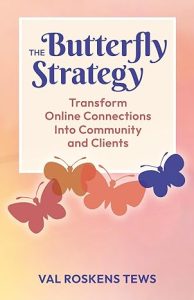
Val Roskens Tews, Butterfly Copywriting, Author of The Butterfly Strategy, on LinkedIn Content Strategy and the Conversation to Content Method (North Fulton Business Radio, Episode 951) with host John Ray
North Fulton Business Radio
Author Val Roskens Tews, The Butterfly Strategy and LinkedIn
Loading
00:00 /
RSS Feed
Share
Link
Embed

Download file

Val Roskens Tews, Butterfly Copywriting, Author of The Butterfly Strategy, on LinkedIn Content Strategy and the Conversation to Content Method (North Fulton Business Radio, Episode 951) with host John Ray

Val Roskens Tews, Butterfly Copywriting, Author of The Butterfly Strategy, on LinkedIn Content Strategy and the Conversation to Content Method (North Fulton Business Radio, Episode 951)

In this episode of North Fulton Business Radio, host John Ray welcomes Val Roskens Tews, author of The Butterfly Strategy and founder of Butterfly Copywriting, to talk about why so many business owners freeze when it comes to creating content, and what to do about it.

Val helps Christian entrepreneurs and coaches turn scattered ideas into ready-to-post LinkedIn content that sounds like them. Her “Conversation to Content” method starts with a Zoom call where Val asks questions, records the conversation, and builds an article from the client’s own words. The article then becomes the anchor for a month’s worth of LinkedIn posts. Val makes the case that this kind of content planning is as much a stress reliever as a marketing tool: when your posts are already written and scheduled, you can stop worrying about what to say and focus on commenting, connecting, and building real relationships.

In her book and in her work with clients, Val teaches the “Butterfly Strategy,” a framework built around three C’s: strategic connecting, commenting, and content creation, in that order. The book and the method share the same name because they share the same idea: that transformation, like that of a butterfly, comes from the inside out. Val argues that community comes before content and that commenting on others’ posts and responding as if you are talking to a friend is how real LinkedIn relationships get started.

John Ray is the host of North Fulton Business Radio. The show is produced by John Ray and North Fulton Business Radio, LLC, an affiliate of Business RadioX®, and is recorded inside Renasant Bank in Alpharetta.

Key Takeaways from This Episode

  • Val’s “Conversation to Content Method” turns a recorded Zoom conversation into a LinkedIn article written in the client’s own voice, which is then repurposed into roughly eight posts for a month of content.
  • LinkedIn articles, unlike regular posts, show up in Google and AI search results, making them a stronger tool for establishing credibility and authority.
  • Val’s three C’s (strategic connecting, commenting, and content creation) put community building ahead of posting, because content without an audience goes unseen.
  • A planned month of content is a stress reliever: once the posts are scheduled, business owners can spend their LinkedIn time commenting and connecting rather than staring at a blank screen.

Topics Discussed in this Episode
00:20 John Ray introduces the show and guest Val Roskens Tews
02:58 Val describes her work helping Christian entrepreneurs and coaches
03:56 Val’s backstory and lifelong passion for writing
04:49 The “blank page” problem and how conversation unlocks ideas
05:42 The butterfly metaphor and helping people find structure in their thoughts
06:32 Why sharing your message matters beyond self-promotion
08:09 How Val’s Christian faith and The Go-Giver shape her business philosophy
09:18 Helping clients with point of view, not just putting words on paper
09:48 The Conversation to Content Method explained
12:06 How Val prompts clients and digs for the transformation in their topic
14:27 You’re giving people voice: authenticity and resonance
15:20 Why LinkedIn, and how Val chose her platform
16:26 The three C’s: strategic connecting, commenting, and content creation
17:08 Community before content, and the value of business friends
19:46 What makes a good LinkedIn comment, and how friendships start
23:07 Why articles outperform posts for search visibility and authority
24:13 Content strategy as a stress reliever and time saver
26:42 Who Val best serves and the symptoms that prompt a call
27:54 Success story: “You mean I can be myself?”
29:17 How to find Val and her book, The Butterfly Strategy

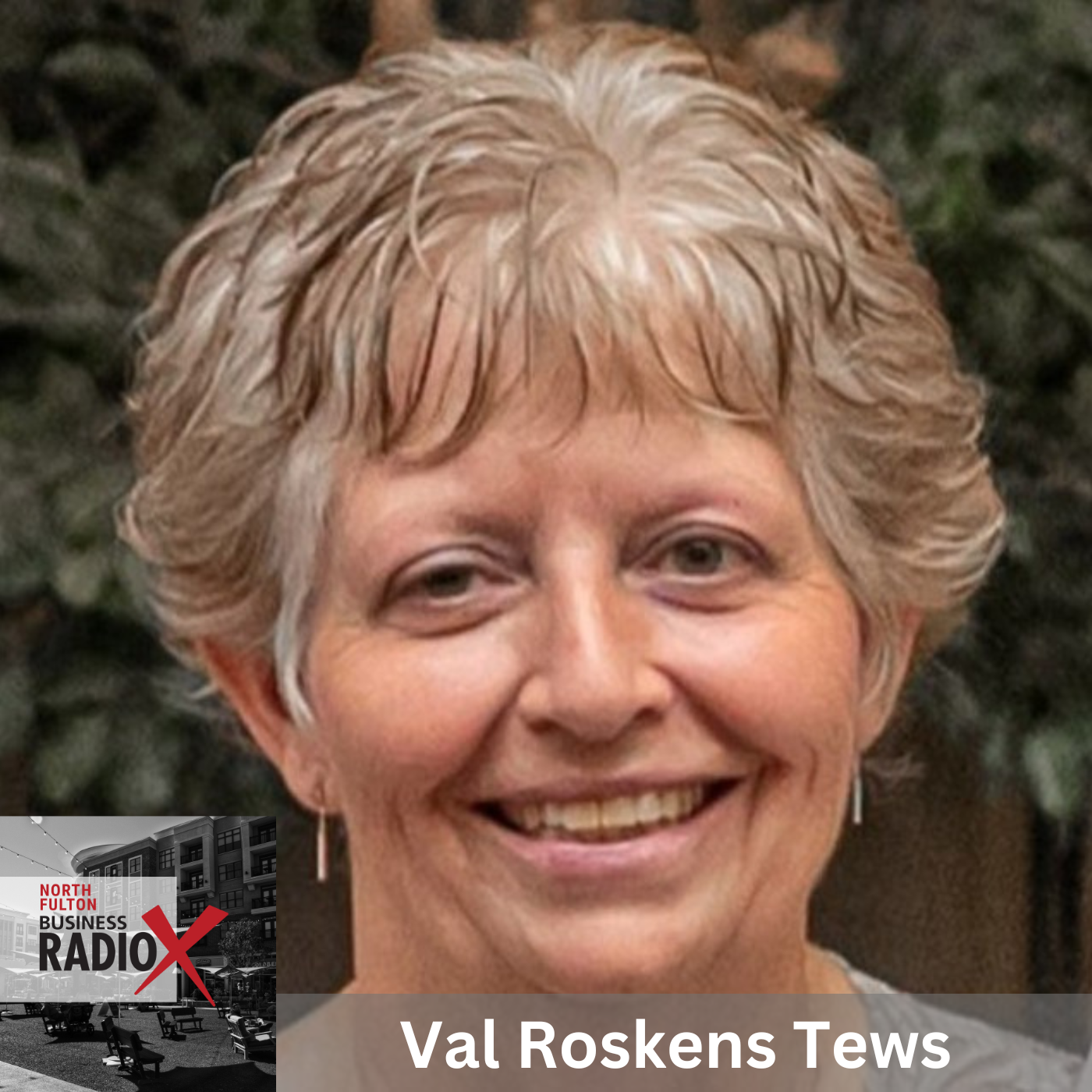
Val Roskens Tews, Author and Content Strategy Writer

Val Roskens Tews
Val Roskens Tews

Val Roskens Tews is a content strategy writer and author who helps Christian entrepreneurs and coaches turn scattered ideas into tailored, ready-to-post, authentic content. Through her “Butterfly Strategy” and “Conversation to Content Method,” she shares a heart-centered way to build a community of business friends, collaborators, and potential clients.

LinkedIn


Butterfly Copywriting

Butterfly Copywriting provides stress-free, transformative content solutions for Christian entrepreneurs and coaches through the “Conversation to Content Method” and the “Butterfly Strategy” by helping them move from scattered ideas to a clear, confident presence online.

The “Conversation to Content Method” creates tailored, ready-to-post content in a person’s own voice and words, helping to build trust, credibility, and visibility without getting overwhelmed by what to post or how to say it.

The “Butterfly Strategy” is a heart-centered approach that helps people build an online community of business friends, collaborators, and potential clients.

Website | Book Website | LinkedIn

Renasant Bank supports North Fulton Business Radio

Renasant BankRenasant Bank has humble roots, having started in 1904 as a $100,000 bank located in a Lee County, Mississippi, bakery. Since then, Renasant has grown into one of the Southeast’s strongest financial institutions, boasting over $26 billion in assets and more than 280 offices offering banking, lending, wealth management, and financial services throughout the region. All of Renasant’s success stems from the commitment of each banker to invest in the communities they serve, which in turn helps them better understand the people they serve. At Renasant Bank, their banking professionals understand you because they work and live alongside you every day.

Website | LinkedIn | Facebook | Instagram | X (Twitter) | YouTube

Beyond Computer Solutions supports North Fulton Business Radio

Whether you’re a law firm, medical practice, or manufacturer, there’s one headline you don’t want to make: “Local Business Pays Thousands in Ransom After Cyberattack.” That’s where Beyond Computer Solutions comes in. They help organizations like yours stay out of the news and in business with managed IT and cybersecurity services designed for industries where compliance and reputation matter most.

Whether they serve as your complete IT department or simply support your internal team, they are well-versed in HIPAA, secure document access, written security policies, and other essential aspects that ensure your safety and well-being. Best of all, it starts with a complimentary security assessment.

Website | LinkedIn | Facebook | YouTube

About North Fulton Business Radio and host John Ray

With over 900 episodes and having featured over 1,400 guests, North Fulton Business Radio is the longest-running podcast in the North Fulton area, covering business in our community like no one else. We are the undisputed “Voice of Business” in North Fulton!

The show invites a diverse range of business, non-profit, and community leaders to share their significant contributions to their respective markets, communities, and professions. There is no discrimination based on company size, and there is never any “pay to play.” North Fulton Business Radio supports and celebrates businesses by sharing positive stories that traditional media ignore. Some media lean left. Some media lean right. We lean business.

John Ray, host of  North Fulton Business Radio, and Owner, Ray Business Advisors
John Ray, host of North Fulton Business Radio and Owner, Ray Business Advisors

John Ray is the host of North Fulton Business Radio. John and the team at North Fulton Business Radio, LLC, an affiliate of Business RadioX®, produce the show, which is recorded inside Renasant Bank in Alpharetta.

The studio is located at 275 South Main Street, Alpharetta, GA 30009.

You can find the entire archive of shows by following this link. The show is accessible on all major podcast apps, such as Apple Podcasts, Spotify, Google, Amazon, iHeart Radio, and many others.
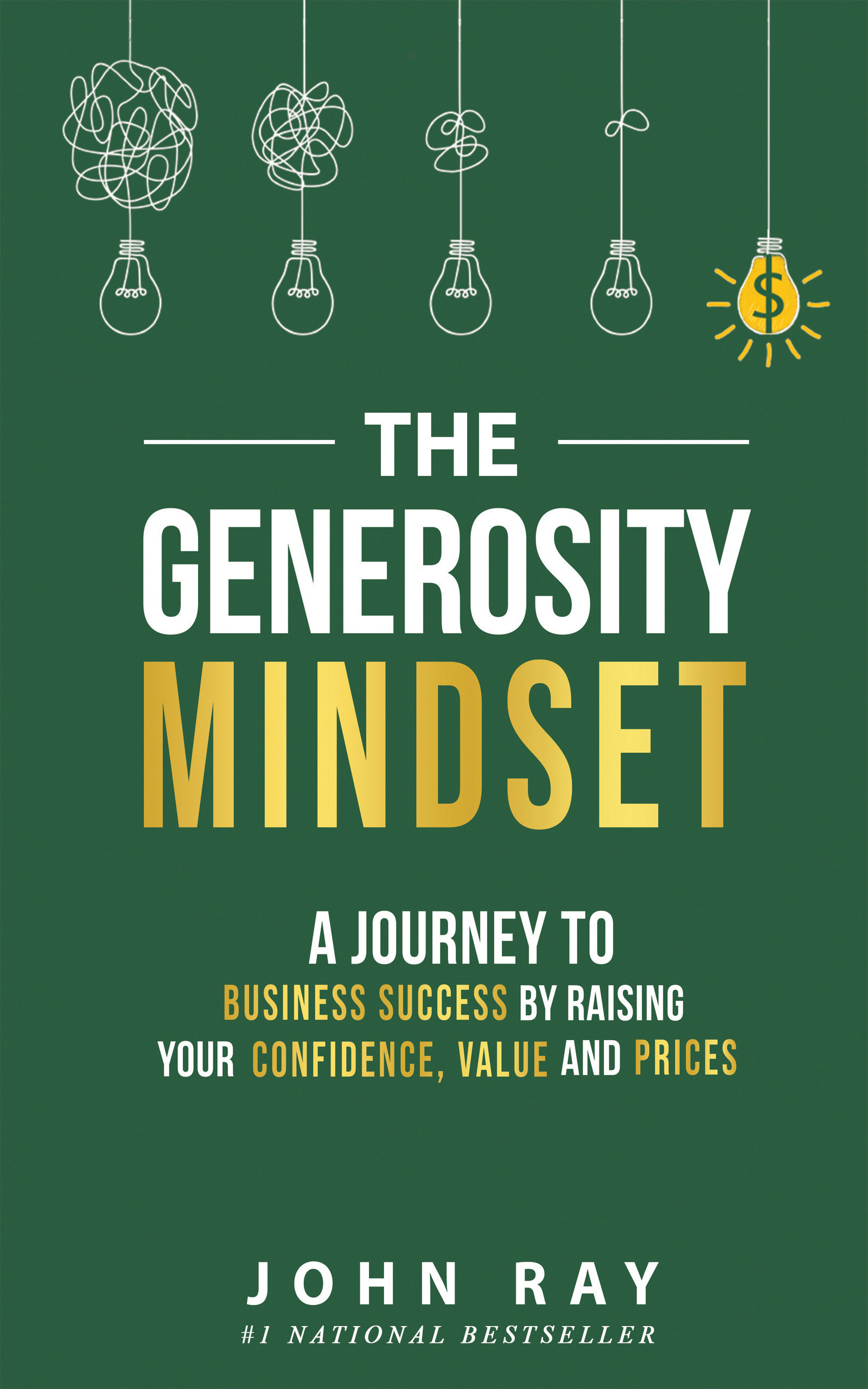
John Ray, The Generosity MindsetJohn Ray also operates his own business advisory practice. John’s services include advising solopreneurs and small professional services firms on their value, their positioning and business development, and their pricing. His clients are professionals who are selling their expertise, such as consultants, coaches, attorneys, CPAs, accountants, bookkeepers, marketing professionals, and other professional services practitioners.

John is the author of the five-star-rated book The Generosity Mindset: A Journey to Business Success by Raising Your Confidence, Value, and Prices, praised by readers for its practical insights on raising confidence, value, and prices.
Tagged With: Beyond Computer Solutions, Butterfly Copywriting, Christian entrepreneurs, community building, content marketing, Conversation to Content Method, copywriter, copywriting, John Ray, LinkedIn, LinkedIn content strategy, North Fulton Business Radio, renasant bank, The Butterfly Strategy, Val Roskens Tews

Retreva of Atlanta on B2B Email Prospecting

April 2, 2026 by John Ray

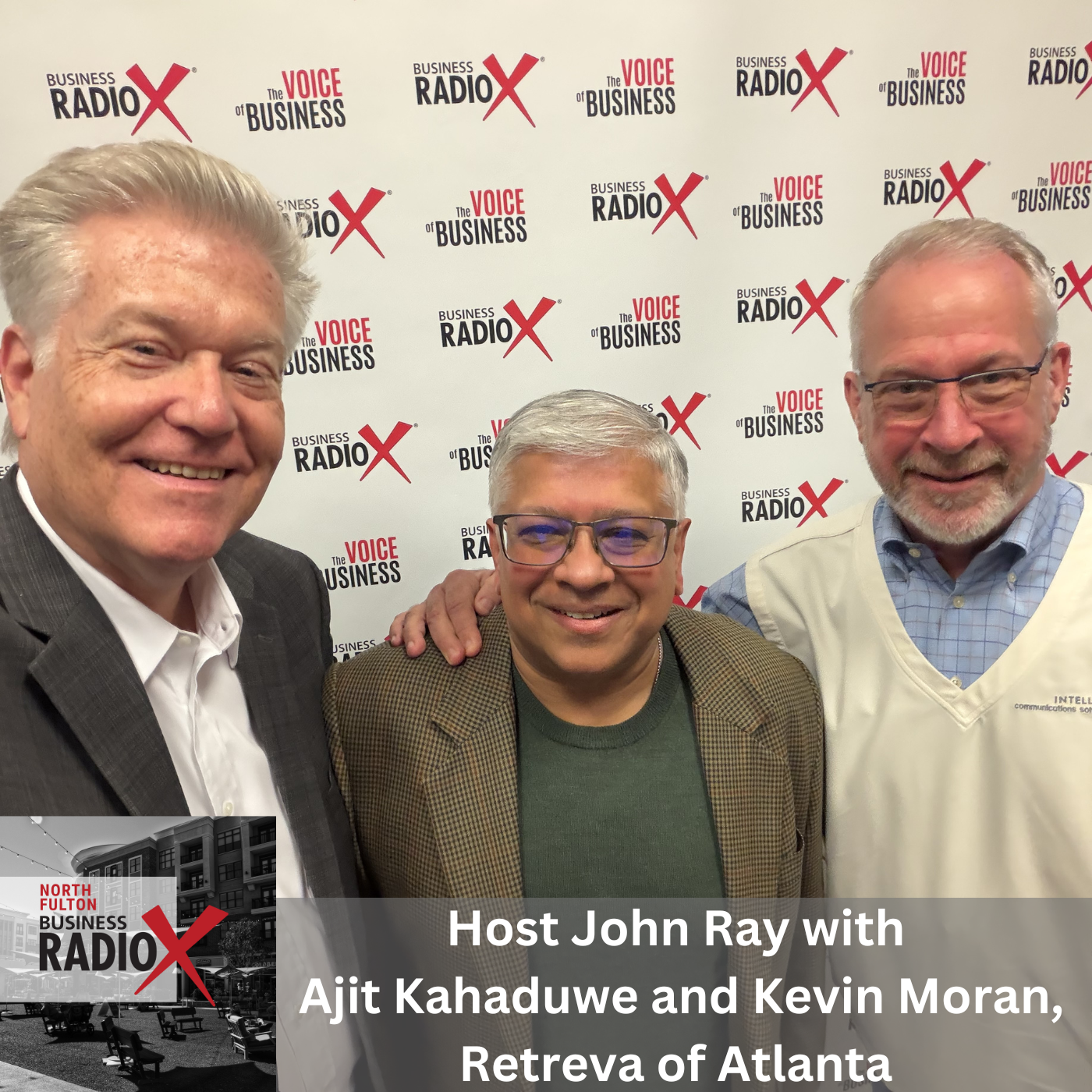
Ajit Kahaduwe and Kevin Moran, Retreva of Atlanta, on Cold Email Prospecting, Warm Leads, and Filling the Small Business Sales Pipeline (North Fulton Business Radio, Episode 948) with host John Ray
North Fulton Business Radio
Retreva of Atlanta on B2B Email Prospecting
Loading
00:00 /
RSS Feed
Share
Link
Embed

Download file

Ajit Kahaduwe and Kevin Moran, Retreva of Atlanta, on Cold Email Prospecting, Warm Leads, and Filling the Small Business Sales Pipeline (North Fulton Business Radio, Episode 948) with host John Ray

Ajit Kahaduwe and Kevin Moran, Retreva of Atlanta, on Cold Email Prospecting, Warm Leads, and Filling the Small Business Sales Pipeline (North Fulton Business Radio, Episode 948)

Ajit Kahaduwe and Kevin Moran, co-owners of Retreva of Atlanta, joined North Fulton Business Radio host John Ray to talk about one of the most persistent frustrations in small business: an unpredictable sales pipeline. Their company runs cold email prospecting campaigns for B2B and B2C businesses, handling the outreach so clients can focus on closing the warm leads that come back.

Ajit and Kevin draw on decades of experience in telecom and enterprise sales, including stints at Nokia, Motorola, Bell Labs, and senior sales roles in the tech industry. That background affects how they think about the “feast or famine” sales cycle that smaller teams have to deal with. Retreva’s system sends plain-text, personalized emails to targeted prospect lists, built around each client’s ideal customer profile. It handles follow-up automatically, managing unsubscribes and bounces, and routes only interested replies back to the client’s inbox.

On this episode, the two dig into why email still outperforms cold calling and SMS for generating business conversations, the psychology behind structuring a seven-to-nine-email campaign sequence, and which kinds of businesses see the strongest results. They also share the story of a commercial cleaning client who landed a $4,000-per-month contract within three months of starting with Retreva, a contract that grew steadily from there.

John Ray is the host of North Fulton Business Radio. The show is produced by John Ray and North Fulton Business Radio, LLC, an affiliate of Business RadioX®, and is recorded inside Renasant Bank in Alpharetta.

Key Takeaways from This Episode

  • Email prospecting and email marketing serve different purposes. Retreva’s outbound emails focus on prospects currently looking to buy, rather than nurturing opt-in subscribers for future sales.
  • Persistence without being annoying is a skill Retreva has refined over 12 years. A campaign typically runs seven to nine emails with heavier frequency early on, and one client responded to the 11th email nine months after the first one landed.
  • Past customers represent an overlooked gold mine. Ajit observes that existing customer lists consistently yield higher response rates than cold contacts due to the established relationship and trust.
  • Retreva’s human copywriters, not AI, write all campaign emails, following specific psychological principles about what not to say, including avoiding negative framing and assumptions about the recipient’s situation.

Topics Discussed in this Episode

00:20 John Ray introduces the show and guests Ajit Kahaduwe and Kevin Moran of Retreva of Atlanta
02:33 How Ajit and Kevin came to co-own Retreva of Atlanta after careers in corporate tech and telecom
04:25 The serendipitous origin story: Kevin used Retreva at a prior company, then discovered the founder had once worked for him
05:17 Ajit’s background at Nokia, Motorola, and Bell Labs, and why systematic customer outreach mattered across all of it
06:55 The difference between email marketing and email prospecting, and what Retreva actually does
08:15 Targeting an ideal customer profile and why repetitive, persistent outreach matters
09:29 The narrow line between professionally persistent and annoying, and how Retreva navigates it
10:23 Why business owners are even more prone than salespeople to letting follow-up lapse
11:47 Why past customers are the highest-return starting point for an email campaign
12:51 Why email still works better than cold calls or SMS for generating business conversations
14:09 A client who responded to the 11th email, nine months after the first one
16:24 How Retreva delivers only warm replies to the client’s inbox, not opens or clicks
17:00 Survey data on why email gives prospects a sense of control that phone calls and texts don’t
18:21 How Retreva’s human copywriters craft emails, including the psychology of what not to say
19:54 What makes a bad cold email, and how Retreva’s approach differs
21:55 Which types of businesses work best with Retreva’s system
23:32 How the onboarding process works: content form, list building, campaign launch, and ongoing support
25:16 How Retreva’s writers structure a campaign, and the paragraph-rearranging technique between emails one and two
27:29 Pricing and the no-contract, 30-day-out model
28:39 The under-$300-per-month price point and what it includes
29:48 How Retreva helps clients source and build targeted contact lists using Dun & Bradstreet and Hoovers
35:19 Client success stories, including FastSigns nationally and a local commercial cleaning company

Ajit Kahaduwe, Co-Owner, Retreva of Atlanta

Ajit Kahaduwe, Co-Owner, Retreva of Atlanta

Ajit Kahaduwe is a growth strategist and co-owner of Retreva of Atlanta, a firm focused on solving one of the most persistent problems in business: an unpredictable sales pipeline. With a career rooted in entrepreneurship and technology innovation, including roles at Nokia, Motorola, and two accelerators at Bell Labs and Mire, Ajit specializes in moving companies away from luck-based growth. He has a reputation for transforming chaotic outreach into structured, high-performing systems that turn cold prospects into warm conversations.

At Retreva, Ajit works alongside small and mid-sized teams to build personalized email prospecting engines that respect the prospect’s time while consistently booking meetings. He bridges the gap between high-level analytical strategy and the ground-level reality of how modern buyers actually make decisions.

LinkedIn

Kevin Moran, Co-Owner, Retreva of Atlanta

Kevin Moran, Co-Owner, Retreva of Atlanta

Kevin Moran is a veteran sales leader and co-owner of Retreva of Atlanta. With 40 years in corporate America, primarily in technology sales and marketing, Kevin has held roles from frontline sales rep to CEO. He built his career searching for tools that help companies and sales teams find prospects who actually want to talk, and Retreva is the one he found most effective.

At Retreva, Kevin translates his decades of sales leadership into structured outreach rhythms for clients. He helps businesses move away from sporadic, emergency prospecting and toward a steady, personalized system that generates high-quality conversations without draining internal resources. Kevin takes a common-sense approach: no gimmicks, no mass-blasting, just respectful outreach aligned with each company’s values.

LinkedIn

Retreva of Atlanta

Most businesses treat prospecting like a chore, something they do only when the calendar looks thin. Retreva of Atlanta changes that. It is not an email marketing tool or a bulky CRM. It is the engine that turns cold contacts into real, one-on-one conversations.

Unlike automated blasts that read as spam, every Retreva email is sent as plain text from a real person, written by human copywriters using principles drawn from psychology and top sales practitioners. The timing and follow-up frequency are calibrated so clients stay top of mind without crowding an inbox. The system pauses during holidays or sensitive events, protecting each client’s brand reputation.

Retreva functions as a virtual sales assistant that runs around the clock. Whether a business is chasing new clients, re-engaging past customers, or nurturing referral partners, Retreva handles the outreach. Its back-end technology validates email addresses and sorts replies, separating the uninterested from the ready-to-talk and delivering only warm responses to the client’s own inbox. For B2B and B2C owners and teams that need a consistent pipeline without the overhead of additional staff, Retreva provides a steady path to revenue.

Website | LinkedIn | Facebook

Renasant Bank supports North Fulton Business Radio

Renasant BankRenasant Bank has humble roots, having started in 1904 as a $100,000 bank located in a Lee County, Mississippi, bakery. Since then, Renasant has grown into one of the Southeast’s strongest financial institutions, boasting over $26 billion in assets and more than 280 offices offering banking, lending, wealth management, and financial services throughout the region. All of Renasant’s success stems from the commitment of each banker to invest in the communities they serve, which in turn helps them better understand the people they serve. At Renasant Bank, their banking professionals understand you because they work and live alongside you every day.

Website | LinkedIn | Facebook | Instagram | X (Twitter) | YouTube

Beyond Computer Solutions supports North Fulton Business Radio

Whether you’re a law firm, medical practice, or manufacturer, there’s one headline you don’t want to make: “Local Business Pays Thousands in Ransom After Cyberattack.” That’s where Beyond Computer Solutions comes in. They help organizations like yours stay out of the news and in business with managed IT and cybersecurity services designed for industries where compliance and reputation matter most.

Whether they serve as your complete IT department or simply support your internal team, they are well-versed in HIPAA, secure document access, written security policies, and other essential aspects that ensure your safety and well-being. Best of all, it starts with a complimentary security assessment.

Website | LinkedIn | Facebook | YouTube

About North Fulton Business Radio and host John Ray

With over 900 episodes and having featured over 1,400 guests, North Fulton Business Radio is the longest-running podcast in the North Fulton area, covering business in our community like no one else. We are the undisputed “Voice of Business” in North Fulton!

The show invites a diverse range of business, non-profit, and community leaders to share their significant contributions to their respective markets, communities, and professions. There is no discrimination based on company size, and there is never any “pay to play.” North Fulton Business Radio supports and celebrates businesses by sharing positive stories that traditional media ignore. Some media lean left. Some media lean right. We lean business.

John Ray, host of  North Fulton Business Radio, and Owner, Ray Business Advisors
John Ray, host of North Fulton Business Radio and Owner, Ray Business Advisors

John Ray is the host of North Fulton Business Radio. John and the team at North Fulton Business Radio, LLC, an affiliate of Business RadioX®, produce the show, which is recorded inside Renasant Bank in Alpharetta.

The studio is located at 275 South Main Street, Alpharetta, GA 30009.

You can find the entire archive of shows by following this link. The show is accessible on all major podcast apps, such as Apple Podcasts, Spotify, Google, Amazon, iHeart Radio, and many others.

John Ray, The Generosity MindsetJohn Ray also operates his own business advisory practice. John’s services include advising solopreneurs and small professional services firms on their value, their positioning and business development, and their pricing. His clients are professionals who are selling their expertise, such as consultants, coaches, attorneys, CPAs, accountants, bookkeepers, marketing professionals, and other professional services practitioners.

John is the author of the five-star-rated book The Generosity Mindset: A Journey to Business Success by Raising Your Confidence, Value, and Prices, praised by readers for its practical insights on raising confidence, value, and prices.

Tagged With: Ajit Kahaduwe, b2b sales, Beyond Computer Solutions, Business Development, cold email, email prospecting, John Ray, Kevin Moran, lead generation, North Fulton Business Radio, renasant bank, Retreva, Retreva of Atlanta, sales pipeline, small business sales

Donn King: Building a Business When Caregiving Owns Your Time

April 1, 2026 by John Ray

Donn King on Protecting Your Professional Identity, Defeating Perfectionism, and Keeping Your Business Alive Through Caregiving (The Price and Value Journey, Episode 167) with host John Ray
North Fulton Studio
Donn King: Building a Business When Caregiving Owns Your Time
Loading
00:00 /
RSS Feed
Share
Link
Embed

Download file

Donn King on Protecting Your Professional Identity, Defeating Perfectionism, and Keeping Your Business Alive Through Caregiving (The Price and Value Journey, Episode 167) with host John Ray

Donn King on Protecting Your Professional Identity, Defeating Perfectionism, and Keeping Your Business Alive Through Caregiving (The Price and Value Journey, Episode 167)

Donn King joins host John Ray on The Price and Value Journey to discuss one of the most underserved challenges facing solo practitioners and expert service providers: how to maintain a professional and creative identity when caregiving takes over your life.

Donn spent more than two decades caring for his daughter Hannah, who had a rare neurological condition requiring round-the-clock attention, while also caring for his partially disabled wife Janet. During that time, he continued writing, podcasting, pastoring, coaching other authors, and teaching college. His book Creating While Caring is a field guide for the roughly 50 million unpaid caregivers in the United States, many of whom are trying to run an expertise-based business at the same time.

Donn and John explore the genuine challenges that caregiving poses for professionals accustomed to managing their time in this conversation. Donn explains why standard productivity advice falls apart under the weight of a caregiving life and what it actually takes to keep going. Topics include distinguishing your identity from your methodology, why perfectionism is a thief rather than a virtue, the critical difference between consistency and persistence, and the practice of treating your schedule as aspirational rather than a measure of success or failure. Donn also shares the personal chapter he navigated after Hannah’s death in December 2024 and what it means to suddenly face open time at age 70 when you spent two decades simply doing what had to be done.

The Price and Value Journey is presented by John Ray and produced by North Fulton Business Radio, LLC, an affiliate of the Business RadioX® podcast network.

Key Takeaways You Can Use From This Episode

  • Separate your professional identity from the way you carry it out. When caregiving changes what is possible, the methodology has to flex while the identity holds.
  • Perfectionism is a thief. It steals joy, it steals time, and most importantly it steals value from the people you could be serving. “Done is better than perfect” is not a cliché here; it is a survival principle.
  • Treat your schedule as aspirational, not as a pass-fail test. When life interrupts, dragging a task to tomorrow is a tool, not a defeat.
  • The difference between consistency and persistence matters. Consistency demands a regular pattern. Persistence simply requires that you keep showing up. For caregivers and for many solo practitioners, persistence is the more honest and more achievable standard.
  • Decide what to protect, not just what to pursue. Knowing which professional activities are essential to your identity helps you make the hardest trade-off: what not to do.
  • You have more resilience than you realize. Donn tells caregivers that their coping skills are often better than they think.

Topics Discussed in this Episode

00:00 John Ray introduces the show and guest Donn King
02:21 Donn on why caregivers are more likely to run expertise businesses than traditional jobs
05:08 How Donn kept his professional and creative identity intact through two decades of caregiving
06:05 Accepting you won’t accomplish everything you’re capable of
08:11 The apocryphal Warren Buffett story: 25 goals, pick five, scratch off the rest
09:14 Focusing on one project at a time instead of scattering energy
10:06 The subtle perfectionism caregivers face and the 10-year writing shutdown
11:21 The reversal: he was not depressed because he stopped writing, but stopped writing because he was depressed
11:52 Why this is an identity issue, not just a productivity issue
12:31 Separating identity from methodology: same writer, different work style
13:39 Background on daughter Hannah and wife Janet and the round-the-clock care demands
17:14 The decision to move Hannah to a specialized nursing home
19:08 The typical day exercise from the book and what it revealed
19:53 How Hannah’s birth ended Donn’s professional speaking career
21:27 Why standard productivity advice doesn’t apply to caregiving lives
22:06 What actually works: aspirational scheduling, bite-sized tasks, bags packed for ER visits
24:34 Separating principle from application: dependability as the principle, flexibility in execution
26:10 Flexibility is not weakness; it is resilience
28:45 Consistency vs persistence: why persistence is the more honest standard for caregivers
32:09 Perfectionism as a thief of joy, time, and value
34:24 On dignity and identity: more than a caregiver, still a writer
35:01 The oxygen mask principle applied to professional identity
39:51 Adam Grant’s research on creative procrastination
42:19 Life after Hannah: open time at 70, Medicaid financial constraints, finding new priorities
47:03 Tools and tips are examples, not answers
49:26 On AI: “I want the AI to do dishes so I have more time to write.”
53:34 What Donn most wants caregiving professionals to hear: you are not alone and more resilient than you think
55:42 Where to find Donn and Creating While Caring
57:51 John’s closing thoughts for the audience

Donn King

Donn King
Donn King

Donn King is an emeritus professor of communication studies at Pellissippi State Community College in Knoxville, Tennessee, a pastor in the United Methodist Church, a speaker, and a communication coach. He calls himself “The Confidence Cultivator,” and for good reason: his work consistently comes back to helping people show up fully, speak clearly, and build a professional life that reflects what they actually value.

He is the author of several books, including two business fables in The Sparklight Chronicles series and Creating While Caring: Practical Tips to Keep Creating While Caring for a Loved One, which grew from his own experience as a family caregiver. He hosts The Alignment Show podcast and runs Hidden Mentor Media, where he helps independent authors publish with confidence. He has spoken to audiences across the United States and spent more than 40 years teaching college students and business leaders the skills of effective communication.

Donn and his wife Janet live on the quiet side of the Great Smoky Mountains.

Website | LinkedIn

John Ray, Host of The Price and Value Journey

John Ray, Author of The Generosity Mindset and Host of The Price and Value Journey

John Ray is the host of The Price and Value Journey.

John owns Ray Business Advisors, a business advisory practice. John’s services include business coaching and advisory work, as well as advising solopreneurs and small professional services firms on their pricing. John is passionate about the power of pricing for business owners, as changing pricing is the fastest way to change the profitability of a business. His clients are professionals who are selling their expertise, such as attorneys, CPAs, accountants and bookkeepers, consultants, coaches, marketing professionals, and other professional services practitioners.

John is a podcast show host and the owner of North Fulton Business Radio, LLC, an affiliate of Business RadioX®. John and his team work with B2B professionals to create and conduct their podcast using The Generosity Mindset® Method: building and deepening relationships in a non-salesy way that translates into revenue for their business.

John is also the host of North Fulton Business Radio. With over 900 shows and having featured over 1,300 guests, North Fulton Business Radio is the longest-running podcast in the North Fulton area, covering business in its region like no one else.

John’s book, The Generosity Mindset: A Journey to Business Success by Raising Your Confidence, Value, and Prices

John Ray at Barnes & Noble with his book, The Generosity MindsetJohn Ray is the author of the five-star rated book The Generosity Mindset: A Journey to Business Success by Raising Your Confidence, Value, and Prices, praised by readers for its practical insights on raising confidence, value, and prices.

If you are a professional services provider, your goal is to do transformative work for clients you love working with and get paid commensurate with the value you deliver to them. While negative mindsets can inhibit your growth, adopting a different mindset, The Generosity Mindset®, can replace those self-limiting beliefs. The Generosity Mindset enables you to diagnose and communicate the value you provide to clients, which allows you to price your services more effectively in order to receive a portion of that value.

Whether you’re a consultant, coach, marketing or branding professional, business advisor, attorney, CPA, or work in virtually any other professional services discipline, your content and technical expertise are not proprietary. What’s unique, though, is your experience and how you synthesize and deliver your knowledge. What’s special is your demeanor or the way you deal with your best-fit clients. What’s invaluable is how you deliver outstanding value by guiding people through massive changes in their personal lives and in their businesses that bring them to a place they never thought possible.

Your combination of these elements is unique in your industry. There lies your value, but it’s not the value you see. It’s the value your best-fit customers see in you.

If pricing your value feels uncomfortable or unfamiliar to you, this book will teach you why putting a price on the value your clients perceive and identify serves both them and you, and you’ll learn the factors involved in getting your price right.

The book is available at all major physical and online book retailers worldwide. Follow this link for further details.

Connect with John Ray:

Website | LinkedIn | Email

Business RadioX®:  LinkedIn | Twitter | Facebook | Instagram

Tagged With: book writing, Caregiver, caregiver entrepreneur, caregiver experience, caregiving, consultants and coaches, Creating While Caring, creative professionals, disability caregiving, Donn King, expert service providers, imposter syndrome, John Ray, mindset, perfectionism, persistence vs consistency, productivity for caregivers, professional identity, resilience, small business mindset, solo practitioners, The Alignment Show podcast, The Confidence Cultivator, The Price and Value Journey, time management, work-life integration, writing under constraints

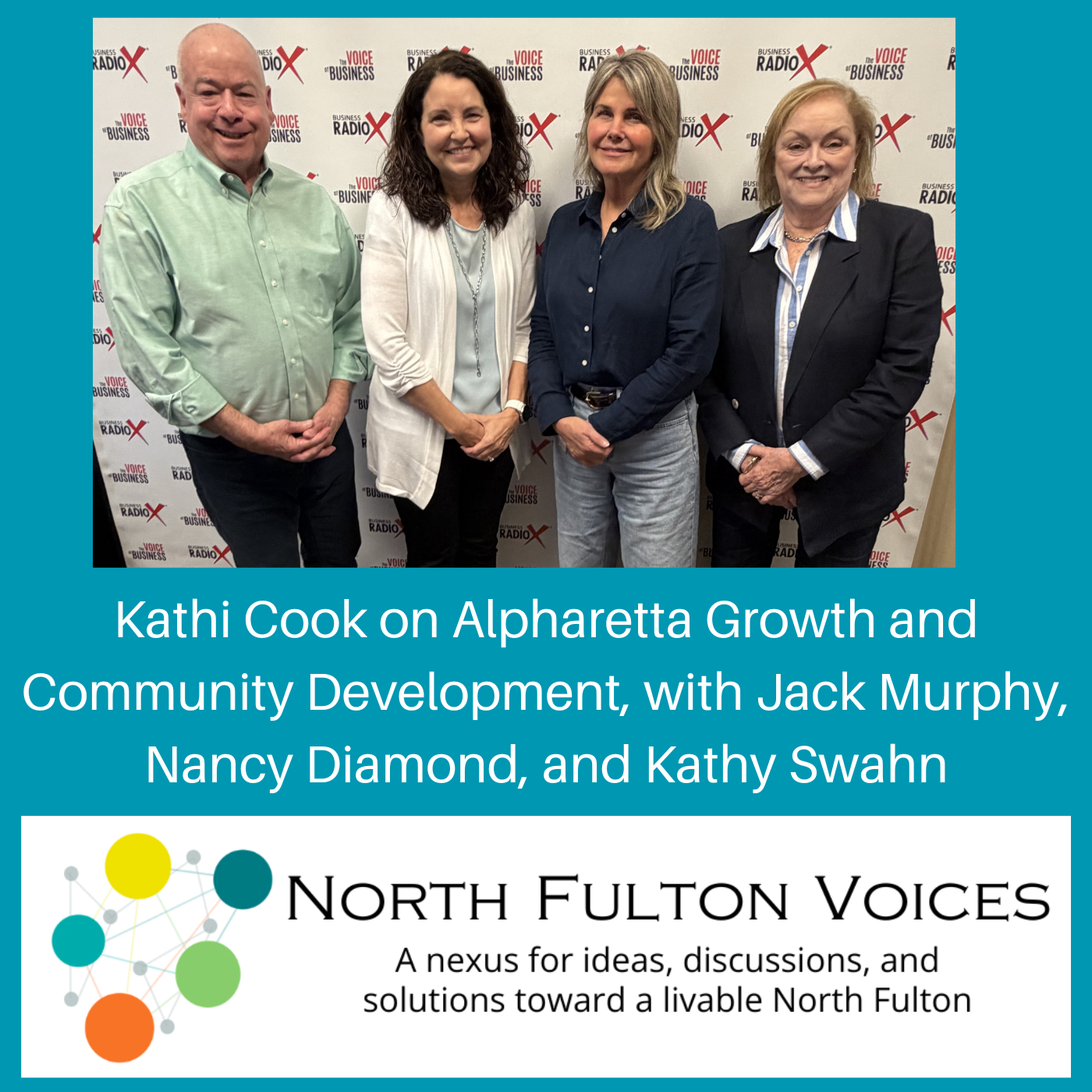
Kathi Cook on Alpharetta Growth and Community Development

March 30, 2026 by John Ray

Kathi Cook, City of Alpharetta, on Alpharetta Growth and Redevelopment, North Point, and the Future of Community Development (North Fulton Voices, Episode 17)
North Fulton Studio
Kathi Cook on Alpharetta Growth and Community Development
Loading
00:00 /
RSS Feed
Share
Link
Embed

Download file

Kathi Cook, City of Alpharetta, on Alpharetta Growth and Redevelopment, North Point, and the Future of Community Development (North Fulton Voices, Episode 17)

Kathi Cook, City of Alpharetta, on Alpharetta’s Growth, Redevelopment, North Point, and Future Community Development (North Fulton Voices, Episode 17)

How does a fast-growing city preserve what people value while continuing to evolve?

In this episode of North Fulton Voices, Kathi Cook, Director of Community Development for the City of Alpharetta, joins Jack Murphy, Nancy Diamond, and Kathy Swahn of the North Fulton Improvement Network for a wide-ranging conversation on how Alpharetta approaches growth, redevelopment, and long-term planning. Drawing on more than three decades of experience with the city, Cook reflects on Alpharetta growth and its transformation into a more connected, walkable community, why mixed-use development has mattered so much, and how projects like Avalon reshaped expectations for quality development.

The discussion also explores Alpharetta’s current comprehensive plan update, what residents are saying about connectivity, tree canopy, green space, and workforce housing, and how public engagement helps shape decisions that will affect the city for decades. Cook also offers a detailed look at North Point redevelopment, including the vision for a sports and entertainment district, green space integration, housing, and transportation connections. This is an important conversation for anyone interested in how North Fulton communities can grow thoughtfully without losing their character.

North Fulton Voices is presented by the North Fulton Improvement Network. The show series is proudly sponsored by John Ray Co. and North Fulton Business Radio, LLC.

Key Takeaways from This Episode

  • How Alpharetta growth created a more walkable, connected community
  • Why Avalon became a turning point in Alpharetta’s development model
  • What residents are saying in the comprehensive plan process about traffic, green space, tree canopy, and housing
  • Why redevelopment now matters more than greenfield development in Alpharetta
  • What Kathi Cook says about ADUs, housing types, and local flexibility
  • The long-range vision for North Point, including a possible sports and entertainment district
  • Why public engagement in planning matters more than most residents realize

Topics Discussed in this Episode

00:00 Introduction and Jack Murphy’s housing affordability data point
02:31 Kathi Cook’s background and how she got into city planning
04:09 Alpharetta growth and it’s transformation into a walkable, connected community
04:37 Avalon’s impact and why it changed Alpharetta more than expected
07:18 Comprehensive plan update and current public engagement process
08:27 What residents are saying now about growth, connectivity, green space, and housing
09:49 Mixed-use development, redevelopment, and what the public will support
11:18 Tree canopy, tree-lined streets, and ordinance changes
12:31 How residents should approach and use the comprehensive plan
15:37 ADUs, workforce housing, and local planning flexibility
17:47 Gentle density, condos, stacked flats, and smaller housing formats
19:46 North Point redevelopment vision and the sports and entertainment proposal
22:36 Workforce housing questions tied to North Point
24:12 Transportation capacity and connectivity around North Point
26:12 Tax allocation districts and public-private redevelopment tools
29:08 Permitting timelines and misconceptions about delays
33:53 Brookside, Windward, and office-to-residential evolution
40:12 How the public can engage productively in planning decisions
42:20 Downsizing, seniors, and walkable housing preferences
43:49 Kathi Cook’s contact information and closing call to action from NFIN

Kathi Cook, Director of Community Development, City of Alpharetta

Kathi Cook, Director of Community Development, City of Alpharetta

Kathi Cook is the Community Development Director for the City of Alpharetta. Since joining the city in 1992 as a public works engineering technician and construction manager, she has served in a range of leadership roles, including oversight of environmental programs and the engineering department. Her more than three decades of experience give her a rare perspective on Alpharetta’s evolution and the planning, redevelopment, and quality-of-life issues that continue to shape its future.

Website | LinkedIn

Kathi Cook on "North Fulton Voices" talking about Alpharetta growth.North Fulton Improvement Network

The North Fulton Improvement Network (NFIN) is a think tank made up of community leaders from a variety of sectors, focused on missing middle housing and the livability challenges confronting North Fulton. We come from the six cities making up the northern half of Fulton County, Georgia—Alpharetta, Johns Creek, Milton, Mountain Park, Roswell, and Sandy Springs—and are working to address the widespread yet little-known financial vulnerability across the region. With stakeholders from sectors including business, nonprofit, faith, government, and citizens, we center our work on five areas of impact; seek to educate the public about these issues; build a network of individuals and organizations with innovative private and public solutions; and connect resources to those in need.

The leadership team of NFIN is Jack Murphy, Nancy Diamond, and Kathy Swahn.

Website | LinkedIn | Facebook | Instagram | Twitter | YouTube

Jack Murphy

Jack Murphy
Jack Murphy

Jack Murphy is a volunteer with The Society of St. Vincent de Paul and is Chair of the North Fulton Improvement Network. He is also in his 21st year of working for the Metro Atlanta Chamber of Commerce.

Prior to the Chamber, Jack worked for and with Fortune 500 companies in operations, human resources, training, and quality areas. Jack was a senior adjunct professor for Quality & Operations Management at Keller Graduate School for 14 years.

He has served on both the National and Georgia Boards of The Society of St. Vincent de Paul, responsible for Diversity, Advocacy, & Systemic Change. Jack is currently the national SVDP chair of Systemic Change and Advocacy.

Jack received a BA in psychology from Belmont Abbey College and an M.Ed. from UNC-Greensboro. Jack and his wife, Nancy, a retired elementary school principal, have two grown daughters and two grandchildren. They live in Alpharetta, Georgia.

LinkedIn

Nancy Diamond

Nancy Diamond

Nancy Diamond is a Project Manager with Schmit & Associates, a real estate development firm, creating town center revitalization in communities all around the metro area.

Nancy served 8 years as a Roswell City Council member, including a term as Mayor Pro Tem, with liaison positions with Community Development, Transportation, Recreation & Parks, and Public Safety.

In addition to her work with the North Fulton Improvement Network, Nancy has been active in area non-profit organizations, including board leadership positions in the STAR House Foundation, WellStar North Fulton Hospital, and the Roswell Rotary Club.

A native of Atlanta and a 42-year North Fulton resident, Nancy worked at Turner Broadcasting in the early years of CNN, then became a freelancer in sports television graphics. While raising her two daughters, she worked from home, first developing a corporate gift service and later as a mortgage loan originator.

Nancy and her husband, Glenn, now relish the role of grandparents to Owen.

LinkedIn

Kathy Swahn

Kathy Swahn, President Emeritus, The Drake House
Kathy Swahn

Kathy has resided in the North Fulton area for almost 45 years. She has watched the community evolve from what was “unincorporated Fulton County” to a six-city bustling suburban community. Her history has been marked by a strong emphasis on children: she raised two daughters as a stay-at-home mother, held leadership positions in school PTAs and Girl Scouts, participated in the National Charity League and the North Fulton Council of PTAs, and held the position of chair of the Superintendent’s Advisory Council.

Kathy resumed her career by entering the nonprofit sector. She joined the team at North Fulton Community Charities, running their holiday program, becoming Development Director and successfully managing the $3 million capital campaign for their Elkins Road location. Along the way, she also served on the DFACS Board and chaired the board of the Fulton County Continuum of Care for four years.

After having the opportunity to join in the Greater North Fulton Chamber of Commerce Leadership Program, Kathy was surrounded with a dynamic group of folks who worked to create The Drake House. Since 2004, she served as board chair for the first four years, executive director for nine years, and is now retired. Over those years, The Drake House served over 500 single mothers with over 1,000 children and grew the assets of the organization to over $4 million.

Kathy continues to serve The Drake House on the Advocacy Committee, along with her work for NFIN.

She spends much of her time traveling to the DC area, where her children and grandchildren reside.

LinkedIn

Sponsor for North Fulton Voices: John Ray and North Fulton Business Radio, LLC

The North Fulton Voices show series is proudly sponsored by John Ray Co. and the North Fulton affiliate of Business RadioX®.

John Ray
John Ray

John Ray is a podcast show host and producer and owns North Fulton Business Radio, LLC, the North Fulton (Georgia) affiliate of Business RadioX®.

John also operates his own business advisory practice, Ray Business Advisors. John’s services include advising solopreneurs and small professional services firms on their value, their positioning and business development, and their pricing. His clients are professionals who are selling their expertise, such as consultants, coaches, attorneys, CPAs, accountants and bookkeepers, marketing professionals, and other professional services practitioners.

John is the author of the #1 nationally best-selling book, The Generosity Mindset: A Journey to Business Success by Raising Your Confidence, Value, and Prices.

John is the host of North Fulton Business Radio and The Price and Value Journey. North Fulton Business Radio, the longest-running podcast in the North Fulton region of Georgia, features a wide range of business and community leaders. The Price and Value Journey focuses on solo and small-firm professional services providers, addressing topics like pricing, value, and business development.

Tagged With: Alpharetta, City of Alpharetta, City Planning, Community Development, comprehensive plan, connectivity, economic development, Green Space, housing affordability, Jack Murphy, John Ray, Kathi Cook, Kathy Swahn, mixed use development, Nancy Diamond, NFIN, North Fulton, North Fulton Improvement Network, North Fulton Voices, North Point, redevelopment, Tree Canopy, Walkability, workforce housing

Embracing Change: What We Learned from Our 90-Day Coaching Adventure

March 25, 2026 by angishields

SIP-EP12-feature
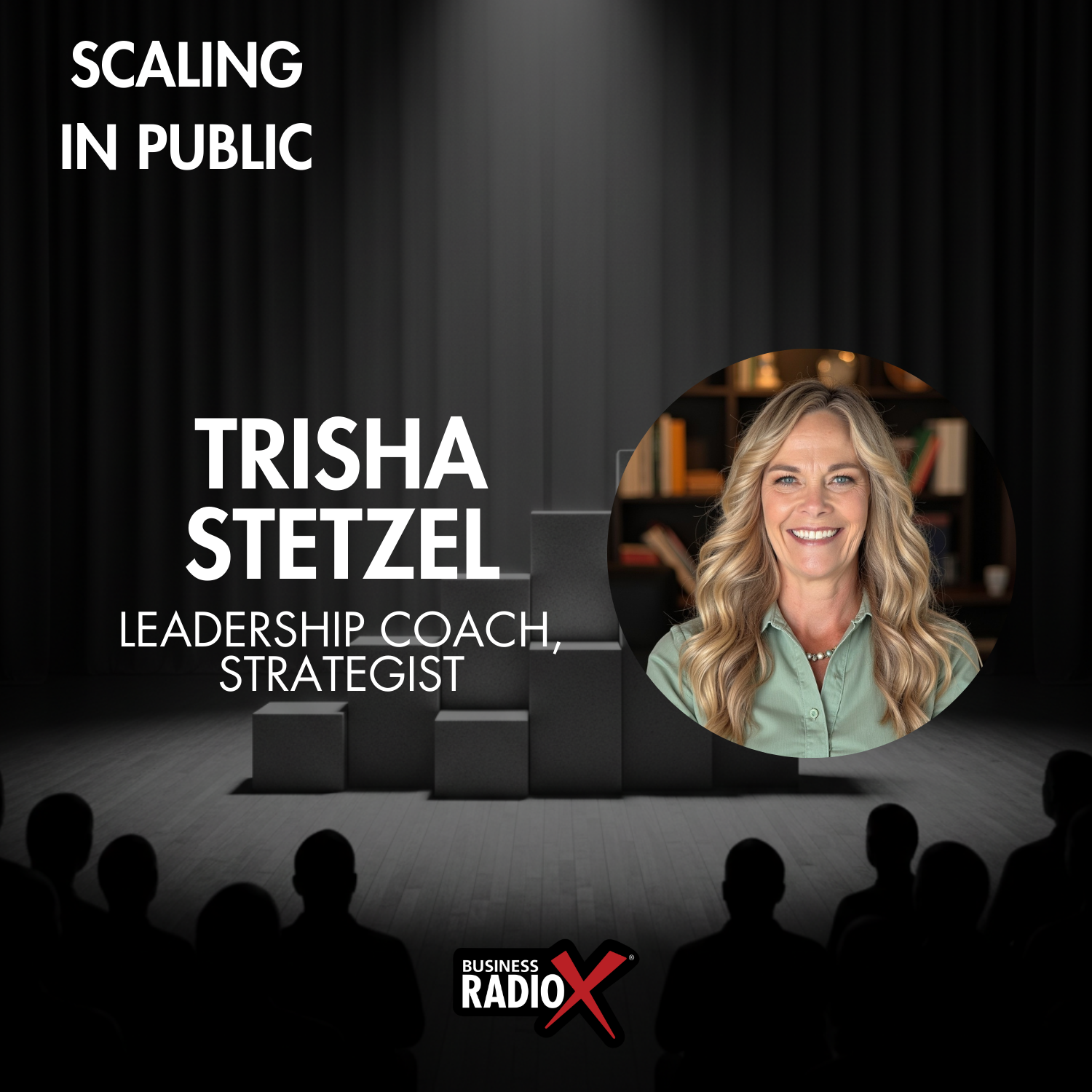
Scaling in Public
Embracing Change: What We Learned from Our 90-Day Coaching Adventure
Loading
00:00 /
RSS Feed
Share
Link
Embed

Download file

In this episode of Scaling in Public, Lee Kantor, Stone Payton and Trisha Stetzel reflect on the conclusion of a 90-day coaching experiment. They share key lessons learned, including the value of consistent communication, leveraging AI, and building authentic relationships through interviews rather than traditional networking. The team discusses operational improvements, mindset shifts, and new strategies like the “test drive” approach. The episode celebrates their progress, highlights the power of accountability and community, and sets the stage for continued growth in the next season.

Team-Stetzel-logo

Trisha-Stetzel-headshot

Trisha Stetzel is a leadership coach, strategist, and trusted conversation partner for founders and leadership teams navigating growth, transition, and complexity.

Her work sits at the intersection of leadership clarity and execution. Trisha helps leaders slow down long enough to ask the right questions, align around what truly matters, and move forward with focus and accountability. She is known for creating space for honest dialogue, challenging assumptions, and guiding leaders from vision to practical action.

With experience across executive coaching, organizational development, and business storytelling, Trisha brings both structure and humanity to her work. She believes sustainable growth comes from clarity, discipline, and a willingness to learn in real time, not from shortcuts or surface-level solutions.

Trisha’s coaching style is direct, thoughtful, and grounded. Leaders often describe her as calm, insightful, and deeply present, someone who helps them see what’s already there and act on it with intention.

Connect with Trisha on LinkedIn and Facebook.

Episode Highlights

  • Reflection on personal growth and changes experienced by the hosts during the experiment
  • Importance of renewed energy, commitment, and communication in business practices
  • Utilization of AI tools for analyzing coaching sessions and improving operational tactics
  • Emphasis on the significance of email marketing and maintaining an email database
  • Discussion on the value of nurturing relationships and consistent follow-up in business
  • Insights on the coaching process and the benefits of diverse perspectives from multiple coaches
  • Introduction of a “test drive” concept to enhance client engagement and relationship building
  • Shift from traditional networking methods to more authentic and direct communication strategies
  • Plans for future growth, including targeted marketing and community building initiatives

Transcript-iconThis transcript is machine transcribed by Sonix.


TRANSCRIPT

Intro: Broadcasting live from our flagship studio in Atlanta, Georgia. This is scaling in public. The next 100 Business RadioX markets, featuring founders Lee Kantor and Stone Payton, along with some of America’s top coaches, helping them grow the network with real strategy, real lessons, and real accountability, all shared in public. To learn more about the proven system that turns podcast interviews into a perpetual prospecting pipeline through generosity, not gimmicks, go to Berk’s HQ and download the free Business RadioX playbook. Now here’s your host.

Stone Payton: Welcome to another exciting and informative edition of scaling in public. Stone Payton Lee Kantor here with you. Please join us now in welcoming back to the broadcast our quarterback, our mentor, our favorite coach Trisha Stetzel. How are you?

Trisha Stetzel: I’m great. I’m so excited to be back with you guys. It’s been a few weeks and we’re all the way at the end of our 90 days. I’m super excited to circle back and talk about where we started and where we’re at today, and even share some of my own story in using the system. I think that’s going to be important as well. So we’ve been at this for 90 days now. Um, we brought in some incredible coaches, tested some new ideas and made some real changes. Today, I’d really like to pause and look back at what actually happened and more importantly, decide where are you going to go in the next 90 days. Because that is really the key here, right? Is taking action from all of the work that you’ve been doing. So when you think back, um, to where you were 90 days ago, Stone, why don’t you start us off with what feels most different now?

Stone Payton: For me, it’s energy level and commitment to a specific set of actions on any given day or in the course of a week. It’s almost it’s almost like I’ve clocked back in and I’m working the system that I preach so much to the studio partners that I’m supporting. And, um, so that’s the biggest overarching shift. Tactically, I’m just in communication. And if anything, I err on the side of overcommunicating with any of these constituencies I’m trying to serve. And it has produced general benefit, but also very specific success on a number of occasions already in a very short span of time.

Trisha Stetzel: Oh, I love that. Sometimes stone, we have to be reminded of the things we teach every once in a while, don’t we? I love that. Thank you for being so vulnerable around that. Lee, what about you? What feels most different now?

Lee Kantor: I think, um, operationally, I think we are in a better place. I think that we’re keeping score a little better than we had been before. I think a lot of these tactics and ideas that we’d have, we’d kind of start them and then kind of move on to the next shiny object. And these seem, uh, the tactics we’re trying and implementing seem very targeted and were relentlessly pursuing them until we make an assessment whether to continue or not, rather than just haphazardly just trying a new thing and a new thing. So I feel good about that. I feel good about how we’ve been leveraging AI. I know we’re just learning and I feel like a beginner when I’m implementing it, but I just see so much potential there and I’m excited about how we’re also leaning into, um, email marketing. I think that that was something that I shouldn’t have ever stopped doing. And we just kind of stopped doing it and we turned it back on and we were already seeing kind of fruits of that, uh, effort. And, uh, and I think it should be built into the playbook of all of our studio partners moving forward. You have to build an email database. You have to have some means of communicating directly with the people that are important to you, and you have to relentlessly communicate with them. It can’t be something that you just hope will work or you hope they’ll remember you. You have to kind of constantly remind people who you are because they’re busy doing their own thing. They’re not thinking about you until they need to think about you. And when that moment comes, you have to be there for them. So, um, I think email marketing is an important component or some sort of kind of reminder marketing, um, when you’re communicating with the people that are important to you.

Trisha Stetzel: Yeah, absolutely. Nurturing and top of mind. And we talk about it, right? We talk about it all the time. I think as people who are in business, we want to make sure that we’re top of mind and we often don’t see the fruit of that labor. And so we stopped doing it to move on to the next thing. I’m very glad that those are big rocks that came out of some of the experiences that you had. What surprised you most about this entire experience?

Lee Kantor: For me, the thing that surprised me was, um, just going through the coaching, uh, just the act of being coached. Um, when I was younger, I had, I’ve seen therapists in my life and, and it reminded me kind of, of that back and forth, the pushing, getting me into uncomfortable spaces. I hadn’t ever had a coach before. So this was the first time I’ve kind of experienced that in that way. And, um, I really enjoyed kind of the fresh eyes that people brought to this and every coach took it seriously. They did their homework. They kind of understood where we were at. So we didn’t really have to kind of recreate the wheel pretty much. Um, at each session. So I thought that was helpful. And then they got us really to the heart of an issue that their, that their specialty kind of, um, allowed them to, and it allowed us to kind of get insight quickly. Um, the only thing from it that I would take is that it was kind of overwhelming because every week we were meeting somebody else and they’d have a different thing and they’d say, oh, this is so obvious. You should be doing more of this. And then the next one would be, oh, this is so obvious. It would be something else. So it was just to kind of contain that, uh, was a little overwhelming for me. But again, that’s where AI was helpful for me, where I was able to kind of, okay, I can take these transcripts, I can put them in, I can help them kind of connect dots that maybe I’m not seeing, or I’m kind of not prioritizing as much as I should. And then that was kind of a, for me, a way to kind of put new fresh eyes on, on the inside. So I was, um, surprised by how much I liked it and how much I was looking forward to each coaching session.

Trisha Stetzel: Okay. Awesome. Stone, what about you?

Stone Payton: So for me, 2 or 3 things. One, it was much more fun than I anticipated. I just, I had a really good time. Second, I learned a great deal more than I thought I would. I’ve always considered myself a pretty good, if not gifted, person in the arena of selling professional services. I have a pretty strong track record in that regard. And, um, I didn’t I don’t guess I felt like I was going to learn that much. That was going to help in the role that I’m primarily playing at this point in our, in our evolution. I learned a ton. I think I probably came into it a little bit jaded toward the coaching profession, and and I’m sure there are some mediocre coaches out there, but boy, we didn’t meet any. Not during this series. Uh, you know, and they, and they, they challenged my thinking. They shared ideas and it was, I learned, but it was also validating. I validated that, yes, Stone, you really are good at this. You really do have a pretty good handle on some really solid sales mechanics that you’ve been exposed to over the years. You are good at communicating with people.

Stone Payton: When you do clock in and actually do the stuff that you’re trying to coach other, other people to, to do. And it had such a tremendous impact tactically because I, I think I kind of coasted for a while in our business because certain aspects of it, you know, could be very lucrative. And, um, I think I kind of backed off of doing the day to day blocking and, and tackling and then, you know, one specific set of disciplines, I guess. I had fallen into a very overly stealthy, high positioning approach to working with people and letting them come to me and all of that. Well, I gotta tell you, I’m anything but stealthy now. I let the people I’m talking to, I let them know how and why we want to serve them. I let them how? Let them know how and why we want to collaborate with them. What I’m trying to get accomplished. And it’s just a very authentic exchange all the way through. And all of that and the, uh, the, the gap and how much I’ve closed the gap. It continues to surprise me.

Trisha Stetzel: I love that I am so excited. And you guys both lived up to your, um, the thing that you said you were going to do at the beginning of this series, you said you were going to be open to coaching and be open to ideas from others, and maybe even shifting the way that you think. And congratulations. It sounds like both of you are there. Okay, so I came back. We circled back about halfway through, and we already talked about, um, the first few sessions, you’ve talked to five coaches and actually had a duo or four coaches and you guys had a reflection, uh, episode as well. But you’ve talked to five coaches all together. I’d love to hear how the back end of this series or the learnings for you have really played out when it comes to things that have moved the needle. So what are 2 or 3 things during the back end of this? I’m going to call it an experiment. We were calling it that as a kind of a kidding in the background, but what are 2 or 3 things that clearly moved the needle for you in the back end of this series? Stone. Do you want to take that first?

Stone Payton: Uh, yeah. Well, I can tell you on the back end of it, like Lee, I have been a little bit overwhelmed. But what we did, Lee and I, you know, came right behind each session. And, and he and I had in-depth conversations about the session. We took some advantage of, of AI. We took the, the Zoom AI summary from those sessions. And even more recently, Lee’s turned around and fed that into his AI to get a really solid practical plan of action. So I feel like the he and I block time every week, like 2 or 3 times a week to have these conversations. The conversations are more tactical than they used to be, and he and I contract to do some very specific things in service to those to those objectives. So that’s a that’s impacted the back end at a very tactical level. I’ve got two very recent examples from yesterday, because again, I was really reluctant to, uh, follow up in any, you know, really strong way. Um, and, and, uh, yesterday I followed up with a couple of people who were doing the test drive that people have heard us talk about on this, uh, on this series.

Stone Payton: By phone. I haven’t followed up with somebody by phone and I don’t know how long. It’s been a really long, long time. And we have this discipline in our sales process where we establish a specific confirmed release date and so on. On one of the things that a project that we were selling confirm release date is tomorrow. But I decided this morning and it happened right behind those calls. I guess I was kind of getting my getting my groove and I sent a little, little two sentence reminder, note. And the lady came back and said, oh, I sent you a note yesterday with the client wants to move forward now, for whatever reason, that that communication got lost in my email system or whatever. Doesn’t matter. She would have gotten a very she would have gotten the traditional confirmed release note tomorrow if I hadn’t reached out and over communicated. So I’m getting like very real and real time evidence that, hey, doing this stuff is a good thing.

Trisha Stetzel: I love that you picked up the phone stone.

Stone Payton: I did. I had done that a long time. Not in pursuit of yeah, yeah.

Trisha Stetzel: Yeah, I love that. And Lee, you mentioned earlier the, uh, email sequence along with that, what are a couple of other things that, uh, clearly moved the needle that you’ve implemented?

Lee Kantor: I think, um, well, one of the biggest things is this, uh, concept of a test drive that we’ve kind of, uh, built while talking to the coaches where now we have a bridge. So, and this is one of the challenges and you went through this yourself when you were implementing the system for yourself as a person comes on, they’re coming on to a show. You, you’re meeting them, you’re doing kind of a mini discovery call with them, whether it’s in the pre-call or in the interview, right? You’re vetting them, seeing if they’re right fit, seeing if there’s opportunity there. While you’re serving them and giving them a good interview. That’s useful and that they can really repurpose and benefit from. So you want to honor that. But at the when the thing’s over and you have your follow up and you want to teach them how to best leverage the content and how to get the most out of it, you want to have some sort of a bridge into a sales conversation for yourself. You know, because we’re not doing this, we’re doing it kind of altruistically. But this is, you know, like I like to say, this is show business. There is a business element to it. And we’re doing this to grow our businesses.

Lee Kantor: Um, so there has to be a bridge. And we came up with an interesting thing, an experiment to test is these test drives where we’re during the call, uh, stones able to bubble up, um, a pain point of whether it’s, I need to meet more people or I want to position myself a little differently or I’m not getting enough top of the pipeline. Um, you know, whatever their kind of issue is when it comes to business development. We have a simple way to test it. And this test drive, which we implemented successfully with one of the coaches, is we just give them, we put it in the chat. Here’s, here’s a note to send to your, um, your LinkedIn and just say, hey, I’m sponsoring a Business RadioX show. I’m looking for guests. Do you know anybody? That would be a good guess. I mean, that’s not the exact word, but that’s kind of the, the spirit of it. And this one coach immediately sent a handful out and was getting responses almost as fast as she was sending them out. And it was like, people have to understand that’s hard to do. Like, that’s not something that normally happens because I know because we’re sending a lot of emails now and we’re sending thousands of emails to get responses.

Lee Kantor: Um, this was something that it was almost, you know, sending a handful and getting responses is an extremely high engagement rate and is unusual. So she was very blown away by that. And then we were able to do we’ve done one of the interviews for her. We, we this test drive is basically allows the coach to be a sponsor of an episode. Um, and we don’t charge her for this test drive. And then she sponsors it by inviting someone. I did the interview for her in this case, and then I interviewed her person and the episode was brought to you by her coaching company. He had a great time, sent her a note. Thank you so much. Um, and that’s, you know, that’s something that can happen in a short period of time that we tested effectively. That was built on ideas that we got through the coaching that went from, hey, this sounds cool, let’s try it to us doing it. And now it’s just part of how we do things. Um, so that to me was one of the biggest actionable benefits from doing this. So we landed on something that is now a working thing that’s part implemented as part of our kind of go to market strategy.

Trisha Stetzel: I love that. So with your permission, I want to give a little plug on my experience with your system. I think this is a really good time to bring this in, because we were talking about it a few weeks back, like, what is that system done for me? And I gave you some numbers and I did. I dropped 95 shows last year and I do it as a coach. I do a discovery call, a 15 minute phone call with all of the prospects that I would invite to the show. So I did my 15 minutes. I invited those to the show that it made sense to have them on. I spent 45 minutes with them cutting a 30 minute show for them, and of those 95 I dropped last year, I got two paying clients, which is double what I would get if I was making cold calls to 100 people. Normally it would be one coaching client and I’ve got two. And, and the interesting thing for me is it’s all of the seeds that I’ve planted. It’s I, the client that I landed in the last few weeks that I have been telling you guys about came from someone I had on the show last spring, a year ago.

Trisha Stetzel: She was on the show this spring or really in the winter. In February, she dropped an email in my inbox and said, I want you to meet these people. And I went through their interview process, and now I’m a part of their coaching pool, which is really, really exciting. Uh, the other one is an individual one on one coaching client that I landed through again, another person who was on the show. So for me, it’s not always been about prospecting directly from the show, but indirectly. And I will tell you that I gave up some of the network that I was doing that wasn’t working so that I could use the system, because it makes sense for me to build these networks, to open up networks, to build relationships. And by the way, Lee, continuing to nurture those relationships is really important, just like you talked about in your business. For me as well, staying top of mind and continuing to get those referrals from the people I’ve had on the show. So I want to thank you both for allowing me to be a part of the business that you’re in and helping share this story with everyone who’s listening.

Lee Kantor: And it’s funny, you mentioned how it’s replacing some of your, um, things that you’ve done previously. One of the coaching, um, kind of tidbits we got in the insights we got was from one of the coach who said, if by doing your thing, it allows me to replace for other things. And that’s something, um, stone and I did a, a pro tip about this recently about how when you’re explaining the value of what you do as a service, you have to include the replacement cost because the person isn’t going to connect those dots. It’s like when you’re doing our thing, you don’t have to. Also, unless you want to do three other other things, you don’t maybe have to go to as many kind of networking meetings as you did before. You don’t have to go to as many events as you did before. You don’t have to run as many ads as you did before you can. You can use this thing instead of some other things that are costing you time, money, and resources. Um, that you can do this instead and get kind of at least the same bang for your buck, if not more. And again, the thing that I can’t emphasize enough about our methodology. Every interview you do, that person is going to like you. So that’s going to be a real relationship. You can kind of interact with this person down the road whenever you want, as opposed to an ad you run that every one of those interactions is perishable. They see the ad. They look at it and then they forget about it. It’s perishable. It goes away. Whereas every single one of our relationships are forever. Mhm.

Trisha Stetzel: Yeah. This method, it it removes the friction of the weirdness of having to introduce yourself to someone and saying, hey, let’s have a conversation. You’re inviting them to something which I think is beautiful. It’s all about them. Isn’t that what sales is all about? I think everyone’s favorite radio station, Wiifm. What’s in it for me? I mean, it really is. And if you invite somebody to something, I wouldn’t turn down a great show if somebody invited me that I knew or that I had been watching. I would love to be on somebody’s show that’s doing a really good job. And then, gosh, could I turn into a client? Maybe. Uh, that’s part of having that conversation and really nurturing what’s happening there. They’re so stone from your perspective. Just hearing, you know what, what I’ve been experiencing just over the last year. And by the way, we’ve, we’ve been working together for almost two years. And it took me a while to figure out my own system. But as you hear, um, you know, my experience with your system was bubbling up for you. Stone, about what I’m experiencing and what you’ve experienced through scaling in public.

Stone Payton: So at the risk of sounding a little bit immodest about our thing, I’m not even a little bit surprised that you’re seeing some positive results. And I think Lee’s right. And I think sometimes, um, I get a little insulated or take for granted just how powerful this thing is forever, not just while you’re doing it. And so it’s, it’s so much a part of me and what I’ve been doing for these 20 years that I think I have fallen very short of effectively articulating that to potential studio partners. I was a lot better when I did more in studio work, day to day, face to face at getting that across to people who had come through a studio. I just and maybe I’m just better in that medium or maybe, you know, I don’t know. But, uh, so for me, I want, I continue to strive to get a lot better at articulating what they can expect, which is what you’re, what you’re experiencing. And I think you’re going to, I think you’re probably going to hit a tipping point where your results and your numbers are even far more impressive than that. We’ll see as as things unfold. So the what I’m translating that to is in my communicating and overcommunicating when the opportunity presents itself and when I listen, like Coach Gabrielle has helped me do, and really get a handle on where they are now. What the. Not our why? As much as their why. And. And then communicate to them how much, how often and how our thing will help them get there. Much more focus on that as opposed to what? I cringe a little bit thinking that I probably went into a lot of conversations expecting them to connect all those dots and, um, and they don’t obviously. Uh, so yeah.

Trisha Stetzel: I have a little secret to tell you guys. I believe that my coaching skills have grown and I’m a better coach for doing the show. Oh, and I appreciate that because on the show, it’s always about the other person as it is in coaching and learning to ask a question and just get out and not problem solve and not be a teller and not try to give the answers and just allow the conversation to happen. I believe that I’ve become a better coach through being a partner with you guys as well. So thank you.

Stone Payton: Oh, great. I love to hear that.

Trisha Stetzel: I know, okay. So, Lea, um, something that comes to mind is you guys created a dashboard based on a conversation that we had a few weeks back on really hardcore tracking your numbers. How is that important? Not only just getting it started and having it, but using that in the future to really track the amount of work that’s going into staying on top of the activity you’re doing.

Lee Kantor: I think it’s important to keep score. And, um, the last coach we had, uh, young Han, he is operationally minded and is just really, um, kind of lives and dies by that. He doesn’t take anything great ideas or he’s like, I’m terrible at ideas, I. The way I do this is brute force. I just power through ideas and I just test them and they are what they are. And I do more of what works and they do less of what doesn’t work. And it’s just not that complicated. You just have to have the stomach to power through. So I’m really trying to kind of live into that more. Um, when it comes to doing a tactic, putting it to a test, assessing how it’s going and then either, you know, doing more of it or getting rid of it and trying another experiment. And so, you know, we’re really kind of leaning into that. And just like this was a 90 day experiment, this scaling in public. I think it’s a, I think moving forward, we should do it again and do another 90 days, probably not immediately after maybe started in May. Um, and not in April. Um, but we should do another 90 days of it. Um, and maybe tweak it a little bit, but we should start recruiting coaches for the next 90 days. Um, and that’s one of the initiatives I think we should do. I think that we should be, um, doing experiments and we have several planned and we should process everything we’ve learned from this experiment, kind of get all of our learnings together, come up with an action plan and then execute relentlessly and without emotion. And, um, so that, I mean, that’s another one of the takeaways from going through this process is just keep going. Go for, you know, little change over time compounds, and then just keep just relentlessly moving forward towards the goal.

Trisha Stetzel: Um, and you have to get comfortable being uncomfortable sometimes.

Lee Kantor: Yeah. And you got to take the emotion out of it, you know? Yeah. The ideas aren’t, you know, every idea It’s not a great idea. And that and the results are the results. And then you take them and you move on and you don’t. Failing at an idea or an experiment that goes wrong is not something bad. It’s one less thing to worry about moving forward and just try something else. And you got to have the stomach and the resources to do that for as long as possible. And if you do that relentlessly, I believe then you are going to get to where you’re trying to go.

Trisha Stetzel: I love that, and I’ve heard Jung say more than once, um, he loves use the term failing forward, which means you’re learning from everything that you’re doing, and you just got to put one foot in front of the other. So, Stone, what about you? Why is keeping score important?

Stone Payton: Well, I gotta say, I’m the newest member of the young Han Fan club. I got tremendous value out of that, uh, session. But for example, and again, that’s another thing I always bristled with, with score cards in my mindset was more like, just get out there, serve people and it’ll happen. And part of the challenge is it did happen. You know, particularly at the at the in studio level, working directly with clients, it hasn’t been happening for us in recruiting studio partners. Uh, this scorecard thing I’m still struggling with to even remember to do it. I was supposed to do it by Saturday or Sunday. I didn’t do it. I didn’t, and I didn’t do it yesterday. I did it this morning and I went back, I said, okay, great. I had six pre calls last week. That’s great. That’s more than most people get. I’ve had a machine to do that. I’ve had access to that machine for 20 years. I’ve always been able to turn the dial up turn it down. I had zero uh, what in that scorecard right now says post calls these conversations where we’re leveraging the, uh, helping them with ideas on leveraging their interview. And it’s opening up the opportunity for me to have that test drive conversation with them.

Stone Payton: Now, those were pre calls, those pre calls we history suggests that those will turn into the interviews. History suggests the interviews will turn into the into the post calls, but I had to be realistic last week. You know, just felt like I just was jamming, but I really hadn’t moved the needle that much yet. I just, I did part one of it. And so as in terms of keeping score, didn’t have any of those test drive conversations and to just realize, okay, you know, pay attention to what the score is. You might have got a first down, but you hadn’t scored a touchdown through this yet. So that’s, uh, and then watching Lee, um, really take the information from the sessions and not just rely on our feelings and our, um, in our memory and then analyze what’s been said and, and we have been leaning on AI a lot to lay out the plan and, and, and now I’m getting more and more comfortable with trying the new thing. So keeping score is also kind of a new behavior, uh, for me. And, um, it doesn’t come naturally. Uh, yet.

Trisha Stetzel: Yeah, we’re still working on it.

Stone Payton: But I will tell you this too, at a at on the other side of the equation. I know like the, one of the things that I wrote on my notepad during our session with, uh, with Jung was I wrote the word emotional and then I scratched it out and then I wrote the word math in great big block letters. So maybe that’s why I finally filled out the scorecard this morning.

Trisha Stetzel: And you don’t have to hang that on your wall so that you keep track of the scorecard, right? Uh, yeah. Well, and you guys have adopted so, so many new things that I think are going to matter to your business moving forward and understanding that we’re planting seeds just like I did. I talked to 95 people on the show last year, and it resulted in two great clients. And one of them is not just a 1 to 1 coaching client. It’s an opportunity to coach many, which is amazing. And I wouldn’t have had that opportunity had I not stuck with it and just kept planting the seeds. And that’s been the beauty of this process with you guys. So just calling out some of the coaches that you guys met with since the last time we rolled around, we already mentioned Gabrielle Beaumier. Uh, James Castleberry was on with you guys talking about emotional intelligence. Adam Walker and Sunjay came on to talk about using video to scale the business. You guys talked about the test drive, uh, and what you have going on. And then young Han was just before this particular episode. So reflecting back on everything, um, is there something you’re intentionally not doing anymore because of what you’ve learned in the last 90 days?

Lee Kantor: Uh, like, are you asking a tactic or just anything?

Trisha Stetzel: Is it? Yeah, sure. Either or.

Lee Kantor: Um. Oh, let’s see. Something we’re not doing anymore is waiting. Oh, we’re not waiting.

Trisha Stetzel: Okay, this is good. Tell me more.

Lee Kantor: We’re not. Um. Just saying, hey, this is a good product. It’s interesting because we have validation from every coach that this is a good product and a good service. Nobody is really debating that. And, um, and so I feel good about that, that we’re not. And it’s something that’s done. And I, because of our level of confidence and self-confidence, we never were really doubting it, but it’s nice to hear from a handful of people that say, hey, you know, you really do have something here. So I appreciate that. And a lot, I think, I don’t know if it’s our age, if we’re we’re our stage of our life that we’re at right now, that we just, I think, took our foot off the gas and said, okay, this is a good thing. It’s going to, you know, build it and they will come kind of mentality. And I’ll just, you know, people will figure it out. And now we’re moving with more urgency and we’re moving, you know, with our pants on fire to get this thing moving and get this thing done. And, um, so the waiting part, I think in our minds, um, has kind of stopped and now we are taking action relentlessly. Uh, pretty much every single day now.

Trisha Stetzel: I love that stone. How about you?

Stone Payton: So I’m not waiting. Covers it really well for me as well. Um, so that’s a specific thing that, that I’m not doing, but I’m also not cringing when emails go out from mission at Business RadioX dot com under stone at Business RadioX dot com, and maybe sometimes it’s not the way I would say that I’m not cringing because, you know, quite a few people are getting that message. And I’m seeing that the people that, uh, you know that respond really do want to have a conversation. There’s going to be a whole bunch of people that don’t respond to that specific message. But I, I mean, when Lee started jumping back into that and doing that, I mean, I was cringing because again, I was always like, I’ve been spoiled. We’ve made a very comfortable living. And it’s, it’s like falling off a log for me personally and for lead to run a studio. I mean, believe me, if I would work five days a week, three days a week down here at the studio, I’d make a ton more money. And that’s part of the problem, too. We’re already financially pretty comfortable, both of us. And so but anyway, I’m not cringing and I’m not waiting.

Trisha Stetzel: I love that, not cringing and not waiting, but ready to help other people who can use the system to grow their businesses, which is so important. One of the reasons I engaged with you guys almost two years ago is because of the whole pebble on the pond effect, and it was less about selling something to someone, and more about growing the community of people that I have in my reach. And I loved that. And I think that comes across for everyone. I’ve heard all of the coaches that I’ve had follow up conversations with that have been a part of this experiment, say the same thing, that you guys are genuinely in it for all the right reasons, which is to help people grow their communities. And I think that that’s beautiful and I really appreciate it. All right. So we’re at the back end of our conversation. I want to we’ve done a lot of reflecting, a lot of action looking. We know you have a dashboard. What is the next 90 days entail for you? So specifically, what are you going to double down on in the next 90 days?

Lee Kantor: Um, specifically, tactically, uh, we’re going to take Young’s advice and we’re going to run ads, um, in the next 90 days, uh, to just see if we can get direct, um, people into our pipeline through that platform. We’re going to ask, um, our coaches that we’ve had for referrals for next season’s coaches. Um, that’s, that’s a tactic that we’re doing to kind of build the top of our pipeline and to, um, we’re going to continue doing this show one more season at least. And, um, and we’re going to kind of, that’s going to launch probably in May, but it won’t, we’re going to kind of process everything we’ve learned and come up with a plan to maybe tweak some of the things that we think we could kind of do better. Uh, so those are some things that we’re going to do. We’re going to capture some of the testimonials from, from partners like you that have gotten, uh, good results and, um, capture that in a variety of ways so that we can share those stories with potential partners moving forward. And we’re just going to kind of double down on building this community. We want to identify more people that you know want to come along for the ride and, and feel like they have something to add to the community. So we’re looking for other people out there, other coaches especially that want to be part of a community that’s doing this kind of work, that they want to be the voice of business in their community, and we can show them how being that persona can really help their business grow. It can help them personally. They’ll feel good about themselves. They’re not going to feel icky. There’s not going to be any of that awkward, icky networking feeling you sometimes get. And, um, and it’s effective. I mean, this kind of work just really is effective if you’re doing it relentlessly over time and you will position yourself as that authority, it will improve your reputation. You will become a go to connector in your community if you do this kind of work. Um, so that’s the next 90 days about that.

Trisha Stetzel: Thanks. Lee Stone, what do you have to add?

Stone Payton: So listen to Stone get tactical here instead.

Speaker 5: Of just, you know, big picture.

Stone Payton: Uh, we’re going to market directly to affinity groups and professional services franchise organizations and see if we can’t get a lever. So yes, we’re going to do that 1 to 1 marketing that we’ve built this system out for. But we’re also going to, to build a system for going to a system and have some type of more, possibly more productized at least the frame of it may look a little more productized for your coaching franchise or your, um, your cohort, you know, maybe there’s a coach who’s coaching a dozen. Well, maybe we can do a test drive thing as part of that service and give those people an opportunity to be the voice of business in their community, because we know it’s going to amplify substantially any of the things that they’re doing as a product of the coaching they’re getting. And so we’re going to we’re going to pull that lever too.

Trisha Stetzel: I love that, okay. Uh, I need to know if this was a success for you. So, do you feel like this experiment, this first 90 days? I’m hoping that you say yes and invite me back for season two in May. Um, has this been a success for you?

Stone Payton: Absolutely. Unequivocally, yes. For me.

Lee Kantor: Yeah. Me too. I mean, this was, um, I loved it. I mean, I can’t wait for next season. I can’t wait to build the cohort of coaches for next season and to, to see where we go and what we learn and what we can execute next season. It’s, it’s something that has been really an energy boost for me. And I’m very appreciative of you and all the effort you put into this. And, um, all the coaches we met that we wouldn’t have met without your help. So thank you for making this happen. This to me was a 100% success.

Trisha Stetzel: It’s been my pleasure. And it was a little messy, but that’s okay, right? It was our it was our first season. Stone, I heard you say yes. What would you like to add to? This has been a success.

Stone Payton: I you know what less is more. I learned that from one of our coaches. That’s the best way I know to describe it. It’s a success for all the reasons that we’ve been been talking about. And I like Lea, I have thoroughly enjoyed it. I cannot wait for season two, and I can’t thank you enough for quarterbacking this entire effort and the direct counsel and perspective that we’ve received from you. It has absolutely been invaluable. Tricia.

Trisha Stetzel: Thank you. You know, Stone, we should have had everything that we’ve done recorded because we could have had so many more clips. I’m just saying. I’m kidding. Uh, you guys, thank you so much for the opportunity. I love working with you. I love being a partner. I love being a part of Business RadioX. And I love the show that I’m doing and building my own community selfishly opening up networks and talking to people that I would never, ever have the opportunity to talk to. So thank you both for allowing me to be a partner as well as quarterback this experiment. I have thoroughly enjoyed it. I got to meet some new people too. We brought in some amazing coaches and I am very much looking forward to next season, my friends.

Stone Payton: It’s been our pleasure. Thank you again, Tricia.

Outro: Thanks for listening to Scaling in Public. The next Business RadioX 100 markets. Are you ready to enjoy a steady stream of discovery calls and finally stop being a best kept secret? It’s time to step out of the shadows and watch your coaching business grow. Let’s fill your calendar ten discovery calls in a month, guaranteed. Go to Brc’s HQ to download the free Business RadioX playbook.

Why Clients Stall and What to Do About It: Dr. Larry Gard

March 25, 2026 by John Ray

Dr. Larry Gard on The Ambivalence Paradox: Why Clients Stall, How to Read It, and When to Walk Away (The Price and Value Journey, Episode 165) with host John Ray
North Fulton Studio
Why Clients Stall and What to Do About It: Dr. Larry Gard
Loading
00:00 /
RSS Feed
Share
Link
Embed

Download file

Dr. Larry Gard on The Ambivalence Paradox: Why Clients Stall, How to Read It, and When to Walk Away (The Price and Value Journey, Episode 165) with host John Ray

Dr. Larry Gard on The Ambivalence Paradox: Why Clients Stall, How to Read It, and When to Walk Away (The Price and Value Journey, Episode 166)

Dr. Larry Gard joins host John Ray on The Price and Value Journey to discuss one of the most frustrating and costly dynamics in advisory work: the client who genuinely wants your help and simultaneously resists it. Drawing on his book The Ambivalence Paradox, co-authored with Tom Bixby, Dr. Gard explains why this behavior is not irrational, not necessarily a sign of a bad client, and not a communication problem. It goes deeper than that, and understanding it changes how you engage from the very first conversation.

Dr. Gard walks through how ambivalence shows up in client behavior, from missed deadlines and topic-changing to analysis paralysis and sudden silence. He explains why advisors misread these signals, either diagnosing the client too quickly or making too many excuses and enabling the very resistance that’s slowing the work. He also discusses the importance of inquiring about previous advisory relationships before accepting an engagement, the significance of a client who cannot reflect on a past failed engagement as a warning sign, and the art of framing difficult conversations in a way that encourages openness rather than defensiveness.

The episode also goes into the question of when to decline an engagement, how to handle ambivalence that may be directed at you personally, and why your own ambivalence as an advisor can quietly fuel a client’s resistance. This episode is worth your time if you’ve ever felt like you were putting in more effort on an engagement than your client.

The Price and Value Journey is presented by John Ray and produced by North Fulton Business Radio, LLC, an affiliate of the Business RadioX® podcast network.

Key Takeaways You Can Use From This Episode

  • Ambivalence is not hesitancy. A hesitant client is slowing down. An ambivalent client is simultaneously accelerating and braking. Recognizing that distinction changes how you respond.
  • When clients procrastinate, delay, or change the subject, focus on the behavior itself rather than assigning an internal state. Telling yourself a client is “not motivated” or “just too busy” can lead you to enable the very pattern you need to address.
  • Ask about prior advisory relationships early in your discovery process. How a prospective client talks about a past engagement that didn’t work out tells you a tremendous deal about their readiness for this one.
  • Reframing how you raise difficult topics with clients matters. Language that names what you’re observing without cornering the client creates an opening for honest conversation rather than defensiveness.
  • Your ambivalence about a client or engagement is not invisible. Clients can sense it, and if they are already conflicted, your uncertainty will amplify theirs.
  • Declining an engagement is sometimes the right decision for the client, not just for you. Having a trusted referral list ready makes that conversation easier and leaves the relationship intact.

Topics Discussed in the Episode

00:00 Introduction: When a client resists the very help they asked for
02:22 Dr. Larry Gard on what drew him to this subject and why clinical psychology applies far beyond the therapy room
05:22 The PhD dissertation was 99 pages. The book is 47.
06:27 The origin of The Ambivalence Paradox and the collaboration with Tom Bixby
08:32 The engagement readiness assessment: a screening tool to identify client resistance before you take on the work
10:17 Why client ambivalence shows up mid-engagement, not just at the start
10:56 Ambivalence vs. hesitancy: the difference between tapping the brakes and pressing the accelerator and brake at the same time
12:45 What happens to advisors who don’t recognize ambivalence for what it is
13:40 Why naming the ambivalence is often the first step to resolving it
14:45 Most advisors are deliverables-oriented. That’s part of the problem.
15:43 The connection between value conversations and client ambivalence
18:52 How ambivalence shows up: topic-changing, delays, procrastination, analysis paralysis
19:17 The two misreads advisors make most often
21:40 The danger of making too many excuses for the client and colluding with their resistance
23:25 Why experienced advisors over-rely on pattern recognition, and why that backfires
24:24 A reframe for missed deadlines that opens conversation instead of putting clients on the defensive
25:44 The flip side: clients who are too agreeable
27:14 Asking about prior failed advisory relationships before you take on the engagement
31:28 When to walk away: the red flags that signal an engagement isn’t worth taking
34:48 Why having those hard conversations is part of your ethical responsibility as an advisor
36:50 For newer advisors especially: you don’t have to handle it in the moment
38:13 What to do when the client’s ambivalence may be directed at you personally
40:59 Your own ambivalence as an advisor and why clients can pick up on it
41:49 Closing thoughts and how to reach Dr. Larry Gard

Dr. Larry Gard

Dr. Larry Gard
Dr. Larry Gard

Dr. Larry Gard is a psychologist and founder of Done With Work Retirement Coaching and Consulting, based in the Chicago area. His doctoral training at Northwestern University Medical School focused on the second half of life, and he spent decades in clinical psychology before turning his attention to the dynamics that play out between advisors and the clients they serve.

Though no longer a practicing therapist, his long career in clinical psychology gives him the perspective and experience to help professionals navigate the head and heart side of major transitions. He is the co-author, with business advisor Tom Bixby, of The Ambivalence Paradox: Working with Clients Who Want Your Help but Simultaneously Resist It, written for consultants, coaches, and advisors who want to get better at reading their clients and having the conversations that actually surface what’s going on. He is also the author of Done With Work: A Dozen Perspectives on the Decision to Retire.

Website | LinkedIn

John Ray, Host of The Price and Value Journey

John Ray, Author of The Generosity Mindset and Host of The Price and Value Journey

John Ray is the host of The Price and Value Journey.

John owns Ray Business Advisors, a business advisory practice. John’s services include business coaching and advisory work, as well as advising solopreneurs and small professional services firms on their pricing. John is passionate about the power of pricing for business owners, as changing pricing is the fastest way to change the profitability of a business. His clients are professionals who are selling their expertise, such as attorneys, CPAs, accountants and bookkeepers, consultants, coaches, marketing professionals, and other professional services practitioners.

John is a podcast show host and the owner of North Fulton Business Radio, LLC, an affiliate of Business RadioX®. John and his team work with B2B professionals to create and conduct their podcast using The Generosity Mindset® Method: building and deepening relationships in a non-salesy way that translates into revenue for their business.

John is also the host of North Fulton Business Radio. With over 900 shows and having featured over 1,300 guests, North Fulton Business Radio is the longest-running podcast in the North Fulton area, covering business in its region like no one else.

John’s book, The Generosity Mindset: A Journey to Business Success by Raising Your Confidence, Value, and Prices

John Ray at Barnes & Noble with his book, The Generosity MindsetJohn Ray is the author of the five-star rated book The Generosity Mindset: A Journey to Business Success by Raising Your Confidence, Value, and Prices, praised by readers for its practical insights on raising confidence, value, and prices.
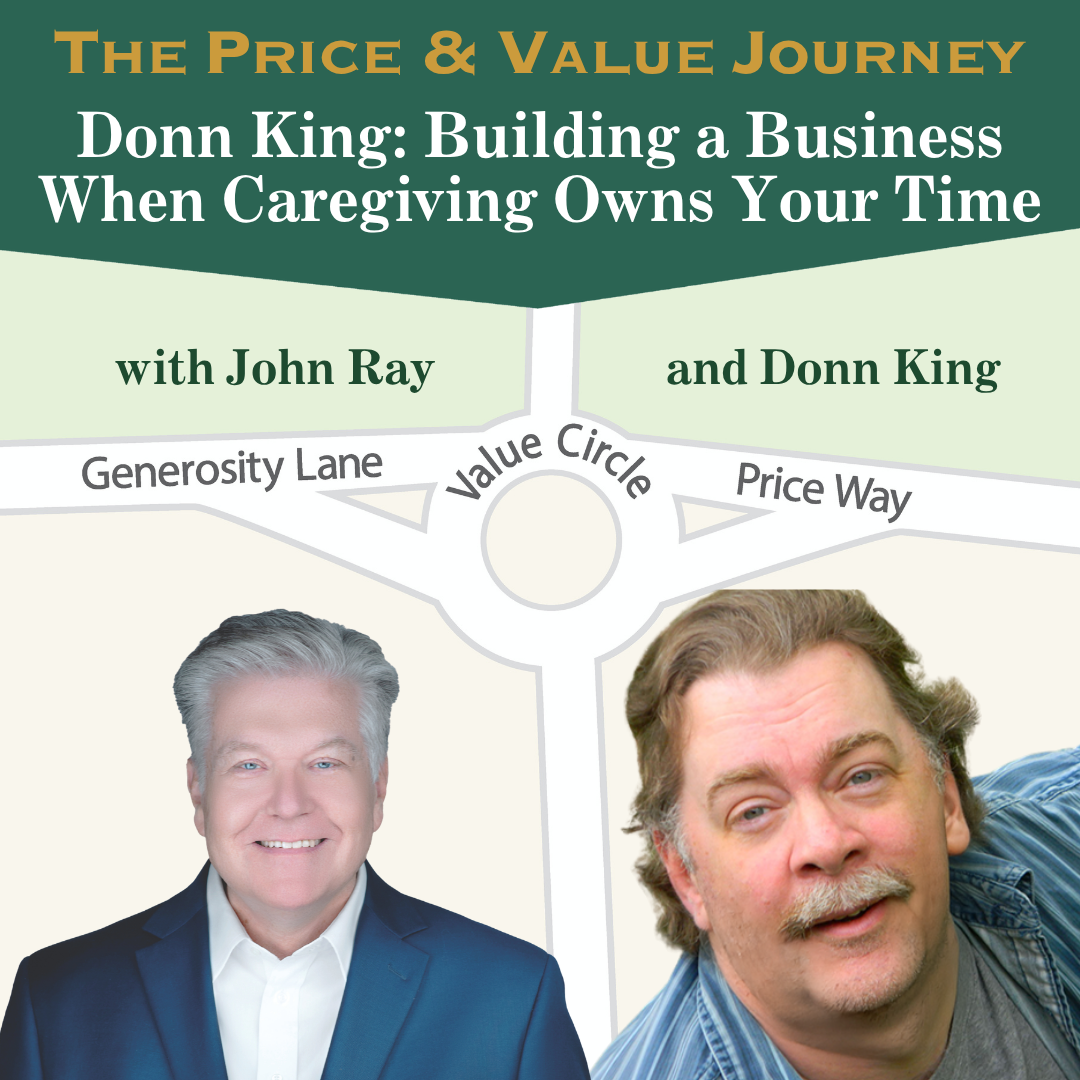
If you are a professional services provider, your goal is to do transformative work for clients you love working with and get paid commensurate with the value you deliver to them. While negative mindsets can inhibit your growth, adopting a different mindset, The Generosity Mindset®, can replace those self-limiting beliefs. The Generosity Mindset enables you to diagnose and communicate the value you provide to clients, which allows you to price your services more effectively in order to receive a portion of that value.

Whether you’re a consultant, coach, marketing or branding professional, business advisor, attorney, CPA, or work in virtually any other professional services discipline, your content and technical expertise are not proprietary. What’s unique, though, is your experience and how you synthesize and deliver your knowledge. What’s special is your demeanor or the way you deal with your best-fit clients. What’s invaluable is how you deliver outstanding value by guiding people through massive changes in their personal lives and in their businesses that bring them to a place they never thought possible.

Your combination of these elements is unique in your industry. There lies your value, but it’s not the value you see. It’s the value your best-fit customers see in you.

If pricing your value feels uncomfortable or unfamiliar to you, this book will teach you why putting a price on the value your clients perceive and identify serves both them and you, and you’ll learn the factors involved in getting your price right.

The book is available at all major physical and online book retailers worldwide. Follow this link for further details.

Connect with John Ray:

Website | LinkedIn | Email

Business RadioX®:  LinkedIn | Twitter | Facebook | Instagram

Tagged With: advisory relationships, business advisor, change resistance, client ambivalence, client behavior, client engagement, client resistance, Coaching, consultant client dynamics, consulting, Done With Work Retirement Coaching and Consulting, Dr. Larry Gard, engagement readiness, fractional executives, John Ray, procrastination, professional services, psychologist, The Ambivalence Paradox, The Price and Value Journey, Tom Bixby, value conversation, walking away from a client

LifeKnight on AI Emergency Response and Direct-to-911

March 23, 2026 by John Ray

Avery Piantedosi-Petrovski, LifeKnight, on AI-Powered Emergency Detection and Direct-to-911 Response for Senior Living and Vulnerable Workers (North Fulton Business Radio, Episode 947), with host John Ray
North Fulton Business Radio
LifeKnight on AI Emergency Response and Direct-to-911
Loading
00:00 /
RSS Feed
Share
Link
Embed

Download file

Avery Piantedosi-Petrovski, LifeKnight, on AI-Powered Emergency Detection and Direct-to-911 Response for Senior Living and Vulnerable Workers (North Fulton Business Radio, Episode 947), with host John Ray

Avery Piantedosi-Petrovski, LifeKnight, on AI-Powered Emergency Detection and Direct-to-911 Response for Senior Living and Vulnerable Workers (North Fulton Business Radio, Episode 947)

In this episode of North Fulton Business Radio, host John Ray welcomes Avery Piantedosi-Petrovski, Founder and CEO of LifeKnight, an AI-enhanced safety platform that detects emergencies, routes alerts to the right responders, and connects directly to 911, bypassing traditional call centers that slow response times.

Avery traces the company’s origins to a personal experience: while working as a real estate broker, she was nearly assaulted by a prospective buyer during a property showing. That experience sent her researching the vulnerability of lone workers and others in high-risk situations, and she was equally surprised by what she found about the 911 system itself. Built on copper-wire landlines from the 1960s, the system is tied to static addresses and does not automatically locate a caller dialing from a cell phone. LifeKnight fills that gap by providing real-time latitude and longitude data to first responders, along with pre-entered information about the person and the event, so that when help is dispatched, no time is lost explaining the situation.

The platform uses three AI agents working in sequence: one detects data signals, a second assesses whether an emergency is occurring, and a third determines how to route the alert. The endpoint is always a human responder, whether that is a 911 operator, a facility’s nursing staff, or a corporate Global Security Operations Center. Avery discusses the senior living market as LifeKnight’s strongest area of product-market fit, including an emerging wearable partnership aimed at people aging in place at home. She also describes an early pilot with social workers, one of whom told her that no one had ever recognized how vulnerable that job made them.

John Ray is the host of North Fulton Business Radio. The show is produced by John Ray and North Fulton Business Radio, LLC, an affiliate of Business RadioX®, and is recorded inside Renasant Bank in Alpharetta.

Key Takeaways from This Episode

  • The U.S. 911 system was built on 1960s landline technology and does not automatically locate someone calling from a cell phone. LifeKnight addresses that gap by transmitting real-time geolocation and pre-entered personal data directly to first responders.
  • LifeKnight’s three AI agents work in sequence to detect a signal, assess whether an emergency is unfolding, and route the alert, with a human responder always at the endpoint. Bypassing the call center model cuts response time in situations where seconds determine outcomes.
  • The platform integrates with wearables, PERS devices, safety apps, and existing security infrastructure, allowing device manufacturers and senior living facilities to embed LifeKnight as an invisible layer rather than replacing what they already use.
  • Avery’s personal experience as a real estate broker and her earlier career as a social worker in home health shaped the company’s focus on protecting lone workers, seniors, and others whose vulnerability is often underestimated.

Topics Discussed in this Episode

00:21 John Ray introduces the show and guest Avery Piantedosi-Petrovski
02:17 Avery describes LifeKnight’s emergency detection and direct-to-911 platform
03:03 How LifeKnight detects emergencies through wearables, apps, and PERS devices
04:19 Avery’s backstory: from real estate broker to tech founder after a near-assault
06:28 The surprising limitations of the U.S. 911 system and why cell phones don’t solve them
08:09 How LifeKnight fills the gap between an emergency and first responders
10:35 How AI enhances the platform: three agents that detect, assess, and route alerts
11:55 Routing alerts to 911, nursing staff, or a Global Security Operations Center (GSOC)
13:41 Bypassing call centers to cut response time when seconds determine outcomes
15:11 How the platform learns individual behavioral baselines to flag health changes
16:38 Enterprise customers: senior living facilities, home healthcare, PERS device providers
18:50 Avery’s personal motivation: aging parents and a career that began in social work
20:22 Aging in place: filling monitoring gaps when overnight caregivers are not present
22:39 Who should contact LifeKnight and how the platform can be a revenue driver
24:32 Early success story: protecting social workers in the field
26:11 Silicon Valley Safety Group and the broader case for protecting lone workers

Avery Piantedosi-Petrovski, Founder & CEO

Avery Piantedosi-Petrovski, LifeKnight

Avery Piantedosi is the Founder and CEO of LifeKnight, Inc., an AI-powered safety technology company transforming emergency response through real-time detection, automation, and communication. Since founding the company, Avery has built LifeKnight’s operations from the ground up, establishing infrastructure, securing IP, and scaling go-to-market functions across enterprise, healthcare, and high-risk sectors.

Under her leadership, LifeKnight developed key operations like engineering, compliance, customer onboarding, and internal systems; expanded go-to-market functions by launching B2B pilots, improving sales strategies, and entering important markets; partnered with IBM Watson and NVIDIA to boost AI and biometric detection; led the creation of the LOIS AI-Enhanced Safety App and LifeKnight HUB platform; obtained a U.S. utility patent for the company’s safety detection and emergency response system; and raised two rounds of early funding while pursuing venture and acquisition discussions.

Some key achievements include being chosen for the NASA Technology Docking Program to speed up testing and launch, finishing Stanford’s Global Innovation Catalyst (GIC) to improve product-market fit, completing MSU’s Conquer Accelerator focused on growth and understanding customers, and participating in the NENA Work Group for new ways to communicate with E9-1-1, helping to shape national emergency response guidelines.

LifeKnight’s flagship, the LOIS Safety App, brings Avery’s vision to life, automating emergency response through intelligent detection and integration with wearables and safety systems. Through LifeKnight, she continues to lead innovation at the intersection of AI, safety, and health.

LinkedIn

LifeKnight

At LifeKnight, Inc., the company is redefining what safety means in the modern world, merging health monitoring, emergency response, and AI to create the first real-time detection and direction platform that requires zero user action.

Its main products, the LifeKnight API Platform and the LOIS AI-Enhanced Safety App, identify emergencies as they happen and quickly send the appropriate help, avoiding the usual delays and call centers. From biometric anomaly detection to fall alerts and geo-fencing, LifeKnight automates safety across the environments where it matters most: workplaces, senior care, real estate, and high-risk industries.

Powered by NVIDIA and IBM Watson, LifeKnight uses high-performance computing and AI to deliver precision, reliability, and speed.

What LifeKnight offers: AI-driven detection and direction that detects health anomalies, falls, accidents, and critical safety events in real time, automatically directing response through AI agents; direct connection to 911 and emergency services that bypasses call centers and middlemen, routing emergencies instantly to the right help and saving crucial seconds; seamless wearable and system integration that connects with Apple Watch, Oura Ring, Fitbit, and existing safety platforms to scale protection without disrupting operations; and real-time emergency alerts that deliver targeted notifications for individual incidents, workforce emergencies, and large-scale threats with full visibility via the LifeKnight HUB dashboard.

Who LifeKnight helps: healthcare and senior living facilities that need fall detection, health monitoring, and aftercare for assisted living, hospitals, and home care; companies that require safety solutions for tech campuses, logistics centers, and large organizations; tech companies wanting to improve safety features for their communication, security, or workflow tools; and industrial workplaces that require geo-fencing, alerts for unusual activities, and automated emergency responses in dangerous settings.

Website | LinkedIn

Renasant Bank supports North Fulton Business Radio

Renasant BankRenasant Bank has humble roots, having started in 1904 as a $100,000 bank located in a Lee County, Mississippi, bakery. Since then, Renasant has grown into one of the Southeast’s strongest financial institutions, boasting over $26 billion in assets and more than 280 offices offering banking, lending, wealth management, and financial services throughout the region. All of Renasant’s success stems from the commitment of each banker to invest in the communities they serve, which in turn helps them better understand the people they serve. At Renasant Bank, their banking professionals understand you because they work and live alongside you every day.

Website | LinkedIn | Facebook | Instagram | X (Twitter) | YouTube

Beyond Computer Solutions supports North Fulton Business Radio

Whether you’re a law firm, medical practice, or manufacturer, there’s one headline you don’t want to make: “Local Business Pays Thousands in Ransom After Cyberattack.” That’s where Beyond Computer Solutions comes in. They help organizations like yours stay out of the news and in business with managed IT and cybersecurity services designed for industries where compliance and reputation matter most.

Whether they serve as your complete IT department or simply support your internal team, they are well-versed in HIPAA, secure document access, written security policies, and other essential aspects that ensure your safety and well-being. Best of all, it starts with a complimentary security assessment.

Website | LinkedIn | Facebook | YouTube

About North Fulton Business Radio and host John Ray

With over 900 episodes and having featured over 1,400 guests, North Fulton Business Radio is the longest-running podcast in the North Fulton area, covering business in our community like no one else. We are the undisputed “Voice of Business” in North Fulton!

The show invites a diverse range of business, non-profit, and community leaders to share their significant contributions to their respective markets, communities, and professions. There is no discrimination based on company size, and there is never any “pay to play.” North Fulton Business Radio supports and celebrates businesses by sharing positive stories that traditional media ignore. Some media lean left. Some media lean right. We lean business.

John Ray, host of  North Fulton Business Radio, and Owner, Ray Business Advisors
John Ray, host of North Fulton Business Radio and Owner, Ray Business Advisors

John Ray is the host of North Fulton Business Radio. John and the team at North Fulton Business Radio, LLC, an affiliate of Business RadioX®, produce the show, which is recorded inside Renasant Bank in Alpharetta.

The studio is located at 275 South Main Street, Alpharetta, GA 30009.

You can find the entire archive of shows by following this link. The show is accessible on all major podcast apps, such as Apple Podcasts, Spotify, Google, Amazon, iHeart Radio, and many others.

John Ray, The Generosity MindsetJohn Ray also operates his own business advisory practice. John’s services include advising solopreneurs and small professional services firms on their value, their positioning and business development, and their pricing. His clients are professionals who are selling their expertise, such as consultants, coaches, attorneys, CPAs, accountants, bookkeepers, marketing professionals, and other professional services practitioners.

John is the author of the five-star-rated book The Generosity Mindset: A Journey to Business Success by Raising Your Confidence, Value, and Prices, praised by readers for its practical insights on raising confidence, value, and prices.
Tagged With: 911 technology, aging in place, AI safety technology, Avery Piantedosi-Petrovski, Beyond Computer Solutions, direct to 911, emergency response, home healthcare, John Ray, LifeKnight, lone worker safety, NENA, next generation 911, North Fulton Business Radio, PERS devices, real estate safety, renasant bank, senior care, senior living, wearable technology

Pineapple and Profits: Kelly Townsend on Business Blind Spots

March 17, 2026 by John Ray

Kelly Townsend, Leaders Team, on Pineapple and Profits, Leadership Alignment, Business Blind Spots, and Separating Yourself from Your Business (North Fulton Business Radio, Episode 946). with host John Ray
North Fulton Business Radio
Pineapple and Profits: Kelly Townsend on Business Blind Spots
Loading
00:00 /
RSS Feed
Share
Link
Embed

Download file

Kelly Townsend, Leaders Team, on Pineapple and Profits, Leadership Alignment, Business Blind Spots, and Separating Yourself from Your Business (North Fulton Business Radio, Episode 946). with host John Ray

Kelly Townsend, Leaders Team, on Pineapple and Profits, Leadership Alignment, Business Blind Spots, and Separating Yourself from Your Business (North Fulton Business Radio, Episode 946)

Kelly Townsend, with Leaders Team, joined North Fulton Business Radio host John Ray to discuss her newly released book, Pineapple and Profits: Why You Are Not Your Business and Why That Matters, co-authored with financial educator Peter Frampton.

The book grew out of a moment of personal reckoning. Kelly explains that for nearly 18 years she ran her consulting practice as a technician, never separating herself from the business. After sitting in on Peter’s color accounting class, she found herself in tears in the first hour, recognizing that a story she had told herself since age eight, that she was not good at math, had quietly limited the growth of her business for decades. That clarity became the spark for the book and for a wider conversation Kelly is now having with entrepreneurs about the cost of letting personal beliefs and blind spots drive business decisions.

Leaders Team focuses on leadership development and culture alignment, working with organizations whose teams are misaligned, whether that misalignment is visible or not. Kelly notes that most misalignment goes undetected until performance declines, and even then, the instinct is to find fault rather than diagnose what is missing. Among her current client engagements is one of the largest hospital construction projects in the country: a million-square-foot facility that, with Leaders Team’s help aligning contractors, designers, and the health system, is currently seven weeks ahead of schedule and under budget by $20 million.

John Ray is the host of North Fulton Business Radio. The show is produced by John Ray and North Fulton Business Radio, LLC, an affiliate of Business RadioX®, and is recorded inside Renasant Bank in Alpharetta.

Key Takeaways from This Episode

  • Kelly traces her motivation for co-authoring Pineapple and Profits to a personal blind spot: a childhood belief that she was bad at math that quietly kept her practice small for nearly two decades.
  • The central argument of the book is that business owners who conflate their personal identity with their business bring limiting personal conversations into decisions that the business needs made differently, from taking on debt to managing finances.
  • Peter Frampton’s RELAX framework (Revenue, Expenses, Liabilities, Assets, Equity) reframes accounting as a communication model rather than a numbers problem, making it accessible to people who have long avoided the financial conversation.
  • Leaders Team’s engagement process starts by asking clients what is happening now that, if the work is successful, would no longer be happening. Most of what surfaces is a lack of alignment that people have normalized without realizing it.

Topics Discussed in this Episode

00:20 John Ray introduces the show and guest Kelly Townsend
02:24 Kelly Townsend introduces Leaders Team and their focus on leadership development and culture alignment
02:53 Kelly’s career arc: from IBM and Minolta sales to transformational leadership consulting
04:15 The origin of Pineapple and Profits and Kelly’s partnership with co-author Peter Frampton
05:45 How attending Peter’s color accounting class became a turning point for Kelly
06:55 Why personal conversations and limiting beliefs keep business owners stuck
09:14 The book’s argument that everyone belongs in the financial conversation, with a focus on women
11:27 The cost of seeing yourself and your business as the same entity
13:20 Treating a business as its own distinct organism with its own needs
14:32 Peter Frampton’s RELAX framework for understanding accounting
17:09 Value-generating activity versus value-sacrificing activity
18:22 How Kelly’s personal experience gives her empathy and credibility with clients
20:01 How Leaders Team engages with new clients
22:02 Why misalignment is the most common underlying issue Leaders Team finds
23:36 How misalignment becomes invisible until performance declines
24:35 Symptoms that signal it is time to call Leaders Team
26:14 Client success stories, including a Florida development company and a major hospital project in California
27:54 The meaning of the pineapple in Pineapple and Profits
29:23 How to find the book and learn about the Leaders Team program coming to Atlanta in May

Kelly Townsend, Transformational Management Consultant, Leaders Team

Kelly Townsend, Leaders Team

Kelly Townsend is a Transformational Management Consultant and co-founder of Leaders Team, a boutique consulting firm specializing in leadership development and culture alignment. With a 35-year history working with both large enterprises and small-to-medium-sized businesses, she brings deep experience across sectors including healthcare, construction, legal, and financial services. Her methodology focuses on helping leaders recognize the blind spots and limiting conversations that constrain organizational performance and on creating the alignment that enables teams to do their best work.

Kelly is also the co-author of Pineapple and Profits: Why You Are Not Your Business and Why That Matters, written with financial educator Peter Frampton. The book draws on the workshops she and Peter have led with small business owners and addresses the personal beliefs that keep entrepreneurs from engaging fully with the financial side of their businesses. She is based in Naples, Florida.

LinkedIn

Leaders Team

Leaders Team is a boutique consulting firm focused on leadership development and organizational alignment. The firm works with leadership teams across a range of industries, including healthcare, construction, and financial services, helping them surface and address the misalignment that quietly limits performance. Leaders Team’s approach draws on the field of ontology, the study of being, to listen for the underlying conversations and assumptions shaping how an organization operates, then opens new possibilities for action and collaboration.

In addition to organizational consulting, Leaders Team co-developed the Pineapple and Profits workshop program for small business owners, now available as a book and as a live program being offered in Atlanta in May 2026.

Website | LinkedIn

Renasant Bank supports North Fulton Business Radio

Renasant BankRenasant Bank has humble roots, having started in 1904 as a $100,000 bank located in a Lee County, Mississippi, bakery. Since then, Renasant has grown into one of the Southeast’s strongest financial institutions, boasting over $26 billion in assets and more than 280 offices offering banking, lending, wealth management, and financial services throughout the region. All of Renasant’s success stems from the commitment of each banker to invest in the communities they serve, which in turn helps them better understand the people they serve. At Renasant Bank, their banking professionals understand you because they work and live alongside you every day.

Website | LinkedIn | Facebook | Instagram | X (Twitter) | YouTube

Beyond Computer Solutions supports North Fulton Business Radio

Whether you’re a law firm, medical practice, or manufacturer, there’s one headline you don’t want to make: “Local Business Pays Thousands in Ransom After Cyberattack.” That’s where Beyond Computer Solutions comes in. They help organizations like yours stay out of the news and in business with managed IT and cybersecurity services designed for industries where compliance and reputation matter most.

Whether they serve as your complete IT department or simply support your internal team, they are well-versed in HIPAA, secure document access, written security policies, and other essential aspects that ensure your safety and well-being. Best of all, it starts with a complimentary security assessment.

Website | LinkedIn | Facebook | YouTube

About North Fulton Business Radio and host John Ray

With over 900 episodes and having featured over 1,400 guests, North Fulton Business Radio is the longest-running podcast in the North Fulton area, covering business in our community like no one else. We are the undisputed “Voice of Business” in North Fulton!

The show invites a diverse range of business, non-profit, and community leaders to share their significant contributions to their respective markets, communities, and professions. There is no discrimination based on company size, and there is never any “pay to play.” North Fulton Business Radio supports and celebrates businesses by sharing positive stories that traditional media ignore. Some media lean left. Some media lean right. We lean business.

John Ray, host of  North Fulton Business Radio, and Owner, Ray Business Advisors
John Ray, host of North Fulton Business Radio and Owner, Ray Business Advisors

John Ray is the host of North Fulton Business Radio. John and the team at North Fulton Business Radio, LLC, an affiliate of Business RadioX®, produce the show, which is recorded inside Renasant Bank in Alpharetta.

The studio is located at 275 South Main Street, Alpharetta, GA 30009.

You can find the entire archive of shows by following this link. The show is accessible on all major podcast apps, such as Apple Podcasts, Spotify, Google, Amazon, iHeart Radio, and many others.

John Ray, The Generosity MindsetJohn Ray also operates his own business advisory practice. John’s services include advising solopreneurs and small professional services firms on their value, their positioning and business development, and their pricing. His clients are professionals who are selling their expertise, such as consultants, coaches, attorneys, CPAs, accountants, bookkeepers, marketing professionals, and other professional services practitioners.

John is the author of the five-star-rated book The Generosity Mindset: A Journey to Business Success by Raising Your Confidence, Value, and Prices, praised by readers for its practical insights on raising confidence, value, and prices.

Tagged With: Beyond Computer Solutions, business consulting, culture alignment, Entrepreneurship, Financial Literacy, John Ray, Kelly Townsend, Leaders Team, leadership development, North Fulton Business Radio, Peter Frampton, Pineapple and Profits, RELAX framework, renasant bank, small business, Transformational Leadership, women entrepreneurs

Recruiting Rebels: How Vader-Rey is Disrupting the Industry

March 11, 2026 by angishields

VBR-Vader-Rey-Feature
Veteran Business Radio
Recruiting Rebels: How Vader-Rey is Disrupting the Industry
Loading
00:00 /
RSS Feed
Share
Link
Embed

Download file

In this episode of Veteran Business Radio, Lee Kantor talks with Darren Tompkins, founder and CEO of Vader-Ray Companies. Darren discusses his military background and how it shaped his leadership style, then explains how his company provides recruiting, engineering, and virtual assistant services, including a team based in the Philippines. He highlights the use of AI and virtual professionals to streamline hiring, the importance of cultural fit, and building long-term client relationships. The episode offers practical advice for both businesses and job seekers, emphasizing efficiency, trust, and veteran entrepreneurship.

Vader-Rey-logo

Darrren-ThompkinsDarren Tompkins is the Founder and CEO of Vader-Rey Companies, a multi-division staffing and talent solutions firm supporting engineering, construction, and operations teams across high-demand industrial and data center projects.

After serving in the U.S. Army and building experience in oil and gas, Darren stepped away from traditional recruiting models to create a company that treats talent as long-term partners and clients as strategic allies.

Under his leadership, Vader-Rey has grown into a trusted workforce partner for organizations that require experienced professionals who can deliver from day one. Darren is known for blending operational discipline with strategic brand building, helping companies scale with the right people in the right roles at the right time.

Connect wtih Darren on LinkedIn and follow Vader-Rey on Facebook.

Episode Highlights

  • Overview of Vader-Rey Companies and its three subsidiaries: Vader-Rey Recruiting, Vader Engineering, and Vader-Rey Virtual.
  • Discussion of the recruiting industry, focusing on sectors like oil and gas, data centers, and engineering.
  • The impact of military service on entrepreneurial leadership and business practices.
  • Challenges in the recruiting process, including candidate management and competition with other firms.
  • Use of artificial intelligence to enhance recruiting efficiency and reduce costs.
  • Strategies for building strong client relationships and transitioning from transactional to strategic partnerships.
  • Importance of cultural fit and candidate preparation in the interview process.
  • The role of virtual assistants and outsourced help in improving operational efficiency for businesses.
  • Insights into sourcing candidates and leveraging technology for recruitment.
  • Advice for candidates on optimizing their LinkedIn profiles and presenting themselves authentically.

Transcript-iconThis transcript is machine transcribed by Sonix.

 

TRANSCRIPT

Intro: Broadcasting live from the Business RadioX Studios in Atlanta, Georgia. It’s time for Veterans Business Radio, brought to you by ATL vets, providing the tools and support that help veteran owned businesses thrive. For more information, go to ATL vets. Now here’s your host.

Lee Kantor: Lee Kantor here. Another episode of Veterans Business Radio. And this is going to be a good one. But before we get started, it’s important to recognize our sponsor, ATL vets, inspiring veterans to build their foundation of success and empowering them to become the backbone of society after the uniform. For more information, go to ATL vets.org. Today on the show, we have the founder and CEO of Vader Rey companies, Darren Tompkins. Welcome.

Darren Tompkins: Thanks, Lee. How’s it going, man?

Lee Kantor: It is going great. I am so excited to learn what you’re up to. Tell us about Vader Rey. How you serving folks?

Darren Tompkins: Yeah, yeah. So Vader Rey companies is actually three subsidiaries into one. They kind of funnel into each other. Vader Rey recruiting, which is traditional recruiting here in the oil and gas and data center space as well as, you know, like engineering and whatnot. Vader engineering, which we provide 1099 type project type workers, depending on whatever you need, whether it’s a construction build or back office support. And then we have VRA virtual, which is a virtual professional virtual assistant company. That’s where most of my people are based in the Philippines to help you with whatever help makes your life easier as an entrepreneur.

Lee Kantor: So what’s your backstory like? What’s your origin story of this?

Darren Tompkins: You mean as far as the company goes or.

Lee Kantor: Yeah, well, I mean, I’m sure they are go hand in hand, but wherever you like to start.

Darren Tompkins: So I actually only got into recruiting at the end of 2020. I’d been working in oil and gas for quite some time, like an IT project manager and you know down here, as I’m sure it is in Atlanta, no matter what you’re doing, you get called on by a lot of shitty recruiters, just really bad experiences. And, and, you know, these are people that are just punching out jobs with hoping that something will stick. And when you go through that enough, you start to kind of get it into your head. You know, there’s got to be a better way of doing this. And so I took a job as kind of like a second in command of a small boutique recruiting company. Again, at the end of 2020 where there was no work happening and learned the biz really fast, learned how lucrative it could be for an owner rather than just being somebody in a W-2, moved to a an international firm, but get a little bit of experience, but then launched Vader while I was still there. And, you know, we’ve we’ve been rocking and rolling. Our last year was like our real, you know, build year. And you know, here we are on your show.

Lee Kantor: So what, like, what did you take from your military service that helped you, you know, take this entrepreneurial tact.

Darren Tompkins: Yeah. You know, I kind of ran the entire gambit of military. You know, I was, I was enlisted right at 17, spent a year on the delayed entry program at a very small town called Salem, Virginia. Uh, the only thing people know about it is that Virginia Tech is about 30 miles away. It’s really the only only spot in Appalachia. You know, I was enlisted in the military police. I became an NCO in the reserves in a civil affairs special operations unit. And then I took the ROTC scholarship. So I went from, you know, lower enlisted to NCO to officer. And it’s when you tell people you’re a veteran, especially when you’re dealing with a decision maker who’s a veteran, it’s a little bit easier conversation here in the civilian world. Now, my challenge is always were when I first like when I first took my, my actual first corporate gig, right? Was, uh, I told the engineering manager this, it’s really hard because in the Army, you can just tell people how bad they suck and they have to deal with it, you know, and they do push ups for their bad work transitioning into the civilian world, you got to finesse it a heck of a lot more.

Lee Kantor: Um, maybe they should be adding the push ups. See how that works?

Darren Tompkins: Yeah, no, it might help depending on where you work.

Lee Kantor: So, um, what when you were, um, decided to go the route of, okay, I’m an entrepreneur and I’m going to build this recruiting firm. What, um, what was kind of that? Were you just copying what you had seen and just kind of just taking their playbook? Or were you, did you learn stuff from them to say, okay, I can do this different and better and this is how this is what makes me special.

Darren Tompkins: Yeah, I did take some of the more traditional mindset of recruiting, which is, you know, you get resumes, you match it against the job description, but it was really meeting somebody that told me about virtual professionals that you could use, uh, that were less expensive than traditional American based recruiters. And then, you know, coming in at the end of 2020, you know, AI was really starting to take off. And I saw that we could totally use this to cut time. Cut expenses. You know, not blow people’s budgets by having a big support staff. And we used AI into our process of recruiting, which has turned, you know, our time to to fill is what it’s called when you, when you finally get somebody hired on, on our side is very short now. As long as the right person comes around and that is a cost benefit to our clients as well as us here internally.

Lee Kantor: Now is the hard part in your business getting companies to say, hey, um, I’m going to use you to recruit talent or is it to actually find the talent?

Darren Tompkins: I mean, so sales is always tough, right? Because there’s a million recruiting companies out there and they want to know how you’re differentiated. Um, I’m very fortunate. And then probably about 75% of my work, our work so far has been referrals. Um, companies that I worked for before are now came along with us when I went out on my own. Um, and the sales part is tough because everybody’s offering the same thing. It’s just you have to get through that gatekeeper, explain your ability to do the job of what they’re looking for, and why are you going to be faster, cheaper than everybody else? You know, the way our company is set up is to accomplish all of that. But sales is still something we always struggle with, no matter where you are. And the candidate stuff. I have a million stories I could tell you about getting a candidate to the end zone, and they just dropped the ball before they go over the finish line, whether that’s failing the drug test, finagling for more money, you know, just literally ghosting like you never hear from them again. You know, for whatever reason, it’s just there’s a million reasons when you’re dealing with people that they don’t do what they say they’re going to do.

Lee Kantor: But when companies hire you to find talent or candidates, um, or are they hiring just you exclusively? Or do they, you know, have five different recruiting firms out there looking around because in a lot of the industries you’re working in, it’s like a, an unemployment rate of like zero or negative.

Darren Tompkins: Yeah. If you if you know, if you have a, a company recruiting company, they typically work on what’s called contingency. Meaning we don’t collect any cash until we get the client, the candidate placed. Right. Um, that’s a certain percentage of the, the annual compensation. We have other companies like one oil and gas company here that’s had us for the past year as their complete outsource. So they were just like full time employees over there. We’re always go into a search assuming that we’re competing against somebody else because they’re getting pegged by a lot of different, you know, other agencies out there. But you also have to understand, when you’re in this business, you’re also competing against the client because they’re getting referrals. They might they might have a recruiter, internal recruiter that’s out there looking at the same time you are. It’s, I call it a foot race. It’s who can get to the finish line first with the best possible speed. And you know, that candidate being hired on who’s perfect is the, the award.

Lee Kantor: So how do you go about, you know, finding candidates faster and more effectively and matching the right ones. Like, do you have some secret sauce to this or that, or is it just kind of grinding? I gotta just, you know, I gotta go through a million people to find that the right fit.

Darren Tompkins: You know, you’re like the third host in the past week that has used that term secret sauce, which is something that I use all the time in recruiting. And here’s something that, you know, I might get some hate mail for on the process side, as far as the platforms we all use to find candidates, there is no secret sauce. We all use the same stuff. Right now. There’s AI platforms that are coming into fruition that can cut down some of the, uh, the legwork grind that you talked about, but we all still use, you know, LinkedIn indeed monster and some, some occurrences ZipRecruiter, all that type of stuff. It’s just how can you take that long process from the beginning to the end? How do you cut this down? It’s almost like folding space AI. We’ve, we’ve, we have fully embraced. So in the past, if you got a second for an example, we would get a resume. Somebody applied to a job that we posted on behalf of a client. You know, you have to look at that resume versus the job description, and you have the bullet points of what they have to absolutely do. Right. I think the old recruiting adage was, you have like 2 or 3 seconds to get the attention of whoever’s reading your resume.

Darren Tompkins: That’s still very, very true. And Vader, Rey, we use our own AI that we’ve been programing for almost two years now where we will just simply run it against the job, your resume against the job description, and it comes up with a numerical number. Um, there’s no such thing as a ten, which even guys like Dave Portnoy, the pizza guy will tell you. Um, but there’s a sweet spot in there. And if you hit a certain number, then we go to interview and then we complete this long worksheet of both, uh, functional, which is the job description and the cultural piece of what you need somebody to do. And then we will run it again on the AI and see what the number is. So then I will, if it’s a senior role, I’ll do an additional kind of cultural fit interview. So by the time Lee, you get that that candidate, you know, we’ve gone through 3 or 4 different stage gates to ensure that they’re the best possible one that we can get in front of you.

Lee Kantor: But are all the candidates someone who’s raised their hand and say, I’m looking for a position or some of these because most of the people, uh, that you’re trying to place aren’t, don’t they already have jobs?

Darren Tompkins: Some do, some don’t. Um, you know, LinkedIn has a feature where you can secretly tell recruiters that you’re open to work. Uh, that’s a frame that we’ve, that when we use LinkedIn recruiter tool, we can see, and those are the people that we typically go for first. If it becomes a grind, like you said, then we’ll, we’ll start to look source and kind of poach people from jobs that they may already be in. But if we think they’re perfect fit, um, then we just do outreach and there’s other software packages that you can use to dig up people’s phone numbers and that type of thing to make the, the communication piece happen faster. The grind is absolutely that, man, you never know what you’re getting into. We’ve had jobs where something very simple where it’s like, it’ll drag out for months, you know? And then the client just ultimately gives up and doesn’t want to hire anyone because they’re looking for a unicorn. We’ve had very high technical jobs where we filled it in a week because the right person is looking at the right time and they’re paying the right and everything else just kind of works, which is beautiful to see because nobody wants to wait months at a time to find the next worker, you know?

Lee Kantor: Right. So is there something, is there any advice you can give a candidate who wants to be found? What are some things that you kind of get your attention? So you’re like, okay, this person I’m going to put on my list to contact like, like, how do you, what can a candidate be doing today that’ll so they can be found tomorrow?

Darren Tompkins: Absolutely. And that’s a great if we’re talking LinkedIn, which is, like I said, a overwhelmingly where we find talent. Um, if you know what the format of that looks like, recruiters will never talk to you if they don’t know who you are, where you are, or what you do. Um, and what you look like is, is another piece. Like if we have candidates that are trying to like ageism is a real thing. You know, I’m about to turn 52 and it’s out there and I see it all the time now. You know, candidates will try to hide, hide their age, you know, but eventually you’re gonna have to get in front of somebody, right? But if we look for, say, your whatever software developer, um, if you don’t have that in your job title and this is what you’re doing or we don’t know where you are, maybe we’re looking for something in Atlanta, right? And the guys in Houston, if we can’t tell immediately, we’re going to pass you up real quick because there’s lots of other candidates out there who you are, where you are and what you do are key. Get rid of all the fluff, you know? Um, cover sheets, cover letters and that kind of stuff are a thing of the past. Just get your resume down to the nitty gritty, right? Get rid of all the AI generated, uh, keywords. You know, anytime I see somebody has dynamic on their resume nowadays, it’s like, okay, they use AI to create that. Um, and if we think it’s AI created, we will run it against our AI and come up with a percentage. What do you think the probability is that they use AI? And if it goes over a threshold, some companies don’t want us to talk to them because it doesn’t show your authentic self in the transaction.

Lee Kantor: Now, um, when you know, there are certain, obviously there are certain mechanics of doing this kind of work, but this is always, I’m always curious about this because in some industries, like we just had the NFL combine, the NFL combine, people run and your, your time is your time. Like in a lot of work. Like if I’m an engineer, like, how are you judging if I’m good or not? Like, what are some signals that you’re looking for to ascertain somebody who has like kind of a normal, you know, middle management business job, like is better than somebody else. Like, how can you tell the difference other than just taking their word for it?

Darren Tompkins: Yeah, and if it’s industry specific, I’ll use oil and gas. Obviously, I’ve been around a long time, and I know what a lot of these companies are looking for when it comes to things like engineer, whether it’s a chemical engineer or mechanical, whatever, the job description will tell us what they need to be able to do. And, but there’s additional stuff. If people are in an engineering field long enough, they’re going to get like little certifications. Um, you know, they’re going to understand some of the lingo we might throw out at them. Um, and that’s the difference because some, you know, some of these larger companies, they might hire an engineer and all he does is sit behind a desk, you know, in an ivory tower somewhere. Others, they want them out on the, in the refinery, in the, in the, uh, the terminal, wherever the tank farm every single day. Um, and you have to ascertain, are you comfortable with wearing a hard hat and going out in the Texas heat and doing these things? Um, most people will continue to say yes because they’re looking for better pay or better culture because that’s why people typically leave companies.

Darren Tompkins: But at the same time, uh. Do you have to figure out if the cultural, uh, piece is now with engineering? Again, some of these can be done very quickly based on if the job description is written well and they match up. Others, you know, it could take several types of interviews in person type things where they’ll fly people in from all over. Uh, just to make sure you’re the right fit because nobody wants to hire for short term anymore. And, um, determining who the perfect candidate is, you know, we get to a certain point in recruiting because we’re not an internal to your company. Our job is to get present the best candidates, and then it’s up to you to figure out if the cultural fit is going to work. If you want, if you’re capable of working for them, making sure their motivation is good because, you know, we’re not always able to interview face to face. Uh, a lot of times it will be a Zoom call. Um, and then they’ll get in front of the client and it’ll either be high fives or, you know, pointing towards the door.

Lee Kantor: So in your kind of, um, relationship building within, uh, you know, your client. So they ask you to find some talent, you go about finding some talent. It all works out. You high five. Great job. How do you move beyond kind of that transactional? Okay, I did this thing for you to okay, let’s elevate this to a more strategic partnership.

Darren Tompkins: Strategic partnership is always the goal, uh, especially for me because I’m, I did not build this company because I want to have 100 clients that I might talk to once every hundred years. You know, um, the partnerships that we have are small and they’re, and they’re powerful. Um, we, there are what we call one offs where a company will, will hit us up on a referral. Uh, we need whatever, let’s just say, um, some type of, we’ll go back to developer, software developer, whatever it is. And you know, you get it done and they’re like, hey, thanks, we’ll, we’ll talk, you know, but it’s up to you as a recruiter to make sure that you’re still working the relationship even after it’s done, you’re checking in a month after you’re checking in with both the candidate. Hey, how’s your how’s your new job doing? And then you check in with the hiring manager or the HR, whoever it is that that initiated the conversation. That’s how you keep it going. And for me, it doesn’t matter if we’re hiring like a warehouse worker or VP of ops, uh, we use the same process to keep people engaged because the business relationship side, like with anything else, is key to, uh, putting the best foot forward and longevity in this business.

Lee Kantor: Now is your, when you’re, when you identify a candidate, do you feel that you have to kind of coach them up sometimes and give them, you know, at least some tools that will help them navigate the interview process? Like, is that part of your service as well, working that side of the equation?

Darren Tompkins: Definitely. Because remember, we typically don’t get paid until that person gets hired. So we will give them tips along the way. Uh, you know, one right now is we have a client, uh, that’s hiring, um, the owner. It’s a large distribution company, right? But the owner is in the office day to day, and he brings his big ass dogs with him. The cane Corso and a Doberman pinscher. And he kind of like dogs because, you know, you’re going to be interacting with them, whether you’re just picking up your paycheck or maybe you work in the office, right? That is a cultural question that you wouldn’t have really asked ten years ago, but it’s that type of detail that we get into nowadays. Um, the typical stuff. Are you bilingual and all that? Um, you know, what is your preferred quality of life? Um, you just pick up on it and we do social media scrubbing, depending on the role to make sure things are gelling. Right? And because we know if, if it’s an important job, the candidate is also going to be researching us, they’re going to be researching the hiring team and all that. Uh, and they’re going to have questions along the way. So you don’t necessarily have to like be 100% forthcoming because we want them to initiate some conversation as well.

Lee Kantor: So now let’s change gears a little bit and talk about kind of the, I guess it’s, it’s not the recruiting or the for the engineering or anything like that, but it’s more for the, the entrepreneur, that virtual assistant slash, um, outsourced help component of your job. How did that, was that from the beginning? Or is that something that once you found these resources, you were like, oh, this is, this is going to be really good for us.

Darren Tompkins: Yeah. I had, uh, when I first started the company literally like putting the paperwork together. I had met, uh, through some mastermind groups, which everybody, every entrepreneur should join, one that had really pushed, uh, virtual assistants, right. Um, and there’s virtual assistance programs in every country in the world. Um, this one just happened to be from the Philippines and I got introduced around all virtual, of course, um, ended up when I realized that, man, I could hire a recruiter from the Philippines for far less than, uh, here in America, run them virtually where we don’t have to have a big office or anything like that and cut those costs down that would, you know, bring our margin of our requirements down as far as what we charge people. And so it was very successful immediately. Um, and so like my, the oil and gas client I told you about, we’ve had a virtual recruiter there for an entire year. Um, they’re assigned an email address, access security access somebody that they will never meet face to face, but this recruiter has a masters and, um, human resources. She already knew all the systems, all the platforms that they had. It’s been a slam dunk success. You know, we’ve gotten their what we call time to fill down to 23 days across the board on average, which is incredibly fast given the variety of, of work that we’re doing. Virtual professionals. And I’m really trying to change that word because a virtual assistant is just somebody who just does like secretarial work, you know, they do your calendar and that kind of stuff. Virtual professionals, which we haven’t been doing everything from marketing to website development, sales, um, Um government contracts, organization, everything on down. They, uh, they, they, you know, they’re, they’re just awesome. I’ve had an incredibly positive experience working with them.

Lee Kantor: And then so that evolved into kind of a generic, uh, professional assistant for clients. So like they don’t, it’s not, you’re not recruiting, you’re like, uh, if you’re an entrepreneur and you’re like, hey, I need, uh, more hands on deck. This person could become, you know, my chief of staff in essence.

Darren Tompkins: Could be, yeah. I mean, we, um, and what we do is if we have new clients that are typically smaller companies, right? Um, that are growing, um, you know, maybe the CEO or maybe that chief of staff, uh, just needs some help organizing if we can score a, you know, a recruiting contract or we’ll place a person or two, I have no problem with with pitching, you know, we have this VP, VP program where we can help organize you a little bit. And I don’t mind slicing off time from these guys because they work for me full time anyway. Of giving them some hours out of the day to organize your life a little bit. Test it out. Almost like test driving a car. Come back in 30 days and let me know how everything’s going. And once they do that, then we can do, um, you know, program where we assign somebody full time, part time, whatever they need. So.

Lee Kantor: So do you have a service where if a person’s an entrepreneur out there and, you know, wants to hire somebody, they can hire this virtual professional as to handle multiple tasks that they don’t do necessarily.

Darren Tompkins: Yeah. Or they’ll do tests you never knew you needed done. That has been the biggest surprise. Um, we have have had people come in and we’re like, oh, well, I need you to do calendar organization, you know, or do cold calling. Then all of a sudden they’re putting together training programs because all the people that we hire out all have college degrees and people do forget that. Um, so it ends up being like, Holy crap, not only can they just do this, but man, I think this might be our next marketing head of marketing person. I mean, it really is amazing to see. See everything people can do.

Lee Kantor: So if somebody goes that route, um, the reason I’m asking is we have a lot of listeners that are entrepreneurs and a lot of them are solopreneurs, business coaches, people like that. And they’re always kind of behind because they get hung up on some of these tasks that aren’t necessarily revenue generating. And, you know, that’s not the thing that they’re selling. It’s just the thing that helps them sell the the work. So this sounds like a solution for those folks that they can have some, they can offload a bunch of this stuff that maybe isn’t revenue generating, or maybe some of it can be, but it’s kind of all the stuff that they’re dreading doing, holding them back. The stuff they don’t like to do. You can find a resource for them that might be able to take some of that weight off their shoulders.

Darren Tompkins: We call it getting your time back. And that is so key when you’re an entrepreneur or solopreneur, whatever it is, right? You just mentioned it. I got to spend 6 to 8 hours a week preparing expense reports or something like that. You know, we can get somebody for less the cost of an hour for somebody mowing your lawn or babysitting your kids, you can get a professional who’s experienced to do that, whatever the heck it is, uh, for you, you know, it could be anything from website building to, like I said, organizing your calendar or just doing the cold calls or just moving your calendar around, make, you know, calling your, your A’s and B’s every week. Um, it is a way to get your time back so you can focus on what matters.

Lee Kantor: Now in the relationship though. Is it okay? Say I have a need for that kind of a resource is my is my point of contact Vader. Rey. And then they’re just finding a specialist for whatever need I asked for. Or am I working with Bob?

Darren Tompkins: No, no. So with Vader Rey, I have an office in the Philippines. I have a business partner over there. And that’s key because you can go on Upwork or whatever and try to find them on your own. But if one day they’re just gone, they’ve got all your stuff, right, there’s no legal recourse or anything like that. You know, we’re vested in the Philippines. We have an office over there. Um, the people we go through this again, it doesn’t matter if it’s an appointment center, we’re going to go through this long interview process to make sure that you have the right person and that there’s trust, um, between the client, which is you, me, the owner, and then the team in the Philippines who’s going to be helping you manage this stuff. You’re never going to get a rando from us. Um, they’re all vetted out and it’s a big community over there. Our VA team over there does have a coaching section where they’re bringing in new VA’s to teach them how to work with US companies. Um, that’s very different because you can still get the same people that are working for companies in the UK or Spain, wherever, in Europe. Right. Um, but these people that we’re tasking are learning and they’ve become experts on dealing with the US culture and whatnot. An example of that is we we hired a cold calling team recently where, you know, they were doing European cold calling, which is vastly different. It’s a long blown out conversation takes forever. Just on the initial call here, I’m like, you’ve got a half a second to get somebody hook right to hook them in the door. Um, and here’s how we’re going to change all that up. Um, and it is just simply a cultural and business shift that you have to do. But if you try to do it yourself and just kind of go out there willy nilly, it may not work. We’re offering the kind of a guarantee to get you the right people.

Lee Kantor: So what do you need more of? How can we help you?

Darren Tompkins: Oh, as far as Vader. Rey.

Lee Kantor: Yeah. In your business, what do you need more of?

Darren Tompkins: Referrals. Referrals from your. Your show would be perfect.

Lee Kantor: Um, so who is that ideal client?

Darren Tompkins: Ideal clients for us, which again, we have massive companies that we work with. We have small companies, a company that’s, you know, anywhere from like, um, 20 to 100 people worth between 5 and $15 million. That’s on the up and up. Startups are key. Also, anybody that has a military background, um, I’m happy to trade stories and share a beer with, you know, one of the key things is I’m always a point person. It doesn’t matter if we’re hiring a temporary warehouse worker or VP of ops. Um, I’m always going to be the guy who’s talking to you. Um, and that’s by design because again, I like being the face of the company and doing conversations just like we’re having right now.

Lee Kantor: So now, is there a story you can share that, um, kind of illustrates how, how you could help a company like don’t name the name of the organization, but maybe share something that was meaningful to you or impactful when it comes. So they came to you with a problem and you helped them get to a new level.

Darren Tompkins: Yeah. So we’re actually finishing one up right now. We have an oil and gas client, um, that is a privately owned. So it’s not out there on the stock market. You said there’s not a lot of information, but I’ve been working with him for about five years now. The. See, the. The CEO slash president is planning to retire in the next 6 to 7 years, we think. Right. It’s always a guess. They need the new vice president of operations. This guy’s retiring now. We’re working on what’s called executive succession planning, where their next VP of ops isn’t just the vice president of ops. They want that person to take over the president role when he’s ready to go. So this has been about an eight month project, a long, long, long runway, because where there are people flying in, they’re doing panel interviews, and then they’re going out to dinner and they’re flying home, they’re coming back and they’re with them, uh, in the refinery and all that all day long. Um, this is a big deal, as you mentioned at the beginning about, about building relationships because this next VP of ops, because we’re, we’re maintaining the, um, you know, the relationship with this person as a candidate will eventually could be short time, could be a little bit, uh, might be our next employer, uh, as Vader recruiting and they’re going to remember us and the great job we did. And you know, our future is bright on that side for any client.

Lee Kantor: So if somebody wants to learn more, have more substantive conversation with you or somebody on the team, what’s the website? What’s the best way to connect?

Darren Tompkins: Yep. That’s Vader V a d e r r e y. That is a, uh, for your listeners, a Star Wars reference. We are a very pop culture family. My daughter’s names are Jose Vader Tompkins and Izzy Rey Tompkins. Uh, Vader, Rey. Virtual professional virtual recruiters just kind of worked. That was my wife’s idea. And yeah, you can find us on all the socials and especially LinkedIn.

Lee Kantor: Good stuff. Well, Darren, thank you so much for sharing your story today. You’re doing such important work and we appreciate you.

Darren Tompkins: I appreciate you and all the help you’re giving veterans.

Lee Kantor: All right. This is Lee Kantor. We’ll see you all next time on Veterans Business Radio.

  • « Previous Page
  • 1
  • …
  • 8
  • 9
  • 10
  • 11
  • 12
  • …
  • 70
  • Next Page »

Business RadioX ® Network


Our Most Recent Episode

CONNECT WITH US

  • Email
  • Facebook
  • LinkedIn
  • Twitter
  • YouTube

Our Mission

We help local business leaders get the word out about the important work they’re doing to serve their market, their community, and their profession.

We support and celebrate business by sharing positive business stories that traditional media ignores. Some media leans left. Some media leans right. We lean business.

Sponsor a Show

Build Relationships and Grow Your Business. Click here for more details.

Partner With Us

Discover More Here

Terms and Conditions
Privacy Policy

Connect with us

Want to keep up with the latest in pro-business news across the network? Follow us on social media for the latest stories!
  • Email
  • Facebook
  • Google+
  • LinkedIn
  • Twitter
  • YouTube

Business RadioX® Headquarters
1000 Abernathy Rd. NE
Building 400, Suite L-10
Sandy Springs, GA 30328

© 2026 Business RadioX ® · Rainmaker Platform

BRXStudioCoversLA

Wait! Don’t Miss an Episode of LA Business Radio

BRXStudioCoversDENVER

Wait! Don’t Miss an Episode of Denver Business Radio

BRXStudioCoversPENSACOLA

Wait! Don’t Miss an Episode of Pensacola Business Radio

BRXStudioCoversBIRMINGHAM

Wait! Don’t Miss an Episode of Birmingham Business Radio

BRXStudioCoversTALLAHASSEE

Wait! Don’t Miss an Episode of Tallahassee Business Radio

BRXStudioCoversRALEIGH

Wait! Don’t Miss an Episode of Raleigh Business Radio

BRXStudioCoversRICHMONDNoWhite

Wait! Don’t Miss an Episode of Richmond Business Radio

BRXStudioCoversNASHVILLENoWhite

Wait! Don’t Miss an Episode of Nashville Business Radio

BRXStudioCoversDETROIT

Wait! Don’t Miss an Episode of Detroit Business Radio

BRXStudioCoversSTLOUIS

Wait! Don’t Miss an Episode of St. Louis Business Radio

BRXStudioCoversCOLUMBUS-small

Wait! Don’t Miss an Episode of Columbus Business Radio

Coachthecoach-08-08

Wait! Don’t Miss an Episode of Coach the Coach

BRXStudioCoversBAYAREA

Wait! Don’t Miss an Episode of Bay Area Business Radio

BRXStudioCoversCHICAGO

Wait! Don’t Miss an Episode of Chicago Business Radio

Wait! Don’t Miss an Episode of Atlanta Business Radio