Business RadioX ®

  • Home
  • Business RadioX ® Communities
    • Southeast
      • Alabama
        • Birmingham
      • Florida
        • Orlando
        • Pensacola
        • South Florida
        • Tampa
        • Tallahassee
      • Georgia
        • Atlanta
        • Cherokee
        • Forsyth
        • Greater Perimeter
        • Gwinnett
        • North Fulton
        • North Georgia
        • Northeast Georgia
        • Rome
        • Savannah
      • Louisiana
        • New Orleans
      • North Carolina
        • Charlotte
        • Raleigh
      • Tennessee
        • Chattanooga
        • Nashville
      • Virginia
        • Richmond
    • South Central
      • Arkansas
        • Northwest Arkansas
    • Midwest
      • Illinois
        • Chicago
      • Michigan
        • Detroit
      • Minnesota
        • Minneapolis St. Paul
      • Missouri
        • St. Louis
      • Ohio
        • Cleveland
        • Columbus
        • Dayton
    • Southwest
      • Arizona
        • Phoenix
        • Tucson
        • Valley
      • Texas
        • Austin
        • Dallas
        • Houston
    • West
      • California
        • Bay Area
        • LA
        • Pasadena
      • Colorado
        • Denver
      • Hawaii
        • Oahu
  • FAQs
  • About Us
    • Our Mission
    • Our Audience
    • Why It Works
    • What People Are Saying
    • BRX in the News
  • Resources
    • BRX Pro Tips
    • B2B Marketing: The 4Rs
    • High Velocity Selling Habits
    • Why Most B2B Media Strategies Fail
    • 9 Reasons To Sponsor A Business RadioX ® Show
  • Partner With Us
  • Veteran Business RadioX ®

Amanda Curd, Anchor Pilates, and Aaron Thomas, Prenups.com

November 16, 2023 by John Ray

Anchor Pilates
Family Business Radio
Amanda Curd, Anchor Pilates, and Aaron Thomas, Prenups.com
Loading
00:00 /
RSS Feed
Share
Link
Embed

Download file

Anchor Pilates

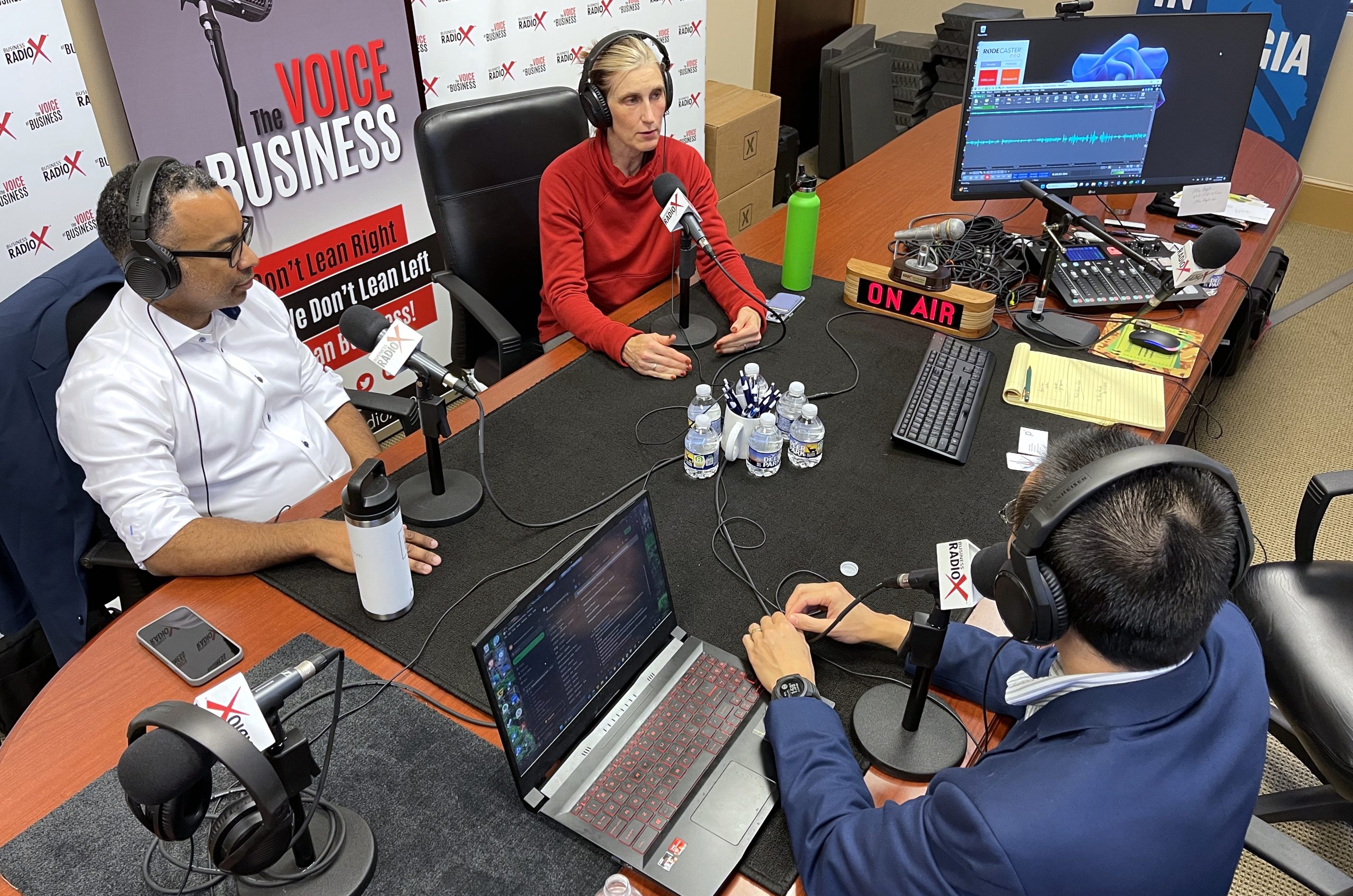
Amanda Curd, Anchor Pilates, and Aaron Thomas, Prenups.com (Family Business Radio, Episode 50)

On this episode of Family Business Radio, host Anthony Chen welcomed Amanda Curd, founder of Anchor Pilates, and Aaron Thomas, the mind behind Prenups.com. Amanda shared her career journey from being a physical therapist to opening her own Pilates studio, focusing on functional movements and promoting overall physical and mental strength. She discussed tailored practices for clients from different backgrounds, including those with specific needs due to conditions like cerebral palsy.

Aaron explained the concept and importance of prenuptial agreements as a tool for financial transparency, communication, and fairness in marriage. Aaron emphasized the need for such arrangements to avoid potentially destructive debates and stressors later in the marriage.

Anthony followed up with his guests about what they’ve seen as common reasons for failure in their clients. He concluded the show with comments about commitment and communication as critical to success.

Family Business Radio is underwritten and brought to you by Anthony Chen with Lighthouse Financial Network.

Anchor Pilates

Anchor Pilates specializes in one on one Pilates sessions. Amanda, owner of Anchor Pilates, brings her extensive background in movement analysis and function to the Pilates studio. Strength, balance, and posture, and how they relate to the individual client, are the cornerstones of Anchor Pilates. She uses the Pilates method and background as a physical therapist to get the most out her clients to help them get the most functional movement in their lives. That functional movement is dependent on the client’s life goals. Anchor Pilates takes the life goals and uses the strength, balance, and posture you gain from Pilates to anchor to life.

Website | Facebook | Instagram | YouTube

Amanda Curd, Owner/Instructor, Anchor Pilates, LLC
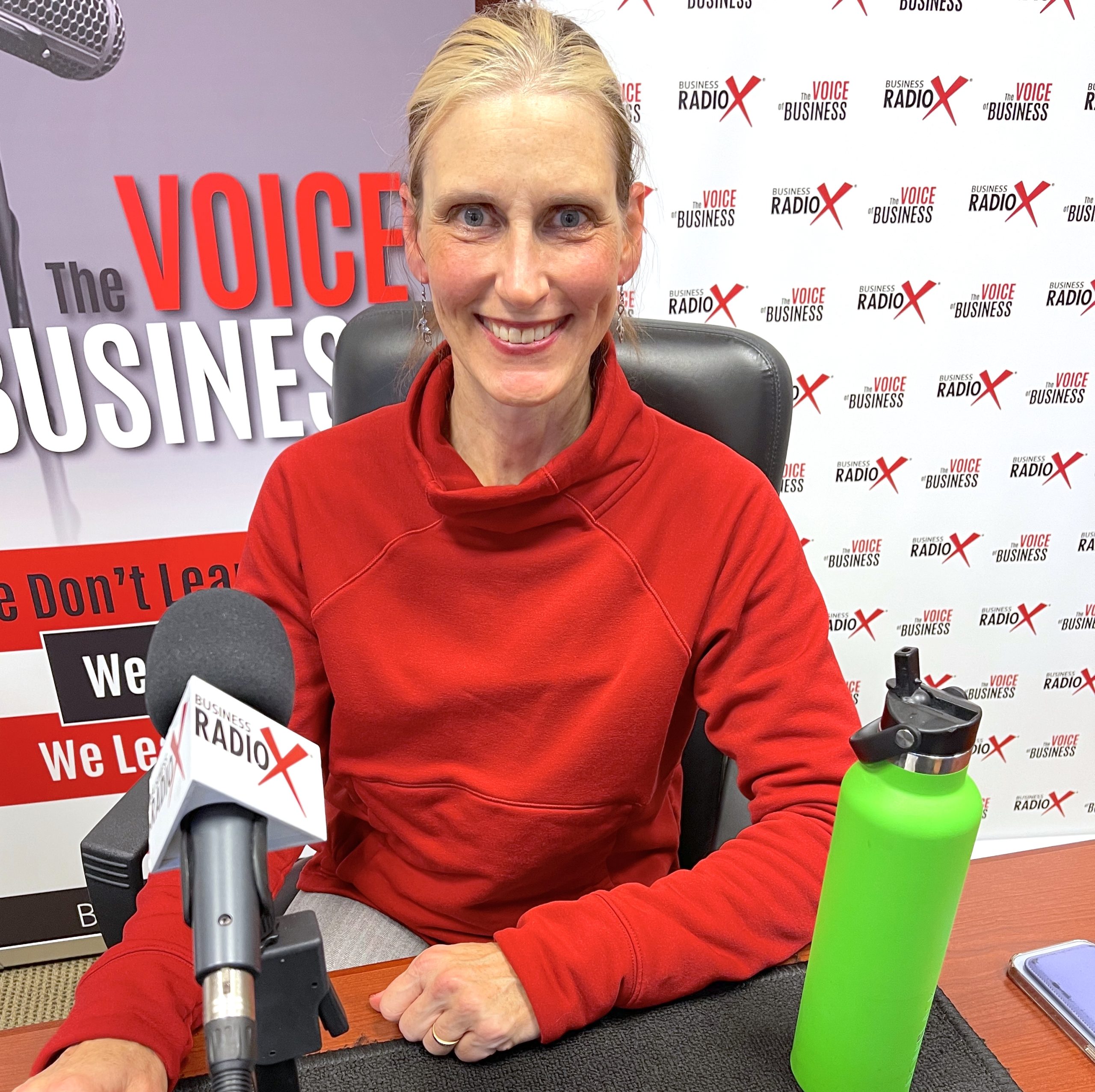
Amanda Curd, Owner/Instructor, Anchor Pilates, LLC

Amanda Curd is the owner of Anchor Pilates, LLC, located in Alpharetta, GA. She is also a licensed physical therapist, has a degree in Food and Nutrition, and holds varying Pilates certifications. She lives with her husband David and loves visits with her son who is at college. She enjoys all things fitness and nutrition.

In her spare time, she enjoys cooking, knitting, and taking long walks.

LinkedIn


Prenups.com

Marriage is the most important legal contract you’ll ever sign, but no one has read it!

Today, the average couple has 8–10 bank accounts, 6-7 credit cards, equity in a property, multiple retirement accounts, tens of thousands in student loans, multiple vehicles, two jobs, and possibly a business, brokerage accounts, and inheritance. It is important to combine your financial lives fairly to avoid a messy end to a marriage, which can cost tens of thousands of dollars and have a devastating impact on each spouse’s life, children, and financial future.

Prenups.com has developed a plan for you to get married and structure your finances in a way that avoids the most common confusion and arguments couples have when it comes to their finances.

Often maligned, and seen as planning for the end of the marriage before it begins, or as a tool only for the ultra-wealthy, you can use this contract to lay the financial foundation for a happy marriage.

They’ll provide you with a customized playbook that eliminates the confusion about relationship finance, ensures you and your spouse have agreed to a fair plan for managing your money, and gives you the tools to plan for a long marriage together.

Website | LinkedIn | Instagram | YouTube

Aaron Thomas, Founder, Prenups.com

Aaron Thomas, Founder, Prenups.com

As a three-time winner of Atlanta’s Best Divorce Attorney, Aaron Thomas is one of the nation’s top experts in family law issues. He is a 2002 graduate of Harvard Law School, and from 2015-2022, his firm Aaron Thomas Law, was recognized by peers as one of the fastest growing family law firms in the state of Georgia. With clients ranging from NBA hall of famers and Superbowl winners to Grammy award winning artists, Aaron has extensive experience representing his clients in a range of family law matters, including divorce, custody, child support, and prenuptial and postnuptial agreements.

As founder of Prenups.com, Aaron is widely viewed as the go-to source for writing fair prenups. He carries a fundamental belief that establishing a solid financial foundation during engagement can prevent many common marital disputes, and that fair prenups help create happy marriages.

Aaron is also the author of The Prenup Prescription:  Meet the Premarital Contract Designed to Save Your Marriage.
LinkedIn

Anthony Chen, Host of Family Business Radio

Anthony Chen, Lighthouse Financial, and Host of “Family Business Radio”

This show is sponsored and brought to you by Anthony Chen with Lighthouse Financial Network. Securities and advisory services are offered through Royal Alliance Associates, Inc. (RAA), member FINRA/SIPC. RAA is separately owned, and other entities and/or marketing names, products, or services referenced here are independent of RAA. The main office address is 575 Broadhollow Rd., Melville, NY 11747. You can reach Anthony at 631-465-9090 ext. 5075 or by email at anthonychen@lfnllc.com.

Anthony Chen started his career in financial services with MetLife in Buffalo, NY in 2008. Born and raised in Elmhurst, Queens, he considers himself a full-blooded New Yorker while now enjoying his Atlanta, GA home. Specializing in family businesses and their owners, Anthony works to protect what is most important to them. From preserving to creating wealth, Anthony partners with CPAs and attorneys to help address all the concerns and help clients achieve their goals. By using a combination of financial products ranging from life, disability, and long-term care insurance to many investment options through Royal Alliance. Anthony looks to be the eyes and ears for his client’s financial foundation. In his spare time, Anthony is an avid long-distance runner.

The complete show archive of “Family Business Radio” can be found at familybusinessradioshow.com.


Tagged With: Aaron Thomas, Amanda Curd, Anchor Pilates, Anthony Chen, attorney, divorce, Exercise, Family Business Radio, Lighthouse Financial Network, marital disputes, marriage, physical therapist, prenup.com, prenuptial agreement

Ben Brown with BSL Nutrition

June 23, 2023 by Karen

Ben-Brown-with-BSL-Nutrition-feature
Phoenix Business Radio
Ben Brown with BSL Nutrition
Loading
00:00 /
RSS Feed
Share
Link
Embed

Download file

Ben-Brown-with-BSL-Nutrition

BLS-Nutrition-logo

BSL Nutrition is an online nutrition & fitness consulting business specializing in designing individualized nutrition, lifestyle, and strength training programs for highly driven men and women. BSL offers one-on-one nutrition coaching, nutritional supplements and free educational resources.

Ben-Brown-Phoenix-Business-RadioBen Brown is the Owner and Head Nutrition & Fitness Coach at BSL Nutrition.

With over 20 years of coaching experience, Ben works with individuals and businesses both local and national. He has also consulted with Fortune 500 companies and professional sports teams including the Arizona Diamondbacks and Golden State Warriors.

Ben has two masters degrees – one in Clinical Nutrition and one in Exercise Physiology. When he is not coaching, he is hosting his popular podcast – The Smart Nutrition Made Simple.

Connect with Ben on LinkedIn and follow BSL Nutrition on Facebook and Instagram.

Tagged With: BSL Nutrition, Exercise, Fitness, Health, nutrition, Weight Loss

Workplace MVP: Victoria Hepburn, Hepburn Coaching

November 17, 2022 by John Ray

Minneapolis St. Paul Studio
Workplace MVP: Victoria Hepburn, Hepburn Coaching
Loading
00:00 /
RSS Feed
Share
Link
Embed

Download file

Victoria Hepburn

Workplace MVP: Victoria Hepburn, Hepburn Coaching

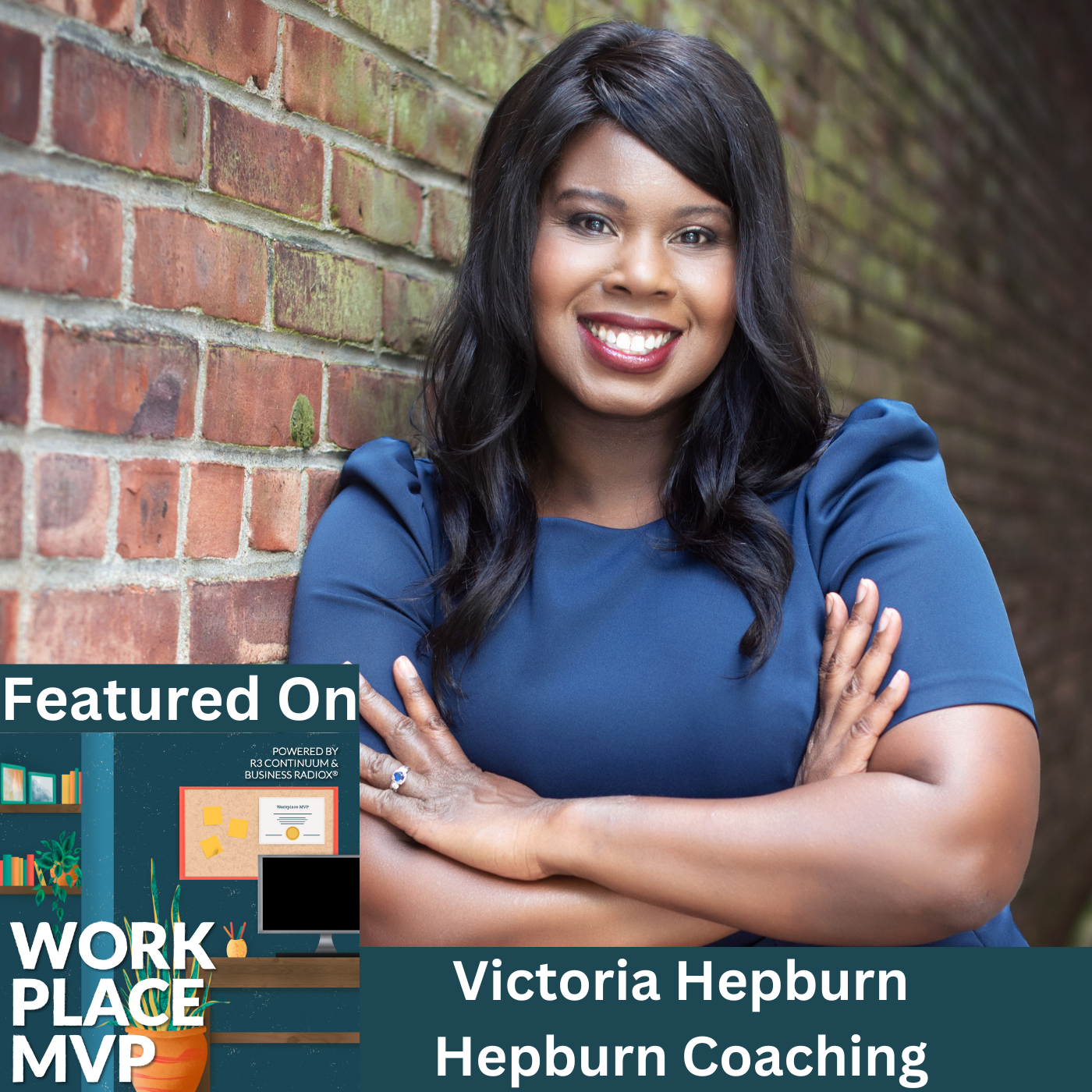
Bestselling author, coach, and speaker Victoria Hepburn of Hepburn Coaching joined host Jamie Gassmann to discuss stress and burnout, particularly for leaders. After experiencing her own burnout, Victoria took proactive steps to get healthy and happy without leaving her corporate career. She and Jamie talk about that journey, Victoria’s book, Pressure Makes Diamonds: Simple Habits for Busy Professionals to Break the Burnout Cycle, how leaders can identify and approach their own stress, how a coach can help, and much more.

Workplace MVP is underwritten and presented by R3 Continuum and produced by the Minneapolis-St.Paul Studio of Business RadioX®.

Victoria Hepburn, PCC, Author, Speaker, and Remote Work Strategist, Hepburn Coaching

Victoria Hepburn, PCC, Author, Speaker, and Remote Work Strategist, Hepburn Coaching

Remote Work Strategist Victoria Hepburn, PCC, is an author, speaker, and certified business transitions coach specializing in remote work productivity and career development. Victoria teaches professionals how to create efficiencies in their life and business to stay visible and valued while working remotely, on virtual teams, or in hybrid offices. She has nearly twenty years of award-winning experience in Fortune 500 engineering and sales roles that were on remote, hybrid, and global virtual teams.

Her mission is to share the proven tools for building a rewarding career journey without sacrificing your home life and health. Her programs are designed to help talented, hard-working professionals navigate the world of remote and hybrid work, including building trusted relationships, preventing burnout, and finding new career opportunities. Her Amazon New Release #1 bestselling book, Pressure Makes Diamonds: Simple Habits for Busy Professionals to Break the Burnout Cycle gives clear and simple actions to boost productivity and resilience without quitting.

Prior to becoming a bestselling author, coach, and speaker, she enjoyed over a decade-long award-winning engineering and sales career at Merck, GE Healthcare, and BD. Victoria earned a Bachelor of Science in Chemistry from New York University and a Bachelor of Chemical Engineering from Stevens Institute of Technology through a dual degree program. She is an IPEC-certified professional coach,  a certified Heartmath Coach and was awarded a Professional Certified Coach (PCC) accreditation by the International Coaching Federation in 2021. Victoria’s a busy wife and mother who enjoys walks with the family’s large rescue dog, who refuses to play fetch.  

Victoria’s most popular talk titles are “Building Remote Relationships: How to Use the Pressure You’re Under to Shine In Your Career” and “Build Your Career Board of Directors to Maximize Growth and Opportunity”. Her upcoming book series, “The Future is Now” will be available on Amazon on November 30, 2022.

Website | LinkedIn | Facebook

About Workplace MVP

Every day, around the world, organizations of all sizes face disruptive events and situations. Within those workplaces are everyday heroes in human resources, risk management, security, business continuity, and the C-suite. They don’t call themselves heroes though. On the contrary, they simply show up every day, laboring for the well-being of employees in their care, readying the workplace for and planning responses to disruption. This show, Workplace MVP, confers on these heroes the designation they deserve, Workplace MVP (Most Valuable Professionals), and gives them the forum to tell their story. As you hear their experiences, you will learn first-hand, real-life approaches to readying the workplace, responses to crisis situations, and overcoming challenges of disruption. Visit our show archive here.

Workplace MVP Host Jamie Gassmann

Jamie Gassmann, Host, “Workplace MVP”

In addition to serving as the host to the Workplace MVP podcast, Jamie Gassmann is the Director of Marketing at R3 Continuum (R3c). Collectively, she has more than fourteen years of marketing experience. Across her tenure, she has experience working in and with various industries including banking, real estate, retail, crisis management, insurance, business continuity, and more. She holds a Bachelor of Science Degree in Mass Communications with special interest in Advertising and Public Relations and a Master of Business Administration from Paseka School of Business, Minnesota State University.

R3 Continuum

R3 Continuum is a global leader in workplace behavioral health and security solutions. R3c helps ensure the psychological and physical safety of organizations and their people in today’s ever-changing and often unpredictable world. Through their continuum of tailored solutions, including evaluations, crisis response, executive optimization, protective services, and more, they help organizations maintain and cultivate a workplace of wellbeing so that their people can thrive. Learn more about R3c at www.r3c.com.

Company website | LinkedIn | Facebook | Twitter

TRANSCRIPT

Intro: [00:00:02] Broadcasting from the studios of Business RadioX, it’s time for Workplace MVP. Brought to you by R3 Continuum, a global leader in helping workplaces thrive during disruptive times. Now, here’s your host, Jamie Gasmann.

Jamie Gassmann: [00:00:20] Hi, everyone. Your host, Jamie Gassmann here, and welcome to this episode of Workplace MVP. Stress, burnout, resignations are common terms we’re hearing all across various industries, particularly of concern at the executive and senior leadership levels. The navigating of continuous disruption within work environments, the shifting economic situation, and other professional and personal challenges that present themselves is taking a toll on key leadership.

Jamie Gassmann: [00:00:49] While they spend a good amount of time focusing on ensuring their people’s wellbeing is taken care of, they are forgetting that their own wellbeing is just as important in ensuring organizational success. But how do you strike that balance between work success, home life, and your own wellbeing?

Jamie Gassmann: [00:01:05] Well, joining us today, we have a special guest, bestselling author, keynote speaker, and Workplace MVP Victoria Hepburn, who’s going to share her perspective on how leaders can tackle and benefit from the challenges of stress and burnout. So, let’s get this conversation going. Welcome to the show, Victoria.

Victoria Hepburn: [00:01:23] Thank you so much, Jamie. It’s a pleasure to be here.

Jamie Gassmann: [00:01:26] I’m really excited to have you on the show after talking with you at the GSC-SHRM Conference. I think we had such a great dialogue around how leaders, you know, can combat this. They can get after that stress and burnout that they’re facing. So, before we dive into the content of the conversation, let’s start with hearing about how you came to be an author and a speaker on stress and burnout. And what does your career journey look like? Because I recall from our conversation, you had your own kind of personal experiences that kind of drove you to where you’re at today. So, why don’t I have you share that story with us?

Victoria Hepburn: [00:02:02] Oh, well, thank you. What really brought me to it is I needed to solve my own burnout journey, as I’ve grown to call it. But at the time when I was in the weeds – just to step back, I have spent more than 18 years in corporate America in engineering and sales roles, Fortune 500. And I was working at the point where I said I have to do something about my burnout.

Victoria Hepburn: [00:02:27] I was working internationally and I would have to be, like, on calls at 3:00 a.m. with my European counterparts and then stay up and connected enough to meet with Japanese project teams. So, that was being stretched in a million directions. And it’s a uniquely American problem, I learned, because my colleagues in Asia and in Europe had assistance to do all the logistical stuff I didn’t have. I had to, like, schedule my travel, send out quotes. So, I was just pulled in so many directions. And I also had to drive forward project teams at the same time.

Victoria Hepburn: [00:03:05] So, I couldn’t quit because I loved my work. We were doing amazing things, but I needed to stop feeling the sense of cynicism, the exhaustion, and just generally not loving my life and saying no to all the people that I loved and who loved me all the time. It was miserable. So, that’s really when I had my epiphany where I have to do something. I have to find time, space, and attention for me because my health was also failing. I was starting to gain weight. I thought I had a heart condition, but it was really like an anxiety and panic attack kind of situation. And I just had that moment where, no, I have to do something.

Victoria Hepburn: [00:03:45] So, my first step was to get back into exercise and meditation, because those are things that I knew worked for me. And then, in my quest to find a meditation that worked, it was insight meditation. Then, I found HeartMath, which is a stress relieving technique that you can do with your eyes open. So, in meetings I could calm myself down and focus because, really, it was about focusing on what mattered the most to me and creating a new goal.

Victoria Hepburn: [00:04:14] All my goals were professional at that point in my life, and that was the first time where I created a triple bottom line, where it was my professional goals but also my social goals, who did I want to be around. And my health, I had to start making my health a priority. And this is in my 30s. This isn’t like it took a long time. This is my early 30s that I was making these decisions.

Victoria Hepburn: [00:04:35] And what changed for me was so profound that other people I worked with took notice. Because I didn’t quit to fix myself and to fix my issues, but it required me to do three things differently than how we’re taught to be as professionals. The first thing was actually holding time for me and that exercise, you know, that’s an appointment as if it was a customer meeting or a senior leadership meeting. Making time every single morning, even if I was running late or whatever, for my insight meditation to practice bringing my focus back to what matters.

Victoria Hepburn: [00:05:13] And then, finally, making time for people in my life, which was crazy making. I’m not going to lie and say I eased into it effortlessly. I put it in my book, Pressure Makes Diamonds, because it is not easy to shift your mindset to say you actually have that time. But I started by just taking one night off a week. One night off a week, where I would do something for me with another human, and that’s it. That was the level that I had to get through. It’s really challenging to create that time.

Victoria Hepburn: [00:05:48] And then, fast forward, I was able to keep winning awards. I take pride in having a whole wall of glass over here from all my different corporate sales roles and engineering roles. And keep making a difference for our customers, but I also had quality of life. And this is coming from someone who cancelled vacations and missed family holidays and things like that. So, I believe that it’s a necessary thing in order to preserve your life force. At this point, in this moment, a lot more people are thrust into that life that I had with remote work and interdisciplinary work. Teams are much leaner than they ever have been. And we have to start acknowledging our humanity.

Jamie Gassmann: [00:06:30] And you really become a better performer at the end of it, it sounds like. You know, you kind of personally experienced that, that creating that balance in your life to be able to take care of yourself from a health and wellbeing perspective allows you to perform even better because you probably had more of a clear mind. You know, what were some of the feeling that you felt when you had that differentiation, when you started really taking care of yourself and making that time to take care of yourself?

Victoria Hepburn: [00:07:00] Initially terror, because I felt like I was going against the grain. I’m doing things. They’re going to fire me because I’m saying no. Like, I had all the feelings around it. If you’re listening to this, you can’t see me, I’m a woman and I’m a person of color. I’m Black. So, I stand out. If I say no to a meeting, people are like, “Where’s Victoria?” Like, specifically looking for me because I stand out. And it’s happened, that’s the only reason why I say that. So, I felt that I would be forfeiting opportunity. I felt that I was putting a lot at risk, like all that I had worked for would be at risk. But I figured if not now, when? Because if I fall apart, it’s all at risk too. So, it was that level of terror.

Victoria Hepburn: [00:07:45] But then, after you get some positive reinforcement, setting small goals towards today it’s just about getting my workout in at the end of the day. That’s the goal. Keep it small and attainable. And keep reflecting each week. Reflect what was I able to do, what got in my way. And I developed a practice over time of just looking, what do I need to do, what do I want to do, and what am I ready to let go of.

Victoria Hepburn: [00:08:15] Because it’s a process. You can’t just say, “Oh, I’m starting a whole new life,” like New Year’s resolution style. It doesn’t work like that. People are used to you showing up a certain way. Like, if you’re always available at 9:00 at night, people feel some kind of way when all of a sudden you’re not available at 9:00 at night. Like, “What’s this?” Especially if your colleagues are in another time zone and they rely on that.

Victoria Hepburn: [00:08:37] So, you have to train people. Having conversations and telling people I’m going to start disconnecting. Putting it on your Slack that I won’t be available from these hours. And sometimes for me it was like an auto message that went out to people saying, “I’ll get back to you in a few hours” or something, I tried to use that sparingly. It was really about communicating directly to my team members and saying, “Listen, I’m going to be disconnecting every Wednesday at 6:00 because I have a commitment.” You don’t have to go crazy on what that commitment was, but just being practical and saying, you know, I respect and appreciate what we’re working on, but I need this time. And most people were gracious.

Jamie Gassmann: [00:09:18] You create boundaries for yourself, right? You’re kind of structuring out for people, like, this is what I’m available to do and not do. That’s great. And I think that’s – go ahead.

Victoria Hepburn: [00:09:26] The blessing of working with Europeans is they totally said, “Okay, fine.” You would see their –

Jamie Gassmann: [00:09:33] They’re probably like, “I’m glad to hear about that.” No. I mean, from your perspective, these are such great tips. And looking at the challenging and complex environment that we currently have, both professionally and personally, coming off of three years of fast and rapid and dramatic change that people are experiencing, in the work that you do with coaching leaders, what are you seeing as a common theme within leadership today?

Victoria Hepburn: [00:10:04] The speed of everything is coming at everyone so fast, particularly leaders. Because right now, if you’re running any kind of organization, you’re standing in charge of a major transformation that no one asked for. We have the great reshuffle, plus the pandemic after effects or ongoing pandemic, depending on who you talk to, plus a changing workforce dynamic with the different generations at work, and the needs of people have changed. So, the speed of transformation is going like never before.

Jamie Gassmann: [00:10:42] And then, now you’ve got the economic shift, too, that’s on the mind of a lot of leaders as well that they’re trying to navigate. And sometimes making some really tough decisions, as we’ve seen kind of with some of the tech industry recently. So, definitely a challenging time and complex time for leaders. So, this is a very timely conversation.

Victoria Hepburn: [00:11:03] Yes. And there’s so much they can do that aren’t commonly taught. Like, I didn’t learn any of this in my business or academic education. You know, my degrees are in chemistry and chemical engineering and I took a lot of business classes as an engineer. But nothing they talked about with regards to team dynamics prepares you for this. And then, I talk to my friends who have great MBAs and they’re like, “Yeah. There’s no class that tells you how to make these tough choices or to work at the pace of disruption that we’re seeing.”

Jamie Gassmann: [00:11:34] Yeah. No, there’s not. And the other thing, too, is, I think when you get to a certain point in leadership when you’re in what they consider that senior leadership and above, there’s almost this expectation that you know how to manage yourself and you know how to navigate those challenges and complexities that are coming at you. Though I think there is some truth to that, because you’ve gotten where you’re at for a reason, there’s also sometimes, to your point that you made, there’s things that you feel are expectations upon you.

Jamie Gassmann: [00:12:08] So, you’re almost carrying the weight of the world. You don’t want to make anything different that goes against that because you’re in your position for a reason. So, there’s some kind of barriers almost that you have to kind of overcome, I think, sometimes within your own mindset of what you should be doing during that time frame.

Victoria Hepburn: [00:12:28] Yes.

Jamie Gassmann: [00:12:28] So, in looking at your book, Pressure Makes Diamonds, you talk about how you felt that burnout was something that you had to put up with. So, kind of getting after what I was just kind of talking about, and particularly some of that is, you know, you seeing others dealing with it and having those high stress days and kind of witnessing that rundown. And, you know, I know myself as a leader, I would say, “Yep. Onward and upward, I’m still breathing. We got this.”

Jamie Gassmann: [00:12:55] But I imagine a lot of leaders across various different industries are looking at that and going, “Yeah, I see that, too.” How can they look at that differently? How can they look at what we see as what we think of status quo is it’s normal to be high stressed and burned out all the time. How can they be looking at that from a different lens to take better care of themselves?

Victoria Hepburn: [00:13:19] I always say, just because it’s normal doesn’t make it right for me. And just permission, give yourself permission to say what I need matters. And it’s not disruptive to save yourself, that’s the thing. It’s disruptive if you try to force it on other people. But when you are trying to save yourself, that’s not disruptive.

Victoria Hepburn: [00:13:44] Also, there’s a lot of data in the business process about unlearning old mindsets, old habits. And right now we’re in the process of unlearning this industrial revolution style work ethic, which says we have to keep working endlessly and be the expert and give all the directions. That’s just false in the knowledge economy.

Victoria Hepburn: [00:14:07] We have more information at our fingertips than we ever have in human history, so the answers don’t have to come from a leader. They need to come from the team more so because now you have a team of experts. Even as stressed out as our teams are, we can get more done together. And there’s a lot of opportunity for delegation, but it requires a leader to unlearn that old top down approach and to say openly to your team, “What is it that we are not doing that we should be doing?”

Victoria Hepburn: [00:14:41] And it’s the cardinal rule of business, I was taught, was, never ask questions you don’t know the answer to. And now we’re in a moment where if you don’t ask questions you don’t know the answer to, you won’t know where the problems are, where the low hanging fruit is. And that will relieve a lot of the stress and the worry from the uncertainty is having certainty with your team.

Jamie Gassmann: [00:15:05] Yeah, I love that. I love that unlearn the bad habits in a way of what we’ve been taught or how we’ve been kind of groomed to be as leaders.

Jamie Gassmann: [00:15:14] So, what are some of the personal contributors to a leader’s own stress and burnout? So, you know, I know there’s always some things that kind of in the work environment just come by the nature of the work. But what are some of the kind of personal things that could be kind of exasperating some of the things from work.

Jamie Gassmann: [00:15:33] I know in your book you talk a little bit about perfectionism. You know, that not wanting to fail. You kind of mentioned I don’t want it to seem obvious I’m not there. You know, working in the need to always be on, if you will, culture or that perceived culture. What are ways that they can kind of get around those? Or how are those impacting that overall stress and burnout?

Victoria Hepburn: [00:16:00] Well, always on culture was definitely a contributor to my burnout. So, I definitely can speak to that. It really comes down to getting at the heart of what is urgent and what is important. And we don’t have those conversations enough. Collaboration was the key source for me, for my burnout. And I think the biggest thing is the longer you’re in your role, the more your scope and your expertise grows. The more people ask you for those shoulder tap kind of conversations, virtually or in real life. And that’s what consumed me and created the most fatigue.

Victoria Hepburn: [00:16:39] And because I’m a bit of a nerd, I researched it. And I, as a coach, learned from an expert 40 years of studying high level leadership, Dr. Rob Cross. And he basically wrote a book outlining collaboration fatigue as one of the largest contributors. And what happens is, as your scope of work grows, you never drop things off your list. You never delegate them. So, you have to do more and more and more just to be okay. And that is something that most of us are unaware of that we’re doing it until we hit burnout, until we can’t physically do all the things.

Victoria Hepburn: [00:17:21] So, one of the things that is most helpful, and this something I point out in my book, is creating time to reflect. Putting in on the calendar each day what your actual goals are, and also time for you to work on those things. Just blocking it out and having that precious time for you, it’s not selfish. It’s survival.

Jamie Gassmann: [00:17:44] Yeah. And I think just speaking from my own personal experience, when I have a day where there’s no meetings, it’s like, “Wow. Where do I begin with what I can work on?” And holy cow, the ideas that can come out when you’re not moving meeting to meeting to meeting, and you have that time to really clear head and think through a project or a task. You kind of learn from it. In my mind, it’s like I learned from that. It’s like, so it’s okay to block out time and say I’m going to be working today, but I’m not available for meetings or conversations. I’m just in my world.

Jamie Gassmann: [00:18:19] So, carving out time for yourself, especially if your perfectionism can get in the way of that, too. Like, I want it to be perfect. I want it to look great. But you’ve got to have that time to be able to do that. And sometimes you need that time alone to create that. And, again, I think it’s getting after those boundaries and creating that sense of, like, carve out that time, take that time to go for the run.

Jamie Gassmann: [00:18:44] I was actually just talking to my own boss about how I take lunchbreak runs. I go for a, you know, three mile run on my lunchbreak. And at first I felt really guilty about it. You know, as an executive myself, I was like, “Oh.” I felt kind of bad because I’m trained the 8:00 to 5:00 grind. You’re at your computer, you’re fully accessible, anybody can contact you if they need to. And so, that was a shift for me.

Jamie Gassmann: [00:19:13] But what I found is I’m still actually technically working when I’m running because I’m thinking about things. And I’m strategizing as I’m on that run, things are running through my mind. And because it’s a different environment, I sometimes get some really good ideas or really good thoughts that get kind of pulled out of that. Have you experienced some of that, too, when you allowed yourself some of that free time?

Victoria Hepburn: [00:19:35] One hundred percent. Part of what I talk about in the book, one of the parts of my method, the T in BOOST is take time for yourself. And I tell the story about how I adopted my rescue dog and he fundamentally drove me out into the world and got me off my laptop – similar to what you said – all these ideas, this energy. So, the sound of my laptop closing was like his excitement moment because we’re going out.

Victoria Hepburn: [00:20:06] And it was so beneficial for me because I got, not just the walk, but my community. Like running, you’re in the zone. But I didn’t realize, I got to know my neighbors. I had this expansion of my circle and my support network. So, now I have a neighbor if an emergency happens and I need to leave my dog with someone, I just go around the corner. That’s a gift. That’s like a mental load lifted. And professionally, it gave me a fresh set of eyes just taking that 15 minute walk. Yeah, I have to come back for my evening calls with the West Coast in Asia, but it clears the slate.

Victoria Hepburn: [00:20:44] Now, I’m not telling anyone to adopt a rescue dog as a strategy for fitness. That’s a huge undertaking. But I do think that we don’t see how taking time for ourselves helps other people. But it’s that old very much used cliche of put your oxygen mask on first before you can help other people.

Jamie Gassmann: [00:21:03] Oh, absolutely. And I love that. I have a rescue dog as well, and it never fails. As soon as she sees that it’s the end of my workday, it’s like, “All right. it’s time to go for a walk. Let’s go.”

Victoria Hepburn: [00:21:12] It doesn’t matter the weather either.

Jamie Gassmann: [00:21:14] Oh, no. Especially in Minnesota, it does not. So, you also discussed how leaders get into a cycle of feeling overwhelmed and get stuck feeling professional exhaustion or burnout. Can you tell us a little bit about how one might identify that they’re in that cycle?

Victoria Hepburn: [00:21:32] I think the simplest way is you don’t feel like you anymore. And for everybody that’s different. So, for me, it was about getting headaches halfway through my workday. And it wasn’t just eyestrain. You know, you check your eyes, you check everything else, there’s nothing there. And then, also my attitude towards my work shifted. Whereas, I was still showing up. I was still working hard. But I was much more cynical.

Victoria Hepburn: [00:21:56] I’m normally a pretty upbeat person. And I didn’t notice it as much as the people in your life notice it. And they may or may not tell you, so it might be a friend, a spouse, a trusted ally at work. That’s who’s going to tell you. Your team will never tell you. Your team will just think you’re on one today or every day. They’re never going to tell you because they like to live. So, those are the best thing.

Victoria Hepburn: [00:22:20] Sometimes that Mel Robbins approach of sending the text to someone who cares about you saying what could I do to be a better person or better friend to you or a better loved one to you. And what you get back will help you understand it. Because when you’re in it, you just feel like you’re in it and you’re trapped and you’re stuck in it. And that stuck feeling is very limiting. We can’t see possibilities. We can’t see much of anything.

Victoria Hepburn: [00:22:48] And that’s why the tagline of my book is helping busy professionals to break the burnout cycle, because, for me, I would get out of it, I would get back into it. I would get out of it, I’d be like, “Oh, I’m fixed. I don’t have to do those healthy things anymore,” and then I fall back into it. You know, kind of like yo-yo dieting but with stress.

Jamie Gassmann: [00:23:07] Yeah. Oh, my gosh. I had a friend one time that said I always started my diets on a Monday. She’s like, “Oh, you have your Monday diet again.” I’m like, “Oh, I didn’t realize I did that, but I do.”

Jamie Gassmann: [00:23:20] I was just reading something and I don’t know if it was in your book or if it was in an article somewhere I was reading that you feel like you’re underwater trying to run. And I was like, “That is such a great analogy to that feeling.” And when you’re talking about that stuck feeling and how you feel like you’re trying to keep going, it’s like you’re almost like you’re not getting anywhere, but things are moving around you, it made me think of that verse in something that I was reading. Kind of that feeling, and I’m like you can totally feel that when you’re like I’m just trying to get moving forward and I just can’t get there.

Jamie Gassmann: [00:23:57] So, when a leader is stuck in this cycle and they’re showing up to work stressed, they’re showing up burned out, probably even exhausted, obviously it’s got an impact on them physically and probably mentally. But what is the impact on their people and their projects and their performance? What starts to happen to them in that professional world when they’re starting to feel that stuck feeling?

Victoria Hepburn: [00:24:20] Well, most of us, and myself included, try to hide it. The problem is we try to say everything’s okay. We default to toxic positivity because everyone’s counting on us. And the challenge with that is none of us are the Academy Award winning actor we think we are. You know, I’m not channeling my inner Helen Mirren or Dame Judi Dench or Denzel Washington. We’re not as good at covering as we think and so our teams feel tension. Then, as humans, their brain starts spinning because we’re not telling them why we’re tense.

Victoria Hepburn: [00:24:57] It could be about an acute issue, like an upcoming challenge point for the business, but most likely it’s not. It’s just because we’re stressed out, we’re juggling the most, and we don’t have the resources we need to help ourselves or others in that moment. But how are teams interpreted a lot of times is very disruptive because people just get the vibe that you’re not as jolly as you used to be. You’re not sharing information like you used to be. You’re working all the time and you’re not doing the things we know you love to do. What’s wrong with the business that you have to do that?

Victoria Hepburn: [00:25:31] And then, your best people are going to be dusting off their resumes. They’re not going to say anything to you. And that’s the insidious cost of this, because your best people have options. And in this economy, more than ever, that is a terrifying thought as a leader.

Victoria Hepburn: [00:25:48] So, the best thing you can do is to get the support. For some people, it’s about actually healing trauma that they’ve experienced and seeking those mental health services. I know when I had a difficult experience at work, I went to therapy. I needed to talk it through. I needed to make sure I had systems in place to help me move forward. And I also knew I needed to have structure. So, I joined a mindfulness-based stress reduction course, which they fully admit in the first two weeks it’s really mindfulness-based stress creation, trying to fit all those exercises into your life and trying to do all those things.

Victoria Hepburn: [00:26:27] But whatever you do, you have to fix it. You have to. Because those people who are counting on you need you healthy and they need your attention shifted back. But more importantly, you need it. The people who love you want you to be healthy. And the people who care about you and know what you’re capable of when you’re healthy, they need you too. So, I think that’s what it comes down to.

Victoria Hepburn: [00:26:54] And being corporate, you have the blessing of resources, the resources both to get the support you need. It’s really about taking the time. For some people, it’s just about having accountability partnership. I mean, as a coach, that’s what I do a lot of times is remind people of their goal, and help them take the the steps through the messy middle from when you declared everything is going to change to where you’ve achieved the change. That middle part is uncertain. And we humans crave certainty, so it’s hard. And having that accountability partner along the way is super helpful.

Jamie Gassmann: [00:27:29] Yeah. No, absolutely. Even in all wellbeing kind of avenues too. I always tell people I’ll be your accountability workout partner, just let me know. So, that’s great. We’re going to just take a moment to hear from our show sponsor.

Jamie Gassmann: [00:27:44] So, Workplace MVP is sponsored by R3 Continuum. R3 Continuum is a leading expert in providing behavioral health support to people and organizations facing workplace disruption, workplace violence, critical incidents, and extreme stress. They help leaders navigate the complexity and challenges disruption can have on a work environment, guiding them and their organization on the journey to recovery. To learn how they can help your workplace make tomorrow better than today by helping your people thrive, visit r3c.com today.

Jamie Gassmann: [00:28:16] So, diving in, you built a program and I know you talk about it in your book, Pressure Makes Diamonds. You built a program called BOOST. Can you talk us through that program?

Victoria Hepburn: [00:28:28] Yes. So, the BOOST Method I created because I realized I needed to hold myself accountable for what was working for both me and my clients. So, people come to me at that level of, “I can’t take it anymore. I never thought I’d downshift my career, but I have to because this is just too much.”

Victoria Hepburn: [00:28:49] And the BOOST Method is an acronym. So, first is Be specific. You know, consciously understand your why, why you need to change, why this matters, both what you’re working on at work, at home, creating that triple bottom line. That’s the first step is to get clear on what you want. And it has to be appealing enough that you want to commit to working towards it.

Victoria Hepburn: [00:29:15] The next thing is the first O is organize your priorities. Listen to others, ask specific questions to make sure what you’re spending your time on serves your specific goals and the team’s goals.

Victoria Hepburn: [00:29:28] Three is operate like a leader. Because fast movers and organizations, they are adept at disagreeing with people without being disagreeable. So, think about ways where you can show your leadership in a new way that supports your goal and supports the company’s goal. So, a lot of times what that can mean is just not being a supervisor, not caring about what people are working on, but what outcomes are they achieving. Just that shift alone frees up a lot more time and attention.

Victoria Hepburn: [00:30:03] Four is sharing responsibility of others. So, really taking that forward, not just what can you delegate, but encouraging people to actively bring solutions to you in a lot more avenues than you already are doing. And people are super busy, but sometimes these solutions can come from what they’re already working on.

Victoria Hepburn: [00:30:22] And then, finally, as I mentioned before, is, take time for yourself. The guilt and the shame we all have around taking time for our fitness, our families, and our health, and wellbeing has got to stop. As humans we’re not born alone. We’re social creatures. If we don’t nurture that side of ourselves, we are not going to appreciate the business wins. We’re not going to be our best and most creative. The curiosity and the drive that made us successful to this point, if that’s not there, we can’t get to the next level. So, just really taking time to understand what concessions need to be made in order for you to have that time. So, that’s basically the BOOST Method. It is a lot because you need a holistic solution.

Jamie Gassmann: [00:31:12] Yeah, absolutely. And that take time for yourself is just one of my favorites, because I’ve learned myself as a leader how much value is there. So, I love that that’s a key part of your overall program.

Jamie Gassmann: [00:31:26] And looking at the work that you are doing with leaders, and I know you work with a number of them, when they’re kind of going through their day-to-day, and, yes, they might be feeling stressed out, maybe they’re feeling exhausted, there are some that maybe aren’t as in-tune to know that that’s their red flags or the signs that they need to do something.

Jamie Gassmann: [00:31:49] Or how do they give themselves permission to get that support and help from a program like BOOST? What are some of the things that they can watch for where they might need to give themselves that permission to engage in a program? You know, is there a way to kind of help them to kind of be more alert or self-aware of some of the things that could be going on that are impacting their overall wellbeing?

Victoria Hepburn: [00:32:13] I think the biggest thing is asking the question, Who in my life can I talk about this stuff with? Because talking about it is a lot of what heals us. And if the answer is no one, you need to have someone.

Victoria Hepburn: [00:32:29] Now, as a coach, I hold the same kind of confidentiality I did in my corporate career. I was working on super secret drug development programs. So, I have had really good experience toeing the line and holding space for people, and that’s what my clients appreciate. Some coaches are like splash everything. No, no, no. I want to help the person. So, I don’t care how big you are. That’s a problem, the higher you go in anything, fewer and fewer people, one, understand your struggles, and, two, you can’t share your honest perspective because it will shift your relationships sometimes.

Victoria Hepburn: [00:33:06] So, having a disinterested third party, any kind of executive coach or even if it’s past trauma and you know it’s rooted, like you haven’t been able to get over something bad, getting a quality therapist on your team, the answer is always “I don’t have someone to talk to,” then you need to hire, period. That’s the number one thing that I’ve seen is the most effective thing. Because, otherwise, you can join a Facebook Group or a LinkedIn Group and find someone you get along with. People in your industry who you can trade stories with or who will help you along and give you that support, that mentorship, or alliance.

Victoria Hepburn: [00:33:46] But if you don’t have that or you can’t seek that out, the shortcut is hiring a coach, like me, who is skilled in the transition. Change is the hardest thing for us humans. I’m a transition coach because I’ve struggled with it so much. I feel like I’ve learned so much and I’ve done so much research. I could write many, many, many books on that alone.

Victoria Hepburn: [00:34:09] I also stay current on what’s working now in business. Because that’s the other thing, you’re busy doing your thing. You don’t have time to read all the literature. You don’t have an organizational management and development. You don’t read half the HBR articles you probably flagged. That’s most of us. But coaches, therapists, if that’s your job, that’s what we do.

Victoria Hepburn: [00:34:31] And coaching and therapy are different. I always like to point that out. You seek out a therapist to heal your past. You seek out a coach to solve today and look forward because coaches are not clinical professionals. So, I just want to throw that in there as well.

Jamie Gassmann: [00:34:48] Just makes a little bit of a difference in the type of conversations that you might be having. And you hit on something that was really interesting in that response around having somebody that you can talk to that understands what you’re going through. There’s a common theme where it’s lonely at the top. Even though you have other executives that you’re working with, depending on the organization and the culture and that structure, sometimes you don’t want to talk to somebody else or have them know that you might be struggling with something. You don’t want your team to know you might be struggling with something. You don’t want that perception that you’re weak or you’re vulnerable.

Jamie Gassmann: [00:35:24] Sometimes even though everything you read today about how a leader should be showing up in the workforce of today, that’s different than the workforce of yesterday as they want to see that vulnerability. But giving yourself that permission and having that confidence to be able to show that is really tough, because as a leader you’re kind of taught not to. So, there is definitely some personal things that we have to change and some adaptation to the modern workforce and modern world. So, lots going on there. But I think I like the point that you made where it’s okay to seek that help and give yourself that permission to go and find it, if you know you can’t talk to somebody who understands. That’s great.

Victoria Hepburn: [00:36:08] Yeah. Because I grew up with a grandmother who was a therapist, a mental health professional. And that’s one thing that she would always say, is that, a lot of her clients come to her just because there’s no one else who they can talk to. And she had a private practice for 30 years. No advertising or anything. Just because of the whisper network. So, there’s been a need for centuries for this level of support, to your point, we’re just at the point where we can talk about it publicly and not get laughed at.

Victoria Hepburn: [00:36:37] And I totally understand people because I always used to joke with a friend whenever people said, “Oh, I want authenticity on our team and I want people to be how they would be at a backyard barbecue.” And I’m like, “That flies in the face of everything I’ve ever been taught about business.” It took me a long time to realize, no, they just want stories from my life. I don’t need to look perfect all the time. You’re like, “Oh, man. Did I do that? I’m so sorry. I messed up.” Like, it’s little moments of humanity.

Victoria Hepburn: [00:37:07] I hate the word authenticity. I feel like it’s moments of humanity. If you phrase it like that, it sounds more doable for people like me who are like, “No, no, no, no. I want to be professional.”

Jamie Gassmann: [00:37:15] Yeah, I like the term true self. Like, can you bring your true self to work? I’ve heard that in some of our other shows that we’ve done, and I kind of ponder on that sometimes like, “Do I bring my true self to work?” I mean, I’m told I wear all my emotions on my face in meetings. But does my team really get to see the true me? And so, as a leader, I do try to let them see by sharing stories and other personal things that you typically don’t, like you wouldn’t have in years past.

Jamie Gassmann: [00:37:47] But what I have found as a leader is how much more you learn about your people that way. It becomes more of that work family, because you really do know each other at a different level. And when people feel that way, I don’t think they leave as often because they feel comfortable. They know they can come to work and they can be honest about their feelings and people are listening and hearing them.

Jamie Gassmann: [00:38:10] So, looking at it like that and creating a culture, you know, that culture of vulnerability, that ability to come to work as your true self, even at that senior leadership level, what can a workplace do to help support their leaders while being more? How can a workplace create opportunities for leaders to be able to seek that help, whether they want to do it very confidentially or be able to do that where they’re showing a little bit more vulnerability. What, in your opinion, can a workplace do more of?

Victoria Hepburn: [00:38:42] I think a lot of workplaces are now looking for solutions. That’s how I met you at the SHRM Conference. When I was speaking, I noticed how open people are to new providers and solutions more than they ever have been in the past to deal with the soft skills part of leadership. Because everybody has always called them soft skills. I think now they’re called power skills because that’s the difference maker. How you connect with people is a skill that can be learned. And as you said, it opens your team up and it makes it so much more possible. It makes better retention possible.

Victoria Hepburn: [00:39:20] But I think bringing in those resources and also holding space for people to be human, whatever that is, for your industry. It’s about not just saying in the policy it’s okay to take time off, but to actually allow that time off. That seems so basic, but I’ve never worked at an organization where that axiom was 100 percent. Like, “Yeah. Time off.” And some organizations have unlimited time off. And I personally know for a fact people who’ve never taken time off from those organizations.

Victoria Hepburn: [00:39:54] So, just making sure that people feel okay to use the resources that you already have, making sure that a leader has the space to share what is going on, making sure that leaders have their one-on ones. I think that’s the biggest issue since 2020 is I’ve never known so many managers and higher level leaders not be able to speak with their next level on a regular basis. And that is, to me, cutting off all positive resources and engagement.

Victoria Hepburn: [00:40:37] Because your front line and higher, the more empowered they are, the more uplifted they are. And I know Gallup’s research says that, that the secret to employee engagement is those first line managers. And just holding the space to have those rhythm meetings with them. If you’re in the C-suite, you need to be meeting with your people and de-risking their struggles to the greatest extent possible by having just the conversation. You don’t actually have to do things sometimes. They just need to make you aware or get your buy-in on something.

Victoria Hepburn: [00:41:09] But how are they otherwise going to have the time? There’s just so many conversations that you don’t feel right doing a shoulder tap because you feel like I don’t want to burnout all my goodwill and opportunities. And they just need that 20, 30 minutes every other week, but they’re not getting it. So, I think those are the two biggest things that I would say, allow people to use the resources that we have on paper. And the second part is normalize checking in with each other, especially if you work remotely, because then your managers, your leaders feel like they’re out in the ether. They feel relegated to being managers and not leaders when they’re out on an island on their own.

Jamie Gassmann: [00:41:52] Yeah, that’s great. So, if you had one piece of advice, and I’m sure you do like a key piece of advice, you want to leave our listeners with who are in a leadership role and navigating stress and burnout, maybe they might after listening this go, “Gosh, I think I’m in that cycle she’s talking about,” what would that advice be as it relates to ensuring they’re keeping themselves out of the cycle or get themselves out of the cycle for now and then even into the future. They don’t kind of repeat some of those bad habits. What would be a piece of advice you would want to leave them with?

Victoria Hepburn: [00:42:26] I think the one piece of advice I would say is, what’s the one thing you’re ready to let go of? Because as perfectionists, as high achievers, we’re always adding. But it’s the letting go that gives us more power in burnout and these scenarios.

Victoria Hepburn: [00:42:43] So, I’m not talking about quitting, because as a high achiever, that doesn’t feel good. But it’s really about an expectation for me. It’s expecting that I do everything on my list. Like, once I let go of that expectation, I’m about 15 years into letting go of that expectation. And what changed for me was I’m able to see the big picture more often. And I do tasks that align with my smart goals more often. So, just what are you willing to let go of? And I know that’s what I put in the book, it’s like what do you want to let go of right now? Like, for most of us, it’s like top of mind. We can just blurt.

Jamie Gassmann: [00:43:24] Yeah. Yeah. That’s a great piece of advice. Because, really, what you let go of is what creates you to have that opportunity in time to do other things that help to take care of yourself. So, it’s a great piece of advice.

Jamie Gassmann: [00:43:38] So, this has been an awesome conversation. And I know our listeners, if they want to get a hold of you or if they want to get your book, you know, how can they get more information from you or kind of purchase that book? If they had questions on that, how would they do that?

Victoria Hepburn: [00:43:54] Okay. Well, they can go to my website, victoriahepburn.com. And if you go to victoriahepburn.com/giveaway, I’m giving away an unpublished copy of my next book only to my email subscribers for this month. Again, that’s victoriahepburn.com/giveaway. And I will provide a link and everything for your show notes as well.

Jamie Gassmann: [00:44:16] Wonderful. Awesome. Thank you so much, Victoria, for being on the show. It’s been so great to have the opportunity to talk with you again on what I think is actually a really important topic, and I’m really glad we were able to cover it here. So, thank you so much. It’s been truly a pleasure to have you on the show.

Victoria Hepburn: [00:44:32] Same here. Thank you so much, Jamie. It’s great to continue our conversation from the conference.

Jamie Gassmann: [00:44:37] Yes. So, also, we want to thank our show sponsor, R3 Continuum, for supporting the Workplace MVP podcast. And to our listeners, thank you for tuning in. And if you’ve not already done so, make sure to subscribe so you get our most recent episodes and other resources. You can also follow our show on LinkedIn, Facebook, and Twitter at Workplace MVP. If you are a Workplace MVP or you know someone who is, we want to hear from you, so email us at info@workplace-mvp.com. Thank you all for joining us and have a great rest of your day.

Outro: [00:45:17] Thank you for joining us on Workplace MVP. R3 Continuum is a proud sponsor of this show and is delighted to celebrate most valuable professionals who work diligently to secure safe workplaces where employees can thrive.


Tagged With: burnout, executive burnout, Exercise, Hepburn Coaching, Jamie Gassmann, Pressure Makes Diamonds, R3 Continuum, stress, Victoria Hepburn, wellness, Workplace MVP

Fitness Trackers and Exercise

April 28, 2022 by John Ray

Fitness
North Fulton Studio
Fitness Trackers and Exercise
Loading
00:00 /
RSS Feed
Share
Link
Embed

Download file

Fitness

Fitness Trackers and Exercise (Episode 74, To Your Health with Dr. Jim Morrow)

On this episode of To Your Health, Dr. Jim Morrow covered the benefits of fitness trackers and wearables to track your heart rate, to improve your chances of exercising, and track your diet. He gave a formula for determining your ideal heart rate during exercise, the best kinds of activity and fitness trackers, and much more.

To Your Health is brought to you by Village Medical (formerly Morrow Family Medicine), which brings the care back to healthcare.

About Village Medical (formerly Morrow Family Medicine)

Village Medical, formerly Morrow Family Medicine, is an award-winning, state-of-the-art family practice with offices in Cumming and Milton, Georgia. The practice combines healthcare information technology with old-fashioned care to provide the type of care that many are in search of today. Two physicians, three physician assistants and two nurse practitioners are supported by a knowledgeable and friendly staff to make your visit to Village Medical one that will remind you of the way healthcare should be.  At Village Medical, we like to say we are “bringing the care back to healthcare!”  The practice has been named the “Best of Forsyth” in Family Medicine in all five years of the award, is a three-time consecutive winner of the “Best of North Atlanta” by readers of Appen Media, and the 2019 winner of “Best of Life” in North Fulton County.

Village Medical offers a comprehensive suite of primary care services including preventative care, treatment for illness and injury, and management of chronic conditions such as diabetes, congestive heart failure, chronic obstructive pulmonary disease (COPD) and kidney disease. Atlanta-area patients can learn more about the practice here.

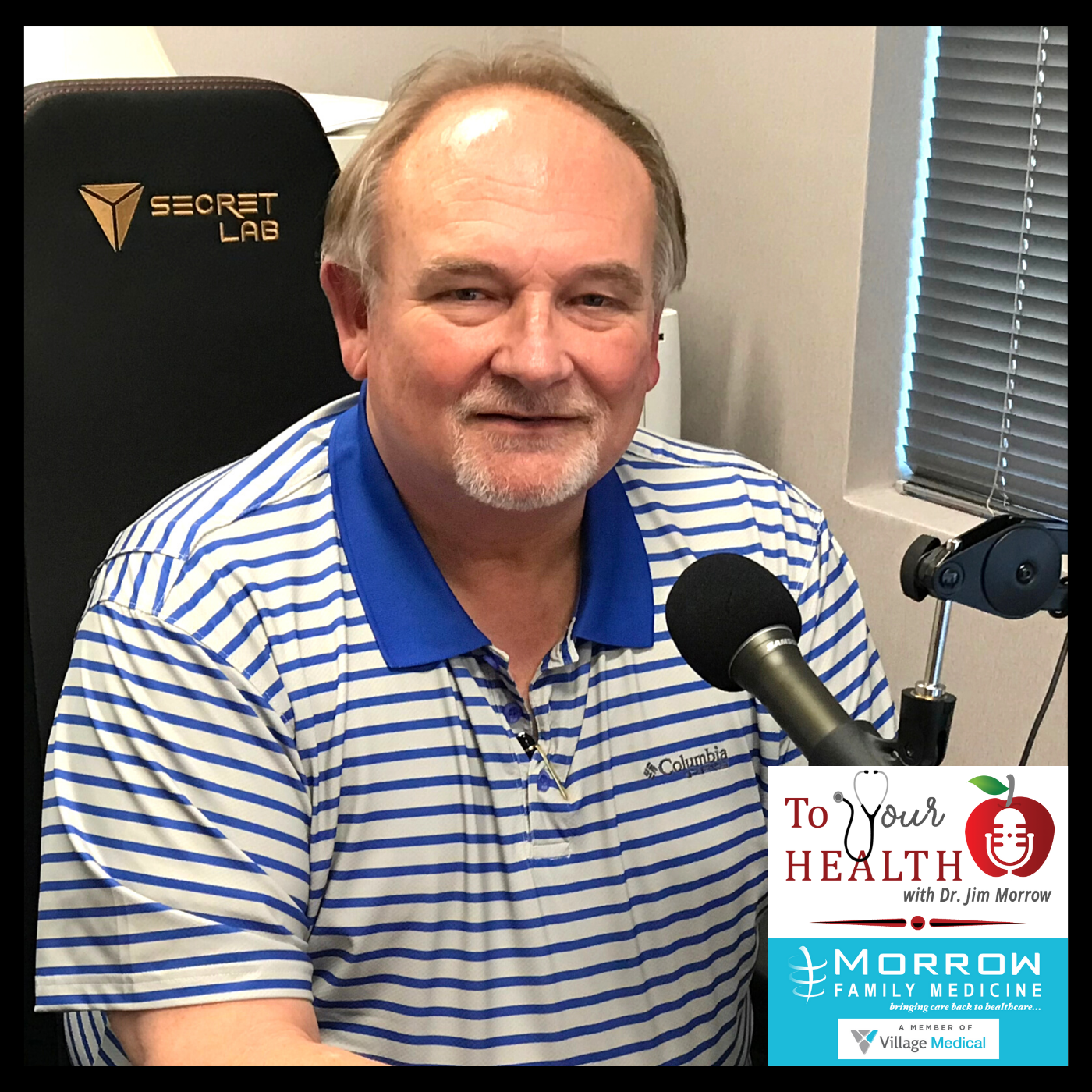
Dr. Jim Morrow, Village Medical, and Host of To Your Health with Dr. Jim Morrow

Covid-19 misconceptionsDr. Jim Morrow is the founder of Morrow Family Medicine. He has been a trailblazer and evangelist in healthcare information technology, was named Physician IT Leader of the Year by HIMSS, a HIMSS Davies Award Winner, the Cumming-Forsyth Chamber of Commerce Steve Bloom Award Winner as Entrepreneur of the Year and he received a Phoenix Award as Community Leader of the Year from the Metro Atlanta Chamber of Commerce.  He is married to Peggie Morrow and together they founded the Forsyth BYOT Benefit, a charity in Forsyth County to support students in need of technology and devices. They have two Goldendoodles, a gaggle of grandchildren and enjoy life on and around Lake Lanier.

Facebook | LinkedIn | Twitter

The complete show archive of To Your Health with Dr. Jim Morrow addresses a wide range of health and wellness topics.

Dr. Morrow’s Show Notes

Tracking Your Fitness

Exercise

  • The frequency of cardiorespiratory training is limited more often by patient compliance than by physiology.
    • It is not inappropriate for one to exercise daily, but few people do.
  • The ACSM recommends a duration of 20–60 minutes of continuous or intermittent exercise
    • and a frequency of 3–5 days per week for cardiorespiratory fitness and body composition enhancement.
    • Intermittent exercise is described as a minimum of 10-minute bouts accumulated throughout the day.
  • The recommended intensity is 65%–90% of maximum heart rate in healthy adults
    • and 55%–65% in very unfit individuals.
  • The challenge, of course, is to know one’s maximum heart rate.
  • Usual equations for HRmaxis 220—age in years
    • Healthy adults should maintain a subjective rating of perceived exertion (RPE) of “moderate” to “heavy” or about 13–15 on the scale.
    • Beginners can improve compliance by limiting intensity to “light” to “moderate” (RPE 11–13).
    • It is not uncommon for athletes to reach “very, very heavy” (RPE 19–20) for short bursts, particularly during interval training such as wind sprints, but there is little reason to recommend these levels for patients.


Wearable Technology: Activity Trackers and Smart Watches

  • There is a variety of wearable technologies available in the market that monitor energy expenditure and heart health.
    • Physical activity trackers help measure personal metrics involved in fitness,
      • such as the number of steps walked, heart rate, quality of sleep, etc.
    • They come predominantly in the form of wristbands and smartwatches.
      • Wristbands are the most popular brand of activity trackers
      • Other wearable technologies include chest, patches, strips, and shirts (e.g., Zephry Shirt).
    • Activity trackers typically sync to smart devices and/or upload to computers using wireless connectivity.
      • The companion apps, depending on the product, also enable the users to record and track things like food consumption, activities, weight, ECG, heart rate, and temperature;
        • and can share the data with trainers and medical professionals.
      • Researchers have demonstrated that the data from a wearable device and its companion smartphone app can be integrated into electronic health record systems
      • While wearable devices do require certain degrees of user inputs for accurate tracking,
        • research seems to indicate that they may be suitable as physical activity monitoring platforms
        • and are reasonably accurate for estimating heart rate, number of steps, distance, and sleep duration
      • Wristbands have also been shown to be an accurate, reliable, and efficient tool for physicians to track the adoption and maintenance of physical activity programs
      • However, there is some skepticism regarding their benefits for monitoring physical activity and other
        • Research also shows that the heart rate monitoring function is more accurate at rest than during moderately active exercise
          • and may not be suitable in helping clinicians advise their patients about health issues
        • Manufacturers are in a race to make medical-grade monitoring available with wearable devices.
          • A recent partnership between Fitbit and Dexcom is promising to bring continuous glucose monitoring (CGM) by integrating the popular Dexcom G5 sensor to the Fitbit Ionic.
        • Medical equipment manufacturers like Omron are poised to enter the market with their smartwatch that can provide medical-grade blood pressure measurements and sleep tracking.
        • There are also products on the horizon (e.g., Cronovo smartwatch) that can provide accurate heart rate functions
          • along with prescribing fitness regimens based on individual physical characteristics
          • and guiding the user through video tutorials, calorie, and dietary intake tracking, and integrating these functionalities with voice-based recipes
        • Given the risk factors associated with CVD, there are a lot of applications and technology aimed at generic health factors such as diet and exercise that decrease users’ CVD risk despite not being explicitly marketed for this purpose.
        • Activity trackers have huge user bases (recent filings indicate there are approximately 19 million registered users with over 9 million “active” users,
          • and research indicates that usage of wearable devices such as these does show an increase in physical activity
          • Similarly, diet trackers and calorie counters such as MyFitnessPal™ also show efficacy when used on a regular basis,
            • with research suggesting users of this technology were able to maintain dietary changes better than those who did not use them
          • Similar generic applications are also available for blood pressure, smoking cessation, and other associated risk factors.
        • For CVD-specific mobile health applications or devices, the first priority for management needs to be personal risk awareness.
        • While social media is a good medium for improving general awareness, mobile health needs to be more personalized, where the user gains an awareness of his/her own risk factors and identifies what he/she needs to be doing in order to minimize his/her chances of suffering from the relevant condition
          • In addition to personal awareness, ideally, the application or device should provide users with information on what they can do to minimize or mitigate any identified risks.
        • This is a potentially complicated issue to address,
          • as ideally the aim should be to not only provide users with as much relevant information as possible,
          • but also to prompt them to seek advice from their health professional when warranted.
          • Lastly, these applications should have a monitoring component so users can see if they are making progress,
            • and track whether any changes in health behavior lead to changes in the risk of having an adverse event

Electronic Activity Monitors

  • Pedometers continue to be useful tools to monitor physical activity,
    • but are dinosaurs compared to the wearable electronic activity monitoring devices that have been developed in recent years.
  • These sophisticated fitness trackers can be
    • worn on the wrist,
    • clipped to clothing,
    • or incorporated into smartphones.
  • Most utilize an accelerometer to monitor movement, even during sleep,
    • and some versions add GPS technology.
  • Optical sensors for heart rate are common and provide useful data to optimize exercise intensity.
  • Virtually all monitors sync with smartphones or personal computers for tracking and graphic display of physical activity, calorie expenditure, and more.
  • Publications like PC Magazine publish online annual reviews of these tools and can provide comparative data for the latest models.
  • It is worth noting that not all activity monitors are water-resistant.
  • Like most consumer electronics, function increases, and cost decreases almost exponentially each year, so there are devices for patients in all economic groups.


Three Types of Fitness Trackers

  • There are 3 basic types of fitness trackers:
    • Basic fitness trackers
      • Count the approximate number of steps you take and calculate the distance you’ve traveled using that data.
      • These are best for walkers and runners who want to track distance-based activity.
    • Heart rate monitoring trackers
      • Do everything a basic fitness tracker can, but they also have sensors that can monitor changes in your heart rate.
      • These can help you determine the number of calories you’ve burned throughout the day
    • Heart rate monitoring trackers with GPS
      • Can do all of the above, plus communicate with satellites to triangulate your position anywhere on the globe (provided you’re not inside).
      • This is a great option if you’re a cyclist or like to hit the trails.


The 3 Best Fitness Trackers

Garmin Vivofit 3 – Best Fitness Tracker Under $100

Fitbit Charge 2 – Best Heart Rate Monitoring Fitness Tracker

Garmin Vivosmart HR+ – Best Heart Rate Monitoring and GPS Fitness Tracker

Tagged With: activity trackers, CVD, Exercise, fitbit, Fitness trackers, garmin, heart rate, smartwatch, To Your Health With Dr. Jim Morrow, tracking your fitness, Village Medical

Caffeine

April 14, 2022 by John Ray

Caffeine
North Fulton Studio
Caffeine
Loading
00:00 /
RSS Feed
Share
Link
Embed

Download file

Caffeine

Caffeine (Episode 73, To Your Health with Dr. Jim Morrow)

On this episode of To Your Health, Dr. Morrow shared information about caffeine:  from coffee to green tea to energy drinks. He covered the health benefits of consuming caffeine, and that of coffee in particular, such as its impact on exercise and some forms of cancer. He discussed concerns of note when consuming caffeine, particularly for pregnant women, and much more. To Your Health is brought to you by Morrow Family Medicine, a Member of Village Medical, which brings the care back to healthcare.

About Morrow Family Medicine, A Member of Village Medical

Morrow Family Medicine, a Member of Village Medical, is an award-winning, state-of-the-art family practice with offices in Cumming and Milton, Georgia. The practice combines healthcare information technology with old-fashioned care to provide the type of care that many are in search of today. Two physicians, three physician assistants and two nurse practitioners are supported by a knowledgeable and friendly staff to make your visit to Morrow Family Medicine, A Member of Village Medical one that will remind you of the way healthcare should be.  At Morrow Family Medicine, a Member of Village Medical, we like to say we are “bringing the care back to healthcare!”  The practice has been named the “Best of Forsyth” in Family Medicine in all five years of the award, is a three-time consecutive winner of the “Best of North Atlanta” by readers of Appen Media, and the 2019 winner of “Best of Life” in North Fulton County.

Village Medical offers a comprehensive suite of primary care services including preventative care, treatment for illness and injury, and management of chronic conditions such as diabetes, congestive heart failure, chronic obstructive pulmonary disease (COPD) and kidney disease. Atlanta-area patients can learn more about the practice here.

Dr. Jim Morrow, Morrow Family Medicine, and Host of To Your Health with Dr. Jim Morrow

Covid-19 misconceptionsDr. Jim Morrow is the founder and CEO of Morrow Family Medicine. He has been a trailblazer and evangelist in healthcare information technology, was named Physician IT Leader of the Year by HIMSS, a HIMSS Davies Award Winner, the Cumming-Forsyth Chamber of Commerce Steve Bloom Award Winner as Entrepreneur of the Year and he received a Phoenix Award as Community Leader of the Year from the Metro Atlanta Chamber of Commerce.  He is married to Peggie Morrow and together they founded the Forsyth BYOT Benefit, a charity in Forsyth County to support students in need of technology and devices. They have two Goldendoodles, a gaggle of grandchildren and enjoy life on and around Lake Lanier.

Facebook: https://www.facebook.com/MorrowFamMed/

LinkedIn: https://www.linkedin.com/company/7788088/admin/

Twitter: https://twitter.com/toyourhealthMD

The complete show archive of To Your Health with Dr. Jim Morrow addresses a wide range of health and wellness topics and can be found at www.toyourhealthradio.com.

Dr. Morrow’s Show Notes

What is caffeine?

  • Caffeine is a natural stimulant most commonly found in tea, coffee, and a few other plants.
  • It works by stimulating the brain and central nervous system, helping you stay alert and prevent the onset of tiredness.
  • Historians track the first brewed tea as far back as 2737 B.C.
  • Coffee was reportedly discovered many years later by an Ethiopian shepherd who noticed the extra energy it gave his goats.
  • Caffeinated soft drinks hit the market in the late 1800s and energy drinks soon followed.
  • Nowadays, 80% of the world’s population consumes a caffeinated product each day, and this number goes up to 90% for adults in North America.

How it works

  • Once consumed, caffeine is quickly absorbed from the gut into the bloodstream.
  • From there, it travels to the liver and is broken down into compounds that can affect the function of various organs.
  • That said, caffeine’s main effect is on the brain.
  • It functions by blocking the effects of adenosine, which is a neurotransmitter that relaxes the brain and makes you feel tired
  • Normally, adenosine levels build up over the day, making you increasingly more tired and causing you to want to go to sleep.
  • Caffeine helps you stay awake by connecting to adenosine receptors in the brain without activating them. This blocks the effects of adenosine, leading to reduced tiredness.
  • It may also increase blood adrenaline levels and increase brain activity of the neurotransmitters dopamine and norepinephrine
  • This combination further stimulates the brain and promotes a state of arousal, alertness, and focus. Because it affects your brain, caffeine is often referred to as a psychoactive drug.
  • Additionally, caffeine tends to exert its effects quickly.
  • For instance, the amount found in one cup of coffee can take as little as 20 minutes to reach the bloodstream and about 1 hour to reach full effectiveness

What foods and drinks contain caffeine?

  • Caffeine is naturally found in the seeds, nuts, or leaves of certain plants.
  • These natural sources are then harvested and processed to produce caffeinated foods and beverages.
  • Here are the amounts of caffeine expected per 8-ounce (240-mL) serving of some popular beverages:
  • Espresso:240–720 mg
  • Coffee:102–200 mg
  • Energy drinks:50–160 mg
  • Brewed tea:40–120 mg
  • Soft drinks:20–40 mg
  • Decaffeinated coffee:3–12 mg
  • Cocoa beverage:2–7 mg
  • Chocolate milk:2–7 mg


  • Some foods also contain caffeine. For instance, 1 ounce (28 grams) of milk chocolate contains 1–15 mg, whereas 1 ounce of dark chocolate has 5–35 mg
  • You can also find caffeine in some prescription or over-the-counter drugs like cold, allergy, and pain medications. It’s also a common ingredient in weight loss supplements.


May improve mood and brain function

  • Caffeine, once again, has the ability to block the brain-signaling molecule adenosine.
  • This causes a relative increase in other signaling molecules, such as dopamine and norepinephrine
  • This change in brain messaging is thought to benefit your mood and brain function.
  • One review reports that after participants ingested 37.5–450 mg of caffeine, they had improved alertness, short-term recall, and reaction time
  • In addition, a study linked drinking 2–3 cups of caffeinated coffee (providing about 200–300 mg caffeine) per day to a 45% lower risk of suicide
  • Another study reported a 13% lower risk of depression in caffeine consumers
  • When it comes to mood, more caffeine isn’t necessarily better.
  • A study found that a second cup of coffee produced no further benefits unless it was consumed at least 8 hours after the first cup
  • Drinking between 3–5 cups of coffee per day or more than 3 cups of tea per day may also reduce the risk of brain diseases such as Alzheimer’s and Parkinson’s by 28–60%
  • It’s important to note that coffee and tea contain other bioactive compounds (besides caffeine) that may also be beneficial.

May boost metabolism and fat burning

  • Because of its ability to stimulate the central nervous system, caffeine may increase metabolism by up to 11% and fat burning by up to 13%
  • Practically speaking, consuming 300 mg of caffeine per day may allow you to burn an extra 79 calories daily
  • This amount may seem small, but it’s similar to the calorie excess responsible for the average yearly weight gain of 2.2 pounds (1 kg) in American
  • However, a 12-year study on caffeine and weight gain noted that the participants who drank the most coffee were, on average, only 0.8–1.1 pounds (0.4–0.5 kg) lighter at the end of the study

May enhance exercise performance

  • When it comes to exercise, caffeine may increase the use of fat as fuel.
  • This is beneficial because it can help the glucose stored in muscles last longer, potentially delaying the time it takes your muscles to reach exhaustion
  • Caffeine may also improve muscle contractions and increase tolerance to fatigue
  • Researchers observed that doses of 2.3 mg per pound (5 mg per kg) of body weight improved endurance performance by up to 5% when consumed 1 hour before exercise
  • Doses as low as 1.4 mg per pound (3 mg per kg) of body weight may be sufficient to reap the benefits
  • What’s more, studies report similar benefits in team sports, high-intensity workouts, and resistance exercises
  • Finally, it may also reduce perceived exertion during exercise by up to 5.6%, which can make workouts feel easier

May protect against heart disease and diabetes

  • Despite what you may have heard, caffeine doesn’t raise the risk of heart disease
  • In fact, evidence shows a 16–18% lower risk of heart disease in men and women who drink between 1–4 cups of coffee daily (providing approximately 100–400 mg of caffeine)
  • Other studies show that drinking 2–4 cups of coffee or green tea per day is linked to a 14–20% lower risk of stroke
  • One thing to keep in mind is that caffeine may slightly raise blood pressure in some people.
  • However, this effect is generally small (3–4 mmHg) and tends to fade for most individuals when they consume coffee regularly
  • It may also protect against diabetes.
  • A review noted that those who drink the most coffee have up to a 29% lower risk of developing type 2 diabetes. Similarly, those who consume the most caffeine have up to a 30% lower risk
  • The authors observed that the risk drops by 12–14% for every 200 mg of caffeine consumed
  • Interestingly, consuming decaffeinated coffee was also linked to a 21% lower risk of diabetes. This indicates that other beneficial compounds in coffee can also protect against type 2 diabetes

Other health benefits of coffee

  • Coffee consumption is linked to several other health benefits:
  • Liver protection.
    • Coffee may reduce the risk of liver damage (cirrhosis) by as much as 84%. It may slow disease progression, improve treatment response, and lower the risk of premature death
    • Drinking coffee may decrease the risk of premature death by as much as 30%, especially for women and people with diabetes
  • Decreased cancer risk.
    • Drinking 2–4 cups of coffee per day may reduce liver cancer risk by up to 64% and colorectal cancer risk by up to 38%
  • Skin protection.
    • Consuming 4 or more cups of caffeinated coffee per day may lower the risk of skin cancer by 20% 
  • Reduced MS risk.
    • Coffee drinkers may have up to a 30% lower risk of developing multiple sclerosis (MS). However, not all studies agree 
  • Gout prevention.
    • Regularly drinking 4 cups of coffee per day may reduce the risk of developing gout by 40% in men and 57% in women
  • Gut health.
    • Consuming 3 cups of coffee a day for as few as 3 weeks may increase the amount and activity of beneficial gut bacteria
  • Keep in mind that coffee also contains other substances that improve health.
    • Some benefits listed above may be caused by substances other than caffeine.

Safety and side effects

  • Caffeine consumption is generally considered safe, although habit-forming.
  • Some side effects linked to excess intake include anxiety, restlessness, tremors, irregular heartbeat, and trouble sleeping
  • Too much caffeine may also promote headaches, migraine, and high blood pressure in some individuals
  • In addition, caffeine can easily cross the placenta, which can increase the risk of miscarriage or low birth weight.
  • Pregnant women should limit their intake
  • Caffeine can also interact with some medications.
  • Individuals taking the muscle relaxant Zanaflex or the antidepressant Luvox should avoid caffeine because these drugs can increase their effects

Recommended dosages

  • The U.S. Department of Agriculture (USDA) considers a daily intake of 400 mg of caffeine to be safe.
  • This amounts to 2–4 cups of coffee per day
  • That said, it’s worth noting that fatal overdoses have been reported with single doses of 500 mg of caffeine.
  • Therefore, it’s recommended to limit the amount of caffeine you consume at one time to 200 mg per dose
  • According to the American College of Obstetricians and Gynecologists, pregnant women should limit their daily intake to 200 mg

The bottom line

  • Caffeine isn’t as unhealthy as it was once believed.
  • In fact, evidence shows that it may be just the opposite.
  • Therefore, it’s safe to consider your daily cup of coffee or tea as an enjoyable way to promote good health.

Credit to www.healthline.com

Tagged With: caffeine, caffeine and pregnancy, coffee, diabetes, Dr. Jim Morrow, Exercise, liver cancer, tea, To Your Health With Dr. Jim Morrow, Village Medical

Exercise in a Pandemic, with Andrew Abernathy, Focal Fitness – Episode 50, To Your Health with Dr. Jim Morrow

February 12, 2021 by John Ray

Focal Fitness
North Fulton Studio
Exercise in a Pandemic, with Andrew Abernathy, Focal Fitness - Episode 50, To Your Health with Dr. Jim Morrow
Loading
00:00 /
RSS Feed
Share
Link
Embed

Download file

Focal Fitness

Exercise in a Pandemic, with Andrew Abernathy, Focal Fitness – Episode 50, To Your Health with Dr. Jim Morrow

Focal Fitness Owner Andrew Abernathy is welcomed by host Dr. Jim Morrow to discuss exercise and physical fitness challenges and solutions for a pandemic. Dr. Morrow also offers a Covid-19 update on the new vaccines and the latest information on Covid-19 mutations. “To Your Health” is brought to you by Morrow Family Medicine, which brings the care back to healthcare.

Andrew Abernathy, Owner, Focal Fitness

At Focal Fitness their goal is to inspire people to change their lives by becoming passionate about their health, having a positive attitude, and implementing fitness into their everyday lives.

Andrew Abernathy is the owner and operator of Focal Fitness. He grew up in Gainesville, GA, and attended the University of Georgia where he received a B.S. in Exercise Science. Andrew is a certified Personal Trainer with extensive work with post rehab, sports specific, and weight reduction clients. He also is a certified Super Slow© instructor. Andrew’s intensive academic study of anatomy, exercise physiology, kinesiology, biomechanics, fitness screening and testing, training principles and techniques, sports injury, and motivation, allow him to offer clients highly researched and tailored fitness programs.

Andrew chose to become a trainer because he has a passion for educating and helping people achieve healthy, active lifestyles, and creating real and lasting change. This work is the culmination of a life of athletic training, a tailored college education, and his entire work experience. Some of his objectives are to encourage people to make exercise a part of their lifestyle, through motivation, teaching correct technique and improving strength, coordination and balance. The professional challenge of creating effective workout routines that fit in with a person’s unique lifestyle, schedule, and needs is what he strives to achieve for each client.

Outside of Focal Fitness, Andrew enjoys running, camping, hiking, golf, Univ. of Georgia football, just about anything on water or in water, and socializing with friends and family. Andrew and his wife Melissa live in Cumming GA, located in beautiful Forsyth County. They have a daughter, Tatem, son, Myles, and one dog, “Neo”. They both attend Mountain Lake Church.

Focal Fitness Company website

About Morrow Family Medicine, A Member of Village Medical

Morrow Family Medicine, a Member of Village Medical, is an award-winning, state-of-the-art family practice with offices in Cumming and Milton, Georgia. The practice combines healthcare information technology with old-fashioned care to provide the type of care that many are in search of today. Two physicians, three physician assistants and two nurse practitioners are supported by a knowledgeable and friendly staff to make your visit to Morrow Family Medicine, A Member of Village Medical one that will remind you of the way healthcare should be.  At Morrow Family Medicine, a Member of Village Medical, we like to say we are “bringing the care back to healthcare!”  The practice has been named the “Best of Forsyth” in Family Medicine in all five years of the award, is a three-time consecutive winner of the “Best of North Atlanta” by readers of Appen Media, and the 2019 winner of “Best of Life” in North Fulton County.

Village Medical offers a comprehensive suite of primary care services including preventative care, treatment for illness and injury, and management of chronic conditions such as diabetes, congestive heart failure, chronic obstructive pulmonary disease (COPD) and kidney disease. Atlanta-area patients can learn more about the practice here.

Dr. Jim Morrow, Morrow Family Medicine, and Host of “To Your Health with Dr. Jim Morrow”

Covid-19 misconceptionsDr. Jim Morrow is the founder and CEO of Morrow Family Medicine. He has been a trailblazer and evangelist in the area of healthcare information technology, was named Physician IT Leader of the Year by HIMSS, a HIMSS Davies Award Winner, the Cumming-Forsyth Chamber of Commerce Steve Bloom Award Winner as Entrepreneur of the Year and he received a Phoenix Award as Community Leader of the Year from the Metro Atlanta Chamber of Commerce.  He is married to Peggie Morrow and together they founded the Forsyth BYOT Benefit, a charity in Forsyth County to support students in need of technology and devices. They have two Goldendoodles, a gaggle of grandchildren and enjoy life on and around Lake Lanier.

Facebook: https://www.facebook.com/MorrowFamMed/

LinkedIn: https://www.linkedin.com/company/7788088/admin/

Twitter: https://twitter.com/toyourhealthMD

The complete show archive of “To Your Health with Dr. Jim Morrow” addresses a wide range of health and wellness topics, and can be found at www.toyourhealthradio.com.


Show Notes

Covid-19 Vaccines and Mutations 

Why does the coronavirus change?

  • Variants of viruses occur when there is a change (mutation) to the virus’s genes. 
    • it is the nature of RNA viruses such as the coronavirus to evolve and change gradually. 
  • Mutations in viruses — 
    • including the coronavirus causing the COVID-19 pandemic — 
      • are neither new nor unexpected. 
      • All RNA viruses mutate over time, some more than others. 
      • For example, flu viruses change often, 
      • which is why doctors recommend that you get a new flu vaccine every year.
  • We are seeing multiple variants of the SARS-CoV-2 coronavirus that are different from the version first detected in China
  • one mutated version of the coronavirus was detected in southeastern England in September 2020. 
    • That variant, now known as B.1.1.7, quickly became the most common version of the coronavirus in the United Kingdom, accounting for about 60% of new COVID-19 cases in December. 
    • Other variants have emerged in South Africa, Brazil, California and other areas.

COVID-19 Variants: How are they different?

  • There are 17 genetic changes in the B.1.1.7 variant from England. 
  • There’s some preliminary evidence that it’s more contagious. 
    • Scientists noticed a surge of cases in areas where the new strain appeared.
  • some of the mutations in the B.1.1.7 version seem to affect the coronavirus’s spike protein, 
    • which covers the outer coating of SARS-CoV-2 and give the virus its characteristic spiny appearance. 
    • These proteins help the virus attach to human cells in the nose, lungs and other areas of the body, causing COVID-19 illness.
  • Researchers have preliminary evidence that some of the new variants, including B.1.1.7, seem to bind more tightly to our cells
    • This appears to make some of these new strains ‘stickier’ due to changes in the spike protein. 
    • Studies are underway to understand more about whether any of the variants are more easily transmitted.

Is there a new variant of the coronavirus that is more dangerous?

  • so far, the news is somewhat reassuring. 
    • Although mutations may enable the coronavirus to spread faster from person to person, 
      • and more infections can result in more people getting very sick, 
      • overall, there is not yet clear evidence that any of these variants are more likely to cause severe disease or death. 
  • it may be more advantageous for a respiratory virus to evolve so that it spreads more easily. 
    • On the other hand, mutations that make a virus more deadly may not give the virus an opportunity to spread efficiently. 
      • If we get too sick or die quickly from a particular virus, the virus has less opportunity to infect others. 
  • One of the main concerns is whether any of the variants could affect treatment and prevention. 
    • Mutations may allow the coronaviruses to escape the antibodies in currently available therapies and those induced by vaccines. 
      • More data are needed to investigate this possibility.

Will there be more new variants of the coronavirus?

  • Yes. 
    • As long as the coronavirus spreads through the population, mutations will continue to happen. 
      • in 2020, several mutations caught researchers’ attention and raised concern, but further study revealed no major changes in how the coronavirus behaves.
  • New variants of the SARS-CoV-2 virus are detected every week
    • Most come and go — some persist but don’t become more common; some increase in the population for a while, and then fizzle out. 
    • When a change in the infection pattern first pops up, 
      • it can be very hard to tell what’s driving the trend: 
        • changes to the virus, 
        • or changes in human behavior. 
        • It is worrisome that similar changes to the spike protein are arising independently on multiple continents.”

Will the COVID-19 vaccine work on the new strains?

  • There is new evidence from laboratory studies that some immune responses driven by current vaccines could be less effective against some of the new strains.
  • Whether that means that people who have gotten the COVID-19 vaccines could get sick with the new variants is not yet known. 
    • The immune response involves many components, 
      • and a reduction in one does not mean that the vaccines will not offer protection.”
  • People who have received the vaccines should watch for changes in guidance from the CDC ,and continue with coronavirus safety precautions to reduce the risk of infection, such as mask wearing, physical distancing and hand hygiene.”
  • “We deal with mutations every year for flu virus, and will keep an eye on this coronavirus and track it,” says Bollinger. “If there would ever be a major mutation, the vaccine development process can accommodate changes, if necessary, but we’re not yet at the point when we need to consider that,” he explains.

Regarding coronavirus variants, how concerned should we be?

  • “Most of the genetic changes we see in this virus are like the scars people accumulate over a lifetime — incidental marks of the road, most of which have no great significance or functional role,” Ray says. “When the evidence is strong enough that a viral genetic change is causing a change in the behavior of the virus, we gain new insight regarding how this virus works.”
  • “As far as these variants are concerned, we don’t need to overreact,” Bollinger says. “But, as with any virus, changes are something to be watched, to ensure that testing, treatment and vaccines are still effective. The scientists will continue to examine new versions of this coronavirus’s genetic sequencing as it evolves.”
  • “In the meantime, we need to continue all of our efforts to prevent viral transmission and to vaccinate as many people as possible, and as soon as we can.”

Source:  Johns Hopkins

Tagged With: Andrew Abernathy, athletic training, COVID-19, Covid-19 vaccines, Dr. Jim Morrow, Exercise, Fitness, Focal Fitness, Morrow Family Medicine, To Your Health With Dr. Jim Morrow, Village Medical

Answers to Questions from Listeners

September 16, 2020 by Mike

StatusLIfewithLetaBannerTile
Gwinnett Studio
Answers to Questions from Listeners
Loading
00:00 /
RSS Feed
Share
Link
Embed

Download file

Let Leta take you on a journey of faith, life, travel, and interior design. Take your life out of the status quo and into 2020! Status Life with Leta is brought to you by Status Home Design, and by the Law Office of Derek M. Hays at 404-777-HURT.

On today’s episode, Leta answers listeners’ questions about several topics including decorating, weight loss, exercise, and healthy eating habits including the benefits of Isagenix.

Leta Brooks/Status Home Design

Status Home Design is a 12.000 sq ft retail store located in the Kohls Plaza of Hamilton Mill at 2240 Hamilton Creek Pkwy, Dacula, Georgia. They have 70 different merchants inside the store selling furniture and home goods of various styles. Their Status Carpenters can rehab, refinish, or repaint almost anything. This fantastic team of carpenters also custom builds tables, bookcases, cabinets, and barn doors. Status Design Studio, Inc., their award winning full-service interior design firm is also located inside the store. Their designers, provide exemplary service for all your home and business needs. Status Home Design’s knowledge of the latest trends and access to an abundance of manufacturers for furniture and all home decor items, sets them apart from the rest. Last, but certainly not least, they have an in-house seamstress and upholstery workshop.

Contact Leta at lbrooks@statushomedesign.com

Follow Us On Social Media!

Status Home Design on Instagram
Status Life with Leta on Instagram

Status Home Design on Facebook
Status Life with Leta on Facebook

Visit Our Websites!
Status Home Design and Status Life with Leta

Tagged With: business radio, Business RadioX, Derek Hays, Exercise, healthy eating habits, interior decorating, interior design, isagenix, law office of derek hays, Leta Brooks, Radiox, Status Home Design, status life, status life with leta, Weight Loss

To Your Health With Dr. Jim Morrow: Episode 15, How Stress Affects You and What You Can Do About It

August 28, 2019 by John Ray

North Fulton Studio
North Fulton Studio
To Your Health With Dr. Jim Morrow: Episode 15, How Stress Affects You and What You Can Do About It
Loading
00:00 /
RSS Feed
Share
Link
Embed

Download file

Dr. Jim Morrow, Host, “To Your Health With Dr. Jim Morrow”

Episode 15, How Stress Affects You and What You Can Do About It

According to an American Psychological Association survey, 75% of adults questioned reported moderate to high levels of stress in the past month and nearly half reported that their stress has increased in the past year. On this edition of “To Your Health,” Dr. Jim Morrow discusses different stress levels, stress triggers, and what you can do to reduce the effect of stress in your life. “To Your Health” is brought to you by Morrow Family Medicine, which brings the CARE back to healthcare.

About Morrow Family Medicine and Dr. Jim Morrow

Morrow Family Medicine is an award-winning, state-of-the-art family practice with offices in Cumming and Milton, Georgia. The practice combines healthcare information technology with old-fashioned care to provide the type of care that many are in search of today. Two physicians, three physician assistants and two nurse practitioners are supported by a knowledgeable and friendly staff to make your visit to Morrow Family Medicine one that will remind you of the way healthcare should be.  At Morrow Family Medicine, we like to say we are “bringing the care back to healthcare!”  Morrow Family Medicine has been named the “Best of Forsyth” in Family Medicine in all five years of the award, is a three-time consecutive winner of the “Best of North Atlanta” by readers of Appen Media, and the 2019 winner of “Best of Life” in North Fulton County.

Dr. Jim Morrow, Morrow Family Medicine, and Host of “To Your Health With Dr. Jim Morrow”

Dr. Jim Morrow, Morrow Family Medicine, and Host of “To Your Health With Dr. Jim Morrow”

Dr. Jim Morrow is the founder and CEO of Morrow Family Medicine. He has been a trailblazer and evangelist in the area of healthcare information technology, was named Physician IT Leader of the Year by HIMSS, a HIMSS Davies Award Winner, the Cumming-Forsyth Chamber of Commerce Steve Bloom Award Winner as Entrepreneur of the Year and he received a Phoenix Award as Community Leader of the Year from the Metro Atlanta Chamber of Commerce.  He is married to Peggie Morrow and together they founded the Forsyth BYOT Benefit, a charity in Forsyth County to support students in need of technology and devices. They have two Goldendoodles, a gaggle of grandchildren and enjoy life on and around Lake Lanier.

Facebook: https://www.facebook.com/MorrowFamMed/

LinkedIn: https://www.linkedin.com/company/7788088/admin/

Twitter: https://twitter.com/toyourhealthMD

Dr. Morrow’s Show Notes on Stress

  • Stress can be good for you.
    • It keeps you alert, motivated and primed to respond to danger.
    • As anyone who has faced a work deadline or competed in a sport knows, stress mobilizes the body to respond, improving performance.
    • Yet too much stress, or chronic stress may lead to major depressionin susceptible people.
  • Everyone knows that bad things in life are stressful
    • But the good things (marriage, new job or new house) are also very stressful.
  • The “good life” doesn’t happen in a vacuum, it takes a lot of mental and physical work.
  • Many of my patients are stressed because they are doing too much for too many people in too short a period of time and with too few resources.

There  Are Basically 3 Types of Stress

  • Acute stress
    • Acute stress is the most common form of stress.
    • It comes from demands and pressures of the recent past and anticipated demands and pressures of the near future.
    • Acute stress is thrilling and exciting in small doses, but too much is exhausting.
      • A fast run down a challenging ski slope, for example, is exhilarating early in the day.
      • That same ski run late in the day is taxing and wearing. Skiing beyond your limits can lead to falls and broken bones.
    • By the same token, overdoing on short-term stress can lead to psychological distress, tension headaches, upset stomach and other symptoms.
  • Examples of Acute Stress
    • the auto accident that crumpled the car fender,
    • the loss of an important contract,
    • a deadline they’re rushing to meet,
    • their child’s occasional problems at school
  • Emotional distress causes
    • Muscular problems including
      • tension headache,
      • back pain,
      • jaw pain and
      • the muscular tensions that lead to pulled muscles and tendon and ligament problems.
    • Stomach, gut and bowel problems such as
      • heartburn,
      • acid stomach,
      • flatulence,
      • diarrhea,
      • constipation and
      • irritable bowel syndrome.
    • Transient over-arousal leads to elevation in blood pressure, rapid heartbeat, sweaty palms, heart palpitations, dizziness, migraine headaches, cold hands or feet, shortness of breath and chest pain.
  • Episodic acute stress
    • There are those who suffer acute stress frequently,
    • whose lives are so disordered that they are studies in chaos and crisis.
      • always in a rush, but always late.
      • If something can go wrong, it does.
      • They take on too much,
        • have too many irons in the fire, and
        • can’t organize the slew of self-inflicted demands and pressures clamoring for their attention.
        • They seem perpetually in the clutches of acute stress.
  • It is common for people with acute stress reactions to be
    • over aroused,
    • short-tempered,
    • irritable,
    • anxious
    • Often, they describe themselves as having “a lot of nervous energy.”
      • Always in a hurry,
      • they tend to be abrupt, and
      • sometimes their irritability comes across as hostility.
      • Interpersonal relationships deteriorate rapidly when others respond with real hostility.
      • The workplace becomes a very stressful place for them.
  • The cardiac prone, “Type A” personality is
    • similar to a constant extreme case of episodic acute stress.
    • Type A’s have an
      • excessive competitive drive,
      • aggressiveness,
      • impatience, and
      • a harrying sense of time urgency.
      • In addition there is a
        • free-floating, but well-rationalized form of hostility, and
        • almost always a deep-seated insecurity.
        • seem to create frequent episodes of acute stress for the Type A individual.
        • Type A’s are found to be much more likely to develop coronary heart disease than Type B’s, who show an opposite pattern of behavior.
  • The symptoms of episodic acute stress are
    • persistent tension headaches,
    • migraines,
    • hypertension,
    • chest pain and
    • heart disease.
    • Treating episodic acute stress requires intervention on a number of levels, generally requiring professional help, which may take many months.
  • Often, lifestyle and personality issues are so ingrained and habitual with these individuals that they see nothing wrong with the way they conduct their lives.
    • They blame their woes on other people and external events.
    • Frequently, they see their lifestyle, their patterns of interacting with others, and their ways of perceiving the world as part and parcel of who and what they are.
  • Sufferers can be fiercely resistant to change.
    • Only the promise of relief from pain and discomfort of their symptoms can keep them in treatment and on track in their recovery program.
  • Chronic stress:
    • While acute stress can be thrilling and exciting, chronic stress is not.
    • This is the grinding stress that wears people away day after day, year after year.
    • Chronic stress destroys bodies, minds and lives. It wreaks havoc through long-term attrition.
    • It’s the stress of poverty,
    • of dysfunctional families,
    • of being trapped in an unhappy marriage
    • or in a despised job or career.
    • It’s the stress that the never-ending “troubles” have brought
      • to the people of Northern Ireland,
      • the tensions of the Middle East
      • the endless rivalries that have been brought to the people of Eastern Europe and the former Soviet Union.
  • Chronic stress comes when a person never sees a way out of a miserable situation.
    • It’s the stress of unrelenting demands and pressures for seemingly interminable periods of time.
    • With no hope, the individual gives up searching for solutions.
  • Some chronic stresses stem from traumatic, early childhood experiences that become internalized and remain forever painful and present.
    • Some experiences profoundly affect personality.
    • A view of the world, or a belief system, is created that causes unending stress for the individual (e.g., the world is a threatening place, people will find out you are a pretender, you must be perfect at all times).
    • When personality or deep-seated convictions and beliefs must be reformulated, recovery requires active self-examination, often with professional help.
  • One of the worst aspects of chronic stress is that people get used to it.
    • They forget it’s there.
    • People are immediately aware of acute stress because it is new; they ignore chronic stress because it is old, familiar, and sometimes, almost comfortable.
  • Chronic stress kills through suicide,
    • violence,
    • heart attack,
    • suicide,
    • stroke and,
    • perhaps, even cancer.
    • People wear down to a final, fatal breakdown.
      • Because physical and mental resources are depleted through long-term attrition, the symptoms of chronic stress are difficult to treat and may require extended medical as well as behavioral treatment and stress management.
  • Why is too much stress bad for you?
  • Too much stress can be detrimental.
    • Emotional stress that stays around for weeks or months can weaken the immune system and
    • cause high blood pressure,
    • fatigue,
    • depression,
    • anxiety and
    • even heart disease.
    • In particular, too much epinephrine can be harmful to your heart.
  • Sustained or chronic stress, in particular, leads to elevated levels of cortisol, the “stress hormone,”
    • As well as reduced levels of serotonin and other neurotransmitters in the brain, like dopamine
    • These hormone changes have been linked to depression.
    • When these chemical systems are working normally, they regulate biological processes like sleep, appetite, energy, and sex drive, and permit expression of normal moods and emotions.
    • When the stress response fails to shut off and reset after a difficult situation has passed, it can lead to depressionin susceptible people.
    • No one in life escapes event-related stress, such as
      • death of a loved one,
      • a job loss,
      • divorce,
      • a natural disaster such as an earthquake, or
      • even a dramatic dip in your 401(k).
    • A layoff — an acute stressor — may lead to chronic stress if a job search is prolonged.
  • Loss of any type is a major risk factor for depression.
    • Loss of a loved one is a huge stressor
      • Grieving is considered a normal, healthy, response to loss, but if it goes on for too long it can trigger a depression.
    • Loss of health –
      • A serious illness, including depression itself, is considered a chronic stressor.
    • Loss of independence –
      • When patients lose their ability to live alone, or to drive they are very stressed
    • Loss of financial stability –
      • Regardless of cause
    • What you can do?
      • Watch out for signs of stress overload.
        • Symptoms of too much stress can be
        • physical,
        • emotional,
        • mental and behavioral.
        • While everyone is different, some common signs are:
        • memory problems,
        • trouble concentrating,
        • racing thoughts,
        • irritability,
        • anger,
        • sadness,
        • headaches,
        • frequent colds and
        • changes in sleep or appetite.
  • Know your stress triggers.
    • Stress and its triggers are different for everyone.
      • Certain people, places or situations might produce high levels of stress for you.
      • Think about what causes you stress, and brainstorm solutions.
        • If public speaking or presentations make you stressed, start researching early and practice several times.
        • If there are friends or social situations that cause extreme stress, you may want to avoid them when you are already feeling tense or overwhelmed.
    • All forms of exercise
      • reduce stress hormones,
      • flood the body with feel-good endorphins,
      • improve mood,
      • boost energy and
      • provide a healthy distraction from your dilemmas.
      • Plus, exercise may make you less susceptible to stress in the long run.
      • Find physical activities that you enjoy and try to devote about 30 minutes to them each day.
    • While it’s impossible to eliminate all negative stress from your life, you can control the way you react to stress.
    • Your body’s natural fight-or-flight response can take its toll.
    • When you’re faced with a stressful situation that your mind perceives as a threat,
      • it sends various chemicals, like adrenaline and cortisol, throughout your body.
      • As a result, heart rate and breathing speeds up and your digestion slows down. This tires out the body.
      • Relaxation techniques are a huge help in calming you down, boosting mood and fighting illness.
        • Try a variety of techniques — like
          • yoga,
          • breathing exercises,
          • meditation and visualization — to see what works for you, and schedule a relaxation break every day.
  • Manage your time well.
    • Time can seem like a luxury, but there are various ways to manage it effectively.
      • First, focus on one task at a time.
        • Multitasking rarely works.
        • Jot down everything you need to do in a calendar or a task management app/program,
          • prioritize your list and break projects into single steps or actions.
  • Be realistic.
    • Pulling yourself in different directions will only stress you out, so try not to over-commit yourself or do extracurricular activities when you’re super busy with school.
    • Learn to say NO
  • Curb your caffeine.
    • Caffeine might help you study in the short term, but it interrupts sleep and makes you
      • more anxious,
      • tense and jittery
      • This obviously ups your stress level.
      • Try and drink no more than one caffeinated beverage a day.
    • Don’t self-medicate.
      • Some people
        • drink,
        • take drugs,
        • smoke and
        • use other unhealthy behaviors to cope with stress.
        • However, these behaviors can exacerbate stress by negatively affecting your mood and health.
  • Reach out.
    • If you’re stressed out,
      • talk to your friends and family.
      • If you feel like you can’t handle the stress on your own, schedule an appointment with a counselor or therapist.

Tagged With: Cumming doctor, Cumming family care, Cumming family doctor, Cumming family medicine, Cumming family physician, Cumming family practice, Cumming md, Cumming physician, de-stress, Depression, Dr. Jim Morrow, emotional distress, episodic acute stress, Exercise, loss, Milton doctor, Milton family care, Milton family doctor, Milton family medicine, Milton family physician, Milton family practice, Milton md, Milton physician, Morrow Family Medicine, preventing stress, relaxation, stress, stress alleviation, Stress Management, time management, Type A personality, yoga

Abdul Fox with Orangetheory Fitness & RedLine Athletics

May 14, 2019 by Mike

Gwinnett Business Radio
Abdul Fox with Orangetheory Fitness & RedLine Athletics
Loading
00:00 /
RSS Feed
Share
Link
Embed

Download file

Amanda Pearch and Abdul Fox

Abdul Fox/Orangetheory Fitness & RedLine Athletics

Orangetheory is a science-backed, technology-tracked, coach-inspired group workout designed to produce results from the inside out. The hardest part of the workouts is showing up. Orangetheory makes it simple for you to push yourself, be your personal best, and give you more: MORE results. MORE confidence. MORE Life. More than a gym. Because you shouldn’t live to exercise. You should exercise to live.

RedLine Youth Athletic Training Centers are developed to help young athletes ages 8-18 become stronger, faster and more powerful. Their Sports Performance Specialists (SPS’s) combine passion and knowledge to mentor young athletes through custom-designed, sport-specific training programs that will help them achieve their goals and maximize their potential, while making them all-around better athletes.

Tagged With: eastside medical center, Exercise, Fitness, Gwinnett Business Radio, Mike Sammond, Orange Theory Fitness, RedLine Athletics, sonesta gwinnett place atlanta, sport specific training, sports performance specialists, subaru of gwinnett

  • 1
  • 2
  • 3
  • …
  • 11
  • Next Page »

Business RadioX ® Network


Our Most Recent Episode

CONNECT WITH US

  • Email
  • Facebook
  • LinkedIn
  • Twitter
  • YouTube

Our Mission

We help local business leaders get the word out about the important work they’re doing to serve their market, their community, and their profession.

We support and celebrate business by sharing positive business stories that traditional media ignores. Some media leans left. Some media leans right. We lean business.

Sponsor a Show

Build Relationships and Grow Your Business. Click here for more details.

Partner With Us

Discover More Here

Terms and Conditions
Privacy Policy

Connect with us

Want to keep up with the latest in pro-business news across the network? Follow us on social media for the latest stories!
  • Email
  • Facebook
  • Google+
  • LinkedIn
  • Twitter
  • YouTube

Business RadioX® Headquarters
1000 Abernathy Rd. NE
Building 400, Suite L-10
Sandy Springs, GA 30328

© 2025 Business RadioX ® · Rainmaker Platform

BRXStudioCoversLA

Wait! Don’t Miss an Episode of LA Business Radio

BRXStudioCoversDENVER

Wait! Don’t Miss an Episode of Denver Business Radio

BRXStudioCoversPENSACOLA

Wait! Don’t Miss an Episode of Pensacola Business Radio

BRXStudioCoversBIRMINGHAM

Wait! Don’t Miss an Episode of Birmingham Business Radio

BRXStudioCoversTALLAHASSEE

Wait! Don’t Miss an Episode of Tallahassee Business Radio

BRXStudioCoversRALEIGH

Wait! Don’t Miss an Episode of Raleigh Business Radio

BRXStudioCoversRICHMONDNoWhite

Wait! Don’t Miss an Episode of Richmond Business Radio

BRXStudioCoversNASHVILLENoWhite

Wait! Don’t Miss an Episode of Nashville Business Radio

BRXStudioCoversDETROIT

Wait! Don’t Miss an Episode of Detroit Business Radio

BRXStudioCoversSTLOUIS

Wait! Don’t Miss an Episode of St. Louis Business Radio

BRXStudioCoversCOLUMBUS-small

Wait! Don’t Miss an Episode of Columbus Business Radio

Coachthecoach-08-08

Wait! Don’t Miss an Episode of Coach the Coach

BRXStudioCoversBAYAREA

Wait! Don’t Miss an Episode of Bay Area Business Radio

BRXStudioCoversCHICAGO

Wait! Don’t Miss an Episode of Chicago Business Radio

Wait! Don’t Miss an Episode of Atlanta Business Radio