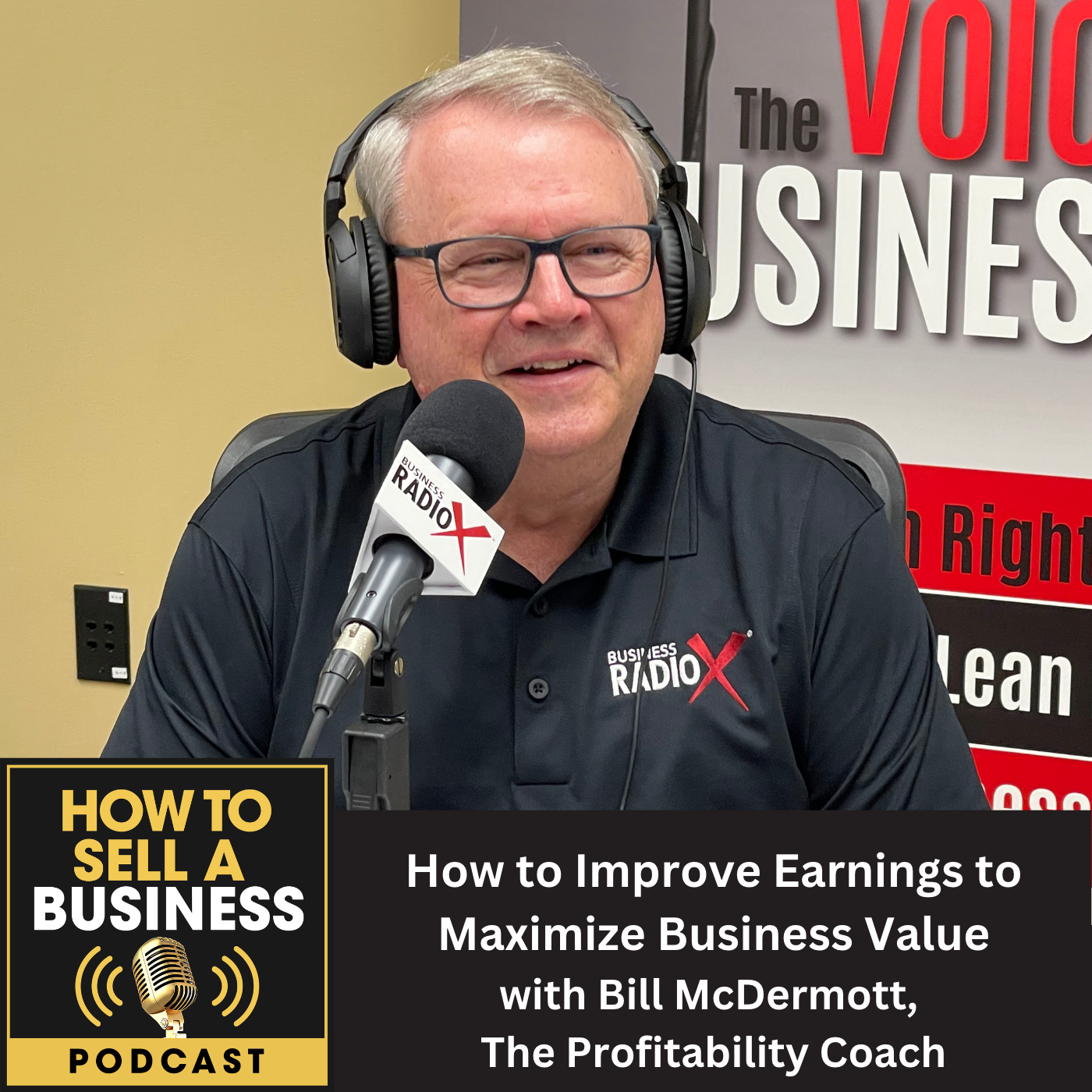

How to Improve Earnings to Maximize Business Value, with Bill McDermott, The Profitability Coach (How To Sell a Business Podcast, Episode 4)
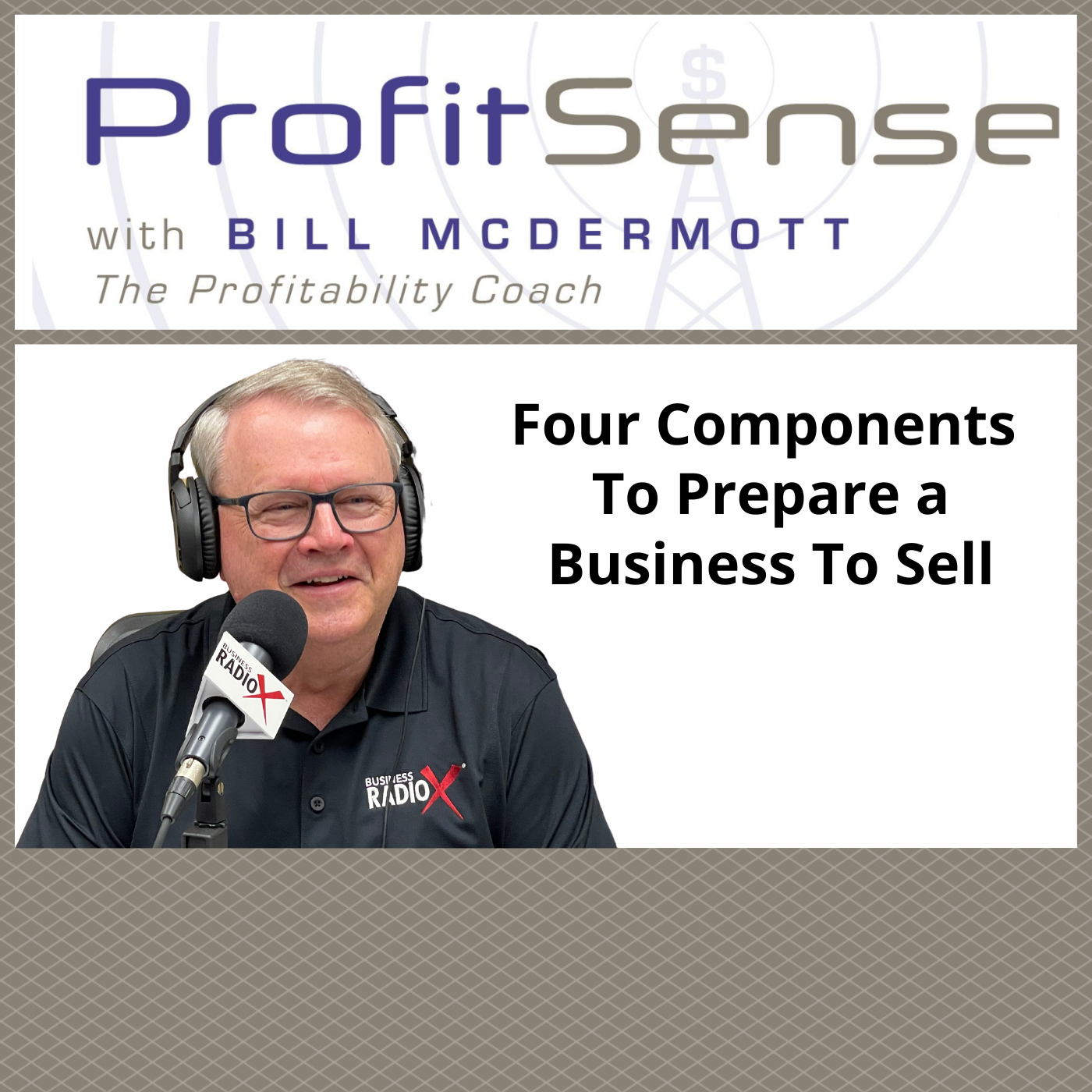
Improving earnings to maximize business value was the focus of this episode with guest Bill McDermott, The Profitability Coach. He and host Ed Mysogland discussed key things business owners can do to improve earnings, strategies to improve profitability, the need for delegation, financial management, planning your exit strategy, and much more.
How To Sell a Business Podcast is produced and broadcast by the North Fulton Studio of Business RadioX® in Atlanta.
The Profitability Coach
Every business owner has a big dream for their company and wants to make it happen. The problem is many business owners don’t know how to manage the finances of their business leaving them frustrated and confused.
The Profitability Coach comes alongside the business owner and analyzes the financial health of the business and develops a plan to take them from financial confusion to clarity. Then he executes the plan focusing on areas of financial growth. Together they travel the road of financial success to profitability and healthy cash flow.
Company website | Instagram | LinkedIn
Bill McDermott, The Profitability Coach

Bill McDermott graduated from Wake Forest University and launched a banking career that spanned 32 years. He was laid off from his position as Chief Commercial Lender in the Great Recession of 2009. With a treasure trove of banking knowledge and analytical skills, Bill launched the Profitability Coach with the purpose of making business owners better financial managers.
Over the past 13 years, Bill has helped over 200 clients by delivering results-oriented insights, taking them from financial confusion to clarity.
Bill is also the host of ProfitSense with Bill McDermott. ProfitSense dives into the stories behind some of Atlanta’s successful businesses and business owners and the professionals that advise them. This show helps local business leaders get the word out about the important work they’re doing to serve their market, their community, and their profession. You can subscribe to the show on all the major podcast apps, and the show archive can be found here.
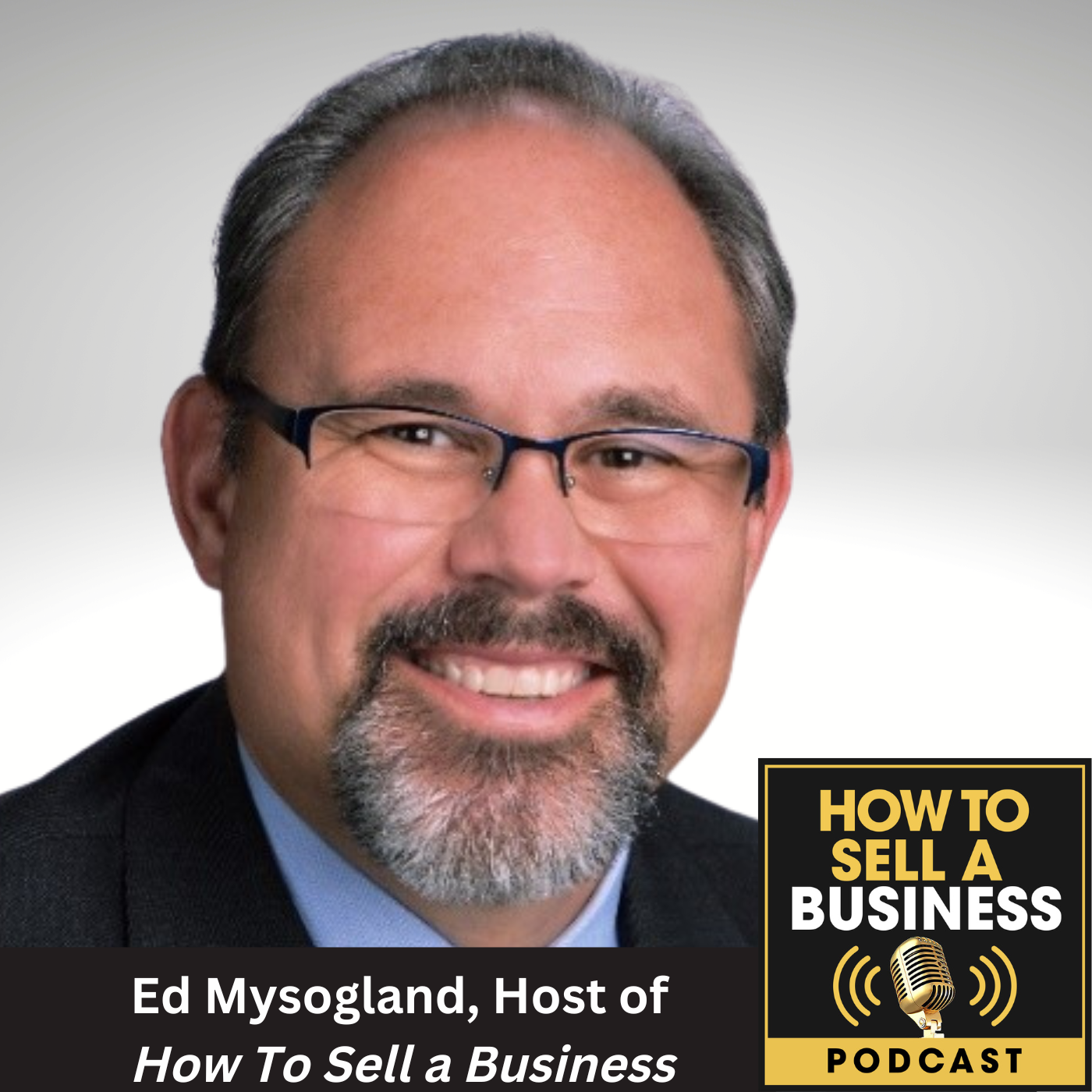
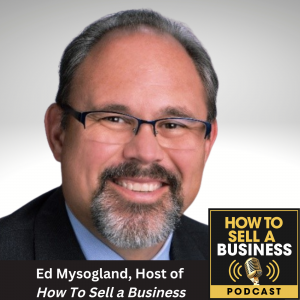
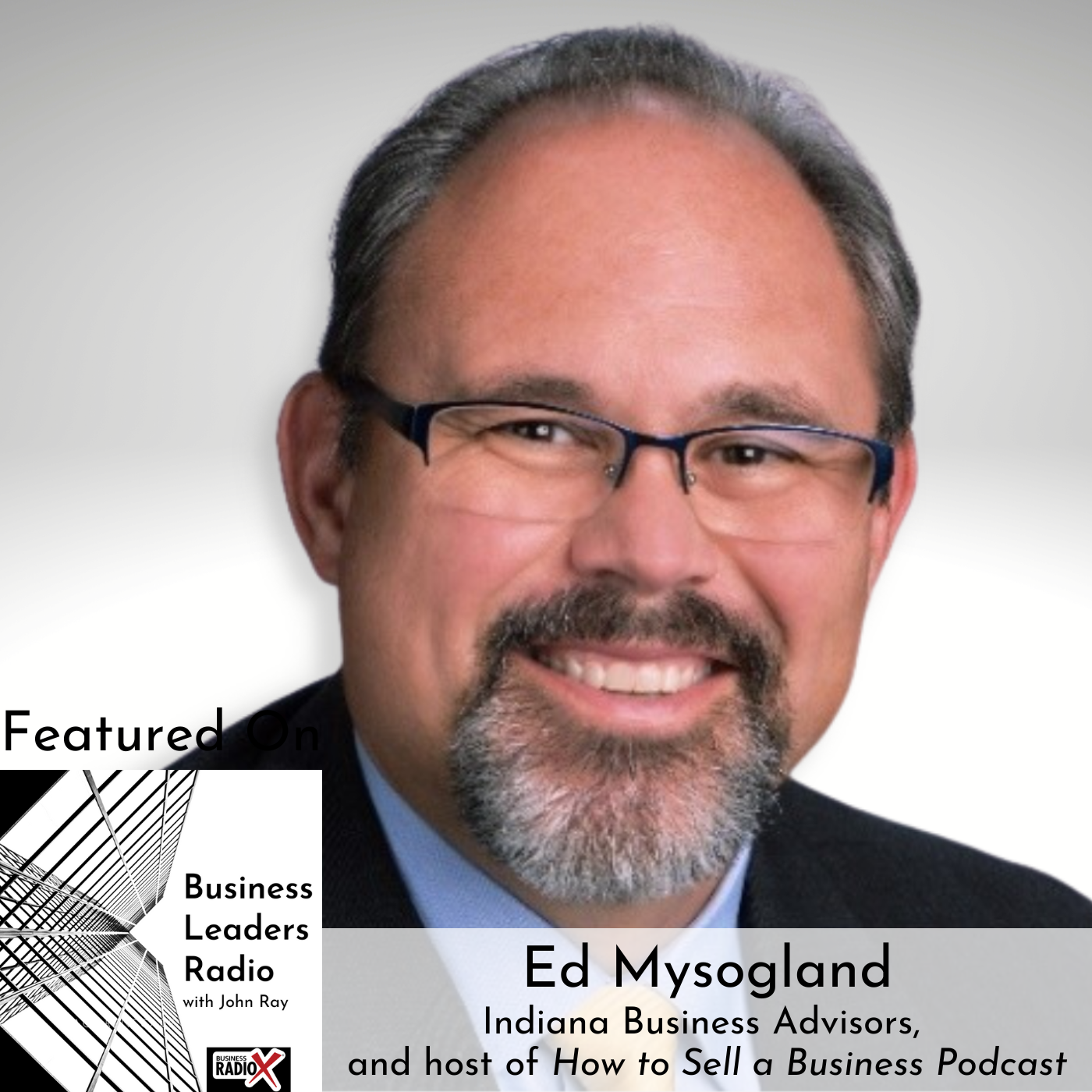
Ed Mysogland, Host of How To Sell a Business Podcast

The How To Sell a Business Podcast combines 30 years of exit planning, valuation, and exit execution working with business owners. Ed Mysogland has a mission and vision to help business owners understand the value of their business and what makes it salable. Most of the small business owner’s net worth is locked in the company; to unlock it, a business owner has to sell it. Unfortunately, the odds are against business owners that they won’t be able to sell their companies because they don’t know what creates a saleable asset.
Ed interviews battle-tested experts who help business owners prepare, build, preserve, and one-day transfer value with the sale of the business for maximum value.
How To Sell a Business Podcast is produced virtually from the North Fulton studio of Business RadioX® in Alpharetta. The show can be found on all the major podcast apps and a full archive can be found here.
Ed is the Managing Partner of Indiana Business Advisors. He guides the development of the organization, its knowledge strategy, and the IBA initiative, which is to continue to be Indiana’s premier business brokerage by bringing investment-banker-caliber of transactional advisory services to small and mid-sized businesses. Over the last 29 years, Ed has been appraising and providing pre-sale consulting services for small and medium-size privately-held businesses as part of the brokerage process. He has worked with entrepreneurs of every pedigree and offers a unique insight into consulting with them toward a successful outcome.
Connect with Ed: LinkedIn | Twitter | Facebook
TRANSCRIPT
Intro: [00:00:00] Business owners likely will have only one shot to sell a business. Most don’t understand what drives value and how buyers look at a business. Until now. Welcome to the How to Sell a Business Podcast, where every week we talk to the subject matter experts, advisors, and those around the deal table about how to sell at maximum value. Every business will go to sell one day. It’s only a matter of when. We’re glad you’re here. The podcast starts now.
Ed Mysogland: [00:00:35] Welcome to another episode of How to Sell Your Business Podcast. I had the opportunity to visit with Bill McDermott, who’s known as The Profitability Coach. And, you know, I’m really skeptical on those consultants and people like that. And it came from a referral from Business RadioX, John Ray. And the first thing he said was what a quality guy he is, and this is such an understatement.
Ed Mysogland: [00:01:11] And so, I’m thrilled to death about the time that you’re getting ready to spend here on the podcast because Bill really helped provide some clarity on, number one, how to identify an advisor. If you’re going to hire somebody, what’s the difference between signal and noise? When should you expect a return on your investment? And so, as we went through the podcast, you know, not only was he well versed in so many different attributes of the selling process of what creates value to actually the whole exit process.
Ed Mysogland: [00:01:56] So, I think you’re going to find that Bill, as The Profitability Coach, really helped provide some really helpful nuggets on how you can make some immediate changes to your business to increase the transferable value. So, I hope you enjoy my conversation with Bill McDermott of The Profitability Coach.
Ed Mysogland: [00:02:22] I’m your host, Ed Mysogland. I teach business owners how to build value, and identify and remove risks in their business so that one day they can sell at maximum value how they want, to whom they want, and at maximum value.
Ed Mysogland: [00:02:36] On today’s show, I’m so excited to welcome Bill McDermott, who is known as The Profitability Coach. And for anybody that are small business owners, they know how important profitability and earnings are to the success of their business. And so, I am so fortunate to have this guy. I was connected by another mutual friend, John Ray from Business RadioX, and he connected us. And, boy, what a great opportunity this is. And I’m looking so forward to learning a lot about earnings.
Ed Mysogland: [00:03:17] And so, Bill, welcome. At the beginning I shared a little bit about your bio before we started recording, so can you just kind of give just a little bit of the lay of the land how you got to be The Profitability Coach?
Bill McDermott: [00:03:34] Sure. Sure. Absolutely. Well, Ed, first, let me say thank you for having me. The excitement is mutual on both sides. I was excited when you invited me to come on the show. And so, yeah, my background is I was a Wake Forest University grad. I spent 32 years in the banking industry. And then, all of a sudden 2009 hit, the Great Recession hit, and so I was laid off from my banking career. I was scared to death. But I also realized looking back, it was the best thing that had happened to me.
Bill McDermott: [00:04:17] During my banking time, I really discovered that business owners really struggled with the financial management aspect of their business. I had built up a treasure trove of banking and financial knowledge in my career as a banker, and so I launched The Profitability Coach, really helping business owners drive earnings through becoming better financial managers.
Bill McDermott: [00:04:45] You know, every business owner has a big dream for their company and wants to make it happen. What happens sometimes, though, is they don’t really know if the decisions they’re making are helping or hurting. They may not know exactly how to manage the finances of their business. And so, we have a process where we identify the hurdles that are getting in the way and to deliver to them a company that has profitability that, honestly, they never thought was possible. And so, excited to talk about that with you today. You’re absolutely right, it is all about earnings, and I would love to dive into that with you.
Ed Mysogland: [00:05:27] Well then, that’s where we’ll get started. Most of my career has been centered around working with owners and business value. I mean, ultimately when we start the process of selling a company, that’s what everybody wants to know. And everybody gets so hung up on multiples that they hear. They’re at the club and they hear the multiples. They’re watching the news and they hear price to earnings ratios and different things like that.
Ed Mysogland: [00:06:03] And I guess the longer I’ve been in the business, and I’d been in it 30 years now, it is all about earnings. And I guess that’s where I’d like to start. It seems so fundamental that value is based on profitability, but it doesn’t seem to resonate with business owners. Or, you know, they’re so caught up in working the business and if I’m able to pay myself, if I’m able to do the things I want to do, and have the freedom I want, no big deal. Up until the part where they think they want to sell. So, why is that component so glossed over?
Bill McDermott: [00:06:48] You know, I think you hit on it – by the way, absolutely great question and great topic – you mentioned it a little bit yourself. You know, I hold the view that business owners are so busy working in the business. They don’t really take time out to work on the business. They don’t have that time where they’re really looking at strategy. And so, honestly, I think every business owner should take time to stop working in the business and work on it.
Bill McDermott: [00:07:22] To your point on earnings, I share with my clients that generally speaking, a one percent increase in your top line is equivalent to a ten percent increase in your bottom line. You know, revenue is vanity, but profit is sanity. And so, in order to be sane, we really need to be focusing on driving earnings, but also by driving revenue.
Bill McDermott: [00:07:51] We could go down the path of, you know, generally speaking, clients I talked to, their prices are too low. They have more value to their product or to their service than they think they do. Or, second, they maybe haven’t figured out a way to actually increase volume. But both are equally important and both can equally drive revenue, therefore drive earnings.
Ed Mysogland: [00:08:13] Yeah. But, boy, I’ll tell you, it’s hard to make that leap of faith. Like, I’m going to increase prices and, oh, my gosh, if I do this what’s the likelihood I’m going to lose customers? So, I totally see that that’s low lying fruit that you can do. But, I mean, if I’m a business owner, how do you coach me into just go ahead and throw caution to the wind and let’s increase price by 15 percent. How do you do that?
Bill McDermott: [00:08:49] Yeah. Well, excellent question. So, the way I approach that with my clients is, let’s pretend I go to Walmart. When I go to Walmart, I’m prepared and I go there because I’m going to get the lowest price. But I’m generally not going to be able to find any kind of help in the service aisle, so I have to know exactly where it is. And then, when I get to the checkout, I have to wait a long time in line because the lines are so long. And by the way, because the parking lot is so full, I even have a hard time finding a parking spot. But, by golly, they’ve got the cheapest prices.
Bill McDermott: [00:09:31] On the other hand, if I go to Ace Hardware, the guy meets me at the door, “What are you looking for?” “Well, I need some fertilizer for my garden.” “Okay. It’s on Aisle 3. And by the way, these are the three types that we have. This one has a fertilizer and a weed killer in it.” And by the way, most of my clients like that one, I get a whole lot of service, a whole lot of value. And so, therefore, I go to Ace Hardware because I want the help, I want the expertise, and I pay for that in the price.
Bill McDermott: [00:10:05] So, we, as business owners, have two choices. We can either be a Walmart or we can be an Ace Hardware. And the value that we create for our clients, either in time savings or money savings, is worth the increase in price. So, a lot of business owners, I think, position themselves as providing a commodity and not really diving into the value that they’re creating for their clients. And they’re afraid to price accordingly.
Bill McDermott: [00:10:39] And I think a lot of that is a mindset issue. And we all have self-limiting beliefs that maybe our business, our product or service just isn’t worth the price. And everybody else is telling us we’re silly because it really is. And so, I think it really boils down to more of a mindset issue. Not raising prices is a scarcity mindset. And the reality is, there’s an abundance of clients out there that appreciate you and value the product or service that you offer.
Ed Mysogland: [00:11:10] Yeah, I get that. And I’m an Ace Hardware guy. I love Ace Hardware. And one of the things I recognize is that I’m willing to pay a premium for that. But I guess the follow up to that is, I’m already paying a premium because Lowe’s and Home Depot and Menards, you know, they’ve got lower prices, but, like you said, I’m paying for the service. So, if I’m that Ace Hardware, I’m already doing service, how do I stress test what that threshold is before I start losing customers? You know what I mean?
Bill McDermott: [00:11:55] Yeah, absolutely. So, I adopt the idea that I’m going to ask my clients, Am I continuing to deliver the value that they expected when they first hired me? And, also, as I’m putting my services or putting my products out there, if no one is telling me I’m too high, I’m going to automatically assume I’m too low.
Ed Mysogland: [00:12:26] That’s a good point. That’s really good.
Bill McDermott: [00:12:27] So, where is that area? Back when I was in banking – it was great – this client told me, “Bill, my loyalty to you ends with a quarter of a point on my interest rate.”
Ed Mysogland: [00:12:44] It totally makes sense.
Bill McDermott: [00:12:46] Yeah. And so, I knew that I could get another quarter, but I wasn’t going to get a half. And, by golly, I’d better be right on with that loan fee as well.
Ed Mysogland: [00:12:56] Yeah. I’m with you on the scarcity versus abundant mindset. I think the race to the bottom is always a losing proposition. And I know it’s the default position for a lot of owners that they feel that they have to compete. But, boy, but like you were saying on mindset, that is a real big ask for some of the change.
Bill McDermott: [00:13:20] Yeah, it is. And so, to your point earlier, if we kind of reverse engineer the conversation, those business owners that aren’t driving earnings through revenue want the multiple to be higher to make up for the profit that they could be getting by charging more, but they’re not. The reality is, it doesn’t matter what multiple I use, if I have a dollar’s worth of net profit that equates in a five times multiple, $5 of business value. And so, if I’m not driving the earnings, I want the multiple to be high. But that’s the wrong focus, to your earlier point, the focus on earnings.
Ed Mysogland: [00:14:09] Yeah. So, when you focus on earnings and you increase it to a 20 percent increase and you put a five multiple on that, versus put the same increase on the multiple, I mean, it’s two entirely different results. So, the earnings taking advantage of the number of turns on the multiple is always superior.
Ed Mysogland: [00:14:38] Okay. So, there’s four areas of profitability improvement that we typically see. So, it’s reducing costs, increasing inventory turnover, increasing productivity, and increasing efficiency. Those are big, big components of a business. But what do you think is the biggest area I should focus? If I’m a business owner, I should focus on this? And I suppose it’s company specific. But generally speaking, in your experience, where do I focus my attention?
Bill McDermott: [00:15:16] Yeah. So, I’m going to go back and maybe share a story, but this saying did not originate with me. Revenue is vanity. Profit is sanity. The cash flow is reality. So, I was working with a company that was a management consulting firm, international firm. They were doing incredibly well, but they got into trouble during the Great Recession because nobody was doing much, if any, management consulting when the downturn came.
Bill McDermott: [00:15:59] So, this company had to do a pivot. Basically did, and went from losing a-half-million dollars a year to making a-half-million. It was $1,000,000 swing in a year. It was absolutely fabulous. But this business owner said, “Bill, I made a-half-million dollars in profit this year. Where’s the cash?” And basically I said to him, I said, “Randy, look, you see that big honker accounts receivable number that’s sitting on your balance sheet? There’s your profit. If you go out and collect it, then you’ll have the cash.”
Bill McDermott: [00:16:37] So, certainly focus on profit. But I also think focusing on cashflow, I mean, profit doesn’t pay payroll, cash does. And so, I generally try to focus on profit. But if you aren’t doing, to your earlier point, turning the inventory, collecting the receivables, you’re missing out on cash that could be sitting in your bank account instead of sitting in your client’s or your vendor’s bank account.
Ed Mysogland: [00:17:10] Yeah. And a lot of business owners fail to understand that when a buyer goes to buy their business, there’s two checks that they write. The first one is for the business, the second one is for the working capital. And I don’t think that they recognize or I think they have a hard time recognizing that the more that’s tied up in working capital – to your point, that’s not in cash – it’s going to cost me to fund the working capital more than it should, because I’m not collecting receivables in a timely fashion or whatever the issue is, whether it’s debt, inventory, or whatever. That impairs a company’s ability to sell.
Ed Mysogland: [00:18:05] And I think you probably have coached a lot of people on, you know, if you hone in on your working capital, you’re reducing your risk, which is increasing your value, right?
Bill McDermott: [00:18:16] Yeah. To your point, recently we successfully completed a management buyout where this professional services firm sold the company for $13 million, and it was a combination of seller financing and bank debt financing. But when the negotiation on the purchase agreement came, the seller wanted, basically, to take as much cash out of the business as they possibly could. And so, the the broker stepped in and said, “Time out. We need to have adequate working capital. We got payroll, we got purchases, all of this.”
Bill McDermott: [00:19:01] And so, the owners were thinking about their pocket. They should be thinking about their pocket. But, also, since they had seller financing involved by stripping out all the working capital, they put their debt at risk to a certain degree. So, yeah, working capital is incredibly important.
Ed Mysogland: [00:19:21] And one of the best things that you’ve said today is just that, the seller financing and the working capital that they put the seller financing note at risk by how they were treating the working capital. And if I’m a business owner, that’s a big takeaway right there, that you don’t understand or you need to understand that they’re all intertwined together. Everything is intertwined. And each component of a business has risks and benefits. And by not acknowledging one, you’re putting another at risk. That was awesome. Go ahead. I’m sorry.
Bill McDermott: [00:20:20] I was just going to say, so in my banking career, as I was talking to business owners, I coined the term called bank speak. And what I found was happening is I was throwing out terms, working capital being one, cashflow being another, inventory turnover being another, I caught myself using terms that my clients didn’t understand.
Bill McDermott: [00:20:49] And so, I think you and I take for granted everybody knows what working capital means, Ed, but what I found is many business owners, because nobody taught them accounting in school and there’s no on-the-job training when you’re a business owner, I have to be careful to define terms that I’m using because a lot of times I use terms people don’t understand.
Ed Mysogland: [00:21:12] No, that’s a great point. And that was one of my questions is, with all of this information out there, with everything that’s all over the internet, just the vast amount of content, why do you think that business owners aren’t more versed in basic accounting?
Bill McDermott: [00:21:34] Yeah. I think everybody starts out, if you’re starting a business from scratch, it’s because you’re a great technician at whatever it is that you do. So, for example, coming out of a banking career of 30 years, I saw a lot of business owners that ran businesses, but I had never run a business myself. I was never one that had to go out and basically do everything that needed to be done for me to have a paycheck. And so, I think they’re great technicians.
Bill McDermott: [00:22:22] A CPA is a good accountant. An architect. You know, somebody like me who’s a business consultant now, thank goodness I had a lot of accounting and finance in my background. But they’re good technicians, they just haven’t learned how to become business people. And so, if you haven’t taken accounting and finance classes in school or gone to some seminar or maybe a community college to take some courses, you don’t really feel like you’re well-versed in how to manage or how to run a business. You’re a good technician. You’re just not a business person.
Ed Mysogland: [00:23:03] Yeah. And I agree with you. And one of the challenges that we bump into is just that, you’re a great technician, but you’re not a great business owner. And as a buyer of your business, I really need you to be a great business owner because that’s who I’m replacing. I’m not the technician. You know what I mean?
Bill McDermott: [00:23:25] Yeah.
Ed Mysogland: [00:23:29] One of your claims to fame is your coaching, that you’re able to coach people through complex matters. And I guess I’m curious to know how you get over the pushback of time. And as a guy with not a lot of it, I’m sitting here going, “All right. If he asked me to fix a component of my business, how do I make more time to do what you’re asking?” And you can have all the empirical evidence that it’s going to fix everything in the business or fix this part of the business. Do I have to wait until the pain is great enough? Or do you have some secret sauce to help me overcome that?
Bill McDermott: [00:24:20] Yeah. No secret sauce. But I think maybe just some common sense. Again, I think business owners tend to want to be all things to all people. They might also be very high control. It’s not going to get done well unless I do it. And so, the business owner becomes, for lack of a better term, Ed, the choke point in their own business. They’re their own worst enemy.
Bill McDermott: [00:24:57] And so, statistically, do you know how many companies break through the $1 million revenue barrier and the $10 million revenue barrier?
Ed Mysogland: [00:25:09] No. How many?
Bill McDermott: [00:25:10] Ten percent through the $1 million barrier, only three percent through the $10 million barrier of all businesses that ever start. What’s the number one reason? Delegation.
Bill McDermott: [00:25:24] And so, what I tell that business owner is, “Look, your time is valuable.” You know, I calculated an effective hourly rate for a business owner by taking the profit in their business, plus their salary. And it came out to about $150 an hour. And so, I said, “Look, any activity in your business that can be done less than $150 an hour, you need to hire somebody to do it because it will allow you to increase your hourly rate to 200, then to 250.”
Bill McDermott: [00:26:02] And so, the ability to take on those things that they’re not taking on is basically just giving those tasks to other people and allowing them to focus on more revenue generating activities versus administrative activities.
Ed Mysogland: [00:26:18] Yeah. I hear you. And I can hear the business owner going, “Yeah. Where am I going to find this person? Everybody that’s working for me is complaining that they’re overworked and underpaid. If I add another person, where am I going to find them?” And how do I – I shouldn’t say how do I. Then, it’s throw your hands up, screw it, I’ll do it myself. And that’s the default position because of the difficulty of what you’re asking.
Ed Mysogland: [00:26:58] I totally agree with you. I think the next generation of business owners, it’s about delegation and automation. I totally believe that that’s the path that we’re going toward. And those that either go from first generation to second generation or a successful third party sale, I totally believe that those buyers or that next generation, those people that have a command to delegate, whether that’s to third parties like Upwork or some of these organizations, the Gig Economy, or you can find help, personally, I think that is the long term of the successful business. I think.
Bill McDermott: [00:27:54] Yeah. So, a quick story on that. I worked with a client. Their books were an absolute mess. They were a multimillion dollar company. And they had an accountant who is moonlighting doing their books. And the financials weren’t done on time. There were errors. And the owners were spending their time going in and correcting errors. And I said, “Look, go out and find somebody who’s QuickBooks certified. They can be a CPA. They can just be an accountant. But somebody who is really, really good.”
Bill McDermott: [00:28:31] And so, I referred them to a service that I use, because you find people based on relationships. And so, they brought this accountant in. This person has straightened out their books in the span of two months. We just had the second month end close. Bank accounts reconciled. Financial statements were timely and inaccurate. And this client now has clarity in his financials where, before that, they had confusion.
Ed Mysogland: [00:29:05] Yeah. And, again, that’s back to knowing where to look for the talent. And like I said, I think most business owners are faced with the pain of making the change as opposed to the change itself. You know what I mean?
Bill McDermott: [00:29:25] Well, it’s the principle of inertia, right? A body at rest tends to stay at rest. A body in motion tends to stay in motion. You know, my business owner client was stuck accepting that moonlighting accounting person getting subpar financials. And basically just made a decision, “Okay. I’m drawing a line in the sand. I’m going to upgrade my requirements and get somebody in here to do a better job.”
Ed Mysogland: [00:29:56] And, again, to your point earlier on having good records and being able to have clarity of your cash position or your financial position, that’s an important thing. Reading your email and trying to figure out what to do next, somebody probably can do that a little bit more effective than you.
Bill McDermott: [00:30:23] Yeah. The other thing I’ll say on that topic, I’m a big believer that your balance sheet is more important than your income statement. Your income statement certainly measures your profitability, but there are three other things that you care about. You care about your liquidity, how much cash you have that’s on your balance sheet. You care about how you’re collecting your receivables and turning your inventory, that’s on your balance sheet. And you care about your leverage, how much debt you have relative to the net worth of your business. And so, three out of the four things that you track are on your balance sheet. Most business owners don’t look at that first. They look at their income statement first.
Ed Mysogland: [00:31:05] Yeah. We face that, too, when helping these business owners. There is a disconnect between the two. It’s what’s my net income. When we do value work, one of the things that we do is, this is what you’re going to put in your pocket. And that’s part of liquidating your balance sheet. And, oftentimes, that’s more than the tangible and intangible value of the company. You know, once you start liquidating current assets and retiring debt, that’s a whole nother event. Go ahead. I started to interrupt you.
Bill McDermott: [00:31:56] I was just going to say, the other thing that comes to mind, you’re mentioning, also most business owners when they’re selling their business, focus on the gross amount they’re selling. But they may not be factoring in taxes, if it’s an asset sale, as well as debt.
Ed Mysogland: [00:32:17] The highest price is not always –
Bill McDermott: [00:32:20] It’s the net.
Ed Mysogland: [00:32:21] Yeah. And we bump into that a lot, that it’s not the highest price that’s the best price. That allocation of purchase price is really, really important.
Bill McDermott: [00:32:32] It really is.
Ed Mysogland: [00:32:32] So, everything we read, it seems as though we’re heading into a recession. That there’s some level of downturn. So, granted, it was your greatest blessing that you got displaced and here you are. But how did you make that pivot? Because I think there’s going to be a lot of people that are in similar situations or are finding themselves in similar situations right now. So, how did you make that effective change into entrepreneurship? In your case, you started the business versus buying the business. So, how did you get comfortable with the risk that you were taking, I guess?
Bill McDermott: [00:33:26] Yeah. So, necessity is the mother of invention. My wife had two daughters in college. We had a mortgage to pay. And she was the preschool director at our church preschool. And that was not going to be enough to do it.
Bill McDermott: [00:33:45] So, I was financially motivated. I read a really great book. It was called The E-Myth by a guy named Michael Gerber. Michael Gerber says, establish a prototype of the business that you want to build, which in effect is, really, if you are going to franchise your business, this is what you would show a potential franchisor. So, I’m a person of faith. Part of my prayer time after I was laid off is I would say to the man upstairs, “Okay. You closed the door. Would you open a window? And by the way, would you put a little neon around it so I can see it.”
Bill McDermott: [00:34:34] But I found that business owners really struggled with financial management. I was passionate about helping them become better financial managers. Next, I found that I’m a pretty good teacher. And so, teaching these business owners how to be better financial managers was something that I was good at, and then figuring out how to monetize that.
Bill McDermott: [00:35:06] So, this is a page out of Jim Collins’s book, Good to Great. If someone’s thinking about becoming an entrepreneur themselves, what are you passionate about? What are you best in the world at? And what drives your economic engine? And where those three circles intersect is your greatness.
Bill McDermott: [00:35:28] And so, for me, passionate about making business owners better financial managers, teaching them how to run more profitable businesses with healthy cashflow, and then monetizing that as a business coach. And that’s kind of how I did it.
Ed Mysogland: [00:35:46] Yeah. Well, you know what? That whole leap of faith thing – also, I’m a red letter guy myself – I totally believe that, you know, there’s some divine intervention that goes into entrepreneurs where you’re building the kingdom. I totally believe no matter where you’re at on the spiritual spectrum, whether it’s the universe or God or whatever you want to call it, there is some level of wind behind your back to make these doors open.
Ed Mysogland: [00:36:26] I’m guilty of this, too, as far as hiring consultants. I am horrible at it. And one of the things is, you know, when should I expect a return on my investment? It’s not writing the check. It’s when am I going to get repayment for it? You know what I mean?
Bill McDermott: [00:36:49] Yeah. Great question. So, I think, in my experience, I’ve worked with quite a few professional services firms. I can think of one psychology firm, three locations, very well-established practice. This firm hired me for two years. And, essentially, what we did is we did an analysis of the business. We looked at the areas where we could really accelerate financial growth.
Bill McDermott: [00:37:33] And then, after a two year period of time, first, we focused on collections. A lot of their receivables were from insurance companies. Insurance companies are notoriously slow pay. So, we basically had them pick up their pace on collections, which put another $50,000 of cash in the bank. Then, I’m a big believer in the power of one percent. Looking at ways where we can increase revenue one percent consecutively over periods of time.
Bill McDermott: [00:38:10] So, the cumulative effect for this firm, over a two year period, we increased revenue 45 percent total, so roughly a little over 20 percent per year for ten years. The profit that was generated paid 100 percent of my consulting fees and gave the owner another 100 percent return on their spend. So, it took two years in this case.
Bill McDermott: [00:38:45] You know, I know for me, I hired a marketing firm to come in and help me with my brand messaging. I did that two years ago. This year, I’m having my best year ever in the 14 years that I’ve been in business. So, I would say, when you buy a stock, you’re interested in buying quality stocks that aren’t big gainers, because big gainers also can be big losers. But if you can earn 10 percent year over year, your money compounds every seven years, roughly. And so, I’d say slow and steady wins the race. You know, if you can get a decent return in the first year or two, I think you’ve hit a homerun.
Ed Mysogland: [00:39:36] Well, one of the things that we bump into is that everybody’s an expert now. How do you get between what’s signal and what’s noise? Like I said, and I was telling you before we started, you know, my wife’s a therapist and there is all kinds of noise in her industry of solving problems. When in fact, there’s a lot of complex trauma and different things that they have to deal with that requires specialization. So, my point is that anybody can write a blog article about profitability and this, that, and the other. But how do I find people like you that are going to give me that 10 percent return year over year over year?
Bill McDermott: [00:40:26] Yeah. I subscribe to the philosophy of people do business with people that they know and they trust. And so, I always put relationships first, Ed. I just think we were all put on this earth to figure out a way to live together and to help each other. And so, I find that relationships follow a progression. You know, first, I get to know somebody and they get to know me. Then, we like each other. Then, we try each other. Then, we trust each other. And then, we refer each other.
Bill McDermott: [00:41:03] And so, going through that relationship progression, I think it’s totally based on relationships. You sort the noise from the people that you really want to do business with based on the quality of the relationship that that’s developed.
Ed Mysogland: [00:41:20] Yeah, 100 percent. I mean, I was just looking at our deal flow and we spend so much money on external marketing. But I’ll bet 80 percent of our revenue comes from referrals, people doing business that we’ve done a good job for that have referred us. And so, I’m with you. This is how you sniff out – I don’t want to say a fraud because I don’t mean a fraud. This is how to sniff out who’s best in class versus those that probably should be on junior varsity. Anything come to mind?
Bill McDermott: [00:42:01] Yeah. So, I’m sure you’ve probably had this experience. There are a lot of people on LinkedIn that basically put relationships last. You’re their best friend. They don’t even know you. You don’t even know them. But, by golly, they have a solution to a problem that you didn’t even know you had. And we all get those emails and just messages on LinkedIn.
Bill McDermott: [00:42:35] And so, I think to kind of sniff those out, who approaches me trying to sell me something rather than getting to know me, you don’t have the right to sell me unless you know me and I know you. And so, that would be one easy way.
Bill McDermott: [00:42:57] The other thing I usually do is, when I’m going through and looking at my LinkedIn feed, if there are people that are really making some really solid comments or suggestions in a LinkedIn exchange, I kind of determine, “Hey, I’d like to know more about that person just based on some of the insights they’re sharing.”
Ed Mysogland: [00:43:23] Yeah, I agree. I mean, providing some meaningful comments versus just broadcast stuff. I get it. So, I know we’re pushing on time, so if you have a couple more minutes, I got a couple questions.
Bill McDermott: [00:43:41] Yeah. Absolutely.
Ed Mysogland: [00:43:41] All right. So, I know you do some exit planning work. And so, I wanted to focus a little bit about, you know, are you seeing business owners that are coming prepared to sell or are they playing catch up and you’re trying to fix things before they go to market?
Bill McDermott: [00:44:03] Definitely the latter. As I said earlier, that business owner is so busy working in the business, they’re not working on the business. All of a sudden, a business owner maybe that has run a business for 20 years, he or she finds themselves, “Gosh. I’m 60, 61, 62. I’m not going to be doing this a whole lot longer. And, by golly, I have done nothing to build the value of my business.” So, the default is the business owners that I run into have done little to no planning.
Bill McDermott: [00:44:47] And the other concept that you and I probably both deal with is that business owner that has not created transferable value in their business and how they do that is a way that you can truly try value but very little to no planning.
Ed Mysogland: [00:45:12] And that’s what’s heartbreaking is because either – I don’t want to say tragedy, but circumstances, life circumstances come bumping into them and now they’re forced into a decision on how to make this illiquid asset liquid. And, boy, that is a heartbreaking situation. Like I said, it’s not necessarily that you can’t transfer the business, but the problem is it’s not going to transfer for what you want. And so, that creates a lot of the challenges that at least we see.
Ed Mysogland: [00:45:51] I wanted to ask you, you know, what makes exit planning effective? I mean, granted, if you have a lot of runway, that’s an easy layup. There’s all kinds of things you could do. But the people that are hearing this going, “Man, I really want to sell my company. I haven’t done anything.” So, as the profitability coach, is there anything that you can suggest that would lead me to a better than average exit?
Bill McDermott: [00:46:34] Yeah. So, I’m going to try to answer that question and try to tell a story at the same time. So, we’ve all sold houses. And when we sell a house, we get it ready for sale. Usually, a fresh coat of paint, maybe some new carpet. What sells houses from what I’ve been told are bathrooms and kitchens, and so you want to be sure that you’ve got everything updated. Generally, you’re not going to try to sell your house yourself or you shouldn’t, because what you think it’s worth and what that appraiser for that mortgage lender thinks it’s worth or the buyer, you always want to have someone between you.
Bill McDermott: [00:47:26] So, selling a business, sprucing things up is really creating a management team that can successfully run the business and transfer the value to that team. I found having that management team, being sure they’re compensated in a way that they’re not going to walk out the day the business gets sold, so you need to have some kind of arrangement where there’s what I call a stay pay.
Bill McDermott: [00:47:58] Frankly, financial statements need to be reliable. Preferably audited, but at least reviewed by an independent CPA, so that you have financials that have been verified by an independent third party. Just like when you get your house appraised, it’s by an independent third party.
Bill McDermott: [00:48:21] I think it’s ideal to have a business growth plan that you can hand that potential buyer to show how the business can be grown. And I think it’s also important to have documented processes so that that business owner knows how you make money, how you have a repeatable sales process, a repeatable operations or delivery process, and then an accounting and finance process.
Bill McDermott: [00:48:55] So, mostly, I’m looking for management with stay pay, reliable financial statements, and documented processes. I’m sure there are some other equally important things. But I’m certain those are the main ones.
Ed Mysogland: [00:49:10] Yeah. And I’m going to ask you even a harder question. Out of those, which ones most important? Right. I know. You’re welcome.
Bill McDermott: [00:49:23] Businesses are run by people. Real estate is location, location, location. I’m going to say companies are management, management, management. So, I’m saying having the management team is important.
Ed Mysogland: [00:49:41] Okay. I got it. You know, in your analogy of selling a house, you know, its bathrooms and kitchens. And there’s empirical data that says, you know, if you fix up your kitchen and your bathroom, your house will sell or you’ll get X number of dollars back. Unfortunately, to my knowledge, I don’t think there’s anything like that in business, that if you replace your antiquated lades, you’re going to get your money back. I don’t think that’s going to happen.
Bill McDermott: [00:50:20] I’m in agreement. You know, when a buyer buys a business, they’re looking towards buying that business and the income stream that comes with it. But they’re entitled to a return on their investment. And at the end of the day, they have a return that they want to earn based on the amount of the business that they’re paying.
Bill McDermott: [00:50:44] And pure and simple, when we invest in stocks, we’re looking for a rate of return. When we’re investing in a closely held business, we’re looking for the same thing. And, potentially, we’re looking for an even higher return because we want to get compensated for the risk of buying that business as well.
Ed Mysogland: [00:51:06] Yeah. We say the same thing. Not only are you looking for a return on your investment, you’re looking at return of your investment. So, it’s two components. All right.
Ed Mysogland: [00:51:19] So, I finish every one of my interviews with the same question. So, if there is one piece of advice, just one – you know, they spent a-half-hour with you and me – what would that piece of advice be that would have the most immediate impact on their business? You’ve got one good nugget?
Bill McDermott: [00:51:41] I love that question. So, I think what I would say is, where are the one percent improvements that you can make in your sales process, in your cost of goods or cost of services process, if you’re a service business, your delivery process and then your billing and payment process? We’ve already talked about a one percent increase in your top line in sales. What’s the cumulative effect of those one percents? What if I can buy my materials or labor better and reduce my costs that way? What if I can reduce overhead one percent? What if I can collect my receivables one day faster or turn my inventory one day faster?
Bill McDermott: [00:52:42] The cumulative effect of all of those would be huge. And the way that you’re doing that is you’re shortening either the cycle times, you’re eliminating your mistakes, or you’re improving your business model in each of those three aspects of your business. Doing that, I think you’re well on your way to really having a game changer of a company.
Ed Mysogland: [00:53:09] I agree. So, where can people find you? And do you do work throughout the country?
Bill McDermott: [00:53:17] I do. I do.
Ed Mysogland: [00:53:19] Oh, good. All right. Okay.
Bill McDermott: [00:53:20] I have clients in Seattle, Texas, all over the Midwest, up and down the East Coast. So, where there’s technology, I can play.
Ed Mysogland: [00:53:32] You’re based in Georgia, right?
Bill McDermott: [00:53:35] I’m based in Atlanta, Georgia, yes. My website is www.theprofitabilitycoach.net. You can also find me on LinkedIn, my profile is Bill J. McDermott. I am on Instagram as The Profitability Coach. And you can also find my phone number and email contacts either on my LinkedIn profile or on my website as well. But my email, for anyone that’s listening, is bill@theprofitabilitycoach.net.
Ed Mysogland: [00:54:13] Well, we will have all your contact information in the show notes. So, if you didn’t catch it, I can assure you we will have it readily available for you. So, Bill, you know what? This absolutely was everything I’d hoped for. So, I’m so grateful for all the time. I know you and me, we start talking about time and the value of it. And I so appreciate you going over with me a little bit. And I’m certain everyone will have gained a lot from this, from our time together. So, thanks again.
Bill McDermott: [00:54:54] You made it easy for me. You asked some great questions. It was a pleasure to be on the show. Thank you for inviting me.
Ed Mysogland: [00:55:02] All right. Well, I’m going to cut us off. And once again, I appreciate you being with us.
Bill McDermott: [00:55:08] Very good. Thanks again.
Outro: [00:55:12] Thank you for joining us today on the How to Sell Your Business Podcast. If you want more episodes packed with strategies to help sell your business for the maximum value, visit howtosellabusinesspodcast.com for tips and best practices to make your exit life changing. Better yet, subscribe now so you never miss future episodes. This program is copyrighted by Myso, Inc. All rights reserved.











 Thomas Barr is the Executive Director for