Business RadioX ®

  • Home
  • Business RadioX ® Communities
    • Southeast
      • Alabama
        • Birmingham
      • Florida
        • Orlando
        • Pensacola
        • South Florida
        • Tampa
        • Tallahassee
      • Georgia
        • Atlanta
        • Cherokee
        • Forsyth
        • Greater Perimeter
        • Gwinnett
        • North Fulton
        • North Georgia
        • Northeast Georgia
        • Rome
        • Savannah
      • Louisiana
        • New Orleans
      • North Carolina
        • Charlotte
        • Raleigh
      • Tennessee
        • Chattanooga
        • Nashville
      • Virginia
        • Richmond
    • South Central
      • Arkansas
        • Northwest Arkansas
    • Midwest
      • Illinois
        • Chicago
      • Michigan
        • Detroit
      • Minnesota
        • Minneapolis St. Paul
      • Missouri
        • St. Louis
      • Ohio
        • Cleveland
        • Columbus
        • Dayton
    • Southwest
      • Arizona
        • Phoenix
        • Tucson
        • Valley
      • Texas
        • Austin
        • Dallas
        • Houston
    • West
      • California
        • Bay Area
        • LA
        • Pasadena
      • Colorado
        • Denver
      • Hawaii
        • Oahu
  • FAQs
  • About Us
    • Our Mission
    • Our Audience
    • Why It Works
    • What People Are Saying
    • BRX in the News
  • Resources
    • BRX Pro Tips
    • B2B Marketing: The 4Rs
    • High Velocity Selling Habits
    • Why Most B2B Media Strategies Fail
    • 9 Reasons To Sponsor A Business RadioX ® Show
  • Partner With Us
  • Veteran Business RadioX ®

To Your Health With Dr. Jim Morrow: Episode 15, How Stress Affects You and What You Can Do About It

August 28, 2019 by John Ray

North Fulton Studio
North Fulton Studio
To Your Health With Dr. Jim Morrow: Episode 15, How Stress Affects You and What You Can Do About It
Loading
00:00 /
RSS Feed
Share
Link
Embed

Download file

Dr. Jim Morrow, Host, “To Your Health With Dr. Jim Morrow”

Episode 15, How Stress Affects You and What You Can Do About It

According to an American Psychological Association survey, 75% of adults questioned reported moderate to high levels of stress in the past month and nearly half reported that their stress has increased in the past year. On this edition of “To Your Health,” Dr. Jim Morrow discusses different stress levels, stress triggers, and what you can do to reduce the effect of stress in your life. “To Your Health” is brought to you by Morrow Family Medicine, which brings the CARE back to healthcare.

About Morrow Family Medicine and Dr. Jim Morrow

Morrow Family Medicine is an award-winning, state-of-the-art family practice with offices in Cumming and Milton, Georgia. The practice combines healthcare information technology with old-fashioned care to provide the type of care that many are in search of today. Two physicians, three physician assistants and two nurse practitioners are supported by a knowledgeable and friendly staff to make your visit to Morrow Family Medicine one that will remind you of the way healthcare should be.  At Morrow Family Medicine, we like to say we are “bringing the care back to healthcare!”  Morrow Family Medicine has been named the “Best of Forsyth” in Family Medicine in all five years of the award, is a three-time consecutive winner of the “Best of North Atlanta” by readers of Appen Media, and the 2019 winner of “Best of Life” in North Fulton County.

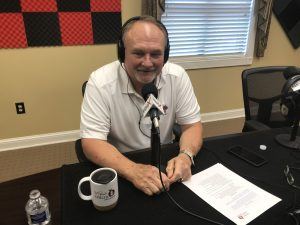
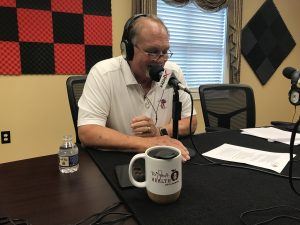
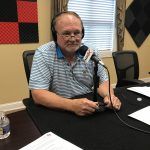
Dr. Jim Morrow, Morrow Family Medicine, and Host of “To Your Health With Dr. Jim Morrow”

Dr. Jim Morrow, Morrow Family Medicine, and Host of “To Your Health With Dr. Jim Morrow”

Dr. Jim Morrow is the founder and CEO of Morrow Family Medicine. He has been a trailblazer and evangelist in the area of healthcare information technology, was named Physician IT Leader of the Year by HIMSS, a HIMSS Davies Award Winner, the Cumming-Forsyth Chamber of Commerce Steve Bloom Award Winner as Entrepreneur of the Year and he received a Phoenix Award as Community Leader of the Year from the Metro Atlanta Chamber of Commerce.  He is married to Peggie Morrow and together they founded the Forsyth BYOT Benefit, a charity in Forsyth County to support students in need of technology and devices. They have two Goldendoodles, a gaggle of grandchildren and enjoy life on and around Lake Lanier.

Facebook: https://www.facebook.com/MorrowFamMed/

LinkedIn: https://www.linkedin.com/company/7788088/admin/

Twitter: https://twitter.com/toyourhealthMD

Dr. Morrow’s Show Notes on Stress

  • Stress can be good for you.
    • It keeps you alert, motivated and primed to respond to danger.
    • As anyone who has faced a work deadline or competed in a sport knows, stress mobilizes the body to respond, improving performance.
    • Yet too much stress, or chronic stress may lead to major depressionin susceptible people.
  • Everyone knows that bad things in life are stressful
    • But the good things (marriage, new job or new house) are also very stressful.
  • The “good life” doesn’t happen in a vacuum, it takes a lot of mental and physical work.
  • Many of my patients are stressed because they are doing too much for too many people in too short a period of time and with too few resources.

There  Are Basically 3 Types of Stress

  • Acute stress
    • Acute stress is the most common form of stress.
    • It comes from demands and pressures of the recent past and anticipated demands and pressures of the near future.
    • Acute stress is thrilling and exciting in small doses, but too much is exhausting.
      • A fast run down a challenging ski slope, for example, is exhilarating early in the day.
      • That same ski run late in the day is taxing and wearing. Skiing beyond your limits can lead to falls and broken bones.
    • By the same token, overdoing on short-term stress can lead to psychological distress, tension headaches, upset stomach and other symptoms.
  • Examples of Acute Stress
    • the auto accident that crumpled the car fender,
    • the loss of an important contract,
    • a deadline they’re rushing to meet,
    • their child’s occasional problems at school
  • Emotional distress causes
    • Muscular problems including
      • tension headache,
      • back pain,
      • jaw pain and
      • the muscular tensions that lead to pulled muscles and tendon and ligament problems.
    • Stomach, gut and bowel problems such as
      • heartburn,
      • acid stomach,
      • flatulence,
      • diarrhea,
      • constipation and
      • irritable bowel syndrome.
    • Transient over-arousal leads to elevation in blood pressure, rapid heartbeat, sweaty palms, heart palpitations, dizziness, migraine headaches, cold hands or feet, shortness of breath and chest pain.
  • Episodic acute stress
    • There are those who suffer acute stress frequently,
    • whose lives are so disordered that they are studies in chaos and crisis.
      • always in a rush, but always late.
      • If something can go wrong, it does.
      • They take on too much,
        • have too many irons in the fire, and
        • can’t organize the slew of self-inflicted demands and pressures clamoring for their attention.
        • They seem perpetually in the clutches of acute stress.
  • It is common for people with acute stress reactions to be
    • over aroused,
    • short-tempered,
    • irritable,
    • anxious
    • Often, they describe themselves as having “a lot of nervous energy.”
      • Always in a hurry,
      • they tend to be abrupt, and
      • sometimes their irritability comes across as hostility.
      • Interpersonal relationships deteriorate rapidly when others respond with real hostility.
      • The workplace becomes a very stressful place for them.
  • The cardiac prone, “Type A” personality is
    • similar to a constant extreme case of episodic acute stress.
    • Type A’s have an
      • excessive competitive drive,
      • aggressiveness,
      • impatience, and
      • a harrying sense of time urgency.
      • In addition there is a
        • free-floating, but well-rationalized form of hostility, and
        • almost always a deep-seated insecurity.
        • seem to create frequent episodes of acute stress for the Type A individual.
        • Type A’s are found to be much more likely to develop coronary heart disease than Type B’s, who show an opposite pattern of behavior.
  • The symptoms of episodic acute stress are
    • persistent tension headaches,
    • migraines,
    • hypertension,
    • chest pain and
    • heart disease.
    • Treating episodic acute stress requires intervention on a number of levels, generally requiring professional help, which may take many months.
  • Often, lifestyle and personality issues are so ingrained and habitual with these individuals that they see nothing wrong with the way they conduct their lives.
    • They blame their woes on other people and external events.
    • Frequently, they see their lifestyle, their patterns of interacting with others, and their ways of perceiving the world as part and parcel of who and what they are.
  • Sufferers can be fiercely resistant to change.
    • Only the promise of relief from pain and discomfort of their symptoms can keep them in treatment and on track in their recovery program.
  • Chronic stress:
    • While acute stress can be thrilling and exciting, chronic stress is not.
    • This is the grinding stress that wears people away day after day, year after year.
    • Chronic stress destroys bodies, minds and lives. It wreaks havoc through long-term attrition.
    • It’s the stress of poverty,
    • of dysfunctional families,
    • of being trapped in an unhappy marriage
    • or in a despised job or career.
    • It’s the stress that the never-ending “troubles” have brought
      • to the people of Northern Ireland,
      • the tensions of the Middle East
      • the endless rivalries that have been brought to the people of Eastern Europe and the former Soviet Union.
  • Chronic stress comes when a person never sees a way out of a miserable situation.
    • It’s the stress of unrelenting demands and pressures for seemingly interminable periods of time.
    • With no hope, the individual gives up searching for solutions.
  • Some chronic stresses stem from traumatic, early childhood experiences that become internalized and remain forever painful and present.
    • Some experiences profoundly affect personality.
    • A view of the world, or a belief system, is created that causes unending stress for the individual (e.g., the world is a threatening place, people will find out you are a pretender, you must be perfect at all times).
    • When personality or deep-seated convictions and beliefs must be reformulated, recovery requires active self-examination, often with professional help.
  • One of the worst aspects of chronic stress is that people get used to it.
    • They forget it’s there.
    • People are immediately aware of acute stress because it is new; they ignore chronic stress because it is old, familiar, and sometimes, almost comfortable.
  • Chronic stress kills through suicide,
    • violence,
    • heart attack,
    • suicide,
    • stroke and,
    • perhaps, even cancer.
    • People wear down to a final, fatal breakdown.
      • Because physical and mental resources are depleted through long-term attrition, the symptoms of chronic stress are difficult to treat and may require extended medical as well as behavioral treatment and stress management.
  • Why is too much stress bad for you?
  • Too much stress can be detrimental.
    • Emotional stress that stays around for weeks or months can weaken the immune system and
    • cause high blood pressure,
    • fatigue,
    • depression,
    • anxiety and
    • even heart disease.
    • In particular, too much epinephrine can be harmful to your heart.
  • Sustained or chronic stress, in particular, leads to elevated levels of cortisol, the “stress hormone,”
    • As well as reduced levels of serotonin and other neurotransmitters in the brain, like dopamine
    • These hormone changes have been linked to depression.
    • When these chemical systems are working normally, they regulate biological processes like sleep, appetite, energy, and sex drive, and permit expression of normal moods and emotions.
    • When the stress response fails to shut off and reset after a difficult situation has passed, it can lead to depressionin susceptible people.
    • No one in life escapes event-related stress, such as
      • death of a loved one,
      • a job loss,
      • divorce,
      • a natural disaster such as an earthquake, or
      • even a dramatic dip in your 401(k).
    • A layoff — an acute stressor — may lead to chronic stress if a job search is prolonged.
  • Loss of any type is a major risk factor for depression.
    • Loss of a loved one is a huge stressor
      • Grieving is considered a normal, healthy, response to loss, but if it goes on for too long it can trigger a depression.
    • Loss of health –
      • A serious illness, including depression itself, is considered a chronic stressor.
    • Loss of independence –
      • When patients lose their ability to live alone, or to drive they are very stressed
    • Loss of financial stability –
      • Regardless of cause
    • What you can do?
      • Watch out for signs of stress overload.
        • Symptoms of too much stress can be
        • physical,
        • emotional,
        • mental and behavioral.
        • While everyone is different, some common signs are:
        • memory problems,
        • trouble concentrating,
        • racing thoughts,
        • irritability,
        • anger,
        • sadness,
        • headaches,
        • frequent colds and
        • changes in sleep or appetite.
  • Know your stress triggers.
    • Stress and its triggers are different for everyone.
      • Certain people, places or situations might produce high levels of stress for you.
      • Think about what causes you stress, and brainstorm solutions.
        • If public speaking or presentations make you stressed, start researching early and practice several times.
        • If there are friends or social situations that cause extreme stress, you may want to avoid them when you are already feeling tense or overwhelmed.
    • All forms of exercise
      • reduce stress hormones,
      • flood the body with feel-good endorphins,
      • improve mood,
      • boost energy and
      • provide a healthy distraction from your dilemmas.
      • Plus, exercise may make you less susceptible to stress in the long run.
      • Find physical activities that you enjoy and try to devote about 30 minutes to them each day.
    • While it’s impossible to eliminate all negative stress from your life, you can control the way you react to stress.
    • Your body’s natural fight-or-flight response can take its toll.
    • When you’re faced with a stressful situation that your mind perceives as a threat,
      • it sends various chemicals, like adrenaline and cortisol, throughout your body.
      • As a result, heart rate and breathing speeds up and your digestion slows down. This tires out the body.
      • Relaxation techniques are a huge help in calming you down, boosting mood and fighting illness.
        • Try a variety of techniques — like
          • yoga,
          • breathing exercises,
          • meditation and visualization — to see what works for you, and schedule a relaxation break every day.
  • Manage your time well.
    • Time can seem like a luxury, but there are various ways to manage it effectively.
      • First, focus on one task at a time.
        • Multitasking rarely works.
        • Jot down everything you need to do in a calendar or a task management app/program,
          • prioritize your list and break projects into single steps or actions.
  • Be realistic.
    • Pulling yourself in different directions will only stress you out, so try not to over-commit yourself or do extracurricular activities when you’re super busy with school.
    • Learn to say NO
  • Curb your caffeine.
    • Caffeine might help you study in the short term, but it interrupts sleep and makes you
      • more anxious,
      • tense and jittery
      • This obviously ups your stress level.
      • Try and drink no more than one caffeinated beverage a day.
    • Don’t self-medicate.
      • Some people
        • drink,
        • take drugs,
        • smoke and
        • use other unhealthy behaviors to cope with stress.
        • However, these behaviors can exacerbate stress by negatively affecting your mood and health.
  • Reach out.
    • If you’re stressed out,

      • talk to your friends and family.
      • If you feel like you can’t handle the stress on your own, schedule an appointment with a counselor or therapist.

Tagged With: Cumming doctor, Cumming family care, Cumming family doctor, Cumming family medicine, Cumming family physician, Cumming family practice, Cumming md, Cumming physician, de-stress, Depression, Dr. Jim Morrow, emotional distress, episodic acute stress, Exercise, loss, Milton doctor, Milton family care, Milton family doctor, Milton family medicine, Milton family physician, Milton family practice, Milton md, Milton physician, Morrow Family Medicine, preventing stress, relaxation, stress, stress alleviation, Stress Management, time management, Type A personality, yoga

To Your Health With Dr. Jim Morrow: Episode 14, Skin Cancer

August 14, 2019 by John Ray

North Fulton Studio
North Fulton Studio
To Your Health With Dr. Jim Morrow: Episode 14, Skin Cancer
Loading
00:00 /
RSS Feed
Share
Link
Embed

Download file

Dr. Jim Morrow, Host, “To Your Health With Dr. Jim Morrow”

Episode 14, Skin Cancer

One in six Americans develop skin cancer at some point in their life, and skin cancers account for one-third of all cancers in the country. On this edition of “To Your Health With Dr. Jim Morrow,” Dr. Jim Morrow addresses the prevention of and screening for skin cancer, as well as specific skin cancers to be aware of. “To Your Health” is brought to you by Morrow Family Medicine, which brings the CARE back to healthcare.

About Morrow Family Medicine and Dr. Jim Morrow

Morrow Family Medicine is an award-winning, state-of-the-art family practice with offices in Cumming and Milton, Georgia. The practice combines healthcare information technology with old-fashioned care to provide the type of care that many are in search of today. Two physicians, three physician assistants and two nurse practitioners are supported by a knowledgeable and friendly staff to make your visit to Morrow Family Medicine one that will remind you of the way healthcare should be.  At Morrow Family Medicine, we like to say we are “bringing the care back to healthcare!”  Morrow Family Medicine has been named the “Best of Forsyth” in Family Medicine in all five years of the award, is a three-time consecutive winner of the “Best of North Atlanta” by readers of Appen Media, and the 2019 winner of “Best of Life” in North Fulton County.

Dr. Jim Morrow, Morrow Family Medicine, and Host of “To Your Health With Dr. Jim Morrow”

Dr. Jim Morrow, Morrow Family Medicine, and Host of “To Your Health With Dr. Jim Morrow”

Dr. Jim Morrow is the founder and CEO of Morrow Family Medicine. He has been a trailblazer and evangelist in the area of healthcare information technology, was named Physician IT Leader of the Year by HIMSS, a HIMSS Davies Award Winner, the Cumming-Forsyth Chamber of Commerce Steve Bloom Award Winner as Entrepreneur of the Year and he received a Phoenix Award as Community Leader of the Year from the Metro Atlanta Chamber of Commerce.  He is married to Peggie Morrow and together they founded the Forsyth BYOT Benefit, a charity in Forsyth County to support students in need of technology and devices. They have two Goldendoodles, a gaggle of grandchildren and enjoy life on and around Lake Lanier.

Facebook: https://www.facebook.com/MorrowFamMed/

LinkedIn: https://www.linkedin.com/company/7788088/admin/

Twitter: https://twitter.com/toyourhealthMD

Dr. Morrow’s Show Notes on Skin Cancer

  • One in six Americans develops skin cancer at some point.
    • Skin cancer accounts for one third of all cancers in the United States.
    • Most patients with skin cancer develop non-melanoma skin cancer.
      • This group of cancers includes basal cell carcinoma, the most common neoplasm worldwide, and squamous cell carcinoma.
      • Fortunately, mortality associated with non-melanoma skin cancer is unusual.
    • However, malignant melanoma accounts for 75 percent of all deaths associated with skin cancer.
  • Melanoma, the eighth most common malignancy in the United States, is the cancer with the most rapidly increasing incidence.
    • 1 of 1,500 Americans born in 1935 were likely to develop melanoma, compared with 1 of 105 persons born in 1993.
    • Non-melanoma skin cancer typically affects older persons; the frequency of melanoma peaks between 20 and 45 years of age.
    • Mortality rates are higher in men than in women.
    • This higher rate may occur because lesions tend to develop in less easily observed areas, such as the back, in men.
    • Mortality is also increased in blacks for this reason, as is the propensity to develop more aggressive tumors and to be diagnosed at later stages.
    • The rising incidence of skin cancer over the past several decades may be primarily attributed to increased sun exposure associated with societal and lifestyle changes and to depletion of the protective ozone layer.

Prevention of Skin Cancer

  • Avoid the sun during peak hours.
    • Generally, this is between 10 a.m. and 4 p.m.
    • Water, snow, sand and concrete reflect light and increase the risk of sunburn.
  • Wear sun protective clothing.
    • This includes pants, shirts with long sleeves, sunglasses and hats.
  • Use sunscreen.
    • Look for water-resistant, broad-spectrum coverage with an SPF of at least 30, which blocks 97 percent of the sun’s UVB rays.
    • Apply sunscreen generously, and reapply every two hours — or more often if you’re swimming or sweating.
    • Higher-number SPFs block slightly more of the sun’s UVB rays, but no sunscreen can block 100 percent of the sun’s UVB rays.

Screening for Skin Cancer

  • While early detection and treatment of skin cancer can improve patient outcomes, convincing data regarding the benefit of mass screening programs are lacking.
    • In addition, the ability to identify potentially malignant lesions varies with physician training.
    • So, except for very high-risk persons with a history of skin cancer or atypical mole syndrome, for whom periodic screening is universally recommended, there is considerable debate about who should be screened, who should perform the screening and how often screening should be performed.
    • Part of the screening process should include an assessment of patient risk.
  • Basically,
    • Age 20 to 39 years: complete skin examination every three years
    • Age 40 years and older: annual complete skin examination
  • When screening is performed, the examiner must systematically inspect the entire skin surface.
    • The patient should completely disrobe and remove concealing cosmetics.
    • Daylight is the ideal light source
    • Photographs may improve the quality of documentation and detection of lesion changes over time.
  • ABCDE Rule:
    • Asymmetry (one half of the mole doesn’t match the other),
    • Border irregularity,
    • Color that is not uniform,
    • Diameter greater than 6 mm (about the size of a pencil eraser), and
    • Evolving size, shape or color.

Specific Skin Neoplasms

ACTINIC KERATOSES

  • Actinic keratoses, sometimes called solar keratoses, often arise on chronically sun-damaged body areas such as the face, ears, arms and hands.
    • They may provide an indication of a person’s cumulative ultraviolet light exposure and, therefore, that person’s risk for all types of skin cancer.
    • Actinic keratoses are often ill-defined and irregular, ranging from 1 mm to several centimeters in size.
    • They may be lesions that can be seen or felt, and generally have a scaly appearance.
    • Patients often have multiple lesions.
  • The lesions are usually pale brown or flesh-colored but may be yellow, reddish-brown or even dark brown or black following trauma.
  • The rate of malignant transformation of individual actinic keratoses to squamous cell carcinoma is less than one per 1,000 per year,
    • but treatment of lesions is indicated to decrease the chance of progression to squamous cell carcinoma.
  • Skin biopsy is occasionally required to rule out squamous cell carcinoma.
  • Cryotherapy with liquid nitrogen is the treatment of choice for most cases of actinic keratosis.
    • Curettage, or scraping away the lesion, may also be used and may be used in conjunction with cryosurgery or electrodessication (burning).
    • Surgical excision is rarely required but may be useful in excluding squamous cell carcinoma as a possible cause in lesions that are larger than 0.5 cm in diameter.
    • Chemical destruction of superficial lesions may be used when there are many lesions, particularly on the face and head.
      • 5-fluorouracil (5-FU), is most commonly used.
      • Areas other than the head and neck require the higher concentrations because of greater skin thickness.
      • In conventional regimens, 5-FU is applied twice daily for two to five weeks.
      • Adverse effects include true hypersensitivity, secondary bacterial and herpetic infection, and post-inflammatory pigmentation changes.
      • This therapy is often associated with significant discomfort related to an intense inflammatory response.
      • Pulsed dosing regimens aimed at reducing skin irritation have met with mixed success.
      • Topical corticosteroids may reduce inflammation but also make the treatment end point difficult to discern.
    • Other therapies used occasionally for treatment of actinic keratoses include laser, topical Retin-A, chemical peeling and facial dermabrasion.

BASAL CELL CARCINOMA

  • Basal cell carcinoma is the most common skin neoplasm.
    • Basal cell carcinomas
      • are usually located on the face or the backs of the hands.
      • They typically grow slowly and generally spread only locally.
      • Metastasis is quite rare.
    • While a preliminary diagnosis of basal cell carcinoma may be made on the basis of appearance, incisional or excisional biopsy is required for definitive diagnosis.
    • Cure rates of 95 to 99 percent can be achieved for low-risk lesions using simple excision with margins of 2 to 5 mm.
    • A lesion is considered low risk if it is less than 1.5 cm in diameter; has not previously been treated; is not in a difficult-to-treat area, like the H zone of the face; and is nodular or cystic.
    • Treatment of basal cell carcinomas with cryotherapy can also be successful, but healing may take weeks, and success depends on the skill of the cryotherapist.
      • Mohs’ micrographic surgery is the treatment of choice for most sclerosing basal cell carcinomas, as well as for large tumors and those located in areas that are difficult to treat.
      • Radiation therapy produces cure rates of 90 to 95 percent but has the same limitations as those outlined for squamous cell carcinoma treatment.
    • Other therapies used occasionally include topical Retin-A.

 SQUAMOUS CELL CARCINOMA

  • Squamous cell carcinoma is the second most common skin cancer, comprising 20 percent of all cases of non-melanoma skin cancer.
    • This is the most common tumor in elderly patients, and it is usually the result of a high lifetime cumulative dose of solar radiation.
      • A new study finds that some types of human papillomaviruses, or HPVs, may increase the risk of squamous cell skin cancers.
    • However, other irritants and exposures may lead to squamous cell carcinoma.
    • Up to 60 percent of squamous cell carcinomas occur at the site of a previous actinic keratosis.
    • Changes in an actinic keratosis that suggest evolution to squamous cell carcinoma include pain, erythema, ulceration, induration, hyperkeratosis and increasing size.
    • As many as 50 to 60 percent of squamous cell carcinomas occur on the head and neck.
    • Other common sites include the hands and forearms, upper trunk and lower legs.
    • Squamous cell carcinomas typically appear as small, palpable tumors that may grow moderately rapidly over a period of months and range from a few millimeters to centimeters in size.
    • They may appear nodular, and may be reddish-brown, pink or flesh-colored.
    • Larger squamous cell carcinomas may appear crusted, erythematous or eroded. In contrast to basal cell carcinoma, a definitive edge is difficult to demonstrate when a squamous cell carcinoma lesion is stretched.
  • Histologic confirmation by a full-thickness skin biopsy (incisional or excisional) is mandatory before definitive treatment.
    • Well-differentiated lesions less than 2 cm in diameter can be treated with surgical excision, with a cure rate approaching 99 percent.
  • Squamous cell carcinomas may grow aggressively and are associated with a 2 to 6 percent risk of metastasis.
    • Risk factors for metastasis include increasing lesion depth and location on the lip or ear.
    • The most common locations for metastatic spread are the regional lymph nodes, lungs and liver.
    • Once metastasis occurs, the five-year cure rate for squamous cell carcinoma is 34 percent.
    • Recurrence and metastasis typically occur within three years of initial treatment.
  • Mohs’ micrographic surgery involves gradual lesion excision using serial frozen section analysis and precise mapping of excised tissue until a tumor-free plane is reached.
    • Mohs’ micrographic surgery is used when tissue removal must be kept to a minimum for cosmetic reasons or to maximize function.
    • It is the treatment of choice for difficult and high-risk squamous cell carcinomas, including lesions that are:
      • larger than 2 cm in diameter;
      • located in areas where deep invasion is more likely or tumor extent is hard to assess, such as the nasolabial folds, eyelids and periauricular areas (facial “H zone”);
      • rapidly growing;
      • recurrent or incompletely excised;
      • ill-defined;
      • located in an area of previous irradiation; or
      • Cure rates of 99 percent have been reported.
    • Cryotherapy and the combination of curettage and desiccation are reserved for treatment of superficial tumors, lesions less than 2 cm in diameter and lesions located on the trunk and extremities.
    • Radiation therapy may be employed when preservation of function and cosmesis are critical, when patients refuse surgery, when metastasis is present or when an adjunct to surgery is required for high-risk tumors.
    • Because of the long-term risk of radiation-induced carcinoma, radiation therapy is used only in patients older than 60 years.

MALIGNANT MELANOMA

  • There are four types of malignant melanoma.
  • The two most common ones are:
    • The superficial spreading type is the most common among whites and accounts for 70 percent of all melanomas.
      • It usually occurs in adults and may develop anywhere on the body but appears with increased frequency on the upper backs of both men and women and on the legs of women
  • Nodular melanoma (accounting for 15 to 30 percent of all melanomas) is a dome-shaped, pedunculated or nodular lesion that may occur anywhere on the body.
    • It is commonly dark brown or reddish brown but may occasionally be uncolored.
    • Nodular melanomas tend to rapidly invade the dermis from the onset with no apparent horizontal growth phase.
    • These tumors are frequently misdiagnosed, because they may resemble blood blisters, hemangiomas, dermal nevi or polyps

Bottom Line on Skin Cancer

  • The incidence of skin cancer is increasing by epidemic proportions.
    • The use of tanning beds the risk of basal cell carcinoma by 1.5 times and squamous cell carcinoma by 2.5 times.
    • Basal cell cancer remains the most common skin neoplasm, and simple excision is generally curative.
    • Squamous cell cancers may be preceded by actinic keratoses – premalignant lesions.
      • While squamous cell carcinoma is usually easily cured with local excision, it may invade deeper structures and metastasize.
  • Aggressive local growth and metastasis are common features of malignant melanoma, which accounts for 75 percent of all deaths associated with skin cancer.
    • Early detection greatly improves the prognosis of patients with malignant melanoma.
    • The differential diagnosis of pigmented lesions is challenging, although the ABCD (Asymmetry, Border, Color, Diameter) checklists are helpful in determining which pigmented lesions require excision.
    • Sun exposure remains the most important risk factor for all skin neoplasms.
    • Thus, patients should be taught basic “safe sun” measures: sun avoidance during peak ultraviolet-B hours; proper use of sunscreen and protective clothing; and avoidance of sun tanning.

[Thanks to the American Academy of Family Physicians for much of the information provided in this episode.]

Tagged With: cryotherapy, Cumming doctor, Cumming family care, Cumming family doctor, Cumming family medicine, Cumming family physician, Cumming family practice, Cumming md, Cumming physician, cyrotherapy, Dr. Jim Morrow, malignant melanoma, melanoma, Milton doctor, Milton family care, Milton family doctor, Milton family medicine, Milton family physician, Milton family practice, Milton md, Milton physician, Morrow Family Medicine, skin cancer, solar keratoses, sun exposure, Sunscreen

To Your Health With Dr. Jim Morrow: Episode 12, The Case to Vaccinate

July 10, 2019 by John Ray

North Fulton Studio
North Fulton Studio
To Your Health With Dr. Jim Morrow: Episode 12, The Case to Vaccinate
Loading
00:00 /
RSS Feed
Share
Link
Embed

Download file

Dr. Jim Morrow, Host, “To Your Health With Dr. Jim Morrow”

Episode 12, The Case to Vaccinate

On this edition of “To Your Health With Dr. Jim Morrow,” Dr. Jim Morrow makes the case to vaccinate, arguing that vaccines are safe, necessary, and they work. The fears “non-vaxxers” have on the side effects of vaccines are not based in any proven scientific evidence. “To Your Health” is brought to you by Morrow Family Medicine, which brings the CARE back to healthcare.

About Morrow Family Medicine and Dr. Jim Morrow

Morrow Family Medicine is an award-winning, state-of-the-art family practice with offices in Cumming and Milton, Georgia. The practice combines healthcare information technology with old-fashioned care to provide the type of care that many are in search of today. Two physicians, three physician assistants and two nurse practitioners are supported by a knowledgeable and friendly staff to make your visit to Morrow Family Medicine one that will remind you of the way healthcare should be.  At Morrow Family Medicine, we like to say we are “bringing the care back to healthcare!”  Morrow Family Medicine has been named the “Best of Forsyth” in Family Medicine in all five years of the award, is a three-time consecutive winner of the “Best of North Atlanta” by readers of Appen Media, and the 2019 winner of “Best of Life” in North Fulton County.

Dr. Jim Morrow, Morrow Family Medicine, and Host of “To Your Health With Dr. Jim Morrow”

Dr. Jim Morrow, Morrow Family Medicine, and Host of “To Your Health With Dr. Jim Morrow”

Dr. Jim Morrow is the founder and CEO of Morrow Family Medicine. He has been a trailblazer and evangelist in the area of healthcare information technology, was named Physician IT Leader of the Year by HIMSS, a HIMSS Davies Award Winner, the Cumming-Forsyth Chamber of Commerce Steve Bloom Award Winner as Entrepreneur of the Year and he received a Phoenix Award as Community Leader of the Year from the Metro Atlanta Chamber of Commerce.  He is married to Peggie Morrow and together they founded the Forsyth BYOT Benefit, a charity in Forsyth County to support students in need of technology and devices. They have two Goldendoodles, a gaggle of grandchildren and enjoy life on and around Lake Lanier.

Facebook: https://www.facebook.com/MorrowFamMed/

LinkedIn: https://www.linkedin.com/company/7788088/admin/

Twitter: https://twitter.com/toyourhealthMD

Dr. Morrow’s Show Notes

History of Vaccines

  • Edward Jenner used cowpox material to create a vaccine for smallpox in humans in 1796.
  • Louis Pasteur created a rabies vaccine for humans in 1885
  • And then, at the dawn of bacteriology, developments rapidly followed.
    • Antitoxins and vaccines against diphtheria, tetanus, anthrax, cholera, plague, typhoid, tuberculosis, and more were developed through the 1930s.
  • The middle of the 20thcentury was an active time for vaccine research and development.
    • Methods for growing viruses in the laboratory led to rapid discoveries and innovations, including the creation of vaccines for polio.
    • Researchers targeted other common childhood diseases such as measles, mumps, and rubella, and vaccines for these diseases reduced the disease burden greatly.
  • Innovative techniques now drive vaccine research, with recombinant DNA technology and new delivery techniques leading scientists in new directions.

Measles Has Been All Over The News

  • Measles Cases in 2019
    • From January 1 to June 27, 2019, 1,095** individual cases of measles have been confirmed in 28 states. This is an increase of 18 cases from the previous week. This is the greatest number of cases reported in the U.S. since 1992 and since measles was declared eliminated in 2000.
  • Why The Spread of Measles?
    • The majority of people who got measles were unvaccinated.
    • Measles is still common in many parts of the world.
    • Travelers with measles continue to bring the disease into the U.S.
    • Measles can spread when it reaches a community in the U.S. where groups of people are unvaccinated.

Common Misconceptions About Vaccines

  • “Diseases had already begun to disappear before vaccines were introduced, because of better hygiene and sanitation”.
    • Statements like this are very common with the anti-vaccine crowd, the intent apparently being to suggest that vaccines are not needed.
      • Improved socioeconomic conditions have undoubtedly had an indirect impact on disease.
      • Better nutrition, not to mention the development of antibiotics and other treatments, have increased survival rates among the sick; less crowded living conditions have reduced disease transmission; and lower birth rates have decreased the number of susceptible household contacts.
      • But looking at the actual incidence of disease over the years can leave little doubt of the significant direct impact vaccines have had, even in modern times.
  • For example, there have been periodic peaks and valleys throughout the years, but the real, permanent drop in measles coincided with the licensure and wide use of measles vaccine beginning in 1963.
  • Other vaccine-preventable diseases show a roughly similar pattern in incidence, with all except hepatitis B showing a significant drop in cases corresponding with the advent of vaccine use. (The incidence of hepatitis B has not dropped as much because infants vaccinated in routine programs will not be at high risk of disease until they are at least teenagers. Therefore a 15-year lag can be expected between the start of routine infant vaccination and a significant drop in disease incidence.)
  • Haemophilus influenzae type b (Hib) vaccine is another good example, because Hib disease was prevalent until the early- to mid- 1990s, when conjugate vaccines that can be used for infants were finally developed.
  • Are we expected to believe that better sanitation caused the incidence of each disease to drop just at the time a vaccine for that disease was introduced?
    • Since sanitation is not better now than it was in 1990, it is hard to attribute the virtual disappearance of Hib disease in children in recent years in countries with routine Hib vaccination (from an estimated 20,000 cases a year to 1,419 cases in 1993, and dropping in the United States of America) to anything other than the vaccine.
  • We can look at the experiences of several developed countries after they allowed their immunization levels to drop.
    • Three countries —Great Britain, Sweden and Japan — cut back the use of pertussis (whooping cough) vaccine because of fear about the vaccine.
    • The effect was dramatic and immediate.
      • In Great Britain, a drop in pertussis vaccination in 1974 was followed by an epidemic of more than 100,000 cases of pertussis and 36 deaths by 1978.
      • In Japan, around the same time, a drop in vaccination rates from 70% to 20%-40% led to a jump in pertussis from 393 cases and no deaths in 1974 to 13,000 cases and 41 deaths in 1979.
      • In Sweden, the annual incidence rate of pertussis per 100,000 children of 0-6 years of age increased from 700 cases in 1981 to 3,200 in 1985.
  • It seems clear from these experiences that not only would diseases not be disappearing without vaccines, but if we were to stop vaccinating, they would come back.
    • Of immediate interest is the major epidemics of diphtheria that occurred in the former Soviet Union in the 1990s, where low primary immunization rates for children and the lack of booster vaccinations for adults resulted in an increase from 839 cases in 1989 to nearly 50,000 cases and 1,700 deaths in 1994.
    • There were at least 20 imported cases in Europe and two cases in U.S. citizens who had worked in the former Soviet Union.
  • Here’s another thing you should know about vaccines. Older adults need them too.
    • Here’s why:
      • As we age, our immune system weakens. Older adults are more likely to be infected and develop complications from vaccine-preventable diseases.
      • Immunity from some vaccines can decrease over time, which means booster doses are necessary to maintain protection. Also, some bacteria or viruses change over time; this makes some annual vaccinations necessary.
      • Older adults are more likely to have a chronic condition, which can increase the risk of diseases such as influenza. Skipping a vaccine can have serious health consequences.

 Vaccine Safety: The Facts

  • ​​Many people have expressed concerns about vaccine safety.
    • The fact is vaccines save lives and protect against the spread of disease.
    • If you decide not to immunize, you’re not only putting your child at risk to catch a disease that is dangerous or deadly but also putting others in contact with your child at risk. Getting vaccinated is much better than getting the disease.
    • Indeed, some of the most devastating diseases that affect children have been greatly reduced or eradicated completely thanks to vaccination.
    • Today, we protect children and teens from 16 diseases that can have a terrible effect on their young victims if left unvaccinated.
  • Your healthcare provider knows that you care about your child’s health and safety. That’s why you need to get all the scientific facts from a medical professional you can trust before making any decisions based on stories you may have seen or heard on TV, the Internet, or from other parents.
  • Vaccines work.
    • They have kept children healthy and have saved millions of lives for more than 50 years.
    • Most childhood vaccines are 90% to 99% effective in preventing disease.
    • And if a vaccinated child does get the disease, the symptoms are usually less serious than in a child who hasn’t been vaccinated.
    • There may be mild side effects, like swelling where the shot was given, but they do not last long. And it is rare for side effects to be serious.
  • Vaccines are safe.
    • Before a vaccine is licensed in the United States, the Food and Drug Administration (FDA) reviews all aspects of development, including where and how the vaccine is made and the studies that have been conducted in people who received the vaccine.
    • The FDA will not license a vaccine unless it meets standards for effectiveness (how well the vaccine works) and safety.
    • Results of studies get reviewed again by the Centers for Disease Control and Prevention (CDC), the American Academy of Pediatrics, and the American Academy of Family Physicians before a licensed vaccine is officially recommended to be given to children.
    • Every lot of vaccine is tested to ensure quality (including safety) before the vaccine reaches the public. In addition, FDA regularly inspects places where vaccines are made.
  • Vaccines are necessary.
    • Your doctor believes that your children should receive all recommended childhood vaccines.
    • In the United States vaccines have protected children and continue to protect children from many diseases.
    • However, in many parts of the world many vaccine-preventable diseases that are rarely seen in the United States are still common.
    • Since some vaccine-preventable diseases still occur in the United States and others may be brought into the United States by Americans who travel abroad or from people visiting areas with current disease outbreaks, it’s important that your children are vaccinated.
  • Vaccines are studied.
    • To monitor the safety of vaccines after licensure, the FDA and the CDC created the Vaccine Adverse Event Reporting System (VAERS).
    • All doctors must report certain side effects of vaccines to VAERS. Parents can also file reports with VAERS.
  • Some parents are requesting that we space out their infant’s vaccinations because they are concerned that receiving multiple vaccinations at a single office visit might overwhelm the infant’s immune system.
    • Vaccine recommendations are determined after extensive studies in large clinical trials. They include studies on how vaccine recipients respond to multiple vaccines given simultaneously.
    • The overall aim is to provide early protection for infants and children against vaccine-preventable diseases that could endanger their health and life.
    • No scientific evidence exists to support that delaying vaccinations or separating them into individual antigens is beneficial for children.
    • Rather, this practice prolongs susceptibility to disease, which could result in a greater likelihood of the child becoming sick with a serious or life-threatening disease.
    • There could also be added expense (e.g., multiple office visits), additional time off from work for parents, and increased likelihood that the child will fail to get all necessary vaccinations.
  • Many patients are reading The Vaccine Book, in which the author, Dr. Bob Sears, cites studies that he interprets as showing that the amount of aluminum found in certain vaccines might be unsafe.
    • He thinks it is better to separate aluminum-containing vaccines, rather than give them according to the recommended U.S. immunization schedule. There is no science behind this.
  • Does the thimerosal in some vaccines pose a risk?
    • Thimerosal, a very effective preservative, has been used to prevent bacterial contamination in vaccine vials for more than 50 years.
    • It contains a type of mercury known as ethylmercury, which is different from the type of mercury found in fish and seafood (methylmercury). At very high levels, methylmercury can be toxic to people, especially to the neurological development of infants.
    • In recent years, several large scientific studies have determined that thimerosal in vaccines does not lead to neurologic problems, such as autism.
    • Nonetheless, because we generally try to reduce people’s exposure to mercury if at all possible, vaccine manufacturers have voluntarily changed their production methods to produce vaccines that are now free of thimerosal or have only trace amounts. They have done this because it is possible to do, not because there was any evidence that the thimerosal was harmful.
  • Some have expressed concern that some vaccines have been produced in fetal tissue.
    • The production of a few vaccines, including those for varicella, rubella, and hepatitis A, involves growing the viruses in human cell culture.
    • Two human cell lines provide the cell cultures needed for producing vaccines; these lines were developed from two legally aborted fetuses in the 1960s.
    • These cell lines are maintained to have an indefinite life span.
    • No fetal tissue has been added since the cell lines were originally created.
    • Some parents are concerned about this issue because of misinformation they have encountered on the Internet. Two such untrue statements are that ongoing abortions are needed to manufacture vaccines and vaccines are contaminated with fetal tissue.
  • The Failed Threat of Autism
    • An article linking autism to the MMR vaccine was retracted for fraud, but this misinformation persists and has caused long-lasting public health consequences.
    • Multiple studies have found no causal link between vaccination and autism, but the falsified report continues to cause parental concern.

Why Vaccinate?

  • Vaccination’s immediate benefit is individual immunity:
    • It provides long-term, sometimes lifelong protection against a disease.
      • The vaccines recommended in the early childhood immunization schedule protect children from measles, chicken pox, pneumococcal disease, and other illnesses.
      • As children grow older, additional vaccines protect them from diseases that affect adolescents and adults, as well as for diseases they may encounter during travel to other regions.
      • Travelers to certain parts of South America and Africa, for example, are required to receive the yellow fever vaccine, as the disease is still prevalent there.
  • The secondary benefit of vaccination, however, is herd immunity, also known as community immunity.
    • Herd immunity refers to the protection offered to everyone in a community by high vaccination rates.
    • With enough people immunized against a given disease, it’s difficult for the disease to gain a foothold in the community.
    • This offers some protection to those who are unable to receive vaccinations—including newborns and individuals with chronic illnesses—by reducing the likelihood of an outbreak that could expose them to the disease.
    • It also protects vaccinated individuals wh may not have been fully immunized against a disease (no vaccine is 100% effective)
  • When community vaccination rates drop below the threshold of herd immunity, widespread disease outbreaks can occur.
    • The threshold of herd immunity for polio, for example, is estimated to be between 80% and 86%;[1]if the vaccination rate drops significantly below this level, the level of community protection may not be enough to prevent the disease from spreading—primarily to those who have no prior immunity because they haven’t been vaccinated (due to chronic illnesses or vaccine refusal) or because they were vaccinated, but it was not effective.
  • This is precisely what happened in England when MMR (measles, mumps, and rubella) vaccination rates dropped.
    • Measles is extremely infectious; therefore, it has a higher herd immunity threshold than most other diseases.
    • In the late 1990s, MMR vaccination rates began to drop from more than 90% to 80% or lower—well below the level required for herd immunity against measles.
    • In response, the number of cases began to rise: while only 56 cases were confirmed in Wales and England in 1998, 1,348 were confirmed by 2008.
    • A disease whose spread in the country had been halted more than a decade prior was once again endemic.
  • Vaccination does more than just protect an individual; it protects entire communities. Sufficient vaccination levels can provide protection against disease for members of the community who would otherwise be left vulnerable.

            The best reason to vaccinate yourself or your child is, well, SCIENCE!!

Tagged With: Cumming doctor, Cumming family medicine, Cumming family physician, Cumming family practice, Cumming md, Cumming physician, Dr. Jim Morrow, ethylmercury, fda, flu vaccine, Food & Drug Administration, getting vaccinated, Haemophilus influenzae Type B vaccine, herd immunity, individual immunity, iron lung, Louis Pasteur, measles, measles vaccination, Milton doctor, Milton family doctor, Milton family physician, Milton family practice, Milton md, Morrow Family Medicine, pertussis vaccination, polio, polio vaccine, rabies vaccination, rabies vaccine, risk of autism, science of vaccinations, shingles, shingles vaccine, smallpox, smallpox vaccination, thimerosal, To Your Health, unvaccinated, vaccinations, Vaccine Adverse Event Reporting System, vaccine education, vaccine-preventable diseases, vaccines, VAERS, whooping cough vaccine

To Your Health With Dr. Jim Morrow: Episode 11, Making the Move to Assisted Living, An Interview with Derek Bailey, The Right Move Senior Resource and Placement Agency

June 26, 2019 by John Ray

North Fulton Studio
North Fulton Studio
To Your Health With Dr. Jim Morrow: Episode 11, Making the Move to Assisted Living, An Interview with Derek Bailey, The Right Move Senior Resource and Placement Agency
Loading
00:00 /
RSS Feed
Share
Link
Embed

Download file

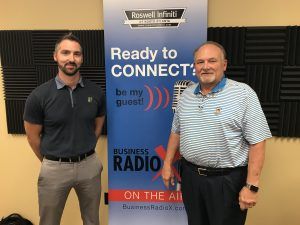
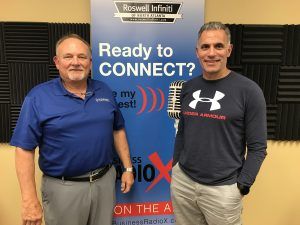
Derek Bailey and Dr. Jim Morrow

Episode 11, Making the Move to Assisted Living

What signs do I need to look for to know my loved one might need assisted living? What should I do to make this transition easier? On this episode of “To Your Health with Dr. Jim Morrow,” Dr. Morrow addresses these questions and much more with Derek Bailey of The Right Move Senior Resource and Placement Agency. “To Your Health” is brought to you by Morrow Family Medicine, which brings the CARE back to healthcare.

Derek Bailey, The Right Move Senior Resource and Placement Agency

Derek Bailey, The Right Move Senior Resource and Placement Service

Derek Bailey is the Owner of The Right Move Senior Resource and Placement Agency. The Right Move provides free professional consultation services to local seniors and their families in the Southeast. With years of valuable experience in the local healthcare industry, they are equipped, informed, and connected to ensure you are comfortable with who you trust to provide the necessary level of healthcare for you or your family. If you find yourself faced with a decision on assisted or independent senior living options, in-home personal care, nursing home care, or anything else related to seniors, reach out and allow them to help you make… THE RIGHT MOVE. For more information, go to http://rightmoveresource.com/ or call 770-880-0706.

About Morrow Family Medicine and Dr. Jim Morrow

Morrow Family Medicine is an award-winning, state-of-the-art family practice with offices in Cumming and Milton, Georgia. The practice combines healthcare information technology with old-fashioned care to provide the type of care that many are in search of today. Two physicians, three physician assistants and two nurse practitioners are supported by a knowledgeable and friendly staff to make your visit to Morrow Family Medicine one that will remind you of the way healthcare should be.  At Morrow Family Medicine, we like to say we are “bringing the care back to healthcare!”  Morrow Family Medicine has been named the “Best of Forsyth” in Family Medicine in all five years of the award, is a three-time consecutive winner of the “Best of North Atlanta” by readers of Appen Media, and the 2019 winner of “Best of Life” in North Fulton County.

Dr. Jim Morrow, Morrow Family Medicine, and Host of “To Your Health With Dr. Jim Morrow”

Dr. Jim Morrow, Morrow Family Medicine, and Host of “To Your Health With Dr. Jim Morrow”

Dr. Jim Morrow is the founder and CEO of Morrow Family Medicine. He has been a trailblazer and evangelist in the area of healthcare information technology, was named Physician IT Leader of the Year by HIMSS, a HIMSS Davies Award Winner, the Cumming-Forsyth Chamber of Commerce Steve Bloom Award Winner as Entrepreneur of the Year and he received a Phoenix Award as Community Leader of the Year from the Metro Atlanta Chamber of Commerce.  He is married to Peggie Morrow and together they founded the Forsyth BYOT Benefit, a charity in Forsyth County to support students in need of technology and devices. They have two Goldendoodles, a gaggle of grandchildren and enjoy life on and around Lake Lanier.

Facebook: https://www.facebook.com/MorrowFamMed/

LinkedIn: https://www.linkedin.com/company/7788088/admin/

Twitter: https://twitter.com/toyourhealthMD

Show Transcript

Intro: [00:00:09] Broadcasting live from the North Fulton Business RadioX Studio, it’s time for To Your Health with Dr. Jim Morrow. To Your Health is brought to you by Morrow Family Medicine, an award-winning primary care practice, which brings the care back to health care.

Dr. Jim Morrow: [00:00:25] Hello, this is Dr. Jim Morrow. I’m with Morrow Family Medicine. We have offices in Cumming and Milton, Georgia. At Morrow Family Medicine, we try to use all the technology that we can, and at the same time, use old-fashioned ideas and old-fashioned care to give you the sort of care that you need and you deserve. We realize that you have many choices when it comes to where you receive your health care, and we do appreciate it when that choice is Morrow Family Medicine.

Dr. Jim Morrow: [00:00:53] We’re here at the Renasant Bank on Windward Parkway in Alpharetta, Georgia. Again, here with John Ray. John’s running the board. John’s looking out for e-mails and tweets. How are you doing over there, John?

John Ray: [00:01:04] I’m doing great. How are you doing, Jim?

Dr. Jim Morrow: [00:01:06] I’m great.

John Ray: [00:01:07] Good.

Dr. Jim Morrow: [00:01:07] I’m great.

John Ray: [00:01:07] Good.

Dr. Jim Morrow: [00:01:08] So, you can email or tweet the show. The email address is drjim@toyourhealth.md or you can tweet us on Twitter. We’re @toyourhealthmd. And we’re very excited today. We’re going to talk today about assisted living and how to help move your parents or your loved one from one home, probably, to a facility that’s not exactly like their home. And we’re very lucky today to have Derek Bailey with us. Derek is the Owner and Founder of the Right Move Senior Resource. And he helps people do this every day. Hey, Derek.

Derek Bailey: [00:01:44] Hey, Dr. Morrow. How you doing?

Dr. Jim Morrow: [00:01:46] I’m good. I’m good. I really appreciate you being here.

Derek Bailey: [00:01:48] We appreciate the opportunity, definitely.

Dr. Jim Morrow: [00:01:50] So, you’re the second guess that we’ve had. And I’m enjoying this. It’s a little bit different from just sitting here and lecturing to our listeners. And I’m kind of liking this. I do appreciate you coming. So, if you would, Derek, start off by telling us about your business, and what it is you do, and how you manage to do it.

Derek Bailey: [00:02:08] Yeah. So, thanks again for the opportunity. Definitely excited to be here with you on the show. The Right Move Senior Resource is here for one reason. We’re here to help seniors navigate care and help them find the right option for them. My background, I spent five years doing hospice care, four years in the hospital setting, and just really saw a need to help families navigate care. I think we do a good job of planning for retirement and kind of getting ready for those years of life. But nobody really wants to talk about the last five or six years of life, and the care that might come up that you need, and the cost for that care, and who can provide that care.

Derek Bailey: [00:02:44] So, after seeing those needs, we decided just to step out and try to fill that need. So, our business, we come in alongside families that are going through situations when mom or dad can no longer stay at home safely. We help them either bring care into the home to help make it safer, or when looking at assisted living senior living options, our goal is to help them find the one that fits their specific needs, their budget, their care needs, their location, and then their preferences on finishes, on amenities, things like that. But, again, at the end of the day, our goal is to help them feel comfortable with who’s providing care for their loved one at that point in time.

Dr. Jim Morrow: [00:03:23] Super. And I know that’s a real need when talking to families that have elderly loved ones. I think they’re two incredibly difficult conversations. One is, “Dad, you can’t drive anymore.” And this is the second one is, “What we’re going to do now that you shouldn’t be at the house by yourself?” So, you hear a lot of people talk about assisted living. And if you drive around the area where we live, there’s an assisted living facility either present or going up on every corner, it seemed like. So, tell our audience exactly what it means when you’re talking about assisted living.

Derek Bailey: [00:03:54] Yeah. So, assisted living is a residential alternative to living at home. So, when an individual might need help with what we call activities of daily living – cooking for themselves, or bathing, medication management, maybe toileting, things like that, and they can no longer do it in their home safely alone – we look at assisted living where they would have their own apartment, where they can kind of have their own space, but there is care available there for them to help them with their activities of daily living. Also, these assisted livings can help with traveling to appointments, taking them to their doctor’s appointments, things like that. So, again, assisted living is for those who may need a little bit of extra help with their activities of daily living and can no longer do them independently at home.

Dr. Jim Morrow: [00:04:42] Well, you mentioned care being available, and I think that’s a point that distinguishes some of these different types of facilities. In the typical assisted living facility, what kind of care would people expect to have that are ready for them?

Derek Bailey: [00:04:57] Yeah. So, there’s actually two different licensures of what we normally see in assisted living or what you see on the side of the road driving down Highway 9 with the 15 that had been built up and down Highway 9. There’s two different licensures – assisted living and personal care. Assisted living license, they have to have a nurse on staff in the building around the clock that is there for nursing needs. Although they don’t manage a lot of the major nursing needs that might arise, but, typically, they’re going to have a certified nursing assistant, the CNA.

Derek Bailey: [00:05:27] And the CNA’s role is to come in and assist them with bathing, dressing, helping them to the toilet, and helping them to know the dining hall if they need help with meals and feeding, but also medication management. That’s a big part. A lot of times, what takes someone from home to assisted living is they’re not managing their medications appropriately. And you know as well as a doctor, taking your medications as prescribed on time is very important to managing certain diseases. And so, that takes them into the assisted living where they can handle that, where they have certified medication technicians or the certified nursing assistants that come in and make sure they’re taking their medications properly.

Dr. Jim Morrow: [00:06:09] And a lot of the assisted living facilities have gradations of care. Tell me a little bit about the independent, versus assisted, versus memory, and so forth.

Derek Bailey: [00:06:21] Yeah, that’s part of what we do in the process of helping a family. So, when we meet with a family, that’s the first thing we do is we assess their care needs. What are those activities of daily living that they need help with? Do they need medication management? Things like that, because all of these independent living, assisted living options, they might not be the right fit for that family.

Derek Bailey: [00:06:43] So, independent living is more of an independent apartment where they don’t need help with those types of things. They’re there more for maybe the meal preparation, maybe socialization. Mom or dad has been isolated in the home for a while, and it’s just nice to get them in and around other people. But they don’t need that much help in the independent living world. When they start to need that help we talked about, the activities of daily living, the help with bathing, to help with dressing, that’s when we look at the assisted living. And to be honest, the assisted livings, they all range in the level of care that they can provide. So, you know that your loved one needs assisted living, but which one can provide the care that we actually need? And that’s what we do. We help them figure out which assisted living can manage their specific care needs.

Dr. Jim Morrow: [00:07:30] And with any of these facilities, of course, paying forward is always a concern. To what degree does traditional insurance or Medicare Medicaid play a role in this?

Derek Bailey: [00:07:41] No, it’s a great question. Every family wants to know who’s paying for it.

Dr. Jim Morrow: [00:07:44] Yeah.

Derek Bailey: [00:07:45] At this point in time, when it comes to independent living, assisted living here in the State of Georgia, the majority of it is private pay by the individual or the family. The only help or care that Medicare or traditional health insurance would actually pay for in the assisted living would be if they needed physical therapy, occupational therapy, or skilled nursing that kind of comes in either through home health or through a third-party therapy provider in the building. That’s what insurance would cover. But as far as the room and board, the daily care at an assisted living, the majority of it is going to be paid by the family.

Dr. Jim Morrow: [00:08:21] And do you have a a range of prices in mind, in general? Tell me about that.

Derek Bailey: [00:08:27] So, it’s a very wide range. As you’ve noticed, all of them being built, they all provide different amenities, different levels of service. And so, on the low end for assisted living, you’re going to be looking in the the $2500 range for probably a shared apartment where you might be in the same apartment with someone else, all the way up to some of the higher end assisted living is are going to cost you $7000 or $8000 dollars a month. So, it’s a very wide range. The average for assisted living apartment here in the Greater Atlanta area is around $3600 a month. So, it’s not cheap when you look at the number, but we try to get families to understand that they’re getting their room and board, all their utilities paid, the food, the activities, and then the care is all lumped into that one number. So, it might look like a very large number, but at the end of the day, you’re getting a lot in that one fee per month. But again, it’s private pay, and it’s a wide range of options to choose from.

Dr. Jim Morrow: [00:09:26] Well, it’s good to have a lot of options in a lot of different facilities that do have those different amenities, so people can have a price range to pick from.

John Ray: [00:09:34] Yeah.

Dr. Jim Morrow: [00:09:35] So, if my loved one – my mother, for example – is getting older and starting to get a little bit frail, what are some of the things I need to be on the lookout for to know that this is a conversation needs to be had?

Derek Bailey: [00:09:48] Yeah, that’s a great question. So, I think we need to start having this conversation much earlier before we start to have issues. The bulk of our clients call us when it’s in the middle of it. And it’s very difficult to make rational decisions when you’re in the thick of things. But at any point in time, when you notice medications being missed, or you’ve noticed they’ve had to go to the physician a few extra times for urinary tract infections, or just losing weight, or overall just getting tired. Also, if you notice their meals, and if they’re not cooking for themselves anymore, or if you’re dropping off meals for them, and they’re not eating them, those types of things are kind of good indicators that maybe mom or dad’s not able to care for themselves anymore. With my grandmother, for instance, we started noticing she kept a very clean house her whole life, and then we started to notice dust piling up, and trash starting not to get taken out, and just little subtle things where we noticed her behavior was different, and we noticed it was time for her to start looking at some senior living options for her.

Dr. Jim Morrow: [00:10:54] That’s great. I appreciate that. I know we have episodes or incidences in the office where we’ll have conversations with family. And, usually, they’re pretty good about noticing that kind of thing, but I like the idea of starting to have that conversation earlier. I never had the privilege of knowing my wife’s mother, but she tells a story about when her mother was getting older, she said, “We need to go look at places where I can live.” And then, my wife, Peggy, will laugh and say she wasn’t sure if that was just because she didn’t want to live with one of her children, or she just want to take the burden off. But it is a large burden. And I think talking about it earlier, and knowing what somebody’s desires are before they get to the point of being in serious need is a very good idea. So, the transition from home to assisted living or other has got to be a very difficult one for everybody involved. Do you have ideas about what can make it easier other than that early conversation?

Derek Bailey: [00:11:50] Yeah. So, a few things I think are very important because, like you said, two of the conversations that are the hardest, “I’m taking your keys away,” and “You can no longer live alone.” You’re taken their way to get around, and taken their independence, and then you’re taking them from their home. So, it is a very big deal. The couple of things that I think have worked with us with families is, obviously, the early conversation. But when the conversation’s too late, it’s getting them involved in the conversation. Asking the senior, the aging loved one, “What are you hoping for in your next home?” And I think really being honest with them as to why we’re having to look at the senior living options as the alternative to what’s been going on.

Derek Bailey: [00:12:32] And then the next thing is getting them involved in the process. So, letting them see the options if we can physically do that. Get them to the options, let them have some input and questions to each assisted living, let them try the food at the assisted living before they make a decision. Really getting them involved in the process gives them a sense that they’re in control of their future rather than someone else is controlling their future for them. I think that’s the biggest thing because we all have kids. We tell our kids what to do. And at some point in time, that role is going to reverse, and that’s very hard. So, allowing them to feel like they still have some power, and some say in their decision making process is important.

Dr. Jim Morrow: [00:13:14] And you mentioned checking out the food and that kind of thing. And obviously, visiting these places is very important. And I think they’re all very, very open to that. I hear from patients that they’ve done a good bit of that kind of thing. But once you move in, and you’re there, and it’s also very new. I’m sure a lot of elderly people or anybody who would be likely to be this way are tempted to just stay in their room and not get involved. And have you seen that the staffs actually try to encourage them to come out and play, if you will?

Derek Bailey: [00:13:43] That’s part of what I think separates some of the good assisted livings from some of the ones that are just kind of middle of the pack or mediocre. They’re actively trying to engage their new residents because that’s very important. That first couple of weeks is a big deal. They know they’re moving someone from their home to a place where they are no longer by themselves completely. So, actively having the activities director come and get them out of the room, getting them to come sit for meals, or they put on a lot of events at these places. So, just really trying to push the resident, the new resident to come out when they can.

Derek Bailey: [00:14:18] What I’ve found to work great in a lot of the assisted livings is they have a team of actual residents that that’s their new job, their purpose. They are there to acclimate a new resident. So, they try to buddy them up with somebody that’s kind of like them or similar situations, and really help them feel comfortable, and using their own residents to help push the new residents into the more social side of things there.

Dr. Jim Morrow: [00:14:44] Oh, that’s an awesome idea. I did not know that. I think that’s a great thing for them to do because it does give them that purpose. And plus, who better to explain to people what it’s like there other than a resident? That’s a great idea. I like that. So, in facilities around the area and, really, in any area, you’ve got the assisted living, and whether it’s independent, or assisted, or memory care. But then, nursing home is a whole different animal. So, if you would explain the difference between nursing home and what we’ve talked about so far?

Derek Bailey: [00:15:20] Yeah. So, nursing home or the traditional skilled nursing facility is there for a much higher level of care that might be needed by a patient. So, if someone is to the point where they are bedridden, or maybe they have certain wounds or diseases that require constant monitoring by a skilled nurse, then we need to look at a skilled nursing home for that situation. Growing up, like my wife’s grandmother, for instance, she thinks all of these places are nursing homes that, “I don’t want to be put into a home.” She thinks some of the nicest assisted living as a home or a nursing home. So, trying to get her to understand the difference, we have that conversation all the time. But when someone requires skilled nursing, 24/7, that’s when we’re looking at a skilled nursing home or nursing facility.

Derek Bailey: [00:16:07] Assisted livings now, with this new assisted living license, can handle someone who may take two people to get from bed to chair. They may be able to wheel themselves around a little bit. But once someone is completely bedridden or needs that nursing attention throughout the day, then we need to look at skilled nursing homes.

Dr. Jim Morrow: [00:16:28] And I know you said that you spent time in hospice. And the home health people are, obviously, involved in the assisted living side. Do you find that the use of home health is able to delay the move to a nursing home for a lot of the people that are in assisted living?

Derek Bailey: [00:16:46] Definitely. And, also, using hospice in the assisted living. Through some licensures and things like that, if home health is managing a lot of the nursing care needs, if it’s a few times a week that they need bandage changes, or just checkups, and things like that, then definitely the home health nurse, the aides can come in and help someone age in place. That’s one of the biggest movements, I think, over the last few years in the assisted living world here, especially in Georgia, is aging in place. And they have begun to use hospice to allow that to happen even at end of life. As long as hospice is involved, the assisted living can, for the most part, manage someone and allow them to stay in their own room throughout the whole process until they pass away. So, you have noticed with the assisted living licenses changes recently, plus hospice being more involved, that we may not have to move to nursing home that towards the end of life if we can help it.

Dr. Jim Morrow: [00:17:45] And in the assisted living centers, do they use sitters in that area either 24 hours or evening sitters? Is that something that this center will allow them to do?

Derek Bailey: [00:17:59] Yeah, at times. So, there will be times that that might be needed. For the most part, the assisted living is going to be staffed well enough to handle the routine care for a resident, the getting them bathed once a day or getting them their medications. But, sometimes, let’s say, after a hospital stay, they come back to the assisted living, and they may need more hourly care than what the normal assisted living could manage. They’ll allow sitters to come in and stay with the resident. And it may only be for a few days just to get them acclimated back into being in the assisted living. But they definitely do rely on sitter services, CNAs to come in and help residents when they need more care than what the assisted living can provide.

Dr. Jim Morrow: [00:18:42] And whether you’re talking about assisted living or nursing home, I think I know the answer for nursing home, but a lot of these patients need specialized diets. And I know in an assisted living, it’s very much a cafeteria style situation. Are they able to prepare specialized meals for patients?

Derek Bailey: [00:18:58] They are. And again, that’s where there’s a lot of newer communities coming out and focusing on those types of things. As the assisted living world is getting bigger and bigger, and they’re allowed to care for more individuals as far as their care needs, you have seen catering to certain diet types, diet restrictions, whether it’s cardiac diet, low sodium diets. Families are able to make that part of their plan moving into the assisted living. And most of them have a chef onboard, and they’re now cooking meals to order.

Dr. Jim Morrow: [00:19:30] Wow.

Derek Bailey: [00:19:31] And so, especially the higher end assisted livings can cook meals to order, much like a restaurant style, and they’ll know a specific resident’s diet restrictions if it’s been put in there when they move in.

Dr. Jim Morrow: [00:19:45] Super. Now, you mentioned a minute ago how the roles seem to flip, and it’s a different point in time for every single family, of course. But at some point, the child becomes a caregiver. Do you have advice for that caregiver as far as not just making the decision about where but about how to best go about making this as painless as possible?

Derek Bailey: [00:20:08] Yeah. Well, that’s something that’s really been on my mind – really, my heart – over the last couple months is that caregiver burnout. We get a lot of clients from the ER, where it’s thrown in their face, where mom and dad has had some type of accident, and they had no idea that mom or dad couldn’t live on their own. So, now they’re picking up the pieces. Where do I go from here? What do I do? How do I get mom and dad to the doctor’s office? How do I manage their medications? And caregiver burnout is a huge problem that I think we face here as our parents age, and those roles reverse, and you’re kind of thrust into a situation that you weren’t prepared for.

Derek Bailey: [00:20:43] So, we’re actually working on kind of a program to help families with that. But I’ll briefly talk about some things that I think we need to focus on. Number one is care. Can they provide the care they need independently? And so, can they manage their own medications? Can they get to the restroom safely? Can they cook for themselves? Those types of things. Number two is the transportation. Can they safely drive themselves to appointments, to social activities? If not, that may fall to the caregiver. So, coming up with a plan for transportation is important to not overwhelm the kid who’s probably still transporting kids around as well.

Derek Bailey: [00:21:25] Another one is the legal side of things. Can you legally make decisions for your parents for their care? So, speaking with an elder care attorney about power of attorneys, both financial and health care, talking about their wishes towards the end of life and being prepared for those conversations, having the legal ability to make those decisions for your parents when they can no longer make those, that’s important. So, speaking with an elder care attorney and getting some of those legal documents taken care of.

Derek Bailey: [00:21:55] Another one of those things to look at is nutrition. Nutrition is a huge part of aging and healthy aging. And it’s really important to make sure our loved ones are eating properly. And so, when you’re thrust into that caregiver role, that’s something that you have to think about. Can they cook for themselves? Is it healthy food? If not, how do we bring them food? Do we deliver it? And that’s a lot of burden on the caregiver. Or are there services that can provide that?

Derek Bailey: [00:22:20] So, these are all things that we’ve been really putting a lot of time and effort into coming up with solutions for. So, hopefully, stay tuned, we’ll have a really nice package for caregivers to really hand them over and say, “Here’s what we have seen that works, and these are the things you need to focus on to keep you from burning out.” Because at the end of the day, they’re going to be caregiver, they’re there to make decisions, but we want to make sure they still have time to be the son, the daughter. We got to make sure they still have time to love their loved ones and not just be thinking about the care that they need.

Dr. Jim Morrow: [00:22:51] I think that’s a great idea. And I think any physician or any practice that deals with adult geriatric medicine would want to have that little packet on hand somewhere to be able to help people out because we do have that conversation quite a bit. And you’re absolutely right about the caregivers. They are running their household, dealing with their family, their children. They’ve got soccer, and school, and projects. And then, they also have to be dealing with the problems that their elderly parents bring. And it bothers them a lot. And I think being able to be aware of that and provide them some sort of assistance is something that would go a long way towards making this entire experience a little bit more tolerable for.

Derek Bailey: [00:23:32] And we also recommend connecting with caregiver support groups. One of our employees actually puts one on monthly. She’s in the Hall County area. But find a local caregiver support group where you can get connected with other people going through the same issue. There’s strength in numbers. There’s ideas that we’ve all tried or others have tried that have worked or not worked. And it’s nice to get around people that can support you and let you know you’re not going through this alone and that there’s help out there for it. So, definitely look into local caregiver support groups.

Dr. Jim Morrow: [00:24:02] I think that’s a great idea. And I know in talking to some of the children of elderly parents that they’ve always felt like this is a very difficult conversation to have, but once they start getting into the conversation and actually dealing with the fact that this loved one is suffering a loss – whether it’s loss of control, or loss of money, or loss of freedom, or independence, whatever it might be – that it makes the entire process a little bit easier because it’s just out in the open, and they can have the conversation, and the caregiver doesn’t have to feel that entire burden on them every minute of every day, which I think is a big problem for a lot of caregivers. So, I appreciate you talking about that.

Derek Bailey: [00:24:44] Yeah.

Dr. Jim Morrow: [00:24:45] So, I’ve got a list here of do’s and don’ts for friends and relatives of people who are moving and making this sort of transition. Things like if you’re asked help with sorting, and packing, and moving. And I think that’s kind of a no-brainer. Listen to your loved one as they talk about what they left behind. It’d be helpful even if you don’t agree with the decision to move. And I’ve seen that happen, and I’m sure you have to, where you’ve got three children, and they have to have a tiebreaker to decide whether or not this should even happen. In your experience, tell me a little bit, if you can, about how you would advise the friends and relatives to help make these things they should do to help make this a little bit better transition?

Derek Bailey: [00:25:28] Yeah, definitely. I think that one of the big things you said there was listen. As our parents age, they just want to be heard sometimes. And so, actively listening to some of their issues or concerns, and helping them understand the move, and helping them try to alleviate some of the issues is very important. But then, also, helping them communicate that to the assisted living that they’ve moved into, because a lot of times, we don’t communicate what we’re upset about or what’s bothering us. And if the assisted living doesn’t know what’s bothering the person, the new resident, then they can’t fix it. So, listen and be an active part communicating with the assisted living.

Derek Bailey: [00:26:04] Another thing I think is to be there, to be present. You don’t have to be there 24/7 because, I think, that can be a little excessive and cause more burnout but do schedule visits. The assisted living allows the resident to come and go. So, go get them, take them to lunch just like you normally would. Try to add some of those routine things that you were doing with them at home, but continue to do that in the assisted living, and help them feel like not every part of life has changed, and that they haven’t just been dropped off somewhere and left. I think that’s one of the biggest fears is, again, back to my wife’s grandmother, “Just don’t drop me off at a home and leave me.” That’s what she keeps saying.

Dr. Jim Morrow: [00:26:43] Well, that continuity is absolutely huge. And I think it’s a gigantic change for everybody in the family now that this person is actually living there. So, I think that’s really good advice. And one thing you said is to listen. We’ve both talked about that. And I think it’s important to listen and not feel like you have to fix that, which has, men, we’re fixers, and we’re trying to pull that nail out of the head, and it can be very difficult. So, about things that you shouldn’t do, I know one of the things that loved ones shouldn’t do is to just feel like they’re going to take over the entire process and run everything. But do you have ideas about other things that are bad ideas during this transition?

Derek Bailey: [00:27:28] Yes. So, I think that’s a great one to not think that the assisted living is just going to take over for you, that they’re going to be involved and help them make the care decisions moving forward. But a few things, I think, to not do. Try not to focus on all the negatives about a particular community. Once you come in, you’re going to see things, you’re going to notice things that might bother you, but address those with the assisted living and try not to bring those up with the loved one. You don’t want to give them more fuel for the fire that might cause them to really be unhappy.

Derek Bailey: [00:28:03] I would say don’t not show up. Don’t ignore the loved one. If they call, answer. If they need you to come, come by and visit. Be very involved. And then, don’t ignore the assisted living. The assisted living is, now, kind of filling in that caregiver role. And so, they need your advice on what mom or dad likes or what their routines might be. So, don’t ignore the assisted living as well. Make sure you’re there helping them now care for your loved one as you have done for so many years before.

Dr. Jim Morrow: [00:28:34] Right, right. Well, I think that’s all great advice. It’s very informative for me. And I even work in the environment. So, it’s a good thing for me to know. And I’m sure it’s very good for our listeners. If you would tell everybody how they can get in touch with you at the Right Move?

Derek Bailey: [00:28:48] Yeah, definitely. You can check us out online. Our website is www.rightmoveresource.com. That’s R-I-G-H-T Move Resource dot com. You can definitely give us a call. Our phone number is 770-880-0706. Check us out on Facebook, anything like that. But definitely just reach out. We’re here to help. We’re very in-person. So, give us a call, reach out online, and we’ll get somebody connected with you definitely.

Dr. Jim Morrow: [00:29:15] All right. And I’m wondering, John’s over here at the board, I’m wondering if we have any questions that anyone’s emailed or tweeted to us.

John Ray: [00:29:22] The question is, how much time do we have, right, because I’ve got several questions here. So, let’s start with a couple, and we’ll see how this goes. So, one question here is, how far in advance, knowing that things change rapidly with seniors and what their journey is, how far in advance should someone be in touch with you, Derek?

Derek Bailey: [00:29:47] I think as early as possible. If there comes a point where a loved one or an aging parent is actively saying, “We need to start thinking about this,” jump on it because you may not get that opportunity. A lot of aging people, they don’t want to talk about these issues, but if it comes up in a conversation or as soon as you notice some type of change, reach out. We may not be looking for assisted living within the next year, but there may be other resources that we need to be looking into that we can connect them with, whether it’s some care coming into the home or looking at setting up for VA benefits or Medicaid things because a lot of the financial help that can help pay for assisted living would be through the VA or through Medicaid. And that takes years to plan for now that there’s look back periods and things like that. So, it’s never too early to reach out. And if it’s just a phone call, we’re more than happy to give 10, 15, 20 minutes of our time just to offer up some suggestions now and to tell them to call us back at this point in time when you need some more help.

John Ray: [00:30:49] So, another question we’ve got here – I’m summarizing this – that this individual says, “Hey, I know that there are some facilities where that are a combination of assisted living and memory care that, I guess, are kind of sequential in terms of the way a senior’s journey might go. And if I think my parent has a memory issue, should they go in early to get priority for that memory care unit? Is that the way that works in these facilities?” The concern is getting into memory care units that, sometimes, have limited capacity. That’s the bottom line on the question.

Derek Bailey: [00:31:38] Yeah, definitely, definitely. It’s much easier to move into a memory care if you’re already a resident of that building. You definitely have first priority. Especially if you find one that you like above others, it’s definitely important to get into that building and be in the assisted living environment. That way, you have first priority. But also, and what studies have found out, and what we’ve noticed is with those memory issues that can advance, a lot of times, if we get them into assisted living earlier, and as they receive the routine care, their medications are taken correctly, their incontinence issues are addressed, we can actually stay out of memory care for much —  stay out of there longer. So, we can stay in the assisted living world and really thrive there first and push off moving into memory care until a much later date.

Derek Bailey: [00:32:26] Memory care is much more expensive than the assisted living. So, if we can help save them some money by staying in the assisted living longer, help the individual with the aging process and kind of stave off the results of what dementia and Alzheimer’s can do later on, that’s a good idea to get into assisted living earlier.

John Ray: [00:32:44] Okay. One more question if we got time for one more, Jim.

Dr. Jim Morrow: [00:32:47] All right then.

John Ray: [00:32:48] Okay. So, here’s someone that’s written in, and they say, “I don’t trust online reviews.” So, I can sympathize with that. And that’s obviously where you come in in terms of giving onsite help with places that folks ought to look at, maybe places they ought to avoid. “How do you continue to monitor what’s going on at different facilities? How do you do that?”

Derek Bailey: [00:33:18] That’s a great question. That’s very important. There is a lot of information online. And the reason I started my business is really because of that, because there’s a lot of misinformation, and there’s a lot of people out there that are going to take your information, and really not correctly guide you to where you need to be. So, we are on the ground in these facilities weekly, monthly, visiting them, keeping up with our clients that are moving in and out of these facilities. And we’re making sure that they’re doing the right things.

Derek Bailey: [00:33:47] Things change all the time. We know staffing changes all the time. So, we try to keep on top of that as the boots on the ground, so to speak. And that’s why I wanted to be different. I wanted us to be in the communities, knowing the options, and knowing who’s providing great care at that point time. We also do follow up surveys with all of our clients. So, we do incremental every-two-month surveys to make sure that they’re happy, that they’re doing a good job. And we stay on top of any issues that might come up. So, if we’re getting bad surveys from a particular community, we know maybe we need to go help them address that situation or we can tell our future clients these are the issues we’ve had with that. So, it’s very important to stay in the communities, to stay talking with our previous clients to make sure they’re getting good care.

John Ray: [00:34:32] I think that’s what we’ve got time for. But we ought to let everyone know that if they’ve got further questions, they can put them on our Facebook page, and we can make sure that Derek gets those questions. We can answer them there.

Dr. Jim Morrow: [00:34:43] Absolutely.

John Ray: [00:34:43] Right?

Dr. Jim Morrow: [00:34:43] Yes, absolutely. They can e-mail. Once again, the email is drjim@toyourhealth.md. And on Twitter, @toyourhealthmd. We are on Facebook. It’s To Your Health on Facebook. Morrow Family Medicine’s Facebook page, of course, is there if you want to leave a message there. And we will definitely connect you with Derek.

Dr. Jim Morrow: [00:35:02] I do want to remind everybody that Morrow Family Medicine has a walk-in hour every morning, Monday through Friday, 7:30 to 8:30. If you decide one evening there’s something you need to have checked out, whether it’s a cough, cold, bellyache, rash, ask a question, doesn’t matter to us, if you feel the need to be seen, you can just show up at one of our offices Monday through Friday, 7:30 to 8:30, and we will see you. That way, there’s never a day you can’t be seen at Morrow Family Medicine. And I do believe that’s all we have for today. So, this is Dr. Jim Morrow, and that’s To Your Health.

Tagged With: Cumming doctor, Cumming family doctor, Cumming family medicine, Cumming family practice, Cumming md, Derek Bailey, Dr. Jim Morrow, elder care, elder care planning, eldercare, healthcare power of attorney, hospice care, independent living, independent living communities, independent living facility, long term care insurance, medication management, memory care, memory care homes, Milton doctor, Milton family medicine, Milton family practice, Milton md, Milton physician, morrow, Morrow Family Medicine, moving seniors, nursing home, nutrition for seniors, senior adult services, senior communities, senior community, senior living communities, senior living community, senior nursing care, senior planning, senior relocation, To Your Health

To Your Health With Dr. Jim Morrow: Episode 10, Colon Cancer Screening, An Interview with Dr. Simon Confrancesco

June 12, 2019 by John Ray

North Fulton Studio
North Fulton Studio
To Your Health With Dr. Jim Morrow: Episode 10, Colon Cancer Screening, An Interview with Dr. Simon Confrancesco
Loading
00:00 /
RSS Feed
Share
Link
Embed

Download file

Dr. Jim Morrow and Dr. Simon Cofrancesco

Episode 10, Colon Cancer Screening

Statistics show that colon and rectal cancers are the second biggest cancer killer, yet unlike most cancers, this disease is preventable with proper screening. On this episode of “To Your Health with Dr. Jim Morrow,” Dr. Morrow welcomes gastroenterologist Dr. Simon Cofranceso to the show to get the lowdown on colon cancer screening. “To Your Health” is brought to you by Morrow Family Medicine, which brings the CARE back to healthcare.

Dr. Simon Confrancesco, GI North

Dr. Simon Cofrancesco

Dr. Simon Cofrancesco is a board certified gastroenterologist with over 25 years of experience.  Dr. Cofrancesco is originally from Massachusetts. He completed his medical training at Baystate Medical Center of the Tufts University School of Medicine, followed by a Fellowship in Gastroenterology at Long Island College Hospital in Brooklyn.

Dr. Cofrancesco began his career in an underserved area of Mississippi as part of his school loan repayment. He worked at Southwest Mississippi Regional Medical Center in McComb, Mississippi, for over sixteen years and was named Chief of Staff in 2007. While in Mississippi, he met his wife Roxanna Redden, and they started their family of 5 children, ages 10-19.

Dr. Cofrancesco then moved to Georgia and founded GI North in 2011, followed by GI North Endoscopy in 2018.  GI North has steadily grown and currently has 3 additional providers including two additional gastroenterologists and a GI nurse practitioner.  GI North is physician owned and operated, and because of their commitment to patient centered care has been awarded “Best of Forsyth” in 2017 and 2018.   For further information on GI North you can go to their website at gi-north.com, or call 404-446-0600.


About Morrow Family Medicine and Dr. Jim Morrow

Morrow Family Medicine is an award-winning, state-of-the-art family practice with offices in Cumming and Milton, Georgia. The practice combines healthcare information technology with old-fashioned care to provide the type of care that many are in search of today. Two physicians, three physician assistants and two nurse practitioners are supported by a knowledgeable and friendly staff to make your visit to Morrow Family Medicine one that will remind you of the way healthcare should be.  At Morrow Family Medicine, we like to say we are “bringing the care back to healthcare!”  Morrow Family Medicine has been named the “Best of Forsyth” in Family Medicine in all five years of the award, is a three-time consecutive winner of the “Best of North Atlanta” by readers of Appen Media, and the 2019 winner of “Best of Life” in North Fulton County.

Dr. Jim Morrow, Morrow Family Medicine, and Host of “To Your Health With Dr. Jim Morrow”


Dr. Jim Morrow, Morrow Family Medicine, and Host of “To Your Health With Dr. Jim Morrow”

Dr. Jim Morrow is the founder and CEO of Morrow Family Medicine. He has been a trailblazer and evangelist in the area of healthcare information technology, was named Physician IT Leader of the Year by HIMSS, a HIMSS Davies Award Winner, the Cumming-Forsyth Chamber of Commerce Steve Bloom Award Winner as Entrepreneur of the Year and he received a Phoenix Award as Community Leader of the Year from the Metro Atlanta Chamber of Commerce.  He is married to Peggie Morrow and together they founded the Forsyth BYOT Benefit, a charity in Forsyth County to support students in need of technology and devices. They have two Goldendoodles, a gaggle of grandchildren and enjoy life on and around Lake Lanier.

Facebook: https://www.facebook.com/MorrowFamMed/

LinkedIn: https://www.linkedin.com/company/7788088/admin/

Twitter: https://twitter.com/toyourhealthMD

Show Transcript

Intro: [00:00:06] Broadcasting live from the North Fulton Business RadioX Studio. It’s time for To Your Help with Dr. Jim Morrow. To Your Health is brought to you by Morrow Family Medicine, an award-winning primary care practice, which brings the care back to health care.

Jim Morrow: [00:00:23] Good afternoon. This is To Your Health with Dr. Jim Morrow, and that’s me. I’m Jim Morrow. I’m with Morrow Family Medicine. We have an office in Milton, Georgia and in Cumming, Georgia, where we like to say we are bringing care back to health care. And we are here every second and fourth Wednesday on North Fulton Business Radio. We’re very excited to be here today. We’re doing something new and different for our show today. Today, for the first time, I have a guest with me who I’m going to be talking with about colon cancer and colon cancer screening. So, I’d like you to welcome Dr. Simon Cofrancesco from GI North in Cumming, Georgia. Hey, Simon.

Simon Cofrancesco: [00:01:01] Thanks, Jim.

Jim Morrow: [00:01:03] Good to have you.

Simon Cofrancesco: [00:01:03] Thank you very much. Glad to be here.

Jim Morrow: [00:01:05] Yeah. So, tell me a little bit about your practice and you before we get started, if you would.

Simon Cofrancesco: [00:01:09] GI North started in 2011 when I got to town, and we’ve steadily grown since then. We started out with just myself. And then, we’ve added three additional providers – two gastroenterologists and one nurse practitioner. And we’ve opened up an endoscopy center that’s just starting to get going. In addition to our clinic, it’s actually just across the hallway in a building, probably a half a mile from where you are.

Jim Morrow: [00:01:41] Well, that’s wonderful. I know you’re glad to have that up and running.

Simon Cofrancesco: [00:01:44] Absolutely.

Jim Morrow: [00:01:45] That’s got to be a good thing. So, I want to talk to you about colon cancer screening and colon cancer itself a little bit. And I know the whole thing of colon cancer screening has changed so much since you and I were in training. We went from what looked like this stand this microphone is on to what’s thankfully a lot more flexible now. But if you would, give us an overview of what a colonoscopy is all about.

Simon Cofrancesco: [00:02:14] Most people today, especially around here, know about it. It’s unusual, like you said, 20 or 30 years ago to run into somebody who’s not familiar with what it is. But it is just a long, flexible tube, very small, about like a finger in diameter, and it has a light on the end. And we just look carefully in the colon for little growths called polyps and remove those because that’s how you develop colon cancer. A slow process of a little growth called a polyp that over years gets bigger, and eventually turns into cancer.

Jim Morrow: [00:02:50] Okay. Now, speaking of colon cancer, can you talk a little bit about how many people get colon cancer and how common it is? Is it something everybody needs to be worried about and so forth?

Simon Cofrancesco: [00:02:59] Well, it really is either the second or third most common cancer in this country. And I think the number has hovered around 5%. That’s a big number, 5% of people in this country are going to get colon cancer. But the good news is, is that you can prevent that. Not catch it early but prevent that by getting a colonoscopy and removing polyps to prevent cancer.

Simon Cofrancesco: [00:03:26] So, it’s really a very different concept than most other cancers. It’s not like a mammogram where you detect breast cancer early. We prevent it. And the numbers are showing that. So, the newest numbers out show that colon cancer in people older than 50 is going down in this country over decades because people are getting screened for it. Unfortunately, the other new news is people under 50, it’s going up. So, the good news, though, is you can prevent it and they’re starting to change some of the age ranges, and it’s very prevalent, and it’s the number two cancer killer in this country.

Jim Morrow: [00:04:10] Wow. Well, that’s a wonder. I know I preach to people about going to get colonoscopies to the point, sometimes, of berating, I suppose you could say, but I certainly browbeat them if nothing else if they’re 56 or 58 and they haven’t been.

Jim Morrow: [00:04:25] So, you had one the other day, 63 years old, never been for colonoscopy. I’ve broken the bad news to him. I said, “You need two colonoscopies. You need one for when you were 50 and one for when you were 60. Lucky for you, you can make that all up in one. You don’t have to worry about it.” Now, people worry about colon cancer, but what are the signs and symptoms of colon cancer?

Simon Cofrancesco: [00:04:45] The bad news is, is that we go based on age because symptoms are not a reliable way to detect it. So, everybody thinks they’re in touch with their body. And I constantly hear, which I’m sure you hear too, “I know my body. I feel fine. There’s nothing wrong.” And it’s hard to explain to people, when you do find cancer, and it’s really a surprise that it’s probably been there for — it’s been cooking or evolving for 5 to 10 years. So, probably, one of the most common symptoms of colon cancer is that there isn’t any symptoms.

Jim Morrow: [00:05:22] Wow.

Simon Cofrancesco: [00:05:22] And that’s the scary part. But when people do get more advanced disease, some things that do show up to the patient are pain, or change in bowels, or blood in the stool. If they’re lucky enough to have those symptoms because of where the cancer is, then they may get detected at a time where they can be treated successfully. But, again, probably the cancers that we’re seeing more and more lately start in the beginning of the colon. And so, those symptoms I just mentioned are not usually as prevalent or common.

Jim Morrow: [00:05:59] Okay, good. Now, I know the thing that patients talk about the most about a colonoscopy, at least, to me, is the prep. They dread the prep because they know that they’ve got to drink, or they think they’ve got to drink this gallon of salt water, and it’s horrible. Last time I had one, I think you told me to put a packet of Crystal Light in my gallon of GoLytely. And, now, I can’t drink Crystal Light because I can’t get that taste out of my mouth, the GoLytely. But talk about the options for a prep for a colonoscopy.

Simon Cofrancesco: [00:06:30] Well, there’s been some improvement. We have smaller preps now that are about half of a soda, six ounces or so. So, it’s improved. It’s not a major improvement, but it’s an improvement. And it does make it a little easier on patients, to be honest with you, because more people can tolerate low volumes even though the taste isn’t that good. So, it’s a lot easier as far as the prep goes. It’s still the part that people don’t like.

Jim Morrow: [00:07:03] Well, if it’s only a few ounces, it must be liquid dynamite. Is that what they call it?

Simon Cofrancesco: [00:07:06] Well, it works. It works for 99% of people.

Jim Morrow: [00:07:10] I bet. I bet it does. I can just imagine. So, if we’re going through the colon, and we’re looking for things, and we found a polyp, what do you do at that point?

Simon Cofrancesco: [00:07:21] The majority of the time, we just take it out. It’s usually not big. And we have devices that can remove them. People don’t feel anything. The risk of injury to the colon is very very small. Especially today, we use devices where we don’t have to use any electricity. And that really has almost completely removed significant risks from performing a colonoscopy, but it’s just a small bump. Now, there are times where it’s big unexpectedly, and we can’t safely remove it endoscopically. And sometimes, people do have to have surgery, but that’s a real vast minority of people.

Jim Morrow: [00:08:02] And am I right in remembering that if you do that, you’ll put a tattoo on the inside of the colon?

Simon Cofrancesco: [00:08:07] Very correct. That is correct. If there’s something that we have to monitor closely or we have to alert the surgeons to, then we do put a tattoo on that. That’s correct.

Jim Morrow: [00:08:17] That’s amazing.

Simon Cofrancesco: [00:08:18] Yeah.

Jim Morrow: [00:08:18] That’s amazing. So, you mentioned a potential problem. And the other thing people talk about is I’ll say, “Well, you need a colonoscopy,” and I’ll hear, “Well, I don’t want a colonoscopy because I knew somebody that had a colonoscopy, and they had a perforation.” And, usually, at that point, I’ll say, “Well, how do you get to the office?” And they’ll say, “Well, what do you mean? I drove.” And I’ll say, “You drove an automobile? Have you not known anyone that got killed in a car wreck? Oh my God. And you drove here.” So, talk about the numbers for perforations.

Simon Cofrancesco: [00:08:51] Well, they’re changing, and they should be changing because, as I mentioned, in the last 5 to 10 years, we’re using devices that make it almost impossible to perforate somebody. Now, if something’s big, and we have to use what’s called electrocautery or electricity, that does increase the risk, but it’s still somewhere in the range of 1 in 2000. And I like your approach with the automobile. What I tell people though is the other side of the coin is that there is a rare risk of perforation, but what is your risk of colon cancer? And it’s going to be, at least, 5%. So 1 in 2000 versus, at least, 5%, which one’s less risky?

Jim Morrow: [00:09:36] I have to get the calculator, Apple, my phone, open to answer that, but I’ll do that later, I promise. So, you’re going through the colon, and you’re looking at polyps, and you pull them out, and you take them off and do a polypectomy. You send them to the lab. This is a little bit more detail than some people will want, but I think we’ve got a fairly intellectual listening audience. So, I want to give them some details about that. Can you talk a little bit about the types of polyps they might find?

Simon Cofrancesco: [00:10:01] Probably the easiest thing for me to say, and this is a big point of confusion, is that there’s two types of polyps. Not really, but I’m going to simplify it. So, there’s the kind of polyp that you have to remove because it has potential in time to turn into cancer. And then, there’s some small percentage of polyps that don’t have any potential to turn into cancer. And we see those in certain locations of the colon.

Simon Cofrancesco: [00:10:29] So, I first divided into that kind of approach. Then. you get into a lot more detail that’s probably, as you’ve mentioned, a little bit above the routine dialogue you’ll have with the patient, but there is two kinds of polyps. And there’s some that we can simply ignore because they’ll never be a problem.

Jim Morrow: [00:10:51] So, I know, until recently, it was fairly clean cut, very simple. If you had a hyperplastic polyp that doesn’t turn to cancer, you can repeat the test in five years. If you had an adenoma, the type that can turn to cancer, you’re going to repeat it in one to three years, depending on size. But you told me not long ago that that has changed. So, what should people expect in that now?

Simon Cofrancesco: [00:11:14] Yeah. The most common thing is that if people are going to have polyps, or there’s a family history of polyps or cancer, they should get a colonoscopy roughly every three to five years. It’s usually five years but depending on what we find, it can vary a little bit.

Simon Cofrancesco: [00:11:30] In people who are average risk, where they don’t have polyps, and/or nobody in their family has polyps or cancer, they can go 10 years. That shows you how slow a process colon cancer is. If we check someone today whose average risk, it would, generally speaking, take 10 years for them to start to develop colon cancer. So, it’s such a slow process, but it’s usually that 5 or 10 years.

Simon Cofrancesco: [00:11:57] And then, we do kind of bring it down under certain circumstances. There’s variables that we look at that can make us do it more frequently – the size of the polyp, how we have to remove the polyp, the specific pathology of the polyp, the number of polyps, how well they were cleaned out, avariety of different things.

Jim Morrow: [00:12:19] And the low-volume prep, as they usually call it, does a good enough job, so you don’t have to go back because you didn’t get cleaned out well in most cases.

Simon Cofrancesco: [00:12:26] The preps work but not all the time. And that’s true. Unfortunately, we disappoint about 1 out of 10 people. They have to come back because the standard prep, for whatever reason, didn’t work. Studies show that. I see that in my experience. So, there are a small group of people that will do what they’re supposed to, and it doesn’t matter whether it’s a large volume prep, Jim, or the new smaller ones.

Simon Cofrancesco: [00:12:52] The change we have in the preps today are split dose. And nobody likes this, but it does allow us to get a better examination where you take half of the prep the day before like usual, and the other half, three hours before your colonoscopy. And what that does is it keeps the colon clean on that beginning part of the colon where the bacteria start to repopulate very quickly from drinking the prep the day before. So, we don’t see as well when they do it all in one day versus plating it up. So, that’s a quality measure that us, GI doctors, are supposed to be doing to get a more thorough examination.

Jim Morrow: [00:13:34] Super. You mentioned the family history. If they do have a family history, what age do you recommend they start it?

Simon Cofrancesco: [00:13:40] A family history is either at 40 years of age, from 50 to 40, or if the person in the family, like a 45-year-old comes in, and I find a polyp on them, it would be 10 years younger than that, whichever is the youngest. So, I’m seeing polyps now, and people in their 30s and 40s, their children have to get checked 10 years before they were diagnosed with a polyp. So, we’re starting to reach downwards with colonoscopy.

Jim Morrow: [00:14:11] Well, as I tell patients too, I think very few people ever died and went to the pearly gates and said to St. Peter, “I wish I had so many colonoscopies.” But I can promise you that the opposite have been said to St. Peter.

Simon Cofrancesco: [00:14:23] Yeah.

Jim Morrow: [00:14:24] So, occasionally, patients will tell me that it was very uncomfortable when they had their colonoscopy or there were unable to finish the colonoscopy because of what’s called a torturous colon, a twisted sort of colon, curvy colon. Can you tell me a little bit about what you do in that situation and what all that means?

Simon Cofrancesco: [00:14:41] Well, first off is that if you have an experienced gastroenterologist, the chances of not completing a colonoscopy should be literally 1%, 2%, or 3%.. I mean it should be exceptional.

Jim Morrow: [00:14:55] Good.

Simon Cofrancesco: [00:14:55] So, first of all, that’s not really something that’s very common. But on occasion, it can happen. And then, if that does, by chance, happen, the testing you would have to do as an alternative would be probably some form of an x-ray or some of those tests that people who don’t want to have colonoscopy get like hemoccult testing, which is testing for microscopic blood in the stool, or there’s that relatively new DNA test cologuard. Those aren’t perfect ways. Those have limitations, but those are some of the things that you can do. It should be exceptional that a colonoscopy cannot be completed, just so you know.

Jim Morrow: [00:15:34] So, you mentioned cologuard. I was going to get to that because I get asked that daily, it seems like. What do you tell patients about why the colonoscopy is a preferred test to cologuard?

Simon Cofrancesco: [00:15:46] Cologuard has a lot of limitations. It’s not meant to pick up polyps, first of all. It picks up cancer. So, you’re already moving away from something that can prevent cancer, and you’re moving into something that diagnoses cancer. Big difference there, right? Number one.

Simon Cofrancesco: [00:16:07] Number two. Although the studies say that it’s supposed to be accurate or specific 85% of the time, I think not, just myself but everybody I’ve spoken to will say that it’s not the case. Probably the last 20 people I’ve scoped with a positive cologuard have not had colon cancer. So, it’s been wrong.

Simon Cofrancesco: [00:16:32] And then, finally, the biggest thing about cologuard is that patients and doctors don’t know what it’s indicated for. It’s very narrow indication. It’s not for everybody. It’s for average-risk individuals. So, if they have had polyps, or cancer, and/or if somebody else in their family has had polyps or cancer – in other words, a high-risk individual – it’s not intended for them because those people have a high rate of polyps, and the cologuard test will not tell you if they have polyps.

Simon Cofrancesco: [00:17:07] So, it’s very narrow, but, in reality, I know that people get it, and I don’t blame you for what you do or anybody else, is that they’re just not going to have a colonoscopy. And this is probably the best you can do. So, that’s real world. People ask me, who’s the cologuard for? I tell them it’s for chickens because it’s just for people who don’t want to have the best test because they’re scared, or frightened, or things like that.


Jim Morrow: [00:17:31] They’ve been reading on the internet about colonoscopies.

Simon Cofrancesco: [00:17:34] Yeah. And like you say, it’s very anecdotal. They’ll hear about — you do hear about that one person who had a tragic complication, but they don’t hear about the thousands of people that they don’t mention it because it was no big deal.

Jim Morrow: [00:17:49] Yeah. And after a colonoscopy, what should patients expect post-op, if you will? I know it’s not an operation. But after the colonoscopy, what’s the rest of their day likely to be like?

Simon Cofrancesco: [00:17:59] I have to say it should be normal. I mean, the biggest thing when they wake up is going to be just the sedation wearing off, and what they’ve just been through the day before by not eating, and maybe some electrolyte disturbances. They may feel tired a little. They’ve been getting up very early to finish the second half of their prep. So, the biggest thing is this, people are going to probably be a little bit fatigued or tired after sedation, and not eating regularly, and maybe some mild electrolyte abnormalities.

Simon Cofrancesco: [00:18:30] But here’s a nice thing, I’ll put a little plug in for our practice. We have scopes now where we are that we don’t use air to put into the colon. We use CO2. So, that bloating, and distention, and air feeling that some people got, or cramping, they won’t have that at our place because we have CO2, for instance, which was probably the most common complaint – feeling bloated, or distended, or cramping. So, barring a rare complication, most people are just pretty normal after the procedure. They can eat normal. They can’t drive but everything else is pretty much the same.

Jim Morrow: [00:19:10] And they can’t drive because they’ve been sedated. In these days, you’re using Propofol. Is that right?

Simon Cofrancesco: [00:19:15] Which is ultra quick, and it wears off quick. And people feel great. They really feel like they can drive, but, still, their motor skills probably aren’t up to snuff, and that’s even though they feel like they are.

Jim Morrow: [00:19:28] Right. And by that, Propofol was what Michael Jackson used to go to sleep at night for years, and years, and years, which is a little bit of a problem, which is why his doctor is in jail right now.

Simon Cofrancesco: [00:19:39] Yeah. And that came up a lot. When that first happened with Michael Jackson, a lot of patients were very scared. And all I can convince people and tell people about is I’ve been using Propofol for my patients for probably 20 to 25 years right before we were using Versed and so forth. And it’s a perfect drug for endoscopy. In fact, when I have my colonoscopy, that’s what I have, Propofol.

Jim Morrow: [00:20:04] Which is incredibly safe, and people just don’t realize the one-off that they’re doing is nothing compared to anything else. So, I think it’s a great choice. I’m glad you’re using it now. I know when I had mine done, it was a nothing event.

Simon Cofrancesco: [00:20:17] Exactly, exactly.

Jim Morrow: [00:20:18] [Crosstalk] is just a nothing event. So, with the colonoscopy, you’re going through there, you’re looking for polyps, but I know there are other things that you might find. It doesn’t relate directly to colon cancer screening, but talk about some of the other things you might find – the inflammation, and bleeding, and so forth, and so on.

Simon Cofrancesco: [00:20:37] Yeah, the most common thing we see is polyps or actually second most common thing because everybody’s got diverticulosis. I’ll mention that. It’s very unusual in this country that I do a colonoscopy on someone 50 or older and don’t see diverticulosis. So, fortunately though, most people won’t be bothered by that. Only a small percentage will get an infection called diverticulitis.

Simon Cofrancesco: [00:20:59] So, that is the most common abnormal finding, and we don’t really do anything about it except, excuse me, encourage people to eat more fiber, and to take a fiber supplement every day. Actually, I encourage everybody to take a fiber supplement every day. It’s an important part of our diet that we are missing in this country. We just don’t get enough fiber. So, with or without diverticulosis, I think it’s a good idea, but especially with diverticulosis.

Simon Cofrancesco: [00:21:26] And then, probably, the next most common thing that we see is inflammatory conditions, which you’ve already kind of alluded to. And they can be infections, or, very commonly, it can be autoimmune conditions like Crohn’s disease or ulcerative colitis. We see a lot of autoimmune conditions. It’s very common. It’s not diminishing. In fact, I think it’s probably becoming more common in my practice to see somebody with Crohn’s or ulcerative colitis. And then, there’s a smattering of less common diseases that cause inflammation.

Jim Morrow: [00:22:00] And with insurance coverage today, most insurance companies that I know of these days cover a screening colonoscopy. Is that right?

Simon Cofrancesco: [00:22:08] Yes, they do. And the problem is it’s very complicated, but you’re correct. If someone has no history of colon cancer, colon polyps, they get screening, but it’s funny how the insurance companies play games. And if your family history was positive, or you have irritable bowel syndrome or symptoms, or you’ve had a polyp in the past, they try to change things, or if I remove something during a screening colonoscopy, it changes. So, my perspective on that is it’s become a very tricky thing. It’s become a game, and you know how insurance companies do that.

Jim Morrow: [00:22:50] True.

Simon Cofrancesco: [00:22:50] And we were constantly struggling to placate the insurance companies on this and help our patients. It’s kind of a little conflictual.

Jim Morrow: [00:23:01] Okay. Yeah. So, while you’ve got patients, so there are a lot of times when the patients will come to me, and they’ll be taking Prilosec or the generic version and take it every single night. If they don’t take it for two days, they have horrible heartburn. So, while we’re staying in the endoscopy suite, sort of, you can look for ulcers by doing an upper endoscopy, not just a colonoscopy. So, how is that procedure done?

Simon Cofrancesco: [00:23:30] Upper endoscopy is a much quicker test. You don’t have to prepare for it. It takes about 10 minutes. All you do is skip your breakfast, put in an IV, and then people take a nap for 5 or 10 minutes. They won’t know anything was done. Just like a colonoscopy, they’ll wake up speaking to the nurse like when are they going to start. So, like you said about your experience, there is no experience.

Simon Cofrancesco: [00:23:51] And we look carefully at the esophagus, stomach, and do a DME, which is basically the upper GI tract. Commonly, we see diseases of the esophagus. It’s very common, probably more so now than stomach disorders, believe it or not. Ulcer disease was the king when I was starting out in the early ’90s. And it’s funny how it’s shifted esophageal diseases have become much more common. Maybe it’s because of the medications we have over the counter. Maybe it’s because of H.pylori being treated so much. But esophageal diseases make up a big part of what gastroenterologists take care of in the upper part.

Jim Morrow: [00:24:29] I think every time I mentioned to a patient that they can do the two tests at the same time, their biggest question is, will they use a different scope? And I assure them that they will. And if they don’t, ask them to do the upper first. That way, it doesn’t really matter.

Simon Cofrancesco: [00:24:44] Yeah. I joke around, and I tell them it depends on their insurance.

Jim Morrow: [00:24:50] I’ll have to remember that. I love that. So, John’s over here acting like he has some question for us. We’re here in the studio at Renasant Bank on Windward Parkway. And we’ve got John Ray here in North Fulton Business Radio. John’s got some questions from listeners.

John Ray: [00:25:05] That’s right.

Jim Morrow: [00:25:05] What you got, John? How are you doing?

John Ray: [00:25:07] I’m good. How are you?

Jim Morrow: [00:25:08] Good. This is my first guest.

John Ray: [00:25:10] I know. You did a great job.

Jim Morrow: [00:25:11] I’m nervous as a cat.

John Ray: [00:25:13] Why?

Jim Morrow: [00:25:13] I don’t know, but I am.

John Ray: [00:25:15] Well, he’s the one that had to have all the answers today. Usually, it’s you.

Jim Morrow: [00:25:20] I count on him too.

John Ray: [00:25:22] Okay. Well, here’s a couple of questions that we’ve got that have come in. So, this question is about blood in the stool. Does that automatically mean I have colorectal cancer?

Simon Cofrancesco: [00:25:37] Absolutely not. If I looked at all comers with that problem, fortunately, it’s a minority, but it’s important for us to make sure that it isn’t colon cancer. But in many instances, it’s something very insignificant or small that we can easily take care of, hemorrhoids, et cetera.

Jim Morrow: [00:25:59] So, along those lines — let me jump in there, John.

John Ray: [00:26:01] Sure.

Jim Morrow: [00:26:02] If someone comes to me, their family doctor, and says ” I have some blood in my stool,” do I send them straight to you?”

Simon Cofrancesco: [00:26:11] I guess, if it’s been a few years since they’ve had a colonoscopy, and if they’re not young like 20 or 25, it does kind of get into that mode where there might be a concern about liability because today, it’s hard to ignore an adult who has blood in the stool, who hasn’t had a recent colonoscopy. I’d say it’s almost a no-brainer, but there are some circumstances where you could probably just say, “Let’s try to treat you for hemorrhoids first because you had a colonoscopy a year or two ago,” or something like that.

Jim Morrow: [00:26:47] Well, it’s good to know I’m doing that, right? Because I do know that one of the worst things I hear is when you hear about a patient, 36 years old, that actually died from colon cancer because it does happen, and you talked about that earlier. And if anybody gets anything from this, I hope they’ll get it, they need to go for colonoscopy. What else you got, John?

Simon Cofrancesco: [00:27:07] So, I want to say something about that because I, actually, last year, had a young man with no family history who came to me with what sounded like hemorrhoidal bleeding, and I wiped the sweat off my brow after I scoped him because he had colon cancer. So, your experience with a 30-year-old, and I’ll just tell you why you got to pay attention, and I didn’t mean to say you don’t pay attention when they’re younger because I’ve clearly had people — fortunately, this young man survived and has done very well, but I see all age groups. And so, it gets tricky, but it’s a no-brainer when they’re mid 40s and 50s, and they have blood, and you just got to get checked.

Jim Morrow: [00:27:49] Right, right.

Simon Cofrancesco: [00:27:49] Yeah.

John Ray: [00:27:50] So, you’re hitting something on that this next question gets at right now, which is you mentioned the earlier incidents of colorectal cancer. So, is every 10 years enough?

Simon Cofrancesco: [00:28:07] I can just tell you about my experiences is that it works well the vast majority of times. The screening procedures are set up not to be perfect. They’re not perfect. And I hate to have to explain common sense to people. We don’t have perfect tests, and we don’t have unlimited resources, so they draw a line somewhere that gets almost everybody. But yeah, 10 years is a long time. And when that first was incorporated, a lot of us were very uncomfortable. As it’s panned out over the years, I don’t see a lot of people getting burned, but it’s not perfect. Some people will.

John Ray: [00:28:51] Now, one other age-related question. This comes from a listener talking about her mom. At what point does a patient’s age make a colonoscopy more of a problem than it’s worth?

Jim Morrow: [00:29:03] Good question.

Simon Cofrancesco: [00:29:03] Yeah, that’s an excellent question, and there’s no simple answer to that. I go through that every day. Everybody’s very focused on the number. The first thing I’d say is the number starts the conversation. So, to give you an example, I have an 85-year-old gentleman, and this is not an isolated situation. I have lots of people like this in their mid-80s, highly functioning. They just finished mowing their lawn, they drove themselves in, and I diagnosed them with colon cancer six years ago, and they want their colonoscopy. So, they’re a high-risk individual, and they’re highly functioning. That person has already broken the curve on the age thing.

Jim Morrow: [00:29:39] Right.

Simon Cofrancesco: [00:29:40] So, I do a colonoscopy. And I have lots of those people, and they do great. And then, I have somebody who comes in who’s 75, who’s not doing well. They’re just not healthy. And they have a limited life expectancy. Maybe three, four, or five more years left. They haven’t had polyps, or there’s no high risk. That person clearly doesn’t need a colonoscopy. The risk of the colonoscopy might be greater because their risk of cancer is low.

Simon Cofrancesco: [00:30:08] So, I mean, age is, to me, something that you start a dialogue with. And then you have to look at both sides. What’s the risk for the patient of the procedure, and what are their risks possibly of having colon cancer? And then, I get with the patient. And then, we come together on a decision because, many times, sometimes, I do a procedure because the patient wants me to because they’re concerned because their dad had colon cancer, and they don’t want to get colon cancer. And that may make us favor doing a colonoscopy. So, it’s not an easy answer, and it’s a case-by-case basis.

John Ray: [00:30:43] Peace of mind is an incredible commodity. I tell people you should get all you can get.

Simon Cofrancesco: [00:30:49] It can be therapeutic for some people. Jim and I see people everyday that suffer from anxiety. I mean, it’s real, especially as people get older. They get more fragile. And you can give them peace of mind. And if you’re smart, and you’ve done this, we’re not hurting older people, but there’s definitely people that are older that safely can have colonoscopy.

John Ray: [00:31:13] Great.

Jim Morrow: [00:31:13] That’s it?

John Ray: [00:31:14] That’s it.

Simon Cofrancesco: [00:31:15] That’s it.

Jim Morrow: [00:31:16] Well, good. Well, this is Dr. Jim Morrow. And, again, I want you to know that I’m with Morrow Family Medicine. At Morrow Family Medicine, we use technology and old-fashioned attitudes to do our very best to make you feel better every day. We’re located in Milton and Cumming, Georgia. Our website for the show is toyourhealth.md. If you want to send us a question or a show topic you might want us to try, the email is drjim@toyourhealth.md, or you can tweet us @toyourhealthmd. And Dr. Simon Cofrancesco, if you would tell us a little bit about how patients can get in touch with you, and come see you, or one of your partners.

Simon Cofrancesco: [00:31:55] Absolutely. Thanks, Jim. GI North. And the phone number is 404-446-0600. They can also look at our website, ginorth.com. And I believe our web site is GI-north — I’m blanking out right there. Help me out here.

Jim Morrow: [00:32:19] His marketing director is right behind him.

Simon Cofrancesco: [00:32:21] Unfortunately, my marketing director doesn’t remember our website. So I apologize.

Jim Morrow: [00:32:27] We’ll have it in the show notes. This is great. I love it. Well, I do appreciate everybody listening. And if you are enjoying the show and the podcast, wherever you’re listening, hit the subscribe button, so you can be sure and be notified when there’s another episode. I really want to thank Dr. Simon Cofrancesco for being my first guest on the show and for coming on with us. It’s great.

Jim Morrow: [00:32:49] In two weeks, we’re going to have a very interesting show, a little bit different also. This is going to be an interview with Derek Bailey from the Right Move. They specialize in helping your seniors find a good location and a good solution to whatever their residential situation might be. So, we’re going to talk with Derek in two weeks. And until then, that is To Your Health.

Tagged With: Crohn's disease, Cumming doctor, Cumming family medicine, Cumming family practice, Cumming healthcare, Cumming md, Cumming primary care, diverticulitis, Diverticulosis, Dr. Jim Morrow, fiber supplement, gastroenterologist, gastroenterology, GI North, Healthcare, incidence of colon cancer, inflamatory bowel disease, inflammation, Irritable Bowel Syndrome, Milton doctor, Milton family doctor, Milton family medicine, Milton family practice, Milton md, Morrow Family Medicine, polyp, rectal bleeding, rectal cancer

To Your Health With Dr. Jim Morrow: Episode 9, Lyme Disease

May 22, 2019 by John Ray

North Fulton Studio
North Fulton Studio
To Your Health With Dr. Jim Morrow: Episode 9, Lyme Disease
Loading
00:00 /
RSS Feed
Share
Link
Embed

Download file

Dr. Jim Morrow, Morrow Family Medicine, and Host of “To Your Health With Dr. Jim Morrow”

Episode 9, Lyme Disease

What causes Lyme Disease? What about chronic Lyme Disease? What is it about some treatments of chronic Lyme Disease that should be concerning?  On this episode of “To Your Heath,” Dr. Jim Morrow addresses these questions and more. Dr. Morrow also talks about why he maintains ownership of his practice and what that means for his patients.

Dr. Morrow’s Show Notes on Lyme Disease

  • Today, I am going to talk about Lyme Disease, and before I am finished, I suspect that some of you will be shaking your heads and changing the dial, metaphorically at least.
  • Lyme disease, caused by the bacterium Borrelia burgdorferi, is the most common tick-borne illness in the United States.
    • Transmission occurs primarily through the bite of an infected deer tick.
    • Lyme disease cases are concentrated in the Northeast and upper Midwest, with 14 states accounting for over 96% of cases reported to CDC.
    • Georgia has had cases of documented Lyme disease but the numbers are very low.
    • Identification of an erythema migrans rash following a tick bite is the ONLY clinical manifestation sufficient to make the diagnosis of Lyme disease in the absence of laboratory confirmation.
    • The Centers for Disease Control and Prevention recommends a two-tier approach using an enzyme-linked immunosorbent assay initially, followed by the more specific Western blot to confirm the diagnosis when the assay samples are positive or equivocal.
      • This is a tremendous point of conflict among patients. The test reports a series of positive or negative “bands” that correspond to possible infection.
        • In order for the test to be POSITIVE, you MUST have FIVE or more positive bands. This is due to cross-reaction or false positive results on any one band.
        • Very often, when we get these results back, 1-3 bands are positive. I have seen too many times when the patient, or even on occasion, the clinician, made the diagnosis of Lyme disease based on this.
  • This is just wrong and is completely unfair to the patient. And it can make the patient vulnerable to the mountain of information available that would make them believe that they could someday have what has been labeled as “chronic Lyme disease”
  • The treatment of Lyme disease is determined mainly by the clinical manifestations of the disease.
  • Doxycycline is often the preferred agent for oral treatment because of its activity against other tick-borne illnesses.
  • Preventive measures include
    • avoiding areas with high tick burdens,
    • wearing protective clothing,
    • using tick repellants (e.g., DEET),
    • performing frequent body checks and
    • bathing following outdoor activities, and
    • instituting environmental landscape modifications (e.g., grass mowing, deer exclusion fencing) to reduce the tick burden.
  • Although there is controversy regarding treatment of post–Lyme disease syndrome and chronic Lyme disease, there is no biologic or clinical trial evidence indicating that prolonged antibiotic therapy is of benefit.
  • Symptoms of early Lyme disease usually begin one to two weeks after a tick bite (range of three to 30 days)
  • There are three well-recognized clinical stages of Lyme disease, and clinical manifestations are different at each stage.
  • As many as 80 percent of patients develop the characteristic erythema migrans rash, which may be confused with other similar conditions.
  • Erythema migrans is classically reported as a single lesion
    • most commonly appears as a uniform red oval rash with average size of about 7-8 inches. It can be as small as a couple of inches.
  • Approximately 19 percent of Lyme rashes are a “bull’s-eye” rash. So, if you are basing the diagnosis only on a bulls eye rash, you could easily miss this.
  • Multiple similar rashes may occur in up to 10 to 20 percent of patients.
  • Associated symptoms are similar to a nonspecific viral illness and often include fatigue, malaise, fever, chills, myalgia, and headache.
  • Following this initial stage, the bacteria disseminate systemically via the lymphatic system or blood.
  • With untreated disease, the most common sites of extra-cutaneous involvement are the joints, nervous system, and cardiovascular system.

Stages of Lyme Disease

  • Early localized
    • Erythema migrans – (typical rash)
    • Virus-like illness (e.g., fatigue, malaise, fever, chills, myalgia, headache)
  • Early disseminated:
    • Cardiac (e.g., atrioventricular block)
    • Dermatologic (e.g., multiple erythema migrans lesions)
    • Musculoskeletal (e.g., arthralgia, myalgia)
    • Neurologic (e.g., lymphocytic meningitis, facial nerve palsy, encephalitis)
  • Late
    • Arthritis (can be one or multiple joints)
    • Neurologic symptoms (e.g., encephalomyelitis, peripheral neuropathy)
  • These are associated with a positive test for Lyme disease

Chronic Lyme Disease

  • Symptoms attributed to Chronic Lyme Disease are chronic pain, fatigue, neurocognitive, and behavioral symptoms
    • Clinicians who subscribe to the idea that chronic Lyme is a real entity will misread, either intentionally or through ignorance, the lab tests for Lyme disease.
    • Too often, they will explain to the patient that the only treatment for their symptoms is long-term antibiotic treatment with or without some other very involved, complex and almost always wasteful treatment THAT ONLY THEY CAN PROVIDE.
    • Perhaps the most recognized and contentious facet of this debate is whether it is effective, appropriate, or even acceptable to treat patients with protracted antibiotic courses based on a clinical diagnosis of CLD.
    • Patients and their families spend an unbelievable amount of money every year on these treatments. Thousands and thousands of dollars are wasted and just handed over to unscrupulous physicians who prey on the hardship of others.
  • The dialogue over CLD provokes strong feelings, and has been more acrimonious than any other aspect of Lyme disease.
    • Many patients who have been diagnosed with CLD have experienced great personal suffering; this is true regardless of whether Lyme infection is responsible for their experience.
    • On top of this, many patients with a CLD diagnosis share the idea that the medical community has failed to effectively explain or treat their illnesses.
      • In support of this patient base is a community of physicians and alternative treatment providers as well as a politically active advocacy community.
      • This community promotes legislation that has attempted to shield CLD specialists from medical board discipline and medicolegal liability for unorthodox practices, to mandate insurance coverage of extended parenteral antibiotics, and most visibly to challenge legally a Lyme disease practice guideline.
      • The advocacy community commonly argues that Lyme disease is grossly underdiagnosed and is responsible for an enormous breadth of illness; they also argue that the general scientific and public health establishments ignore or even cover up evidence to this effect.
      • A large body of information about CLD has emerged on the Internet and other media, mostly in the forms of patient testimonials and promotional materials by CLD providers.
      • This volume of information can be confusing and difficult to navigate.
    • The concept of CLD has for the most part been rejected. Clinical practice guidelines discourage the diagnosis of CLD and recommend against treating patients with prolonged or repeated antibiotic courses.
      • National and state public health bodies agree with this rejection of CLD.
      • Within the medical community, only a small minority of physicians have accepted this diagnosis: 2.1%
    • Many patients referred for Lyme disease are ultimately found to have a rheumatologic or neurologic diagnosis.
      • Rheumatologic diagnoses commonly misdiagnosed as Lyme disease include osteoarthritis, rheumatoid arthritis, degenerative diseases of the spine.
      • Some patients are found to have neurologic diseases, including multiple sclerosis, demyelinating diseases, amyotrophic lateral sclerosis, neuropathies, and dementia.
      • Some CLD advocates have argued that these various conditions are simply manifestations of Lyme disease, but these hypotheses are unable to be proven.
      • There is no evidence that these conditions are related to Lyme infection at any time.
    • Bottom line on chronic Lyme disease is that there is just no science behind it. No study has ever shown a definitive link between these vague symptoms and Lyme disease.
      • The only information even found with the infamous Google search is found on non-medical sites. Websites of any scientific value (those reporting actual scientific studies) reveal NO DATA supporting chronic Lyme disease.
      • The symptoms of chronic Lyme can sometime be explained by other REAL disease processes, but more often than not, these symptoms are just the symptoms of life. They can happen to anyone and do happen to a huge percentage of people in the everyday living of life.

(Information included in these notes comes, in part, from the American Academy of Family Physicians website at www.aafp.org.)

About Morrow Family Medicine and Dr. Jim Morrow

Morrow Family Medicine is an award-winning, state-of-the-art family practice with offices in Cumming and Milton, Georgia. The practice combines healthcare information technology with old-fashioned care to provide the type of care that many are in search of today. Two physicians, three physician assistants and two nurse practitioners are supported by a knowledgeable and friendly staff to make your visit to Morrow Family Medicine one that will remind you of the way healthcare should be.  At Morrow Family Medicine, we like to say we are “bringing the care back to healthcare!”  Morrow Family Medicine has been named the “Best of Forsyth” in Family Medicine in all five years of the award, is a three-time consecutive winner of the “Best of North Atlanta” by readers of Appen Media, and the 2019 winner of “Best of Life” in North Fulton County.

Dr. Jim Morrow, Morrow Family Medicine, and Host of “To Your Health With Dr. Jim Morrow”

Dr. Jim Morrow is the founder and CEO of Morrow Family Medicine. He has been a trailblazer and evangelist in the area of healthcare information technology, was named Physician IT Leader of the Year by HIMSS, a HIMSS Davies Award Winner, the Cumming-Forsyth Chamber of Commerce Steve Bloom Award Winner as Entrepreneur of the Year and he received a Phoenix Award as Community Leader of the Year from the Metro Atlanta Chamber of Commerce.  He is married to Peggie Morrow and together they founded the Forsyth BYOT Benefit, a charity in Forsyth County to support students in need of technology and devices. They have two Goldendoodles, a gaggle of grandchildren and enjoy life on and around Lake Lanier.

Facebook: https://www.facebook.com/MorrowFamMed/

LinkedIn: https://www.linkedin.com/company/7788088/admin/

Twitter: https://twitter.com/toyourhealthMD

Tagged With: Cumming doctor, Cumming family doctor, Cumming family medicine, Cumming family practice, Cumming md, Cumming physician, doxxycycline, Erythema migrans, lyme disease, Milton doctor, Milton family doctor, Milton family medicine, Milton family practice, Milton md, Milton physician, neurologic diagnosis, post treatment lyme disease syndrome, rash, rashes, rheumatologic diagnosis, skin rashes

To Your Health With Dr. Jim Morrow: Episode 8, Sleep Apnea, and Two Special Guests from Taylor Road Middle School

May 8, 2019 by John Ray

North Fulton Studio
North Fulton Studio
To Your Health With Dr. Jim Morrow: Episode 8, Sleep Apnea, and Two Special Guests from Taylor Road Middle School
Loading
00:00 /
RSS Feed
Share
Link
Embed

Download file

Dr. Jim Morrow, Morrow Family Medicine, and Host of “To Your Health With Dr. Jim Morrow”

Episode 8, Sleep Apnea, and Two Special Guests from Taylor Road Middle School

Sleep apnea affects not only a partner who can’t sleep for the snoring, but it reduces quality of life for the person affected by this condition. So why does sleep apnea occur, and what are the best treatment options? On this episode of “To Your Heath,” Dr. Jim Morrow addresses these questions and more, and talks about his own experience with sleep apnea.

Also in this episode, Dr. Morrow welcomes two 8th grade students from Taylor Road Middle School in Johns Creek, Cion Kim and Ananya Shaeker. To complete a project assignment for their language arts class, Cion and Ananya used a previous episode of “To Your Health” to explore the dangers of vaping for their peers. Impressed by their work, Dr. Morrow was delighted to welcome Cion and Ananya to the show!

Ananya Shaeker and Cion Kim


Dr. Morrow’s Show Notes on Sleep Apnea

Sleep Apnea

  • There are two kinds of sleep apnea: obstructive apnea and central apnea.
  • Obstructive sleep apnea is the most common type.
    • Nine out of 10 people who have sleep apnea have this type of apnea.
    • something is blocking the airway that brings air into your body (also called the trachea).
    • When you try to breathe, you can’t get enough air because of the blockage. Your airway might be blocked by your tongue, tonsils, or uvula (the little piece of flesh that hangs down in the back of your throat).
    • It might also be blocked by a large amount of fatty tissue in the throat or by relaxed throat muscles.
  • Central sleep apnea is less common. This type of sleep apnea is related to the function of the central nervous system. If you have this type of apnea, the muscles you use to breathe don’t get the “go-ahead” signal from your brain. Either the brain doesn’t send the signal, or the signal gets interrupted.

Obstructive Sleep Apnea

  • Obstructive sleep apnea is a common disorder that causes patients to temporarily stop or decrease their breathing repeatedly during sleep.
  • People who have sleep apnea stop breathing for 10 to 30 seconds at a time while they are sleeping.
    • These short stops in breathing can happen up to 400 times every night.
    • If you have sleep apnea, periods of not breathing can disturb your sleep (even if they don’t fully wake you up).
  • This results in fragmented, non-restful sleep that can lead to symptoms such as morning headache and daytime sleepiness.
  • Obstructive sleep apnea affects persons of all ages, especially:
    • Men,
    • people who are overweight, and
    • people who are older than 40 years of age are more likely to have sleep apnea.
  • However, it can affect anyone at any age.
  • There are many health conditions associated with obstructive sleep apnea, including
    • hypertension,
    • coronary artery disease,
    • cardiac arrhythmias, and
    • depression
  • Predictive clinical features are:
    • Loud snoring,
    • gasping during sleep,
    • obesity, and
    • enlarged neck circumference.
  • Screening questionnaires can be used to assess for sleep apnea, although their accuracy is limited.
  • The diagnostic standard for obstructive sleep apnea is nocturnal polysomnography in a sleep laboratory (a sleep study).
    • Home sleep apnea tests are available and in recent years have become more reliable.
    • Home portable monitoring can be used as a substitute for in-laboratory polysomnography for the diagnosis of OSA in patients with a high likelihood of SA.
    • Most patients prefer home monitoring, and clinical outcomes among patients diagnosed by either method are comparable regarding sleepiness, sleep-related quality of life, and compliance with continuous positive airway pressure (CPAP) therapy

What is the Result of Untreated Obstructive Sleep Apnea?

Relation to Hypertension

  • About one half of patients who have essential hypertension have obstructive sleep apnea, and
  • About one half of patients who have obstructive sleep apnea have essential hypertension.
  • A growing body of evidence suggests that obstructive sleep apnea is a major contributing factor in the development of essential hypertension.

Excessive Daytime Sleepiness

  • Excessive daytime sleepiness is one of the most common sleep-related patient symptoms
    • affects an estimated 20 percent of the population. Persons with excessive daytime sleepiness are at risk of motor vehicle and work-related incidents, and have poorer health than comparable adults.
    • The most common causes of excessive daytime sleepiness are sleep deprivation, obstructive sleep apnea, and sedating medications.
    • Other potential causes of excessive daytime sleepiness include certain medical and psychiatric conditions and sleep disorders, such as narcolepsy.
    • Obstructive sleep apnea is a particularly significant cause of excessive daytime sleepiness.
      • An estimated 26 to 32 percent of adults are at risk of or have obstructive sleep apnea, and the prevalence is expected to increase.
      • The evaluation and management of excessive daytime sleepiness is based on the identification and treatment of underlying conditions (particularly obstructive sleep apnea), and the appropriate use of activating medications.

Connection to Heart Disease

  • The connection between sleep apnea and heart disease is evolving very rapidly.
  • People with cardiovascular problems such as high blood pressure, heart failure, and stroke have a high prevalence of sleep apnea.
  • Whether sleep apnea actually causes heart disease is still unclear, but we do know that if you have sleep apnea today, the chance that you will develop hypertension in the future increases significantly.
  • One of the problems in defining the relationship between sleep apnea and heart disease is that people with sleep apnea often have other co-existing diseases as well.
  • If you treat people with high blood pressure and sleep apnea, or heart failure and sleep apnea, the measures of blood pressure or heart failure are significantly improved. There is good evidence to think there is a cause-and-effect relationship between hypertension and sleep apnea.
  • Why does your blood pressure go up when your sleep is disrupted by sleep apnea?
    • Your blood pressure will go up because when you’re not breathing, the oxygen level in your body falls and excites receptors that alert the brain. In response, the brain sends signals through the nervous system and essentially tells the blood vessels to “tighten up” in order to increase the flow of oxygen to the heart and the brain, because they have priority.
    • The problem is that things that go on at night tend to carry over in the daytime, even when the sleep apnea patient is awake. The low oxygen levels at night seem to trigger multiple mechanisms that persist during the daytime, even when the patient is breathing normally.
  • How can CPAP (continuous positive airway pressure) reduce the cardiovascular consequences of sleep apnea?
    • The available evidence tells us that when you treat people with sleep apnea using CPAP, their blood pressure is not only lower at night—it’s also lower during the day. That’s a very good thing.
    • Moreover, people with atrial fibrillation (a common type of irregular heart beat) with sleep apnea that is appropriately treated have only a 40% chance of coming back for further treatment of their atrial fibrillation.
      • If their sleep apnea is untreated, the chance of a recurrence of atrial fibrillation goes up to 80%. The message to heart patients with sleep apnea is: With treatment of your sleep apnea, your chances of improvement are considerably better.

Can Sleep Apnea Be Prevented or Avoided?

  • There are things you can do to prevent sleep apnea. The following steps help many people:
    • Stop all use of alcohol or sleep medicines. These relax the muscles in the back of your throat, making it harder for you to breathe.
    • If you smoke, quit smoking.
    • If you are overweight, lose weight.
    • Sleep on your side instead of on your back.

About Morrow Family Medicine and Dr. Jim Morrow

Morrow Family Medicine is an award-winning, state-of-the-art family practice with offices in Cumming and Milton, Georgia. The practice combines healthcare information technology with old-fashioned care to provide the type of care that many are in search of today. Two physicians, three physician assistants and two nurse practitioners are supported by a knowledgeable and friendly staff to make your visit to Morrow Family Medicine one that will remind you of the way healthcare should be.  At Morrow Family Medicine, we like to say we are “bringing the care back to healthcare!”  Morrow Family Medicine has been named the “Best of Forsyth” in Family Medicine in all five years of the award, is a three-time consecutive winner of the “Best of North Atlanta” by readers of Appen Media, and the 2019 winner of “Best of Life” in North Fulton County.

Dr. Jim Morrow, Morrow Family Medicine, and Host of “To Your Health With Dr. Jim Morrow”

Dr. Jim Morrow is the founder and CEO of Morrow Family Medicine. He has been a trailblazer and evangelist in the area of healthcare information technology, was named Physician IT Leader of the Year by HIMSS, a HIMSS Davies Award Winner, the Cumming-Forsyth Chamber of Commerce Steve Bloom Award Winner as Entrepreneur of the Year and he received a Phoenix Award as Community Leader of the Year from the Metro Atlanta Chamber of Commerce.  He is married to Peggie Morrow and together they founded the Forsyth BYOT Benefit, a charity in Forsyth County to support students in need of technology and devices. They have two Goldendoodles, a gaggle of grandchildren and enjoy life on and around Lake Lanier.

Facebook: https://www.facebook.com/MorrowFamMed/

LinkedIn: https://www.linkedin.com/company/7788088/admin/

Twitter: https://twitter.com/toyourhealthMD

Tagged With: continuous positive airway pressure, coronary artery disease, CPAP, Cumming doctor, Cumming family doctor, Cumming family practice, Cumming md, Cumming physician, daytime sleepiness, Depression, heart disease, hypertension, Milton doctor, Milton family doctor, Milton family medicine, Milton family practice, Milton md, Milton physician, nocturnal polysomnography, non-restful sleep, obstructive sleep apnea, obstructive sleep disorder, OSA, overweight, sleep apnea, sleep study, sleep technology, snoring, snoring treatment, Taylor Road Middle School

To Your Health With Dr. Jim Morrow: Episode 6, The Keto Diet

April 10, 2019 by John Ray

North Fulton Studio
North Fulton Studio
To Your Health With Dr. Jim Morrow: Episode 6, The Keto Diet
Loading
00:00 /
RSS Feed
Share
Link
Embed

Download file

Dr. Jim Morrow, Host of “To Your Health With Dr. Jim Morrow”

Episode 6, The Keto Diet

The Keto Diet has grown significantly in popularity over the last couple of years. Is it effective? More important, is it safe? Dr. Jim Morrow calls it “the worse diet ever devised by man.” He offers reasons for this opinion, talks about his own struggles with weight, and offers recommendations.

Dr. Morrow’s Show Notes on the Keto Diet

What is a Diet?

  • The word “diet” can mean two things.
    • That food plan you follow for a period of time, to your weight
    • Whatever you eat on a daily basis.
  • The first one is what most people think about when they talk about a diet.
    • It has an artificial beginning and an artificial end, e.g. “Man, I can’t wait to lose this 20 pounds so I can get off of this diet!”
  • The problem is, that losing weight is the easy part. Keeping weight off is the hard part.

Diet Plans

  • There are as many diet plans available for you to follow as there are people in the world. And many of them will work. But, are they healthy?
  • The whole idea is to “eat less food.” That’s it, that’s what you have to do. As long as you eat less food than you have been eating, you will lose weight.
  • The hard part is that you have to eat less food FOREVER!
  • It’s the hardest thing you will EVER do. Harder than tobacco, harder than drugs, harder than anything because you have to eat.
  • So, as I tell patients, “If you want to change your weight, you have to change your life.”
  • And THAT is why it is so hard. We are who we are, we do what we do, and we like what we like. Lifestyle and genetics
  • Some of you will be like my brother-in-law, who admittedly eats to live. And some of you will be like me, live to eat. Well, the ones who eat to live will forever and for always be thinner than me. It’s a mindset, it is the way they are. It’s their nature.
  • And those like me will forever fight a battle, or have to adjust to being heavier.
  • If you follow a commercially available plan like Jenny Craig or Nutri-System, you’re very unlikely to do them for the long term. You’re just not likely to pay for that food for long.
    • I bought a month’s worth of Nutri-System’s food several years ago and in two weeks I was starving!
  • It has got to be a plan that you can stay on FOREVER. And that’s hard.
  • But what all of this boils down to is that you have to eat less food. So, to that end, I have written a book for those of you who really want to lose weight, or have a friend who wants to lose weight.
    • “Dr. Morrow’s Guaranteed Guide to Weight Loss” is a 50-page paperback book that you can purchase for $9.92 on lulu.com
    • Fifty-page book with the instructions, “Eat less food.”
    • It’s that simple, and it’s also that hard.

Keto Diet

  • A new twist on extreme weight loss is catching on in the United States. It’s called the “keto diet.”
  • The keto diet was originally formulated to treat seizures. In some patients, this does help reduce the number and severity of their seizures, although experts are not quite sure why it works.
  • It uses the body’s own fat burning system to help people lose significant weight in as little as 10 days.
  • Proponents say the diet can produce quick weight loss and provide a person with more energy.
  • The “keto” diet is any extremely low-carbohydrate diet that forces the body into a state of ketosis. This occurs when fat tissue is used for energy instead of sugar.
  • Low carbohydrate levels cause blood sugar levels to drop and the body begins breaking down fat to use as energy.
  • Keto diets vary in detail but are usually between 75 and 90 percent fat in the diet
  • Ketosis occurs when people eat a low- or no-carb diet and molecules called ketones build up in their bloodstream.
  • Ketosis is actually a mild form of ketoacidosis. Ketoacidosis mostly affects people with type 1 diabetes. In fact, it is the leading cause of death of people with diabetes who are under 24 years of age.
  • Many experts say ketosis itself is not necessarily harmful.
  • Some studies, in fact, suggest that a ketogenic diet is safe for significantly overweight or obese people.
  • However, other clinical reviews point out that patients on low-carbohydrate diets regain some of their lost weight within a year.
  • The keto diet that has been studied and that researchers say is a healthy diet is one consisting of:
    • 20 g to 30 g of carbohydrate in the form of green vegetables and salad, and
    • 80 g to 100 g of protein in the form of meat, fish, fowl, eggs, shellfish and cheese.
    • Polyunsaturated and monounsaturated fats are also included in the diet.
      • This is canola oil, olive oil, safflower oil, peanut oil, sunflower oil and corn oil.
      • Other foods high in polyunsaturated fats are walnuts, sunflower seeds, flax seeds or flax oil.
      • And fish, such as salmon, mackerel, herring, albacore tuna, and trout
    • Monounsaturated fat foods are avocados, almonds, cashews and peanuts
  • BUT this is NOT the Keto Diet that most people follow. The Keto Diet, as followed by most Americans, is not healthy.
  • Many people on keto include “High fat days” and on these days they might eat as much as a pound of bacon a day.
  • I have had patients who had well-controlled cholesterol, then started this version of the keto diet, and their cholesterol climbed 40 points or more.
  • On the true Keto diet, cholesterol has been shown to come down. But as it is practiced in most of America, cholesterol can go up. You’ll lose weight but won’t be healthy.
  • Weighing less is great, but having a normal cholesterol is extremely important also.

Long Term Weight Loss

  • The biggest issue I have with the Keto Diet is that in any form, it is not a plan that you are going to follow for very long.
  • The amount of fat that many people are taking in, by not following the original Keto Diet, is grossly unhealthy.
  • This diet, as too many people practice it every day, is the WORST DIET EVER DEVISED BY MAN.
  • There is not a fad diet, one that is intended to get a lot of weight off of you in a hurry, that you are likely to stay on, or certainly be healthy on, for a long time.
  • I do think that people need to do their very best to eat well, to be healthy.
  • But you also need to be realistic. If you go to a family reunion and everyone there is grossly overweight, you are probably not going to be a size 4. You can almost certainly lose some weight, but be realistic.
  • Be more concerned about not gaining weight. Too many people gain 5 pounds a year, look up in 5 years and have gained a lot of weight.
  • Women, you are especially unlucky when it comes to weight loss. Everyone who loses weight will lose and plateau for a while, lose then plateau again.
  • Women plateau at the beginning. Might be three months.
  • The best diet for long-term weight maintenance is one that you can and will follow for a very long time.
  • Because of that, Weight Watchers is, in my opinion, the best commercially available plan around.
    • You don’t buy your food from them,
    • You can eat anything in the world,
    • It helps you understand portion control, a novel idea for anyone dieting
    • It can be done long term, but again it is a way of life.

About Morrow Family Medicine and Dr. Jim Morrow

Morrow Family Medicine is an award-winning, state-of-the-art family practice with offices in Cumming and Milton, Georgia. The practice combines healthcare information technology with old-fashioned care to provide the type of care that many are in search of today. Two physicians, three physician assistants and two nurse practitioners are supported by a knowledgeable and friendly staff to make your visit to Morrow Family Medicine one that will remind you of the way healthcare should be.  At Morrow Family Medicine, we like to say we are “bringing the care back to healthcare!”  Morrow Family Medicine has been named the “Best of Forsyth” in Family Medicine in all five years of the award, is a three-time consecutive winner of the “Best of North Atlanta” by readers of Appen Media, and the 2019 winner of “Best of Life” in North Fulton County.

Dr. Jim Morrow, Morrow Family Medicine

Dr. Jim Morrow is the founder and CEO of Morrow Family Medicine. He has been a trailblazer and evangelist in the area of healthcare information technology, was named Physician IT Leader of the Year by HIMSS, a HIMSS Davies Award Winner, the Cumming-Forsyth Chamber of Commerce Steve Bloom Award Winner as Entrepreneur of the Year and he received a Phoenix Award as Community Leader of the Year from the Metro Atlanta Chamber of Commerce.  He is married to Peggie Morrow and together they founded the Forsyth BYOT Benefit, a charity in Forsyth County to support students in need of technology and devices. They have two Goldendoodles, a gaggle of grandchildren and enjoy life on and around Lake Lanier.

Facebook: https://www.facebook.com/MorrowFamMed/

LinkedIn: https://www.linkedin.com/company/7788088/admin/

Twitter: https://twitter.com/toyourhealthMD


Tagged With: Cumming doctor, Cumming family medicine, Cumming family practice, Cumming healthcare, Cumming md, Cumming physician, diabetic ketoacidosis (DKA), diet plans, diets, Dr. Jim Morrow, fat burn, Keto Diet, ketoacidosis, ketogenic diet, ketogenic diets, low carb diet, low fat foods, low-carbohydrate diet, Milton doctor, Milton family medicine, Milton family practice, Milton md, Milton physician, Morrow Family Medicine, Nutri-System, Nutrisystem, weight watchers

To Your Health With Dr. Jim Morrow: Episode 5, Depression

March 27, 2019 by John Ray

North Fulton Studio
North Fulton Studio
To Your Health With Dr. Jim Morrow: Episode 5, Depression
Loading
00:00 /
RSS Feed
Share
Link
Embed

Download file

Dr. Jim Morrow, Host of “To Your Health With Dr. Jim Morrow”

Dr. Morrow’s Show Notes on Depression

  • Today’s topic is one I discuss with at least one patient every single day I work – and that’s DEPRESSION.
  • People in general have their own idea of what constitutes depression. And in many cases, it is correct but only in a very narrow definition of the condition. So, I guess, first, I need to define depression, in the clinical sense.
  • Depression can be present if you are overly or unnecessarily sad – but most people who I see who are depressed are mad, and not sad. Additionally, the depressed patient might be tired, uninterested in usual hobbies or pleasure seeking activities, whether that is being with friends or others, or having sex, or engaging in any way with their surroundings.
  • Most people don’t come to my office with a complaint of depression. They are much more likely to complain of increased irritability, making mountains out of mole hills, trouble focusing, not being engaged or interested in their usual hobbies and things they used to enjoy.
  • Some are sent in by their spouse because of irritability. I tell patients, “if you think to yourself many times, ‘Why did I react like that?’, then you are likely depressed.
  • So, there are many different forms that this can take – if you feel like this could be part of how you feel, please see a doctor. Have this conversation with him or her.

So, why are people depressed?

  • Depression occurs when the levels of certain neurochemicals in your brain get too low. The main chemicals involved are serotonin, norepinephrine and dopamine – but the names of these chemicals are really unimportant. What matters is that you have to get these levels back to normal in order to feel like yourself again.
  • But what makes these chemical levels fall in the first place.
  • Some people are just born with an innate inability to maintain adequate levels of these chemicals and in most cases these individuals have felt some amount of depression from very early in life.
  • When it occurs any time later in life, the cause in most cases is CHANGE. Change in life or work or living situation, whatever it might be, it is usually CHANGE.
  • Holmes stress scale.
    • Ranked life events – ranked them according to the effect each could have on your mood. Marriage, divorce, death of a spouse, getting a new job, getting fired. Good things were found to have a slightly greater effect on mood than bad things.
  • So, depression is a physical illness that has both physical and psychological symptoms. It is as much a physical illness as any other condition we see.
  • When your serotonin level is low you can feel all these symptoms that I have talked about. If you do, you might think to yourself, ‘I really should not have these feelings. I should be able to feel better,’ and then if you can’t do that you could feel even more depressed.
  • If, instead of serotonin and other neurochemicals, your insulin level was low, you’d be diabetic. If it was iron you’d be anemic; thyroid, you’d be hypothyroid; estrogen, you’re in menopause.
  • If your insulin level was low and you were diabetic, you would never, EVER, think to yourself, ‘You know, I’m just not gonna be diabetic today.’ That would never occur to you. But with depression, patients frequently think that they should be able to pull themselves up by their own bootstraps, and this just does not happen.
  • Realizing this goes a long way toward getting better because the longer you delay treatment, the likelihood is that you will just get worse and worse.

So, how is depression treated?

  • These chemicals we are talking about are only located in the brain. So the first issue is that you can’t measure these levels like you can insulin and others. There is this blood-brain barrier that does not allow the chemicals to get into the blood stream. Because of this, we can’t measure serotonin and other levels and we can’t give you serotonin by mouth because they also do not cross over to the brain.
  • So, how do we make you better?
  • In 1987, the treatment of depression changed forever. The introduction of Prozac made as big a difference in the treatment of any condition I can remember.
  • Prior to this, we have several medications that were antidepressants, but truthfully, they were not very good at treating the problem and they were absolutely fraught with side effects.
  • With Prozac (and then the other serotonin medicines like Zoloft, Paxil, Celexa and Lexapro), we had very effective medicines with very reasonable side effects.
  • The way these medicines work is to change how your brain metabolizes these chemicals – in this case serotonin specifically. Your brains, under periods of stress, takes up more serotonin than it should from the soup that is the brain, and these medicines block that reuptake of serotonin, so they are called Serotonin Specific Reuptake Inhibitors (SSRIs).
  • When you start these medicines, you could have some side effects, but for many people, the longer you take them the less the side effect bothers you.
  • The side effects of these medicines vary, can be fatigue or restlessness, nausea, headache, even delayed orgasm. But in most cases side effects are mild and can be managed by adjusting the dose of the medicine or changing to another.
  • Improvement does not happen overnight. It takes time for the medicine to get into your blood in a sufficient level to then get into the brain.
  • Meds are not mood altering
    • Not addicting
    • Don’t drug test for them in the workplace
    • Safer than Tylenol
  • There just is no reason NOT to take these meds if you have this condition. They can make a tremendous difference in how you feel and how you react and interact with others around you. Basically, they can give you your life back.
  • Along with medication, other treatment modalities also can help. Therapy – psychotherapy – can help with depression and can especially help people deal with issues in their lives that are ongoing. One of the frustrating things for patients is to recognize the problem and get treatment, only to fall right back to the same feelings when you get off of medicine because you have not learned how to manage the stress and change in your life.
  • So, please, if this sounds like it could be affecting you, go see your healthcare provider. See them sooner rather than later.

About Morrow Family Medicine and Dr. Jim Morrow

Morrow Family Medicine is an award-winning, state-of-the-art family practice with offices in Cumming and Milton, Georgia. The practice combines healthcare information technology with old-fashioned care to provide the type of care that many are in search of today. Two physicians, three physician assistants and two nurse practitioners are supported by a knowledgeable and friendly staff to make your visit to Morrow Family Medicine one that will remind you of the way healthcare should be.  At Morrow Family Medicine, we like to say we are “bringing the care back to healthcare!”  Morrow Family Medicine has been named the “Best of Forsyth” in Family Medicine in all five years of the award, is a three-time consecutive winner of the “Best of North Atlanta” by readers of Appen Media, and the 2019 winner of “Best of Life” in North Fulton County.

Dr. Jim Morrow, Morrow Family Medicine

Dr. Jim Morrow is the founder and CEO of Morrow Family Medicine. He has been a trailblazer and evangelist in the area of healthcare information technology, was named Physician IT Leader of the Year by HIMSS, a HIMSS Davies Award Winner, the Cumming-Forsyth Chamber of Commerce Steve Bloom Award Winner as Entrepreneur of the Year and he received a Phoenix Award as Community Leader of the Year from the Metro Atlanta Chamber of Commerce.  He is married to Peggie Morrow and together they founded the Forsyth BYOT Benefit, a charity in Forsyth County to support students in need of technology and devices. They have two Goldendoodles, a gaggle of grandchildren and enjoy life on and around Lake Lanier.

Facebook: https://www.facebook.com/MorrowFamMed/

LinkedIn: https://www.linkedin.com/company/7788088/admin/

Twitter: https://twitter.com/toyourhealthMD

Tagged With: coping with change, coping with stress, Cumming doctor, Cumming family medicine, Cumming family practice, Cumming md, dealing with change, Depression, diabetes, diabetic, dopamine, Dr. Jim Morrow, Holmes stress scale, irritability, Lexapro, life changes, memory loss, Milton doctor, Milton family medicine, Milton family practice, Milton md, Morrow Family Medicine, neuro chemicals, neurochemcials, norepinephrine, Paxil, physical symptoms, Prozac, psychological symptoms, psychotherapy, sadness, serotonin, Serotonin Specific Reuptake Inhibitors, SSRIs, stress, therapy, Tylenol

  • « Previous Page
  • 1
  • 2
  • 3
  • Next Page »

Business RadioX ® Network


Our Most Recent Episode

CONNECT WITH US

  • Email
  • Facebook
  • LinkedIn
  • Twitter
  • YouTube

Our Mission

We help local business leaders get the word out about the important work they’re doing to serve their market, their community, and their profession.

We support and celebrate business by sharing positive business stories that traditional media ignores. Some media leans left. Some media leans right. We lean business.

Sponsor a Show

Build Relationships and Grow Your Business. Click here for more details.

Partner With Us

Discover More Here

Terms and Conditions
Privacy Policy

Connect with us

Want to keep up with the latest in pro-business news across the network? Follow us on social media for the latest stories!
  • Email
  • Facebook
  • Google+
  • LinkedIn
  • Twitter
  • YouTube

Business RadioX® Headquarters
1000 Abernathy Rd. NE
Building 400, Suite L-10
Sandy Springs, GA 30328

© 2025 Business RadioX ® · Rainmaker Platform

BRXStudioCoversLA

Wait! Don’t Miss an Episode of LA Business Radio

BRXStudioCoversDENVER

Wait! Don’t Miss an Episode of Denver Business Radio

BRXStudioCoversPENSACOLA

Wait! Don’t Miss an Episode of Pensacola Business Radio

BRXStudioCoversBIRMINGHAM

Wait! Don’t Miss an Episode of Birmingham Business Radio

BRXStudioCoversTALLAHASSEE

Wait! Don’t Miss an Episode of Tallahassee Business Radio

BRXStudioCoversRALEIGH

Wait! Don’t Miss an Episode of Raleigh Business Radio

BRXStudioCoversRICHMONDNoWhite

Wait! Don’t Miss an Episode of Richmond Business Radio

BRXStudioCoversNASHVILLENoWhite

Wait! Don’t Miss an Episode of Nashville Business Radio

BRXStudioCoversDETROIT

Wait! Don’t Miss an Episode of Detroit Business Radio

BRXStudioCoversSTLOUIS

Wait! Don’t Miss an Episode of St. Louis Business Radio

BRXStudioCoversCOLUMBUS-small

Wait! Don’t Miss an Episode of Columbus Business Radio

Coachthecoach-08-08

Wait! Don’t Miss an Episode of Coach the Coach

BRXStudioCoversBAYAREA

Wait! Don’t Miss an Episode of Bay Area Business Radio

BRXStudioCoversCHICAGO

Wait! Don’t Miss an Episode of Chicago Business Radio

Wait! Don’t Miss an Episode of Atlanta Business Radio