Business RadioX ®

  • Home
  • Business RadioX ® Communities
    • Southeast
      • Alabama
        • Birmingham
      • Florida
        • Orlando
        • Pensacola
        • South Florida
        • Tampa
        • Tallahassee
      • Georgia
        • Atlanta
        • Cherokee
        • Forsyth
        • Greater Perimeter
        • Gwinnett
        • North Fulton
        • North Georgia
        • Northeast Georgia
        • Rome
        • Savannah
      • Louisiana
        • New Orleans
      • North Carolina
        • Charlotte
        • Raleigh
      • Tennessee
        • Chattanooga
        • Nashville
      • Virginia
        • Richmond
    • South Central
      • Arkansas
        • Northwest Arkansas
    • Midwest
      • Illinois
        • Chicago
      • Michigan
        • Detroit
      • Minnesota
        • Minneapolis St. Paul
      • Missouri
        • St. Louis
      • Ohio
        • Cleveland
        • Columbus
        • Dayton
    • Southwest
      • Arizona
        • Phoenix
        • Tucson
        • Valley
      • Texas
        • Austin
        • Dallas
        • Houston
    • West
      • California
        • Bay Area
        • LA
        • Pasadena
      • Colorado
        • Denver
      • Hawaii
        • Oahu
  • FAQs
  • About Us
    • Our Mission
    • Our Audience
    • Why It Works
    • What People Are Saying
    • BRX in the News
  • Resources
    • BRX Pro Tips
    • B2B Marketing: The 4Rs
    • High Velocity Selling Habits
    • Why Most B2B Media Strategies Fail
    • 9 Reasons To Sponsor A Business RadioX ® Show
  • Partner With Us
  • Veteran Business RadioX ®

Mercedez Jackson, Fulton County Schools, on Resilience

August 25, 2025 by John Ray

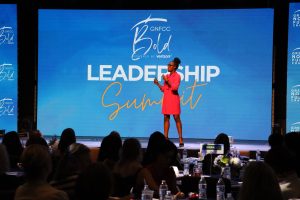
Mercedez Jackson, Fulton County Schools, LIVE from the 2025 GNFCC BOLD Women’s Leadership Summit, on North Fulton Business Radio with host John Ray
North Fulton Business Radio
Mercedez Jackson, Fulton County Schools, on Resilience
Loading
00:00 /
RSS Feed
Share
Link
Embed

Download file

Mercedez Jackson, Fulton County Schools, LIVE from the 2025 GNFCC BOLD Women’s Leadership Summit, on North Fulton Business Radio with host John Ray

Mercedez Jackson, Fulton County Schools, LIVE from the 2025 GNFCC BOLD Women’s Leadership Summit (North Fulton Business Radio, Episode 892)

Mercedez Jackson from the Fulton County Schools Social Services Department joined host John Ray live from the 2025 GNFCC BOLD Women’s Leadership Summit to share her insights from her keynote address at the event on building resilience in the face of fear and stress.

Mercedez discussed the importance of self-awareness, naming and normalizing our fears, and recognizing how stress manifests differently for each person. She explained the continuum of mental health, ranging from excelling to crisis, and emphasized how awareness and intentional strategies, such as asking for help, delegating, or pausing before responding, can help individuals move toward thriving.

Her encouragement to “sit in the uncomfortable space” and remember that feelings pass provided the audience with both practical tools and hope. Mercedez also underscored the power of empathy and honest communication in relationships at home and at work.

Mercedez reminds us that resilience is not about avoiding hardship but choosing to move forward with courage, self-reflection, and the right support.

This interview was originally broadcast live from the 2025 GNFCC BOLD Women’s Leadership Summit held on August 12, 2025, at The Commons at Phase in Alpharetta, Georgia. John Ray Co. and North Fulton Business Radio were the Media Sponsors for this year’s Summit.

Topics Discussed in this Episode

00:00 Welcome to the 2025 GNFCC BOLD Women in Leadership Summit
00:56 Introducing Mercedez Jackson, Fulton County Schools
01:16 Understanding Resilience and Fear
03:37 Self-Awareness and Stress Management
06:19 The Mental Health Continuum
08:24 Encouragement and Intentional Living
10:40 Contact Information and Closing Remarks

Mercedez Jackson, Fulton County Schools

Mercedez Jackson is Coordinator of School Social Work Services at Fulton County Schools.

Fulton County Schools (FCS) is the fourth largest school system in Georgia, serving a diverse and geographically expansive area outside the City of Atlanta. It operates 102 schools, including elementary, middle, and high schools; startup charter schools; and a virtual school, with a projected enrollment of about 86,000 students for the 2025-26 school year. Founded in 1871, the system employs over 10,900 staff, including 6,200 certified personnel, and is known for its commitment to student achievement, continuous improvement, and community engagement. The district uniquely spans both the northern and southern parts of Fulton County, separated physically by the City of Atlanta’s own school system, and focuses on providing a well-rounded education while fostering a safe and efficient learning environment.

Connect with Mercedez on LinkedIn

Mercedez Jackson

2025 GNFCC BOLD Women’s Leadership Summit

The 2025 GNFCC BOLD Women’s Leadership Summit was held on Tuesday, August 12, 2025, at The Commons at Phase in Alpharetta, Georgia.

The mission of BOLD—Businesswomen Organizing for Leadership and Development—is to connect businesswomen to build outstanding networks and spheres of influence, to collaborate with each other and with partner organizations to develop their businesses, and to celebrate and recognize the women of North Fulton.

Website

Greater North Fulton Chamber of Commerce (GNFCC)

The Greater North Fulton Chamber of Commerce is a private, non-profit, member-driven organization comprised of over 1,400 business enterprises, civic organizations, educational institutions, and individuals. Their service area includes Alpharetta, Johns Creek, Milton, Mountain Park, Roswell, and Sandy Springs. GNFCC is the leading voice on economic development, business growth, and quality of life issues in North Fulton County.

As a five-star accredited chamber, GNFCC’s vision is to be the premier organization driving member and community success across the region, and they are dedicated to pursuing this vision based on the guiding principles of advocacy, inclusivity, and operational excellence.

GNFCC promotes the interests of their members by assuming a leadership role in making North Fulton an excellent place to work, live, play, and stay. They provide one voice for all local businesses to influence decision-makers, recommend legislation, and protect the valuable resources that make North Fulton a popular place to live.

For more information on GNFCC and its North Fulton County service area, follow this link or call (770) 993-8806. For more information on other GNFCC events, follow this link.

Connect with GNFCC:  Website | LinkedIn | Facebook | Instagram

About North Fulton Business Radio and host John Ray

With over 890 episodes and having featured over 1,300 guests, North Fulton Business Radio is the longest-running podcast in the North Fulton area, covering business in our community like no one else. We are the undisputed “Voice of Business” in North Fulton!

The show invites a diverse range of business, non-profit, and community leaders to share their significant contributions to their market, community, and profession. There’s no discrimination based on company size, and there’s never any “pay to play.” North Fulton Business Radio supports and celebrates businesses by sharing positive stories that traditional media ignore. Some media lean left. Some media lean right. We lean business.

John Ray, host of  North Fulton Business Radio, and Owner, Ray Business Advisors
John Ray, host of North Fulton Business Radio and Owner, Ray Business Advisors

John Ray is the host of North Fulton Business Radio. John and the team at North Fulton Business Radio, LLC, an affiliate of Business RadioX®, produce the show, and it is recorded inside Renasant Bank in Alpharetta.

The studio address is 275 South Main Street, Alpharetta, GA 30009.

You can find the full archive of shows by following this link. The show is available on all the major podcast apps, including Apple Podcasts, Spotify, Google, Amazon, iHeart Radio, and many others.

John Ray, The Generosity MindsetJohn Ray also operates his own business advisory practice. John’s services include advising solopreneurs and small professional services firms on their value, their positioning and business development, and their pricing. His clients are professionals who are selling their expertise, such as consultants, coaches, attorneys, CPAs, accountants, bookkeepers, marketing professionals, and other professional services practitioners.

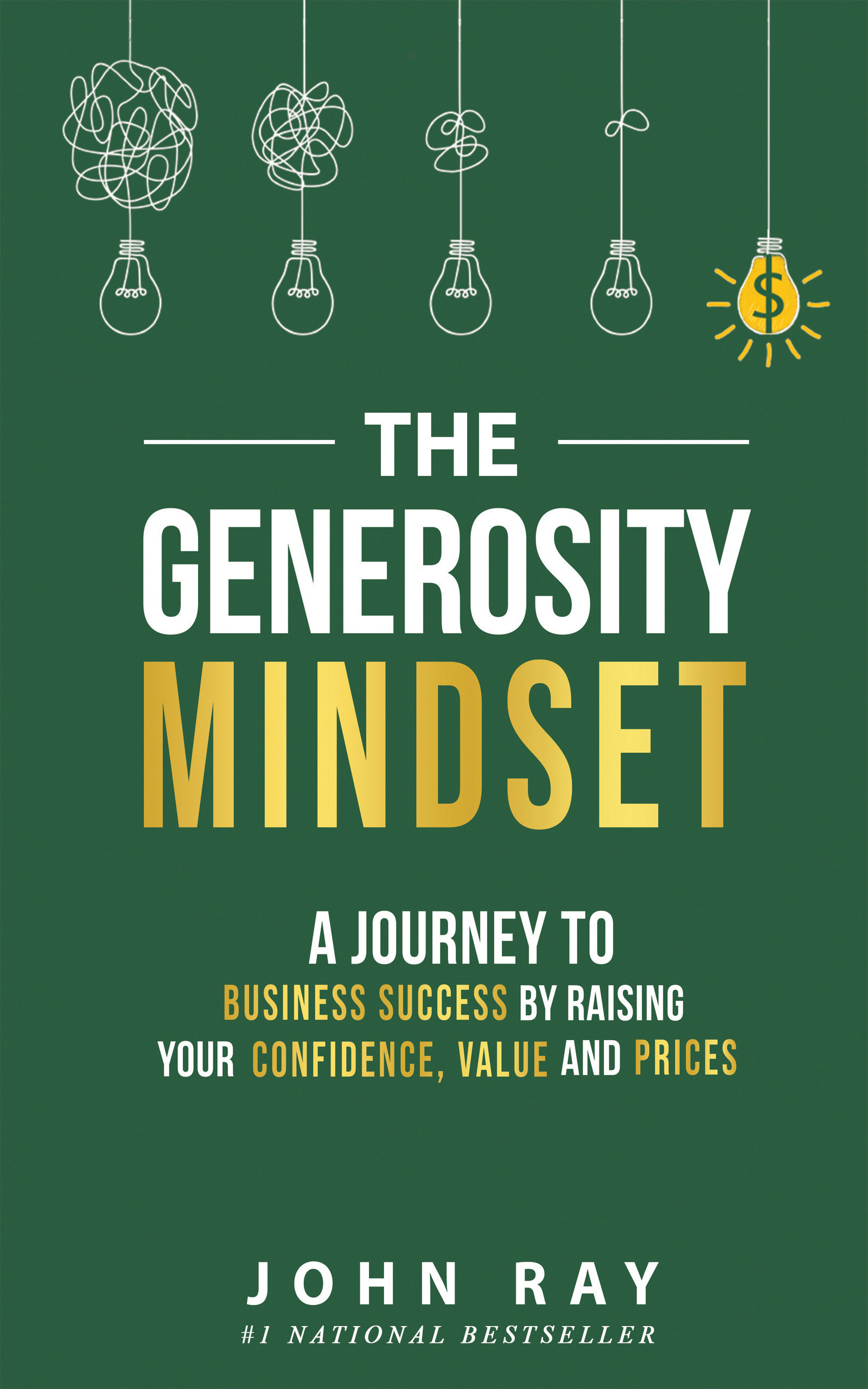
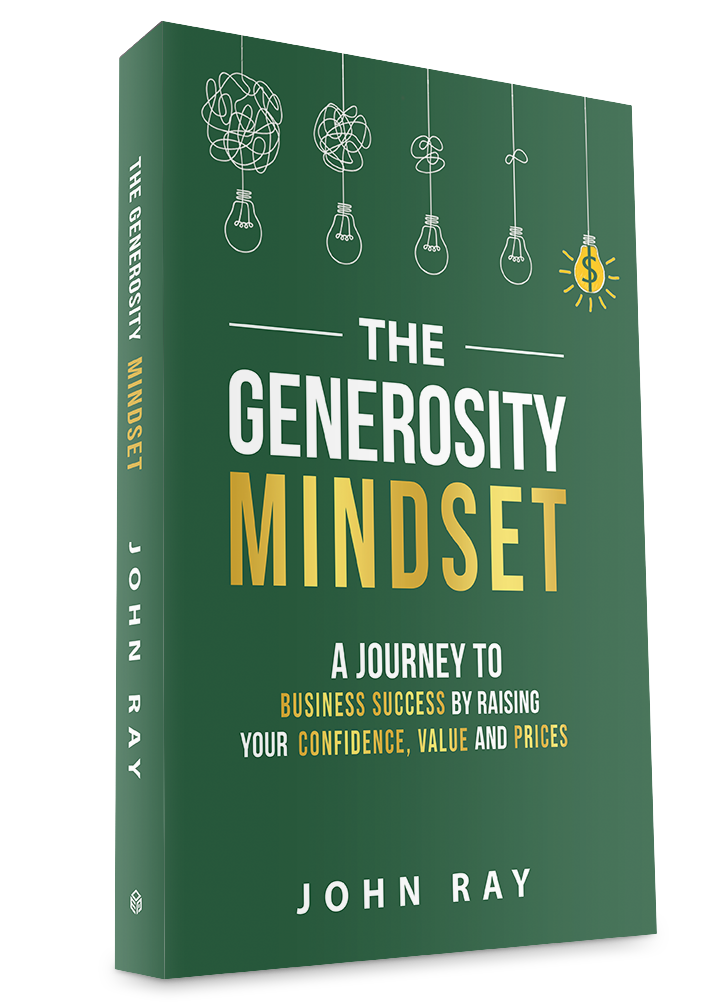
John is the national bestselling author of The Generosity Mindset: A Journey to Business Success by Raising Your Confidence, Value, and Prices.

Renasant Bank supports North Fulton Business Radio

Renasant BankRenasant Bank has humble roots, starting in 1904 as a $100,000 bank in a Lee County, Mississippi, bakery. Since then, Renasant has become one of the Southeast’s strongest financial institutions, with over $17 billion in assets and more than 180 banking, lending, wealth management, and financial services offices throughout the region. All of Renasant’s success stems from each banker’s commitment to investing in their communities as a way to better understand the people they serve. At Renasant Bank, they understand you because they work and live alongside you every day.

Website | LinkedIn | Facebook | Instagram | X (Twitter) | YouTube

Beyond Computer Solutions supports North Fulton Business Radio

If you’re a law firm, medical practice, or manufacturer, there’s one headline you would rather not make: “Local Business Pays Thousands in Ransom After Cyberattack.” That’s where Beyond Computer Solutions comes in. They help organizations like yours stay out of the news and in business with managed IT and cybersecurity services designed for industries where compliance and reputation matter most.

Whether they serve as your complete IT department or simply support your internal team, these professionals are well-versed in HIPAA, secure document access, written security policies, and other essential aspects that ensure your safety and well-being. Best of all, it starts with a complimentary security assessment.

Website | LinkedIn | Facebook | YouTube

Tagged With: 2025 GNFCC BOLD Women in Leadership Summit, Beyond Computer Solutions, emotional intelligence, Fulton County School System, Fulton County Schools, GNFCC, Greater North Fulton Chamber of Commerce, John Ray, Leadership, mental health, Mercedez Jackson, North Fulton Business Radio, renasant bank, resilience, self-awareness, social services, Stress Management, Women in Business, Women in Leadership

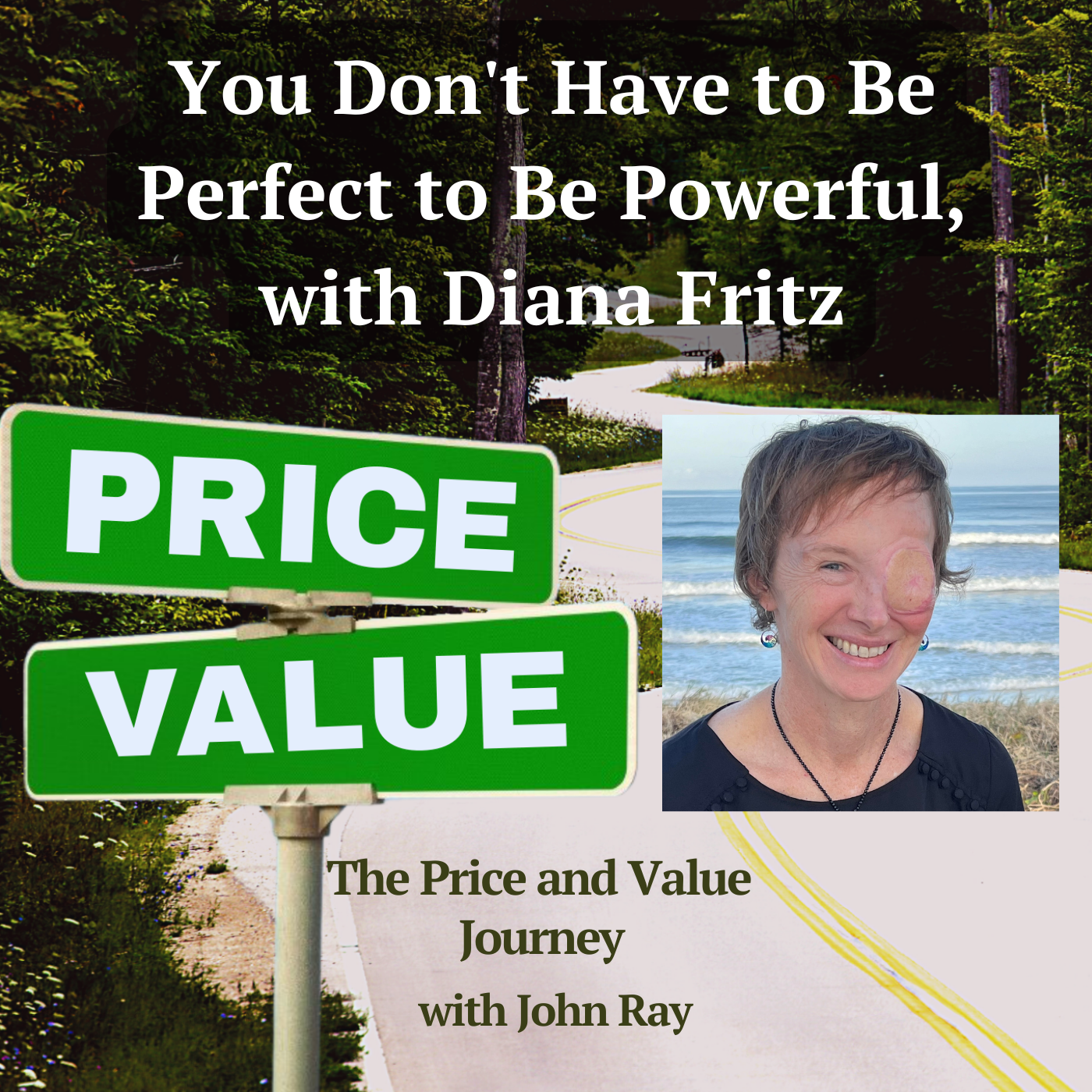
You Don’t Have to Be Perfect to Be Powerful, with Diana Fritz

May 21, 2025 by John Ray

You Don't Have to Be Perfect to Be Powerful, with Diana Fritz, on The Price and Value Journey podcast with host John Ray
North Fulton Studio
You Don't Have to Be Perfect to Be Powerful, with Diana Fritz
Loading
00:00 /
RSS Feed
Share
Link
Embed

Download file

You Don't Have to Be Perfect to Be Powerful, with Diana Fritz, on The Price and Value Journey podcast with host John Ray

You Don’t Have to Be Perfect to Be Powerful, with Diana Fritz (The Price and Value Journey, Episode 133)

In this episode of The Price and Value Journey, executive coach and author Diana Fritz shares the story behind her hard-earned wisdom. She talks about how surviving cancer, navigating single parenthood, and leading in high-stakes environments taught her that strength is not about perfection. It is about showing up with honesty, clarity, and conviction, especially when life gets messy.

Diana and host John Ray explore how embracing your own imperfection can make you a more powerful leader and service provider. They discuss emotional resilience, self-leadership, and the quiet confidence that comes from doing the work no one sees. If you have ever felt like you needed to have it all together to lead, sell, or grow your business, this conversation will help you let go of that belief and replace it with something more truthful and lasting.

The Price and Value Journey is presented by John Ray and produced by North Fulton Business Radio, LLC, an affiliate of the Business RadioX® podcast network.

Diana Fritz, Leadership and Change Consultant

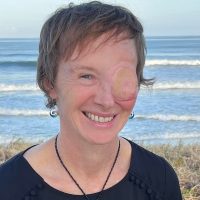
Diana Fritz
Diana Fritz

Diana Fritz is a dynamic executive leader, cancer thriver, and passionate advocate for authenticity, resilience, and positive impact.

With over 25 years of experience spanning executive leadership, operations, human resources, business planning, and technology, Diana has built a reputation for fostering teamwork, driving organizational health, and leading with influence, not just a title.

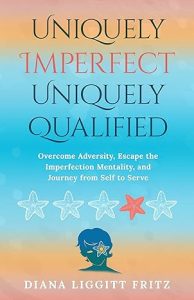
A member of the Maxwell Leadership Executive Program, a Corporate Facilitator, and a Certified DISC Consultant, Diana is dedicated to empowering individuals and organizations through open, engaging, and values-driven leadership. Her mission is to Uniquely Imperfect. Uniquely Qualified. : Overcome Adversity, Escape the Imperfection Mentality, and Journey from Self to Serve, by Diana Fritzcreate a meaningful impact and ensure every person she encounters feels valued.

Diana is the author of Uniquely Imperfect. Uniquely Qualified: Overcome Adversity, Escape the Imperfection Mentality, and Journey from Self to Serve. In her inspiring book, Diana shares her powerful journey through cancer, blending personal experience with reflection and practical guidance. Her message is both vulnerable and empowering: we all have some “type of cancer,” and our flaws often make us the best leaders and servants. This book encourages readers to navigate emotional and high-stakes decisions with grace, to recognize their inherent value even in the midst of struggle, and to reframe adversity as a source of strength and a light for others.

Beyond her professional achievements, Diana is a devoted wife, mother, and committed volunteer. She thrives on sharing insights about leadership, resilience, and navigating challenges with authenticity.

Website | LinkedIn

Key Takeaways from Diana Fritz in this Episode

  • You don’t have to be perfect to lead with impact. Diana shares how her experiences with cancer, single parenthood, and executive leadership taught her that power comes from showing up honestly, not flawlessly.

  • Hardship can sharpen your purpose. Instead of weakening her, Diana’s challenges gave her clarity about what matters and how she wanted to lead and serve.

  • Authenticity builds deeper trust than performance ever will. Clients and teams don’t need polished personas. They need someone who’s real, grounded, and present, even when things are uncertain.

Topics Discussed in this Episode

00:00 Introduction to Diana Fritz
02:38 Diana’s Personal Journey with Cancer
05:55 Mindset and Adversity
09:23 Influence of Viktor Frankl and Stephen Covey
13:10 Applying Lessons in Leadership and Life
16:59 Resilience and Reflection
24:33 The Gold in Our Broken Edges
26:01 Embracing Uniquely Imperfect
28:45 The Power of Authenticity
31:16 Overcoming Self-Doubt
34:03 Redefining Normal
35:09 Confidence in Imperfection
39:47 Practical Tips for Imperfect Leadership
42:13 Connecting with Diana Fritz

About The Price and Value Journey Podcast

The Price and Value Journey is a show for expert-service professionals who want more than formulas and quick fixes. If you’re a solo or small-firm provider—consultant, coach, attorney, CPA, or fractional executive—you know the real work of building a practice goes far beyond pricing. It’s about finding clarity, showing up with confidence, and learning how to express the full value of what you do in ways that clients understand and appreciate.

The Price and Value Journey Podcast with host John RayHosted by John Ray, business advisor and author of The Generosity Mindset, this podcast explores the deeper journey behind running a services business: how you think about your work, how you relate to clients, and how you sustain a business that’s not only profitable but deeply fulfilling. Yes, we talk pricing, but we also talk mindset, business development, trust, empathy, positioning, and all the intangible ingredients that make a practice thrive.

With solo episodes and conversations featuring thoughtful guests, The Price and Value Journey is a companion for professionals who are building something meaningful. Produced in partnership with North Fulton Business Radio, LLC, an affiliate of Business RadioX®, the podcast is accessible on all major podcast platforms. The complete show archive is here.

John Ray, Host of The Price and Value Journey
John Ray, Author of The Generosity Mindset and Host of The Price and Value Journey

John Ray is the host of The Price and Value Journey.

John owns Ray Business Advisors, a business advisory practice. John’s services include business coaching and advisory work, as well as advising solopreneurs and small professional services firms on their pricing. John is passionate about the power of pricing for business owners, as changing pricing is the fastest way to change the profitability of a business. His clients are professionals who are selling their expertise, such as attorneys, CPAs, accountants and bookkeepers, consultants, coaches, marketing professionals, and other professional services practitioners.

In his other business, John is a podcast show host, strategist, and the owner of North Fulton Business Radio, LLC, an affiliate of Business RadioX®. John and his team work with B2B professionals to create and conduct their podcast using The Generosity Mindset® Method: building and deepening relationships in a non-salesy way that translates into revenue for their business.

John is also the host of North Fulton Business Radio. With over 850 shows and having featured over 1,300 guests, North Fulton Business Radio is the longest-running podcast in the North Fulton area, covering business in its region like no one else.

John’s book, The Generosity Mindset: A Journey to Business Success by Raising Your Confidence, Value, and Prices

The Generosity Mindset, by John RayJohn is the #1 national best-selling author of The Generosity Mindset: A Journey to Business Success by Raising Your Confidence, Value, and Prices.

If you are a professional services provider, your goal is to do transformative work for clients you love working with and get paid commensurate with the value you deliver to them. While negative mindsets can inhibit your growth, adopting a different mindset, The Generosity Mindset™, can replace those self-limiting beliefs. The Generosity Mindset enables you to diagnose and communicate the value you deliver to clients and, in turn, more effectively price to receive a portion of that value.

Whether you’re a consultant, coach, marketing or branding professional, business advisor, attorney, CPA, or work in virtually any other professional services discipline, your content and technical expertise are not proprietary. What’s unique, though, is your experience and how you synthesize and deliver your knowledge. What’s special is your demeanor or the way you deal with your best-fit clients. What’s invaluable is how you deliver outstanding value by guiding people through massive changes in their personal lives and in their businesses that bring them to a place they never thought possible.

Your combination of these elements is unique in your industry. There lies your value, but it’s not the value you see. It’s the value your best-fit customers see in you.

If pricing your value feels uncomfortable or unfamiliar to you, this book will teach you why putting a price on the value your clients perceive and identify serves both them and you, and you’ll learn the factors involved in getting your price right.

The book is available at all major physical and online book retailers worldwide. Follow this link for further details.


Connect with John Ray:

Website | LinkedIn | Twitter

Business RadioX®:  LinkedIn | Twitter | Facebook | Instagram

Tagged With: adversity, authenticity, Diana Fritz, imperfect leadership, imperfection, John Ray, Leadership, mindset, resilience, self doubt, Stephen Covey, The Price and Value Journey, trust, Viktor Frankl

A Journey of Resilience and Leadership, with Maggie DeCan, Author of Humbled on Purpose

October 11, 2024 by John Ray

A Journey of Resilience and Leadership, with Maggie DeCan, Author of Humbled on Purpose, on North Fulton Business Radio with host John Ray
North Fulton Business Radio
A Journey of Resilience and Leadership, with Maggie DeCan, Author of Humbled on Purpose
Loading
00:00 /
RSS Feed
Share
Link
Embed

Download file

A Journey of Resilience and Leadership, with Maggie DeCan, Author of Humbled on Purpose, on North Fulton Business Radio with host John Ray

A Journey of Resilience and Leadership, with Maggie DeCan, Author of Humbled on Purpose (North Fulton Business Radio, Episode 810)

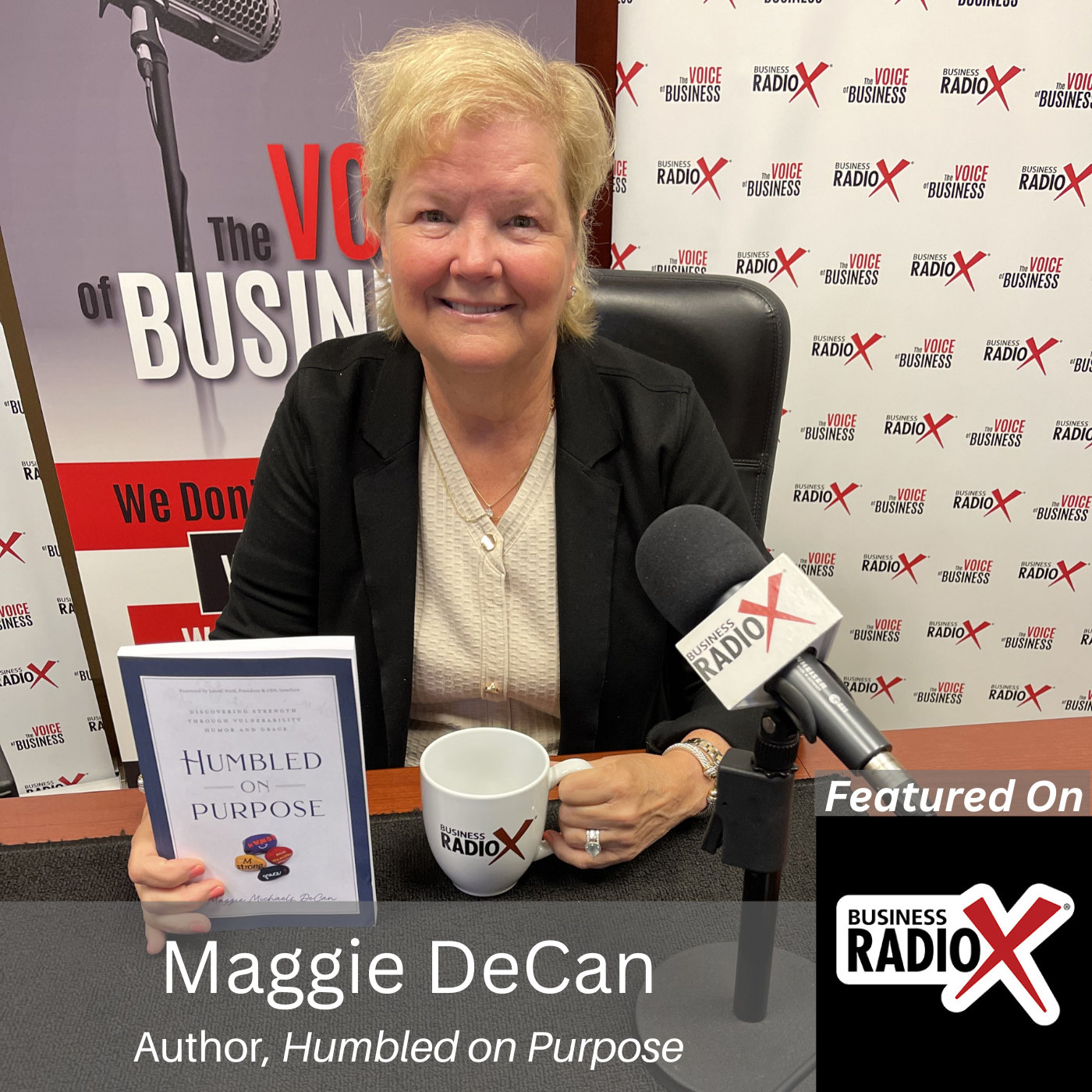
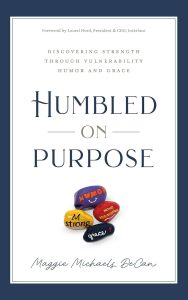
In this episode of North Fulton Business Radio, host John Ray interviews Maggie DeCan, author of Humbled on Purpose: Discovering Strength Through Vulnerability, Humor, and Grace. The episode examines Maggie’s personal journey from a traumatic childhood—one that included her mother’s death by suicide and the resulting family difficulties that trauma caused—to becoming a successful leader in the corporate and nonprofit sectors. Maggie shares how her past shaped her as a manager and motivated her to foster empathetic leadership. The conversation highlights her career transition to nonprofit work at the Children’s Development Academy and her journey to writing a book sharing leadership lessons and personal growth. Maggie discusses the importance of resilience and finding strength through vulnerability and faith. The episode emphasizes the book’s mission to inspire others to overcome victimhood and choose a path of resilience and purpose.

John Ray is the host of North Fulton Business Radio. The show is recorded and produced by the North Fulton affiliate of Business RadioX® inside Renasant Bank in Alpharetta.

Maggie DeCan

Maggie DeCan, Author of Humbled on Purpose

As of Saturday, 10/5/24, Maggie DeCan stepped aside as the CEO & Executive Director of the Children’s Development Academy (CDA) in Roswell, GA, where she served for nearly 8 years. The CDA provides high-quality early education to children from low-income households. She drove strategic priorities focused on increased enrollment, sustainable giving and quality outcomes.

Maggie is the author of the just published book from Ripples Media, Humbled on Purpose: Discovering Strength Through Vulnerability, Humor and Grace, about her life’s journey, including from the c-suite to running a small nonprofit. She is also an ICF-trained executive coach, mentoring and coaching other nonprofit leaders, and she also serves as a speaker and consultant.

Prior to taking the helm at the CDA, Maggie was with HoneyBaked Ham for 14 years and ran day-to-day operations for their national system as president and COO, leading a team responsible for $500MM annually of system sales in 500 corporate and franchise operating units as well as e-commerce. Before HoneyBaked, Maggie served in human resources and operations for well-known retailers Circuit City, Belk and Macy’s.

A Journey of Resilience and Leadership, with Maggie DeCan, Author of Humbled on PurposeMaggie graduated with a bachelor’s degree in political science and communications from current CFP national champions, the University of Michigan Wolverines. She is still actively involved as a national volunteer with her women’s fraternity, Chi Omega, where she serves on the Chi Omega Foundation steering committee and as an ambassador for and mentor in the Pearl Program connecting alumnae and college students. Maggie is also actively involved in her parish, St. David’s Episcopal Church of Roswell. She also serves as a volunteer ALTA Coordinator for the Sunday Business Women’s League and proudly serves as the president of the Atlanta chapter of the University of Michigan Alumni group.

Maggie’s leadership experience extends to the community, where she is a respected leader and educational advocate, receiving awards from the State of Georgia PTA for visionary leadership, the Turknett Leadership Character Award, the National Diversity Council as a “Most Powerful and Influential Woman” in Georgia and a Womentics P.O.W. winner. She is Chairman Emeritus of the Roswell North Elementary Education Foundation, a 501(c)3 that she helped found in 2009. She is also past president of the Woodstock Junior Service League.

Maggie has been married to her husband for 38 years, Bob, a retired high school economics teacher and tennis coach. Maggie and Bob have two boys, Riley, a UGA graduate who works for Truist and is about to marry his middle school sweetheart and fellow UGA grad Emily Amour, and Brady, studying marketing at GCSU. Maggie enjoys spending time with her family, friends and dogs, playing tennis and time in the northeast Georgia Mountains at their lake home in Blairsville.

Website | LinkedIn | Facebook | Instagram | X (Twitter)

Topics Discussed in this Episode

00:00 Introduction and Welcome to North Fulton Business Radio
00:29 Meet Maggie DeCan: Author of Humbled on Purpose
02:05 Maggie’s Early Life and Childhood Trauma
03:33 Career Journey: From Corporate to Nonprofit
04:19 Impact of Childhood Trauma on Career
06:00 Finding Strength and Resilience
16:55 Transition to the Children’s Development Academy
20:52 Lessons Learned and Future Plans
25:11 Conclusion and Final Thoughts

Renasant Bank supports North Fulton Business Radio

Renasant BankRenasant Bank has humble roots, starting in 1904 as a $100,000 bank in a Lee County, Mississippi, bakery. Since then, Renasant has become one of the Southeast’s strongest financial institutions, with over $17 billion in assets and more than 180 banking, lending, wealth management, and financial services offices throughout the region. All of Renasant’s success stems from each of their banker’s commitment to investing in their communities as a way of better understanding the people they serve. At Renasant Bank, they understand you because they work and live alongside you every day.

Website | LinkedIn | Facebook | Instagram | X (Twitter) | YouTube

About North Fulton Business Radio and host John Ray

With over 800 shows and having featured over 1,200 guests, North Fulton Business Radio is the longest-running podcast in the North Fulton area, covering business in our community like no one else. We are the undisputed “Voice of Business” in North Fulton!

The show welcomes a wide variety of business, non-profit, and community leaders to get the word out about the important work they’re doing to serve their market, their community, and their profession. There’s no discrimination based on company size, and there’s never any “pay to play.” North Fulton Business Radio supports and celebrates business by sharing positive business stories that traditional media ignore. Some media leans left. Some media leans right. We lean business.

John Ray, Business RadioX - North Fulton, and Owner, Ray Business Advisors
John Ray, Business RadioX – North Fulton, and Owner, Ray Business Advisors

John Ray is the host of North Fulton Business Radio. The show is recorded and produced from the North Fulton studio of Business RadioX® inside Renasant Bank in Alpharetta. You can find the full archive of shows by following this link. The show is available on all the major podcast apps, including Apple Podcasts, Spotify, Google, Amazon, iHeart Radio, and many others.

The studio address is 275 South Main Street, Alpharetta, GA 30009.

John Ray, The Generosity MindsetJohn Ray also operates his own business advisory practice. John’s services include advising solopreneurs and small professional services firms on their value, their positioning and business development, and their pricing. His clients are professionals who are selling their expertise, such as consultants, coaches, attorneys, CPAs, accountants and bookkeepers, marketing professionals, and other professional services practitioners.

John is the national bestselling author of The Generosity Mindset: A Journey to Business Success by Raising Your Confidence, Value, and Prices.

Tagged With: Children's Development Academy, Developing Resilience, Honey Baked Ham, Humbled on Purpose, John Ray, Maggie DeCan, North Fulton Business Radio, resilience, Ripples Media, The Honey Baked Ham Company

Turning Dreams into Plans with Gloria Lucia Zapata-Elias

October 9, 2024 by John Ray

Gloria
Hello, Self . . .
Turning Dreams into Plans with Gloria Lucia Zapata-Elias
Loading
00:00 /
RSS Feed
Share
Link
Embed

Download file

Gloria

Turning Dreams into Plans with Gloria Lucia Zapata-Elias (Hello, Self… Episode 53)

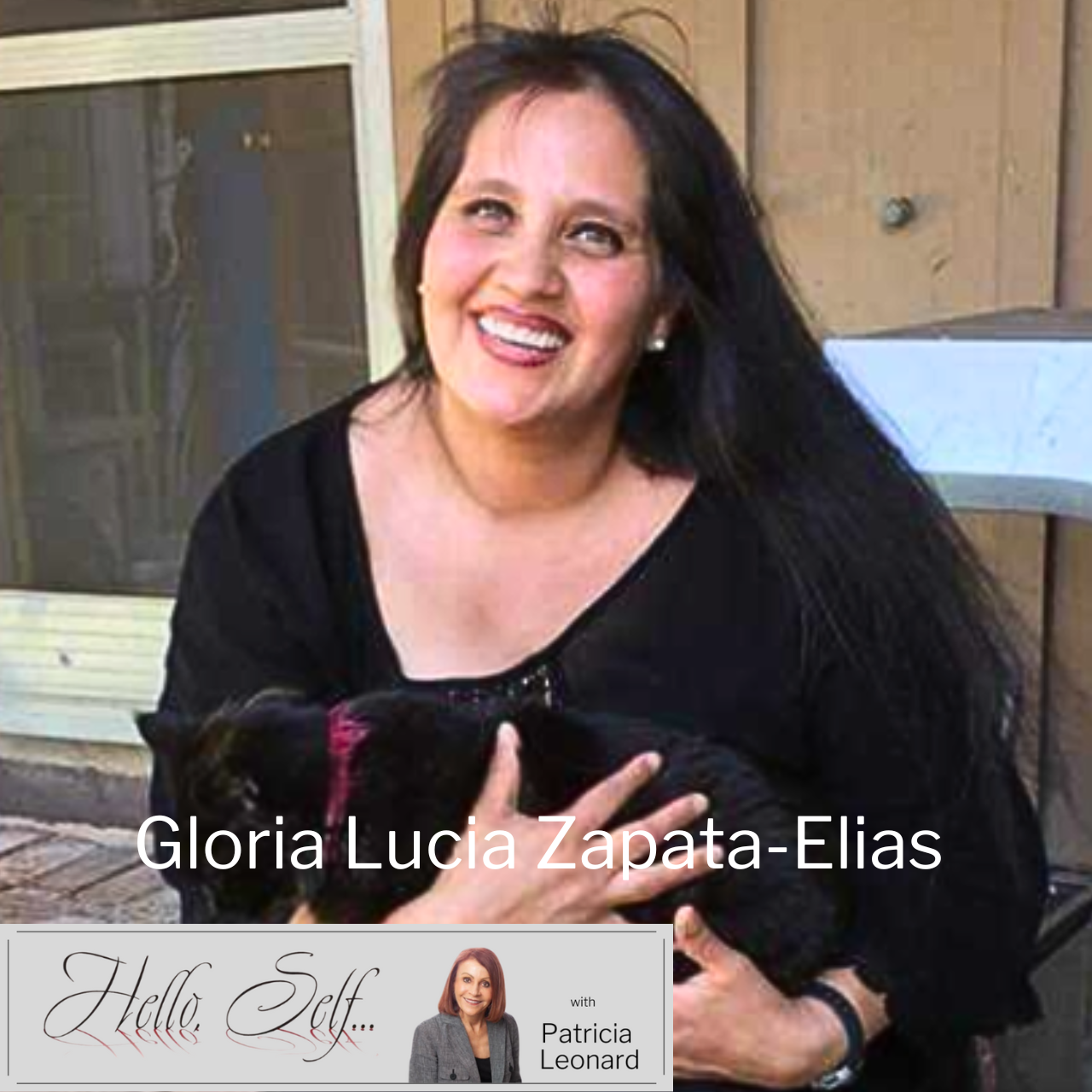
Host Patricia Leonard invited guest Gloria Lucia Zapata-Elias to share her inspirational journey of transformation and manifestation.

Gloria recounted her unconventional life path, detailing how she navigated various life stages backward from traditional norms—having children before marriage, attending college later, and achieving business success. Her journey is marked by resilience, self-discovery, and service to others.

Throughout the episode, Patricia and Gloria discussed life lessons, the role of self-talk, overcoming survival modes, and using disruptions as catalysts for growth.

Hello, Self… is presented by Patricia Leonard & Associates  and produced by Arlia Hoffman in association with the North Fulton studio of Business RadioX®.

Find the video version of this podcast on YouTube here.

Gloria Lucia Zapata-Elias, Owner of Eye for Detail and Angel’s Trumpet Bed and Breakfast

Gloria owns two businesses, Eye for Detail, a residential and commercial cleaning company, and Angel’s Trumpet Bed and Breakfast, affordable extended stay for those who need respite. She also has a plant nursery business currently in development.

Gloria became a single mom at a young age, and attended college while working more than full-time and raising her sons. She says she was able to accomplish this with the support of two women in her life, one of them her mother.

She credits her success to her growth mindset and the fuel of her ambition she feels God gave her.

Website | Facebook

About Hello, Self…

Hello, Self… is a biweekly podcast focused on inspiring stories of turning dreams into reality. Join coach and author Patricia Leonard and her guests as they share life-changing Hello, Self… moments.

Hello, Self… is brought to you by Patricia Leonard & Associates and is based on the new book by Patricia Leonard, Hello, Self.., available here.

The show is produced by Arlia Hoffman in association with Business RadioX®. You can find this show on all the major podcast apps. The complete show archive is here.

Patricia Leonard, Host of Hello, Self…

Patricia Leonard, Host of Hello, Self…

Patricia Leonard is President of RUNWAY TO SUCCESS, a division of Patricia Leonard & Associates located in Nashville, TN.  She is a MESSAGE ARTIST speaker, career & business coach, author and magazine columnist.  Patricia consults with clients on leadership, empowerment, career management, entrepreneurship and the power of language.  Her work is focused on helping clients find their runway to success!

She has a professional background in management, human resources, corporate training, business consulting and talent development.   Patricia has worked with companies in the service, music, banking, manufacturing, publishing, warehousing, healthcare, academic, retail and financial industries, and has taught management classes as an adjunct professor.

Patricia has a degree in Human Resource Management, is certified as a Career Coach and Consulting Hypnotist and is MBTI qualified.

Her volunteer energies are focused on Women in Film and Television-Nashville, where she is a Board Vice President; Dress for Success as the Advisory Board President; and International Coaching Federation-Nashville where she held Board roles for several years.

Patricia is the author of Wearing High Heels in a Flip Flop World, BECOMING WOMAN…a journal of personal discovery, THE NOW, HOW & WOW of Success, Happenings, a full year calendar of inspirational messages and a spoken word album titled, I AM…

She enjoys songwriting, creating poetry and has written a one-woman show and artistic speech she performs titled Hello, Self…, about a woman in midlife reinventing herself, which led to her new book by the same name, available here.

On the personal side, Patricia, describes herself as a woman, lover of life, mother, grandmother, career professional and message artist; AND in that order!  Her goal is to continue inspiring others, of any age, to START NOW creating and expanding their Runway to Success.

She believes that life is a gift, the way we wrap it is our choice.

Connect with Patricia:

Website| LinkedIn | Facebook | Twitter | Instagram

Tagged With: Hello Self moment, Hello Self Podcast, High Heels Cabaret, Patricia Leonard, Patricia Leonard & Associates, resilience, Runway To Success

LIVE from the GNFCC 2022 Women in Leadership Summit: Dr. Malika Reed Wilkins, Atlanta Regional Commission

November 14, 2022 by John Ray

North Fulton Business Radio
LIVE from the GNFCC 2022 Women in Leadership Summit: Dr. Malika Reed Wilkins, Atlanta Regional Commission
Loading
00:00 /
RSS Feed
Share
Link
Embed

Download file

Dr. Malika Reed Wilkins

LIVE from the GNFCC 2022 Women in Leadership Summit: Dr. Malika Reed Wilkins, Atlanta Regional Commission (North Fulton Business Radio, Episode 567)

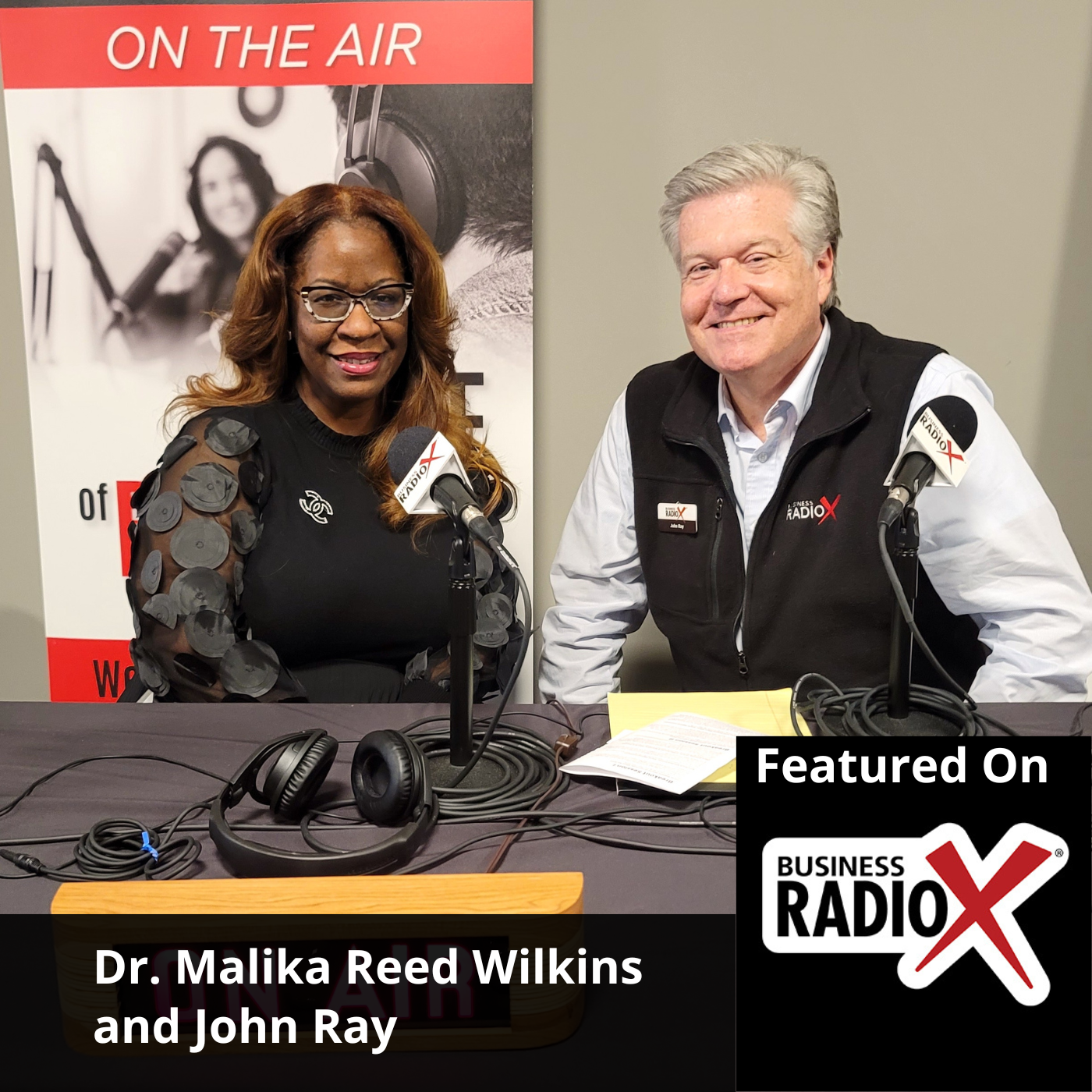
Dr. Malika Reed Wilkins, Chief External Affairs Officer at the Atlanta Regional Commission, joined host John Ray on North Fulton Business Radio LIVE from the GNFCC 2022 Women in Leadership Summit. Dr. Wilkins was a speaker at the summit. She shared the work of the ARC, her talk at the Women’s Summit, the value of resilience in life, advice on how to embrace change, and much more.

This show was originally broadcast live from the GNFCC 2022 Women in Leadership Summit held at The Commons at Phase in Alpharetta, Georgia.

North Fulton Business Radio is produced and broadcast by the North Fulton studio of Business RadioX® inside Renasant Bank in Alpharetta.

Dr. Malika Reed Wilkins, Chief External Affairs Officer, Atlanta Regional Commission (ARC)

Dr. Malika Reed Wilkins, Chief External Affairs Officer, Atlanta Regional Commission (ARC)

Dr. Malika Reed Wilkins is the Chief External Affairs Officer for the Atlanta Regional Commission (ARC). She heads the agency’s strategy development, corporate and community engagement, governmental affairs, board engagement, and communications. She also spearheaded the agency’s diversity, equity, and inclusion program. Wilkins has more than 25 years in public policy and administration, operational leadership, strategic organizational communications, and building long-standing partnerships in the public, private and nonprofit sectors.

Prior to onboarding with ARC, she served the State of Georgia in various executive-level roles with the State Road and Tollway Authority, Georgia Regional Transportation Authority, Georgia Commute Options, and the Georgia Department of Human Services. In addition, she served as Director of Communications and Public Affairs for the Southern States Police Benevolent Association and worked as a consultant for several advertising agencies. Dr. Wilkins is known for her strategic relationship development and consensus-building across multiple disciplines.

She is currently the Membership Chair for the Buckhead Rotary Club, and a Commission member for the Georgia Driver’s Education Commission. Wilkins is also a member of COMTO Atlanta, ULI Atlanta, Public Relations Society of America, and Past President of WTS Atlanta.

She received a Bachelor of Arts degree in speech communications from the University of Georgia. A Master of Public Administration from North Carolina Central University and a Ph.D. in Public Policy and Administration from Walden University.

Malika resides in the City of Atlanta with her husband Anthony and daughter Malia.

LinkedIn

Atlanta Regional Commission (ARC)

ARC is responsible for developing and updating the Atlanta Region’s Plan, a long-range blueprint that details the investments needed to ensure metro Atlanta’s future success and improve the region’s quality of life.

The Atlanta Regional Commission is charged with peering into the future and working with our partners across the community to plan for a better, brighter tomorrow.

On any given day, ARC works with local jurisdictions and various regional partners to:

  •  Plan new transportation options
  •  Encourage the development of healthy, livable communities
  •  Wisely manage precious water resources
  •  Provide services for the region’s older adults and individuals with disabilities
  •  Develop a competitive workforce
  •  Provide data to inform leaders and decision-makers
  •  Cultivate leaders to meet the region’s challenges
  •  Coordinate with local first responders in preparing for a secure region
  •  Engage the public on key regional issues

The agency also serves as a regional convener, bringing diverse stakeholders to the table to address the most critical issues facing metro Atlanta.

ARC’s member governments are Cherokee, Clayton, Cobb, DeKalb, Douglas, Fayette, Forsyth, Fulton, Gwinnett, Henry and Rockdale counties, and the city of Atlanta.

Website | LinkedIn | Facebook | Twitter

GNFCC 2022 Women in Leadership Summit, presented by the Women INfluencing Business Committee

The 2022 Women in Leadership Summit, organized by the Women INfluencing Business Committee of the Greater North Fulton Chamber of Commerce, was held on November 2, 2022, at the Commons at Phase in Alpharetta, Georgia.

Powered by the Greater North Fulton Chamber of Commerce (GNFCC), the Women INfluencing Business Committee strives to engage female leaders and enhance the standing of professional women within the community. Its annual awards program recognizes women with exceptional vision who have implemented innovative ideas in both the workplace and community and who inspire others.

Website

Questions and Topics in the Interview

  • The ARC
  • Dr. Wilkin’s presentation at The Women’s Summit
  • Resilience
  • Embracing change

North Fulton Business Radio is hosted by John Ray and broadcast and produced from the North Fulton studio of Business RadioX® inside Renasant Bank in Alpharetta. You can find the full archive of shows by following this link. The show is available on all the major podcast apps, including Apple Podcasts, Spotify, Google, Amazon, iHeart Radio, Stitcher, TuneIn, and others.

RenasantBank


Renasant Bank has humble roots, starting in 1904 as a $100,000 bank in a Lee County, Mississippi, bakery. Since then, Renasant has grown to become one of the Southeast’s strongest financial institutions with over $13 billion in assets and more than 190 banking, lending, wealth management and financial services offices in Mississippi, Alabama, Tennessee, Georgia and Florida. All of Renasant’s success stems from each of their banker’s commitment to investing in their communities as a way of better understanding the people they serve. At Renasant Bank, they understand you because they work and live alongside you every day.


Since 2000, Office Angels® has been restoring joy to the life of small business owners, enabling them to focus on what they do best. At the same time, we honor and support at-home experts who wish to continue working on an as-needed basis. Not a temp firm or a placement service, Office Angels matches a business owner’s support needs with Angels who have the talent and experience necessary to handle work that is essential to creating and maintaining a successful small business. Need help with administrative tasks, bookkeeping, marketing, presentations, workshops, speaking engagements, and more? Visit us at https://officeangels.us/.


Tagged With: Alpharetta, ARC, Atlanta Regional Commission, Dr. Malika Reed Wilkins, embracing change, GNFCC, North Fulton Business Radio, Office Angels, renasant bank, resilience, The Commons at Phase, Women in Business Summit, Women Influencing Business

Esther Weinberg, The Ready Zone

September 28, 2022 by John Ray

The Ready Zone
Business Leaders Radio
Esther Weinberg, The Ready Zone
Loading
00:00 /
RSS Feed
Share
Link
Embed

Download file

The Ready Zone

Esther Weinberg, The Ready Zone

Esther Weinberg, Founder and Chief Leadership Development Officer of The Ready Zone, joined host John Ray on Business Leaders Radio to discuss the changes in workplace culture over the last few years, reorganizations, why they succeed or fail, advice for leaders navigating change, and much more.

Business Leaders Radio is produced and broadcast by the North Fulton Studio of Business RadioX® in Atlanta.

The Ready Zone

After 20+ years of working with organizations in the media and technology industries, Esther Weinberg has observed that when leaders cultivate and nurture a high level of alignment, especially during chaotic and uncertain times, they deliberately—and intentionally—create an engaged, powerful, and profitable workplace culture despite of change or unforeseeable circumstances.

And by extension, when these organizations operate with a mindset whereby valuing one another is not only a high priority, it’s as “measured” and valued as the bottom line, they are operating in what she defines as The Ready Zone: An environment in which the leader, the team, the employees, and the organization as a whole, are 100% committed to people feeling valued for who they are, their contribution, their humanity, and the value they bring to the table by being themselves. And this is exponentially more important in a virtual environment. Creating this culture facilitates leaders to step into being ready to powerfully take on the opportunities and challenges in front of them.

Through executive coaching and a series of comprehensive change management programs, Ready Zone leaders are empowered to elevate 6 key Zone Performance Indicators (ZPIs).

Company website | LinkedIn | Twitter

Esther Weinberg, Founder and Chief Leadership Development Officer, The Ready Zone

Esther Weinberg, Founder and Chief Leadership Development Officer, The Ready Zone

Esther Weinberg is a business growth accelerator that equips executives in high-growth media and technology industries to create game-changing breakthroughs, increase profitability in declining markets and create successful and sustainable “portable” virtual cultures with executives, leaders, and teams.
As Founder & Chief Leadership Development Officer of The Ready Zone, she moves leaders through change with proven systems to create big pivots, big impact, and big returns. Esther’s strategies assist companies through such impactful conditions as planning and executing reorganizations; moving employees from burnout and exhaustion to empowered, innovative, and driven; and implementing clear priorities and strategies for growing a virtual and global workforce.
Esther provides proven, transformative, yet practical tools and systems that help benchmark and measure results. Despite uncertain times, Esther is not afraid to tell eye-opening truths that dives deeply into the impact of change and consolidation. She does so to create the access and opportunity for meaningful dialogue and action to develop workplace cultures of trust, respect and safety. In fact, she rolls-up-her-sleeves, authentically and methodically helping organizations build sustainable company cultures that thrive vs. survive. From the fundamentals behind developing a collective philosophy of readiness to take on any industry challenge, to coaching leaders on how to reframe, refocus, and realign, Esther is a true powerhouse.

Esther is the author of the eBook on The Ready Zone’s unique framework entitled, Better Leaders. Better People. Better Results: 6-Eye Opening Strategies to Thrive Through Change You Didn’t Ask For. With over 20 years’ experience, her innovative strategies have assisted clients to grow, scale and thrive during the worst and best of times including Netflix, NBCUniversal, Microsoft, ESPN, WarnerBros., Discovery, CNN, DreamWorks Animation, Disney, IMAX, National Geographic, TelevisaUnivision, and Sony.

A respected thought-leader with first-hand experience, Esther has held executive positions at Disney and Fox, as well as stood in the shoes of C-Suite executives as an interim CEO and leader at numerous organizations. Esther’s drive for developing global leaders stems from her work abroad, including Botswana, Israel and Uganda.

Esther is the Co-Founder of the Being Me Foundation along with her wife, Lin. The organization’s mission is to create breakthroughs through global Ontological coaching and leadership programs that redefine diversity, equity, inclusion, and belonging for LGBTQIA+ young adults.
She is a graduate of New York University and a member of Harvard’s Institute of Coaching at McLean Hospital. Esther is a member of the Forbes Coaches Council and a contributor to Forbes.

LinkedIn | Twitter 

Questions and Topics

  • What is the biggest mistake organizations make during times of change? How can they resiliently overcome it?
  • What is the one skill leaders undervalue that’s needed more than ever now?
  • I’ve heard of so many reorganizations failing. How can organizations approach this in a more thoughtful way?
  • How have reorganizations impacted the way people work today?
  • What are the new skills leaders now need to powerfully lead permanent, ever-evolving change?
  • How do leaders need to better prepare people to be resilient?
  • What advice would you give to leaders to do first who are leading change?
  • What are the most common costly mistakes that derail organizations from staying relevant and powerful?

Business Leaders Radio is hosted by John Ray and produced virtually from the North Fulton studio of Business RadioX® in Alpharetta.  The show can be found on all the major podcast apps and a full archive can be found here.

Tagged With: Business Leaders Radio, Change, Esther Weinberg, hybrid work, John Ray, Leaders, leadership development, reorganization, resilience, The Ready Zone, workplace culture, ZPI

LIVE from RISKWORLD 2022: Mark Hoffman, ClearRisk

May 24, 2022 by John Ray

Mark Hoffman
Minneapolis St. Paul Studio
LIVE from RISKWORLD 2022: Mark Hoffman, ClearRisk
Loading
00:00 /
RSS Feed
Share
Link
Embed

Download file

Mark Hoffman

LIVE from RISKWORLD 2022: Mark Hoffman, ClearRisk

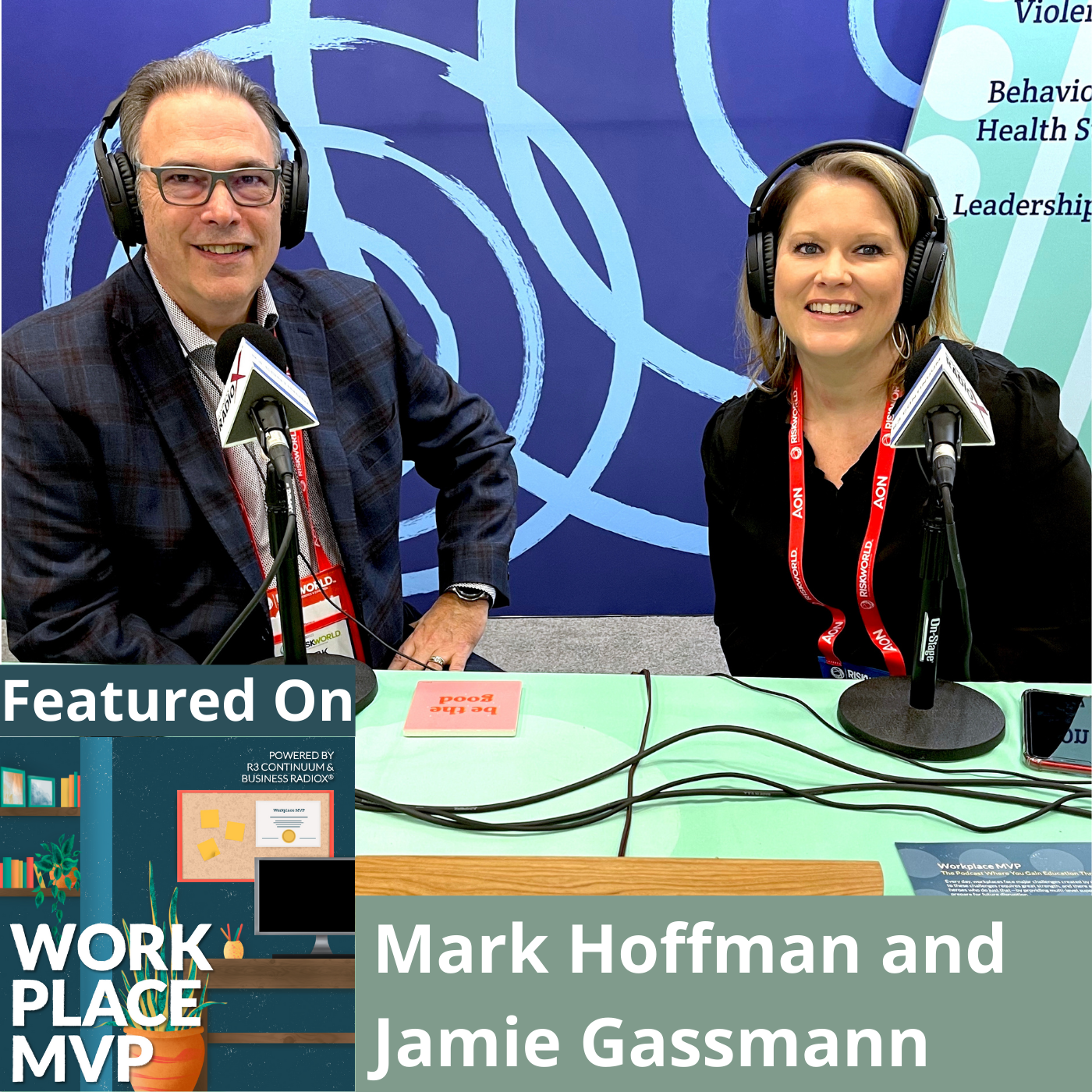
Mark Hoffman of ClearRisk and The Resilient Journey Podcast was the guest on this episode of Workplace MVP LIVE from RISKWORLD 2022. He is not only a Continuity Consultant for ClearRisk, but the host of the podcast they sponsor, The Resilient Journey Podcast. He and Jamie talked about resiliency, the work ClearRisk does in risk management information, his presentation at RISKWORLD, the amazing stories on The Resilient Journey Podcast, and more.

Workplace MVP is underwritten and presented by R3 Continuum and produced by the Minneapolis-St.Paul Studio of Business RadioX®.

This show was originally broadcast from the RIMS 2022 RISKWORLD Conference held at the Moscone Center in San Francisco, California.

Mark Hoffman, MCBI, CBCP, Continuity Consultant, ClearRisk, and Host of The Resilient Journey Podcast

Mark Hoffman, Business Continuity Consultant, ClearRisk and Host: The Resilient Journey Podcast

ClearRisk works with risk managers and senior management from over 150 organizations across North America in retail, property management, municipalities, technology, and many others. Their team comprises a powerful combination of risk management experts, insurance specialists, and a multidisciplinary squad of tech-savvy individuals, all dedicated to pushing the risk management envelope.

Their focus is on optimizing our customers’ risk to keep people and assets from harm, thereby making our customers more successful. Their solutions have empowered customers to mitigate millions in total cost of risk, achieve higher operational excellence, increase safety, and increase the bottom line.

The Resilient Journey Podcast explores some of the biggest issues facing organizations today and chats with industry leaders about ways we can all be more resilient.

The Resilient Journey Podcast

Mark Hoffman LinkedIn

Company website | Company LinkedIn

About Workplace MVP

Every day, around the world, organizations of all sizes face disruptive events and situations. Within those workplaces are everyday heroes in human resources, risk management, security, business continuity, and the C-suite. They don’t call themselves heroes though. On the contrary, they simply show up every day, laboring for the well-being of employees in their care, readying the workplace for and planning responses to disruption. This show, Workplace MVP, confers on these heroes the designation they deserve, Workplace MVP (Most Valuable Professionals), and gives them the forum to tell their story. As you hear their experiences, you will learn first-hand, real-life approaches to readying the workplace, responses to crisis situations, and overcoming challenges of disruption. Visit our show archive here.

Workplace MVP Host Jamie Gassmann

Jamie Gassmann, Host, “Workplace MVP”

In addition to serving as the host to the Workplace MVP podcast, Jamie Gassmann is the Director of Marketing at R3 Continuum (R3c). Collectively, she has more than fourteen years of marketing experience. Across her tenure, she has experience working in and with various industries including banking, real estate, retail, crisis management, insurance, business continuity, and more. She holds a Bachelor of Science Degree in Mass Communications with special interest in Advertising and Public Relations and a Master of Business Administration from Paseka School of Business, Minnesota State University.

R3 Continuum

R3 Continuum is a global leader in workplace behavioral health and security solutions. R3c helps ensure the psychological and physical safety of organizations and their people in today’s ever-changing and often unpredictable world. Through their continuum of tailored solutions, including evaluations, crisis response, executive optimization, protective services, and more, they help organizations maintain and cultivate a workplace of wellbeing so that their people can thrive. Learn more about R3c at www.r3c.com.

Company website | LinkedIn | Facebook | Twitter

TRANSCRIPT

Intro: [00:00:02] Broadcasting Live from RISKWORLD 2022 at the Moscone Center in San Francisco, it’s time for Workplace MVP. Brought to you by R3 Continuum, a global leader in helping workplaces thrive during disruptive times. Now, here’s your host.

Jamie Gassmann: [00:00:22] Hi, everyone. Your host, Jamie Gassmann here, coming to you from the RISKWORLD 2022 Expo Hall in R3 Continuum’s booth, our show sponsor. And joining me is Mark Hoffman from ClearRisk US Corp.

Mark Hoffman: [00:00:38] Yeah.

Jamie Gassmann: [00:00:38] Welcome to the show, Mark.

Mark Hoffman: [00:00:39] Thanks, Jamie.

Jamie Gassmann: [00:00:40] Yeah.

Mark Hoffman: [00:00:40] This is fun.

Jamie Gassmann: [00:00:41] Yeah, it’s exciting. I’m glad you stopped by. I know we’ve been having fun chatting already before, but tell us a little bit about what ClearRisk does.

Mark Hoffman: [00:00:49] Well, no, before I do that, I have to say why I stopped by. It’s because of your producer, John’s light out front that just drew me in, this beautiful on-air light that said, “Man, I got to learn more about that.”

Jamie Gassmann: [00:01:01] Yeah.

Mark Hoffman: [00:01:02] But no, seriously. So, I’m here with ClearRisk. I was a speaker at the conference. I spoke yesterday, and we can talk about that a little bit. But ClearRisk is a risk management information system. So, RMIS. We do claims, and incident reporting, and tracking and analytics. And I’m also helping them develop a business continuity module to help companies be more resilient. And we’re here at the conference as well, down at Booth 1918. And it’s been a great experience.

Jamie Gassmann: [00:01:33] Yeah. So, I know it’s kind of the first time back in-person after a couple of years.

Mark Hoffman: [00:01:38] Yeah.

Jamie Gassmann: [00:01:39] So, you know, what have you felt the vibe being or the people you’ve been talking to, what are you kind of sensing from the audience?

Mark Hoffman: [00:01:45] Well, the first vibe for me was before I spoke live in front of an audience yesterday, I sort of had those butterflies that you don’t always get when you’re in front of that Zoom screen or whatever. And a lot of the conferences that I spoke at the last couple of years, they have you pre-record it and send it in. And so, it’s very easy for those things to come off really flat because you’re in your office by yourself, and you don’t have that feedback that you get from the audience.

And yesterday, yeah, okay, there were a little — you know, some jitters maybe early on, but I had a full room, standing room only, great eye contact, people taking pictures of the screen, you know, things like that. And you get that interaction with the audience that says, wow, it’s just energetic and it really, you know, charges you up. As far as the conference goes, it’s great to see people. There have been some very clever things to draw people in, the potting contest, some of the walls, the sand sculpture and, you know, the on-air booth over here.

Jamie Gassmann: [00:02:46] Our on-air booth. That’s awesome.

Mark Hoffman: [00:02:48] Yeah. So, well done.

Jamie Gassmann: [00:02:48] Thank you. So, talking about your presentation, tell me, what was the topic of that presentation or kind of dive into the meat of what you were discussing?

Mark Hoffman: [00:02:59] Yeah, I sort of took a different approach, and it’s a risk that everybody’s thinking about, and it’s cybersecurity. And so, I spent 20 minutes yesterday talking about how to effectively communicate if you’ve been the victim of a cyber attack, and really to kind of narrow it down to the main nuggets.

It’s basically three things. If you need to communicate to external stakeholders, or to the public, or even to your employees, it really needs to start with the fact that you have to own it. You have to tell the truth. You have to explain what happened, admit what happened. And this applies really to any type of crisis, not just a cyber attack, but basically just come out and say, “Listen, this is what’s happened,” and tell the truth. Whatever that initial statement is, it has to stand up to fact checking, right?

We live in a world right now where everybody — I was at the ball game last night. I went down to a Giants game and I was sitting next to a woman who said to me, “Oh yeah, I was in Toronto once.” And I said, “Oh, what were you doing?” And she said, “Well, I was filming a movie there.” And so, I said, “Well, that’s kind of cool.” And I asked her what the movie was, and she told me, and she told me what her role was. And then, when we turned away from each other, what did I do? I Googled it, right? Just to make sure that is this woman legit? Like, you know, was she really in that movie? And she was. And it was really kind of cool. So, whatever statement you make has got to stand up to that fact checking, which is, you know, real time.

The next thing is add some context to what you just told me. And then, the example that I used yesterday, company came out, and they admitted that they had executed on an email that they shouldn’t have. But then, they added appropriate context. “Look, our servers were not breached. You know, user data was not compromised in this.” And that’s important context.

And then, the third thing is talk about what you learned from it, and what you’re going to do different going forward. And if you can do those things, and it’s so different than, you know, the average celebrity apology, right? You can do those things. This is what happened; we admit that it happened; if necessary, apologized for it happening; add some good context to it. And then, talk about, “What did I learn? This is what we’re going to do different going forward.” That’s a winning formula for communicating effectively.

Jamie Gassmann: [00:05:18] Yeah, I love it. I feel like those are kind of like, you know, the go-to for when you make a mistake-

Mark Hoffman: [00:05:24] Right.

Jamie Gassmann: [00:05:24] … in a way. Like I mean, that’s what I tell my employees. You know, I live by that. I had a boss very young in my career, mistakes are going to happen, issues are going to happen, cyber risk could happen-

Mark Hoffman: [00:05:33] Right.

Jamie Gassmann: [00:05:34] It’s how you respond to it and, you know, address it, accept ownership or responsibility, and then what are you going to do to make sure it doesn’t happen going forward. So, I love that you brought that up into that presentation because I feel like that those are just standards you should live by, but yeah.

Mark Hoffman: [00:05:49] Right. And it was interesting. Somebody asked a question right at the end and they said, “Yeah, but big corporations lie.” And so, I said, “Yeah, okay, but we need to influence that, right? We need to change that culture. We need to make sure that we come at this from the standpoint that your answers have to stand up to fact checking. Otherwise, you’re just going to make it worse.”

Jamie Gassmann: [00:06:08] Oh, absolutely. When I think of, you know, in addressing a comment like that, it’s like, yeah, but in today’s world, the truth is eventually going to come out.

Mark Hoffman: [00:06:17] Right.

Jamie Gassmann: [00:06:17] And where do you want to — you know, would you want to be like on the positive side of that or the negative?

Mark Hoffman: [00:06:22] That’s right. Lawyers like to use the term the fact pattern.

Jamie Gassmann: [00:06:26] Yeah.

Mark Hoffman: [00:06:26] And the fact pattern is you better be right. You better be on the side of right as you go forward. Yeah.

Jamie Gassmann: [00:06:31] Yeah, interesting. So, I understand in talking to you, you also do a podcast, which is exciting. I love having other fellow podcasters on our podcast with us. Tell me a little bit about what you do there.

Mark Hoffman: [00:06:41] Yeah. So, the podcast is called The Resilient Journey. And it is sponsored by ClearRisk. And you can find us anywhere that you find podcasts – you know, Spotify, Google and Apple Podcasts and all that stuff. And basically what we do is we focus on resilience, whether it’s business resilience, organizational resilience. We talk about cyber risk and things like that.

But we’re also starting to talk a little bit more here about personal resilience. And there’s some very interesting stories. I’ve talked to some folks who — one of my favorites was a guy called Vince Davis. I love him to death. He’s from Chicago and he’s in the emergency management field. And he talked about racial inequity in the emergency management industry. And he said, “Mark, I’ve been doing this for over 20 years.” And he said, “I know and I can list for you all of the other people in our industry who are black.” And do I have time to tell the story I mentioned before?

Jamie Gassmann: [00:07:38] Oh, yeah, keep going. Yeah.

Mark Hoffman: [00:07:40] He said, “Hey, you know, one of the things you have to realize is the privilege that you have that you’re not aware of,” he said, “When you back out of your driveway in the morning to go to work, you’re Mark, or you’re Jimmy, or he’s John.” He said, “I back out of the driveway in the morning and I’m black. And that’s how I’m viewed on the way to work, at work and on the way home from work.” And it’s things we don’t think about. And so, I’ve interviewed him and I love that one.

I interviewed a guy from the UK who lost a family member and talked about the struggles of trying to come to work with that burden. And it really kind of ties in to what you’re doing. And he wrote an article, you know, what do you do when the resilience person or the continuity person can’t continue? How do you deal with that? And he talked about the first step, the hardest step was needing to say, “I need help. I need a break. I need to stop.”

Jamie Gassmann: [00:08:36] Yeah. And, you know, I’ve talked to a lot of people as well. And, you know, even on this podcast, some that have experienced some really traumatic events in US history. I interviewed a gentleman that was in the Pentagon during 911.

Mark Hoffman: [00:08:47] Wow. Yeah.

Jamie Gassmann: [00:08:48] You know, and so hearing those personal stories, I think they’re so helpful in allowing you to be able to connect yourself, so that you’re not just assuming you think you know how somebody feels, but you’re actually learning from somebody what that feels like.

Mark Hoffman: [00:09:02] Right.

Jamie Gassmann: [00:09:02] And that’s so powerful.

Jamie Gassmann: [00:09:03] Right. You know, I interviewed a guy a couple of weeks ago. Sean Vanslyke is his name. He’s the CEO of a company called SEMO Electric Cooperative or something like that. He’s in Missouri. And he does a thing called the Friday Feature. And it’s a one-minute positive little story. And he puts it up on LinkedIn, he puts it on YouTube. And he’s really affected my life. Like, I don’t want to maybe go as far as to say, well, he changed my life, but he certainly influenced me to be more positive.

And that’s what we need right now, right? There’s so much division in our world, and there’s so much hatred, and anger and frustration. And I was in the Frankfurt Airport a couple of weeks ago, and I was on the phone with my wife, and our granddaughter had gone to the hospital. She had a really high fever. And I was trying to talk to her, and I couldn’t hear her. And I just walked off to sort of a corner area. Well, it turned out, it was one of those entrance areas to the lounges, you know, where the elite travelers get to go. And the guy comes up to me, and he goes, “You can’t be here.” And I said, “I’m having an important conversation and I can’t hear out in the main hallway.” “I don’t care. You can’t be here.” And so it turned into a little bit of an argument.

So, I went somewhere else, and I got off the phone with my wife, and I went back up to him and I said, “Look, I understand about the rules. But you could have showed some compassion there.” And that’s just for all of us.

Jamie Gassmann: [00:10:26] Yeah.

Mark Hoffman: [00:10:26] Be better. Let’s be better. Let’s raise the bar, and not look at our neighbor and say, “Jamie, you need to be better.” Look in the mirror and say, “Mark, you need to be better.”

Jamie Gassmann: [00:10:36] Yeah.

Intro: [00:10:36] And that’s where it needs to start.

Jamie Gassmann: [00:10:38] Yeah. It’s like you see a lot of those LinkedIn posts about, you know, understanding that somebody might be going through something that you’re not aware of.

Mark Hoffman: [00:10:45] Right.

Jamie Gassmann: [00:10:45] And how do you show that compassion all the time? Because you might be the difference in somebody’s life that day by just being kind.

Mark Hoffman: [00:10:52] Yeah, you might be.

Jamie Gassmann: [00:10:52] Yeah.

Mark Hoffman: [00:10:53] You might be. I had mentioned to you that one of my interviews, a good friend of mine who went through some childhood trauma. And now, after a long struggle — and then attempted suicide. Now, she helps women who have been through similar things. And she told me during the interview, she said that four people have come up to her and said, “You know, I was suicidal, too. I had a suicide plan, but because of my conversations with you, I don’t feel that way anymore.” And, you know, that’s impact, and that’s leadership, and that’s what we’re about, and that’s what we need to try to do.

Jamie Gassmann: [00:11:28] Yeah, I love that conversation. It’s kind of like we can make that difference in someone’s life-

Mark Hoffman: [00:11:34] Yeah.

Jamie Gassmann: [00:11:34] … just by being human, and compassionate and caring. So, I love that. Great.

Mark Hoffman: [00:11:39] You know, you like to ask questions just like I do, right?

Jamie Gassmann: [00:11:42] I do, yeah.

Mark Hoffman: [00:11:43] And you get a charge out of when you ask a really good question-

Jamie Gassmann: [00:11:46] Yes.

Mark Hoffman: [00:11:46] … when a guest says to you, “Oh, I love that question.”

Jamie Gassmann: [00:11:48] Yes. It’s like, “Oh, I did good.”

Mark Hoffman: [00:11:50] Yeah, that’s right or “I have insight. I think I understand what you’re talking about.” I asked Tracy, who’s the guest I’m talking about, and that’s the episode that’s coming up this week, by the way. I said to her, “Okay. Well, I’ve never been through anything like this. What would you say to me? How can I help? What do I do?” And she says, “Oh, nobody’s ever asked me that before.” And that’s how you know, it’s a good question.

Jamie Gassmann: [00:12:10] Oh, absolutely. You know, I actually had a gentleman on my show one time who had been — he had bipolar. And I asked him, because he talks about when you tell people that you have bipolar, they always go, “I’m sorry.” He says, “That’s not what I want to hear.” My next question was, “Well, what do you want to hear? What can we say because we don’t we don’t know what you feel?”

Mark Hoffman: [00:12:32] Right? Teach us.

Jamie Gassmann: [00:12:33] Teach us.

Mark Hoffman: [00:12:34] Yeah.

Jamie Gassmann: [00:12:34] “What would you like us to say?” So, it’s awesome. So, I’m right there with you. I think this is great. And really appreciate you stopping by and joining us.

Mark Hoffman: [00:12:43] Thanks for having me. And now, you-

Jamie Gassmann: [00:12:45] Yeah.

Mark Hoffman: [00:12:45] Now, you owe me one. Now, you have to be a guest on my podcast.

Jamie Gassmann: [00:12:47] Oh, I’d love to. Thank you for the invite. Absolutely.

Mark Hoffman: [00:12:50] Well, we’ll talk about what you do here-

Jamie Gassmann: [00:12:52] Yeah, fantastic.

Mark Hoffman: [00:12:52] … and what the conference is all about. Yeah. Because it’s all part of being resilient.

Jamie Gassmann: [00:12:55] Absolutely, it is part of being resilient. And I would be honored to be on your show.

Mark Hoffman: [00:13:00] Awesome.

Jamie Gassmann: [00:13:01] Yeah, wonderful. Thanks again for joining us.

Mark Hoffman: [00:13:03] Thanks for having me.

Outro: [00:13:08] Thank you for joining us on Workplace MVP. R3 Continuum is a proud sponsor of this show and is delighted to celebrate most valuable professionals who work diligently to secure safe workplaces where employees can thrive.


Tagged With: ClearRisk, Jamie Gassmann, Mark Hoffman, R3 Continuum, resilience, Risk Management, The Resilient Journey Podcast, Workplace MVP

Workplace MVP LIVE from RISKWORLD 2022: Dov Gardin, Regeneron

April 21, 2022 by John Ray

Regeneron
Minneapolis St. Paul Studio
Workplace MVP LIVE from RISKWORLD 2022: Dov Gardin, Regeneron
Loading
00:00 /
RSS Feed
Share
Link
Embed

Download file

Regeneron

Workplace MVP LIVE from RISKWORLD 2022: Dov Gardin, Regeneron

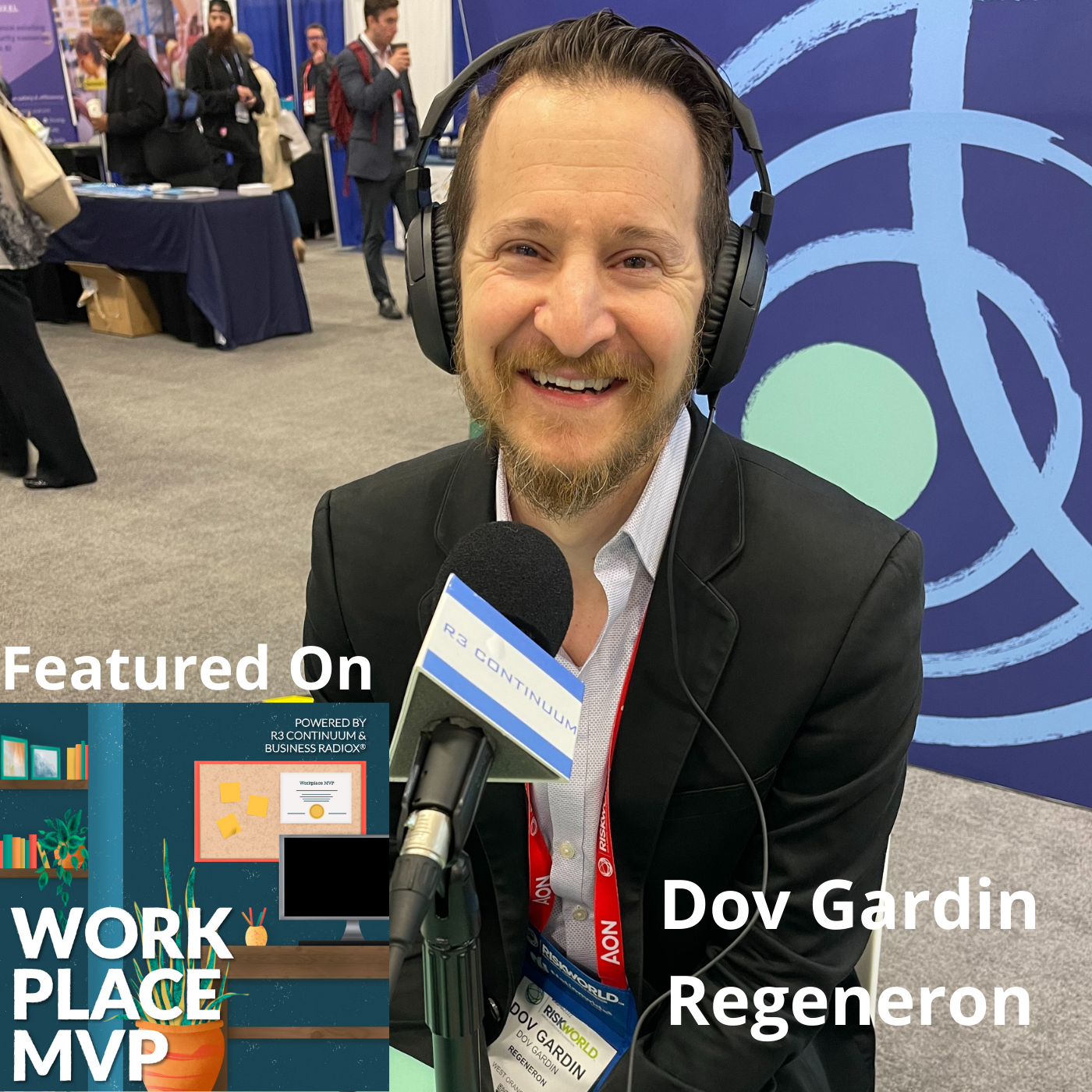
Live from the R3 Continuum booth at RISKWORLD 2022, Dov Gardin, Head of Global Resilience at Regeneron, joined Jamie Gassmann to share his work at Regeneron, the focus of his presentation in the Thought Leader Theater, and more.

Workplace MVP is underwritten and presented by R3 Continuum and produced by the Minneapolis-St.Paul Studio of Business RadioX®.

This show was originally broadcast live from the 2022 RISKWORLD Conference held at the Moscone Center in San Francisco, California.

Dov Gardin, Head of Global Resilience, Regeneron

Dov Gardin, Head of Global Resilience, Regeneron

Dov is currently leading the risk and resiliency program at Regeneron where he is developing, building, and running a global resiliency program.

He is an award-winning resiliency professional with 15+ years experience building and managing corporate resiliency programs including threat intelligence, crisis management, business continuity, risk management, resiliency planning, and security planning.

Past clients include several Fortune 500 firms.

LinkedIn

Regeneron

Regeneron (NASDAQ: REGN) is a leading biotechnology company that invents life-transforming medicines for people with serious diseases. Founded and led for nearly 35 years by physician-scientists, their unique ability to repeatedly and consistently translate science into medicine has led to nine FDA-approved treatments and numerous product candidates in development, nearly all of which were homegrown in our laboratories.

Their medicines and pipeline are designed to help patients with eye diseases, allergic and inflammatory diseases, cancer, cardiovascular and metabolic diseases, pain, hematologic diseases, infectious diseases, and rare diseases.

Company website

About Workplace MVP

Every day, around the world, organizations of all sizes face disruptive events and situations. Within those workplaces are everyday heroes in human resources, risk management, security, business continuity, and the C-suite. They don’t call themselves heroes though. On the contrary, they simply show up every day, laboring for the well-being of employees in their care, readying the workplace for and planning responses to disruption. This show, Workplace MVP, confers on these heroes the designation they deserve, Workplace MVP (Most Valuable Professionals), and gives them the forum to tell their story. As you hear their experiences, you will learn first-hand, real-life approaches to readying the workplace, responses to crisis situations, and overcoming challenges of disruption. Visit our show archive here.

Workplace MVP Host Jamie Gassmann

Jamie Gassmann, Host, “Workplace MVP”

In addition to serving as the host to the Workplace MVP podcast, Jamie Gassmann is the Director of Marketing at R3 Continuum (R3c). Collectively, she has more than fourteen years of marketing experience. Across her tenure, she has experience working in and with various industries including banking, real estate, retail, crisis management, insurance, business continuity, and more. She holds a Bachelor of Science Degree in Mass Communications with special interest in Advertising and Public Relations and a Master of Business Administration from Paseka School of Business, Minnesota State University.

R3 Continuum

R3 Continuum is a global leader in workplace behavioral health and security solutions. R3c helps ensure the psychological and physical safety of organizations and their people in today’s ever-changing and often unpredictable world. Through their continuum of tailored solutions, including evaluations, crisis response, executive optimization, protective services, and more, they help organizations maintain and cultivate a workplace of wellbeing so that their people can thrive. Learn more about R3c at www.r3c.com.

Company website | LinkedIn | Facebook | Twitter

TRANSCRIPT

Intro: [00:00:02] Broadcasting live from Riskworld 2022 at the Moscone Center in San Francisco, it’s time for Workplace MVP. Brought to you by R3 Continuum, a global leader in helping workplaces thrive during disruptive times. Now, here’s your host.

Jamie Gassmann: [00:00:21] Hi, everyone. Jamie Gassmann here, your host of Workplace MVP, broadcasting from Riskworld 2022’s Expo Hall in R3 Continuum’s booth. And with me, I have Dov Gardin from Regeneron. Welcome to the show.

Dov Gardin: [00:00:37] Thank you. Thank you, Jamie. Happy to be here.

Jamie Gassmann: [00:00:39] And tell me a little bit about what Regeneron does.

Dov Gardin: [00:00:43] Sure. Yeah. Regeneron is a pharmaceutical company. We’re probably most known these days for producing REGEN-COV, which is a therapy for severe COVID cases. And so, we’ve been providing that probably, about, the last-year-and-a-half and continue to provide it to patients in need.

Jamie Gassmann: [00:01:05] Wonderful. And so, what is your role at the company? What do you do?

Dov Gardin: [00:01:09] Sure. Yeah. I’m responsible for Global Business Resilience. And so, that really stretches across all the components related to continuity of operations, from how we detect events into risk management, crisis management, incident management in a business recovery, disaster recovery. So, it really runs the gamut of everything we do to make sure that we’re as prepared as possible for disruptive events. And when they do inevitably happen, as we all know they do, that we’re responding appropriately and minimizing impact on the business.

Jamie Gassmann: [00:01:41] Yeah. Wonderful. So, obviously, over the last year or a couple of years now, I guess, what did that look like for you in your role?

Dov Gardin: [00:01:49] So, that’s kind of an interesting question. Actually, I’ve only been with Regeneron for about a year. So, I had the opportunity to see three companies through COVID. Because I was at Allergan, which is a different pharmaceutical company, best known as the makers of Botox and other medical aesthetics products. So, I had been there for about four or five years and put the team together to manage COVID. And in the middle of that process, Allergan was acquired by AbbVie, so I spent a year at AbbVie as part of the transition. And then, moved out of AbbVie into Regeneron where I am now.

Dov Gardin: [00:02:29] So, yeah, really interesting. Three pharmaceutical companies in two years. I want to say, two of those transitions, I didn’t meet my boss at all, which is crazy. I mean, I did virtually, but not in-person. AbbVie, I never was at the site. A huge global pharmaceutical company, third largest right now. So, yeah, really kind of interesting experience to see the different yet related challenges that all three companies went through. And I’m actually speaking about that later today.

Jamie Gassmann: [00:02:58] Interesting. So, speaking of you speaking, talk to me a little bit about that presentation. What is it titled? And the content of it, like, what are you going to be talking about?

Dov Gardin: [00:03:09] Sure. Yeah. So, we’ll be in the Thought Leader Theater, and the focus is really when work from home is not an option with a focus on pharmaceutical manufacturing industry. And it’s really, you know, heavily focused on the surprises that we encountered when trying to manage through this very unique, very globally disruptive event, things that surprised us as prepared as you think you are, what didn’t work well and why. And then, also, we’ll present a couple of things that you can do to overcome or avoid the kinds of surprises that we saw.

Jamie Gassmann: [00:03:50] Yeah. Amazing. Would you say that some of the things you might be talking about, is it applicable to other maybe disruptions, too, or is it strictly just more around the pandemic?

Dov Gardin: [00:04:00] Yeah. It is. So, the lessons learned are really very much about how to prepare for and manage a crisis in general, any kind of crisis. And I mean, you know, when you think about disruptive events, you guys, R3, work with companies supporting how you get through disruption. There are always challenges and surprises. You know, business as usual is simple. It doesn’t mean it’s not hard. It means that we know what we’re doing. We know how the business is supposed to operate.

Dov Gardin: [00:04:30] But once you’re confronted with a chaotic, stressful, disruptive situation, a lot of what you had planned for, a lot of the ways of working used to go out the window. And so, a lot of what we’re going to be talking about in that session that we’ll be providing is, yes, it’s using COVID as sort of context, but there are lessons that should be applied in any disruption.

Jamie Gassmann: [00:04:52] Yeah. Because, you know, it’s inevitable that a disruption is going to happen. So, having a preparedness plan, knowing how you’re going to respond to it, how you’re going to support your people, all of those things matter, especially when you get into that moment.

Dov Gardin: [00:05:05] Yeah. And how leadership teams make decisions and come together to focus on the right thing, and not based on their functional expertise, I think, is the most important. It’s interesting. A lot of it has to do with combatting cognitive bias, which is a common theme in risk. Of course, it’s probably one of the number one issues with objectively understanding risk. But that applies to disruptive situations, crises, et cetera, as well.

Jamie Gassmann: [00:05:34] Yeah. Very interesting. So, if there were three takeaways or three key points you want your audience to be left with when they walk away from your presentation, what would those be?

Dov Gardin: [00:05:42] That’s an excellent question. I think the first is to recognize that you’re not going to have all the answers. There are going to be surprises. Don’t go into it thinking, “Oh, yeah. We’ve been through pandemics before,” to use COVID as an example. “We’ve been through supply disruptions before.” There will likely be specifics of that event that you did not plan for or you couldn’t have planned for. And anticipate surprises, which is a little bit of a weird thing to say, but I think what it means is go into the situation with an open mind.

Dov Gardin: [00:06:16] Number two is, you need to apply an appropriate crisis management decision making framework, where you’ve got the right people in the room, so that’s number one. Number two, everyone agrees on what the problem is. What is the problem statement for the business? What are we focusing on? And then, once you have that, you can then get into solution-ing or coming up with your strategies. I think senior leaders, especially, like to make quick decisions, solve problems very quickly without maybe having the best understanding of the problem or having agreement across the leadership team and what the problem is. So, I’d say that’s number two.

Dov Gardin: [00:06:50] And I think number three is, be open to being flexible. That’s what really allows you to be resilient. And by resilient, I mean not just surviving, but thriving. Coming out of that event even stronger than you were before.

Jamie Gassmann: [00:07:04] Yeah. Great. It sounds like a great presentation. I’m sure the audience is really going to appreciate the content, and knowledge, and information you’re sharing.

Dov Gardin: [00:07:12] I hope so. And it’s ten feet away from this booth.

Jamie Gassmann: [00:07:15] I know. I know. It’s great.

Dov Gardin: [00:07:17] So, you can hold the mic up if you want to hear it.

Jamie Gassmann: [00:07:20] That’s wonderful. Well, it’s been an absolute pleasure to talk with you.

Dov Gardin: [00:07:24] Likewise. Thank you.

Jamie Gassmann: [00:07:24] So, if somebody wanted to get a hold of you and hear a little bit more, maybe ask you questions about your presentation or just connect, how would they do that?

Dov Gardin: [00:07:31] LinkedIn is the best way, so Dov, spelled D-O-V, Gardin, G-A-R-D-I-N. Just LinkedIn, mention that you heard the podcast. And I’m always happy to connect with people to talk and kind of share insights and experiences.

Jamie Gassmann: [00:07:48] Wonderful. It’s been such a pleasure to have you on the show. Good luck at your presentation.

Dov Gardin: [00:07:52] Thank you. Thank you.

Outro: [00:07:58] Thank you for joining us on Workplace MVP. R3 Continuum is a proud sponsor of this show, and is delighted to celebrate most valuable professionals who work diligently to secure safe workplaces where employees can thrive.


Tagged With: business continuity, COVID-19, Dov Gardin, Jamie Gassmann, R3 Continuum, Regeneron, resilience, RIMS, RISKWORLD 2022, San Francisco, Workplace MVP

Workplace MVP: Angela Ammons, Clinch Memorial Hospital

December 9, 2021 by John Ray

Angela Ammons
Minneapolis St. Paul Studio
Workplace MVP: Angela Ammons, Clinch Memorial Hospital
Loading
00:00 /
RSS Feed
Share
Link
Embed

Download file

Angela Ammons

Workplace MVP: Angela Ammons, Clinch Memorial Hospital

Statistically speaking, says Angela Ammons, CEO of Clinch Memorial Hospital, she’s not supposed to be where she is. With a difficult childhood, homelessness, and a host of factors stacked against her, she overcame all of it to become CEO of a critical access hospital in South Georgia. Angela and Jamie discuss her story, the challenge of becoming CEO of a hospital on the verge of closing, turning it around, the mindset which has helped her navigate it all, and much more. Workplace MVP is underwritten and presented by R3 Continuum and produced by the Minneapolis-St.Paul Studio of Business RadioX®.

Clinch Memorial Hospital

Located in Southeast Georgia, Clinch Memorial Hospital is a 25-bed critical access hospital serving Homerville, Clinch County, and surrounding counties.

Clinch Memorial Hospital is accredited pursuant to the NIAHO® Hospital Accreditation Program. Pursuant to the authority granted to DNV GL Healthcare USA, Inc. by the U.S. Department of Health and Human Services, Centers for Medicare and Medicaid Services, Clinch Memorial Hospital is deemed in compliance with the Medicare Conditions of Participation for Critical Access Hospitals (42 C.F.R. §485).

Clinch Memorial was originally founded in 1957 as a 48-bed rural community hospital and moved to a new facility in Homerville in 2007.

CMH has received the Hometown Health Award for Hospital of the year and Congressional Recognition from the Honorable Buddy Carter. CMH was also featured in a Time Magazine Article in November of 2020.

Company website | LinkedIn | Facebook

Angela Ammons, RN, BSN, CEO, Clinch Memorial Hospital

Angela Ammons, RN, BSN, CEO, Clinch Memorial Hospital

Angela Ammons, RN, BSN is the CEO of Clinch Memorial Hospital (“CMH”) in Homerville, GA.  Located in Southeast Georgia, CMH is a 25-bed critical access hospital serving Homerville, Clinch County, and surrounding counties.  Starting in late 2017, Ms. Ammons led a successful turnaround effort at CMH, which was close to shutting down.

Working with outstanding female hospital executive mentors, Angela implemented a business strategy based on working with other South Georgia hospitals.  CMH has also grown other revenues, successfully recruiting a physician from New York City to come to rural South Georgia and launching a Family Practice.

Angela Ammons was named Hospital Leader of the Year by HomeTown Health in 2018 and CMH was recognized by HomeTown Health as Hospital of the Year for 2019. In November 2020 she and her hospital were featured in a story in TIME Magazine that details some of the struggles that she was faced with and how she contributes collaboration and a strong mentor to their success. You can read the story here.

She was also a recent guest on the HIT Like a Girl podcast where she was interviewed by Kat McDavitt. In the podcast, she shared some of the experiences that she has had as a rural hospital CEO.

Angela is proud of her origins as a nurse, having worked her way up to an opportunity to lead as a hospital CEO.  Prior to joining CMH, Angela Ammons served as Nurse Director of the Behavioral Health Unit and Nurse Manager for the Medical/Surgical Unit at Memorial Satilla in Waycross, GA, and was a Critical Care RN at Southeast GA Health System in Brunswick, GA.

She obtained her Associate’s Degree in Nursing from Coastal College of Georgia in Brunswick, and her BSN through Western Governors University; she is pursuing her Masters in Nursing Leadership with Western Governors.

Angela is originally from Macon, GA and currently lives in South Georgia. In addition to her work at the hospital, she is the founder of a nonprofit organization that will build and sustain a free medical clinic in San Antonio, Intibuca Honduras, and is passionate about mission work, and finding missions in your everyday life.

LinkedIn

R3 Continuum

R3 Continuum is a global leader in workplace behavioral health and security solutions. R3c helps ensure the psychological and physical safety of organizations and their people in today’s ever-changing and often unpredictable world. Through their continuum of tailored solutions, including evaluations, crisis response, executive optimization, protective services, and more, they help organizations maintain and cultivate a workplace of wellbeing so that their people can thrive. Learn more about R3c at www.r3c.com.

Company website | LinkedIn | Facebook | Twitter

About Workplace MVP

Every day, around the world, organizations of all sizes face disruptive events and situations. Within those workplaces are everyday heroes in human resources, risk management, security, business continuity, and the C-suite. They don’t call themselves heroes though. On the contrary, they simply show up every day, laboring for the well-being of employees in their care, readying the workplace for and planning responses to disruption. This show, Workplace MVP, confers on these heroes the designation they deserve, Workplace MVP (Most Valuable Professionals), and gives them the forum to tell their story. As you hear their experiences, you will learn first-hand, real-life approaches to readying the workplace, responses to crisis situations, and overcoming challenges of disruption. Visit our show archive here.

Workplace MVP Host Jamie Gassmann

Jamie Gassmann, Host, “Workplace MVP”

In addition to serving as the host to the Workplace MVP podcast, Jamie Gassmann is the Director of Marketing at R3 Continuum (R3c). Collectively, she has more than fourteen years of marketing experience. Across her tenure, she has experience working in and with various industries including banking, real estate, retail, crisis management, insurance, business continuity, and more. She holds a Bachelor of Science Degree in Mass Communications with special interest in Advertising and Public Relations and a Master of Business Administration from Paseka School of Business, Minnesota State University.

TRANSCRIPT

Intro: [00:00:04] Broadcasting from the Business RadioX Studios, it’s time for Workplace MVP. Workplace MVP is brought to you by R3 Continuum, a global leader in workplace behavioral health and security solutions. Now, here’s your host, Jamie Gassmann.

Jamie Gassmann: [00:00:26] Hi, everyone. Your host, Jamie Gassmann, here, and welcome to this episode of Workplace MVP. I’m excited about this episode as it shares the story of an amazing leader who has had to navigate various trials and tribulations throughout her life. Now, for some, facing challenges can be debilitating, keeping them from moving forward or accomplishing their dreams. But for this Workplace MVP, it’s strengthened her resilience and provided her with learning opportunities that have helped to shape the successful leader she has become today.

Jamie Gassmann: [00:01:01] So, looking out over the last two years, a number of leaders have faced various challenges as we have experienced personal and professional altering situations. And in some cases, having to navigate unchartered and unknown waters as we have ridden the waves of the COVID-19 pandemic, employment shortages, changes in our work environments, and more. So, how do we, as leaders, look at these challenges we have overcome as opportunities for personal and professional growth? How do we look on them as a silver lining when at times the challenge was quite difficult?

Jamie Gassmann: [00:01:37] Well, joining us today is Workplace MVP Angela Ammons, CEO at Clinch Memorial Hospital in Homerville, Georgia. Angela will be sharing with us her story of resilience, triumph, and tenacity as she took her role as CEO of Clinch Memorial Hospital. I’m so excited to have you here on the show, Angela. Welcome.

Angela Ammons: [00:01:57] Thank you, Jamie. Thank you for having me here.

Jamie Gassmann: [00:01:59] So, let’s start with you telling us your story, because it helps to give some insight to the leaders that we have listening in on how you became the leader that you are today.

Angela Ammons: [00:02:10] Well, I have been here as CEO at Clinch Memorial Hospital, in September, four years. But before I became CEO, statistically speaking, I wasn’t supposed to be here. My mother was First-Generation American. She had immigrated here. She met my dad several years ago when he was serving in the war in Korea. And she and my older brother, he’s eight at the time, came over, and she really had never had an education. And even today, she has about a third grade level basic prose understanding and literacy and able to read and write at that level.

Angela Ammons: [00:02:50] So, I guess a tumultuous childhood with lots of challenges in itself led me to be a 15 year old high school dropout. And I was homeless at different times throughout those teenage years. And so, here I am being CEO of a hospital, so that’s why I said, statistically speaking, I’m not supposed to be here. But several years ago, I went back and got my GED. I went to nursing school at Coastal College in Brunswick, Georgia, graduated immediately, went into critical care nursing. And then, various roles presented themselves for me and management and special projects and so forth in the nursing world.

Angela Ammons: [00:03:33] And I have gone on to lead medical teams into Honduras for missions. And I started a nonprofit to, hopefully, one day build a free medical clinic in Honduras in this village that I’m just in love with there. But someone who had went on the mission team with me had picked my brain or asked me questions about the hospital here in Clinch because her husband is serving on the board. And, actually, you know, I get a phone call where they want me to come and speak to the board and to see if I would possibly be interested in the CEO position. And here we are.

Angela Ammons: [00:04:05] And at first I was like, “Oh, you know, I’m very excited about the opportunity, but I’m not a CEO. I’m a registered nurse, nurse manager. It’s very flattering. Thank you.” And they’re like, “No. Come and talk to us.” And so, the person who is very competitive, that side kicked in, and I said, “Why not? Let’s go and see what can happen,” and here we are four years later.

Angela Ammons: [00:04:25] So, I have five children. We live in South Georgia. And they are studying various different fields and we have one teenager left at home. So, that constitutes my very busy life after this boy.

Jamie Gassmann: [00:04:39] Absolutely sounds like it, for sure. So, you know, you mentioned Clinch Memorial Hospital, so tell me a little bit about that hospital. I know you mentioned it’s rural, so talk to me a little bit about the hospital itself.

Angela Ammons: [00:04:51] Sure. Well, it is a rural hospital. It’s a critical access hospital. And critical access means that there are some limits to us in how we can bill and how we’re structured. So, we are 25-bed max, we have a four day length of stay. And critical access hospitals were set up to offset any acute injuries when there is more than a 38 or 35 mile radius to your next hospital. And a lot of people think that we are just a band-aid station, but that can be farthest from the truth because we employ physicians, nurses, and staff who have to pass the same boards as any other hospital in the State of Georgia.

Angela Ammons: [00:05:28] So, the great thing about us is, if you were to experience motor vehicle accident or cardiac event or some other emergency, we have all the contacts network that we can actually get a helicopter here and fly you out, or can create an efficient path for you to get help that you need. And the hospital has been here since 1957. The older building was torn down and we built this new building here in 2007, so it’s aesthetically pleasing and beautiful. And the Clinch County, I think, there’s about 6,900 people within our county and we do serve some of the surrounding counties around us.

Angela Ammons: [00:06:07] But it has definitely been a struggle for us to stay open. As a matter of fact, when I first became CEO here in September of 2017, we probably had three to five days cash-on-hand and that is just absolutely deplorable for any business. And then, there are just so many other issues that had to be unraveled or rectified in order to get us in a position to where we can be successful.

Angela Ammons: [00:06:32] And I shared this story before. I think I was 30 minutes early to work that day and I kept driving through town because I didn’t want to look like an eager beaver too much. And new briefcase, new shoes, and dress. I was going to come in and save the world. I was what Clinch Memorial Hospital needed. In my small, little, tiny rotation of a brain, I was thinking that. And within two hours, I had four cups of coffee and I was on my second Goody powder because I could not believe what I had been presented with. Very good people, I think, in the heart of things, but just not very current to run a hospital.

Angela Ammons: [00:07:12] A lot of the people that are employed here had never been employed anywhere else. Never had experienced any other, I guess, management of another large hospital. And I had worked for HCA, Mayo Clinic, and Southeast Georgia Health System over in Brunswick, so I had, I guess, a very varied working knowledge of different hospital entities and some of the things that go along with running a hospital. So, I was in quite a shock for the first couple of days there. But here we are four years later and we’re still open.

Jamie Gassmann: [00:07:46] That’s amazing. Yeah, it sounds like you’ve obviously made a huge difference to operational, cultural, a lot of different things that you kind of walked into. So, with that, talk to me a little bit about when you took over as CEO, what was the culture? And I know you kind of touched a little bit on the state of the hospital. But what was the culture and the state of the hospital like?

Angela Ammons: [00:08:08] It was almost as if this hospital was in a bubble. And they had not been exposed to anything else. Everyone wanted me to save the hospital as long as it didn’t personally affect them or if it didn’t change anything about their lifestyle here at the hospital. And I know that change is hard for a lot of people. But in order for us to move forward and in order for us to save the hospital, there had to be a tremendous amount of change that had to take place. Tremendous amount.

Angela Ammons: [00:08:35] And the board had only given me an 18 month contract. And they had wanted to only give me a year contract at first. And I was like, “There’s no way you can do anything in a year. I know that I’m an RN. I know I’ve had a CEO role before. But I’m going to need a little bit more time.” So, 18 months I felt was huge immense amount of pressure to get in, shake things up, and to see where we could go. And, you know, every day as I was playing that game – and if you play the game at the fair or whatever, Whac-A-Mole, the little mole pops up and you hit it and the next one pops up – I felt like I was just chasing moles every single day.

Angela Ammons: [00:09:11] But the culture, for a good part of it, was somewhat toxic. I had some very good people in my C-suite who are very supportive. They understood that a lot of change needed to happen. But, for example, on my first day on the job, I had an employee who refused to shake my hand as the new CEO, who refused to be introduced to me.

Angela Ammons: [00:09:32] And it had taken me aback because I had been employed since I was 15 years old, working two to three jobs at times. And it didn’t matter what job I held, whether it was the waitress at Chinese or I was working in retail or I was working in an engineering co., there is this level of respect that you give to people who are your managers or the position they hold or just respect for the next human being. So, I just remember walking away from the employee, “You know what? They don’t want to meet me right now. I will come back.” Thinking, “What in the world?”

Angela Ammons: [00:10:04] And then, I remember a nurse who refused to even look up from the desk and speak to me until I finally had to tap on the desk and say, “Did you not hear me say hello?” They’re like, “Oh, yeah. I heard you.” and I was like, “Okay. So, this is going to be a very interesting job here.” But it was just whatever was allowed. There was limited accountability, very limited follow through, very limited amount of expectation set. And I think that previous CEOs had done the best they could, but it was just an immense project. So, I just started to decide to chip away at the little things.

Angela Ammons: [00:10:42] And a very wise woman in a church that used to give advice to all of the new newlyweds, and she said, “Honey, you need to start out like you can call it out.” And then, new women like, “What are you talking about? What does that mean?” “If you want to be sugar and kisses and full face of makeup every single day, you got to do that for the rest of your life. Because it’s not fair to the husband when three months in, you’re tired of that and you revert back to another lifestyle.”

Angela Ammons: [00:11:11] So, I’ve taken that kind of advice into the business. It’s hard for you to start out easy and then have to get harder because your employees are not going to understand that. So, I believe in being tough but fair and being very direct from the get-go. Tons of respect in there, but I had to be very direct with some of the things.

Angela Ammons: [00:11:31] So, I remember going to my CNN and she is a phenomenal employee, and I don’t know what I would do without her. But I told her about my experience with a nurse and I said, “Get it cleaned up and get it fixed immediately or I’m going to have to take care of the issue.” Because if she’s doing that to me as a CEO, I don’t know what she’s doing to the public, so we need to rectify the situation immediately. But it was just instances like that.

Angela Ammons: [00:11:55] And then, the community being an outsider, not from here, being half Asian, I think, has been hard to accept at times. There’s a lot of judgment, especially when you’re a female CEO and you’re taking on a role like this. And I even heard negative comments from people who I thought were my friends about how I potentially got the job. And so, it was just hard during that first year to be tasked with trying to save a hospital, changed the culture, and then dealing with the personal attacks that come with that.

Angela Ammons: [00:12:26] And it’s still not easy. I think once a quarter, I make someone upset in the community. I’m in this closed Facebook group, How do we remove the new administrator? Now, I’ve been here four years, so maybe when I’m here ten years and I’m still here, maybe I won’t be new anymore. So, that happens on a consistent basis. So, it’s just one of those things.

Angela Ammons: [00:12:46] But, Jamie, looking back, I believe that my entire childhood in lifetime prepared me for the things and the challenges that I had to face here. Because if someone had a very sheltered lifestyle and someone had to overcome a lot of obstacles had been put in situations where people were just really horrendous to you, I think they would have walked out the door. And people have walked out the door. And sometimes when I had insults hurled at me, I’m like, “Is that the best you can do? Because I’ve heard a lot worse. That doesn’t bother me at all.” So, I think that helped prepare me for this position and maybe other things in the future. I don’t know.

Jamie Gassmann: [00:13:26] Wow. Yeah. And that definitely sounds really challenging because you’re trying to make a difference. And, you know, having people understand and provide that respect to help along the way would make it that much easier. But it’s almost like they’ve created those obstacles. Because change is hard. I mean, change management, especially in an organization where it sounds like they probably had multiple CEOs that come and gone prior to you coming on board while they’re trying to fix the situation, and creating change can bring so many additional obstacles in it of itself.

Jamie Gassmann: [00:14:05] So, how did you approach that? What were some of the ways that you approach that change management process, knowing that you are already getting kind of some deflection of frustrated feelings and disrespect? And how did you kind of implement that? What were some of the ways that you approached that, that you feel helped to kind of overcome some of those challenges?

Angela Ammons: [00:14:26] Well, it was a multifaceted approach. And some days I thought I had it nailed down to a science. And then, sometimes you have to start back to the first page. I created a whiteboard. I had a whiteboard hung in my room and I created wants and needs. And I think I’m on my second or third whiteboard, where I had to erase it and start all over again. And I had to focus every single day on the things that absolutely had to happen, whether it’s applying for accreditation, looking at our charge master, going back and looking at policies and procedures.

Angela Ammons: [00:14:58] And things that are supposed to happen on a routine basis hadn’t happened in years. So, not only was it you had to get it done, but you’re looking at ten plus years of work that you had to go through. But just looking at that and being able to cross off with a red marker the things that we accomplished kept me going. And rallying the team, I had to make sure that the board had my back 100 percent. And at times, it can feel like they don’t. But you have to remember the end goal. And to remember as long as you know that you’re performing at your best capacity, your feeling for that day cannot be dependent on the feedback you get from somebody else.

Angela Ammons: [00:15:41] And being a novice CEO, being very new at my role, and being unsteady for the first six months, I probably caused a lot of undue stress upon myself wanting positive feedback, wanting you’re doing a great job, wanting the employee’s light. I mean, guess what? I didn’t get it. I didn’t get it at all from the community. And I’ve had some bad discussions with boards and with employees. So then, I had come to a sharp realization, like, “Angela, you’re wanting fuel for your fire that you’re not going to get. You’re going to have to learn to smoke that thing on your own. And not wait for positive feedback. Just keep your head down and do the best you could.”

Angela Ammons: [00:16:21] So, I created a good team of immediate support in the C-suite, and I was very direct with all of them. I said, “Look, I’m a very transparent person. I’m never going to be 100 percent right all the time. I will fail. I will do my best to admit the times that I failed. But I need you to be able to admit that with me as well. Together, let’s come up with solution. Don’t think you have to hide anything. I don’t want you to hide anything. If you don’t know an answer to something, just admit that because I’m going to do the same thing with you.”

Angela Ammons: [00:16:49] And we set some goals and we gave everybody a toolbox to be able to reach those goals. And if you couldn’t get there, we had to give you the opportunity to seek employment elsewhere. And a lot of people in our accounting thought this hospital was established to be an employer of Clinch County, and that cannot be farther from the truth. The hospital was established to provide excellent patient care for anyone that came to that door. And we are tasked with making sure that we have the right people in place to do that.

Angela Ammons: [00:17:17] So, there is a lot of nepotism that we had to alleviate within the facility. And there are a lot of hurt feelings associated with that. And a lot of people just thought it was a personal attack, but that wasn’t true. So, that was one of the things that we had to do and we’re still facing. And I think that a lot of people – a lot more, the percentage shifting, to where people understand that. And I used to tell my children and I still do, “Remember, you are the average of your friends. Look around at your friends. If you don’t like what you see, you need to do a little bit of introspection because you’re probably that average.”

Angela Ammons: [00:17:56] So, when I became CEO, there were years of people that I had worked with who had heard I taken the position and said, “Angela, we always want to continue to work with you and for you. If anything comes open, let us know.” So, for the first time in several years, we had people who could get jobs anywhere, but they were choosing to come and work in little Clinch County, BSN, master’s degrees, years of experience with compliance, and so forth.

Angela Ammons: [00:18:22] And so, that made my job a lot easier, is, having a great team and the same work ethic that I did, and who believed in just staying until the work was done, and being honest and laughing at each other. Now, there has been times when we have had a lot spats back in the day. We leave with the respect that we’re just here for the common goal. And I think if it had not been years of me doing the best I can in previous jobs, that reputation would have not followed me.

Angela Ammons: [00:18:50] And so, whenever we have new nurses come in or anybody through orientation, I ask that I have a few minutes to introduce myself and speak to everyone. And I tell them, you are in a constant job interview every single day you show up for work, whether you believe it or not. So, it’s important for your uniform to be right. The dress code is appropriate, for your personality to be on spot, because you don’t know the person that you’re working with next to you will be a future employer, a future reference, a future anything.

Angela Ammons: [00:19:18] So, that’s the way I try to operate in. That, I don’t know if any of the people that are working for me, I may not be working for them in the future. But I think that has what helped me be as successful as I am and to attain the positions that I did. Earlier on, when you’re homeless and you’re by yourself and you don’t have anyone to help you, there have been some pretty dark moments in my life whether it’s the shame, or the realization, or the lack, the only person that can change for you is you. There isn’t one person in the face of this Earth that owes you anything. Not one thing.

Angela Ammons: [00:19:57] And if you want to change the directory for your life, you got to get out and work for it. And that meant working three jobs. That meant going back to college. After you get off your second job and doing night classes, but keeping that mindset that whatever you want to have in life, you work for it and it’s not handed to you, I think, really has helped us, as a team, here at Clinch Memorial Hospital to get some of the recognition and the notoriety that we have thus far.

Jamie Gassmann: [00:20:24] Yeah. Which sounds well deserved and it’s great. I love that concept of, you know, show up to work like you’re always on a job interview. I always say it goes the same way when I’m traveling, I always travel dressed ready for potentially anybody that I might meet because you never know who you might be sitting next to. You don’t know who you’re going to run into.

Angela Ammons: [00:20:44] That’s so true. It never fails. The day you leave the house without makeup because you’re just going to run to the store, ripped t-shirt or something because you’ve been cleaning all day, you see someone. I’m like, “Oh, my gosh. There’s no second chance of this ever again.”

Jamie Gassmann: [00:21:00] Totally. Yes. I love that concept in the work environment of always showing up like you’re going to be in a job interview, because I love that thinking of always putting your best foot forward every day.

Jamie Gassmann: [00:21:14] So, you know, with the hospital, obviously, you mentioned it’s rural and you’ve kind of touched on some of those challenges with the nepotism and changing kind of the perception of the community to the hospital. With it being rural, what are some of the benefits that it has? But then, also, what are some of the challenges or obstacles you’ve had to overcome with it being a rural hospital? Are there things that have created maybe some barriers to it being more rural-ly – I don’t even know if that’s a word – rural in Georgia?

Angela Ammons: [00:21:51] It is extremely challenging for us because rural usually means high poverty rate. So, getting people to use your hospital or ancillary services is extremely hard because you usually have a higher uninsured rate, or Medicaid, or you really don’t qualify for that. And along with that, too, sometimes comes with a lack of understanding due to a lack of education. Most of the people who do go off to get college degrees, stay in the area that they’re getting the college degree from. And very few move back.

Angela Ammons: [00:22:24] So, we have a problem with outmigration and just a complete lack of understanding and the mindset of, “We’ve always done it this way. Why do we have to change?” Well, there can be no success without change.

Angela Ammons: [00:22:37] A very good friend of mine who happens to work here, so there can absolutely be zero growth, personal or professional, without conflict. So, it’s going to mean there’s going to be a time of being uncomfortable or a little bit different in order for us to see some change. So, that’s hard.

Angela Ammons: [00:22:54] And one of the things that was challenging for us coming in was that, we were a hospital that was slated to be closed. We were on the closure list. And hardly anyone had ever heard of us. We were sometimes confused with a hospital in Charleston County that closed in 2014. So, going in as the underdog and having everyone who could go to the back for you, the legislators, your representatives, people who wanted to issue grants knowing that you might be a sinking ship, they did not want to work with us. So, that was extremely difficult and extremely challenging.

Angela Ammons: [00:23:31] And then, having a board who is a good hearted board but was void of the health care management aspect, didn’t understand a lot of the terms of a critical access hospital. See, critical access hospitals are set up much differently than PPS hospitals. Usually in any business, if you want to make a profit and you save money, you cut back and you put money in the bank. Critical access hospitals are set up differently. So, we get 101 percent of all of our charges that are presented to Medicare. And at the end of the year, we do a cost report. And if we have not reinvested every dollar that Medicare gave us, we have to give them money back.

Angela Ammons: [00:24:12] In trying to get the board and people to understand why is that new CEO buying all of these IV pumps, or upgrading their computer systems, or hiring more people, or why does she increase salaries? Because all of that goes in our cost report. And so, it’s a game. It’s a game how to play this and how to navigate that to make sure that we get credit for every dollar that comes through here. And at times it can be very, very stressful. If you’re facing a possible payback at the end of the year because you worked so hard, your staff worked so hard, the last thing you want to do is write a check for a million dollars back to Medicare. I mean, it’s just so defeating to do that.

Angela Ammons: [00:24:53] So, understanding the nuances of that and trying to get your hands and head wrapped around that was extremely challenging because the community would post something in the paper to the editor, “Why did she get rid of this long term provider in the community?” Well, it really was not feasible for us to continue in this relationship. Or, “Why is she buying a car for an employee?” And so, a couple of years ago, we were trying to find a creative way to keep employees here, to retain them, and to recruit them.

Angela Ammons: [00:25:23] And I did not like sign on bonuses because that defeated everything that anyone had been here for years in the work that they were doing. So, what we did was created a driving excellence program. So, every two weeks, if an employee signed off on your time, you worked your scheduled hours, and you did not call out, your name was put into a drawing. And every quarter, we gave away $500 from that drawing. And then, we put your name back in the bucket, and every year we gave away a car to an employee.

Angela Ammons: [00:25:54] So, that got a lot of publicity for us, and there is a lot of people who wanted to come work for us because we were thinking outside the box. But the community can’t understand that, and I tried to explain to them, “Well, depending on a cost report, if you know the employee that we give it to, it’s not the face value of the cost of this car.”

Angela Ammons: [00:26:12] And every time an RN leaves our facility, the average cost for recruitment and retention and getting it back is $50,000 every time a registered nurse leaves you. So, if we have ten registered nurses walk out the door every yea, it’s costing us so much money. So, this is a very little small effort that we can do with that type of thing. But getting the community to understand that has been hard at times, but we just keep pressing on trying to think outside the box and doing things that we’ve never done before.

Angela Ammons: [00:26:41] We created a farm to table approach in the middle of the pandemic. We had a lot of farmers locally who couldn’t get their vegetables and produce and fruit to the market because the pandemic shut everything down. And one of the farmers reached out to me and said, “Angela, can you buy some blueberries? All of our suppliers have just dried up and they’re just down on the vine.” “Absolutely.”

Angela Ammons: [00:27:01] And so, I started getting my mind thinking, the restaurants may be closed in New York and Atlanta, but every hospital in this nation is still open. How can we help our local farmers? So, I picked up the phone, I called some other hospitals and they bought some. We started this food collaborative in which offset to another thing where we try to give our employees B-grade vegetables from local farmers so they won’t go to waste in the field. We can’t really give you money all the time, but, hey, instead of you leaving having to go to a grocery store, here’s some nutritious food straight from the fields from our local farmers. So, it’s little things like that we try to do to be creative, which is a challenge.

Jamie Gassmann: [00:27:38] Absolutely. But what’s really cool about that is you’re supporting your community while helping your employees. It’s almost like a win-win-win. Like, it’s kind of helping to keep them motivated and feeling good about the work they’re doing, but also helping others in that community with getting their produce to somebody who can buy it. That’s amazing. What a great story.

Jamie Gassmann: [00:28:00] And, obviously, you’ve overcome a lot of these challenges. You’re risen kind of like a phoenix in a way. You know, you’ve also leveraged mentors and other leaders kind of in your network along the way with that. Can you talk about how important that has been or how that helped you in being able to have that comfortability to reach out to other leaders and ask questions and get support from them?

Angela Ammons: [00:28:26] Sure. Well, I think my background created a boldness inside of me. So, I’m like, “What have I got to lose?” I mean, I’ve probably been embarrassed to the most extent. So, I’m one of those people who will be completely transparent and vulnerable. And I think this is something that executives or anyone in any workplace need to understand, not everyone should fake it until you make it, because you may end up making a complete fool out of yourself.

Angela Ammons: [00:28:51] The next person at the next cubicle or the CEO at your competitor could feel just as uneasy or insecure about various roles that they must fulfill. So, the best thing you can do and the best thing that I did was to be very upfront about the things I did not know, and to asked for help. Now, being vulnerable meant that a lot of people tell me no, or didn’t return my phone call, or pretty much said, “No. You’re CEO now, you figure it out.” And I was shocked when I got those kind of responses because I was always in the nature, if someone needs help, I’m going to do everything I possibly can to help them. I’m the person who does that.

Angela Ammons: [00:29:33] And I shared this with somebody else before when I talked about mentors, and I’ve had some really good mentors. The best mentors in my life have been the people who have been the meanest and dirtiest in my life. I have learned more from that than anybody else, because I have sworn to myself with those interactions, I am going to be so far away on the spectrum of where you are so I can never be like you. And what do I need to do so that I’m not like this?

Angela Ammons: [00:30:03] And I think reaching out for help, it leaves you open to placing trust in people you shouldn’t place trust in, but that’s okay. Place the trust anyway. Be very cautious, but extend the olive ranch and place that trust. So, reaching out to a mentor on my first day in the job here was something that took a lot of guts. I knew what I didn’t know. And I knew that as a new CEO, I needed some help here.

Angela Ammons: [00:30:33] So, I had researched powerful CEOs who are doing something to shake things up in the critical access world. And Robin Ralph’s name popped up and I cold called her on the first day. I was like, “Robin, you don’t know who I am.” And the gods smiled upon me because she answered the phone. It didn’t go to a secretary or anything. She answered the phone and I said, “I’m Angela. This is my first day on the job as a CEO in this critical access hospital. I don’t know a lot, but I know I need a mentor. Would you be my mentor?” And she agreed and we developed a relationship and I have learned a tremendous amount in these last three years from her.

Angela Ammons: [00:31:11] But taking that chance and letting her open doors for me led me to meeting other people, and introduced myself, and really stepping outside of my comfort zone. I’m a huge introvert. I mean, I’m on all day and there’s nothing more than what I want to do is get curled up at home with my dog and cat, read a book, and stay inside. And I can stay inside the house for an entire weekend. But I had to learn that my position meant for me to get out of my comfort zone and network.

Angela Ammons: [00:31:40] So, I remember the first conference I ever went to. I shut out to some of the sessions that was going on, and I ran right back to my hotel room. I wanted to avoid the cocktail hour, the meet and greet hour, because I felt that I was not adequate enough to mix and mingle with other CEOs, even though I held the title as CEO, even though I was pursuing a master’s degree, even though I had to overcome so much that would put people in a grave. And that would stop people.

Angela Ammons: [00:32:11] Years ago, I let my inner voice tell me, “You are not there yet. How dare you get out there and give a business card, introduce yourself as a CEO when you’re so new in the game?” But you know what? I’m looking back now and I wish that had not stopped me. And we let our inner voice of fear stop us from stepping out and obtaining the things that we should obtain, and going after the things that we should because of that voice. And, also, criticisms from other people.

Angela Ammons: [00:32:38] And that year as a new CEO, I remember sitting in a session with this group called Hometown Help and someone won CEO of the Year, and I was like, “I’m going to win that one year. I promise you that.” The next year, I won it. And there are a lot of people who felt like I shouldn’t have gotten that award, and I knew it and I could sense it. There are people who have been CEOs of hospitals and rural hospitals for years and haven’t gotten it.

Angela Ammons: [00:33:04] And then, the next year, I was asked to give a keynote message or speech at the same conference and my opening line was, “A year ago today I received CEO of the Year award. Just like a lot of you who are sitting in this audience, I didn’t think I deserved it.” I can feel the tension break in the room. And being vulnerable in that moment, I felt let them be open to the rest of my speech and we got Hospital of the Year that year after that speech was over.

Angela Ammons: [00:33:35] But mentors have come in different shapes and sizes. Some of my biggest mentors now are my employees that work under me – and I hate to say work under me – work with me. There are some hard working, very smart, intelligent people that teach me things every single day. And I truly believe in being surrounded by people who are smarter than me. If I’m the smartest person in the room, I need to get out of the room, and I tell them that all the time. People who I thought were my mentors in the past surely were not. And I realize that now, but they were. I hate to say that because I’m still learning from them.

Angela Ammons: [00:34:15] And being in the position of being mentored, I think, it’s hugely important that I try to mentor someone. And I’m usually shocked and taken aback when I get someone that reaches out and say, “Would you mind being my mentor?” And I’m like, “You want me? Are you sure?” But sometimes people just want friendship to know that we’re not in this alone.

Angela Ammons: [00:34:36] So, I think it’s important that in any leadership position that we remember to give it back and pay back. And then, sometimes it really helps offset the pain and the sting of the criticism and stuff that you get when you’re trying to do your job.

Jamie Gassmann: [00:34:50] I love that concept of reaching out even just to be a friend or have somebody there. Because, you know, there’s a lot of leaders or there’s people that I’ve heard this from that say it’s very lonely at the top. And from what it sounds like to you, you’ve really taken an opportunity to embrace those that are either working with you or can help you in some way from a networking perspective. And, you know, ones that may be a little bit more negative, you’re going, “Yep. That’s not what I want to be, so that helps me to grow as a leader.” But, you know, really kind of finding a way to not be lonely at the top so that you can continue to thrive in a way, very interesting.

Angela Ammons: [00:35:29] Hugely important. Yes.

Jamie Gassmann: [00:35:31] Yeah. Absolutely. And you’ve navigated a lot of discomfort when you’ve been put in different situations. I know you shared some on having to choose your battles as you moved into this role. Can you talk a little bit about that? Because I know sometimes, you know, when you get into that leadership role and you go into a meeting, you’re like, “Okay. This is something I have an opinion on. I should fight for it.”

[00:35:52] But I think what was really interesting about a previous conversation you and I had where you shared some examples of, “Yep. That’s not a battle I’m going to take on. I’m going to choose my time when I take that battle on.” Share a little bit about that and how you were able to kind of learn some control on that in choosing your battle, because you ran into some several obstacles where you had to do that.

Angela Ammons: [00:36:14] I did. I did. Several comments I want to make about that. One is that, you can’t want more for people than they want for themselves. The disappointment stops when you realize that. And I’m still trying to get past this, I hire really quickly and I fire slow. And a lot of times people think that, “Oh, this person has positions, so they should know better. They already should know better.” But that’s not true. You’ve got to be able to have some very tough conversations.

Angela Ammons: [00:36:44] Now, don’t criticize a person every single day that they’re walking in the door. But for the bigger things or for, “Hey, do you want to help with this?” And let me tell you how I thought this meeting went today. The same thing with my board, they’re a fairly new board when I started and we are each trying to prove ourselves. And there are some very tense conversations that we’ve had to have. And me not having that boardroom experience before, I learned that I had to learn how to regain or gain my composure and post questions in a different manner. Or if I didn’t get it yesterday, it doesn’t mean it was a permanent no. I just had to redirect and find out what the root cause of the issue was and then just reask in a different time.

Angela Ammons: [00:37:26] So, I learned that I don’t have to go in and be the fist on the table or get my way. And instead of going, “Are you crazy? Did I just really hear that come out of your mouth?” That I may not get such a great response and said I can word it like, “I really appreciate your feedback on that. Can you explain or elaborate a little bit further on what you’re trying to convey here? Because I’m not quite sure I’m on the same page with you.” The same thing, but completely different ways of saying it.

Angela Ammons: [00:37:58] And it was very hard for me to come in to this environment because there are some very strong personalities. And anyone who’s ever managed a team of physicians or have had to be a CEO of a hospital or a physician practice, physicians at time can be hard to manage, especially if they’ve been allowed to run the show for an extended period of time.

Angela Ammons: [00:38:24] And we, as females, not only do we constantly second guess, or do I deserve to be in this position? Should I ask for a raise because I’m not sure I deserve that? Should I say no to this, even though I know it’s out of my scope of practice because I really have got to prove myself? Not only that, but then we have to balance the inner voice of, you’re fat. If you’re a little bit skinnier, you look better in that suit. Or, do you really need to eat that donut today? Should you be in both sides of that bagel, Angela, before you came to the office? But we constantly worry about our image.

Angela Ammons: [00:38:59] And so, I remember a physician who was well-respected in the community. When I walked into a meeting – it was a med staff meeting – he called me out and he says, “Miss Ammons, have you lost any weight because it doesn’t look like it?” And this is with a team of other professionals and doctors. And, really, I just kind of giggled uncomfortably.

Angela Ammons: [00:39:20] And after the meeting, I said, “Is this something that happens all the time?” “Well, yes, that’s just how he is. You just have to deal with it.” I was like, “No. Let’s not have to deal with it.” Other people say, “Oh, just don’t worry about it. That’s how they are.” I’m like, “You don’t understand something, in any other setting, this person would have a lawsuit against them, if you’re telling me this is how they treat everyone.”

Angela Ammons: [00:39:42] So, I have my back against the wall just because I didn’t have another physician so forth. So, I tell myself, “You’re going to fight this battle, but you’re going to fight it at the right time.” But, still, I would get a phone call randomly, a phone call from this person they’re saying, “AA -” because Angela Ammons “- I only have one question for you.” And I say, “Yes. What’s your question?” “Are you still fat?” And they would laugh and hang up the phone. And I’m a size eight to ten, average female in American sport team, so I never considered myself fat. We all do a little bit. But I was like, “Oh, my God. Not only do I have to worry about three days cash-on-hand and payroll, I’ve got some idiot asking me about my weight in a professional setting.” I’m like, “Oh, my god.”

Angela Ammons: [00:40:23] And then, I would walk in to a performance improvement meeting, a CQI meeting, and this person would say, “I think our next performance improvement plan should be to reduce Ms. Ammon’s BMI because she’s really not overweight. She’s clinically obese. And I would appreciate it when you go on your walking clubs, if you happen to run past my house, you call me and tell me so I could hold my China cabinet in place so the China doesn’t bounce out.”

Angela Ammons: [00:40:48] And I remember a new physician that I hired sitting there staring at him and his color is getting red because he was new and he didn’t know how to navigate it. He was just like, “I cannot believe this behavior is happening here.” But another time and another place, I was able to address it head on. And that behavior towards me does not happen any longer. I was able to stop it. And I believe that I have gained enough respect for myself that I could go to anybody in the community and say, “This is a behavior that’s happening. We could get sued for this type of behavior. This is lateral violence and harassment. This will not be tolerated in our facility anymore.” And I said that.

Angela Ammons: [00:41:31] And so, as far as I know, it has stopped. But I had to remind myself that I cannot walk out the door every time you got an easy for me, or every time it was not comfortable, or every time I wasn’t getting flowers and champagne tossed at me for doing a good job. When you’re in a position of power, a CEO, CFO, manager, owner of your business, you’ve got to remember what your goal is, your end goal. And it’s not going to get any easier in any other facility or business you go to. It’s just going to be the same type of person. It’s just a different name.

Angela Ammons: [00:42:08] And you’ve got to tell yourself, what’s my end goal? What can I tolerate? It’s not going to be on the the ledge of being illegal. But you just have to keep your head up and keep going because every single employee in this facility needed me to do that. And I couldn’t take it personally. I just had to let it just roll off, like, this is something you have to face every single day or intermittently. But you have to remember you’re here to save the hospital and you’re not going to get a parade every single day when you come in here. It’s just not going to happen. And I think people forget that. I think at times we’re a little bit more sensitive than we should be, and we walk out the door, and then we forget the true mission of what we were set to do here.

Jamie Gassmann: [00:42:53] Yeah. Well, that was one of those moments where planning your time to address it when you could make the biggest impact as opposed to trying to navigate that too soon and not getting to that end goal that you were set.

Angela Ammons: [00:43:08] Sure. Because he wanted to squabble. If I wanted to do an immediate squabble back and forth, then I think everyone at that table would lose respect for both of us. And I need that respect. It had not been lost for me, and I wasn’t going to do anything to add fuel to that fire. So, you can get in a fight. Sure, fights are very easy, a verbal squabble, but I knew that I need to hold my place and time, and I would have my due day of being able to reckon.

Jamie Gassmann: [00:43:33] Yeah. Absolutely. And good for you, because that would have been a really hard one to sit and take. But then, I admire your strength in that moment to just, you know, “Okay. All right.”

Angela Ammons: [00:43:46] Yeah. And then, sometimes you have to have private conversations with someone which is acting very irresponsibly, and you really felt they didn’t know any better. Very young people, they graduate and immediately, “I have my master’s degree. I know what I’m doing.” Or, “I have my bachelor’s degree, you can’t tell me everything because my degree at Georgia Southern has told me everything,” or my degree at UGA.

Angela Ammons: [00:44:07] And sometimes you have to pull someone down, sit them down and say, “Private conversation between you and me, where do you want to go and live? What you’re doing now is never going to get you there. So, if you want to listen to my advice, I’m about to tell you that.” And those conversations can be extremely hard because these people are so young and fragile, sometimes 22 or 23 or just graduating college. And they probably have a dozen trophies at home where they’ve got a trophy just for showing up. So, having someone have a hard conversation with them are very difficult.

Angela Ammons: [00:44:40] Well, I’d much rather have hard conversations, performance improvement plans to help them achieve the goals that I have for them just to fire somebody every six months or a year just because it’s not working out. And I think too many times, executives and people in leadership roles look the other way. But the idea they should know better. Why do I need to tell them that? People need to be told. I need to be checked. If I roll my eyes and I don’t catch it, I have people who’s going to be, “Angela, your facial expression.” Or, “Angela, you got a little bit loud in that meeting. You shouldn’t do that.” I have people in place to check me. And that’s so important.

Jamie Gassmann: [00:45:18] Yeah. Oh, I love that. We’re going to jump into a commercial from our sponsor real quick. So, Workplace MVP is sponsored by R3 Continuum. R3 Continuum is a global leader in providing expert, reliable, responsive, and tailored behavioral health disruption and violent solutions to promote workplace well-being and performance in the face of an ever changing and often unpredictable world. Learn more about how R3 Continuum can tailor a solution for your organization’s unique challenges by visiting r3c.com today.

Jamie Gassmann: [00:45:52] So, I like that thinking about having somebody in place to check yourself. That is so spot on. I completely would agree with that. And I tell my staff as well, you know, “It’s okay to call me if I’m on something too. I expect the same in response.” So, in looking at some of the key learnings that you have as a leader since taking on this role, what would some of those be?

Angela Ammons: [00:46:22] One of the biggest things is, never stop learning. Some people are like, “I’m CEO. I never have to go back to anything because I don’t need to know anything else.” That is not true. I work – and I think all of you probably – ungodly hours, but I’m always looking for other avenues to learn and improve. Is there a conference that I can attend? Is there a podcast I need to regularly listen to you on my commute? What books do I need to read? Who do I need to continue to mentor me so that I can be sharpened? Because iron sharpens iron, right?

Angela Ammons: [00:46:53] So, a lot of people would not have done this. And a good friend of mine said, “I would have never made this call if I were you. You’ve got some guts.” After winning Hospital of the Year award, which is a back up to being CEO of the Year award. Which, also, in the middle somewhere, I was featured in Time Magazine, this hospital was featured in Time Magazine for some of the work we’ve done, I couldn’t understand something on the financials of our financial report.

Angela Ammons: [00:47:19] And I had a good friend who’s the CEO and CFO at another hospital, and I reached out to him, Kerry Trapnell at Elbert Memorial. He’s been a godsend to me. And I said, “Kerry, I don’t understand this. Can you help explain this? And maybe we should put this in another format?” Well, a lot of people would have responded, “Didn’t you just win Hospital of the Year? You’re supposed to be the rock star, why are you asking for help?” He didn’t. He’s like, “Sure. What do you want me to show you? What you want me to do?”

Angela Ammons: [00:47:46] And without being vulnerable and asking for help, I would still be in that one place. So, I think it’s important for us to realize when we need help. Don’t be afraid to ask for it. And to continue to educate ourselves. I mean, I thought I was done with school. But, now, I’m thinking, maybe I need an MHA on top of an MBA. And maybe I need to join these organizations so that I can continue to be better, because you don’t know what the future holds for you.

Angela Ammons: [00:48:18] When I was a 15 year old high school dropout waiting tables at Shoney’s, and that was when they had the awful ugly uniforms back in the day – I don’t know if you have eaten at Shoney’s, but it was a green wrap around polyester skirt and this green and brown plaid top. I couldn’t see past me paying the bills at the end of the month and working there. So, you never know what the future is going to hold for you. You never know what’s going to become of that. So, always try to prepare yourself to be better.

Angela Ammons: [00:48:46] And I remember going to yard sales and checking out books during that time I was a dropout, whether it was law books, it was college books on geometry, and so forth. I’m telling myself, “Okay. You may not be officially enrolled in school, but you need to read over this. You need to try to get ahead of the game and that type of thing.” So, I think it’s incredibly important to continue to educate yourself and to learn from other people. I think that’s probably the best advice that I can give everyone.

Jamie Gassmann: [00:49:15] Great. So, in looking at your career and how you’ve grown, I know you’ve mentioned it a couple of times that voice of fear in your head that we all have. And what I’m curious about is, how do you overcome that voice of fear? It’s almost like imposter syndrome, right? Especially when you get into leadership roles, sometimes you show up at that table like, “Wow. Do I really belong at this table?” And it’s like, “But you do.”

Jamie Gassmann: [00:49:42] How do you find that voice of believing in yourself? Because there’s a reason you’re at that table. You earned it. You’ve mastered certain things that have gotten you to there, even if it’s not educational or any of that, it’s your work ethic, your integrity. There’s so many other things that get people into those roles. Can you talk through how you overcome that fear? How do you make sure that you show up believing in yourself, whether it’s a meeting, or it’s a presentation, or it’s just the day-to-day workplace?

Angela Ammons: [00:50:14] Sure. I still wrestle with that every single day. That voice has probably gotten a lot quieter over the last couple of years. And I think I can attribute that to being very real and honest with myself. Because even very influential and successful people may suffer from imposter syndrome. They may not even realize they have it yet. And you can see the definition and you’re like, “Oh, my God. That’s me.” Because I remember reading the definition, I’m like, “Oh, there is a term for what I do, for what I say to myself. I can’t believe it.” But being honest with yourself and saying, “Yeah, Angela, you did screw up royally today. You blessed that employee out today and you should’ve never done that. You know what? Get over it. It’s going to be okay.”

Angela Ammons: [00:51:02] Finding the people who will be honest and truthful to you, whether you want them to or not, is truly important. And I have two of those people in my life. I remember my good friend will say, “Do you want me to validate you or do you want me to be honest?” And I’m like, “I want you to be honest.” He said, “Okay. Then, this is this and this.” And there are times when you can get dark, and you’ve had a succession of really bad decisions, or there has been immense pressure at work, and you feel like there’s no end to it, and I can recall even this weekend of hearing the negativity seep in.

Angela Ammons: [00:51:38] But you know what? I set a time limit for it. After about five minutes, that’s enough. There’s not going to be any more of this, because if it was your friend, your children, your loved one, you’re personally speaking to them the way we speak to ourselves, you would immediately intervene and say, “You’re not talking to my husband like that, or my child, or my best friend. She is my girlfriend. What are you doing talking about her like that?” We have to have that same respect for ourselves.

Angela Ammons: [00:52:05] And I’ve learned that more in the last two years than my entire life, “Angela, stop talking to yourself like that. Look at everything you’ve accomplished. Look how great your children are, your life. So, what you messed up yesterday? What about all of the other successes you’ve done?” So, I think at times, even if you need to put it down on paper and then when I do that, I’m like, “Oh, my gosh. I guess we have them pretty good.” And then, you have to accept the failures and say it’s a failure, but it’s only a true failure if you repeat it over and over and over again.

Angela Ammons: [00:52:37] And checking yourself with your mentors and being truly vulnerable with your staff. Whenever we accomplish something, I’m telling you, guys, it’s because of this wonderful team of people that work with me. And I congratulate them. And I talk about this team let us in Time Magazine. This team helped us get CEO of the Year award. This team enables me to go to this conference and speak because if the hospital wasn’t running well, I couldn’t leave.

Angela Ammons: [00:53:04] But when you fail at something, I think it’s truly important, very, very important for your employees to hear that you failed at something. I would say in a minute, “Guys, I’m late for that email I did, so that’s being paid late because of me. It’s not because of you,” and I would tell them that. Or, “Guys, it’s my fault. I dropped the ball on this. I can’t let you down, but it’s not going to happen again.”

Angela Ammons: [00:53:28] So, I think it’s truly important for you to do that to be real, have other people check you, and for you to protect yourself, and to defend yourself like you would do the loved ones in your life. You cannot get beat down or go into that dark place every single day, and then go up there and perform to be the light of your facility, for your home, for your friends, or anything if you’re constantly beating yourself down. I mean, you just can’t do that.

Angela Ammons: [00:53:58] And you think you don’t do it. But if you wake up five minutes late or you forget to turn off the alarm, you’ve already told yourself, “You’re so stupid, you can’t even set the alarm in the morning.” Or, “My gosh, Angela. This is the second pair of pants you put on and the buttons are about to burst. You’re CEO of a hospital and you can’t put down a bagel or you can’t reduce the carbs for 30 days.” And I talk this over with my girlfriends. And sometimes before you even leave the door and get in your car, you’ve already told yourself 20 negative things. And you’ve got to be able to stop recognizing it as it’s happening and stop it.

Angela Ammons: [00:54:32] And men do the same thing. I think they do it a little bit more quieter than most because they don’t feel like they can be as vulnerable as females, so they internalize that a lot. But you’ve got to stop beating yourself up. You’ve got to be honest with yourself, and be transparent, and vulnerable, and you got to give yourself credit for the things that you do.

Jamie Gassmann: [00:54:52] Yeah. That’s such great advice. I love it. Great, great conversation. This has been so much great information. And I think you shared some very vulnerable stories of truth around some of the challenges that you’ve overcome in taking on the CEO role, but also the successes as well that have come as a result. I mean, big congratulations on your awards and the recognition you’ve received. It’s very impressive and we’re so glad to have you on the show. If our listeners wanted to get a hold of you, maybe to ask questions or to seek a mentor, how can they do that?

Angela Ammons: [00:55:35] Well, they can go on our website and our direct line is there. But, Jamie, I’m going to ask that you offer my contact information for anyone to email me or call me. I’ll be more than happy to entertain, respond, meet someone that would like to know more about us or my story. I’m an open book.

Jamie Gassmann: [00:55:56] I love that. Well, thank you so much, Angela, for being on our show. It was such a pleasure to interview you and hear your story. And truly inspiring, I learned a lot from you. So, thank you so much. I really appreciate you being here.

Angela Ammons: [00:56:08] Well, thank you for having me on. I really appreciate it.

Jamie Gassmann: [00:56:11] Absolutely. And we also want to thank our show sponsor, R3 Continuum, for supporting the Workplace MVP podcast. And to our listeners, thank you for tuning in. If you’ve not already done so, make sure to subscribe so you get our most recent episodes and other resources. You can also follow our show on LinkedIn, Facebook, and Twitter at Workplace MVP. And if you are a workplace MVP or if you know someone who is, we want to know about it, so email us at info@workplace-mvp.com. Thank you all for joining us and have a great rest of your day.


Tagged With: angela ammons, clinch memorial hospital, Healthcare, hospital ceo, Jamie Gassmann, R3 Continuum, resilience, Rural Hospitals, turnaround management, turnarounds, Workplace MVP

  • 1
  • 2
  • Next Page »

Business RadioX ® Network


Our Most Recent Episode

CONNECT WITH US

  • Email
  • Facebook
  • LinkedIn
  • Twitter
  • YouTube

Our Mission

We help local business leaders get the word out about the important work they’re doing to serve their market, their community, and their profession.

We support and celebrate business by sharing positive business stories that traditional media ignores. Some media leans left. Some media leans right. We lean business.

Sponsor a Show

Build Relationships and Grow Your Business. Click here for more details.

Partner With Us

Discover More Here

Terms and Conditions
Privacy Policy

Connect with us

Want to keep up with the latest in pro-business news across the network? Follow us on social media for the latest stories!
  • Email
  • Facebook
  • Google+
  • LinkedIn
  • Twitter
  • YouTube

Business RadioX® Headquarters
1000 Abernathy Rd. NE

Building 400, Suite L-10
Sandy Springs, GA 30328

© 2025 Business RadioX ® · Rainmaker Platform

BRXStudioCoversLA

Wait! Don’t Miss an Episode of LA Business Radio

BRXStudioCoversDENVER

Wait! Don’t Miss an Episode of Denver Business Radio

BRXStudioCoversPENSACOLA

Wait! Don’t Miss an Episode of Pensacola Business Radio

BRXStudioCoversBIRMINGHAM

Wait! Don’t Miss an Episode of Birmingham Business Radio

BRXStudioCoversTALLAHASSEE

Wait! Don’t Miss an Episode of Tallahassee Business Radio

BRXStudioCoversRALEIGH

Wait! Don’t Miss an Episode of Raleigh Business Radio

BRXStudioCoversRICHMONDNoWhite

Wait! Don’t Miss an Episode of Richmond Business Radio

BRXStudioCoversNASHVILLENoWhite

Wait! Don’t Miss an Episode of Nashville Business Radio

BRXStudioCoversDETROIT

Wait! Don’t Miss an Episode of Detroit Business Radio

BRXStudioCoversSTLOUIS

Wait! Don’t Miss an Episode of St. Louis Business Radio

BRXStudioCoversCOLUMBUS-small

Wait! Don’t Miss an Episode of Columbus Business Radio

Coachthecoach-08-08

Wait! Don’t Miss an Episode of Coach the Coach

BRXStudioCoversBAYAREA

Wait! Don’t Miss an Episode of Bay Area Business Radio

BRXStudioCoversCHICAGO

Wait! Don’t Miss an Episode of Chicago Business Radio

Wait! Don’t Miss an Episode of Atlanta Business Radio