
Business RadioX ®

  • Home
  • Business RadioX ® Communities
    • Southeast
      • Alabama
        • Birmingham
      • Florida
        • Orlando
        • Pensacola
        • South Florida
        • Tampa
        • Tallahassee
      • Georgia
        • Atlanta
        • Cherokee
        • Forsyth
        • Greater Perimeter
        • Gwinnett
        • North Fulton
        • North Georgia
        • Northeast Georgia
        • Rome
        • Savannah
      • Louisiana
        • New Orleans
      • North Carolina
        • Charlotte
        • Raleigh
      • Tennessee
        • Chattanooga
        • Nashville
      • Virginia
        • Richmond
    • South Central
      • Arkansas
        • Northwest Arkansas
    • Midwest
      • Illinois
        • Chicago
      • Michigan
        • Detroit
      • Minnesota
        • Minneapolis St. Paul
      • Missouri
        • St. Louis
      • Ohio
        • Cleveland
        • Columbus
        • Dayton
    • Southwest
      • Arizona
        • Phoenix
        • Tucson
        • Valley
      • Texas
        • Austin
        • Dallas
        • Houston
    • West
      • California
        • Bay Area
        • LA
        • Pasadena
      • Colorado
        • Denver
      • Hawaii
        • Oahu
  • FAQs
  • About Us
    • Our Mission
    • Our Audience
    • Why It Works
    • What People Are Saying
    • BRX in the News
  • Resources
    • BRX Pro Tips
    • B2B Marketing: The 4Rs
    • High Velocity Selling Habits
    • Why Most B2B Media Strategies Fail
    • 9 Reasons To Sponsor A Business RadioX ® Show
  • Partner With Us
  • Veteran Business RadioX ®

Should I Price My Services Lower When I’m First Starting Out?

January 31, 2022 by John Ray

When Starting Out
North Fulton Studio
Should I Price My Services Lower When I'm First Starting Out?
Loading
00:00 /
RSS Feed
Share
Link
Embed

Download file

When Starting Out

Should I Price My Services Lower When I’m First Starting Out?

I recently received this question from a professional services provider who was just starting out in their practice, and barely had dry ink on their business cards. The premise behind their question was that they are new in business and want to attract clients to “get going.” Here’s a high-level version of a more specific answer I gave them. (In a word, the answer is no.) The Price and Value Journey is presented by John Ray and produced by the North Fulton studio of Business RadioX®.


TRANSCRIPT

John Ray: [00:00:00] And hello, I’m John Ray on The Price and Value Journey. I recently received a question that was along the lines of, Should I price my services lower when I’m starting out? I get this question a lot from new professional services providers, ones that have just started their practice.

John Ray: [00:00:18] It’s an understandable question, but it comes from a faulty assumption. The premise is that lower prices attract customers, and that’s an understandable misconception. It’s one I labored with when I started out. That conception, that idea is wrong.

John Ray: [00:00:38] A couple things here. One is that prices are marketing signals. In the absence of any other indicator, a price is a marketing signal. For example, if I were to offer you a Lexus for $2,000, what would you think? It’s too good to be true, right? That’s part of the problem with pricing in a way that is supposed to be promotional, sometimes it actually drives clients away.

John Ray: [00:01:04] Now, let’s call something else out though. Part of the problem with professional services providers starting out is both fear and confidence. We are afraid and insecure in thinking a buyer will look at us and question our inexperience in the business. The answer to the problem is focusing on the client, discussing and understanding their problems in depth. What is the scope of the issues that their problems are causing? What will the client be able to do, whether it’s greater sales, lower expenses, less aggravation, a better vacation because the problem gets solved? What’s the cost of doing nothing?

John Ray: [00:01:48] You see, questions like this are a value conversation. And a value conversation is a dialogue with a customer which helps ferret out what the solution to their problem is worth to them. When you have value conversations with clients, you’re shifting everything. The comparison is less about price relative to, well, in this case, you’re supposed lack of experience or your newness in business.

John Ray: [00:02:17] Instead, the comparison becomes more in the minds of that client about price relative to the value of the solution. Once you’ve had a thorough value conversation, you may find that you’re not a great fit for this client. That what they really need is something you can’t provide. If so, you’ve done both them and you a favor.

John Ray: [00:02:42] But if you think you can solve the client’s problems, craft options for working together. Offer a good, better, best set of options. The good option should be your very basic – we’ll call it – compact car offering priced at more than what your gut tells you it should be. The best option should be your luxury solution to the problem when you know you can deliver with a price you think is crazy high.

John Ray: [00:03:12] Now, if you offer options after having a deep dive value conversation, the discussion with that client becomes more about the ways and terms to work with you as opposed to your time in business, your experience, what have you. Now, there’s a lot of detail underneath this answer, but that’s the way I answered this particular question on how should I price when I first start out. Have a value conversation, offer options.

John Ray: [00:03:46] I’m John Ray on The Price and Value Journey. If you’d like to give me a question that I can answer here on this podcast, I’m happy to receive it. Just email me, john@johnray.co. Thank you for joining me.


About The Price and Value Journey

The title of this show describes the journey all professional services providers are on:  building a services practice by seeking to convince the world of the value we offer, helping clients achieve the outcomes they desire, and trying to do all that at pricing which reflects the value we deliver.

If you feel like you’re working too hard for too little money in your solo or small firm practice, this show is for you. Even if you’re reasonably happy with your practice, you’ll hear ways to improve both your bottom line as well as the mindset you bring to your business.

The show is produced by the North Fulton studio of Business RadioX® and can be found on all the major podcast apps. The complete show archive is here.

John Ray, Host of The Price and Value Journey

John Ray The Price and Value Journey
John Ray, Host of “The Price and Value Journey”

John Ray is the host of The Price and Value Journey.

John owns Ray Business Advisors, a business advisory practice. John’s services include advising solopreneur and small professional services firms on their pricing. John is passionate about the power of pricing for business owners, as changing pricing is the fastest way to change the profitability of a business. His clients are professionals who are selling their “grey matter,” such as attorneys, CPAs, accountants and bookkeepers, consultants, marketing professionals, and other professional services practitioners.

In his other business, John a Studio Owner, Producer, and Show Host with Business RadioX®, and works with business owners who want to do their own podcast. As a veteran B2B services provider, John’s special sauce is coaching B2B professionals to use a podcast to build relationships in a non-salesy way which translate into revenue.

John is the host of North Fulton Business Radio, Minneapolis-St. Paul Business Radio, Nashville Business Radio, Alpharetta Tech Talk, and Business Leaders Radio. house shows which feature a wide range of business leaders and companies. John has hosted and/or produced over 1,100 podcast episodes.


Connect with John Ray:

Website | LinkedIn | Twitter

Business RadioX®:  LinkedIn | Twitter | Facebook | Instagram

Tagged With: confidence, fear, John Ray, Price and Value Journey, pricing, professional services, starting a business, starting out, value, value conversation

Decision Vision Episode 142: What Should I Do After Graduating High School? – An Interview with Joseph Lambert, Joseph’s Junk Removal

November 11, 2021 by John Ray

Joseph Lambert
Decision Vision
Decision Vision Episode 142: What Should I Do After Graduating High School? - An Interview with Joseph Lambert, Joseph's Junk Removal
Loading
00:00 /
RSS Feed
Share
Link
Embed

Download file

Joseph Lambert

Decision Vision Episode 142:  What Should I Do After Graduating High School? – An Interview with Joseph Lambert, Joseph’s Junk Removal

As a senior in high school, Joseph Lambert started his junk removal business with a rented truck and hasn’t looked back. Now 20 years old, Joseph is in a unique position for this conversation with host Mike Blake on options for young people after high school. They discussed why college may not be a given anymore, Joseph’s path in his business and the lessons he’s learned, why Joseph believes undergraduate business degrees are a “waste of time,” how young people should figure out their own direction, and much more. Decision Vision is presented by Brady Ware & Company.

Joseph’s Junk Removal

Joseph’s Junk Removal is a customer service company specializing in junk removal.

Serving the Atlanta area, the Joseph’s Junk Removal Team is on a mission to help people “Clear clutter, relieve stress, and live cleaner lives.”

Company website | LinkedIn | Facebook

Joseph Lambert, Owner, Joseph’s Junk Removal

Joseph Lambert, Owner, Joseph’s Junk Removal

Joseph’s Junk Removal’s story really starts when Joseph was 12 years old. As his parents were finalizing their divorce, Joseph realized the challenge ahead for his mom as she would try to provide for him and his four younger siblings. In an effort to help, Joseph started mowing lawns and working in construction to cover his own expenses. As a result, Joseph was able to release some of the burden off his family and discovered a hunger for growing a business in the meantime.

As mowing lawns grew, Joseph partnered with a friend who was older and could drive. The business model was simple: Joseph handled customer service, marketing, and scheduling. Sam handled the transportation.

At age 17, Joseph made $1600 in 4 hours by removing a bunch of junk for a landscaping client. He couldn’t believe it! After completing the job, Joseph researched the junk removal industry and was blown away by the margins, simple process, and scalability potential. From this point on, he focused on junk removal.

By senior year of high school, Joseph’s junk hauling business “Highschoolers Hauling Junk” was growing rapidly. As he juggled work, football, and baseball, Joseph put classes on the back burner. Consequently, he ended up failing a crucial class necessary to earn a diploma. As a result, he stayed in high school an extra semester (while all his friends went off to college) to finish the class.

While Joseph finished the class, the junk removal business (now called “Joseph’s Junk Removal”) was booming! By now, he was convinced of the immense potential in junk removal. After a full power-point presentation, Joseph got the greenlight from his family to pursue it full-time after graduation.

Less than 2 years after Joseph “officially” graduated high school, Joseph’s Junk Removal has grown to 25+ employees and 5 trucks. In that time span, Joseph and his team have fallen on their faces a lot. Lessons have been learned (some the hard way). But ultimately, every challenge the team has faced has made them stronger and more equipped to conquer the future.

LinkedIn

Mike Blake, Brady Ware & Company

Mike Blake, Host of the “Decision Vision” podcast series

Michael Blake is the host of the Decision Vision podcast series and a Director of Brady Ware & Company. Mike specializes in the valuation of intellectual property-driven firms, such as software firms, aerospace firms, and professional services firms, most frequently in the capacity as a transaction advisor, helping clients obtain great outcomes from complex transaction opportunities. He is also a specialist in the appraisal of intellectual properties as stand-alone assets, such as software, trade secrets, and patents.

Mike has been a full-time business appraiser for 13 years with public accounting firms, boutique business appraisal firms, and an owner of his own firm. Prior to that, he spent 8 years in venture capital and investment banking, including transactions in the U.S., Israel, Russia, Ukraine, and Belarus.

LinkedIn | Facebook | Twitter | Instagram

Brady Ware & Company

Brady Ware & Company is a regional full-service accounting and advisory firm which helps businesses and entrepreneurs make visions a reality. Brady Ware services clients nationally from its offices in Alpharetta, GA; Columbus and Dayton, OH; and Richmond, IN. The firm is growth-minded, committed to the regions in which they operate, and most importantly, they make significant investments in their people and service offerings to meet the changing financial needs of those they are privileged to serve. The firm is dedicated to providing results that make a difference for its clients.

Decision Vision Podcast Series

Decision Vision is a podcast covering topics and issues facing small business owners and connecting them with solutions from leading experts. This series is presented by Brady Ware & Company. If you are a decision-maker for a small business, we’d love to hear from you. Contact us at decisionvision@bradyware.com and make sure to listen to every Thursday to the Decision Vision podcast.

Past episodes of Decision Vision can be found at decisionvisionpodcast.com. Decision Vision is produced and broadcast by the North Fulton studio of Business RadioX®.

Connect with Brady Ware & Company:

Website | LinkedIn | Facebook | Twitter | Instagram

TRANSCRIPT

Intro: [00:00:02] Welcome to Decision Vision, a podcast series focusing on critical business decisions. Brought to you by Brady Ware & Company. Brady Ware is a regional full-service accounting and advisory firm that helps businesses and entrepreneurs make visions a reality.

Mike Blake: [00:00:21] Welcome to Decision Vision, a podcast giving you, the listener, clear vision to make great decisions. In each episode, we discuss the process of decision making on a different topic from the business owners’ or executives’ perspective. We aren’t necessarily telling you what to do, but we can put you in a position to make an informed decision on your own and understand when you might need help along the way.

Mike Blake: [00:00:43] My name is Mike Blake, and I’m your host for today’s program. I’m a director at Brady Ware and Company, a full- service accounting firm based in Dayton, Ohio, with offices in Dayton; Columbus, Ohio; Richmond, Indiana; and Alpharetta, Georgia. My practice specializes in providing fact-based strategic and risk management advice to clients that are buying, selling, or growing the value of companies and intellectual property. Brady Ware is sponsoring this podcast, which is being recorded in Atlanta per social distancing protocols.

Mike Blake: [00:01:13] If you would like to engage with me on social media with my Chart of the Day and other content, I am on LinkedIn as myself and @unblakeable on Facebook, Twitter, Clubhouse, and Instagram. If you like this podcast, please subscribe on your favorite podcast aggregator and please consider leaving a review of the podcast as well.

Mike Blake: [00:01:32] So, today’s topic is different from what we normally cover, but I think it’s applicable. And I think the story that leads to the topic is so compelling. I think you, in our audience, are going to enjoy and, frankly, be inspired by hearing it.

Mike Blake: [00:01:53] But the topic is, What should I do after graduating high school? And you might be thinking, “Well, this is a show about executive business decision making. Why are we talking about the decision process for what an 18 year old kid should be doing with their life?”

Mike Blake: [00:02:14] And here’s my answer to it. The first answer is, it turns out that some number of listeners out there are actually in high school or high school age or younger, believe it or not. And I know this because they contact me. In fact, I will tell you that as a father of a 19 year old son, I have about as little street cred as you could possibly imagine. I can’t even do the white man’s overbite well.

Mike Blake: [00:02:43] But when he heard that I had a podcast that’s up at 30 million downloads and counting, all of a sudden for a brief moment, there is a glimmer of admiration and respect in his eyes, and I’m not sure I’ll ever see it again. But he is telling me that his friends are listening to the program as well. And they say that they look forward to it, and they enjoy it, and they feel like it speaks to them because, in many cases, this is the first time a lot of them are being privy to business kind of conversations as adults rather than as teenagers.

Mike Blake: [00:03:23] So, you know, to those of you who are in that demographic, you’re, of course, welcome. We love the fact that you’re listening. We love the fact that you’re taking an interest in business and becoming a better decision maker. And if you’re of that age, you are going to face one of the most important decisions of your life, almost unfairly so in terms of what you do with your life going forward.

Mike Blake: [00:03:48] You may choose to go to college, and I’m becoming increasingly convinced that asking 18 year olds to make decisions as to whether or not they should be taking on a quarter of a million dollars of debt, I’m not sure that’s a position we should be putting kids in. I think there needs to be a different model.

Mike Blake: [00:04:10] And we’re not going to talk about this explicitly today, but you may choose to risk your life serving our country. You know, the military has obviously been a route for upward mobility for many people. I have two cousins of whom I’m just tremendously proud that have had distinguished military careers where they’ve really just accomplished things that I’m not sure they would have necessarily accomplished had the military not given them those opportunities. And maybe we’ll cover the military separately in a different episode. We did do one with Jason Jones on the hiring side, should I hire people with a military background?

Mike Blake: [00:04:46] But the fact of the matter is, whether you’re not at age 18, life is going to force some pretty heavy decisions upon you. And I hope that the conversation we have today will at least add a different perspective than you may be getting from whatever advisors that you have. I think, also, that the show is going to be useful because parents are making an executive decision, if you will, or helping their children make an executive decision. Should I go to college? Should I undertake the enormous financial obligation that college entails? Or should I do something else?

Mike Blake: [00:05:31] And it’s tough. I can tell you as a parent, again, of a 19 year old who has chosen not to go to college at least for the time being, it is a very heavy decision. And as parents where many of us are for executives, not all of us, of course, but many of us grew up in a generation – I’m Gen X – where college was something you just didn’t even think about. If you had the opportunity to go, you just went. That’s all there was to it.

Mike Blake: [00:06:01] But the world has changed. The economics of college have changed. The psychology of the American teen has changed. The environment, of course, has changed in every way imaginable. The nature of the labor forces – we’ve gone into a lot of detail over several episodes – has changed. So, even though this is a little bit off the wall from what we normally talk about, I do believe that many of you will find that it holds relevance, if not today, then at some point down the line when you reach a later life stage.

Mike Blake: [00:06:40] So, with that as a preamble, I hope I’ve convinced you to hang in there and continue listening because I do think we have an excellent program lined up. And joining us today to talk about this might be our youngest guest ever, if not the youngest, probably in the top three – and that’s a good thing, by the way – is Joseph Lambert of Joseph’s Junk Removal.

Mike Blake: [00:07:04] And as I said, he has a story that I think just sets the table so nicely. I cannot possibly do justice to it, so I’m going to break from tradition here. And I’m going to just welcome Joseph to the program, and ask Joseph to talk about his background and how did he get from his first job as a kid, as a young teenager or adolescent, into being the founder and CEO of Joseph’s Junk Removal. Joseph, welcome to the program.

Joseph Lambert: [00:07:35] Hey, man. Thanks so much for having me on. I just can’t echo enough about how important this topic is, which you already laid out. Because, you know, for kids coming out of high school at 18 years old, 17 years old, they’re oftentimes forced to make the decision on what the next four or five years of their life looks like. And that’s a lot of time. And I’m a firm believer in time is the most valuable currency we have. So, there’s just a lot that goes into that decision.

Joseph Lambert: [00:08:04] So, whether you’re actually in the midst of making that decision for yourself right now, whether you’re a parent, or whether you’re somebody who is involved in somebody’s life who is going through that decision, this is a topic that can really apply to everybody because everybody either has to make that decision or can help somebody else make that decision.

Joseph Lambert: [00:08:23] But as far as my story goes, so I grew up in Atlanta, Georgia. Oldest of five kids. Really was very blessed growing up with two loving parents. But at 12 years old, my parents got a divorce, and it just shook our family, created a lot of challenges. Probably one of the most immediate challenges was my mom had to go from a stay at home mom to being in the workforce to put food on the table.

Joseph Lambert: [00:08:51] So, for me at 12 years old, I just was trying to figure out ways to help. And one of the clear pathways that I saw was just go out and earn money and cover your own expenses. So, I started mowing lawns for neighbors. I also started working in construction with a friend. So, I was doing everything I could just to earn as much money as possible just to lighten the burden on my mom.

Joseph Lambert: [00:09:18] So, that was kind of what got me kick started into working, you know, kind of the idea of entrepreneurship. And, really, it caught my attention. Like even at a young age, I loved it. I was, you know, seeking every opportunity to grow and get more clients. I remember it was such a big deal for me just to order business cards. And I spent so long even designing it. We didn’t have any lawn equipment, so I had to go out and actually buy all my own lawn equipment. So, there was like these lessons that I learned really early on that I think we’re super helpful.

Joseph Lambert: [00:09:48] And then, as I grew a little bit older, you know, I saved up. I bought a truck when I was 16 years old and I went from just kind of doing things that were within reach in the neighborhood and sometimes going around with some friends to be able to drive and get to a lot bigger client base.

Joseph Lambert: [00:10:09] And then, when I was a little bit older in high school, I ended up having a landscaping client who asked me to haul away some items out of her home. And I, really, at that point had not been exposed to the junk removal industry, but ended up doing that job for her and really hit a grand slam with it. I made about 1,600 bucks in four hours. So, at that moment, the junk removal industry just really caught my attention. I was like, “Wow. I need to look into this a little bit more.” Because landscaping had frustrated me up to that point because there was just so many moving parts and it was hard to replicate the process over and over and scale it.

Joseph Lambert: [00:10:49] But with junk removal, I saw a perfect pathway to just replicating that process and scaling it rather quickly. So, like even at the time I saw, you know, how this could go from one truck to four trucks to ten trucks. So, anyways, I started moving into the junk removal side of things kind of around senior year high school. So, in the meantime, I’m working a lot in senior year of high school. I’m playing football and baseball. And those are my two loves working and playing sports. And really put school on the backburner.

Joseph Lambert: [00:11:23] So, what ended up happening was, I ended up actually failing a class in my senior high school that I needed to graduate. And it ended up being a huge blessing in disguise because I had to stay home what would have been my first semester, my freshman year of college. And I had to finish that class so I could get my diploma. But in the meantime, I was working full time, 50 plus hours a week doing junk removal. And the beauty of it was, I was really able to give all my effort into the junk business at the time. And in the course of a couple of months, made around $50,000. And I was like, “Whoa. Okay. This is even better than I thought.”

Joseph Lambert: [00:12:03] So, you know, I was never really opposed to going to college. I just really wanted to run super hard after whatever my best opportunity was. And after doing junk removal for a semester full time, I realized, “Wow. This is a great opportunity. I don’t want to pass this up.” So, I discussed it with my family. I even made a PowerPoint presentation. It was like, “This is why this is the best option and I will happily go to college. I’m not trying to go against the grain. But I need to run hard after this because this is an awesome opportunity.” So, they saw the numbers, they saw the track record, and were totally supportive of it. So, anyways, that was January of 2020 that I’m doing this with them.

Joseph Lambert: [00:12:43] So, I go all in on the junk business after getting my diploma that spring, and then COVID hits. And, unfortunately, a ton of businesses suffered during COVID, but we were super blessed to actually really thrive because everybody was now at home staring at all the junk in their basement and in their closet that they didn’t want. So, my phone was ringing off the hook. And I went from just me driving around in a truck and trailer.

Joseph Lambert: [00:13:12] At one point we had four big U-Haul, 26 foot moving trucks that we parked in a Walmart parking lot, and I was stuffing them with every college and high school buddy I could find. And we were going all over Atlanta just hauling junk for people. It wasn’t perfect. And quite honestly, we really weren’t profitable for all of 2020. But, you know, there was a lot of lessons learned.

Joseph Lambert: [00:13:36] And, ultimately, we grew at such a fast rate that I realized, you know, we have a lot of potential here. This is legit. And I also proved myself that the revenue was there. And I just had to figure out how to make the revenue profitable. So, basically, we went from doing about $15,000 me by myself in January, to that July, we were doing about over 60,000 in revenue. And I’m doing this all at 18 years old. Like, I didn’t even know it was possible to make $60,000 in a month at that age.

Joseph Lambert: [00:14:09] So, anyways, I recognized at the time that what we were doing was not profitable, so I basically tore the business back down. We returned all the rental trucks, and we started buying our own trucks. And doing a bunch of other things to basically run our business in a way that would actually make money and make money long term. So, that kind of brings us to where we are now about a year later, so we don’t have any rental trucks now. We buy all brand new trucks. You know, we’ve transformed our team, transformed all of our processes, our web presence, and everything. But, man, it has been a tremendous learning experience. There’s nothing like the school of hard knocks. So, super thankful to be where I am today.

Mike Blake: [00:14:49] I think about what I would have done if I’d had $60,000 a month at your age. And I probably would have landed in jail somehow. So, whatever I would have done, it would not have been constructive. So, good for you. I mean, I think that’s a differentiator. Clearly, you have the maturity to kind of handle that and realize the responsibility that comes with that kind of money. And presumably now you have employees that are depending on you for their livelihood and so forth. And really just a remarkable responsibility to take on.

Mike Blake: [00:15:32] Gosh, there’s so many questions that’s coming out of this, so I got to sort of take a deep breath here and go back into my own script here. You started the business. You chose to do it. You’re sticking with it. Do you agree with me or not agree with me – either one is fine. I’m not going to, like, stop the program or anything – it seems to me that college isn’t the obvious path that it once was, right? I think times have changed. And do you find, like among your peers, it’s not just sort of college or bust anymore. It’s still like graduation and then maybe college, maybe later, or just something else?

Joseph Lambert: [00:16:11] Yeah. That’s an interesting question, and I’d love to dive into that one. So, I went to a small Christian school and I had a super close knit group of guys in high school. And what I thought was so cool is, you know, everybody before us, everybody went to college before our grade. And our grade was the first one where we really broke that mold. I think the majority of everybody still went to college. But there was probably at least five or six guys who did not go to college. So, I was one of them. There was another guy who actually started a landscaping company, and still doing so right now and running it rather successfully. And there was a couple of other guys who did the same thing.

Joseph Lambert: [00:16:52] So, I don’t by any means think college is a bad option when it’s used properly. I think what’s hard for me nowadays is, you know, I think for so many kids, college is the only option. I grew up around Kennesaw State University. So, even when I wasn’t in college, I knew a lot of guys that were students there, and there was a lot of guys who had tremendous potential who really didn’t need to go to college, but they just weren’t presented with anything else. So, my goal is to really speak into a lot of young high school guys and say, “Hey, there is other options. You just need to do what’s best for you once you’ve seen all there is to offer.”

Mike Blake: [00:17:33] So, if you could, what are your peers doing that chose not to go to college? What other paths have they taken? Are any entrepreneurs like you? Are they going to trade school or they’re doing something else?

Joseph Lambert: [00:17:47] Yeah. So, there’s a couple of them and they’re not all successful, by the way. So, there’s me. I’ve got my buddy who runs a landscaping business who’s doing great. I’ve got another buddy who went to trade school to be a welder. So, I don’t think he’s finished school yet. But, you know, as soon as he gets out of school, he’s going to have his choice of jobs and be employed for the rest of his life. There’s some other guys who just kind of aren’t going anywhere in life, who I think kind of tried and followed suit. They didn’t really want to go to school, so they thought they can make it without it, but really don’t have any direction. And it’s not for a lack of skill, it’s for lack of effort. There’s one or two other guys who were working for other people, but still knocking out of the park.

Joseph Lambert: [00:18:36] So, you don’t have to necessarily go out and be an entrepreneur to start doing business to be successful outside of college. And this kind of is getting into another topic. But I think the key is just having a plan and a goal regardless of what you’re going to do. So, if you’re going to college to be a doctor, let’s make a plan. What kind of doctor are you going to be? Let’s go for it and let’s work at it with all of our might. If you’re going to get a job, well, go work for somebody where there’s a runway, where you can really move up and learn things and get better. If you’re going to start a business, let’s make a plan. Let’s do it. But don’t hover in that ground like I don’t know what I want to do. That should never be the path.

Mike Blake: [00:19:17] So, let me ask this, how much do the economics of college do you think play into the decision now of people of your age, your generation? And I want to contrast that with my generation where, you know, you just went to college and it was just assumed that it would be a good investment, even if you didn’t necessarily get a practical major, even if you’re a literature major or basket weaving or whatever, right? If you have a degree, that was going to set you up. And I kind of look at the landscape today, and I think that conversation has changed. But you’re kind of in it at that age group. What do you see?

Joseph Lambert: [00:19:58] Yeah. So, I think we need to look more long term. Let’s look at this as a ten year decision, not as a four year and five year decision. Or not even like a now decision, that’s a really bad idea. So, let’s look at the ten year college decision. If you’re going to college to be a doctor, a lawyer, an engineer, first of all, you’re not going to get into any of those fields without going to college first. And due to the compensation for those type of jobs, it makes sense to go to college and possibly take on some debt to get to that end goal of having that position.

Joseph Lambert: [00:20:33] However, if you’re going for a business management degree, I would say you’re wasting your time and your money royally, because you can go and work for somebody and learn how they manage or learn how they don’t manage well. And then, you can move up and do it yourself. So, it just really depends on what you’re going for, I think.

Mike Blake: [00:20:53] So, I want to pause on that because I think you bring up a very interesting point about undergraduate business administration degrees. And while I don’t totally agree with your statement, I’m certainly very sympathetic to it. And I think there’s a lot to agree with there. But have you ever taken online courses, the Udemys of the world, for example, or others to find the education if you needed any or training that it didn’t make sense to go get a degree for?

Joseph Lambert: [00:21:28] I have. I have.

Mike Blake: [00:21:29] How was it? How is your experience with that?

Joseph Lambert: [00:21:33] So, my general experience with learning is, it depends on what kind of class you’re taking. So, I’m not a big fan of big overview courses that are just going to inform like large – I don’t know, I just feel like they’re not giving you a whole lot of content to actually use practically. Nevertheless, I have to learn a tremendous amount for my job today. So, the approach I take is, I think, just a lot more efficient in the sense that, when I learn something, I go learn everything there is to know about what I need to use it for. Versus, going and learning a bunch of information that I may never use.

Joseph Lambert: [00:22:13] So, take for example, if you’re starting a business, “Okay. In order to start a business, I’m going to need you to know how QuickBooks work. I’m going to need to know how accounting works.” So, go take three accounting classes, I think that’s a brilliant use of your time. But do you need to go to college for four years to figure that out? I don’t think so.

Mike Blake: [00:22:34] So, you bring up what I think is an interesting distinction, and I’m curious if you agree. And I see this in my son and his peer group too. They are much less interested in being – what we would call – educated, and are much more interested in being trained. And the difference being, education implies a well-rounded renaissance person kind of education. You have a lot of kind of required core courses because the institution wants you to be a well-rounded education individual.

Mike Blake: [00:23:06] But he tells, “Look. This is great, but I don’t want to learn French. I don’t plan on doing business in France or Quebec. And by the time I’m rich, I’ll just hire a translator.” But they are interested in, “Hey, here’s something that I can learn how to do.” It could be graphic design. It could be using a software package or accounting, for example. I can learn about and then walk right out of the video and then start to apply in something that actually matters to me materially. Does that sort of sync up with your thought process as well? Or am I way off base?

Joseph Lambert: [00:23:43] Totally. And I think there’s older guys who would, I think, agree with my standpoint. And I fall back on what Warren Buffett talks about. I mean, we all know Warren Buffett is brilliant, but he’s said multiple times like, “I’m really not that well-rounded of a person. I just picked one thing and became the best at it and learned everything there was to know about it. And that’s why I’m super successful.” So, I apply the same thing with junk removal. Like, I’m not trying to learn every business there is out there. I’m just trying to be the best junk removal business owner out there. And if I’m the best at it, then my business will be the most successful.

Joseph Lambert: [00:24:25] So, I take that general approach to learning in general. I’m not just out there to learn as much, I guess, content as possible. But what can I just zero in on and be the best at it? And I think there’s a lot of, you know, kids today who were, I think, trending towards that direction.

Mike Blake: [00:24:45] Well, yeah. And, frankly, I’m very sympathetic to it. You just cannot look at education anymore, unless you’re just independently wealthy already. Most people cannot, and I think should not, look at education as something that you do for its own sake, but has to be analyzed as a business investment. Otherwise, it kind of gets you into trouble. And we’re seeing millions of people that, I think, didn’t take that approach and, now, they’re experiencing real financial difficulty. And that’s prompting a very fundamental question right now about how education should be financed. But that’s a separate issue.

Mike Blake: [00:25:25] There’s a question I want to make sure to ask you, and that is, putting aside how it impacted your business, because you said that the pandemic was probably a net positive, I wonder if the pandemic and the way the job market now has shaped up after the pandemic, does that provide more opportunities to high school graduates than the world looked like before the pandemic? Because we have a general labor shortage. There’s shortage of everything. And there’s disruption. And my own personal belief is, wherever there’s disruption, there’s opportunity. Is this providing an opportunity because employers and customers are having to think about or having to rethink what they think qualifies other people to work with them or be their providers?

Joseph Lambert: [00:26:28] Absolutely. I mean, you hit the nail on the head because there is tremendous desperation right now. I mean, even in my own business, we’re having trouble with staffing, like everybody else is. So, there are opportunities for young individuals that previously just weren’t available to them simply because of their age. So, I truly think it is a golden opportunity right now to really go get some awesome experience that probably wasn’t available before and probably won’t be available in years to come.

Mike Blake: [00:26:57] So, did you have any kind of opportunity to dip your toe in the business? I mean, you had your business, obviously. But what I mean is, some schools will have business classes, some schools will have an entrepreneurial club, something like that. Did your school have anything like that? And if so, how did that help you or not help you?

Joseph Lambert: [00:27:20] Yeah. So, there’s kind of a two part answer to that question. First of all, we did have a business law class, which I think was helpful in that class. Actually, we had an entrepreneurship project where we had to start a business on paper. I was sitting next to my buddy, Sam, who now runs the landscaping business I told you about earlier, and he was about a-year-and-a-half older than me. So, after, like, making this landscaping business on paper, we looked at each other and was like, “Why don’t we actually do this?” So, sure enough, we started it. I was 15, he was 16. He had a car, I didn’t. So, we ran a business together at 15 and 16. You know, I was great at marketing and talking to people, and he had the car and could work circles around anybody. So, we were a great team for about a year. So, that was helpful.

Joseph Lambert: [00:28:14] But I think the biggest benefit I’ve had in my life kind of in that realm would just be some awesome mentors. So, I had a mentor in high school who was a Georgia Tech grad entrepreneur at the time, who was incredibly influential in my life. I mean, we pick up any call. We talk through every business idea. I had talked through his own business ideas. So, he taught me a lot about how to think as an entrepreneur and as a business owner.

Joseph Lambert: [00:28:39] And then, more recently started meeting with a new mentor of mine a little over a year ago, who’s the president of Thrive: Senior Living, a large senior living company, I guess, on the whole East Coast.

Joseph Lambert: [00:28:55] So, anyways, learning from those two guys has been tremendous. Probably the best way to describe it is just they’ve turned years into months just by sharing all their experience. So, that’s been incredibly helpful.

Mike Blake: [00:29:10] You know, I’m glad you brought that up because I wanted to have this discussion about mentors. Even though mentors have been getting a lot of attention, I think, and well deserved, I still think they’re a little underrated. I haven’t had many mentors in my career just the way things turned out. But early in my career, I did. And you know, they laid the groundwork for some things that still impact me and impact the way that I work, you know, almost 30 years later.

Mike Blake: [00:29:41] Tell me a little bit more about your mentors. How did you find them? How did they find you? And what do you think was it about you or what you’re doing that made them want to invest their time and energy in your success?

Joseph Lambert: [00:29:54] Oh, okay. Yeah, great question. So, first of all, my whole philosophy was, number one, I can learn something from anybody. And number two, I’m going to go and ask every successful person I know out to breakfast, coffee, or lunch. So, really, all throughout high school, I was constantly asking guys, “Hey, would you go grab lunch with me? Would you go grab breakfast with me? I don’t care what time it is. Just, can I get an hour of your time?” And very few of those – really, only two of those ended up actually being mentors. A lot of them we met for breakfast or lunch once or twice, and that was it.

Joseph Lambert: [00:30:31] But I think I learned a tremendous amount from each of them. And, also, I learned how to ask questions, how to ask about their story. And I think just to garner little bits and pieces from each one of them that kind of built who I am today. And these guys, like when you get the good ones, their time is incredibly valuable. So, like, they really have to be sought out and pursued. They’re not going to come knock on your door, especially a young guy.

Joseph Lambert: [00:30:57] But I think the reason why the two main guys ended up really being willing to invest in me is, they saw I was hungry, number one, because I continue to pursue them. And then, number two, direct application. So, the latest one, something he said he appreciated later on was he was like, “You know, a lot of times you apply stuff that we talk about in, like, three hours or less.” And I was like, “Yeah. That’s one of my goals, actually.”

Joseph Lambert: [00:31:26] So, one thing for these guys is because their time is so valuable, they want to know that they’re using it effectively. So, if they’re sharing things with you and then you go right away and apply it and they know they’re impacting things, man, they just want to keep feeding that. So, yeah, I think just really seeking these guys out, asking their story, asking for their advice on things. And then, when they tell you something, not just letting go in one ear and out the other, but going and doing it.

Mike Blake: [00:31:54] And, you know, I speculate that this is actually a benefit of youth. I think that there’s more enthusiasm to mentor people as young as you are versus people that are somewhat older. You know, I’m 51, nobody is going to mentor me. They’re like, “You should be the mentoring person.” But I do think that if I’m approached, somebody like you that is focused, is very young, is clearly focused on being a high achiever, that’s an easy person to say yes to because you can just imagine kind of what the trajectory looks like over a 30 year or 50 year period with that mentoring.

Mike Blake: [00:32:43] And I would just point out to the audience that while it may seem daunting to get mentors, on the same token, I do think that people like me in terms of age and seniority, we are actually more inclined to mentor people that are younger because we see a bigger impact, and the youth in itself is inspiring.

Joseph Lambert: [00:33:04] Yeah. If I could add one more thing too, one of my rules that I hope to live out the rest of my life is, always be learning from people 30 years or older than you. And, for me, I didn’t start out just trying to go find mentors. I just wanted to learn from guys, even if it was one breakfast or lunch. So, I started really small just trying to learn from those small bits. And then, a couple of them ended up turning into these long term relationships.

Joseph Lambert: [00:33:31] So, you know, to any of our listeners who say, “Hey, I would love a mentor.” I wouldn’t start out with that being your goal. Just start asking successful people in whatever area of life, whether it be as a business person, a husband, a father, whatever it looks like, ask them out, ask them how they do it. And then, maybe that will turn into a long term relationship.

Mike Blake: [00:33:53] So, another question I want to ask – and this may reveal my curmudgeonly-ness, but that’s okay. If it is, you can smack me down. That’s okay. I won’t take offense. But it’s been commented on quite a bit, and I think I see this, that it’s harder for young people to be focused and really concentrated on a goal today simply because, I think, there are more opportunities for distraction. And assuming you agree with that, you seem to have managed to avoid that. You’re clearly a very focused person. You have specific goals in mind. You sound like no nonsense. If this is not contributing to my goal, I’m not interested – which I think is fantastic.

Mike Blake: [00:34:49] Is that true? And how did you come by that? And is there any lesson from that that you can impart on our audience, either as parents to help our children with, or, again, people maybe slightly younger than you in terms of how to gain that focus that seems to be serving you so well?

Joseph Lambert: [00:35:07] Yeah. So, I think what it really starts with is defining your priorities or your roles in life. So, for me, I have three real roles. Number one is my family, so spending time with them. Number two is just being a part of my church. And number three is running my business. So, really, I look throughout the course of my life if my task throughout the day don’t fall into one of those three buckets, then it’s really not important. So, I’m going to make sure I do those three things really, really, really well. And then, everything else is secondary. So, nothing that’s contributing to that I’m not going to worry about it.

Joseph Lambert: [00:35:49] So, I think that’s where you’ve got to start because there’s so many things that are competing for our time and attention that sometimes it’s hard to decide what’s actually important. So, once you figure out what’s actually important, I think that’ll help people filter through what that actually looks like. Then, you can get to the point of actually setting goals for those specific roles that you have.

Joseph Lambert: [00:36:11] So, a goal for me with my family is, I’ve got four younger siblings who all play sports. And my goal was to not miss any of their games. So, like for this fall semester, I think I only missed one game for each sibling. And one time it was because I was at another cousin’s game and the other time I was doing a church serving opportunity. So, I think setting those specific goals for those roles is really helpful.

Joseph Lambert: [00:36:41] And then, I don’t think expecting perfection either. You know, as humans were all fallen and we’re all going to fail at some point. So, just the important part is learning from those failures and putting the things in place to not let it happen again. So, knowing what those roles are, setting the goals for those roles, and then not expecting perfection, necessarily.

Mike Blake: [00:37:07] I’m curious about something, and that is that, you’re now in a position of authority and you’re in a position now where there are people that want to sell stuff to you as a B2B business. You’re a business owner, the executive decision maker. Now, I’m not going to ask your specific age, but you’re in your late teens or early 20s. You’re not that far removed from socially having to refer to everybody as Mr. and Miss and Mrs. and so forth. And now you’re not only a peer relationship, but in some cases you’re in a position of authority over people who might be significantly older than you.

Joseph Lambert: [00:37:49] And I’m curious, is that a hard transition to make? And do you ever feel like you have to struggle with commanding the respect that you deserve because people look at your age and then assume certain things?

Joseph Lambert: [00:38:06] Yeah. I would say it’s always a challenge, but I’m going to start with the assumption on my end that I don’t think anybody owes me anything. So, I don’t necessarily expect respect from anybody if I haven’t already earned it. So, I think this depends on what setting. And there’s certainly still people in my life that I call Mr. and Mrs. just because that’s what I’ve called them for the last decade.

Joseph Lambert: [00:38:30] But in regards to people that I have authority over from a professional standpoint, I’ll go ahead and tell you, “I’m 20. I’ve got somebody on my staff who’s 40 and somebody who’s 60.” So, that right there is two times and three times my age. And I think that standpoint, we respect each other for the different roles we’re at in the company.

Joseph Lambert: [00:38:53] But then, again, something I emphasize to my team all the time is, we’re all in this together. We just have different roles. So, your role may be truck team member. Your role may be customer care representative. And my role may be chief decision maker. But we’re all here to make this company successful and earn a paycheck. And the question is, how do we do this best together? You know, I’m not trying to let my ego or their ego get in the way of what we actually need to do to get things done.

Mike Blake: [00:39:26] So, when you chose the entrepreneurial path, were you looking at all at other entrepreneurs who’ve been very successful despite not going to college either, they didn’t go right away, or they dropped out early? You know, one of my favorites is Dave Thomas, who founded Wendy’s. You know, he had a high school education and, obviously, built a very successful restaurant business. There’s, of course, a Bill Gates’, the Mark Zuckerbergs that that dropped out of college and so forth. Were people like that at all a role model to you? Or were they just in such a different world that it didn’t really connect?

Joseph Lambert: [00:40:09] I mean, I would say, yes. You know, we’ve all heard about the guy who started Microsoft. I can’t –

Mike Blake: [00:40:16] Bill Gates.

Joseph Lambert: [00:40:18] Bill Gates’ of the world and so many other guys who didn’t go to college or dropped out of college. So, I think them setting a precedent helped me realize this is possible. But, you know, I also really relied on people around me. I was asking them like, “Hey, do you think this is a good idea? Let’s talk through this.” I wasn’t trying to trust my very young and undeveloped brain to make all the decisions or at least inform all the decisions.

Mike Blake: [00:40:46] So, we hear frequently – and I’m not sure how good this advice is, but it’s certainly out there – that whatever you do in business, you should have a passion for it. Not everybody necessarily agrees with that, but that’s certainly a widely held view. And my question is really two part, one, in getting into your business, did you have a passion for junk removal? Do you feel like like God put you on this planet to do that in service to your fellowmen? Or is it more of a means to an end? But if you did that, how does somebody at your age figure out what they’re even passionate about? That’s so rare when you have so little life experience to, I think, even begin to answer that question intelligently.

Joseph Lambert: [00:41:39] Yeah. Well, first of all, let me start by saying this is still something I’m learning, and I don’t think I’ll ever fully figure it out. But I think the key to what you just said is, what is it that you’re passionate about? And it, I think is very rarely going to be the industry you’re in. It could be a variety of different things. So, what I start by asking people – because we’ve discussed this question a bit – what gets you excited? That’s a good start to figure out what you’re passionate about.

Joseph Lambert: [00:42:09] So, for me, personally, I’m passionate about people. I love conversation. I love teaching. I love just caring for people. So, one of my favorite things to do with my team is, you know, I do one on ones with a couple leaders on my team. So, what that means is, we meet at 6:00 a.m. at Starbucks. We have a little agenda we go through. We’re going through books together and we’re just learning and we’re talking about life. That is what I’m truly passionate about. So, my business is a vehicle for me to do that as well as many other things.

Joseph Lambert: [00:42:46] But I think the flip side of this question is, a lot of people can bar themselves off from some great opportunities because on the outset they don’t feel like they’re passionate about it. But what they’re probably really not telling themselves is it’s just not comfortable what they’re doing. There’s a big difference in being comfortable and being passionate. Because you may be passionate about something or you may not be passionate, but it may be really uncomfortable. And if we’re going to really be successful or high achieving in any way, shape, or form, you have to be really okay doing really uncomfortable stuff.

Joseph Lambert: [00:43:22] So, for me, like when I was just me and a truck with one other guy, like, I didn’t fully articulate that “Oh. I’m passionate about people.” I just thought, you know, junk removal is a great opportunity and it’ll lead to my next opportunity. So, that’s kind of really the thought train that it looked like for me. But I think definitely thinking about what you’re passionate about is good, but it definitely should not be the governing factor in your decision.

Mike Blake: [00:43:54] We’re talking with Joseph Lambert of Joseph’s Junk Removal. And the topic is, What should I do after graduating high school? And so, I want to flip the conversation a little bit because I do suspect that there are parents who are listening to this conversation. And, frankly, they’re probably blown away by you, Joseph. I know I am. I feel like I need to retire right now and sort of get the heck out of your way.

Joseph Lambert: [00:44:23] But as a parent – actually, I’m going to phrase this a little bit differently. So, you originally went to work because you had to supplement your income for your mom, who’s now became a single working mom. How, if at all, was she supportive of you in preparing you for this path? I know you said she was supportive of your decision. And I don’t know what your relationship with your father was after. But I’m just going to ask this very generically, you know, as a parent, were your parents able to kind of help encourage you, prepare you for this path? And whether that’s the case or not, if another parent would ask you for advice, how could a parent be constructive in helping their child who might be considering taking this path?

Joseph Lambert: [00:45:14] Yeah. So, first of all, they were very supportive. And I think what they were telling me the whole time was, you need to have a plan, we need to think this through, but it’s not like there’s a path that you have to take. So, what they didn’t want to see was they didn’t want to see Joseph just going kind of, you know, scatterbrain into life with no idea what he’s doing. But as long as I had a plan and it was realistic, they were going to come behind me completely.

Joseph Lambert: [00:45:43] And I think that is what a lot of parents, I would encourage them to do for their kids today. Encourage the process, not the results. So, the results may be get a job, go to college, start a business. Really, the results don’t matter. Because every kid is different. Every kid has different hopes and dreams and passions. But if you can encourage certain processes in them, like time management, like goal setting, like social skills, communication skills, writing skills, self-discipline, all those together. Encourage those processes, that’s what’s going to create the kind of person who can be successful in whatever they’re doing.

Joseph Lambert: [00:46:25] And, by the way, success is so much broader than anything financially. It could be, you know, they’re just super successful as a stay at home mom. Like, there are some awesome stay at home moms I know who are amazing at it. So, it can take a variety of different forms but I think setting those processes and encouraging those versus the results would probably be my biggest two cents.

Mike Blake: [00:46:53] Now, in the time we have left, we haven’t really talked about one potential decision path here, and that is trade school. And I know that’s not a path that you’ve taken, but I’m curious if you have a view as to the value of trade school as an alternative to starting a business, getting a job, or going to college. Are you a fan of that? Not a fan? How do you see your peers kind of looking at trade school? What’s your general impression of that path?

Joseph Lambert: [00:47:30] I think it’s an absolutely phenomenal option. So, quick stat for you here, the majority of HVAC technicians right now are in their 50s. So, over the next ten years, if we follow current trends for every ten HVAC technicians that retire, you’re going to have one technician coming into the workspace. So, right there, there is just tremendous opportunity because salaries are going to go up and there’s going to be a ton of demand for just things to get fixed.

Joseph Lambert: [00:48:03] So, whether it be HVAC, welding, plumbing, or a variety of other industries, I think there is tremendous potential to do it and really just provide a great living for your family and just a great foundation. Because there are certain things that are always going to have to be done, welding, fixing your air conditioner, I don’t think robots are taking over those roles anytime soon.

Joseph Lambert: [00:48:25] So, honestly, if we even look at these three options, going to college, getting a job, or starting a business, and we look at, ideally, which category would consume the most people, I would love to see more people going into the trades than any others, because there’s just so much opportunity there and it’s stuff that’s always going to be needed. So, I would definitely encourage anybody that’s considering it to go for it.

Mike Blake: [00:48:54] Yeah. I would agree with you. I don’t see those roles being roboticized anytime soon. And when you look at or analyze the expense of a trade education or trade training versus the tuition, the ROI is much more obvious, isn’t it?

Joseph Lambert: [00:49:14] Oh, totally.

Mike Blake: [00:49:18] So, I’ll follow this up a little bit before we let you go, because I do want to give this at least a little bit of its fair due, thinking about kids who are – I shouldn’t say kids – thinking about young adults that are graduating and they’re going to go directly into the labor force, how important is it in your mind that they take the kind of job where they can learn something, observe something that they’ll take with them through the rest of their lives, as opposed to just getting a job for the sake of having a job?

Joseph Lambert: [00:49:57] I think it’s incredibly important. So, let’s put it this way, whatever job you get from 18 to 22, 23 years old, from a financial standpoint, it’s more or less available. Because you’re really not going to make that much money anyways. So, you’re just figuring out a way to put food on the table and gas in your car. So, whatever else you’re getting from that role is really going to be what’s important, whether it be you’re learning something, whether it be you’re developing a reputation with a company, or just in the work field in general, that’s what’s going to have the lasting effect, not the actual money you earn in that time.

Joseph Lambert: [00:50:36] So, you know, I would even go as far as to say, if you’ve got two opportunities and you’ve got one that you know is a great opportunity from the perspective of a learning opportunity but maybe less pay versus a little bit higher pay for not as much as learning opportunity, I take the one with the learning opportunity and less pay, because that’s going to set you up much better for the next 10 to 20 years than with the other option.

Mike Blake: [00:51:00] Now, you are in a position – I don’t want to say fortunate – but I think you are in something of a minority position where you had a really clear idea of what you wanted to do when you graduated. Not everybody your age, I think, has that or even thinks that they have it. And so, if somebody is in that situation, where do you think they’re better off kind of waiting until they do figure out or – that’s the wrong question.

Mike Blake: [00:51:30] What in your mind is a good environment for people to help them figure that out? Is it school of some kind? Is it getting a job until you figure it out, see how the work world works? Is it traveling the globe in a backpack and meeting Sherpas in Nepal? Is it something else? In your mind, if you’re not there yet, what’s the best way to use that time constructively until you do figure out what direction you want to pursue?

Joseph Lambert: [00:51:58] Yeah. Great question. Using the time constructively, like you just said, is the key to that. Because everybody has something sitting in front of them that they can either choose to go about in a very mediocre way or they can absolutely crush it and do it with everything they got. So, I think the key is just whatever’s in front of you, do it to the best of your ability and try to be the best at it, regardless of what that is. And then, on top of that, always be thinking ten years down the road.

Joseph Lambert: [00:52:25] So, even when I graduated high school, I was thinking far enough down the road to see this could be something big. But I didn’t know it was going to be something big. I didn’t know that I wasn’t going to find a better idea three months down the road and go with that. So, it wasn’t like I knew from the get-go I’m going to do junk removal for the next five years. I mean, I still don’t know that. I’m two years into it. But I think the key is just really crushing what’s in front of you and then having the end goal in mind. And, usually, you’re going to figure stuff out in between there that you had no idea about before that’s going to, I think, inform your path as you go.

Mike Blake: [00:53:05] Joseph, this has been a really a fantastic conversation. You’ve got so much wisdom to share here, really candidly, beyond your years. I’m not sucking up to you. I just think it’s really a fascinating, really profound conversation that I’m really glad we decided to do this podcast and I’m grateful that you decided to come on. There are definitely topics that we could have explored but didn’t or maybe questions we could have gotten into more depth but didn’t, if somebody wants to follow up and maybe ask you, either as a parent or as a graduating young adult, to follow up on something regarding this conversation, can they do so? And if so, what’s the best way to contact you?

Joseph Lambert: [00:53:49] Yeah. Absolutely. So, you can just email me joseph@josephsjunkremoval.com. But, actually, I started using the Marco Polo app recently, and I absolutely love it. So, if you are interested in – I guess, videoing me through there is the new thing now – just search, put my email in there, joseph@josephsjunkremoval.com, I’d love to chat with you. You know, let’s talk.

Mike Blake: [00:54:18] That’s going to wrap it up for today’s program. I’d like to thank Joseph Lambert so much for sharing his expertise with us.

Mike Blake: [00:54:25] We’ll be exploring a new topic each week, so please tune in so that when you’re faced with your next business decision, you have clear vision when making it. If you enjoy these podcasts, please consider leaving a review with your favorite podcast aggregator. It helps people find us that we can help them. If you would like to engage with me on social media with my Chart of the Day and other content, I’m on LinkedIn as myself and @unblakeable on Facebook, Twitter, Clubhouse, and Instagram. Once again, this is Mike Blake. Our sponsor is Brady Ware and Company. And this has been the Decision Vision podcast.


Tagged With: Brady Ware & Company, Decision Vision podcast, high school, Joseph Lambert, Joseph's Junk Removal, Mike Blake, starting a business, young entrepreneur

Malcolm Evans, Sales Accent, LLC, and Jordan Church, Matched by Jordan

August 4, 2021 by John Ray

North Fulton Business Radio
Malcolm Evans, Sales Accent, LLC, and Jordan Church, Matched by Jordan
Loading
00:00 /
RSS Feed
Share
Link
Embed

Download file

Malcolm Evans, Sales Accent, LLC, and Jordan Church, Matched by Jordan (North Fulton Business Radio, Episode 372)

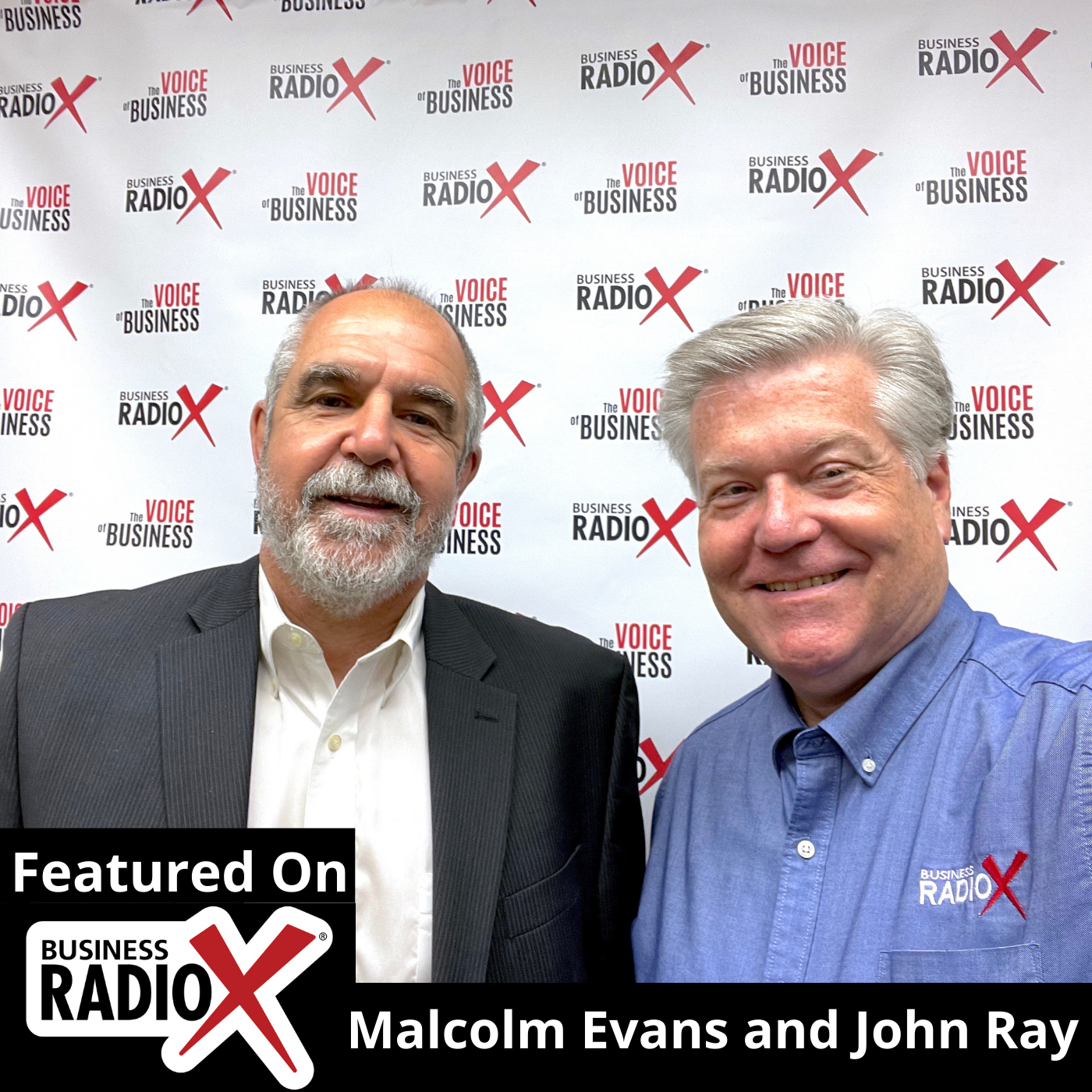
Malcolm Evans of Sales Accent and Jordan Church of Matched by Jordan joined host John Ray on this edition of North Fulton Business Radio. Malcolm helps corporate refugees create a business for themselves so, and he likes to say, they “never have to interview again.” Jordan Church, one of Malcolm’s clients, now offers personalized matchmaking services through his own company after years of working for major online matchmaking companies. North Fulton Business Radio is broadcast from the North Fulton studio of Business RadioX® inside Renasant Bank in Alpharetta.

Sales Accent, LLC

Malcolm Evans founded Sales Accent in 2013 to serve clients ready to create a job for themselves so they never have to interview again.

He coaches clients to be self-reliant, helping them create meaningful work for themselves in this new gig economy.

As a global entrepreneur, Malcolm has the tools and advice to help clients think about their situation in a new way and not worry. It is easier than one thinks to adapt to these times and set a new course.

Together he and his clients work on making them hirable, but clients also learn how to build their own business.

His motto is “If it is difficult, you are doing it wrong!”

Malcolm’s website says it all… “Never Interview Again”. 

Company website | LinkedIn

Malcolm Evans, Founder and Executive Coach, Sales Accent LLC

Malcolm Evans, Founder and Executive Coach, Sales Accent LLC

Malcolm Evans is originally from Wales, United Kingdom. He got the travel bug at an early age, lived in 3 countries and worked internationally for some of the largest companies. Since 2013 he has been showing teams how to predictably grow their sales and individuals how to take their ideas and passions and turn them into viable businesses.

He is a no-nonsense coach that will show you how to get healthy in your body, mind, and business.

LinkedIn

Matched by Jordan

Matched by Jordan provides experienced, professional matchmakers who work closely with assigned clients to get a very refined sense of their personalities and with whom they would pair well.Matched by Jordan

Company website | YouTube

Jordan Church

Matched By Jordan
Jordan Church, Professional Matchmaker, Matched by Jordan

Jordan has been a professional matchmaker for over 17 years.  He has thousands of matches, long-term relationships, and even marriages to his credit, but he likes to break his passion for his clients down to individual moments that people share as companions.  “When I look back on my life and think of everything I’ve been through with my wife, the big and the small events—the fun times the tough times, the vacations, the stresses that are erased when a companion goes through it with you—to be able to create that for others is the best feeling in the world”. To know that two people will not be alone at Christmas for the first time in years, or when I get a call that two people I matched just met each other’s kids for the first time over pizza, these moments continue to drive me to find companionship for all my clients”

During 2020 Jordan did some serious soul searching and realized that regardless of the tool (matchmaking, online sites, apps, personal networking) that somebody employs if they are not ready and have the proper mindset and expectations, the chances of success in finding their right companion is drastically reduced. From this, he created new approaches to make sure a person is best prepared and ready to find the right one.

Jordan lives with his wife and three children in northeast Georgia and spends most of his time “in the field” matchmaking in the Atlanta Metropolitan Area.


North Fulton Business Radio is hosted by John Ray, and broadcast and produced from the North Fulton studio of Business RadioX® inside Renasant Bank in Alpharetta. You can find the full archive of shows by following this link. The show is available on all the major podcast apps, including Apple Podcasts, Spotify, Google, Amazon, iHeart Radio, Stitcher, TuneIn, and others.

RenasantBank


Renasant Bank has humble roots, starting in 1904 as a $100,000 bank in a Lee County, Mississippi, bakery. Since then, Renasant has grown to become one of the Southeast’s strongest financial institutions with over $13 billion in assets and more than 190 banking, lending, wealth management and financial services offices in Mississippi, Alabama, Tennessee, Georgia and Florida. All of Renasant’s success stems from each of their banker’s commitment to investing in their communities as a way of better understanding the people they serve. At Renasant Bank, they understand you because they work and live alongside you every day.

Tagged With: Jordan Church, malcolm evans, Matched by Jordan, matchmaker, Never Interview Again, professional matchmaker, starting a business

STRATEGIC INSIGHTS RADIO: Keys To Starting a Business

May 13, 2021 by Mike

Gwinnett Studio
Gwinnett Studio
STRATEGIC INSIGHTS RADIO: Keys To Starting a Business
Loading
00:00 /
RSS Feed
Share
Link
Embed

Download file

Cody Powell/Jenody Enterprises

Jenody Enterprises is a financial consulting firm with over 20 years of experience providing top services in the commercial marketplace. Jenody Enterprises develops robust financial strategies for companies of all sizes allowing for a solid financial future. Their fractional financial services include, but are not limited to: Strategic Financial Planning, Equity Financing, Debt Financing, Equity Fundraising, Debt Fundraising, Investor and Bank Financial Packaging, Economic Development Projects, Deal Management, and Financial Acquisition Negotiations. To set up a free consultation with a representative of Jenody Enterprises, email info@jenodyenterprises.com or call (858)-433-4804.

Ken Tevis/True Source Funding

True Source Funding has been providing real solutions to small and medium businesses throughout the United States through a variety of business loans since 2007. Their funding advisors have the product knowledge and years of experience to help you get approved. Don’t be embarrassed by bad credit. They understand and are here to provide the funding your business needs.

PHONE:  1-888-370-8702     EMAIL:  info@truesourcefunding.com

Tagged With: business tips, cody powell, jennifer powell, jenody enterprises, ken tevis, starting a business, strategic insights podcast, strategic insights radio, true source funding

Starting and Growing a Business EP 22

September 9, 2020 by Karen

Starting-and-Growing-a-Business-Feature
Phoenix Business Radio
Starting and Growing a Business EP 22
Loading
00:00 /
RSS Feed
Share
Link
Embed

Download file

Starting-and-Growing-a-Business

Starting and Growing a Business EP 22

Lawgitimate “Starting and Growing a Business” hosted by Mike & Rochelle Poulton included a panel of amazing business owners Kelly Lorenzen, Irene Ploski, Annie Cavanagh, and Kenyatta Turner. We covered a lot of great topics like hiring employees, startup costs, the many hats owners wear, and general non-legal advice about starting a business.

This panel of business owners have learned a lot over the years and have a lot of fun talking about business, the past, the present, and where to head in the future. This is just the first of many discussions by this quirky panel.

Freedom Empire Consulting, LLC empowers clients to build and shield their freedom empires! Specializing in Behavioral SuperPowers Coaching, legal services, and identity theft protection for individuals, families, and organizations.

kenyatta-turner-purple-freedom-empire-consultingKenyatta Turner, MM is a Behavioral SuperPowers Coach, Business Consultant, Motivational Educator, and Speaker, and is an Accredited Business DNA Consultant through DNA Behavior.

She is the owner of Freedom Empire Consulting, LLC, where they Coach, Influence, and Protect clients around the world. Kenyatta also serves as the Director of Strategic Partnerships and Community Engagement for DreamSmart Academy, LLC, and serves on the National Advisory Council for DreamSmart, Inc (501c3).

Behavioral SuperPowers = Influencer.

Communications SuperPower = Lifestyle. freedom-empire-consulting-logo-speech-bubble-center-400x400

She is an enthusiastic professional with extensive qualifications in educational leadership acquired through 25+ years of experience and success as a Director of Admissions, Assistant Director of Career and Student Services, Professor, and various other roles at colleges in Phoenix, AZ. Having obtained a Master’s degree in Management and a Bachelor of Science degree in Computer Information Systems, Kenyatta is a creative, yet analytical thinker with an unshakeable commitment to helping those around her to flourish throughout their personal, professional, or educational journeys.

As a Small Business & Group Benefits Specialist for LegalShield, she has the freedom to protect families and small business owners with access to quality, affordable legal service plans, along with identity theft protection and restoration services. Through her nationwide brokerage, she coaches others to build their own LegalShield businesses. Kenyatta transfers her passion for education into a passion for educating others about resources and opportunities that help them to “Worry Less. Live More”.

Being an avid volunteer, Kenyatta served for many years as the Vice President and Membership Director of the Seventh Avenue Merchants Association. She also gives back to the community by volunteering as the Emcee for Girls Rock! Phoenix, a Workshop Facilitator at Fresh Start Women’s Foundation and Dress for Success, served as a mentor to the Young Entrepreneurs Academy, and her involvement at the Central Arizona Shelter Services. Kenyatta is also a Community Ambassador for the Junior League of Phoenix. She’s a multi-faceted musician who enjoys, hiking, travel, reading, live music, art, karaoke, and spending time with family, friends, and her beloved Rottweiler!

Connect with Kenyatta on LinkedIn.

Annie Cav Salon is a private studio offering top shelf salon services with a smile. With attention to detail and a focus on personal connection, clients can rest assured that their investment will surely be their crowning glory.

Annie-Cavanagh-on-Phoenix-Business-RadioXOwner Annie Cavenagh specializes in color correction and balayage, but don’t miss out on trendy cuts and selfie-perfect blowouts. Also gracing the service menu are vintage styles, fashion colors, gender-neutral services, and dreadlocks.

Annie has been licensed and working as a stylist in Phoenix for 18 years. Wanting to add some spice to the mix, she created the Melrose Vintage Market, and also runs a costume studio Black Rock Earthling.

When she’s not busy, she keeps busy reading and cooking and searching for the end of her Jack Russell’s energy stores. Traveling the world has always been a great passion, and she’s got two continents yet on which to set foot.

Connect with Annie on Facebook and Instagram.

Founded in 2009, the team at Independence Insurance Group, PLLC has a total combined industry experience of over 40 years. They are an independent insurance agency and have several options to offer to their clients. Their team is not bound to a single insurance company that offers a single type of product, instead, they look for the best fit for each of their clients. IIGbrand1

Their goal is to find the right combination of coverage and price. The team at Independence Insurance Group PLLC looks forward to providing knowledgeable, prompt, clear and honest customer service to their clients and prospects.

They offer competitive rates and top products in the industry from financially-strong and reputable insurance companies. It is their priority to respond to all requests within 24 hours.

Independence Insurance Group PLLC thrives to be a relationship-based agency with their clients, business partners and professional network. They actively serve our community through fundraising & volunteering.

Irene-Ploski-on-Phoenix-Business-RadioXIrene Ploski has been in the insurance industry since 2003. She is married and is the mom of 2 very busy teenagers, a high-energy Golden Retriever and a Doberman puppie. Irene is fluent in Spanish, and she is originally from Guadalajara, Mexico. She moved to Arizona in 2000 and became a U.S. Citizen in 2010.

She founded Independence Insurance Group in 2009. She has been a member of Networking For Charity, a Central Phoenix-based business networking group that focuses on generating qualified business referrals through philanthropy and volunteering. She has been Vice President of NFC since 2014. NFC has raised over $60,000 for small local nonprofit organizations in our community.

Irene is a member of the Phoenix Elks Lodge #335 and served as Chairwoman of the Advisory Committee for their teen program called the Phoenix Antlers Lodge #335, an organization that promotes leadership, good citizenship and strong friendships, respect for parents and love for community in teens through volunteering and fundraising.

She is also soon-to-be Secretary of the Phoenix Lions Club, which is a global organization of volunteers that join together to give their time and effort to improving their communities and meet humanitarian needs.

Connect with Irene on LinkedIn and Facebook.

Kelly-Lorenzen-on-Phoenix-Business-RadioXKelly Lorenzen, Host of Collaborative Connections and CEO of KLM Consulting, is an award-winning entrepreneur with over 15 years of business-ownership experience. She is also a certified project management professional.KLM Consulting

Kelly’s expertise is in business development, customer service, marketing, and sales.

Connect with Kelly on LinkedIn, and follow KLM Consulting on Facebook.

About Your Hosts

LAWGITIMATE-Rochelle-Poulton-on-Phoenix-Business-RadioXRochelle Poulton is an attorney and owner of X Firm LLC. Rochelle has been helping people with Credit and Debt issues since 2012, owns several small businesses, and has nearly 20 years of real estate experience.

Rochelle created Lawgitimate to bring in a network of awesome people to raise awareness and educate people about the litany of legal issues she faces everyday at X Firm LLC.

Connect with Rochelle on Linkedin, Facebook and Instagram.

LAWGITIMATE-Mike-Poulton-on-Phoenix-Business-RadioXMike Poulton, with Poulton & Noroian,  draws on his knowledge and experience in other fields to serve his clients. As an experienced science researcher, Mike understands technical issues that many other attorneys cannot, and applies that knowledge for his clients’ benefit. His construction management experience also provides him with a broad knowledge base not only in construction law, but also in regulatory compliance, worker safety, and negotiation.

Michael is licensed to practice law in Arizona and is admitted to practice before the U.S. Federal District Courts in Arizona.

Connect with Mike on LinkedIn.

About X Firm PLLC

We help clients improve their financial lives through strategic financial transaction planning. Whether you want to buy a car, a home, or a building, X Firm can help you reach your goals in 3 easy steps.

We are small but mighty and love helping people get back on track financially. Learn more about us at XFirmLaw.com.

Tagged With: business startup costs, growing a business, hiring employees, starting a business

The Myths of Business and Financing

April 22, 2020 by Mike

Business Made Simple
The Myths of Business and Financing
Loading
00:00 /
RSS Feed
Share
Link
Embed

Download file

Successful business entrepreneurs Tim and Chrystal Mansour share their 50 years of combined business experience on “Business Made Simple” to motivate others and turn dreams into reality!

The couple shares their business experiences, challenges, and passions for success. “Business Made Simple” offers tips and strategies on how to build a business from scratch, how to manage and overcome obstacles, how to manage working with family and friends, and much more. Hear lessons learned along the way, and the importance & power of positive thinking!

Tim & Chrystal Mansour/Mansour International

Building and operating over ten businesses within 30 years, all these businesses started from zero. Tim was fortunate to sell all of them over a period of time for a total of $10.8 million dollars.

Working successfully with thousands of employees, members, customers and family, Tim received several business accolades such as:

  • Georgia Chamber of Commerce “Georgia Business Man of the Year”
  • Gwinnett Chamber of Commerce “Gwinnett Business Man of the Year”
  • Board member, Leadership Gwinnett “Glance Program”
  • Georgia Trend Magazine “Georgia’s Top 40 Business Leaders Under 40”
  • Rockdale Chamber of Commerce “Jerry Barbee Small Business Person of the Year” Finalist
  • Gwinnett Magazine readers voted Fitness International “Best in Gwinnett” Fitness Center for seven years in a row
  • Member of Leadership Gwinnett
  • Member of Golden Key Society Alumni of UWA 2017
  • President, American Heart Association Gwinnett

Together, Tim and Chrystal have over 50 plus years of business experience in the Health & Fitness industry through education, coaching and living a healthy way of life. Key elements of this program are motivating people to pursue and achieve their dreams & goals in business, building/managing relationships, health & fitness, as well as helping others manage and overcoming obstacle while remaining focused, persistent and positive.

Mansour International is Tim and Chrystal’s current business, which allows them to enjoy motivating others in business, investing in real estate, flipping houses, and living a healthy way of life!


Tagged With: business advice, business financing, business lending, business loans, business made simple, business made simple podcast, business myths, chrystal mansour, Entrepreneurship, Mansour International, small business loans, starting a business, Tim Mansour

Stephanie Sokenis, SmallBiz Ally

April 30, 2019 by John Ray

North Fulton Business Radio
Stephanie Sokenis, SmallBiz Ally
Loading
00:00 /
RSS Feed
Share
Link
Embed

Download file

John Ray and Stephanie Sokenis, SmallBiz Ally

Stephanie Sokenis, SmallBiz Ally

Stephanie Sokenis, SmallBiz Ally

Stephanie Sokenis is the Founder and Owner of SmallBiz Ally. Specializing in assisting new businesses with starting properly, and existing businesses with proactive strategies for remarkable growth, SmallBiz Ally is a small businesses new best friend.

As Accredited Small Business Consultants, their services are reliable and effective, and with the experience of hundreds of consultations, their efforts are always focused on providing a customized strategic road map for clients to meet their objectives and reach their goals.

Dedicated to demonstrating the highest levels of professional integrity, while understanding both the needs and budget of a small business, SmallBiz Ally works to help meet one without exceeding the other.

Whether you are already up and running and unsure what to do next or considering a launch of a new business and feeling overwhelmed, take advantage of a complimentary call to discuss how SmallBiz Ally can help!

For further information, go to https://www.smallbizally.com/ or call (678) 822-3959. For their event calendar, go to https://www.smallbizally.com/events.


Tagged With: consultation, effective email marketing, email marketing, growth impediments, marketing consultation, north fulton business, North Fulton Business Radio, outsourced services for small business, outsourcing, SCORE, small business advice, small business advisory, small business consultant, small business financials, small business owner, small business owners, small business problems, small business resources, SmallBiz Ally, starting a business, startups, Stephanie Sokenis, strategic plan

STRATEGIC INSIGHTS RADIO: How to Finance a New Business

October 12, 2018 by Mike

Gwinnett Studio
Gwinnett Studio
STRATEGIC INSIGHTS RADIO: How to Finance a New Business
Loading
00:00 /
RSS Feed
Share
Link
Embed

Download file

Mike Sammond and Jennifer Rusz

Jennifer Rusz/Sterling Rose Consulting Corp

Jennifer Rusz has a long career working for both corporations and as an entrepreneur. Rusz began her career, in the 90’s in market intelligence, business operations and management for companies such as Mid America Research/Fact in Focus, Lucent Technologies, Kyocera Wireless, ARS/ Current Analysis and Websense Software Solutions before starting her first company in 2004. She has since been a business consultant and now Founder and CEO of Sterling Rose Consulting Corp. Sterling Rose Consulting Corp is an award-winning full service business consulting firm with three divisions, which include business consulting, marketing consulting and strategic technology consulting. For more information about Jennifer Rusz or Sterling Rose Consulting Corp,visit www.sterlingroseconsultingcorp.com or call (470)202-8659.

About “Strategic Insights Radio”:

“Strategic Insights Radio” is intended to be an interactive radio show hosted by Sterling Rose Consulting Corp. Listeners can Tweet their questions for a live response on the radio to @sterling_rose1 or via @strategicradio. Also, suggestions on business topics that listeners would like to learn more about are welcome. Please send suggestions to info@sterlingroseconsultingcorp.com

Tagged With: consulting, financing a business, financing astart-up, Funding, marketing, Mike Sammond, start up business, starting a business, sterling rose consulting corp, strategic insights radio, venture capital funding

STRATEGIC INSIGHTS RADIO: Talia Holmes of Sweet Joy Ice Cream Bar

April 19, 2018 by Mike

Gwinnett Studio
Gwinnett Studio
STRATEGIC INSIGHTS RADIO: Talia Holmes of Sweet Joy Ice Cream Bar
Loading
00:00 /
RSS Feed
Share
Link
Embed

Download file

Talia Holmes and David Wilkins

Talia Holmes/Sweet Joy Ice Cream Bar

Talia Holmes is the owner and operator of Sweet Joy Ice Cream Bar. Talia has well over two decades of experience as a project owner and manager of several different companies. She also has nine years of experience in sales and marketing.

Talia’s vast scope of experience in every role of business ownership, operation, and management has prepared her well for owning and operating the Sweet Joy Ice Cream Shop.  She is bringing a much needed service to Lawrenceville and her experience has prepared her to understand customer trends and desires and will properly implement necessary changes and promotions to keep the business thriving.

David Wilkins/Sterling Rose Consulting Corp

David Wilkins has over 30 years experience working for companies such as E&Y, Whitridge Associates, PriceWaterhouseCoopers and IBM in business and technology management and consulting. He is currently the Senior Vice President of Sterling Rose Consulting Corp and the Business Unit Manager for the Business Technology Division of Sterling Rose Consulting Corp. Originally from Michigan, he has a BBA and MBA from the University of Michigan, and he has been a resident of Gwinnett County, GA for over 20 years. In his 30 years in business and technology, he has worked with clients in multiple business sectors including finance, manufacturing, energy, healthcare and government, among others.

About “Strategic Insights Radio”:

“Strategic Insights Radio” is intended to be an interactive radio show hosted by Sterling Rose Consulting Corp. Listeners can Tweet their questions for a live response on the radio to @sterling_rose1 or via @strategicradio. Also, suggestions on business topics that listeners would like to learn more about are welcome. Please send suggestions to info@sterlingroseconsultingcorp.com.

Tagged With: consulting, david wilkins, entrepreneur, marketing, marketing plans, small business, starting a business, sterling rose consulting corp, strategic insights radio, Talia Holmes

  • 1
  • 2
  • Next Page »

Business RadioX ® Network


Our Most Recent Episode

CONNECT WITH US

  • Email
  • Facebook
  • LinkedIn
  • Twitter
  • YouTube

Our Mission

We help local business leaders get the word out about the important work they’re doing to serve their market, their community, and their profession.

We support and celebrate business by sharing positive business stories that traditional media ignores. Some media leans left. Some media leans right. We lean business.

Sponsor a Show

Build Relationships and Grow Your Business. Click here for more details.

Partner With Us

Discover More Here

Terms and Conditions
Privacy Policy

Connect with us

Want to keep up with the latest in pro-business news across the network? Follow us on social media for the latest stories!
  • Email
  • Facebook
  • Google+
  • LinkedIn
  • Twitter
  • YouTube

Business RadioX® Headquarters
1000 Abernathy Rd. NE
Building 400, Suite L-10
Sandy Springs, GA 30328

© 2025 Business RadioX ® · Rainmaker Platform

BRXStudioCoversLA

Wait! Don’t Miss an Episode of LA Business Radio

BRXStudioCoversDENVER

Wait! Don’t Miss an Episode of Denver Business Radio

BRXStudioCoversPENSACOLA

Wait! Don’t Miss an Episode of Pensacola Business Radio

BRXStudioCoversBIRMINGHAM

Wait! Don’t Miss an Episode of Birmingham Business Radio

BRXStudioCoversTALLAHASSEE

Wait! Don’t Miss an Episode of Tallahassee Business Radio

BRXStudioCoversRALEIGH

Wait! Don’t Miss an Episode of Raleigh Business Radio

BRXStudioCoversRICHMONDNoWhite

Wait! Don’t Miss an Episode of Richmond Business Radio

BRXStudioCoversNASHVILLENoWhite

Wait! Don’t Miss an Episode of Nashville Business Radio

BRXStudioCoversDETROIT

Wait! Don’t Miss an Episode of Detroit Business Radio

BRXStudioCoversSTLOUIS

Wait! Don’t Miss an Episode of St. Louis Business Radio

BRXStudioCoversCOLUMBUS-small

Wait! Don’t Miss an Episode of Columbus Business Radio

Coachthecoach-08-08

Wait! Don’t Miss an Episode of Coach the Coach

BRXStudioCoversBAYAREA

Wait! Don’t Miss an Episode of Bay Area Business Radio

BRXStudioCoversCHICAGO

Wait! Don’t Miss an Episode of Chicago Business Radio

Wait! Don’t Miss an Episode of Atlanta Business Radio