Business RadioX ®

  • Home
  • Business RadioX ® Communities
    • Southeast
      • Alabama
        • Birmingham
      • Florida
        • Orlando
        • Pensacola
        • South Florida
        • Tampa
        • Tallahassee
      • Georgia
        • Atlanta
        • Cherokee
        • Forsyth
        • Greater Perimeter
        • Gwinnett
        • North Fulton
        • North Georgia
        • Northeast Georgia
        • Rome
        • Savannah
      • Louisiana
        • New Orleans
      • North Carolina
        • Charlotte
        • Raleigh
      • Tennessee
        • Chattanooga
        • Nashville
      • Virginia
        • Richmond
    • South Central
      • Arkansas
        • Northwest Arkansas
    • Midwest
      • Illinois
        • Chicago
      • Michigan
        • Detroit
      • Minnesota
        • Minneapolis St. Paul
      • Missouri
        • St. Louis
      • Ohio
        • Cleveland
        • Columbus
        • Dayton
    • Southwest
      • Arizona
        • Phoenix
        • Tucson
        • Valley
      • Texas
        • Austin
        • Dallas
        • Houston
    • West
      • California
        • Bay Area
        • LA
        • Pasadena
      • Colorado
        • Denver
      • Hawaii
        • Oahu
  • FAQs
  • About Us
    • Our Mission
    • Our Audience
    • Why It Works
    • What People Are Saying
    • BRX in the News
  • Resources
    • BRX Pro Tips
    • B2B Marketing: The 4Rs
    • High Velocity Selling Habits
    • Why Most B2B Media Strategies Fail
    • 9 Reasons To Sponsor A Business RadioX ® Show
  • Partner With Us
  • Veteran Business RadioX ®

Decision Vision Episode 28: Should I Raise Angel Capital? – An Interview with Charlie Paparelli, Paparelli Ventures

August 15, 2019 by John Ray

Decision Vision
Decision Vision
Decision Vision Episode 28: Should I Raise Angel Capital? – An Interview with Charlie Paparelli, Paparelli Ventures
Loading
00:00 /
RSS Feed
Share
Link
Embed

Download file

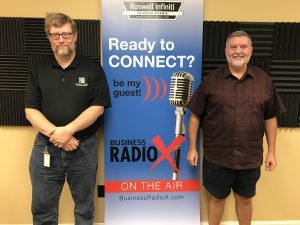
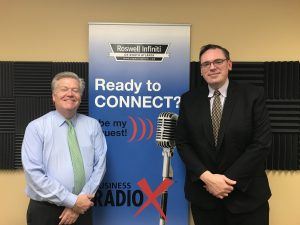
Mike Blake and Charlie Paparelli

Should I Raise Angel Capital?

What are the steps involved in raising angel capital? What traits are angel investors looking for in the founder of a startup? Noted angel investor and startup mentor Charlie Paparelli answers these questions and more in a wide-ranging interview with host Mike Blake. “Decision Vision” is presented by Brady Ware & Company.

Charlie Paparelli, Paparelli Ventures

Charlie Paparelli, Paparelli Ventures

Charlie Paparelli is a twenty-five year professional angel investor focused on helping entrepreneurs achieving their dream of starting and growing their own company. Five years ago, he began sharing his experiences in a twice-weekly blog to entrepreneurs and angel investors at paparelli.com. In addition to his writing, he is a speaker and a coach helping founders and their new teams build enormously valuable companies.

He invested in over 35 entrepreneurs over the last 25 years. He is the Angel in Residence at Georgia Tech’s Atlanta Technology Development Center. He is also a mentor at the Atlanta Tech Village. He is Chairman of the Atlanta High Tech Prayer Breakfast. The Breakfast is in its 28th year. It is the largest networking event in Atlanta technology, and it is an evangelical outreach. He has held many community leadership roles during his 40 year career in Atlanta technology.

Charlie is married to Kathy for 42 years. They have four children and three grandchildren with another on the way. They are members of Church of the Apostles in Atlanta. Charlie is an avid motorcyclist whose current ride is a 2019 BMW R1250RT.

Michael Blake, Brady Ware & Company

Mike Blake, Host of “Decision Vision”

Michael Blake is Host of the “Decision Vision” podcast series and a Director of Brady Ware & Company. Mike specializes in the valuation of intellectual property-driven firms, such as software firms, aerospace firms and professional services firms, most frequently in the capacity as a transaction advisor, helping clients obtain great outcomes from complex transaction opportunities. He is also a specialist in the appraisal of intellectual properties as stand-alone assets, such as software, trade secrets, and patents.

Mike has been a full-time business appraiser for 13 years with public accounting firms, boutique business appraisal firms, and an owner of his own firm. Prior to that, he spent 8 years in venture capital and investment banking, including transactions in the U.S., Israel, Russia, Ukraine, and Belarus.

Brady Ware & Company

Brady Ware & Company is a regional full-service accounting and advisory firm which helps businesses and entrepreneurs make visions a reality. Brady Ware services clients nationally from its offices in Alpharetta, GA; Columbus and Dayton, OH; and Richmond, IN. The firm is growth minded, committed to the regions in which they operate, and most importantly, they make significant investments in their people and service offerings to meet the changing financial needs of those they are privileged to serve. The firm is dedicated to providing results that make a difference for its clients.

Decision Vision Podcast Series

“Decision Vision” is a podcast covering topics and issues facing small business owners and connecting them with solutions from leading experts. This series is presented by Brady Ware & Company. If you are a decision maker for a small business, we’d love to hear from you. Contact us at decisionvision@bradyware.com and make sure to listen to every Thursday to the “Decision Vision” podcast. Past episodes of “Decision Vision” can be found here. “Decision Vision” is produced and broadcast by the North Fulton studio of Business RadioX®.

Visit Brady Ware & Company on social media:

LinkedIn:  https://www.linkedin.com/company/brady-ware/

Facebook: https://www.facebook.com/bradywareCPAs/

Twitter: https://twitter.com/BradyWare

Instagram: https://www.instagram.com/bradywarecompany/

Show Transcript

Intro: [00:00:01] Welcome to Decision Vision, a podcast series focusing on critical business decisions, brought to you by Brady Ware & Company. Brady Ware is a regional, full-service, accounting and advisory board that helps businesses and entrepreneurs make vision a reality.

Michael Blake: [00:00:20] And welcome to Decision Vision, a podcast giving you, the listener, clear vision to make great decisions. In each episode, we discuss the process of decision making on a different topic. Rather than making recommendations because everyone’s circumstances are different, we talk to subject matter experts about how they would recommend thinking about that decision.

Michael Blake: [00:00:37] My name is Mike Blake, and I’m your host for today’s program. I’m a Director at Brady Ware &Company, a full service accounting firm based in Dayton, Ohio, with offices in Dayton; Columbus, Ohio; Richmond, Indiana; and Alpharetta, Georgia, which is where we are recording today. Brady Ware is sponsoring this podcast. If you like this podcast, please subscribe on your favorite podcast aggregator, and please also consider leaving a review of this podcast as well.

Michael Blake: [00:01:01] Our topic today is seeking angel capital. And for those of you who don’t know me, most of you don’t because you’re out somewhere on the internet, I’ve been a cheerleader and advocate in the angel capital world for really as long as I can remember. My first job out of school actually was helping entrepreneurs in the former Soviet Union and in Russia. And at that time, there wasn’t even a term for angel capital. It’s kind of fascinating because the whole business vocabulary was evolving at that time.

Michael Blake: [00:01:34] And  when I moved to Atlanta about 15 years or so ago, I got a taste of the early stage capital scene here. And the one theme that was recurring was you can’t get a deal done here, there’s no angel capital, et cetera, et cetera, et cetera. If you live in Atlanta, it’s tedious. If you don’t, this is news to you. And the thing I, sort of, thought was, well, I saw people making investments in Minsk. And I can’t imagine that investing in Atlanta is harder than investing in Minsk. Maybe I’m wrong, but I can’t imagine it’s that big a difference. There’s got to be something kind of going on here. And as it kind of got more into the community, I was very fortunate, the community embraced me very quickly. I started to learn about the gears and cogs about this.

Michael Blake: [00:02:21] And as I start to learn more about angel capital and early stage investing, in general, and with the travels I’ve had abroad, I came to a conclusion that for all the things that we, as Americans, think make us unique, I’m not sure anything makes us more unique than the angel and venture capital sectors. I’m not sure anything makes us more unique than the way that we support startups. And if you look at at the word “entrepreneurship” in other languages, if you directly translate them, they almost have a sense of doing something semi-devious. If you’re enterprising, that’s not necessarily a good thing. But in the United States, we have a unique cultural facet where the entrepreneur is folk hero. And I can’t think of any other place in the world where we elevate the entrepreneur to that status.

Michael Blake: [00:03:13] And one of the things that makes the entrepreneurial sector go is angel capital. You can’t bootstrap a new car company. You can’t bootstrap a new airplane company, right. And many of the largest companies, the most important inventions in the world that we think of today, at some point, were funded by angel capital. Columbus’s expedition to the new world was funded by Angel Capital called The Royal Family of Spain. Thomas Edison-

Charlie Paparelli: [00:03:53] Queen Isabella.

Michael Blake: [00:03:53] King Ferdinand, who’s with Queen Isabella, right?

Charlie Paparelli: [00:03:56] Yeah.

Michael Blake: [00:03:56] I was going to say King Ferdinand. I knew that was not right, so I choke. It’s Queen Isabella. Thank you. Thomas Edison was funded for the light bulb and for General Electric by a guy named JP Morgan. And so, angel capital pervades almost everything that we think about in terms of the American economic story. And I think if you don’t understand angel capital, you don’t understand a big part about how American business works.

Michael Blake: [00:04:24] And so, here to talk about that is somebody that I’ve known, and, for a long time, I’ve come to respect. He doesn’t even know this, but he’s a spiritual mentor to me. If you don’t ― if you haven’t listened to his or read his emails, get on his email list. There’s how many? I think three times a week. They’re just phenomenal. Not good – great. Required reading. And his name is Charlie Paparelli.

Michael Blake: [00:04:47] Charlie is a 25-year professional angel investor focused on helping entrepreneurs in achieving their dream of starting and growing their own company. Five years ago, he began sharing his experience at a twice-weekly blog – so, it’s twice weekly, just assuming – to entrepreneurs and angel investors at paparelli.com. In addition to his writing, he is a speaker and a coach helping founders and their new teams build enormously valuable companies. He invested in over 35 entrepreneurs over the last 25 years. And we’re going to come back to that.

Michael Blake: [00:05:16] He is the Angel-in-Residence at Georgia Tech’s Atlanta Technology Development Center. He is also a mentor at the Atlanta Tech Village. He is chairman of the Atlanta High Tech Prayer Breakfast, which is the largest pre-6:00 a.m. start event on the Atlanta calendar. Now, that may be a small list, but it is a big deal. That breakfast is in its 28th year. It is the largest networking event in Atlanta technology, and it is an evangelical outreach. And as an aside, whenever I remember, I’ve been to about three or four of those, and one of them was an executive from Apple. Charlie will remind his name. But he’s an executive from Apple who had to come on and talk, I think, a day or two after Steve Jobs passed away, as I recall. And that was some powerful stuff. That was as raw as it gets.

Michael Blake: [00:06:11] Charlie has helped many community leadership roles during his 40-year career in Atlanta technology including Angel Lounge, which is an offshoot of Startup Lounge that serves to educate current and aspiring angel investors in the Atlanta community. Charlie is married to Kathy for 42 years. They have four children and three grandchildren, with another on the way. They are members of Church of the Apostles in Atlanta. And Charlie is an avid motorcyclist whose current ride is a 2019 BMW R125. Nope, that’s wrong. R1250 RT. Got it. That’s a lot of letters and numbers.

Charlie Paparelli: [00:06:46] That’s what it is, yeah.

Michael Blake: [00:06:48] Charlie, thank you so much for coming on the program. I’ve been looking forward to this since we started talking about it several weeks ago.

Charlie Paparelli: [00:06:53] Same here, Mike. I always love the work that you were doing. We started Angel Lounge as an offshoot, as you said, a startup lounge. I wanted to be a part of what you were doing. You’re saying we’re missing this piece. And that’s where we came up with the idea of Angel Lounge.

Michael Blake: [00:07:06] And I think due to that, I think there’s more capital available in Atlanta than there has been because I think you’re making people feel safer and more confident about making those commitments.

Charlie Paparelli: [00:07:17] Yeah. Angel Lounge, we focused Angel Lounge instead of trying to march more companies in front of people, it took us a while to get to the right formula. But the formula that we’re using is, really, our mission is to just help angel investors or those who are interested in becoming angel investors to help make them better investors by sharing each other’s stories and experience with them.

Michael Blake: [00:07:39] So, I’d like to start this podcast with the basic vocabulary question, because I think not everybody knows what angel investing is. They may think it’s venture capital, but angel investing and venture capital are related, but they’re not quite the same, are they?

Charlie Paparelli: [00:07:53] No, they’re very different. If you think about when we ― venture capital, basically, is mutual funds for high-risk investments, all right. So, if you know how mutual funds work, I mean, you have a mutual fund manager, and he has partners, and they raise money to, then, invest that money for other people in mostly public stocks. Public stocks, things that you can get in and out of pretty quickly. So, they might put in 1% to 5% of their own money into that big mutual fund. So, venture capitalists, the difference between them is they’re investing in companies that are privately held companies. And as privately held companies, you can’t get in and out of them quickly. Once you’re in, you’re in forever, okay.

Michael Blake: [00:08:47] Right. That door makes a loud slamming noise.

Charlie Paparelli: [00:08:48] It does, yeah. It’s all ― so, we’re all excited to get in. And then, next thing we’re doing is looking for exits, and we’re driving along the highway, and there are none. You’re just on there, and you hope you don’t run out of gas till you get to that last exit. So, venture capitalists, hopefully, people put money in venture capitalists, and big pension funds put money there simply because it’s a high-risk, high-reward alternative. So, you’ll find some of these big pension funds who will put in maybe up to 3% to 5% of their total fund into high-risk alternatives, of which venture is one of those.

Charlie Paparelli: [00:09:23] Angel investing, on the other hand, that’s like your own money. So, it’s like running your ― it’s like taking whatever money that you thought you wanted to put into higher risk ventures, whether it be $100,000, or $250,000, or some cases, it could be multiple millions of dollars, and you say, “No, I want to be an angel investor. I want to be on the ground. I want to invest in these early-stage startups. I want to work with these entrepreneurs. And I’m willing to risk my personal fortune on this one segment.” So, you have a lot less people, a lot less company — fewer companies that you’ll be spreading that risk across. And so, that makes the risk even higher as an angel investor versus venture capital.

Michael Blake: [00:10:08] Now, I want to clarify one thing just because you happen to be the guest, it only happens to be called an angel investor because that’s a term of art. It has nothing to do with a religious affiliation. Even though you happen to be very open about your faith, there are plenty of people who aren’t that way that are angel investors, right? There’s not a a Christian element to it, necessarily.

Charlie Paparelli: [00:10:28] There’s no Christian element to it. In fact, the term angel investor goes back to people in New York on Broadway who actually wanted to get their shows funded, their new ideas for Broadway shows. And people would come in, and they would ― very wealthy people would liked the idea, and they would fund the show. And those people were called by the producers of those shows angel investors. And that’s where the term ― that’s the genesis of the term angel investor.

Michael Blake: [00:11:00] I had no idea. I did not know that. And the producers, the people who funded Springtime for Hitler were actually angel investors.

Charlie Paparelli: [00:11:07] Oh, you would bring up that example, but, yes, that’s true. Yeah.

Michael Blake: [00:11:10] Well, my wife is Jewish. She’s a big Mel Brooks fan. And I will say, as an aside, by the way, the funniest six minutes in cinema is Springtime for Hitler. Only Mel Brooks can make the Nazis funny. So, we often hear about friends and family as investors. Do they qualify as angels too, or are they sort of a different animal?

Charlie Paparelli: [00:11:29] No, I would call — friends and family, there’s a term called the 3Fs, okay? Family, friends, and fools, okay, are those very, very early stage investors. And when you’re — when an entrepreneur is raising money, the first thing that he’s raising money around or on, as a foundation, is his credibility. Well, the first people that find the person, the entrepreneur, to be credible, especially if it’s his first time being an entrepreneur, is his family. If his family doesn’t think that he or she could do it, then why should anybody else think they should — they’d be able to do it?

Charlie Paparelli: [00:12:11] So, I think that the first round is always friends and family, because they’re other people that say, “Oh, my God. If Mike Blake is starting this company, and Mike is so smart, and I think he’s going to be able to build something great. I have no idea what his idea is. I don’t know what the market is. I don’t know anything. But I know Mike, and I’ll put money behind Mike.” So, I think they are angels. They’re the — they’ve been called fools, but I think what they’re doing — I know what they’re doing. They’re betting on the individual because they have a very deep and long personal relationship with them.

Michael Blake: [00:12:44] So, you bring something up that I want to make sure that we cover because there’s a timeline of maturity here, right? And that friends and family round, if you will, that investment is really banking on the credibility, which means there isn’t a business yet, right. There’s there’s a hope, an idea, right? A story, I guess-

Charlie Paparelli: [00:13:05] Yeah. Just somebody-

Michael Blake: [00:13:05] … in most cases?

Charlie Paparelli: [00:13:06] Most of the time, somebody will come to you and say, “Yeah, this is something that I’ve been doing. I’ve been working for such and such a company for a while.” These are the kind of people that I’ve gotten — I’m attracted to. “I’ve been working in this industry for a while, working for this company for a while. I’m 35 years old. I’ve been through… ” — either “I developed an expertise as a programmer” or “I developed an expertise as a salesperson,” or whatever. “But I know this industry, and I have this idea, and I brought it to my bosses, and no one’s interested in it. And I just can’t let loose of it. And I really want to start a company around it, but I have no idea how to do that. But I think a lot of people will buy whatever I’m going to build or sell.” And that’s kind of how it gets started.

Charlie Paparelli: [00:13:56] And then, the first place they have to go is they have to go to somebody. So, that’s all they have. They have this story. There’s interest and that they — it’s this passion. It’s, sort of, like a God-given idea they can’t let loose of, but they need to be able to feed — they’re 35. They need to be able to feed their family, and they need to start putting money away for college, and all this for the kids, and everything that we all do. They have houses, cars. They’ve got it all. How do they survive? Well, that’s where the angel comes in and says, “We can help you meet your personal expenses at the beginning while you develop — while you unhook from the corporation and your salary,” which is step one. And then, you start building out this idea.

Michael Blake: [00:14:38] You brought something up. I’m going to deviate from a script here because I think that’s — I think it’s important. That 35-year-old, the most — the iconic entrepreneur is somebody who’s in their 20s. To us, they’re basically kids, right. But they actually don’t start most companies, do they?

Charlie Paparelli: [00:14:57] No. You say iconic. What do you mean the iconic?

Michael Blake: [00:14:59] An iconic. Iconic, like the Mark Zuckerbergs, the Bill Gates of the world, Steve Jobs.

Charlie Paparelli: [00:15:05] Oh, I see what you’re saying, yeah.

Michael Blake: [00:15:05] In some case, they actually drop out of school, so they can start whatever it is they’re going to start. But actually, most entrepreneurs look like that 35-year-old, don’t they?

Charlie Paparelli: [00:15:14] Yeah, I think the statistics proved out that it’s somewhere between 35 and 38. And my statistics actually prove out this companies that were successful for me that I invested in, that’s exactly how old people were. So, they have enough. Really, like when I got out of college, I grew up, my father was a middle — he was a train man on the Jersey Central Railroad for 38 years. When I sat around the dinner table, we didn’t talk about business. In fact, I remember I was the first one in my family, first male in my family to actually get a degree from college. And I was getting an accounting degree, and they told us we need to read The Wall Street Journal. I’m reading The Wall Street Journal, and I didn’t even know what I was reading. It didn’t make any sense to me because I had no context or understanding of basic business.

Charlie Paparelli: [00:16:01] So, it’s really, when you come out of school, what do you know about business? What do you know about building a company? What do you know about the disciplines of building a product, the disciplines of launching a product? How to gain — how to hire people? How to do business reviews or reviews for people? Okay. How to properly give a presentation? You don’t know any of this stuff. You have to learn it. And so, that’s why I think those 15 to 18 years out of college, that’s the foundation where you have to prove out your functional expertise, as well as your management expertise.

Michael Blake: [00:16:38] I think the only thing I knew about business was what I remembered from watching that Michael J. Fox movie, The Secret of My Success. That was pretty much it.

Charlie Paparelli: [00:16:46] I don’t remember that.

Michael Blake: [00:16:47] Yeah, nor does anybody else. That’s-

Charlie Paparelli: [00:16:49] Okay.

Michael Blake: [00:16:49] Yeah. So, let’s, sort of, then, now get into the seat of that person that thinks they’ve got that idea, right, and they’re convinced that idea’s got legs, and the company they’re working for is not going to buy it. They sit down, they take you out to lunch, or they sit down for your own office hours at the ATDC. What do you tell them in terms of they’re if going to embark on a venture — I’m sorry, angel capital raising process, what should that entrepreneur be prepared to do?

Charlie Paparelli: [00:17:21] In order to?

Michael Blake: [00:17:24] To raise capital? I’ve got an idea. I need somebody to write me a bigger check than I can write myself. What is that process going to look like?

Charlie Paparelli: [00:17:34] All right. So, I’m going to speak beyond the friends and family.

Michael Blake: [00:17:37] Yeah.

Charlie Paparelli: [00:17:37] So, friends and family is going to provide that bridge to get you from a weekly payroll or weekly salary, if you will, to being an entrepreneur or starting your own business, in effect, okay. So, now, your future and your family’s future is dependent upon you making money. So, tell me again, what are you looking for in this?

Michael Blake: [00:18:03] I’m just looking for the process of raising angel capital, right. I’ve decided I’m going to raise angel capital. What do those steps look like to get from want to raise angel capital to having a check in the bank?

Charlie Paparelli: [00:18:18] All right. Part of this myth, I mean, you talked about entrepreneurs as folk heroes. And there’s a myth around the folk hero that soon as I come up with an idea, the next step is to actually raise capital, okay? Really, the next step is to start building a business. Capital is attracted to businesses. Capital isn’t just attracted to purely ideas, all right. I look back at Facebook, for example. So, when Zuckerberg — what happened with Zuckerberg, he started Facebook, basically, as a freshman at Harvard, I believe was Harvard.

Michael Blake: [00:18:58] I think so, yeah.

Charlie Paparelli: [00:18:59] Yeah. And, sort of, a nerdy guy, wanted to meet people, introvert. He didn’t want to meet people. He want to meet girls. So, what he did is he put together this little site to have people meet each other over this internet. And it was only open to the freshman class at Harvard. And he started to gain traction because there’s a lot of nerds, I guess, that go to Harvard.

Michael Blake: [00:19:30] I think that’s fair.

Charlie Paparelli: [00:19:31] Yeah. And they don’t-

Michael Blake: [00:19:32] I only drove by Harvard when I lived up in Boston, but I think that’s correct.

Charlie Paparelli: [00:19:35] Yeah, all right. Well, they needed to meet each other. So, they didn’t know how to do it. So, they started doing it over the web, this new medium, if you will. And then from there, it started to kind of take off. So, he met people. He became, sort of, a little bit of a rock star in his freshman class and other people in the college. And Harvard said, “Well, what about us as sophomores, and juniors, and seniors, and all that?” And, of course, we always know that seniors always like to pick up freshmen girls, right? That’s kind of how that works. And so, he opened it up, and it just became for Harvard. And then from Harvard, other people started to contact him, and said, “Hey, we’re at MIT. We want to do the same thing. Can you open it up?” So, he started to open up these silos where they couldn’t talk to each other. You can only talk within your educational institution. And from there, it’s sort of just expanded.

Charlie Paparelli: [00:20:27] At some point, people said — he said, “I need to — this thing is so popular now. I need to kind of get some money here, so I can live on and continue to build it out.” And that’s when he got his first venture capital. And by then, he had exposed — he had expanded to high schools, again, siloed. And when he first got some capital in there, it was probably angel money to start with, is they said to him, “Look, why are you doing this siloed approach? Why don’t you just kind of open it up horizontally to anybody who wants to be part of this?” And that was the beginning of Facebook.

Charlie Paparelli: [00:21:00] And that so — he started to build out the attractiveness of the idea and the business model, and that’s what it was. And he had no idea what the business model was going to be when he started. But later, it came about that it was going to be advertising-based because he had captured all of our data, and he was able to sell it to all of the advertisers.

Michael Blake: [00:21:18] Yeah.

Charlie Paparelli: [00:21:19] It worked out really well for him. But the first step, really, is for these — is to think, “I have to build a business.” Don’t think, “I have to raise capital. I have to build a business.” If you build something that looks like it’s going to be a business, that, actually, there’s some buyers out there for whatever service or product that you’re selling, then an angel investor like myself can come in and say, “It looks like this can turn into a big business,” or “This can turn into a $500,000 business, max,” or “Maybe it’s going to be a $5 million business,” then we can size what type of investment it would require. And then, we could figure out what kind of returns that we might possibly get based on the investment we put in.

Michael Blake: [00:22:00] And you and I, I think, both know and have met entrepreneurs that, I think, I’ve gotten that backwards where their business seems to be raising capital.

Charlie Paparelli: [00:22:09] Yeah.

Michael Blake: [00:22:11] That doesn’t work very well, does it?

Charlie Paparelli: [00:22:12] Yeah. One of the things I worry about in our community and other communities is we don’t celebrate. We don’t seem to celebrate the progress that a company makes in their marketplace. But what the news covers is how much money they raised on the last round. Money doesn’t build companies, people build companies.

Michael Blake: [00:22:34] Yeah.

Charlie Paparelli: [00:22:34] So, we should be celebrating, “Oh, my gosh, they did a deal with AT&T.” That should be the news, not that they raised $50 dollars in the last round at a $200 million valuation.

Michael Blake: [00:22:48] Yeah, I agree with that.

Charlie Paparelli: [00:22:50] Yeah, you’re right. So, the end point, what we celebrate is some milestone in the process as opposed to the business successes themselves.

Michael Blake: [00:23:03] So, to  raise money for a small business, angel capital is not necessarily the only game in town. It’s not necessarily the best route to go, right? You could — for example, you might be able to obtain a small business loan, right, or you may be to finance things through credit cards. Can you talk a little bit about what differentiates one opportunity that makes it appropriate for angel capital and what maybe makes another opportunity more appropriate for a small business loan kind of scenario?

Charlie Paparelli: [00:23:34] Yeah. Small business loans and credit cards, they all kind of fall in the same bucket. They’re probably 25% interest type loans.

Michael Blake: [00:23:43] Yeah.

Charlie Paparelli: [00:23:43] So, you’ve got to think of them more like working capital loans. So, I need some — I’m invoicing my — I’m doing a service company, so I’m invoicing my customers. I’ve got a 45 to 60-day, sort of, window before that money comes back in. So. maybe I can use credit cards, and I can use these business loans, if you will, to kind of finance that. But for longtime financing, 25% interest is gonna be quite a burden as you go forward. So, I see those as working capital loans.

Charlie Paparelli: [00:24:17] The angel, the other side is banking. Can I go to a bank and get a loan? Well, if you’ve got enough assets, enough collateral, and enough money in the bank, they’re willing to give you a loan. But most of these people don’t have the credit worthiness to get any meaningful sized loan that’s going to kind of move the needle for the business. So, it forces you into selling stock in your company as opposed to just accumulating debt to kind of go forward. So, with stock, you don’t have debt. You have — you’ve sold off a piece. But, now, you have a partner. And that’s what an angel investor is. They’re a financial partner in the company. So you’ve sold off 30%, or 50%, or whatever the number might be depending upon how early stage you are of your company to this investor who’s now going to be hanging out with you for a very long time.

Michael Blake: [00:25:12] And the timing issue, I think, is so important that an angel investor, if they’re experienced – and not all of them are – understands that doors are slammed shut, and you’re on a highway for a while, right? The bank, maybe they understand the door’s slammed shut, but if you’re going to be on that highway for a long time, that meter runs really quickly, right, as that interest kind of piles up. And it takes cash out of the business. But if you can pay that back fairly quickly, maybe that does make sense. If you have enough cash flow initially to kind of — as you said, as you sell through your inventory or whatnot, maybe it makes sense to do that.

Charlie Paparelli: [00:25:54] Yeah. It depends upon — I guess there’s a couple of things to consider is, what kind of business am I building? If I have to spend a lot of time in order to build out a product, a bank loan is probably not gonna be a good way to go. But if I’m doing a services company, or if I’m a reseller of some type of other products, so I’m really looking to just buy product, and then resell product, bank loans make a heck of a lot of sense because you can keep moving them. You can pay them back, you can take them down, you can do it that way. But if I have this long-term investment that I have to make in order to get set up to build my company, well, bank loans, like you said, accrued interest kind of grows very, very rapidly. And then, you’re kind of under water.

Charlie Paparelli: [00:26:44] The other thing to consider is that, do you know enough about what you’re doing to build a company? So, this is where angels come in too. They’re just not people who come with money, but they come with expertise and network. So, if you could find those kind of what I’ll call smart money angels, then they could bring a lot of value to the business to increase your chances of success and mitigate your risk.

Michael Blake: [00:27:11] I want to drill down on that because I know in your model, I think, your smart money is involved. I think you are involved with a greater degree because you do fewer deals, right? I think, in the intro, I think it said you did 30 deals over 25 years, something of that nature, right?

Charlie Paparelli: [00:27:28] Right.

Michael Blake: [00:27:28] So, you are not — you, yourself, you’re not spreading thin. You are going deep into one or two deals at any given point in time. And correct me if I’m wrong, but I think that’s, sort of, on the deeper end of the spectrum. Not all angels are as involved on a day-to-day basis as an intimate partner as are you. Is that fair?

Charlie Paparelli: [00:27:50] That’s very fair.

Michael Blake: [00:27:52] And then, there’s a spectrum. And then, on the other side — and I’ll just share with the listeners some insider baseball. We often call those doctor and dentist deals, right? Nothing against doctors or dentists, but there’s a stereotype that they have money but not the experience of being angel investors. Often, they’ll make an investment but not be involved, right.

Charlie Paparelli: [00:28:16] But the other side of the reason that doctors and dentists get involved too is there’s a jealousy that the business guys are making all the money.

Michael Blake: [00:28:26] Okay.

Charlie Paparelli: [00:28:26] So, they want to become a business guy and that becomes an easy, sort of, on-ramp angel investing, but it’s a quick way to kind of lose some of their hard-earned, sort of, cash flow too.

Michael Blake: [00:28:37] Yeah. Yeah. Oh, sure. That’s a great way to lose money, right?

Charlie Paparelli: [00:28:40] Yeah.

Michael Blake: [00:28:40] But as somebody who’s seeking angel capital, right, on the one hand, what you’re offering, you’re offering experience, you’re offering expertise, you’re offering support. The other edge of that sword is I got to share the steering wheel, right? There’s built-in, day-to-day, in-your-face accountability with which not everybody in the world is necessarily comfortable, right? And some capital seekers will say, “You know what? You’re telling me this dumb money is just going to write me $100,000 check, and then not bother me? Great. Where do I sign?” What does that funding seeker not getting right? What are they overlooking or what are — yeah. What are they failing to see because they see that “free money?”

Charlie Paparelli: [00:29:29] Yeah. I have people — I had a call just the other day, in fact, somebody who was saying to me this is their third time, actually, starting a company. And, actually, the first two companies, they had exits. So, they figured they had the formula down, they’re just going to be successful. So, this is a guy that has total exits that were equal to $37 million in exit. So, this is a pretty successful guy in health care, in the health care vertical. And he’s saying to me, “You know and understand. You understand how to price these deals out. I don’t have revenue yet in this one. I do have a lot of experience. I’ve got good track record. I think that people should pay a much higher amount of money as angel investors for the stock than I’m going to sell in this company at this stage.”

Charlie Paparelli: [00:30:16] And I said, “Well, you’ve got a choice. If you want people who are going to come in, who are going to add to the credibility of your new company, your idea, and also lock arms with you for any future, sort of — be of value add for any future funding that you’re going to do,” I said, “you’re going to have to — you’re selling to professional angel investors who are going to be asking for — they’re looking for good returns, and they understand how hard it is to build companies. So, you’re going to be pricing your company lower than you would with inexperienced – the doctors and dentists.” You go to doctors and dentists, and they say, “Oh, well, I’m pricing this brand new company, never raised money before, has no revenue, hasn’t built the product yet. We’re going to price it at $10 million.” Okay. And from the outside, you might say, “Wow, that’s a really good deal, $10 millions because I look at the stock market and all those companies have billion dollar valuations. So, this is a great deal.”

Charlie Paparelli: [00:31:14] Whereas an angel investor would probably say, “What did you raise money on your last deal for that first round?” He said, “Well, they got an outsized return because I priced it at $2 billion pre-money.” And I said, “Well, that’s what it was worth. And they didn’t get a ridiculously high sign.” I said, “What was the returns they got?” He said, “They got a 10-time return on their money.” I said, “So, what? So, what? Why does that bother you? You were a success. You made millions of dollars because of these people that put this money in.” He said, “Well, I think that I could make even more.” I said, “Well, how much more money do you want to make?” And he said, “Well, it’s not about the money. It’s about fairness.” And I said, “Oh, so it’s about greed, but it’s not about the money.” You know what I mean? It’s like a ridiculous conversation. So, I would say-

Michael Blake: [00:32:00] This is why I don’t argue with you, by the way.

Charlie Paparelli: [00:32:02] So, what do you like? Yeah. So, what you’re missing out on if you get what we’ll call as inexperienced money as opposed to using the pejorative term, is you’re missing out on the experience. I mean, I’ve been an entrepreneur in my earliest days. We built companies from scratch. We did exits. I worked for corporations. I know what it is to to build leaders. I know how to hire people. I know to help. I have a network of people I can bring to the company. I can make introductions to executives. That’s very valuable. Well, if you’ve got a doctor, and he’s not going to do any of that, he’s going to call you up and say, “So, what happened last week?”

Michael Blake: [00:32:44] Right.

Charlie Paparelli: [00:32:44] You know.

Michael Blake: [00:32:44] Unless somebody faints at the board meeting, that’s great. But otherwise, he’s not going to bring that much to the table, right?

Charlie Paparelli: [00:32:49] Exactly.

Michael Blake: [00:32:49] So-

Charlie Paparelli: [00:32:49] So, that’s what you miss out.

Michael Blake: [00:32:51] And you said something that  I want to touch on because I think this is really important. That 10x return, I don’t think that’s really an outsized return when you consider the risk that’s being taken, right? So, I just posted two days ago on my chart of the day, when you look at venture returns, which is more mature than angel, right, 65% of those deals don’t make their money back, right?

Charlie Paparelli: [00:33:14] Right.

Michael Blake: [00:33:14] So, it’s up to a 1.0x return, which means that’s cash and cash. Best scenario, you get your money back, which means that two-thirds of deals lose money, right?

Charlie Paparelli: [00:33:27] Right.

Michael Blake: [00:33:27] Two-thirds of deals in the S&P 500 do not lose money if you’re just sort of in a broad index, right?

Charlie Paparelli: [00:33:32] Right.

Michael Blake: [00:33:32] So, it’s kind of like drilling for oil that the deals that are successful also kind of got to pay for the deals that weren’t, right? The well that strikes oil also has to pay for the drills you put in that didn’t strike oil.

Charlie Paparelli: [00:33:46] Right.

Michael Blake: [00:33:47] And so, if you’re successful, perhaps you’re thinking, “Boy, you know, 10x returns seems rather greedy.” But from the investor’s standpoint, you got to have that, or you’ve got to have that aspirationally. You have to hit it once in a while or the economics, given the risk and the failure rate, just don’t work out, right?

Charlie Paparelli: [00:34:06] Yes. So, what you wind up with, I think that the average angel that has been doing it for some — let’s say, a 10-year period, I think their returns are somewhere — somebody — this is somebody that presented at Angel Lounge. I think those returns were somewhere around 3% to 6% as an internal rate of return.

Michael Blake: [00:34:26] Oh, my gosh.

Charlie Paparelli: [00:34:26] Well, that’s an awful lot of risk and an awful lot of work, okay, to get those kind of returns. And what happens is when you’re speaking with entrepreneurs, every entrepreneur know his company is going to be a great success, and it’s going to be worth a lot of money. What he doesn’t have is any kind of context to say, “As an angel investor, I’m looking at 20 people that look like you, okay, and I’m seeing — I really understand where the risk is because I’ve talked to people at all different levels. You seem to be the most attractive, but there’s no guarantee that you’re going to be successful.”.

Charlie Paparelli: [00:35:05] That guy I talked about in health care, I said, “You’ve got millions of dollars.” He says — I said, “Why don’t you put your money into this thing if it’s such a good deal?” And he said, “Well, I’ve already put $200,000 in.” And I said, “Well, $200,000 to you is nothing based on the exits that you had. So, you’ve got to be worth more than $15 million.” He goes, “Well, I’m not going to tell you what I’m worth, but you’re not far off.”

Charlie Paparelli: [00:35:28] And then I said, “Well, if this is such a great deal, if it’s so low risk that you’re going to be a success, why would you want to share it with anybody?” And he said, “Well, there’s always a chance that it’s going to fail.” I said, “Well, you didn’t say that in the first 20 minutes of our conversation, you know.” But you see, this is the reality of it. So, I want to take no risk, and I want all the risk to be put on the investors. And I don’t think they should get more than a three-time return if it works.” And I said to him, “Would you invest in that deal?” And he didn’t answer me. But you see, it’s crazy the way these deals get positioned.

Michael Blake: [00:36:06] Well, you know, I think in fairness, it’s sort of in a symmetry of kind of how you look at it. From the entrepreneur’s deal, they have one deal, and that’s it, right? But I want to build on something that you said. Even the deals you invest in, let’s say — I know you don’t do this, but let’s say you’re an angel that’s got money in six deals, right?

Charlie Paparelli: [00:36:26] Yeah.

Michael Blake: [00:36:28] When you put money in those six deals, you didn’t think any of them were going to fail individually. You wouldn’t have put your money in, right? You think that all of them are going to be successful when you put your money in, but you know that four of them are not, or five of them are not, or maybe all six of them are going to lose. You just don’t know which ones.

Charlie Paparelli: [00:36:45] You know, it’s funny that you say that, the four of the six will not be okay. There is such a deep sense of denial. Even me who has been through this that I still think I’ll be six for six. Okay? That’s why we do these deals. You know, I mean, you can’t be an angel investor, and not be idealistic, outsized, idealistic, and outsized hopeful. Otherwise, you wouldn’t do these things.

Michael Blake: [00:37:10] Right.

Charlie Paparelli: [00:37:11] So, that’s what happens.

Michael Blake: [00:37:11] Nobody would ever enlist for the army if they thought they’re the one that’s going to get shot.

Charlie Paparelli: [00:37:15] That’s right. That’s right.

Michael Blake: [00:37:16] You got to have that going in. It just doesn’t make any sense, right? So, how much lead time? I mean, how long do you think — how long does it normally take? Let’s say there’s a successful angel funding process that takes place. As an entrepreneur is thinking about their business plan, how long does that process usually take?

Charlie Paparelli: [00:37:39] Well, it’s a hard question to answer, but if I’d say in general terms, I would say 90 days.

Michael Blake: [00:37:47] Okay.

Charlie Paparelli: [00:37:47] Okay. But it’s highly dependent. If we’re speaking to entrepreneurs and business people here, it’s highly dependent upon the quality of your business. If you are sitting here, and you don’t really have anything, and the idea doesn’t really even solve a clear business problem, you can spend the next two years trying to find the first person that’s going to put money behind that. And in that two years, you’re going to change, change, change, improve, do better until you hit on some business that makes sense based on your expertise. And then, the 90 days will kick in.

Michael Blake: [00:38:23] Right.

Charlie Paparelli: [00:38:23] All right. So, it could be forever to never, okay? Or if you really do, in fact, have something, it could be as quick as 30 days, okay? That happens if you get the first person who has high credibility as an angel in the deal, then it’s a pile-on. Everybody’s got to be in the deal, right, because the credibility went up. If Charlie thinks that Mike has got a really good shot at this, and Charlie’s done a lot of these deals, I’ll put money in that deal. Well, what’s the deal? I don’t even know what it is, but Charlie’s on the deal. I’m going to do the deal. You know, that’s the old thing that we had about the t-shirt for Sig Mosley, right, who was sort of the godfather of angel investing in Atlanta that said “Sig said no.”

Michael Blake: [00:39:08] Yeah.

Charlie Paparelli: [00:39:10] Right? If Sig said no, you were dead.

Michael Blake: [00:39:12] That was already a horse head in your bed, basically.

Charlie Paparelli: [00:39:13] Yeah, exactly. That’s what it was. But if he said yes, everybody wanted in on the deal. They don’t even know what they were investing.

Michael Blake: [00:39:20] Right.

Charlie Paparelli: [00:39:21] That’s the [crosstalk].

Michael Blake: [00:39:22] It could have been alpaca as a service. And if Sig was in, you’re in.

Charlie Paparelli: [00:39:26] That’s it.

Michael Blake: [00:39:26] Now,  saddle me up, right.

Charlie Paparelli: [00:39:28] That was it.

Michael Blake: [00:39:29] So, what do you think about angel groups? There are angel groups out there. We have won the Atlanta Technology Angels, which, as my editorializing, some years are great; some years, you don’t quite know where they are. I don’t think you’ve ever been a very active member as an investor of angel groups, if I’m — correct me if I’m wrong, obviously. But do you have an opinion of angel groups as a place for somebody to go to look for capital?

Charlie Paparelli: [00:39:55] Yeah, I think that angel groups have been — angel groups have been through a process here over the last, I would say 20 years. And it’s taken them that long to get to a model that actually works. And what they’re serving is not entrepreneurs. What they’re serving as passive investors. And passive investors, I always say that wealthy — the passive investors are independently wealthy people. And my definition, personal definition of independently wealthy is I can do whatever I want, whenever I want, which means I have complete control over my time. Well, I might say as a wealthy individual, “I want to be an angel investor.” Well, if all of a sudden, I create a relationship with the entrepreneur, and I put money in, and he sees value in me, well, I might start getting calls like on Saturday morning, which is when I play golf, that this guy lost a big deal, and he just has to meet me for breakfast.

Charlie Paparelli: [00:41:00] Well, what happens is we have all these people that want to do it, but they don’t want to put time in. So, they need somebody to kind of represent them. So, what happened is over the years, these models went from sort of loosely-goosey, “Let’s have a meeting and see who wants to invest,” to actually putting putting in paying dues and paying a group of people to actually vet the deals, present the deals, do the due diligence on the deals, put the terms sheets together, negotiate the term sheets, and then present them to these passive investors. That’s where these groups have gone now. So, if you look at AIM, A-I-M-

Michael Blake: [00:41:38] Yeah, familiar with them.

Charlie Paparelli: [00:41:38] Right? Down in Birmingham. And then, you look also at Matt Dunbar Venture South in Greenville, they have adopted that model. It took them a while to get there, but they’ve adopted the model, and it works because it satisfies the needs and interests of the passive angel investors. So, they have these huge networks of people.

Michael Blake: [00:42:02] And they are funding deals. I know AIM would probably be one of the most active angel investors in Georgia, I think.

Charlie Paparelli: [00:42:10] They are one of. In fact, they started a group here in Atlanta.

Michael Blake: [00:42:16] Oh, okay. I didn’t know that.

Charlie Paparelli: [00:42:17] Yeah, they have their own group. And ATA, the Atlanta Technology Angels, like you said, they’ve had their ups and downs. And so, they haven’t quite had the leadership to kind of build something out longer term. So, they have ebbed and flowed, but they’ve been at a few good deals, you know. Even with this sort of loosey-goosey unstructured model that they have.

Michael Blake: [00:42:38] So, I want to ask you a question I get asked a lot. And that is, from your perspective, how much do business plans and financial models matter? Are they overrated? Are they underrated?

Charlie Paparelli: [00:42:52] Well, I’m a very early stage investor.

Michael Blake: [00:42:55] Right.

Charlie Paparelli: [00:42:55] Right? So, for me, they’re not rated, all right? So, what I look for is my business plan, where we kind of get started, is to say, “Let’s do a three-month forecast. Let’s start with how much money you’re going to spend over that three months.”

Michael Blake: [00:43:11] Got it.

Charlie Paparelli: [00:43:11] “And is there any opportunity for any kind of revenue in that time?” So, really, we’re very granular, okay?  But to sit here and say, “Well, here’s my five-year plan,” I say, “The first thing we need to do is we need to be able to get to cash-flow positive. Then, we can have a plan going forward. But if we can’t get the cash flow positive, that deficit is going to be make up by investors, and investors are going to be part of this drag on you as you try to kind of go forward.” So, I don’t know.

Michael Blake: [00:43:43] And that’s why you like — I mean, in your model, you like to kind of be the only guy, because I think it’s less of a distraction, right?

Charlie Paparelli: [00:43:50] Well, what I’ve done is always — it’s been me and maybe two or three other guys.

Michael Blake: [00:43:56] Okay.

Charlie Paparelli: [00:43:56] But they’re people that I trust. People don’t even know they exist. But I bring them along in some cases. Like one guy, I invite invested in a sales tax business that was selling to telecom, and there was a sales tax prep business, who I called it the ADP of sales tax. Well, I didn’t know telecom buyers. Well, I brought a fellow that’s a very good friend of mine who was a telecom executive, worked for AT&T, fast track guy. I brought him in. He walked me into two deals. Just walked in. One call, boom, we went in, they bought the stuff. Well, that’s really high value.

Michael Blake: [00:44:31] Yeah.

Charlie Paparelli: [00:44:31] So, he knew telecom, and he knew the buyers. So, I understand how to build companies from scratch, and I understand building leadership teams. He was on the other hand. He was the industry expertise that kind of brought us, and he had network like that. Sometimes, I’ll bring in somebody who’s a sales expert in the particular channel, and that would be another guy to kind of bring along that would be very helpful in the deal. So, everybody I bring along has got to be additive to the deal-

Michael Blake: [00:44:59] Okay.

Charlie Paparelli: [00:44:59] … to mitigate the risk and increase chances of success.

Michael Blake: [00:45:04] All right. So, we’re running out of time, but I have two questions I want to ask before we get you out of here and get you back to doing your angel investing. Three founder traits that turn you on?

Charlie Paparelli: [00:45:16] Three founder traits that turn me on. One is that this is the time for this company to start in this person’s life. So, I look at an idea as an arc, and I look at a person’s life as an arc, okay? So, I look at this intersection between where you are in your life as an entrepreneur, and this idea, and where it is in the marketplace. And if there looks like there’s an intersection, I call that, it’s almost like a God moment. It’s a miracle has happened, okay? It’s not artificial. It’s like it had to happen. And I think if we look back at companies like Apple, and Amazon, and Facebook, those are all those kind of moments. And I’m not saying I’ve ever invested in billion-dollar kind of companies, but that’s what I look for in an entrepreneur because it’s very personal. So, it’s not just, “Oh, I was walking down the street, and I came up with this idea.” It has to fit in their life.

Charlie Paparelli: [00:46:12] Secondly is they have to have — for me, they have to have the industry expertise. So, they are 35. So, they do have expertise in a particular functional area. And they also have a lot of experience in that marketplace. So, they have customers they can call on. They have employees who would like to come along with them because they respect them. So, that mitigates risk.

Charlie Paparelli: [00:46:35] And then, lastly, I look for character. And the character I look for, for me, which has been easy to just look for somebody who has a Christian foundation. And the reason for that is, at least, I know what they are supposed to stand for, all right?

Michael Blake: [00:46:54] I know why you’re saying it like that. Okay.

Charlie Paparelli: [00:46:55] There is some level. We’re all hypocrites, we’re all sinners, okay? But there has to be some level of integrity that we can count on. There’s a reason for your [indiscernible]. I say there’s two types of entrepreneurs. There’s those entrepreneurs who believe that there is a God, and it’s them. And there’s other entrepreneurs who realize there is a God, and it’s not them. I invest in the people who know there’s a God, and it’s not them. So, there’s higher level moral authority effect that speaks into their life. When everything’s going well, everybody’s honest, and everybody’s hard working, and everybody believes in helping the other guy. When things get tough, that’s when the values show up. So, I try to get — that last piece of character is very important to me.

Michael Blake: [00:47:41] That’s a great note to kind of wrap things up on. Can people contact you if they have more questions about this angel investing thing?

Charlie Paparelli: [00:47:50] They could write me. That would work.

Michael Blake: [00:47:52] How would they write you?

Charlie Paparelli: [00:47:53] They could send an e-mail to charlie@paparelli.com.

Michael Blake: [00:47:57] Okay.

Charlie Paparelli: [00:47:58] But sign up for the blog at paparelli.com.

Michael Blake: [00:48:03] Yeah.

Charlie Paparelli: [00:48:03] That would be great.

Michael Blake: [00:48:04] Do sign up for it. I kid you not, when it comes out, I read it. I don’t — I can’t remember the last time. It was late. It may have been late once or twice. And when it is, I miss it. So, keep doing. I’m very glad that you do it. It’s very inspirational.

Charlie Paparelli: [00:48:16] Thank you for your support.

Michael Blake: [00:48:16] So, that’s going to wrap it up for today’s program. I’d like to thank Charlie Paparelli so much for joining us and sharing his expertise with us today. We’ll be exploring a new topic each week. So, please tune in, so that when you’re faced with your next business decision, you have clear vision when making it. If you enjoy this podcast, please consider leaving a review with your favorite podcasts aggregator. It helps people find us, so that we can help them. Once again, this is Mike Blake. Our sponsor’s Brady Ware & Company. And this has been the Decision Vision Podcast.

Tagged With: CPa, CPA firm, Dayton accounting, Dayton business advisory, Dayton CPA, Dayton CPA firm, Decision Vision, early stage startups, investing in startups, Michael Blake, Mike Blake, Paparelli Ventures, Startup, startup investing, startups, Venture South

To Your Health With Dr. Jim Morrow: Episode 14, Skin Cancer

August 14, 2019 by John Ray

North Fulton Studio
North Fulton Studio
To Your Health With Dr. Jim Morrow: Episode 14, Skin Cancer
Loading
00:00 /
RSS Feed
Share
Link
Embed

Download file

Dr. Jim Morrow, Host, “To Your Health With Dr. Jim Morrow”

Episode 14, Skin Cancer

One in six Americans develop skin cancer at some point in their life, and skin cancers account for one-third of all cancers in the country. On this edition of “To Your Health With Dr. Jim Morrow,” Dr. Jim Morrow addresses the prevention of and screening for skin cancer, as well as specific skin cancers to be aware of. “To Your Health” is brought to you by Morrow Family Medicine, which brings the CARE back to healthcare.

About Morrow Family Medicine and Dr. Jim Morrow

Morrow Family Medicine is an award-winning, state-of-the-art family practice with offices in Cumming and Milton, Georgia. The practice combines healthcare information technology with old-fashioned care to provide the type of care that many are in search of today. Two physicians, three physician assistants and two nurse practitioners are supported by a knowledgeable and friendly staff to make your visit to Morrow Family Medicine one that will remind you of the way healthcare should be.  At Morrow Family Medicine, we like to say we are “bringing the care back to healthcare!”  Morrow Family Medicine has been named the “Best of Forsyth” in Family Medicine in all five years of the award, is a three-time consecutive winner of the “Best of North Atlanta” by readers of Appen Media, and the 2019 winner of “Best of Life” in North Fulton County.

Dr. Jim Morrow, Morrow Family Medicine, and Host of “To Your Health With Dr. Jim Morrow”

Dr. Jim Morrow, Morrow Family Medicine, and Host of “To Your Health With Dr. Jim Morrow”

Dr. Jim Morrow is the founder and CEO of Morrow Family Medicine. He has been a trailblazer and evangelist in the area of healthcare information technology, was named Physician IT Leader of the Year by HIMSS, a HIMSS Davies Award Winner, the Cumming-Forsyth Chamber of Commerce Steve Bloom Award Winner as Entrepreneur of the Year and he received a Phoenix Award as Community Leader of the Year from the Metro Atlanta Chamber of Commerce.  He is married to Peggie Morrow and together they founded the Forsyth BYOT Benefit, a charity in Forsyth County to support students in need of technology and devices. They have two Goldendoodles, a gaggle of grandchildren and enjoy life on and around Lake Lanier.

Facebook: https://www.facebook.com/MorrowFamMed/

LinkedIn: https://www.linkedin.com/company/7788088/admin/

Twitter: https://twitter.com/toyourhealthMD

Dr. Morrow’s Show Notes on Skin Cancer

  • One in six Americans develops skin cancer at some point.
    • Skin cancer accounts for one third of all cancers in the United States.
    • Most patients with skin cancer develop non-melanoma skin cancer.
      • This group of cancers includes basal cell carcinoma, the most common neoplasm worldwide, and squamous cell carcinoma.
      • Fortunately, mortality associated with non-melanoma skin cancer is unusual.
    • However, malignant melanoma accounts for 75 percent of all deaths associated with skin cancer.
  • Melanoma, the eighth most common malignancy in the United States, is the cancer with the most rapidly increasing incidence.
    • 1 of 1,500 Americans born in 1935 were likely to develop melanoma, compared with 1 of 105 persons born in 1993.
    • Non-melanoma skin cancer typically affects older persons; the frequency of melanoma peaks between 20 and 45 years of age.
    • Mortality rates are higher in men than in women.
    • This higher rate may occur because lesions tend to develop in less easily observed areas, such as the back, in men.
    • Mortality is also increased in blacks for this reason, as is the propensity to develop more aggressive tumors and to be diagnosed at later stages.
    • The rising incidence of skin cancer over the past several decades may be primarily attributed to increased sun exposure associated with societal and lifestyle changes and to depletion of the protective ozone layer.

Prevention of Skin Cancer

  • Avoid the sun during peak hours.
    • Generally, this is between 10 a.m. and 4 p.m.
    • Water, snow, sand and concrete reflect light and increase the risk of sunburn.
  • Wear sun protective clothing.
    • This includes pants, shirts with long sleeves, sunglasses and hats.
  • Use sunscreen.
    • Look for water-resistant, broad-spectrum coverage with an SPF of at least 30, which blocks 97 percent of the sun’s UVB rays.
    • Apply sunscreen generously, and reapply every two hours — or more often if you’re swimming or sweating.
    • Higher-number SPFs block slightly more of the sun’s UVB rays, but no sunscreen can block 100 percent of the sun’s UVB rays.

Screening for Skin Cancer

  • While early detection and treatment of skin cancer can improve patient outcomes, convincing data regarding the benefit of mass screening programs are lacking.
    • In addition, the ability to identify potentially malignant lesions varies with physician training.
    • So, except for very high-risk persons with a history of skin cancer or atypical mole syndrome, for whom periodic screening is universally recommended, there is considerable debate about who should be screened, who should perform the screening and how often screening should be performed.
    • Part of the screening process should include an assessment of patient risk.
  • Basically,
    • Age 20 to 39 years: complete skin examination every three years
    • Age 40 years and older: annual complete skin examination
  • When screening is performed, the examiner must systematically inspect the entire skin surface.
    • The patient should completely disrobe and remove concealing cosmetics.
    • Daylight is the ideal light source
    • Photographs may improve the quality of documentation and detection of lesion changes over time.
  • ABCDE Rule:
    • Asymmetry (one half of the mole doesn’t match the other),
    • Border irregularity,
    • Color that is not uniform,
    • Diameter greater than 6 mm (about the size of a pencil eraser), and
    • Evolving size, shape or color.

Specific Skin Neoplasms

ACTINIC KERATOSES

  • Actinic keratoses, sometimes called solar keratoses, often arise on chronically sun-damaged body areas such as the face, ears, arms and hands.
    • They may provide an indication of a person’s cumulative ultraviolet light exposure and, therefore, that person’s risk for all types of skin cancer.
    • Actinic keratoses are often ill-defined and irregular, ranging from 1 mm to several centimeters in size.
    • They may be lesions that can be seen or felt, and generally have a scaly appearance.
    • Patients often have multiple lesions.
  • The lesions are usually pale brown or flesh-colored but may be yellow, reddish-brown or even dark brown or black following trauma.
  • The rate of malignant transformation of individual actinic keratoses to squamous cell carcinoma is less than one per 1,000 per year,
    • but treatment of lesions is indicated to decrease the chance of progression to squamous cell carcinoma.
  • Skin biopsy is occasionally required to rule out squamous cell carcinoma.
  • Cryotherapy with liquid nitrogen is the treatment of choice for most cases of actinic keratosis.
    • Curettage, or scraping away the lesion, may also be used and may be used in conjunction with cryosurgery or electrodessication (burning).
    • Surgical excision is rarely required but may be useful in excluding squamous cell carcinoma as a possible cause in lesions that are larger than 0.5 cm in diameter.
    • Chemical destruction of superficial lesions may be used when there are many lesions, particularly on the face and head.
      • 5-fluorouracil (5-FU), is most commonly used.
      • Areas other than the head and neck require the higher concentrations because of greater skin thickness.
      • In conventional regimens, 5-FU is applied twice daily for two to five weeks.
      • Adverse effects include true hypersensitivity, secondary bacterial and herpetic infection, and post-inflammatory pigmentation changes.
      • This therapy is often associated with significant discomfort related to an intense inflammatory response.
      • Pulsed dosing regimens aimed at reducing skin irritation have met with mixed success.
      • Topical corticosteroids may reduce inflammation but also make the treatment end point difficult to discern.
    • Other therapies used occasionally for treatment of actinic keratoses include laser, topical Retin-A, chemical peeling and facial dermabrasion.

BASAL CELL CARCINOMA

  • Basal cell carcinoma is the most common skin neoplasm.
    • Basal cell carcinomas
      • are usually located on the face or the backs of the hands.
      • They typically grow slowly and generally spread only locally.
      • Metastasis is quite rare.
    • While a preliminary diagnosis of basal cell carcinoma may be made on the basis of appearance, incisional or excisional biopsy is required for definitive diagnosis.
    • Cure rates of 95 to 99 percent can be achieved for low-risk lesions using simple excision with margins of 2 to 5 mm.
    • A lesion is considered low risk if it is less than 1.5 cm in diameter; has not previously been treated; is not in a difficult-to-treat area, like the H zone of the face; and is nodular or cystic.
    • Treatment of basal cell carcinomas with cryotherapy can also be successful, but healing may take weeks, and success depends on the skill of the cryotherapist.
      • Mohs’ micrographic surgery is the treatment of choice for most sclerosing basal cell carcinomas, as well as for large tumors and those located in areas that are difficult to treat.
      • Radiation therapy produces cure rates of 90 to 95 percent but has the same limitations as those outlined for squamous cell carcinoma treatment.
    • Other therapies used occasionally include topical Retin-A.

 SQUAMOUS CELL CARCINOMA

  • Squamous cell carcinoma is the second most common skin cancer, comprising 20 percent of all cases of non-melanoma skin cancer.
    • This is the most common tumor in elderly patients, and it is usually the result of a high lifetime cumulative dose of solar radiation.
      • A new study finds that some types of human papillomaviruses, or HPVs, may increase the risk of squamous cell skin cancers.
    • However, other irritants and exposures may lead to squamous cell carcinoma.
    • Up to 60 percent of squamous cell carcinomas occur at the site of a previous actinic keratosis.
    • Changes in an actinic keratosis that suggest evolution to squamous cell carcinoma include pain, erythema, ulceration, induration, hyperkeratosis and increasing size.
    • As many as 50 to 60 percent of squamous cell carcinomas occur on the head and neck.
    • Other common sites include the hands and forearms, upper trunk and lower legs.
    • Squamous cell carcinomas typically appear as small, palpable tumors that may grow moderately rapidly over a period of months and range from a few millimeters to centimeters in size.
    • They may appear nodular, and may be reddish-brown, pink or flesh-colored.
    • Larger squamous cell carcinomas may appear crusted, erythematous or eroded. In contrast to basal cell carcinoma, a definitive edge is difficult to demonstrate when a squamous cell carcinoma lesion is stretched.
  • Histologic confirmation by a full-thickness skin biopsy (incisional or excisional) is mandatory before definitive treatment.
    • Well-differentiated lesions less than 2 cm in diameter can be treated with surgical excision, with a cure rate approaching 99 percent.
  • Squamous cell carcinomas may grow aggressively and are associated with a 2 to 6 percent risk of metastasis.
    • Risk factors for metastasis include increasing lesion depth and location on the lip or ear.
    • The most common locations for metastatic spread are the regional lymph nodes, lungs and liver.
    • Once metastasis occurs, the five-year cure rate for squamous cell carcinoma is 34 percent.
    • Recurrence and metastasis typically occur within three years of initial treatment.
  • Mohs’ micrographic surgery involves gradual lesion excision using serial frozen section analysis and precise mapping of excised tissue until a tumor-free plane is reached.
    • Mohs’ micrographic surgery is used when tissue removal must be kept to a minimum for cosmetic reasons or to maximize function.
    • It is the treatment of choice for difficult and high-risk squamous cell carcinomas, including lesions that are:
      • larger than 2 cm in diameter;
      • located in areas where deep invasion is more likely or tumor extent is hard to assess, such as the nasolabial folds, eyelids and periauricular areas (facial “H zone”);
      • rapidly growing;
      • recurrent or incompletely excised;
      • ill-defined;
      • located in an area of previous irradiation; or
      • Cure rates of 99 percent have been reported.
    • Cryotherapy and the combination of curettage and desiccation are reserved for treatment of superficial tumors, lesions less than 2 cm in diameter and lesions located on the trunk and extremities.
    • Radiation therapy may be employed when preservation of function and cosmesis are critical, when patients refuse surgery, when metastasis is present or when an adjunct to surgery is required for high-risk tumors.
    • Because of the long-term risk of radiation-induced carcinoma, radiation therapy is used only in patients older than 60 years.

MALIGNANT MELANOMA

  • There are four types of malignant melanoma.
  • The two most common ones are:
    • The superficial spreading type is the most common among whites and accounts for 70 percent of all melanomas.
      • It usually occurs in adults and may develop anywhere on the body but appears with increased frequency on the upper backs of both men and women and on the legs of women
  • Nodular melanoma (accounting for 15 to 30 percent of all melanomas) is a dome-shaped, pedunculated or nodular lesion that may occur anywhere on the body.
    • It is commonly dark brown or reddish brown but may occasionally be uncolored.
    • Nodular melanomas tend to rapidly invade the dermis from the onset with no apparent horizontal growth phase.
    • These tumors are frequently misdiagnosed, because they may resemble blood blisters, hemangiomas, dermal nevi or polyps

Bottom Line on Skin Cancer

  • The incidence of skin cancer is increasing by epidemic proportions.
    • The use of tanning beds the risk of basal cell carcinoma by 1.5 times and squamous cell carcinoma by 2.5 times.
    • Basal cell cancer remains the most common skin neoplasm, and simple excision is generally curative.
    • Squamous cell cancers may be preceded by actinic keratoses – premalignant lesions.
      • While squamous cell carcinoma is usually easily cured with local excision, it may invade deeper structures and metastasize.
  • Aggressive local growth and metastasis are common features of malignant melanoma, which accounts for 75 percent of all deaths associated with skin cancer.
    • Early detection greatly improves the prognosis of patients with malignant melanoma.
    • The differential diagnosis of pigmented lesions is challenging, although the ABCD (Asymmetry, Border, Color, Diameter) checklists are helpful in determining which pigmented lesions require excision.
    • Sun exposure remains the most important risk factor for all skin neoplasms.
    • Thus, patients should be taught basic “safe sun” measures: sun avoidance during peak ultraviolet-B hours; proper use of sunscreen and protective clothing; and avoidance of sun tanning.

[Thanks to the American Academy of Family Physicians for much of the information provided in this episode.]

Tagged With: cryotherapy, Cumming doctor, Cumming family care, Cumming family doctor, Cumming family medicine, Cumming family physician, Cumming family practice, Cumming md, Cumming physician, cyrotherapy, Dr. Jim Morrow, malignant melanoma, melanoma, Milton doctor, Milton family care, Milton family doctor, Milton family medicine, Milton family physician, Milton family practice, Milton md, Milton physician, Morrow Family Medicine, skin cancer, solar keratoses, sun exposure, Sunscreen

Samantha McElhaney, CenterState Bank, and Bruce Petty, Today’s Chaplain

August 13, 2019 by John Ray

North Fulton Business Radio
Samantha McElhaney, CenterState Bank, and Bruce Petty, Today's Chaplain
Loading
00:00 /
RSS Feed
Share
Link
Embed

Download file

John Ray, Samantha McElhaney, Bruce Petty

“North Fulton Business Radio,” Episode 154:  Samantha McElhaney, CenterState Bank, and Bruce Petty, Today’s Chaplain

Two fantastic business leaders, one paying it forward to her banking clients, another serving spiritual and emotional needs in the workplace, on this edition of “North Fulton Business Radio.” Join host John Ray as he speaks with Samantha McElhaney, CenterState Bank, and Bruce Petty, Today’s Chaplain.

Samantha McElhaney, CenterState Bank

Samantha McElhaney

Samantha McElhaney (“Sam”) is a Vice President, Commerical Banking, working in the Metro Atlanta area with CenterState Bank (formerly First Landmark Bank). She refers to herself as a financial advocate and community partner for small business owners. With 25 years of experience in the financial services industry, Sam prides herself on placing her client’s needs first, gaining their trust and becoming a more important part of their overall team.

With over $16 billion in assets, CenterState Bank Corporation (parent of the former First Landmark Bank) provides traditional retail, commercial, mortgage, wealth management and SBA services throughout its Florida, Georgia and Alabama branch network and customer relationships in neighboring states. The Bank also has a national footprint, serving clients coast to coast through its correspondent banking division. For more details, go to https://www.centerstatebank.com/.

Bruce Petty, Today’s Chaplain

Bruce Petty

Today’s Chaplain is a Corporate Chaplain Agency based in Cumming whose mission is to care for a company’s most important asset, their employees. They seek to make a real difference in employee lives, work and relationships. The company was founded by Bruce Petty  in October 2015 and currently serves clients in Forsyth and Gwinnett Counties. Bruce has been serving others for nearly 50 years, first as a Pastor and now a Corporate Chaplain. He graduated high school and went on to surprise his teachers by earning a Bachelors Degree from Lincoln Christian University, a Masters degree from The Graduate School at Kentucky Christian University and his PhD from Louisiana Baptist University. He loves a good double cheeseburger and doing fun activities with his wife Linda. Occasionally he wastes time and money playing golf.

To get in touch with Bruce, call (770) 557-5798. You find out more on Today’s Chaplain on their website.


“North Fulton Business Radio” is broadcast from the North Fulton studio of Business RadioX®, located inside Renasant Bank in Alpharetta. Renasant Bank has humble roots, starting in 1904 as a $100,000 bank in a Lee County, Mississippi, bakery. Since then, Renasant has grown to become one of the Southeast’s strongest financial institutions with approximately $12.9 billion in assets and more than 190 banking, lending, wealth management and financial services offices in Mississippi, Alabama, Tennessee, Georgia and Florida. All of Renasant’s success stems from each of their banker’s commitment to investing in their communities as a way of better understanding the people they serve. At Renasant Bank, they understand you because they work and live alongside you every day.

Tagged With: corporate chaplain, corporate wellness, employee wellness, First Landmark Bank, North Fulton Business Radio, Sam McElhaney, Samantha McElhaney, small business advocate, small business banker atlanta, small business lender, Today's Chaplain

Family Business Radio, Episode 1: Jennifer DeLoach, Bexley & DeLoach, and Saloni Desai, By Design LED

August 13, 2019 by John Ray

Family Business Radio
Family Business Radio, Episode 1: Jennifer DeLoach, Bexley & DeLoach, and Saloni Desai, By Design LED
Loading
00:00 /
RSS Feed
Share
Link
Embed

Download file

Jennifer DeLoach, Anthony Chen, and Saloni Desai

Family Business Radio, Episode 1: Jennifer DeLoach, Bexley & DeLoach, and Saloni Desai, By Design LED

In the debut episode of “Family Business Radio,” host Anthony Chen welcomes attorney Jennifer DeLoach, Bexley & DeLoach, and Saloni Desai, co-founder of By Design LED.

Jennifer DeLoach, Bexley & DeLoach

Jennifer DeLoach

Jennifer DeLoach is a founding partner at Bexley & DeLoach. A graduate of the University of Georgia School of Law, Jennifer has five years of litigation experience in Los Angeles, and has been practicing in Georgia since 2017. Jennifer’s specialties include family law, estate planning & probate, and general litigation. She has successfully led her clients through bench and jury trials, alternative dispute resolution, and full settlement negotiations. She is deeply committed to providing outstanding services to all of her clients, and is a member of Georgia Women Lawyers and the Stonewall Bar Association. She recently taught the Applications of Law Pathway at Central Gwinnett High School, and is very happy to once again live in her hometown of Lawrenceville.

Jennifer and her partner, Robert Bexley, are Managing Partners of Bexley & DeLoach. Their firm is a boutique firm specializing in providing affordable legal consultation and representation to individuals and families, small business owners, entrepreneurs, and nonprofit organizations.

For more information or to contact Jennifer, go to her firm’s website or call 770-689-6006.

Solani Desai, By Design LED

Saloni Desai

Solani Desai is Co-Founder and Vice President of By Design LED.

By Design LED’s commercial lights are manufactured using the latest technology and innovation. As an Atlanta-based company with global connections, they are personally involved during the entire process, from consultation and manufacturing to supplying and installing. Their company’s mission is to offer  customers a faster ROI with low upfront pricing, proven quality materials, tested and verified specifications, nearly zero maintenance costs, low installation costs, and eligibility to qualify for location-based rebate programs.

By Design LED has all the required certifications and licenses for every product. Their lights undergo rigorous testing, the results of which are available to the public on the DLC website under their company name. Many LED lights are developed with technology that would require minimal time for installation by merely replacing the existing fixture through retrofit kits, without requiring any extra rewiring. Furthermore, their products are certified to receive any available government rebates in each state for retrofitting or installing new LED fixtures.

By Design LED guarantees 50,000 hours operating at 80% performance or better for their LED products. In addition to their commitment for energy efficient products in the LED market, they are also passionate about making an environmental difference. By Design LED is the solution you need to “give your future the green light.”

Anthony Chen, Host of “Family Business Radio”

This show is sponsored and brought to you by Anthony Chen with Lighthouse Financial Network. Securities and advisory services offered through Royal Alliance Associates, Inc. (RAA), member FINRA/SIPC. RAA is separately owned and other entities and/or marketing names, products or services referenced here are independent of RAA. The main office address is 575 Broadhollow Rd. Melville, NY 11747. You can reach Anthony at 631-465-9090 ext 5075 or by email at anthonychen@lfnllc.com.

Anthony Chen, Host of “Family Business Radio”

Anthony Chen started his career in financial services with MetLife in Buffalo, NY in 2008. Born and raised in Elmhurst, Queens, he considers himself a full-blooded New Yorker while now enjoying his Atlanta, GA home. Specializing in family businesses and their owners, Anthony works to protect what is most important to them. From preserving to creating wealth, Anthony partners with CPAs and attorneys to help address all of the concerns and help clients achieve their goals. By using a combination of financial products ranging from life, disability, and long term care insurance to many investment options through Royal Alliance. Anthony looks to be the eyes and ears for his client’s financial foundation. In his spare time, Anthony is an avid long-distance runner.

Tagged With: defamation, defamation law, estate planning, estate planning attorney, estate plannng & probate, Family Business, family business advisors, Family Business Radio, family business success story, Family Law, green technology, high performance LED lights, Lawrenceville, LED, LED design, LED fixtures, LED government rebate, LED installation, led lighting, led lights, LED manufacturing, LED products, nonprofit law, Saloni Desai

Inspiring Women, Episode 12: Taking Your Business to the Next Level (An Interview with Catherine Lang-Cline)

August 12, 2019 by John Ray

Inspiring Women PodCast with Betty Collins
Inspiring Women, Episode 12: Taking Your Business to the Next Level (An Interview with Catherine Lang-Cline)
Loading
00:00 /
RSS Feed
Share
Link
Embed

Download file

Catherine Lang-Cline and Betty Collins

Taking Your Business to the Next Level

Is your business stuck? What do you need to do to take your business to the next level? Betty Collins, host of the “Inspiring Women” podcast, addresses these issues and more. Betty also interviews Catherine Lang-Cline of Portfolio Creative on the challenges she faced in scaling her business. “Inspiring Women” is presented by Brady Ware & Company.

Catherine Lang-Cline, Portfolio Creative

Catherine Lang-Cline

Catherine Lang-Cline is the President and Co-Creator of Portfolio Creative. Prior to forming Portfolio Creative, Catherine spent more than 20 years in the creative industry as a designer for corporations and ad agencies, both as an employee and as a freelancer. Along with her co-founder Kristen Harris, Catherine felt that there needed to be a place to help artists find work and help clients find talent. They combined their experience and opened Portfolio Creative.

Portfolio Creative connects the best of the best in the creative industry. They connect the best creative clients with the best creative talent. That can come in the form of direct-hire, temp-to-hire, projects with contractors, or other needs. They handle all areas of marketing and advertising. For more information go to the Portfolio Creative website.

Catherine is a Certified Staffing Professional with the American Staffing Association. She serves as a board member for the Greater Columbus Arts Council, the Columbus Chamber of Commerce and is chair of the Chamber’s Small Business Council. She is also an active member of WPO and is currently President of NAWBO Columbus.

Catherine resides in Columbus and enjoys art, traveling, cooking, doing home renovation, and riding motorcycles.

Betty Collins, CPA, Brady Ware & Company and Host of the “Inspiring Women” Podcast

Betty Collins, Brady Ware & Company

Betty Collins is the Office Lead for Brady Ware’s Columbus office and a Shareholder in the firm. Betty joined Brady Ware & Company in 2012 through a merger with Nipps, Brown, Collins & Associates. She started her career in public accounting in 1988. Betty is co-leader of the Long Term Care service team, which helps providers of services to Individuals with Intellectual and Developmental Disabilities and nursing centers establish effective operational models that also maximize available funding. She consults with other small businesses, helping them prosper with advice on general operations management, cash flow optimization, and tax minimization strategies.

In addition, Betty serves on the Board of Directors for Brady Ware and Company. She leads Brady Ware’s Women’s Initiative, a program designed to empower female employees, allowing them to tap into unique resources and unleash their full potential.  Betty helps her colleagues create a work/life balance while inspiring them to set and reach personal and professional goals. The Women’s Initiative promotes women-to-women business relationships for clients and holds an annual conference that supports women business owners, women leaders, and other women who want to succeed. Betty actively participates in women-oriented conferences through speaking engagements and board activity.

Betty is a member of the National Association of Women Business Owners (NAWBO) and she is the President-elect for the Columbus Chapter. Brady Ware also partners with the Women’s Small Business Accelerator (WSBA), an organization designed to help female business owners develop and implement a strong business strategy through education and mentorship, and Betty participates in their mentor match program. She is passionate about WSBA because she believes in their acceleration program and matching women with the right advisors to help them achieve their business ownership goals. Betty supports the WSBA and NAWBO because these organizations deliver resources that help other women-owned and managed businesses thrive.

Betty is a graduate of Mount Vernon Nazarene College, a member of the American Institute of Certified Public Accountants, and a member of the Ohio Society of Certified Public Accountants. Betty is also the Board Chairwoman for the Gahanna Area Chamber of Commerce, and she serves on the Board of the Community Improvement Corporation of Gahanna as Treasurer.

“Inspiring Women” Podcast Series

“Inspiring Women” is THE podcast that advances women toward economic, social and political achievement. The show is hosted by Betty Collins, CPA, and presented by Brady Ware and Company. Brady Ware is committed to empowering women to go their distance in the workplace and at home. Past episodes of “Inspiring Women” can be found here.

Show Transcript

Betty Collins: [00:00:00] Today, this podcast is about going to the next level in your business. We could go on and on about going to the next level in your professional life or in your career, in your company and in your personal life, but today I want to talk really about the business. It’s your business. It’s a woman-owned business, and we’re going to focus on that. For part of the podcast, I’m going to interview Catherine Lang-Cline. She’s with Portfolio Creative, and she has a great story. The reason I chose her is just encouragement.

Betty Collins: [00:00:30] She’s done an amazing job, and it looks easy from the outside, but she’s been through anything probably that you have been through. I have known her through being involved with the National Association of Women Business Owners, the NAWBO Columbus chapter. I had the privilege of serving with her on the board, watching her leadership. It’s no wonder she’s had success. She’s very known in Central Ohio area due to that success, but also just her involvement within the community.

Betty Collins: [00:00:56] I chose the topic today because women are starting businesses at a rapid pace. Here’s some numbers, and this is from the Women’s Business Enterprise National Council, so they’re pretty accurate, and it was done in 2018, so it probably hasn’t changed tremendously. As of 2018, there are 12.3 million owned businesses. When you look back in 1972, when they started tracking this stuff, there was 402,000 businesses, so we go, “Okay, yay! We’ve done some good things.” Here’s a statistic that’s great, women own 4 out of every 10 businesses in the US. That’s pretty significant, considering in 1988 you couldn’t even get your own financing. There was law that finally went into place for that if you were a business owner.

Betty Collins: [00:01:42] Since 2007, the number of women-owned businesses have increased 58 percent, which is better than businesses, overall. Again, we’re going kind of at this rapid pace. Last year, 1,821 businesses started a day, every day, and they were started by women. That’s pretty significant. Sounds really great. Sounds really cool. Women are slightly more likely to start a business than men. Why is that? I don’t know the reasoning behind that, but women have that interest. They have that drive. Women-owned businesses employ 9.2 million people. That is just only, though, eight percent of the private sector, but that’s a lot of people.

Betty Collins: [00:02:29] Women-owned businesses generate $1.8 trillion in revenue, which is about 4.3 percent of the revenue out there. The last one is, that’s really cool, from 2007 up to 2018, total employment by women-owned businesses rose 21 percent so, obviously, we are making some bold moves, some big moves in the marketplace that are changing the marketplace. I always say, when the marketplace works, the country works because households have provision, right? So, it’s just a huge, huge thing, and part of what I like to do in the business world is utilize accounting. Being a CPA is the venue for me to be part of that success. As much as all of these things sound really awesome, women struggle in business, and that’s just a reality.

Betty Collins: [00:03:20] Eighty-eight percent of women-owned businesses generate less than $100,000 in revenue. There could be a lot of things behind that number, so you don’t want to, you know, big doesn’t mean better. It could be what they do. It could be that they’re a sole proprietor, maybe they just got started. You know, when you’re a consultant, you can only consult so many dollars when you’re the actual, like an executive coach, there’s only so much to you get to that. But this group is growing, and it continues. Their revenues are growing. They have a little bit of struggle. And, then, 1.7 percent of women-owned businesses, though, do generate a million dollars in revenue or more.

Betty Collins: [00:03:58] Some people think a million dollars is a lot. Some people think a million dollars is nothing when you have that revenue, and those continue to increase, but women struggle getting to that hundred thousand and then a half a million, then over a million. I don’t know if it’s just all of a sudden you’re over a million, your mindset’s different and everything swoosh, and it just goes happily down the road, but they struggle, and it’s not easy being an entrepreneur whether you are a man or a woman.

Betty Collins: [00:04:25] What are the barriers that most women, you know, feel like are there … I’m going to just say business, in general, I think, but of getting to that next level? A lot of times you are this original, and you have an idea and you’re different and you’re passionate and you might want to do things. I mean, I’m considered a unique CPA because I’m fairly personable. As long as I keep that personal side of Betty Collins, I’m a different CPA. I’m still this original over here, but a lot of times we become copies, and we think we need to transform and be the norm, and a lot of times that takes away from who we are. Capital, less than three percent of venture capital goes to women-owned businesses.

Betty Collins: [00:05:08] I’m trying to ask a different question as to why that is because we know it’s true, but we just don’t really know the why so we can get to the problem of how to solve it. More women use credit cards for capital. Your banker would have a whole conversation about that, where you really should be using a bank and have a relationship with a banker that can give you the right capital, and a lot of times you’d use the wrong start-up money, and then you’re in a credit crisis. Being taking taken serious, that’s a huge thing for women. I do tell women if you want to be not looked at as like a clown, then quit going to the circus.

Betty Collins: [00:05:47] If you want to be taken serious, I mean, I think of Lady Gaga. I will admit this out loud that I went to see A Star is Born and thought, “Man, this singer is amazing,” and I didn’t realize ’til the end when they were doing the credits that it was Lady Gaga, right? She talks about, I wish I was taken more seriously. She’s a talented amazing singer. I mean, she can do all kinds of it, right? You have to sometimes, maybe, be different to be taken serious, but that’s a barrier. Owning your accomplishments, men will own them all day long, but women, they don’t do that as much. “Oh, well, you know, it was a group effort,” and all that kind of stuff. I do the same type of thing but, if you’re going to sell yourself, and you’re going to sell that idea and that stuff to venture capitalists, you own what you have created. We don’t do that well.

Betty Collins: [00:06:40] Building a supportive network. Generally, if you have a bad advisor, you just didn’t know what advisor you probably needed. So, a lot of times, you’ve got to have the right supportive network around you, beyond the banker and even the insurance, you know? It’s why I have a supportive network like NAWBO, or that I give to an organization like the WSBA. Because, when you build those networks, they definitely work for everyone that’s involved. And, then, balancing personal and professional life. That’s a barrier not just for moms. That should be a barrier for parents, that should be a barrier for everybody trying to get that stuff working out. You will never have the perfect balance. It’s a myth. You just won’t, so you have to decide which is more important and how you want it to go.

Betty Collins: [00:07:23] The last barrier that, I think, that’s out there is just fear. Nobody wants to fail, and there’s a lot of risk in being an entrepreneur, and so women really have more of an issue with fear. I think men ignore fear, maybe, I don’t know, or they just don’t let you know it’s there. Let me ask you this question before we kind of talk with Catherine. Where are you in the mix for owning a business? Maybe you have the idea, or maybe there’s a passion, or maybe that idea is now on paper and it could become real, or maybe the start-up has actually started and you’re going, “What was I thinking?” Maybe you’ve made it through two or three years and you’re going, “Wow, is there ever going to be light at the end of the tunnel?” There will be. You might be at the stage where, “I want this to be worth it.”

Betty Collins: [00:08:11] I can tell you right now, one reason I’m a business owner is because I have a piece of stock and one day I will sell that stock. It has to be worth something, right? I’m not going to do all this for nothing. Maybe you think bigger is better. There has to be more. More is always better, and then you’re finding out we grew it too fast, we’re too big, and we’ve lost our identities. Maybe legacy is becoming a familiar word, kind of a scary word but, for me, I really hope legacy is not something I run from, but maybe you’re in that stage of “I want another generation to do this,” or, hopefully, what I did had some impact or, maybe, you’re just ready to sell. It’s time to go to the beach. It’s time to get those premium dollars. You might be anywhere in this mix and you may need to go to different levels, but it all is still, I think, the same principles of getting to that next level.

Betty Collins: [00:09:00] You also have to ask yourself what keeps you up at night? Then you’ll know why you’re not getting to the next level. That’s, as an advisor, I probably try to apply that to my business owners the most. What keeps you up at night? It could be that you don’t have any talent to hire. It could be that your line of credit has to renew again, and you’re going “Will it renew?” And payroll needs to be met again. It’s already Friday and it’s two weeks ago. Maybe your business partner who you thought you could do and be in business with forever, their personal life is completely out of control. Guess what? You’re married when that’s your partner. So, you know, these are things that keep you up, maybe bad advisors and now you realize you have them. You’re not keeping up with competition.

Betty Collins: [00:09:43] I had an interesting conversation with someone the other day who’s just been around forever doing something, and she said to me, “I’m behind. I didn’t do what I needed to, and now I’m trying to catch up,” or maybe there’s just not capital available for what you do, and you’re kind of tied. These are things that where are you in business, and what are the things that keep you up at night? Probably you’re not alone if you start talking to other businesses around you. The business community and the importance of the marketplace is too crucial to let those things get you down. You’re too crucial to, hey, go to that next level, so it plays an important part in our marketplace and for those around you.


Betty Collins: [00:10:24] Someone who has done this with just ease is Catherine Lang-Cline, and she is the owner of Portfolio Creative. She’s really admired in our community and respected because her leadership skills, she does make it look easy, but she hasn’t always been that, so I welcome you to the podcast today. I’m glad that you are with us.

Catherine Lang-Cline: [00:10:44] Thank you. I’m very excited to be here.

Betty Collins: [00:10:44] Yes. You said yes immediately, so I was grateful for that. I’d like to start with talking about your company today, so give my audience an overview of here we are now.

Catherine Lang-Cline: [00:10:58] Okay. Well, Portfolio Creative has been around for about 14 years now. We do staffing and recruiting for anything in the advertising and marketing field. In a good year, we can have as much as $9 million in revenue. On average, were around six. Essentially, we just work in the Columbus region, and we are now starting to push out to Cleveland and Cincinnati. We do have some placements in Pittsburgh, and we have worked in New York because, essentially, if people call us, we’ll try and find them someone. Sometimes, people that we used to work with move to those places and ask if we can still do it in that area, so that kind of has helped us grown as well.

Betty Collins: [00:11:36] Oh, that’s great. How many employees do you have today, just approximately?

Catherine Lang-Cline: [00:11:39] Right now, we have about 10, and that includes myself and my business owner. The people that we place, that ranges by season, so that can be anywhere from like 60 to 100 people.

Betty Collins: [00:11:48] Okay, so back when you were ready to start this, talk about your idea and that glass of wine. Tell us about that moment.

Catherine Lang-Cline: [00:11:58] I don’t remember necessarily wine being involved, but I can tell you how I did start.

Betty Collins: [00:12:03] Okay.

Catherine Lang-Cline: [00:12:04] Essentially, both Kristen Harris, my business partner and I, worked for the The Limited Brands, so we had been in marketing and advertising for years and years. She mostly works with corporate America, and I kind of jumped between corporate and freelance, so I knew exactly what it was like to kind of be on my own and how to bill properly and find work at the same time. At that time, I was freelancing for her. Our paths had crossed again, and this time I was working with her as, you know, kind of her contract employee.

Catherine Lang-Cline: [00:12:36] She came up to me and she said, “I spend half my time looking for great, creative talent, and if there was only a service that I could farm this out to, that would be great.” And then, maybe, like the next day she came back and said, “Now, would you use a company like this if you were looking for freelance work?” I was like, “Absolutely.” When I lived in Chicago, I worked for companies like that all the time. I would let them know when I was available, they would find me work, I’d find work on my own, and it was a really, really great way to kind of back fill your pipeline.

Betty Collins: [00:13:03] Sure.

Catherine Lang-Cline: [00:13:05] She was like, “Great, you know how to do this, so I would love to have a partner to try this.” Essentially, we found this book that was called “Six Weeks ‘Til Startup.” It was really more … and I cannot remember the author, but it’s on Amazon, and it’s essentially a workbook that you fill out. It took us more like six months to start up because we were both working at the same time, and we also had to decide, well, when are we going to pull the trigger on this? We picked January 1st of 2005. As an accountant, you’ll appreciate that our books are always based on a calendar versus fiscal year.

Betty Collins: [00:13:36] Yes.

Catherine Lang-Cline: [00:13:36] That worked out well for us because we’re designers, you know, we had not worked in a business, but the reason I mentioned where we both work from, it was that it was a great place to learn about business. When people talk about starting their own business, I’m like, “Where have you worked before?” Because you can teach yourself on someone else’s dime, for the most part, how to run a business. Anyway, so we went through this workbook, which, essentially, went through the process of setting up a business. I would really recommend it to anybody, especially, if they have a business partner, to kind of make sure that you’re on the same page because we have been incredibly lucky that 14 years later, we still get along fantastic.

Betty Collins: [00:14:15] Sure.

Catherine Lang-Cline: [00:14:15] Some of that formula is, everything that I wanted to do, she did not want to do, and everything that she wanted to do, I did not want to do.

Betty Collins: [00:14:23] Perfect.

Catherine Lang-Cline: [00:14:23] Which worked out really great, so it wasn’t everybody was doing sales, or everybody was trying to place talent. I love the sales, she loved finding the talent, and we both stayed in our lane. Actually, going through the workbook, that really helped, too, because it took you step by step as far as what would your mission be for this company? What do you value? How do you vision the company? And you can run into a partner that, and there’s nothing wrong with either scenario, that one, wants, anytime there’s money being made, they want to reinvest in the business, they want to hire more people, and another one wants to buy a boat. If you are that skewed in where you would like the business to go, then yeah, it’s time to have a conversation, and maybe it’s not a good partnership. People also start their businesses with their very best friend. I always like to joke that Kristen and I are not friends. We are business partners.

Betty Collins: [00:15:09] That’s a different thing. That’s good.

Catherine Lang-Cline: [00:15:10] While we would probably do very fine out socially, but we very rarely socialize, and we really did not know each other beyond our work experience and ethics that we found each other. I said, “You know what? Kristen’s always been a hard worker, and I think she would be a great business partner,” and she thought the same of me, so that’s how we kind of started.

Betty Collins: [00:15:32] Okay.

Catherine Lang-Cline: [00:15:32] And then everything else just came like, “Well, what do you have? Well, I have a computer and you have a printer and a fax machine,” because back then we needed a fax machine.

Betty Collins: [00:15:39] Right. Do we have those now? I don’t know if we have those now.

Catherine Lang-Cline: [00:15:41] We don’t anymore.

Betty Collins: [00:15:44] You don’t need them. Well, I mean, what I do like you hearing it saying is, so when we’re talking about the mix of people that are listening to the audience today, there was some thought before you opened doors.

Catherine Lang-Cline: [00:15:55] A lot of thought.

Betty Collins: [00:15:56] There was a lot of planning, so you knew, you know, I guess you could call it marriage counseling. You still might get a divorce.

Catherine Lang-Cline: [00:16:02] Exactly, or Pre-Cana or whatever (inaudible) good marriage.

Betty Collins: [00:16:02] Right, but you had really thought through some good things.

Catherine Lang-Cline: [00:16:10] Yes.

Betty Collins: [00:16:11] So the idea becoming reality was there was a lot of discussion. It wasn’t just, “Here’s my shingle, let’s go.”

Catherine Lang-Cline: [00:16:17] Right, right.

Betty Collins: [00:16:18] Okay.

Catherine Lang-Cline: [00:16:19] Of course, at that time, because you talked a little bit about, you know, funding and things like that.

Betty Collins: [00:16:23] Yeah.

Catherine Lang-Cline: [00:16:25] A lot of it was all, it was all bootstrapped. I mean, Kristin had some money, some cash to start. I was still working part of the time. You know, you’re finding talent to place and, in some instances, I would say, “Well, if I can’t find you the perfect person, it’ll be me. I will come by and do it.”

Betty Collins: [00:16:40] Right.

Catherine Lang-Cline: [00:16:40] There was at least twice that I had to go and do that where, you know, our database was not that deep, and I wanted everyone to have the perfect person to do it and, in some cases, these were my past clients, so I felt I had to kind of handhold it through until I find someone as good as me or better to take the job on.

Betty Collins: [00:16:57] Well, when did you realize that, “Wow, so we talked it through,” because some people think, “I’ve created my LLC with the State of Ohio, everything’s ready to go,” which is not how it works. At what point did you decide, I mean, “We have the idea. We’ve started up, and this is great. We’re off and going?” But when did you decide let’s make this worth our time? When did you see, maybe, give us a time period, how events fell out? When did it become like, “We’re going to make this worth our time”?

Catherine Lang-Cline: [00:17:32] Well, I don’t know how realistic this is for everyone, but for us, we decided that after six months, if we cannot pay ourselves, we were just gonna get a job.

Betty Collins: [00:17:42] Okay.

Catherine Lang-Cline: [00:17:42] We had a lot of networking experience at that point, so we figure we could get a job anywhere, I suppose, at that point. But that was the first finish line we had to cross before we knew this was a real business, and six months came along and we could, so we’re like, “Okay, I guess we’re doing this.” After that point, that’s when we realized, you know, we’re gonna have to start being a little more brave and getting larger clients and get really connected to the people that we know that we used to work with that were now in those companies and find our champions and just kind of went after it and said, “Based on how you know me and how I work and what I can produce, could you take a chance on this?” And we had a number of people that just, essentially, just walked us right into HR or right to the diversity person and got us signed up.

Betty Collins: [00:18:28] So, your mindset changed pretty quickly into this?

Catherine Lang-Cline: [00:18:32] Yeah. Once we realized … because we thought if we paid ourselves, people were buying it, you know?

Betty Collins: [00:18:37] Right. You got Kool-Aid, and they’re drinking it.

Catherine Lang-Cline: [00:18:39] Yeah, exactly. We felt a lot more confident and (inaudible) said hey, “Let’s just keep this momentum going,” and it was just a while, just the two of us, until we started, you know, having a little more success, a little more work, and then we started, you know, hiring interns and part-time people to kind of help with things.

Betty Collins: [00:18:56] When you started expanding and you started getting to, “Hey, now I’ve got a payroll to meet, or I’ve got some volunteer interns. This is awesome,” but what was the hardest transition about, “Man, it was just Kristen and I, we could do these things, now I’ve got an office full of people.” What were those challenges for you?

Catherine Lang-Cline: [00:19:18] One of the larger challenges was delegation, I will say that, because who else is going to do it better than me?

Betty Collins: [00:19:25] Right, right. Right. I am.

Catherine Lang-Cline: [00:19:28] I loved, for example, this is always one of my favorite stories. I love keeping the books. There’s nothing more fun than, you know, when the checks come in and you get to add them up and run them to the bank and things like that. It got to the point where it’s like, “Well, I could probably delegate that.” You know, someone had said to me early on, “Catherine, you need to focus on the things that only you can do, and then you have to hire people that can do these things better or at least get them off your plate,” so that’s kind of where we started with our hiring of people. People that could do the paperwork, people that could do the books, people that could, you know, handle the paychecks and things like that. I would stick with the selling and the relationships and the client, you know, partnerships and things like that.

Betty Collins: [00:20:08] The things that really generated the checks that were going into the bank, right?

Catherine Lang-Cline: [00:20:11] Absolutely.

Betty Collins: [00:20:11] That’s where the business owner is. But I do want it be known that she liked accounting.

Catherine Lang-Cline: [00:20:17] I did. I really did.

Betty Collins: [00:20:18] We have to say that.

Catherine Lang-Cline: [00:20:20] QuickBooks is an amazing thing still to this day.

Betty Collins: [00:20:21] It is.

Catherine Lang-Cline: [00:20:23] That was definitely one. And, then, as we started growing, too, because it is a business where you have to pay people before you get paid, based on the size of the company. I think it’s the larger the company, it’s the longer you have to wait for the check. We had to figure out how we were going to start financing this, because once we started getting into big companies, corporations, it was, you know, like thousands and thousands of dollars, and we couldn’t … Again, we went to the banks, and I can tell you that, you know, unless you can really prove that you’re credible … and you think about that with anything, if a relative comes to you and asks for money and you’re like, “Oh, I don’t know if I like this idea,” they’re not going to loan you the money.

Catherine Lang-Cline: [00:21:01] So, we found a factoring company that would help us, and that is a great way to kind of help you through some of the more challenging times just because they will buy out your invoice, essentially, and they’ll handle … you get the money right away and, essentially, when they get paid, then you get the rest of the money, and they keep a little smidge of it for their time. That works out for about a year, I want to say, until we started being cash rich enough where we could handle it. At that point, once we got to about a million dollars, we then went back to the bank and then suddenly we were friends.

Betty Collins: [00:21:31] Yeah, you were their best client. Right.

Catherine Lang-Cline: [00:21:33] Then, with the help of the SBA, we were able to get a line of credit, and that’s always been kind of the slush fund, if you will. If we are waiting for some money to come in, we’ll just take out the line of credit and then pay it back once the check comes in.

Betty Collins: [00:21:48] Well, I mean, so you go from the idea to you have a passion, you see a need because you’re living in the need, right, and then you get it started. It sounds like things, really, went off fairly quickly for you.

Catherine Lang-Cline: [00:21:59] Mm-hmm.

Betty Collins: [00:22:01] But then you realized, “I got to have bigger clients.” I mean, you can have, you know, 100 $10-clients, or you can have 10 $100-dollar clients.

Catherine Lang-Cline: [00:22:07] Yes.

Betty Collins: [00:22:07] You know, that’s the better way to go. I’m sure you were seeing this growth, but what probably, at this point, were some game changers that just maybe took you off the charts or went, “Wow!” You can look back and go, “That was a game changer”?

Catherine Lang-Cline: [00:22:24] The game changers come when you have a client that everybody’s heard of. Like, for us, we were from The Limited, and we knew a lot of people there, so we found a champion in there to get us in, and we had them within our first year of business.

Betty Collins: [00:22:37] That’s big.

Catherine Lang-Cline: [00:22:38] I know people, you know, really like, “Oh, if I could only work with The Limited.” The difference that made it work, too, was that not only do we have a champion, but we knew exactly what they wanted. We came from their marketing department. We knew exactly what they needed. We knew the right person to go in there, so it was somewhat of an easy sell. It wasn’t like we were coming in and now trying to sell them, you know, office supplies or something because we would have absolutely no experience with that, and we had to work, you know, a couple partnerships and they let us dip our toe in at first. But, for us, if we had five people placed there, it was like Christmas. It had grown exponentially since then because we were able to prove it and keep delivering and you can’t fail once you’re at that level too. A lot of it, I think, also came from just a belief in what we did too. You had talked about how sometimes women will get scared in business and things like that. I can, honestly, say I never have been. I just figured it was worth a try.

Betty Collins: [00:23:33] Yeah.

Catherine Lang-Cline: [00:23:33] It was also a little bit of almost like a math problem, too, “Okay, that didn’t work this time, so what else can we try to get in there. Now, how can we try…” you know, you’re just poking at all these different angles. “Who do we know? Who can we find? What networking event will they be at? Who’s a friend of a friend that could get me in there?” Because it was never a “No,” it was a “No, not yet,” or, “No, not now,” and I just felt like, well, why wouldn’t they want to work with us, you know? For me, it was just no question, we were just gonna get in there and we were just gonna do it, and I just hoped that Kristen was able to handle everything I threw back at her and she did, so.

Betty Collins: [00:24:10] Yeah, but I like the fact one of the barriers we talked about was owning, kind of owning your success, owning your idea, believing in that, and it sounds like you had no issue with that.

Catherine Lang-Cline: [00:24:18] Right. A lot of people might think, “Oh, I’m not like that,” but everybody kind of is. I think you have to kind of get over your own personal hump with that too. I had that as well. My life could be its own podcast, you know, as far as some of the struggles that I’ve gone through and, you know, a past marriage and, you know, things like that.

Betty Collins: [00:24:37] Sure.

Catherine Lang-Cline: [00:24:37] Some of the things that changed my life, that really kind of helped, is that I had that great support team. It started initially with, at that time, my boyfriend, who then became my husband. I had said, you know, “I have this crazy idea, I’m going to start a business,” and the first words out of his mouth were, “Oh, I think you’d be great at that.”

Betty Collins: [00:24:55] Awesome.

Catherine Lang-Cline: [00:24:56] And people who were surrounding me said, “Yeah, I think you could do that,” and then when I started, I don’t know, kind of getting more and more into it, you do start connecting with, you know, like the people at NAWBO and other people who run a business, and you find out that a lot of your worries are the same worries that they had, especially at start-up or they run into a certain crisis, which, you know, scares you because you’re not sure how you can handle it.

Betty Collins: [00:25:20] Right.

Catherine Lang-Cline: [00:25:20] But, then, you have people beside you that you can talk to and say, “What do you do in this situation?” And they’re like, “You know? Nothing. It’s going to be fine.”

Betty Collins: [00:25:25] Right.

Catherine Lang-Cline: [00:25:26] We lost a client, and I was able reach out to one of my NAWBO sisters, and she’s like, “Oh, yeah, that happened to us too,” and I’m like, “Well, what did you do?” You know, as I’m still sweating, and she said, “You get more clients,” it was just that simple.

Betty Collins: [00:25:43] Oh, okay. Thank you.

Catherine Lang-Cline: [00:25:45] Oh, okay. The fact that it happened to her and she’s super successful, it took all the sting out of it.

Betty Collins: [00:25:50] Yeah.

Catherine Lang-Cline: [00:25:51] So, then I just knew, you know, all right, then I just have to get more clients and it kind of made the ship a little more right at that point.

Betty Collins: [00:25:58] Well, there’s all kinds of people listening today who are, you know, business owners. You’ve been through all kinds of things, but what is the best advice you give to a business owner who is struggling or they’re just stuck? Like, “Man, you know, Kristen and I came together over six months and then we, all of a sudden, we were the bank’s best friend, and then, you know, hey, we got some big names in,” but then you kind of came to this plateau, you get stuck. What would be the advice you would say about that?

Catherine Lang-Cline: [00:26:26] Just start thinking about things differently. You know, you have to change something to get change. If you keep everything status quo, it will stay status quo, and status quo is a very safe place to be because it works. We could stay at a certain level and be perfectly fine with it. You know, you had mentioned that some of the revenue that women have reached and that’s the average. When I have a bad day, sometimes I think, you know, I have a multi-million-dollar business, and that’s kind of unheard of for a woman-owned business. There’s a lot that just don’t reach that and so, at that point, I’m just like, “Well, I’ve just got to figure this out then,” because clearly, it’s working. Something just has gone off track a little bit, and we have to just try different marketing. We have to try different networking events. We have to try different people. We have to try different cities. So, it’s always problem solving and trying to keep ahead of whatever the latest trend is.

Betty Collins: [00:27:22] I was just talking to someone today and we were trying to solve a problem, and I said, “Maybe we’re just asking the wrong question.”

Catherine Lang-Cline: [00:27:27] Right. Right.

Betty Collins: [00:27:28] Let’s think about what other questions are out there that surround this? I know when I merged my business from a small company to Brady, where in 2012, it was very nerve racking, but I was in that plateau. I was in that stock. This was it. I knew what my next 10 years was going to look like, right? Brady, where I’ve never known what my next 10 years was going to look like, but I did have to ask, step back, what am I going to do differently because I don’t want to stay here?

Catherine Lang-Cline: [00:27:57] Mm-hmm. Yes.

Betty Collins: [00:27:58] Because I believe, you know, my coach will tell you you’re either going forward or you’re going backward, you’re not going to stay right there.

Catherine Lang-Cline: [00:28:04] Yeah. Actually, what you did was definitely a viable option. I mean, merging with other companies, or (inaudible) is a different way of rethinking it. You know, if I have this backing me, I know I can take this farther.

Betty Collins: [00:28:16] Yes.

Catherine Lang-Cline: [00:28:16] So, yeah, it could be advisors, it could be partners, it could be anything but, yeah, it’s really just sitting around and kind of figuring out what is (inaudible) because you might be in an area, too, where you are just tapped out of people, which we have thought of too. Have we talked to everybody? Is this as big as we get? Are we going to be happy with this? Are we going to push it further?

Betty Collins: [00:28:33] Right.

Catherine Lang-Cline: [00:28:33] That changes day to day.

Betty Collins: [00:28:35] Sure.

Catherine Lang-Cline: [00:28:35] Because, sometimes, you know, it’s good to stay in the easy part.

Betty Collins: [00:28:37] Yes.

Catherine Lang-Cline: [00:28:38] But, every once in a while, we’re like, “Let’s just see what happens if,” and that’s just how we grow.

Betty Collins: [00:28:45] Well, share with the audience just the memories or events, something that really impacted your success today, you know, something that you can go, you always, when you’re having a bad day or you’re plateauing, you can go back to that moment.

Catherine Lang-Cline: [00:29:01] Probably the first time we were on the Fast 50 list. I never thought of, at all, about having an award-winning company. At that point, it’s like, you know what? It’s not me that thinks it’s great, me and Kristen, other people are thinking we’re doing a great job too. That is reflected in, you know, a few other awards that we have received too, where it’s like, you know what? People are seeing that we’re making a difference, and so that also helps you kind of raise your game, too, because once you get that first award, you’re like, “Okay, well, can we stay on that list for next year? Can we keep the growth going? What else should we be, you know, trying to get or obtain,” or things like that?

Catherine Lang-Cline: [00:29:41] That’s also how we kind of got more into community involvement, too. We started getting super grateful with how the community was welcoming us, and we’re like we have to give back, and with that becomes a lot of reward, too, just by your growth potential. You know, being on boards, I think, you won’t believe how much you grow when you’re on a board. Volunteer work, you know, things like that. Writing blogs, you know, just to show your expertise in a blog or a podcast or things like that. It’s all that little stuff that kind of helps you own your space, and then people think of you first when things come up.

Betty Collins: [00:30:21] They do. Well, I’m sure there’s a next level, and this isn’t a question on the list, but I’ll ask it anyways. Do you see a next level? Something you are like, “Man, if I could just do that”?

Catherine Lang-Cline: [00:30:30] Oh, gosh. There’s so much I want to do, especially because I have been gifted, I will say, access, to a lot of different opportunities. I would still, on a personal level, would like to break through the corporate board ceiling. That’s one thing that’s on my list of to-do’s. As far as the company itself, I think, I would like to just have it to have a continued, steady growth. I’d like to see it, you know, reach $10 million. That’s been a goal of ours for a while.

Betty Collins: [00:30:58] Sure.

Catherine Lang-Cline: [00:30:58] We talked about, you know, topping off again. It’s like I’d like to reach $10 million but, in the long run, that’s just a number. You know, we have a great team. You know, I’m in good health. You know, there’s nothing that I really need, need. My family’s great. So, sometimes, I’m like, you know, “Don’t rock the boat. Be happy with what you got,” but then, every once in a while, like I said, you’re like, “You know, $10 million would be kind of good bragging rights.”

Betty Collins: [00:31:25] Exactly. They’d be awesome. But there are those things that, I mean, we just learned with Elise Mitchell about the destination versus the journey-

Catherine Lang-Cline: [00:31:34] Yeah. Oh, the journey is so great.

Betty Collins: [00:31:35] Right. You have to have that destination thing out there, though.

Catherine Lang-Cline: [00:31:35] That would, probably, be the one thing that I would add, too, to anybody who starts a business is really kind of enjoy the journey, and every part of it, like the pitfalls and the peaks. I mean, all of it is you learn so freaking much in all of that, and then you can go out and you can help others, you can mentor others. You can be that person that just says, “Oh, you just get more clients,” you know?

Betty Collins: [00:31:59] Right. And they go, “Oh, well, if she said that, I’m sure it’s true.”

Catherine Lang-Cline: [00:32:02] “That happened to her, like, really, I can do it too,” which is definitely reassuring.

Betty Collins: [00:32:07] Yeah.

Catherine Lang-Cline: [00:32:07] The one thing, too, that I would also kind of mention about women business owners, too, is I run into a lot, because I have had the opportunity to mentor a couple, where they kind of feel like they’re a little unworthy of, or scared of, kind of getting super successful, and the reasons are really kind of interesting and, in many cases, true. They don’t want to fail. I mean, I think that women do treat failure a little differently than men do and kind of getting over that. But, then, also, I think they’re afraid of losing friends and family.

Betty Collins: [00:32:39] Sure.

Catherine Lang-Cline: [00:32:39] That was one thing that I had heard a couple of times where if I own a million-dollar business, “How’s my family and friends going to treat me? Am I going to always have to pick up the check? Are they going to always come to me for money? Are they going to call me, ‘Well, you know, Miss Moneybags over there,'” you know? And I have experienced some of that. You have to be prepared that some people are not going to like this new version of you, and anybody that’s kinda holding you back, you might have to think about just kind of not seeing so much, and it’s hard when it’s family or you’re your best, best friends, but there’s a lot of women out there that are more than happy to, you know, enjoy a glass of wine with you, too, so you really have to find your cheerleaders and hang around them.

Betty Collins: [00:33:22] One thing my husband and I talk about a lot is just, because I kind of run into it with my family as well, a little bit of, “Well, she owns that company.” You don’t know how much I own. You don’t know anything about me, okay, but it’s important that, as women, we share in your success and be glad for it, you know?

Catherine Lang-Cline: [00:33:40] Yes.

Betty Collins: [00:33:40] And we say, “Yes, this is all good,” or help that person get to have the success that you’ve had. That’s okay to do.

Catherine Lang-Cline: [00:33:48] Absolutely.

Betty Collins: [00:33:48] Well, I so appreciate you coming today.

Catherine Lang-Cline: [00:33:51] Thank you, again, for having me.

Betty Collins: [00:33:52] You’ve been really insightful. I know that, statistically, we have about 90,000 downloads of my podcast.

Catherine Lang-Cline: [00:33:59] Oh, nice!

Betty Collins: [00:33:59] So, this will go out, and we will be out there telling your story. But, you know, going to the next level, whether it’s your professional career, because you’re not maybe a business owner or you’re a parent or, you know, you’re in certain phases of your life, get with people that you see that the level you would like to be with and get there, and so that’s why we had Catherine come today. So, going to that next level, wherever you are in the mix, don’t let those barriers get you. I’m Betty Collins, and I appreciate your time today.

Tagged With: CPa, CPA firm, Dayton accounting, Dayton business advisory, Dayton CPA, Dayton CPA firm, delegating tasks, Delegation, factoring, fear, financing the business, Inspiring Women, Inspiring Women podcast, NAWBO, NAWBO Columbus Chapter, scaling the business, small business financing, The Limited, woman owned business, women entrepreneurs, Women in Business, Women in Leadership, women-owned businesses

Decision Vision Episode 27: Should Our Company Do More to Support Our Women Employees? – An Interview with Betty Collins, Brady Ware & Company

August 8, 2019 by John Ray

Decision Vision
Decision Vision
Decision Vision Episode 27: Should Our Company Do More to Support Our Women Employees? - An Interview with Betty Collins, Brady Ware & Company
Loading
00:00 /
RSS Feed
Share
Link
Embed

Download file

Betty Collins, Brady Ware & Company

Should Our Company Do More to Support Our Women Employees?

What’s the role of the C-suite vs. HR in encouraging women in the workplace? How does the #MeToo Movement change how companies should support their women employees? Betty Collins, a Director with Brady Ware and host of the “Inspiring Women” podcast, answers these questions and more in an interview with Mike Blake, host of “Decision Vision,” presented by Brady Ware & Company.

Betty Collins, CPA, Brady Ware & Company and Host of the “Inspiring Women” Podcast

Betty Collins, Brady Ware & Company and Host of the “Inspiring Women” Podcast Series

Betty Collins is the Office Lead for Brady Ware’s Columbus office and a Shareholder in the firm. Betty joined Brady Ware & Company in 2012 through a merger with Nipps, Brown, Collins & Associates. She started her career in public accounting in 1988. Betty is co-leader of the Long Term Care service team, which helps providers of services to Individuals with Intellectual and Developmental Disabilities and nursing centers establish effective operational models that also maximize available funding. She consults with other small businesses, helping them prosper with advice on general operations management, cash flow optimization, and tax minimization strategies.

In addition, Betty serves on the Board of Directors for Brady Ware and Company. She leads Brady Ware’s Women’s Initiative, a program designed to empower female employees, allowing them to tap into unique resources and unleash their full potential.  Betty helps her colleagues create a work/life balance while inspiring them to set and reach personal and professional goals. The Women’s Initiative promotes women-to-women business relationships for clients and holds an annual conference that supports women business owners, women leaders, and other women who want to succeed. Betty actively participates in women-oriented conferences through speaking engagements and board activity.

Betty is a member of the National Association of Women Business Owners (NAWBO) and she is the President-elect for the Columbus Chapter. Brady Ware also partners with the Women’s Small Business Accelerator (WSBA), an organization designed to help female business owners develop and implement a strong business strategy through education and mentorship, and Betty participates in their mentor match program. She is passionate about WSBA because she believes in their acceleration program and matching women with the right advisors to help them achieve their business ownership goals. Betty supports the WSBA and NAWBO because these organizations deliver resources that help other women-owned and managed businesses thrive.

Betty is a graduate of Mount Vernon Nazarene College, a member of the American Institute of Certified Public Accountants, and a member of the Ohio Society of Certified Public Accountants. Betty is also the Board Chairwoman for the Gahanna Area Chamber of Commerce, and she serves on the Board of the Community Improvement Corporation of Gahanna as Treasurer.

Michael Blake, Brady Ware & Company

Mike Blake, Host of “Decision Vision”

Michael Blake is Host of the “Decision Vision” podcast series and a Director of Brady Ware & Company. Mike specializes in the valuation of intellectual property-driven firms, such as software firms, aerospace firms and professional services firms, most frequently in the capacity as a transaction advisor, helping clients obtain great outcomes from complex transaction opportunities. He is also a specialist in the appraisal of intellectual properties as stand-alone assets, such as software, trade secrets, and patents.

Mike has been a full-time business appraiser for 13 years with public accounting firms, boutique business appraisal firms, and an owner of his own firm. Prior to that, he spent 8 years in venture capital and investment banking, including transactions in the U.S., Israel, Russia, Ukraine, and Belarus.

Brady Ware & Company

Brady Ware & Company is a regional full-service accounting and advisory firm which helps businesses and entrepreneurs make visions a reality. Brady Ware services clients nationally from its offices in Alpharetta, GA; Columbus and Dayton, OH; and Richmond, IN. The firm is growth minded, committed to the regions in which they operate, and most importantly, they make significant investments in their people and service offerings to meet the changing financial needs of those they are privileged to serve. The firm is dedicated to providing results that make a difference for its clients.

Decision Vision Podcast Series

“Decision Vision” is a podcast covering topics and issues facing small business owners and connecting them with solutions from leading experts. This series is presented by Brady Ware & Company. If you are a decision maker for a small business, we’d love to hear from you. Contact us at decisionvision@bradyware.com and make sure to listen to every Thursday to the “Decision Vision” podcast. Past episodes of “Decision Vision” can be found here. “Decision Vision” is produced and broadcast by the North Fulton studio of Business RadioX®.

Visit Brady Ware & Company on social media:

LinkedIn:  https://www.linkedin.com/company/brady-ware/

Facebook: https://www.facebook.com/bradywareCPAs/

Twitter: https://twitter.com/BradyWare

Instagram: https://www.instagram.com/bradywarecompany/

Show Transcript

Intro: [00:00:01] Welcome to Decision Vision, a podcast series focusing on critical business decisions brought to you by Brady Ware & Company. Brady Ware is a regional, full-service, accounting and advisory firm that helps businesses and entrepreneurs make visions a reality.

Michael Blake: [00:00:20] And welcome to Decision Vision, a podcast giving you, the listener, clear vision to make great decisions. In each episode, we discuss the process of decision making on a different topic. Rather than making recommendations because everyone’s circumstances are different, we talk to subject matter experts about how they would recommend thinking about that decision.

Michael Blake: [00:00:37] My name is Mike Blake, and I’m your host for today’s program. I’m a Director at Brady Ware & Company, a full-service accounting firm based in Dayton, Ohio, with offices in Dayton; Columbus, Ohio; Richmond, Indiana; and Alpharetta, Georgia, which is where we are recording today. Brady Ware is sponsoring this podcast. If you like this podcast, please subscribe on your favorite podcast aggregator, and please also consider leaving a review of the podcast as well.

Michael Blake: [00:01:00] So, today’s topic is, should I implement a women’s career support program at my company? And whether or not you sort of follow, engage with, identify with the #MeToo Movement, this is an issue that goes well beyond the increased awareness that that movement has generated over the last couple of years. I’m not going to debate that on this show, but it’s been long known through all kinds of empirical research that companies that embrace diversity of all kinds, but particularly gender diversity, do well. They outperform in terms of retention. They outperform in terms of employee engagement. They outperform in terms of company longevity and sustainability. And at the end of the day, they also seem to to make more money.

Michael Blake: [00:01:57] And so, it makes sense that, at least, at a high level, that companies really have a sense of enlightened self-interest, not just a sense of social obligation, to ensure that women are given the opportunity, the platform, to accomplish whatever potential they have or whatever goals they have for themselves, and they have a platform on which to thrive.

Michael Blake: [00:02:27] And we’re seeing more and more companies that are doing that. We’re seeing more and more organizations that are supporting that. I believe even the US military now has specific programs about how to help women make sure they reach their full potential as members of the armed services. And I’m not sure anybody would argue that that’s not an important thing to do. I’ve worked for many women in my life. I have had many women work for and with me in my teams, but that doesn’t make me an expert by any stretch of the imagination. So, instead, I’ve decided to bring on our in-house expert, and that is Betty Collins, Brady Ware up in our Columbus, Ohio office.

Michael Blake: [00:03:12] Betty is the co-leader of the long-term care service team of Brady Ware, which helps providers of services to individuals with intellectual and developmental disabilities and nursing centers establish effective operational models that also maximize available funding. She consults with other small businesses, helping them prosper with advice and general operations management, cash flow optimization, and tax minimization strategies.

Betty Collins: [00:03:37] In addition, Betty serves on the board of directors for Brady Ware & Company, and she leads Brady Wares Women’s Initiative, a program designed to empower female employees, allowing them to tap into unique resources and unleash their full potential. Betty helps her colleagues create a work/life balance while inspiring them to set and reach personal and professional goals. The Women’s Initiative promotes women-to-women business relationships for clients and holds an annual conference that supports women, business owners, women leaders and other women who want to succeed. She actively participates in women-oriented conferences through speaking engagements and board activities. Betty is also the host of Decision Vision’s sister podcast, Inspiring Women, the podcast that advances women toward economic, social, and political achievement. Betty, thank you so much for being on the program.

Betty Collins: [00:04:27] Great to be here today, Mike. Great introduction. Thank you so much.

Michael Blake: [00:04:31] So, let’s jump into it. There’s so much that we can cover here.

Betty Collins: [00:04:37] Yes.

Michael Blake: [00:04:37] But let’s sort of — let’s level the set. Let’s sort of set some basic vocabulary.

Betty Collins: [00:04:42] Okay.

Michael Blake: [00:04:43] Because not everybody, I think, is really aware of the challenges that women face in the workplace if it doesn’t directly apply to them. So, from your perspective, as a leader and, of course, as a woman in the workforce, what are the most important challenges you see women facing today?

Betty Collins: [00:04:59] Yeah, I think that when I started the Women’s Initiative at Brady Ware in ’14, one of the things I did was we had all the women come to our corporate office, and I, basically, told my story. And what was surprising about that was they actually listened. Five years later, by the way, they’re kind of tired of listening, but they really listen, and you could see a true interest. And I looked at it as this is just how my life evolved, and I was a shareholder, and I was at the table. And they looked at it so differently, and it kind of ignited something in me to say, “I have a responsibility to show them how to get here, even though I think they know.”

Betty Collins: [00:05:39] So, the biggest challenge for women is just navigating the different seasons that they have in life. And it affects, obviously, their career. So, your 20s look nothing like your 30s, your 30s don’t look anything like your 40s. And your 50s are certainly different. I have no idea what 60 looks like because I’m not there. However, women tend to stop at certain seasons because it’s overwhelming, whether it’s younger kids’ years, whether it is financial years that you just have to crank it out, whatever. Those seasons are different, and they tend to give up. They tend to stop, or they go, “This is good enough. I can’t go on.” I had a different way of thinking because I was a single mom, and I wanted to educate my kids. So, I had this drive behind me to keep moving. But most women, they tend to stop, and they’re very, very talented.

Betty Collins: [00:06:32] The second thing is they don’t see a path where they work. So, if you look inside a boardroom, and you see 22 people, and two are women in 20 are men, you think that room is for men. Okay, that room is for shareholders. Shareholders can be either one, but they don’t see that. And then, the other two biggest things I see are confidence. Just the lack of it is phenomenal to me, or it might be confident, but they’re not courageous on top of it to step in. And then, the other challenge — and it doesn’t matter what level you’re at in any of these things, confidence plays a role in it. And then women tend to accept their situation more than ask, and inquire, and challenge the situation. So, I see, though, especially over the last five years, I see those are the things that challenge women, hold them back in their barriers that really, really don’t have them pursue their distance.

Betty Collins: [00:07:36] And so, how do you work with those things? How do you get them to see it? When I came to Brady Ware, there were two shareholders who were women. There are seven now. So, there’s a little more excitement. And there are women, especially younger, those 40s, going, “Maybe I could do this.” There’s a lot more interest in it. And then, we try to work a lot with that confidence factor. So, I see those are the big challenges in the workplace today. It does not have anything to do with talent. It has to do with those things.

Michael Blake: [00:08:04] And seven, if I remember correctly, I mean, that’s about a third, right? We’re somewhere just north of 20 shareholders, right?.

Betty Collins: [00:08:10] We’re 30 — Yes. It’s 30%. And the average for a firm our size is between 21% and 24%. And then, when you have the tier right below directors, we are increasingly — I mean, our executive management team that’s not an owner is probably in the 65% range of women. And so, again, the room for the shareholder. It’s for the risk taker. It’s for the person with a lot of guts, but it’s for both. And whoever can seize it and go should have the opportunity. But those, again, come back to the challenges of women. They’re seeing it now at Brady Ware. They’re seeing it. And that’s a barrier that we’ve kind of eliminated.

Michael Blake: [00:08:56] So, let’s work through that and kind of make a case here. Maybe someone who’s listening to this podcast say, “That’s all great. And, of course, we like women to get as far as they want. But as a shareholder, as a manager, why is it my obligation to reach out and make an extraordinary effort to help women succeed? Why don’t we just sort of keep telling everybody a pull themselves up by their bootstraps?”

Betty Collins: [00:09:23] Right. Well, here’s the reality of the workforce that we now live in, in the business world, okay – and it could be any kind of job – women are outpacing men by sheer, there’s more. And on top of that, they’re outpacing them in education. Like for instance, accountants, well over 50% are women now. It’s not a good old boys’ arena, as everyone says it is, right. But at the leadership, it is. But I mean, overall, over 55% of our workforce are women. So, if you don’t empower them through those seasons, and you don’t get into the challenges that they face as women, you are going to lose the talent. You’re going to lose that 55% because they’re going to stop, or they’re going to go into something else. So, that’s one of the reasons.

Betty Collins: [00:10:18] The other reasons that you should care about it is one in four businesses today are owned by women. And that’s continuing to increase. So, when you are an advisor or a professional in the marketplace — because when the marketplace works, our country works, right? Households are taking care of all those kind of things. Women want to have women help them. So, you want your workforce within to have the skills to navigate women through businesses. It doesn’t mean that men can’t. It doesn’t mean that men are wrong. It’s just there’s different things that we often bring to the table. So, with the fact that over 50% of the workforce, we’re kind of outpacing in education, and businesses are being started more and more by women, the perspective from that woman is a really, really huge deal because men and women just think differently. No one’s wrong. We just think differently, and we execute differently.

Michael Blake: [00:11:17] So-

Betty Collins: [00:11:17] So, those are the things that I — and on top of that, women have just different challenges that men don’t have, and men have challenges that women don’t have. And so, you have to help that workforce along. It empowers them, and it strengthens it.

Michael Blake: [00:11:35] So, now, obviously, you’ve had an interest in this issue for a long time, much longer than two years. But in two years we’ve had something pop up called the Me Too era. And I’m curious now because in my observations that the Me Too era era, I think, has changed, at a minimum, the tone and the tenor of the conversation of women in the workplace.

Betty Collins: [00:11:59] Yes.

Michael Blake: [00:11:59] And it’s led to some strange overreactions. You hear stories about men now that just will not be alone with women in the workplace and will no longer do certain things, but are necessary networking things, which, to me, is kind of curious. But I like to hear your perspective. How is the Me Too conversation kind of flavored this entire thought process, if at all? Or maybe it’s just background noise. I’m curious as to how you see that.

Betty Collins: [00:12:29] I really don’t think it’s background noise. I think, at Brady Ware, the great thing, because we started this initiative in ’14, one thing I hear over and over again is we started a conversation, and it hasn’t stopped. So, so, issues for women, advancement for women, education for women, that has continued since 2014. And so, when the meaty — Excuse me. Listen to me. This movement came, and, now, it’s okay to talk about it. It took some pressure off people, first of all. And so, it has changed in the terms that we were more aware, we watch things, and if we see something that’s bothersome, we don’t just step back and go, “Well, that’s the way it is,” because there’s been some major discovery, and society is on the side of the Me Too Movement. It’s not okay. And now, it can be set a lot harder.

Betty Collins: [00:13:33] But the other side of that is, generally, the guy is the bad guy. So, it can be really detrimental to them when it maybe shouldn’t be. So, I think there’s a lot of — you got to be really careful with it, but I think we need to continue to have the conversation. We will at Brady Ware, and we have had that, because it has to be addressed. It’s not okay. It’s not okay from either side.

Betty Collins: [00:14:02] And so, it’s a touchy one. But I believe it’s background noise. I think that’s not even acceptable now. And people don’t even want — and sometimes, it’s not even okay to joke and laugh about it. It’s not appropriate. So, I think it’s been a good thing in that way. I just don’t want it to go overboard. I don’t want it to dominate everything because women have made a lot of strides and a lot of progress. So, I don’t know if that answers your question, but that’s my take on it.

Michael Blake: [00:14:33] I think it answers the question as well as it could be answered because I would have been surprised if you just said, “Here’s like our hard and fast answer carved in stone, the end.”

Betty Collins: [00:14:43] No. I mean-

Michael Blake: [00:14:43] And the movement is so new that it’s going to take a while for this to play out, right?

Betty Collins: [00:14:49] Right.

Michael Blake: [00:14:49] And you being in Columbus, think of the Ohio State Program, their legendary football coach was involved in some way. I don’t want to characterize him as being collateral because I don’t want to sound like I’m either assigning blame or not assigning blame. But clearly, that’s a position that not long ago would have been considered untouchable, right?

Betty Collins: [00:15:14] Yeah.

Michael Blake: [00:15:14] And then, his career was very quickly brought to an effective end.

Betty Collins: [00:15:20] Yeah. I mean, we have to be careful that like we tend to do this in the United States, I think. Something happens to two people, and we create a law, right. Okay, everyone, step back. So, you don’t want to overdo it because, then, nobody will take it seriously. But you want the issue to be gone. I think there’s just a lot more confidence to address it. And I think that that’s the powerful thing with it.

Betty Collins: [00:15:46] And again, Brady Ware, women will tell you, we started a conversation in ’14. Then, now, we can have them. I think they feel pretty open that they could have them about any kind of thing, including this. And that’s where Women’s Initiative. You get people comfortable, you get people going, “This is a priority,” then, when these type of things come in play, the conversation is easier to have, and it doesn’t get out of hand. You know what I’m saying?

Michael Blake: [00:16:09] Sure.

Betty Collins: [00:16:11] Okay

Michael Blake: [00:16:13] Some people I think, will think of — will look at women’s role in the workplace and providing the right platform for them. And I think, there will be some people who will be tempted to fall back on, “Well, that’s really an HR problem. This is something that the HR managers should be addressing. We don’t need to necessarily be involved with this at the C level. That’s why we have an HR department for.” How would you — I think I know how you’d react to that, but I’d like you to actually do it. How do you react to that?

Betty Collins: [00:16:45] Yeah, I think the HR gets involved at some point if it’s real and if it’s a problem, for sure. But I would challenge women in any company that when you see behavior, it could be that even the woman is not aware of how she’s conducting herself even, right, or putting herself in situations, women should be supporting women saying, “You need to be careful,” okay, or you need to listen to people who have may have been affected by this person.” So, I think that conversation has to be had by women to women. But I also think that women have to — if they want to get rid of a problem, you cannot just sit back and say, “It’s somebody else’s role to take care of this issue.” Women should support women by helping them work through these situations because maybe it won’t escalate into a really bad situation.

Betty Collins: [00:17:41] So, those are my takes on it. I, also, think that men also have to do that for themselves as well, that if they are getting lured into something that they just don’t see it, or maybe they are conducting themselves in a way that’s just inappropriate, and it’s just not okay. So, I think there has to be some of that as well. And I think it’s more acceptable to talk about it now.

Michael Blake: [00:18:08] Yeah, I think so, too. And to that point, I think, the other part, the other ingredient besides conversation, I think is also introspection. And you mentioned that 25% of businesses are women-owned, which means the other 75% are owned by folks with the XY chromosome. So, for somebody then who’s in that position, and maybe we’re starting to kind of make an impact, and thinking, “Well, geez, I really ought to be paying more attention to this,” how would you sort of advise someone to start kind of a self-examination as to whether they or their organization may have a gender bias? Is it as simple as how many women work in the organization, or how many women have been promoted, or pay gap, or is there something deeper that needs to be looked at for it to be effective?

Betty Collins: [00:18:58] Yeah, I think you always have to look at, “We have an organization that is successful, and we’re going to maintain its success. In order to do that, we’re going to have the best talent that we have. We’re going to go get the best talent always.” But women tend to hire women, and men tend to hire men. I mean, you just — and this is an example of I kind of found myself a while ago in a hiring situation. I really like somebody. I wanted to bring them in. And I had almost all women interview the person. And, of course, she was a woman. And it was like, “Why didn’t I include any men in that?” And somebody brought it to my attention, “Why was there no men involved with the hire?”

Betty Collins: [00:19:49] I don’t think I meant to do it that way. I don’t think it was intentional. But I look at that as, really, I was just bias to utilize all women. Why did I think like that? And that’s what you have in these situations to look at. It wasn’t that I was not willing to hire and get a guy. It wasn’t that I didn’t think guys knew enough about this woman. It just that’s how I navigated, okay. So, is that bias or is that not? But all women were involved in the process.

Betty Collins: [00:20:18] So, I think you have to, sometimes, step back also and get an outside perspective versus trying to do it internally. I’m a big fan of that. I don’t go around talking about the dirty laundry of Brady Ware. I don’t go around talking about, “Here’s what our company does.” But I will go to very, very successful people and say, “What do you think of this? Did I do the right thing?” And give them a circumstance or give them a scenario. They don’t know. They’re not biased. They don’t have any — they’ve nothing to lose in the game whether they pick one side or the other. And so, I think that’s a way you kind of identify those things sometimes. And then, when you see that women are only doing things with women or, “Hey, we’re going to hire all women. We don’t want any men here,” or, “We’re always going to pick women to do these things,” I think you kind of call it out and go, “Why isn’t this an all-inclusive group?” or “Did we pick the right talent? Who’s the right talent to do this?” Does that make sense what I’m saying?

Michael Blake: [00:21:21] Well, yeah, it does. And I think it highlights kind of the insidious nature of biases. It’s very hard, I think, in the moment, to detect it, right?

Betty Collins: [00:21:33] Yeah.

Michael Blake: [00:21:33] You almost have to be thinking about it all the time. And I think, frankly, that’s why there’s so much cannily resistance to this awareness. And even the Me Too Movement, I don’t necessarily think it’s because there are all these men out there that want to do evil things. But it is that it’s another mental thing that you have to have on your plate. And frankly, it’s exhausting to have to think about that all the time. Personally, the way I get through that is, well, if it’s exhausting to me, what must it be like to be on the other side of that table where you’re confronted with it all the time?

Betty Collins: [00:22:14] I was really glad that the person who saw me doing all of this person to hire them said something because I really didn’t see myself doing that.

Michael Blake: [00:22:25] Sure.

Betty Collins: [00:22:25] I didn’t. And so, sometimes, when you’re seeing that bias, you got to be careful how you do things. You got to be a professional. You can’t be constantly harping on something, right. When you see it, I think you need to call it out and do it in a way that is respectful. So, this person wasn’t on me. They just asked a simple question.

Michael Blake: [00:22:46] Yeah. Well, I look at it. And look, there are some people who who were listening to that anecdote, and they were jumping for joy, right.

Betty Collins: [00:22:54] Yeah, right.

Michael Blake: [00:22:55] There’s somebody who has sort of maybe a harder line, for lack of a better term, view of the entire question. And they’re thinking, “Yeah, you go. Make sure there’s nothing but women,” right?

Betty Collins: [00:23:07] Right.

Michael Blake: [00:23:07] And there’s even a perverse incentive in that direction that you got to be aware of. And it highlights sort of how multilayered the entire conversation is. It’s just so much more than just hiring women and paying them the same.

Betty Collins: [00:23:24] Right, right, I agree.

Michael Blake: [00:23:26] So, you’ve been involved with the Women’s Initiative for how long?

Betty Collins: [00:23:31] Since 2014. I was really the one who started it.

Michael Blake: [00:23:34] Okay, cool. So, five years. So, all five years.

Betty Collins: [00:23:36] Yes.

Michael Blake: [00:23:38] Is there a story? We’re not going to ask you to hang out dirty laundry, but I am going to ask you to put out some clean laundry.

Betty Collins: [00:23:43] Yeah, okay.

Michael Blake: [00:23:44] Is there a favorite kind of success story that the firm has had with the initiative that you could share with us?

Betty Collins: [00:23:52] Yeah. There’s two. I’ll give you two. One was when we first did this, this is when I knew this was really the right thing to do. And we had an intern who came to work for us. And she was fairly quiet and in a way. And she was definitely CPA type of personality, that kind of thing. But she came to the first Women’s Initiative. When I kind of challenged her and said, “What do you want it to be? Because this is really for you.” And so, I said, “I need someone from each office to kind of represent that office that where to start digging in and figuring out how we want to do this.” And she called me on the way home and said, “Has anybody taken the position to do this in Columbus?” And I said, “No, I’d love for you to do this.” And she was the youngest, which I didn’t think about that happening, right.

Betty Collins: [00:24:43] And she’d just — the Women’s Initiative helped her develop. I mean, she did things that were just unimaginably. She got on a committee yet at NAWBO, a group that we joined, where she was in sales and helping with guests’ retention. And I mean, it was phenomenal to me. And then, she ended up being a great networker, loved going to events. She went to them on her own without even sponsoring them. I just saw her come alive. She passed the test. She kind of stood up to some things in her life. And she isn’t with us any longer, but she was such an example of it really developed her in an early age. I wish I would have had somebody showing me that when I was her age. So, that’s always one of my favorite stories, even though she’s not here. I know she went out of here really confident, amazing young woman.

Betty Collins: [00:25:34] The other one is my tax manager, [Ronnie Orbit]. She grew up in Puerto Rico, and she has been part of the movement with Brady Ware. She, when Puerto Rico had two hurricanes within a week, about seven days, and the second one just — I mean, ruin the island as we all know.

Michael Blake: [00:25:57] It just wiped it out.

Betty Collins: [00:25:58] Wiped it out. And she went to a school in Puerto Rico for girls, and that school got wiped out. And they were able to do a lot of the cleanup, but the problem was nobody could get to their parents. So, we can’t afford it. We can’t work right now because everything’s a mess. And it just really got her. So, she came to me and said, “Can we do a breakfast and raise money?” And she pictured us all. So, I said, “Look, I’ll buy breakfast food, and I’ll pay for the food, and then everybody can pay 10 bucks, and we’ll do it.” We’ve got an office of 26 people.

Betty Collins: [00:26:29] But long story short, all four offices got involved with that. And her daughter got involved with it because she goes to a school for girls in the States, and she got her school to raise money. And so, they went down on Thanksgiving and took $10,500. And it was like raised in a couple weeks. Everyone just jumped in. She felt empowered. She felt like, “I have this Women’s Initiative. I’ve got these school for the girls.” And now, the school is our sister schools, the one in the US and one in Puerto Rico. And it was just a huge encouragement to them. but it was like a really cool thing that we got to do here. So, that’s one of my definite favorite stories.

Betty Collins: [00:27:12] And last one, I know I could give you a ton. We celebrate International Women’s Day. And the first year we did it, I went out to find the theme of the year, and I didn’t know that much about it really. It was all on persistence. And so, I had the women of Brady Ware give a chance to write, who is that persistent woman in their life? And man, did we have just, probably, 20 just beautiful stories of women that were persistent that were effective and impactful to them. So, those were just a couple of the — I’m going to call the rah-rah moments of the women’s initiative, for sure. And probably that we’ve seen two shareholders go to seven. That’s been a pretty big deal.

Michael Blake: [00:27:52] So, in addition then to the women’s initiative, now, Brady Ware, with your leadership, puts on the Women’s Leadership Conference.

Betty Collins: [00:28:01] Yes.

Michael Blake: [00:28:02] What kind of impact have you seen with that?

Betty Collins: [00:28:05] Well, it was really funny because we started that conference in ’15. That year, we had 135 people come. We had Jane Grote Abell, who is the Chairwoman of Donato’s come in to speak. We ate pizza that day. And it was just this two, maybe three-hour thing. And we just thought we were all that. It was really inspirational. And I said we need to do this at a bigger scale. But I’ve got a day job, and I can’t just plan events all year.

Betty Collins: [00:28:31] And so, I got connected with someone in town who has a great women’s organization. They jumped in with us. And then, they’re a non-profit. So, they get to kind of keep the profit from the conference. Then, we had another one join us as well. Some of these great partnerships. Brady Ware, the WNBA and NAWBO. And this year, we sold out at 350 national speakers power breakfast panel of just big women in Columbus, breakout sessions where we had 70 people apply to even be at the breakout. We only needed 8 breakout because we had to choose from 70.

Betty Collins: [00:29:07] And the day is energetic. I mean, it’s not just rah, it’s rah-rah stuff. It’s education. It’s advancement. You’re networking. You have peers. And, really, what it’s done is create kind of this community. It’s a very known conference. And we just built a great brand with it. And the impact of it to me will be, hopefully, that it will just be this major, major thing that happened in a way that people just know it, and they go in, and we will build on it every year. But it’s very, very good for women. And we have men go to that as well. So, it’s a very amazing event. I never pictured it turning into what it has, but I’m grateful that it has.

Michael Blake: [00:29:51] So, we’ll have to convince you to do that in Atlanta one year. We sure could use it.

Betty Collins: [00:29:56] I would love to do it there. And I’ve told them, I said, “You guys have to get some groups in town that can pull all the talent in,” because that’s the key to this because Brady Ware can easily do it, host it, sponsor it, and be the emcee. But getting your women’s groups in town to come together for a day, you’ve made impact and done something pretty phenomenal.

Michael Blake: [00:30:20] So, other people listening to this program maybe thinking about they want to, again, make sure that their companies are good platforms for women to thrive and reach whatever potential they have or feel that they have. Do you think they need to go so far as to have their own women’s initiatives and put on their own conferences, or can they stop short of that and still get a lot of the same impact?

Betty Collins: [00:30:49] Yeah, I think the most effective thing to do is pull the women together in your company and find out, survey them, find out what their challenges are. Find out what their barriers are. Find out what holds them back. Find out what tires them and keeps them up at night. So, you had to kind of start there to kind of go, “What is it that we could do to energize this force?”

Betty Collins: [00:31:18] And once you kind of find out maybe what they would like to be getting out of a women’s initiative, because everybody can do it differently. You don’t need to do a big conference. That was just kind of something I wanted to do for my community. But once you find that out, the top leadership, and I’ve had really, really amazing leadership in Brady Ware who support this, you have to go to them and get buy in. You’ve got to pour the Kool-Aid, and they’ve got to drink it. I’ve never had that issue at Brady Ware. They have always just, “What do you want to do, Betty? How do you want to do it?” So, the top CEOs, to the board of directors, to our shareholders, got behind it and said, “Go for it.” And then, they just let me go. But the women of Brady Ware really have created a lot of why we do what we do.

Betty Collins: [00:32:08] And so, for me, you don’t need a large company. You don’t need a ton of resources. It’s as simple as a book club at lunch. It’s as simple as finding something in town where you can go and hear women speakers, get perspective, and then you build on it. Because we all have day jobs, we all have stuff that we have to do. And by the way, it costs money to do it in terms of people’s time and how much you’re going to be committed to it, but I cannot emphasize enough the energy you will get from the women that will get in there and go with you. And we have that at Brady Ware. We have some phenomenal — you should always, by the way, do this for all of your employees. You always want to motivate them, right. So, I think those are some of the things you do initially. And then, you make sure there’s good role models around those women developing them.

Michael Blake: [00:32:58] As you’ve — actually, I want to ask one more question before I ask them the next one I had on the list-

Betty Collins: [00:33:04] Yes, okay.

Michael Blake: [00:33:04] … which is, I think. that the — some people look at women’s initiatives, they look at women’s groups, and I think, in my view, wrongly, right. But they think that it’s basically sort of an offshoot of Gloria Steinem and-

Betty Collins: [00:33:20] Sure.

Michael Blake: [00:33:20] … wonder if it’s really just sort of a guys for “radical feminism,” whatever it is that means but-

Betty Collins: [00:33:26] True.

Michael Blake: [00:33:26] … my understanding with most groups like this, I mean, not it’s not just a place where women just get together and hate men for a couple hours, is it?

Betty Collins: [00:33:38] Oh, heavens, no. I wouldn’t want to do it. I mean, people will say to me, “Well, you’re a feminist.” I’m like, “I don’t think of myself that way,” because when I think of a feminist, I think of this angry woman, or this angry group, or whatever. And I will tell you that there was a lot of fighting before me that had to be done. I mean, in 1988, until they passed law under Ronald Reagan, you could not get a loan as a businesswoman without your husband’s signature. 1988, okay.

Michael Blake: [00:34:06] Really?

Betty Collins: [00:34:08] Yes.

Michael Blake: [00:34:08] That’s astonishing.

Betty Collins: [00:34:10] It is astonishing. And so, there were things that had to really be pushed and fought for. And so, when I go to NAWBO, and go to lunch, or I go to a conference, or I partner with them, it’s not about, What’s the next fight?” In my mind, it’s about, “Thank you for the history. Thank you for trailblazing. And we’re going to honor you by seizing opportunity that we have today.” And what is that opportunity, right? I mean, I can be a shareholder at any company I want. I can sign a loan if I want. I can lead if I want. So, take the opportunity that we get to now have because there were people who didn’t fight. There was a time for fighting.

Betty Collins: [00:34:54] Now, the other challenge that I find at these groups, and that I think is we want the next generation to look at us and go, “Man, did they do an amazing job. And look what we get to do because they did this for us,” right, which is creating companies, which is starting 25% of the companies that are running today, et cetera. So, the women’s groups are not that. I mean, if they are like that, I don’t want anything to do with it. I don’t need to fight those fights. And I’ve had tremendous men in my life who have been great mentors. We have great men in this company, Brady Ware, that run it. And so, they’re not my enemy. They’re my shareholder. And it’s just, do I want the opportunity? And I have it. And I should be allowed to seize it if I’m good.

Betty Collins: [00:35:43] And so, that’s what those groups need to be about. So, like NAWBO is the National Association of Women Business Owners Columbus, and they’re a national group, and they’re the ones that actually got the bill passed under Reagan that you could sign your own business loan. So, that’s kind of their claim to fame. And so, they’re big in advocacy. But really, that group is just about — I mean, this is a supportive group. I consider them my tribe. They’re my team. They help me with the day-to-day stuff of running business and being in business.

Michael Blake: [00:36:13] So, in your involvement in this, are there things that you’ve learned? And I know you’ve probably start this thing that you — you started this thing with you being in the role of a teacher.

Betty Collins: [00:36:25] Yeah.

Michael Blake: [00:36:25] But what are some things that you’ve learned over the last five years?

Betty Collins: [00:36:29] Yeah. I mean, if I would have to go back and peruse that, I think it’s more that women and men are different, their perspectives are different, and they shouldn’t be favored one or the other. I can change how women in Brady Ware pursue a career, and make a career, and I’m an influencer. And I think that’s the biggest thing I learned that when you don’t think you’re an influencer, it goes away because you just stop trying because you’re not making change. It’s tragic.

Michael Blake: [00:37:08] Yeah.

Betty Collins: [00:37:08] So, that’s one of the things I really have taken from it. The other thing I’ve taken from it is that when you show them the path, and they see growth amongst women, the excitement builds, and you get more of them to go, “Maybe I can do this.” And I think I’ve learned that confidence is great. And there are people who have way too much of it, right. But if I can help get them to be confident, but then be courageous, I’ve done my job, I’ve left my legacy.

Betty Collins: [00:37:41] And that, I don’t see those two combinations happening all the time. You can be really confident, and you’re sitting in a meeting – because we’ve sat in shareholder meetings together, Mike – and you’re confident about something; yet, you’re not courageous enough to say what you need to say, right?

Michael Blake: [00:37:54] Yeah.

Betty Collins: [00:37:55] So, those are some of the things I’ve learned, confidence and courageous don’t generally go together. Sometimes, they do. And then, seeing the path. And then, you can have impact and influence, and you should use that it to the best.

Michael Blake: [00:38:10] So, if I’m listening to this podcast right now, and I’m thinking, “We probably need to do more to make our company a better platform for women’s success,” what are a few things that, today, this weekend, I should start thinking about if I’m a business owner or a business leader to focus in on initially?

Betty Collins: [00:38:37] Yeah. I would focus and just look at my workforce that I have right now and look at, “Am I missing my talent?” And if I am, or I have women coming and going, or even men coming and going, or I’m not seeing that that woman really is more than she is, and she’s not doing it, I think you need to step back and say, “I want to change that. I want to change that.”

Betty Collins: [00:39:08] Gary Brown and I have been business partners since 1995 or 2000, actually. He came to the firm in ’95. I became a partner with him in 2000. And one of the things he said to me was, “You act like an owner. Why aren’t you one?” And I said, “Well, I don’t want to be a CPA, and I don’t want to do these things.” And he said, “But you are already doing them. And how can I challenge you to do this? Because you’re going to regret it if you don’t.”

Betty Collins: [00:39:38] I am so grateful that he did that. So, he just saw it. He just saw it from a distance and went, “That’s somebody that it’s going to — it would be really tragic if we lost her. It would be really tragic if she didn’t seize her moment.” And I think that’s the first thing you really look at your organization and ask that.

Betty Collins: [00:40:00] The second thing I would tell you, if you’re an owner, and you’re a woman, or you’re a man, but if you’re a woman, specifically, and you’re just surrounded by more men than women, and sometimes you just would like to have more of a peer group that is relatable, you need to start checking out what’s in town that you can go find that from. I mean, I would suggest that.

Betty Collins: [00:40:21] And then, the other thing I would tell you is, for instance, I do this with the AICPA, which is our organization for accountants. I go on their website because this is my industry, right. I Google them to find what are they doing about gender? What are they doing about women in the workplace? What are they doing to keep their workforce energized? And they have some great information. And I look at that. And, sometimes, I’m going, “Man, we’re doing this Women’s Initiative right according to the AICPA. Let’s put it that way.”

Betty Collins: [00:40:50] So, those are things I would suggest initially just getting your head around. And then, find someone who’s done it and say, “Help me get something started. I got a day job. I’m really busy, but I’d like to get this started. What are the steps?” Those are things I would tell you.

Michael Blake: [00:41:06] All right, So, we’re coming to the end of our time here, but I want to make sure we get one more thing in because you’ve actually been doing your podcast longer than we’ve been doing Decision Vision. So, could you talk about that podcast for a few minutes? What you’re talking about, why you’re doing it, why you’re so dedicated to it.

Betty Collins: [00:41:28] Well, I get quite a bit of opportunities to speak. And then, I also do things with the Women’s Initiative and Brady Ware. So, if we have, sometimes, quarterly lunches, or we have our internal day, and so I come up with things to talk about. And so, in doing that, and writing PowerPoints, and I always leave energized when I go speak and talk about the subject. So, someone said to me, “You could do a podcast on these things. You’re a good storyteller,” which I just don’t see it, Mike, but you can hold me up on that.

Michael Blake: [00:42:04] You are.

Betty Collins: [00:42:04] But, okay, thank you. So, I try-.

Michael Blake: [00:42:07] I got mansplain to you and say that you’re a good storyteller.

Betty Collins: [00:42:11] Okay, perfect, perfect. So, I thought. And she said, “I really think you could do this. And I think people would really get something out of it.” So, I said, “Well, let me think about it.” So, she and I got back together, and she said, “Here’s how you do this. We’re going write up 12 topics, and you need to think about things that since you’ve been in this Women’s Initiative, you’re in women’s groups, you’re around women a lot, what are their challenges?” And I mean, I wrote down twelve things like immediately. I just know these are the things that women deal with.

Betty Collins: [00:42:43] And then, we came up with a kind of system in order. And then, I said, “Okay.” And then, I went ahead and started doing them. And I just get a lot of good feedback from people. So, it kind of motivates you with it. I’m not a big name in town. I’m not famous. So, it’s not like when Will Ferrell puts out a podcast, everyone listens to, right? And he’s a funny one. So, I didn’t know if it would take off or it would go, but it has impact to the people that listen to it. And so, that’s the motivating factor that I do it.

Betty Collins: [00:43:17] And it’s really on women’s issues that I know in my little world of Brady Ware, and NAWBO, and the WSBA. These are what women go through. And then, when you start Googling these subject matters, oh my goodness, it’s just layers of it. Layers of it everywhere. So, these are topics that apply to the everyday person. But I have a lot of male listeners. So, it’s not like it’s just for women. I have a lot of men that compliment it, so.

Michael Blake: [00:43:44] No, I’m not surprised. I mean, in my career, for whatever reason, many more women have reported to me than men. And I don’t know why, but that’s just sort of the way that has sort of shaken out. And as somebody who wants to get the most out of those people and, hopefully, also be a running platform, listening to podcasts like yours, and just learning how to think from the other side of the table, and look at it through the viewpoint of women, I think, is extremely useful. In fact, to me, I don’t think I can effectively lead or manage women without, at least, making an effort to kind of learn that language and be on that side of the discussion.

Betty Collins: [00:44:32] Right, right. Because they’re just not going to respond. Again, they think differently. And they do things differently. How they execute is different. And I tell women all the time, it’s okay to kind of leverage your uniqueness and your perspective. But if you think you’re funny, and nobody’s laughing in the room, you probably need to step back and say, “Okay, if I’m going to be heard, I have to know my audience. I have to know the people around me, so that I can get engagement.” And that’s what you’re really saying.

Michael Blake: [00:45:05] Yeah.

Betty Collins: [00:45:05] We have to learn how to do that.

Michael Blake: [00:45:07] The only time crickets are good sound is if you’re collecting them to go fly fishing the next day. That’s the only time.

Betty Collins: [00:45:11] There you go. There you go.

Michael Blake: [00:45:14] All right. Well, this is going to wrap it up here. And Betty, I’ll share with you a secret that that nobody, except for the internet, is going to know. But I had a professional crush on you ever since our first board of director meeting together last October. I mean, just the way that you do this, the leadership, the gravitas you have is just infectious. And I’m proud, as a shareholder of the firm, that you’re doing this for us. And thanks so much for coming on the program to talk about this with us and educate me, as well as our listeners, about what you’re doing, why it’s important, and how we can carry the ball forward.

Betty Collins: [00:45:56] Well, I so appreciate your kind words, and I love it. It really does fuel. It’s the fuel to my fire to be a good CPA, an advisor, and to — I mean, I’m energized by the marketplace. And when we’re successful in the marketplace, the country is successful, communities are successful. And so, it keeps me going because it’s something that’s fun because counting can be highly overrated, right.

Michael Blake: [00:46:24] So, I’ve heard.

Betty Collins: [00:46:25] I appreciate your kind word. Yes. Well, thank you for having me.

Michael Blake: [00:46:30] All right. So, that’s going to wrap it up for today’s program. I’d like to, once again, thank Betty Collins so much for joining us and sharing her expertise with us. We’ll be exploring a new topic each week, so please tune in, so that when you’re faced with your next business decision, you have clear vision when making it. If you enjoyed this podcast, please consider leaving a review with your favorite podcast aggregator. It helps people find us, so we can help them. Once again, this is Mike Blake. Our sponsor’s Brady Ware & Company. And this has been the Decision Vision Podcast.

Tagged With: Dayton accounting, Dayton business advisory, Dayton CPA, Dayton CPA firm, Inspiring Women, Inspiring Women with Betty Collins, MeToo, Michael Blake, Mike Blake, NAWBO, NAWBO Columbus Chapter, relationship building, Women in Business

Kit Johnson, PrivOps, and Keith Finger, Keith Finger Coaching and Consulting

August 6, 2019 by John Ray

North Fulton Business Radio
Kit Johnson, PrivOps, and Keith Finger, Keith Finger Coaching and Consulting
Loading
00:00 /
RSS Feed
Share
Link
Embed

Download file

John Ray, Kit Johnson, and Keith Finger

“North Fulton Business Radio,” Episode 153:  Kit Johnson, PrivOps, and Keith Finger, Keith Finger Coaching and Consulting

How do you connect pockets of data scattered throughout the company in legacy systems? How do you make a career change in a totally different direction? Answers to these questions and more come from Kit Johnson, PrivOps, and Keith Finger, Keith Finger Coaching and Consulting, on this episode of “North Fulton Business Radio” with host John Ray.

Kit Johnson, PrivOps

Kit Johnson

Kit Johnson is the CEO of PrivOps. The name PrivOps is a play on the term “Privacy Operations”. They believe that in order to better serve customers and grow revenue, organizations need to monetize the data they already have by taking advantage of data in a way that is secure, protects customer privacy, and is extremely efficient, and is rapidly scalable. In other words, they believe that if you can control your data, you can control your organization’s future. PrivOps’s goal is to provide technology to help companies become more competitive by making data agility a core competence. They created the PrivOps Matrix™ data fabric serve as the foundation for a platform for monetizing data. By integrating, governing and automating data flows between complex systems, the PrivOps Matrix™ empowers organizations to securely and compliantly move to the cloud while monetizing data and controlling in real time where sensitive data lives, how it’s stored, and when, who or what has access.

For more information, go to the PrivOps website or email Kit directly:  kit@privops.com.

Keith Finger, Keith Finger Coaching and Consulting

Keith Finger

Do you look at your career and think “if I had it to do over, I’d do things differently?” Maybe you want to make a career change but don’t know where to start, or you think it’ll be too much trouble? Or perhaps you feel resigned to staying in your career because it’s all you’ve ever done?

If any of this applies to you, then Keith Finger of Keith Finger Coaching and Consulting can help. Keith helps people from their 20s to their 60s to change careers. He also helps people figure out what’s next for them after selling a business or retiring from their long-time career. For more information, go to Keith’s website or call (770) 309-5651.

“North Fulton Business Radio” is broadcast from the North Fulton studio of Business RadioX®, located inside Renasant Bank in Alpharetta. Renasant Bank has humble roots, starting in 1904 as a $100,000 bank in a Lee County, Mississippi, bakery. Since then, Renasant has grown to become one of the Southeast’s strongest financial institutions with approximately $12.9 billion in assets and more than 190 banking, lending, wealth management and financial services offices in Mississippi, Alabama, Tennessee, Georgia and Florida. All of Renasant’s success stems from each of their banker’s commitment to investing in their communities as a way of better understanding the people they serve. At Renasant Bank, they understand you because they work and live alongside you every day.

Tagged With: data cloud, data privacy laws, data security, database, GDPR, internal data, Keith Finger, Keith Finger Coaching, Keith Finger Consulting, Kit Johnson, privacy operations, PrivOps

Myles Smith, Empowered Transitions, and Todd Colwell, Sky Zone and Fowling Warehouse

August 5, 2019 by John Ray

North Fulton Business Radio
Myles Smith, Empowered Transitions, and Todd Colwell, Sky Zone and Fowling Warehouse
Loading
00:00 /
RSS Feed
Share
Link
Embed

Download file

John Ray, Myles Smith, and Todd Colwell

“North Fulton Business Radio,” Episode 152:  Myles Smith, Empowered Transitions, and Todd Colwell, Sky Zone and Fowling Warehouse

How do you discover your unmet potential in retirement? Looking for a cool way to organize a corporate team building event? The answers to these questions and much more come from Myles Smith, Empowered Transitions, and Todd Colwell, Sky Zone and Fowling Warehouse. Join host John Ray as he speaks with these two great guests on this edition of “North Fulton Business Radio.”

Myles Smith, Empowered Transitions, LLC

Myles Smith

Myles Smith is the Founder and CEO of Empowered Transitions, LLC. Through Empowered Transition, Myles helps people transition into retirement, not a cookie cutter “every day is a Saturday” retirement, but one that is custom built for them. Myles works with people to get past the anxieties and emotional issues they are coping with around retirement so they can retire to a life of their choosing, one which has meaning and purpose for them, and where they can have a lot of fun! When someone retires anymore, they are not retiring from whatever they were doing, they are retiring to the next phase of their life and the unlimited potential that holds for them.

Myles is a co-author of the international best-selling book on retirement, Retire Inspire 1, which came out this past March. He has a forthcoming book, “The Unlimited Potential of Your Retirement – Retire and Do What You Really Want to Do!,” to be released in a few months.

For more information on Empowered Transitions, go to https://empoweredtransitions.com to see some of the people Myles has helped.

Todd Colwell, Cole Family Entertainment, Sky Zone and Fowling Warehouse

Todd Colwell, Cole Family Entertainment

Todd Colwell is the Manager of Sales, Organizational Development, and Projects for Cole Family Entertainment. Cole Family Entertainment provides active entertainment through two brands, Sky Zone Indoor Trampoline Parks and Fowling Warehouse. Sky Zone has three Metro Atlanta locations,  in Suwanee, Roswell, and Newnan. Fowling Warehouse, new to Atlanta, will be opening soon in Midtown. Fowling™ [foe-ling] is the original football bowling pin game.

Cole Family Entertainment’s Jump In To Give™ is their organization’s way of giving back to the populations they serve locally, as well as the broader community. The “Sky Zone Young Heroes” program recognizes local youth who have demonstrated service in their local community. Sky Zone Cares is an annual partnership with a non-profit organization. Finally, Aim Sky High is a scholarship program where team members who meet a given criteria and are selected, will receive college tuition assistance.

“North Fulton Business Radio” is broadcast from the North Fulton studio of Business RadioX®, located inside Renasant Bank in Alpharetta. Renasant Bank has humble roots, starting in 1904 as a $100,000 bank in a Lee County, Mississippi, bakery. Since then, Renasant has grown to become one of the Southeast’s strongest financial institutions with approximately $12.9 billion in assets and more than 190 banking, lending, wealth management and financial services offices in Mississippi, Alabama, Tennessee, Georgia and Florida. All of Renasant’s success stems from each of their banker’s commitment to investing in their communities as a way of better understanding the people they serve. At Renasant Bank, they understand you because they work and live alongside you every day.

Tagged With: corporate events, Empowered Transitions, Fowling Ware, Fowling Warehouse Midtown Atlanta, fulfillment in retirement, meaning, Myles Smith, purpose, purpose in retirement, retirement, retirement planning, Sky Zone Newnan, Sky Zone Roswell, Sky Zone Suwanee, Todd Colwell, trampoline challenge courses, trampoline park

Decision Vision Episode 26: Should Our Company Get Help with Leadership? – An Interview with Bob Turknett, Lyn Turknett, and Tino Mantella, Turknett Leadership Group

August 1, 2019 by John Ray

Decision Vision
Decision Vision
Decision Vision Episode 26: Should Our Company Get Help with Leadership? - An Interview with Bob Turknett, Lyn Turknett, and Tino Mantella, Turknett Leadership Group
Loading
00:00 /
RSS Feed
Share
Link
Embed

Download file

Mike Blake, Tino Mantella, Lyn Turknett, and Bob Turknett

Should Our Company Get Help with Leadership?

What are the qualities of a great leader? How do you recognize deficient leadership? How do you fix it? Bob Turknett, Lyn Turknett, and Tino Mantella of Turknett Leadership Group answer these questions and much more in an insightful and wide-ranging interview with “Decision Vision” host Michael Blake.

Overview of Turknett Leadership Group

With over 30 years’ experience, Turknett Leadership Group (TLG) is a nationally recognized leader in providing character-based leadership and organization development. TLG specializes in executive coaching and development at the individual and team level. Using the Leadership Character Model™, TLG has helped thousands of individuals become highly functioning, thriving leaders and has helped build teams that balance respect and responsibility with a foundation built upon integrity. Our goal always: organizations operating with complete integrity, optimized processes, and maximum financial success.

The firm has specialized in executive coaching since 1987, before the word coaching was common parlance. They combine scientific rigor with an unmatched ability to partner with our clients for deep sustainable growth and change. The founders at the firm are thought leaders and have lifted up character-based leadership through the Georgia Leadership Character Awards since 2003. These awards are now presented in partnership with the Greenleaf Center for Servant Leadership.

Turknett Leadership Group is committed to collaborating with the Gwinnett County Board of Commissioners to create a customized leadership development program that meets or exceeds any county specific needs. They are also confident in their ability to do so, as this is what we have done successfully with thousands of organizations, agencies, individuals, and teams for the last 30 years.

Leadership is their expertise. Turknett Leadership Group is the premiere resource for executive coaching, leadership and team development, talent assessment, culture change, succession management, and business focused engagement surveys. TLG has built a reputation for results and exceeding client expectations by creating high-performing teams for long term business success.

Details of our programs and client testimonials can be found at www.turknett.com.

Dr. Robert (Bob) Turknett, Co-Founder and Co-Chair

Bob Turknett

Bob Turknett served as CEO of Turknett Leadership Group for twenty four years, and now serves as co-chairman and senior consultant. Bob is a licensed psychologist, a trusted advisor to CEOs and boards, and a pioneer in CEO Coaching. He is often heard saying that he really loves coaching the top person because “it enables him to get his arms around the entire organization,” creating a high probability for real change. Bob has served as an executive coach to more than 1,000 executives in more than 100 companies.


Carolyn N. (Lyn) Turknett, Co-Founder and Co-Chair

Lyn Turknett

Lyn Turknett as President of Turknett Leadership Group for twenty four years, and now serves as co-chairman and senior consultant. The focus of her work is character in leadership, cultural assessment and change, and executive team development. Ms. Turknett’s consulting engagements have included leadership and executive team development, organization assessment and change, and individual feedback and coaching. She is particularly interested in helping teams at all levels improve effectiveness and working relationships, and in helping organizations maximize intellectual capital and create cultures that support innovation and initiative.

Tino Mantella, President and CEO

Tino Mantella

Tino Mantella became President and CEO of Turknett Leadership Group on October 29th, 2018. TLG is one of the nation’s top leadership development companies, driven by its proprietary Leadership Character model and grounded in science. TLG has supported hundreds of CEOs and their teams over the last 32 years Founders; Dr. Robert (Bob) Turknett and Carolyn Turknett will remain engaged and committed to the company’s mission..

Mantella brings over 30 years of experience leading some of the nation’s largest and most distinguished not-for-profit organizations including the YMCA of Metropolitan Chicago, the National Arthritis Foundation, and the Technology Association of Georgia.

Michael Blake, Brady Ware & Company

Mike Blake, Host of “Decision Vision”

Michael Blake is Host of the “Decision Vision” podcast series and a Director of Brady Ware & Company. Mike specializes in the valuation of intellectual property-driven firms, such as software firms, aerospace firms and professional services firms, most frequently in the capacity as a transaction advisor, helping clients obtain great outcomes from complex transaction opportunities. He is also a specialist in the appraisal of intellectual properties as stand-alone assets, such as software, trade secrets, and patents.

Mike has been a full-time business appraiser for 13 years with public accounting firms, boutique business appraisal firms, and an owner of his own firm. Prior to that, he spent 8 years in venture capital and investment banking, including transactions in the U.S., Israel, Russia, Ukraine, and Belarus.

Brady Ware & Company

Brady Ware & Company is a regional full-service accounting and advisory firm which helps businesses and entrepreneurs make visions a reality. Brady Ware services clients nationally from its offices in Alpharetta, GA; Columbus and Dayton, OH; and Richmond, IN. The firm is growth minded, committed to the regions in which they operate, and most importantly, they make significant investments in their people and service offerings to meet the changing financial needs of those they are privileged to serve. The firm is dedicated to providing results that make a difference for its clients.

Decision Vision Podcast Series

“Decision Vision” is a podcast covering topics and issues facing small business owners and connecting them with solutions from leading experts. This series is presented by Brady Ware & Company. If you are a decision maker for a small business, we’d love to hear from you. Contact us at decisionvision@bradyware.com and make sure to listen to every Thursday to the “Decision Vision” podcast. Past episodes of “Decision Vision” can be found here. “Decision Vision” is produced and broadcast by the North Fulton studio of Business RadioX®.

Visit Brady Ware & Company on social media:

LinkedIn:  https://www.linkedin.com/company/brady-ware/

Facebook: https://www.facebook.com/bradywareCPAs/

Twitter: https://twitter.com/BradyWare

Instagram: https://www.instagram.com/bradywarecompany/

Show Transcript

Intro: [00:00:01] Welcome to Decision Vision, a podcast series focusing on critical business decisions, brought to you by Brady Ware & Company. Brady Ware is a regional, full-service, accounting and advisory firm that helps businesses and entrepreneurs make visions a reality.

Michael Blake: [00:00:20] And welcome back to another episode of Decision Vision, a podcast giving you, the listener, clear vision to make great decisions. In each episode, we discuss the process of decision making on a different topic. But rather than making recommendations because everyone’s circumstances are different, we talk to subject matter experts about how they would recommend thinking about that decision.

Michael Blake: [00:00:39] My name is Mike Blake, and I’m your host for today’s program. I’m a Director at Brady Ware & Company, a full-service accounting firm based in Dayton, Ohio, with offices in Dayton; Columbus, Ohio; Richmond, Indiana; and Alpharetta, Georgia, which is where we’re recording today. Brady Ware is sponsoring this podcast. If you like this podcast, please subscribe and your favorite podcast aggregator. And please also consider leaving a review of the podcast as well.

Michael Blake: [00:01:03] And today, we’re going to talk about leadership. And not just leadership, but how do you recognize if you have the kind of leadership you need in your organization? How do you recognize if it’s deficient? And how drastic steps do you need to take and can you take in order to to fix it? And I’ve worked with organizations ranging from startups to larger organizations. And probably. the only organization that does not need leadership is a startup with one person in it. And even then, you can make an argument that there are opportunities for leadership even outside of the sole practitionership.

Michael Blake: [00:01:44] Now, those of you who’ve been with the podcast for a while or maybe know me personally know that I play in a rock band, which is basically a relatively safe midlife crisis outlet. Certainly, safer than a motorcycle and cheaper than a Ferrari, which I can’t afford anyway. But one of the things you notice in the band is that you have lead instruments that are up front all the time, right. If you’re Elton John, there’s a lead piano all the time. If you’re Van Halen, there’s a lead guitar pretty much all the time. And then, there are instruments that you don’t necessarily recognize unless they’re exceptional, right. Very few people really notice the drummer of the band unless it’s Rush on Neil Peart going on, right. They don’t necessarily notice the bass player unless the bass player happens to be a front man. Again, Rush with Geddy Lee. But that kind of shows you the nature of the band they have.

Michael Blake: [00:02:37] And over the years, I’ve come to think of leadership kind of being as one of those things that at one end of the spectrum, I think we recognize great leaders and great leadership readily. And then, there’s another end of the spectrum, like sometimes instruments in a band, where, sometimes, the best thing you can do is you know you’re doing a good job, and nobody knows that you’re there, right. You don’t remember, “Boy, that drummer kept a great beat the entire time.” But if they go off beat, everything can come to a crash very quickly.

Michael Blake: [00:03:11] And leadership can sometimes be like that. We kind of take it for granted almost that we assume that it’s going to be there, and we often don’t think about it until it sort of pops its head up and say, “Boy, that’s just outstanding leadership, sort of a Mozart one in ten million kind of thing,” or it’s “Boy, we lack leadership here. We don’t have emotional intelligence.” And when you’re in a badly-led organization, if you can just watch about that organization, it’s uncomfortable. It’s bad to be in, it’s not comfortable to to even watch.

Michael Blake: [00:03:47] And today, joining us, because I don’t know anything about leadership other than what I try to do in my my day-to-day activities, but fortunately, we are joined by three people who know an awful lot about it. And we’re going to try to squeeze as much knowledge out of them as we can over the next 35 minutes or so. So, we’re talking to Lyn Turknett, Bob Turknett, and new kid on the block, Tino Mantella of the Turknett Leadership Group.

Michael Blake: [00:04:12] With over 30 years pof experience, Turknett Leadership Group is a nationally recognized leader in providing character-based leadership and organization development. They specialize in executive coaching and development, the individual and team level, using the leadership character models and capitalization trademarks, and nobody else can steal that. They have helped thousands of individuals become highly functioning, thriving leaders, and to help build teams with balanced respect and responsibility with a foundation built upon integrity. Their goal is always organizations operating with complete integrity, optimized processes, and maximum financial success.

Michael Blake: [00:04:48] The firm has specialized in executive coaching since 1987, before the word coaching was common parlance. I agree with that. They combine scientific rigor with an unmatched ability to partner with their clients for deep, sustainable growth and change. The founders are thought leaders and have lifted up character-based leadership through the Georgia Leadership Character Awards since 2003, which, by the way, I am a proud three-time nominee. I still have the plaques hung up my office. It’s the only thing that I, actually, bothered to hang up. These awards are now presented in partnership with the Greenleaf Center for Servant Leadership.

Michael Blake: [00:05:23] It goes on, and on, and on. I could tell a lot more things about the organization, but that means I’m not asking questions, and they’re not answering them. So, I’m going to cut to the chase and I’m going to welcome Lyn, Bob, and Tino to the program. Thanks so much for coming on today.

Lyn Turnkett: [00:05:36] Great to be here.

Bob Turnkett: [00:05:36] Thanks for having us.

Tino Mantella: [00:05:36] Thank you.

Michael Blake: [00:05:38] So, let me lead off. Leading off with this. I mean, is leadership important? Do you agree to some extent that it can sometimes be taken for granted, but, boy, when it’s not there, you sure do miss it?

Bob Turnkett: [00:05:52] I’d like to address that just in a general way first. And then, they may have some comments. But, for me, a driving force in terms of leadership is how important it is for bringing out the best in others. With every client I see, I try to always plant the seed and get them to think about viewing themselves as trying to bring out the best in every person and help every person become the best leader and the best person they can be. And if you think about it, and if we’ve all had that as an underlying philosophy in all of our interactions, what a great organization it would be and what a great world we have.

Lyn Turnkett: [00:06:29] Yeah, it’s interesting. I was just reading a piece from Extreme Leadership yesterday. And it’s about the SEALs, the Navy SEALs. And one of the first stories is about boat race that’s a part of their last training. And one boat keeps coming in ahead in the race every time. And there is one guy who’s the leader on a boat that keeps coming in last. So, the guy who wrote the book and who’s the guy, whatever his title is, says, “Let’s just switch. We’ll switch the leaders.”

Lyn Turnkett: [00:07:05] Interestingly, the boat that was coming in last came in first in the next race. It was all about the inspiration, the way that person helped align the team, helped them feel good about the goal, helped them take small steps together. But that guy who was in the boat who was losing had no thought that it was his leadership causing that. It was, as you said, an unrecognized factor. I love the idea of the drummer in the band keeping the pace and being in the background, but helping align the band.

Tino Mantella: [00:07:44] So, I’ll just add a couple of comments because I think when your listeners are thinking about leadership, they probably are thinking about the CEO or the C suite. And the interesting phenomenon now that’s always been there, but it’s been magnified in the last decade, is that leaders could be at any level of the organization. And going back to your first point, Michael, it could be that one person because they have to lead in a lot of different ways. I mean, they have to lead in respect to convincing people that their product or service is viable, for example.

Tino Mantella: [00:08:19] But we like to — I think that companies today are saying every low level — in fact, we get a lot of calls now around the director level. A few clicks down saying, “We want all those people to be leaders.” So, every person or organization, if you’re being fully functional and optimizing your results, you’re going to want to make sure that every person sees themselves as a leader. And that’s really different in some ways between a manager, and somebody that’s taking ownership, and feels like they’re really part of the company, and helping to drive it forward.

Michael Blake: [00:08:52] So, let’s go to that. Tino, you and I have a long history collaborating in the startup world. And you know this as much about as I do, if not more.

Tino Mantella: [00:09:01] I’m not sure about that part.

Michael Blake: [00:09:01] I think it can be tempting to think, “Wow! I don’t run a thousand-person organization. I run a team of four,” right. How much room is there leadership there? But you sort of touched upon it. Even in a group that’s small, does leadership become important? Maybe it’s even more important because you’re more exposed. What do you think about that?

Tino Mantella: [00:09:23] Well, I’ll start with that one because we – Lyn, and I, and a couple other people at Turknett – worked with a group of 15 women entrepreneurs as part of a city program. And the focus of Lyn’s program was on leadership. And what we found is in a lot of these entrepreneurial companies, they’re thinking about – you know this, Michael –  first, the market, product, finance. And one thing that gets put on the sideline is, “How am I going to work with people? And how am I going to bring them all together? And how is everyone in this small group going to be willing to take on more than one set of job skills? Because, frankly, if there’s three people, you don’t have a lot of specificity here. You’re going to be doing it all.

Tino Mantella: [00:10:08] And so I don’t know if it’s more or less important. The founders, who have a lot more experience on this and seeing it from that side, might have a judgment on that, but it’s certainly as important in a four-person company as it is in a thousand-person company, I would say.

Bob Turnkett: [00:10:23] And in terms of the women, we do have Women in Leadership Program every month, and we have about 50 or 60 attendees and a speaker every month. And the women and, sometimes, men, who are the speakers tell their story of leadership, and  you can just see from the reaction of the audience there that those stories are very inspiring, and very powerful, and how important leadership really is in terms of-

Bob Turnkett: [00:10:49] I mean, when I go away from that, I feel like this is the best thing I’ve ever experienced. I go away from it every month feeling like, “This is the best one yet.” So, there is something really special and unique about leadership when it’s working well and when people can tell stories about the leadership, where it’s done in the right ways and the best ways.

Michael Blake: [00:11:05] Now, I’m curious, do those individuals, do you think they feel that great because they suddenly recognize they’re in a leadership vacuum, and, now, they have tools to fix it? Or do they sense that in themselves, all of a sudden, they realize they have the skills and the tool set to create that leadership influence themselves, or some mix of the two?

Bob Turnkett: [00:11:28] I think both, but Lyn may have an idea.

Lyn Turnkett: [00:11:30] I’d say the latter. I think they recognize — I think what Tino said about leadership being broader now, I think it’s always been very broad, but I think, particularly, in companies now, it’s broad. One of the things we say is leadership is a choice, not a position. And there are always opportunities for choosing to lead.

Lyn Turnkett: [00:11:55] There’s a definition I like too that says, “Leadership is about going first in a new direction and being followed.” So, anytime you see something that needs to be done, a problem that needs to be solved, and you figure out how to move forward and how to get other people to move along with you, you’re exercising leadership. You are leading.

Lyn Turnkett: [00:12:17] And I think to Bob’s point about why hearing other people talk about it is so inspiring is that it does, to your point, make you feel, “Oh, my goodness. I could do that. I do that every day. I did that in high school. That could be me. I could do more. I could take more ownership. I can lead.”

Michael Blake: [00:12:38] So, I’m going to skip ahead to a question because it segues better here then. Is it your view that everybody can be a leader? It’s not just something that you’re born with and that’s it, but it’s a set of skills that you can develop, or, clearly, I know it’s it’s a mindset based on your character model, but you expand upon that.

Bob Turnkett: [00:12:55] And everybody is a leader, whether they really accept the idea or think about it that way or not because you’re a leader as a parent, you’re a leader yourself. I mean, if you think about our leadership character model, which we can discuss in a minute, to be able to — if you think about that in terms of all the qualities are involved in the leadership character model, you’ve got to lead yourself first. And no matter whether you’re on your own by yourself or with the group of people, all those qualities are critical and important in terms of who you are, and how you present yourself, and how to be.

Lyn Turnkett: [00:13:31] I think also once people reach adulthood, there are probably some qualities of personality that may help some people move more strongly. Certainly, we know they affect whether people are chosen for leadership roles. But I think to Bob’s point, everybody leads. Everybody usually don’t think about those times that you do, but everybody leads. And certainly, we believe that leadership isn’t simply a gift that a few people have. It’s something that everybody exercises and that everybody can get better at with effort, self-awareness, and work.

Michael Blake: [00:14:11] Okay. So, what are some symptoms of deficient leadership? If I’m in an organization, right, and like you said, with the two boats, right, sometimes you don’t know it’s deficient until you realize you came in last, and the only thing that changed was the leader, right. What are some symptoms of deficient leadership? What, as a leader, should I be looking for?

Bob Turnkett: [00:14:33] I started writing that down. And after I got to a hundred, I stopped.

Michael Blake: [00:14:37] Okay. Let’s take the top few.

Bob Turnkett: [00:14:40] Some of them are infighting, political behavior, chaos, silos, constant drama, low productivity, poor results, always reactive, low morale your best people leave, high absenteeism, and it goes on, and on, and on from there.

Tino Mantella: [00:15:01] I think Bob covered a lot in those statements. I, probably, am more of the practitioner in a group just given my background. The YMCA had 4500 employees. And it was interesting because our work was full of such passion of wanting to help people and make a difference. And some people rose to the occasion and some different. I don’t think it was because they had these innate skills where one would stand apart from the others, but it’s more the things that Turknett Group works with people on and groups on, and that is taking accountability, taking ownership, being able to work with people, good communication skills, the kinds of things that are required to get people excited.

Tino Mantella: [00:15:48] And from my own experience, I mean, I’ve had great experiences, I feel like, of bringing people through the ranks and others where it’s like, “Oh man, maybe I should have done this a different way,” because it’s always about, are you getting them motivated? Do they understand what the vision is, what the mission is, what the direction is? Are you leading and are they following or are they leaving? As Bob said, there’s a lot of different reasons. If you lose your best people for whatever reason that is, you’re going to have to take a hit. And we hear all the time, like a company recently contacted us and said, “Look, we’ve gone through four CEOs in the last two years. What does that mean?”

Michael Blake: [00:16:24] Yikes.

Tino Mantella: [00:16:24] Yeah, yikes. So, that means that they’re looking at turnover at all parts of the rank because nobody knows if their job’s secure, et cetera, et, cetera. So. it’s having confidence in leadership, but it’s not just the CEO again.

Michael Blake: [00:16:41] So, there are a lot of symptoms out there. So, let’s go to some of the causes. What do you see in all the work that you’ve done? And also Tino, your view as a practitioner, I think, is very important here. What do you see as the most common or obvious causes of deficient leadership that maybe a listener can, if they have the wherewithal to be self-aware and self-examining, maybe they’ll press pause for a second after your answer and take an inventory of those qualities are in themselves or others with whom they work.

Tino Mantella: [00:17:14] Well, I start with that one just because I think that the Turknetts talk a lot and people that work with us on the coaching side talk about blind spots. And to me, it’s like you know what you know, and you don’t know a lot, and you don’t see that you’re missing the boat. And also, there’s an ego piece to this I see. I think I’m a better performer when I leave my ego at the doorstep, then I’m open to people giving me comments. And that’s really hard for some people, and it’s been hard for me over certain times of my career to be able to embrace that.

Tino Mantella: [00:17:49] So, I feel like if you have a mentor, if you have someone, your spouse, as Bob’s often said and Lyn have said, someone that can give you real — my spouse doesn’t have make trouble giving me feedback. But anyways, real feedback where you have that sort of place where people can say, “You know what, you’re missing that,” they don’t feel like their heads are going to get chopped off for something they’re going to say. So, that’s a real practitioner answer, but I’ll leave it to the experts.

Bob Turnkett: [00:18:17] I would like to just frame it, and then Lyn can comment, but I’d like to just frame in terms of if you think about leaders who are too passive or leaders who are too aggressive, and you’ve got problems in both areas. Leaders who are too passive abdicate. They are too nice. They don’t want to do certain things because they don’t want to impose. So, they hang back, and they don’t communicate, they don’t get feedback, they don’t do setting goals with people. They don’t do all the things they need to be doing.

Bob Turnkett: [00:18:39] And then, a leader who’s too aggressive tends — and then, what happens, at first, when a great tension gets created, interestingly, it bubbles up. And then, there’s explosions in the organization and all kinds of chaos. And that leader who’s too aggressive also creates tension, but in a different kind of way. It’s i because of fear. People are afraid. So, if people shut down, you don’t get the best from them and all the side effects could go home. Hundreds more side effects there in terms of that as well. So, those are two kind of categories I see.

Bob Turnkett: [00:19:07] And then on the aggressive side, that’s probably been the — when we first started doing this 30 years ago, many of the CEOs that I worked with were in that highly aggressive side, and very command and control, very top down, and thought that was the best way. And so, it was a real convincing job for me and worked for me to help get them to see that they get more of their goals met and more of what they wanted if they could balance that with the both respect and responsibility that they needed to do.

Lyn Turnkett: [00:19:35] Yeah, absolutely.

Michael Blake: [00:19:37] There’s two tips. I’ll let you finish, but I want to interject something because it’s interesting you sort of time date that, right. And I wonder if kind of the movies of the time kind of you reflect that or somehow influence that, right. Greed is good. Wall Street, Gordon Gekko and the leader of the night. And we’ll get into this. We’ll get into this. But what we idolize is leadership in the 1980s being a really take charge, super testosterone kind of deal where baby boomers were leading people like me, Gen-Xers, right. That doesn’t play well anymore, does it?

Bob Turnkett: [00:20:12] No. And so, I see the way — you’re going back to the autocratic, and that’s very top down, and almost a bully kind of leader to the — I call it parental, but it’s really benevolent autocrat, but parental, kind of still the parents. I slap your wrist. I spank you when you misbehave, but I don’t do it often, but I do it periodically. So, it keeps you in line. So, it’s still a fear way of doing it, so you get the same side effects, or very similar side effects, or to a partnership model, which is what it’s moving toward. And there are many leaders that we can point to today who really work hard in that part partnership model and do a good job of it.

Bob Turnkett: [00:20:48] But it’s easy still for the person who’s doing the partnership, when the stress happens or there’s crisis or conflict, they tend to revert to the parental style thinking that they have to do that when they don’t recognize that’s the worst thing they can do because they’ve got did what they got to do, is work even harder and develop more flexibility, agility, and adaptability to be able to solve the problems that are in front of them. And that’s not easy.

Michael Blake: [00:21:09] So, Lyn, coming back to you, what about causes you see as being your most frequent causes of deficient leadership?

Lyn Turnkett: [00:21:17] I’d say a lot of that is the opposite of what people need. I was just thinking, Tino was talking about self-awareness, getting feedback, and I was thinking. Center for Creative Leadership a while back. They had 67 competencies. They found four. And I think these are not just were important then. They may be even more important now. And those were self-awareness. And so, a lack of self-awareness and a lack of understanding, that’s EQ, that’s emotional intelligence, not understanding how you’re coming across to other people, not getting feedback, and not being able to adapt. That’s huge.

Lyn Turnkett: [00:21:56] Learning agility was another one. To Bob’s point then, if you can’t figure out what’s wrong, if you can’t in a complex organization, which many people are working in right now, if you can’t figure out how to be partnering later, work across organizations, work with people outside the organization, learn quickly, you can’t lead. There’s also typical things like arrogance, which is a big derailer.

Michael Blake: [00:22:28] It used to be number one.

Lyn Turnkett: [00:22:29] Yeah, perfectionism, that’s a big derailer. People who are overly perfectionist with themselves and with other people are not inspiring. And they, also, obviously, move very, very slowly. We could go on and on on this too.

Michael Blake: [00:22:44] Well, the thing that strikes me, though, is I think all of those things have a common thread. I think a lot of it to me, I’m going to put my Dr. Phil hat here, but it does, I think, boil that down to a fundamental insecurity, right. And to me, it sounds like what that creates is a feedback loop because if you lead an organization that is in fear, right?

Lyn Turnkett: [00:23:03] Yes.

Michael Blake: [00:23:03] And where dissent, where if not self-awareness, then making somebody also where is punished, then you’ve got no shot. You’re going to have to have an outside intervention, I think, which gets to the next question then that I wanted to ask, which is, is deficiency in leadership something that can be self-fixing, self-healing, or more often than not, does it get to a point where there’s got to be kind of a grownup that comes in or an advisor that comes in, and helps ride the ship and hits the reset button?

Bob Turnkett: [00:23:38] I’ll make one comment. If they could fix it, they probably would have already. It wouldn’t be happening if they really knew how to fix it. And if there was a textbook or something that they could just read that would fix it, that would help, but there’s usually not something there because it’s got to change something that’s a part of them, who they are, and what they’re about. And that’s what leadership — that’s the most important part of leadership is you can teach skills, and all kinds of different things, and tactics it can do. But it’s who they are and what they’re about. So, their attitudes, and beliefs, their assumptions, all that’s really critical, and that has to be gotten at by somebody helping that person get at it, or they could possibly get it by reading, but it would take some in-depth kind of personal work on their part to do that.

Tino Mantella: [00:24:24] Michael, when I took over TAG, it was right after the tech bust. You remember that. It was 2004. And the interesting thing, and people have talked about this for ages, but the best time to take over organization is when it’s in crisis because, then, they actually listen, and they’re open to ideas more. So, to the point, I think Bob was spot on. But what I would add from my experience and from seeing others is the best time to — there is a great opportunity to have someone be most aware after they’ve failed at something. And they’re going to be open because it’s like, “I lost my job. We lost money, whatever it is, it didn’t work. Somebody has got to help me.”

Tino Mantella: [00:25:08] If you go along, and you’re in a pretty good place, and to use the TAG, if I came in to TAG, and everything was robust, everybody was getting investments in your area, then there wouldn’t have been that sort of opportunity for me to come in and say, “Here’s what I think we need to do,” because at that time, people were pretty arm weary in terms of what they were trying to do. So, they were very open. So, from my experience, people sometimes need to have that not-so-great experience to be open. And I don’t know what Bob and Lyn would say, but there’s probably not too many people that haven’t, somewhere in their career, had something that didn’t go the way they wanted to make it go.

Bob Turnkett: [00:25:48] Whatever they can, whatever happens to make us more vulnerable makes us more open. And certainly crisis, and hardships, and things that really are adverse, certainly, will help us become more vulnerable. And that’s one of the things that many leaders struggle with, and they need to be more vulnerable and more open. But it’s very, very hard for leaders to do that.

Michael Blake: [00:26:08] It almost sounds like going through the five stages of grief, right? You have a failing organization. You go through the denial, the bargaining. I forgot the other states, but at the end of the day, there’s acceptance. And at some point you’re sort of out of options, and you’ve got to be willing to change. And with leadership, it’s just a deeply personal exercise, too. It’s really hard to blame lack of leadership on somebody else. It really is.

Bob Turnkett: [00:26:35] Right, absolutely.

Michael Blake: [00:26:37] So, there’s a question I want to make sure that I get in because I think it’s very timely. For a long time, and still today, companies address the customer experience. But now, we’re hearing more of a term called the employee experience. I mean, is that a real thing or is it just sort of a buzzword that we had on Bloomberg Radio for a couple of weeks and it’s going to go away?

Bob Turnkett: [00:27:01] Lyn, you did the right work on that.

Lyn Turnkett: [00:27:01] Yeah.  I think it’s a real thing. Some of it, I will tell you, will go away. Any of us who’ve worked in this arena for decades now that the business cycle influences things like that. We’re in a time right now where getting talent is really tough. People are paying a lot attention to their culture. They’re paying a lot of attention to employ experience at every level when they first come to the website, and think they might apply for a job, to the time that they exit the organization.

Lyn Turnkett: [00:27:34] But I do think that one of the things I believe is that as technology increases, as organizations become more AI-infused, people become more important. People coming to the table, knowing that they are valued in the organization, using their brains in the organization, feeling excited to be there is even more important than it is in a factory where you put in the same widget every day.

Lyn Turnkett: [00:28:08] Now, people have to pay attention to that. I think in order for the performance of the organization to be great. So, I think, from that standpoint, even though it will diminish when the business cycle is down a little bit, I think it’s going to stay important.

Tino Mantella: [00:28:23] Michael, when I was — in all the organizations I really run, say, five years or later, we always talk, and I was trained, and I was passionate about the customer being the center of the circle, the customer, the customer. We will do anything, including sometimes ask staff to do something beyond what they want to do because it was the customer-centered circle.

Tino Mantella: [00:28:52] That just doesn’t work anymore because of what Lyn said. And I would add to that, and you already mentioned it, Michael, the generations coming up, they’ll just say, “Yeah, I’m not going to do that.” They’re not going to focus on it. And let’s not take it. Millennials have been probably much maligned over the last many years. But part of it is they really want work/life balance, and they have other opportunities now because the retention rates are so low, and they’re like, “Yeah, I need to go work with my charity tonight,” or whatever.

Tino Mantella: [00:29:23] So, trying to run with command and control or trying to run with customer being the center of the circle and putting employees at a different level below that, you can try as hard as you want, but it’s going to be very difficult because people are going to push back now more than I might say that 10 years ago, whatever job I had, it’s like, “Yes, you’re right. We will do that. We will follow those. We will march to the sound of the guns,” or whatever, but it doesn’t happen now.

Bob Turnkett: [00:29:51] And decades ago, there were some people who stood out in the employee experience area. They weren’t calling it that, but like Horst Schulze, the Ritz Carlton. I remember him giving many presentations, and the employees were really empowered to do things that even today, most employees still aren’t empowered to do. So, he was so much of a forerunner of the employee experience. But I do think, as Lyn said, it will probably fade to some degree, and then reappear in some other form, but certainly without the employee feeling highly valued and doing everything you can to create that.

Bob Turnkett: [00:30:29] I just had a CEO that I was working with yesterday who just lost three people. She’s trying to hire another top level person. And she said that the competition for talent is so strong. She said, “And the way we do things, we go through this interview process that takes a couple of months or more, sometimes three months.” And she said, “I’m just losing people. The best ones there are, they say, ‘I just can’t wait. I got these offers. After one month, I got these two offers. I got to take one of them.'” So, we are in a time when the talent shortage is really making a big difference in our culture.

Michael Blake: [00:31:06] It’s definitely time where labor has a bit more power than we saw 10 years ago.

Bob Turnkett: [00:31:11] Absolutely.

Michael Blake: [00:31:12] So, here’s another question I want to make sure that we cover, and that is, can introverts be leaders? I think many people look at, or if they consider themselves an introvert, they feel like, at a minimum, they’re starting 30 meters behind in a 100-meter dash.

Bob Turnkett: [00:31:29] I have a quick story I just tell and other things, but I had a person I was working with who was the CEO of a large architectural engineering firm. And he scored on the Myers-Briggs type indicator — most people are familiar with this business kind of a profile. And he scored high on introversion, about as far as you can go. And then, when he did a 360 where he’s evaluated by all the people around him, he came out with almost all fives, almost all top scorers from like 40 different people on presentation, formal presentation, all kinds of presentation.

Bob Turnkett: [00:32:04] And I said, “Wow, look at this!” And their comments, there were like 20 or 30 comments. They were all just outstanding kind of comments. I said, “How do you explain this being — you talk about yourself as being an introvert?” He said, “Well, when I was 14 or 15, I decided I want to be a CEO.” So, he said, “I just started paying attention to what CEOs did, how they carried themselves, how they went about things.” And he said, “I’m the kind of person that would like to, if you go to a party or a gathering, get one person, and go off in a corner, and just talk to that person.” He said, “But you won’t see me doing that.” He said, “You’ll see me going into a room with 300 people.” And before that night, he was probably touching in some way or talking with everyone of the 300 people. He said, “Because that’s how important that goal was to me.”

Bob Turnkett: [00:32:46] So, it proved to me that if the goal is very important, we can learn anything. We can change and learn pretty much whatever we want to learn if that goal is that if we had that kind of passion.

Lyn Turnkett: [00:32:57] Also, data from the Myers Briggs shows that introverts are as represented based on how many there are in upper management as extroverts.

Bob Turnkett: [00:33:08] Yeah.

Tino Mantella: [00:33:08] I would just add that part of it is when we talked about awareness  that if you’re a great offensive coach, using a football analogy, then you have to find a good defensive coach to take care of the other side. And I think if you’re really aware and you say, “Okay, here’s my skill sets,” then the great CEOs will look for those balance to make sure. Maybe they don’t like to be out every night at meetings, but they want to have somebody that’s representing them, it doesn’t have to be the CEO. But I think awareness does a lot because it’s, again, not ego, but it’s like, “I’m not that good at that. I need to find somebody really strong at that.” So, it provides that balance.

Michael Blake: [00:33:52] Well, good. I’m glad I’m not hopeless. So, I’ll share a personal story. My wife has one great fear with me, and that is that she fears I’m going to be picked for a Mars mission because I’m such an introvert. She feels that my dream job would be stuck in a tin can one hundred million miles away from humanity for six months where I can’t even have a live phone conversation. Now, I’m too fat near-sighted to do that, but that’s her greatest fear. But I’m glad for somebody like me, there’s even hope.

Bob Turnkett: [00:34:20] That reminds me of the woman I was working with, and she was talking about her husband. She said, “I just wish…” He was highly introverted, and he didn’t talk much with her, and she really wanted to communication. She said, “I just really wish I could get inside his brain, and just walk around in there to see what is going on, because I just can’t quite figure out what’s going on with him.”

Michael Blake: [00:34:37] That’s right. That’s right. Sometimes, it’s a boardwalk. Sometimes, it’s a house of horrors. So, Tino, I’m going to direct this question at you first, and then let’s you guys jump in, but I did have this question with you in mind. Because you have led so many different types of organizations – for-profit, not-for-profit, large organizations, smaller organizations with different missions – does your leadership style have to change based on the kind of organization you have or are there leadership principles that are timeless and ought to work everywhere?

Tino Mantella: [00:35:09] So, I’d say your leadership knowledge and skill sets don’t have to change, but what you have to understand that isn’t always easy is what culture you’re inheriting. And as, I think, Peter Drucker said, “Culture eats strategy for breakfast.” And I’ve seen that many times in organizations that I’ve been involved with and organizations that we’ve worked with.

Tino Mantella: [00:35:35] And so, when you go into an organization, something that worked phenomenally at one will not work at all in another because the culture is different, and they’re not going to embrace it. So, I can give lots of stories about what I’ve seen where it’s just you go in with the same roadmap, or Gantt chart, or operating plan.

Tino Mantella: [00:35:58] I’ll give you one example. Young company I’ve worked with, and I came in full of fire and brimstone saying, “Okay, we’re gonna do operating plan, performance standards, NPR scores.” And they looked at me like I had three heads because they’re a bunch of entrepreneurs that just want to do what they’re doing. So, you have to take your time, pace it, make sure you have the right people, and not do it your way, as Bob and Lyn said. Sometimes you have to be flexible enough to say, “Let me stop, and listen, and see what you need.”

Tino Mantella: [00:36:34] So, I think the core skill for me has been you can use some of the principles that you’ve always used to build organizations, but you can’t always use the same techniques because the cultures are different. Lyn is an expert in culture and Bob as well.

Lyn Turnkett: [00:36:55] Well, that just reminds me, we talked to earlier about what derails people. And I think, sometimes, success could derail people, too much success. And to your point about not being adaptive, I was thinking, I was listening to your podcast that reminded me of the story of Ron Johnson at JC Penney. He had been dramatically successful at Target. Then, went to Apple and was dramatically successful in building their stores. And then, went to JC Penney.

Lyn Turnkett: [00:37:25] And this was a podcast about decision making, but it talked about the fact that he thought he knew all the answers there. He came up immediately with a strategic plan. And there was a lot written at the time about he cutting all of their brands. He didn’t ask people who are there what they thought. He stopped all the sales. He thought what he did at Apple was going to fly here, and he was the guy who could do it. So, to that point, you’ve got know what you’re moving into. And in my opinion, also, you’ve got to know that no matter who you are, you can’t be the only brain in the room.

Michael Blake: [00:38:03] I’ve stolen a technique or question from a guy named Tom Keene. He does the morning show for Bloomberg Radio. And when he interviews people, he’ll take a position. He’s a very smart guy. He’s a CFA charter holder and an economist in his own right. But he’ll often ask, “What have I got wrong?” He doesn’t end the question for validation. He ends the question asking for what are the holes. So, he’s inviting people to criticize.

Michael Blake: [00:38:31] And I think that is so smart. I’ve stolen it because I don’t need people to tell me why my idea is great. I already think it’s great. I wouldn’t have suggested it. But that question as a journalist is, “What have I got wrong?” It creates such a constructive conversation. Just that opening can make the hugest difference and being willing to be wrong. And as Bill Gates is famous for saying, “Success as a lousy teacher.” Exactly to your point, because it may reinforce maybe something that you don’t need to have reinforced necessarily.

Lyn Turnkett: [00:39:04] Right.

Bob Turnkett: [00:39:05] And that success is a lousy teacher is kind of another problem in terms of the way — we talk about in our company the levels of leadership or the stages of growth. Robert Keegan at Harvard did the same on stages of growth. And so, most people in organizations, they’re in the stage 3 to 4. But when you get to stage 4, you’re really doing pretty well in most aspects of leadership, most aspects of leading a team, et cetera, et cetera.

Bob Turnkett: [00:39:31] So, you’re really pretty. You’re really very good, but what happens is that you get a little cocky. And I don’t mean in a real negative way, but you’ve self-assured to the point where you don’t think you need to learn anymore, or you need to grow anymore. And then, that’s where the success tends to then delude you into thinking you’re really that good. And then, to be able to move to a level five, you’ve got to be able to then kind of put yourself back in the position of learning from everybody around you and really being able to do that.

Michael Blake: [00:39:58] Is there more vulnerable a point in life than when you think you have it all figured out? I’m not sure that there is, right?

Bob Turnkett: [00:40:06] That’s right.

Lyn Turnkett: [00:40:06] Yeah.

Michael Blake: [00:40:06] That’s when you’re whistling. You’re looking for the clouds. And that’s where the manhole is right under your right foot, right?

Bob Turnkett: [00:40:13] Yeah.

Michael Blake: [00:40:13] So-

Tino Mantella: [00:40:13] We’re all a work in process, all of us.

Michael Blake: [00:40:15] We sure are. My goal is that my last assignment I ever do in my life is my best one. Just a little bit  than the one before that. So, I’m going to ask you for some free consulting here while I have you captive on the microphone here. And that is that I have this notion — As you know, I work for an accounting firm. And accounting firms have a reputation of being a certain way. And I don’t think I have to explain what that certain way is. But one thing that accounting firms have is we have this notion of busy season where we got to get stuff out by April 15th, and September 15th, October 15th, or the world simply ends, vanishes.

Michael Blake: [00:40:53] And that’s a very tough time for everybody. Morale can really drag during that time. It’s working 60 hours a week filling out people’s tax returns. I get it. I thank God I don’t have to do it. But I look at Silicon Valley, and there are people there that are technical, and they’re working, by all accounts, 90 hours a week or more to the point that they offer free food and dry cleaning. Literally, you can’t drag these people out of their offices.

Michael Blake: [00:41:25] Is it just something that’s native to technology, or is it fair to ask the question that I’ve been asking, and people are looking going, “He’s a witch”? Is there something we could learn from Silicon Valley that instead of making people like they’re on this forced march, but they just love doing what they do and have a sense of purpose that big problem is dragging them out of the office, or is that just a dumb idea? What have I got wrong?

Lyn Turnkett: [00:41:53] I think most of the time when people are working like that because they want to, and I don’t really have a great answer here, but I think, often, it’s because, to your point, they are so excited about what they are doing. They love what they’re doing. Often, if it’s a startup, they’ve got some piece of the action, they expect it to — they have a sense of ownership, and there is purpose and drive in that.

Lyn Turnkett: [00:42:20] I don’t know if you can have an accounting firm where people are that excited about — maybe you could. And that’d be an interesting thing is to look at the places where people don’t talk like that, and the places where they do-

Tino Mantella: [00:42:34] That might be our next research project.

Lyn Turnkett: [00:42:35] Yeah.

Michael Blake: [00:42:35] Would that be cool?

Lyn Turnkett: [00:42:36] Yeah. Yeah.

Tino Mantella: [00:42:37] I do think, though, you’re on to something with technologists researchers, people that can work more independently. Although, if technologists are listening in this, they’d say that they can’t do that anymore. The days of shoving a pizza under the door and seeing what happens in that room that nobody knows what’s going on are gone.

Tino Mantella: [00:42:58] CIOS that I know and I know many are talking about the importance of communication, and teaming, and being involved, but I do think that when I ran the Arthritis Foundation, you see the researchers, and you see that that the technologists that are really involved with a project that they’re working on science, that most people have no idea what it is. And they’re not solving — they’re not curing cancer. They’re just moving like an inch, but they’ll work 90 hours a week because it’s their personal passion to make that happen.

Tino Mantella: [00:43:29] So, I think leaders, they are trying to figure out, with every person, what is that thing? Although, we also want to respect that most people aren’t going to want to work 40 hours, 50 hours a week, I’d say. So, it’s kind of that balance. But I do think there’s certain positions that probably lend themselves more to that.

Bob Turnkett: [00:43:48] I think a good book to read would be American Icon. And it’s about Alan Mulally, who was CEO of Ford, brought in to Ford to be the CEO. And this is many years ago. But the book chronicles what he did and helped create in Ford transformation of a culture that was in real trouble to one that probably was one of the best in the world and did it through really empowering people, through creating teams in people.

Bob Turnkett: [00:44:18] If you read — Lyn and I got to hear him speak. He was given an award in New York from the Chief Executive Magazine. And you can just tell the combination of humility and also toughness, those two. It was really, really powerful with him. And he helped get the whole culture motivated in a way that very, very few companies have ever done. So, it’s very possible to do it. It’s just harder with certain areas than others, but definitely a lot of the same tenets apply.

Michael Blake: [00:44:51] So, you’ve given us a lot of time already, and I want to be be respectful of that. So, I just got a couple more questions. And one of those last two shots that I’ve got is, what advice can you give the company, somebody that’s listening right now, and they’re sensing a leadership deficiency, either with themselves or the organization? What’s a piece of advice you could give them in terms of what they should be thinking about in terms of addressing a leadership deficiency of some kind?

Bob Turnkett: [00:45:19] We can send them our leadership character model. Just kidding.

Lyn Turnkett: [00:45:21] Sure, read a book. Read our book.

Michael Blake: [00:45:24] Yeah, read their book. Go to their website, and your new podcast, which you just started as well.

Bob Turnkett: [00:45:28] Right. That’s right. Yeah

Lyn Turnkett: [00:45:30] Yeah, I would say this is a bit self-serving, but any way you can get feedback is really helpful. Have somebody assess things, come in with an outside perspective can often be very, very helpful. Your your question, “What have I got wrong?” is great. If you’re a leader, ask people that. We have a forum we’d be happy to share with people. That, just, is something you could give people are working with you. And one of the questions is, how can I support you better? And often, that question sparks a good conversation. But if things are really not going well, it is probably going to pay to get some outside help.

Bob Turnkett: [00:46:15] And in the days in today, while we do work with situations where nobody wants us to come in to help them because of a deficiency, much  of our work and most of our work is probably with companies that are doing well that want to get even better. And, also, they’re facing so much more complexity that everything is changing and so dynamic, it’s just difficult to keep up. So, they’re doing their — well, as Robert Kagan said in his book, In Over Our Heads, we’re all in over our heads. With with the mental and moral complexities of our culture and our businesses, we’re all in our heads. So, everybody needs outside help. Probably every individual, but also, for sure, every company, every organization.

Tino Mantella: [00:46:58] This individual does not, for sure. I know I told the thing. I was talking to Bob one day, and I was writing like a little blog, and I said, “I’ve never had a coach.” And Bob came over and said, “Didn’t you play all kinds of sports and do all these other things?” And I’m like, “Oh, yeah, I’ve had a lot of coaches.” And then, you start to be aware of it.

Tino Mantella: [00:47:19] A couple of points here. The best tennis players we, now, are watching on Wimbledon, Nadal, and all, and Serena Williams, they all have coaches. Every good leader has a coach, whether it’s in sports. And so, I think, now — and I had breakfast with the gentleman a couple of days ago, he said, “I think this next generation coming up is actually going to be even more open to having coaches because,” he said, “my kids play baseball.” He goes, “They have a pitching coach. They have a batting coach. They have an outfielder coach, whatever it is. So, they’re really used to having people that can bring them along.” And I think that’s a good thing.

Lyn Turnkett: [00:47:59] Right, great.

Bob Turnkett: [00:48:01] And I’m a real advocate of women in leadership. And there is two women, both have the first name, Frances. One is Frances Hesselbein, who is probably one of the best leaders. And she transformed the Girl Scouts. And then, Drucker, Peter Drucker had her come and run the Drucker Foundation. And the other is Frances Kinne, who is in Jacksonville, Florida, and kind of there. And she’s 102, and she’s still going strong. Just went to a board meeting just a few few days ago. And so, again, she’s — Everybody wants her. She was on 40 something boards at one time. Everybody wanted her as part of their business because she is just so inspiring. So, when you have that kind of inspiration, that kind of a feeling within an organization, it makes a huge difference.

Michael Blake: [00:48:46] There’s a lot more we could cover. And it’s tempting to try to make this a two-parter, but I’m going to resist the temptation. But there’s a lot more that people can talk about. I am sure there’s a lot of leadership — I know there are a lot of leadership topics that we have not been able to touch upon today that a listener is interested in having addressed. Can they contact you for more information, get some advice, or maybe it makes sense to bring in somebody like you guys? And if so, what’s the best way to contact you?

Tino Mantella: [00:49:13] I think you can just go to our website, turknett.com, or contact us. I’ll give my cell phone, 678-984-8528. You can call any of us. We’re really responsive, and we’re happy to help. And even if it’s just to spend some time talking about what the issue is, I think, we can be helpful in that regard.

Bob Turnkett: [00:49:35] Even to direct somebody to somebody else who might help them when they’re intervening. So, yeah, we’d be glad to.

Michael Blake: [00:49:41] Very good. So, that’s going to wrap it up for today’s program. I’d like to thank Lyn Turknett, Bob Turknett, and Tino Mantella so much for joining us today and sharing their expertise with us.

Michael Blake: [00:49:53] We’ll be exploring a new topic each week, so please tune in, so that when you’re faced with your next business decision, you have clear vision when making it. If you enjoyed this podcast, please consider leaving a review with your favorite podcast aggregator. It helps people find us, so that we can help them. Once again, this is Mike Blake. Our sponsor is Brady Ware & Company. And this has been the Decision Vision Podcast.

Tagged With: Dayton accounting, Dayton business advisory, Dayton CPA, Dayton CPA firm, deficient leadership, deficit leadership, Dr. Robert Turknett, Drucker Foundation, emotional intelligence, Employee Engagement, employee experience, executive coaching, Frances Hesselbein, Frances Kinne, Georgia Leadership Character Awards, Horst Schulze, Leadership, Leadership Character model, leadership development, leadership for startups, learning agility, Lyn Turknett, Michael Blake, Mike Blake, Navy SEALs, passive leadership, perfectionism, Peter Drucker, President of Turknett Leadership Group, Ritz-Carlton, self-awareness, talent acquisition, Tino Mantella, turknett leadership, Turknett Leadership Character Award, Turknett Leadership Group

  • « Previous Page
  • 1
  • …
  • 265
  • 266
  • 267
  • 268
  • 269
  • …
  • 282
  • Next Page »

Business RadioX ® Network


Our Most Recent Episode

CONNECT WITH US

  • Email
  • Facebook
  • LinkedIn
  • Twitter
  • YouTube

Our Mission

We help local business leaders get the word out about the important work they’re doing to serve their market, their community, and their profession.

We support and celebrate business by sharing positive business stories that traditional media ignores. Some media leans left. Some media leans right. We lean business.

Sponsor a Show

Build Relationships and Grow Your Business. Click here for more details.

Partner With Us

Discover More Here

Terms and Conditions
Privacy Policy

Connect with us

Want to keep up with the latest in pro-business news across the network? Follow us on social media for the latest stories!
  • Email
  • Facebook
  • Google+
  • LinkedIn
  • Twitter
  • YouTube

Business RadioX® Headquarters
1000 Abernathy Rd. NE
Building 400, Suite L-10
Sandy Springs, GA 30328

© 2026 Business RadioX ® · Rainmaker Platform

BRXStudioCoversLA

Wait! Don’t Miss an Episode of LA Business Radio

BRXStudioCoversDENVER

Wait! Don’t Miss an Episode of Denver Business Radio

BRXStudioCoversPENSACOLA

Wait! Don’t Miss an Episode of Pensacola Business Radio

BRXStudioCoversBIRMINGHAM

Wait! Don’t Miss an Episode of Birmingham Business Radio

BRXStudioCoversTALLAHASSEE

Wait! Don’t Miss an Episode of Tallahassee Business Radio

BRXStudioCoversRALEIGH

Wait! Don’t Miss an Episode of Raleigh Business Radio

BRXStudioCoversRICHMONDNoWhite

Wait! Don’t Miss an Episode of Richmond Business Radio

BRXStudioCoversNASHVILLENoWhite

Wait! Don’t Miss an Episode of Nashville Business Radio

BRXStudioCoversDETROIT

Wait! Don’t Miss an Episode of Detroit Business Radio

BRXStudioCoversSTLOUIS

Wait! Don’t Miss an Episode of St. Louis Business Radio

BRXStudioCoversCOLUMBUS-small

Wait! Don’t Miss an Episode of Columbus Business Radio

Coachthecoach-08-08

Wait! Don’t Miss an Episode of Coach the Coach

BRXStudioCoversBAYAREA

Wait! Don’t Miss an Episode of Bay Area Business Radio

BRXStudioCoversCHICAGO

Wait! Don’t Miss an Episode of Chicago Business Radio

Wait! Don’t Miss an Episode of Atlanta Business Radio