Business RadioX ®

  • Home
  • Business RadioX ® Communities
    • Southeast
      • Alabama
        • Birmingham
      • Florida
        • Orlando
        • Pensacola
        • South Florida
        • Tampa
        • Tallahassee
      • Georgia
        • Atlanta
        • Cherokee
        • Forsyth
        • Greater Perimeter
        • Gwinnett
        • North Fulton
        • North Georgia
        • Northeast Georgia
        • Rome
        • Savannah
      • Louisiana
        • New Orleans
      • North Carolina
        • Charlotte
        • Raleigh
      • Tennessee
        • Chattanooga
        • Nashville
      • Virginia
        • Richmond
    • South Central
      • Arkansas
        • Northwest Arkansas
    • Midwest
      • Illinois
        • Chicago
      • Michigan
        • Detroit
      • Minnesota
        • Minneapolis St. Paul
      • Missouri
        • St. Louis
      • Ohio
        • Cleveland
        • Columbus
        • Dayton
    • Southwest
      • Arizona
        • Phoenix
        • Tucson
        • Valley
      • Texas
        • Austin
        • Dallas
        • Houston
    • West
      • California
        • Bay Area
        • LA
        • Pasadena
      • Colorado
        • Denver
      • Hawaii
        • Oahu
  • FAQs
  • About Us
    • Our Mission
    • Our Audience
    • Why It Works
    • What People Are Saying
    • BRX in the News
  • Resources
    • BRX Pro Tips
    • B2B Marketing: The 4Rs
    • High Velocity Selling Habits
    • Why Most B2B Media Strategies Fail
    • 9 Reasons To Sponsor A Business RadioX ® Show
  • Partner With Us
  • Veteran Business RadioX ®

Decision Vision Episode 23: Should I Export? – An Interview with Gene Plavnik, Heat Technologies, Inc.

July 11, 2019 by John Ray

Decision Vision
Decision Vision
Decision Vision Episode 23: Should I Export? - An Interview with Gene Plavnik, Heat Technologies, Inc.
Loading
00:00 /
RSS Feed
Share
Link
Embed

Download file

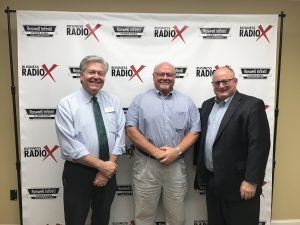
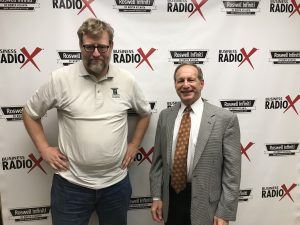
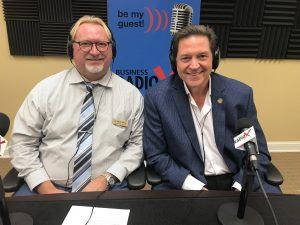
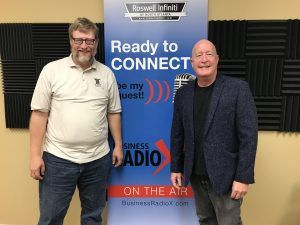
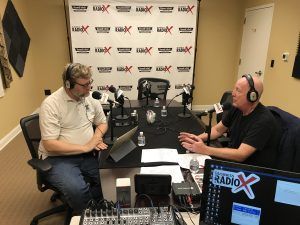
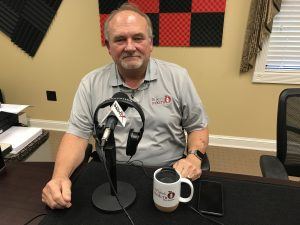
“Decision Vision” Host Mike Blake and Gene Plavnik

Should I Export?

What are the pitfalls of exporting to foreign markets? How do I develop international sales channels? How do I find distributors in other countries? Gene Plavnik of Heat Technologies, Inc. answers these questions and more in an interview with Michael Blake, Host of “Decision Vision.”

Gene Plavnik, Heat Technologies, Inc.

Gene Plavnik, Heat Technologies, Inc.

Gene Plavnik is the Founder and President of Heat Technologies, Inc. Gene has more than 25 years of experience in research, development and commercialization of various high efficiency, low emissions, energy technologies for a cross-section of industries: paper and film converting, printing, boilers and water heaters (HVAC), utilities, incineration, paper production, cement production, steelmaking, etc.

Gene holds an M.S. in Heat and Mass Transfer Engineering. He also hold 6 US and international patents relevant to the field of heat and mass transfer, drying, heat exchangers, boilers and water heaters.

Michael Blake, Brady Ware & Company

Mike Blake, Host of “Decision Vision”

Michael Blake is Host of the “Decision Vision” podcast series and a Director of Brady Ware & Company. Mike specializes in the valuation of intellectual property-driven firms, such as software firms, aerospace firms and professional services firms, most frequently in the capacity as a transaction advisor, helping clients obtain great outcomes from complex transaction opportunities. He is also a specialist in the appraisal of intellectual properties as stand-alone assets, such as software, trade secrets, and patents.

Mike has been a full-time business appraiser for 13 years with public accounting firms, boutique business appraisal firms, and an owner of his own firm. Prior to that, he spent 8 years in venture capital and investment banking, including transactions in the U.S., Israel, Russia, Ukraine, and Belarus.

Brady Ware & Company

Brady Ware & Company is a regional full-service accounting and advisory firm which helps businesses and entrepreneurs make visions a reality. Brady Ware services clients nationally from its offices in Alpharetta, GA; Columbus and Dayton, OH; and Richmond, IN. The firm is growth minded, committed to the regions in which they operate, and most importantly, they make significant investments in their people and service offerings to meet the changing financial needs of those they are privileged to serve. The firm is dedicated to providing results that make a difference for its clients.

Decision Vision Podcast Series

“Decision Vision” is a podcast covering topics and issues facing small business owners and connecting them with solutions from leading experts. This series is presented by Brady Ware & Company. If you are a decision maker for a small business, we’d love to hear from you. Contact us at decisionvision@bradyware.com and make sure to listen to every Thursday to the “Decision Vision” podcast. Past episodes of “Decision Vision” can be found here. “Decision Vision” is produced and broadcast by the North Fulton studio of Business RadioX®.
Visit Brady Ware & Company on social media:

LinkedIn:  https://www.linkedin.com/company/brady-ware/

Facebook: https://www.facebook.com/bradywareCPAs/

Twitter: https://twitter.com/BradyWare

Instagram: https://www.instagram.com/bradywarecompany/

Show Transcript

Intro: [00:00:01] Welcome to Decision Vision, a podcast series focusing on critical business decisions, brought to you by Brady Ware & Company. Brady Ware is a regional, full-service accounting and advisory firm that helps businesses and entrepreneurs make visions a reality.

Michael Blake: [00:00:20] And welcome to Decision Vision, a podcast giving you the listener clear vision to make great decisions. In each episode, we discuss the process of decision making on a different topic. But rather than making specific recommendations because everyone’s circumstances are different, we talk to subject matter experts about how they would recommend thinking about that decision.

Michael Blake: [00:00:38] My name is Mike Blake, and I’m your host for today’s program. I am a director at Brady Ware & Company, a full service accounting firm based in Dayton, Ohio with offices in Dayton; Columbus, Ohio; Richmond, Indiana; and Alpharetta, Georgia which is where we are recording today. Brady Ware is sponsoring this podcast. If you like this podcast, please subscribe with your favorite podcast aggregator and please also consider leaving a review of this podcast as well.

Michael Blake: [00:01:03] Today’s topic is about exporting, and should I export? And I think this is a very interesting topic because we’re bombarded with messaging all the time that we’re in a global economy, and in order to maximize the value of a business that we need to be sending our products abroad, we’d just be selling to different countries, need to be doing things internationally.

Michael Blake: [00:01:34] And, of course, to some extent, international business is sexy. I mean, who doesn’t like the opportunity maybe mix a little bit of business and pleasure going to Brussels, to Paris, or to Hong Kong. But the reality is once you take a look at doing business internationally and exporting, it’s not all that easy. There are all kinds of barriers that have to be overcome. And it turns out that selling into Rome, Italy is very different from selling into Rome, Georgia.

Michael Blake: [00:02:09] And I can’t think of no better person to help us walk through this topic than my dear friend, Gene Plavnik. Gene and I have been friends for I’m going to say going out about 15 years now. I think it’s about that long. I had no gray in my beard at the time. That’s how long ago it was, and I had one son at the time. And Gene is Founder and President of Heat Technologies Inc. He has more than 25 years of experience in research, development, commercialization of various high-efficiency, low-emissions energy technologies for a cross-section of industries, including paper and film converting, printing, boilers and water heaters, utilities incineration, paper production, cement production, and steel making.

Michael Blake: [00:03:01] He’s also originally from my adopted second hometown of Minsk Belarus. He holds a Master of Science in Heat and Mass Transfer Engineering. And Gene founded his company, excuse me, here in Atlanta in 1996. And the company specializes in the development of manufacturing and sales of next-generation commercial and industrial heat drying equipment for both industrial and advanced residential uses. They’re also working on additional technology projects including development of high-efficiency, water-based energy equipment for consumer and commercial applications. And they have several patents on technology both here and across the world. Gene, welcome to the program. Thank you so much for coming on.

Gene Plavnik: [00:03:50] You’re most welcome and thank you for inviting me.

Michael Blake: [00:03:54] So, you’re not a large company necessarily. When we think of companies that do business internationally, especially here in Atlanta, we think of Coca-Cola, we think of Arby’s, we think of Newell Rubbermaid, but you’re not as big as those companies, are you?

Gene Plavnik: [00:04:15] Not at all. We’re a small business concern, S-corporation formed in Atlanta. We have basically two design engineers. We have several contractors that help us to build our equipment here in Atlanta Metropolitan area. We have several electrical contractors that help us to build control systems. And we quality control our equipment, assemble it, quality control it, and sell it in the United States, North America, South America, worldwide.

Michael Blake: [00:04:56] And your global headquarters is just an office in your home, right?

Gene Plavnik: [00:05:01] That is correct.

Michael Blake: [00:05:03] So, what was the first country you started exporting to?

Gene Plavnik: [00:05:06] Germany.

Michael Blake: [00:05:08] And why was that? That’s interesting. I am going to come back to that one. You know why. Why Germany?

Gene Plavnik: [00:05:16] Germany is an engine of Europe. 41% of European GDP is manufactured in Germany. As a country, Germany managed to preserve its works with the global economy, to preserve its workforce. And, also, German culture is in the kind of a very susceptible to innovation. We all know from 15th-14th centuries how many inventions were formed and brought to the world by German inventors, by German explorers.

Gene Plavnik: [00:05:55] Another kind of attached to it was our technology is energy efficient. And energy efficiency, in general, in Europe is more acute, and important, and kind of a true requires attention, and also goes along with German culture. And I can give you later on an example how impressed I was with savings. So, every day, energy savings by ordinary German cities. And so, Germany was our first step. In general, in plain English, if you sell to Germans, then you can sell to the rest of Europe because they are very critical, very conservative customers, very skeptical customers, and very intelligent customers. So, if you can sell to intelligent, skeptical customer, he becomes your best advocate.

Michael Blake: [00:06:55] So, those are a good match that, obviously, Germany is renowned for their engineering. They appreciated and appreciate your engineering because you have some highly engineered, obviously patented, intellectual property there. And so, you knew that there would be a match. And as that driver of Europe, as you said, once you kind of get in Germany, into Germany, what a great reference customer, right? That’s got to be easier to sell to France and Italy and-

Gene Plavnik: [00:07:28] You are correct. You most likely will have a good — you’ll have a good reference, so that if people understand that you sell to Germany, then you can sell to anyone else or. at least, they know that there is installation, there is a reference. Even though that sometimes this reference is confidential, but I guess word of mouth, internet discussions within the industry will open the doors other group, other customers.

Michael Blake: [00:08:01] Now, how did you make that first sale? Did a German customer somehow find you? Did you go to a conference? Did you go door to door someplace in Berlin? I mean, how did you kind of connect with that first German customer?

Gene Plavnik: [00:08:17] You’re absolutely right. Once you make a decision to sell internationally, then you need to worry about distribution somehow. So what we did in our particular case, we went to a trade conference. At the time, it was 2011 in Chicago. And over there, we met a president of European, a similar association in Europe, who happened to have contact right there at the conference, a German-based company that sells here. So, we established the contact there. And after some negotiations, we established a sales agreement with this particular group, and we started selling through them.

Gene Plavnik: [00:09:04] And it’s interesting to note that there are two important strategic sales channels continuously occurred to us. Sales channel number one, it’s internet. We use Google Analytics to look at basically who was visiting our website. And the privacy law does not really allow you to see much but, sometimes, you can get a website name. And at that time, one German company was spending a lot of time on our website. So, that was one channel. We gave this name to our German friends. They approached appropriate parties here. They also need to — you need to select your sales channels appropriately.

Gene Plavnik: [00:09:56] It depends on what you sell, if you sell commodities or if you sell high-end equipment. So, if you start offering or start give representation to a company that sells commodity and ask him to sell high-end equipment while you have that equipment, nothing will happen out of it. So, again, to worry about distribution, you need to find the right agents, so to speak.

Michael Blake: [00:10:20] And in your mind, I mean is selling to a German customer different from selling to an American customer? You touched  on this a little bit, but it’s worth underlining.

Gene Plavnik: [00:10:32] Absolutely.

Michael Blake: [00:10:32] That must have meant that you hired a German distributor that understands the language of selling to Germans, right? It’s got to be different than selling to an American customer.

Gene Plavnik: [00:10:43] It is different, and it is critical. I would say to have appropriate representation, not only someone who understands how to sell technologically from engineering point of view or from industry point of view, but it’s important for someone to know the culture, to know industry culture. Even not like a general culture but industry culture in Germany is different than industry culture in the United States, so the sale is different.

Gene Plavnik: [00:11:19] And you learn as you go. So, you have to trust your partner. You have to spend a lot of time yourself in Germany because if you start selling internationally, your international company partners, whatever, customers, prospect, they want to see you. They want to know you exist. They want not to touch you but know that this is a real person. He is here. And I personally spent so much time in Germany. One of my customers said that he will not allow me to be in his office without German green card.

Michael Blake: [00:11:57] So, there’s also a number of formalities of exporting, of course – customs, freight, other kind of formalities. How do you handle those? Do you take care of those yourself? Is there a separate company you outsource that to? How do you work through that?

Gene Plavnik: [00:12:18] There are some things that one needs to do himself, whether it’s a big company or small company. But there are certain standards that are available or guidelines, I would say, that are available on the website of US Department of Commerce that explain to American companies willing to export its equipment or products what needs to be done. So, in our case, components of our equipment needs to become compliant with certain European standards. And there must be a list of these standards and signature of authorized persons. So, this needs to be done by us. There must be description of equipment with some photographs, also needs to be done by us. It needs to be kept. One file needs to be kept indefinitely at the company and one, as a file, will be with your local distributor in Germany. So, these things need to be done by the company itself.

Gene Plavnik: [00:13:31] The rest of it can be easily done by freight broker, custom broker, your choice. Typically, we select a company that takes care of that. We outsource, completely outsource boxes of freight going through customs, et cetera. We need to help the broker, and everyone needs to help its broker to identify the equipment in national harmonized industrial codes or commercial codes. So, if it’s a mineral water, it should be bottled mineral water in 7-1/2 to 50 milliliters bottles in glass, plastic and et cetera, et cetera.

Gene Plavnik: [00:14:13] In our case, it’s equipment for a specific dryer for printing industry or converting coating industry. This is a harmonized code. This is how much it weighed because the freighter will — you have to insure it. You cannot not to take insurance. So, you have the insurance and that helps your freight provider to appropriately insure the equipment or insure your product. Regardless, it’s a general requirement.

Gene Plavnik: [00:14:44] And then, you can get your quote in. Basically, paperwork is extremely important because your product can get stuck at the custom of destination. We had one case. When it was stuck without any reason in Italy, actually, it was basically in customs for several weeks simply because it was not properly commercially invoiced. One of the documents was not properly filed according to this particular country. So, your freight provider should be skilled and qualified to do that. I think it’s a wise decision to, actually, outsource these services and not to have this headache.

Michael Blake: [00:15:36] Now, you talked about insurance. Well, what kind of insurance? Is that insurance for your equipment and transit in case they were damaged? What kind of insurance are you talking about?

Gene Plavnik: [00:15:45] That’s exactly right. I’m talking about equipment insurance in transit until it reaches destination.

Michael Blake: [00:15:53] And what you make, these industrial dryers, they’re not the largest pieces of equipment in the world, but they’re also bigger than a laptop. So, do you find that you tend to ship more by sea or by air freight?

Gene Plavnik: [00:16:08] In our case, it’s always airfreight to customer.

Michael Blake: [00:16:11] It is? Okay.

Gene Plavnik: [00:16:11] It’s a customer based process. So, you always ask your customer, “How would you like it to be shipped?” And because our equipment are more or less compact, the difference between an airfreight and ocean freight is negligible. So, we offer customer these quotes, what would you like? Because customers, ultimately, is the one who pays for it. So, customer also can say “You know what, don’t worry about the freight. I have my own freighter. He will approach you. All you need to do is provide documentation he requests.” And it could be power of attorney, commercial invoice, some standard. Again, the best information we found was on the website of Department of Commerce, US Department of Commerce. So, once you address it, it’s more or less easy.

Michael Blake: [00:17:05] Okay. So, that’s interesting. So, when you designed your equipment, was that a deliberate feature to make sure it could be compact enough to ship by airfreight or was that just sort of a happy circumstance?

Gene Plavnik: [00:17:20] I would recommend to look into it. By accident, we never had any problems but, yes, there are restrictions by height, and by weight, by size of a container that will be taken by airfreight, or there are cargo planes and passenger planes. So, equipment that’s small enough, it can go into passenger planes. We just don’t know about it. But if equipment is of larger size, it can go to commercial plane. And it’s a different schedule, different delivery, a lot of different things.

Gene Plavnik: [00:17:54] We did ship by ocean, again, at the customer request. And the loading of our equipment on to container was a big deal. And we outsource it to the company who does it for a living. And I do recommend to do so because they will do proper loading, they will do proper — they properly secure equipments. Anything. It’s not specific to our industry. It just needs properly — done properly. And it makes a big difference when equipment is received at the port of destination if you ship it by ocean.

Michael Blake: [00:18:34] So, how many countries are you exporting to now?

Gene Plavnik: [00:18:38] Our main focus was E, and E is European Union. We have installations in Croatia, in Italy, in Germany. We have installation several in Italy actually. We have installation in Malaysia. And right now, we are looking into South Korea, Japan, and Singapore. I can tell you why. These countries respect intellectual property, which is intellectual property theft is a big deal. It’s a big threat, in general, to our economy. I’m not advocating anything. I’m giving you the reality of that. And that’s why we tend to stay away to developing countries such as India and China.

Michael Blake: [00:19:39] But let’s dive into that. You can talk about this at whatever comfort level that you have. But you actually just finished a large intellectual property dispute with a German company of all things, which is not what we would expect, right. The stereotype is, like you said, China, India, other developing countries, without the same legal background, are not as respectful of intellectual property. But of all the places you’ve been, Germany is a source of a big problem. Were you very surprised by that?

Gene Plavnik: [00:20:16] Shocked. It came as a shock because we would never imagine that we will be fighting this particular company, in general. And, again, it came out as this country respects intellectual property, and it’s a lengthy process. We were litigating this company by German law in Germany. And, apparently, we won the case because Germany, as a country is a country of law. It respects intellectual property. So, that’s why.

Michael Blake: [00:20:58] And that took what about two years?

Gene Plavnik: [00:20:59] Three.

Michael Blake: [00:21:01] Three years.

Gene Plavnik: [00:21:02] And it’s not over yet because, by law, in Germany, you lose, a party can file for appeal. And from one appeal to another appeal, but the first step is important. I was actually very much impressed that panel of judges in Germany decided to completely decide to rule the case in our favor. Absolute. There was no left and right.

Michael Blake: [00:21:27] So, even though the starting bad news was that your German partner proved to be unreliable at a country level, at least, you’re able to prevail even though you’re, in effect, the visiting team, right? And I don’t know that companies that go to China and other countries feel like that if they’re a foreign company in a legal process, they wouldn’t necessarily have confidence for being treated fairly. But clearly, you were.

Gene Plavnik: [00:21:58] Yeah, it was a customer actually. It was not a partner. It was a customer. Very reputable company on the outside. On the inside, some of the core industry, so-called, I would say partner, but some of the competitors, if I may say so, call them Chinese of Germany. So, unfortunately. But intellectual property is important; and therefore, the choice of your sales country where you plan to sell is also important because imagine what will happen in huge economy like China or India with unlimited resources and different perception of law.

Michael Blake: [00:22:48] Sure. So I’m curious. You’re born outside of the United States but you’ve been here for over 30 years, if I remember correctly. Do you think that your bicultural, your bilingual nature gives you an advantage in exporting because it gives you sort of a perspective? Maybe not all Americans necessarily have of how other cultures think how they address things.

Gene Plavnik: [00:23:18] No, I wouldn’t say so. It just, I guess, the nature of the beast. By nature, from being a very reserved and quiet boy, I became a fighter. And the only reason that you need to basically keep your fire, you need to keep your spirit high, you need to — don’t let be depressed. Don’t let yourself be overwhelmed by situation, get tough within the situation, and try to make right decisions along with your emotions. That’s lessons, actually, I learned in this country. So, I wouldn’t say that my foreign background somehow influenced. Actually, it’s more or less — for most people, it’s a fear, going outside and et cetera.

Gene Plavnik: [00:24:18] And I would highly recommend to all American companies, start looking outside of the country because very few American companies actually sell. And we have a lot to offer as a country, as in a level of our engineering. We just underestimate. I think our engineers, our industries, and its company underestimate the ability to sell worldwide.

Michael Blake: [00:24:45] Well, I think I’d like to drill down on that a little bit actually because I think the hardest part is getting started. So, in your case, if I understand the story correctly, you identified Germany as a likely customer. Maybe there’s little luck involved because you found out that they were scoping out your website. And so, you thought up on Google Analytics, right. But because you are paying attention to your website, which is, of course, your store front to the entire planet, right, you were able to identify a lead, right. And the hardest thing about businesses is finding that lead. But then, once you have that lead, I’m guessing, then, your first customer, the second one, the third one becomes so much easier because now you kind of have a foothold, you’ve learned some things, you’re generating money from abroad which means it’s easier to make that investment. Is that a fair way to describe it?

Gene Plavnik: [00:25:44] Yes, absolutely. Once you made your first sale, your confidence is up. You can give customer a discount for disclosing the name. Usually, it doesn’t come free. And you may have an agreement with the customer even to show non-compete to other industries because there are common issues – maintenance, energy usage, or reliability, service, and so forth, and so on. They are valid through cross cuts of equipment. You have to know secrets how something is made, but you can ask these questions and see your equipment in operation. So, yes, we’re still working on it. I mean, France is the next frontier. We don’t have anyone and anything in France but we’re working on it.

Michael Blake: [00:26:36] What do you think your first step will be to make that first sale in France? What is your strategy?

Gene Plavnik: [00:26:43] Same. We need to find the right company that would be interested in representing us and would be qualified to represent us. We change our distributors. We had — at some point, we had two personal or in a one big company in Switzerland, and we decided to discontinue the relationship. Why? Very simple reason. They were selling commodities. They were selling parts, inks, coatings, commodities. They were not selling the value-added equipment, and we transferred it to industry experts who became a sales expert because of the knowledge of the industry. And then, things change right in front of us.

Gene Plavnik: [00:27:33] We went through the steps. You need to be prepared to make tough decisions and stand by your words because if someone generates a lead or initiates a sale, and then you’ll fire him, and we give one year, for example, if it happens within a certain period of time, we pay him commission. Even we are not happy, et cetera, we don’t want any bad relationship. So, you need to act responsibly. You need to be tough, and you need to be noble. You need to hold your work. That will create your reputation.

Michael Blake: [00:28:06] And never cheat your sales people out of commission.

Gene Plavnik: [00:28:09] No.

Michael Blake: [00:28:10] Ever.

Gene Plavnik: [00:28:11] No, no, no. .

Michael Blake: [00:28:12] That’s a disaster.

Gene Plavnik: [00:28:13] That is a disaster.

Michael Blake: [00:28:14] So, do you think you’ll find this French distributor at a trade show maybe? Will you go to France and go to a trade and industry show? Or do you think you’ll find them on the internet? How do you think you’ll find something like that?

Gene Plavnik: [00:28:29] I will call a US Embassy in France and ask Dr. Sheikh to help. That’s basically will be my — we try to work with various channels like the Georgia Department of Economic Development to find anything. Unfortunately, it was all they desire. We didn’t get the response we want. And so, my plan is (A), I met some under the trade show in Germany, and he’s a potential customer. He is a user of a technology. So, I’ll call him and tell him, “Jean Pierre, I need your opinion. We need someone to represent us. Do you have a new one that you like in person?” Not necessarily he will sell you, but you would recommend. So, that’s what I would do. You need to know someone in the industry.

Gene Plavnik: [00:29:23] And the second is I believe that today with today’s administration attention to intellectual property and international trade. I think you can get better response if you approach US Embassy in a particular country where you sell. So, these are two channels that I’m planning to pursue.

Michael Blake: [00:29:45] I’m very glad you brought that up because I did want to ask you, of course, that the United States, as every country, would like to increase their exports, right. It’s obviously an economic driver. You mentioned the state level wasn’t all that helpful. You talked about contacting the embassy, which is interesting. I’m not trying to sell what I’ve thought about that. What about national programs, such as Exim Bank or things of that nature, have you found resources like that to be useful?

Gene Plavnik: [00:30:19] Yes, I believe that is useful even though we didn’t use it. We typically base our sales on cash as a secondary, as a letter of credit. So, we prefer cash. And because it’s a high-end, high-value equipment with high-end components in it, we want 90% of the price to be paid before we ship at any conditions. With Customs at 10, 20, 40 and we tell them that’s fine but we will not ship before 90. US overseas, anyway, we will not ship before 90.

Gene Plavnik: [00:30:57] And sometimes, excuse me, if 10% is a sizable chunk of money, if you wish, I would direct highly recommend to go to Exim and use Exim. Exim is a good program. It is kind of a somewhat slow program because there are set certain periods of time you need kind of six months need to expire, you need to approach your customer so many times. And so, then, Exim help you to reimburse some cost, et cetera. But I would recommend to a company that are different than us to use Exim Programs.

Michael Blake: [00:31:34] So, what are some of the key lessons that you’ve learned? What would you do differently knowing now if you had to do it all over again?

Gene Plavnik: [00:31:46] There was one little glitch in one of the sales in Indonesia. And I want to basically — we also sold with a 90 — well, it was LOC, letter of credit. The sale customer insisted, purely insisted, but there was 40% upon delivery, basically, after processing the customs. So, since it was Indonesia, not Germany, he had some connections, and took his chief financial officer to the port and grabbed the equipment before paying 40% of the price. So, letter of credit, you need to be careful. You need to proceed with caution on your sales. I’d probably deviate from the question. What was the question again?

Michael Blake: [00:32:41] Well, I think you’re answering it. So, I asked you about what’s a mistake you learned a lesson from?

Gene Plavnik: [00:32:46] If I would do it again, I would still insist, instead of a letter of credit, I would insist on cash terms. It depends on industry. That’s what we insist, and that’s what we prefer. I don’t know how it is done in different industries But in my point of view, try to get as much money before a customer — customer needs to see that your equipment are ready or your product is ready. At this point, try to get as much money as you can, not because you want to rip them off, it’s a fixed price, but if there is a conflict, then you have more leverage, you have more money left for the equipment or product that you manufacture, or acquire, then to resell, et cetera.

Michael Blake: [00:33:33] Well, as they say, possession is 9/10 of the law, right? That’s probably 9/10 of law for import export as well.

Gene Plavnik: [00:33:39] Yes, So, that’s correct.

Michael Blake: [00:33:42] Gene, this have been great. I’ve learned a lot. I know our listeners will learn a lot. If somebody wants to contact you, maybe find out more about exporting or even they just want to learn more about your equipment, how can they contact you?

Gene Plavnik: [00:33:54] Via our website. There is info, request for information. If they just put subject and provide with appropriate question in e-mail, we will be glad to respond.

Michael Blake: [00:34:08] That’s heattechnologiesinc.com?

Gene Plavnik: [00:34:08] At info@heattechnologiesinc.com.

Michael Blake: [00:34:13] All right. Very good. Well, that’s going to wrap it up for today’s program. I’d like to thank Gene Plavnik very much for joining us and sharing his expertise with us today. We’ll be exploring a new topic each week. So, please tune in, so that when you’re faced with your next business decision, you have clear vision when making it. If you enjoyed this podcast, please consider leaving a review with your favorite podcast aggregator. That helps people find us so that we can help them. Once again, this is Mike Blake. Our sponsor is Brady Ware & Company. And this has been the Decision Vision Podcast.

Tagged With: Dayton accounting, Dayton business advisory, Dayton CPA, Dayton CPA firm, doing business in Europe, doing business in Germany, exporting, exporting to Europe, exporting to Germany, France, Gene Plavnik, germany, Heat Technologies, Heat Technologies Inc., international distribution, international distributors, international sales channels, international shipping, international trade, Michael Blake, Mike Blake, opening a foreign market, patent infringement

To Your Health With Dr. Jim Morrow: Episode 12, The Case to Vaccinate

July 10, 2019 by John Ray

North Fulton Studio
North Fulton Studio
To Your Health With Dr. Jim Morrow: Episode 12, The Case to Vaccinate
Loading
00:00 /
RSS Feed
Share
Link
Embed

Download file

Dr. Jim Morrow, Host, “To Your Health With Dr. Jim Morrow”

Episode 12, The Case to Vaccinate

On this edition of “To Your Health With Dr. Jim Morrow,” Dr. Jim Morrow makes the case to vaccinate, arguing that vaccines are safe, necessary, and they work. The fears “non-vaxxers” have on the side effects of vaccines are not based in any proven scientific evidence. “To Your Health” is brought to you by Morrow Family Medicine, which brings the CARE back to healthcare.

About Morrow Family Medicine and Dr. Jim Morrow

Morrow Family Medicine is an award-winning, state-of-the-art family practice with offices in Cumming and Milton, Georgia. The practice combines healthcare information technology with old-fashioned care to provide the type of care that many are in search of today. Two physicians, three physician assistants and two nurse practitioners are supported by a knowledgeable and friendly staff to make your visit to Morrow Family Medicine one that will remind you of the way healthcare should be.  At Morrow Family Medicine, we like to say we are “bringing the care back to healthcare!”  Morrow Family Medicine has been named the “Best of Forsyth” in Family Medicine in all five years of the award, is a three-time consecutive winner of the “Best of North Atlanta” by readers of Appen Media, and the 2019 winner of “Best of Life” in North Fulton County.

Dr. Jim Morrow, Morrow Family Medicine, and Host of “To Your Health With Dr. Jim Morrow”

Dr. Jim Morrow, Morrow Family Medicine, and Host of “To Your Health With Dr. Jim Morrow”

Dr. Jim Morrow is the founder and CEO of Morrow Family Medicine. He has been a trailblazer and evangelist in the area of healthcare information technology, was named Physician IT Leader of the Year by HIMSS, a HIMSS Davies Award Winner, the Cumming-Forsyth Chamber of Commerce Steve Bloom Award Winner as Entrepreneur of the Year and he received a Phoenix Award as Community Leader of the Year from the Metro Atlanta Chamber of Commerce.  He is married to Peggie Morrow and together they founded the Forsyth BYOT Benefit, a charity in Forsyth County to support students in need of technology and devices. They have two Goldendoodles, a gaggle of grandchildren and enjoy life on and around Lake Lanier.

Facebook: https://www.facebook.com/MorrowFamMed/

LinkedIn: https://www.linkedin.com/company/7788088/admin/

Twitter: https://twitter.com/toyourhealthMD

Dr. Morrow’s Show Notes

History of Vaccines

  • Edward Jenner used cowpox material to create a vaccine for smallpox in humans in 1796.
  • Louis Pasteur created a rabies vaccine for humans in 1885
  • And then, at the dawn of bacteriology, developments rapidly followed.
    • Antitoxins and vaccines against diphtheria, tetanus, anthrax, cholera, plague, typhoid, tuberculosis, and more were developed through the 1930s.
  • The middle of the 20thcentury was an active time for vaccine research and development.
    • Methods for growing viruses in the laboratory led to rapid discoveries and innovations, including the creation of vaccines for polio.
    • Researchers targeted other common childhood diseases such as measles, mumps, and rubella, and vaccines for these diseases reduced the disease burden greatly.
  • Innovative techniques now drive vaccine research, with recombinant DNA technology and new delivery techniques leading scientists in new directions.

Measles Has Been All Over The News

  • Measles Cases in 2019
    • From January 1 to June 27, 2019, 1,095** individual cases of measles have been confirmed in 28 states. This is an increase of 18 cases from the previous week. This is the greatest number of cases reported in the U.S. since 1992 and since measles was declared eliminated in 2000.
  • Why The Spread of Measles?
    • The majority of people who got measles were unvaccinated.
    • Measles is still common in many parts of the world.
    • Travelers with measles continue to bring the disease into the U.S.
    • Measles can spread when it reaches a community in the U.S. where groups of people are unvaccinated.

Common Misconceptions About Vaccines

  • “Diseases had already begun to disappear before vaccines were introduced, because of better hygiene and sanitation”.
    • Statements like this are very common with the anti-vaccine crowd, the intent apparently being to suggest that vaccines are not needed.
      • Improved socioeconomic conditions have undoubtedly had an indirect impact on disease.
      • Better nutrition, not to mention the development of antibiotics and other treatments, have increased survival rates among the sick; less crowded living conditions have reduced disease transmission; and lower birth rates have decreased the number of susceptible household contacts.
      • But looking at the actual incidence of disease over the years can leave little doubt of the significant direct impact vaccines have had, even in modern times.
  • For example, there have been periodic peaks and valleys throughout the years, but the real, permanent drop in measles coincided with the licensure and wide use of measles vaccine beginning in 1963.
  • Other vaccine-preventable diseases show a roughly similar pattern in incidence, with all except hepatitis B showing a significant drop in cases corresponding with the advent of vaccine use. (The incidence of hepatitis B has not dropped as much because infants vaccinated in routine programs will not be at high risk of disease until they are at least teenagers. Therefore a 15-year lag can be expected between the start of routine infant vaccination and a significant drop in disease incidence.)
  • Haemophilus influenzae type b (Hib) vaccine is another good example, because Hib disease was prevalent until the early- to mid- 1990s, when conjugate vaccines that can be used for infants were finally developed.
  • Are we expected to believe that better sanitation caused the incidence of each disease to drop just at the time a vaccine for that disease was introduced?
    • Since sanitation is not better now than it was in 1990, it is hard to attribute the virtual disappearance of Hib disease in children in recent years in countries with routine Hib vaccination (from an estimated 20,000 cases a year to 1,419 cases in 1993, and dropping in the United States of America) to anything other than the vaccine.
  • We can look at the experiences of several developed countries after they allowed their immunization levels to drop.
    • Three countries —Great Britain, Sweden and Japan — cut back the use of pertussis (whooping cough) vaccine because of fear about the vaccine.
    • The effect was dramatic and immediate.
      • In Great Britain, a drop in pertussis vaccination in 1974 was followed by an epidemic of more than 100,000 cases of pertussis and 36 deaths by 1978.
      • In Japan, around the same time, a drop in vaccination rates from 70% to 20%-40% led to a jump in pertussis from 393 cases and no deaths in 1974 to 13,000 cases and 41 deaths in 1979.
      • In Sweden, the annual incidence rate of pertussis per 100,000 children of 0-6 years of age increased from 700 cases in 1981 to 3,200 in 1985.
  • It seems clear from these experiences that not only would diseases not be disappearing without vaccines, but if we were to stop vaccinating, they would come back.
    • Of immediate interest is the major epidemics of diphtheria that occurred in the former Soviet Union in the 1990s, where low primary immunization rates for children and the lack of booster vaccinations for adults resulted in an increase from 839 cases in 1989 to nearly 50,000 cases and 1,700 deaths in 1994.
    • There were at least 20 imported cases in Europe and two cases in U.S. citizens who had worked in the former Soviet Union.
  • Here’s another thing you should know about vaccines. Older adults need them too.
    • Here’s why:
      • As we age, our immune system weakens. Older adults are more likely to be infected and develop complications from vaccine-preventable diseases.
      • Immunity from some vaccines can decrease over time, which means booster doses are necessary to maintain protection. Also, some bacteria or viruses change over time; this makes some annual vaccinations necessary.
      • Older adults are more likely to have a chronic condition, which can increase the risk of diseases such as influenza. Skipping a vaccine can have serious health consequences.

 Vaccine Safety: The Facts

  • ​​Many people have expressed concerns about vaccine safety.
    • The fact is vaccines save lives and protect against the spread of disease.
    • If you decide not to immunize, you’re not only putting your child at risk to catch a disease that is dangerous or deadly but also putting others in contact with your child at risk. Getting vaccinated is much better than getting the disease.
    • Indeed, some of the most devastating diseases that affect children have been greatly reduced or eradicated completely thanks to vaccination.
    • Today, we protect children and teens from 16 diseases that can have a terrible effect on their young victims if left unvaccinated.
  • Your healthcare provider knows that you care about your child’s health and safety. That’s why you need to get all the scientific facts from a medical professional you can trust before making any decisions based on stories you may have seen or heard on TV, the Internet, or from other parents.
  • Vaccines work.
    • They have kept children healthy and have saved millions of lives for more than 50 years.
    • Most childhood vaccines are 90% to 99% effective in preventing disease.
    • And if a vaccinated child does get the disease, the symptoms are usually less serious than in a child who hasn’t been vaccinated.
    • There may be mild side effects, like swelling where the shot was given, but they do not last long. And it is rare for side effects to be serious.
  • Vaccines are safe.
    • Before a vaccine is licensed in the United States, the Food and Drug Administration (FDA) reviews all aspects of development, including where and how the vaccine is made and the studies that have been conducted in people who received the vaccine.
    • The FDA will not license a vaccine unless it meets standards for effectiveness (how well the vaccine works) and safety.
    • Results of studies get reviewed again by the Centers for Disease Control and Prevention (CDC), the American Academy of Pediatrics, and the American Academy of Family Physicians before a licensed vaccine is officially recommended to be given to children.
    • Every lot of vaccine is tested to ensure quality (including safety) before the vaccine reaches the public. In addition, FDA regularly inspects places where vaccines are made.
  • Vaccines are necessary.
    • Your doctor believes that your children should receive all recommended childhood vaccines.
    • In the United States vaccines have protected children and continue to protect children from many diseases.
    • However, in many parts of the world many vaccine-preventable diseases that are rarely seen in the United States are still common.
    • Since some vaccine-preventable diseases still occur in the United States and others may be brought into the United States by Americans who travel abroad or from people visiting areas with current disease outbreaks, it’s important that your children are vaccinated.
  • Vaccines are studied.
    • To monitor the safety of vaccines after licensure, the FDA and the CDC created the Vaccine Adverse Event Reporting System (VAERS).
    • All doctors must report certain side effects of vaccines to VAERS. Parents can also file reports with VAERS.
  • Some parents are requesting that we space out their infant’s vaccinations because they are concerned that receiving multiple vaccinations at a single office visit might overwhelm the infant’s immune system.
    • Vaccine recommendations are determined after extensive studies in large clinical trials. They include studies on how vaccine recipients respond to multiple vaccines given simultaneously.
    • The overall aim is to provide early protection for infants and children against vaccine-preventable diseases that could endanger their health and life.
    • No scientific evidence exists to support that delaying vaccinations or separating them into individual antigens is beneficial for children.
    • Rather, this practice prolongs susceptibility to disease, which could result in a greater likelihood of the child becoming sick with a serious or life-threatening disease.
    • There could also be added expense (e.g., multiple office visits), additional time off from work for parents, and increased likelihood that the child will fail to get all necessary vaccinations.
  • Many patients are reading The Vaccine Book, in which the author, Dr. Bob Sears, cites studies that he interprets as showing that the amount of aluminum found in certain vaccines might be unsafe.
    • He thinks it is better to separate aluminum-containing vaccines, rather than give them according to the recommended U.S. immunization schedule. There is no science behind this.
  • Does the thimerosal in some vaccines pose a risk?
    • Thimerosal, a very effective preservative, has been used to prevent bacterial contamination in vaccine vials for more than 50 years.
    • It contains a type of mercury known as ethylmercury, which is different from the type of mercury found in fish and seafood (methylmercury). At very high levels, methylmercury can be toxic to people, especially to the neurological development of infants.
    • In recent years, several large scientific studies have determined that thimerosal in vaccines does not lead to neurologic problems, such as autism.
    • Nonetheless, because we generally try to reduce people’s exposure to mercury if at all possible, vaccine manufacturers have voluntarily changed their production methods to produce vaccines that are now free of thimerosal or have only trace amounts. They have done this because it is possible to do, not because there was any evidence that the thimerosal was harmful.
  • Some have expressed concern that some vaccines have been produced in fetal tissue.
    • The production of a few vaccines, including those for varicella, rubella, and hepatitis A, involves growing the viruses in human cell culture.
    • Two human cell lines provide the cell cultures needed for producing vaccines; these lines were developed from two legally aborted fetuses in the 1960s.
    • These cell lines are maintained to have an indefinite life span.
    • No fetal tissue has been added since the cell lines were originally created.
    • Some parents are concerned about this issue because of misinformation they have encountered on the Internet. Two such untrue statements are that ongoing abortions are needed to manufacture vaccines and vaccines are contaminated with fetal tissue.
  • The Failed Threat of Autism
    • An article linking autism to the MMR vaccine was retracted for fraud, but this misinformation persists and has caused long-lasting public health consequences.
    • Multiple studies have found no causal link between vaccination and autism, but the falsified report continues to cause parental concern.

Why Vaccinate?

  • Vaccination’s immediate benefit is individual immunity:
    • It provides long-term, sometimes lifelong protection against a disease.
      • The vaccines recommended in the early childhood immunization schedule protect children from measles, chicken pox, pneumococcal disease, and other illnesses.
      • As children grow older, additional vaccines protect them from diseases that affect adolescents and adults, as well as for diseases they may encounter during travel to other regions.
      • Travelers to certain parts of South America and Africa, for example, are required to receive the yellow fever vaccine, as the disease is still prevalent there.
  • The secondary benefit of vaccination, however, is herd immunity, also known as community immunity.
    • Herd immunity refers to the protection offered to everyone in a community by high vaccination rates.
    • With enough people immunized against a given disease, it’s difficult for the disease to gain a foothold in the community.
    • This offers some protection to those who are unable to receive vaccinations—including newborns and individuals with chronic illnesses—by reducing the likelihood of an outbreak that could expose them to the disease.
    • It also protects vaccinated individuals wh may not have been fully immunized against a disease (no vaccine is 100% effective)
  • When community vaccination rates drop below the threshold of herd immunity, widespread disease outbreaks can occur.
    • The threshold of herd immunity for polio, for example, is estimated to be between 80% and 86%;[1]if the vaccination rate drops significantly below this level, the level of community protection may not be enough to prevent the disease from spreading—primarily to those who have no prior immunity because they haven’t been vaccinated (due to chronic illnesses or vaccine refusal) or because they were vaccinated, but it was not effective.
  • This is precisely what happened in England when MMR (measles, mumps, and rubella) vaccination rates dropped.
    • Measles is extremely infectious; therefore, it has a higher herd immunity threshold than most other diseases.
    • In the late 1990s, MMR vaccination rates began to drop from more than 90% to 80% or lower—well below the level required for herd immunity against measles.
    • In response, the number of cases began to rise: while only 56 cases were confirmed in Wales and England in 1998, 1,348 were confirmed by 2008.
    • A disease whose spread in the country had been halted more than a decade prior was once again endemic.
  • Vaccination does more than just protect an individual; it protects entire communities. Sufficient vaccination levels can provide protection against disease for members of the community who would otherwise be left vulnerable.

            The best reason to vaccinate yourself or your child is, well, SCIENCE!!

Tagged With: Cumming doctor, Cumming family medicine, Cumming family physician, Cumming family practice, Cumming md, Cumming physician, Dr. Jim Morrow, ethylmercury, fda, flu vaccine, Food & Drug Administration, getting vaccinated, Haemophilus influenzae Type B vaccine, herd immunity, individual immunity, iron lung, Louis Pasteur, measles, measles vaccination, Milton doctor, Milton family doctor, Milton family physician, Milton family practice, Milton md, Morrow Family Medicine, pertussis vaccination, polio, polio vaccine, rabies vaccination, rabies vaccine, risk of autism, science of vaccinations, shingles, shingles vaccine, smallpox, smallpox vaccination, thimerosal, To Your Health, unvaccinated, vaccinations, Vaccine Adverse Event Reporting System, vaccine education, vaccine-preventable diseases, vaccines, VAERS, whooping cough vaccine

Dr. Quynh Do, Advancing Your Reach, and Frank X. Perissi, Atomic Wash

July 9, 2019 by John Ray

North Fulton Business Radio
Dr. Quynh Do, Advancing Your Reach, and Frank X. Perissi, Atomic Wash
Loading
00:00 /
RSS Feed
Share
Link
Embed

Download file

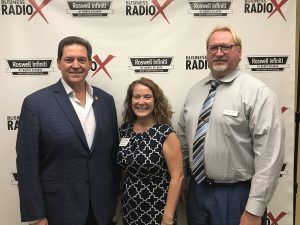
John Ray, Dr. Quynh Do, Frank X. Perissi

“North Fulton Business Radio,” Episode 147:  Dr. Quynh Do, Advancing Your Reach, and Frank X. Perissi, Atomic Wash

On this edition of “North Fulton Business Radio,” host John Ray interviews Dr. Quynh Do, Advancing Your Reach, on how she helps science and medical professionals with their personal branding and career objectives. and Frank X. Perissi, Atomic Wash, on branding, digital marketing, and his charitable work with the Miracle League.

Dr. Quynh Do, Advancing Your Reach

Dr. Quynh Do, Advancing Your Reach

Dr. Quynh Do started Advancing Your Reach with the intent to encourage professional and personal development and growth within a more holistic framework. Dr. Quynh Do is a nationally recognized authority and thought leader in clinical and epidemiological studies. She focuses on guiding health researchers and practitioners on how to utilize their strengths, weaknesses, and passion to intersect research and practice. She has worked with non-profits, government agencies, academic medical centers, and pharmaceutical companies. She provides clients with strategic planning, training, and assessments that are uniquely aligned with the demands of the healthcare industry.

For more information, go to the Advancing Your Reach website or email Dr. Do directly at advancingyourreach@gmail.com.

Frank X. Perissi, Atomic Wash

Frank X. Perissi, Atomic Wash

Responsible for business development at Atomic Wash, Frank X. Perissi brings over 20 years of sales and marketing knowledge assisting great organizations such as American Express, First Data, Moneygram, Opex, and Taylor Corporation. Frank has lead North American teams in the goal of growing our customers revenues in several industries as a VP of Strategic Channel, VP of Sales and Marketing and as a CMO. Frank is highly networked and enjoys paying it forward with great non-profit organizations such as The Kettering Executive Network, where he holds a board seat as an executive officer, and The Miracle League as a VP and board member. Frank is also member of the Hero Club, an organization that believes in the mantra of servant leadership.

To contact Frank directly, email him at fxperissi@gmail.com.


“North Fulton Business Radio” is broadcast from the North Fulton studio of Business RadioX®, located inside Renasant Bank in Alpharetta. Renasant Bank has humble roots, starting in 1904 as a $100,000 bank in a Lee County, Mississippi, bakery. Since then, Renasant has grown to become one of the Southeast’s strongest financial institutions with approximately $12.9 billion in assets and more than 190 banking, lending, wealth management and financial services offices in Mississippi, Alabama, Tennessee, Georgia and Florida. All of Renasant’s success stems from each of their banker’s commitment to investing in their communities as a way of better understanding the people they serve. At Renasant Bank, they understand you because they work and live alongside you every day.

Tagged With: data analytics, digital marketing, digital marketing agency, Dr. Quynh Do, Frank Perissi, Frank X. Perissi, marketing data analytics, medical professionals, medical research professionals, Miracle League, Norcross, personal branding, personal branding for medical professionals, personal branding for science professionals, Quynh Do, science professionals, science research professionals

ATL Developments with Geoff Smith: Kerry Armstrong, Atlanta Regional Commission and Pope & Land Real Estate

July 8, 2019 by John Ray

North Fulton Business Radio
ATL Developments with Geoff Smith: Kerry Armstrong, Atlanta Regional Commission and Pope & Land Real Estate
Loading
00:00 /
RSS Feed
Share
Link
Embed

Download file

Geoff Smith and Kerry Armstrong on “ATL Developments with Geoff Smith”

ATL Developments with Geoff Smith:  An Interview with Kerry Armstrong, Atlanta Regional Commission and Pope & Land Real Estate

Host Geoff Smith speaks with Kerry Armstrong, Chairman of the Atlanta Regional Commission, on planning and growth across numerous local jurisdictions in Metro Atlanta, the problem of affordable housing, and other growth issues in Metro Atlanta.

Kerry Armstrong, Atlanta Regional Commission and Pope & Land Real Estate

Kerry Armstrong, Atlanta Regional Commission and Pope & Land Real Estate

Kerry Armstrong has served on the Atlanta Regional Commission since 2008, and is currently serving his second term as the ARC Board Chairman. During his tenure on the ARC Board he served on numerous Commission Committees and as Co-Chair of the Atlanta Regional Workforce Development Board.

Professionally, as a Managing Director – Development & Investment Services Partner with Pope & Land Real Estate, Kerry is involved in the development, marketing, leasing, and management of commercial real estate investments. He joined Pope & Land in 2012, and his commercial real estate career spans three decades. Prior to joining Pope & Land, Kerry worked with Duke Realty Corporation as a Senior Vice President for nearly 22 years where he had a leadership role in building Duke Realty’s Atlanta Office portfolio from around 460,000 square feet in 1990 to more than 4.5 million square feet through development and acquisition.

He is also actively involved in leadership roles in numerous civic, educational, and charitable organizations, including the North Fulton Community Improvement District, the Council for Quality Growth, the Gwinnett Chamber of Commerce, and the Greater North Fulton Chamber of Commerce.

Geoff Smith, Host of “ATL Developments with Geoff Smith”

Geoff Smith, Host of “ATL Developments with Geoff Smith”

“ATL Developments with Geoff Smith” covers all things economic development in the Atlanta Metro area. From everything inside the Beltline to Avalon and beyond, Geoff Smith interviews the movers and shakers making the ATL one of the best places to live, work and play. An archive of past episodes can be found here.

Geoff Smith is a mortgage banker with Assurance Financial working with Real Estate agents and homebuyers to help them get happily to their closing table. Geoff is an authority on the latest economic development trends shaping the Atlanta Metro area. His interviews reveal an inside perspective at how things get done in the ATL.

Geoff is an active member of his community serving on the Board of Directors of the Greater North Fulton Chamber of Commerce, as well as holding the position of chairman for the Chamber’s Education Committee. He is also Secretary of the Roswell Youth Baseball Association and coaches his sons in football, baseball and basketball. Geoff enjoys golf, camping and traveling with his wife and two sons. He is a graduate of the University of Georgia.


“ATL Developments with Geoff Smith” is broadcast from the North Fulton studio of Business RadioX®, located inside Renasant Bank in Alpharetta. Renasant Bank has humble roots, starting in 1904 as a $100,000 bank in a Lee County, Mississippi, bakery. Since then, Renasant has grown to become one of the Southeast’s strongest financial institutions with approximately $12.9 billion in assets and more than 190 banking, lending, wealth management and financial services offices in Mississippi, Alabama, Tennessee, Georgia and Florida. All of Renasant’s success stems from each of their banker’s commitment to investing in their communities as a way of better understanding the people they serve. At Renasant Bank, they understand you because they work and live alongside you every day.

Tagged With: Council of Quality Growth, Geoff Smith, Kerry Armstrong, live work play, liveable communities, MARTA, Metro Atlanta, Metro Atlanta regional planning, Metro Atlanta traffic, Mobility, North Fulton CID, North Fulton Community Improvement District, North Point Mall, Northwinds development, Pope & Land, regional malls, regional planning, Roswell, roswell ga, transit, transit plan, transportation planning

Decision Vision Episode 22: Should I Set Up a Captive Insurance Company?, An Interview with Matthew Queen, Venture Captive Management

July 4, 2019 by John Ray

Decision Vision
Decision Vision
Decision Vision Episode 22: Should I Set Up a Captive Insurance Company?, An Interview with Matthew Queen, Venture Captive Management
Loading
00:00 /
RSS Feed
Share
Link
Embed

Download file

“Decision Vision” Host Mike Blake and Matthew Queen

Should I Set Up a Captive Insurance Company?

What is a captive insurance company? How can I use a captive insurance company both to manage my risks and control the cost of insuring those risks? In a conversation with “Decision Vision” host Michael Blake, Matthew Queen of Venture Captive Management answers these questions and much more.

Matthew Queen, Venture Captive Management

Matthew Queen, Venture Captive Management

Matthew Queen is the Chief Compliance Officer and General Counsel for Venture Capital Management. Venture Captive Management provides turnkey alternative risk financing services for middle market companies seeking greater control and profit in their risk funding solutions. The firm is a boutique provider of underwriting, accounting, claims management, and risk management. Solutions offered by VCM include the establishment and operation of single parent captives, group captives, association captives, risk retention groups, and managing general agencies. VCM manages insurance companies with three guiding principles: to provide asset protection for the beneficial owner, to control the process, and to provide profit to the beneficial owners. The captive is first and foremost designed to capture the underwriting profit that would normally stay with the standard commercial carrier under traditional insurance coverage.

Michael Blake, Brady Ware & Company

Mike Blake, Host of “Decision Vision”

Michael Blake is Host of the “Decision Vision” podcast series and a Director of Brady Ware & Company. Mike specializes in the valuation of intellectual property-driven firms, such as software firms, aerospace firms and professional services firms, most frequently in the capacity as a transaction advisor, helping clients obtain great outcomes from complex transaction opportunities. He is also a specialist in the appraisal of intellectual properties as stand-alone assets, such as software, trade secrets, and patents.

Mike has been a full-time business appraiser for 13 years with public accounting firms, boutique business appraisal firms, and an owner of his own firm. Prior to that, he spent 8 years in venture capital and investment banking, including transactions in the U.S., Israel, Russia, Ukraine, and Belarus.

Brady Ware & Company

Brady Ware & Company is a regional full-service accounting and advisory firm which helps businesses and entrepreneurs make visions a reality. Brady Ware services clients nationally from its offices in Alpharetta, GA; Columbus and Dayton, OH; and Richmond, IN. The firm is growth minded, committed to the regions in which they operate, and most importantly, they make significant investments in their people and service offerings to meet the changing financial needs of those they are privileged to serve. The firm is dedicated to providing results that make a difference for its clients.

Decision Vision Podcast Series

“Decision Vision” is a podcast covering topics and issues facing small business owners and connecting them with solutions from leading experts. This series is presented by Brady Ware & Company. If you are a decision maker for a small business, we’d love to hear from you. Contact us at decisionvision@bradyware.com and make sure to listen to every Thursday to the “Decision Vision” podcast. Past episodes of “Decision Vision” can be found here. “Decision Vision” is produced and broadcast by the North Fulton studio of Business RadioX®.

Visit Brady Ware & Company on social media:

LinkedIn:  https://www.linkedin.com/company/brady-ware/

Facebook: https://www.facebook.com/bradywareCPAs/

Twitter: https://twitter.com/BradyWare

Instagram: https://www.instagram.com/bradywarecompany/

Show Transcript

Intro: [00:00:05] Welcome to Decision Vision, a podcast series focusing on critical business decisions, brought to you by Brady Ware & Company. Brady Ware is a regional, full-service, accounting and advisory firm that helps businesses and entrepreneurs make visions a reality.

Michael Blake: [00:00:23] And welcome to Decision Vision, a podcast giving you, the listener, clear vision to make great decisions. In each episode, we discuss the process of decision making on a different topic. But rather making specific recommendations because everyone’s circumstances are different, we talk to subject matter experts about how they would recommend thinking about that decision.

Michael Blake: [00:00:42] My name is Mike Blake, and I am your host for today’s program. I’m a director at Brady Ware & Company, a full-service accounting firm based in Dayton, Ohio, with offices in Dayton; Columbus, Ohio; Richmond, Indiana; and Alpharetta, Georgia which is where we are recording today. Brady Ware is sponsoring this podcast. If you like this podcast, please subscribe on your favorite podcast aggregator, and please also consider leaving a review of the podcast as well.

Michael Blake: [00:01:07] And today’s topic is a topic about captive insurance companies, and should you have your own captive insurance program? And I’ve only started to run into this about five years ago when I worked for another accounting firm, and we happened to have a partner that kind of specialized in captives. And I didn’t really realize that if you want to, you can start your own insurance company. Now, it’s not as easy as doing that. It’s not like you just sort of go on Amazon.com, and click buy that insurance company, and you get started. It is a fairly complex process. And we’ve got an expert to talk about that today.

Michael Blake: [00:01:46] But it is under the right circumstances, something that companies, high-net worth individuals and investors may want to consider. It is complex. It certainly kind of goes up and down in terms of reputation. There are accounting firms and law firms that specialize in captive insurance programs. There are accounting firms and law firms that will not touch them with a 10-foot pole. So, you sort of see the gamut. And I think that’s what makes the — one of the things that makes this topic so interesting is because it’s hard to find folks that know what they’re talking about and are willing to talk about it.

Michael Blake: [00:02:30] So, with that, I’d like to introduce Matthew Queen, who is Chief Compliance Officer and General Counsel for a company called Venture Captive Management. He is responsible for regulatory compliance, program development, and claims management for captive insurance companies and risk retention groups. Prior to joining Venture Captive Management, Matthew developed his knowledge base by defending multinational corporations and state, federal and administrative courts, and provided state and local tax minimization strategies for Fortune 500 companies as a tax accountant at big four consulting firm. Matthew holds an undergraduate degree in business management from the Georgia Institute of Technology, a school that I flunked out of as a PhD candidate, and Advanced Degrees in Law and taxation from Georgia State University.

Michael Blake: [00:03:19] Venture Captive Management provides turnkey alternative risk financing services for middle market companies seeking greater control and profit in their risk funding solutions. The firm is a boutique provider of underwriting, accounting, claims management, and risk management. Solutions offered by Venture Captive Management include the establishment and operation of single parent captives, group captives, association captives, risk retention groups, and managing general agencies.

Michael Blake: [00:03:46] Venture Captive Management manages insurance companies with three guiding principles: to provide asset protection for the beneficial owner, to control the process, and to provide profit to the beneficial owners. The captive is first and foremost designed to capture the underwriting profit that would normally stay with a standard commercial carrier under traditional insurance coverage. Matthew, welcome to the program. Thanks for coming on.

Matthew Queen: [00:04:09] Thank you for having me.

Michael Blake: [00:04:11] So, as I like to do with many of my podcasts, I like to start with the vocabulary lesson because we can very quickly get into terms of art, and acronyms, and jargon that will lose the listener. So, let’s start with the basics. What is insurance, and where do captives fit within the insurance universe?

Matthew Queen: [00:04:34] Thank you very much, Captive insurance is really not as complicated as you think. So, you’ve got your checking and your savings account. Generally speaking, you want to spend the money in your checking account relatively soon. The savings account, you keep over here just in case. While the money put into your savings account is no different the money put into a captive insurance company, except, now, by funding our captive, we get a huge tax deduction for the premiums that we put in there.

Matthew Queen: [00:04:58] So, at its basic level, all I’m really doing is helping people to fund for risk. Now, the risks that you look at in a worker’s compensation, you’ve got health care benefits you’re providing for your employees, general, professional liability, those are all just various risks that you can fund with either traditional insurance where you pay premiums over to AIG, let’s say, or you can form your own captive and take all or a part of that risk. So, at the end of the day, it’s just a very tax-efficient way providing for risk management.

Matthew Queen: [00:05:30] So, one of the things that really is fun about what I do is that captive insurance exists at the frontier of insurance. Now, back when I was in my traditional defense, I never really got to go to the frontier. So, you get a case. Ssome plaintiff’s attorney is trying to beat you up for support, sort of, a slip and fall. You may find an exotic case that helps you win the case in some sort of a novel way but at no point are you going to the frontier of legal thought. That is not the case with captives because captives are, in a way, the zenith of risk financing. So, you’re taking on board underwriting, accounting. And even there within accounting, it’s not just gap. You need to have some knowledge of statutory accounting. You got to understand the claims process. You’ve got to understand how to talk in re-insurances. You’ve got to be able to go out there and lay out the risks. So, it really does bring in some novel theories.

Matthew Queen: [00:06:27] Consequently, we get to develop custom insurance products that can insure literally anything. So, my joke I tell people when they’re asking about captives is I can underwrite a ham sandwich. Not me personally, I’m a terrible underwriter. But what you would look at is any sort of a risk may be a good idea for a captive. So, why talk about the boring things? Let’s go straight to the fun stuff. So, for example, you’re now doing business in the UK, Japan, and America. And let’s assume things go south with Brexit and something wacky happens with the currency exchange rate between the dollar and begin-

Michael Blake: [00:07:04] That’s a good assumption, by the way.

Matthew Queen: [00:07:06] Yeah. So, what happens if the pound goes crazy? Can you insure against losses that would manifest as a result of doing cross-border transactions? The IRS is going to sit there and say, “No, no, no. That is nuts.” And this exact issue is that they have some guidance from the IRS where they’ve said, “We don’t like it,” but in 2015, they had a case called the RBI guarantee case where people were essentially insuring against the unexpected bad value of a fleet of cars. Long story short, it kind of looks like a put contract in the sense that you had a fleet of cars that are X when you bottom, expect to be Y at the end of five years. And if some foolish guy gets into an automobile accident, it’s worth much less than Y. They had captive pay out a claim, and the IRS said, “We don’t like that,” took it to tax court, got beaten up. Long story short, you can now ensure a financial interest. So, the currency exchange interest would be analogous to that.

Matthew Queen: [00:08:05] The reason I’m telling you this is only to just bust down the barriers right off the bat that when you’re dealing with captives, general liability, workers comp, all day long, no problem. But then, when you have like a supply chain risk, so you’re now an oil and gas company, and you’ve got some sort of an oddball issue with Venezuela 20 years ago, the IRS would say, “You cannot take a deduction for the premiums paid for supply chain risk. It’s just not an insurable event.” Over time, a lot of these middle market and large companies that have supply chain risks said, “We’re purchasing this in commercial markets. It’s being offered from Lloyd’s of London. We demand that we have the right to do this.” And that sorted itself out in courts. So, that’s where we are constantly. Where the market breaks down or the market is heading, consequently, I get to basically sit at the frontier and look just a little further than I was normally looking back when I was doing insurance defense.

Michael Blake: [00:09:02] And where that frontier is – just I want to make sure I’m absolutely clear – is that some entities are now basically setting up their own insurance companies, their captive, because they’re captive to that one particular company they serve, I assume, one customer, the customer that sets it up. Is that correct?

Matthew Queen: [00:09:25] Yeah, generally speaking. So, what you’re describing is a single parent captive insurance company. And that was developed by Fred Reiss in the mid-50’s. And he had a mining operation where he was unable to get normal insurance. So, he said, “To heck with it, I’ll just go directly to the re-insurers myself. I’ll take the first, let’s just say, quarter million dollars of each million dollar claim, and then I’ll place reinsurance above that.” That is the tried and shrewd method.

Matthew Queen: [00:09:48] And then, he went back and forth with the IRS trying to be able to deduct the premiums to finance that quarter million dollar layer in an reinsurance premium, but that was actually not much of an issue. That worked out really well. That was the creation of captive insurance. But he got laughed out of every single American domicile. And in order to make that fly, he had to go get an insurance license from Bermuda. That’s why captives are huge offshore. Bermuda looked at him, and they said, “This isn’t crazy. This is beyond anything we’ve looked at.”

Matthew Queen: [00:10:18] Now, when he showed up, he had a couple of million dollars to put into a captive insurance company. I mean, it was no different than just starting a new subsidiary company. General Motors wants to start Pontiac. It went ahead and put some capital to do that. So, this mining company said, “We’re just going to start an insurance company.” So, the IRS looked at this, and they said, “I doubt this is real. I mean, at the end of the day, I get that the parent company’s balance sheet is not going to be affected by your losses in this subsidiary. But come on, it’s all on the same economic family. So, if you’re paying premiums into your own little insurance company, how can you deduct that?”

Matthew Queen: [00:10:54] And that right there, we have described the first 60 years of captives. So, that’s a bit of an exaggeration. But in 2005, ’06, ’07, there was a pair of case called Rent-A-Center and Securities cases. The least you need to know about those cases is the IRS had been basically just losing ground inch by inch as larger or smaller and smaller companies start adopting captives for any number of risks. Automobile liability, you’ve got a fleet of cars, you’re probably going to be overpaying if you go to AIG. So, they brought in a captive expert, sit there and set him up with a self-insurance solution. The health care industry, they’re constantly having to deal with issues of medical malpractice and professional liability, so they started adopting it.

Matthew Queen: [00:11:41] And eventually, the IRS started conceding bit by bit like, “Well, maybe if you have 12 subsidiaries, and you’re paying us between that, but we’d never let you to insure the parent company because for whatever reason, that was not allowed.” It just became more complicated and more complicated to the point where the tax court said “Enough.” We look at this right here, this group of risks — and by the way, this is now the new rule for captives. We look at this group of risks, if in that group you can achieve the law of large numbers, such that we can accurately forecast within a standard deviation or two, the frequency of risks and the general severity, then we’re probably going to have an insurance situation. And that’s the debate right there. Do you have enough risk within your captive to actually have insurance?

Matthew Queen: [00:12:29] So, what I like about what we do is we focus on middle market companies that are in areas that are either uninsurable in some periods or lack capacity in the market. So, our company, about 80% of what we do is skilled nursing facilities and assisted living. At one point in the late 1990’s, the rate per bed was over $10,000 per bed for assisted living facilities. So, we created a risk retention group to, essentially, become a new insurance carrier focusing only on professional liability for ALS across the country. And I mean, that’s the model. You see a market breakdown. It’s just basic business 101. So, we created a solution that was accustomed to the market.

Michael Blake: [00:13:15] So, you mentioned awhile back that single parent captives are one type of captive. What are the other kinds? And kind of succinctly, what are the differences between them?

Matthew Queen: [00:13:27] Okay. So, the two big things that you want to think about are single parent group, group captives, and association captives. It’s kind of all in one bucket. So if you have a large company, you probably don’t necessarily need a group captive. You might be able to create your own captive on your own. And that’s really going to be a function of the type of risks that you have running through your company. So, if you have 5000 employees, probably don’t need to be in a group. But if you have like 100 employees, you may need to be in a group. And the simple reason is if one loss is going to basically eat up all the capital in your captive, I actually agree with the IRS, you don’t really have a captive.

Matthew Queen: [00:14:08] So, we can get into the differences between those but what I like about that association group and single parent captives is you can underwrite literally anything. So, all those nut job things I was saying in the beginning, totally fine. 100%, I will defend those to the end of time. Now, there is another form of captive. It’s called a risk retention group. We have a very large one, and it’s operating in 11 states. And I love this because it’s a huge trade-off. You can only write liability through a risk retention group, but you only have to get licensed in one state.

Matthew Queen: [00:14:45] So, I’m going to bring you up to date on something called the McCarran-Ferguson Act. So, in 1945, the Supreme Court was essentially overruled by Congress. So, in ’44, there’s a case called SouthEastern Underwriters where the Supreme Court determined that the business of insurance, like basically everything else, is subject to interstate commerce. Consequently, now, the federal government can regulate insurance. And the Departments of Insurance in 50 states went nuts. And with a surprisingly quick response, Congress passed the McCarran-Ferguson Act 1945, and that restored the power of insurance back to the states.

Matthew Queen: [00:15:25] Now, McCarran-Ferguson Act, you cannot overstate the power of this act. It not only restored the power of insurance back to the states, but it also did so by incorporating an understanding of due process that as it existed in the 1800s. So, not only is it the business of insurance, it’s state law, but it’s that ridiculously strong state law that you had back way before the Interstate Congress clause became a flexible part of the Constitution.

Matthew Queen: [00:15:53] And that’s relevant. I won’t explain why right now, but the least need to know is that when AIG, or CNA, or Chubb, if they want to enter into Georgia, they have to get on their knees and say, “Please let me in. Here’s the filing. Here’s the rates.” And the commissioner has the ability to sit there and say, “You know, I just don’t know how I feel about this.”  And that creates a significant amount of power in the insurance department. By the way, it doesn’t matter if AIG has got that exact policy rate and all the capitalization that you need up and running in 49 other states. The State of Georgia has the absolute right to say goodbye.

Matthew Queen: [00:16:31] Now, with the risk retention group, we have IRS domiciled in the District of Columbia. And because the Risk Retention Act was passed pursuant to federal law as one of the very few exceptions to McCarran-Ferguson, all I have to do is get chartered interstate. And chartered is just our legalistic way of saying you can’t stop me. So, I can march into Florida, Georgia, Alabama, Alaska, and I can write liability anywhere I want. It’s this huge loophole, and it allows us to undercut most of the carriers in the market because we’re just not as regulated. So, that’s what I love about the RRG. It’s like a curveball. But, again, I can’t underwrite a ham sandwich. It’s only liability. So, product liability, general liability, medical malpractice, all of those types of risks we can throw into an RRG, but property, no, no, no, no. Worker’s comp? Absolutely not. So, it’s just an interesting way of being able to add some value.

Michael Blake: [00:17:25] So, yeah. And it sounds like under the right circumstances, an organization may want to sponsor or be participant in one of these risk retention groups and may have their own separate captive entities as well, depending on what they want to insure.

Matthew Queen: [00:17:42] Yeah.

Michael Blake: [00:17:43] You have your own sort of portfolio, I guess.

Matthew Queen: [00:17:45] Yes. So a company like General Motors, they have their like multiple captive insurance companies. So, that would be your Fortune 1000 strategy. Most of your middle market companies, getting a captive up and running, it’s a sink of capital. So, you really do need to be in a situation where either you are best in class in what you do, and you don’t need to be paying as much in premium as you are, or you’ve got some sort of an unusual spot where the markets just can’t keep up.

Matthew Queen: [00:18:13] So, I mean, I’ll tell you an area in the market right now that if we could figure out how to underwrite a little bit better, we’d be able to become billionaires overnight. Coastal property anywhere is virtually uninsurable. I mean, it’s borderline uninsurable, and it’s industry non-specific. I don’t care if you’ve got a nuclear power plant, or an oil and gas facility, or a hotel, or anything in a REIT, the property rates are absolutely insane. That’s just because the past couple of years, the hurricanes have been really, really bad.

Matthew Queen: [00:18:43] Now, nobody’s come up with a solution for this quite yet because at the end of the day, there is some efficiency in the marketplace. Underwriters are doing the best that they can, but if we were able to sit there and use maybe insure tech to be able to get there and underwrite a little cheaper or get into a little bit better model of how the hurricanes are going to arise, then, yeah, we could roll out a captive tomorrow and bring in a whole bunch of different maybe hotels, for example, or municipalities, and basically custom write an insurance program.

Michael Blake: [00:19:12] That’s very interesting. So, I think, historically, one use of captives has been to insure risk that you couldn’t necessarily get out in the market. In the early days of my association with captives, I used to see cyber liability insurance because you couldn’t get it, or you couldn’t get in a conventional form. You see a lot of terrorism insurance as well. Are captives also being used to find kind of these holes in the market where you just cannot buy conventional insurance, or it’s just economically just not feasible to do it the normal way or the conventional way?

Matthew Queen: [00:19:53] Yeah. So, like the oil and gas industry, it has a huge loophole in its standard commercial general liability policy. The cyber risk for oil and gas is unusual, where if you can lean — I need an oil and gas expert here to walk me through it, but you can basically shut down safety valves in parts of the pipelines and turn these things into bombs remotely. Now, that’s a cyber liability, and it dovetails with terrorism, but it’s not going to be covered under property, and it probably wouldn’t be covered on your CGL. So, if that occurs-

Michael Blake: [00:20:25] CGL is what?

Matthew Queen: [00:20:25] Commercial general liability policy. So, you may be stuck with an uninsured exposure right there. And that, if you are covering an uninsured exposure, your broker and the underwriters, they should have caught that along the way. But what people don’t realize is that when you’re buying insurance, the insurance contract that you get is like a Tetris piece where each page or, really, each element of the contract is just put together. And each of the elements – let’s maybe just say we have 10 paragraphs over here that talk about the declarations and a couple more paragraphs over here that talk about the coverages and the exclusions, blah, blah, blah – that’s all been put together by teams of attorneys in different carriers that have worked together to come together with some sort of almost like Super Mario solution.

Matthew Queen: [00:21:10] And what I mean by Super Mario is in Super Mario Kart sense where he is kind of good at nothing but kind of okay at everything. That’s your standard ISO forms that you get. So, they have unintentionally some exposures in there that people just overlook because when you’re trying to say, “Oh, okay. Well, you’re a certain type of company over here, you need all of this form, basically paragraphs, that we’re just going to shove in there like little puzzle pieces, it just leads to some coverage gaps.”

Michael Blake: [00:21:37] So, you’ve hinted, and I know this is true, the IRS has — I don’t know if oppose is the right word, but certainly is looking at captives very carefully.

Matthew Queen: [00:21:50] Yeah.

Michael Blake: [00:21:50] Is that fair? So, in general, how is the IRS reacting to them now? Would you say that they’re — right now, would you say they’re more or less welcoming? They’re unwelcoming? Is it purely a case-by-case basis, and you have to kind of look at precedent and make your captive look like something else the IRS has already kind of let pass? How would you characterize that environment?

Matthew Queen: [00:22:13] The IRS’s relationship with captive insurance is like a guy’s relationship with his ex-wife’s new husband. I mean, it is never good, and they are tolerant only because kids are involved. And to lose the metaphor for a second, the IRS looked at the whole concept of self-insurance as a sham. I’m putting money from my checking account into my savings account. You shouldn’t get a tax deduction for that, but at the end of the day, if you’re saying that you can’t get a tax deduction for that, what you’ve really said is you don’t have the right to form an insurance company.

Matthew Queen: [00:22:47] Now, fundamentally speaking, that trumps all over the Constitution, and there’s no way that the IRS could have ever supported that if the defense attorneys that time had been smart enough to just key in on that. But what happened was they had some ill-prepared defense attorneys who just really didn’t understand what was going on back in the 50’s, 60’s and 70’s. It wasn’t until the late 80’s, specifically with a guy who won the Humana case, where they finally started to cobble together the elements of insurance. Now, insurance, as I hinted at before, it’s not a thing. Like when you go out and buy insurance, this is illusory. You’re really entering into a contract. And the concept of insurance is more of an emergent phenomena that exists when you have a couple of elements present.

Matthew Queen: [00:23:32] So, this phenomena was outlined in a long, long, long ago case called [Health Review of the Gears], where they had four elements you want to see. You want to have insurance in a commonly accepted sense. So, right off the bat, standard is kind of nebulous. They also have an insurable interest. You want have risk shifting in risk distribution. So, insurance in the commonly accepted sense is as follows. Let’s say everyone in a room puts money into a pot, and the last man standing gets all the money that’s left over in the pot. But if there’s anything that happens during the course of our lifetimes, we will take money from the pot to indemnify you. But that’s a Totten trust. That is not insurance. So, you have to have insurance in commonly accepted sense, which, generally speaking, is going to involve premiums to a third party that are underwritten appropriately, have an actuary that assesses their appropriate rate and amount of reserves that you need to pay the claims. That’s insurance in the commonly accepted sense.

Matthew Queen: [00:24:25] Then, you have to have an insurable interest. So, going right back to what I was saying in the beginning, the concept of an insurable interest could be a balance sheet item like the residual value of your fleet of cars, or it could be a fleet of workers to whom we owe coverage for worker’s comp. I mean, it could be anything that is a quantifiable loss.

Matthew Queen: [00:24:45] Then, you have the next element or elements, depending on how you look at it, risk shifting and risk distribution. I like to think of it very simply. Risk shifting is making sure that a loss on the captive insurance’s balance sheet does not travel up to the parent company. So, just capitalize that thing. How much you put in there? Whatever the actuary tells you to do. So, they say half a million bucks, there you go. Anything less than that, you’re wrong.

Matthew Queen: [00:25:10] Then, you’ve got risk distribution. And this is the one where we could just argue about angels dancing on the head of a pin. Nobody knows what risk distribution is. And if you hear differently, they’re lying. The IRS doesn’t know. The tax court certainly doesn’t know. And it’s never gone beyond tax court. So, everyone’s kind of up in the air. My personal thought is this. When I’m working with the actuaries, we can reasonably say that in the course of a year, based off of your lost history, you’re going to have X claims, you’re probably going to be okay because you’ve got enough different points of risk in there. So, how do you calculate that? Do you look at it just under your — we’ve got 500 employees in the worker’s comp policy. Is that risk distribution? Or what if we have a general professional liability policy with 500 beds that are insured plus 500 points? Now, do we have 1000 points of risk? Nobody knows.

Matthew Queen: [00:25:57] So there’s a lot of ways of creating this distribution with reinsurance, and I’m probably going way too far in underwriting, but that’s kind of the fun part of what we do. Like everything comes to us is a little puzzle, and it’s my job to say either you have a solution to your puzzle, or you know what, you maybe better serving commercial insurance.

Michael Blake: [00:26:14] So, can we boil it down to two or three things that can help a listener understand what are the gates that we need to think about as to whether or not they should seriously consider a captive insurance program?

Matthew Queen: [00:26:31] So, what I’m always looking for are people who are in high-risk industries. So, anyone who’s getting sued all the time should probably consider a captive. We’re in health care, and the doctors are getting sued all the time, skilled nursing facilities are getting sued all the time. Anything like that is a perfect candidate because 9 times out of 10, with a captive, you’re going to do just a little bit better risk management. And then we can select our own defense counsel. And then, rather than relying on the insurance companies’ hammer clause that just says “Fine, I’ll settle the whole thing for three quarters of a million bucks,” you work with your own defense counsel that says, “You know what, let’s push back, let’s punch him in the nose. And you know what? We may lose this thing, but I bet we won’t lose it for 750 grand.” And you can make that decision when you own the insurance company.

Matthew Queen: [00:27:16] So, that’s one area I look at. Others are just best in class. At the end of the day, there’s winners and losers in the insurance marketplace. And if you’re a loser, stick with commercial insurance. And what I defined by loser is if you are taking more money from the insurance companies than you’re paying in premiums, you probably won’t be insurable for long, but a captive would not be right for you. But there are people out there that are just better than the industry average in terms of the frequency of claims. Consequently, you are now a source of profit to your carrier of choice.

Michael Blake: [00:27:48] So, if you’re, in effect, a good driver, right-

Matthew Queen: [00:27:50] Yes.

Michael Blake: [00:27:51] … insuring yourself makes sense.

Matthew Queen: [00:27:53] Absolutely. And then, I guess the last area I would look at is just anyone who’s in a novel industry. So, we do get calls about once a month on cannabis and hemp. We haven’t really found a good way to do a captive in that situation. But that’s just an area where the market’s breaking down because the underwriters haven’t really figured out what those kind of risks look like. So, any sort of a new industry where you’ve got a lot of more unknowns than knowns, that may be a situation that may be a good fit for captives.

Michael Blake: [00:28:26] So, let’s say now that somebody has kind of heard enough, they say that, “I want to look into a captive,” what does it take to set one up? Because, first of all, is there a kind of a pile of cash you have to have available as a minimum to kind of see that captive, A? And then B, once you pass that threshold, what does that process look like from an expertise in time and expense perspective?

Matthew Queen: [00:28:54] So, the good news is that when you start the process, it’s no different than any other insurance submission. So, if you’ve ever had to go through that, you have to accumulate a couple of years of lost history. You guys sit there and send people in your current policies and the declarations page to see what’s currently being insured. Then, what I do is I take all that info, and I hand it off to the underwriting department. And then, they assess whether or not they think that they can put some layer of the risk within your captive.

Matthew Queen: [00:29:21] So, let’s assume, for the sake of argument, you’ve got some sort of a lender or maybe a landlord that requires you to have 1 million, 3 million commercial general liability limits. Well, you would never put a million bucks of exposure into your own captive. But guess what? Neither does AIG. That’s the joke. AIG, when they look at a risk, why even screw around with AIG? Space X, they have a captive insurance company and limits on their policy are $100, $300 million dollars a piece. And that’s because the FAA has something to say about that. When they were using AIG before, AIG only took like the first couple of million bucks of that claim. And then, they went to the reinsurance markets and said, “Who wants a piece of this?” And that’s a real skill set, by the way, learning how to layer those risks on the back end.

Michael Blake: [00:30:05] Sure.

Matthew Queen: [00:30:06] Now, the piece of paper there, it’s an AIG but that’s not true. At the end of the day, it was a village of insurance carriers all came together for this risk. Now, essentially, all you’re doing with the captive is just taking some layer of that. So, again, going back to the one mill, three mill example, maybe you take the first quarter million dollars because, right now, your capital is such that you can only really put like 100,000 or maybe 250,000 to a captive. Then, over time, theoretically, you don’t have too many clients because you’re a good operator. And instead of taking dividends out of your capital, you let it grow.

Matthew Queen: [00:30:42] Now, we’ve got half a million bucks of capital in the captive. And now, we can write a little bit more risk. We can take, instead of maybe first quarter million per claim, we take the first 350, and so on, and so forth. You expand vertically, and you capture more of that underwriting profit, and you basically cut out the reinsurers or the excess carriers along the way. And eventually, over time, may expand into another line of captive of insurance. So, maybe we started with professional liability. And then, we say, “Oh, man, I’m really getting beat up on health care. So, why don’t we put some benefits through there?” So then, that’s the way we model it. You always want to just start with the biggest problem that you’ve got, and then just slowly expand from there.

Michael Blake: [00:31:17] Okay. So, you figure out what you need to insure. Then, I guess, you figure out kind of what number of dollars makes sense to start that first layer of the insurance pool. And then, you got to arrange, in effect, a syndicate of reinsurers, right? And that’s what you guys do, at least, in part.

Matthew Queen: [00:31:36] Yeah. Yeah. So, I mean, I don’t pretend to know enough about captive insurance to actually do the accounting behind it. I’m not really an underwriter, but we have them on staff. And I think that’s really important. A captive manager should have someone on staff who can underwrite anything. And you need a really experienced accounting — either accounting expert or team, that can sit there and handle these things, because it’s not rocket science, but it’s just not normal accounting.

Michael Blake: [00:32:04] It isn’t, right? Statutory accounting is a little bit different. It’s not quite the same language as GAAP.

Matthew Queen: [00:32:10] That’s right. And whenever you’re dealing with a risk retention group, in particular, you have to be able to present things like that to the regulators. And then, you’ve also got to have somebody on staff that knows something about risk management, litigation, and somebody has to actually get the licenses. So, it really does take a team to actually make these things work. Some people can do it on their own.

Matthew Queen: [00:32:29] So, we were talking with a very, very large grocery store chain not too long ago, and they could just do it on their own. They have an accounting department, but we haven’t talked about that. I know for a fact, Amazon, they do not use a captive manager. They do it on their own. They have a whole risk management department. And within that, they just went out and purchased the best minds from Marsh, and Aon, and Willis, and they’re just doing it on their own. Most people do not have the resources to do that. So, that’s where people like us do really well. That’s why we’re middle market specialists.

Michael Blake: [00:33:04] So, in putting all these specialists together, it sounds like one of the things that you bring to the table is you can be a one-stop shop. And I think that’s fairly new. I’ve normally seen where a client has kind of had to go out, and get an account, and get a law firm, and get an underwriter, and kind of pull all those resources individually, and kind of put that puzzle together. But whether it’s through you or through somebody else, what kind of fees are we looking at or are we looking at fees? Maybe there’s a different structure. I’m just not — I don’t understand. But what is the cost of kind of putting together a — let’s call it a basic plain vanilla captive insurance program?

Matthew Queen: [00:33:46] Yeah, there’s no question about it, captives are not cheap, but they only get expensive when the time is right. So, when I look at a captive, I will look at your lost history. Look, first and foremost, if you can’t get me the right data, you’re not serious enough to even worry about. So, that’s one level of screening. But if someone goes through the process of saying, like, “Hey, I want to use a captive with this. Would you look at it?” I say, “Okay, all right, let’s get a good underwriting submission in.”.

Matthew Queen: [00:34:11] And then, when we look at the underwriting submission and if we can assess the true rate, not what you’re getting charged by the markets, but if your true rate is going to be favorable, and we look at the pro forma that we develop internally, we say kind of — with, then, let’s just say, many standard deviations, if we generally think we can earn a profit for you, that’s when we ask for a little bit of money to actually get off to the races. But by that point, we’re all on board with this thing is going to require for like quarter million in capital, maybe a half a million in capital, depending how much you want to insure. And then, our fees are going to be baked into that, just on the front end to get this thing up and running because we really do have to spend some time going off to reinsurers.

Matthew Queen: [00:34:52] For example, so you’ve got maybe a group captive. All of us are stronger than some of us. And we’ve determined that our little insurance company could probably serve the needs of Georgia. All right. So, maybe all the car dealers come together, and they have some sort of a policy that you have to self-insure the property they have that’s at risk from hail. That’s just one thing we saw in Texas. So then, you go to the reinsurers, and you sit there and say, “Well, any one of these guys, you’re just going to to take your crappy reinsurance policy, but I’ll bet you, you’ll like this aggregate amount of premiums so much that you’ll make a deal.”

Matthew Queen: [00:35:24] So, we’ll get something like a swing rated plan where if we have fewer claims than we expected, then the reinsurers owe us money at the end of the year. You will never get that deal on your own unless you’re absolutely enormous. That’s where group captives can work really well. But that’s not something that I can just wake up and say, “Hold on. Let me just go call my broker real quick.” No, that’s like a whole project that will probably require three to four weeks of work. And then, we go out, and we basically sell to reinsurers on just how much money they’re going to make because we’re just so safe.

Michael Blake: [00:35:52] It’s like putting to their co-op basically?

Matthew Queen: [00:35:53] 100%, yeah. So, there aren’t that many great captives out there. You don’t need that many. What we saw and what we like to laugh at are what I call the 831(b) enterprise risk captives. So, you’ll have like 14 lines of insurance, and it’ll be like one line of insurance will be for computer equipment, and you own like a laptop. So, the IRS looked at this, and they said, “Well, that doesn’t seem like insurance to us.” And it doesn’t to me, either. And that’s where you see some of these. There are some managers in the market who’ve kind of poisoned well a little bit because they were promoting that tax swing.

Matthew Queen: [00:36:27] So, in an 831(b)election, you don’t have to pay taxes on the gross revenues of your captive, just the investment income. So then, what happens is you can basically throw a bunch of premium into a captive, never pay taxes on it, and then dividend it back out, and live the high life. Well, the IRS woke up to that scandal because of the world’s stupidest captive manager. So, if you’re going to do a tax shelter, don’t tell anyone about it.

Michael Blake: [00:36:50] That’s right. The IRS understands there’s tax shelters out there but don’t trash talk about it. They really have a bad sense of humor about that.

Matthew Queen: [00:37:00] So, I was talking with a guy named Jay Atkinson, and he’s one of the early proponents of captives. And he told me the inside story of how the IRS got clued into the captive tax shelter. So, I won’t name who it was, but this poor guy, I mean, he made a very bad mistake. So, the IRS just lost the Securities in Renaissance cases, which were two enormous companies that got legitimate captive insurance companies together and beat the IRS so badly that it really raised the question as to whether or not the IRS still needed to have a captive insurance unit. So, obviously, that bureaucrats inside the IRS went to the Commissioner of Insurance and said, “I don’t think you need us anymore. So, why don’t you go ahead and give a severance package? We’ll go to private industry.” Obviously, that did not happen. So, what they were doing is they were looking for any reason.

Matthew Queen: [00:37:46] Now, back in those days, they had some sort of a conference that occurred once on the West Coast and once on the East Coast on a rotating basis. On the East Coast, in 2005, ’06 or ’07, somewhere in there, they located in Washington, DC. So, who shows up to the DC Captive Insurance conference? Every single guy who just gotten his butt kicked in this case. And then, this fool gets up there in front of the audience and says, “This 831(b) tax election is,” and I quote, “the best tax shelter in the history of the Internal Revenue Code.”

Matthew Queen: [00:38:16] So, then the IRS got real smart, and they just waited like a snake. And quite frankly, I think they got this right because there was a problem with these guys for a while crafting these. The insurance policies are written in crayon, and I don’t want to speak in a metaphor, I’ll tell you exactly what they’re doing wrong. You have this one manager, in particular, when her captive management blew up, I was looking at some of these policies, they were confusing claims made and occurrence-based language, which is a huge deal because under the current policy, your insurance covers you forever during that period of time. Under claims made, your insurance policy ends whenever you get a new insurance contract. So, if you don’t buy tale coverage to cover all that previous period of time, you could be uninsured, but if you combine that language into one policy like an idiot, a court’s going to say, “I have no idea what’s going on here. This is stupid.”.

Matthew Queen: [00:39:04] So, she was doing that among many other problematic things. So, the IRS found the world’s stupidest GAAP manager, and just ran them through the ringer, and then used that as an example to create the 831(b) election transaction of interest. So, that’s called Notice 2016-66. So, they waited over 10 years just looking. And when they finally found the right case to take to court, it was an overwhelming victory for the IRS. And then, they used that under Notice 2016-66 to essentially audit the entire industry. And this was right around the time I started with captives. So, I got real intimate with all my clients real quick because I essentially had to audit everyone right on my first day of work. And it was a tremendous gift, by the way. I mean it couldn’t have been timed better.

Michael Blake: [00:39:46] Sure.

Matthew Queen: [00:39:47] I mean, for me, selfishly speaking. But then, we then started to hear some rumors. Like the IRS had sent secret agents into — I can’t name the name of this guy but it was a huge Southwestern captive manager owned by a Fortune 500 company. And then, they were also sending agents in disguise down to Caribbean domicile, sit there and talk with captive managers and got them on record openly promoting tax shelters through the guise of insurance. And then, they brought another case called Reserve. I know you have two more that are in the hopper right now. And then, I checked the tax docket just the other day, there’s literally hundreds of cases against this one captive manager just waiting.

Matthew Queen: [00:40:28] It all started because one guy was foolish enough to sit there and just openly brag about running a tax shelter in front of the IRS. Now, it took him 10 years to get there, but for these captive managers who are promoting these slipshod insurance companies, their first problem is going to be with the IRS. Now, we’ve already seen the class actions start to pile up.

Michael Blake: [00:40:48] Right.

Matthew Queen: [00:40:49] And there’s this one. I guess it’s the same manager that’s sitting there, just got a hundred tax court cases against him, sat there and said to the plaintiff’s firm, “We are not going to toll the statute of limitations on this class action. The reason being is we don’t believe that you even have a class action because we have this arbitration agreement.” Unfortunately, for them, their defense counsel was a little, let’s just say, overzealous. He didn’t really understand that good plaintiffs firm can rip apart an arbitration agreement that’s already occurred. And now, in addition to having many hundreds of case against the IRS, you now have hundreds of really angry clients all banding against you. And I mean, it’s just falling apart. But to a certain extent, that was to our benefit because there are a number of actors that just kind of need to shrivel off the vine and find their way into the Maltese pension plans in the next tax shelter.

Michael Blake: [00:41:41] So, Matthew, this is obviously a very deep topic. We’ve already gone pretty deep. We could go many more layers deep, but we’ve got to wrap it up because of time. If somebody wants to reach out to you and learn more about this, maybe explore if becoming a captive sponsor is right for them, how can they do that?

Matthew Queen: [00:41:58] So, I work for Venture Captive Management, and we’re located at venturecaptive.com. My phone number is 770-255-4907. And you can reach me at mqueen@venturecaptive.com.

Michael Blake: [00:42:13] Well, that’s going to wrap it up for today’s program. I’d like to thank Matthew Queen so much for joining us and sharing his expertise with us. We’ll be exploring a new topic each week, so please tune in, so that when you’re faced with your next business decision, you have clear vision when making it. If you enjoy this podcast, please consider leaving a review with your favorite podcast aggregator. It helps people find us that we can help them. Once again, this is Mike Blake. Our sponsor is Brady Ware & Company. And this has been the Decision Vision Podcast.

Tagged With: Dayton accounting, Dayton business advisory, Dayton CPA, Dayton CPA firm, group captive, group captive insurance company, insurance against risk, insurance company, malpractice insurance, Matthew Queen, Michael Blake, Mike Blake, professional liability insurance, reinsurance, risk, risk distribution, risk retention group, self insurance, skilled nursing facilities, supply chain risk, Venture Captive Management

Lydia Hilton, Berman Fink Van Horn, and Ron Cole, Shred 415 Alpharetta

July 2, 2019 by John Ray

North Fulton Business Radio
Lydia Hilton, Berman Fink Van Horn, and Ron Cole, Shred 415 Alpharetta
Loading
00:00 /
RSS Feed
Share
Link
Embed

Download file

Host John Ray with guests Lydia Hilton and Ron Cole

“North Fulton Business Radio,” Episode 146:  Lydia Hilton, Berman Fink Van Horn, and Ron Cole, Shred 415 Alpharetta

On this edition of “North Fulton Business Radio,” host John Ray interviews drone law authority Lydia Hilton, an attorney with Berman Fink Van Horn, and Ron Cole, owner of the Alpharetta location of Shred 415, one of the fastest growing fitness studios in the country.

Lydia Hilton, Berman Fink Van Horn

Lydia Hilton, Berman Fink Van Horn

Lydia Hilton is an attorney with Berman Fink Van Horn. She had 25 years of experience helping clients respond to a bankruptcy or financial distress of their borrowers or customers when one of her clients asked how they could legally operate small unmanned aircraft for business.  Since then Lydia has applied her entrepreneurial versatility to the emerging area of “drone law,” establishing herself as a recognized speaker and presenter.  She was recently quoted in the Wall Street Journal concerning drones and privacy, has spoken at national energy drone conferences, legal seminars, and will be speaking again at InterDrone this fall.

Being part of a full-service business law firm is critical to her practice area. Berman Fink Van Horn helps start and grow a business, avoiding and navigating challenges along the way. For more information go to www.bfvlaw.com or email Lydia directly at lhilton@bfvlaw.com.

Ron Cole, Shred 415 Alpharetta

Ron Cole, Shred 415 Alpharetta

Ron Cole, along with his wife Melissa, are the Owner/Operators of Shred 415 Alpharetta.

Forget about one-size-fits-all fitness; say goodbye to self-doubt; and get ready to defy your own expectations. Shred415 is coming to Alpharetta, and they’re about to change the way you work out.

Shred 415 takes High Intensity Interval Training (HIIT) to the next level.  Shred415 is a 60-minute instructor-led group fitness class that combines strength and cardio broken down into four 15-minute segments. It’s an efficient and effective workout, specifically designed to adapt to your goals.  Shred 415 is for everyone, regardless of fitness level. You choose the weights, you choose the speeds, you see the results. We empower you to go further.

Shred 415 creates a Community of Shredders, offers Childcare for Little Ones in our Kids Lounge (6 weeks to 13 years) and delivers a memorable Fitness Experience through Passionate Certified Trainers and Staff.

For more information call 470-413-8933 or email alpharetta@shred415.com.

“North Fulton Business Radio” is broadcast from the North Fulton studio of Business RadioX®, located inside Renasant Bank in Alpharetta. Renasant Bank has humble roots, starting in 1904 as a $100,000 bank in a Lee County, Mississippi, bakery. Since then, Renasant has grown to become one of the Southeast’s strongest financial institutions with approximately $12.9 billion in assets and more than 190 banking, lending, wealth management and financial services offices in Mississippi, Alabama, Tennessee, Georgia and Florida. All of Renasant’s success stems from each of their banker’s commitment to investing in their communities as a way of better understanding the people they serve. At Renasant Bank, they understand you because they work and live alongside you every day.


Tagged With: Drone, drone law, Drones, FAA, Fitness, fitness center, fitness concept, fitness experience, fitness studio, fitness trainer, Gym, Health and Fitness, high intensity interval training, HIIT, Lydia Hilton, pilot's license, Ron Cole, Shred 415, Shred 415 Alpharetta, UAS, unmanned aircraft systems, video drones

Larry Cole, Online Technology Associates (OTA), and Gerald Potts, Myriad Motorsports Auto Brokers

June 27, 2019 by John Ray

North Fulton Business Radio
Larry Cole, Online Technology Associates (OTA), and Gerald Potts, Myriad Motorsports Auto Brokers
Loading
00:00 /
RSS Feed
Share
Link
Embed

Download file

John Ray, Gerald Potts, and Larry Cole

“North Fulton Business Radio,” Episode 145:  Larry Cole, Online Technology Associates (OTA), and Gerald Potts, Myriad Motorsports Auto Brokers

In this episode of “North Fulton Business Radio,” it’s time to save money and time on phone systems and automobiles, as host John Ray interviews Larry Cole of Online Technology Associates and Gerald Potts with Myriad Motorsports Auto Brokers.

Larry Cole, Online Technology Associates (OTA)

Larry Cole, Online Technology Associates (OTA)

Larry Cole is a Managing Partner with Online Technology Associates (OTA). OTA is an independent business telecom agency, providing service will all of the top tier, as well as niche telecom providers. Our services include, internet service, dedicated fiber optic circuits, voice and phone service and equipment. They work for their clients, but are paid by the carriers, so their clients never receive a bill for their services.  Call them and you will never have to talk to your phone or internet company again. For more information, call 770-446-7199 or go to http://www.ota1.com/.


Gerald Potts, Myriad Motorsports Auto Brokers

Gerald Potts, Myriad Motorsports Auto Brokers

Gerald Potts is the Owner of Myriad Motorsports Auto Brokers. Myriad Motorsports Auto Brokers is a purveyor of fine off-lease motor cars at below market pricing. Gerald buys premium vehicles at various dealer-only auto auctions in the United States. Vehicles are shipped to clients not only across the United States but around the world. For more information, call Gerald directly at 770-754-0089, and to see Gerald’s latest listings, go to http://mmab.business/.


“North Fulton Business Radio” is broadcast from the North Fulton studio of Business RadioX®, located inside Renasant Bank in Alpharetta. Renasant Bank has humble roots, starting in 1904 as a $100,000 bank in a Lee County, Mississippi, bakery. Since then, Renasant has grown to become one of the Southeast’s strongest financial institutions with approximately $12.9 billion in assets and more than 190 banking, lending, wealth management and financial services offices in Mississippi, Alabama, Tennessee, Georgia and Florida. All of Renasant’s success stems from each of their banker’s commitment to investing in their communities as a way of better understanding the people they serve. At Renasant Bank, they understand you because they work and live alongside you every day.

Tagged With: Gerald Potts, internet service, Larry Cole, Online Technology Associates, OTA, phone equipment, phone service, phone systems, pre-owned cars, pre-owned vehicles, private automobile buyer, telecom consulting, telecom services, used cars

Decision Vision Episode 21: Do I Need an Investment Banker? – An Interview with Roger Furrer, Brady Ware Capital

June 27, 2019 by John Ray

Decision Vision
Decision Vision
Decision Vision Episode 21: Do I Need an Investment Banker? - An Interview with Roger Furrer, Brady Ware Capital
Loading
00:00 /
RSS Feed
Share
Link
Embed

Download file

Roger Furrer, Director of Brady Ware Capital

Do I Need an Investment Banker?

Do I need an investment banker to sell my company? How does the sale process work? What’s the difference between an investment banker and a business broker? Roger Furrer, Director of Brady Ware Capital, answers these questions and much more in a interview with Michael Blake, Host of “Decision Vision.”

Roger Furrer, Brady Ware & Company

Roger Furrer is a Director at Brady Ware Capital, the investment banking arm of Brady Ware & Company. Roger joined Brady Ware in 2016, and prior to that served as COO and Managing Partner at Bannockburn Global Forex, LLC. Additionally, Roger enjoyed over 30 years in the banking industry in which he held various senior management positions, including leading teams focused on middle-market companies.

Roger leverages this expertise to help family-owned businesses and management teams maximize the value of their investments. He guides business owners through the sale of their business, or assists them in securing the liquidity needed to grow their business.

For more information, contact Roger at rfurrer@bradyware.com or at 937-238-9401.

Michael Blake, Brady Ware & Company

Mike Blake, Host of “Decision Vision”

Michael Blake is Host of the “Decision Vision” podcast series and a Director of Brady Ware & Company. Mike specializes in the valuation of intellectual property-driven firms, such as software firms, aerospace firms and professional services firms, most frequently in the capacity as a transaction advisor, helping clients obtain great outcomes from complex transaction opportunities. He is also a specialist in the appraisal of intellectual properties as stand-alone assets, such as software, trade secrets, and patents.

Mike has been a full-time business appraiser for 13 years with public accounting firms, boutique business appraisal firms, and an owner of his own firm. Prior to that, he spent 8 years in venture capital and investment banking, including transactions in the U.S., Israel, Russia, Ukraine, and Belarus.

Brady Ware & Company

Brady Ware & Company is a regional full-service accounting and advisory firm which helps businesses and entrepreneurs make visions a reality. Brady Ware services clients nationally from its offices in Alpharetta, GA; Columbus and Dayton, OH; and Richmond, IN. The firm is growth minded, committed to the regions in which they operate, and most importantly, they make significant investments in their people and service offerings to meet the changing financial needs of those they are privileged to serve. The firm is dedicated to providing results that make a difference for its clients.

Decision Vision Podcast Series

“Decision Vision” is a podcast covering topics and issues facing small business owners and connecting them with solutions from leading experts. This series is presented by Brady Ware & Company. If you are a decision maker for a small business, we’d love to hear from you. Contact us at decisionvision@bradyware.com and make sure to listen to every Thursday to the “Decision Vision” podcast. Past episodes of “Decision Vision” can be found here. “Decision Vision” is produced and broadcast by the North Fulton studio of Business RadioX®.

Visit Brady Ware & Company on social media:

LinkedIn:  https://www.linkedin.com/company/brady-ware/

Facebook: https://www.facebook.com/bradywareCPAs/

Twitter: https://twitter.com/BradyWare

Instagram: https://www.instagram.com/bradywarecompany/

Show Transcript

Intro: [00:00:06] Welcome to Decision Vision, a podcast series focusing on critical business decisions. Brought to you by Brady Ware & Company. Brady Ware is a regional, full-service accounting advisory board that helps businesses and entrepreneurs make visions a reality.

Michael Blake: [00:00:24] And welcome to Decision Vision, a podcast giving you, the listener, clear vision to make great decisions. In each episode, we discuss the process of decision making on a different business topic. But rather than making recommendations because everyone’s circumstances are different, we talk to subject matter experts about how they would recommend thinking about that decision.

Michael Blake: [00:00:43] My name is Mike Blake, and I’m your host for today’s program. I’m a Director at Brady Ware & Company, a full-service accounting firm based in Dayton, Ohio, with offices in Dayton; Columbus, Ohio; Richmond, Indiana; and Alpharetta, Georgia, which is where we are recording today. Brady Ware is sponsoring this podcast. If you like this podcast, please subscribe on your favorite podcast aggregator, and please also consider leaving a review of the podcast as well.

Michael Blake: [00:01:10] Today, we’re going to talk about hiring an investment banker. And I think this is an important subject because investment banks, I think, oddly enough, have a lot of mystery around them. In many cases, particularly if you’re a small business, you may only use an investment banker once in your entire life. Maybe even hopefully once in your entire life. You do one exit, you make a boatload of money, and then you get on your yacht, or you go to your mountain villa or your Italian Sicilian hideaway, and never have to do anything again. And one of the parties that kind of makes that possible for that lucrative exit is the investment banker.

Michael Blake: [00:01:56] Now, I happen to have a lot of respect for investment bankers because early in my career, I did the investment banking thing. And let me tell you – I’ll get on my soapbox a little bit, and I have no problem with that – for all the for all the junk that investment bankers take, and you hear investment bankers brought up in Congress that they don’t pay enough taxes and whatnot, I challenge any of them to walk in the shoes of a successful investment banker for two years and see kind of how they do with that.

Michael Blake: [00:02:38] It is not a 9:00 to 5:00 job, unless your definition of 9:00 to 5:00 is 9:00 in the morning to 5:00 in the morning. It is not a Monday-through-Friday job. It is an always-on job. And I can tell you for a fact that those folks, if they’re a success at all, really earn their fees. And if you don’t kind of live that lifestyle, you just are not in the business very long. That’s just all there is to it.

Michael Blake: [00:03:06] And so, I washed out, and I took a step back, and I went into business valuation, which is, let’s say, a much more work/life balance-friendly profession. Although, sometimes, my wife will wonder about that. But I wanted to kind of get that on the table because when you hire an investment banker, it’s a very important decision. If they’re any good at all, they ain’t cheap. And they can often be the difference between an exit that makes you comfortable for a while, and maybe pays for a vacation, or some of your kids education, versus retiring, or possibly leaving or creating legacy wealth.

Michael Blake: [00:03:50] So, with that, let’s kind of introduce our guest here. I have with us Roger Furrer, who is a director at Brady Ware Capital, which is our firm’s captive mergers and acquisitions specialized business unit. And they help business owners and entrepreneurs understand, increase, and unlock the value of their businesses. Business owners, often, find that managing the complexities of transaction’s an overwhelming experience. So, they can even find it overwhelming when they have help, I can tell you that for a fact. And you need an advocate that’s going to be out there representing you aggressively in the marketplace and helping you find not just an opportunity, not just Mr. Right or Mrs. Right, Mrs. Right now, but Mr. or Mrs. Right.

Michael Blake: [00:04:37] And that’s what Brady Ware does. And they help ease those challenges and let you continue running your business successfully throughout that transaction. That part’s really important because I can tell you, having worked on a lot of transactions myself, not in the investment banking capacity but as the advisor, selling your business is so physically and emotionally consuming that it can be difficult to actually continue running your business and sort of forget. You can easily lose sight of the fact that until that money hits escrow or until money hits your bank account, you get a wire confirmation, that deal is not done. And if you are not paying attention, all of a sudden, you may be left with a less valuable business than what you started with. But we’ll get into that.

Michael Blake: [00:05:24] Roger joined Brady Ware’s mergers and acquisition team in 2016. As I said, he’s a director. He has more than 30 years of experience in banking – i.e. 15 times more than I do – where he led teams focused on middle market companies. He leverages his banking experience as middle market companies to help family-owned businesses and management teams maximize the value of their investments. Specifically, he guides business owners through the sale of their business or assist them in securing the liquidity needed to grow that business. And with that, Roger, thank you so much and welcome to the program.

Roger Furrer: [00:06:00] Thank you, Mike, I appreciate being a part of the discussion.

Michael Blake: [00:06:03] So, Roger, let’s start with some basic vocabulary because I’m not sure everybody knows what an investment banker does. I think there’s an image out there of what an investment banker is, but I think there’s a misconception. So, kind of in your own words, if you had to kind of describe your job, what is it?

Roger Furrer: [00:06:26] Well, sure. One of the things that people misconstrue about the term is when they hear investment, they think it revolves around stocks, and bonds, and that type of thing. So, that’s one thing that we’re not. So, I would say investment bankers do a multitude of things. Some have more well-rounded services than others. At Brady Ware Capital, we help companies evaluate their strategic options around how do you liquidate or transition your business and discuss possible selling options for them. But we, also, help them uncover, perhaps, opportunities to acquire other companies or merge with other companies, and analyze the returns around that. At Brady Ware Capital, too, we also help companies raise the appropriate bank debt, or subordinate it, or mezzanine debt for the situation that they’re dealing with.

Michael Blake: [00:07:30] Okay, yeah. And so, when we say investment banker, one, I mean, you’re not lending money yourself, but you may be an intermediary to the folks who are lending money. And that first job description that you put out there, really, is more of a wealth or financial advisor when you’re dealing with analyzing stocks and bonds. And the exception may be if you’re the kind of investment bank that is taking companies public, and you’re dealing with public securities but that isn’t you guys. And for the most part, that’s not going to be our listener base. So, we can probably set that definition to the side, at least, for the moment.

Michael Blake: [00:08:09] So, one thing — and I have to confess, I don’t really know the answer to this question in a very clear way. So, I’m very curious to hear your answer to this. And that is, what is the difference, if there is any, between an investment banker and a business broker? Because you hear those terms both used a lot, but I also know many investment bankers that bristle a little bit if you call them a business broker and vice versa. So, I’m curious, is the difference meaningful enough? If so, how would you characterize it?

Roger Furrer: [00:08:41] Well, first of all, Mike, I’d say that there’s a lot of overlap in the term. So, I think, when people define a broker, they think about a transaction being completed, a commercial real estate property, a residential property, a broker being someone that executes the trade of a stock or a bond. So, I would say that I am a business broker, but I would prefer to be identified as an investment banker more so that also helps bring a transaction to fruition. So, I think, in in our terms and in the markets that we deal with, I think, business brokers, generally, deal with smaller-sized companies, and typically list the business for sale, and identify an asking price for that business, much like you would with a piece of a real property.

Roger Furrer: [00:09:48] I think the difference between an investment banker, I believe, is in a higher strategic value proposition, if you will, where when we’re representing a company for sale, we go about an entire marketing process and identify who we see as the best strategic and financial buyers for that entity, so that we’re able to drive the highest and best value for that company. I hope that helps you from a differentiation perspective.

Michael Blake: [00:10:26] It does. And not the suck up to because I’m not, it’s actually the best definition I’ve actually heard. The best distinction I’ve actually heard between the two. So, for the first time, I think I can actually explain it to somebody else, which is the definition of a good understanding. So, what is the investment banker-client relationship look like if it’s a very good one? I think, when clients sign onto to pursue a strategic transaction, we use that generic term deliberately for the moment, I sometimes wonder, particularly if they’ve never been in that kind of transaction environment before, if clients really, frankly, know what it is that they’re getting into. So, maybe could you kind of shed some insight and give us some of the inside baseball in terms of what that relationship looks like on a day-to-day, in a month-to-month basis?

Roger Furrer: [00:11:28] Sure. Maybe to define an ideal relationship, I kind of start by saying the process to sell a business and to discuss the strategic options leading up to selling a business could be a 6, to 9, to 12-month process. So, with that being said, you’re going to spend a lot of time as the business owner with the investment banker that you choose to work with. So, I think it’s very important that you have a degree of chemistry with those folks, that everybody likes working with each other, and that the investment banker is able to also work effectively with the management team of the company and work with other outside advisors, such as their attorney, or accountant, et cetera that’s going to be working through this process.

Roger Furrer: [00:12:19] And the reason that is important, it’s not so much the time frame, but it’s the intensity during that time period. I might talk with my customer daily, twice a day, many times a day, depending on where we’re at in the process. So, there is a tremendous amount of interaction that you’re dealing with during the course of the process of selling that business.

Roger Furrer: [00:12:45] I think, the other thing that I would suggest that that somebody look for in an investment banker, and I’m I’m sucking up a little bit and touting some of my background, but I think somebody that has some experience, a multitude of experience in different business environments because there are technical, legal, accounting, financial, emotional, all kinds of issues that come up during the course of the process. And so, I think, dealing with somebody with a well-rounded background is also very important in the process.

Michael Blake: [00:13:27] I’ll underscore that because that’s also important in what I do. As you know, and if our listeners have listened to these other podcasts, I specialize in technology businesses and professional services firms, – i.e. businesses that have mostly intangible assets. And the process of selling/buying a business and those industries is candidly very different from, say, buying or selling an orthopedic practice, or even a manufacturing company, or a high-tech engineering situation, or the engineering professional services. But the point is all these kinds of transactions or businesses have their own little nuances that have to be figured out and anticipated, preferably, well in advance. And there’s a lot of value to having seen a lot of stuff because every deal will have a surprise or two that’s just unavoidable, but you’d like to keep those those surprises down to a minimum to a dull roar.

Roger Furrer: [00:14:39] And the ability to draw back on past experience and be able to connect the situation from one experience to another and say, “In this situation, this is how it was dealt with,” as kind of a starting point in understanding the discussion.

Michael Blake: [00:14:55] Yes. As I like to say, there needs to be some benefit, in my case, to having gray hair and two arthritic ankles. And what you get in exchange for that is a little bit of experience, and been there, done that, and got the T-shirt. So, one thing that I think a lot of folks don’t know if they haven’t worked in the investment bank yet is that there’s a difference between sell side and buy side transactions. Of course, a sell side transaction, meaning that you’re working for the seller, and a buy side transaction, meaning that you’re working for a buyer. And most investment bankers I know, and I truly don’t know if this is the case for you – I should, but I don’t – but most investment bankers have a preference to work on sell side transactions. So, I guess, my two-part question is, is that the case for you guys at Brady Ware Capital? And if so, why is that? Why is there a preference to work on the sell side?

Roger Furrer: [00:15:59] Well, it’s interesting that you bring this up, Mike. This morning, I was talking to another investment banker that we have a strategic alliance with, and we were introducing ourselves to another party, and they asked if he does buy side engagements, and he said, “No, I flat out refused them.” So-

Michael Blake: [00:16:19] Yeah, I’ve heard that.

Roger Furrer: [00:16:21] So, first of all, Brady Ware Capital’s preference is most certainly to do with sell side engagements. We do take on a limited amount of buy side engagements when the situation seems right for ourselves and the client. But the reason for the preference is — and this may seem a little bit strange at first, but with a sell side engagement, you know you have one willing party to start with. You have someone that has engaged you to go find a buyer, they’re ready to sell. When you do a buy side engagement, the buyer says that they want to grow from strategic acquisition or otherwise, but in many cases, it’s very difficult to define what it is that they’re looking for and trying to identify the right party to be a participant on the other end of the transaction.

Roger Furrer: [00:17:20] And if you’re able to find the perfect fit, and talk to, and find, and get financials, and identify the right selling party for that transaction, well, they work for sale when you call them, so you kind of flip the leverage in terms of the monetary value that was going to be exchanged. You kind of flip that leverage over to them because you reached out to them and created a situation that they weren’t ready for. So, it would be the same thing if I showed up at your doorstep and your house wasn’t for sale, but I said that I wanted to buy it because it was the perfect fit for me. And you kind of take a step back and go, “Well, it’s not that really for sale, but if you paid me 50% over market value, it might be for sale.”

Michael Blake: [00:18:13] Yeah, that’s right.

Roger Furrer: [00:18:13] And so, when that happens, right now, my buyer, who was a willing participant, says, “Well, wait a minute, I’m not going to pay that for that company.” So, it’s very difficult to find the perfect fit in a buy side engagement.

Michael Blake: [00:18:29] It’s like trying to solve one equation with two unknowns, I guess. And for the most part, at least larger companies, they won’t hire a buy side investment banker representative, and that’s why they’ll hire instead of vice president of business development, they’ll have a corporate development team if they’re large enough. And that’s kind of their job to go out there and hunt for those businesses to acquire. And that’s probably the more common model, wouldn’t you say?

Roger Furrer: [00:19:00] I would definitely agree with that, Mike.

Michael Blake: [00:19:02] Yeah. So, how do folks like you, frankly, get paid? In my practice, 90% of my fees are on a fixed basis. I don’t think the investment banking world really works that way. So, how are investment banking fee structures on a sell side engagement typically put together?

Roger Furrer: [00:19:30] Well, I wouldn’t have answered it this way, except for how you stated it with yours are 90% percent. Ours are probably 90% variable. So, for the most part, we are compensated when success happens. And back to your introduction, that’s when the wire transfer goes through. So, most investment bankers will receive a retainer at the beginning of a sale process, and they might receive another retainer or two throughout the course of the engagement at various stages in the process. But, again, most of our fees come from the transaction success actually happening. And those fees would range from roughly a few percentage points on up to maybe 7% or 8% of the sale, depending on the size of the transaction.

Michael Blake: [00:20:26] And the risk level, I would imagine as well, correct? In other words, if you think the deal is going to be easier to do, the fee might be a little bit less. Or does it matter? Maybe it doesn’t.

Roger Furrer: [00:20:40] I’ll say I’ll answer that a couple ways, Mike. One is by our very nature, and kind of the structure of our pricing is built around success, the idea is to identify projects that we would work on that we feel that we’re going to achieve success. And that’s a mutually determined between ourselves and our client. In other words, if we value the business, I’ll just use a number of 5 million, and our customer says that, “I’m not going to sell for anything less than 10,” then we probably don’t see a pathway to success with that. At that juncture, we might work with the customer more about how to achieve a valuation of $10 million at that point in time. So, if we don’t see a pathway to success, I’d say there’d be two things that we would do. One is not become engaged; or secondly, if the client wants us to continue through a process, we would probably change the pricing structure, so that it’s more fixed versus variable.

Michael Blake: [00:21:54] Got it, okay. And the way you described that just made me realize something, and it goes back to the previous question of buy side versus sell side. If your compensation is going to be a factor of or driven by the size of the deal, and you’re working on a buy side engagement, you’re kind of working against yourself, right, because you’d be trying to drive down a price, but in so doing, driving down your fees. Now, that would be a pretty hard balancing act to sustain in any event.

Roger Furrer: [00:22:26] Yeah, we’re a little bit — and our pricing structure, we like to be in neutral lockstep with our clients, so that we’re not in a situation like that where we’re not trying to drive the price down, so we drive our fee down. Correct.

Michael Blake: [00:22:44] All right.

Roger Furrer: [00:22:44] And, also, back to your buy side situation, because I described before that it’s difficult to identify and achieve success with it, and that’s the nature and structure of our compensation system is based on success, you don’t want to get into a lot of situations where you don’t see a pathway to success.

Michael Blake: [00:23:05] Yeah. That’s a good way to not be in business very long.

Roger Furrer: [00:23:09] Correct.

Michael Blake: [00:23:13] So, take us through a sales process. Let’s say somebody has been — you’re now engaged, and you’re ready to put a business on the market for sale at some point. I’m guessing there’s some preparation that goes into the process, but I don’t want to answer that question. I’ll let you answer that question. What does that process look like?

Roger Furrer: [00:23:37] Sure. Maybe before getting engaged, I’d like to take a step back and discuss the process of getting engaged. So, I mean, it sounds a little bit like a marriage here. So, what are you trying to accomplish, business owner? What are your objectives? Are you trying to transition your business to your management team? Are you trying to transition your business to relatives, cousins, daughters, sons, whatever it might be? Or are you trying to exit 100% of the business on sale to a strategic party? A financial party? Are you trying to retain some ownership and partner with somebody to take you further and help you grow your business in another direction, perhaps, geographically or from product diversification, whatever that might be? So, I think the first part in thinking about a sale process is really identifying and discussing, what are you trying to do with this? What’s the right solution for you? Because that’s going to drive the marketing process that we go through.

Michael Blake: [00:24:54] So-

Roger Furrer: [00:24:55] Is that helpful?

Michael Blake: [00:24:56] No, no, it is. I’m glad you brought us back to that point because I think it’s very important. I’m guessing the process where or the number of clients that you, or any good investment banker has, or if someone just sort of calls you up and says, “Hey, an investment bank,” “Great. I’ll send you a letter. Sign it.” Next thing you know, you’re engaged. I’ll bet that’s pretty close to zero, right?

Roger Furrer: [00:25:20] That would be less than zero, yes.

Michael Blake: [00:25:22] Yeah, right. So, you’ve had months of of conversations. This is something a lot of people don’t realize about investment banking is folks like you invest a ton of time, energy, and expertise in that pre-engagement relationship-building period where you’re trying to understand (A), business, and (B), the goals of the owners, and make sure those are something that you can realistically accomplish.

Roger Furrer: [00:25:55] That’s correct. And as part of that process, it’s also identifying a value range of that business, so that you understand what the potential outcome could be as a result of the marketing process. So, back to my example of the $5 million valuation where the business owner feels that 10 is their exit number, now, we’ve got to step back and talk about ways to get that business valuation up. So, I digress a little bit from your question on the sales process and what happens when you get engaged, but I thought that was a good backdrop.

Roger Furrer: [00:26:32] With that being said, so to directly answer your ,question through an engagement process, and we describe it as a several different steps that we go through throughout that 6 to 9-month process that we discussed before, where we literally write marketing material on the business by gathering financial data, understanding the products, the markets, the sales process, whatever it might be that are positioning the business as to why this is an outstanding investment consideration for a potential buyer to look at. So, we go through the entire marketing process and understanding the business.

Roger Furrer: [00:27:21] And then, as part of that process, we set down and identify who we see as potential buyers for this business. And how we do that is we review companies that might be direct competitors of the customer. They might have ancillary businesses associated with this particular business. They could be large suppliers to the business or have other strategic interests that could align with purchasing of a particular company that we’re representing.

Roger Furrer: [00:28:00] We also identify what we’ll call financial buyers, who, broadly speaking, would be identified as private equity groups or, perhaps, family offices that engage in private equity transactions. Private equity can be a very powerful option for people, especially who are interested in retaining some ownership and continuing on a go-forward basis. Typically, these financial buyers also have a strategic interest in an industry. So, a private equity firm that has a specialty in managing manufacturing companies probably isn’t going to be interested in a retailing business, as an example, but it’s usually something that’s tangential to the business that they’re already in. So, those are the things that we go through at the start of that process. And then, we literally do hand-to-hand combat outreach to the leadership team of these prospective buyers and send marketing material to them in an attempt to get them interested in this company.

Michael Blake: [00:29:22] Yeah. I like the way that you mentioned that hand-to-hand combat. And just as an aside, you mentioned, you bring up family offices because I think that’s a relatively new trend. When many of us think about private equity — I’m sorry, financial buyers, we go right to private equity. But as you know, I’m doing an increasing amount of work with family offices and dynastic wealth, and they’re starting to become a more important player as a financial buyer of buying operating businesses. At least, I’m seeing that. Are you seeing the same thing?

Roger Furrer: [00:30:00] We are. They, too, like others, are looking for profitable ways to deploy the capital that they have to invest, and they see this as one of the avenues that they might allocate a portion of their portfolio.

Michael Blake: [00:30:18] So, typically — just, let’s do a rain show. I don’t want to nail you down, but I still think it’s important in terms of managing expectations. When you and a client agree to work together – excuse me – how do you set expectations or what expectations you typically set in terms of how long it will take from, “We’re signing this engagement letter,” until you’re going to sell the business, and money wire transfers go through.

Roger Furrer: [00:30:52] Sure. I’ll start with the end answer, and I’ll break it down in stages for you, Mike. The end answer is probably six to eight months from the start of the process to the wire transfer clearing. We say it’s about a month doing our market preparation and marketing material. Another month to six weeks in terms of executing the marketing process, and identifying potential buyers, and outreach, and getting indications of interest from those buyers. Another six weeks or so in terms of providing additional information, hosting those companies on site for visits, and ultimately picking the right party and negotiating a letter of intent that we all agree on. So, that’s about — I’ll call that maybe four months total there. And then, it could be another three months or so to develop documentation, do the due diligence research that the buyer is going to do, and ultimately get to the closing process.

Michael Blake: [00:31:59] So, there’s a question I want to make sure that I — a conversation I want to make sure I have with you because I think this is very important for our listeners, and I’m sure that you’ve addressed it. And that is part of the compensation model is there is a retainer involved. And to be candid, I actually advise clients that hiring an investment banker that requires a retainer, I think, is a good thing, because that’s what helps keep the investment banker interested, especially when the deal isn’t particularly active as opposed to — and we know business brokers tend to be more like this, so they’ll operate without that retainer where there’s a purely a success fee out there, and you’re going to get the very definition of ADHD, and that whichever deal happens to be getting transact – I’m sorry – traction today is the one that’s going to get your attention. That means that yours is going to go to the bottom of the pile. Can you comment on that? Does that make any sense to you?

Roger Furrer: [00:33:09] Well, I would say what went through my mind, Mike, is I’ve seen investment bankers that charge a monthly retainer. I’m not a big fan of that. And in advising a client, I would advise a client against that because that just keeps the meter running and doesn’t necessarily drive one to success. The retainer fees that we have and the way that we restructure it is around hitting certain benchmarks, so that there is demonstrated progress in the work that we’re doing.

Roger Furrer: [00:33:48] Now, it doesn’t necessarily mean that we’re going to close the transaction, but, for example, having a retainer that hits when the letter of intent is signed, that shows that work was done, and progress was made, and this keeps us engaged and kind of covers our expenses, and time, and effort in working through to the closing process. So, I’m a big fan of retainers that way that are benchmark-driven. I’m not a big fan of retainers that are driven by the turn of the calendar.

Michael Blake: [00:34:21] Okay, good, good. So, have you ever run into a scenario where a prospect kind of raises the question of, “Well, my law firm says they know buyers, and my CPA firm says they know buyers, and maybe I can just let them sell my business and not have to pay the fee”? Do you ever encounter that? And if you do, how do you respond to that?

Roger Furrer: [00:34:50] We encounter it frequently. And the way that we address it is a number of ways. First of all, there’s many great accountants and attorneys that I’ve worked with through these processes, and many of them may have the capabilities to do these. I’ll call them one-off transactions from time to time, where buyer reaches out directly to the seller to get a transaction completed. That could work. I don’t advise that you should approach it that way, but that could work. I find it, I don’t know, I’ll use the term laughable, that accountants and attorneys would do outreach to identify potential buyers, and try and get them interested, and do the work that we do.

Roger Furrer: [00:35:46] So, they certainly have some skill sets that help in the process. But the other thing I’d say is that they’re rarely staffed to handle those steps to do it. I mean, we work constantly on a deal. Constantly, we might spend half a day for six months on a particular deal. I don’t see an accountant or an attorney having the ability to do that based on the other workloads that they have. So, we always hear about the realtors sale, the FSBO, the for sale by owner. I certainly don’t think that is the recommended approach.

Roger Furrer: [00:36:23] Independent of the advisors, here’s the other thing that I think is the critical piece of this. So, it’s a very specialized and, at times, sensitive process, which I’ve just articulated, but the business owner and the management team needs to focus on running the business and maintaining the value of the business. If you devote an inordinate amount of time to the selling process itself and the business suffers, guess what, you just diminish the value that you thought you were saving by not paying the investment banker fee. So, how is the expression? What’s the saying? “If you act as your own attorney, you have a fool for a client.” I think this is pretty similar to that.

Roger Furrer: [00:37:15] You’ve used the term before about trying to do this cheaply. Well, we certainly believe a thousand percent of the time that the process, and the effort, and the marketing approach that we do is way, way more offset. Our costs are way, way more offset by the value that we drive in the business. So, first of all, don’t do it yourself because your business is going to suffer. If you’re in a situation where you can spend six to nine months working on the selling process, I challenge that that just doesn’t happen in business very often that you can establish a new role for yourself and not do your current job. So, don’t do that is my huge advice with that.

Michael Blake: [00:38:11] So, the bullet point here is do not try this at home.

Roger Furrer: [00:38:13] Yeah, no.

Michael Blake: [00:38:15] And I agree with that, and I’ve seen it happen even with an investment banker involved. And I think, frankly, one of the values that you guys bring to the table is understanding how to manage your clients’ time to make sure they are still managing their business because there’s the dynamic of work that if your eyes off the ball on the business, that’s one thing. Over time, you could probably recover it. But the other part that, I think, is extremely hard to recover from is psychological. It’s that once your mind is kind of one foot out the door, and you’re thinking more about that condominium in Costa Rica than you are your business on a day-to-day basis, I think it’s very hard for you to snap yourself out of that and get back into full on business non-exit mode.

Roger Furrer: [00:39:15] I would completely concur with that. And I think one of the things that we do in the process is the coaching aspect of it about making sure that the business is still performing. Now, obviously, these situations occur where that doesn’t happen, but the idea is to make sure that people are maintained and maintained in their focus on where they should be to maintain the value of the business during this six to eight-month cycle.

Michael Blake: [00:39:49] So, we are talking to our Roger Furrer of Brady Ware Capital. And we’re talking about whether you should hire an investment bank. I’ve just got a couple more questions, and I want to let you go because I know you’ve got deals that you’re working on right now. But one question I want to make sure that we do cover is investment banks such as Brady Ware Capital are not just about buying and selling businesses, are they? There are other kind of ancillary — I don’t want to say ancillary because that sounds like they’re not important, but there are other important services that you offer to clients as well, as do other many investment banks. Could you talk about that for a minute?

Roger Furrer: [00:40:30] Yeah. I think a couple of things that we do well also. And I think having Brady Ware Capital being a part of Brady Ware, the accounting practice, gives us the unique capabilities of being able to work with what we would call transaction specialists that are able to be participants in a due diligence process and identifying issues that might arise in the financials of a target company, as an example, or preparing the seller for issues that might come up with their target company. So, I would broadly categorize that as transaction services type of work.

Roger Furrer: [00:41:14] Additionally, we also participate in what I would call corporate finance, which would be helping companies analyze potential cash flow and return on equity metrics for an investment that they’re making, an acquisition that they’re making, those types of things to make sure that they’re on the right path from a financial perspective. And finally, I believe I mentioned before, we do assist in capital raises. Most traditionally we have worked in the area of bank debt and other mezzanine debt that would assist the company with their capital structure.

Michael Blake: [00:41:58] Now, you mentioned debt. Sort of noticeably absent in that conversation then is equity. Does that mean that you’re not as aggressively pursuing transactions where you might help somebody raise equity capital?

Roger Furrer: [00:42:14] We do not do that as a routine. No, Mike. It’s almost one of those situations that I would parallel with the buy side discussion in that trying to find the right fit of equity participants with a particular equity need is maybe needle in a haystack type of approach. I would say, more typically. from an equity raise perspective would be around the potential transition of some of the ownership, maybe a minority ownership perspective, to provide liquidity to the primary owner or perhaps to engage in some expansion activity or acquisition activity. There is a fair amount of private equity groups that do specialize in taking a minority ownership position. So, when that scenario arises, that might be something that would be part of a process in an equity capital raise. But rarely do we do one-off type, if you will, for smaller dollar amounts to bring equity into a business.

Michael Blake: [00:43:34] So, if Wiley Coyote is coming to you, and he’s trying to raise venture capital for his roadrunner catching machine, that’s not a good fit.

Roger Furrer: [00:43:43] I know Wiley Coyote had some great Acme machine that I remember as a kid. We might invest in that.

Michael Blake: [00:43:50] Now, there you go.

Roger Furrer: [00:43:52] But yes, that is not one of our strong suits.

Michael Blake: [00:43:57] All right. So, Roger, this has been great. There’s other questions we could ask, but I know we’ll let you get back to it. If somebody wants to contact you and learn more about investment banking, and how investment banks can help a company from a strategic perspective, and maybe a bit more about Brady Ware Capital, how can they best find you?

Roger Furrer: [00:44:21] Well, I’ll tell you that, but before I do, I think there’s one other point that I think that we should talk about with the listeners. A lot of times, we’ve talked about a party not doing it at home yourself type of thing and doing it for sale by owner. When people get outreach from a buyer who calls them directly and thinks that they should engage in an acquisition discussion, investment bankers are very useful in that process as well in that the first thing that we do is help with the identification of what the value of that business should be. And, also, kind of go back to the starting point that we had before is, what are you trying to accomplish, business owner, around your goals and objectives with transition? So, I just thought that was worthwhile to bring up to before actioning.

Roger Furrer: [00:45:19] With that said, in answer to your question on how to get a hold of me, my email address is rfurrer@bradyware.com or anyone may reach me on my cell at area code 937-238-9401.

Michael Blake: [00:45:43] Okay, Roger, thanks very much for that. I think there’s a lot of good content for someone who’s thinking about whether or not they need to retain an investment bank. Chances are if you’re thinking about it, you’re probably doing. And Roger’s a great place to start.

Michael Blake: [00:45:58] That’s going to wrap it up for today’s program. I’d like to thank Roger Furrer so much for joining us and sharing his expertise with us. We explore a new topic each week. So, please tune in so that when you’re faced with your next business decision, you have clear vision when making it. If you enjoy this podcast, please consider leaving a review with your favorite podcast aggregator. It helps people find us, so that we can help them. Once again, this is Mike Blake. Our sponsor’s Brady Ware & Company. And this has been the Decision Vision Podcast.
Tagged With: Dayton accounting, Dayton business advisory, Dayton CPA, Dayton CPA firm, due diligence, engagement, family offices, financial buyer, investment bank, investment banker, investment banking, investment banking engagement, letter of intent, M&A, M&A transaction, M&A transactions, merger, merger consulting, mergers & acquisitions, private equity, private equity firms, private equity funds, retainer, Roger Furrer, sell side, sell side engagement, sell side transaction, selling a company, strategic acquisition

To Your Health With Dr. Jim Morrow: Episode 11, Making the Move to Assisted Living, An Interview with Derek Bailey, The Right Move Senior Resource and Placement Agency

June 26, 2019 by John Ray

North Fulton Studio
North Fulton Studio
To Your Health With Dr. Jim Morrow: Episode 11, Making the Move to Assisted Living, An Interview with Derek Bailey, The Right Move Senior Resource and Placement Agency
Loading
00:00 /
RSS Feed
Share
Link
Embed

Download file

Derek Bailey and Dr. Jim Morrow

Episode 11, Making the Move to Assisted Living

What signs do I need to look for to know my loved one might need assisted living? What should I do to make this transition easier? On this episode of “To Your Health with Dr. Jim Morrow,” Dr. Morrow addresses these questions and much more with Derek Bailey of The Right Move Senior Resource and Placement Agency. “To Your Health” is brought to you by Morrow Family Medicine, which brings the CARE back to healthcare.

Derek Bailey, The Right Move Senior Resource and Placement Agency

Derek Bailey, The Right Move Senior Resource and Placement Service

Derek Bailey is the Owner of The Right Move Senior Resource and Placement Agency. The Right Move provides free professional consultation services to local seniors and their families in the Southeast. With years of valuable experience in the local healthcare industry, they are equipped, informed, and connected to ensure you are comfortable with who you trust to provide the necessary level of healthcare for you or your family. If you find yourself faced with a decision on assisted or independent senior living options, in-home personal care, nursing home care, or anything else related to seniors, reach out and allow them to help you make… THE RIGHT MOVE. For more information, go to http://rightmoveresource.com/ or call 770-880-0706.

About Morrow Family Medicine and Dr. Jim Morrow

Morrow Family Medicine is an award-winning, state-of-the-art family practice with offices in Cumming and Milton, Georgia. The practice combines healthcare information technology with old-fashioned care to provide the type of care that many are in search of today. Two physicians, three physician assistants and two nurse practitioners are supported by a knowledgeable and friendly staff to make your visit to Morrow Family Medicine one that will remind you of the way healthcare should be.  At Morrow Family Medicine, we like to say we are “bringing the care back to healthcare!”  Morrow Family Medicine has been named the “Best of Forsyth” in Family Medicine in all five years of the award, is a three-time consecutive winner of the “Best of North Atlanta” by readers of Appen Media, and the 2019 winner of “Best of Life” in North Fulton County.

Dr. Jim Morrow, Morrow Family Medicine, and Host of “To Your Health With Dr. Jim Morrow”

Dr. Jim Morrow, Morrow Family Medicine, and Host of “To Your Health With Dr. Jim Morrow”

Dr. Jim Morrow is the founder and CEO of Morrow Family Medicine. He has been a trailblazer and evangelist in the area of healthcare information technology, was named Physician IT Leader of the Year by HIMSS, a HIMSS Davies Award Winner, the Cumming-Forsyth Chamber of Commerce Steve Bloom Award Winner as Entrepreneur of the Year and he received a Phoenix Award as Community Leader of the Year from the Metro Atlanta Chamber of Commerce.  He is married to Peggie Morrow and together they founded the Forsyth BYOT Benefit, a charity in Forsyth County to support students in need of technology and devices. They have two Goldendoodles, a gaggle of grandchildren and enjoy life on and around Lake Lanier.

Facebook: https://www.facebook.com/MorrowFamMed/

LinkedIn: https://www.linkedin.com/company/7788088/admin/

Twitter: https://twitter.com/toyourhealthMD

Show Transcript

Intro: [00:00:09] Broadcasting live from the North Fulton Business RadioX Studio, it’s time for To Your Health with Dr. Jim Morrow. To Your Health is brought to you by Morrow Family Medicine, an award-winning primary care practice, which brings the care back to health care.

Dr. Jim Morrow: [00:00:25] Hello, this is Dr. Jim Morrow. I’m with Morrow Family Medicine. We have offices in Cumming and Milton, Georgia. At Morrow Family Medicine, we try to use all the technology that we can, and at the same time, use old-fashioned ideas and old-fashioned care to give you the sort of care that you need and you deserve. We realize that you have many choices when it comes to where you receive your health care, and we do appreciate it when that choice is Morrow Family Medicine.

Dr. Jim Morrow: [00:00:53] We’re here at the Renasant Bank on Windward Parkway in Alpharetta, Georgia. Again, here with John Ray. John’s running the board. John’s looking out for e-mails and tweets. How are you doing over there, John?

John Ray: [00:01:04] I’m doing great. How are you doing, Jim?

Dr. Jim Morrow: [00:01:06] I’m great.

John Ray: [00:01:07] Good.

Dr. Jim Morrow: [00:01:07] I’m great.

John Ray: [00:01:07] Good.

Dr. Jim Morrow: [00:01:08] So, you can email or tweet the show. The email address is drjim@toyourhealth.md or you can tweet us on Twitter. We’re @toyourhealthmd. And we’re very excited today. We’re going to talk today about assisted living and how to help move your parents or your loved one from one home, probably, to a facility that’s not exactly like their home. And we’re very lucky today to have Derek Bailey with us. Derek is the Owner and Founder of the Right Move Senior Resource. And he helps people do this every day. Hey, Derek.

Derek Bailey: [00:01:44] Hey, Dr. Morrow. How you doing?

Dr. Jim Morrow: [00:01:46] I’m good. I’m good. I really appreciate you being here.

Derek Bailey: [00:01:48] We appreciate the opportunity, definitely.

Dr. Jim Morrow: [00:01:50] So, you’re the second guess that we’ve had. And I’m enjoying this. It’s a little bit different from just sitting here and lecturing to our listeners. And I’m kind of liking this. I do appreciate you coming. So, if you would, Derek, start off by telling us about your business, and what it is you do, and how you manage to do it.

Derek Bailey: [00:02:08] Yeah. So, thanks again for the opportunity. Definitely excited to be here with you on the show. The Right Move Senior Resource is here for one reason. We’re here to help seniors navigate care and help them find the right option for them. My background, I spent five years doing hospice care, four years in the hospital setting, and just really saw a need to help families navigate care. I think we do a good job of planning for retirement and kind of getting ready for those years of life. But nobody really wants to talk about the last five or six years of life, and the care that might come up that you need, and the cost for that care, and who can provide that care.

Derek Bailey: [00:02:44] So, after seeing those needs, we decided just to step out and try to fill that need. So, our business, we come in alongside families that are going through situations when mom or dad can no longer stay at home safely. We help them either bring care into the home to help make it safer, or when looking at assisted living senior living options, our goal is to help them find the one that fits their specific needs, their budget, their care needs, their location, and then their preferences on finishes, on amenities, things like that. But, again, at the end of the day, our goal is to help them feel comfortable with who’s providing care for their loved one at that point in time.

Dr. Jim Morrow: [00:03:23] Super. And I know that’s a real need when talking to families that have elderly loved ones. I think they’re two incredibly difficult conversations. One is, “Dad, you can’t drive anymore.” And this is the second one is, “What we’re going to do now that you shouldn’t be at the house by yourself?” So, you hear a lot of people talk about assisted living. And if you drive around the area where we live, there’s an assisted living facility either present or going up on every corner, it seemed like. So, tell our audience exactly what it means when you’re talking about assisted living.

Derek Bailey: [00:03:54] Yeah. So, assisted living is a residential alternative to living at home. So, when an individual might need help with what we call activities of daily living – cooking for themselves, or bathing, medication management, maybe toileting, things like that, and they can no longer do it in their home safely alone – we look at assisted living where they would have their own apartment, where they can kind of have their own space, but there is care available there for them to help them with their activities of daily living. Also, these assisted livings can help with traveling to appointments, taking them to their doctor’s appointments, things like that. So, again, assisted living is for those who may need a little bit of extra help with their activities of daily living and can no longer do them independently at home.

Dr. Jim Morrow: [00:04:42] Well, you mentioned care being available, and I think that’s a point that distinguishes some of these different types of facilities. In the typical assisted living facility, what kind of care would people expect to have that are ready for them?

Derek Bailey: [00:04:57] Yeah. So, there’s actually two different licensures of what we normally see in assisted living or what you see on the side of the road driving down Highway 9 with the 15 that had been built up and down Highway 9. There’s two different licensures – assisted living and personal care. Assisted living license, they have to have a nurse on staff in the building around the clock that is there for nursing needs. Although they don’t manage a lot of the major nursing needs that might arise, but, typically, they’re going to have a certified nursing assistant, the CNA.

Derek Bailey: [00:05:27] And the CNA’s role is to come in and assist them with bathing, dressing, helping them to the toilet, and helping them to know the dining hall if they need help with meals and feeding, but also medication management. That’s a big part. A lot of times, what takes someone from home to assisted living is they’re not managing their medications appropriately. And you know as well as a doctor, taking your medications as prescribed on time is very important to managing certain diseases. And so, that takes them into the assisted living where they can handle that, where they have certified medication technicians or the certified nursing assistants that come in and make sure they’re taking their medications properly.

Dr. Jim Morrow: [00:06:09] And a lot of the assisted living facilities have gradations of care. Tell me a little bit about the independent, versus assisted, versus memory, and so forth.

Derek Bailey: [00:06:21] Yeah, that’s part of what we do in the process of helping a family. So, when we meet with a family, that’s the first thing we do is we assess their care needs. What are those activities of daily living that they need help with? Do they need medication management? Things like that, because all of these independent living, assisted living options, they might not be the right fit for that family.

Derek Bailey: [00:06:43] So, independent living is more of an independent apartment where they don’t need help with those types of things. They’re there more for maybe the meal preparation, maybe socialization. Mom or dad has been isolated in the home for a while, and it’s just nice to get them in and around other people. But they don’t need that much help in the independent living world. When they start to need that help we talked about, the activities of daily living, the help with bathing, to help with dressing, that’s when we look at the assisted living. And to be honest, the assisted livings, they all range in the level of care that they can provide. So, you know that your loved one needs assisted living, but which one can provide the care that we actually need? And that’s what we do. We help them figure out which assisted living can manage their specific care needs.

Dr. Jim Morrow: [00:07:30] And with any of these facilities, of course, paying forward is always a concern. To what degree does traditional insurance or Medicare Medicaid play a role in this?

Derek Bailey: [00:07:41] No, it’s a great question. Every family wants to know who’s paying for it.

Dr. Jim Morrow: [00:07:44] Yeah.

Derek Bailey: [00:07:45] At this point in time, when it comes to independent living, assisted living here in the State of Georgia, the majority of it is private pay by the individual or the family. The only help or care that Medicare or traditional health insurance would actually pay for in the assisted living would be if they needed physical therapy, occupational therapy, or skilled nursing that kind of comes in either through home health or through a third-party therapy provider in the building. That’s what insurance would cover. But as far as the room and board, the daily care at an assisted living, the majority of it is going to be paid by the family.

Dr. Jim Morrow: [00:08:21] And do you have a a range of prices in mind, in general? Tell me about that.

Derek Bailey: [00:08:27] So, it’s a very wide range. As you’ve noticed, all of them being built, they all provide different amenities, different levels of service. And so, on the low end for assisted living, you’re going to be looking in the the $2500 range for probably a shared apartment where you might be in the same apartment with someone else, all the way up to some of the higher end assisted living is are going to cost you $7000 or $8000 dollars a month. So, it’s a very wide range. The average for assisted living apartment here in the Greater Atlanta area is around $3600 a month. So, it’s not cheap when you look at the number, but we try to get families to understand that they’re getting their room and board, all their utilities paid, the food, the activities, and then the care is all lumped into that one number. So, it might look like a very large number, but at the end of the day, you’re getting a lot in that one fee per month. But again, it’s private pay, and it’s a wide range of options to choose from.

Dr. Jim Morrow: [00:09:26] Well, it’s good to have a lot of options in a lot of different facilities that do have those different amenities, so people can have a price range to pick from.

John Ray: [00:09:34] Yeah.

Dr. Jim Morrow: [00:09:35] So, if my loved one – my mother, for example – is getting older and starting to get a little bit frail, what are some of the things I need to be on the lookout for to know that this is a conversation needs to be had?

Derek Bailey: [00:09:48] Yeah, that’s a great question. So, I think we need to start having this conversation much earlier before we start to have issues. The bulk of our clients call us when it’s in the middle of it. And it’s very difficult to make rational decisions when you’re in the thick of things. But at any point in time, when you notice medications being missed, or you’ve noticed they’ve had to go to the physician a few extra times for urinary tract infections, or just losing weight, or overall just getting tired. Also, if you notice their meals, and if they’re not cooking for themselves anymore, or if you’re dropping off meals for them, and they’re not eating them, those types of things are kind of good indicators that maybe mom or dad’s not able to care for themselves anymore. With my grandmother, for instance, we started noticing she kept a very clean house her whole life, and then we started to notice dust piling up, and trash starting not to get taken out, and just little subtle things where we noticed her behavior was different, and we noticed it was time for her to start looking at some senior living options for her.

Dr. Jim Morrow: [00:10:54] That’s great. I appreciate that. I know we have episodes or incidences in the office where we’ll have conversations with family. And, usually, they’re pretty good about noticing that kind of thing, but I like the idea of starting to have that conversation earlier. I never had the privilege of knowing my wife’s mother, but she tells a story about when her mother was getting older, she said, “We need to go look at places where I can live.” And then, my wife, Peggy, will laugh and say she wasn’t sure if that was just because she didn’t want to live with one of her children, or she just want to take the burden off. But it is a large burden. And I think talking about it earlier, and knowing what somebody’s desires are before they get to the point of being in serious need is a very good idea. So, the transition from home to assisted living or other has got to be a very difficult one for everybody involved. Do you have ideas about what can make it easier other than that early conversation?

Derek Bailey: [00:11:50] Yeah. So, a few things I think are very important because, like you said, two of the conversations that are the hardest, “I’m taking your keys away,” and “You can no longer live alone.” You’re taken their way to get around, and taken their independence, and then you’re taking them from their home. So, it is a very big deal. The couple of things that I think have worked with us with families is, obviously, the early conversation. But when the conversation’s too late, it’s getting them involved in the conversation. Asking the senior, the aging loved one, “What are you hoping for in your next home?” And I think really being honest with them as to why we’re having to look at the senior living options as the alternative to what’s been going on.

Derek Bailey: [00:12:32] And then the next thing is getting them involved in the process. So, letting them see the options if we can physically do that. Get them to the options, let them have some input and questions to each assisted living, let them try the food at the assisted living before they make a decision. Really getting them involved in the process gives them a sense that they’re in control of their future rather than someone else is controlling their future for them. I think that’s the biggest thing because we all have kids. We tell our kids what to do. And at some point in time, that role is going to reverse, and that’s very hard. So, allowing them to feel like they still have some power, and some say in their decision making process is important.

Dr. Jim Morrow: [00:13:14] And you mentioned checking out the food and that kind of thing. And obviously, visiting these places is very important. And I think they’re all very, very open to that. I hear from patients that they’ve done a good bit of that kind of thing. But once you move in, and you’re there, and it’s also very new. I’m sure a lot of elderly people or anybody who would be likely to be this way are tempted to just stay in their room and not get involved. And have you seen that the staffs actually try to encourage them to come out and play, if you will?

Derek Bailey: [00:13:43] That’s part of what I think separates some of the good assisted livings from some of the ones that are just kind of middle of the pack or mediocre. They’re actively trying to engage their new residents because that’s very important. That first couple of weeks is a big deal. They know they’re moving someone from their home to a place where they are no longer by themselves completely. So, actively having the activities director come and get them out of the room, getting them to come sit for meals, or they put on a lot of events at these places. So, just really trying to push the resident, the new resident to come out when they can.

Derek Bailey: [00:14:18] What I’ve found to work great in a lot of the assisted livings is they have a team of actual residents that that’s their new job, their purpose. They are there to acclimate a new resident. So, they try to buddy them up with somebody that’s kind of like them or similar situations, and really help them feel comfortable, and using their own residents to help push the new residents into the more social side of things there.

Dr. Jim Morrow: [00:14:44] Oh, that’s an awesome idea. I did not know that. I think that’s a great thing for them to do because it does give them that purpose. And plus, who better to explain to people what it’s like there other than a resident? That’s a great idea. I like that. So, in facilities around the area and, really, in any area, you’ve got the assisted living, and whether it’s independent, or assisted, or memory care. But then, nursing home is a whole different animal. So, if you would explain the difference between nursing home and what we’ve talked about so far?

Derek Bailey: [00:15:20] Yeah. So, nursing home or the traditional skilled nursing facility is there for a much higher level of care that might be needed by a patient. So, if someone is to the point where they are bedridden, or maybe they have certain wounds or diseases that require constant monitoring by a skilled nurse, then we need to look at a skilled nursing home for that situation. Growing up, like my wife’s grandmother, for instance, she thinks all of these places are nursing homes that, “I don’t want to be put into a home.” She thinks some of the nicest assisted living as a home or a nursing home. So, trying to get her to understand the difference, we have that conversation all the time. But when someone requires skilled nursing, 24/7, that’s when we’re looking at a skilled nursing home or nursing facility.

Derek Bailey: [00:16:07] Assisted livings now, with this new assisted living license, can handle someone who may take two people to get from bed to chair. They may be able to wheel themselves around a little bit. But once someone is completely bedridden or needs that nursing attention throughout the day, then we need to look at skilled nursing homes.

Dr. Jim Morrow: [00:16:28] And I know you said that you spent time in hospice. And the home health people are, obviously, involved in the assisted living side. Do you find that the use of home health is able to delay the move to a nursing home for a lot of the people that are in assisted living?

Derek Bailey: [00:16:46] Definitely. And, also, using hospice in the assisted living. Through some licensures and things like that, if home health is managing a lot of the nursing care needs, if it’s a few times a week that they need bandage changes, or just checkups, and things like that, then definitely the home health nurse, the aides can come in and help someone age in place. That’s one of the biggest movements, I think, over the last few years in the assisted living world here, especially in Georgia, is aging in place. And they have begun to use hospice to allow that to happen even at end of life. As long as hospice is involved, the assisted living can, for the most part, manage someone and allow them to stay in their own room throughout the whole process until they pass away. So, you have noticed with the assisted living licenses changes recently, plus hospice being more involved, that we may not have to move to nursing home that towards the end of life if we can help it.

Dr. Jim Morrow: [00:17:45] And in the assisted living centers, do they use sitters in that area either 24 hours or evening sitters? Is that something that this center will allow them to do?

Derek Bailey: [00:17:59] Yeah, at times. So, there will be times that that might be needed. For the most part, the assisted living is going to be staffed well enough to handle the routine care for a resident, the getting them bathed once a day or getting them their medications. But, sometimes, let’s say, after a hospital stay, they come back to the assisted living, and they may need more hourly care than what the normal assisted living could manage. They’ll allow sitters to come in and stay with the resident. And it may only be for a few days just to get them acclimated back into being in the assisted living. But they definitely do rely on sitter services, CNAs to come in and help residents when they need more care than what the assisted living can provide.

Dr. Jim Morrow: [00:18:42] And whether you’re talking about assisted living or nursing home, I think I know the answer for nursing home, but a lot of these patients need specialized diets. And I know in an assisted living, it’s very much a cafeteria style situation. Are they able to prepare specialized meals for patients?

Derek Bailey: [00:18:58] They are. And again, that’s where there’s a lot of newer communities coming out and focusing on those types of things. As the assisted living world is getting bigger and bigger, and they’re allowed to care for more individuals as far as their care needs, you have seen catering to certain diet types, diet restrictions, whether it’s cardiac diet, low sodium diets. Families are able to make that part of their plan moving into the assisted living. And most of them have a chef onboard, and they’re now cooking meals to order.

Dr. Jim Morrow: [00:19:30] Wow.

Derek Bailey: [00:19:31] And so, especially the higher end assisted livings can cook meals to order, much like a restaurant style, and they’ll know a specific resident’s diet restrictions if it’s been put in there when they move in.

Dr. Jim Morrow: [00:19:45] Super. Now, you mentioned a minute ago how the roles seem to flip, and it’s a different point in time for every single family, of course. But at some point, the child becomes a caregiver. Do you have advice for that caregiver as far as not just making the decision about where but about how to best go about making this as painless as possible?

Derek Bailey: [00:20:08] Yeah. Well, that’s something that’s really been on my mind – really, my heart – over the last couple months is that caregiver burnout. We get a lot of clients from the ER, where it’s thrown in their face, where mom and dad has had some type of accident, and they had no idea that mom or dad couldn’t live on their own. So, now they’re picking up the pieces. Where do I go from here? What do I do? How do I get mom and dad to the doctor’s office? How do I manage their medications? And caregiver burnout is a huge problem that I think we face here as our parents age, and those roles reverse, and you’re kind of thrust into a situation that you weren’t prepared for.

Derek Bailey: [00:20:43] So, we’re actually working on kind of a program to help families with that. But I’ll briefly talk about some things that I think we need to focus on. Number one is care. Can they provide the care they need independently? And so, can they manage their own medications? Can they get to the restroom safely? Can they cook for themselves? Those types of things. Number two is the transportation. Can they safely drive themselves to appointments, to social activities? If not, that may fall to the caregiver. So, coming up with a plan for transportation is important to not overwhelm the kid who’s probably still transporting kids around as well.

Derek Bailey: [00:21:25] Another one is the legal side of things. Can you legally make decisions for your parents for their care? So, speaking with an elder care attorney about power of attorneys, both financial and health care, talking about their wishes towards the end of life and being prepared for those conversations, having the legal ability to make those decisions for your parents when they can no longer make those, that’s important. So, speaking with an elder care attorney and getting some of those legal documents taken care of.

Derek Bailey: [00:21:55] Another one of those things to look at is nutrition. Nutrition is a huge part of aging and healthy aging. And it’s really important to make sure our loved ones are eating properly. And so, when you’re thrust into that caregiver role, that’s something that you have to think about. Can they cook for themselves? Is it healthy food? If not, how do we bring them food? Do we deliver it? And that’s a lot of burden on the caregiver. Or are there services that can provide that?

Derek Bailey: [00:22:20] So, these are all things that we’ve been really putting a lot of time and effort into coming up with solutions for. So, hopefully, stay tuned, we’ll have a really nice package for caregivers to really hand them over and say, “Here’s what we have seen that works, and these are the things you need to focus on to keep you from burning out.” Because at the end of the day, they’re going to be caregiver, they’re there to make decisions, but we want to make sure they still have time to be the son, the daughter. We got to make sure they still have time to love their loved ones and not just be thinking about the care that they need.

Dr. Jim Morrow: [00:22:51] I think that’s a great idea. And I think any physician or any practice that deals with adult geriatric medicine would want to have that little packet on hand somewhere to be able to help people out because we do have that conversation quite a bit. And you’re absolutely right about the caregivers. They are running their household, dealing with their family, their children. They’ve got soccer, and school, and projects. And then, they also have to be dealing with the problems that their elderly parents bring. And it bothers them a lot. And I think being able to be aware of that and provide them some sort of assistance is something that would go a long way towards making this entire experience a little bit more tolerable for.

Derek Bailey: [00:23:32] And we also recommend connecting with caregiver support groups. One of our employees actually puts one on monthly. She’s in the Hall County area. But find a local caregiver support group where you can get connected with other people going through the same issue. There’s strength in numbers. There’s ideas that we’ve all tried or others have tried that have worked or not worked. And it’s nice to get around people that can support you and let you know you’re not going through this alone and that there’s help out there for it. So, definitely look into local caregiver support groups.

Dr. Jim Morrow: [00:24:02] I think that’s a great idea. And I know in talking to some of the children of elderly parents that they’ve always felt like this is a very difficult conversation to have, but once they start getting into the conversation and actually dealing with the fact that this loved one is suffering a loss – whether it’s loss of control, or loss of money, or loss of freedom, or independence, whatever it might be – that it makes the entire process a little bit easier because it’s just out in the open, and they can have the conversation, and the caregiver doesn’t have to feel that entire burden on them every minute of every day, which I think is a big problem for a lot of caregivers. So, I appreciate you talking about that.

Derek Bailey: [00:24:44] Yeah.

Dr. Jim Morrow: [00:24:45] So, I’ve got a list here of do’s and don’ts for friends and relatives of people who are moving and making this sort of transition. Things like if you’re asked help with sorting, and packing, and moving. And I think that’s kind of a no-brainer. Listen to your loved one as they talk about what they left behind. It’d be helpful even if you don’t agree with the decision to move. And I’ve seen that happen, and I’m sure you have to, where you’ve got three children, and they have to have a tiebreaker to decide whether or not this should even happen. In your experience, tell me a little bit, if you can, about how you would advise the friends and relatives to help make these things they should do to help make this a little bit better transition?

Derek Bailey: [00:25:28] Yeah, definitely. I think that one of the big things you said there was listen. As our parents age, they just want to be heard sometimes. And so, actively listening to some of their issues or concerns, and helping them understand the move, and helping them try to alleviate some of the issues is very important. But then, also, helping them communicate that to the assisted living that they’ve moved into, because a lot of times, we don’t communicate what we’re upset about or what’s bothering us. And if the assisted living doesn’t know what’s bothering the person, the new resident, then they can’t fix it. So, listen and be an active part communicating with the assisted living.

Derek Bailey: [00:26:04] Another thing I think is to be there, to be present. You don’t have to be there 24/7 because, I think, that can be a little excessive and cause more burnout but do schedule visits. The assisted living allows the resident to come and go. So, go get them, take them to lunch just like you normally would. Try to add some of those routine things that you were doing with them at home, but continue to do that in the assisted living, and help them feel like not every part of life has changed, and that they haven’t just been dropped off somewhere and left. I think that’s one of the biggest fears is, again, back to my wife’s grandmother, “Just don’t drop me off at a home and leave me.” That’s what she keeps saying.

Dr. Jim Morrow: [00:26:43] Well, that continuity is absolutely huge. And I think it’s a gigantic change for everybody in the family now that this person is actually living there. So, I think that’s really good advice. And one thing you said is to listen. We’ve both talked about that. And I think it’s important to listen and not feel like you have to fix that, which has, men, we’re fixers, and we’re trying to pull that nail out of the head, and it can be very difficult. So, about things that you shouldn’t do, I know one of the things that loved ones shouldn’t do is to just feel like they’re going to take over the entire process and run everything. But do you have ideas about other things that are bad ideas during this transition?

Derek Bailey: [00:27:28] Yes. So, I think that’s a great one to not think that the assisted living is just going to take over for you, that they’re going to be involved and help them make the care decisions moving forward. But a few things, I think, to not do. Try not to focus on all the negatives about a particular community. Once you come in, you’re going to see things, you’re going to notice things that might bother you, but address those with the assisted living and try not to bring those up with the loved one. You don’t want to give them more fuel for the fire that might cause them to really be unhappy.

Derek Bailey: [00:28:03] I would say don’t not show up. Don’t ignore the loved one. If they call, answer. If they need you to come, come by and visit. Be very involved. And then, don’t ignore the assisted living. The assisted living is, now, kind of filling in that caregiver role. And so, they need your advice on what mom or dad likes or what their routines might be. So, don’t ignore the assisted living as well. Make sure you’re there helping them now care for your loved one as you have done for so many years before.

Dr. Jim Morrow: [00:28:34] Right, right. Well, I think that’s all great advice. It’s very informative for me. And I even work in the environment. So, it’s a good thing for me to know. And I’m sure it’s very good for our listeners. If you would tell everybody how they can get in touch with you at the Right Move?

Derek Bailey: [00:28:48] Yeah, definitely. You can check us out online. Our website is www.rightmoveresource.com. That’s R-I-G-H-T Move Resource dot com. You can definitely give us a call. Our phone number is 770-880-0706. Check us out on Facebook, anything like that. But definitely just reach out. We’re here to help. We’re very in-person. So, give us a call, reach out online, and we’ll get somebody connected with you definitely.

Dr. Jim Morrow: [00:29:15] All right. And I’m wondering, John’s over here at the board, I’m wondering if we have any questions that anyone’s emailed or tweeted to us.

John Ray: [00:29:22] The question is, how much time do we have, right, because I’ve got several questions here. So, let’s start with a couple, and we’ll see how this goes. So, one question here is, how far in advance, knowing that things change rapidly with seniors and what their journey is, how far in advance should someone be in touch with you, Derek?

Derek Bailey: [00:29:47] I think as early as possible. If there comes a point where a loved one or an aging parent is actively saying, “We need to start thinking about this,” jump on it because you may not get that opportunity. A lot of aging people, they don’t want to talk about these issues, but if it comes up in a conversation or as soon as you notice some type of change, reach out. We may not be looking for assisted living within the next year, but there may be other resources that we need to be looking into that we can connect them with, whether it’s some care coming into the home or looking at setting up for VA benefits or Medicaid things because a lot of the financial help that can help pay for assisted living would be through the VA or through Medicaid. And that takes years to plan for now that there’s look back periods and things like that. So, it’s never too early to reach out. And if it’s just a phone call, we’re more than happy to give 10, 15, 20 minutes of our time just to offer up some suggestions now and to tell them to call us back at this point in time when you need some more help.

John Ray: [00:30:49] So, another question we’ve got here – I’m summarizing this – that this individual says, “Hey, I know that there are some facilities where that are a combination of assisted living and memory care that, I guess, are kind of sequential in terms of the way a senior’s journey might go. And if I think my parent has a memory issue, should they go in early to get priority for that memory care unit? Is that the way that works in these facilities?” The concern is getting into memory care units that, sometimes, have limited capacity. That’s the bottom line on the question.

Derek Bailey: [00:31:38] Yeah, definitely, definitely. It’s much easier to move into a memory care if you’re already a resident of that building. You definitely have first priority. Especially if you find one that you like above others, it’s definitely important to get into that building and be in the assisted living environment. That way, you have first priority. But also, and what studies have found out, and what we’ve noticed is with those memory issues that can advance, a lot of times, if we get them into assisted living earlier, and as they receive the routine care, their medications are taken correctly, their incontinence issues are addressed, we can actually stay out of memory care for much —  stay out of there longer. So, we can stay in the assisted living world and really thrive there first and push off moving into memory care until a much later date.

Derek Bailey: [00:32:26] Memory care is much more expensive than the assisted living. So, if we can help save them some money by staying in the assisted living longer, help the individual with the aging process and kind of stave off the results of what dementia and Alzheimer’s can do later on, that’s a good idea to get into assisted living earlier.

John Ray: [00:32:44] Okay. One more question if we got time for one more, Jim.

Dr. Jim Morrow: [00:32:47] All right then.

John Ray: [00:32:48] Okay. So, here’s someone that’s written in, and they say, “I don’t trust online reviews.” So, I can sympathize with that. And that’s obviously where you come in in terms of giving onsite help with places that folks ought to look at, maybe places they ought to avoid. “How do you continue to monitor what’s going on at different facilities? How do you do that?”

Derek Bailey: [00:33:18] That’s a great question. That’s very important. There is a lot of information online. And the reason I started my business is really because of that, because there’s a lot of misinformation, and there’s a lot of people out there that are going to take your information, and really not correctly guide you to where you need to be. So, we are on the ground in these facilities weekly, monthly, visiting them, keeping up with our clients that are moving in and out of these facilities. And we’re making sure that they’re doing the right things.

Derek Bailey: [00:33:47] Things change all the time. We know staffing changes all the time. So, we try to keep on top of that as the boots on the ground, so to speak. And that’s why I wanted to be different. I wanted us to be in the communities, knowing the options, and knowing who’s providing great care at that point time. We also do follow up surveys with all of our clients. So, we do incremental every-two-month surveys to make sure that they’re happy, that they’re doing a good job. And we stay on top of any issues that might come up. So, if we’re getting bad surveys from a particular community, we know maybe we need to go help them address that situation or we can tell our future clients these are the issues we’ve had with that. So, it’s very important to stay in the communities, to stay talking with our previous clients to make sure they’re getting good care.

John Ray: [00:34:32] I think that’s what we’ve got time for. But we ought to let everyone know that if they’ve got further questions, they can put them on our Facebook page, and we can make sure that Derek gets those questions. We can answer them there.

Dr. Jim Morrow: [00:34:43] Absolutely.

John Ray: [00:34:43] Right?

Dr. Jim Morrow: [00:34:43] Yes, absolutely. They can e-mail. Once again, the email is drjim@toyourhealth.md. And on Twitter, @toyourhealthmd. We are on Facebook. It’s To Your Health on Facebook. Morrow Family Medicine’s Facebook page, of course, is there if you want to leave a message there. And we will definitely connect you with Derek.

Dr. Jim Morrow: [00:35:02] I do want to remind everybody that Morrow Family Medicine has a walk-in hour every morning, Monday through Friday, 7:30 to 8:30. If you decide one evening there’s something you need to have checked out, whether it’s a cough, cold, bellyache, rash, ask a question, doesn’t matter to us, if you feel the need to be seen, you can just show up at one of our offices Monday through Friday, 7:30 to 8:30, and we will see you. That way, there’s never a day you can’t be seen at Morrow Family Medicine. And I do believe that’s all we have for today. So, this is Dr. Jim Morrow, and that’s To Your Health.

Tagged With: Cumming doctor, Cumming family doctor, Cumming family medicine, Cumming family practice, Cumming md, Derek Bailey, Dr. Jim Morrow, elder care, elder care planning, eldercare, healthcare power of attorney, hospice care, independent living, independent living communities, independent living facility, long term care insurance, medication management, memory care, memory care homes, Milton doctor, Milton family medicine, Milton family practice, Milton md, Milton physician, morrow, Morrow Family Medicine, moving seniors, nursing home, nutrition for seniors, senior adult services, senior communities, senior community, senior living communities, senior living community, senior nursing care, senior planning, senior relocation, To Your Health

  • « Previous Page
  • 1
  • …
  • 267
  • 268
  • 269
  • 270
  • 271
  • …
  • 282
  • Next Page »

Business RadioX ® Network


Our Most Recent Episode

CONNECT WITH US

  • Email
  • Facebook
  • LinkedIn
  • Twitter
  • YouTube

Our Mission

We help local business leaders get the word out about the important work they’re doing to serve their market, their community, and their profession.

We support and celebrate business by sharing positive business stories that traditional media ignores. Some media leans left. Some media leans right. We lean business.

Sponsor a Show

Build Relationships and Grow Your Business. Click here for more details.

Partner With Us

Discover More Here

Terms and Conditions
Privacy Policy

Connect with us

Want to keep up with the latest in pro-business news across the network? Follow us on social media for the latest stories!
  • Email
  • Facebook
  • Google+
  • LinkedIn
  • Twitter
  • YouTube

Business RadioX® Headquarters
1000 Abernathy Rd. NE
Building 400, Suite L-10
Sandy Springs, GA 30328

© 2026 Business RadioX ® · Rainmaker Platform

BRXStudioCoversLA

Wait! Don’t Miss an Episode of LA Business Radio

BRXStudioCoversDENVER

Wait! Don’t Miss an Episode of Denver Business Radio

BRXStudioCoversPENSACOLA

Wait! Don’t Miss an Episode of Pensacola Business Radio

BRXStudioCoversBIRMINGHAM

Wait! Don’t Miss an Episode of Birmingham Business Radio

BRXStudioCoversTALLAHASSEE

Wait! Don’t Miss an Episode of Tallahassee Business Radio

BRXStudioCoversRALEIGH

Wait! Don’t Miss an Episode of Raleigh Business Radio

BRXStudioCoversRICHMONDNoWhite

Wait! Don’t Miss an Episode of Richmond Business Radio

BRXStudioCoversNASHVILLENoWhite

Wait! Don’t Miss an Episode of Nashville Business Radio

BRXStudioCoversDETROIT

Wait! Don’t Miss an Episode of Detroit Business Radio

BRXStudioCoversSTLOUIS

Wait! Don’t Miss an Episode of St. Louis Business Radio

BRXStudioCoversCOLUMBUS-small

Wait! Don’t Miss an Episode of Columbus Business Radio

Coachthecoach-08-08

Wait! Don’t Miss an Episode of Coach the Coach

BRXStudioCoversBAYAREA

Wait! Don’t Miss an Episode of Bay Area Business Radio

BRXStudioCoversCHICAGO

Wait! Don’t Miss an Episode of Chicago Business Radio

Wait! Don’t Miss an Episode of Atlanta Business Radio