Business RadioX ®

  • Home
  • Business RadioX ® Communities
    • Southeast
      • Alabama
        • Birmingham
      • Florida
        • Orlando
        • Pensacola
        • South Florida
        • Tampa
        • Tallahassee
      • Georgia
        • Atlanta
        • Cherokee
        • Forsyth
        • Greater Perimeter
        • Gwinnett
        • North Fulton
        • North Georgia
        • Northeast Georgia
        • Rome
        • Savannah
      • Louisiana
        • New Orleans
      • North Carolina
        • Charlotte
        • Raleigh
      • Tennessee
        • Chattanooga
        • Nashville
      • Virginia
        • Richmond
    • South Central
      • Arkansas
        • Northwest Arkansas
    • Midwest
      • Illinois
        • Chicago
      • Michigan
        • Detroit
      • Minnesota
        • Minneapolis St. Paul
      • Missouri
        • St. Louis
      • Ohio
        • Cleveland
        • Columbus
        • Dayton
    • Southwest
      • Arizona
        • Phoenix
        • Tucson
        • Valley
      • Texas
        • Austin
        • Dallas
        • Houston
    • West
      • California
        • Bay Area
        • LA
        • Pasadena
      • Colorado
        • Denver
      • Hawaii
        • Oahu
  • FAQs
  • About Us
    • Our Mission
    • Our Audience
    • Why It Works
    • What People Are Saying
    • BRX in the News
  • Resources
    • BRX Pro Tips
    • B2B Marketing: The 4Rs
    • High Velocity Selling Habits
    • Why Most B2B Media Strategies Fail
    • 9 Reasons To Sponsor A Business RadioX ® Show
  • Partner With Us
  • Veteran Business RadioX ®

Search Results for: kids care

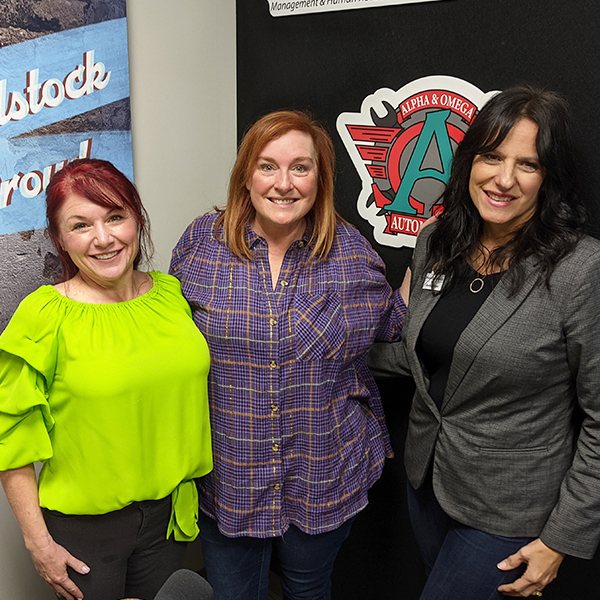
Ramona Long from Money Pages, Maggie Grayeski from ServiceWise Electric, and Chelsea Winters and Jessica Winters from Terminus Construction Group

October 15, 2021 by Kelly Payton

Women In Business
Women In Business
Ramona Long from Money Pages, Maggie Grayeski from ServiceWise Electric, and Chelsea Winters and Jessica Winters from Terminus Construction Group
Loading
00:00 /
RSS Feed
Share
Link
Embed

Download file

This Episode was brought to you by

Alpha and Omega

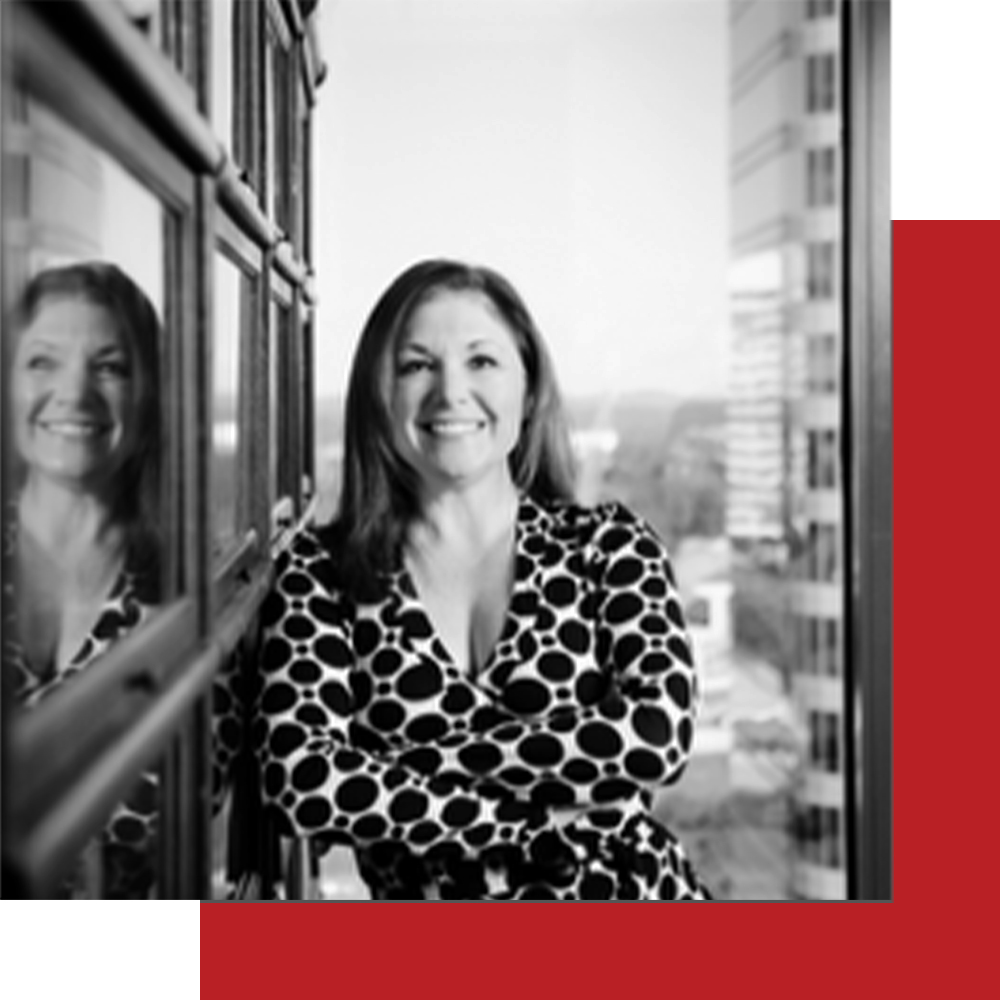
Ramona Long, Owner of Money Pages

We provide an opportunity to build a client base of new and repeat customers for a variety of business types and company sizes, including yours!

Connect with Ramona on LinkedIn


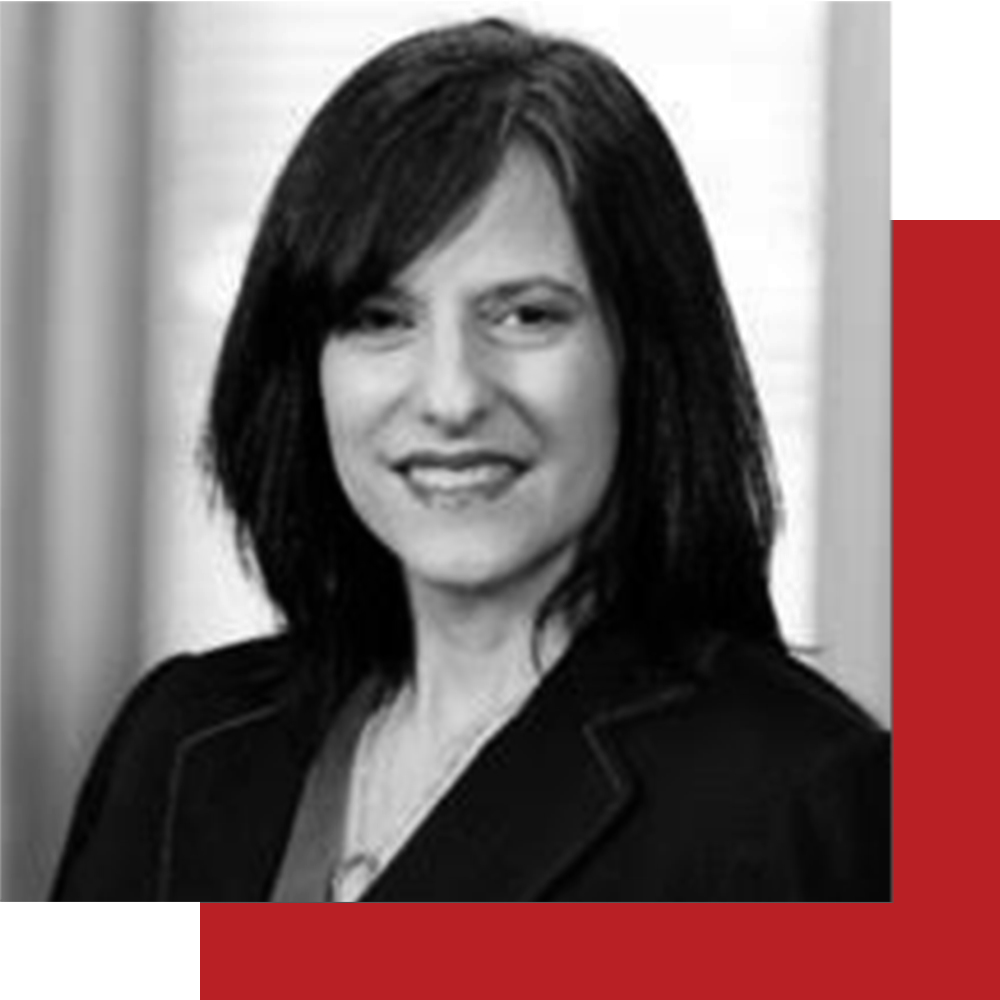
Maggie Grayeski, Co-Owner of ServiceWise Electric

Connect with Maggie on LinkedIn


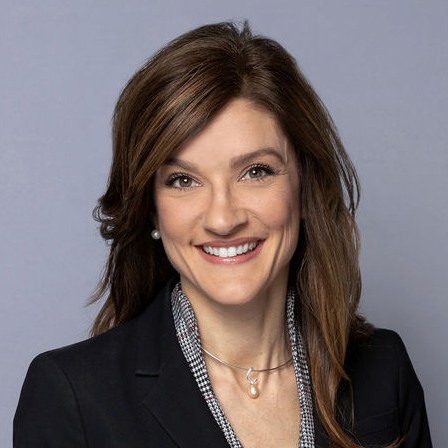
Chelsea Winters, Co-Owner of Terminus Construction Group

Jessica Winters, Owner of Terminus Construction Group

Connect with Chelsea on LinkedIn

Connect with Jessica on LinkedIn


This transcript is machine transcribed by Sonix


TRANSCRIPT

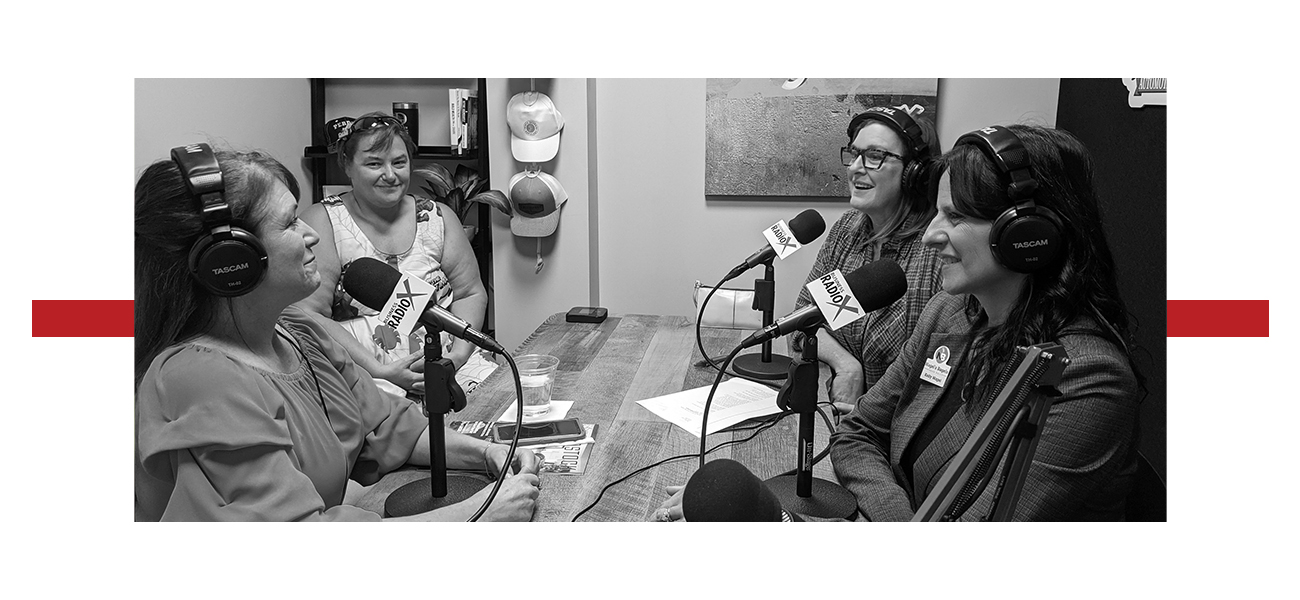
Speaker1: [00:00:08] Broadcasting live from the Business RadioX Studios in Woodstock, Georgia. Welcome to women in business where we celebrate influential women making a difference in our community.

Speaker2: [00:00:22] Now here’s your host. Hello, this is Laurie Kennedy, and I’m your host today for women in business, powered by Business RadioX Stone Payton, our producer is also in the studio with us today and we are grateful to have you tuned in with us today. We are interviewing Maggie Gray Sky. Yep. With with service wise electric. And we are interviewing Ramona along with money pages. And we also have a Jessica Winters and Chelsea Winters with terminus construction. Hello ladies, how are you today?

Speaker3: [00:01:04] Fantastic.

Speaker2: [00:01:05] Thank you and good. Thank you. Yay. I’m glad you’re here. Ok, so we’re going to jump right in and I’m going to start with you, Jessica. I am. I am. I want to know. How did you find your way in to the industry that you’re in right now and then tell us about that industry? Tell us a little about your company, what you guys do and how you found your way into it?

Speaker4: [00:01:29] Yeah. So I actually professionally did hair for 12 years behind the chair and in films. So that was a really easy transition to roofing, which is what we do now. It’s the the natural progression, right, right into there. Well, I did here for 12 years behind the chair, film, print, movies, magazines, everything was really burnt out. It’s really physically exhausting. And when we had our second daughter, me and my husband made the decision that was for me to stay home, and that turned into a really hard decision for me, whether right or wrong. I learned very quickly over that four years that I found a lot of my self-worth in, in my job, in my profession and what I’m doing. And so staying at home, I had a really hard time. Living up to my own expectations of myself. So towards the end of that, I was like, I have to find something, I have to do, something we’re going to do. We’re going to do something. At the time, my husband was super not happy with his work. He worked with his brother in building distribution and it was over Christmas. We were like, Why don’t we start something? Let’s just do something here. Oh yeah, I was. I was doing my sister in law’s here and we were like, Hey, guys, you’re both miserable. You’ve been talking about doing this for years. You just need to do it. And they pushed back and they weren’t ready. And I had all the excuses in the world. And so Chelsea and I kind of were like, Well, we’ll do it, we’ll start it. And then you guys can come over when you’re ready, when you guys are

Speaker5: [00:03:03] Ready, yeah, we’ll just go ahead and get it

Speaker4: [00:03:05] Going. Yeah, we’ll just go ahead and get it going. We can figure this out. We’re both really smart and and quick quick with a, you know, basic business skills. And we’ve heard you guys complain about roofers for like five years. So we know what not to do really well. And so, yeah, we got started so that that put us at a February of 2020, so we all know what happened the next month with shut downs. And they both worked for home from home for like a month, and it gave us the perfect opportunity to really test it out. You know, they weren’t going into the office. We could really get get some processes down and and try to work it out for that month. And it was it was awesome. Yeah, it was full on, you know, balls of the walls from there, like it was ready to go and we never slowed down. They put in their two weeks notice and Chelsea quit her job too, because she was a dental hygienist, a very successful one at that. And yeah, it’s been full on since then. It was. It’s been really great. So that is my not typical way into roofing

Speaker2: [00:04:12] And so to the hubby’s work for you guys now.

Speaker4: [00:04:16] Technically, yes, but it would be a disservice to them to say that they work for us. They they both do so much. My my brother in law, Chelsea husband Matt, he is over our commercial roofing and then does all of the operations. My husband’s over all the sales and all the residential. So they they definitely take on a lot of the legwork of it. And Chelsea and me kind of have mastered the behind the scenes, keeping things smooth and organized in the business

Speaker5: [00:04:44] Systems and the organization and the money.

Speaker2: [00:04:47] Yeah. So Chelsea, tell me, how do you guys divide it out, what the things are in the office or the parts that you guys do? What are those and how are they divided out?

Speaker5: [00:04:59] So Jess is really she’s really good about systems, and she’s really good about creating things and being very innovative and and she’s also really good with money. So she’s CFO, but she also does all like the marketing side and stuff like that. But another thing that Jessica brought to the table is that everybody that works for Terminus, we always do a characteristic personality test by doing that. We learned so much about one another and learned that there’s different things that everybody can bring to the table. And sometimes you sign up to do X when really you shouldn’t be doing that, somebody else should be doing that one. So, yeah, so we did that. And kind of I mean, it’s we all wear a lot of hats as owners. I mean, whenever you start a business, you have a bajillion, so you just have to keep switching them off. But yeah, and then as we grew and we hired new people to come in, I, you know, I was able to give one of my hats away and wear my other one proudly and what we which we keep changing my name.

Speaker4: [00:06:08] Chelsea is a jack of all trades. She’s really good at so many different things. It’s been really hard to like, put her in one role. So her role is definitely evolved over the past, like almost two years. And what we’ve found is her sweet spot, which is actually how she knows these beautiful ladies is networking. Chelsea has a gift. She can go into her room and connect people effortlessly like I’ve never seen. She’ll walk in, have five best friends, leave with 20 appointments. She’s like, OK, here you go here. This person wants to talk to you and this person wants to talk to you. So she’s now our CNO is what we’ve renamed her for the second time. But she also does a lot of the behind the scenes, like helping me with invoicing and keeping all that straight too. So it’s it’s hard to define like a one role of what me and her do in the business. The boys are very much so in their own little lanes, and me and Chelsea are kind of like, Here you go. Here’s everything else.

Speaker2: [00:07:02] Figure it out. Well, I do love when we met one of the stories that you said was we were talking about like software systems in reference to accounting. And you were like, Yeah, I’d never been on QuickBooks before. I was like, Oh, I’ll learn it. No problem.

Speaker5: [00:07:18] So, yes, Ron Green calls it the YouTube University. Yeah, that’s what that’s what Ron did. I mean, it

Speaker2: [00:07:26] Works, and I think that’s so typical with us as women. Like we just we we know what needs to be done and we’ll do what it takes to get it done. So I think that’s, you know, especially. You know, we just we do it, it’s got to get done, we do it. Well, Maggie, tell us, how did you end up in this industry? Oh my goodness. So my husband’s been doing this since 2004, and my background is actually medical. So I’ve always had just a real passion for helping people and caring for others. And then when he worked for a larger company and we decided that, you know, corporate really wasn’t for him, wasn’t for us, I should say. And so we decided, you know, there’s a better there’s something better out there. And we knew there was something better out there. So we decided to start service wise 2.0, as we call it, because we actually had this. We started this back in 2006. So this is the second time and we we started it back up. We knew there was something better. So we just we took up the reins and we just went with it. So I mean, it was it was both of our dreams just to have a better service company out there for, you know, electrical needs for customers. And we knew we could do it and we knew we could offer it. So we just we just did it. And so how do you find working with your husband and reference to have you had to figure out what things he needs to be responsible for and what things you need to be like? How do you when I got in business with my husband, it was like we had to figure I had.

Speaker2: [00:08:54] He was doing it successfully without me, and I had to figure out how to jump in without stepping on toes so that I was helping and not we weren’t going to kill each other, you know? So yes, yes, I know. And it is. It is something, you know, it’s a live and learn process. I mean, you know, you just you just go at it with each other and you just kind of like, OK, well, you got this, I got this and you just have each other’s backs. And it’s just, you know, we’re the yin to the yang to each other, and it just flows. We just mesh well with each other. I don’t there’s not really a set process that we had. He’s more of the technical side, obviously. You know, he’s out in the field doing all that. And I’m I’m the behind the scenes. I’m the office, I’m the marketing, I’m the, you know, everything accounting like all that good stuff. So we just make it work. I mean, we just we don’t step on each other’s toes, you know? I mean, obviously, every day is not a, you know, just rainbow and sunshine, but we make it work. You just you do what you got to do and you get it done.

Speaker5: [00:09:51] Yeah, but don’t you feel like I feel like this now working with Matt and working with my husband, there is this groan like adoration or an appreciation and like. Wow. Like, you’re you’re killing it, you know, like I feel like he he respects me more now that we work together and he sees what I deal with and what I do and absolutely like and things that he’s like he wouldn’t want to do. You know, things like that. But then even for like our marriage, I think that it’s been everybody had said they’re like, Oh my gosh, going into business with your husband? Oh gosh. Like, that’s. And your brother and your sister in law and your dad and your brother. And we have a lot of people family wise that live with work with us. But anyways, yeah, I just feel like it really did it, really. We’ve had moments, you know, like we’ve definitely had moments where it’s been trying, but I’m like, All right, listen. We can we can work this

Speaker2: [00:10:50] Out at the end of the day, you both want what’s best for the company, you both want what’s best for you personally. So I mean, yes, you got this. You just you do it. Just you do it. But yes, there is definitely just that admiration of, you know, both of us respecting each other more because we see what we bring to the table. And I know I can do it without him, and he knows he can do without me. So it’s just a mutual respect. Yeah. Well, Ramona, tell us how you ended up in your line of work.

Speaker3: [00:11:18] Similar to Jessica’s story, I I was in education for a really long time. A classroom teacher, IEP team chair. I wrote curriculum. I trained other teachers and my husband was actually in corporate America. He’s a national director for Coke and we had moved down here from New England for that role and I had decided I’m going to scale way back and be, you know, the just a classroom teacher if there is such a thing. And about eight weeks into the school year, my dad had a stroke up in New England and it was one of those circumstances where I was really the only person in the position to kind of take leave to go and take care of him. And God bless my dad. But if any of you are familiar with the comedian Ron White, if you put that man in a velour tracksuit and put some scar holes in it, that’s my dad and he is stubborn and wonderful and was a small business owner. Growing up, he had a landscape construction company. I’m the unexpected twin of a boy, so I learned how to drive a bulldozer in a bucket loader before I learned how to ride a bike. And when this man needed me, I, you know, I believe that our children are our number one trust.

Speaker3: [00:12:31] And you can’t be in and out and kids, especially not special needs kids. And that’s you know what I was doing. So I opted for early retirement and, you know, was doing some different things. And my husband was getting frustrated with the fact that this role that was supposed to be, you know, 25 percent travel now was 90 percent travel. And we have five kids. I’m a horrible, empty nester. And I think he was a little afraid that if he didn’t stop traveling, I would have more than three cats. And that would be a bad thing because I needed something in the house when nobody else was home. And so we did some research in franchising and we looked at everything and we came across many pages through Fran Arnett, Lizzie Cubin out of Atlanta. She’s amazing. And it was never something I ever expected to do, but I really wanted something that was going to be a great work life balance and be something that was impactful in the community and family businesses. You know, you guys all have them are what drives our community. It’s, you know, our businesses are the ones that sponsor the charity 5Ks. You know, the smoke on the lake, the big chanty, the football teams, the baseball teams, the band trips, all of that stuff.

Speaker3: [00:13:37] And I’m, you know, a firm believer that our community should support those who support the community. And I can recall when my dad had to send us out to scrape the stickers that said the clear landscaping construction off the dump trucks and replace them with AAA landscaping. So he could be first in the phone book because he couldn’t afford the advertising, which was, you know, the phone book back in the day. Yes, I’m totally aging myself right there, Yellow Pages. So when I came across this, it’s a Christian owned company, 20 years experience out of Atlanta, and our corporate founder and CEO is the original guy. He had left a big power position with Cox Media because he really wanted to do something that allowed small businesses the opportunity to market like the big companies do, make it accessible, affordable and connect them directly with their community. And they do a lot of philanthropy, which is really important to me, and that’s how I kind of got into it and it’s been such a blessing. I just really love it. And I get to work with my husband, too.

Speaker2: [00:14:40] So and aren’t you guys getting ready to expand?

Speaker3: [00:14:44] Yeah, we actually expanded. We were going to launch our second territory. We’ve we started in Kennesaw with our flagship product, which is a magazine direct mail magazine that goes to now forty two thousand homes, Kennesaw, Acworth. We launched a second one earlier this year. That’s another forty two thousand homes out in East Cobb. And then we have a sister company in North Atlanta, another forty two thousand homes out there. And we are looking to expand. We’re doing a little research and development, although Woodstock right now is on the top of our list of where we want to go to next because it’s just a lot of progression and the three communities really complement each other so well from a government standpoint, to a faith standpoint, to a community standpoint. So I think that’s where we’re looking to go to next. As local franchise owners, I spent the first year and a half teacher and me think studying the digital side of stuff and getting certifications in that because I wanted to really be an expert on what I was talking to people about so that we are making sure it’s the right message, right channel, right time for different industries because we work with industries of of all kinds, from from your construction to your.

Speaker3: [00:15:49] Are Salon to your service, electric, to automotive, to restaurants? And it’s been really a blessing, we were actually super lucky in that our CEO was able to offset things. So during COVID, as you know, you just started, it was really difficult to stay in touch with your community and say, How are we pivoting as much as I hate that word now, it’s it’s a reality for all of us as business owners and especially for our restaurant partners. He covered that, and he created a website that allowed businesses that want to sell gift cards to be able to drive revenue to do that. And he paid all the credit card processing. 100 percent of the proceeds went back to the local business owners across the country. And that’s, you know, kind of who we are as a company and it’s inward looking to grow in this territory, and we’re just really excited to be able to be so impactful in the different communities we service.

Speaker2: [00:16:42] Yeah, that’s awesome. So let me ask you, what are Maggie? What are some misconceptions about your industry? I think the biggest misconception are that construction workers are uneducated. You know, that’s really I think that’s one of the largest ones we have. And, you know, sometimes the disrespect that comes from customers, and it’s kind of funny. So Michael, my husband, he’s out in the field like he’s just a regular field technician running calls. And, you know, when customers, they once they find out that he’s the owner or, you know, co-owner, the difference that their attitude and the respect that they give him, just from the service technician to the owner, it’s, you know, it’s kind of appalling. So I think that’s a big misconception is that they’re uneducated and that’s farthest from the truth. I mean, you know, these guys are absolutely brilliant. It’s just, you know, there, it’s just a different, different avenue. They went down and you know, they. So I think that’s a big misconception. Yeah, we’re we’re totally seeing that with automotive technicians as well. And I think all the service industries are seeing that. And I think what we’re going to find because everybody’s been sending their kids to college for so many years and not into service industries is that they’re going to increase in cost dramatically very soon if they aren’t already doing so.

Speaker3: [00:18:08] Absolutely. I always find it amazing that there is that disrespect for the roofers and the automotive and the service and, you know, electricians because they can’t do it themselves. That’s why they called you. Yeah. So, you know, it’s kind of remarkable that, you know, you know, you can’t do it. So why are you not respecting the person that can? There’s there’s such a level of education, especially for electricians, that they have to go through in order to be certified to do that.

Speaker2: [00:18:35] Yes, absolutely.

Speaker4: [00:18:37] I think a huge thing for us, it’s like we have door knockers that go and they go into storm damaged areas to help people utilize their insurance, what they pay for. Right. And people will call the cops or threaten them with guns, literally. We’ve had guys that have had people pull guns on them. Let this get off my property like, whoa, I was sitting here, you know, to let you know that you have shingles falling off your roof. I just got your neighbor’s roof approved, so I could probably get yours approved. Let your insurance, take care of it and keep your home totally safe. You know, like you don’t want mold in your house. And a lot of people don’t know is if you’re not proactive as a homeowner, your insurance can drop you. So if your insurance drives by, you have big holes in your roof. Guess what? Your insurance is not going to cover you the next year. So when our guys are out there doing like free community outreach to let you know, Hey, you had Hale at your house last year, you’re coming up on the time that you know that cutoff is coming up for you to file it on that, that claim. We’re there to help. We’re not there to rob you or whatever else.

Speaker4: [00:19:40] Like, do not pull guns on my guys. I will go out there and yell at you myself. I am five two. Like, I do not care. I am not scared of you or your guns, but you’re not going to pull your guns or threaten my guys with stuff that they’re not doing anything illegal. And that’s like, so frustrating for us. And especially even on the flip side, we just recently got into solar. The amount of people that call us and we’re like, Solar’s a scam, and I’m like, I’m sorry that the sales rep didn’t educate you on how this works. Solar is not a scam. It works very well everywhere in the country. It’s not here yet because of our electrician or electricity costs, but our electricity costs are going up. The tax incentives that you have right now, there’s a two year window. You can get it now for cheap, or you can wait two years and pay full price. I don’t care, but it’s not a scam. Don’t post all over. My ads like seller is a scam and they’re here to get you out of money. I’m like, Well, stop using the people that don’t live here, like use a local company. Yeah.

Speaker5: [00:20:35] Like if if the people knocking on your door are from out of town. Yeah, don’t like just call somebody local. Yeah, for

Speaker3: [00:20:42] Sure. Again, that’s why, like for us, our our thing is, is there a big national companies that have reached out to us? And there’s even some larger corporations here locally that have reached out to us, and our thing is no, ours are all local family owned businesses. So, you know, a money pages company is is a locally owned and operated company because you’re right, there are those people, especially in a storm damage situation that want to come and take advantage of somebody’s poor circumstances. And you need to rely on your friends and neighbors who are your local business owners that you can know, like and trust to take care of you in your home and your needs.

Speaker2: [00:21:19] Yeah. One of the things that we talked about Chelsea and Jessica, was You have somebody on your staff that helps navigate the insurance side of things to help your customers tell us a little about that.

Speaker4: [00:21:32] A lot of our guys are insurance specialists. And what that means is like, we’re not PaaS. We’re not going to legally do anything. But if you don’t understand your policy, let us read it and help you walk through it. Or we partner with a lot of insurance companies. So chances are, if you are injured by someone locally, we have a partnership with them and we can just call your agent and be like, Hey, can you help so-and-so walk through their insurance policy, understand what’s covered, what’s not covered, what they have to pay out of their pocket and what the insurance is responsible for? But I mean, all of our guys are very well versed in reading the insurance paperwork and doing all that, but it’s an interesting time in insurance restoration. I’ll say that I’m not going to say anything bad about it, but it’s definitely it’s a time that insurance companies seem to be pushing back a little bit, and it’s really, really important to have a contractor who understands the insurance process before you file a claim by yourself, because you’re probably not going to get the the full benefits of your insurance if you try to do it by yourself. So it is really important. And I mean, I always tell people I’m like, Well, if you don’t go with us, let me refer you to five other contractors that do it the right way, and I’ll tell you five to stay away from, because there’s a lot of people out here that do take advantage of homeowners and put them in a bad situation. So it’s really important to to really, you know, research

Speaker2: [00:22:49] Your roof,

Speaker4: [00:22:50] Your roofing contractor. It’s the biggest purchase that you’re going to make on your home.

Speaker2: [00:22:53] So, yeah. So Maggie, you were telling us what you were going to do this weekend. Can you share that with us? Yeah, absolutely. So we’re we are big advocates of just helping out our community in any way, shape or form that we can. And one of our local charities that we like to sponsor is Cherokee Family Violence. So they’re actually having a 5K. It’s the Tina’s Cat 5K or something like that, the Saturday. So I’m going to be running that this Saturday morning. That’s awesome. And so what kind of things does do you guys or does your company get involved with in the local community? We. Anything locally. I’d really try to be a big part of, you know, whether it’s just sponsoring the high school football teams, baseball teams, little programs, Goshen Valley were, you know, big, big advocates for them, just any anything that we can help them, you know, Cherokee veterans, community, anything we can do to help any of our communities. And even if it’s just pushing out their word and their mission and we just want to be as helpful as we can for those that help serve our community, that’s awesome. What about you, Ramona? How does your company and how do you guys walk in your local community?

Speaker3: [00:24:17] Well, it’s nice to take inspiration from from our founder and CEO Allen Worley and Kristen Worley actually just served as the race chairs for the dreams come true 5K down in Jacksonville. But locally, we sponsor Big Shante Festival, which supports education initiatives, which of course as a former teacher, is near and dear to my heart. We sponsor the smoke on the lake, which is Rotary Club initiatives. We’re involved in a lot of the other community events as well. We are actually in talks to figure out a way to sponsor FCA and the local schools, so we like that as well. And you know, for for us, it’s any any band thing, football thing, baseball thing, five kids. We went through that. We know what that fundraising is like, so we help to support those things as well. But you know, it’s whenever we see an opportunity and somebody asks, we’d like to do that. We’re coming up on Thanksgiving. So we partner with Blue Thanksgiving to promote them for free because it’s important to support our local police officers. They provide Thanksgiving meals for those police officers who are working that day. So those are just a few of the ones that we like to partner with.

Speaker5: [00:25:28] That’s super cool. At Terminus, we have since women owned and in roofing and and in solar. It was something for us that we really wanted to make the women owned aspect really prominent. So for us, there’s a women’s shelter up in Rome that is near and dear to Jessica’s heart and her family. And so that has been our thing that we’ve every month we give a portion of all the proceeds from roofs and everything that we do to them along with now with breast cancer. I lost one of my best friends a year ago, and so for me, super excited on Saturday to walk arm in arm with Tammy Lewis from St. Louis and the hero walk in downtown Woodstock. So we’re going to do that walk and then our guys and then our guys ran. Take our guys up to Rome, to a walk in her shoes walk. And so it’s for the the women’s shelter up in Rome. But the guys and we got to get this thing. Guys have to literally walk the mile in high heels.

Speaker2: [00:26:33] That is that is awesome pictures, please.

Speaker4: [00:26:35] Absolutely. Anyone wants to join us. You can sign up for free. It’s totally free. You get a T-shirt bag. It’s a walk a mile at hospitality house in Rome. It’s literally like a mile on a Friday. I think it’s at noon. It’s so fun. Guys, the police chief gets involved every year and has like the craziest high heels.

Speaker5: [00:26:54] Like all, just don’t know where they find us. I was

Speaker3: [00:26:57] Just going to say I will

Speaker4: [00:26:58] Totally make my husband and then there are

Speaker2: [00:27:01] Anything on Amazon.

Speaker5: [00:27:04] So you have to you.

Speaker3: [00:27:06] Do they have to size 11? Tripoli’s all right. I might have to put Brian in a pair of those, but

Speaker4: [00:27:12] I mean, like, there’s guys that are going to be in like thigh high boots walking down the street. It’s hilarious. It’s such a good cause. It’s their biggest event of the year that they put on, and so we’re so blessed to be one of the title sponsors this year.

Speaker3: [00:27:23] So do you guys do like clothing, drives and things for the shelter as well?

Speaker4: [00:27:27] So the the shelter has a thrift store in Rome and they take donations and then they sell it and all the proceeds they keep. But the people that are in the shelter get to shop for free so you can volunteer there. They don’t have any employees, they’re all volunteer. Only you can drop off. I mean, this would be far for them to come pick up. But if you had like something really big, they might be able to come get a volunteer to come pick it up. But yeah, my mom’s actually the director and has been for over 20 years there. She did 10 years in Raleigh and then came back and found herself right back where she started right after college. And it’s such a good shelter. It’s it’s such a huge need. And unfortunately, they’ve they’ve lost a lot of funding over the past eight years from the government. So if you feel entitled or like, if you feel led to donate, that’s a great shelter to to to be at. And yeah, it’s a 10000 square foot shelter. They can think they can house like a hundred people, a hundred women and their kids. And so it’s it’s truly a special place.

Speaker3: [00:28:30] That’s amazing. Please, please say thank you to your mom for the work she’s doing.

Speaker2: [00:28:34] Yeah, that’s all. Some so, Maggie, what motivates and inspires you? I would say poor customer service motivates and inspires me is odd as that sounds, but whenever I receive. Yes. So whenever I receive like poor customer service, it just it. It makes me want to give more to our customers. So any time that I receive that, I’m like, You know what? I’m going to go out there and I’m going to give the best customer service I can today. So, you know, I think poor customer service just really motivates me because there’s nothing more that that aggravates me than receiving poor customer service. There’s just no excuse for it. I mean, absolutely none. So definitely just want to show the mountain do better and and give better. That’s awesome, Ramona. Same question.

Speaker3: [00:29:21] Well, I told you, my dad was a small business owner and so was Brian’s. Brian’s dad owned a small business, too. So for me, maybe it’s the former English teacher. The thing that motivates, inspires me is meeting people like yourselves, the small local business owner, and hearing your story because everything starts with that dream and the dream to provide that better customer service to take care of your friends and neighbors in your community in a way that larger corporations or bigger people, or even just that not reputable guy that’s not licensed and insured, which you know you guys know, we refer to them as truck and a truck, you know, and there’s tons of them, especially all over social media, and you can’t trust those people. So what motivates and inspires me is the opportunity to kind of meet them, learn their story and help Huracan. And sometimes that’s through money pages with marketing. And sometimes it’s just who do I know that can help you and help your business? I, you know, with my background, I actually spent yesterday serving as a free educational advocate for one of my business owners because her son’s IEP meeting was up and she was beside herself and didn’t know how to handle it. So that’s why I spent my my my morning yesterday, you know, because you’re called to help however you can. And you ladies are really inspiring. And quite frankly, you know, I work with my husband too, and it’s a rare thing I have to say to be in a room where there are four of us who work very successfully with our husbands. And what a blessing. But that’s that’s really what it is for me is it’s the story and the journey and the it takes a village mindset to be able to, you know, help others.

Speaker2: [00:30:55] Chelsea, what about you?

Speaker5: [00:30:58] Hmm. I mean, I really feel like for us, it’s yes, we want to do. We want to do everything differently. I know that there’s a lot of really good roofers and roofing companies out there, but I just I just have this feeling in my soul that we that we’re meant for something big. You know, we’re meant for something bigger and something that we can like the generational wealth, like something that I can give to my children, something I can feel like we we did that like that was from scratch. Like, Heck, yeah, you know, like good. I mean, seriously, I just especially whenever I can, whether it’s residential or commercial or anything like that, just being able to go into a room and to own it with confidence and to know that out of anybody in this room, I know I’m the best, you know, and I’m I want to I want that to to be something that my children see. I want them to see. Their mom owns something and own something well and own something with integrity and be able to stamp it and prove it and be like, All right, loving me.

Speaker3: [00:32:10] That’s inspiring.

Speaker2: [00:32:12] It’s very inspiring. Jessica, tell us about you.

Speaker4: [00:32:16] Let’s see. I’m going to piggyback off Chelsea a little bit. I grew up with a single mom, so me and my mom are always super close. I’m an only child and then I have three girls. So I grew up and I always I always joke. It’s I call it gifted kid syndrome like, you know, got put in gifted when I was really young and always had to like, do the best and be the best and always had, you know, great grades, even without trying. And then I got done with school and I was like, Oh, what? What do I do? What do I do now? And I think it’s I know a lot of my friends that had the same exact path growing up, and we always are like, it’s kind of like Jack of all trades, master of none. And and to feel like the OK, this is what I pick. I’m not going to be indecisive. I’m going to pick this. And did I think it was going to be roofing? No. But I want to show my kids that it doesn’t matter what you pick. You can be successful at whatever you want to do, whether it’s even if it’s like one of the cliches like, Oh, there’s you know, all the actors work in a coffee shop.

Speaker4: [00:33:13] Ok, well, if you want to do that, I mean, my kids are little right now. They don’t know what they want to do, but they would all be very good actresses. They are very dramatic, but it’s like one of those things that it’s like if you’re going to if you’re going to say you’re going to be an actor, well, I’m moving your butt out to California or wherever the Hollywood is at that point and you’re going to be the best damn one. You can be like, I don’t care if you ever get a role, but as long as you’re doing the best that you can be, that’s all I care about. And I just want them to see me doing the best that I can do at something, even if it’s not like what I thought that I would be doing and that that’s OK. You can still find success in the unexpected. And then when life changes like still find that way to to get fulfilled and be successful, even if it’s not what you originally like, think you know?

Speaker2: [00:33:58] Yeah, my husband grew up in New Orleans, and so he participated in, you know, Mardi Gras every year, parades and stuff. And he he he would always say the same thing to the kids. He would say, If you have to shovel poop behind the horses in the parade, you be the best poop shovel that you can be. Yeah, yeah.

Speaker4: [00:34:19] And it’s OK to adapt and, you know, have five different careers. It’s totally fine. And it doesn’t mean that you are less than someone who’s had the same dream since they were five. It’s OK. You can still have the same amount of success and and self-worth is as that person that’s known what they’ve wanted to do since they were two. It doesn’t matter.

Speaker3: [00:34:37] And then sometimes you, you know, like I knew, teaching was my thing from second grade on and then here I am, you know, at 50, doing a complete career change and loving it, it’s been such a blessing. And it’s really great message for your kids, for you to say, you know, you don’t have to fit into society’s expectations or even necessarily the expectations of yourself on the path you’re on. You can make that change and do something really amazing and great.

Speaker5: [00:35:04] Good for you. Yeah. And I feel like to another thing that motivates me a little bit along the way has been in a weird way. I don’t know if it’s happened for you guys, but as you grow in success and as you grow in like popularity in your field of expertize. I mean, I’ve lost a lot of friends like, you know, like I have, you know, the the hatred there is terrible. But yeah, like, I mean, you know, people that I really thought were going to be by my side no matter what. And then whenever I decided to do this and they didn’t think it was a good idea at the time, you know, totally gone. Just gone, you know, and then words that, you know, they’ll say, or I hear people say on social media or whatever and like, Cool man, OK, well, you’re lucky that that actually has worked. As a disadvantage to you, because now that’s lit my fire up like in I actually posted on my story today where it was like, if you’re going to have those thoughts, you’re going to like, admire me from afar, but don’t come interrupt me and what I’m doing because the best is yet to come and you can’t take me down. You know, like, I can’t remember the Bible verse right now, but I’m on the mountain and you can’t bring me down that one. Anyways, it’s in the Bible. You know

Speaker3: [00:36:36] It is. I would imagine for you. Your friends were probably shocked because it’s such an unexpected industry for women, and I’m betting Maggie, you probably experience some of that being in service.

Speaker2: [00:36:46] Yeah. Absolutely. Yes to. Yes, yes.

Speaker3: [00:36:49] And you two? Yeah, automotive. Absolutely, right?

Speaker2: [00:36:52] Yeah, I do. You think they’re jealous, Chelsea, of your success?

Speaker5: [00:37:02] I would say yes. Yeah. But I mean, I frankly, I don’t really care now because if they if they were my real friends, you know, well, I’m sorry, would be there.

Speaker2: [00:37:12] I’m sorry you’ve had to live through that, but I do feel like we become like the people that we surround ourselves with. And as you continue to grow and change, the people that you surround yourself with are going to be more like minded. And that’s going to help you continue to move in the direction that you feel called to move in. And like that brings me to the next question, which is about mentoring, being mentored and mentoring others. Who wants to answer that first? Like who is mentoring you and who are you mentoring and how does that look?

Speaker4: [00:37:51] It’s Jessica, I don’t know if you guys know our voices yet, so I I really honestly feel like I’ve been mentored my whole life by my mom. I touched on her a little bit, but she was always the loudest in the room and not always the popular one. She has worked really, really hard at her job. I’ve seen her go toe to toe with lawyers, doctors, policemen, politicians, senators like yelling at them because they’re doing the wrong thing. Like she was never afraid to be that voice and watching that growing up as a young girl and being like, OK, well, you know, so-and-so is not showing up at the shelter, so we’re going to go spend the night at the shelter. Sorry, mommy has to work like that’s how it was. And she never made an excuse and she never apologized for who she was. And in that changed my perception of what it means to be a strong woman, and that it’s OK to have the loudest voice and not be the popular one. There was a brief, you know, stint in high school that I did not think that that was OK.

Speaker3: [00:38:50] But you know, I think we all had that nice girl.

Speaker4: [00:38:53] Yeah. But as an adult, looking back on how. Who she is and how she raised me, and, you know, I remember it’s so funny that I remember this, but the first time she ever met my husband, he asked her What’s one thing I need to know? And she was like, That just is going to be who she is, whether she’s in front of the president or the homeless person down the street, and she is not going to apologize for it. And I raised her that way. And if you ever try to change it, I will make sure she leaves you. And I was like, OK, well, hi. Nice to meet you. Ok, great coffee.

Speaker2: [00:39:24] But who needs the data room with the gun, right?

Speaker4: [00:39:26] Right, exactly. She’s much scarier, much scarier. But no, I truly believe that she has been my mentor, my whole life of who I want to be. And even if I didn’t know who I wanted to be, I knew I wanted to be like her. But not only that, like industry specific, I’ve been blessed to be in the room with a bunch of really powerful women that have killed the roofing and solar industry, and some of them are younger than me. But I still look at them and I’m like, Damn, I want to do that. How do you do that? Like, they walk in the room in every single person’s eye looks at them, not because they’re beautiful, which they are, but because they’re strong and they’re powerful and they’re smart and they know their industry inside and out. And I think that’s what when I’m looking for a mentors, I want someone who knows they want to know more than anyone else because people like, write them off before they even walk in. But then when they start talking, everyone’s like, Oh, oh, oh, she’s yeah, yep, she’s way smarter than me, OK? So that’s that’s my who I look for in mentors, as is people that are much smarter than I am and can command the respect that they they deserve even in this industry.

Speaker5: [00:40:32] Yeah. And do you feel like with. The Woodstock Business Club. So I firmly believe now getting yourself involved in any of those clubs in those communities so that you can meet amazing people that I mean, Laurie, are coffee with you. I mean, you know, it was amazing. I mean, I wasn’t expecting to. Oh, that was my knee. I wasn’t expecting to, you know, be incomplete like adoration of what you do and your heart, you know, so there’s just there’s so many opportunities just around just sitting right across from you or down the street from you or whenever you go to one of the restaurants, you know, the people that own them. They’re all wonderful people. So for us, I feel like I’ve been in the process too of like, you know, doing Woodstock Business Club. And that has opened up doors to be a part of other clubs like down in Atlanta for commercial side, where I’m looking at these women that they’re just killing it. So to have the nerve or whatever you want to call it, to just go and ask them to, you know, go have coffee or go. In my case, it was to go have tequila, but I’m not going to lie

Speaker2: [00:41:58] Whatever it takes. Yes.

Speaker5: [00:42:00] So and it just hurt me. I mean, that was her favorite, too. So it worked out. And now, you know, I can call a couple of them with any question. And two, they’re really good about just encouraging me and just sending me text messages to say, Hey, go rocket today. All right, like, just kill it. And if you have questions, let me know. You know you just have their backs, but you just it’s that first step of going to a like a community club type thing speaking up. And if you have if you feel like I need to meet this one, this one and this one. Go meet them and then set up your one on ones. Yeah, and grow those relationships.

Speaker2: [00:42:42] What about your Ramona?

Speaker3: [00:42:45] I have a mom similar to yours, so she’s been my role model my whole life, but coming into a career change at this point, I don’t have a mentor, I have a board of directors I call them who aren’t actually our company board of directors. They’re my life board of directors. And some of them are amazing women who helped me in my faith journey and, you know, are just as support sort of source of support for that. And then I have some that I’ve met in networking and there’s men and women like because they all have different strengths and weaknesses, as in areas of expertize. So they mentor me on terms of, you know, how did I get started in networking and where do you go and what do you look for? And and you know, how do you organize your time? Because all of all of that’s so new for me. Or at least it was a few years ago. And how do you, you know, connect with local businesses? And as far as, like, the key mentor? I would I would have to say it’s really Alan Worley, our CEO and his wife, Kirsten.

Speaker3: [00:43:46] There are, you know, role models in terms of giving back and how they do it. And Alan really gave up this high power position with a great thing, mortgaged his house, borrowed money from his parents and started his company from scratch 20 years ago, pounding the streets, knocking on the doors. You know all of that. And he’s grown it now to a national level company that handles the likes of the print digital for the Jacksonville Jaguars and the Better Business Bureau and people like that. But he’s still humble and in touch, and he is available to kind of talk me through anything from I’m going into a big meeting and this is what I want to talk about. Like, how do I do this? Because I’m, you know, I’m here’s the opportunity. I’m not. I really we don’t sell advertising. We create partnerships so that whole like, Oh. Always be closing. That’s just not part of our culture, but ultimately it’s business. So he’s that person that has built this from the relationship standpoint. So he’s a great source of inspiration and resource for me.

Speaker2: [00:44:47] Yeah, that’s awesome. I do feel like we’ve we’ve mentioned Woodstock Business Club specifically, but I do feel like mentoring or I like networking is new to me as well, and I do feel like the success that has come from it has not been about trying to find the business. It’s been about creating the friendships and the relationships and and that it’s come from there because in every business, you’re not going to do everything perfectly. But if I know who you are and I know your heart, then I know that if if there’s a mistake, you’ll fix it or I know that you didn’t mean to do it, or I know that you weren’t trying to rip me off or whatever, whatever, whatever it is, you know, you’re not

Speaker3: [00:45:32] That out of town, scam person. Just yeah, yeah. Right?

Speaker2: [00:45:37] Yeah. Well, Maggie, how about you? Who? Who is mentoring you and who are you mentoring and how does that look? So I think that we can take something from each person that we meet, even if it’s something like that. I, you know, I’m like, I don’t want to be like that person. I didn’t appreciate the way that they interacted with me. I want to make sure that I don’t do that toward somebody else, or it can be a positive thing. There’s always something that we can take from each person that we meet, and it’s just surrounding yourselves with like minded individuals, you know, strong women in business that, you know, we know we have each other’s backs. And if I need, you know, have a question or need a little bit of encouragement or something like that, then you know, I’ve got 10 people that I can, you know, just reach out to and get that, you know, motivation and encouragement from them. So I think it’s just really important just to surround yourself with like minded individuals. And, you know, we can just mentor each other and you know it, you know, it takes a village, but I mean, it does take a village, right? I mean, so really?

Speaker5: [00:46:35] Yeah, or it’s like, you see somebody and you’re like, OK, in ten years, I want to be there, right? How did you do it? What did you do that you would never do again? Like, what are the like? I want to know all the good stuff and the bad stuff, so I don’t do the bad stuff. Exactly. I’m just going to do this stuff right here in the middle. That’s the good

Speaker2: [00:46:53] Stuff. And then you take you take away from them and then you make it your own. I mean, so you know, it’s important to get a collaborative opinions, views, perspectives on everything. And then you just turn it into your own and then it becomes.

Speaker5: [00:47:07] And to have people that you can just go and vent. Exactly.

Speaker2: [00:47:10] Yes, that is so important.

Speaker5: [00:47:12] This homeowner that literally won’t pay.

Speaker4: [00:47:16] Oh, how do you do that?

Speaker3: [00:47:17] Let’s, yeah, let’s not talk about those people. But you know, you mentioned the Woodstock one and four. For those people who are listening who are women in business, the KBIA Women’s Luncheon is an amazing place to meet some amazing people over there. Mba has a great group of women in the East. Cobb East. Com Business Association has a women’s luncheon as well. I would strongly recommend them. There are some phenomenal women across all industries that you can get in touch with are so. Like high school women where you know, it’s catty and whatever they’re really looking to, how do we build each other up? How do we help each other, whether you do business together or not, do business together. It’s we’re all in business together. How do we help one another? And there are some great resources there, too?

Speaker2: [00:48:00] Yeah. Well, you bring me to the last question for everybody, and I’ll start with you, Maggie. What advice do you have for other women business owners who are out there trying to kill it? Oh, wow. Don’t take shit from anybody. Just just don’t take shit from anybody. I mean, be your own person, own it. If you if you mess up. Own it, but just be your own person. Go out there and do it. How about you, Jessica?

Speaker4: [00:48:32] I would say don’t limit yourself to your own beliefs or other people’s. I think as women, we always are quick to apologize for things that are not our fault or quickly diminish ourselves to make other people comfortable. Stop shrinking yourself to make other people comfortable and learn your craft. Learn it better because unfortunately, you’re going to have to to sit in some rooms, be the smartest person at the table that you possibly can be and and always stay humble, but definitely know you’re worth going into an industry.

Speaker3: [00:49:04] Ramona. In my teaching years from my very first classroom when I still had a chalkboard. Yes, that long ago, I always had a saying that I put on the board. That was adversity ends with perseverance and perseverance ends with success. And I always had it up there and talk to my kids about that as they thought. You know, as middle schoolers starting to figure themselves out. You know who who you want to be as a person who you want to be as that. And I have found that it’s on a chalkboard in my office now because I kind of am old school that way. And it’s a good reminder for me every day because there are challenges and adversities every day in different forms. And sometimes it’s business and sometimes it’s emotional and sometimes emotional impacts your business. But stick with it. Don’t give up you. You have this dream and you started something for a reason. So never forget your purpose and just, you know, know that there’s people out there to support you.

Speaker2: [00:50:00] That’s perfect, awesome, Chelsea.

Speaker5: [00:50:05] I mean, all theirs are really, really good. So I mean, I feel like if you have the the feeling or the that pool to do it and do it, like if you don’t do it, you’re you’re going to look back and wonder what ifs. But then I also feel like one of the best things to do is just to continue to invest in yourself and in your mind. So if you’re going to, you know, own a company and push it to be the best? I mean, it’s it’s kind of the the whole thing we were taught was that you have like, what was John Maxwell said it. It’s like you have your ceiling and your ceiling goes only this high. So then that’s if this is how much you know and how much you’re putting into yourself. That’s that’s how your business is going to go. So if you want your business to succeed and to be abundant and growing well, you have to grow and you have to keep pushing that ceiling up. So investing in yourself and your and your body, your soul and your mind, all of it and just never. Never going back on what you why you first started, so remember your whys and that’s something we push really hard with our sales reps. We have all of our sales reps, write out all of their goals and their why. So whenever they have their quarterly reviews with their manager, like, don’t forget, this is why you’re doing it, you know? So always remember your whys and. Don’t don’t take crap from nobody.

Speaker2: [00:51:44] And this is why I do this, because I have learned so much today and I’ve been so inspired and I can’t wait to go back and listen to this over and over again and continue to my own journey, you know, growing and and learning and becoming. So thank you guys for being here today. And it’s just been an amazing time. I appreciate each of you.

Speaker3: [00:52:05] Thank you. Thank you so much.

Tagged With: Money Pages, ServiceWise Electric, Terminus Construction Group

Jeff Perkins With ParkMobile

October 15, 2021 by Jacob Lapera

Jeff Perkins
Tech Talk
Jeff Perkins With ParkMobile
Loading
00:00 /
RSS Feed
Share
Link
Embed

Download file

Jeffperkins

Jeff Perkins is CEO for ParkMobile, the leading provider of smart parking and mobility solutions in the U.S. He has been with the company since 2017. Prior to ParkMobile, Jeff was the CMO of QASymphony where he helped establish the brand and grow revenue 500% over a three-year period, leading to a $40 million Series C with Insight Venture Partners.

He also has held senior marketing leadership positions at PGi and AutoTrader.com. Jeff started his career grinding it out in the NYC ad industry at Saatchi & Saatchi. His experiences range from traditional to digital, B2C to B2B, and agency-side to client-side.

Jeff’s work has earned him numerous accolades including a Stevie Award for Marketing Executive of the Year and the Atlanta Business Chronicle’s MAX Award for marketing excellence. Jeff received his BA from American University and MBA from Emory University’s Goizueta Business School.

He is a frequent contributor to several marketing publications and a speaker at many industry events. When he’s not working, you might find him riding his Peloton bike or attending a Bruce Springsteen concert (he’s been to 32 so far).  He lives in Atlanta with his awesome wife, two adorable daughters (ages 8 and 11), and two dogs.

Follow ParkMobile on Facebook, Instagram, LinkedIn, Twitter, and Youtube.

This transcript is machine transcribed by Sonix

TRANSCRIPT

Intro: [00:00:06] Coming to you live from Atlanta, Georgia, it’s time for another episode of tech talk with your host Joey Kline

Joey Kline: [00:00:17] Welcome, everyone. All right, we’ve got a good show today, we’re talking to Jeff Perkins, CEO of Park Mobile. You know, one of the themes of the show tends to be transitions. It can be a transition from someone. Starting a new company could be a transition of someone raising money for a company and can be a leadership transition. I’ve known Jeff for a number of years, and you know, Jeff’s background is traditionally marketing, but, you know, recently took the helm as CEO of Park Mobile and wrote a book. So we got a lot to talk about today, Jeff.

Jeff Perkins: [00:00:50] Thanks, Joey. Great to be here with you.

Joey Kline: [00:00:52] Yeah. Ok, so let’s let’s let’s leave the book for a little bit. All right. I definitely do want to talk about that. I want to talk about the writing process, but let’s talk about kind of you as an executive. So you’ve taken. You were the chief marketing officer of Park Mobile for the last several years. Correct. And recently took over as CEO. Yes. Ok, so did you ever see yourself in a CEO role before?

Jeff Perkins: [00:01:16] It’s hard to say so many things have to fall in place for you to get to the CEO position. So I never focused necessarily on being a CEO. I focused on doing a great job and maximizing the impact I could have on the organizations that I work for. And the rest kind of took care of itself, I guess. So if you’re someone who you know is really focused on results and impact, you know that path may lead you to the CEO position if things go your way. But it’s hard. I mean, when you get to the CEO position, you’ve essentially made it to the top of the organization and there’s only room for one person at the top of the organization. And so it’s, you know, it’s one of those challenging things where I, you know, I always thought I could do a CEO job, but I didn’t want to get so focused on becoming a CEO that it would take away from the the greater focus on making impact on the business, driving results for the business and being as good as I can be in the position I was in.

Joey Kline: [00:02:30] Sure, but but it is somewhat of a unique path because typically, if you know, like not that I have numbers for this, right? But you know, if you look at sea level positions that have become the CEO, usually it’s tapped from maybe CFO or CEO. You know, it takes a very unique type of marketer because I think a lot of marketing, of course, as it should be extremely creative. And sometimes I would imagine it can be a little bit tough for some folks in that role to transition it to the big seat. Obviously, not for you so much. And so it’s just it’s a very different lens, I think, than most people come to the CEO role as opposed to from finance and operations.

Jeff Perkins: [00:03:12] A lot of people have said that to me since I took on the CEO role, and but I think that’s a very technology centric view. Yes, in technology companies, usually the CMO does not become the CEO, but. Look at Procter and Gamble, every CEO of Procter & Gamble has come up through where the brand management track essentially the marketing track, right? Most large CPG companies have people that have been in marketing at some point that have taken the helm as CEO. So it’s probably not quite as as uncommon as it seems, sure. But in those companies, there’s more of a system to get you from assistant brand manager to the CEO role, whereas in most tech companies, if you’re in marketing, your real focus is on communications, branding, lead generation and sometimes many marketers, you know, are comfortable in that silo and kind of tend to stay in that silo and don’t branch out into other parts of the organization. Yeah. What I have always tried to do in my jobs is to master the role I’m in and then look for opportunities to expand my portfolio, so not necessarily move out of the job I’m in, especially if I like that job and I feel like I’m doing a pretty good job at it. But to expand the responsibilities and that’s what what’s what’s happened to me in most of the jobs where I’ve had, I worked at a company called PGI, where I was VP of marketing there, and they gave me a sales team to run. I’d never run a sales team before, but that was a good opportunity to learn something new, expand my portfolio while still doing the core marketing work that I was good at and trained at. At Park Mobile started as CMO and then added product to my portfolio and then added Actually technology to my portfolio. So when our last CEO, John Ziegler, decided to move on into a new role, I was running essentially 75 percent of the company between marketing, product and tech at that point. And so it kind of made sense that I would step into that role.

Joey Kline: [00:05:19] Well, does the final little bit. So let’s actually back up for a second if anyone listening to this for some reason does not have park mobile on their phone, which if you’re listening to sports right now, go download Park Mobile. Give us the high level elevator pitch. What is Park Mobile, right?

Jeff Perkins: [00:05:36] So Park Mobile is the number one app in the United States for paying for parking on your phone. So in the past, when you were parking, usually had to pay it a parking meter, sometimes a parking meter that only accepted coins. There’s still cities out there that still have those parking meters out

Joey Kline: [00:05:54] There, hopefully not for long before you

Jeff Perkins: [00:05:56] Charge. I know. Yeah. But quickly people said, Why do I have to go to this piece of hardware when I have a mobile device here and I could pay on my phone? So people really were looking for that as a solution. So we rolled out in the United States about 12 years ago and right away it started gaining traction at the time. Actually, it wasn’t an app because there weren’t apps 12 years ago. It was a call in number. So you would dial in to an IVR line on your phone and you would set up your account and punch in the number and you’d be able to pay for parking on your phone. And as technology evolved, we built the app and that’s what twenty seven million people use today, and we’re adding another million about every 30 days. So the business is growing very fast because it’s just something that people are demanding, especially in a sort of a post-COVID. I don’t know if you could call it post-COVID yet, but as the world comes out of COVID, as cases decline, as more people get vaccinated, you are clearly seeing more people on the roads and that means more people parking. And that’s very good for our businesses, our business in the cities that are collecting and rely really on that parking revenue.

Joey Kline: [00:07:09] I do want to talk about that and how people’s driving habits, you know, is affecting you guys. But I mean, look, it’s like I I vividly remember that initial version of your product, and I sort of remember I feel like I’ve there have been several stages of parking, right? First is, you know, you’re carrying around coins, OK, second is, oh my god, you know, this thing takes a credit card. That’s incredible, right? That was, I mean, just huge game changer alone. And now it’s like, I even have to take a credit card out of my pocket and I can’t just do this on my phone. You know, what is wrong with this, you know, city or owner that hasn’t actually signed on park mobile? It just the the convenience factor. You can never go back.

Jeff Perkins: [00:07:53] Right, right. Well, even for us, we see that too. Yeah, because we we first rolled out an iOS app and everyone was very excited and they said, Well, but I have an Android device and I want to use Park Mobile on an Android device and then we roll out an Android app. So now you have an iOS and an Android app at both work very well and then people say, Well, I don’t want to have to download an app to pay for parking. Why? Why should I have to go to the App Store and download something I just want to pay in a web browser, a mobile web browser? So now we have a mobile web app, and then people said, Well, why do I have to download any app or use a web browser because I do everything in my Google Pay? App, so now we’re available in the Google Pay app, and so I keep fielding

Joey Kline: [00:08:31] People’s complaints and you’ll get there well.

Jeff Perkins: [00:08:34] Well, it shows you the constant evolution of consumer needs, right? And you think back to the old framework of Maslow’s hierarchy, you know, as you meet one need, it creates another need. So as something gets easier, people start to think, well, that could even be easier than it is now. And and so it’s an interesting all tech companies actually have to deal with. This is that, you know, once you solve one issue, you’re on to the next one quickly because consumer, once you meet, one need consumer needs will evolve and then you’ll have to meet the next need and the next need. After that,

Joey Kline: [00:09:08] It sort of seems I have little kids, so this is top of mind. It sort of seems like this can all be summarized with the book if you give your mouse, if you give a mouse a cookie, right? I think we need to learn everything from consumer behavior about that. It just it never ends. Ok, so I’m interested to talk to you about the future of cities and what that looks like as people kind of get back into their old habits. And I guess when we say old, we should, you know, it’s hopefully hopefully we paused our habits for about, you know, a year or so, and now they’re just sort of picking back up. But I’m also curious, you guys are thinking about what does. There’s a lot of talk about autonomous vehicles and what that’s going to do to cities. And frankly, I’m curious about your opinion, but I think the technology is maybe a little bit further ahead than most people think it’s going to be. But I am curious if you think of a world in which people are using personal vehicles or using shared vehicles much differently and how that plays in with Park Mobile’s technology.

Jeff Perkins: [00:10:13] It’s something we think a lot about because when you’re doing your annual strategic planning and you’re thinking about, OK, what are the what are the threats in the business? Autonomous vehicles clearly is a potential threat. It’s also a potential opportunity, right?

Joey Kline: [00:10:31] Kind of kind of depends on what the storage situation looks like.

Jeff Perkins: [00:10:34] Right? Yeah, right. Well, one thing I’m pretty confident in is that even as autonomous vehicles are on the road and taking people around dropping them off, the thing that they’re not going to be allowed to do is just to circle the block aimlessly and create all kinds of congestion. Right. So cities are not going to allow that, you know, congestion in major cities. It was bad before COVID. It’s bad again now. And really, it’s only going to get worse. And so what? What modern cities need to do is not just think about, OK, we have we have a transit plan and we have a parking plan and we have, you know, all these other things that we do around mobility. But they have to think much more broadly about an overall mobility strategy and how our city is going to make their environments livable over the next 10 to 20 years as more and more people move into urban areas. And it’s a real challenge for city planners, for people who run transportation departments because it’s totally fragmented now and there’s nothing that’s bringing everything together. So I think the the smart cities of the future are going to start to say, OK, we need to stitch together transit and parking and ride sharing and autonomous vehicles, and we need to have much more collaboration among those entities, so they’re creating a better overall experience for the consumer. Otherwise, our city will get crushed.

Joey Kline: [00:12:14] Well, and so is Park Mobile partnering? Look, I understand that transit planning and things like that is somewhat outside of the range of Parc Mobile’s business. But are you partnering directly with cities from a park and perspective? Are you typically approaching this from just a private operator of a deck or a parking lot? What is the outreach and customer acquisition look like?

Jeff Perkins: [00:12:37] Right. So most of our clients or our customers, our cities, municipal cities, right where we do the on street parking in those cities. And you know, when we first started the business, mobile payments was a very small percentage of the overall parking payment. So, you know, we didn’t have a lot of data to share with the cities. Now, in a lot of the cities we’re in, you’re looking at for parking payments. 50, 60, 70 percent of parking payments are through the mobile phone. So now we have very interesting data for cities to look at around time of day, day of week, what specific streets are more congested, less congested. And I think it’s very interesting the way that cities are going to start using some of that data to make smarter decisions around parking policies potentially rate. Because if you’re running a city and you have one price for parking across the entire city, yet you have some streets that are completely empty and some streets where you can never find a parking spot. It really means your parking policy is out of alignment. And now what’s really exciting is we have data that can help them make smarter decisions around their parking policy. So maybe in certain streets that are empty all the time, you may not need paid parking or maybe paid parking is very, you know, very low from a monetary perspective. But in areas where you can never find a spot. Your parking rates should probably be a lot higher because you. Those spots are clearly in high demand, and these are the kind of decisions that city operators haven’t been able to make effectively in the past. And now we finally have the data so they can really make smarter policy decisions in the city to drive more vehicle turnover in high volume areas to drive people, maybe to lower volume areas, to park their car and then walk a little bit. So it’s a pretty interesting area that we sit in around, you know, city government, city decisions around parking policy

Joey Kline: [00:14:34] That that really is, I guess, I never thought about. Obviously, you know, technology companies have a treasure trove of data riding this about what you use that for. And, you know, do the clients, partners or customers that you’re working with actually utilize it to make decisions? I mean, I’m almost thinking like, you know, it can help guide development patterns and where you know, certain, you know, types of development should be incentivized or not. Do you find so you have all this data, right? That’s one thing. Ok, but do you find the municipalities that you’re working with are actually one interested in it to actually utilizing it to plan and inform policy?

Jeff Perkins: [00:15:16] It’s pretty early on right now, but we’re seeing more and more interest from our clients in our data and what our data is saying about their program and how their metrics may be. Compare to other similar sized cities so they can learn so they can get better and improve their overall parking program. So it’s it’s early, but I think over the next five years, cities are going to be able to make very, very smart decisions around parking policies and using actual data as opposed to just saying, Oh, this is what we’ve always done and we’re going to do it again, or we’ve been charging two dollars an hour, let’s bump it up to two fifty or three dollars an hour. Just arbitrarily, they’ll be able to actually look at data to make more informed decisions around, you know, the rates and policies related to parking.

Joey Kline: [00:16:04] Yeah. And basically figure out, you know, what will the market bear and in what locations, right?

Jeff Perkins: [00:16:08] Right? Or maybe in some areas, you know, in high volume areas, they may say, Hey, we need to shut off parking here because it’s too congested. And what this data shows us is there’s never a spot here. As soon as the spot opens, another person comes in. Maybe we don’t want people parking here because traffic’s also a big issue here. That’s right,

Joey Kline: [00:16:27] We don’t have people, you know, just, you know, stalking the, you know, cars that are just lined on the road and slowing everyone

Jeff Perkins: [00:16:32] Down. Yeah. So it’s it’s a super interesting space. It’s rapidly evolving. And like I said before, you know, cities and the people who run cities are going to have a lot of pressure over the next couple of years to do something about congestion, to do something about parking issues. And, you know, hopefully we’re very well positioned within these cities to be a consultative partner partner and help them with those issues

Joey Kline: [00:16:57] When we need it because it is a very uniquely American problem to we really, I mean, outside of a couple, you know, really only a handful of major cities that truly have a World-Class transit system and even those World-Class Transit systems pale in comparison to their European brethren. We’ve just built this entire country around the automobile, and it just sort of is what it is, right? Look, I’m a huge proponent of transit expansion, but at a certain point we have built our lives and development around an automobile. There’s only so much infill transit development that’s really going to happen. So OK, at the end of the day, now we all want to live in cities. You know, this one is projected just the city limits alone to double in the next 25 years. So you have to learn how to make life easier for people in a vehicle heavy city that hasn’t ever had that number of people driving around.

Jeff Perkins: [00:17:51] Yeah. And, you know, vehicles, according to our research, more and more people now are relying on the personal vehicle and not even opting for public transportation. And I think that’s a dynamic and COVID. It may shift a bit. But people generally right now and you could see this in the car sales data, people are you can’t find used cars, you almost can’t find new cars, right? And you know, they come into the to the dealership and then they are off the lot within 12 hours. So it’s it’s really interesting. But it’s not going to be sustainable over the long term. You can’t have so many cars on the road where nobody can ever get anywhere. And so I think cities are really going to have to look at solutions and that’s going to include transit. But it’s also going to include looking at the data that they have that maybe they haven’t been taking advantage of and looking. Can that data help them drive smarter decisions about policy in the city?

Joey Kline: [00:18:52] Yeah. Well, I hope so. Certainly. Ok, let’s talk about leadership for a little bit. Ok, so you’ve been certainly in leadership roles, you know, throughout your career. The various organizations you work for, I’m curious if your view on leadership has changed one as you transitioned from past roles into park mobile and to as you’ve transitioned from Chief Marketing Officer to Chief Executive Officer.

Jeff Perkins: [00:19:19] I don’t know that my my overall view on leadership has really changed that much from when I first became a VP or a CMO. I started really managing large teams. I’m definitely managing different types of people now. So instead of just managing a team of marketers, managing a CFO and a CIO and a CRO. So you have to adjust a bit for the kinds of roles that you’re you’re managing. But overall, I think, you know, the core leadership philosophy that I’ve had are pretty much the same. You know, it’s all around, you know, leading from the front, rolling up your sleeves, being in there with your team, being very visible, you know, effective communication on an ongoing basis and encouraging really, really high levels of collaboration across the organization and transparency. So I think a lot of the things I’ve done in previous jobs I keep doing, it’s just you’re doing it at a very different level and sometimes you have to recalibrate a little bit. The way I’m managing a maybe a CFO that works for me is different than I would have managed a marketing manager that works for me. Sure, a little more hands off, you know? But but the fundamentals are the same. You’ve got to be there for your team. You’ve got to show them that you’re in it with them. You’ve got to lead from the front and you’ve got to be very clear on where we’re going, how we’re going to get there and then making sure you’re tracking progress along the way.

Joey Kline: [00:20:50] Yeah. So, OK. So that that all make sense. And look, it’s you know, I would imagine that, you know, you have obviously, we have certain principles that sort of stay with us, right? It’s not like they, you know, drastically change with every organization you learn things you, you know, learn what works and what doesn’t. I am curious as you have, you know, very different levels of folks that you’re working with now. And you know, it seems that the challenges of the modern workplace have just, you know, exploded, right? And so I am curious kind of how you help to manage the team through the past year. You know what your goals are for, call it, the next 12 to 18 months. And this can be from a culture perspective. It can be from a business perspective. You know what? What sort of happened? Where are you now and what are you looking for in the future?

Jeff Perkins: [00:21:39] Yeah. So if we go back to to the pre-pandemic park mobile, you know, we had we still have very clearly defined core values as an organization. It’s actually when I joined in 2017, that was one of my first projects was establishing the core values because we actually didn’t have them at the time. And we’ve really built the culture around those core values. It’s how we hire, it’s how we fire. It’s how people get bonuses and promotions. So it’s really been a big part of how we operate, and it’s helped us build what I think is a very special culture within the organization. What I learned during COVID is that, you know, that culture was largely an in-person office type culture, right? It relied on people being around each other and forming the bonds. You can only form when you’re with people and going out to happy hours together and hanging out at lunch and in the break room. So what was really challenging with COVID is that we went totally remote and, you know, we basically lived our lives on Zoom for the last two years, almost. And that’s been really challenging to the culture, and we we’ve tried really hard to to translate what was a great in-person culture into a virtual culture. And I think in some ways we’ve been successful. You know, we the transparency we have with our teams, we do every other week, we do an all hands meetings. We do happy hours on Zoom. We we’ve really tried to keep connected to our team members. But you cannot replace the physical connection you have when you’re with people together, it’s just impossible.

Joey Kline: [00:23:36] It’s just built. It’s it’s built into our DNA. Yeah, yeah. You can’t, you can’t. You can’t ignore. Obviously, we have incredible tools to try and bypass for a certain period of time. But yeah, I mean, there’s just, you know, you sit across from someone, there’s just nothing like that face to face conversation.

Jeff Perkins: [00:23:51] Yeah, and that’s created a huge challenge for us as a, you know, we’re a smallish company. We’re about 200 employees. And when you’re a smallish company, one of your real competitive advantage is so you keep all the big guys from poaching your people is that you have a great culture and people maybe won’t go and take a little bit of a pay increase because they they want to stay with the company. They believe in the mission, they believe in the core values, and they have a lot of friends at the business, right? And it’s hard to leave your friends. It’s hard to leave people who you like to be around every day to go to some unknown. Yeah, and and that really helped us have very high retention up until Coit. And so once COVID hit, I mean, we still had pretty good retention because there was so much uncertainty. But right now, we have higher attrition than we’ve seen, and I don’t think this is just our company. I think it’s every business is going through this now because if you’re virtual, you’re basically you’re not going to have a culture. Even if you try, you’re really not going to have a culture. And if you don’t have a culture, people are just working for a paycheck. And if they’re just working for a paycheck, it’s very easy to bounce around to get another 10 percent, you know. And so I think going forward, that’s going to be critical to our success is getting back into the office, maybe not five days a week. You know, I’ve really I’m a I’m kind of an office creature. I’ve worked, you know, 20 plus years in an office, five days a week. I don’t know if we’re going to go back five days a week, but we’ve got to get back a few days because we’ve got to get together again and we got to rebuild the culture that we had before COVID. Because really, I think that’s so important to the future success of the business. And we just can’t do that if everyone’s sitting in their home office on Zoom all day.

Joey Kline: [00:25:41] Well, it’s I’m thinking back to what you know, you mentioned Maslow’s hierarchy, right? Ok, so the bottom of the pyramid, you take care of things like food and shelter. You know, the basic needs of humans to feel OK in the world, right? And then you, you know, sort of graduate to self-actualization, right? You graduate to, OK, I don’t need to worry about where my next meal is coming from. If there’s a roof over my head, I can really think about the greater things that in that fulfill me, OK? And if you take away that fulfillment, right, I’m not saying that everyone gets some sort of, you know, soul enlivening fulfillment out of their job, right? Some of us do. Some of us do it for a paycheck. Some of us don’t like it, right? There’s a wide gamut, OK? But yes, to make an organization really sticky. If everyone is just, you know, concerned about kind of that basic level of, OK, if I’m not getting anything higher out of this, then this is just a commodity. Right, then my work is a commodity and I can take it to the highest bidder. And that that is not I. It’s not a way to sustain an organization, obviously. I think you you, of course, would agree with that, but that the recipe there is for people to consistently jump from one thing to another without really investing themselves in something higher within any organization.

Jeff Perkins: [00:27:10] Yeah, I mean, it’s a great way to put it, you know, we want people to be all in right when they work at the company and that you, you believe in what we’re doing. You’re excited about what we’re doing. You celebrate the wins, you there when we have the losses and we console each other, so. So that’s really the kind of culture we want to build within the company. And from what I’ve seen in my career, those are the kind of companies that are able to attract top talent and retain those people over time. And, you know, I just don’t think you can do that unless you’re together some of the time now. What’s interesting, though, and this is where I think my mind has changed on virtual work, is that, you know, I think people can be very productive virtually and more more so now than ever before. And in 2020, I mean, we launched, we did had a 111 product releases. We signed on a ton of new clients. We had a great year in many ways. You know, the revenue was down because people weren’t parking, but sure, a lot of the core business. We were just we were crushing it. And so that was that was great to see. So it shows you that, hey, you know, people can work effectively. When they’re not in the office, but you miss out on that culture piece, if they’re not in the office, and that’s what that’s what you need, and I think I’d like to get back at least two days a week in the office. But have those weeks or I’m sorry, have those days be structured around collaboration, so I don’t want you to come to the office and sit at a computer screen for eight hours and then drive an hour and a half home, right? You can do that at home.

Joey Kline: [00:28:53] Yeah, you can do that on your off day. Exactly. An off day, home day, whatever.

Jeff Perkins: [00:28:56] You know what? I’m yeah. Yeah. But I think that’s the the mindset change leaders need to think about is, OK, if you’re having people come into the office, are you doing it just so you could look at them and make sure they’re sitting in a seat? Or are you doing it to enable some kind of broader collaboration and culture building that’s going to help your organization?

Joey Kline: [00:29:16] I have. So look, I think the good thing that has happened out of all of this is I always thought, and look, obviously, I have the privilege of being a commissioned salesperson that no one really cares if they’re in the office or not. I enjoy going to the office when I need it. Otherwise, I do whatever I want, OK? And I always thought that. I always thought it was wrong for people to have to sit at a desk where a manager could see them for whatever, eight nine hours a day, OK? It seems it always seemed to me that and of course, I had the privilege of not, you know, doing that based upon my role, but always seemed to me like, if you need to see your employees that much, maybe you don’t have the right employees, right? Like if you don’t if you don’t trust your team to be productive and effective, if they’re not right in front of you when you have trust issues too, you might need another team. And so what I think is really good now is that finally, employees have a little bit of power to say, I mean, come on, we it’s twenty twenty one. We have the technology. We all did fine, right? You can give me the flexibility to stay home a couple of days a week and deal with the laundry or the, you know, the roofer or whatever it might be. So I think that is a really good development for employees. That being said, you know, I always think about in terms of how much we have all been alone, OK? You know, why is solitary confinement the most severe punishment that you can give a prisoner will because we just sort of crumble into ourselves without that stimuli. And I’m not equating being at your home office to solitary confinement, obviously, but I’m using it as example to, you know, show how much we need other people around us to be, I think, bring out the best in us and our creativity. And that, of course, relates to, you know, culture and your best work.

Jeff Perkins: [00:31:02] Yeah. And you know, I think as leaders, you don’t serve any of your employees well. If you just say, all right, we’re all virtual. You know, have fun. You know, make sure you’re checking in with your boss every now and then because you have a couple, you have a couple contingents in a company, right? You have the extroverts who love being in an office. And this has been a hard, you know, year and a half for them because they’re, you know, they’re working virtually. It’s hard to connect with people. It’s not as fun as it used to be. And so maybe they’re not as productive or they’re not they’re not getting the most out of the work experiences they could then. On the other side, you have, in our case, we have a lot of software developers, a park mobile. The software developers overindex usually on introvert as a general rule not to not to totally say they’re all introverts, but they’re generally more introverted. And, you know, during COVID, they’re living best life right there. They’re at home. I mean, I was talking to one of our developers, he’s like, Yeah, I could, you know, go go play video games in between breaks and it’s I love it and it’s so fun. But I don’t think we’re serving that employee very well, either, because if you’re an introvert, you got to get out of your comfort zone a bit and you got to get with your team and you got to learn how to collaborate even if it takes a lot of your energy. And so I think for for both contingents, leaders really have to get them back at some capacity. And I think when we do, I think you’re going to see the culture come back, you’re going to see the retention improve and you’re going to see the business do better overall. Mm hmm.

Joey Kline: [00:32:35] Well, I think about the companies who are going to default too far in the guys. Just go for it, do your thing direction. What I worry about are, is the younger generation and what I worry about is career advancement, skill building and mentorship. Because, you know, OK, look, if you’re a couple decades in and maybe you have, you know, a core group of champions, you know, the lay of the land, OK, fine. But early on, you know, are we just going to have a generation of people that don’t have know how to properly navigate an organization, build skills, build buy in and get mentors because you can’t do that if you’re just off on an island with no one, you know, really giving you any sort of support or direction that that’s concerning, and I hope that we don’t see too much of that.

Jeff Perkins: [00:33:25] Yeah. And I mean, I think I think you probably will see some of that. I know. And you’re going to have a different kind of workforce, you know, growing up over the next 10 years where, you know, probably more used to being virtual, more used to the flexibility. And we’ll see how that works out. Yeah, but you know, I know that it’s more fun to be around people. It’s more fun when you win together, you get more done when you’re together and, you know, having a career in marketing. I mean, marketing is all about collaboration and stopping by people’s offices or cubes and just talking through things and not being able to do that and having everything kind of pushed to, OK, I got to set up a Zoom meeting and then we’re going to get on. We’re going to turn our cameras on and we’re going to look at each other. I mean, that’s terrible way to work overall. I know. So you got you got to have that time. And you know, I’ve been going back to the office, you know, probably like three days a week and it’s been super energizing for me. You know, I come out of the office. I was like, Wow, I’m really glad I stopped in today, and you have people that are popping into my office and be like, Hey, let me let me pick your brain on something, Jeff. And. That interaction would not have happened if I was at home and they were at home, they wouldn’t have just slacked me and said, Hey, can we jump into Zoom? I want to pick your brain, but because I’m there in the physical space, it kind of gives that permission that, oh, I can go talk to the CEO. I can kind of brainstorm a bit. And I think that’s a great thing. Much more approachable.

Joey Kline: [00:34:52] Ok, let’s finish up talking about your book. Sure. So you wrote a book? I wrote a book. Ok, what’s the book called?

Jeff Perkins: [00:34:57] The book is called How Not to Suck at Marketing. It’s it’s kind of

Joey Kline: [00:35:02] Seems appropriate for marketing professional.

Jeff Perkins: [00:35:04] It’s kind of a survival guide for a career in marketing, which is a highly perilous career. And I was trying to think what I had actually advise my kids to pursue a career in marketing. At this point, I might say, yeah, maybe go into accounting or something a little more stable, but it’s it’s a great career for a certain type of person. But there are a lot of ways you can be a failure. And you know, I write from my personal experience of things that I’ve done well and not done well, and I tried to create a roadmap for people in marketing, regardless of your career stage, to try to navigate through organizations and to try to maximize your impact and avoid a lot of the common mistakes that that marketers do make that, you know, results in, you know, the marketing function sometimes being the one that turns over the most in the organization.

Joey Kline: [00:35:59] Why did this book need writing now and why were you the guy that should write it?

Jeff Perkins: [00:36:06] So why did it need writing now? Well, I go back to the beginning of my career and I started it Saatchi and Saatchi advertising in New York City doing television ads. There was no internet, so there was no opportunity to do internet advertising. So if a client wanted to do marketing, you had television and radio and outdoor and print and those were your your four basic options, right? And it was very simple. And so for five years, I did that and I learned a ton about strategy and branding and how to develop effective copy. And all of those skills are some are still applicable today. But today, when you look at marketing, it’s it’s much more vast and it’s highly analytical. And now there’s all these digital tools you have. There’s all these digital media that you have options to run. Really, marketing today does not resemble the marketing when I started my career. And that’s that’s kind of interesting to think about because if I had started my career in accounting, I would still basically be doing the same thing. I, you know, I’m in the spreadsheet and I’m doing closing the month, you know, and beyond. Just maybe tax law changing. Not a lot has has evolved, which is probably a good thing from a finance perspective, but marketing is a totally different function today. And so for people who want to pursue a career in marketer marketing, you have to go and realizing, Man, I have to reinvent myself basically every few years. And if you’re someone who likes doing that, it’s like the greatest career you can have. But if if change scares you, please don’t go into marketing because you will hate it. Yeah, it won’t be the career for you.

Joey Kline: [00:38:00] That is a it’s a good point. Of course. Now I’m racking my brain thinking about, you know, what professions stay the same and what and which ones don’t write. Can I think of one that I think changes more than marketing? You know, I’m sure I could maybe come up with a couple that maybe change just as much. But I guess I think through the different functions of the org chart, there is just so much to keep up with. And I feel like I’ve had this conversation with a number of folks I know who work at agencies, the constant pressure to just stay on top of it, you know, like your your twenty five year old self, you know, version of yourself that just is, you know, plugged in to all the new stuff. That could be exhausting.

Jeff Perkins: [00:38:44] I would imagine it’s a big challenge. And so I was speaking at a marketing conference and it was one of these digital summit conferences when they have like three sessions going on at the same time. And you know, I wanted I wanted to have the best showing in my session of the three. So I said I need a good title and I was thinking about what I wanted to talk about. And I said, I really want to address the challenges in the marketing function today. And so I use the title how not to suck at marketing for my session. And so I got to the room where I was presenting about 15 minutes before I was supposed to go on and the room was already totally filled. And I mean, people were standing like everybody was waiting. And I don’t think anyone was in any of the other sessions because everybody wanted to see this session. How not to suck at marketing. And I was like, Wow, I’m really on to something here. This kind of struck a nerve. And I realized we all in this profession. We all have the same struggles just keeping up, figuring out not just what to do, but also what not to do. Oh, that that thing over there that you know, that Joey is doing looks really cool. I need to do that. There’s tons of shiny objects out there. But but what I found is that to be successful in marketing, it actually requires huge focus. And that’s really hard when you’re in a function that is so unfocused in many ways, right?

Joey Kline: [00:40:05] And really supports being the most up to date on any sort of new technology or trend or what might have.

Jeff Perkins: [00:40:10] Yeah, now you have to stay on top of the trends and you have to kind of keep an eye on and watch it. But at the end of the day, the most successful marketers are the ones that can tie basically create a straight line between what they are doing and the impact on the organization. And that’s the most important thing. And so if you can’t figure out what are the things that are going to make that impact, you’re kind of in trouble and you should read my book because it could kind of help you figure that out.

Joey Kline: [00:40:42] You should read his book anyway. I imagine your book is available on Amazon and all major outlets.

Jeff Perkins: [00:40:46] It is, I think I don’t. I’m new to this publishing thing. So I just, yeah, I think I think if you just Google it or

Joey Kline: [00:40:54] Google, how not to suck up. Well, I am curious. So was this an enjoyable process? Do you anticipate writing other books or did you really just need to get this information out? And you know, it happened to be in book form, but now you’re kind of. Moving on,

Jeff Perkins: [00:41:11] Well, I never thought I would actually write a book, this is I was kind of surprised. I actually finished it and got it done and had to publish or publish it. The book actually started years ago. I was I was at this company and I had hit this kind of this wall there where I was a senior marketing manager and I just couldn’t get to the next level. And I was there like five years and I was really struggling. And, you know, I didn’t know what to do and I said, All right, I’m going to I’m going to go find a director job because I should be a director of marketing because I was in my mid-thirties and I was I was thinking, I really need to kind of take my career to that next level. And so I started looking for director jobs or VP jobs, and all the recruiters were saying, Hey, Jeff, I can’t put you up for those jobs because you have senior manager title. I was like, Well, that’s great, but I was like, I have all these experience, you know, and it’s OK. And so I said, OK, well, what am I going to do is I’m going to go do a lateral move to another company, and I’ll just I’ll go be a marketing manager somewhere and all but a company where I see opportunity to move up.

Jeff Perkins: [00:42:14] So then, you know, I started talking to recruiters about marketing manager jobs and they said, Well, you know, what’s your salary range? And I would tell them be like, Oh my gosh, you’re like, I can’t possibly get you a marketing manager job at that salary. It’s way too high. So I was in this catch-22 where I didn’t have a title, so I couldn’t get the the director job and I made too much money to get a manager job. And so I was like, Man, I’m totally screwed here. And so I it was an important lesson for me at that point because I realized I was I was letting everybody else define me, but I wasn’t defining myself. I wasn’t building my own brand as a professional. And so I would just say, All right, you know, look at my title on the resume or look at my salary, and that should tell you who I am. And that’s the worst. That’s the worst thing you can do, especially as a marketer. We should be good at branding and marketing ourselves.

Joey Kline: [00:43:06] There is much more to you than right.

Jeff Perkins: [00:43:09] And so I said, All right, I need to build my personal brand. And so I started writing and I said, I’m going to write one blog post a week, and I did that for a year. And so I ended up having a pretty big repository of blog posts about marketing and that that was really kind of the nucleus for the book. I think I kind of stitched a lot of that early writing together and send it to the publisher. And that was about 20000 words. And then I wrote the other 30000 over about, you know, three months. So you get about 50, 60000 words in the book. But but it was a fun process, and it was a lot faster than I thought it would be. The hardest part of it is the editing process because you basically have to reread your own book multiple times. Luckily, my wife loves editing my writing because she could point out all the mistakes I make. And so, so she actually, she really helped me with the editing, and obviously the publishers did extensive editing on the book. But no, I’m really proud of it. I think it turned out pretty well, and it’s it’s it’s probably a more fun and irreverent read than a lot of the marketing books out there, so it doesn’t take itself too seriously.

Joey Kline: [00:44:15] I would imagine by title alone the content, unless it was a total bait and switch, the content inside would probably match that.

Jeff Perkins: [00:44:22] That style? Yeah, and it tried. I tried to really be myself within the book. And you know, it’s I think it, you know, no matter where you are in your career, though, and even if you’re if you’re a big company or a small company, I think you could probably get something out of it actually wrote a whole section because all I’m constantly getting asked by small business owners what they should do for marketing. And these are people who can’t hire an agency. They can’t hire a marketing manager or a VP of marketing. And so I tried to say, All right, here are the things you can do as a small business owner that can really move the needle from a marketing perspective. So that’s a chapter in the book. I also talk a lot about my career journey building your personal brand, building your network. So it covers, I think, a lot of ground and it’s a pretty quick read.

Joey Kline: [00:45:07] That’s great. All right. Well, everyone listening, you have to to homework items, you’re going to go and look up how not to suck at marketing Jeff’s new book. And if for some reason you’ve been living under a rock and don’t have park mobile on your phone, stop using coins or paying with your credit card directly and go do that. Jeff, thank you so much for coming by today. Great to hear from you. Thanks, Joey.

Tagged With: Jeff Perkins, Parkmobile

Joe Yurick With JDog Junk Removal and Hauling

October 15, 2021 by Jacob Lapera

Franchise Marketing Radio
Joe Yurick With JDog Junk Removal and Hauling
Loading
00:00 /
RSS Feed
Share
Link
Embed

Download file

Brought To You By SeoSamba . . . Comprehensive, High Performing Marketing Solutions For Mature And Emerging Franchise Brands . . . To Supercharge Your Franchise Marketing, Go To seosamba.com.

Joe Yurick is a Franchisee with JDog Junk Removal and Hauling.

JDog is a nationally recognized brand offering franchise opportunities through JDog Junk Removal & Hauling and JDog Carpet Cleaning.

They specialize in the home and commercial service industry, providing junk removal and hauling as well as floor, upholstery, and carpet cleaning. They are known for our Military work ethic and employment of Veterans.

Connect with Joe on LinkedIn, and follow JDog Junk Removal and Hauling on Facebook and Twitter.

This transcript is machine transcribed by Sonix

TRANSCRIPT

Intro: [00:00:07] Welcome to Franchise Marketing Radio, brought to you by SEO Samba Comprehensive, high performing marketing solutions for mature and emerging franchise brands to supercharge your franchise marketing. Go to SEOSamba.com that’s SEOsamba.com.

Lee Kantor: [00:00:32] Lee Kantor here, another episode of Franchise Marketing Radio, and this is going to be a fun one today on the show, we have Joe Yurick with Jay Dog junk removal and hauling southern Lancaster County. Welcome Joe

Joe Yurick: [00:00:45] Lee. Good morning. How are you?

Lee Kantor: [00:00:46] I am doing great. I’m so excited to learn what you’re up to. Tell us a little bit about Jay. Doug, how are you serving folks?

Joe Yurick: [00:00:52] So we are a veteran owned and operated junk removal company, and we do things as small as a single item pickup to a full estate cleanout. What kind of sets us apart is the whole veteran aspect. My crew are all local veterans, and what we do when we find items that we could repurpose on jobs is we’d like to keep those items and donate them to local veterans or even local civilians, anybody in need. Our focus is to keep things out of the landfill as much as possible.

Lee Kantor: [00:01:20] So your franchisee, what attracted you to this franchise?

Joe Yurick: [00:01:25] To be honest, I got out of the army back in 04 at an honorable discharge after serving during Iraqi freedom and enduring freedom. And throughout my professional career, I’ve been doing this for four years. I never really had a chance to kind of celebrate the fact that I was a vet. Like, unless you knew me, you didn’t know that. So when I heard about Jay Dog and I saw the obnoxiously beautiful trucks with the vehicle wraps and the fact that it’s veterans and putting veterans back to work, I was like, That is actually really cool. So just the idea of it wrote me in and month and a half ago we celebrated our 40th anniversary and it feels like I’ve only been doing this for a couple of months. I’m just having a blast.

Lee Kantor: [00:02:01] Now, how was that transition to go from the military into being a business owner?

Joe Yurick: [00:02:08] So the transition from military to civilian at first is kind of rough, I feel like now they have a lot of programs that help you with that. But back when I got out, I kind of felt like alone and lost. But the cool thing about the military is they kind of instills like an intestinal fortitude and an attitude where you can adapt and overcome to any situation, especially in our industry. We use this term a lot embrace the suck. We do a lot of like water clean outs and on days like that, like the smells the haunt you forever. So you just kind of have to embrace the suck. Focus on the mission and just move forward. So I’d say the military helped a lot and become an entrepreneur.

Lee Kantor: [00:02:45] Now, when you’re leading men in the military and leading men and women in the in your business, now there’s a sense of mission, there’s a sense of, you know, serving. Is it that much difference? I would imagine there’s that that part of it is pretty similar. I mean, as a civilian, I don’t want to. I mean, I know that the there’s different missions and there’s different stakes, obviously, but just intellectually, it sounds like a similar kind of endeavor.

Joe Yurick: [00:03:18] It adds It actually is, yeah, in leading people, and it depends on your leadership style, my leadership style is I like to lead by example, so even though I’m out of the truck, I’d say 80 percent of the time, a lot of the harder jobs. I do it with the guys just to show like, Hey, if I can do it, you can definitely do it. Now, when it comes to mission, this is something that definitely is taught in the military that I don’t know if a lot of civilians deal with this when you’re out of work time or on any kind of mission. It never goes as planned. You could go in with the best plan in the world, and something throws a wrench in it and throws that plan off on the military. Like I said earlier, we’re taught to adapt and overcome. So literally, no matter what happens, we readjust, we figure out, and we still complete the mission.

Lee Kantor: [00:04:00] Now, do you think that going the route of franchise is a good path for people leaving the military?

Joe Yurick: [00:04:08] I do, and for a couple of reasons, number one, they provide you with a playbook of what to do. So even if you’re not the most outgoing or spontaneous person like they literally tell you what to do to be successful. And then number two, which I really like, there’s a huge support system. Like when I first started, I remember doing my first baby grand piano removal, and I’m like, How the hell do you get a piano out of the house? So I went on our internet and I said, Hey, doing a piano removal, any suggestions and other $J owners would chime in. Do this? Do this step one, step two, step three. So then I went into the job looking like a professional, even though it was my first time doing it. But I just relied on my network as a franchise. And to me, that’s invaluable.

Lee Kantor: [00:04:50] So now, as part of when you were when you were deciding to go, you know, be a business owner and be a franchisee. Did you check out a whole bunch of different franchises and then landed on Jay Dog or was Jay Dog just kind of the thing you saw and you’re like, Hey, this is what I’m going to do.

Joe Yurick: [00:05:06] No, Jay Dog is definitely the first one I saw. And like I said, the whole veteran aspect really, really roped me in. So what I did was I reached out to local $J, who already existing. I spent a day with them, shadowing them, just picking their brain, working on the job with them and seeing if it’s something I would like to do. And it’s just it’s great. I mean, I I didn’t shop around franchises, but when I sold this one, I just fell in love.

Lee Kantor: [00:05:30] Now any tips for new franchisee on how to get that kind of escape velocity? Because ultimately, it’s your business. You know, the franchisor helps and they have a structure and a playbook, but you’re the boots on the ground. You’re the one who has to, you know, kind of drum up the sales and get the business. Any advice for a new franchisee on how to create that escape velocity to create a successful business?

Joe Yurick: [00:05:54] Yeah, absolutely. Now going into it, I’m not going to lie to you. This was one of the scariest decisions I’ve ever made because, like you said, when you’re a business owner, the success is all on you and the failure is all on you. So my suggestion is, do the work do things that make you uncomfortable? Do networking go to being in groups? Join your local chambers, give back to your community? I always say you have to network to get work. And in my experience, the more you give people give back to you. So anything you could do to help, whether it’s volunteering your time or donating whatever you could possibly do to give your community. You’ll get it back like tri fold. So don’t be afraid of anything. Jump right into it, get out of your comfort zone and always network. You cannot sit at home and wait for the phone to ring. You have to put your brand out there, be a part of your community and the business will come.

Lee Kantor: [00:06:42] So be very visible. Don’t you’re not going to succeed just by staying in the office and waiting for the phone to ring.

Joe Yurick: [00:06:50] Not at all. No, no. My my soul dies if I sit behind a desk for too long. So I have to be out and about networking and meeting people and just talking to people like you and just spreading the word.

Lee Kantor: [00:07:01] So now let’s talk a little bit about the new reality show that Jay Dog is being spotlighted in. Can you share a little bit, maybe a sneak preview of that?

Joe Yurick: [00:07:11] Yeah, so the name of the show is called Operation Hidden Treasures, and it is on Sunday mornings on the Discovery Channel at eight a.m. And then there’s an encore episode on the American Hero channel, which used to be the military channel. And that’s prime time at 8:30 p.m. So each Sunday, each Thursday, they shot a total of 10 episodes where nine of them and it was so cool to shoot because it really highlights what we do and everything’s in the title operation Hidden Treasures. So we go to jobs, we do clean outs, we find really cool things. We find either veteran or civilian, anybody in need of these items, and then we donate them free of charge to the person just to do the right thing and give back. And a lot of those stories are very heartfelt. Some of the guys we pick up are actually pretty outlandish. So you definitely want to tune in. It’s a really good show

Lee Kantor: [00:08:01] And that goes that that wasn’t just for a show as part of the show. That’s just part of how George does business normally, right?

Joe Yurick: [00:08:09] Absolutely. You could go on my Facebook page, all of southern Lancaster County and go to any date and look within a week and you’ll see us doing some sort of donations. I mean, we’ll just do that for cameras. I think that’s what kind of enticed the producer to put us on on the world stage. But yeah, we always donate because it’s it’s the right thing to do. And to be honest, it kind of makes up for all the the hard crap jobs that we do, like the hoarder houses and everything. When you donate to someone and they start tearing up and they just give you that big hug, like you can’t put a money amount on that like that just fills my bucket. That’s the best feeling in the world.

Lee Kantor: [00:08:43] Now, any advice for homeowners who have been acquiring a lot of stuff, what could they be doing to not get to the point where, you know, they become a hoarder? Like, is there some just regular maintenance people should be doing just to kind of, you know, purge some of the stuff that they’ve been acquiring over the years because it just sneaks up on you a lot of times

Joe Yurick: [00:09:05] It really does. And it’s funny. A lot of people don’t realize how much stuff they have until they move. And they’re like, Man, I’ve moved these boxes with me to three houses like, Why do I still have this? Or if they have the garage where Powell started keeps getting bigger and bigger, and now they have these expensive cars outside, but they’re protecting junk in their garage. So what I would suggest is, and this is really hard to do it if you’re enticed to look around at everything you have, if you haven’t used it in two years, you’re probably not going to use it. So just kind of get an idea of what you want to get rid of. Call your local dog. And the beauty of hiring us is we do all the work so you don’t have to. So if you had items in your attic, in your basement, your garage or guys go in, we grab them, pull them out. You just have to hit them with the mice and show them what to grab. And we do all the work, so you don’t have to.

Lee Kantor: [00:09:51] Now what about the folks who who think, Oh, this is valuable? The hanging onto this because at some point I’ll be able to sell this.

Joe Yurick: [00:10:01] That’s tough, and just always think that if you haven’t sold it yet, like I said, the two year thing, if you’re going to sell it, sell it, put on eBay, put on Craigslist, put on Facebook Marketplace, but do it because it’s not your kids are going to end up cleaning it out of your house and saying no dad wanted to sell this like ten years ago. And now it’s your child’s responsibility. So if you’re going to sell it, act like Mike, you just do it. It’s not definitely has somebody pick it up because again, we repurpose items. So if it is something of value, we could find a home for it so it doesn’t go to the landfill.

Lee Kantor: [00:10:32] Now in your work, is it what is the primary customers that someone moving is a death like? What is the typical job for you?

Joe Yurick: [00:10:42] So it varies our our clientele seems to be, for the most part, housewives anywhere between the age of 25 and 85. Maybe they’ve asked their husband to clean out their basement and they haven’t done it yet, or they’re just tired of parking out in the rain and carrying their groceries, groceries in the house when their garage is full. We also do work with a lot of realtors, so like if tenants just move out and leave all the items behind, we could pick that up. Or if you have like you’re walking through your for your final day of closing and the seller was supposed to remove that jacuzzi and it’s still there, you could call us, we pick that up. We also do nonstructural demo. So if you have like a playground in your backyard and you’re an empty nester and you just want the playground guard gone, we could grab that. Or if you have a shed that’s falling apart. We could demo and haul that off. So there’s really not one. Typekit customer we have because literally everyone has jumped, so it’s just a matter of time until you’re ready to get rid of it and then you just call the veterans at Tatel.

Lee Kantor: [00:11:38] Now, as part of your business, you mentioned networking is knowing kind of like a lot of real estate agents. Is that critical for your job? Because the more you know, the more people are going to refer business to you? Or is it do you just kind of wait for the consumer to find you or you find the consumer that need you?

Joe Yurick: [00:11:56] Now, it’s critical to have real estate agents in your network because word of mouth, especially in my territory, because we’re just outside Lancaster, Pennsylvania, which is like Amish country, word of mouth down here is everything. That’s why I get priced 60 percent of my work is we do a good job for a realtor once and then they talk to their realtor friends and it’s just it’s key. So take care of your realtors, take care of everyone in your network group and just just always communicate just if you can’t do something. Be honest if you can do something. Be honest. So it’s all about communication and making sure your network is taking care of good stuff.

Lee Kantor: [00:12:30] Well, congratulations on all the success. If somebody wants to learn more about the job opportunity or even get a hold of you in southern Lancaster County, what are the best coordinates?

Joe Yurick: [00:12:42] So worldwide for the job opportunity, just Google www.youtube.com, and that’ll send you to the main landing page because there’s also two parts of Jade, there’s a carpet cleaning and a junk removal, so that will put you where you could kind of make that decision. Now, if you’d like to contact me, I’m the jade dog of southern Lancaster County. I’m on Facebook, Instagram and you could also find me online. And we also started a film company called Final Information Films because we like to do these fun videos while we’re on jobs. So if you Google my name, which is Joe York, Joey YRI, C.K., I’m on YouTube, and you can check out all of our fun videos of what we do on jobs.

Lee Kantor: [00:13:21] Good stuff. Well, thank you so much for sharing your story today. You’re doing important work and we appreciate you.

Joe Yurick: [00:13:28] Aileen, thank you for the opportunity, and it was great meeting you.

Lee Kantor: [00:13:30] All right, this is Lee Kantor. We’ll see you next time on Franchise Marketing Radio.


Tagged With: JDog junk removal and hauling, Joe Yurick

Gaetan Pellerin With Navigates Group

October 14, 2021 by Jacob Lapera

Coach The Coach
Coach The Coach
Gaetan Pellerin With Navigates Group
Loading
00:00 /
RSS Feed
Share
Link
Embed

Download file

Gaëtan Pellerin with Navigates Group, is an experienced sales and marketing executive with over 30 years of global experience in negotiation and sales management, having negotiated multi-million-dollar contracts in Japan, China, Thailand, Europe, and North America.

He spent the last 11 years as a negotiation consultant and executive coach while focusing on his development.

Gaëtan has always been motivated to understand what’s driving each of us: emotions, fears, desires. He loves helping and coaching people and seeing how much they can gain in confidence and the ability to be themselves.

This passion, combined with his development, lead Gaëtan to write a book: Mindful nEGOtiation: becoming more aware in the moment, conquering your ego and getting everyone what they really want.

As per the title, his book explores the relation and impact of mindfulness in negotiation situations where ego can be triggered. Gaëtan says: “By being mindful in negotiation, you can change the outcome for good”.

Originally from Montreal, Canada, Gaëtan lives in Southington, Connecticut, with his wife and stepson. He has two grown-up sons in Montreal. When he’s not busy helping people, he hikes, mountain bikes, or cooks with a good glass of wine. He is fascinated by and always looking for the next book that can teach him something new.

Connect with Gaëtan on LinkedIn and follow his Facebook page.

What You’ll Learn In This Episode

  • The difference between mindful negotiation and nEGOtiation
  • A methodology to help negotiators being mindful
  • Top 3 tips to be a mindful negotiator

This transcript is machine transcribed by Sonix

TRANSCRIPT

Intro: [00:00:02] Broadcasting live from the Business RadioX Studios in Atlanta, Georgia. It’s time for Coach the Coach radio brought to you by the Business RadioX Ambassador Program, the no cost business development strategy for coaches who want to spend more time serving local business clients and less time selling them. Go to brxambassador.com to learn more. Now here’s your host.

Lee Kantor: [00:00:35] Lee Kantor here, another episode of Coach the Coach Radio, and this is going to be a fun one today on the show, we have Gaetan Pellerin with Navigates Group. Welcome.

Gaetan Pellerin: [00:00:44] Thank you, Lee. Thank you for having me on your show.

Lee Kantor: [00:00:48] Well, I’m excited to learn what you’re up to. Tell us about Navigates Group. How you serving, folks?

Gaetan Pellerin: [00:00:54] This is a coaching and consulting organization really helping people in the workplace to navigate their career, to move forward, to take the right decision. Sometimes we do things because we think that’s the right thing to do and really helping people to pause and understand what’s the real driver, what’s the motivation, and on really connecting with what people are enjoying and if they are good at.

Lee Kantor: [00:01:24] Now, do you do you find that folks kind of are sleepwalking through life and all of a sudden something happens dramatic and they’re like, Hey, how did I get here? And I have to kind of reassess my priorities?

Gaetan Pellerin: [00:01:36] Yeah, I’m not. I’m not sure about the sleepwalking through life, but you’re right, this is a concept where people are doing things mainly to impress other, to get promotion, to get recognized, bigger salary, bigger work condition, et cetera. But at the end of the day, all of us human people, it’s almost like we need a big event in life to change our priorities and to really focus on what’s important for us. So unfortunately, people are just walking through life and sometimes they do a job they don’t even enjoy, or they are involved in the field where they cannot even have fun and make a contribution.

Lee Kantor: [00:02:18] Now what’s your back story? How did you kind of get in this kind of line of work?

Gaetan Pellerin: [00:02:24] Well, it’s a long story. My my background is, is health care, and I always expected to help people working in the hospital for many, many years. After that, I changed every year to go in sales and ended up as a VP global sale. And it was my dream job, but I hated my job. It’s all about politics and decisions behind closed doors and everything, and I really had the chance to get a very good transition, a career transition coach that really helped me to focus on what I was passionate about, what I was good at, what excites me in my job, and I always been interested and understanding people’s motivation and driver and not the stuff you see every day. I want to promotion because I want to be seen, but really their personal matter. And I at one point I I’ve done it one year of coaching program and I just, you know, pursue that dream from a perspective of helping people.

Lee Kantor: [00:03:33] So then when that kind of light bulb went out for you, was it kind of this kind of an epiphany where you’re like, Hey, I am out of alignment here? I’m not kind of living a life that’s congruent with my true dreams? Was it kind of a big moment like that?

Gaetan Pellerin: [00:03:50] Oh, yeah, totally. I was VP global sales. I got let go because of a reorg, and I got plenty of calls from Headhunter offering me a similar position. And I knew I didn’t want to do that anymore, but I was not sure what to do next. And for me, it was it was a big moment in my life, like hitting a road to make. Is that going to be the comfortable stuff that I know that I’m good at, but I don’t really enjoy? Or am I going to take a pause here and take a risk because it’s not on the highway anymore? It’s a different career. It’s not corporate. So really, yes, a big event came to my life and I it was clear what I do want to do next. But it was not Super Chris. What was my vision to do next? So, yes, big, big moment in my life.

Lee Kantor: [00:04:45] So at that point, you engage with the coach or had you had a coach prior to that?

Gaetan Pellerin: [00:04:51] I had a coach prior to that, and she was really amazing, she we became friends and she really helped me to realize that maybe I’m not a good fit with corporate. Maybe my qualities, my contribution, it’s better used elsewhere. And I continue working with a coach after that and I join a personal development group that really helped me to understand the way we behave today. Why is that? Where is it coming from and how I can be a service to people today helping them to make similar choices in their career?

Lee Kantor: [00:05:31] Now, when you’re working with your clients, how does that kind of engagement begin? Are they kind of self-aware enough to say, Hey, I need help? Or are you like, how do they kind of find you in this amidst this? I would imagine a bit of angst and struggle that they’re going through.

Gaetan Pellerin: [00:05:50] Yeah. So sometimes it’s their boss or HR that says you need to have some coaching. They might be aware of where they want to be. For example, they want to improve communication skills or ability to make decision or be transparent. But sometimes they are coming without knowing where they want to be, right? So for my part of my job is to bring to the level of consciousness what’s going on in their life. So for me, the first step, it’s almost always an interview. What’s going on or why are we here? Why do you think somebody’s sending you here? And is there a specific area where you feel it will make a difference in your life and your job? And that’s how I start to interview. Get a profile, understand the person motivation, driver interest as well. And after that, I can develop a program for people.

Lee Kantor: [00:06:52] And then you just customize it based on what their outcome they desire.

Gaetan Pellerin: [00:06:56] Oh yeah, for sure. There is no cookie cutter in coaching and I can use different models. I can use mindfulness. I can use personality profile. But at the end of the day, my job is to bring to conscious consciousness what my clients don’t see as as each and each client is individual has their own challenges or his own background, his own culture. It’s always tailored. I’m going to use similar practices and exercise, but the coaching program is really tailored for the person and their need in that moment.

Lee Kantor: [00:07:38] Now, as part of your practice, you decided to write a book. Can you share kind of what was the impetus for that adventure? Because that’s a job, you know, that’s a career by itself being an author.

Gaetan Pellerin: [00:07:50] Yes, thank you. So I’ve been a negotiation consultant for 11 years and that started a charity match. My own personal growth that I was talking earlier and I have been negotiating for a long time observing people. And you know, you go through a training, you go through a methodology, you go through skills. But I realized that I was missing something. Me personally when I was negotiating, but especially when I was observing people and part of my personal growth work was to work with mindfulness and understand emotions. So people think when they negotiate, it’s all about structure, it’s all about skills, it’s all about logic. But really, what’s coming up in negotiation is emotion, right? We’re afraid to lose the deal. We don’t want to upset the other side with a bad news. Somebody is threatening us to go away. What do we do? So there’s a lot of emotion and people are not good with emotion, right? When we go through a divorce, it’s nothing. But it’s not logic. It’s all about hurting the other person. It’s all about reacting in the moment. And when we’re emotional, we made that decision, generally speaking. So one morning, I just came up with the idea of writing a book as my contribution to the world in business world. Yes, but we spend our days negotiating with ourselves and negotiating with our ego and negotiating with kids, wife, a social environment. We always try to influence and persuade other people. So that’s how the idea of writing a book came up.

Lee Kantor: [00:09:39] And then can you share maybe some information about negotiation? Because in my experience, humans do things that are kind of count? Her intuitive, sometimes as a species like our fear of loss is greater than our joy of of gain. And and the way we feel about risk is usually illogical. So can you share some of the insights you’ve kind of gathered? Because this to me is a I don’t think people like you said earlier about kind of all of a sudden having this new awareness. I think that there’s a lack of awareness when it comes to negotiating, negotiating because people don’t really understand. The impetus behind what they even want, why they want it and what they’re willing to sacrifice or trade in order to get it.

Gaetan Pellerin: [00:10:35] Yes, yes, totally. This is a great question. The negotiation. So let let me backtrack a little bit because I want to just touch a little bit about ego. Ego is a unconscious, reactive structure. It’s our survival instinct. So when the first human came to the world having an ego about going to be eating something or be eaten by lions or something like that, that was really powerful. Ego is our survival instinct, and it’s reside in the old brain. The old portion of the brain, the the lizard brain, if you want so didn’t have a chance to evolve. All of us, we have an ego. It means what it means that we are reacting to events from the past to people to things that comes in our lives. So we want to be loved. We want to be like, we want to prove ourselves. We don’t want to upset somebody. You know, it’s all the time. We are in our ego negotiation for our ego. It’s feels like it’s it’s a survival crisis. I want to negotiate. I need to negotiate with somebody when the ego kicks in. I want to win. And if I want to win, it’s likely that it’s going to be the price of the other person. So it’s all about me, right? It’s I’m preparing for myself. I don’t put myself in either party shoes, but I have a hard time to deliver a bad news and people are using soft language that don’t support them.

Gaetan Pellerin: [00:12:17] They’re afraid to upset the relationship. They’re afraid that the other party will walk away. We’re constantly facing emotions reaction as we go through the entire negotiation process. And when we’re done, we’re not learning, we’re not sitting down to learn about what happened here and how can they be better next time. So when we present our self with another negotiation opportunity, we do the same thing. We think we get it so we don’t spend any minute preparing. Oh, I know the person in front of me. I’ve been negotiating with the same person for 10 years, but we’re making a lot of assumptions that we never had the chance to really uncover or discover. And as we go through the negotiation process and it doesn’t go as planned, we’re getting stressed. We don’t know what to do. We don’t have clarity to see other options. And when we are emotional in your personal life or professional life, we don’t want to be told what to do. And we have a hard time to see the other person’s point of view as equal to our so we’re in constant battle. Lee about reacting to emotions.

Lee Kantor: [00:13:37] So how does a person kind of. Step back and kind of look at things without any of their bias or assumptions, like, is that even possible? Or does it take a third party kind of mediator to help kind of really ascertain what it is each party wants?

Gaetan Pellerin: [00:13:56] Yes. So it’s a great point. Having a third party, it’s always helpful, right? And that’s why mediation is so powerful. Do you have a mediator? You have two parties in the room. They bring their emotion. They are upset. They angry at the other person. The first thing the mediator says is, OK, so let’s hear your emotion here. And after that, let’s put those emotions behind and to get clarity. So having somebody external that it’s not emotionally involved or attached to the negotiation is helpful. I don’t know how many times I help my customer to deliver bad news, but practicing with me first. So they got the gist of picking the right tone and the right wording without connecting with the fear of whatever can happen in that moment with their customer. In my book, I discover when I did discover, I came up with a very simple but innovative methodology of using mindfulness in the moment to just take a pause and just breathe and connect with what’s happening in our body. So, for example, I’m afraid to deliver bad news. All right, let’s connect with that fear. Where is it showing up? My chest is tight, my joy tight, and my shoulders are all leaning forward. I don’t have an out of room to breathe. Ok, great. This next step is to understand, is that true that the other side can walk? Is that true? That if I deliver bad news, the other side won’t like me anymore or will be upset? And where is that coming from? That fear? Is there somewhere else in my life that, you know, I don’t want to deliver bad news or this is where or how I was brought up in the fourth step of the mindfulness approach is to understand, is there another way I can behave? Because a tough conversation or a difficult conversation, most of the time it’s difficult because we make it difficult, right? The other side is there, the other side is going to be reacting the way they have their own emotion.

Gaetan Pellerin: [00:16:14] So it’s a really helping people to pause and to to be curious about what’s going on in their body, their sensation, their emotion and giving them a chance to behave from a different perspective. You know, people feel that they don’t have power. Well, what if the other side also feel they don’t have power? How would it change for you? So having somebody to help you with those questions is helpful. But what I did in my book is I gave the readers several questions to allow them to do their own growth or their own motivation. If you want for change,

Lee Kantor: [00:16:54] So then that way they it’s like having a third party. They’re kind of whispering in their ear. It’s helping them kind of maybe practice some of the the feelings that they’re going to feel or the emotions or even the physical feelings that they might have ahead of time so that when it happens, it’s not the first time. And they’re not just kind of instinctively reacting. They have that awareness that, hey, this is we knew this was going to happen. I knew I would feel this way I can pause. I have the power to kind of, you know, change how I’m feeling in the moment.

Gaetan Pellerin: [00:17:27] Yeah, you’re totally stole my punch line because I wanted my book to be like a personal coach whispering in your hair, you’re totally right. It’s like we start with the preparation. We plan what can come up and we plan how we’re going to react. We show up at a meeting, somebody is yelling at us if we never plan for it. That’s going to be hard to predict how we’re going to react in the moment. But if we just breathe and understand, OK, that person is angry, that has nothing to do with me personally. It’s maybe because my company did something wrong. I miss a delivery or whatever. It’s not personal. So, yes, the book is going to help plan the emotion ahead of time. Plan the curveball, but also in the moment to give people some tools and some freedom to just slow down the time and understand that it’s not personal. I’m there as a person. Nobody’s going to hurt me. It’s OK. So really helping people to be detached, you know, observing and emotion, that’s the best way to handle it. Because when you observe an emotion, you’re not part of it. So that’s the beauty of that process to be able to detach yourself from that emotional grip

Lee Kantor: [00:18:47] And that and that type of mindfulness. It sounds like that’s the heart of your practice, not just in negotiation, but that comes into play in other areas as well.

Gaetan Pellerin: [00:18:58] Totally, totally. It’s negotiation. It’s because this is what I do. But I said earlier, we’re negotiating with ourselves 10 12 times a day. What am I wearing today? Am I going to the gym? Should I call mom? Should I do this? Where are we going for vacation? There is a lot of business application, for example, offering and receiving feedback. One of the toughest thing in life is to receive him back and not be destroyed by it. Right? Sitting with your boss, finding your role and your role performance appraisal. When we take things personal, preparing a presentation, speaking up in public and on a personal side, it’s like, you know, starting a diet, going to the gym. Why am I doing that? Having an argument with a loved one? You know, we we don’t want to be told what to do when we’re emotional. We cannot even hear the other person. And there is a lot of situation where we do things for others. We wait for their approval. We wait for them to tell us we’re good. We don’t want to upset them. So we do things that we don’t really want to do. So there is a lot of situation where mindfulness can be really impactful and leave. You just take this summer in the Olympic game when Simone Biles withdraw herself. People were upset, you know, sponsors and TV channel. But really what she did was totally amazing. She got an awareness that she didn’t feel safe and the pressure was preventing her to perform at the maximum she could. So mindfulness can be applied to many, many aspects of our lives personal and professional.

Lee Kantor: [00:20:45] Now, part of the reason we do this show is to help coaches learn from each other. Can you share with our listeners how you got your last client? How did that come about?

Gaetan Pellerin: [00:21:00] Well, this is an executive that came to me and that was referred by H.R., OK, and that executive sat with me and says, I don’t know why I’m here. Ok, great. That’s totally safe. That’s totally correct, right? And there are two things for me that are really important when I coach a customer. First of all, we need to have chemistry together, right? Because if there is, no chemistry is going to be very hard to coach. And the coach he has to has to trust me implicitly because we’re going to do things. We’re going to I’m going to challenge a person. I’m going to put a mirror in his face or her face that they might not like. So when I sat down with that executive, I said, Why do you think you’re here? I understand you don’t want to be here. You don’t know why you’re here. But is there anything that can tell you that you’re here? And it was folding. I leave for the first 15 20 minutes, and I was just helping him to see from a different perspective, you know, and his own perception was totally different from his surroundings. You know, we talk about the 360 evaluation and how there was a disconnect between the way he thought he behaved and the way. His boss, colleagues, employees perceive him, and that was the start of amazing conversation because, yes, he knew about the 360, but he didn’t believe in those results. We kind of discounted the result by itself, and that was a great start for me to just understand what’s going on and how does he feel when that person or he feels like he’s clear in communication and everybody else has, he’s not clear. And that was a first step to just put the mirror in front of him by asking, Good question. And this is how I started to have trust building trust together.

Lee Kantor: [00:23:12] While that was a great story. Now, if somebody wants to learn more about your practice about your book, is there a website they can go to to learn more about what you got going on?

Gaetan Pellerin: [00:23:24] Yeah, totally. The website is never gay groups and people can find a book and find me as a consultant coach. And that’s the best place to reach me. I’m on LinkedIn as well, but the website is really the best place to connect with me.

Lee Kantor: [00:23:42] And that’s Navy IG S.A.T.s Group.

Gaetan Pellerin: [00:23:48] Correct.

Lee Kantor: [00:23:49] Well, thank you so much for sharing your story today. You’re doing such important work and we appreciate you.

Gaetan Pellerin: [00:23:55] Yeah, my pleasure. I really enjoy being on the show today.

Lee Kantor: [00:23:58] All right, this is Lee Kantor. We’ll see you next time on Coach the Coach radio.

Tagged With: Gaetan Pellerin, Navigates Group

Workplace MVP LIVE from SHRM 2021: Beth King, Motif FoodWorks

October 13, 2021 by John Ray

Motif FoodWorks
Minneapolis St. Paul Studio
Workplace MVP LIVE from SHRM 2021: Beth King, Motif FoodWorks
Loading
00:00 /
RSS Feed
Share
Link
Embed

Download file

Motif FoodWorks

Workplace MVP LIVE from SHRM 2021: Beth King, Motif FoodWorks

Beth King, VP of People and Culture at Motif FoodWorks, shared her journey to HR, from a focused role to a generalist, which is her passion. She and host Jamie Gassmann discussed the difference between HR in small and large organizations, her advice to those just starting, her company’s experience during Covid, and much more.  Workplace MVP is underwritten and presented by R3 Continuum and produced by the Minneapolis-St.Paul Studio of Business RadioX®.

This show was originally broadcast live from the 2021 SHRM Annual Conference held at the Las Vegas Convention Center in Las Vegas, Nevada.

Beth King, Vice President, People & Culture at Motif FoodWorks, Inc.

Motif FoodWorks
Beth King, Vice President, People & Culture at Motif FoodWorks, Inc.

Elizabeth King is a seasoned Human Resources professional with 12+ years experience growing and cultivating dynamic organizations.

She is well respected as a business partner and thought leader who in her career has taken small companies through the Initial Public Offering (IPO) process, acquisitions, and integration processes.

She says her passion is being a generalist. She lives in Boston and has been with Motif FoodWorks since 2019.

LinkedIn


Motif Foodworks

We make plant-based food better by analyzing, discovering and designing differently. The result? Crave-worthy food that’s better tasting, more nutritious and sustainable.

Unlike other food and ingredient companies, we’re built to bring the outside in. We’re a lean, nimble organization with seasoned professionals who have lived and led food businesses, along with science and technology experts who have renovated, innovated and designed leading-edge solutions. Together, we curate and connect with world-class scientists, universities, partners and technology platforms.

We’ve assembled an unrivaled team of experts from the food industry and world-class science and academic institutions.

We integrate and apply cutting-edge technology focused on closing the biggest gaps and solving the food innovation challenges of today and tomorrow.

We’re creatively aggregating proprietary insights and an exclusive network of partnerships to holistically unlock the secret building blocks of food to rewrite today’s food design rules.

Company website

About Workplace MVP

Every day, around the world, organizations of all sizes face disruptive events and situations. Within those workplaces are everyday heroes in human resources, risk management, security, business continuity, and the C-suite. They don’t call themselves heroes though. On the contrary, they simply show up every day, laboring for the well-being of employees in their care, readying the workplace for and planning responses to disruption. This show, Workplace MVP, confers on these heroes the designation they deserve, Workplace MVP (Most Valuable Professionals), and gives them the forum to tell their story. As you hear their experiences, you will learn first-hand, real-life approaches to readying the workplace, responses to crisis situations, and overcoming challenges of disruption. Visit our show archive here.

Workplace MVP Host Jamie Gassmann

Jamie Gassmann, Host, “Workplace MVP”

In addition to serving as the host to the Workplace MVP podcast, Jamie Gassmann is the Director of Marketing at R3 Continuum (R3c). Collectively, she has more than fourteen years of marketing experience. Across her tenure, she has experience working in and with various industries including banking, real estate, retail, crisis management, insurance, business continuity, and more. She holds a Bachelor of Science Degree in Mass Communications with special interest in Advertising and Public Relations and a Master of Business Administration from Paseka School of Business, Minnesota State University.

R3 Continuum

R3 Continuum is a global leader in workplace behavioral health and security solutions. R3c helps ensure the psychological and physical safety of organizations and their people in today’s ever-changing and often unpredictable world. Through their continuum of tailored solutions, including evaluations, crisis response, executive optimization, protective services, and more, they help organizations maintain and cultivate a workplace of wellbeing so that their people can thrive. Learn more about R3c at www.r3c.com.

Company website | LinkedIn | Facebook | Twitter

TRANSCRIPT

Intro: [00:00:03] Broadcasting live from the SHRM 2021 Conference at the Las Vegas Convention Center, it’s time for Workplace MVP. Brought to you by R3 Continuum, a global leader in workplace behavioral health, crisis, and security solutions. Now, here’s your host.

Jamie Gassmann: [00:00:21] We are broadcasting from SHRM 2021 on Day two here in Las Vegas, Nevada. And with me is Beth King, the Vice President for People & Culture at Motif FoodWorks. Welcome to the show, Beth.

Beth King: [00:00:34] Thanks, Jamie. I’m excited to be here.

Jamie Gassmann: [00:00:36] So, why don’t we start off with you sharing a little bit about your journey kind of getting into H.R., and what you do as Vice President of People & Culture at Motif FoodWorks.

Beth King: [00:00:50] Sounds great. So, in terms of getting into H.R., I have to say I fell into it. I graduated college with the ever-popular liberal arts degree, which provides you with very little direction on how to actually get a job. And, my parents said, “Well, you have to get a job.” And I said, “Okay.”

Beth King: [00:01:09] And so, I started out as a recruiting coordinator, which is a very popular entryway, as you know, to H.R. and really enjoyed that. But I was lucky enough to have an opportunity to transition into a broader role and go into more of a generalist role. And, I started in a startup-like environment, which was really, really fun, and was able to take that, take my learnings from that company and move to a true startup that had gone through Series A and Series B funding, and went through an IPO with them as an H.R. manager. We were subsequently acquired and I was able to transition ultimately into an H.R. business partner.

Beth King: [00:01:53] So, my journey went from a more focused role in recruiting to a broader role and in the more generalist and business partner sector. And, that’s where I found my true passion and enjoyment, and, ultimately, that’s how I landed where I am today. And, throughout that journey, I also realized that there are so many great things about H.R. and what they can do in different types of companies whether it’s a startup, a midsize, or a very large company because I have experience in all of those. But my passion really lies in entrepreneurial ventures, in startups, and in growing something small into something mid-sized. And, that’s a really enjoyable place for me to be in H.R. But when you’re doing that, you need to have a broader perspective.

Jamie Gassmann: [00:02:47] Absolutely. So, you mentioned that there’s a lot of great things that H.R. does within all these different organizations. Let’s dive into that a little bit. Tell me a little bit about what you see as those great things. Like, what is it to you –

Beth King: [00:03:01] Sure.

Jamie Gassmann: [00:03:01] That you think is most impactful.

Beth King: [00:03:02] So, what I love about being in a small company, which is something that I’ve done several times throughout my career, is that you’re all things to everyone. So, you never have the luxury of getting bored, right? Because there’s just always something. So, one day you might be recruiting. The next day, it might be benefits. The day after that, it’s employee relations, et cetera, et cetera.

Beth King: [00:03:24] But when you have the opportunity to work for a mid-sized or a large firm, then you have the opportunity to engage with individuals who have done one thing for the majority of their careers. And, while that may not be attractive to all of us in terms of a career path, it’s a huge opportunity to learn about what does it mean to truly be a subject matter expert in XYZ area.

Beth King: [00:03:50] So, you have the opportunity in a mid or a large company to talk to people who have done payroll for 25 years and they know everything about payroll. They know everything about the state laws, they know everything about multistate, they know everything about international, they know how to interact with Treasury. And, it’s so incredible to go through your career and have those resources available to you even if it’s not your own journey, right?

Beth King: [00:04:19] And, that is what I love about working at different types of companies or having worked at different types of companies. And, it’s why I would always encourage people. If you think you love small business, that’s great, but don’t be afraid of trying something new. Don’t be afraid to go to that big or mid-sized company because you never know. And, even if it turns out not to be your thing, the insight and the information and the context that you’ll gain will be incredible, and it’ll be a wonderful addition to your own résumé.

Jamie Gassmann: [00:04:54] Absolutely. So, do you think it’s a hard transition for some that go from more of that generalist role to a more kind of subject matter, like specifics, specialty role? You know, is there a hard transition with that, do you think?

Beth King: [00:05:09] There can be. I think it depends on, obviously, the person’s interests and personality.

Jamie Gassmann: [00:05:13] Sure.

Beth King: [00:05:14] But I certainly think that we all naturally gravitate even as generalists to one discipline or another. So, for example, although I have made a career out of being a generalist, if I have the opportunity to focus my time on a specific discipline, it’s always going to be OD, organizational development.

Beth King: [00:05:37] To me, that’s what gets me excited. That’s where I see – it’s the work that is the most fun. It is the work that allows me to engage with employees in the most meaningful way for me. And, if I were to go into a specific discipline, that would be the one. But that’s not always going to be everyone’s choice.

Beth King: [00:06:02] So, I think that it doesn’t have to be a tough transition because if you just go with the discipline that excites you, that you’re passionate about, that you find joy in, and that you find to be really worthwhile for the employees, then I think it’s going to be more natural than anything else.

Jamie Gassmann: [00:06:21] Wonderful. And so, if somebody, let’s say they’re new in their career.

Beth King: [00:06:25] Sure.

Jamie Gassmann: [00:06:26] You know, maybe they work for a small organization, or maybe they work for a large organization and they’re kind of, you know, in one specialty and they’re looking at broadening that or trying to figure out where they go. You know, what are some things that have helped you in your career and kind of identifying that passion in organizational development? You know, how did you discover that?

Beth King: [00:06:45] So, I was very, very lucky early in my career. The organization that I worked for, the H.R. organization that I worked for, was actually led by someone who had done OD for about 20 years prior to joining our team. So, because of her specific background, the very nature of our day-to-day work had a bit more of an OD bent to it. So, it was a little bit more natural.

Beth King: [00:07:13] But that being said, it certainly wasn’t the only work going on in our team because we were H.R., so benefits still had to be done. Comps still had to be done. Payroll still had to be done. Recruiting. All of those things, right? We couldn’t just play around with creating trainings and what’s the next great employee engagement thing that we’re going to do for the team.

Beth King: [00:07:32] So, we had to focus our time differently. And, I would say for those folks who are looking to explore different disciplines in H.R., talk to your peers and colleagues. You know, go to – even if going to a SHRM event isn’t something that maybe is available to you, SHRM has an incredible amount of free resources that you don’t even have to be a member of SHRM to access. If you are able to get a SHRM membership, all the better because then you have even more resources available to you.

Beth King: [00:08:04] But I think one of the great things about SHRM is that it does offer a number of different points of reference and contacts even for those who, for one reason or another, may not be able to have a membership. But you can do that. I would say your local SHRM affiliates.

Beth King: [00:08:22] So, our company is based in Boston, so we have NEHRA, the New England Human Resources Association. They often will have free-to-member or pay-for-non-member events that you can go to. Look those up and just keep yourself informed. You know, do the research. Go online. I fully appreciate that keeping up with the newest labor laws isn’t exactly the world’s most riveting information. But if you want to grow and develop your H.R. career, you might want to check it out once a year or something. But there are great podcasts out there.

Jamie Gassmann: [00:09:00] Yeah.

Beth King: [00:09:01] There are great YouTube channels. There are so many wonderful resources out there. So, I would say talk to your partners and colleagues and, you know, do your research yourself and see what you think might be the right fit.

Jamie Gassmann: [00:09:15] Awesome. Awesome. So, one quick question, kind of looking at that organizational development and looking at, you know, you kind of mentioned that Motif FoodWorks does kind of almost like lab kind of work.

Beth King: [00:09:29] We have a heavy lab presence. Yes, we hired many scientists and engineers.

Jamie Gassmann: [00:09:33] So, how did the last year in terms of like, you know, I know with being that you’re involved in like managing culture and overseeing that, how did you balance that culture and support those individuals that – were they in the office? Were they considered essential? Were they hybrid? Like, how have you approached that? Because it sounds like you’ve got a lot of passion in that organizational development kind of that cultural aspect of an organization? How have you been able to implement some different things or explored your challenges [inaudible]?

Beth King: [00:10:02] Sure. So, I have to admit for our company specifically, COVID could not have come at a better time because we had about six weeks prior to COVID. So, in the state of Massachusetts, we went into lockdown on March 13, 2020, and about six weeks prior, maybe a little bit less than that, we had embarked on a buildout of our new facility, which was going to include our labs. So, the truth of the matter is in our organization we didn’t actually have our labs ready to go anyways, and they were able to be built out over the pandemic. So, it kind of worked.

Beth King: [00:10:39] But we got really creative with a lot of the work that had been going on in the office in terms of lab work. And, we had application engineers and scientists who work with food ingredients and creating different applications. They worked in their own personal kitchens, at their homes. Their families became – you know, we would send them the correct forms to sign and their families became the testers of those ingredients. Does this ingredient really do what we’re looking for it to do in the way that we want it to do it? And, what was helpful, obviously, is that we got very real-time and authentic feedback because I think most people would agree that your family is always going to be very clear if they don’t like your cooking. So, that’s the truth. So, it was very helpful to have that, right? And so, we were able to get that sort of non-biased – they weren’t going to sugarcoat it – feedback.

Jamie Gassmann: [00:11:45] That’s like your best test subject.

Beth King: [00:11:46] Exactly, exactly. I always say if we ever do a chicken nugget, give it to my kids, that’s all they eat, so.

Jamie Gassmann: [00:11:53] Oh, fantastic. Well, you can sign my kids up for that too. They’re like, you know, chicken nugget connoisseurs, right?

Beth King: [00:11:58] Exactly, exactly. Their absolute snobs. So, we were able to think creatively about what we were going to do. But our organization is not solely scientists and engineers. We also have [inaudible] staff, we have marketing staff, we have sales staff, et cetera.

Beth King: [00:12:16] And so, for those folks, you know, we really did have to get creative. Tools like Zoom and Teams became critical infrastructure for us. We did stay home for quite a bit of time in part because of COVID and in part because of the build-out, where it was like, well, if you know we’re supposed to be at home anyways, then I guess, you know, we don’t have a place to go back to. We were sort of homeless.

Beth King: [00:12:39] And then, when we came back to work, we had this big, beautiful new office with brand new labs and it was really wonderful. But we did things like we did the now-ever-prevalent Zoom happy hours. We tried to make it fun, tried to do different themes, ’80s themes. We did a “come as your favorite Nicolas Cage character,” which we had to explain to certain generations that Nicolas Cage had done more than just some Disney movies, that he had actually in fact been around since the early ’80s but that was before they were born. But it was really fun. We did things like that.

Beth King: [00:13:24] And, as I said Zoom and Teams just became critical. So, it was just kind of getting in the mindset of if I need someone using those types of tools, using Slack to get in touch, to kind of recreate that sort of grab you in the hall real quick that we get when we’re in person. Using Slack as the alternative to that has really helped. “Hey, I have a quick question.” “Hey, did you hear this?” “I’m on a meeting. They’re talking about this.” “What are they talking about? I haven’t heard about this. Can you explain it to me?”

Beth King: [00:13:53] All of that stuff was done through these new tools, or at least new-to-us tools or less frequently used tools, that really helped create remote business. And then, when we went back, we did do a hybrid model and we still are doing a hybrid model for many roles.

Beth King: [00:14:09] Lab roles, what we’ve done as we have said, you need to be here when you need to be here. Meaning, if you’re running experiments, you need to be here for that. But if you’re just analyzing data and you would prefer to work from home, then you can do that from home.

Beth King: [00:14:23] We also have employees who have that option and choose to be in the office for a variety of reasons. They like the personal interaction. Maybe, they have three more roommates at home who are also working from home and they don’t want to do that. Maybe, if someone, like myself, who’s a parent and getting work done at home is more of a challenge than it is to get work done at the office and so it’s just a productivity issue.

Beth King: [00:14:50] But we try to be as flexible as possible because we recognize that there has been a real shift in workplace culture, not just with our company but the expectations of candidates, right? Folks are looking more and more for flexibility in the workplace for that hybrid offering and what does that looks like. And, the truth of the matter as well is that we’re based in the seaport in Boston and driving in and out of the seaport on a Friday year-round is not the most pleasant experience. So, if we don’t have to have folks do that, we tend not to. But, again, some people want to go in on a Friday because maybe they want to do a happy hour after and you don’t want to drive to a happy hour.

Jamie Gassmann: [00:15:34] Yeah. No, absolutely not. And, well, and it’s just great having that flexibility and kind of meeting people where it best fits them with their lifestyle and their work style and – fantastic.

Jamie Gassmann: [00:15:46] Well, if anybody wanted to get in touch with you, Beth, and kind of hear a little bit more about, you know, your Nicolas Cage happy hours, how would they be able to do that?

Beth King: [00:15:54] Sure. So, LinkedIn, I’m under the name Beth Kelly King, would be one great way, or an email, eking@motiffoodworks.com. And, they can always check out our website, which is www.madebymotif.com.

Jamie Gassmann: [00:16:12] Fantastic. Well, thank you so much for joining us today in the show.

Beth King: [00:16:15] Thank you for having me.

Jamie Gassmann: [00:16:16] You’ve been a fabulous guest. And, I hope the rest of the SHRM Conference goes great for you.

Beth King: [00:16:20] I’m sure it will. Thank you so very much.

Jamie Gassmann: [00:16:22] And, for those listening, definitely if you are in the booth area and the Expo Hall for SHRM 2021, stop by R3 Continuum’s booth at 4076 and check out our podcast.


Tagged With: Beth King, HR, Human Resources, Jamie Gassmann, Motif FoodWorks, R3 Continuum, SHRM 2021, Workplace MVP

Simone Ross with Simone D. Ross

October 12, 2021 by Kelly Payton

Simone Ross
Austin Business Radio
Simone Ross with Simone D. Ross
Loading
00:00 /
RSS Feed
Share
Link
Embed

Download file

Simone RossSimone Ross

Simone D. Ross is a Colorado native who grew up in Denver’s Park Hill neighborhood. Simone’s upbringing instilled in her a strong sense of the importance of community, family, and building through investing in the success and dreams of one another. In an effort to catalyze change, elevate and add visibility to issues of workforce equity, and operationalize inclusivity in business. Simone founded Simone D. Ross, LLC, a consulting firm with the vision of catalyzing human thriving through effective and integrative change management.

Simone uses her 15+ years of corporate experience to crystalize business operations strategy, and bring voice to the importance of creating equitable and sound enterprises. Simone also brings a refreshing voice and insight to many events as CEO of SDR Events. She facilitates inspiring experiences, content, and presentations, to “ignite the light” in the participants at the events she hosts. She is also the Founder and CEO of Youth United University, an anti-racist education program for kids grades 6 – 8. Throughout Simone’s extensive corporate career she has led expansion and operations in Denver and Minneapolis for The Riveter; worked in mergers and acquisitions as Director of Strategic Business Initiatives at SCL Health; founded and operated the SpringRock Dental oral health corporation, a subsidiary entity of Delta Dental of Colorado; and pioneered Kaiser Permanente’s business development and market expansion efforts. Simone holds a Master of Arts, and Master of Business Administration degree from Colorado State University.

She has been recognized by the Denver Business Journal as a “Outstanding Women in Business” honoree, and a “40 Under 40” business leader; the Colorado Women’s Chamber of Commerce as one of the Top 25 Most Powerful Women; the Association for Corporate Growth as a David Sloan business scholar; and was recognized by the Colorado Black Chamber of Commerce as a community service champion. She is a graduate of Leadership Denver, the Colorado State Chamber of Commerce CACI Executive Leadership Program, and is an Urban Leadership Foundation Chamber Connect alum. Simone is most proud of her two amazing children. She is motivated by watching them grow, thrive, fearlessly create, and explore the world.

Simone D. RossConnect with Simone on LinkedIn and follow her on Facebook and Instagram


This transcript is machine transcribed by Sonix


TRANSCRIPT

Speaker1: [00:00:08] Broadcasting live from the Business RadioX Studios in Atlanta, Georgia. It’s time for workplace wisdom sharing, insight, perspective and best practices for creating the planet’s best workplaces. Now here’s your host.

Speaker2: [00:00:30] And welcome to workplace wisdom Stone Payton here with you this afternoon, and you are in for such a treat. We’re going to get a chance to visit with Miss Simone Ross. Welcome to the show.

Speaker3: [00:00:44] Oh, well, thank you so much for having me. I am. This is daunting workplace wisdom. I hope I have some wisdom.

Speaker2: [00:00:53] Oh, I am sure that you do. So, yeah, let’s start there, though. Mission purpose. What are you really out there trying to do for folks among,

Speaker3: [00:01:05] You know, so my my tagline and if you want to call it that is ignite the light. And so that means a few things, right? It means within the work I’m doing with strategic business operations is shedding light on areas where the business can be more operationally efficient. It can be shedding the light on areas where talent can be fortified or utilized in different ways. It can be kind of shining a light on really that big strategy. So I oftentimes serve as a as a visionary integrator for leaders where they say I have this big idea, but I don’t know the how to get to the finish line. And really recently, with businesses taking this newfound approach to how they want to create equitable spaces in their workforce, it’s operationalizing equity and and taking it from a space of not just being but doing. And so that’s that’s really what I strive to do, which is ignite the light by by doing all of those things for my clients.

Speaker2: [00:02:13] Well, I don’t want to suggest for one minute that that you don’t have plenty of challenges in your line of work. I’m sure that you do. But it just it occurs to me, it seems like it would be very rewarding work.

Speaker3: [00:02:26] It is. It is very rewarding work. It is. It is different work, though, and I always tell people that the reward is really finding the pain points, finding the triggers, having those difficult conversations and doing the internal work to create a workforce that supports equity and inclusivity and intersectionality, most of all. And so heck yeah, it is 100 percent rewarding and it’s, you know, just getting there.

Speaker2: [00:02:59] So I got to ask backstory, how does one find themselves getting to do this kind of work? What was your earlier career like if you’re willing to share that with us?

Speaker3: [00:03:13] This is interesting. I sometimes have moments of being a whole hippie. And so this is I’ve been getting asked this question more and more frequently. And so it’s opening up opportunities for me to get introspective about my own professional journey. And I usually tell people I’m a recovering C-suite executive. I worked at the private sector for over 15 years. I actually started in health care sales. I worked for for a large health plan and I ran a sales department. And so that was certainly exciting, especially when we were on the cusp of health care reform. Managing and leading that sales team. And so then from there, I got to understand the engine and vehicles that were that company’s sales. And so I want it to build it better. And so that kind of got me really inquisitive about how do you build a business better? And I found that in doing a gap analysis that they needed an actual business development department where we were able to work with doctors and community benefit. And so I created a job description. I did the boldest, maybe stupidest, but I’ll I want to encourage people to kind of lean into it. I bypassed the leadership framework. Yikes. And I created a job description in business case white paper and presented it directly to the the CEO of the firm.

Speaker3: [00:04:36] And this was the second largest health care firm in the entire state, and I told them that I’d identified gaps within their business and I’d created a strategy that I needed to lead to fill those gaps to increase market expansion and sales. And you can only imagine the body language in that meeting. And they followed up with me a few months later after I’d earned my MBA and they said, You know what, we we actually do want you to do this work. And so that’s really where kind of that visionary integrator piece came in. I was building medical office buildings and moving into new markets and working with people from an interdisciplinary standpoint. And then that also started to get my my cogs going about the space of equity because being a having the identities of being a black woman in. Spaces, I had some different levels of reception and trying to be seen as a valuable, incredible leader, and so I kind of on the back end started researching root cause of those things. And then I moved in to just being the vice president of development for a large company, starting some subsidiary entities and again finding those gaps and creating the vision and mission.

Speaker3: [00:05:51] But you know, again, kind of playing in the back was I possess the identities of being a black woman. And so understanding how that plays into the reception and perception and bias and all those things oftentimes that we all experience. And so I just continue to do that work and found that I was really good at integrating business vision, but also that the world only saw my identities and oftentimes I was met with challenges in the boardroom being again, a black woman. And so that’s really kind of where all this was married was was starting those firms, and I had an opportunity to bring a new brand to Minneapolis and in Colorado called The Riveter, which was a co-working space for four women built by women for everyone. But it had a heavy female focus and then a focus on BIPOC people and BIPOC women and work. And so it gave me more opportunity to research BIPOC women and work. And here I am now, kind of putting all of those skills to the use to to better business, to have some courageous and provocative and intimate conversations, and to to move the dial on equity and seeing it as a strategic imperative for businesses.

Speaker2: [00:07:14] So as a sales and marketing person, or that’s sort of my default mindset, right? That’s my most comfortable comfort zone, if you will. I can immediately get my arms around the the internal and external marketing value messaging value, if you will, of, if not the concepts, at least the words diversity, equity, inclusion and belonging. But I mean, how do you like, are there some key disciplines, some early steps, some fundamentals that you just have to put into place to truly get these things integrated into operations and inculcated throughout the workplace?

Speaker3: [00:07:59] There are some fundamental steps, and really I work with executive leaders in creating a thinking shift. Oftentimes, I’ll ask, Well, why do you why? Why do you manage your hiring process this way? They say, that’s just how you do it, I said. But why? Why do you do it this way? Let’s just how you do it. We’ll look at a job description. We’ll say, why is the job description written this way? Why are these preferred qualifications there as preferred qualifications as it pertains to the position? Why? Why is it like that? They say they’ll say, Well, this has been grandfathered in, right? We’ve been using this job description for the past 20 years. And so I do a lot of mindset shifting with leaders where we ask some critical questions. We say, OK, well, based on the internal processes that you currently have. Who has been left out of the conversation and then we’ll run that list. So, OK, so these are the people that have been left out. Well, now let’s think a little bit deeper, who historically has been left out of these decisions will draw. You know, I’ll get all kinds of answers. They they might say an ethnic group, they might say a skill set based group and we’ll talk about the whys and then the cogs start going a little bit more and we say, well, well, what if you built something to where the people who’ve been left out of this decision, it could be an app. It could be an internal process, it can be a new strategy. He said. So what? What happens, though? How do we get them involved? And so don’t throw up some ideas.

Speaker3: [00:09:33] Well, what happens if we don’t have their involvement? And then we do a little bit of risk analysis, and usually it comes down to retraining the brain to say, OK, wait, we’re doing this thing. Who? What identities are not being honored? How historically, how have they not been honored and how do we bring these identities to the table so that our product, our service, our strategy, our process, our policy can reflect them? And so that’s really kind of the first. The first phase is retooling everything. And, you know, I found some, some wildly successful things that have come out of it. I’ve worked with boards of directors where we’re looking at their governance responsibilities and they say, Well, wait a minute now that we’re thinking along this, this line, we haven’t actually said that we have a duty of belonging. Oh, that’s different thinking, right? We’re thinking about compliance and conflict of interest. But maybe we do have a duty of belonging. Or maybe we’re looking at an app and we say, Well, typically this app doesn’t serve these particular people. But what if we did an intersectional beta test so that we can learn what we’re missing and then we would create a more robust product? And so it starts with that thinking and that shifting and that acknowledgment and recognition that we leave people out of conversations that are vital to creating something that works well for everybody. And then we start moving down processes and and we start looking under the hood to find areas in the organization that could suppress voices or oppress the different communities. And that’s when the magic happens.

Speaker2: [00:11:19] This is one of the things that I love so much about doing this show. I just brought a seventy five hundred dollar consulting day to my listeners in the space of four minutes for free. No, seriously, those and I don’t know, maybe you get so close to it. I hope you don’t. But I think sometimes people who are bringing the kind of value you aren’t organizations with your knowledge and expertize, you may sometimes get a little anesthetized and not realize the value you’re bringing. If you can get people of influence in an organization to just ask those three questions who’s been left out, who’s historically been left out? And then, you know what, if? What if we don’t get their perspective? What if we don’t get them involved? I mean, what a. I mean, that’s magic. Thank you. I’m glad I asked.

Speaker3: [00:12:10] I’m glad you asked to. And it is because it’s just a different way of thinking because it seems like we come in and we get a project and we immediately have those messages from how we’ve always done things. And that’s where I say it’s internal work to. It says, Well, why do we do things like this? And that’s when we get down the labyrinth. And that’s when I’m seeing these CEOs crying, because then they’re having an even deeper conversation of, I am doing something that is always been. And then they start looking at systems and they look at systems of exclusion and they look at the way their business or the way their mindset or the way their decision making has supported systems of exclusion. And then we have those deep and robust conversations and these shifts. I like to tell the people I work with when we’re creating an operationalizing equity and work. It’s not like a simple systems migration, right? You can’t download a CSV file and send it along for somebody to plop in the new system. It is actually we’re downloading how we grew up. We are downloading our belief system and we’re questioning it. Then sometimes it might even make you question the things and the people that informed that belief system. It makes you question what you’ve watched on TV, the music you listen to, how you read headlines and newspapers, and how that feeds your brain. It questions, you know, why you’ve made certain hiring decisions, why you’ve made certain termination decisions, why you’ve even weird. We’re doing some work and building inclusive workspaces like the actual workspace. Why are the desks this way? What does this look like? Why did we name the conference room this name? Well, how can we create a sense of belonging, even with the naming something as simple as the naming of a conference room? But how do we let people know you belong here? We see you, and we want to honor the complexities of your identities. And so that’s where that’s where we start seeing folks cry and seeing shifts as well.

Speaker2: [00:14:23] This may be a very pedestrian question for someone of your accomplishment and the depth of work that you’re doing. But I’m going to ask anyway, I’m a small business guy. It seems like once you’re in and once you get a chance to ask a handful of these questions and people’s job starts to drop a little bit like mine is great. But how does the whole sales and marketing thing? How do you get in? Or is that a? Challenge, even for someone like you,

Speaker3: [00:14:54] As far as getting in with clients, like

Speaker2: [00:14:56] Getting just getting, just have the first few conversations, like getting the business.

Speaker3: [00:15:00] You know, that’s where I believe that this work is calling based because again, I told you just a moment ago, I grew up in sales and marketing, and I got to say I have no sales or marketing plan. Do not me, you’re probably cringing. Some of your listeners are like, Wait, what? But it really has come from this work for me, being being somewhat of a calling, and I get those amazing word of mouth references where my, my clients customers are saying, we’re seeing you operating in the space you’ve always been in, but you’re operating in a different way. And it speaks to the values based consumerism of their clients. And they’re saying, we’re seeing you speaking about yourself differently. We’re seeing you consulting with us differently. What? What happened? Where did that shift come from? And then it results in in a referral because I’m not just, you know, taking one thing and turning it into a new thing. My goal with my clients is to create a complete and total shift, a mindset shift, a workflow shift and that it shows up and how they’re doing their work and engaging in the World Day to day. And I hope that it’s having a larger impact. And so, yeah, I have I don’t have a business development plan. It’s just it’s referral based

Speaker2: [00:16:27] Well, and you don’t need one now. You got referrals and you’ve been on workplace wisdom, so that probably ought to just handle it.

Speaker3: [00:16:33] Well, thank you. We’re fingers crossed.

Speaker2: [00:16:36] There you go. So know some of your comments around systems and the complexity, the intricacies of this of this work. Remind me a little bit. At one point in my career, I was sort of on the periphery of some, some transformational change kind of work and one observation. It was something we were taught early on in the methodologies and the but the it was validated by observation. Even people who who had made that initial mindset shift, if you will, wanted to change were accepting the new order. It was still hard. You know, it’s it wasn’t like, Oh, well, if we get them to want it, then it’s going to be smooth sailing. It’s hard to change even when you want it, isn’t it?

Speaker3: [00:17:22] It is. It is. And you know, oftentimes I’ll work with organizations and they’ll say, So when are we going to see a change in our metrics? Because I also have a firm belief in putting KPIs in place for four organizations that are looking to make these shifts. And those KPIs can be measuring their attrition rates differently, not just we have a thirty two percent attrition rate, but actually breaking down to that demographic piece and saying this is the attrition rate. And so we’re putting in KPIs to really touch on the the the issue that they’re trying to solve for. But those KPIs are three to five year KPIs, and sometimes that’s still not long enough because you hit the nail on the head. That adoption rate, that change rate is different. And then depending upon the size of the enterprise, it’s it’s multilayered, right? So I’m working at the C-suite. But then we’ve got to start doing some things at the director level, at that mid level manager level. And that adoption rate gets even longer and longer and longer based on how large the organization is.

Speaker2: [00:18:26] So I find sometimes and I’m so blessed, I get a chance to talk with people who often will have a great deal of specialized expertize in a certain domain and almost without exception. There are some misconceptions about that body of work, and it occurs to me the same might be true about this body of work that you’re engaged in. Some, some common. I guess that’s the right word misconceptions, preconceived notions, myths, beliefs, false. So I don’t know what the right phrase is that you just see over and over. And if that is the case, I’d love for you to call them out a little bit for us.

Speaker3: [00:19:08] Yeah. Well, I think I struggle with the word diversity. It almost feels really weird coming off my tongue, to be honest with you, because I think we’ve surpassed diversity. And so I think a huge misconception for companies is that when you look at the makeup, people think that diversity excludes white people, and that’s a huge misconception and it’s barrier. And so I’d like to flip that and say, we’re not actually talking about diversity anymore. We’re talking about intersectionality where it’s we have the understanding and recognition that everybody has a multitude of layers of identities. And so we’re I’m. So the big misconception when I’m doing this work is actually shifting that thought from diversity because. That does sometimes create that mental blockage because people feel excluded. And so as you’re trying to progress equity, you don’t want to have that weird, counterintuitive elephant in the room that as we as we progress equity work, that we are still excluding people. And that’s a common misconception that I work really hard by really talking about intersections where you know, you’ve got a unique set of identities and that actually is what drives you towards success. That’s what gives you your magnetism. Sometimes you try to hide them, and I always let people know that you shouldn’t. You should always use them as a as a valued asset to what you’re bringing. And so I really like to flip that misconception that we’re excluding people by doing diversity work because I said, no, we’re actually wanting to honor intersectional identities and find ways to include identities as opposed to just a body that somehow diversity work has been seen to be like, It’s this body, it’s this person.

Speaker3: [00:20:53] It’s saying, let’s let’s talk about the intersectional identities that are missing from our workflow. And so that’s definitely a huge misconception. And it’s a barrier and it’s a barrier to success. I think in business, whether you’re doing day to day ops or whether you’re a board of directors looking to have a more inclusive board that’s representing the communities that are being served, that’s it’s a huge deal. And then two is I think the biggest misconception is, you know, training versus strategy, and so a lot of organizations will say, we’re ready to do guy work, let’s get this training going. And I’m like, Whoa, there is. There’s an educational component and a lot of that. I do a little bit differently and that a lot of it again, is kind of like homework, right? Like work on this at home. Bring it back. And let’s talk about the application of it. Some of it could be creating shared language just because everyone is approaching this from a different level of understanding. But it’s actually really looking at your business from start to finish how it was founded, auditing policies, procedures and processes to find where inequity lives and rebuilding towards equity. And that’s that’s a huge misconception that it just stops at training because I actually I developed curriculum just to ease in the process of being able to create operations strategy. But Di isn’t about training. Its workforce equity is not and shouldn’t sit in the HR office. It should actually sit either in operations or with your your chief executive officer.

Speaker2: [00:22:33] Well, and you touched on this earlier in the conversation. But but if you would, maybe maybe we take a little deeper dove. The simple question and it’s not a simple question, but how does a business, how do the execs know if if the dibb initiatives that that they’re implementing are are working

Speaker3: [00:22:55] Well, they know right from doing some benchmarking right, calling out where the problems are that as they see them doing a lot of listening and kind of repeating those processes, they know if we’re measuring attrition, they know based on those measurements, if they’re seeing a decrease, they know that it’s successful really through a simple set of questioning as well. You know, do you feel like you belong and what does belonging mean? Do you feel a sense of psychological safety? They know when they have created an equitable workforce, they see psychological safety increasing because people are now bringing more innovative ideas, they’re now challenging things. I had a leader that said ever since we started creating psychological safety and restructuring our processes, I’m getting a lot more challenges to the ideas I’m bringing up. And that used to probably be irritating. But that lets me know that I’ve created the safety again for people to come to work and their full identity. So he’s like, I’m getting challenges and that’s good. And so you can see some of those behavior shifts. And then there’s just a few other metrics, right, that you can measure just from a net promoter score or job satisfaction kinds of scoring at the point you start doing those measurements and then you can look to based on hiring trends and seeing where people are being elevated within the C-suite, where they’re being elevated within middle management and how people are feeling about that level of elevation for team members.

Speaker2: [00:24:35] So what I’m hearing here is you don’t have to make up some soft cosmetic is what my business partner and I would call it a cosmetic metric. You don’t have to go make something up. I mean, these are real business imperative metrics that matter, right? Like, like attrition. And so it’s not like you got to go make up these things. I mean, this is this. This whole conversation is not parallel to talking about the bottom line. And I mean, this is this is the real conversation.

Speaker3: [00:25:06] It is. It is 100 percent the real conversation. And you know, it can be slight things to I’ll. I’ll have people do just a check test, right? It’s like, OK, so before we started this work, you just tick marks on a notebook. How many women were speaking up in meetings? Well, as you go through the process of creating where workforce equity are more women speaking up right or people who historically have been excluded, are they participating? In what way are they valued and seen as credible leaders? Are you finding that you have more innovative ideas? Sometimes very simple things where it’s just like you just got to notice it?

Speaker2: [00:25:46] Yeah. And listen and listen, that was the other thing I heard heard in your conversation. You have a couple, at least a couple of other irons in the fire, as my father would say. One of which is you’re the CEO of SDR events. Can you speak to that a little bit before we wrap?

Speaker3: [00:26:06] Yeah. So it’s funny. I I’m all about bringing healing content that is just again going to ignite the light, change how you think, change, how you process. And so when we all found ourselves stuck in the house. When the pandemic began, I was like, how do we create a space where people can just kind of feel some hope and so and talk about the hard topics and so having women, people of color talk about mental health and what that looks like, having people talk about exiting the workforce, why they exit it, what that looks like, talking about giving ourselves permission to just be in. So I started SDR events to bring forth that kind of content to a community at a time that really, really needed it. And then this is very bizarre. But I’m also an auctioneer, a nonprofit auctioneer, and so I know that’s weird, right? And so I do a lot of that as well through SDR events. And I started off auctioneering because I would go to all these galas and I didn’t see anybody that looks like me raising money and building that level of connection at at events. And I said, You know what? I want to, I want to do this. I want to be one of the very few black female auctioneers. And so I started doing it. And this event season, I got to say, is kept me very busy, but it’s been great to just bring about that level of representation. It’s been wonderful.

Speaker2: [00:27:29] What fun? And I don’t know where you find the time, I can see where you find the energy, and I think that is like a a a will with no bottom. I can see where the energy comes from, but you’re also founder and CEO of Youth United University and Mission Purpose. Theirs is around is around anti-racist education. Is that accurate?

Speaker3: [00:27:57] It is. It’s really critical. Race theory for kids grades six through eight when George Floyd happened and Amad Arbery and Breonna Taylor. I mean, I have two kids, a 12 year old and a six year old, and they had questions and I didn’t have good enough answers. And so I’m like, Well, if my kiddos have these questions and I don’t have good enough answers, there are other kids that have these questions and they need better answers. And so then I was just observing what I saw with the graduating high school class. I guess it would have been at that time what the class of 2020 and listening to their thinking. And it’s I got to say it’s so much better than ours. They are tearing down concepts and thinking about things differently and creating plans and pathways for social justice and change in ways that I think is going to rock rock this world. And so I said, Well, I got to provide my kid and his friends better answers help to facilitate thinking because they are going to be the bench that supports these amazing high school kids that graduated in the class of twenty twenty. And so I created Youth United University really to to strengthen the bench of of youth leaders in the space of inclusivity and equity. And it has been phenomenal just to hear their level of questioning their their ideas that they have to create a different world. And that’s where that came from. And it has been rewarding. Fascinating. Tremendous. Just to be in their company because they they’ve got a lot of the answers that I think we’re looking for.

Speaker2: [00:29:49] You may very well have just answered this question, but I’m going to ask anyway, because I have to believe that even you with all of your energy, with all of your your personality and I mean your your son shines through the microphone, I just got to tell you that it just does. I’m loving every minute of this. But where do you where do you go for inspiration? Is at the beach? Is it a book? Is it working with these kids?

Speaker3: [00:30:18] You know, it’s not such a good question, I was asking myself this this morning. You know, really, it’s talking to other people and listening to their ideas, and it kind of goes back to my my story. I like to find the gaps and find solutions and solve for the gaps. And so I always am incredibly inspired by just kind of having my my finger, I guess, on the pulse of what’s going on in the world around me and finding ways to make an impact. I have been doing a lot of reading, so at this point I know a lot about, I know a little about a lot, which is making me just smart enough to be dangerous. So digging into those things and asking a lot of questions. It is a time for a little self-care, so we’ll see what happens in the next in the coming months to just kind of re-energize. But I love reading and learning about things that I know very little about or things where I’m just like, I want to change this, but I need to understand why I want to change it. And so so I get inspired by my all of those things. I always tell people I am passionate about women. I am wildly passionate about women and work, and I have a relentless passion about BIPOC women and their advancement in work. And so anything that kind of speaks to those passions and ignites them, I’m here for.

Speaker2: [00:31:44] All right, if our listeners would like to reach out and I’m sure they would to have a conversation with you or someone on your team about any of these topics. Let’s leave them with some points of connection, whatever you feel like is appropriate. Linkedin email website whatever you feel is appropriate, but let’s let’s make sure that these folks can reach out and talk with you.

Speaker3: [00:32:06] Yeah, I mean, I’m pretty accessible via LinkedIn. It’s just Simone de Ross, and I’m that way on every social media platform. So Instagram, I’m Simone de Ross, Facebook. I’m Simone de Ross, and then you can go to my website if anyone wants to learn a little bit more or even just put a submit button to subscribe to my newsletter or work with me on projects, it’s just Simon Simoni Hyphen Ross R. Oscar.

Speaker2: [00:32:41] Well, Simone de Ross, it has been an absolute delight having you on the show this afternoon. Thank you so much for investing your time, your energy and your your warmth and your personality. This has been an absolute delight.

Speaker3: [00:32:57] I have enjoyed every moment, so thank you so much for including me.

Speaker2: [00:33:03] All right, this is Stone Payton for our guest today, Simone de Ross and everyone here at the Business RadioX family saying we’ll see you next time on workplace wisdom.

Tagged With: Simone D. Ross

Julie Hullett, Julie Hullett Concierge, LLC

October 11, 2021 by John Ray

Julie Hullett
Nashville Business Radio
Julie Hullett, Julie Hullett Concierge, LLC
Loading
00:00 /
RSS Feed
Share
Link
Embed

Download file

Julie Hullett

Julie Hullett, Julie Hullett Concierge, LLC (Nashville Business Radio, Episode 34)

Recognizing that time is a precious resource, Julie Hullett’s mission is to give clients their time back to do what is important to them while Julie handles the details. From vacation planning to personal shopping, whether work or family tasks, Julie offers customized personal concierge services which reduce stress for her clients and which help their lives run smoothly.   Nashville Business Radio is produced virtually from the Nashville studio of Business RadioX®.

Julie Hullett Concierge, LLC

Nashville’s favorite Personal Concierge, Julie Hullett, and her experienced team offer customized concierge and personal assistant services in Nashville and beyond. Stop running errands and get your free time back!

Their Luxury Concierge and Personal Assistant Services will take care of your travel planning, shopping, and entertainment needs, providing you with only the very best. Whether it’s planning the trip of a lifetime, booking spa appointments, or dinner reservations at the best restaurants in town, they make sure all their clients enjoy a VIP experience.

They also offer a wide range of Personal Shopping Services. Whether you need help selecting the perfect outfit for an upcoming event, or a unique gift for someone that you love, they make sure you get the very best. Simply tell them what you need, and they will select and personally deliver the items right to your door.

If you consistently find yourself short on time, you’re not alone. Most people feel there aren’t enough hours in the day to fit in errands, volunteer hours, kids, work, family and culinary experiments. Julie Hullett Concierge Lifestyle Management Services will manage your to-do lists, so you have more free time to enjoy the things you love.

Company website | LinkedIn | Instagram

Julie Hullett, Owner, Julie Hullett Concierge, LLC

Julie Hullett
Julie Hullett, Owner, Julie Hullett Concierge, LLC

Julie Hullett founded Julie Hullett Concierge, LLC so that she could use her personal strengths and panache to give clients the best of life – more free time.

Professionally, her career has allowed her to become an expert at managing and executing efficient operations while developing diverse business relationships. She has established a strong reputation and network in Nashville and attributes this level of excellence to her pride in her work, her integrity, and her genuine concern for those she serves.

Nashville is her home, and for years she has dreamed of starting a business that allows her to have fun utilizing her expertise and experience to provide peace of mind and decreased stress for her clients. When she worked in a corporate environment, she consistently found herself short on time. There weren’t enough hours in the day to fit in her runs, volunteer hours, and culinary experiments so she knew it was time for a change.

They have adopted the term “concierge service with panache” because they do just that. They use our professional skills and flair to decrease your workload so you can have time to enjoy life.

LinkedIn

Questions and Topics

  • What a Personal Concierge does
  • How they can help you manage your life so you can get your time back
  • Home and Lifestyle management
  • Booking Nashville experiences and worldwide travel for clients

Nashville Business Radio is hosted by John Ray and produced virtually from the Nashville studio of Business RadioX®.  You can find the full archive of shows by following this link. The show is available on all the major podcast apps, including Apple Podcasts, Spotify, Google, Amazon, iHeart Radio, Stitcher, TuneIn, and others.

Tagged With: John Ray, Julie Hullett, Nashville Business Radio, personal assistant services, personal concierge, Personal shopper, travel concierge

Mayor Donnie Henriques

October 11, 2021 by Kelly Payton

Woodstock Proud
Woodstock Proud
Mayor Donnie Henriques
Loading
00:00 /
RSS Feed
Share
Link
Embed

Download file

Mayor Donnie Henriques

Woodstock Mayor Donnie Henriques is in his fourth consecutive term as Mayor and will serve through December 31, 2021. Prior to first becoming Mayor in 2005, he was also a Woodstock City Council member from 2000 to 2003. Throughout his 16 years of leadership as Mayor, Woodstock has enjoyed tremendous growth in population and has become an award-winning destination city known for its music, culture, restaurants, and businesses.  He is a Vietnam Air Force veteran who, in 2019, authored his first fact-based fiction novel “Social Actions: A Vietnam Story” inspired by his experiences in Vietnam. Throughout his years as a resident of Woodstock and continuing through his terms in public office, Mayor Henriques has been an active volunteer for a wide number of community organizations including the William G. Long Senior Center.


This transcript is machine transcribed by Sonix


TRANSCRIPT

Speaker1: [00:00:02] Broadcasting live from the Business RadioX Studios in Woodstock, Georgia. This is Woodstock proud, spotlighting the individuals, businesses and organizations that make Woodstock one of the premiere destinations in metro Atlanta to live, work and play. Now here’s your host.

Speaker2: [00:00:28] Hello, and welcome back once again to Woodstock, proud here on Business RadioX, I’m your host, Jim Bolger, and once again, we appreciate you joining us and we have a very special show in store for you today. About eight months ago, when Stone Payton and the folks at Business RadioX approached me about hosting a show, Woodstock Proud was born. I’ve been a resident of Woodstock for over 30 years, and this gave me a chance to share with others the excitement that this town has generated in me and with a lot of other people I know. So our premise was very simple. Just have a forum where we can spotlight and celebrate and get better acquainted with the people who are making a difference in this community. Now, I knew from the very beginning that we would never totally deliver on that commitment or fulfill that promise without spending some time with our guests today. Mayor Donnie Henriquez, Mr. Mayor, thank you so much for joining us on Woodstock. Proud.

Speaker3: [00:01:35] Thank you, Jim. It’s a pleasure to be here and good afternoon to all your listeners.

Speaker2: [00:01:40] Well, now we’re going to talk about your years as mayor and about some of the changes Woodstock has gone through. But before we do that, I’m going to kind of flip ahead to the latest chapter in the book after four four terms as mayor and a term as City Council member. Before that, you announced in February that you would not be seeking reelection. Talk a little bit about when you made that decision and why you decided it was time to pass the gavel.

Speaker3: [00:02:09] Yeah, good question. Back before the first of the year, young man, I called him young because I’m old. Michael Caldwell, former state rep, came to me and said, If you ever decide not to run, let me know because I want to do it, but I’m not going to run against you. So it started me thinking and into the next year, you know, I was doing pros and cons with my wife and some friends, Charlize and Mike Byrd. She’s a state rep now, too. We were doing the pros and cons and started adding them up, and it came to the decision of we always have big projects on the books, and that’s why I wind up wound up running four times. And I thought about this when we have a big project coming up, which I know you want to talk about, so I won’t steal your thunder. But I said, you know, there’s always going to be one. I’ve been here for four terms, more than any other mayor in the history of Woodstock. I’m very proud of that. But I figured it was time, you know, I started not enjoying some of the meetings that we had, which are long and contentious. And when I said that, my wife says, you don’t need to run again. So that’s when we made the decision. I let Michael know. He immediately announced he was running and I immediately immediately endorsed him. So that’s how it happened.

Speaker2: [00:03:50] Well, I mean, 16 years as mayor, I mean, what an amazing run, I mean, when you consider that. Kids that were going into kindergarten when you first became mayor are graduating college today. I mean, did you ever imagine that you’d stay mayor so long?

Speaker3: [00:04:08] Absolutely not. I thought maybe two terms and get get the ship righted, so to speak. Make sure the the vision is in place and in progress and move on to other things. But like I said, it was always another project, so I stayed on for two more terms and the rest is history.

Speaker2: [00:04:32] Well, and we thank you for doing that.

Speaker3: [00:04:34] Oh, I appreciate that.

Speaker2: [00:04:36] So if we go back to 2004. Are you decided to run for mayor against, I believe the incumbent then, right? Correct. And that was a fairly close race.

Speaker3: [00:04:48] It absolutely was. Five out of the six council members at the time came to me and asked me to run for mayor. They didn’t agree with the way things were going. So after a lot of thought and discussion, I decided to do it and it was a hard campaign. You know, I hadn’t had that many campaigns, but it was a hard one. I’ve seen others and it was very difficult. But the final votes came in in November and I won by 31 votes.

Speaker2: [00:05:22] Thirty one votes, yep. Which begs the lesson every vote counts,

Speaker3: [00:05:29] Exactly, you know. Even this morning, once a year, the third graders from Woodstock Elementary walked down from the school and I, I greet them at the chambers and they split up into groups and go to other locations. But I even said this morning, I told that story about the 31 votes and I said, What does that tell you? And of course, the parent said, every every vote counts, so they got the message.

Speaker2: [00:05:56] Absolutely. So let’s let’s go back to two thousand four. How would you describe Woodstock when you first became mayor?

Speaker3: [00:06:07] A sleepy town still, I mean, we had the buildings in place on the east side of Main Street. And it was a beautiful project. But every every store was empty. We still only had about five or six businesses on the original side of the street, and they were still closing up at five o’clock. So we had no nightlife whatsoever, and I knew that could change.

Speaker2: [00:06:37] So do you remember your original campaign, what were the challenges facing the city then?

Speaker3: [00:06:44] We had a lot of big boxes that were empty. The Wal-Mart that is now Sam’s Club was empty. Kmart closed up, which became his hands church, you know. And we had several other type of big boxes that were empty. So that was one of my goals to get those filled because they were an eyesore sitting there. The other thing was to get those buildings in downtown filled up and jumping ahead a little bit. The way we did it is we recruited pure and canyons to come in, and they were really the first. Starter for the area, once they came in and attracted people downtown, that’s when the other merchants came in. So it became a lot easier at that point.

Speaker2: [00:07:42] Now was the developer already involved at that point, Edgewood

Speaker3: [00:07:46] Edgewood built the entire project and a lot of the housing back there. As a matter of fact, the one I bought in that neighborhood was the last one that they did before they went out of business for the recession. They they went out early during the recession. I’m not sure why, but they were fantastic partners to work with.

Speaker2: [00:08:11] Yeah, I remember downtown then and, like you say, a few stores. You know, I remember before that, I mean, the train depot was basically unused and abandoned. But even beyond the downtown area, when we look at Woodstock as a whole. Town Lake didn’t look like it does today. Ninety two didn’t didn’t look like it does today. So there were a lot of things going on in different parts of the city, correct?

Speaker3: [00:08:38] Yes, that’s true. We had the same issues in Town Lake and ’92 that we had in downtown. We had a lot of vacant buildings.

Speaker2: [00:08:51] And the population then was about what

Speaker3: [00:08:54] When I first became mayor, it was probably, I don’t know, twelve thousand fourteen thousand.

Speaker2: [00:09:01] And today we’re at

Speaker3: [00:09:03] Final census numbers I have not seen yet, but I’m guessing it’s between 38 and thirty nine thousand.

Speaker2: [00:09:12] That’s amazing. I mean, and and rapid, so was that growth surprising, or was it all part of the plan?

Speaker3: [00:09:21] It was part of the plan. But it was surprising in the fact that it happened so quickly. I mean. We had a national magazine, I believe it was money magazine that named us a few years ago, the sixth fastest growing city in the United States. So wow, that that tells you something.

Speaker2: [00:09:45] Well, and we’ve seen in other cities where you can grow too fast, you can outgrow your infrastructure, you can outgrow your capabilities. But somehow, Woodstock, through your leadership, through the council, through the city departments, it seems to have been more of controlled growth of really having a plan for it.

Speaker3: [00:10:08] Correct. We made a conscious effort when a developer wanted to do something like, for instance, Woodstock. No. We made sure when they started building that they they took care of the infrastructure that leads into their their development. I don’t think and most developers agree that it’s their responsibility turn lanes, sewerage and water pipes, pump stations, things like that. So that helped the process of, like you said, a planned development.

Speaker2: [00:10:48] Well, in planning and zoning has become more and more important as that growth continued, I would think just because of there’s a limited amount of developmental land to look at and you want it to be used the right way. And I know that they’ve been very involved and I’ve gone to a number of the planning and zoning meetings and city council meetings where, you know, there are some projects that definitely fit the plan that are approved. There are projects that don’t fit the plan that are not approved. And you know, when you have that kind of change and whether it be in a city, in a company. I mean, there are going to be some people that are going to embrace that change. There’s going to be some people that are going to resist that change. But because of the plan, at least the impression I get is that by and large, people have very much embraced the plan and have enjoyed the growth. Are you hearing that as well?

Speaker3: [00:11:47] Yeah, I agree with you wholeheartedly. Like you said, some people are not fans, but I think that is like a two percent minority. Overwhelmingly, when I get stopped on the street or in the supermarket or wherever people are congratulating us, they love what’s happening in Woodstock and they agree with the vision that we talked about.

Speaker2: [00:12:15] Well, and you know, I think there’s another piece of this, too, and that’s that sometimes and may not be the best analogy here, but I work with a lot of companies that are growing. And as those companies grow, dynamics change and they lose some of their culture, they tend to become more impersonal. They tend to become more corporate. And we’ve seen cities around us that have seen some of that happen, too. They just don’t have the same flavor they had years ago because of that growth. But somehow, here in Woodstock, one of the things I love about being a resident here is we’ve always embraced the history, we’ve always embraced the community, feel the the the small town atmosphere, even through that growth. How did that come about? How was that part of the plan?

Speaker3: [00:13:09] That was always in the vision? We never wanted to lose that small town feel and it stems from the downtown area. We still have some of the original buildings that have been here for years. We have. And I think it was 08 or 07. I named one easy to use the town historian, and she’s a former librarian. She’s now in her 80s, but she spent a lot of time when she retired at our visitor center, educating people, and we went to her when we had a question on whether a certain project fit and she would tell us, yes or no, you know what she thought. So we always wanted to keep that small town feel.

Speaker2: [00:13:59] Well, and as I mentioned, I mean, sometimes with that growth, people become more impersonal. I mean, it seems to me, and I’d be interested in your response to this, that when you look at. The business culture, when you look at the arts culture, when you look at the activity happening downtown, happening in town, Lake happening on 92. It almost feels like people have come together more through that growth than they were years ago. There’s more chances to interact, there’s more chances to find people of similar interests. I mean, are you finding that as well?

Speaker3: [00:14:39] Absolutely. I mean, you mentioned other cities and I’m not going to name any disparage them. But sure, they grew faster or as fast as we did, but they lost their small town feel we consciously. Wanted to have people come together, and I think they’re doing that because they’re proud of Woodstock and we provide them opportunities to interact. Of course, the downtown is so small that you know, it’s what, two miles square or something like that. It’s easy to run into your friends and neighbors. We have the bike trails. We have the walking trails. I mean, you walk down one of the trails from downtown to see the dog park. You’ll run into a neighbor. I guarantee you I do it all the time. It takes me a while to to make that trip because I get stopped so many times, even from people I don’t know. And like I said earlier, they’re there congratulating us on the job that we’ve done. So I’m very proud of that.

Speaker2: [00:15:48] Well, and it’s it’s real. I mean, it’s not artificial, it’s not window dressing. I mean, you go to a lantern series concert and you just watch people going from table to table greeting people they know, you know, you go to the the different business functions. And the networking piece of it is why a lot of people go just to connect with their friends in the business community. So it is real and it is very authentic. When you look at. The 16 years as mayor. What do you think were the major milestones for Woodstock during that time?

Speaker3: [00:16:28] I’ll tell you the first one and it’s it’s human, is we hired Jeff Moon, our city manager. By far, that was the most important piece of the puzzle. We needed a strong, knowledgeable city manager. We didn’t have it before. I did not inherit one. So two years into my first term, we hired Jeff and he gathered what I call the greatest staff that any city has of our size. That was the first piece of the puzzle when he did come on. He brought a Parks and Rec director, which we had really never had one to build that department. But we sat down for lunch one day as soon as they got here, and I said I won three things. I want more parks base. I want more trails and I want an amphitheater. They delivered on all three within 10 years. Wow, which is phenomenal in my book, I think we were 10 years ahead of schedule, so that was a milestone. We got the amphitheater, so then we started concentrating on filling those voids in different buildings and different areas of the city. Unfortunately, it was at the beginning of the recession, so we had a big hill to climb. But Jeff and I sat down at that point and said, you know, a recession is the best time to buy property. So you can’t get it any cheaper than during that period of time. So we did, we went out on the limb. We bought what is now the city hall annex for five point two million included all the contents from Robert Harris Homes, and that building today is worth about 10 million. Wow. So we went out on a limb and we mortgaged the thing. We didn’t have the cash to pay for it.

Speaker2: [00:18:45] And that’s the one located where

Speaker3: [00:18:46] On 92, right off, right near trick them. But what a what a buy. I mean, couldn’t have done anymore. Then we bought what is now our chambers, where our council meetings are and the theater behind it, that Elm Street now or Woodstock Arts, they’re called now where they’re headquartered. So these were two great purchases that we made. We we we bought some other park space. Um, we expanded Dupree Park on this road. So we took a chance during the recession to add to what we knew we needed. And I think it’s paid off tremendously.

Speaker2: [00:19:36] Well, and none of that has remained stagnant, either, I mean, the trail system continues to grow. I know the chamber’s center just went through some renovations and you know, it is. It’s interesting how those purchases that were made back then have continued to be vibrant have continued to be used. It wasn’t just a one and done where, you know, people were interested in it for a while and then kind of lost interest and they continue to be used and used widely. And you mentioned before, I mean, obviously another thing that’s occurred over these years is our visibility. I mean, Money magazine named us one of the best cities to live in homes magazine named us one of the best suburbs in the U.S. to move to. And I know that our main street has gotten awards. Our city departments have gotten awards over the year. As you interact with other cities, which I know you do all the time. How do you think their impression of us has changed over the years that you’ve been mayor?

Speaker3: [00:20:46] I think they’ve come to realize that, you know, first of all, we’re a destination city. People come from all over if you go downtown on a Friday night or a Saturday during the day. Look at the license plates. They’re from all over Georgia. They’re from North Carolina and Alabama. I mean, that’s what people are doing. They’re coming here to ride our bike trails from North Carolina. And when they do that, they take a break and they go to lunch and downtown. So you see that license plate. So other cities have seen that and trying. They’re trying to emulate us. We get visitors from all over the Southeast Cities, council members and staff that come here. We spend a half a day or a day with them and they want to know how we did it. So we show them, we show them what you have to do to achieve what we’ve had here in Woodstock.

Speaker2: [00:21:50] Well, and I know and again, I’ve lived here about 32 years now. When I first moved here and for many years after that, people would say, Well, what part of town do you live in? You’d say Woodstock, and they’d say, Where’s that? Now somebody says, where do you live? You say Woodstock stuck, they said, Oh, I’ve been to Woodstock, I love Woodstock. And it doesn’t matter where they’re from in the metro area. It really has been a magnet for people that are looking for that kind of arts, culture, shopping restaurants, and there’s so much going on all the time. I know that the city has a real job just keeping that calendar active and going because. As you said Friday night when you first became mayor, walked downtown and you were walking alone. Now go downtown on a Friday night or a Thursday night or a Wednesday night, and there’s music coming out of mad life. There’s music coming out of pure and there’s crowds of people everywhere down there. I mean, it is such a difference and it has to make you feel wonderful to see that under your watch.

Speaker3: [00:23:04] It does. You mentioned the early days in 06 when I first became mayor. We looked at how to get people downtown at night. So we started what was called Friday Night Live, and we convinced the businesses that we did have open to stay open later. Eight o’clock, nine o’clock, whatever took some arm-twisting, it took some persuasion to keep them going. But I said, Stay the course, it’s going to work. And it took about a year, a year and a half before we started seeing the big crowds on Friday Night Live. And now you can’t find a parking space on that night. It just it’s been phenomenal.

Speaker2: [00:23:52] Well, it’s amazing that an event like that would be so crucial to everything that went after it. And how that’s continued, so we’re talking about milestones, you mentioned, Jeff. We’ve mentioned Friday night’s live other milestones.

Speaker3: [00:24:06] Yeah. Like I said, the amphitheater is a biggie. We’ve we’ve tried to improve traffic. There’s only so much we can do on Main Street because of the railroad and historical buildings bordering it. But we’re about to start a big project. One of the reasons I stayed on for this term. It’s called the Hub Transformation Project, and that’s going to improve the travel from Main Street to five seventy. We’re going to have a roundabout at the split off where Mill Street in Town Lake separate. There’ll be a left turn lane at Town Lake and Main Street, going north, which I’ve been fighting for for 10 years. So, yeah, to me, that’s a big milestone, you know, but we’re going to improve Mill Street to make it a two way. So we’ll get people off of Main Street a lot faster. But to me, that’s a milestone, also trying to improve traffic. We’re improving parking. I know you want to talk about the

Speaker2: [00:25:18] Oh, please go ahead.

Speaker3: [00:25:19] Morgan’s ace hardware site, which is a big milestone when it happens. We bought that property a couple of years ago, actually in Morgan’s just this past Monday opened up in their new location on North Main. So we’re going. We own that property is about four acres there. We’re going to tear everything down and make it a temporary parking spot until we finished the design phase of that property. That property will hold a parking deck, which will accommodate four to 500 cars, depending on how big we make it. There’ll be a boutique hotel 80 to 90 rooms. And the neat part about it is I insisted that they have balconies overlooking the amphitheater so they can sell those rooms for concerts. And I think that’s a big deal, and there will also be some retail and restaurants in that area. So that’s a big milestone. And that was the reason I thought about staying on for one more term. But like I said, you know, there’s always a project.

Speaker2: [00:26:27] Well, can you talk about the parking downtown? I mean, as things started to develop downtown? You know who thought that would be a problem and good problem to have because the amount of activity down there? But yeah, it’s probably the one thing I hear most people talking about as far as an improvement they want to see is with the parking just because it’s tough to find a parking spot sometimes. But this will alleviate that. And so that that construction will begin when

Speaker3: [00:27:01] The tear down is actually I just got an email this afternoon. They’re going to start that project tearing down within the next couple of weeks. Oh, wow. The actual buildings in the ground probably is a project that’s going to start late next year. We have a development partner, which is Terry and Cherie Morris, who was instrumental with her Wedgwood in developing what’s already there. So we thought they were natural. They they they get it. We have a hotel partner picked out. The unique thing about them, I can’t tell you their name for whatever reason. I don’t know. They they don’t want it public yet. No, I understand. But they every hotel they own across the United States is different. There’s no identical hotel that they own. So that’s very unique. And we’ve been in some of their properties on field trips and they do a beautiful project.

Speaker2: [00:28:04] So during that construction phase, will that allow any additional temporary parking on any of that acreage?

Speaker3: [00:28:12] Well, when once they get everything down within the next couple of weeks, it’ll be traveled for a temporary parking spot. Okay. I think they told me there’d be somewhere around 100 spaces on that because it’s only surface.

Speaker2: [00:28:26] Well, that makes a big difference, though.

Speaker3: [00:28:28] Yeah, Hundred Spaces is 100 spaces. So but the parking deck, there will be the first thing that probably goes in the ground. And the nice part about it is for the residents that live there, it’s going to look like a building. It’s not going to look like a parking deck.

Speaker2: [00:28:46] That’s great. So as we talk about the growth, as we talk about the changes. How has the role of mayor changed over those years, I mean, you know, 16 years ago? It was small town mayor. Now it is this destination, city mayor. How has your role changed?

Speaker3: [00:29:08] That’s hard to to define. When I first took over the former mayor, the one I beat, the incumbent like to have his hands in all the pies. And I firmly did not believe in that. I believe in getting the right people in the right position and let them do their jobs. And there again comes Jeff Moon. So. I’ve been able to kind of step back from the day to day, I was more involved in the day to day the first two years, but once Jeff came on board and got good department directors in place, good staff. I mean, Jeff and I talk every day or meet every day and talk about what’s going on. But that’s as far as it goes, unless he needs me to get involved in something, I don’t get involved. So it’s evolved that way.

Speaker2: [00:30:05] Well, and he has hired great people as well for the many city departments, and the number of city departments has expanded over those years, too, as the population expanded. Exactly. So everything’s going along. We have the strategic plan development is taking place under that controlled growth and under that plan development, things are going along pretty smoothly. And then we hit 20 20 in COVID. Talk a little bit about the the mobilization, the urgency, the strategies you had to put in place to quickly handle those restrictions that were necessary, how people mobilized and how that changed some of the city’s plans a little bit.

Speaker3: [00:30:52] Yeah, once March of Twenty hit, when everything shut down, my job suddenly became full time. Good thing. I was retired from my other job because now I was devoting 40 to 50 hours a week. We just had to, like you said, mobilize. We had to change the way we did business. We could not stop having council meetings that that wasn’t in the cards. So we shifted gears and started having Zoom meetings. I would show up in person, but most of the council would be online. People could join the residents if they wanted to. We shifted gears and did the same thing with staff meetings on Monday mornings that I attend. So we had to we had to make some changes. Nobody saw this coming. Obviously, nobody was really ready for it. But I should say kudos to the school system. They were in place with remote learning and I congratulate them on being ready for it. But, you know, we didn’t have any idea it was going to happen. We had plans in place for pandemics as far as the health goes. But as far as the operations, we never imagined you couldn’t be in the same room with somebody. So we had to shift gears and it was difficult. But I think we did it fairly well.

Speaker2: [00:32:30] Well, and it seems like we were kind of on the leading edge compared to some cities around us. As far as some of the steps we took and some of the rules we put in place,

Speaker3: [00:32:40] I think so. I think we acted a lot faster than some of our compadres over there in different areas. But we all struggle. There’s no doubt about it. Like I said, it was unforeseen, you know, historic.

Speaker2: [00:33:00] Well, in a. I guess it’s part of the job, but you know, you say, OK, I’ve been mayor for three and a half years now, I kind of got this down to a certain rhythm. You know, everything’s going along as planned and then something like that hits. And all of a sudden, as you say, plans change, operations, change priorities change. And I’m going to assume just because of COVID and the restrictions and everything else, probably some of the strategic plan change too as far as development, right?

Speaker3: [00:33:33] Yeah, it did. First of all, it slowed down because we wouldn’t allow developers coming in filing their plans for a new development. We had to make them do it online. Some of them were not set up for that. So that slowed things down. It just it’s just the way we had to do business.

Speaker2: [00:34:00] Well. Thank you for. Reacting as calmly and as quickly as you did, because. Everybody just kind of fell in line, it seemed. And did what they had to do, and none of us individually or collectively were prepared for it. But we’re getting through it. We thought we would have been through it by now, but we’re getting through it. So as the city has changed, the world around us has changed, too over those six years, and one of the ways I want to talk about things changing is social media. I mean, social media has expanded exponentially over the six years you’ve been mayor, which on one side of the coin makes it much easier for people to express their satisfaction or dissatisfaction with things that are taking place immediately and widely. And on the other side of the coin, it allows city officials to more easily communicate with their constituents. So can you talk a little bit about both sides of that and how social media has played a part?

Speaker3: [00:35:12] A tremendous part. I’m not the most social media savvy person, but there’s a reason why we’ve been successful. It’s not about me. We promoted Stacy Brown to handle our PR and our social media, and she’s done a fantastic job. She gets the message out for all our departments Fire Department, Police Department, City Administration, Downtown Development Authority. She handles it all. And you’re right, we now we hear more from residents and business owners, as you say, dissatisfied or satisfied. We can address the dissatisfied a lot quicker and we know about it a lot quicker. So that’s been a boom for us social media.

Speaker2: [00:36:06] Yeah, I can’t imagine going through the. Covid changes without having social media to communicate to the population about just what was going on, what the city was doing about it. What we had to do to help the city meet their goals in that. I mean, I can’t imagine trying to do that in any other way.

Speaker3: [00:36:29] Yeah, it got right off the bat. We we realized we needed to get the message out that we’re still open for business. So we started a podcast series. And I was the host in the beginning, interviewed people like the Department of Health. Chief honcho Dr. Taylor had the CEO of Northside Hospital talking about the effects of COVID, and it continued on. We had department directors and interviewing them on how they had to function. And Stacy Brown took over and continuing those podcasts, so we wanted to get the message out.

Speaker2: [00:37:12] Well, obviously through it all, be it COVID or just the growth. You’ve had a lot of support and well-deserved support. And even though that first term as mayor was run by 31 votes, you had two of the next three where you ran unopposed. That had to make you feel pretty good and pretty confident of the leadership you were giving the city.

Speaker3: [00:37:39] It did. But I always tell people I said, either people liked what I was doing or they weren’t paying attention. One of the two.

Speaker2: [00:37:47] So I think you’re probably being modest there.

Speaker3: [00:37:51] You know, like I said, it wouldn’t have been possible without a good staff and a good council. And for the most part, we’ve had good councilors, my entire four for four terms.

Speaker2: [00:38:05] Well, you keep an amazingly busy calendar. It seems like everywhere I go, you’re there. If I go to a business meeting, there’s the mayor. If I go to a concert, there’s the mayor, ribbon cutting ground-breaking mayor, mayor. I mean. And on top of that, for a lot of the years as mayor, as you said, until you retired, you’re also carrying a full time job. How did you keep up that pace? How do you how do you and I mean, even the public events, there’s so many private events as far as city meetings and whether those be public or closed door. How did you keep up that pace?

Speaker3: [00:38:42] I had a great boss at Northside Hospital. Billy Hayes hired me. And what was it? Thirteen, I think it was, and he knew that my schedule was kind of. Campbell bladed or whatever the word is, Campbell, I don’t know if that’s a word. But anyway, he understood that I’d be pulled away sometimes. And he knew that I would make up the time, so to speak, with my regular job. So that’s the way I was able to juggle it while I work full time. After I retired, things seem to get busier. I got I got pulled into a lot more meetings than I had

Speaker2: [00:39:31] Because people knew you

Speaker3: [00:39:32] Could. Exactly. So you know, that little 20 hour a week thing got to be 30 hours or whatever. So I try to be engaged in the community, like you said, going all those ribbon cuttings and whatever. Never missed a concert, if I could, unless I was out of town. But I believe it’s part of my job to stay engaged. People want to know what’s going on in the city, and most people were not afraid to approach me and ask me pointed questions on what’s happening. So I wanted to be out there to make sure that was possible.

Speaker2: [00:40:14] So as you look back at your terms as mayor, I mean, we talked about. Why need to use a little while ago, as our historian and I know the new renovation at the Reeves House has a little nook where Juanita has put in a display of Woodstock’s history down the road if she puts in a display about your history as mayor. What’s the legacy, what’s what are we going to see in that display?

Speaker3: [00:40:42] Hopefully it won’t happen, but

Speaker2: [00:40:45] I’ll talk to Juanita, though. Yeah.

Speaker3: [00:40:47] All right. I don’t know. I think it should say something about. 06 to to present day that the growth of the city has, as you said, has been controlled and planned. On the. The idea that we’ve actually got a nightlife in downtown says volumes for for our council and staff, so that’s kind of what I think should go in there. Nothing about me personally because it wasn’t just me. It was a team.

Speaker2: [00:41:29] Well, there’s got to be a picture of the amphitheater there because I know how involved you were in that.

Speaker3: [00:41:33] Yes, yes, there should be. So.

Speaker2: [00:41:41] When you and your term in January, is there anything on your to do list that didn’t get checked off? What are what are the. What still needs attention? What future development plans have been made that are going to come under Michael’s watch now?

Speaker3: [00:41:59] Well, first and foremost is the Morgans Ace hardware store site. To me, that’s one of the biggest projects that the city has ever undertaken. It’s going to cost multiple multi-million dollars to do. Luckily, we have these development partners in place, but that’s the biggie. Like I said earlier, if I would have stuck around, that was the reason why. But other than that, the Transformation Hub project will be in the ground in progress. We have a we purchased a bunch of land on Tricom Road in conjunction with the Corps of Engineer property. It totals about one hundred acres. And that’s going to be a tremendous park pass. A park. Wow. People are going to be excited about this project. That’s a little bit longer term than the Morgan site, I believe it’s in the design phase now, but those are some of the things that I would have enjoyed sticking around for.

Speaker2: [00:43:08] Well, I’ve heard some talked to about additional fire protection. Is that true to about another fire station? It is.

Speaker3: [00:43:16] We have an ISO rating of one, which is the highest you can get, and there’s only about 100 fire departments in the country that have that designation. Wow. But in order to to maintain that designation, we need a third fire station because of growth. We have the site picked out. We’re working on acquiring the money to be able to build the fire station and staff it, which is a big deal, but but it’s in place. Council knows it has to be done and they’re actively supporting it.

Speaker2: [00:43:57] We said a minute ago that that display at the Reeves House shouldn’t be about you. We’re going to talk about you a little bit what what some people may not know is that you are an Air Force veteran having served in Vietnam. Thank you for that.

Speaker3: [00:44:14] I appreciate

Speaker2: [00:44:14] It. And with everything else you had going on in 2019, you decided to publish a book that was inspired by your experiences in Vietnam, and the book was called Social Actions a Vietnam Story. Talk about what prompted you to do that, I mean, you had a pretty busy calendar going on anyhow, but had that book been in the making for a while and was that just the publishing date or were you actually working on it right before that?

Speaker3: [00:44:45] No, it was a long term process. I actually started it in the 90s. Really? Yeah, I I thought about it. I was a stay at home dad with my infant daughter for two years and I started writing it. I knew I had a story to tell. I didn’t want to make it. Real, real personal, so I made it fact based fiction, so what I call it. And I set it down. Life happens. I picked it up again. Set it down. And then about two years prior to 19 or a year, my daughter, who was the infant, is now an adult, and she prompted me to get up and finish it. And she helped put it together and present it to a publisher. Miss Juanita was one of the editors of the book. I was reluctant to let her do that because the book is R-rated and, you know, she’s a mild mannered person and I was working, she says. Donnie, don’t worry about it. I’ve read worse.

Speaker2: [00:45:55] So she’s still making eye contact with you now.

Speaker3: [00:45:57] Yes, she does. She still talks to me and stuff. So but my my daughter was the prompt that got me to finish it and get it published, and it came out in January of nineteen.

Speaker2: [00:46:12] And I know that it’s available on Amazon and other outlets, and if you haven’t read the book, it is a great book and it got great reviews. So with all this extra time you’re going to have on your hands now in 2022 and beyond. Is there another book in you?

Speaker3: [00:46:27] There is. It’s a continuation of the protagonist protagonist where he goes back into civilian life, and it’s more of a crime mystery than the other book was. Now it’s not complete. I put it down when COVID happened because of my schedule increasing with the city, but also my wife works for the school system and of course, they were shut out. They had to start doing Zoom meetings and we had downsized a few years ago and our she was working in the dining room. I’m working in the living room, sitting in a chair with my laptop and with her and Zoom meetings all day. I couldn’t concentrate, so I had to put it down. But unfortunately it’s taken me a while to pick it back up. But I have. I’m about, I’d say, a third of the way finished. This will be a more complicated book to write because the other one I actually lived. This one is pure fiction, but it has the same character. That’s the only difference.

Speaker2: [00:47:38] Well, and one of the things that impressed me about the first book is you talk a lot about the main character, Patrick Heaney, is that right?

Speaker3: [00:47:49] Exactly.

Speaker2: [00:47:50] Patrick Heaney. Patrick Haney’s transitions. And one of those transitions is going from military life to civilian life. I know they call it going in back into the real world. Exactly. And you went through that transition. In a couple of months, you’re going through a new transition from public figure to private citizen. Is that going to be a difficult transition for you?

Speaker3: [00:48:17] I don’t think so, I think the transition from military life, especially being in Vietnam and Thailand, was more difficult than I think this will be. I’ve got a lot of support from my family and friends. And actually the public, I’m always thanked for my service with the city. So that transition, I don’t think, will be very hard. I’ll still be involved with the city, I’m sure. Michael Caldwell will call me and ask my advice on something. Jeff Moon and I will still communicate. We’re very good friends now. Matter of fact, I just got an invitation to his daughter’s wedding. So, you know, I’ll still be involved, and I think the transition will be a lot easier.

Speaker2: [00:49:07] What do you think you’ll miss most not being mayor?

Speaker3: [00:49:11] Working with city staff? I really love all those people. They do a tremendous job. They all know what they’re doing. I don’t have to guide them in any way. It’s just it’s a pleasure working with them. And then the other thing is the public I enjoy, like you said, I’m out there ribbon cuttings, whatever. I enjoy meeting people. You know, that’s how I met you through. Absolutely. The Main Street program. So those are two things I’ll miss.

Speaker2: [00:49:44] Well, and I know that both as mayor and just as a resident of Woodstock, you’ve been very involved in some of the nonprofits very involved in some of the charitable causes in town, I know, especially with seniors in the schools. Hopefully, you’ll be able to keep up that involvement as well.

Speaker3: [00:50:03] Yeah, I will. I’m still involved with a lot of service organizations. I was member of optimist and rotary and so forth. I’m not now, but I still help them. I still support them in their efforts. The senior center, I’m obviously old enough to be a member, which I will become a member. Don’t play hand and foot and all those other card games, but they do have pool, a pool room and different functions, and I’ll still be involved.


Speaker2: [00:50:38] When you had a kind of a special relationship with them over the years at the senior center because in the event that you put on for them every year, right?

Speaker3: [00:50:46] Well, it’s actually every quarter North Side sponsors it. It started when I was an employee of North Side. We would bring in a doctor once a quarter to talk about different subjects health wise and to help attract the seniors to come listen to this doctor. I would cook jambalaya for them, and it’s become so popular that they have a waiting list for these events. And I always cook enough for the extra people so well.

Speaker2: [00:51:24] But you grew up in New Orleans, so this is authentic jambalaya. And I know before getting involved in politics, you were in the restaurant business too, so you know your way around the kitchen. I do.

Speaker3: [00:51:37] Yes, I do. Most of the cooking at home. My wife is a great salad maker, that’s for sure. She calls herself the salad queen. But I do. Most of the cooking don’t do a lot of baking because we don’t eat a lot of desserts and things, breads and whatnot. But typical New Orleans dishes is my staple.

Speaker2: [00:51:58] Yes, that’s good cooking. Yeah. So let’s look at the next chapter for Woodstock, we talked a little bit about Michael before Michael Caldwell, former state representative when you announced that you were not going to run. Michael threw his hat in the ring, ended up running unopposed. So in a in a normal election year, you wait for the November elections and then the the person coming into office has about two months for transition to months to kind of get acclimated, get assimilated and that that sharing of information with Michael running unopposed that two months became six or seven months for you. So talk about that transition. How is that going and how do you think it’s benefited not only him, but you too, as far as being able to pass along information that you wanted to make sure you shared with them?

Speaker3: [00:52:58] Well, as far as me concerns, it’s a lot of peace of mind because I know there is a learning curve for every mayor that comes into office, whether or not you’ve served as a city councilman or you have no experience whatsoever. There is a learning curve. I always say it’s about six months before you feel comfortable enough to express opinions. Michael has been involved with us for quite a while. We have now brought him in to meetings that that are called Executive Session, where it’s a closed door meeting where we discuss real estate litigation and personnel. Which is, you know, protected by state law. Michael’s in there, so he’s getting a feel for what we’re doing. We’ve sat down with him. We’ve gone over all of our projects that are on the board, all of the projects that are in the ground, finance, community development, economic development, you name it. He’s he’s been exposed to it. So his learning curve, especially with his government background, is going to be a lot less than mine was.

Speaker2: [00:54:16] Well, I’m sure he appreciates that as well, and just, you know, not coming in feeling unprepared or just less prepared to go into the job and to serve the citizens. So 20 years, I’m going to broaden this out a little bit 20 years ago, you made the decision to. Run for city office as a councilman and later as mayor. For someone who’s considering entering public office, what advice would you give them

Speaker3: [00:54:49] Be involved in the community first? Don’t try to jump into a city council position or even mayor, especially mayor. I got involved in my neighborhood first and then in, like I said, service organizations. So I was well known in the community before I even ran for city council. That’s what I would recommend. Somebody do get involved somehow, you know, volunteer to serve on the Parks and Rec board or the Planning Commission or whatever the case may be. That experience will pay dividends down the road.

Speaker2: [00:55:30] I’m going to ask you a real personal question. Ok. I think you are a great example of servant leadership. I mean, we see some people in politics in the corporate world who as they reach a certain level of leadership or a certain level of power. They kind of lose sight of that a little bit. And I’ve never I mean, you’re always so modest, you’re always so giving of your time and of your advice. I mean, I’ve never seen any kind of power trip or anything else on your part as to, you know, how the Office of Mayor has affected you. How do you how were you able to keep that all in perspective?

Speaker3: [00:56:20] Well, I always sing the same song. It is about service leadership. It’s not about you. It’s about a team the team gets the job done, and we do it for our thirty eight thousand bosses. One of the kids this morning when I was talking to a third grade class asked the question, Do you work for the president? I thought for a minute I said no. He works for 350 million people. That’s how many bosses he has, and I take the same tact. You know? If you don’t do it from a service point of view, you’re not doing your job. And that’s what I believe.

Speaker2: [00:57:14] Well, and and that is evident. That is obvious. I think it’s one of the reasons you’ve been able to handle things on such an even keel is by keeping that perspective to. So before we wrap up here, give us some advice as residents, as citizens of Woodstock or whatever city somebody’s listening happens to be in. How can we better assist? How can we better serve our elected officials?

Speaker3: [00:57:41] First and foremost is vote in every election. That’s what I tell kids when they turn 18. Make sure you register to vote and vote. Secondly, give them feedback. It’s important to hear from the residents and business owners, and we do. But it could be better. There’s a lot of people out there that may complain or congratulate or whatever we never hear from. We’d love to. They need to hear that feedback, whether it’s good or bad. So.

[00:58:19] You know. I.

Speaker3: [00:58:23] I think people ought to be more involved. You know, we have low turnouts in our elections. You know, my my election in 05 was about 2000 people turned out to vote. You know, out of a city at the time of 14000 or whatever it was, that’s not very good. And we need to we need to do better with that.

Speaker2: [00:58:47] So when you talk about people making their opinions known, you’re talking proactively, not after a decision has been made, not reactively, but even just get to know your officials have conversations with them about what’s important to you. Because while that may not be being addressed today, it may be addressed months from now and they need to have that information so they know where the people they serve

Speaker3: [00:59:17] Are

Speaker2: [00:59:19] Most, most embracing and most supportive of the change.

Speaker3: [00:59:24] Yeah, I remember when I first took over as mayor, I remember several people when I was introduced to them as mayor of Woodstock, they said I didn’t know we had a mayor. Really? Yeah. Believe it or not. And so I found that mystifying. And that’s what I’m talking about people not being engaged. I mean, we’re the ones that take your tax money and put it back into the community. You should have a say so over that it’s your money. And the only way to do that is to be engaged, like you said, talk to your representatives.

Speaker2: [01:00:06] So with that said, if somebody wants to contact you, what’s the best way to do that?

Speaker3: [01:00:11] Best way is email and my email address is De Henriquez DHEA, NRI kuti’s at Woodstock, G.A. a dot gov. I also have a phone number at City Hall. I don’t answer it. I checked the voicemail. It is seven seven zero five nine two six zero zero seven.

Speaker2: [01:00:38] Well, thank you. And before we wrap up, any final thoughts, you have any final. Message you want to share with the people here in Woodstock.

Speaker3: [01:00:49] Yes, I want to thank them for their support and their confidence in me. It’s very humbling. To be able to serve four terms. Two of them unopposed. And I want to thank them for this support and I’m going to miss them, but I’m not going away.

Speaker2: [01:01:11] We will see you around, I’m sure.

Speaker3: [01:01:13] Yes.

Speaker2: [01:01:14] Mr. Mayor, thank you so much for sharing your time with us today and what we understand is a busy schedule. Sharing your thoughts, sharing your insights and more importantly, we can never thank you enough for your service and for your leadership to this city. Over the past 16 years as mayor, you have had a big hand in the pride we all have in our city. And again, we can never thank you enough. We obviously wish you and Jan and your family all the best in the future. And as I said, I know we’ll be running in each other again.

Speaker3: [01:01:50] Absolutely. And I appreciate you having me, Jim.

Speaker2: [01:01:53] Well, and thank you all for listening to Woodstock. Proud. We hope you enjoyed getting to know our guests. Mayor Donnie Henriquez a little bit better. Until next time, this is Jim Bulger saying Take good care of yourself. Stay safe and we will talk with you again. Real soon.

Tagged With: Mayor Donnie, Woodstock

Jeff Garrison With Results On Purpose

October 11, 2021 by Jacob Lapera

Coachthecoach-08-08
Coach The Coach
Jeff Garrison With Results On Purpose
Loading
00:00 /
RSS Feed
Share
Link
Embed

Download file

ResultsOnPurpose

JeffGarrisonFollowing an early career in insurance operations, Jeff Garrison started a recruiting firm serving the property and casualty insurance industry. He built a profitable firm which he sold in 2008.

Like any other business, a profitable recruiting firm is built on great people led well combined with solid marketing and business development. Jeff invested a lot of time, energy, and money with coaches and industry gurus to build these aspects of his firm. He took everything he learned to develop Sales Habitudes, a sales training, and coaching platform.

Recognizing that the most effective thing to help small and medium-sized businesses grow was to develop leadership teams, Jeff develop Results On Purpose, a business coaching and leadership team development program for entrepreneurs.

Jeff now spends over 120 days a year on the road working with business owners and their leadership teams from coast to coast.

Jeff has also been married to the same woman for over 30 years, has five kids, and has a “hobby ranch” where he lives in Southern Iowa raising grass fed beef.

He is a graduate of both Knox College in Galesburg, Il, and Drake Law School in Des Moines, IA.

Connect with Jeff on LinkedIn and Twitter.

What You’ll Learn In This Episode

  • Some consistent patterns holding the business back when starting to work with an owner and their leadership team
  • Growth patterns of every team

This transcript is machine transcribed by Sonix

TRANSCRIPT

Intro: [00:00:02] Broadcasting live from the Business RadioX Studios in Atlanta, Georgia. It’s time for Coach the Coach radio brought to you by the Business RadioX Ambassador Program, the no cost business development strategy for coaches who want to spend more time serving local business clients and less time selling them. Go to brxambassador.com To learn more. Now here’s your host.

Lee Kantor: [00:00:32] Lee Kantor here, another episode of Coach the Coach Radio, and this is going to be a fun one today on the show, we have Jeff Garrison with results on purpose. Welcome, Jeff.

Jeff Garrison: [00:00:42] Hi, welcome. Thank you.

Lee Kantor: [00:00:44] Well, I’m excited to learn what you’re up to. Tell us about results on purpose. How are you serving, folks?

Jeff Garrison: [00:00:48] Well, results on purpose is a system of teaching leadership teams, owners and leadership teams how to plan and execute and build culture and do performance coaching. Now all wrapped into one, so they learn the system and then we have ongoing coaching to help them do that. And, you know, every client doubles, triples their business and more.

Lee Kantor: [00:01:22] Now I’m sure the name of the firm wasn’t created by accident. Can you share why you chose the words results number one and on purpose number two? I would imagine in your work you’ve seen some folks get some results and not exactly know why.

Jeff Garrison: [00:01:42] Yeah. You know, we can grow our businesses. We can achieve some of our goals. But often we’re we’re working way too hard to get it done. And you know, that sometimes has the accidental part. But we chose results in the name because that’s what we focus on. There are so many folks that are busy. They believe that the things that they do, the activities that they have in their job, that that is their job. But really, every job exists from the receptionist on up to the CEO to achieve a certain result. And often we don’t know what result our company expects from us. So we start with that and then we’re, you know, we measure it, we hold people accountable and that’s the on purpose part.

Lee Kantor: [00:02:41] Now, how did you come to this because it sounds I mean, it sounds obvious when you say it, but I just know too many people that I’ve seen too many things to to have seen what you’ve said is actually 100 percent true that people are just doing things and they’re not really kind of. They just had did it yesterday. So that’s why they’re doing it again today. And they kind of maybe have lost focus of what their original result was that they were even after.

Jeff Garrison: [00:03:12] Yeah, and it’s throughout the company, and I’ll give you a really recent example, I had a client give me a call last week because he had hired a person in a front line position and calling to say, You know, I’m not sure it’s working out. We’re having some issues. She’s not showing enough initiative was kind of the global phrase he used and. And so I asked my client if he had shared with her exactly what result he wanted from her. Why does her job exists and what does it look like for her to be getting that result? And you know, the answer is, well, he kind of skipped that part. Well, go back and do that. And then, you know, let me know how that changes things. And it was really simple. And, you know, I did get feedback that things are great. And so, you know, it’s just that idea. We don’t we think about positions. We don’t think about why they exist. We don’t think about what the companies really trying to achieve and put that into action. We’re just doing stuff now.

Lee Kantor: [00:04:31] When you start working with a new client, is this something that you look at the business holistically as a whole and then get granular to each and every kind of process and person in the team?

Jeff Garrison: [00:04:43] I work with the owners and their leadership teams and then teach them how to push this stuff down to their direct reports and so on. So the implementation and and teaching starts with those what are typically four or five people and it and they have to figure out themselves what results they own as the, say, the finance leader or the sales and marketing leader or or the operations leader. And and when we talk about owning results, we’re really talking about very high level. If you can’t explain what result you own for your company in a sentence, then you’re getting too detailed.

Lee Kantor: [00:05:31] And then so there are some activities you go through with the leadership to kind of really hone in on maybe the things they own, maybe the things that they shouldn’t be owning and and then kind of helping them move around the pieces on the chessboard.

Jeff Garrison: [00:05:46] Exactly. We essentially build an ownership chart. We identify what needs to be owned in a company, what results need to be done and figure out who needs to own those things we can’t have. We can’t expect results and not have somebody in charge of seeing that we get them. It doesn’t mean that they do everything. It’s just that, you know, somebody makes sure it’s happening. And you know, when those things are clear and we put measurements around it, you know, that starts to help smoke out what the problems are with getting the results that they want in it. It may be processed it. It may be just defining what we need. It may be that the people who are responsible for getting those results really aren’t the right people for that. They’re not wired or they haven’t been trained, or they may not have the tools to get the results that you want. So when we do this, it smokes out a lot of other problems that the company needs to fix.

Lee Kantor: [00:06:58] So now what is kind of the engagement look like with you? What’s the first let’s start at the beginning? Like, what’s the pain that the client is having? Do they even recognize that they’re kind of a little out of whack? Or is it something that something is specifically happening like, Oh, sales are down? Let me call Jeff, or I can’t. I can’t keep any of my employees. Let me call Jeff.

Jeff Garrison: [00:07:20] It’s, you know, thus far, my business has been 100 percent referral. And what’s happening is they’re looking at somebody they know and seeing what’s happening in their business and they start talking about it. And then they’re referred to me. And usually they they may not have something specific. They just know that their business is not clicking on all cylinders or that they’re feeling stuck. They haven’t progressed like they thought they would or for owners. A lot of times it’s they’re stuck in the weeds and they’ve got, you know, little personal freedom. They don’t have the freedom that they thought they would have when they became an entrepreneur and started a business. So more often, it’s not that they know that something specific is wrong. They just know that things aren’t right.

Lee Kantor: [00:08:18] Now is today’s world where there’s a lot of kind of remote work and you’re you’re not kind of in close contact with folks as much as you had been in the past, and a lot of people are working kind of in an island, really, you know, they’re they’re connected to the company, but they’re not seeing it in the in the frequency they used to. And they they’re not having kind of these accidental collisions that they might have had in the past is to me that you would need to be so clear on expectations and the results you’re after. Or else something can really get off the rails pretty quickly with a miscommunication and not being caught. And then, you know, days turn to weeks like it can turn into a bad outcome if you don’t get this right, and it would seem like your kind of methodology fits perfectly with today’s hybrid remote working world.

Jeff Garrison: [00:09:08] Yeah, it does. And and for me personally, I have not stopped seeing all of my clients in person. I work with the leadership teams all together for full days and in state in person, but in helping them deal with remote workers. It’s, you know, with remote workers that leaders often have this question What are they doing? What are they doing with their time and when results aren’t exactly what they want or things aren’t timely, they start getting stuff into their head, you know, are they working? What are they doing? And what we’re finding is that just there’s a misalignment in expectations. A lot of time and leaders can easily jump to conclusions that aren’t accurate. And so when we go back and we make things really clear for everybody or help them to make things really clear here, the results that we want, here’s what it looks like when you’re getting those results. Here’s what we might measure. You know, where’s the proof? And if if that’s good, everything’s good, we don’t worry about all these silly details.

Lee Kantor: [00:10:29] So now is there any advice you could share with the listener right now? Is there something they could be doing like today with their team? Some easy thing to implement, maybe a baby step in this process, or at least open their mind to thinking in this manner?

Jeff Garrison: [00:10:45] Well, to start with, I would say for everybody, just talk more with your leadership team and on down. You know, we often don’t appreciate as business owners that the people working for us don’t know what’s in our head. You know, we what our vision is, where we’re trying to go. What we want to accomplish. And how we want to impact our communities in the world and and what’s in it for the people helping us do that. And you know, that’s where I tell people to start is, you know, really think about what your business is trying to accomplish, the impact that it’s going to have and how does that affect your employees? And be sharing that with them all the time and then start, you know, communicate what part they play in getting that done. And some people won’t be excited about that. And you probably ought to find a way to get them out of the way or out of the company and replace them with people who are excited about what you’re trying to do. It’s, you know, when everybody’s excited about what, you know, the bigger picture and when they appreciate their role in that, that is simple enough to make things a lot better for you. It kind of releases people’s initiative and motivation, all moving towards a single goal. So now when you’re working, it’s not. It’s kind of it sounds complicated. It’s not. It doesn’t have to be perfect the first time you just start talking and repeating, you know where you’re heading.

Lee Kantor: [00:12:35] Well, I think when you reframe things and focus on results and you start drilling down and say, OK, everybody, no matter what they’re doing, there’s an expectation of a result to just kind of just define, even at people who might not think that their work has maybe a measurable result. Is there some, some jobs or job functions where it’s more difficult than others to really say, OK, the result of your position is this like you’re like some administrative roles? Is there a way to kind of put measurements on those?

Jeff Garrison: [00:13:12] You can probably, yeah, you can get creative about those things. But, you know, some things are it’s OK for them to not be quantitative. They can be qualitative. I’ll give you an example. I use a lot to illustrate this idea. You have probably called the customer service department for your cell phone carrier at some time. And you know that person, they may have answered your questions or solve your problem, but at the end of the call, you didn’t feel great about the call. When I share this, I usually get head nods from people. Yeah, I’ve experienced something like that. And but that person who helped you, if their supervisor was standing right there and ask, how did the call go? They’d probably say, great. I answered their questions. I solved their problem. I’m going to the next one. And they think that solving your problem was the result that the company wants. And really, if the company were to define it well, what they want is a great relationship with their customers. So how they solved your problem might not have been great. They might have gotten it done, but they did not enhance the relationship that you had. And so that’s just a misunderstanding of what the result they have. And that thing that right there is not quantitative, it’s it’s qualitative, but even sharing that with the person. It’ll change the way they talk to people on the phone. You know, they might be a little bit more personable when they’re thinking, I’m trying to make this person love our company, that that kind of thing. On the flip side, you’ve probably had these kind of phone calls where you didn’t get your problem solved, but actually you enjoyed the conversation with the person that was trying to help you. So, you know, does that make sense?

Lee Kantor: [00:15:19] Yeah. Well, that’s I mean, I think that I’m just trying to give a frame for the listener to think about their own business and how there are some things that you can count and then some things that maybe you shouldn’t be counting and you’ve got to kind of define what it is the result, the outcome, what outcome are you trying at the end of the day, do you desire? And then being clear on that and communicating that to everybody involved and that way you can. Somehow measure that and that, and that’s where I guess it gets tricky for business owners, where when it is subjective, like you said, the employee thinks, you know, high five, I killed it and then the customer’s angry and the owner’s like, what happened? I thought we just we did good. And you know, it’s just not being clear on on what it is that is truly important.

Jeff Garrison: [00:16:14] Yeah. Yeah, and you asked for your question was about a baby step, and I know that that’s not necessarily a baby step and you know, the long term steps, so to speak of this is when you’re when you’re doing this. It does smoke out the people who can’t get it, you know, they’re just not wired the way they need to be for the the role or they don’t care. They they need to be coached either up or out of the organization. And this is sort of a long term thing, and this is where our coaching comes in to help leadership teams define these things for themselves, you know, get it right, communicate it well and then do the performance coaching with those folks to make this stuff true for their company.

Lee Kantor: [00:17:12] Right. And I think at the heart of it, that’s what you’re really trying to do is make sure that the leadership and the whole team is aligned and they’re all kind of have the same vision of what could be and should be. And then the sooner you identify the folks that aren’t a right fit and replace them with people that are, that’s probably where in the growth really can happen rapidly.

Jeff Garrison: [00:17:33] Yes. Yeah, that’s that’s a big part of it. And that’s sort of the everyday operational culture building side that we work on. That’s sort of in the business stuff. There’s also the on the business stuff, and that’s really about the leadership team hitting their own goals, those things they need to achieve to keep moving the the business forward. And you know that that’s a different thing and we do help them set the long term goals. What’s the big picture and then chunk those down into really 90 day sprints that we call deliverables. We don’t call them goals because goals implies that, you know, maybe you’ll get it done. Maybe you won’t. We’re trying to. But a deliverable is something that as a leader, you deliver and we get our clients into this rhythm where every quarter as a leadership team, they might have four or five deliverables and they they have to get it done. Or we lose what’s called compounding effort. You know, that opportunity to finish and make a new investment and deliverables and get that compounding over time. But at the end of a few years, if you’re operating this way, your leadership team might have gotten, say, 30 or 40 significant things done on your business. And that really accelerates the growth of the business when they’re that focused and getting things done. And that process itself will also smoke out those leaders that are able to plan and execute and those that are not and often those that can’t wind up volunteering to move to a different role off the leadership team or leaving the company because they know they’re not getting it done now in the business and on the business aspects of what we do.

Lee Kantor: [00:19:41] Now, when you say deliverable, what’s an example of a deliverable is that like a sales number or is that an activity? Like what is how is a deliverable defined?

Jeff Garrison: [00:19:51] It is anything that needs to get done. You know, working on the business, for example, where a lot of companies start is they don’t have their key processes documented. So, you know, a deliverable might be to document, you know, a customer service process or a product development process or something to get it done and get everybody following that process. It might be, you know, maybe we need a technology upgrade. So how far can we get in the next 90 days on that thing? It’s whatever the business needs. It might be exploring a market could be buying a new piece of equipment. You know, I have a a client in in Washington, D.C. It’s just one that comes to mind was redesigning the manufacturing floor for greater efficiency. So in 90 days, they want to have their study done and know where they need to be moving equipment and supplies to move faster.

Lee Kantor: [00:21:16] But it’s things that can be that you control, rather than things that you might not be able to control, like a sales goal like.

Jeff Garrison: [00:21:24] Right? Yes. Yes. And sales goals selling should be part. It should be an indoor business thing, part of the everyday activity that those people who own the business development results do. So, you know, that’s that’s more about managing their own personal results in the company and not so much in on the business thing that’s in the business.

Lee Kantor: [00:21:54] Right. So you want to control what you can control and create tight processes so that you’re getting the you’re achieving the goals that you have set forth. But the process is more important than the goal because the process is the engine that drives that. Yes. Now do you work in certain industries or niches or is this something that is kind of industry agnostic?

Jeff Garrison: [00:22:17] It is definitely industry agnostic. Again, it’s since it’s been by referral. From the beginning, I’ve gotten a chance to work in a variety of manufacturing and service businesses, financial businesses. It’s kind of all over the board. The thing is, is obviously different industries have their nuances and there’s there’s things you need to know and do to succeed in that industry. But in the end, most of your success boils down to the time tested blocking and tackling business things that you do and getting the right people in place to do them. So if we can help with those things that the last say, 20 percent of the equation becomes pretty clear to owners and their industry specific stuff.

Lee Kantor: [00:23:27] Well, congratulations on all the success. It’s a great story, and it sounds like you’re doing really good work. If somebody wants to learn more and get a hold of you or somebody on your team, what is the website?

Jeff Garrison: [00:23:40] It is results on purpose.

Lee Kantor: [00:23:44] Well, Jeff, thank you again for sharing your story. You’re doing important work and we appreciate you.

Jeff Garrison: [00:23:49] Thank you very much, Leigh. I enjoyed the conversation.

Lee Kantor: [00:23:52] All right, this is Lee Kantor. We’ll see you next time on Coach the Coach radio.


Tagged With: Jeff Garrison, Results On Purpose

  • « Previous Page
  • 1
  • …
  • 103
  • 104
  • 105
  • 106
  • 107
  • …
  • 162
  • Next Page »

Business RadioX ® Network


Our Most Recent Episode

CONNECT WITH US

  • Email
  • Facebook
  • LinkedIn
  • Twitter
  • YouTube

Our Mission

We help local business leaders get the word out about the important work they’re doing to serve their market, their community, and their profession.

We support and celebrate business by sharing positive business stories that traditional media ignores. Some media leans left. Some media leans right. We lean business.

Sponsor a Show

Build Relationships and Grow Your Business. Click here for more details.

Partner With Us

Discover More Here

Terms and Conditions
Privacy Policy

Connect with us

Want to keep up with the latest in pro-business news across the network? Follow us on social media for the latest stories!
  • Email
  • Facebook
  • Google+
  • LinkedIn
  • Twitter
  • YouTube

Business RadioX® Headquarters
1000 Abernathy Rd. NE
Building 400, Suite L-10
Sandy Springs, GA 30328

© 2026 Business RadioX ® · Rainmaker Platform

BRXStudioCoversLA

Wait! Don’t Miss an Episode of LA Business Radio

BRXStudioCoversDENVER

Wait! Don’t Miss an Episode of Denver Business Radio

BRXStudioCoversPENSACOLA

Wait! Don’t Miss an Episode of Pensacola Business Radio

BRXStudioCoversBIRMINGHAM

Wait! Don’t Miss an Episode of Birmingham Business Radio

BRXStudioCoversTALLAHASSEE

Wait! Don’t Miss an Episode of Tallahassee Business Radio

BRXStudioCoversRALEIGH

Wait! Don’t Miss an Episode of Raleigh Business Radio

BRXStudioCoversRICHMONDNoWhite

Wait! Don’t Miss an Episode of Richmond Business Radio

BRXStudioCoversNASHVILLENoWhite

Wait! Don’t Miss an Episode of Nashville Business Radio

BRXStudioCoversDETROIT

Wait! Don’t Miss an Episode of Detroit Business Radio

BRXStudioCoversSTLOUIS

Wait! Don’t Miss an Episode of St. Louis Business Radio

BRXStudioCoversCOLUMBUS-small

Wait! Don’t Miss an Episode of Columbus Business Radio

Coachthecoach-08-08

Wait! Don’t Miss an Episode of Coach the Coach

BRXStudioCoversBAYAREA

Wait! Don’t Miss an Episode of Bay Area Business Radio

BRXStudioCoversCHICAGO

Wait! Don’t Miss an Episode of Chicago Business Radio

Wait! Don’t Miss an Episode of Atlanta Business Radio