
Business RadioX ®

  • Home
  • Business RadioX ® Communities
    • Southeast
      • Alabama
        • Birmingham
      • Florida
        • Orlando
        • Pensacola
        • South Florida
        • Tampa
        • Tallahassee
      • Georgia
        • Atlanta
        • Cherokee
        • Forsyth
        • Greater Perimeter
        • Gwinnett
        • North Fulton
        • North Georgia
        • Northeast Georgia
        • Rome
        • Savannah
      • Louisiana
        • New Orleans
      • North Carolina
        • Charlotte
        • Raleigh
      • Tennessee
        • Chattanooga
        • Nashville
      • Virginia
        • Richmond
    • South Central
      • Arkansas
        • Northwest Arkansas
    • Midwest
      • Illinois
        • Chicago
      • Michigan
        • Detroit
      • Minnesota
        • Minneapolis St. Paul
      • Missouri
        • St. Louis
      • Ohio
        • Cleveland
        • Columbus
        • Dayton
    • Southwest
      • Arizona
        • Phoenix
        • Tucson
        • Valley
      • Texas
        • Austin
        • Dallas
        • Houston
    • West
      • California
        • Bay Area
        • LA
        • Pasadena
      • Colorado
        • Denver
      • Hawaii
        • Oahu
  • FAQs
  • About Us
    • Our Mission
    • Our Audience
    • Why It Works
    • What People Are Saying
    • BRX in the News
  • Resources
    • BRX Pro Tips
    • B2B Marketing: The 4Rs
    • High Velocity Selling Habits
    • Why Most B2B Media Strategies Fail
    • 9 Reasons To Sponsor A Business RadioX ® Show
  • Partner With Us
  • Veteran Business RadioX ®

Search Results for: kids care

WBENC 2022: Zoe Oli with Beautiful Curly Me

September 1, 2022 by angishields

Zoe-Oli-GWBC-WBENC-National-Conference
GWBC Radio
WBENC 2022: Zoe Oli with Beautiful Curly Me
Loading
00:00 /
RSS Feed
Share
Link
Embed

Download file

Zoe-Oli-GWBC-WBENC-National-ConferenceZoe Oli, Beautiful Curly Me

TRANSCRIPT

Intro: [00:00:04] Broadcasting live from the Business RadioX studios in Atlanta, Georgia, it’s time for GWBC Radio’s Open for Business. Now, here’s your host.

Lee Kantor: [00:00:18] Lee Kantor here, broadcasting live from the 2022 WBENC National Conference inside the GWBC booth, booth 1812, so come by and see us. So excited. Been waiting all day for this interview. Zoe Olie.

Zoe Olie: [00:00:18] Olie.

Lee Kantor: [00:00:33] Olie. Close, close. 50/50 chance. Sorry, I screwed it up. Zoe Olie with Beautiful Curly Me. Welcome, Zoe.

Zoe Olie: [00:00:42] Thank you for having me.

Lee Kantor: [00:00:44] So excited. For our listeners who can’t see, Zoe is a little younger than some of the folks we have had here and I haven’t asked anybody their age, but I’m going to ask you yours. How old are you, Zoe?

Zoe Olie: [00:00:54] I am 10.

Lee Kantor: [00:00:56] Ten years old, and you are a certified women-owned business.

Zoe Olie: [00:01:00] Yes.

Lee Kantor: [00:01:01] Congratulations on that.

Zoe Olie: [00:01:02] Thank you.

Lee Kantor: [00:01:03] What made you get certified?

Zoe Olie: [00:01:07] Because I own—I am the CEO and co-founder with my mom, Ivana, of Beautiful Curly Me, which is my company. And Beautiful Curly Me is a brand on a mission to instill and inspire confidence in young Black and Brown girls through toys and empowering content. And we are also a social impact brand, so for every dollar that’s bought on our website, beautifulcurlyme.com, we give one to a young girl in need.

Lee Kantor: [00:01:36] Very nice. So, now, what was—how did the idea come about?

Zoe Olie: [00:01:40] So, when I was six years old, I did not-

Lee Kantor: [00:01:42] Way back then.

Zoe Olie: [00:01:43] Yes.

Lee Kantor: [00:01:43] That was four years ago. That was forever.

Zoe Olie: [00:01:47] So, when I was six, I did not like my hair and I wished it was straight, like my classmates. And so, my mom did everything she could to help me, including getting me a Black doll. And I really like that doll, but she did not have hair that looked like mine, and I still did not feel good about myself because of that. And so, when my mom went back to the stores and came up short, I decided I wanted to start my own business and do something about this.

Lee Kantor: [00:02:12] And the business is dolls with curly hair?

Zoe Olie: [00:02:15] Yes. So, we have a line of dolls, Layla and Mika, with curls and braids, and we also sell the books that I have written, as well as puzzles and haircare accessories.

Lee Kantor: [00:02:26] So, having an idea, and then having a doll are two different things. So, what did that first doll—how did you kind of create that first doll?

Zoe Olie: [00:02:36] Well, we did a lot of research, because my mom did not know anything about the doll or toy manufacturing.

Lee Kantor: [00:02:41] What about you? You’re the doll person. Your mom probably doesn’t have a lot of dolls, I would guess.

Zoe Olie: [00:02:47] No, not really.

Lee Kantor: [00:02:48] I bet you have more.

Zoe Olie: [00:02:50] Yes, I did.

Lee Kantor: [00:02:50] I want to know about your dolls. How did you say I want the doll to look like this, I want it to have this kind of dress, I want it to have this kind of a face? How did that happen?

Zoe Olie: [00:03:01] Well, I knew that I wanted a doll with curly and relatable hair, so we first decided the texture of hair we wanted. We decided the skin color as well. And then, we decided about the outfit, which we were all about affirmations and being proud of who you are. So, we chose curly and confident as like our kind of statement.

Lee Kantor: [00:03:25] That’s your catchphrase?

Zoe Olie: [00:03:25] Yes.

Lee Kantor: [00:03:26] Curly and confident.

Zoe Olie: [00:03:27] And so, that’s actually on the doll’s t-shirt.

Lee Kantor: [00:03:29] Do you have t-shirts that I can buy that say curly and confident? My hair gets very curly. It doesn’t look curly now, but it will get curly.

Zoe Olie: [00:03:38] We actually do have women’s t-shirts on sale on our website, beautifulcurlyme.com.

Lee Kantor: [00:03:44] Alright. Beautifulcurlyme.com. We’ll get a shirt hopefully in my size at some point. So, when you’re doing this kind of work, and you think about, oh, I’d like to have a doll, and you design the doll, did you look at—how did you tell the person to make it? Like did your mom make the first doll or did you make it? Did you sew a doll like or do you go and get—where do you go to get dolls?

Zoe Olie: [00:04:10] Well, we looked online for a supplier in China who currently helps us make and manufacture the dolls to us. And then, we also found someone to get our boxes, as well as all the other things that the doll comes with.

Lee Kantor: [00:04:26] But isn’t that the fun part, saying, picking, I like that, I don’t like this? Did you have fun doing that?

Zoe Olie: [00:04:31] Yes, I actually did have fun. We had a lot of trial and error.

Lee Kantor: [00:04:35] Did you have your friends help? Did you all get together, and go, okay, do you like this? I don’t know, I like this one better.

Zoe Olie: [00:04:41] Well, it was mostly me and my mom. We had a lot of conversations of what we liked about the dolls, and we continued to have a lot of strategy.

Lee Kantor: [00:04:50] Yeah, your way or did she get her way?

Zoe Olie: [00:04:54] I think we both compromised, and we also—our customers send us a lot of feedback, so we use that as well to continue to grow our business.

Lee Kantor: [00:05:05] So, what’s your favorite part?

Zoe Olie: [00:05:07] My favorite part is probably the reviews that we get and the customers saying they love our products.

Lee Kantor: [00:05:12] Not the money?

Zoe Olie: [00:05:15] Well, most of the money we get goes back into the business, but I do enjoy seeing the fruits of my labor and all the revenue that we receive.

Lee Kantor: [00:05:24] You don’t have to be embarrassed about it. There’s nothing wrong with, when that money comes in, you’re like, oh, I can buy more dolls, I can help more people, right?

Zoe Olie: [00:05:33] Yeah.

Lee Kantor: [00:05:33] The more money that comes in, the more people you can help and get more dolls to more folks.

Zoe Olie: [00:05:37] Exactly.

Lee Kantor: [00:05:38] So, what was it like when you gave that first doll to a child in need? How did you feel?

Zoe Olie: [00:05:45] I felt very empowered and I just like to see all that other little kids look up to me who want to start a business, and looking at this doll, really, a mark of confidence to them is just really empowering.

Lee Kantor: [00:06:03] So, has some kid come up to you, and saw you like a celebrity, asked for your autograph? Does that happen?

Zoe Olie: [00:06:09] Actually, no.

Lee Kantor: [00:06:10] Not yet?

Zoe Olie: [00:06:11] Not yet.

Lee Kantor: [00:06:12] So, I’ll be the first person to ask for your autograph?

Zoe Olie: [00:06:14] Yes.

Lee Kantor: [00:06:15] Okay. Good to know. So, now, what advice would you give other kids that are going to start a business? And they have dreams, a lot of kids have dreams, oh, I wish I had this, I wish this could happen, wishing and doing are different things.

Zoe Olie: [00:06:29] I would say, number 1, don’t be afraid to fail up. And again, there are always people that are there to help you along the way, your parents, teachers, counselors, and there are always people that are willing to help you and support you along your journey. Yeah.

Lee Kantor: [00:06:48] So, with the right team, you could do anything, right?

Zoe Olie: [00:06:51] Exactly.

Lee Kantor: [00:06:52] And you feel like you got a good team?

Zoe Olie: [00:06:54] Yes. And one more thing, always don’t be afraid to get started. I like to say don’t wait for the perfect wave, just swim. So, don’t be afraid, if you’re waiting for the perfect time, just get started.

Lee Kantor: [00:07:09] So, is that coming on a t-shirt soon?

Zoe Olie: [00:07:12] Maybe.

Lee Kantor: [00:07:12] Maybe.

Zoe Olie: [00:07:13] I’ll keep you posted.

Lee Kantor: [00:07:14] Keep me posted. And the website one more time?

Zoe Olie: [00:07:17] Beautifulcurlyme.com. And we also have Instagram, TikTok, LinkedIn, and Twitter @beautifulcurlyme.

Lee Kantor: [00:07:26] Alright. Well, thank you so much for sharing your story today, Zoe.

Zoe Olie: [00:07:29] Thank you for having me.

Lee Kantor: [00:07:30] Alright. You’re doing important work and we appreciate you.

Zoe Olie: [00:07:33] Yes. Thank you.

Lee Kantor: [00:07:34] Alright. This is Lee Kantor. We will see you in a few at the WBENC National Conference 2022 inside the boot of GWBC.


About WBENC

The Women’s Business Enterprise National Council (WBENC) is a leading non-profit organization dedicated to helping women-owned businesses thrive.WBENC-Logo
We believe diversity promotes innovation, opens doors, and creates partnerships that fuel the economy. That’s why we not only provide the most relied upon certification standard for women-owned businesses, but we also offer the tools to help them succeed.

About GWBC

The Greater Women’s Business Council (GWBC®) is at the forefront of redefining women business enterprises (WBEs). An increasing focus on supplier diversity means major corporations are viewing our WBEs as innovative, flexible and competitive solutions. The number of women-owned businesses is rising to reflect an increasingly diverse consumer base of women making a majority of buying decision for herself, her family and her business. GWBC-Logo

GWBC® has partnered with dozens of major companies who are committed to providing a sustainable foundation through our guiding principles to bring education, training and the standardization of national certification to women businesses in Georgia, North Carolina and South Carolina.
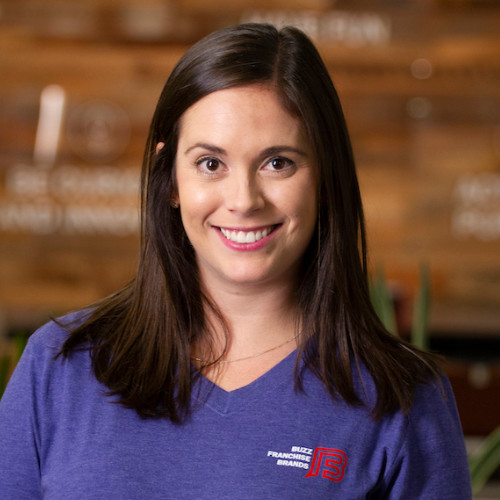

Bridget Rawls With Buzz Franchise Brands

August 30, 2022 by Jacob Lapera

Bridget Rawls
Franchise Marketing Radio
Bridget Rawls With Buzz Franchise Brands
Loading
00:00 /
RSS Feed
Share
Link
Embed

Download file

Bridget RawlsBridget Rawls, Director of Digital Marketing at Buzz Franchise Brands, has spent her entire career in the digital space. Originally from Atlanta, she graduated from The University of Georgia (go dawgs!) with a degree in advertising.
Starting out at a franchise company that focused on consumer goods, she was able to work across multiple aspects of marketing including brand development, social media, and e-commerce.

Bridget then took her passion for digital and project management to an Atlanta-based digital marketing agency, where she oversaw several multi-faceted websites, design, and digital projects. Bridget then made the move to Buzz Franchise Brands in October 2016 as Digital Marketing Manager.

After growing the digital department’s team and programs, she was promoted to Director of Digital Marketing in February 2019 where she continues to think strategically about digital’s impact across multiple brands.

When Bridget is not digging into analytics, supporting our franchisees’ digital growth or developing the digital department, you can find her reading a good book, hitting the beach or enjoying a nice glass of red wine.

Connect with Bridget on LinkedIn.

What You’ll Learn In This Episode

  • About Buzz Franchise Brands
  • The home services industry growth

This transcript is machine transcribed by Sonix

TRANSCRIPT

Intro: [00:00:05] Coming to you live from the Business RadioX studio. It’s Franchise Marketing Radio brought to you by IDs, an award winning digital marketing agency that delivers integrated marketing solutions for franchisors, franchisees and franchise development teams. Learn why over 75 brands depend on ID’s team of dedicated marketers and client service professionals to deliver a strong ROI on their marketing investment. Go to IDS Franchise Marketing for a complimentary digital audit and consultation.

Lee Kantor: [00:00:43] Lee Kanter here, another episode of Franchise Marketing Radio and this is going to be a fun one. Today on the show, we have Bridget Rawls and she’s with Buzz Franchise Brands. Welcome, Bridget.

Bridget Rawls: [00:00:56] Thank you. How are you?

Lee Kantor: [00:00:57] I am doing well. I’m so excited to learn what you’re up to. First, for those who aren’t familiar, share a little bit about Buzz. How are you serving folks?

Bridget Rawls: [00:01:05] Yeah. So Buzz Franchise Brands is a multi-brand franchisor. We were established in 2012 with our flagship brand Mosquito Jo, who has since been since been sold. But we’re celebrating our ten years in business this year, which is super exciting. And we have three brands currently with a fourth to come. Very exciting. All focused in the service in the service space.

Lee Kantor: [00:01:32] So it started out as a mosquito Jo’s And then was the intention always to be kind of a multi brand operation or was that something that just happened organically after doing it for a bit?

Bridget Rawls: [00:01:45] Yeah, no, I really was kind of the long term vision. Our CEO, Kevin Wilson, has always been really clear about the intentions of franchise brands, really wanting to establish ourselves as kind of an umbrella franchise family. So we, like I said, started with Mosquito Jo. In 2012, we rolled out pool scouts, which is a residential school cleaning company. In 2015, we launched Home Clean Heroes. A couple of years after that, our residential cleaning company. And then after Mosquito Jo was sold, we acquired British film school in 2019, which is a swim school concept. So yeah, it’s been really exciting. I’ve been here for almost six years, so not quite the full ten, but it’s been an amazing ride.

Lee Kantor: [00:02:29] Now share with the listeners who are maybe franchisors and they have a single brand. What is kind of some of the economies of scale you can get when you are a multi brand and especially serving one industry like Home Services?

Bridget Rawls: [00:02:44] Yes, definitely. So I think the big benefit of a multi brand franchise company model that we have is that we’re really able to leverage what we call our shared services, right? So my team, I’m the director of digital marketing for Buzz Franchise Brands and I’ve got a team of three that works with me and we support all of our franchisees across all of the brands. So it doesn’t matter if it’s our largest brand British film school or our more emerging brand home heroes, we’re really able to kind of leverage those kind of specific expertise across across the board, which is nice. Whereas if you were launching an initial brand stand alone, the financials really likely wouldn’t make sense to build up such a robust team. But we really are able to kind of leverage those various niche skills across all of them. We’ve got digital marketing, direct mail, creative analytics, operations and support, and that really does kind of span across all of our brands. So it’s been a really nice way to kind of spread the love, if you will.

Lee Kantor: [00:03:53] Now in your role, are you primarily focused on kind of the franchisees and helping making them successful faster or as part of your work in digital marketing, also to grow the franchises, you know, the franchisors and identify more franchisees as well?

Bridget Rawls: [00:04:10] Yeah, it’s both. And we wear a lot of hats. I would say the majority of our time on a day to day basis is spent supporting our franchisees, making sure that they have everything they need in terms of website pay, digital SEO, social media support, all of that really kind of falls into my area. But then in turn, of course, we’re collaborating directly with our individual brand marketing teams for franchise development strategies. So we also lead the charge on the digital side there. So managing our franchise development websites, our relationships with our vendors to again really kind of continue to grow the brand, but at the same time making sure that we’ve got enough resources and bandwidth to keep our current franchisees supported.

Lee Kantor: [00:04:56] Now, in today’s world, is it almost impossible to have a to be a franchisee in a local market and not use kind of some of these digital ads and pay per click and things like that? Is it possible just to grow your business just through, you know, being active in the community, joining things, sponsoring local things? Is that possible? Or you have to have at this point some kind of digital ad work going on?

Bridget Rawls: [00:05:25] Yeah. So, I mean, you know, nothing is impossible, right. But I would say it’s highly improbable to grow efficiently without that layer of paid digital presence. Obviously, there are a lot of aspects to the digital landscape and they’re not all pay to play. But it really is important for our franchisees, especially as they are kind of coming out of the gate. Right, to really make themselves visible and present in the top of the search engine results across the display network, across social media to hit that brand awareness level and really meet people where they are and be present when they’re ready to convert in the search engine. So like I said, I don’t think it’s impossible, but I think it would be really hard to grow efficiently without that. So that’s really why we’re here to support our support our franchisees.

Lee Kantor: [00:06:17] Now, when you’re supporting the franchisees as part of the kind of I’m sure you have to kind of give them a digital marketing education, that they’re not as as savvy as you are and not as experience as you are. Any time you’re dealing with digital, obviously you’re dealing with other platforms primarily and you’re relying on them and the pricing that comes with that. Is there anything that you’re doing to help, like an individual franchisee to kind of build their own list or build their own kind of way to communicate with the people most important to them so they don’t have to rely on these third party platforms in order to get the word out.

Bridget Rawls: [00:07:01] Yeah, so a little bit of a layered answer, but I’ll try to answer kind of what you’re thinking. So yeah, I think the first part is education, right? So before any of our franchisees open their doors or open their their service vehicles, if you will, and or pools, you know, it’s really important to make sure they have a steady foundation of training. And part of that training is digital marketing training. So we spend a few hours directly with them, kind of walking through our philosophy of digital, the different aspects of digital, how our team supports them, and then how also our vendor partners support them as well. So rather than giving all of this knowledge to our franchisees who are saying usually don’t have a ton of experience in digital, it really is such a vast landscape and can be pretty more of a niche thing rather than just giving them all the information and then just letting them run free. We have really developed a lot of good, strong partnerships with some different vendor partnerships to make sure that we’re providing the services for our franchisees and an economy of scale. Right? So we work with partners usually who are really savvy in the franchise space, who have a deep experience it experience in it because it is such a specific business model. And then in turn their services that we offer in-house and we’re really able to leverage our first party data and obviously high touch points with the various brand teams to really make it worth their while. But really the goal is to make sure they feel educated, that in the digital space, make sure they feel empowered and make sure they don’t feel like they’re just kind of floating out there after training. A lot of the heavy lifting is on our team, so it’s been helpful to be able to do that.

Lee Kantor: [00:08:56] Is one of the advantages of being multi-brand, that the consumer is kind of the same across brands so that you can kind of share the consumer. So if one franchisee gets a consumer, then it can be shared amongst the other ones in the market.

Bridget Rawls: [00:09:13] Yeah, I mean, I think that’s always the kind of the big goal, right? I mean, obviously we don’t have locations across all three of our brands and every single place, so there will naturally not be overlap in some areas. There have been instances where our scouts franchisees have been able to coordinate with our British swim school franchisees if they’re in specific markets, because there’s a little bit of a shared interest in terms of water. But I will say that our target audience does kind of range a little bit across the board with British Swim School. We really want to make sure that we’re talking to parents with young kids and really hitting home the importance of swim lessons. You know, survival first is really what we’re focused on. It really is such a life saving skill. So that tends to be a little bit tends to skew a little bit younger. Obviously, we teach adults, too, but it does kind of primarily tend to be parents first. And then obviously with pool scouts, we’re looking at homeowners with pools, not just any homeowner. So that kind of narrows our pool a little bit unintended. And then for home clean heroes, you know, obviously any home is available to be cleaned, but really making sure we’re kind of identifying the sweet spot in terms of household income and making sure that we’re getting a customer who will continue to get service from us and kind of that recurring way. So while they are similar across. The Board. In some ways, it really is important for us to kind of identify the nuances across each. Like I said, I think it would be great for that shared customer to be able to have service across and all of our verticals, but really kind of making sure we’re honing in on who that person is first.

Lee Kantor: [00:11:01] Now, when it comes to the franchisee, is it kind of the same type franchisee prospect today as it was opposed to like pre-pandemic?

Bridget Rawls: [00:11:12] That’s a really good question. I think in some ways, yes, but in some ways, no. I think we’re seeing that the way that people are finding our franchise opportunity has changed a little bit. The level of research that they’re doing has changed a little bit. Now we’re offering virtual meet the Team Days. That’s something that we rolled out during the pandemic, obviously, since travel was obviously not possible there for a little for a little while. So I think those kind of changes have made it made the process maybe a little bit more approachable. But we’re still looking for individuals who are, of course, financially qualified, but also really kind of fit the ideal candidate of owners who are passionate and driven and are really looking to make a difference in their communities. That core aspect hasn’t really changed.

Lee Kantor: [00:12:06] Are you seeing any kind of maybe a more youth movement when it comes to people being open to franchising as a career path?

Bridget Rawls: [00:12:16] Yeah, I think we have seen a little bit skewed a little bit younger over the last couple of years, which is so incredible. I think people are starting to realize or continuing to realize, if you will, in the last couple of years that the classic 9 to 5 career is not the only way to gain success. And for those who are naturally entrepreneurially minded or who really like to be out in the community or outside and really kind of building something for themselves, for themselves. Franchising has become really, really attractive. There’s also such a range of financing options and different ways to self-fund a business such as a franchise. So I think that’s also made it, like I said, a little bit more open to a younger market. It’s been really exciting to see. Obviously, you know, having that young energy and excitement across our concepts really only kind of breeds across the rest of the system. So it’s really great to see.

Lee Kantor: [00:13:18] Now, can you share a moment, maybe early in your career when you were doing some marketing and you had an idea and you said, you know what? Why don’t you know, maybe a franchisee or maybe a franchise brand came to you and said, hey, we need help in this area. And you were able to kind of try something and it worked and you were like, Wow, you know, this is something that I’m good at. This is something that I can make an impact.

Bridget Rawls: [00:13:44] I think that’s a good question. I think really where we’ve been able when I look back at the beginning, when I first started at Franchise Brands, the digital department itself was not nearly as robust as it is now. So I think what we’ve really been able to identify based on learnings and doing the hard work and to building these various programs, is that it really is so important to be everywhere the user is. So I think what we can offer and have been able to really prove is that you need to have a strong organic presence, you need to have a strong paid presence, you need to have those local listings identified and maintained. You need to be present on social. And I think obviously for concepts that don’t offer the kind of support we do, it can be a little bit daunting for the franchisee. We’re like, okay, I know I need to be here, but how am I going to do this? So really being able to develop core competencies and partners in those areas over the last few years, again, just kind of thinking about where we started has been has been great. We’re really able to kind of offer this super robust level of support and landscape and strategies.

Lee Kantor: [00:14:59] Now when it comes to creating that kind of localized brand ubiquity so that the consumer kind of thinks of them or sees the brand at that point of decision, yeah. How much of an investment in their head should they be expected to be investing in in that level of brand ubiquity? Obviously, the more the better in some cases. But there is a point of diminishing returns, I would imagine at some point.

Bridget Rawls: [00:15:25] Of course. Yeah. So I think with, with local marketing and really establishing, you know, owners establishing themselves as the face of the business is incredibly important from the get go. You know, as we all know, the benefit of coming into a franchise concept is that you’re buying into a proven brand with turnkey systems and all these things they don’t have to figure out for themselves. But where it’s still going to be completely important to make a difference is to again be the face of the business. So I think when we launch franchisees and really kind of explain the importance of that, especially starting out, usually it’s going to be more of an investment of their time than financial. I mean, of course, there’s going to be certain things that are fee based in terms of getting out in the community, but being out in the community is so important. You know, as little small, as small, as small as an example, as driving your vehicle on the weekends and wearing branded clothing. So you can be starting those conversations and really continuing to position yourself as as that local owner. I think that’s really where it’s important and diminishing returns, I would say for that sort of thing. There really isn’t one. It’s so important to continuously be in front of people and again really show that this is a local business. We’re making an impact in our community. And then there are things like, of course, on the digital side, on their individual websites. We really work with them to make sure that we’re featuring themselves and their team and how they’re involved in the community and really kind of making that cohesive across all of those different places. So yeah, so a little bit of a vague answer there, but it really is more, I think, thinking about how they can put themselves in front of the community as much as possible.

Lee Kantor: [00:17:15] So. Sure. And then what what is this fun announcement you have from.

Bridget Rawls: [00:17:21] Yes, yes, we’re very excited. So we are rolling out a fourth brand under our umbrella. It’s called Grand Illuminations. It is a premier holiday lighting and decor concept, still service based like our other or other brands, but it’s really exciting. So we’ve kind of gathered a handful of independent operators to become our first franchisees, really able to kind of leverage their knowledge and experience in this space. But we’re looking to be ready to service in a few key areas this holiday season. So it’s awesome. If you are someone who does not like to decorate your own house and would like someone to come in and design it for you with really premium products and definitely keep an eye out for great illumination. So we’re really excited. It’s a really nice tie in with our ten year anniversary and really continuing to build those franchise franchise brands as a multi brand franchisor.

Lee Kantor: [00:18:23] And then the service that they would be offering consumers is like the holiday lights. But would it also be like, you know, Mary graduated, you know, Happy 21st birthday and you put up those kind of signs as well?

Bridget Rawls: [00:18:36] Yeah, that’s a good question. We’re really starting to focus first on holiday decor and lighting. So I think there are some other. Opportunities down the road that we’re going to be exploring in terms of kind of year round initiatives. But this year, and I think the first handful of seasons, it’s really going to be focused on holiday decor. That’s a great question.

Lee Kantor: [00:18:57] And then this and and some of your other brands also, you don’t need a physical location, right? This can be done out of the home or with minimal location.

Bridget Rawls: [00:19:07] Correct. So that’s really one of the attractive pieces about our our concepts. They’re all service based. They’re all fairly low cost and quick to start. So the only kind of caveat I would say in terms of thinking about that is British Swim School. We do operate in physical pools, obviously, to teach kids how to swim, but we leverage pool partnerships and go into existing spaces like hotels, gym, so that you’re not looking at a huge build out of a pool, right. Like some of those other concepts. And then of course, the pool scouts humbling heroes and now great illuminations. Yeah, it’s completely service based. It can be a home based business giving the owner a lot of flexibility in terms of operation and really keeping those costs down.

Lee Kantor: [00:19:54] Good stuff. So if somebody wants to learn more about Buzz, where should they go?

Bridget Rawls: [00:19:59] Yeah, definitely. Visit our website buzz franchise brands dot com Instagram as well at buzz franchise brands and of course on Facebook to keep an eye out for all of the fun activities and announcements coming soon.

Lee Kantor: [00:20:14] Well, Bridget, thank you so much for sharing your story. You’re doing important work and we appreciate you.

Bridget Rawls: [00:20:19] Thank you so much.

Lee Kantor: [00:20:20] All right. This is Lee Kantor. We will see you all next time on Franchise Marketing Radio.


Tagged With: Bridget Rawls, Buzz Franchise Brands

Brian Pruett with B’s Charitable Pursuits, Cristina Patten with Aces Youth Home and Chad Blake with Angel Auctions and Experiences Foundation

August 30, 2022 by angishields

CherokeeBusinessRadio082622-featurepic2
Cherokee Business Radio
Brian Pruett with B's Charitable Pursuits, Cristina Patten with Aces Youth Home and Chad Blake with Angel Auctions and Experiences Foundation
Loading
00:00 /
RSS Feed
Share
Link
Embed

Download file

Sponsored by Business RadioX ® Main Street Warriors

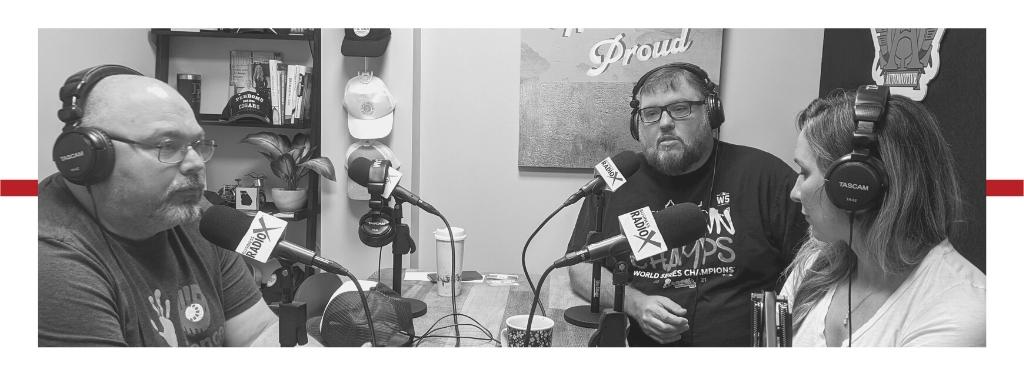
Bs-Charitable-Pursuits-group-image
Aces and Experiences Foundation Golf Tournament
Date – Friday, September 16th
Location – Fairways of Canton, 400 Laurel Canyon Pkwy, Canton, GA 30114

Bs-Charitable-Pursuits-logo

B’s Charitable Pursuits and Resources is a Christian husband-and-wife team who want to help charities raise money for their organizations, but at the same time get the community involved to raise awareness for the different charities in the area and have fun in the process.

Brian-Pruett-headshotBrian Pruett holds two degrees from Kennesaw State University: Communications and Sports Management and a Master’s in Business from St Leo University. Brian has 28 years of experience in sales, marketing, and fundraising.

He has served as a sports reporter, a sports information director, and a director of sales for a sports marketing/media company. Brian has organized many fundraising events, sports promotions and sponsorships for organizations such as Nobis Works, Atlanta Spirit, Bowlero – formerly US Play, The Ovarian Cancer Society, Lance Corporal Skip Wells Scholarship Fund, Kennesaw State University, Marietta Adventist Church, CLStrong Foundation, Tranquility House and more!

Brian also has an extensive background in sports and trivia. He has a passion for helping others and running events where not only the participants have fun but brings awareness about the client to the public. Brian believes that the most important thing is to build and establish relationships, teamwork and communication.

Connect with Brian on LinkedIn.

The Mission of ACES Youth Home is to provide temporary and long-term residential placement and care for youths, both boys and girls, ages 12-18.  We provide a safe, secure, and nurturing home for youths who have been victims of abuse or neglect. ACES-Youth-Home-logo

We help children discover their strengths and learn to cope with the crises in their lives.  We strive to recognize the value and dignity of each individual we serve.

Cristina-Patten-headshotbwCristina Patten is the Director of Business Development at ACES Youth Home. She is a focused leader and advocate with a record of success cultivating strong relationships with key decision makers and an attention to detail. Ability to leverage a diverse background and adapt to changes in any environment.

Strong social foundation and excellent communication skills combined with creative innovation of sales/marketing and human resources. Lead and influenced peers and direct reports to support overall business goals. Worked with diverse and cross function teams to achieve operation excellence for maximum productivity.

Connect with Cristina on LinkedIn.

Angel Auctions was founded to help Non-Profit and Charity Organizations raise funds and awareness in their communities. We started by specializing in Sports Memorabilia, but offer a wide variety of Framed Prints, Jewelry, and other items for your next auction.

We make it our goal to help your next fundraiser look bigger and better, while raising needed donations that otherwise might not occur. And the best part is we are 100% FREE to your organization! We work with any: Non-Profits, Charities, Schools, Government Programs, Churches, and any and all Community Organizations.

Chad-Blake-headshotChad Blake started Angel Auctions and Experiences Foundation because he has a passion to help others. Plus, he gets to incorporate his passion for sports and memorabilia, while giving back to his community.

Chad holds a BA in Management with an emphasis in Entrepreneurship/Small Business from Georgia Southern University. Although he continued to do a lot of charity work in college, his middle and high school years are where his charity and non-profit work truly started.

Chad started by working with many different charities, such as: Fellowship of Christian Athletes (FCA), Special Olympics Atlanta, Retirement and Assisted Living Facilities, and his local church. He understood the importance of fundraising and immediately took charge to raise funds and equipment for his football, volleyball, and baseball teams.

Using his contacts and ideas from his many years of experience in: Management, Real Estate, Insurance, and Charity Work helped form what Angel Auctions is today.

Connect with Chad on LinkedIn.

This transcript is machine transcribed by Sonix

TRANSCRIPT

Intro: [00:00:07] Broadcasting live from the Business RadioX studios in Woodstock, Georgia. It’s time for Cherokee Business Radio. Now, here’s your host.

Stone Payton: [00:00:24] Welcome to another exciting and informative edition of Cherokee Business Radio Stone Payton here with you this morning. What a fantastic set of conversations this is going to be. Please join me in welcoming back to the Business RadioX microphone with B’s charitable pursuits. Mr. Brian Pruitt. How are you, man?

Brian Pruett: [00:00:45] I’m doing good. Thanks for having me back.

Stone Payton: [00:00:47] Yeah, delighted to have you. So get us caught up. What’s going on over there with your outfit? Have you accomplished anything since I talked to you last?

Brian Pruett: [00:00:55] Well, you know, last time I was here, I was with Lake City branding, so we actually shut that down and I started being charitable pursuits, doing fundraising events. I’m very passionate about helping people and having fun. So what better way to do that than putting on some fundraising events and getting the community together? So that’s what I’m doing.

Stone Payton: [00:01:11] Fun stuff. So what’s coming up soon?

Brian Pruett: [00:01:13] So funny you should ask. September 16th we’ve got the first inaugural Aces and Experiences Foundation Golf Tournament at Fairways of Canada.

Stone Payton: [00:01:22] Mm hmm.

Brian Pruett: [00:01:23] So it’s two great organizations, and we’ll be talking to both of them here in just a little bit.

Stone Payton: [00:01:28] So timing, is it too late to get involved by a sponsorship?

Brian Pruett: [00:01:32] Not at all. We’ve got some sponsorships available for hole sponsors. We do need it pretty quick, though, because we’ve got to get the science printed and that’s deadline is next Friday for that. But we also have some openings for golfers. And if people want to donate just some items for the raffle or silent auction or just donate cash in general, you can do that as well.

Stone Payton: [00:01:49] So I know you’re having a good time with this. What are you enjoying the most, man? What’s the most rewarding about doing what you guys do?

Brian Pruett: [00:01:56] Just seeing the the look on the faces of folks when we’re able to hand them either however little or as big as much money as we can. And just, you know, they’re not expecting really much of anything, but just being able to help them and see the reaction.

Stone Payton: [00:02:09] Yeah, I’ll bet. And you brought a couple of folks with you. I did. From from your world team up for who did you bring with you this morning?

Brian Pruett: [00:02:16] So first I’ve got Christina Patton, who was the Aces Youth Home and she’ll tell you all about them. But she’s a friend of mine as well. And then also Chad Blake with Experience Foundation, another good friend of mine. He can explain what they do, but they both very good organizations and they work a lot with youth in the area. But yeah, so two great organizations.

Stone Payton: [00:02:37] Fantastic. And I would be remiss if I didn’t mention today’s episode is brought to you in part by the Main Street Warriors program. For more information, go to Main Street Warriors dot org. All right, let’s get this thing going. Please join me in welcoming to the show with Aces Youth Home. Miss Cristina Patton. How are you doing this morning?

Cristina Patten: [00:02:57] Hey, good. How are.

Stone Payton: [00:02:57] You? I am doing well. Okay, let’s start with mission purpose. How would you articulate what you’re out there trying to do for folks?

Cristina Patten: [00:03:05] Yeah. So Aces Youth Home is a place that provides care and shelter for kids and foster care. So any kids that are around, like 11 to 17 that have been taken into care, we provide we provide help and placement for those kids while the parents are trying to work a case plan. So, yeah, we also what we do most and I feel like something special about us is we have a home that allows the boys and girls to be in the same home. So the reason that’s really important is when these children are removed from homes, they’re sometimes removed from all their siblings too. A lot of places are boys only or girls only, and our purpose is to try to keep those families, the siblings together. A lot of times there’s difficulties and troubles with like transportation. So with us we just keep them together and it helps them flourish. It helps them in so many different ways, just kind of maintaining that family feel so yeah.

Stone Payton: [00:04:18] So there’s been a trend on Instagram lately that has me inspired and it’s either I don’t know if they do it audio or written, but it’s what do you wish people understood about blah blah blah? What do you wish more people understood about your arena, about the foster care system and that kind of thing?

Cristina Patten: [00:04:37] Oh, my gosh.

Stone Payton: [00:04:39] There’s it’s just going to be the Christmas show. She looked at her watch when I asked her that. So sorry, Chad. You have to come back another time. That’s all right.

Cristina Patten: [00:04:45] Yeah, it’s it’s a lot. It really is a lot. I wish that, you know, everybody understood kind of the the ugly process of, you know, removals and all the difficulties that the children are going through. Because what we do is actually, even though it seems kind of grimy and still not so pretty, it really is like the other side of the rainbow. Like once these kids get into the group home, they’re in a safe place. So you immediately start to see them flourish. We provide medical help, therapeutic will help, lots of educational help. And we’re located up in Jasper. So we have like a small town group feel that, you know, all these people come together through the community and they help so much with our kids that it’s it’s really awesome to see them grow.

Stone Payton: [00:05:44] Oh, so what’s your back story? How did you get involved in this kind of work?

Cristina Patten: [00:05:49] I started working in foster care in 2013 with Cherokee County artifacts. I went to volunteer and. It was so crazy. I just wanted to volunteer. That’s all I wanted to do. I just didn’t leave. I was like, I can’t. I can’t leave. Like, I grew up in Cherokee County and some of the cases that I was seeing, I was just. I felt like I grew up in a bubble. Yeah, there’s so many things going on that I. I felt like I couldn’t step away. I was so my heart was so passionate about just helping and working with kids. And as soon as I had, like a few cases that I got on that I worked with, I was like, okay, sign me up. I’m, I’m going to do this. But my background is psychology. I went to Valdosta State for major in psychology and a minor in religious studies. And then I went and got my international business degree, my MBA and London. So everybody was like, Why aren’t you using that? The cool thing about ACS was after I worked at Goshen, after I worked at Defects, I worked for another nonprofit called Goshen Valley Boys Ranch. Yeah, I was a case manager there. And then I was given the opportunity to kind of from aces be able to go over and help kind of restructure a program. So I was using not only my case management skills at that point. I was also using, you know, my MBA.

Stone Payton: [00:07:28] So so tell us a little bit like the day the day in the life of Cristina, like what will you do on a monday and a Tuesday? What are you. What’s your activity?

Cristina Patten: [00:07:41] Well, you just have to be very.

Stone Payton: [00:07:44] Flexible.

Cristina Patten: [00:07:45] Because you never know. You really never know. I mean, there could be there could anything could happen. So I don’t do the case management side of it anymore. I do more so fundraising and marketing. But yeah, as a case manager, you just have to kind of be up and ready for anything on a monday or Tuesday.

Stone Payton: [00:08:06] All right. So let’s talk about marketing, fundraising. Tell us a little bit about that world. Where does the money come from? How do you go get it? And we’ll also want to know how we can help.

Cristina Patten: [00:08:16] We are funded 50% from the state. So the kids that we care for, we have that. And then the other 50% we have to raise. So we do fundraising events. We have. We have we have one or two and then we have lots of donations. So we’re kind of trying to get our name out there and do more fundraising. This will be our first annual event for the golf tournament in September. We’re really excited about it and so excited to be working with experienced foundations. We’ve had them in the past work with the kids and they came in for what was it, Cinco de Mayo came in for Cinco de Mayo, and the kids were like, Don’t leave, have so much fun. Ended up playing basketball all night with them. And then Chad was like, I love these kids. How can how can we have another event together? So then he took them to the baseball game. The kids just absolutely love it. They love having a good, solid mentor figure to look up to and somebody who just wants to spend time with them. So it’s been fantastic. And then we’ve decided to kind of partner up and start doing fundraisers together. So we’ve done a few in the past, and then this will be our first one for the golf tournament.

Stone Payton: [00:09:35] Oh, fun. So we’ll get Ted’s take on this in a minute, too. But speak more to this idea of collaboration. I had a similar conversation as recently as this morning. Someone else who has a media property does podcasting, does video interviewing. And he and I, we are exploring all kinds of different ways that we can go to market together. And we just we feel like there’s plenty of opportunity out there. And together we each have strengths. We each have resources. Yes. And it sounds like you and Chad are of the same of the same mind.

Cristina Patten: [00:10:03] You’ve definitely.

Stone Payton: [00:10:05] Yeah. So tell us more about what was the catalyst for the collaboration and what you’ve what you’ve learned from working together like that?

Cristina Patten: [00:10:11] Oh, I mean, from the get go, I think we’re both very life minded. And the fact that, you know, we’re doing this for the kids, this isn’t a competition. You know, our business, our organization is all about the kids we’re not worried about, really. I mean, there I just have to say, there’s no competition like we we work better as a team and we work stronger together. So him and I are able to use the people that he’s worked with in the past, the people that I’ve worked with in the past, and kind of collaborate all that together. And it’s it’s awesome to see it come together because everything’s bigger, everything’s better, everything’s stronger. I don’t know really much about golf, so me putting it together might look more like a fashion show then.

Stone Payton: [00:11:06] That’s okay. Chad may not know a whole heck of a lot about fashion shows.

Cristina Patten: [00:11:08] I don’t know.

Brian Pruett: [00:11:09] I mean, I would not be models for that. So, you know.

Cristina Patten: [00:11:12] Probably could serve a drink. But I don’t know about anything else. I can I can do some pretty signs, but so it’s been really great. He’s got his strengths to this golf tournament, whereas like, you know, I really appreciate that part of it. I didn’t even know. Like, this is embarrassing. I don’t know. Like a foursome. What is this? I don’t know. I’ve never heard that. Like, okay, sure. Well, that’s what you call it. But there’s so many different things that I just I needed to be. I needed to partner with somebody. And so Chad’s experience and background doing this and helping me through it has been awesome as well. And then as far as like sponsors and working with people, I love going out and socializing and you know, on that side of it, I’ve, I feel strong about that too. So us going together to meetings and it’s just been fantastic. We work well.

Stone Payton: [00:12:05] Together. Oh, bet. So have you found that the business community, people who run small businesses and own businesses, is that a place to go and build relationships and get funding and connections?

Cristina Patten: [00:12:18] Yeah, yeah, for sure. I think as much as, you know, they see the need that we have in our small community for, you know, the kids like giving back to an organization like us. You see the effects. I mean, you see these kids are at the ballpark. They’re they’re in people’s homes. They’re your next door neighbor. So it helps everybody as a community. And it goes back to, you know, all the small business owners that, you know, when the kids are walking in, they’re talking about how awesome it is, or they got a free ice cream from somebody the other day or they got a special trip somewhere and they remember those moments and they talk about it. So it’s good for everybody.

Stone Payton: [00:13:03] Oh, bet. So how did Brian and his organization come into your circle?

Cristina Patten: [00:13:08] We met Brian last year or the last golf tournament, and he was super helpful with, you know, just the marketing side of everything. And he’s been been fantastic just to work with, team up, partner with, and now he’s got his for profit organization that helps nonprofits. So yeah, great.

Stone Payton: [00:13:29] I’ll bet. So you’ve done a lot of golf tournaments, Brian, that’s like one of your.

Brian Pruett: [00:13:34] Well, no, not I mean, only really three or four. I did one in college, helped with one in college. And that’s not a strong point of mind. I don’t think I want to I want to be more of the community type fields, but I know enough to be dangerous. So.

Stone Payton: [00:13:51] All right. So the next thing you have coming up that that we ought to let our listeners know about, is this golf tournament, is that the next big event? Yes. All right. So let’s make sure that we leave those leave our listeners with that. And they can get involved. They can still sign up to to play. They can donate in a small business, can sponsor in some way, sponsor a hole or whatever.

Cristina Patten: [00:14:13] Yeah, yeah. There’s whole opportunities. There’s sponsorships, even if you just want to donate a basket, something that we can raffle off, there’s many different ways to give back. I’ve had people even help with advertising. We got a billboard up, so. Fantastic, awesome stuff. Yeah, really good. So if anybody has any questions, they can just reach out or reach out through or, you know, email, aces, Youth Home or Experience Foundation for extra questions. If anybody wants to volunteer, we need all the help.

Stone Payton: [00:14:48] So yeah. So do you guys have a website or is there a LinkedIn profile or anything that you want to make sure that our I want them to be able to connect with you if they want to continue this conversation.

Cristina Patten: [00:14:58] Yeah. Thank you. We have a Facebook page. It’s the first annual golf tournament for Aces and Experiences and then Aces has their website Aces dot org. I’m also on Facebook and I’m connected with the Aces Facebook. So we. Usually get a lot of questions and just.

Speaker4: [00:15:23] Also if you have other experiences with the Nest Foundation dot org, there’s a link on their.

Stone Payton: [00:15:29] Okay.

Speaker4: [00:15:29] To charity today, which is a golf link that Dickson Golf donated to us. So that’s got all the information they can pay for sponsorships, golfers send questions so that maybe one of the easier ways to do it.

Stone Payton: [00:15:44] Yes.

Cristina Patten: [00:15:44] Well, he said.

Stone Payton: [00:15:47] All right, fantastic. So don’t go anywhere. Stay with us. We’re going to visit with Chad a little bit Chad. All right, Chad, tell us a little bit about your organization.

Chad Blake: [00:15:56] Well, before I do it, I do want to say something about aces and kind of how we got started with them. She was right. It was Cinco de Mayo had an absolutely just wonderful time up there. They’ve always had such great kids up there. And it was something that part of our experience is foundation is a Braves Buddies program where we take groups, we’ve done special needs and Power Cherokee, a bunch of different groups, obviously the foster care and brought them to the Braves game. And if I had two or three more bedrooms at the time, we would have adopted the three kids in particular that were brother and sister. Fortunately, in all honesty, they did get adopted, stayed pretty close, so it was awesome. But it was. You just fall in love with these kids when you’re out there. And I mean, one of them came up again. It was, I think, yogurt. We stopped afterwards. He came up and gave me a hug and I was almost in tears. So it’s just, you know, sometimes just that powerful ness of that. And Brian, we’ve besides COVID, we worked we obviously had a little bit of lull there, but our first couple of golf tournaments where a lot of success had some celebrities out there, a lot of athletes. We got that again this year, which I’ll touch on later. But Brian’s always had a passion and he’s always really done something similar to charitable pursuits. And, you know, he’s finally able to do something to passion. And obviously what happened with the COVID kind of hurt some of his other stuff, but he’s always had a passion for that giving back. And whether it’s through the magazine or himself, you know, his family. Same thing with Christina. I’ve known her for quite a few years. And just, you know, our friends and family have gotten close and everything. And it just it really is kind of like a family organization. So.

Stone Payton: [00:17:42] Yeah. So tell us about experiences.

Chad Blake: [00:17:45] We are what I like to call kind of like Mini Make-A-Wish meets Big Brothers, Big Sisters. And now obviously we don’t have the deep pockets that Make-A-Wish does and they do an awesome job. I don’t want to ever take anything away. I will say they have maybe more extreme cases than we do, but my goal was always to maybe somebody just going through a rough time. Maybe, you know, we find out a kid’s lost a parent or a divorce. We’ve had young people going through cancer treatments, brought them out to Braves game, done some fun things, movies, whatever, just something that experience to take their mind kind of off all the bad stuff that’s potentially going on in their lives. But I also love the volunteer aspect. You know, I do love to get out there. Sometimes I probably get more out of it than a lot of people we try and bring in. Our volunteers are trying to instill it in all my kids. You know, it really is about giving back. In fact, my daughter always she sees somebody, you know, potentially somebody on the side of the road asking for money. Well, let’s give them something. What do we have to give? And if I don’t have anything, she, you know, she’s like, oh, well, maybe we come back later. So it’s at least it’s probably at least working their minds with what we’re doing.

Stone Payton: [00:19:01] Yeah.

Chad Blake: [00:19:03] Excuse me. But, you know, it’s just one of those things I, I run a for profit charity auction company called Angel Auctions, and I’ve been doing that now about 20 years. We are our biggest client, so to speak, is the Brady Foundation. We do about 40 events, silent auctions with Gwinnett Stripers, the Rome Braves and a bunch of other nonprofits in between. So we do we do a lot with sports memorabilia and jewelry and relics and all that stuff and never charged the organization. They get a percentage of whatever auctions. And one of the things working with all these organizations, I notice not that they didn’t do a good job with their mission, but I was like, you know, there’s so many opportunities maybe to take a family somewhere or help out. And so we’ve worked a lot of those good relationships and that’s really what kind of spawned experience is foundation. We started officially with the 501c3 in 2018 after a couple of things that happened, primarily my wife’s family with some tragedies and then also a young man that was was battling cancer ended up passing. And it was just everything we were able to do for him and his family just meant so much. And we didn’t really realize the impact till later.

Brian Pruett: [00:20:19] You need to tell him what that was. That was just because it was pretty cool.

Chad Blake: [00:20:21] Yeah, it was. He was a young man, I say young. He was late twenties, I guess, when he was diagnosed. And he ended up huge praise fan from Augusta, a blue collar worker with the job that he was working they think probably gave him cancer. So ultimately he ended up at Emory and there was another charity that was housing him there that we were involved with. And so we took him out. We kind of befriended him and my wife and I and we went out there, took them to Braves game, got him a hat because unfortunately he lost all his hair. So we wore it all the time. Yeah. In fact, we and it was some of the things we take for granted. I remember walking just through the parking lot, not very far into the movie theater later on, too. And he explained to me how he felt like his skin was on fire because everything he was going through, all all the medicines and everything. So it just again, you just don’t realize that stuff. He wasn’t a guy who spoke a whole lot about it. You know, he had a lot of pains and aches and they actually sent him home in remission. And three days later, he collapsed. Unfortunately, they brought him back to Emory. And one of the things my wife and I at the time lived in Smyrna, so we were pretty close to there. His parents were going to drive back because they didn’t have money to stay at a hotel.

Chad Blake: [00:21:37] And my wife said, absolutely not. So she went and checked him. And fortunately, unfortunately, I guess in some manners he passed the next day. Yeah. With his children on top of him. He still had the Braves hat on that we gave him, but fortunately he was there. His parents were able to see him and say their final goodbyes and it was just something, again, talking to the wife later, we still follow the children. They just graduated, which makes me feel super old. But but it’s just, you know, again, that that impact we had was really just a couple of things we did. Sometimes there’s just a matter to sit there and talk. You know, we always kind of joke like we can do Braves games. You know, we’ve done a cool United thing where the young man was the first one ever again. It just happened to be a cancer thing. Brain cancer in remission. He’s doing well. He actually local here in Cherokee, but he was the first non referee to flip the coin on the field so and that was something we were able to hook up with them. We were on the field and yeah, it was just it was an awesome experience. And again, we still stay in touch with the mom. You know, the young man’s doing well. He just graduated.

Stone Payton: [00:22:46] High school too, so.

Chad Blake: [00:22:49] But yeah, and those are just a few of the stories that, you know, stuff we’ve done. But it’s, you know, if anybody wants, you know, to do anything, I mean, I’ll go fishing with them, you know, whatever it is, if that’s a small thing, if they have a passion for, you know, one of the things to we, you know, we’ve done over their experiences, I’m sorry, at ACS, just bring them dinner sometimes. Just sit there and talk with them, see what’s going on, because sometimes they get new kids. And, you know, I wish I could spend a little bit more time. I got three of my own, which keep me quite busy. But, you know, it’s just one of them, you know, it’s the passion, I think, that all three of us and I think that’s where that synergy definitely comes from for all of us to work together and, you know, again, make experience as foundation in this golf tournament. You know, what it’s becoming? We’re almost I’d say we probably got about 30 out of 120 left as far as golfers go. Yeah. So a few foursomes in there. It’s only $400 for the foursome, 125 for an individual. We do have Mark Wohlers coming out closer in the 95 Atlanta Braves. We got Terrance Mathis coming out. Besides Julio and Roddy, he holds all the records and he did till they came. Also have.

Brian Pruett: [00:24:01] Chris Hammond.

Chad Blake: [00:24:02] Chris Hammond, former brave.

Brian Pruett: [00:24:04] We have Chaz Lytle, who is a holds the current record of steals and triples for the UGA Bulldogs as well. He played in the Pittsburgh Pirates organization. And then the next guy nobody’s probably ever going to heard of. The name is Tim Farr. He’s a rodeo guy and you never consider rodeo and golf together. But let me tell you what, he’s a pretty good golfer. I never after being thrown off bulls, you would think that he couldn’t swing the golf club.

Stone Payton: [00:24:27] But he can really and most importantly, Brian Pruitt be there on tour. Right. That’s got to be a draw.

Chad Blake: [00:24:33] Sign for you. Autographs. All right.

Stone Payton: [00:24:35] Well, first of all, yes, the passion, all three of you, it comes through. I can see it in your eyes. I know our listeners can hear it in your in your voice. But one of the things that is coming to light for me in this in this conversation, it doesn’t have to be this great, big, heroic effort just interacting with these folks. So just yeah, I mean, these small things, they’re not small. Right? Right. But having dinner, having a conversation, taking a kid, fishing, you know, just I love to fish. So, you know, that would be a lot of fun to take a kid over to Debris Park or over to Altoona and drown a worm, you know, and just have a good time for an afternoon. Just it might seem little to us, but it’s not little, is it?

Chad Blake: [00:25:18] No, not at all. Yeah, I actually. Last night was. We had some stuff we’re going to donate and a Facebook friend, which I don’t know where that will. We just have a lot of mutual friends. She’s a little bit younger than me. She just moved into a brand new house and I said, Hey, I got some pots and pans and some other stuff. We’re getting ready to donate. Do you need anything? And she’s like, Yeah, you know, I could use this and this. And she wasn’t being selfish by any means. You know, again, I was the one who offered it and she said, Can I ask you a question? I said, Of course. She goes, Why would you help somebody that you don’t know? And I just I said, You know, it’s just something I love to do. I think, you know, if you have that ability to help somebody, you know, our mission is kind of to make a wish. But I always say to if we can help somebody, we have the money for it, we will. I mean, we do a Santa for seniors where we bring stockings and different things. We do donate and casa and all that stuff. It’s, you know, sometimes it’s more about getting stuff. And I’ll say this about Aces, their partners, especially up there in Jasper, when you see maybe a kid didn’t really get anything at Christmas or nothing at all to see what they get and they get everything on their wish lists usually. Yeah. Just is unbelievable. So it’s that joy sometimes just giving.

Stone Payton: [00:26:35] Them.

Cristina Patten: [00:26:35] We sometimes go a little overboard. But I mean, we’ve had kids come in. It’s like, you know, I never had a Christmas tree. So we’re putting up the Christmas tree and you’re just like, wow.

Brian Pruett: [00:26:46] Chad’s even taking some of this, though, out of the country, right? Twice.

Chad Blake: [00:26:50] Well, actually, four times we every time now I’m very fortunate, blessed. I’m going to be the first say that that my wife Cheryl has done awesome brownie points and is one of the top sales people with one digital insurance. And they’re actually our major sponsor here. So and always get great support with the Brooklyn family more brownie points and but she she’s always one of the top salespeople. And we go on different trips that she’s won through her company and earned. And we’ve gone to Mexico. We went one time and we’re in Dominican cap, kind of we’re able to actually get with the school and give away a bunch of learning supplies, a lot of baseball stuff, try to make sure that and it was just the coolest experience to see the kids come up. Appreciate it. Take pictures, just sometimes taking the pictures, especially with the teenagers, you know, five classes is all in Cap Khana from kindergarten to high school. 12th grade is what they had. So to see them all come out, it was just unbelievable. And they were so appreciative. And again, I’m sure I got more out of her. We got more out of it than anybody. But, you know, it’s just and again, anything I can do, I always get yelled at because they don’t want me going off site. But I always say, if that’s my end, that’s a good way to go and I’ll be okay.

Stone Payton: [00:28:15] Another thing that I just have to believe happens, particularly when you’re working with youth, but probably with other adults, is this ongoing legacy, right? So a kid comes through aces or they have these experiences and you’ve modeled for them this behavior. And I bet you’ve started to see some of those folks turn around and act in the same way and help others.

Cristina Patten: [00:28:41] Yeah, right. Yeah, we have I’ve had a few kids that have actually left aces and then reach back out and say, Can I help you guys volunteer? So that’s pretty cool.

Chad Blake: [00:28:49] I’ve had a couple of donations from the Aces. Kids do that. Have you really? Yeah. Once they aged out. Right. So, I mean, they, you know, they still want to be involved in to do things. And that’s again, that’s I think what she does, Christina does and then her whole team up there to just awesome any time I ever have a question or anything if we can do anything, we definitely try and help too.

Stone Payton: [00:29:10] So I got to ask about the auction business because to me, it’s just fascinating. You know, we love Holly and I going to the you know, to the galas for different fundraising events and and to watch the there’s the silent auction. We enjoy that. And we always spend more than we plan to. And we’re fine with it because it does feel good. We know it’s for a good cause and we’re very blessed and I love watching the live auction stuff. To How long have you been doing the auction thing?

Chad Blake: [00:29:36] Man I’ve been doing it 20 years of my my my first time doing an auction was with the Rome Braves at their hot stove. And it’s just that’s just turned into a great relationship. And I’ve seen so many gems come and go and different people. So but it’s been a lot of fun. I mean, I have my own little I call it my Romi family out there. So every time I get out them, I get hugs. It’ll get all the time. It’s like seeing, you know, family and friends come through because I’ve been out there for so long, I’ve seen the kids grow, too. But yeah, I just it’s something I had a passion for. I’m actually from real estate construction. Still hold my license, but you know the rest of it. After the second turn, I just kind of saw the writing on the door. I was like, I. Know, something a little bit more stable. And I was actually asked we were doing some work by one of the Falcons at the time. His wife asked if she goes, I know you love sports. Do you have anything to maybe help us with the auction? I said, yeah, I could probably do some stuff. And then I started looking and there were some memorabilia dealers who just kind of weird and almost shady the way they did. It wasn’t about fundraising. And I said, You know what? There’s something here, and I’ve changed it up kind of the way I do it.

Chad Blake: [00:30:47] But but again, we’ve raised I just wrote to the Braves Foundation, one check from a weekend was almost $5,000. So in any time I like doing those because that means, again, it’s enough to take care of me and my family, you know, as well as to give back to the community. People love it. You know, I see adults go crazy with, oh my gosh, this is my favorite player. And I hear all these stories and it’s that part is always fun, you know, especially in the galas and stuff. That’s definitely our sweet spot because everybody, you know, they focus on it. Yeah. You know, besides maybe the dinner or whatever the case is, do a little bit of live. I do not speak 100 miles an hour, but, you know, other than that, you know, we just we just help however we can. And it’s something again, I mean, sports memorabilia, relics, whether it’s fossils, civil war bullets, that type stuff, just always joke. It’s stuff you can’t find just walking into Mart, you know? And it’s a lot of unique stuff. People buy Christmas presents for their kids. Yeah, obviously with the Atlanta Braves and Georgia Bulldogs doing so well, that stuff goes crazy. We got replica rings, we do large canvases, just something for everybody. So it’s it’s been a lot of fun, especially this past year with with all the success of our local teams.

Stone Payton: [00:32:05] So and you’ve done it long enough. Now you’ve got the machinery in place, right? You’ve got the methodology, the discipline, the process. So if ABC non profit calls or whatever says, Hey, we want to raise some money, they reach out to you, you well, walk us through that process. What does that what does that look like? If they want to set something up and they want to start working with you? Yeah.

Chad Blake: [00:32:26] Yeah. I mean, I’m very, very simple. I’m very old school minded with kind of a handshake. I always get asked about contracts. To me, it’s not worth it. Yeah, because I stay so busy that honestly, I turn down sometimes more than I can take on. I do have a couple of people that help me out, you know, and I really appreciate that when they can do it. But, you know, it’s one of those things. It’s definitely my baby and I know how to do it. I mean, when I’m at going at a room, I mean, I’m walking on, you know, concrete for four straight hours, this back and forth, asking people they need help. Right. So, you know, it’s not necessary for everybody to do that kind of stuff. But I love it. You know, it’s the first thing, you know, I do. I introduce myself, talk to people the whole time. But, you know, somebody wants to get involved with an auction. All you to do is give me a call, tell me the date. We’ll check it out again. I’ll bring out all the items. And if they do have anything that they want to add to it, always 100% free. My goal is to really take that aspect of it off. So, you know, and they’ll get 100% of that, you know, it just adds to it. So and personally, we, you know, besides like the golf tournament and stuff for our nonprofits, I stay away from gift certificates stays somewhere because I always say they and I always try and help the nonprofits if they’re, you know, kind of ways to make extra money and really, you know, talk to that. That’s more about who, you know. You know, if you got a restaurant a bunch of times just asking for a gift card, you’re helping them out. Let them help you out. Right. And, you know, it’s again, it’s fundraising. I don’t have an online store. I don’t do anything like that. I’ll help people maybe with gifts occasionally. But, you know, it’s you know, it’s something if you saw my garage and basement. Oh, yeah.

Stone Payton: [00:34:08] So but it’s it’s zero risk, right? I mean, first of all, you know what you’re doing, but it’s also you’re going to bring all this stuff, we’re going to get our cause is going to get a percentage of what you do. And if I’ve got a cousin with a condo in Savannah, that’s we can put that out on the table too. And we keep all that.

Chad Blake: [00:34:25] Yep. Love it. Yeah. And it’s, you know, again, no setup fee, nothing. The only thing I ask for is tables and tablecloths and people, and I’ll literally do the rest. So we even take payments. We clean up at the end. Well, you’ll get a spreadsheet seeing exactly what went, how much, and we write a check within a couple of days. And I always love writing that check because that means, you know, we did well out there for everybody.

Stone Payton: [00:34:48] Sure.

Chad Blake: [00:34:49] You know, and it’s I mean, it’s a nice write offs at the end. I’m not going to lie.

Stone Payton: [00:34:52] But yeah, well, maybe you can coach people through that process a little bit too, or put them in touch with someone that has that experience and expertise. Because a lot of us, while we might have a heart for this kind of thing, we don’t know this world. The Business RadioX Main Street Warriors program. It’s it’s a relatively new thing. And we you know, we’re just kind of we’ve got a good heart and we’ve got some marvelous resources available to us to kind of make it work. But there’s just so much we don’t know. Right. And so that is fantastic. All right, let’s make sure that our listeners can reach out and connect with you on the experiences and or the the auction work, whatever you think is appropriate email, phone, website, that kind of stuff.

Chad Blake: [00:35:32] Yeah, definitely. First angel auctions, if you just go to WW dot my angel auctions dot com. That just showed my age because you probably don’t need the WW. It’s a world wide web for all you kids.

Stone Payton: [00:35:45] And Christina is on Tik Tok. No, no.

Cristina Patten: [00:35:49] Okay. I might have it on my phone.

Stone Payton: [00:35:51] I don’t actively post anything.

Chad Blake: [00:35:55] I’m still on Facebook. I’m the old man. That’s what my kids tell me.

Brian Pruett: [00:35:57] I’m still on MySpace we’re talking about.

Chad Blake: [00:36:00] But you got good music on there. But you know also. And then experiences. Foundation dot org. You know you can again check out the golf tournament, see a bunch of our work on there. They are just informational pages. So you’ll see a lot of different events. I mean, we work at Georgia, Georgia Tech, Braves, all sorts of different nonprofits. You can see them on there. I think to count it’s over 300 at this point that we’ve helped over than 20 years. Yeah. Do some kind of event charity auction something to those extents and. Yeah. I’m just. I don’t know, I’m so excited about, like, what we’ve accomplished. And I had the pro reach out to me today and said, Where are you at? And I told him and I think he was shocked because he’s like, Well, okay, y’all really are heading toward your goal. And when you have three like minded people, you know, you know, you’re going to hit that. And we’re we’ve been blessed. We’ve gotten a lot of the higher end. I do want to add this to a lot of the higher end sponsors are taken. We’ll still take more money if we need to and we’ll take care of you however we need to. We’ll be doing shout outs the whole time. We do have, I would say probably I think last count was about eight whole sponsors left. All of us are really big on networking, giving back. You can come out, set up at a whole hand out swag, talk to the golfers. You’re going to have at least probably 150 people total out there. Put stuff in our swag bags. You’re going to get a yard sign lunch for two and it’s only $150. Holy cow. So it’s a great way to get your business name out there, talk to a lot of people and meet some celebrities.

Brian Pruett: [00:37:40] Me, you get to meet me.

Stone Payton: [00:37:41] Get to meet Brian. Yeah.

Chad Blake: [00:37:44] We’re. We’re trying to get people out there. Oh, sorry. But it’s yeah, I mean, honestly, it’s, you know, it’s sometimes and we just did our cornhole tournament. And one of the things I’ll say real quick, we’re talking to one of the young men that was actually playing in it. And they were one of the, I think, top Final Four. The young man came up to me and he was he was talking to me. He actually came through foster care himself. So it was just the matter, you know? I mean, sometimes you just touch on people. And he was just so ecstatic. And, you know, he was gave me his information. He’s like, if I do anything. So, you know, a lot of people do appreciate it and pay it forward, you know, in every aspect they can to.

Stone Payton: [00:38:20] So, yeah. Brian, it just must be a delight working with these folks.

Brian Pruett: [00:38:26] Oh, yeah. Well, especially since Chad and I have known each other, what, 2000 and 2009, something like that. So it’s a long time. But you know, when you. Yeah. When you said when you get three like minded people that just have that passion to give them back and working together in community, I mean, this world is so much negative right now. Let’s get all the positive we can. Yeah, that’s another reason I’m doing charitable pursuits.

Stone Payton: [00:38:46] Yeah. All right, so I want to make sure we leave our listeners with contact coordinates for charitable pursuits as well. What’s the best way for them to reach.

Brian Pruett: [00:38:52] Out to you? All right. So yeah, so the the website is on the W WW. It’s BS like the bumblebee. The Web doesn’t like the apostrophe, so I couldn’t do B apostrophe. So it’s BS. So B’s charitable pursuits dot com that’s the best way to get to me.

Stone Payton: [00:39:10] Well, this has been a lot of fun. It’s been informative. It’s been inspiring. Thank you all for coming in and visiting with us this morning. You’re doing such important work and thank you.

Cristina Patten: [00:39:20] Thanks for having.

Stone Payton: [00:39:21] Us. Yeah, we really sincerely appreciate you and Business RadioX in general and the Main Street Warriors program. We’re going to see if we can’t find some ways to work and play together and and tap into to some folks like you that know what you’re doing. Awesome.

Chad Blake: [00:39:37] Thank you. Thank you. Till you make it. I mean.

Stone Payton: [00:39:38] Yes, absolutely. All right. This is Stone Payton for our guest today and everyone here at the Business RadioX family saying we’ll see you next time on Cherokee Business Radio.


Tagged With: Aces and Experiences Foundation Golf Tournament, Aces Youth Home, Angel Auctions and Experiences Foundation, B's Charitable Pursuits

Julie Hullett, Julie Hullett Concierge

August 26, 2022 by John Ray

Julie Hullett
North Fulton Studio
Julie Hullett, Julie Hullett Concierge
Loading
00:00 /
RSS Feed
Share
Link
Embed

Download file

Julie Hullett

Julie Hullett, Julie Hullett Concierge (Organization Conversation, Episode 34)

Personal concierge Julie Hullett joined host Richard Grove on this edition of Organization Conversation. She and Richard talked about how she chose this career, what she does, her strangest requests, the team she works with, how she manages her time, and more. She shared about her passion for travel and hiking, her hobbies, and her podcast, Time Well Spent with Julie Hullett.

Organization Conversation is broadcast from the North Fulton studio of Business RadioX® inside Renasant Bank in Alpharetta.

Julie Hullett Concierge, LLC

Nashville’s favorite Personal Concierge, Julie Hullett, and her experienced team offer customized concierge and personal assistant services in Nashville and beyond. Stop running errands and get your free time back!

Their Luxury Concierge and Personal Assistant Services will take care of your travel planning, shopping, and entertainment needs, providing you with only the very best. Whether it’s planning the trip of a lifetime, booking spa appointments, or dinner reservations at the best restaurants in town, they make sure all their clients enjoy a VIP experience.

They also offer a wide range of Personal Shopping Services. Whether you need help selecting the perfect outfit for an upcoming event, or a unique gift for someone that you love, they make sure you get the very best. Simply tell them what you need, and they will select and personally deliver the items right to your door.

If you consistently find yourself short on time, you’re not alone. Most people feel there aren’t enough hours in the day to fit in errands, volunteer hours, kids, work, family, and culinary experiments. Julie Hullett Concierge Lifestyle Management Services will manage your to-do lists, so you have more free time to enjoy the things you love.

You can find Julie’s podcast, Time Well Spent with Julie Hullett, here and on all the major podcast apps.

Company website | LinkedIn | Instagram

Julie Hullett, Owner, Julie Hullett Concierge, LLC

Julie Hullett, Owner, Julie Hullett Concierge, LLC

Julie Hullett founded Julie Hullett Concierge, LLC so that she could use her personal strengths and panache to give clients the best of life – more free time.

Professionally, her career has allowed her to become an expert at managing and executing efficient operations while developing diverse business relationships. She has established a strong reputation and network in Nashville and attributes this level of excellence to her pride in her work, her integrity, and her genuine concern for those she serves.

Nashville is her home, and for years she has dreamed of starting a business that allows her to have fun utilizing her expertise and experience to provide peace of mind and decreased stress for her clients. When she worked in a corporate environment, she consistently found herself short on time. There weren’t enough hours in the day to fit in her runs, volunteer hours, and culinary experiments so she knew it was time for a change.

They have adopted the term “concierge service with panache” because they do just that. They use our professional skills and flair to decrease your workload so you can have time to enjoy life.

LinkedIn

About Organization Conversation

Organization Conversation is hosted by Richard Grove and broadcast and produced from the North Fulton studio of Business RadioX® inside Renasant Bank in Alpharetta. You can find the full archive of shows by following this link. The show is available on all the major podcast apps, including Apple Podcasts, Spotify, Google, Amazon, iHeart Radio, Stitcher, TuneIn, and others.

About Richard Grove

Richard Grove, Host, Organization Conversation

Richard Grove‘s background is in engineering but what he enjoys most is brand building through relationships and creative marketing. Richard began his career with the Department of Defense as an engineer on the C-5 Galaxy Engineering Team based out of Warner Robins. While Richard found this experience both rewarding and fulfilling, he always knew deep down that he wanted to return to the small family business that originally triggered his interest in engineering.

Richard came to work for the family business, Dekalb Tool & Die, in 2008 as a Mechanical Engineer. At the time Wall Control was little more than a small ‘side hustle’ for Dekalb Tool & Die to try to produce some incremental income. There were no “Wall Control” employees, just a small warehouse with a single tool and die maker that would double as an “order fulfillment associate” on the occasion that the original WallControl.com website, which Richard’s grandmother built, pulled in an order.

In 2008, it became apparent that for the family business to survive they were going to have to produce their own branded product at scale to ensure jobs remained in-house and for the business to continue to move forward. Richard then turned his attention from tool and die to Wall Control to attempt this necessary pivot and his story with Wall Control began. Since that time, Richard has led Wall Control to significant growth while navigating two recessions.

Outside of Richard’s work at Wall Control he enjoys helping other business owners, operators, and entrepreneurs along their own paths to success by offering personal business coaching and advising through his website ConsultantSmallBusiness.com. Richard has developed an expansive and unique skillset growing and scaling Wall Control through a multitude of challenges to the successful brand and company it is today. Richard is happy to share his knowledge and experience with others who are looking to do the same within their own businesses.

Connect with Richard:

Instagram | Twitter | LinkedIn | Richard’s Website

About Wall Control

The Wall Control story began in 1968 in a small tool & die shop just outside Atlanta, Georgia. The first of three generations began their work in building a family-based US manufacturer with little more than hard work and the American Dream.

Over the past 50+ years, this family business has continued to grow and expand from what was once a small tool & die shop into an award-winning US manufacturer of products ranging from automobile components to satellite panels and now, the best wall-mounted tool storage system available today, Wall Control.

The Wall Control brand launched in 2003 and is a family-owned and operated business that not only produces a high-quality American Made product but sees the entire design, production, and distribution process happen under their own roof in Tucker, Georgia. Under that same roof, three generations of American Manufacturing are still hard at work creating the best tool storage products available today.

Connect with Wall Control:

Company website | Facebook | Instagram

Tagged With: Julie Hullett, Julie Hullett Concierge LLC, organization, Organization Conversation, personal concierge, Richard Grove, Time Well Spent with Julie Hullett, Wall Control

Humanity and Mental Health in the Workplace E26

August 25, 2022 by Karen

E26-Humanity-and-Mental-Health-in-the-Workplace-feature
Phoenix Business Radio
Humanity and Mental Health in the Workplace E26
Loading
00:00 /
RSS Feed
Share
Link
Embed

Download file

E26-Humanity-and-Mental-Health-in-the-Workplace

Humanity and Mental Health in the Workplace E26

Authenticity, humanity, and integrity are just a few of the words to describe the two gentlemen on this show and the direction that the conversation went in.

When it comes to pairing guests for the Culture Crush Business Podcast, we pair strategically. We tend to pair a company that has a great culture with a company that offers resources to improve culture. For this show, each of the two companies that were on the show fit into both of these categories. BOTH companies are growing a great culture while ALSO supporting companies with improving their company culture.

This conversation started strongly in the direction and importance of DEI in the workplace and supporting individuals in being their authentic selves in a psychologically safe work environment. Psychological safety is a shared belief held by members of a team that the team is safe for interpersonal risk taking. It gives the employees the opportunity to disagree and still be supported in the workplace.

This was part of the bigger conversation of things that leaders and companies can do to support the mental health of their employees. Companies can’t just talk about supporting mental health- they actually need to take action on it.

We walked away with tons of examples on how to do this!!

  • Ask the right questions
  • What am I doing and what is the company doing that can be improved on?
  • How are you doing professionally?
  • How are you doing personally?
  • Have open visibility to what goes on the calendar
  • Therapy sessions
  • Dentist Appointments
  • Doctor appointments
  • A block on the calendar for self care
  • Support from leadership to the staff in being their own authentic self
  • Provide a stipend that allows them additional mental health support
  • Allowing them the time for self care during the work day
  • Letter from the CEO articulating the importance of mental health
  • Putting in boundaries for when emails can be sent to the staff

When trying to find out more info about Hummingbird Humany, head to their website www.hummingbirdhumanity.com and go to the resources tab where they offer free resources to the Hummingbird community. From the website, visitors can also sign-up for their weekly newsletter or follow their social media accounts.

evolvedMD has a variety of resources listed at their website as well. Head to their main page, https://www.evolvedmd.com/ and then head over to their resources and news tab.

Both Sentari and Brian are on podcasts out there as well! Make sure to find them and follow them!

Let’s just say this conversation will definitely have to have a Part B to it!

HHM-KLogo-TextOnlyv1

Hummingbird Humanity is committed to amplifying the voices of the unheard.

Hummingbird’s offerings include a consulting practice which partners with companies to build human-centered workplace cultures through assessment, strategy, and implementation; a speakers bureau featuring diverse voices who share about their lived experiences and offer suggestions for tangible action in their message; a growing collection of children’s books and resources for grown-ups to have age-appropriate diversity conversations with kids; and a soon to be launched practice for coaching and facilitation helping leaders develop their skills to be inclusive and people-centered.

Brian-McComak-HeadshotBrian McComak is a consultant, speaker, author, and facilitator with over 20 years of experience in Diversity, Equity, & Inclusion, HR, company culture, change management, internal communications, and employee experience.

He is the founder and CEO of Hummingbird Humanity, a consulting firm that cultivates and champions inclusive workplace cultures and human-centered leadership.

Connect with Brian on LinkedIn and Instagram.

evolvedMD-logo

evolvedMD is leading the integration of behavioral health services in modern primary care. Uniquely upfront and ongoing, our distinctive model not only places but embeds behavioral health specialists onsite at your practice. We offer an economically viable and better way to integrate behavioral health that ultimately drives improved patient outcomes.

Sentari-Minor-Headshot-CroppedSentari Minor is most passionate about bringing the best out of individuals and entities.

His love languages are strategy, storytelling, and social impact. As Head of Strategy for evolvedMD, Mr. Minor is at the forefront of healthcare innovation with a scope of work that includes strategy, corporate development, growth, branding, culture, and coaching.

Prior to evolvedMD, he worked with some of the Nation’s most prominent and curious CEOs and entrepreneurs advising on philanthropy, policy, and everything social good as Regional Director of Alder (formerly Gen Next) [PHX + DAL + SFO] and strengthened social enterprises as Director at venture philanthropy firm, Social Venture Partners.

A Phoenix native, Mr. Minor continued his education in the Midwest and is an alumnus of DePauw University in Greencastle, Indiana where he studied English with an emphasis in Creative Writing. He is also a member of Class IV of the American Express Leadership Academy through the Arizona State University Lodestar Center. If you want to profile him: he’s an ENTJ (Myers Briggs), a Maverick (Predictive Index), and trimodal Blue/Green/Red (Emergenetics).

Where does he shine? In high-touch stakeholder engagement, capital raising, public relations, and strategic planning. With his background, Mr. Minor serves on the board of directors for a diverse set of social impact organizations, as a venture mentor for socially conscious companies nationwide, and as a facilitator for businesses who want organizational clarity.

Committed to strengthening brands doing good in the world, Mr. Minor speaks nationally and publishes often on strategy, marketing, leadership, capacity building, social entrepreneurship, and engaging high-profile leaders in the dialogue of today. For his impact on business and community, he was honored among the Phoenix Business Journal’s “40 Under 40” class of 2022.

When he’s not busy changing the world, self-care to him looks like working out, stirring the pot on social media, being an amateur author, and spending time with the people who make him smile.

Connect with Sentari on LinkedIn and Instagram.

About Culture Crush

Culture is not just a tag word to be thrown around. It is not something you throw in job descriptions to draw people to applying for jobs within a company.

According to Marcus Buckingham and Ashely Goodall in their book Nine Lies About Work, “Culture is the tenants of how we behave. It’s like a family creed. This is how we operate and treat each other in the family.”CultaureCrushKindraBanner2

As a growing company- Culture Crush Business Podcast is THE culture improvement resource that supports companies and leaders.  Our Mission is to improve company cultures so people WANT to go to work. Employees and leaders should like where they work and we think this is possible.

Within the company: Culture Crush has Vetted Resources and Partnerships with the right people and resources that can help improve your company culture.

On this podcast:  We focus on everything surrounding businesses with good company culture. We will talk with company leaders to learn about real-life experiences, tips, and best practices for creating a healthy work environment where employees are finding joy and satisfaction in their work while also striving and growing within the company.  We also find the companies that offer resources to help improve company culture and showcase them on the show to share their tips and tricks for growing culture.

About the Host

ABHOUTHOSTHEADSHOT

Kindra Maples  is spartan racer, past animal trainer, previous magician’s assistant, and has a weakness for Oreo cookie shakes. Her journey working with people actually started working with animals as a teenager (don’t worry we won’t go that far back for her bio).

She worked for over 15 years in the zoo industry working with animals and the public. Her passion of working with animals shifted into working with people in education, operations and leadership roles. From there her passion of leadership and helping people develop has continued to grow.

Then came the opportunity for leading  the Culture Crush Business Podcast and she jumped on it. Leadership, growth, and strong company cultures are all areas that Kindra is interested in diving into further.

Shout Outs

We want to thank a few people for their behind the scenes effort in helping this relaunch to come to life. James Johnson with Tailored Penguin Media Company LLC.– It is a small, but powerful video production company with a goal to deliver the very best by articulating the vision of your brand in a visually creative way. Gordon Murray with Flash PhotoVideo, LLC. -Flash Gordon has been photographing since high school and evolving since then with new products that will equip, encourage, engage, and enable. Renee Blundon with Renee Blundon Design – She is not only one of the best free divers (that’s not how she helped with the podcast) but she is great with graphics design and taking the direction for the vision that you have while also adding creative ideas to bring to your vision to life.

These are just a few of the folks that supported the relaunch of the podcast. If you would like to be part of the Culture Crush team or would like to support underwriting the show- please reach out: info@culturecrushbusiness.com

Tagged With: Behavioral Health Integration, Branding, Culture, diversity, employee experience, Human-Centered, inclusion, mental health, workplace wellness

Leander Howard II With Spark Your Resume

August 23, 2022 by Jacob Lapera

Atlanta Business Radio
Leander Howard II With Spark Your Resume
Loading
00:00 /
RSS Feed
Share
Link
Embed

Download file

Leander Howard II believes in helping REAL people obtain REAL results. He is the Founder/CEO of Spark Your Resume, a full-service career development agency connecting top talent to top companies. He is the Host of Spark Your Success Podcast where he connects entrepreneurs to better business.

He started his career at Adobe as a Financial Analyst in August of 2020 and recently left to go full-time in his business in October of 2021. He is an alumnus of Georgia State University where he received a dual degree in Finance and Marketing through the J. Mack Robinson College of Business. During his time at Georgia State, he interned at Wells Fargo, Arthur M. Blank Foundation at Mercedes-Benz Stadium, served as the President of Alpha Kappa Psi Professional Business Fraternity (2019-2020), and was listed as a Forbes 30 Under 30 Scholar in 2019.

He has been featured on many platforms for his wealth of knowledge such as Typeform which is a form builder tool for his automation and digital marketing skills, Canvas which is a diversity recruiting platform where he taught a masterclass for Black History Month teaching students how to prepare for their next job interview, and Afro Tech by Blavity where he also taught the African American community “How to Prepare for an Interview During Afro Tech 2020”.

When Leander is not working, he enjoys reading, daily fitness, listening to podcasts, and spending time with loved ones.

Connect with Leander on LinkedIn, Facebook, and Twitter.

What You’ll Learn In This Episode

  • Finding clarity in career
  • Gaining traction with 3 Marketing Assets
  • Finding ideal role
  • Building meaningful relationships
  • Ace the interview

This transcript is machine transcribed by Sonix

TRANSCRIPT

Intro: [00:00:03] Broadcasting live from the Business RadioX studios in Atlanta, Georgia. It’s time for Atlanta Business Radio, brought to you by on pay. Built in Atlanta, on pay is the top rated payroll and HR software anywhere. Get one month free at on paycom. Now here’s your host.

Lee Kantor: [00:00:31] Lee Kantor here, another episode of Atlanta Business Radio. And this is a very special one. This is part of the GSU ENI series that we’ve been doing for some time now, and I’m so excited to be talking to our guest today, Leander Howard the second. And he is with Spark Your Resume. Welcome.

Leander Howard: [00:00:49] Hey, how’s it going? Lee Thanks for having me.

Lee Kantor: [00:00:51] I am so excited to learn what you’re up to. Tell us a little bit about Spark your resume. How are you serving folks?

Leander Howard: [00:00:56] Yeah, man, most definitely. So Spark your resume is a professional development agency connecting top talent to top companies. I actually started a business literally the semester before I graduated from Georgia State University. So April of 2020 was the year or the month. I started it and I started my business plan January 9th, 2020. Actually, a friend named Michael had told me that I should start a business because I was already helping people with their professional brand on campus. He was like, Man, you just don’t know how many people actually need this type of service in the world, right? You’re already doing it for people here and it’s working. How about you monetize it and actually start a business and help more people throughout their career? So that’s what really happened, man. That’s how I got started. Thanks to Georgia State, they taught me about entrepreneurship, marketing, sales, so and really Alpha Kappa PSI, professional business, fraternity. I was the president there from 2019 to 2020, which actually taught me how to run a successful business.

Lee Kantor: [00:01:56] Now, so the problem that you are trying to solve is to help folks either get their first job or get a new job and find kind of the right fit job for themselves.

Leander Howard: [00:02:08] Yes, sir. Pretty much so. We pretty much have a framework, man. You know, you want to first, how do I identify your gift and purpose? Right. I think that’s something that people need to start with because you need to know who you are and what you and what you don’t want before you enter the job market. Or else you’ll go in looking at everything and thinking everything aligns with what you want to do, right? Just like going to the grocery store and picking out everything on the shelf when you don’t need it. You’re applying for every job online and you’re not hearing any callbacks because you haven’t really taken a targeted approach to landing a new role. So we help with them. We help our clients identify the gift and purpose first, and then after that we build their marketing assets, which is the resume LinkedIn cover letter, and then a digital portfolio which we start we started implementing a few months ago to help people actually build a brand that pays them forever. Right? So really our focus is to help you build a brand and then the result of that is getting a new job or gaining new clients. Right. Because we’ve seen a lot of our clients dive into entrepreneurship or maybe solo partnership consulting, right? Because now they’re talking to people about what they know and people are gravitating towards them because of what they know, who they are. So your main job, man, is really to help people in your dream role in 90 days or less without applying for jobs online. So we also apply for jobs for people in our new and our new program. So that’s been going pretty well and helping them pretty much connect with people in their industry and recruiters and hiring managers all across the world.

Lee Kantor: [00:03:34] Now, does this work better for certain industries, like, say, I want to be a performer or something in the creative arts field? Is this going to work as effectively as if I want to be, you know, in finance or business analytics?

Leander Howard: [00:03:50] Yeah, I would say more so like general business sales, marketing, finance operations and then I.T. it’s like kind of our niche right now. Not really, you know, entertainment performers, things like that. Not trying to find them a job. They’re more gig workers, to be honest. So this is more like long term work. So full time employment and maybe we do a little bit of contract work depending on the client, but I would say mainly full time, full time workers.

Lee Kantor: [00:04:24] And then mainly kind of in the nuts and bolts of business is kind of the niche that you’re in.

Leander Howard: [00:04:30] Right.

Lee Kantor: [00:04:31] Now. You mentioned that aligning your passion and skills, that’s an important component of this. Do you ever find that when you’re working with someone, they have a degree like, say, in accounting, but they’re not you know, they start doing accounting. They’re like, I hate accounting. Like, why did I do this? And now, you know, I’ve got to kind of adjust a little bit and you’ve got to kind of aim using your accounting degree in a little different direction.

Leander Howard: [00:04:57] Yep. So what I tell people, man, is like, it’s more about your transferable skills because we’ve had clients that were teachers, right? And now they’re customer success managers, so. That you have to take your experience as being a teacher, and how does that relate to being a customer success manager? You’ve done a lot of things as a teacher, right? But all of those skills aren’t relatable to becoming a customer success manager, so we don’t need to highlight those skills on the resume. So our job is to paint a clear picture to the hiring manager and recruiter on why you should be qualified, why you should be interviewed for that specific position. Based on your previous experience and skills. So to transition from. A role that our position that has nothing to do with your current role. You have to be able to articulate the transferable skills that you’ve learned in that role and get someone to believe that you can actually do the things you say you can do.

Lee Kantor: [00:05:58] Now, how important is LinkedIn today? Is that kind of you have to be really good on LinkedIn in order to get a job in today’s world? Or is that something that’s just a nice to have? If you got that, then that’s great. But it’s not a big deal if you don’t.

Leander Howard: [00:06:15] In my opinion, man, I think LinkedIn is the best platform to be on. I wholeheartedly believe that if you’re not on LinkedIn, it does limit your chances to getting hired in today’s society. I know for a fact many recruiters are looking at people’s LinkedIn profile and how I look at it and the job search process. You’re doing yourself a major disservice if you’re not on LinkedIn because LinkedIn is a search engine. So and your résumé is very transactional, right? So if you’re applying if you’re, you know, your job search, you’re open to work, right? And nobody knows that you’re looking for a job if you’re only if you’re only submitting your resume. The resume is very transactional. I have to apply to this job to show them that I’m interested rather than on LinkedIn. I can put open the work on my profile, put up to five position titles on there, and recruiters and hiring managers can find me based on what I’m based on what I’m looking for. But if you’re not on LinkedIn, you have no visibility right to be found. So you’re doing yourself a major disservice if you’re not on LinkedIn and your in your profile is not keyword optimized to the point where people can find you based on keyword searches.

Leander Howard: [00:07:20] So it’s a platform called LinkedIn recruiter, right, that recruiters use daily to find qualified talent. If you’re like they’re looking up, they’re doing like this thing called Boolean search, right? So it’s very specific search. It’s like and or not filters that you can use to pretty much segment your audience or segment the type of people you’re looking for. Right. Once they conduct that search, if you don’t pop up, you won’t be found. And that’s why it’s so important to have a keyword optimized profile, right? So where people know who you are, what you’re doing, how you can help them so they can find you on LinkedIn. People have found me on LinkedIn because my, my, my profile is optimized. So you type in resume writing. People have literally messaged me and said, Bro, I found you on LinkedIn in search. I let that resume. Right. You’re the first person that popped up. My year old. That’s nice. That’s good. But it’s because the work I’ve done to build the profile to where now I’m position on LinkedIn as an expert in my field.

Lee Kantor: [00:08:16] And that’s what every individual should be doing when they’re in the job search, is to create those kind of keyword optimized profiles so that they can be seen as kind of the go to person for whatever job it is they’re looking for.

Leander Howard: [00:08:31] Exactly, exactly. That is what LinkedIn is for. Building your personal brand and connecting you with the right people. And LinkedIn algorithms work. They work on your behalf. So if you’re if your profile is not optimized the right way, LinkedIn algorithms will not work on your behalf. So, for example, I went to Georgia State University, right? If I go to my network tab on LinkedIn right now, it will literally show me people that went to Georgia State University that I should be connected to, like, hey, hey, check out these people that also went to Jack Robertson, College of Business. Right. They’re trying to they’re trying to connect you with people you’re affiliated with. And then also, if you’re searching for jobs on LinkedIn, if you’re looking at a specific company to apply to link them, will show you the company alumni. So it will tell you like, hey, you’re looking at Home Depot. It would tell you, hey, you got 212 people that went to your school that work at Home Depot. Don’t connect with him.

Lee Kantor: [00:09:23] Now it sounds like the people who are going to get jobs are not the people that just kind of are passive about it. They can’t just kind of even if they optimize their LinkedIn show, that will give them a better chance. But the people who are going to get jobs are or the people that you kind of alluded to are the people that go in see, oh, this company has, you know, ten people from my university in there. Why don’t I, you know, message them and say, hey, I want there, too, and I’m looking for a job? Look, you have to kind of be proactive about this, right? You can’t just sit back and hope the phone’s going to ring.

Leander Howard: [00:09:58] Most definitely. You hit it right on the nail, man. And searching for a job is a full time job. And the people that are going to get jobs, anybody can get a job. But the people that are going to get great jobs land their dream role are the people that’s proactive. There’s a difference. I can get a job right now. Maybe not a job that I like, maybe not a job that I want, but I can go get a job. It’s about the job that you actually want. The job is going to pay you what you’re worth. The job that you’re going to love, the culture, the benefits, the people that you’re working with. That’s what matters. It’s not just getting a job, it’s landing your dream role. And that’s why we changed that verbiage.

Lee Kantor: [00:10:39] So now when you’re looking for your ideal role, that is something that doesn’t happen by accident. You have to have taken that first step to really understand what it is you’re trying to, what outcome you desire, what is the right fit. And then you’ve got to find a match that is an organization that kind of is philosophically believes what you believe in and needs what you have.

Leander Howard: [00:11:05] Those are the.

Lee Kantor: [00:11:05] Research. Those are the kind of services that your company provides. Right. You help them really get strategic and really not waste time going on interviews in places they don’t even want to work.

Leander Howard: [00:11:21] Most dead. That’s our whole goal. Right. So like I said before, you got you have to first identify your gift and purpose. Point blank period. You can’t do anything until you do that. Your gift is something you do your absolute best with minimal effort. And what’s what’s going to fuel your fire to get up every single day and do that one thing. Regardless of how you may feel. Right? This is your family. You got kids, you got like I’m pretty sure we’ve all had days where we don’t feel like going to work. Well, we still do. What’s your purpose? What’s that? What’s that? Burning desire to help to make you want to do. Meaningful work every day. Because it has to be bigger than you. Right. So that’s why we take that so serious. That first step is so critical. It’s about building you, understanding who you are first. And then we can go into the job market because the job market is not in your control. It’s just like the stock market. It fluctuates every day. Every single day. It’s out of your control. But what is in your control is understanding who you are and what you do. Understanding what you’re going to accept and what you’re going to reject. So if this doesn’t apply, we’re not even looking at it. We’re only focused on these positions at these companies. We need to connect with these people. Let’s go all in here for the next 90 days and I guarantee you’ll see results. You will see results, but you got to stay focused. You have to stay focused because you can get lost. The Internet is crazy. You’ll get lost. Searching for jobs with distractions, ads. Youtube videos popping up like. It’s a lot of distractions. So you have to know who you are, what you do, so you can eliminate those distractions and focus on what really matters. And that’s what we do.

Lee Kantor: [00:13:14] And then how did you get involved with the Main Street Fund? How did that get on your radar?

Leander Howard: [00:13:20] So I think, yeah, actually one of the alumni from Georgia, the Mainstreet program, had reached out to me and she told me about it and that’s how I applied. And then I interviewed. They love the business and then got selected, man. So most definitely excited to be in this cohort. Some great others. Some other great entrepreneurs in there. Founders, CEOs doing some wonderful things. So excited to do demo day coming up in October and just thankful for the opportunity.

Lee Kantor: [00:13:51] So what part of the process has been most beneficial for you?

Leander Howard: [00:13:57] I think customer discovery, you know, we’re still like now I guess we’re testing the waters, you know, trying to find that perfect product market fit, right. So we tested, you know, we’ve done some partnerships with companies such as like rework training. They’re a immersive program helping people transition into sales development representative and business development representative, tech sales positions. So we’ve helped one of their cohorts build like their resume, LinkedIn, the cover letter and it went well, they loved it. So trying to finalize that partnership to where now we can help. We have consistent people that we’re helping on a every two month basis, right. Every cohort they have. We’ll be responsible for helping them build their brand and helping them land their new role after they get done learning how to become a BTR SDR. And that’s where I see. Honestly, the biggest bang for our buck in the market is as a business. It’s partnering with companies or bootcamps that are teaching people the education and the skills, but not necessarily mastering the career development side. Right. So we partner with these companies and boot camps to pretty much come up with a managed career services operations to where we can help them, help their students build their brand and actually teach them how to land their dream role after they’ve already learned the skills needed to actually do the job.

Lee Kantor: [00:15:26] Wow. That’s fantastic. Before we wrap, can you share a piece of advice for the folks that have gone through the gantlet? They, you know, optimized their resumes. They got their LinkedIn perfect, and now they’re going out on interviews. Is there any tips or advice you can give that person to help them get the job from the interview?

Leander Howard: [00:15:50] Yeah. So. Well, for interviewing, man, I would say treat it like. She’d like to meet somebody new. A lot of people overthink the word interview like interviews kind of has a negative connotation these days. I treat it as just another another opportunity to meet somebody new. Right. I’m learning more about them and honestly how I landed on my job because I recently worked at Adobe as a financial analyst coming out of college, that’s my first job. And Adobe doesn’t recruit at Georgia State, so I had to go get that job right. And it taught me the power of networking, building meaningful relationships, and then how to ask to interview me. And I just first being yourself, right? And then making it a conversation. That’s the best thing you could do because I went into the interview asking them questions and they forgot to ask me questions because 30 minutes passed by, we already had a whole conversation. Now they like me. You have to remember, people hire who they like, know and trust. You’re probably not going to get somebody to trust you in 30 minutes, but you can damn sure get somebody to like you.

Lee Kantor: [00:16:50] And that and that’s a really important point. Don’t forget to ask them questions. This isn’t just you being interrogated. You’re interrogating them, too. You want to make sure it’s the right fit for you?

Leander Howard: [00:17:03] Yep. It’s a two way street. Right. So that’s your opportunity to actually get insights from the company that you probably would never get if you didn’t have the interview. Because everybody is looking for an outside end. You don’t know what they’re doing. Every company is different, so the only way you’re going to know if a company is the right fit for you is by talking to the people that work there. Not looking at their blogs. What they put online is anybody can write that. Of course it’s going to look good. It’s going to sound great. It’s marketing. Everything comes down to marketing and sales. So when you’re interviewing, the job search process is literally marketing and sales, and that’s why people struggle with it because people don’t know how to market and sell themselves. Think about it, your resume LinkedIn cover there in your portfolio is your marketing assets. That’s why I call it your market for marketing assets. Your interviewing is your sales. You’re selling somebody on the opportunity of hiring you. And that’s why I’m really focused on right now treating professionals how to treat their career like a business. I’m teaching professionals how to treat their career like a business because it is one. Leigh I believe everybody is a freelancer, right? You have unique skills and capabilities, right, that you’re offering in exchange. To your client. Right. Which is your company? That’s your client. Right. In exchange for salary benefits, vacation time, PTO and stock options. You could take that same skill set, right? Because, you know, you know for a fact it’s a need. You have a job right now. They just hired you to do something at that company. You know, for a fact, your skills are in demand. If you have a job right now, your skills are in demand. Point blank period. You could take those same skills and go get another client. But people lack sales and marketing. They don’t know how to position themselves in the markets where people can like no one, trust them enough to hire them. And that’s where we come in.

Lee Kantor: [00:18:52] Yeah, it’s a mindset shift and they have to believe that they have value and that they’re worth it and that they should be the one doing the job, not somebody else. And, and it’s a mindset shift. And I think that your service can really help open some eyes and help people, you know, make their dreams come true.

Leander Howard: [00:19:13] Most that’s man, that’s the goal. That’s the goal, man. We’re almost at 1000 clients right now. So in the past two years. So we’re doing we’re doing some good things, man. I just you know, we had of course. And that’s why I always tell people just to start, too, man, because my business plan when I first started has nothing. It doesn’t even relate to what we’re doing today. Maybe the services, but that’s about it. Process, procedures. How is going? Nothing relatable, but I would have never learned if I didn’t start.

Lee Kantor: [00:19:45] Yep. Amen to that. So if somebody wants to learn more, get on your radar. Maybe have a conversation with you or somebody on your team. What’s the website? What’s the best way to get a hold of you?

Leander Howard: [00:19:54] Yeah, man. So Spark your Macomb is our website. I have, like, free trainings and stuff on there that you can sign up for. I have a free training. Teaching you how to land your dream role in 90 days or less. That’s actually been going really crazy. Like a lot of people love it. So I would say check that out. You can find it on a website. I think it’s under the resources tab and you can also connect with me on LinkedIn. That’s my number one platform. Shoot me a message on LinkedIn. Tell me that you watch the or listen to the interview. We’d love to chat with you and if we could maybe schedule a time to meet.

Lee Kantor: [00:20:26] Good stuff. Well, thank you so much for sharing your story today. You’re doing important work. We appreciate you.

Leander Howard: [00:20:31] No problem. And I appreciate you having me.

Lee Kantor: [00:20:33] All right. This is Lee Kantor. We’ll see you next time on GSU ENI Radio.

Intro: [00:20:41] Today’s episode of Atlanta Business Radio is brought to you by on pay. Built in Atlanta, on pay is the top rated payroll in HR software anywhere. Get one month free at on paycom.

About Our Sponsor

OnPay’sOnPay-Dots payroll services and HR software give you more time to focus on what’s most important. Rated “Excellent” by PC Magazine, we make it easy to pay employees fast, we automate all payroll taxes, and we even keep all your HR and benefits organized and compliant.

Our award-winning customer service includes an accuracy guarantee, deep integrations with popular accounting software, and we’ll even enter all your employee information for you — whether you have five employees or 500. Take a closer look to see all the ways we can save you time and money in the back office.

Follow OnPay on LinkedIn, Facebook, and Twitter

Tagged With: Leander Howard II, Spark Your Resume

Carolyn Stern with EI Experience

August 23, 2022 by angishields

Carolyn-Stern-with-El-Experience-feature
Cherokee Business Radio
Carolyn Stern with EI Experience
Loading
00:00 /
RSS Feed
Share
Link
Embed

Download file

Carolyn-Stern-with-El-ExperienceCarolyn Stern, author of The Emotionally Strong Leader, is the President and CEO of EI Experience, an executive leadership development and emotional intelligence training firm.

She is a certified Emotional Intelligence and Leadership Development Expert, professional speaker, and university professor whose emotional intelligence courses and modules have been adopted by top universities in North America.

She has also provided comprehensive training programs to business leaders across the continent in highly regarded corporations encompassing industries such as technology, finance, manufacturing, advertising, education, healthcare, government, and foodservice.

Stern lives and works in Vancouver, British Columbia.

Connect with Carolyn on LinkedIn, Facebook and Twitter.

What You’ll Learn in This Episode

  • About Carolyn’s book The Emotionally Strong Leader
  • Why so many people have difficulty managing their emotions and the impact this have on careers
  • Growing your Emotional Intelligence (EI)
  • The five distinct areas of EI — self-perception, self-expression, interpersonal, decision-making, and stress management
  • Learning to recognize our emotions and changing our reactions to them is challenging

This transcript is machine transcribed by Sonix

TRANSCRIPT

Intro: [00:00:08] Broadcasting live from the Business RadioX studios in Atlanta, Georgia. It’s time for workplace wisdom, sharing insight, perspective and best practices for creating the planet’s best workplaces. Now here’s your host.

Stone Payton: [00:00:32] Welcome to another exciting and informative edition of Workplace Wisdom. Stone Payton here with you this afternoon. You guys are in for a real treat. Please join me in welcoming to the broadcast president and CEO of EI Experience, Speaker, educator and now author Ms.. Carolyn Stern. How are you?

Carolyn Stern: [00:00:54] I’m excited to be here. Stone Thanks for having me.

Stone Payton: [00:00:57] We are so delighted to have you on the show and this topic that you’ve chosen to tackle in your career and with this book. The book is called The Emotionally Strong Leader. I got to say, right out of the box, it almost sounds what is the word oxymoron, emotional and strong in the same phrase. Tell us about that.

Carolyn Stern: [00:01:19] Well, I mean, I was just so sick and tired of hearing successful executives think that being emotional was a sign of weakness. Right. Being emotional is basically someone who feels things deeply and has strong reactions. The challenge is many of us have never learned to have the skills to be in the driver’s seat of our emotions. And so our emotions have been driving us. So I think being emotional and strong are not mutually exclusive. And the whole book is equipped with tested skills and strategies to help you learn how to be bigger and more intelligent than your emotions.

Stone Payton: [00:02:00] So President and CEO of I experience I’m going to go out on a limb. Is I emotional intelligence? Is that what that stands for?

Carolyn Stern: [00:02:08] Yes. Yes. So we are a leadership and emotional intelligence training company. And so we train. It’s interesting to see over the years I’ve been in business with I experience since 2017, I’ve been in business since 2006 with my own company. But when we launched my experience, you know, no one kind of knew what emotional intelligence was. And all the phone calls we were making, we needed to convince people what it was and why you needed it. Well, what’s interesting in particular with everything that’s happened with the pandemic is people are now picking up the phone and calling us, saying we need this training. And so we’ve never been busier because think about it. Stone You know, people are more emotional now than ever. And what the pandemic, the silver lining that the pandemic did is it just brought to the surface all the emotions that people were feeling. They no longer could stuff them down. There is no on and off switch of your emotions when you get into the office, but for many years we’ve all kind of put on a corporate persona or mask, and what the pandemic did was just shined a light that we are emotional creatures and that your leaders need to have the skills on how to handle their employees emotions.

Stone Payton: [00:03:28] So the I the intelligence is that in an effort is that talking about getting your arms around your emotions so that you can maybe not only control them but actually capitalize on them and identify what you’re seeing in your people?

Carolyn Stern: [00:03:45] Yes, absolutely. So being stronger than your emotions is not strong, arming your feelings or having a steely resolve not to to feel. It simply means that you work to acknowledge, understand and accept that you feel things and that you identify your feelings, definitely contain data. You know, they’re full of wisdom. And what you can do is use that information to guide your behaviors when confronted with emotional triggers, right. That can drive either hasty reactions or even undisciplined behaviors. So it’s really about being smarter or, again, more intelligent than your emotions because emotions come and go right. They’re not good or bad, right or wrong. They’re an emotional experience or reaction to a person thing or situation. The challenge is none of us. I mean, I don’t know about you, Stone, but did you have good, emotionally intelligent role models? I certainly didn’t.

Stone Payton: [00:04:45] You know what I got to say? One of the best has got to be my youngest daughter. She has I would describe it as wisdom beyond her years. I don’t know how to explain it. I don’t think that that Holly and I did anything in particular. So I’m sure there are other people. I’m sure there’s a continuum. Some people have more aptitude. Some people have a little more. Kelly, her name is Kelly in them, others don’t. Are you finding in your work that that there are plenty, though, that are having really quite a challenge with this? And if so, why do you think they’re finding it so difficult?

Carolyn Stern: [00:05:21] Well, I think it stems at home that we really actually don’t talk about your emotions at home. And many people, when you think just back to your childhood, you know, did you were you allowed to express your emotions? I was not. I was taught the kids should be seen and not heard. And for many, many years, I sort of stuffed my emotions down by eating about them. And what’s interesting about me and having written the book and taking the last few years, I’ve actually lost £125.

Stone Payton: [00:05:51] Oh, my.

Carolyn Stern: [00:05:52] Because I was stuffing my feet. I was trying to eat my feelings. And what what emotional intelligence. Not only has it saved me personally on, on, on my with my personal health challenges, etc., but it’s helped me in my career because I’ve started to spend time thinking about them. So why they’re there, you know, how, how, what triggered me to make them to for me to experience that emotion at that time. And how can I use that data to make good strategy choices or behavioral choices? So I kind of use the example of think of ad agencies, how they use consumer behavior data to make good strategic choices to encourage us to buy their stuff.

Stone Payton: [00:06:41] Yeah, well.

Carolyn Stern: [00:06:42] It’s the same thing with our feelings. Can we use emotions as data? So for instance, if I’m feeling frustrated, what what brought on, what triggered that frustration? So that’s the first thing I need to figure out. What’s the trigger, then I need to kind of dig into why am I feeling frustrated? What does what’s underneath, what’s the causal effect of of frustration? Well, frustration stems from unmet expectations. So who is not meeting my expectations? What is going on? So it can provide you an incredible amount of data if you spend enough time figuring out why they’re there, how they got there, and you can do about it.

Stone Payton: [00:07:26] The applications for this conversation, this work, this this science is topic. I mean, they seem to me they strike me as almost endless. Right. Personal relationships in the in your career, in in your friendships. I mean, you must never run out of ways to help people apply this.

Carolyn Stern: [00:07:46] Absolutely. I think emotional intelligence is the answer to any personal, interpersonal or professional issue. And so that is why, like I said, the phone keeps ringing for us, because I think finally leaders are realizing that there is an emotional gap that exists for many of us. And how we showcase our internal emotions in our external actions needs, work, care and understanding. Because the problem is, so many organizations focus on unproductive behaviors or disrespectful communications rather than getting to the heart of the matter, which is we need to spend time thinking about why are we feeling what we’re feeling? Where did this come from and what can we do about it?

Stone Payton: [00:08:38] So just how natural or unnatural does that come for folks? I’m getting the sense that you have found a way to apply some some some discipline, some structure, some rigor to help someone get on get on top of this. Yeah.

Carolyn Stern: [00:08:57] Yes. Well, I mean, as you mentioned in the intro, right. I’ve been teaching at the university for almost 25 years, but before that, I was a high school teacher for five years. And prior to that, I was trained in elementary school as well as as teaching high school. So I’ve been sort of exposed to our education system from primary all the way up to adult learning. And I will tell you, we’re not teaching this in schools. So, for instance, as an instructor, I give students stress. I don’t teach them how to manage it. Right. I put them in teams, but I don’t teach them how to work within those teams. And so I really made it became very apparent to me there was a gap. And for five years I lobbied to have an emotional intelligence course in our school of business at my local university that I teach at. And it took me five years. Why? Because the faculty said it wasn’t academic enough. But you and I both know that your IQ might get you the job. But your IQ is what’s going to get you promoted and why. It’s because as soon as we are leading people, we are leading people with emotions.

Carolyn Stern: [00:10:10] And I’d say the biggest thing that I see with leaders is that they think that they have to solve people’s emotional problems. And that’s a big fallacy. You do not need to solve people’s emotional problems, but you do need to be brave enough about having honest conversations about what’s going on for you, what might be going on for them. And when you have that sort of genuine connection, others feel seen, heard and cared for and they feel valued. And in a work setting that’s going to help you, that’s going to affect their dedication, their engagement and their fulfillment. But I think the big fallacy is you do not need to be the problem solving hero. You just need to listen and ask really good coaching questions. On what do they need to feel supported through their emotional challenges. You know what? What solutions can they come up with your employees on their own? You don’t have to have all the solutions. You’re not a therapist. Right. That’s that’s work for them to be done outside of the office. But what you can do is figure out how are your employees feeling? Because how your employees feel affects how they perform.

Stone Payton: [00:11:30] So you’ve been at this a while. What was the catalyst or was there a catalytic event that compelled you to sit down, put some of these ideas to paper and create the book?

Carolyn Stern: [00:11:43] It actually happened when I was a high school teacher. So I was in my mid twenties and I was teaching an entrepreneurship class and they were for whatever reason, the thugs of the school were in this class. And on my first day of class, a boy and a girl got into a fistfight and I thought, Oh my gosh, how am I going to teach this class, let alone let them run a business when they won’t even listen to me? You know, and I think about it, there are 17, 18 years old, I’m in my mid twenties and I’m not much older than them. How am I going to get them to learn from me, let alone listen to me? And what I decided to do was I thought to myself, I wonder if those two students were ever given any opportunity. Were they sort of labeled these challenging students? And were they was that label placed on them and that prevented them from having opportunities? So what I ended up doing is making one of them, the VP of production of our little business that we were running the school business and it made the other one, the VP of Human Resources and my teacher friends thought I was crazy, that I gave the most challenging students such important roles because when they became the VP of the of the school business, they had a lot more additional responsibilities, right? They had to open the business. They had to count the money that the business made. They had to work with our vendors. They had to schedule all the students in their shifts, afternoons shifts and after school shifts. And so they had a lot more responsibility. But when I connected with both of them on an emotional level and kind of got to know them, what made them tick, what, what what was getting in their way of success? When I got to that sort of heart level, that’s when great things happen.

Carolyn Stern: [00:13:35] And the one student who was actually one of the most challenging students and was at the principal’s office far too often ended up being the most improved student in the school. And it was at that moment that I thought, people need to learn this. People need to know that if you start to get to the heart of the matters of why people are feeling what they’re feeling. Great things can happen. And so two of the questions I always ask at every single one of the meetings I chair or run in my company is What are you feeling and what is that feeling telling you about you? And then I shut up and listen, because that will give me a lot of insight of where my my my team is coming from. So if someone’s overwhelmed, I don’t need to know in the check in when we have kind of a check in with the team. I don’t need to know why they’re feeling what they’re feeling, but I can kind of get a good temperature of the room. And if anyone says anything alarming to me, then I can go back to those employees and say, hey, you know, Jane, I remember you had said that you’re feeling overwhelmed today. What’s going on? How can I support you? And to find out more offline so that she doesn’t have to sort of share all of that personal information in front of the group. But that gives me a really good temperature of how people are feeling that day and I therefore how they might perform that day.

Stone Payton: [00:15:06] Whether it’s in the classroom or the boardroom. This must be incredibly rewarding work.

Carolyn Stern: [00:15:14] It really is. I mean, I’ve changed. I mean, the book is called The Emotionally Strong Leader and Inside Out Journey to Transformational Leadership. And Why I called it this is I’ve literally seen in front of my eyes transformational change, whether that is, in my case, losing an incredible amount of weight, whether it’s been saving a marriage, whether it’s been something at work that an employee could never speak up for, for herself with her boss. And she finally was given a voice, whether it’s someone not being able to have good personal relationships at work, whether it’s maybe some people are making decisions impulsively or not handling stress well or not even feeling good about themselves. You know, there are some there are 15 areas of emotional intelligence we we teach on. And what’s interesting is, and you said it earlier at the beginning, is everyone has a different emotional makeup. You and I didn’t grow up in the same way. Stone And so what I struggle with, you might not. And so what happens in the book is we talk about sort of what’s your emotional makeup? So I help the reader kind of go through a series of questions to kind of take their own assessment. What am I good at? What am I not good at? What am I too good at? Right.

Carolyn Stern: [00:16:39] And I talk a little bit about the dark side of emotional intelligence. When you’re too good at something that it becomes a strength, actually becomes a liability. So take empathy. For instance, if you have too much empathy, you can get smashed in people’s stuff. You might not set good boundaries. You might carry people’s emotional burdens on your shoulders so you can have compassion and boundaries at the same time. So for someone who has too much empathy, I’m going to give them a different strategy than someone who doesn’t have enough empathy. Or if you don’t struggle with empathy at all, but you struggle with feeling like you can’t stand up for yourself and you’re not assertive. Well, that’s a different strategy. So the first step is really kind of taking an inventory of how your faring in all 15 of these different competencies or skills to see What am I good at, what am I not good at, what am I too good at? And then what is the thing that’s really getting in my way? That’s making me not the best leader that I could be? And so for me, Stone, my challenge has been I my lowest competency and skill that I struggle with is independence.

Carolyn Stern: [00:17:54] And people are always surprised by that because I run my own company. I’m I’m financially independent. I’m not married. Right? I, I travel by myself. It’s not that kind of independence that I struggle with. The kind of independence I struggle with is emotional dependance, which is I care too much about what people think. And so I need more reassurance. Well, where does that come from for me? Well, I had a very overbearing, overprotective mother. And bless her heart, she kind of was a helicopter parent and kind of hovered over me growing up as a child. So I just didn’t learn to build this emotional muscle, kind of like a six pack, supposedly. We all have one underneath. Well, if I did more crunches, my six pack would come out. Well, it’s the same thing with emotions. If I did more exercises to become more independent, to be more self directed, to not need reassurance, to not care about what people think, that muscle, that emotional muscle would become stronger. The challenge is we’re not doing that kind of work. So none of these skills are are are difficult, but it’s not easy, right? Like, it’s not easy. If you just said to me, well, stop caring about what people think. Well, that’s very challenging.

Stone Payton: [00:19:21] No, it’s an excellent point every day, because I’m thinking even if I can start getting a little more self aware, a little bit better at identifying some of these tendencies in myself and seeing things in other people that I’m trying to work with and through. Then there’s this whole other piece where it’s got to be very challenging to actually change my response, change my reaction to the to the stimuli, right?

Carolyn Stern: [00:19:48] Yes. Yes. And so that’s why one of the simple activities that I that I give all our clients is you can take a piece of paper and you can split the paper down into four different columns. And the first thing you can do is, what am I feeling? Right. So that’s the emotion. What’s the emotion? So let’s say your boss gives you an unrealistic expectation and you’re feeling angry. Well, that’s the emotion. I’m feeling angry. Well, the trigger was that your boss gave you an unrealistic deadline, right? That’s the trigger. That’s the second column. So what triggered that emotion? The third column is, what am I going to respond? Right. What’s my response? Well, a highly emotional, intelligent response would be to tell my boss, hey, you know, I can give you Project X by Friday, but Project Y might need I might need some more time. Can I have an extra week to finish Project Y. Now the fourth column is impact. What if I give my boss that response? What’s the impact? Well, he might not be happy with me, but he’ll at least respect that I’m setting a boundary and taking care of myself. Right?

Stone Payton: [00:20:59] Yeah.

Carolyn Stern: [00:21:00] A low emotional intelligence response would be. Screw you, boss. I could. I could say, I don’t want to do that. And then what’s the impact of that response? Well, that could be insubordination. Or I could lose my job or I could get in trouble. And so why I get them to write it down in four columns emotion, trigger, response and impact, and to get them to figure out what what it look like. If I had a high emotional intelligence response, what would it look like if I had a low emotional intelligence response? Well, if you pause and kind of look at, hey, if I do one or the other, that gives you the wisdom on what’s the best strategy to move forward. So I think the problem is we’re so reactive of our emotions. We don’t spend time figuring out why am I angry when I’m angry? Because he didn’t set a realistic expectation. And maybe this is a common thing that my boss does and maybe this is a habitual problem. And so it then gives you the tools, what can I do about it? You know, emotional intelligence, really, in my simple, simple opinion, is just be speaking your truth respectfully and professionally. So if I told my boss, you know, sometimes you give deadlines that are not reasonable with the amount of work I have to do, that at least is speaking my truth. He might not like what I’m saying, but at least I’m speaking my truth. And I’m doing so in a respectful way. I’m not losing my temper or talking behind his back or creating, creating challenges with other people. I’m actually just telling him how I’m feeling and why I’m feeling, what I’m feeling.

Stone Payton: [00:22:51] And imagine, well, you don’t have to imagine, but I’m imagining just how valuable that can be for anyone who is who is a leader, who has the responsibility of generating results with and through the voluntary cooperation of other people to to have the skill model it and create an environment where the team where they’re comfortable sharing those things, as you just described me. And that’s that’s got to set a culture on fire. That’s that’s got to be powerful.

Carolyn Stern: [00:23:25] Yes. You absolutely have to create a psychologically safe environment so that people feel safe to share. But one of the reasons I wrote this book was it starts with you as the leader. You have to model the way you have to be brave enough to start. So I think the big fallacy that leaders make is they feel like they have to be stoic and unflappable and they they can’t show emotions. And I have to know all the answers. Know you’re human. People follow people who are relatable, not perfect. So if you say to your team, I’m having a bad day, I need some assistance here, can you help me out? You’d be surprised at how many people would come to your rescue and try to help you if you ask for help. A lot of leaders in high positions have too much independence. So the dark side of independence is they never ask for help. Well, when you never ask for help, people in relationship with you don’t feel needed, wanted or trusted. And so the balance is really finding your sweet spot for me. I need to become more independent, but I don’t want to become so independent that I never ask people for help. I want to still be a team player. It’s like interdependence, knowing when I can do it on my own, but also when to ask for help, when I need it. And so that’s what this really is, is figuring out the first step in the book is really, where are you on these 15 different skill sets? Where are you high? Where are you low? Where are you in the middle and where are you on the dark side? And that’s the first step.

Carolyn Stern: [00:25:02] But the second step is, are you really seeing yourself for who you are or is that your own self perception which can be flawed? Right. So what I ask in the book is now go talk to people, find five people in your life that you can ask these same questions to because what you think might be a liability, others might think is your genius. What you think is a strength. Other might see that as a weakness. So I think what happens is we first need to sort of do our own inventory and then we need to consult with others and see if we’re aligned. And where is there alignment in what they’re. And then from there you can create a focus. What’s the one or two things that I need to improve to be a better leader? And when I say leader, I’m not talking about just leading people. I’m talking about leading yourself. Leading yourself, right. This is about personal leadership. This is about our. Have you spent enough time figuring out how to live your best life? And so the book is really about first looking at you. And I have to tell you, as much as my mother was overprotective. She taught me a lot of valuable lessons. And one of the biggest lessons she taught me is when you point a finger at someone, it’s their fault. Well, three fingers point back at you.

Stone Payton: [00:26:28] Hmm.

Carolyn Stern: [00:26:29] So you need to take 100% responsibility of the results you’re getting in your life. So I always say, if I could tell leaders one thing, if you’re not getting the results you want with your life, look at yourself. Look at yourself. How are you contributing? How are you hurting or helping the situation you’re in because you’re creating your own reality show right now? And if you don’t like the show, change the channel. Right. Figure out what you need to do to be your best self. And and by asking others, it will give you a good indication is my reality. The reality is how I see myself truly how others see me.

Stone Payton: [00:27:17] I loved the picture that you painted for me in our listeners with your story in the classroom, with the with the challenging kids. I know you share a lot of stories in your book. Is there one more that you might highlight that just really struck a chord for you or sort of gives you foundation to to help people in your practice? I’d love to leave our listeners with another word picture if we could.

Carolyn Stern: [00:27:45] Sure. Absolutely. Well, his name was Andre or that’s what I called him in the book. Obviously, I changed all the names to protect people’s anything. But Andre was the VP of Finance and administration for a large transportation company, and he was being considered for the role of president and CEO. And when I first met him, it was evident that he did not express his emotions. So emotional expression, so constructively. Expressing his emotions was one of his lowest skills. So he appeared very stiff and reserved and almost a bit stoic, like robotic. And he was an introvert. And so his cautious approach was often misinterpreted as though he was hiding or omitting information. And so the board of directors had a really hard time trusting him. But because Andre didn’t openly share or radiate authenticity, the board simply felt he might not have the chops to be the charismatic leader that they needed him to be. Right, because his public speaking skills were lacking. He struggled with matching people’s energy and mirroring the emotional, non-verbal cues in the room so that others felt seen, valued and understood. And so, really, to be honest, why he was even being considered for CEOs, for the CEO role was anyone’s guess. But it really actually had a lot to do with his performance because his personality traits at the time worked really well for him because he was the VP of Finance.

Carolyn Stern: [00:29:17] So he wasn’t supposed to divulge company wide information in a public forum, right. He was. He was entrusted to be cautious and reserved. Right. Which made sense given that financial responsibility. But when he was being considered to be a CEO, he needed to be that inspiring leader. Right. Compelling his followers to exceed their goals. And he had to be inspirational. Well, he wasn’t good at that. He didn’t know how to express his emotions. So I worked with him for over a year. And we I taught him simple things like how do you express your feelings and motives and underlying concerns when making decisions? So, for instance, he would say, I would teach him to say, Hey, I’m feeling frustrated and here’s why I’m feeling frustrated or, hey, here’s the reason why I made this decision. Right. And once people knew what his stressors, his motives were, all of a sudden he seemed like he could build trust and he was more transparent with the team in the board. And then when we worked on his public speaking skills, that he actually showed emotion on his face when he was actively listening, he nodded and adjusted his body language.

Carolyn Stern: [00:30:29] And he and he I worked with him on his tone of voice. Right? Think about it. Stone 38% of what people hear is your tone of voice. 55% is your body language. So I practiced with him on how to use his change, his tone when publicly speaking, or how to use his body language to be more inspiring and expressive with how he was feeling. Anyways, long story short, a year later he was promoted as the President and CEO of the company, and since under his leadership, his company has won multiple awards being the best in their sector. And and those are just that’s just one of many, many stories of of and again, none of that’s really difficult work. Right. But it’s not always easy, especially if you struggle with it. So for me, I’m very good at public speaking. That’s what I do for a living. But for him, that was torture. So working with him on building his public speaking skills, working with him on telling people how he was feeling and why he was making the decisions he was making didn’t come easy. It wasn’t in his makeup. But like anything, you can learn those skills if you practice them.

Stone Payton: [00:31:47] What a great illustration. I’m so glad that I asked and I can’t wait to get my hands on this book. But it’ll be out soon, right? When will we be able to have access to this thing?

Carolyn Stern: [00:32:01] Yes. So the book comes out on September 13th in Canada and October 4th in the US, the emotionally strong leader and inside out journey to transformational leadership. So I’m super excited that it’s going to be on store. In stores and online very, very soon.

Stone Payton: [00:32:18] Oh, I’m excited. I know it’s an exciting time for you and so many people are going to truly benefit from having access to to this work. Before we wrap, I want to make sure that our listeners also, if they would like to have a conversation with you or someone on your team or or connect with you in some way and continue to learn about this topic, I’d like to lead them with some coordinates, whatever you think is appropriate, whether it’s a website or a LinkedIn or email, I just want to make sure that they can get access to to you in this important work.

Carolyn Stern: [00:32:51] Wonderful. Yeah. So absolutely. If anyone has any questions or wants to learn more about feelings and feelings aren’t facts, they’re just feelings. Talk good or bad, right or wrong. Just an emotional reaction to a person, event or situation. And we teach people those emotional skills to be bigger than your feelings and so they can reach us at learn more at experience. So learn more at I experience.

Stone Payton: [00:33:19] Well, Carolyn, it has been an absolute delight having you on the show today. It’s been informative, inspiring and I’m quite sincere. I can’t I can’t wait to to dive into that book. Thank you for the work that you’re doing. We we really appreciate you for doing it.

Carolyn Stern: [00:33:38] Thank you so much for having me.

Stone Payton: [00:33:40] Stone All right. This is Stone Payton for our guest today, Carolyn Stern, author of The Emotionally Strong Leader and everyone here at the Business RadioX family saying We’ll see you next time on workplace wisdom.

Tagged With: El Experience

Gary Stokan with Peach Bowl, Inc.

August 23, 2022 by angishields

Chick-fil-a-peach-bowl-logo
Atlanta Business Radio
Gary Stokan with Peach Bowl, Inc.
Loading
00:00 /
RSS Feed
Share
Link
Embed

Download file

Chick-fil-a-kick-off-games-banner

The Chick-fil-A Kickoff Game is the nation’s longest-running kickoff game and has reshaped the opening weekend in college football.

Over 17 games since 2008, the game has regularly hosted the nation’s top teams and has drawn 1.1 million fans, 87.4 million television viewers, distributed $101.3 million in team payouts and created an additional $498.5 million in economic impact.

Gary-Stokan-CEO-President-Chick-Fil-A-Peach-BowlGary P. Stokan is CEO and president of Peach Bowl, Inc., a position he has held since 1998.

Under his management, Peach Bowl, Inc. events have generated an economic impact of $1.299 billion and $79.34 million in direct government tax revenue for the city of Atlanta and state of Georgia since 1999.

Stokan has positioned the Peach Bowl as one of the best bowl game organizations in the nation, and earned the Chick-fil-A Peach Bowl a position as a New Year’s Six bowl game in the College Football Playoff (CFP) and will host future CFP Semifinal games in 2022 and 2025.

Stokan also inked contracts with Mercedes-Benz Stadium through 2025 and with Chick-fil-A to continue its title sponsorship of both the Bowl and Kickoff Games through 2025.

Follow Chick-fil-A Peach Bowl on Facebook.

This transcript is machine transcribed by Sonix

TRANSCRIPT

Intro: [00:00:04] Broadcasting live from the Business RadioX studios in Atlanta, Georgia. It’s time for Atlanta Business Radio, brought to you by on pay. Built in Atlanta, on pay is the top rated payroll and HR software anywhere. Get one month free at unpaid. Now here’s your host.

Stone Payton: [00:00:32] Welcome to this very special edition of Atlanta Business Radio. Stone Payton here with you this morning. Football season is just around the corner. I cannot think of a better way to bring it in. Please join me in welcoming to the broadcast CEO and President of Peach Bowl Inc, Mr. GGary Stokan. Good morning, sir.

Gary Stokan: [00:00:53] Stone How you doing? Thanks so much for having us.

Stone Payton: [00:00:56] Well, it is absolutely our pleasure. Delighted to have you on the show. And we’re going to get a chance to talk a little bit about the upcoming Chick-Fil-A kickoff games.

Gary Stokan: [00:01:07] Well, it’s a great time of the year with college football right around the corner, and we do it in a big way here in Atlanta. We kick off with three of the four teams that we’ll have in our two Chick-Fil-A kickoff games in the top ten in the country.

Stone Payton: [00:01:20] Wow. All right. So lay it out for us, man. Who are we going to get to see?

Gary Stokan: [00:01:24] All right. So we got Georgia who’s ranked number three versus number ten. Oregon, who’s favored along with Utah to win the PAC 12. And Georgia, obviously, with Alabama is favored to win the SEC. And then on Monday night, we open the ACC season with Clemson, who’s ranked number five playing against Georgia Tech, both in Mercedes-Benz Stadium, both on national TV. The Georgia Oregon game on Saturday will be at 330 on ABC. And then Monday night, Labor Day night, you can settle in after desserts and reunions and picnics and everything else. And the dessert will be Georgia Tech and Clemson at 8:00 on ESPN.

Stone Payton: [00:02:06] So what’s the origin story of the history on these Chick fil A kickoff games, man? How did it all start?

Gary Stokan: [00:02:12] Well, it’s interesting. Stone We made a bid for the BCS national championship game that they were going to add in 2006. And they decided to go to a double host model where the Rose Sugar, Orange and Fiesta would play their bowl game in January. And then two weeks later, they would rotate the national championship between those four bowls. So out of adversity comes positivity. And we just we had in 2007 the NCAA added game to the football schedules. And so I went to my board and I said, Well, if they’re not going to let us in the BCS on the back side of the season, we’re going to start the BCS on the front side of the season. And so I got Alabama and Clemson to come and play in Atlanta. Chick fil A became our title sponsor, and I called it the Daytona 500 of college football. And I got a cease and desist letter from Daytona 500. But that’s basically what we were doing. We were starting a bowl game on the front side of the season. And, you know, ever since then we’ve had high ranked teams come in like we we have this year. And it’s really changed the face of college football on the front side of the season.

Stone Payton: [00:03:33] What incredibly rewarding work you must find this. I’m sure it has its challenges. How in the world did you find yourself in a in a situation like this to to to be in this line of work?

Gary Stokan: [00:03:46] Man Well, it is rewarding. Stone And I’ll talk about that in a second. But to your back end, to your question of how I got here, I played basketball in North Carolina State and then coached there for three years after playing there and then got to decide to get out of coaching and went to work for Adidas and moved to Atlanta, opened up Adidas Southeast office and was with Adidas about seven years, then went to Converse, then started my own sports marketing company and sold it to a company from London who wanted to get into the Atlanta market for the 96 Olympic Games, then went back to work for Adidas and then in 1998 had the opportunity to kind of move back home in a little bit of ways because I was traveling so much with those other jobs on the corporate world that I was able to come after serving as a volunteer board member to run the Atlanta Sports Council and to run the Peach Bowl. And so I’ve been blessed since 1998. This will be my 25th Bowl game. And and on the first side of your question, rewarding in that they’re very blessed to have given $60 Million away to charity since 2002 by running these these three kickoff games are to kick off games and the bowl game.

Gary Stokan: [00:05:14] And then we also do a challenge golf tournament with the coaches like Kirby Smart from Georgia and Nick Saban from Alabama and so forth, to give money away to charity. So that’s our that’s our mission to be the most charitable organization in the. Country out of all 44 bowls. And we we humbly do that. We’ll give $6 million away this year to charity and most recently gave $20 million to children’s health care of Atlanta to find cures and help to eradicate childhood cancer. Because only 4% of the National Institute of Health’s budget goes to childhood cancer. And we’re humbly proud and working with children’s health care of Atlanta’s doctors to have now seven trials from neuroblastoma to leukemia that has 12 kids in it. And it’s tough to get these trials started because you have to first, the doctors have to test the medicine through animals. Then it once it is positive there, then they have to go through adults because of the toxicity levels to make sure that they can then finally bring kids into the trials. And now we have 12 kids in seven trials. So hopefully in the not too distant future, we find a way to help a kid live another day or in another year or maybe his whole life by eradicating some form of childhood cancer.

Stone Payton: [00:06:46] Well, I got to say, with a title sponsor being Chick-Fil-A, I’m not completely surprised that there’s this focus on serving others and providing for charities. And I got to say in the same breath, I’m very, very surprised at the numbers. Wow.

Gary Stokan: [00:07:03] That’s a lot. Yeah. To be a nonprofit like we are, we were started in 1968 by the Lions Lighthouse as a fundraiser for them. And we continue to give money back to the Lions. Lighthouse is one of our charities that we give to, but we take giving back very, very serious. It’s part of our, as I said, our mission and Peach Bowl does it in a lot of varied ways. And so we basically used football to find a way to give back to the communities that we serve.

Stone Payton: [00:07:34] All right. So there are the games themselves, but there’s a lot of fun, cool stuff happening in around it as well. What are some gameday activities that we can expect?

Gary Stokan: [00:07:44] Yeah, Stone, we as we said, we try to create a bowl type atmosphere. So Friday night we hold a reception in the College Football Hall of Fame where we host our guests to provide them some Southern hospitality. Whether it’s this year will be Phil Knight from Nike to Governor Kemp to Mayor Dinkins to ESPN, who will be in town, the ads and presidents from the universities. And so that kicks things off. And then on Saturday, about 4 hours, 5 hours before the game, we’ll have our tailgate town in International Plaza right next to Mercedes-Benz Stadium presented by PNC. And it’ll have all kind of sponsor activations, music, food, drink screens to watch the games previous to our game and all kinds of activation going on. So a great way to kind of kick off the season. People get ready for the the game and then 2 hours before the game we actually have the teams pull up in their busses and led by their mascot, their bands, their cheerleaders, the head coach and the players will actually walk through the fans in Home Depot backyard and into Mercedes-Benz Stadium and into their locker room. So and then we’ll kick off on Saturday at 330 and then on Monday we’ll kick off at 8:00 on Sunday between the two games will also open up the College Football Hall of Fame and close down Marietta Street next to Centennial Olympic Park and have really a festival of college football.

Gary Stokan: [00:09:28] And we’ll have Hall of Famers out there and cheerleaders and activation and open the Hall of Fame for people to come in and see the Hall of Fame and then kick off Monday with our tailgate town, again with Georgia Tech and Clemson 4 hours before the game. And then two, two teams will walk through their fans again 2 hours before the game and then kick off at 8:00. So it’s really a celebration on Saturday, Sunday and Monday. And then we’re adding something this year to give back the National Down Syndrome. We’re creating a dinner for them on Thursday night. We’ll honor four people with Down syndrome and we’ll also honor the four schools Oregon, Georgia Tech, Georgia and Clemson, because all four schools have education programs for the disabled. So so Thursday night will be a dinner that will honor the four schools will donate 50,000 back to the. Down’s Syndrome Consortium, again, giving back to those a little less fortunate than than the rest of us.

Stone Payton: [00:10:38] Man, a lot of moving parts. You must spend the entire year working around this, and you must have a crackerjack staff and volunteers and a in businesses and organizations rallying to support you all year long.

Gary Stokan: [00:10:51] Well, we really do. You mentioned Chick fil A. They’ve been our title partner for 27 years now, and they’re the longest running title sponsor in the organizations. And we meet on a monthly basis and we always start the meeting. How can we help you? And they say how they can help us. So it really is I call it a partnership rather than the sponsorship. But we have the best staff in the bowl business, great volunteers who really enjoy providing Southern hospitality. An outstanding board who is fantastic at leadership and support. So we’re very, very blessed at being the city we’re in with great stadium like Mercedes-Benz Stadium, great hotels and hospitality industry and great infrastructure from the airport to interstates that really can bring people into town rather easily. So you put all those things together in a recipe, put them in a spot, and we’re very, very blessed to what some people call Atlanta as the capital of college football now.

Stone Payton: [00:11:56] Well, it certainly is. And I’ve got to believe this must have a tremendous impact on the local economy here in the greater Atlanta area.

Gary Stokan: [00:12:06] Well, you’re right, Stone. It’s been huge for especially coming out of COVID because we’re able to fill the hotels and the restaurants and the bars with people coming in from out of town celebrating the Labor Day weekend. And then at the end of the year at our Chick-Fil-A Peach Bowl, during the bowl week, where there’s not a lot of people coming to town and hotels and restaurants and bars over Christmas to New Year’s. And so we fill the city up over Labor Day and during Christmas week to New Year’s. And yeah, we’ll probably do this year about $100 million of economic impact, which will translate to about $6 million in the city coffers for sales tax. But it’s great for the hospitality industry because as they start to get their feet about them and come back, we’re providing them the opportunity to create revenue for them. So it’s very impactful for the city. Our three events plus the SEC championship will be four of the six largest conventions that come to Atlanta this year. And and they come on an annual basis. You know, you may see a Final Four or Super Bowl once every 20 years. And we provide a huge economic impact, but ours is annual, and that’s something that really holds up the hospitality and tourism industry.

Stone Payton: [00:13:34] So or is it too late in the game to get tickets or there’s still tickets available or ways to participate and be involved in some way?

Gary Stokan: [00:13:43] Well, there’s tickets on the secondary market. We found now in sports, the secondary markets, almost the primary market. But the tickets we controlled, we have sold out the bowl game in December and the two Chick-Fil-A kickoff game. So we’re sold out of the tickets. But there are people that buy the tickets from us and sometimes they’ll put them on the secondary market. So Ticketmaster.com is probably the best source to go to to find tickets if they are on the secondary market. But we’ll have sellouts for all three games and that’s exciting when you’re the holder of the rights to put on the games when you can. Yeah, it’s a sellout.

Stone Payton: [00:14:22] So what can the local business community, that’s a large part of our listeners and guest and the folks who try to tap into the work that we do here locally. What can the local business community do to support your efforts immediately and maybe, you know, longer term or there’s some ways that we can get involved or or support you or the organizations you’re trying to serve?

Gary Stokan: [00:14:45] Well, it’s a great point. We’ve tried to reach out to the business community in providing opportunities to sit on our board of advisors if they want to get involved and also in volunteering. And then obviously, the hospitality industry has been someone that we’ve partnered with to make sure that they get taken care of. And the fans have a unique fan experience coming to Atlanta, whether it’s flying or driving and then staying in the hotels and the bars and restaurants. But we also are just very blessed in this city to have whether it’s Delta, Home Depot, IKEA, Georgia Power. I can go on and on with the great business partners that we have that not only sponsor our events but serve. On our board and get some of their employees to and team members to volunteer for our events. So the business community, as you know, this city runs with the great fortune that we have of having the the large amount of Fortune 500 companies that we have that really get involved and make this city work. So we’re very blessed in that way.

Stone Payton: [00:15:55] Well, you’re doing important work, Gary. We certainly appreciate you. And I know you’re an incredibly busy man. Thanks for taking the time to share with us what’s what’s going on. And maybe we’ll have you back sometime and kind of keep us posted on the unfolding story and maybe we’ll catch you a little a little earlier in your cycle next time around. And we give some folks a little bit more notice, but this is really been an interesting conversation and I’m looking forward to to these games.

Gary Stokan: [00:16:25] Man Well, Stone, hopefully we can visit before the Chick-Fil-A Peach Bowl on December 31st with the national semifinal game with either number one against number four or number two against three. And we can give you the highlights of the Chick-Fil-A kickoff games that will have over the next week.

Stone Payton: [00:16:43] All right. You got it. We will make that happen, man. Again, you’re doing such important work. We certainly appreciate you. Gary Stocking, CEO and president of Peach Bowl, Inc. Thanks, man.

Gary Stokan: [00:16:55] Stone, great to meet you. I look forward to meet you in person. If we can ever help host you the game, we look forward to it.

Stone Payton: [00:17:00] All right, man. All right. This is Stone Payton for our guest today, Gary Stone, CEO and president of Peach Bowl Inc. And everyone here at the Business RadioX family say and we’ll see you next time on Atlanta Business Radio.

Intro: [00:17:18] Today’s episode of Atlanta Business Radio is brought to you by on pay. Built in Atlanta, on pay is the top rated payroll in HR software anywhere. Get one month free add on paycom.


Tagged With: The Chick-fil-A Kickoff Games

Chris Civello with Sakura Jiu-Jitsu Academy

August 22, 2022 by angishields

Chris-Civello-Sakura-Jiu-Jitsu-Academy-feature
Cherokee Business Radio
Chris Civello with Sakura Jiu-Jitsu Academy
Loading
00:00 /
RSS Feed
Share
Link
Embed

Download file

Chris-Civello-Sakura-Jiu-Jitsu-Academy-top

Chris-Civello-Sakura-Jiu-Jitsu-Academy-headshotChris Civello, owner of Sakura Jiu-Jitsu Academy in Woodstock, opened a studio in New Jersey in 2010, and right after purchasing a much larger facility to handle his growing business, the pandemic hit, and he was forced to close.

Chris, his wife and sons moved to Woodstock, and with many lessons learned along the way, have opened a new studio with a whole lot of success.

Follow Sakura Jiu-Jitsu Academy on Facebook.

This transcript is machine transcribed by Sonix

TRANSCRIPT

Intro: [00:00:07] Broadcasting live from the Business RadioX studios in Woodstock, Georgia. It’s time for Cherokee Business Radio. Now, here’s your host.

Sharon Cline: [00:00:24] And welcome another Friday Fearless Formula on Cherokee Radio X. I’m your host, Sharon Cline. And today in the studio, I have a really interesting person. He’s a jujitsu teacher. I don’t know if that’s actually the official way that you would describe yourself as a teacher, but he started in jujitsu like over 20 years ago and is you used to live in New Jersey and came down here like two years ago or so and now has a really successful jujitsu studio and it is called Sakura Jiu-jitsu Academy in Woodstock. Please welcome Chris. Hello.

Chris Civello: [00:01:01] How are you? I’m good.

Sharon Cline: [00:01:02] Thank you for coming to the studio.

Chris Civello: [00:01:04] And thank you for having me.

Sharon Cline: [00:01:05] You’re welcome. I read an article about you and I thought, this is exactly what fearless formula is all about. So you initially had a successful studio in New Jersey. Would you tell me a little bit about that?

Chris Civello: [00:01:18] Yeah, I started. Bare bones. I mentioned that it was like down an alley in a basement. I took over a wrestling academy and I remember begging the the the owner at the time to give me some space. And it was like 500 bucks a month for like a quarter of the room in an office. And I was like, okay.

Sharon Cline: [00:01:45] I’ll take.

Chris Civello: [00:01:45] It, I’ll take it. And then I begged him to give me one month for free. And knowing him now, I’m shocked that he said yes, but he said yes. And I was like, you know, give me one month. I promise you I’ll have your rent on on the next month. And I got it done. And that’s how that’s how it started. I know students.

Sharon Cline: [00:02:03] You just have faith. Yeah, faith to get started.

Chris Civello: [00:02:06] I really thought that I was going to it was going to be my excuse to train all the time. And I was going to have like 200 students in two weeks. I was convinced and two weeks came and God, no, I was training less than ever. And I had like four students.

Sharon Cline: [00:02:24] And then you had like pressure, financial pressure.

Chris Civello: [00:02:26] Oh, yeah, big time. Yeah. So I changed careers from tattooing to jujitsu. It was kind of a jiu jitsu was getting an intrusive. Yeah, and I just wanted to. I was around like great people. I thought not that I wasn’t tattooing, but, you know, it was the people I wanted to be around, right? And I just kept wanting to be there more and more and I was working less and less and training more and more. And then one day my wife was like, You need to start working like you doing. I was like, I’ll open a school. I’m like, just like that. And. And then the search started, and that’s where I ended up.

Sharon Cline: [00:03:06] So when you tell me a little bit about jujitsu, so I took Krav Maga for a little while and I really liked it. And it’s this is really defense techniques, but how does that compare to jujitsu?

Chris Civello: [00:03:18] Jiu jitsu is like a grappling art, so it’s based on closing distance, gaining control of a person, taking them down to the ground where you have more leverage and hopefully leading to a submission, making the fight stop via like choke or joint lock. Oh, wow. And it always struck me as the most practical, because I could practice those things over and over. And, you know, the person will tap if they’re uncomfortable. And we could get out of the round, laugh about it, talk about it, and kind of enter back in. I always thought some of the other martial arts I’d had experiences with were impractical. Where there’s no sparring, it’s a lot of punching and kicking in the air, a lot of like what I what I would do. But there’s no practical way to maim somebody, you know what I mean? So that that I liked that about it the most. You know, I.

Sharon Cline: [00:04:16] Think that’s an interesting point to make, is that a lot of it can be kind of in your mind, like, if I were in this situation, I would have this round kick or something. But when you’re actually physically sparring with someone, you get to actually really feel the emotions in the potential situation you could be in in real life, although in a controlled way.

Chris Civello: [00:04:33] Yeah, of course. And you see that I’ve seen, you know, I’ve coached so many people at this point and I’ve seen guys that were great in the room, great at sparring. You know, they looked very promising. They go out and they just choke, they fold, you know, like mentally and then competing becomes something they need to practice to get better at. So if you take the person just that never sparred ever, and now they’re in a situation where they have to perform. And that’s not the time to be wondering if you can or not, you know? True. And chances are probably poor that you won’t perform because you haven’t. Done that movement. You don’t know how it’s going to unfold, how the person is going to react. So I thought jujitsu was always a great. Art in that respect.

Sharon Cline: [00:05:21] And mentally, I imagine like I get my own head so much and I’m my own worst enemy. I have analysis paralysis where I don’t know what to do, so I don’t do it. But I can imagine if you have some muscle memory, those things take over for sure.

Chris Civello: [00:05:34] Yeah.

Sharon Cline: [00:05:35] I guess if you’re practicing enough.

Chris Civello: [00:05:36] Yeah, you should. It should be like that, you know, because I’ve experienced that as well. Like you, you start thinking the worst.

Sharon Cline: [00:05:44] I hate thinking.

Chris Civello: [00:05:46] You start thinking and then you’re late. If you’re late, you get tired. And then if you’re tired, you’re not going to do well.

Sharon Cline: [00:05:51] So true. Well, I thought it was so fascinating that you were all the way in New Jersey and then came well, you had opened your studio in 2010, I believe, but then the pandemic hit. So how did that impact your business up in New Jersey?

Chris Civello: [00:06:05] It’s just bad timing. I remember we we were in the process of moving to a storefront and it was a much better location. It was right on the highway at like a traffic light. It was great. Town was a little better. And, you know, I didn’t think I was going to grow much more where I was. We didn’t even have an address. I used to have to have to run upstairs and go outside with flip flops on and flag everybody down because the address we would give them would take them down to a like a junkyard. It was awful. Awful. I used to see people, like, pull up for their appointment, look around and just drive away. I’m like, Oh, man, oh, no. So it was it was time, you know, I took a chance and everything was going great. We were building out and I had the best landlord you could probably have asked for, and everything looked good. And then we opened up in February, pretty early in February, I forgot the exact date and that month I didn’t put a dollar into advertising. We signed up 21 students and I remember that number specifically because I never had done that before. And I was thinking like, this is I remember coming home and being like, it’s finally going to pay off like we’re doing. It’s going to happen. You know, I could feel it. And then classes were huge. And then, you know, every now and then you get a question like, hey, you know, what do you think about all this COVID stuff? And me, like, everybody else was like, you know, it’s the flu, whatever. Like, it’s no big deal. And then, like, bad stuff started happening, you know? I don’t know. People said it was a little I don’t want to say better or worse, but different in the south. In the north. I mean, I could attest that people were you know, people were dying and getting really sick. Some people very close to me and my family.

Sharon Cline: [00:07:59] So sorry to hear that.

Chris Civello: [00:08:00] Yeah. So yeah. And I remember I started getting death threats.

Sharon Cline: [00:08:07] You started getting death threats for giving your studio.

Chris Civello: [00:08:10] Or staying open? Yeah, nothing got mandated yet. We’re still, like, going towards it. There was talks about it telling me I was killing people and oh my God. And, you know, never leaving a name, of course. Or anything like that, you know. Holy cow. Through my through my portal where you would put your information for a free class. Okay, well.

Sharon Cline: [00:08:29] That’s terrifying, though.

Chris Civello: [00:08:30] Yeah, it was odd. Odd. That’s a good word.

Sharon Cline: [00:08:33] But no, I don’t. I can’t imagine.

Chris Civello: [00:08:36] And then and then I remember it was like March 13th. I didn’t get to go to class yet. And my wife was like, Hey, you know, you might want to check this out. And the governor, you know, it was the statewide mandate that you were closed and that was it. And it was $1,000 fine per offense every time you were caught open. And so now my my business, my asset has become a huge liability because some schools were training, like back door training. And like I would have got caught in 2 seconds. It was like the I mean, the most the broadest view of of, you know, it was so open someone would have saw. And I remember the the police weren’t the only ones that could give you a summons. Fire department could and health department could. They had like, you know, it’s just impossible, impossible for me. So we tried to do like online courses, I guess, and it turned into me breaking down like video of, of matches. And that was cool for about two weeks, you know.

Sharon Cline: [00:09:47] Not the same as the hand-to-hand combat kind of feel, I guess, as well.

Chris Civello: [00:09:51] And then that was it. Just like that. We were done every day. Somebody called me up and canceled their program and and I let them. I mean, of course, everybody was having a hard time, so. Yeah. Just wound.

Sharon Cline: [00:10:05] Up closing.

Chris Civello: [00:10:06] Yeah. I described it as like trying to hold, like, fistfuls of sand, you know, how.

Sharon Cline: [00:10:11] Terrifying.

Chris Civello: [00:10:12] It was. It was hard, you know? And then it was supposed to be two weeks, two weeks to flatten the curve, remember? The curve still going, I’m sure.

Sharon Cline: [00:10:22] Well, I think what’s interesting is to note that a third of business is closed during the pandemic. So far that I’ve heard a statistic about. So I’m thinking that you were amongst good company, I suppose, in that there are just so many people who couldn’t survive.

Chris Civello: [00:10:38] Yeah, it was tough because you would see it happening. I think that was tougher. It’s the anticipation of what’s going to happen, not what’s really what’s happening. And you would see it like you would see it one by one, like from different states. But, you know, you’d see like a post with an empty room and a guy thanking everybody for their time with him and stuff and heartbreaking. Yeah. You’re like, oh, man, this is like, this is coming, you know?

Sharon Cline: [00:11:03] So how did you get from New Jersey to Woodstock, Georgia? It seems so random.

Chris Civello: [00:11:10] It’s it is random. We we would visit family in Florida and we had this this. Awful dog. I know dogs are awful. No, dogs are awful. Blanket statement dog was awful. His name was Gerber Siemens and he was a rescue turned like nobody else is going to take this dog. And he was like, in love with my wife, but no one else. Oh.

Sharon Cline: [00:11:39] She thinks it’s the greatest dog.

Chris Civello: [00:11:41] I think it’s the worst. And here’s a little Japanese chin. And he was so mean. Oh, no. But he. We took him to Florida because he was on his last legs and we stopped in Savannah just on a whim. You know, Lorrie, my wife was like, Oh, I’ve always wanted to visit and had, like, this love affair with Savannah. Came back. We’re like, we should come and stay this time and stayed. We loved it even more. But then like I have two very young boys and I didn’t think it was like the best place to bring them up. It was more city. Like, I wanted more, you know, like where I’m at now. And then we would joke around. We’re like, All right, you know, we love Savannah. Maybe it’s not the right place, but we love Georgia. Maybe that’s the common denominator. So we would like poke around and watch videos on towns and, and, but I had just opened a new school, so we were like, All right, we’ll make like a five year plan kind of thing maybe, and see how it goes. And then I was like, We just got shot out of a cannon and I landed in Woodstock. And even with the house, like nothing was a coincidence, I really feel like I need to be here for some reason because, you know, the market’s still going crazy. And I call the realtor and, you know, what about this house? What about that house? And she’s like, sold. Sold under contract? Nope. 5 minutes ago, 2 minutes to early, 2 minutes to late, you know, and this one particular house was on the market for three months. It was like it was waiting for us, you know. And as soon as we chose that house, everything fell into place. And it’s it’s unique because it had a third garage port. And that garage port is really kind of what. Got me sitting here today.

Sharon Cline: [00:13:29] No kidding. How did that.

Chris Civello: [00:13:30] Happen? To my knowledge, there’s only two houses in my neighborhood with that third garage port, and that’s the one that I ultimately turned into a school. And at first I was going to be like, I’m going to set up my own private training thing. I’ll train with my kids. And then two months in, it was like, you know, I just wanted to teach. I didn’t want to do a school again. It was really bummed out about the whole thing. And no one would no one would take me, you know, they were in the same situation.

Sharon Cline: [00:14:01] But I think that’s a really good point, is that here you were trying to establish kind of a new life and that you have I don’t know if PTSD is the right word, but like justifiable fears of.

Chris Civello: [00:14:14] Oh, yeah.

Sharon Cline: [00:14:14] Of what? That what happened to you?

Chris Civello: [00:14:17] I legitimately wanted to to like stock boxes. I thought it would just be easier. You know, I definitely get paid more and consistent work.

Sharon Cline: [00:14:28] There are always going to be boxes.

Chris Civello: [00:14:30] Benefits and benefits and benefits I did in a. You know, I was like, oh, let’s see what happens. And finally again, we had to talk like, you know, my wife was like, you need to, you know, what are we doing here? So I’m like, All right. So I put out a post on Cherokee Connect, Josh Bagby, what a nice guy and what a great service that he provides. And I remember I explained my situation reluctantly because I was very embarrassed about the whole thing. And I just asked. I was like, you know, if anyone wants to train with me, like, you know, be doing this.

Sharon Cline: [00:15:09] Come coming to my guys.

Chris Civello: [00:15:10] Come to my garage and and then yeah, we got like two, two students and they brought two friends and then, you know, and all of a sudden I was like, you know, can we fit anyone? Everyone in the driveway. I had people parking up, like at the North Pole. Oh, no. Like walking down to my house. It was getting, like, crazy. And my neighbors were so nice and graceful about the whole thing.

Sharon Cline: [00:15:36] And that’s nice. That’s a gift.

Chris Civello: [00:15:38] Yeah. So. And then it just snowballed, like, out of control.

Sharon Cline: [00:15:43] So you haven’t done any other advertising other than on Cherokee Connect?

Chris Civello: [00:15:48] Maybe 100 bucks on Facebook. Maybe. Maybe.

Sharon Cline: [00:15:53] Well, I mean, that says a lot about social media and the power of social media.

Chris Civello: [00:15:57] I think it’s being authentic. I’ve learned that a lot from being here. Just like a. Just putting it out there, you know, being yourself. You know, if.

Sharon Cline: [00:16:09] You are just joining us, we are speaking to Chris Sevilla. He is the. Is it a studio dojo? What do you call it?

Chris Civello: [00:16:18] I call it an academy.

Sharon Cline: [00:16:19] It’s an academy.

Chris Civello: [00:16:20] It’s higher learning.

Sharon Cline: [00:16:23] That’s true, because it applies to lots of different ways to learn. But Sakura Jujitsu Academy of Woodstock. I wanted to ask you to do you what do you think is your what has been the hardest thing to overcome regarding, you know, its fearless formula? So so what are the things that you’ve sort of been like? I’m terrified, but I’m going to do it anyway.

Chris Civello: [00:16:45] Oh.

Sharon Cline: [00:16:47] It’s a big question. And I know you kind of answered it already by just even having faith enough to open to open up your studio.

Chris Civello: [00:16:53] There’s pieces. Like. I remember one conversation was about me, like needing to get out of bed because my family needed me. That was tough. And. And you just like you bite the bullet and you get up and you got people that take care of you. You know, it’s not you know, I couldn’t sit there feeling sorry for myself. I had to get up and then. The second thing was to get out of my own way and ask for help. I’m learning, you know, it’s so hard. I’m such a prideful, like, stubborn person. Me, too.

Sharon Cline: [00:17:32] It was like my soul brother. I feel the same way. It’s very hard for me to ask for help. Very. I understand that notion.

Chris Civello: [00:17:38] So that was. That was tough. That’s still tough. And I’m getting better at it because, again, ultimately, it’s for my kids, you know, at this point.

Sharon Cline: [00:17:46] But, you know, what I love is that you’re talking about love. That’s what really supported your decisions. To get up and go and keep trying is because for the love of your family and to be a provider, I guess.

Chris Civello: [00:17:57] Oh, you know, that’s the biggest thing.

Sharon Cline: [00:18:00] Well, how did you get from your garage to your studio now?

Chris Civello: [00:18:05] Just, you know, a lot of talk sitting down and scoping everything out. And then you.

Sharon Cline: [00:18:12] Knew you needed it because you had so many people on the street.

Chris Civello: [00:18:15] Yeah, it was getting unsustainable in the house. And I mean, it was only a matter of time until someone did get annoyed that someone was parked in the wrong place or. And rightfully so, you know, and. Yeah. Just kind of. It’s just all these odd coincidences. I literally sit in the school sometimes by myself, and I’m just like, Oh, man, how did this how is this happening? Like. And then I’ll drive home and all the license plates are different. It’s still it’s still like a it can be tough some days, you know, I came here, I didn’t know anybody. We didn’t even see our house, like.

Sharon Cline: [00:18:52] Yeah, wow. That’s ultimate faith, isn’t it? House?

Chris Civello: [00:18:55] Yeah. Lori’s parents were looking for us, and they were like, you’re. You’re going to like this one. You’re going to like it here. You’re just like, Okay, here we come.

Sharon Cline: [00:19:03] Do you miss home or do you consider it still home?

Chris Civello: [00:19:06] New Jersey? No. I feel like I found home here. I didn’t think I fit up there. No matter how hard I tried, it just wasn’t a good fit.

Sharon Cline: [00:19:16] So. But you feel like you fit here?

Chris Civello: [00:19:18] I do. Yeah. Some. Some some woman I never met, she. She commented on one of the posts I made, and she said, Welcome home. And I thought it was so nice.

Sharon Cline: [00:19:28] That’s so.

Chris Civello: [00:19:29] Kind. Yeah. I was like, yeah, I’m home. But don’t you.

Sharon Cline: [00:19:34] Think there’s just some like, there feels like there is a. Someone looking out for you when things just seem to fall into place and you don’t have to fight so hard? I don’t know. I try to make things fit sometimes that just won’t. And it’s very hard to give up because I really want something to happen and it just won’t. But when you have an experience where something just just gets put into your lap and is so like, wait a minute, what? I feel like that way about this show where I’m like, they haven’t pulled me out of here. Like, I’m allowed to be in the studio. Right. How did that happen? I have no idea how that happened. It’s just crazy. But there’s, like a feeling of peace about it, don’t you think?

Chris Civello: [00:20:11] Yeah. There’s a comedian turn like a life coach. His name is Kyle Smith.

Sharon Cline: [00:20:18] I haven’t heard of him. I’ll look.

Chris Civello: [00:20:19] Him up. I remember he was talking about, you know, when you hear something and it just downloads in your brain forever. He was talking about how everybody wants to leave it up to the universe or God or whatever you believe, and then they won’t let go of the wheel, you know, and how you should just sit in the passenger seat. You know, so I’ve been trying to do that. And it literally feels like a roller coaster. But it’s scary. But it is.

Sharon Cline: [00:20:47] But you’re doing it anyway.

Chris Civello: [00:20:48] Yeah, yeah. You got to believe in the path, I think.

Sharon Cline: [00:20:53] Well, do you. Have you found any surprises? Things that happen where you’re like, Hmm, I had no idea that was going to happen.

Chris Civello: [00:20:59] Like throughout the whole time. Yeah. Oh, so many. So many. I wouldn’t even know where to start.

Sharon Cline: [00:21:08] Maybe even being here in the studio is a surprise because I kind of found you randomly.

Chris Civello: [00:21:12] Yeah, but that’s the thing. Is it random? You know, it’s like there’s too many coincidences at this point for me to say that, like, now I’m just I’m in the passenger seat. I’m like, no, I’m supposed to meet you. We’ll see why, you know, you know, so true.

Sharon Cline: [00:21:27] Are there any things that you’re not afraid of anymore, given your experience that you’ve been through?

Chris Civello: [00:21:33] I think it’s worse. You’re. You’re more afraid. Yeah.

Sharon Cline: [00:21:38] Tell me.

Chris Civello: [00:21:38] Why. My kids have changed everything. And even being married. All of it. It’s changed everything. I have people counting on me. And another quote that I’ve heard recently that I logged was Every man has two lives. And the second one starts when you realize you only have one. And that’s where I’m at. So I’ve realized that, like, I got to get everything together in an order. I have people counting on me, and, you know, I can’t. I could write a book about my life. It’s been nuts.

Sharon Cline: [00:22:10] But do you need an audiobook? Narrator I’d be happy.

Chris Civello: [00:22:13] To do it for you.

Sharon Cline: [00:22:15] That’s a shameless plug. I just didn’t know it should be you. It should be you in your voice telling the story. But, you know, that’s actually very interesting because so many people think that they’ve gone through a scenario that they’ve kind of come through the other side and they’re like, Well, I’ve survived it. I can survive if I survive it once, I can survive it again. But sometimes just the notion of surviving at once, you never want to go through it again. Like just getting through it once was plenty.

Chris Civello: [00:22:40] I think that’s the success of everything for me. When I fought, I wasn’t like walking out like the toughest guy. I would get it done in round one because I was terrified, you know, it was total opposite. I had my goals and, you know, I put myself in that situation. But, you know, I was just scared. And then with this, like, I never want to go through that again. And, you know, with mistakes, I had nothing. I mean, it’s so hard to say what would have been better. You know, I had no money saved. I’m a very black and white, all in or all out person. All my money went into the new school. Nothing was left, you know? And but then I have friends that had $120,000 in safety accounts and they blew through it in two months. So, you know, who knows?

Sharon Cline: [00:23:32] I love I think I was just so important as not that we’re finished, but just as a take away from this is just that even the best laid plans can can still not work under the best scenario, it can still not work. But then look at yours, which could seemingly have been not a great scenario. And now it’s it’s like done so well. How many students do you have?

Chris Civello: [00:23:51] Oh, we’re closing in on 100. I’m so close. And that’s in five months. And then my original school, I had 38 students for almost six years. I couldn’t break through that wall. So. So, again, I’m terrified. And that’s why it’s doing so well, because I’m working so hard. You know, people think thing that happens when people say, Oh, man, you got back to me so fast. And I’m like and they’re like, you know, if you have to go be with your kids, I’m like, listen, I am working 24 hours a day as a small business owner.

Sharon Cline: [00:24:26] Right? That’s what you.

Chris Civello: [00:24:27] Do. Yeah. So, you know, no stone left unturned, kind of.

Sharon Cline: [00:24:32] I always think when I get hired to do a voiceover, like, I respond right away before they change their mind. Like we don’t listen to anybody else. Did we sign a contract?

Chris Civello: [00:24:39] Good. And then hang up? Yeah.

Sharon Cline: [00:24:42] I know. I think it’s it’s such an interesting notion that fear can be so motivating. It doesn’t have to be something that holds you back, right?

Chris Civello: [00:24:50] Yeah. No, absolutely. And I’m trying to sift through that, I guess, as I get older is I don’t think like I used to think it had to be like everything was a test and I had to get through it and like there was no happiness unless you suffered. And like, and it was proving myself that I was worthy of happiness through through that kind of process. And I don’t think that’s true at all. I think you could just be happy, you know, and you can, you know, you can have emotions and it’s okay to be terrified. And I say that like hiding under the blankets, terrified as an adult man. But but the difference is like doing it anyway. And I think that’s always the big deciding factor. Everyone has the same feelings, but it’s who who walks through the door.

Sharon Cline: [00:25:38] So if someone out there is listening who’s gone through a difficulty like you have with their business, what would you recommend for them? And I know each business is different. Right. But but in general, some words of wisdom that you could offer for them.

Chris Civello: [00:25:52] I think like. The planning. Planning. And just taking that first step, you know, just that one step. And that’s the hardest one, right? That’s how my fliers like the the the journey of a thousand miles starts with the first step, you know, and a. That that one step, you know, we took a step just to move and take a chance. And, I mean, we had nothing else to lose. Oh, my goodness. It turned into this, like, beautiful, amazing thing. And which, you know, I used to tell a very different perspective of the story. You know, it’s like it’s turned into such a great thing, even with the news it gave, like the news clip, like, kind of gave me closure. You know, people were like, Oh, didn’t you know, there’s so many people call and you got so much press. And I’m like, For me, it wasn’t about that at all.

Sharon Cline: [00:26:43] And you were on 11 alive, right?

Chris Civello: [00:26:45] Yeah. Yeah. And with Caitlin Ross here is like so nice and I’m so grateful to her for, you know, contacting me. I thought it was great. And yeah, it helped me like, you know, getting you got to get through that stuff personally, I think to take the first step, you know.

Sharon Cline: [00:27:05] So what do you think is the most satisfying of what you do? Like what? Not just providing for your family? I just mean sort of like at your every day. Is there a moment where you find it, wow, this is what I do this for this this moment or this feeling?

Chris Civello: [00:27:22] I think my favorite thing is like texting my wife pictures of these like 20 people classes, you know? And I’m just like, I did it. Like, can you believe it? Because I feel like, you know, it’s it’s trusting me, you know, trusting me that even, like. Like if it gets sticky, like, you know, I’ll be there. You know, that makes me happy. Like.

Sharon Cline: [00:27:46] Maybe you have an appreciation for it in a way that you didn’t before because you lost it, I guess. Is that a terrible thing? Wait, did I say that right? Sometimes I say things without thinking. I apologize if I made it sound bad.

Chris Civello: [00:27:57] Yeah. No, I think. For sure. I mean. The students, you know, not that I didn’t appreciate them, but now it’s like it’s so cut and dry like these. Like everything I do every time I take a dollar out of my pocket, like whether it’s to eat or buy clothes or. Go somewhere like one of my students is providing them, like and that’s it. Like, there’s no, there’s no other way, you know, I don’t have like, these side hustles and I mean, this is like I am all in with this. So I mean, to not meet that person with, like, the deepest respect and grace and, you know, I think I just like. Understand it a little deeper now, you know, and I try to. Make sure that they know that how much it’s appreciated because you know that no book or that cupcake or that Snapple, I mean, however you want to look at it, I mean, that electric bill like that, a student paid for that like in some way, you know. So I tried to treat them like, you know, like my family, like the most important people in my life because, I mean, they were my life, you know, they what makes my pulse, you know, that’s what makes everything else possible. You know.

Sharon Cline: [00:29:22] If you could go back to before you went through this in New Jersey and lost your studio, what would you want to tell yourself if could you tell yourself something that would give you something? What would you want to know back then that you know now.

Chris Civello: [00:29:39] I think. I think there is definitely a. I’ve been thinking about this a lot lately. I think there was definitely a selfishness in ways because I was still competing like actively. And I could see the difference. Like the attention that I’m spending on the school now is. Not vastly different, but different than it was when I was training and competing and fighting and whatnot full time and trying to do the school full time. And there was definitely clashing that I remember now that I look back. So now it’s like the school has like 100% attention and I mean, the results speak for themselves.

Sharon Cline: [00:30:32] Do you feel like you’re all in in a different way than you were then?

Chris Civello: [00:30:35] That’s a good way to put it. Yeah, definitely. And a. Just a different respect for it. You know, I had to work so hard to to do it. You know, it’s. It’s just an all encompassing kind of thing.

Sharon Cline: [00:30:52] Yeah, but I think that I appreciate that as well because I think anything handed to me without having sort of really worked for it or, or sacrificed in some way for it, I don’t know that it’s as sweet as when you really have, like, wanted something so badly. And if it didn’t work and you change things around and there’s just something. Joyful. I guess there’s like a true joy and gratitude that probably carries over, I would imagine, into the way you interact with everyone. And I don’t know it is.

Chris Civello: [00:31:25] I think there’s joy in the work now and again. Not that there wasn’t. It’s just different, you know, like I try not to look at it as like, you know, I’m going to suffer for the next two years and and then, you know, like, it’s happening and it’s happening fast because I’m working hard and I’m working hard because I enjoy doing it and it’s different. I don’t feel like I need to like, you know, grind it out and be so sad about everything and, you know, talk about the hustle. And, you know, I’m just not interested anymore. I want my life to be like a lake, like, not an ocean anymore, you know, like. Like I.

Sharon Cline: [00:32:03] Like it, like, sound like a little cabin on the side. It sounds so peaceful.

Chris Civello: [00:32:08] It is. I’m done. You know, I’m done. I just want to be happy now. Well, I love.

Sharon Cline: [00:32:13] I love that, though, because it is a bit of a hustle. I mean, you’re competing with other I’m sure, other studios or academies. And I mean, you can look at it like that. But I think that there’s just something. So I love I love what you said about being peaceful and no matter what, because that’s what I’m I think I’m looking for as well in my life. And so I think this this radio shows a little self serving for for myself.

Chris Civello: [00:32:35] That’s okay.

Sharon Cline: [00:32:35] So self serving for myself that’s so articulate. But I mean, I’m trying to find those similar things and I’m trying to not be so afraid of things. And so when I’m interviewing other people like you and I’m trying to absorb and and use the words of wisdom that you have for my own life. And so but hopefully other people are too. It’s not just for me, but yeah, I like that idea of I just want to be happy and not because really, what can you control? You can control yourself, right?

Chris Civello: [00:33:05] Yeah. And I think it’s I just had a conversation with a student a couple of nights ago. He was he just hit like a personal best with his weight lifting, you know. And I was so happy for him because, like, he worked so hard, you know, and he was like, yeah, my, my dad was there. And he was just like, come on, come on, you can do it. And he’s like, and then it just went up like it was nothing. And I was like, Isn’t it funny how if somebody gives you permission to succeed, you can do it? And I said, I’m like, I’m like, Imagine if you gave yourself permission to succeed. I’m like, You’d be unstoppable. And I think, like, lately, I’m just giving my self permission to be happy and to succeed. And, and, I mean, you know, even when you said there’s competition. Not anymore. Like, I don’t know who’s around. I don’t know who’s teaching. It’s none of my business. You know, it’s none of my business. And I mean that so sincerely. Like, I just. I just. Worrying about myself. That’s helped. You know, I don’t know. My mind scattered on what everybody else is doing and whatnot.

Sharon Cline: [00:34:11] We only have so much energy, right?

Chris Civello: [00:34:13] Yeah. And my kids take all that.

Sharon Cline: [00:34:17] That probably won’t end for a few minutes.

Chris Civello: [00:34:19] Yeah. So, you know, they’re just become such a huge focus. And my wife, too, like, you know, everybody always talks about their kids. If it wasn’t for her. I mean, she. She gave me these beautiful beings, and I always thought of them. You know, I get this person in my life and there’s always these moments of like, I can’t love this person anymore. And then then we got married and I was like, man was like, there’s more, you know? And then you’re married and you’re like, I can’t love this person anymore. And then you have kids and you’re like, Wow. Like, so now we’re at this point, you know? I’m like, man, there can’t be anymore. I mean, it’s it’s intense and I love it. You know, it’s all of it, like, and it’s taken precedence over all the other stuff, you know, not not saying fighting is negative. Like, I love fighting, but no one wants to see the 44 year old out there fighting, you know, so things need to change. And and, you know, priorities change and shift. And and now, you know, maybe just because of my my little family, I have, you know, now we I’m pushing harder and and more focused and more intense, you know.

Sharon Cline: [00:35:33] Well, if they wanted to anyone out there listening wanted to get in touch with you, how can they do that? What’s the best.

Chris Civello: [00:35:37] Way? My website’s WW WW Saket you are a B JJ dot com or you can email me at sakara b j j at gmail.

Sharon Cline: [00:35:51] Bj What is b j j.

Chris Civello: [00:35:53] It’s a Brazilian jiu jitsu.

Sharon Cline: [00:35:54] Oh, it’s Brazilian. I don’t know why I thought it was Japanese. Look what I know. I’m so glad you’re teaching and.

Chris Civello: [00:35:59] I’m not teaching. I have a judo pedigree as well. And. I’m not Brazilian, so I always, you know, I just always steered more towards that. That’s the sauce, you know. So I thought it was fitting for the for the school.

Sharon Cline: [00:36:16] Well, I’m so excited that you came in to share your story. I just loved pretty much everything about kind of going through something so challenging and then coming out the other side, but even better than before. Sometimes I feel like the things that I go through, I’m not grateful for at all. But in this case, I would be like, Wow, maybe. Maybe it was something that really actually brought you to this moment in such a shining way, if that makes sense.

Chris Civello: [00:36:42] No, it does. I think I think as well I’ve been thinking about a lot of things lately. I feel like being grateful slows things down. And, you know, I feel like if you don’t take the moments to think about those things, like it’s going to fly by and you can’t even remember, you know? So every day I try to sit with my little ones and I’m like, All right, what are we grateful for today? And then it seems like I can stay in the moment longer, you know?

Sharon Cline: [00:37:10] You appreciate the moments. Yeah. You don’t get upset when time goes by and you’re like, What happened?

Chris Civello: [00:37:15] Yeah.

Sharon Cline: [00:37:16] It’s like being mindful, being mindful of where you are. And I think anybody having an attitude of gratitude has a source of or has access to a happiness that it’s easy to to, I guess, look, look beyond or think about other things. But when you have that gratitude, there just feels like you’re on a different little level of my life. You know, I’m trying to do the same thing every day. Like, I just looked through my calendar and thought the same thing. Oh, my gosh, sorry. August, almost September. And like, what did I do this year? And I was looking back at my calendar and I was like, Oh, yeah, yeah. So there is something kind of nice about not not looking through life with regret because you didn’t appreciate the moments you were given.

Chris Civello: [00:37:57] Yeah, it slows it down. It makes it, like, more manageable.

Sharon Cline: [00:38:01] Well, Chris, I just thank you so much for coming and spending time and giving me some good words of wisdom and things to think about as I leave. And all of you out there, thank you so much for joining us on Fearless Formula. And again, this is Sharon Klein. And I’m reminding you with words of wisdom and with understanding, we can all have a fearless formula. Have a great day.

Tagged With: Sakura Jiu-Jitsu Academy

  • « Previous Page
  • 1
  • …
  • 82
  • 83
  • 84
  • 85
  • 86
  • …
  • 162
  • Next Page »

Business RadioX ® Network


Our Most Recent Episode

CONNECT WITH US

  • Email
  • Facebook
  • LinkedIn
  • Twitter
  • YouTube

Our Mission

We help local business leaders get the word out about the important work they’re doing to serve their market, their community, and their profession.

We support and celebrate business by sharing positive business stories that traditional media ignores. Some media leans left. Some media leans right. We lean business.

Sponsor a Show

Build Relationships and Grow Your Business. Click here for more details.

Partner With Us

Discover More Here

Terms and Conditions
Privacy Policy

Connect with us

Want to keep up with the latest in pro-business news across the network? Follow us on social media for the latest stories!
  • Email
  • Facebook
  • Google+
  • LinkedIn
  • Twitter
  • YouTube

Business RadioX® Headquarters
1000 Abernathy Rd. NE
Building 400, Suite L-10
Sandy Springs, GA 30328

© 2026 Business RadioX ® · Rainmaker Platform

BRXStudioCoversLA

Wait! Don’t Miss an Episode of LA Business Radio

BRXStudioCoversDENVER

Wait! Don’t Miss an Episode of Denver Business Radio

BRXStudioCoversPENSACOLA

Wait! Don’t Miss an Episode of Pensacola Business Radio

BRXStudioCoversBIRMINGHAM

Wait! Don’t Miss an Episode of Birmingham Business Radio

BRXStudioCoversTALLAHASSEE

Wait! Don’t Miss an Episode of Tallahassee Business Radio

BRXStudioCoversRALEIGH

Wait! Don’t Miss an Episode of Raleigh Business Radio

BRXStudioCoversRICHMONDNoWhite

Wait! Don’t Miss an Episode of Richmond Business Radio

BRXStudioCoversNASHVILLENoWhite

Wait! Don’t Miss an Episode of Nashville Business Radio

BRXStudioCoversDETROIT

Wait! Don’t Miss an Episode of Detroit Business Radio

BRXStudioCoversSTLOUIS

Wait! Don’t Miss an Episode of St. Louis Business Radio

BRXStudioCoversCOLUMBUS-small

Wait! Don’t Miss an Episode of Columbus Business Radio

Coachthecoach-08-08

Wait! Don’t Miss an Episode of Coach the Coach

BRXStudioCoversBAYAREA

Wait! Don’t Miss an Episode of Bay Area Business Radio

BRXStudioCoversCHICAGO

Wait! Don’t Miss an Episode of Chicago Business Radio

Wait! Don’t Miss an Episode of Atlanta Business Radio