
Business RadioX ®

  • Home
  • Business RadioX ® Communities
    • Southeast
      • Alabama
        • Birmingham
      • Florida
        • Orlando
        • Pensacola
        • South Florida
        • Tampa
        • Tallahassee
      • Georgia
        • Atlanta
        • Cherokee
        • Forsyth
        • Greater Perimeter
        • Gwinnett
        • North Fulton
        • North Georgia
        • Northeast Georgia
        • Rome
        • Savannah
      • Louisiana
        • New Orleans
      • North Carolina
        • Charlotte
        • Raleigh
      • Tennessee
        • Chattanooga
        • Nashville
      • Virginia
        • Richmond
    • South Central
      • Arkansas
        • Northwest Arkansas
    • Midwest
      • Illinois
        • Chicago
      • Michigan
        • Detroit
      • Minnesota
        • Minneapolis St. Paul
      • Missouri
        • St. Louis
      • Ohio
        • Cleveland
        • Columbus
        • Dayton
    • Southwest
      • Arizona
        • Phoenix
        • Tucson
        • Valley
      • Texas
        • Austin
        • Dallas
        • Houston
    • West
      • California
        • Bay Area
        • LA
        • Pasadena
      • Colorado
        • Denver
      • Hawaii
        • Oahu
  • FAQs
  • About Us
    • Our Mission
    • Our Audience
    • Why It Works
    • What People Are Saying
    • BRX in the News
  • Resources
    • BRX Pro Tips
    • B2B Marketing: The 4Rs
    • High Velocity Selling Habits
    • Why Most B2B Media Strategies Fail
    • 9 Reasons To Sponsor A Business RadioX ® Show
  • Partner With Us
  • Veteran Business RadioX ®

Search Results for: kids care

Workplace MVP LIVE from SHRM 2022: Shari Arends, Rollout Systems

August 10, 2022 by John Ray

Rollout Systems
Minneapolis St. Paul Studio
Workplace MVP LIVE from SHRM 2022: Shari Arends, Rollout Systems
Loading
00:00 /
RSS Feed
Share
Link
Embed

Download file

Rollout Systems

Workplace MVP LIVE from SHRM 2022: Shari Arends, Rollout Systems

At her third SHRM conference, Shari Arends visited with Jamie Gassmann in the R3 Continuum booth. Shari is Human Resources Manager for Rollout Systems and has been in HR for seven years. She talked with Jamie about her journey in HR and her passion for it, her work with SHRM, the sessions she attended, and much more.

Workplace MVP is underwritten and presented by R3 Continuum and produced by the Minneapolis-St.Paul Studio of Business RadioX®.

This show was originally broadcast live from the 2022 SHRM Annual Conference held at the New Orleans Convention Center in New Orleans, Louisiana.

Shari Arends, SHRM-CP, aPHR, Human Resources Manager, Rollout Systems

Shari Arends, SHRM-CP, aPHR, Human Resources Manager, Rollout Systems

Shari Arends is the Human Resources Manager at Rollout Systems. She has been involved with HR for seven years.

Currently, she sits on the board of the Human Resource Association of Southern Maryland (HRASM), her local Chapter which is an affiliate of SHRM, and the MD SHRM board as the MD State HR Conference Committee Chair.

She volunteers at her church, the local rescue squad as a fundraiser, and manages the squad store.

LinkedIn

Rollout Systems

Rollout Systems is a California, Maryland-based, highly regarded information technology and training solutions provider specializing in Cyber Security, Application Development, Network Operations, Cloud Services, and Mission-Focused Training Support. Rollout Systems is an agile government technical services provider; delivering cost-effective solutions in rapidly changing technology and warfare landscapes.

They continue to provide innovations through in-depth experience in global and complex enterprise environments and their mission-critical technical capabilities.

Founded in 2001, Rollout Systems has operating offices nationwide (Northern VA, San Diego CA, PAX River MD) with approximately 65 employees throughout the U.S.

Website | LinkedIn | Twitter

About Workplace MVP

Every day, around the world, organizations of all sizes face disruptive events and situations. Within those workplaces are everyday heroes in human resources, risk management, security, business continuity, and the C-suite. They don’t call themselves heroes though. On the contrary, they simply show up every day, laboring for the well-being of employees in their care, readying the workplace for and planning responses to disruption. This show, Workplace MVP, confers on these heroes the designation they deserve, Workplace MVP (Most Valuable Professionals), and gives them the forum to tell their story. As you hear their experiences, you will learn first-hand, real-life approaches to readying the workplace, responses to crisis situations, and overcoming challenges of disruption. Visit our show archive here.

Workplace MVP Host Jamie Gassmann

Jamie Gassmann, Host, “Workplace MVP”

In addition to serving as the host to the Workplace MVP podcast, Jamie Gassmann is the Director of Marketing at R3 Continuum (R3c). Collectively, she has more than fourteen years of marketing experience. Across her tenure, she has experience working in and with various industries including banking, real estate, retail, crisis management, insurance, business continuity, and more. She holds a Bachelor of Science Degree in Mass Communications with special interest in Advertising and Public Relations and a Master of Business Administration from Paseka School of Business, Minnesota State University.

R3 Continuum

R3 Continuum is a global leader in workplace behavioral health and security solutions. R3c helps ensure the psychological and physical safety of organizations and their people in today’s ever-changing and often unpredictable world. Through their continuum of tailored solutions, including evaluations, crisis response, executive optimization, protective services, and more, they help organizations maintain and cultivate a workplace of wellbeing so that their people can thrive. Learn more about R3c at www.r3c.com.

Company website | LinkedIn | Facebook | Twitter

TRANSCRIPT

Intro: [00:00:02] Broadcasting live from SHRM 2022 at the New Orleans Convention Center, it’s time for Workplace MVP. Brought to you by R3 continuum, a global leader in helping workplaces thrive during disruptive times. Now, here’s your host.

Jamie Gassmann: [00:00:19] Hi, everyone. Your host, Jamie Gassmann here, coming to you from SHRM 2022’s Exhibit Hall and I am in R3 Continuum, our show sponsor’s booth. And joining me is Shari Arends from Rollout Systems. Welcome to the show, Shari.

Shari Arends: [00:00:35] Hi. Thank you. It’s good to be here.

Jamie Gassmann: [00:00:37] So, tell me a little bit about your background in getting into H.R. and a little bit about Rollout Systems, the company that you work for.

Shari Arends: [00:00:46] So, I’ve been in H.R. for a little over seven years. My husband was about to retire from the Navy and I was a stay-at-home mom and it was like, “Okay, it’s time to do something else now. Time to go back to work.” And kids were in school full day, and a friend of mine worked for a company that was looking for an H.R. generalist. So I got talking with her and she became my mentor and the company hired me on and I’ve been with them since, Rollout Systems, a government contractor. We have 66 employees today working in seven states.

Jamie Gassmann: [00:01:17] Wow! That’s an interesting story because I can totally relate. I grew up an Army brat and so my mom was that stay-at-home Army mom and, and then went into banking. You know, my dad wasn’t retired, but went into banking when we got into grade school. So, that’s very interesting. So, now you’re here at SHRM. So, is this your first time coming to the conference or is this – have you come multiple times or?

Shari Arends: [00:01:39] This is my third conference. I went last year, we were in Vegas, it was just in September. And then, a few years ago we had the conference in D.C. So that was my first time. That one was overwhelming. You’ve got to experience it once, just like eyes open, deer in headlights, kind of like, wow.

Jamie Gassmann: [00:01:53] Yeah.

Shari Arends: [00:01:55] It’s huge with just thousands of people and hundreds of exhibitors and all of these things to learn. And so, being here now, it’s like, okay, they have the app that makes it a lot easier. You walk around, you meet people. I’ve connected with people from my home state here that I’ve never met before and met people from all over the country.

Jamie Gassmann: [00:02:16] Yeah. And you’re really involved in SHRM if you wear several hats within the SHRM community. So, tell me a little bit about some of the different things that you’re involved with and that you do for the organization.

Shari Arends: [00:02:29] So, I work with my local chapter in Southern Maryland, Charles, St. Mary’s and Calvert County. We’re in a group called HRASM. It’s a lovely acronym, Human Resource Association of Southern Maryland. And I am the membership director with them. I sit on the board. So, I help, you know, drag in people to come and and sit with us and hang out with us and learn and network. And we recently had a conference too for that, so that was awesome. And then, I also work with the State Council as the chairman for the state conference for Maryland SHRM.

Jamie Gassmann: [00:03:04] You seem very busy in that SHRM kind of H.R. space, which is great.

Shari Arends: [00:03:08] I do, yeah. It’s a lot of fun. I get to work with amazing people from all over the state and we put on a great conference in October, so really looking forward to it.

Jamie Gassmann: [00:03:20] So now, obviously, at SHRM, there’s like so many different types of sessions, lots of different topics in between benefits and FMLA and DE&I and mental health. So, what are some of the challenges that you’re here to learn more about for your organization?

Shari Arends: [00:03:38] So, I sat through earlier today a really good conversation on influence, how to speak and how to direct the conversation to focus on the positives rather than the negatives. You can do anything from choosing a new platform service, you know, to having communication with an employee who may be not doing so well in their work. You know, why? Why are they – why is it that way? Have conversations, dig deeper and show empathy. And so, a lot of things that we do, my company right now, is mostly remote. So then, there’s engagement, keeping people engaged, keeping people involved, keeping them connected, not just to us but to one another with their teams when they’re working from home in various locations.

Jamie Gassmann: [00:04:28] That remote work, you know, making sure they’re coming into a meeting on your Zoom call and prepared and productive.

Shari Arends: [00:04:34] Yes, absolutely.

Jamie Gassmann: [00:04:36] So along with influence, are there other areas that you’re exploring here at the show? Because there’s so much.

Shari Arends: [00:04:44] Yeah. So, I have several different types of sessions that I’ve selected to attend, and it’s everything from FMLA to, you know, communicating better and trying not to be too dry, but, you know, following the laws, right? You gotta follow the laws.

Jamie Gassmann: [00:05:07] Yeah. Well, and they keep changing over the last three years.

Shari Arends: [00:05:07] It’s important, right?

Jamie Gassmann: [00:05:07] Yeah.

Shari Arends: [00:05:08] There’s a special session just for California employees, which we have. And so, you know, it’s just important to keep up to date on all of those things. And with employees living and working in eight states total but contracts in seven states, it’s a lot to keep track of. It’s a lot to manage. It’s a lot to do. But I love it. Yes, it’s a great work every day. And then, my volunteer work on top of that, it’s just – it’s very satisfying.

Jamie Gassmann: [00:05:37] Yeah. You find your passion and work. Yeah.

Shari Arends: [00:05:39] Yeah, yeah.

Jamie Gassmann: [00:05:39] Very cool.

Shari Arends: [00:05:40] One of my swag badges says I heart H.R.

Jamie Gassmann: [00:05:43] Love it. Yeah. That’s awesome. You know, it’s a great badge to have it sounds like. And we’re so excited that you joined us on the show today and shared your expertise and your background and what you’re excited for here at the show and all that great involvement that you do. Thanks for joining us.

Shari Arends: [00:05:58] Thank you. I appreciate being here.

Outro: [00:06:04] Thank you for joining us on Workplace MVP. R3 Continuum is a proud sponsor of this show and is delighted to celebrate most valuable professionals who work diligently to secure safe workplaces where employees can thrive.


Tagged With: HR, Human Resources, Information technology, Jamie Gassmann, R3 Continuum, Rollout Systems, Shari Arends, SHRM 2022, Workplace MVP

Derek McMonagle with The STR Manager and Jesse Ray with Growth House

August 10, 2022 by Karen

Derek-McMonagle-with-The-STR-Manager-and-Jesse-Ray-with-Growth-House-feature
Phoenix Business Radio
Derek McMonagle with The STR Manager and Jesse Ray with Growth House
Loading
00:00 /
RSS Feed
Share
Link
Embed

Download file

Derek-McMonagle-with-The-STR-Manager-and-Jesse-Ray-with-Growth-House

Derek McMonagle with The STR Manager and Jesse Ray with Growth House

The STR Manager is a locally owned and operated full-service Airbnb and short-term rental property management company that is built on faith, honesty, and integrity. They help you get hands off with your property as your personal Airbnb concierge and handle everything from start to finish!

Derek-McMonagle-Phoenix-Business-RadioDerek McMonagle is a faith-based & social entrepreneur as well as a revolutionary discipline and accountability coach and Airbnb property manager.

He’s dedicated to empowering men and women across the globe who are looking to change their life through self-discipline.

Derek has helped countless individuals since 2014 build strong, daily habits and accomplish their goals through business, fitness, and nutrition. He noticed that he had a key ingredient to help motivate and inspire others, and once he dove headfirst into helping others, the rest of his life changed.

Connect with Derek on LinkedIn, Facebook and Instagram.

The Growth House offers two unique experiences to help accelerate growth for Entrepreneurs. “You become who you surround yourself with” TheGrowthHousePremiumGold-BlackStandard

  1. 90-Day Immersion: Surround yourself with other entrepreneurs, attend masterclasses w/ guest speakers, weekly accountability masterminds, etc…
  2. 30-Day All-IN Accelerator: Imagine your favorite weekend mastermind, now imagine being in that environment for a full month. Change your environment, level-up your association, and change your life!

They are based in Phoenix, Arizona and looking to expand to other major entrepreneurial cities.

Jesse-Ray-Phoenix-Business-RadioJesse Ray was born an entrepreneur. At the age of 6, Jesse sold Basketball and Pokemon cards to the other kids in his apartment complex. At 11, he started “Jesse at Your Service,” a neighborhood business washing cars, cleaning houses etc…

Once Jesse started his sales career in Corporate America, he knew he didn’t want someone else controlling his life. He sought time and financial freedom, and also realized he had a way bigger purpose.

For 5 years, Jesse told himself he would make the transition to being his own boss. However, he lacked the confidence, mentorship and know-how to transition to becoming an entrepreneur. Now that he has officially retired from “Corporate America” he wants to be that mentor and coach for others.

Follow the Growth House on LinkedIn, Facebook, Twitter and Instagram.

Tagged With: Airbnb manager, Airbnb property management, arizona entrepreneurs, business incubator, growth house, personal development, property manager Scottsdale

Mike Hall with Transworld Business Advisors of Raleigh

August 9, 2022 by angishields

Mike-Hall-Headshot
Buy a Business Near Me
Mike Hall with Transworld Business Advisors of Raleigh
Loading
00:00 /
RSS Feed
Share
Link
Embed

Download file

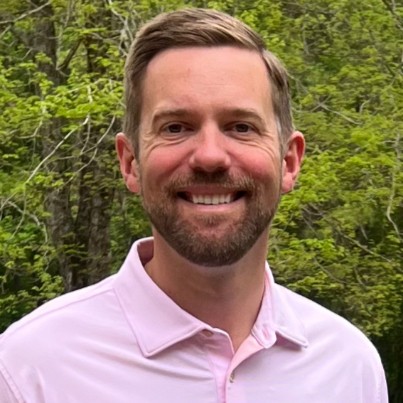
Mike-Hall-HeadshotBWMike Hall loves connecting with business owners and hearing their stories. Being a good listener and a determined problem solver is what makes him good at what he does. He is a business broker and he helps people to buy and sell businesses.

Mike has had an entrepreneurial spark in him going back to the days of setting up lemonade stands in his parent’s front yard. He knows what it means to work hard, and take risks. He knows what it means to fail and to fail miserably, but in failing, he’s learned valuable lessons that pave the way for future success. Transworld-Business-Advisors-logo

Mike has been a business owner and knows what the world looks like from your chair. Since becoming a business broker, he has had the opportunity to be a part of listing and selling many businesses from mom and pops all the way to multi-million dollar ventures.

Regardless of the size of the business, the commitment on his part remains high. Mike will not rest until he has done his best to broker deals that his clients can look back on with pleasure.

When he isn’t connecting with clients or negotiating deals, Mike spends time working on his MBA at Longwood University. He also likes to read, exercise with his beautiful bride Patti, and travel around the United States and East Asia.

Connect with Mike on LinkedIn.

This transcript is machine transcribed by Sonix

TRANSCRIPT

Intro: [00:00:07] Broadcasting live from the Business RadioX studios in Atlanta, Georgia. It’s time for Buy a Business Near Me, brought to you by the Business Radio X Ambassador Program, helping business brokers sell more local businesses. Now here’s your host.

Stone Payton: [00:00:32] Welcome to another exciting and informative edition of Buy a Business Near Me. Stone Payton here with you this afternoon. This is going to be a marvelous show. Please join me in welcoming to the broadcast with Transworld Business Advisors, Mr. Mike Hall. Good afternoon, sir.

Mike Hall: [00:00:52] Well, good afternoon. It’s a pleasure to be with you today.

Stone Payton: [00:00:55] Well, we are delighted to have you on the show, man. One of the first things I wanted to ask you a little bit about is just this this whole general concept of exit planning. I’ve been running into that term a lot lately, and I know Lee and I, who owned the Business Radio X Network, I suppose at some point we should have some sort of plan for for our exit. But from your perspective, why is it so important to have an actual exit plan for your business?

Mike Hall: [00:01:32] Well, so that’s a great question. It’s a big part of what I do is educating people on this very topic is the importance of having an exit strategy. So for many people who own small businesses, their small businesses represent a huge investment of their time and money and their source of retirement. And in order for them to be able to maximize that investment, they need to have an exit strategy so that they can exit their business on their terms. Unfortunately, what we see a lot of is business owners will contact us and say, hey, look, I’ve got a health issue. I’ve got my parents live out of state and they’re in and declining health and we need to sell our business within the next 3 to 6 months. Can you help us? Well, our answer is always yes, because we want to help as many people as we can. But that’s not the ideal scenario. The ideal scenario is that I would have met with that business owner a year or two, even longer ahead of time. And we had sat down and come up with a strategy for how they were going to exit their business, what their benchmarks were, how they were going to ensure the longevity and the health of that business long after them.

Stone Payton: [00:02:55] So so in terms of time and timing, yeah, what are we looking at? How far out should we get on top of this thing is should it be one or two years or more?

Mike Hall: [00:03:06] Yeah, it could be even longer, because the fact of the matter is, if you’re a small business owner, you don’t have a crystal ball. You don’t know what life circumstances are going to hit you. And so in a sense, we use this phrase begin with the ending in mind. I use the analogy that entrepreneurs and small business owners are like someone who can build a plane and and get it off the ground and get it flying at a nice cruising altitude, but have very little, if any, training on how to land the plane. And that’s kind of what the strategy is. And that’s what I help do. I help these business owners land that plane successfully.

Stone Payton: [00:03:51] So I suspect that you’ve probably got a pretty good handle on you can probably pretty quickly when talking to someone get a get a handle on how sellable that’s a word how sellable their their business is or maybe even could be, or there’s some criteria or there’s some things you look for, some markers, some red flags, some green flags, kind of things that you’re looking for. At least get a baseline.

Mike Hall: [00:04:20] Yeah. So here’s a stat for you just to paint a realistic picture, anywhere from 60 to 70% of businesses that list never sale. And so what I’m looking for is I’m looking to get as many business owners and small businesses into that that 30 to 40% that do sell. And to get them there, there’s three criteria stone that that we really like to see. Number one, a motivated seller. In other words, they’re engaged with going through with the process and they’re going to be forthcoming with their financials and they’re going to be cooperative and helpful in the process of getting that business listed for sale. So number one and motivated seller number two, they’ve got clean books. That point cannot be overestimated because clean books, that is the rails that allow that train to leave the station. If you don’t have good, clean books that are a buyer or banker or another professional can follow very easily. It makes it very difficult to sell that business. And then the third thing is you’ve got to have that business competitively priced. So that business owner has to have a very realistic, market based understanding of what their business is worth.

Stone Payton: [00:05:43] Yes. Say more about that, because instinctively I can envision, for example, me and Lee, I mean, this is our baby, right? I can envision us feeling like this is worth maybe more than the than the market says that it’s worth, which if that’s the case. Back to your earlier point about time and timing. Okay, great. What can we do to get those two numbers closer together but that say more about this? Is valuation the right word? What this market?

Mike Hall: [00:06:17] Yeah, no. Valuation is precisely the word. In fact, normally when I engage in a conversation with the business owner who’s at least remotely interested in selling their business, that’s where we always start. Well, let me do a valuation for you. We don’t charge anything to do those. That’s our way of earning your your trust and your business. And so we we start with those valuations. Unfortunately, what we run into stone is we do a very realistic market based. We take a very realistic, market based approach to our valuations. And sometimes that means we just have to honestly tell a business owner something that they really don’t want to hear. But the fact of the matter is, so there’s no point in me giving a bloated valuation for the purpose of of enticing that business owner to list their business with me, because at some point reality is going to dawn and we’re not going to be getting buyers calling us to want to buy that business. Or if they do, they’re going to be putting in offers that are substantially lower than what it’s listed for. So we’d we’d much rather and the colleagues I work with in my office, we rather much get that valuation very grounded in the reality of where the market is so that we have those hard conversations up front.

Stone Payton: [00:07:40] So I won’t ask you to do a valuation webinar today, but like some of the high, high points they’re looking at what cash flow revenue, profits, like the number of customers, that kind of stuff I guess, right?

Mike Hall: [00:07:56] Yeah. So if I were to throw out a few key things that, that obvious attracting factors as it relates to a valuation, obviously profitability, if you’re not making any money, it’s going to be very difficult to sell your business and consistent profitability, too. That’s one issue we run into where, you know, is it something that you’ve steadily your profitability has steadily grown over time or do you see sort of a low profitability and then some kind of spike and then it goes back down again? So consistent profitability is a big, big attracting factor. If your business is the type of business that can have recurring revenue, that’s something that’s always very attractive to a buyer. And then other things like, you know, is your business the type of business that can be run with the minimal attention of the owner operator? So in other words, can it be a semi absentee business or is there management in place that the owner has to do very little? So it could almost be an absentee business. That’s obviously an attractive factor to an investor or buyer.

Stone Payton: [00:09:12] So how did you get in this business, man? What was the catalyst for you to start doing this kind of work?

Mike Hall: [00:09:18] You know, it’s interesting you ask that I actually have a background as a history teacher and so I yeah, yeah. So I did that for a number of years and I was also doing a little bit of real estate brokerage on the side. That’s how I got my teeth cut and the sort of the brokerage industry and brokerage knowledge and representation. And then a friend of mine, a lifelong friend of mine, the owner of our office, decided he wanted to open up a Transworld office in the Raleigh area. And after he did, I was very much curious as to what this was. But like many people out there, people just don’t know what business brokerage is or what business brokers do. And I was one of them and so I had a meeting with my boss. Now Balls and I just kind of started asking him a lot of questions and I was intrigued by what he was doing. But I thought, Yeah, I just don’t know if I’m going to be a good fit for this because I’m not a quote unquote salesman. And he said he said, Mike, you’ve been a teacher. You know how to educate people. You’re good with people. You’re a person of integrity. And, you know, you’ve worked in small business before. You have all the skills that are needed. I don’t need it. He’s basically said I don’t need some. He’s a salesman. I just need somebody who knows how to work with people and who wants to help people. And he said on top of that, he said, How many real estate brokers do you know in the greater Raleigh, Durham area? And I said, Well, quite a few. He said, How many business brokers do you know? And I said, one you. So that was that was pretty much the deciding factor. So then I came home and I talked to my wife about it and we both agreed that it was a good fit for me. So I’ve been at it going on four years now.

Stone Payton: [00:11:13] So let’s talk about the local market landscape and maybe you do more national work as well. But but I’m curious, is the is that Raleigh area a good place to to look to buy a business?

Mike Hall: [00:11:28] Well, you know, it’s funny you mentioned that, Carrie. The area outside of Raleigh where I live was just voted by, I believe it was MSNBC as the most prosperous place in the United States. Oh, my. Yeah. And this area has numerous accolades. Best place to start a small business. Best place to raise a family. This area is growing like gangbusters. I mean, we recently had commitments from Google and Apple to to increase their presence here. So this area is growing like crazy. And the small business climate here is is on the rise as well. So I know I’m a little bit biased, but I think the facts speak for themselves. This area is a fantastic area to start or to buy a business.

Stone Payton: [00:12:26] Now, it strikes me that if you’re if you’re selling a business, you’ve got this weird hydraulic this weird dichotomy of you want some degree of confidentiality maybe, but you also want to promote it, right? You don’t want to like I don’t know that I would want my clients to know that I was selling or maybe my employees. Can you speak to that a little bit? This, this, this. Yeah. Confidentiality, but promotion all at the same time.

Mike Hall: [00:12:56] Yeah. So there’s a little bit of sort of subtlety that a business broker has to be capable of and marketing a business because a hallmark of what we do is helping business owners to sell their businesses confidentially. And so to give you a perfect example, there’s a there’s a few things that we do in order to ensure that. So if I’m writing ad copy and I’m going to let’s say you you’ve got a restaurant selling that you wanted to sell, and it’s a fairly well known restaurant in my area. So I’m going to give a very vague description of that in the ad copy. I’m not going to name the name of the business. I might not even say if it’s a in Raleigh. I may not even say it’s in Raleigh. I may say it’s in Wake County. Oh, I may say it’s in central North Carolina if it’s very well known. The key thing is you want the concept of here’s a restaurant, and then you want to just throw out a couple of little sort of pieces of bait to catch a potential buyer. So the gross sales, the seller discretionary earnings or EBITDA, the net income essentially. And just a couple of other small things that typically is enough to attract a buyer. And then once they are attracted, they contact me. And then the first thing that I have them do is I have them sign a nondisclosure agreement. So anything that we discuss with them from that point on is just covered under that NDA. And then we kind of reveal information to them in stages to sort of keep them on the hook and keep them interested, keep them in the process. And as they make a greater commitment to the deal, whether it be an offer or whatever, that’s when they learn more and more and have more access to the business, if that makes sense.

Stone Payton: [00:14:56] It does. And I think you may have just answered this question just by virtue of your experience, based on your examples. But I’m going to ask it anyway, because I think some listeners might ask it. I mean, do I really need a broker? Can I just go out and sell it on my own?

Mike Hall: [00:15:14] So the quick answer to that is, no, you don’t need a broker. You absolutely can go out and sell a business on your own. But the problem with that is, and I just recently wrote an article about this for my website is I laid out all of the steps that you have to go through and all of the things that you have to give attention to if you’re going to sell a business. It requires a lot of time. It requires a lot of attention. And yes, you can absolutely sell your business yourself. But when you do that, you’re putting yourself at a great disadvantage because now you’ve got two jobs. Okay. Selling a business is not a part time job. It’s a full time job that requires full time attention. And if you think about it like this, let’s go back to the restaurant analogy I was just giving you. Well, let’s say that you’ve got buyers trying to contact you during the lunch lunch rush at your restaurant. Well, you can’t be taking care of your employees and your guests at your restaurant. If you’ve got people on the phone call and you’re trying to get information about the listing that you have for sale. I mean, that’s just one example of how. Yes, absolutely, you can do it. I don’t recommend it. And I know it sounds biased coming from me, but if I had a business for sale, there’s no way in the world I would try to sell it on my sell it on my own. I would want somebody to be an intermediary for me who was impartial, whose primary line of work was selling businesses. I would want to focus on keeping my business healthy and strong up until the finish and not having to take on that second role. But the short answer to your question is yes, it can be done.

Stone Payton: [00:17:03] Yeah. So so there’s all the work that you put in to helping other people sell their businesses. How does the whole sales and marketing thing work for you as a broker? Like how do you get the new business for yourself? That seems like that could be a bit of a challenge too.

Mike Hall: [00:17:21] Yeah, I mean, I think marketing is probably the greatest challenge can be the greatest challenge for any small business owner. And I just think it requires a lot of creativity and a lot of time investment. So for me, you know, there are some marketing channels that I use to help bring in new business. Sometimes it may be direct mail. I spend a lot of time networking, so I’m constantly meeting with small business owners and getting to know them and to know their needs. I have several networking groups that I’m a member of. You may have heard of an organization called BNI, so I’m a member of a local BNI group and that’s a huge source of referrals and encouragement for me. So networking is a big part of that direct mail. And then of course, I try to have an Internet presence and use social media as well.

Stone Payton: [00:18:21] And you’ve got to develop, nurture relationships on both sides of the equation. Right. Because you need you need buyers and sellers, don’t you?

Mike Hall: [00:18:32] That’s exactly right. So I’m a I am a candidate for one of the designations for our industry called Certified Business Intermediary. And that means a big part of what I do is just being an intermediary excuse me. Intermediary. I’m a go between. And so in order to be a go between, you’ve got to have something on either side. So, yes, you’re exactly right. I have to first of all, when the business of sellers and then once I win their business and they become my clients, then I have to help them to make a good case to buyers that this is a good business for them to buy.

Stone Payton: [00:19:10] Yeah. So let’s talk about deal structure for like how to finance the deal because it doesn’t always have to be straight up. I like your business. I agree with your valuation. Here’s your check. Right. It can be more creative than that, right?

Mike Hall: [00:19:25] Oh, absolutely. There’s any number of ways that deals get funded. It could be the traditional route, which is SBA funding. So if that particular business meets the criteria and credit worthiness of the buyer is there, they may be able to get SBA lending. And so that’s a perfectly normal and common way for people to buy businesses. It could be something that that business or that buyer doesn’t fit the traditional SBA model. So then you have to go for a more creative type of financing. And more, more than likely, it’s going to mean a combination of some type of banking bank financing, along with what we call seller financing. And so I always encourage my sellers to at least be open to offering part of the deal as seller financing.

Stone Payton: [00:20:26] So this kind of it kind of goes back to, yeah, you need a broker, but I envision you. I suspect you have a great deal of your own counsel on some of these matters, like due diligence and deal structure and all that. But I’m also envisioning you as kind of a almost like a quarterback, right? Like if we need to talk to investment bankers or people who can loan me money if I’m buying or even on the seller side so that we can grease the skids for the the buyer. So you must be you must cultivate and really nurture relationships with other practitioners that handle these specific aspects of a deal, huh?

Mike Hall: [00:21:07] No, that’s exactly right. So and that’s been one of the benefits to expanding my own professional network is now when someone contacts me a seller and saying, I want to sell my business, well, if I need to talk to an SBA lender, I’ve got a network of SBA lenders that I several SBA good SBA lenders. And in my network I can call if they are having some issues with their their bookkeeping. I’ve got a bookkeeper on standby and she’s ready to go to work and to help them out if it’s accounting and tax related issues. I’ve got a fantastic CPA now that’s in my network. So yes, I am quarterbacking a lot of issues because ultimately Stone, my job is to get this deal done. And so I’ve got to find creative ways to solve problems and to bring people together. It’s a huge part of what a business a business broker does. And, you know, and it’s one of the interesting aspects of what I do is just figuring out how to solve a problem and to keep that deal alive when in many cases it dies several times before we get it across the finish line.

Stone Payton: [00:22:26] Yeah, that’s you must be incredibly patient and persistent, but I can tell that you love the work, man. What are you finding the most rewarding about the work?

Mike Hall: [00:22:37] Thank you. Yeah, I do. I do enjoy it. I think a big part of it is the fact that I get to contribute to the future health of our local economy. So if you understand the nature of small business and where we are demographically, we’ve got a huge swath of baby boomer business owners that are really in need of passing the baton. And so I get I feel a sense of achievement and reward when I get to step in and help them to do that and to do it well, because that means that’s another. Of our area businesses that’s going to remain open and vital and serving our community for years to come. It’s going to provide employment for people. It’s going to help a business owner provide for his family. The new business owner provides for his family, and it’s going to provide retirement for that, that owner who’s stepping away. So I get to facilitate all of that and in a way I get to make a huge, like I said, a huge contribution, contribution to the local economy.

Stone Payton: [00:23:53] You know, I hadn’t really thought about it until you just touched on it, but I suppose there really is a what would you call it, like like a demographic trend. That’s I mean, that’s really going to this business is not going anywhere. Because what you said about the baby boomers. Right. Speak more to that, because that’s got to have a direct impact on this arena.

Mike Hall: [00:24:17] Oh, absolutely. Yeah. In fact, I did. Part of what I do for our office here in Raleigh is I have a background in research and writing, so I like to do research on topics related to the work that we do. I did a project on what we call the Silver Tsunami, which is basically a coin, a phrase coin to describe this this large exit of baby boomers from small business ownership. And so it’s roughly 27 million businesses representing anywhere from 5 to $6 billion worth of in our economy. And so this phenomenon is is so interesting because according to research in this area, only 20% of these baby boomer business owners are going to hand their business off to a family member. Roughly 18% of them are going to shutter their doors. And so that business will not exist anymore and the remainder of them will have to have somebody to help them to pass that business on and fund their retirement. And so I’m really keeping an eye on this trend and really trying to do my best to educate these baby boomer business owners. Hey, look, you have options, right? You know, even though over half of you have never had a business valuation, if statistics are correct, you have options. Let me help you understand what those options are.

Stone Payton: [00:25:54] All right. So let’s leave our listeners with a few pro tips, a few pieces of counsel. Buyers and sellers alike. I mean, one pro tip is just reach out and talk with Mike and have a conversation. But, you know, even short of that, some things that we ought to be thinking about, I don’t know if it’s something we ought to be reading or just a couple of actions we can take now so that we’re properly prepared when the time comes to buy or sell. Let’s leave him with a couple of pro tips.

Mike Hall: [00:26:20] Yeah. So one huge tip I would give our our business owners out there is don’t wait till the last minute to to come up with an exit plan. Again, over half of those business owners out there have never had a business valuation done. It doesn’t cost anything to contact me to have a business valuation done and that information can be used for you can useful be useful to you to set your benchmarks for your business. So even if you’re not ready to sell now, you can you’ve got something to aim for. You know where you are that will enable you to know where you want to go. So that’s the first thing. For buyers, I would say, hey, you know, don’t get frustrated. I know that there’s a lot more buyers out there looking for businesses than there are businesses to list for sale, but there are a lot of good businesses out there. Also, get to know brokers in your area. They can be some of the best source of information and they can also tell you things that you need to be doing to be prepared to get ahead of the game when you find a business that you want. So getting your financing in place, getting your financial statement in place, when you have to submit that to a potential landlord, if you’re going to buy a business that has a commercial lease, just little things like that that help you to be more prepared. A reputable broker is going to be able to help educate you so that you’re ready.

Stone Payton: [00:27:48] Yeah, well, I’m glad I asked. So what’s the best way if someone hears this conversation, but they’d like to get in touch with you and have a conversation with you or somebody on your team, whatever you think is appropriate email, phone, website, LinkedIn. But let’s leave them with some points of contact.

Mike Hall: [00:28:05] Yeah. So my website is very easy to remember. It’s a business broker. Raleigh R a l e business broker. Raleigh dot net. And my email address is m hall mphahlele at t WorldCom for Transworld T WorldCom. And then they can give me a call at 9194241927.

Stone Payton: [00:28:30] Well, Mike, it has been an absolute delight having you on this show, man. Thanks for coming on and sharing your story and your insights and your perspective. This has been very informative, man.

Mike Hall: [00:28:41] Well, I appreciate it, Selwyn. It’s been good to talk with you and to communicate with your listeners.

Stone Payton: [00:28:47] All right. Until next time. This is Stone Payton for our guest today, Mike Hall with Transworld, Business Advisors of Raleigh and everyone here at the Business Radio X Family saying We’ll see you next time on Buy a Business Near Me.


Tagged With: Transworld Business Advisors of Raleigh

Tracy and Anthony Latronica with Ant’s Inspections

August 8, 2022 by angishields

Fearless-Formula-Ants-Inspections
Cherokee Business Radio
Tracy and Anthony Latronica with Ant's Inspections
Loading
00:00 /
RSS Feed
Share
Link
Embed

Download file

Ants-Inspections-Fearless-Formula

Ants-Inspections-logo

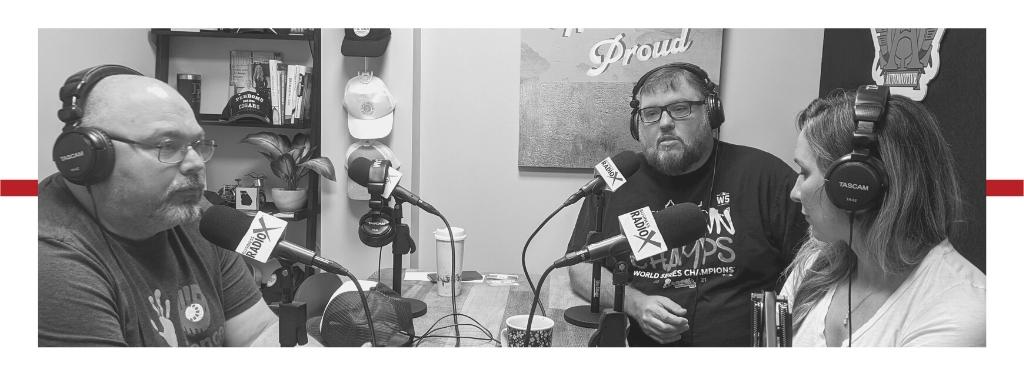
Fearless-Formula-bwAnt’s Inspections is owned and operated by Tracy and Anthony Latronica out of Hiram, GA. Our focus is on home inspections as well as mobile crane inspections, however we tend to think of ourselves as “Jack and Jill of all trades” and are currently serving the community with small construction projects such as fence repair, deck and porch construction, residential renovations, etc.

We met in a small town outside Austin, Tx in 2008 and, as cliché as it sounds, it was love at first sight. We immediately started making plans to move to the city where there was more opportunity for work and in 2011, we met that goal and started a new life. Anthony answered a newspaper ad that simply said “operator needed, call Mike” and just like that he entered the world of underground tunnel mining.

Over the next 10 years we followed that career path as he advanced amongst the ranks of a very uniquely skilled group of individuals, landing us here in the Atlanta area in 2016. As rewarding and amazing as that industry was, life presented us with some clear signs that it was time to stop working for “the man” and start working for ourselves. In June we both quit our jobs and took the plunge into small business ownership and have not regrated it for a single moment in the short time since.

We look forward to servicing our community while engaging with our neighbors in charitable efforts whenever we can. Our 17-year-old son designed our logos, we have a close friend currently building our website, our brother (not by blood, but by heart) has been an integral part of developing our business and now here we are sitting down with you, one of our favorite people in the world! THAT is what this is all about- working with your friends, building each other up and celebrating each other’s successes. My mentor used to say, “a rising tide lifts all boats,” and we live by that moto and hope our business exemplifies that sentiment as well.

This transcript is machine transcribed by Sonix

TRANSCRIPT

Intro: [00:00:07] Broadcasting live from the Business RadioX studios in Woodstock, Georgia. It’s time for Cherokee Business Radio. Now, here’s your host.

Sharon Cline: [00:00:24] And welcome to Fearless Formula on Cherokee Radio X, where we talk about the ups and downs of the business world. And I’m your host, Sharon Cline, and our guest in the studio. We actually have two guests in the studio today. It’s a husband and wife team and they are focusing on home inspections as well as mobile crane inspections. And they really think of themselves more of a Jack and Jill of all trades. And they currently serve the community with small construction projects such as fence repair and deck and porch construction. You kind of do it all. This is Tracy and Anthony Latronica. Thank you for coming on the show.

Tracy and Anthony Latronica: [00:00:59] Hi, Sharon. Thank you for doing good.

Sharon Cline: [00:01:01] Welcome. So excited to have two people this the first time I like having to so I’ll have to say like, hey Anthony, let’s answer. Although you probably know it’s Anthony as opposed to Tracy, okay, because you’re a woman and all. But you know, what I think is really great about your story is and it’s kind of different from so many different businesses that are out there right now. And I talk to a lot of different business owners, but you’re in a really unique spot at the moment because you’re just getting started with your company. Can you tell me a little bit about what it’s like to be in the infant stages of creating a whole new business?

Tracy Latronica: [00:01:34] You know, it’s been interesting because we had this instinct to make a change and start doing something for ourselves and open up a small business. And we weren’t really sure what that meant. And with Anthony’s background and his knowledge, it led us into the crane and heavy equipment sector. But as we started to develop that, the home inspections just started to organically become more and more demanded, more and more common, more and more falling into line with what we thought was going to be requested out of our community. So we are still looking to do the mobile crane inspections. He is certified and trained to do so, but the home inspections has kind of had us pivot a little bit and focus more on that as opposed to the equipment.

Sharon Cline: [00:02:20] So with the the industry, the I guess, real estate industry, the way it is right now, has that just been so much on your plate to do inspections? What is that like?

Tracy Latronica: [00:02:31] We’re not sure yet because you’re just getting started. Yeah. So we I make a joke that we’re in the nick you of the of the hospital of the of the, you know, labor and delivery. Division because we are so brand new. We just are. Llc was just established June 30th, so we’re still in the process of establishing and from what we’re hearing from friends and colleagues is there’s a high demand for it, reliable, honest inspectors that have integrity. And the realtors that we’ve spoken to and the people in the real estate community are like, Oh my gosh, if you could just be that person, that go to person. We have so much work for you.

Sharon Cline: [00:03:12] Well, that’s exciting because it feels like you’re going right into a very on demand necessary industry that for like my guest last week is is a real estate agent and we had talked after the show it just about how busy she is. I mean, it’s almost nonstop.

Tracy Latronica: [00:03:27] Yeah. Yeah, exactly. There’s more demand for it than there are people to do it. When you Google home inspections in Atlanta, Georgia. And I was just telling Anthony this today, the whole first page is how to become a home inspector, not how to find one. So the demand for them is clearly present as opposed to the amount that is saturated in the market these days. And if you look around you, I mean, look around you, there’s there’s townhouses and homes and developments and commercial commercial buildings going up everywhere.

Sharon Cline: [00:03:56] Everywhere, even downtown Woodstock. I’m sure when you saw coming in, they’ve got all of this new construction, which it’s exciting and I guess obviously it’s going to be selling if it hasn’t already sold. But it’s it’s must be encouraging to you to see so much, just even right around you.

Tracy Latronica: [00:04:10] Absolutely.

Sharon Cline: [00:04:11] So, Anthony, I wanted to talk to you a little bit about how you got started in in the crane inspection industry. I know that you had mentioned that you answered an ad that said operated operator needed call mic and it could have been anything. What kind of operator you called?

Anthony Latronica: [00:04:26] What happened? So that’s actually where my career changed. I was doing houses in both docks and and all that stuff before that and apartment maintenance, you know, all that kind of stuff. And then one day I found myself in the need of finding another job and I answered, answered that ad. Tracy pushed me to answer the wife. I had some equipment experience, so I, I went in and next thing you know, this guy is telling me, you know, there’s a he’s like, start digging this hole. And I said, How deep? He’s like, just keep digging. I’ll tell you when to stop. Next thing you know, I’m 460 feet down in the ground and going, What are we doing here? But yeah, that’s and then, you know, of course cranes are involved with that and and all that. So that’s pretty much how I ended up in the heavy equipment side of the industry. And it’s a very lucrative business. So I stayed it paid more than houses and now I find myself, you know, I guess the older you get, you don’t want to be in the physical aspect anymore. Inspections is a way to get to retirement without hurting yourself.

Sharon Cline: [00:05:34] Right. Well, you had you had become really specialized kind of in the underground tunnel mining, which I find so fascinating because I don’t know anything about that industry. What was that like?

Anthony Latronica: [00:05:47] Scary, dangerous, but fun. I mean, I learned a lot. It’s a whole different type of construction, very lucrative. And, you know, as I said, you get paid because of how dangerous it can be.

Sharon Cline: [00:06:03] So when you talk about danger, what Steve, I know this is a basic question, but like cave ins, like I’m trying to picture you and all I can picture are like black and white photos and like little kids in, like, scruffy clothes, like, back in the day. That’s what that’s what comes to mind when I think of that. But I know that’s not what it was like for you. But what.

Sharon Cline: [00:06:20] Was what was it.

Sharon Cline: [00:06:23] Like with canaries? You know, like you bring canaries down. Do you know.

Anthony Latronica: [00:06:26] That’s how it was? That’s a real thing. It’s how it was, but not when I entered the industry. Of course they have come a long way as safety wise, although people still do die on a yearly basis in the industry. I’ve been there and witnessed it firsthand with one of my guys passing away and people getting critically injured. So you have things you’re in. You can’t predict what the ground is going to do. How are you going to I can go on up up top here and tell you, hey, the ground’s going to do this if you step on it here. But how do you know what it’s going to do when you’re on the ground?

Sharon Cline: [00:06:59] Do you see that big sinkhole that just opened last week or whatever somewhere? I mean, exactly like in the middle of a road, completely unpredictable. So I can see why maybe you wouldn’t want to stay in that industry for so long. But I guess also I was thinking there are there are things that you’ve worked on here that.

Tracy Latronica: [00:07:14] I’ve it’s Like, is it at the airport? I’m trying to remember I think I heard a story or somewhere along the way that you had worked at something that I was like, Well, I go through there all the time and I never appreciated the work that you did.

Anthony Latronica: [00:07:27] So the airport is the most recent one. We extended the tunnel for the train underground to get to the terminals. Previous to that, I spent four years doing supplying Atlanta with emergency water supply. It was a five mile underground tunnel that was down in a quarry. So we basically dug the tunnel to fill the quarry with water from the Chattahoochee River, which is five miles away. So that was an interesting project as well.

Sharon Cline: [00:08:00] Yeah. And you take all of these different skills that you just learn on all kinds of different jobs wherever they take you. And then now you get to use them in a way where you can say, I really do understand how the earth settles. Right? Is that how you look at it? Kind of like this is this is what I know potentially will happen. From my.

Anthony Latronica: [00:08:17] Experience. It’s all about paying attention to detail and you learn that as you move up in the ranks, right. So if I’m leading a crew underground, I have to be very aware of the ground and what it’s doing. They don’t have to be they have to be focusing on work. It’s my job to be focused on details. And so that’s where inspection comes into play. At the same way, you know, when I go inspect a crane, I have to pay attention to every little detail because the operator, he sees that crane every day. He’s just going to be like, you know, it looks good to me. So and he might overlook something. And that’s where I come in and play. That’s why they require annual inspections on cranes. Some companies require monthly, so as well as homes. I mean, as a housing inspector, you need to have every detail in your mind and be aware of it. So that’s how it kind of plays all together.

Sharon Cline: [00:09:04] What does it feel like to be in this infancy stage? I mean, that’s what Fearless Formula is all about, is like how do you manage the feelings that must be kind of prevalent when you’re starting a business like this?

Tracy Latronica: [00:09:16] I you know, I just feel like there’s no time like the present, right?

Anthony Latronica: [00:09:20] I don’t very well manage the feelings for me.

Tracy Latronica: [00:09:23] I know for Anthony, Anthony’s the day to day. You know, he’s the day to day guy. He’s the one that’s doing the schooling, doing the inspections, putting his boots on the pavement and not more of the bigger picture aspect of the conversation. And, you know, while we’re talking, we were both unhappy with our most recent employment. And instead of looking for another job that would potentially relocate us to another city, state or even country, we’ve moved a lot with Anthony being in the mining industry. You know, a tunnel is over and then they move you to another place. And we just thought, why not? Why not try and do something? And if we were to do it, what would that be? And this was the kind of natural answer to that question. He’s been in various aspects of construction. He he surprises me every day when I witness him on these various job sites. How does somebody know how to build a fence and lay concrete and put a roof on and fix plumbing? And I mean, it’s just he just shocks me with the amount of no. And how accurately and successfully he does the work. And it’s like, how do you bundle all of that knowledge into a business that can carry us further down the road and the stress level of the mining industry is unmatched? You know, the. Danger was absolutely there, which adds to it. But it’s a very intense work environment for him and a very intense spouse environment for me, as well as it was difficult for our children moving and going through this. And how can we de-stress a little bit or focus that stress in a way that’s going to benefit us in the long run instead of having all of the stress benefits somebody else.

Sharon Cline: [00:11:13] I know I love that you guys will be working together. It’s not just your worrying or something. You actually have an active role in in this company together, both of you.

Tracy Latronica: [00:11:21] Right. And we are I mean, you’ve known us for a few years now, and we are very yin yang kind of people. And I think that that’s important in any partnership is what he’s good at. I’m not so much what I’m good at. He’s not so much. And then there’s some things that we both are good at. We both may think we know better, but for the most.

Anthony Latronica: [00:11:41] Part, create an argument.

Tracy Latronica: [00:11:43] Everyone. So a discussion. A discussion.

Sharon Cline: [00:11:45] Nice, nice way to frame it.

Tracy Latronica: [00:11:47] There’s a there’s a clear division of labor that is natural that we didn’t have to talk about. It’s like, okay, this has to happen. That’s clearly going to fall on you and this needs to happen. That’s clearly going to fall on him.

Sharon Cline: [00:11:58] So when you’re looking to start a new in a new business and an LLC, what is the first step that you take? I know there are people out here in the world listening who don’t even know where to start.

Tracy Latronica: [00:12:10] So we had some some insight from a couple of friends that had started their own business. And I’m forever grateful for that personal insight. But honestly, the Internet provides so much information and you don’t have to start an LLC. You can start a business without having that. But what we learned is the LLC allows you to differentiate between your personal life expenses, finances and the business, and that was hugely important to us. So it really was not that difficult. You Google how to start an LLC.

Anthony Latronica: [00:12:44] Maybe for you, we didn’t start out where we were going to plan that. You were going to be doing this with me. It was like, Hey, we’re going to I’m going to start doing this and you’re going to do this. And then all of a sudden you started taking up all this, all my my likings.

Sharon Cline: [00:12:56] And it’s nice.

Sharon Cline: [00:12:58] You all complement each other. Yeah. It’s a perfect partnership that way. Yeah.

Tracy Latronica: [00:13:02] And it’s crazy when you can Google the longest sentence in the world. I’m interested in starting a business in Georgia, and honestly, the wealth of knowledge that is presented to you is is overwhelming. And then you just have to hope that you’re following the right the right guidance. We’ve been given conflicting advice by some people, especially when it comes into the insurance landscape, part of the landscape of having your own business. I feel that we’re getting conflicting advice from a few people that we trust. And then you almost are like flipping a coin. You know, I I’m hoping that this is the right choice. I’m going to go with this kind of policy.

Sharon Cline: [00:13:40] I love that because that’s really what fearless formula is all about, is I have analysis, paralysis and think too hard and too long and don’t do anything and know a lot. Like, I’m not proud of it. I’m I’m trying to work through it, but I really appreciate that you don’t let the not having certitude, I guess, stop you from pursuing a dream. I mean, it’s very easy for me and I’m sure other people out there to just have have that insecurity.

Tracy Latronica: [00:14:08] And you know what I’ve learned and he can be that way a bit, too. He’ll he’ll he won’t want to make that decision until he knows for sure. And what I’ve learned is if you make a mistake 99.9% of the time, you can fix it. It may take a little bit of work, maybe a little bit of money, but if you make an error, it’s going to present itself as a as a poor choice. And then you just take the steps to fix it, and then now you’ll never make that error again.

Anthony Latronica: [00:14:31] Sometimes, if you think it over, it’s common sense. Just plays a huge role in it. Right? Right. If you go to make the just quick judgment, rather than thinking it over a little bit, you’ll end up finding out you think about it and go, Oh, you know what? This is the right way to go.

Tracy and Anthony Latronica: [00:14:45] Instinct comes into play. Yeah, yeah.

Sharon Cline: [00:14:47] What do you think’s been one of the biggest challenges for you getting started?

Tracy Latronica: [00:14:52] I mean money, right? I mean, let’s let’s let’s let’s just put it out there, make.

Tracy Latronica: [00:14:57] The world go.

Tracy Latronica: [00:14:57] Round. So what’s crazy is how much time and energy is it takes putting out at this beginning phase. But you’re obviously not bringing in the revenue yet because you’re still establishing. So you have bills to pay. You still have a refrigerator to fill with very expensive groceries.

Sharon Cline: [00:15:17] I know.

Tracy Latronica: [00:15:18] And so we have those those small jobs that you were talking about earlier. You have to kind of suck it up a little bit and make money where you can and to your roots. Yeah. Don’t turn down any offer and put yourself out there and spend wisely and cut corners because you know, it does. It’s it’s time is money and it takes time to to get going. So there’s some savings depletion that’s a bit painful to watch.

Sharon Cline: [00:15:45] But but that’s that gives me a panic feeling when you say that. Yeah. Oh, no, no, no, no. Like, that’s very important to me. So that’s another thing that I’d be like, Nope, can’t do it because I can’t watch that savings.

Tracy and Anthony Latronica: [00:15:58] We just have to. That’s me too. She’s like, Calm down. We got this.

Tracy Latronica: [00:16:01] We, you know, we set a boundary, right? You know, we allow this to to go into a negative space up to a certain amount. And if we haven’t started to see the come around, which we already have, but then, then that’s when you say we tried and it didn’t work out, we drew a hard line in the sand financially and said we’re we’re willing to spend this much money to get this going. And if we’re not at least angling towards a successful business at this time, then we need to re-investigate. But luckily, so far it doesn’t seem like that’s going to be the case. Luckily, so far it seems to be. Knock on wood.

Anthony Latronica: [00:16:40] Trying not to go back to dig holes.

Tracy Latronica: [00:16:44] But you know what? If you had to.

Tracy and Anthony Latronica: [00:16:45] You would at least I have something to fall back on. It’s not just sitting there waiting to fail and have nowhere to go.

Sharon Cline: [00:16:53] So. Well, I like to that you have a lot of support. You have your your son drew your logo, which is the cutest. Yeah. And I love that you say you’ve got some really good brothers from another mother or whatever you called it. I don’t know. You said you had some fam family, but like people you’ve made your family that are sort of all rallying around and giving you emotional support and website help. And so you’re creating your website now, is that right?

Tracy Latronica: [00:17:18] We are. We just had a meeting with him today and he’s a friend of mine who I’ve known four of hours, who I’ve known for years.

Anthony Latronica: [00:17:25] That’s part of the reason we chose to do it, to stay here, because in Atlanta, we’ve made so many connections and friends we are like, if anywhere is a place to do it, let’s try here. Because all the other places we’ve been, it would have been a total leap without the help that we’ve had.

Sharon Cline: [00:17:40] Yeah. Yeah.

Sharon Cline: [00:17:41] I think that what’s so important too is, is surrounding yourself with good people. Do you find that to be the case as well when you’re starting your business? Because to me, that’s kind of that’s kind of everything.

Tracy Latronica: [00:17:49] It’s integral, it’s, you know, who you can trust. And instead of having to figure it out, we already knew when this person presents something to us. Okay, this is somebody I can trust. Let’s go as opposing to have, have having to navigate. Oh, I don’t know this person. I’m having an awkward first conversation with an insurance broker who I don’t know know. This insurance broker has been recommended to me by a friend and colleague who I’ve known for years and vouches for her. So you can make those leaps of faith. You can take back that fear a little bit because you are trusting that network. The networking is so important in ways people that have helped us are not in any way near the business that we’re in either. You know, some of the support and assistance that we’re getting from friends have nothing to do with construction or inspections or anything. And it’s kind of been interesting to see how far apart we can be in in in our in our goals and in our businesses. But how intermingled in one way or another, we really are.

Sharon Cline: [00:18:52] Well, if you’re just joining us, my guest in the studio, my guests with an S is Traci and Anthony La monica with Antz Inspections. But I think what you were saying is really important in that if someone is out there who sort of doesn’t really have a huge group of people to draw from, what would you recommend for them? Because that’s I know people have started businesses and been had maybe made a choice in a person to go into it with financial backing and it didn’t work.

Tracy Latronica: [00:19:21] And that we definitely leaned on the wrong people before. But, you know, I don’t know I don’t know what this would be like if we didn’t have the people around us that we have that we can call and say, Hey, what did you do in this scenario? Hey, when this government agency gave you a roadblock, how did you overcome it? And we have a multitude of friends that have those answers for us and are eager and willing to help. To have to navigate that alone is a would be a scary thing. Not not to say that it’s impossible, but I guess you would just have to lean on your gut and your own intuition. The advice of others is is invaluable to us. I think right now I don’t know if we would be going as quickly and as positively as we are right now without some of these core people surrounding us, for sure.

Sharon Cline: [00:20:13] So who are some of your mentors? Do you have some mentors that are in in similar industry or. I know. I kind of threw that question out out of the blue, but I didn’t know if you had someone that you’re sort of like, I see how they made this work. I can do it like them.

Anthony Latronica: [00:20:27] I know. A huge one for her is her. Her her old boss.

Tracy Latronica: [00:20:31] Yeah, my old boss, Frank Smith. Yeah, yeah, yeah.

Anthony Latronica: [00:20:34] He taught her a lot about business. He even somehow taught me some stuff about business, and I didn’t even work for the man.

Tracy Latronica: [00:20:41] So and this is a restaurant owner, so that kind of hits the nail on the head about how you don’t have to be. Do we have a home inspector mentor? No, we don’t. Do we have met business mentors? Absolutely.

Sharon Cline: [00:20:53] I think that’s really important for anyone listening that you don’t have to have an inn somewhere. Right. You know, you can kind of dream big and and go back to what somebody else has told you in the past. Right. Which which I think is really important. Like one of your phrases that you talked about is a rising tide weight. Is that.

Tracy Latronica: [00:21:10] Right? When the tide rises, all boats float. Yes, I was going to say it.

Sharon Cline: [00:21:14] There’s a great way.

Tracy Latronica: [00:21:17] Well, there’s a variety of ways of saying it. But, yeah, the premise is, if, if, if and Frank used to say this to me all the time, he would talk about competing restaurants in the neighborhood. And I would be like, Oh, there’s a new restaurant opening up. And I would get all kind of pouty about it, and he’d be like, What great news? And I would say, How could you say, That’s great news, that’s competition? And he would say, When the tide rises, all boats float. And I didn’t understand what that meant. And he would say, listen, the more activity and and foot traffic and thriving your neighborhood is, the better every business in that neighborhood is going to do. So don’t look at somebody else as competition. If they’re doing well, then that means that there’s a potential for you to do well to.

Sharon Cline: [00:22:00] Isn’t that a great way to look at it as opposed to competing? You’re actually just watching someone else succeed, which puts a different energy around all of it, I guess.

Tracy Latronica: [00:22:09] Right. And it keeps you allows you to be positive and cheer for each other instead of trying to bring each other down. And that’s really what we want to do. I mean, if there are.

Anthony Latronica: [00:22:17] I think that goes for life in general.

Tracy Latronica: [00:22:19] Though. I agree.

Anthony Latronica: [00:22:20] Being instead of being jealous because your friend is doing well, you’re be like, hey, man, that’s really great. I’m proud of you.

Tracy Latronica: [00:22:25] And maybe you get inspiration from that. How can I? Maybe I want to be doing something that cool too. But if there’s 20 home inspectors in Hiram, Georgia, that means that there’s a lot of construction going and there’s a lot of building and there’s a lot of progress to require that. So that’s all a good thing. So every carpenter that’s doing well, every electrician, every realtor, every roofer, every road worker is all a part of the same rise of the economy in general that I think we’re all going to benefit from.

Sharon Cline: [00:22:55] I think the same about my voice over industry is that there’s room for everyone. Like if someone got a job that I’m like, Dang, I really wanted that job. Like, I’m not unhappy for them. I’m more like, Wow, you know, good for them. Well, there’ll be another job that someone will think I sound just right for. Like, there’s just there’s a voice for everything. There’s room for everyone. There’s a style, right?

Anthony Latronica: [00:23:15] I think if you’re that person, you might get some of their overflow work if they like you that much because you’ve been supporting them, even though they’re in the same industry as you they might like. Hey, listen, I’m. My hands are full. I’m all tied up. I have this going on. Will you please take this for me? And then you might take that and run with it in a whole nother direction. That might be your opening to whatever.

Sharon Cline: [00:23:35] Do you think faith is? Is how does faith play into this? Because I kind of lean on faith a lot.

Tracy Latronica: [00:23:42] Faith is in as in taking a chance and just just hoping that that it works out. It’s I mean, it’s huge. I mean, it’s it’s really everything, you know, because.

Sharon Cline: [00:23:51] I can’t control I think about this a lot. I have control issues.

Tracy Latronica: [00:23:54] Yeah. So say, did you raise your hand? Oh, I run a company.

Anthony Latronica: [00:24:01] I am so OCD. That’s why I’m going to make good inspector one day. Yeah.

Tracy Latronica: [00:24:06] Yeah.

Sharon Cline: [00:24:06] You can use it to your advantage. It’s a strength in your case. In my case, I’m like, Oh, well, I mean, it’s kind of nice to know I’m in good company because we’re all trying to control this interview. By that.

Tracy Latronica: [00:24:15] You don’t want to jump off a cliff and hope that there’s a soft landing underneath you. You want to look into it and make sure that there’s that soft structure to land on. So faith is I don’t want to say it’s everything because it’s not intellect and and investigation and research and plays a huge part. Yeah. But at the end of the day, this is not a sure thing for anyone. And so you have to take a leap of faith and just say, you know what, let’s just try this and let’s hope for the best. Let’s do our best. And if if we are doing everything we can and putting all of our effort. Into making this work and it doesn’t work, then it wasn’t meant to be. And our life will take a different path.

Anthony Latronica: [00:24:57] Some some comfort for me is to have a fallback plan, have that plan, you know, even if it’s okay, I’m not going to make as much money as I did before or not as much money as if I got this business going. Just have that in the back of your head and that helps me at the end of the day, rest a little like, okay, if this doesn’t work out, this is what I plan to do. And maybe reach out to those people and say, Hey, I’m trying to do this right now, but if it doesn’t, you think you’ve got a spot for me and then, you know, you have something there and that kind of helps you.

Sharon Cline: [00:25:28] It changes the energy, doesn’t it?

Anthony Latronica: [00:25:29] Right. Yeah. Not just faith that you know, that you aren’t going to just go broke and homeless on the side of the road because you’re, you know.

Sharon Cline: [00:25:35] Well, I mean, is that not the ultimate fear? I mean, that’s kind of what I’m talking about. It’s cool to have you on here is because this is really the ultimate scary leap of faith that you’re doing that is it’s admirable.

Tracy Latronica: [00:25:47] But you wouldn’t let it get that far. You know, you would you would you would recognize when you’ve given it your all and it’s just not working out. And then it would be an emotionally difficult process to revert back to what you were doing before. But I mean, there’s there’s jobs out there for everybody.

Anthony Latronica: [00:26:05] I don’t think it’s time to give up on your dream exactly. But maybe fall back to another plan until you can get in the right spot to follow your dream again.

Tracy Latronica: [00:26:14] I love.

Anthony Latronica: [00:26:14] That. Never give up.

Sharon Cline: [00:26:16] I think that’s a really huge theme that I’ve heard in just different interviews that I’ve done, not just recently about how giving up is like. It’s like the Achilles heel. It’s like, Oh, I’m just going to never consider giving up.

Anthony Latronica: [00:26:30] Just say, Hey, I have to have to take another little shortcut to get to where I want to be eventually.

Sharon Cline: [00:26:36] But I think that’s.

Tracy Latronica: [00:26:37] That’s a.

Anthony Latronica: [00:26:37] Long cut, not short.

Anthony Latronica: [00:26:38] Cut.

Sharon Cline: [00:26:40] Long or short, as long as it’s not the end, like a complete no. But that’s huge because that’s kind of what this show is all about, is talking about people who are continuing to navigate ups and downs and backs and forths and setbacks and how do you get yourself out of it. And I also wanted to ask you to what what’s been the most surprising that you’ve kind of figured out in the last six weeks or so? What’s surprised you the most about switching? Switching gears?

Tracy Latronica: [00:27:05] You know, for me, I think what’s been so surprising is the small, detailed aspects of organization that you have to have in order to be successful. You have to track all of your spending, all of your where every penny goes. You know, Anthony is so great about he spent $3 on a new drill bit, let’s say, and he’ll turn in that receipt. And I remember it like kind of rolling my eyes out at first. But it’s so true because $3 a day over the course of 365 days a year, you know, $1,000.

Sharon Cline: [00:27:39] Yeah.

Tracy Latronica: [00:27:40] And so for me, trying to, you know, navigate how to keep that organized has been surprising. I think another thing that has been surprising is how easy it is to be self motivated. I was worried that without having a quote unquote supervisor that, you know, you want to lay in bed till noon and flip through the channels. But the drive of wanting to get your business going is what wakes you up before your alarm goes off. And it is what keeps you going past when you would normally quit. And so it doesn’t feel like work.

Sharon Cline: [00:28:15] It feels like 9 to 5 clock in crank out. It feels like your life. Right, right, right.

Tracy Latronica: [00:28:21] Exactly.

Sharon Cline: [00:28:22] But I feel like that’s kind of the goal is something that kind of marries your your spirit as well as your want to have a financial security. You know, you’re integrating both, I guess. Yeah.

Tracy Latronica: [00:28:34] Yeah.

Sharon Cline: [00:28:34] Well, if you could give advice to someone out there that’s listening right now who would be interested in trying to start their own business, could you give me, like, two or three things that we could tell them?

Tracy Latronica: [00:28:44] I would say research and ask around. You know, one of my buddies, Brian Wojnarowski, is his name and he’s Anthony’s friend as well. And he owns a small business and he’s been a real asset as far as getting business off the ground. He told me for the first nine months he was working 16 hours a day, just all day. Half of his day would be actually doing the business that he’s involved in. And then the other half of the day would be doing the the promotion and the building of the business. And so having a partner like Anthony or Anthony, having a partner like myself allows us to divide that a little bit to where it’s not so cumbersome with time. So, you know, maybe, maybe have that network of people that that network of support so you don’t overdo it. You know, that would be some advice. And then YouTube tutorials, the most basic Internet searches, how to start a small business. It’s crazy what you would see and the stuff on there that you wouldn’t even know to think about. I mean, I didn’t know what an iron number was. I didn’t know what I’d done this number was or how to register with the government as a female owned business. And the way that I found out is by typing on that keyboard. So, you know, just take the time to do some some research and have some savings.

Anthony Latronica: [00:30:09] And a fallback.

Anthony Latronica: [00:30:10] Plan.

Sharon Cline: [00:30:10] Yeah, fallback plan. So if if can you give me a quick rundown of some of the things that if someone were listening right now and they have this house, they’re like, I’d really like to improve something here. What could you say? Here’s what I can do.

Anthony Latronica: [00:30:26] As far as house and home improvement.

Sharon Cline: [00:30:28] Because we talked a little bit about construction. I know when I was reading the intro, I was thinking, man, I could use someone to do a fence for me. We’re going to talk afterwards. But you you don’t just do inspections. You do other other home improvement.

Tracy and Anthony Latronica: [00:30:43] As a project. Oh, yeah. That’s what’s keeping us floating right now is the doing some of the home improvement tasks that I that I know how to do from my past experience.

Tracy Latronica: [00:30:51] What could build the value of somebody’s home? What kind of projects would increase the.

Tracy and Anthony Latronica: [00:30:54] Value of that? Definitely concrete and decking. I mean, a lot of houses adding a deck or some sort of exterior foundations such as concrete slab or whatever, can add value to your home upgrading inside, you know, as far as light fixtures and stuff like that, things that make the house look nicer. You know, there’s there’s lots of things, the open concept, you know, maybe.

Sharon Cline: [00:31:22] If I wanted to change like a wall, I could be like, Anthony, come into my house, fix this, fix that. I’m serious. Like, if you to have someone who’s able to do so many different things, it’s not like you’re just a plumber or you don’t only do fencing, it’s nice that you have skills.

Tracy Latronica: [00:31:37] So yesterday he installed an American flag on the top of a 30 foot commercial building, and today he fixed the toilet. Right. So this is all wall. He’s getting educated and certified in the inspection home inspection sector. That’s going to include mold testing, radon testing, termite inspections. And obviously there’s certifications and licenses that go into that. We’re also delving into drone roof inspections where we can fly a drone over a home that you wouldn’t normally be able to walk on to get a thorough inspection. We will be able to offer that with the use of that technology. So while he’s doing all of this learning and we’re developing the business, we are also doing these renovations or these these jobs, like you just mentioned, if you needed a wall taken out or floors redone or your deck is a little rotted and needs some boards replaced, those are all things that are sustaining us financially as we get to the point where we hope the home inspections will take up our full time.

Sharon Cline: [00:32:40] That’s the dream. That’s the goal. So five years from now, what would you like it to be.

Tracy Latronica: [00:32:45] Five years from now? I’m not I’m sorry.

Sharon Cline: [00:32:47] I know both of you.

Tracy Latronica: [00:32:49] Whichever five years from now, I would like to have employees. Five years from now, I would like to see us where we are running other inspectors who maybe don’t have the wherewithal or the means to do the business part, but they still want to see a lucrative, in-demand job. That is, it’s never going away, no matter what happens in the world with politics or with the economy, when houses are sold, they need to be inspected, period. And so the goal is to have one or two men or women beneath, for lack of a better term. Anthony That would be doing the inspections for ants inspections. And that way we would be able to develop our business that way.

Sharon Cline: [00:33:35] What I like to given that you would know how to fix all of these things, what better person to come in and say, I see that this is wrong, right? You know, I love that not I’m sure not every inspector knows how to fix decks and change walls. And do you know what I’m saying at all?

Tracy Latronica: [00:33:50] His instructor mentioned. He said, You can take this course and have never touched a hammer and you can become a certified home inspector, which is kind of scary to think that you have people coming to your home to do inspections that don’t really know what’s going on. They just memorize some stuff for a test. And with Anthony, like he actually knows he’s seen that failure of that structure, he’s seen that electrical problem, or he’s seen that flooring issue and repaired it in his past. So I do think it gives him a more in-depth ability to give a thorough and honest and genuine inspection when he comes out.

Anthony Latronica: [00:34:24] There and there’s other need for inspectors as far as annual house inspections, if you don’t know much about fixing your house and and you want to have someone come out yearly to point out things that you may or may not know to fix, you know, that there’s a there’s a reason for inspections there. And then there’s for banks, there’s bank door inspections where the bank loans out a certain amount of money at a time per phase of of of a job that’s being built. And you’re supposed to go out and approve. Yes, this part’s done. Now, give them the next drawer. So there’s there’s those there’s need for inspection as well as that. So if you get a good customer base and you did the inspection when they bought their house, you can get get the business from them to come back here and and help them keep up with their house upkeep, inspections.

Tracy Latronica: [00:35:11] And the and the relationship that we plan to develop with the realtors.

Sharon Cline: [00:35:16] Yeah, the relationships to me, I know this business, but business is relationships too. So it’s.

Tracy Latronica: [00:35:20] Really important. I say that all the time. Everything is a relationship. Any interaction you have with somebody else is a is a relationship and there’s trust there and and honesty that’s expected. And we we always want to be the people that can never be accused of letting someone down or do what we say kind of people.

Sharon Cline: [00:35:40] Well, if someone were listening right now and wanted to get more information about you, what would be the best way? Where could they go? I know you’re building your website right now.

Tracy Latronica: [00:35:47] We are. We are. So the website is antz inspections dot com ants like the bug plural inspections dot com. It is in construction right now. So probably more so on social media. We’re on LinkedIn, we’re on Facebook, Instagram, we have we’re on nextdoor. But that’s that’s definitely one of the areas that we need to spend more time on and focus and develop is how to get our name out there. So the first half of our day was spent doing that before we came here to you, and hopefully that website will be up and running in the next two weeks.

Sharon Cline: [00:36:24] Well, I hope this also helps and lands wherever it needs to land, because it’s very exciting to see the very infant stages of a of a business come to fruition and know it’s important. And I think to just supporting each other. I’m happy to be able to support your business in your endeavors. And I’ve really appreciated how honest you are about how vulnerable you kind of need to be a little bit in having faith to build a brand new business in an industry that’s like, to me, I don’t know anything about. So you’ve really helped me to kind of understand a little bit of the backstory of how you get started. Because doing voiceovers, I was just like, Google, I got it. But like this is totally different, a much bigger endeavor. So I appreciate you giving me some time today and thank you. I know it’s been here.

Tracy Latronica: [00:37:11] Hopefully a year from now you’ll have us back. Yeah. And we can be talking about how amazing our first year is and we’ll have some more specific advice.

Sharon Cline: [00:37:20] I know your advice is perfect because really there are a lot of people that have gone through the same thing that you are now, or people that are unsure of how to go through.

Tracy Latronica: [00:37:27] What my advice is. Just do it. Just do it. I mean, just go for it. What is the worst that happens? You give it a go and it doesn’t work out and you go back to doing what you were doing before, but at least you can say you tried, right? Well, everybody has a backup plan. Everybody has a current job.

Anthony Latronica: [00:37:42] Not everybody has that. You got to think you’ve got to think about it.

Sharon Cline: [00:37:46] He’s right, though. There is something to be said about not having a desperate feeling of this has to work or I won’t be, you know, like that desperate energy is a terrible space to be in. So the fact that you’re thinking contingency.

Anthony Latronica: [00:37:58] I mean, it.

Sharon Cline: [00:37:59] Releases the pressure.

Anthony Latronica: [00:38:00] It’s scary. I mean, yes, we’re going to burn a lot of our savings and stuff trying to do this, but it’s not going to leave us in a terrible spot.

Anthony Latronica: [00:38:07] Well, we will.

Anthony Latronica: [00:38:08] We’ll be able to get back to where we were.

Tracy Latronica: [00:38:11] We did work for 25 years to get here. We are not super young people. We’ve worked and saved and put in, you know, four one k’s and percentages into savings and made some wise investments and things in order to get here. So maybe that’s the core advice is before you start thinking about starting a business, start putting a chunk of your money away to.

Sharon Cline: [00:38:33] Go to probably the best advice for any anybody, anybody, any time, any business. Put some money away.

Tracy Latronica: [00:38:38] Put some money on like 10%, 10% makes all the difference in the world.

Sharon Cline: [00:38:43] Well, on that note, thank you. Thanks, Tracy, Veronica, for coming. Thanks for joining us to you on Fearless Formula. And this is Sharon Klein reminding you that with wisdom and understanding and 10% of your savings, we can all we could all have a fearless formula. Have a great.

Sharon Cline: [00:38:58] Day. Thank you.


Tagged With: Ant's Inspections

Small Business Broker Joe Vagnone

August 8, 2022 by angishields

Joe-Vagnone-headshot
Buy a Business Near Me
Small Business Broker Joe Vagnone
Loading
00:00 /
RSS Feed
Share
Link
Embed

Download file

Joe-VagnoneSmall Business Broker Joe Vagnone has sold over 387 small businesses and has hosted a live business radio show for 9 years WSIC 105.9fm & 1400am “Local Biz NOW.

Joe’s interest and experience is in helping small business owners sell their businesses in the least possible time. He defines a small business as one with gross sales of $3 million or less.

Because of the unique challenges that come within a small business re-sale, Joe has become very skilled at finding and transitioning buyers where others have had a difficult time making the deal work.

Connect with Joe on Facebook.

This transcript is machine transcribed by Sonix

TRANSCRIPT

Intro: [00:00:07] Broadcasting live from the Business RadioX studios in Atlanta, Georgia. It’s time for Buy a Business Near Me, brought to you by the Business Radio X Ambassador Program, helping business brokers sell more local businesses. Now here’s your host.

Stone Payton: [00:00:32] Welcome to another exciting and informative edition of Buy a Business Near Me. Stone Payton here with you this afternoon. This is going to be a marvelous episode. Please join me in welcoming to the broadcast. Mr. Joe Virginian. How are you, man?

Joe Vagnone: [00:00:49] Thank you so much, buddy. I appreciate you having me on. You know, I’m not I’m quite familiar with with the mic, but I’m not familiar with being on this end of it. So you ask me questions. I’ve got to I’ve got to be honest with you. It’s kind of intimidating.

Stone Payton: [00:01:04] Well, I don’t think it will be in just a moment, because we’re going to have a conversation about we’re going to be in your wheelhouse, man. You clearly have a great deal of specialized knowledge and expertise in this arena of helping folks buy and sell businesses. And I know in a moment I’d like to dive into a few of those tips, if we could, but I well, I’ve got a thousand questions and we will get to all of them either. Sure, but but there are a few that I have, and one that comes to mind immediately for me is how do you and I may not use the right word so you coach me through it. How do you price or value a business properly? And isn’t there maybe sometimes some discrepancy or a little bit of a gap between what a what an owner thinks is baby is worth and what a buyer might feel like is worth.

Joe Vagnone: [00:01:57] Yeah. Yeah. You were generous by saying gap. So. So you are correct. This is a business valuation. We do a lot of what we call market driven valuations. And what I like to tell my clients is, listen, I’m not asking you to agree with me. I’m not asking you to even accept what I’m saying is being accurate. What I’m asking you to agree with is it’s what a buyer thinks. And so that’s really what I’m trying to do is define the expectations for sellers so that they understand what a buyer thinks and how a buyer is going to be valuing their business. And if we’ve done that, then if there are these, you know, divergence of of valuations, at least they both the buyer and the seller know why they’re coming at this from a different standpoint. It also helps with the negotiation. Once we get to a point that we’ve got a target buyer that’s interest. Did that did that answer your question or I can get much more in the weeds if you if you want me to.

Stone Payton: [00:03:00] Oh, no, absolutely. That’s perfect for for now. So in terms of time, timing, it strikes me that it might be very difficult to influence shift a potential buyers perception tomorrow or this month on my business. But if I know that I want to sell my business down the road, surely there are some things that we ought to be thinking about or some things we ought to be looking at so that that perception would be very different when we’re ready to sell. Is that accurate?

Joe Vagnone: [00:03:33] That’s absolutely accurate. And I like to talk people through this process and explain to them, listen, there are multiples for buyers to consider, multiples of sales, multiples of cash flow. Again, we don’t need to get into the to the details of that, but those multiples are attached to your business. Right. If you’re the seller, it’s attached to sales and it’s attached to to the cash flow that you create. So you should be considering these interest, right, these multiple interests when you are operating your business, because it will help in the value of your business once you’re ready to sell. Just a just a broad example. Let’s say that you’ve got a business that buyers like to look at gross sales. That’s how they want to create a a multiple of gross sale. Well, if you’re in the service business, you may agree to some business that increases sales but isn’t really profitable because it ultimately helps with the valuation of your business. On the opposite end of the spectrum, you may be a business that purely cash flow is what buyers are looking for. So you may not try and increase sales so much. You want to make sure the margins of what you’re selling are good so that the cash flow is good. Those are sort of operational choices that decisions you can make on the front end before you ever decide to sell your business.

Stone Payton: [00:04:59] Man, I can hear it in your voice. You must really find this work incredibly rewarding. What do you enjoy the most about it?

Joe Vagnone: [00:05:09] So that’s such a great question. You know, I’ve been doing this for years. I love to tell people I have bought and sold, owned and operated more small businesses than anybody you’re going to meet. And now I know when I say that a guy like you is thinking, oh, I’ll test you on that. And and that’s kind of the idea, right? You know, I’m sure there’s some people out there, this world that have that have done more, but it makes. You think through. Hey, Joe must really know what he’s doing. He’s been around the block enough that he kind of gets this right. And so the reason I’ve been doing it for so long, whether personally for myself or for clients, I just absolutely love it. It is me. You know, I tell people and I’m sure you’ve heard this 100 times, I’ve been self-employed since I’m 17 years old, not because it was my choice. It’s because there’s no way in the world anybody is going to hire Joe. Right. So, so, so because of that fact, it’s just it’s just it really is part of my life.

Stone Payton: [00:06:03] So with that kind of background, was there this this moment, this this catalytic event that compelled you to get involved specifically in this arena?

Joe Vagnone: [00:06:13] Yeah, that’s such a great question. And I’ll try and make it as short as I can. I own the largest closed market environment restaurant concept in the Southeast. I had 40 operations in Charlotte, metro area, 26 in Jacksonville, Florida, and 18 operations in Nashville, Tennessee, 5000 square foot commissaries and all of them and truck drivers and area managers and blah blah blah blah blah. Right. I read a book on how to create a money machine. It was actually a real estate book talking about how to buy a piece of property, get a second mortgage. You know, this is back in the eighties now, right, when you could do that easy. Right. And so I literally built my business by doing that. So for every operation I had, I’d have a small house, residential house that I’d buy and then get a second mortgage on, which is how I would fund the operation. Right. And so that same book talked about how to create a money machine, which is when you sell the business, finance the sale and create a a cash flow. And so it took me about three and a half years and I sold all of those operations myself. Probably 70% of them I sold to the to the managers and created this sort of informal franchise where if they needed some help, in some cases, I literally had to teach some of these women how to how to write checks and that sort of stuff.

Joe Vagnone: [00:07:34] But I created this informal franchise and I love telling people I was making about $7,000 a year less with no operational responsibility. So life was good, right? You know, and that’s when I realized, you know what, I think there’s more money in selling the businesses than there ever wasn’t actually operating them. So it was this natural progression. I got to be pretty good in proficient at selling these businesses, so I just started moving in that direction. And then it seemed to be a natural thing that if I could do it for restaurants, I could do it for other kind of businesses as well. So I created this informal capital investment firm, you know, way back before there was a cool name for it. I was just helping people by business and helping people, you know, taking a piece on the way in, taking a piece on the way out. And so it just became this natural progression for me.

Stone Payton: [00:08:24] Well, you’ve really piqued my interest when you talk about financing, because when it comes to deal financing, we can actually you can get pretty darn creative with it, can’t you?

Joe Vagnone: [00:08:36] Oh, yeah. You just sort of hit on my sweet spot, right? I love to tell people and there’s no real way to measure this. Right. So so every time I make one of these bold statements, I know a guy like you kind of chuckles, right? But I love to say I am the top small business. Please hear the word small, small business broker in North Carolina. And the reason why is I wrote a book on how to buy a small business and the core premises. It’s not about price, it’s about terms and deal structure. And so you hit on it. That really is the core. And if you’re going to buy a small business, you want the business to pay for the business as much as possible. And I’ve done my share of those type of deals, and I certainly help and advise my clients through those those type of structures all the time.

Stone Payton: [00:09:25] So do you find it more complex, more work when you’re working with a business that has multiple owners?

Joe Vagnone: [00:09:35] You know, that’s interesting. Most of the time I won’t even get started until I’ve clearly defined the expectations. So whether it’s five owners or one owner, I want to make sure everybody is on the same page because when I’m speaking for them, I want to make sure I’m speaking with one voice. So most of the time I can get the partners to agree and we can agree on one person that I’m going to communicate with, and then they talk to the partners. I’ll tell you where it gets tricky is with family members. When family members are trying to buy a business where family members are trying to sell a business, getting them all together, it gets really tricky. So family members to me is probably a little bit more emotional and tricky than partners, only because I have learned over the years to get all those partners together on the front end.

Stone Payton: [00:10:27] Yeah, I bet you’re. You’re part therapist sometimes, right? Getting them all singing the same notes.

Joe Vagnone: [00:10:34] Man. Don’t say part. I am. Absolutely. I’ve got I got a sister and brother in law with master’s degree from from Boston University and therapy and I can hold my own with them when we’re having conversations. Right. So there’s no question about it. You know, the statement that you’ve heard many times, you know, it’s it’s just business, not personal. Well, if you’re a small business owner, you know, it is very personal. And so all of this is personal. And most of the choices and decisions small business people make are because of personal interests and motivations. And so you have to get that first so that it makes the actual deal structure much easier to put together.

Stone Payton: [00:11:15] Well, and then there’s the whole sales and marketing aspect to this thing, because if you’re taking my business to market, I’m operating under the impression you must have some some rigor, some discipline, some methodology for doing that effectively. And I don’t know, maybe sometimes I don’t want the the entire market to know that or maybe even my employees. Yeah. To yet speak to that a little bit.

Joe Vagnone: [00:11:40] Yeah. Well you, you, you hit on you kind of there’s, there’s some secret sauce in this, right? So, so I’m going to have to be careful before I let you push it out to your your market. Right. But the truth is, there are some things that I have put together that make us marketing the business very successful. One of them is I have a database of over I haven’t counted in a while. I want to say about 16,000 independent buyers and sellers. People like you and I are small business people. And so that database that we can do a search on, based on how much money they have, what their interest is, that’s the first place we go. So for example, if I’ve got a color, whatever you want, it doesn’t matter what the business is. Let’s say I’ve got a a light manufacturing business. The first thing I would do is do a search in my database for anybody that is inquired on like manufacturing and their finances fit with what I’ve got. And I’ll send them out a a inquiry and give them an exclusive ten day window of opportunity before I go, quote, live to the market. And so I can sell about three or four businesses a year just with that exclusive program, because buyers appreciate that they’ve got this window and it forces them to kind of move fast. And to your point of your question, it’s very discreet. You know, out of 16,000 people, I might be sending a exclusive opportunity to 200, maybe. In some cases, it might be as little as 50. And so that discrete approach is really important. The other thing we do really well is describe these businesses without describing who they are and where they are. And I don’t have to tell you, that’s kind of tricky.

Stone Payton: [00:13:31] So when you were talking earlier about making the shift into this arena, you clearly had the background and the motivation and some knowledge and expertise to pull it off. Did you also have the luxury of a mentor or two that kind of helped you along your way? That’s part one of the question, actually. The second part is, now that you have been at this a minute, have you had an opportunity to to mentor some other folks in this space?

Joe Vagnone: [00:13:59] Yeah, great questions. First of all, you are not successful in business without a mentor in your life or two or three. So I have certainly had mentors and each and every one of the different industries in which I have progressed. And. Right. Because you can you can tell that and it’s in my story is very common to most small business people. And that is, you know, these progressions of it’s one industry and it naturally moves into the next industry. And so I have had some mentors that have been very helpful. To me, one of the things that happened to me years ago, it’s such a special treat. One of my very first restaurants was a small sandwich shop inside of an office building. And so you can imagine it was this this small group of people. And every day around 3:00, these executives would come down for a cup of coffee and a cracker. Right. And tea just to relax for 30 minutes or so before they finish out the rest of their day. And I get to sit and talk with these people and gather so much information. And so I was getting this big business advice for this small sandwich shop for years. And those guys have been friends and have carried me through many years of of different business life cycles that I’ve had.

Stone Payton: [00:15:28] Well, that was my experience as well. When I made the shift from the training consulting arena to this kind of specialized little sandbox where we try to help folks use the platform to to grow their businesses. There’s no way in the world that Lee or I, either one could have could have accomplished what we have to date without the benefit of some mentors. And now we’re enjoying as we have studio partners as we expand the network. I really enjoy, you know, trying to trying to help the next person with what we think we’ve learned over the last eight years.

Joe Vagnone: [00:16:01] You make a wonderful point, which is we have learned over the years they need that information, right? They need that jump start, which is what we got. Right. And so you don’t know what you don’t know. And until somebody gives you that little piece of information, I tell people often, listen, I’m going to tell you what I know. And then once I tell you, you got it right, you know? And so so it’s just one or two pieces of information properly placed with the in the right person’s hands, with the right motivation. And it is such a joy to watch them move forward.

Stone Payton: [00:16:36] So back to the sales and marketing conversation, how does the whole sales and marketing thing work for you? Like how do you get to have that conversation with that light manufacturer or whatever it is? Is that hard? Or have you kind of cracked the code on that too?

Joe Vagnone: [00:16:54] Yeah, well, here’s you know, I’ve been doing this for so long now, right? That, you know, probably my answer today is different than it was ten years ago. Right. But I will tell you this, that the key is trust and credibility. Small business people are always looking for somebody they can trust and they find to be credible. Credible means genuine. And so you remember I was describing myself as, you know, patting me on the back. Right. Is I’m the best guy in the whole world. Right. You know, a small business broker. Right. And I had to clarify small business broker, because genuinely I have operated and owned many different small businesses. None of them have had gross sales over $5 million. So I like to tell people I am an expert. You will have a hard time finding somebody as skilled, as capable as I am at 5 million on down. But I am not the guy that you absolutely need. If it’s something over 5 million, that’s what that’s why I partner with association with Jeff Snell with online business brokerage out of Raleigh, North Carolina, because he handles the businesses above that. You really have to know where you are and you really have to be comfortable in that area.

Joe Vagnone: [00:18:17] So as long as you’re genuine, that’s step one to actually attracting small business people that are interested and doing business with you and they can start to trust the statements that you make. That being said, I have had a small business radio show that I have been putting on now for going on ten years, and it is a wonderful opportunity to invite people. And I don’t think don’t I have to tell you this, right? You already know this. You’ve already cracked that code, right? And that is you and I never met. And now all of a sudden we now know each other because of your program. What a wonderful way to promote and actually network with other people, referral with other people. And it gives you a chance to present me to your listeners that otherwise they may never hear me. And so that platform for me has been very helpful so I can expand my marketing. One of the things I do is take on a co host every month and allow them to bring guests every Friday morning. And so that helps me grow my, my, my database and it helps me grow my marketing and networking. Does that does that answer your question?

Stone Payton: [00:19:40] Well, it not only answers my question, it absolutely lines right up with my experience in using this platform. It’s such a marvelous way to genuinely serve whatever ecosystem is important to you and build real relationships because, you know, you get past the in this frame, you get past the kids in the weather pretty quickly, and you’re giving them this gift of giving them a chance to share their story and promote their work. But the relationships that you build doing this, well, that and it beats the heck out of work and doesn’t it?

Joe Vagnone: [00:20:13] Yeah. Well, I’ll tell you something. One of the things that also does, which is so important in my industry, you know, I’m asking you for a lot of money to sell something. You’ve spent a lot of time developing and. Right. I want to help you sell your biggest asset. And so you really have to trust me. And so if I if you can hear me every Friday morning on the radio and other business people are trusting and respecting me, it allows you to trust and respect me also. So it helps on the credibility side, which is really important.

Stone Payton: [00:20:53] You’re going to have to send me an invoice because I could just play your clip for us to sell our services. But but no, obviously.

Joe Vagnone: [00:21:00] You’re not going to get invoiced, but you are going to get an invitation on my on my radio show. So so you’re going to have to you’re going to have to share your time with me, buddy.

Stone Payton: [00:21:09] Fantastic. Well, I’m looking forward to that. So, for example, if and it’s not really an if, it’s a win, but if Lee and I are looking at selling the business radio network, how far out should we begin that planning begin to build a relationship with a business broker? Does it vary or is there some kind of rule of thumb about when you need to start getting your ducks in a row on that?

Joe Vagnone: [00:21:34] Okay. First of all, I can tell you a sharp business card because you you ask the question knowing sooner or later you’re going to sell your business. Right. It’s it’s not as if you intend on selling it today. You enjoy doing that. Right. But, you know, sooner or later, somebody else will be operating your business. I mean, it’s just, you know, we’re not going to live forever. Right? Right. And so that’s wise of you to know that. So what I like to tell people is if you start thinking about 36 months out, talking to some people, putting your team together, you any problem that you would have had with the organization, you will have time to correct where a buyer may not even know that those things existed. Now, I say that because there are these things you want to do. You want to get your books in order, right? There’s some you know, you want to get some systems in place. You know, we can go through all that stuff, kind of like painting the, you know, the dining room, you know, and cleaning up the bathroom before you sell your home. Right. And so you want to do those things. But the reality is, there are some voids in your business, some mistakes you’ve made, some marketing that was good that you don’t do anymore, you know what I mean? Or if you had more money, things, you would do, all of those things.

Joe Vagnone: [00:23:02] We can detail them out and a buyer really wants to look at those because I tells people all the time, I’m going to value your business based on what you’ve done today, but the buyer is going to buy it based on tomorrow. And so if we’re not only cleaning things up and takes about 36 months to do that. Well, right. We’re also detailing the things we’ve done. Should have done. Could have done. So it’s a package in my world. We put together a confidential memorandum and we have something which we call brokers opinion. And that’s where we drop in what we think the future could look like or some things they could do better to improve the business. So as you’re cleaning things up for those 36 months before you want to sell, you’re also detailing some things you may not want to do, but that another buyer may choose to do. Does that answer your question or did I ramble on that?

Stone Payton: [00:24:02] No, absolutely. That was perfect. In a moment, I am going to ask you for a handful of pro tips to to to help sellers, you know, get their their business ready to sell. But before we go there, I did just enough pre-show stalking research to know that I can ask you about this. I’d love to get your your insights on this whole art skill, practice, discipline, on negotiating.

Joe Vagnone: [00:24:35] Yeah. Yeah. Gosh, where do I start with this? You know, I think you probably can tell I’m pretty good at negotiating. Right? And it’s not because I’m brilliant. And I went to Harvard. Right. It it’s it’s because my experience over time has led me in one direction or another. And so there are areas of negotiating that are really important for us to be able to know and share with our sellers so that sellers know what we’re trying to do or how we’re trying to help them. Because, you know, one of the interesting things that happens when we’re putting our our systems and processes in place, we’re trying to drive a buyer through a process so we can control it. And sometimes that control requires me to be able to manage that process. And so I tell people often, listen, the reason why I want to be in control of this process, not because you have a negotiated half your life just as much as I have all of us. Small business people have negotiated tremendous amounts of stuff. Right. But the point is, as a broker, I can plug myself in and I can read buyers in a way that is much harder for a seller to be able to do. And then I can advise what we call prep a seller for those sooner or later conversations that they’re going to have. So it is it’s an interesting question. I probably could talk for hours on all of the details of negotiation, but the core point is that a broker or any third party person that is experienced, that broker will be able to help you because essentially what they’re doing is they’re plowing the road. So before you even step into the negotiations, there won’t be a conflict. The broker will have already been able to warn you what’s happening. And that’s the core.

Stone Payton: [00:26:47] All right, before we wrap, let’s leave our potential sellers out there with with a handful of of your favorite pro tips for for getting the business ready for sale.

Joe Vagnone: [00:27:00] Okay. So let’s do this. Let me let me give you three of them, if I may say, you know, and shamelessly plug my website stone, if you don’t mind.

Stone Payton: [00:27:10] Absolutely.

Joe Vagnone: [00:27:11] They can go to Jay Wagner, CNN.com. That’s Jay Wagner, CNN.com. And we have all of these tips on there. They also can go to my YouTube channel where we’ve got all of these videos on there, if you like to hear me talk. If you don’t go to the website, you can read it. You know, I’m an acquired taste. I would just say, you know. Right. So so if you go to Joe Wagner and business broker, we’ve got we’ve got these 20 tips videos that you can go to. So I’m just going to touch on three of them. Your finances have to be in order. And the best way to do that is a third party bookkeeping firm, accounting firm, to put it in order, because buyers really appreciate that. And we’re here’s the key word trust that so a third party accounting firm puts your accounting in order is very important. The second thing is you have to be able to have a measurable lead generation source that somebody believes they can duplicate or continue to operate. Lead generation. Tomorrow’s business is why I’m buying your business. I love to say this. Stone Nobody is going to buy your business and write you a check unless they think they can do something better than you. Lead generation is how they think that’s going to happen. So you really need to be able to measure your leads and be able to define for people where they’re coming from. And the third thing is you’ve got to know your customer. And the best way to know your customer is a customer database. Customer profiles are just the core of what buyers are buying nowadays. It’s no longer the the name or the location. It is database and customer base that they’re buying. And the more you tell them what the profile of the buyer is, the more than their mind’s eye. They can come up with other products and services they can sell them, and those three things are going to create great value for your business.

Stone Payton: [00:29:16] What a marvelous and informing and inspiring conversation. I am so glad that we got a chance to visit and I think you and I are probably going to get a chance to visit some more. We may find some other ways to to work and play together. Let’s leave our listeners with some easy ways. You mentioned one, the website. Let’s mention that again. And then any other way for them to reach out and have a conversation with you or someone on your team, whatever you think is appropriate, you know, email, website, LinkedIn. But let’s make sure they can get to you, man.

Joe Vagnone: [00:29:47] Thank you. Yeah, you can email me at Joe at Jay Vagabond or go to my website, Jay Wagner Buncombe and I will be more than happy to send you a lot of this information. I, as you can tell, enjoy having conversations, talking about small business, and I’ll be more than happy to talk to you. There is no cost or obligation or responsibility. Feel free to reach out to me and I’ll be more than happy to talk to you again. That is if you want to email me at Joe at Jay Wagner. Stone Thank you so much, my friend. I really do appreciate you letting me be a part of this.

Stone Payton: [00:30:28] Well, it is absolutely my pleasure, you guys, you’re doing such important work and we sincerely appreciate you, man. So I can’t thank you enough for for joining us this afternoon.

Joe Vagnone: [00:30:39] Now, don’t forget, you’re going to have to return the favor, and I’m going to I’m going to get you on my show soon.

Stone Payton: [00:30:44] Yes, sir. It’s a date. All right. This is Stone Payton for our guest today, Joe Vigneault and everyone here at the Business RadioX family saying we’ll see you next time on Buy a Business Near Me.

Tagged With: Joe Vagnone, small business broker

Chris Williams With VPPPA

August 1, 2022 by Jacob Lapera

Chris Williams
Association Leadership Radio
Chris Williams With VPPPA
Loading
00:00 /
RSS Feed
Share
Link
Embed

Download file

VPPPAChris WilliamsChris Williams, CAE serves as the Executive Director of the Voluntary Protection Program Participants’ Association (VPPPA), a 501[c](3) association representing participants and stakeholders in OSHA’s Voluntary Protection Program. Chris has served as an association leader for more than 20 years, leading membership growth, program development, and safety & health for a variety of organizations.

Connect with Chris on Linked and follow him on Facebook and Twitter.

What You’ll Learn In This Episode

  • Association leadership
  • Membership growth
  • Governance, safety & health
  • Program development
  • Emerging leaders

This transcript is machine transcribed by Sonix.

TRANSCRIPT

Intro: [00:00:02] Broadcasting live from the Business Radiox studios in Atlanta, Georgia. It’s time for Association Leadership Radio. Now here’s your host.

Lee Kantor: [00:00:19] Lee Kantor here another episode of Association Leadership Radio, and this is going to be a good one. Today on the show we have Chris Williams with the VPPPA, which is the Voluntary Protection Program Participants Association. Welcome, Chris.

Chris Williams: [00:00:36] Thank you for the welcome. I appreciate that. And I apologize for the mouthful there. It was a VPPPA.

Lee Kantor: [00:00:42] Well, before we get too far into things, tell us about the association, how you serving folks?

Chris Williams: [00:00:47] So VPPPA has been around now since around 1984 or thereabouts, going on 40 years here we serve. The best way to put it is we were started as the Association for OSHA’s Voluntary Protection Program participants. What that is, it’s a compliance assistance program for all industries that companies are involved in basically the best of the best in terms of safety and health programs. And as we’ve evolved over the years, the association has focused more on all companies. What we mean by that is there are other safety associations out there that represent the safety and health professionals and the companies that that really are striving for that VPP star designation. And also to be the best of the best, the world-class companies, we bring them into the fold as well instead of focusing just on that VPP program. So that’s as I’ve mentioned previously to a number of folks that are listeners here that I’ve worked with directly. We like our name Voluntary Protection Program Association, love it. It’s a mouthful. So we go by VPPPA because we represent, as I said, the best of the best in terms of safety and health.

Lee Kantor: [00:01:47] Now, when you have safety and health as the forefront of the mission, do you spend a lot of your time kind of in education mode where you’re just trying to share these kind of best practices?

Chris Williams: [00:02:00] Oh, certainly. In fact, our main focus as a5c3 is the education, not just of our members in terms of evolving their safety and health programs, but also industries as a whole. That’s construction, manufacturing, industrial, petrochem, everyone down the line from companies like Amazon all the way to Honeywell and some of the energy generation companies into the construction field as well. The education, it really starts with our safety convention, our symposium. That’s usually every August this year it’s in Washington, D.C. So coming up here soon and we focus on, as I said, not just educating the industries that we focus on, but helping them to connect and helping them to share their best practices. The popular saying from a safety and health perspective and I’m a safety and health person by trade. Previous experience with associated builders and contractors as director of Safety and Health, my father’s been a construction forever. We talk about until we get to zero incidents worldwide, we’re never going to have the very, very, very best program we can have. We need to keep evolving that program to continue to focus on helping all industries and all workers go home at the same or better condition in which they arrived. And that’s our primary goal.

Lee Kantor: [00:03:04] Now, how are we doing? Like what is the kind of state of the industry right now, in your opinion?

Chris Williams: [00:03:10] State of the industry, safety and health? We are better than we have ever been. I can tell that. I can say that with absolute certainty. You know, I’m old enough to remember back back in the nineties, safety culture was give a great example in terms of fall protection in construction. It was wear body belt. Well before that it was well, if you feel bad things are going to happen, you’re most likely going to perish. Then it was Wear Body Belt and if you fell, well, okay, you might be paralyzed from the waist down from the nineties. Oh, we evolved in that piece of equipment, evolved into a full body harness, which protects the wearer from serious injury. And so as we evolve safety in health, we’ve reached a point now that, especially with EPA members, are lagging indicators for our members, or at least 52% better than industry averages across the board. And while that’s great, as I said, one of the things that we as an association focus on, we continuously try to educate and share those best practices with our members to get that number to absolute zero. In terms of incidence every hour, our primary resource, our best resource we could possibly have are our employees, our workers out there. And our goal is to make sure that every one of them goes home safe.

Lee Kantor: [00:04:17] Now, do you find that the the companies you work with, a lot of companies, obviously, people are our most important asset and they there’s a lot of lip service towards that. But practically, you know, when the rubber hits the road, are you seeing them as maybe motivated and inclined to take action when it comes to safety and health as you’d like? Or is this something is it getting better? Like, where are we at from that standpoint?

Chris Williams: [00:04:45] That’s that’s a great question with VPA members. Our members, as I said, are always striving to be the very best. The best, and that’s what we look for. But as as we’ve expanded as an association and evolved our mission, some of those companies, sadly, there are companies out there. We see them in the news all the time that that they pay that lip service to. Yes, we safety is our priority. And yet you look at their their safety performance, it’s simply not there. And as we’ve evolved our association, our focus is to bring those companies in. We want those company. Used to join us. We want those companies to be a part of VPA so that they can learn and apply those lessons and get better. You know, we see them anytime I see a company and this is personal opinion, not a VP. Again, my safety backgrounds come into play here whenever I see a company or a person talk about safety as a priority. I always question that because priorities change. My priority for the longest time, every every January 1st, is I’m going to lose weight. And every March 1st, that priorities got. It’s changed. There’s something else to put out there. Safety to our members and our association. It’s a core value. It’s what we are. Our businesses, our members build their business on, their model on. And when I worked in construction, there are a number of companies that you talk about lip service say that their statement is essentially we will not perform any task if it is not completely safe. But those companies walk the walk. And our goal as an association of VPAS to bring members on board, to get them to where it’s walking the walk, in addition to talking the talk and to raise that boat with you, we talk about rising tide lifts all boats. That’s our association’s mission now and then.

Lee Kantor: [00:06:20] So, you know, you’ve been doing this for a minute and it sounds like it’s trending in the right direction. And do you think that just by kind of holding up the examples of the people that are doing it well and then I don’t want to say shaming, but just making the public aware of the people that aren’t doing it as well or could improve. Is that kind of the lever that you need to get more people prioritizing safety and health? Like, what are the levers you have to pull to, you know, encourage more companies to really walk the walk?

Chris Williams: [00:06:53] So it’s interesting to say that when we talk about shaming companies and that’s certainly been been something that that is an industry. And in terms of other agencies as well, they’ve worked towards, you know, it’s we bring attention to the company that’s not performing well. The reality is what we found in safety and health is that for the longest time I said the culture change is really started back in the nineties. I use the fall protection example, but the reality is safety is a culture. As the cultures of cultures evolved from the nineties, we realized that the culture of the generational leadership style of tell somebody to do something and let them do it, make sure they do it and come down on them hard. If they don’t do it the right way, it’s changed instead of shaming. Now it’s we work with not just employees but companies and say, listen, we understand these are things that are happening and we have the solutions for you. We can get you to where you need to be. Let’s work on that together and bring you up to speed so that you’re not going to be in the news for all the wrong reasons. You’re going to have employees who want to stay. You’re going to have employees that are working safe and understand the importance of safety because it is a cultural issue.

Lee Kantor: [00:08:00] So you’re finding that by bringing attention in a positive manner to the people that are doing it well and holding them up and spotlighting them and using them as an example, that brings more people into the fold.

Chris Williams: [00:08:13] Absolutely. Absolutely. And I’ll say this, our safety symposium we have every year, we have a large portion of our sessions dedicated, like I said, to sharing best practices and sharing our award winners, success stories, the best, the best. Again, showing how they’ve done it. That said, we also, from a safety health standpoint, know that we need to the best way to put this is most people their safety. Why why they do what they do, why they work safe. It stems from a catastrophic incident, a tragedy beyond explanation. And people that have gone through that loss, that have gone through either a death penalty on the job site or a serious injury with one of their employees. You can see the change there. And so what we also attempt to do is, is we bring in speakers that have have gone through that safety. Why? Because the last thing we want a company or one of our members to have to go through is that catastrophic incident to finally realize. So we try to duplicate that condition as much as possible and then promote the best practices after that and say, listen, this is something you never want to have to go through. Here’s how you never have to go through it.

Lee Kantor: [00:09:20] Yeah, because the people have lived through it. They, they know the importance, but they had to experience that devastation in order to really have it kind of sink in and probably make that cultural change. I mean it sadly. But you want to learn from their pain, really, so that you can eliminate the pain going forward for others.

Chris Williams: [00:09:41] Absolutely. I had a great conversation with one of our closing session speakers yesterday about this very topic, and she used to work at NASA during the Columbia disaster and said that NASCAR, and rightfully so, USA, has an exceptional safety culture. But unfortunately it was the Columbia incident and Challenger before that that there were slips. And in our profession, when there slips, it’s catastrophic. And so our mission is to avoid help companies avoid those slips.

Lee Kantor: [00:10:10] Yeah. I mean, it’s one of those things where, I mean, you’re dealing with human beings. So mistakes. You know, humans make mistakes. But if you can, you know, get to the heart of the systems and make sure that you’re catching some of these potential mistakes before they can happen systemically, then you can really make an impact and then you can prevent some of this.

Chris Williams: [00:10:33] Absolutely. And incident prevention in any industry is always a tremendous asset. And it’s something that we preach incessantly and for good cause. And it’s it also comes down to when we talk about culture as we’ve seen this this cultural evolution in safety and health. As I said, it went from. Do the job, get it done back it back up until OSHA was created back in the early seventies that it was all right. You work safe. But that was it. You were responsible for your own safety and you are still responsible for your own safety and the jobsite you’re on. But the cultural evolution we’ve now started to focus on in the early 2000s, and it’s been tremendous in terms of helping us get this message across, that it’s not just about you working safe, it’s about you watching out for the people around you to make sure that they’re working safe. And we’ve accomplished this. And in a way that I don’t think anybody, if you’d asked them 25 years ago, would have said this is possible, but we’ve accomplished it by. By having family days, by especially in construction, shutting down the job site and having families commit so that I, as an employee of the company, I as a steelworker, I as a carpenter, I as a laborer can see that the person working next to me has got got a wife and kids, got a husband and a child.

Chris Williams: [00:11:44] They’ve got parents. Those are the people that they’re working for. And so what we’re doing from a cultural standpoint is reinforcing that you’re not just responsible for your own safety, but you need to make sure that the person next to you continues to work it because they’re going to go home to a family. And if there’s that catastrophic loss, that safety, why that happens and we never want to see it, that’s where the loss is going to be felt. And I can this is a topic that I’m very passionate about because in my previous career with ABC as director of safety there, I had a member who shared a story with me from back. Back in the early 2000s on one of their job sites, a crane collapse killed a young man. Unfortunately, it was their safety. Why? And on a Facebook every year, we unfortunately have the parents of that young man. They post every year how much they miss them. And we’re now 20 years on from that. And it never we never want to have to see somebody go through that. And that’s why we do what we do.

Lee Kantor: [00:12:36] Right. And by including the families you are, you know, you’re kind of demonstrating the stakes like it is in Bob. There’s Bob and his kid and his wife and his, you know, grandkid like Bob’s more than Bob. So, I mean, the stakes are high. And everybody, it sounds like it’s very holistic. And I mean, I remember when I was in school and we’d read books about what it was like a hundred years ago. I mean, it seems like we’ve come such a long way because of, you know, organizations like yours that are really kind of giving people the tools to be better. And it sounds like that we are making progress. This isn’t a dream that can’t come true. I mean, with people kind of can learn from your association and the members and really can make a difference. And it sounds like it is.

Chris Williams: [00:13:25] Oh, absolutely. I pinpoint back and you can’t pinpoint a date, but when we when we realized that we could throw all the money and all of the best practices in terms of technical knowledge, in terms of personal protective equipment prevention to design, we could throw all of that technical knowledge into safety and health, but still not reach our goal. Once we figure it out, we need to include the human component. That’s when it really started to click across all industries that once we got the human component in there, realized that behavior really does have an effect on how somebody works. Not only that, the conditions they face off the job and we started to focus on employee wellness outside of the outside of the job, the workplace. That’s when it really started to shift. To get us to the point we’re at now. There’s still a long way to go, don’t get me wrong, in terms of any any any injury on any job site or any plant, any manufacturing facility is one too many. And as we still need to focus on that improvement, but we’ve come so far in the past 25, 30 years just from that. And then even before that, the famous photo of the New York skyline, the steel work is sitting on a steel beam. There’s I see that photo today. And I still my heart stops because, number one, I’m afraid of heights. Number two, there’s I can’t even fathom having someone at that height with absolutely no fall protection. And we’ve come so far and we’re so safe that I think workers from that day and age would be astounded to see where we are at from a safety and health standpoint. Again, there’s still some we still have to get to that zero.

Lee Kantor: [00:15:00] Now, are you finding that today’s generation of workers, you know, they’re elevating maybe mental health as high as physical health when it comes to their workplace experience?

Chris Williams: [00:15:14] Oh, absolutely. And we’ve started to see our members, VHP members are at the forefront of recognizing that employee wellness is critical to not just working safe, but the employees long term success in health. And we focused on, especially with our association. In fact, when I started I’ve been here about a month now. Like I said, my background is in safety and health. But it was amazing to see how proactive not just our members have been, but also the association itself in terms of focusing on that, you know, we have members that that will have mental health days for their workforce that say the force them to take the day off. And we do that as an association as well. We tell our employees, my team, listen, once a day or once a quarter, you’re going to take the day off and we’re going to pay you to take the day off. And we want you to go do anything that’s not work related. Because if you’re not mentally sharp and this is not just from the association standpoint, from a workforce standpoint in general, if you’re not mentally sharp and ready to go, that’s a mistakes happen. And again, in our in our industry, in safety and health, one mistake is catastrophic, can have catastrophic consequences, not just for you as an individual, but for those working around you.

Lee Kantor: [00:16:23] Now, is there an example you can share? I know that this is kind of new for you in this role, but maybe an example you can share that illustrates the change that can happen when a company leans into safety and health in terms of just better results and better maybe retention and better just, you know, you’re just a better organization when you lean into and elevate safety and health, not from lip service, but to actual action where you are kind of watching the back of your people.

Chris Williams: [00:16:56] Absolutely. And I can show you a recent example. I came over to the EPA from the Association of the Wall Ceiling Industry and Administering the Safety Awards there at a company when I started about five years ago that I talked to you guys, you’ve got a pretty good program. Why don’t you apply for a safety awards? And they said, well, you know, we’re still working on our culture and we still have some issues and some of our some of our officers, we want to make sure that we’ve got them on the right path. And so we brought them aboard the safety committee. And this is now three years ago, they applied for the first safety award they want for one of their offices. And they said, why don’t you apply as a whole company? They said, Well, we still have work to do. And that recognition, we haven’t earned it. The sea change from them when they applied last year and won our highest award at WCI was phenomenal from when I had started working with them. It wasn’t just the tangibles of employee retention, and the employees absolutely raved about their involvement in the safety and health program. It wasn’t just the increase, the better performance in terms of their lagging indicators. It was the fact that safety and health have become an absolute obsession with the company, whereas before it was, as I said, a priority. Now it was something that they strove for 24 seven. It was something that was at the forefront as a core value in everything the company did.

Lee Kantor: [00:18:17] Now, any advice for maybe other association leaders out there that are like you? You’ve been in this space for a while, but now you’re taking over a new association, how you can kind of, you know, maybe your first hundred days, how you kind of went about joining this association and kind of making a plan to make the largest impact you can.

Chris Williams: [00:18:42] That’s a loaded question, Lee. It’s like I said, I started here about a month ago, but in reality. Started when I was announced that I’d accepted the positions that was back in May. And so some of my advice is that when the opportunity arises, seize it for those out there looking to take that that top seat, that CEO, that executive director position, but start laying the groundwork for success even before you start that. That’s engaging with the executive committee and the board, getting to know what their goals are for the association, getting to know what the rules are, speaking with staff when the opportunity arises. Being able to really explore that relationship and build that relationship from a foundational standpoint with them from the outset. Because I can tell you when I started, I started July 1st and it was a half day and then July 4th was a monday. So all right, I’m in the office for 3 hours and that’s it.

Lee Kantor: [00:19:31] You eased into it?

Chris Williams: [00:19:32] Yeah, I remember. I won’t remember any any faces or names the next week because there’s there’s three and a half, four days in between. But because I had gotten to know everyone, because I’d had those conversations with both volunteer leaders and staff, it really sets you up for success and what you’re looking at, especially in the first 100 days. One of the things I’d recommend for anyone that’s interviewing for a position like this, the question always comes from the interview committee, the nominee, the committee, it’s what would you do in your first 30 days or 60 days or 90 days? No, it’s the first six months minimum, because the first 90 days in this position are spent learning. It’s that that old that old adage of children should be seen and not heard. Well, executive directors and CEOs, in the instances where they can they should be seen heard only on occasion, but absorbing as much information as they can. Because if you go into it with why I’m going to change X, Y and Z immediately, that’s that’s not possible in associations. I think we we all know the pace that associations move and on change, it’s it’s not quick and that’s fine. But we also when you go into it with that mindset, I’m going to make these changes immediately. In my first 90 days, you start to lose staff the buy it in. It’s critical to earn the respect of your staff, your team from the outset and also their buy into your vision for the association. That’s a more long term goal. So never, never go with that first 90 days. So it’s the first six months because it takes six months to build those relationships up.

Lee Kantor: [00:21:03] And you have to manage the expectations of the board in that regard as well, I’m sure.

Chris Williams: [00:21:08] Absolutely. It’s unfortunate. Vpas is in a really good position. Obviously with the pandemic coming out of this, there’s still uncertainty around many associations or is included in terms of attendance at our upcoming safety plus event, in terms of how things will look when we’re fully out of the pandemic, knock on wood. And so keeping that in mind, it’s it becomes one of those challenges of you don’t want to say, oh, we’re going to have 3000 people at this event realizing that the market conditions simply won’t support it. Or, again, coming out of a pandemic, there’s still uncertainty and there’s still travel restrictions. So it’s it’s not necessarily the old under-promise, overdeliver, but be realistic in your expectations. Don’t. My advice is don’t don’t go into it as I know I can make these changes and we’re going to do tremendous work and we’re going to succeed right off the bat. No expect that. As I said, you’re learning as you come into it and especially that first six months, make sure that the board understands that. Yeah, you need to take that six months to really be integrated into the association. And that’s not just the operations but the history of the associations, what the association has done before, and then laying out that vision in conjunction with your board of where you want to take the association, what you see the opportunities as being.

Lee Kantor: [00:22:22] Well, Chris, if if there’s people out there that want to learn more about the association, what is the coordinates or the best way to connect with you and your team?

Chris Williams: [00:22:31] Absolutely. I can always go to our website VP dot org. It’s got all of our contact information and if any, any aspiring leaders want to reach out to me. I’ve been on this journey now for 22 years and it’ll never stop because I love associations and also safety and health and they like advice and in this position they can always reach me. My email address is C Williams at VP dot org.

Lee Kantor: [00:22:52] Well Chris.

Chris Williams: [00:22:53] Remember three.

Lee Kantor: [00:22:53] Ps three PS V three PS in an A. Exactly. Well, Chris, thank you so much for sharing your story. You’re doing such important work and we appreciate you.

Chris Williams: [00:23:02] We appreciate the opportunity. Thank you very much.

Lee Kantor: [00:23:05] All right. This is Lee Kantor. We’ll see y’all next time on the Association Leadership Radio.


Tagged With: Chris Williams, VPPPA

Shondell Varcianna With Varci Media

July 29, 2022 by Jacob Lapera

ShondellVarcianna
Atlanta Business Radio
Shondell Varcianna With Varci Media
Loading
00:00 /
RSS Feed
Share
Link
Embed

Download file

ShondellVarciannaShondell Varcianna is the owner of Varci Media. A content writing company that helps financial institutions save time by writing content that speaks to their target audience. Shondell and her team have transformed their clients blogs into a solution provider for their customers.

Connect with Shondell on LinkedIn.

What You’ll Learn In This Episode

  • Writing content for a particular group of people
  • The importance of having a strategy on how you’ll promote your content
  • Be consistent with publishing content
  • Only publish content that speaks to your customers and your target audience

This transcript is machine transcribed by Sonix

TRANSCRIPT

Intro: [00:00:04] Broadcasting live from the Business RadioX studios in Atlanta, Georgia. It’s time for Atlanta Business Radio, brought to you by on pay. Built in Atlanta, on pay is the top rated payroll and HR software anywhere. Get one month free at on pay. Now here’s your host.

Lee Kantor: [00:00:31] Lee Kantor here, another episode of Atlanta Business Radio. And this is going to be a good one. But before we get started, it’s important to recognize our sponsor on pay. Without them, we couldn’t be sharing these important stories. Today on the Land of Business Radio, we have Shondell Varcianna and she is with Varci Media. Welcome.

Shondell Varcianna: [00:00:49] Thank you so much for having me.

Lee Kantor: [00:00:51] Well, I’m excited to learn what you’re up to. Tell us a little bit about varci media. How are you serving, folks?

Shondell Varcianna: [00:00:56] Yeah, we’re we’re a content writing company. We write blog posts, newsletters and web pages for financial institutions.

Lee Kantor: [00:01:04] So what’s your back story? How’d you get into this line of work?

Shondell Varcianna: [00:01:07] Okay. I’m originally from Canada. I was born and raised in Toronto and my whole career was actually in banking. And when I was 20, I had purchased my first property and I purchased a second one at about 25, and I paid both mortgages off when I was 31. So my girlfriend suggested that I start helping people do the same thing, and she suggested that I start blogging. So I thought, Wait, that’s not a bad idea. So I started a blog and it became popular and over time, magazines and radio stations started contacting me, wanting to hear my story. And that led to companies reaching out to me and wanting me to write for them. So that, in a nutshell, is how the business got started. I was still working my full time job at the time and didn’t have enough time to write, so I started hiring writers and then the business just kept growing. And then I, you know, I quit my job and moved the business to Atlanta, Georgia, which is where we are today.

Lee Kantor: [00:02:06] And then these financial organizations that hire you, are they like kind of large institutional banks and things like that, or are they smaller, like financial advisors? Like who is your ideal client?

Shondell Varcianna: [00:02:19] Both, actually. So we we work from the largest institutions to the local credit union, so we don’t write for financial advisors. It’s just financial, mainly banks, credit unions and mortgage companies. That’s our ideal clientele.

Lee Kantor: [00:02:35] And then if they’re not working with you, how are they kind of attacking this content problem or do they not see it as something that they should be doing?

Shondell Varcianna: [00:02:43] Well, normally with our clients, we don’t do a lot of convincing in terms of content. So if they don’t kind of understand the importance of content, we don’t do a lot of convincing. We kind of want them to come already with the idea of knowing that content is important. So by the time they come to us, they’ve seen us somewhere online or seen us or heard us on a podcast or seen us at an event. And they usually come already understanding that the importance of content, the institutions that don’t outsource typically have an entire department that does different kinds of marketing. The content is one component of of marketing because of course, you know, there’s there’s so many other ways to market their services. So content is one component and the ones that outsource are typically the ones that just don’t have the staff to write content and or they just they have the staff, but they just don’t have enough time. So those are the two reasons why they’ll typically outsource.

Lee Kantor: [00:03:49] Now, one, when one of these institutions raises their hand and say, Chandel, we’re ready, we’d like you to kind of help us be better in this. Are the topics kind of similar from institution, institution or do? Or is there really kind of different types of content that are appropriate for these different types of institutions, you know, but to the layperson, they kind of all look similar.

Shondell Varcianna: [00:04:15] Great question. So the content is always based on who they’re targeting. So we don’t believe in just kind of writing what you think is trending or what’s happening. The content should always be tailored around being a part of the conversation that your ideal customer is already having. So the questions that your target audience has, the complaints that they have, the misconceptions that they have, those are the that’s the type of content you should be creating, addressing their pain points, addressing their concerns, answering their questions and things like that. So different institutions are targeting different people. So if they are targeting the same people, they still may have different questions because they’re in completely different markets. So, you know, somebody a first time homebuyer in New York City may have different questions than a first time home buyer in Columbus, Georgia, just because it’s two completely different markets. So we will be speaking to different people all the time simply because there are different audiences in different markets and different products and people want to know different things. So the content should always be tailored around what their ideal customer wants to know.

Lee Kantor: [00:05:27] Now how do you help? Your people that are doing the writing kind of captured the voice of the company you’re working with, because I would imagine while they are all, I would imagine somewhat similar in the sense that they’re serious and they’re not kind of irreverent at like some maybe some of them are, but I would imagine that’s the exception. But how do you capture the voice of the company through kind of your writers like that seems, you know, so it stays consistent with their brand.

Shondell Varcianna: [00:06:01] Yeah. Wonderful question. And that’s a great question because we we always come in at under as ghostwriters, like by the time we start writing for our clientele, they already have a lot of content either on their website, they’ve got brochures, they already have their own voice. So we are coming in as ghostwriters. So we start before we even start writing. We, we do a client content brief with each of our clients and it’s like a seven page questionnaire that we go through with them. And it gives us a lot of background information on who they are as a, as a corporation, who they are as a brand. What kind of message are they wanting to relate to their ideal customer? And then we also have to get to know their ideal customer because they are speaking to the ideal customer. And we’re trying to bridge that gap between what the institution has, the products and services and what their ideal customer wants. We’ve got to bridge that gap. So we do a lot of behind the scenes work before we even start writing, and then we stop their website, of course, because that is going to give us and their marketing material and their brochures a lot of the content that they already have.

Shondell Varcianna: [00:07:07] We have to study that to get their voice tone, format style to how they want it. And we ask a lot of questions about those things before we start stocking their website as well. So that’s how we get their voice, right. The other thing too is we also come 90, I would say about 90% of our clients, we come up with the topics for them. So we will come up with the topics for them based on what they’re focused on, based on what their ideal customer wants to know. And we’ll also come up with an outline before we even start writing. So we create an editorial calendar and that includes the topics as well as an outline of what’s going to be written in each piece that is approved by our client before we even start writing. So they’re very aware of what’s going to be in each piece. So it is in line with who they are and the message that they’re trying to relate to their ideal client.

Lee Kantor: [00:07:59] Now, in this case, is your writing kind of B to B to C or is it B to B to B in the sense that you’re the people you’re writing for? Are they kind of just individual people that might be interested in a bank or credit union? Or are they somebody part of a company that’s saying, okay, I’m going to use this bank, this I’m changing bank. So this is kind of more of a business decision than a personal decision.

Shondell Varcianna: [00:08:26] We write for B2B and B2C, so B2C is the majority of the content we write. So it’s the the bank, the mortgage company or the credit union writing to their customer who’s going to be buying a house, getting a car loan, getting a credit card, getting investments. So that would be B to C. So we’re typically writing for them. And then we also write for mortgage companies that are targeting brokers. So that would be B to B, so they’ve got their own brokerage and we do write a lot of content for brokers as well.

Lee Kantor: [00:08:55] So that’s similar, but different because the tone, I would imagine would be different.

Shondell Varcianna: [00:09:00] The questions and everything is different. The broker is not really wanting to know so much about a particular area, school districts, things like that. They were wanting to know how quick can I get my loan approved for my particular client? They want to know the different mortgage products that are out there, the minimum credit, credit scores, so that they can offer that to their particular client. So those the audiences are completely different. The questions are completely different. So the content would be completely different for those two audiences.

Lee Kantor: [00:09:34] Now, when you’re now, let’s talk about maybe some advice for the listener who is thinking about, you know, kind of using this content marketing strategy, which obviously you believe heavily in, right? You don’t believe the written word has. That’s a fad, right? Like the world isn’t going to turn exclusively to Tik-tok for information. Right. You still believe in the written word?

Shondell Varcianna: [00:09:57] It’s actually I actually believe in many forms of content. We just focus on the written word. But I believe in video. I believe in audio, which is what we’re doing right now. I think that you need to provide it all to your audience because you never know how your audience wants to consume content. Some people prefer to read, some people prefer to listen, some people prefer to watch. It’s kind of like when Amazon used to just sell books and then they now they sell Kindle. Now, now you can read the book on your phone and now you could also listen to the book through all. So they’re just providing many ways for their audience to consume content. So we’re focused on the written word, but I believe in it all. I think you should be providing as many ways and make it as easy as possible for your ideal customer to consume content. I do video to get clients, so it’s not again, our company is just written, but I believe that you should you should never limit yourself to how you market because as I said, you never know how your your ideal customer wants to consume content and you always want to make it as easy as possible for them to consume your content.

Lee Kantor: [00:11:03] And then what do you feel about are there rules of thumb when it comes to how often you should publish whatever it is, whether it’s print or video or audio? Is this something that should be happening multiple times a day, once a week, once a quarter? Like what’s a rhythm that makes sense to you and this niche that you serve?

Shondell Varcianna: [00:11:22] I would say multiple times per day on social media, a minimum of one a week on your website. Blog posts can be repurposed and broken into two weeks worth of social media posts, so I’m really big on repurposing content as well. Just always remember, especially if you’re focused on organic content, the more you publish content, the more your audience sees you. Unless you’re getting more high level than you’re doing ads where you can actually target and be very specific with who sees your content. If you’re focused on organic, you’ve got to post often because you’re all of your followers do not see all the content that you post. They’re not always online at the time you post it. Some of them may not even be online for a few days. So the more you, the more you post, the more attention you’ll get on your content.

Lee Kantor: [00:12:09] So you have to create kind of that brand ubiquity so that you want to feel that you want your customer to feel like whenever they look around their names, they’re so reminds them because you never know when they’re going to buy or want to be in the market to buy 100% correct.

Shondell Varcianna: [00:12:23] You never know if they’re ready. They could be ready in six months, but it’s also brand awareness as well. And at the same time, while you’re publishing multiple pieces, you’re starting to create that know like and trust factor, which is what we all need in order for people to do business with us. So over time, as you’re educating your clients, as you’re producing videos, you’re producing written content, as you’re producing audio, they’re getting to know who you are as a brand, and then they can determine whether they even like you, because if they don’t like you, they’re of course they’re not going to do business with you. But all of that helps to build that relationship with your ideal customer so that when they’re ready, you’re right there to help them with their mortgage needs or investment needs or whatever.

Lee Kantor: [00:13:03] Now, how do you when you’re working with a client, maybe early on, how do you kind of manage their expectations when it comes to the results of your work? Because this seems like a long term play, that this isn’t something like you write a post and like, Hey, where’s the customer that came from that like, you know, it’s not like kind of a direct line between one article and then a client like this is something it sounds like it’s a long term investment that you’re really investing in your brand and educating people over time so that eventually you win them over when they are ready to buy.

Shondell Varcianna: [00:13:37] Yes, I believe that. Excuse me. And we’re really transparent that if they’re needing immediate results, then you’ve got to do some type of paper click ads or Facebook ads. You’ve got to you’ve got to pay for some type of ad spend in order to get the immediate results. The organic content is always a long game because it that’s part of building the relationship. And I think you should be doing both. I think you should be doing pay per click ads, social media ads, as well as organic because the organic is good to nurture the long term relationships. You never really want a client who’s just going to come and give you a checking account and then not bring them more, not get a mortgage with you or not get some credit cards or not get a car loan like you want the whole gamut of products with them. And that typically will come through relationships, through how well they know you, how well they like you. Do they trust you to have all those products with you? So that will come typically with the organic content. So I think you should always be doing both.

Lee Kantor: [00:14:43] And is it one of those things where maybe the person who is responding to an ad might be more transactional minded, where the person responding to an article might be more relationship minded?

Shondell Varcianna: [00:14:53] Exactly. Exactly. So and that’s the reason why I think both the you know, the pay per click ads will get the immediate client, but you want to keep the client. And if you’re constantly educating people and when I say educating, I’m more I’m more addressing their pain points. So especially with financial institutions, because you can have customers from 18 until retirement. So if you stick with them along their journey, there’s really no need for them to leave if you’re if you’re helping them along the way. So it’s it’s when they get upset or when they don’t feel like. You’re there for them, then they jump ship. But I mean, when you think about it, once you once you start banking with an institution, you’ve already registered all your bills to get paid with them. Like it’s it’s a hassle to leave and it’s easier to just be with who you already have an existing relationship with. But because there’s so much competition out there, if you’re not part of their journey, if you’re not continuing to build that relationship with your audience, they will jump ship simply because the rates are lower. Or they didn’t even know that you had to have a particular product. But another institution has been in their ear, you know, every week or every day, so they naturally just gravitated towards them. So if you’re as long as you’re a part of that journey and and you’re thinking long term, long game, you’ve you should always have a good relationship with your ideal customer and continue to deepen those relationships so that you continue to get the business.

Lee Kantor: [00:16:20] Now, can you share a story? Obviously don’t name the name of the institution, but maybe they came to you. Maybe they were a little skeptical. Maybe they were burned in the past and they were a little gun shy. But when you started working with them, you were able to take them to a new level.

Shondell Varcianna: [00:16:35] Yeah, we hear some great stories. There was an institution that we were working with, we’ve been with them for. We’ve been working with them for a few years now. But we when we started with them, they really wanted to capture the first time homebuyer in their local area. And we I suggested that we start writing a series of first time homebuyer posts so they would come back. Once they subscribe every week, they would they would get a new a new post about the next step in the home buying process. And about eight months later, the marketing director contacted me and she was telling me about a young lady who bought their first her first home. And she was she she came to them because of the blog post that we wrote and she subscribed. And every week she would get it. And she was thinking about buying but wasn’t sure. And we went into everything. We went into minimum, minimum credit requirements, the minimum down payments that you have different things to look for, different things you should look for when you’re wanting to move into a different area. If you have kids, how to look up school district ratings and all that kind of stuff, like we we went through the whole gamut of what you need to go through at the very beginning to actually the closing day and then moving in and then, you know, things that you need to be aware of, maintenance issues that could come up if it’s not a brand new home and things like that. And she had ended up getting a mortgage with this institution, moved in and came back and shared with them that she was the first person in her entire family to ever buy a home, and she didn’t think it was possible.

Shondell Varcianna: [00:18:09] And as she started reading some of the information that the institute well, some of the stuff that we wrote, she started to educate herself on what was required to buy a home, and she didn’t even think she qualified. But when she started reading the posts on, you know, the minimum down payments, how much you should, how much you need in closing costs, things like that. She started to think, You know what, I’m in a position where I think I could apply. And she applied. Got it. And now she’s living in her, you know, her dream home. And she’s a single parent. So, you know, that was one of those feel good stories where and we don’t always hear these stories. We don’t always hear the feedback when it comes to people buying their first home and things like that. But the feedback we normally hear is, you know, because we’re very big on results. So a lot of times when we write content, they’re doing some type of search engine optimization as well. So we want to know things like, you know, what keywords are they focused on? Are the clients converting? Are they clicking the call to action? Are they staying on the page or are they clicking the internal links? That helps us to know if the content is engaging. So we look at that. That’s the kind of result, the information we get. But those feel good stories when the client’s customer comes back and shares those things with us is heartwarming for all of us, right?

Lee Kantor: [00:19:26] The impact is real. I mean, that’s the thing. It’s it’s indisputable the impact, that’s for sure.

Shondell Varcianna: [00:19:32] Oh, yeah. And I was raised by a single mom. So that particular story really hit home with me because it’s, you know, it’s a huge purchase. But at the same time, you know, when when when a little child sees a mother stretching out and buying a home, then that little child could now start to believe in themselves and say, well, if Mommy did this, maybe I can do this, maybe I could dream bigger. So that was a beautiful story.

Lee Kantor: [00:19:56] Now, before we wrap, you’ve achieved so much and you have an interesting Facebook group strategy. Do you mind sharing a little bit about how you marketing and go to market to find your, you know, target audience and get business from them? Do you mind sharing that Facebook group story, the strategy?

Shondell Varcianna: [00:20:15] Yeah. So we we we don’t use Facebook groups to get our clients, but our clients use Facebook groups to gain clients for themselves so I can share. What we do and what our clients.

Lee Kantor: [00:20:29] Okay, sure.

Shondell Varcianna: [00:20:30] Yeah. But yeah, we actually get the majority of our clients come from LinkedIn. So remember I was saying, well, I don’t know if I did say it, but you should always be where your target audience is. That’s where you always have to be. That’s where you should be focused. Our target audience is on LinkedIn, so we have a complete LinkedIn strategy for Reach Out. I post on LinkedIn every single day. I comment on my ideal customers post every single day on LinkedIn. So that’s just part of building my brand. The team does that as well. We’re very strategic when it comes to LinkedIn, simply because our ideal audience is there for Facebook groups. What I suggest for and this is for institutions that are not and not even just institutions like anybody can do this. But if you are trying to find out what your ideal customer wants and if they are on Facebook, Facebook groups are really, really huge for that. So for our our our clients, they let’s say they’re focused on home buyers or let’s say our ideal customer wants to target people who buy rental properties. So I would suggest that they join Facebook groups where investors are in there. So and they’ve got a bunch of different Facebook groups where people are wanting to buy a house, people are wanting to buy rental property.

Shondell Varcianna: [00:21:50] So join those Facebook groups where your ideal customer is. Once you get into these Facebook groups, just be a fly on the wall. Just listen to what people are saying for a few months. Look for patterns, look for common questions that people have or similar questions. Look for complaints that what are people complaining about? Look for misconceptions? What are people confused about? What do they think? What are they saying? But it’s incorrect. And your content should be focused around those things that your ideal customer are complaining about, questions they have in misconceptions. Now, if you could provide value, if you can answer some of the questions that people have in these groups, if you could address some of their complaints, do that. Don’t. You can’t sell yourself in a lot of these groups, but you don’t need to. If you’re answering enough questions, then on your Facebook page, whether it’s your business Facebook page or your personal Facebook page, it should be decked out. And what I mean by that is it should have exactly what you do. Contact information. Easy, easy way to get a hold of you. All of that should be on your Facebook page exactly what you do.

Shondell Varcianna: [00:22:53] Because oftentimes when you’re commenting in these groups and people see you a lot, they’re going to click to your Facebook page and probably raise your hand and contact you and ask, Can you help me with a mortgage or are you familiar with this particular product? This is my situation. Can you help that? That’s typically how it goes and at the same time, you should be creating content, addressing what they’re talking about in these groups. So it’s a holistic approach. Then you can take it a step further and if you want to get into some search engine optimization, the same things that they’re talking about in these groups, look for Google keywords that match them, and now you can start a search engine optimization strategy. You can also, if you want to start doing Facebook ads, you can also start doing Facebook ads around the complaints and the concerns that people have in these groups. And you can target the same people in these groups. So Facebook groups, in my opinion, are huge for research and for finding topics to to write about, to do video about that will address the pain points that your ideal audience has.

Lee Kantor: [00:23:56] Well. Shontell Congratulations on all the success. If somebody wants to learn more and maybe get on your calendar or, you know, find out more about your organization, can you share the website?

Shondell Varcianna: [00:24:09] Yeah. And thank you so much. Yeah, our website is vast media, VA, RC Media and my my handle everywhere is Shawn del Valle. I’m on LinkedIn most often, but I’m on Facebook as well. I’m on Instagram, not so much on Instagram, but LinkedIn is where you can get a hold of me the most.

Lee Kantor: [00:24:28] And then at your website, medium.com, there’s you have a blog like you have a lot of a lot of education there as well.

Shondell Varcianna: [00:24:38] Yes. Yeah. There’s a lot of free stuff. You can download our blog content checklist. We’ve got a guide, we’ve got blog posts there. I post a lot on LinkedIn as well, so we’re always providing some type of educational piece to help you with your content.

Lee Kantor: [00:24:52] Well, thank you again for sharing your story. You’re doing important work and we appreciate you.

Shondell Varcianna: [00:24:56] Thank you so much for having me.

Lee Kantor: [00:24:58] All right. This is Lee Kantor. We’ll see you next time on Atlanta Business Radio.

Intro: [00:25:05] Today’s episode of Atlanta Business Radio is brought to you by on pay. Built in Atlanta, on pay is the top rated payroll in HR software anywhere. Get one month free add on paycom.

About Our Sponsor

OnPay’sOnPay-Dots payroll services and HR software give you more time to focus on what’s most important. Rated “Excellent” by PC Magazine, we make it easy to pay employees fast, we automate all payroll taxes, and we even keep all your HR and benefits organized and compliant.

Our award-winning customer service includes an accuracy guarantee, deep integrations with popular accounting software, and we’ll even enter all your employee information for you — whether you have five employees or 500. Take a closer look to see all the ways we can save you time and money in the back office.

Follow OnPay on LinkedIn, Facebook, and Twitter

Tagged With: Shondell Varcianna, Varci Media

Spark Stories Episode 16

July 28, 2022 by Jacob Lapera

SparkStories20225
Spark Stories
Spark Stories Episode 16
Loading
00:00 /
RSS Feed
Share
Link
Embed

Download file

Cindy AbelCindy Abel is an intuitive entrepreneur determined to make a difference in the lives of young women. As a co-founder she has created liv2Bme a positive, supportive social app for teen girls that inspires healthy self-images through kind interactions and meaningful connections. She has seen first-hand how social media interactions can affect girls.

liv2Bme is being created as a positive place online where girls can connect with peers who have common interests, goals, and concerns. liv2Bme strives to be safe space for girls as they share the ideas, thoughts, and images that define them. And the liv2Bme dream is to build an online community that understands how to express honest feelings in a way that respects other.

This transcript is machine transcribed by Sonix

TRANSCRIPT

Intro: [00:00:02] Welcome to Spark Stories, where entrepreneurs and experts share their brand story and how they found their spark, the spark that started it all.

Dr. Clarissa J. Sparks: [00:00:13] Welcome to Spark stories like business radio brought to you by the Atlanta Business Radio Network. Every week, entrepreneurs and experts share the stories behind the brand who they are, what they do, and why their brands matter. I’m your host, Clarissa Jaye Sparks. In our own series, we dive into the everyday operations of inspiring business owners in our community. You can listen live on Saturdays at 10:00 PM or the rebroadcast at WW dot Business RadioX dot com. Today we’re going to talk about social media and women entrepreneurs. How can we leverage social media? Please allow me to introduce one of our amazing community leaders who owns it, Cindy Abel. She is an intuitive entrepreneur determined to make a difference in the lives of young women. As a co-founder, she has created Live to Be Me, a positive, supportive social app for teen girls that inspires healthy self images through kind interactions and meaningful connections. She has seen firsthand how social media interactions can affect girls lives. To Be Me is being created as a positive place online where girls can connect with peers who have common interests, goals and concerns live to be made strives to be a safe space for girls as they share their ideas, thoughts and images that define them. And the Live to be dream is to build an online community that understands how to express honest feelings in a way that respects others. Cindy is taking the step to launch your company and you’re brave, braving the world of entrepreneurship. I have three questions for you. Please tell the listeners who you are, what you do, and why your brand matters. Please introduce yourself.

Cindy Abel: [00:01:59] Well, I’m Cindy Abel and I started Cofounded liv2Bme with my partner Tasha Marks. We started this because as moms with teenage girls, we had a really big gut feeling that something was wrong with social media when they first started using all the tools that are out there. And a mom’s gut usually is directed by the actions that they’re seeing with their children and their friends. So for us, we saw a lot of exclusionary behavior. We saw, you know, girls trying to attain perfectionism. And if they didn’t get 100 likes in an hour, they take down their post off of Instagram. So just some behaviors that as a mom were disturbing to us, quite frankly. When we started this, it was a few years ago, and we we started with a website for girls to test out, you know, the idea that there could be a community that was positive and supportive and sort of embrace this group, think of being together, doing something good. And we really felt like we saw a lot of things go on in that first iteration of the website that spoke to that it. The company went on pause for about six years. And in 2020, you know, one of the challenges we had early on when we were discussing this topic with different people in the community, other businesses, was there wasn’t a whole lot of data supporting our moms gut feeling.

Cindy Abel: [00:03:37] There wasn’t data out there readily available saying that there was something wrong with social media, that it actually was creating mental health issues like depression, anxiety and increase in body image issues and eating disorders. Those kind of statistics that if you’re familiar with the news today, we’ve been bombarded in the last year with the Wall Street files and the Facebook whistleblower who have brought to our attention that. Facebook itself has been doing research for years about teenagers. They wanted to understand why they were losing market share to Tik Tok and Snapchat. So they started doing their own internal research. And what we now know is that one in three teen girls has body image issues because they use the Instagram app. So it’s no longer in a place where I have to dig to find the supporting information. It’s out there, there’s research available, and so live to be me. A couple of years ago, when we decided to start this back up, really became an effort to turn the social media model as it exists today upside down. What we wanted to do was create a place that felt supportive, kind, authentic, where girls could go into a community and talk real about real issues they face every day and receive valuable feedback and advice from peers and mentors. So our community, we created the minimum viable product version of the app so that we could test out our concepts and ideas.

Cindy Abel: [00:05:20] We knew that this app needed to be an app that was research driven and data driven. We wanted to make sure that girls got on our app and actually felt better as a result of using it. And as a result, today we have partnerships with the University of Georgia. We’re involved in research studies to make sure that we’re doing just that. We’re social enterprise company. We believe that our our first priority is the teenage population that we’re serving. And we want to make sure that we’re making a positive impact on their lives given all the mental health challenges that are out there right now. So while we’re not a mental health app, we aim to improve the mental health resiliency of teen girls. The community is for 13 to 18 year old teens, and we have a model, a business model that includes community mentors or moderators that actually go through training their college age females, which in our future business model, when we are actually live out there in the world, will train these young women to in mental health resiliency and mentoring best practices concepts so that the mentors that are actually just a step away from where they used to be as teens themselves are the ones that are being the mentors for the teenagers in the community.

Dr. Clarissa J. Sparks: [00:06:47] Okay. Well, thanks for sharing that, Cindy. You made several interesting points that I kind of want to circle back to. When did you first start the organization?

Cindy Abel: [00:06:57] We first started the first iteration of the organization in 2012 and 2012.

Dr. Clarissa J. Sparks: [00:07:02] And when did you pivot and rebrand?

Cindy Abel: [00:07:05] We pivoted and rebranded in 2020, 2020.

Dr. Clarissa J. Sparks: [00:07:08] So you had been in operations for quite some time. What? Determine you and your co-founder to say, you know what, we need to pause, reevaluate, rebrand and relaunch.

Cindy Abel: [00:07:22] That’s a great question. And really, it’s more about life and circumstances in life than anything else. We were out there pitching our idea and the investment community in Atlanta. And back then I as I mentioned before, there wasn’t a whole lot of people that understood social media, especially older people in the business community that, you know, are the investors out there. So that was a challenge. That was a big challenge. We didn’t have supporting data, so it wasn’t like we could go out and Google, you know, what are the issues that are facing girls out there that are using social media today? So we you know, we had a lot of challenges at the beginning. And so, you know, my co-founder and I both had other things in our lives that we were doing. We’re both very involved philanthropically. We have I have three kids. She has two kids. We were in the high school, middle school, high school years send off to college years. You know, my business partner took on another job, a full time job to support her family. And I had several things that were coming my way as well that I had to say yes to.

Cindy Abel: [00:08:38] An example of that is in 2016, I was the interim CEO of Hands on Atlanta for for a while while we were looking for a new leader. And that sort of took my life over for a while. My husband ran for Congress one year, so I was really the supporting arm of that from a business perspective, like uplifting the business behind that. So we just had some other things that kind of took us off the path. And I think as we, you know, my husband and I sold our we have had an IT technology company in the Atlanta community for 23 years, and that sale was official in 2016 as well. So there were just a lot of changes and a lot of things going on in both of our lives. And in 2020 we looked at this organization and said, Wow, it seems let’s do a little research, but it seems like it’s more relevant than we ever thought it was and we came back to it.

Dr. Clarissa J. Sparks: [00:09:36] So very good. So again, you saw a need in the market and you said, you know what, we can pause, we can revamp and relaunch what you did, but you brought up look, you’re already making several interesting points, something that women entrepreneurs struggle with in the very beginnings. The early stages of their business is work life balance. Now, you said you took on the role of a CEO, your wife, your mom, your community leader. What advice would you give our listeners about work life balance or does that really exist?

Cindy Abel: [00:10:11] You know, I grew up when I graduated from college. I started my career at Andersen Consulting back then, which is now Accenture. The the the world of a consultant as a single person at the time was a great place for me to start my career as I married and started having children. The the reality of living in that world as a career person really was challenging. And I think the same challenges exist for many, many women today that want to have the balance of having a family and a balanced life in that family versus still having a career. So I think oftentimes I applaud women that stay home. I applaud women that are still working, that are balancing children. I applaud women that never had a family and just pursued their careers and their dreams. There’s so many different stories out there about, you know, women and their struggles just to be in a career and advance the career. I my personal story is that I have three children. I wanted to make sure, you know, it was very, very important to me. I grew up in a rather dysfunctional environment when I grew up, and it was really important for me to make sure that I was present for them. And so when we started our own company, Able Solutions, we really focused. My husband fortunately had the same value system. We really focused on making sure I could keep my foot in the game. But you know as well, try to do both. But, you know, let’s let’s face it, it’s still challenging. It doesn’t matter who you are.

Dr. Clarissa J. Sparks: [00:11:54] It doesn’t matter who you are. We all have a different path that we have to take. And that’s it’s so important to applaud women and not have comparison syndrome. What works for one doesn’t necessarily work for the other. So I think that’s very important to keep that in the forefront of your goals so that you. Art so you can still move forward and still live the life that you deserve. Live to be, yeah.

Cindy Abel: [00:12:18] Live to be.

Dr. Clarissa J. Sparks: [00:12:20] Live to be. Which is really good. Now, when you were starting, you talked about having the data. Let’s talk about how important having the facts before you actually go to the market.

Cindy Abel: [00:12:32] It’s something I think a lot of. I’m not sure. I just think a lot of people place emphasis on when when you’re in the business community, it’s really, really important to be data driven and you can have a phenomenal idea. But to build something and just believe that people are going to come is probably not a very smart way to start.

Dr. Clarissa J. Sparks: [00:12:57] And so the Field of Dreams Building They Will Come doesn’t always work.

Cindy Abel: [00:13:01] I don’t think it always does work in a practical way. I mean, we we knew that at our first iteration of this whole idea is, you know, we saw first hand we could talk about it all day long. But, you know, if we didn’t have concepts that really drove the audience to want to be in our community, then it wasn’t going to be successful. So we’re really driving this second iteration of the app around data, around understanding the needs of teens. We have a business partner, Robin Farrell, and her husband Tim, who have a company called Sharpen, which actually has mental health resiliency content that they’ve been building for years, research and evidence based content. And we’re partnering with them under the notion of we want to infuse those positive mental health resiliency tactics in our community to again, add to the data that we’re actually making somebody feel better as a result of using our app.

Dr. Clarissa J. Sparks: [00:14:05] So is that what separates you and that’s your differentiator from other apps or other programs that are out there?

Cindy Abel: [00:14:14] I think so. I think several there’s three what I consider key differentiators. One is that we really want to to solidify this concept around group think if you create a community where everybody has a certain mantra that they live by, I think we have all experienced it in the business world. We’ve been in environments before where we’re coming in new and we don’t really understand the scene or what’s going on in the environment that we’re in from a business perspective or maybe from a, you know, you’re entering into a board member or some kind of volunteer engagement with a nonprofit organization where groupthink kind of takes over and you question yourself because you don’t have the institutional knowledge of the organization maybe, and you rely on others for that. So in our groupthink world, we really think that there’s a world where a community of girls can come together and self-police themselves, knowing that the community is about one thing and that’s empowering one another. The second point is this mental health resiliency content, and the idea that we want to improve mental health outcomes were not a mental health app. We’re a community.

Cindy Abel: [00:15:30] But that doesn’t mean that that’s not at the forefront of our minds is improving anxiety or the feeling of being alone in a world where all our teens are so very connected. But yet there, you know, the research is showing they’re feeling more lonely and disconnected to than ever. So creating that environment in that space. And then the third differentiator is we’re really focusing on this mentoring impact. There are tons and tons of data points out there about the benefits of having mentors. You know, we’ve experienced it maybe later than some of the younger generation that’s coming into the professional world now. It would have been great if I had a mentor when I entered the corporate world. I didn’t have that. But even more so when the numbers out there tell you that if you’re mentored as a teen, your chances of being successful later on in life go up tremendously. So this concept around having mentors in the community that have just lived the experience of being a teenage girl and making sure that those young women that we hire are trained to be as helpful as possible.

Dr. Clarissa J. Sparks: [00:16:47] Those are great differentiators and putting that out to the market, how do you attract your teens?

Cindy Abel: [00:16:55] I believe that that’s going to be the most challenging part of our app. It’s not that we don’t have interest at all when we talk. We’re out there talking to nonprofits right now. We’re out there talking to educational institutions. There is a lot of appetite for this. There’s a lot of appetite. There’s a lot of teens out there looking for alternatives. We know that there’s evidence out there to prove that. I think that it’s important for us to just make sure that we create an experience and listen to this audience about what they want. So we started a pilot program this summer. We are not only, you know. Asking our community of beta testers what they want in the app, what they like, what they don’t like. And we’re frankly, I’m just going to be honest, we’re minimum viable product. So it’s not that snazzy. It’s certainly not Instagram right now or tick tock.

Dr. Clarissa J. Sparks: [00:17:53] It’s on its way.

Cindy Abel: [00:17:54] It’s on its way. So we’re we’re looking to the future to build something that’s compelling like that, but in a positive way, a way that engages the community in a healthy way and not in an unhealthy way, which a lot of the algorithms out there on the current social media platforms do. So I just think, you know, we’re primed with trying to get people on the app to inform every decision that we make.

Dr. Clarissa J. Sparks: [00:18:20] So out of your beta and your pilot testing, what has been your greatest learning?

Cindy Abel: [00:18:27] It’s been really interesting at this first phase moment of our pilot. You know, our initial thing was we had to go out and find mentors. We had to find college age females that this concept resonated with. And we are keeping the initial test of this very small intentionally. We want to know our community and we, you know, put the feelers out there to a lot of local universities. We have a really close partnership with the University of Georgia Department of Public Health, and we’ve used a lot of their interns to help us build the infrastructure around the app. But we also have some mentors that are from the Emory community, Kennesaw, Georgia State. And it’s really inspiring to me when these young women applied to be mentors on our app, just the type of things that they said and the reasons that they were doing it. You know, whether they had a younger sister that was still in high school that they saw being influenced by social media in a way that they didn’t like or had body image issues. There’s one young woman that she herself has gone through struggles with an eating disorder, and she just wanted to be part of a solution to help her in her journey to recover. So everybody’s got such a great story and it’s really inspiring to me to see these young 20 somethings come forward and really want to jump in and be part of some movement that’s that’s helpful to younger people.

Dr. Clarissa J. Sparks: [00:20:01] That’s awesome. You mentioned institutions like Emory, UGA. Let’s talk about the important importance of partnerships. Yes.

Cindy Abel: [00:20:11] For a startup company that’s pre-revenue. I’m I’m very fortunate that in the last six months, I have my first private equity investor. She’s invested in the company. She remains she does not want to be known, but she is a wonderful, wonderful person. She really believes in what we’re trying to do. And she also has three daughters of her own, so it really resonated with her. But the partnerships in the community have been what’s enabled us to propel forward as a pre-revenue company and somebody that is is doing all the day to day legwork myself and somebody that doesn’t necessarily have like you do a great marketing, in-depth marketing background. I know that I have to reach my audience on social media platforms like Instagram, Snapchat and Tik Tok, because 15 million women between the ages of ten and 19 in the US alone are on one, two or all three of those platforms. So I need to be able to reach them and communicate about the app and I needed expertise. So the university system has proven to be an invaluable partner to me. It’s where I found my marketing interns that run my social media Instagram feed have helped me build my following from 300 to 3000.

Dr. Clarissa J. Sparks: [00:21:37] Oh, look at you.

Cindy Abel: [00:21:38] Yes, none of that I would have been able to do on my own. And my interns have been just wonderful. And then the public health interns that are really vested in this whole concept and trying to build the infrastructure around the app and make sure that it’s researched and data based. So the universities have been extremely helpful as partnerships to me and the nonprofit community as well.

Dr. Clarissa J. Sparks: [00:22:05] Right? So through this conversation, I realized that you have several target markets, not only girls, but even like I said, your secondary partners with the university, with public health organizations to mental health organizations, and it’s all data driven. So thumbs up to you for putting in the work. A lot of the time people like to start on Instagram and Tik Tok with all of the social media platforms, but don’t do the back end to support their growth. So look, again, so I applaud you for that and live TV, you guys are doing a great job and it’s going to help you to continue to gain traction. So that’s I guess with having your interns, you’re building partnerships, you’re building community. You’re building. A system that can live on from generation to generation after after you leave here. Yes, exactly. And that’s a part of developing and growing women and doing that during doing that through mentorship. I think a lot of us lack those opportunities to have someone to go to and say, hey, this is I need help in this area. And Cyndi, you have not been afraid to ask for help.

Cindy Abel: [00:23:21] I have asked for a lot. And I’m fortunate I’m very fortunate that a lot of people the idea has just resonated. And I think so many people have stood up to introduce me to people, you know, you know, and I know how important networking and communication and connections are in our community. And I’ve reached out and not been afraid to ask. I have to ask for help. And I’ve just been really just blessed with so many people coming to my aid. Yeah, you know, I have one intern, and this makes me so happy. When she started with me marketing intern, she told me that she wished she had a community like this when she was young because she is the daughter of two immigrants and they came to the US. So she’s first generation college and she really didn’t know how to navigate anything. And she said had she had a community like this to ask questions or to find people to lead her, she really would have been helped a lot. So yes.

Dr. Clarissa J. Sparks: [00:24:28] That’s a good thing. And speaking of community, how can my community support leave it to be?

Cindy Abel: [00:24:36] You know what, you already are. Thank you for inviting me to come today.

Dr. Clarissa J. Sparks: [00:24:40] Okay, great. We start there.

Cindy Abel: [00:24:43] I think, you know, there’s just not understanding all you know, I’m a I’m really good at technology, I feel like. But there’s a lot of technology. I don’t know. You know, I I’ve been studying social media and technology for a long time. So I’m really looking for partners in the community that really want to create a new type of social media that changes the way we value our teens instead of profiting off of them by, you know, feeding them algorithms that are not good for them and, you know, companies capitalizing on that and making a lot of these tech giants rich when they know that some of the stuff that they’re doing is inherently causing harm, but just finding those technology partners out in the community that are really engaged in these conversations. There’s a nonprofit organization called Center for Humane Tech, which was really the catalyst when I first started doing my early research in 2020 for, you know, giving me the ammunition I needed to move forward. They have on their website something called a ledger of harms, and they were talking about all the issues I’m talking with you about today. So finding the community, your community, you know, you have a lot of connections in the community. I like to share my connections with other people, but I just think staying involved, you know, I’ve it’s been suggested that I need to start exploring going to some of these conferences out there that are talking about these issues. And I’m looking at a lot of ways to, you know, invest in that as well. So.

Dr. Clarissa J. Sparks: [00:26:28] Yeah, visibility is very important. And, you know, your social enterprise and this is indeed a social dilemma. It is. And you have found you identified the problem, you’ve created a solution, and now the end users or the girls are going to benefit from the data and the research that you are driving from these higher education institutions as well as these community service organizations. So again, we applaud you for recognizing now, I guess I know it’s going to come up because it comes up all the time for me when you’re niche focused and you’re targeting girls. What about the boys?

Cindy Abel: [00:27:13] Yeah, it does come up a lot. Yeah. Lived to Be Me is a name that allows inclusivity. So maybe one day it’ll be, you know, my son says that this is necessary for girls, but he says there are needs for boys, too. But, you know, he likes to tell me often that young women and young men use social media very, very differently. Okay, girls are we’re more emotional creatures. We like to talk to our girlfriends about the issues that are deeply affecting us. And we face boys are a little, as he says, you know, closed on those topics. So. Not that that’s a good thing. But, you know, we’ve had a lot of recent discussions in the media as well about COVID and mental health, the mental health crisis. You know, the American Association of Pediatrics, if I got that name right, I hope I did. That organization has come out saying that we’ve got a crisis we’ve got to address with young people in this country and so many aspects. And that’s boys and girls, boys. So yeah. So it’s not that I don’t care about the boys, it’s just I felt that as initially I needed a focus somewhere and I felt like this was my greater understanding given that I came, you know, equipped with two daughters that were short their friends and they were showing me their needs.

Dr. Clarissa J. Sparks: [00:28:40] I get it. I have a running joke here, which she sparks, and I like to say he sparks, too.

Cindy Abel: [00:28:45] That’s great.

Dr. Clarissa J. Sparks: [00:28:46] Yeah. So we touch everybody when there is a need for those who aren’t as far along on the journey of entrepreneurship and then development of their product, what advice would you give?

Cindy Abel: [00:28:58] You know, you get you get so much advice along the way, really good intentioned advice. I’ve had conversations that I didn’t like to hear, you know, conversations with a social impact investor that says there are a lot of great smart people out there trying to, you know, solve similar problem to this. What makes you think, you know, you’re the one to do it? And I, I just carry on every day knowing that I might be a small cog in the wheel. But if I can make a difference in the life of just, you know, a couple of teen girls and some mentors, I consider that successful. And the reason I chose the social enterprise route from a business model perspective, which is what a lot of people refer to right now and in the community as B Corp was because I wanted to differentiate myself. I want to I want to make a profit and I want to make a profit so I can sustain the business, but also so that I can give back in areas that I need to give back in. So supporting those nonprofits out there that might not be able to afford technology and might might need a hand. So, you know, in order to do all this, honestly, Clarissa, one of the biggest the biggest, biggest challenges I have is raising capital. Right. And I need to raise that capital pretty immediately for the next iteration of the app, which, you know, will hopefully prove to be just a great version that we can release to the public and start getting into people’s hands. So.

Dr. Clarissa J. Sparks: [00:30:38] Yeah, okay. Yeah. Capital is a common issue for most early stage entrepreneurs and women entrepreneurs, and particularly when we’re going out to pitch our ideas. So we’ll keep that in mind. So lastly, you know, how can we learn more about you, more about the organization so that we can hopefully get you some funds?

Cindy Abel: [00:30:59] Yeah. Thank you. You can go to our website Live to be me, live the number to the letter B and that name originated from my co-founders daughter’s email address. So she, you know, had an email for her daughter when she was traveling an AOL account. I think it was AOL. Right. But our website has a lot of information. I’m open to be contacted. I’m an open book. You can go to my LinkedIn profile and my my email is out there. I’m looking to connect with anybody that has an interest in this topic.

Dr. Clarissa J. Sparks: [00:31:39] Yeah, sorry. So we know where to find you now. So thank you for sharing who you are, what you do, and why your brand matters. Here on Spark Stories, we celebrate business owners today in every day listeners. Please remember to support local businesses and express your support on their social media platforms. Thank you and create a great day.

Intro: [00:32:01] Thank you for listening to Spark Stories. If you’re looking for more help in gaining focus, come check out our website where you can find episode show notes, browse our archives and access free resources like worksheets, trainings, events and more. It’s all at WW she sparks.

About Your Host

sparkstories2022

Dr. Clarissa J. Sparks is a personal brand strategist, trainer, mentor, and investor for women entrepreneurs. She is the founder of She Sparks, a brand strategy design consultancy.

Using her ten-plus years of branding & marketing experience, Dr. Sparks has supported over 4,000 women entrepreneurs in gaining clarity on who they are, what they do, and how they can brand, market, and grow their businesses. Using her Brand Thinking™ Blueprint & Action Plan she gives entrepreneurs the resources and support they need to become the go-to expert in their industry.

Follow Dr. Clarissa Sparks on LinkedIn, Twitter, Instagram and Facebook.

Tagged With: Cindy Abel, liv2Bme

Matthew Atwood with TimeWise Financial and Trivon Thompson with Thompson Realty Group

July 27, 2022 by angishields

CherokeeBusinessRadio072622pic21
Cherokee Business Radio
Matthew Atwood with TimeWise Financial and Trivon Thompson with Thompson Realty Group
Loading
00:00 /
RSS Feed
Share
Link
Embed

Download file

Brought to you by The Innovation Spot and Alma Coffee

The Innovation SpotAlma Coffee


TimeWise-Financial-logo

Matthew-Atwood-TimeWise-FinancialMatthew Atwood CFP® is a Georgia native from Clarkesville, GA. He attended the University of North Georgia where he received a bachelor’s degree specializing in Finance.

Before his start with TimeWise Financial, he spent time as a Licensed Broker as well as a Pricing Analyst. His experience in both security sales and analytics will be of ongoing value to our clients.

Outside of work he enjoys playing golf, trying new restaurants and cheering on The Atlanta Falcons.

Connect with Matthew on LinkedIn and follow TimeWise Financial on Facebook.

Trivon-Thompson-headshotTrivon Thompson is a conscientious realtor who exudes credibility, commitment, and determination. His passion for real estate is apparent through his excellent communication skills, warm & friendly approach and investing experience.

As a REALTOR®, Trivon’s priority is ensuring his client’s happiness. He will listen to your wants and needs to achieve the best outcome in every transaction and will strive to ensure that the buying or selling process is fun, easy, and stress-free. Clients can count on Trivon when they have a question or a concern.

Trivon began his real estate journey in early 2020 and he hasn’t looked back since acquiring properties of his own, purchasing hisprimary residence, and helping others fulfill their investment and home ownership dreams.

Contact Trivon here and follow him on LinkedIn, Facebook and Twitter.

This transcript is machine transcribed by Sonix

TRANSCRIPT

Intro: [00:00:07] Broadcasting live from the Business RadioX studios in Woodstock, Georgia. It’s time for Cherokee Business Radio. Now, here’s your host.

Stone Payton: [00:00:23] Welcome to another exciting and informative edition of Cherokee Business Radio Stone Payton here with you this morning. And today’s episode is brought to you in part by Elma Coffee, sustainably grown, veteran owned and direct trade, which of course means from seed to cup, there are no middlemen. Please go check them out at my Alma coffee dotcom and go visit their Roastery Cafe at 3448 Holly Springs Parkway in Canton. Ask for Harry or the brains of the outfit Leticia and please tell them that Stone sent you. You guys are in for a real treat this morning and please join me in welcoming to the broadcast. First up on Cherokee Business Radio this morning with TimeWise Financial, Mr. Matthew Atwood. Good morning, sir.

Matthew Atwood: [00:01:12] Good morning, Stone. Thanks so much for having me on.

Stone Payton: [00:01:15] It is a delight to have you in the studio. I think maybe we initially connected at Y Power Woodstock Business Club or both. I don’t know.

Matthew Atwood: [00:01:23] That’s correct, y pal. Yeah.

Stone Payton: [00:01:24] Yeah. All right. So time wise, financial mission, purpose, how would you describe what you’re really out there trying to do for folks?

Matthew Atwood: [00:01:33] Yeah, of course. So time wise, really tries to strip away the jargon. So we’re certified financial planners, but what we found in our time in the industry is a lot of people’s business model in this industry is to show their value to their clients by showing how much they know relative to the client, speaking of their head, if you will. And so we try to strip away the jargon and really align their portfolio with their purpose. And so that’s a core tenant of the plans that we build is first focusing on, you know, what is your ideal day in retirement look like? Because in our experience, a lot of people, you know, when they lack structure, they’ve had structure for 40, 50, 60 years during their working years. And as soon as they quit working, if they’re not careful that all that structure kind of falls away and they can lack a purpose. And so first we want to design a purpose for their retirement. What does that look like, travel domestically or internationally? You know, does that look like some volunteer work in their community? What what does retirement look like? And then we can design a plan that aligns with that purpose. So that’s really what we do at timewise.

Stone Payton: [00:02:47] So I got to ask, why finance, you know, when when our next guest, Siobhan and I were playing cowboys and Indians or cops and robbers. Were you like counting money? And what was the catalyst for you to get into finance, man?

Matthew Atwood: [00:03:02] Yeah. So at 17, I wanted to be a corporate attorney. That was my my goal in life. And so I went to college and did about nine weeks of a pre-law poli sci program. And my roommate, freshman year, both of his parents were successful real estate attorneys in the Atlanta area really looked up to them instantly because, you know, I looked to get into their industry in a way, one way or another. And they kind of gave me a warning at the time, and I wasn’t really enjoying my coursework either. And they said, Hey, if you want to be in a courtroom, just know that for every hour of litigation, there’s about 20 hours of paperwork. And that didn’t really sound like what I wanted to do. And so I was kind of at an impasse and I was like, Well, if I’m going to study something, I want it to at least have some value. And worst case, if it doesn’t work out and I decide to go be a park ranger or something, finance is a degree path that at least serve me. You know, I can learn a little bit about how to manage my own money and put it to work. And I quickly became impassioned by the field. And I’ve always been an educator. And the reason, you know, kind of one I guess point to validate that is when I would study for my test, I would invite people to come in, classmates, that is. And the way I would study for the test was to kind of teach them. That’s how I learned was to teach.

Speaker4: [00:04:23] That’s brilliant.

Matthew Atwood: [00:04:24] And so there was a charge, you know, maybe like a Chick-Fil-A sandwich to come in and.

Stone Payton: [00:04:29] And he’s making money. You hear this?

Trivon Thompson: [00:04:31] I tell you.

Speaker4: [00:04:32] Yeah.

Matthew Atwood: [00:04:33] And so I always enjoyed educating and financial planning and working as an advisor to individuals who maybe their education is focused in engineering or some other field really allowed me to do that. And that’s when people ask, well, what is a financial planner do? At least at our firm, we the core tenant, is education. We like clients to know what they own and truly understand it. And so it really aligned well with my goals.

Stone Payton: [00:04:59] Okay. But that path that path has some academic rigor to it as well. So you went down that path for your formal education and then there’s tests and stuff you got to pass to be able to do what you’re doing. Right. Tell us about that and qualifications, credentials, that kind of stuff, no doubt.

Matthew Atwood: [00:05:15] Yeah. So as soon as you get out, you’ve got some federal exams, you’ve got to take the series seven, series 63 you might have heard about. Those and those tests are no joke. They definitely and I was actually starting my career e-trade and the rules of the engagement were if you fail to seven, you lose your job. So I’m fresh out of school, I got some student loans and the test had a lot more, I guess, meaning to my trajectory at the time because I couldn’t afford to lose that job.

Trivon Thompson: [00:05:44] Yeah, no pressure.

Matthew Atwood: [00:05:45] And so.

Speaker4: [00:05:45] Yeah.

Matthew Atwood: [00:05:48] And then I went on and took the certified financial planning exam, which also includes a rigorous almost 4000 hour course that you are required to knock out first. And so that really I think while it gives me the credentials in the industry, it really also as a young professional in the industry, gave me the confidence that I truly do know what’s going on because the test is proven to be quite rigorous. And, you know, I got through it not necessarily with flying colors. You know, I definitely had some some good days and bad days along the way. But I now can, I guess, back up my knowledge with the coursework that I completed.

Trivon Thompson: [00:06:29] Fantastic.

Stone Payton: [00:06:30] So you briefly mentioned E-Trade and it’s I’m under the impression that there are a lot of online opportunities to go and do and do your investing on online. Is that what is the differentiator? How do you how do you operate in a world that also makes that available to the layperson like me?

Matthew Atwood: [00:06:53] Yes. So at the end of the day, time is money. And if you spend enough time, anyone can do exactly what I’m doing. You could manage your own portfolio, you could manage your own investments, but it’s going to take an input, which is time. And so you can take the online route or use a robo advisor. And finance, at least investing, in my opinion, is, you know, 80% emotions, while only about 20% head knowledge. And so managing your emotions along the way is the real challenge of being a disciplined investor. And so having an independent third party like us who isn’t necessarily as emotionally attached to the dollars and cents in your portfolio, we’re vested because we’re a fiduciary and fee based, so we have a vested interest in having your portfolio appreciate, but we can take help. You take a step back and say we’re focusing on three months of market performance right now, but your portfolio we can show you historically over the long run has never lost money over a ten year period or 20 year period. There’s never been a single market cycle. Even if we start in 2001 and include, you know, 911, the Great Recession, the, you know, the war over in Iraq, all those things. That was one of the worst market cycles that we’ve seen in a long time. Your portfolio still made money over the long run. And that long term perspective, that independent third party perspective is, I think, where we can really add value to any investor’s portfolio.

Stone Payton: [00:08:28] So I resemble that remark because I can envision me getting, you know, a tip at the club. Right.

Speaker4: [00:08:34] Right.

Stone Payton: [00:08:35] And wanting to jump on it, because I’m excited about the industry or, you know, I just I just want to play. So I got to ask, do you ever find yourself almost being a therapist because you’re working with couples a lot, families and stuff? Right. You got to have that.

Matthew Atwood: [00:08:51] No doubt. No doubt. Yeah. And it’s crazy what kind of you know, I guess you could say minor conflicts can come up in the meetings because to two people in a couple may have discussed, we want to travel when we retire, but the whole time one may have been envisioned, you know, travel up in Gatlinburg in the mountains and other down in Fort Lauderdale, you know, and so when we get close to the end, they may realize, hey, we aren’t necessarily aligned in our purpose or our goals. And additionally, you know, during those market downturns when people are really panicking and the news nowadays, I tell people, you know, back when a lot of my clients were my age, Walter Cronkite was on for 30 minutes a day. You know, that was the only news coverage you got to see. Nowadays. We have 24 seven hysteria filled news just flooded the marketplace. And so it’s much more challenging to keep your emotions in check as an investor. And so that is where we can really step in and add value for our clients.

Stone Payton: [00:09:50] So I know in my business with digital media, digital radio, there’s a podcasting aspect to the work that we do. There are a lot of misconceptions. And so there’s a there’s a great deal of education that we might do with a prospective client or sometimes even a guest, so that they get the most out of hanging out with us and interacting with us. I got to believe that you run into a number of misconceptions and maybe see some patterns and maybe to the point that you. We already are pretty well equipped to get some of those out of the way pretty early in your conversations. Can you speak to that a little bit?

Matthew Atwood: [00:10:28] Yes, I would say people, I guess, have a misconception of they just need to buy stocks index and forget. They think that they don’t necessarily need a custom tailored suit. And so. But what it comes down to is as you start to build wealth, they start to be some real tax implications. You have to keep in mind, they start to be some estate planning strategies you want you might want to keep in mind. And the real question comes, you know, once you turn 65 or 60 or when you reach that retirement, everybody might know how much they want to pull from their retirement. But we can help build a plan that, you know, designed to strategically source those assets throughout your retirement and minimize your taxes. So I think one misconception of at least our firm is our industry, rather that it’s quite simple at face value. And you can just listen to Clark Howard and do a few tips and you’ll be set. But I really think much like, you know, I don’t do my own C.T. scans, I don’t do my own surgeries. There comes a point where you need to involve a professional.

Stone Payton: [00:11:39] Well said. So let’s talk about mentors a little bit and I’ll ask on both sides of the equation, have you had the opportunity to be mentored at points in your career and have you yet taken advantage of the opportunity to try to to try to be mentor to others?

Matthew Atwood: [00:11:57] Of course, yes. So in college I started a student investment club at our university where it was for all majors. We had biology, physical therapists, some business professionals as well. And the whole purpose of the club was to, you know, educate people about investing. But the real value that we had was we would bring in industry professionals from banking, you know, investing and other industries and have them really speak to what they do, how they got there. And it was an opportunity for the club members to connect with that person, you know, and in one case, Layne Steinberger, he’s a, you know, an investment professional in the Alpharetta area who was a valuable mentor to me and helped me navigate my job selection as I was getting ready to enter the industry. And it was a very valuable experience. Now on the flip, now that I’m, you know, in the industry and started to get set up, the opportunities to serve as a mentor have been to club members now you know, members that are still, you know, you an alumnus or still at the school will reach out and oftentimes I’ll meet them for lunch. And they’re just, I guess, overwhelmed with the decisions that are facing them. And I’ll help them kind of navigate it and ask some of those questions that maybe they haven’t really thought about their their problem in a certain light and help them find a solution or direction as to where they should go. And additionally, we started up an internship program at our firm time wise where we’ve, you know, with KSU and UGA are looking to bring on interns each summer to, you know, give them an idea of what this industry is like. Is it a good fit for them and maybe even an opportunity to join our firm?

Stone Payton: [00:13:46] I think that’s fantastic. And my instinct is and maybe you’ll agree with me that when he mentors, they buy lunch.

Speaker4: [00:13:53] Yeah.

Stone Payton: [00:13:54] Just based on what we’ve learned so far.

Trivon Thompson: [00:13:56] Right? Right. All right. Chick-fil-a.

Stone Payton: [00:13:58] I think you’ve probably already touched on at least part of this answer with your comments about education being such an important part of your work. But but I’ll ask. I’m kind of wired. I came from the training consulting world, but I gravitated much more toward the sales and marketing side. I did a little design and delivery work, but that’s but but I’m a sales guy, right? So I’m always interested. How does the whole sales and marketing thing work for a business like yours? Because I’ve got to believe it’s it’s I mean, it would be tough. You can’t just pick up the phone and say, hey, Trayvon, you know, would you like to explore some ideas for investing your hard earned money? Like, what is the process?

Matthew Atwood: [00:14:42] It’s very tough because our industry is so trust based. So it’s you don’t just hand over your life savings and have someone management to the, you know, a guy you meet off the street, you want to build some trust first. And so you look, you know, nowadays for a lot of industries, web based or social media based marketing is a huge influx of their business. But even the big firms like ETRADE or TD that are huge behemoth companies in our industry don’t get much engagement on their social media, you know, and they have they’re investing many more dollars than we are into those posts and those marketing efforts. And so the way we really. Are able to grow. Our business is through referrals. So by treating our existing clients to the with the best level of service that we can, they get a level of confidence to where when one of their friends out on the golf course or at a dinner is talking about, you know, they’re getting ready to retire, they we come to mind and they say, you need to give Matt a call. You know, you need to reach out to him. Additionally, we can partner up with other businesses in the community. We call them centers of influence that are maybe in a related field. Maybe they are a CPA in the in the in the local area who they manage taxes, but they might have clients who have financial planning needs and we can kind of scratch each other’s back know.

Matthew Atwood: [00:16:01] And so those are the really the ways and it’s a slow burn, you know, a car salesman when they go and try to create a sale, it’s a very quick sales cycle. You know, you just a prospect walks in, they enjoy the car, they don’t and you close the deal. Yeah. Whereas our process is because we have to build that trust is a multi month process where we’re getting to know the client and ensure, hey, they are a good fit for us because it’s a fool’s errand to assume that every person that walks in the door is going to be the best fit for our firm when there’s hundreds of thousands of advisors across the country. But also, are they a good fit for, you know, are we a good fit for them? Rather? And so there’s a little bit of a dance that happens in the first phase to make sure, hey, we align with one another, we’re a good fit because otherwise we don’t want to waste their time or, you know, and put them out by maybe they don’t really align. They don’t care about their purpose. They don’t care about the core competencies that we offer. So we want to make sure there’s a really good alignment there first before we even pursue a business relationship.

Stone Payton: [00:17:08] That’s good. So that makes me want to ask about as a layperson, seeing all these people out there, particularly at this point in my career, I don’t we’re on some lists somewhere. We we get invited to the state dinners and all this stuff. And I got tickled the other day. I told Holly, I said, if something happened to our financial picture that I don’t know about because I’m used to getting an invitation to go to like Prime 120 or one of these things. And this one came and it was at Golden Corral or something. I don’t know about our standards, but no, the question is, are there some red flags that people and I should be looking for? Like, if you see this, you know, run, do not walk, run away?

Matthew Atwood: [00:17:50] Yeah. And some of this is based on my experience in the industry, but there’s some firms that operate entirely on commission. And so those firms, it’s easy for not all the advisors in those roles do this, but it’s easy for them to sell you a product, collect the commission and never talk to you again, and not have that meaningful relationship with their clients. So I always encourage people to ask their financial advisor to ensure that they’re bound to be a fiduciary. A CFP is always bound to be a fiduciary. So if you’ve got a professional who’s a CFP, that’s a good start and make sure they’re fee based because the way it works is with a commission that that professional collects all their payment on the front end, where as we as a fee based firm, we charge a fee each year. But because our firm’s revenue is dependent upon the size of your portfolio, if your portfolio appreciates, our fee appreciates as well. So we have an extremely vested interest in minimizing your participation on the downside while maximizing your participation on the up side and ensuring we all win together.

Stone Payton: [00:18:59] All right. So let’s walk it through. Let’s well, let’s talk about me for a minute. It’s one of my favorite topics. So my wife, Holly, she has a real job with a little company some of you may have heard of called IBM. And and she’s I don’t know when she’s going to hang up her cleats, but, you know, it’s it’s on it’s on the horizon. And, you know, we’re very blessed. We’ve done pretty well. And I own a pretty good chunk of the network. And I have this separate business here. So if we made it through all the all the muck and we found you or you found us, what does that look like? Walk us through, like the the early steps of the relationship or the engagement. What cycle, what could we expect as we get to know you and your firm?

Matthew Atwood: [00:19:45] Yeah, of course. So the first goal is we’re going to have a get to know you call. And that’s where we’re just going to learn a little bit about why you’re seeking the services of a financial planner and give you a little bit of information about us. It’s where we first start to determine, hey, is this going to be a good fit because we do financial planning. You know, if you’re looking for someone to open a bank account, like that’s not necessarily what we do. And so first, we want to make sure you are looking for the right services. Then we’re going to set up an initial consultation. And this is more getting into the details of. Your financial picture. And we’re going to learn more about your cash flow situation. What are you making now? What would you like to make in retirement? You know, what type of estate plan you have in place already? Is it sufficient for your goals? We’re going to learn all these details. And at the end of that meeting where you’re going to decide to pursue a financial plan or not.

Matthew Atwood: [00:20:36] And if you guys like the the vibe of the meeting and like the direction things are going and want to pursue a financial plan, at the end of that meeting, we will spend about 8 to 10 hours between our team developing a financial plan for you, and then we’ll have a recommendations meeting maybe a month or so after where we present all of our findings to you, whether your portfolio was aligned with your goals, did you have any shortfalls in your insurance coverages? Did your taxes were you overpaying in taxes last year? And and then you guys can take that plan and do with as you please. You know, you may just want a second opinion. You’ve already working with a professional. You want to see if you’re on the right track. You may enjoy managing it yourself. You can take that plan and implement it yourself, or you can decide to move forward with us and implement and engage us as investment managers where we actually implement and monitor your plan going forward. And so that would be the initial process.

Stone Payton: [00:21:32] So you mentioned estate planning. So when there’s something like that, an additional service that that that serves the entire mission and purpose of what we’re trying to accomplish. And let me know if this is accurate. I can almost see you or somebody on your team being the quarterback like and you’ve got like best in class people. Like if we need an accountant or an estate planner, you’ve I get the idea that you’ve built this this this cadre of people that you know and you trust and you can trust with your clients. Is that is that accurate?

Matthew Atwood: [00:22:09] No doubt. Yeah. We work with a few people in the community. One, for example, is Mike Wooten with Cornerstone Estate Planning, who is just an all star estate planner.

Stone Payton: [00:22:19] Well, thank you for that. I’ll send him an invoice.

Speaker4: [00:22:21] Yeah.

Matthew Atwood: [00:22:24] And so we we we first review their clients estate plan, but we’re not lawyers. You know, we can tell you if there’s a shortfall or maybe a blind spot in our estate plan that needs rectify. But we can actually draw up the paperwork. But we have partnerships with local firms that offer our clients discounted rates for their services to make sure that we get that in check for them.

Stone Payton: [00:22:48] Yeah, so we’ll switch gears on a little bit. It’s a question I often like to ask because so many of the people who tap into to our work, they are entrepreneurs or they might work for a firm, but you know, they’re really like CEO of MI Inc.. I mean, they’re, you know, they’re they’re running their own show. I’m interested to know where you go. And I don’t really mean necessarily a geographic location, but but where do you go for for inspiration to get recharged and, you know, kind of kind of get the enthusiasm back and get ready for the for for the next wave. Is there an activity?

Matthew Atwood: [00:23:31] Yeah, yeah, yeah. So for me, I really find energy in the outdoors. So areas like Lake Fontana up in North Carolina, near Robbinsville and one addition to that area, there are some really fun roads to drive. And for me, I’m a motorsport enthusiast. You know, I really love a nice a nice backcountry drive through the mountains. And I also love watching motorsport, whether it be, you know, Formula One or Moto GP. And so these are some of the activities that I engage in, you know, on the weekends or during my time off that I guess allow me to recharge and really spiritually, emotionally, all those things, nature and being out on whether it be the Appalachian Trail or just out on the lake is just a really great way to get away from all the noise that, you know, you can hear here in the cities and and reset.

Stone Payton: [00:24:28] Yeah, it sounds marvelous. So we were talking a little bit before we went on air about Formula One and it sounds like such a really cool ecosystem. I have a little bit of familiarity with NASCAR, but I’ve never been to a Formula One race, so maybe I’ll start watching someone on television.

Matthew Atwood: [00:24:46] Yeah, I would encourage anybody who’s maybe interested in just scratching the itch of checking out Formula One to check out. There’s a series on Netflix called Drive to Survive and it it gives a great glimpse into the world of Formula One is what got me into it when it released back in 20 2019. And it’s really, I guess, sparked the enthusiasm for the sport. But it’s an amazing sport, the peak engineering of motorsport. And it’s amazing what innovations, you know, that we use in our cars today have trickled down from the sport, whether it be, you know, your abs. Braking system or your traction control. These were all things that were invented by, you know, technical directors in Formula One, first for those race cars, and then trickled down to the manufacturers. And now in the cars that we drive every day.

Stone Payton: [00:25:32] Pretty cool. Who knew?

Stone Payton: [00:25:35] All right. So before we wrap, let’s make sure that our listeners know how to get in touch with you, speak with you or someone on your team if they’d like to learn more about some of these topics, maybe set up one of those calls that you mentioned or or get together with you or go hang out at a Formula One race or whatever, whatever you feel like is appropriate, whether it’s email, phone, website. But let’s leave them with some coordinates.

Matthew Atwood: [00:25:58] Yeah, of course. So I would encourage you guys to check out our website, Time Wise Financial SI.com. Also check us out on LinkedIn. We have some great videos we put out for our clients and people who follow us about what’s going on in the market. So it’s a great way to get a taste of the flavor that our business offers. And then you can engage us via phone at 7704202954 or shoot me an email at Matt at t w f that’s Tom whiskey foxtrot wealth dot com.

Stone Payton: [00:26:29] I love it. Well, thank so much for coming in and sharing your story, man. This is this has been every bit as much fun as I thought it might.

Matthew Atwood: [00:26:37] Be, no doubt. And I really appreciate you having me on Stone.

Stone Payton: [00:26:40] Yeah, glad to do it. Hey, how about hanging out with us while we visit with our next guest?

Matthew Atwood: [00:26:45] I’d love to.

Stone Payton: [00:26:46] All right, gang. Y’all ready for the headliner? He’s. He’s been very patient. He’s been nodding his head. He’s been. He’s been taking notes. Please join me in welcoming to the broadcast with Thompson Realty Group, the man himself, Trivon Thompson. How are you, man?

Trivon Thompson: [00:27:01] Doing fantastic. Stone Thanks for having me. I appreciate it.

Stone Payton: [00:27:03] Yes, sir. So what did you learn in that last segment?

Trivon Thompson: [00:27:07] That we have a similarity in our love for Formula One? Oh, wow. That’s pretty cool. Yeah. Yeah. And I mean, yeah, financial. The financial world is pretty, pretty crazy. Pretty cool. Yeah. There’s a lot to learn there.

Stone Payton: [00:27:22] You never know what kind of connections get made in the studio when we do this one. Things that I love about if you want to be the guy in town that is known for connecting people, get yourself a radio show, right? No, seriously. I mean, because it’s fun whether you’re doing it like out on site or in the studio or even if when you’re doing virtual interviews. All right. So Thompson Realty Group, first question that comes to mind for me, probably for many of our listeners, incidentally, guys, if you’re listening to this six months from now on demand on the site, we’re in late July of 2022. So I know this is a little bit of a time specific question, but let’s get like an update like state of the market, what’s going on out there, man?

Trivon Thompson: [00:28:06] So it’s still pretty fun. It’s still pretty active. We are still in an extreme seller’s market, for instance, you know, a balanced market is anything from 6 to 7 months of inventory. And what that means is if we stopped listing homes today, it would take 6 to 7 months to sell off everything that was that’s currently on market nationwide. We’re at 2.2 months of inventory. Oh, right. In Georgia, however, we’re fluctuating between 1.6 and 1.8 months of inventory. So Metro Atlanta, if you, you know, whittle it down even further, it’s even tighter. So, you know, we’re we’re pretty hot spot. It’s still still happening around here. So, you know, even though the market is, you know, quote unquote, slowing down, the slowing down is a factor of price deceleration. So what that means is price prices were accelerating at an extreme pace over the last two years, some some upwards of 30%, 24%, 18% in some markets. Now, it’s really more like 10%, 8%, 9%. It all depends. So just price deceleration still going up, but not at a crazy rate.

Stone Payton: [00:29:17] Well, that’s an interesting perspective. It reminds me of when I finally discovered that a federal budget cut wasn’t like a budget cut at the House. Like, you know, we did spend this on groceries and now we’re going to spend this. It’s like the increase is not as much. Right?

Trivon Thompson: [00:29:32] Right. Yeah, it’s all about the wording. Right.

Stone Payton: [00:29:35] I’ll tell you, Holly and I, we feel so blessed. We moved here a little over a year ago and we put the we have a little home right here on the on the edge of town. We kind of downsize. And we bought what my my dad would call a patio home. And my first lily pad is IPS on the on the wall at the town. Right. So I mean, I’m right there on the edge, on the edge of town. And we just love everything about this community. And we feel so blessed because we went ahead and nailed this thing down without a contingency offer, you know, because we felt confident that we could sell the house and we were able to to work that bit, but we were able to get into it just a little bit before things went nuts. And then we’ve always been the Christmas house. So the big house in Marietta. She didn’t want to sell it till after Christmas. So so we got into that. When we got we got that nailed down before Christmas and then we listed this thing and we never had to show it. We were asked to leave one time just when they first were getting the word out and the first family came in, made a full price offer.

Stone Payton: [00:30:39] And I don’t know, maybe we left some money on the table. But I thought, man, the headache of showing it and all that, the money worked, you know? And I just, you know, I just dusted my hands off. I said, yeah, absolutely. Yeah, we’ll we’ll take it. So we feel so blessed. And from my understanding already, at least on paper, the value of our little place has really appreciated remarkably. And then the other reason we feel so blessed is whenever family comes to visit us, even here in town, but out-of-town family, they’re like, Oh, we want to live here, you know? So and we actually I have a sister in law, one of Holly’s one of five. She’s very seriously considering it, right. She I mean, she wants to to she’s already retired. She wants to come here and live. So it’s a wonderful community. It’s a great place to live. But all that to say, everything you just described must be true in spades for this whole Woodstock, Cherokee County area. Right.

Trivon Thompson: [00:31:37] I mean, so Woodstock is is very unique. So, you know, the appreciation in Woodstock was immense. Yeah. You know, that’s that’s just one word to describe it. You know, nowhere else have you had prices almost double in a couple of years here. I mean, you’ve probably seen estimates on your equity, right?

Speaker4: [00:32:02] Right.

Trivon Thompson: [00:32:02] And you go, you know, you rub your eyes and you go, is that correct?

Stone Payton: [00:32:06] The only problem is I don’t want to go anywhere. So I’m never going to my kid. My kids are going to get that right because I know I’m not going anywhere.

Trivon Thompson: [00:32:13] Absolutely. And you know, you’re here and you’re you’re and that’s just a small bit of the story, too, because a lot of people, they they want to know, hey, where am I going to go next if I want to move from here or if I want to get out of downtown Woodstock or wherever I’m at? Like we moved from East Cobb back in 2019, you know, just before this thing took off. Right, right. We bought in summer of 2019 and we didn’t know what was going to happen, you know, and that was I was actually a year later, I left my corporate job, you know, and in the middle of COVID.

Stone Payton: [00:32:46] Oh, wow. Did you really?

Trivon Thompson: [00:32:48] I did. And so, you know, there goes that. But I had already been investing in real estate, so I figured, hey, why don’t we move up to Canton, buy our place, make some roots, get the kids in some good schools. Yeah. And call it a day. And we did. And our equity, let’s just say we’ve added a couple of hundred thousand to our.

Speaker4: [00:33:09] Equity as well Pete.

Trivon Thompson: [00:33:10] Since then. So it’s, it’s been wild to see that. I mean that’s an almost, what, 40% increase for us. Yeah, almost 50%. So it’s it’s crazy.

Stone Payton: [00:33:21] All right. So that’s the residential primary residence kind of kind of thing. But let’s talk about real estate investing, because you personally are a real estate investor and you help people along these lines.

Trivon Thompson: [00:33:34] Absolutely. And that’s one of the things I’m most passionate about. So back in, say, 2018, I reread the book Rich Dad, Poor Dad. I had read it maybe eight years earlier, right before I got into my my corporate job. And I read that book and I also read Ayn Rand’s Atlas Shrugged. And my.

Speaker4: [00:33:54] Mind. Yes.

Trivon Thompson: [00:33:57] Talk about, you know, you melt one brain away and grow a whole new one.

Speaker4: [00:34:02] Yeah.

Trivon Thompson: [00:34:02] So that and Rand’s book changed my mind reading Rich Dad, Poor Dad again, like reignited a fire in me. And I kept asking myself, why don’t more people do this? Like, this is this is the American dream, literally, to work, you know, save your money, invest and then live a care free life. Right. I mean, most people only dream of that in other countries. My my parents, for instance, they came from Jamaica, brought us here to have a better life. And I had no clue my dad was the poor dad in that book. So it was really inspiring to read that and see that there is a way out instead of working till you’re 97, you know, just just to afford the place where you live. But yeah, that’s how I got started. I, you know, 2019 found my house and then we, we got two more investment properties in January 2020 and then July of 2020. And then I left my corporate job with that August. I took a six week sabbatical or whatever you want to call it, because, you know, my mind was just changing constantly. I kept reading, reading, reading and reading. Like one of the books I read was Never Split The Difference by Chris Voss. And yeah, that was another mind meld, right? So it was my my whole. Psyche. My whole mindset was changing and I didn’t want to work for somebody else creating their dream and on leaving mine on the table, right? So I left that job and I was, you know, chilling for a little bit because, you know, you’re in corporate for ten years and you’re just chilling and, you know, relaxing. And the fiance was like, so when are you going to get a real job?

Speaker4: [00:35:44] I was like.

Trivon Thompson: [00:35:45] Well, you know, I’m taking my time, I’m relaxing, I’m decompressing, you know, you know, I’ve got to get my mind right. She’s like, No, no, no, you need a job. So I was already doing real estate investing. I was already deep into it reading books like, you know, The BR Method and the Rich Dad, Poor Dad’s Guide to Investing and all this other stuff. So I figured if I really want to teach people how to do this and if I really want to get the most out of this, I’m going to be a realtor and I’m going to help people learn how to invest, not just buy and sell or help you build your dream home. But why don’t I help set you up for the for the future, show you how it can be done and help you get educated. And that’s where all of this was born.

Stone Payton: [00:36:29] Okay, let’s talk about me some more. Oh, no. So. So Holly and I. So the big speculative stock in our portfolio is Business RadioX, right? Because Lee and I are trying to grow the network, you know, and I’ve got I’m one of the 19 folks that have a studio like this, and we’re in 37 markets. We’re trying to grow this thing. And then we do have like the the the 401. K stuff invested from the real job that Holly has. And we’ve been blessed. We’ve done pretty well, by my standards. Anyway, we don’t have any real estate investments other than a property that Holly owns a fourth of because her sisters are fifth or whatever it is of a place. So let’s say Holly and I knew we sit down and we have a cup of coffee and we say, okay, Trevon, we we want to take a look at this real estate investing thing. What does that look like? What does that conversation like?

Trivon Thompson: [00:37:25] So I like an in-person conversation. I’m kind of old school when it comes to that. So if we if you are okay with that, we’ll sit down, have some coffee, maybe, you know.

Speaker4: [00:37:37] Maybe a beer or beer. Let’s talk your market.

Stone Payton: [00:37:40] You got to know your customer tomorrow.

Trivon Thompson: [00:37:42] Exactly. So, you know, I’m flexible. I’ll go wherever.

Stone Payton: [00:37:45] All right.

Trivon Thompson: [00:37:46] So we’ll sit down and we’ll have what kind of like a discovery meeting. So what are your goals? What does real estate investing look like to you? And once you’re finished talking about that, I’ll show you how your goals can fit into either a buy and hold situation where you purchase a property, you put some renters in it, you do a fix and flip where you purchase a property, you renovate it and then you resell it, right? That’s a part of the BR method or whether a real estate investment trust is better for you. So that’s called a right and there are quite a few of those around. And you know, Matt shaking his head here so he knows.

Speaker4: [00:38:20] He knows.

Trivon Thompson: [00:38:21] Right. Right. So, you know, Cardone capital is one of the more famous ones of late. Right. You know, by Grant Cardone. And then you have Opendoor Capital by Brandon Turner. And he was one of the founders of Bigger Pockets, which is a great resource for anybody looking to self learn about real estate investing. Right. So Brandon Turner, he generally deals with mobile homes and mobile home parks, which a lot of people really don’t think. There’s a lot of money there, but there’s a tremendous amount of.

Stone Payton: [00:38:52] Money that mobile home.

Trivon Thompson: [00:38:53] Parks. Yeah, I mean, people pay on time for the most part. There’s little to no maintenance, you know, because for the most part, they’re taking care of the stuff themselves, right? You hire a property management company to come in and take care of most things for you and you’re living a hands off, carefree life. So, you know, it’s all about whatever route you want to go down. And then depending on, let’s say you do a buy and hold, we’ll talk about how you separate your your cash flow, your cash on cash return, your property management fees or capital expenditures, or whether you want to put the extra money back on the principal of the loan to pay the property off faster, you know, to appreciate your value more quickly. You know, it all depends on what your strategy is, how close you are to retirement or how close you are to your goals. You know, we even punt it over to a financial advisor, right? Financial planner, right, to see how those will fit into your goals. And then we’d be off to the races, purchase the property and, you know, learn from there, go from there.

Stone Payton: [00:39:59] So are there some differences in funding this kind of thing, borrowing money for this kind of thing from what it is like when you’re doing a primary residence?

Trivon Thompson: [00:40:10] Absolutely. There’s a myriad. So, you know, let’s start with the one with the most stigma, you know, hard money loans. Right? Let’s start there. Okay. So. Hard mean loans get a bad rap because it’s like dealing with a loan shark. But I mean, they’ve grown into a wonderful industry that treats you just as well or even better than you’re a traditional mortgage lender. I’ve got a relationship with one guy right now, Matt Leinberger. I mean, they they are charging now this is with excellent credit, 7 to 8% on a hard money interest. And that’s unheard of. You saw it.

Speaker4: [00:40:45] You saw that. Right.

Trivon Thompson: [00:40:46] Right. So but you don’t ever see a hard money loan with interest in the single digits. Like, nobody sees that.

Stone Payton: [00:40:53] Gotcha.

Trivon Thompson: [00:40:53] But the guys at Lehman one, they can they can offer that. So, you know, hard money is for people that don’t know 3 to 6 to 9 to 12 month loan that you it’s a short term loan, obviously. And by the end of the term, all of the money is owed. So this would be a good fit for fix and flip. So got it. You know, you buy a property for 161 50, it takes 60 K to to fix it up to flip it. You know, you have an RV or after repair value of 275, you know, you’re going to walk away with a good chunk of change there. But that’s a dream scenario, though, right now. So, you know, nobody go looking for that.

Stone Payton: [00:41:29] But but if you have a good credit rating, this is. Well well, I was going to say something to go explore. No, don’t go explore. Have a beer with Trayvon, because these different paths are going to fit different personalities, different sets of objectives. There may be a little couples therapy involved for you, too, because, Holly, you know, I thought we wanted to do this. Well, no, obviously, we do that.

Trivon Thompson: [00:41:52] And that’s when I tell you, well, let’s lay all the options on the table. You guys go home and talk and then call me later.

Stone Payton: [00:41:59] So I asked Matt a similar question, but I’m interested in where the business comes from. Again, I don’t know that that a billboard. I don’t know that that’s really necessarily the ideal path for for a guy like you. Right?

Trivon Thompson: [00:42:15] No, no, no, no. You do have realtors that are on billboards and big teams that are on billboards. But I find it personally more gratifying to network with people or meet new people and go out and talk to people and just, you know, if what I do comes up or if I bring it up and you’re interested, we’ll talk. It’s not a a thing to where I’m just going to go throw it in your face 24/7. Right. This is an organic conversation. And you can’t force somebody to invest in real estate. I mean, yeah, it’s it’s one of the best returns on investment over the last 30 plus years. I mean, it’s beaten stocks and bonds and so forth and so on for forever. So it speaks for itself. But you can’t just tell people that, you know, most of the one of the sales tactics you’re a sales guy, you know, is asking people towards the issue or towards the solution. Yeah, ask them the questions and then they’ll turn around and they go, Oh, and that’s when they’ll go. All right. Let’s talk about investing in real estate. So you never force it on anyone. You just show them, show them what it can do, ask them what their goals are, that kind of deal. But I like meeting people. I like going out and meeting people and sitting down for a beer and having a conversation. And then if it comes up, it comes up. If not, hey, let’s, you know, let’s just be friends.

Stone Payton: [00:43:38] Cool. Yeah. And when you invest, genuinely invest in a relationship like that, even if for whatever reason, you know, Holly shuts me down or we, you know, we decide to get a golf cart this this summer instead or what? Let’s see there. That’s the other thing, right? You’re the guy who knows the guy because you invest in those relationships. Still, when I’m when I’m down in Florida hunting with Rusty and he says, you know, I really I got to tell you, this conversation happened. Russ really enjoys the mountain biking. And, of course, we’re like apparently, you know, nirvana for for the mountain biking. And he’s got this idea of getting a place that that would that he would rent out and rent to bikers. Right. So, you know, and I’d say, well, you know, if this something you seriously considering a if it’s going to work, let me in and I’ll pay you back later.

Trivon Thompson: [00:44:31] My partnership.

Stone Payton: [00:44:32] My my brother is younger, better looking and makes more money than me. I don’t like him at all.

Speaker4: [00:44:38] You don’t have no use for it.

Stone Payton: [00:44:39] But no, I’m much quicker to mention you to him. You just. You never know where things are going to go when you just establish that that genuine relationship. Right?

Trivon Thompson: [00:44:51] Absolutely. And that’s why I love it so much. It’s part of why I love meeting people. I like serving people. And if I if I can’t help you in my profession and in you, you need something else. I’ve got a guy. I know somebody that can. So that’s I’m the connector. So that’s that’s it.

Stone Payton: [00:45:08] So you mentioned several books as we were talking. I’m curious, what’s on what’s on your nightstand right now? What do you what are you reading now?

Trivon Thompson: [00:45:16] So I just reached the end of. Profit first by Mike. Mike?

Stone Payton: [00:45:21] Yes, we interviewed him. Yeah. Oh, man. We run our business on those principles. Yeah. We being me and Lee and here in my shop.

Trivon Thompson: [00:45:28] Yeah. It’s so fascinating. Like, to to understand that you take your profit first. And at the end, I don’t know, he says in the book. It’s so it’s mind blowing to everyone because nobody does it, and it’s never been done like that before. So that’s wonderful. And then what what do I what am I rereading right now? I’m rereading the Burr strategy, right. And I just started listening to Ed Mylett and I have one of his books in my Audible library right now, but I can’t remember the name but the Ed Mylett show, the podcast and his books. Great guy. Yeah. So that’s that’s what’s on my nightstand right now.

Stone Payton: [00:46:05] Well, I got to say, I love the advent of audio books. I love the advent of, like the podcasting community. There’s so much content out there and you can wait through that and get a hold of what you want. But something that you said really kind of created a twinkle in my eye. And I think it is so powerful to reread, you know, especially these classics that are just chockfull. It’s like you’ll learn something new and different every time you do, don’t you?

Trivon Thompson: [00:46:34] Yes, absolutely. And it’s like, how did I miss that the last time? Or why was not paying attention on this page the last time? So much so that you want to take notes and you write stuff down and you’re like, All right, cool, I have to use this. I have to use this. Yeah, yeah, yeah. Every time I reread a book, that’s that’s the way it is.

Stone Payton: [00:46:52] So you’ve been at it a while now. Clearly, it’s working. It’s going to continue to to work. What what are you finding the most rewarding? What are you enjoying the most about this work, maybe versus corporate or just by itself? What are you finding the most rewarding?

Trivon Thompson: [00:47:08] Well, let’s just you know, I can choose who I want to work with. No.

Stone Payton: [00:47:13] No, that’s important.

Speaker4: [00:47:14] Right?

Trivon Thompson: [00:47:15] It is important. It is important, you know, for sanity, for happiness, all that good stuff. But the most rewarding part, especially on the residential side, is the finality of emotions that come across the table. When you’re sitting at that final closing table and you see the relief or the happiness or the relaxation in your client’s face, like I finally sold my place, or I’m finally buying a house for the first time or the 10th time, or whatever it may be. You know, that is satisfying to me. And to know that I had a hand in helping them get their. You know, it brings joy to me every time.

Stone Payton: [00:47:52] Oh, bad. So you are such an enthusiastic person. Your authenticity, your your your your vigor for this work, just I mean, it comes I’m sure it comes through over the airwaves. I guarantee you guys it comes through here in the studio. And, you know, you’re human. You got to from time to time, your batteries got to be running running low. So I’ll ask you the question. The same one I asked Matt, where do you go, man, to to kind of get recharged and get inspired? Is it the books or is it beyond that?

Trivon Thompson: [00:48:24] So the books, yes. Like I like to sit down with a good book and, you know, relax, but I don’t podcasts as well, going outside, taking a run and CrossFit. I mean, I call myself the CrossFit and realtor for a reason. So, you know, he’s a.

Stone Payton: [00:48:40] Very fit guy. I don’t know if you can tell from his headshot on the published piece, but Toronto is very fitting. He reminds me of the Old Spice. You ever watch the Old Spice curry? Yeah. No, I’m on a boat. No, I’m on a horse.

Speaker4: [00:48:53] Yeah, exactly.

Trivon Thompson: [00:48:53] Like that as a.

Speaker4: [00:48:54] Compliment.

Trivon Thompson: [00:48:56] But, yeah, I’m throwing some weights around really, really relieve some stress. I mean, yeah, I like doing it first thing in the morning, you know, because if I don’t do it first thing in the morning, I’m not going to do it. I’m going to get too busy. So, yeah, you know, it’s another book I read, Eat the Frog, you know, do the thing that’s going to take the most time or that or that you hate doing the most in the morning.

Stone Payton: [00:49:17] Who is that author? We interviewed her years ago. Oh, my gracious, I. But I I’m going to dig that up for you. And I’m going to it’s funny, I don’t remember the author’s name, but I remember that that title has marketing legs.

Matthew Atwood: [00:49:30] No doubt.

Trivon Thompson: [00:49:30] Yes, it does.

Stone Payton: [00:49:31] But it’s such great advice, right? Yes. Eat the frog. So explain to him what that what that means, eating the frog.

Trivon Thompson: [00:49:38] So yeah, yeah. The concept is I mean, nobody wants to, you know, most people really don’t want to get up and work out at 530 in the morning. Right. Right. Who wants to go do that? Right. But are you going to do it later after you get off work? What’s the likelihood of doing that? You know. Exactly. So wake up, wake your behind up. Go to the gym, get get going and you’ll be re-energized. And you know, after doing that, everything else seems easier.

Speaker4: [00:50:03] Yes.

Trivon Thompson: [00:50:03] Everything else is downhill after that. Do the thing you hate the most if if your job includes making cold calls. An administrative work, make the coal calls first, you know, get that out of the way and then you’re done. After a couple of hours and you go, Huh? I don’t have to do that for the rest of the day. So, you know, eat the frog. Do the thing that you dread doing the most in the morning. And the rest of the day will serve itself.

Stone Payton: [00:50:31] Yeah. And side note, how impressed are we all that I’ve interviewed two authors that you mentioned.

Speaker4: [00:50:37] Very impressed personally.

Stone Payton: [00:50:41] All right, let’s let’s leave our listeners with a way to touch base with you, man. How can they get in touch with you and sit down and have that cup of coffee or beer or beer?

Speaker4: [00:50:49] Yes.

Trivon Thompson: [00:50:49] So you know Trayvon at Qualcomm. 4049671314. You can catch me on Instagram at CrossFit and Dot Realtor or Facebook, LinkedIn, all of the above. I’m there or go to my website. Contacts sold by Trayvon.

Stone Payton: [00:51:07] Fantastic. Well, thanks for coming in and hanging out with us today. Man, this has been a great deal of fun.

Trivon Thompson: [00:51:11] Yeah, this was an absolute pleasure. Thank you so much for having us. And man, this is great.

Stone Payton: [00:51:18] All right. This is Stone Payton for our guest today and everyone here at the Business RadioX family say and we’ll see you next time on Cherokee Business Radio.


Tagged With: Thompson Realty Group, TimeWise Financial

  • « Previous Page
  • 1
  • …
  • 84
  • 85
  • 86
  • 87
  • 88
  • …
  • 162
  • Next Page »

Business RadioX ® Network


Our Most Recent Episode

CONNECT WITH US

  • Email
  • Facebook
  • LinkedIn
  • Twitter
  • YouTube

Our Mission

We help local business leaders get the word out about the important work they’re doing to serve their market, their community, and their profession.

We support and celebrate business by sharing positive business stories that traditional media ignores. Some media leans left. Some media leans right. We lean business.

Sponsor a Show

Build Relationships and Grow Your Business. Click here for more details.

Partner With Us

Discover More Here

Terms and Conditions
Privacy Policy

Connect with us

Want to keep up with the latest in pro-business news across the network? Follow us on social media for the latest stories!
  • Email
  • Facebook
  • Google+
  • LinkedIn
  • Twitter
  • YouTube

Business RadioX® Headquarters
1000 Abernathy Rd. NE
Building 400, Suite L-10
Sandy Springs, GA 30328

© 2026 Business RadioX ® · Rainmaker Platform

BRXStudioCoversLA

Wait! Don’t Miss an Episode of LA Business Radio

BRXStudioCoversDENVER

Wait! Don’t Miss an Episode of Denver Business Radio

BRXStudioCoversPENSACOLA

Wait! Don’t Miss an Episode of Pensacola Business Radio

BRXStudioCoversBIRMINGHAM

Wait! Don’t Miss an Episode of Birmingham Business Radio

BRXStudioCoversTALLAHASSEE

Wait! Don’t Miss an Episode of Tallahassee Business Radio

BRXStudioCoversRALEIGH

Wait! Don’t Miss an Episode of Raleigh Business Radio

BRXStudioCoversRICHMONDNoWhite

Wait! Don’t Miss an Episode of Richmond Business Radio

BRXStudioCoversNASHVILLENoWhite

Wait! Don’t Miss an Episode of Nashville Business Radio

BRXStudioCoversDETROIT

Wait! Don’t Miss an Episode of Detroit Business Radio

BRXStudioCoversSTLOUIS

Wait! Don’t Miss an Episode of St. Louis Business Radio

BRXStudioCoversCOLUMBUS-small

Wait! Don’t Miss an Episode of Columbus Business Radio

Coachthecoach-08-08

Wait! Don’t Miss an Episode of Coach the Coach

BRXStudioCoversBAYAREA

Wait! Don’t Miss an Episode of Bay Area Business Radio

BRXStudioCoversCHICAGO

Wait! Don’t Miss an Episode of Chicago Business Radio

Wait! Don’t Miss an Episode of Atlanta Business Radio