Business RadioX ®

  • Home
  • Business RadioX ® Communities
    • Southeast
      • Alabama
        • Birmingham
      • Florida
        • Orlando
        • Pensacola
        • South Florida
        • Tampa
        • Tallahassee
      • Georgia
        • Atlanta
        • Cherokee
        • Forsyth
        • Greater Perimeter
        • Gwinnett
        • North Fulton
        • North Georgia
        • Northeast Georgia
        • Rome
        • Savannah
      • Louisiana
        • New Orleans
      • North Carolina
        • Charlotte
        • Raleigh
      • Tennessee
        • Chattanooga
        • Nashville
      • Virginia
        • Richmond
    • South Central
      • Arkansas
        • Northwest Arkansas
    • Midwest
      • Illinois
        • Chicago
      • Michigan
        • Detroit
      • Minnesota
        • Minneapolis St. Paul
      • Missouri
        • St. Louis
      • Ohio
        • Cleveland
        • Columbus
        • Dayton
    • Southwest
      • Arizona
        • Phoenix
        • Tucson
        • Valley
      • Texas
        • Austin
        • Dallas
        • Houston
    • West
      • California
        • Bay Area
        • LA
        • Pasadena
      • Colorado
        • Denver
      • Hawaii
        • Oahu
  • FAQs
  • About Us
    • Our Mission
    • Our Audience
    • Why It Works
    • What People Are Saying
    • BRX in the News
  • Resources
    • BRX Pro Tips
    • B2B Marketing: The 4Rs
    • High Velocity Selling Habits
    • Why Most B2B Media Strategies Fail
    • 9 Reasons To Sponsor A Business RadioX ® Show
  • Partner With Us
  • Veteran Business RadioX ®

Search Results for: marketing matters

MARKETING MATTERS WITH RYAN SAUERS: Mayor Allison Wilkerson and Amanda Leftwich from the City of Grayson

April 25, 2019 by Mike

Gwinnett Studio
Gwinnett Studio
MARKETING MATTERS WITH RYAN SAUERS: Mayor Allison Wilkerson and Amanda Leftwich from the City of Grayson
Loading
00:00 /
RSS Feed
Share
Link
Embed

Download file

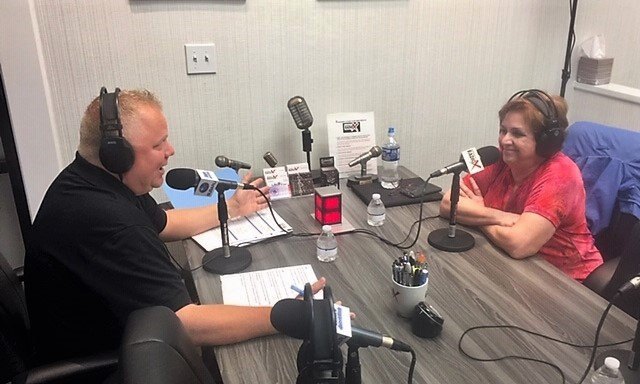
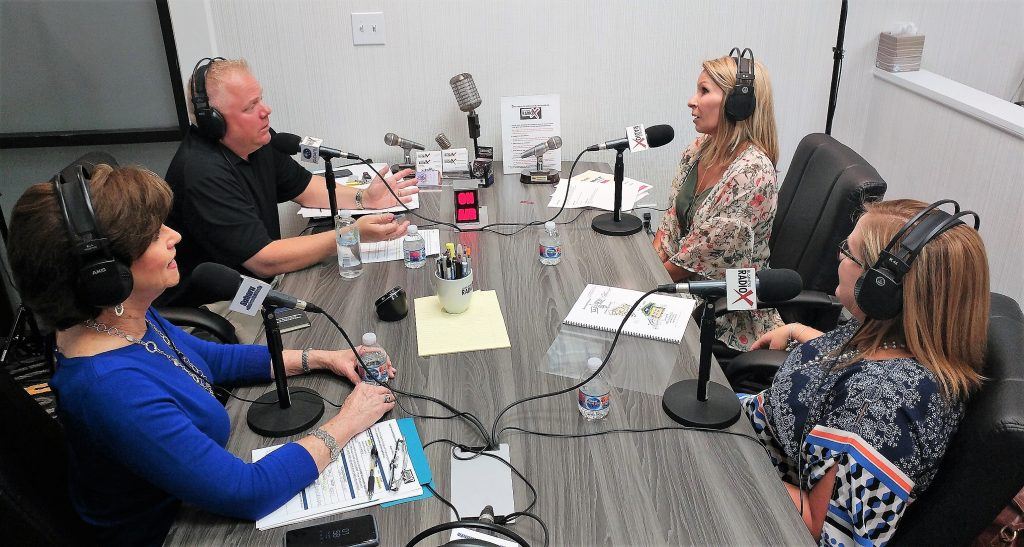
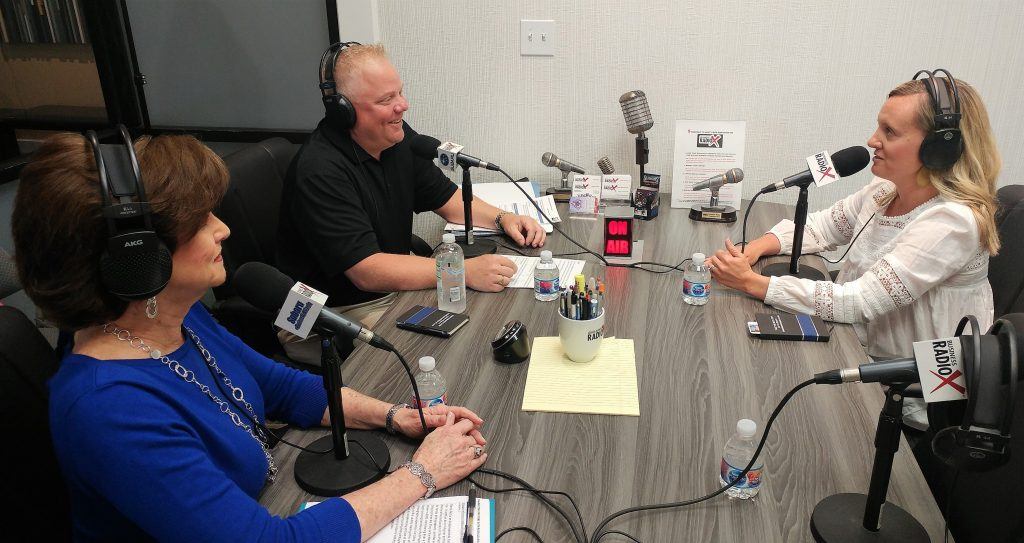
Jane Bishop, Mayor Allison Wilkerson, Amanda Leftwich, Ryan Sauers

Mayor Allison Wilkerson and Amanda Leftwich/City of Grayson
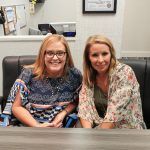
Grayson is a vibrant “live, work and play” community close enough to the big city for easy access but far enough to experience personalized home-town living. With excellent schools, sports programs, parks, restaurants and shopping Grayson is a popular destination for families. Throughout the year, The City of Grayson offers family-friendly community events including concerts, festivals and movies. Though Grayson is known for the excellent amenities of a sophisticated and professional city, they pay homage to their past with an extensive collection of historical Grayson memorabilia housed in the Arts and History Center. For more information, please visit cityofgrayson.org.

Jane Bishop/Take the Next Step

Jane Bishop, is CEO of Take the Next Step which emerged out of her passion to help others “go for their It.” She helps small business owners, entrepreneurs strengthen and align with their inner core for success by using her coaching and training skills. When you work with Jane you will experience accomplishing your “it,” and be a greater influence to those around you.  Jane uses her E4U system to help clients get to the core faster to create and execute a plan for effectiveness.  Jane is also a professional speaker and published author.  Curious? Reach out and book a complimentary session and see where that leads.

Ryan Sauers/President of Sauers Consulting Strategies
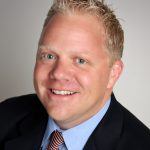
Ryan T. Sauers has spent over 25 years leading and/or consulting with marketing, media, and related companies. He is also owner of two Our Town Gwinnett monthly magazines. Sauers is a frequent national speaker and global columnist. He serves as an adjunct university professor teaching leadership courses. Ryan is a Certified Myers Briggs, DiSC, and Emotional Intelligence practitioner. Ryan is working on his Doctoral degree in Leadership. He is author of the best-selling books Everyone is in Sales and Would You Buy from You?

Show Overview

Marketing Matters is a radio show discussing topics as they relate to marketing, communications, sales, leadership and more. Host Ryan Sauers, a best-selling author and national speaker, discusses how these topics play a role in every aspect of our lives. Each episode shares tangible nuggets of information that listeners can easily understand and apply to their everyday life, whether personal or business. The show challenges listeners’ current state of thinking so they can grow to new heights and see new opportunities in business, which is rapidly changing, multi-generational. and noisy in nature.
Tagged With: Grayson, Grayson Arts and History Center, Grayson festivals, lisa counsell, live work play, Marketing Matters, marketing matters with ryan sauers, Mayor Allison Wilkerson, Ryan Sauers, Sauers Consulting Strategies, take the next step

MARKETING MATTERS WITH RYAN SAUERS: Marcie Reif with Marcie Reif Photography

April 11, 2019 by Mike

Gwinnett Studio
Gwinnett Studio
MARKETING MATTERS WITH RYAN SAUERS: Marcie Reif with Marcie Reif Photography
Loading
00:00 /
RSS Feed
Share
Link
Embed

Download file

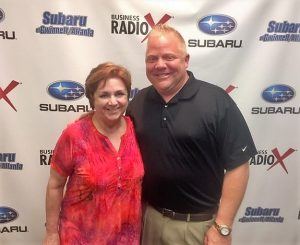
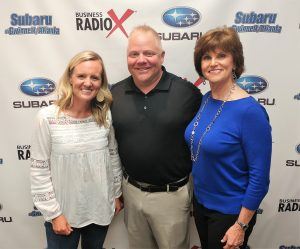
Marcie Reif, Ryan Sauers, Jane Bishop

Marcie Reif/Marcie Reif Photography

Marcie Reif is an in-demand kids, family, and commercial photographer in Atlanta, GA.  In addition to running her portrait business she is also a photography educator.  Marcie is the co-founder of The Photographer’s Retreat, and educational experience for female photographers, and the author of the best selling instructional resource Bringing Home the Story of the Beach.  She started her professional photography career in 2010, transitioning from a hobbyist taking pictures of her own children to begin growing the Marcie Reif Photography brand into the commercial and portrait photography experience it is today. She speaks several times a year at conferences around the country leading other photographers by giving them the confidence and tools to create strong portraits of family and children, as well as motivational strategies on building their photography community.  Her work has been featured countless times by industry-leading companies and has appeared in multiple highly-acclaimed magazines.

Jane Bishop/Take the Next Step

Jane Bishop, is CEO of Take the Next Step which emerged out of her passion to help others “go for their It.” She helps small business owners, entrepreneurs strengthen and align with their inner core for success by using her coaching and training skills. When you work with Jane you will experience accomplishing your “it,” and be a greater influence to those around you.  Jane uses her E4U system to help clients get to the core faster to create and execute a plan for effectiveness.  Jane is also a professional speaker and published author.  Curious? Reach out and book a complimentary session and see where that leads.

Ryan Sauers/President of Sauers Consulting Strategies

Ryan T. Sauers has spent over 25 years leading and/or consulting with marketing, media, and related companies. He is also owner of two Our Town Gwinnett monthly magazines. Sauers is a frequent national speaker and global columnist. He serves as an adjunct university professor teaching leadership courses. Ryan is a Certified Myers Briggs, DiSC, and Emotional Intelligence practitioner. Ryan is working on his Doctoral degree in Leadership. He is author of the best-selling books Everyone is in Sales and Would You Buy from You?

Show Overview

Marketing Matters is a radio show discussing topics as they relate to marketing, communications, sales, leadership and more. Host Ryan Sauers, a best-selling author and national speaker, discusses how these topics play a role in every aspect of our lives. Each episode shares tangible nuggets of information that listeners can easily understand and apply to their everyday life, whether personal or business. The show challenges listeners’ current state of thinking so they can grow to new heights and see new opportunities in business, which is rapidly changing, multi-generational. and noisy in nature.


Tagged With: consulting, Marcie Reif, Marcie Reif Photography, marketing, Marketing Matters, marketing matters with ryan sauers, Photography, portrait photography, Ryan Sauers, Ryan T. Sauers, Sauers Consulting Strategies, small businesses, take the next step, training

MARKETING MATTERS WITH RYAN SAUERS: Ron Weber with Dogwood Pizza

March 28, 2019 by Mike

Gwinnett Studio
Gwinnett Studio
MARKETING MATTERS WITH RYAN SAUERS: Ron Weber with Dogwood Pizza
Loading
00:00 /
RSS Feed
Share
Link
Embed

Download file

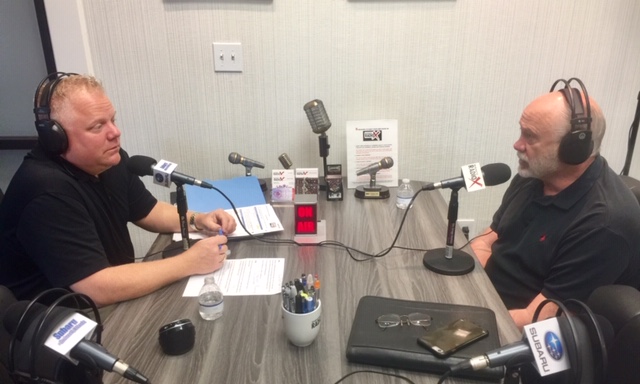
Ron Weber and Ryan Sauers

Ron Weber/Dogwood Pizza

Dogwood Pizza is a local owned and operated family pizza restaurant that serves beer and wine. They also have wings, hoagies, stromboli, salads, bread sticks and more. They offer speedy delivery and provide catering for businesses and events as well.


Ryan Sauers/President of Sauers Consulting Strategies

Ryan T. Sauers has spent over 25 years leading and/or consulting with marketing, media, and related companies. He is also owner of two Our Town Gwinnett monthly magazines. Sauers is a frequent national speaker and global columnist. He serves as an adjunct university professor teaching leadership courses. Ryan is a Certified Myers Briggs, DiSC, and Emotional Intelligence practitioner. Ryan is working on his Doctoral degree in Leadership. He is author of the best-selling books Everyone is in Sales and Would You Buy from You?

Show Overview

Marketing Matters is a radio show discussing topics as they relate to marketing, communications, sales, leadership and more. Host Ryan Sauers, a best-selling author and national speaker, discusses how these topics play a role in every aspect of our lives. Each episode shares tangible nuggets of information that listeners can easily understand and apply to their everyday life, whether personal or business. The show challenges listeners’ current state of thinking so they can grow to new heights and see new opportunities in business, which is rapidly changing, multi-generational. and noisy in nature.
Tagged With: Dogwood Pizza, effective selling, family restaurant, marketing, marketing matters with ryan sauers, marketing tips, pizza restaurant, Ron Weber, Ryan Sauers, Sales, sales advice, sales tips

MARKETING MATTERS WITH RYAN SAUERS: Pat Soltys with Smoke Rise Agents

March 14, 2019 by Mike

Gwinnett Studio
Gwinnett Studio
MARKETING MATTERS WITH RYAN SAUERS: Pat Soltys with Smoke Rise Agents
Loading
00:00 /
RSS Feed
Share
Link
Embed

Download file

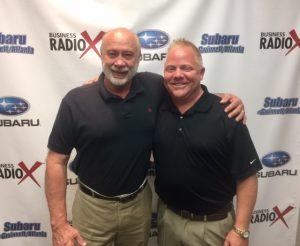
Pat Soltys and Ryan Sauers

Pat Soltys/Smoke Rise Agents

Smoke Rise Agents Team Lead Pat Soltys has been in the real estate industry for over 40 years, She is an author with over 300 copyrights, speaker and real estate broker. As team lead with 11 agents, she is a listing broker and innovative resource behind the team’s marketing and production.


Ryan Sauers/President of Sauers Consulting Strategies

Ryan T. Sauers has spent over 25 years leading and/or consulting with marketing, media, and related companies. He is also owner of two Our Town Gwinnett monthly magazines. Sauers is a frequent national speaker and global columnist. He serves as an adjunct university professor teaching leadership courses. Ryan is a Certified Myers Briggs, DiSC, and Emotional Intelligence practitioner. Ryan is working on his Doctoral degree in Leadership. He is author of the best-selling books Everyone is in Sales and Would You Buy from You?

Show Overview

Marketing Matters is a radio show discussing topics as they relate to marketing, communications, sales, leadership and more. Host Ryan Sauers, a best-selling author and national speaker, discusses how these topics play a role in every aspect of our lives. Each episode shares tangible nuggets of information that listeners can easily understand and apply to their everyday life, whether personal or business. The show challenges listeners’ current state of thinking so they can grow to new heights and see new opportunities in business, which is rapidly changing, multi-generational. and noisy in nature.
Tagged With: Leadership, Management, marketing, Marketing Matters, marketing matters with ryan sauers, Pat Soltys, realtor, realty, Realty Associates of Atlanta, Ryan Sauers, Sales, Selling, Smoke Rise Agents

BRX Pro Tip: The Email Marketing Metric that Matters

February 14, 2025 by angishields

BRXmic99
BRX Pro Tips
BRX Pro Tip: The Email Marketing Metric that Matters
Loading
00:00 /
RSS Feed
Share
Link
Embed

Download file

BRX-Banner

BRX Pro Tip: The Email Marketing Metric that Matters

Stone Payton: And we are back with Business RadioX Pro Tips. Lee Kantor and Stone Payton here with you. Lee, when it comes to email marketing, what is the best way to make sure that it’s effective?

Lee Kantor: Yeah. I think that when it comes to any type of marketing and email marketing specifically, there’s so many different metrics, and it’s really, kind of, honing in on what is the metric that matters. And a lot of folks, kind of, when it comes to email marketing, lean on open rate as the metric that matters. Like how many people are opening the email that you’re sending. And while I think that’s important and that’s kind of table stakes that you want people to open your emails, that means they were looking forward to them, I think a more important metric, when it comes down to actually where business is getting done, is the click through rate.

People have to click on things. Your readers of the emails have to click on things within the emails you send. If they’re not clicking on anything that you are writing about or recommending they go to, then you have a problem. So, you have to figure out ways to increase the value of what you’re saying or sending them to, so they click on something.

So, now, how do you go about increasing the value? I think the best way to way to increase value is think about what it is that you’re sharing and make that information or content so good that they have to click on it. And in some cases, that might make you have to feel a little anxious or uneasy that you’re giving away this much good stuff. And that’s really kind of the sweet spot. You want to feel like, “Man, should I be doing this? Because this is some really good stuff,” and that’s kind of where you want to be when it comes to creating content for email. Because you have to remember, the reason you’re sending these emails is because you want these people to remember you when it’s time to buy what you’re selling. And if you’re not providing enough value, they’re not going to do that.

So, put your value in there and increase the value to the point where you’re feeling uncomfortable. And a little fun fact or a little maybe something that’s surprising that if you add a PS below your name when you’re like, “Thanks for reading,” and then you put your name, and if you put PS, and then put a link in there in the PS, you will find that that has a surprisingly high clickthrough rate. So, try putting in a link there as well.

Alpharetta’s 2045 Comprehensive Plan: Why It Matters

November 6, 2025 by John Ray

Alpharetta's 2045 Comprehensive Plan: Why It Matters, on the North Fulton Voices podcast
North Fulton Studio
Alpharetta's 2045 Comprehensive Plan: Why It Matters
Loading
00:00 /
RSS Feed
Share
Link
Embed

Download file

Alpharetta's 2045 Comprehensive Plan: Why It Matters, on the North Fulton Voices podcast

Alpharetta’s 2045 Comprehensive Plan: Why It Matters (North Fulton Voices, Episode 14)

On this edition of North Fulton Voices, hosts Jack Murphy and Nancy Diamond sit down with Benjamin “Ben” Kern of MKSK Studios and Michael Woodman, Planning and Development Services Manager for the City of Alpharetta, to unpack Alpharetta’s 2045 Comprehensive Plan. This conversation explains what a comprehensive plan is and why it is relevant for everyday life in Alpharetta. You will hear how the plan sets the city’s long-range vision for land use, redevelopment, transportation, parks and greenways, housing, and economic development. The guests clearly distinguish between the plan and the zoning code: the plan establishes policy direction and a future land use map, while zoning serves as the legal tool to implement this vision when projects arrive.

Alpharetta is moving from a growth pattern defined by open land to one focused on redevelopment and reinvestment. The discussion covers how older commercial areas can be reimagined, why mixed-use nodes near jobs and services reduce congestion, and how the city evaluates proposals against the plan month in and month out. You will also learn how progress is tracked through a short-term work program and a formal Report of Accomplishments that keeps Alpharetta eligible for key regional and state funding.

Most importantly, the episode shows how residents and businesses can influence outcomes. Public input includes a steering committee, online surveys, and in-person sessions, with community meetings on Tuesday, November 11, 2025, at 12:00–1:00 p.m. and 5:00–6:30 p.m. at Alpharetta City Hall. Listen to understand the choices ahead and how to weigh in with feedback that leads to better projects, stronger neighborhoods, and a city that reflects the community’s shared priorities.

Learn more on the 2045 Alpharetta Comprehensive Plan updates website, and add your voice by completing the community survey on future city development priorities.

North Fulton Voices is presented by the North Fulton Improvement Network. The show series is proudly sponsored by John Ray Co. and North Fulton Business Radio, LLC.

Key Takeaways from This Episode

  • Plan vs. zoning, decoded: The comprehensive plan sets vision, goals, policies, and the future land use map. Zoning is the legal code that implements that vision when projects are proposed.
  • Future land use map matters: Staff and elected officials use the map every month to evaluate whether a proposal aligns with the city’s long-range direction before any rezoning is considered.
  • From greenfields to redevelopment: With little vacant land left, Alpharetta’s growth will come from reinvestment, infill, and reimagining aging commercial and office areas into mixed-use, walkable places.
  • Transportation is more than roads: The plan ties land use to mobility, aiming for safer local streets, strategic congestion relief, and better walking, biking, and trail connections between jobs, housing, and parks.
  • Housing mix and affordability tools: The update looks at diversifying housing types near services and employment to support workforce needs and reduce long commutes that strain the network.
  • Short-term work program and accountability: Progress is tracked through a Report of Accomplishments, which keeps Alpharetta eligible for key regional and state funding.
  • Public input shapes outcomes: Residents and businesses can influence priorities through surveys, a steering committee, and in-person sessions at City Hall. Thoughtful feedback can shift where, what, and how redevelopment happens.

Topics Discussed in this Episode

00:00 Introduction to North Fulton Voices
01:01 Comprehensive Plans: Importance and Current Updates
01:29 Regional Housing Data and Trends
02:54 Meet the Experts: Benjamin Kerr and Michael Woodman
04:23 Understanding Comprehensive Plans
10:44 Community Involvement and Vision for Alpharetta’s 2045 Comprehensive Plan
17:01 Challenges and Opportunities in Alpharetta
27:38 Future Plans and Community Engagement
34:57 Conclusion and Contact Information

Michael Woodman, Planning and Development Services Manager, City of Alpharetta

Michael Woodman, Planning and Development Services Manager, City of Alpharetta
Michael Woodman, City of Alpharetta

The Community Development Department for the City of Alpharetta guides the city’s growth and development to enhance the quality of life while respecting its historic and natural features. The department plays a key role in planning and implementing projects related to land use, economic development, housing, and community facilities, including Alpharetta’s 2045 Comprehensive Plan. It supports diverse housing options, pedestrian-friendly environments, mixed-use developments, and public infrastructure improvements. The department also engages with the community and private sector to ensure development aligns with community goals, including projects like downtown revitalization, greenways, and city-owned property consolidation for municipal offices. Overall, it focuses on sustainable growth, creating vibrant neighborhoods, and improving public access to city services.

Website

Benjamin Kern, Planner, MKSK Studios

Benjamin Kern, Planner, MKSK Studios
Benjamin Kern, MKSK Studios

MKSK Studios is a planning, urban design, and landscape architecture firm that partners extensively with municipalities to create vibrant, sustainable, and inclusive communities. They provide strategic master planning and design services that guide long-term improvements for municipal campuses, public parks, streetscapes, and civic spaces, with a strong focus on pedestrian connectivity, sustainable stormwater management, and adaptive reuse of existing city infrastructure. MKSK’s work for municipalities aims to enhance public engagement, strengthen community identity, and improve the quality of life through thoughtful, context-sensitive design that integrates social, environmental, and cultural values. Their projects often include comprehensive engagement efforts to ensure plans align with community needs while fostering equity and resilience in growing urban environments.

Website

North Fulton Improvement Network

The North Fulton Improvement Network (NFIN) is a think tank made up of community leaders from various sectors, focused on missing middle housing and the livability challenges confronting North Fulton. Its members come from the six cities constituting the northern half of Fulton County, Georgia—Alpharetta, Johns Creek, Milton, Mountain Park, Roswell, and Sandy Springs—and are working to address the widespread yet little-known financial vulnerability across the region. With stakeholders from sectors including business, nonprofit, faith, government, and citizens, NFIN centers their work on five areas of impact, seeks to educate the public about these issues, builds a network of individuals and organizations with innovative private and public solutions, and connects resources to those in need.

The leadership team of NFIN is Jack Murphy, Nancy Diamond, and Kathy Swahn.

Website | LinkedIn | Facebook | Instagram | X (Twitter) | YouTube

Jack Murphy

Jack Murphy
Jack Murphy

Jack Murphy is a volunteer with The Society of St. Vincent de Paul and is Chair of the North Fulton Improvement Network. He is also in his 21st year of working for the Metro Atlanta Chamber of Commerce.

Prior to the Chamber, Jack worked for and with Fortune 500 companies in operations, human resources, training, and quality areas. Jack was a senior adjunct professor for Quality & Operations Management at Keller Graduate School for 14 years.

He has served on both the National and Georgia Boards of The Society of St. Vincent de Paul, responsible for Diversity, Advocacy, & Systemic Change. Jack is currently the national SVDP chair of Systemic Change and Advocacy.

Jack received a BA in psychology from Belmont Abbey College and a M.Ed. from UNC-Greensboro. Jack and his wife, Nancy, a retired elementary school principal, have two grown daughters and two grandchildren. They live in Alpharetta, Georgia.

LinkedIn

Nancy Diamond

Nancy Diamond

Nancy Diamond is a Project Manager with Schmit & Associates, a real estate development firm, creating town center revitalization in communities all around the metro area.

Nancy served 8 years as a Roswell City Council Member, including a term as Mayor Pro Tem, with liaison positions with Community Development, Transportation, Recreation & Parks, and Public Safety.

In addition to her work with the North Fulton Improvement Network, Nancy has been active in area non-profit organizations, including board leadership positions in the STAR House Foundation, WellStar North Fulton Hospital, and the Roswell Rotary Club.

A native of Atlanta and a 42-year North Fulton resident, Nancy worked at Turner Broadcasting in the early years of CNN, then became a freelancer in sports television graphics. While raising her two daughters, she worked from home, first developing a corporate gift service and later as a mortgage loan originator.

Nancy and her husband, Glenn, now relish the role of grandparents to 8-year-old Owen.

LinkedIn

Sponsor for North Fulton Voices: John Ray and North Fulton Business Radio, LLC

The North Fulton Voices show series is proudly sponsored by John Ray Co. and the North Fulton affiliate of Business RadioX®.

John Ray
John Ray

John Ray is a podcast show host and producer and owns North Fulton Business Radio, LLC, the North Fulton (Georgia) affiliate of Business RadioX®.

John also operates his own business advisory practice, Ray Business Advisors. John’s services include advising solopreneurs and small professional services firms on their value, their positioning and business development, and their pricing. His clients are professionals who are selling their expertise, such as consultants, coaches, attorneys, CPAs, accountants and bookkeepers, marketing professionals, and other professional services practitioners.

John is the author of the #1 nationally best-selling book, The Generosity Mindset:  A Journey to Business Success by Raising Your Confidence, Value, and Prices.

John is the host of North Fulton Business Radio and The Price and Value Journey. North Fulton Business Radio, the longest-running podcast in the North Fulton region of Georgia, features a wide range of business and community leaders. The Price and Value Journey is devoted to solo and small-firm professional services providers and covers issues such as pricing, value, and business development.

Tagged With: Alpharetta, Alpharetta 2045 Comprehensive Plan, Ben Kern, City of Alpharetta, community engagement, comprehensive plan, economic development, future land use map, housing, Jack Murphy, John Ray, land use, Michael Woodman, mixed use, MKSK Studios, Nancy Diamond, North Fulton Improvement Network, North Fulton Voices, redevelopment, trails and greenways, Transportation, workforce housing, zoning

From Solopreneurs to Small Firms: Why Cybersecurity Matters More Than Ever

September 2, 2025 by angishields

VBR-Todd-Mitchell-Feature
Veteran Business Radio
From Solopreneurs to Small Firms: Why Cybersecurity Matters More Than Ever
Loading
00:00 /
RSS Feed
Share
Link
Embed

Download file

In this episode of Veteran Business Radio, Lee Kantor talks with Todd Mitchell, owner of Cybersecurity4biz. Todd shares his journey from military service to providing affordable cybersecurity solutions for small businesses and solopreneurs. He discusses the unique risks these businesses face, the importance of prevention, and practical steps like multi-factor authentication and regular backups. Todd highlights his focus on compliance-driven industries and emphasizes that no business is too small for robust cybersecurity.

CyberSecurity4biz-logo

Todd-MitchellTodd Mitchell, owner of Cybersecurity4biz LLC (a Disabled Veteran-Owned Small Business), is a retired US Navy veteran and cybersecurity expert with over 30 years of experience.

A member of the National Institute of Standards and Technology Cybersecurity Framework (NIST CSF) advisory board, he holds advanced degrees in Cyber Security Policy, IT, and Business.

Todd helps solopreneurs and micro-businesses achieve compliance and protect their customers’ information.

He also empowers families to stay safe from online threats through prevention-focused strategies that build a cyber-safe culture.

Transcript-iconThis transcript is machine transcribed by Sonix.

 

TRANSCRIPT

Intro: Broadcasting live from the Business RadioX studios in Atlanta, Georgia. It’s time for Veterans Business Radio, brought to you by ATL Vets, providing the tools and support that help veteran owned businesses thrive. For more information, go to ATLVets.org. Now here’s your host.

Lee Kantor: Lee Kantor here another episode of Veterans Business Radio and this is gonna be a good one. But before we get started, it’s important to recognize our sponsor, ATL Vets, inspiring veterans to build their foundation of success and empowering them to become the backbone of society after the uniform. For more information, go to ATLvets.org. Today on the show we have Todd Mitchell, owner of Cybersecurity4biz LLC. Welcome.

Todd Mitchell: Well, thank you for having me.

Lee Kantor: Well, I’m excited to learn what you’re up to. Before we get too far into things, tell us about Cybersecurity4biz LLC. Who are you serving? How are you doing?

Todd Mitchell: Well, I, uh, I focus on cyber security for smaller businesses. Uh, I’m in that 0 to 10 employee space. So solopreneurs and small firms. And I found a niche. Back when I first got started, I realized that there was a huge gap in. Most cybersecurity companies won’t work with you unless you’re a major company with, like, 250 or 1000 or 10,000 employees. And it was really important to me to, uh, I guess my military background, you always have to have a mission. So that’s how I found my mission in life was to be the the little guy helping the little guy, so to speak.

Lee Kantor: So what’s your backstory? How’d you get involved with cyber security?

Todd Mitchell: Well, it’s kind of a long time coming, and I actually avoided it for many years. It’s kind of a funny story. So I’ve been a computer geek since high school. Not to give away too much about how old I am, but back in the late 70s, early 80s, Dungeons and Dragons came out and I was a huge fan of playing that game. And then they come up with a video game. Of course, back then video games were black screen with green writing. You know, the textual saying, you’re going through the woods and you see a monster, you know, a run, B scream, C hide, you know, fight whatever. And I wanted this video game really bad. Of course, you have to have a computer to play it on. And at that time, computers cost more than cars. So my dad’s like, yeah, no way. We’re buying an IBM computer just so he can play a video game. And I made a deal with everybody for Christmas presents instead of everybody giving me presents. They gave me money. And I went to RadioShack and bought a box full of parts. Came home and built my own computer. Um, and that kind of launched my computer geek ness. I had to learn how to program the thing because this was pre windows, and once What I did 20 years in the military and retired. And after that I was kind of looking for a second career. And computers was still something that I was very interested in. I’d been the local IT guy, fixing everything for everybody for years, and I got into cybersecurity and it just kind of went on from there.

Lee Kantor: Now, when you were in cybersecurity, you mentioned kind of the distinction where most from a business standpoint, most people look at cybersecurity for kind of the enterprise level organizations, the the ones with hundreds if not thousands of employees. But you felt it was important to serve kind of the the entrepreneur, the solopreneur, the small firms who probably think that cybersecurity is just installing, you know, some antivirus?

Todd Mitchell: Yes, definitely. Um, and that transition, what kind of really woke me up was I was actually working for the Marine Corps. Uh, I was the lead engineer in charge of software development for, uh, command and control the battlefield. All the software that helps with that. And cybersecurity was a huge piece of that, obviously, because, you know, the information secret where they’re at secret, all the stuff going on in secret. Uh, and then what happened was my best friend, who was a disc jockey, um, that I had known him since grade school, and he got hacked with a ransomware attack and lost all of his music. And he called me up in a panic, and he’s like, hey, you know, you got to find somebody to help me. So we started looking for cybersecurity companies that could help them. And that’s when I realized that all this, you know, if you Google cybersecurity companies, the first, you know, 7 or 8 pages of a Google search is nothing. All those companies are looking for fortune 500 companies. They’re all enterprise level and large business. And, uh, so we couldn’t find anybody. We finally found one that said Small business. And I called them and they’re like, oh, yeah, we love small business. You got to have at least 250 employees, 10 million in revenue. It’s like, oh my gosh, that’s not a small business. So I ended up helping my best friend, uh, in my spare time. Of course, I wasn’t getting paid. And, you know, it was all nights and weekends labor. And he kept poking at me, trying to get me to open my own business.

Todd Mitchell: And I was telling him that there wasn’t a big enough need. And then he started bringing people to me, one after the other. And after about 5 or 6 of them, I’m like, okay, maybe there is a thing here. So I dove head first, quit the corporate world, jumped in head first into, uh, owning my own business. And and so it’s been my my mission right from the beginning to, uh, help those solopreneurs that have no other resources available to them. And I do a lot with, uh, compliance. Um, and and, like you said, you know, a lot of, a lot of, uh, people think that, you know, having an antivirus is is all you really need. But, uh, 92% of data breaches are caused by human error. Uh, the days of, you know, like Hollywood likes to present, you know, where somebody in a black hoodie in her mom’s basement, clacking away on a keyboard for 12 hours to hack into you. That just rarely happens anymore. Uh, most most of the time, it’s our own, uh, bad habits. Sharing passwords, weak passwords, uh, not using multifactor authentication because it’s too inconvenient to have to look up that tax code every time you get into a website. Things like that are our worst enemies. So when I’m working with a company, I basically take a look at how they receive information, where do they store it, and take a deep dive into the business itself and see how we can effectively create a culture of cyber safe environment.

Lee Kantor: Now, you’ve been able to do this in a way that’s affordable for small business, because that’s usually the rub, right? That the reason the enterprise people are the ones that are so well served in this area is because they can afford it.

Todd Mitchell: Right? Definitely. And I think I have, um, based on, My client input. When I first started this, I was doing the typical consulting thing where you charge, you know, for however many hours of work you think it’s going to be and, you know, half up front, half when you’re done type of thing. And, you know, it comes out to be, you know, thousands of dollars worth of work and, and a lot of people couldn’t afford that. And one time it was actually kind of funny. I was watching TV and saw some ads for some iPhones around Christmas time about 2 or 3 years ago. And I’m in my head thinking, how can all these people, you know, all these broke people running around with $3,000 iPhones? I’m like, and then it hit me. I’m like, they take the price of the phone and spread it out over a contract. And I’m like, well, I can do that. So I kind of switched my my whole pricing model to a 24 month contract, which lets me divide out that cost over a 24 month payment plan and make it quite affordable. So now I’m more like another utility bill instead of a lifetime investment.

Lee Kantor: But it’s something that it doesn’t go away after 24 months, right? Like, isn’t this something that you need forever?

Todd Mitchell: Yeah. True. And the way I usually do it is that first 24 months we’re building a culture. And then a lot of that part once, once you have that culture in place, um, that’s a lot of the big work. And also as a follow on after after that 24 months, um, I usually drop the cost way down because now it’s kind of more in maintenance mode, and it’s just doing a monthly check in and making sure everything is still in place, and that reduces the cost way down.

Lee Kantor: So what has been the hardest part of serving this niche? Is it just an education standpoint or they think they’re too small? It’s not the they’ll never be hacked.

Todd Mitchell: Um, I think one of the hardest obstacles I have is not necessarily, um, it’s more of just letting people know that there is an option for them out there. They get disgruntled, you know, all the big cybersecurity companies that you would recognize the names of, you know, IBM, Cisco, Trend Micro, Bitdefender, you know, all these big companies. They are unaffordable and or won’t even work with somebody that small if you don’t have a thousand employees or something. And so I think my biggest obstacle is just letting people understand that, hey, there is other options. There’s people like me out there that will work with you, and it won’t charge you enterprise level rates and only give you what you really need because it is a it’s the same cybersecurity, but it’s slightly different. If you have a big company and you have an IT closet and you have servers and you have switches and routers and firewalls, you know, all these things, you need different software to run that kind of stuff. When you’re working on your dining room table with a laptop in your home router, you don’t need any of that. But you do still have security risks because you got your kid the next bedroom over. Playing on a PlayStation that hasn’t had a security patch since he bought it. You’ve got your ring doorbells and your refrigerators and everything else hooked up to your network that’s on the same network as your work computer, and none of that stuff has any security in it at all. So if somebody hacks through there, you know, so it’s it’s just different. It’s it’s um, and that’s a lot of what I educate people on is what, what they can do, uh, free, cheap and easy. Uh, it takes a little elbow grease and be able to make themselves a lot safer just by changing some of the the way they do some things.

Lee Kantor: Now, any advice for the folks who are the small guys out there that are using maybe their phone as their main kind of device? They may not even be using a laptop or a desktop that everything’s happening through their phone or through cloud services.

Todd Mitchell: And, and with those types of, uh, individuals is still almost basically the same story. You know, uh, if everything you do is stored in a cloud, um, I would say, first of all, you still need to back up some of that because what happens if they go away, you know, and people tell me, well, you know, Google’s too big to fail. Well, they thought that about Kmart and Sears for decades, too. And where are they at? Um, so I would always keep a local copy, um, whether it’s on your phone or it’s on an external hard drive. And the other thing about those devices is it’s it’s slightly different, but you can still get security software like antivirus or anti ransomware things. Um, you still have to do the same types of protocols of making sure your data is encrypted so that if your phone gets left behind somewhere and somebody picks it up, they can’t, you know, make sure there’s a good, strong password to get into it. Make sure that everything on it’s encrypted so they can’t just pull all the files off of there. Uh, so there’s still those same types of things still apply.

Lee Kantor: And it’s one of those things, like you said, that if you do some of these fundamentals right, then that’s that’s the bulk of it. Now it becomes maintenance.

Todd Mitchell: Right. And I mean, it’s kind of a funny analogy, but it’s also very applicable, I think. Uh, you know, this is like the bear, you know? You don’t have to run faster than the bear. Just run faster than the guy next to you. If you do all the the basic cybersecurity, uh, um, best practices, and you’re going to be harder to get into and they’re going to give up and go find somebody else that’s not doing that stuff.

Lee Kantor: So that that’s how this is working, right? Like, like you mentioned, it’s not that kid in the basement anymore, but maybe it’s a nation state or it’s organizations that are doing this like their job, like they’re walking into rooms and they’re have whiteboards and they’re kind of, uh, engineering some strategies to get into computers.

Todd Mitchell: And a lot of it’s automated. I mean, it’s just like a business owner, right? When, when, uh, you know, I’m not a marketing expert, but I know some of the basics. When you when you’re marketing, you do email campaigns, any email address you can get a hold of, and you send them an email. And if they click on it and open it and they’re interested, you know, type of thing, then you follow up with better emails and things. The bad guys are doing the same thing. That’s what phishing is. I don’t need to target you specifically. I can send out some Viagra ad or whatever the heck it is and blast 10 million people with it. And if half of them click on that thing and I can download ransomware onto their computers, then it’s a win. And I didn’t have to target any specific individual.

Lee Kantor: Right. So they’re doing it kind of at scale. And they just hoping for that kind of lucky break that goes their way or the person that’s not prepared.

Todd Mitchell: Yeah. Because you never know when somebody’s clicking on a phishing attack and they get malware downloaded onto the computer that’s going to search their inbox. You don’t know if it’s a grandma that doesn’t do anything but check, you know, check your email once a month and look at pictures of the grandkids. Or if it’s the secretary at IBM with 10 million, you know, 10 million customers in their database. You know, and sometimes they get lucky. And that’s all it takes is one, one, uh, one bad. Uh, decision or, you know, one. Um, I don’t want to say bad decision. I guess that’s probably a bad way of saying it, but, you know, one wrong move by an employee, uh, and your whole company is at, uh, vulnerable.

Lee Kantor: So what? Uh, let’s give some advice to folks listening. Is there some low hanging fruit a person could do right now? Or in a few clicks that can, you know, protect them a bit?

Todd Mitchell: Yeah, definitely. Um, I’ll go on my soapbox for a second. Multifactor authentication. That is the single biggest thing that can help you, in my opinion. Um, I look at it this way. If for some reason just hypothetical your username and password for your bank account gets out there and it’s published and everybody knows it now, right? There’s 3 billion people on this planet with internet access that can hack into your bank account. If you use multifactor authentication, they got to send you a text code. Now you have like 5 or 6 people that can get access to you and your phone at the same time. So you literally just took your attack surface from 3 billion down to a handful. It is the single most effective thing I know. It’s a pain to have to punch in that six digit code or five digit code every time you get into a website or whatever. But, uh, your bank is going to force you to use it because of their laws. But all your social media, all your utility bills, your work accounts, your email accounts, all that offers multifactor authentication. And I encourage everybody, whether they’re business owners or, you know, forcing the people in their families, whatever. But everybody should be using multi-factor authentication on every possible account, because it really it’s like a deadbolt lock. It’s already on your front door. Why aren’t you using it now?

Lee Kantor: How do you recommend the business people who are kind of relying on remote workers to be maybe their virtual assistant or they’re, you know, they’re helping them in some manner and it’s just, you know, that you want to give everybody the access they need to get to what they need to get to, to do the work to help you grow your business. But you don’t want to be put yourself at risk.

Todd Mitchell: So in those types of cases, uh, I, I would say in most cases it’s possible sometimes it may be a little bit more difficult to arrange, but try to set them up on an admin account, um, where they have their own access. So they have their own username and password they’re using, like for an example like Facebook. You can do that, right? You have your own Facebook page, but you can assign admin to somebody else and let them go in and post for you. And that way if something happens, they’re not they don’t actually know your own password. And if something happens to that relationship and you want to cut them off, you can just go in there and uncheck the box and they no longer have access. So I would say that’s the way to do it for most of your accounts, um, giving them their own access that you can revoke if you want to, uh, as opposed to sharing passwords with people, because that’s really not a good way to do it, because not only do you not know what they’re going to be doing with that password, but if something goes wrong, you can’t If everybody, you know, if you had three people logging into your bank account as you the bank’s never going to know if it was you or not that actually did it. So it’s, you know, you have no you have no audit trail to prove who was in there and when, where if everybody has their own login, then you know exactly who was in there at that time.

Lee Kantor: Now when a new customer comes to you, is it usually because something bad has happened or are they being proactive?

Todd Mitchell: Uh, a lot of my customers are being proactive. I have a lot of clients that are in the financial industry, in the healthcare industry, because they have federal regulations telling them how they have to secure your financial information for all their customers or, you know, your patient files for all the healthcare industry. So a lot of those a lot of those types of businesses know they have to have security. They just don’t know exactly what that means or how to do it. But they know they got to have it. And those are the ones that reach out to me the most. I do have other types of customers, just general businesses that want to beef up their security. Um, I have individuals. I, um, you know, I call it my, uh, my, my crazy stalker ex is ruining my life type of thing. Um, you know where they’re they’re looking for, uh, a little extra protections. And so I work with just about anybody. I’m a kind of. Take a look at what they need and how to do it.

Lee Kantor: But the ideal customer sounds like, are those ones that have compliance, like healthcare or finance?

Todd Mitchell: Yeah, those are the ones that mainly got me into this business in the first place, because people who had a specific need. Um, but the more generic answer to your question, I guess, is I have I deal more in the prevention side. So I’d much rather have a client that I helped get safe in the first place than have the ones hit me up after they’ve already, uh, encountered something, because now it’s, uh, it’s a big, uh, mess that you have to clean up first, and then you got to try to get them safe so it doesn’t happen again.

Lee Kantor: Yeah. So you’d rather I not mail you my, uh, laptop with the, uh, the ransom attack on it?

Todd Mitchell: Exactly. Yeah, it’s it’s one of those, uh, you know, that that old saying an ounce of prevention is worth a pound of cure, and the cost of setting your business up to be safe is way less than the cost of forensics, of figuring out what happened and how and making, uh, you know, and cleaning up the mess.

Lee Kantor: Yeah. And it sounds like once they start working with you, you give them kind of that peace of mind that look, as long as we do what he said, then we’re going to be okay here.

Todd Mitchell: Yeah. For the most part, I’ve, I’ve had, uh, I’ve been working now, uh, I think I’m in what my a little over six years and, uh, I’ve got over 100 devices that I’m monitoring at any given time. And, uh, knock on wood, nobody’s been hacked yet. I’ve had a couple of people who had trouble with their website, but that was something outside the scope of what we were doing. Um, and I’m actually looking at how to, how to, how to fix that so that I can help them with their website security as well.

Lee Kantor: So but that’s a case where if people think like, oh, I think I’ve been hacked, you can assess like, no, you just have a computer problem. Like you can tell the difference, right?

Todd Mitchell: Yeah, yeah, I can go in there and look and find, uh, find out exactly what happened. It’s much, much easier for me to do that if there’s somebody who is already a client because I have software on their computers that will tell me if anything is happening or after the fact, it’s a little bit harder to find it. But, uh, yeah, definitely can go in there and see exactly what’s going on and find out if it’s, you know, if you actually have something on your computer that’s doing it, or did somebody just get your, your, your username and password and get into your account without you knowing about it? Uh, type of thing.

Lee Kantor: And then, um, it sounds like no business is too small for you. You want the small guy?

Todd Mitchell: Yeah. Basically, I think 75% of my clients are solopreneurs working from home on uh, on their with some of them have an office or a spare bedroom or whatever. But about 75% of my clients work from home with no other employees.

Lee Kantor: Well, Todd, if somebody wants to learn more, where should they go? What’s a website? What’s the best way to connect?

Todd Mitchell: Uh, so my website is cybersecurity for for biz. And that’s with the number four. Uh, com and uh, I’ve got, uh, a contact page on there. They can hit me up with questions, or they can sign up for a free, uh, assessment. We can have an hour to to talk. About what? You know, what they’ve got going on and, uh, what they’re looking for, and I’ll see if I can help them.

Lee Kantor: Well, Todd, thank you so much for sharing your story today. You’re doing such important work, and we appreciate you.

Todd Mitchell: Well, thank you for the opportunity.

Lee Kantor: All right. This is Lee Kantor. We’ll see you all next time on Veterans Business Radio.


Tagged With: Cybersecurity4biz

The Art of Customer Care: Why Empathy Matters in Business Success

April 16, 2025 by angishields

CBRX-41525-Feature
Cherokee Business Radio
The Art of Customer Care: Why Empathy Matters in Business Success
Loading
00:00 /
RSS Feed
Share
Link
Embed

Download file

CBRX-41525-banner

Brought to you by Diesel David and Main Street Warriors

CherokeeSponsorImageDieselDavidMSW

In this episode of Cherokee Business Radio, Joshua Kornitsky interviews John Daniels III, Craig Reidy and Charlie Darrien. John discusses the importance of educating clients about Medicare and life insurance, emphasizing empathy and community involvement. Craig shares the history and culture of his family-owned plumbing business, focusing on employee development and exceptional customer service. Charlie offers insights into her entrepreneurial journey, highlighting the challenges and rewards of starting a business in the community. All three guests share their commitment to their professions and communities, offering valuable insights into the significance of education, empathy, and personal relationships in building successful businesses.

John-Daniels-hsJohn Daniels III is a life-long resident of the greater Atlanta area, raised by John Jr. and Vera Moton Daniels alongside two siblings.

A 1993 graduate of Alonzo A. Crim High School, John briefly attended Georgia Perimeter College before proudly serving in the U.S. Army, where he was stationed at Fort Knox, Kentucky, and served as the driver for the Base Commander during his three-year enlistment. John’s professional path spans decades in customer service, sales, and marketing.

He began his career in the fashion and retail industry, working as a department manager and personal stylist with Nordstrom, Saks Fifth Avenue, and Neiman Marcus. He later spent over a decade in automotive sales with Toyota Roswell and Jim Ellis Volkswagen before transitioning into the insurance industry.

Since 2017, he has served as a Senior Marketing Analyst for Medicare Life Insurance, bringing a people-first mindset to helping seniors and families navigate complex insurance decisions. While John entered the insurance world believing it was about selling a product, he quickly discovered that true impact comes from building relationships — particularly with seniors and their families.

That realization led him to deepen his investment in the Bartow County community, where he has become a passionate advocate and servant leader. John credits his transformation into a civic leader to the guidance and support of Dr. Lance Barry, Jennifer Williams of United Way of Bartow County, and his fellow Rotarians at the Rotary Club of Bartow County, who have all helped shape his vision of purpose-driven leadership.

John proudly serves in the following roles: Board Member, United Way of Bartow County Board Member, Salvation Army of Cartersville Weekly Mentor, at-need students at Allatoona Elementary Club Program Chair, Rotary Club of Bartow County Assistant Secretary, New Frontier of Bartow County — a Black male civic organization promoting civil rights in the region Member, Mt. Zion Missionary Baptist Church Mason, Masonic Lodge #6 Committee Member, Cartersville-Bartow Chamber of Commerce’s Leadership Bartow Program Graduate, Leadership Bartow Class of 2025

Whether he’s mentoring youth, organizing community programs, or advocating for underserved populations, John leads with integrity, compassion, and commitment. Known for his warm demeanor and deep sense of connection, he continues to build bridges between people, policy, and purpose — always with a smile.

Tom-Kris-plumbing-logo

Craig-Reidy-hsCraig Reidy is one of the owners of Tom Kris and Sons Plumbing.

Craig is a master licensed plumber and has been on job sites since he was just six years old. He takes pride in excellent customer service, job quality and mentoring our team in to becoming contributing members of our community.

Craig is married to Maggie, and they have two daughters. In his off time, he enjoys rock crawling and spending quality time with his family.

Follow Tom Kris and Sons Plumbing on Facebook and Instagram.

Charlie-Darrien-hsCharlie Darrien is a devoted mother, esteemed entrepreneur, and owner of the multimillion-dollar business of her namesake “Charlie’s Angels Movers” which she built from the ground up. Charlies-Angels-logo

Aside from her success in business for over 10 years, she is a pillar of the Acworth community and is well-known for her kind and charitable nature.

Her commitment to people and ability to create opportunities for those around her are just a few of the many admirable traits she possesses.

Follow Charlie’s Angels Movers on Facebook.

Transcript-iconThis transcript is machine transcribed by Sonix.

 

TRANSCRIPT

Intro: Broadcasting live from the Business RadioX studios in Woodstock, Georgia. It’s time for Cherokee Business Radio. Now, here’s your host.

Joshua Kornitsky: Welcome to another exciting episode of Cherokee Business Radio. I’m your host, professional EOS implementer Joshua Kornitsky, and I’m here today with my guests, John Daniels, a Medicare liaison and life insurance, uh, representative in Georgia. I’m here with Craig Reidy, owner of Tom, Kris and Sons Plumbing, and we’ll be joined by Charlie Darrien, CEO of Charlie’s Angels Movers. Thank you for being here. I think you’ll find an interesting and exciting show today. So let’s go right off the bat, John, I’m going to start with you. Again, this is John Daniels. John is a Georgia liaison for Medicare and life insurance. Tell me what you do to help people, John.

John Daniels: So what I do, I sit down with the individual, explain them about life insurance and Medicare. For example, some people I talk to, I’m talking to their children about the Medicare concerns, because a lot of times the seniors are protected by their kids. So most times I sit down with the kids and explain to them why I’m there. What’s my purpose and what we’re trying to get accomplished to protect their mom and father with their Medicare concerns.

Joshua Kornitsky: So Medicare and life insurance? Yes, sir. Okay. So I know when we were talking earlier, you had said to me that that when it comes to life insurance, a lot of people have questions around understanding. You know what I think life insurance is versus what you know, life insurance is. What’s the biggest question people ask you?

John Daniels: How much is going to cost? And how can I get a certain amount of coverage for a little of nothing?

Joshua Kornitsky: So what are you. Tell them.

John Daniels: I tell them that doesn’t exist because everything’s going to be based off your height, your weight, and basically your health. So being truthfully honest, low cost life insurance does not exist.

Joshua Kornitsky: Okay. What about from a coverage perspective? Are you able to help customize? Yes. Everything that they’re looking for.

John Daniels: Yes you can.

Joshua Kornitsky: Okay. Well, I know that you have been very active in Bartow County. John and I actually met John is a recent graduate of of the Leadership Bartow program in, in the Bartow Cartersville Chamber of Commerce. Um, what are some of the other things you do in in the ways that you connect with folks?

John Daniels: Well, um, being a graduate of leadership at Bartow has allowed me to network with you. Um, other people in the community and speak at different, um, engagements in Bartow for, um, senior facilities. Um, Cindy Williams has been a big inspiration for allowing me to be a part of the community by being at different functions, meeting a lot of different seniors. Um, being a part of rotary have a lot of great people that allow me to talk at different engagements as far as like, um, um, say, um, Georgia Highlands College, um, at certain churches and certain venues in the community. So that has been a big plus.

Joshua Kornitsky: So you really are pretty active in the community, because I know you said that you’re, uh, on the board of the Salvation Army and the United Way.

John Daniels: Yes, sir.

Joshua Kornitsky: Um, as well as a Rotarian, as you mentioned earlier, when you’re in and involved in those different events, are you a real aggressive salesperson or are you out there trying to say, hey, what are your needs? How do you how do you engage with folks?

John Daniels: Well, I can honestly tell you, I don’t believe in selling people. I believe in educating people because some people are already sold themselves on how you treat them. If you treat them nice, they’ll listen. If you treat them bad, they already turn their ears off to you.

Joshua Kornitsky: Okay, so it’s about building the relationship.

John Daniels: Yes it is.

Joshua Kornitsky: So that sounds like that’s something that you must have a lot of practice at over time.

John Daniels: Yes. My mom taught me that very well. You know, you always be polite, kind and interact and you know when to speak, when you ask a question and when you know to be quiet, when people tell you to stop talking.

Joshua Kornitsky: Fair enough. So it sounds like you must have had a pretty solid upbringing.

John Daniels: You did.

Joshua Kornitsky: You did tell us, where are you from originally?

John Daniels: Originally from Atlanta, southeast Atlanta. Um, attended Alonzo Crim High School and went to Georgia State for a while and then dropped out.

Joshua Kornitsky: So. Okay. Um, and the the time from when you were growing up exposed to, let’s say, a diverse community?

John Daniels: Yes, yes. Um, came, um, when I graduated high school, 93. The Olympics was coming. So you saw a lot of diversity coming in Atlanta. Then I went in the military and saw a lot of diversity. So being in sales was just normal because you had to interact with all types of people, but you had to be kind and patient because most people you interact with may have a question or two, and you had to be able to articulate what you’re trying to tell them about yourself.

Joshua Kornitsky: Well, first, thank you for your service.

John Daniels: Hey.

Joshua Kornitsky: Thank you. Uh, we appreciate it very much. And and based on that piece of information, I presume that you’ve learned how to talk to just about everybody.

John Daniels: I guess so.

Joshua Kornitsky: So when you’re engaging with folks, has that training helped you?

John Daniels: Tremendously. Tremendously.

Joshua Kornitsky: In what ways?

John Daniels: Um, well, believe it or not, I can honestly tell you it has helped me listen more and talk less. Because most times when people talk to you, they want to tell you what they’re going through. And we are human. We have a lot of things going in our life repeatedly, but a lot of times people don’t want to listen because we just want to get it over with. But in my line of work, you got to be a listener instead of a talker.

Joshua Kornitsky: Okay, so on that very front, you going back to to how you spend most of your days when you’re not involved in the community. Uh, on the Medicare side of things, I imagine you had intimated that you speak a lot with the the children of seniors, but I’m sure you spend a fair amount of time talking with seniors, so you’ve got to be a pretty patient listener.

John Daniels: You do.

Joshua Kornitsky: Um, so let’s talk a little bit about Medicare because believe it or not, I don’t think everybody understands what it takes to qualify for Medicare and what that really means. Can you help us understand that a little?

John Daniels: Yes. Um, basically, a person looking at Medicare may have to be disabled. Would they have to get SSDI or they may be on dialysis?

Joshua Kornitsky: What is SSDI, SSDI?

John Daniels: Ssdi is Social Security supplemental income.

Joshua Kornitsky: Okay.

John Daniels: Through disability, which you have to be qualified for 25 months through government that you are disabled or you may be on dialysis, which is a form of form of dealing with diabetes.

Joshua Kornitsky: Okay. But that’s something that they’ve got to accomplish before they come talk to you.

John Daniels: Yes, sir.

Joshua Kornitsky: Okay. And how do they go about doing that?

John Daniels: Basically go by, go see doctor, discuss their options. Or they may say, hey, I’m going through some complications with my diabetes, and the doctor may give him a prognosis or a diagnosis of you may be taking dialysis or they may have a bad injury that happened on a place of work or through time of life, and they may have to go before court to justify that they are disabled and they cannot work anymore.

Joshua Kornitsky: Okay, but just to clarify, that’s sort of guidance from from 1000ft up, because that’s not the the part of the universe that you’re able to help them in.

John Daniels: Exactly.

Joshua Kornitsky: Where you help them is, is in finding the coverage they need. So what types of options are out there? Sure.

John Daniels: You have. Um, well, you have a Medicare supplements, which.

Joshua Kornitsky: Are those.

John Daniels: Supplements are plans that you can purchase through a Medicare advocate or Medicare salesman, which is allow a person to get coverage for themselves with a low premium payment for that plan. But it covers certain parts of the policy, which is your doctor visits. Maybe you’re going to emergency, um, procedures, um, maybe getting some things done that you want to get covered without paying a substantial amount of monies out of your pocket. So that’s why a lot of people go to supplement. Where the Medicare Advantage allows you to have additional coverage before your dental, your vision and hearing. And probably a Medicare Part D included in that plan, which a person can get that coverage for, probably low cost out of pocket or maybe zero cost out of pocket.

Joshua Kornitsky: Oh, wonderful. So do you. Do you tell them which one to buy, or how do you arrive at a at the right conclusion for them?

John Daniels: Well, Josh well you can’t tell people what to buy. You got to you got to explain to them the difference and they have to decide, okay.

Joshua Kornitsky: So you just kind of shine a light onto the the different aspects of it to help them understand what it is. And then then they’re able to make an informed decision.

John Daniels: Yes, sir. Um, because typically people have different lifestyles and people have different choices in mind. So okay, you want to kind of give them that reassurance that their decision is the best decision for them.

Joshua Kornitsky: Okay. Well, and that brings me around to another question, because thinking about life insurance. Right, sir? I’m sure people are thrilled to discuss that.

John Daniels: Oh, yes, they’ll be flying off the hinges for that.

Joshua Kornitsky: So, you know, what is it about life insurance that nobody likes to talk about?

John Daniels: No one likes to talk about death.

Joshua Kornitsky: Wait. You have to die to collect.

John Daniels: Yes.

Joshua Kornitsky: Okay, so how do you handle that?

John Daniels: Um, typically, you just want to just sit there and listen to people because everybody has something that’s very close to their heart. And people want to talk about what’s important to their heart. And being an agent, you just really just try to talk to them and guide them through the process because, you know, one day you’re not going to be here and you want your family to be well taken care of, but you want someone you can trust to help your family through that process.

Joshua Kornitsky: Sounds like you lead with a lot of empathy.

John Daniels: That’s all you can do.

Joshua Kornitsky: Well that’s amazing. So when we talk about empathy, it makes me think about something else you discussed. And I want to ask you about from from what you shared with me, you spend a fair amount of time in, in mentoring programs. Yes, sir. Can you talk to us a little bit about what you do there?

John Daniels: Sure. Um, I deal with a lot of fifth graders at Altoona Elementary and at Altoona Elementary. It’s a community that has a big financial struggle. And a lot of the students there are very intelligent and very great kids, but they have a lot of anger. Okay. And I spend a lot of time with these young men and talk to them about confidence, um, how to be confident where they are and be passionate to share it with others because anger doesn’t allow you opportunity to destroy your opportunities. So I talked to a lot of men about anger and frustration because, you know, we have a lot of social media out here that promotes a lot of great things in kids, but a lot of kids get confused with short term goals and getting frustrated with long term goals. And I try to show them it’s more to life than trying to get things overnight.

Joshua Kornitsky: Okay. Well, that’s pretty incredible work. How did you get into that? That line of of I guess we mentoring, coaching, helping. How did you get there?

John Daniels: Well, young man named Joshua took me under his wings.

Joshua Kornitsky: Not not me. For clarity. For clarity.

John Daniels: Well, um, I got into it. Um, believe it or not, by just being a part of Bartow County community. Um, okay. Bartow is a very great community, and they see something in you, they’ll grab on to you and they will not let you go. So a lot of people talk to me highly and told me I should be getting involved in mentoring.

Joshua Kornitsky: Well, I’m glad you have and you clearly are making a difference. And all of this is really a nice way of kind of building the use case to say that John really goes out of his way to engage at every end of the spectrum, and that’s really where the trust is built from. So I know that you’re involved with a great number of different, uh, community activities you had shared with me, I think. Is there a golf tournament coming up?

John Daniels: Yes. Um, on May the 5th, we’re going to have it at the, um, Country Club of Cartersville. We will have that for a United Way. And recognizing Rick Mason, he was a person, a part of the United Way.

Joshua Kornitsky: Okay.

John Daniels: And he passed away some years ago. So they built this in the form of him. So we have that on the 5th of May.

Joshua Kornitsky: All right.

John Daniels: And we have a clay shooting.

Joshua Kornitsky: That was the next one I was going to ask you about.

John Daniels: Yeah. We have a clay shooting on May the 9th. And, uh, one of our good friends, um, Steven Powell, passed away in a plane crash last month, so we’re going to recognize him there.

Joshua Kornitsky: Oh, goodness. I’m sorry for that loss. Um. Well, great. So you’ve got a couple of different events coming up to honor some incredible folks. And let me ask you this, because I try to always come to a close with a question that makes people think a little bit. Um, you know, what’s one mistake you made that helped shape who you are that got you to got you to where you are today?

John Daniels: I would say being disobedient to my mom and father.

Joshua Kornitsky: That was the mistake you made?

John Daniels: Yes.

Joshua Kornitsky: And what did you learn?

John Daniels: I learned how to go back and apologize because they still around. Um, because I look at a lot of people, like, I deal with a lot of seniors. A lot of people don’t have their children, and a lot of kids, as I mentor, make a lot of mistakes, and then they regret them. They get older. So I’m glad I still have my mom. I’m glad I’m out here helping young men and young ladies to be better people in the community.

Joshua Kornitsky: That’s incredible. John, thank you for sharing your story. Now, if somebody wants to get a hold of you, we’ll have all that information on our website. But what’s the best way to reach you?

John Daniels: You can reach me at my cell phone number, which is (470) 309-3106. Um, or you can reach me on my email address is Wesley Daniels 74 at gmail.com.

Joshua Kornitsky: Wonderful. Well, thank you again, John Daniels George. Liaison for Medicare and life insurance. We’ll have all John’s information posted. Uh, as soon as the podcast goes live, you’ll have it there to grab. Thank you again, John. And from there, let’s switch over to Craig Reidy. Craig, thank you for being here. Craig Reidy is the owner, along with his brother of Tom Kris and Sons Plumbing. Welcome. Good morning.

Craig Reidy : Good morning. Thank you for having me.

Joshua Kornitsky: Thank you for being here. So what can you tell us about Tom Kris and Sons Plumbing?

Craig Reidy : Uh, we are a family owned and operated plumbing company that operates out of Acworth, Georgia. We’ve been in business for 25 years now. We are residential service and remodel plumbing company, and we do a little bit of commercial service and remodel as well.

Joshua Kornitsky: So I have one burning question that I came here with today. All right. Who’s Tom cruise?

Craig Reidy : Uh, so yeah, it’s not one person. Uh, Tom is our father. Tom Reedy. Okay. And Chris is Christy. Christy Reedy, our mother. So, uh, it started out as TC plumbing. Uh, many years ago when my dad went to file for an LLC, there was already a TC plumbing in existence, and he came up with Tom. Chris thought it rolled off better than Tom Christie. Okay. And people have wondered who who that person is ever since.

Joshua Kornitsky: That’s a wonderful story and and establishes you firmly as a family business. And I imagine it’s probably the question you get asked the most pretty often.

Craig Reidy : How. Yeah. How does a reedy come to own Tom Chris plumbing. So.

Joshua Kornitsky: Well just let them know. That’s a great story. It makes people feel real warm to know. Um, so when you and I had the opportunity to kind of talk ahead of time, we talked about something that sort of surprised me, right? Because you think of of a plumber and the plumbing industry is as the trades being a pretty hard working, pretty down in the dirt every day kind of job. And while that may be true, that’s not what really sets you guys apart. You said what sets you apart is your culture. So can you tell me a little bit about that? Because that’s really an incredible thing for a plumber to say.

Craig Reidy : Uh, yeah. Actually, uh, a lot of alignment with what John’s mentality is. Um, and it’s great to hear all the things you’re doing for the, you know, full spectrum of making folks better. Um, we’ve developed a passion for developing our guys into to being great men in the community. Um, and just have learned that if we want to impact the world in a positive way, then our plumbing company is the vehicle that we’re going to be able to do that. Um, and if we’re building and developing good men and women, then they’re going to provide great customer service. And the plumbing reputation and name is going to grow. Uh, so start with taking care of them and, and they’ll take care of our customers.

Joshua Kornitsky: That’s a great outlook and a fantastic mindset. So you had said that it was your dad that that started the business. Your dad and mom started the business. Um, were you in it right from the start? When did. When did you become part of the equation?

Craig Reidy : Um, so you have to go back. The business started in 2000, but my dad’s plumbing career started in, uh, in the 80s. And, uh, once he turned out he was a union plumber for 18 years. Wow. Um, and through that time, he was developing a side business and kind of growing that and working extremely hard to better themselves and and move ahead in life. And, uh, if you wanted to spend time with dad. You went to work with them on the weekends. Uh, or in high school. We would work in the summertimes with them. And so I’ve been around it since I was a little kid. Um, I say, you know, started on jobs when I was six. Uh, I was a gofer and a parks runner and just, uh, trying to stay awake. Um, back in those days and officially joined the business as a, you know, contributing plumber in 2012. Uh, and got my journeyman license in 2013.

Joshua Kornitsky: Oh, wow. Okay. So you actually have been in it for quite a while now?

Craig Reidy : Uh.

Joshua Kornitsky: Yes, sir. And and the perspective that you bring to that is, is the, the outlook of experience. Does does does that factor in very much in in what your what the what the group is doing on a daily basis. How much how much of your plumbing skill comes in versus your leadership skills?

Craig Reidy : Um, I would say it’s, uh, we’ve moved to more leadership skills than anything. I still have to offer quite a bit of support for challenges on jobs. I do all the estimating. Um, not in the van quite as much as I used to be. And so yeah, it’s it’s leading the, the business and the strategic, uh, goals and things like that. Um, but the experience of being an employee working for my dad is what’s, uh, been so valuable to help create our company culture and, uh, kind of the employee experience that we’re offering to our guys now because I’ve been in their shoes.

Joshua Kornitsky: Sure. Yeah. You got to walk a mile in them before you can tell them where they should step and how they should step. So that’s a that’s a fantastic foundation. Now, going back to the business itself, you had said that that you do a fair amount of remodeling work as well.

Craig Reidy : Yes, sir. Um, so if you’ve got, uh, your master bathroom, you’re looking to move the fixtures around, do a simple, uh, reface, which we just do the plumbing component. Uh, we do work with homeowners? Primarily. The remodel stuff is with contractors. Okay. Um, and then kitchens will finish basement bathrooms and things of that nature. Um, but we also do, you know, full service. So anything from the curb to the faucet, we can service or replace or relocate whatever it is that you have in your imagination.

Joshua Kornitsky: Okay. And you help the customer sort of understand what they need versus, uh, it’s been said occasionally customers may have unrealistic expectations. And it’s not about expectations. It’s about the way they want something to be versus the way it technically can be. Do you help them bridge that gap?

Craig Reidy : We do. And, uh, we have as far as the remodeling goes, we’ve kind of set ourselves apart in saying that you can’t always or saying no is not really an option. Um, you know, you can you can find a solution. It’s just, uh, how much do you want to pay? Um, but as far as our service goes, we take the same approach as as John had mentioned earlier, and it’s just to educate the customer of what the situation is, what their options are to move forward, and letting them make a decision of what’s going to suit their financial needs and and what their capabilities are.

Joshua Kornitsky: Okay. So it’s really a holistic approach where you’re kind of trying to take in all the information before you make a recommendation, but helping them stay on track.

Craig Reidy : Yep.

Joshua Kornitsky: Well, that’s pretty impressive. So where do most of your customers come from?

Craig Reidy : Um, it really tends to be word of mouth. And, uh, we get quite a bit of traction through Google. Um, it’s shifted in the last 5 or 6 years as we’ve made a push to, to grow our presence on Google, thankfully. Uh, we do good work. And, um, we’re sitting just over 755 star reviews. Wow. And so we see a lot of customers coming in that way, but it’s primarily word of mouth referrals. Um, we we do very, very little advertising or traditional advertising.

Joshua Kornitsky: Okay. Well, and obviously with 755 star reviews, you’re the words getting out there. So how big of an area does do you do you cover. Do you service with your with your technicians?

Craig Reidy : Yeah. So, uh, right now we’ve got a 20 mile service radius, and that’s a little unique in the plumbing industry. Uh, most of the time you go where the jobs are.

Joshua Kornitsky: Sure. So why only 20 miles?

Craig Reidy : Um, it just ends up, uh, leading to more efficient scheduling. Uh, it’s a better quality of life for our employees. Uh, if you’re not having to sit in an hour of traffic every morning and every afternoon, you’re going to be a happier person. Uh, and if there are issues that arise, they’re right down the road. We can go and get those things resolved quickly. Uh, but it’s the work is around us, and and so we’re trying to concentrate our efforts there, and, uh, it holds you accountable if, if you’re going to, you know, saturate an area, you’ve got to provide great service and you can’t afford to burn bridges, so.

Joshua Kornitsky: Well, sure. And 20 miles is a relatively small footprint in in someplace the size of even metro Atlanta. So yeah, I imagine if you burn a bridge there, uh, it’ll haunt you. So I guess you must be delivering good service.

Craig Reidy : We’re doing our best, for sure.

Joshua Kornitsky: That’s. Well. And the other piece of that deserves being called out. Not not, uh, unlike John, you’re kind of living your core values and and the fact that you’re devoted to the quality of life of your employees. Um, in, in an industry that’s built on providing service and still providing excellent service is really admirable, right? Because that’s something that that people can see firsthand that you’re living. You’re you’re putting your money where your mouth is.

Craig Reidy : Yes, sir. And it’s, uh, it’s starting to set us apart in the marketplace for our customers, but it’s also setting us apart for our opportunities of employment. Um, people realize that we, uh, we prioritize balance and our our life. Enjoyment. We. You spend more time working than you do anything else except for sleeping, maybe. And so that’s, uh, we really put that at the forefront is to enjoy where you work. And also, you know, you have to be good at what you do. But, um, we’ve got a really great group of guys that it’s fun to work.

Joshua Kornitsky: So that’s awesome. And, and had you shared with me. So where are you finding your new employees when you need them?

Craig Reidy : Uh, it has been, uh, I think God’s just dropping them in front of us right now. Um, it’s. Yeah, word of mouth, uh, same, same kind of scenario as our customers. It’s just people start to learn that we have this opportunity available. Um, in the last couple of years, we’ve made more of a push to have a structured apprenticeship program. Um, and actually just rolled that out the last couple of months and are still fine tuning it and trying to make it work. But we realized the hurdle for us to grow is going to be developing great plumbers. And so we’re putting an emphasis on starting from scratch, kind of like our dad did with us. That’s great. And, uh, yeah, having a good process to develop them and bring them along so that they can have a good, lasting career in plumbing.

Joshua Kornitsky: If you establish the benchmark, then they know what’s expected. So that that makes it much easier than trying to fit a square peg into a round hole. When when you created the the peg and the hole.

Craig Reidy : Yes, sir.

Joshua Kornitsky: So that’s fantastic. Well, that’s good to know. I’m happy to hear that. And it sounds like to me, an apprenticeship program is sort of the roots of where all the trades came from. So you’re kind of going back to basics.

Craig Reidy : Yes, sir. And, uh, and really making an effort to bring the next generation into the trades, uh, and there’s a lot of folks that are graduating high school and college. There’s nothing that appeals to them. Or they’ll they’ll go for a semester or two and just can’t find their footing and don’t know why they’re there. And so when you have a good, solid, uh, career path that’s lined up for you in the trades. You can see the light at the end of the tunnel and know where you’ll be in 5 to 10 years. And so that’s what we’re really focusing on developing.

Joshua Kornitsky: That’s a fantastic outlook. Thank you for giving back to the community in that way. And on the subject of giving back to the community, tell me, what did you have going on with the city of Acworth?

Craig Reidy : Yeah. So, uh, my my brother and I have, over the last five years, have, uh, really found a passion for physical fitness and mental, uh, I guess mental health. And, um, we’ve through along that journey have wanted to find different ways to give back and and create more accessibility for fitness. And so we’ve partnered with the city of Acworth to put in a fitness pad at Logan Farm.

Joshua Kornitsky: Oh, wow.

Craig Reidy : And, uh, yeah. So anybody that’s there in the community can go and access that and, and get themselves into better shape. And, uh, while they’re out there enjoying our nice parks in the city of Acworth.

Joshua Kornitsky: That’s fantastic. Thank you for giving back to the community. Well, like with John, I do want to ask sort of a closing question that gets you thinking a little bit. And and in your case, I think I’d, I’d ask, you know, what’s a great piece of advice that you’ve picked up along the way that that has helped change your perception in the way you both lead, but also live?

Craig Reidy : Um, yeah, it’s, uh, one of our core values and a a book that’s required reading for anybody that works in our company. It’s called Extreme Ownership. Uh, and it’s a mindset to have to own all of the things that you are or that you contribute to a situation. And if things go right, or if things go wrong, uh, knowing how you set that situation up. And as a business owner, if problems happen on my my guys day or the route, uh, looking at how did I contribute to set them up for success and did I actually set them up for success? Uh, sorry.

Joshua Kornitsky: No worries.

Craig Reidy : Did I actually set them up for success, or, uh, did I slack and and send them in blind? And so just, uh, having accountability and extreme ownership and all aspects of your life.

Joshua Kornitsky: Resonates very highly with me. So that’s fantastic information. Again, we’ll have all of the information to connect with Tom Christensen’s Plumbing on our website. But what’s the best way for folks to reach the company if they need help?

Craig Reidy : Uh, really just call the the phone number (770) 529-0799 and, uh, yeah, you’ll get a hold of Maggie, so.

Joshua Kornitsky: Okay. Well, thank you again. Craig Reidy, owner, along with his brother Tom Kris and Sons Plumbing. I appreciate you sharing your outlook and your perspective. And that brings us to our final guest of the day, Ms. Charlie Darrien, CEO of Charlie’s Angels Movers and Charlie’s Angels Movers charity truck. Charlie, welcome to Cherokee Business Radio.

Charlie Darrien: Thank you. Josh, thank you so much.

Joshua Kornitsky: Thank you for being here today. You are involved with a great many things. Can you tell us a little bit about it?

Charlie Darrien: Where should I start? Yeah, I have a few things going on so.

Joshua Kornitsky: Give us the list.

Charlie Darrien: Okay. The list starting with the moving company. So a long, long time ago, back in 2013, I started a moving company. Um, the short of it is, I got passed up on a couple promotions in corporate America six months apart. That was kind of the kickoff to me going home and saying, hmm, I need something else. I need to figure something else out. This is obviously not going well, so God put it in my head. The idea was born. I started searching, moving companies, realized that they were it was a broken industry in a lot of ways, and I thought I could fix that and have impact there. Um, and so it was born.

Joshua Kornitsky: And that was 2013.

Charlie Darrien: 2013.

Joshua Kornitsky: 2013. Well, you certainly seem to have made an impact.

Charlie Darrien: I think that I, we pride ourselves on, um, changing the standard in the industry. So just leveling up the industry as a whole, at least in the community that we all work, play and live in, which is Ackworth.

Joshua Kornitsky: So what’s the the Charlie’s Angels uh, movers charity truck then?

Charlie Darrien: So that was, um, just started from a lot of clients. When they’re moving there, there’s at least a handful of things that they never want to take with them. Upright pianos is a good one.

Joshua Kornitsky: You must have a lot of those.

Charlie Darrien: A lot of a lot of gym equipment is another one that clients are, like.

Joshua Kornitsky: Perfect for hanging clothes on.

Charlie Darrien: Yeah. That part. Um, so they don’t want to take those things. But now word’s caught on, so they’ll donate anything that they just think is a usable piece of furniture. We’ll gladly take that. I sell it for a small profit on various, you know, platforms and sites, and then 100% of that profit goes to my charity. Charlie’s Angels Movers charity truck, which is just helping people in Ackworth in various capacities.

Joshua Kornitsky: That’s fantastic. Wow. That’s also giving back to the community. We we lucked out today and have three incredible guests that are all giving back. Thank you, thank you. We appreciate it. So when you and I were talking, though, taking a little bit of a serious turn, you shared with me something that also recently made a really big impact on you, uh, with the Acworth Police Department. You attended an event.

Charlie Darrien: Yeah. So and I would say bigger impact. I have been supporting in some capacity sex trafficking, human trafficking for at least 12, 13 years as I go back in my memory. And but I attended a three day seminar that was taught by Dan Nash. It was actually out by Hartsfield Airport, and so it wasn’t Acworth Police Department, but I immediately came back, set up a meeting with the chief, which I think we talked about. We did and said like, what are we? How are we managing and handling all this? And just like, let me in a little bit. But through the seminar, that was a three day seminar, I just really learned a couple of things. So I thought I understood and I thought I knew how glaring and just how massive of an issue this was, and I just didn’t know. So even though I had been supporting it and been advocating for this cause for a long time. My eyes were just really opened very wide by learning through that seminar in a very random way that that one of the massage parlors that I’ve personally been dealing with for the last three years is in this human sex trafficking industry. And it’s not Atlanta that we’re pointing the finger at anymore. Right?

Joshua Kornitsky: Like closer to home.

Charlie Darrien: It’s in Kennesaw off of Barrett Parkway. So just I was so rattled by that and just so disturbed by that, that I felt like immediately just drawn to what am I doing about it? On, on the, on the whatever small platform that I have. Like where can I start? So I just kind of started and been talking with Acworth PD now, and Dan Nash, who was the presenter of the seminar, about just bringing a couple things together as far as educating people. I think that that’s the big piece that’s missing.

Joshua Kornitsky: Sure don’t know. And please keep us tuned in because we definitely want to help fight against sex trafficking and human trafficking in any regard. Thank you. Happy to put a spotlight on that. I will, um, not not to go from the the darkness into the light, but just to keep the conversation moving along. You also shared with me that you are now in the car business as well. So how did this happen?

Charlie Darrien: I would hire employees, like 1 in 3 of my employees that I would hire wouldn’t have vehicles. So I thought, what? But don’t you have a family? You have kids. You have a wife. Like, how are you even navigating a I mean, how are you just making this work? And it seemed like just a struggle that could I, could I fix this? So I thought, how hard is it to just get my dealer license? And it turns out it was really hard. It was just like starting any other business. I don’t know what I was thinking that it was going to be like, oh, less or I don’t know what I had a thought about, but.

Joshua Kornitsky: But you got it done.

Charlie Darrien: But I got it done. And then I started selling cars to my employees. And then turned out a lot of people wanted to buy cars for me. So Charlie’s Angels Chariots was kind of something that I was working on as an additional stream of revenue.

Joshua Kornitsky: That’s fantastic. And does it have a physical location or do they just reach out to you?

Charlie Darrien: So I have I have 26 office spaces actually in my office building that’s right across from Acworth PD in Acworth. So it has an official office space in my building.

Joshua Kornitsky: Fair enough. Yeah. So the easiest way to find out about that is just to reach out to you.

Charlie Darrien: Yeah. You could Charlie’s angels, chariots, used car sales or Charlie’s Angels movers. You could contact me a few different ways.

Joshua Kornitsky: All right. Um, so we’ll definitely revisit that before we say goodbye, but we have more questions to go. I understand that your family is in the music business.

Charlie Darrien: We are very musically inclined people. My son Dane. Um. That’s his. That’s his name. But that’s also the stage name that he’s choosing. So he’s been stepping in. We’ve been stepping in pretty big rooms since he was 14, actually. So American Idol when he was 14.

Joshua Kornitsky: Oh, wow.

Charlie Darrien: Flown us out. A Warner Records has flown us out to LA for a listening party. Last couple of weeks he’s been in the studio with Jermaine Dupri, which has been pretty exciting and pretty cool since I grew up listening.

Joshua Kornitsky: That’s really cool.

Charlie Darrien: And loving Jermaine Dupri. So yeah, so we’re fingers crossed in thinking that he’s probably going to launch into the music industry in a pretty big way, and hopefully be one of the biggest stars to come out of Acworth, Georgia.

Joshua Kornitsky: That’s a fantastic. We wish him nothing but success and luck there. Thank you. So turning back to Charlie’s Angels Movers where where it all began, right? What? As silly as it sounds, how does it work? How do you. How do people engage with you in order to understand what needs to happen? Because you said you wanted to kind of fix a broken industry. What are you doing to help?

Charlie Darrien: Yeah. So it starts at the intake or the phone call. Right. We’re very. We’re consultants. So we’re you’re moving guide were you’re moving consultant were your friend and your partner in this move. It’s a very people don’t always have an understanding that at the level of stress that moving is, it’s one of the top five stressful events in like people’s lives up there with divorce, um, death of a loved one. Like, people are literally categorizing, uh, planning a move with just high, high stress levels. So, so the idea is going back to our tagline. We’re here to make your move a heavenly experience, right? Like, we want to take all of that stress off of you, eliminate all of that stress. Talk you through everything, kid gloves. Hold your hand. Be everything that you need from a consultant every step of the way. Packing, loading, unloading, unpacking. Local, national. Take you anywhere you want to go. What I’ve been marketing a lot more towards is we’ll come and pick you up. If you’re if you live away from Georgia and move you here.

Joshua Kornitsky: Oh, wow.

Charlie Darrien: Because doesn’t it make a lot more sense that if there’s any issues that arise that you’re dealing with a company that’s now local to help you manage through anything that comes next?

Joshua Kornitsky: Sure. And that’s above and beyond what anybody else is offering. I have to believe. And that really is changing the industry.

Charlie Darrien: And that’s picked up a lot, actually. We’re flying out to go grab and pick people up and move them back to Georgia alive.

Joshua Kornitsky: That’s awesome. What’s the farthest you’ve done so far?

Charlie Darrien: California.

Joshua Kornitsky: Okay. So Jackson Hole about the extreme limit? Yeah, yeah. At least as far as the moving vans going to go to until we get to Charlie’s Angels Airlines. Um, so the other thing I remember you telling me about was, um, also giving back to Acworth, uh, a cultural arts venue.

Charlie Darrien: Yeah.

Joshua Kornitsky: Am I getting that right?

Charlie Darrien: Yeah. So, Acworth Cultural Arts, I jumped on the board. It was invited to a meeting, uh, the top of 2020 for Acworth Cultural Arts and jumped on the board a couple of months later because I understood the mission. And the plan was to bring the performing arts in a theater, essentially, to Acworth, which I love that mission. I’m a little bit jealous that Kennesaw has this great, big, fabulous amphitheater, right? Our beautiful sister city over there, and we don’t have one. So I thought, hmm, let me how can I get involved in this? Um, so just jumped on the board, started learning and educating myself, you know, just what the process is going to be. And then I became the 2025 chair, um, for Aquacultural Arts. You know.

Joshua Kornitsky: You don’t really go in halfway, do.

Charlie Darrien: You? I usually do things at 100. Yeah, yeah. Uh, and so it’s been really good just working with the city. We already have a small theater at the Roberts School, um, which was the first black school in Ackworth. So it’s a historic building. The city of Ackworth has partnered with us and said, hey, we’ll give you one room in that building. So we have our small little 75 seat theater that we’re really proud of. So now the objective is just to put on, you know, different arts. We have a improv comedy show coming up on April the 28th that’s actually going to be at Rico’s Mexican Restaurant, if you know that now.

Joshua Kornitsky: I love it.

Charlie Darrien: So, uh, they’re closed on Mondays, but SLA was good enough to open it up for me and say, hey, I love this idea. Like, let’s get it going.

Joshua Kornitsky: So it’s the only real mole in town.

Charlie Darrien: Yeah, yeah. That’s right. We we love her too. Um, but yeah. So we just want to bring, you know, back live, live theater and performing arts to, to the city.

Joshua Kornitsky: So is that in, well in motion? Is there more we can do to help?

Charlie Darrien: Oh well in motion. So this this city has really done a phenomenal job with, first of all, giving us the building. And they’re going to be responsible for a huge part of the things that have to happen from coding and sprinkler system and different things. So they’re really they just jumped right on. And and you know, we’re packaging it up. And as long as we execute at the level that we committed to, I think the city’s going to be really pleased. And we’re all working really hard.

Joshua Kornitsky: That’s fantastic. And again, whatever we can do to help on that, we’d be thrilled to bring that to to Acworth. Uh, I lived in Acworth. I live in Kennesaw, so I get to bounce between both.

Charlie Darrien: Good.

Joshua Kornitsky: It’s fantastic.

Charlie Darrien: I’ll be taking you up on that.

Joshua Kornitsky: You got.

Charlie Darrien: It. Promo.

Joshua Kornitsky: There you go. For our theme. We’ll be happy to do it. Thank you. So the the the last thing that I do want to ask about because it’s kind of been our, our, our underlying subject of the day is, is to talk a little bit about culture and about people and your spread. I don’t want to say thinly, I’ll just say you’re spread across multiple domains. Yeah. And in doing so, that’s that’s got to really test your people skills. So and so when when you’re engaging with folks, whether it’s customers or you’re engaging with employees in, in one of the businesses, you know, how do you deal with how do you set the expectations, how do you help them be the best they can be?

Charlie Darrien: Um, so probably training has been the biggest, most impactful thing, I think that I stepped into an industry where there wasn’t just a whole lot of training overall, like owners in this industry. They don’t really train employees. They just say, get out there and go move sort of thing. So I’ve been really big on training since inception. Um, my team of 25 men will meet at least once a month in my office to just get on one accord or, you know, tell me why. What I’ve done to make you mad recently or whatever we want to talk about. Let’s just talk about it now and openly and candidly so we can move past it and get back to work sort of thing. But I think, you know, from a culture standpoint, um, the expectation is great and the level is high. And anyone that’s ever worked on my team understands that it’s not your average moving company in that capacity. The expectations and the responsibilities are all taken very seriously by everybody across the board. So there’s nothing less than that. Essentially.

Joshua Kornitsky: That’s fantastic. And speaking of high expectations with regards to the moving company, you’ve actually done something pretty incredible. You were talking to me about the employees taking ownership.

Charlie Darrien: Yes. So in the interest of I do have a few other things going on now. Right? I’m going moving in a few different directions from a scaling and elevating standpoint. But heaven on Earth event venues is my next passion project that’s about to launch this summer. So just a venue and an event space for local people, but in in order to work on these other objectives, had to pull away from the moving company somewhat. So yes, I have a phenomenal team that’s doing the majority of running the day to day. But also, how can I give back to my field team, which are the actual movers that have been on my team for eight years? Seven years?

Joshua Kornitsky: Wow. That’s incredible tenure for for a role.

Charlie Darrien: It really is. It’s just not tenure that you see in this industry. So I’m I’m really proud of that. We’re all really proud of that. Um, you know, it was said here that it really is about making keeping your people happy. And when you do that, they tend to show up and want to work for you. But I’m giving them ownership. So I’ve decided it’s probably time for me to sell in some capacity so I can sell. I’ve had a couple buyers come along, um, and then decided it would if I can get my team trained and get them really in the mentality of being owners, I’m going to give them ownership. So partnering and selling to my team first is the objective. So we’re going to see how that all pans out at the end of 2025.

Joshua Kornitsky: That’s pretty incredible and pretty rare. I deal with entrepreneurs every day and I just don’t come across that too terribly often. Yeah. So that’s really that’s really something. Thank you. So what are you working on? What’s coming up as far as events or projects you had mentioned? Um, smoke on the Lake.

Charlie Darrien: Yeah. So I’m a Rotary Club member. So, uh, philanthropic work and kind of giving back to my community is really where my heart’s at in all things. But I’m working on at the Ackworth Community Garden. If you don’t know that we have a garden, then come out and volunteer there. Um, rotary Smoke on the Lake is coming up May 8th, um, weekend. So come to Ackworth and taste all the best barbecue locally by everybody that’s making it there. So I’ll be, uh, hanging out and doing some volunteer positions there. Um, my venue, Heaven on Earth event venues, launches this June, so you’ll be probably seeing some bits of marketing around the local circuit with that.

Joshua Kornitsky: That’s great. And what’s what’s the focus for Heaven on Earth venue?

Charlie Darrien: So photographers so so far we’ve done a soft launch. Photographers want to come and shoot there, but really just a full event space. So it could be a dance. A dance recital could happen out on the on the green, but just really, really anything small, small capacity weddings, different things.

Joshua Kornitsky: Okay. And we’ll obviously have that information on our website. But if people want to find out more, as we’re probably in the in the thick of the wedding planning season, where where would people find out about that?

Charlie Darrien: Heaven on Earth event venues.com.

Joshua Kornitsky: That’s pretty direct. All right. So I always do like to close with something a little different. And you and I had talked about sort of, uh, mental spaces. Right. So what was a good piece of advice around mindset and mental spaces that you’ve received in your life?

Charlie Darrien: Um, so many some of my favorites. I used to have a little post-it hanging on my door and my, my, in my 20s and my early 20s, and I carried that same post-it into my 30s when I would move. Um, you become like the five people you hang around the most.

Joshua Kornitsky: I love that.

Charlie Darrien: That was important because I, I hung around a lot of people. I, I run the gamut with the company. I think that I would or the acquaintances that I would have. So I just had to remind myself sometimes that some people are arm’s length and you keep them over here. You love them the same, but you don’t. You’re not sharing your day to day with them, so you become like the five people you hang around the most.

Joshua Kornitsky: That’s fantastic piece of guidance. I wrote it down myself and I’ll be sharing that with my daughters, so thank you, I appreciate it.

Charlie Darrien: You’re welcome.

Joshua Kornitsky: Well, Charlie Darrien, CEO of Charlie’s Angels Movers, Charlie’s Angels mover charity trucks, excuse me, charity truck, Charlie’s angels, chariots, used car sales. And the heaven on earth. Heaven. I was looking for it on my notes to make sure I didn’t get it. Heaven on Earth events venue.

Charlie Darrien: That’s right.

Joshua Kornitsky: Thank you for being here with us today. We’ll have all of your contact information, but just on on our site. But just what’s the fastest, easiest way for people to get Ahold of you directly if they want to move.

Charlie Darrien: If they want to move. Charlie’s Angels movers or (678) 523-5353 is our primary number that you’ll see kind of everywhere.

Joshua Kornitsky: Fantastic. Well, thank you again for coming in, all of you. Uh, John Daniels, Georgia liaison for, uh, Medicare and life insurance. Craig Reidy, owner, along with his brother of Tom Kris and Sons Plumbing. And Charlie Darrien, CEO of the Charlie’s Angels Movers enterprise. Thank you. And, um, this has been Joshua Kornitsky. I’m a professional iOS implementer. I’m also the host of Cherokee Business Radio. I so appreciate everybody’s time. We look forward to seeing you all again as your projects continue. Thank you.

Charlie Darrien: Thanks, Josh.

John Daniels: Thank you.

Craig Reidy : Thank you.


Tagged With: Charlie's Angels Movers, Danjo Agency LLC, Tom Kris and Sons Plumbing

Roslyn Young Daniels with Black Health Matters

February 14, 2025 by angishields

HVR-BHM-Feature
High Velocity Radio
Roslyn Young Daniels with Black Health Matters
Loading
00:00 /
RSS Feed
Share
Link
Embed

Download file

Black-Health-Matters-logoRoslyn-Young-DanielsRoslyn Young Daniels is the Founder and CEO of Black Health Matters, a groundbreaking platform dedicated to improving health literacy and addressing health disparities in African American communities.

With over 20 years of experience in health education and strategy, Daniels has built an impactful ecosystem that connects individuals to resources for managing chronic diseases and achieving better health outcomes.

Her flagship initiative, the Black Health Matters Summits & Expos, has become the nation’s largest forum for Black health, attracting over 10,000 attendees and delivering essential education and tools to underserved populations.

Under Daniels’ leadership, Black Health Matters has experienced tremendous growth, spearheading initiatives like the Clinical Trials Corner and partnerships with organizations such as Kappa Alpha Psi Fraternity, Inc., to promote health equity.

Recognized with numerous awards, including the Digital Diversity Network’s Social Entrepreneur Award, Daniels continues to drive meaningful change in healthcare access and education while empowering Black communities nationwide.

Follow Black Health Matters on LinkedIn, Facebook, X and Instagram.

Transcript-iconThis transcript is machine transcribed by Sonix.
 

TRANSCRIPT

Intro: Broadcasting live from the Business RadioX studios in Atlanta, Georgia. It’s time for High Velocity Radio.

Stone Payton: Welcome to the High Velocity Radio show, where we celebrate top performers producing better results in less time. Stone Payton here with you this morning. You guys are in for a real treat. Please join me in welcoming to the broadcast founder and CEO for Black Health Matters, Roslyn Young Daniels. How are you?

Roslyn Young Daniels : I am great, Stone. Thank you.

Stone Payton: Well, I have really been looking forward to this conversation. I have a ton of questions, Roslyn. I’m sure we won’t get to them all, but maybe a great place to start would be if you could share with me and our listeners mission. Purpose. What are you and your team really out there trying to do for folks?

Roslyn Young Daniels : We are trying to help people find that roadmap to better health. You know, Stone, I have a story that is very much like many people’s story. I lost my beloved grandparents too soon. And what is the saying is that grandchildren and grandparents have a common enemy and that’s the parent. So my grandparents spoiled me. They doted on me, but unfortunately I lost them too soon. And so many Americans can say the same thing. The cause of their demise was something that was probably, um, if they had had regular care, I would have had them around. And neither of them lived to be past 65 years old. But I have these cherished memories, and that just stuck with me. So I wanted to do something, and that at some point in my life where people that I loved, I wouldn’t have to worry about losing them sooner because they would be around, and that future generations would all be able to celebrate and cherish them.

Stone Payton: And you chose a career path that would eventually definitely facilitate that. But tell us a little bit about about that journey, if you would.

Roslyn Young Daniels : Yeah. So understanding you know, I again, I was just so upset and that happened. The loss of my grandparents happened when I was 17. So then fast forward when I, I guess I was in my early 40s when it was decided that pharma could advertise to consumers. And I got really excited about it because I understood that for many who never had a conversation or thought about health outside of a waiting room, they would now see it on the television. So then I said, you know what? Understanding that certain segments of the population bear the burden of disease, most who might be able to make my this my life’s work. And so my goal was to address the medically underserved and provide them tools and information that can help them guide and navigate towards a healthier life.

Stone Payton: So. So why do we have that that gap? And I don’t know if this is the right term or not. Like like health literacy or health knowledge. Why do we have that gap in the first place? You think.

Roslyn Young Daniels : You know, unfortunately, people of color in this country just don’t do as well in the medical system. Um, when we look at the mortality rates, what we see is that women who live in a certain zip code or families that live in a specific zip code do better than others that live in a poorer zip code, or a black zip code, or an Hispanic zip code or, you know, in a community that has Indian residents. So or I should say Native Americans. So that really is a factor in how people live or how long they live. For me, when the Affordable Care Act was passed, I was really enthusiastic because access is everything. And so through that, I launched Black Health Matters to be the North Star for thousands who wanted to be healthy, but really just didn’t know how or where or what to do.

Stone Payton: Well, I’m getting the distinct impression that that that the, the, the the deck is stacked against some of these, uh, underserved constituencies for sure. But I wonder, does that also reinforce or help create and then Reinforce like also these these cultural challenges like you come to mistrust the whole system. So that just feeds on itself as well. Is that an element?

Roslyn Young Daniels : Definitely an element. But at the end of the day, 80% of what you do is going to really make the difference in how long you live and the quality of your life. Your medical intervention is really 20%. It’s what you do every day. Mhm. And again, that’s 80% of the wellbeing practices that you adopt are really important because that’s what’s really going to carry you over. So if you understand that you need to exercise, that you need to eat nutritious food, that you need some level of mental rest, mental health, all of these things that you need to hydrate, you need to sleep 7 to 8 hours a night. So if you’re putting those things into practice on a regular basis. You’re going to do so much better than those who don’t do that. So we want to solve for what we can solve for. So again, we want people to understand how to live a healthier life. Put better practices in place so that when they do come into the medical system, they’ve got that fighting chance.

Stone Payton: All right. Let’s dive into the work a little bit. What are what are the mechanisms you use to affect this kind of change? I’m I’m thinking probably a great deal of education, but talk about talk about the work itself.

Roslyn Young Daniels : Yeah. So we launched with Black Health Matters. Com which is a leading health and wellness wellness website um that focuses on self-reflective content. And it features more than 30 channels on all types of chronic disease from cancer, diabetes, heart disease. We have information on relationships, nutrition, cooking. So I think in total, we probably have 5000 plus pages of health related content on the website. And that’s where we base the majority of our work because knowledge is our. And it’s so often, you know, you want something that you know, is going to speak to you and connect with you based on your cultural experience. And that’s what’s really going to help make this and make that information authentic. And that’s what the Black Health Matters website does. So then from the Black Health Matters website, we then went into creating newsletters. And so we for and I encourage everyone on the broadcast to register for a Black Health Matters newsletter by going to W-w-w health Matters.com. And that’s where we publish the health news of the of the day. We also follow national health observances. And so that February is heart Month. So we’re going to give you all kinds of tips on heart disease, fitness, nutrition, you name it. So we follow the services. And we also have a laser focus on chronic diseases that impact Black Americans. Most often certain kinds of diseases just don’t get the same level of oxygen. So we’re going to take that deep dive on lupus, a multiple sclerosis, on heart disease, endometrial cancer. And so while these may seem, you know, fairly clinical and pretty severe, there’s always hope as long as you stay open to what science has to offer. And that’s what we package in the Black Health Matters newsletter.

Stone Payton: Well, I’ll tell you what I find attractive about that is it sounds like you have and continue to aggregate the information, provide one portal that that I can go to, to, to get this information as opposed to you’ve done the hard work, right. You’ve done the and and you’re on top of it and continue to assemble that information and and disseminate that information. I, I find that very, very attractive. Are you getting some help or. Well, are like the major health organizations and people in the health care community, are they embracing this or are they bristling with this? What what are those relationships like?

Roslyn Young Daniels : Yeah, we do have an editorial team. And so we have contacts that all the advocacy organizations. So whether it be the American Heart Association, the American Cancer Association, American Diabetes Association, um, some of the smaller advocacy groups. Um, they, we all we we look to elevate what they’re doing, and they have experts that they share with us for the content that we’re writing. Our website is really focused on evidence based content through that is and coming through, um, information based on scientific rigor. So we’re not going to cover crystals, for example, or we’re not really going to cover, um, things that are slightly out of the range of an evidence based report on how to manage a chronic condition so people can feel that this is the information that’s important, that will stand the test of scientific scrutiny. And this again gives some gives our patients, our audience, our caregivers a leg up on managing chronic disease and implementing preventative strategies.

Stone Payton: So at this point in the evolution of your work, what are you finding the most rewarding? What’s the most fun about it for you these days? Rosalind.

Roslyn Young Daniels : Oh my goodness, I think I have fun every day. Um, I could be on the. I could talk with you forever soon about that. I, I what is the what’s exciting for me right now? Um, and then I know we’re going to talk a little bit about the Black Health Matter Summit is that we feel like we’re turning a corner. Um, people are very responsive. You have to understand. Can you imagine, Stone, that? You know, social media is so incredibly important, especially if you’re a website publisher. And so when we launched, the best way to get your content shown to a wider audience is to place it in a chat group and stay on Facebook. Um, and what we would find is that when we would do that, groups would report us to the Facebook gods and we would lose our ability to share that content. So we were inserting ourselves into women’s chat about hair, lifestyle and beauty, but we had health related content for that. Um, and they would be. Oh. Black health matters. Who are they? And we would suffer the ramifications of that. But now we are highly engaged in social media. We’re able to insert information in a variety of different ways with a variety of different communities, and that really is very rewarding. So again, if it’s a chat group on Facebook and they’re talking about hair and beauty, well, we’ll talk about the science of hair or the how nutrition can help make you more beautiful. So or how your attitude, your mental health can make you more beautiful. So that’s incredibly rewarding to us. Um, and so we’re also having my team is also just amazing. Um, and that they too have this vision to help combat the social determinants of health so that folks can, you know, live a healthier life. So being able to able to work with like minded people every day is just the gas, so I enjoy that.

Stone Payton: Well, I can tell, like I could definitely hear it in your voice and I know our listeners can as well. But yeah, say more about these summits and expos, because I feel like that’s maybe a key cornerstone for your work. Yeah.

Roslyn Young Daniels : It is. And that’s another thing that just I can well up, um, in terms of talking about the summit, but through my journey in working, um, kind of like an outside of the healthcare system because I was originally a marketing person, a sales person, and I supported organizations that like the, um, Association of Black Cardiac or Cardiac Cardiologist or the National Medical Association. And so through that, I got a chance to go to scientific meetings. And, uh, that’s where, you know, papers are written, breakthroughs are shared. Um, and while I don’t have a scientific background, probably failed all my scientific classes.

Roslyn Young Daniels : When I would attend those meetings, I could tell when a physician or scientist was stoked about a new breakthrough that was going to help a patient live five years longer, or there would be less of side effects on specific therapies. Um, and so the way that they presented the passion around which they presented connected with me as a layperson who knew nothing about health. I said to myself, if I could replicate that same level of passion and put these experts in black communities so that they could speak directly to patient populations. And as we know, black Americans have some of the highest, um, health disparities in this country. So the need is great. So if I could just marry the two, I might have something unique. And so, of course, you know, folks are like, well, is your audience really going to sit through six hours of six.

Roslyn Young Daniels : Six hours of, uh, clinical presentation? And I would say, I don’t know, but I have to try. And that’s how the Black Health Matter summits were born. We replicate what you would find at any important scientific gathering. And we but we give it a cultural flair so that it feels like you’re at the Bet Awards. Um, our events are free. They’re open to the public. And we’re fortunate and that we’re able to, um, curate a world class faculty that’s committed to health equity when they speak to the to the attendees there. They’re just the level of attention on that stage is. You could hear a pin drop. They are so excited that they understand everything that that scientist has to say. Um, and that is some for many, a breakthrough that if they can get it in this environment, they most certainly can get it when they go into a medical office. And that doctor may not be as warm or forthcoming, but because they’ve gotten confidence from coming to a BHM summit, they feel that they can address the physician and get what they need.

Stone Payton: I’m going to put my business hat on here for a moment, because I’m beginning to to believe maybe you can validate this, um, that health disparities like this can have a real impact on on businesses. The bottom line, if my people are experiencing this, or a subset of my people are experiencing this, this could really have a negative or conversely, a very positive impact on the business if addressed properly. Is that accurate?

Roslyn Young Daniels : Yes. The business and the country. If people are having strokes at 40 and they’re unable to work great or have a livelihood, then they may have to then go on public assistance and the state or the country or the nation would have to start to provide for them. So yes, there are policy issues all around helping people live healthier. Um, so yes, there is definitely a relationship between keeping people healthier longer so that they can provide for themselves, um, so that they are not or have don’t have to, um, rely on state subsidies and those types of things in order to live.

Stone Payton: You are clearly so creative, so energetic. You have a you have a lot of irons in the fire, as my dad would say. But, uh, one of them that that I came across in my notes is this clinical trials center. Can you speak to that a little bit?

Roslyn Young Daniels : Yes, yes. So, you know, it’s so important that people of color participate in clinical trials. And I know they get a bad name. And and a lot of folks will say, oh, I don’t want to be tested on, but, you know, everything that we eat, everything that we currently take has been through a clinical trial that includes your aspirin, your Tylenol, your Robitussin. So there are certain diseases, right, that impact certain groups. More men have higher rates of prostate cancer. So in order to solve and come up with therapies that work, you’ve got to work on all different types of of ethnicities because the DNA, all of that is, is slightly different. And so you want therapies that can work on and be effective for the broadest possible population. And so for so long their drugs were only, you know, tested on men. So now over time it’s evolved. And women are now participating in clinical trials. And now we have to get people of color. Black folks represent, uh, what is it, about 13% of the population, but are only 5% of them are participating in clinical trials. So those numbers do not make sense. Um, it also limits the number of therapies out there. Women who have or men, women and men who have lupus for years. Uh, there were only like 1 or 2 therapies out there when the predominant audience for lupus is African American. So we have to want to push science to create therapies to help us, but we also have to be a part of the solution by participating. But Clinical Trials Korner will serve to expose our attendees at our Black Health Matters Summit to what is available to them in terms of, um, new health advances.

Roslyn Young Daniels : You know, the best thing about it. And, you know, I don’t want to take it to the extreme, but if you’re in that Hail Mary situation, that breakthrough on that clinical trial could really make the difference in keeping you here longer. Um, also, you know, clinical trials help you in terms of the care you receive. So often, people of color are suspicious about their doctor that their doctor really care. Are we you know, patients will say, well, am I getting the same level of care as if I lived in a, you know, very expensive or affluent community. And my hospital is is urban. Am I going to get the same level of care with a clinical trial? You’re going to get a that and above the standard of care. There is so much regulation around a clinical trial. The government has standards. The state, FDA, everyone. You’ll have more eyes, more services, more information. Plus then you may get paid. They may transport you to and from. They will work at your convenience so you may have more television telemed visits. A nurse may come to see you there. There are more services provided to support people who participate in a clinical trial than not. So it’s a great opportunity to get better care to be seen by, I would say, some outstanding physicians and scientists, so it’s a good deal. So we encourage people and our audience to be informed, just don’t make a rash decision and say, oh, I’m not participating. You are missing out. And you want to make a statement of participating so that future generations can benefit from what you’ve done. So we we are pro clinical trial participation.

Stone Payton: And you’re giving people you’re educating people about those opportunities. I think it’s marvelous how you’re leveraging these summits, the expose the the website. And you’re just you’re your advocacy for, uh, this group of, of clearly underserved people. I, I’m going to switch gears on you a minute, Rosalind, and ask you a little bit about passions, interests, pursuits outside the scope of the the work that we’re talking about. My listeners know that I like to hunt, fish and travel. I like introducing people. You know, all my courses are around introducing other people to the joys of the of the outdoors. Anything outside the scope of this work that you have a tendency to, to nerd out about and maybe get away from it now and again.

Roslyn Young Daniels : Oh, I make my husband crazy because I am a smooth jazz aficionado.

Stone Payton: Oh, I love it.

Roslyn Young Daniels : We’ll travel for smooth jazz concert. So I love getting on the road. Um, and traveling to hear some of my favorites. Um, being there for the weekend. It’s just so energizing. So, um, that’s that’s definitely one of my passions when I’m not working.

Stone Payton: Fantastic. I’m so glad that I asked.

Stone Payton: So I believe that that that February and and we are having this conversation in February is both Black History Month and American Heart Month. And it does help create some awareness for prioritizing health. I wonder if we could leave our listeners before we wrap with a couple pro tips, maybe around how to best leverage all the resources that you and your organization are providing, or some just some things going back to early in the conversation, just day to day things to keep in mind and to do or not do but and look gang. The number one pro tip is tap into to Roslyn and her team’s work. Get on this website. Take advantage of these resources. Reach out and have a conversation with Roslyn or someone on her team. But to to keep them sated between now and then. Roslyn, let’s leave them with a little something to chew on.

Roslyn Young Daniels : Well, you know what, Stone, I have to say just one more thing about the Black Health Matters Summit, which will happen on February the 22nd at the Loudermilk Conference Center from 8 to 3. And the address is 40 Courtland Street Northeast in Atlanta. First of all, that summit is virtual. So wherever you are in the country, you can tune in. Registration is free. Once you come to our summits, you’ll eat breakfast. You’ll have lunch courtesy of Black Health Matters. And we’re excited. Most importantly, on site, we offer a blueprint for wellness screening. We will screen you through Quest Diagnostics and an organization called Choose Healthy Life. We will screen you for 28 conditions. That includes, you know, your thyroid, your cholesterol, um, screening you for diabetes, you name it, vitamin C, vitamin D deficiency, all of that for free. Um, and so that as an attendee, you will have a booklet, a guide to keep with you for perpetuity as you go and see your regular physician. You’ll have a document that you can say, what about this? And what about that? And why can’t we get these scores better? So we’ll have that as a game plan.

Roslyn Young Daniels : We’ll also have mental health screenings. Um, we’ll be administering Covid flu shots. Rsv shots. So all of that is there for everyone who wants to come. And again, it’s free. My last point would be what said care if you’re not feeling well. If you’re a person of a certain age, if you’re not feeling well, go to the doctor. And and we have a program called Speak Up. So often physicians kind of have this God complex, and they’re only going to spend a certain amount of time with you. So make sure you’re prepared for that call. And if you ask them to explain, pause, make them speak and spend more time with you. Um, because that’s really what they are supposed to do. And if you’re not getting that type of care or that type of interest. Then find another doctor. So stick with your gut. You know, it was so funny. My father, when we used to take him for a medical appointment, he would say, don’t tell the doctor anything. That is the worst advice.

Roslyn Young Daniels : That that one can have. Because, again, he just didn’t trust. Doctors were just troublemakers. So let’s be let’s have that growth and that positive mindset and let’s see what, what science and, and healthcare can do for us. Because again, we’ll be armed. And we know that health matters. So be strong and be persistent.

Stone Payton: And speak up I love it. All right. What’s the best way for our listeners to tap into your work, continue to to take full advantage of all of these opportunities and resources. So let’s let’s leave them with some coordinates to do that website, whatever is appropriate.

Roslyn Young Daniels : All right w WW black health matters. Com and my mailbox is Rosaline r o s l y n at Blackheath Matters.com.

Stone Payton: Well, Rosaline, it has been an absolute delight having you on the broadcast. Thank you for your insight, your perspective, your enthusiasm. You are doing such marvelous work. You and your team for so many. You obviously are having a profound impact on some people that could really use the help. And we sure appreciate you.

Roslyn Young Daniels : Thank you.

Stone Payton: So my pleasure. All right. Until next time. This is Stone Payton for our guest today, Rosalind Young Daniels with Black Health Matters and everyone here at the Business RadioX family saying, we’ll see you in the fast lane.


Tagged With: Black Health Matters

  • « Previous Page
  • 1
  • …
  • 3
  • 4
  • 5
  • 6
  • 7
  • …
  • 65
  • Next Page »

Business RadioX ® Network


Our Most Recent Episode

CONNECT WITH US

  • Email
  • Facebook
  • LinkedIn
  • Twitter
  • YouTube

Our Mission

We help local business leaders get the word out about the important work they’re doing to serve their market, their community, and their profession.

We support and celebrate business by sharing positive business stories that traditional media ignores. Some media leans left. Some media leans right. We lean business.

Sponsor a Show

Build Relationships and Grow Your Business. Click here for more details.

Partner With Us

Discover More Here

Terms and Conditions
Privacy Policy

Connect with us

Want to keep up with the latest in pro-business news across the network? Follow us on social media for the latest stories!
  • Email
  • Facebook
  • Google+
  • LinkedIn
  • Twitter
  • YouTube

Business RadioX® Headquarters
1000 Abernathy Rd. NE
Building 400, Suite L-10
Sandy Springs, GA 30328

© 2025 Business RadioX ® · Rainmaker Platform

BRXStudioCoversLA

Wait! Don’t Miss an Episode of LA Business Radio

BRXStudioCoversDENVER

Wait! Don’t Miss an Episode of Denver Business Radio

BRXStudioCoversPENSACOLA

Wait! Don’t Miss an Episode of Pensacola Business Radio

BRXStudioCoversBIRMINGHAM

Wait! Don’t Miss an Episode of Birmingham Business Radio

BRXStudioCoversTALLAHASSEE

Wait! Don’t Miss an Episode of Tallahassee Business Radio

BRXStudioCoversRALEIGH

Wait! Don’t Miss an Episode of Raleigh Business Radio

BRXStudioCoversRICHMONDNoWhite

Wait! Don’t Miss an Episode of Richmond Business Radio

BRXStudioCoversNASHVILLENoWhite

Wait! Don’t Miss an Episode of Nashville Business Radio

BRXStudioCoversDETROIT

Wait! Don’t Miss an Episode of Detroit Business Radio

BRXStudioCoversSTLOUIS

Wait! Don’t Miss an Episode of St. Louis Business Radio

BRXStudioCoversCOLUMBUS-small

Wait! Don’t Miss an Episode of Columbus Business Radio

Coachthecoach-08-08

Wait! Don’t Miss an Episode of Coach the Coach

BRXStudioCoversBAYAREA

Wait! Don’t Miss an Episode of Bay Area Business Radio

BRXStudioCoversCHICAGO

Wait! Don’t Miss an Episode of Chicago Business Radio

Wait! Don’t Miss an Episode of Atlanta Business Radio