
Should I Get a Patent?
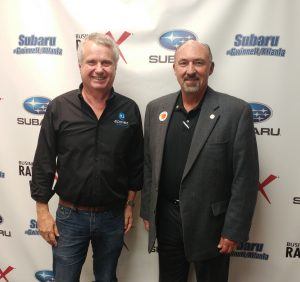
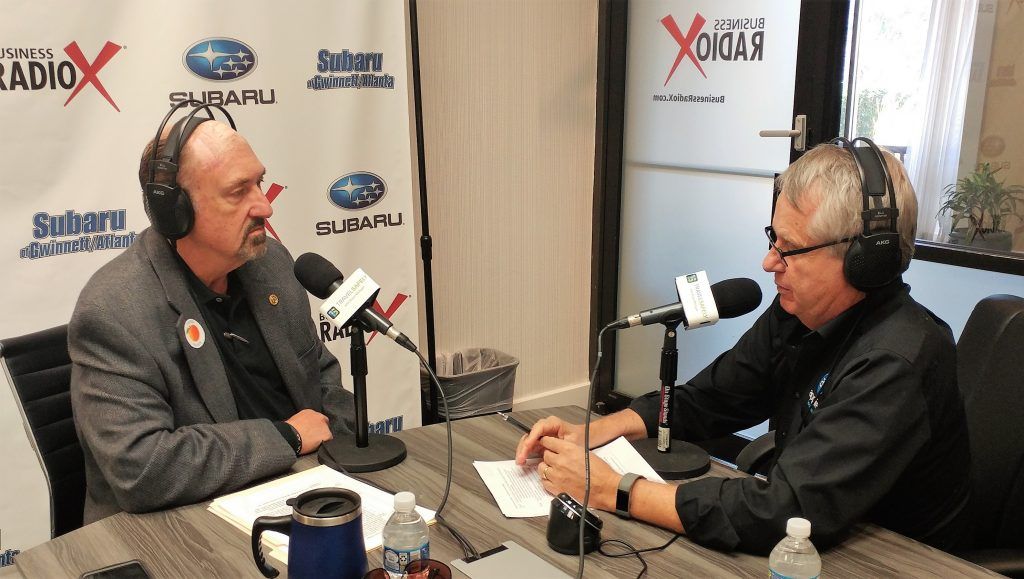
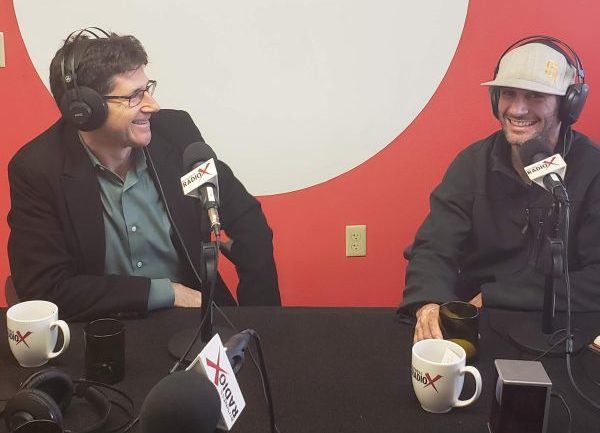
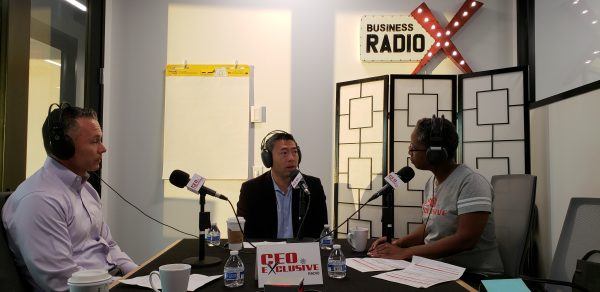
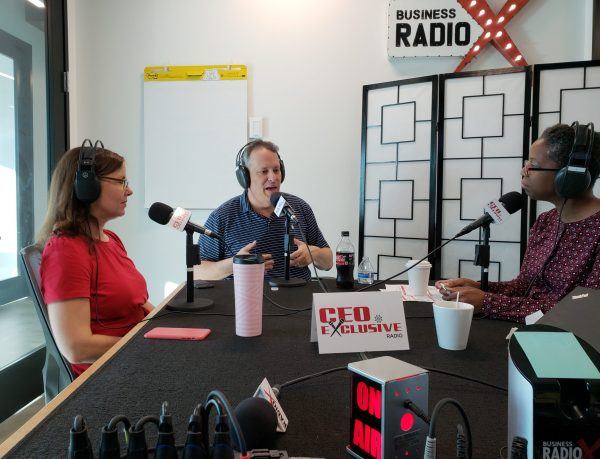
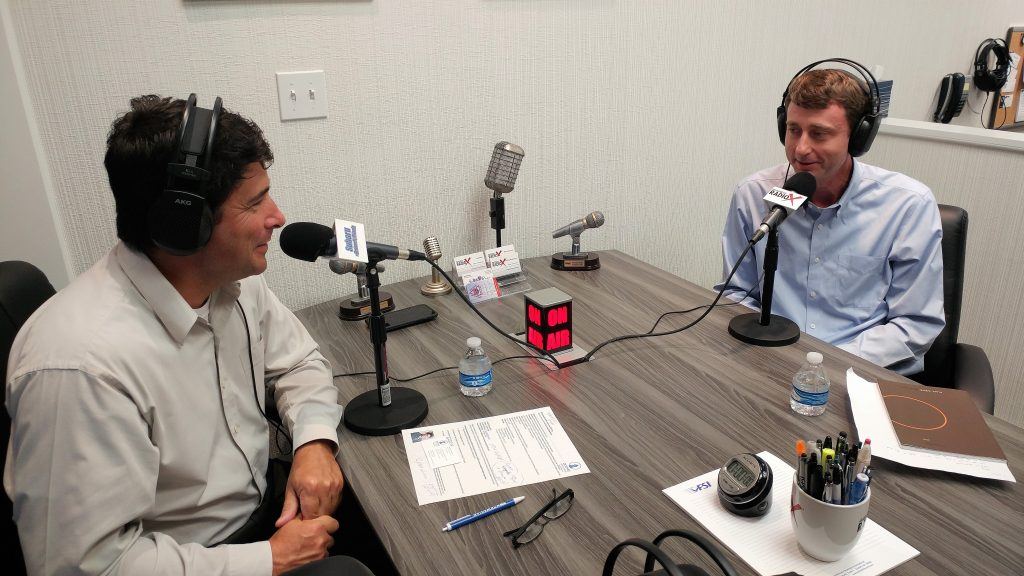
Michael Blake, Director of Brady Ware & Company and Host of the Decision Vision podcast, interviews Jackie Hutter on when it may be best to forego the patent process, the steps in a patent process and the cost, how an entrepreneur should select and manage their patent attorney, and other key topics related to patents.
Jackie Hutter, The Hutter Group
 The Hutter Group enables start ups and small companies to generate and deploy intellectual property that can enhance revenue and exit goals. While working with innovators to obtain meaningful patent protection that “makes it cheaper to go through you than around you,” we work with our clients to identify IP Strategies that are meaningful to their businesses, with the objective of creating IP that is aligned with real value.
Jackie Hutter has been recognized for each of the last 8 years for her innovative insights in creating value from IP Strategy with the peer-awarded Top Global IP Strategist by Intellectual Asset Magazine. Ms. Hutter’s IP Strategy clients have been varied, and include a Fortune 500 consumer hardware company, a large alternative energy company, several funded medical device ventures and dozens of startup companies with diverse technology offerings. From 2011-2015, Ms. Hutter also served as a the CEO of a startup battery-related company, which has provided her with a unique vantage point among her experienced colleagues about what it means to work with counsel to generate the critical IP necessary to prevent competitors from “knocking off” the innovator’s technology. Her experience extends beyond the IP realm: she frequently handles contracts and related matters for her clients, especially those relevant to clients’ IP rights.
Michael Blake, Brady Ware & Company
 Michael Blake is Host of the Decision Vision podcast series and a Director of Brady Ware & Company. Mike specializes in the valuation of intellectual property-driven firms, such as software firms, aerospace firms and professional services firms, most frequently in the capacity as a transaction advisor, helping clients obtain great outcomes from complex transaction opportunities. Mike is also a specialist in the appraisal of intellectual properties as stand-alone assets, such as software, trade secrets, and patents.
He has been a full-time business appraiser for 13 years with public accounting firms, boutique business appraisal firms, and an owner of his own firm. Prior to that, he spent 8 years in venture capital and investment banking, including transactions in the U.S., Israel, Russia, Ukraine, and Belarus.
Brady Ware & Company
Brady Ware & Company is a regional full-service accounting and advisory firm which helps businesses and entrepreneurs make visions a reality. Brady Ware services clients nationally from its offices in Alpharetta, GA; Columbus and Dayton, OH; and Richmond, IN. The firm is growth minded, committed to the regions in which they operate, and most importantly, they make significant investments in their people and service offerings to meet the changing financial needs of those they are privileged to serve. The firm is dedicated to providing results that make a difference for its clients.
Decision Vision Podcast Series
Decision Vision is a podcast covering topics and issues facing small business owners and connecting them with solutions from leading experts. This series is presented by Brady Ware & Company. If you are a decision maker for a small business, we’d love to hear from you. Contact us at decisionvision@bradyware.com and make sure to listen to every Thursday to the Decision Vision podcast. Past episodes of Decision Vision can be found here. Decision Vision is produced and broadcast by Business RadioX®.
Visit Brady Ware & Company on social media:
LinkedIn: https://www.linkedin.com/company/brady-ware/
Facebook: https://www.facebook.com/bradywareCPAs/
Twitter: https://twitter.com/BradyWare
Instagram: https://www.instagram.com/bradywarecompany/
Show Transcript:
Intro: [00:00:02] Welcome to Decision Vision, a podcast series focusing on critical business decisions brought to you by Brady Ware & Company. Brady Ware is a regional, full-service accounting and advisory firm that helps businesses and entrepreneurs make visions a reality.
Michael Blake: [00:00:23] Welcome to Decision Vision, a podcast giving you, the listener, clear vision to make great decisions. In each episode, we’ll be covering a key topic to discuss the process of decision making rather than making recommendations because everyone’s circumstances are different. We’ll talk to subject matter experts about how they would recommend thinking about that decision. And then, you can make that decision on your own.
Michael Blake: [00:00:44] My name is Mike Blake, and I’m your host for today’s program. I’m a Director at Brady Ware & Company, a full-service accounting firm based in Dayton, Ohio, with offices in Dayton, Columbus, Ohio, Richmond, Indiana, and Alpharetta, Georgia, which is where we are recording today. Brady Ware is also sponsoring this podcast. If you like this podcast, please subscribe on iTunes, and please consider leaving a review of the podcast as well.
Michael Blake: [00:01:07] So, today we’re going to be talking about — We’re going to be talking about patents. And patents are increasingly important. There’s a lot of data out there that suggests that, in the last 30 years or so, most of the value that’s being created in our economy consists of intellectual property. Now, the accounting world is actually only very slowly catching up to this. A lot of intellectual property does not show up on a balance sheet. In fact, some of the benefits of having intellectual property is that nobody knows it’s there at all. And that’s one of the things, I think, we’ll be talking about today.
Michael Blake: [00:01:41] But one of the things that I’ve learned over the years I’ve been, myself, working with advisors, and entrepreneurs, and business people is that some patents are great, some patents aren’t great. Sometimes, they are all cracked up to be. Sometimes, there are better ways to accomplish protecting your intellectual property. But I’m not an attorney. I don’t know anymore about patents than I just said over the last 35 seconds or so. So, in order to not commit malpractice and be sued because I do not have the bar, we’re going to bring on a subject matter expert to talk to us today.
Michael Blake: [00:02:12] Joining me today is my dear friend and colleague, Jackie Hutter. Jackie has been helping innovators capture the value of their ventures at The Hutter Group since 2008. During this time, and probably not coincidentally, Jackie has been named by her peers as a Top Global Intellectual Property Strategist. For several years, Jackie took a break from the law as CEO of a startup technology company where she experienced entrepreneurship from the inside, which gives her a unique perspective among patent experts.
Michael Blake: [00:02:42] Prior to striking out on her own, she was a Senior Intellectual Property Lawyer at Georgia Pacific and a shareholder at an Atlanta intellectual property law firm. She started her non-legal career as a research scientist in an innovation group of a hair and skin product company. I didn’t know that. Jackie lives in the Decatur area in a groovy, mid-century house with her husband, teen daughters, and far too many pets. Again, joining us today is Jackie Hunter.
Jackie Hutter: [00:03:08] Thank you, Mike.
Michael Blake: [00:03:09] Thanks for coming today. And how many pets do you actually have now?
Jackie Hutter: [00:03:12] Oh, gosh. We have three very large dogs, including one that’s just emerging from puppyhood that requires me to walk him about six miles every day.
Michael Blake: [00:03:22] That’s why he looks so fit.
Jackie Hutter: [00:03:24] Well, thank you for that. We work hard. And then, three cats.
Michael Blake: [00:03:28] So, how far — I mean, what is the line between having too many pets and being the cat lady from The Simpsons?
Jackie Hutter: [00:03:34] Having a husband.
Michael Blake: [00:03:39] All right. Well, you heard it here, folks. You heard it here, folks. If you have too many pets, and you want to not be clinically insane, be married. That is apparently the line.
Michael Blake: [00:03:47] So, Jackie, thanks for coming on today. I’m really looking forward to this conversation. And you and I have had patent discussions forever, as long as we’ve known each other. I do a lot of work with entrepreneurs, many of whom think they want to have patents, and you sort of help talk them off the ledge, or maybe they should have patents, and you’re like, “God, why don’t they have a patent? They need to talk to me,” like, “Stop.” But let’s kind of build a foundation here. I’m not sure everybody understands what exactly a patent is. So, talk about what is a patent and how do patents work?
Jackie Hutter: [00:04:17] Well, patents are confusing because, quite frankly, lawyers make it too complicated. It’s really a simple framework in that a patent sets out the property lines of what you want to own. And when you file a patent application, you are setting out, laying a marker, if you will, into the world that, “I have come up with this, I have invented this, and I want to own it.” And so, that’s a very important part of the process that people don’t spend enough time on. But, generally, folks will think, “I need a patent,” and not really understand why they need it and why it creates value for them.
Jackie Hutter: [00:04:59] And because there are so many people who write about patents and who actually obtain patents for a living, there’s a lot of junk that’s out there that prevents people from really understanding. But, at the end of the day, a patent is something that protects something you’ve brought — that should protect something you’ve brought to a customer, and that customer will pay for it. And in order to retain that customer — In other words, to get them to be able to continue buying from you as long as you want them to, you need to consider whether or not it makes sense to draft a — obtain a patent that actually covers that stuff. And if it doesn’t, then patents are irrelevant to you.
Michael Blake: [00:05:47] So, just having a patent for the sake of a patent doesn’t sound like a great idea.
Jackie Hutter: [00:05:51] Well, if you like to have really pretty things on your wall. For a lot of people, the objective is, “Hey, I got a patent.” And, sometimes, they don’t even think about what the value is, or they assume there’s value, and they never really care or have to figure out what that value is. Certainly, for patent attorneys, the goal is to get patents because if they didn’t, they wouldn’t be in business. But the ultimate goal if you’re doing this the right way is because you have a validated customer, somebody wants to buy what you’re selling to them. And in order to continue to hold that customer and realize that value, you should have a patent. You don’t have to have a patent, but you should have a patent.
Michael Blake: [00:06:38] Okay. So, let’s say you sold me. I want to get a patent. And, for the moment, let’s leave a side value. Maybe, I do just want something pretty on my wall, and it’s cheaper than a Warhol.
Jackie Hutter: [00:06:51] Maybe not.
Michael Blake: [00:06:52] Maybe not. We’ll talk about that later, right. But I decided I want it, how do you go about that? Can I just go down to Washington and say, “Hey, give me a patent.” How does that work?
Jackie Hutter: [00:07:01] Well, it’s a very arcane process, even for patent experts like me. I’ve been doing this for far more years than I like to admit. And the details are just way too complex. Now, if anybody is a DIYer, there are plenty of books out there that purport to tell you how to do it, and I have seen some patents that have been generated that way. Usually, they’re not worth anything, not even the paper that they’re written off, but that’s just the nature of the business. Although there are some exceptions, but they’re very, very, very extremely rare. So, then, what you have to do is you have to hire a patent expert. It’s kind of like, “the fox guarding the hen house,” as a mentor of mine used to say. When you ask a patent attorney if you need a patent, the answer is probably going to be yes.
Michael Blake: [00:07:52] Of course, you need a patent.
Jackie Hutter: [00:07:56] And that made-
Michael Blake: [00:07:56] I got to get paid.
Jackie Hutter: [00:07:57] Yes, well-
Michael Blake: [00:07:59] I don’t know if you need a patent, but I need a patent.
Jackie Hutter: [00:08:01] Well, you said it, I didn’t, or maybe I did. But what typically happens in that process – and I know this is the way the training is – we say to our clients, “What did you invent?” And this is what my retainer is going to be. And most of the time, the vast majority of time, that gets things off in the wrong direction because when you’ve talked about what you’ve invented, you’re talking about what has happened in the past.
Jackie Hutter: [00:08:32] But if patents are to have value for you in your business strategy, as part of your business strategy, you need to be looking at the future and understanding why this patent is going to have meaning for you at some point in the future. And that’s with respect for my clients, with respect to potential sales and potential customers in the future.
Jackie Hutter: [00:08:53] So, by starting with, “What did you invent?” and starting writing about the past is where most patent applications and, actually, granted patents go awry, but it’s just the nature of the business. I take a different approach, a very different approach actually. When clients come to me, I use a gate. I will not take any client who has not been able to demonstrate or will not be able to demonstrate to me that they know who their customer is, why the customer cares, and why the customer will write a check in the future.
Jackie Hutter: [00:09:31] And when they do that, and only if they can do that, we talk about why it matters for them in the future to have this protection. And very often, it won’t be relevant. So, I say, “No, you don’t need a patent. Let’s go ahead and work on another type of intellectual property that might give you even more value than a patent.”
Michael Blake: [00:09:52] I think that’s great. I’m going to go off the script here because, I think, it’s a sign of a great professional that makes a client work a little bit to hire you. And I like to think I do the same thing in my practice where you don’t want to do an unnecessary operation, right. You got to live with yourself. And, at the end of the day, the client’s going to wise up and realize you took out their appendix when it’s perfectly healthy, right. And they’re going to be mad. It’s going to harm your reputation. And Atlanta is a big small town, right. So, I think that’s really important that you go through that process, and you challenge the client to think, “Do you really need a patent?” as opposed to, “Are you looking for something really pretty to put on the wall?”
Jackie Hutter: [00:10:36] Well, for professionals like us who had gone to school for a long time and been doing it for even longer, it’s really easy to make it complicated. And it’s hard to make something simple when it really is hard. And therefore, it has become, or not even become, I think it’s always been this way in the patent world that folks just want to hand stuff over to somebody else because it’s uncomfortable and difficult to learn something new, especially when you’re professional does not take the time or have the skill to be able to explain it to you in a way that’s meaningful to you.
Jackie Hutter: [00:11:13] And, actually, that’s sometimes the hardest part of my practice is to figure out the right way to talk to this person, this client, this potential client because you have to meet the client where they are and to be able to communicate to them in a way that’s meaningful for them. So, that has — I have actually fired clients and, I think, I’ve had my clients have fired me because I require them to do the work. At the end of the day, a patent is a business document. It’s not a legal document. It’s not a technical document. It’s something that sets out your business plans, and you have to be able to execute on those business plans. That’s why I write patent applications with my clients the way I do.
Michael Blake: [00:11:54] If you haven’t been fired, and you have never fired a client, you’re not really doing your job as an advisor because that means you’re just rolling over every time, and that’s not a good advisor, right? So-
Jackie Hutter: [00:12:06] Yeah, but it pays well, right?
Michael Blake: [00:12:08] In the short term, it does. So, they talk to you. Let’s say they’ve now convince you that a patent is the right thing, and you agree, they’re going to take you on. What happens then?
Jackie Hutter: [00:12:19] Well, what I’ll do is first figure out what the lay of the land is. Usually, we all. And that’s very different than what other folks do. People, just generally, clients will say to me, “I’ve done a patent search.” Well, usually, a patent — Well, not usually. The vast majority of times, clients really have no idea what a patent search entails. It is really a specialized process. So, that, you do need to have somebody who’s trained. You don’t necessarily need a lawyer. But the traditional way of doing searches is quite binary. Actually, that’s right. You can’t have quite binary. It is binary. And it’s either, are you patentable or you’re not patentable?
Jackie Hutter: [00:12:57] So, when you say, “Is something patentable?” you have defined what you’re going to patent. That is, again, looking backward, not looking forward. So, the approach I take with clients is I say, “I don’t know what we should patent. Help me understand your business better. I will go out and look to see what others have done and what the patent world looks like.” I don’t want to say landscape. I don’t want to use existing words because it really is a graze. It’s just trying to collect information and develop a frame of reference for moving forward.
Jackie Hutter: [00:13:36] And what’s interesting in there, especially since I work with early stage, smaller companies that are seeking to create patents that are meaningful to others, to get others to potentially write a check for the rights to practice or own that technology is you really have to patent for other people, and use the language, use the framework, use the context that the folks that you want to get their attention are going to be interested in.
Jackie Hutter: [00:14:07] If you look very different from them, they’re not going to want to buy you, right. They’re not going be interested. That’s just basic human nature, whether it’s patents or not. But, also, from the standpoint of companies that don’t file hundreds or thousands of patents a year, which seem to get all the noise is about all these large companies that are filing an enormous number of patents a year, those are not most of the people getting patents. Most people getting patents are much smaller companies, and they’re getting them Wednesdays ad Tuesdays.
Jackie Hutter: [00:14:41] Those folks don’t know their patent attorneys, as well as the people themselves, they’re not experts in getting patents. So, by going out looking at the existing patent literature and figuring out what other characterizations, what other language, what other definitions the experts have used, you can shortcut. You could not only make your patent look more similar to the people whose attention you want to get, you can also shortcut the drafting process and get a less expensive and higher quality work product because of that.
Michael Blake: [00:15:12] I’m sorry, go ahead.
Jackie Hutter: [00:15:13] No.
Michael Blake: [00:15:13] So, that front-end work, then, really makes a big difference?
Jackie Hutter: [00:15:19] Absolutely. And that’s one of the biggest problems with patents in the way that I learned how to do them, as well as the way that most folks do them today is that it’s a “File it and see what happens.” Well, that’s like going to battle without having any planning associated with it, right We know what happens from that. You’re fighting battles, and you don’t have a strategy to win, or even if you can win.
Jackie Hutter: [00:15:49] So, by setting up the groundwork in advance, it’s more work, and it can be challenging for the client to be pushed in this direction, especially for technical people. Business people get this. Marketing people get this. When I sit down with a technical person, they typically want to talk to another technical expert, and they get into a siloed conversation that ends up looking like a technical diagram, right, a technical document.
Jackie Hutter: [00:16:17] And to say to them, “I don’t care what your technology is. I want to know why it matters, and why it was so hard, and why nobody has done this before because you’ve been working on this for X number of months, X number of years, and it took you this long. We need to make sure that story is told to the patent office, so that the patent office is not going to say, ‘Looks like everything else that comes in.'” I don’t want to fight that battle on the back end. I want to make sure I’ve strategized, so I don’t have to fight a battle I know that’s going to happen.
Michael Blake: [00:16:46] I bet a big challenge of that too as an inventor has internalized that story so much that they find it hard to expressly articulate.
Jackie Hutter: [00:16:53] Absolutely. Everything is obvious in hindsight, even to the inventors sometimes. And I love to get to innovators before they have actually, hopefully, started their innovation journey or in the middle of the innovation journey because what I say to them is, “As a former research chemist, so often, nothing comes together until everything comes together.” And you’re struggling, you have that pain, you don’t know how you’re ever going to get through this block that you have. And then, you’re through that block, and everything’s going swimmingly. It’s the absence of pain. You have this feeling that, yeah, it was hard, but you can’t very often re-articulate it.
Jackie Hutter: [00:17:36] So, if I can get to folks before that that they get through that process, and everything is going swimmingly, I can get them to think about, “Hey, this is really hard. This is something I need to write down for Jackie, because Jackie said this is important to the story.” And for a lot of my clients, and this is where a lot of the noise comes about patents, you say, “You cannot patent this,” or “It’s really hard to patent that because of what the Supreme Court has done.” And I can’t change what that is. And there are many people who spend an inordinate amount of time trying to pull out threads from something that is frankly unintelligible because the rules are — There really are no rules these days that can’t be articulated to a client in a way that can help them plan and strategize. In other words, it’s left up to the lawyers and, hopefully, it’ll all work out.
Jackie Hutter: [00:18:29] Well, there is one rule that has been made by the courts that is clear and unambiguous in the realm of software technology, all this stuff where all the noise is out of Silicon Valley and here, actually, in various areas. Attorneys will say, “Well, let’s just try and see what happens.” Well, that’s the wrong approach because the courts have been extremely clear that, yes, you may not really be patentable, unless you can show more. Well, you know how to show more. You show more by telling a story, and why it was so hard, and why it’s meaningful.
Jackie Hutter: [00:19:08] So, especially for my clients that are in the software-related areas, I have several of those, we work really hard to be able to articulate that story in our patent application, which is very different from what they’ve done before, unquestionably, and it’s very different from other folks. They haven’t gotten it — The patent attorneys who do this every day haven’t gotten the message that you have to tell a story.
Michael Blake: [00:19:32] What you’re describing, try and see what happens, it’s like when I ask my teenage son to ask his mother a question. Then, he yells up the flight of stairs. It’s like, “Well, I could have yelled. I’m not that old yet.” And you don’t necessarily need to be a lawyer to sort of try something and see what happens.
Jackie Hutter: [00:19:51] But, also, there’s no accountability. There’s so many ways to blame other things, other externalities than your skills and abilities as a patent attorney on why something doesn’t work out. Even attorneys I really respect, they just seem to just shrug their shoulders sometimes and say, “Hey. Who knew? You never know what’s going to happen when it gets in the patent office.” Well, I know that’s not the case because while I can’t guarantee a patent is going to grant for any of my clients, by doing it this way, we consistently get broad patents out of the patent office in a very accelerated framework. But, again, we do the work, the hard work, on the front end, which effectively lays the groundwork for getting something through the office in the way we want it to get.
Michael Blake: [00:20:37] So, let’s drill down then. Let’s say we’ve sorted it. So, actually, there’s a bullet point that, I think, needs to be made here is that getting somebody like you involved early in the innovation process really helps. It sounds like it’s harder if I just say, “Hey, I just gave birth to an innovation. Let’s go patent it.” If you think that a patent is on the table, prepare for that along the process. Is that right?
Jackie Hutter: [00:21:01] I would not say if a patent is on the table. I would say that if you’re a company that’s bringing innovative technology to a customer to solve a long unmet need that you’re investing time, effort, and resources in that, then you need to bring somebody like me in at an early stage to, at least, lay the framework for what you need to know, what you need to be looking for. Waiting to the end is typically too late. It’s not always too late, but if you’ve already made all of your decisions, it’s kind of hard to go back if you’ve made the wrong decision.
Jackie Hutter: [00:21:41] And so, having that knowledge from the front end can be invaluable. And to that point, I’ve got clients that I’ve been working with on an ongoing basis, and they know to call me. One of the reasons why they’ll call me, and I’m not with them every day, but they know how important this is to their business strategy is, we’re going to go out and talk to a customer. And this customer does X. And we want to have, at least, a short meaningful patent application on file before we go talk to these folks because they know that, because I’ve trained them, they won’t to have a patent application on file today, so that if it works, they’ll be arguing in six months about how much their already-filed IP is going to be licensed for as opposed to arguing about who owns what was successful.
Michael Blake: [00:22:29] So, we’ve gone through that process. Now, are we close then to filing an application, telling the government that we’d like a patent. How does that-
Jackie Hutter: [00:22:38] So, you file the application, and you might want to talk about costs. We can come back to that, but we got the patent application on file. The typical process is to file the slow boat through Alexander — Is it? Arlington to get the patent. And it could be anywhere from two, to four, to five years based upon the technology. And, for my clients, that’s not an appropriate timeline for most cases. Some cases, we do file during that because it’s for non-leading-edge stuff but what I had incredible success for.
Jackie Hutter: [00:23:15] And unfortunately, it doesn’t seem to be in the toolbox of a lot of attorneys out there. I don’t know why. But there is an accelerated process. You pay a little bit extra on the front end to file a patent application. It goes in a special lane, if you will, in the patent office. And we have consistently begin the examinations within about six months. And if we do the front-end work correctly, we get allowances in less than a year. That is incredibly meaningful for early-stage companies, small companies that are looking to accelerate the value.
Jackie Hutter: [00:23:48] For larger companies where patents really aren’t meaningful because they’re not going out of business if they screw up their patents or don’t get a patent, then the longer path is fine. But specifically, for my clients, we do that. The examination process is back and forth. It’s like the patent examiner says, “You’re not patentable.” We say, “Yes, I am patentable.” And what often happens is that the attorney is incentivized to get an allowance. And so, they’ll amend the claims. And if they’re not absolutely talking very closely to the business team of the client, what happens far too often is that the client is left with a patent that doesn’t cover their product or anybody else’s product for that matter because you’ve got a patent, but you don’t have valuable patent, and the attorney has done exactly what you hired him to do.
Michael Blake: [00:24:39] Yeah, which is to get a patent. Okay.
Jackie Hutter: [00:24:42] Get a patent. Yeah.
Michael Blake: [00:24:42] So, good. So, I think that covers the process. And you touched upon this. It’s important. It’s a business decision. Can you talk about a range of what we’re talking about in terms of fees to obtain a patent?
Jackie Hutter: [00:24:56] Sure. I basically manage outside counsel a day. And that’s a big change than what I used to do because there’s really no transparency to legal fees if you’re not talking to a bunch of people. It’s to consult. Yeah, I’m a consultant. I see a lot of stuff, and I’m able to make assessments in that regard. Most of them cost far more than they need to cost. Typically, these days, I’m seeing — I’m not involved because I can keep these costs down and do it in a different way. Typically, what you’re looking at from outside counsel at a smaller firm, specialized firm, you’re looking anywhere from $8000 to $15,000 on the filing. For large firms that have different business models, you’re looking at double that. There are good attorneys, excellent attorneys at small firms, and there are lousy attorneys at big firms.
Michael Blake: [00:25:49] Same way the CPA works.
Jackie Hutter: [00:25:50] Yeah. And so, cost shouldn’t really be a driver. You should be hiring the attorney, not the law firm, but it’s the same way in your business, right. So, a lot of people immediately gravitate to a named brand firm.
Michael Blake: [00:26:03] Nobody gets fired for hiring Dentons, right?
Jackie Hutter: [00:26:06] Exactly, exactly.
Michael Blake: [00:26:08] Unless it bankrupts them. That’s a separate discussion. So, a patent is obvious. It’s a complicated process, not to be taken lightly. When do you find yourself talking people out of a patent? What are the kinds of things they say to you that sort of trigger, “You know, I don’t think a patent is right for you.” What does that look like?
Jackie Hutter: [00:26:28] So, in-and-out products. I think one of your guests today may be talking about in-and-out products. Nice business models, but they have a finite-
Michael Blake: [00:26:35] What’s an in-and-out product? I’m not familiar with that term.
Jackie Hutter: [00:26:36] Something that’s got maybe a six-month timeline, one-year timeline. I like to use the example of the endcaps in Target. Products-
Michael Blake: [00:26:45] The Snuggies.
Jackie Hutter: [00:26:46] Actually, Snuggies is a great story. Actually, I use that example. I probably could have got a patent on a Snuggie, believe it or not. It seems so obvious, but there’s a story there, right. So, you probably could have gotten something if it had been skillfully done. But there’s only a limited number of people that are going to buy a Snuggie.
Michael Blake: [00:27:06] I mean, it came and went, right?
Jackie Hutter: [00:27:08] Yeah. And also-
Michael Blake: [00:27:09] So, you don’t need 20 years of protection for a Snuggie.
Jackie Hutter: [00:27:11] But, also – and this is another aspect of that – really is Walmart going to slot to two shelf spaces for completely Snuggie? It ain’t going to happen, right. So, in that environment, patents really aren’t meaningful.
Jackie Hutter: [00:27:27] The other situation, and I use this example for folks that have products, Kim Cracks, whatever you want to call them, I ask people to walk through Tuesday Morning, which I effectively think about as the Island of Misfit Toys. You walk through Tuesday morning, and what I see is people’s 401(k)’s that had been totally evacuated because somebody convinced them that they could make a zillion dollars on their new way of doing X, Y, or Z. And the people who got that product to market, the people who patented that product, got paid. And this poor person had to sell. The only way they could make any revenue, which was far less than they invested, unquestionably, is to get it to be sold into a place like Tuesday Morning.
Michael Blake: [00:28:16] It’s like the gold rush, right?
Jackie Hutter: [00:28:17] Yeah.
Michael Blake: [00:28:18] You made money selling the axes, and the shovels, and the sifting pans but not actually digging for gold.
Jackie Hutter: [00:28:22] Great example, great example. So, I want people to realize that that’s not a real outcome, a probable outcome, for when you have just a better idea. You think, it’s a better idea.
Michael Blake: [00:28:34] Now, what about the argument that because when you obtain a patent, you’re also sort of opening the kimono, right. Is there an argument to be made that, instead, trying to protect something as a trade secret just by virtue of keeping something secret?
Jackie Hutter: [00:28:48] Yes and no. It depends on how you do it.
Michael Blake: [00:28:53] Okay.
Jackie Hutter: [00:28:53] The kimono only needs to be opened. That is a real legal term, opening the kimono, but it actually falls apart when I talk about this.
Michael Blake: [00:29:01] That’s a term of art?
Jackie Hutter: [00:29:02] Open the kimono, yeah, absolutely.
Michael Blake: [00:29:05] I have no idea.
Jackie Hutter: [00:29:05] Yes, absolutely. Yeah, it goes back to the old days when it was all men. But in any event, you only have to open the kimono if your claims are related to the goods, if you will. So, if you strategically define your claims in a way that doesn’t require the secret sauce to be disclosed, then there’s less probability that that’s the problem.
Jackie Hutter: [00:29:36] So, when I talk about my software clients, my software-related clients, we’re not claiming the algorithm. Why would you do that? Because there are probably 62 other ways to do the same thing with a different algorithm, but that’s not what we’re talking about here. If you claim the algorithm or the process, you have to disclose how you do the process.
Jackie Hutter: [00:29:54] But if you’re claiming something different – For example, what the customers buy, a product – the technology enables that claimed product. The technology does not lead that product. So, you have different — The legal requirements don’t change. But because you’re setting up the question to be different, very often, what I find is that the issue of trade secret disclosure is much different when you strategically define the claims in a way that’s actually more meaningful in the long run.
Michael Blake: [00:30:29] So, as we wrap up here, I would like to invite you to maybe share a little bit of a case study. Is there a patent success story you can think of that you could share?
Jackie Hutter: [00:30:40] I have, well, a couple of recent ones, but one that I had — And they’re a little bit different. So, I’ll briefly talk about both of them. First one is a medical-related client, detection client of mine that I’ve been working with for a few years now. They came to me very early. And they have been doing some really tough research on a condition, a medical condition that if you catch it before at the right time, it doesn’t become chronic. But if you don’t catch it, then the patient suffers for the rest of their lives.
Jackie Hutter: [00:31:15] And the problem there was you have to be able to detect it, and so that you can diagnose it, but the detection was very difficult because it has to be done fairly continuously. So, you can’t have a person come into the medical imaging office once a week. It’s just not feasible in most cases. So, they’ve developed a way to diagnose it on a regular basis. Ostensibly, there’s prior already out there, but why would they be working on it if the problem has been solved? That’s a big deal for innovators. Just think about you’ve got all these people working really hard on something, that means the problem is not solved. And that was the case here.
Jackie Hutter: [00:31:53] And they’ve got some really keen insights, amazingly smart people. They’re great technologists, great entrepreneurs. And it’s been a collaborative process. It’s always a collaborative process. And we were able to get them two patents within just shy of a year and a half. And after a year of really having cracked the code on this particular innovation, they obtained very substantial licensing revenue, a license agreement from a company that makes a medical device that has kind of been a moribund market.
Jackie Hutter: [00:32:29] And my client’s technology allows more sales to be had of an existing medical device that was pretty much a flat market. And they’re thrilled. And, also, importantly this revenue is not investor revenue. They didn’t have to give up any of the company to get this revenue. But they were very strategic. It was all about customer discovery, what the customer needed, why the problem existed, and the continuous collaboration with me to make sure our patents covered that.
Jackie Hutter: [00:32:55] The second example, and this is a quick example, but it’s a fun example because it tells me that I’m doing things right, I’ve been working with a startup technology company, actually, since the day they were they were founded: the CTO, a PhD, and a CEO. And we’ve been strategically working to generate IP protection. It turns out patents are very important in this space. We can tell that because there’s lots of patents in this space. It’s got a pretty obvious signal. And they have been getting the attention of the established companies in this market because of the patents because patents are technology-virtue signaling, right. I’ve got patents. I’m doing something different. So, that differentiates them from the other startups out there. But, also, that client is now going through Series A. And I found out that there was a bidding war between two VCs over the term sheet. And I found out the reason that-
Michael Blake: [00:33:52] Is it an Atlanta company?
Jackie Hutter: [00:33:53] It’s an Atlanta company, yes.
Michael Blake: [00:33:55] Two VCs bidding over an Atlanta company?
Jackie Hutter: [00:33:55] Yes, exactly, exactly. They were Atlanta VCs.
Michael Blake: [00:33:58] That’s urban legend.
Jackie Hutter: [00:33:59] Yes. It’s this truth. But how I found out about it was because the losing VC asked for my name, and they’re hiring me for one of their portfolio companies-
Michael Blake: [00:34:09] That’s good.
Jackie Hutter: [00:34:10] … which is great. But in this case, IP didn’t drive all the value. The technology and the validated business model for my client absolutely did that. But augmenting that with IP that actually covers what the customer cares about was a definite, definite plus to that valuation.
Michael Blake: [00:34:32] So, Jackie, I’d like to get a concluding thought out of you, kind of a 30-second sound bite. Most important to think about when deciding whether or not to get a patent, what do you think that is?
Jackie Hutter: [00:34:46] So. patents really matter. When they matter, they matter a lot. And being able to understand when and when that isn’t. And if it is, how to go about getting what you need in order to grow that company value, either in revenue or an exit, is the crucial first step to any patenting process.
Michael Blake: [00:35:13] Well, this is great. So, how do our listeners find you? I’m sure they’ve listened to us for the last, whatever, half an hour or so. They’ve fallen in love with you, as they should. How do they find you if they want to ask from ask you for more information?
Jackie Hutter: [00:35:24] Well, they can see me driving around Atlanta in my red Mustang convertible with the license plate that says, “I’m a lawyer,” or they can find me online at The Hutter Group. That’s H-U-T-T-E-R group.com. And more preferably look for my writings out there. I’ve been blogging for over 10 years – actually, 11 years now – about these topics. I’m passionate about them. And more importantly, I’m passionate about people learning about the patent process and why it matters before they come and talk to any patent expert, me or anybody else for that matter.
Michael Blake: [00:35:59] All right, terrific. Well, that’s all the time we have for today’s episode. So, we’re going to wrap up today’s program. I’d like to thank Jackie, again, for coming on, Jackie Hutter, for joining us and sharing her expertise with us. I think we’ve learned a lot, and there’s a lot to sort of unpack. So, the nice thing about podcasts, you can pause, rewind, play again. We’ll have a transcript posted as well. I have show notes posted.
Michael Blake: [00:36:21] Next week, we’ll be exploring a new topic. So, please tune in so that when you’re faced to making your next business decision, you have clear vision when making it. Once again, this is Mike Blake. Our sponsor is Brady Ware & Company, and this has been the Decision Vision Podcast.