Business RadioX ®

  • Home
  • Business RadioX ® Communities
    • Southeast
      • Alabama
        • Birmingham
      • Florida
        • Orlando
        • Pensacola
        • South Florida
        • Tampa
        • Tallahassee
      • Georgia
        • Atlanta
        • Cherokee
        • Forsyth
        • Greater Perimeter
        • Gwinnett
        • North Fulton
        • North Georgia
        • Northeast Georgia
        • Rome
        • Savannah
      • Louisiana
        • New Orleans
      • North Carolina
        • Charlotte
        • Raleigh
      • Tennessee
        • Chattanooga
        • Nashville
      • Virginia
        • Richmond
    • South Central
      • Arkansas
        • Northwest Arkansas
    • Midwest
      • Illinois
        • Chicago
      • Michigan
        • Detroit
      • Minnesota
        • Minneapolis St. Paul
      • Missouri
        • St. Louis
      • Ohio
        • Cleveland
        • Columbus
        • Dayton
    • Southwest
      • Arizona
        • Phoenix
        • Tucson
        • Valley
      • Texas
        • Austin
        • Dallas
        • Houston
    • West
      • California
        • Bay Area
        • LA
        • Pasadena
      • Colorado
        • Denver
      • Hawaii
        • Oahu
  • FAQs
  • About Us
    • Our Mission
    • Our Audience
    • Why It Works
    • What People Are Saying
    • BRX in the News
  • Resources
    • BRX Pro Tips
    • B2B Marketing: The 4Rs
    • High Velocity Selling Habits
    • Why Most B2B Media Strategies Fail
    • 9 Reasons To Sponsor A Business RadioX ® Show
  • Partner With Us
  • Veteran Business RadioX ®

Search Results for: marketing matters

MARKETING MATTERS WITH RYAN SAUERS: Mayor Allison Wilkerson and Amanda Leftwich from the City of Grayson

April 25, 2019 by Garrett Ervin

Gwinnett Studio
Gwinnett Studio
MARKETING MATTERS WITH RYAN SAUERS: Mayor Allison Wilkerson and Amanda Leftwich from the City of Grayson
Loading
00:00 /
RSS Feed
Share
Link
Embed

Download file

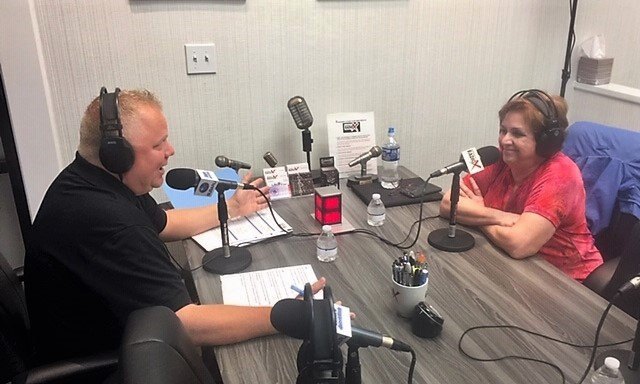
Jane Bishop, Mayor Allison Wilkerson, Amanda Leftwich, Ryan Sauers

Mayor Allison Wilkerson and Amanda Leftwich/City of Grayson

Grayson is a vibrant “live, work and play” community close enough to the big city for easy access but far enough to experience personalized home-town living. With excellent schools, sports programs, parks, restaurants and shopping Grayson is a popular destination for families. Throughout the year, The City of Grayson offers family-friendly community events including concerts, festivals and movies. Though Grayson is known for the excellent amenities of a sophisticated and professional city, they pay homage to their past with an extensive collection of historical Grayson memorabilia housed in the Arts and History Center. For more information, please visit cityofgrayson.org.

Jane Bishop/Take the Next Step

Jane Bishop, is CEO of Take the Next Step which emerged out of her passion to help others “go for their It.” She helps small business owners, entrepreneurs strengthen and align with their inner core for success by using her coaching and training skills. When you work with Jane you will experience accomplishing your “it,” and be a greater influence to those around you.  Jane uses her E4U system to help clients get to the core faster to create and execute a plan for effectiveness.  Jane is also a professional speaker and published author.  Curious? Reach out and book a complimentary session and see where that leads.

Ryan Sauers/President of Sauers Consulting Strategies

Ryan T. Sauers has spent over 25 years leading and/or consulting with marketing, media, and related companies. He is also owner of two Our Town Gwinnett monthly magazines. Sauers is a frequent national speaker and global columnist. He serves as an adjunct university professor teaching leadership courses. Ryan is a Certified Myers Briggs, DiSC, and Emotional Intelligence practitioner. Ryan is working on his Doctoral degree in Leadership. He is author of the best-selling books Everyone is in Sales and Would You Buy from You?

Show Overview

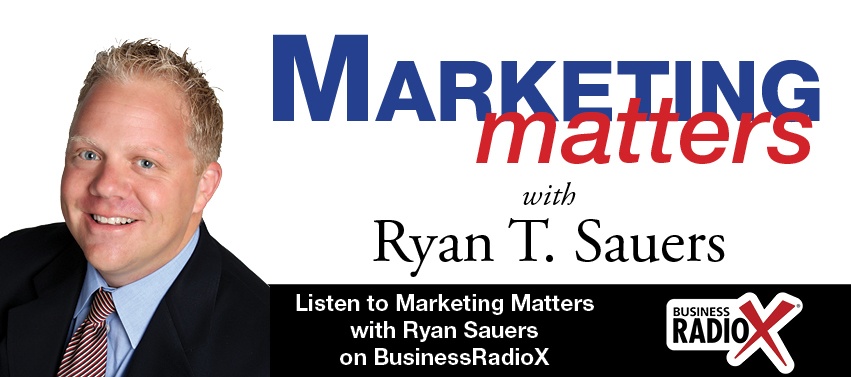
Marketing Matters is a radio show discussing topics as they relate to marketing, communications, sales, leadership and more. Host Ryan Sauers, a best-selling author and national speaker, discusses how these topics play a role in every aspect of our lives. Each episode shares tangible nuggets of information that listeners can easily understand and apply to their everyday life, whether personal or business. The show challenges listeners’ current state of thinking so they can grow to new heights and see new opportunities in business, which is rapidly changing, multi-generational. and noisy in nature.

Tagged With: Grayson, Grayson Arts and History Center, Grayson festivals, lisa counsell, live work play, Marketing Matters, marketing matters with ryan sauers, Mayor Allison Wilkerson, Ryan Sauers, Sauers Consulting Strategies, take the next step

MARKETING MATTERS WITH RYAN SAUERS: Marcie Reif with Marcie Reif Photography

April 11, 2019 by Garrett Ervin

Gwinnett Studio
Gwinnett Studio
MARKETING MATTERS WITH RYAN SAUERS: Marcie Reif with Marcie Reif Photography
Loading
00:00 /
RSS Feed
Share
Link
Embed

Download file

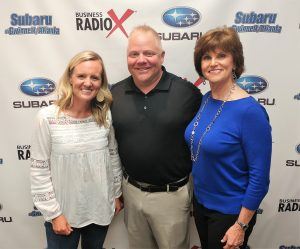
Marcie Reif, Ryan Sauers, Jane Bishop

Marcie Reif/Marcie Reif Photography

Marcie Reif is an in-demand kids, family, and commercial photographer in Atlanta, GA.  In addition to running her portrait business she is also a photography educator.  Marcie is the co-founder of The Photographer’s Retreat, and educational experience for female photographers, and the author of the best selling instructional resource Bringing Home the Story of the Beach.  She started her professional photography career in 2010, transitioning from a hobbyist taking pictures of her own children to begin growing the Marcie Reif Photography brand into the commercial and portrait photography experience it is today. She speaks several times a year at conferences around the country leading other photographers by giving them the confidence and tools to create strong portraits of family and children, as well as motivational strategies on building their photography community.  Her work has been featured countless times by industry-leading companies and has appeared in multiple highly-acclaimed magazines.

Jane Bishop/Take the Next Step

Jane Bishop, is CEO of Take the Next Step which emerged out of her passion to help others “go for their It.” She helps small business owners, entrepreneurs strengthen and align with their inner core for success by using her coaching and training skills. When you work with Jane you will experience accomplishing your “it,” and be a greater influence to those around you.  Jane uses her E4U system to help clients get to the core faster to create and execute a plan for effectiveness.  Jane is also a professional speaker and published author.  Curious? Reach out and book a complimentary session and see where that leads.

Ryan Sauers/President of Sauers Consulting Strategies

Ryan T. Sauers has spent over 25 years leading and/or consulting with marketing, media, and related companies. He is also owner of two Our Town Gwinnett monthly magazines. Sauers is a frequent national speaker and global columnist. He serves as an adjunct university professor teaching leadership courses. Ryan is a Certified Myers Briggs, DiSC, and Emotional Intelligence practitioner. Ryan is working on his Doctoral degree in Leadership. He is author of the best-selling books Everyone is in Sales and Would You Buy from You?

Show Overview

Marketing Matters is a radio show discussing topics as they relate to marketing, communications, sales, leadership and more. Host Ryan Sauers, a best-selling author and national speaker, discusses how these topics play a role in every aspect of our lives. Each episode shares tangible nuggets of information that listeners can easily understand and apply to their everyday life, whether personal or business. The show challenges listeners’ current state of thinking so they can grow to new heights and see new opportunities in business, which is rapidly changing, multi-generational. and noisy in nature.


Tagged With: consulting, Marcie Reif, Marcie Reif Photography, marketing, Marketing Matters, marketing matters with ryan sauers, Photography, portrait photography, Ryan Sauers, Ryan T. Sauers, Sauers Consulting Strategies, small businesses, take the next step, training

MARKETING MATTERS WITH RYAN SAUERS: Ron Weber with Dogwood Pizza

March 28, 2019 by Garrett Ervin

Gwinnett Studio
Gwinnett Studio
MARKETING MATTERS WITH RYAN SAUERS: Ron Weber with Dogwood Pizza
Loading
00:00 /
RSS Feed
Share
Link
Embed

Download file

Ron Weber and Ryan Sauers

Ron Weber/Dogwood Pizza

Dogwood Pizza is a local owned and operated family pizza restaurant that serves beer and wine. They also have wings, hoagies, stromboli, salads, bread sticks and more. They offer speedy delivery and provide catering for businesses and events as well.


Ryan Sauers/President of Sauers Consulting Strategies

Ryan T. Sauers has spent over 25 years leading and/or consulting with marketing, media, and related companies. He is also owner of two Our Town Gwinnett monthly magazines. Sauers is a frequent national speaker and global columnist. He serves as an adjunct university professor teaching leadership courses. Ryan is a Certified Myers Briggs, DiSC, and Emotional Intelligence practitioner. Ryan is working on his Doctoral degree in Leadership. He is author of the best-selling books Everyone is in Sales and Would You Buy from You?

Show Overview

Marketing Matters is a radio show discussing topics as they relate to marketing, communications, sales, leadership and more. Host Ryan Sauers, a best-selling author and national speaker, discusses how these topics play a role in every aspect of our lives. Each episode shares tangible nuggets of information that listeners can easily understand and apply to their everyday life, whether personal or business. The show challenges listeners’ current state of thinking so they can grow to new heights and see new opportunities in business, which is rapidly changing, multi-generational. and noisy in nature.

Tagged With: Dogwood Pizza, effective selling, family restaurant, marketing, marketing matters with ryan sauers, marketing tips, pizza restaurant, Ron Weber, Ryan Sauers, Sales, sales advice, sales tips

MARKETING MATTERS WITH RYAN SAUERS: Pat Soltys with Smoke Rise Agents

March 14, 2019 by Garrett Ervin

Gwinnett Studio
Gwinnett Studio
MARKETING MATTERS WITH RYAN SAUERS: Pat Soltys with Smoke Rise Agents
Loading
00:00 /
RSS Feed
Share
Link
Embed

Download file

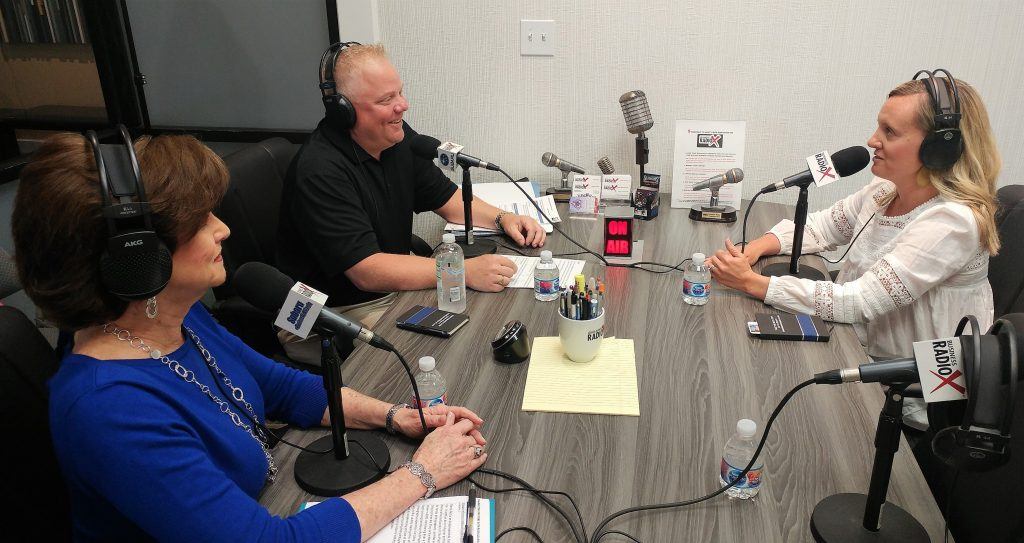
Pat Soltys and Ryan Sauers

Pat Soltys/Smoke Rise Agents

Smoke Rise Agents Team Lead Pat Soltys has been in the real estate industry for over 40 years, She is an author with over 300 copyrights, speaker and real estate broker. As team lead with 11 agents, she is a listing broker and innovative resource behind the team’s marketing and production.


Ryan Sauers/President of Sauers Consulting Strategies

Ryan T. Sauers has spent over 25 years leading and/or consulting with marketing, media, and related companies. He is also owner of two Our Town Gwinnett monthly magazines. Sauers is a frequent national speaker and global columnist. He serves as an adjunct university professor teaching leadership courses. Ryan is a Certified Myers Briggs, DiSC, and Emotional Intelligence practitioner. Ryan is working on his Doctoral degree in Leadership. He is author of the best-selling books Everyone is in Sales and Would You Buy from You?

Show Overview

Marketing Matters is a radio show discussing topics as they relate to marketing, communications, sales, leadership and more. Host Ryan Sauers, a best-selling author and national speaker, discusses how these topics play a role in every aspect of our lives. Each episode shares tangible nuggets of information that listeners can easily understand and apply to their everyday life, whether personal or business. The show challenges listeners’ current state of thinking so they can grow to new heights and see new opportunities in business, which is rapidly changing, multi-generational. and noisy in nature.
Tagged With: Leadership, Management, marketing, Marketing Matters, marketing matters with ryan sauers, Pat Soltys, realtor, realty, Realty Associates of Atlanta, Ryan Sauers, Sales, Selling, Smoke Rise Agents

BRX Pro Tip: The Email Marketing Metric that Matters

February 14, 2025 by angishields

BRXmic99
BRX Pro Tips
BRX Pro Tip: The Email Marketing Metric that Matters
Loading
00:00 /
RSS Feed
Share
Link
Embed

Download file

BRX-Banner

BRX Pro Tip: The Email Marketing Metric that Matters

Stone Payton: And we are back with Business RadioX Pro Tips. Lee Kantor and Stone Payton here with you. Lee, when it comes to email marketing, what is the best way to make sure that it’s effective?

Lee Kantor: Yeah. I think that when it comes to any type of marketing and email marketing specifically, there’s so many different metrics, and it’s really, kind of, honing in on what is the metric that matters. And a lot of folks, kind of, when it comes to email marketing, lean on open rate as the metric that matters. Like how many people are opening the email that you’re sending. And while I think that’s important and that’s kind of table stakes that you want people to open your emails, that means they were looking forward to them, I think a more important metric, when it comes down to actually where business is getting done, is the click through rate.

People have to click on things. Your readers of the emails have to click on things within the emails you send. If they’re not clicking on anything that you are writing about or recommending they go to, then you have a problem. So, you have to figure out ways to increase the value of what you’re saying or sending them to, so they click on something.

So, now, how do you go about increasing the value? I think the best way to way to increase value is think about what it is that you’re sharing and make that information or content so good that they have to click on it. And in some cases, that might make you have to feel a little anxious or uneasy that you’re giving away this much good stuff. And that’s really kind of the sweet spot. You want to feel like, “Man, should I be doing this? Because this is some really good stuff,” and that’s kind of where you want to be when it comes to creating content for email. Because you have to remember, the reason you’re sending these emails is because you want these people to remember you when it’s time to buy what you’re selling. And if you’re not providing enough value, they’re not going to do that.

So, put your value in there and increase the value to the point where you’re feeling uncomfortable. And a little fun fact or a little maybe something that’s surprising that if you add a PS below your name when you’re like, “Thanks for reading,” and then you put your name, and if you put PS, and then put a link in there in the PS, you will find that that has a surprisingly high clickthrough rate. So, try putting in a link there as well.

Because One Matters on Nonprofit Nation

February 17, 2026 by Amanda Pearch

Chat with AP
Chat with AP
Because One Matters on Nonprofit Nation
Loading
00:00 /
RSS Feed
Share
Link
Embed

Download file

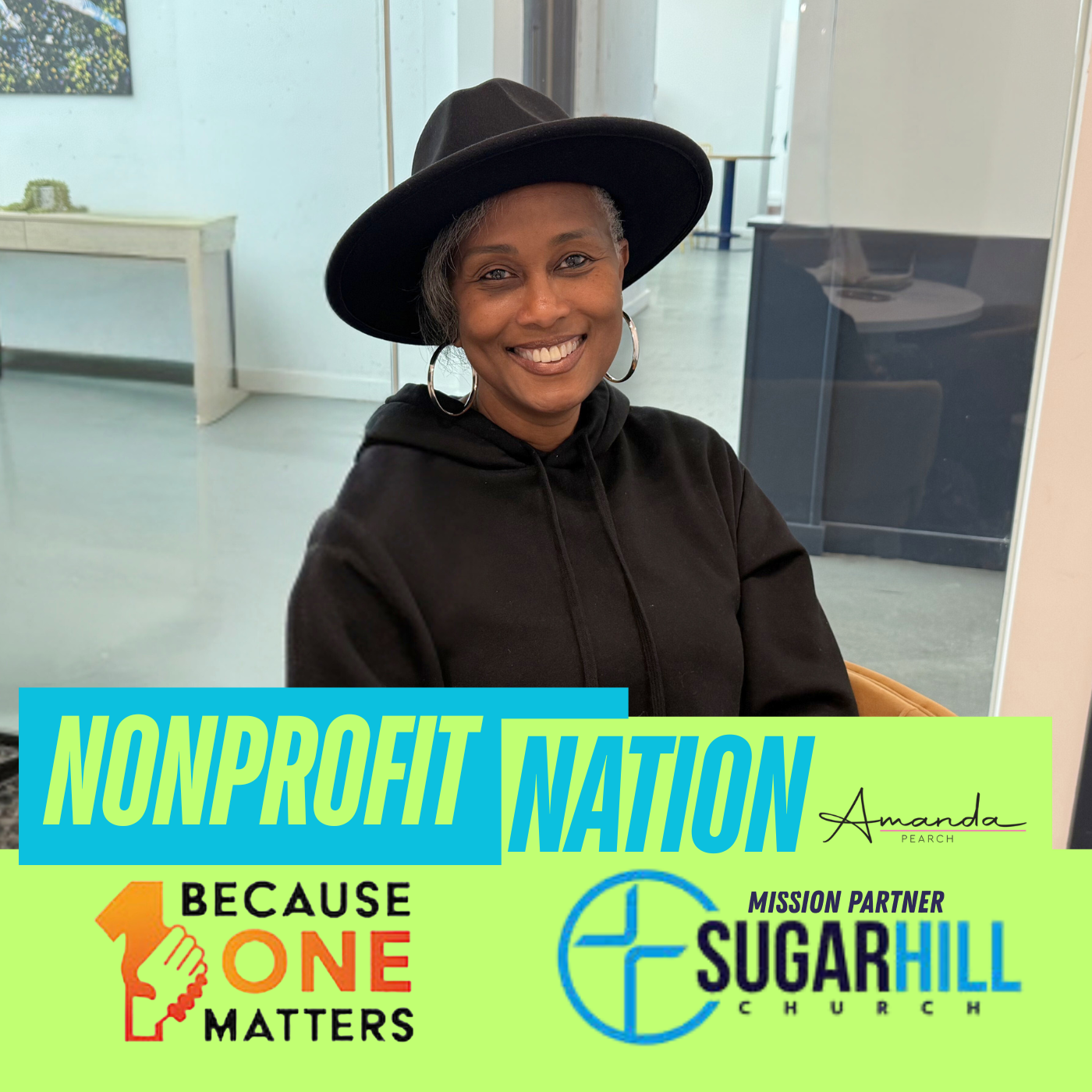
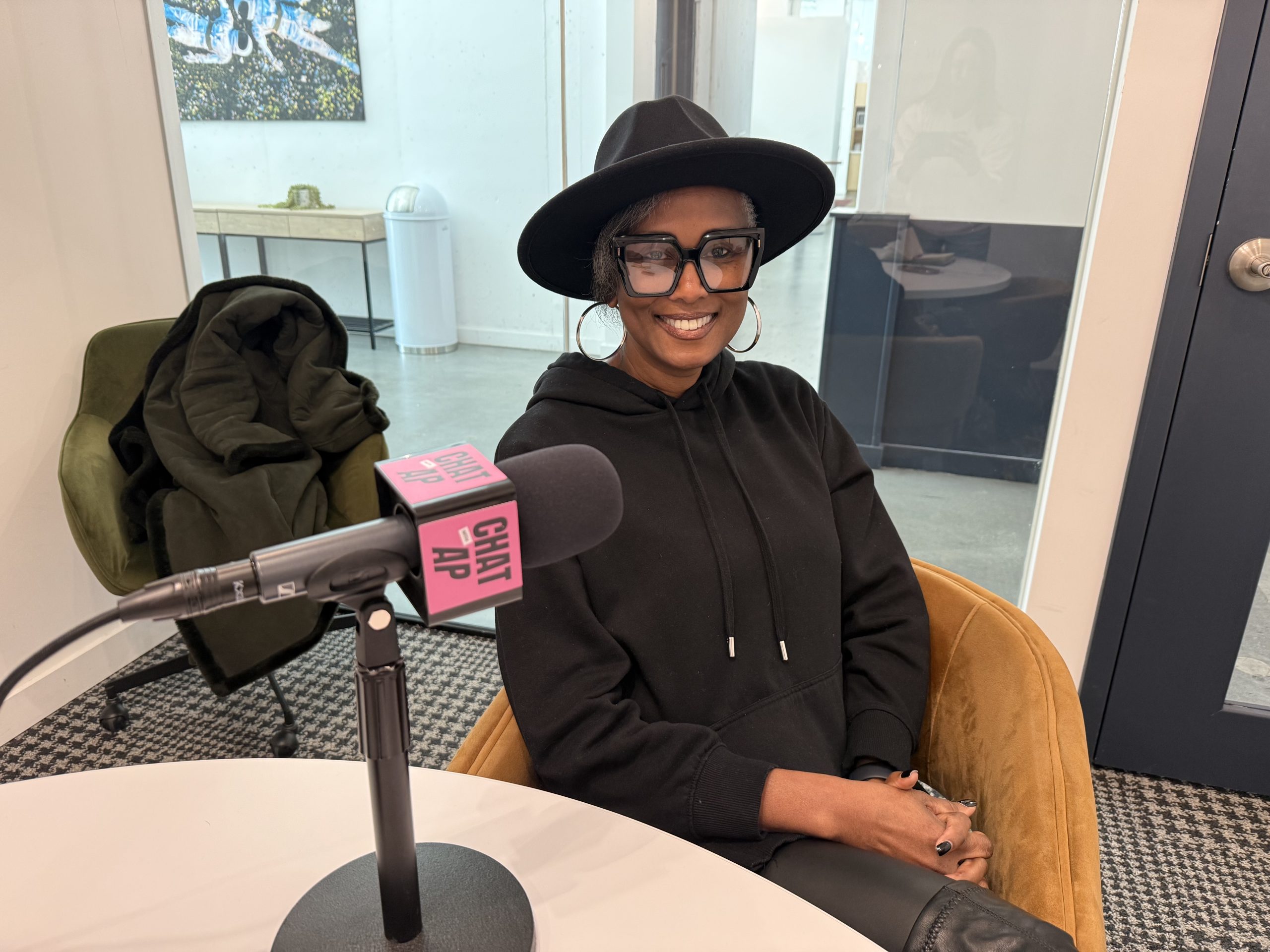
Welcome to Nonprofit Nation hosted by Amanda Pearch— where we bring the efforts shaping our community into focus! This podcast series highlights the meaningful work nonprofits are doing to strengthen our community. Each episode, we speak with Nonprofit leaders, volunteers, and advocates addressing real challenges and creating impactful solutions. Join us as we explore their stories, the obstacles they face, and the measurable change they bring to the people and causes they serve. Enjoy this episode featuring Because One Matters, Founder, Andrea Barclay.

Nonprofit Nation conversations are made possible by our Series MISSION PARTNERS at

The Corner Gathering & Sugar Hill Church.

This episode:

  • What is Because One Matters?
  • Meet the Founder, Andrea Barclay
  • Mission, Vision & Values
  • Community Outreach
  • GET INVOLVED

Nonprofit Nation conversations are made possible by our Series MISSION PARTNERS at

The Corner Gathering & Sugar Hill Church

Nonprofit Nation conversations are made possible by our Series MISSION PARTNERS at

The Corner Gathering & Sugar Hill Church.

Tagged With: amanda pearch, andrea barclay, AP On The Move, Chuck Allen, Dustin Beckmann, foster care, gwinnett county, Nonprofit Nation, Nonprofit Nation Podcast, On The Move Moving Company, Sugar Hill Church, The Corner Gathering

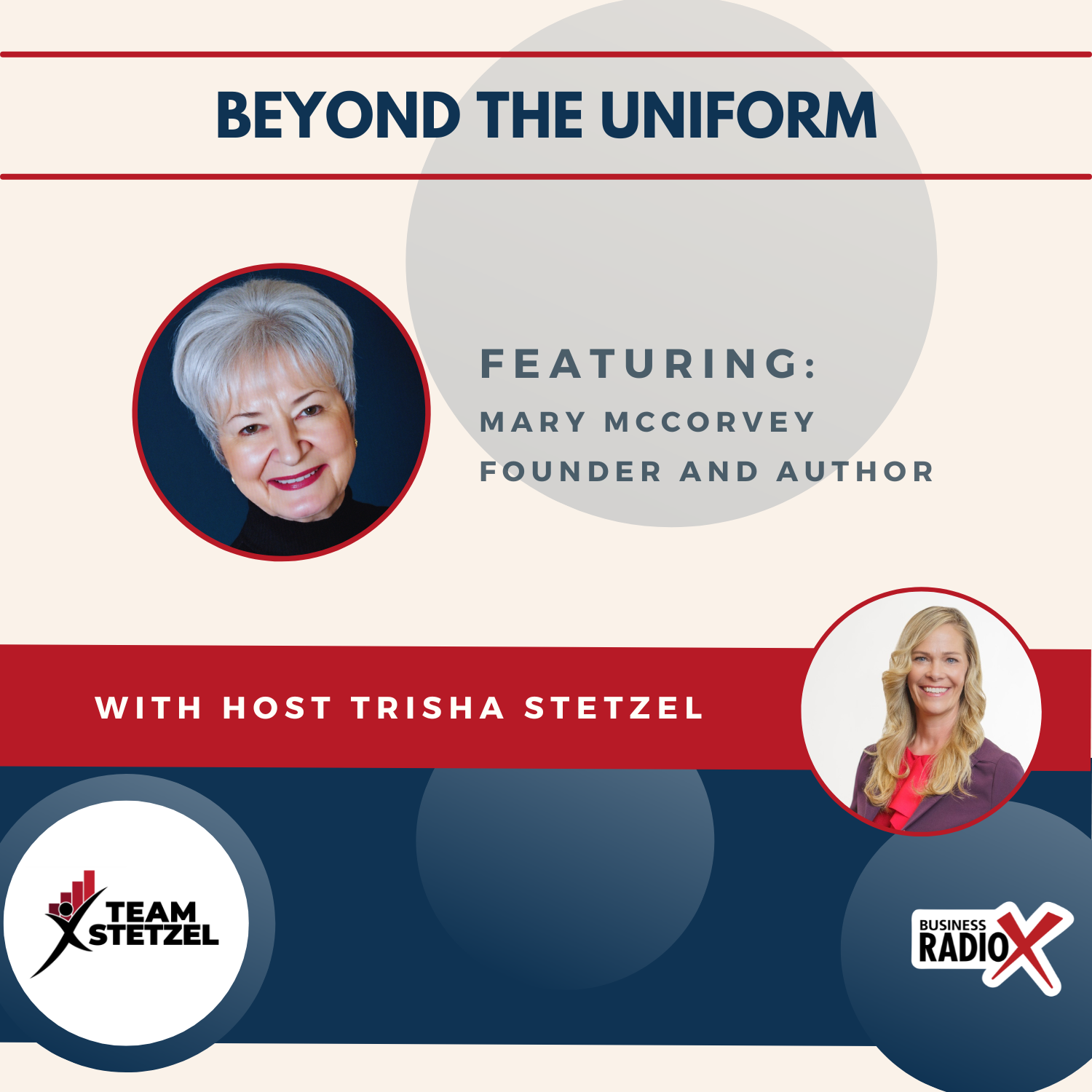
Mary McCorvey: Moonshots, Media, and the Art of Building What Matters

January 23, 2026 by angishields

BTU-Mary-McCorvey-Feature
Beyond the Uniform
Mary McCorvey: Moonshots, Media, and the Art of Building What Matters
Loading
00:00 /
RSS Feed
Share
Link
Embed

Download file

Mary-McCorveyMary McCorvey is a seven-time founder, U.S. military veteran, and creative powerhouse whose ventures span media, technology, and social impact. Her work lives at the intersection of innovation and storytelling, where she elevates bold ideas and brings them to life with purpose and heart.

Most recently, Mary collaborated with Intuitive Machines, the pioneering Houston-based aerospace company that helped the United States return to the Moon. Through this historic partnership, she helped shape narratives that captured not just a technological feat, but a national moment—showcasing how courage, vision, and collaboration can turn moonshots into reality.

As the founder of a production company, Mary brings a unique voice to storytelling—one that blends creativity with conviction. Whether in business, leadership, or life, she inspires others to define and pursue their own moonshot, while embracing the lessons that come from the journey, even when the outcome isn’t what was expected. Mary’s work reminds us that dreaming big isn’t just about where we land—but who we become along the way.

LinkedIn: https://www.linkedin.com/in/marylmccorvey/

Transcript-iconThis transcript is machine transcribed by Sonix

 

TRANSCRIPT

Intro: Broadcasting live from the Business RadioX studios in Houston, Texas. It’s time for Houston Business Radio. Now, here’s your host.

Trisha Stetzel: Hello, Houston. Trisha Stetzel here bringing you another episode of Houston Business Radio is my pleasure to introduce you to my amazing guest today, Mary McCorvey, a seven time founder, Gulf War veteran, host of the podcast, and the book Experience over expectation and creative force behind multiple ventures spanning media, technology and social impact. She recently collaborated with Intuitive Machines. We’re going to talk about that some more. The Houston based aerospace company that made history by helping America return to the moon. Through her production company and storytelling work, Mary explores how courage, vision and collaboration turn ambitious dreams into reality. Today, we’ll talk about what it really means to take your moonshot in business, leadership and in life, and how success often comes from the lessons learned when you don’t quite reach the moon. Mary, welcome to the show.

Mary McCorvey: Thank you, Trish, very much. Appreciate it.

Trisha Stetzel: I’m so excited to have you on today. So tell us a little bit more about you, Mary.

Mary McCorvey: Well, it’s it’s, uh, that that introduction that you just gave me is a is a tough follow up. I think for our conversation today, I’m extremely excited about talking about my passion around business and especially around founding businesses and creating and executing those businesses in a very successful way, and that that success can can take on many forms. We have the traditional success of the hockey stick growth of a company. We also have the the other kinds of success in founding companies and achieving the dreams that the founder has from the beginning and and growing throughout. So I’m delighted to be here and talk with you about that.

Trisha Stetzel: Fantastic. So, Mary, you founded seven companies. What is it that keeps you coming back to build again and again?

Mary McCorvey: Trisha, that’s a great question. And I and as I started down the path of, uh, repeatedly founding companies, I started asking myself the question, my gosh, Mary, or are you not do you not have, uh, a commitment? Uh, but the but the answer evolved into. I came to understand that that my sweet spot, my passion, my skill set is really in the founding space. It’s in the ideation. It’s in the creation. It’s in the acknowledgment of an idea that that can be brought to fruition and find its way in the business, uh, and, and also impacting people’s lives in a positive way, which is that’s, um, an aspiration I think, of most businesses is that we want to impact our, our clients and the people that we interact with in a very positive way. So when I accepted that founding is really what my passion is, that became an evolution for me over, like you said, seven companies and some of those companies went on to achieve their own measure of success, and other companies went on to become, you know, to work their cycle and work their way out of business. And both of those, those ultimate destinations are, you know, the a part of the adventure of being a founder.

Trisha Stetzel: Yeah, absolutely. Have you found a common thread that connects all of these businesses together? I know you described a few things that you’re really interested in and things that you’re really good at, but what is the common thread that connects all of these things that you engage in?

Mary McCorvey: Well, as a founder there, what I’ve really discovered is the through line for each founder and be different. So for me, for example, the ability to impact the greatest number of people is very, very important. And and it completely influences the the means by which I’ve found companies and the, the creation of, um, our, our product or our services. And so for other people, it can be, um, I want to influence a small group of people within my community or for a particular purpose. And, and that is a very different journey than the, the journey that I choose. But, you know, when you were talking earlier about my literal moonshot, right? That was an aspiration of reaching as many young people as possible on the face of the globe, and influencing them to be able to take their own moonshot. So that’s that through line of what is it that you’re really trying to do? And as you’re going through the journey, going back to does this hit? My goal is the decision that I’m making at any given time. Is it is it true to the purpose of what we’re trying to do? And that helps really in decision making processes and and outcomes.

Trisha Stetzel: Yeah, absolutely. Can you talk a little bit about how your military service and the things that you’ve learned there have translated into business for you.

Mary McCorvey: Absolutely. Um, Trisha, my my military service. And I believe that that most people I haven’t run across another military service person that hasn’t said that the the influence of their experience lasted them a lifetime and profoundly impacted their professional and personal lives. And so for for me, I’m sitting here today talking with you because of the choices that that I made in the military and the support and leadership that I received in the military. So my experience was and my job was with the American Forces Radio and Television Network. And it’s that is an example of being able to reach a large number of people at one time. And and that is an underscoring of my through line, for example, and that I went on to continue in communications and public affairs and, and broadcasting and journalism and all of that came from my military experience. Why in the world would the military, you might ask us, have a, a, a radio and television network, why invest in, in that kind of an endeavor? And the purpose is it takes me back to when I was serving in Kuwait toward the end of the Gulf War, and troops had moved up from Saudi Arabia and were there in the the thick of the the oil fires and the desert storms and the the sand blowing. It was a really miserable conditions. And in the middle of all of those thousands of troops, there was a truck. And in that truck was a broadcast booth. And in that broadcast booth, they were sending out, um, information to the troops that were there. News from home. Sports scores. Familiar music. Information that made the troops feel like they had some sense of reality within a very, very difficult environment. And that, to me, is a pretty laudable goal.

Trisha Stetzel: Yeah. That’s huge. I remember Mary being in a foreign country. I was not in the desert. It was not a war zone. It was completely different. But being in a foreign country and only having the military network to watch TV and listen to music, and it was a blessing because there was nothing else that we could watch or understand being in a foreign country. Wonderful story. So, Mary, how do you balance this vision with execution? So as a founder, you have a big idea worth pursuing. And so there’s a vision. How do you balance that with the actual execution of getting that business moving in the right direction?

Mary McCorvey: That is a great question, Trisha. The the process that that I use is really pretty simple. I come up with an idea and I do the due diligence on it within myself, upon reflection and within the marketplace to understand whether it is viable. And then I make a decision. I’m going to dedicate my time, talent and heartbeats. To make this happen. And then I gather around me the right resources, the right people. I’m. I am blessed by the knowledge that I don’t know everything. Right. But what I do know, and what I can do very well, is I can surround myself with people that are great at what they do. And then we can come together with a plan for execution, and then we execute on that plan. That’s the process that we go through.

Trisha Stetzel: I love that. So, Mary, you know that a lot of my audience are, um, military veterans, some of them even active duty, but most of them veterans. What advice would you give to someone who’s transitioning from the military into the civilian world and wants to do work like you did? Be a founder, start a business. What would you tell them? Where should they start?

Mary McCorvey: That’s a big of a big leap. Mhm. It’s um, moving from the directly from the military into the entrepreneurial world. Sounds like it’s something that, you know it’s very appealing to a lot of military people. Um, I would say that an understanding of moving from a large system with a great deal of structure and support and into an environment that has no structure and very little support, is a big leap. Now, should they not do it? I’m not suggesting that I think that someone who has a passion and knows what they want to do and has the ability to do it, meaning to gather the the resources around them and execute. We’re very as military people, we’re very, very good at execution. But we also know that the training that we have received to go on to the mission, when you get out into the mission, you know that it’s very different. And you you adapt and you adjust. And those are very great skills to have in the entrepreneurial space. Going directly into that, um, is, again, something that requires a lot of thought, especially if you have a family, because you need to be able to support them and have a roof over their head and food on the table. Um, so what I would recommend is there is often within the military transition.

Mary McCorvey: Most often members that come out and go into the business world go into a job that that is helps them understand where they fit into the civilian society and what what the differences are between, um, being in the military and being in a civilian job. That often takes, you know, a year. Sometimes it can be two. Um, but during that period of time, what I recommend is that you learn what it’s like to be in the civilian world. You think about your idea, you gather your resources, and then you can execute with some additional measure of reassurance. Whereas if you go directly it’s it’s it’s a big it’s a big risk. In any case risk uh around entrepreneurism is very, very high. Um but it and what I do is every time I’m a very I have a very high tolerance for risk. But risk mitigation is extremely important to me. Um, and in the, the military world, we call it safety. Let’s let’s be sure to save lives. Right? Uh, in entrepreneurism, it’s like, okay, how do we mitigate risk associated with the success of this company and, and success of the people within it? So it’s a whole different ball of wax than a military experience?

Trisha Stetzel: Yeah, absolutely. Okay, so, Mary, I am sure that people have questions for you. I would love to be able to connect them to you. What is the best way for my audience to connect with you?

Mary McCorvey: The best place to find me is at Mary McCorvey. Com and I’m also on LinkedIn, and I welcome connections with anyone that wants to talk about business, especially veterans. Uh, I have, um, a long time commitment to helping military members who are transitioning and also veterans who want to start their own businesses. So I’m glad to help anyone.

Trisha Stetzel: Thank you so much, Mary. Her last name is spelled m c o r v e y. If you’re looking for. Of course I will have that in the show notes. So you guys can just point and click and get in to contact with Mary. Okay, so I’ve heard some really great things. One, so much passion for the things that you do and having a vision and being able to execute. And the most important thing that I heard was you have to have the resources. And you talked about the humans that you surround yourself with. And I think that is so important, the people that we choose to have in our room, or the people that we choose to go forward with, that plan is so important. So can we talk about something kind of fun since I’m in Houston?

Mary McCorvey: Absolutely.

Trisha Stetzel: I would love to talk about your collaboration with Intuitive Machines. So how did how did that partnership come about, and what was it like helping a Houston based team land on the moon?

Mary McCorvey: Well, I don’t know that I helped them land on the moon. They were trying very hard to help me land on the moon. I came up with this idea that I really wanted. I found out that that the evolution of commercial space had reached a point where, um, Intuitive Machines is is one of several companies that received NASA contracts to land on the moon again after so many years. And I said, well, if somebody’s going to the moon, I would really like for young people to have an opportunity to go with them. Not personally. Um, and because people say to me, Mary, they know me well. Mary, don’t send young people to the moon. Don’t. And I said, alright, I won’t do that, but I’ll, I’ll do everything possible to send their work to the moon. Mhm. So we came up with an idea uh, for a company called moon, Mark and moon. Mark’s mission was to create opportunities for young people to develop a design and build lunar rovers that would go on Intuitive Machines, landers, on a rocket, on a space rocket that would land on the moon. And when they got up there, they had a fun mission of racing each other. And then they had a scientific mission that had a 30 year longevity to help with geospatial, uh, work on the moon.

Mary McCorvey: After the race was completed. So we had a very fun element to that. Um, and people will will ask me, well, because I was asked when I came up with this idea, Mary, uh, you know, are you an astrophysicist? No. Are you a rocket scientist? No. Are you an engineer? No. I’m not. I’m not any of those things. But I know how to find those people and going through the process. Um, well, first of all, I had to understand. I had to know how I could fund this business. How what was the business model around it? And the business model was that I and I had successfully used this business model before. It was very comfortable with it. Have corporations do marketing sponsorship for, uh, for young people to be able to so that we would document their journeys on their competitions to get their work on the moon. And then we would, uh, distribute those those, um, those those videos and films so that the, the sponsors would have the marketing value that they invested in. So that’s how we got money in the door to do what we were trying to do. Then we needed some rocket scientists and physicists and some engineers, and we turned to Intuitive Machines in Houston.

Mary McCorvey: And I cannot say enough about that company and the work that they have done it. It truly is an extraordinary company in and of itself. What they’ve been able to do in the commercial space range is, um, is absolutely fascinating from a business perspective. And they also have a culture that one wants to emulate in the business world. And so we got together and we aligned our our two missions, and we were on the path to get these young people’s work on the moon. What happened? The pandemic happened. We were supposed to land on the moon, um, in October of 2021. Well, we know what happened. And when the pandemic happened, the space world essentially slowed down to a crawl, as did many, uh, industries across the world. And so by the time Intuitive Machines was ready to go to the moon in March of 2024, we had lost our window of doing what we wanted to do. And so it was a very, very painful thing to do to wrap up moon Mark, because that was my founder’s moonshot about what we were able to do is a global competition for young people to design, um, rovers that could operate on the moon. And they did.

Trisha Stetzel: Wow. So moon Mark was essentially a success, even after all of the things that you had been through. Congratulations.

Mary McCorvey: Well, thank you very much.

Trisha Stetzel: I want to talk about moonshot. And you you say you miss your moonshot because we didn’t actually get there, but you created something really amazing. So what is moonshot mean to you now? And how do you translate that mindset into leadership here on earth?

Mary McCorvey: Well, uh, you know, there there are many people who would like to bring Mary back down to earth. That’s that’s always a that’s always a great aspiration to have. Now, when it when I would like to share that that the moonshot mine was a literal moonshot. Right. But the but the moonshot for the individual founder doesn’t have to be that extraordinary. It can be something that you you desire to have the impact that you want to have. If you want to have a a dry cleaning business and you want to grow that dry cleaning business to franchises across the region or across the country. Okay. That’s a moonshot. And there are things that are associated with that that you have to understand and be willing to go after. And those and and those are things that I call, um, you know, the 4:00 wake up call, the 4 a.m. wake up call where you lay in bed and you go, what in the world am I doing? Is this possible? What is the impact that I’m having? What is the realistic aspects of what I’m doing, what I’m facing and what I’m achieving or not achieving, and the decisions that are that come around that. And that’s where the leadership comes in. Sometimes you have to make really tough decisions. Sometimes the, the, the, the scalability of the business is regional and not national. Sometimes you’re, you’re you’re saying, well, I took a shot to to open five dry cleaning companies and I opened two. Okay, but you took that moonshot. What are the elements in place that that require you to be able to take that moonshot and and that I will go back to risk management, right. You have to be willing to take a big risk to take your moonshot, but you also have to do everything within your power to mitigate those risks, to manage those risks, to enable the ability, uh, for you and your company to achieve the potential that you want.

Trisha Stetzel: Absolutely. So I think, Mary, this is a good time for us to chat a little bit about the book and the podcast of the same name. Experience over expectation. What would you like the listeners to know about that book and then tell us where to find it.

Mary McCorvey: Well, the the I wrote the book experience over expectation because I wanted to share stories of my, uh, professional personal life. And the the journey that I took to write this book. So it’s not, um, a normally written book because I’m not a normal person. So what I did was I took stories from my professional and personal life, and I asked artificial intelligence, five actual platforms of artificial intelligence to analyze those stories. And what what they ended up with the culmination of the of the different work of the different platforms, um, resulted in a massive Literature search of thousands and thousands of like cases of my particular story. So I said, here is my story, here are my choices, here were my decisions, analyze it. And it came back with these are the implications of what you decided. Here are case studies of others who made similar and different decisions. And the reader can align themselves and their own experiences with learnings from. That’s my intent anyway. Learnings from the artificial intelligence analysis.

Trisha Stetzel: Wow. That’s amazing. So, Mary, where can we find your book?

Mary McCorvey: Well, you can find it on Amazon, of course. And also anywhere you you find your books.

Trisha Stetzel: Okay. Fantastic. So you guys, if Mary ever writes another book, we’d want to be a fan of hers on Amazon, so go find her. As an author, Mary McCorvey McCorvey favorite her as an author. So the next book she writes, you’ll get a notification while and go by this one.

Mary McCorvey: Thank you so much.

Trisha Stetzel: Yes of course Mary. Um, we are at the back end of our time, but I do want you to tell us a little bit about your podcast. And then I have one more question for you.

Mary McCorvey: Okay. The podcast experience over expectations is one where I welcome individuals who have very unique stories to tell. And we we focus on what those particular stories are and how they are. And you will find this aligning with my through line, how how they relate to many, many different people on a universal level. Okay. What’s your last question?

Trisha Stetzel: So my last question for you, Mary, is for someone listening right now who’s ready to launch their own moonshot in business leadership or even in life, what’s the first step they should take before a liftoff?

Mary McCorvey: Before liftoff. It’s a long way to Tipperary. When you. When you’re thinking about lifting off.

Trisha Stetzel: I know I’m just playing on words.

Mary McCorvey: If you. If you want. Um. The thing that I have learned is that we have a finite number of heartbeats. And how we choose to spend those heartbeats is essentially, you know, an everyday decision. And so if you find yourself in a moonshot state of mind, you know, taking a real stretch for yourself. Then think about how am I spending my heartbeats? Is it driving it more? Is this a good investment of my heartbeat, my time, my talent? And and answer that question. Do the reflection. Do the internal work necessary. Because, as I mentioned, it’s a long way to Tipperary. And a lot of days and and and nights of questions and answers and decisions, um, that will lead you to reach for that moon mark or that moonshot and and achieve take off. Wow.

Trisha Stetzel: Amazing. I love that. How are you spending your heartbeats, Mary? This has been so amazing. Thank you for spending your time with me today. I have really enjoyed our conversation.

Mary McCorvey: Thank you Trisha.

Trisha Stetzel: All right you guys, if you want to connect with Mary, it’s Mary McCorvey MC c o r v e y. Her contact information will be in the show notes as well. And that’s all the time we have for today. So if you found value in this conversation that Mary and I had, please share it with a fellow entrepreneur, veteran or Houston leader ready to grow. And as always, please follow, rate and review the show. It helps us reach more bold business minds just like yours. Your business, your leadership and your legacy are built one intentional step at a time. So stay inspired, stay focused, and keep building the business and the life you deserve.


Alpharetta’s 2045 Comprehensive Plan: Why It Matters

November 6, 2025 by John Ray

Alpharetta's 2045 Comprehensive Plan: Why It Matters, on the North Fulton Voices podcast
North Fulton Studio
Alpharetta's 2045 Comprehensive Plan: Why It Matters
Loading
00:00 /
RSS Feed
Share
Link
Embed

Download file

Alpharetta's 2045 Comprehensive Plan: Why It Matters, on the North Fulton Voices podcast

Alpharetta’s 2045 Comprehensive Plan: Why It Matters (North Fulton Voices, Episode 14)

On this edition of North Fulton Voices, hosts Jack Murphy and Nancy Diamond sit down with Benjamin “Ben” Kern of MKSK Studios and Michael Woodman, Planning and Development Services Manager for the City of Alpharetta, to unpack Alpharetta’s 2045 Comprehensive Plan. This conversation explains what a comprehensive plan is and why it is relevant for everyday life in Alpharetta. You will hear how the plan sets the city’s long-range vision for land use, redevelopment, transportation, parks and greenways, housing, and economic development. The guests clearly distinguish between the plan and the zoning code: the plan establishes policy direction and a future land use map, while zoning serves as the legal tool to implement this vision when projects arrive.

Alpharetta is moving from a growth pattern defined by open land to one focused on redevelopment and reinvestment. The discussion covers how older commercial areas can be reimagined, why mixed-use nodes near jobs and services reduce congestion, and how the city evaluates proposals against the plan month in and month out. You will also learn how progress is tracked through a short-term work program and a formal Report of Accomplishments that keeps Alpharetta eligible for key regional and state funding.

Most importantly, the episode shows how residents and businesses can influence outcomes. Public input includes a steering committee, online surveys, and in-person sessions, with community meetings on Tuesday, November 11, 2025, at 12:00–1:00 p.m. and 5:00–6:30 p.m. at Alpharetta City Hall. Listen to understand the choices ahead and how to weigh in with feedback that leads to better projects, stronger neighborhoods, and a city that reflects the community’s shared priorities.

Learn more on the 2045 Alpharetta Comprehensive Plan updates website, and add your voice by completing the community survey on future city development priorities.

North Fulton Voices is presented by the North Fulton Improvement Network. The show series is proudly sponsored by John Ray Co. and North Fulton Business Radio, LLC.

Key Takeaways from This Episode

  • Plan vs. zoning, decoded: The comprehensive plan sets vision, goals, policies, and the future land use map. Zoning is the legal code that implements that vision when projects are proposed.
  • Future land use map matters: Staff and elected officials use the map every month to evaluate whether a proposal aligns with the city’s long-range direction before any rezoning is considered.
  • From greenfields to redevelopment: With little vacant land left, Alpharetta’s growth will come from reinvestment, infill, and reimagining aging commercial and office areas into mixed-use, walkable places.
  • Transportation is more than roads: The plan ties land use to mobility, aiming for safer local streets, strategic congestion relief, and better walking, biking, and trail connections between jobs, housing, and parks.
  • Housing mix and affordability tools: The update looks at diversifying housing types near services and employment to support workforce needs and reduce long commutes that strain the network.
  • Short-term work program and accountability: Progress is tracked through a Report of Accomplishments, which keeps Alpharetta eligible for key regional and state funding.
  • Public input shapes outcomes: Residents and businesses can influence priorities through surveys, a steering committee, and in-person sessions at City Hall. Thoughtful feedback can shift where, what, and how redevelopment happens.

Topics Discussed in this Episode

00:00 Introduction to North Fulton Voices
01:01 Comprehensive Plans: Importance and Current Updates
01:29 Regional Housing Data and Trends
02:54 Meet the Experts: Benjamin Kerr and Michael Woodman
04:23 Understanding Comprehensive Plans
10:44 Community Involvement and Vision for Alpharetta’s 2045 Comprehensive Plan
17:01 Challenges and Opportunities in Alpharetta
27:38 Future Plans and Community Engagement
34:57 Conclusion and Contact Information

Michael Woodman, Planning and Development Services Manager, City of Alpharetta

Michael Woodman, Planning and Development Services Manager, City of Alpharetta
Michael Woodman, City of Alpharetta

The Community Development Department for the City of Alpharetta guides the city’s growth and development to enhance the quality of life while respecting its historic and natural features. The department plays a key role in planning and implementing projects related to land use, economic development, housing, and community facilities, including Alpharetta’s 2045 Comprehensive Plan. It supports diverse housing options, pedestrian-friendly environments, mixed-use developments, and public infrastructure improvements. The department also engages with the community and private sector to ensure development aligns with community goals, including projects like downtown revitalization, greenways, and city-owned property consolidation for municipal offices. Overall, it focuses on sustainable growth, creating vibrant neighborhoods, and improving public access to city services.

Website

Benjamin Kern, Planner, MKSK Studios

Benjamin Kern, Planner, MKSK Studios
Benjamin Kern, MKSK Studios

MKSK Studios is a planning, urban design, and landscape architecture firm that partners extensively with municipalities to create vibrant, sustainable, and inclusive communities. They provide strategic master planning and design services that guide long-term improvements for municipal campuses, public parks, streetscapes, and civic spaces, with a strong focus on pedestrian connectivity, sustainable stormwater management, and adaptive reuse of existing city infrastructure. MKSK’s work for municipalities aims to enhance public engagement, strengthen community identity, and improve the quality of life through thoughtful, context-sensitive design that integrates social, environmental, and cultural values. Their projects often include comprehensive engagement efforts to ensure plans align with community needs while fostering equity and resilience in growing urban environments.

Website

North Fulton Improvement Network

The North Fulton Improvement Network (NFIN) is a think tank made up of community leaders from various sectors, focused on missing middle housing and the livability challenges confronting North Fulton. Its members come from the six cities constituting the northern half of Fulton County, Georgia—Alpharetta, Johns Creek, Milton, Mountain Park, Roswell, and Sandy Springs—and are working to address the widespread yet little-known financial vulnerability across the region. With stakeholders from sectors including business, nonprofit, faith, government, and citizens, NFIN centers their work on five areas of impact, seeks to educate the public about these issues, builds a network of individuals and organizations with innovative private and public solutions, and connects resources to those in need.

The leadership team of NFIN is Jack Murphy, Nancy Diamond, and Kathy Swahn.

Website | LinkedIn | Facebook | Instagram | X (Twitter) | YouTube

Jack Murphy

Jack Murphy
Jack Murphy

Jack Murphy is a volunteer with The Society of St. Vincent de Paul and is Chair of the North Fulton Improvement Network. He is also in his 21st year of working for the Metro Atlanta Chamber of Commerce.

Prior to the Chamber, Jack worked for and with Fortune 500 companies in operations, human resources, training, and quality areas. Jack was a senior adjunct professor for Quality & Operations Management at Keller Graduate School for 14 years.

He has served on both the National and Georgia Boards of The Society of St. Vincent de Paul, responsible for Diversity, Advocacy, & Systemic Change. Jack is currently the national SVDP chair of Systemic Change and Advocacy.

Jack received a BA in psychology from Belmont Abbey College and a M.Ed. from UNC-Greensboro. Jack and his wife, Nancy, a retired elementary school principal, have two grown daughters and two grandchildren. They live in Alpharetta, Georgia.

LinkedIn

Nancy Diamond

Nancy Diamond

Nancy Diamond is a Project Manager with Schmit & Associates, a real estate development firm, creating town center revitalization in communities all around the metro area.

Nancy served 8 years as a Roswell City Council Member, including a term as Mayor Pro Tem, with liaison positions with Community Development, Transportation, Recreation & Parks, and Public Safety.

In addition to her work with the North Fulton Improvement Network, Nancy has been active in area non-profit organizations, including board leadership positions in the STAR House Foundation, WellStar North Fulton Hospital, and the Roswell Rotary Club.

A native of Atlanta and a 42-year North Fulton resident, Nancy worked at Turner Broadcasting in the early years of CNN, then became a freelancer in sports television graphics. While raising her two daughters, she worked from home, first developing a corporate gift service and later as a mortgage loan originator.

Nancy and her husband, Glenn, now relish the role of grandparents to 8-year-old Owen.

LinkedIn

Sponsor for North Fulton Voices: John Ray and North Fulton Business Radio, LLC

The North Fulton Voices show series is proudly sponsored by John Ray Co. and the North Fulton affiliate of Business RadioX®.

John Ray
John Ray

John Ray is a podcast show host and producer and owns North Fulton Business Radio, LLC, the North Fulton (Georgia) affiliate of Business RadioX®.

John also operates his own business advisory practice, Ray Business Advisors. John’s services include advising solopreneurs and small professional services firms on their value, their positioning and business development, and their pricing. His clients are professionals who are selling their expertise, such as consultants, coaches, attorneys, CPAs, accountants and bookkeepers, marketing professionals, and other professional services practitioners.

John is the author of the #1 nationally best-selling book, The Generosity Mindset:  A Journey to Business Success by Raising Your Confidence, Value, and Prices.

John is the host of North Fulton Business Radio and The Price and Value Journey. North Fulton Business Radio, the longest-running podcast in the North Fulton region of Georgia, features a wide range of business and community leaders. The Price and Value Journey is devoted to solo and small-firm professional services providers and covers issues such as pricing, value, and business development.

Tagged With: Alpharetta, Alpharetta 2045 Comprehensive Plan, Ben Kern, City of Alpharetta, community engagement, comprehensive plan, economic development, future land use map, housing, Jack Murphy, John Ray, land use, Michael Woodman, mixed use, MKSK Studios, Nancy Diamond, North Fulton Improvement Network, North Fulton Voices, redevelopment, trails and greenways, Transportation, workforce housing, zoning

From Solopreneurs to Small Firms: Why Cybersecurity Matters More Than Ever

September 2, 2025 by angishields

VBR-Todd-Mitchell-Feature
Veteran Business Radio
From Solopreneurs to Small Firms: Why Cybersecurity Matters More Than Ever
Loading
00:00 /
RSS Feed
Share
Link
Embed

Download file

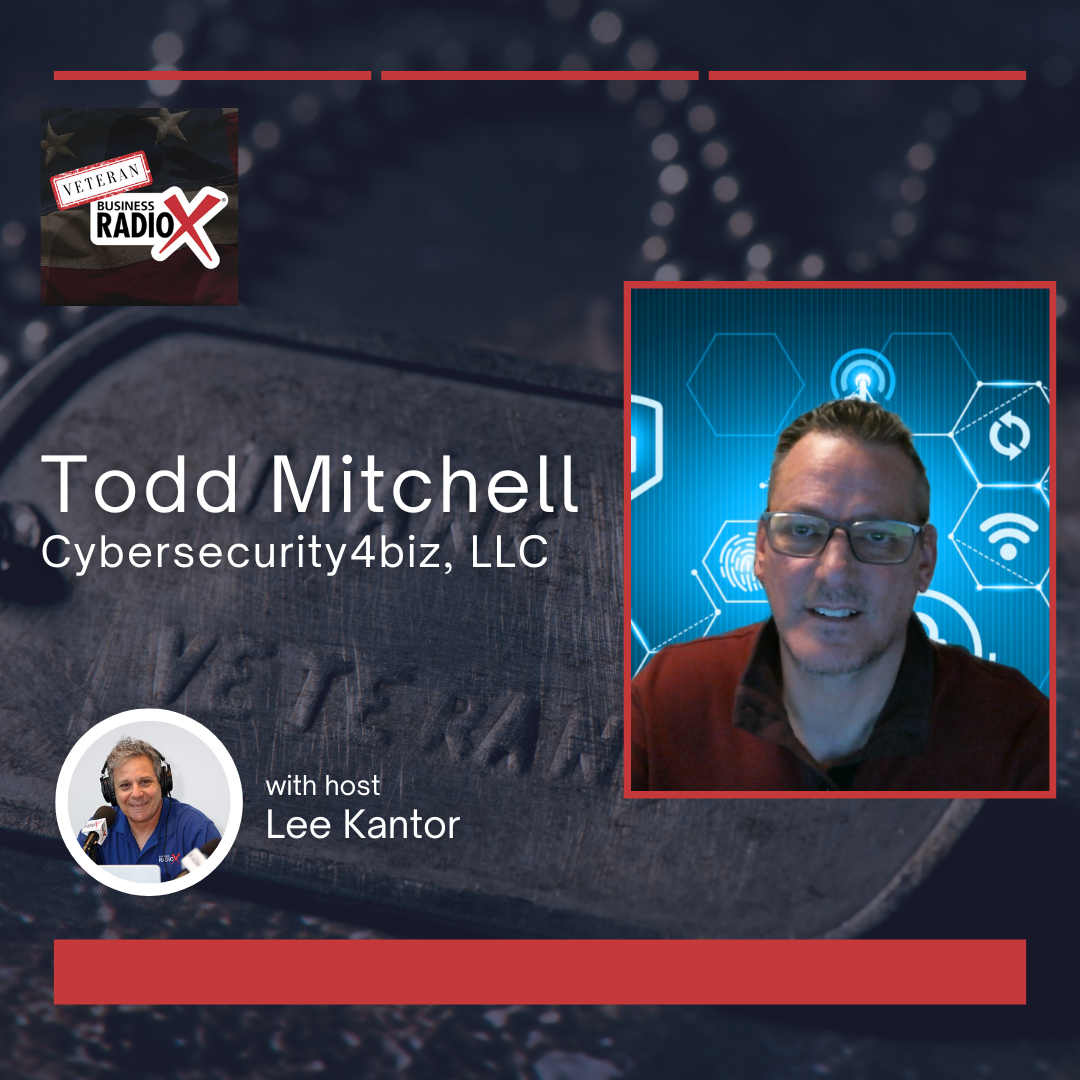
In this episode of Veteran Business Radio, Lee Kantor talks with Todd Mitchell, owner of Cybersecurity4biz. Todd shares his journey from military service to providing affordable cybersecurity solutions for small businesses and solopreneurs. He discusses the unique risks these businesses face, the importance of prevention, and practical steps like multi-factor authentication and regular backups. Todd highlights his focus on compliance-driven industries and emphasizes that no business is too small for robust cybersecurity.

CyberSecurity4biz-logo

Todd-MitchellTodd Mitchell, owner of Cybersecurity4biz LLC (a Disabled Veteran-Owned Small Business), is a retired US Navy veteran and cybersecurity expert with over 30 years of experience.

A member of the National Institute of Standards and Technology Cybersecurity Framework (NIST CSF) advisory board, he holds advanced degrees in Cyber Security Policy, IT, and Business.

Todd helps solopreneurs and micro-businesses achieve compliance and protect their customers’ information.

He also empowers families to stay safe from online threats through prevention-focused strategies that build a cyber-safe culture.

Transcript-iconThis transcript is machine transcribed by Sonix.

 

TRANSCRIPT

Intro: Broadcasting live from the Business RadioX studios in Atlanta, Georgia. It’s time for Veterans Business Radio, brought to you by ATL Vets, providing the tools and support that help veteran owned businesses thrive. For more information, go to ATLVets.org. Now here’s your host.

Lee Kantor: Lee Kantor here another episode of Veterans Business Radio and this is gonna be a good one. But before we get started, it’s important to recognize our sponsor, ATL Vets, inspiring veterans to build their foundation of success and empowering them to become the backbone of society after the uniform. For more information, go to ATLvets.org. Today on the show we have Todd Mitchell, owner of Cybersecurity4biz LLC. Welcome.

Todd Mitchell: Well, thank you for having me.

Lee Kantor: Well, I’m excited to learn what you’re up to. Before we get too far into things, tell us about Cybersecurity4biz LLC. Who are you serving? How are you doing?

Todd Mitchell: Well, I, uh, I focus on cyber security for smaller businesses. Uh, I’m in that 0 to 10 employee space. So solopreneurs and small firms. And I found a niche. Back when I first got started, I realized that there was a huge gap in. Most cybersecurity companies won’t work with you unless you’re a major company with, like, 250 or 1000 or 10,000 employees. And it was really important to me to, uh, I guess my military background, you always have to have a mission. So that’s how I found my mission in life was to be the the little guy helping the little guy, so to speak.

Lee Kantor: So what’s your backstory? How’d you get involved with cyber security?

Todd Mitchell: Well, it’s kind of a long time coming, and I actually avoided it for many years. It’s kind of a funny story. So I’ve been a computer geek since high school. Not to give away too much about how old I am, but back in the late 70s, early 80s, Dungeons and Dragons came out and I was a huge fan of playing that game. And then they come up with a video game. Of course, back then video games were black screen with green writing. You know, the textual saying, you’re going through the woods and you see a monster, you know, a run, B scream, C hide, you know, fight whatever. And I wanted this video game really bad. Of course, you have to have a computer to play it on. And at that time, computers cost more than cars. So my dad’s like, yeah, no way. We’re buying an IBM computer just so he can play a video game. And I made a deal with everybody for Christmas presents instead of everybody giving me presents. They gave me money. And I went to RadioShack and bought a box full of parts. Came home and built my own computer. Um, and that kind of launched my computer geek ness. I had to learn how to program the thing because this was pre windows, and once What I did 20 years in the military and retired. And after that I was kind of looking for a second career. And computers was still something that I was very interested in. I’d been the local IT guy, fixing everything for everybody for years, and I got into cybersecurity and it just kind of went on from there.

Lee Kantor: Now, when you were in cybersecurity, you mentioned kind of the distinction where most from a business standpoint, most people look at cybersecurity for kind of the enterprise level organizations, the the ones with hundreds if not thousands of employees. But you felt it was important to serve kind of the the entrepreneur, the solopreneur, the small firms who probably think that cybersecurity is just installing, you know, some antivirus?

Todd Mitchell: Yes, definitely. Um, and that transition, what kind of really woke me up was I was actually working for the Marine Corps. Uh, I was the lead engineer in charge of software development for, uh, command and control the battlefield. All the software that helps with that. And cybersecurity was a huge piece of that, obviously, because, you know, the information secret where they’re at secret, all the stuff going on in secret. Uh, and then what happened was my best friend, who was a disc jockey, um, that I had known him since grade school, and he got hacked with a ransomware attack and lost all of his music. And he called me up in a panic, and he’s like, hey, you know, you got to find somebody to help me. So we started looking for cybersecurity companies that could help them. And that’s when I realized that all this, you know, if you Google cybersecurity companies, the first, you know, 7 or 8 pages of a Google search is nothing. All those companies are looking for fortune 500 companies. They’re all enterprise level and large business. And, uh, so we couldn’t find anybody. We finally found one that said Small business. And I called them and they’re like, oh, yeah, we love small business. You got to have at least 250 employees, 10 million in revenue. It’s like, oh my gosh, that’s not a small business. So I ended up helping my best friend, uh, in my spare time. Of course, I wasn’t getting paid. And, you know, it was all nights and weekends labor. And he kept poking at me, trying to get me to open my own business.

Todd Mitchell: And I was telling him that there wasn’t a big enough need. And then he started bringing people to me, one after the other. And after about 5 or 6 of them, I’m like, okay, maybe there is a thing here. So I dove head first, quit the corporate world, jumped in head first into, uh, owning my own business. And and so it’s been my my mission right from the beginning to, uh, help those solopreneurs that have no other resources available to them. And I do a lot with, uh, compliance. Um, and and, like you said, you know, a lot of, a lot of, uh, people think that, you know, having an antivirus is is all you really need. But, uh, 92% of data breaches are caused by human error. Uh, the days of, you know, like Hollywood likes to present, you know, where somebody in a black hoodie in her mom’s basement, clacking away on a keyboard for 12 hours to hack into you. That just rarely happens anymore. Uh, most most of the time, it’s our own, uh, bad habits. Sharing passwords, weak passwords, uh, not using multifactor authentication because it’s too inconvenient to have to look up that tax code every time you get into a website. Things like that are our worst enemies. So when I’m working with a company, I basically take a look at how they receive information, where do they store it, and take a deep dive into the business itself and see how we can effectively create a culture of cyber safe environment.

Lee Kantor: Now, you’ve been able to do this in a way that’s affordable for small business, because that’s usually the rub, right? That the reason the enterprise people are the ones that are so well served in this area is because they can afford it.

Todd Mitchell: Right? Definitely. And I think I have, um, based on, My client input. When I first started this, I was doing the typical consulting thing where you charge, you know, for however many hours of work you think it’s going to be and, you know, half up front, half when you’re done type of thing. And, you know, it comes out to be, you know, thousands of dollars worth of work and, and a lot of people couldn’t afford that. And one time it was actually kind of funny. I was watching TV and saw some ads for some iPhones around Christmas time about 2 or 3 years ago. And I’m in my head thinking, how can all these people, you know, all these broke people running around with $3,000 iPhones? I’m like, and then it hit me. I’m like, they take the price of the phone and spread it out over a contract. And I’m like, well, I can do that. So I kind of switched my my whole pricing model to a 24 month contract, which lets me divide out that cost over a 24 month payment plan and make it quite affordable. So now I’m more like another utility bill instead of a lifetime investment.

Lee Kantor: But it’s something that it doesn’t go away after 24 months, right? Like, isn’t this something that you need forever?

Todd Mitchell: Yeah. True. And the way I usually do it is that first 24 months we’re building a culture. And then a lot of that part once, once you have that culture in place, um, that’s a lot of the big work. And also as a follow on after after that 24 months, um, I usually drop the cost way down because now it’s kind of more in maintenance mode, and it’s just doing a monthly check in and making sure everything is still in place, and that reduces the cost way down.

Lee Kantor: So what has been the hardest part of serving this niche? Is it just an education standpoint or they think they’re too small? It’s not the they’ll never be hacked.

Todd Mitchell: Um, I think one of the hardest obstacles I have is not necessarily, um, it’s more of just letting people know that there is an option for them out there. They get disgruntled, you know, all the big cybersecurity companies that you would recognize the names of, you know, IBM, Cisco, Trend Micro, Bitdefender, you know, all these big companies. They are unaffordable and or won’t even work with somebody that small if you don’t have a thousand employees or something. And so I think my biggest obstacle is just letting people understand that, hey, there is other options. There’s people like me out there that will work with you, and it won’t charge you enterprise level rates and only give you what you really need because it is a it’s the same cybersecurity, but it’s slightly different. If you have a big company and you have an IT closet and you have servers and you have switches and routers and firewalls, you know, all these things, you need different software to run that kind of stuff. When you’re working on your dining room table with a laptop in your home router, you don’t need any of that. But you do still have security risks because you got your kid the next bedroom over. Playing on a PlayStation that hasn’t had a security patch since he bought it. You’ve got your ring doorbells and your refrigerators and everything else hooked up to your network that’s on the same network as your work computer, and none of that stuff has any security in it at all. So if somebody hacks through there, you know, so it’s it’s just different. It’s it’s um, and that’s a lot of what I educate people on is what, what they can do, uh, free, cheap and easy. Uh, it takes a little elbow grease and be able to make themselves a lot safer just by changing some of the the way they do some things.

Lee Kantor: Now, any advice for the folks who are the small guys out there that are using maybe their phone as their main kind of device? They may not even be using a laptop or a desktop that everything’s happening through their phone or through cloud services.

Todd Mitchell: And, and with those types of, uh, individuals is still almost basically the same story. You know, uh, if everything you do is stored in a cloud, um, I would say, first of all, you still need to back up some of that because what happens if they go away, you know, and people tell me, well, you know, Google’s too big to fail. Well, they thought that about Kmart and Sears for decades, too. And where are they at? Um, so I would always keep a local copy, um, whether it’s on your phone or it’s on an external hard drive. And the other thing about those devices is it’s it’s slightly different, but you can still get security software like antivirus or anti ransomware things. Um, you still have to do the same types of protocols of making sure your data is encrypted so that if your phone gets left behind somewhere and somebody picks it up, they can’t, you know, make sure there’s a good, strong password to get into it. Make sure that everything on it’s encrypted so they can’t just pull all the files off of there. Uh, so there’s still those same types of things still apply.

Lee Kantor: And it’s one of those things, like you said, that if you do some of these fundamentals right, then that’s that’s the bulk of it. Now it becomes maintenance.

Todd Mitchell: Right. And I mean, it’s kind of a funny analogy, but it’s also very applicable, I think. Uh, you know, this is like the bear, you know? You don’t have to run faster than the bear. Just run faster than the guy next to you. If you do all the the basic cybersecurity, uh, um, best practices, and you’re going to be harder to get into and they’re going to give up and go find somebody else that’s not doing that stuff.

Lee Kantor: So that that’s how this is working, right? Like, like you mentioned, it’s not that kid in the basement anymore, but maybe it’s a nation state or it’s organizations that are doing this like their job, like they’re walking into rooms and they’re have whiteboards and they’re kind of, uh, engineering some strategies to get into computers.

Todd Mitchell: And a lot of it’s automated. I mean, it’s just like a business owner, right? When, when, uh, you know, I’m not a marketing expert, but I know some of the basics. When you when you’re marketing, you do email campaigns, any email address you can get a hold of, and you send them an email. And if they click on it and open it and they’re interested, you know, type of thing, then you follow up with better emails and things. The bad guys are doing the same thing. That’s what phishing is. I don’t need to target you specifically. I can send out some Viagra ad or whatever the heck it is and blast 10 million people with it. And if half of them click on that thing and I can download ransomware onto their computers, then it’s a win. And I didn’t have to target any specific individual.

Lee Kantor: Right. So they’re doing it kind of at scale. And they just hoping for that kind of lucky break that goes their way or the person that’s not prepared.

Todd Mitchell: Yeah. Because you never know when somebody’s clicking on a phishing attack and they get malware downloaded onto the computer that’s going to search their inbox. You don’t know if it’s a grandma that doesn’t do anything but check, you know, check your email once a month and look at pictures of the grandkids. Or if it’s the secretary at IBM with 10 million, you know, 10 million customers in their database. You know, and sometimes they get lucky. And that’s all it takes is one, one, uh, one bad. Uh, decision or, you know, one. Um, I don’t want to say bad decision. I guess that’s probably a bad way of saying it, but, you know, one wrong move by an employee, uh, and your whole company is at, uh, vulnerable.

Lee Kantor: So what? Uh, let’s give some advice to folks listening. Is there some low hanging fruit a person could do right now? Or in a few clicks that can, you know, protect them a bit?

Todd Mitchell: Yeah, definitely. Um, I’ll go on my soapbox for a second. Multifactor authentication. That is the single biggest thing that can help you, in my opinion. Um, I look at it this way. If for some reason just hypothetical your username and password for your bank account gets out there and it’s published and everybody knows it now, right? There’s 3 billion people on this planet with internet access that can hack into your bank account. If you use multifactor authentication, they got to send you a text code. Now you have like 5 or 6 people that can get access to you and your phone at the same time. So you literally just took your attack surface from 3 billion down to a handful. It is the single most effective thing I know. It’s a pain to have to punch in that six digit code or five digit code every time you get into a website or whatever. But, uh, your bank is going to force you to use it because of their laws. But all your social media, all your utility bills, your work accounts, your email accounts, all that offers multifactor authentication. And I encourage everybody, whether they’re business owners or, you know, forcing the people in their families, whatever. But everybody should be using multi-factor authentication on every possible account, because it really it’s like a deadbolt lock. It’s already on your front door. Why aren’t you using it now?

Lee Kantor: How do you recommend the business people who are kind of relying on remote workers to be maybe their virtual assistant or they’re, you know, they’re helping them in some manner and it’s just, you know, that you want to give everybody the access they need to get to what they need to get to, to do the work to help you grow your business. But you don’t want to be put yourself at risk.

Todd Mitchell: So in those types of cases, uh, I, I would say in most cases it’s possible sometimes it may be a little bit more difficult to arrange, but try to set them up on an admin account, um, where they have their own access. So they have their own username and password they’re using, like for an example like Facebook. You can do that, right? You have your own Facebook page, but you can assign admin to somebody else and let them go in and post for you. And that way if something happens, they’re not they don’t actually know your own password. And if something happens to that relationship and you want to cut them off, you can just go in there and uncheck the box and they no longer have access. So I would say that’s the way to do it for most of your accounts, um, giving them their own access that you can revoke if you want to, uh, as opposed to sharing passwords with people, because that’s really not a good way to do it, because not only do you not know what they’re going to be doing with that password, but if something goes wrong, you can’t If everybody, you know, if you had three people logging into your bank account as you the bank’s never going to know if it was you or not that actually did it. So it’s, you know, you have no you have no audit trail to prove who was in there and when, where if everybody has their own login, then you know exactly who was in there at that time.

Lee Kantor: Now when a new customer comes to you, is it usually because something bad has happened or are they being proactive?

Todd Mitchell: Uh, a lot of my customers are being proactive. I have a lot of clients that are in the financial industry, in the healthcare industry, because they have federal regulations telling them how they have to secure your financial information for all their customers or, you know, your patient files for all the healthcare industry. So a lot of those a lot of those types of businesses know they have to have security. They just don’t know exactly what that means or how to do it. But they know they got to have it. And those are the ones that reach out to me the most. I do have other types of customers, just general businesses that want to beef up their security. Um, I have individuals. I, um, you know, I call it my, uh, my, my crazy stalker ex is ruining my life type of thing. Um, you know where they’re they’re looking for, uh, a little extra protections. And so I work with just about anybody. I’m a kind of. Take a look at what they need and how to do it.

Lee Kantor: But the ideal customer sounds like, are those ones that have compliance, like healthcare or finance?

Todd Mitchell: Yeah, those are the ones that mainly got me into this business in the first place, because people who had a specific need. Um, but the more generic answer to your question, I guess, is I have I deal more in the prevention side. So I’d much rather have a client that I helped get safe in the first place than have the ones hit me up after they’ve already, uh, encountered something, because now it’s, uh, it’s a big, uh, mess that you have to clean up first, and then you got to try to get them safe so it doesn’t happen again.

Lee Kantor: Yeah. So you’d rather I not mail you my, uh, laptop with the, uh, the ransom attack on it?

Todd Mitchell: Exactly. Yeah, it’s it’s one of those, uh, you know, that that old saying an ounce of prevention is worth a pound of cure, and the cost of setting your business up to be safe is way less than the cost of forensics, of figuring out what happened and how and making, uh, you know, and cleaning up the mess.

Lee Kantor: Yeah. And it sounds like once they start working with you, you give them kind of that peace of mind that look, as long as we do what he said, then we’re going to be okay here.

Todd Mitchell: Yeah. For the most part, I’ve, I’ve had, uh, I’ve been working now, uh, I think I’m in what my a little over six years and, uh, I’ve got over 100 devices that I’m monitoring at any given time. And, uh, knock on wood, nobody’s been hacked yet. I’ve had a couple of people who had trouble with their website, but that was something outside the scope of what we were doing. Um, and I’m actually looking at how to, how to, how to fix that so that I can help them with their website security as well.

Lee Kantor: So but that’s a case where if people think like, oh, I think I’ve been hacked, you can assess like, no, you just have a computer problem. Like you can tell the difference, right?

Todd Mitchell: Yeah, yeah, I can go in there and look and find, uh, find out exactly what happened. It’s much, much easier for me to do that if there’s somebody who is already a client because I have software on their computers that will tell me if anything is happening or after the fact, it’s a little bit harder to find it. But, uh, yeah, definitely can go in there and see exactly what’s going on and find out if it’s, you know, if you actually have something on your computer that’s doing it, or did somebody just get your, your, your username and password and get into your account without you knowing about it? Uh, type of thing.

Lee Kantor: And then, um, it sounds like no business is too small for you. You want the small guy?

Todd Mitchell: Yeah. Basically, I think 75% of my clients are solopreneurs working from home on uh, on their with some of them have an office or a spare bedroom or whatever. But about 75% of my clients work from home with no other employees.

Lee Kantor: Well, Todd, if somebody wants to learn more, where should they go? What’s a website? What’s the best way to connect?

Todd Mitchell: Uh, so my website is cybersecurity for for biz. And that’s with the number four. Uh, com and uh, I’ve got, uh, a contact page on there. They can hit me up with questions, or they can sign up for a free, uh, assessment. We can have an hour to to talk. About what? You know, what they’ve got going on and, uh, what they’re looking for, and I’ll see if I can help them.

Lee Kantor: Well, Todd, thank you so much for sharing your story today. You’re doing such important work, and we appreciate you.

Todd Mitchell: Well, thank you for the opportunity.

Lee Kantor: All right. This is Lee Kantor. We’ll see you all next time on Veterans Business Radio.


Tagged With: Cybersecurity4biz

  • « Previous Page
  • 1
  • …
  • 3
  • 4
  • 5
  • 6
  • 7
  • …
  • 67
  • Next Page »

Business RadioX ® Network


Our Most Recent Episode

CONNECT WITH US

  • Email
  • Facebook
  • LinkedIn
  • Twitter
  • YouTube

Our Mission

We help local business leaders get the word out about the important work they’re doing to serve their market, their community, and their profession.

We support and celebrate business by sharing positive business stories that traditional media ignores. Some media leans left. Some media leans right. We lean business.

Sponsor a Show

Build Relationships and Grow Your Business. Click here for more details.

Partner With Us

Discover More Here

Terms and Conditions
Privacy Policy

Connect with us

Want to keep up with the latest in pro-business news across the network? Follow us on social media for the latest stories!
  • Email
  • Facebook
  • Google+
  • LinkedIn
  • Twitter
  • YouTube

Business RadioX® Headquarters
1000 Abernathy Rd. NE
Building 400, Suite L-10
Sandy Springs, GA 30328

© 2026 Business RadioX ® · Rainmaker Platform

BRXStudioCoversLA

Wait! Don’t Miss an Episode of LA Business Radio

BRXStudioCoversDENVER

Wait! Don’t Miss an Episode of Denver Business Radio

BRXStudioCoversPENSACOLA

Wait! Don’t Miss an Episode of Pensacola Business Radio

BRXStudioCoversBIRMINGHAM

Wait! Don’t Miss an Episode of Birmingham Business Radio

BRXStudioCoversTALLAHASSEE

Wait! Don’t Miss an Episode of Tallahassee Business Radio

BRXStudioCoversRALEIGH

Wait! Don’t Miss an Episode of Raleigh Business Radio

BRXStudioCoversRICHMONDNoWhite

Wait! Don’t Miss an Episode of Richmond Business Radio

BRXStudioCoversNASHVILLENoWhite

Wait! Don’t Miss an Episode of Nashville Business Radio

BRXStudioCoversDETROIT

Wait! Don’t Miss an Episode of Detroit Business Radio

BRXStudioCoversSTLOUIS

Wait! Don’t Miss an Episode of St. Louis Business Radio

BRXStudioCoversCOLUMBUS-small

Wait! Don’t Miss an Episode of Columbus Business Radio

Coachthecoach-08-08

Wait! Don’t Miss an Episode of Coach the Coach

BRXStudioCoversBAYAREA

Wait! Don’t Miss an Episode of Bay Area Business Radio

BRXStudioCoversCHICAGO

Wait! Don’t Miss an Episode of Chicago Business Radio

Wait! Don’t Miss an Episode of Atlanta Business Radio